window.__IS_SSR__=true
window.__INITIAL_STATE__={
"attachmentsReducer": {
"audio_0": {
"type": "attachments",
"id": "audio_0",
"imgSizes": {
"kqedFullSize": {
"file": "https://ww2.kqed.org/news/wp-content/themes/KQED-unified/img/audio_bgs/background0.jpg"
}
}
},
"audio_1": {
"type": "attachments",
"id": "audio_1",
"imgSizes": {
"kqedFullSize": {
"file": "https://ww2.kqed.org/news/wp-content/themes/KQED-unified/img/audio_bgs/background1.jpg"
}
}
},
"audio_2": {
"type": "attachments",
"id": "audio_2",
"imgSizes": {
"kqedFullSize": {
"file": "https://ww2.kqed.org/news/wp-content/themes/KQED-unified/img/audio_bgs/background2.jpg"
}
}
},
"audio_3": {
"type": "attachments",
"id": "audio_3",
"imgSizes": {
"kqedFullSize": {
"file": "https://ww2.kqed.org/news/wp-content/themes/KQED-unified/img/audio_bgs/background3.jpg"
}
}
},
"audio_4": {
"type": "attachments",
"id": "audio_4",
"imgSizes": {
"kqedFullSize": {
"file": "https://ww2.kqed.org/news/wp-content/themes/KQED-unified/img/audio_bgs/background4.jpg"
}
}
},
"placeholder": {
"type": "attachments",
"id": "placeholder",
"imgSizes": {
"thumbnail": {
"file": "https://cdn.kqed.org/wp-content/uploads/2024/12/KQED-Default-Image-816638274-2000x1333-1-160x107.jpg",
"width": 160,
"height": 107,
"mimeType": "image/jpeg"
},
"medium": {
"file": "https://cdn.kqed.org/wp-content/uploads/2024/12/KQED-Default-Image-816638274-2000x1333-1-800x533.jpg",
"width": 800,
"height": 533,
"mimeType": "image/jpeg"
},
"medium_large": {
"file": "https://cdn.kqed.org/wp-content/uploads/2024/12/KQED-Default-Image-816638274-2000x1333-1-768x512.jpg",
"width": 768,
"height": 512,
"mimeType": "image/jpeg"
},
"large": {
"file": "https://cdn.kqed.org/wp-content/uploads/2024/12/KQED-Default-Image-816638274-2000x1333-1-1020x680.jpg",
"width": 1020,
"height": 680,
"mimeType": "image/jpeg"
},
"1536x1536": {
"file": "https://cdn.kqed.org/wp-content/uploads/2024/12/KQED-Default-Image-816638274-2000x1333-1-1536x1024.jpg",
"width": 1536,
"height": 1024,
"mimeType": "image/jpeg"
},
"fd-lrg": {
"file": "https://cdn.kqed.org/wp-content/uploads/2024/12/KQED-Default-Image-816638274-2000x1333-1-1536x1024.jpg",
"width": 1536,
"height": 1024,
"mimeType": "image/jpeg"
},
"fd-med": {
"file": "https://cdn.kqed.org/wp-content/uploads/2024/12/KQED-Default-Image-816638274-2000x1333-1-1020x680.jpg",
"width": 1020,
"height": 680,
"mimeType": "image/jpeg"
},
"fd-sm": {
"file": "https://cdn.kqed.org/wp-content/uploads/2024/12/KQED-Default-Image-816638274-2000x1333-1-800x533.jpg",
"width": 800,
"height": 533,
"mimeType": "image/jpeg"
},
"post-thumbnail": {
"file": "https://cdn.kqed.org/wp-content/uploads/2024/12/KQED-Default-Image-816638274-2000x1333-1-672x372.jpg",
"width": 672,
"height": 372,
"mimeType": "image/jpeg"
},
"twentyfourteen-full-width": {
"file": "https://cdn.kqed.org/wp-content/uploads/2024/12/KQED-Default-Image-816638274-2000x1333-1-1038x576.jpg",
"width": 1038,
"height": 576,
"mimeType": "image/jpeg"
},
"xxsmall": {
"file": "https://cdn.kqed.org/wp-content/uploads/2024/12/KQED-Default-Image-816638274-2000x1333-1-160x107.jpg",
"width": 160,
"height": 107,
"mimeType": "image/jpeg"
},
"xsmall": {
"file": "https://cdn.kqed.org/wp-content/uploads/2024/12/KQED-Default-Image-816638274-2000x1333-1-672x372.jpg",
"width": 672,
"height": 372,
"mimeType": "image/jpeg"
},
"small": {
"file": "https://cdn.kqed.org/wp-content/uploads/2024/12/KQED-Default-Image-816638274-2000x1333-1-672x372.jpg",
"width": 672,
"height": 372,
"mimeType": "image/jpeg"
},
"xlarge": {
"file": "https://cdn.kqed.org/wp-content/uploads/2024/12/KQED-Default-Image-816638274-2000x1333-1-1020x680.jpg",
"width": 1020,
"height": 680,
"mimeType": "image/jpeg"
},
"full-width": {
"file": "https://cdn.kqed.org/wp-content/uploads/2024/12/KQED-Default-Image-816638274-2000x1333-1-1920x1280.jpg",
"width": 1920,
"height": 1280,
"mimeType": "image/jpeg"
},
"guest-author-32": {
"file": "https://cdn.kqed.org/wp-content/uploads/2025/01/KQED-Default-Image-816638274-1333x1333-1-160x160.jpg",
"width": 32,
"height": 32,
"mimeType": "image/jpeg"
},
"guest-author-50": {
"file": "https://cdn.kqed.org/wp-content/uploads/2025/01/KQED-Default-Image-816638274-1333x1333-1-160x160.jpg",
"width": 50,
"height": 50,
"mimeType": "image/jpeg"
},
"guest-author-64": {
"file": "https://cdn.kqed.org/wp-content/uploads/2025/01/KQED-Default-Image-816638274-1333x1333-1-160x160.jpg",
"width": 64,
"height": 64,
"mimeType": "image/jpeg"
},
"guest-author-96": {
"file": "https://cdn.kqed.org/wp-content/uploads/2025/01/KQED-Default-Image-816638274-1333x1333-1-160x160.jpg",
"width": 96,
"height": 96,
"mimeType": "image/jpeg"
},
"guest-author-128": {
"file": "https://cdn.kqed.org/wp-content/uploads/2025/01/KQED-Default-Image-816638274-1333x1333-1-160x160.jpg",
"width": 128,
"height": 128,
"mimeType": "image/jpeg"
},
"detail": {
"file": "https://cdn.kqed.org/wp-content/uploads/2025/01/KQED-Default-Image-816638274-1333x1333-1-160x160.jpg",
"width": 160,
"height": 160,
"mimeType": "image/jpeg"
},
"kqedFullSize": {
"file": "https://cdn.kqed.org/wp-content/uploads/2024/12/KQED-Default-Image-816638274-2000x1333-1.jpg",
"width": 2000,
"height": 1333
}
}
},
"news_11985763": {
"type": "attachments",
"id": "news_11985763",
"meta": {
"index": "attachments_1716263798",
"site": "news",
"id": "11985763",
"found": true
},
"parent": 11985760,
"imgSizes": {
"twentyfourteen-full-width": {
"file": "https://cdn.kqed.org/wp-content/uploads/sites/10/2024/05/240412-OAKAirport-011-BL_qut-1038x576.jpg",
"width": 1038,
"mimeType": "image/jpeg",
"height": 576
},
"thumbnail": {
"file": "https://cdn.kqed.org/wp-content/uploads/sites/10/2024/05/240412-OAKAirport-011-BL_qut-160x107.jpg",
"width": 160,
"mimeType": "image/jpeg",
"height": 107
},
"post-thumbnail": {
"file": "https://cdn.kqed.org/wp-content/uploads/sites/10/2024/05/240412-OAKAirport-011-BL_qut-672x372.jpg",
"width": 672,
"mimeType": "image/jpeg",
"height": 372
},
"kqedFullSize": {
"file": "https://cdn.kqed.org/wp-content/uploads/sites/10/2024/05/240412-OAKAirport-011-BL_qut.jpg",
"width": 1920,
"height": 1280
},
"large": {
"file": "https://cdn.kqed.org/wp-content/uploads/sites/10/2024/05/240412-OAKAirport-011-BL_qut-1020x680.jpg",
"width": 1020,
"mimeType": "image/jpeg",
"height": 680
},
"1536x1536": {
"file": "https://cdn.kqed.org/wp-content/uploads/sites/10/2024/05/240412-OAKAirport-011-BL_qut-1536x1024.jpg",
"width": 1536,
"mimeType": "image/jpeg",
"height": 1024
},
"medium": {
"file": "https://cdn.kqed.org/wp-content/uploads/sites/10/2024/05/240412-OAKAirport-011-BL_qut-800x533.jpg",
"width": 800,
"mimeType": "image/jpeg",
"height": 533
}
},
"publishDate": 1715375224,
"modified": 1715378205,
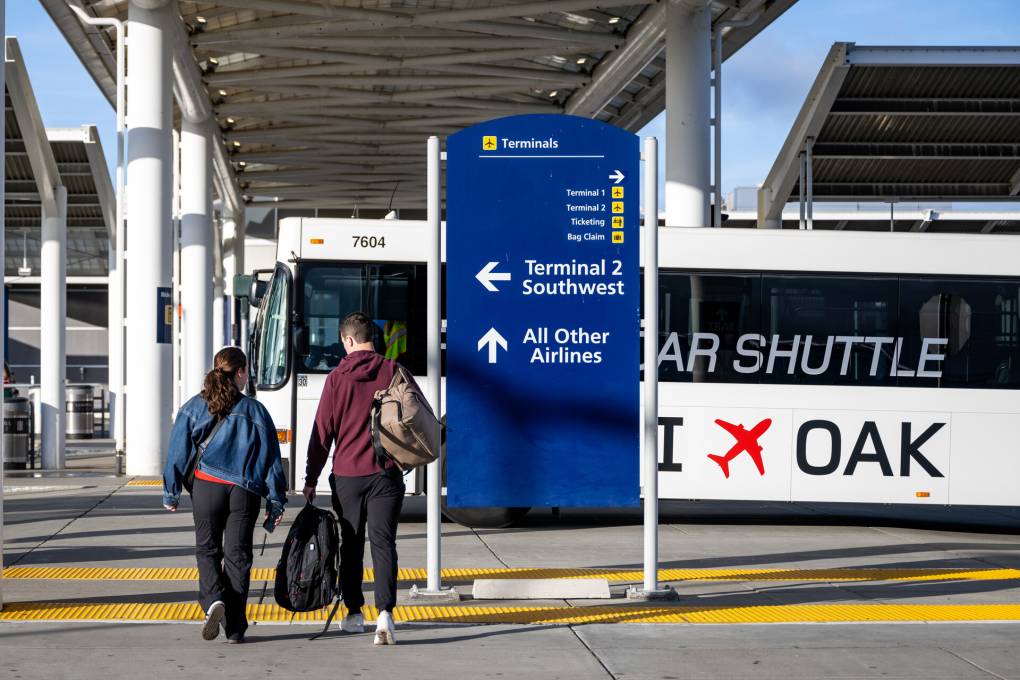
"caption": "Passengers walk into Oakland International Airport in Oakland on April 12, 2024.",
"description": null,
"title": "240412-OAKAirport-011-BL_qut",
"credit": "Beth LaBerge/KQED",
"status": "inherit",
"altTag": null,
"isLoading": false,
"fetchFailed": false
},
"news_11985688": {
"type": "attachments",
"id": "news_11985688",
"meta": {
"index": "attachments_1716263798",
"site": "news",
"id": "11985688",
"found": true
},
"parent": 11985684,
"imgSizes": {
"twentyfourteen-full-width": {
"file": "https://cdn.kqed.org/wp-content/uploads/sites/10/2024/05/240405-District5BOSRedistricting-012-BL_qut-1038x576.jpg",
"width": 1038,
"mimeType": "image/jpeg",
"height": 576
},
"thumbnail": {
"file": "https://cdn.kqed.org/wp-content/uploads/sites/10/2024/05/240405-District5BOSRedistricting-012-BL_qut-160x107.jpg",
"width": 160,
"mimeType": "image/jpeg",
"height": 107
},
"post-thumbnail": {
"file": "https://cdn.kqed.org/wp-content/uploads/sites/10/2024/05/240405-District5BOSRedistricting-012-BL_qut-672x372.jpg",
"width": 672,
"mimeType": "image/jpeg",
"height": 372
},
"kqedFullSize": {
"file": "https://cdn.kqed.org/wp-content/uploads/sites/10/2024/05/240405-District5BOSRedistricting-012-BL_qut.jpg",
"width": 1920,
"height": 1280
},
"large": {
"file": "https://cdn.kqed.org/wp-content/uploads/sites/10/2024/05/240405-District5BOSRedistricting-012-BL_qut-1020x680.jpg",
"width": 1020,
"mimeType": "image/jpeg",
"height": 680
},
"1536x1536": {
"file": "https://cdn.kqed.org/wp-content/uploads/sites/10/2024/05/240405-District5BOSRedistricting-012-BL_qut-1536x1024.jpg",
"width": 1536,
"mimeType": "image/jpeg",
"height": 1024
},
"medium": {
"file": "https://cdn.kqed.org/wp-content/uploads/sites/10/2024/05/240405-District5BOSRedistricting-012-BL_qut-800x533.jpg",
"width": 800,
"mimeType": "image/jpeg",
"height": 533
}
},
"publishDate": 1715364117,
"modified": 1715364130,
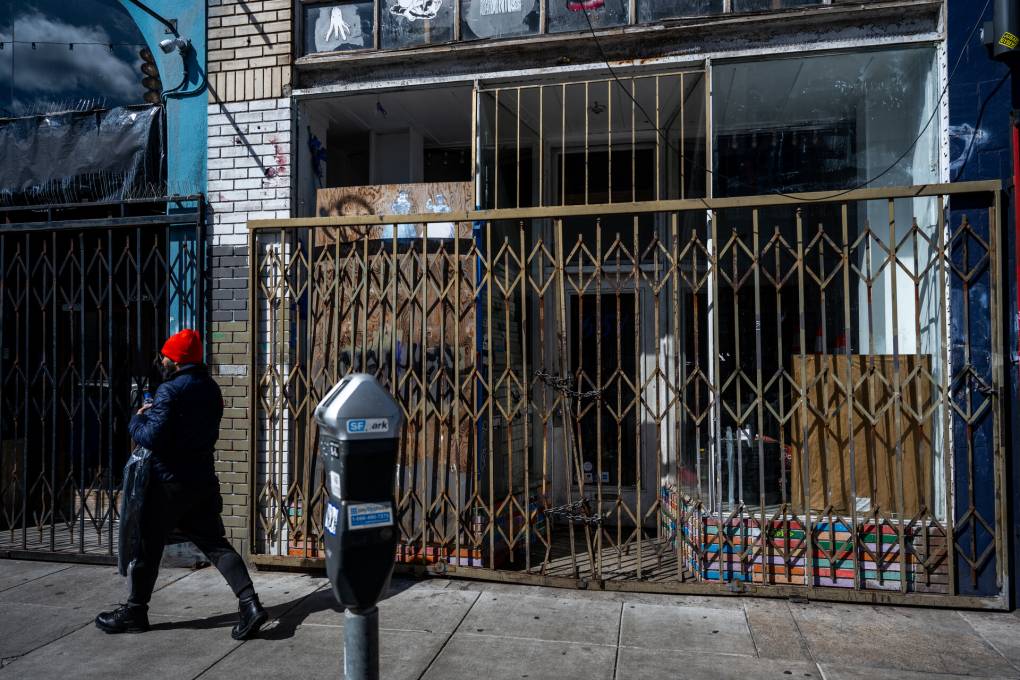
"caption": "Two storefronts sit empty in the Tenderloin neighborhood, a part of the 5th Supervisorial District, in San Francisco on April 5, 2024.",
"description": null,
"title": "240405-District5BOSRedistricting-012-BL_qut",
"credit": "Beth LaBerge/KQED",
"status": "inherit",
"altTag": null,
"isLoading": false,
"fetchFailed": false
},
"news_11985597": {
"type": "attachments",
"id": "news_11985597",
"meta": {
"index": "attachments_1716263798",
"site": "news",
"id": "11985597",
"found": true
},
"parent": 11985525,
"imgSizes": {
"twentyfourteen-full-width": {
"file": "https://cdn.kqed.org/wp-content/uploads/sites/10/2024/05/GettyImages-1298810105_qut-1038x576.jpg",
"width": 1038,
"mimeType": "image/jpeg",
"height": 576
},
"thumbnail": {
"file": "https://cdn.kqed.org/wp-content/uploads/sites/10/2024/05/GettyImages-1298810105_qut-160x107.jpg",
"width": 160,
"mimeType": "image/jpeg",
"height": 107
},
"post-thumbnail": {
"file": "https://cdn.kqed.org/wp-content/uploads/sites/10/2024/05/GettyImages-1298810105_qut-672x372.jpg",
"width": 672,
"mimeType": "image/jpeg",
"height": 372
},
"kqedFullSize": {
"file": "https://cdn.kqed.org/wp-content/uploads/sites/10/2024/05/GettyImages-1298810105_qut.jpg",
"width": 1920,
"height": 1280
},
"large": {
"file": "https://cdn.kqed.org/wp-content/uploads/sites/10/2024/05/GettyImages-1298810105_qut-1020x680.jpg",
"width": 1020,
"mimeType": "image/jpeg",
"height": 680
},
"1536x1536": {
"file": "https://cdn.kqed.org/wp-content/uploads/sites/10/2024/05/GettyImages-1298810105_qut-1536x1024.jpg",
"width": 1536,
"mimeType": "image/jpeg",
"height": 1024
},
"medium": {
"file": "https://cdn.kqed.org/wp-content/uploads/sites/10/2024/05/GettyImages-1298810105_qut-800x533.jpg",
"width": 800,
"mimeType": "image/jpeg",
"height": 533
}
},
"publishDate": 1715292400,
"modified": 1715293689,
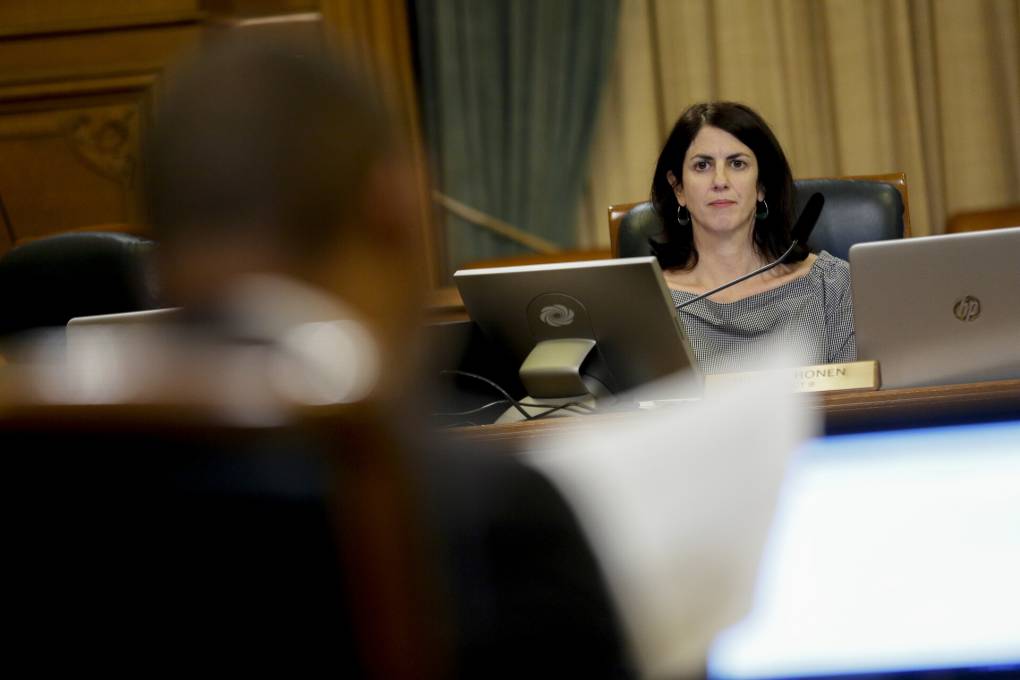
"caption": "District 9 supervisor Hillary Ronen looks over at District 10 supervisor Shamann Walton during a committee meeting at City Hall on May 16, 2019, in San Francisco, California.",
"description": null,
"title": "District 9 supervisor Hillary Ronen looks over at District 10 supervisor Shamann Walton during a committee meeting at City Hall Thursday, May 16, 2019, in San Francisco, Calif. The S.F. Government Audit and Oversight Committee discussed ordinance that wou",
"credit": "Santiago Mejia/San Francisco Chronicle via Getty Images",
"status": "inherit",
"altTag": null,
"isLoading": false,
"fetchFailed": false
},
"news_11985434": {
"type": "attachments",
"id": "news_11985434",
"meta": {
"index": "attachments_1716263798",
"site": "news",
"id": "11985434",
"found": true
},
"parent": 0,
"imgSizes": {
"twentyfourteen-full-width": {
"file": "https://cdn.kqed.org/wp-content/uploads/sites/10/2024/05/240508-ANTI-VIOLENCE-FUNDING-MD-03-KQED-1038x576.jpg",
"width": 1038,
"mimeType": "image/jpeg",
"height": 576
},
"thumbnail": {
"file": "https://cdn.kqed.org/wp-content/uploads/sites/10/2024/05/240508-ANTI-VIOLENCE-FUNDING-MD-03-KQED-160x107.jpg",
"width": 160,
"mimeType": "image/jpeg",
"height": 107
},
"post-thumbnail": {
"file": "https://cdn.kqed.org/wp-content/uploads/sites/10/2024/05/240508-ANTI-VIOLENCE-FUNDING-MD-03-KQED-672x372.jpg",
"width": 672,
"mimeType": "image/jpeg",
"height": 372
},
"kqedFullSize": {
"file": "https://cdn.kqed.org/wp-content/uploads/sites/10/2024/05/240508-ANTI-VIOLENCE-FUNDING-MD-03-KQED.jpg",
"width": 2000,
"height": 1333
},
"large": {
"file": "https://cdn.kqed.org/wp-content/uploads/sites/10/2024/05/240508-ANTI-VIOLENCE-FUNDING-MD-03-KQED-1020x680.jpg",
"width": 1020,
"mimeType": "image/jpeg",
"height": 680
},
"1536x1536": {
"file": "https://cdn.kqed.org/wp-content/uploads/sites/10/2024/05/240508-ANTI-VIOLENCE-FUNDING-MD-03-KQED-1536x1024.jpg",
"width": 1536,
"mimeType": "image/jpeg",
"height": 1024
},
"full-width": {
"file": "https://cdn.kqed.org/wp-content/uploads/sites/10/2024/05/240508-ANTI-VIOLENCE-FUNDING-MD-03-KQED-1920x1280.jpg",
"width": 1920,
"mimeType": "image/jpeg",
"height": 1280
},
"medium": {
"file": "https://cdn.kqed.org/wp-content/uploads/sites/10/2024/05/240508-ANTI-VIOLENCE-FUNDING-MD-03-KQED-800x533.jpg",
"width": 800,
"mimeType": "image/jpeg",
"height": 533
}
},
"publishDate": 1715204987,
"modified": 1715209535,
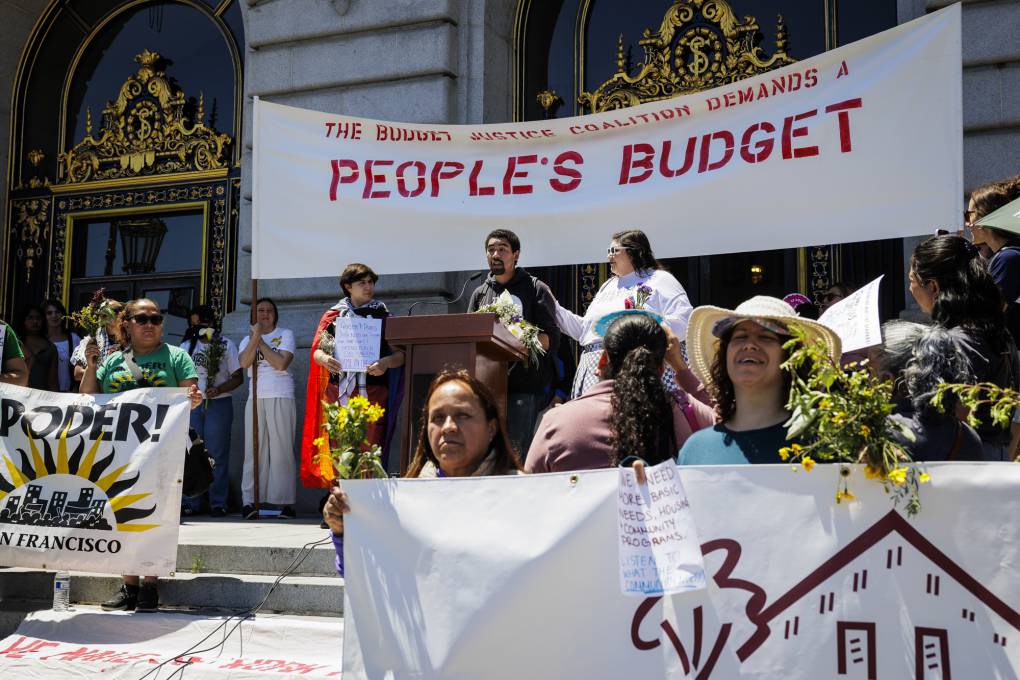
"caption": "Ruben Leon speaks at a rally of San Francisco youth and The People’s Budget Coalition on the steps of San Francisco City Hall to demand that the city not cut funding for public safety programs on May 8, 2024.",
"description": null,
"title": "240508-ANTI-VIOLENCE FUNDING-MD-03-KQED",
"credit": "Martin do Nascimento/KQED",
"status": "inherit",
"altTag": null,
"isLoading": false,
"fetchFailed": false
},
"news_11985401": {
"type": "attachments",
"id": "news_11985401",
"meta": {
"index": "attachments_1716263798",
"site": "news",
"id": "11985401",
"found": true
},
"parent": 11985399,
"imgSizes": {
"twentyfourteen-full-width": {
"file": "https://cdn.kqed.org/wp-content/uploads/sites/10/2024/05/SealsPier39_006_qut-1038x576.jpg",
"width": 1038,
"mimeType": "image/jpeg",
"height": 576
},
"thumbnail": {
"file": "https://cdn.kqed.org/wp-content/uploads/sites/10/2024/05/SealsPier39_006_qut-160x109.jpg",
"width": 160,
"mimeType": "image/jpeg",
"height": 109
},
"post-thumbnail": {
"file": "https://cdn.kqed.org/wp-content/uploads/sites/10/2024/05/SealsPier39_006_qut-672x372.jpg",
"width": 672,
"mimeType": "image/jpeg",
"height": 372
},
"kqedFullSize": {
"file": "https://cdn.kqed.org/wp-content/uploads/sites/10/2024/05/SealsPier39_006_qut.jpg",
"width": 1920,
"height": 1310
},
"large": {
"file": "https://cdn.kqed.org/wp-content/uploads/sites/10/2024/05/SealsPier39_006_qut-1020x696.jpg",
"width": 1020,
"mimeType": "image/jpeg",
"height": 696
},
"1536x1536": {
"file": "https://cdn.kqed.org/wp-content/uploads/sites/10/2024/05/SealsPier39_006_qut-1536x1048.jpg",
"width": 1536,
"mimeType": "image/jpeg",
"height": 1048
},
"medium": {
"file": "https://cdn.kqed.org/wp-content/uploads/sites/10/2024/05/SealsPier39_006_qut-800x546.jpg",
"width": 800,
"mimeType": "image/jpeg",
"height": 546
}
},
"publishDate": 1715199652,
"modified": 1715203972,
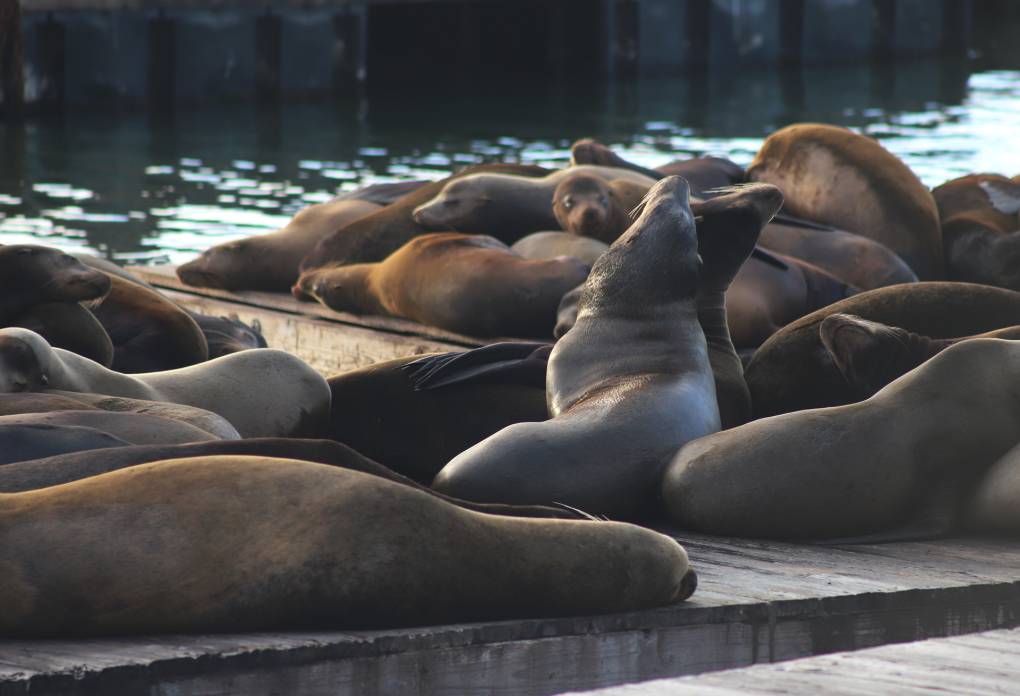
"caption": "Seals gathered at the docks in groups at Pier 39 in San Francisco on Feb. 11, 2019.",
"description": null,
"title": "SealsPier39_006_qut",
"credit": "Lindsey Moore/KQED",
"status": "inherit",
"altTag": null,
"isLoading": false,
"fetchFailed": false
},
"news_11985352": {
"type": "attachments",
"id": "news_11985352",
"meta": {
"index": "attachments_1716263798",
"site": "news",
"id": "11985352",
"found": true
},
"parent": 11985347,
"imgSizes": {
"twentyfourteen-full-width": {
"file": "https://cdn.kqed.org/wp-content/uploads/sites/10/2024/05/terry-williams-1000x576.png",
"width": 1000,
"mimeType": "image/png",
"height": 576
},
"thumbnail": {
"file": "https://cdn.kqed.org/wp-content/uploads/sites/10/2024/05/terry-williams-160x120.png",
"width": 160,
"mimeType": "image/png",
"height": 120
},
"post-thumbnail": {
"file": "https://cdn.kqed.org/wp-content/uploads/sites/10/2024/05/terry-williams-672x372.png",
"width": 672,
"mimeType": "image/png",
"height": 372
},
"kqedFullSize": {
"file": "https://cdn.kqed.org/wp-content/uploads/sites/10/2024/05/terry-williams.png",
"width": 1000,
"height": 750
},
"medium": {
"file": "https://cdn.kqed.org/wp-content/uploads/sites/10/2024/05/terry-williams-800x600.png",
"width": 800,
"mimeType": "image/png",
"height": 600
}
},
"publishDate": 1715193348,
"modified": 1715193397,
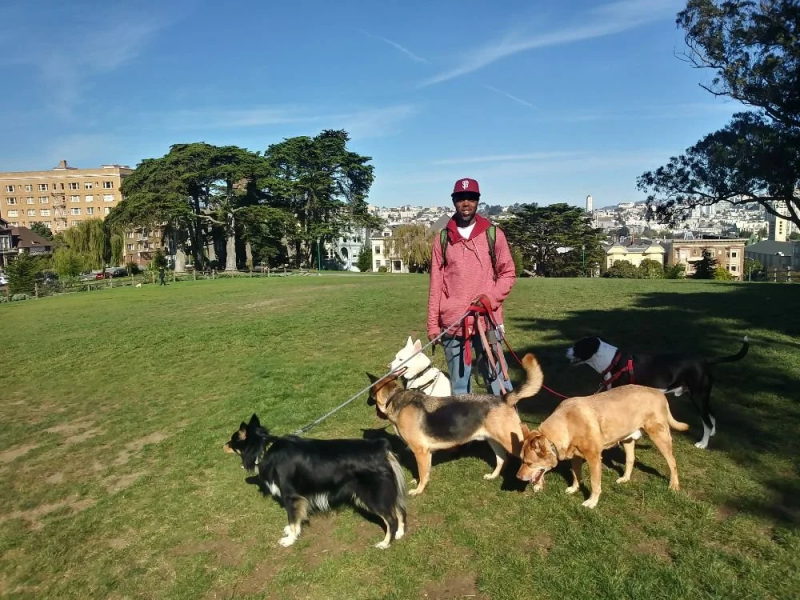
"caption": "Terry Williams has worked as a dog walker in the San Francisco neighborhood of Alamo Square for more than 30 years.",
"description": null,
"title": "terry williams",
"credit": "Courtesy of Terry Williams",
"status": "inherit",
"altTag": "A man stands in a park with five dogs on leashes",
"isLoading": false,
"fetchFailed": false
},
"news_11985221": {
"type": "attachments",
"id": "news_11985221",
"meta": {
"index": "attachments_1716263798",
"site": "news",
"id": "11985221",
"found": true
},
"title": "City Hall in San Francisco on Aug. 8, 2023.",
"publishDate": 1715109990,
"status": "inherit",
"parent": 11985194,
"modified": 1722460152,
"caption": "City Hall in San Francisco on Aug. 8, 2023. Before Kyla Worthy was hired to run SF SAFE, she led For Richmond, which was also accused of falsifying invoices and failing to provide services.",
"credit": "Beth LaBerge/KQED",
"altTag": null,
"description": null,
"imgSizes": {
"medium": {
"file": "https://cdn.kqed.org/wp-content/uploads/sites/10/2024/05/230808-SanFranciscoCityHall-25-BL_qut-800x533.jpg",
"width": 800,
"height": 533,
"mimeType": "image/jpeg"
},
"large": {
"file": "https://cdn.kqed.org/wp-content/uploads/sites/10/2024/05/230808-SanFranciscoCityHall-25-BL_qut-1020x680.jpg",
"width": 1020,
"height": 680,
"mimeType": "image/jpeg"
},
"thumbnail": {
"file": "https://cdn.kqed.org/wp-content/uploads/sites/10/2024/05/230808-SanFranciscoCityHall-25-BL_qut-160x107.jpg",
"width": 160,
"height": 107,
"mimeType": "image/jpeg"
},
"1536x1536": {
"file": "https://cdn.kqed.org/wp-content/uploads/sites/10/2024/05/230808-SanFranciscoCityHall-25-BL_qut-1536x1024.jpg",
"width": 1536,
"height": 1024,
"mimeType": "image/jpeg"
},
"post-thumbnail": {
"file": "https://cdn.kqed.org/wp-content/uploads/sites/10/2024/05/230808-SanFranciscoCityHall-25-BL_qut-672x372.jpg",
"width": 672,
"height": 372,
"mimeType": "image/jpeg"
},
"twentyfourteen-full-width": {
"file": "https://cdn.kqed.org/wp-content/uploads/sites/10/2024/05/230808-SanFranciscoCityHall-25-BL_qut-1038x576.jpg",
"width": 1038,
"height": 576,
"mimeType": "image/jpeg"
},
"kqedFullSize": {
"file": "https://cdn.kqed.org/wp-content/uploads/sites/10/2024/05/230808-SanFranciscoCityHall-25-BL_qut.jpg",
"width": 1920,
"height": 1280
}
},
"isLoading": false,
"fetchFailed": false
},
"news_11984349": {
"type": "attachments",
"id": "news_11984349",
"meta": {
"index": "attachments_1716263798",
"site": "news",
"id": "11984349",
"found": true
},
"parent": 0,
"imgSizes": {
"twentyfourteen-full-width": {
"file": "https://cdn.kqed.org/wp-content/uploads/sites/10/2024/04/240426-ASIASF-030-BL-KQED-1038x576.jpg",
"width": 1038,
"mimeType": "image/jpeg",
"height": 576
},
"thumbnail": {
"file": "https://cdn.kqed.org/wp-content/uploads/sites/10/2024/04/240426-ASIASF-030-BL-KQED-160x107.jpg",
"width": 160,
"mimeType": "image/jpeg",
"height": 107
},
"post-thumbnail": {
"file": "https://cdn.kqed.org/wp-content/uploads/sites/10/2024/04/240426-ASIASF-030-BL-KQED-672x372.jpg",
"width": 672,
"mimeType": "image/jpeg",
"height": 372
},
"kqedFullSize": {
"file": "https://cdn.kqed.org/wp-content/uploads/sites/10/2024/04/240426-ASIASF-030-BL-KQED.jpg",
"width": 2000,
"height": 1333
},
"large": {
"file": "https://cdn.kqed.org/wp-content/uploads/sites/10/2024/04/240426-ASIASF-030-BL-KQED-1020x680.jpg",
"width": 1020,
"mimeType": "image/jpeg",
"height": 680
},
"1536x1536": {
"file": "https://cdn.kqed.org/wp-content/uploads/sites/10/2024/04/240426-ASIASF-030-BL-KQED-1536x1024.jpg",
"width": 1536,
"mimeType": "image/jpeg",
"height": 1024
},
"full-width": {
"file": "https://cdn.kqed.org/wp-content/uploads/sites/10/2024/04/240426-ASIASF-030-BL-KQED-1920x1280.jpg",
"width": 1920,
"mimeType": "image/jpeg",
"height": 1280
},
"medium": {
"file": "https://cdn.kqed.org/wp-content/uploads/sites/10/2024/04/240426-ASIASF-030-BL-KQED-800x533.jpg",
"width": 800,
"mimeType": "image/jpeg",
"height": 533
}
},
"publishDate": 1714410312,
"modified": 1714425726,
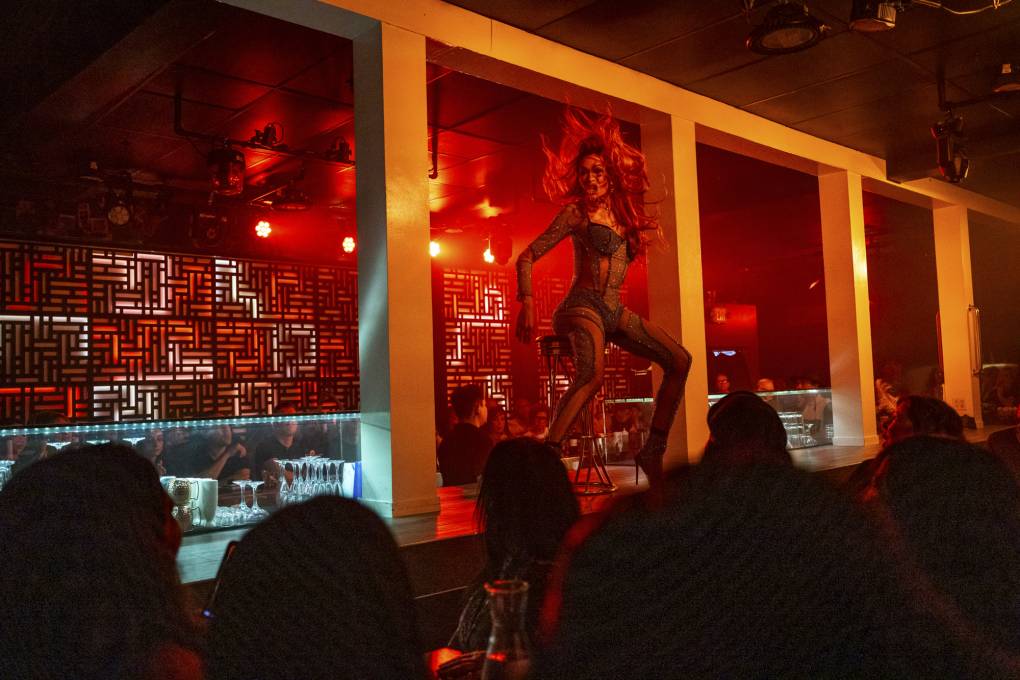
"caption": "Gia performs at AsiaSF in San Francisco on April 26, 2024. The SoMa restaurant and cabaret, starring transgender women, closed its doors on April 28, 2024, after 26 years.",
"description": null,
"title": "240426-ASIASF-030-BL-KQED",
"credit": "Beth LaBerge/KQED",
"status": "inherit",
"altTag": null,
"isLoading": false,
"fetchFailed": false
},
"news_11783907": {
"type": "attachments",
"id": "news_11783907",
"meta": {
"index": "attachments_1716263798",
"site": "news",
"id": "11783907",
"found": true
},
"parent": 11782405,
"imgSizes": {
"apple_news_ca_landscape_5_5": {
"file": "https://ww2.kqed.org/app/uploads/sites/10/2019/10/RS39774_Carly_MEgan_02-1044x783.jpg",
"width": 1044,
"mimeType": "image/jpeg",
"height": 783
},
"apple_news_ca_square_4_0": {
"file": "https://ww2.kqed.org/app/uploads/sites/10/2019/10/RS39774_Carly_MEgan_02-470x470.jpg",
"width": 470,
"mimeType": "image/jpeg",
"height": 470
},
"twentyfourteen-full-width": {
"file": "https://ww2.kqed.org/app/uploads/sites/10/2019/10/RS39774_Carly_MEgan_02-1038x576.jpg",
"width": 1038,
"mimeType": "image/jpeg",
"height": 576
},
"thumbnail": {
"file": "https://ww2.kqed.org/app/uploads/sites/10/2019/10/RS39774_Carly_MEgan_02-160x90.jpg",
"width": 160,
"mimeType": "image/jpeg",
"height": 90
},
"post-thumbnail": {
"file": "https://ww2.kqed.org/app/uploads/sites/10/2019/10/RS39774_Carly_MEgan_02-672x372.jpg",
"width": 672,
"mimeType": "image/jpeg",
"height": 372
},
"kqedFullSize": {
"file": "https://ww2.kqed.org/app/uploads/sites/10/2019/10/RS39774_Carly_MEgan_02.jpg",
"width": 1825,
"height": 1027
},
"apple_news_ca_landscape_4_7": {
"file": "https://ww2.kqed.org/app/uploads/sites/10/2019/10/RS39774_Carly_MEgan_02-632x474.jpg",
"width": 632,
"mimeType": "image/jpeg",
"height": 474
},
"large": {
"file": "https://ww2.kqed.org/app/uploads/sites/10/2019/10/RS39774_Carly_MEgan_02-1020x574.jpg",
"width": 1020,
"mimeType": "image/jpeg",
"height": 574
},
"complete_open_graph": {
"file": "https://ww2.kqed.org/app/uploads/sites/10/2019/10/RS39774_Carly_MEgan_02-1200x675.jpg",
"width": 1200,
"mimeType": "image/jpeg",
"height": 675
},
"apple_news_ca_landscape_4_0": {
"file": "https://ww2.kqed.org/app/uploads/sites/10/2019/10/RS39774_Carly_MEgan_02-536x402.jpg",
"width": 536,
"mimeType": "image/jpeg",
"height": 402
},
"apple_news_ca_portrait_12_9": {
"file": "https://ww2.kqed.org/app/uploads/sites/10/2019/10/RS39774_Carly_MEgan_02-1122x1027.jpg",
"width": 1122,
"mimeType": "image/jpeg",
"height": 1027
},
"medium": {
"file": "https://ww2.kqed.org/app/uploads/sites/10/2019/10/RS39774_Carly_MEgan_02-800x450.jpg",
"width": 800,
"mimeType": "image/jpeg",
"height": 450
},
"apple_news_ca_portrait_4_0": {
"file": "https://ww2.kqed.org/app/uploads/sites/10/2019/10/RS39774_Carly_MEgan_02-354x472.jpg",
"width": 354,
"mimeType": "image/jpeg",
"height": 472
},
"apple_news_ca_portrait_9_7": {
"file": "https://ww2.kqed.org/app/uploads/sites/10/2019/10/RS39774_Carly_MEgan_02-840x1027.jpg",
"width": 840,
"mimeType": "image/jpeg",
"height": 1027
},
"apple_news_ca_square_9_7": {
"file": "https://ww2.kqed.org/app/uploads/sites/10/2019/10/RS39774_Carly_MEgan_02-1104x1027.jpg",
"width": 1104,
"mimeType": "image/jpeg",
"height": 1027
},
"apple_news_ca_portrait_4_7": {
"file": "https://ww2.kqed.org/app/uploads/sites/10/2019/10/RS39774_Carly_MEgan_02-414x552.jpg",
"width": 414,
"mimeType": "image/jpeg",
"height": 552
},
"apple_news_ca_square_12_9": {
"file": "https://ww2.kqed.org/app/uploads/sites/10/2019/10/RS39774_Carly_MEgan_02-1472x1027.jpg",
"width": 1472,
"mimeType": "image/jpeg",
"height": 1027
},
"apple_news_ca_portrait_5_5": {
"file": "https://ww2.kqed.org/app/uploads/sites/10/2019/10/RS39774_Carly_MEgan_02-687x916.jpg",
"width": 687,
"mimeType": "image/jpeg",
"height": 916
},
"apple_news_ca_square_4_7": {
"file": "https://ww2.kqed.org/app/uploads/sites/10/2019/10/RS39774_Carly_MEgan_02-550x550.jpg",
"width": 550,
"mimeType": "image/jpeg",
"height": 550
},
"apple_news_ca_landscape_9_7": {
"file": "https://ww2.kqed.org/app/uploads/sites/10/2019/10/RS39774_Carly_MEgan_02-1376x1027.jpg",
"width": 1376,
"mimeType": "image/jpeg",
"height": 1027
},
"apple_news_ca_square_5_5": {
"file": "https://ww2.kqed.org/app/uploads/sites/10/2019/10/RS39774_Carly_MEgan_02-912x912.jpg",
"width": 912,
"mimeType": "image/jpeg",
"height": 912
}
},
"publishDate": 1572472843,
"modified": 1572473087,
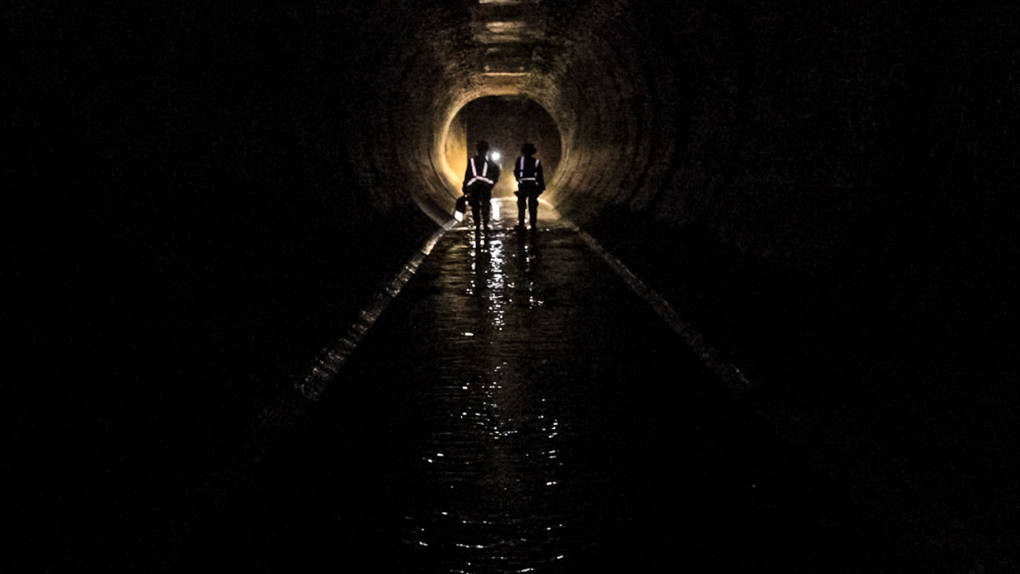
"caption": "Many dangers lurk underground in San Francisco. ",
"description": "Many dangers lurk underground in San Francisco. ",
"title": "RS39774_Carly_MEgan_02",
"credit": "Sruti Mamidanna/KQED",
"status": "inherit",
"isLoading": false,
"fetchFailed": false
},
"news_11984655": {
"type": "attachments",
"id": "news_11984655",
"meta": {
"index": "attachments_1716263798",
"site": "news",
"id": "11984655",
"found": true
},
"parent": 0,
"imgSizes": {
"twentyfourteen-full-width": {
"file": "https://cdn.kqed.org/wp-content/uploads/sites/10/2024/05/20240501_MAYDAYRALLY-27-GC-KQED-1038x576.jpg",
"width": 1038,
"mimeType": "image/jpeg",
"height": 576
},
"thumbnail": {
"file": "https://cdn.kqed.org/wp-content/uploads/sites/10/2024/05/20240501_MAYDAYRALLY-27-GC-KQED-160x107.jpg",
"width": 160,
"mimeType": "image/jpeg",
"height": 107
},
"post-thumbnail": {
"file": "https://cdn.kqed.org/wp-content/uploads/sites/10/2024/05/20240501_MAYDAYRALLY-27-GC-KQED-672x372.jpg",
"width": 672,
"mimeType": "image/jpeg",
"height": 372
},
"kqedFullSize": {
"file": "https://cdn.kqed.org/wp-content/uploads/sites/10/2024/05/20240501_MAYDAYRALLY-27-GC-KQED.jpg",
"width": 2000,
"height": 1333
},
"large": {
"file": "https://cdn.kqed.org/wp-content/uploads/sites/10/2024/05/20240501_MAYDAYRALLY-27-GC-KQED-1020x680.jpg",
"width": 1020,
"mimeType": "image/jpeg",
"height": 680
},
"1536x1536": {
"file": "https://cdn.kqed.org/wp-content/uploads/sites/10/2024/05/20240501_MAYDAYRALLY-27-GC-KQED-1536x1024.jpg",
"width": 1536,
"mimeType": "image/jpeg",
"height": 1024
},
"full-width": {
"file": "https://cdn.kqed.org/wp-content/uploads/sites/10/2024/05/20240501_MAYDAYRALLY-27-GC-KQED-1920x1280.jpg",
"width": 1920,
"mimeType": "image/jpeg",
"height": 1280
},
"medium": {
"file": "https://cdn.kqed.org/wp-content/uploads/sites/10/2024/05/20240501_MAYDAYRALLY-27-GC-KQED-800x533.jpg",
"width": 800,
"mimeType": "image/jpeg",
"height": 533
}
},
"publishDate": 1714592618,
"modified": 1714592839,
"caption": "An individual who goes by Ghassan, left, leads demonstrators on Mission Street at the May Day rally during International Worker’s Day on Wednesday, May 1, 2024.",
"description": null,
"title": "20240501_MAYDAYRALLY-27-GC-KQED",
"credit": "Gina Castro/KQED",
"status": "inherit",
"altTag": null,
"isLoading": false,
"fetchFailed": false
},
"news_11909167": {
"type": "attachments",
"id": "news_11909167",
"meta": {
"index": "attachments_1716263798",
"site": "news",
"id": "11909167",
"found": true
},
"parent": 11909141,
"imgSizes": {
"twentyfourteen-full-width": {
"file": "https://cdn.kqed.org/wp-content/uploads/sites/10/2022/03/RS50490_007_SanFrancisco_Housing_07292021-qut-1038x576.jpg",
"width": 1038,
"mimeType": "image/jpeg",
"height": 576
},
"thumbnail": {
"file": "https://cdn.kqed.org/wp-content/uploads/sites/10/2022/03/RS50490_007_SanFrancisco_Housing_07292021-qut-160x107.jpg",
"width": 160,
"mimeType": "image/jpeg",
"height": 107
},
"post-thumbnail": {
"file": "https://cdn.kqed.org/wp-content/uploads/sites/10/2022/03/RS50490_007_SanFrancisco_Housing_07292021-qut-672x372.jpg",
"width": 672,
"mimeType": "image/jpeg",
"height": 372
},
"kqedFullSize": {
"file": "https://cdn.kqed.org/wp-content/uploads/sites/10/2022/03/RS50490_007_SanFrancisco_Housing_07292021-qut.jpg",
"width": 1920,
"height": 1280
},
"large": {
"file": "https://cdn.kqed.org/wp-content/uploads/sites/10/2022/03/RS50490_007_SanFrancisco_Housing_07292021-qut-1020x680.jpg",
"width": 1020,
"mimeType": "image/jpeg",
"height": 680
},
"1536x1536": {
"file": "https://cdn.kqed.org/wp-content/uploads/sites/10/2022/03/RS50490_007_SanFrancisco_Housing_07292021-qut-1536x1024.jpg",
"width": 1536,
"mimeType": "image/jpeg",
"height": 1024
},
"medium": {
"file": "https://cdn.kqed.org/wp-content/uploads/sites/10/2022/03/RS50490_007_SanFrancisco_Housing_07292021-qut-800x533.jpg",
"width": 800,
"mimeType": "image/jpeg",
"height": 533
}
},
"publishDate": 1648154076,
"modified": 1714503292,
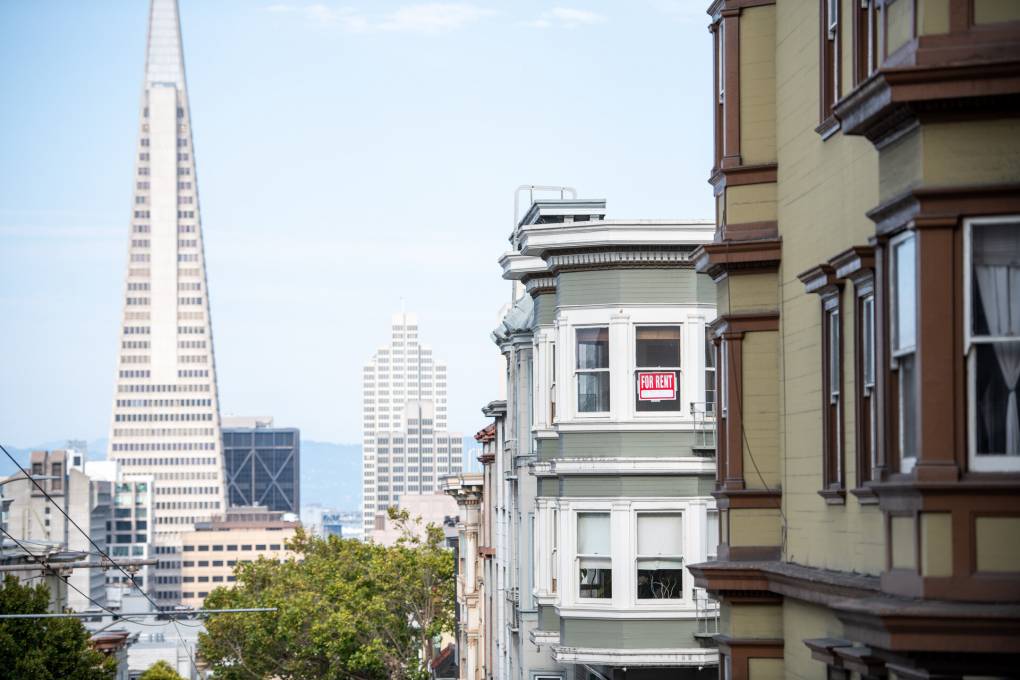
"caption": "A 'For Rent' sign hangs in the window of an apartment building in Nob Hill in San Francisco on July 29, 2021.",
"description": "A 'For Rent' sign hangs in the window of an apartment building in Nob Hill in San Francisco on July 29, 2021. In the first full year of the pandemic, San Francisco, New York, Los Angeles and Chicago saw the greatest population losses in the nation, according to data from the U.S. Census Bureau released Thursday.",
"title": "RS50490_007_SanFrancisco_Housing_07292021-qut",
"credit": "Beth LaBerge/KQED",
"status": "inherit",
"altTag": "A red 'for rent' sign hangs in the window of a classic SF Victorian building, with the downtown skyline in the background.",
"isLoading": false,
"fetchFailed": false
},
"news_11984439": {
"type": "attachments",
"id": "news_11984439",
"meta": {
"index": "attachments_1716263798",
"site": "news",
"id": "11984439",
"found": true
},
"parent": 11984807,
"imgSizes": {
"twentyfourteen-full-width": {
"file": "https://cdn.kqed.org/wp-content/uploads/sites/10/2024/04/240429-SFSU-GAZA-ENCAMPMENT-MD-09-KQED-1038x576.jpg",
"width": 1038,
"mimeType": "image/jpeg",
"height": 576
},
"thumbnail": {
"file": "https://cdn.kqed.org/wp-content/uploads/sites/10/2024/04/240429-SFSU-GAZA-ENCAMPMENT-MD-09-KQED-160x107.jpg",
"width": 160,
"mimeType": "image/jpeg",
"height": 107
},
"post-thumbnail": {
"file": "https://cdn.kqed.org/wp-content/uploads/sites/10/2024/04/240429-SFSU-GAZA-ENCAMPMENT-MD-09-KQED-672x372.jpg",
"width": 672,
"mimeType": "image/jpeg",
"height": 372
},
"kqedFullSize": {
"file": "https://cdn.kqed.org/wp-content/uploads/sites/10/2024/04/240429-SFSU-GAZA-ENCAMPMENT-MD-09-KQED.jpg",
"width": 2000,
"height": 1333
},
"large": {
"file": "https://cdn.kqed.org/wp-content/uploads/sites/10/2024/04/240429-SFSU-GAZA-ENCAMPMENT-MD-09-KQED-1020x680.jpg",
"width": 1020,
"mimeType": "image/jpeg",
"height": 680
},
"1536x1536": {
"file": "https://cdn.kqed.org/wp-content/uploads/sites/10/2024/04/240429-SFSU-GAZA-ENCAMPMENT-MD-09-KQED-1536x1024.jpg",
"width": 1536,
"mimeType": "image/jpeg",
"height": 1024
},
"full-width": {
"file": "https://cdn.kqed.org/wp-content/uploads/sites/10/2024/04/240429-SFSU-GAZA-ENCAMPMENT-MD-09-KQED-1920x1280.jpg",
"width": 1920,
"mimeType": "image/jpeg",
"height": 1280
},
"medium": {
"file": "https://cdn.kqed.org/wp-content/uploads/sites/10/2024/04/240429-SFSU-GAZA-ENCAMPMENT-MD-09-KQED-800x533.jpg",
"width": 800,
"mimeType": "image/jpeg",
"height": 533
}
},
"publishDate": 1714436641,
"modified": 1714680079,
"caption": "San Francisco State University students rally outside the Cesar Chavez Student Center on Monday, calling on the university to disclose its financial ties to Israel and divest from weapons manufacturers.",
"description": null,
"title": "240429-SFSU GAZA ENCAMPMENT-MD-09-KQED",
"credit": "Martin do Nascimento/KQED",
"status": "inherit",
"altTag": null,
"isLoading": false,
"fetchFailed": false
}
},
"audioPlayerReducer": {
"postId": "stream_live",
"isPaused": true,
"isPlaying": false,
"pfsActive": false,
"pledgeModalIsOpen": true,
"playerDrawerIsOpen": false,
"liveAudioPlayStartedAt": 0,
"liveAudioPlayContext": ""
},
"authorsReducer": {
"byline_news_11985399": {
"type": "authors",
"id": "byline_news_11985399",
"meta": {
"override": true
},
"slug": "byline_news_11985399",
"name": "\u003ca href=\"https://twitter.com/katie_debe?lang=en\">Katie DeBenedetti\u003c/a>",
"isLoading": false
},
"byline_news_11984363": {
"type": "authors",
"id": "byline_news_11984363",
"meta": {
"override": true
},
"slug": "byline_news_11984363",
"name": "Wilma B. Consul",
"isLoading": false
},
"matthewgreen": {
"type": "authors",
"id": "1263",
"meta": {
"index": "authors_1716337520",
"id": "1263",
"found": true
},
"name": "Matthew Green",
"firstName": "Matthew",
"lastName": "Green",
"slug": "matthewgreen",
"email": "mgreen@kqed.org",
"display_author_email": false,
"staff_mastheads": [],
"title": "KQED Editor/Reporter",
"bio": "Matthew Green is a digital media producer for KQED News. He previously produced \u003ca href=\"http://www.kqed.org/lowdown\">The Lowdown\u003c/a>, KQED’s multimedia news education blog. Matthew's written for numerous Bay Area publications, including the Oakland Tribune and San Francisco Chronicle. He also taught journalism classes at Fremont High School in East Oakland.\r\n\r\nEmail: mgreen@kqed.org; Twitter: @MGreenKQED",
"avatar": "https://secure.gravatar.com/avatar/3bf498d1267ca02c8494f33d8cfc575e?s=600&d=blank&r=g",
"twitter": "MGreenKQED",
"facebook": null,
"instagram": null,
"linkedin": null,
"sites": [
{
"site": "news",
"roles": []
},
{
"site": "lowdown",
"roles": []
},
{
"site": "science",
"roles": []
},
{
"site": "education",
"roles": []
},
{
"site": "quest",
"roles": []
},
{
"site": "liveblog",
"roles": []
}
],
"headData": {
"title": "Matthew Green | KQED",
"description": "KQED Editor/Reporter",
"ogImgSrc": "https://secure.gravatar.com/avatar/3bf498d1267ca02c8494f33d8cfc575e?s=600&d=blank&r=g",
"twImgSrc": "https://secure.gravatar.com/avatar/3bf498d1267ca02c8494f33d8cfc575e?s=600&d=blank&r=g"
},
"isLoading": false,
"link": "/author/matthewgreen"
},
"carlysevern": {
"type": "authors",
"id": "3243",
"meta": {
"index": "authors_1716337520",
"id": "3243",
"found": true
},
"name": "Carly Severn",
"firstName": "Carly",
"lastName": "Severn",
"slug": "carlysevern",
"email": "csevern@kqed.org",
"display_author_email": false,
"staff_mastheads": [
"news"
],
"title": "Senior Editor, Audience News ",
"bio": "Carly is KQED's Senior Editor of Audience News on the Digital News team, and has reported for the California Report Magazine, Bay Curious and KQED Arts. She's formerly the host of \u003ca href=\"http://ww2.kqed.org/pop/category/the-cooler/\" rel=\"noopener noreferrer\">The Cooler\u003c/a> podcast.",
"avatar": "https://secure.gravatar.com/avatar/54037bf5c128fe678f0ef26cec97a93f2e7f220a22d7285703328f12c42c1b1d?s=600&d=blank&r=g",
"twitter": "teacupinthebay",
"bluesky": null,
"facebook": null,
"instagram": null,
"linkedin": null,
"sites": [
{
"site": "",
"roles": [
"editor"
]
},
{
"site": "arts",
"roles": [
"editor"
]
},
{
"site": "news",
"roles": [
"administrator"
]
},
{
"site": "pop",
"roles": [
"editor"
]
},
{
"site": "futureofyou",
"roles": [
"editor"
]
},
{
"site": "about",
"roles": [
"administrator"
]
},
{
"site": "mindshift",
"roles": [
"editor"
]
},
{
"site": "bayareabites",
"roles": [
"editor"
]
},
{
"site": "stateofhealth",
"roles": [
"editor"
]
},
{
"site": "science",
"roles": [
"editor"
]
},
{
"site": "food",
"roles": [
"contributor"
]
},
{
"site": "forum",
"roles": [
"editor"
]
},
{
"site": "perspectives",
"roles": [
"administrator"
]
},
{
"site": "liveblog",
"roles": [
"editor"
]
}
],
"headData": {
"title": "Carly Severn | KQED",
"description": "Senior Editor, Audience News ",
"ogImgSrc": "https://secure.gravatar.com/avatar/54037bf5c128fe678f0ef26cec97a93f2e7f220a22d7285703328f12c42c1b1d?s=600&d=blank&r=g",
"twImgSrc": "https://secure.gravatar.com/avatar/54037bf5c128fe678f0ef26cec97a93f2e7f220a22d7285703328f12c42c1b1d?s=600&d=blank&r=g"
},
"isLoading": false,
"link": "/author/carlysevern"
},
"vrancano": {
"type": "authors",
"id": "11276",
"meta": {
"index": "authors_1716337520",
"id": "11276",
"found": true
},
"name": "Vanessa Rancaño",
"firstName": "Vanessa",
"lastName": "Rancaño",
"slug": "vrancano",
"email": "vrancano@kqed.org",
"display_author_email": false,
"staff_mastheads": [
"news"
],
"title": "Reporter",
"bio": "Vanessa Rancaño is a features reporter for KQED. She’s also covered homelessness and education for the station and reported from the Central Valley. Her work has aired across public radio, from flagship national news shows to longform narrative podcasts. Before taking up a mic, she worked as a freelance print journalist. She’s been recognized with a number of national and regional awards. Vanessa grew up in California's Central Valley. She's a former NPR Kroc Fellow, and a graduate of the UC Berkeley Graduate School of Journalism.",
"avatar": "https://secure.gravatar.com/avatar/b3a383dfb0e7ee1c17568f2cf067904ab654d6e3de9743fc661f3c788ade1bed?s=600&d=blank&r=g",
"twitter": "vanessarancano",
"bluesky": null,
"facebook": null,
"instagram": null,
"linkedin": null,
"sites": [
{
"site": "arts",
"roles": [
"editor"
]
},
{
"site": "news",
"roles": [
"editor"
]
},
{
"site": "liveblog",
"roles": [
"contributor"
]
}
],
"headData": {
"title": "Vanessa Rancaño | KQED",
"description": "Reporter",
"ogImgSrc": "https://secure.gravatar.com/avatar/b3a383dfb0e7ee1c17568f2cf067904ab654d6e3de9743fc661f3c788ade1bed?s=600&d=blank&r=g",
"twImgSrc": "https://secure.gravatar.com/avatar/b3a383dfb0e7ee1c17568f2cf067904ab654d6e3de9743fc661f3c788ade1bed?s=600&d=blank&r=g"
},
"isLoading": false,
"link": "/author/vrancano"
},
"jrodriguez": {
"type": "authors",
"id": "11690",
"meta": {
"index": "authors_1716337520",
"id": "11690",
"found": true
},
"name": "Joe Fitzgerald Rodriguez",
"firstName": "Joe",
"lastName": "Fitzgerald Rodriguez",
"slug": "jrodriguez",
"email": "jrodriguez@kqed.org",
"display_author_email": true,
"staff_mastheads": [
"news"
],
"title": "Reporter and Producer",
"bio": "Joe Fitzgerald Rodriguez is a reporter and digital producer for KQED covering politics. Joe most recently wrote for the \u003cem>San Francisco Examiner\u003c/em> as a political columnist covering The City. He was raised in San Francisco and has spent his reporting career in his beloved, foggy, city by the bay. Joe was 12-years-old when he conducted his first interview in journalism, grilling former San Francisco Mayor Willie Brown for the Marina Middle School newspaper, \u003cem>The Penguin Press, \u003c/em>and he continues to report on the San Francisco Bay Area to this day.",
"avatar": "https://secure.gravatar.com/avatar/2247beb0564c1e9c62228d5649d2edac?s=600&d=blank&r=g",
"twitter": "FitztheReporter",
"facebook": null,
"instagram": "https://www.instagram.com/fitzthereporter/",
"linkedin": null,
"sites": [
{
"site": "",
"roles": [
"editor"
]
},
{
"site": "arts",
"roles": [
"editor"
]
},
{
"site": "news",
"roles": [
"editor"
]
},
{
"site": "science",
"roles": [
"editor"
]
},
{
"site": "elections",
"roles": [
"editor"
]
},
{
"site": "liveblog",
"roles": [
"editor"
]
}
],
"headData": {
"title": "Joe Fitzgerald Rodriguez | KQED",
"description": "Reporter and Producer",
"ogImgSrc": "https://secure.gravatar.com/avatar/2247beb0564c1e9c62228d5649d2edac?s=600&d=blank&r=g",
"twImgSrc": "https://secure.gravatar.com/avatar/2247beb0564c1e9c62228d5649d2edac?s=600&d=blank&r=g"
},
"isLoading": false,
"link": "/author/jrodriguez"
},
"jlara": {
"type": "authors",
"id": "11761",
"meta": {
"index": "authors_1716337520",
"id": "11761",
"found": true
},
"name": "Juan Carlos Lara",
"firstName": "Juan Carlos",
"lastName": "Lara",
"slug": "jlara",
"email": "jlara@kqed.org",
"display_author_email": false,
"staff_mastheads": [],
"title": "KQED Contributor",
"bio": null,
"avatar": "https://secure.gravatar.com/avatar/19e2052b9b05657c5ff2af2121846e9c?s=600&d=blank&r=g",
"twitter": null,
"facebook": null,
"instagram": null,
"linkedin": null,
"sites": [
{
"site": "arts",
"roles": [
"editor"
]
},
{
"site": "news",
"roles": [
"editor"
]
},
{
"site": "forum",
"roles": [
"editor"
]
},
{
"site": "liveblog",
"roles": [
"contributor"
]
}
],
"headData": {
"title": "Juan Carlos Lara | KQED",
"description": "KQED Contributor",
"ogImgSrc": "https://secure.gravatar.com/avatar/19e2052b9b05657c5ff2af2121846e9c?s=600&d=blank&r=g",
"twImgSrc": "https://secure.gravatar.com/avatar/19e2052b9b05657c5ff2af2121846e9c?s=600&d=blank&r=g"
},
"isLoading": false,
"link": "/author/jlara"
},
"sjohnson": {
"type": "authors",
"id": "11840",
"meta": {
"index": "authors_1716337520",
"id": "11840",
"found": true
},
"name": "Sydney Johnson",
"firstName": "Sydney",
"lastName": "Johnson",
"slug": "sjohnson",
"email": "sjohnson@kqed.org",
"display_author_email": false,
"staff_mastheads": [
"news"
],
"title": "KQED Reporter",
"bio": "Sydney Johnson is a general assignment reporter at KQED. She previously reported on public health and city government at the San Francisco Examiner, and before that, she covered statewide education policy for EdSource. Her reporting has won multiple local, state and national awards. Sydney is a graduate of the University of California, Berkeley and lives in San Francisco.",
"avatar": "https://secure.gravatar.com/avatar/97855f2719b72ad6190b7c535fe642c8?s=600&d=blank&r=g",
"twitter": "sydneyfjohnson",
"facebook": null,
"instagram": null,
"linkedin": null,
"sites": [
{
"site": "news",
"roles": [
"editor"
]
}
],
"headData": {
"title": "Sydney Johnson | KQED",
"description": "KQED Reporter",
"ogImgSrc": "https://secure.gravatar.com/avatar/97855f2719b72ad6190b7c535fe642c8?s=600&d=blank&r=g",
"twImgSrc": "https://secure.gravatar.com/avatar/97855f2719b72ad6190b7c535fe642c8?s=600&d=blank&r=g"
},
"isLoading": false,
"link": "/author/sjohnson"
},
"naltenberg": {
"type": "authors",
"id": "11896",
"meta": {
"index": "authors_1716337520",
"id": "11896",
"found": true
},
"name": "Nik Altenberg",
"firstName": "Nik",
"lastName": "Altenberg",
"slug": "naltenberg",
"email": "naltenberg@kqed.org",
"display_author_email": false,
"staff_mastheads": [],
"title": "KQED Contributor",
"bio": "Nik Altenberg is an on-call reporter for KQED and a copy editor and fact checker for Santa Cruz Local. Nik’s reporting interests include policing, public health, environment, immigration, housing and the places where these issues intersect.",
"avatar": "https://secure.gravatar.com/avatar/e391b3a18ce4a53a7ca3f3065c74418b?s=600&d=blank&r=g",
"twitter": null,
"facebook": null,
"instagram": "https://www.instagram.com/nikaltenberg/",
"linkedin": null,
"sites": [
{
"site": "news",
"roles": []
}
],
"headData": {
"title": "Nik Altenberg | KQED",
"description": "KQED Contributor",
"ogImgSrc": "https://secure.gravatar.com/avatar/e391b3a18ce4a53a7ca3f3065c74418b?s=600&d=blank&r=g",
"twImgSrc": "https://secure.gravatar.com/avatar/e391b3a18ce4a53a7ca3f3065c74418b?s=600&d=blank&r=g"
},
"isLoading": false,
"link": "/author/naltenberg"
},
"kdebenedetti": {
"type": "authors",
"id": "11913",
"meta": {
"index": "authors_1716337520",
"id": "11913",
"found": true
},
"name": "Katie DeBenedetti",
"firstName": "Katie",
"lastName": "DeBenedetti",
"slug": "kdebenedetti",
"email": "kdebenedetti@kqed.org",
"display_author_email": false,
"staff_mastheads": [
"news",
"science"
],
"title": "KQED Contributor",
"bio": "Katie DeBenedetti is a digital reporter covering daily news for the Express Desk. Prior to joining KQED as a culture reporting intern in January 2024, she covered education and city government for the Napa Valley Register.",
"avatar": "https://secure.gravatar.com/avatar/6e31073cb8f7e4214ab03f42771d0f45?s=600&d=blank&r=g",
"twitter": null,
"facebook": null,
"instagram": null,
"linkedin": null,
"sites": [
{
"site": "news",
"roles": [
"author"
]
},
{
"site": "science",
"roles": [
"author"
]
},
{
"site": "liveblog",
"roles": [
"author"
]
}
],
"headData": {
"title": "Katie DeBenedetti | KQED",
"description": "KQED Contributor",
"ogImgSrc": "https://secure.gravatar.com/avatar/6e31073cb8f7e4214ab03f42771d0f45?s=600&d=blank&r=g",
"twImgSrc": "https://secure.gravatar.com/avatar/6e31073cb8f7e4214ab03f42771d0f45?s=600&d=blank&r=g"
},
"isLoading": false,
"link": "/author/kdebenedetti"
}
},
"pagesReducer": {
"news_tag_san-francisco": {
"type": "terms",
"id": "news_38",
"meta": {
"index": "terms_1716263798",
"site": "news",
"id": "38",
"score": 6.7230244
},
"featImg": null,
"name": "San Francisco",
"description": null,
"taxonomy": "tag",
"headData": {
"twImgId": null,
"twTitle": null,
"ogTitle": null,
"ogImgId": null,
"twDescription": null,
"description": null,
"title": "San Francisco Archives | KQED News",
"ogDescription": null
},
"ttid": 58,
"slug": "san-francisco",
"isLoading": false,
"title": "San Francisco",
"pageMeta": {
"site": "news",
"WpPageTemplate": "page-topic-editorial",
"currentPage": 105
},
"blocks": [
{
"blockName": "kqed/post-list",
"attrs": {
"layout": "cardArticle2",
"query": "posts/news?tag=san-francisco",
"seeMore": false,
"paginated": true,
"page": 105
}
},
{
"blockName": "kqed/ad"
}
]
}
},
"pfsSessionReducer": {},
"postsReducer": {
"stream_live": {
"type": "live",
"id": "stream_live",
"audioUrl": "https://streams.kqed.org/kqedradio",
"title": "Live Stream",
"excerpt": "Live Stream information currently unavailable.",
"link": "/radio",
"featImg": "",
"label": {
"name": "KQED Live",
"link": "/"
}
},
"stream_kqedNewscast": {
"type": "posts",
"id": "stream_kqedNewscast",
"audioUrl": "https://www.kqed.org/.stream/anon/radio/RDnews/newscast.mp3?_=1",
"title": "KQED Newscast",
"featImg": "",
"label": {
"name": "88.5 FM",
"link": "/"
}
},
"news_11985760": {
"type": "posts",
"id": "news_11985760",
"meta": {
"index": "posts_1716263798",
"site": "news",
"id": "11985760",
"score": null,
"sort": [
1715375899000
]
},
"parent": 0,
"labelTerm": {
"site": "news"
},
"blocks": [],
"publishDate": 1715375899,
"format": "standard",
"title": "Oakland's Airport Has a New Name, and a Lawsuit Against SF to Back It Up",
"headTitle": "Oakland’s Airport Has a New Name, and a Lawsuit Against SF to Back It Up | KQED",
"content": "\u003cp>With the Oakland airport’s name change now in effect, port officials have answered a lawsuit filed by San Francisco with a suit of their own, asking a judge to rule that the new name does not infringe on a trademark held by the city across the bay.\u003c/p>\n\u003cp>The lawsuit, filed Thursday, was announced immediately following a unanimous second vote by Oakland’s Board of Port Commissioners to rename Metropolitan Oakland International Airport \u003ca href=\"https://www.kqed.org/news/11985629/its-official-oakland-port-once-again-votes-to-change-airport-name-to-san-francisco-bay-oakland-international-airport\">to San Francisco Bay Oakland International Airport\u003c/a>.\u003c/p>\n\u003cp>Mary Richardson, the Port of Oakland’s attorney, said Oakland’s lawsuit is a means of getting a judge to affirm Oakland’s right to use the new name and speeding up what could otherwise be a lengthy legal battle.\u003c/p>\n\u003cp>“The port is suing the city and County of San Francisco for a court declaration that the port can lawfully use the now board-approved name San Francisco Bay Oakland International Airport. That the new name … does not infringe on SFO’s purported mark, and that neither SFO nor the City and County of San Francisco have the exclusive right to use or trademark the San Francisco Bay,” Richardson said.\u003c/p>\n\u003cp>San Francisco \u003ca href=\"https://www.kqed.org/news/11983384/san-francisco-sues-oakland-over-plan-to-change-airport-name\">sued Oakland last month\u003c/a>, arguing that the name infringes on the trademark of San Francisco International Airport and would cause confusion among travelers. City Attorney David Chiu told KQED ahead of the final vote that his office would seek a preliminary injunction to stop the name’s implementation until the lawsuit is settled, should the vote pass.\u003c/p>\n\u003cp>[ad fullwidth]\u003c/p>\n\u003cp>The name change is already in effect, and Richardson said the port is immediately moving forward with changing signage and communicating with airlines and travel agencies to update their records. The full implementation could take months.\u003c/p>\n\u003cp>“Importantly, unlike SFO, the port is not seeking money damages. At this point, we’re not seeking anything other than a declaration that we can continue to use the name that the board approved,” Richardson said.\u003c/p>\n\u003cp>Both sides have expressed their disappointment with each other and argued that an alternative resolution could have been reached.\u003c/p>\n\u003cp>[aside label='Related Coverage' tag='oakland-airport']“We want to see the entire Bay Area thrive as a tourist destination and expand our offerings to visitors, but this proposal is not a legal or practical way to go about it,” Chiu said in a public letter to the port days before commissioners’ \u003ca href=\"https://www.kqed.org/news/11982744/oakland-officials-to-proceed-with-controversial-move-to-rename-airport\">first vote on the change in early April\u003c/a>.\u003c/p>\n\u003cp>Richardson said Port of Oakland executives “did reach out to SFO executive leadership early on. … Those conversations were proceeding for a little bit of time,” she said. “However, the threats of litigation from the city attorney really stifled those conversations.”\u003c/p>\n\u003cp>San Francisco filed its lawsuit a week after the port’s initial vote, saying that their attempts to collaborate had gone ignored.\u003c/p>\n\u003cp>\u003c/p>\n\u003cp>The San Francisco city attorney’s office did not immediately respond to a request for comment following Thursday’s vote.\u003c/p>\n\n",
"stats": {
"hasVideo": false,
"hasChartOrMap": false,
"hasAudio": false,
"hasPolis": false,
"wordCount": 508,
"hasGoogleForm": false,
"hasGallery": false,
"hasHearkenModule": false,
"iframeSrcs": [],
"paragraphCount": 14
},
"modified": 1715378973,
"excerpt": "Oakland is asking a judge to rule that the new name, San Francisco Bay Oakland International Airport, does not represent a trademark infringement.",
"headData": {
"twImgId": "",
"twTitle": "",
"ogTitle": "",
"ogImgId": "",
"twDescription": "",
"description": "Oakland is asking a judge to rule that the new name, San Francisco Bay Oakland International Airport, does not represent a trademark infringement.",
"title": "Oakland's Airport Has a New Name, and a Lawsuit Against SF to Back It Up | KQED",
"ogDescription": "",
"schema": {
"@context": "https://schema.org",
"@type": "NewsArticle",
"headline": "Oakland's Airport Has a New Name, and a Lawsuit Against SF to Back It Up",
"datePublished": "2024-05-10T14:18:19-07:00",
"dateModified": "2024-05-10T15:09:33-07:00",
"image": "https://cdn.kqed.org/wp-content/uploads/2020/02/KQED-OG-Image@1x.png",
"isAccessibleForFree": "True",
"publisher": {
"@type": "NewsMediaOrganization",
"@id": "https://www.kqed.org/#organization",
"name": "KQED",
"logo": "https://cdn.kqed.org/wp-content/uploads/2020/02/KQED-OG-Image@1x.png",
"url": "https://www.kqed.org",
"sameAs": [
"https://www.facebook.com/KQED",
"https://twitter.com/KQED",
"https://www.instagram.com/kqed/",
"https://www.tiktok.com/@kqedofficial",
"https://www.linkedin.com/company/kqed",
"https://www.youtube.com/channel/UCeC0IOo7i1P_61zVUWbJ4nw"
]
}
}
},
"guestAuthors": [],
"slug": "oakland-airport-new-name-lawsuit-against-san-francisco",
"status": "publish",
"excludeFromSiteSearch": "Include",
"sticky": false,
"articleAge": "0",
"nprStoryId": "kqed-11985760",
"path": "/news/11985760/oakland-airport-new-name-lawsuit-against-san-francisco",
"audioTrackLength": null,
"parsedContent": [
{
"type": "contentString",
"content": "\u003cdiv class=\"post-body\">\u003cp>\u003cp>With the Oakland airport’s name change now in effect, port officials have answered a lawsuit filed by San Francisco with a suit of their own, asking a judge to rule that the new name does not infringe on a trademark held by the city across the bay.\u003c/p>\n\u003cp>The lawsuit, filed Thursday, was announced immediately following a unanimous second vote by Oakland’s Board of Port Commissioners to rename Metropolitan Oakland International Airport \u003ca href=\"https://www.kqed.org/news/11985629/its-official-oakland-port-once-again-votes-to-change-airport-name-to-san-francisco-bay-oakland-international-airport\">to San Francisco Bay Oakland International Airport\u003c/a>.\u003c/p>\n\u003cp>Mary Richardson, the Port of Oakland’s attorney, said Oakland’s lawsuit is a means of getting a judge to affirm Oakland’s right to use the new name and speeding up what could otherwise be a lengthy legal battle.\u003c/p>\n\u003cp>“The port is suing the city and County of San Francisco for a court declaration that the port can lawfully use the now board-approved name San Francisco Bay Oakland International Airport. That the new name … does not infringe on SFO’s purported mark, and that neither SFO nor the City and County of San Francisco have the exclusive right to use or trademark the San Francisco Bay,” Richardson said.\u003c/p>\n\u003cp>San Francisco \u003ca href=\"https://www.kqed.org/news/11983384/san-francisco-sues-oakland-over-plan-to-change-airport-name\">sued Oakland last month\u003c/a>, arguing that the name infringes on the trademark of San Francisco International Airport and would cause confusion among travelers. City Attorney David Chiu told KQED ahead of the final vote that his office would seek a preliminary injunction to stop the name’s implementation until the lawsuit is settled, should the vote pass.\u003c/p>\n\u003cp>\u003c/p>\u003c/div>",
"attributes": {
"named": {},
"numeric": []
}
},
{
"type": "component",
"content": "",
"name": "ad",
"attributes": {
"named": {
"label": "fullwidth"
},
"numeric": [
"fullwidth"
]
}
},
{
"type": "contentString",
"content": "\u003cdiv class=\"post-body\">\u003cp>\u003c/p>\n\u003cp>The name change is already in effect, and Richardson said the port is immediately moving forward with changing signage and communicating with airlines and travel agencies to update their records. The full implementation could take months.\u003c/p>\n\u003cp>“Importantly, unlike SFO, the port is not seeking money damages. At this point, we’re not seeking anything other than a declaration that we can continue to use the name that the board approved,” Richardson said.\u003c/p>\n\u003cp>Both sides have expressed their disappointment with each other and argued that an alternative resolution could have been reached.\u003c/p>\n\u003cp>\u003c/p>\u003c/div>",
"attributes": {
"named": {},
"numeric": []
}
},
{
"type": "component",
"content": "",
"name": "aside",
"attributes": {
"named": {
"label": "Related Coverage ",
"tag": "oakland-airport"
},
"numeric": []
}
},
{
"type": "contentString",
"content": "\u003cdiv class=\"post-body\">\u003cp>“We want to see the entire Bay Area thrive as a tourist destination and expand our offerings to visitors, but this proposal is not a legal or practical way to go about it,” Chiu said in a public letter to the port days before commissioners’ \u003ca href=\"https://www.kqed.org/news/11982744/oakland-officials-to-proceed-with-controversial-move-to-rename-airport\">first vote on the change in early April\u003c/a>.\u003c/p>\n\u003cp>Richardson said Port of Oakland executives “did reach out to SFO executive leadership early on. … Those conversations were proceeding for a little bit of time,” she said. “However, the threats of litigation from the city attorney really stifled those conversations.”\u003c/p>\n\u003cp>San Francisco filed its lawsuit a week after the port’s initial vote, saying that their attempts to collaborate had gone ignored.\u003c/p>\n\u003cp>\u003c/p>\n\u003cp>The San Francisco city attorney’s office did not immediately respond to a request for comment following Thursday’s vote.\u003c/p>\n\n\u003c/div>\u003c/p>",
"attributes": {
"named": {},
"numeric": []
}
}
],
"link": "/news/11985760/oakland-airport-new-name-lawsuit-against-san-francisco",
"authors": [
"11761"
],
"categories": [
"news_8"
],
"tags": [
"news_18",
"news_33915",
"news_2045",
"news_38",
"news_451"
],
"featImg": "news_11985763",
"label": "news"
},
"news_11985684": {
"type": "posts",
"id": "news_11985684",
"meta": {
"index": "posts_1716263798",
"site": "news",
"id": "11985684",
"score": null,
"sort": [
1715365204000
]
},
"parent": 0,
"labelTerm": {
"site": "news"
},
"blocks": [],
"publishDate": 1715365204,
"format": "standard",
"title": "SF Wants to Give Downtown a Boost With More Pop-Ups in Empty Storefronts",
"headTitle": "SF Wants to Give Downtown a Boost With More Pop-Ups in Empty Storefronts | KQED",
"content": "\u003cp>San Francisco officials are expanding an economic revitalization project to bring business back to empty downtown storefronts, announcing plans for additional funding and more pop-ups set to open next month in SOMA, the East Cut and the Financial District.\u003c/p>\n\u003cp>The eight pop-ups announced Thursday as part of the Vacant to Vibrant program include a deli, coffeeshop, social club, glass workshop and florist.\u003c/p>\n\u003cp>The project, launched last fall, matches local entrepreneurs with property owners who have vacant ground-level commercial space. Landlords must agree to rent the space for three months free of charge, with the opportunity to extend, and utilities are covered by the program’s $1.2 million budget.\u003c/p>\n\u003cp>The initiative is part of San Francisco Mayor London Breed’s \u003ca href=\"https://www.kqed.org/news/11978610/breed-unveils-san-franciscos-downtown-revival-plan-in-annual-city-address\">effort to jumpstart the city’s sputtering economic recovery\u003c/a> from the COVID-19 pandemic, an \u003ca href=\"https://www.kqed.org/news/11955554/could-empty-offices-in-san-francisco-be-converted-to-homes\">exodus of office workers\u003c/a> and the \u003ca href=\"https://www.kqed.org/news/11977217/macys-to-close-flagship-san-francisco-union-square-store\">decline of brick-and-mortar retail\u003c/a>.\u003c/p>\n\u003cfigure id=\"attachment_11985696\" class=\"wp-caption alignnone\" style=\"max-width: 1920px\">\u003cimg loading=\"lazy\" decoding=\"async\" class=\"wp-image-11985696 size-full\" src=\"https://cdn.kqed.org/wp-content/uploads/sites/10/2024/05/IMG_6257_qut.jpg\" alt=\"\" width=\"1920\" height=\"1440\" srcset=\"https://cdn.kqed.org/wp-content/uploads/sites/10/2024/05/IMG_6257_qut.jpg 1920w, https://cdn.kqed.org/wp-content/uploads/sites/10/2024/05/IMG_6257_qut-800x600.jpg 800w, https://cdn.kqed.org/wp-content/uploads/sites/10/2024/05/IMG_6257_qut-1020x765.jpg 1020w, https://cdn.kqed.org/wp-content/uploads/sites/10/2024/05/IMG_6257_qut-160x120.jpg 160w, https://cdn.kqed.org/wp-content/uploads/sites/10/2024/05/IMG_6257_qut-1536x1152.jpg 1536w\" sizes=\"(max-width: 1920px) 100vw, 1920px\">\u003cfigcaption class=\"wp-caption-text\">San Francisco Mayor London Breed announced Thursday, May 9, 2024, that she plans to include more money for the Vacant to Vibrant economic revitalization program in the upcoming city budget. \u003ccite>(Nik Altenberg/KQED)\u003c/cite>\u003c/figcaption>\u003c/figure>\n\u003cp>“We’re seeing thousands of new businesses pop up in communities, but we weren’t having that same success downtown — Vacant to Vibrant has changed the game,” Breed said at a press event on Thursday. “For those folks who have a new idea and want an opportunity to thrive in San Francisco and in downtown, we want to make it possible, so we will be investing more.”\u003c/p>\n\u003cp>Signaling a desire to expand the program, Breed said she plans to include it in the upcoming city budget but did not specify how much. She also called on more property owners with vacant downtown storefronts to partner in the program.\u003c/p>\n\u003cp>As Breed \u003ca href=\"https://www.kqed.org/news/11982009/sf-mayor-london-breed-facing-stiff-competition-from-the-left-and-right\">gears up for a mayoral election\u003c/a> that is in many ways a referendum on the city’s direction, her office has focused on improving a downtown tarnished by “doom loop” narratives.\u003c/p>\n\u003cp>[ad fullwidth]\u003c/p>\n\u003cp>Vacant to Vibrant is a partnership between the mayor’s office, the Office of Economic and Workforce Development and SF New Deal — a nonprofit that began during the early days of the pandemic as an effort to help keep local restaurants afloat.\u003c/p>\n\u003cp>Wells Fargo has also pitched into the program’s budget and on Thursday committed an additional $1 million to support vendors who want to become permanent after the pop-up period ends.\u003c/p>\n\u003cp>For Nafy Flatley, owner of the Senegalese food pop-up Teranga, who was part of the first Vacant to Vibrant cohort, the incoming assistance will be much appreciated. Despite the logistical and financial support from the program during her six months of operating as a pop-up, when it was time to negotiate her own lease, she found herself on her own.\u003c/p>\n\u003cp>“Google was my best friend,” Flatley said. “I had to be the one working on talking to them, learning about how to read contracts, learning about how to negotiate. I really became an expert in contracts and an expert in reading this fine print.”\u003c/p>\n\u003cfigure id=\"attachment_11985698\" class=\"wp-caption alignnone\" style=\"max-width: 1920px\">\u003cimg loading=\"lazy\" decoding=\"async\" class=\"size-full wp-image-11985698\" src=\"https://cdn.kqed.org/wp-content/uploads/sites/10/2024/05/IMG_6279_qut.jpg\" alt=\"\" width=\"1920\" height=\"1440\" srcset=\"https://cdn.kqed.org/wp-content/uploads/sites/10/2024/05/IMG_6279_qut.jpg 1920w, https://cdn.kqed.org/wp-content/uploads/sites/10/2024/05/IMG_6279_qut-800x600.jpg 800w, https://cdn.kqed.org/wp-content/uploads/sites/10/2024/05/IMG_6279_qut-1020x765.jpg 1020w, https://cdn.kqed.org/wp-content/uploads/sites/10/2024/05/IMG_6279_qut-160x120.jpg 160w, https://cdn.kqed.org/wp-content/uploads/sites/10/2024/05/IMG_6279_qut-1536x1152.jpg 1536w\" sizes=\"(max-width: 1920px) 100vw, 1920px\">\u003cfigcaption class=\"wp-caption-text\">Nafy Flatley at the press event for Vacant to Vibrant on Thursday, May 9, 2024. Her Senegalese restaurant Teranga went from pop-up to permanent. \u003ccite>(Nik Altenberg/KQED)\u003c/cite>\u003c/figcaption>\u003c/figure>\n\u003cp>The space Flatley moved to at 4 Embarcadero Center is smaller than the one she was in as a pop-up, and she said she’ll have to downsize her staff.\u003c/p>\n\u003cp>For the upcoming cohort, SF New Deal plans to offer more support to businesses that want to become permanent.\u003c/p>\n\u003cp>“Previously, we weren’t sure after six months what people were going to be able to do,” said Jacob Bindman, co-founder and chief program officer of SF New Deal. The money from Wells Fargo will help the businesses “in terms of grant funding, in terms of technical assistance, to keep them here over the course of that first year or longer.”\u003c/p>\n\u003cp>Another change from the first cohort is an increase in the grant amounts given to the pop-ups, expected to be $8,000 to $12,000.\u003c/p>\n\u003cp>Of the nine pop-ups that participated in the first cohort, seven have signed leases downtown, according to the mayor’s office.\u003c/p>\n\u003cp>\u003c/p>\n",
"stats": {
"hasVideo": false,
"hasChartOrMap": false,
"hasAudio": false,
"hasPolis": false,
"wordCount": 721,
"hasGoogleForm": false,
"hasGallery": false,
"hasHearkenModule": false,
"iframeSrcs": [],
"paragraphCount": 18
},
"modified": 1715368951,
"excerpt": "San Francisco officials are expanding an economic revitalization project that's part of Mayor London Breed's plan for downtown.",
"headData": {
"twImgId": "",
"twTitle": "",
"ogTitle": "",
"ogImgId": "",
"twDescription": "",
"description": "San Francisco officials are expanding an economic revitalization project that's part of Mayor London Breed's plan for downtown.",
"title": "SF Wants to Give Downtown a Boost With More Pop-Ups in Empty Storefronts | KQED",
"ogDescription": "",
"schema": {
"@context": "https://schema.org",
"@type": "NewsArticle",
"headline": "SF Wants to Give Downtown a Boost With More Pop-Ups in Empty Storefronts",
"datePublished": "2024-05-10T11:20:04-07:00",
"dateModified": "2024-05-10T12:22:31-07:00",
"image": "https://cdn.kqed.org/wp-content/uploads/2020/02/KQED-OG-Image@1x.png",
"isAccessibleForFree": "True",
"publisher": {
"@type": "NewsMediaOrganization",
"@id": "https://www.kqed.org/#organization",
"name": "KQED",
"logo": "https://cdn.kqed.org/wp-content/uploads/2020/02/KQED-OG-Image@1x.png",
"url": "https://www.kqed.org",
"sameAs": [
"https://www.facebook.com/KQED",
"https://twitter.com/KQED",
"https://www.instagram.com/kqed/",
"https://www.tiktok.com/@kqedofficial",
"https://www.linkedin.com/company/kqed",
"https://www.youtube.com/channel/UCeC0IOo7i1P_61zVUWbJ4nw"
]
}
}
},
"guestAuthors": [],
"slug": "sf-wants-to-give-downtown-a-boost-with-more-pop-ups-in-empty-storefronts",
"status": "publish",
"excludeFromSiteSearch": "Include",
"sticky": false,
"articleAge": "0",
"nprStoryId": "kqed-11985684",
"path": "/news/11985684/sf-wants-to-give-downtown-a-boost-with-more-pop-ups-in-empty-storefronts",
"audioTrackLength": null,
"parsedContent": [
{
"type": "contentString",
"content": "\u003cdiv class=\"post-body\">\u003cp>\u003cp>San Francisco officials are expanding an economic revitalization project to bring business back to empty downtown storefronts, announcing plans for additional funding and more pop-ups set to open next month in SOMA, the East Cut and the Financial District.\u003c/p>\n\u003cp>The eight pop-ups announced Thursday as part of the Vacant to Vibrant program include a deli, coffeeshop, social club, glass workshop and florist.\u003c/p>\n\u003cp>The project, launched last fall, matches local entrepreneurs with property owners who have vacant ground-level commercial space. Landlords must agree to rent the space for three months free of charge, with the opportunity to extend, and utilities are covered by the program’s $1.2 million budget.\u003c/p>\n\u003cp>The initiative is part of San Francisco Mayor London Breed’s \u003ca href=\"https://www.kqed.org/news/11978610/breed-unveils-san-franciscos-downtown-revival-plan-in-annual-city-address\">effort to jumpstart the city’s sputtering economic recovery\u003c/a> from the COVID-19 pandemic, an \u003ca href=\"https://www.kqed.org/news/11955554/could-empty-offices-in-san-francisco-be-converted-to-homes\">exodus of office workers\u003c/a> and the \u003ca href=\"https://www.kqed.org/news/11977217/macys-to-close-flagship-san-francisco-union-square-store\">decline of brick-and-mortar retail\u003c/a>.\u003c/p>\n\u003cfigure id=\"attachment_11985696\" class=\"wp-caption alignnone\" style=\"max-width: 1920px\">\u003cimg loading=\"lazy\" decoding=\"async\" class=\"wp-image-11985696 size-full\" src=\"https://cdn.kqed.org/wp-content/uploads/sites/10/2024/05/IMG_6257_qut.jpg\" alt=\"\" width=\"1920\" height=\"1440\" srcset=\"https://cdn.kqed.org/wp-content/uploads/sites/10/2024/05/IMG_6257_qut.jpg 1920w, https://cdn.kqed.org/wp-content/uploads/sites/10/2024/05/IMG_6257_qut-800x600.jpg 800w, https://cdn.kqed.org/wp-content/uploads/sites/10/2024/05/IMG_6257_qut-1020x765.jpg 1020w, https://cdn.kqed.org/wp-content/uploads/sites/10/2024/05/IMG_6257_qut-160x120.jpg 160w, https://cdn.kqed.org/wp-content/uploads/sites/10/2024/05/IMG_6257_qut-1536x1152.jpg 1536w\" sizes=\"(max-width: 1920px) 100vw, 1920px\">\u003cfigcaption class=\"wp-caption-text\">San Francisco Mayor London Breed announced Thursday, May 9, 2024, that she plans to include more money for the Vacant to Vibrant economic revitalization program in the upcoming city budget. \u003ccite>(Nik Altenberg/KQED)\u003c/cite>\u003c/figcaption>\u003c/figure>\n\u003cp>“We’re seeing thousands of new businesses pop up in communities, but we weren’t having that same success downtown — Vacant to Vibrant has changed the game,” Breed said at a press event on Thursday. “For those folks who have a new idea and want an opportunity to thrive in San Francisco and in downtown, we want to make it possible, so we will be investing more.”\u003c/p>\n\u003cp>Signaling a desire to expand the program, Breed said she plans to include it in the upcoming city budget but did not specify how much. She also called on more property owners with vacant downtown storefronts to partner in the program.\u003c/p>\n\u003cp>As Breed \u003ca href=\"https://www.kqed.org/news/11982009/sf-mayor-london-breed-facing-stiff-competition-from-the-left-and-right\">gears up for a mayoral election\u003c/a> that is in many ways a referendum on the city’s direction, her office has focused on improving a downtown tarnished by “doom loop” narratives.\u003c/p>\n\u003cp>\u003c/p>\u003c/div>",
"attributes": {
"named": {},
"numeric": []
}
},
{
"type": "component",
"content": "",
"name": "ad",
"attributes": {
"named": {
"label": "fullwidth"
},
"numeric": [
"fullwidth"
]
}
},
{
"type": "contentString",
"content": "\u003cdiv class=\"post-body\">\u003cp>\u003c/p>\n\u003cp>Vacant to Vibrant is a partnership between the mayor’s office, the Office of Economic and Workforce Development and SF New Deal — a nonprofit that began during the early days of the pandemic as an effort to help keep local restaurants afloat.\u003c/p>\n\u003cp>Wells Fargo has also pitched into the program’s budget and on Thursday committed an additional $1 million to support vendors who want to become permanent after the pop-up period ends.\u003c/p>\n\u003cp>For Nafy Flatley, owner of the Senegalese food pop-up Teranga, who was part of the first Vacant to Vibrant cohort, the incoming assistance will be much appreciated. Despite the logistical and financial support from the program during her six months of operating as a pop-up, when it was time to negotiate her own lease, she found herself on her own.\u003c/p>\n\u003cp>“Google was my best friend,” Flatley said. “I had to be the one working on talking to them, learning about how to read contracts, learning about how to negotiate. I really became an expert in contracts and an expert in reading this fine print.”\u003c/p>\n\u003cfigure id=\"attachment_11985698\" class=\"wp-caption alignnone\" style=\"max-width: 1920px\">\u003cimg loading=\"lazy\" decoding=\"async\" class=\"size-full wp-image-11985698\" src=\"https://cdn.kqed.org/wp-content/uploads/sites/10/2024/05/IMG_6279_qut.jpg\" alt=\"\" width=\"1920\" height=\"1440\" srcset=\"https://cdn.kqed.org/wp-content/uploads/sites/10/2024/05/IMG_6279_qut.jpg 1920w, https://cdn.kqed.org/wp-content/uploads/sites/10/2024/05/IMG_6279_qut-800x600.jpg 800w, https://cdn.kqed.org/wp-content/uploads/sites/10/2024/05/IMG_6279_qut-1020x765.jpg 1020w, https://cdn.kqed.org/wp-content/uploads/sites/10/2024/05/IMG_6279_qut-160x120.jpg 160w, https://cdn.kqed.org/wp-content/uploads/sites/10/2024/05/IMG_6279_qut-1536x1152.jpg 1536w\" sizes=\"(max-width: 1920px) 100vw, 1920px\">\u003cfigcaption class=\"wp-caption-text\">Nafy Flatley at the press event for Vacant to Vibrant on Thursday, May 9, 2024. Her Senegalese restaurant Teranga went from pop-up to permanent. \u003ccite>(Nik Altenberg/KQED)\u003c/cite>\u003c/figcaption>\u003c/figure>\n\u003cp>The space Flatley moved to at 4 Embarcadero Center is smaller than the one she was in as a pop-up, and she said she’ll have to downsize her staff.\u003c/p>\n\u003cp>For the upcoming cohort, SF New Deal plans to offer more support to businesses that want to become permanent.\u003c/p>\n\u003cp>“Previously, we weren’t sure after six months what people were going to be able to do,” said Jacob Bindman, co-founder and chief program officer of SF New Deal. The money from Wells Fargo will help the businesses “in terms of grant funding, in terms of technical assistance, to keep them here over the course of that first year or longer.”\u003c/p>\n\u003cp>Another change from the first cohort is an increase in the grant amounts given to the pop-ups, expected to be $8,000 to $12,000.\u003c/p>\n\u003cp>Of the nine pop-ups that participated in the first cohort, seven have signed leases downtown, according to the mayor’s office.\u003c/p>\n\u003cp>\u003c/p>\n\u003c/div>\u003c/p>",
"attributes": {
"named": {},
"numeric": []
}
}
],
"link": "/news/11985684/sf-wants-to-give-downtown-a-boost-with-more-pop-ups-in-empty-storefronts",
"authors": [
"11896"
],
"categories": [
"news_1758",
"news_8"
],
"tags": [
"news_17611",
"news_32847",
"news_6931",
"news_38"
],
"featImg": "news_11985688",
"label": "news"
},
"news_11985525": {
"type": "posts",
"id": "news_11985525",
"meta": {
"index": "posts_1716263798",
"site": "news",
"id": "11985525",
"score": null,
"sort": [
1715292640000
]
},
"parent": 0,
"labelTerm": {
"site": "news"
},
"blocks": [],
"publishDate": 1715292640,
"format": "standard",
"title": "Failures of SF Office on Sexual Assault Complaints Draw Scrutiny",
"headTitle": "Failures of SF Office on Sexual Assault Complaints Draw Scrutiny | KQED",
"content": "\u003cp>Six years after San Francisco created an office meant to help sexual assault survivors and hold city departments accountable for their handling of complaints, the Board of Supervisors is digging into why the initiative hasn’t appeared to bring about meaningful change.\u003c/p>\n\u003cp>In a City Hall hearing on Thursday morning, supervisors questioned those in charge of the Office of Sexual Harassment and Assault Response and Prevention, or SHARP, following high-profile allegations against a rising local political star and a \u003ca href=\"https://www.sfchronicle.com/crime/article/sf-sharp-sex-assault-response-19429042.php\">\u003cem>San Francisco Chronicle\u003c/em> review of public records\u003c/a> finding that SHARP fell far short of its mission.\u003c/p>\n\u003cp>The office is mandated to help survivors navigate San Francisco’s bureaucratic systems and report city officers should they fail to help. SHARP was also tasked with suggesting policy reforms for government agencies to better help victims; it has proposed no such policies for the San Francisco Police Department, the district attorney’s office or San Francisco General Hospital, the three largest city agencies that sexual assault survivors often encounter, the \u003cem>Chronicle\u003c/em> reported.\u003c/p>\n\u003cp>Sheryl Evans Davis, the executive director of the Human Rights Commission, which oversees SHARP, said during the hearing that although officials have performed meaningful community outreach, SHARP didn’t meet its mission to reform city government.\u003c/p>\n\u003cp>“We are apologetic and regretful, but we are also committed to doing better,” Davis said. “We’ve had some shortcomings here.”\u003c/p>\n\u003cp>[ad fullwidth]\u003c/p>\n\u003cp>During the hearing, Supervisor Hillary Ronen, who led SHARP’s creation in 2018, said she will soon introduce legislation to house SHARP within a new city agency, the Office of Victim and Witness Rights. The legislation will also require SHARP to report regularly on its efforts and enhance the office’s confidentiality powers to better protect survivors who come forward.\u003c/p>\n\u003cp>“SHARP was supposed to look inward at our departments, and we just lost sight of it,” Ronen said.\u003c/p>\n\u003cp>Ronen called for the hearing after \u003ca href=\"https://sfstandard.com/2024/04/16/san-francisco-housing-jon-jacobo-accused-of-sex-crimes-abuse/\">an April report by the\u003cem> San Francisco Standard\u003c/em>\u003c/a> revealed that multiple women had reported alleged stalking, abuse and rape by Jon Jacobo, a rising star in local progressive politics — and that three of them filed separate police reports that appear to have languished.\u003c/p>\n\u003cfigure id=\"attachment_11985594\" class=\"wp-caption alignnone\" style=\"max-width: 1920px\">\u003cimg loading=\"lazy\" decoding=\"async\" class=\"wp-image-11985594 size-full\" src=\"https://cdn.kqed.org/wp-content/uploads/sites/10/2024/05/231122-MissionStVendors-04-BL_qut.jpg\" alt=\"\" width=\"1920\" height=\"1280\" srcset=\"https://cdn.kqed.org/wp-content/uploads/sites/10/2024/05/231122-MissionStVendors-04-BL_qut.jpg 1920w, https://cdn.kqed.org/wp-content/uploads/sites/10/2024/05/231122-MissionStVendors-04-BL_qut-800x533.jpg 800w, https://cdn.kqed.org/wp-content/uploads/sites/10/2024/05/231122-MissionStVendors-04-BL_qut-1020x680.jpg 1020w, https://cdn.kqed.org/wp-content/uploads/sites/10/2024/05/231122-MissionStVendors-04-BL_qut-160x107.jpg 160w, https://cdn.kqed.org/wp-content/uploads/sites/10/2024/05/231122-MissionStVendors-04-BL_qut-1536x1024.jpg 1536w\" sizes=\"(max-width: 1920px) 100vw, 1920px\">\u003cfigcaption class=\"wp-caption-text\">Jon Jacobo speaks alongside members of the recently formed Mission Vendor Association at the 24th Street BART plaza during a press conference in San Francisco on Nov. 22, 2023, condemning an upcoming rule banning vending on Mission Street. \u003ccite>(Beth LaBerge/KQED)\u003c/cite>\u003c/figcaption>\u003c/figure>\n\u003cp>More allegations gripped San Francisco’s political scene over the next month: Sexual misconduct accusations emerged against Kevin Ortiz, the co-chair of the San Francisco Latinx Democratic Club, an advocacy group, and a rape allegation from 2010, \u003ca href=\"https://sfstandard.com/2024/05/06/san-francisco-neighbors-powerful-political-group-crisis/\">resurfaced against Jay Cheng\u003c/a>, the head of Neighbors for a Better San Francisco, a moderate Democrat-aligned political group. The San Francisco Democratic Party created a committee to look into sexual misconduct in its ranks, \u003ca href=\"https://sfstandard.com/2024/05/02/san-francisco-democrats-metoo-sexual-assault-rape/\">which met for the first time last week\u003c/a>.\u003c/p>\n\u003cp>While headlines have focused on the Democratic Party, the hearing’s scope was wider. Supervisors said they wanted to discuss how best to help victims and did not focus on the multiple accusations against San Francisco Democrats.\u003c/p>\n\u003cp>The San Francisco Police Department presented data showing sexual assault cases in San Francisco \u003ca href=\"https://sfgov.legistar.com/View.ashx?M=F&ID=12912024&GUID=DFED6FEE-ABB8-477E-9C60-6FD2496E5AA0\">have risen since SHARP was created\u003c/a>. In 2020, 712 sexual assault cases were reported to SFPD, and by 2023, the number of cases rose to 1,062. Of those assaults, 223 were forcible rape.\u003c/p>\n\u003cp>[aside label=\"related coverage\" tag=\"sexual-assault\"]“The numbers we just saw from the police department, they’re outrageous,” Ronen said.\u003c/p>\n\u003cp>Ronen said SHARP’s failures stem from its failure to hire people with expertise in reforming government. Its staffers have strong community outreach experience, she said, but since there are only two of them, the office may need to hire more.\u003c/p>\n\u003cp>Over the last five years, the office has received 72 complaints about city responses to victims through the SHARP website and 187 complaints through community engagement. The office is handling 33 ongoing investigations.\u003c/p>\n\u003cp>During public comment in Thursday’s hearing, Luis Gutierrez-Mock, a local advocate, said more needs to be done about people who are widely known to have allegations of sexual harassment or rape.\u003c/p>\n\u003cp>\u003c/p>\n\u003cp>“For many of us here, we were friends and community members of Jon Jacobo, and what was done to hold him accountable?” Gutierrez-Mock said.\u003c/p>\n\n",
"stats": {
"hasVideo": false,
"hasChartOrMap": false,
"hasAudio": false,
"hasPolis": false,
"wordCount": 738,
"hasGoogleForm": false,
"hasGallery": false,
"hasHearkenModule": false,
"iframeSrcs": [],
"paragraphCount": 18
},
"modified": 1715296387,
"excerpt": "Six years after San Francisco created the Office of Sexual Harassment and Assault Response and Prevention, or SHARP, high-profile allegations underscore its shortcomings.",
"headData": {
"twImgId": "",
"twTitle": "",
"ogTitle": "",
"ogImgId": "",
"twDescription": "",
"description": "Six years after San Francisco created the Office of Sexual Harassment and Assault Response and Prevention, or SHARP, high-profile allegations underscore its shortcomings.",
"title": "Failures of SF Office on Sexual Assault Complaints Draw Scrutiny | KQED",
"ogDescription": "",
"schema": {
"@context": "https://schema.org",
"@type": "NewsArticle",
"headline": "Failures of SF Office on Sexual Assault Complaints Draw Scrutiny",
"datePublished": "2024-05-09T15:10:40-07:00",
"dateModified": "2024-05-09T16:13:07-07:00",
"image": "https://cdn.kqed.org/wp-content/uploads/2020/02/KQED-OG-Image@1x.png",
"isAccessibleForFree": "True",
"publisher": {
"@type": "NewsMediaOrganization",
"@id": "https://www.kqed.org/#organization",
"name": "KQED",
"logo": "https://cdn.kqed.org/wp-content/uploads/2020/02/KQED-OG-Image@1x.png",
"url": "https://www.kqed.org",
"sameAs": [
"https://www.facebook.com/KQED",
"https://twitter.com/KQED",
"https://www.instagram.com/kqed/",
"https://www.tiktok.com/@kqedofficial",
"https://www.linkedin.com/company/kqed",
"https://www.youtube.com/channel/UCeC0IOo7i1P_61zVUWbJ4nw"
]
}
}
},
"guestAuthors": [],
"slug": "failures-of-sf-office-on-sexual-assault-complaints-draw-scrutiny",
"status": "publish",
"excludeFromSiteSearch": "Include",
"sticky": false,
"articleAge": "0",
"nprStoryId": "kqed-11985525",
"path": "/news/11985525/failures-of-sf-office-on-sexual-assault-complaints-draw-scrutiny",
"audioTrackLength": null,
"parsedContent": [
{
"type": "contentString",
"content": "\u003cdiv class=\"post-body\">\u003cp>\u003cp>Six years after San Francisco created an office meant to help sexual assault survivors and hold city departments accountable for their handling of complaints, the Board of Supervisors is digging into why the initiative hasn’t appeared to bring about meaningful change.\u003c/p>\n\u003cp>In a City Hall hearing on Thursday morning, supervisors questioned those in charge of the Office of Sexual Harassment and Assault Response and Prevention, or SHARP, following high-profile allegations against a rising local political star and a \u003ca href=\"https://www.sfchronicle.com/crime/article/sf-sharp-sex-assault-response-19429042.php\">\u003cem>San Francisco Chronicle\u003c/em> review of public records\u003c/a> finding that SHARP fell far short of its mission.\u003c/p>\n\u003cp>The office is mandated to help survivors navigate San Francisco’s bureaucratic systems and report city officers should they fail to help. SHARP was also tasked with suggesting policy reforms for government agencies to better help victims; it has proposed no such policies for the San Francisco Police Department, the district attorney’s office or San Francisco General Hospital, the three largest city agencies that sexual assault survivors often encounter, the \u003cem>Chronicle\u003c/em> reported.\u003c/p>\n\u003cp>Sheryl Evans Davis, the executive director of the Human Rights Commission, which oversees SHARP, said during the hearing that although officials have performed meaningful community outreach, SHARP didn’t meet its mission to reform city government.\u003c/p>\n\u003cp>“We are apologetic and regretful, but we are also committed to doing better,” Davis said. “We’ve had some shortcomings here.”\u003c/p>\n\u003cp>\u003c/p>\u003c/div>",
"attributes": {
"named": {},
"numeric": []
}
},
{
"type": "component",
"content": "",
"name": "ad",
"attributes": {
"named": {
"label": "fullwidth"
},
"numeric": [
"fullwidth"
]
}
},
{
"type": "contentString",
"content": "\u003cdiv class=\"post-body\">\u003cp>\u003c/p>\n\u003cp>During the hearing, Supervisor Hillary Ronen, who led SHARP’s creation in 2018, said she will soon introduce legislation to house SHARP within a new city agency, the Office of Victim and Witness Rights. The legislation will also require SHARP to report regularly on its efforts and enhance the office’s confidentiality powers to better protect survivors who come forward.\u003c/p>\n\u003cp>“SHARP was supposed to look inward at our departments, and we just lost sight of it,” Ronen said.\u003c/p>\n\u003cp>Ronen called for the hearing after \u003ca href=\"https://sfstandard.com/2024/04/16/san-francisco-housing-jon-jacobo-accused-of-sex-crimes-abuse/\">an April report by the\u003cem> San Francisco Standard\u003c/em>\u003c/a> revealed that multiple women had reported alleged stalking, abuse and rape by Jon Jacobo, a rising star in local progressive politics — and that three of them filed separate police reports that appear to have languished.\u003c/p>\n\u003cfigure id=\"attachment_11985594\" class=\"wp-caption alignnone\" style=\"max-width: 1920px\">\u003cimg loading=\"lazy\" decoding=\"async\" class=\"wp-image-11985594 size-full\" src=\"https://cdn.kqed.org/wp-content/uploads/sites/10/2024/05/231122-MissionStVendors-04-BL_qut.jpg\" alt=\"\" width=\"1920\" height=\"1280\" srcset=\"https://cdn.kqed.org/wp-content/uploads/sites/10/2024/05/231122-MissionStVendors-04-BL_qut.jpg 1920w, https://cdn.kqed.org/wp-content/uploads/sites/10/2024/05/231122-MissionStVendors-04-BL_qut-800x533.jpg 800w, https://cdn.kqed.org/wp-content/uploads/sites/10/2024/05/231122-MissionStVendors-04-BL_qut-1020x680.jpg 1020w, https://cdn.kqed.org/wp-content/uploads/sites/10/2024/05/231122-MissionStVendors-04-BL_qut-160x107.jpg 160w, https://cdn.kqed.org/wp-content/uploads/sites/10/2024/05/231122-MissionStVendors-04-BL_qut-1536x1024.jpg 1536w\" sizes=\"(max-width: 1920px) 100vw, 1920px\">\u003cfigcaption class=\"wp-caption-text\">Jon Jacobo speaks alongside members of the recently formed Mission Vendor Association at the 24th Street BART plaza during a press conference in San Francisco on Nov. 22, 2023, condemning an upcoming rule banning vending on Mission Street. \u003ccite>(Beth LaBerge/KQED)\u003c/cite>\u003c/figcaption>\u003c/figure>\n\u003cp>More allegations gripped San Francisco’s political scene over the next month: Sexual misconduct accusations emerged against Kevin Ortiz, the co-chair of the San Francisco Latinx Democratic Club, an advocacy group, and a rape allegation from 2010, \u003ca href=\"https://sfstandard.com/2024/05/06/san-francisco-neighbors-powerful-political-group-crisis/\">resurfaced against Jay Cheng\u003c/a>, the head of Neighbors for a Better San Francisco, a moderate Democrat-aligned political group. The San Francisco Democratic Party created a committee to look into sexual misconduct in its ranks, \u003ca href=\"https://sfstandard.com/2024/05/02/san-francisco-democrats-metoo-sexual-assault-rape/\">which met for the first time last week\u003c/a>.\u003c/p>\n\u003cp>While headlines have focused on the Democratic Party, the hearing’s scope was wider. Supervisors said they wanted to discuss how best to help victims and did not focus on the multiple accusations against San Francisco Democrats.\u003c/p>\n\u003cp>The San Francisco Police Department presented data showing sexual assault cases in San Francisco \u003ca href=\"https://sfgov.legistar.com/View.ashx?M=F&ID=12912024&GUID=DFED6FEE-ABB8-477E-9C60-6FD2496E5AA0\">have risen since SHARP was created\u003c/a>. In 2020, 712 sexual assault cases were reported to SFPD, and by 2023, the number of cases rose to 1,062. Of those assaults, 223 were forcible rape.\u003c/p>\n\u003cp>\u003c/p>\u003c/div>",
"attributes": {
"named": {},
"numeric": []
}
},
{
"type": "component",
"content": "",
"name": "aside",
"attributes": {
"named": {
"label": "related coverage ",
"tag": "sexual-assault"
},
"numeric": []
}
},
{
"type": "contentString",
"content": "\u003cdiv class=\"post-body\">\u003cp>“The numbers we just saw from the police department, they’re outrageous,” Ronen said.\u003c/p>\n\u003cp>Ronen said SHARP’s failures stem from its failure to hire people with expertise in reforming government. Its staffers have strong community outreach experience, she said, but since there are only two of them, the office may need to hire more.\u003c/p>\n\u003cp>Over the last five years, the office has received 72 complaints about city responses to victims through the SHARP website and 187 complaints through community engagement. The office is handling 33 ongoing investigations.\u003c/p>\n\u003cp>During public comment in Thursday’s hearing, Luis Gutierrez-Mock, a local advocate, said more needs to be done about people who are widely known to have allegations of sexual harassment or rape.\u003c/p>\n\u003cp>\u003c/p>\n\u003cp>“For many of us here, we were friends and community members of Jon Jacobo, and what was done to hold him accountable?” Gutierrez-Mock said.\u003c/p>\n\n\u003c/div>\u003c/p>",
"attributes": {
"named": {},
"numeric": []
}
}
],
"link": "/news/11985525/failures-of-sf-office-on-sexual-assault-complaints-draw-scrutiny",
"authors": [
"11690"
],
"categories": [
"news_6188",
"news_8",
"news_13"
],
"tags": [
"news_38",
"news_545",
"news_1527"
],
"featImg": "news_11985597",
"label": "news"
},
"news_11985465": {
"type": "posts",
"id": "news_11985465",
"meta": {
"index": "posts_1716263798",
"site": "news",
"id": "11985465",
"score": null,
"sort": [
1715259657000
]
},
"guestAuthors": [],
"slug": "youth-and-nonprofits-rally-against-cuts-to-sf-family-support-programs",
"title": "Youth and Nonprofits Rally Against Cuts to SF Family Support Programs",
"publishDate": 1715259657,
"format": "standard",
"headTitle": "Youth and Nonprofits Rally Against Cuts to SF Family Support Programs | KQED",
"labelTerm": {
"site": "news"
},
"content": "\u003cp>Family housing subsidies. School public safety programs. Workforce development for youth. Childcare.\u003c/p>\n\u003cp>With such city-funded youth and family services in danger of being cut back or eliminated entirely in San Francisco’s next budget, nearly 100 people rallied on City Hall’s steps Wednesday to call attention to the needs of some of the city’s most vulnerable. The rally attendees represented more than 40 nonprofit organizations, many of which administer the family support programs.\u003c/p>\n\u003cp>Funding cuts to the SF LGBT Center would make it harder for homeless queer and transgender youth to connect with services like housing, said Ruben Leon, 21, who is originally from Antioch and uses he/they pronouns. Leon told KQED they came to San Francisco in search of acceptance. They lived on the streets.\u003c/p>\n\u003cp>After the SF LGBT Center helped Leon find housing and community, they became a youth leader there.\u003c/p>\n\u003cp>“I went there and the first thing that I asked for was food. Literally food. I was starving and I hadn’t eaten for two days,” Leon said. “(I) just went inside and that changed my life.”\u003c/p>\n\u003cp>[ad fullwidth]\u003c/p>\n\u003cp>While Mayor London Breed isn’t required to reveal her next fiscal year budget proposals until June, it’s no secret that the city’s economic condition is dire. In a December memo, Breed \u003ca href=\"http://openbook.sfgov.org/webreports/details3.aspx?id=3333\">outlined a budget deficit of $1.3 billion over the next five years\u003c/a> and asked departments to freeze the creation of new positions and to make reductions.\u003c/p>\n\u003cp>The People’s Budget Coalition, which organized Wednesday’s rally, represents organizations that reach many vulnerable San Francisco youth communities, including Larkin Street Youth Services, the Chinese Progressive Association, Filipino Community Center, HIV/AIDS Provider Network, Latino Parity and Equity Coalition and Early Educators of SF.\u003c/p>\n\u003cp>Under the current budget environment, the San Francisco Department of Children, Youth and Their Families recently cut its grant funding by 35%, which the coalition said impacted many of the nonprofits that reach out to vulnerable youth.\u003c/p>\n\u003cp>The department’s total budget was reduced from $210 million in the 2023-2024 fiscal year to $182 million in the 2024-2025 fiscal year. Its grant funding was reduced by $26 million.\u003c/p>\n\u003cp>Despite the deficit, Breed has committed $92 million to fund over 142 agencies and 231 programs citywide for youth workforce development, children enrichment programming, academic support and youth violence prevention, according to Parisa Safarzadeh, a spokesperson for the mayor.\u003c/p>\n\u003cp>“This year, again, the city is facing an extremely challenging budget, but Mayor Breed is maximizing every dollar to make a positive impact on San Franciscan families across the city even when tough decisions have to be made,” Safarzadeh said in a statement.\u003c/p>\n\u003cp>The protest served as an opener to the San Francisco Board of Supervisors Budget and Appropriations Committee hearing on cuts to youth programming. Supervisor Connie Chan, the board’s budget chair, told the advocates that reductions to family services makes the city less safe.\u003c/p>\n\u003cp>“I really hope the mayor will bridge the budget deficit without sacrificing all the people who came out for these programs today,” Chan said.\u003c/p>\n\u003cp>Several speakers during the three hours of public comment called out Breed and the supervisors for supporting the San Francisco Police Department while reducing the funding for crime prevention programs. Last year, the board approved Breed’s request for a \u003ca href=\"https://missionlocal.org/2023/03/sf-mayor-27m-police-overtime-proposal/\">$25 million budget supplemental for police overtime\u003c/a>.\u003c/p>\n\u003cp>“We’re the ones on the front line working with young people directly,” said Victorino Camilo Cartagena of CARECEN SF, a nonprofit serving Latinos. “Young people come to us before they go to police.”\u003c/p>\n\u003cp>Maria Su, executive director of the San Francisco Department of Children, Youth and Their Families, said some of the nonprofits funded by the department faced grant reductions. Others were denied requests for additional funding.\u003c/p>\n\u003cp>Downtown’s post-COVID office exodus led to a drop in business taxes, a major factor in the city’s emptying coffers.\u003c/p>\n\u003cp>Seeking to revitalize the city’s economic heart, yesterday Breed announced a ballot initiative formed with Board of Supervisors President Aaron Peskin, who is running against her in this year’s mayoral election, to reform San Francisco’s tax structure. If approved by voters this November, more than 2,500 small businesses would be exempt from some city taxes. Taxes for hotels, arts and entertainment businesses would also be lowered.\u003c/p>\n\u003cp>\u003c/p>\n\u003cp>“We need a business tax structure that reflects our new reality, and that supports and encourages businesses large and small to thrive,” Breed said in a statement. “This proposal is the result of a collaborative approach that will deliver a tax system that will help San Francisco grow and fund critical City services throughout our neighborhoods.”\u003c/p>\n\n",
"blocks": [],
"excerpt": "The protest served as an opener to the San Francisco Board of Supervisors committee hearing on decreased funding for youth programming.",
"status": "publish",
"parent": 0,
"modified": 1722986774,
"stats": {
"hasAudio": false,
"hasVideo": false,
"hasChartOrMap": false,
"iframeSrcs": [],
"hasGoogleForm": false,
"hasGallery": false,
"hasHearkenModule": false,
"hasPolis": false,
"paragraphCount": 21,
"wordCount": 810
},
"headData": {
"title": "Youth and Nonprofits Rally Against Cuts to SF Family Support Programs | KQED",
"description": "The protest served as an opener to the San Francisco Board of Supervisors committee hearing on decreased funding for youth programming.",
"ogTitle": "",
"ogDescription": "",
"ogImgId": "",
"twTitle": "",
"twDescription": "",
"twImgId": "",
"schema": {
"@context": "https://schema.org",
"@type": "NewsArticle",
"headline": "Youth and Nonprofits Rally Against Cuts to SF Family Support Programs",
"datePublished": "2024-05-09T06:00:57-07:00",
"dateModified": "2024-08-06T16:26:14-07:00",
"image": "https://cdn.kqed.org/wp-content/uploads/2020/02/KQED-OG-Image@1x.png",
"isAccessibleForFree": "True",
"publisher": {
"@type": "NewsMediaOrganization",
"@id": "https://www.kqed.org/#organization",
"name": "KQED",
"logo": "https://cdn.kqed.org/wp-content/uploads/2020/02/KQED-OG-Image@1x.png",
"url": "https://www.kqed.org",
"sameAs": [
"https://www.facebook.com/KQED",
"https://twitter.com/KQED",
"https://www.instagram.com/kqed/",
"https://www.tiktok.com/@kqedofficial",
"https://www.linkedin.com/company/kqed",
"https://www.youtube.com/channel/UCeC0IOo7i1P_61zVUWbJ4nw"
]
}
}
},
"sticky": false,
"excludeFromSiteSearch": "Include",
"articleAge": "0",
"path": "/news/11985465/youth-and-nonprofits-rally-against-cuts-to-sf-family-support-programs",
"audioTrackLength": null,
"parsedContent": [
{
"type": "contentString",
"content": "\u003cdiv class=\"post-body\">\u003cp>\u003cp>Family housing subsidies. School public safety programs. Workforce development for youth. Childcare.\u003c/p>\n\u003cp>With such city-funded youth and family services in danger of being cut back or eliminated entirely in San Francisco’s next budget, nearly 100 people rallied on City Hall’s steps Wednesday to call attention to the needs of some of the city’s most vulnerable. The rally attendees represented more than 40 nonprofit organizations, many of which administer the family support programs.\u003c/p>\n\u003cp>Funding cuts to the SF LGBT Center would make it harder for homeless queer and transgender youth to connect with services like housing, said Ruben Leon, 21, who is originally from Antioch and uses he/they pronouns. Leon told KQED they came to San Francisco in search of acceptance. They lived on the streets.\u003c/p>\n\u003cp>After the SF LGBT Center helped Leon find housing and community, they became a youth leader there.\u003c/p>\n\u003cp>“I went there and the first thing that I asked for was food. Literally food. I was starving and I hadn’t eaten for two days,” Leon said. “(I) just went inside and that changed my life.”\u003c/p>\n\u003cp>\u003c/p>\u003c/div>",
"attributes": {
"named": {},
"numeric": []
}
},
{
"type": "component",
"content": "",
"name": "ad",
"attributes": {
"named": {
"label": "fullwidth"
},
"numeric": [
"fullwidth"
]
}
},
{
"type": "contentString",
"content": "\u003cdiv class=\"post-body\">\u003cp>\u003c/p>\n\u003cp>While Mayor London Breed isn’t required to reveal her next fiscal year budget proposals until June, it’s no secret that the city’s economic condition is dire. In a December memo, Breed \u003ca href=\"http://openbook.sfgov.org/webreports/details3.aspx?id=3333\">outlined a budget deficit of $1.3 billion over the next five years\u003c/a> and asked departments to freeze the creation of new positions and to make reductions.\u003c/p>\n\u003cp>The People’s Budget Coalition, which organized Wednesday’s rally, represents organizations that reach many vulnerable San Francisco youth communities, including Larkin Street Youth Services, the Chinese Progressive Association, Filipino Community Center, HIV/AIDS Provider Network, Latino Parity and Equity Coalition and Early Educators of SF.\u003c/p>\n\u003cp>Under the current budget environment, the San Francisco Department of Children, Youth and Their Families recently cut its grant funding by 35%, which the coalition said impacted many of the nonprofits that reach out to vulnerable youth.\u003c/p>\n\u003cp>The department’s total budget was reduced from $210 million in the 2023-2024 fiscal year to $182 million in the 2024-2025 fiscal year. Its grant funding was reduced by $26 million.\u003c/p>\n\u003cp>Despite the deficit, Breed has committed $92 million to fund over 142 agencies and 231 programs citywide for youth workforce development, children enrichment programming, academic support and youth violence prevention, according to Parisa Safarzadeh, a spokesperson for the mayor.\u003c/p>\n\u003cp>“This year, again, the city is facing an extremely challenging budget, but Mayor Breed is maximizing every dollar to make a positive impact on San Franciscan families across the city even when tough decisions have to be made,” Safarzadeh said in a statement.\u003c/p>\n\u003cp>The protest served as an opener to the San Francisco Board of Supervisors Budget and Appropriations Committee hearing on cuts to youth programming. Supervisor Connie Chan, the board’s budget chair, told the advocates that reductions to family services makes the city less safe.\u003c/p>\n\u003cp>“I really hope the mayor will bridge the budget deficit without sacrificing all the people who came out for these programs today,” Chan said.\u003c/p>\n\u003cp>Several speakers during the three hours of public comment called out Breed and the supervisors for supporting the San Francisco Police Department while reducing the funding for crime prevention programs. Last year, the board approved Breed’s request for a \u003ca href=\"https://missionlocal.org/2023/03/sf-mayor-27m-police-overtime-proposal/\">$25 million budget supplemental for police overtime\u003c/a>.\u003c/p>\n\u003cp>“We’re the ones on the front line working with young people directly,” said Victorino Camilo Cartagena of CARECEN SF, a nonprofit serving Latinos. “Young people come to us before they go to police.”\u003c/p>\n\u003cp>Maria Su, executive director of the San Francisco Department of Children, Youth and Their Families, said some of the nonprofits funded by the department faced grant reductions. Others were denied requests for additional funding.\u003c/p>\n\u003cp>Downtown’s post-COVID office exodus led to a drop in business taxes, a major factor in the city’s emptying coffers.\u003c/p>\n\u003cp>Seeking to revitalize the city’s economic heart, yesterday Breed announced a ballot initiative formed with Board of Supervisors President Aaron Peskin, who is running against her in this year’s mayoral election, to reform San Francisco’s tax structure. If approved by voters this November, more than 2,500 small businesses would be exempt from some city taxes. Taxes for hotels, arts and entertainment businesses would also be lowered.\u003c/p>\n\u003cp>\u003c/p>\n\u003cp>“We need a business tax structure that reflects our new reality, and that supports and encourages businesses large and small to thrive,” Breed said in a statement. “This proposal is the result of a collaborative approach that will deliver a tax system that will help San Francisco grow and fund critical City services throughout our neighborhoods.”\u003c/p>\n\n\u003c/div>\u003c/p>",
"attributes": {
"named": {},
"numeric": []
}
}
],
"link": "/news/11985465/youth-and-nonprofits-rally-against-cuts-to-sf-family-support-programs",
"authors": [
"11690"
],
"categories": [
"news_8"
],
"tags": [
"news_6931",
"news_38"
],
"featImg": "news_11985434",
"label": "news"
},
"news_11985399": {
"type": "posts",
"id": "news_11985399",
"meta": {
"index": "posts_1716263798",
"site": "news",
"id": "11985399",
"score": null,
"sort": [
1715200304000
]
},
"guestAuthors": [],
"slug": "sfs-biggest-sea-lion-gathering-in-years-is-broken-up-by-dock-work",
"title": "SF's Biggest Sea Lion Gathering in Years is Broken Up by Dock Work",
"publishDate": 1715200304,
"format": "standard",
"headTitle": "SF’s Biggest Sea Lion Gathering in Years is Broken Up by Dock Work | KQED",
"labelTerm": {
"site": "news"
},
"content": "\u003cp>Last week, more than a thousand sea lions sunned on the docks at San Francisco’s Fisherman’s Wharf, forming the largest herd in over a decade. On Tuesday, though, the area was noticeably devoid of their barks.\u003c/p>\n\u003cp>According to Sue Muzzin, vice president of public relations for Pier 39, the sea lions were temporarily spurred away by marina staff tightening bolts on multiple floating docks as part of routine maintenance work — though it’s possible all that extra weight over the last week put more wear and tear on the docks.\u003c/p>\n\u003cp>“The sea lions jump into the water, they don’t freak out, they’re used to this,” Muzzin told KQED. “It’s a regular routine maintenance check that we always do. And — there’s a little bit more stress on the floats these days.”\u003c/p>\n\u003cp>By Wednesday morning, \u003ca href=\"https://www.pier39.com/sealions/\">Pier 39’s live webcam\u003c/a> showed the sea lions back to their normal behavior, though in slightly lower numbers than last week.\u003c/p>\n\u003cp>The pier typically hosts between 300 and 400 sea lions in the winter and up to 700 in the summer, harbormaster Sheila Candor \u003ca href=\"https://apnews.com/article/sea-lions-san-francisco-pier-a55d8e3627e6c23eb550e60937a15510\">told the Associated Press\u003c/a>. Last week’s surge to over 1,000 is the highest recorded number at the site in the last 15 years.\u003c/p>\n\u003cp>[ad fullwidth]\u003c/p>\n\u003cp>Why did so many pinnipeds decide to take a pit stop at Pier 39 this year? A large school of anchovies swimming by the Farallon Island, it seems.\u003c/p>\n\u003cp>The San Francisco Bay is often a rest stop for male sea lions migrating south for summer’s mating season in the Channel Islands, according to Adam Ratner, the director of conservation engagement at the Marine Mammal Center in Sausalito.\u003c/p>\n\u003cp>“Pier 39 provides a good place to rest, relax and take in the sun, and it’s just a quick swim from where there’s lots of yummy food,” Ratner said. “Right now, we’re seeing the animals kind of fattening up, getting ready for that breeding season.”\u003c/p>\n\u003cp>[aside label='More Science Coverage' tag='science']This year, they’ve found more food than normal close to the pier. Why there are so many anchovies present is a “great mystery,” the Marine Mammal Center’s team is still trying to figure out, according to Ratner.\u003c/p>\n\u003cp>“It could be that there are more fish, and that’s just great for the health of the ecosystem. Or, it could be that it’s not that there’s more fish, but the fish are in a different location than usual, closer to shore,” Ratner said.\u003c/p>\n\u003cp>The latter could be a bad sign — it might mean that more of the anchovy population is congregating in one place, increasing competition for food down in the Channel Islands, where the sea lions are heading.\u003c/p>\n\u003cp>\u003c/p>\n\u003cp>“If there’s no food down there, we’re going to see a lot of animals that are actually struggling to find food and washing up on the shores sick and in need of help. But it’s hard to make that judgment call right now,” Ratner said.\u003c/p>\n\n",
"blocks": [],
"excerpt": "More than 1,000 sea lions had gathered at Pier 39, but on Tuesday, marina crews needed to tighten bolts on the floating docks. By Wednesday, many of the sea lions had returned.",
"status": "publish",
"parent": 0,
"modified": 1721155652,
"stats": {
"hasAudio": false,
"hasVideo": false,
"hasChartOrMap": false,
"iframeSrcs": [],
"hasGoogleForm": false,
"hasGallery": false,
"hasHearkenModule": false,
"hasPolis": false,
"paragraphCount": 14,
"wordCount": 542
},
"headData": {
"title": "SF's Biggest Sea Lion Gathering in Years is Broken Up by Dock Work | KQED",
"description": "More than 1,000 sea lions had gathered at Pier 39, but on Tuesday, marina crews needed to tighten bolts on the floating docks. By Wednesday, many of the sea lions had returned.",
"ogTitle": "",
"ogDescription": "",
"ogImgId": "",
"twTitle": "",
"twDescription": "",
"twImgId": "",
"schema": {
"@context": "https://schema.org",
"@type": "NewsArticle",
"headline": "SF's Biggest Sea Lion Gathering in Years is Broken Up by Dock Work",
"datePublished": "2024-05-08T13:31:44-07:00",
"dateModified": "2024-07-16T11:47:32-07:00",
"image": "https://cdn.kqed.org/wp-content/uploads/2020/02/KQED-OG-Image@1x.png",
"isAccessibleForFree": "True",
"publisher": {
"@type": "NewsMediaOrganization",
"@id": "https://www.kqed.org/#organization",
"name": "KQED",
"logo": "https://cdn.kqed.org/wp-content/uploads/2020/02/KQED-OG-Image@1x.png",
"url": "https://www.kqed.org",
"sameAs": [
"https://www.facebook.com/KQED",
"https://twitter.com/KQED",
"https://www.instagram.com/kqed/",
"https://www.tiktok.com/@kqedofficial",
"https://www.linkedin.com/company/kqed",
"https://www.youtube.com/channel/UCeC0IOo7i1P_61zVUWbJ4nw"
]
}
}
},
"sticky": false,
"nprByline": "\u003ca href=\"https://twitter.com/katie_debe?lang=en\">Katie DeBenedetti\u003c/a>",
"nprStoryId": "kqed-11985399",
"excludeFromSiteSearch": "Include",
"showOnAuthorArchivePages": "No",
"articleAge": "0",
"path": "/news/11985399/sfs-biggest-sea-lion-gathering-in-years-is-broken-up-by-dock-work",
"audioTrackLength": null,
"parsedContent": [
{
"type": "contentString",
"content": "\u003cdiv class=\"post-body\">\u003cp>\u003cp>Last week, more than a thousand sea lions sunned on the docks at San Francisco’s Fisherman’s Wharf, forming the largest herd in over a decade. On Tuesday, though, the area was noticeably devoid of their barks.\u003c/p>\n\u003cp>According to Sue Muzzin, vice president of public relations for Pier 39, the sea lions were temporarily spurred away by marina staff tightening bolts on multiple floating docks as part of routine maintenance work — though it’s possible all that extra weight over the last week put more wear and tear on the docks.\u003c/p>\n\u003cp>“The sea lions jump into the water, they don’t freak out, they’re used to this,” Muzzin told KQED. “It’s a regular routine maintenance check that we always do. And — there’s a little bit more stress on the floats these days.”\u003c/p>\n\u003cp>By Wednesday morning, \u003ca href=\"https://www.pier39.com/sealions/\">Pier 39’s live webcam\u003c/a> showed the sea lions back to their normal behavior, though in slightly lower numbers than last week.\u003c/p>\n\u003cp>The pier typically hosts between 300 and 400 sea lions in the winter and up to 700 in the summer, harbormaster Sheila Candor \u003ca href=\"https://apnews.com/article/sea-lions-san-francisco-pier-a55d8e3627e6c23eb550e60937a15510\">told the Associated Press\u003c/a>. Last week’s surge to over 1,000 is the highest recorded number at the site in the last 15 years.\u003c/p>\n\u003cp>\u003c/p>\u003c/div>",
"attributes": {
"named": {},
"numeric": []
}
},
{
"type": "component",
"content": "",
"name": "ad",
"attributes": {
"named": {
"label": "fullwidth"
},
"numeric": [
"fullwidth"
]
}
},
{
"type": "contentString",
"content": "\u003cdiv class=\"post-body\">\u003cp>\u003c/p>\n\u003cp>Why did so many pinnipeds decide to take a pit stop at Pier 39 this year? A large school of anchovies swimming by the Farallon Island, it seems.\u003c/p>\n\u003cp>The San Francisco Bay is often a rest stop for male sea lions migrating south for summer’s mating season in the Channel Islands, according to Adam Ratner, the director of conservation engagement at the Marine Mammal Center in Sausalito.\u003c/p>\n\u003cp>“Pier 39 provides a good place to rest, relax and take in the sun, and it’s just a quick swim from where there’s lots of yummy food,” Ratner said. “Right now, we’re seeing the animals kind of fattening up, getting ready for that breeding season.”\u003c/p>\n\u003cp>\u003c/p>\u003c/div>",
"attributes": {
"named": {},
"numeric": []
}
},
{
"type": "component",
"content": "",
"name": "aside",
"attributes": {
"named": {
"label": "More Science Coverage ",
"tag": "science"
},
"numeric": []
}
},
{
"type": "contentString",
"content": "\u003cdiv class=\"post-body\">\u003cp>This year, they’ve found more food than normal close to the pier. Why there are so many anchovies present is a “great mystery,” the Marine Mammal Center’s team is still trying to figure out, according to Ratner.\u003c/p>\n\u003cp>“It could be that there are more fish, and that’s just great for the health of the ecosystem. Or, it could be that it’s not that there’s more fish, but the fish are in a different location than usual, closer to shore,” Ratner said.\u003c/p>\n\u003cp>The latter could be a bad sign — it might mean that more of the anchovy population is congregating in one place, increasing competition for food down in the Channel Islands, where the sea lions are heading.\u003c/p>\n\u003cp>\u003c/p>\n\u003cp>“If there’s no food down there, we’re going to see a lot of animals that are actually struggling to find food and washing up on the shores sick and in need of help. But it’s hard to make that judgment call right now,” Ratner said.\u003c/p>\n\n\u003c/div>\u003c/p>",
"attributes": {
"named": {},
"numeric": []
}
}
],
"link": "/news/11985399/sfs-biggest-sea-lion-gathering-in-years-is-broken-up-by-dock-work",
"authors": [
"byline_news_11985399"
],
"categories": [
"news_19906",
"news_8"
],
"tags": [
"news_18132",
"news_18538",
"news_17996",
"news_38"
],
"featImg": "news_11985401",
"label": "news"
},
"news_11985347": {
"type": "posts",
"id": "news_11985347",
"meta": {
"index": "posts_1716263798",
"site": "news",
"id": "11985347",
"score": null,
"sort": [
1715196649000
]
},
"guestAuthors": [],
"slug": "san-francisco-police-urged-to-take-alarming-racist-threats-seriously",
"title": "Neighbors to Rally in Support of Black SF Man Who Received Racist Threats",
"publishDate": 1715196649,
"format": "standard",
"headTitle": "Neighbors to Rally in Support of Black SF Man Who Received Racist Threats | KQED",
"labelTerm": {
"site": "news"
},
"content": "\u003cp>Terry Williams is a born-and-raised San Franciscan — he’s called Alamo Square home his whole life. But on Sunday, he found a package containing racist slurs, death threats and a doll painted in blackface outside his house, telling him to “get out.”\u003c/p>\n\u003cp>“They said they’re going to exterminate me, eradicate me, that I don’t belong in this neighborhood,” said Williams, 49. The essence of the message, he said, was, “It’s not a Black neighborhood no more — get out of here, you don’t belong here.”\u003c/p>\n\u003cp>The doll had the words “Get out of the Alamo Square district” on the front, as well as a small plastic grenade and Ku Klux Klan imagery.\u003c/p>\n\u003cfigure id=\"attachment_11985353\" class=\"wp-caption alignright\" style=\"max-width: 710px\">\u003cimg loading=\"lazy\" decoding=\"async\" class=\"size-full wp-image-11985353\" src=\"https://cdn.kqed.org/wp-content/uploads/sites/10/2024/05/terry-williams-suspect.png\" alt=\"A person wearing all black walks on a sidewalk\" width=\"710\" height=\"554\" srcset=\"https://cdn.kqed.org/wp-content/uploads/sites/10/2024/05/terry-williams-suspect.png 710w, https://cdn.kqed.org/wp-content/uploads/sites/10/2024/05/terry-williams-suspect-160x125.png 160w\" sizes=\"(max-width: 710px) 100vw, 710px\">\u003cfigcaption class=\"wp-caption-text\">A neighbor’s security camera footage shows an individual suspected of leaving the racist package at Terry Williams’ home on April 26. A similarly dressed individual was seen on security camera footage after the May 5 incident, but police have not yet retrieved the footage, Katrina Queirolo told KQED.\u003c/figcaption>\u003c/figure>\n\u003cp>It was the second threatening package left at Williams’ home in the last two weeks; early on April 26, he found the first, which also contained a doll painted in blackface — a racist caricature of Black people stemming from 19th-century minstrel shows — with a noose around its neck, racist slurs written on the doll and printouts of racist imagery.\u003c/p>\n\u003cp>Since then, Williams said life has been more stressful for him and his parents.\u003c/p>\n\u003cp>“I see it in my mom; she’s smoking cigarettes,” Williams said. “And it’s just little things like she’ll tell me, ‘Where are you going? You call me when you get where you’re going.’”\u003c/p>\n\u003cp>On each occasion, Williams called the police, who came and retrieved the packages. Officers are investigating both incidents as potential hate crimes but are “unable to confirm that these incidents are connected,” a San Francisco Police Department spokesperson wrote in an email.\u003c/p>\n\u003cp>Supporters plan to rally in Alamo Square Park at 10:30 a.m. Saturday to “raise awareness” of the racist threats against Williams and pressure police to prioritize the investigations, Williams’ neighbor Katrina Queirolo told KQED.\u003c/p>\n\u003cp>“I hope they do their job, but in my opinion — what I’ve been through with SFPD and my history with trying to report stuff and get stuff handled for Black people — they don’t do it,” Williams said.\u003c/p>\n\u003cp>[ad fullwidth]\u003c/p>\n\u003cp>After Williams found the first doll, Queirolo started an online fundraiser to “install a great security system (with cameras)” and “help take some financial pressure off the family during a very difficult and scary time,” according to the GoFundMe page. The fundraiser had more than $10,000 by Wednesday.\u003c/p>\n\u003cp>“When it happened, I think myself and quite a few other neighbors were, obviously, absolutely horrified,” Queirolo said in an interview. “It’s such a disgusting thing that someone would have this much hatred and also just extremely scary that they could be in our neighborhood.”\u003c/p>\n\u003cp>Williams runs a dog walking business and said he has had racist and unfriendly encounters with dog owners and residents over the years.\u003c/p>\n\u003cp>“I’ve been called n— a few times, countless times. I had a lady call the police on me up here before, tried to say my dogs attacked her and her 18-pound yorkie. She called the police on me, tried to get me arrested three times for assault and battery,” Williams said. The\u003ca href=\"https://sfbayview.com/2021/06/dog-walking-while-black-in-sf-parks-why-we-need-the-caren-act/\"> \u003cem>San Francisco Bay View\u003c/em>, a local Black newspaper, reported\u003c/a> the alleged 2021 incident.\u003c/p>\n\u003cp>Williams said he wanted the woman to be charged under \u003ca href=\"https://www.kqed.org/arts/13883048/the-caren-act-is-real-and-its-coming-for-racist-911-callers\">the CAREN Act\u003c/a>, a local ordinance against racially biased 911 calls and was concerned to find months later that no report had been filed. San Francisco police did not immediately respond to questions about the incident.\u003c/p>\n\u003cp>The Rev. Amos Brown, president of the San Francisco branch of the NAACP and pastor of the Third Baptist Church near Alamo Square, said it’s important to keep in mind the neighborhood’s history when discussing racist acts.\u003c/p>\n\u003cp>“Take note that this area has been gentrified. Here in Western Addition, \u003ca href=\"https://www.kqed.org/news/11957757/why-san-franciscos-fillmore-district-is-no-longer-the-harlem-of-the-west\">the Old Fillmore, the Harlem of the West\u003c/a>,” Brown said. “Black folks were pushed out under that so-called redevelopment program that was started in 1948.”\u003c/p>\n\u003cp>Brown added: “That was not about redevelopment, urban renewal — it was about Black removal.”\u003c/p>\n\u003cp>On Sunday, Williams showed up at Third Baptist Church “to find refuge in the midst of his trauma,” Brown said. The church prayed for him, and Williams spoke passionately about what he had experienced, Brown said. Williams said he hadn’t planned to speak when he went to the church but felt moved to.\u003c/p>\n\u003cp>“There have always been different acts of injustice and discrimination against Blacks in this city,” Brown said. He mentioned \u003ca href=\"https://sfstandard.com/2024/04/30/racist-slurs-show-blind-eye-san-francisco-schools/\">a recent incident at Lakeshore Elementary School\u003c/a> in which a white parent threatened a 10-year-old Black child and said he’s received many calls from parents of Black children about racist incidents at San Francisco schools in recent weeks.\u003c/p>\n\u003cp>“San Francisco is not as progressive and liberal as it claims to be.”\u003c/p>\n\u003cp>\u003c/p>\n",
"blocks": [],
"excerpt": "Police are investigating packages containing racist slurs, death threats and dolls painted in blackface as potential hate crimes against a dog walker in Alamo Square.",
"status": "publish",
"parent": 0,
"modified": 1730493326,
"stats": {
"hasAudio": false,
"hasVideo": false,
"hasChartOrMap": false,
"iframeSrcs": [],
"hasGoogleForm": false,
"hasGallery": false,
"hasHearkenModule": false,
"hasPolis": false,
"paragraphCount": 22,
"wordCount": 916
},
"headData": {
"title": "Neighbors to Rally in Support of Black SF Man Who Received Racist Threats | KQED",
"description": "Police are investigating packages containing racist slurs, death threats and dolls painted in blackface as potential hate crimes against a dog walker in Alamo Square.",
"ogTitle": "",
"ogDescription": "",
"ogImgId": "",
"twTitle": "",
"twDescription": "",
"twImgId": "",
"schema": {
"@context": "https://schema.org",
"@type": "NewsArticle",
"headline": "Neighbors to Rally in Support of Black SF Man Who Received Racist Threats",
"datePublished": "2024-05-08T12:30:49-07:00",
"dateModified": "2024-11-01T13:35:26-07:00",
"image": "https://cdn.kqed.org/wp-content/uploads/2020/02/KQED-OG-Image@1x.png",
"isAccessibleForFree": "True",
"publisher": {
"@type": "NewsMediaOrganization",
"@id": "https://www.kqed.org/#organization",
"name": "KQED",
"logo": "https://cdn.kqed.org/wp-content/uploads/2020/02/KQED-OG-Image@1x.png",
"url": "https://www.kqed.org",
"sameAs": [
"https://www.facebook.com/KQED",
"https://twitter.com/KQED",
"https://www.instagram.com/kqed/",
"https://www.tiktok.com/@kqedofficial",
"https://www.linkedin.com/company/kqed",
"https://www.youtube.com/channel/UCeC0IOo7i1P_61zVUWbJ4nw"
]
}
}
},
"sticky": false,
"nprStoryId": "kqed-11985347",
"excludeFromSiteSearch": "Include",
"articleAge": "0",
"path": "/news/11985347/san-francisco-police-urged-to-take-alarming-racist-threats-seriously",
"audioTrackLength": null,
"parsedContent": [
{
"type": "contentString",
"content": "\u003cdiv class=\"post-body\">\u003cp>\u003cp>Terry Williams is a born-and-raised San Franciscan — he’s called Alamo Square home his whole life. But on Sunday, he found a package containing racist slurs, death threats and a doll painted in blackface outside his house, telling him to “get out.”\u003c/p>\n\u003cp>“They said they’re going to exterminate me, eradicate me, that I don’t belong in this neighborhood,” said Williams, 49. The essence of the message, he said, was, “It’s not a Black neighborhood no more — get out of here, you don’t belong here.”\u003c/p>\n\u003cp>The doll had the words “Get out of the Alamo Square district” on the front, as well as a small plastic grenade and Ku Klux Klan imagery.\u003c/p>\n\u003cfigure id=\"attachment_11985353\" class=\"wp-caption alignright\" style=\"max-width: 710px\">\u003cimg loading=\"lazy\" decoding=\"async\" class=\"size-full wp-image-11985353\" src=\"https://cdn.kqed.org/wp-content/uploads/sites/10/2024/05/terry-williams-suspect.png\" alt=\"A person wearing all black walks on a sidewalk\" width=\"710\" height=\"554\" srcset=\"https://cdn.kqed.org/wp-content/uploads/sites/10/2024/05/terry-williams-suspect.png 710w, https://cdn.kqed.org/wp-content/uploads/sites/10/2024/05/terry-williams-suspect-160x125.png 160w\" sizes=\"(max-width: 710px) 100vw, 710px\">\u003cfigcaption class=\"wp-caption-text\">A neighbor’s security camera footage shows an individual suspected of leaving the racist package at Terry Williams’ home on April 26. A similarly dressed individual was seen on security camera footage after the May 5 incident, but police have not yet retrieved the footage, Katrina Queirolo told KQED.\u003c/figcaption>\u003c/figure>\n\u003cp>It was the second threatening package left at Williams’ home in the last two weeks; early on April 26, he found the first, which also contained a doll painted in blackface — a racist caricature of Black people stemming from 19th-century minstrel shows — with a noose around its neck, racist slurs written on the doll and printouts of racist imagery.\u003c/p>\n\u003cp>Since then, Williams said life has been more stressful for him and his parents.\u003c/p>\n\u003cp>“I see it in my mom; she’s smoking cigarettes,” Williams said. “And it’s just little things like she’ll tell me, ‘Where are you going? You call me when you get where you’re going.’”\u003c/p>\n\u003cp>On each occasion, Williams called the police, who came and retrieved the packages. Officers are investigating both incidents as potential hate crimes but are “unable to confirm that these incidents are connected,” a San Francisco Police Department spokesperson wrote in an email.\u003c/p>\n\u003cp>Supporters plan to rally in Alamo Square Park at 10:30 a.m. Saturday to “raise awareness” of the racist threats against Williams and pressure police to prioritize the investigations, Williams’ neighbor Katrina Queirolo told KQED.\u003c/p>\n\u003cp>“I hope they do their job, but in my opinion — what I’ve been through with SFPD and my history with trying to report stuff and get stuff handled for Black people — they don’t do it,” Williams said.\u003c/p>\n\u003cp>\u003c/p>\u003c/div>",
"attributes": {
"named": {},
"numeric": []
}
},
{
"type": "component",
"content": "",
"name": "ad",
"attributes": {
"named": {
"label": "fullwidth"
},
"numeric": [
"fullwidth"
]
}
},
{
"type": "contentString",
"content": "\u003cdiv class=\"post-body\">\u003cp>\u003c/p>\n\u003cp>After Williams found the first doll, Queirolo started an online fundraiser to “install a great security system (with cameras)” and “help take some financial pressure off the family during a very difficult and scary time,” according to the GoFundMe page. The fundraiser had more than $10,000 by Wednesday.\u003c/p>\n\u003cp>“When it happened, I think myself and quite a few other neighbors were, obviously, absolutely horrified,” Queirolo said in an interview. “It’s such a disgusting thing that someone would have this much hatred and also just extremely scary that they could be in our neighborhood.”\u003c/p>\n\u003cp>Williams runs a dog walking business and said he has had racist and unfriendly encounters with dog owners and residents over the years.\u003c/p>\n\u003cp>“I’ve been called n— a few times, countless times. I had a lady call the police on me up here before, tried to say my dogs attacked her and her 18-pound yorkie. She called the police on me, tried to get me arrested three times for assault and battery,” Williams said. The\u003ca href=\"https://sfbayview.com/2021/06/dog-walking-while-black-in-sf-parks-why-we-need-the-caren-act/\"> \u003cem>San Francisco Bay View\u003c/em>, a local Black newspaper, reported\u003c/a> the alleged 2021 incident.\u003c/p>\n\u003cp>Williams said he wanted the woman to be charged under \u003ca href=\"https://www.kqed.org/arts/13883048/the-caren-act-is-real-and-its-coming-for-racist-911-callers\">the CAREN Act\u003c/a>, a local ordinance against racially biased 911 calls and was concerned to find months later that no report had been filed. San Francisco police did not immediately respond to questions about the incident.\u003c/p>\n\u003cp>The Rev. Amos Brown, president of the San Francisco branch of the NAACP and pastor of the Third Baptist Church near Alamo Square, said it’s important to keep in mind the neighborhood’s history when discussing racist acts.\u003c/p>\n\u003cp>“Take note that this area has been gentrified. Here in Western Addition, \u003ca href=\"https://www.kqed.org/news/11957757/why-san-franciscos-fillmore-district-is-no-longer-the-harlem-of-the-west\">the Old Fillmore, the Harlem of the West\u003c/a>,” Brown said. “Black folks were pushed out under that so-called redevelopment program that was started in 1948.”\u003c/p>\n\u003cp>Brown added: “That was not about redevelopment, urban renewal — it was about Black removal.”\u003c/p>\n\u003cp>On Sunday, Williams showed up at Third Baptist Church “to find refuge in the midst of his trauma,” Brown said. The church prayed for him, and Williams spoke passionately about what he had experienced, Brown said. Williams said he hadn’t planned to speak when he went to the church but felt moved to.\u003c/p>\n\u003cp>“There have always been different acts of injustice and discrimination against Blacks in this city,” Brown said. He mentioned \u003ca href=\"https://sfstandard.com/2024/04/30/racist-slurs-show-blind-eye-san-francisco-schools/\">a recent incident at Lakeshore Elementary School\u003c/a> in which a white parent threatened a 10-year-old Black child and said he’s received many calls from parents of Black children about racist incidents at San Francisco schools in recent weeks.\u003c/p>\n\u003cp>“San Francisco is not as progressive and liberal as it claims to be.”\u003c/p>\n\u003cp>\u003c/p>\n\u003c/div>\u003c/p>",
"attributes": {
"named": {},
"numeric": []
}
}
],
"link": "/news/11985347/san-francisco-police-urged-to-take-alarming-racist-threats-seriously",
"authors": [
"11896"
],
"categories": [
"news_34167",
"news_8"
],
"tags": [
"news_17725",
"news_4273",
"news_19216",
"news_38"
],
"featImg": "news_11985352",
"label": "news"
},
"news_11985194": {
"type": "posts",
"id": "news_11985194",
"meta": {
"index": "posts_1716263798",
"site": "news",
"id": "11985194",
"score": null,
"sort": [
1715110668000
]
},
"guestAuthors": [],
"slug": "sf-homeless-services-provider-accused-of-nepotism-100k-fraud",
"title": "SF Homeless Services Provider Accused of Nepotism, $100k Fraud",
"publishDate": 1715110668,
"format": "standard",
"headTitle": "SF Homeless Services Provider Accused of Nepotism, $100k Fraud | KQED",
"labelTerm": {
"site": "news"
},
"content": "\u003cp>A San Francisco homeless services provider accused of falsifying $105,000 in invoices is cut off from future city funding, the city attorney’s office said in its latest move against alleged nonprofit fraud.\u003c/p>\n\u003cp>Providence Foundation of San Francisco never carried out shelter maintenance work that it billed for, an investigation by City Attorney David Chiu’s office found, adding that the misused taxpayer funds remain unaccounted for. The investigation also found that the foundation violated its contracts with the city despite warnings over nepotism and other offenses.\u003c/p>\n\u003cp>Providence denies the allegations, calling them “unfounded and baseless,” according to Vernon Goins, an Oakland-based attorney representing the foundation. Goins said the nonprofit is cooperating fully with the investigation “and will take remedial action where appropriate.”\u003c/p>\n\u003cp>“The Providence Foundation of San Francisco is confident that it will successfully prove that it never engaged in any willful misconduct as to any city grant or contract,” Goins wrote in an email to KQED.\u003c/p>\n\u003cfigure id=\"attachment_11928222\" class=\"wp-caption alignright\" style=\"max-width: 800px\">\u003cimg loading=\"lazy\" decoding=\"async\" class=\"size-medium wp-image-11928222\" src=\"https://cdn.kqed.org/wp-content/uploads/sites/10/2022/10/RS59200_DSC09553-qut-800x533.jpg\" alt=\"A man dressed in a business suit stands in front of a microphone with a large sign behind him.\" width=\"800\" height=\"533\" srcset=\"https://cdn.kqed.org/wp-content/uploads/sites/10/2022/10/RS59200_DSC09553-qut-800x533.jpg 800w, https://cdn.kqed.org/wp-content/uploads/sites/10/2022/10/RS59200_DSC09553-qut-1020x680.jpg 1020w, https://cdn.kqed.org/wp-content/uploads/sites/10/2022/10/RS59200_DSC09553-qut-160x107.jpg 160w, https://cdn.kqed.org/wp-content/uploads/sites/10/2022/10/RS59200_DSC09553-qut-1536x1024.jpg 1536w, https://cdn.kqed.org/wp-content/uploads/sites/10/2022/10/RS59200_DSC09553-qut.jpg 1920w\" sizes=\"(max-width: 800px) 100vw, 800px\">\u003cfigcaption class=\"wp-caption-text\">San Francisco City Attorney David Chiu at City Hall on October 9, 2022. \u003ccite>(Aryk Copley/KQED)\u003c/cite>\u003c/figcaption>\u003c/figure>\n\u003cp>Chiu announced Monday that he \u003ca href=\"https://www.sfcityattorney.org/wp-content/uploads/2024/05/2024.05.06-Counts-and-Allegations-Seeking-Debarment-and-Order-of-Suspension.pdf\">launched debarment proceedings\u003c/a> against Providence while immediately suspending it from bidding on or receiving new contracts or grants from the city.\u003c/p>\n\u003cp>“There’s a difference between having challenges with financial compliance and intentionally defrauding the city and its taxpayers,” Chiu said in a statement. “My office’s work to root out bad actors who take advantage of our public resources continues. We will find out about your misdeeds, cut off your funding, and hold you accountable.”\u003c/p>\n\u003cp>The action follows rising scrutiny of the city’s nonprofits in recent years and \u003ca href=\"https://www.kqed.org/news/11981767/audit-finds-sf-homeless-housing-provider-misspent-taxpayer-money\">comes on the heels of a city audit released last month\u003c/a> that found HomeRise, a leading developer of housing for people exiting homelessness in San Francisco, has been “careless and irresponsible” with taxpayer money, spending $12,500 on a social event and handing out $200,000 in bonuses, among other improprieties.\u003c/p>\n\u003cp>Providence’s contracts with the city, through the Department of Homelessness and Supportive Housing, include one to run the Oasis Hotel, a shelter for families experiencing homelessness; another to run a navigation center; and others to operate supportive services and housing voucher programs, according to Chiu’s office.\u003c/p>\n\u003cp>[ad fullwidth]\u003c/p>\n\u003cp>The alleged fraud involves falsified invoices related to maintenance at the Oasis Hotel. The city attorney claims the hotel was never painted nor had locks removed as reported on invoices, which also allegedly list a false contractor’s license number.\u003c/p>\n\u003cp>Providence Foundation Executive Director Patricia Doyle signed off on these bills, according to Chiu’s office, and should have known they were fake.\u003c/p>\n\u003cp>“The lack of new exterior paint is obvious to any person who views the Oasis, let alone the executive director and director of operations of the nonprofit in charge of operating the hotel,” according to a press release from the office. “In fact, a facilities report that the city commissioned after the Oasis had purportedly been painted lists ‘exterior paint’ as one of the shelter’s most pressing needs due to rust and fungus on the exterior of the building.”\u003c/p>\n\u003cp>[aside label=\"related coverage\" tag=\"homelessness\"]Chiu is also accusing the nonprofit of hiring “members of at least seven different families,” including children of the executive director and vice president of the board, in violation of the anti-nepotism provision in the grant agreement.\u003c/p>\n\u003cp>The Department of Homelessness and Supportive Housing called Providence out on its hiring practices and other contract violations starting in March 2023.\u003c/p>\n\u003cp>“HSH has received complaints from Providence staff about personnel mismanagement, personnel oversight and inappropriate hiring practices,” \u003ca href=\"https://www.sfcityattorney.org/wp-content/uploads/2024/05/HSH-Corrective-Action-Letters.pdf\">one letter to the nonprofit reads\u003c/a>. The letter also lists complaints of wage theft, inadequate staffing, nepotism and accusations that Providence Foundation Director of Operations Kenisha Roach video-recorded guests and staff at the Oasis without permission during private conversations.\u003c/p>\n\u003cp>Providence could be barred from getting city contracts or grants for up to five years through the debarment process, which is an administrative rather than legal procedure and is expected to take several months. At the city attorney’s request, the controller will appoint an independent hearing officer to hear arguments from both sides and decide. Debarment requires a finding of “willful misconduct.”\u003c/p>\n\u003cp>The suspension will stay in place until the debarment proceeding is resolved. It doesn’t put an end to Providence’s current city contracts but could be grounds for terminating them.\u003c/p>\n\u003cp>\u003c/p>\n",
"blocks": [],
"excerpt": "Providence Foundation of San Francisco is blocked from city funding after an investigation found it falsified over $100,000 in invoices. The foundation has called the allegations \"baseless.\"",
"status": "publish",
"parent": 0,
"modified": 1725922059,
"stats": {
"hasAudio": false,
"hasVideo": false,
"hasChartOrMap": false,
"iframeSrcs": [],
"hasGoogleForm": false,
"hasGallery": false,
"hasHearkenModule": false,
"hasPolis": false,
"paragraphCount": 18,
"wordCount": 768
},
"headData": {
"title": "SF Homeless Services Provider Accused of Nepotism, $100k Fraud | KQED",
"description": "Providence Foundation of San Francisco is blocked from city funding after an investigation found it falsified over $100,000 in invoices. The foundation has called the allegations "baseless."",
"ogTitle": "",
"ogDescription": "",
"ogImgId": "",
"twTitle": "",
"twDescription": "",
"twImgId": "",
"schema": {
"@context": "https://schema.org",
"@type": "NewsArticle",
"headline": "SF Homeless Services Provider Accused of Nepotism, $100k Fraud",
"datePublished": "2024-05-07T12:37:48-07:00",
"dateModified": "2024-09-09T15:47:39-07:00",
"image": "https://cdn.kqed.org/wp-content/uploads/2020/02/KQED-OG-Image@1x.png",
"isAccessibleForFree": "True",
"publisher": {
"@type": "NewsMediaOrganization",
"@id": "https://www.kqed.org/#organization",
"name": "KQED",
"logo": "https://cdn.kqed.org/wp-content/uploads/2020/02/KQED-OG-Image@1x.png",
"url": "https://www.kqed.org",
"sameAs": [
"https://www.facebook.com/KQED",
"https://twitter.com/KQED",
"https://www.instagram.com/kqed/",
"https://www.tiktok.com/@kqedofficial",
"https://www.linkedin.com/company/kqed",
"https://www.youtube.com/channel/UCeC0IOo7i1P_61zVUWbJ4nw"
]
}
}
},
"sticky": false,
"nprStoryId": "kqed-11985194",
"excludeFromSiteSearch": "Include",
"articleAge": "0",
"path": "/news/11985194/sf-homeless-services-provider-accused-of-nepotism-100k-fraud",
"audioTrackLength": null,
"parsedContent": [
{
"type": "contentString",
"content": "\u003cdiv class=\"post-body\">\u003cp>\u003cp>A San Francisco homeless services provider accused of falsifying $105,000 in invoices is cut off from future city funding, the city attorney’s office said in its latest move against alleged nonprofit fraud.\u003c/p>\n\u003cp>Providence Foundation of San Francisco never carried out shelter maintenance work that it billed for, an investigation by City Attorney David Chiu’s office found, adding that the misused taxpayer funds remain unaccounted for. The investigation also found that the foundation violated its contracts with the city despite warnings over nepotism and other offenses.\u003c/p>\n\u003cp>Providence denies the allegations, calling them “unfounded and baseless,” according to Vernon Goins, an Oakland-based attorney representing the foundation. Goins said the nonprofit is cooperating fully with the investigation “and will take remedial action where appropriate.”\u003c/p>\n\u003cp>“The Providence Foundation of San Francisco is confident that it will successfully prove that it never engaged in any willful misconduct as to any city grant or contract,” Goins wrote in an email to KQED.\u003c/p>\n\u003cfigure id=\"attachment_11928222\" class=\"wp-caption alignright\" style=\"max-width: 800px\">\u003cimg loading=\"lazy\" decoding=\"async\" class=\"size-medium wp-image-11928222\" src=\"https://cdn.kqed.org/wp-content/uploads/sites/10/2022/10/RS59200_DSC09553-qut-800x533.jpg\" alt=\"A man dressed in a business suit stands in front of a microphone with a large sign behind him.\" width=\"800\" height=\"533\" srcset=\"https://cdn.kqed.org/wp-content/uploads/sites/10/2022/10/RS59200_DSC09553-qut-800x533.jpg 800w, https://cdn.kqed.org/wp-content/uploads/sites/10/2022/10/RS59200_DSC09553-qut-1020x680.jpg 1020w, https://cdn.kqed.org/wp-content/uploads/sites/10/2022/10/RS59200_DSC09553-qut-160x107.jpg 160w, https://cdn.kqed.org/wp-content/uploads/sites/10/2022/10/RS59200_DSC09553-qut-1536x1024.jpg 1536w, https://cdn.kqed.org/wp-content/uploads/sites/10/2022/10/RS59200_DSC09553-qut.jpg 1920w\" sizes=\"(max-width: 800px) 100vw, 800px\">\u003cfigcaption class=\"wp-caption-text\">San Francisco City Attorney David Chiu at City Hall on October 9, 2022. \u003ccite>(Aryk Copley/KQED)\u003c/cite>\u003c/figcaption>\u003c/figure>\n\u003cp>Chiu announced Monday that he \u003ca href=\"https://www.sfcityattorney.org/wp-content/uploads/2024/05/2024.05.06-Counts-and-Allegations-Seeking-Debarment-and-Order-of-Suspension.pdf\">launched debarment proceedings\u003c/a> against Providence while immediately suspending it from bidding on or receiving new contracts or grants from the city.\u003c/p>\n\u003cp>“There’s a difference between having challenges with financial compliance and intentionally defrauding the city and its taxpayers,” Chiu said in a statement. “My office’s work to root out bad actors who take advantage of our public resources continues. We will find out about your misdeeds, cut off your funding, and hold you accountable.”\u003c/p>\n\u003cp>The action follows rising scrutiny of the city’s nonprofits in recent years and \u003ca href=\"https://www.kqed.org/news/11981767/audit-finds-sf-homeless-housing-provider-misspent-taxpayer-money\">comes on the heels of a city audit released last month\u003c/a> that found HomeRise, a leading developer of housing for people exiting homelessness in San Francisco, has been “careless and irresponsible” with taxpayer money, spending $12,500 on a social event and handing out $200,000 in bonuses, among other improprieties.\u003c/p>\n\u003cp>Providence’s contracts with the city, through the Department of Homelessness and Supportive Housing, include one to run the Oasis Hotel, a shelter for families experiencing homelessness; another to run a navigation center; and others to operate supportive services and housing voucher programs, according to Chiu’s office.\u003c/p>\n\u003cp>\u003c/p>\u003c/div>",
"attributes": {
"named": {},
"numeric": []
}
},
{
"type": "component",
"content": "",
"name": "ad",
"attributes": {
"named": {
"label": "fullwidth"
},
"numeric": [
"fullwidth"
]
}
},
{
"type": "contentString",
"content": "\u003cdiv class=\"post-body\">\u003cp>\u003c/p>\n\u003cp>The alleged fraud involves falsified invoices related to maintenance at the Oasis Hotel. The city attorney claims the hotel was never painted nor had locks removed as reported on invoices, which also allegedly list a false contractor’s license number.\u003c/p>\n\u003cp>Providence Foundation Executive Director Patricia Doyle signed off on these bills, according to Chiu’s office, and should have known they were fake.\u003c/p>\n\u003cp>“The lack of new exterior paint is obvious to any person who views the Oasis, let alone the executive director and director of operations of the nonprofit in charge of operating the hotel,” according to a press release from the office. “In fact, a facilities report that the city commissioned after the Oasis had purportedly been painted lists ‘exterior paint’ as one of the shelter’s most pressing needs due to rust and fungus on the exterior of the building.”\u003c/p>\n\u003cp>\u003c/p>\u003c/div>",
"attributes": {
"named": {},
"numeric": []
}
},
{
"type": "component",
"content": "",
"name": "aside",
"attributes": {
"named": {
"label": "related coverage ",
"tag": "homelessness"
},
"numeric": []
}
},
{
"type": "contentString",
"content": "\u003cdiv class=\"post-body\">\u003cp>Chiu is also accusing the nonprofit of hiring “members of at least seven different families,” including children of the executive director and vice president of the board, in violation of the anti-nepotism provision in the grant agreement.\u003c/p>\n\u003cp>The Department of Homelessness and Supportive Housing called Providence out on its hiring practices and other contract violations starting in March 2023.\u003c/p>\n\u003cp>“HSH has received complaints from Providence staff about personnel mismanagement, personnel oversight and inappropriate hiring practices,” \u003ca href=\"https://www.sfcityattorney.org/wp-content/uploads/2024/05/HSH-Corrective-Action-Letters.pdf\">one letter to the nonprofit reads\u003c/a>. The letter also lists complaints of wage theft, inadequate staffing, nepotism and accusations that Providence Foundation Director of Operations Kenisha Roach video-recorded guests and staff at the Oasis without permission during private conversations.\u003c/p>\n\u003cp>Providence could be barred from getting city contracts or grants for up to five years through the debarment process, which is an administrative rather than legal procedure and is expected to take several months. At the city attorney’s request, the controller will appoint an independent hearing officer to hear arguments from both sides and decide. Debarment requires a finding of “willful misconduct.”\u003c/p>\n\u003cp>The suspension will stay in place until the debarment proceeding is resolved. It doesn’t put an end to Providence’s current city contracts but could be grounds for terminating them.\u003c/p>\n\u003cp>\u003c/p>\n\u003c/div>\u003c/p>",
"attributes": {
"named": {},
"numeric": []
}
}
],
"link": "/news/11985194/sf-homeless-services-provider-accused-of-nepotism-100k-fraud",
"authors": [
"11276"
],
"categories": [
"news_6266",
"news_8"
],
"tags": [
"news_27626",
"news_4020",
"news_1775",
"news_38"
],
"featImg": "news_11985221",
"label": "news"
},
"news_11984363": {
"type": "posts",
"id": "news_11984363",
"meta": {
"index": "posts_1716263798",
"site": "news",
"id": "11984363",
"score": null,
"sort": [
1714746697000
]
},
"guestAuthors": [],
"slug": "im-gonna-miss-it-inside-one-of-asiasfs-last-live-cabarets-in-the-soma",
"title": "‘I’m Gonna Miss It’: Inside One of AsiaSF’s Last Live Cabarets in SoMa",
"publishDate": 1714746697,
"format": "standard",
"headTitle": "‘I’m Gonna Miss It’: Inside One of AsiaSF’s Last Live Cabarets in SoMa | KQED",
"labelTerm": {},
"content": "\u003cp>They’re called the Ladies of AsiaSF.\u003c/p>\n\u003cp>On a recent Sunday night, they danced and sashayed on the bar counter-turned stage of this cabaret and restaurant while the crowd clapped, snapped and whistled. The ladies lip-synched and emoted songs by Rihanna, Madonna and Beyoncé. And just like those pop icons, they’re known only by their first names.\u003c/p>\n\u003cp>“It embraced me like nobody else. It gave me a place to be who I really am,” Karmina said while folding napkins before the guests arrived.\u003c/p>\n\u003cp>For more than a quarter century, AsiaSF has been a pioneer in supporting and showcasing transgender performers like Karmina.\u003c/p>\n\u003cp>[ad fullwidth]\u003c/p>\n\u003cp>She started working at AsiaSF in 2000 while volunteering for the Asian HIV-AIDS educational group called the Rice Girls. Living as a gay man before, Karmina said, “It never crossed my mind that I could live my authentic life … Karmina was born here.”\u003c/p>\n\u003cp>But in February, the beloved San Francisco institution announced it was closing its doors on March 31, the Transgender Day of Visibility.\u003c/p>\n\u003cfigure id=\"attachment_11984346\" class=\"wp-caption aligncenter\" style=\"max-width: 2000px\">\u003cimg loading=\"lazy\" decoding=\"async\" class=\"size-full wp-image-11984346\" src=\"https://cdn.kqed.org/wp-content/uploads/sites/10/2024/04/240426-ASIASF-018-BL-KQED.jpg\" alt=\"\" width=\"2000\" height=\"1333\" srcset=\"https://cdn.kqed.org/wp-content/uploads/sites/10/2024/04/240426-ASIASF-018-BL-KQED.jpg 2000w, https://cdn.kqed.org/wp-content/uploads/sites/10/2024/04/240426-ASIASF-018-BL-KQED-800x533.jpg 800w, https://cdn.kqed.org/wp-content/uploads/sites/10/2024/04/240426-ASIASF-018-BL-KQED-1020x680.jpg 1020w, https://cdn.kqed.org/wp-content/uploads/sites/10/2024/04/240426-ASIASF-018-BL-KQED-160x107.jpg 160w, https://cdn.kqed.org/wp-content/uploads/sites/10/2024/04/240426-ASIASF-018-BL-KQED-1536x1024.jpg 1536w, https://cdn.kqed.org/wp-content/uploads/sites/10/2024/04/240426-ASIASF-018-BL-KQED-1920x1280.jpg 1920w\" sizes=\"(max-width: 2000px) 100vw, 2000px\">\u003cfigcaption class=\"wp-caption-text\">Jasmine (left) and Karmina perform at AsiaSF in San Francisco on April 26, 2024. \u003ccite>(Beth LaBerge/KQED)\u003c/cite>\u003c/figcaption>\u003c/figure>\n\u003cp>The news jolted the city’s LGBTQ+ community and generated overwhelming support for the club. AsiaSF had to add dates and show times that kept the venue open until April 28.\u003c/p>\n\u003cp>“When we made the announcement, the community has come forth,” said Larry Hashbarger, founder and CEO of AsiaSF, in his office behind the club in San Francisco’s South of Market neighborhood.\u003c/p>\n\u003cp>Still, it wasn’t enough to save the iconic institution.\u003c/p>\n\u003cp>“The whole nightlife scene has changed dramatically since COVID, so the dynamics of running a nighttime business has been challenged,” Hashbarger said. He added he was ready to retire and, along with his co-owners, decided it was time to close the shop.\u003c/p>\n\u003cfigure id=\"attachment_11984352\" class=\"wp-caption aligncenter\" style=\"max-width: 2000px\">\u003cimg loading=\"lazy\" decoding=\"async\" class=\"size-full wp-image-11984352\" src=\"https://cdn.kqed.org/wp-content/uploads/sites/10/2024/04/240426-ASIASF-036-BL-KQED.jpg\" alt=\"\" width=\"2000\" height=\"1333\" srcset=\"https://cdn.kqed.org/wp-content/uploads/sites/10/2024/04/240426-ASIASF-036-BL-KQED.jpg 2000w, https://cdn.kqed.org/wp-content/uploads/sites/10/2024/04/240426-ASIASF-036-BL-KQED-800x533.jpg 800w, https://cdn.kqed.org/wp-content/uploads/sites/10/2024/04/240426-ASIASF-036-BL-KQED-1020x680.jpg 1020w, https://cdn.kqed.org/wp-content/uploads/sites/10/2024/04/240426-ASIASF-036-BL-KQED-160x107.jpg 160w, https://cdn.kqed.org/wp-content/uploads/sites/10/2024/04/240426-ASIASF-036-BL-KQED-1536x1024.jpg 1536w, https://cdn.kqed.org/wp-content/uploads/sites/10/2024/04/240426-ASIASF-036-BL-KQED-1920x1280.jpg 1920w\" sizes=\"(max-width: 2000px) 100vw, 2000px\">\u003cfigcaption class=\"wp-caption-text\">Kimmy (left) and Larry Hashbarger, founder and CEO of AsiaSF, watch performances at the dinner theatre in San Francisco on April 26, 2024. \u003ccite>(Beth LaBerge/KQED)\u003c/cite>\u003c/figcaption>\u003c/figure>\n\u003cp>But Hashbarger said that since news of the closure became public, every show sold out. For the last three months, Asia SF has operated like it did in its heyday. And on the night I attended the show, the club was packed.\u003c/p>\n\u003cp>I spoke with Blaire after she got ready for the performance. At first, Blaire came off as shy and somewhat reserved. She transitioned during her teens, so by the time she got to AsiaSF at 24, she said she felt confident in her identity. But she spent a decade doing hair and had never performed before. Now, eight years later, she’s a pro.\u003c/p>\n\u003cp>“Learning how to perform has been, more so, learning how to embrace myself on the stage,” said Blaire, who served as emcee that night. She pumped up the crowd, no longer as bashful as she first seemed. And with every prompt to cheer, the room got hyped, ready to embrace their favorite ladies.\u003c/p>\n\u003cfigure id=\"attachment_11984347\" class=\"wp-caption aligncenter\" style=\"max-width: 2000px\">\u003cimg loading=\"lazy\" decoding=\"async\" class=\"size-full wp-image-11984347\" src=\"https://cdn.kqed.org/wp-content/uploads/sites/10/2024/04/240426-ASIASF-025-BL-KQED.jpg\" alt=\"\" width=\"2000\" height=\"1333\" srcset=\"https://cdn.kqed.org/wp-content/uploads/sites/10/2024/04/240426-ASIASF-025-BL-KQED.jpg 2000w, https://cdn.kqed.org/wp-content/uploads/sites/10/2024/04/240426-ASIASF-025-BL-KQED-800x533.jpg 800w, https://cdn.kqed.org/wp-content/uploads/sites/10/2024/04/240426-ASIASF-025-BL-KQED-1020x680.jpg 1020w, https://cdn.kqed.org/wp-content/uploads/sites/10/2024/04/240426-ASIASF-025-BL-KQED-160x107.jpg 160w, https://cdn.kqed.org/wp-content/uploads/sites/10/2024/04/240426-ASIASF-025-BL-KQED-1536x1024.jpg 1536w, https://cdn.kqed.org/wp-content/uploads/sites/10/2024/04/240426-ASIASF-025-BL-KQED-1920x1280.jpg 1920w\" sizes=\"(max-width: 2000px) 100vw, 2000px\">\u003cfigcaption class=\"wp-caption-text\">Blair performs at Asia SF in San Francisco on April 26, 2024. The SoMa restaurant and cabaret, starring transgender women, closed its doors on April 28, 2024, after 26 years. \u003ccite>(Beth LaBerge/KQED)\u003c/cite>\u003c/figcaption>\u003c/figure>\n\u003cp>Besides the performances, audience engagement was one of AsiaSF’s specialties. On intermissions and at the end of the shows, the performers mingled with guests as they served drinks and closed tabs.\u003c/p>\n\u003cp>While most dinner shows offer salads and pastas, AsiaSF took pride in its California-Asian fusion menu, a three-course meal of dishes like tamarind chicken satay, blackened tuna sashimi, orange lamb, “baby got back” ribs and green tea cheesecake. Signature cocktails bore the personalities of the performers: Karmina’s Kiss, Blair’s Temptation and Gia’s Espresso Martini.\u003c/p>\n\u003cp>AsiaSF opened in April 1998, when the dot-com industry was just bubbling in San Francisco. The city was home to a handful of venues like The Motherlode, Finnochio’s and The Stud that featured what was then called “drag shows.”\u003c/p>\n\u003cfigure id=\"attachment_11984348\" class=\"wp-caption aligncenter\" style=\"max-width: 2000px\">\u003cimg loading=\"lazy\" decoding=\"async\" class=\"size-full wp-image-11984348\" src=\"https://cdn.kqed.org/wp-content/uploads/sites/10/2024/04/240426-ASIASF-027-BL-KQED.jpg\" alt=\"\" width=\"2000\" height=\"1333\" srcset=\"https://cdn.kqed.org/wp-content/uploads/sites/10/2024/04/240426-ASIASF-027-BL-KQED.jpg 2000w, https://cdn.kqed.org/wp-content/uploads/sites/10/2024/04/240426-ASIASF-027-BL-KQED-800x533.jpg 800w, https://cdn.kqed.org/wp-content/uploads/sites/10/2024/04/240426-ASIASF-027-BL-KQED-1020x680.jpg 1020w, https://cdn.kqed.org/wp-content/uploads/sites/10/2024/04/240426-ASIASF-027-BL-KQED-160x107.jpg 160w, https://cdn.kqed.org/wp-content/uploads/sites/10/2024/04/240426-ASIASF-027-BL-KQED-1536x1024.jpg 1536w, https://cdn.kqed.org/wp-content/uploads/sites/10/2024/04/240426-ASIASF-027-BL-KQED-1920x1280.jpg 1920w\" sizes=\"(max-width: 2000px) 100vw, 2000px\">\u003cfigcaption class=\"wp-caption-text\">Gia performs at AsiaSF in San Francisco on April 26, 2024. \u003ccite>(Beth LaBerge/KQED)\u003c/cite>\u003c/figcaption>\u003c/figure>\n\u003cp>Inspired by his travels to Thailand, where Hashbarger saw transgender women performing, he had a flash of inspiration. He decided to bring a piece of Southeast Asia to San Francisco — hence, AsiaSF. Co-founder Skip Young worked as an investment and advertising executive.\u003c/p>\n\u003cp>“When we first opened, the word transgender wasn’t even in our vocabulary. AsiaSF evolved with the language,” Hashbarger said.[aside postID=news_11981253 hero='https://cdn.kqed.org/wp-content/uploads/sites/10/2024/03/240217-OAKLAND-QUEER-SPACES-KSM-04-KQED-1920x1280-1-1020x680.jpg']Karmina said words like “drag,” “transvestites,” “TG,” “transsexuals” and “gender illusionists” were used to describe the performers. “For the latter part of our existence, they called it cabaret. For us, it’s just [the] AsiaSF experience.”\u003c/p>\n\u003cp>Over the years, AsiaSF has stayed true to its mission of bringing love and diversity to the city. When it finally closed, it marked a 26-year legacy as a haven for transgender women and a place that touched and transformed lives.\u003c/p>\n\u003cp>Hashbarger said AsiaSF will continue as a pop-up performance troupe beyond the walls of its San Francisco home. But employees said the club’s closure is heartbreaking.\u003c/p>\n\u003cp>“It’s scary. It’s sad. I don’t know what I’ll be doing after this,” said Violet, who at 25 is the youngest and last-hired performer.\u003c/p>\n\u003cp>Many staff, like Karmina, have worked here almost as long as AsiaSF has been open. It became a family — the same feeling they wanted the audience to leave with.\u003c/p>\n\u003cp>“The whole essence of AsiaSF is, like, we connect with people, hosting their parties,” she said. “They cheer for us. It validates who you are. I’m gonna miss it.”\u003c/p>\n\u003cp>\u003c/p>\n",
"blocks": [],
"excerpt": "As one of the Bay Area’s most iconic clubs, AsiaSF has proudly showcased and supported transgender performers for the past 26 years. KQED captured one of its last live shows before it permanently closed.",
"status": "publish",
"parent": 0,
"modified": 1721154242,
"stats": {
"hasAudio": false,
"hasVideo": false,
"hasChartOrMap": false,
"iframeSrcs": [],
"hasGoogleForm": false,
"hasGallery": false,
"hasHearkenModule": false,
"hasPolis": false,
"paragraphCount": 25,
"wordCount": 1010
},
"headData": {
"title": "‘I’m Gonna Miss It’: Inside One of AsiaSF’s Last Live Cabarets in SoMa | KQED",
"description": "As one of the Bay Area’s most iconic clubs, AsiaSF has proudly showcased and supported transgender performers for the past 26 years. KQED captured one of its last live shows before it permanently closed.",
"ogTitle": "",
"ogDescription": "",
"ogImgId": "",
"twTitle": "",
"twDescription": "",
"twImgId": "",
"schema": {
"@context": "https://schema.org",
"@type": "NewsArticle",
"headline": "‘I’m Gonna Miss It’: Inside One of AsiaSF’s Last Live Cabarets in SoMa",
"datePublished": "2024-05-03T07:31:37-07:00",
"dateModified": "2024-07-16T11:24:02-07:00",
"image": "https://cdn.kqed.org/wp-content/uploads/2020/02/KQED-OG-Image@1x.png",
"isAccessibleForFree": "True",
"publisher": {
"@type": "NewsMediaOrganization",
"@id": "https://www.kqed.org/#organization",
"name": "KQED",
"logo": "https://cdn.kqed.org/wp-content/uploads/2020/02/KQED-OG-Image@1x.png",
"url": "https://www.kqed.org",
"sameAs": [
"https://www.facebook.com/KQED",
"https://twitter.com/KQED",
"https://www.instagram.com/kqed/",
"https://www.tiktok.com/@kqedofficial",
"https://www.linkedin.com/company/kqed",
"https://www.youtube.com/channel/UCeC0IOo7i1P_61zVUWbJ4nw"
]
}
}
},
"source": "The California Report Magzine ",
"sourceUrl": "https://www.kqed.org/californiareportmagazine",
"audioUrl": "https://traffic.omny.fm/d/clips/0af137ef-751e-4b19-a055-aaef00d2d578/ffca7e9f-6831-41c5-bcaf-aaef00f5a073/0d35bfd5-708c-49d3-994b-b16400102ae9/audio.mp3",
"sticky": false,
"nprByline": "Wilma B. Consul",
"nprStoryId": "kqed-11984363",
"excludeFromSiteSearch": "Include",
"showOnAuthorArchivePages": "No",
"articleAge": "0",
"path": "/news/11984363/im-gonna-miss-it-inside-one-of-asiasfs-last-live-cabarets-in-the-soma",
"audioTrackLength": null,
"parsedContent": [
{
"type": "contentString",
"content": "\u003cdiv class=\"post-body\">\u003cp>\u003cp>They’re called the Ladies of AsiaSF.\u003c/p>\n\u003cp>On a recent Sunday night, they danced and sashayed on the bar counter-turned stage of this cabaret and restaurant while the crowd clapped, snapped and whistled. The ladies lip-synched and emoted songs by Rihanna, Madonna and Beyoncé. And just like those pop icons, they’re known only by their first names.\u003c/p>\n\u003cp>“It embraced me like nobody else. It gave me a place to be who I really am,” Karmina said while folding napkins before the guests arrived.\u003c/p>\n\u003cp>For more than a quarter century, AsiaSF has been a pioneer in supporting and showcasing transgender performers like Karmina.\u003c/p>\n\u003cp>\u003c/p>\u003c/div>",
"attributes": {
"named": {},
"numeric": []
}
},
{
"type": "component",
"content": "",
"name": "ad",
"attributes": {
"named": {
"label": "fullwidth"
},
"numeric": [
"fullwidth"
]
}
},
{
"type": "contentString",
"content": "\u003cdiv class=\"post-body\">\u003cp>\u003c/p>\n\u003cp>She started working at AsiaSF in 2000 while volunteering for the Asian HIV-AIDS educational group called the Rice Girls. Living as a gay man before, Karmina said, “It never crossed my mind that I could live my authentic life … Karmina was born here.”\u003c/p>\n\u003cp>But in February, the beloved San Francisco institution announced it was closing its doors on March 31, the Transgender Day of Visibility.\u003c/p>\n\u003cfigure id=\"attachment_11984346\" class=\"wp-caption aligncenter\" style=\"max-width: 2000px\">\u003cimg loading=\"lazy\" decoding=\"async\" class=\"size-full wp-image-11984346\" src=\"https://cdn.kqed.org/wp-content/uploads/sites/10/2024/04/240426-ASIASF-018-BL-KQED.jpg\" alt=\"\" width=\"2000\" height=\"1333\" srcset=\"https://cdn.kqed.org/wp-content/uploads/sites/10/2024/04/240426-ASIASF-018-BL-KQED.jpg 2000w, https://cdn.kqed.org/wp-content/uploads/sites/10/2024/04/240426-ASIASF-018-BL-KQED-800x533.jpg 800w, https://cdn.kqed.org/wp-content/uploads/sites/10/2024/04/240426-ASIASF-018-BL-KQED-1020x680.jpg 1020w, https://cdn.kqed.org/wp-content/uploads/sites/10/2024/04/240426-ASIASF-018-BL-KQED-160x107.jpg 160w, https://cdn.kqed.org/wp-content/uploads/sites/10/2024/04/240426-ASIASF-018-BL-KQED-1536x1024.jpg 1536w, https://cdn.kqed.org/wp-content/uploads/sites/10/2024/04/240426-ASIASF-018-BL-KQED-1920x1280.jpg 1920w\" sizes=\"(max-width: 2000px) 100vw, 2000px\">\u003cfigcaption class=\"wp-caption-text\">Jasmine (left) and Karmina perform at AsiaSF in San Francisco on April 26, 2024. \u003ccite>(Beth LaBerge/KQED)\u003c/cite>\u003c/figcaption>\u003c/figure>\n\u003cp>The news jolted the city’s LGBTQ+ community and generated overwhelming support for the club. AsiaSF had to add dates and show times that kept the venue open until April 28.\u003c/p>\n\u003cp>“When we made the announcement, the community has come forth,” said Larry Hashbarger, founder and CEO of AsiaSF, in his office behind the club in San Francisco’s South of Market neighborhood.\u003c/p>\n\u003cp>Still, it wasn’t enough to save the iconic institution.\u003c/p>\n\u003cp>“The whole nightlife scene has changed dramatically since COVID, so the dynamics of running a nighttime business has been challenged,” Hashbarger said. He added he was ready to retire and, along with his co-owners, decided it was time to close the shop.\u003c/p>\n\u003cfigure id=\"attachment_11984352\" class=\"wp-caption aligncenter\" style=\"max-width: 2000px\">\u003cimg loading=\"lazy\" decoding=\"async\" class=\"size-full wp-image-11984352\" src=\"https://cdn.kqed.org/wp-content/uploads/sites/10/2024/04/240426-ASIASF-036-BL-KQED.jpg\" alt=\"\" width=\"2000\" height=\"1333\" srcset=\"https://cdn.kqed.org/wp-content/uploads/sites/10/2024/04/240426-ASIASF-036-BL-KQED.jpg 2000w, https://cdn.kqed.org/wp-content/uploads/sites/10/2024/04/240426-ASIASF-036-BL-KQED-800x533.jpg 800w, https://cdn.kqed.org/wp-content/uploads/sites/10/2024/04/240426-ASIASF-036-BL-KQED-1020x680.jpg 1020w, https://cdn.kqed.org/wp-content/uploads/sites/10/2024/04/240426-ASIASF-036-BL-KQED-160x107.jpg 160w, https://cdn.kqed.org/wp-content/uploads/sites/10/2024/04/240426-ASIASF-036-BL-KQED-1536x1024.jpg 1536w, https://cdn.kqed.org/wp-content/uploads/sites/10/2024/04/240426-ASIASF-036-BL-KQED-1920x1280.jpg 1920w\" sizes=\"(max-width: 2000px) 100vw, 2000px\">\u003cfigcaption class=\"wp-caption-text\">Kimmy (left) and Larry Hashbarger, founder and CEO of AsiaSF, watch performances at the dinner theatre in San Francisco on April 26, 2024. \u003ccite>(Beth LaBerge/KQED)\u003c/cite>\u003c/figcaption>\u003c/figure>\n\u003cp>But Hashbarger said that since news of the closure became public, every show sold out. For the last three months, Asia SF has operated like it did in its heyday. And on the night I attended the show, the club was packed.\u003c/p>\n\u003cp>I spoke with Blaire after she got ready for the performance. At first, Blaire came off as shy and somewhat reserved. She transitioned during her teens, so by the time she got to AsiaSF at 24, she said she felt confident in her identity. But she spent a decade doing hair and had never performed before. Now, eight years later, she’s a pro.\u003c/p>\n\u003cp>“Learning how to perform has been, more so, learning how to embrace myself on the stage,” said Blaire, who served as emcee that night. She pumped up the crowd, no longer as bashful as she first seemed. And with every prompt to cheer, the room got hyped, ready to embrace their favorite ladies.\u003c/p>\n\u003cfigure id=\"attachment_11984347\" class=\"wp-caption aligncenter\" style=\"max-width: 2000px\">\u003cimg loading=\"lazy\" decoding=\"async\" class=\"size-full wp-image-11984347\" src=\"https://cdn.kqed.org/wp-content/uploads/sites/10/2024/04/240426-ASIASF-025-BL-KQED.jpg\" alt=\"\" width=\"2000\" height=\"1333\" srcset=\"https://cdn.kqed.org/wp-content/uploads/sites/10/2024/04/240426-ASIASF-025-BL-KQED.jpg 2000w, https://cdn.kqed.org/wp-content/uploads/sites/10/2024/04/240426-ASIASF-025-BL-KQED-800x533.jpg 800w, https://cdn.kqed.org/wp-content/uploads/sites/10/2024/04/240426-ASIASF-025-BL-KQED-1020x680.jpg 1020w, https://cdn.kqed.org/wp-content/uploads/sites/10/2024/04/240426-ASIASF-025-BL-KQED-160x107.jpg 160w, https://cdn.kqed.org/wp-content/uploads/sites/10/2024/04/240426-ASIASF-025-BL-KQED-1536x1024.jpg 1536w, https://cdn.kqed.org/wp-content/uploads/sites/10/2024/04/240426-ASIASF-025-BL-KQED-1920x1280.jpg 1920w\" sizes=\"(max-width: 2000px) 100vw, 2000px\">\u003cfigcaption class=\"wp-caption-text\">Blair performs at Asia SF in San Francisco on April 26, 2024. The SoMa restaurant and cabaret, starring transgender women, closed its doors on April 28, 2024, after 26 years. \u003ccite>(Beth LaBerge/KQED)\u003c/cite>\u003c/figcaption>\u003c/figure>\n\u003cp>Besides the performances, audience engagement was one of AsiaSF’s specialties. On intermissions and at the end of the shows, the performers mingled with guests as they served drinks and closed tabs.\u003c/p>\n\u003cp>While most dinner shows offer salads and pastas, AsiaSF took pride in its California-Asian fusion menu, a three-course meal of dishes like tamarind chicken satay, blackened tuna sashimi, orange lamb, “baby got back” ribs and green tea cheesecake. Signature cocktails bore the personalities of the performers: Karmina’s Kiss, Blair’s Temptation and Gia’s Espresso Martini.\u003c/p>\n\u003cp>AsiaSF opened in April 1998, when the dot-com industry was just bubbling in San Francisco. The city was home to a handful of venues like The Motherlode, Finnochio’s and The Stud that featured what was then called “drag shows.”\u003c/p>\n\u003cfigure id=\"attachment_11984348\" class=\"wp-caption aligncenter\" style=\"max-width: 2000px\">\u003cimg loading=\"lazy\" decoding=\"async\" class=\"size-full wp-image-11984348\" src=\"https://cdn.kqed.org/wp-content/uploads/sites/10/2024/04/240426-ASIASF-027-BL-KQED.jpg\" alt=\"\" width=\"2000\" height=\"1333\" srcset=\"https://cdn.kqed.org/wp-content/uploads/sites/10/2024/04/240426-ASIASF-027-BL-KQED.jpg 2000w, https://cdn.kqed.org/wp-content/uploads/sites/10/2024/04/240426-ASIASF-027-BL-KQED-800x533.jpg 800w, https://cdn.kqed.org/wp-content/uploads/sites/10/2024/04/240426-ASIASF-027-BL-KQED-1020x680.jpg 1020w, https://cdn.kqed.org/wp-content/uploads/sites/10/2024/04/240426-ASIASF-027-BL-KQED-160x107.jpg 160w, https://cdn.kqed.org/wp-content/uploads/sites/10/2024/04/240426-ASIASF-027-BL-KQED-1536x1024.jpg 1536w, https://cdn.kqed.org/wp-content/uploads/sites/10/2024/04/240426-ASIASF-027-BL-KQED-1920x1280.jpg 1920w\" sizes=\"(max-width: 2000px) 100vw, 2000px\">\u003cfigcaption class=\"wp-caption-text\">Gia performs at AsiaSF in San Francisco on April 26, 2024. \u003ccite>(Beth LaBerge/KQED)\u003c/cite>\u003c/figcaption>\u003c/figure>\n\u003cp>Inspired by his travels to Thailand, where Hashbarger saw transgender women performing, he had a flash of inspiration. He decided to bring a piece of Southeast Asia to San Francisco — hence, AsiaSF. Co-founder Skip Young worked as an investment and advertising executive.\u003c/p>\n\u003cp>“When we first opened, the word transgender wasn’t even in our vocabulary. AsiaSF evolved with the language,” Hashbarger said.\u003c/p>\u003c/div>",
"attributes": {
"named": {},
"numeric": []
}
},
{
"type": "component",
"content": "",
"name": "aside",
"attributes": {
"named": {
"postid": "news_11981253",
"hero": "https://cdn.kqed.org/wp-content/uploads/sites/10/2024/03/240217-OAKLAND-QUEER-SPACES-KSM-04-KQED-1920x1280-1-1020x680.jpg",
"label": ""
},
"numeric": []
}
},
{
"type": "contentString",
"content": "\u003cdiv class=\"post-body\">\u003cp>Karmina said words like “drag,” “transvestites,” “TG,” “transsexuals” and “gender illusionists” were used to describe the performers. “For the latter part of our existence, they called it cabaret. For us, it’s just [the] AsiaSF experience.”\u003c/p>\n\u003cp>Over the years, AsiaSF has stayed true to its mission of bringing love and diversity to the city. When it finally closed, it marked a 26-year legacy as a haven for transgender women and a place that touched and transformed lives.\u003c/p>\n\u003cp>Hashbarger said AsiaSF will continue as a pop-up performance troupe beyond the walls of its San Francisco home. But employees said the club’s closure is heartbreaking.\u003c/p>\n\u003cp>“It’s scary. It’s sad. I don’t know what I’ll be doing after this,” said Violet, who at 25 is the youngest and last-hired performer.\u003c/p>\n\u003cp>Many staff, like Karmina, have worked here almost as long as AsiaSF has been open. It became a family — the same feeling they wanted the audience to leave with.\u003c/p>\n\u003cp>“The whole essence of AsiaSF is, like, we connect with people, hosting their parties,” she said. “They cheer for us. It validates who you are. I’m gonna miss it.”\u003c/p>\n\u003cp>\u003c/p>\n\u003c/div>\u003c/p>",
"attributes": {
"named": {},
"numeric": []
}
}
],
"link": "/news/11984363/im-gonna-miss-it-inside-one-of-asiasfs-last-live-cabarets-in-the-soma",
"authors": [
"byline_news_11984363"
],
"programs": [
"news_72",
"news_26731"
],
"categories": [
"news_8"
],
"tags": [
"news_19133",
"news_32662",
"news_27626",
"news_20004",
"news_38"
],
"featImg": "news_11984349",
"label": "source_news_11984363"
},
"news_11782405": {
"type": "posts",
"id": "news_11782405",
"meta": {
"index": "posts_1716263798",
"site": "news",
"id": "11782405",
"score": null,
"sort": [
1714644006000
]
},
"parent": 0,
"labelTerm": {},
"blocks": [],
"publishDate": 1714644006,
"format": "video",
"title": "Tunnels Under San Francisco? Inside the Dark, Dangerous World of the Sewers",
"headTitle": "Tunnels Under San Francisco? Inside the Dark, Dangerous World of the Sewers | KQED",
"content": "\u003cp>\u003ca href=\"#episode-transcript\">\u003ci>View the full episode transcript\u003c/i>\u003c/a>\u003c/p>\n\u003cp>Here at \u003ca href=\"https://www.kqed.org/news/series/baycurious\">Bay Curious\u003c/a>, we’ve received a \u003cem>lot\u003c/em> of questions about tunnels under San Francisco.\u003c/p>\n\u003cp>Listeners have told us they’ve heard stories of secret passageways running under the city. They’ve asked us, what is the truth about them?\u003c/p>\n\u003cp>The first thing I should tell you is: They’re absolutely real.\u003c/p>\n\u003ch3>\u003cstrong>What Lies Beneath?\u003c/strong>\u003c/h3>\n\u003cp>The myth of the underground — a silent world hidden under our feet — is an endlessly alluring one. There are, after all, very \u003cem>real\u003c/em> labyrinths under major world cities. Like the infamous \u003ca href=\"http://catacombes.paris.fr/en\" target=\"_blank\" rel=\"noopener\">catacombs of Paris\u003c/a>, lined with the bones of the city’s dead, or the \u003ca href=\"https://www.atlasobscura.com/places/odessa-catacombs\" target=\"_blank\" rel=\"noopener\">terrifying catacombs under Odesa\u003c/a> in Ukraine.\u003c/p>\n\u003cp>[ad fullwidth]\u003c/p>\n\u003cp>Some people get so obsessed with the idea of tunnels that they search for underground adventures themselves. They call themselves “urban explorers.” If you hit Google looking for information on San Francisco’s particular underground, there’s a name that comes up again and again — an explorer named \u003ca href=\"http://www.sierrahartman.com/sf-underground\">Sierra Hartman\u003c/a>.\u003c/p>\n\u003cfigure id=\"attachment_11782642\" class=\"wp-caption aligncenter\" style=\"max-width: 700px\">\u003cimg loading=\"lazy\" decoding=\"async\" class=\"wp-image-11782642 size-full\" src=\"https://ww2.kqed.org/news/wp-content/uploads/sites/10/2019/10/Sierra-1.png\" alt=\"\" width=\"700\" height=\"450\" srcset=\"https://cdn.kqed.org/wp-content/uploads/sites/10/2019/10/Sierra-1.png 700w, https://cdn.kqed.org/wp-content/uploads/sites/10/2019/10/Sierra-1-160x103.png 160w\" sizes=\"(max-width: 700px) 100vw, 700px\">\u003cfigcaption class=\"wp-caption-text\">Somewhere under San Francisco. \u003ccite>(Sierra Hartman)\u003c/cite>\u003c/figcaption>\u003c/figure>\n\u003cp>A photographer and writer, Hartman’s haunting photographs of shadowy spaces under S.F. are, for many people, their first clue that this particular world of tunnels really does exist.\u003c/p>\n\u003cp>“I think it’s just ingrained in human nature, you know?” Hartman says of the drive to venture below. “You wonder what’s down there.”\u003c/p>\n\u003cp>Hartman lives in Tacoma, Washington, but grew up in Southern California. It was roaming around on his bike as a kid with friends, Goonies-style, that he discovered the dark urban waterways in his hometown.\u003c/p>\n\u003cp>“You take a 12-year-old kid and show them an entrance of a tunnel? Like, they’re \u003cem>going\u003c/em> to go in,” Hartman says.\u003c/p>\n\u003cfigure id=\"attachment_11782644\" class=\"wp-caption aligncenter\" style=\"max-width: 700px\">\u003cimg loading=\"lazy\" decoding=\"async\" class=\"wp-image-11782644 size-full\" src=\"https://ww2.kqed.org/news/wp-content/uploads/sites/10/2019/10/0_v96zDttNjTR0Bhsu_.png\" alt=\"\" width=\"700\" height=\"450\" srcset=\"https://cdn.kqed.org/wp-content/uploads/sites/10/2019/10/0_v96zDttNjTR0Bhsu_.png 700w, https://cdn.kqed.org/wp-content/uploads/sites/10/2019/10/0_v96zDttNjTR0Bhsu_-160x103.png 160w\" sizes=\"(max-width: 700px) 100vw, 700px\">\u003cfigcaption class=\"wp-caption-text\">Somewhere under San Francisco. \u003ccite>(Sierra Hartman)\u003c/cite>\u003c/figcaption>\u003c/figure>\n\u003cp>Arriving in San Francisco later in life, he began exploring the city’s streets at night with his camera. One of those nights, a chance encounter with a manhole left open led him beneath the San Francisco for the first time — and sparked an adult passion for urban exploration.\u003c/p>\n\u003cp>Across the sleeping city, Hartman found entrances to dark, dripping tunnels, sloshing wet, that stretched for miles into the blackness.\u003c/p>\n\u003cp>“So much of it is just overgrown,” he says of those doorways. “You don’t \u003cem>realize\u003c/em> that there is a whole underground part of this thing.”\u003c/p>\n\u003cp>Like many urban explorers, Hartman says, he enjoyed the thrill of the hunt almost as much as the actual discovery.\u003c/p>\n\u003cp>“Like solving a puzzle,” he says. “It’s as much about solving the mystery and finding the thing.”\u003c/p>\n\u003cfigure id=\"attachment_11782645\" class=\"wp-caption aligncenter\" style=\"max-width: 700px\">\u003cimg loading=\"lazy\" decoding=\"async\" class=\"wp-image-11782645 size-full\" src=\"https://ww2.kqed.org/news/wp-content/uploads/sites/10/2019/10/0_bKc1L_JmfVh4mTQZ_.png\" alt=\"\" width=\"700\" height=\"450\" srcset=\"https://cdn.kqed.org/wp-content/uploads/sites/10/2019/10/0_bKc1L_JmfVh4mTQZ_.png 700w, https://cdn.kqed.org/wp-content/uploads/sites/10/2019/10/0_bKc1L_JmfVh4mTQZ_-160x103.png 160w\" sizes=\"(max-width: 700px) 100vw, 700px\">\u003cfigcaption class=\"wp-caption-text\">Somewhere under San Francisco. \u003ccite>(Sierra Hartman)\u003c/cite>\u003c/figcaption>\u003c/figure>\n\u003cp>He used a mixture of publicly available records and maps, Google Earth, and whispers from fellow urban explorers, who are notoriously secretive about their finds.\u003c/p>\n\u003cp>At least some of that is due to the risks of their enterprise. Bodily dangers aside, urban exploration represents “at best a gray area of legality in some places, and outright trespassing in other places,” as Hartman puts it.\u003c/p>\n\u003cp>This is the part where I tell you that this underground network Hartman risked bodily harm to venture into is no mysterious labyrinth built by shadowy figures.\u003c/p>\n\u003cp>It’s San Francisco’s huge sewer network.\u003c/p>\n\u003cp>[baycuriouspodcastinfo]\u003c/p>\n\u003ch3>\u003cstrong>A Complex World You Don’t See\u003c/strong>\u003c/h3>\n\u003cp>“I crawl through a lot of sewer pipes. That’s basically my job,” says Megan Abadie, an assistant engineer for the San Francisco Public Utilities Commission wastewater enterprise. Her job sees her enter those same tunnels — legally — to make sure that this giant, intricate system filled with your waste keeps working the way it’s meant to.\u003c/p>\n\u003cfigure id=\"attachment_11782900\" class=\"wp-caption aligncenter\" style=\"max-width: 1920px\">\u003cimg loading=\"lazy\" decoding=\"async\" class=\"wp-image-11782900 size-full\" src=\"https://ww2.kqed.org/news/wp-content/uploads/sites/10/2019/10/RS39803__M6A1972-qut.jpg\" alt=\"\" width=\"1920\" height=\"1280\" srcset=\"https://cdn.kqed.org/wp-content/uploads/sites/10/2019/10/RS39803__M6A1972-qut.jpg 1920w, https://cdn.kqed.org/wp-content/uploads/sites/10/2019/10/RS39803__M6A1972-qut-160x107.jpg 160w, https://cdn.kqed.org/wp-content/uploads/sites/10/2019/10/RS39803__M6A1972-qut-800x533.jpg 800w, https://cdn.kqed.org/wp-content/uploads/sites/10/2019/10/RS39803__M6A1972-qut-1020x680.jpg 1020w, https://cdn.kqed.org/wp-content/uploads/sites/10/2019/10/RS39803__M6A1972-qut-1200x800.jpg 1200w\" sizes=\"(max-width: 1920px) 100vw, 1920px\">\u003cfigcaption class=\"wp-caption-text\">Megan Abadie in her office at San Francisco’s Public Utilities Commission. \u003ccite>(Sruti Mamidanna/KQED)\u003c/cite>\u003c/figcaption>\u003c/figure>\n\u003cp>There are a lot of misconceptions about the sewers, Abadie says. For one, what we surface-dwellers call “tunnels” aren’t truly tunnels — a term that specifically means a long run of pipe bored out of the earth with only a few manholes attached. When we talk of the “tunnels under San Francisco,” we’re usually talking, in fact, about sewer mains.\u003c/p>\n\u003cp>San Francisco is 49 square miles but has over 1,000 miles of sewer mains under every block. What makes our system unique in California is the fact that it’s a combined system. Instead of stormwater and sewage water being separated into different pipes, as they are elsewhere in the state, in San Francisco, it all flows into the same set of pipes.\u003c/p>\n\u003cfigure id=\"attachment_11782624\" class=\"wp-caption aligncenter\" style=\"max-width: 800px\">\u003cimg loading=\"lazy\" decoding=\"async\" class=\"wp-image-11782624 size-medium\" src=\"https://ww2.kqed.org/news/wp-content/uploads/sites/10/2019/10/RS39789_Megan_Tunnel_05-qut-800x450.jpg\" alt=\"\" width=\"800\" height=\"450\" srcset=\"https://cdn.kqed.org/wp-content/uploads/sites/10/2019/10/RS39789_Megan_Tunnel_05-qut-800x450.jpg 800w, https://cdn.kqed.org/wp-content/uploads/sites/10/2019/10/RS39789_Megan_Tunnel_05-qut-160x90.jpg 160w, https://cdn.kqed.org/wp-content/uploads/sites/10/2019/10/RS39789_Megan_Tunnel_05-qut-1020x574.jpg 1020w, https://cdn.kqed.org/wp-content/uploads/sites/10/2019/10/RS39789_Megan_Tunnel_05-qut-1200x675.jpg 1200w, https://cdn.kqed.org/wp-content/uploads/sites/10/2019/10/RS39789_Megan_Tunnel_05-qut.jpg 1885w\" sizes=\"(max-width: 800px) 100vw, 800px\">\u003cfigcaption class=\"wp-caption-text\">Megan Abadie, deep in the San Francisco sewers. \u003ccite>(Sruti Mamidanna/KQED)\u003c/cite>\u003c/figcaption>\u003c/figure>\n\u003cp>This is a legacy of the city’s relative age, with the foundations of our modern-day sewers being laid during the Gold Rush — in what Abadie describes as “a very ad hoc system … people would build pipes to just connect to the nearest creek.” There are still some pipes under your feet that date from the 1840s, she says.\u003c/p>\n\u003cp>Just like in New York — another old, dense city — it was too hard to rip up San Francisco’s sewer network to replace the old system with secondary pipes. So we’ve repaired and adapted our old system, which is why this city still has those big, wide sewer mains … that people can’t seem to stay out of.\u003c/p>\n\u003ch3>A Lethal Labyrinth\u003c/h3>\n\u003cp>“There’s a lot of things that can happen in the sewer that can actually kill you pretty easily,” Abadie reminds me.\u003c/p>\n\u003cp>For one thing, there’s the risk of drowning down there. Because of San Francisco’s steep topography, Abadie and her colleagues never enter the sewers if there’s so much as a drizzle of rain anywhere in the city.\u003c/p>\n\u003cfigure id=\"attachment_11782637\" class=\"wp-caption aligncenter\" style=\"max-width: 1920px\">\u003cimg loading=\"lazy\" decoding=\"async\" class=\"wp-image-11782637 size-full\" src=\"https://ww2.kqed.org/news/wp-content/uploads/sites/10/2019/10/RS39787_Megan_Tunnel_02-qut.jpg\" alt=\"\" width=\"1920\" height=\"1080\" srcset=\"https://cdn.kqed.org/wp-content/uploads/sites/10/2019/10/RS39787_Megan_Tunnel_02-qut.jpg 1920w, https://cdn.kqed.org/wp-content/uploads/sites/10/2019/10/RS39787_Megan_Tunnel_02-qut-160x90.jpg 160w, https://cdn.kqed.org/wp-content/uploads/sites/10/2019/10/RS39787_Megan_Tunnel_02-qut-800x450.jpg 800w, https://cdn.kqed.org/wp-content/uploads/sites/10/2019/10/RS39787_Megan_Tunnel_02-qut-1020x574.jpg 1020w, https://cdn.kqed.org/wp-content/uploads/sites/10/2019/10/RS39787_Megan_Tunnel_02-qut-1200x675.jpg 1200w\" sizes=\"(max-width: 1920px) 100vw, 1920px\">\u003cfigcaption class=\"wp-caption-text\">Megan Abadie in the sewers of San Francisco. \u003ccite>(Sruti Mamidanna/KQED)\u003c/cite>\u003c/figcaption>\u003c/figure>\n\u003cp>“If you’re in a large pipe at the bottom of a hill, it doesn’t take much for a big slug of water to hit you, even if it’s not raining very much where you are,” she says.\u003c/p>\n\u003cp>Then, there’s the danger of toxic gas, namely hydrogen sulfide, produced when organic material (waste matter, seaweed) starts to decompose. At low levels, it has a distinctive smell of rotten eggs. At higher levels, it affects a person’s sense of smell entirely and can knock you out — and kill you — within minutes.\u003c/p>\n\u003cfigure id=\"attachment_11782625\" class=\"wp-caption aligncenter\" style=\"max-width: 1920px\">\u003cimg loading=\"lazy\" decoding=\"async\" class=\"wp-image-11782625 size-full\" src=\"https://ww2.kqed.org/news/wp-content/uploads/sites/10/2019/10/RS39796_Tunnel_02-qut.jpg\" alt=\"\" width=\"1920\" height=\"1080\" srcset=\"https://cdn.kqed.org/wp-content/uploads/sites/10/2019/10/RS39796_Tunnel_02-qut.jpg 1920w, https://cdn.kqed.org/wp-content/uploads/sites/10/2019/10/RS39796_Tunnel_02-qut-160x90.jpg 160w, https://cdn.kqed.org/wp-content/uploads/sites/10/2019/10/RS39796_Tunnel_02-qut-800x450.jpg 800w, https://cdn.kqed.org/wp-content/uploads/sites/10/2019/10/RS39796_Tunnel_02-qut-1020x574.jpg 1020w, https://cdn.kqed.org/wp-content/uploads/sites/10/2019/10/RS39796_Tunnel_02-qut-1200x675.jpg 1200w\" sizes=\"(max-width: 1920px) 100vw, 1920px\">\u003cfigcaption class=\"wp-caption-text\">Megan Abadie in the San Francisco sewers. \u003ccite>(Sruti Mamidanna/KQED)\u003c/cite>\u003c/figcaption>\u003c/figure>\n\u003cp>On top of \u003cem>that\u003c/em>, there’s the threat of simply getting lost, injured or both in the sewers. Abadie and her fellow inspectors are equipped with accurate maps and supported by a large chain of people both below and above ground — weather spotters, medics.\u003c/p>\n\u003cp>“When I go into the sewer system, I know exactly where I am. … You go into a pipe that you see sticking out somewhere? Open up a manhole? You’re not going to know where you are,” Abadie says.\u003c/p>\n\u003cfigure id=\"attachment_11782638\" class=\"wp-caption aligncenter\" style=\"max-width: 1920px\">\u003cimg loading=\"lazy\" decoding=\"async\" class=\"wp-image-11782638 size-full\" src=\"https://ww2.kqed.org/news/wp-content/uploads/sites/10/2019/10/RS39773_Carly_DischargePipe-qut.jpg\" alt=\"\" width=\"1920\" height=\"1080\" srcset=\"https://cdn.kqed.org/wp-content/uploads/sites/10/2019/10/RS39773_Carly_DischargePipe-qut.jpg 1920w, https://cdn.kqed.org/wp-content/uploads/sites/10/2019/10/RS39773_Carly_DischargePipe-qut-160x90.jpg 160w, https://cdn.kqed.org/wp-content/uploads/sites/10/2019/10/RS39773_Carly_DischargePipe-qut-800x450.jpg 800w, https://cdn.kqed.org/wp-content/uploads/sites/10/2019/10/RS39773_Carly_DischargePipe-qut-1020x574.jpg 1020w, https://cdn.kqed.org/wp-content/uploads/sites/10/2019/10/RS39773_Carly_DischargePipe-qut-1200x675.jpg 1200w\" sizes=\"(max-width: 1920px) 100vw, 1920px\">\u003cfigcaption class=\"wp-caption-text\">Stooping low in the sewers. \u003ccite>(Sruti Mamidanna/KQED)\u003c/cite>\u003c/figcaption>\u003c/figure>\n\u003cp>After hearing this, I had \u003cem>zero\u003c/em> intention of exploring the sewers alone for this story. But I couldn’t resist asking Megan to take me down to see an underground place that Sierra Hartman had told me about.\u003c/p>\n\u003ch3>\u003cstrong>A Trip into the Underworld\u003c/strong>\u003c/h3>\n\u003cp>It looked more like a cave than a sewer, Hartman says. And I knew urban explorers like him would spend months, even years, trying to track down its precise location — because of how striking it looked and how it led right out to the Pacific Ocean.\u003c/p>\n\u003cp>Abadie knew exactly the place Hartman meant and asked me to wait until the timing was just right when it’d be safe enough at low tide, with no chance of rain. That timing turned out to be very early in the morning on the Fourth of July, the lowest tide of the year.\u003c/p>\n\u003cfigure id=\"attachment_11782626\" class=\"wp-caption aligncenter\" style=\"max-width: 1920px\">\u003cimg loading=\"lazy\" decoding=\"async\" class=\"wp-image-11782626 size-full\" src=\"https://ww2.kqed.org/news/wp-content/uploads/sites/10/2019/10/RS39779_Carly-qut.jpg\" alt=\"\" width=\"1920\" height=\"1080\" srcset=\"https://cdn.kqed.org/wp-content/uploads/sites/10/2019/10/RS39779_Carly-qut.jpg 1920w, https://cdn.kqed.org/wp-content/uploads/sites/10/2019/10/RS39779_Carly-qut-160x90.jpg 160w, https://cdn.kqed.org/wp-content/uploads/sites/10/2019/10/RS39779_Carly-qut-800x450.jpg 800w, https://cdn.kqed.org/wp-content/uploads/sites/10/2019/10/RS39779_Carly-qut-1020x574.jpg 1020w, https://cdn.kqed.org/wp-content/uploads/sites/10/2019/10/RS39779_Carly-qut-1200x675.jpg 1200w\" sizes=\"(max-width: 1920px) 100vw, 1920px\">\u003cfigcaption class=\"wp-caption-text\">Reporter Carly Severn being lowered into the sewer system. \u003ccite>(Sruti Mamidanna/KQED)\u003c/cite>\u003c/figcaption>\u003c/figure>\n\u003cp>As Abadie’s crew secured a harness and waist-high waders to my body, she explained why we’d be taking gas meters and oxygen masks down there. Even though the fast flow of the system we’d be entering would lower the hydrogen sulfide risk, “you can go into a sewer that’s been fine every single time, and one year something can be different,” she says.\u003c/p>\n\u003cp>With safety equipment secured, we were lowered one by one into the tunnel by rope, down a tall, rusting ladder until we finally reached the bottom of the sewer with a splash. The water reached our knees. Ahead, through the humid, misty air, was a long, high tunnel that seemed to stretch for miles in front of us. Down there in the darkness was that “sewer cave” — and the ocean. During the rainy season, Abadie reminded me that the tunnel we stood in would have been full of water.\u003c/p>\n\u003cfigure id=\"attachment_11782631\" class=\"wp-caption aligncenter\" style=\"max-width: 1851px\">\u003ca href=\"manho\">\u003cimg loading=\"lazy\" decoding=\"async\" class=\"wp-image-11782631 size-full\" src=\"https://ww2.kqed.org/news/wp-content/uploads/sites/10/2019/10/RS39786_Megan_entrance-qut.jpg\" alt=\"\" width=\"1851\" height=\"1056\" srcset=\"https://cdn.kqed.org/wp-content/uploads/sites/10/2019/10/RS39786_Megan_entrance-qut.jpg 1851w, https://cdn.kqed.org/wp-content/uploads/sites/10/2019/10/RS39786_Megan_entrance-qut-160x91.jpg 160w, https://cdn.kqed.org/wp-content/uploads/sites/10/2019/10/RS39786_Megan_entrance-qut-800x456.jpg 800w, https://cdn.kqed.org/wp-content/uploads/sites/10/2019/10/RS39786_Megan_entrance-qut-1020x582.jpg 1020w, https://cdn.kqed.org/wp-content/uploads/sites/10/2019/10/RS39786_Megan_entrance-qut-1200x685.jpg 1200w\" sizes=\"(max-width: 1851px) 100vw, 1851px\">\u003c/a>\u003cfigcaption class=\"wp-caption-text\">Reporter Carly Severn is lowered down through a manhole. \u003ccite>(Sruti Mamidanna/KQED)\u003c/cite>\u003c/figcaption>\u003c/figure>\n\u003cp>Surprisingly, the sewers don’t smell how you might fear they would: the odor is agricultural, like a farmyard smell. Yet no matter how pleasant this surprise, wading through high sewer water in such humidity quickly becomes exhausting, like walking through deep snow.\u003c/p>\n\u003cp>As we walked through the tunnel, our voices echoing off the walls, Abadie told me about her first entries into the sewers after she started working for the city in 2011. The underground network, she says, reminded her of the vast Mines of Moria in “The Lord of the Rings.”\u003c/p>\n\u003cp>“I thought it was really cool. I even thought it was cool seeing a little turd float by! I mean, that’s not something everyone gets to see,” she says.\u003c/p>\n\u003cfigure id=\"attachment_11782632\" class=\"wp-caption aligncenter\" style=\"max-width: 1885px\">\u003cimg loading=\"lazy\" decoding=\"async\" class=\"wp-image-11782632 size-full\" src=\"https://ww2.kqed.org/news/wp-content/uploads/sites/10/2019/10/RS39772_Carly_03-qut.jpg\" alt=\"\" width=\"1885\" height=\"1060\" srcset=\"https://cdn.kqed.org/wp-content/uploads/sites/10/2019/10/RS39772_Carly_03-qut.jpg 1885w, https://cdn.kqed.org/wp-content/uploads/sites/10/2019/10/RS39772_Carly_03-qut-160x90.jpg 160w, https://cdn.kqed.org/wp-content/uploads/sites/10/2019/10/RS39772_Carly_03-qut-800x450.jpg 800w, https://cdn.kqed.org/wp-content/uploads/sites/10/2019/10/RS39772_Carly_03-qut-1020x574.jpg 1020w, https://cdn.kqed.org/wp-content/uploads/sites/10/2019/10/RS39772_Carly_03-qut-1200x675.jpg 1200w\" sizes=\"(max-width: 1885px) 100vw, 1885px\">\u003cfigcaption class=\"wp-caption-text\">Exploring deep under San Francisco. \u003ccite>(Sruti Mamidanna/KQED)\u003c/cite>\u003c/figcaption>\u003c/figure>\n\u003cp>As we got closer to what \u003cem>I’d\u003c/em> come to see — that cave — the crashing of the Pacific Ocean suddenly grew louder. Looming in front of us, there it was: What looked like the tall, wide mouth of a cave, deep under San Francisco, carved from dark, jutting rock and yawning into more blackness.\u003c/p>\n\u003cp>“This,” Abadie says with some pride, “is definitely the most scenic and beautiful combined sewer overflow in San Francisco.”\u003c/p>\n\u003cfigure id=\"attachment_11782633\" class=\"wp-caption aligncenter\" style=\"max-width: 1920px\">\u003ca href=\"Sruti%20Mamidanna/KQED\">\u003cimg loading=\"lazy\" decoding=\"async\" class=\"wp-image-11782633 size-full\" src=\"https://ww2.kqed.org/news/wp-content/uploads/sites/10/2019/10/RS39775_Carly_Megan_03-qut.jpg\" alt=\"\" width=\"1920\" height=\"1080\" srcset=\"https://cdn.kqed.org/wp-content/uploads/sites/10/2019/10/RS39775_Carly_Megan_03-qut.jpg 1920w, https://cdn.kqed.org/wp-content/uploads/sites/10/2019/10/RS39775_Carly_Megan_03-qut-160x90.jpg 160w, https://cdn.kqed.org/wp-content/uploads/sites/10/2019/10/RS39775_Carly_Megan_03-qut-800x450.jpg 800w, https://cdn.kqed.org/wp-content/uploads/sites/10/2019/10/RS39775_Carly_Megan_03-qut-1020x574.jpg 1020w, https://cdn.kqed.org/wp-content/uploads/sites/10/2019/10/RS39775_Carly_Megan_03-qut-1200x675.jpg 1200w\" sizes=\"(max-width: 1920px) 100vw, 1920px\">\u003c/a>\u003cfigcaption class=\"wp-caption-text\">Carly Severn and Megan Abadie in the mouth of the ‘sewer cave.’\u003c/figcaption>\u003c/figure>\n\u003cp>Passing through the cave, we had to stoop to get through the last part of our journey, our helmets scraping the ceiling. We were now inside the discharge pipe: the way the system can safely get water out during heavy storms, while providing primary-level treatment, when the usual storage areas under the city are full to the brim.\u003c/p>\n\u003cp>At the end of the pipe, the waves we could hear crashing close suddenly became visible, as I found myself looking out at the ocean, framed by rock. After hours underground, it was now daylight out there. That entrance onto the water is, unthinkably, how some explorers try to get \u003cem>in\u003c/em> here via a tiny strip of beach that opens up only for a brief period of time.\u003c/p>\n\u003cfigure id=\"attachment_11782636\" class=\"wp-caption aligncenter\" style=\"max-width: 1846px\">\u003cimg loading=\"lazy\" decoding=\"async\" class=\"wp-image-11782636 size-full\" src=\"https://ww2.kqed.org/news/wp-content/uploads/sites/10/2019/10/RS39771_4.34-qut.jpg\" alt=\"\" width=\"1846\" height=\"1038\" srcset=\"https://cdn.kqed.org/wp-content/uploads/sites/10/2019/10/RS39771_4.34-qut.jpg 1846w, https://cdn.kqed.org/wp-content/uploads/sites/10/2019/10/RS39771_4.34-qut-160x90.jpg 160w, https://cdn.kqed.org/wp-content/uploads/sites/10/2019/10/RS39771_4.34-qut-800x450.jpg 800w, https://cdn.kqed.org/wp-content/uploads/sites/10/2019/10/RS39771_4.34-qut-1020x574.jpg 1020w, https://cdn.kqed.org/wp-content/uploads/sites/10/2019/10/RS39771_4.34-qut-1200x675.jpg 1200w\" sizes=\"(max-width: 1846px) 100vw, 1846px\">\u003cfigcaption class=\"wp-caption-text\">A glimpse of the Pacific Ocean. \u003ccite>(Sruti Mamidanna/KQED)\u003c/cite>\u003c/figcaption>\u003c/figure>\n\u003cp>As the tide started to rise, the waves started to crash further and further into the pipe toward us, and we knew it was time to go. As we moved back through the tunnel, the difference in smell was palpable: The people of San Francisco were waking up and were starting to use their bathrooms.\u003c/p>\n\u003cp>After being attached to the rope and hauled out of the darkness and up through the manhole again, I was suddenly out of the city’s underworld. Exhausted, after hours of trudging through sewer water, the call of the underground was only more apparent to me.\u003c/p>\n\u003cp>So what could people do, I asked Abadie, if after hearing the truth about the darkness and danger down there, they \u003cem>still\u003c/em> couldn’t resist the lure of subterranean exploration?\u003c/p>\n\u003cfigure id=\"attachment_11782640\" class=\"wp-caption aligncenter\" style=\"max-width: 1891px\">\u003cimg loading=\"lazy\" decoding=\"async\" class=\"wp-image-11782640 size-full\" src=\"https://ww2.kqed.org/news/wp-content/uploads/sites/10/2019/10/RS39791_Megandischarge-qut.jpg\" alt=\"\" width=\"1891\" height=\"1064\" srcset=\"https://cdn.kqed.org/wp-content/uploads/sites/10/2019/10/RS39791_Megandischarge-qut.jpg 1891w, https://cdn.kqed.org/wp-content/uploads/sites/10/2019/10/RS39791_Megandischarge-qut-160x90.jpg 160w, https://cdn.kqed.org/wp-content/uploads/sites/10/2019/10/RS39791_Megandischarge-qut-800x450.jpg 800w, https://cdn.kqed.org/wp-content/uploads/sites/10/2019/10/RS39791_Megandischarge-qut-1020x574.jpg 1020w, https://cdn.kqed.org/wp-content/uploads/sites/10/2019/10/RS39791_Megandischarge-qut-1200x675.jpg 1200w\" sizes=\"(max-width: 1891px) 100vw, 1891px\">\u003cfigcaption class=\"wp-caption-text\">Megan Abadie in the discharge pipe leading out to the ocean. \u003ccite>(Sruti Mamidanna )\u003c/cite>\u003c/figcaption>\u003c/figure>\n\u003cp>“We have a lot of people retiring here. You can come work for us!” she says. “We will get you into sewers. It’ll be awesome. Your passion can actually get you \u003cem>paid\u003c/em> to explore sewers.”\u003c/p>\n\u003cp>“Or become a public radio reporter,” she added. “Those are two ways that you can get into sewers and not die.”\u003c/p>\n\u003cp>\u003cem>This story first published on Oct. 31, 2019 and was updated and republished on May 2, 2024. Special thanks to Evan Thompson with his assistance for this story.\u003c/em>\u003c/p>\n\u003cp>[baycuriousquestion]\u003c/p>\n\u003ch2 id=\"episode-transcript\">Episode Transcript\u003c/h2>\n\u003cp>\u003ci>\u003cspan style=\"font-weight: 400;\">[Sounds of birds, dog barking]\u003c/span>\u003c/i>\u003c/p>\n\u003cp>\u003cb>Olivia Allen-Price\u003c/b>\u003cspan style=\"font-weight: 400;\">: Around us all the time is the city that we know. The same stretch of sidewalk we walk on every day, the bus stop on the corner, our favorite restaurants, our neighborhood parks. If you live anywhere long enough, you can think you’ve seen it all. But what if beneath the streets there was another world? A place that’s so close to you all the time, but you wouldn’t even recognize it.\u003c/span>\u003c/p>\n\u003cp>\u003ci>\u003cspan style=\"font-weight: 400;\">[Bay Curious theme music starts] \u003c/span>\u003c/i>\u003c/p>\n\u003cp>\u003cspan style=\"font-weight: 400;\">Hey everyone, Olivia Allen-Price here. Over the years we’ve been running Bay Curious, we’ve received a bunch of questions about tunnels. Listeners who say they’ve heard stories of secret passageways running under San Francisco. \u003c/span>We aired an episode on the topic in 2019, but your questions have kept on coming … So today we’re going to revisit it, and answer the question do these tunnels exist?\u003c/p>\n\u003cp>\u003cspan style=\"font-weight: 400;\">Sponsor Message\u003c/span>\u003c/p>\n\u003cp>\u003cb>Olivia Allen-Price\u003c/b>\u003cspan style=\"font-weight: 400;\">: Those stories about hidden underground tunnel systems in the Bay Area. They’re true!\u003c/span>\u003c/p>\n\u003cp>\u003ci>\u003cspan style=\"font-weight: 400;\">[Underground tunnels echo]\u003c/span>\u003c/i>\u003c/p>\n\u003cp>\u003cb>Carly Severn\u003c/b>\u003cspan style=\"font-weight: 400;\">: The structure is absolutely amazing. It’s also quite scary. \u003c/span>\u003c/p>\n\u003cp>\u003cb>Olivia Allen-Price\u003c/b>\u003cspan style=\"font-weight: 400;\">: That voice you just heard was recorded deep under the streets of San Francisco, and it belongs to reporter Carly Severn. We sent her to investigate the secret world under the city,\u003c/span>\u003c/p>\n\u003cp>\u003ci>\u003cspan style=\"font-weight: 400;\">[Mystical music] \u003c/span>\u003c/i>\u003c/p>\n\u003cp>\u003cb>Carly Severn:\u003c/b>\u003cspan style=\"font-weight: 400;\"> A lot of you will have heard the legends about the very real labyrinths under major world cities, like the famous catacombs of Paris, that are lined with the bones of the city’s dead. And if you hit Google looking for information on San Francisco’s underground like I did, there’s a name that comes up again and again an urban explorer called Sierra Hardman. And his incredible, haunting photographs of shadowy spaces under the city are, for many people, their first clue that this world of tunnels really exists. \u003c/span>\u003c/p>\n\u003cp>\u003cb>Sierra Hartman: \u003c/b>\u003cspan style=\"font-weight: 400;\">I think it’s just ingrained in human nature. You know, you wonder what’s down there. \u003c/span>\u003c/p>\n\u003cp>\u003cb>Carly Severn:\u003c/b>\u003cspan style=\"font-weight: 400;\"> Sierra told me he’s been obsessed with exploring the underground since he was a kid, back when he was growing up in Southern California, riding around on his bike, Goonies style, and peering into dark urban waterways. \u003c/span>\u003c/p>\n\u003cp>\u003cb>Sierra Hartman: \u003c/b>\u003cspan style=\"font-weight: 400;\">I mean, you take a 12 year old kid and you show them an entrance of a tunnel like they’re gonna to go in. \u003c/span>\u003c/p>\n\u003cp>\u003cb>Carly Severn: \u003c/b>\u003cspan style=\"font-weight: 400;\">When he was older, he moved to San Francisco and started roaming the streets with his camera while the rest of the city was sleeping, just looking for secret entry ways underground, guided by maps and city plans and whispers from other urban explorers.\u003c/span>\u003c/p>\n\u003cp>\u003cb>Sierra Hartman: \u003c/b>\u003cspan style=\"font-weight: 400;\">So much of it is just overgrown. Yeah, you drove past it so many times you don’t really recognize it as something really special. You don’t realize that there’s a whole, like, underground part of this thing.\u003c/span>\u003cb> \u003c/b>\u003c/p>\n\u003cp>\u003cb>Carly Severn: \u003c/b>\u003cspan style=\"font-weight: 400;\">He found doorways and manholes that led him down into dark, dripping tunnels stretching into blackness beyond the reach of his flashlight. But this network of underground spaces, this is no secret labyrinth built by shadowy figures. It’s San Francisco’s huge sewer network, and there’s one person in this city that knows the sewers inside out. \u003c/span>\u003c/p>\n\u003cp>\u003cb>Megan Abadie\u003c/b>\u003cspan style=\"font-weight: 400;\">: So my name’s Megan Abadie. I’m an assistant engineer for the San Francisco Public Utilities Commission Wastewater Enterprise. \u003c/span>\u003c/p>\n\u003cp>\u003cb>Carly Severn: \u003c/b>\u003cspan style=\"font-weight: 400;\">Megan’s job is making sure that system – yep – pipes filled with your waste works.\u003c/span>\u003cb> \u003c/b>\u003c/p>\n\u003cp>\u003cb>Megan Abadie: \u003c/b>\u003cspan style=\"font-weight: 400;\">I crawl through a lot of sewer pipes. That’s basically my job. \u003c/span>\u003c/p>\n\u003cp>\u003cb>Carly Severn: \u003c/b>\u003cspan style=\"font-weight: 400;\">Wastewater management, what we call sewers, can sound kind of gross, but how this stuff all works is pretty impressive. \u003c/span>\u003cb>\u003cbr>\n\u003c/b>\u003cb>Megan Abadie: \u003c/b>\u003cspan style=\"font-weight: 400;\">San Francisco is about a seven by seven, you know, 49-50 mile square city. And we actually have over 1000 miles of sewer main. There’s sewers under every block. \u003c/span>\u003c/p>\n\u003cp>\u003cb>Carly Severn: \u003c/b>\u003cspan style=\"font-weight: 400;\">The thing about the city’s sewers is many of these pipes are big. Big enough for curious risk takers to walk through rather than crawl, which isn’t possible in many other cities. \u003c/span>\u003c/p>\n\u003cp>\u003cb>Megan Abadie: \u003c/b>\u003cspan style=\"font-weight: 400;\">San Francisco has a very different type of sewer system than pretty much any other city in California. It has what’s called a combined system. That means that the stormwater and the sewage water leak from your toilet and your sinks, it all goes into the same set of pipes.\u003c/span>\u003c/p>\n\u003cp>\u003cb>Carly Severn: \u003c/b>\u003cspan style=\"font-weight: 400;\">We have an old city, and that one pipe system was how folks did it back then. \u003c/span>\u003c/p>\n\u003cp>\u003cb>Megan Abadie: \u003c/b>\u003cspan style=\"font-weight: 400;\">San Francisco’s sewer network, began to be built during the Gold Rush era. So there are some pipes that date from the 1840s. It was a very ad hoc system at that time that people would build pipes to just connect to the nearest creek. \u003c/span>\u003c/p>\n\u003cp>\u003cb>Carly Severn: \u003c/b>\u003cspan style=\"font-weight: 400;\"> Just like in New York, another old dense city. It was too hard to rip up San Francisco’s sewer network to add secondary pipes. So we’ve repaired and adapted our old system, creating a maze of those big wide sewer mains. But listen, if you’re hearing this and are feeling the lure of exploring the world on the San Francisco yourself, \u003c/span>\u003ci>\u003cspan style=\"font-weight: 400;\">don’t\u003c/span>\u003c/i>\u003cspan style=\"font-weight: 400;\">. Seriously.\u003c/span>\u003c/p>\n\u003cp>\u003cb>Megan Abadie: \u003c/b>\u003cspan style=\"font-weight: 400;\">There’s a lot of things that can happen in the sewer that can actually kill you pretty easily. \u003c/span>\u003c/p>\n\u003cp>\u003cb>Carly Severn: \u003c/b>\u003cspan style=\"font-weight: 400;\">There was no way I was going to follow in the footsteps of an urban explorer like Sierra Hartmann and go roaming under San Francisco alone. But there was this one particular place that Sierra told me about that I knew I really wanted to see.\u003c/span>\u003c/p>\n\u003cp>\u003ci>\u003cspan style=\"font-weight: 400;\">[Dramatic music] \u003c/span>\u003c/i>\u003c/p>\n\u003cp>\u003cspan style=\"font-weight: 400;\">A passageway somewhere beneath San Francisco that’s famous for its otherworldly look. Sierra had to pour over old sewer maps to find it. I was told it looks more like a cave than a sewer. And it leads right out onto the Pacific Ocean. Megan knew exactly the place I meant. And when conditions were just right, she said she’d take me down there herself. \u003c/span>\u003c/p>\n\u003cp>\u003cb>Megan Abadie: \u003c/b>\u003cspan style=\"font-weight: 400;\">We’ll be over 200 feet below the ground, actually. \u003c/span>\u003c/p>\n\u003cp>\u003ci>\u003cspan style=\"font-weight: 400;\">[Crew conversation in the background]\u003c/span>\u003c/i>\u003c/p>\n\u003cp>\u003cb>Carly Severn: \u003c/b>\u003cspan style=\"font-weight: 400;\">And so that’s how I end up with Megan and her crew, at 2 AM on the 4th of July in a harness, in a waist-high waders, getting recording equipment taped to my body, about to be lowered down into an open manhole. \u003c/span>\u003c/p>\n\u003cp>\u003cb>Megan Abadie: \u003c/b>\u003cspan style=\"font-weight: 400;\">…Does it feel..? Oh, look like it’s a good height, you don’t need to adjust the height.\u003c/span>\u003c/p>\n\u003cp>\u003cb>Carly Severn: \u003c/b>\u003cspan style=\"font-weight: 400;\">Our underground journey will lead us through a very watery tunnel, through that sewer cave, and into what they call a discharge pipe. Now, that pipe is the way the system can safely get water out during really heavy storms, when the usual storage areas under the city are full to the brim. \u003c/span>\u003c/p>\n\u003cp>\u003cb>Megan Abadie:\u003c/b>\u003cspan style=\"font-weight: 400;\"> Yeah, so when we get out into the discharge pipe, you’re going to hear the ocean, just boring through this final stretch of tunnel. And you can actually, like, feel it. You can’t just hear it – you can feel it in your gut. \u003c/span>\u003c/p>\n\u003cp>\u003cb>Carly Severn: \u003c/b>\u003cspan style=\"font-weight: 400;\">I can’t wait!\u003c/span>\u003c/p>\n\u003cp>\u003cspan style=\"font-weight: 400;\">As one of her crew is strapping a bright yellow gas meter onto my suit, Megan tells me more about the very real dangers of being in the sewers. The big one is a lethal gas called hydrogen sulfide that can kill you before you know it’s there. \u003c/span>\u003c/p>\n\u003cp>\u003cb>Megan Abadie:\u003c/b>\u003cspan style=\"font-weight: 400;\"> You can smell it at low levels, it smells like rotten eggs. At higher levels that actually kills the nerves, it kills your smell nerves, it kills your old factory nerves. So at higher levels, at levels high enough to be dangerous, you won’t smell it at all.\u003c/span>\u003c/p>\n\u003cp>\u003cb>Carly Severn:\u003c/b>\u003cspan style=\"font-weight: 400;\"> And because of the gas risk, I’m getting an air pack too.\u003c/span>\u003c/p>\n\u003cp>\u003cb>Megan Abadie:\u003c/b>\u003cspan style=\"font-weight: 400;\"> That’s exactly like the, oxygen masks that you have on an airplane. You just put it over your face and breathe through it, and it’ll give you oxygen. \u003c/span>\u003c/p>\n\u003cp>\u003cb>Carly Severn:\u003c/b>\u003cspan style=\"font-weight: 400;\"> Okay, well, fingers crossed we don’t end up using these. \u003c/span>\u003c/p>\n\u003cp>\u003cb>Megan Abadie: \u003c/b>\u003cspan style=\"font-weight: 400;\">You won’t, you won’t. But it’s good to know how to.\u003c/span>\u003c/p>\n\u003cp>\u003cb>Carly Severn: \u003c/b>\u003cspan style=\"font-weight: 400;\">Oh yeah. \u003c/span>\u003c/p>\n\u003cp>\u003cspan style=\"font-weight: 400;\">After all this, I’m finally lowered down many feet into the tunnel by rope down a tall, rusting ladder until we splash into knee deep water and into the sewer. \u003c/span>\u003c/p>\n\u003cp>\u003ci>\u003cspan style=\"font-weight: 400;\">[Sounds of water splashes]\u003c/span>\u003c/i>\u003c/p>\n\u003cp>\u003cspan style=\"font-weight: 400;\">And I’m staring down into a long, gaping tunnel that seems to stretch out for miles. Oh my goodness. This is exactly like I thought it would be, from watching horror movies. The air is really damp, exactly like they said it would be. You can kind of see this fine mist in the air, and I can hear my voice echoing in a really crazy way. There’s water flow under my feet… And it’s like walking through stream with a really dirty stream. Speaker 2: [00:08:45] We start to make our way toward the sewer cave that few people have seen. Megan tells me that had it been raining above ground, this tunnel would have been a lethal river of freezing water right up to the roof. \u003c/span>\u003c/p>\n\u003cp>\u003cspan style=\"font-weight: 400;\">Yeah, this would totally be fun. \u003c/span>\u003c/p>\n\u003cp>\u003cb>Megan Abadie:\u003c/b>\u003cspan style=\"font-weight: 400;\"> Oh, yeah. You wouldn’t – we don’t go into the system when there’s even a drizzle.\u003c/span>\u003c/p>\n\u003cp>\u003cb>Carly Severn: \u003c/b>\u003cspan style=\"font-weight: 400;\">If you ever wondered what it sounds like to wade through raw sewage, it’s pretty much like this.\u003c/span>\u003c/p>\n\u003cp>\u003ci>\u003cspan style=\"font-weight: 400;\">[Carly wading through water]\u003c/span>\u003c/i>\u003c/p>\n\u003cp>\u003cspan style=\"font-weight: 400;\">Weirdly, it does not smell that bad in here. Well, at least not as bad as I thought. Kind of smells like if you spent time on a farm. Kind of smells like that. \u003c/span>\u003c/p>\n\u003cp>\u003cb>Megan Abadie: \u003c/b>\u003cspan style=\"font-weight: 400;\">When I started working in for the city in 2011 and doing sewer entry.. So that was after the \u003c/span>\u003ci>\u003cspan style=\"font-weight: 400;\">Lord of the Rings\u003c/span>\u003c/i>\u003cspan style=\"font-weight: 400;\"> movies came out, and it reminded me of the mines of Moria with all the pillars, except it was full of water. Yeah. I thought it was really cool. I even thought it was cool seeing little turds float by. I mean, that’s not something everyone gets to see. \u003c/span>\u003c/p>\n\u003cp>\u003cb>Carly Severn: \u003c/b>\u003cspan style=\"font-weight: 400;\">As we get closer to what I’d come to see. That cave, the crashing of the ocean out on the outside world suddenly gets louder. And then looming in front of us, right there in the tunnel. There it is. What looks like the tall, wide mouth of a cave, deep under San Francisco, dark, jutting rock yawning into more blackness. The entrance to the pipe that leads out to the water.\u003c/span>\u003c/p>\n\u003cp>\u003cspan style=\"font-weight: 400;\">It’s amazing. It looks like it looks like a Middle Earth. \u003c/span>\u003c/p>\n\u003cp>\u003cb>Megan Abadie:\u003c/b>\u003cspan style=\"font-weight: 400;\"> Yeah. Isn’t it beautiful? This is, this is definitely the most scenic and beautiful combined sewer overflow in San Francisco. It’s the only one that’s carved into raw stone like this. \u003c/span>\u003c/p>\n\u003cp>\u003cb>Carly Severn: \u003c/b>\u003cspan style=\"font-weight: 400;\">We walk into the cave through a stretch of that discharge pipe, and there’s the final surprise. We can see the Pacific Ocean just feet away, framed by the rock. \u003c/span>\u003c/p>\n\u003cp>\u003ci>\u003cspan style=\"font-weight: 400;\">[Water flowing] \u003c/span>\u003c/i>\u003c/p>\n\u003cp>\u003cspan style=\"font-weight: 400;\">After hours underground, we’re now staring at broad daylight. This entrance, unthinkably, is how some explorers try to get in here from the outside via a tiny strip of beach that only opens up for a brief period of time. \u003c/span>\u003c/p>\n\u003cp>\u003cb>Megan Abadie:\u003c/b>\u003cspan style=\"font-weight: 400;\"> It’s a bad idea to go into the sewer anywhere, but it’s a really bad idea to go into the sewer via an access point that is only going to be passable for like, an hour or two.\u003c/span>\u003c/p>\n\u003cp>\u003cb>Carly Severn: \u003c/b>\u003cspan style=\"font-weight: 400;\">Crouching there in that pipe, I see how quickly the waves are starting to rush towards us, a sign that it was time to hurry out of there and back above ground.\u003c/span>\u003c/p>\n\u003cp>\u003cspan style=\"font-weight: 400;\">Okay, it is definitely smelling a little different on our return journey, and I think that’s because people have woken up by now and let’s just say they are using their bathrooms. And after being reattached the rope and having my tired body hauled out of the darkness and up through the manhole again like that, I am out of the underworld. \u003c/span>\u003c/p>\n\u003cp>\u003ci>\u003cspan style=\"font-weight: 400;\">[Carly laughing]\u003c/span>\u003c/i>\u003c/p>\n\u003cp>\u003cspan style=\"font-weight: 400;\">And out into daylight on the 4th of July. Cool. \u003c/span>\u003c/p>\n\u003cp>\u003cspan style=\"font-weight: 400;\">So there you have it. San Francisco’s secret underground is pretty incredible, even if our legendary tunnels are actually some not so secret sewers after all. Except… maybe there’s something Sierra told me that I couldn’t get out of my mind. \u003c/span>\u003c/p>\n\u003cp>\u003ci>\u003cspan style=\"font-weight: 400;\">[Mystical music]\u003c/span>\u003c/i>\u003c/p>\n\u003cp>\u003cb>Sierra Hartman: \u003c/b>\u003cspan style=\"font-weight: 400;\">A lot of these sewers are maps. Because in the 1906 earthquake and the entire city, or the entire eastern half of the city anyway, just burned to the ground. They lost tons of records of infrastructure. \u003c/span>\u003c/p>\n\u003cp>\u003cb>Carly Severn: \u003c/b>\u003cspan style=\"font-weight: 400;\">And you know what? According to the city, he’s right. So there is still a touch of mystery under San Francisco, after all. \u003c/span>\u003c/p>\n\u003cp>\u003ci>\u003cspan style=\"font-weight: 400;\">[Music fades]\u003c/span>\u003c/i>\u003c/p>\n\u003cp>\u003cb>Olivia Allen-Price:\u003c/b>\u003cspan style=\"font-weight: 400;\"> That was KQED’s Carly Seven. This is a story that you really need to see, not just listen to. Video producer Sruti Mamidanna made a video from Carly’s trip and it is very cool. You can find it at \u003c/span>\u003ca href=\"http://baycurious.org\">\u003cspan style=\"font-weight: 400;\">baycurious.org\u003c/span>\u003c/a>\u003cspan style=\"font-weight: 400;\"> – we’ll drop a link in the show notes too. It’s a new month, which means a new voting round is up at \u003c/span>\u003ca href=\"http://baycurious.org\">\u003cspan style=\"font-weight: 400;\">baycurious.org\u003c/span>\u003c/a>.\u003cspan style=\"font-weight: 400;\"> Let’s hear the choices. \u003c/span>\u003c/p>\n\u003cp>\u003cb>Question 1 : \u003c/b>\u003cspan style=\"font-weight: 400;\">How clean is the Bay Area water? Is it safe to swim? Are some areas better than others? What would it take to get it fully clean or safe? \u003c/span>\u003c/p>\n\u003cp>\u003cb>Question 2: \u003c/b>\u003cspan style=\"font-weight: 400;\">Whatever happened to the Bay area’s camels? I went to high school in Benicia and heard things about the camel barns. There are no longer camels in the barns. Where did they go, and why were they there to begin with?\u003c/span>\u003c/p>\n\u003cp>\u003cb>Question 3: \u003c/b>\u003cspan style=\"font-weight: 400;\">What’s the deal with the Devil’s Slide? And how did I get that name? Had to \u003c/span>\u003ca href=\"http://baycurious.org\">\u003cspan style=\"font-weight: 400;\">baycurious.org\u003c/span>\u003c/a>\u003cspan style=\"font-weight: 400;\"> to cast your vote, for which question we should answer next.\u003c/span>\u003c/p>\n\u003cp>[ad floatright]\u003c/p>\n\u003cp>\u003cb>Olivia Allen-Price:\u003c/b>\u003cspan style=\"font-weight: 400;\"> Bay Curious is produced by Katrina Schwartz, Christopher Bill, Tamuna Chkareuli, and me, Olivia Allen-Price with support from Kimberly Low, Molly Wu, Jen Chien, Katie Sprenger, Cesar Saldana, Maha Sanad, Holly Kernan and KQED family. Bay Curious is made in San Francisco at member supported KQED. I’m Olivia Allen-Price. We’ll see you next week. \u003c/span>\u003c/p>\n\n",
"stats": {
"hasVideo": false,
"hasChartOrMap": false,
"hasAudio": false,
"hasPolis": false,
"wordCount": 4782,
"hasGoogleForm": false,
"hasGallery": false,
"hasHearkenModule": true,
"iframeSrcs": [],
"paragraphCount": 126
},
"modified": 1714656525,
"excerpt": "Take a trip with us into the hidden world lying under San Francisco's streets.",
"headData": {
"twImgId": "",
"twTitle": "",
"ogTitle": "",
"ogImgId": "",
"twDescription": "",
"description": "Take a trip with us into the hidden world lying under San Francisco's streets.",
"title": "Tunnels Under San Francisco? Inside the Dark, Dangerous World of the Sewers | KQED",
"ogDescription": "",
"schema": {
"@context": "https://schema.org",
"@type": "NewsArticle",
"headline": "Tunnels Under San Francisco? Inside the Dark, Dangerous World of the Sewers",
"datePublished": "2024-05-02T03:00:06-07:00",
"dateModified": "2024-05-02T06:28:45-07:00",
"image": "https://cdn.kqed.org/wp-content/uploads/2020/02/KQED-OG-Image@1x.png",
"isAccessibleForFree": "True",
"publisher": {
"@type": "NewsMediaOrganization",
"@id": "https://www.kqed.org/#organization",
"name": "KQED",
"logo": "https://cdn.kqed.org/wp-content/uploads/2020/02/KQED-OG-Image@1x.png",
"url": "https://www.kqed.org",
"sameAs": [
"https://www.facebook.com/KQED",
"https://twitter.com/KQED",
"https://www.instagram.com/kqed/",
"https://www.tiktok.com/@kqedofficial",
"https://www.linkedin.com/company/kqed",
"https://www.youtube.com/channel/UCeC0IOo7i1P_61zVUWbJ4nw"
]
}
}
},
"guestAuthors": [],
"slug": "tunnels-under-san-francisco-inside-the-dark-dangerous-world-of-the-sewers",
"status": "publish",
"sourceUrl": "https://www.kqed.org/news/series/baycurious",
"videoEmbed": "https://www.youtube.com/watch?v=726sQLKGAjk",
"audioUrl": "https://www.podtrac.com/pts/redirect.mp3/pdst.fm/e/chrt.fm/track/G6C7C3/traffic.megaphone.fm/KQINC5310262395.mp3?updated=1714610657",
"excludeFromSiteSearch": "Include",
"sticky": false,
"audioTrackLength": 879,
"source": "Bay Curious",
"articleAge": "0",
"nprStoryId": "kqed-11782405",
"path": "/news/11782405/tunnels-under-san-francisco-inside-the-dark-dangerous-world-of-the-sewers",
"parsedContent": [
{
"type": "contentString",
"content": "\u003cdiv class=\"post-body\">\u003cp>\u003cp>\u003ca href=\"#episode-transcript\">\u003ci>View the full episode transcript\u003c/i>\u003c/a>\u003c/p>\n\u003cp>Here at \u003ca href=\"https://www.kqed.org/news/series/baycurious\">Bay Curious\u003c/a>, we’ve received a \u003cem>lot\u003c/em> of questions about tunnels under San Francisco.\u003c/p>\n\u003cp>Listeners have told us they’ve heard stories of secret passageways running under the city. They’ve asked us, what is the truth about them?\u003c/p>\n\u003cp>The first thing I should tell you is: They’re absolutely real.\u003c/p>\n\u003ch3>\u003cstrong>What Lies Beneath?\u003c/strong>\u003c/h3>\n\u003cp>The myth of the underground — a silent world hidden under our feet — is an endlessly alluring one. There are, after all, very \u003cem>real\u003c/em> labyrinths under major world cities. Like the infamous \u003ca href=\"http://catacombes.paris.fr/en\" target=\"_blank\" rel=\"noopener\">catacombs of Paris\u003c/a>, lined with the bones of the city’s dead, or the \u003ca href=\"https://www.atlasobscura.com/places/odessa-catacombs\" target=\"_blank\" rel=\"noopener\">terrifying catacombs under Odesa\u003c/a> in Ukraine.\u003c/p>\n\u003cp>\u003c/p>\u003c/div>",
"attributes": {
"named": {},
"numeric": []
}
},
{
"type": "component",
"content": "",
"name": "ad",
"attributes": {
"named": {
"label": "fullwidth"
},
"numeric": [
"fullwidth"
]
}
},
{
"type": "contentString",
"content": "\u003cdiv class=\"post-body\">\u003cp>\u003c/p>\n\u003cp>Some people get so obsessed with the idea of tunnels that they search for underground adventures themselves. They call themselves “urban explorers.” If you hit Google looking for information on San Francisco’s particular underground, there’s a name that comes up again and again — an explorer named \u003ca href=\"http://www.sierrahartman.com/sf-underground\">Sierra Hartman\u003c/a>.\u003c/p>\n\u003cfigure id=\"attachment_11782642\" class=\"wp-caption aligncenter\" style=\"max-width: 700px\">\u003cimg loading=\"lazy\" decoding=\"async\" class=\"wp-image-11782642 size-full\" src=\"https://ww2.kqed.org/news/wp-content/uploads/sites/10/2019/10/Sierra-1.png\" alt=\"\" width=\"700\" height=\"450\" srcset=\"https://cdn.kqed.org/wp-content/uploads/sites/10/2019/10/Sierra-1.png 700w, https://cdn.kqed.org/wp-content/uploads/sites/10/2019/10/Sierra-1-160x103.png 160w\" sizes=\"(max-width: 700px) 100vw, 700px\">\u003cfigcaption class=\"wp-caption-text\">Somewhere under San Francisco. \u003ccite>(Sierra Hartman)\u003c/cite>\u003c/figcaption>\u003c/figure>\n\u003cp>A photographer and writer, Hartman’s haunting photographs of shadowy spaces under S.F. are, for many people, their first clue that this particular world of tunnels really does exist.\u003c/p>\n\u003cp>“I think it’s just ingrained in human nature, you know?” Hartman says of the drive to venture below. “You wonder what’s down there.”\u003c/p>\n\u003cp>Hartman lives in Tacoma, Washington, but grew up in Southern California. It was roaming around on his bike as a kid with friends, Goonies-style, that he discovered the dark urban waterways in his hometown.\u003c/p>\n\u003cp>“You take a 12-year-old kid and show them an entrance of a tunnel? Like, they’re \u003cem>going\u003c/em> to go in,” Hartman says.\u003c/p>\n\u003cfigure id=\"attachment_11782644\" class=\"wp-caption aligncenter\" style=\"max-width: 700px\">\u003cimg loading=\"lazy\" decoding=\"async\" class=\"wp-image-11782644 size-full\" src=\"https://ww2.kqed.org/news/wp-content/uploads/sites/10/2019/10/0_v96zDttNjTR0Bhsu_.png\" alt=\"\" width=\"700\" height=\"450\" srcset=\"https://cdn.kqed.org/wp-content/uploads/sites/10/2019/10/0_v96zDttNjTR0Bhsu_.png 700w, https://cdn.kqed.org/wp-content/uploads/sites/10/2019/10/0_v96zDttNjTR0Bhsu_-160x103.png 160w\" sizes=\"(max-width: 700px) 100vw, 700px\">\u003cfigcaption class=\"wp-caption-text\">Somewhere under San Francisco. \u003ccite>(Sierra Hartman)\u003c/cite>\u003c/figcaption>\u003c/figure>\n\u003cp>Arriving in San Francisco later in life, he began exploring the city’s streets at night with his camera. One of those nights, a chance encounter with a manhole left open led him beneath the San Francisco for the first time — and sparked an adult passion for urban exploration.\u003c/p>\n\u003cp>Across the sleeping city, Hartman found entrances to dark, dripping tunnels, sloshing wet, that stretched for miles into the blackness.\u003c/p>\n\u003cp>“So much of it is just overgrown,” he says of those doorways. “You don’t \u003cem>realize\u003c/em> that there is a whole underground part of this thing.”\u003c/p>\n\u003cp>Like many urban explorers, Hartman says, he enjoyed the thrill of the hunt almost as much as the actual discovery.\u003c/p>\n\u003cp>“Like solving a puzzle,” he says. “It’s as much about solving the mystery and finding the thing.”\u003c/p>\n\u003cfigure id=\"attachment_11782645\" class=\"wp-caption aligncenter\" style=\"max-width: 700px\">\u003cimg loading=\"lazy\" decoding=\"async\" class=\"wp-image-11782645 size-full\" src=\"https://ww2.kqed.org/news/wp-content/uploads/sites/10/2019/10/0_bKc1L_JmfVh4mTQZ_.png\" alt=\"\" width=\"700\" height=\"450\" srcset=\"https://cdn.kqed.org/wp-content/uploads/sites/10/2019/10/0_bKc1L_JmfVh4mTQZ_.png 700w, https://cdn.kqed.org/wp-content/uploads/sites/10/2019/10/0_bKc1L_JmfVh4mTQZ_-160x103.png 160w\" sizes=\"(max-width: 700px) 100vw, 700px\">\u003cfigcaption class=\"wp-caption-text\">Somewhere under San Francisco. \u003ccite>(Sierra Hartman)\u003c/cite>\u003c/figcaption>\u003c/figure>\n\u003cp>He used a mixture of publicly available records and maps, Google Earth, and whispers from fellow urban explorers, who are notoriously secretive about their finds.\u003c/p>\n\u003cp>At least some of that is due to the risks of their enterprise. Bodily dangers aside, urban exploration represents “at best a gray area of legality in some places, and outright trespassing in other places,” as Hartman puts it.\u003c/p>\n\u003cp>This is the part where I tell you that this underground network Hartman risked bodily harm to venture into is no mysterious labyrinth built by shadowy figures.\u003c/p>\n\u003cp>It’s San Francisco’s huge sewer network.\u003c/p>\n\u003cp>\u003c/p>\u003cp>\u003caside class=\"alignleft utils-parseShortcode-shortcodes-__bayCuriousPodcastShortcode__bayCurious\">\u003cimg src=https://cdn.kqed.org/wp-content/uploads/2023/02/bayCuriousLogo.png alt=\"Bay Curious Podcast\" loading=\"lazy\" />\n \u003ca href=\"/news/series/baycurious\">Bay Curious\u003c/a> is a podcast that answers your questions about the Bay Area.\n Subscribe on \u003ca href=\"https://itunes.apple.com/us/podcast/bay-curious/id1172473406\" target=\"_blank\" rel=\"noopener noreferrer\">Apple Podcasts\u003c/a>,\n \u003ca href=\"http://www.npr.org/podcasts/500557090/bay-curious\" target=\"_blank\" rel=\"noopener noreferrer\">NPR One\u003c/a> or your favorite podcast platform.\u003c/aside>\u003c/p>\u003cp>\u003c/p>\n\u003ch3>\u003cstrong>A Complex World You Don’t See\u003c/strong>\u003c/h3>\n\u003cp>“I crawl through a lot of sewer pipes. That’s basically my job,” says Megan Abadie, an assistant engineer for the San Francisco Public Utilities Commission wastewater enterprise. Her job sees her enter those same tunnels — legally — to make sure that this giant, intricate system filled with your waste keeps working the way it’s meant to.\u003c/p>\n\u003cfigure id=\"attachment_11782900\" class=\"wp-caption aligncenter\" style=\"max-width: 1920px\">\u003cimg loading=\"lazy\" decoding=\"async\" class=\"wp-image-11782900 size-full\" src=\"https://ww2.kqed.org/news/wp-content/uploads/sites/10/2019/10/RS39803__M6A1972-qut.jpg\" alt=\"\" width=\"1920\" height=\"1280\" srcset=\"https://cdn.kqed.org/wp-content/uploads/sites/10/2019/10/RS39803__M6A1972-qut.jpg 1920w, https://cdn.kqed.org/wp-content/uploads/sites/10/2019/10/RS39803__M6A1972-qut-160x107.jpg 160w, https://cdn.kqed.org/wp-content/uploads/sites/10/2019/10/RS39803__M6A1972-qut-800x533.jpg 800w, https://cdn.kqed.org/wp-content/uploads/sites/10/2019/10/RS39803__M6A1972-qut-1020x680.jpg 1020w, https://cdn.kqed.org/wp-content/uploads/sites/10/2019/10/RS39803__M6A1972-qut-1200x800.jpg 1200w\" sizes=\"(max-width: 1920px) 100vw, 1920px\">\u003cfigcaption class=\"wp-caption-text\">Megan Abadie in her office at San Francisco’s Public Utilities Commission. \u003ccite>(Sruti Mamidanna/KQED)\u003c/cite>\u003c/figcaption>\u003c/figure>\n\u003cp>There are a lot of misconceptions about the sewers, Abadie says. For one, what we surface-dwellers call “tunnels” aren’t truly tunnels — a term that specifically means a long run of pipe bored out of the earth with only a few manholes attached. When we talk of the “tunnels under San Francisco,” we’re usually talking, in fact, about sewer mains.\u003c/p>\n\u003cp>San Francisco is 49 square miles but has over 1,000 miles of sewer mains under every block. What makes our system unique in California is the fact that it’s a combined system. Instead of stormwater and sewage water being separated into different pipes, as they are elsewhere in the state, in San Francisco, it all flows into the same set of pipes.\u003c/p>\n\u003cfigure id=\"attachment_11782624\" class=\"wp-caption aligncenter\" style=\"max-width: 800px\">\u003cimg loading=\"lazy\" decoding=\"async\" class=\"wp-image-11782624 size-medium\" src=\"https://ww2.kqed.org/news/wp-content/uploads/sites/10/2019/10/RS39789_Megan_Tunnel_05-qut-800x450.jpg\" alt=\"\" width=\"800\" height=\"450\" srcset=\"https://cdn.kqed.org/wp-content/uploads/sites/10/2019/10/RS39789_Megan_Tunnel_05-qut-800x450.jpg 800w, https://cdn.kqed.org/wp-content/uploads/sites/10/2019/10/RS39789_Megan_Tunnel_05-qut-160x90.jpg 160w, https://cdn.kqed.org/wp-content/uploads/sites/10/2019/10/RS39789_Megan_Tunnel_05-qut-1020x574.jpg 1020w, https://cdn.kqed.org/wp-content/uploads/sites/10/2019/10/RS39789_Megan_Tunnel_05-qut-1200x675.jpg 1200w, https://cdn.kqed.org/wp-content/uploads/sites/10/2019/10/RS39789_Megan_Tunnel_05-qut.jpg 1885w\" sizes=\"(max-width: 800px) 100vw, 800px\">\u003cfigcaption class=\"wp-caption-text\">Megan Abadie, deep in the San Francisco sewers. \u003ccite>(Sruti Mamidanna/KQED)\u003c/cite>\u003c/figcaption>\u003c/figure>\n\u003cp>This is a legacy of the city’s relative age, with the foundations of our modern-day sewers being laid during the Gold Rush — in what Abadie describes as “a very ad hoc system … people would build pipes to just connect to the nearest creek.” There are still some pipes under your feet that date from the 1840s, she says.\u003c/p>\n\u003cp>Just like in New York — another old, dense city — it was too hard to rip up San Francisco’s sewer network to replace the old system with secondary pipes. So we’ve repaired and adapted our old system, which is why this city still has those big, wide sewer mains … that people can’t seem to stay out of.\u003c/p>\n\u003ch3>A Lethal Labyrinth\u003c/h3>\n\u003cp>“There’s a lot of things that can happen in the sewer that can actually kill you pretty easily,” Abadie reminds me.\u003c/p>\n\u003cp>For one thing, there’s the risk of drowning down there. Because of San Francisco’s steep topography, Abadie and her colleagues never enter the sewers if there’s so much as a drizzle of rain anywhere in the city.\u003c/p>\n\u003cfigure id=\"attachment_11782637\" class=\"wp-caption aligncenter\" style=\"max-width: 1920px\">\u003cimg loading=\"lazy\" decoding=\"async\" class=\"wp-image-11782637 size-full\" src=\"https://ww2.kqed.org/news/wp-content/uploads/sites/10/2019/10/RS39787_Megan_Tunnel_02-qut.jpg\" alt=\"\" width=\"1920\" height=\"1080\" srcset=\"https://cdn.kqed.org/wp-content/uploads/sites/10/2019/10/RS39787_Megan_Tunnel_02-qut.jpg 1920w, https://cdn.kqed.org/wp-content/uploads/sites/10/2019/10/RS39787_Megan_Tunnel_02-qut-160x90.jpg 160w, https://cdn.kqed.org/wp-content/uploads/sites/10/2019/10/RS39787_Megan_Tunnel_02-qut-800x450.jpg 800w, https://cdn.kqed.org/wp-content/uploads/sites/10/2019/10/RS39787_Megan_Tunnel_02-qut-1020x574.jpg 1020w, https://cdn.kqed.org/wp-content/uploads/sites/10/2019/10/RS39787_Megan_Tunnel_02-qut-1200x675.jpg 1200w\" sizes=\"(max-width: 1920px) 100vw, 1920px\">\u003cfigcaption class=\"wp-caption-text\">Megan Abadie in the sewers of San Francisco. \u003ccite>(Sruti Mamidanna/KQED)\u003c/cite>\u003c/figcaption>\u003c/figure>\n\u003cp>“If you’re in a large pipe at the bottom of a hill, it doesn’t take much for a big slug of water to hit you, even if it’s not raining very much where you are,” she says.\u003c/p>\n\u003cp>Then, there’s the danger of toxic gas, namely hydrogen sulfide, produced when organic material (waste matter, seaweed) starts to decompose. At low levels, it has a distinctive smell of rotten eggs. At higher levels, it affects a person’s sense of smell entirely and can knock you out — and kill you — within minutes.\u003c/p>\n\u003cfigure id=\"attachment_11782625\" class=\"wp-caption aligncenter\" style=\"max-width: 1920px\">\u003cimg loading=\"lazy\" decoding=\"async\" class=\"wp-image-11782625 size-full\" src=\"https://ww2.kqed.org/news/wp-content/uploads/sites/10/2019/10/RS39796_Tunnel_02-qut.jpg\" alt=\"\" width=\"1920\" height=\"1080\" srcset=\"https://cdn.kqed.org/wp-content/uploads/sites/10/2019/10/RS39796_Tunnel_02-qut.jpg 1920w, https://cdn.kqed.org/wp-content/uploads/sites/10/2019/10/RS39796_Tunnel_02-qut-160x90.jpg 160w, https://cdn.kqed.org/wp-content/uploads/sites/10/2019/10/RS39796_Tunnel_02-qut-800x450.jpg 800w, https://cdn.kqed.org/wp-content/uploads/sites/10/2019/10/RS39796_Tunnel_02-qut-1020x574.jpg 1020w, https://cdn.kqed.org/wp-content/uploads/sites/10/2019/10/RS39796_Tunnel_02-qut-1200x675.jpg 1200w\" sizes=\"(max-width: 1920px) 100vw, 1920px\">\u003cfigcaption class=\"wp-caption-text\">Megan Abadie in the San Francisco sewers. \u003ccite>(Sruti Mamidanna/KQED)\u003c/cite>\u003c/figcaption>\u003c/figure>\n\u003cp>On top of \u003cem>that\u003c/em>, there’s the threat of simply getting lost, injured or both in the sewers. Abadie and her fellow inspectors are equipped with accurate maps and supported by a large chain of people both below and above ground — weather spotters, medics.\u003c/p>\n\u003cp>“When I go into the sewer system, I know exactly where I am. … You go into a pipe that you see sticking out somewhere? Open up a manhole? You’re not going to know where you are,” Abadie says.\u003c/p>\n\u003cfigure id=\"attachment_11782638\" class=\"wp-caption aligncenter\" style=\"max-width: 1920px\">\u003cimg loading=\"lazy\" decoding=\"async\" class=\"wp-image-11782638 size-full\" src=\"https://ww2.kqed.org/news/wp-content/uploads/sites/10/2019/10/RS39773_Carly_DischargePipe-qut.jpg\" alt=\"\" width=\"1920\" height=\"1080\" srcset=\"https://cdn.kqed.org/wp-content/uploads/sites/10/2019/10/RS39773_Carly_DischargePipe-qut.jpg 1920w, https://cdn.kqed.org/wp-content/uploads/sites/10/2019/10/RS39773_Carly_DischargePipe-qut-160x90.jpg 160w, https://cdn.kqed.org/wp-content/uploads/sites/10/2019/10/RS39773_Carly_DischargePipe-qut-800x450.jpg 800w, https://cdn.kqed.org/wp-content/uploads/sites/10/2019/10/RS39773_Carly_DischargePipe-qut-1020x574.jpg 1020w, https://cdn.kqed.org/wp-content/uploads/sites/10/2019/10/RS39773_Carly_DischargePipe-qut-1200x675.jpg 1200w\" sizes=\"(max-width: 1920px) 100vw, 1920px\">\u003cfigcaption class=\"wp-caption-text\">Stooping low in the sewers. \u003ccite>(Sruti Mamidanna/KQED)\u003c/cite>\u003c/figcaption>\u003c/figure>\n\u003cp>After hearing this, I had \u003cem>zero\u003c/em> intention of exploring the sewers alone for this story. But I couldn’t resist asking Megan to take me down to see an underground place that Sierra Hartman had told me about.\u003c/p>\n\u003ch3>\u003cstrong>A Trip into the Underworld\u003c/strong>\u003c/h3>\n\u003cp>It looked more like a cave than a sewer, Hartman says. And I knew urban explorers like him would spend months, even years, trying to track down its precise location — because of how striking it looked and how it led right out to the Pacific Ocean.\u003c/p>\n\u003cp>Abadie knew exactly the place Hartman meant and asked me to wait until the timing was just right when it’d be safe enough at low tide, with no chance of rain. That timing turned out to be very early in the morning on the Fourth of July, the lowest tide of the year.\u003c/p>\n\u003cfigure id=\"attachment_11782626\" class=\"wp-caption aligncenter\" style=\"max-width: 1920px\">\u003cimg loading=\"lazy\" decoding=\"async\" class=\"wp-image-11782626 size-full\" src=\"https://ww2.kqed.org/news/wp-content/uploads/sites/10/2019/10/RS39779_Carly-qut.jpg\" alt=\"\" width=\"1920\" height=\"1080\" srcset=\"https://cdn.kqed.org/wp-content/uploads/sites/10/2019/10/RS39779_Carly-qut.jpg 1920w, https://cdn.kqed.org/wp-content/uploads/sites/10/2019/10/RS39779_Carly-qut-160x90.jpg 160w, https://cdn.kqed.org/wp-content/uploads/sites/10/2019/10/RS39779_Carly-qut-800x450.jpg 800w, https://cdn.kqed.org/wp-content/uploads/sites/10/2019/10/RS39779_Carly-qut-1020x574.jpg 1020w, https://cdn.kqed.org/wp-content/uploads/sites/10/2019/10/RS39779_Carly-qut-1200x675.jpg 1200w\" sizes=\"(max-width: 1920px) 100vw, 1920px\">\u003cfigcaption class=\"wp-caption-text\">Reporter Carly Severn being lowered into the sewer system. \u003ccite>(Sruti Mamidanna/KQED)\u003c/cite>\u003c/figcaption>\u003c/figure>\n\u003cp>As Abadie’s crew secured a harness and waist-high waders to my body, she explained why we’d be taking gas meters and oxygen masks down there. Even though the fast flow of the system we’d be entering would lower the hydrogen sulfide risk, “you can go into a sewer that’s been fine every single time, and one year something can be different,” she says.\u003c/p>\n\u003cp>With safety equipment secured, we were lowered one by one into the tunnel by rope, down a tall, rusting ladder until we finally reached the bottom of the sewer with a splash. The water reached our knees. Ahead, through the humid, misty air, was a long, high tunnel that seemed to stretch for miles in front of us. Down there in the darkness was that “sewer cave” — and the ocean. During the rainy season, Abadie reminded me that the tunnel we stood in would have been full of water.\u003c/p>\n\u003cfigure id=\"attachment_11782631\" class=\"wp-caption aligncenter\" style=\"max-width: 1851px\">\u003ca href=\"manho\">\u003cimg loading=\"lazy\" decoding=\"async\" class=\"wp-image-11782631 size-full\" src=\"https://ww2.kqed.org/news/wp-content/uploads/sites/10/2019/10/RS39786_Megan_entrance-qut.jpg\" alt=\"\" width=\"1851\" height=\"1056\" srcset=\"https://cdn.kqed.org/wp-content/uploads/sites/10/2019/10/RS39786_Megan_entrance-qut.jpg 1851w, https://cdn.kqed.org/wp-content/uploads/sites/10/2019/10/RS39786_Megan_entrance-qut-160x91.jpg 160w, https://cdn.kqed.org/wp-content/uploads/sites/10/2019/10/RS39786_Megan_entrance-qut-800x456.jpg 800w, https://cdn.kqed.org/wp-content/uploads/sites/10/2019/10/RS39786_Megan_entrance-qut-1020x582.jpg 1020w, https://cdn.kqed.org/wp-content/uploads/sites/10/2019/10/RS39786_Megan_entrance-qut-1200x685.jpg 1200w\" sizes=\"(max-width: 1851px) 100vw, 1851px\">\u003c/a>\u003cfigcaption class=\"wp-caption-text\">Reporter Carly Severn is lowered down through a manhole. \u003ccite>(Sruti Mamidanna/KQED)\u003c/cite>\u003c/figcaption>\u003c/figure>\n\u003cp>Surprisingly, the sewers don’t smell how you might fear they would: the odor is agricultural, like a farmyard smell. Yet no matter how pleasant this surprise, wading through high sewer water in such humidity quickly becomes exhausting, like walking through deep snow.\u003c/p>\n\u003cp>As we walked through the tunnel, our voices echoing off the walls, Abadie told me about her first entries into the sewers after she started working for the city in 2011. The underground network, she says, reminded her of the vast Mines of Moria in “The Lord of the Rings.”\u003c/p>\n\u003cp>“I thought it was really cool. I even thought it was cool seeing a little turd float by! I mean, that’s not something everyone gets to see,” she says.\u003c/p>\n\u003cfigure id=\"attachment_11782632\" class=\"wp-caption aligncenter\" style=\"max-width: 1885px\">\u003cimg loading=\"lazy\" decoding=\"async\" class=\"wp-image-11782632 size-full\" src=\"https://ww2.kqed.org/news/wp-content/uploads/sites/10/2019/10/RS39772_Carly_03-qut.jpg\" alt=\"\" width=\"1885\" height=\"1060\" srcset=\"https://cdn.kqed.org/wp-content/uploads/sites/10/2019/10/RS39772_Carly_03-qut.jpg 1885w, https://cdn.kqed.org/wp-content/uploads/sites/10/2019/10/RS39772_Carly_03-qut-160x90.jpg 160w, https://cdn.kqed.org/wp-content/uploads/sites/10/2019/10/RS39772_Carly_03-qut-800x450.jpg 800w, https://cdn.kqed.org/wp-content/uploads/sites/10/2019/10/RS39772_Carly_03-qut-1020x574.jpg 1020w, https://cdn.kqed.org/wp-content/uploads/sites/10/2019/10/RS39772_Carly_03-qut-1200x675.jpg 1200w\" sizes=\"(max-width: 1885px) 100vw, 1885px\">\u003cfigcaption class=\"wp-caption-text\">Exploring deep under San Francisco. \u003ccite>(Sruti Mamidanna/KQED)\u003c/cite>\u003c/figcaption>\u003c/figure>\n\u003cp>As we got closer to what \u003cem>I’d\u003c/em> come to see — that cave — the crashing of the Pacific Ocean suddenly grew louder. Looming in front of us, there it was: What looked like the tall, wide mouth of a cave, deep under San Francisco, carved from dark, jutting rock and yawning into more blackness.\u003c/p>\n\u003cp>“This,” Abadie says with some pride, “is definitely the most scenic and beautiful combined sewer overflow in San Francisco.”\u003c/p>\n\u003cfigure id=\"attachment_11782633\" class=\"wp-caption aligncenter\" style=\"max-width: 1920px\">\u003ca href=\"Sruti%20Mamidanna/KQED\">\u003cimg loading=\"lazy\" decoding=\"async\" class=\"wp-image-11782633 size-full\" src=\"https://ww2.kqed.org/news/wp-content/uploads/sites/10/2019/10/RS39775_Carly_Megan_03-qut.jpg\" alt=\"\" width=\"1920\" height=\"1080\" srcset=\"https://cdn.kqed.org/wp-content/uploads/sites/10/2019/10/RS39775_Carly_Megan_03-qut.jpg 1920w, https://cdn.kqed.org/wp-content/uploads/sites/10/2019/10/RS39775_Carly_Megan_03-qut-160x90.jpg 160w, https://cdn.kqed.org/wp-content/uploads/sites/10/2019/10/RS39775_Carly_Megan_03-qut-800x450.jpg 800w, https://cdn.kqed.org/wp-content/uploads/sites/10/2019/10/RS39775_Carly_Megan_03-qut-1020x574.jpg 1020w, https://cdn.kqed.org/wp-content/uploads/sites/10/2019/10/RS39775_Carly_Megan_03-qut-1200x675.jpg 1200w\" sizes=\"(max-width: 1920px) 100vw, 1920px\">\u003c/a>\u003cfigcaption class=\"wp-caption-text\">Carly Severn and Megan Abadie in the mouth of the ‘sewer cave.’\u003c/figcaption>\u003c/figure>\n\u003cp>Passing through the cave, we had to stoop to get through the last part of our journey, our helmets scraping the ceiling. We were now inside the discharge pipe: the way the system can safely get water out during heavy storms, while providing primary-level treatment, when the usual storage areas under the city are full to the brim.\u003c/p>\n\u003cp>At the end of the pipe, the waves we could hear crashing close suddenly became visible, as I found myself looking out at the ocean, framed by rock. After hours underground, it was now daylight out there. That entrance onto the water is, unthinkably, how some explorers try to get \u003cem>in\u003c/em> here via a tiny strip of beach that opens up only for a brief period of time.\u003c/p>\n\u003cfigure id=\"attachment_11782636\" class=\"wp-caption aligncenter\" style=\"max-width: 1846px\">\u003cimg loading=\"lazy\" decoding=\"async\" class=\"wp-image-11782636 size-full\" src=\"https://ww2.kqed.org/news/wp-content/uploads/sites/10/2019/10/RS39771_4.34-qut.jpg\" alt=\"\" width=\"1846\" height=\"1038\" srcset=\"https://cdn.kqed.org/wp-content/uploads/sites/10/2019/10/RS39771_4.34-qut.jpg 1846w, https://cdn.kqed.org/wp-content/uploads/sites/10/2019/10/RS39771_4.34-qut-160x90.jpg 160w, https://cdn.kqed.org/wp-content/uploads/sites/10/2019/10/RS39771_4.34-qut-800x450.jpg 800w, https://cdn.kqed.org/wp-content/uploads/sites/10/2019/10/RS39771_4.34-qut-1020x574.jpg 1020w, https://cdn.kqed.org/wp-content/uploads/sites/10/2019/10/RS39771_4.34-qut-1200x675.jpg 1200w\" sizes=\"(max-width: 1846px) 100vw, 1846px\">\u003cfigcaption class=\"wp-caption-text\">A glimpse of the Pacific Ocean. \u003ccite>(Sruti Mamidanna/KQED)\u003c/cite>\u003c/figcaption>\u003c/figure>\n\u003cp>As the tide started to rise, the waves started to crash further and further into the pipe toward us, and we knew it was time to go. As we moved back through the tunnel, the difference in smell was palpable: The people of San Francisco were waking up and were starting to use their bathrooms.\u003c/p>\n\u003cp>After being attached to the rope and hauled out of the darkness and up through the manhole again, I was suddenly out of the city’s underworld. Exhausted, after hours of trudging through sewer water, the call of the underground was only more apparent to me.\u003c/p>\n\u003cp>So what could people do, I asked Abadie, if after hearing the truth about the darkness and danger down there, they \u003cem>still\u003c/em> couldn’t resist the lure of subterranean exploration?\u003c/p>\n\u003cfigure id=\"attachment_11782640\" class=\"wp-caption aligncenter\" style=\"max-width: 1891px\">\u003cimg loading=\"lazy\" decoding=\"async\" class=\"wp-image-11782640 size-full\" src=\"https://ww2.kqed.org/news/wp-content/uploads/sites/10/2019/10/RS39791_Megandischarge-qut.jpg\" alt=\"\" width=\"1891\" height=\"1064\" srcset=\"https://cdn.kqed.org/wp-content/uploads/sites/10/2019/10/RS39791_Megandischarge-qut.jpg 1891w, https://cdn.kqed.org/wp-content/uploads/sites/10/2019/10/RS39791_Megandischarge-qut-160x90.jpg 160w, https://cdn.kqed.org/wp-content/uploads/sites/10/2019/10/RS39791_Megandischarge-qut-800x450.jpg 800w, https://cdn.kqed.org/wp-content/uploads/sites/10/2019/10/RS39791_Megandischarge-qut-1020x574.jpg 1020w, https://cdn.kqed.org/wp-content/uploads/sites/10/2019/10/RS39791_Megandischarge-qut-1200x675.jpg 1200w\" sizes=\"(max-width: 1891px) 100vw, 1891px\">\u003cfigcaption class=\"wp-caption-text\">Megan Abadie in the discharge pipe leading out to the ocean. \u003ccite>(Sruti Mamidanna )\u003c/cite>\u003c/figcaption>\u003c/figure>\n\u003cp>“We have a lot of people retiring here. You can come work for us!” she says. “We will get you into sewers. It’ll be awesome. Your passion can actually get you \u003cem>paid\u003c/em> to explore sewers.”\u003c/p>\n\u003cp>“Or become a public radio reporter,” she added. “Those are two ways that you can get into sewers and not die.”\u003c/p>\n\u003cp>\u003cem>This story first published on Oct. 31, 2019 and was updated and republished on May 2, 2024. Special thanks to Evan Thompson with his assistance for this story.\u003c/em>\u003c/p>\n\u003cp>\u003c/p>\u003c/div>",
"attributes": {
"named": {},
"numeric": []
}
},
{
"type": "component",
"content": "",
"name": "baycuriousquestion",
"attributes": {
"named": {
"label": ""
},
"numeric": []
}
},
{
"type": "contentString",
"content": "\u003cdiv class=\"post-body\">\u003c/div>",
"attributes": {
"named": {},
"numeric": []
}
},
{
"type": "contentString",
"content": "\u003cdiv class=\"post-content post-body\">\u003ch2 id=\"episode-transcript\">Episode Transcript\u003c/h2>\n\u003cp>\u003ci>\u003cspan style=\"font-weight: 400;\">[Sounds of birds, dog barking]\u003c/span>\u003c/i>\u003c/p>\n\u003cp>\u003cb>Olivia Allen-Price\u003c/b>\u003cspan style=\"font-weight: 400;\">: Around us all the time is the city that we know. The same stretch of sidewalk we walk on every day, the bus stop on the corner, our favorite restaurants, our neighborhood parks. If you live anywhere long enough, you can think you’ve seen it all. But what if beneath the streets there was another world? A place that’s so close to you all the time, but you wouldn’t even recognize it.\u003c/span>\u003c/p>\n\u003cp>\u003ci>\u003cspan style=\"font-weight: 400;\">[Bay Curious theme music starts] \u003c/span>\u003c/i>\u003c/p>\n\u003cp>\u003cspan style=\"font-weight: 400;\">Hey everyone, Olivia Allen-Price here. Over the years we’ve been running Bay Curious, we’ve received a bunch of questions about tunnels. Listeners who say they’ve heard stories of secret passageways running under San Francisco. \u003c/span>We aired an episode on the topic in 2019, but your questions have kept on coming … So today we’re going to revisit it, and answer the question do these tunnels exist?\u003c/p>\n\u003cp>\u003cspan style=\"font-weight: 400;\">Sponsor Message\u003c/span>\u003c/p>\n\u003cp>\u003cb>Olivia Allen-Price\u003c/b>\u003cspan style=\"font-weight: 400;\">: Those stories about hidden underground tunnel systems in the Bay Area. They’re true!\u003c/span>\u003c/p>\n\u003cp>\u003ci>\u003cspan style=\"font-weight: 400;\">[Underground tunnels echo]\u003c/span>\u003c/i>\u003c/p>\n\u003cp>\u003cb>Carly Severn\u003c/b>\u003cspan style=\"font-weight: 400;\">: The structure is absolutely amazing. It’s also quite scary. \u003c/span>\u003c/p>\n\u003cp>\u003cb>Olivia Allen-Price\u003c/b>\u003cspan style=\"font-weight: 400;\">: That voice you just heard was recorded deep under the streets of San Francisco, and it belongs to reporter Carly Severn. We sent her to investigate the secret world under the city,\u003c/span>\u003c/p>\n\u003cp>\u003ci>\u003cspan style=\"font-weight: 400;\">[Mystical music] \u003c/span>\u003c/i>\u003c/p>\n\u003cp>\u003cb>Carly Severn:\u003c/b>\u003cspan style=\"font-weight: 400;\"> A lot of you will have heard the legends about the very real labyrinths under major world cities, like the famous catacombs of Paris, that are lined with the bones of the city’s dead. And if you hit Google looking for information on San Francisco’s underground like I did, there’s a name that comes up again and again an urban explorer called Sierra Hardman. And his incredible, haunting photographs of shadowy spaces under the city are, for many people, their first clue that this world of tunnels really exists. \u003c/span>\u003c/p>\n\u003cp>\u003cb>Sierra Hartman: \u003c/b>\u003cspan style=\"font-weight: 400;\">I think it’s just ingrained in human nature. You know, you wonder what’s down there. \u003c/span>\u003c/p>\n\u003cp>\u003cb>Carly Severn:\u003c/b>\u003cspan style=\"font-weight: 400;\"> Sierra told me he’s been obsessed with exploring the underground since he was a kid, back when he was growing up in Southern California, riding around on his bike, Goonies style, and peering into dark urban waterways. \u003c/span>\u003c/p>\n\u003cp>\u003cb>Sierra Hartman: \u003c/b>\u003cspan style=\"font-weight: 400;\">I mean, you take a 12 year old kid and you show them an entrance of a tunnel like they’re gonna to go in. \u003c/span>\u003c/p>\n\u003cp>\u003cb>Carly Severn: \u003c/b>\u003cspan style=\"font-weight: 400;\">When he was older, he moved to San Francisco and started roaming the streets with his camera while the rest of the city was sleeping, just looking for secret entry ways underground, guided by maps and city plans and whispers from other urban explorers.\u003c/span>\u003c/p>\n\u003cp>\u003cb>Sierra Hartman: \u003c/b>\u003cspan style=\"font-weight: 400;\">So much of it is just overgrown. Yeah, you drove past it so many times you don’t really recognize it as something really special. You don’t realize that there’s a whole, like, underground part of this thing.\u003c/span>\u003cb> \u003c/b>\u003c/p>\n\u003cp>\u003cb>Carly Severn: \u003c/b>\u003cspan style=\"font-weight: 400;\">He found doorways and manholes that led him down into dark, dripping tunnels stretching into blackness beyond the reach of his flashlight. But this network of underground spaces, this is no secret labyrinth built by shadowy figures. It’s San Francisco’s huge sewer network, and there’s one person in this city that knows the sewers inside out. \u003c/span>\u003c/p>\n\u003cp>\u003cb>Megan Abadie\u003c/b>\u003cspan style=\"font-weight: 400;\">: So my name’s Megan Abadie. I’m an assistant engineer for the San Francisco Public Utilities Commission Wastewater Enterprise. \u003c/span>\u003c/p>\n\u003cp>\u003cb>Carly Severn: \u003c/b>\u003cspan style=\"font-weight: 400;\">Megan’s job is making sure that system – yep – pipes filled with your waste works.\u003c/span>\u003cb> \u003c/b>\u003c/p>\n\u003cp>\u003cb>Megan Abadie: \u003c/b>\u003cspan style=\"font-weight: 400;\">I crawl through a lot of sewer pipes. That’s basically my job. \u003c/span>\u003c/p>\n\u003cp>\u003cb>Carly Severn: \u003c/b>\u003cspan style=\"font-weight: 400;\">Wastewater management, what we call sewers, can sound kind of gross, but how this stuff all works is pretty impressive. \u003c/span>\u003cb>\u003cbr>\n\u003c/b>\u003cb>Megan Abadie: \u003c/b>\u003cspan style=\"font-weight: 400;\">San Francisco is about a seven by seven, you know, 49-50 mile square city. And we actually have over 1000 miles of sewer main. There’s sewers under every block. \u003c/span>\u003c/p>\n\u003cp>\u003cb>Carly Severn: \u003c/b>\u003cspan style=\"font-weight: 400;\">The thing about the city’s sewers is many of these pipes are big. Big enough for curious risk takers to walk through rather than crawl, which isn’t possible in many other cities. \u003c/span>\u003c/p>\n\u003cp>\u003cb>Megan Abadie: \u003c/b>\u003cspan style=\"font-weight: 400;\">San Francisco has a very different type of sewer system than pretty much any other city in California. It has what’s called a combined system. That means that the stormwater and the sewage water leak from your toilet and your sinks, it all goes into the same set of pipes.\u003c/span>\u003c/p>\n\u003cp>\u003cb>Carly Severn: \u003c/b>\u003cspan style=\"font-weight: 400;\">We have an old city, and that one pipe system was how folks did it back then. \u003c/span>\u003c/p>\n\u003cp>\u003cb>Megan Abadie: \u003c/b>\u003cspan style=\"font-weight: 400;\">San Francisco’s sewer network, began to be built during the Gold Rush era. So there are some pipes that date from the 1840s. It was a very ad hoc system at that time that people would build pipes to just connect to the nearest creek. \u003c/span>\u003c/p>\n\u003cp>\u003cb>Carly Severn: \u003c/b>\u003cspan style=\"font-weight: 400;\"> Just like in New York, another old dense city. It was too hard to rip up San Francisco’s sewer network to add secondary pipes. So we’ve repaired and adapted our old system, creating a maze of those big wide sewer mains. But listen, if you’re hearing this and are feeling the lure of exploring the world on the San Francisco yourself, \u003c/span>\u003ci>\u003cspan style=\"font-weight: 400;\">don’t\u003c/span>\u003c/i>\u003cspan style=\"font-weight: 400;\">. Seriously.\u003c/span>\u003c/p>\n\u003cp>\u003cb>Megan Abadie: \u003c/b>\u003cspan style=\"font-weight: 400;\">There’s a lot of things that can happen in the sewer that can actually kill you pretty easily. \u003c/span>\u003c/p>\n\u003cp>\u003cb>Carly Severn: \u003c/b>\u003cspan style=\"font-weight: 400;\">There was no way I was going to follow in the footsteps of an urban explorer like Sierra Hartmann and go roaming under San Francisco alone. But there was this one particular place that Sierra told me about that I knew I really wanted to see.\u003c/span>\u003c/p>\n\u003cp>\u003ci>\u003cspan style=\"font-weight: 400;\">[Dramatic music] \u003c/span>\u003c/i>\u003c/p>\n\u003cp>\u003cspan style=\"font-weight: 400;\">A passageway somewhere beneath San Francisco that’s famous for its otherworldly look. Sierra had to pour over old sewer maps to find it. I was told it looks more like a cave than a sewer. And it leads right out onto the Pacific Ocean. Megan knew exactly the place I meant. And when conditions were just right, she said she’d take me down there herself. \u003c/span>\u003c/p>\n\u003cp>\u003cb>Megan Abadie: \u003c/b>\u003cspan style=\"font-weight: 400;\">We’ll be over 200 feet below the ground, actually. \u003c/span>\u003c/p>\n\u003cp>\u003ci>\u003cspan style=\"font-weight: 400;\">[Crew conversation in the background]\u003c/span>\u003c/i>\u003c/p>\n\u003cp>\u003cb>Carly Severn: \u003c/b>\u003cspan style=\"font-weight: 400;\">And so that’s how I end up with Megan and her crew, at 2 AM on the 4th of July in a harness, in a waist-high waders, getting recording equipment taped to my body, about to be lowered down into an open manhole. \u003c/span>\u003c/p>\n\u003cp>\u003cb>Megan Abadie: \u003c/b>\u003cspan style=\"font-weight: 400;\">…Does it feel..? Oh, look like it’s a good height, you don’t need to adjust the height.\u003c/span>\u003c/p>\n\u003cp>\u003cb>Carly Severn: \u003c/b>\u003cspan style=\"font-weight: 400;\">Our underground journey will lead us through a very watery tunnel, through that sewer cave, and into what they call a discharge pipe. Now, that pipe is the way the system can safely get water out during really heavy storms, when the usual storage areas under the city are full to the brim. \u003c/span>\u003c/p>\n\u003cp>\u003cb>Megan Abadie:\u003c/b>\u003cspan style=\"font-weight: 400;\"> Yeah, so when we get out into the discharge pipe, you’re going to hear the ocean, just boring through this final stretch of tunnel. And you can actually, like, feel it. You can’t just hear it – you can feel it in your gut. \u003c/span>\u003c/p>\n\u003cp>\u003cb>Carly Severn: \u003c/b>\u003cspan style=\"font-weight: 400;\">I can’t wait!\u003c/span>\u003c/p>\n\u003cp>\u003cspan style=\"font-weight: 400;\">As one of her crew is strapping a bright yellow gas meter onto my suit, Megan tells me more about the very real dangers of being in the sewers. The big one is a lethal gas called hydrogen sulfide that can kill you before you know it’s there. \u003c/span>\u003c/p>\n\u003cp>\u003cb>Megan Abadie:\u003c/b>\u003cspan style=\"font-weight: 400;\"> You can smell it at low levels, it smells like rotten eggs. At higher levels that actually kills the nerves, it kills your smell nerves, it kills your old factory nerves. So at higher levels, at levels high enough to be dangerous, you won’t smell it at all.\u003c/span>\u003c/p>\n\u003cp>\u003cb>Carly Severn:\u003c/b>\u003cspan style=\"font-weight: 400;\"> And because of the gas risk, I’m getting an air pack too.\u003c/span>\u003c/p>\n\u003cp>\u003cb>Megan Abadie:\u003c/b>\u003cspan style=\"font-weight: 400;\"> That’s exactly like the, oxygen masks that you have on an airplane. You just put it over your face and breathe through it, and it’ll give you oxygen. \u003c/span>\u003c/p>\n\u003cp>\u003cb>Carly Severn:\u003c/b>\u003cspan style=\"font-weight: 400;\"> Okay, well, fingers crossed we don’t end up using these. \u003c/span>\u003c/p>\n\u003cp>\u003cb>Megan Abadie: \u003c/b>\u003cspan style=\"font-weight: 400;\">You won’t, you won’t. But it’s good to know how to.\u003c/span>\u003c/p>\n\u003cp>\u003cb>Carly Severn: \u003c/b>\u003cspan style=\"font-weight: 400;\">Oh yeah. \u003c/span>\u003c/p>\n\u003cp>\u003cspan style=\"font-weight: 400;\">After all this, I’m finally lowered down many feet into the tunnel by rope down a tall, rusting ladder until we splash into knee deep water and into the sewer. \u003c/span>\u003c/p>\n\u003cp>\u003ci>\u003cspan style=\"font-weight: 400;\">[Sounds of water splashes]\u003c/span>\u003c/i>\u003c/p>\n\u003cp>\u003cspan style=\"font-weight: 400;\">And I’m staring down into a long, gaping tunnel that seems to stretch out for miles. Oh my goodness. This is exactly like I thought it would be, from watching horror movies. The air is really damp, exactly like they said it would be. You can kind of see this fine mist in the air, and I can hear my voice echoing in a really crazy way. There’s water flow under my feet… And it’s like walking through stream with a really dirty stream. Speaker 2: [00:08:45] We start to make our way toward the sewer cave that few people have seen. Megan tells me that had it been raining above ground, this tunnel would have been a lethal river of freezing water right up to the roof. \u003c/span>\u003c/p>\n\u003cp>\u003cspan style=\"font-weight: 400;\">Yeah, this would totally be fun. \u003c/span>\u003c/p>\n\u003cp>\u003cb>Megan Abadie:\u003c/b>\u003cspan style=\"font-weight: 400;\"> Oh, yeah. You wouldn’t – we don’t go into the system when there’s even a drizzle.\u003c/span>\u003c/p>\n\u003cp>\u003cb>Carly Severn: \u003c/b>\u003cspan style=\"font-weight: 400;\">If you ever wondered what it sounds like to wade through raw sewage, it’s pretty much like this.\u003c/span>\u003c/p>\n\u003cp>\u003ci>\u003cspan style=\"font-weight: 400;\">[Carly wading through water]\u003c/span>\u003c/i>\u003c/p>\n\u003cp>\u003cspan style=\"font-weight: 400;\">Weirdly, it does not smell that bad in here. Well, at least not as bad as I thought. Kind of smells like if you spent time on a farm. Kind of smells like that. \u003c/span>\u003c/p>\n\u003cp>\u003cb>Megan Abadie: \u003c/b>\u003cspan style=\"font-weight: 400;\">When I started working in for the city in 2011 and doing sewer entry.. So that was after the \u003c/span>\u003ci>\u003cspan style=\"font-weight: 400;\">Lord of the Rings\u003c/span>\u003c/i>\u003cspan style=\"font-weight: 400;\"> movies came out, and it reminded me of the mines of Moria with all the pillars, except it was full of water. Yeah. I thought it was really cool. I even thought it was cool seeing little turds float by. I mean, that’s not something everyone gets to see. \u003c/span>\u003c/p>\n\u003cp>\u003cb>Carly Severn: \u003c/b>\u003cspan style=\"font-weight: 400;\">As we get closer to what I’d come to see. That cave, the crashing of the ocean out on the outside world suddenly gets louder. And then looming in front of us, right there in the tunnel. There it is. What looks like the tall, wide mouth of a cave, deep under San Francisco, dark, jutting rock yawning into more blackness. The entrance to the pipe that leads out to the water.\u003c/span>\u003c/p>\n\u003cp>\u003cspan style=\"font-weight: 400;\">It’s amazing. It looks like it looks like a Middle Earth. \u003c/span>\u003c/p>\n\u003cp>\u003cb>Megan Abadie:\u003c/b>\u003cspan style=\"font-weight: 400;\"> Yeah. Isn’t it beautiful? This is, this is definitely the most scenic and beautiful combined sewer overflow in San Francisco. It’s the only one that’s carved into raw stone like this. \u003c/span>\u003c/p>\n\u003cp>\u003cb>Carly Severn: \u003c/b>\u003cspan style=\"font-weight: 400;\">We walk into the cave through a stretch of that discharge pipe, and there’s the final surprise. We can see the Pacific Ocean just feet away, framed by the rock. \u003c/span>\u003c/p>\n\u003cp>\u003ci>\u003cspan style=\"font-weight: 400;\">[Water flowing] \u003c/span>\u003c/i>\u003c/p>\n\u003cp>\u003cspan style=\"font-weight: 400;\">After hours underground, we’re now staring at broad daylight. This entrance, unthinkably, is how some explorers try to get in here from the outside via a tiny strip of beach that only opens up for a brief period of time. \u003c/span>\u003c/p>\n\u003cp>\u003cb>Megan Abadie:\u003c/b>\u003cspan style=\"font-weight: 400;\"> It’s a bad idea to go into the sewer anywhere, but it’s a really bad idea to go into the sewer via an access point that is only going to be passable for like, an hour or two.\u003c/span>\u003c/p>\n\u003cp>\u003cb>Carly Severn: \u003c/b>\u003cspan style=\"font-weight: 400;\">Crouching there in that pipe, I see how quickly the waves are starting to rush towards us, a sign that it was time to hurry out of there and back above ground.\u003c/span>\u003c/p>\n\u003cp>\u003cspan style=\"font-weight: 400;\">Okay, it is definitely smelling a little different on our return journey, and I think that’s because people have woken up by now and let’s just say they are using their bathrooms. And after being reattached the rope and having my tired body hauled out of the darkness and up through the manhole again like that, I am out of the underworld. \u003c/span>\u003c/p>\n\u003cp>\u003ci>\u003cspan style=\"font-weight: 400;\">[Carly laughing]\u003c/span>\u003c/i>\u003c/p>\n\u003cp>\u003cspan style=\"font-weight: 400;\">And out into daylight on the 4th of July. Cool. \u003c/span>\u003c/p>\n\u003cp>\u003cspan style=\"font-weight: 400;\">So there you have it. San Francisco’s secret underground is pretty incredible, even if our legendary tunnels are actually some not so secret sewers after all. Except… maybe there’s something Sierra told me that I couldn’t get out of my mind. \u003c/span>\u003c/p>\n\u003cp>\u003ci>\u003cspan style=\"font-weight: 400;\">[Mystical music]\u003c/span>\u003c/i>\u003c/p>\n\u003cp>\u003cb>Sierra Hartman: \u003c/b>\u003cspan style=\"font-weight: 400;\">A lot of these sewers are maps. Because in the 1906 earthquake and the entire city, or the entire eastern half of the city anyway, just burned to the ground. They lost tons of records of infrastructure. \u003c/span>\u003c/p>\n\u003cp>\u003cb>Carly Severn: \u003c/b>\u003cspan style=\"font-weight: 400;\">And you know what? According to the city, he’s right. So there is still a touch of mystery under San Francisco, after all. \u003c/span>\u003c/p>\n\u003cp>\u003ci>\u003cspan style=\"font-weight: 400;\">[Music fades]\u003c/span>\u003c/i>\u003c/p>\n\u003cp>\u003cb>Olivia Allen-Price:\u003c/b>\u003cspan style=\"font-weight: 400;\"> That was KQED’s Carly Seven. This is a story that you really need to see, not just listen to. Video producer Sruti Mamidanna made a video from Carly’s trip and it is very cool. You can find it at \u003c/span>\u003ca href=\"http://baycurious.org\">\u003cspan style=\"font-weight: 400;\">baycurious.org\u003c/span>\u003c/a>\u003cspan style=\"font-weight: 400;\"> – we’ll drop a link in the show notes too. It’s a new month, which means a new voting round is up at \u003c/span>\u003ca href=\"http://baycurious.org\">\u003cspan style=\"font-weight: 400;\">baycurious.org\u003c/span>\u003c/a>.\u003cspan style=\"font-weight: 400;\"> Let’s hear the choices. \u003c/span>\u003c/p>\n\u003cp>\u003cb>Question 1 : \u003c/b>\u003cspan style=\"font-weight: 400;\">How clean is the Bay Area water? Is it safe to swim? Are some areas better than others? What would it take to get it fully clean or safe? \u003c/span>\u003c/p>\n\u003cp>\u003cb>Question 2: \u003c/b>\u003cspan style=\"font-weight: 400;\">Whatever happened to the Bay area’s camels? I went to high school in Benicia and heard things about the camel barns. There are no longer camels in the barns. Where did they go, and why were they there to begin with?\u003c/span>\u003c/p>\n\u003cp>\u003cb>Question 3: \u003c/b>\u003cspan style=\"font-weight: 400;\">What’s the deal with the Devil’s Slide? And how did I get that name? Had to \u003c/span>\u003ca href=\"http://baycurious.org\">\u003cspan style=\"font-weight: 400;\">baycurious.org\u003c/span>\u003c/a>\u003cspan style=\"font-weight: 400;\"> to cast your vote, for which question we should answer next.\u003c/span>\u003c/p>\n\u003cp>\u003c/p>\n\u003cp>\u003cb>Olivia Allen-Price:\u003c/b>\u003cspan style=\"font-weight: 400;\"> Bay Curious is produced by Katrina Schwartz, Christopher Bill, Tamuna Chkareuli, and me, Olivia Allen-Price with support from Kimberly Low, Molly Wu, Jen Chien, Katie Sprenger, Cesar Saldana, Maha Sanad, Holly Kernan and KQED family. Bay Curious is made in San Francisco at member supported KQED. I’m Olivia Allen-Price. We’ll see you next week. \u003c/span>\u003c/p>\n\n\u003c/div>"
}
],
"link": "/news/11782405/tunnels-under-san-francisco-inside-the-dark-dangerous-world-of-the-sewers",
"authors": [
"3243"
],
"programs": [
"news_33523"
],
"series": [
"news_17986"
],
"categories": [
"news_8",
"news_33520"
],
"tags": [
"news_18426",
"news_26456",
"news_24374",
"news_19542",
"news_38"
],
"featImg": "news_11783907",
"label": "source_news_11782405"
},
"news_11984625": {
"type": "posts",
"id": "news_11984625",
"meta": {
"index": "posts_1716263798",
"site": "news",
"id": "11984625",
"score": null,
"sort": [
1714594026000
]
},
"parent": 0,
"labelTerm": {
"site": "news"
},
"blocks": [],
"publishDate": 1714594026,
"format": "standard",
"title": "May Day Rallies Focus on Palestinian Solidarity in San Francisco, Oakland",
"headTitle": "May Day Rallies Focus on Palestinian Solidarity in San Francisco, Oakland | KQED",
"content": "\u003cp>\u003cem>Updated 7:45 p.m. Wednesday\u003c/em>\u003c/p>\n\u003cp>Numerous rallies and marches took place Wednesday for both International Workers Day and in solidarity with ongoing pro-Palestinian protests around the Bay Area.\u003c/p>\n\u003cp>The day of action comes on the heels of dozens of protests around the Bay Area, some of which have led to highway and bridge closures, calling on the U.S. to end military aid to Israel.\u003c/p>\n\u003cp>The steady drumbeat of demonstrations comes as Israel’s war in Gaza has extended into its seventh month. Israel’s assault on Gaza, in response to Hamas’ Oct. 7 attack that killed some 1,200 Israelis and claimed 240 hostages, according to Israeli officials, has caused widespread devastation. At least 34,500 Palestinians, most of them women and children, have since been killed, according to Gaza health officials. Famine is now imminent in Gaza, with 1.1 million people expected to face “catastrophic conditions” by the end of May, \u003ca href=\"https://www.ipcinfo.org/ipcinfo-website/alerts-archive/issue-97/en/\">according to international experts\u003c/a>.\u003c/p>\n\u003cfigure id=\"attachment_11984654\" class=\"wp-caption aligncenter\" style=\"max-width: 2000px\">\u003cimg loading=\"lazy\" decoding=\"async\" class=\"size-full wp-image-11984654\" src=\"https://cdn.kqed.org/wp-content/uploads/sites/10/2024/05/20240501_MAYDAYRALLY-25-GC-KQED.jpg\" alt=\"\" width=\"2000\" height=\"1333\" srcset=\"https://cdn.kqed.org/wp-content/uploads/sites/10/2024/05/20240501_MAYDAYRALLY-25-GC-KQED.jpg 2000w, https://cdn.kqed.org/wp-content/uploads/sites/10/2024/05/20240501_MAYDAYRALLY-25-GC-KQED-800x533.jpg 800w, https://cdn.kqed.org/wp-content/uploads/sites/10/2024/05/20240501_MAYDAYRALLY-25-GC-KQED-1020x680.jpg 1020w, https://cdn.kqed.org/wp-content/uploads/sites/10/2024/05/20240501_MAYDAYRALLY-25-GC-KQED-160x107.jpg 160w, https://cdn.kqed.org/wp-content/uploads/sites/10/2024/05/20240501_MAYDAYRALLY-25-GC-KQED-1536x1024.jpg 1536w, https://cdn.kqed.org/wp-content/uploads/sites/10/2024/05/20240501_MAYDAYRALLY-25-GC-KQED-1920x1280.jpg 1920w\" sizes=\"(max-width: 2000px) 100vw, 2000px\">\u003cfigcaption class=\"wp-caption-text\">Jim Martinez, also known as the protest cheerleader, shouts at the May Day rally during International Worker’s Day in the Mission on Wednesday, May 1, 2024. \u003ccite>(Gina Castro/KQED)\u003c/cite>\u003c/figcaption>\u003c/figure>\n\u003cp>“We’re still fighting for those basic fundamentals for workers all around the globe,” said Norma Gallegos, an auto mechanic worker who was at a protest on Wednesday that kicked off at \u003ca href=\"https://www.indybay.org/newsitems/2024/04/28/18865488.php\">10 a.m. at the 24th Street BART station\u003c/a>. “We are definitely for freeing Palestine and stopping U.S. funding and Israeli funding going toward the genocide of Palestinians. We need to go beyond a cease-fire.”\u003c/p>\n\u003cp>In San Francisco, Gallegos was part of about 450 people who joined a rally and march for economic justice for laborers in the U.S. and the Middle East. Groups such as Dolores Street Community Services, Jobs with Justice SF, San Francisco Living Wage Coalition and others will lead the march and rally, which is expected to wrap up by 2 p.m.\u003c/p>\n\u003cp>Chants of “si se puede” and “free, free Palestine” took over the BART plaza before the group took off to City Hall.\u003c/p>\n\u003cp>[ad fullwidth]\u003c/p>\n\u003cp>Over at the Embarcadero, a separate pro-Palestinian protest also formed at \u003ca href=\"https://www.indybay.org/newsitems/2024/04/05/18864817.php\">Harry Bridges Plaza at 12:30 p.m\u003c/a>.\u003c/p>\n\u003cp>“I don’t think it is in our interest — while there is unemployment, a high cost of living and other difficulties that working people have — to have our taxes sent towards military equipment that will harm other people around the world,” said Ricardo Ortiz, who was at the protest downtown.\u003c/p>\n\u003cp>At 3 p.m., about 1,000 hotel workers with Unite Here Local 2 and janitors with SEIU Local 87 are expected to march through downtown San Francisco, beginning at 415 California St. and ending at Union Square.\u003c/p>\n\u003cp>“We demand tax money be used to house the homeless, guarantee free universal healthcare, quality education, and good paying jobs for all,” the groups’ list of demands reads. “Stop privatization, outsourcing & union busting!”\u003c/p>\n\u003cfigure id=\"attachment_11984650\" class=\"wp-caption aligncenter\" style=\"max-width: 2000px\">\u003cimg loading=\"lazy\" decoding=\"async\" class=\"size-full wp-image-11984650\" src=\"https://cdn.kqed.org/wp-content/uploads/sites/10/2024/05/20240501_MAYDAYRALLY-14-GC-KQED.jpg\" alt=\"\" width=\"2000\" height=\"1333\" srcset=\"https://cdn.kqed.org/wp-content/uploads/sites/10/2024/05/20240501_MAYDAYRALLY-14-GC-KQED.jpg 2000w, https://cdn.kqed.org/wp-content/uploads/sites/10/2024/05/20240501_MAYDAYRALLY-14-GC-KQED-800x533.jpg 800w, https://cdn.kqed.org/wp-content/uploads/sites/10/2024/05/20240501_MAYDAYRALLY-14-GC-KQED-1020x680.jpg 1020w, https://cdn.kqed.org/wp-content/uploads/sites/10/2024/05/20240501_MAYDAYRALLY-14-GC-KQED-160x107.jpg 160w, https://cdn.kqed.org/wp-content/uploads/sites/10/2024/05/20240501_MAYDAYRALLY-14-GC-KQED-1536x1024.jpg 1536w, https://cdn.kqed.org/wp-content/uploads/sites/10/2024/05/20240501_MAYDAYRALLY-14-GC-KQED-1920x1280.jpg 1920w\" sizes=\"(max-width: 2000px) 100vw, 2000px\">\u003cfigcaption class=\"wp-caption-text\">The May Day rally during International Worker’s Day in the Mission in San Francisco on May 1, 2024. \u003ccite>(Gina Castro/KQED)\u003c/cite>\u003c/figcaption>\u003c/figure>\n\u003cp>Many of the people planning to join the protest clean offices for Google, Meta and other major companies, as well as hotel chains like Hilton, Marriott and Hyatt. They are calling for raises, health care and more balanced workloads in their upcoming contract negotiations with their employers.[aside postID=news_11984403 hero='https://cdn.kqed.org/wp-content/uploads/sites/10/2024/04/240429-SFSU-GAZA-ENCAMPMENT-MD-09-KQED-1020x680.jpg']A planned 4 p.m. rally and march calling for an end to U.S. aid in Israel from West Oakland BART to the Port of Oakland was canceled by organizers Wednesday afternoon.\u003c/p>\n\u003cp>Port of Oakland officials say the seaport is closed until Thursday — and activists are calling the closure a victory.\u003c/p>\n\u003cp>“I think it’s a testimony to the power of our movement that the port employers and big businesses who do business at the port would rather lose millions of dollars in profit than face our community mobilized,” said Wassim Hage, an organizer for the Arab Resource and Organizing Center.\u003c/p>\n\u003cp>A port spokesperson said the closure was already scheduled due to a monthly union meeting. A union official said in an email that the meeting normally only stops work for a single shift. A port spokesperson would not confirm that the daylong closure was due to the planned protest.\u003c/p>\n\u003cp>Despite the canceled port protest, hundreds of people still marched through downtown Oakland early Wednesday evening to commemorate the day and continue calls for an end to U.S. aid to Israel. The short but lively demonstration — which included drummers and dancers — made its way to the steps of Oakland City Hall, where organizers demanded the government cease funding foreign wars and invest more in its own working class.\u003c/p>\n\u003cp>Sim Sipin, who participated in the downtown Oakland march, said demonstrators hoped to bring attention to what she called the government’s “mismatched priorities” that have resulted in gross overspending on police and military operations, even as “people are having a harder time just living, just making it day to day.”\u003c/p>\n\u003cp>“We know the money that is funding the war in Gaza, the money that is funding the Israeli military, does not come out of nowhere,” she said. “That money is really from the hard-earned labor of U.S. taxpayers, of workers all around the world.” \u003c/p>\n\u003cp>In addition to the protests on roadways, a growing list of Bay Area college campuses has joined pro-Palestinian movements to call on universities to divest from Israeli weapon manufacturers and other ties.\u003c/p>\n\u003cp>Student and faculty protests have formed at UC Berkeley, Stanford University, San Francisco State, University of San Francisco, Sonoma State and Humboldt State, joining protests at other institutions like Columbia University and the University of Southern California.\u003c/p>\n\u003cp>\u003cem>KQED’s Juan Carlos Lara contributed reporting to this story.\u003c/em>\u003c/p>\n\u003cp>\u003c/p>\n",
"stats": {
"hasVideo": false,
"hasChartOrMap": false,
"hasAudio": false,
"hasPolis": false,
"wordCount": 1020,
"hasGoogleForm": false,
"hasGallery": false,
"hasHearkenModule": false,
"iframeSrcs": [],
"paragraphCount": 23
},
"modified": 1714618152,
"excerpt": "The day of action comes on the heels of dozens of protests around the Bay Area calling for an end to U.S. military aid to Israel.",
"headData": {
"twImgId": "",
"twTitle": "",
"ogTitle": "",
"ogImgId": "",
"twDescription": "",
"description": "The day of action comes on the heels of dozens of protests around the Bay Area calling for an end to U.S. military aid to Israel.",
"title": "May Day Rallies Focus on Palestinian Solidarity in San Francisco, Oakland | KQED",
"ogDescription": "",
"schema": {
"@context": "https://schema.org",
"@type": "NewsArticle",
"headline": "May Day Rallies Focus on Palestinian Solidarity in San Francisco, Oakland",
"datePublished": "2024-05-01T13:07:06-07:00",
"dateModified": "2024-05-01T19:49:12-07:00",
"image": "https://cdn.kqed.org/wp-content/uploads/2020/02/KQED-OG-Image@1x.png",
"isAccessibleForFree": "True",
"publisher": {
"@type": "NewsMediaOrganization",
"@id": "https://www.kqed.org/#organization",
"name": "KQED",
"logo": "https://cdn.kqed.org/wp-content/uploads/2020/02/KQED-OG-Image@1x.png",
"url": "https://www.kqed.org",
"sameAs": [
"https://www.facebook.com/KQED",
"https://twitter.com/KQED",
"https://www.instagram.com/kqed/",
"https://www.tiktok.com/@kqedofficial",
"https://www.linkedin.com/company/kqed",
"https://www.youtube.com/channel/UCeC0IOo7i1P_61zVUWbJ4nw"
]
}
}
},
"guestAuthors": [],
"slug": "may-day-rallies-focus-on-palestinian-solidarity-in-san-francisco-oakland",
"status": "publish",
"excludeFromSiteSearch": "Include",
"sticky": false,
"articleAge": "0",
"nprStoryId": "kqed-11984625",
"path": "/news/11984625/may-day-rallies-focus-on-palestinian-solidarity-in-san-francisco-oakland",
"audioTrackLength": null,
"parsedContent": [
{
"type": "contentString",
"content": "\u003cdiv class=\"post-body\">\u003cp>\u003cp>\u003cem>Updated 7:45 p.m. Wednesday\u003c/em>\u003c/p>\n\u003cp>Numerous rallies and marches took place Wednesday for both International Workers Day and in solidarity with ongoing pro-Palestinian protests around the Bay Area.\u003c/p>\n\u003cp>The day of action comes on the heels of dozens of protests around the Bay Area, some of which have led to highway and bridge closures, calling on the U.S. to end military aid to Israel.\u003c/p>\n\u003cp>The steady drumbeat of demonstrations comes as Israel’s war in Gaza has extended into its seventh month. Israel’s assault on Gaza, in response to Hamas’ Oct. 7 attack that killed some 1,200 Israelis and claimed 240 hostages, according to Israeli officials, has caused widespread devastation. At least 34,500 Palestinians, most of them women and children, have since been killed, according to Gaza health officials. Famine is now imminent in Gaza, with 1.1 million people expected to face “catastrophic conditions” by the end of May, \u003ca href=\"https://www.ipcinfo.org/ipcinfo-website/alerts-archive/issue-97/en/\">according to international experts\u003c/a>.\u003c/p>\n\u003cfigure id=\"attachment_11984654\" class=\"wp-caption aligncenter\" style=\"max-width: 2000px\">\u003cimg loading=\"lazy\" decoding=\"async\" class=\"size-full wp-image-11984654\" src=\"https://cdn.kqed.org/wp-content/uploads/sites/10/2024/05/20240501_MAYDAYRALLY-25-GC-KQED.jpg\" alt=\"\" width=\"2000\" height=\"1333\" srcset=\"https://cdn.kqed.org/wp-content/uploads/sites/10/2024/05/20240501_MAYDAYRALLY-25-GC-KQED.jpg 2000w, https://cdn.kqed.org/wp-content/uploads/sites/10/2024/05/20240501_MAYDAYRALLY-25-GC-KQED-800x533.jpg 800w, https://cdn.kqed.org/wp-content/uploads/sites/10/2024/05/20240501_MAYDAYRALLY-25-GC-KQED-1020x680.jpg 1020w, https://cdn.kqed.org/wp-content/uploads/sites/10/2024/05/20240501_MAYDAYRALLY-25-GC-KQED-160x107.jpg 160w, https://cdn.kqed.org/wp-content/uploads/sites/10/2024/05/20240501_MAYDAYRALLY-25-GC-KQED-1536x1024.jpg 1536w, https://cdn.kqed.org/wp-content/uploads/sites/10/2024/05/20240501_MAYDAYRALLY-25-GC-KQED-1920x1280.jpg 1920w\" sizes=\"(max-width: 2000px) 100vw, 2000px\">\u003cfigcaption class=\"wp-caption-text\">Jim Martinez, also known as the protest cheerleader, shouts at the May Day rally during International Worker’s Day in the Mission on Wednesday, May 1, 2024. \u003ccite>(Gina Castro/KQED)\u003c/cite>\u003c/figcaption>\u003c/figure>\n\u003cp>“We’re still fighting for those basic fundamentals for workers all around the globe,” said Norma Gallegos, an auto mechanic worker who was at a protest on Wednesday that kicked off at \u003ca href=\"https://www.indybay.org/newsitems/2024/04/28/18865488.php\">10 a.m. at the 24th Street BART station\u003c/a>. “We are definitely for freeing Palestine and stopping U.S. funding and Israeli funding going toward the genocide of Palestinians. We need to go beyond a cease-fire.”\u003c/p>\n\u003cp>In San Francisco, Gallegos was part of about 450 people who joined a rally and march for economic justice for laborers in the U.S. and the Middle East. Groups such as Dolores Street Community Services, Jobs with Justice SF, San Francisco Living Wage Coalition and others will lead the march and rally, which is expected to wrap up by 2 p.m.\u003c/p>\n\u003cp>Chants of “si se puede” and “free, free Palestine” took over the BART plaza before the group took off to City Hall.\u003c/p>\n\u003cp>\u003c/p>\u003c/div>",
"attributes": {
"named": {},
"numeric": []
}
},
{
"type": "component",
"content": "",
"name": "ad",
"attributes": {
"named": {
"label": "fullwidth"
},
"numeric": [
"fullwidth"
]
}
},
{
"type": "contentString",
"content": "\u003cdiv class=\"post-body\">\u003cp>\u003c/p>\n\u003cp>Over at the Embarcadero, a separate pro-Palestinian protest also formed at \u003ca href=\"https://www.indybay.org/newsitems/2024/04/05/18864817.php\">Harry Bridges Plaza at 12:30 p.m\u003c/a>.\u003c/p>\n\u003cp>“I don’t think it is in our interest — while there is unemployment, a high cost of living and other difficulties that working people have — to have our taxes sent towards military equipment that will harm other people around the world,” said Ricardo Ortiz, who was at the protest downtown.\u003c/p>\n\u003cp>At 3 p.m., about 1,000 hotel workers with Unite Here Local 2 and janitors with SEIU Local 87 are expected to march through downtown San Francisco, beginning at 415 California St. and ending at Union Square.\u003c/p>\n\u003cp>“We demand tax money be used to house the homeless, guarantee free universal healthcare, quality education, and good paying jobs for all,” the groups’ list of demands reads. “Stop privatization, outsourcing & union busting!”\u003c/p>\n\u003cfigure id=\"attachment_11984650\" class=\"wp-caption aligncenter\" style=\"max-width: 2000px\">\u003cimg loading=\"lazy\" decoding=\"async\" class=\"size-full wp-image-11984650\" src=\"https://cdn.kqed.org/wp-content/uploads/sites/10/2024/05/20240501_MAYDAYRALLY-14-GC-KQED.jpg\" alt=\"\" width=\"2000\" height=\"1333\" srcset=\"https://cdn.kqed.org/wp-content/uploads/sites/10/2024/05/20240501_MAYDAYRALLY-14-GC-KQED.jpg 2000w, https://cdn.kqed.org/wp-content/uploads/sites/10/2024/05/20240501_MAYDAYRALLY-14-GC-KQED-800x533.jpg 800w, https://cdn.kqed.org/wp-content/uploads/sites/10/2024/05/20240501_MAYDAYRALLY-14-GC-KQED-1020x680.jpg 1020w, https://cdn.kqed.org/wp-content/uploads/sites/10/2024/05/20240501_MAYDAYRALLY-14-GC-KQED-160x107.jpg 160w, https://cdn.kqed.org/wp-content/uploads/sites/10/2024/05/20240501_MAYDAYRALLY-14-GC-KQED-1536x1024.jpg 1536w, https://cdn.kqed.org/wp-content/uploads/sites/10/2024/05/20240501_MAYDAYRALLY-14-GC-KQED-1920x1280.jpg 1920w\" sizes=\"(max-width: 2000px) 100vw, 2000px\">\u003cfigcaption class=\"wp-caption-text\">The May Day rally during International Worker’s Day in the Mission in San Francisco on May 1, 2024. \u003ccite>(Gina Castro/KQED)\u003c/cite>\u003c/figcaption>\u003c/figure>\n\u003cp>Many of the people planning to join the protest clean offices for Google, Meta and other major companies, as well as hotel chains like Hilton, Marriott and Hyatt. They are calling for raises, health care and more balanced workloads in their upcoming contract negotiations with their employers.\u003c/p>\u003c/div>",
"attributes": {
"named": {},
"numeric": []
}
},
{
"type": "component",
"content": "",
"name": "aside",
"attributes": {
"named": {
"postid": "news_11984403",
"hero": "https://cdn.kqed.org/wp-content/uploads/sites/10/2024/04/240429-SFSU-GAZA-ENCAMPMENT-MD-09-KQED-1020x680.jpg",
"label": ""
},
"numeric": []
}
},
{
"type": "contentString",
"content": "\u003cdiv class=\"post-body\">\u003cp>A planned 4 p.m. rally and march calling for an end to U.S. aid in Israel from West Oakland BART to the Port of Oakland was canceled by organizers Wednesday afternoon.\u003c/p>\n\u003cp>Port of Oakland officials say the seaport is closed until Thursday — and activists are calling the closure a victory.\u003c/p>\n\u003cp>“I think it’s a testimony to the power of our movement that the port employers and big businesses who do business at the port would rather lose millions of dollars in profit than face our community mobilized,” said Wassim Hage, an organizer for the Arab Resource and Organizing Center.\u003c/p>\n\u003cp>A port spokesperson said the closure was already scheduled due to a monthly union meeting. A union official said in an email that the meeting normally only stops work for a single shift. A port spokesperson would not confirm that the daylong closure was due to the planned protest.\u003c/p>\n\u003cp>Despite the canceled port protest, hundreds of people still marched through downtown Oakland early Wednesday evening to commemorate the day and continue calls for an end to U.S. aid to Israel. The short but lively demonstration — which included drummers and dancers — made its way to the steps of Oakland City Hall, where organizers demanded the government cease funding foreign wars and invest more in its own working class.\u003c/p>\n\u003cp>Sim Sipin, who participated in the downtown Oakland march, said demonstrators hoped to bring attention to what she called the government’s “mismatched priorities” that have resulted in gross overspending on police and military operations, even as “people are having a harder time just living, just making it day to day.”\u003c/p>\n\u003cp>“We know the money that is funding the war in Gaza, the money that is funding the Israeli military, does not come out of nowhere,” she said. “That money is really from the hard-earned labor of U.S. taxpayers, of workers all around the world.” \u003c/p>\n\u003cp>In addition to the protests on roadways, a growing list of Bay Area college campuses has joined pro-Palestinian movements to call on universities to divest from Israeli weapon manufacturers and other ties.\u003c/p>\n\u003cp>Student and faculty protests have formed at UC Berkeley, Stanford University, San Francisco State, University of San Francisco, Sonoma State and Humboldt State, joining protests at other institutions like Columbia University and the University of Southern California.\u003c/p>\n\u003cp>\u003cem>KQED’s Juan Carlos Lara contributed reporting to this story.\u003c/em>\u003c/p>\n\u003cp>\u003c/p>\n\u003c/div>\u003c/p>",
"attributes": {
"named": {},
"numeric": []
}
}
],
"link": "/news/11984625/may-day-rallies-focus-on-palestinian-solidarity-in-san-francisco-oakland",
"authors": [
"11840",
"11896"
],
"categories": [
"news_8"
],
"tags": [
"news_27626",
"news_6631",
"news_33333",
"news_19904",
"news_2494",
"news_38"
],
"featImg": "news_11984655",
"label": "news"
},
"news_11984467": {
"type": "posts",
"id": "news_11984467",
"meta": {
"index": "posts_1716263798",
"site": "news",
"id": "11984467",
"score": null,
"sort": [
1714503624000
]
},
"guestAuthors": [],
"slug": "thousands-of-san-francisco-residents-saved-from-eviction-by-2018-legal-aid-measure",
"title": "Thousands of San Francisco Residents Saved From Eviction by 2018 Legal Aid Measure",
"publishDate": 1714503624,
"format": "standard",
"headTitle": "Thousands of San Francisco Residents Saved From Eviction by 2018 Legal Aid Measure | KQED",
"labelTerm": {
"site": "news"
},
"content": "\u003cp>More than 5,400 San Franciscans have avoided homelessness since 2019 because of the Tenant Right to Counsel (TRC) program, new data shows.\u003c/p>\n\u003cp>In 2018, San Francisco voters passed Proposition F, which gives residential tenants access to legal representation within 30 days of receiving an eviction notice. The measure went into effect in July 2019.\u003c/p>\n\u003cp>San Francisco Supervisor Dean Preston, who reviewed the outcomes of the program in a committee meeting on Monday, said that \u003ca href=\"https://sfgov.legistar.com/View.ashx?M=F&ID=12884642&GUID=A36EC077-730C-4BD0-B4EA-869B23842BF4\">92% of tenants who have utilized the legal services remained housed\u003c/a>, and 63% were able to stay in their original units.\u003c/p>\n\u003cp>“The data shows very clearly that the right-to-counsel program is saving thousands of renters from losing their homes,” Preston, who wrote the measure before becoming a supervisor, told KQED. “It has been an incredibly effective program in saving people from homelessness, saving the city a lot of money and really has been a resounding success.”\u003c/p>\n\u003cp>San Francisco is the only city in California that guarantees legal counsel for tenants at risk of eviction.\u003c/p>\n\u003cp>[ad fullwidth]\u003c/p>\n\u003cp>Ora Prochovnick, director of litigation and policy at the Eviction Defense Collaborative (EDC), which is the program’s lead service provider, said that there is an extreme discrepancy in the number of tenants and landlords who have legal representation.\u003c/p>\n\u003cp>“The power imbalance is obvious,” Prochovnick said. “What our program lets us do is we’re able to advocate for tenants and be in court with them to at the very least hold their hands through a very traumatizing process and, better still, help them negotiate that process to assert their rights, present defenses if they have them, or work out a safe exit if that’s necessary.”[aside label=\"more housing coverage\" tag=\"tenants-rights\"]The National Coalition for a Civil Right to Counsel \u003ca href=\"http://civilrighttocounsel.org/uploaded_files/280/Landlord_and_tenant_eviction_rep_stats__NCCRC_.pdf\">estimates\u003c/a> that less than 5% of tenants facing eviction have representation nationwide. Meanwhile, about 80% of landlords use attorneys.\u003c/p>\n\u003cp>Having a lawyer makes a difference, Prochovnick said. Between 2022 and 2023, the most recent fiscal year that data was available, TRC provided legal services to about 1,800 tenants, according to the Mayor’s Office of Housing and Community Development. More than 1,600 received favorable outcomes and remained housed.\u003c/p>\n\u003cp>Who gets full representation is determined by a vulnerability scoring system, Prochovnick said. Tenants at the highest risk, including those who are elderly, have young children, or deal with mental or physical disabilities or language barriers, are prioritized.\u003c/p>\n\u003cp>EDC works with seven other nonprofits to provide representation for eviction cases, including the Tenderloin Housing Clinic and Open Door Legal. The program is currently able to provide full legal representation to 84% of people seeking services, according to the city. The other 16% are eligible for limited support.\u003c/p>\n\u003cp>Of TRC’s clients during the 2022–23 fiscal year, 95% were low income, including 83% who qualified as extremely low income. The Tenderloin, Mission and South of Market neighborhoods had the highest client rates.\u003c/p>\n\u003cp>During Monday’s hearing, Preston said that the program still has gaps, including the 16% of clients who cannot get full-scope services.\u003c/p>\n\u003cp>Prochovnick said that for all clients, TRC submits the initial paperwork responding to eviction notices so that they do not lose their housing by default and assigns an attorney to accompany them to hearings.\u003c/p>\n\u003cp>The biggest barrier to providing everyone with full services is staffing. Currently, the program has eight vacant attorney positions. Prochovnick said that the program has adjusted salaries and introduced a training pipeline to increase its staff. Currently, it has nine legal fellows it plans to take on as supervising attorneys within the next fiscal year.\u003c/p>\n\u003cp>Both Prochovnick and Preston said that the long-term goal is to grow the program’s funding to meet increasing demand and fill in gaps. Since \u003ca href=\"https://www.kqed.org/news/11971908/as-california-evictions-boom-whether-tenants-get-lawyers-depends-on-where-they-live\">San Francisco’s COVID-19 eviction moratorium\u003c/a> expired last June, the number of evictions filed in the city has risen. In 2019, about 2,500 eviction notices were filed. That number dipped during the pandemic, but Prochovnick said this year, evictions are “inching toward 3,000.”\u003c/p>\n\u003cp>For the fiscal year that begins in July, though, EDC is solely focused on maintaining its full budget, as the city is expected to make cuts across departments to address a significant \u003ca href=\"https://sfethics.org/commission/budget#:~:text=Budget%20for%20Fiscal%20Year%202024&text=The%20City%20is%20projecting%20a%20budget%20shortfall%20of%20approximately%20%24728.3,budget%20of%20approximately%20%246.8%20billion.\">deficit\u003c/a>. Prochovnick said it would be a mistake for any cuts to affect TRC.\u003c/p>\n\u003cp>\u003c/p>\n\u003cp>“Our average cost per case is about $6,300. With our 92% success rate, that’s $6,300 to prevent homelessness, while a shelter bed is about $70,000 a year,” she said. “That expense that we’re saving the city is huge.”\u003c/p>\n\n",
"blocks": [],
"excerpt": "Proposition F, a voter-approved measure that provides legal representation to tenants facing eviction, has helped more than 5,400 residents avoid homelessness since 2019, according to new city data.",
"status": "publish",
"parent": 0,
"modified": 1738784534,
"stats": {
"hasAudio": false,
"hasVideo": false,
"hasChartOrMap": false,
"iframeSrcs": [],
"hasGoogleForm": false,
"hasGallery": false,
"hasHearkenModule": false,
"hasPolis": false,
"paragraphCount": 19,
"wordCount": 787
},
"headData": {
"title": "Thousands of San Francisco Residents Saved From Eviction by 2018 Legal Aid Measure | KQED",
"description": "Proposition F, a voter-approved measure that provides legal representation to tenants facing eviction, has helped more than 5,400 residents avoid homelessness since 2019, according to new city data.",
"ogTitle": "",
"ogDescription": "",
"ogImgId": "",
"twTitle": "",
"twDescription": "",
"twImgId": "",
"schema": {
"@context": "https://schema.org",
"@type": "NewsArticle",
"headline": "Thousands of San Francisco Residents Saved From Eviction by 2018 Legal Aid Measure",
"datePublished": "2024-04-30T12:00:24-07:00",
"dateModified": "2025-02-05T11:42:14-08:00",
"image": "https://cdn.kqed.org/wp-content/uploads/2020/02/KQED-OG-Image@1x.png",
"isAccessibleForFree": "True",
"publisher": {
"@type": "NewsMediaOrganization",
"@id": "https://www.kqed.org/#organization",
"name": "KQED",
"logo": "https://cdn.kqed.org/wp-content/uploads/2020/02/KQED-OG-Image@1x.png",
"url": "https://www.kqed.org",
"sameAs": [
"https://www.facebook.com/KQED",
"https://twitter.com/KQED",
"https://www.instagram.com/kqed/",
"https://www.tiktok.com/@kqedofficial",
"https://www.linkedin.com/company/kqed",
"https://www.youtube.com/channel/UCeC0IOo7i1P_61zVUWbJ4nw"
]
}
}
},
"sticky": false,
"nprStoryId": "kqed-11984467",
"excludeFromSiteSearch": "Include",
"showOnAuthorArchivePages": "No",
"articleAge": "0",
"path": "/news/11984467/thousands-of-san-francisco-residents-saved-from-eviction-by-2018-legal-aid-measure",
"audioTrackLength": null,
"parsedContent": [
{
"type": "contentString",
"content": "\u003cdiv class=\"post-body\">\u003cp>\u003cp>More than 5,400 San Franciscans have avoided homelessness since 2019 because of the Tenant Right to Counsel (TRC) program, new data shows.\u003c/p>\n\u003cp>In 2018, San Francisco voters passed Proposition F, which gives residential tenants access to legal representation within 30 days of receiving an eviction notice. The measure went into effect in July 2019.\u003c/p>\n\u003cp>San Francisco Supervisor Dean Preston, who reviewed the outcomes of the program in a committee meeting on Monday, said that \u003ca href=\"https://sfgov.legistar.com/View.ashx?M=F&ID=12884642&GUID=A36EC077-730C-4BD0-B4EA-869B23842BF4\">92% of tenants who have utilized the legal services remained housed\u003c/a>, and 63% were able to stay in their original units.\u003c/p>\n\u003cp>“The data shows very clearly that the right-to-counsel program is saving thousands of renters from losing their homes,” Preston, who wrote the measure before becoming a supervisor, told KQED. “It has been an incredibly effective program in saving people from homelessness, saving the city a lot of money and really has been a resounding success.”\u003c/p>\n\u003cp>San Francisco is the only city in California that guarantees legal counsel for tenants at risk of eviction.\u003c/p>\n\u003cp>\u003c/p>\u003c/div>",
"attributes": {
"named": {},
"numeric": []
}
},
{
"type": "component",
"content": "",
"name": "ad",
"attributes": {
"named": {
"label": "fullwidth"
},
"numeric": [
"fullwidth"
]
}
},
{
"type": "contentString",
"content": "\u003cdiv class=\"post-body\">\u003cp>\u003c/p>\n\u003cp>Ora Prochovnick, director of litigation and policy at the Eviction Defense Collaborative (EDC), which is the program’s lead service provider, said that there is an extreme discrepancy in the number of tenants and landlords who have legal representation.\u003c/p>\n\u003cp>“The power imbalance is obvious,” Prochovnick said. “What our program lets us do is we’re able to advocate for tenants and be in court with them to at the very least hold their hands through a very traumatizing process and, better still, help them negotiate that process to assert their rights, present defenses if they have them, or work out a safe exit if that’s necessary.”\u003c/p>\u003c/div>",
"attributes": {
"named": {},
"numeric": []
}
},
{
"type": "component",
"content": "",
"name": "aside",
"attributes": {
"named": {
"label": "more housing coverage ",
"tag": "tenants-rights"
},
"numeric": []
}
},
{
"type": "contentString",
"content": "\u003cdiv class=\"post-body\">\u003cp>The National Coalition for a Civil Right to Counsel \u003ca href=\"http://civilrighttocounsel.org/uploaded_files/280/Landlord_and_tenant_eviction_rep_stats__NCCRC_.pdf\">estimates\u003c/a> that less than 5% of tenants facing eviction have representation nationwide. Meanwhile, about 80% of landlords use attorneys.\u003c/p>\n\u003cp>Having a lawyer makes a difference, Prochovnick said. Between 2022 and 2023, the most recent fiscal year that data was available, TRC provided legal services to about 1,800 tenants, according to the Mayor’s Office of Housing and Community Development. More than 1,600 received favorable outcomes and remained housed.\u003c/p>\n\u003cp>Who gets full representation is determined by a vulnerability scoring system, Prochovnick said. Tenants at the highest risk, including those who are elderly, have young children, or deal with mental or physical disabilities or language barriers, are prioritized.\u003c/p>\n\u003cp>EDC works with seven other nonprofits to provide representation for eviction cases, including the Tenderloin Housing Clinic and Open Door Legal. The program is currently able to provide full legal representation to 84% of people seeking services, according to the city. The other 16% are eligible for limited support.\u003c/p>\n\u003cp>Of TRC’s clients during the 2022–23 fiscal year, 95% were low income, including 83% who qualified as extremely low income. The Tenderloin, Mission and South of Market neighborhoods had the highest client rates.\u003c/p>\n\u003cp>During Monday’s hearing, Preston said that the program still has gaps, including the 16% of clients who cannot get full-scope services.\u003c/p>\n\u003cp>Prochovnick said that for all clients, TRC submits the initial paperwork responding to eviction notices so that they do not lose their housing by default and assigns an attorney to accompany them to hearings.\u003c/p>\n\u003cp>The biggest barrier to providing everyone with full services is staffing. Currently, the program has eight vacant attorney positions. Prochovnick said that the program has adjusted salaries and introduced a training pipeline to increase its staff. Currently, it has nine legal fellows it plans to take on as supervising attorneys within the next fiscal year.\u003c/p>\n\u003cp>Both Prochovnick and Preston said that the long-term goal is to grow the program’s funding to meet increasing demand and fill in gaps. Since \u003ca href=\"https://www.kqed.org/news/11971908/as-california-evictions-boom-whether-tenants-get-lawyers-depends-on-where-they-live\">San Francisco’s COVID-19 eviction moratorium\u003c/a> expired last June, the number of evictions filed in the city has risen. In 2019, about 2,500 eviction notices were filed. That number dipped during the pandemic, but Prochovnick said this year, evictions are “inching toward 3,000.”\u003c/p>\n\u003cp>For the fiscal year that begins in July, though, EDC is solely focused on maintaining its full budget, as the city is expected to make cuts across departments to address a significant \u003ca href=\"https://sfethics.org/commission/budget#:~:text=Budget%20for%20Fiscal%20Year%202024&text=The%20City%20is%20projecting%20a%20budget%20shortfall%20of%20approximately%20%24728.3,budget%20of%20approximately%20%246.8%20billion.\">deficit\u003c/a>. Prochovnick said it would be a mistake for any cuts to affect TRC.\u003c/p>\n\u003cp>\u003c/p>\n\u003cp>“Our average cost per case is about $6,300. With our 92% success rate, that’s $6,300 to prevent homelessness, while a shelter bed is about $70,000 a year,” she said. “That expense that we’re saving the city is huge.”\u003c/p>\n\n\u003c/div>\u003c/p>",
"attributes": {
"named": {},
"numeric": []
}
}
],
"link": "/news/11984467/thousands-of-san-francisco-residents-saved-from-eviction-by-2018-legal-aid-measure",
"authors": [
"11913"
],
"categories": [
"news_6266",
"news_8"
],
"tags": [
"news_21883",
"news_27626",
"news_1775",
"news_38",
"news_27707"
],
"featImg": "news_11909167",
"label": "news"
},
"news_11984403": {
"type": "posts",
"id": "news_11984403",
"meta": {
"index": "posts_1716263798",
"site": "news",
"id": "11984403",
"score": null,
"sort": [
1714432411000
]
},
"guestAuthors": [],
"slug": "sfsu-pro-palestinian-encampment-established-as-students-rally-for-divestment",
"title": "SFSU Pro-Palestinian Encampment Established as Students Rally for Divestment",
"publishDate": 1714432411,
"format": "standard",
"headTitle": "SFSU Pro-Palestinian Encampment Established as Students Rally for Divestment | KQED",
"labelTerm": {
"site": "news"
},
"content": "\u003cp>Several hundred San Francisco State University students and faculty rallied on Monday in a central campus plaza, a handful of them setting up tents on a nearby lawn, to demand the California State University system disclose its financial ties to Israel and divest from those holdings.\u003c/p>\n\u003cp>“I’m here today standing in solidarity with students all over the country who have bravely put their bodies and their careers and their lives on the line against this genocide in Palestine, in Gaza,” said Sabreen Imtair, an SFSU graduate student, noting that SF State has a long history of Palestinian-focused student organizing.\u003c/p>\n\u003cp>And so it’s fitting that students here are now joining other campuses around the country that have “become a battlefield of ideas and divestment resolutions,” she said. “And it’s so obvious that young people are leading the way in shifting public sentiment.”\u003c/p>\n\u003cp>[ad fullwidth]\u003c/p>\n\u003cp>The action in Malcolm X Plaza, which drew minimal law enforcement presence, marks the latest in a \u003ca href=\"https://apnews.com/article/gaza-war-campus-protests-966eb531279f8e4381883fc5d79d5466\">slew of fierce protests against Israel\u003c/a> — many involving tent encampments — that have swept campuses across the country over the last week, with the number of arrests nearing 1,000. Sparked by an ongoing student demonstration and clash with police at \u003ca href=\"https://www.npr.org/2024/04/29/1247761719/campus-protests-arrests-suspensions\">Columbia University in New York\u003c/a>, students at scores of colleges have joined the fray, calling for their schools to divest from companies that provide military support to Israel.\u003c/p>\n\u003cp>In recent days, \u003ca href=\"https://www.kqed.org/news/11984203/pro-palestinian-protests-sweep-california-college-campuses-amid-israel-hamas-war\">encampments popped up at a growing number of Bay Area universities\u003c/a>, including UC Berkeley, Stanford and — as of this weekend — \u003ca href=\"https://www.pressdemocrat.com/article/news/sonoma-state-students-protest-violence-in-gaza/\">Sonoma State\u003c/a>.\u003c/p>\n\u003cp>[aside postID=news_11984203]Further north, at Cal Poly Humboldt in Arcata, pro-Palestinian demonstrators last week occupied an administrative building, \u003ca href=\"https://www.sfchronicle.com/bayarea/article/cal-state-humboldt-gaza-protests-19425395.php\">prompting school officials on Friday to close the campus\u003c/a> for the remainder of the academic year.\u003c/p>\n\u003cp>And at the University of Southern California, in Los Angeles, administrators last week \u003ca href=\"https://apnews.com/article/israel-palestine-war-campus-protests-usc-cff0c1e59fc6164f615a2686d7f1b401\">called off the school’s main-stage graduation ceremony\u003c/a>, set for May 10 — after first canceling a commencement speech by its valedictorian who has publicly expressed support for Palestinians — amid ongoing student protests that have roiled its campus and led to some 100 arrests.\u003c/p>\n\u003cp>Most of the protests have been overtly anti-Zionist, with participants, many of whom are Jewish, calling for the liberation of Palestine and the dissolution of the modern state of Israel. That stance has prompted some critics to denounce the actions as antisemitic.\u003c/p>\n\u003cp>But Jewish activists like Alexei Folger, a 59-year-old SF State alumna, who attended Monday’s rally, argued that there’s nothing antisemitic about demanding the U.S. stop supporting Israel.\u003c/p>\n\u003cp>“We don’t consider it part of our Jewish tradition to support genocide or apartheid. And as American Jews, we feel like we have to take a stand,” said Folger, who is a member of the anti-Zionist group Jewish Voice for Peace.\u003c/p>\n\u003cp>She accused the media of presenting the situation as a “false narrative.”\u003c/p>\n\u003cp>“It’s a political question and an ideological question. The people on this side are supporting Israel’s policies that the people on the other side are not,” Folger said. “And that’s when it comes down to. It’s not Jewish on one side and Palestinian students and supporters on the other side.”\u003c/p>\n\u003cfigure id=\"attachment_11984440\" class=\"wp-caption alignnone\" style=\"max-width: 2000px\">\u003cimg loading=\"lazy\" decoding=\"async\" class=\"wp-image-11984440 size-full\" src=\"https://cdn.kqed.org/wp-content/uploads/sites/10/2024/04/240429-SFSU-GAZA-ENCAMPMENT-MD-10-KQED.jpg\" alt=\"\" width=\"2000\" height=\"1333\" srcset=\"https://cdn.kqed.org/wp-content/uploads/sites/10/2024/04/240429-SFSU-GAZA-ENCAMPMENT-MD-10-KQED.jpg 2000w, https://cdn.kqed.org/wp-content/uploads/sites/10/2024/04/240429-SFSU-GAZA-ENCAMPMENT-MD-10-KQED-800x533.jpg 800w, https://cdn.kqed.org/wp-content/uploads/sites/10/2024/04/240429-SFSU-GAZA-ENCAMPMENT-MD-10-KQED-1020x680.jpg 1020w, https://cdn.kqed.org/wp-content/uploads/sites/10/2024/04/240429-SFSU-GAZA-ENCAMPMENT-MD-10-KQED-160x107.jpg 160w, https://cdn.kqed.org/wp-content/uploads/sites/10/2024/04/240429-SFSU-GAZA-ENCAMPMENT-MD-10-KQED-1536x1024.jpg 1536w, https://cdn.kqed.org/wp-content/uploads/sites/10/2024/04/240429-SFSU-GAZA-ENCAMPMENT-MD-10-KQED-1920x1280.jpg 1920w\" sizes=\"(max-width: 2000px) 100vw, 2000px\">\u003cfigcaption class=\"wp-caption-text\">Pro-Palestinian students and faculty at San Francisco State University rally and establish an encampment on campus Monday. \u003ccite>(Martin do Nascimento/KQED)\u003c/cite>\u003c/figcaption>\u003c/figure>\n\u003cp>Student movements have always been a vital component of liberation struggles around the world, Omar Zahzah, an SF State professor of Arab, Muslim, Ethnicities and Diaspora Studies, told demonstrators on Monday.\u003c/p>\n\u003cp>“And today, seeing all of you in all of your splendor and all of your numbers only confirms this fact,” he said. “We are here today to say no to genocide, but ultimately to call for the total liberation of Palestinian land and people.”\u003c/p>\n\u003cp>In an emailed statement to KQED, SFSU spokesperson Kent Bravo said the investment policy of the SF State Foundation “reflects its commitment to the values of the University, prioritizing social and racial justice, environmental sustainability and climate action.”\u003c/p>\n\u003cp>The policy, he said, “does not address single-issue approaches for geopolitical issues” but is instead “designed to be effective in ways which can make a positive impact globally while supporting the enhancement of our students’ education.”\u003c/p>\n\u003cp>Monday’s demonstration comes after nearly seven months of the Israel-Hamas war, a brutal conflict sparked by a Hamas-led attack on Israel on Oct. 7, in which militants killed some 1,200 people, mostly civilians, and took around 240 hostages, according to Israeli authorities. Israel’s retaliatory air, sea and ground offensive in Gaza has been relentless, reducing much of the enclave to rubble, killing at least 34,500 Palestinians, mostly women and children, and prompting a humanitarian disaster, according to Gaza’s Health Ministry. Famine is imminent in Gaza, with 1.1 million people expected to face “catastrophic conditions” by the end of May, \u003ca href=\"https://www.ipcinfo.org/ipcinfo-website/alerts-archive/issue-97/en/\">according to international food insecurity experts\u003c/a>.\u003c/p>\n\u003cfigure id=\"attachment_11984442\" class=\"wp-caption alignnone\" style=\"max-width: 2000px\">\u003cimg loading=\"lazy\" decoding=\"async\" class=\"wp-image-11984442 size-full\" src=\"https://cdn.kqed.org/wp-content/uploads/sites/10/2024/04/240429-SFSU-GAZA-ENCAMPMENT-MD-12-KQED.jpg\" alt=\"\" width=\"2000\" height=\"1333\" srcset=\"https://cdn.kqed.org/wp-content/uploads/sites/10/2024/04/240429-SFSU-GAZA-ENCAMPMENT-MD-12-KQED.jpg 2000w, https://cdn.kqed.org/wp-content/uploads/sites/10/2024/04/240429-SFSU-GAZA-ENCAMPMENT-MD-12-KQED-800x533.jpg 800w, https://cdn.kqed.org/wp-content/uploads/sites/10/2024/04/240429-SFSU-GAZA-ENCAMPMENT-MD-12-KQED-1020x680.jpg 1020w, https://cdn.kqed.org/wp-content/uploads/sites/10/2024/04/240429-SFSU-GAZA-ENCAMPMENT-MD-12-KQED-160x107.jpg 160w, https://cdn.kqed.org/wp-content/uploads/sites/10/2024/04/240429-SFSU-GAZA-ENCAMPMENT-MD-12-KQED-1536x1024.jpg 1536w, https://cdn.kqed.org/wp-content/uploads/sites/10/2024/04/240429-SFSU-GAZA-ENCAMPMENT-MD-12-KQED-1920x1280.jpg 1920w\" sizes=\"(max-width: 2000px) 100vw, 2000px\">\u003cfigcaption class=\"wp-caption-text\">Pro-Palestinian students at SFSU establish an encampment on campus Monday. \u003ccite>(Martin do Nascimento/KQED)\u003c/cite>\u003c/figcaption>\u003c/figure>\n\u003cp>In a statement, the newly formed SFSU chapter of the national Faculty for Justice in Palestine Network (FJP) urged administrators “to respect any and all collective displays of support for the Palestinian liberation struggle that our students undertake” and implored them to not “repeat the shameful, punitive and dangerous forms of repression imposed by universities across the country,” that have led to arrests, suspensions and evictions from campus housing.\u003c/p>\n\u003cp>The group pointed to the university’s \u003ca href=\"https://www.kqed.org/news/11830384/how-the-longest-student-strike-in-u-s-history-created-ethnic-studies\">long and now-celebrated history of student and faculty activism\u003c/a>, including a monthslong strike in the late 1960s that led to the creation of the nation’s first College of Ethnic Studies.\u003c/p>\n\u003cp>[aside postID=news_11830384]“SFSU students are astute observers of history, engaged critical thinkers, and thoughtful political organizers,” the group said. “They know that change doesn’t happen without struggle, and they are taking action in solidarity with a worldwide movement in support of the liberation of the Palestinian people and divestment from entities that support and profit from colonialism, imperialism, ethnic cleansing and genocidal wars.”\u003c/p>\n\u003cp>On Monday, Bravo said the school has long honored the right of community members to peacefully protest “while preserving a safe campus environment, and we expect that will continue today.”\u003c/p>\n\u003cp>Mahmoud E. is a first-year civil engineering student at SF State who joined Monday’s rally. A Palestinian citizen who grew up in the West Bank, he said the situation on the ground in Gaza is even more dire than how the media portray it.\u003c/p>\n\u003cp>“We need to bring attention to this. Status quo isn’t something that should be upheld,” he said. “We will try to make our cause bigger and bigger and bigger until divestment and until liberation.”\u003c/p>\n\u003cp>\u003cem>KQED’s Sam Lim and Sara Hossaini contributed reporting to this story.\u003c/em>\u003c/p>\n\u003cp>\u003cem>This story has been updated.\u003c/em>\u003c/p>\n\u003cp>[ad floatright]\u003c/p>\n",
"blocks": [],
"excerpt": "Hundreds of San Francisco State University students and faculty set up tents during a rally on Monday. It's the latest Bay Area campus to join a growing national movement.",
"status": "publish",
"parent": 0,
"modified": 1721127552,
"stats": {
"hasAudio": false,
"hasVideo": false,
"hasChartOrMap": false,
"iframeSrcs": [],
"hasGoogleForm": false,
"hasGallery": false,
"hasHearkenModule": false,
"hasPolis": false,
"paragraphCount": 27,
"wordCount": 1204
},
"headData": {
"title": "SFSU Pro-Palestinian Encampment Established as Students Rally for Divestment | KQED",
"description": "Hundreds of San Francisco State University students and faculty set up tents during a rally on Monday. It's the latest Bay Area campus to join a growing national movement.",
"ogTitle": "",
"ogDescription": "",
"ogImgId": "",
"twTitle": "",
"twDescription": "",
"twImgId": "",
"schema": {
"@context": "https://schema.org",
"@type": "NewsArticle",
"headline": "SFSU Pro-Palestinian Encampment Established as Students Rally for Divestment",
"datePublished": "2024-04-29T16:13:31-07:00",
"dateModified": "2024-07-16T03:59:12-07:00",
"image": "https://cdn.kqed.org/wp-content/uploads/2020/02/KQED-OG-Image@1x.png",
"isAccessibleForFree": "True",
"publisher": {
"@type": "NewsMediaOrganization",
"@id": "https://www.kqed.org/#organization",
"name": "KQED",
"logo": "https://cdn.kqed.org/wp-content/uploads/2020/02/KQED-OG-Image@1x.png",
"url": "https://www.kqed.org",
"sameAs": [
"https://www.facebook.com/KQED",
"https://twitter.com/KQED",
"https://www.instagram.com/kqed/",
"https://www.tiktok.com/@kqedofficial",
"https://www.linkedin.com/company/kqed",
"https://www.youtube.com/channel/UCeC0IOo7i1P_61zVUWbJ4nw"
]
}
}
},
"sticky": false,
"nprStoryId": "kqed-11984403",
"excludeFromSiteSearch": "Include",
"articleAge": "0",
"path": "/news/11984403/sfsu-pro-palestinian-encampment-established-as-students-rally-for-divestment",
"audioTrackLength": null,
"parsedContent": [
{
"type": "contentString",
"content": "\u003cdiv class=\"post-body\">\u003cp>\u003cp>Several hundred San Francisco State University students and faculty rallied on Monday in a central campus plaza, a handful of them setting up tents on a nearby lawn, to demand the California State University system disclose its financial ties to Israel and divest from those holdings.\u003c/p>\n\u003cp>“I’m here today standing in solidarity with students all over the country who have bravely put their bodies and their careers and their lives on the line against this genocide in Palestine, in Gaza,” said Sabreen Imtair, an SFSU graduate student, noting that SF State has a long history of Palestinian-focused student organizing.\u003c/p>\n\u003cp>And so it’s fitting that students here are now joining other campuses around the country that have “become a battlefield of ideas and divestment resolutions,” she said. “And it’s so obvious that young people are leading the way in shifting public sentiment.”\u003c/p>\n\u003cp>\u003c/p>\u003c/div>",
"attributes": {
"named": {},
"numeric": []
}
},
{
"type": "component",
"content": "",
"name": "ad",
"attributes": {
"named": {
"label": "fullwidth"
},
"numeric": [
"fullwidth"
]
}
},
{
"type": "contentString",
"content": "\u003cdiv class=\"post-body\">\u003cp>\u003c/p>\n\u003cp>The action in Malcolm X Plaza, which drew minimal law enforcement presence, marks the latest in a \u003ca href=\"https://apnews.com/article/gaza-war-campus-protests-966eb531279f8e4381883fc5d79d5466\">slew of fierce protests against Israel\u003c/a> — many involving tent encampments — that have swept campuses across the country over the last week, with the number of arrests nearing 1,000. Sparked by an ongoing student demonstration and clash with police at \u003ca href=\"https://www.npr.org/2024/04/29/1247761719/campus-protests-arrests-suspensions\">Columbia University in New York\u003c/a>, students at scores of colleges have joined the fray, calling for their schools to divest from companies that provide military support to Israel.\u003c/p>\n\u003cp>In recent days, \u003ca href=\"https://www.kqed.org/news/11984203/pro-palestinian-protests-sweep-california-college-campuses-amid-israel-hamas-war\">encampments popped up at a growing number of Bay Area universities\u003c/a>, including UC Berkeley, Stanford and — as of this weekend — \u003ca href=\"https://www.pressdemocrat.com/article/news/sonoma-state-students-protest-violence-in-gaza/\">Sonoma State\u003c/a>.\u003c/p>\n\u003cp>\u003c/p>\u003c/div>",
"attributes": {
"named": {},
"numeric": []
}
},
{
"type": "component",
"content": "",
"name": "aside",
"attributes": {
"named": {
"postid": "news_11984203",
"label": ""
},
"numeric": []
}
},
{
"type": "contentString",
"content": "\u003cdiv class=\"post-body\">\u003cp>Further north, at Cal Poly Humboldt in Arcata, pro-Palestinian demonstrators last week occupied an administrative building, \u003ca href=\"https://www.sfchronicle.com/bayarea/article/cal-state-humboldt-gaza-protests-19425395.php\">prompting school officials on Friday to close the campus\u003c/a> for the remainder of the academic year.\u003c/p>\n\u003cp>And at the University of Southern California, in Los Angeles, administrators last week \u003ca href=\"https://apnews.com/article/israel-palestine-war-campus-protests-usc-cff0c1e59fc6164f615a2686d7f1b401\">called off the school’s main-stage graduation ceremony\u003c/a>, set for May 10 — after first canceling a commencement speech by its valedictorian who has publicly expressed support for Palestinians — amid ongoing student protests that have roiled its campus and led to some 100 arrests.\u003c/p>\n\u003cp>Most of the protests have been overtly anti-Zionist, with participants, many of whom are Jewish, calling for the liberation of Palestine and the dissolution of the modern state of Israel. That stance has prompted some critics to denounce the actions as antisemitic.\u003c/p>\n\u003cp>But Jewish activists like Alexei Folger, a 59-year-old SF State alumna, who attended Monday’s rally, argued that there’s nothing antisemitic about demanding the U.S. stop supporting Israel.\u003c/p>\n\u003cp>“We don’t consider it part of our Jewish tradition to support genocide or apartheid. And as American Jews, we feel like we have to take a stand,” said Folger, who is a member of the anti-Zionist group Jewish Voice for Peace.\u003c/p>\n\u003cp>She accused the media of presenting the situation as a “false narrative.”\u003c/p>\n\u003cp>“It’s a political question and an ideological question. The people on this side are supporting Israel’s policies that the people on the other side are not,” Folger said. “And that’s when it comes down to. It’s not Jewish on one side and Palestinian students and supporters on the other side.”\u003c/p>\n\u003cfigure id=\"attachment_11984440\" class=\"wp-caption alignnone\" style=\"max-width: 2000px\">\u003cimg loading=\"lazy\" decoding=\"async\" class=\"wp-image-11984440 size-full\" src=\"https://cdn.kqed.org/wp-content/uploads/sites/10/2024/04/240429-SFSU-GAZA-ENCAMPMENT-MD-10-KQED.jpg\" alt=\"\" width=\"2000\" height=\"1333\" srcset=\"https://cdn.kqed.org/wp-content/uploads/sites/10/2024/04/240429-SFSU-GAZA-ENCAMPMENT-MD-10-KQED.jpg 2000w, https://cdn.kqed.org/wp-content/uploads/sites/10/2024/04/240429-SFSU-GAZA-ENCAMPMENT-MD-10-KQED-800x533.jpg 800w, https://cdn.kqed.org/wp-content/uploads/sites/10/2024/04/240429-SFSU-GAZA-ENCAMPMENT-MD-10-KQED-1020x680.jpg 1020w, https://cdn.kqed.org/wp-content/uploads/sites/10/2024/04/240429-SFSU-GAZA-ENCAMPMENT-MD-10-KQED-160x107.jpg 160w, https://cdn.kqed.org/wp-content/uploads/sites/10/2024/04/240429-SFSU-GAZA-ENCAMPMENT-MD-10-KQED-1536x1024.jpg 1536w, https://cdn.kqed.org/wp-content/uploads/sites/10/2024/04/240429-SFSU-GAZA-ENCAMPMENT-MD-10-KQED-1920x1280.jpg 1920w\" sizes=\"(max-width: 2000px) 100vw, 2000px\">\u003cfigcaption class=\"wp-caption-text\">Pro-Palestinian students and faculty at San Francisco State University rally and establish an encampment on campus Monday. \u003ccite>(Martin do Nascimento/KQED)\u003c/cite>\u003c/figcaption>\u003c/figure>\n\u003cp>Student movements have always been a vital component of liberation struggles around the world, Omar Zahzah, an SF State professor of Arab, Muslim, Ethnicities and Diaspora Studies, told demonstrators on Monday.\u003c/p>\n\u003cp>“And today, seeing all of you in all of your splendor and all of your numbers only confirms this fact,” he said. “We are here today to say no to genocide, but ultimately to call for the total liberation of Palestinian land and people.”\u003c/p>\n\u003cp>In an emailed statement to KQED, SFSU spokesperson Kent Bravo said the investment policy of the SF State Foundation “reflects its commitment to the values of the University, prioritizing social and racial justice, environmental sustainability and climate action.”\u003c/p>\n\u003cp>The policy, he said, “does not address single-issue approaches for geopolitical issues” but is instead “designed to be effective in ways which can make a positive impact globally while supporting the enhancement of our students’ education.”\u003c/p>\n\u003cp>Monday’s demonstration comes after nearly seven months of the Israel-Hamas war, a brutal conflict sparked by a Hamas-led attack on Israel on Oct. 7, in which militants killed some 1,200 people, mostly civilians, and took around 240 hostages, according to Israeli authorities. Israel’s retaliatory air, sea and ground offensive in Gaza has been relentless, reducing much of the enclave to rubble, killing at least 34,500 Palestinians, mostly women and children, and prompting a humanitarian disaster, according to Gaza’s Health Ministry. Famine is imminent in Gaza, with 1.1 million people expected to face “catastrophic conditions” by the end of May, \u003ca href=\"https://www.ipcinfo.org/ipcinfo-website/alerts-archive/issue-97/en/\">according to international food insecurity experts\u003c/a>.\u003c/p>\n\u003cfigure id=\"attachment_11984442\" class=\"wp-caption alignnone\" style=\"max-width: 2000px\">\u003cimg loading=\"lazy\" decoding=\"async\" class=\"wp-image-11984442 size-full\" src=\"https://cdn.kqed.org/wp-content/uploads/sites/10/2024/04/240429-SFSU-GAZA-ENCAMPMENT-MD-12-KQED.jpg\" alt=\"\" width=\"2000\" height=\"1333\" srcset=\"https://cdn.kqed.org/wp-content/uploads/sites/10/2024/04/240429-SFSU-GAZA-ENCAMPMENT-MD-12-KQED.jpg 2000w, https://cdn.kqed.org/wp-content/uploads/sites/10/2024/04/240429-SFSU-GAZA-ENCAMPMENT-MD-12-KQED-800x533.jpg 800w, https://cdn.kqed.org/wp-content/uploads/sites/10/2024/04/240429-SFSU-GAZA-ENCAMPMENT-MD-12-KQED-1020x680.jpg 1020w, https://cdn.kqed.org/wp-content/uploads/sites/10/2024/04/240429-SFSU-GAZA-ENCAMPMENT-MD-12-KQED-160x107.jpg 160w, https://cdn.kqed.org/wp-content/uploads/sites/10/2024/04/240429-SFSU-GAZA-ENCAMPMENT-MD-12-KQED-1536x1024.jpg 1536w, https://cdn.kqed.org/wp-content/uploads/sites/10/2024/04/240429-SFSU-GAZA-ENCAMPMENT-MD-12-KQED-1920x1280.jpg 1920w\" sizes=\"(max-width: 2000px) 100vw, 2000px\">\u003cfigcaption class=\"wp-caption-text\">Pro-Palestinian students at SFSU establish an encampment on campus Monday. \u003ccite>(Martin do Nascimento/KQED)\u003c/cite>\u003c/figcaption>\u003c/figure>\n\u003cp>In a statement, the newly formed SFSU chapter of the national Faculty for Justice in Palestine Network (FJP) urged administrators “to respect any and all collective displays of support for the Palestinian liberation struggle that our students undertake” and implored them to not “repeat the shameful, punitive and dangerous forms of repression imposed by universities across the country,” that have led to arrests, suspensions and evictions from campus housing.\u003c/p>\n\u003cp>The group pointed to the university’s \u003ca href=\"https://www.kqed.org/news/11830384/how-the-longest-student-strike-in-u-s-history-created-ethnic-studies\">long and now-celebrated history of student and faculty activism\u003c/a>, including a monthslong strike in the late 1960s that led to the creation of the nation’s first College of Ethnic Studies.\u003c/p>\n\u003cp>\u003c/p>\u003c/div>",
"attributes": {
"named": {},
"numeric": []
}
},
{
"type": "component",
"content": "",
"name": "aside",
"attributes": {
"named": {
"postid": "news_11830384",
"label": ""
},
"numeric": []
}
},
{
"type": "contentString",
"content": "\u003cdiv class=\"post-body\">\u003cp>“SFSU students are astute observers of history, engaged critical thinkers, and thoughtful political organizers,” the group said. “They know that change doesn’t happen without struggle, and they are taking action in solidarity with a worldwide movement in support of the liberation of the Palestinian people and divestment from entities that support and profit from colonialism, imperialism, ethnic cleansing and genocidal wars.”\u003c/p>\n\u003cp>On Monday, Bravo said the school has long honored the right of community members to peacefully protest “while preserving a safe campus environment, and we expect that will continue today.”\u003c/p>\n\u003cp>Mahmoud E. is a first-year civil engineering student at SF State who joined Monday’s rally. A Palestinian citizen who grew up in the West Bank, he said the situation on the ground in Gaza is even more dire than how the media portray it.\u003c/p>\n\u003cp>“We need to bring attention to this. Status quo isn’t something that should be upheld,” he said. “We will try to make our cause bigger and bigger and bigger until divestment and until liberation.”\u003c/p>\n\u003cp>\u003cem>KQED’s Sam Lim and Sara Hossaini contributed reporting to this story.\u003c/em>\u003c/p>\n\u003cp>\u003cem>This story has been updated.\u003c/em>\u003c/p>\n\u003cp>\u003c/p>\u003c/div>",
"attributes": {
"named": {},
"numeric": []
}
},
{
"type": "component",
"content": "",
"name": "ad",
"attributes": {
"named": {
"label": "floatright"
},
"numeric": [
"floatright"
]
}
},
{
"type": "contentString",
"content": "\u003cdiv class=\"post-body\">\u003cp>\u003c/p>\n\u003c/div>\u003c/p>",
"attributes": {
"named": {},
"numeric": []
}
}
],
"link": "/news/11984403/sfsu-pro-palestinian-encampment-established-as-students-rally-for-divestment",
"authors": [
"1263"
],
"categories": [
"news_18540",
"news_28250",
"news_8"
],
"tags": [
"news_20013",
"news_27626",
"news_6631",
"news_38",
"news_2200"
],
"featImg": "news_11984439",
"label": "news"
}
},
"podcastsReducer": {
"isFetching": false,
"fetchFailed": false,
"hasFetched": false,
"podcasts": {}
},
"radioProgramsReducer": {
"isFetching": false,
"fetchFailed": false,
"hasFetched": false,
"radioPrograms": {}
},
"radioSearchSegmentsReducer": {},
"programsReducer": {
"all-things-considered": {
"id": "all-things-considered",
"title": "All Things Considered",
"info": "Every weekday, \u003cem>All Things Considered\u003c/em> hosts Robert Siegel, Audie Cornish, Ari Shapiro, and Kelly McEvers present the program's trademark mix of news, interviews, commentaries, reviews, and offbeat features. Michel Martin hosts on the weekends.",
"airtime": "MON-FRI 1pm-2pm, 4:30pm-6:30pm\u003cbr />SAT-SUN 5pm-6pm",
"imageSrc": "https://cdn.kqed.org/wp-content/uploads/2024/04/All-Things-Considered-Podcast-Tile-360x360-1.jpg",
"officialWebsiteLink": "https://www.npr.org/programs/all-things-considered/",
"meta": {
"site": "news",
"source": "npr"
},
"link": "/radio/program/all-things-considered"
},
"american-suburb-podcast": {
"id": "american-suburb-podcast",
"title": "American Suburb: The Podcast",
"tagline": "The flip side of gentrification, told through one town",
"info": "Gentrification is changing cities across America, forcing people from neighborhoods they have long called home. Call them the displaced. Now those priced out of the Bay Area are looking for a better life in an unlikely place. American Suburb follows this migration to one California town along the Delta, 45 miles from San Francisco. But is this once sleepy suburb ready for them?",
"imageSrc": "https://cdn.kqed.org/wp-content/uploads/2024/04/American-Suburb-Podcast-Tile-703x703-1.jpg",
"officialWebsiteLink": "/news/series/american-suburb-podcast",
"meta": {
"site": "news",
"source": "kqed",
"order": 19
},
"link": "/news/series/american-suburb-podcast/",
"subscribe": {
"npr": "https://rpb3r.app.goo.gl/RBrW",
"apple": "https://itunes.apple.com/WebObjects/MZStore.woa/wa/viewPodcast?mt=2&id=1287748328",
"tuneIn": "https://tunein.com/radio/American-Suburb-p1086805/",
"rss": "https://ww2.kqed.org/news/series/american-suburb-podcast/feed/podcast",
"google": "https://podcasts.google.com/feed/aHR0cHM6Ly9mZWVkcy5tZWdhcGhvbmUuZm0vS1FJTkMzMDExODgxNjA5"
}
},
"baycurious": {
"id": "baycurious",
"title": "Bay Curious",
"tagline": "Exploring the Bay Area, one question at a time",
"info": "KQED’s new podcast, Bay Curious, gets to the bottom of the mysteries — both profound and peculiar — that give the Bay Area its unique identity. And we’ll do it with your help! You ask the questions. You decide what Bay Curious investigates. And you join us on the journey to find the answers.",
"imageSrc": "https://cdn.kqed.org/wp-content/uploads/2024/04/Bay-Curious-Podcast-Tile-703x703-1.jpg",
"imageAlt": "KQED Bay Curious",
"officialWebsiteLink": "/news/series/baycurious",
"meta": {
"site": "news",
"source": "kqed",
"order": 3
},
"link": "/podcasts/baycurious",
"subscribe": {
"apple": "https://podcasts.apple.com/us/podcast/bay-curious/id1172473406",
"npr": "https://www.npr.org/podcasts/500557090/bay-curious",
"rss": "https://ww2.kqed.org/news/category/bay-curious-podcast/feed/podcast",
"amazon": "https://music.amazon.com/podcasts/9a90d476-aa04-455d-9a4c-0871ed6216d4/bay-curious",
"stitcher": "https://www.stitcher.com/podcast/kqed/bay-curious",
"spotify": "https://open.spotify.com/show/6O76IdmhixfijmhTZLIJ8k"
}
},
"bbc-world-service": {
"id": "bbc-world-service",
"title": "BBC World Service",
"info": "The day's top stories from BBC News compiled twice daily in the week, once at weekends.",
"airtime": "MON-FRI 9pm-10pm, TUE-FRI 1am-2am",
"imageSrc": "https://cdn.kqed.org/wp-content/uploads/2024/04/BBC-World-Service-Podcast-Tile-360x360-1.jpg",
"officialWebsiteLink": "https://www.bbc.co.uk/sounds/play/live:bbc_world_service",
"meta": {
"site": "news",
"source": "BBC World Service"
},
"link": "/radio/program/bbc-world-service",
"subscribe": {
"apple": "https://itunes.apple.com/us/podcast/global-news-podcast/id135067274?mt=2",
"tuneIn": "https://tunein.com/radio/BBC-World-Service-p455581/",
"rss": "https://podcasts.files.bbci.co.uk/p02nq0gn.rss"
}
},
"californiareport": {
"id": "californiareport",
"title": "The California Report",
"tagline": "California, day by day",
"info": "KQED’s statewide radio news program providing daily coverage of issues, trends and public policy decisions.",
"imageSrc": "https://cdn.kqed.org/wp-content/uploads/2024/04/The-California-Report-Podcast-Tile-703x703-1.jpg",
"imageAlt": "KQED The California Report",
"officialWebsiteLink": "/californiareport",
"meta": {
"site": "news",
"source": "kqed",
"order": 8
},
"link": "/californiareport",
"subscribe": {
"apple": "https://podcasts.apple.com/us/podcast/kqeds-the-california-report/id79681292",
"amazon": "https://music.amazon.com/podcasts/26099305-72af-4542-9dde-ac1807fe36d5/kqed-s-the-california-report",
"npr": "https://www.npr.org/podcasts/432285393/the-california-report",
"stitcher": "https://www.stitcher.com/podcast/kqedfm-kqeds-the-california-report-podcast-8838",
"rss": "https://ww2.kqed.org/news/tag/tcram/feed/podcast"
}
},
"californiareportmagazine": {
"id": "californiareportmagazine",
"title": "The California Report Magazine",
"tagline": "Your state, your stories",
"info": "Every week, The California Report Magazine takes you on a road trip for the ears: to visit the places and meet the people who make California unique. The in-depth storytelling podcast from the California Report.",
"airtime": "FRI 4:30pm-5pm, 6:30pm-7pm, 11pm-11:30pm",
"imageSrc": "https://cdn.kqed.org/wp-content/uploads/2024/04/The-California-Report-Magazine-Podcast-Tile-703x703-1.jpg",
"imageAlt": "KQED The California Report Magazine",
"officialWebsiteLink": "/californiareportmagazine",
"meta": {
"site": "news",
"source": "kqed",
"order": 10
},
"link": "/californiareportmagazine",
"subscribe": {
"apple": "https://podcasts.apple.com/us/podcast/the-california-report-magazine/id1314750545",
"google": "https://podcasts.google.com/feed/aHR0cHM6Ly9mZWVkcy5tZWdhcGhvbmUuZm0vS1FJTkM3NjkwNjk1OTAz",
"npr": "https://www.npr.org/podcasts/564733126/the-california-report-magazine",
"stitcher": "https://www.stitcher.com/podcast/kqed/the-california-report-magazine",
"rss": "https://ww2.kqed.org/news/tag/tcrmag/feed/podcast"
}
},
"city-arts": {
"id": "city-arts",
"title": "City Arts & Lectures",
"info": "A one-hour radio program to hear celebrated writers, artists and thinkers address contemporary ideas and values, often discussing the creative process. Please note: tapes or transcripts are not available",
"imageSrc": "https://ww2.kqed.org/radio/wp-content/uploads/sites/50/2018/05/cityartsandlecture-300x300.jpg",
"officialWebsiteLink": "https://www.cityarts.net/",
"airtime": "SUN 1pm-2pm, TUE 10pm, WED 1am",
"meta": {
"site": "news",
"source": "City Arts & Lectures"
},
"link": "https://www.cityarts.net",
"subscribe": {
"tuneIn": "https://tunein.com/radio/City-Arts-and-Lectures-p692/",
"rss": "https://www.cityarts.net/feed/"
}
},
"closealltabs": {
"id": "closealltabs",
"title": "Close All Tabs",
"tagline": "Your irreverent guide to the trends redefining our world",
"info": "Close All Tabs breaks down how digital culture shapes our world through thoughtful insights and irreverent humor.",
"imageSrc": "https://cdn.kqed.org/wp-content/uploads/2025/02/CAT_2_Tile-scaled.jpg",
"imageAlt": "KQED Close All Tabs",
"officialWebsiteLink": "/podcasts/closealltabs",
"meta": {
"site": "news",
"source": "kqed",
"order": 1
},
"link": "/podcasts/closealltabs",
"subscribe": {
"apple": "https://podcasts.apple.com/us/podcast/close-all-tabs/id214663465",
"rss": "https://feeds.megaphone.fm/KQINC6993880386",
"amazon": "https://music.amazon.com/podcasts/92d9d4ac-67a3-4eed-b10a-fb45d45b1ef2/close-all-tabs",
"spotify": "https://open.spotify.com/show/6LAJFHnGK1pYXYzv6SIol6?si=deb0cae19813417c"
}
},
"code-switch-life-kit": {
"id": "code-switch-life-kit",
"title": "Code Switch / Life Kit",
"info": "\u003cem>Code Switch\u003c/em>, which listeners will hear in the first part of the hour, has fearless and much-needed conversations about race. Hosted by journalists of color, the show tackles the subject of race head-on, exploring how it impacts every part of society — from politics and pop culture to history, sports and more.\u003cbr />\u003cbr />\u003cem>Life Kit\u003c/em>, which will be in the second part of the hour, guides you through spaces and feelings no one prepares you for — from finances to mental health, from workplace microaggressions to imposter syndrome, from relationships to parenting. The show features experts with real world experience and shares their knowledge. Because everyone needs a little help being human.\u003cbr />\u003cbr />\u003ca href=\"https://www.npr.org/podcasts/510312/codeswitch\">\u003cem>Code Switch\u003c/em> offical site and podcast\u003c/a>\u003cbr />\u003ca href=\"https://www.npr.org/lifekit\">\u003cem>Life Kit\u003c/em> offical site and podcast\u003c/a>\u003cbr />",
"airtime": "SUN 9pm-10pm",
"imageSrc": "https://cdn.kqed.org/wp-content/uploads/2024/04/Code-Switch-Life-Kit-Podcast-Tile-360x360-1.jpg",
"meta": {
"site": "radio",
"source": "npr"
},
"link": "/radio/program/code-switch-life-kit",
"subscribe": {
"apple": "https://podcasts.apple.com/podcast/1112190608?mt=2&at=11l79Y&ct=nprdirectory",
"google": "https://podcasts.google.com/feed/aHR0cHM6Ly93d3cubnByLm9yZy9yc3MvcG9kY2FzdC5waHA_aWQ9NTEwMzEy",
"spotify": "https://open.spotify.com/show/3bExJ9JQpkwNhoHvaIIuyV",
"rss": "https://feeds.npr.org/510312/podcast.xml"
}
},
"commonwealth-club": {
"id": "commonwealth-club",
"title": "Commonwealth Club of California Podcast",
"info": "The Commonwealth Club of California is the nation's oldest and largest public affairs forum. As a non-partisan forum, The Club brings to the public airwaves diverse viewpoints on important topics. The Club's weekly radio broadcast - the oldest in the U.S., dating back to 1924 - is carried across the nation on public radio stations and is now podcasting. Our website archive features audio of our recent programs, as well as selected speeches from our long and distinguished history. This podcast feed is usually updated twice a week and is always un-edited.",
"airtime": "THU 10pm, FRI 1am",
"imageSrc": "https://cdn.kqed.org/wp-content/uploads/2024/04/Commonwealth-Club-Podcast-Tile-360x360-1.jpg",
"officialWebsiteLink": "https://www.commonwealthclub.org/podcasts",
"meta": {
"site": "news",
"source": "Commonwealth Club of California"
},
"link": "/radio/program/commonwealth-club",
"subscribe": {
"apple": "https://itunes.apple.com/us/podcast/commonwealth-club-of-california-podcast/id976334034?mt=2",
"google": "https://podcasts.google.com/feed/aHR0cDovL3d3dy5jb21tb253ZWFsdGhjbHViLm9yZy9hdWRpby9wb2RjYXN0L3dlZWtseS54bWw",
"tuneIn": "https://tunein.com/radio/Commonwealth-Club-of-California-p1060/"
}
},
"forum": {
"id": "forum",
"title": "Forum",
"tagline": "The conversation starts here",
"info": "KQED’s live call-in program discussing local, state, national and international issues, as well as in-depth interviews.",
"airtime": "MON-FRI 9am-11am, 10pm-11pm",
"imageSrc": "https://cdn.kqed.org/wp-content/uploads/2024/04/Forum-Podcast-Tile-703x703-1.jpg",
"imageAlt": "KQED Forum with Mina Kim and Alexis Madrigal",
"officialWebsiteLink": "/forum",
"meta": {
"site": "news",
"source": "kqed",
"order": 9
},
"link": "/forum",
"subscribe": {
"apple": "https://podcasts.apple.com/us/podcast/kqeds-forum/id73329719",
"google": "https://podcasts.google.com/feed/aHR0cHM6Ly9mZWVkcy5tZWdhcGhvbmUuZm0vS1FJTkM5NTU3MzgxNjMz",
"npr": "https://www.npr.org/podcasts/432307980/forum",
"stitcher": "https://www.stitcher.com/podcast/kqedfm-kqeds-forum-podcast",
"rss": "https://feeds.megaphone.fm/KQINC9557381633"
}
},
"freakonomics-radio": {
"id": "freakonomics-radio",
"title": "Freakonomics Radio",
"info": "Freakonomics Radio is a one-hour award-winning podcast and public-radio project hosted by Stephen Dubner, with co-author Steve Levitt as a regular guest. It is produced in partnership with WNYC.",
"imageSrc": "https://ww2.kqed.org/news/wp-content/uploads/sites/10/2018/05/freakonomicsRadio.png",
"officialWebsiteLink": "http://freakonomics.com/",
"airtime": "SUN 1am-2am, SAT 3pm-4pm",
"meta": {
"site": "radio",
"source": "WNYC"
},
"link": "/radio/program/freakonomics-radio",
"subscribe": {
"npr": "https://rpb3r.app.goo.gl/4s8b",
"apple": "https://itunes.apple.com/us/podcast/freakonomics-radio/id354668519",
"tuneIn": "https://tunein.com/podcasts/WNYC-Podcasts/Freakonomics-Radio-p272293/",
"rss": "https://feeds.feedburner.com/freakonomicsradio"
}
},
"fresh-air": {
"id": "fresh-air",
"title": "Fresh Air",
"info": "Hosted by Terry Gross, \u003cem>Fresh Air from WHYY\u003c/em> is the Peabody Award-winning weekday magazine of contemporary arts and issues. One of public radio's most popular programs, Fresh Air features intimate conversations with today's biggest luminaries.",
"airtime": "MON-FRI 7pm-8pm",
"imageSrc": "https://cdn.kqed.org/wp-content/uploads/2024/04/Fresh-Air-Podcast-Tile-360x360-1.jpg",
"officialWebsiteLink": "https://www.npr.org/programs/fresh-air/",
"meta": {
"site": "radio",
"source": "npr"
},
"link": "/radio/program/fresh-air",
"subscribe": {
"npr": "https://rpb3r.app.goo.gl/4s8b",
"apple": "https://itunes.apple.com/WebObjects/MZStore.woa/wa/viewPodcast?s=143441&mt=2&id=214089682&at=11l79Y&ct=nprdirectory",
"tuneIn": "https://tunein.com/radio/Fresh-Air-p17/",
"rss": "https://feeds.npr.org/381444908/podcast.xml"
}
},
"here-and-now": {
"id": "here-and-now",
"title": "Here & Now",
"info": "A live production of NPR and WBUR Boston, in collaboration with stations across the country, Here & Now reflects the fluid world of news as it's happening in the middle of the day, with timely, in-depth news, interviews and conversation. Hosted by Robin Young, Jeremy Hobson and Tonya Mosley.",
"airtime": "MON-THU 11am-12pm",
"imageSrc": "https://cdn.kqed.org/wp-content/uploads/2024/04/Here-And-Now-Podcast-Tile-360x360-1.jpg",
"officialWebsiteLink": "http://www.wbur.org/hereandnow",
"meta": {
"site": "news",
"source": "npr"
},
"link": "/radio/program/here-and-now",
"subsdcribe": {
"apple": "https://itunes.apple.com/WebObjects/MZStore.woa/wa/viewPodcast?mt=2&id=426698661",
"tuneIn": "https://tunein.com/radio/Here--Now-p211/",
"rss": "https://feeds.npr.org/510051/podcast.xml"
}
},
"hidden-brain": {
"id": "hidden-brain",
"title": "Hidden Brain",
"info": "Shankar Vedantam uses science and storytelling to reveal the unconscious patterns that drive human behavior, shape our choices and direct our relationships.",
"imageSrc": "https://ww2.kqed.org/radio/wp-content/uploads/sites/50/2018/05/hiddenbrain.jpg",
"officialWebsiteLink": "https://www.npr.org/series/423302056/hidden-brain",
"airtime": "SUN 7pm-8pm",
"meta": {
"site": "news",
"source": "NPR"
},
"link": "/radio/program/hidden-brain",
"subscribe": {
"apple": "https://itunes.apple.com/us/podcast/hidden-brain/id1028908750?mt=2",
"tuneIn": "https://tunein.com/podcasts/Science-Podcasts/Hidden-Brain-p787503/",
"rss": "https://feeds.npr.org/510308/podcast.xml"
}
},
"how-i-built-this": {
"id": "how-i-built-this",
"title": "How I Built This with Guy Raz",
"info": "Guy Raz dives into the stories behind some of the world's best known companies. How I Built This weaves a narrative journey about innovators, entrepreneurs and idealists—and the movements they built.",
"imageSrc": "https://ww2.kqed.org/news/wp-content/uploads/sites/10/2018/05/howIBuiltThis.png",
"officialWebsiteLink": "https://www.npr.org/podcasts/510313/how-i-built-this",
"airtime": "SUN 7:30pm-8pm",
"meta": {
"site": "news",
"source": "npr"
},
"link": "/radio/program/how-i-built-this",
"subscribe": {
"npr": "https://rpb3r.app.goo.gl/3zxy",
"apple": "https://itunes.apple.com/us/podcast/how-i-built-this-with-guy-raz/id1150510297?mt=2",
"tuneIn": "https://tunein.com/podcasts/Arts--Culture-Podcasts/How-I-Built-This-p910896/",
"rss": "https://feeds.npr.org/510313/podcast.xml"
}
},
"hyphenacion": {
"id": "hyphenacion",
"title": "Hyphenación",
"tagline": "Where conversation and cultura meet",
"info": "What kind of no sabo word is Hyphenación? For us, it’s about living within a hyphenation. Like being a third-gen Mexican-American from the Texas border now living that Bay Area Chicano life. Like Xorje! Each week we bring together a couple of hyphenated Latinos to talk all about personal life choices: family, careers, relationships, belonging … everything is on the table. ",
"imageSrc": "https://cdn.kqed.org/wp-content/uploads/2025/03/Hyphenacion_FinalAssets_PodcastTile.png",
"imageAlt": "KQED Hyphenación",
"officialWebsiteLink": "/podcasts/hyphenacion",
"meta": {
"site": "news",
"source": "kqed",
"order": 15
},
"link": "/podcasts/hyphenacion",
"subscribe": {
"apple": "https://podcasts.apple.com/us/podcast/hyphenaci%C3%B3n/id1191591838",
"spotify": "https://open.spotify.com/show/2p3Fifq96nw9BPcmFdIq0o?si=39209f7b25774f38",
"youtube": "https://www.youtube.com/c/kqedarts",
"amazon": "https://music.amazon.com/podcasts/6c3dd23c-93fb-4aab-97ba-1725fa6315f1/hyphenaci%C3%B3n",
"rss": "https://feeds.megaphone.fm/KQINC2275451163"
}
},
"jerrybrown": {
"id": "jerrybrown",
"title": "The Political Mind of Jerry Brown",
"tagline": "Lessons from a lifetime in politics",
"info": "The Political Mind of Jerry Brown brings listeners the wisdom of the former Governor, Mayor, and presidential candidate. Scott Shafer interviewed Brown for more than 40 hours, covering the former governor's life and half-century in the political game – and Brown has some lessons he'd like to share. ",
"imageSrc": "https://cdn.kqed.org/wp-content/uploads/2024/04/The-Political-Mind-of-Jerry-Brown-Podcast-Tile-703x703-1.jpg",
"imageAlt": "KQED The Political Mind of Jerry Brown",
"officialWebsiteLink": "/podcasts/jerrybrown",
"meta": {
"site": "news",
"source": "kqed",
"order": 18
},
"link": "/podcasts/jerrybrown",
"subscribe": {
"npr": "https://www.npr.org/podcasts/790253322/the-political-mind-of-jerry-brown",
"apple": "https://itunes.apple.com/us/podcast/id1492194549",
"rss": "https://ww2.kqed.org/news/series/jerrybrown/feed/podcast/",
"tuneIn": "http://tun.in/pjGcK",
"stitcher": "https://www.stitcher.com/podcast/kqed/the-political-mind-of-jerry-brown",
"spotify": "https://open.spotify.com/show/54C1dmuyFyKMFttY6X2j6r?si=K8SgRCoISNK6ZbjpXrX5-w",
"amazon": "https://music.amazon.com/podcasts/44420f75-3b0e-4301-ab3b-16da6b09e543/the-political-mind-of-jerry-brown"
}
},
"latino-usa": {
"id": "latino-usa",
"title": "Latino USA",
"airtime": "MON 1am-2am, SUN 6pm-7pm",
"info": "Latino USA, the radio journal of news and culture, is the only national, English-language radio program produced from a Latino perspective.",
"imageSrc": "https://ww2.kqed.org/radio/wp-content/uploads/sites/50/2018/04/latinoUsa.jpg",
"officialWebsiteLink": "http://latinousa.org/",
"meta": {
"site": "news",
"source": "npr"
},
"link": "/radio/program/latino-usa",
"subscribe": {
"npr": "https://rpb3r.app.goo.gl/xtTd",
"apple": "https://itunes.apple.com/WebObjects/MZStore.woa/wa/viewPodcast?s=143441&mt=2&id=79681317&at=11l79Y&ct=nprdirectory",
"tuneIn": "https://tunein.com/radio/Latino-USA-p621/",
"rss": "https://feeds.npr.org/510016/podcast.xml"
}
},
"marketplace": {
"id": "marketplace",
"title": "Marketplace",
"info": "Our flagship program, helmed by Kai Ryssdal, examines what the day in money delivered, through stories, conversations, newsworthy numbers and more. Updated Monday through Friday at about 3:30 p.m. PT.",
"airtime": "MON-FRI 4pm-4:30pm, MON-WED 6:30pm-7pm",
"imageSrc": "https://cdn.kqed.org/wp-content/uploads/2024/04/Marketplace-Podcast-Tile-360x360-1.jpg",
"officialWebsiteLink": "https://www.marketplace.org/",
"meta": {
"site": "news",
"source": "American Public Media"
},
"link": "/radio/program/marketplace",
"subscribe": {
"apple": "https://itunes.apple.com/WebObjects/MZStore.woa/wa/viewPodcast?s=143441&mt=2&id=201853034&at=11l79Y&ct=nprdirectory",
"tuneIn": "https://tunein.com/radio/APM-Marketplace-p88/",
"rss": "https://feeds.publicradio.org/public_feeds/marketplace-pm/rss/rss"
}
},
"masters-of-scale": {
"id": "masters-of-scale",
"title": "Masters of Scale",
"info": "Masters of Scale is an original podcast in which LinkedIn co-founder and Greylock Partner Reid Hoffman sets out to describe and prove theories that explain how great entrepreneurs take their companies from zero to a gazillion in ingenious fashion.",
"airtime": "Every other Wednesday June 12 through October 16 at 8pm (repeats Thursdays at 2am)",
"imageSrc": "https://cdn.kqed.org/wp-content/uploads/2024/04/Masters-of-Scale-Podcast-Tile-360x360-1.jpg",
"officialWebsiteLink": "https://mastersofscale.com/",
"meta": {
"site": "radio",
"source": "WaitWhat"
},
"link": "/radio/program/masters-of-scale",
"subscribe": {
"apple": "http://mastersofscale.app.link/",
"rss": "https://rss.art19.com/masters-of-scale"
}
},
"mindshift": {
"id": "mindshift",
"title": "MindShift",
"tagline": "A podcast about the future of learning and how we raise our kids",
"info": "The MindShift podcast explores the innovations in education that are shaping how kids learn. Hosts Ki Sung and Katrina Schwartz introduce listeners to educators, researchers, parents and students who are developing effective ways to improve how kids learn. We cover topics like how fed-up administrators are developing surprising tactics to deal with classroom disruptions; how listening to podcasts are helping kids develop reading skills; the consequences of overparenting; and why interdisciplinary learning can engage students on all ends of the traditional achievement spectrum. This podcast is part of the MindShift education site, a division of KQED News. KQED is an NPR/PBS member station based in San Francisco. You can also visit the MindShift website for episodes and supplemental blog posts or tweet us \u003ca href=\"https://twitter.com/MindShiftKQED\">@MindShiftKQED\u003c/a> or visit us at \u003ca href=\"/mindshift\">MindShift.KQED.org\u003c/a>",
"imageSrc": "https://cdn.kqed.org/wp-content/uploads/2024/04/Mindshift-Podcast-Tile-703x703-1.jpg",
"imageAlt": "KQED MindShift: How We Will Learn",
"officialWebsiteLink": "/mindshift/",
"meta": {
"site": "news",
"source": "kqed",
"order": 12
},
"link": "/podcasts/mindshift",
"subscribe": {
"apple": "https://podcasts.apple.com/us/podcast/mindshift-podcast/id1078765985",
"google": "https://podcasts.google.com/feed/aHR0cHM6Ly9mZWVkcy5tZWdhcGhvbmUuZm0vS1FJTkM1NzY0NjAwNDI5",
"npr": "https://www.npr.org/podcasts/464615685/mind-shift-podcast",
"stitcher": "https://www.stitcher.com/podcast/kqed/stories-teachers-share",
"spotify": "https://open.spotify.com/show/0MxSpNYZKNprFLCl7eEtyx"
}
},
"morning-edition": {
"id": "morning-edition",
"title": "Morning Edition",
"info": "\u003cem>Morning Edition\u003c/em> takes listeners around the country and the world with multi-faceted stories and commentaries every weekday. Hosts Steve Inskeep, David Greene and Rachel Martin bring you the latest breaking news and features to prepare you for the day.",
"airtime": "MON-FRI 3am-9am",
"imageSrc": "https://cdn.kqed.org/wp-content/uploads/2024/04/Morning-Edition-Podcast-Tile-360x360-1.jpg",
"officialWebsiteLink": "https://www.npr.org/programs/morning-edition/",
"meta": {
"site": "news",
"source": "npr"
},
"link": "/radio/program/morning-edition"
},
"onourwatch": {
"id": "onourwatch",
"title": "On Our Watch",
"tagline": "Deeply-reported investigative journalism",
"info": "For decades, the process for how police police themselves has been inconsistent – if not opaque. In some states, like California, these proceedings were completely hidden. After a new police transparency law unsealed scores of internal affairs files, our reporters set out to examine these cases and the shadow world of police discipline. On Our Watch brings listeners into the rooms where officers are questioned and witnesses are interrogated to find out who this system is really protecting. Is it the officers, or the public they've sworn to serve?",
"imageSrc": "https://cdn.kqed.org/wp-content/uploads/2024/04/On-Our-Watch-Podcast-Tile-703x703-1.jpg",
"imageAlt": "On Our Watch from NPR and KQED",
"officialWebsiteLink": "/podcasts/onourwatch",
"meta": {
"site": "news",
"source": "kqed",
"order": 11
},
"link": "/podcasts/onourwatch",
"subscribe": {
"apple": "https://podcasts.apple.com/podcast/id1567098962",
"google": "https://podcasts.google.com/feed/aHR0cHM6Ly9mZWVkcy5ucHIub3JnLzUxMDM2MC9wb2RjYXN0LnhtbD9zYz1nb29nbGVwb2RjYXN0cw",
"npr": "https://rpb3r.app.goo.gl/onourwatch",
"spotify": "https://open.spotify.com/show/0OLWoyizopu6tY1XiuX70x",
"tuneIn": "https://tunein.com/radio/On-Our-Watch-p1436229/",
"stitcher": "https://www.stitcher.com/show/on-our-watch",
"rss": "https://feeds.npr.org/510360/podcast.xml"
}
},
"on-the-media": {
"id": "on-the-media",
"title": "On The Media",
"info": "Our weekly podcast explores how the media 'sausage' is made, casts an incisive eye on fluctuations in the marketplace of ideas, and examines threats to the freedom of information and expression in America and abroad. For one hour a week, the show tries to lift the veil from the process of \"making media,\" especially news media, because it's through that lens that we see the world and the world sees us",
"airtime": "SUN 2pm-3pm, MON 12am-1am",
"imageSrc": "https://ww2.kqed.org/radio/wp-content/uploads/sites/50/2018/04/onTheMedia.png",
"officialWebsiteLink": "https://www.wnycstudios.org/shows/otm",
"meta": {
"site": "news",
"source": "wnyc"
},
"link": "/radio/program/on-the-media",
"subscribe": {
"apple": "https://itunes.apple.com/us/podcast/on-the-media/id73330715?mt=2",
"tuneIn": "https://tunein.com/radio/On-the-Media-p69/",
"rss": "http://feeds.wnyc.org/onthemedia"
}
},
"pbs-newshour": {
"id": "pbs-newshour",
"title": "PBS NewsHour",
"info": "Analysis, background reports and updates from the PBS NewsHour putting today's news in context.",
"airtime": "MON-FRI 3pm-4pm",
"imageSrc": "https://cdn.kqed.org/wp-content/uploads/2024/04/PBS-News-Hour-Podcast-Tile-360x360-1.jpg",
"officialWebsiteLink": "https://www.pbs.org/newshour/",
"meta": {
"site": "news",
"source": "pbs"
},
"link": "/radio/program/pbs-newshour",
"subscribe": {
"apple": "https://itunes.apple.com/us/podcast/pbs-newshour-full-show/id394432287?mt=2",
"tuneIn": "https://tunein.com/radio/PBS-NewsHour---Full-Show-p425698/",
"rss": "https://www.pbs.org/newshour/feeds/rss/podcasts/show"
}
},
"perspectives": {
"id": "perspectives",
"title": "Perspectives",
"tagline": "KQED's series of daily listener commentaries since 1991",
"info": "KQED's series of daily listener commentaries since 1991.",
"imageSrc": "https://cdn.kqed.org/wp-content/uploads/2025/01/Perspectives_Tile_Final.jpg",
"imageAlt": "KQED Perspectives",
"officialWebsiteLink": "/perspectives/",
"meta": {
"site": "radio",
"source": "kqed",
"order": 14
},
"link": "/perspectives",
"subscribe": {
"apple": "https://podcasts.apple.com/us/podcast/id73801135",
"npr": "https://www.npr.org/podcasts/432309616/perspectives",
"rss": "https://ww2.kqed.org/perspectives/category/perspectives/feed/",
"google": "https://podcasts.google.com/feed/aHR0cHM6Ly93dzIua3FlZC5vcmcvcGVyc3BlY3RpdmVzL2NhdGVnb3J5L3BlcnNwZWN0aXZlcy9mZWVkLw"
}
},
"planet-money": {
"id": "planet-money",
"title": "Planet Money",
"info": "The economy explained. Imagine you could call up a friend and say, Meet me at the bar and tell me what's going on with the economy. Now imagine that's actually a fun evening.",
"airtime": "SUN 3pm-4pm",
"imageSrc": "https://ww2.kqed.org/radio/wp-content/uploads/sites/50/2018/04/planetmoney.jpg",
"officialWebsiteLink": "https://www.npr.org/sections/money/",
"meta": {
"site": "news",
"source": "npr"
},
"link": "/radio/program/planet-money",
"subscribe": {
"npr": "https://rpb3r.app.goo.gl/M4f5",
"apple": "https://itunes.apple.com/us/podcast/planet-money/id290783428?mt=2",
"tuneIn": "https://tunein.com/podcasts/Business--Economics-Podcasts/Planet-Money-p164680/",
"rss": "https://feeds.npr.org/510289/podcast.xml"
}
},
"politicalbreakdown": {
"id": "politicalbreakdown",
"title": "Political Breakdown",
"tagline": "Politics from a personal perspective",
"info": "Political Breakdown is a new series that explores the political intersection of California and the nation. Each week hosts Scott Shafer and Marisa Lagos are joined with a new special guest to unpack politics -- with personality — and offer an insider’s glimpse at how politics happens.",
"airtime": "THU 6:30pm-7pm",
"imageSrc": "https://cdn.kqed.org/wp-content/uploads/2024/04/Political-Breakdown-2024-Podcast-Tile-703x703-1.jpg",
"imageAlt": "KQED Political Breakdown",
"officialWebsiteLink": "/podcasts/politicalbreakdown",
"meta": {
"site": "radio",
"source": "kqed",
"order": 5
},
"link": "/podcasts/politicalbreakdown",
"subscribe": {
"apple": "https://podcasts.apple.com/us/podcast/political-breakdown/id1327641087",
"amazon": "https://music.amazon.com/podcasts/e0c2d153-ad36-4c8d-901d-f1da6a724824/political-breakdown",
"npr": "https://www.npr.org/podcasts/572155894/political-breakdown",
"stitcher": "https://www.stitcher.com/podcast/kqed/political-breakdown",
"spotify": "https://open.spotify.com/show/07RVyIjIdk2WDuVehvBMoN",
"rss": "https://ww2.kqed.org/news/tag/political-breakdown/feed/podcast"
}
},
"possible": {
"id": "possible",
"title": "Possible",
"info": "Possible is hosted by entrepreneur Reid Hoffman and writer Aria Finger. Together in Possible, Hoffman and Finger lead enlightening discussions about building a brighter collective future. The show features interviews with visionary guests like Trevor Noah, Sam Altman and Janette Sadik-Khan. Possible paints an optimistic portrait of the world we can create through science, policy, business, art and our shared humanity. It asks: What if everything goes right for once? How can we get there? Each episode also includes a short fiction story generated by advanced AI GPT-4, serving as a thought-provoking springboard to speculate how humanity could leverage technology for good.",
"airtime": "SUN 2pm",
"imageSrc": "https://cdn.kqed.org/wp-content/uploads/2024/04/Possible-Podcast-Tile-360x360-1.jpg",
"officialWebsiteLink": "https://www.possible.fm/",
"meta": {
"site": "news",
"source": "Possible"
},
"link": "/radio/program/possible",
"subscribe": {
"apple": "https://podcasts.apple.com/us/podcast/possible/id1677184070",
"spotify": "https://open.spotify.com/show/730YpdUSNlMyPQwNnyjp4k"
}
},
"pri-the-world": {
"id": "pri-the-world",
"title": "PRI's The World: Latest Edition",
"info": "Each weekday, host Marco Werman and his team of producers bring you the world's most interesting stories in an hour of radio that reminds us just how small our planet really is.",
"airtime": "MON-FRI 2pm-3pm",
"imageSrc": "https://cdn.kqed.org/wp-content/uploads/2024/04/The-World-Podcast-Tile-360x360-1.jpg",
"officialWebsiteLink": "https://www.pri.org/programs/the-world",
"meta": {
"site": "news",
"source": "PRI"
},
"link": "/radio/program/pri-the-world",
"subscribe": {
"apple": "https://itunes.apple.com/us/podcast/pris-the-world-latest-edition/id278196007?mt=2",
"tuneIn": "https://tunein.com/podcasts/News--Politics-Podcasts/PRIs-The-World-p24/",
"rss": "http://feeds.feedburner.com/pri/theworld"
}
},
"radiolab": {
"id": "radiolab",
"title": "Radiolab",
"info": "A two-time Peabody Award-winner, Radiolab is an investigation told through sounds and stories, and centered around one big idea. In the Radiolab world, information sounds like music and science and culture collide. Hosted by Jad Abumrad and Robert Krulwich, the show is designed for listeners who demand skepticism, but appreciate wonder. WNYC Studios is the producer of other leading podcasts including Freakonomics Radio, Death, Sex & Money, On the Media and many more.",
"airtime": "SUN 12am-1am, SAT 2pm-3pm",
"imageSrc": "https://ww2.kqed.org/radio/wp-content/uploads/sites/50/2018/04/radiolab1400.png",
"officialWebsiteLink": "https://www.wnycstudios.org/shows/radiolab/",
"meta": {
"site": "science",
"source": "WNYC"
},
"link": "/radio/program/radiolab",
"subscribe": {
"apple": "https://itunes.apple.com/us/podcast/radiolab/id152249110?mt=2",
"tuneIn": "https://tunein.com/radio/RadioLab-p68032/",
"rss": "https://feeds.wnyc.org/radiolab"
}
},
"reveal": {
"id": "reveal",
"title": "Reveal",
"info": "Created by The Center for Investigative Reporting and PRX, Reveal is public radios first one-hour weekly radio show and podcast dedicated to investigative reporting. Credible, fact based and without a partisan agenda, Reveal combines the power and artistry of driveway moment storytelling with data-rich reporting on critically important issues. The result is stories that inform and inspire, arming our listeners with information to right injustices, hold the powerful accountable and improve lives.Reveal is hosted by Al Letson and showcases the award-winning work of CIR and newsrooms large and small across the nation. In a radio and podcast market crowded with choices, Reveal focuses on important and often surprising stories that illuminate the world for our listeners.",
"airtime": "SAT 4pm-5pm",
"imageSrc": "https://ww2.kqed.org/radio/wp-content/uploads/sites/50/2018/04/reveal300px.png",
"officialWebsiteLink": "https://www.revealnews.org/episodes/",
"meta": {
"site": "news",
"source": "npr"
},
"link": "/radio/program/reveal",
"subscribe": {
"apple": "https://itunes.apple.com/us/podcast/reveal/id886009669",
"tuneIn": "https://tunein.com/radio/Reveal-p679597/",
"rss": "http://feeds.revealradio.org/revealpodcast"
}
},
"rightnowish": {
"id": "rightnowish",
"title": "Rightnowish",
"tagline": "Art is where you find it",
"info": "Rightnowish digs into life in the Bay Area right now… ish. Journalist Pendarvis Harshaw takes us to galleries painted on the sides of liquor stores in West Oakland. We'll dance in warehouses in the Bayview, make smoothies with kids in South Berkeley, and listen to classical music in a 1984 Cutlass Supreme in Richmond. Every week, Pen talks to movers and shakers about how the Bay Area shapes what they create, and how they shape the place we call home.",
"imageSrc": "https://cdn.kqed.org/wp-content/uploads/2024/04/Rightnowish-Podcast-Tile-500x500-1.jpg",
"imageAlt": "KQED Rightnowish with Pendarvis Harshaw",
"officialWebsiteLink": "/podcasts/rightnowish",
"meta": {
"site": "arts",
"source": "kqed",
"order": 16
},
"link": "/podcasts/rightnowish",
"subscribe": {
"npr": "https://www.npr.org/podcasts/721590300/rightnowish",
"rss": "https://ww2.kqed.org/arts/programs/rightnowish/feed/podcast",
"apple": "https://podcasts.apple.com/us/podcast/rightnowish/id1482187648",
"stitcher": "https://www.stitcher.com/podcast/kqed/rightnowish",
"google": "https://podcasts.google.com/feed/aHR0cHM6Ly9mZWVkcy5tZWdhcGhvbmUuZm0vS1FJTkMxMjU5MTY3NDc4",
"spotify": "https://open.spotify.com/show/7kEJuafTzTVan7B78ttz1I"
}
},
"science-friday": {
"id": "science-friday",
"title": "Science Friday",
"info": "Science Friday is a weekly science talk show, broadcast live over public radio stations nationwide. Each week, the show focuses on science topics that are in the news and tries to bring an educated, balanced discussion to bear on the scientific issues at hand. Panels of expert guests join host Ira Flatow, a veteran science journalist, to discuss science and to take questions from listeners during the call-in portion of the program.",
"airtime": "FRI 11am-1pm",
"imageSrc": "https://cdn.kqed.org/wp-content/uploads/2024/04/Science-Friday-Podcast-Tile-360x360-1.jpg",
"officialWebsiteLink": "https://www.wnycstudios.org/shows/science-friday",
"meta": {
"site": "news",
"source": "npr"
},
"link": "/radio/program/science-friday",
"subscribe": {
"apple": "https://itunes.apple.com/WebObjects/MZStore.woa/wa/viewPodcast?s=143441&mt=2&id=73329284&at=11l79Y&ct=nprdirectory",
"tuneIn": "https://tunein.com/radio/Science-Friday-p394/",
"rss": "http://feeds.wnyc.org/science-friday"
}
},
"snap-judgment": {
"id": "snap-judgment",
"title": "Snap Judgment",
"tagline": "Real stories with killer beats",
"info": "The Snap Judgment radio show and podcast mixes real stories with killer beats to produce cinematic, dramatic radio. Snap's musical brand of storytelling dares listeners to see the world through the eyes of another. This is storytelling... with a BEAT!! Snap first aired on public radio stations nationwide in July 2010. Today, Snap Judgment airs on over 450 public radio stations and is brought to the airwaves by KQED & PRX.",
"airtime": "SAT 1pm-2pm, 9pm-10pm",
"imageSrc": "https://cdn.kqed.org/wp-content/uploads/2024/05/Snap-Judgment-Podcast-Tile-703x703-1.jpg",
"imageAlt": "KQED Snap Judgment",
"officialWebsiteLink": "https://snapjudgment.org",
"meta": {
"site": "arts",
"source": "kqed",
"order": 4
},
"link": "https://snapjudgment.org",
"subscribe": {
"apple": "https://podcasts.apple.com/us/podcast/snap-judgment/id283657561",
"npr": "https://www.npr.org/podcasts/449018144/snap-judgment",
"stitcher": "https://www.pandora.com/podcast/snap-judgment/PC:241?source=stitcher-sunset",
"spotify": "https://open.spotify.com/show/3Cct7ZWmxHNAtLgBTqjC5v",
"rss": "https://snap.feed.snapjudgment.org/"
}
},
"soldout": {
"id": "soldout",
"title": "SOLD OUT: Rethinking Housing in America",
"tagline": "A new future for housing",
"info": "Sold Out: Rethinking Housing in America",
"imageSrc": "https://cdn.kqed.org/wp-content/uploads/2024/04/Sold-Out-Podcast-Tile-703x703-1.jpg",
"imageAlt": "KQED Sold Out: Rethinking Housing in America",
"officialWebsiteLink": "/podcasts/soldout",
"meta": {
"site": "news",
"source": "kqed",
"order": 13
},
"link": "/podcasts/soldout",
"subscribe": {
"npr": "https://www.npr.org/podcasts/911586047/s-o-l-d-o-u-t-a-new-future-for-housing",
"apple": "https://podcasts.apple.com/us/podcast/introducing-sold-out-rethinking-housing-in-america/id1531354937",
"rss": "https://feeds.megaphone.fm/soldout",
"spotify": "https://open.spotify.com/show/38dTBSk2ISFoPiyYNoKn1X",
"stitcher": "https://www.stitcher.com/podcast/kqed/sold-out-rethinking-housing-in-america",
"tunein": "https://tunein.com/radio/SOLD-OUT-Rethinking-Housing-in-America-p1365871/"
}
},
"spooked": {
"id": "spooked",
"title": "Spooked",
"tagline": "True-life supernatural stories",
"info": "",
"imageSrc": "https://cdn.kqed.org/wp-content/uploads/2024/10/Spooked-Podcast-Tile-703x703-1.jpg",
"imageAlt": "KQED Spooked",
"officialWebsiteLink": "https://spookedpodcast.org/",
"meta": {
"site": "news",
"source": "kqed",
"order": 7
},
"link": "https://spookedpodcast.org/",
"subscribe": {
"apple": "https://podcasts.apple.com/us/podcast/spooked/id1279361017",
"npr": "https://www.npr.org/podcasts/549547848/snap-judgment-presents-spooked",
"spotify": "https://open.spotify.com/show/76571Rfl3m7PLJQZKQIGCT",
"rss": "https://feeds.simplecast.com/TBotaapn"
}
},
"tech-nation": {
"id": "tech-nation",
"title": "Tech Nation Radio Podcast",
"info": "Tech Nation is a weekly public radio program, hosted by Dr. Moira Gunn. Founded in 1993, it has grown from a simple interview show to a multi-faceted production, featuring conversations with noted technology and science leaders, and a weekly science and technology-related commentary.",
"airtime": "FRI 10pm",
"imageSrc": "https://cdn.kqed.org/wp-content/uploads/2024/04/Tech-Nation-Radio-Podcast-Tile-360x360-1.jpg",
"officialWebsiteLink": "http://technation.podomatic.com/",
"meta": {
"site": "science",
"source": "Tech Nation Media"
},
"link": "/radio/program/tech-nation",
"subscribe": {
"rss": "https://technation.podomatic.com/rss2.xml"
}
},
"ted-radio-hour": {
"id": "ted-radio-hour",
"title": "TED Radio Hour",
"info": "The TED Radio Hour is a journey through fascinating ideas, astonishing inventions, fresh approaches to old problems, and new ways to think and create.",
"airtime": "SUN 3pm-4pm, SAT 10pm-11pm",
"imageSrc": "https://ww2.kqed.org/radio/wp-content/uploads/sites/50/2018/04/tedRadioHour.jpg",
"officialWebsiteLink": "https://www.npr.org/programs/ted-radio-hour/?showDate=2018-06-22",
"meta": {
"site": "news",
"source": "npr"
},
"link": "/radio/program/ted-radio-hour",
"subscribe": {
"npr": "https://rpb3r.app.goo.gl/8vsS",
"apple": "https://itunes.apple.com/WebObjects/MZStore.woa/wa/viewPodcast?s=143441&mt=2&id=523121474&at=11l79Y&ct=nprdirectory",
"tuneIn": "https://tunein.com/radio/TED-Radio-Hour-p418021/",
"rss": "https://feeds.npr.org/510298/podcast.xml"
}
},
"thebay": {
"id": "thebay",
"title": "The Bay",
"tagline": "Local news to keep you rooted",
"info": "Host Devin Katayama walks you through the biggest story of the day with reporters and newsmakers.",
"imageSrc": "https://cdn.kqed.org/wp-content/uploads/2024/04/The-Bay-Podcast-Tile-703x703-1.jpg",
"imageAlt": "KQED The Bay",
"officialWebsiteLink": "/podcasts/thebay",
"meta": {
"site": "radio",
"source": "kqed",
"order": 2
},
"link": "/podcasts/thebay",
"subscribe": {
"apple": "https://podcasts.apple.com/us/podcast/the-bay/id1350043452",
"amazon": "https://music.amazon.com/podcasts/d800ea4c-7a2c-42f2-b861-edaf78a5db0b/the-bay",
"npr": "https://www.npr.org/podcasts/586725995/the-bay",
"stitcher": "https://www.stitcher.com/podcast/kqed/the-bay",
"spotify": "https://open.spotify.com/show/4BIKBKIujizLHlIlBNaAqQ",
"rss": "https://feeds.megaphone.fm/KQINC8259786327"
}
},
"thelatest": {
"id": "thelatest",
"title": "The Latest",
"tagline": "Trusted local news in real time",
"info": "",
"imageSrc": "https://cdn.kqed.org/wp-content/uploads/2025/05/The-Latest-2025-Podcast-Tile-703x703-1.jpg",
"imageAlt": "KQED The Latest",
"officialWebsiteLink": "/thelatest",
"meta": {
"site": "news",
"source": "kqed",
"order": 6
},
"link": "/thelatest",
"subscribe": {
"apple": "https://podcasts.apple.com/us/podcast/the-latest-from-kqed/id1197721799",
"npr": "https://www.npr.org/podcasts/1257949365/the-latest-from-k-q-e-d",
"spotify": "https://open.spotify.com/show/5KIIXMgM9GTi5AepwOYvIZ?si=bd3053fec7244dba",
"rss": "https://feeds.megaphone.fm/KQINC9137121918"
}
},
"theleap": {
"id": "theleap",
"title": "The Leap",
"tagline": "What if you closed your eyes, and jumped?",
"info": "Stories about people making dramatic, risky changes, told by award-winning public radio reporter Judy Campbell.",
"imageSrc": "https://cdn.kqed.org/wp-content/uploads/2024/04/The-Leap-Podcast-Tile-703x703-1.jpg",
"imageAlt": "KQED The Leap",
"officialWebsiteLink": "/podcasts/theleap",
"meta": {
"site": "news",
"source": "kqed",
"order": 17
},
"link": "/podcasts/theleap",
"subscribe": {
"apple": "https://podcasts.apple.com/us/podcast/the-leap/id1046668171",
"npr": "https://www.npr.org/podcasts/447248267/the-leap",
"stitcher": "https://www.stitcher.com/podcast/kqed/the-leap",
"spotify": "https://open.spotify.com/show/3sSlVHHzU0ytLwuGs1SD1U",
"rss": "https://ww2.kqed.org/news/programs/the-leap/feed/podcast"
}
},
"the-moth-radio-hour": {
"id": "the-moth-radio-hour",
"title": "The Moth Radio Hour",
"info": "Since its launch in 1997, The Moth has presented thousands of true stories, told live and without notes, to standing-room-only crowds worldwide. Moth storytellers stand alone, under a spotlight, with only a microphone and a roomful of strangers. The storyteller and the audience embark on a high-wire act of shared experience which is both terrifying and exhilarating. Since 2008, The Moth podcast has featured many of our favorite stories told live on Moth stages around the country. For information on all of our programs and live events, visit themoth.org.",
"airtime": "SAT 8pm-9pm and SUN 11am-12pm",
"imageSrc": "https://ww2.kqed.org/radio/wp-content/uploads/sites/50/2018/04/theMoth.jpg",
"officialWebsiteLink": "https://themoth.org/",
"meta": {
"site": "arts",
"source": "prx"
},
"link": "/radio/program/the-moth-radio-hour",
"subscribe": {
"apple": "https://itunes.apple.com/us/podcast/the-moth-podcast/id275699983?mt=2",
"tuneIn": "https://tunein.com/radio/The-Moth-p273888/",
"rss": "http://feeds.themoth.org/themothpodcast"
}
},
"the-new-yorker-radio-hour": {
"id": "the-new-yorker-radio-hour",
"title": "The New Yorker Radio Hour",
"info": "The New Yorker Radio Hour is a weekly program presented by the magazine's editor, David Remnick, and produced by WNYC Studios and The New Yorker. Each episode features a diverse mix of interviews, profiles, storytelling, and an occasional burst of humor inspired by the magazine, and shaped by its writers, artists, and editors. This isn't a radio version of a magazine, but something all its own, reflecting the rich possibilities of audio storytelling and conversation. Theme music for the show was composed and performed by Merrill Garbus of tUnE-YArDs.",
"airtime": "SAT 10am-11am",
"imageSrc": "https://cdn.kqed.org/wp-content/uploads/2024/04/The-New-Yorker-Podcast-Tile-360x360-1.jpg",
"officialWebsiteLink": "https://www.wnycstudios.org/shows/tnyradiohour",
"meta": {
"site": "arts",
"source": "WNYC"
},
"link": "/radio/program/the-new-yorker-radio-hour",
"subscribe": {
"apple": "https://itunes.apple.com/us/podcast/id1050430296",
"tuneIn": "https://tunein.com/podcasts/WNYC-Podcasts/New-Yorker-Radio-Hour-p803804/",
"rss": "https://feeds.feedburner.com/newyorkerradiohour"
}
},
"the-sam-sanders-show": {
"id": "the-sam-sanders-show",
"title": "The Sam Sanders Show",
"info": "One of public radio's most dynamic voices, Sam Sanders helped launch The NPR Politics Podcast and hosted NPR's hit show It's Been A Minute. Now, the award-winning host returns with something brand new, The Sam Sanders Show. Every week, Sam Sanders and friends dig into the culture that shapes our lives: what's driving the biggest trends, how artists really think, and even the memes you can't stop scrolling past. Sam is beloved for his way of unpacking the world and bringing you up close to fresh currents and engaging conversations. The Sam Sanders Show is smart, funny and always a good time.",
"airtime": "FRI 12-1pm AND SAT 11am-12pm",
"imageSrc": "https://cdn.kqed.org/wp-content/uploads/2025/11/The-Sam-Sanders-Show-Podcast-Tile-400x400-1.jpg",
"officialWebsiteLink": "https://www.kcrw.com/shows/the-sam-sanders-show/latest",
"meta": {
"site": "arts",
"source": "KCRW"
},
"link": "https://www.kcrw.com/shows/the-sam-sanders-show/latest",
"subscribe": {
"rss": "https://feed.cdnstream1.com/zjb/feed/download/ac/28/59/ac28594c-e1d0-4231-8728-61865cdc80e8.xml"
}
},
"the-splendid-table": {
"id": "the-splendid-table",
"title": "The Splendid Table",
"info": "\u003cem>The Splendid Table\u003c/em> hosts our nation's conversations about cooking, sustainability and food culture.",
"imageSrc": "https://cdn.kqed.org/wp-content/uploads/2024/04/The-Splendid-Table-Podcast-Tile-360x360-1.jpg",
"officialWebsiteLink": "https://www.splendidtable.org/",
"airtime": "SUN 10-11 pm",
"meta": {
"site": "radio",
"source": "npr"
},
"link": "/radio/program/the-splendid-table"
},
"this-american-life": {
"id": "this-american-life",
"title": "This American Life",
"info": "This American Life is a weekly public radio show, heard by 2.2 million people on more than 500 stations. Another 2.5 million people download the weekly podcast. It is hosted by Ira Glass, produced in collaboration with Chicago Public Media, delivered to stations by PRX The Public Radio Exchange, and has won all of the major broadcasting awards.",
"airtime": "SAT 12pm-1pm, 7pm-8pm",
"imageSrc": "https://ww2.kqed.org/radio/wp-content/uploads/sites/50/2018/04/thisAmericanLife.png",
"officialWebsiteLink": "https://www.thisamericanlife.org/",
"meta": {
"site": "news",
"source": "wbez"
},
"link": "/radio/program/this-american-life",
"subscribe": {
"apple": "https://itunes.apple.com/WebObjects/MZStore.woa/wa/viewPodcast?s=143441&mt=2&id=201671138&at=11l79Y&ct=nprdirectory",
"rss": "https://www.thisamericanlife.org/podcast/rss.xml"
}
},
"tinydeskradio": {
"id": "tinydeskradio",
"title": "Tiny Desk Radio",
"info": "We're bringing the best of Tiny Desk to the airwaves, only on public radio.",
"airtime": "SUN 8pm and SAT 9pm",
"imageSrc": "https://cdn.kqed.org/wp-content/uploads/2025/04/300x300-For-Member-Station-Logo-Tiny-Desk-Radio-@2x.png",
"officialWebsiteLink": "https://www.npr.org/series/g-s1-52030/tiny-desk-radio",
"meta": {
"site": "news",
"source": "npr"
},
"link": "/radio/program/tinydeskradio",
"subscribe": {
"rss": "https://feeds.npr.org/g-s1-52030/rss.xml"
}
},
"wait-wait-dont-tell-me": {
"id": "wait-wait-dont-tell-me",
"title": "Wait Wait... Don't Tell Me!",
"info": "Peter Sagal and Bill Kurtis host the weekly NPR News quiz show alongside some of the best and brightest news and entertainment personalities.",
"airtime": "SUN 10am-11am, SAT 11am-12pm, SAT 6pm-7pm",
"imageSrc": "https://cdn.kqed.org/wp-content/uploads/2024/04/Wait-Wait-Podcast-Tile-300x300-1.jpg",
"officialWebsiteLink": "https://www.npr.org/programs/wait-wait-dont-tell-me/",
"meta": {
"site": "news",
"source": "npr"
},
"link": "/radio/program/wait-wait-dont-tell-me",
"subscribe": {
"npr": "https://rpb3r.app.goo.gl/Xogv",
"apple": "https://itunes.apple.com/WebObjects/MZStore.woa/wa/viewPodcast?s=143441&mt=2&id=121493804&at=11l79Y&ct=nprdirectory",
"tuneIn": "https://tunein.com/radio/Wait-Wait-Dont-Tell-Me-p46/",
"rss": "https://feeds.npr.org/344098539/podcast.xml"
}
},
"weekend-edition-saturday": {
"id": "weekend-edition-saturday",
"title": "Weekend Edition Saturday",
"info": "Weekend Edition Saturday wraps up the week's news and offers a mix of analysis and features on a wide range of topics, including arts, sports, entertainment, and human interest stories. The two-hour program is hosted by NPR's Peabody Award-winning Scott Simon.",
"airtime": "SAT 5am-10am",
"imageSrc": "https://cdn.kqed.org/wp-content/uploads/2024/04/Weekend-Edition-Podcast-Tile-360x360-1.jpg",
"officialWebsiteLink": "https://www.npr.org/programs/weekend-edition-saturday/",
"meta": {
"site": "news",
"source": "npr"
},
"link": "/radio/program/weekend-edition-saturday"
},
"weekend-edition-sunday": {
"id": "weekend-edition-sunday",
"title": "Weekend Edition Sunday",
"info": "Weekend Edition Sunday features interviews with newsmakers, artists, scientists, politicians, musicians, writers, theologians and historians. The program has covered news events from Nelson Mandela's 1990 release from a South African prison to the capture of Saddam Hussein.",
"airtime": "SUN 5am-10am",
"imageSrc": "https://cdn.kqed.org/wp-content/uploads/2024/04/Weekend-Edition-Podcast-Tile-360x360-1.jpg",
"officialWebsiteLink": "https://www.npr.org/programs/weekend-edition-sunday/",
"meta": {
"site": "news",
"source": "npr"
},
"link": "/radio/program/weekend-edition-sunday"
}
},
"racesReducer": {},
"racesGenElectionReducer": {},
"racesGenElection2026Reducer": {},
"radioSchedulesReducer": {},
"listsReducer": {
"posts/news?tag=san-francisco": {
"isFetching": false,
"latestQuery": {
"from": 1248,
"size": 12
},
"vitalsOnly": false,
"totalRequested": 12,
"isLoading": false,
"isLoadingMore": true,
"total": {
"value": 3222,
"relation": "eq"
},
"items": [
"news_11985760",
"news_11985684",
"news_11985525",
"news_11985465",
"news_11985399",
"news_11985347",
"news_11985194",
"news_11984363",
"news_11782405",
"news_11984625",
"news_11984467",
"news_11984403"
],
"complete": true
}
},
"recallGuideReducer": {
"intros": {},
"policy": {},
"candidates": {}
},
"savedArticleReducer": {
"articles": [],
"status": {}
},
"newslettersReducer": {
"isFetching": false,
"fetchFailed": false,
"hasFetched": false,
"newsletters": {},
"isSubscribing": false,
"isUnsubscribing": false,
"subscribedNewsletters": {}
},
"termsReducer": {
"about": {
"name": "About",
"type": "terms",
"id": "about",
"slug": "about",
"link": "/about",
"taxonomy": "site"
},
"arts": {
"name": "Arts & Culture",
"grouping": [
"arts",
"pop",
"trulyca"
],
"description": "KQED Arts provides daily in-depth coverage of the Bay Area's music, art, film, performing arts, literature and arts news, as well as cultural commentary and criticism.",
"type": "terms",
"id": "arts",
"slug": "arts",
"link": "/arts",
"taxonomy": "site"
},
"artschool": {
"name": "Art School",
"parent": "arts",
"type": "terms",
"id": "artschool",
"slug": "artschool",
"link": "/artschool",
"taxonomy": "site"
},
"bayareabites": {
"name": "KQED food",
"grouping": [
"food",
"bayareabites",
"checkplease"
],
"parent": "food",
"type": "terms",
"id": "bayareabites",
"slug": "bayareabites",
"link": "/food",
"taxonomy": "site"
},
"bayareahiphop": {
"name": "Bay Area Hiphop",
"type": "terms",
"id": "bayareahiphop",
"slug": "bayareahiphop",
"link": "/bayareahiphop",
"taxonomy": "site"
},
"campaign21": {
"name": "Campaign 21",
"type": "terms",
"id": "campaign21",
"slug": "campaign21",
"link": "/campaign21",
"taxonomy": "site"
},
"careers": {
"name": "Careers",
"type": "terms",
"id": "careers",
"slug": "careers",
"link": "/careers",
"taxonomy": "site"
},
"checkplease": {
"name": "KQED food",
"grouping": [
"food",
"bayareabites",
"checkplease"
],
"parent": "food",
"type": "terms",
"id": "checkplease",
"slug": "checkplease",
"link": "/food",
"taxonomy": "site"
},
"education": {
"name": "Education",
"grouping": [
"education"
],
"type": "terms",
"id": "education",
"slug": "education",
"link": "/education",
"taxonomy": "site"
},
"elections": {
"name": "Elections",
"type": "terms",
"id": "elections",
"slug": "elections",
"link": "/elections",
"taxonomy": "site"
},
"events": {
"name": "Events",
"type": "terms",
"id": "events",
"slug": "events",
"link": "/events",
"taxonomy": "site"
},
"event": {
"name": "Event",
"alias": "events",
"type": "terms",
"id": "event",
"slug": "event",
"link": "/event",
"taxonomy": "site"
},
"filmschoolshorts": {
"name": "Film School Shorts",
"type": "terms",
"id": "filmschoolshorts",
"slug": "filmschoolshorts",
"link": "/filmschoolshorts",
"taxonomy": "site"
},
"food": {
"name": "KQED food",
"grouping": [
"food",
"bayareabites",
"checkplease"
],
"type": "terms",
"id": "food",
"slug": "food",
"link": "/food",
"taxonomy": "site"
},
"forum": {
"name": "Forum",
"relatedContentQuery": "posts/forum?",
"parent": "news",
"type": "terms",
"id": "forum",
"slug": "forum",
"link": "/forum",
"taxonomy": "site"
},
"futureofyou": {
"name": "Future of You",
"grouping": [
"science",
"futureofyou"
],
"parent": "science",
"type": "terms",
"id": "futureofyou",
"slug": "futureofyou",
"link": "/futureofyou",
"taxonomy": "site"
},
"jpepinheart": {
"name": "KQED food",
"relatedContentQuery": "posts/food,bayareabites,checkplease",
"parent": "food",
"type": "terms",
"id": "jpepinheart",
"slug": "jpepinheart",
"link": "/food",
"taxonomy": "site"
},
"liveblog": {
"name": "Live Blog",
"type": "terms",
"id": "liveblog",
"slug": "liveblog",
"link": "/liveblog",
"taxonomy": "site"
},
"livetv": {
"name": "Live TV",
"parent": "tv",
"type": "terms",
"id": "livetv",
"slug": "livetv",
"link": "/livetv",
"taxonomy": "site"
},
"lowdown": {
"name": "The Lowdown",
"relatedContentQuery": "posts/lowdown?",
"parent": "news",
"type": "terms",
"id": "lowdown",
"slug": "lowdown",
"link": "/lowdown",
"taxonomy": "site"
},
"mindshift": {
"name": "Mindshift",
"parent": "news",
"description": "MindShift explores the future of education by highlighting the innovative – and sometimes counterintuitive – ways educators and parents are helping all children succeed.",
"type": "terms",
"id": "mindshift",
"slug": "mindshift",
"link": "/mindshift",
"taxonomy": "site"
},
"news": {
"name": "News",
"grouping": [
"news",
"forum"
],
"type": "terms",
"id": "news",
"slug": "news",
"link": "/news",
"taxonomy": "site"
},
"newsletters": {
"name": "newsletters",
"type": "terms",
"id": "newsletters",
"slug": "newsletters",
"link": "/newsletters",
"taxonomy": "site"
},
"perspectives": {
"name": "Perspectives",
"parent": "radio",
"type": "terms",
"id": "perspectives",
"slug": "perspectives",
"link": "/perspectives",
"taxonomy": "site"
},
"podcasts": {
"name": "Podcasts",
"type": "terms",
"id": "podcasts",
"slug": "podcasts",
"link": "/podcasts",
"taxonomy": "site"
},
"pop": {
"name": "Pop",
"parent": "arts",
"type": "terms",
"id": "pop",
"slug": "pop",
"link": "/pop",
"taxonomy": "site"
},
"pressroom": {
"name": "Pressroom",
"type": "terms",
"id": "pressroom",
"slug": "pressroom",
"link": "/pressroom",
"taxonomy": "site"
},
"quest": {
"name": "Quest",
"parent": "science",
"type": "terms",
"id": "quest",
"slug": "quest",
"link": "/quest",
"taxonomy": "site"
},
"radio": {
"name": "Radio",
"grouping": [
"forum",
"perspectives"
],
"description": "Listen to KQED Public Radio – home of Forum and The California Report – on 88.5 FM in San Francisco, 89.3 FM in Sacramento, 88.3 FM in Santa Rosa and 88.1 FM in Martinez.",
"type": "terms",
"id": "radio",
"slug": "radio",
"link": "/radio",
"taxonomy": "site"
},
"root": {
"name": "KQED",
"image": "https://ww2.kqed.org/app/uploads/2020/02/KQED-OG-Image@1x.png",
"imageWidth": 1200,
"imageHeight": 630,
"headData": {
"title": "KQED | News, Radio, Podcasts, TV | Public Media for Northern California",
"description": "KQED provides public radio, television, and independent reporting on issues that matter to the Bay Area. We’re the NPR and PBS member station for Northern California."
},
"type": "terms",
"id": "root",
"slug": "root",
"link": "/root",
"taxonomy": "site"
},
"science": {
"name": "Science",
"grouping": [
"science",
"futureofyou"
],
"description": "KQED Science brings you award-winning science and environment coverage from the Bay Area and beyond.",
"type": "terms",
"id": "science",
"slug": "science",
"link": "/science",
"taxonomy": "site"
},
"stateofhealth": {
"name": "State of Health",
"parent": "science",
"type": "terms",
"id": "stateofhealth",
"slug": "stateofhealth",
"link": "/stateofhealth",
"taxonomy": "site"
},
"support": {
"name": "Support",
"type": "terms",
"id": "support",
"slug": "support",
"link": "/support",
"taxonomy": "site"
},
"thedolist": {
"name": "The Do List",
"parent": "arts",
"type": "terms",
"id": "thedolist",
"slug": "thedolist",
"link": "/thedolist",
"taxonomy": "site"
},
"trulyca": {
"name": "Truly CA",
"grouping": [
"arts",
"pop",
"trulyca"
],
"parent": "arts",
"type": "terms",
"id": "trulyca",
"slug": "trulyca",
"link": "/trulyca",
"taxonomy": "site"
},
"tv": {
"name": "TV",
"type": "terms",
"id": "tv",
"slug": "tv",
"link": "/tv",
"taxonomy": "site"
},
"voterguide": {
"name": "Voter Guide",
"parent": "elections",
"alias": "elections",
"type": "terms",
"id": "voterguide",
"slug": "voterguide",
"link": "/voterguide",
"taxonomy": "site"
},
"guiaelectoral": {
"name": "Guia Electoral",
"parent": "elections",
"alias": "elections",
"type": "terms",
"id": "guiaelectoral",
"slug": "guiaelectoral",
"link": "/guiaelectoral",
"taxonomy": "site"
},
"news_tag_san-francisco": {
"isLoading": true
},
"news_38": {
"type": "terms",
"id": "news_38",
"meta": {
"index": "terms_1716263798",
"site": "news",
"id": "38",
"found": true
},
"relationships": {},
"featImg": null,
"name": "San Francisco",
"description": null,
"taxonomy": "tag",
"headData": {
"twImgId": null,
"twTitle": null,
"ogTitle": null,
"ogImgId": null,
"twDescription": null,
"description": null,
"title": "San Francisco Archives | KQED News",
"ogDescription": null
},
"ttid": 58,
"slug": "san-francisco",
"isLoading": false,
"link": "/news/tag/san-francisco"
},
"source_news_11984363": {
"type": "terms",
"id": "source_news_11984363",
"meta": {
"override": true
},
"name": "The California Report Magzine ",
"link": "https://www.kqed.org/californiareportmagazine",
"isLoading": false
},
"source_news_11782405": {
"type": "terms",
"id": "source_news_11782405",
"meta": {
"override": true
},
"name": "Bay Curious",
"link": "https://www.kqed.org/news/series/baycurious",
"isLoading": false
},
"news_8": {
"type": "terms",
"id": "news_8",
"meta": {
"index": "terms_1716263798",
"site": "news",
"id": "8",
"found": true
},
"relationships": {},
"featImg": null,
"name": "News",
"description": null,
"taxonomy": "category",
"headData": {
"twImgId": null,
"twTitle": null,
"ogTitle": null,
"ogImgId": null,
"twDescription": null,
"description": null,
"title": "News Archives | KQED News",
"ogDescription": null
},
"ttid": 8,
"slug": "news",
"isLoading": false,
"link": "/news/category/news"
},
"news_33915": {
"type": "terms",
"id": "news_33915",
"meta": {
"index": "terms_1716263798",
"site": "news",
"id": "33915",
"found": true
},
"relationships": {},
"featImg": null,
"name": "Oakland Airport",
"description": null,
"taxonomy": "tag",
"headData": {
"twImgId": null,
"twTitle": null,
"ogTitle": null,
"ogImgId": null,
"twDescription": null,
"description": null,
"title": "Oakland Airport Archives | KQED News",
"ogDescription": null
},
"ttid": 33932,
"slug": "oakland-airport",
"isLoading": false,
"link": "/news/tag/oakland-airport"
},
"news_2045": {
"type": "terms",
"id": "news_2045",
"meta": {
"index": "terms_1716263798",
"site": "news",
"id": "2045",
"found": true
},
"relationships": {},
"featImg": null,
"name": "Port of Oakland",
"description": null,
"taxonomy": "tag",
"headData": {
"twImgId": null,
"twTitle": null,
"ogTitle": null,
"ogImgId": null,
"twDescription": null,
"description": null,
"title": "Port of Oakland Archives | KQED News",
"ogDescription": null
},
"ttid": 2060,
"slug": "port-of-oakland",
"isLoading": false,
"link": "/news/tag/port-of-oakland"
},
"news_451": {
"type": "terms",
"id": "news_451",
"meta": {
"index": "terms_1716263798",
"site": "news",
"id": "451",
"found": true
},
"relationships": {},
"featImg": null,
"name": "SFO",
"description": null,
"taxonomy": "tag",
"headData": {
"twImgId": null,
"twTitle": null,
"ogTitle": null,
"ogImgId": null,
"twDescription": null,
"description": null,
"title": "SFO Archives | KQED News",
"ogDescription": null
},
"ttid": 460,
"slug": "sfo",
"isLoading": false,
"link": "/news/tag/sfo"
},
"news_33733": {
"type": "terms",
"id": "news_33733",
"meta": {
"index": "terms_1716263798",
"site": "news",
"id": "33733",
"found": true
},
"relationships": {},
"featImg": null,
"name": "News",
"description": null,
"taxonomy": "interest",
"headData": {
"twImgId": null,
"twTitle": null,
"ogTitle": null,
"ogImgId": null,
"twDescription": null,
"description": null,
"title": "News Archives | KQED News",
"ogDescription": null
},
"ttid": 33750,
"slug": "news",
"isLoading": false,
"link": "/news/interest/news"
},
"news_33730": {
"type": "terms",
"id": "news_33730",
"meta": {
"index": "terms_1716263798",
"site": "news",
"id": "33730",
"found": true
},
"relationships": {},
"featImg": null,
"name": "Oakland",
"description": null,
"taxonomy": "interest",
"headData": {
"twImgId": null,
"twTitle": null,
"ogTitle": null,
"ogImgId": null,
"twDescription": null,
"description": null,
"title": "Oakland Archives | KQED News",
"ogDescription": null
},
"ttid": 33747,
"slug": "oakland",
"isLoading": false,
"link": "/news/interest/oakland"
},
"news_1758": {
"type": "terms",
"id": "news_1758",
"meta": {
"index": "terms_1716263798",
"site": "news",
"id": "1758",
"found": true
},
"relationships": {},
"featImg": null,
"name": "Economy",
"description": null,
"taxonomy": "category",
"headData": {
"twImgId": null,
"twTitle": null,
"ogTitle": null,
"ogImgId": null,
"twDescription": null,
"description": "Full coverage of the economy",
"title": "Economy Archives | KQED News",
"ogDescription": null
},
"ttid": 2648,
"slug": "economy",
"isLoading": false,
"link": "/news/category/economy"
},
"news_17611": {
"type": "terms",
"id": "news_17611",
"meta": {
"index": "terms_1716263798",
"site": "news",
"id": "17611",
"found": true
},
"relationships": {},
"featImg": null,
"name": "business",
"description": null,
"taxonomy": "tag",
"headData": {
"twImgId": null,
"twTitle": null,
"ogTitle": null,
"ogImgId": null,
"twDescription": null,
"description": null,
"title": "business Archives | KQED News",
"ogDescription": null
},
"ttid": 17645,
"slug": "business",
"isLoading": false,
"link": "/news/tag/business"
},
"news_32847": {
"type": "terms",
"id": "news_32847",
"meta": {
"index": "terms_1716263798",
"site": "news",
"id": "32847",
"found": true
},
"relationships": {},
"featImg": null,
"name": "downtown",
"description": null,
"taxonomy": "tag",
"headData": {
"twImgId": null,
"twTitle": null,
"ogTitle": null,
"ogImgId": null,
"twDescription": null,
"description": null,
"title": "downtown Archives | KQED News",
"ogDescription": null
},
"ttid": 32864,
"slug": "downtown",
"isLoading": false,
"link": "/news/tag/downtown"
},
"news_6931": {
"type": "terms",
"id": "news_6931",
"meta": {
"index": "terms_1716263798",
"site": "news",
"id": "6931",
"found": true
},
"relationships": {},
"featImg": null,
"name": "London Breed",
"description": null,
"taxonomy": "tag",
"headData": {
"twImgId": null,
"twTitle": null,
"ogTitle": null,
"ogImgId": null,
"twDescription": null,
"description": null,
"title": "London Breed Archives | KQED News",
"ogDescription": null
},
"ttid": 6955,
"slug": "london-breed",
"isLoading": false,
"link": "/news/tag/london-breed"
},
"news_33738": {
"type": "terms",
"id": "news_33738",
"meta": {
"index": "terms_1716263798",
"site": "news",
"id": "33738",
"found": true
},
"relationships": {},
"featImg": null,
"name": "California",
"description": null,
"taxonomy": "interest",
"headData": {
"twImgId": null,
"twTitle": null,
"ogTitle": null,
"ogImgId": null,
"twDescription": null,
"description": null,
"title": "California Archives | KQED News",
"ogDescription": null
},
"ttid": 33755,
"slug": "california",
"isLoading": false,
"link": "/news/interest/california"
},
"news_33729": {
"type": "terms",
"id": "news_33729",
"meta": {
"index": "terms_1716263798",
"site": "news",
"id": "33729",
"found": true
},
"relationships": {},
"featImg": null,
"name": "San Francisco",
"description": null,
"taxonomy": "interest",
"headData": {
"twImgId": null,
"twTitle": null,
"ogTitle": null,
"ogImgId": null,
"twDescription": null,
"description": null,
"title": "San Francisco Archives | KQED News",
"ogDescription": null
},
"ttid": 33746,
"slug": "san-francisco",
"isLoading": false,
"link": "/news/interest/san-francisco"
},
"news_6188": {
"type": "terms",
"id": "news_6188",
"meta": {
"index": "terms_1716263798",
"site": "news",
"id": "6188",
"found": true
},
"relationships": {},
"featImg": null,
"name": "Law and Justice",
"description": null,
"taxonomy": "category",
"headData": {
"twImgId": null,
"twTitle": null,
"ogTitle": null,
"ogImgId": null,
"twDescription": null,
"description": null,
"title": "Law and Justice Archives | KQED News",
"ogDescription": null
},
"ttid": 6212,
"slug": "law-and-justice",
"isLoading": false,
"link": "/news/category/law-and-justice"
},
"news_13": {
"type": "terms",
"id": "news_13",
"meta": {
"index": "terms_1716263798",
"site": "news",
"id": "13",
"found": true
},
"relationships": {},
"name": "Politics",
"slug": "politics",
"taxonomy": "category",
"description": null,
"featImg": null,
"headData": {
"title": "Politics | KQED News",
"description": null,
"ogTitle": null,
"ogDescription": null,
"ogImgId": null,
"twTitle": null,
"twDescription": null,
"twImgId": null
},
"ttid": 13,
"isLoading": false,
"link": "/news/category/politics"
},
"news_545": {
"type": "terms",
"id": "news_545",
"meta": {
"index": "terms_1716263798",
"site": "news",
"id": "545",
"found": true
},
"relationships": {},
"featImg": null,
"name": "San Francisco Police Department",
"description": null,
"taxonomy": "tag",
"headData": {
"twImgId": null,
"twTitle": null,
"ogTitle": null,
"ogImgId": null,
"twDescription": null,
"description": null,
"title": "San Francisco Police Department Archives | KQED News",
"ogDescription": null
},
"ttid": 554,
"slug": "san-francisco-police-department",
"isLoading": false,
"link": "/news/tag/san-francisco-police-department"
},
"news_1527": {
"type": "terms",
"id": "news_1527",
"meta": {
"index": "terms_1716263798",
"site": "news",
"id": "1527",
"found": true
},
"relationships": {},
"featImg": null,
"name": "sexual assault",
"description": null,
"taxonomy": "tag",
"headData": {
"twImgId": null,
"twTitle": null,
"ogTitle": null,
"ogImgId": null,
"twDescription": null,
"description": null,
"title": "sexual assault Archives | KQED News",
"ogDescription": null
},
"ttid": 1539,
"slug": "sexual-assault",
"isLoading": false,
"link": "/news/tag/sexual-assault"
},
"news_33745": {
"type": "terms",
"id": "news_33745",
"meta": {
"index": "terms_1716263798",
"site": "news",
"id": "33745",
"found": true
},
"relationships": {},
"featImg": null,
"name": "Criminal Justice",
"description": null,
"taxonomy": "interest",
"headData": {
"twImgId": null,
"twTitle": null,
"ogTitle": null,
"ogImgId": null,
"twDescription": null,
"description": null,
"title": "Criminal Justice Archives | KQED News",
"ogDescription": null
},
"ttid": 33762,
"slug": "criminal-justice",
"isLoading": false,
"link": "/news/interest/criminal-justice"
},
"news_19906": {
"type": "terms",
"id": "news_19906",
"meta": {
"index": "terms_1716263798",
"site": "news",
"id": "19906",
"found": true
},
"relationships": {},
"featImg": null,
"name": "Environment",
"description": null,
"taxonomy": "category",
"headData": {
"twImgId": null,
"twTitle": null,
"ogTitle": null,
"ogImgId": null,
"twDescription": null,
"description": null,
"title": "Environment Archives | KQED News",
"ogDescription": null
},
"ttid": 19923,
"slug": "environment",
"isLoading": false,
"link": "/news/category/environment"
},
"news_18132": {
"type": "terms",
"id": "news_18132",
"meta": {
"index": "terms_1716263798",
"site": "news",
"id": "18132",
"found": true
},
"relationships": {},
"featImg": null,
"name": "animals",
"description": null,
"taxonomy": "tag",
"headData": {
"twImgId": null,
"twTitle": null,
"ogTitle": null,
"ogImgId": null,
"twDescription": null,
"description": null,
"title": "animals Archives | KQED News",
"ogDescription": null
},
"ttid": 18166,
"slug": "animals",
"isLoading": false,
"link": "/news/tag/animals"
},
"news_18538": {
"type": "terms",
"id": "news_18538",
"meta": {
"index": "terms_1716263798",
"site": "news",
"id": "18538",
"found": true
},
"relationships": {},
"featImg": null,
"name": "California",
"description": null,
"taxonomy": "tag",
"headData": {
"twImgId": null,
"twTitle": null,
"ogTitle": null,
"ogImgId": null,
"twDescription": null,
"description": null,
"title": "California Archives | KQED News",
"ogDescription": null
},
"ttid": 31,
"slug": "california",
"isLoading": false,
"link": "/news/tag/california"
},
"news_17996": {
"type": "terms",
"id": "news_17996",
"meta": {
"index": "terms_1716263798",
"site": "news",
"id": "17996",
"found": true
},
"relationships": {},
"featImg": null,
"name": "News",
"description": null,
"taxonomy": "tag",
"headData": {
"twImgId": null,
"twTitle": null,
"ogTitle": null,
"ogImgId": null,
"twDescription": null,
"description": null,
"title": "News Archives | KQED News",
"ogDescription": null
},
"ttid": 18030,
"slug": "news",
"isLoading": false,
"link": "/news/tag/news"
},
"news_34167": {
"type": "terms",
"id": "news_34167",
"meta": {
"index": "terms_1716263798",
"site": "news",
"id": "34167",
"found": true
},
"relationships": {},
"name": "Criminal Justice",
"slug": "criminal-justice",
"taxonomy": "category",
"description": null,
"featImg": null,
"headData": {
"title": "Criminal Justice Archives | KQED News",
"description": null,
"ogTitle": null,
"ogDescription": null,
"ogImgId": null,
"twTitle": null,
"twDescription": null,
"twImgId": null
},
"ttid": 34184,
"isLoading": false,
"link": "/news/category/criminal-justice"
},
"news_17725": {
"type": "terms",
"id": "news_17725",
"meta": {
"index": "terms_1716263798",
"site": "news",
"id": "17725",
"found": true
},
"relationships": {},
"featImg": null,
"name": "criminal justice",
"description": null,
"taxonomy": "tag",
"headData": {
"twImgId": null,
"twTitle": null,
"ogTitle": null,
"ogImgId": null,
"twDescription": null,
"description": null,
"title": "criminal justice Archives | KQED News",
"ogDescription": null
},
"ttid": 17759,
"slug": "criminal-justice",
"isLoading": false,
"link": "/news/tag/criminal-justice"
},
"news_4273": {
"type": "terms",
"id": "news_4273",
"meta": {
"index": "terms_1716263798",
"site": "news",
"id": "4273",
"found": true
},
"relationships": {},
"featImg": null,
"name": "hate crimes",
"description": null,
"taxonomy": "tag",
"headData": {
"twImgId": null,
"twTitle": null,
"ogTitle": null,
"ogImgId": null,
"twDescription": null,
"description": null,
"title": "hate crimes Archives | KQED News",
"ogDescription": null
},
"ttid": 4292,
"slug": "hate-crimes",
"isLoading": false,
"link": "/news/tag/hate-crimes"
},
"news_19216": {
"type": "terms",
"id": "news_19216",
"meta": {
"index": "terms_1716263798",
"site": "news",
"id": "19216",
"found": true
},
"relationships": {},
"featImg": null,
"name": "racism",
"description": null,
"taxonomy": "tag",
"headData": {
"twImgId": null,
"twTitle": null,
"ogTitle": null,
"ogImgId": null,
"twDescription": null,
"description": null,
"title": "racism Archives | KQED News",
"ogDescription": null
},
"ttid": 19233,
"slug": "racism",
"isLoading": false,
"link": "/news/tag/racism"
},
"news_6266": {
"type": "terms",
"id": "news_6266",
"meta": {
"index": "terms_1716263798",
"site": "news",
"id": "6266",
"found": true
},
"relationships": {},
"featImg": null,
"name": "Housing",
"description": null,
"taxonomy": "category",
"headData": {
"twImgId": null,
"twTitle": null,
"ogTitle": null,
"ogImgId": null,
"twDescription": null,
"description": null,
"title": "Housing Archives | KQED News",
"ogDescription": null
},
"ttid": 6290,
"slug": "housing",
"isLoading": false,
"link": "/news/category/housing"
},
"news_27626": {
"type": "terms",
"id": "news_27626",
"meta": {
"index": "terms_1716263798",
"site": "news",
"id": "27626",
"found": true
},
"relationships": {},
"featImg": null,
"name": "featured-news",
"description": null,
"taxonomy": "tag",
"headData": {
"twImgId": null,
"twTitle": null,
"ogTitle": null,
"ogImgId": null,
"twDescription": null,
"description": null,
"title": "featured-news Archives | KQED News",
"ogDescription": null
},
"ttid": 27643,
"slug": "featured-news",
"isLoading": false,
"link": "/news/tag/featured-news"
},
"news_4020": {
"type": "terms",
"id": "news_4020",
"meta": {
"index": "terms_1716263798",
"site": "news",
"id": "4020",
"found": true
},
"relationships": {},
"name": "Homelessness",
"slug": "homelessness",
"taxonomy": "tag",
"description": null,
"featImg": null,
"headData": {
"title": "Homelessness | KQED News",
"description": null,
"ogTitle": null,
"ogDescription": null,
"ogImgId": null,
"twTitle": null,
"twDescription": null,
"twImgId": null,
"metaRobotsNoIndex": "index"
},
"ttid": 4039,
"isLoading": false,
"link": "/news/tag/homelessness"
},
"news_1775": {
"type": "terms",
"id": "news_1775",
"meta": {
"index": "terms_1716263798",
"site": "news",
"id": "1775",
"found": true
},
"relationships": {},
"featImg": null,
"name": "housing",
"description": null,
"taxonomy": "tag",
"headData": {
"twImgId": null,
"twTitle": null,
"ogTitle": null,
"ogImgId": null,
"twDescription": null,
"description": null,
"title": "housing Archives | KQED News",
"ogDescription": null
},
"ttid": 1790,
"slug": "housing",
"isLoading": false,
"link": "/news/tag/housing"
},
"news_33739": {
"type": "terms",
"id": "news_33739",
"meta": {
"index": "terms_1716263798",
"site": "news",
"id": "33739",
"found": true
},
"relationships": {},
"featImg": null,
"name": "Housing",
"description": null,
"taxonomy": "interest",
"headData": {
"twImgId": null,
"twTitle": null,
"ogTitle": null,
"ogImgId": null,
"twDescription": null,
"description": null,
"title": "Housing Archives | KQED News",
"ogDescription": null
},
"ttid": 33756,
"slug": "housing",
"isLoading": false,
"link": "/news/interest/housing"
},
"news_72": {
"type": "terms",
"id": "news_72",
"meta": {
"index": "terms_1716263798",
"site": "news",
"id": "72",
"found": true
},
"relationships": {},
"featImg": "https://ww2.kqed.org/app/uploads/sites/10/2014/10/TCR-2-Logo-Web-Banners-03.png",
"name": "The California Report",
"description": null,
"taxonomy": "program",
"headData": {
"twImgId": null,
"twTitle": null,
"ogTitle": null,
"ogImgId": null,
"twDescription": null,
"description": null,
"title": "The California Report Archives | KQED News",
"ogDescription": null
},
"ttid": 6969,
"slug": "the-california-report",
"isLoading": false,
"link": "/news/program/the-california-report"
},
"news_26731": {
"type": "terms",
"id": "news_26731",
"meta": {
"index": "terms_1716263798",
"site": "news",
"id": "26731",
"found": true
},
"relationships": {},
"featImg": null,
"name": "The California Report Magazine",
"description": null,
"taxonomy": "program",
"headData": {
"twImgId": null,
"twTitle": null,
"ogTitle": null,
"ogImgId": null,
"twDescription": null,
"description": null,
"title": "The California Report Magazine Archives | KQED News",
"ogDescription": null
},
"ttid": 26748,
"slug": "the-california-report-magazine",
"isLoading": false,
"link": "/news/program/the-california-report-magazine"
},
"news_19133": {
"type": "terms",
"id": "news_19133",
"meta": {
"index": "terms_1716263798",
"site": "news",
"id": "19133",
"found": true
},
"relationships": {},
"featImg": null,
"name": "Arts",
"description": null,
"taxonomy": "tag",
"headData": {
"twImgId": null,
"twTitle": null,
"ogTitle": null,
"ogImgId": null,
"twDescription": null,
"description": null,
"title": "Arts Archives | KQED News",
"ogDescription": null
},
"ttid": 19150,
"slug": "arts",
"isLoading": false,
"link": "/news/tag/arts"
},
"news_32662": {
"type": "terms",
"id": "news_32662",
"meta": {
"index": "terms_1716263798",
"site": "news",
"id": "32662",
"found": true
},
"relationships": {},
"featImg": null,
"name": "arts and culture",
"description": null,
"taxonomy": "tag",
"headData": {
"twImgId": null,
"twTitle": null,
"ogTitle": null,
"ogImgId": null,
"twDescription": null,
"description": null,
"title": "arts and culture Archives | KQED News",
"ogDescription": null
},
"ttid": 32679,
"slug": "arts-and-culture",
"isLoading": false,
"link": "/news/tag/arts-and-culture"
},
"news_20004": {
"type": "terms",
"id": "news_20004",
"meta": {
"index": "terms_1716263798",
"site": "news",
"id": "20004",
"found": true
},
"relationships": {},
"featImg": null,
"name": "LGBTQ",
"description": null,
"taxonomy": "tag",
"headData": {
"twImgId": null,
"twTitle": null,
"ogTitle": null,
"ogImgId": null,
"twDescription": null,
"description": null,
"title": "LGBTQ Archives | KQED News",
"ogDescription": null
},
"ttid": 20021,
"slug": "lgbtq",
"isLoading": false,
"link": "/news/tag/lgbtq"
},
"news_33736": {
"type": "terms",
"id": "news_33736",
"meta": {
"index": "terms_1716263798",
"site": "news",
"id": "33736",
"found": true
},
"relationships": {},
"featImg": null,
"name": "Arts and Culture",
"description": null,
"taxonomy": "interest",
"headData": {
"twImgId": null,
"twTitle": null,
"ogTitle": null,
"ogImgId": null,
"twDescription": null,
"description": null,
"title": "Arts and Culture Archives | KQED News",
"ogDescription": null
},
"ttid": 33753,
"slug": "arts-and-culture",
"isLoading": false,
"link": "/news/interest/arts-and-culture"
},
"news_33523": {
"type": "terms",
"id": "news_33523",
"meta": {
"index": "terms_1716263798",
"site": "news",
"id": "33523",
"found": true
},
"relationships": {},
"featImg": null,
"name": "Bay Curious",
"description": null,
"taxonomy": "program",
"headData": {
"twImgId": null,
"twTitle": null,
"ogTitle": null,
"ogImgId": null,
"twDescription": null,
"description": null,
"title": "Bay Curious Archives | KQED News",
"ogDescription": null
},
"ttid": 33540,
"slug": "bay-curious",
"isLoading": false,
"link": "/news/program/bay-curious"
},
"news_17986": {
"type": "terms",
"id": "news_17986",
"meta": {
"index": "terms_1716263798",
"site": "news",
"id": "17986",
"found": true
},
"relationships": {},
"featImg": "https://ww2.kqed.org/app/uploads/sites/10/2016/11/BayCuriousLogoFinal01-e1493662037229.png",
"name": "Bay Curious",
"description": "\u003ch2>A podcast exploring the Bay Area one question at a time\u003c/h2>\r\n\r\n\u003caside>\r\n\u003cdiv style=\"width: 100%; padding-right: 20px;\">\r\n\r\nKQED’s \u003cstrong>Bay Curious\u003c/strong> gets to the bottom of the mysteries — both profound and peculiar — that give the Bay Area its unique identity. And we’ll do it with your help! You ask the questions. You decide what Bay Curious investigates. And you join us on the journey to find the answers.\r\n\u003cbr />\r\n\u003cspan class=\"alignleft\">\u003ca href=\"https://itunes.apple.com/us/podcast/id1172473406\">\u003cimg width=\"75px\" src=\"https://ww2.kqed.org/news/wp-content/uploads/sites/10/2016/11/DownloadOniTunes_100x100.png\">\u003c/a> \u003ca href=\"https://goo.gl/app/playmusic?ibi=com.google.PlayMusic&isi=691797987&ius=googleplaymusic&link=https://play.google.com/music/m/Ipi2mc5aqfen4nr2daayiziiyuy?t%3DBay_Curious\">\u003cimg width=\"75px\" src=\"https://ww2.kqed.org/news/wp-content/uploads/sites/10/2016/11/Google_Play_100x100.png\">\u003c/a>\u003c/span>\u003c/div>\r\n\u003c/aside> \r\n\u003ch2>What's your question?\u003c/h2>\r\n\u003cdiv id=\"huxq6\" class=\"curiosity-module\" data-pym-src=\"//modules.wearehearken.com/kqed/curiosity_modules/133\">\u003c/div>\r\n\u003cscript src=\"//assets.wearehearken.com/production/thirdparty/p.m.js\">\u003c/script>\r\n\u003ch2>Bay Curious monthly newsletter\u003c/h2>\r\nWe're launching it soon! \u003ca href=\"https://docs.google.com/forms/d/e/1FAIpQLSdEtzbyNbSQkRHCCAkKhoGiAl3Bd0zWxhk0ZseJ1KH_o_ZDjQ/viewform\" target=\"_blank\">Sign up\u003c/a> so you don't miss it when it drops.\r\n",
"taxonomy": "series",
"headData": {
"twImgId": null,
"twTitle": null,
"ogTitle": null,
"ogImgId": null,
"twDescription": null,
"description": "A podcast exploring the Bay Area one question at a time KQED’s Bay Curious gets to the bottom of the mysteries — both profound and peculiar — that give the Bay Area its unique identity. And we’ll do it with your help! You ask the questions. You decide what Bay Curious investigates. And you join us on the journey to find the answers. What's your question? Bay Curious monthly newsletter We're launching it soon! Sign up so you don't miss it when it drops.",
"title": "Bay Curious Archives | KQED News",
"ogDescription": null
},
"ttid": 18020,
"slug": "baycurious",
"isLoading": false,
"link": "/news/series/baycurious"
},
"news_33520": {
"type": "terms",
"id": "news_33520",
"meta": {
"index": "terms_1716263798",
"site": "news",
"id": "33520",
"found": true
},
"relationships": {},
"featImg": null,
"name": "Podcast",
"description": null,
"taxonomy": "category",
"headData": {
"twImgId": null,
"twTitle": null,
"ogTitle": null,
"ogImgId": null,
"twDescription": null,
"description": null,
"title": "Podcast Archives | KQED News",
"ogDescription": null
},
"ttid": 33537,
"slug": "podcast",
"isLoading": false,
"link": "/news/category/podcast"
},
"news_18426": {
"type": "terms",
"id": "news_18426",
"meta": {
"index": "terms_1716263798",
"site": "news",
"id": "18426",
"found": true
},
"relationships": {},
"featImg": null,
"name": "Bay Curious",
"description": null,
"taxonomy": "tag",
"headData": {
"twImgId": null,
"twTitle": null,
"ogTitle": null,
"ogImgId": null,
"twDescription": null,
"description": null,
"title": "Bay Curious Archives | KQED News",
"ogDescription": null
},
"ttid": 18460,
"slug": "bay-curious",
"isLoading": false,
"link": "/news/tag/bay-curious"
},
"news_26456": {
"type": "terms",
"id": "news_26456",
"meta": {
"index": "terms_1716263798",
"site": "news",
"id": "26456",
"found": true
},
"relationships": {},
"name": "Bay Curious Feature",
"slug": "bay-curious-feature",
"taxonomy": "tag",
"description": null,
"featImg": null,
"headData": {
"title": "Bay Curious Feature | KQED News",
"description": null,
"ogTitle": null,
"ogDescription": null,
"ogImgId": null,
"twTitle": null,
"twDescription": null,
"twImgId": null,
"metaRobotsNoIndex": "noindex"
},
"ttid": 26473,
"isLoading": false,
"link": "/news/tag/bay-curious-feature"
},
"news_24374": {
"type": "terms",
"id": "news_24374",
"meta": {
"index": "terms_1716263798",
"site": "news",
"id": "24374",
"found": true
},
"relationships": {},
"featImg": null,
"name": "Bay Curious featured",
"description": null,
"taxonomy": "tag",
"headData": {
"twImgId": null,
"twTitle": null,
"ogTitle": null,
"ogImgId": null,
"twDescription": null,
"description": null,
"title": "Bay Curious featured Archives | KQED News",
"ogDescription": null
},
"ttid": 24391,
"slug": "bay-curious-featured",
"isLoading": false,
"link": "/news/tag/bay-curious-featured"
},
"news_19542": {
"type": "terms",
"id": "news_19542",
"meta": {
"index": "terms_1716263798",
"site": "news",
"id": "19542",
"found": true
},
"relationships": {},
"featImg": null,
"name": "featured",
"description": null,
"taxonomy": "tag",
"headData": {
"twImgId": null,
"twTitle": null,
"ogTitle": null,
"ogImgId": null,
"twDescription": null,
"description": null,
"title": "featured Archives | KQED News",
"ogDescription": null
},
"ttid": 19559,
"slug": "featured",
"isLoading": false,
"link": "/news/tag/featured"
},
"news_6631": {
"type": "terms",
"id": "news_6631",
"meta": {
"index": "terms_1716263798",
"site": "news",
"id": "6631",
"found": true
},
"relationships": {},
"featImg": null,
"name": "Gaza",
"description": null,
"taxonomy": "tag",
"headData": {
"twImgId": null,
"twTitle": null,
"ogTitle": null,
"ogImgId": null,
"twDescription": null,
"description": null,
"title": "Gaza Archives | KQED News",
"ogDescription": null
},
"ttid": 6655,
"slug": "gaza",
"isLoading": false,
"link": "/news/tag/gaza"
},
"news_33333": {
"type": "terms",
"id": "news_33333",
"meta": {
"index": "terms_1716263798",
"site": "news",
"id": "33333",
"found": true
},
"relationships": {},
"featImg": null,
"name": "Israel-Hamas War",
"description": null,
"taxonomy": "tag",
"headData": {
"twImgId": null,
"twTitle": null,
"ogTitle": null,
"ogImgId": null,
"twDescription": null,
"description": null,
"title": "Israel-Hamas War Archives | KQED News",
"ogDescription": null
},
"ttid": 33350,
"slug": "israel-hamas-war",
"isLoading": false,
"link": "/news/tag/israel-hamas-war"
},
"news_19904": {
"type": "terms",
"id": "news_19904",
"meta": {
"index": "terms_1716263798",
"site": "news",
"id": "19904",
"found": true
},
"relationships": {},
"name": "Labor",
"slug": "labor",
"taxonomy": "tag",
"description": null,
"featImg": null,
"headData": {
"title": "Labor | KQED News",
"description": null,
"ogTitle": null,
"ogDescription": null,
"ogImgId": null,
"twTitle": null,
"twDescription": null,
"twImgId": null
},
"ttid": 19921,
"isLoading": false,
"link": "/news/tag/labor"
},
"news_2494": {
"type": "terms",
"id": "news_2494",
"meta": {
"index": "terms_1716263798",
"site": "news",
"id": "2494",
"found": true
},
"relationships": {},
"featImg": null,
"name": "May Day",
"description": null,
"taxonomy": "tag",
"headData": {
"twImgId": null,
"twTitle": null,
"ogTitle": null,
"ogImgId": null,
"twDescription": null,
"description": null,
"title": "May Day Archives | KQED News",
"ogDescription": null
},
"ttid": 2509,
"slug": "may-day",
"isLoading": false,
"link": "/news/tag/may-day"
},
"news_21883": {
"type": "terms",
"id": "news_21883",
"meta": {
"index": "terms_1716263798",
"site": "news",
"id": "21883",
"found": true
},
"relationships": {},
"featImg": null,
"name": "eviction",
"description": null,
"taxonomy": "tag",
"headData": {
"twImgId": null,
"twTitle": null,
"ogTitle": null,
"ogImgId": null,
"twDescription": null,
"description": null,
"title": "eviction Archives | KQED News",
"ogDescription": null
},
"ttid": 21900,
"slug": "eviction",
"isLoading": false,
"link": "/news/tag/eviction"
},
"news_27707": {
"type": "terms",
"id": "news_27707",
"meta": {
"index": "terms_1716263798",
"site": "news",
"id": "27707",
"found": true
},
"relationships": {},
"featImg": null,
"name": "tenants",
"description": null,
"taxonomy": "tag",
"headData": {
"twImgId": null,
"twTitle": null,
"ogTitle": null,
"ogImgId": null,
"twDescription": null,
"description": null,
"title": "tenants Archives | KQED News",
"ogDescription": null
},
"ttid": 27724,
"slug": "tenants",
"isLoading": false,
"link": "/news/tag/tenants"
},
"news_18540": {
"type": "terms",
"id": "news_18540",
"meta": {
"index": "terms_1716263798",
"site": "news",
"id": "18540",
"found": true
},
"relationships": {},
"featImg": null,
"name": "Education",
"description": null,
"taxonomy": "category",
"headData": {
"twImgId": null,
"twTitle": null,
"ogTitle": null,
"ogImgId": null,
"twDescription": null,
"description": null,
"title": "Education Archives | KQED News",
"ogDescription": null
},
"ttid": 2595,
"slug": "education",
"isLoading": false,
"link": "/news/category/education"
},
"news_28250": {
"type": "terms",
"id": "news_28250",
"meta": {
"index": "terms_1716263798",
"site": "news",
"id": "28250",
"found": true
},
"relationships": {},
"featImg": null,
"name": "Local",
"description": null,
"taxonomy": "category",
"headData": {
"twImgId": null,
"twTitle": null,
"ogTitle": null,
"ogImgId": null,
"twDescription": null,
"description": null,
"title": "Local Archives | KQED News",
"ogDescription": null
},
"ttid": 28267,
"slug": "local",
"isLoading": false,
"link": "/news/category/local"
},
"news_20013": {
"type": "terms",
"id": "news_20013",
"meta": {
"index": "terms_1716263798",
"site": "news",
"id": "20013",
"found": true
},
"relationships": {},
"featImg": null,
"name": "education",
"description": null,
"taxonomy": "tag",
"headData": {
"twImgId": null,
"twTitle": null,
"ogTitle": null,
"ogImgId": null,
"twDescription": null,
"description": null,
"title": "education Archives | KQED News",
"ogDescription": null
},
"ttid": 20030,
"slug": "education",
"isLoading": false,
"link": "/news/tag/education"
},
"news_2200": {
"type": "terms",
"id": "news_2200",
"meta": {
"index": "terms_1716263798",
"site": "news",
"id": "2200",
"found": true
},
"relationships": {},
"featImg": null,
"name": "San Francisco State University",
"description": null,
"taxonomy": "tag",
"headData": {
"twImgId": null,
"twTitle": null,
"ogTitle": null,
"ogImgId": null,
"twDescription": null,
"description": null,
"title": "San Francisco State University Archives | KQED News",
"ogDescription": null
},
"ttid": 2215,
"slug": "san-francisco-state-university",
"isLoading": false,
"link": "/news/tag/san-francisco-state-university"
},
"news_33734": {
"type": "terms",
"id": "news_33734",
"meta": {
"index": "terms_1716263798",
"site": "news",
"id": "33734",
"found": true
},
"relationships": {},
"featImg": null,
"name": "Local Politics",
"description": null,
"taxonomy": "interest",
"headData": {
"twImgId": null,
"twTitle": null,
"ogTitle": null,
"ogImgId": null,
"twDescription": null,
"description": null,
"title": "Local Politics Archives | KQED News",
"ogDescription": null
},
"ttid": 33751,
"slug": "local-politics",
"isLoading": false,
"link": "/news/interest/local-politics"
}
},
"userPermissionsReducer": {
"wpLoggedIn": false
},
"eventsReducer": {},
"fssReducer": {},
"tvDailyScheduleReducer": {},
"tvWeeklyScheduleReducer": {},
"tvPrimetimeScheduleReducer": {},
"tvMonthlyScheduleReducer": {},
"userAccountReducer": {
"user": {
"email": null,
"emailStatus": "EMAIL_UNVALIDATED",
"loggedStatus": "LOGGED_OUT",
"loggingChecked": false,
"articles": [],
"firstName": null,
"lastName": null,
"phoneNumber": null,
"fetchingMembership": false,
"membershipError": false,
"memberships": [
{
"id": null,
"startDate": null,
"firstName": null,
"lastName": null,
"familyNumber": null,
"memberNumber": null,
"memberSince": null,
"expirationDate": null,
"pfsEligible": false,
"isSustaining": false,
"membershipLevel": "Prospect",
"membershipStatus": "Non Member",
"lastGiftDate": null,
"renewalDate": null,
"lastDonationAmount": null
}
]
},
"authModal": {
"isOpen": false,
"view": "LANDING_VIEW"
},
"error": null
},
"youthMediaReducer": {},
"checkPleaseReducer": {
"filterData": {
"region": {
"key": "Restaurant Region",
"filters": [
"Any Region"
]
},
"cuisine": {
"key": "Restaurant Cuisine",
"filters": [
"Any Cuisine"
]
}
},
"restaurantDataById": {},
"restaurantIdsSorted": [],
"error": null
},
"userAgentReducer": {
"userAgent": "Mozilla/5.0 AppleWebKit/537.36 (KHTML, like Gecko; compatible; ClaudeBot/1.0; +claudebot@anthropic.com)",
"isBot": true
},
"requestOutcomesReducer": {
"notFound": []
}
}