window.__IS_SSR__=true
window.__INITIAL_STATE__={
"attachmentsReducer": {
"audio_0": {
"type": "attachments",
"id": "audio_0",
"imgSizes": {
"kqedFullSize": {
"file": "https://ww2.kqed.org/news/wp-content/themes/KQED-unified/img/audio_bgs/background0.jpg"
}
}
},
"audio_1": {
"type": "attachments",
"id": "audio_1",
"imgSizes": {
"kqedFullSize": {
"file": "https://ww2.kqed.org/news/wp-content/themes/KQED-unified/img/audio_bgs/background1.jpg"
}
}
},
"audio_2": {
"type": "attachments",
"id": "audio_2",
"imgSizes": {
"kqedFullSize": {
"file": "https://ww2.kqed.org/news/wp-content/themes/KQED-unified/img/audio_bgs/background2.jpg"
}
}
},
"audio_3": {
"type": "attachments",
"id": "audio_3",
"imgSizes": {
"kqedFullSize": {
"file": "https://ww2.kqed.org/news/wp-content/themes/KQED-unified/img/audio_bgs/background3.jpg"
}
}
},
"audio_4": {
"type": "attachments",
"id": "audio_4",
"imgSizes": {
"kqedFullSize": {
"file": "https://ww2.kqed.org/news/wp-content/themes/KQED-unified/img/audio_bgs/background4.jpg"
}
}
},
"placeholder": {
"type": "attachments",
"id": "placeholder",
"imgSizes": {
"thumbnail": {
"file": "https://cdn.kqed.org/wp-content/uploads/2024/12/KQED-Default-Image-816638274-2000x1333-1-160x107.jpg",
"width": 160,
"height": 107,
"mimeType": "image/jpeg"
},
"medium": {
"file": "https://cdn.kqed.org/wp-content/uploads/2024/12/KQED-Default-Image-816638274-2000x1333-1-800x533.jpg",
"width": 800,
"height": 533,
"mimeType": "image/jpeg"
},
"medium_large": {
"file": "https://cdn.kqed.org/wp-content/uploads/2024/12/KQED-Default-Image-816638274-2000x1333-1-768x512.jpg",
"width": 768,
"height": 512,
"mimeType": "image/jpeg"
},
"large": {
"file": "https://cdn.kqed.org/wp-content/uploads/2024/12/KQED-Default-Image-816638274-2000x1333-1-1020x680.jpg",
"width": 1020,
"height": 680,
"mimeType": "image/jpeg"
},
"1536x1536": {
"file": "https://cdn.kqed.org/wp-content/uploads/2024/12/KQED-Default-Image-816638274-2000x1333-1-1536x1024.jpg",
"width": 1536,
"height": 1024,
"mimeType": "image/jpeg"
},
"fd-lrg": {
"file": "https://cdn.kqed.org/wp-content/uploads/2024/12/KQED-Default-Image-816638274-2000x1333-1-1536x1024.jpg",
"width": 1536,
"height": 1024,
"mimeType": "image/jpeg"
},
"fd-med": {
"file": "https://cdn.kqed.org/wp-content/uploads/2024/12/KQED-Default-Image-816638274-2000x1333-1-1020x680.jpg",
"width": 1020,
"height": 680,
"mimeType": "image/jpeg"
},
"fd-sm": {
"file": "https://cdn.kqed.org/wp-content/uploads/2024/12/KQED-Default-Image-816638274-2000x1333-1-800x533.jpg",
"width": 800,
"height": 533,
"mimeType": "image/jpeg"
},
"post-thumbnail": {
"file": "https://cdn.kqed.org/wp-content/uploads/2024/12/KQED-Default-Image-816638274-2000x1333-1-672x372.jpg",
"width": 672,
"height": 372,
"mimeType": "image/jpeg"
},
"twentyfourteen-full-width": {
"file": "https://cdn.kqed.org/wp-content/uploads/2024/12/KQED-Default-Image-816638274-2000x1333-1-1038x576.jpg",
"width": 1038,
"height": 576,
"mimeType": "image/jpeg"
},
"xxsmall": {
"file": "https://cdn.kqed.org/wp-content/uploads/2024/12/KQED-Default-Image-816638274-2000x1333-1-160x107.jpg",
"width": 160,
"height": 107,
"mimeType": "image/jpeg"
},
"xsmall": {
"file": "https://cdn.kqed.org/wp-content/uploads/2024/12/KQED-Default-Image-816638274-2000x1333-1-672x372.jpg",
"width": 672,
"height": 372,
"mimeType": "image/jpeg"
},
"small": {
"file": "https://cdn.kqed.org/wp-content/uploads/2024/12/KQED-Default-Image-816638274-2000x1333-1-672x372.jpg",
"width": 672,
"height": 372,
"mimeType": "image/jpeg"
},
"xlarge": {
"file": "https://cdn.kqed.org/wp-content/uploads/2024/12/KQED-Default-Image-816638274-2000x1333-1-1020x680.jpg",
"width": 1020,
"height": 680,
"mimeType": "image/jpeg"
},
"full-width": {
"file": "https://cdn.kqed.org/wp-content/uploads/2024/12/KQED-Default-Image-816638274-2000x1333-1-1920x1280.jpg",
"width": 1920,
"height": 1280,
"mimeType": "image/jpeg"
},
"guest-author-32": {
"file": "https://cdn.kqed.org/wp-content/uploads/2025/01/KQED-Default-Image-816638274-1333x1333-1-160x160.jpg",
"width": 32,
"height": 32,
"mimeType": "image/jpeg"
},
"guest-author-50": {
"file": "https://cdn.kqed.org/wp-content/uploads/2025/01/KQED-Default-Image-816638274-1333x1333-1-160x160.jpg",
"width": 50,
"height": 50,
"mimeType": "image/jpeg"
},
"guest-author-64": {
"file": "https://cdn.kqed.org/wp-content/uploads/2025/01/KQED-Default-Image-816638274-1333x1333-1-160x160.jpg",
"width": 64,
"height": 64,
"mimeType": "image/jpeg"
},
"guest-author-96": {
"file": "https://cdn.kqed.org/wp-content/uploads/2025/01/KQED-Default-Image-816638274-1333x1333-1-160x160.jpg",
"width": 96,
"height": 96,
"mimeType": "image/jpeg"
},
"guest-author-128": {
"file": "https://cdn.kqed.org/wp-content/uploads/2025/01/KQED-Default-Image-816638274-1333x1333-1-160x160.jpg",
"width": 128,
"height": 128,
"mimeType": "image/jpeg"
},
"detail": {
"file": "https://cdn.kqed.org/wp-content/uploads/2025/01/KQED-Default-Image-816638274-1333x1333-1-160x160.jpg",
"width": 160,
"height": 160,
"mimeType": "image/jpeg"
},
"kqedFullSize": {
"file": "https://cdn.kqed.org/wp-content/uploads/2024/12/KQED-Default-Image-816638274-2000x1333-1.jpg",
"width": 2000,
"height": 1333
}
}
},
"news_12091321": {
"type": "attachments",
"id": "news_12091321",
"meta": {
"index": "attachments_1716263798",
"site": "news",
"id": "12091321",
"found": true
},
"title": "250701-OAKLAND ARTS FUNDING PROTEST-MD-15_qed",
"publishDate": 1784221384,
"status": "inherit",
"parent": 12091317,
"modified": 1784243766,
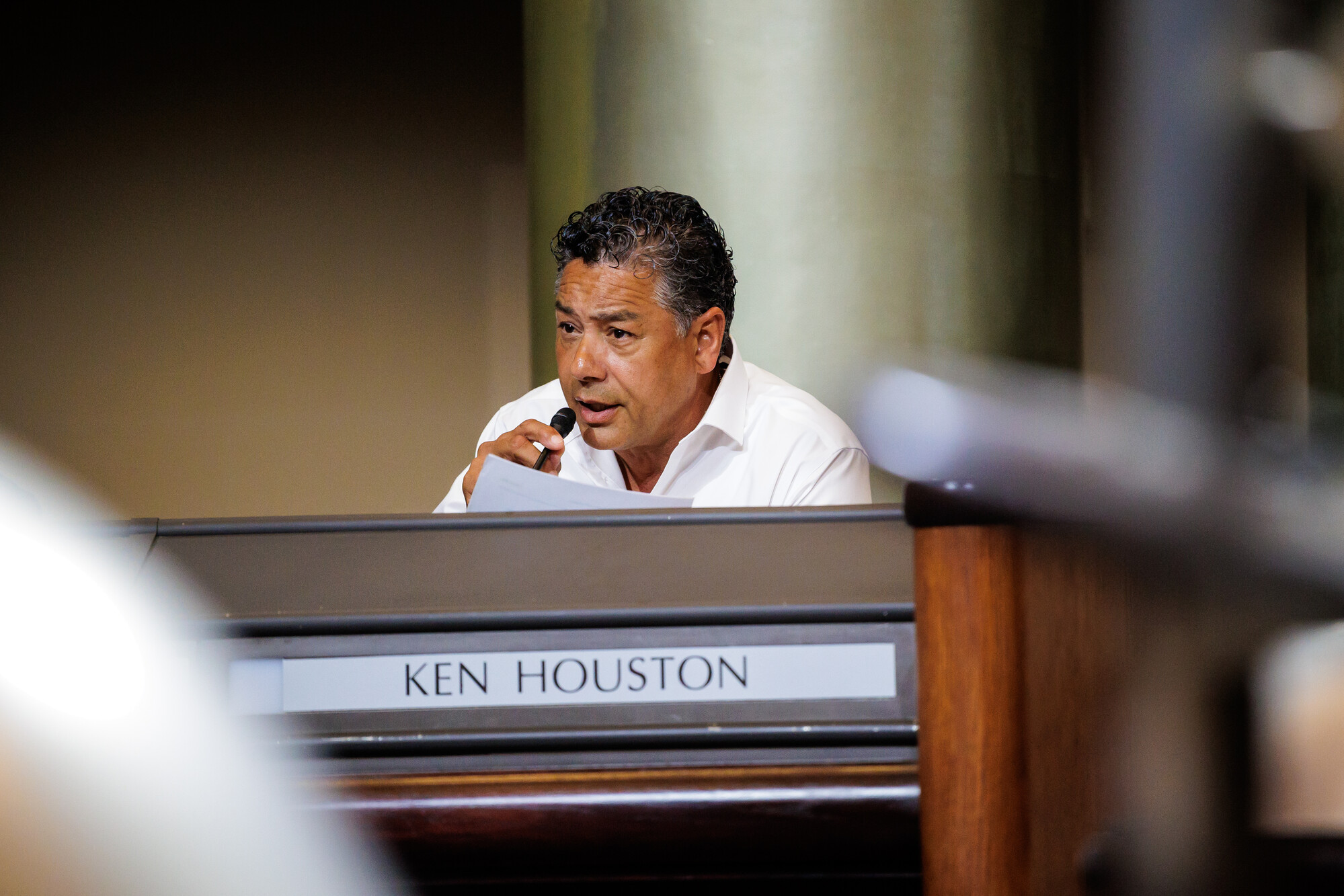
"caption": "Oakland City Council Member Ken Houston attends a city council meeting at City Hall in Oakland on July 2, 2025. City officials maintain that they had no part in drafting the resolution.",
"credit": "Martin do Nascimento/KQED",
"altTag": null,
"description": null,
"imgSizes": {
"thumbnail": {
"file": "https://cdn.kqed.org/wp-content/uploads/sites/10/2026/07/250701-OAKLAND-ARTS-FUNDING-PROTEST-MD-15_qed-160x107.jpg",
"width": 160,
"height": 107,
"mimeType": "image/jpeg"
},
"1536x1536": {
"file": "https://cdn.kqed.org/wp-content/uploads/sites/10/2026/07/250701-OAKLAND-ARTS-FUNDING-PROTEST-MD-15_qed-1536x1024.jpg",
"width": 1536,
"height": 1024,
"mimeType": "image/jpeg"
},
"post-thumbnail": {
"file": "https://cdn.kqed.org/wp-content/uploads/sites/10/2026/07/250701-OAKLAND-ARTS-FUNDING-PROTEST-MD-15_qed-672x372.jpg",
"width": 672,
"height": 372,
"mimeType": "image/jpeg"
},
"twentyfourteen-full-width": {
"file": "https://cdn.kqed.org/wp-content/uploads/sites/10/2026/07/250701-OAKLAND-ARTS-FUNDING-PROTEST-MD-15_qed-1038x576.jpg",
"width": 1038,
"height": 576,
"mimeType": "image/jpeg"
},
"npr-cds-wide": {
"file": "https://cdn.kqed.org/wp-content/uploads/sites/10/2026/07/250701-OAKLAND-ARTS-FUNDING-PROTEST-MD-15_qed-1200x675.jpg",
"width": 1200,
"height": 675,
"mimeType": "image/jpeg"
},
"npr-cds-square": {
"file": "https://cdn.kqed.org/wp-content/uploads/sites/10/2026/07/250701-OAKLAND-ARTS-FUNDING-PROTEST-MD-15_qed-600x600.jpg",
"width": 600,
"height": 600,
"mimeType": "image/jpeg"
},
"kqedFullSize": {
"file": "https://cdn.kqed.org/wp-content/uploads/sites/10/2026/07/250701-OAKLAND-ARTS-FUNDING-PROTEST-MD-15_qed.jpg",
"width": 1999,
"height": 1333
}
},
"isLoading": false,
"fetchFailed": false
},
"news_12089031": {
"type": "attachments",
"id": "news_12089031",
"meta": {
"index": "attachments_1716263798",
"site": "news",
"id": "12089031",
"found": true
},
"title": "Supreme Court Rules That Trump Administration May End TPS For Haitians And Syrians",
"publishDate": 1782496242,
"status": "inherit",
"parent": 12088988,
"modified": 1784144689,
"caption": "Haitian flags are displayed in a store on June 25, 2026, in the Little Haiti neighborhood of the Brooklyn borough in New York City. In a 6-3 ruling, the Supreme Court ruled in favor of the Trump administration’s effort to strip temporary protected status from hundreds of thousands of Haitians and Syrians, who were legally in the U.S. and protected from deportation, including many who have lived legally in the country for years. ",
"credit": "Michael M. Santiago/Getty Images",
"altTag": null,
"description": null,
"imgSizes": {
"thumbnail": {
"file": "https://cdn.kqed.org/wp-content/uploads/sites/10/2026/06/GettyImages-2283313221-160x107.jpg",
"width": 160,
"height": 107,
"mimeType": "image/jpeg"
},
"1536x1536": {
"file": "https://cdn.kqed.org/wp-content/uploads/sites/10/2026/06/GettyImages-2283313221-1536x1024.jpg",
"width": 1536,
"height": 1024,
"mimeType": "image/jpeg"
},
"post-thumbnail": {
"file": "https://cdn.kqed.org/wp-content/uploads/sites/10/2026/06/GettyImages-2283313221-672x372.jpg",
"width": 672,
"height": 372,
"mimeType": "image/jpeg"
},
"twentyfourteen-full-width": {
"file": "https://cdn.kqed.org/wp-content/uploads/sites/10/2026/06/GettyImages-2283313221-1038x576.jpg",
"width": 1038,
"height": 576,
"mimeType": "image/jpeg"
},
"npr-cds-wide": {
"file": "https://cdn.kqed.org/wp-content/uploads/sites/10/2026/06/GettyImages-2283313221-1200x675.jpg",
"width": 1200,
"height": 675,
"mimeType": "image/jpeg"
},
"npr-cds-square": {
"file": "https://cdn.kqed.org/wp-content/uploads/sites/10/2026/06/GettyImages-2283313221-600x600.jpg",
"width": 600,
"height": 600,
"mimeType": "image/jpeg"
},
"kqedFullSize": {
"file": "https://cdn.kqed.org/wp-content/uploads/sites/10/2026/06/GettyImages-2283313221.jpg",
"width": 1980,
"height": 1320
}
},
"isLoading": false,
"fetchFailed": false
},
"news_12090953": {
"type": "attachments",
"id": "news_12090953",
"meta": {
"index": "attachments_1716263798",
"site": "news",
"id": "12090953",
"found": true
},
"title": "Trump supporters storm Capitol building in Washington",
"publishDate": 1784056647,
"status": "inherit",
"parent": 12090854,
"modified": 1784056719,
"caption": "Police clash with supporters of President Donald Trump who breached security and entered the Capitol building in Washington D.C., on January 06, 2021. ",
"credit": "Mostafa Bassim/Anadolu Agency",
"altTag": null,
"description": null,
"imgSizes": {
"medium": {
"file": "https://cdn.kqed.org/wp-content/uploads/sites/10/2026/07/GettyImages-1230458849-2000x1394.jpg",
"width": 2000,
"height": 1394,
"mimeType": "image/jpeg"
},
"large": {
"file": "https://cdn.kqed.org/wp-content/uploads/sites/10/2026/07/GettyImages-1230458849-2000x1394.jpg",
"width": 2000,
"height": 1394,
"mimeType": "image/jpeg"
},
"thumbnail": {
"file": "https://cdn.kqed.org/wp-content/uploads/sites/10/2026/07/GettyImages-1230458849-160x112.jpg",
"width": 160,
"height": 112,
"mimeType": "image/jpeg"
},
"1536x1536": {
"file": "https://cdn.kqed.org/wp-content/uploads/sites/10/2026/07/GettyImages-1230458849-1536x1071.jpg",
"width": 1536,
"height": 1071,
"mimeType": "image/jpeg"
},
"2048x2048": {
"file": "https://cdn.kqed.org/wp-content/uploads/sites/10/2026/07/GettyImages-1230458849-2048x1428.jpg",
"width": 2048,
"height": 1428,
"mimeType": "image/jpeg"
},
"post-thumbnail": {
"file": "https://cdn.kqed.org/wp-content/uploads/sites/10/2026/07/GettyImages-1230458849-672x372.jpg",
"width": 672,
"height": 372,
"mimeType": "image/jpeg"
},
"twentyfourteen-full-width": {
"file": "https://cdn.kqed.org/wp-content/uploads/sites/10/2026/07/GettyImages-1230458849-1038x576.jpg",
"width": 1038,
"height": 576,
"mimeType": "image/jpeg"
},
"full-width": {
"file": "https://cdn.kqed.org/wp-content/uploads/sites/10/2026/07/GettyImages-1230458849-2000x1394.jpg",
"width": 2000,
"height": 1394,
"mimeType": "image/jpeg"
},
"npr-cds-wide": {
"file": "https://cdn.kqed.org/wp-content/uploads/sites/10/2026/07/GettyImages-1230458849-1200x675.jpg",
"width": 1200,
"height": 675,
"mimeType": "image/jpeg"
},
"npr-cds-square": {
"file": "https://cdn.kqed.org/wp-content/uploads/sites/10/2026/07/GettyImages-1230458849-600x600.jpg",
"width": 600,
"height": 600,
"mimeType": "image/jpeg"
},
"kqedFullSize": {
"file": "https://cdn.kqed.org/wp-content/uploads/sites/10/2026/07/GettyImages-1230458849-scaled.jpg",
"width": 2560,
"height": 1785
}
},
"isLoading": false,
"fetchFailed": false
},
"news_12090875": {
"type": "attachments",
"id": "news_12090875",
"meta": {
"index": "attachments_1716263798",
"site": "news",
"id": "12090875",
"found": true
},
"title": "CA Trump Teacher Follow PD2 (1)",
"publishDate": 1784049625,
"status": "inherit",
"parent": 12090872,
"modified": 1784049714,
"caption": "A KQED and ProPublica investigation found that California’s teacher credentialing system allowed some educators accused of misconduct of a sexual nature to continue teaching even after school districts took disciplinary action.",
"credit": "Peter DiCampo/ProPublica. Source images: Anna Vignet/KQED and document obtained by KQED and ProPublica",
"altTag": null,
"description": null,
"imgSizes": {
"thumbnail": {
"file": "https://cdn.kqed.org/wp-content/uploads/sites/10/2026/07/CA-Trump-Teacher-Follow-PD2-1-160x107.jpg",
"width": 160,
"height": 107,
"mimeType": "image/jpeg"
},
"1536x1536": {
"file": "https://cdn.kqed.org/wp-content/uploads/sites/10/2026/07/CA-Trump-Teacher-Follow-PD2-1-1536x1024.jpg",
"width": 1536,
"height": 1024,
"mimeType": "image/jpeg"
},
"post-thumbnail": {
"file": "https://cdn.kqed.org/wp-content/uploads/sites/10/2026/07/CA-Trump-Teacher-Follow-PD2-1-672x372.jpg",
"width": 672,
"height": 372,
"mimeType": "image/jpeg"
},
"twentyfourteen-full-width": {
"file": "https://cdn.kqed.org/wp-content/uploads/sites/10/2026/07/CA-Trump-Teacher-Follow-PD2-1-1038x576.jpg",
"width": 1038,
"height": 576,
"mimeType": "image/jpeg"
},
"npr-cds-wide": {
"file": "https://cdn.kqed.org/wp-content/uploads/sites/10/2026/07/CA-Trump-Teacher-Follow-PD2-1-1200x675.jpg",
"width": 1200,
"height": 675,
"mimeType": "image/jpeg"
},
"npr-cds-square": {
"file": "https://cdn.kqed.org/wp-content/uploads/sites/10/2026/07/CA-Trump-Teacher-Follow-PD2-1-600x600.jpg",
"width": 600,
"height": 600,
"mimeType": "image/jpeg"
},
"kqedFullSize": {
"file": "https://cdn.kqed.org/wp-content/uploads/sites/10/2026/07/CA-Trump-Teacher-Follow-PD2-1.jpg",
"width": 2000,
"height": 1333
}
},
"isLoading": false,
"fetchFailed": false
},
"news_12083768": {
"type": "attachments",
"id": "news_12083768",
"meta": {
"index": "attachments_1716263798",
"site": "news",
"id": "12083768",
"found": true
},
"title": "260514-GILROY ICE-ADE-01-KQED",
"publishDate": 1778798125,
"status": "inherit",
"parent": 12083600,
"modified": 1778803915,
"caption": "Debbie Bradshaw (right) and Marilyn Kalpin (left) of Gilroy attend a rally in San José opposing a planned immigration detention center in Gilroy on May 14, 2026.",
"credit": "Azul Dahlstrom-Eckman/KQED",
"altTag": null,
"description": null,
"imgSizes": {
"thumbnail": {
"file": "https://cdn.kqed.org/wp-content/uploads/sites/10/2026/05/260514-GILROY-ICE-ADE-01-KQED-160x120.jpg",
"width": 160,
"height": 120,
"mimeType": "image/jpeg"
},
"1536x1536": {
"file": "https://cdn.kqed.org/wp-content/uploads/sites/10/2026/05/260514-GILROY-ICE-ADE-01-KQED-1536x1152.jpg",
"width": 1536,
"height": 1152,
"mimeType": "image/jpeg"
},
"post-thumbnail": {
"file": "https://cdn.kqed.org/wp-content/uploads/sites/10/2026/05/260514-GILROY-ICE-ADE-01-KQED-672x372.jpg",
"width": 672,
"height": 372,
"mimeType": "image/jpeg"
},
"twentyfourteen-full-width": {
"file": "https://cdn.kqed.org/wp-content/uploads/sites/10/2026/05/260514-GILROY-ICE-ADE-01-KQED-1038x576.jpg",
"width": 1038,
"height": 576,
"mimeType": "image/jpeg"
},
"npr-cds-wide": {
"file": "https://cdn.kqed.org/wp-content/uploads/sites/10/2026/05/260514-GILROY-ICE-ADE-01-KQED-1200x675.jpg",
"width": 1200,
"height": 675,
"mimeType": "image/jpeg"
},
"npr-cds-square": {
"file": "https://cdn.kqed.org/wp-content/uploads/sites/10/2026/05/260514-GILROY-ICE-ADE-01-KQED-600x600.jpg",
"width": 600,
"height": 600,
"mimeType": "image/jpeg"
},
"kqedFullSize": {
"file": "https://cdn.kqed.org/wp-content/uploads/sites/10/2026/05/260514-GILROY-ICE-ADE-01-KQED.jpg",
"width": 2000,
"height": 1500
}
},
"isLoading": false,
"fetchFailed": false
},
"news_12076525": {
"type": "attachments",
"id": "news_12076525",
"meta": {
"index": "attachments_1716263798",
"site": "news",
"id": "12076525",
"found": true
},
"title": "260116-NewsomLuriePresser-33-BL_qed",
"publishDate": 1773443645,
"status": "inherit",
"parent": 12076523,
"modified": 1783975953,
"caption": "Gov. Gavin Newsom speaks during a press conference at the Friendship House Association of American Indians in San Francisco on Jan. 16, 2026.",
"credit": "Beth LaBerge/KQED",
"altTag": null,
"description": null,
"imgSizes": {
"thumbnail": {
"file": "https://cdn.kqed.org/wp-content/uploads/sites/10/2026/03/260116-NewsomLuriePresser-33-BL_qed-160x107.jpg",
"width": 160,
"height": 107,
"mimeType": "image/jpeg"
},
"1536x1536": {
"file": "https://cdn.kqed.org/wp-content/uploads/sites/10/2026/03/260116-NewsomLuriePresser-33-BL_qed-1536x1024.jpg",
"width": 1536,
"height": 1024,
"mimeType": "image/jpeg"
},
"post-thumbnail": {
"file": "https://cdn.kqed.org/wp-content/uploads/sites/10/2026/03/260116-NewsomLuriePresser-33-BL_qed-672x372.jpg",
"width": 672,
"height": 372,
"mimeType": "image/jpeg"
},
"twentyfourteen-full-width": {
"file": "https://cdn.kqed.org/wp-content/uploads/sites/10/2026/03/260116-NewsomLuriePresser-33-BL_qed-1038x576.jpg",
"width": 1038,
"height": 576,
"mimeType": "image/jpeg"
},
"npr-cds-wide": {
"file": "https://cdn.kqed.org/wp-content/uploads/sites/10/2026/03/260116-NewsomLuriePresser-33-BL_qed-1200x675.jpg",
"width": 1200,
"height": 675,
"mimeType": "image/jpeg"
},
"kqedFullSize": {
"file": "https://cdn.kqed.org/wp-content/uploads/sites/10/2026/03/260116-NewsomLuriePresser-33-BL_qed.jpg",
"width": 2000,
"height": 1333
}
},
"isLoading": false,
"fetchFailed": false
},
"news_12090551": {
"type": "attachments",
"id": "news_12090551",
"meta": {
"index": "attachments_1716263798",
"site": "news",
"id": "12090551",
"found": true
},
"title": "Manny Yekutiel and US Presidential candidate Tom Steyer during Steyer's appearance at Manny's in San Francisco, Calif., on Wednesday, July 17, 2019.",
"publishDate": 1783713372,
"status": "inherit",
"parent": 12090545,
"modified": 1787855117,
"caption": "Manny Yekutiel and former presidential candidate Tom Steyer during Steyer's appearance at Manny's in San Francisco, California, on July 17, 2019.",
"credit": "Scott Strazzante/San Francisco Chronicle via Getty",
"altTag": null,
"description": null,
"imgSizes": {
"medium": {
"file": "https://cdn.kqed.org/wp-content/uploads/sites/10/2026/07/GettyImages-1298782065-2000x1389.jpg",
"width": 2000,
"height": 1389,
"mimeType": "image/jpeg"
},
"large": {
"file": "https://cdn.kqed.org/wp-content/uploads/sites/10/2026/07/GettyImages-1298782065-2000x1389.jpg",
"width": 2000,
"height": 1389,
"mimeType": "image/jpeg"
},
"thumbnail": {
"file": "https://cdn.kqed.org/wp-content/uploads/sites/10/2026/07/GettyImages-1298782065-160x111.jpg",
"width": 160,
"height": 111,
"mimeType": "image/jpeg"
},
"1536x1536": {
"file": "https://cdn.kqed.org/wp-content/uploads/sites/10/2026/07/GettyImages-1298782065-1536x1067.jpg",
"width": 1536,
"height": 1067,
"mimeType": "image/jpeg"
},
"2048x2048": {
"file": "https://cdn.kqed.org/wp-content/uploads/sites/10/2026/07/GettyImages-1298782065-2048x1423.jpg",
"width": 2048,
"height": 1423,
"mimeType": "image/jpeg"
},
"post-thumbnail": {
"file": "https://cdn.kqed.org/wp-content/uploads/sites/10/2026/07/GettyImages-1298782065-672x372.jpg",
"width": 672,
"height": 372,
"mimeType": "image/jpeg"
},
"twentyfourteen-full-width": {
"file": "https://cdn.kqed.org/wp-content/uploads/sites/10/2026/07/GettyImages-1298782065-1038x576.jpg",
"width": 1038,
"height": 576,
"mimeType": "image/jpeg"
},
"full-width": {
"file": "https://cdn.kqed.org/wp-content/uploads/sites/10/2026/07/GettyImages-1298782065-2000x1389.jpg",
"width": 2000,
"height": 1389,
"mimeType": "image/jpeg"
},
"npr-cds-wide": {
"file": "https://cdn.kqed.org/wp-content/uploads/sites/10/2026/07/GettyImages-1298782065-1200x675.jpg",
"width": 1200,
"height": 675,
"mimeType": "image/jpeg"
},
"npr-cds-square": {
"file": "https://cdn.kqed.org/wp-content/uploads/sites/10/2026/07/GettyImages-1298782065-600x600.jpg",
"width": 600,
"height": 600,
"mimeType": "image/jpeg"
},
"kqedFullSize": {
"file": "https://cdn.kqed.org/wp-content/uploads/sites/10/2026/07/GettyImages-1298782065-scaled-e1787855098587.jpg",
"width": 2000,
"height": 1389
}
},
"isLoading": false,
"fetchFailed": false
},
"news_12090343": {
"type": "attachments",
"id": "news_12090343",
"meta": {
"index": "attachments_1716263798",
"site": "news",
"id": "12090343",
"found": true
},
"title": "President Trump Participates In A Healthcare Affordability Event",
"publishDate": 1783623568,
"status": "inherit",
"parent": 12090338,
"modified": 1783624164,
"caption": "Centers for Medicare and Medicaid Services Administrator Mehmet Oz, President Donald Trump and Health and Human Services Secretary Robert F. Kennedy Jr. hold a news conference about the government prescription drug program TrumpRx.gov in the Eisenhower Executive Office Building on May 18, 2026 in Washington, D.C. ",
"credit": "Chip Somodevilla/Getty Images",
"altTag": null,
"description": null,
"imgSizes": {
"medium": {
"file": "https://cdn.kqed.org/wp-content/uploads/sites/10/2026/07/GettyImages-2276984567-2000x1334.jpg",
"width": 2000,
"height": 1334,
"mimeType": "image/jpeg"
},
"large": {
"file": "https://cdn.kqed.org/wp-content/uploads/sites/10/2026/07/GettyImages-2276984567-2000x1334.jpg",
"width": 2000,
"height": 1334,
"mimeType": "image/jpeg"
},
"thumbnail": {
"file": "https://cdn.kqed.org/wp-content/uploads/sites/10/2026/07/GettyImages-2276984567-160x107.jpg",
"width": 160,
"height": 107,
"mimeType": "image/jpeg"
},
"1536x1536": {
"file": "https://cdn.kqed.org/wp-content/uploads/sites/10/2026/07/GettyImages-2276984567-1536x1024.jpg",
"width": 1536,
"height": 1024,
"mimeType": "image/jpeg"
},
"2048x2048": {
"file": "https://cdn.kqed.org/wp-content/uploads/sites/10/2026/07/GettyImages-2276984567-2048x1366.jpg",
"width": 2048,
"height": 1366,
"mimeType": "image/jpeg"
},
"post-thumbnail": {
"file": "https://cdn.kqed.org/wp-content/uploads/sites/10/2026/07/GettyImages-2276984567-672x372.jpg",
"width": 672,
"height": 372,
"mimeType": "image/jpeg"
},
"twentyfourteen-full-width": {
"file": "https://cdn.kqed.org/wp-content/uploads/sites/10/2026/07/GettyImages-2276984567-1038x576.jpg",
"width": 1038,
"height": 576,
"mimeType": "image/jpeg"
},
"full-width": {
"file": "https://cdn.kqed.org/wp-content/uploads/sites/10/2026/07/GettyImages-2276984567-2000x1334.jpg",
"width": 2000,
"height": 1334,
"mimeType": "image/jpeg"
},
"npr-cds-wide": {
"file": "https://cdn.kqed.org/wp-content/uploads/sites/10/2026/07/GettyImages-2276984567-1200x675.jpg",
"width": 1200,
"height": 675,
"mimeType": "image/jpeg"
},
"npr-cds-square": {
"file": "https://cdn.kqed.org/wp-content/uploads/sites/10/2026/07/GettyImages-2276984567-600x600.jpg",
"width": 600,
"height": 600,
"mimeType": "image/jpeg"
},
"kqedFullSize": {
"file": "https://cdn.kqed.org/wp-content/uploads/sites/10/2026/07/GettyImages-2276984567-scaled.jpg",
"width": 2560,
"height": 1707
}
},
"isLoading": false,
"fetchFailed": false
},
"news_12090105": {
"type": "attachments",
"id": "news_12090105",
"meta": {
"index": "attachments_1716263798",
"site": "news",
"id": "12090105",
"found": true
},
"title": "President Lyndon B. Johnson signs the Voting Rights Act of 1965, Martin Luther King looks on",
"publishDate": 1783459129,
"status": "inherit",
"parent": 12090101,
"modified": 1783459167,
"caption": "President Lyndon B. Johnson signs the Voting Rights Act of 1965 while Martin Luther King looks on, August 6, 1965.",
"credit": "Universal History Archive/Universal Images Group via Getty Images",
"altTag": null,
"description": null,
"imgSizes": {
"medium": {
"file": "https://cdn.kqed.org/wp-content/uploads/sites/10/2026/07/GettyImages-2238473371-2000x1342.jpg",
"width": 2000,
"height": 1342,
"mimeType": "image/jpeg"
},
"large": {
"file": "https://cdn.kqed.org/wp-content/uploads/sites/10/2026/07/GettyImages-2238473371-2000x1342.jpg",
"width": 2000,
"height": 1342,
"mimeType": "image/jpeg"
},
"thumbnail": {
"file": "https://cdn.kqed.org/wp-content/uploads/sites/10/2026/07/GettyImages-2238473371-160x107.jpg",
"width": 160,
"height": 107,
"mimeType": "image/jpeg"
},
"1536x1536": {
"file": "https://cdn.kqed.org/wp-content/uploads/sites/10/2026/07/GettyImages-2238473371-1536x1031.jpg",
"width": 1536,
"height": 1031,
"mimeType": "image/jpeg"
},
"2048x2048": {
"file": "https://cdn.kqed.org/wp-content/uploads/sites/10/2026/07/GettyImages-2238473371-2048x1374.jpg",
"width": 2048,
"height": 1374,
"mimeType": "image/jpeg"
},
"post-thumbnail": {
"file": "https://cdn.kqed.org/wp-content/uploads/sites/10/2026/07/GettyImages-2238473371-672x372.jpg",
"width": 672,
"height": 372,
"mimeType": "image/jpeg"
},
"twentyfourteen-full-width": {
"file": "https://cdn.kqed.org/wp-content/uploads/sites/10/2026/07/GettyImages-2238473371-1038x576.jpg",
"width": 1038,
"height": 576,
"mimeType": "image/jpeg"
},
"full-width": {
"file": "https://cdn.kqed.org/wp-content/uploads/sites/10/2026/07/GettyImages-2238473371-2000x1342.jpg",
"width": 2000,
"height": 1342,
"mimeType": "image/jpeg"
},
"npr-cds-wide": {
"file": "https://cdn.kqed.org/wp-content/uploads/sites/10/2026/07/GettyImages-2238473371-1200x675.jpg",
"width": 1200,
"height": 675,
"mimeType": "image/jpeg"
},
"npr-cds-square": {
"file": "https://cdn.kqed.org/wp-content/uploads/sites/10/2026/07/GettyImages-2238473371-600x600.jpg",
"width": 600,
"height": 600,
"mimeType": "image/jpeg"
},
"kqedFullSize": {
"file": "https://cdn.kqed.org/wp-content/uploads/sites/10/2026/07/GettyImages-2238473371-scaled.jpg",
"width": 2560,
"height": 1718
}
},
"isLoading": false,
"fetchFailed": false
},
"news_12090061": {
"type": "attachments",
"id": "news_12090061",
"meta": {
"index": "attachments_1716263798",
"site": "news",
"id": "12090061",
"found": true
},
"title": "20260511-YickWoCommemoration-JY-14_qed",
"publishDate": 1783443660,
"status": "inherit",
"parent": 12089959,
"modified": 1783443701,
"caption": "District 11 Supervisor Chyanne Chen speaks during a press conference at the parking lot on 3rd and Harrison streets to commemorate the 140th anniversary of landmark Supreme Court case Yick Wo v. Hopkins in San Francisco on Monday, May 11, 2026.",
"credit": "Juliana Yamada for KQED",
"altTag": null,
"description": null,
"imgSizes": {
"thumbnail": {
"file": "https://cdn.kqed.org/wp-content/uploads/sites/10/2026/07/20260511-YickWoCommemoration-JY-14_qed-160x107.jpg",
"width": 160,
"height": 107,
"mimeType": "image/jpeg"
},
"1536x1536": {
"file": "https://cdn.kqed.org/wp-content/uploads/sites/10/2026/07/20260511-YickWoCommemoration-JY-14_qed-1536x1024.jpg",
"width": 1536,
"height": 1024,
"mimeType": "image/jpeg"
},
"post-thumbnail": {
"file": "https://cdn.kqed.org/wp-content/uploads/sites/10/2026/07/20260511-YickWoCommemoration-JY-14_qed-672x372.jpg",
"width": 672,
"height": 372,
"mimeType": "image/jpeg"
},
"twentyfourteen-full-width": {
"file": "https://cdn.kqed.org/wp-content/uploads/sites/10/2026/07/20260511-YickWoCommemoration-JY-14_qed-1038x576.jpg",
"width": 1038,
"height": 576,
"mimeType": "image/jpeg"
},
"npr-cds-wide": {
"file": "https://cdn.kqed.org/wp-content/uploads/sites/10/2026/07/20260511-YickWoCommemoration-JY-14_qed-1200x675.jpg",
"width": 1200,
"height": 675,
"mimeType": "image/jpeg"
},
"npr-cds-square": {
"file": "https://cdn.kqed.org/wp-content/uploads/sites/10/2026/07/20260511-YickWoCommemoration-JY-14_qed-600x600.jpg",
"width": 600,
"height": 600,
"mimeType": "image/jpeg"
},
"kqedFullSize": {
"file": "https://cdn.kqed.org/wp-content/uploads/sites/10/2026/07/20260511-YickWoCommemoration-JY-14_qed.jpg",
"width": 2000,
"height": 1333
}
},
"isLoading": false,
"fetchFailed": false
},
"news_12089340": {
"type": "attachments",
"id": "news_12089340",
"meta": {
"index": "attachments_1716263798",
"site": "news",
"id": "12089340",
"found": true
},
"title": "260219-SunnyvaleDeported-09-BL_qed",
"publishDate": 1782839889,
"status": "inherit",
"parent": 12089337,
"modified": 1783035792,
"caption": "Aby Peña sits in the kitchen at her home in Sunnyvale on Feb. 19, 2026. Her husband, Ulises Peña López, was deported to Mexico after being taken into ICE custody outside their home in February 2025, leaving his wife and young daughter in the Bay Area.",
"credit": "Beth LaBerge/KQED",
"altTag": null,
"description": null,
"imgSizes": {
"thumbnail": {
"file": "https://cdn.kqed.org/wp-content/uploads/sites/10/2026/06/260219-SunnyvaleDeported-09-BL_qed-160x107.jpg",
"width": 160,
"height": 107,
"mimeType": "image/jpeg"
},
"1536x1536": {
"file": "https://cdn.kqed.org/wp-content/uploads/sites/10/2026/06/260219-SunnyvaleDeported-09-BL_qed-1536x1024.jpg",
"width": 1536,
"height": 1024,
"mimeType": "image/jpeg"
},
"post-thumbnail": {
"file": "https://cdn.kqed.org/wp-content/uploads/sites/10/2026/06/260219-SunnyvaleDeported-09-BL_qed-672x372.jpg",
"width": 672,
"height": 372,
"mimeType": "image/jpeg"
},
"twentyfourteen-full-width": {
"file": "https://cdn.kqed.org/wp-content/uploads/sites/10/2026/06/260219-SunnyvaleDeported-09-BL_qed-1038x576.jpg",
"width": 1038,
"height": 576,
"mimeType": "image/jpeg"
},
"npr-cds-wide": {
"file": "https://cdn.kqed.org/wp-content/uploads/sites/10/2026/06/260219-SunnyvaleDeported-09-BL_qed-1200x675.jpg",
"width": 1200,
"height": 675,
"mimeType": "image/jpeg"
},
"npr-cds-square": {
"file": "https://cdn.kqed.org/wp-content/uploads/sites/10/2026/06/260219-SunnyvaleDeported-09-BL_qed-600x600.jpg",
"width": 600,
"height": 600,
"mimeType": "image/jpeg"
},
"kqedFullSize": {
"file": "https://cdn.kqed.org/wp-content/uploads/sites/10/2026/06/260219-SunnyvaleDeported-09-BL_qed.jpg",
"width": 2000,
"height": 1333
}
},
"isLoading": false,
"fetchFailed": false
},
"news_12083443": {
"type": "attachments",
"id": "news_12083443",
"meta": {
"index": "attachments_1716263798",
"site": "news",
"id": "12083443",
"found": true
},
"title": "World Cup signage at San Jose City Hall in San Jose on May 12, 2026.",
"publishDate": 1778690544,
"status": "inherit",
"parent": 12089834,
"modified": 1783028559,
"caption": "World Cup signage at San José City Hall in San José on May 12, 2026.",
"credit": "Tâm Vũ/KQED",
"altTag": null,
"description": null,
"imgSizes": {
"thumbnail": {
"file": "https://cdn.kqed.org/wp-content/uploads/sites/10/2026/05/260512-WORLDCUPFLAG-TV-01750-KQED-160x107.jpg",
"width": 160,
"height": 107,
"mimeType": "image/jpeg"
},
"1536x1536": {
"file": "https://cdn.kqed.org/wp-content/uploads/sites/10/2026/05/260512-WORLDCUPFLAG-TV-01750-KQED-1536x1024.jpg",
"width": 1536,
"height": 1024,
"mimeType": "image/jpeg"
},
"post-thumbnail": {
"file": "https://cdn.kqed.org/wp-content/uploads/sites/10/2026/05/260512-WORLDCUPFLAG-TV-01750-KQED-672x372.jpg",
"width": 672,
"height": 372,
"mimeType": "image/jpeg"
},
"twentyfourteen-full-width": {
"file": "https://cdn.kqed.org/wp-content/uploads/sites/10/2026/05/260512-WORLDCUPFLAG-TV-01750-KQED-1038x576.jpg",
"width": 1038,
"height": 576,
"mimeType": "image/jpeg"
},
"npr-cds-wide": {
"file": "https://cdn.kqed.org/wp-content/uploads/sites/10/2026/05/260512-WORLDCUPFLAG-TV-01750-KQED-1200x675.jpg",
"width": 1200,
"height": 675,
"mimeType": "image/jpeg"
},
"npr-cds-square": {
"file": "https://cdn.kqed.org/wp-content/uploads/sites/10/2026/05/260512-WORLDCUPFLAG-TV-01750-KQED-600x600.jpg",
"width": 600,
"height": 600,
"mimeType": "image/jpeg"
},
"kqedFullSize": {
"file": "https://cdn.kqed.org/wp-content/uploads/sites/10/2026/05/260512-WORLDCUPFLAG-TV-01750-KQED.jpg",
"width": 2000,
"height": 1333
}
},
"isLoading": false,
"fetchFailed": false
}
},
"audioPlayerReducer": {
"postId": "stream_live",
"isPaused": true,
"isPlaying": false,
"pfsActive": false,
"pledgeModalIsOpen": true,
"playerDrawerIsOpen": false,
"liveAudioPlayStartedAt": 0,
"liveAudioPlayContext": ""
},
"authorsReducer": {
"byline_news_12090872": {
"type": "authors",
"id": "byline_news_12090872",
"meta": {
"override": true
},
"slug": "byline_news_12090872",
"name": "Tracy Jan, ProPublica, and Holly McDede, KQED",
"isLoading": false
},
"gmarzorati": {
"type": "authors",
"id": "227",
"meta": {
"index": "authors_1716337520",
"id": "227",
"found": true
},
"name": "Guy Marzorati",
"firstName": "Guy",
"lastName": "Marzorati",
"slug": "gmarzorati",
"email": "gmarzorati@KQED.org",
"display_author_email": true,
"staff_mastheads": [
"news"
],
"title": "Correspondent",
"bio": "Guy Marzorati is a correspondent on KQED's California Politics and Government Desk, based in San Jose. A graduate of Santa Clara University, Guy joined KQED in 2013. He reports on state and local politics and produces KQED's digital voter guide.",
"avatar": "https://secure.gravatar.com/avatar/771cddf45ce3a8ed533d82dcc214e9ef925d76d2af5794a33da1ce439eb54a32?s=600&d=blank&r=g",
"twitter": "guymarzorati",
"bluesky": null,
"facebook": null,
"instagram": null,
"linkedin": null,
"sites": [
{
"site": "",
"roles": [
"editor"
]
},
{
"site": "news",
"roles": [
"editor"
]
},
{
"site": "science",
"roles": [
"editor"
]
},
{
"site": "forum",
"roles": [
"editor"
]
},
{
"site": "elections",
"roles": [
"editor"
]
},
{
"site": "liveblog",
"roles": [
"editor"
]
}
],
"headData": {
"title": "Guy Marzorati | KQED",
"description": "Correspondent",
"ogImgSrc": "https://secure.gravatar.com/avatar/771cddf45ce3a8ed533d82dcc214e9ef925d76d2af5794a33da1ce439eb54a32?s=600&d=blank&r=g",
"twImgSrc": "https://secure.gravatar.com/avatar/771cddf45ce3a8ed533d82dcc214e9ef925d76d2af5794a33da1ce439eb54a32?s=600&d=blank&r=g"
},
"isLoading": false,
"link": "/author/gmarzorati"
},
"minakim": {
"type": "authors",
"id": "243",
"meta": {
"index": "authors_1716337520",
"id": "243",
"found": true
},
"name": "Mina Kim",
"firstName": "Mina",
"lastName": "Kim",
"slug": "minakim",
"email": "mkim@kqed.org",
"display_author_email": false,
"staff_mastheads": [
"news"
],
"title": "Host, Forum",
"bio": "Mina Kim is host of the 10 a.m. statewide hour of Forum; a live daily talk show for curious Californians on issues that matter to the state and nation, with a particular emphasis on race and equity.\r\n\r\nBefore joining the Forum team, Mina was KQED’s evening news anchor, and health reporter for The California Report. Her award-winning work has included natural disasters in Napa and gun violence in Oakland. Mina grew up in St. John’s, Newfoundland.",
"avatar": "https://secure.gravatar.com/avatar/145ce657a2d08cb86d93686beb958982?s=600&d=blank&r=g",
"twitter": "mkimreporter",
"facebook": null,
"instagram": null,
"linkedin": null,
"sites": [
{
"site": "news",
"roles": [
"contributor"
]
},
{
"site": "stateofhealth",
"roles": [
"author"
]
},
{
"site": "forum",
"roles": [
"editor"
]
}
],
"headData": {
"title": "Mina Kim | KQED",
"description": "Host, Forum",
"ogImgSrc": "https://secure.gravatar.com/avatar/145ce657a2d08cb86d93686beb958982?s=600&d=blank&r=g",
"twImgSrc": "https://secure.gravatar.com/avatar/145ce657a2d08cb86d93686beb958982?s=600&d=blank&r=g"
},
"isLoading": false,
"link": "/author/minakim"
},
"tychehendricks": {
"type": "authors",
"id": "259",
"meta": {
"index": "authors_1716337520",
"id": "259",
"found": true
},
"name": "Tyche Hendricks",
"firstName": "Tyche",
"lastName": "Hendricks",
"slug": "tychehendricks",
"email": "thendricks@kqed.org",
"display_author_email": true,
"staff_mastheads": [
"news"
],
"title": "KQED Senior Editor, Immigration",
"bio": "Tyche Hendricks is KQED’s senior editor for immigration, leading coverage of the policy and politics that affect California’s immigrant communities. Her work for KQED’s radio and online audiences is also carried on NPR and other national outlets. She has been recognized with awards from the Radio and Television News Directors Association, the Society for Professional Journalists; the Education Writers Association; the Best of the West and the National Federation of Community Broadcasters. Before joining KQED in 2010, Tyche spent more than a dozen years as a newspaper reporter, notably at the \u003ci>San Francisco Chronicle\u003c/i>. At different times she has covered criminal justice, government and politics and urban planning. Tyche has taught in the MFA Creative Writing program at the University of San Francisco and at UC Berkeley’s Graduate School of Journalism, where she was co-director of a national immigration symposium for professional journalists. She is the author of \u003ci>The Wind Doesn't Need a Passport: Stories from the U.S.-Mexico Borderlands\u003c/i> (University of California Press). ",
"avatar": "https://secure.gravatar.com/avatar/2a0bd7f2418d4be9198f23bf99a161f3f7a98fb9bf6d3820763d49b5c5f8fc81?s=600&d=blank&r=g",
"twitter": "tychehendricks",
"bluesky": null,
"facebook": null,
"instagram": null,
"linkedin": null,
"sites": [
{
"site": "news",
"roles": [
"editor"
]
},
{
"site": "stateofhealth",
"roles": [
"editor"
]
},
{
"site": "liveblog",
"roles": [
"author"
]
}
],
"headData": {
"title": "Tyche Hendricks | KQED",
"description": "KQED Senior Editor, Immigration",
"ogImgSrc": "https://secure.gravatar.com/avatar/2a0bd7f2418d4be9198f23bf99a161f3f7a98fb9bf6d3820763d49b5c5f8fc81?s=600&d=blank&r=g",
"twImgSrc": "https://secure.gravatar.com/avatar/2a0bd7f2418d4be9198f23bf99a161f3f7a98fb9bf6d3820763d49b5c5f8fc81?s=600&d=blank&r=g"
},
"isLoading": false,
"link": "/author/tychehendricks"
},
"mlagos": {
"type": "authors",
"id": "3239",
"meta": {
"index": "authors_1716337520",
"id": "3239",
"found": true
},
"name": "Marisa Lagos",
"firstName": "Marisa",
"lastName": "Lagos",
"slug": "mlagos",
"email": "mlagos@kqed.org",
"display_author_email": false,
"staff_mastheads": [
"news"
],
"title": "KQED Contributor",
"bio": "Marisa Lagos is a correspondent for KQED’s California Politics and Government Desk and co-hosts the award-winning show and podcast, Political Breakdown. At KQED, Lagos also conducts reporting, analysis and investigations into state, local and national politics for radio, TV, online and onstage. In 2022, she and co-host, Scott Shafer, moderated the only gubernatorial debate in California. In 2020, the \u003ci>Washington Post\u003c/i> named her one of the top political journalists in California; she was nominated for a Peabody and won several other awards for her work investigating the 2017 California wildfires. She has worked at the \u003ci>San Francisco Chronicle\u003c/i>, \u003ci>San Francisco Examiner\u003c/i> and \u003ci>Los Angeles Times\u003c/i>. A UC Santa Barbara graduate, she lives in San Francisco with her two sons and husband.",
"avatar": "https://secure.gravatar.com/avatar/a261a0d3696fc066871ef96b85b5e7d2?s=600&d=blank&r=g",
"twitter": "@mlagos",
"facebook": null,
"instagram": null,
"linkedin": null,
"sites": [
{
"site": "arts",
"roles": [
"author"
]
},
{
"site": "news",
"roles": [
"editor"
]
},
{
"site": "science",
"roles": [
"editor"
]
},
{
"site": "forum",
"roles": [
"author"
]
},
{
"site": "liveblog",
"roles": [
"author"
]
}
],
"headData": {
"title": "Marisa Lagos | KQED",
"description": "KQED Contributor",
"ogImgSrc": "https://secure.gravatar.com/avatar/a261a0d3696fc066871ef96b85b5e7d2?s=600&d=blank&r=g",
"twImgSrc": "https://secure.gravatar.com/avatar/a261a0d3696fc066871ef96b85b5e7d2?s=600&d=blank&r=g"
},
"isLoading": false,
"link": "/author/mlagos"
},
"lesleymcclurg": {
"type": "authors",
"id": "11229",
"meta": {
"index": "authors_1716337520",
"id": "11229",
"found": true
},
"name": "Lesley McClurg",
"firstName": "Lesley",
"lastName": "McClurg",
"slug": "lesleymcclurg",
"email": "lmcclurg@KQED.org",
"display_author_email": false,
"staff_mastheads": [],
"title": "KQED Health Correspondent",
"bio": "Lesley McClurg is a health correspondent and fill-in host whose work is regularly rebroadcast on NPR and PBS programs. She’s earned multiple regional Emmy awards, a national and a regional Edward R. Murrow award, and was named Best Beat Reporter by the Association of Health Care Journalists. The Society of Professional Journalists has recognized her work several times, and the Society of Environmental Journalists spotlighted her coverage of California’s historic drought.\r\n\r\nBefore joining KQED in 2016, Lesley covered food and sustainability for Capital Public Radio, environmental issues for Colorado Public Radio, and reported for KUOW and KCTS 9 in Seattle. Away from the newsroom, she loves skiing with her daughter, mountain biking with her partner, and playing with Ollie, the family’s goldendoodle. On deadline, she runs almost entirely on chocolate chips.\r\n\r\n ",
"avatar": "https://secure.gravatar.com/avatar/bab49e972ea10c774fe0f5e29dba1722b158f7c0d58a360923d1389d380b2978?s=600&d=blank&r=g",
"twitter": "lesleywmcclurg",
"bluesky": null,
"facebook": null,
"instagram": null,
"linkedin": null,
"sites": [
{
"site": "arts",
"roles": [
"subscriber"
]
},
{
"site": "news",
"roles": [
"subscriber"
]
},
{
"site": "futureofyou",
"roles": [
"subscriber"
]
},
{
"site": "stateofhealth",
"roles": [
"subscriber"
]
},
{
"site": "science",
"roles": [
"subscriber"
]
},
{
"site": "quest",
"roles": [
"subscriber"
]
},
{
"site": "forum",
"roles": [
"subscriber"
]
},
{
"site": "liveblog",
"roles": [
"subscriber"
]
}
],
"headData": {
"title": "Lesley McClurg | KQED",
"description": "KQED Health Correspondent",
"ogImgSrc": "https://secure.gravatar.com/avatar/bab49e972ea10c774fe0f5e29dba1722b158f7c0d58a360923d1389d380b2978?s=600&d=blank&r=g",
"twImgSrc": "https://secure.gravatar.com/avatar/bab49e972ea10c774fe0f5e29dba1722b158f7c0d58a360923d1389d380b2978?s=600&d=blank&r=g"
},
"isLoading": false,
"link": "/author/lesleymcclurg"
},
"sjohnson": {
"type": "authors",
"id": "11840",
"meta": {
"index": "authors_1716337520",
"id": "11840",
"found": true
},
"name": "Sydney Johnson",
"firstName": "Sydney",
"lastName": "Johnson",
"slug": "sjohnson",
"email": "sjohnson@kqed.org",
"display_author_email": false,
"staff_mastheads": [
"news"
],
"title": "KQED Reporter",
"bio": "Sydney Johnson is a general assignment reporter at KQED. She previously reported on public health and city government at the San Francisco Examiner, and before that, she covered statewide education policy for EdSource. Her reporting has won multiple local, state and national awards. Sydney is a graduate of the University of California, Berkeley and lives in San Francisco.",
"avatar": "https://secure.gravatar.com/avatar/97855f2719b72ad6190b7c535fe642c8?s=600&d=blank&r=g",
"twitter": "sydneyfjohnson",
"facebook": null,
"instagram": null,
"linkedin": null,
"sites": [
{
"site": "news",
"roles": [
"editor"
]
}
],
"headData": {
"title": "Sydney Johnson | KQED",
"description": "KQED Reporter",
"ogImgSrc": "https://secure.gravatar.com/avatar/97855f2719b72ad6190b7c535fe642c8?s=600&d=blank&r=g",
"twImgSrc": "https://secure.gravatar.com/avatar/97855f2719b72ad6190b7c535fe642c8?s=600&d=blank&r=g"
},
"isLoading": false,
"link": "/author/sjohnson"
},
"nkhan": {
"type": "authors",
"id": "11867",
"meta": {
"index": "authors_1716337520",
"id": "11867",
"found": true
},
"name": "Nisa Khan",
"firstName": "Nisa",
"lastName": "Khan",
"slug": "nkhan",
"email": "nkhan@kqed.org",
"display_author_email": false,
"staff_mastheads": [],
"title": "KQED Contributor",
"bio": "Nisa Khan is a reporter for KQED's Audience News Desk. She was formerly a data reporter at Michigan Radio. She earned a Bachelor of Science in Information from the University of Michigan and a Master of Arts in Communication from Stanford University.",
"avatar": "https://secure.gravatar.com/avatar/8720459eef081ff64582b3506b124d58523e80e120704a0cbd9892533c914991?s=600&d=blank&r=g",
"twitter": "mnisakhan",
"bluesky": null,
"facebook": null,
"instagram": null,
"linkedin": null,
"sites": [
{
"site": "arts",
"roles": [
"editor"
]
},
{
"site": "news",
"roles": [
"editor"
]
},
{
"site": "science",
"roles": [
"editor",
"author"
]
},
{
"site": "forum",
"roles": [
"editor"
]
},
{
"site": "liveblog",
"roles": [
"contributor"
]
}
],
"headData": {
"title": "Nisa Khan | KQED",
"description": "KQED Contributor",
"ogImgSrc": "https://secure.gravatar.com/avatar/8720459eef081ff64582b3506b124d58523e80e120704a0cbd9892533c914991?s=600&d=blank&r=g",
"twImgSrc": "https://secure.gravatar.com/avatar/8720459eef081ff64582b3506b124d58523e80e120704a0cbd9892533c914991?s=600&d=blank&r=g"
},
"isLoading": false,
"link": "/author/nkhan"
},
"jgeha": {
"type": "authors",
"id": "11906",
"meta": {
"index": "authors_1716337520",
"id": "11906",
"found": true
},
"name": "Joseph Geha",
"firstName": "Joseph",
"lastName": "Geha",
"slug": "jgeha",
"email": "jgeha@kqed.org",
"display_author_email": false,
"staff_mastheads": [
"news",
"science"
],
"title": "KQED Contributor",
"bio": null,
"avatar": "https://secure.gravatar.com/avatar/ea84d2b6dd93d6369d453edf19dd583f117cd1759d2d9c9c92f9de77017354fe?s=600&d=blank&r=g",
"twitter": null,
"bluesky": null,
"facebook": null,
"instagram": null,
"linkedin": null,
"sites": [
{
"site": "news",
"roles": [
"editor"
]
},
{
"site": "liveblog",
"roles": [
"author"
]
}
],
"headData": {
"title": "Joseph Geha | KQED",
"description": "KQED Contributor",
"ogImgSrc": "https://secure.gravatar.com/avatar/ea84d2b6dd93d6369d453edf19dd583f117cd1759d2d9c9c92f9de77017354fe?s=600&d=blank&r=g",
"twImgSrc": "https://secure.gravatar.com/avatar/ea84d2b6dd93d6369d453edf19dd583f117cd1759d2d9c9c92f9de77017354fe?s=600&d=blank&r=g"
},
"isLoading": false,
"link": "/author/jgeha"
},
"aaliahmad": {
"type": "authors",
"id": "11986",
"meta": {
"index": "authors_1716337520",
"id": "11986",
"found": true
},
"name": "Ayah Ali-Ahmad",
"firstName": "Ayah",
"lastName": "Ali-Ahmad",
"slug": "aaliahmad",
"email": "aaliahmad@KQED.org",
"display_author_email": false,
"staff_mastheads": [],
"title": "KQED Contributor",
"bio": null,
"avatar": "https://secure.gravatar.com/avatar/1cf54f187a5e1064b2cfef3f3d2f1e4f93e453395d56912aca6382a6071ec3ed?s=600&d=blank&r=g",
"twitter": "ayahaliahmad",
"bluesky": null,
"facebook": null,
"instagram": null,
"linkedin": null,
"sites": [
{
"site": "news",
"roles": [
"subscriber"
]
}
],
"headData": {
"title": "Ayah Ali-Ahmad | KQED",
"description": "KQED Contributor",
"ogImgSrc": "https://secure.gravatar.com/avatar/1cf54f187a5e1064b2cfef3f3d2f1e4f93e453395d56912aca6382a6071ec3ed?s=600&d=blank&r=g",
"twImgSrc": "https://secure.gravatar.com/avatar/1cf54f187a5e1064b2cfef3f3d2f1e4f93e453395d56912aca6382a6071ec3ed?s=600&d=blank&r=g"
},
"isLoading": false,
"link": "/author/aaliahmad"
},
"ejackson": {
"type": "authors",
"id": "12003",
"meta": {
"index": "authors_1716337520",
"id": "12003",
"found": true
},
"name": "Ella Jackson",
"firstName": "Ella",
"lastName": "Jackson",
"slug": "ejackson",
"email": "ejackson@kqed.org",
"display_author_email": false,
"staff_mastheads": [],
"title": "KQED Contributor",
"bio": null,
"avatar": "https://secure.gravatar.com/avatar/3c688edc62aec1dcae096e1475956d245f72bde99cff316455871c9b22a7205b?s=600&d=blank&r=g",
"twitter": null,
"bluesky": null,
"facebook": null,
"instagram": null,
"linkedin": null,
"sites": [
{
"site": "news",
"roles": [
"author"
]
},
{
"site": "science",
"roles": [
"author"
]
}
],
"headData": {
"title": "Ella Jackson | KQED",
"description": "KQED Contributor",
"ogImgSrc": "https://secure.gravatar.com/avatar/3c688edc62aec1dcae096e1475956d245f72bde99cff316455871c9b22a7205b?s=600&d=blank&r=g",
"twImgSrc": "https://secure.gravatar.com/avatar/3c688edc62aec1dcae096e1475956d245f72bde99cff316455871c9b22a7205b?s=600&d=blank&r=g"
},
"isLoading": false,
"link": "/author/ejackson"
}
},
"pagesReducer": {
"news_tag_politics": {
"type": "terms",
"id": "news_17968",
"meta": {
"index": "terms_1716263798",
"site": "news",
"id": "17968",
"score": 8.009845
},
"name": "Politics",
"slug": "politics",
"taxonomy": "tag",
"description": null,
"featImg": null,
"headData": {
"title": "Politics | KQED News",
"description": null,
"ogTitle": null,
"ogDescription": null,
"ogImgId": null,
"twTitle": null,
"twDescription": null,
"twImgId": null
},
"ttid": 18002,
"isLoading": false,
"title": "Politics",
"pageMeta": {
"site": "news",
"WpPageTemplate": "page-topic-editorial",
"currentPage": 23
},
"blocks": [
{
"blockName": "kqed/post-list",
"attrs": {
"layout": "cardArticle2",
"query": "posts/news?tag=politics",
"seeMore": false,
"paginated": true,
"page": 23
}
},
{
"blockName": "kqed/ad"
}
]
}
},
"pfsSessionReducer": {},
"postsReducer": {
"stream_live": {
"type": "live",
"id": "stream_live",
"audioUrl": "https://hls.kqed.org/hls/kqed_app/playlist.m3u8",
"title": "Live Stream",
"excerpt": "Live Stream information currently unavailable.",
"link": "/radio",
"featImg": "",
"label": {
"name": "KQED Live",
"link": "/"
}
},
"stream_kqedNewscast": {
"type": "posts",
"id": "stream_kqedNewscast",
"audioUrl": "https://www.kqed.org/.stream/anon/radio/RDnews/newscast.mp3?_=1",
"title": "KQED Newscast",
"featImg": "",
"label": {
"name": "88.5 FM",
"link": "/"
}
},
"news_12091317": {
"type": "posts",
"id": "news_12091317",
"meta": {
"index": "posts_1716263798",
"site": "news",
"id": "12091317",
"score": null,
"sort": [
1784240906000
]
},
"guestAuthors": [],
"slug": "oakland-councilmember-proposes-a-409000-severance-for-former-city-administrator",
"title": "Oakland Official Says City Should Pay $409K to City Admin Who Resigned Over Text Scandal",
"publishDate": 1784240906,
"format": "standard",
"headTitle": "Oakland Official Says City Should Pay $409K to City Admin Who Resigned Over Text Scandal | KQED",
"labelTerm": {
"site": "news"
},
"content": "\u003cp>Months after \u003ca href=\"https://www.kqed.org/news/tag/oakland\">Oakland’s\u003c/a> top administrator resigned over inappropriate text messages about female colleagues, a city council member said he wants to pay him over $400,000 in severance.\u003c/p>\n\n\n\n\u003cp>Councilmember Ken Houston on Thursday \u003ca href=\"https://oakland.legistar.com/LegislationDetail.aspx?ID=8137367&GUID=DB384C2C-65A2-4727-A61A-9BC4EED4811D\">proposed granting\u003c/a> former City Administrator Jestin Johnson the payment in exchange for a waiver of any potential legal claims against the city. Houston eventually pulled the item before the council was able to discuss it in a meeting, but said he would reintroduce the proposal later.\u003c/p>\n\n\n\n\u003cp>\u003ca href=\"https://www.kqed.org/news/12084482/oakland-mayor-barbara-lee-signals-shell-run-for-full-term-in-november\">Johnson stepped down in May\u003c/a> after a public records request revealed the messages from 2024. Johnson described a female subordinate as his “kryptonite” and wrote: “My goodness, [she] has a helluva walk.” \u003c/p>\n\n\n\n\u003cp>In another text to a former assistant city administrator, Johnson said a female department head “had me a little giddy,” adding, “I have to force myself to only look into her eyes.”\u003c/p>\n\n\n\n\u003cfigure class=\"wp-block-image size-full\">\u003cimg loading=\"lazy\" decoding=\"async\" width=\"1920\" height=\"1280\" src=\"https://cdn.kqed.org/wp-content/uploads/sites/10/2026/04/250428-OAKLAND-CITY-HALL-FILE-MD-02-KQED-1920x1280-1.jpg\" alt=\"\" class=\"wp-image-12081625\" srcset=\"https://cdn.kqed.org/wp-content/uploads/sites/10/2026/04/250428-OAKLAND-CITY-HALL-FILE-MD-02-KQED-1920x1280-1.jpg 1920w, https://cdn.kqed.org/wp-content/uploads/sites/10/2026/04/250428-OAKLAND-CITY-HALL-FILE-MD-02-KQED-1920x1280-1-160x107.jpg 160w, https://cdn.kqed.org/wp-content/uploads/sites/10/2026/04/250428-OAKLAND-CITY-HALL-FILE-MD-02-KQED-1920x1280-1-1536x1024.jpg 1536w\" sizes=\"auto, (max-width: 1920px) 100vw, 1920px\">\u003cfigcaption class=\"wp-element-caption\">Oakland City Hall in Oakland on April 28, 2025. (Martin do Nascimento/KQED)\u003c/figcaption>\u003c/figure>\n\n\n\n\u003cp>Under his \u003ca href=\"https://oakland.legistar.com/LegislationDetail.aspx?ID=6202728&GUID=08E1D061-2F88-47C7-B8B7-E87E17C3D3D4&Options=&Search=\">original employment agreement\u003c/a>, Johnson was entitled to six months of severance pay in the event of being terminated without cause. \u003c/p>\n\n\n\n\u003cp>[ad fullwidth]\u003c/p>\n\u003cp>But because he resigned, that severance provision was never triggered, so Houston’s resolution would require council authorization to create a new, alternative payout.\u003c/p>\n\n\n\n\u003cp>The mayor’s office, the city administrator and the city attorney were not behind the severance item. Houston brought it forward on his own.\u003c/p>\n\n\n\n\u003cp>“I planned to pull it this morning because I want to wait till after recess to bring it forward,” Houston told KQED ahead of the Rules and Legislation Committee meeting. “I’m definitely bringing it back.”\u003c/p>\n\n\n\n\n\n\u003cp>In May, Mayor Barbara Lee said she was unaware of the messages until they became public, and accepted his resignation shortly after.\u003c/p>\n\n\n\n\u003cp>“Under my watch, I will not tolerate transgressions of this nature,” Lee said.\u003c/p>\n\n\n\n\u003cp>Houston said that he did not partake in the discussions that led to Johnson’s departure and that he had not discussed the proposal with Johnson.\u003c/p>\n\n\n\n\u003cp>He’s pushing the severance, he said, because he believes Johnson was effectively “forced to resign” rather than leaving on his own — and because he worries the city could face an expensive lawsuit if it pays Johnson nothing.\u003c/p>\n\n\n\n\u003cp>“I’m a business person, I’m proactive,” Houston said. “If he sues, which I would do if I was in his position, it will cost the city.” Houston likened his proposed severance to “killing two birds with one stone.\u003cbr>\u003cbr>“It’s helping someone that helped the city, and is being proactive for a lawsuit that may be possibly coming down the pipeline,” he said.\u003c/p>\n\n\n\n\u003cp>He asked, “Is it better to give up $400,000 than $3 million with all the expenses?” \u003c/p>\n\n\n\n\u003cp>Lee’s office declined to comment on Houston’s item or his claims that Johnson was essentially forced to resign.\u003c/p>\n\n\n\n\u003cp>\u003c/p>\n\u003cp>Johnson did not respond to requests for comment.\u003c/p>\n\n",
"blocks": [
{
"blockName": "core/paragraph",
"attrs": [],
"innerHTML": "\n\u003cp>Months after \u003ca href=\"https://www.kqed.org/news/tag/oakland\">Oakland’s\u003c/a> top administrator resigned over inappropriate text messages about female colleagues, a city council member said he wants to pay him over $400,000 in severance.\u003c/p>\n",
"innerContent": [
"\n\u003cp>Months after \u003ca href=\"https://www.kqed.org/news/tag/oakland\">Oakland’s\u003c/a> top administrator resigned over inappropriate text messages about female colleagues, a city council member said he wants to pay him over $400,000 in severance.\u003c/p>\n"
],
"innerBlocks": []
},
{
"blockName": "core/paragraph",
"attrs": [],
"innerHTML": "\n\u003cp>Councilmember Ken Houston on Thursday \u003ca href=\"https://oakland.legistar.com/LegislationDetail.aspx?ID=8137367&GUID=DB384C2C-65A2-4727-A61A-9BC4EED4811D\">proposed granting\u003c/a> former City Administrator Jestin Johnson the payment in exchange for a waiver of any potential legal claims against the city. Houston eventually pulled the item before the council was able to discuss it in a meeting, but said he would reintroduce the proposal later.\u003c/p>\n",
"innerContent": [
"\n\u003cp>Councilmember Ken Houston on Thursday \u003ca href=\"https://oakland.legistar.com/LegislationDetail.aspx?ID=8137367&GUID=DB384C2C-65A2-4727-A61A-9BC4EED4811D\">proposed granting\u003c/a> former City Administrator Jestin Johnson the payment in exchange for a waiver of any potential legal claims against the city. Houston eventually pulled the item before the council was able to discuss it in a meeting, but said he would reintroduce the proposal later.\u003c/p>\n"
],
"innerBlocks": []
},
{
"blockName": "core/paragraph",
"attrs": [],
"innerHTML": "\n\u003cp>\u003ca href=\"https://www.kqed.org/news/12084482/oakland-mayor-barbara-lee-signals-shell-run-for-full-term-in-november\">Johnson stepped down in May\u003c/a> after a public records request revealed the messages from 2024. Johnson described a female subordinate as his “kryptonite” and wrote: “My goodness, [she] has a helluva walk.” \u003c/p>\n",
"innerContent": [
"\n\u003cp>\u003ca href=\"https://www.kqed.org/news/12084482/oakland-mayor-barbara-lee-signals-shell-run-for-full-term-in-november\">Johnson stepped down in May\u003c/a> after a public records request revealed the messages from 2024. Johnson described a female subordinate as his “kryptonite” and wrote: “My goodness, [she] has a helluva walk.” \u003c/p>\n"
],
"innerBlocks": []
},
{
"blockName": "core/paragraph",
"attrs": [],
"innerHTML": "\n\u003cp>In another text to a former assistant city administrator, Johnson said a female department head “had me a little giddy,” adding, “I have to force myself to only look into her eyes.”\u003c/p>\n",
"innerContent": [
"\n\u003cp>In another text to a former assistant city administrator, Johnson said a female department head “had me a little giddy,” adding, “I have to force myself to only look into her eyes.”\u003c/p>\n"
],
"innerBlocks": []
},
{
"blockName": "core/image",
"attrs": {
"id": 12081625,
"sizeSlug": "full",
"linkDestination": "none",
"imageCredit": "Martin do Nascimento/KQED",
"srcset": "https://cdn.kqed.org/wp-content/uploads/sites/10/2026/04/250428-OAKLAND-CITY-HALL-FILE-MD-02-KQED-1920x1280-1.jpg 1920w, https://cdn.kqed.org/wp-content/uploads/sites/10/2026/04/250428-OAKLAND-CITY-HALL-FILE-MD-02-KQED-1920x1280-1-160x107.jpg 160w, https://cdn.kqed.org/wp-content/uploads/sites/10/2026/04/250428-OAKLAND-CITY-HALL-FILE-MD-02-KQED-1920x1280-1-1536x1024.jpg 1536w",
"sizes": "(min-width: 992px) min(100vw, 1536px), (min-width: 768px) min(100vw, 1280px), min(100vw, 1020px)"
},
"innerHTML": "\n\u003cfigure class=\"wp-block-image size-full\">\u003cimg src=\"https://cdn.kqed.org/wp-content/uploads/sites/10/2026/04/250428-OAKLAND-CITY-HALL-FILE-MD-02-KQED-1920x1280-1.jpg\" alt=\"\" class=\"wp-image-12081625\" srcset=\"https://cdn.kqed.org/wp-content/uploads/sites/10/2026/04/250428-OAKLAND-CITY-HALL-FILE-MD-02-KQED-1920x1280-1.jpg 1920w, https://cdn.kqed.org/wp-content/uploads/sites/10/2026/04/250428-OAKLAND-CITY-HALL-FILE-MD-02-KQED-1920x1280-1-160x107.jpg 160w, https://cdn.kqed.org/wp-content/uploads/sites/10/2026/04/250428-OAKLAND-CITY-HALL-FILE-MD-02-KQED-1920x1280-1-1536x1024.jpg 1536w\" sizes=\"(min-width: 992px) min(100vw, 1536px), (min-width: 768px) min(100vw, 1280px), min(100vw, 1020px)\" />\u003cfigcaption class=\"wp-element-caption\">Oakland City Hall in Oakland on April 28, 2025. \u003c/figcaption>\u003c/figure>\n",
"innerContent": [
"\n\u003cfigure class=\"wp-block-image size-full\">\u003cimg src=\"https://cdn.kqed.org/wp-content/uploads/sites/10/2026/04/250428-OAKLAND-CITY-HALL-FILE-MD-02-KQED-1920x1280-1.jpg\" alt=\"\" class=\"wp-image-12081625\" />\u003cfigcaption class=\"wp-element-caption\">Oakland City Hall in Oakland on April 28, 2025. \u003c/figcaption>\u003c/figure>\n"
],
"innerBlocks": []
},
{
"blockName": "core/paragraph",
"attrs": [],
"innerHTML": "\n\u003cp>Under his \u003ca href=\"https://oakland.legistar.com/LegislationDetail.aspx?ID=6202728&GUID=08E1D061-2F88-47C7-B8B7-E87E17C3D3D4&Options=&Search=\">original employment agreement\u003c/a>, Johnson was entitled to six months of severance pay in the event of being terminated without cause. \u003c/p>\n",
"innerContent": [
"\n\u003cp>Under his \u003ca href=\"https://oakland.legistar.com/LegislationDetail.aspx?ID=6202728&GUID=08E1D061-2F88-47C7-B8B7-E87E17C3D3D4&Options=&Search=\">original employment agreement\u003c/a>, Johnson was entitled to six months of severance pay in the event of being terminated without cause. \u003c/p>\n"
],
"innerBlocks": []
},
{
"blockName": "kqed/ad",
"attrs": {
"format": "fullwidth"
},
"innerBlocks": [],
"innerHTML": "",
"innerContent": []
},
{
"blockName": "core/paragraph",
"attrs": [],
"innerHTML": "\n\u003cp>But because he resigned, that severance provision was never triggered, so Houston’s resolution would require council authorization to create a new, alternative payout.\u003c/p>\n",
"innerContent": [
"\n\u003cp>But because he resigned, that severance provision was never triggered, so Houston’s resolution would require council authorization to create a new, alternative payout.\u003c/p>\n"
],
"innerBlocks": []
},
{
"blockName": "core/paragraph",
"attrs": [],
"innerHTML": "\n\u003cp>The mayor’s office, the city administrator and the city attorney were not behind the severance item. Houston brought it forward on his own.\u003c/p>\n",
"innerContent": [
"\n\u003cp>The mayor’s office, the city administrator and the city attorney were not behind the severance item. Houston brought it forward on his own.\u003c/p>\n"
],
"innerBlocks": []
},
{
"blockName": "core/paragraph",
"attrs": [],
"innerHTML": "\n\u003cp>“I planned to pull it this morning because I want to wait till after recess to bring it forward,” Houston told KQED ahead of the Rules and Legislation Committee meeting. “I’m definitely bringing it back.”\u003c/p>\n",
"innerContent": [
"\n\u003cp>“I planned to pull it this morning because I want to wait till after recess to bring it forward,” Houston told KQED ahead of the Rules and Legislation Committee meeting. “I’m definitely bringing it back.”\u003c/p>\n"
],
"innerBlocks": []
},
{
"blockName": "kqed-v2/related-articles",
"attrs": {
"postIds": [
"news_12090471"
],
"label": "Related Articles",
"maxPosts": 1,
"showImages": false,
"heroImage": "https://cdn.kqed.org/wp-content/uploads/sites/10/2025/03/20250322_Roots_8775.jpg"
},
"innerHTML": "",
"innerContent": [],
"innerBlocks": []
},
{
"blockName": "core/paragraph",
"attrs": [],
"innerHTML": "\n\u003cp>In May, Mayor Barbara Lee said she was unaware of the messages until they became public, and accepted his resignation shortly after.\u003c/p>\n",
"innerContent": [
"\n\u003cp>In May, Mayor Barbara Lee said she was unaware of the messages until they became public, and accepted his resignation shortly after.\u003c/p>\n"
],
"innerBlocks": []
},
{
"blockName": "core/paragraph",
"attrs": [],
"innerHTML": "\n\u003cp>“Under my watch, I will not tolerate transgressions of this nature,” Lee said.\u003c/p>\n",
"innerContent": [
"\n\u003cp>“Under my watch, I will not tolerate transgressions of this nature,” Lee said.\u003c/p>\n"
],
"innerBlocks": []
},
{
"blockName": "core/paragraph",
"attrs": [],
"innerHTML": "\n\u003cp>Houston said that he did not partake in the discussions that led to Johnson’s departure and that he had not discussed the proposal with Johnson.\u003c/p>\n",
"innerContent": [
"\n\u003cp>Houston said that he did not partake in the discussions that led to Johnson’s departure and that he had not discussed the proposal with Johnson.\u003c/p>\n"
],
"innerBlocks": []
},
{
"blockName": "core/paragraph",
"attrs": [],
"innerHTML": "\n\u003cp>He’s pushing the severance, he said, because he believes Johnson was effectively “forced to resign” rather than leaving on his own — and because he worries the city could face an expensive lawsuit if it pays Johnson nothing.\u003c/p>\n",
"innerContent": [
"\n\u003cp>He’s pushing the severance, he said, because he believes Johnson was effectively “forced to resign” rather than leaving on his own — and because he worries the city could face an expensive lawsuit if it pays Johnson nothing.\u003c/p>\n"
],
"innerBlocks": []
},
{
"blockName": "core/paragraph",
"attrs": [],
"innerHTML": "\n\u003cp>“I’m a business person, I’m proactive,” Houston said. “If he sues, which I would do if I was in his position, it will cost the city.” Houston likened his proposed severance to “killing two birds with one stone.\u003cbr>\u003cbr>“It’s helping someone that helped the city, and is being proactive for a lawsuit that may be possibly coming down the pipeline,” he said.\u003c/p>\n",
"innerContent": [
"\n\u003cp>“I’m a business person, I’m proactive,” Houston said. “If he sues, which I would do if I was in his position, it will cost the city.” Houston likened his proposed severance to “killing two birds with one stone.\u003cbr>\u003cbr>“It’s helping someone that helped the city, and is being proactive for a lawsuit that may be possibly coming down the pipeline,” he said.\u003c/p>\n"
],
"innerBlocks": []
},
{
"blockName": "core/paragraph",
"attrs": [],
"innerHTML": "\n\u003cp>He asked, “Is it better to give up $400,000 than $3 million with all the expenses?” \u003c/p>\n",
"innerContent": [
"\n\u003cp>He asked, “Is it better to give up $400,000 than $3 million with all the expenses?” \u003c/p>\n"
],
"innerBlocks": []
},
{
"blockName": "core/paragraph",
"attrs": [],
"innerHTML": "\n\u003cp>Lee’s office declined to comment on Houston’s item or his claims that Johnson was essentially forced to resign.\u003c/p>\n",
"innerContent": [
"\n\u003cp>Lee’s office declined to comment on Houston’s item or his claims that Johnson was essentially forced to resign.\u003c/p>\n"
],
"innerBlocks": []
},
{
"blockName": "core/paragraph",
"attrs": [],
"innerHTML": "\n\u003cp>Johnson did not respond to requests for comment.\u003c/p>\n",
"innerContent": [
"\n\u003cp>Johnson did not respond to requests for comment.\u003c/p>\n"
],
"innerBlocks": []
}
],
"excerpt": "Councilmember Ken Houston said a severance payment to former City Administrator Jestin Johnson could shield the city from a costly lawsuit.",
"status": "publish",
"parent": 0,
"modified": 1784246044,
"stats": {
"hasAudio": false,
"hasVideo": false,
"hasChartOrMap": false,
"iframeSrcs": [],
"hasGoogleForm": false,
"hasGallery": false,
"hasHearkenModule": false,
"hasPolis": false,
"paragraphCount": 18,
"wordCount": 513
},
"headData": {
"title": "Oakland Official Says City Should Pay $409K to City Admin Who Resigned Over Text Scandal | KQED",
"description": "Councilmember Ken Houston said a severance payment to former City Administrator Jestin Johnson could shield the city from a costly lawsuit.",
"ogTitle": "",
"ogDescription": "",
"ogImgId": "",
"twTitle": "",
"twDescription": "",
"twImgId": "",
"schema": {
"@context": "https://schema.org",
"@type": "NewsArticle",
"headline": "Oakland Official Says City Should Pay $409K to City Admin Who Resigned Over Text Scandal",
"datePublished": "2026-07-16T15:28:26-07:00",
"dateModified": "2026-07-16T16:54:04-07:00",
"image": "https://cdn.kqed.org/wp-content/uploads/2020/02/KQED-OG-Image@1x.png",
"isAccessibleForFree": "True",
"publisher": {
"@type": "NewsMediaOrganization",
"@id": "https://www.kqed.org/#organization",
"name": "KQED",
"logo": "https://cdn.kqed.org/wp-content/uploads/2020/02/KQED-OG-Image@1x.png",
"url": "https://www.kqed.org",
"sameAs": [
"https://www.facebook.com/KQED",
"https://twitter.com/KQED",
"https://www.instagram.com/kqed/",
"https://www.tiktok.com/@kqedofficial",
"https://www.linkedin.com/company/kqed",
"https://www.youtube.com/channel/UCeC0IOo7i1P_61zVUWbJ4nw"
]
}
}
},
"primaryCategory": {
"termId": 28250,
"slug": "local",
"name": "Local"
},
"sticky": false,
"nprStoryId": "kqed-12091317",
"templateType": "standard",
"featuredImageType": "standard",
"excludeFromSiteSearch": "Include",
"articleAge": "0",
"path": "/news/12091317/oakland-councilmember-proposes-a-409000-severance-for-former-city-administrator",
"audioTrackLength": null,
"parsedContent": [
{
"type": "contentString",
"content": "\u003cdiv class=\"post-body\">\u003cp>\u003cp>Months after \u003ca href=\"https://www.kqed.org/news/tag/oakland\">Oakland’s\u003c/a> top administrator resigned over inappropriate text messages about female colleagues, a city council member said he wants to pay him over $400,000 in severance.\u003c/p>\n\n\n\n\u003cp>Councilmember Ken Houston on Thursday \u003ca href=\"https://oakland.legistar.com/LegislationDetail.aspx?ID=8137367&GUID=DB384C2C-65A2-4727-A61A-9BC4EED4811D\">proposed granting\u003c/a> former City Administrator Jestin Johnson the payment in exchange for a waiver of any potential legal claims against the city. Houston eventually pulled the item before the council was able to discuss it in a meeting, but said he would reintroduce the proposal later.\u003c/p>\n\n\n\n\u003cp>\u003ca href=\"https://www.kqed.org/news/12084482/oakland-mayor-barbara-lee-signals-shell-run-for-full-term-in-november\">Johnson stepped down in May\u003c/a> after a public records request revealed the messages from 2024. Johnson described a female subordinate as his “kryptonite” and wrote: “My goodness, [she] has a helluva walk.” \u003c/p>\n\n\n\n\u003cp>In another text to a former assistant city administrator, Johnson said a female department head “had me a little giddy,” adding, “I have to force myself to only look into her eyes.”\u003c/p>\n\n\n\n\u003cfigure class=\"wp-block-image size-full\">\u003cimg loading=\"lazy\" decoding=\"async\" width=\"1920\" height=\"1280\" src=\"https://cdn.kqed.org/wp-content/uploads/sites/10/2026/04/250428-OAKLAND-CITY-HALL-FILE-MD-02-KQED-1920x1280-1.jpg\" alt=\"\" class=\"wp-image-12081625\" srcset=\"https://cdn.kqed.org/wp-content/uploads/sites/10/2026/04/250428-OAKLAND-CITY-HALL-FILE-MD-02-KQED-1920x1280-1.jpg 1920w, https://cdn.kqed.org/wp-content/uploads/sites/10/2026/04/250428-OAKLAND-CITY-HALL-FILE-MD-02-KQED-1920x1280-1-160x107.jpg 160w, https://cdn.kqed.org/wp-content/uploads/sites/10/2026/04/250428-OAKLAND-CITY-HALL-FILE-MD-02-KQED-1920x1280-1-1536x1024.jpg 1536w\" sizes=\"auto, (max-width: 1920px) 100vw, 1920px\">\u003cfigcaption class=\"wp-element-caption\">Oakland City Hall in Oakland on April 28, 2025. (Martin do Nascimento/KQED)\u003c/figcaption>\u003c/figure>\n\n\n\n\u003cp>Under his \u003ca href=\"https://oakland.legistar.com/LegislationDetail.aspx?ID=6202728&GUID=08E1D061-2F88-47C7-B8B7-E87E17C3D3D4&Options=&Search=\">original employment agreement\u003c/a>, Johnson was entitled to six months of severance pay in the event of being terminated without cause. \u003c/p>\n\n\n\n\u003cp>\u003c/p>\u003c/div>",
"attributes": {
"named": {},
"numeric": []
}
},
{
"type": "component",
"content": "",
"name": "ad",
"attributes": {
"named": {
"label": "fullwidth"
},
"numeric": [
"fullwidth"
]
}
},
{
"type": "contentString",
"content": "\u003cdiv class=\"post-body\">\u003cp>\u003c/p>\n\u003cp>But because he resigned, that severance provision was never triggered, so Houston’s resolution would require council authorization to create a new, alternative payout.\u003c/p>\n\n\n\n\u003cp>The mayor’s office, the city administrator and the city attorney were not behind the severance item. Houston brought it forward on his own.\u003c/p>\n\n\n\n\u003cp>“I planned to pull it this morning because I want to wait till after recess to bring it forward,” Houston told KQED ahead of the Rules and Legislation Committee meeting. “I’m definitely bringing it back.”\u003c/p>\n\n\n\n\n\n\u003cp>In May, Mayor Barbara Lee said she was unaware of the messages until they became public, and accepted his resignation shortly after.\u003c/p>\n\n\n\n\u003cp>“Under my watch, I will not tolerate transgressions of this nature,” Lee said.\u003c/p>\n\n\n\n\u003cp>Houston said that he did not partake in the discussions that led to Johnson’s departure and that he had not discussed the proposal with Johnson.\u003c/p>\n\n\n\n\u003cp>He’s pushing the severance, he said, because he believes Johnson was effectively “forced to resign” rather than leaving on his own — and because he worries the city could face an expensive lawsuit if it pays Johnson nothing.\u003c/p>\n\n\n\n\u003cp>“I’m a business person, I’m proactive,” Houston said. “If he sues, which I would do if I was in his position, it will cost the city.” Houston likened his proposed severance to “killing two birds with one stone.\u003cbr>\u003cbr>“It’s helping someone that helped the city, and is being proactive for a lawsuit that may be possibly coming down the pipeline,” he said.\u003c/p>\n\n\n\n\u003cp>He asked, “Is it better to give up $400,000 than $3 million with all the expenses?” \u003c/p>\n\n\n\n\u003cp>Lee’s office declined to comment on Houston’s item or his claims that Johnson was essentially forced to resign.\u003c/p>\n\n\n\n\u003cp>\u003c/p>\n\u003cp>Johnson did not respond to requests for comment.\u003c/p>\n\n\u003c/div>\u003c/p>",
"attributes": {
"named": {},
"numeric": []
}
}
],
"link": "/news/12091317/oakland-councilmember-proposes-a-409000-severance-for-former-city-administrator",
"authors": [
"11986"
],
"categories": [
"news_28250",
"news_8",
"news_13"
],
"tags": [
"news_18352",
"news_34054",
"news_643",
"news_17968",
"news_5451",
"news_2838"
],
"featImg": "news_12091321",
"label": "news"
},
"news_12091184": {
"type": "posts",
"id": "news_12091184",
"meta": {
"index": "posts_1716263798",
"site": "news",
"id": "12091184",
"score": null,
"sort": [
1784210400000
]
},
"guestAuthors": [],
"slug": "whats-happening-with-temporary-protected-status-after-the-major-supreme-court-ruling",
"title": "What’s Happening With Temporary Protected Status After the Major Supreme Court Ruling?",
"publishDate": 1784210400,
"format": "standard",
"headTitle": "What’s Happening With Temporary Protected Status After the Major Supreme Court Ruling? | KQED",
"labelTerm": {
"term": 18537,
"site": "news"
},
"content": "\u003cp>Jhony Silva has lived in the Bay Area since he was a toddler. The 30-year-old was a nursing assistant at Stanford Hospital in Palo Alto. \u003c/p>\n\n\n\n\u003cp>But since \u003ca href=\"https://www.uscis.gov/humanitarian/temporary-protected-status/temporary-protected-status-designated-country-honduras\">the expiration of \u003c/a>Temporary Protected Status for his birth country, Honduras, last September, Silva’s life has been shaken. He lost his job — which he held while also going to school to become a registered nurse — and he frequently fears getting deported and separated from his family. \u003c/p>\n\n\n\n\u003cp>“I have a 9-year-old that I worry about,” he said. “Getting that TPS status taken away from me was a very rude awakening, and it’s left me in a really unpleasant situation.”\u003c/p>\n\n\n\n\u003cp>Hundreds of thousands of people on TPS are likely to be in a similar situation. In late June, the Supreme Court gave the Trump administration the power \u003ca href=\"https://www.kqed.org/news/12088417/supreme-court-immigration-decision-leaves-thousands-of-californians-in-limbo\">to end TPS for Haitians and Syrians without court oversight\u003c/a>, attacking a decades-old federal program that allows people to stay in the U.S. for humanitarian reasons.\u003c/p>\n\n\n\n\u003cfigure class=\"wp-block-image size-full\">\u003cimg loading=\"lazy\" decoding=\"async\" width=\"2000\" height=\"1331\" src=\"https://cdn.kqed.org/wp-content/uploads/sites/10/2026/06/TPSGetty-1.jpg\" alt=\"\" class=\"wp-image-12088937\" srcset=\"https://cdn.kqed.org/wp-content/uploads/sites/10/2026/06/TPSGetty-1.jpg 2000w, https://cdn.kqed.org/wp-content/uploads/sites/10/2026/06/TPSGetty-1-160x106.jpg 160w, https://cdn.kqed.org/wp-content/uploads/sites/10/2026/06/TPSGetty-1-1536x1022.jpg 1536w\" sizes=\"auto, (max-width: 2000px) 100vw, 2000px\">\u003cfigcaption class=\"wp-element-caption\">A protester holds a sign calling on the U.S. Supreme Court to uphold Temporary Protected Status (TPS) for Haitian refugees in front of the court in Washington, D.C., on March 16, 2026. (Roberto Schmidt/AFP via Getty Images)\u003c/figcaption>\u003c/figure>\n\n\n\n\u003cp>The decision can have ripple effects by jeopardizing the status of individuals from other TPS-designated countries like Venezuela and Nepal. According to federal data from early last year, nearly \u003ca href=\"https://www.congress.gov/crs-product/RS20844\">1.3 million people\u003c/a> from 17 different countries are TPS holders, with almost 80,000 living in California. KQED published \u003ca href=\"https://www.kqed.org/news/12088988/on-tps-in-california-what-you-should-know-after-the-supreme-court-ruling\">a Q&A with lawyers and experts\u003c/a> from the Supreme Court case shortly after the decision in June. \u003c/p>\n\n\n\n\u003cp>[ad fullwidth]\u003c/p>\n\u003cp>“I want people to realize that we are not what Donald Trump says we are,” Silva said. “We are hardworking people that want to make a life for ourselves out here, and support our family and try to pursue our own version of the American Dream.\u003c/p>\n\n\n\n\u003cp>“We all deserve better, and we all need to come together and work on figuring out how to better this situation.”\u003c/p>\n\n\n\n\u003cp>To learn more about the fallout of the TPS ruling and the context around it, \u003ca href=\"https://www.kqed.org/forum/2010101914391/the-fallout-from-the-supreme-courts-tps-ruling\">KQED’s \u003cem>Forum\u003c/em>\u003c/a> spoke to Jazmine Ulloa, \u003cem>The New York Times \u003c/em>national reporter covering immigration, and Emi MacLean, a senior staff attorney at the ACLU of Northern California.\u003c/p>\n\n\n\n\u003cp>\u003cem>This interview has been edited for brevity and clarity.\u003c/em>\u003c/p>\n\n\n\n\u003cp>\u003cstrong>Mina Kim: What is Temporary Protected Status?\u003c/strong>\u003c/p>\n\n\n\n\u003cp>\u003cstrong>Emi MacLean: \u003c/strong>Temporary Protected Status is a form of humanitarian immigration protection for people whose countries are in crisis. These are people who are in the United States and cannot safely return to their home countries because their countries are at war, there’s a humanitarian crisis or there’s a natural disaster. \u003c/p>\n\n\n\n\u003cp>There’s a 1990 law that is intended to limit executive discretion and create rules for when countries can be designated for TPS and how countries’ designations for TPS can end. It ended a period where there was complete executive discretion. It was Congress’s intent at the time to create rules that govern how countries can get TPS and how individuals who cannot safely return to their home countries can be protected against deportation, detention and be provided work authorization while they’re living in the United States. \u003c/p>\n\n\n\n\u003cfigure class=\"wp-block-image size-full\">\u003cimg loading=\"lazy\" decoding=\"async\" width=\"1980\" height=\"1320\" src=\"https://cdn.kqed.org/wp-content/uploads/sites/10/2026/06/GettyImages-2221594152.jpg\" alt=\"\" class=\"wp-image-12089188\" srcset=\"https://cdn.kqed.org/wp-content/uploads/sites/10/2026/06/GettyImages-2221594152.jpg 1980w, https://cdn.kqed.org/wp-content/uploads/sites/10/2026/06/GettyImages-2221594152-160x107.jpg 160w, https://cdn.kqed.org/wp-content/uploads/sites/10/2026/06/GettyImages-2221594152-1536x1024.jpg 1536w\" sizes=\"auto, (max-width: 1980px) 100vw, 1980px\">\u003cfigcaption class=\"wp-element-caption\">Demonstrators hold up an anti-Trump sign outside the U.S. Supreme Court in Washington, D.C., on June 27, 2025. The Supreme Court is to issue its final rulings on Friday ahead of its summer break, including cases involving birthright citizenship, porn site age verification, students and LGBTQ-themed content, and voting rights. (Alex Wroblewski/AFP via Getty Images)\u003c/figcaption>\u003c/figure>\n\n\n\n\u003cp>\u003cstrong>How long are TPS holders in the country for?\u003c/strong>\u003c/p>\n\n\n\n\u003cp>\u003cstrong>MacLean: \u003c/strong>Each individual designation is up to 18 months, but the law is clear that at the end of a period of a country’s designation, the government must review the conditions in the country. If it’s still unsafe for individuals to return to that country, their TPS designation must be extended. And we know that wars, natural disasters, humanitarian crises don’t come in 12- or 18-month intervals. Sometimes countries can be in crisis for five years, 10 years or more. \u003c/p>\n\n\n\n\u003cp>The law is clear that TPS must be extended if the country’s conditions remain unsafe and may be terminated only if it is safe for individuals to return to that country. \u003c/p>\n\n\n\n\u003cp>\u003cstrong>MacLean: \u003c/strong>The National TPS Alliance and others who have been fighting for TPS holders recognize that TPS, or humanitarian protection, is critical. But there needs to be a path to permanent protection that’s available for people, especially people who cannot return home for a period of time and who build lives here, who have U.S. citizen children, who own homes, who are working long-term in jobs and who become part of the fabric of this country. \u003c/p>\n\n\n\n\u003cp>They should not be permanently in limbo just because their countries are going through a protracted crisis. So certainly there should be reforms to the system. There should be reforms in a lot of ways that provide pathways to status for people. \u003c/p>\n\n\n\n\u003cp>\u003cstrong>What is the Trump administration saying about TPS?\u003c/strong>\u003c/p>\n\n\n\n\u003cp>\u003cstrong>Jazmine Ulloa: \u003c/strong>This falls more into this broader shift away from these international commitments that the United States has held for decades — that the U.S. took on in the aftermath of the Holocaust and World War II. \u003c/p>\n\n\n\n\u003cp>The Trump administration hasn’t necessarily said they want to terminate the program altogether, but they’ve suggested it in the way that they’ve approached it. They’re making it harder for refugees to enter; they’ve cut the number of refugees to record lows; they have made it much harder for asylum seekers to seek asylum in the courts. \u003c/p>\n\n\n\n\u003cfigure class=\"wp-block-image size-full\">\u003cimg loading=\"lazy\" decoding=\"async\" width=\"2000\" height=\"1334\" src=\"https://cdn.kqed.org/wp-content/uploads/sites/10/2026/05/ap26090784092005-scaled-e1781134932262.jpeg\" alt=\"President Trump holds his signed executive order that calls for restricting voting by mail in the White House’s Oval Office in March.\" class=\"wp-image-12085478\">\u003cfigcaption class=\"wp-element-caption\">President Trump holds his signed executive order that calls for restricting voting by mail in the White House’s Oval Office in March. (Alex Brandon/AP Photo)\u003c/figcaption>\u003c/figure>\n\n\n\n\u003cp>\u003cstrong>Ulloa: \u003c/strong>This is part of that much broader movement, this broader shift away from establishing those humanitarian protections for people. More than a dozen countries have now been eliminated. Only four remain standing: El Salvador, Lebanon, Ukraine and Sudan.\u003c/p>\n\n\n\n\u003cp>What I’m hearing from folks is just how the legal landscape is just quickly changing underneath their feet: where one person can be legally here in the United States on one day, they feel like by the next day they won’t be. \u003c/p>\n\n\n\n\u003cp>\u003cstrong>Does that mean that the Supreme Court, in its decision, essentially said that the federal courts need to stay out of TPS?\u003c/strong>\u003c/p>\n\n\n\n\u003cp>\u003cstrong>MacLean:\u003c/strong> Under the law, the administration has the authority to terminate TPS designations for individual countries — but only where they follow certain criteria. \u003c/p>\n\n\n\n\u003cp>One of the central issues that was before the Supreme Court is: “Does the government \u003cem>have \u003c/em>to follow the law?” And essentially, the government’s argument was, ‘In no uncertain terms, there’s nothing the courts can do about it.’” \u003c/p>\n\n\n\n\u003cp>One \u003ca href=\"https://www.npr.org/2026/04/29/nx-s1-5804707/supreme-court-tps\">question from a Supreme Court justice\u003c/a> was: “If the secretary made a decision relying on a Ouija board, rather than evaluating country conditions, would we be able to have any review?” The Solicitor General, one of the top lawyers in the United States, said: “There would be no judicial review in that case.” \u003c/p>\n\n\n\n\u003cfigure class=\"wp-block-image size-full\">\u003cimg loading=\"lazy\" decoding=\"async\" width=\"2000\" height=\"1333\" src=\"https://cdn.kqed.org/wp-content/uploads/sites/10/2026/06/TPSGetty.jpg\" alt=\"\" class=\"wp-image-12088821\" srcset=\"https://cdn.kqed.org/wp-content/uploads/sites/10/2026/06/TPSGetty.jpg 2000w, https://cdn.kqed.org/wp-content/uploads/sites/10/2026/06/TPSGetty-160x107.jpg 160w, https://cdn.kqed.org/wp-content/uploads/sites/10/2026/06/TPSGetty-1536x1024.jpg 1536w\" sizes=\"auto, (max-width: 2000px) 100vw, 2000px\">\u003cfigcaption class=\"wp-element-caption\">Temporary Protected Status holders, along with union leaders and advocates, rally as the Supreme Court prepares to hear oral arguments in Mullin v. Doe on Wednesday, April 29, 2026. The case will determine whether the Trump administration may terminate the TPS designations. (Bill Clark/CQ-Roll Call, Inc via Getty Images)\u003c/figcaption>\u003c/figure>\n\n\n\n\u003cp>So the law is clear that there are processes that must be followed for a TPS designation to be terminated — where hundreds of thousands of lives are at risk. And a central question now is: can courts do anything about it when they completely violate the law? \u003c/p>\n\n\n\n\u003cp>\u003cstrong>MacLean:\u003c/strong> It doesn’t completely eliminate all avenues for judicial review, but it severely constrains the avenues that are available for judicial review. And it essentially gives the administration what it was asking for. \u003c/p>\n\n\n\n\u003cp>There are more than a dozen cases across the country before all sorts of judges where TPS holders are challenging the Trump administration’s illegal terminations of TPS. And every single judge in every single case had recognized that there must be checks and balances. There must be oversight. Otherwise, the TPS statute is just advisory. \u003c/p>\n\n\n\n\u003cp>And the Supreme Court endorsed the extreme position that the government presented, which is that it is effectively advisory. What the Supreme Court did say is that there may still be constitutional claims, including claims related to the unconstitutional termination of TPS because the TPS terminations were motivated by racism.\u003c/p>\n\n\n\n\u003cp>\u003cstrong>But one of the arguments made was that this \u003cem>was \u003c/em>motivated by racism. How did the Trump administration respond to that?\u003c/strong>\u003c/p>\n\n\n\n\u003cp>\u003cstrong>MacLean:\u003c/strong> The Trump administration essentially asked the justices to close their eyes and their ears to the clearly racist statements by President Trump and the then-Secretary of the Department of Homeland Security.\u003c/p>\n\n\n\n\u003cp>\u003cstrong>MacLean:\u003c/strong> The constitutionality of the TPS termination question was related directly to the termination of TPS for Haiti. We will all remember during the campaign, and while Trump was president, he talked about Haitians — and Haitian TPS holders in particular — as \u003ca href=\"https://www.kqed.org/news/12006797/haitians-in-ca-worry-of-long-term-effects-from-false-political-rhetoric\">eating cats and dogs of their neighbors\u003c/a>. He talked about Haitian as poisoning the blood of the country. And he described Haiti, and in the context of talking about TPS, as a “shit country.” \u003c/p>\n\n\n\n\u003cp>Essentially what the Solicitor General was saying is, those are just statements of policy differences. And in an egregious majority decision by the supermajority in a six-to-three decision, the Supreme Court agreed and said, “This is heated language and an expression of policy differences.” And they essentially ignored the very clearly racist statements. \u003c/p>\n\n\n\n\u003cp>But they did not prevent TPS holders from continuing to bring constitutional challenges. \u003c/p>\n\n\n\n\u003cp>\u003cstrong>What does this ruling mean for other TPS holders not from Haiti or Syria?\u003c/strong>\u003c/p>\n\n\n\n\u003cp>\u003cstrong>Ulloa:\u003c/strong> The Trump administration remains locked in litigation over whether it can end protections for more than a million people from Afghanistan, Cameroon, Ethiopia, Honduras, Myanmar, Nepal, Venezuela, Somalia, South Sudan and Yemen. \u003c/p>\n\n\n\n\u003cp>And so I’ve been talking to TPS holders from many of these nations who are scrambling to find other forms of protection and are trying to make life-and-death decisions right now about whether to stay in the country or be forced to return to countries that they say are still very, very unstable. And they’re doing so at a time when the administration is ramping up arrests all across the country. \u003c/p>\n\n\n\n\u003cp>\u003cstrong>What does this mean for people who have lost TPS? Does it essentially mean they are subject to deportation? \u003c/strong>\u003c/p>\n\n\n\n\u003cp>\u003cstrong>MacLean:\u003c/strong> There are 1.3 million people who had TPS at the start of this administration. And as Jazmine was saying, virtually all of the TPS designations have been terminated to date, except for a few that have not yet come up for review. \u003c/p>\n\n\n\n\u003cp>There are about 700,000 people who have already lost their TPS status because the legal challenges have allowed for those TPS terminations to go into effect. There are about 350,000 Haitian and Syrian TPS holders that are expected to lose their status within days as a result of the Supreme Court’s endorsement of the government’s arguments defending their TPS terminations, and there are some others where the challenges continue to be making their way through the courts, but are going to be much harder because of the Supreme Court’s decisions. \u003c/p>\n\n\n\n\u003cfigure class=\"wp-block-image size-full\">\u003cimg loading=\"lazy\" decoding=\"async\" width=\"2000\" height=\"1333\" src=\"https://cdn.kqed.org/wp-content/uploads/sites/10/2026/04/20251028_Immigrant-Mass-_Hernandez-7_qed.jpg\" alt=\"\" class=\"wp-image-12080887\" srcset=\"https://cdn.kqed.org/wp-content/uploads/sites/10/2026/04/20251028_Immigrant-Mass-_Hernandez-7_qed.jpg 2000w, https://cdn.kqed.org/wp-content/uploads/sites/10/2026/04/20251028_Immigrant-Mass-_Hernandez-7_qed-160x107.jpg 160w, https://cdn.kqed.org/wp-content/uploads/sites/10/2026/04/20251028_Immigrant-Mass-_Hernandez-7_qed-1536x1024.jpg 1536w\" sizes=\"auto, (max-width: 2000px) 100vw, 2000px\">\u003cfigcaption class=\"wp-element-caption\">A family attends Mass at St. Jarlath’s Church in Oakland during a vigil for immigrant families on Oct. 28, 2025. (Gustavo Hernandez/KQED)\u003c/figcaption>\u003c/figure>\n\n\n\n\u003cp>What we know is that TPS holders who have lost status have been at risk of detention and deportation, and they have, in many cases, already lost their employment authorization and are living on the margins where previously they were able to contribute to their families, contribute to their communities. \u003c/p>\n\n\n\n\u003cp>\u003cstrong>Ulloa:\u003c/strong> I spend a lot of time in this very rural conservative area in Iowa, where more than a dozen Ukrainians have arrived since Russia invaded Ukraine two years ago, and they’ve been able to establish themselves. They’ve been able to buy homes and work various jobs. \u003c/p>\n\n\n\n\u003cp>Now they have to stay home. Their employers have been fighting to bring them back to work. I spoke to one employer who said, “These two women here who learned how to frame, how to paint windows and frame the doorways, it’s very specialized, skilled work that they were able to learn in two years.”\u003c/p>\n\n\n\n\u003cp>He’s paid thousands of dollars to try to get them visas, but those are very difficult processes and can take many years to establish, and the administration is only making it harder in so many different ways, whether it’s in the courts whether through these administrative processes. So it’s putting people in very dire situations. \u003c/p>\n\n\n\n\u003cp>\u003cstrong>What process exists for TPS holders to be able to get a status that is not temporary? \u003c/strong>\u003c/p>\n\n\n\n\u003cp>\u003cstrong>MacLean:\u003c/strong> Temporary Protected Status is supposed to mean something that is different from permanent status. What that means is that for as long as it is unsafe for an individual to return to their home country, they should be able to stay here, but they are consistently in limbo. And so it is not a great status for people to be in for long periods of time, but sometimes it’s the only available status. \u003c/p>\n\n\n\n\u003cp>I talked this morning to a Haitian TPS holder who’s lived here since she was a child. Every single other member of her family has a permanent status. She applied more than five years ago to adjust through a family member. That wait list is probably going to be six to 10 years. \u003c/p>\n\n\n\n\u003cp>Her employer wants her to be able to stay and sought employment authorization for her with an H-1B visa, but the administration has blocked the processing of immigration applications for Haitians and for many people from many other countries. \u003c/p>\n\n\n\n\u003cp>\u003cstrong>MacLean:\u003c/strong> That doesn’t mean that Congress could not create a pathway to status. And there are actually bills that currently exist in Congress that would provide a path to permanent legal status — green cards — for TPS holders. It is very important now that, in addition to providing longer-term protections for TPS holders, a path to permanent relief and a moratorium on deportations, that the statute has judicial review restored.\u003c/p>\n\n\n\n\u003cp>\u003cstrong>MacLean:\u003c/strong> It’s a convenient retort that Trump and the DHS secretaries will say: just follow the rules, get in line, apply through the normal process. But they’re doing literally everything in their power to prevent people from getting any permanent status. \u003c/p>\n\n\n\n\u003cp>And they are, in fact, engaging with this mass de-documentation program. Some 1.3 million people will lose status effectively overnight through their actions. They are the ones who are making people undocumented and preventing them from having another path to getting status.\u003c/p>\n\n\n\n\u003cp>\u003cstrong>What are the impacts of the TPS ruling on communities and economies? \u003c/strong>\u003c/p>\n\n\n\n\u003cp>\u003cstrong>MacLean: \u003c/strong>We’ve looked at it at a large-scale level and at the interpersonal level and personal level and familial level. There were multiple Nobel Prize-winning economists who filed an amicus brief to the Supreme Court about the billions of dollars that are going to be lost to the U.S. economy from the de-documentation of TPS holders. \u003c/p>\n\n\n\n\u003cp>Many TPS holders — including a large number of the 350,000 Haitian TPS holders who are on the eve of losing their status — work in vital care industries as doctors, nurses and home health aides. Patients rely on them. \u003c/p>\n\n\n\n\u003cfigure class=\"wp-block-image size-full\">\u003cimg loading=\"lazy\" decoding=\"async\" width=\"1920\" height=\"1280\" src=\"https://cdn.kqed.org/wp-content/uploads/sites/10/2019/02/GettyImages-1059576326-e1549920421190.jpg\" alt=\"\" class=\"wp-image-11725430\">\u003cfigcaption class=\"wp-element-caption\">People demonstrate in front of the White House against the decision by the Trump administration to terminate Temporary Protected Status for people from six countries in November 2018. (Nicholas Kamm/AFP/Getty Images)\u003c/figcaption>\u003c/figure>\n\n\n\n\u003cp>\u003cstrong>MacLean: \u003c/strong>We’ve also done studies at a smaller level of members of the National TPS Alliance who we represent in TPS challenges in court about what the effect was on individuals, and on their families from the loss of TPS status. We found that of the people who responded to the study, virtually all had stable, long-term committed employment, some for many years. And then overnight, the majority of people effectively lost all of their income. So that is devastating for individuals. It’s also devastating for communities that are then forced to pick up the pieces. \u003c/p>\n\n\n\n\u003cp>\u003cstrong>Ulloa:\u003c/strong> A problem that a lot of TPS holders are encountering is that sometimes their work permit has not necessarily been terminated, but there’s a lot of confusion as to when. And so some employers have already let staff go, thinking that they’re going to have to do so anyway, so why not just do it now? Others are trying to work with lawyers, with their legal assistants, to figure out exactly what the regulations are. Many worry about facing steep fines if they do not meet the government’s new approach to this program.\u003c/p>\n\n\n\n\u003cp>\u003cstrong>The U.S. has stripped TPS status for some of these countries, but don’t they \u003cem>also\u003c/em> have travel advisories warning people not to go there? \u003c/strong>\u003c/p>\n\n\n\n\u003cp>\u003cstrong>MacLean: \u003c/strong>The inconsistency and incoherence between the two parts of the government cannot be ignored. That you have the State Department saying on their website, no part of Syria is safe, and saying, if you’re going to travel to Haiti, \u003ca href=\"https://ht.usembassy.gov/travel-advisory-haiti-july-2026/\">prepare a will in advance\u003c/a>. \u003c/p>\n\n\n\n\u003cp>And yet, in the decisions terminating TPS for Haiti and Syria, the DHS secretary said it can be safe to return, there’s only sporadic violence in Syria, there are improvements in Haiti. There’s no way that that’s true. The termination decisions are founded on lies. \u003c/p>\n\n\n\n\n\n\u003cp>\u003cstrong>MacLean: \u003c/strong>The Venezuela earthquake is a really poignant and deeply devastating example. The earthquake is exactly the type of thing that would have sparked a TPS designation under any other administration, or many other administrations. \u003c/p>\n\n\n\n\u003cp>We know that there was a deportation flight from Miami to Venezuela the day before the earthquake. We know \u003ca href=\"https://www.npr.org/2026/06/30/nx-s1-5875287/venezuela-deportees-us-quakes\">there were TPS holders on that flight, and we know that they died\u003c/a>. They were in a hotel that collapsed. There’s been no acknowledgment, no remorse, no recognition of that. And still there are Venezuelan TPS holders, a large number of them who are detained and awaiting deportation, and there’s been no mention of any consideration of designating Venezuela for TPS because of the earthquake. \u003c/p>\n\n\n\n\u003cp>\u003cstrong>MacLean: \u003c/strong>There are quite a number of lawmakers who have recognized the concern for the Venezuelan population and even the concern for the termination of TPS for Venezuela, including Republican lawmakers in Florida who are willing to post on their social media that they’re concerned about TPS for Venezuela but unwilling to do anything about it. \u003c/p>\n\n\n\n\u003cp>\u003cstrong>What about the countries \u003cem>with\u003c/em> protection? When do those come up for renewal? \u003c/strong>\u003c/p>\n\n\n\n\u003cp>\u003cstrong>Ulloa:\u003c/strong> I’m definitely hearing from people from El Salvador who are on TPS that they are very, very worried. And these TPS holders from El Salvador are particularly striking because many of them have been in the country for 30 years, and it is because of their struggle to find legal pathways in this country that we even have the program to begin with. \u003c/p>\n\n\n\n\u003cp>This program was created, as we said earlier, in the 1990s, and it was driven by a bipartisan push in Congress largely \u003ca href=\"https://www.americanimmigrationcouncil.org/blog/temporary-protected-status-whats-up-with-that/\">because people from El Salvador were fleeing their native country\u003c/a> and coming into the United States; they were fleeing a very violent civil war and they were ending up here and they were trying to find sanctuary in churches, and they were lobbying members of Congress for this protection. \u003c/p>\n\n\n\n\u003cp>It is striking to many of them to now, years later, have built lives. Many of them have kids who have now gone on to college. They are still struggling for the same type of protection and still fearing this war or very unstable situations back in El Salvador.\u003c/p>\n\n\n\n\u003cp>\u003cstrong>Are there any new legal avenues being pursued by TPS advocates?\u003c/strong>\u003c/p>\n\n\n\n\u003cp>\u003cstrong>MacLean:\u003c/strong> We do think that with more evidence about the motivations for the TPS terminations, it should be clear that the TPS terminations were motivated by racism, which is against the Constitution. \u003c/p>\n\n\n\n\u003cp>There’s an open question about whether the Supreme Court is going to find a violation of the Constitution for anything if they’re not willing to recognize these clearly, blatantly racist statements as evidence of racism, but we plan to and will bring even more evidence than was available at the Supreme Court. We also believe that there are other constitutional challenges that have not been brought, that we intend to move forward in the courts. \u003c/p>\n\n\n\n\u003cp>[ad floatright]\u003c/p>\n\u003cp>But it’s clear that this will not immediately protect the TPS holders at risk. Deportations are happening now. Detentions are happening. Now the harm is happening to TPS holders, their families and their communities, many of whom have lived here for a long time. We will continue to fight, but it is really critical that there is a political solution as well, given the real limitations that the Supreme Court has placed on legal avenues for relief.\u003c/p>\n\n",
"blocks": [
{
"blockName": "core/paragraph",
"attrs": [],
"innerHTML": "\n\u003cp>Jhony Silva has lived in the Bay Area since he was a toddler. The 30-year-old was a nursing assistant at Stanford Hospital in Palo Alto. \u003c/p>\n",
"innerContent": [
"\n\u003cp>Jhony Silva has lived in the Bay Area since he was a toddler. The 30-year-old was a nursing assistant at Stanford Hospital in Palo Alto. \u003c/p>\n"
],
"innerBlocks": []
},
{
"blockName": "core/paragraph",
"attrs": [],
"innerHTML": "\n\u003cp>But since \u003ca href=\"https://www.uscis.gov/humanitarian/temporary-protected-status/temporary-protected-status-designated-country-honduras\">the expiration of \u003c/a>Temporary Protected Status for his birth country, Honduras, last September, Silva’s life has been shaken. He lost his job — which he held while also going to school to become a registered nurse — and he frequently fears getting deported and separated from his family. \u003c/p>\n",
"innerContent": [
"\n\u003cp>But since \u003ca href=\"https://www.uscis.gov/humanitarian/temporary-protected-status/temporary-protected-status-designated-country-honduras\">the expiration of \u003c/a>Temporary Protected Status for his birth country, Honduras, last September, Silva’s life has been shaken. He lost his job — which he held while also going to school to become a registered nurse — and he frequently fears getting deported and separated from his family. \u003c/p>\n"
],
"innerBlocks": []
},
{
"blockName": "core/paragraph",
"attrs": [],
"innerHTML": "\n\u003cp>“I have a 9-year-old that I worry about,” he said. “Getting that TPS status taken away from me was a very rude awakening, and it’s left me in a really unpleasant situation.”\u003c/p>\n",
"innerContent": [
"\n\u003cp>“I have a 9-year-old that I worry about,” he said. “Getting that TPS status taken away from me was a very rude awakening, and it’s left me in a really unpleasant situation.”\u003c/p>\n"
],
"innerBlocks": []
},
{
"blockName": "core/paragraph",
"attrs": [],
"innerHTML": "\n\u003cp>Hundreds of thousands of people on TPS are likely to be in a similar situation. In late June, the Supreme Court gave the Trump administration the power \u003ca href=\"https://www.kqed.org/news/12088417/supreme-court-immigration-decision-leaves-thousands-of-californians-in-limbo\">to end TPS for Haitians and Syrians without court oversight\u003c/a>, attacking a decades-old federal program that allows people to stay in the U.S. for humanitarian reasons.\u003c/p>\n",
"innerContent": [
"\n\u003cp>Hundreds of thousands of people on TPS are likely to be in a similar situation. In late June, the Supreme Court gave the Trump administration the power \u003ca href=\"https://www.kqed.org/news/12088417/supreme-court-immigration-decision-leaves-thousands-of-californians-in-limbo\">to end TPS for Haitians and Syrians without court oversight\u003c/a>, attacking a decades-old federal program that allows people to stay in the U.S. for humanitarian reasons.\u003c/p>\n"
],
"innerBlocks": []
},
{
"blockName": "core/image",
"attrs": {
"id": 12088937,
"sizeSlug": "full",
"linkDestination": "none",
"imageCredit": "Roberto Schmidt/AFP via Getty Images",
"srcset": "https://cdn.kqed.org/wp-content/uploads/sites/10/2026/06/TPSGetty-1.jpg 2000w, https://cdn.kqed.org/wp-content/uploads/sites/10/2026/06/TPSGetty-1-160x106.jpg 160w, https://cdn.kqed.org/wp-content/uploads/sites/10/2026/06/TPSGetty-1-1536x1022.jpg 1536w",
"sizes": "(min-width: 992px) min(100vw, 1536px), (min-width: 768px) min(100vw, 1280px), min(100vw, 1020px)"
},
"innerHTML": "\n\u003cfigure class=\"wp-block-image size-full\">\u003cimg src=\"https://cdn.kqed.org/wp-content/uploads/sites/10/2026/06/TPSGetty-1.jpg\" alt=\"\" class=\"wp-image-12088937\" srcset=\"https://cdn.kqed.org/wp-content/uploads/sites/10/2026/06/TPSGetty-1.jpg 2000w, https://cdn.kqed.org/wp-content/uploads/sites/10/2026/06/TPSGetty-1-160x106.jpg 160w, https://cdn.kqed.org/wp-content/uploads/sites/10/2026/06/TPSGetty-1-1536x1022.jpg 1536w\" sizes=\"(min-width: 992px) min(100vw, 1536px), (min-width: 768px) min(100vw, 1280px), min(100vw, 1020px)\" />\u003cfigcaption class=\"wp-element-caption\">A protester holds a sign calling on the U.S. Supreme Court to uphold Temporary Protected Status (TPS) for Haitian refugees in front of the court in Washington, D.C., on March 16, 2026. \u003c/figcaption>\u003c/figure>\n",
"innerContent": [
"\n\u003cfigure class=\"wp-block-image size-full\">\u003cimg src=\"https://cdn.kqed.org/wp-content/uploads/sites/10/2026/06/TPSGetty-1.jpg\" alt=\"\" class=\"wp-image-12088937\" />\u003cfigcaption class=\"wp-element-caption\">A protester holds a sign calling on the U.S. Supreme Court to uphold Temporary Protected Status (TPS) for Haitian refugees in front of the court in Washington, D.C., on March 16, 2026. \u003c/figcaption>\u003c/figure>\n"
],
"innerBlocks": []
},
{
"blockName": "core/paragraph",
"attrs": [],
"innerHTML": "\n\u003cp>The decision can have ripple effects by jeopardizing the status of individuals from other TPS-designated countries like Venezuela and Nepal. According to federal data from early last year, nearly \u003ca href=\"https://www.congress.gov/crs-product/RS20844\">1.3 million people\u003c/a> from 17 different countries are TPS holders, with almost 80,000 living in California. KQED published \u003ca href=\"https://www.kqed.org/news/12088988/on-tps-in-california-what-you-should-know-after-the-supreme-court-ruling\">a Q&A with lawyers and experts\u003c/a> from the Supreme Court case shortly after the decision in June. \u003c/p>\n",
"innerContent": [
"\n\u003cp>The decision can have ripple effects by jeopardizing the status of individuals from other TPS-designated countries like Venezuela and Nepal. According to federal data from early last year, nearly \u003ca href=\"https://www.congress.gov/crs-product/RS20844\">1.3 million people\u003c/a> from 17 different countries are TPS holders, with almost 80,000 living in California. KQED published \u003ca href=\"https://www.kqed.org/news/12088988/on-tps-in-california-what-you-should-know-after-the-supreme-court-ruling\">a Q&A with lawyers and experts\u003c/a> from the Supreme Court case shortly after the decision in June. \u003c/p>\n"
],
"innerBlocks": []
},
{
"blockName": "kqed/ad",
"attrs": {
"format": "fullwidth"
},
"innerBlocks": [],
"innerHTML": "",
"innerContent": []
},
{
"blockName": "core/paragraph",
"attrs": [],
"innerHTML": "\n\u003cp>“I want people to realize that we are not what Donald Trump says we are,” Silva said. “We are hardworking people that want to make a life for ourselves out here, and support our family and try to pursue our own version of the American Dream.\u003c/p>\n",
"innerContent": [
"\n\u003cp>“I want people to realize that we are not what Donald Trump says we are,” Silva said. “We are hardworking people that want to make a life for ourselves out here, and support our family and try to pursue our own version of the American Dream.\u003c/p>\n"
],
"innerBlocks": []
},
{
"blockName": "core/paragraph",
"attrs": [],
"innerHTML": "\n\u003cp>“We all deserve better, and we all need to come together and work on figuring out how to better this situation.”\u003c/p>\n",
"innerContent": [
"\n\u003cp>“We all deserve better, and we all need to come together and work on figuring out how to better this situation.”\u003c/p>\n"
],
"innerBlocks": []
},
{
"blockName": "core/paragraph",
"attrs": [],
"innerHTML": "\n\u003cp>To learn more about the fallout of the TPS ruling and the context around it, \u003ca href=\"https://www.kqed.org/forum/2010101914391/the-fallout-from-the-supreme-courts-tps-ruling\">KQED’s \u003cem>Forum\u003c/em>\u003c/a> spoke to Jazmine Ulloa, \u003cem>The New York Times \u003c/em>national reporter covering immigration, and Emi MacLean, a senior staff attorney at the ACLU of Northern California.\u003c/p>\n",
"innerContent": [
"\n\u003cp>To learn more about the fallout of the TPS ruling and the context around it, \u003ca href=\"https://www.kqed.org/forum/2010101914391/the-fallout-from-the-supreme-courts-tps-ruling\">KQED’s \u003cem>Forum\u003c/em>\u003c/a> spoke to Jazmine Ulloa, \u003cem>The New York Times \u003c/em>national reporter covering immigration, and Emi MacLean, a senior staff attorney at the ACLU of Northern California.\u003c/p>\n"
],
"innerBlocks": []
},
{
"blockName": "core/paragraph",
"attrs": [],
"innerHTML": "\n\u003cp>\u003cem>This interview has been edited for brevity and clarity.\u003c/em>\u003c/p>\n",
"innerContent": [
"\n\u003cp>\u003cem>This interview has been edited for brevity and clarity.\u003c/em>\u003c/p>\n"
],
"innerBlocks": []
},
{
"blockName": "core/paragraph",
"attrs": [],
"innerHTML": "\n\u003cp>\u003cstrong>Mina Kim: What is Temporary Protected Status?\u003c/strong>\u003c/p>\n",
"innerContent": [
"\n\u003cp>\u003cstrong>Mina Kim: What is Temporary Protected Status?\u003c/strong>\u003c/p>\n"
],
"innerBlocks": []
},
{
"blockName": "core/paragraph",
"attrs": [],
"innerHTML": "\n\u003cp>\u003cstrong>Emi MacLean: \u003c/strong>Temporary Protected Status is a form of humanitarian immigration protection for people whose countries are in crisis. These are people who are in the United States and cannot safely return to their home countries because their countries are at war, there’s a humanitarian crisis or there’s a natural disaster. \u003c/p>\n",
"innerContent": [
"\n\u003cp>\u003cstrong>Emi MacLean: \u003c/strong>Temporary Protected Status is a form of humanitarian immigration protection for people whose countries are in crisis. These are people who are in the United States and cannot safely return to their home countries because their countries are at war, there’s a humanitarian crisis or there’s a natural disaster. \u003c/p>\n"
],
"innerBlocks": []
},
{
"blockName": "core/paragraph",
"attrs": [],
"innerHTML": "\n\u003cp>There’s a 1990 law that is intended to limit executive discretion and create rules for when countries can be designated for TPS and how countries’ designations for TPS can end. It ended a period where there was complete executive discretion. It was Congress’s intent at the time to create rules that govern how countries can get TPS and how individuals who cannot safely return to their home countries can be protected against deportation, detention and be provided work authorization while they’re living in the United States. \u003c/p>\n",
"innerContent": [
"\n\u003cp>There’s a 1990 law that is intended to limit executive discretion and create rules for when countries can be designated for TPS and how countries’ designations for TPS can end. It ended a period where there was complete executive discretion. It was Congress’s intent at the time to create rules that govern how countries can get TPS and how individuals who cannot safely return to their home countries can be protected against deportation, detention and be provided work authorization while they’re living in the United States. \u003c/p>\n"
],
"innerBlocks": []
},
{
"blockName": "core/image",
"attrs": {
"id": 12089188,
"sizeSlug": "full",
"linkDestination": "none",
"imageCredit": "Alex Wroblewski/AFP via Getty Images",
"srcset": "https://cdn.kqed.org/wp-content/uploads/sites/10/2026/06/GettyImages-2221594152.jpg 1980w, https://cdn.kqed.org/wp-content/uploads/sites/10/2026/06/GettyImages-2221594152-160x107.jpg 160w, https://cdn.kqed.org/wp-content/uploads/sites/10/2026/06/GettyImages-2221594152-1536x1024.jpg 1536w",
"sizes": "(min-width: 992px) min(100vw, 1536px), (min-width: 768px) min(100vw, 1280px), min(100vw, 1020px)"
},
"innerHTML": "\n\u003cfigure class=\"wp-block-image size-full\">\u003cimg src=\"https://cdn.kqed.org/wp-content/uploads/sites/10/2026/06/GettyImages-2221594152.jpg\" alt=\"\" class=\"wp-image-12089188\" srcset=\"https://cdn.kqed.org/wp-content/uploads/sites/10/2026/06/GettyImages-2221594152.jpg 1980w, https://cdn.kqed.org/wp-content/uploads/sites/10/2026/06/GettyImages-2221594152-160x107.jpg 160w, https://cdn.kqed.org/wp-content/uploads/sites/10/2026/06/GettyImages-2221594152-1536x1024.jpg 1536w\" sizes=\"(min-width: 992px) min(100vw, 1536px), (min-width: 768px) min(100vw, 1280px), min(100vw, 1020px)\" />\u003cfigcaption class=\"wp-element-caption\">Demonstrators hold up an anti-Trump sign outside the U.S. Supreme Court in Washington, D.C., on June 27, 2025. The Supreme Court is to issue its final rulings on Friday ahead of its summer break, including cases involving birthright citizenship, porn site age verification, students and LGBTQ-themed content, and voting rights.\u003c/figcaption>\u003c/figure>\n",
"innerContent": [
"\n\u003cfigure class=\"wp-block-image size-full\">\u003cimg src=\"https://cdn.kqed.org/wp-content/uploads/sites/10/2026/06/GettyImages-2221594152.jpg\" alt=\"\" class=\"wp-image-12089188\" />\u003cfigcaption class=\"wp-element-caption\">Demonstrators hold up an anti-Trump sign outside the U.S. Supreme Court in Washington, D.C., on June 27, 2025. The Supreme Court is to issue its final rulings on Friday ahead of its summer break, including cases involving birthright citizenship, porn site age verification, students and LGBTQ-themed content, and voting rights.\u003c/figcaption>\u003c/figure>\n"
],
"innerBlocks": []
},
{
"blockName": "core/paragraph",
"attrs": [],
"innerHTML": "\n\u003cp>\u003cstrong>How long are TPS holders in the country for?\u003c/strong>\u003c/p>\n",
"innerContent": [
"\n\u003cp>\u003cstrong>How long are TPS holders in the country for?\u003c/strong>\u003c/p>\n"
],
"innerBlocks": []
},
{
"blockName": "core/paragraph",
"attrs": [],
"innerHTML": "\n\u003cp>\u003cstrong>MacLean: \u003c/strong>Each individual designation is up to 18 months, but the law is clear that at the end of a period of a country’s designation, the government must review the conditions in the country. If it’s still unsafe for individuals to return to that country, their TPS designation must be extended. And we know that wars, natural disasters, humanitarian crises don’t come in 12- or 18-month intervals. Sometimes countries can be in crisis for five years, 10 years or more. \u003c/p>\n",
"innerContent": [
"\n\u003cp>\u003cstrong>MacLean: \u003c/strong>Each individual designation is up to 18 months, but the law is clear that at the end of a period of a country’s designation, the government must review the conditions in the country. If it’s still unsafe for individuals to return to that country, their TPS designation must be extended. And we know that wars, natural disasters, humanitarian crises don’t come in 12- or 18-month intervals. Sometimes countries can be in crisis for five years, 10 years or more. \u003c/p>\n"
],
"innerBlocks": []
},
{
"blockName": "core/paragraph",
"attrs": [],
"innerHTML": "\n\u003cp>The law is clear that TPS must be extended if the country’s conditions remain unsafe and may be terminated only if it is safe for individuals to return to that country. \u003c/p>\n",
"innerContent": [
"\n\u003cp>The law is clear that TPS must be extended if the country’s conditions remain unsafe and may be terminated only if it is safe for individuals to return to that country. \u003c/p>\n"
],
"innerBlocks": []
},
{
"blockName": "core/paragraph",
"attrs": [],
"innerHTML": "\n\u003cp>\u003cstrong>MacLean: \u003c/strong>The National TPS Alliance and others who have been fighting for TPS holders recognize that TPS, or humanitarian protection, is critical. But there needs to be a path to permanent protection that’s available for people, especially people who cannot return home for a period of time and who build lives here, who have U.S. citizen children, who own homes, who are working long-term in jobs and who become part of the fabric of this country. \u003c/p>\n",
"innerContent": [
"\n\u003cp>\u003cstrong>MacLean: \u003c/strong>The National TPS Alliance and others who have been fighting for TPS holders recognize that TPS, or humanitarian protection, is critical. But there needs to be a path to permanent protection that’s available for people, especially people who cannot return home for a period of time and who build lives here, who have U.S. citizen children, who own homes, who are working long-term in jobs and who become part of the fabric of this country. \u003c/p>\n"
],
"innerBlocks": []
},
{
"blockName": "core/paragraph",
"attrs": [],
"innerHTML": "\n\u003cp>They should not be permanently in limbo just because their countries are going through a protracted crisis. So certainly there should be reforms to the system. There should be reforms in a lot of ways that provide pathways to status for people. \u003c/p>\n",
"innerContent": [
"\n\u003cp>They should not be permanently in limbo just because their countries are going through a protracted crisis. So certainly there should be reforms to the system. There should be reforms in a lot of ways that provide pathways to status for people. \u003c/p>\n"
],
"innerBlocks": []
},
{
"blockName": "core/paragraph",
"attrs": [],
"innerHTML": "\n\u003cp>\u003cstrong>What is the Trump administration saying about TPS?\u003c/strong>\u003c/p>\n",
"innerContent": [
"\n\u003cp>\u003cstrong>What is the Trump administration saying about TPS?\u003c/strong>\u003c/p>\n"
],
"innerBlocks": []
},
{
"blockName": "core/paragraph",
"attrs": [],
"innerHTML": "\n\u003cp>\u003cstrong>Jazmine Ulloa: \u003c/strong>This falls more into this broader shift away from these international commitments that the United States has held for decades — that the U.S. took on in the aftermath of the Holocaust and World War II. \u003c/p>\n",
"innerContent": [
"\n\u003cp>\u003cstrong>Jazmine Ulloa: \u003c/strong>This falls more into this broader shift away from these international commitments that the United States has held for decades — that the U.S. took on in the aftermath of the Holocaust and World War II. \u003c/p>\n"
],
"innerBlocks": []
},
{
"blockName": "core/paragraph",
"attrs": [],
"innerHTML": "\n\u003cp>The Trump administration hasn’t necessarily said they want to terminate the program altogether, but they’ve suggested it in the way that they’ve approached it. They’re making it harder for refugees to enter; they’ve cut the number of refugees to record lows; they have made it much harder for asylum seekers to seek asylum in the courts. \u003c/p>\n",
"innerContent": [
"\n\u003cp>The Trump administration hasn’t necessarily said they want to terminate the program altogether, but they’ve suggested it in the way that they’ve approached it. They’re making it harder for refugees to enter; they’ve cut the number of refugees to record lows; they have made it much harder for asylum seekers to seek asylum in the courts. \u003c/p>\n"
],
"innerBlocks": []
},
{
"blockName": "core/image",
"attrs": {
"id": 12085478,
"sizeSlug": "full",
"linkDestination": "none",
"imageCredit": "Alex Brandon/AP Photo"
},
"innerHTML": "\n\u003cfigure class=\"wp-block-image size-full\">\u003cimg src=\"https://cdn.kqed.org/wp-content/uploads/sites/10/2026/05/ap26090784092005-scaled-e1781134932262.jpeg\" alt=\"President Trump holds his signed executive order that calls for restricting voting by mail in the White House’s Oval Office in March.\" class=\"wp-image-12085478\" />\u003cfigcaption class=\"wp-element-caption\">President Trump holds his signed executive order that calls for restricting voting by mail in the White House’s Oval Office in March.\u003c/figcaption>\u003c/figure>\n",
"innerContent": [
"\n\u003cfigure class=\"wp-block-image size-full\">\u003cimg src=\"https://cdn.kqed.org/wp-content/uploads/sites/10/2026/05/ap26090784092005-scaled-e1781134932262.jpeg\" alt=\"President Trump holds his signed executive order that calls for restricting voting by mail in the White House’s Oval Office in March.\" class=\"wp-image-12085478\" />\u003cfigcaption class=\"wp-element-caption\">President Trump holds his signed executive order that calls for restricting voting by mail in the White House’s Oval Office in March.\u003c/figcaption>\u003c/figure>\n"
],
"innerBlocks": []
},
{
"blockName": "core/paragraph",
"attrs": [],
"innerHTML": "\n\u003cp>\u003cstrong>Ulloa: \u003c/strong>This is part of that much broader movement, this broader shift away from establishing those humanitarian protections for people. More than a dozen countries have now been eliminated. Only four remain standing: El Salvador, Lebanon, Ukraine and Sudan.\u003c/p>\n",
"innerContent": [
"\n\u003cp>\u003cstrong>Ulloa: \u003c/strong>This is part of that much broader movement, this broader shift away from establishing those humanitarian protections for people. More than a dozen countries have now been eliminated. Only four remain standing: El Salvador, Lebanon, Ukraine and Sudan.\u003c/p>\n"
],
"innerBlocks": []
},
{
"blockName": "core/paragraph",
"attrs": [],
"innerHTML": "\n\u003cp>What I’m hearing from folks is just how the legal landscape is just quickly changing underneath their feet: where one person can be legally here in the United States on one day, they feel like by the next day they won’t be. \u003c/p>\n",
"innerContent": [
"\n\u003cp>What I’m hearing from folks is just how the legal landscape is just quickly changing underneath their feet: where one person can be legally here in the United States on one day, they feel like by the next day they won’t be. \u003c/p>\n"
],
"innerBlocks": []
},
{
"blockName": "core/paragraph",
"attrs": [],
"innerHTML": "\n\u003cp>\u003cstrong>Does that mean that the Supreme Court, in its decision, essentially said that the federal courts need to stay out of TPS?\u003c/strong>\u003c/p>\n",
"innerContent": [
"\n\u003cp>\u003cstrong>Does that mean that the Supreme Court, in its decision, essentially said that the federal courts need to stay out of TPS?\u003c/strong>\u003c/p>\n"
],
"innerBlocks": []
},
{
"blockName": "core/paragraph",
"attrs": [],
"innerHTML": "\n\u003cp>\u003cstrong>MacLean:\u003c/strong> Under the law, the administration has the authority to terminate TPS designations for individual countries — but only where they follow certain criteria. \u003c/p>\n",
"innerContent": [
"\n\u003cp>\u003cstrong>MacLean:\u003c/strong> Under the law, the administration has the authority to terminate TPS designations for individual countries — but only where they follow certain criteria. \u003c/p>\n"
],
"innerBlocks": []
},
{
"blockName": "core/paragraph",
"attrs": [],
"innerHTML": "\n\u003cp>One of the central issues that was before the Supreme Court is: “Does the government \u003cem>have \u003c/em>to follow the law?” And essentially, the government’s argument was, ‘In no uncertain terms, there’s nothing the courts can do about it.’” \u003c/p>\n",
"innerContent": [
"\n\u003cp>One of the central issues that was before the Supreme Court is: “Does the government \u003cem>have \u003c/em>to follow the law?” And essentially, the government’s argument was, ‘In no uncertain terms, there’s nothing the courts can do about it.’” \u003c/p>\n"
],
"innerBlocks": []
},
{
"blockName": "core/paragraph",
"attrs": [],
"innerHTML": "\n\u003cp>One \u003ca href=\"https://www.npr.org/2026/04/29/nx-s1-5804707/supreme-court-tps\">question from a Supreme Court justice\u003c/a> was: “If the secretary made a decision relying on a Ouija board, rather than evaluating country conditions, would we be able to have any review?” The Solicitor General, one of the top lawyers in the United States, said: “There would be no judicial review in that case.” \u003c/p>\n",
"innerContent": [
"\n\u003cp>One \u003ca href=\"https://www.npr.org/2026/04/29/nx-s1-5804707/supreme-court-tps\">question from a Supreme Court justice\u003c/a> was: “If the secretary made a decision relying on a Ouija board, rather than evaluating country conditions, would we be able to have any review?” The Solicitor General, one of the top lawyers in the United States, said: “There would be no judicial review in that case.” \u003c/p>\n"
],
"innerBlocks": []
},
{
"blockName": "core/image",
"attrs": {
"id": 12088821,
"sizeSlug": "full",
"linkDestination": "none",
"imageCredit": "Bill Clark/CQ-Roll Call, Inc via Getty Images",
"srcset": "https://cdn.kqed.org/wp-content/uploads/sites/10/2026/06/TPSGetty.jpg 2000w, https://cdn.kqed.org/wp-content/uploads/sites/10/2026/06/TPSGetty-160x107.jpg 160w, https://cdn.kqed.org/wp-content/uploads/sites/10/2026/06/TPSGetty-1536x1024.jpg 1536w",
"sizes": "(min-width: 992px) min(100vw, 1536px), (min-width: 768px) min(100vw, 1280px), min(100vw, 1020px)"
},
"innerHTML": "\n\u003cfigure class=\"wp-block-image size-full\">\u003cimg src=\"https://cdn.kqed.org/wp-content/uploads/sites/10/2026/06/TPSGetty.jpg\" alt=\"\" class=\"wp-image-12088821\" srcset=\"https://cdn.kqed.org/wp-content/uploads/sites/10/2026/06/TPSGetty.jpg 2000w, https://cdn.kqed.org/wp-content/uploads/sites/10/2026/06/TPSGetty-160x107.jpg 160w, https://cdn.kqed.org/wp-content/uploads/sites/10/2026/06/TPSGetty-1536x1024.jpg 1536w\" sizes=\"(min-width: 992px) min(100vw, 1536px), (min-width: 768px) min(100vw, 1280px), min(100vw, 1020px)\" />\u003cfigcaption class=\"wp-element-caption\">Temporary Protected Status holders, along with union leaders and advocates, rally as the Supreme Court prepares to hear oral arguments in Mullin v. Doe on Wednesday, April 29, 2026. The case will determine whether the Trump administration may terminate the TPS designations.\u003c/figcaption>\u003c/figure>\n",
"innerContent": [
"\n\u003cfigure class=\"wp-block-image size-full\">\u003cimg src=\"https://cdn.kqed.org/wp-content/uploads/sites/10/2026/06/TPSGetty.jpg\" alt=\"\" class=\"wp-image-12088821\" />\u003cfigcaption class=\"wp-element-caption\">Temporary Protected Status holders, along with union leaders and advocates, rally as the Supreme Court prepares to hear oral arguments in Mullin v. Doe on Wednesday, April 29, 2026. The case will determine whether the Trump administration may terminate the TPS designations.\u003c/figcaption>\u003c/figure>\n"
],
"innerBlocks": []
},
{
"blockName": "core/paragraph",
"attrs": [],
"innerHTML": "\n\u003cp>So the law is clear that there are processes that must be followed for a TPS designation to be terminated — where hundreds of thousands of lives are at risk. And a central question now is: can courts do anything about it when they completely violate the law? \u003c/p>\n",
"innerContent": [
"\n\u003cp>So the law is clear that there are processes that must be followed for a TPS designation to be terminated — where hundreds of thousands of lives are at risk. And a central question now is: can courts do anything about it when they completely violate the law? \u003c/p>\n"
],
"innerBlocks": []
},
{
"blockName": "core/paragraph",
"attrs": [],
"innerHTML": "\n\u003cp>\u003cstrong>MacLean:\u003c/strong> It doesn’t completely eliminate all avenues for judicial review, but it severely constrains the avenues that are available for judicial review. And it essentially gives the administration what it was asking for. \u003c/p>\n",
"innerContent": [
"\n\u003cp>\u003cstrong>MacLean:\u003c/strong> It doesn’t completely eliminate all avenues for judicial review, but it severely constrains the avenues that are available for judicial review. And it essentially gives the administration what it was asking for. \u003c/p>\n"
],
"innerBlocks": []
},
{
"blockName": "core/paragraph",
"attrs": [],
"innerHTML": "\n\u003cp>There are more than a dozen cases across the country before all sorts of judges where TPS holders are challenging the Trump administration’s illegal terminations of TPS. And every single judge in every single case had recognized that there must be checks and balances. There must be oversight. Otherwise, the TPS statute is just advisory. \u003c/p>\n",
"innerContent": [
"\n\u003cp>There are more than a dozen cases across the country before all sorts of judges where TPS holders are challenging the Trump administration’s illegal terminations of TPS. And every single judge in every single case had recognized that there must be checks and balances. There must be oversight. Otherwise, the TPS statute is just advisory. \u003c/p>\n"
],
"innerBlocks": []
},
{
"blockName": "core/paragraph",
"attrs": [],
"innerHTML": "\n\u003cp>And the Supreme Court endorsed the extreme position that the government presented, which is that it is effectively advisory. What the Supreme Court did say is that there may still be constitutional claims, including claims related to the unconstitutional termination of TPS because the TPS terminations were motivated by racism.\u003c/p>\n",
"innerContent": [
"\n\u003cp>And the Supreme Court endorsed the extreme position that the government presented, which is that it is effectively advisory. What the Supreme Court did say is that there may still be constitutional claims, including claims related to the unconstitutional termination of TPS because the TPS terminations were motivated by racism.\u003c/p>\n"
],
"innerBlocks": []
},
{
"blockName": "core/paragraph",
"attrs": [],
"innerHTML": "\n\u003cp>\u003cstrong>But one of the arguments made was that this \u003cem>was \u003c/em>motivated by racism. How did the Trump administration respond to that?\u003c/strong>\u003c/p>\n",
"innerContent": [
"\n\u003cp>\u003cstrong>But one of the arguments made was that this \u003cem>was \u003c/em>motivated by racism. How did the Trump administration respond to that?\u003c/strong>\u003c/p>\n"
],
"innerBlocks": []
},
{
"blockName": "core/paragraph",
"attrs": [],
"innerHTML": "\n\u003cp>\u003cstrong>MacLean:\u003c/strong> The Trump administration essentially asked the justices to close their eyes and their ears to the clearly racist statements by President Trump and the then-Secretary of the Department of Homeland Security.\u003c/p>\n",
"innerContent": [
"\n\u003cp>\u003cstrong>MacLean:\u003c/strong> The Trump administration essentially asked the justices to close their eyes and their ears to the clearly racist statements by President Trump and the then-Secretary of the Department of Homeland Security.\u003c/p>\n"
],
"innerBlocks": []
},
{
"blockName": "core/paragraph",
"attrs": [],
"innerHTML": "\n\u003cp>\u003cstrong>MacLean:\u003c/strong> The constitutionality of the TPS termination question was related directly to the termination of TPS for Haiti. We will all remember during the campaign, and while Trump was president, he talked about Haitians — and Haitian TPS holders in particular — as \u003ca href=\"https://www.kqed.org/news/12006797/haitians-in-ca-worry-of-long-term-effects-from-false-political-rhetoric\">eating cats and dogs of their neighbors\u003c/a>. He talked about Haitian as poisoning the blood of the country. And he described Haiti, and in the context of talking about TPS, as a “shit country.” \u003c/p>\n",
"innerContent": [
"\n\u003cp>\u003cstrong>MacLean:\u003c/strong> The constitutionality of the TPS termination question was related directly to the termination of TPS for Haiti. We will all remember during the campaign, and while Trump was president, he talked about Haitians — and Haitian TPS holders in particular — as \u003ca href=\"https://www.kqed.org/news/12006797/haitians-in-ca-worry-of-long-term-effects-from-false-political-rhetoric\">eating cats and dogs of their neighbors\u003c/a>. He talked about Haitian as poisoning the blood of the country. And he described Haiti, and in the context of talking about TPS, as a “shit country.” \u003c/p>\n"
],
"innerBlocks": []
},
{
"blockName": "core/paragraph",
"attrs": [],
"innerHTML": "\n\u003cp>Essentially what the Solicitor General was saying is, those are just statements of policy differences. And in an egregious majority decision by the supermajority in a six-to-three decision, the Supreme Court agreed and said, “This is heated language and an expression of policy differences.” And they essentially ignored the very clearly racist statements. \u003c/p>\n",
"innerContent": [
"\n\u003cp>Essentially what the Solicitor General was saying is, those are just statements of policy differences. And in an egregious majority decision by the supermajority in a six-to-three decision, the Supreme Court agreed and said, “This is heated language and an expression of policy differences.” And they essentially ignored the very clearly racist statements. \u003c/p>\n"
],
"innerBlocks": []
},
{
"blockName": "core/paragraph",
"attrs": [],
"innerHTML": "\n\u003cp>But they did not prevent TPS holders from continuing to bring constitutional challenges. \u003c/p>\n",
"innerContent": [
"\n\u003cp>But they did not prevent TPS holders from continuing to bring constitutional challenges. \u003c/p>\n"
],
"innerBlocks": []
},
{
"blockName": "core/paragraph",
"attrs": [],
"innerHTML": "\n\u003cp>\u003cstrong>What does this ruling mean for other TPS holders not from Haiti or Syria?\u003c/strong>\u003c/p>\n",
"innerContent": [
"\n\u003cp>\u003cstrong>What does this ruling mean for other TPS holders not from Haiti or Syria?\u003c/strong>\u003c/p>\n"
],
"innerBlocks": []
},
{
"blockName": "core/paragraph",
"attrs": [],
"innerHTML": "\n\u003cp>\u003cstrong>Ulloa:\u003c/strong> The Trump administration remains locked in litigation over whether it can end protections for more than a million people from Afghanistan, Cameroon, Ethiopia, Honduras, Myanmar, Nepal, Venezuela, Somalia, South Sudan and Yemen. \u003c/p>\n",
"innerContent": [
"\n\u003cp>\u003cstrong>Ulloa:\u003c/strong> The Trump administration remains locked in litigation over whether it can end protections for more than a million people from Afghanistan, Cameroon, Ethiopia, Honduras, Myanmar, Nepal, Venezuela, Somalia, South Sudan and Yemen. \u003c/p>\n"
],
"innerBlocks": []
},
{
"blockName": "core/paragraph",
"attrs": [],
"innerHTML": "\n\u003cp>And so I’ve been talking to TPS holders from many of these nations who are scrambling to find other forms of protection and are trying to make life-and-death decisions right now about whether to stay in the country or be forced to return to countries that they say are still very, very unstable. And they’re doing so at a time when the administration is ramping up arrests all across the country. \u003c/p>\n",
"innerContent": [
"\n\u003cp>And so I’ve been talking to TPS holders from many of these nations who are scrambling to find other forms of protection and are trying to make life-and-death decisions right now about whether to stay in the country or be forced to return to countries that they say are still very, very unstable. And they’re doing so at a time when the administration is ramping up arrests all across the country. \u003c/p>\n"
],
"innerBlocks": []
},
{
"blockName": "core/paragraph",
"attrs": [],
"innerHTML": "\n\u003cp>\u003cstrong>What does this mean for people who have lost TPS? Does it essentially mean they are subject to deportation? \u003c/strong>\u003c/p>\n",
"innerContent": [
"\n\u003cp>\u003cstrong>What does this mean for people who have lost TPS? Does it essentially mean they are subject to deportation? \u003c/strong>\u003c/p>\n"
],
"innerBlocks": []
},
{
"blockName": "core/paragraph",
"attrs": [],
"innerHTML": "\n\u003cp>\u003cstrong>MacLean:\u003c/strong> There are 1.3 million people who had TPS at the start of this administration. And as Jazmine was saying, virtually all of the TPS designations have been terminated to date, except for a few that have not yet come up for review. \u003c/p>\n",
"innerContent": [
"\n\u003cp>\u003cstrong>MacLean:\u003c/strong> There are 1.3 million people who had TPS at the start of this administration. And as Jazmine was saying, virtually all of the TPS designations have been terminated to date, except for a few that have not yet come up for review. \u003c/p>\n"
],
"innerBlocks": []
},
{
"blockName": "core/paragraph",
"attrs": [],
"innerHTML": "\n\u003cp>There are about 700,000 people who have already lost their TPS status because the legal challenges have allowed for those TPS terminations to go into effect. There are about 350,000 Haitian and Syrian TPS holders that are expected to lose their status within days as a result of the Supreme Court’s endorsement of the government’s arguments defending their TPS terminations, and there are some others where the challenges continue to be making their way through the courts, but are going to be much harder because of the Supreme Court’s decisions. \u003c/p>\n",
"innerContent": [
"\n\u003cp>There are about 700,000 people who have already lost their TPS status because the legal challenges have allowed for those TPS terminations to go into effect. There are about 350,000 Haitian and Syrian TPS holders that are expected to lose their status within days as a result of the Supreme Court’s endorsement of the government’s arguments defending their TPS terminations, and there are some others where the challenges continue to be making their way through the courts, but are going to be much harder because of the Supreme Court’s decisions. \u003c/p>\n"
],
"innerBlocks": []
},
{
"blockName": "core/image",
"attrs": {
"id": 12080887,
"sizeSlug": "full",
"linkDestination": "none",
"imageCredit": "Gustavo Hernandez/KQED",
"srcset": "https://cdn.kqed.org/wp-content/uploads/sites/10/2026/04/20251028_Immigrant-Mass-_Hernandez-7_qed.jpg 2000w, https://cdn.kqed.org/wp-content/uploads/sites/10/2026/04/20251028_Immigrant-Mass-_Hernandez-7_qed-160x107.jpg 160w, https://cdn.kqed.org/wp-content/uploads/sites/10/2026/04/20251028_Immigrant-Mass-_Hernandez-7_qed-1536x1024.jpg 1536w",
"sizes": "(min-width: 992px) min(100vw, 1536px), (min-width: 768px) min(100vw, 1280px), min(100vw, 1020px)"
},
"innerHTML": "\n\u003cfigure class=\"wp-block-image size-full\">\u003cimg src=\"https://cdn.kqed.org/wp-content/uploads/sites/10/2026/04/20251028_Immigrant-Mass-_Hernandez-7_qed.jpg\" alt=\"\" class=\"wp-image-12080887\" srcset=\"https://cdn.kqed.org/wp-content/uploads/sites/10/2026/04/20251028_Immigrant-Mass-_Hernandez-7_qed.jpg 2000w, https://cdn.kqed.org/wp-content/uploads/sites/10/2026/04/20251028_Immigrant-Mass-_Hernandez-7_qed-160x107.jpg 160w, https://cdn.kqed.org/wp-content/uploads/sites/10/2026/04/20251028_Immigrant-Mass-_Hernandez-7_qed-1536x1024.jpg 1536w\" sizes=\"(min-width: 992px) min(100vw, 1536px), (min-width: 768px) min(100vw, 1280px), min(100vw, 1020px)\" />\u003cfigcaption class=\"wp-element-caption\">A family attends Mass at St. Jarlath’s Church in Oakland during a vigil for immigrant families on Oct. 28, 2025.\u003c/figcaption>\u003c/figure>\n",
"innerContent": [
"\n\u003cfigure class=\"wp-block-image size-full\">\u003cimg src=\"https://cdn.kqed.org/wp-content/uploads/sites/10/2026/04/20251028_Immigrant-Mass-_Hernandez-7_qed.jpg\" alt=\"\" class=\"wp-image-12080887\" />\u003cfigcaption class=\"wp-element-caption\">A family attends Mass at St. Jarlath’s Church in Oakland during a vigil for immigrant families on Oct. 28, 2025.\u003c/figcaption>\u003c/figure>\n"
],
"innerBlocks": []
},
{
"blockName": "core/paragraph",
"attrs": [],
"innerHTML": "\n\u003cp>What we know is that TPS holders who have lost status have been at risk of detention and deportation, and they have, in many cases, already lost their employment authorization and are living on the margins where previously they were able to contribute to their families, contribute to their communities. \u003c/p>\n",
"innerContent": [
"\n\u003cp>What we know is that TPS holders who have lost status have been at risk of detention and deportation, and they have, in many cases, already lost their employment authorization and are living on the margins where previously they were able to contribute to their families, contribute to their communities. \u003c/p>\n"
],
"innerBlocks": []
},
{
"blockName": "core/paragraph",
"attrs": [],
"innerHTML": "\n\u003cp>\u003cstrong>Ulloa:\u003c/strong> I spend a lot of time in this very rural conservative area in Iowa, where more than a dozen Ukrainians have arrived since Russia invaded Ukraine two years ago, and they’ve been able to establish themselves. They’ve been able to buy homes and work various jobs. \u003c/p>\n",
"innerContent": [
"\n\u003cp>\u003cstrong>Ulloa:\u003c/strong> I spend a lot of time in this very rural conservative area in Iowa, where more than a dozen Ukrainians have arrived since Russia invaded Ukraine two years ago, and they’ve been able to establish themselves. They’ve been able to buy homes and work various jobs. \u003c/p>\n"
],
"innerBlocks": []
},
{
"blockName": "core/paragraph",
"attrs": [],
"innerHTML": "\n\u003cp>Now they have to stay home. Their employers have been fighting to bring them back to work. I spoke to one employer who said, “These two women here who learned how to frame, how to paint windows and frame the doorways, it’s very specialized, skilled work that they were able to learn in two years.”\u003c/p>\n",
"innerContent": [
"\n\u003cp>Now they have to stay home. Their employers have been fighting to bring them back to work. I spoke to one employer who said, “These two women here who learned how to frame, how to paint windows and frame the doorways, it’s very specialized, skilled work that they were able to learn in two years.”\u003c/p>\n"
],
"innerBlocks": []
},
{
"blockName": "core/paragraph",
"attrs": [],
"innerHTML": "\n\u003cp>He’s paid thousands of dollars to try to get them visas, but those are very difficult processes and can take many years to establish, and the administration is only making it harder in so many different ways, whether it’s in the courts whether through these administrative processes. So it’s putting people in very dire situations. \u003c/p>\n",
"innerContent": [
"\n\u003cp>He’s paid thousands of dollars to try to get them visas, but those are very difficult processes and can take many years to establish, and the administration is only making it harder in so many different ways, whether it’s in the courts whether through these administrative processes. So it’s putting people in very dire situations. \u003c/p>\n"
],
"innerBlocks": []
},
{
"blockName": "core/paragraph",
"attrs": [],
"innerHTML": "\n\u003cp>\u003cstrong>What process exists for TPS holders to be able to get a status that is not temporary? \u003c/strong>\u003c/p>\n",
"innerContent": [
"\n\u003cp>\u003cstrong>What process exists for TPS holders to be able to get a status that is not temporary? \u003c/strong>\u003c/p>\n"
],
"innerBlocks": []
},
{
"blockName": "core/paragraph",
"attrs": [],
"innerHTML": "\n\u003cp>\u003cstrong>MacLean:\u003c/strong> Temporary Protected Status is supposed to mean something that is different from permanent status. What that means is that for as long as it is unsafe for an individual to return to their home country, they should be able to stay here, but they are consistently in limbo. And so it is not a great status for people to be in for long periods of time, but sometimes it’s the only available status. \u003c/p>\n",
"innerContent": [
"\n\u003cp>\u003cstrong>MacLean:\u003c/strong> Temporary Protected Status is supposed to mean something that is different from permanent status. What that means is that for as long as it is unsafe for an individual to return to their home country, they should be able to stay here, but they are consistently in limbo. And so it is not a great status for people to be in for long periods of time, but sometimes it’s the only available status. \u003c/p>\n"
],
"innerBlocks": []
},
{
"blockName": "core/paragraph",
"attrs": [],
"innerHTML": "\n\u003cp>I talked this morning to a Haitian TPS holder who’s lived here since she was a child. Every single other member of her family has a permanent status. She applied more than five years ago to adjust through a family member. That wait list is probably going to be six to 10 years. \u003c/p>\n",
"innerContent": [
"\n\u003cp>I talked this morning to a Haitian TPS holder who’s lived here since she was a child. Every single other member of her family has a permanent status. She applied more than five years ago to adjust through a family member. That wait list is probably going to be six to 10 years. \u003c/p>\n"
],
"innerBlocks": []
},
{
"blockName": "core/paragraph",
"attrs": [],
"innerHTML": "\n\u003cp>Her employer wants her to be able to stay and sought employment authorization for her with an H-1B visa, but the administration has blocked the processing of immigration applications for Haitians and for many people from many other countries. \u003c/p>\n",
"innerContent": [
"\n\u003cp>Her employer wants her to be able to stay and sought employment authorization for her with an H-1B visa, but the administration has blocked the processing of immigration applications for Haitians and for many people from many other countries. \u003c/p>\n"
],
"innerBlocks": []
},
{
"blockName": "core/paragraph",
"attrs": [],
"innerHTML": "\n\u003cp>\u003cstrong>MacLean:\u003c/strong> That doesn’t mean that Congress could not create a pathway to status. And there are actually bills that currently exist in Congress that would provide a path to permanent legal status — green cards — for TPS holders. It is very important now that, in addition to providing longer-term protections for TPS holders, a path to permanent relief and a moratorium on deportations, that the statute has judicial review restored.\u003c/p>\n",
"innerContent": [
"\n\u003cp>\u003cstrong>MacLean:\u003c/strong> That doesn’t mean that Congress could not create a pathway to status. And there are actually bills that currently exist in Congress that would provide a path to permanent legal status — green cards — for TPS holders. It is very important now that, in addition to providing longer-term protections for TPS holders, a path to permanent relief and a moratorium on deportations, that the statute has judicial review restored.\u003c/p>\n"
],
"innerBlocks": []
},
{
"blockName": "core/paragraph",
"attrs": [],
"innerHTML": "\n\u003cp>\u003cstrong>MacLean:\u003c/strong> It’s a convenient retort that Trump and the DHS secretaries will say: just follow the rules, get in line, apply through the normal process. But they’re doing literally everything in their power to prevent people from getting any permanent status. \u003c/p>\n",
"innerContent": [
"\n\u003cp>\u003cstrong>MacLean:\u003c/strong> It’s a convenient retort that Trump and the DHS secretaries will say: just follow the rules, get in line, apply through the normal process. But they’re doing literally everything in their power to prevent people from getting any permanent status. \u003c/p>\n"
],
"innerBlocks": []
},
{
"blockName": "core/paragraph",
"attrs": [],
"innerHTML": "\n\u003cp>And they are, in fact, engaging with this mass de-documentation program. Some 1.3 million people will lose status effectively overnight through their actions. They are the ones who are making people undocumented and preventing them from having another path to getting status.\u003c/p>\n",
"innerContent": [
"\n\u003cp>And they are, in fact, engaging with this mass de-documentation program. Some 1.3 million people will lose status effectively overnight through their actions. They are the ones who are making people undocumented and preventing them from having another path to getting status.\u003c/p>\n"
],
"innerBlocks": []
},
{
"blockName": "core/paragraph",
"attrs": [],
"innerHTML": "\n\u003cp>\u003cstrong>What are the impacts of the TPS ruling on communities and economies? \u003c/strong>\u003c/p>\n",
"innerContent": [
"\n\u003cp>\u003cstrong>What are the impacts of the TPS ruling on communities and economies? \u003c/strong>\u003c/p>\n"
],
"innerBlocks": []
},
{
"blockName": "core/paragraph",
"attrs": [],
"innerHTML": "\n\u003cp>\u003cstrong>MacLean: \u003c/strong>We’ve looked at it at a large-scale level and at the interpersonal level and personal level and familial level. There were multiple Nobel Prize-winning economists who filed an amicus brief to the Supreme Court about the billions of dollars that are going to be lost to the U.S. economy from the de-documentation of TPS holders. \u003c/p>\n",
"innerContent": [
"\n\u003cp>\u003cstrong>MacLean: \u003c/strong>We’ve looked at it at a large-scale level and at the interpersonal level and personal level and familial level. There were multiple Nobel Prize-winning economists who filed an amicus brief to the Supreme Court about the billions of dollars that are going to be lost to the U.S. economy from the de-documentation of TPS holders. \u003c/p>\n"
],
"innerBlocks": []
},
{
"blockName": "core/paragraph",
"attrs": [],
"innerHTML": "\n\u003cp>Many TPS holders — including a large number of the 350,000 Haitian TPS holders who are on the eve of losing their status — work in vital care industries as doctors, nurses and home health aides. Patients rely on them. \u003c/p>\n",
"innerContent": [
"\n\u003cp>Many TPS holders — including a large number of the 350,000 Haitian TPS holders who are on the eve of losing their status — work in vital care industries as doctors, nurses and home health aides. Patients rely on them. \u003c/p>\n"
],
"innerBlocks": []
},
{
"blockName": "core/image",
"attrs": {
"id": 11725430,
"sizeSlug": "full",
"linkDestination": "none",
"imageCredit": "Nicholas Kamm/AFP/Getty Images"
},
"innerHTML": "\n\u003cfigure class=\"wp-block-image size-full\">\u003cimg src=\"https://cdn.kqed.org/wp-content/uploads/sites/10/2019/02/GettyImages-1059576326-e1549920421190.jpg\" alt=\"\" class=\"wp-image-11725430\" />\u003cfigcaption class=\"wp-element-caption\">People demonstrate in front of the White House against the decision by the Trump administration to terminate Temporary Protected Status for people from six countries in November 2018.\u003c/figcaption>\u003c/figure>\n",
"innerContent": [
"\n\u003cfigure class=\"wp-block-image size-full\">\u003cimg src=\"https://cdn.kqed.org/wp-content/uploads/sites/10/2019/02/GettyImages-1059576326-e1549920421190.jpg\" alt=\"\" class=\"wp-image-11725430\" />\u003cfigcaption class=\"wp-element-caption\">People demonstrate in front of the White House against the decision by the Trump administration to terminate Temporary Protected Status for people from six countries in November 2018.\u003c/figcaption>\u003c/figure>\n"
],
"innerBlocks": []
},
{
"blockName": "core/paragraph",
"attrs": [],
"innerHTML": "\n\u003cp>\u003cstrong>MacLean: \u003c/strong>We’ve also done studies at a smaller level of members of the National TPS Alliance who we represent in TPS challenges in court about what the effect was on individuals, and on their families from the loss of TPS status. We found that of the people who responded to the study, virtually all had stable, long-term committed employment, some for many years. And then overnight, the majority of people effectively lost all of their income. So that is devastating for individuals. It’s also devastating for communities that are then forced to pick up the pieces. \u003c/p>\n",
"innerContent": [
"\n\u003cp>\u003cstrong>MacLean: \u003c/strong>We’ve also done studies at a smaller level of members of the National TPS Alliance who we represent in TPS challenges in court about what the effect was on individuals, and on their families from the loss of TPS status. We found that of the people who responded to the study, virtually all had stable, long-term committed employment, some for many years. And then overnight, the majority of people effectively lost all of their income. So that is devastating for individuals. It’s also devastating for communities that are then forced to pick up the pieces. \u003c/p>\n"
],
"innerBlocks": []
},
{
"blockName": "core/paragraph",
"attrs": [],
"innerHTML": "\n\u003cp>\u003cstrong>Ulloa:\u003c/strong> A problem that a lot of TPS holders are encountering is that sometimes their work permit has not necessarily been terminated, but there’s a lot of confusion as to when. And so some employers have already let staff go, thinking that they’re going to have to do so anyway, so why not just do it now? Others are trying to work with lawyers, with their legal assistants, to figure out exactly what the regulations are. Many worry about facing steep fines if they do not meet the government’s new approach to this program.\u003c/p>\n",
"innerContent": [
"\n\u003cp>\u003cstrong>Ulloa:\u003c/strong> A problem that a lot of TPS holders are encountering is that sometimes their work permit has not necessarily been terminated, but there’s a lot of confusion as to when. And so some employers have already let staff go, thinking that they’re going to have to do so anyway, so why not just do it now? Others are trying to work with lawyers, with their legal assistants, to figure out exactly what the regulations are. Many worry about facing steep fines if they do not meet the government’s new approach to this program.\u003c/p>\n"
],
"innerBlocks": []
},
{
"blockName": "core/paragraph",
"attrs": [],
"innerHTML": "\n\u003cp>\u003cstrong>The U.S. has stripped TPS status for some of these countries, but don’t they \u003cem>also\u003c/em> have travel advisories warning people not to go there? \u003c/strong>\u003c/p>\n",
"innerContent": [
"\n\u003cp>\u003cstrong>The U.S. has stripped TPS status for some of these countries, but don’t they \u003cem>also\u003c/em> have travel advisories warning people not to go there? \u003c/strong>\u003c/p>\n"
],
"innerBlocks": []
},
{
"blockName": "core/paragraph",
"attrs": [],
"innerHTML": "\n\u003cp>\u003cstrong>MacLean: \u003c/strong>The inconsistency and incoherence between the two parts of the government cannot be ignored. That you have the State Department saying on their website, no part of Syria is safe, and saying, if you’re going to travel to Haiti, \u003ca href=\"https://ht.usembassy.gov/travel-advisory-haiti-july-2026/\">prepare a will in advance\u003c/a>. \u003c/p>\n",
"innerContent": [
"\n\u003cp>\u003cstrong>MacLean: \u003c/strong>The inconsistency and incoherence between the two parts of the government cannot be ignored. That you have the State Department saying on their website, no part of Syria is safe, and saying, if you’re going to travel to Haiti, \u003ca href=\"https://ht.usembassy.gov/travel-advisory-haiti-july-2026/\">prepare a will in advance\u003c/a>. \u003c/p>\n"
],
"innerBlocks": []
},
{
"blockName": "core/paragraph",
"attrs": [],
"innerHTML": "\n\u003cp>And yet, in the decisions terminating TPS for Haiti and Syria, the DHS secretary said it can be safe to return, there’s only sporadic violence in Syria, there are improvements in Haiti. There’s no way that that’s true. The termination decisions are founded on lies. \u003c/p>\n",
"innerContent": [
"\n\u003cp>And yet, in the decisions terminating TPS for Haiti and Syria, the DHS secretary said it can be safe to return, there’s only sporadic violence in Syria, there are improvements in Haiti. There’s no way that that’s true. The termination decisions are founded on lies. \u003c/p>\n"
],
"innerBlocks": []
},
{
"blockName": "kqed-v2/related-articles",
"attrs": {
"postIds": [
"news_12088898"
],
"label": "Related Articles",
"maxPosts": 1,
"showImages": false,
"heroImage": "https://cdn.kqed.org/wp-content/uploads/sites/10/2026/05/GettyImages-2273951119-scaled-e1781111182660.jpg"
},
"innerHTML": "",
"innerContent": [],
"innerBlocks": []
},
{
"blockName": "core/paragraph",
"attrs": [],
"innerHTML": "\n\u003cp>\u003cstrong>MacLean: \u003c/strong>The Venezuela earthquake is a really poignant and deeply devastating example. The earthquake is exactly the type of thing that would have sparked a TPS designation under any other administration, or many other administrations. \u003c/p>\n",
"innerContent": [
"\n\u003cp>\u003cstrong>MacLean: \u003c/strong>The Venezuela earthquake is a really poignant and deeply devastating example. The earthquake is exactly the type of thing that would have sparked a TPS designation under any other administration, or many other administrations. \u003c/p>\n"
],
"innerBlocks": []
},
{
"blockName": "core/paragraph",
"attrs": [],
"innerHTML": "\n\u003cp>We know that there was a deportation flight from Miami to Venezuela the day before the earthquake. We know \u003ca href=\"https://www.npr.org/2026/06/30/nx-s1-5875287/venezuela-deportees-us-quakes\">there were TPS holders on that flight, and we know that they died\u003c/a>. They were in a hotel that collapsed. There’s been no acknowledgment, no remorse, no recognition of that. And still there are Venezuelan TPS holders, a large number of them who are detained and awaiting deportation, and there’s been no mention of any consideration of designating Venezuela for TPS because of the earthquake. \u003c/p>\n",
"innerContent": [
"\n\u003cp>We know that there was a deportation flight from Miami to Venezuela the day before the earthquake. We know \u003ca href=\"https://www.npr.org/2026/06/30/nx-s1-5875287/venezuela-deportees-us-quakes\">there were TPS holders on that flight, and we know that they died\u003c/a>. They were in a hotel that collapsed. There’s been no acknowledgment, no remorse, no recognition of that. And still there are Venezuelan TPS holders, a large number of them who are detained and awaiting deportation, and there’s been no mention of any consideration of designating Venezuela for TPS because of the earthquake. \u003c/p>\n"
],
"innerBlocks": []
},
{
"blockName": "core/paragraph",
"attrs": [],
"innerHTML": "\n\u003cp>\u003cstrong>MacLean: \u003c/strong>There are quite a number of lawmakers who have recognized the concern for the Venezuelan population and even the concern for the termination of TPS for Venezuela, including Republican lawmakers in Florida who are willing to post on their social media that they’re concerned about TPS for Venezuela but unwilling to do anything about it. \u003c/p>\n",
"innerContent": [
"\n\u003cp>\u003cstrong>MacLean: \u003c/strong>There are quite a number of lawmakers who have recognized the concern for the Venezuelan population and even the concern for the termination of TPS for Venezuela, including Republican lawmakers in Florida who are willing to post on their social media that they’re concerned about TPS for Venezuela but unwilling to do anything about it. \u003c/p>\n"
],
"innerBlocks": []
},
{
"blockName": "core/paragraph",
"attrs": [],
"innerHTML": "\n\u003cp>\u003cstrong>What about the countries \u003cem>with\u003c/em> protection? When do those come up for renewal? \u003c/strong>\u003c/p>\n",
"innerContent": [
"\n\u003cp>\u003cstrong>What about the countries \u003cem>with\u003c/em> protection? When do those come up for renewal? \u003c/strong>\u003c/p>\n"
],
"innerBlocks": []
},
{
"blockName": "core/paragraph",
"attrs": [],
"innerHTML": "\n\u003cp>\u003cstrong>Ulloa:\u003c/strong> I’m definitely hearing from people from El Salvador who are on TPS that they are very, very worried. And these TPS holders from El Salvador are particularly striking because many of them have been in the country for 30 years, and it is because of their struggle to find legal pathways in this country that we even have the program to begin with. \u003c/p>\n",
"innerContent": [
"\n\u003cp>\u003cstrong>Ulloa:\u003c/strong> I’m definitely hearing from people from El Salvador who are on TPS that they are very, very worried. And these TPS holders from El Salvador are particularly striking because many of them have been in the country for 30 years, and it is because of their struggle to find legal pathways in this country that we even have the program to begin with. \u003c/p>\n"
],
"innerBlocks": []
},
{
"blockName": "core/paragraph",
"attrs": [],
"innerHTML": "\n\u003cp>This program was created, as we said earlier, in the 1990s, and it was driven by a bipartisan push in Congress largely \u003ca href=\"https://www.americanimmigrationcouncil.org/blog/temporary-protected-status-whats-up-with-that/\">because people from El Salvador were fleeing their native country\u003c/a> and coming into the United States; they were fleeing a very violent civil war and they were ending up here and they were trying to find sanctuary in churches, and they were lobbying members of Congress for this protection. \u003c/p>\n",
"innerContent": [
"\n\u003cp>This program was created, as we said earlier, in the 1990s, and it was driven by a bipartisan push in Congress largely \u003ca href=\"https://www.americanimmigrationcouncil.org/blog/temporary-protected-status-whats-up-with-that/\">because people from El Salvador were fleeing their native country\u003c/a> and coming into the United States; they were fleeing a very violent civil war and they were ending up here and they were trying to find sanctuary in churches, and they were lobbying members of Congress for this protection. \u003c/p>\n"
],
"innerBlocks": []
},
{
"blockName": "core/paragraph",
"attrs": [],
"innerHTML": "\n\u003cp>It is striking to many of them to now, years later, have built lives. Many of them have kids who have now gone on to college. They are still struggling for the same type of protection and still fearing this war or very unstable situations back in El Salvador.\u003c/p>\n",
"innerContent": [
"\n\u003cp>It is striking to many of them to now, years later, have built lives. Many of them have kids who have now gone on to college. They are still struggling for the same type of protection and still fearing this war or very unstable situations back in El Salvador.\u003c/p>\n"
],
"innerBlocks": []
},
{
"blockName": "core/paragraph",
"attrs": [],
"innerHTML": "\n\u003cp>\u003cstrong>Are there any new legal avenues being pursued by TPS advocates?\u003c/strong>\u003c/p>\n",
"innerContent": [
"\n\u003cp>\u003cstrong>Are there any new legal avenues being pursued by TPS advocates?\u003c/strong>\u003c/p>\n"
],
"innerBlocks": []
},
{
"blockName": "core/paragraph",
"attrs": [],
"innerHTML": "\n\u003cp>\u003cstrong>MacLean:\u003c/strong> We do think that with more evidence about the motivations for the TPS terminations, it should be clear that the TPS terminations were motivated by racism, which is against the Constitution. \u003c/p>\n",
"innerContent": [
"\n\u003cp>\u003cstrong>MacLean:\u003c/strong> We do think that with more evidence about the motivations for the TPS terminations, it should be clear that the TPS terminations were motivated by racism, which is against the Constitution. \u003c/p>\n"
],
"innerBlocks": []
},
{
"blockName": "core/paragraph",
"attrs": [],
"innerHTML": "\n\u003cp>There’s an open question about whether the Supreme Court is going to find a violation of the Constitution for anything if they’re not willing to recognize these clearly, blatantly racist statements as evidence of racism, but we plan to and will bring even more evidence than was available at the Supreme Court. We also believe that there are other constitutional challenges that have not been brought, that we intend to move forward in the courts. \u003c/p>\n",
"innerContent": [
"\n\u003cp>There’s an open question about whether the Supreme Court is going to find a violation of the Constitution for anything if they’re not willing to recognize these clearly, blatantly racist statements as evidence of racism, but we plan to and will bring even more evidence than was available at the Supreme Court. We also believe that there are other constitutional challenges that have not been brought, that we intend to move forward in the courts. \u003c/p>\n"
],
"innerBlocks": []
},
{
"blockName": "kqed/ad",
"attrs": {
"format": "floatright"
},
"innerBlocks": [],
"innerHTML": "",
"innerContent": []
},
{
"blockName": "core/paragraph",
"attrs": [],
"innerHTML": "\n\u003cp>But it’s clear that this will not immediately protect the TPS holders at risk. Deportations are happening now. Detentions are happening. Now the harm is happening to TPS holders, their families and their communities, many of whom have lived here for a long time. We will continue to fight, but it is really critical that there is a political solution as well, given the real limitations that the Supreme Court has placed on legal avenues for relief.\u003c/p>\n",
"innerContent": [
"\n\u003cp>But it’s clear that this will not immediately protect the TPS holders at risk. Deportations are happening now. Detentions are happening. Now the harm is happening to TPS holders, their families and their communities, many of whom have lived here for a long time. We will continue to fight, but it is really critical that there is a political solution as well, given the real limitations that the Supreme Court has placed on legal avenues for relief.\u003c/p>\n"
],
"innerBlocks": []
}
],
"excerpt": "What are experts and lawyers saying weeks after the Supreme Court decision that dealt a massive blow to Temporary Protected Status holders?",
"status": "publish",
"parent": 0,
"modified": 1784153339,
"stats": {
"hasAudio": false,
"hasVideo": false,
"hasChartOrMap": false,
"iframeSrcs": [],
"hasGoogleForm": false,
"hasGallery": false,
"hasHearkenModule": false,
"hasPolis": false,
"paragraphCount": 73,
"wordCount": 3686
},
"headData": {
"title": "What’s Happening With Temporary Protected Status After the Major Supreme Court Ruling? | KQED",
"description": "What are experts and lawyers saying weeks after the Supreme Court decision that dealt a massive blow to Temporary Protected Status holders?",
"ogTitle": "",
"ogDescription": "",
"ogImgId": "",
"twTitle": "",
"twDescription": "",
"twImgId": "",
"schema": {
"@context": "https://schema.org",
"@type": "NewsArticle",
"headline": "What’s Happening With Temporary Protected Status After the Major Supreme Court Ruling?",
"datePublished": "2026-07-16T07:00:00-07:00",
"dateModified": "2026-07-15T15:08:59-07:00",
"image": "https://cdn.kqed.org/wp-content/uploads/2020/02/KQED-OG-Image@1x.png",
"isAccessibleForFree": "True",
"publisher": {
"@type": "NewsMediaOrganization",
"@id": "https://www.kqed.org/#organization",
"name": "KQED",
"logo": "https://cdn.kqed.org/wp-content/uploads/2020/02/KQED-OG-Image@1x.png",
"url": "https://www.kqed.org",
"sameAs": [
"https://www.facebook.com/KQED",
"https://twitter.com/KQED",
"https://www.instagram.com/kqed/",
"https://www.tiktok.com/@kqedofficial",
"https://www.linkedin.com/company/kqed",
"https://www.youtube.com/channel/UCeC0IOo7i1P_61zVUWbJ4nw"
]
}
}
},
"primaryCategory": {
"termId": 34168,
"slug": "guides-and-explainers",
"name": "Guides and Explainers"
},
"sticky": false,
"templateType": "standard",
"featuredImageType": "standard",
"excludeFromSiteSearch": "Include",
"articleAge": "0",
"path": "/news/12091184/whats-happening-with-temporary-protected-status-after-the-major-supreme-court-ruling",
"audioTrackLength": null,
"parsedContent": [
{
"type": "contentString",
"content": "\u003cdiv class=\"post-body\">\u003cp>\u003cp>Jhony Silva has lived in the Bay Area since he was a toddler. The 30-year-old was a nursing assistant at Stanford Hospital in Palo Alto. \u003c/p>\n\n\n\n\u003cp>But since \u003ca href=\"https://www.uscis.gov/humanitarian/temporary-protected-status/temporary-protected-status-designated-country-honduras\">the expiration of \u003c/a>Temporary Protected Status for his birth country, Honduras, last September, Silva’s life has been shaken. He lost his job — which he held while also going to school to become a registered nurse — and he frequently fears getting deported and separated from his family. \u003c/p>\n\n\n\n\u003cp>“I have a 9-year-old that I worry about,” he said. “Getting that TPS status taken away from me was a very rude awakening, and it’s left me in a really unpleasant situation.”\u003c/p>\n\n\n\n\u003cp>Hundreds of thousands of people on TPS are likely to be in a similar situation. In late June, the Supreme Court gave the Trump administration the power \u003ca href=\"https://www.kqed.org/news/12088417/supreme-court-immigration-decision-leaves-thousands-of-californians-in-limbo\">to end TPS for Haitians and Syrians without court oversight\u003c/a>, attacking a decades-old federal program that allows people to stay in the U.S. for humanitarian reasons.\u003c/p>\n\n\n\n\u003cfigure class=\"wp-block-image size-full\">\u003cimg loading=\"lazy\" decoding=\"async\" width=\"2000\" height=\"1331\" src=\"https://cdn.kqed.org/wp-content/uploads/sites/10/2026/06/TPSGetty-1.jpg\" alt=\"\" class=\"wp-image-12088937\" srcset=\"https://cdn.kqed.org/wp-content/uploads/sites/10/2026/06/TPSGetty-1.jpg 2000w, https://cdn.kqed.org/wp-content/uploads/sites/10/2026/06/TPSGetty-1-160x106.jpg 160w, https://cdn.kqed.org/wp-content/uploads/sites/10/2026/06/TPSGetty-1-1536x1022.jpg 1536w\" sizes=\"auto, (max-width: 2000px) 100vw, 2000px\">\u003cfigcaption class=\"wp-element-caption\">A protester holds a sign calling on the U.S. Supreme Court to uphold Temporary Protected Status (TPS) for Haitian refugees in front of the court in Washington, D.C., on March 16, 2026. (Roberto Schmidt/AFP via Getty Images)\u003c/figcaption>\u003c/figure>\n\n\n\n\u003cp>The decision can have ripple effects by jeopardizing the status of individuals from other TPS-designated countries like Venezuela and Nepal. According to federal data from early last year, nearly \u003ca href=\"https://www.congress.gov/crs-product/RS20844\">1.3 million people\u003c/a> from 17 different countries are TPS holders, with almost 80,000 living in California. KQED published \u003ca href=\"https://www.kqed.org/news/12088988/on-tps-in-california-what-you-should-know-after-the-supreme-court-ruling\">a Q&A with lawyers and experts\u003c/a> from the Supreme Court case shortly after the decision in June. \u003c/p>\n\n\n\n\u003cp>\u003c/p>\u003c/div>",
"attributes": {
"named": {},
"numeric": []
}
},
{
"type": "component",
"content": "",
"name": "ad",
"attributes": {
"named": {
"label": "fullwidth"
},
"numeric": [
"fullwidth"
]
}
},
{
"type": "contentString",
"content": "\u003cdiv class=\"post-body\">\u003cp>\u003c/p>\n\u003cp>“I want people to realize that we are not what Donald Trump says we are,” Silva said. “We are hardworking people that want to make a life for ourselves out here, and support our family and try to pursue our own version of the American Dream.\u003c/p>\n\n\n\n\u003cp>“We all deserve better, and we all need to come together and work on figuring out how to better this situation.”\u003c/p>\n\n\n\n\u003cp>To learn more about the fallout of the TPS ruling and the context around it, \u003ca href=\"https://www.kqed.org/forum/2010101914391/the-fallout-from-the-supreme-courts-tps-ruling\">KQED’s \u003cem>Forum\u003c/em>\u003c/a> spoke to Jazmine Ulloa, \u003cem>The New York Times \u003c/em>national reporter covering immigration, and Emi MacLean, a senior staff attorney at the ACLU of Northern California.\u003c/p>\n\n\n\n\u003cp>\u003cem>This interview has been edited for brevity and clarity.\u003c/em>\u003c/p>\n\n\n\n\u003cp>\u003cstrong>Mina Kim: What is Temporary Protected Status?\u003c/strong>\u003c/p>\n\n\n\n\u003cp>\u003cstrong>Emi MacLean: \u003c/strong>Temporary Protected Status is a form of humanitarian immigration protection for people whose countries are in crisis. These are people who are in the United States and cannot safely return to their home countries because their countries are at war, there’s a humanitarian crisis or there’s a natural disaster. \u003c/p>\n\n\n\n\u003cp>There’s a 1990 law that is intended to limit executive discretion and create rules for when countries can be designated for TPS and how countries’ designations for TPS can end. It ended a period where there was complete executive discretion. It was Congress’s intent at the time to create rules that govern how countries can get TPS and how individuals who cannot safely return to their home countries can be protected against deportation, detention and be provided work authorization while they’re living in the United States. \u003c/p>\n\n\n\n\u003cfigure class=\"wp-block-image size-full\">\u003cimg loading=\"lazy\" decoding=\"async\" width=\"1980\" height=\"1320\" src=\"https://cdn.kqed.org/wp-content/uploads/sites/10/2026/06/GettyImages-2221594152.jpg\" alt=\"\" class=\"wp-image-12089188\" srcset=\"https://cdn.kqed.org/wp-content/uploads/sites/10/2026/06/GettyImages-2221594152.jpg 1980w, https://cdn.kqed.org/wp-content/uploads/sites/10/2026/06/GettyImages-2221594152-160x107.jpg 160w, https://cdn.kqed.org/wp-content/uploads/sites/10/2026/06/GettyImages-2221594152-1536x1024.jpg 1536w\" sizes=\"auto, (max-width: 1980px) 100vw, 1980px\">\u003cfigcaption class=\"wp-element-caption\">Demonstrators hold up an anti-Trump sign outside the U.S. Supreme Court in Washington, D.C., on June 27, 2025. The Supreme Court is to issue its final rulings on Friday ahead of its summer break, including cases involving birthright citizenship, porn site age verification, students and LGBTQ-themed content, and voting rights. (Alex Wroblewski/AFP via Getty Images)\u003c/figcaption>\u003c/figure>\n\n\n\n\u003cp>\u003cstrong>How long are TPS holders in the country for?\u003c/strong>\u003c/p>\n\n\n\n\u003cp>\u003cstrong>MacLean: \u003c/strong>Each individual designation is up to 18 months, but the law is clear that at the end of a period of a country’s designation, the government must review the conditions in the country. If it’s still unsafe for individuals to return to that country, their TPS designation must be extended. And we know that wars, natural disasters, humanitarian crises don’t come in 12- or 18-month intervals. Sometimes countries can be in crisis for five years, 10 years or more. \u003c/p>\n\n\n\n\u003cp>The law is clear that TPS must be extended if the country’s conditions remain unsafe and may be terminated only if it is safe for individuals to return to that country. \u003c/p>\n\n\n\n\u003cp>\u003cstrong>MacLean: \u003c/strong>The National TPS Alliance and others who have been fighting for TPS holders recognize that TPS, or humanitarian protection, is critical. But there needs to be a path to permanent protection that’s available for people, especially people who cannot return home for a period of time and who build lives here, who have U.S. citizen children, who own homes, who are working long-term in jobs and who become part of the fabric of this country. \u003c/p>\n\n\n\n\u003cp>They should not be permanently in limbo just because their countries are going through a protracted crisis. So certainly there should be reforms to the system. There should be reforms in a lot of ways that provide pathways to status for people. \u003c/p>\n\n\n\n\u003cp>\u003cstrong>What is the Trump administration saying about TPS?\u003c/strong>\u003c/p>\n\n\n\n\u003cp>\u003cstrong>Jazmine Ulloa: \u003c/strong>This falls more into this broader shift away from these international commitments that the United States has held for decades — that the U.S. took on in the aftermath of the Holocaust and World War II. \u003c/p>\n\n\n\n\u003cp>The Trump administration hasn’t necessarily said they want to terminate the program altogether, but they’ve suggested it in the way that they’ve approached it. They’re making it harder for refugees to enter; they’ve cut the number of refugees to record lows; they have made it much harder for asylum seekers to seek asylum in the courts. \u003c/p>\n\n\n\n\u003cfigure class=\"wp-block-image size-full\">\u003cimg loading=\"lazy\" decoding=\"async\" width=\"2000\" height=\"1334\" src=\"https://cdn.kqed.org/wp-content/uploads/sites/10/2026/05/ap26090784092005-scaled-e1781134932262.jpeg\" alt=\"President Trump holds his signed executive order that calls for restricting voting by mail in the White House’s Oval Office in March.\" class=\"wp-image-12085478\">\u003cfigcaption class=\"wp-element-caption\">President Trump holds his signed executive order that calls for restricting voting by mail in the White House’s Oval Office in March. (Alex Brandon/AP Photo)\u003c/figcaption>\u003c/figure>\n\n\n\n\u003cp>\u003cstrong>Ulloa: \u003c/strong>This is part of that much broader movement, this broader shift away from establishing those humanitarian protections for people. More than a dozen countries have now been eliminated. Only four remain standing: El Salvador, Lebanon, Ukraine and Sudan.\u003c/p>\n\n\n\n\u003cp>What I’m hearing from folks is just how the legal landscape is just quickly changing underneath their feet: where one person can be legally here in the United States on one day, they feel like by the next day they won’t be. \u003c/p>\n\n\n\n\u003cp>\u003cstrong>Does that mean that the Supreme Court, in its decision, essentially said that the federal courts need to stay out of TPS?\u003c/strong>\u003c/p>\n\n\n\n\u003cp>\u003cstrong>MacLean:\u003c/strong> Under the law, the administration has the authority to terminate TPS designations for individual countries — but only where they follow certain criteria. \u003c/p>\n\n\n\n\u003cp>One of the central issues that was before the Supreme Court is: “Does the government \u003cem>have \u003c/em>to follow the law?” And essentially, the government’s argument was, ‘In no uncertain terms, there’s nothing the courts can do about it.’” \u003c/p>\n\n\n\n\u003cp>One \u003ca href=\"https://www.npr.org/2026/04/29/nx-s1-5804707/supreme-court-tps\">question from a Supreme Court justice\u003c/a> was: “If the secretary made a decision relying on a Ouija board, rather than evaluating country conditions, would we be able to have any review?” The Solicitor General, one of the top lawyers in the United States, said: “There would be no judicial review in that case.” \u003c/p>\n\n\n\n\u003cfigure class=\"wp-block-image size-full\">\u003cimg loading=\"lazy\" decoding=\"async\" width=\"2000\" height=\"1333\" src=\"https://cdn.kqed.org/wp-content/uploads/sites/10/2026/06/TPSGetty.jpg\" alt=\"\" class=\"wp-image-12088821\" srcset=\"https://cdn.kqed.org/wp-content/uploads/sites/10/2026/06/TPSGetty.jpg 2000w, https://cdn.kqed.org/wp-content/uploads/sites/10/2026/06/TPSGetty-160x107.jpg 160w, https://cdn.kqed.org/wp-content/uploads/sites/10/2026/06/TPSGetty-1536x1024.jpg 1536w\" sizes=\"auto, (max-width: 2000px) 100vw, 2000px\">\u003cfigcaption class=\"wp-element-caption\">Temporary Protected Status holders, along with union leaders and advocates, rally as the Supreme Court prepares to hear oral arguments in Mullin v. Doe on Wednesday, April 29, 2026. The case will determine whether the Trump administration may terminate the TPS designations. (Bill Clark/CQ-Roll Call, Inc via Getty Images)\u003c/figcaption>\u003c/figure>\n\n\n\n\u003cp>So the law is clear that there are processes that must be followed for a TPS designation to be terminated — where hundreds of thousands of lives are at risk. And a central question now is: can courts do anything about it when they completely violate the law? \u003c/p>\n\n\n\n\u003cp>\u003cstrong>MacLean:\u003c/strong> It doesn’t completely eliminate all avenues for judicial review, but it severely constrains the avenues that are available for judicial review. And it essentially gives the administration what it was asking for. \u003c/p>\n\n\n\n\u003cp>There are more than a dozen cases across the country before all sorts of judges where TPS holders are challenging the Trump administration’s illegal terminations of TPS. And every single judge in every single case had recognized that there must be checks and balances. There must be oversight. Otherwise, the TPS statute is just advisory. \u003c/p>\n\n\n\n\u003cp>And the Supreme Court endorsed the extreme position that the government presented, which is that it is effectively advisory. What the Supreme Court did say is that there may still be constitutional claims, including claims related to the unconstitutional termination of TPS because the TPS terminations were motivated by racism.\u003c/p>\n\n\n\n\u003cp>\u003cstrong>But one of the arguments made was that this \u003cem>was \u003c/em>motivated by racism. How did the Trump administration respond to that?\u003c/strong>\u003c/p>\n\n\n\n\u003cp>\u003cstrong>MacLean:\u003c/strong> The Trump administration essentially asked the justices to close their eyes and their ears to the clearly racist statements by President Trump and the then-Secretary of the Department of Homeland Security.\u003c/p>\n\n\n\n\u003cp>\u003cstrong>MacLean:\u003c/strong> The constitutionality of the TPS termination question was related directly to the termination of TPS for Haiti. We will all remember during the campaign, and while Trump was president, he talked about Haitians — and Haitian TPS holders in particular — as \u003ca href=\"https://www.kqed.org/news/12006797/haitians-in-ca-worry-of-long-term-effects-from-false-political-rhetoric\">eating cats and dogs of their neighbors\u003c/a>. He talked about Haitian as poisoning the blood of the country. And he described Haiti, and in the context of talking about TPS, as a “shit country.” \u003c/p>\n\n\n\n\u003cp>Essentially what the Solicitor General was saying is, those are just statements of policy differences. And in an egregious majority decision by the supermajority in a six-to-three decision, the Supreme Court agreed and said, “This is heated language and an expression of policy differences.” And they essentially ignored the very clearly racist statements. \u003c/p>\n\n\n\n\u003cp>But they did not prevent TPS holders from continuing to bring constitutional challenges. \u003c/p>\n\n\n\n\u003cp>\u003cstrong>What does this ruling mean for other TPS holders not from Haiti or Syria?\u003c/strong>\u003c/p>\n\n\n\n\u003cp>\u003cstrong>Ulloa:\u003c/strong> The Trump administration remains locked in litigation over whether it can end protections for more than a million people from Afghanistan, Cameroon, Ethiopia, Honduras, Myanmar, Nepal, Venezuela, Somalia, South Sudan and Yemen. \u003c/p>\n\n\n\n\u003cp>And so I’ve been talking to TPS holders from many of these nations who are scrambling to find other forms of protection and are trying to make life-and-death decisions right now about whether to stay in the country or be forced to return to countries that they say are still very, very unstable. And they’re doing so at a time when the administration is ramping up arrests all across the country. \u003c/p>\n\n\n\n\u003cp>\u003cstrong>What does this mean for people who have lost TPS? Does it essentially mean they are subject to deportation? \u003c/strong>\u003c/p>\n\n\n\n\u003cp>\u003cstrong>MacLean:\u003c/strong> There are 1.3 million people who had TPS at the start of this administration. And as Jazmine was saying, virtually all of the TPS designations have been terminated to date, except for a few that have not yet come up for review. \u003c/p>\n\n\n\n\u003cp>There are about 700,000 people who have already lost their TPS status because the legal challenges have allowed for those TPS terminations to go into effect. There are about 350,000 Haitian and Syrian TPS holders that are expected to lose their status within days as a result of the Supreme Court’s endorsement of the government’s arguments defending their TPS terminations, and there are some others where the challenges continue to be making their way through the courts, but are going to be much harder because of the Supreme Court’s decisions. \u003c/p>\n\n\n\n\u003cfigure class=\"wp-block-image size-full\">\u003cimg loading=\"lazy\" decoding=\"async\" width=\"2000\" height=\"1333\" src=\"https://cdn.kqed.org/wp-content/uploads/sites/10/2026/04/20251028_Immigrant-Mass-_Hernandez-7_qed.jpg\" alt=\"\" class=\"wp-image-12080887\" srcset=\"https://cdn.kqed.org/wp-content/uploads/sites/10/2026/04/20251028_Immigrant-Mass-_Hernandez-7_qed.jpg 2000w, https://cdn.kqed.org/wp-content/uploads/sites/10/2026/04/20251028_Immigrant-Mass-_Hernandez-7_qed-160x107.jpg 160w, https://cdn.kqed.org/wp-content/uploads/sites/10/2026/04/20251028_Immigrant-Mass-_Hernandez-7_qed-1536x1024.jpg 1536w\" sizes=\"auto, (max-width: 2000px) 100vw, 2000px\">\u003cfigcaption class=\"wp-element-caption\">A family attends Mass at St. Jarlath’s Church in Oakland during a vigil for immigrant families on Oct. 28, 2025. (Gustavo Hernandez/KQED)\u003c/figcaption>\u003c/figure>\n\n\n\n\u003cp>What we know is that TPS holders who have lost status have been at risk of detention and deportation, and they have, in many cases, already lost their employment authorization and are living on the margins where previously they were able to contribute to their families, contribute to their communities. \u003c/p>\n\n\n\n\u003cp>\u003cstrong>Ulloa:\u003c/strong> I spend a lot of time in this very rural conservative area in Iowa, where more than a dozen Ukrainians have arrived since Russia invaded Ukraine two years ago, and they’ve been able to establish themselves. They’ve been able to buy homes and work various jobs. \u003c/p>\n\n\n\n\u003cp>Now they have to stay home. Their employers have been fighting to bring them back to work. I spoke to one employer who said, “These two women here who learned how to frame, how to paint windows and frame the doorways, it’s very specialized, skilled work that they were able to learn in two years.”\u003c/p>\n\n\n\n\u003cp>He’s paid thousands of dollars to try to get them visas, but those are very difficult processes and can take many years to establish, and the administration is only making it harder in so many different ways, whether it’s in the courts whether through these administrative processes. So it’s putting people in very dire situations. \u003c/p>\n\n\n\n\u003cp>\u003cstrong>What process exists for TPS holders to be able to get a status that is not temporary? \u003c/strong>\u003c/p>\n\n\n\n\u003cp>\u003cstrong>MacLean:\u003c/strong> Temporary Protected Status is supposed to mean something that is different from permanent status. What that means is that for as long as it is unsafe for an individual to return to their home country, they should be able to stay here, but they are consistently in limbo. And so it is not a great status for people to be in for long periods of time, but sometimes it’s the only available status. \u003c/p>\n\n\n\n\u003cp>I talked this morning to a Haitian TPS holder who’s lived here since she was a child. Every single other member of her family has a permanent status. She applied more than five years ago to adjust through a family member. That wait list is probably going to be six to 10 years. \u003c/p>\n\n\n\n\u003cp>Her employer wants her to be able to stay and sought employment authorization for her with an H-1B visa, but the administration has blocked the processing of immigration applications for Haitians and for many people from many other countries. \u003c/p>\n\n\n\n\u003cp>\u003cstrong>MacLean:\u003c/strong> That doesn’t mean that Congress could not create a pathway to status. And there are actually bills that currently exist in Congress that would provide a path to permanent legal status — green cards — for TPS holders. It is very important now that, in addition to providing longer-term protections for TPS holders, a path to permanent relief and a moratorium on deportations, that the statute has judicial review restored.\u003c/p>\n\n\n\n\u003cp>\u003cstrong>MacLean:\u003c/strong> It’s a convenient retort that Trump and the DHS secretaries will say: just follow the rules, get in line, apply through the normal process. But they’re doing literally everything in their power to prevent people from getting any permanent status. \u003c/p>\n\n\n\n\u003cp>And they are, in fact, engaging with this mass de-documentation program. Some 1.3 million people will lose status effectively overnight through their actions. They are the ones who are making people undocumented and preventing them from having another path to getting status.\u003c/p>\n\n\n\n\u003cp>\u003cstrong>What are the impacts of the TPS ruling on communities and economies? \u003c/strong>\u003c/p>\n\n\n\n\u003cp>\u003cstrong>MacLean: \u003c/strong>We’ve looked at it at a large-scale level and at the interpersonal level and personal level and familial level. There were multiple Nobel Prize-winning economists who filed an amicus brief to the Supreme Court about the billions of dollars that are going to be lost to the U.S. economy from the de-documentation of TPS holders. \u003c/p>\n\n\n\n\u003cp>Many TPS holders — including a large number of the 350,000 Haitian TPS holders who are on the eve of losing their status — work in vital care industries as doctors, nurses and home health aides. Patients rely on them. \u003c/p>\n\n\n\n\u003cfigure class=\"wp-block-image size-full\">\u003cimg loading=\"lazy\" decoding=\"async\" width=\"1920\" height=\"1280\" src=\"https://cdn.kqed.org/wp-content/uploads/sites/10/2019/02/GettyImages-1059576326-e1549920421190.jpg\" alt=\"\" class=\"wp-image-11725430\">\u003cfigcaption class=\"wp-element-caption\">People demonstrate in front of the White House against the decision by the Trump administration to terminate Temporary Protected Status for people from six countries in November 2018. (Nicholas Kamm/AFP/Getty Images)\u003c/figcaption>\u003c/figure>\n\n\n\n\u003cp>\u003cstrong>MacLean: \u003c/strong>We’ve also done studies at a smaller level of members of the National TPS Alliance who we represent in TPS challenges in court about what the effect was on individuals, and on their families from the loss of TPS status. We found that of the people who responded to the study, virtually all had stable, long-term committed employment, some for many years. And then overnight, the majority of people effectively lost all of their income. So that is devastating for individuals. It’s also devastating for communities that are then forced to pick up the pieces. \u003c/p>\n\n\n\n\u003cp>\u003cstrong>Ulloa:\u003c/strong> A problem that a lot of TPS holders are encountering is that sometimes their work permit has not necessarily been terminated, but there’s a lot of confusion as to when. And so some employers have already let staff go, thinking that they’re going to have to do so anyway, so why not just do it now? Others are trying to work with lawyers, with their legal assistants, to figure out exactly what the regulations are. Many worry about facing steep fines if they do not meet the government’s new approach to this program.\u003c/p>\n\n\n\n\u003cp>\u003cstrong>The U.S. has stripped TPS status for some of these countries, but don’t they \u003cem>also\u003c/em> have travel advisories warning people not to go there? \u003c/strong>\u003c/p>\n\n\n\n\u003cp>\u003cstrong>MacLean: \u003c/strong>The inconsistency and incoherence between the two parts of the government cannot be ignored. That you have the State Department saying on their website, no part of Syria is safe, and saying, if you’re going to travel to Haiti, \u003ca href=\"https://ht.usembassy.gov/travel-advisory-haiti-july-2026/\">prepare a will in advance\u003c/a>. \u003c/p>\n\n\n\n\u003cp>And yet, in the decisions terminating TPS for Haiti and Syria, the DHS secretary said it can be safe to return, there’s only sporadic violence in Syria, there are improvements in Haiti. There’s no way that that’s true. The termination decisions are founded on lies. \u003c/p>\n\n\n\n\n\n\u003cp>\u003cstrong>MacLean: \u003c/strong>The Venezuela earthquake is a really poignant and deeply devastating example. The earthquake is exactly the type of thing that would have sparked a TPS designation under any other administration, or many other administrations. \u003c/p>\n\n\n\n\u003cp>We know that there was a deportation flight from Miami to Venezuela the day before the earthquake. We know \u003ca href=\"https://www.npr.org/2026/06/30/nx-s1-5875287/venezuela-deportees-us-quakes\">there were TPS holders on that flight, and we know that they died\u003c/a>. They were in a hotel that collapsed. There’s been no acknowledgment, no remorse, no recognition of that. And still there are Venezuelan TPS holders, a large number of them who are detained and awaiting deportation, and there’s been no mention of any consideration of designating Venezuela for TPS because of the earthquake. \u003c/p>\n\n\n\n\u003cp>\u003cstrong>MacLean: \u003c/strong>There are quite a number of lawmakers who have recognized the concern for the Venezuelan population and even the concern for the termination of TPS for Venezuela, including Republican lawmakers in Florida who are willing to post on their social media that they’re concerned about TPS for Venezuela but unwilling to do anything about it. \u003c/p>\n\n\n\n\u003cp>\u003cstrong>What about the countries \u003cem>with\u003c/em> protection? When do those come up for renewal? \u003c/strong>\u003c/p>\n\n\n\n\u003cp>\u003cstrong>Ulloa:\u003c/strong> I’m definitely hearing from people from El Salvador who are on TPS that they are very, very worried. And these TPS holders from El Salvador are particularly striking because many of them have been in the country for 30 years, and it is because of their struggle to find legal pathways in this country that we even have the program to begin with. \u003c/p>\n\n\n\n\u003cp>This program was created, as we said earlier, in the 1990s, and it was driven by a bipartisan push in Congress largely \u003ca href=\"https://www.americanimmigrationcouncil.org/blog/temporary-protected-status-whats-up-with-that/\">because people from El Salvador were fleeing their native country\u003c/a> and coming into the United States; they were fleeing a very violent civil war and they were ending up here and they were trying to find sanctuary in churches, and they were lobbying members of Congress for this protection. \u003c/p>\n\n\n\n\u003cp>It is striking to many of them to now, years later, have built lives. Many of them have kids who have now gone on to college. They are still struggling for the same type of protection and still fearing this war or very unstable situations back in El Salvador.\u003c/p>\n\n\n\n\u003cp>\u003cstrong>Are there any new legal avenues being pursued by TPS advocates?\u003c/strong>\u003c/p>\n\n\n\n\u003cp>\u003cstrong>MacLean:\u003c/strong> We do think that with more evidence about the motivations for the TPS terminations, it should be clear that the TPS terminations were motivated by racism, which is against the Constitution. \u003c/p>\n\n\n\n\u003cp>There’s an open question about whether the Supreme Court is going to find a violation of the Constitution for anything if they’re not willing to recognize these clearly, blatantly racist statements as evidence of racism, but we plan to and will bring even more evidence than was available at the Supreme Court. We also believe that there are other constitutional challenges that have not been brought, that we intend to move forward in the courts. \u003c/p>\n\n\n\n\u003cp>\u003c/p>\u003c/div>",
"attributes": {
"named": {},
"numeric": []
}
},
{
"type": "component",
"content": "",
"name": "ad",
"attributes": {
"named": {
"label": "floatright"
},
"numeric": [
"floatright"
]
}
},
{
"type": "contentString",
"content": "\u003cdiv class=\"post-body\">\u003cp>\u003c/p>\n\u003cp>But it’s clear that this will not immediately protect the TPS holders at risk. Deportations are happening now. Detentions are happening. Now the harm is happening to TPS holders, their families and their communities, many of whom have lived here for a long time. We will continue to fight, but it is really critical that there is a political solution as well, given the real limitations that the Supreme Court has placed on legal avenues for relief.\u003c/p>\n\n\u003c/div>\u003c/p>",
"attributes": {
"named": {},
"numeric": []
}
}
],
"link": "/news/12091184/whats-happening-with-temporary-protected-status-after-the-major-supreme-court-ruling",
"authors": [
"243",
"11867"
],
"programs": [
"news_18537"
],
"categories": [
"news_34168",
"news_1169",
"news_8",
"news_13"
],
"tags": [
"news_32707",
"news_35888",
"news_27626",
"news_34377",
"news_15",
"news_20202",
"news_5946",
"news_17968",
"news_201",
"news_18037",
"news_22335",
"news_1172"
],
"featImg": "news_12089031",
"label": "news_18537"
},
"news_12091047": {
"type": "posts",
"id": "news_12091047",
"meta": {
"index": "posts_1716263798",
"site": "news",
"id": "12091047",
"score": null,
"sort": [
1784069628000
]
},
"guestAuthors": [],
"slug": "the-rise-of-election-crime-laws-since-2020",
"title": "The Rise of Election Crime Laws Since 2020",
"publishDate": 1784069628,
"format": "standard",
"headTitle": "The Rise of Election Crime Laws Since 2020 | KQED",
"labelTerm": {},
"content": "\u003cp>Political Breakdown continues an ongoing series on election integrity in America. \u003c/p>\n\n\n\n\u003cp>Marisa talks about the modern era of election integrity with Ese Olumhense, an investigative reporter and professor at the Columbia University Graduate School of Journalism. They examine how President Donald Trump set the stage for the January 6th riot and the aftermath, including the proliferation of \u003ca href=\"https://revealnews.org/article/election-crime-legislation-voter-suppression/\">election crime legislation\u003c/a> that are still reverberating today. \u003c/p>\n\n\n\n\u003cp>If you missed it, you can listen to the \u003ca href=\"https://www.kqed.org/news/12090101/americas-long-history-of-voting-and-election-integrity\">first episode\u003c/a> of our election integrity series examining the history of voting and election integrity in America. \u003c/p>\n\n\n\n\u003cp>Check out \u003ca href=\"https://www.kqed.org/newsletters/political-breakdown\">Political Breakdown’s weekly newsletter\u003c/a>, delivered straight to your inbox.\u003c/p>\n\u003cp>[ad fullwidth]\u003c/p>\u003cp>\u003c/p>\n",
"blocks": [
{
"blockName": "core/paragraph",
"attrs": [],
"innerHTML": "\n\u003cp>Political Breakdown continues an ongoing series on election integrity in America. \u003c/p>\n",
"innerContent": [
"\n\u003cp>Political Breakdown continues an ongoing series on election integrity in America. \u003c/p>\n"
],
"innerBlocks": []
},
{
"blockName": "core/paragraph",
"attrs": [],
"innerHTML": "\n\u003cp>Marisa talks about the modern era of election integrity with Ese Olumhense, an investigative reporter and professor at the Columbia University Graduate School of Journalism. They examine how President Donald Trump set the stage for the January 6th riot and the aftermath, including the proliferation of \u003ca href=\"https://revealnews.org/article/election-crime-legislation-voter-suppression/\">election crime legislation\u003c/a> that are still reverberating today. \u003c/p>\n",
"innerContent": [
"\n\u003cp>Marisa talks about the modern era of election integrity with Ese Olumhense, an investigative reporter and professor at the Columbia University Graduate School of Journalism. They examine how President Donald Trump set the stage for the January 6th riot and the aftermath, including the proliferation of \u003ca href=\"https://revealnews.org/article/election-crime-legislation-voter-suppression/\">election crime legislation\u003c/a> that are still reverberating today. \u003c/p>\n"
],
"innerBlocks": []
},
{
"blockName": "core/paragraph",
"attrs": [],
"innerHTML": "\n\u003cp>If you missed it, you can listen to the \u003ca href=\"https://www.kqed.org/news/12090101/americas-long-history-of-voting-and-election-integrity\">first episode\u003c/a> of our election integrity series examining the history of voting and election integrity in America. \u003c/p>\n",
"innerContent": [
"\n\u003cp>If you missed it, you can listen to the \u003ca href=\"https://www.kqed.org/news/12090101/americas-long-history-of-voting-and-election-integrity\">first episode\u003c/a> of our election integrity series examining the history of voting and election integrity in America. \u003c/p>\n"
],
"innerBlocks": []
},
{
"blockName": "core/paragraph",
"attrs": [],
"innerHTML": "\n\u003cp>Check out \u003ca href=\"https://www.kqed.org/newsletters/political-breakdown\">Political Breakdown’s weekly newsletter\u003c/a>, delivered straight to your inbox.\u003c/p>\n",
"innerContent": [
"\n\u003cp>Check out \u003ca href=\"https://www.kqed.org/newsletters/political-breakdown\">Political Breakdown’s weekly newsletter\u003c/a>, delivered straight to your inbox.\u003c/p>\n"
],
"innerBlocks": []
},
{
"blockName": "kqed/ad",
"attrs": {
"format": "fullwidth"
},
"innerBlocks": [],
"innerHTML": "",
"innerContent": []
}
],
"excerpt": "Investigative reporter Ese Olumhense traces how Trump’s false claims of a stolen 2020 election drove a wave of legislation that’s reshaping voter access nationwide. ",
"status": "publish",
"parent": 0,
"modified": 1784069731,
"stats": {
"hasAudio": false,
"hasVideo": false,
"hasChartOrMap": false,
"iframeSrcs": [],
"hasGoogleForm": false,
"hasGallery": false,
"hasHearkenModule": false,
"hasPolis": false,
"paragraphCount": 6,
"wordCount": 117
},
"headData": {
"title": "The Rise of Election Crime Laws Since 2020 | KQED",
"description": "Investigative reporter Ese Olumhense traces how Trump’s false claims of a stolen 2020 election drove a wave of legislation that’s reshaping voter access nationwide. ",
"ogTitle": "",
"ogDescription": "",
"ogImgId": "",
"twTitle": "",
"twDescription": "",
"twImgId": "",
"schema": {
"@context": "https://schema.org",
"@type": "NewsArticle",
"headline": "The Rise of Election Crime Laws Since 2020",
"datePublished": "2026-07-14T15:53:48-07:00",
"dateModified": "2026-07-14T15:55:31-07:00",
"image": "https://cdn.kqed.org/wp-content/uploads/2020/02/KQED-OG-Image@1x.png",
"isAccessibleForFree": "True",
"publisher": {
"@type": "NewsMediaOrganization",
"@id": "https://www.kqed.org/#organization",
"name": "KQED",
"logo": "https://cdn.kqed.org/wp-content/uploads/2020/02/KQED-OG-Image@1x.png",
"url": "https://www.kqed.org",
"sameAs": [
"https://www.facebook.com/KQED",
"https://twitter.com/KQED",
"https://www.instagram.com/kqed/",
"https://www.tiktok.com/@kqedofficial",
"https://www.linkedin.com/company/kqed",
"https://www.youtube.com/channel/UCeC0IOo7i1P_61zVUWbJ4nw"
]
}
}
},
"primaryCategory": {
"termId": 8,
"slug": "news",
"name": "News"
},
"source": "Political Breakdown",
"audioUrl": "https://www.podtrac.com/pts/redirect.mp3/traffic.megaphone.fm/KQINC1993238099.mp3",
"sticky": false,
"nprStoryId": "kqed-12091047",
"templateType": "standard",
"featuredImageType": "standard",
"excludeFromSiteSearch": "Include",
"articleAge": "0",
"path": "/news/12091047/the-rise-of-election-crime-laws-since-2020",
"audioTrackLength": null,
"parsedContent": [
{
"type": "contentString",
"content": "\u003cdiv class=\"post-body\">\u003cp>\u003cp>Political Breakdown continues an ongoing series on election integrity in America. \u003c/p>\n\n\n\n\u003cp>Marisa talks about the modern era of election integrity with Ese Olumhense, an investigative reporter and professor at the Columbia University Graduate School of Journalism. They examine how President Donald Trump set the stage for the January 6th riot and the aftermath, including the proliferation of \u003ca href=\"https://revealnews.org/article/election-crime-legislation-voter-suppression/\">election crime legislation\u003c/a> that are still reverberating today. \u003c/p>\n\n\n\n\u003cp>If you missed it, you can listen to the \u003ca href=\"https://www.kqed.org/news/12090101/americas-long-history-of-voting-and-election-integrity\">first episode\u003c/a> of our election integrity series examining the history of voting and election integrity in America. \u003c/p>\n\n\n\n\u003cp>Check out \u003ca href=\"https://www.kqed.org/newsletters/political-breakdown\">Political Breakdown’s weekly newsletter\u003c/a>, delivered straight to your inbox.\u003c/p>\n\u003cp>\u003c/p>\u003c/div>",
"attributes": {
"named": {},
"numeric": []
}
},
{
"type": "component",
"content": "",
"name": "ad",
"attributes": {
"named": {
"label": "fullwidth"
},
"numeric": [
"fullwidth"
]
}
},
{
"type": "contentString",
"content": "\u003cdiv class=\"post-body\">\u003cp>\u003c/p>\u003cp>\u003c/p>\n\u003c/div>\u003c/p>",
"attributes": {
"named": {},
"numeric": []
}
}
],
"link": "/news/12091047/the-rise-of-election-crime-laws-since-2020",
"authors": [
"3239"
],
"programs": [
"news_33544"
],
"categories": [
"news_8",
"news_13"
],
"tags": [
"news_36989",
"news_37190",
"news_22235",
"news_17968"
],
"featImg": "news_12090953",
"label": "source_news_12091047"
},
"news_12090872": {
"type": "posts",
"id": "news_12090872",
"meta": {
"index": "posts_1716263798",
"site": "news",
"id": "12090872",
"score": null,
"sort": [
1784065504000
]
},
"guestAuthors": [],
"slug": "trump-administration-launches-crackdown-on-teacher-sexual-misconduct-following-kqed-propublica-investigation",
"title": "Trump Administration Launches Crackdown on Teacher Sexual Misconduct Following KQED-ProPublica Investigation",
"publishDate": 1784065504,
"format": "standard",
"headTitle": "Trump Administration Launches Crackdown on Teacher Sexual Misconduct Following KQED-ProPublica Investigation | KQED",
"labelTerm": {},
"content": "\u003cp>\u003cem>This article was produced for ProPublica’s Local Reporting Network in partnership with \u003c/em>\u003ca href=\"https://www.kqed.org/\">\u003cem>KQED\u003c/em>\u003c/a>\u003cem>. \u003c/em>\u003ca href=\"https://www.propublica.org/newsletters/dispatches\">\u003cem>Sign up for Dispatches\u003c/em>\u003c/a>\u003cem> to get stories like this one as soon as they are published. \u003c/em>\u003c/p>\n\n\n\n\u003cp>The Trump administration has launched a national crackdown on how school districts handle accusations of sexual misconduct by teachers, following a \u003ca href=\"https://www.propublica.org/article/california-fired-teacher-sexual-harassment\">KQED-ProPublica investigation\u003c/a> into California’s teacher disciplinary system.\u003c/p>\n\n\n\n\u003cp>In \u003ca href=\"https://www.ed.gov/media/document/dear-colleague-letter-protection-of-students-sexual-misconduct-adults-positions-of-authority-july-10-2026-114298.pdf\">guidance\u003c/a> issued last week, Secretary of Education Linda McMahon cited the news outlets’ reporting in May that California’s teacher licensing agency has not revoked the professional credentials of at least 67 educators who school districts determined had sexually harassed students or committed other types of sexual misconduct. At least 14 of those educators were rehired by other schools.\u003c/p>\n\n\n\n\u003cp>McMahon threatened to withhold federal funding from public schools that fail to protect children from teacher sexual misconduct. She called on states and school districts to scrutinize their laws and regulations to prevent educators who have engaged in sexual misconduct involving students from obtaining new positions elsewhere. Citing previous \u003ca href=\"https://www.gao.gov/products/gao-11-200\">reports by the Government Accountability Office\u003c/a> and \u003ca href=\"https://files.eric.ed.gov/fulltext/ED483143.pdf\">other studies\u003c/a>, McMahon said the Department of Education has observed a “troubling and recurring pattern” of credible reports of sexual abuse and harassment by school employees going uninvestigated. \u003c/p>\n\n\n\n\u003cp>“Unfortunately, many administrators and State educational regulators have apparently preferred to sweep these incidents under the rug and have ‘pass[ed] the trash’ to another school,” McMahon wrote in an open letter to state schools chiefs on Friday, referring to teachers who go on to work in different schools after findings of sexual misconduct.\u003c/p>\n\n\n\n\u003cp>[ad fullwidth]\u003c/p>\n\u003cp>McMahon said the Department of Education intends to increase its monitoring of school systems to ensure that they comply with federal law. The Trump administration will also examine states’ laws and regulations to determine their effectiveness in protecting students, she said. \u003c/p>\n\n\n\n\u003cp>The department is investigating \u003ca href=\"https://www.ed.gov/about/news/press-release/us-department-of-education-launches-national-k-12-initiative-protect-students-adult-sexual-predators-schools\">20 school districts\u003c/a> over their data collection practices and handling of allegations of staff sexual harassment of students, McMahon announced. Two of the districts — Tulare City and Wilsona — are in central and Southern California, according to a \u003ca href=\"https://www.documentcloud.org/documents/28475359-doe-list-email/#document/p1\">list the department provided\u003c/a> to KQED and ProPublica. The Tulare City superintendent has not responded to a request for comment. Wilsona Superintendent Steve Doyle said the district will cooperate fully with the federal review and “is committed to providing a safe and inclusive learning environment for every student.” \u003c/p>\n\n\n\n\u003cfigure class=\"wp-block-image size-full\">\u003cimg loading=\"lazy\" decoding=\"async\" width=\"2000\" height=\"1382\" src=\"https://cdn.kqed.org/wp-content/uploads/sites/10/2025/07/GettyImages-2206133236-scaled-e1773253186922.jpg\" alt=\"\" class=\"wp-image-12048527\">\u003cfigcaption class=\"wp-element-caption\">President Donald Trump holding up a signed executive order poses with U.S. Education Secretary Linda McMahon at the White House on March 20, 2025, in Washington, D.C. Trump on March 20 signed an executive order to formally begin the process of dismantling the Education Department, saying that his administration is returning education back to the states. (Chen Mengtong via Getty Images)\u003c/figcaption>\u003c/figure>\n\n\n\n\u003cp>The list, which the Trump administration said was built on 2023-24 civil rights data, also includes districts in Georgia, Michigan, Arizona, Connecticut, Kentucky, New Hampshire, Missouri, New Jersey, Pennsylvania, South Carolina, Tennessee, Texas, Virginia and Washington. \u003c/p>\n\n\n\n\u003cp>A spokesperson for Tony Thurmond, California state superintendent of public instruction, said he was not available to comment on the Trump administration’s letter.\u003c/p>\n\n\n\n\u003cp>California law requires public school teachers who resign or are fired for misconduct to be reported to the Commission on Teacher Credentialing, the state’s educator licensing agency. That agency then decides whether teachers will be disciplined further, including by losing their professional credentials. \u003c/p>\n\n\n\n\u003cp>Our look at California’s teacher disciplinary process revealed a pattern of delays and inaction, combined with a lack of transparency, that has allowed educators to continue teaching after school districts reported them to the state for sexual harassment or other sexual misconduct.\u003c/p>\n\n\n\n\u003cp>That disciplinary process, which is hidden from public view, stands out compared with how California oversees other professionals. The fact that a teacher has been disciplined is noted — along with a red flag icon next to their name — on a state website of credentialed educators, but the database does not explain why. California law prohibits the teacher licensing agency from sharing that information publicly. In contrast, the licensing bodies governing dozens of other professions in California, including doctors, nurses, police officers and lawyers, make the reasons behind disciplinary actions easily accessible on their websites. And at least 12 states, including Oregon, Washington and Florida, do the same for teachers.\u003c/p>\n\n\n\n\u003cp>California’s system also makes it difficult for school districts to learn the details of prospective employees’ disciplinary histories. Only after the state licensing agency recommends educators be disciplined can prospective employers request a summary of the case and the agency’s findings — if the request is made within five years.\u003c/p>\n\n\n\n\n\n\u003cp>California law does require teaching candidates to provide prospective employers with their complete educational job history and mandates that school districts ask previous employers whether candidates have ever been reported to the state for egregious misconduct. But no state agency is enforcing whether teachers are sharing their full employment records, whether districts are checking for previous misconduct or whether schools are providing the records. \u003c/p>\n\n\n\n\u003cp>“Prospective employers have the tools at their disposal to assess whether an individual is fit to be in the classroom,” Anita Fitzhugh, a spokesperson for the Commission on Teacher Credentialing, previously told KQED and ProPublica. “However, the Commission has no legal authority to compel employers to use these tools.” \u003c/p>\n\n\n\n\u003cp>Fitzhugh said Monday that state law prevents the agency from formally reviewing allegations of sexual misconduct that districts report to the state unless it also receives an affidavit from alleged victims. “The Commission stands ready to implement any additional public protections that the Legislature authorizes,” she said.\u003c/p>\n\n\n\n\u003cp>A \u003ca href=\"https://leginfo.legislature.ca.gov/faces/billNavClient.xhtml?bill_id=202520260SB848\">new California law\u003c/a> mandates the creation of a database by next summer that will allow employers to search the names of school support staff, such as bus drivers, custodians and teaching assistants, who are under investigation for or have substantiated complaints of egregious misconduct. But the law does not apply to public school teachers. \u003c/p>\n\n\n\n\u003cp>Some critics characterized McMahon’s latest guidance as political rhetoric and grandstanding, given the Trump administration’s gutting of the Education Department and routine \u003ca href=\"https://www.propublica.org/article/education-department-civil-rights-donald-trump-discrimination\">dismissal of civil rights cases\u003c/a>.\u003c/p>\n\n\n\n\u003cp>“Staff-on-student predation occurs less frequently than student-on-student harassment and assault. This letter is silent on that,” said Heidi Goldstein, a personnel commissioner of the Berkeley Unified School District and advisory board member of Stop Sexual Assault in Schools, a national nonprofit. “I look at something like this as a wedge issue you’re going to take to schools to weaken union power overall.”\u003c/p>\n\n\n\n\u003cp>In her letter, McMahon singled out teachers’ unions as obstructions to legislative reforms to protect children.\u003c/p>\n\n\n\n\u003cfigure class=\"wp-block-image size-full\">\u003cimg loading=\"lazy\" decoding=\"async\" width=\"1999\" height=\"1333\" src=\"https://cdn.kqed.org/wp-content/uploads/sites/10/2024/11/028_KQEDScience_IntCommunitySchoolOakland_10202022_qed.jpg\" alt=\"\" class=\"wp-image-12014399\" srcset=\"https://cdn.kqed.org/wp-content/uploads/sites/10/2024/11/028_KQEDScience_IntCommunitySchoolOakland_10202022_qed.jpg 1999w, https://cdn.kqed.org/wp-content/uploads/sites/10/2024/11/028_KQEDScience_IntCommunitySchoolOakland_10202022_qed-800x533.jpg 800w, https://cdn.kqed.org/wp-content/uploads/sites/10/2024/11/028_KQEDScience_IntCommunitySchoolOakland_10202022_qed-1020x680.jpg 1020w, https://cdn.kqed.org/wp-content/uploads/sites/10/2024/11/028_KQEDScience_IntCommunitySchoolOakland_10202022_qed-160x107.jpg 160w, https://cdn.kqed.org/wp-content/uploads/sites/10/2024/11/028_KQEDScience_IntCommunitySchoolOakland_10202022_qed-1536x1024.jpg 1536w, https://cdn.kqed.org/wp-content/uploads/sites/10/2024/11/028_KQEDScience_IntCommunitySchoolOakland_10202022_qed-1920x1280.jpg 1920w\" sizes=\"auto, (max-width: 1999px) 100vw, 1999px\">\u003cfigcaption class=\"wp-element-caption\">Students run behind a wall providing shade in the schoolyard at International Community School in Oakland on Oct. 20, 2022. (Beth LaBerge/KQED)\u003c/figcaption>\u003c/figure>\n\n\n\n\u003cp>“This is yet another example of the Trump administration weaponizing and distorting an issue for political purposes while also systematically dismantling the very offices of the Department of Education that were established to protect the safety and civil rights of students across the nation,” said Maggie Sisco, a spokesperson for the California Teachers Association. \u003c/p>\n\n\n\n\u003cp>McMahon also noted that the Trump administration recently opened an investigation into the Los Angeles Unified School District for an agreement it made with the teachers’ union to reassign educators accused of sexual misconduct instead of removing them while district officials investigate. But Christy Hagen, a spokesperson for Los Angeles Unified, said: “Reassignment means an employee is assigned away from students and schools during an investigation.” \u003c/p>\n\n\n\n\u003cp>The district “takes all allegations of sexual misconduct and harassment with the utmost seriousness,” Hagen said, and reported allegations are reviewed promptly through a “thorough and impartial process.” \u003c/p>\n\n\n\n\u003cp>Los Angeles Unified, California’s largest school district, has yet to release public records requested by KQED reporter Holly McDede two years ago. The First Amendment Coalition, a California nonprofit that advocates for free speech and government transparency, filed a \u003ca href=\"https://firstamendmentcoalition.org/wp-content/uploads/2026/05/2026-05-19-McDede-Writ-Petition.pdf\">lawsuit\u003c/a> on \u003ca href=\"https://firstamendmentcoalition.org/news/post/fac-sues-l-a-schools-for-concealing-teacher-misconduct-records/\">behalf of McDede\u003c/a> in May. Hagen said Monday that the district “has responded to requests in accordance with the California Public Records Act.”\u003c/p>\n\n\n\n\u003cp>Steve Hilton, the Republican candidate for California governor, said if elected, he would “end the loopholes that let dangerous teachers move from one school district to another.” \u003c/p>\n\n\n\n\u003cp>“Agencies will share information, act quickly and put student safety first, not the system,” Hilton said. “If you abuse a child, your teaching career is over.”\u003c/p>\n\n\n\n\u003cp>Jonathan Underland, spokesperson for Xavier Becerra, the former U.S. health and human services secretary, former California attorney general and the Democratic gubernatorial candidate, said Becerra “will make sure this state has a system that acts swiftly and keeps educators who harm students out of the classroom.”\u003c/p>\n\n\n\n\u003cp>“Protecting students from predators demands real action — but this president is demanding it from the very office he’s spent years tearing down,” Underland said. “California won’t wait on Washington.”\u003c/p>\n\n\n\n\u003cp>[ad floatright]\u003c/p>\n\u003cp>\u003c/p>\n\n",
"blocks": [
{
"blockName": "core/paragraph",
"attrs": [],
"innerHTML": "\n\u003cp>\u003cem>This article was produced for ProPublica’s Local Reporting Network in partnership with \u003c/em>\u003ca href=\"https://www.kqed.org/\">\u003cem>KQED\u003c/em>\u003c/a>\u003cem>. \u003c/em>\u003ca href=\"https://www.propublica.org/newsletters/dispatches\">\u003cem>Sign up for Dispatches\u003c/em>\u003c/a>\u003cem> to get stories like this one as soon as they are published. \u003c/em>\u003c/p>\n",
"innerContent": [
"\n\u003cp>\u003cem>This article was produced for ProPublica’s Local Reporting Network in partnership with \u003c/em>\u003ca href=\"https://www.kqed.org/\">\u003cem>KQED\u003c/em>\u003c/a>\u003cem>. \u003c/em>\u003ca href=\"https://www.propublica.org/newsletters/dispatches\">\u003cem>Sign up for Dispatches\u003c/em>\u003c/a>\u003cem> to get stories like this one as soon as they are published. \u003c/em>\u003c/p>\n"
],
"innerBlocks": []
},
{
"blockName": "core/paragraph",
"attrs": [],
"innerHTML": "\n\u003cp>The Trump administration has launched a national crackdown on how school districts handle accusations of sexual misconduct by teachers, following a \u003ca href=\"https://www.propublica.org/article/california-fired-teacher-sexual-harassment\">KQED-ProPublica investigation\u003c/a> into California’s teacher disciplinary system.\u003c/p>\n",
"innerContent": [
"\n\u003cp>The Trump administration has launched a national crackdown on how school districts handle accusations of sexual misconduct by teachers, following a \u003ca href=\"https://www.propublica.org/article/california-fired-teacher-sexual-harassment\">KQED-ProPublica investigation\u003c/a> into California’s teacher disciplinary system.\u003c/p>\n"
],
"innerBlocks": []
},
{
"blockName": "core/paragraph",
"attrs": [],
"innerHTML": "\n\u003cp>In \u003ca href=\"https://www.ed.gov/media/document/dear-colleague-letter-protection-of-students-sexual-misconduct-adults-positions-of-authority-july-10-2026-114298.pdf\">guidance\u003c/a> issued last week, Secretary of Education Linda McMahon cited the news outlets’ reporting in May that California’s teacher licensing agency has not revoked the professional credentials of at least 67 educators who school districts determined had sexually harassed students or committed other types of sexual misconduct. At least 14 of those educators were rehired by other schools.\u003c/p>\n",
"innerContent": [
"\n\u003cp>In \u003ca href=\"https://www.ed.gov/media/document/dear-colleague-letter-protection-of-students-sexual-misconduct-adults-positions-of-authority-july-10-2026-114298.pdf\">guidance\u003c/a> issued last week, Secretary of Education Linda McMahon cited the news outlets’ reporting in May that California’s teacher licensing agency has not revoked the professional credentials of at least 67 educators who school districts determined had sexually harassed students or committed other types of sexual misconduct. At least 14 of those educators were rehired by other schools.\u003c/p>\n"
],
"innerBlocks": []
},
{
"blockName": "core/paragraph",
"attrs": [],
"innerHTML": "\n\u003cp>McMahon threatened to withhold federal funding from public schools that fail to protect children from teacher sexual misconduct. She called on states and school districts to scrutinize their laws and regulations to prevent educators who have engaged in sexual misconduct involving students from obtaining new positions elsewhere. Citing previous \u003ca href=\"https://www.gao.gov/products/gao-11-200\">reports by the Government Accountability Office\u003c/a> and \u003ca href=\"https://files.eric.ed.gov/fulltext/ED483143.pdf\">other studies\u003c/a>, McMahon said the Department of Education has observed a “troubling and recurring pattern” of credible reports of sexual abuse and harassment by school employees going uninvestigated. \u003c/p>\n",
"innerContent": [
"\n\u003cp>McMahon threatened to withhold federal funding from public schools that fail to protect children from teacher sexual misconduct. She called on states and school districts to scrutinize their laws and regulations to prevent educators who have engaged in sexual misconduct involving students from obtaining new positions elsewhere. Citing previous \u003ca href=\"https://www.gao.gov/products/gao-11-200\">reports by the Government Accountability Office\u003c/a> and \u003ca href=\"https://files.eric.ed.gov/fulltext/ED483143.pdf\">other studies\u003c/a>, McMahon said the Department of Education has observed a “troubling and recurring pattern” of credible reports of sexual abuse and harassment by school employees going uninvestigated. \u003c/p>\n"
],
"innerBlocks": []
},
{
"blockName": "core/paragraph",
"attrs": [],
"innerHTML": "\n\u003cp>“Unfortunately, many administrators and State educational regulators have apparently preferred to sweep these incidents under the rug and have ‘pass[ed] the trash’ to another school,” McMahon wrote in an open letter to state schools chiefs on Friday, referring to teachers who go on to work in different schools after findings of sexual misconduct.\u003c/p>\n",
"innerContent": [
"\n\u003cp>“Unfortunately, many administrators and State educational regulators have apparently preferred to sweep these incidents under the rug and have ‘pass[ed] the trash’ to another school,” McMahon wrote in an open letter to state schools chiefs on Friday, referring to teachers who go on to work in different schools after findings of sexual misconduct.\u003c/p>\n"
],
"innerBlocks": []
},
{
"blockName": "kqed/ad",
"attrs": {
"format": "fullwidth"
},
"innerBlocks": [],
"innerHTML": "",
"innerContent": []
},
{
"blockName": "core/paragraph",
"attrs": [],
"innerHTML": "\n\u003cp>McMahon said the Department of Education intends to increase its monitoring of school systems to ensure that they comply with federal law. The Trump administration will also examine states’ laws and regulations to determine their effectiveness in protecting students, she said. \u003c/p>\n",
"innerContent": [
"\n\u003cp>McMahon said the Department of Education intends to increase its monitoring of school systems to ensure that they comply with federal law. The Trump administration will also examine states’ laws and regulations to determine their effectiveness in protecting students, she said. \u003c/p>\n"
],
"innerBlocks": []
},
{
"blockName": "core/paragraph",
"attrs": [],
"innerHTML": "\n\u003cp>The department is investigating \u003ca href=\"https://www.ed.gov/about/news/press-release/us-department-of-education-launches-national-k-12-initiative-protect-students-adult-sexual-predators-schools\">20 school districts\u003c/a> over their data collection practices and handling of allegations of staff sexual harassment of students, McMahon announced. Two of the districts — Tulare City and Wilsona — are in central and Southern California, according to a \u003ca href=\"https://www.documentcloud.org/documents/28475359-doe-list-email/#document/p1\">list the department provided\u003c/a> to KQED and ProPublica. The Tulare City superintendent has not responded to a request for comment. Wilsona Superintendent Steve Doyle said the district will cooperate fully with the federal review and “is committed to providing a safe and inclusive learning environment for every student.” \u003c/p>\n",
"innerContent": [
"\n\u003cp>The department is investigating \u003ca href=\"https://www.ed.gov/about/news/press-release/us-department-of-education-launches-national-k-12-initiative-protect-students-adult-sexual-predators-schools\">20 school districts\u003c/a> over their data collection practices and handling of allegations of staff sexual harassment of students, McMahon announced. Two of the districts — Tulare City and Wilsona — are in central and Southern California, according to a \u003ca href=\"https://www.documentcloud.org/documents/28475359-doe-list-email/#document/p1\">list the department provided\u003c/a> to KQED and ProPublica. The Tulare City superintendent has not responded to a request for comment. Wilsona Superintendent Steve Doyle said the district will cooperate fully with the federal review and “is committed to providing a safe and inclusive learning environment for every student.” \u003c/p>\n"
],
"innerBlocks": []
},
{
"blockName": "core/image",
"attrs": {
"id": 12048527,
"sizeSlug": "full",
"linkDestination": "none",
"imageCredit": "Chen Mengtong via Getty Images"
},
"innerHTML": "\n\u003cfigure class=\"wp-block-image size-full\">\u003cimg src=\"https://cdn.kqed.org/wp-content/uploads/sites/10/2025/07/GettyImages-2206133236-scaled-e1773253186922.jpg\" alt=\"\" class=\"wp-image-12048527\" />\u003cfigcaption class=\"wp-element-caption\">President Donald Trump holding up a signed executive order poses with U.S. Education Secretary Linda McMahon at the White House on March 20, 2025, in Washington, D.C. Trump on March 20 signed an executive order to formally begin the process of dismantling the Education Department, saying that his administration is returning education back to the states. \u003c/figcaption>\u003c/figure>\n",
"innerContent": [
"\n\u003cfigure class=\"wp-block-image size-full\">\u003cimg src=\"https://cdn.kqed.org/wp-content/uploads/sites/10/2025/07/GettyImages-2206133236-scaled-e1773253186922.jpg\" alt=\"\" class=\"wp-image-12048527\" />\u003cfigcaption class=\"wp-element-caption\">President Donald Trump holding up a signed executive order poses with U.S. Education Secretary Linda McMahon at the White House on March 20, 2025, in Washington, D.C. Trump on March 20 signed an executive order to formally begin the process of dismantling the Education Department, saying that his administration is returning education back to the states. \u003c/figcaption>\u003c/figure>\n"
],
"innerBlocks": []
},
{
"blockName": "core/paragraph",
"attrs": [],
"innerHTML": "\n\u003cp>The list, which the Trump administration said was built on 2023-24 civil rights data, also includes districts in Georgia, Michigan, Arizona, Connecticut, Kentucky, New Hampshire, Missouri, New Jersey, Pennsylvania, South Carolina, Tennessee, Texas, Virginia and Washington. \u003c/p>\n",
"innerContent": [
"\n\u003cp>The list, which the Trump administration said was built on 2023-24 civil rights data, also includes districts in Georgia, Michigan, Arizona, Connecticut, Kentucky, New Hampshire, Missouri, New Jersey, Pennsylvania, South Carolina, Tennessee, Texas, Virginia and Washington. \u003c/p>\n"
],
"innerBlocks": []
},
{
"blockName": "core/paragraph",
"attrs": [],
"innerHTML": "\n\u003cp>A spokesperson for Tony Thurmond, California state superintendent of public instruction, said he was not available to comment on the Trump administration’s letter.\u003c/p>\n",
"innerContent": [
"\n\u003cp>A spokesperson for Tony Thurmond, California state superintendent of public instruction, said he was not available to comment on the Trump administration’s letter.\u003c/p>\n"
],
"innerBlocks": []
},
{
"blockName": "core/paragraph",
"attrs": [],
"innerHTML": "\n\u003cp>California law requires public school teachers who resign or are fired for misconduct to be reported to the Commission on Teacher Credentialing, the state’s educator licensing agency. That agency then decides whether teachers will be disciplined further, including by losing their professional credentials. \u003c/p>\n",
"innerContent": [
"\n\u003cp>California law requires public school teachers who resign or are fired for misconduct to be reported to the Commission on Teacher Credentialing, the state’s educator licensing agency. That agency then decides whether teachers will be disciplined further, including by losing their professional credentials. \u003c/p>\n"
],
"innerBlocks": []
},
{
"blockName": "core/paragraph",
"attrs": [],
"innerHTML": "\n\u003cp>Our look at California’s teacher disciplinary process revealed a pattern of delays and inaction, combined with a lack of transparency, that has allowed educators to continue teaching after school districts reported them to the state for sexual harassment or other sexual misconduct.\u003c/p>\n",
"innerContent": [
"\n\u003cp>Our look at California’s teacher disciplinary process revealed a pattern of delays and inaction, combined with a lack of transparency, that has allowed educators to continue teaching after school districts reported them to the state for sexual harassment or other sexual misconduct.\u003c/p>\n"
],
"innerBlocks": []
},
{
"blockName": "core/paragraph",
"attrs": [],
"innerHTML": "\n\u003cp>That disciplinary process, which is hidden from public view, stands out compared with how California oversees other professionals. The fact that a teacher has been disciplined is noted — along with a red flag icon next to their name — on a state website of credentialed educators, but the database does not explain why. California law prohibits the teacher licensing agency from sharing that information publicly. In contrast, the licensing bodies governing dozens of other professions in California, including doctors, nurses, police officers and lawyers, make the reasons behind disciplinary actions easily accessible on their websites. And at least 12 states, including Oregon, Washington and Florida, do the same for teachers.\u003c/p>\n",
"innerContent": [
"\n\u003cp>That disciplinary process, which is hidden from public view, stands out compared with how California oversees other professionals. The fact that a teacher has been disciplined is noted — along with a red flag icon next to their name — on a state website of credentialed educators, but the database does not explain why. California law prohibits the teacher licensing agency from sharing that information publicly. In contrast, the licensing bodies governing dozens of other professions in California, including doctors, nurses, police officers and lawyers, make the reasons behind disciplinary actions easily accessible on their websites. And at least 12 states, including Oregon, Washington and Florida, do the same for teachers.\u003c/p>\n"
],
"innerBlocks": []
},
{
"blockName": "core/paragraph",
"attrs": [],
"innerHTML": "\n\u003cp>California’s system also makes it difficult for school districts to learn the details of prospective employees’ disciplinary histories. Only after the state licensing agency recommends educators be disciplined can prospective employers request a summary of the case and the agency’s findings — if the request is made within five years.\u003c/p>\n",
"innerContent": [
"\n\u003cp>California’s system also makes it difficult for school districts to learn the details of prospective employees’ disciplinary histories. Only after the state licensing agency recommends educators be disciplined can prospective employers request a summary of the case and the agency’s findings — if the request is made within five years.\u003c/p>\n"
],
"innerBlocks": []
},
{
"blockName": "kqed-v2/related-articles",
"attrs": {
"postIds": [
"news_12085808"
],
"label": "Related Articles",
"maxPosts": 1,
"showImages": false,
"heroImage": "https://cdn.kqed.org/wp-content/uploads/sites/10/2026/05/260324-ProPublica-CATeacherDiscipline-12.jpg"
},
"innerHTML": "",
"innerContent": [],
"innerBlocks": []
},
{
"blockName": "core/paragraph",
"attrs": [],
"innerHTML": "\n\u003cp>California law does require teaching candidates to provide prospective employers with their complete educational job history and mandates that school districts ask previous employers whether candidates have ever been reported to the state for egregious misconduct. But no state agency is enforcing whether teachers are sharing their full employment records, whether districts are checking for previous misconduct or whether schools are providing the records. \u003c/p>\n",
"innerContent": [
"\n\u003cp>California law does require teaching candidates to provide prospective employers with their complete educational job history and mandates that school districts ask previous employers whether candidates have ever been reported to the state for egregious misconduct. But no state agency is enforcing whether teachers are sharing their full employment records, whether districts are checking for previous misconduct or whether schools are providing the records. \u003c/p>\n"
],
"innerBlocks": []
},
{
"blockName": "core/paragraph",
"attrs": [],
"innerHTML": "\n\u003cp>“Prospective employers have the tools at their disposal to assess whether an individual is fit to be in the classroom,” Anita Fitzhugh, a spokesperson for the Commission on Teacher Credentialing, previously told KQED and ProPublica. “However, the Commission has no legal authority to compel employers to use these tools.” \u003c/p>\n",
"innerContent": [
"\n\u003cp>“Prospective employers have the tools at their disposal to assess whether an individual is fit to be in the classroom,” Anita Fitzhugh, a spokesperson for the Commission on Teacher Credentialing, previously told KQED and ProPublica. “However, the Commission has no legal authority to compel employers to use these tools.” \u003c/p>\n"
],
"innerBlocks": []
},
{
"blockName": "core/paragraph",
"attrs": [],
"innerHTML": "\n\u003cp>Fitzhugh said Monday that state law prevents the agency from formally reviewing allegations of sexual misconduct that districts report to the state unless it also receives an affidavit from alleged victims. “The Commission stands ready to implement any additional public protections that the Legislature authorizes,” she said.\u003c/p>\n",
"innerContent": [
"\n\u003cp>Fitzhugh said Monday that state law prevents the agency from formally reviewing allegations of sexual misconduct that districts report to the state unless it also receives an affidavit from alleged victims. “The Commission stands ready to implement any additional public protections that the Legislature authorizes,” she said.\u003c/p>\n"
],
"innerBlocks": []
},
{
"blockName": "core/paragraph",
"attrs": [],
"innerHTML": "\n\u003cp>A \u003ca href=\"https://leginfo.legislature.ca.gov/faces/billNavClient.xhtml?bill_id=202520260SB848\">new California law\u003c/a> mandates the creation of a database by next summer that will allow employers to search the names of school support staff, such as bus drivers, custodians and teaching assistants, who are under investigation for or have substantiated complaints of egregious misconduct. But the law does not apply to public school teachers. \u003c/p>\n",
"innerContent": [
"\n\u003cp>A \u003ca href=\"https://leginfo.legislature.ca.gov/faces/billNavClient.xhtml?bill_id=202520260SB848\">new California law\u003c/a> mandates the creation of a database by next summer that will allow employers to search the names of school support staff, such as bus drivers, custodians and teaching assistants, who are under investigation for or have substantiated complaints of egregious misconduct. But the law does not apply to public school teachers. \u003c/p>\n"
],
"innerBlocks": []
},
{
"blockName": "core/paragraph",
"attrs": [],
"innerHTML": "\n\u003cp>Some critics characterized McMahon’s latest guidance as political rhetoric and grandstanding, given the Trump administration’s gutting of the Education Department and routine \u003ca href=\"https://www.propublica.org/article/education-department-civil-rights-donald-trump-discrimination\">dismissal of civil rights cases\u003c/a>.\u003c/p>\n",
"innerContent": [
"\n\u003cp>Some critics characterized McMahon’s latest guidance as political rhetoric and grandstanding, given the Trump administration’s gutting of the Education Department and routine \u003ca href=\"https://www.propublica.org/article/education-department-civil-rights-donald-trump-discrimination\">dismissal of civil rights cases\u003c/a>.\u003c/p>\n"
],
"innerBlocks": []
},
{
"blockName": "core/paragraph",
"attrs": [],
"innerHTML": "\n\u003cp>“Staff-on-student predation occurs less frequently than student-on-student harassment and assault. This letter is silent on that,” said Heidi Goldstein, a personnel commissioner of the Berkeley Unified School District and advisory board member of Stop Sexual Assault in Schools, a national nonprofit. “I look at something like this as a wedge issue you’re going to take to schools to weaken union power overall.”\u003c/p>\n",
"innerContent": [
"\n\u003cp>“Staff-on-student predation occurs less frequently than student-on-student harassment and assault. This letter is silent on that,” said Heidi Goldstein, a personnel commissioner of the Berkeley Unified School District and advisory board member of Stop Sexual Assault in Schools, a national nonprofit. “I look at something like this as a wedge issue you’re going to take to schools to weaken union power overall.”\u003c/p>\n"
],
"innerBlocks": []
},
{
"blockName": "core/paragraph",
"attrs": [],
"innerHTML": "\n\u003cp>In her letter, McMahon singled out teachers’ unions as obstructions to legislative reforms to protect children.\u003c/p>\n",
"innerContent": [
"\n\u003cp>In her letter, McMahon singled out teachers’ unions as obstructions to legislative reforms to protect children.\u003c/p>\n"
],
"innerBlocks": []
},
{
"blockName": "core/image",
"attrs": {
"id": 12014399,
"sizeSlug": "full",
"linkDestination": "none",
"imageCredit": "Beth LaBerge/KQED",
"srcset": "https://cdn.kqed.org/wp-content/uploads/sites/10/2024/11/028_KQEDScience_IntCommunitySchoolOakland_10202022_qed.jpg 1999w, https://cdn.kqed.org/wp-content/uploads/sites/10/2024/11/028_KQEDScience_IntCommunitySchoolOakland_10202022_qed-800x533.jpg 800w, https://cdn.kqed.org/wp-content/uploads/sites/10/2024/11/028_KQEDScience_IntCommunitySchoolOakland_10202022_qed-1020x680.jpg 1020w, https://cdn.kqed.org/wp-content/uploads/sites/10/2024/11/028_KQEDScience_IntCommunitySchoolOakland_10202022_qed-160x107.jpg 160w, https://cdn.kqed.org/wp-content/uploads/sites/10/2024/11/028_KQEDScience_IntCommunitySchoolOakland_10202022_qed-1536x1024.jpg 1536w, https://cdn.kqed.org/wp-content/uploads/sites/10/2024/11/028_KQEDScience_IntCommunitySchoolOakland_10202022_qed-1920x1280.jpg 1920w",
"sizes": "(min-width: 992px) min(100vw, 1536px), (min-width: 768px) min(100vw, 1280px), min(100vw, 1020px)"
},
"innerHTML": "\n\u003cfigure class=\"wp-block-image size-full\">\u003cimg src=\"https://cdn.kqed.org/wp-content/uploads/sites/10/2024/11/028_KQEDScience_IntCommunitySchoolOakland_10202022_qed.jpg\" alt=\"\" class=\"wp-image-12014399\" srcset=\"https://cdn.kqed.org/wp-content/uploads/sites/10/2024/11/028_KQEDScience_IntCommunitySchoolOakland_10202022_qed.jpg 1999w, https://cdn.kqed.org/wp-content/uploads/sites/10/2024/11/028_KQEDScience_IntCommunitySchoolOakland_10202022_qed-800x533.jpg 800w, https://cdn.kqed.org/wp-content/uploads/sites/10/2024/11/028_KQEDScience_IntCommunitySchoolOakland_10202022_qed-1020x680.jpg 1020w, https://cdn.kqed.org/wp-content/uploads/sites/10/2024/11/028_KQEDScience_IntCommunitySchoolOakland_10202022_qed-160x107.jpg 160w, https://cdn.kqed.org/wp-content/uploads/sites/10/2024/11/028_KQEDScience_IntCommunitySchoolOakland_10202022_qed-1536x1024.jpg 1536w, https://cdn.kqed.org/wp-content/uploads/sites/10/2024/11/028_KQEDScience_IntCommunitySchoolOakland_10202022_qed-1920x1280.jpg 1920w\" sizes=\"(min-width: 992px) min(100vw, 1536px), (min-width: 768px) min(100vw, 1280px), min(100vw, 1020px)\" />\u003cfigcaption class=\"wp-element-caption\">Students run behind a wall providing shade in the schoolyard at International Community School in Oakland on Oct. 20, 2022. \u003c/figcaption>\u003c/figure>\n",
"innerContent": [
"\n\u003cfigure class=\"wp-block-image size-full\">\u003cimg src=\"https://cdn.kqed.org/wp-content/uploads/sites/10/2024/11/028_KQEDScience_IntCommunitySchoolOakland_10202022_qed.jpg\" alt=\"\" class=\"wp-image-12014399\" />\u003cfigcaption class=\"wp-element-caption\">Students run behind a wall providing shade in the schoolyard at International Community School in Oakland on Oct. 20, 2022. \u003c/figcaption>\u003c/figure>\n"
],
"innerBlocks": []
},
{
"blockName": "core/paragraph",
"attrs": [],
"innerHTML": "\n\u003cp>“This is yet another example of the Trump administration weaponizing and distorting an issue for political purposes while also systematically dismantling the very offices of the Department of Education that were established to protect the safety and civil rights of students across the nation,” said Maggie Sisco, a spokesperson for the California Teachers Association. \u003c/p>\n",
"innerContent": [
"\n\u003cp>“This is yet another example of the Trump administration weaponizing and distorting an issue for political purposes while also systematically dismantling the very offices of the Department of Education that were established to protect the safety and civil rights of students across the nation,” said Maggie Sisco, a spokesperson for the California Teachers Association. \u003c/p>\n"
],
"innerBlocks": []
},
{
"blockName": "core/paragraph",
"attrs": [],
"innerHTML": "\n\u003cp>McMahon also noted that the Trump administration recently opened an investigation into the Los Angeles Unified School District for an agreement it made with the teachers’ union to reassign educators accused of sexual misconduct instead of removing them while district officials investigate. But Christy Hagen, a spokesperson for Los Angeles Unified, said: “Reassignment means an employee is assigned away from students and schools during an investigation.” \u003c/p>\n",
"innerContent": [
"\n\u003cp>McMahon also noted that the Trump administration recently opened an investigation into the Los Angeles Unified School District for an agreement it made with the teachers’ union to reassign educators accused of sexual misconduct instead of removing them while district officials investigate. But Christy Hagen, a spokesperson for Los Angeles Unified, said: “Reassignment means an employee is assigned away from students and schools during an investigation.” \u003c/p>\n"
],
"innerBlocks": []
},
{
"blockName": "core/paragraph",
"attrs": [],
"innerHTML": "\n\u003cp>The district “takes all allegations of sexual misconduct and harassment with the utmost seriousness,” Hagen said, and reported allegations are reviewed promptly through a “thorough and impartial process.” \u003c/p>\n",
"innerContent": [
"\n\u003cp>The district “takes all allegations of sexual misconduct and harassment with the utmost seriousness,” Hagen said, and reported allegations are reviewed promptly through a “thorough and impartial process.” \u003c/p>\n"
],
"innerBlocks": []
},
{
"blockName": "core/paragraph",
"attrs": [],
"innerHTML": "\n\u003cp>Los Angeles Unified, California’s largest school district, has yet to release public records requested by KQED reporter Holly McDede two years ago. The First Amendment Coalition, a California nonprofit that advocates for free speech and government transparency, filed a \u003ca href=\"https://firstamendmentcoalition.org/wp-content/uploads/2026/05/2026-05-19-McDede-Writ-Petition.pdf\">lawsuit\u003c/a> on \u003ca href=\"https://firstamendmentcoalition.org/news/post/fac-sues-l-a-schools-for-concealing-teacher-misconduct-records/\">behalf of McDede\u003c/a> in May. Hagen said Monday that the district “has responded to requests in accordance with the California Public Records Act.”\u003c/p>\n",
"innerContent": [
"\n\u003cp>Los Angeles Unified, California’s largest school district, has yet to release public records requested by KQED reporter Holly McDede two years ago. The First Amendment Coalition, a California nonprofit that advocates for free speech and government transparency, filed a \u003ca href=\"https://firstamendmentcoalition.org/wp-content/uploads/2026/05/2026-05-19-McDede-Writ-Petition.pdf\">lawsuit\u003c/a> on \u003ca href=\"https://firstamendmentcoalition.org/news/post/fac-sues-l-a-schools-for-concealing-teacher-misconduct-records/\">behalf of McDede\u003c/a> in May. Hagen said Monday that the district “has responded to requests in accordance with the California Public Records Act.”\u003c/p>\n"
],
"innerBlocks": []
},
{
"blockName": "core/paragraph",
"attrs": [],
"innerHTML": "\n\u003cp>Steve Hilton, the Republican candidate for California governor, said if elected, he would “end the loopholes that let dangerous teachers move from one school district to another.” \u003c/p>\n",
"innerContent": [
"\n\u003cp>Steve Hilton, the Republican candidate for California governor, said if elected, he would “end the loopholes that let dangerous teachers move from one school district to another.” \u003c/p>\n"
],
"innerBlocks": []
},
{
"blockName": "core/paragraph",
"attrs": [],
"innerHTML": "\n\u003cp>“Agencies will share information, act quickly and put student safety first, not the system,” Hilton said. “If you abuse a child, your teaching career is over.”\u003c/p>\n",
"innerContent": [
"\n\u003cp>“Agencies will share information, act quickly and put student safety first, not the system,” Hilton said. “If you abuse a child, your teaching career is over.”\u003c/p>\n"
],
"innerBlocks": []
},
{
"blockName": "core/paragraph",
"attrs": [],
"innerHTML": "\n\u003cp>Jonathan Underland, spokesperson for Xavier Becerra, the former U.S. health and human services secretary, former California attorney general and the Democratic gubernatorial candidate, said Becerra “will make sure this state has a system that acts swiftly and keeps educators who harm students out of the classroom.”\u003c/p>\n",
"innerContent": [
"\n\u003cp>Jonathan Underland, spokesperson for Xavier Becerra, the former U.S. health and human services secretary, former California attorney general and the Democratic gubernatorial candidate, said Becerra “will make sure this state has a system that acts swiftly and keeps educators who harm students out of the classroom.”\u003c/p>\n"
],
"innerBlocks": []
},
{
"blockName": "core/paragraph",
"attrs": [],
"innerHTML": "\n\u003cp>“Protecting students from predators demands real action — but this president is demanding it from the very office he’s spent years tearing down,” Underland said. “California won’t wait on Washington.”\u003c/p>\n",
"innerContent": [
"\n\u003cp>“Protecting students from predators demands real action — but this president is demanding it from the very office he’s spent years tearing down,” Underland said. “California won’t wait on Washington.”\u003c/p>\n"
],
"innerBlocks": []
},
{
"blockName": "kqed/ad",
"attrs": {
"format": "floatright"
},
"innerBlocks": [],
"innerHTML": "",
"innerContent": []
},
{
"blockName": "core/paragraph",
"attrs": [],
"innerHTML": "\n\u003cp>\u003c/p>\n",
"innerContent": [
"\n\u003cp>\u003c/p>\n"
],
"innerBlocks": []
}
],
"excerpt": "The U.S. education secretary cited our finding that California has not revoked the credentials of at least 67 educators who school districts determined had sexually harassed students or committed other types of sexual misconduct.",
"status": "publish",
"parent": 0,
"modified": 1784065512,
"stats": {
"hasAudio": false,
"hasVideo": false,
"hasChartOrMap": false,
"iframeSrcs": [],
"hasGoogleForm": false,
"hasGallery": false,
"hasHearkenModule": false,
"hasPolis": false,
"paragraphCount": 31,
"wordCount": 1535
},
"headData": {
"title": "Trump Administration Launches Crackdown on Teacher Sexual Misconduct Following KQED-ProPublica Investigation | KQED",
"description": "The U.S. education secretary cited our finding that California has not revoked the credentials of at least 67 educators who school districts determined had sexually harassed students or committed other types of sexual misconduct.",
"ogTitle": "",
"ogDescription": "",
"ogImgId": "",
"twTitle": "",
"twDescription": "",
"twImgId": "",
"schema": {
"@context": "https://schema.org",
"@type": "NewsArticle",
"headline": "Trump Administration Launches Crackdown on Teacher Sexual Misconduct Following KQED-ProPublica Investigation",
"datePublished": "2026-07-14T14:45:04-07:00",
"dateModified": "2026-07-14T14:45:12-07:00",
"image": "https://cdn.kqed.org/wp-content/uploads/2020/02/KQED-OG-Image@1x.png",
"isAccessibleForFree": "True",
"publisher": {
"@type": "NewsMediaOrganization",
"@id": "https://www.kqed.org/#organization",
"name": "KQED",
"logo": "https://cdn.kqed.org/wp-content/uploads/2020/02/KQED-OG-Image@1x.png",
"url": "https://www.kqed.org",
"sameAs": [
"https://www.facebook.com/KQED",
"https://twitter.com/KQED",
"https://www.instagram.com/kqed/",
"https://www.tiktok.com/@kqedofficial",
"https://www.linkedin.com/company/kqed",
"https://www.youtube.com/channel/UCeC0IOo7i1P_61zVUWbJ4nw"
]
}
}
},
"primaryCategory": {
"termId": 34167,
"slug": "criminal-justice",
"name": "Criminal Justice"
},
"source": "News",
"sticky": false,
"nprByline": "Tracy Jan, ProPublica, and Holly McDede, KQED",
"nprStoryId": "kqed-12090872",
"templateType": "standard",
"featuredImageType": "standard",
"excludeFromSiteSearch": "Include",
"showOnAuthorArchivePages": "Yes",
"articleAge": "0",
"path": "/news/12090872/trump-administration-launches-crackdown-on-teacher-sexual-misconduct-following-kqed-propublica-investigation",
"audioTrackLength": null,
"parsedContent": [
{
"type": "contentString",
"content": "\u003cdiv class=\"post-body\">\u003cp>\u003cp>\u003cem>This article was produced for ProPublica’s Local Reporting Network in partnership with \u003c/em>\u003ca href=\"https://www.kqed.org/\">\u003cem>KQED\u003c/em>\u003c/a>\u003cem>. \u003c/em>\u003ca href=\"https://www.propublica.org/newsletters/dispatches\">\u003cem>Sign up for Dispatches\u003c/em>\u003c/a>\u003cem> to get stories like this one as soon as they are published. \u003c/em>\u003c/p>\n\n\n\n\u003cp>The Trump administration has launched a national crackdown on how school districts handle accusations of sexual misconduct by teachers, following a \u003ca href=\"https://www.propublica.org/article/california-fired-teacher-sexual-harassment\">KQED-ProPublica investigation\u003c/a> into California’s teacher disciplinary system.\u003c/p>\n\n\n\n\u003cp>In \u003ca href=\"https://www.ed.gov/media/document/dear-colleague-letter-protection-of-students-sexual-misconduct-adults-positions-of-authority-july-10-2026-114298.pdf\">guidance\u003c/a> issued last week, Secretary of Education Linda McMahon cited the news outlets’ reporting in May that California’s teacher licensing agency has not revoked the professional credentials of at least 67 educators who school districts determined had sexually harassed students or committed other types of sexual misconduct. At least 14 of those educators were rehired by other schools.\u003c/p>\n\n\n\n\u003cp>McMahon threatened to withhold federal funding from public schools that fail to protect children from teacher sexual misconduct. She called on states and school districts to scrutinize their laws and regulations to prevent educators who have engaged in sexual misconduct involving students from obtaining new positions elsewhere. Citing previous \u003ca href=\"https://www.gao.gov/products/gao-11-200\">reports by the Government Accountability Office\u003c/a> and \u003ca href=\"https://files.eric.ed.gov/fulltext/ED483143.pdf\">other studies\u003c/a>, McMahon said the Department of Education has observed a “troubling and recurring pattern” of credible reports of sexual abuse and harassment by school employees going uninvestigated. \u003c/p>\n\n\n\n\u003cp>“Unfortunately, many administrators and State educational regulators have apparently preferred to sweep these incidents under the rug and have ‘pass[ed] the trash’ to another school,” McMahon wrote in an open letter to state schools chiefs on Friday, referring to teachers who go on to work in different schools after findings of sexual misconduct.\u003c/p>\n\n\n\n\u003cp>\u003c/p>\u003c/div>",
"attributes": {
"named": {},
"numeric": []
}
},
{
"type": "component",
"content": "",
"name": "ad",
"attributes": {
"named": {
"label": "fullwidth"
},
"numeric": [
"fullwidth"
]
}
},
{
"type": "contentString",
"content": "\u003cdiv class=\"post-body\">\u003cp>\u003c/p>\n\u003cp>McMahon said the Department of Education intends to increase its monitoring of school systems to ensure that they comply with federal law. The Trump administration will also examine states’ laws and regulations to determine their effectiveness in protecting students, she said. \u003c/p>\n\n\n\n\u003cp>The department is investigating \u003ca href=\"https://www.ed.gov/about/news/press-release/us-department-of-education-launches-national-k-12-initiative-protect-students-adult-sexual-predators-schools\">20 school districts\u003c/a> over their data collection practices and handling of allegations of staff sexual harassment of students, McMahon announced. Two of the districts — Tulare City and Wilsona — are in central and Southern California, according to a \u003ca href=\"https://www.documentcloud.org/documents/28475359-doe-list-email/#document/p1\">list the department provided\u003c/a> to KQED and ProPublica. The Tulare City superintendent has not responded to a request for comment. Wilsona Superintendent Steve Doyle said the district will cooperate fully with the federal review and “is committed to providing a safe and inclusive learning environment for every student.” \u003c/p>\n\n\n\n\u003cfigure class=\"wp-block-image size-full\">\u003cimg loading=\"lazy\" decoding=\"async\" width=\"2000\" height=\"1382\" src=\"https://cdn.kqed.org/wp-content/uploads/sites/10/2025/07/GettyImages-2206133236-scaled-e1773253186922.jpg\" alt=\"\" class=\"wp-image-12048527\">\u003cfigcaption class=\"wp-element-caption\">President Donald Trump holding up a signed executive order poses with U.S. Education Secretary Linda McMahon at the White House on March 20, 2025, in Washington, D.C. Trump on March 20 signed an executive order to formally begin the process of dismantling the Education Department, saying that his administration is returning education back to the states. (Chen Mengtong via Getty Images)\u003c/figcaption>\u003c/figure>\n\n\n\n\u003cp>The list, which the Trump administration said was built on 2023-24 civil rights data, also includes districts in Georgia, Michigan, Arizona, Connecticut, Kentucky, New Hampshire, Missouri, New Jersey, Pennsylvania, South Carolina, Tennessee, Texas, Virginia and Washington. \u003c/p>\n\n\n\n\u003cp>A spokesperson for Tony Thurmond, California state superintendent of public instruction, said he was not available to comment on the Trump administration’s letter.\u003c/p>\n\n\n\n\u003cp>California law requires public school teachers who resign or are fired for misconduct to be reported to the Commission on Teacher Credentialing, the state’s educator licensing agency. That agency then decides whether teachers will be disciplined further, including by losing their professional credentials. \u003c/p>\n\n\n\n\u003cp>Our look at California’s teacher disciplinary process revealed a pattern of delays and inaction, combined with a lack of transparency, that has allowed educators to continue teaching after school districts reported them to the state for sexual harassment or other sexual misconduct.\u003c/p>\n\n\n\n\u003cp>That disciplinary process, which is hidden from public view, stands out compared with how California oversees other professionals. The fact that a teacher has been disciplined is noted — along with a red flag icon next to their name — on a state website of credentialed educators, but the database does not explain why. California law prohibits the teacher licensing agency from sharing that information publicly. In contrast, the licensing bodies governing dozens of other professions in California, including doctors, nurses, police officers and lawyers, make the reasons behind disciplinary actions easily accessible on their websites. And at least 12 states, including Oregon, Washington and Florida, do the same for teachers.\u003c/p>\n\n\n\n\u003cp>California’s system also makes it difficult for school districts to learn the details of prospective employees’ disciplinary histories. Only after the state licensing agency recommends educators be disciplined can prospective employers request a summary of the case and the agency’s findings — if the request is made within five years.\u003c/p>\n\n\n\n\n\n\u003cp>California law does require teaching candidates to provide prospective employers with their complete educational job history and mandates that school districts ask previous employers whether candidates have ever been reported to the state for egregious misconduct. But no state agency is enforcing whether teachers are sharing their full employment records, whether districts are checking for previous misconduct or whether schools are providing the records. \u003c/p>\n\n\n\n\u003cp>“Prospective employers have the tools at their disposal to assess whether an individual is fit to be in the classroom,” Anita Fitzhugh, a spokesperson for the Commission on Teacher Credentialing, previously told KQED and ProPublica. “However, the Commission has no legal authority to compel employers to use these tools.” \u003c/p>\n\n\n\n\u003cp>Fitzhugh said Monday that state law prevents the agency from formally reviewing allegations of sexual misconduct that districts report to the state unless it also receives an affidavit from alleged victims. “The Commission stands ready to implement any additional public protections that the Legislature authorizes,” she said.\u003c/p>\n\n\n\n\u003cp>A \u003ca href=\"https://leginfo.legislature.ca.gov/faces/billNavClient.xhtml?bill_id=202520260SB848\">new California law\u003c/a> mandates the creation of a database by next summer that will allow employers to search the names of school support staff, such as bus drivers, custodians and teaching assistants, who are under investigation for or have substantiated complaints of egregious misconduct. But the law does not apply to public school teachers. \u003c/p>\n\n\n\n\u003cp>Some critics characterized McMahon’s latest guidance as political rhetoric and grandstanding, given the Trump administration’s gutting of the Education Department and routine \u003ca href=\"https://www.propublica.org/article/education-department-civil-rights-donald-trump-discrimination\">dismissal of civil rights cases\u003c/a>.\u003c/p>\n\n\n\n\u003cp>“Staff-on-student predation occurs less frequently than student-on-student harassment and assault. This letter is silent on that,” said Heidi Goldstein, a personnel commissioner of the Berkeley Unified School District and advisory board member of Stop Sexual Assault in Schools, a national nonprofit. “I look at something like this as a wedge issue you’re going to take to schools to weaken union power overall.”\u003c/p>\n\n\n\n\u003cp>In her letter, McMahon singled out teachers’ unions as obstructions to legislative reforms to protect children.\u003c/p>\n\n\n\n\u003cfigure class=\"wp-block-image size-full\">\u003cimg loading=\"lazy\" decoding=\"async\" width=\"1999\" height=\"1333\" src=\"https://cdn.kqed.org/wp-content/uploads/sites/10/2024/11/028_KQEDScience_IntCommunitySchoolOakland_10202022_qed.jpg\" alt=\"\" class=\"wp-image-12014399\" srcset=\"https://cdn.kqed.org/wp-content/uploads/sites/10/2024/11/028_KQEDScience_IntCommunitySchoolOakland_10202022_qed.jpg 1999w, https://cdn.kqed.org/wp-content/uploads/sites/10/2024/11/028_KQEDScience_IntCommunitySchoolOakland_10202022_qed-800x533.jpg 800w, https://cdn.kqed.org/wp-content/uploads/sites/10/2024/11/028_KQEDScience_IntCommunitySchoolOakland_10202022_qed-1020x680.jpg 1020w, https://cdn.kqed.org/wp-content/uploads/sites/10/2024/11/028_KQEDScience_IntCommunitySchoolOakland_10202022_qed-160x107.jpg 160w, https://cdn.kqed.org/wp-content/uploads/sites/10/2024/11/028_KQEDScience_IntCommunitySchoolOakland_10202022_qed-1536x1024.jpg 1536w, https://cdn.kqed.org/wp-content/uploads/sites/10/2024/11/028_KQEDScience_IntCommunitySchoolOakland_10202022_qed-1920x1280.jpg 1920w\" sizes=\"auto, (max-width: 1999px) 100vw, 1999px\">\u003cfigcaption class=\"wp-element-caption\">Students run behind a wall providing shade in the schoolyard at International Community School in Oakland on Oct. 20, 2022. (Beth LaBerge/KQED)\u003c/figcaption>\u003c/figure>\n\n\n\n\u003cp>“This is yet another example of the Trump administration weaponizing and distorting an issue for political purposes while also systematically dismantling the very offices of the Department of Education that were established to protect the safety and civil rights of students across the nation,” said Maggie Sisco, a spokesperson for the California Teachers Association. \u003c/p>\n\n\n\n\u003cp>McMahon also noted that the Trump administration recently opened an investigation into the Los Angeles Unified School District for an agreement it made with the teachers’ union to reassign educators accused of sexual misconduct instead of removing them while district officials investigate. But Christy Hagen, a spokesperson for Los Angeles Unified, said: “Reassignment means an employee is assigned away from students and schools during an investigation.” \u003c/p>\n\n\n\n\u003cp>The district “takes all allegations of sexual misconduct and harassment with the utmost seriousness,” Hagen said, and reported allegations are reviewed promptly through a “thorough and impartial process.” \u003c/p>\n\n\n\n\u003cp>Los Angeles Unified, California’s largest school district, has yet to release public records requested by KQED reporter Holly McDede two years ago. The First Amendment Coalition, a California nonprofit that advocates for free speech and government transparency, filed a \u003ca href=\"https://firstamendmentcoalition.org/wp-content/uploads/2026/05/2026-05-19-McDede-Writ-Petition.pdf\">lawsuit\u003c/a> on \u003ca href=\"https://firstamendmentcoalition.org/news/post/fac-sues-l-a-schools-for-concealing-teacher-misconduct-records/\">behalf of McDede\u003c/a> in May. Hagen said Monday that the district “has responded to requests in accordance with the California Public Records Act.”\u003c/p>\n\n\n\n\u003cp>Steve Hilton, the Republican candidate for California governor, said if elected, he would “end the loopholes that let dangerous teachers move from one school district to another.” \u003c/p>\n\n\n\n\u003cp>“Agencies will share information, act quickly and put student safety first, not the system,” Hilton said. “If you abuse a child, your teaching career is over.”\u003c/p>\n\n\n\n\u003cp>Jonathan Underland, spokesperson for Xavier Becerra, the former U.S. health and human services secretary, former California attorney general and the Democratic gubernatorial candidate, said Becerra “will make sure this state has a system that acts swiftly and keeps educators who harm students out of the classroom.”\u003c/p>\n\n\n\n\u003cp>“Protecting students from predators demands real action — but this president is demanding it from the very office he’s spent years tearing down,” Underland said. “California won’t wait on Washington.”\u003c/p>\n\n\n\n\u003cp>\u003c/p>\u003c/div>",
"attributes": {
"named": {},
"numeric": []
}
},
{
"type": "component",
"content": "",
"name": "ad",
"attributes": {
"named": {
"label": "floatright"
},
"numeric": [
"floatright"
]
}
},
{
"type": "contentString",
"content": "\u003cdiv class=\"post-body\">\u003cp>\u003c/p>\n\u003cp>\u003c/p>\n\n\u003c/div>\u003c/p>",
"attributes": {
"named": {},
"numeric": []
}
}
],
"link": "/news/12090872/trump-administration-launches-crackdown-on-teacher-sexual-misconduct-following-kqed-propublica-investigation",
"authors": [
"byline_news_12090872"
],
"categories": [
"news_34167",
"news_18540",
"news_6188",
"news_28250",
"news_8",
"news_13"
],
"tags": [
"news_18538",
"news_17725",
"news_1323",
"news_20013",
"news_34377",
"news_17968",
"news_1527",
"news_20618"
],
"affiliates": [
"news_22473"
],
"featImg": "news_12090875",
"label": "source_news_12090872"
},
"news_12090807": {
"type": "posts",
"id": "news_12090807",
"meta": {
"index": "posts_1716263798",
"site": "news",
"id": "12090807",
"score": null,
"sort": [
1783986986000
]
},
"guestAuthors": [],
"slug": "ice-will-pause-construction-on-controversial-south-bay-detention-facility",
"title": "ICE Will Pause Construction on Controversial South Bay Detention Facility",
"publishDate": 1783986986,
"format": "standard",
"headTitle": "ICE Will Pause Construction on Controversial South Bay Detention Facility | KQED",
"labelTerm": {
"site": "news"
},
"content": "\u003cp>Construction will pause on a controversial planned \u003ca href=\"https://www.kqed.org/news/12083600/santa-clara-county-leaders-say-theyll-fight-planned-ice-facility-in-gilroy\">immigration detention facility\u003c/a> outside Gilroy in Santa Clara County. \u003c/p>\n\n\n\n\u003cp>The federal government has agreed to hold off on construction of the U.S. Immigration and Customs Enforcement (ICE) facility being developed just east of central Gilroy through Sept. 9. The voluntary stoppage is part of a scheduling compromise with attorneys for Santa Clara County and the Attorney General’s office, officials announced Monday evening. \u003c/p>\n\n\n\n\u003cp>Attorney General Rob Bonta’s office and the county have sued ICE, and that lawsuit will continue despite the temporary stoppage.\u003c/p>\n\n\n\n\u003cp>“This pause in the construction, demolition and development at the site of the challenged ICE facility is a significant step toward protecting our people, our communities and our environment while the case remains ongoing,” Bonta said in a joint statement. \u003c/p>\n\n\n\n\u003cp>The county and the state are suing ICE over what they call the illegal development of a detention facility at 7240 Holsclaw Road, aiming to block it in the short- and long-term. They claim it violates environmental law and also intergovernmental cooperation laws, as they allege the federal government began working on it in secret, without notifying local or state officials. \u003c/p>\n\n\n\n\u003cp>[ad fullwidth]\u003c/p>\n\u003cp>The proposal generated immediate pushback from community members and local elected leaders.\u003c/p>\n\n\n\n\n\n\u003cp>The initial lawsuit was filed on June 10, and later that month, the coalition also filed a request for a preliminary injunction, asking a judge to halt the project immediately. \u003c/p>\n\n\n\n\u003cp>The hearing for that request was set for October, and the federal government would have had to file its formal opposition statements to the court by Monday.\u003c/p>\n\n\n\n\u003cp>In the agreement with the county and state, attorneys for ICE will get more time to respond to the request for the preliminary injunction, but the hearing for the request would be moved up to Sept. 8, according to court filings. \u003c/p>\n\n\n\n\u003cp>The federal judge in the case, Eumi K. Lee, signed off on the agreement on Monday evening. \u003c/p>\n\n\n\n\u003cp>“Our lawsuit lays out the many ways the federal government and private property owner violated the law when they charged ahead with this project in secrecy,” Santa Clara County Counsel Tony LoPresti said in the statement. \u003c/p>\n\n\n\n\u003cp>“Now that the cat’s out of the bag, we’re pleased that the defendants have agreed to halt construction in advance of the court’s hearing on our request for a preliminary injunction,” he said. \u003c/p>\n\n\n\n\u003cp>\u003c/p>\n\u003cp>A spokesperson for ICE did not immediately respond to a request for comment.\u003c/p>\n\n",
"blocks": [
{
"blockName": "core/paragraph",
"attrs": [],
"innerHTML": "\n\u003cp>Construction will pause on a controversial planned \u003ca href=\"https://www.kqed.org/news/12083600/santa-clara-county-leaders-say-theyll-fight-planned-ice-facility-in-gilroy\">immigration detention facility\u003c/a> outside Gilroy in Santa Clara County. \u003c/p>\n",
"innerContent": [
"\n\u003cp>Construction will pause on a controversial planned \u003ca href=\"https://www.kqed.org/news/12083600/santa-clara-county-leaders-say-theyll-fight-planned-ice-facility-in-gilroy\">immigration detention facility\u003c/a> outside Gilroy in Santa Clara County. \u003c/p>\n"
],
"innerBlocks": []
},
{
"blockName": "core/paragraph",
"attrs": [],
"innerHTML": "\n\u003cp>The federal government has agreed to hold off on construction of the U.S. Immigration and Customs Enforcement (ICE) facility being developed just east of central Gilroy through Sept. 9. The voluntary stoppage is part of a scheduling compromise with attorneys for Santa Clara County and the Attorney General’s office, officials announced Monday evening. \u003c/p>\n",
"innerContent": [
"\n\u003cp>The federal government has agreed to hold off on construction of the U.S. Immigration and Customs Enforcement (ICE) facility being developed just east of central Gilroy through Sept. 9. The voluntary stoppage is part of a scheduling compromise with attorneys for Santa Clara County and the Attorney General’s office, officials announced Monday evening. \u003c/p>\n"
],
"innerBlocks": []
},
{
"blockName": "core/paragraph",
"attrs": [],
"innerHTML": "\n\u003cp>Attorney General Rob Bonta’s office and the county have sued ICE, and that lawsuit will continue despite the temporary stoppage.\u003c/p>\n",
"innerContent": [
"\n\u003cp>Attorney General Rob Bonta’s office and the county have sued ICE, and that lawsuit will continue despite the temporary stoppage.\u003c/p>\n"
],
"innerBlocks": []
},
{
"blockName": "core/paragraph",
"attrs": [],
"innerHTML": "\n\u003cp>“This pause in the construction, demolition and development at the site of the challenged ICE facility is a significant step toward protecting our people, our communities and our environment while the case remains ongoing,” Bonta said in a joint statement. \u003c/p>\n",
"innerContent": [
"\n\u003cp>“This pause in the construction, demolition and development at the site of the challenged ICE facility is a significant step toward protecting our people, our communities and our environment while the case remains ongoing,” Bonta said in a joint statement. \u003c/p>\n"
],
"innerBlocks": []
},
{
"blockName": "core/paragraph",
"attrs": [],
"innerHTML": "\n\u003cp>The county and the state are suing ICE over what they call the illegal development of a detention facility at 7240 Holsclaw Road, aiming to block it in the short- and long-term. They claim it violates environmental law and also intergovernmental cooperation laws, as they allege the federal government began working on it in secret, without notifying local or state officials. \u003c/p>\n",
"innerContent": [
"\n\u003cp>The county and the state are suing ICE over what they call the illegal development of a detention facility at 7240 Holsclaw Road, aiming to block it in the short- and long-term. They claim it violates environmental law and also intergovernmental cooperation laws, as they allege the federal government began working on it in secret, without notifying local or state officials. \u003c/p>\n"
],
"innerBlocks": []
},
{
"blockName": "kqed/ad",
"attrs": {
"format": "fullwidth"
},
"innerBlocks": [],
"innerHTML": "",
"innerContent": []
},
{
"blockName": "core/paragraph",
"attrs": [],
"innerHTML": "\n\u003cp>The proposal generated immediate pushback from community members and local elected leaders.\u003c/p>\n",
"innerContent": [
"\n\u003cp>The proposal generated immediate pushback from community members and local elected leaders.\u003c/p>\n"
],
"innerBlocks": []
},
{
"blockName": "kqed-v2/related-articles",
"attrs": {
"postIds": [
"news_12089974"
],
"label": "Related Articles",
"maxPosts": 1,
"showImages": false,
"heroImage": "https://cdn.kqed.org/wp-content/uploads/sites/10/2026/07/092225-CalCity-Detention-MV-CM-13.jpeg"
},
"innerHTML": "",
"innerContent": [],
"innerBlocks": []
},
{
"blockName": "core/paragraph",
"attrs": [],
"innerHTML": "\n\u003cp>The initial lawsuit was filed on June 10, and later that month, the coalition also filed a request for a preliminary injunction, asking a judge to halt the project immediately. \u003c/p>\n",
"innerContent": [
"\n\u003cp>The initial lawsuit was filed on June 10, and later that month, the coalition also filed a request for a preliminary injunction, asking a judge to halt the project immediately. \u003c/p>\n"
],
"innerBlocks": []
},
{
"blockName": "core/paragraph",
"attrs": [],
"innerHTML": "\n\u003cp>The hearing for that request was set for October, and the federal government would have had to file its formal opposition statements to the court by Monday.\u003c/p>\n",
"innerContent": [
"\n\u003cp>The hearing for that request was set for October, and the federal government would have had to file its formal opposition statements to the court by Monday.\u003c/p>\n"
],
"innerBlocks": []
},
{
"blockName": "core/paragraph",
"attrs": [],
"innerHTML": "\n\u003cp>In the agreement with the county and state, attorneys for ICE will get more time to respond to the request for the preliminary injunction, but the hearing for the request would be moved up to Sept. 8, according to court filings. \u003c/p>\n",
"innerContent": [
"\n\u003cp>In the agreement with the county and state, attorneys for ICE will get more time to respond to the request for the preliminary injunction, but the hearing for the request would be moved up to Sept. 8, according to court filings. \u003c/p>\n"
],
"innerBlocks": []
},
{
"blockName": "core/paragraph",
"attrs": [],
"innerHTML": "\n\u003cp>The federal judge in the case, Eumi K. Lee, signed off on the agreement on Monday evening. \u003c/p>\n",
"innerContent": [
"\n\u003cp>The federal judge in the case, Eumi K. Lee, signed off on the agreement on Monday evening. \u003c/p>\n"
],
"innerBlocks": []
},
{
"blockName": "core/paragraph",
"attrs": [],
"innerHTML": "\n\u003cp>“Our lawsuit lays out the many ways the federal government and private property owner violated the law when they charged ahead with this project in secrecy,” Santa Clara County Counsel Tony LoPresti said in the statement. \u003c/p>\n",
"innerContent": [
"\n\u003cp>“Our lawsuit lays out the many ways the federal government and private property owner violated the law when they charged ahead with this project in secrecy,” Santa Clara County Counsel Tony LoPresti said in the statement. \u003c/p>\n"
],
"innerBlocks": []
},
{
"blockName": "core/paragraph",
"attrs": [],
"innerHTML": "\n\u003cp>“Now that the cat’s out of the bag, we’re pleased that the defendants have agreed to halt construction in advance of the court’s hearing on our request for a preliminary injunction,” he said. \u003c/p>\n",
"innerContent": [
"\n\u003cp>“Now that the cat’s out of the bag, we’re pleased that the defendants have agreed to halt construction in advance of the court’s hearing on our request for a preliminary injunction,” he said. \u003c/p>\n"
],
"innerBlocks": []
},
{
"blockName": "core/paragraph",
"attrs": [],
"innerHTML": "\n\u003cp>A spokesperson for ICE did not immediately respond to a request for comment.\u003c/p>\n",
"innerContent": [
"\n\u003cp>A spokesperson for ICE did not immediately respond to a request for comment.\u003c/p>\n"
],
"innerBlocks": []
}
],
"excerpt": "The federal government will pause construction on a controversial planned immigration detention facility in South Santa Clara County. ",
"status": "publish",
"parent": 0,
"modified": 1784062700,
"stats": {
"hasAudio": false,
"hasVideo": false,
"hasChartOrMap": false,
"iframeSrcs": [],
"hasGoogleForm": false,
"hasGallery": false,
"hasHearkenModule": false,
"hasPolis": false,
"paragraphCount": 15,
"wordCount": 428
},
"headData": {
"title": "ICE Will Pause Construction on Controversial South Bay Detention Facility | KQED",
"description": "The federal government will pause construction on a controversial planned immigration detention facility in South Santa Clara County. ",
"ogTitle": "",
"ogDescription": "",
"ogImgId": "",
"twTitle": "",
"twDescription": "",
"twImgId": "",
"schema": {
"@context": "https://schema.org",
"@type": "NewsArticle",
"headline": "ICE Will Pause Construction on Controversial South Bay Detention Facility",
"datePublished": "2026-07-13T16:56:26-07:00",
"dateModified": "2026-07-14T13:58:20-07:00",
"image": "https://cdn.kqed.org/wp-content/uploads/2020/02/KQED-OG-Image@1x.png",
"isAccessibleForFree": "True",
"publisher": {
"@type": "NewsMediaOrganization",
"@id": "https://www.kqed.org/#organization",
"name": "KQED",
"logo": "https://cdn.kqed.org/wp-content/uploads/2020/02/KQED-OG-Image@1x.png",
"url": "https://www.kqed.org",
"sameAs": [
"https://www.facebook.com/KQED",
"https://twitter.com/KQED",
"https://www.instagram.com/kqed/",
"https://www.tiktok.com/@kqedofficial",
"https://www.linkedin.com/company/kqed",
"https://www.youtube.com/channel/UCeC0IOo7i1P_61zVUWbJ4nw"
]
}
}
},
"primaryCategory": {
"termId": 8,
"slug": "news",
"name": "News"
},
"sticky": false,
"nprStoryId": "kqed-12090807",
"templateType": "standard",
"featuredImageType": "standard",
"excludeFromSiteSearch": "Include",
"articleAge": "0",
"path": "/news/12090807/ice-will-pause-construction-on-controversial-south-bay-detention-facility",
"audioTrackLength": null,
"parsedContent": [
{
"type": "contentString",
"content": "\u003cdiv class=\"post-body\">\u003cp>\u003cp>Construction will pause on a controversial planned \u003ca href=\"https://www.kqed.org/news/12083600/santa-clara-county-leaders-say-theyll-fight-planned-ice-facility-in-gilroy\">immigration detention facility\u003c/a> outside Gilroy in Santa Clara County. \u003c/p>\n\n\n\n\u003cp>The federal government has agreed to hold off on construction of the U.S. Immigration and Customs Enforcement (ICE) facility being developed just east of central Gilroy through Sept. 9. The voluntary stoppage is part of a scheduling compromise with attorneys for Santa Clara County and the Attorney General’s office, officials announced Monday evening. \u003c/p>\n\n\n\n\u003cp>Attorney General Rob Bonta’s office and the county have sued ICE, and that lawsuit will continue despite the temporary stoppage.\u003c/p>\n\n\n\n\u003cp>“This pause in the construction, demolition and development at the site of the challenged ICE facility is a significant step toward protecting our people, our communities and our environment while the case remains ongoing,” Bonta said in a joint statement. \u003c/p>\n\n\n\n\u003cp>The county and the state are suing ICE over what they call the illegal development of a detention facility at 7240 Holsclaw Road, aiming to block it in the short- and long-term. They claim it violates environmental law and also intergovernmental cooperation laws, as they allege the federal government began working on it in secret, without notifying local or state officials. \u003c/p>\n\n\n\n\u003cp>\u003c/p>\u003c/div>",
"attributes": {
"named": {},
"numeric": []
}
},
{
"type": "component",
"content": "",
"name": "ad",
"attributes": {
"named": {
"label": "fullwidth"
},
"numeric": [
"fullwidth"
]
}
},
{
"type": "contentString",
"content": "\u003cdiv class=\"post-body\">\u003cp>\u003c/p>\n\u003cp>The proposal generated immediate pushback from community members and local elected leaders.\u003c/p>\n\n\n\n\n\n\u003cp>The initial lawsuit was filed on June 10, and later that month, the coalition also filed a request for a preliminary injunction, asking a judge to halt the project immediately. \u003c/p>\n\n\n\n\u003cp>The hearing for that request was set for October, and the federal government would have had to file its formal opposition statements to the court by Monday.\u003c/p>\n\n\n\n\u003cp>In the agreement with the county and state, attorneys for ICE will get more time to respond to the request for the preliminary injunction, but the hearing for the request would be moved up to Sept. 8, according to court filings. \u003c/p>\n\n\n\n\u003cp>The federal judge in the case, Eumi K. Lee, signed off on the agreement on Monday evening. \u003c/p>\n\n\n\n\u003cp>“Our lawsuit lays out the many ways the federal government and private property owner violated the law when they charged ahead with this project in secrecy,” Santa Clara County Counsel Tony LoPresti said in the statement. \u003c/p>\n\n\n\n\u003cp>“Now that the cat’s out of the bag, we’re pleased that the defendants have agreed to halt construction in advance of the court’s hearing on our request for a preliminary injunction,” he said. \u003c/p>\n\n\n\n\u003cp>\u003c/p>\n\u003cp>A spokesperson for ICE did not immediately respond to a request for comment.\u003c/p>\n\n\u003c/div>\u003c/p>",
"attributes": {
"named": {},
"numeric": []
}
}
],
"link": "/news/12090807/ice-will-pause-construction-on-controversial-south-bay-detention-facility",
"authors": [
"11906"
],
"categories": [
"news_31795",
"news_1169",
"news_8",
"news_13"
],
"tags": [
"news_35701",
"news_1323",
"news_27626",
"news_25066",
"news_22215",
"news_20202",
"news_17968",
"news_18188",
"news_21285",
"news_20529"
],
"featImg": "news_12083768",
"label": "news"
},
"news_12090688": {
"type": "posts",
"id": "news_12090688",
"meta": {
"index": "posts_1716263798",
"site": "news",
"id": "12090688",
"score": null,
"sort": [
1783976055000
]
},
"guestAuthors": [],
"slug": "newsom-signs-law-to-reduce-costs-of-building-affordable-housing",
"title": "Newsom Signs Law to Reduce Costs of Building Affordable Housing",
"publishDate": 1783976055,
"format": "standard",
"headTitle": "Newsom Signs Law to Reduce Costs of Building Affordable Housing | KQED",
"labelTerm": {
"site": "news"
},
"content": "\u003cp>\u003ca href=\"https://www.kqed.org/news/tag/gavin-newsom\">California Gov. Gavin Newsom \u003c/a>signed a new housing affordability law on Monday, aiming to cut red tape and spur housing construction.\u003c/p>\n\u003cp>At a press conference in Oakland’s Chinatown, the governor didn’t mince words when it came to confronting the state’s cost-of-living crisis, which is \u003ca href=\"https://www.ppic.org/interactive/californians-and-the-housing-crisis/\">top of mind\u003c/a> for residents.\u003c/p>\n\u003cp>“It’s Econ 101,” Newsom said. “We need to build more damn housing, and we need to lower the cost of construction.”\u003c/p>\n\u003cp>[ad fullwidth]\u003c/p>\n\u003cp>The reforms signed into law are expected to reduce the per-unit cost of affordable housing by $60,000 to $70,000, the governor said. One primary change is slashing \u003ca href=\"https://www.kqed.org/news/12070650/these-fees-make-affordable-housing-more-expensive-developers-want-to-slash-them\">impact fees\u003c/a>, which local governments add onto new housing developments to generate tax revenue.\u003c/p>\n\u003cp>The one-time fees levied on developers are used to support municipal services — including schools, public parks and sewage — for residents in the new affordable housing units.\u003c/p>\n\u003cp>A \u003ca href=\"https://ternercenter.berkeley.edu/blog/assessing-the-cost-of-impact-fees-on-affordable-housing-an-analysis-of-low-income-housing-tax-credit-projects-in-california/\">report\u003c/a> by the Terner Center for Housing Innovation, a UC Berkeley think tank focused on housing challenges, recently found that across the state, affordable developments paid an average of roughly $300 million in impact fees annually. In his announcement on Monday, the governor called the fees “comical.”[aside postID=news_12090248 hero='https://cdn.kqed.org/wp-content/uploads/sites/10/2023/12/GettyImages-1092771432.jpg']“They’re outrageous. It makes it quite literally impossible to build an affordable unit,” Newsom said.\u003c/p>\n\u003cp>State Sen. Jesse Arreguín, D-Berkeley, and other officials at the conference credited the state’s investments in housing with alleviating some of the heavy burden of the housing crisis on residents and municipalities — and resulting in a 9% drop in unsheltered homelessness statewide over the past year, Arreguín said.\u003c/p>\n\u003cp>This announcement was also an opportunity for Newsom to trade barbs with President Donald Trump after he refused to sign a major \u003ca href=\"https://www.kqed.org/news/12073585/congress-advanced-some-major-housing-reforms-heres-how-it-could-impact-california\">housing\u003c/a> bill from Congress, which became \u003ca href=\"https://www.npr.org/2026/07/10/nx-s1-5885027/housing-bill-without-trump-signature\">law\u003c/a> over the weekend.\u003c/p>\n\u003cp>“The President may not be familiar because he did not take the time to sign a bill,” Newsom said when asked about the federal legislation, but “it looks a lot like what we’ve been doing here in the state of California.”\u003c/p>\n\u003cp>\u003c/p>\n",
"blocks": [],
"excerpt": "The reforms are expected to reduce the cost of affordable housing construction in California by an estimated $60,000 to $70,000 per-unit.",
"status": "publish",
"parent": 0,
"modified": 1783978634,
"stats": {
"hasAudio": false,
"hasVideo": false,
"hasChartOrMap": false,
"iframeSrcs": [],
"hasGoogleForm": false,
"hasGallery": false,
"hasHearkenModule": false,
"hasPolis": false,
"paragraphCount": 11,
"wordCount": 381
},
"headData": {
"title": "Newsom Signs Law to Reduce Costs of Building Affordable Housing | KQED",
"description": "The reforms are expected to reduce the cost of affordable housing construction in California by an estimated $60,000 to $70,000 per-unit.",
"ogTitle": "",
"ogDescription": "",
"ogImgId": "",
"twTitle": "",
"twDescription": "",
"twImgId": "",
"schema": {
"@context": "https://schema.org",
"@type": "NewsArticle",
"headline": "Newsom Signs Law to Reduce Costs of Building Affordable Housing",
"datePublished": "2026-07-13T13:54:15-07:00",
"dateModified": "2026-07-13T14:37:14-07:00",
"image": "https://cdn.kqed.org/wp-content/uploads/2020/02/KQED-OG-Image@1x.png",
"isAccessibleForFree": "True",
"publisher": {
"@type": "NewsMediaOrganization",
"@id": "https://www.kqed.org/#organization",
"name": "KQED",
"logo": "https://cdn.kqed.org/wp-content/uploads/2020/02/KQED-OG-Image@1x.png",
"url": "https://www.kqed.org",
"sameAs": [
"https://www.facebook.com/KQED",
"https://twitter.com/KQED",
"https://www.instagram.com/kqed/",
"https://www.tiktok.com/@kqedofficial",
"https://www.linkedin.com/company/kqed",
"https://www.youtube.com/channel/UCeC0IOo7i1P_61zVUWbJ4nw"
]
}
}
},
"primaryCategory": {
"termId": 6266,
"slug": "housing",
"name": "Housing"
},
"sticky": false,
"nprStoryId": "kqed-12090688",
"templateType": "standard",
"featuredImageType": "standard",
"excludeFromSiteSearch": "Include",
"articleAge": "0",
"path": "/news/12090688/newsom-signs-law-to-reduce-costs-of-building-affordable-housing",
"audioTrackLength": null,
"parsedContent": [
{
"type": "contentString",
"content": "\u003cdiv class=\"post-body\">\u003cp>\u003cp>\u003ca href=\"https://www.kqed.org/news/tag/gavin-newsom\">California Gov. Gavin Newsom \u003c/a>signed a new housing affordability law on Monday, aiming to cut red tape and spur housing construction.\u003c/p>\n\u003cp>At a press conference in Oakland’s Chinatown, the governor didn’t mince words when it came to confronting the state’s cost-of-living crisis, which is \u003ca href=\"https://www.ppic.org/interactive/californians-and-the-housing-crisis/\">top of mind\u003c/a> for residents.\u003c/p>\n\u003cp>“It’s Econ 101,” Newsom said. “We need to build more damn housing, and we need to lower the cost of construction.”\u003c/p>\n\u003cp>\u003c/p>\u003c/div>",
"attributes": {
"named": {},
"numeric": []
}
},
{
"type": "component",
"content": "",
"name": "ad",
"attributes": {
"named": {
"label": "fullwidth"
},
"numeric": [
"fullwidth"
]
}
},
{
"type": "contentString",
"content": "\u003cdiv class=\"post-body\">\u003cp>\u003c/p>\n\u003cp>The reforms signed into law are expected to reduce the per-unit cost of affordable housing by $60,000 to $70,000, the governor said. One primary change is slashing \u003ca href=\"https://www.kqed.org/news/12070650/these-fees-make-affordable-housing-more-expensive-developers-want-to-slash-them\">impact fees\u003c/a>, which local governments add onto new housing developments to generate tax revenue.\u003c/p>\n\u003cp>The one-time fees levied on developers are used to support municipal services — including schools, public parks and sewage — for residents in the new affordable housing units.\u003c/p>\n\u003cp>A \u003ca href=\"https://ternercenter.berkeley.edu/blog/assessing-the-cost-of-impact-fees-on-affordable-housing-an-analysis-of-low-income-housing-tax-credit-projects-in-california/\">report\u003c/a> by the Terner Center for Housing Innovation, a UC Berkeley think tank focused on housing challenges, recently found that across the state, affordable developments paid an average of roughly $300 million in impact fees annually. In his announcement on Monday, the governor called the fees “comical.”\u003c/p>\u003c/div>",
"attributes": {
"named": {},
"numeric": []
}
},
{
"type": "component",
"content": "",
"name": "aside",
"attributes": {
"named": {
"postid": "news_12090248",
"hero": "https://cdn.kqed.org/wp-content/uploads/sites/10/2023/12/GettyImages-1092771432.jpg",
"label": ""
},
"numeric": []
}
},
{
"type": "contentString",
"content": "\u003cdiv class=\"post-body\">\u003cp>“They’re outrageous. It makes it quite literally impossible to build an affordable unit,” Newsom said.\u003c/p>\n\u003cp>State Sen. Jesse Arreguín, D-Berkeley, and other officials at the conference credited the state’s investments in housing with alleviating some of the heavy burden of the housing crisis on residents and municipalities — and resulting in a 9% drop in unsheltered homelessness statewide over the past year, Arreguín said.\u003c/p>\n\u003cp>This announcement was also an opportunity for Newsom to trade barbs with President Donald Trump after he refused to sign a major \u003ca href=\"https://www.kqed.org/news/12073585/congress-advanced-some-major-housing-reforms-heres-how-it-could-impact-california\">housing\u003c/a> bill from Congress, which became \u003ca href=\"https://www.npr.org/2026/07/10/nx-s1-5885027/housing-bill-without-trump-signature\">law\u003c/a> over the weekend.\u003c/p>\n\u003cp>“The President may not be familiar because he did not take the time to sign a bill,” Newsom said when asked about the federal legislation, but “it looks a lot like what we’ve been doing here in the state of California.”\u003c/p>\n\u003cp>\u003c/p>\n\u003c/div>\u003c/p>",
"attributes": {
"named": {},
"numeric": []
}
}
],
"link": "/news/12090688/newsom-signs-law-to-reduce-costs-of-building-affordable-housing",
"authors": [
"12003"
],
"categories": [
"news_31795",
"news_6266",
"news_28250",
"news_8",
"news_13"
],
"tags": [
"news_3921",
"news_260",
"news_18538",
"news_16",
"news_1775",
"news_17968"
],
"featImg": "news_12076525",
"label": "news"
},
"news_12090545": {
"type": "posts",
"id": "news_12090545",
"meta": {
"index": "posts_1716263798",
"site": "news",
"id": "12090545",
"score": null,
"sort": [
1783724441000
]
},
"guestAuthors": [],
"slug": "sexual-assault-allegations-reshape-political-races-from-maine-to-san-francisco",
"title": "Sexual Assault Allegations Reshape Political Races from Maine to San Francisco",
"publishDate": 1783724441,
"format": "audio",
"headTitle": "Sexual Assault Allegations Reshape Political Races from Maine to San Francisco | KQED",
"labelTerm": {},
"content": "\u003cp>Sexual assault allegations have upended high-profile political campaigns across the country. This week, Democrat Graham Platner, a candidate for U.S. Senate in Maine, suspended his campaign following an accusation of rape. It comes months after former East Bay Congressman Eric Swalwell’s California gubernatorial bid collapsed under similar allegations. Now, a sexual assault allegation has emerged against \u003ca href=\"https://www.kqed.org/news/12090545\">Manny Yekutiel\u003c/a>, owner of Manny’s Café and candidate for San Francisco’s District 8 supervisor. KQED’s Lesley McClurg and Sydney Johnson discuss the fallout.\u003c/p>\n\u003cp>Then, Lesley talks with Hannah Wiley, senior politics reporter at the San Francisco Standard. She recently profiled the \u003ca href=\"https://sfstandard.com/2026/07/07/cheyenne-hunt-platner-swalwell/\">29-year-old Californian\u003c/a> who’s played a role in toppling the campaigns of Swalwell and Platner. Cheyenne Hunt is using social media to amplify allegations against men and is connecting accusers with lawyers and reporters.\u003c/p>\n\u003cp>Check out \u003ca href=\"https://www.kqed.org/newsletters/political-breakdown\">Political Breakdown’s weekly newsletter\u003c/a>, delivered straight to your inbox.\u003c/p>\n",
"blocks": [],
"excerpt": "A candidate for San Francisco supervisor was accused of sexual assault, leading some Democrats to pull their endorsements while others wait for more evidence.",
"status": "publish",
"parent": 0,
"modified": 1791241909,
"stats": {
"hasAudio": false,
"hasVideo": false,
"hasChartOrMap": false,
"iframeSrcs": [],
"hasGoogleForm": false,
"hasGallery": false,
"hasHearkenModule": false,
"hasPolis": false,
"paragraphCount": 3,
"wordCount": 151
},
"headData": {
"title": "Sexual Assault Allegations Reshape Political Races from Maine to San Francisco | KQED",
"description": "A candidate for San Francisco supervisor was accused of sexual assault, leading some Democrats to pull their endorsements while others wait for more evidence.",
"ogTitle": "",
"ogDescription": "",
"ogImgId": "",
"twTitle": "",
"twDescription": "",
"twImgId": "",
"schema": {
"@context": "https://schema.org",
"@type": "NewsArticle",
"headline": "Sexual Assault Allegations Reshape Political Races from Maine to San Francisco",
"datePublished": "2026-07-10T16:00:41-07:00",
"dateModified": "2026-10-05T16:11:49-07:00",
"image": "https://cdn.kqed.org/wp-content/uploads/2020/02/KQED-OG-Image@1x.png",
"isAccessibleForFree": "True",
"publisher": {
"@type": "NewsMediaOrganization",
"@id": "https://www.kqed.org/#organization",
"name": "KQED",
"logo": "https://cdn.kqed.org/wp-content/uploads/2020/02/KQED-OG-Image@1x.png",
"url": "https://www.kqed.org",
"sameAs": [
"https://www.facebook.com/KQED",
"https://twitter.com/KQED",
"https://www.instagram.com/kqed/",
"https://www.tiktok.com/@kqedofficial",
"https://www.linkedin.com/company/kqed",
"https://www.youtube.com/channel/UCeC0IOo7i1P_61zVUWbJ4nw"
]
}
}
},
"primaryCategory": {
"termId": 13,
"slug": "politics",
"name": "Politics"
},
"source": "Political Breakdown",
"audioUrl": "https://www.podtrac.com/pts/redirect.mp3/traffic.megaphone.fm/KQINC5732898101.mp3",
"sticky": false,
"nprStoryId": "kqed-12090545",
"templateType": "standard",
"featuredImageType": "standard",
"excludeFromSiteSearch": "Include",
"articleAge": "0",
"path": "/news/12090545/sexual-assault-allegations-reshape-political-races-from-maine-to-san-francisco",
"audioTrackLength": null,
"parsedContent": [
{
"type": "contentString",
"content": "\u003cdiv class=\"post-body\">\u003cp>\u003cp>Sexual assault allegations have upended high-profile political campaigns across the country. This week, Democrat Graham Platner, a candidate for U.S. Senate in Maine, suspended his campaign following an accusation of rape. It comes months after former East Bay Congressman Eric Swalwell’s California gubernatorial bid collapsed under similar allegations. Now, a sexual assault allegation has emerged against \u003ca href=\"https://www.kqed.org/news/12090545\">Manny Yekutiel\u003c/a>, owner of Manny’s Café and candidate for San Francisco’s District 8 supervisor. KQED’s Lesley McClurg and Sydney Johnson discuss the fallout.\u003c/p>\n\u003cp>Then, Lesley talks with Hannah Wiley, senior politics reporter at the San Francisco Standard. She recently profiled the \u003ca href=\"https://sfstandard.com/2026/07/07/cheyenne-hunt-platner-swalwell/\">29-year-old Californian\u003c/a> who’s played a role in toppling the campaigns of Swalwell and Platner. Cheyenne Hunt is using social media to amplify allegations against men and is connecting accusers with lawyers and reporters.\u003c/p>\n\u003cp>Check out \u003ca href=\"https://www.kqed.org/newsletters/political-breakdown\">Political Breakdown’s weekly newsletter\u003c/a>, delivered straight to your inbox.\u003c/p>\n\u003c/div>\u003c/p>",
"attributes": {
"named": {},
"numeric": []
}
}
],
"link": "/news/12090545/sexual-assault-allegations-reshape-political-races-from-maine-to-san-francisco",
"authors": [
"11229",
"11840"
],
"programs": [
"news_33544"
],
"categories": [
"news_8",
"news_13"
],
"tags": [
"news_37175",
"news_20910",
"news_34377",
"news_37176",
"news_37174",
"news_22235",
"news_17968"
],
"featImg": "news_12090551",
"label": "source_news_12090545"
},
"news_12090338": {
"type": "posts",
"id": "news_12090338",
"meta": {
"index": "posts_1716263798",
"site": "news",
"id": "12090338",
"score": null,
"sort": [
1783637819000
]
},
"guestAuthors": [],
"slug": "white-house-moves-to-control-federal-science-grants-as-rfk-jr-threatens-scientific-journals",
"title": "Newsom's Medi-Cal Backfill Plan and the White House's Grip on Science Funding",
"publishDate": 1783637819,
"format": "audio",
"headTitle": "Newsom’s Medi-Cal Backfill Plan and the White House’s Grip on Science Funding | KQED",
"labelTerm": {},
"content": "\u003cp>President Trump’s H.R. 1 policy bill made deep cuts to Medi-Cal, the state’s version of Medicaid. After weeks of debate in Sacramento over how to fund the program, Gov. Gavin Newsom signed a budget with a tax plan that could raise premiums by $100 a year for privately insured Californians. KQED’s Lesley McClurg and Guy Marzorati discuss why this has become such a political battleground.\u003c/p>\n\u003cp>Then, Lesley talks with KFF’s chief Washington correspondent Julie Rovner about the state of scientific research. The Trump administration is moving to give political appointees more power over who receives federal science and health grants, blocking funding for research that doesn’t align with the president’s policy priorities. Plus, Health and Human Services Secretary Robert F. Kennedy Jr. has escalated his fight with medical journals, calling them “corrupt” and threatening to prosecute them.\u003c/p>\n\u003cp>https://www.youtube.com/watch?v=z71_cpIlPQc\u003c/p>\n\u003cp>Check out \u003ca href=\"https://www.kqed.org/newsletters/political-breakdown\">Political Breakdown’s weekly newsletter\u003c/a>, delivered straight to your inbox.\u003c/p>\n\u003cp>[ad fullwidth]\u003c/p>\u003cp>\u003c/p>\n",
"blocks": [],
"excerpt": "A proposed tax bill could raise premiums on privately insured Californians, and HHS Secretary Robert F. Kennedy Jr. takes aim at medical journals. ",
"status": "publish",
"parent": 0,
"modified": 1784399118,
"stats": {
"hasAudio": false,
"hasVideo": true,
"hasChartOrMap": false,
"iframeSrcs": [],
"hasGoogleForm": false,
"hasGallery": false,
"hasHearkenModule": false,
"hasPolis": false,
"paragraphCount": 5,
"wordCount": 183
},
"headData": {
"title": "Newsom's Medi-Cal Backfill Plan and the White House's Grip on Science Funding | KQED",
"description": "A proposed tax bill could raise premiums on privately insured Californians, and HHS Secretary Robert F. Kennedy Jr. takes aim at medical journals. ",
"ogTitle": "",
"ogDescription": "",
"ogImgId": "",
"twTitle": "",
"twDescription": "",
"twImgId": "",
"schema": {
"@context": "https://schema.org",
"@type": "NewsArticle",
"headline": "Newsom's Medi-Cal Backfill Plan and the White House's Grip on Science Funding",
"datePublished": "2026-07-09T15:56:59-07:00",
"dateModified": "2026-07-18T11:25:18-07:00",
"image": "https://cdn.kqed.org/wp-content/uploads/2020/02/KQED-OG-Image@1x.png",
"isAccessibleForFree": "True",
"publisher": {
"@type": "NewsMediaOrganization",
"@id": "https://www.kqed.org/#organization",
"name": "KQED",
"logo": "https://cdn.kqed.org/wp-content/uploads/2020/02/KQED-OG-Image@1x.png",
"url": "https://www.kqed.org",
"sameAs": [
"https://www.facebook.com/KQED",
"https://twitter.com/KQED",
"https://www.instagram.com/kqed/",
"https://www.tiktok.com/@kqedofficial",
"https://www.linkedin.com/company/kqed",
"https://www.youtube.com/channel/UCeC0IOo7i1P_61zVUWbJ4nw"
]
}
}
},
"primaryCategory": {
"termId": 33520,
"slug": "podcast",
"name": "Podcast"
},
"source": "Political Breakdown",
"audioUrl": "https://www.podtrac.com/pts/redirect.mp3/traffic.megaphone.fm/KQINC3138365872.mp3",
"sticky": false,
"nprStoryId": "kqed-12090338",
"templateType": "standard",
"featuredImageType": "standard",
"excludeFromSiteSearch": "Include",
"articleAge": "0",
"path": "/news/12090338/white-house-moves-to-control-federal-science-grants-as-rfk-jr-threatens-scientific-journals",
"audioTrackLength": null,
"parsedContent": [
{
"type": "contentString",
"content": "\u003cdiv class=\"post-body\">\u003cp>\u003cp>President Trump’s H.R. 1 policy bill made deep cuts to Medi-Cal, the state’s version of Medicaid. After weeks of debate in Sacramento over how to fund the program, Gov. Gavin Newsom signed a budget with a tax plan that could raise premiums by $100 a year for privately insured Californians. KQED’s Lesley McClurg and Guy Marzorati discuss why this has become such a political battleground.\u003c/p>\n\u003cp>Then, Lesley talks with KFF’s chief Washington correspondent Julie Rovner about the state of scientific research. The Trump administration is moving to give political appointees more power over who receives federal science and health grants, blocking funding for research that doesn’t align with the president’s policy priorities. Plus, Health and Human Services Secretary Robert F. Kennedy Jr. has escalated his fight with medical journals, calling them “corrupt” and threatening to prosecute them.\u003c/p>\u003c/p>\u003cp>\u003cspan class='utils-parseShortcode-shortcodes-__youtubeShortcode__embedYoutube'>\n \u003cspan class='utils-parseShortcode-shortcodes-__youtubeShortcode__embedYoutubeInside'>\n \u003ciframe\n loading='lazy'\n class='utils-parseShortcode-shortcodes-__youtubeShortcode__youtubePlayer'\n type='text/html'\n src='//www.youtube.com/embed/z71_cpIlPQc'\n title='//www.youtube.com/embed/z71_cpIlPQc'\n allowfullscreen='true'\n style='border:0;'>\u003c/iframe>\n \u003c/span>\n \u003c/span>\u003c/p>\u003cp>\u003cp>Check out \u003ca href=\"https://www.kqed.org/newsletters/political-breakdown\">Political Breakdown’s weekly newsletter\u003c/a>, delivered straight to your inbox.\u003c/p>\n\u003cp>\u003c/p>\u003c/div>",
"attributes": {
"named": {},
"numeric": []
}
},
{
"type": "component",
"content": "",
"name": "ad",
"attributes": {
"named": {
"label": "fullwidth"
},
"numeric": [
"fullwidth"
]
}
},
{
"type": "contentString",
"content": "\u003cdiv class=\"post-body\">\u003cp>\u003c/p>\u003cp>\u003c/p>\n\u003c/div>\u003c/p>",
"attributes": {
"named": {},
"numeric": []
}
}
],
"link": "/news/12090338/white-house-moves-to-control-federal-science-grants-as-rfk-jr-threatens-scientific-journals",
"authors": [
"11229",
"227"
],
"programs": [
"news_33544"
],
"categories": [
"news_8",
"news_33520",
"news_13"
],
"tags": [
"news_34377",
"news_35118",
"news_22235",
"news_17968",
"news_33927"
],
"featImg": "news_12090343",
"label": "source_news_12090338"
},
"news_12090101": {
"type": "posts",
"id": "news_12090101",
"meta": {
"index": "posts_1716263798",
"site": "news",
"id": "12090101",
"score": null,
"sort": [
1783465228000
]
},
"guestAuthors": [],
"slug": "americas-long-history-of-voting-and-election-integrity",
"title": "America’s Long History of Voting and Election Integrity",
"publishDate": 1783465228,
"format": "audio",
"headTitle": "America’s Long History of Voting and Election Integrity | KQED",
"labelTerm": {},
"content": "\u003cp>Since retaking office, President Donald Trump has attacked the election system, pushed voter ID laws, raided local election offices and claimed widespread voter fraud.\u003c/p>\n\u003cp>As the midterm elections approach, Political Breakdown begins a new series examining election integrity in America.\u003c/p>\n\u003cp>Host Marisa Lagos talks with historian Carol Anderson, a professor of African American Studies at Emory University and author of “\u003ca href=\"https://www.professorcarolanderson.org/one-person-no-vote\">One Person, No Vote: How Voter Suppression is Destroying our Democracy\u003c/a>.” They take a look at the nation’s history of voting from Reconstruction and Jim Crow to the civil rights era and the recent gutting of the Voting Rights Act.\u003c/p>\n\u003cp>Check out \u003ca href=\"https://www.kqed.org/newsletters/political-breakdown\">Political Breakdown’s weekly newsletter\u003c/a>, delivered straight to your inbox.\u003c/p>\n\u003cp>[ad fullwidth]\u003c/p>\u003cp>\u003c/p>\n",
"blocks": [],
"excerpt": "Historian Carol Anderson lays out the history of voting in the U.S. to understand the fight over elections today. ",
"status": "publish",
"parent": 0,
"modified": 1783459907,
"stats": {
"hasAudio": false,
"hasVideo": false,
"hasChartOrMap": false,
"iframeSrcs": [],
"hasGoogleForm": false,
"hasGallery": false,
"hasHearkenModule": false,
"hasPolis": false,
"paragraphCount": 6,
"wordCount": 127
},
"headData": {
"title": "America’s Long History of Voting and Election Integrity | KQED",
"description": "Historian Carol Anderson lays out the history of voting in the U.S. to understand the fight over elections today. ",
"ogTitle": "",
"ogDescription": "",
"ogImgId": "",
"twTitle": "",
"twDescription": "",
"twImgId": "",
"schema": {
"@context": "https://schema.org",
"@type": "NewsArticle",
"headline": "America’s Long History of Voting and Election Integrity",
"datePublished": "2026-07-07T16:00:28-07:00",
"dateModified": "2026-07-07T14:31:47-07:00",
"image": "https://cdn.kqed.org/wp-content/uploads/2020/02/KQED-OG-Image@1x.png",
"isAccessibleForFree": "True",
"publisher": {
"@type": "NewsMediaOrganization",
"@id": "https://www.kqed.org/#organization",
"name": "KQED",
"logo": "https://cdn.kqed.org/wp-content/uploads/2020/02/KQED-OG-Image@1x.png",
"url": "https://www.kqed.org",
"sameAs": [
"https://www.facebook.com/KQED",
"https://twitter.com/KQED",
"https://www.instagram.com/kqed/",
"https://www.tiktok.com/@kqedofficial",
"https://www.linkedin.com/company/kqed",
"https://www.youtube.com/channel/UCeC0IOo7i1P_61zVUWbJ4nw"
]
}
}
},
"primaryCategory": {
"termId": 8,
"slug": "news",
"name": "News"
},
"source": "Political Breakdown",
"audioUrl": "https://www.podtrac.com/pts/redirect.mp3/traffic.megaphone.fm/KQINC1522735897.mp3",
"sticky": false,
"templateType": "standard",
"featuredImageType": "standard",
"excludeFromSiteSearch": "Include",
"articleAge": "0",
"path": "/news/12090101/americas-long-history-of-voting-and-election-integrity",
"audioTrackLength": null,
"parsedContent": [
{
"type": "contentString",
"content": "\u003cdiv class=\"post-body\">\u003cp>\u003cp>Since retaking office, President Donald Trump has attacked the election system, pushed voter ID laws, raided local election offices and claimed widespread voter fraud.\u003c/p>\n\u003cp>As the midterm elections approach, Political Breakdown begins a new series examining election integrity in America.\u003c/p>\n\u003cp>Host Marisa Lagos talks with historian Carol Anderson, a professor of African American Studies at Emory University and author of “\u003ca href=\"https://www.professorcarolanderson.org/one-person-no-vote\">One Person, No Vote: How Voter Suppression is Destroying our Democracy\u003c/a>.” They take a look at the nation’s history of voting from Reconstruction and Jim Crow to the civil rights era and the recent gutting of the Voting Rights Act.\u003c/p>\n\u003cp>Check out \u003ca href=\"https://www.kqed.org/newsletters/political-breakdown\">Political Breakdown’s weekly newsletter\u003c/a>, delivered straight to your inbox.\u003c/p>\n\u003cp>\u003c/p>\u003c/div>",
"attributes": {
"named": {},
"numeric": []
}
},
{
"type": "component",
"content": "",
"name": "ad",
"attributes": {
"named": {
"label": "fullwidth"
},
"numeric": [
"fullwidth"
]
}
},
{
"type": "contentString",
"content": "\u003cdiv class=\"post-body\">\u003cp>\u003c/p>\u003cp>\u003c/p>\n\u003c/div>\u003c/p>",
"attributes": {
"named": {},
"numeric": []
}
}
],
"link": "/news/12090101/americas-long-history-of-voting-and-election-integrity",
"authors": [
"3239"
],
"programs": [
"news_33544"
],
"categories": [
"news_8"
],
"tags": [
"news_36989",
"news_34377",
"news_22235",
"news_17968"
],
"featImg": "news_12090105",
"label": "source_news_12090101"
},
"news_12089959": {
"type": "posts",
"id": "news_12089959",
"meta": {
"index": "posts_1716263798",
"site": "news",
"id": "12089959",
"score": null,
"sort": [
1783442818000
]
},
"guestAuthors": [],
"slug": "san-francisco-supervisors-to-vote-on-public-bank-measure-for-november-ballot",
"title": "San Francisco Supervisors Put Public Bank Measure on November Ballot",
"publishDate": 1783442818,
"format": "standard",
"headTitle": "San Francisco Supervisors Put Public Bank Measure on November Ballot | KQED",
"labelTerm": {
"site": "news"
},
"content": "\u003cp>\u003ca href=\"https://www.kqed.org/news/tag/san-francisco\">San Francisco\u003c/a> voters will be asked this November if they want to create a public bank.\u003c/p>\n\u003cp>Supervisors on Tuesday agreed to create a municipal financial corporation, setting up the framework and governance structure for a public bank proposal to \u003ca href=\"https://www.kqed.org/news/12058853/san-francisco-public-bank-supporters-eye-2026-ballot-measure\">go before voters on the November ballot\u003c/a>.\u003c/p>\n\u003cp>If voters ultimately pass the measure later this fall, San Francisco would become the first U.S. city to have a municipal bank. The move comes as federal funding cuts have worsened budgets for the city and families alike, and alongside several progressive campaigns to boost affordability in every aspect of life, from housing production to groceries.\u003c/p>\n\u003cp>“A public bank would open the doors to build an engine for affordable housing, a lifeline for struggling small businesses and the financial backbone for our climate goals,” Supervisor Chyanne Chen said. “Let us use every tool at our disposal to keep the city affordable and to drive an economic recovery that leaves no one behind.”\u003c/p>\n\u003cp>[ad fullwidth]\u003c/p>\n\u003cp>The legislation passed on Tuesday sets up the mission and structure for the public bank, including outlining how it would begin with focusing on affordable housing, green energy and small businesses. It also clarifies that the institution would never lend to fossil fuel corporations or weapons manufacturers. It would also establish that the city attorney, controller, treasure and tax collector, mayor and supervisors have appointing power.\u003c/p>\n\u003cp>“This ensures we have an institution run by real bankers that is accountable, nevertheless, to public priorities and public policy priorities,” said Supervisor Jackie Fielder, a longtime advocate for a public bank in San Francisco. “San Franciscans right now are really asking for affordability in a city that is becoming increasingly out of reach for even middle-class families.”\u003c/p>\n\u003cfigure id=\"attachment_12043503\" class=\"wp-caption aligncenter\" style=\"max-width: 2000px\">\u003cimg loading=\"lazy\" decoding=\"async\" class=\"size-full wp-image-12043503\" src=\"https://cdn.kqed.org/wp-content/uploads/sites/10/2025/06/250609-SF-IMMIGRATION-PROTESTS-MD-08-KQED-3.jpg\" alt=\"\" width=\"2000\" height=\"1334\" srcset=\"https://cdn.kqed.org/wp-content/uploads/sites/10/2025/06/250609-SF-IMMIGRATION-PROTESTS-MD-08-KQED-3.jpg 2000w, https://cdn.kqed.org/wp-content/uploads/sites/10/2025/06/250609-SF-IMMIGRATION-PROTESTS-MD-08-KQED-3-160x107.jpg 160w, https://cdn.kqed.org/wp-content/uploads/sites/10/2025/06/250609-SF-IMMIGRATION-PROTESTS-MD-08-KQED-3-1536x1025.jpg 1536w\" sizes=\"auto, (max-width: 2000px) 100vw, 2000px\">\u003cfigcaption class=\"wp-caption-text\">San Francisco City Supervisor Jackie Fielder addresses protesters at a rally in the Mission District in San Francisco in opposition to the Trump administration’s immigration policy and enforcement on June 9, 2025. \u003ccite>(Martin do Nascimento/KQED)\u003c/cite>\u003c/figcaption>\u003c/figure>\n\u003cp>No funding is directly tied to the ballot proposal. But backers say it’s necessary to put before voters this year to keep moving forward on the idea, because the state policy that permits cities to create laws related to public banks expires in 2028.\u003c/p>\n\u003cp>“We really want to take advantage of this; otherwise, we will not have the legal context to allow San Francisco to make this legislation,” Chen said. “If the state law expires, then we have to work on a new state law before we can have this conversation again.”\u003c/p>\n\u003cp>Supporters of the public bank say it would enable the city to move ahead on the thousands of approved housing units that lack funding, finance climate goals and support small businesses. The idea would be to have the institution available to offer financial tools like low-to-no-cost loans for projects such as affordable housing.\u003c/p>\n\u003cp>The city currently has thousands of housing units that have been approved, but still lack the financing needed to break ground.[aside postID=science_2001391 hero='https://cdn.kqed.org/wp-content/uploads/sites/35/2026/07/260629-DOXYPEP-02-BL-KQED.jpg']“I really see the public bank as a tool for the city to have infrastructure in the future to support more affordable housing and support our small businesses to be more resilient,” Chen told KQED.\u003c/p>\n\u003cp>Five supervisors have co-sponsored the creation of a municipal finance corporation, including Myrna Melgar, Bilal Mahmood, Shamann Walton and Fielder, who was leading the public bank effort before stepping away for a recent medical leave.\u003c/p>\n\u003cp>Other places in the U.S., like North Dakota, have publicly run banking institutions. But San Francisco is on track to be the first place to create and run such an institution on the municipal level.\u003c/p>\n\u003cp>That’s created excitement for some who say San Francisco could be a leader in municipal banking and who see popularity growing for publicly run efforts to boost affordability, from subsidized grocery stores to free childcare programs.\u003c/p>\n\u003cp>A 2025 poll commissioned by the San Francisco Public Bank Coalition, a group in support of the idea, showed 67% of likely San Francisco voters supported starting a public bank.\u003c/p>\n\u003cp>Other supporters pointed to ways that traditional private banks have failed to finance certain projects that could benefit the public, or have historically discriminated against and denied loans to Black customers and other groups.\u003c/p>\n\u003cp>“We still see great disparities in lending for no financial business reason against women, against people who don’t have proper documentation, against all sorts of human beings that could be thriving economic actors in our society,” Melgar said at last week’s board meeting in support of the proposal.\u003c/p>\n\u003cfigure id=\"attachment_12065672\" class=\"wp-caption aligncenter\" style=\"max-width: 2000px\">\u003cimg loading=\"lazy\" decoding=\"async\" class=\"size-full wp-image-12065672\" src=\"https://cdn.kqed.org/wp-content/uploads/sites/10/2025/12/251201-NEWSFSUPERVISOR-08-BL-KQED.jpg\" alt=\"\" width=\"2000\" height=\"1333\" srcset=\"https://cdn.kqed.org/wp-content/uploads/sites/10/2025/12/251201-NEWSFSUPERVISOR-08-BL-KQED.jpg 2000w, https://cdn.kqed.org/wp-content/uploads/sites/10/2025/12/251201-NEWSFSUPERVISOR-08-BL-KQED-160x107.jpg 160w, https://cdn.kqed.org/wp-content/uploads/sites/10/2025/12/251201-NEWSFSUPERVISOR-08-BL-KQED-1536x1024.jpg 1536w\" sizes=\"auto, (max-width: 2000px) 100vw, 2000px\">\u003cfigcaption class=\"wp-caption-text\">Alan Wong speaks after he is sworn in as District 4 supervisor by Mayor Daniel Lurie at Abraham Lincoln High School in San Francisco on Dec. 1, 2025. \u003ccite>(Beth LaBerge/KQED)\u003c/cite>\u003c/figcaption>\u003c/figure>\n\u003cp>The public bank idea still lacks a confirmed plan for revenue. A local tax or coordination with a union trust are among the ideas that supporters of the plan have floated for potential capital investment in the bank. The legislation before the board on Tuesday does not commit any funding to a public bank.\u003c/p>\n\u003cp>“I would like to see a tax on major financial institutions to fund the public bank,” Fielder said. “But that’s not what we’re voting on this year, and further legislation is definitely going to be needed to actually capitalize the bank, and that could include private philanthropic dollars as well.”\u003c/p>\n\u003cp>Others on the board are skeptical of taking on the challenge. Supervisor Alan Wong, who represents the Sunset District, was among the two no votes on Tuesday, along with Supervisor Stephen Sherrill.[aside postID=news_12089758 hero='https://cdn.kqed.org/wp-content/uploads/sites/10/2023/12/231209-FORMERANCHORWORKERS-13-BL-KQED.jpg']“In a moment like this, asking voters to commit San Francisco to potentially running a financial institution is asking for trust the city has not yet earned,” Wong said. “A public bank involves decisions about deposits, lending, credit, regulation and risk management. Those decisions carry real financial consequences. They demand institutional discipline, insulation from political pressure, transparency and deep banking expertise. Our city’s track record shows that meeting those demands is harder than it sounds, even for institutions designed with the right intentions.”\u003c/p>\n\u003cp>To prepare for the big swing, advocates and researchers have been building a base of support and curiosity for the idea for several years.\u003c/p>\n\u003cp>In 2019, state lawmakers passed AB 857, which legalized municipal public banking in California. Two years later, the Board of Supervisors voted to create the Reinvestment Working Group, which in a \u003ca href=\"https://sftreasurer.org/banking-investments/municipal-banking-feasibility-task-force\">report in 2023\u003c/a> outlined the costs and benefits of setting up a public bank and how that could be accomplished. The \u003ca href=\"https://www.kqed.org/news/11960406/san-francisco-green-lights-nations-first-public-bank\">board adopted the plan in 2023\u003c/a>.\u003c/p>\n\u003cp>“This has really been consensus work for many years, and we’ll be building the broadest coalition possible,” leading to November, said Misha Steier, spokesperson for the San Francisco Public Bank Coalition. “This does not require money from the city. So this is looking like it’s in a strong position, given that we’re just asking voters to pick a good set of rules for the bank.”\u003c/p>\n\u003cp>[ad floatright]\u003c/p>\n",
"blocks": [],
"excerpt": "If voters ultimately pass the measure later this fall, San Francisco would be the first U.S. city to have a municipal bank.",
"status": "publish",
"parent": 0,
"modified": 1783459738,
"stats": {
"hasAudio": false,
"hasVideo": false,
"hasChartOrMap": false,
"iframeSrcs": [],
"hasGoogleForm": false,
"hasGallery": false,
"hasHearkenModule": false,
"hasPolis": false,
"paragraphCount": 24,
"wordCount": 1237
},
"headData": {
"title": "San Francisco Supervisors Put Public Bank Measure on November Ballot | KQED",
"description": "If voters ultimately pass the measure later this fall, San Francisco would be the first U.S. city to have a municipal bank.",
"ogTitle": "",
"ogDescription": "",
"ogImgId": "",
"twTitle": "",
"twDescription": "",
"twImgId": "",
"schema": {
"@context": "https://schema.org",
"@type": "NewsArticle",
"headline": "San Francisco Supervisors Put Public Bank Measure on November Ballot",
"datePublished": "2026-07-07T09:46:58-07:00",
"dateModified": "2026-07-07T14:28:58-07:00",
"image": "https://cdn.kqed.org/wp-content/uploads/2020/02/KQED-OG-Image@1x.png",
"isAccessibleForFree": "True",
"publisher": {
"@type": "NewsMediaOrganization",
"@id": "https://www.kqed.org/#organization",
"name": "KQED",
"logo": "https://cdn.kqed.org/wp-content/uploads/2020/02/KQED-OG-Image@1x.png",
"url": "https://www.kqed.org",
"sameAs": [
"https://www.facebook.com/KQED",
"https://twitter.com/KQED",
"https://www.instagram.com/kqed/",
"https://www.tiktok.com/@kqedofficial",
"https://www.linkedin.com/company/kqed",
"https://www.youtube.com/channel/UCeC0IOo7i1P_61zVUWbJ4nw"
]
}
}
},
"primaryCategory": {
"termId": 28250,
"slug": "local",
"name": "Local"
},
"sticky": false,
"nprStoryId": "kqed-12089959",
"templateType": "standard",
"featuredImageType": "standard",
"excludeFromSiteSearch": "Include",
"articleAge": "0",
"path": "/news/12089959/san-francisco-supervisors-to-vote-on-public-bank-measure-for-november-ballot",
"audioTrackLength": null,
"parsedContent": [
{
"type": "contentString",
"content": "\u003cdiv class=\"post-body\">\u003cp>\u003cp>\u003ca href=\"https://www.kqed.org/news/tag/san-francisco\">San Francisco\u003c/a> voters will be asked this November if they want to create a public bank.\u003c/p>\n\u003cp>Supervisors on Tuesday agreed to create a municipal financial corporation, setting up the framework and governance structure for a public bank proposal to \u003ca href=\"https://www.kqed.org/news/12058853/san-francisco-public-bank-supporters-eye-2026-ballot-measure\">go before voters on the November ballot\u003c/a>.\u003c/p>\n\u003cp>If voters ultimately pass the measure later this fall, San Francisco would become the first U.S. city to have a municipal bank. The move comes as federal funding cuts have worsened budgets for the city and families alike, and alongside several progressive campaigns to boost affordability in every aspect of life, from housing production to groceries.\u003c/p>\n\u003cp>“A public bank would open the doors to build an engine for affordable housing, a lifeline for struggling small businesses and the financial backbone for our climate goals,” Supervisor Chyanne Chen said. “Let us use every tool at our disposal to keep the city affordable and to drive an economic recovery that leaves no one behind.”\u003c/p>\n\u003cp>\u003c/p>\u003c/div>",
"attributes": {
"named": {},
"numeric": []
}
},
{
"type": "component",
"content": "",
"name": "ad",
"attributes": {
"named": {
"label": "fullwidth"
},
"numeric": [
"fullwidth"
]
}
},
{
"type": "contentString",
"content": "\u003cdiv class=\"post-body\">\u003cp>\u003c/p>\n\u003cp>The legislation passed on Tuesday sets up the mission and structure for the public bank, including outlining how it would begin with focusing on affordable housing, green energy and small businesses. It also clarifies that the institution would never lend to fossil fuel corporations or weapons manufacturers. It would also establish that the city attorney, controller, treasure and tax collector, mayor and supervisors have appointing power.\u003c/p>\n\u003cp>“This ensures we have an institution run by real bankers that is accountable, nevertheless, to public priorities and public policy priorities,” said Supervisor Jackie Fielder, a longtime advocate for a public bank in San Francisco. “San Franciscans right now are really asking for affordability in a city that is becoming increasingly out of reach for even middle-class families.”\u003c/p>\n\u003cfigure id=\"attachment_12043503\" class=\"wp-caption aligncenter\" style=\"max-width: 2000px\">\u003cimg loading=\"lazy\" decoding=\"async\" class=\"size-full wp-image-12043503\" src=\"https://cdn.kqed.org/wp-content/uploads/sites/10/2025/06/250609-SF-IMMIGRATION-PROTESTS-MD-08-KQED-3.jpg\" alt=\"\" width=\"2000\" height=\"1334\" srcset=\"https://cdn.kqed.org/wp-content/uploads/sites/10/2025/06/250609-SF-IMMIGRATION-PROTESTS-MD-08-KQED-3.jpg 2000w, https://cdn.kqed.org/wp-content/uploads/sites/10/2025/06/250609-SF-IMMIGRATION-PROTESTS-MD-08-KQED-3-160x107.jpg 160w, https://cdn.kqed.org/wp-content/uploads/sites/10/2025/06/250609-SF-IMMIGRATION-PROTESTS-MD-08-KQED-3-1536x1025.jpg 1536w\" sizes=\"auto, (max-width: 2000px) 100vw, 2000px\">\u003cfigcaption class=\"wp-caption-text\">San Francisco City Supervisor Jackie Fielder addresses protesters at a rally in the Mission District in San Francisco in opposition to the Trump administration’s immigration policy and enforcement on June 9, 2025. \u003ccite>(Martin do Nascimento/KQED)\u003c/cite>\u003c/figcaption>\u003c/figure>\n\u003cp>No funding is directly tied to the ballot proposal. But backers say it’s necessary to put before voters this year to keep moving forward on the idea, because the state policy that permits cities to create laws related to public banks expires in 2028.\u003c/p>\n\u003cp>“We really want to take advantage of this; otherwise, we will not have the legal context to allow San Francisco to make this legislation,” Chen said. “If the state law expires, then we have to work on a new state law before we can have this conversation again.”\u003c/p>\n\u003cp>Supporters of the public bank say it would enable the city to move ahead on the thousands of approved housing units that lack funding, finance climate goals and support small businesses. The idea would be to have the institution available to offer financial tools like low-to-no-cost loans for projects such as affordable housing.\u003c/p>\n\u003cp>The city currently has thousands of housing units that have been approved, but still lack the financing needed to break ground.\u003c/p>\u003c/div>",
"attributes": {
"named": {},
"numeric": []
}
},
{
"type": "component",
"content": "",
"name": "aside",
"attributes": {
"named": {
"postid": "science_2001391",
"hero": "https://cdn.kqed.org/wp-content/uploads/sites/35/2026/07/260629-DOXYPEP-02-BL-KQED.jpg",
"label": ""
},
"numeric": []
}
},
{
"type": "contentString",
"content": "\u003cdiv class=\"post-body\">\u003cp>“I really see the public bank as a tool for the city to have infrastructure in the future to support more affordable housing and support our small businesses to be more resilient,” Chen told KQED.\u003c/p>\n\u003cp>Five supervisors have co-sponsored the creation of a municipal finance corporation, including Myrna Melgar, Bilal Mahmood, Shamann Walton and Fielder, who was leading the public bank effort before stepping away for a recent medical leave.\u003c/p>\n\u003cp>Other places in the U.S., like North Dakota, have publicly run banking institutions. But San Francisco is on track to be the first place to create and run such an institution on the municipal level.\u003c/p>\n\u003cp>That’s created excitement for some who say San Francisco could be a leader in municipal banking and who see popularity growing for publicly run efforts to boost affordability, from subsidized grocery stores to free childcare programs.\u003c/p>\n\u003cp>A 2025 poll commissioned by the San Francisco Public Bank Coalition, a group in support of the idea, showed 67% of likely San Francisco voters supported starting a public bank.\u003c/p>\n\u003cp>Other supporters pointed to ways that traditional private banks have failed to finance certain projects that could benefit the public, or have historically discriminated against and denied loans to Black customers and other groups.\u003c/p>\n\u003cp>“We still see great disparities in lending for no financial business reason against women, against people who don’t have proper documentation, against all sorts of human beings that could be thriving economic actors in our society,” Melgar said at last week’s board meeting in support of the proposal.\u003c/p>\n\u003cfigure id=\"attachment_12065672\" class=\"wp-caption aligncenter\" style=\"max-width: 2000px\">\u003cimg loading=\"lazy\" decoding=\"async\" class=\"size-full wp-image-12065672\" src=\"https://cdn.kqed.org/wp-content/uploads/sites/10/2025/12/251201-NEWSFSUPERVISOR-08-BL-KQED.jpg\" alt=\"\" width=\"2000\" height=\"1333\" srcset=\"https://cdn.kqed.org/wp-content/uploads/sites/10/2025/12/251201-NEWSFSUPERVISOR-08-BL-KQED.jpg 2000w, https://cdn.kqed.org/wp-content/uploads/sites/10/2025/12/251201-NEWSFSUPERVISOR-08-BL-KQED-160x107.jpg 160w, https://cdn.kqed.org/wp-content/uploads/sites/10/2025/12/251201-NEWSFSUPERVISOR-08-BL-KQED-1536x1024.jpg 1536w\" sizes=\"auto, (max-width: 2000px) 100vw, 2000px\">\u003cfigcaption class=\"wp-caption-text\">Alan Wong speaks after he is sworn in as District 4 supervisor by Mayor Daniel Lurie at Abraham Lincoln High School in San Francisco on Dec. 1, 2025. \u003ccite>(Beth LaBerge/KQED)\u003c/cite>\u003c/figcaption>\u003c/figure>\n\u003cp>The public bank idea still lacks a confirmed plan for revenue. A local tax or coordination with a union trust are among the ideas that supporters of the plan have floated for potential capital investment in the bank. The legislation before the board on Tuesday does not commit any funding to a public bank.\u003c/p>\n\u003cp>“I would like to see a tax on major financial institutions to fund the public bank,” Fielder said. “But that’s not what we’re voting on this year, and further legislation is definitely going to be needed to actually capitalize the bank, and that could include private philanthropic dollars as well.”\u003c/p>\n\u003cp>Others on the board are skeptical of taking on the challenge. Supervisor Alan Wong, who represents the Sunset District, was among the two no votes on Tuesday, along with Supervisor Stephen Sherrill.\u003c/p>\u003c/div>",
"attributes": {
"named": {},
"numeric": []
}
},
{
"type": "component",
"content": "",
"name": "aside",
"attributes": {
"named": {
"postid": "news_12089758",
"hero": "https://cdn.kqed.org/wp-content/uploads/sites/10/2023/12/231209-FORMERANCHORWORKERS-13-BL-KQED.jpg",
"label": ""
},
"numeric": []
}
},
{
"type": "contentString",
"content": "\u003cdiv class=\"post-body\">\u003cp>“In a moment like this, asking voters to commit San Francisco to potentially running a financial institution is asking for trust the city has not yet earned,” Wong said. “A public bank involves decisions about deposits, lending, credit, regulation and risk management. Those decisions carry real financial consequences. They demand institutional discipline, insulation from political pressure, transparency and deep banking expertise. Our city’s track record shows that meeting those demands is harder than it sounds, even for institutions designed with the right intentions.”\u003c/p>\n\u003cp>To prepare for the big swing, advocates and researchers have been building a base of support and curiosity for the idea for several years.\u003c/p>\n\u003cp>In 2019, state lawmakers passed AB 857, which legalized municipal public banking in California. Two years later, the Board of Supervisors voted to create the Reinvestment Working Group, which in a \u003ca href=\"https://sftreasurer.org/banking-investments/municipal-banking-feasibility-task-force\">report in 2023\u003c/a> outlined the costs and benefits of setting up a public bank and how that could be accomplished. The \u003ca href=\"https://www.kqed.org/news/11960406/san-francisco-green-lights-nations-first-public-bank\">board adopted the plan in 2023\u003c/a>.\u003c/p>\n\u003cp>“This has really been consensus work for many years, and we’ll be building the broadest coalition possible,” leading to November, said Misha Steier, spokesperson for the San Francisco Public Bank Coalition. “This does not require money from the city. So this is looking like it’s in a strong position, given that we’re just asking voters to pick a good set of rules for the bank.”\u003c/p>\n\u003cp>\u003c/p>\u003c/div>",
"attributes": {
"named": {},
"numeric": []
}
},
{
"type": "component",
"content": "",
"name": "ad",
"attributes": {
"named": {
"label": "floatright"
},
"numeric": [
"floatright"
]
}
},
{
"type": "contentString",
"content": "\u003cdiv class=\"post-body\">\u003cp>\u003c/p>\n\u003c/div>\u003c/p>",
"attributes": {
"named": {},
"numeric": []
}
}
],
"link": "/news/12089959/san-francisco-supervisors-to-vote-on-public-bank-measure-for-november-ballot",
"authors": [
"11840"
],
"categories": [
"news_31795",
"news_28250",
"news_8"
],
"tags": [
"news_69",
"news_27626",
"news_17968",
"news_38",
"news_168"
],
"featImg": "news_12090061",
"label": "news"
},
"news_12089337": {
"type": "posts",
"id": "news_12089337",
"meta": {
"index": "posts_1716263798",
"site": "news",
"id": "12089337",
"score": null,
"sort": [
1783363213000
]
},
"guestAuthors": [],
"slug": "sunnyvale-man-deported-to-mexico-sues-trump-administration",
"title": "Sunnyvale Man Deported to Mexico Sues Trump Administration",
"publishDate": 1783363213,
"format": "standard",
"headTitle": "Sunnyvale Man Deported to Mexico Sues Trump Administration | KQED",
"labelTerm": {
"site": "news"
},
"content": "\u003cp>A Sunnyvale carpenter who was rushed to the emergency room during an \u003ca href=\"https://www.kqed.org/news/12028303/ice-arrest-left-bay-area-man-hospitalized-struggling-breathe-attorney-says\">immigration arrest\u003c/a> last year is suing the Trump administration, saying violent treatment by U.S. Immigration and Customs Enforcement officers and months of \u003ca href=\"https://www.kqed.org/news/12075152/a-year-after-ice-detained-south-bay-immigrant-family-trauma-lingers\">medical neglect in ICE detention\u003c/a> left him seriously disabled.\u003c/p>\n\u003cp>Ulises Peña López, who was \u003ca href=\"https://www.kqed.org/news/12077703/its-inhumane-after-sunnyvale-fathers-deportation-family-trauma-lingers\">deported to Mexico\u003c/a> in October after eight months in custody, said ICE officers beat him until he lost consciousness, despite the fact that he and his wife warned them that he’d been diagnosed with a life-threatening condition. ICE denies the allegations.\u003c/p>\n\u003cp>Today, Peña López, 32, said he’s paralyzed on the right side of his body and walks with a cane, his vision and hearing are impaired, and he can’t work to support himself or pay for the medical care he needs.\u003c/p>\n\u003cp>[ad fullwidth]\u003c/p>\n\u003cp>“What I want more than anything, I can’t get back: to recover my health, to be with my wife and daughter, and to be able to work again,” he said in a recent phone interview from an aunt’s home in Michoacán, where he lives now.\u003c/p>\n\u003cp>His U.S.-born wife, Aby Peña, who has remained in California with the couple’s now-5-year-old daughter, Emily, said she doesn’t understand how ICE officers could treat another human being as her husband was treated.\u003c/p>\n\u003cp>“It’s just inhumane,” she said. “And it also affects children because they’re being separated, and it’s a damage that is irreversible.”\u003c/p>\n\u003cfigure id=\"attachment_12074623\" class=\"wp-caption aligncenter\" style=\"max-width: 2000px\">\u003cimg loading=\"lazy\" decoding=\"async\" class=\"size-full wp-image-12074623\" src=\"https://cdn.kqed.org/wp-content/uploads/sites/10/2026/02/260219-SUNNYVALEDEPORTED-14-BL-KQED.jpg\" alt=\"\" width=\"2000\" height=\"1333\" srcset=\"https://cdn.kqed.org/wp-content/uploads/sites/10/2026/02/260219-SUNNYVALEDEPORTED-14-BL-KQED.jpg 2000w, https://cdn.kqed.org/wp-content/uploads/sites/10/2026/02/260219-SUNNYVALEDEPORTED-14-BL-KQED-160x107.jpg 160w, https://cdn.kqed.org/wp-content/uploads/sites/10/2026/02/260219-SUNNYVALEDEPORTED-14-BL-KQED-1536x1024.jpg 1536w\" sizes=\"auto, (max-width: 2000px) 100vw, 2000px\">\u003cfigcaption class=\"wp-caption-text\">Family photos hang on the wall at Aby Peña and Ulises Peña Lopez’s home in Sunnyvale on Feb. 19, 2026. Peña Lopez was deported to Mexico after being taken into ICE custody outside their home in February 2025, leaving his wife and young daughter in the Bay Area. \u003ccite>(Beth LaBerge/KQED)\u003c/cite>\u003c/figcaption>\u003c/figure>\n\u003cp>In a federal civil rights lawsuit filed Monday, his lawyers say the arrest, on Feb. 21, 2025, led to “a cascade of harms,” including lasting trauma for Peña and their daughter, who witnessed it.\u003c/p>\n\u003cp>By law, the complaint said, ICE “bears responsibility for the safety and well-being of individuals” it detains. Yet court records indicate the arrest triggered a heart attack and stroke. And the lawsuit said ICE and private prison contractors failed to get Peña López critical follow-up care, including an urgent neurological workup and physical therapy.\u003c/p>\n\u003cp>The lawsuit also alleges that staff at both facilities where he was held — Golden State Annex and California City Detention Facility, both in Kern County — denied him disability accommodations, such as glasses and hearing aids, as required by law.[aside postID=news_12086891 hero='https://cdn.kqed.org/wp-content/uploads/sites/10/2026/06/BirthrightCitizenshipAP.jpg']In one example cited in the complaint, the private prison staff at Golden State Annex allegedly assigned Peña López to a top bunk: “Ulises’s weakness and numbness on the right side of his body prevented him from safely climbing to a top bunk. He asked detention staff to reassign him to a bottom bunk but was told that they could not make that change.”\u003c/p>\n\u003cp>The lawsuit seeks unspecified monetary damages to compensate Peña López and his family and to punish the government.\u003c/p>\n\u003cp>In a statement emailed to KQED, an unnamed Homeland Security spokesperson said ICE arrested Peña López “during targeted operations.” It said “he resisted multiple lawful commands made by ICE officers,” but it didn’t address the lawsuit’s allegations that he was beaten. At the time of the arrest, an ICE spokesman \u003ca href=\"https://www.kqed.org/news/12028303/ice-arrest-left-bay-area-man-hospitalized-struggling-breathe-attorney-says\">told KQED\u003c/a> the allegation that officers beat Peña López was “absolutely inaccurate.”\u003c/p>\n\u003cp>The ICE statement said, “Any claims of subprime medical care at ICE facilities is FALSE,” and reiterated boilerplate language asserting that the agency provides comprehensive care that “for many illegal aliens … is the best healthcare they have received their entire lives.”\u003c/p>\n\u003cp>Laura Murchie, an attorney with Disability Law United and a member of Peña López’s legal team, disputes that. She said his health worsened in detention because he did not get the medical care he needed.\u003c/p>\n\u003ch2>As arrests spike, advocates say detention conditions are dangerous\u003cstrong>\u003cbr>\n\u003c/strong>\u003c/h2>\n\u003cp>Peña López entered the U.S. illegally in 2013, when he was 18. He said he was unaware that ICE had an expedited removal order from that time, allowing for a fast-track deportation. He had four misdemeanor convictions, though his immigration lawyer, Priya Patel, noted that none involved physical violence.\u003c/p>\n\u003cp>Lawyers say what happened to Peña López in the early weeks of the second Trump administration was a sign of things to come, with \u003ca href=\"https://www.npr.org/2025/10/13/nx-s1-5566785/ice-dhs-immigration-tactics-more-violent\">violent, even fatal, immigration raids \u003c/a>rolling out in cities like Los Angeles, Chicago and \u003ca href=\"https://www.kqed.org/news/12077656/how-a-bay-area-attorney-aims-to-hold-us-agents-accountable-for-violence-in-minneapolis\">Minneapolis\u003c/a>.\u003c/p>\n\u003cp>“There’s just this tenor of impunity that ICE officers have, that’s letting them get away with acting worse more often,” Murchie said. “More people are getting swept up into their impunity and violence.”\u003c/p>\n\u003cfigure id=\"attachment_12074725\" class=\"wp-caption aligncenter\" style=\"max-width: 1760px\">\u003cimg loading=\"lazy\" decoding=\"async\" class=\"wp-image-12074725 size-full\" src=\"https://cdn.kqed.org/wp-content/uploads/sites/10/2026/02/ice-badge-69a05cdd559c5.jpg\" alt=\"\" width=\"1760\" height=\"1174\" srcset=\"https://cdn.kqed.org/wp-content/uploads/sites/10/2026/02/ice-badge-69a05cdd559c5.jpg 1760w, https://cdn.kqed.org/wp-content/uploads/sites/10/2026/02/ice-badge-69a05cdd559c5-160x107.jpg 160w, https://cdn.kqed.org/wp-content/uploads/sites/10/2026/02/ice-badge-69a05cdd559c5-1536x1025.jpg 1536w\" sizes=\"auto, (max-width: 1760px) 100vw, 1760px\">\u003cfigcaption class=\"wp-caption-text\">A federal agent wears an Immigration and Customs Enforcement badge on June 10, 2025. \u003ccite>(AP Photo/Yuki Iwamura, File)\u003c/cite>\u003c/figcaption>\u003c/figure>\n\u003cp>Nearly 400,000 people were arrested by ICE last year, \u003ca href=\"https://www.migrationpolicy.org/article/trump-2-immigration-1st-year\">more than four times\u003c/a> as many as in 2024. The number of people in ICE detention \u003ca href=\"https://www.vera.org/ice-detention-trends\">peaked\u003c/a> in January at a record high of over 70,000, 80% more than when President Joe Biden left office.\u003c/p>\n\u003cp>Those surging numbers and the conditions in detention facilities have led to a spike in deaths. Since Trump’s second inauguration, \u003ca href=\"https://www.hrw.org/report/2026/06/25/dying-in-detention/rising-deaths-in-an-expanding-us-immigration-detention-system\">52 people have died\u003c/a> in ICE custody — a mortality rate four times that during the Biden administration and higher even than during the COVID-19 pandemic.\u003c/p>\n\u003cp>Watchdog entities, including Disability Rights California and the California Attorney General’s office, have \u003ca href=\"https://www.kqed.org/news/12062774/conditions-at-massive-new-california-immigration-facility-are-alarming-report-finds\">raised alarms\u003c/a> about the \u003ca href=\"https://www.kqed.org/news/12038087/california-sent-investigators-ice-facilities-found-more-detainees-health-care-gaps\">lack of adequate medical care\u003c/a> at ICE facilities in California, including the two where Peña López was held.\u003c/p>\n\u003cfigure id=\"attachment_12054610\" class=\"wp-caption aligncenter\" style=\"max-width: 2000px\">\u003cimg loading=\"lazy\" decoding=\"async\" class=\"size-full wp-image-12054610\" src=\"https://cdn.kqed.org/wp-content/uploads/sites/10/2025/09/CoreCivicKernCountyGetty.jpg\" alt=\"\" width=\"2000\" height=\"1333\" srcset=\"https://cdn.kqed.org/wp-content/uploads/sites/10/2025/09/CoreCivicKernCountyGetty.jpg 2000w, https://cdn.kqed.org/wp-content/uploads/sites/10/2025/09/CoreCivicKernCountyGetty-160x107.jpg 160w, https://cdn.kqed.org/wp-content/uploads/sites/10/2025/09/CoreCivicKernCountyGetty-1536x1024.jpg 1536w\" sizes=\"auto, (max-width: 2000px) 100vw, 2000px\">\u003cfigcaption class=\"wp-caption-text\">The CoreCivic, Inc. California City Immigration Processing Center stands in the Kern County desert awaiting reopening as a federal immigrant detention facility under contract with the U.S. Immigration and Customs Enforcement (ICE) in California City, California, on July 10, 2025. \u003ccite>(Patrick T. Fallon/AFP via Getty Images)\u003c/cite>\u003c/figcaption>\u003c/figure>\n\u003cp>Margot Mendelson, executive director of the San Quentin prison-based Prison Law Office, said ICE detention is “extraordinarily dangerous” for people with serious health concerns.\u003c/p>\n\u003cp>“Anyone can have a medical need while they’re in custody, and they’re often not addressed in a safe and adequate manner,” she said. “It is particularly dangerous for people who show up with pre-existing medical conditions.”\u003c/p>\n\u003cp>Mendelson’s group filed a class-action lawsuit on behalf of detainees, alleging “crisis-level” conditions at the California City facility, which \u003ca href=\"https://www.kqed.org/news/12054544/californias-newest-immigration-facility-is-also-its-biggest-is-it-operating-legally\">opened abruptly\u003c/a> last August. In February, a federal judge \u003ca href=\"https://www.kqed.org/news/12073215/judge-orders-ice-to-provide-medical-care-in-largest-immigration-jail-in-california\">ordered\u003c/a> the facility to provide adequate medical care and appointed an independent medical expert to monitor the situation.\u003c/p>\n\u003ch2>Lack of critical care leaves lasting damage\u003c/h2>\n\u003cp>Six months before Peña López’s arrest, doctors diagnosed a vertebral artery dissection, a tear inside a blood vessel to the brain, that likely came from lifting heavy loads at his construction job. The condition was well managed, according to the lawsuit, but it put him at risk for a stroke or heart attack.\u003c/p>\n\u003cp>After he suffered the heart attack during his arrest, ICE summoned paramedics, who took him by ambulance to El Camino Health in Mountain View, where he was kept overnight.\u003c/p>\n\u003cp>Two days later, he collapsed in the yard at Golden State Annex and was taken to a nearby emergency room with sharp chest pain, difficulty breathing and tingling in his chest, face and arms, according to the complaint. The hospital discharged him with instructions for a swift follow-up appointment, but he never received it, despite emphatic letters from his neurologist back home.\u003c/p>\n\u003cfigure id=\"attachment_11925813\" class=\"wp-caption aligncenter\" style=\"max-width: 1920px\">\u003cimg loading=\"lazy\" decoding=\"async\" class=\"size-full wp-image-11925813\" src=\"https://cdn.kqed.org/wp-content/uploads/sites/10/2022/09/RS56703_20220529-16-44-13-qut.jpg\" alt='A large sign outside that says \"GEO Golden State.\"' width=\"1920\" height=\"1280\" srcset=\"https://cdn.kqed.org/wp-content/uploads/sites/10/2022/09/RS56703_20220529-16-44-13-qut.jpg 1920w, https://cdn.kqed.org/wp-content/uploads/sites/10/2022/09/RS56703_20220529-16-44-13-qut-800x533.jpg 800w, https://cdn.kqed.org/wp-content/uploads/sites/10/2022/09/RS56703_20220529-16-44-13-qut-1020x680.jpg 1020w, https://cdn.kqed.org/wp-content/uploads/sites/10/2022/09/RS56703_20220529-16-44-13-qut-160x107.jpg 160w, https://cdn.kqed.org/wp-content/uploads/sites/10/2022/09/RS56703_20220529-16-44-13-qut-1536x1024.jpg 1536w\" sizes=\"auto, (max-width: 1920px) 100vw, 1920px\">\u003cfigcaption class=\"wp-caption-text\">Protesters gathered outside the Golden State Annex immigrant detention center in McFarland on May 29, 2022. The event was part of a statewide effort to call attention to conditions for immigrant detainees. \u003ccite>(Courtesy of Joyce Xi and the Dignity Not Detention Coalition)\u003c/cite>\u003c/figcaption>\u003c/figure>\n\u003cp>A week after that, Peña López was hospitalized again, with a severe headache and sudden numbness on the right side of his body. Doctors said a neurology consultation was “urgent,” but ICE didn’t arrange one until four months later, according to the claim.\u003c/p>\n\u003cp>His paralysis is visible in a \u003ca href=\"https://www.instagram.com/reels/DU9U4NRkn2O/\">video\u003c/a> posted early this year to social media by an immigrant advocacy group in San Francisco. In contrast, earlier family videos \u003ca href=\"https://www.instagram.com/reels/DNV5Li0RHcG/\">show him\u003c/a> as an able-bodied dad with his young daughter.\u003c/p>\n\u003cp>To recover from his injuries, Peña López requires an operation to place a stent, according to the lawsuit, as well as ongoing medication, monitoring by specialists and intensive rehabilitation. The operation alone is estimated to cost about $30,000, money his family doesn’t have.\u003c/p>\n\u003cp>Before he was arrested, Peña López had health insurance through his work. In Mexico, he has none, said his wife, a licensed vocational nurse.[aside postID=news_12089505 hero='https://cdn.kqed.org/wp-content/uploads/sites/10/2026/07/GettyImages-2269380398.jpg']“The medication is really expensive, so he hasn’t even been able to keep up with that. But without it, he has a higher risk of getting a blood clot,” she said. “If he had been here, the insurance here would have covered it.”\u003c/p>\n\u003cp>Meanwhile, Peña López recently lost an appeal of his deportation, so his prospects of returning to the U.S. are slim. The family has tried to stay connected over video calls, with Peña López reading Emily a bedtime story and saying a nightly prayer with her. They even invented a version of hide-and-seek.\u003c/p>\n\u003cp>“She’d leave the phone on the bed and run off to hide,” he said. “Meanwhile, she’d be talking to me, saying I had to find her. And even though I couldn’t see her, when I told her I spotted her, she’d scream with excitement.”\u003c/p>\n\u003cp>But lately his internet connection in Mexico has been so poor that even phone calls are often impossible, leaving them all feeling frustrated and sad.\u003c/p>\n\u003cp>Peña recently decided to give up the Sunnyvale apartment she and her husband had shared. For months, her daughter has been living with her parents near Chico because Peña couldn’t find child care to match her 13-hour shifts at a dialysis clinic. And every week, she drives hours to spend days off with Emily. But the strain has become too much.\u003c/p>\n\u003cp>“I decided it would be best for me to get a transfer through my job to a clinic closer to my parents, so that I can be with my daughter every day,” she said. “Rent’s a lot cheaper over there, too.”\u003c/p>\n\u003cfigure id=\"attachment_12074622\" class=\"wp-caption aligncenter\" style=\"max-width: 2000px\">\u003cimg loading=\"lazy\" decoding=\"async\" class=\"size-full wp-image-12074622\" src=\"https://cdn.kqed.org/wp-content/uploads/sites/10/2026/02/260219-SUNNYVALEDEPORTED-12-BL-KQED.jpg\" alt=\"\" width=\"2000\" height=\"1333\" srcset=\"https://cdn.kqed.org/wp-content/uploads/sites/10/2026/02/260219-SUNNYVALEDEPORTED-12-BL-KQED.jpg 2000w, https://cdn.kqed.org/wp-content/uploads/sites/10/2026/02/260219-SUNNYVALEDEPORTED-12-BL-KQED-160x107.jpg 160w, https://cdn.kqed.org/wp-content/uploads/sites/10/2026/02/260219-SUNNYVALEDEPORTED-12-BL-KQED-1536x1024.jpg 1536w\" sizes=\"auto, (max-width: 2000px) 100vw, 2000px\">\u003cfigcaption class=\"wp-caption-text\">Aby Peña holds a photo of herself and her husband, Ulises Peña Lopez, at her home in Sunnyvale on Feb. 19, 2026. Peña Lopez was deported to Mexico after being taken into ICE custody outside their home in February 2025, leaving his wife and young daughter in the Bay Area. \u003ccite>(Beth LaBerge/KQED)\u003c/cite>\u003c/figcaption>\u003c/figure>\n\u003cp>If they win their claim against ICE, Peña said she hopes it will provide funds for the surgery her husband needs. But that’s not the main thing motivating them.\u003c/p>\n\u003cp>“It’s important for justice and for awareness, so people can be aware of the truth of what happens with many of these cases,” she said. “It’s not just us. It’s a lot of immigrants who are going through the same thing.”\u003c/p>\n\u003cp>Peña López said ICE has tried to portray immigrants like him as violent and dangerous to society. He said he hoped the lawsuit would shine a light on the violence and neglect he said ICE is inflicting.\u003c/p>\n\u003cp>“Who’s the real danger to society?” he said.\u003c/p>\n\u003cp>Murchie, the attorney, said the case is an attempt “to hold accountable an agency that thinks it’s above the law.” And, she said, “it’s about standing by someone while they’re going through one of the worst things that’s happened in their life.”\u003c/p>\n\u003cp>[ad floatright]\u003c/p>\n",
"blocks": [],
"excerpt": "Carpenter Ulises Peña López says violence and medical neglect at the hands of immigration agents left him with lasting disabilities.",
"status": "publish",
"parent": 0,
"modified": 1783452799,
"stats": {
"hasAudio": false,
"hasVideo": false,
"hasChartOrMap": false,
"iframeSrcs": [],
"hasGoogleForm": false,
"hasGallery": false,
"hasHearkenModule": false,
"hasPolis": false,
"paragraphCount": 41,
"wordCount": 2173
},
"headData": {
"title": "Sunnyvale Man Deported to Mexico Sues Trump Administration | KQED",
"description": "Carpenter Ulises Peña López says violence and medical neglect at the hands of immigration agents left him with lasting disabilities.",
"ogTitle": "",
"ogDescription": "",
"ogImgId": "",
"twTitle": "",
"twDescription": "",
"twImgId": "",
"schema": {
"@context": "https://schema.org",
"@type": "NewsArticle",
"headline": "Sunnyvale Man Deported to Mexico Sues Trump Administration",
"datePublished": "2026-07-06T11:40:13-07:00",
"dateModified": "2026-07-07T12:33:19-07:00",
"image": "https://cdn.kqed.org/wp-content/uploads/2020/02/KQED-OG-Image@1x.png",
"isAccessibleForFree": "True",
"publisher": {
"@type": "NewsMediaOrganization",
"@id": "https://www.kqed.org/#organization",
"name": "KQED",
"logo": "https://cdn.kqed.org/wp-content/uploads/2020/02/KQED-OG-Image@1x.png",
"url": "https://www.kqed.org",
"sameAs": [
"https://www.facebook.com/KQED",
"https://twitter.com/KQED",
"https://www.instagram.com/kqed/",
"https://www.tiktok.com/@kqedofficial",
"https://www.linkedin.com/company/kqed",
"https://www.youtube.com/channel/UCeC0IOo7i1P_61zVUWbJ4nw"
]
}
}
},
"primaryCategory": {
"termId": 1169,
"slug": "immigration",
"name": "Immigration"
},
"audioUrl": "https://traffic.omny.fm/d/clips/0af137ef-751e-4b19-a055-aaef00d2d578/ffca7e9f-6831-41c5-bcaf-aaef00f5a073/f46abffd-bc3c-469a-a489-b4800130973e/audio.mp3",
"sticky": false,
"nprStoryId": "kqed-12089337",
"templateType": "standard",
"featuredImageType": "standard",
"excludeFromSiteSearch": "Include",
"articleAge": "0",
"path": "/news/12089337/sunnyvale-man-deported-to-mexico-sues-trump-administration",
"audioTrackLength": null,
"parsedContent": [
{
"type": "contentString",
"content": "\u003cdiv class=\"post-body\">\u003cp>\u003cp>A Sunnyvale carpenter who was rushed to the emergency room during an \u003ca href=\"https://www.kqed.org/news/12028303/ice-arrest-left-bay-area-man-hospitalized-struggling-breathe-attorney-says\">immigration arrest\u003c/a> last year is suing the Trump administration, saying violent treatment by U.S. Immigration and Customs Enforcement officers and months of \u003ca href=\"https://www.kqed.org/news/12075152/a-year-after-ice-detained-south-bay-immigrant-family-trauma-lingers\">medical neglect in ICE detention\u003c/a> left him seriously disabled.\u003c/p>\n\u003cp>Ulises Peña López, who was \u003ca href=\"https://www.kqed.org/news/12077703/its-inhumane-after-sunnyvale-fathers-deportation-family-trauma-lingers\">deported to Mexico\u003c/a> in October after eight months in custody, said ICE officers beat him until he lost consciousness, despite the fact that he and his wife warned them that he’d been diagnosed with a life-threatening condition. ICE denies the allegations.\u003c/p>\n\u003cp>Today, Peña López, 32, said he’s paralyzed on the right side of his body and walks with a cane, his vision and hearing are impaired, and he can’t work to support himself or pay for the medical care he needs.\u003c/p>\n\u003cp>\u003c/p>\u003c/div>",
"attributes": {
"named": {},
"numeric": []
}
},
{
"type": "component",
"content": "",
"name": "ad",
"attributes": {
"named": {
"label": "fullwidth"
},
"numeric": [
"fullwidth"
]
}
},
{
"type": "contentString",
"content": "\u003cdiv class=\"post-body\">\u003cp>\u003c/p>\n\u003cp>“What I want more than anything, I can’t get back: to recover my health, to be with my wife and daughter, and to be able to work again,” he said in a recent phone interview from an aunt’s home in Michoacán, where he lives now.\u003c/p>\n\u003cp>His U.S.-born wife, Aby Peña, who has remained in California with the couple’s now-5-year-old daughter, Emily, said she doesn’t understand how ICE officers could treat another human being as her husband was treated.\u003c/p>\n\u003cp>“It’s just inhumane,” she said. “And it also affects children because they’re being separated, and it’s a damage that is irreversible.”\u003c/p>\n\u003cfigure id=\"attachment_12074623\" class=\"wp-caption aligncenter\" style=\"max-width: 2000px\">\u003cimg loading=\"lazy\" decoding=\"async\" class=\"size-full wp-image-12074623\" src=\"https://cdn.kqed.org/wp-content/uploads/sites/10/2026/02/260219-SUNNYVALEDEPORTED-14-BL-KQED.jpg\" alt=\"\" width=\"2000\" height=\"1333\" srcset=\"https://cdn.kqed.org/wp-content/uploads/sites/10/2026/02/260219-SUNNYVALEDEPORTED-14-BL-KQED.jpg 2000w, https://cdn.kqed.org/wp-content/uploads/sites/10/2026/02/260219-SUNNYVALEDEPORTED-14-BL-KQED-160x107.jpg 160w, https://cdn.kqed.org/wp-content/uploads/sites/10/2026/02/260219-SUNNYVALEDEPORTED-14-BL-KQED-1536x1024.jpg 1536w\" sizes=\"auto, (max-width: 2000px) 100vw, 2000px\">\u003cfigcaption class=\"wp-caption-text\">Family photos hang on the wall at Aby Peña and Ulises Peña Lopez’s home in Sunnyvale on Feb. 19, 2026. Peña Lopez was deported to Mexico after being taken into ICE custody outside their home in February 2025, leaving his wife and young daughter in the Bay Area. \u003ccite>(Beth LaBerge/KQED)\u003c/cite>\u003c/figcaption>\u003c/figure>\n\u003cp>In a federal civil rights lawsuit filed Monday, his lawyers say the arrest, on Feb. 21, 2025, led to “a cascade of harms,” including lasting trauma for Peña and their daughter, who witnessed it.\u003c/p>\n\u003cp>By law, the complaint said, ICE “bears responsibility for the safety and well-being of individuals” it detains. Yet court records indicate the arrest triggered a heart attack and stroke. And the lawsuit said ICE and private prison contractors failed to get Peña López critical follow-up care, including an urgent neurological workup and physical therapy.\u003c/p>\n\u003cp>The lawsuit also alleges that staff at both facilities where he was held — Golden State Annex and California City Detention Facility, both in Kern County — denied him disability accommodations, such as glasses and hearing aids, as required by law.\u003c/p>\u003c/div>",
"attributes": {
"named": {},
"numeric": []
}
},
{
"type": "component",
"content": "",
"name": "aside",
"attributes": {
"named": {
"postid": "news_12086891",
"hero": "https://cdn.kqed.org/wp-content/uploads/sites/10/2026/06/BirthrightCitizenshipAP.jpg",
"label": ""
},
"numeric": []
}
},
{
"type": "contentString",
"content": "\u003cdiv class=\"post-body\">\u003cp>In one example cited in the complaint, the private prison staff at Golden State Annex allegedly assigned Peña López to a top bunk: “Ulises’s weakness and numbness on the right side of his body prevented him from safely climbing to a top bunk. He asked detention staff to reassign him to a bottom bunk but was told that they could not make that change.”\u003c/p>\n\u003cp>The lawsuit seeks unspecified monetary damages to compensate Peña López and his family and to punish the government.\u003c/p>\n\u003cp>In a statement emailed to KQED, an unnamed Homeland Security spokesperson said ICE arrested Peña López “during targeted operations.” It said “he resisted multiple lawful commands made by ICE officers,” but it didn’t address the lawsuit’s allegations that he was beaten. At the time of the arrest, an ICE spokesman \u003ca href=\"https://www.kqed.org/news/12028303/ice-arrest-left-bay-area-man-hospitalized-struggling-breathe-attorney-says\">told KQED\u003c/a> the allegation that officers beat Peña López was “absolutely inaccurate.”\u003c/p>\n\u003cp>The ICE statement said, “Any claims of subprime medical care at ICE facilities is FALSE,” and reiterated boilerplate language asserting that the agency provides comprehensive care that “for many illegal aliens … is the best healthcare they have received their entire lives.”\u003c/p>\n\u003cp>Laura Murchie, an attorney with Disability Law United and a member of Peña López’s legal team, disputes that. She said his health worsened in detention because he did not get the medical care he needed.\u003c/p>\n\u003ch2>As arrests spike, advocates say detention conditions are dangerous\u003cstrong>\u003cbr>\n\u003c/strong>\u003c/h2>\n\u003cp>Peña López entered the U.S. illegally in 2013, when he was 18. He said he was unaware that ICE had an expedited removal order from that time, allowing for a fast-track deportation. He had four misdemeanor convictions, though his immigration lawyer, Priya Patel, noted that none involved physical violence.\u003c/p>\n\u003cp>Lawyers say what happened to Peña López in the early weeks of the second Trump administration was a sign of things to come, with \u003ca href=\"https://www.npr.org/2025/10/13/nx-s1-5566785/ice-dhs-immigration-tactics-more-violent\">violent, even fatal, immigration raids \u003c/a>rolling out in cities like Los Angeles, Chicago and \u003ca href=\"https://www.kqed.org/news/12077656/how-a-bay-area-attorney-aims-to-hold-us-agents-accountable-for-violence-in-minneapolis\">Minneapolis\u003c/a>.\u003c/p>\n\u003cp>“There’s just this tenor of impunity that ICE officers have, that’s letting them get away with acting worse more often,” Murchie said. “More people are getting swept up into their impunity and violence.”\u003c/p>\n\u003cfigure id=\"attachment_12074725\" class=\"wp-caption aligncenter\" style=\"max-width: 1760px\">\u003cimg loading=\"lazy\" decoding=\"async\" class=\"wp-image-12074725 size-full\" src=\"https://cdn.kqed.org/wp-content/uploads/sites/10/2026/02/ice-badge-69a05cdd559c5.jpg\" alt=\"\" width=\"1760\" height=\"1174\" srcset=\"https://cdn.kqed.org/wp-content/uploads/sites/10/2026/02/ice-badge-69a05cdd559c5.jpg 1760w, https://cdn.kqed.org/wp-content/uploads/sites/10/2026/02/ice-badge-69a05cdd559c5-160x107.jpg 160w, https://cdn.kqed.org/wp-content/uploads/sites/10/2026/02/ice-badge-69a05cdd559c5-1536x1025.jpg 1536w\" sizes=\"auto, (max-width: 1760px) 100vw, 1760px\">\u003cfigcaption class=\"wp-caption-text\">A federal agent wears an Immigration and Customs Enforcement badge on June 10, 2025. \u003ccite>(AP Photo/Yuki Iwamura, File)\u003c/cite>\u003c/figcaption>\u003c/figure>\n\u003cp>Nearly 400,000 people were arrested by ICE last year, \u003ca href=\"https://www.migrationpolicy.org/article/trump-2-immigration-1st-year\">more than four times\u003c/a> as many as in 2024. The number of people in ICE detention \u003ca href=\"https://www.vera.org/ice-detention-trends\">peaked\u003c/a> in January at a record high of over 70,000, 80% more than when President Joe Biden left office.\u003c/p>\n\u003cp>Those surging numbers and the conditions in detention facilities have led to a spike in deaths. Since Trump’s second inauguration, \u003ca href=\"https://www.hrw.org/report/2026/06/25/dying-in-detention/rising-deaths-in-an-expanding-us-immigration-detention-system\">52 people have died\u003c/a> in ICE custody — a mortality rate four times that during the Biden administration and higher even than during the COVID-19 pandemic.\u003c/p>\n\u003cp>Watchdog entities, including Disability Rights California and the California Attorney General’s office, have \u003ca href=\"https://www.kqed.org/news/12062774/conditions-at-massive-new-california-immigration-facility-are-alarming-report-finds\">raised alarms\u003c/a> about the \u003ca href=\"https://www.kqed.org/news/12038087/california-sent-investigators-ice-facilities-found-more-detainees-health-care-gaps\">lack of adequate medical care\u003c/a> at ICE facilities in California, including the two where Peña López was held.\u003c/p>\n\u003cfigure id=\"attachment_12054610\" class=\"wp-caption aligncenter\" style=\"max-width: 2000px\">\u003cimg loading=\"lazy\" decoding=\"async\" class=\"size-full wp-image-12054610\" src=\"https://cdn.kqed.org/wp-content/uploads/sites/10/2025/09/CoreCivicKernCountyGetty.jpg\" alt=\"\" width=\"2000\" height=\"1333\" srcset=\"https://cdn.kqed.org/wp-content/uploads/sites/10/2025/09/CoreCivicKernCountyGetty.jpg 2000w, https://cdn.kqed.org/wp-content/uploads/sites/10/2025/09/CoreCivicKernCountyGetty-160x107.jpg 160w, https://cdn.kqed.org/wp-content/uploads/sites/10/2025/09/CoreCivicKernCountyGetty-1536x1024.jpg 1536w\" sizes=\"auto, (max-width: 2000px) 100vw, 2000px\">\u003cfigcaption class=\"wp-caption-text\">The CoreCivic, Inc. California City Immigration Processing Center stands in the Kern County desert awaiting reopening as a federal immigrant detention facility under contract with the U.S. Immigration and Customs Enforcement (ICE) in California City, California, on July 10, 2025. \u003ccite>(Patrick T. Fallon/AFP via Getty Images)\u003c/cite>\u003c/figcaption>\u003c/figure>\n\u003cp>Margot Mendelson, executive director of the San Quentin prison-based Prison Law Office, said ICE detention is “extraordinarily dangerous” for people with serious health concerns.\u003c/p>\n\u003cp>“Anyone can have a medical need while they’re in custody, and they’re often not addressed in a safe and adequate manner,” she said. “It is particularly dangerous for people who show up with pre-existing medical conditions.”\u003c/p>\n\u003cp>Mendelson’s group filed a class-action lawsuit on behalf of detainees, alleging “crisis-level” conditions at the California City facility, which \u003ca href=\"https://www.kqed.org/news/12054544/californias-newest-immigration-facility-is-also-its-biggest-is-it-operating-legally\">opened abruptly\u003c/a> last August. In February, a federal judge \u003ca href=\"https://www.kqed.org/news/12073215/judge-orders-ice-to-provide-medical-care-in-largest-immigration-jail-in-california\">ordered\u003c/a> the facility to provide adequate medical care and appointed an independent medical expert to monitor the situation.\u003c/p>\n\u003ch2>Lack of critical care leaves lasting damage\u003c/h2>\n\u003cp>Six months before Peña López’s arrest, doctors diagnosed a vertebral artery dissection, a tear inside a blood vessel to the brain, that likely came from lifting heavy loads at his construction job. The condition was well managed, according to the lawsuit, but it put him at risk for a stroke or heart attack.\u003c/p>\n\u003cp>After he suffered the heart attack during his arrest, ICE summoned paramedics, who took him by ambulance to El Camino Health in Mountain View, where he was kept overnight.\u003c/p>\n\u003cp>Two days later, he collapsed in the yard at Golden State Annex and was taken to a nearby emergency room with sharp chest pain, difficulty breathing and tingling in his chest, face and arms, according to the complaint. The hospital discharged him with instructions for a swift follow-up appointment, but he never received it, despite emphatic letters from his neurologist back home.\u003c/p>\n\u003cfigure id=\"attachment_11925813\" class=\"wp-caption aligncenter\" style=\"max-width: 1920px\">\u003cimg loading=\"lazy\" decoding=\"async\" class=\"size-full wp-image-11925813\" src=\"https://cdn.kqed.org/wp-content/uploads/sites/10/2022/09/RS56703_20220529-16-44-13-qut.jpg\" alt='A large sign outside that says \"GEO Golden State.\"' width=\"1920\" height=\"1280\" srcset=\"https://cdn.kqed.org/wp-content/uploads/sites/10/2022/09/RS56703_20220529-16-44-13-qut.jpg 1920w, https://cdn.kqed.org/wp-content/uploads/sites/10/2022/09/RS56703_20220529-16-44-13-qut-800x533.jpg 800w, https://cdn.kqed.org/wp-content/uploads/sites/10/2022/09/RS56703_20220529-16-44-13-qut-1020x680.jpg 1020w, https://cdn.kqed.org/wp-content/uploads/sites/10/2022/09/RS56703_20220529-16-44-13-qut-160x107.jpg 160w, https://cdn.kqed.org/wp-content/uploads/sites/10/2022/09/RS56703_20220529-16-44-13-qut-1536x1024.jpg 1536w\" sizes=\"auto, (max-width: 1920px) 100vw, 1920px\">\u003cfigcaption class=\"wp-caption-text\">Protesters gathered outside the Golden State Annex immigrant detention center in McFarland on May 29, 2022. The event was part of a statewide effort to call attention to conditions for immigrant detainees. \u003ccite>(Courtesy of Joyce Xi and the Dignity Not Detention Coalition)\u003c/cite>\u003c/figcaption>\u003c/figure>\n\u003cp>A week after that, Peña López was hospitalized again, with a severe headache and sudden numbness on the right side of his body. Doctors said a neurology consultation was “urgent,” but ICE didn’t arrange one until four months later, according to the claim.\u003c/p>\n\u003cp>His paralysis is visible in a \u003ca href=\"https://www.instagram.com/reels/DU9U4NRkn2O/\">video\u003c/a> posted early this year to social media by an immigrant advocacy group in San Francisco. In contrast, earlier family videos \u003ca href=\"https://www.instagram.com/reels/DNV5Li0RHcG/\">show him\u003c/a> as an able-bodied dad with his young daughter.\u003c/p>\n\u003cp>To recover from his injuries, Peña López requires an operation to place a stent, according to the lawsuit, as well as ongoing medication, monitoring by specialists and intensive rehabilitation. The operation alone is estimated to cost about $30,000, money his family doesn’t have.\u003c/p>\n\u003cp>Before he was arrested, Peña López had health insurance through his work. In Mexico, he has none, said his wife, a licensed vocational nurse.\u003c/p>\u003c/div>",
"attributes": {
"named": {},
"numeric": []
}
},
{
"type": "component",
"content": "",
"name": "aside",
"attributes": {
"named": {
"postid": "news_12089505",
"hero": "https://cdn.kqed.org/wp-content/uploads/sites/10/2026/07/GettyImages-2269380398.jpg",
"label": ""
},
"numeric": []
}
},
{
"type": "contentString",
"content": "\u003cdiv class=\"post-body\">\u003cp>“The medication is really expensive, so he hasn’t even been able to keep up with that. But without it, he has a higher risk of getting a blood clot,” she said. “If he had been here, the insurance here would have covered it.”\u003c/p>\n\u003cp>Meanwhile, Peña López recently lost an appeal of his deportation, so his prospects of returning to the U.S. are slim. The family has tried to stay connected over video calls, with Peña López reading Emily a bedtime story and saying a nightly prayer with her. They even invented a version of hide-and-seek.\u003c/p>\n\u003cp>“She’d leave the phone on the bed and run off to hide,” he said. “Meanwhile, she’d be talking to me, saying I had to find her. And even though I couldn’t see her, when I told her I spotted her, she’d scream with excitement.”\u003c/p>\n\u003cp>But lately his internet connection in Mexico has been so poor that even phone calls are often impossible, leaving them all feeling frustrated and sad.\u003c/p>\n\u003cp>Peña recently decided to give up the Sunnyvale apartment she and her husband had shared. For months, her daughter has been living with her parents near Chico because Peña couldn’t find child care to match her 13-hour shifts at a dialysis clinic. And every week, she drives hours to spend days off with Emily. But the strain has become too much.\u003c/p>\n\u003cp>“I decided it would be best for me to get a transfer through my job to a clinic closer to my parents, so that I can be with my daughter every day,” she said. “Rent’s a lot cheaper over there, too.”\u003c/p>\n\u003cfigure id=\"attachment_12074622\" class=\"wp-caption aligncenter\" style=\"max-width: 2000px\">\u003cimg loading=\"lazy\" decoding=\"async\" class=\"size-full wp-image-12074622\" src=\"https://cdn.kqed.org/wp-content/uploads/sites/10/2026/02/260219-SUNNYVALEDEPORTED-12-BL-KQED.jpg\" alt=\"\" width=\"2000\" height=\"1333\" srcset=\"https://cdn.kqed.org/wp-content/uploads/sites/10/2026/02/260219-SUNNYVALEDEPORTED-12-BL-KQED.jpg 2000w, https://cdn.kqed.org/wp-content/uploads/sites/10/2026/02/260219-SUNNYVALEDEPORTED-12-BL-KQED-160x107.jpg 160w, https://cdn.kqed.org/wp-content/uploads/sites/10/2026/02/260219-SUNNYVALEDEPORTED-12-BL-KQED-1536x1024.jpg 1536w\" sizes=\"auto, (max-width: 2000px) 100vw, 2000px\">\u003cfigcaption class=\"wp-caption-text\">Aby Peña holds a photo of herself and her husband, Ulises Peña Lopez, at her home in Sunnyvale on Feb. 19, 2026. Peña Lopez was deported to Mexico after being taken into ICE custody outside their home in February 2025, leaving his wife and young daughter in the Bay Area. \u003ccite>(Beth LaBerge/KQED)\u003c/cite>\u003c/figcaption>\u003c/figure>\n\u003cp>If they win their claim against ICE, Peña said she hopes it will provide funds for the surgery her husband needs. But that’s not the main thing motivating them.\u003c/p>\n\u003cp>“It’s important for justice and for awareness, so people can be aware of the truth of what happens with many of these cases,” she said. “It’s not just us. It’s a lot of immigrants who are going through the same thing.”\u003c/p>\n\u003cp>Peña López said ICE has tried to portray immigrants like him as violent and dangerous to society. He said he hoped the lawsuit would shine a light on the violence and neglect he said ICE is inflicting.\u003c/p>\n\u003cp>“Who’s the real danger to society?” he said.\u003c/p>\n\u003cp>Murchie, the attorney, said the case is an attempt “to hold accountable an agency that thinks it’s above the law.” And, she said, “it’s about standing by someone while they’re going through one of the worst things that’s happened in their life.”\u003c/p>\n\u003cp>\u003c/p>\u003c/div>",
"attributes": {
"named": {},
"numeric": []
}
},
{
"type": "component",
"content": "",
"name": "ad",
"attributes": {
"named": {
"label": "floatright"
},
"numeric": [
"floatright"
]
}
},
{
"type": "contentString",
"content": "\u003cdiv class=\"post-body\">\u003cp>\u003c/p>\n\u003c/div>\u003c/p>",
"attributes": {
"named": {},
"numeric": []
}
}
],
"link": "/news/12089337/sunnyvale-man-deported-to-mexico-sues-trump-administration",
"authors": [
"259"
],
"categories": [
"news_1169",
"news_28250",
"news_8",
"news_13"
],
"tags": [
"news_1386",
"news_18538",
"news_4750",
"news_18123",
"news_27626",
"news_35558",
"news_20202",
"news_21891",
"news_2403",
"news_17968",
"news_23930",
"news_20529"
],
"featImg": "news_12089340",
"label": "news"
},
"news_12089834": {
"type": "posts",
"id": "news_12089834",
"meta": {
"index": "posts_1716263798",
"site": "news",
"id": "12089834",
"score": null,
"sort": [
1783353627000
]
},
"guestAuthors": [],
"slug": "san-jose-at-a-stalemate-with-its-largest-city-employee-union",
"title": "San José at a Stalemate With Its Largest City Employee Union",
"publishDate": 1783353627,
"format": "standard",
"headTitle": "San José at a Stalemate With Its Largest City Employee Union | KQED",
"labelTerm": {
"site": "news"
},
"content": "\u003cp>\u003ca href=\"https://www.kqed.org/news/tag/san-jose\">San José\u003c/a>’s largest public employee union is heading into mediation with the city this week after a bargaining stalemate over pay raises that could push workers toward a strike vote if it’s not resolved.\u003c/p>\n\u003cp>The Municipal Employees’ Federation, AFSCME Local 101 (MEF), whose members include librarians, code inspectors and city planners, is scheduled to meet with the city and a state mediator from the Public Employment Relations Board on Friday.\u003c/p>\n\u003cp>A separate union representing engineers, architects and other supervisors — the City Association of Management Personnel, IFPTE, Local 21 — will begin mediation with the city on Monday.\u003c/p>\n\u003cp>[ad fullwidth]\u003c/p>\n\u003cp>Just three years after disagreements over pay \u003ca href=\"https://www.kqed.org/news/11958216/san-jose-city-worker-strike-on-hold-after-agreement\">nearly led\u003c/a> to a historic work stoppage, contracts with the unions representing more than 3,000 city workers expired on June 30.\u003c/p>\n\u003cp>City officials contend that with ongoing budget deficits, they are unable to offer more than a 3% annual raise in each of the next three fiscal years — an increase union leaders argue would leave workers unable to keep pace with the rising cost of living.\u003c/p>\n\u003cp>“We tried to put across proposals that were reasonable but also recognized that it’s an expensive place to live in the Bay Area,” said Charles Allen, union representative for MEF. “The costs that city employees incur — increased gas prices, increased food prices, just generally increases all around — were not really addressed by the city’s proposal.”\u003c/p>\n\u003cfigure id=\"attachment_12070856\" class=\"wp-caption aligncenter\" style=\"max-width: 2000px\">\u003cimg loading=\"lazy\" decoding=\"async\" class=\"size-full wp-image-12070856\" src=\"https://cdn.kqed.org/wp-content/uploads/sites/10/2026/01/260122-SJPDSHOOT-JG-5_qed.jpg\" alt=\"\" width=\"2000\" height=\"1333\" srcset=\"https://cdn.kqed.org/wp-content/uploads/sites/10/2026/01/260122-SJPDSHOOT-JG-5_qed.jpg 2000w, https://cdn.kqed.org/wp-content/uploads/sites/10/2026/01/260122-SJPDSHOOT-JG-5_qed-160x107.jpg 160w, https://cdn.kqed.org/wp-content/uploads/sites/10/2026/01/260122-SJPDSHOOT-JG-5_qed-1536x1024.jpg 1536w\" sizes=\"auto, (max-width: 2000px) 100vw, 2000px\">\u003cfigcaption class=\"wp-caption-text\">The intersection of Julian Street and Notre Dame Avenue in downtown San José was still blocked off on the afternoon of Thursday, Jan. 22, 2026. \u003ccite>(Joseph Geha/KQED)\u003c/cite>\u003c/figcaption>\u003c/figure>\n\u003cp>MEF and IFPTE countered the city’s offer with a proposed wage hike of 4% in the current fiscal year, followed by 4.5% in 2027-28 and 5.5% in 2028-29.\u003c/p>\n\u003cp>Allen said his union’s members have not yet taken a vote to authorize a potential strike, but are discussing the possibility.\u003c/p>\n\u003cp>“We obviously remain optimistic that mediation might be able to get us to where we need to be, but at this point we’re out of contract,” he said. “Once we’ve gone through the process, then the membership does have the ability to take a strike vote and in fact go on strike.”[aside postID=news_12087836 hero='https://cdn.kqed.org/wp-content/uploads/sites/10/2026/06/061626CSU-Labor_GH_003-KQED.jpg']A work stoppage could limit library services, summer activities and permit processing in a city that is already one of the most thinly staffed in California. A \u003ca href=\"https://www.mercurynews.com/2024/08/23/5-charts-that-show-how-california-cities-spent-37-billion-on-public-employees-last-year/\">\u003cem>Mercury News\u003c/em> analysis\u003c/a> in 2024 found San José has 112 residents per city employee; among California’s 10 largest cities, only Bakersfield has a lower staffing ratio.\u003c/p>\n\u003cp>San José Mayor Matt Mahan said the city has little flexibility to offer higher wages after recently \u003ca href=\"https://www.kqed.org/news/12086842/san-jose-city-budget-new-immigrant-funding-cuts-reserve-spending\">approving a budget\u003c/a> that closed a $50.3 million shortfall by tapping reserves and cutting more than a dozen positions.\u003c/p>\n\u003cp>City budget analysts are projecting an ongoing shortfall of $26.8 million in 2027-28 and $11.8 million in 2028-29.\u003c/p>\n\u003cp>“The city is offering a fair deal,” Mahan said. “To go any higher than a 3% raise over the next three years, we would have to make significant service cuts.”\u003c/p>\n\u003cp>While negotiations are being led by the Office of Employee Relations, which reports to the city manager, any tentative agreement will need to be approved by the City Council.\u003c/p>\n\u003cp>In 2023, Mahan was the lone vote on the council against new contracts for MEF and IFPTE — arguing that the \u003ca href=\"https://www.kqed.org/news/11958290/san-jose-city-council-approves-agreements-with-unions-to-avoid-strike\">wage hikes\u003c/a> of 14.5% over three years \u003ca href=\"https://www.kqed.org/news/11960949/san-jose-city-council-approves-budget-trims-to-fund-worker-raises\">were beyond\u003c/a> what the city could afford.\u003c/p>\n\u003cfigure id=\"attachment_12049894\" class=\"wp-caption aligncenter\" style=\"max-width: 1999px\">\u003cimg loading=\"lazy\" decoding=\"async\" class=\"size-full wp-image-12049894\" src=\"https://cdn.kqed.org/wp-content/uploads/sites/10/2025/07/250725-SJPOWER-JG-8_qed.jpg\" alt=\"\" width=\"1999\" height=\"1333\" srcset=\"https://cdn.kqed.org/wp-content/uploads/sites/10/2025/07/250725-SJPOWER-JG-8_qed.jpg 1999w, https://cdn.kqed.org/wp-content/uploads/sites/10/2025/07/250725-SJPOWER-JG-8_qed-160x107.jpg 160w, https://cdn.kqed.org/wp-content/uploads/sites/10/2025/07/250725-SJPOWER-JG-8_qed-1536x1024.jpg 1536w\" sizes=\"auto, (max-width: 1999px) 100vw, 1999px\">\u003cfigcaption class=\"wp-caption-text\">San José Mayor Matt Mahan speaks during a July 25, 2025 press conference in North San José about a partnership with PG&E intended to attract more data center development to the city. \u003ccite>(Joseph Geha/KQED)\u003c/cite>\u003c/figcaption>\u003c/figure>\n\u003cp>“I think the council has just been through a difficult budget cycle where some of the members of the council were expressing a little bit of regret in private over deals that I pointed out three years ago were likely to set us up for service cuts,” Mahan said. “To do that again in this moment would be a mistake.”\u003c/p>\n\u003cp>Beyond wages, the unions and city remain apart on the use of artificial intelligence.\u003c/p>\n\u003cp>Under an MEF proposal submitted in March, the city would be barred from using technological systems “for the purpose of eliminating bargaining unit work” and from using AI “for new programs, positions or functions that could replace future new bargaining unit positions.”\u003c/p>\n\u003cp>The city’s counterproposal offered the consideration of training and reassignment prior to layoffs, in cases “where artificial intelligence will result in workforce reductions.”\u003c/p>\n\u003cp>\u003c/p>\n",
"blocks": [],
"excerpt": "The city will enter mediation with unions representing librarians, code inspectors and architects after two labor contracts expired. Without a deal, the unions could take a strike vote.",
"status": "publish",
"parent": 0,
"modified": 1783531863,
"stats": {
"hasAudio": false,
"hasVideo": false,
"hasChartOrMap": false,
"iframeSrcs": [],
"hasGoogleForm": false,
"hasGallery": false,
"hasHearkenModule": false,
"hasPolis": false,
"paragraphCount": 20,
"wordCount": 816
},
"headData": {
"title": "San José at a Stalemate With Its Largest City Employee Union | KQED",
"description": "The city will enter mediation with unions representing librarians, code inspectors and architects after two labor contracts expired. Without a deal, the unions could take a strike vote.",
"ogTitle": "",
"ogDescription": "",
"ogImgId": "",
"twTitle": "",
"twDescription": "",
"twImgId": "",
"schema": {
"@context": "https://schema.org",
"@type": "NewsArticle",
"headline": "San José at a Stalemate With Its Largest City Employee Union",
"datePublished": "2026-07-06T09:00:27-07:00",
"dateModified": "2026-07-08T10:31:03-07:00",
"image": "https://cdn.kqed.org/wp-content/uploads/2020/02/KQED-OG-Image@1x.png",
"isAccessibleForFree": "True",
"publisher": {
"@type": "NewsMediaOrganization",
"@id": "https://www.kqed.org/#organization",
"name": "KQED",
"logo": "https://cdn.kqed.org/wp-content/uploads/2020/02/KQED-OG-Image@1x.png",
"url": "https://www.kqed.org",
"sameAs": [
"https://www.facebook.com/KQED",
"https://twitter.com/KQED",
"https://www.instagram.com/kqed/",
"https://www.tiktok.com/@kqedofficial",
"https://www.linkedin.com/company/kqed",
"https://www.youtube.com/channel/UCeC0IOo7i1P_61zVUWbJ4nw"
]
}
}
},
"primaryCategory": {
"termId": 13,
"slug": "politics",
"name": "Politics"
},
"audioUrl": "https://traffic.omny.fm/d/clips/0af137ef-751e-4b19-a055-aaef00d2d578/ffca7e9f-6831-41c5-bcaf-aaef00f5a073/c1e77494-316e-4df1-bb3f-b48101106481/audio.mp3",
"sticky": false,
"nprStoryId": "kqed-12089834",
"templateType": "standard",
"featuredImageType": "standard",
"excludeFromSiteSearch": "Include",
"articleAge": "0",
"path": "/news/12089834/san-jose-at-a-stalemate-with-its-largest-city-employee-union",
"audioTrackLength": null,
"parsedContent": [
{
"type": "contentString",
"content": "\u003cdiv class=\"post-body\">\u003cp>\u003cp>\u003ca href=\"https://www.kqed.org/news/tag/san-jose\">San José\u003c/a>’s largest public employee union is heading into mediation with the city this week after a bargaining stalemate over pay raises that could push workers toward a strike vote if it’s not resolved.\u003c/p>\n\u003cp>The Municipal Employees’ Federation, AFSCME Local 101 (MEF), whose members include librarians, code inspectors and city planners, is scheduled to meet with the city and a state mediator from the Public Employment Relations Board on Friday.\u003c/p>\n\u003cp>A separate union representing engineers, architects and other supervisors — the City Association of Management Personnel, IFPTE, Local 21 — will begin mediation with the city on Monday.\u003c/p>\n\u003cp>\u003c/p>\u003c/div>",
"attributes": {
"named": {},
"numeric": []
}
},
{
"type": "component",
"content": "",
"name": "ad",
"attributes": {
"named": {
"label": "fullwidth"
},
"numeric": [
"fullwidth"
]
}
},
{
"type": "contentString",
"content": "\u003cdiv class=\"post-body\">\u003cp>\u003c/p>\n\u003cp>Just three years after disagreements over pay \u003ca href=\"https://www.kqed.org/news/11958216/san-jose-city-worker-strike-on-hold-after-agreement\">nearly led\u003c/a> to a historic work stoppage, contracts with the unions representing more than 3,000 city workers expired on June 30.\u003c/p>\n\u003cp>City officials contend that with ongoing budget deficits, they are unable to offer more than a 3% annual raise in each of the next three fiscal years — an increase union leaders argue would leave workers unable to keep pace with the rising cost of living.\u003c/p>\n\u003cp>“We tried to put across proposals that were reasonable but also recognized that it’s an expensive place to live in the Bay Area,” said Charles Allen, union representative for MEF. “The costs that city employees incur — increased gas prices, increased food prices, just generally increases all around — were not really addressed by the city’s proposal.”\u003c/p>\n\u003cfigure id=\"attachment_12070856\" class=\"wp-caption aligncenter\" style=\"max-width: 2000px\">\u003cimg loading=\"lazy\" decoding=\"async\" class=\"size-full wp-image-12070856\" src=\"https://cdn.kqed.org/wp-content/uploads/sites/10/2026/01/260122-SJPDSHOOT-JG-5_qed.jpg\" alt=\"\" width=\"2000\" height=\"1333\" srcset=\"https://cdn.kqed.org/wp-content/uploads/sites/10/2026/01/260122-SJPDSHOOT-JG-5_qed.jpg 2000w, https://cdn.kqed.org/wp-content/uploads/sites/10/2026/01/260122-SJPDSHOOT-JG-5_qed-160x107.jpg 160w, https://cdn.kqed.org/wp-content/uploads/sites/10/2026/01/260122-SJPDSHOOT-JG-5_qed-1536x1024.jpg 1536w\" sizes=\"auto, (max-width: 2000px) 100vw, 2000px\">\u003cfigcaption class=\"wp-caption-text\">The intersection of Julian Street and Notre Dame Avenue in downtown San José was still blocked off on the afternoon of Thursday, Jan. 22, 2026. \u003ccite>(Joseph Geha/KQED)\u003c/cite>\u003c/figcaption>\u003c/figure>\n\u003cp>MEF and IFPTE countered the city’s offer with a proposed wage hike of 4% in the current fiscal year, followed by 4.5% in 2027-28 and 5.5% in 2028-29.\u003c/p>\n\u003cp>Allen said his union’s members have not yet taken a vote to authorize a potential strike, but are discussing the possibility.\u003c/p>\n\u003cp>“We obviously remain optimistic that mediation might be able to get us to where we need to be, but at this point we’re out of contract,” he said. “Once we’ve gone through the process, then the membership does have the ability to take a strike vote and in fact go on strike.”\u003c/p>\u003c/div>",
"attributes": {
"named": {},
"numeric": []
}
},
{
"type": "component",
"content": "",
"name": "aside",
"attributes": {
"named": {
"postid": "news_12087836",
"hero": "https://cdn.kqed.org/wp-content/uploads/sites/10/2026/06/061626CSU-Labor_GH_003-KQED.jpg",
"label": ""
},
"numeric": []
}
},
{
"type": "contentString",
"content": "\u003cdiv class=\"post-body\">\u003cp>A work stoppage could limit library services, summer activities and permit processing in a city that is already one of the most thinly staffed in California. A \u003ca href=\"https://www.mercurynews.com/2024/08/23/5-charts-that-show-how-california-cities-spent-37-billion-on-public-employees-last-year/\">\u003cem>Mercury News\u003c/em> analysis\u003c/a> in 2024 found San José has 112 residents per city employee; among California’s 10 largest cities, only Bakersfield has a lower staffing ratio.\u003c/p>\n\u003cp>San José Mayor Matt Mahan said the city has little flexibility to offer higher wages after recently \u003ca href=\"https://www.kqed.org/news/12086842/san-jose-city-budget-new-immigrant-funding-cuts-reserve-spending\">approving a budget\u003c/a> that closed a $50.3 million shortfall by tapping reserves and cutting more than a dozen positions.\u003c/p>\n\u003cp>City budget analysts are projecting an ongoing shortfall of $26.8 million in 2027-28 and $11.8 million in 2028-29.\u003c/p>\n\u003cp>“The city is offering a fair deal,” Mahan said. “To go any higher than a 3% raise over the next three years, we would have to make significant service cuts.”\u003c/p>\n\u003cp>While negotiations are being led by the Office of Employee Relations, which reports to the city manager, any tentative agreement will need to be approved by the City Council.\u003c/p>\n\u003cp>In 2023, Mahan was the lone vote on the council against new contracts for MEF and IFPTE — arguing that the \u003ca href=\"https://www.kqed.org/news/11958290/san-jose-city-council-approves-agreements-with-unions-to-avoid-strike\">wage hikes\u003c/a> of 14.5% over three years \u003ca href=\"https://www.kqed.org/news/11960949/san-jose-city-council-approves-budget-trims-to-fund-worker-raises\">were beyond\u003c/a> what the city could afford.\u003c/p>\n\u003cfigure id=\"attachment_12049894\" class=\"wp-caption aligncenter\" style=\"max-width: 1999px\">\u003cimg loading=\"lazy\" decoding=\"async\" class=\"size-full wp-image-12049894\" src=\"https://cdn.kqed.org/wp-content/uploads/sites/10/2025/07/250725-SJPOWER-JG-8_qed.jpg\" alt=\"\" width=\"1999\" height=\"1333\" srcset=\"https://cdn.kqed.org/wp-content/uploads/sites/10/2025/07/250725-SJPOWER-JG-8_qed.jpg 1999w, https://cdn.kqed.org/wp-content/uploads/sites/10/2025/07/250725-SJPOWER-JG-8_qed-160x107.jpg 160w, https://cdn.kqed.org/wp-content/uploads/sites/10/2025/07/250725-SJPOWER-JG-8_qed-1536x1024.jpg 1536w\" sizes=\"auto, (max-width: 1999px) 100vw, 1999px\">\u003cfigcaption class=\"wp-caption-text\">San José Mayor Matt Mahan speaks during a July 25, 2025 press conference in North San José about a partnership with PG&E intended to attract more data center development to the city. \u003ccite>(Joseph Geha/KQED)\u003c/cite>\u003c/figcaption>\u003c/figure>\n\u003cp>“I think the council has just been through a difficult budget cycle where some of the members of the council were expressing a little bit of regret in private over deals that I pointed out three years ago were likely to set us up for service cuts,” Mahan said. “To do that again in this moment would be a mistake.”\u003c/p>\n\u003cp>Beyond wages, the unions and city remain apart on the use of artificial intelligence.\u003c/p>\n\u003cp>Under an MEF proposal submitted in March, the city would be barred from using technological systems “for the purpose of eliminating bargaining unit work” and from using AI “for new programs, positions or functions that could replace future new bargaining unit positions.”\u003c/p>\n\u003cp>The city’s counterproposal offered the consideration of training and reassignment prior to layoffs, in cases “where artificial intelligence will result in workforce reductions.”\u003c/p>\n\u003cp>\u003c/p>\n\u003c/div>\u003c/p>",
"attributes": {
"named": {},
"numeric": []
}
}
],
"link": "/news/12089834/san-jose-at-a-stalemate-with-its-largest-city-employee-union",
"authors": [
"227"
],
"categories": [
"news_34551",
"news_8",
"news_13"
],
"tags": [
"news_34186",
"news_34377",
"news_19904",
"news_24590",
"news_20482",
"news_31197",
"news_17968",
"news_18541"
],
"featImg": "news_12083443",
"label": "news"
}
},
"podcastsReducer": {
"isFetching": false,
"fetchFailed": false,
"hasFetched": false,
"podcasts": {}
},
"radioProgramsReducer": {
"isFetching": false,
"fetchFailed": false,
"hasFetched": false,
"radioPrograms": {}
},
"radioSearchSegmentsReducer": {},
"programsReducer": {
"all-things-considered": {
"id": "all-things-considered",
"title": "All Things Considered",
"info": "Every weekday, \u003cem>All Things Considered\u003c/em> hosts Robert Siegel, Audie Cornish, Ari Shapiro, and Kelly McEvers present the program's trademark mix of news, interviews, commentaries, reviews, and offbeat features. Michel Martin hosts on the weekends.",
"airtime": "MON-FRI 1pm-2pm, 4:30pm-6:30pm\u003cbr />SAT-SUN 5pm-6pm",
"imageSrc": "https://cdn.kqed.org/wp-content/uploads/2024/04/All-Things-Considered-Podcast-Tile-360x360-1.jpg",
"officialWebsiteLink": "https://www.npr.org/programs/all-things-considered/",
"meta": {
"site": "news",
"source": "npr"
},
"link": "/radio/program/all-things-considered"
},
"american-suburb-podcast": {
"id": "american-suburb-podcast",
"title": "American Suburb: The Podcast",
"tagline": "The flip side of gentrification, told through one town",
"info": "Gentrification is changing cities across America, forcing people from neighborhoods they have long called home. Call them the displaced. Now those priced out of the Bay Area are looking for a better life in an unlikely place. American Suburb follows this migration to one California town along the Delta, 45 miles from San Francisco. But is this once sleepy suburb ready for them?",
"imageSrc": "https://cdn.kqed.org/wp-content/uploads/2024/04/American-Suburb-Podcast-Tile-703x703-1.jpg",
"officialWebsiteLink": "/news/series/american-suburb-podcast",
"meta": {
"site": "news",
"source": "kqed",
"order": 19
},
"link": "/news/series/american-suburb-podcast/",
"subscribe": {
"npr": "https://rpb3r.app.goo.gl/RBrW",
"apple": "https://itunes.apple.com/WebObjects/MZStore.woa/wa/viewPodcast?mt=2&id=1287748328",
"tuneIn": "https://tunein.com/radio/American-Suburb-p1086805/",
"rss": "https://ww2.kqed.org/news/series/american-suburb-podcast/feed/podcast",
"google": "https://podcasts.google.com/feed/aHR0cHM6Ly9mZWVkcy5tZWdhcGhvbmUuZm0vS1FJTkMzMDExODgxNjA5"
}
},
"baycurious": {
"id": "baycurious",
"title": "Bay Curious",
"tagline": "Exploring the Bay Area, one question at a time",
"info": "KQED’s new podcast, Bay Curious, gets to the bottom of the mysteries — both profound and peculiar — that give the Bay Area its unique identity. And we’ll do it with your help! You ask the questions. You decide what Bay Curious investigates. And you join us on the journey to find the answers.",
"imageSrc": "https://cdn.kqed.org/wp-content/uploads/2024/04/Bay-Curious-Podcast-Tile-703x703-1.jpg",
"imageAlt": "KQED Bay Curious",
"officialWebsiteLink": "/news/series/baycurious",
"meta": {
"site": "news",
"source": "kqed",
"order": 3
},
"link": "/podcasts/baycurious",
"subscribe": {
"apple": "https://podcasts.apple.com/us/podcast/bay-curious/id1172473406",
"npr": "https://www.npr.org/podcasts/500557090/bay-curious",
"rss": "https://ww2.kqed.org/news/category/bay-curious-podcast/feed/podcast",
"amazon": "https://music.amazon.com/podcasts/9a90d476-aa04-455d-9a4c-0871ed6216d4/bay-curious",
"stitcher": "https://www.stitcher.com/podcast/kqed/bay-curious",
"spotify": "https://open.spotify.com/show/6O76IdmhixfijmhTZLIJ8k"
}
},
"bbc-world-service": {
"id": "bbc-world-service",
"title": "BBC World Service",
"info": "The day's top stories from BBC News compiled twice daily in the week, once at weekends.",
"airtime": "MON-FRI 9pm-10pm, TUE-FRI 1am-2am",
"imageSrc": "https://cdn.kqed.org/wp-content/uploads/2024/04/BBC-World-Service-Podcast-Tile-360x360-1.jpg",
"officialWebsiteLink": "https://www.bbc.co.uk/sounds/play/live:bbc_world_service",
"meta": {
"site": "news",
"source": "BBC World Service"
},
"link": "/radio/program/bbc-world-service",
"subscribe": {
"apple": "https://itunes.apple.com/us/podcast/global-news-podcast/id135067274?mt=2",
"tuneIn": "https://tunein.com/radio/BBC-World-Service-p455581/",
"rss": "https://podcasts.files.bbci.co.uk/p02nq0gn.rss"
}
},
"californiareport": {
"id": "californiareport",
"title": "The California Report",
"tagline": "California, day by day",
"info": "KQED’s statewide radio news program providing daily coverage of issues, trends and public policy decisions.",
"imageSrc": "https://cdn.kqed.org/wp-content/uploads/2024/04/The-California-Report-Podcast-Tile-703x703-1.jpg",
"imageAlt": "KQED The California Report",
"officialWebsiteLink": "/californiareport",
"meta": {
"site": "news",
"source": "kqed",
"order": 8
},
"link": "/californiareport",
"subscribe": {
"apple": "https://podcasts.apple.com/us/podcast/kqeds-the-california-report/id79681292",
"amazon": "https://music.amazon.com/podcasts/26099305-72af-4542-9dde-ac1807fe36d5/kqed-s-the-california-report",
"npr": "https://www.npr.org/podcasts/432285393/the-california-report",
"stitcher": "https://www.stitcher.com/podcast/kqedfm-kqeds-the-california-report-podcast-8838",
"rss": "https://ww2.kqed.org/news/tag/tcram/feed/podcast"
}
},
"californiareportmagazine": {
"id": "californiareportmagazine",
"title": "The California Report Magazine",
"tagline": "Your state, your stories",
"info": "Every week, The California Report Magazine takes you on a road trip for the ears: to visit the places and meet the people who make California unique. The in-depth storytelling podcast from the California Report.",
"airtime": "FRI 4:30pm-5pm, 6:30pm-7pm, 11pm-11:30pm",
"imageSrc": "https://cdn.kqed.org/wp-content/uploads/2024/04/The-California-Report-Magazine-Podcast-Tile-703x703-1.jpg",
"imageAlt": "KQED The California Report Magazine",
"officialWebsiteLink": "/californiareportmagazine",
"meta": {
"site": "news",
"source": "kqed",
"order": 10
},
"link": "/californiareportmagazine",
"subscribe": {
"apple": "https://podcasts.apple.com/us/podcast/the-california-report-magazine/id1314750545",
"google": "https://podcasts.google.com/feed/aHR0cHM6Ly9mZWVkcy5tZWdhcGhvbmUuZm0vS1FJTkM3NjkwNjk1OTAz",
"npr": "https://www.npr.org/podcasts/564733126/the-california-report-magazine",
"stitcher": "https://www.stitcher.com/podcast/kqed/the-california-report-magazine",
"rss": "https://ww2.kqed.org/news/tag/tcrmag/feed/podcast"
}
},
"city-arts": {
"id": "city-arts",
"title": "City Arts & Lectures",
"info": "A one-hour radio program to hear celebrated writers, artists and thinkers address contemporary ideas and values, often discussing the creative process. Please note: tapes or transcripts are not available",
"imageSrc": "https://ww2.kqed.org/radio/wp-content/uploads/sites/50/2018/05/cityartsandlecture-300x300.jpg",
"officialWebsiteLink": "https://www.cityarts.net/",
"airtime": "SUN 1pm-2pm, TUE 10pm, WED 1am",
"meta": {
"site": "news",
"source": "City Arts & Lectures"
},
"link": "https://www.cityarts.net",
"subscribe": {
"tuneIn": "https://tunein.com/radio/City-Arts-and-Lectures-p692/",
"rss": "https://www.cityarts.net/feed/"
}
},
"closealltabs": {
"id": "closealltabs",
"title": "Close All Tabs",
"tagline": "Your irreverent guide to the trends redefining our world",
"info": "Close All Tabs breaks down how digital culture shapes our world through thoughtful insights and irreverent humor.",
"imageSrc": "https://cdn.kqed.org/wp-content/uploads/2025/02/CAT_2_Tile-scaled.jpg",
"imageAlt": "KQED Close All Tabs",
"officialWebsiteLink": "/podcasts/closealltabs",
"meta": {
"site": "news",
"source": "kqed",
"order": 1
},
"link": "/podcasts/closealltabs",
"subscribe": {
"apple": "https://podcasts.apple.com/us/podcast/close-all-tabs/id214663465",
"rss": "https://feeds.megaphone.fm/KQINC6993880386",
"amazon": "https://music.amazon.com/podcasts/92d9d4ac-67a3-4eed-b10a-fb45d45b1ef2/close-all-tabs",
"spotify": "https://open.spotify.com/show/6LAJFHnGK1pYXYzv6SIol6?si=deb0cae19813417c"
}
},
"code-switch-life-kit": {
"id": "code-switch-life-kit",
"title": "Code Switch / Life Kit",
"info": "\u003cem>Code Switch\u003c/em>, which listeners will hear in the first part of the hour, has fearless and much-needed conversations about race. Hosted by journalists of color, the show tackles the subject of race head-on, exploring how it impacts every part of society — from politics and pop culture to history, sports and more.\u003cbr />\u003cbr />\u003cem>Life Kit\u003c/em>, which will be in the second part of the hour, guides you through spaces and feelings no one prepares you for — from finances to mental health, from workplace microaggressions to imposter syndrome, from relationships to parenting. The show features experts with real world experience and shares their knowledge. Because everyone needs a little help being human.\u003cbr />\u003cbr />\u003ca href=\"https://www.npr.org/podcasts/510312/codeswitch\">\u003cem>Code Switch\u003c/em> offical site and podcast\u003c/a>\u003cbr />\u003ca href=\"https://www.npr.org/lifekit\">\u003cem>Life Kit\u003c/em> offical site and podcast\u003c/a>\u003cbr />",
"airtime": "SUN 9pm-10pm",
"imageSrc": "https://cdn.kqed.org/wp-content/uploads/2024/04/Code-Switch-Life-Kit-Podcast-Tile-360x360-1.jpg",
"meta": {
"site": "radio",
"source": "npr"
},
"link": "/radio/program/code-switch-life-kit",
"subscribe": {
"apple": "https://podcasts.apple.com/podcast/1112190608?mt=2&at=11l79Y&ct=nprdirectory",
"google": "https://podcasts.google.com/feed/aHR0cHM6Ly93d3cubnByLm9yZy9yc3MvcG9kY2FzdC5waHA_aWQ9NTEwMzEy",
"spotify": "https://open.spotify.com/show/3bExJ9JQpkwNhoHvaIIuyV",
"rss": "https://feeds.npr.org/510312/podcast.xml"
}
},
"commonwealth-club": {
"id": "commonwealth-club",
"title": "Commonwealth Club of California Podcast",
"info": "The Commonwealth Club of California is the nation's oldest and largest public affairs forum. As a non-partisan forum, The Club brings to the public airwaves diverse viewpoints on important topics. The Club's weekly radio broadcast - the oldest in the U.S., dating back to 1924 - is carried across the nation on public radio stations and is now podcasting. Our website archive features audio of our recent programs, as well as selected speeches from our long and distinguished history. This podcast feed is usually updated twice a week and is always un-edited.",
"airtime": "THU 10pm, FRI 1am",
"imageSrc": "https://cdn.kqed.org/wp-content/uploads/2024/04/Commonwealth-Club-Podcast-Tile-360x360-1.jpg",
"officialWebsiteLink": "https://www.commonwealthclub.org/podcasts",
"meta": {
"site": "news",
"source": "Commonwealth Club of California"
},
"link": "/radio/program/commonwealth-club",
"subscribe": {
"apple": "https://itunes.apple.com/us/podcast/commonwealth-club-of-california-podcast/id976334034?mt=2",
"google": "https://podcasts.google.com/feed/aHR0cDovL3d3dy5jb21tb253ZWFsdGhjbHViLm9yZy9hdWRpby9wb2RjYXN0L3dlZWtseS54bWw",
"tuneIn": "https://tunein.com/radio/Commonwealth-Club-of-California-p1060/"
}
},
"forum": {
"id": "forum",
"title": "Forum",
"tagline": "The conversation starts here",
"info": "KQED’s live call-in program discussing local, state, national and international issues, as well as in-depth interviews.",
"airtime": "MON-FRI 9am-11am, 10pm-11pm",
"imageSrc": "https://cdn.kqed.org/wp-content/uploads/2024/04/Forum-Podcast-Tile-703x703-1.jpg",
"imageAlt": "KQED Forum with Mina Kim and Alexis Madrigal",
"officialWebsiteLink": "/forum",
"meta": {
"site": "news",
"source": "kqed",
"order": 9
},
"link": "/forum",
"subscribe": {
"apple": "https://podcasts.apple.com/us/podcast/kqeds-forum/id73329719",
"google": "https://podcasts.google.com/feed/aHR0cHM6Ly9mZWVkcy5tZWdhcGhvbmUuZm0vS1FJTkM5NTU3MzgxNjMz",
"npr": "https://www.npr.org/podcasts/432307980/forum",
"stitcher": "https://www.stitcher.com/podcast/kqedfm-kqeds-forum-podcast",
"rss": "https://feeds.megaphone.fm/KQINC9557381633"
}
},
"freakonomics-radio": {
"id": "freakonomics-radio",
"title": "Freakonomics Radio",
"info": "Freakonomics Radio is a one-hour award-winning podcast and public-radio project hosted by Stephen Dubner, with co-author Steve Levitt as a regular guest. It is produced in partnership with WNYC.",
"imageSrc": "https://ww2.kqed.org/news/wp-content/uploads/sites/10/2018/05/freakonomicsRadio.png",
"officialWebsiteLink": "http://freakonomics.com/",
"airtime": "SUN 1am-2am, SAT 3pm-4pm",
"meta": {
"site": "radio",
"source": "WNYC"
},
"link": "/radio/program/freakonomics-radio",
"subscribe": {
"npr": "https://rpb3r.app.goo.gl/4s8b",
"apple": "https://itunes.apple.com/us/podcast/freakonomics-radio/id354668519",
"tuneIn": "https://tunein.com/podcasts/WNYC-Podcasts/Freakonomics-Radio-p272293/",
"rss": "https://feeds.feedburner.com/freakonomicsradio"
}
},
"fresh-air": {
"id": "fresh-air",
"title": "Fresh Air",
"info": "Hosted by Terry Gross, \u003cem>Fresh Air from WHYY\u003c/em> is the Peabody Award-winning weekday magazine of contemporary arts and issues. One of public radio's most popular programs, Fresh Air features intimate conversations with today's biggest luminaries.",
"airtime": "MON-FRI 7pm-8pm",
"imageSrc": "https://cdn.kqed.org/wp-content/uploads/2024/04/Fresh-Air-Podcast-Tile-360x360-1.jpg",
"officialWebsiteLink": "https://www.npr.org/programs/fresh-air/",
"meta": {
"site": "radio",
"source": "npr"
},
"link": "/radio/program/fresh-air",
"subscribe": {
"npr": "https://rpb3r.app.goo.gl/4s8b",
"apple": "https://itunes.apple.com/WebObjects/MZStore.woa/wa/viewPodcast?s=143441&mt=2&id=214089682&at=11l79Y&ct=nprdirectory",
"tuneIn": "https://tunein.com/radio/Fresh-Air-p17/",
"rss": "https://feeds.npr.org/381444908/podcast.xml"
}
},
"here-and-now": {
"id": "here-and-now",
"title": "Here & Now",
"info": "A live production of NPR and WBUR Boston, in collaboration with stations across the country, Here & Now reflects the fluid world of news as it's happening in the middle of the day, with timely, in-depth news, interviews and conversation. Hosted by Robin Young, Jeremy Hobson and Tonya Mosley.",
"airtime": "MON-THU 11am-12pm",
"imageSrc": "https://cdn.kqed.org/wp-content/uploads/2024/04/Here-And-Now-Podcast-Tile-360x360-1.jpg",
"officialWebsiteLink": "http://www.wbur.org/hereandnow",
"meta": {
"site": "news",
"source": "npr"
},
"link": "/radio/program/here-and-now",
"subsdcribe": {
"apple": "https://itunes.apple.com/WebObjects/MZStore.woa/wa/viewPodcast?mt=2&id=426698661",
"tuneIn": "https://tunein.com/radio/Here--Now-p211/",
"rss": "https://feeds.npr.org/510051/podcast.xml"
}
},
"hidden-brain": {
"id": "hidden-brain",
"title": "Hidden Brain",
"info": "Shankar Vedantam uses science and storytelling to reveal the unconscious patterns that drive human behavior, shape our choices and direct our relationships.",
"imageSrc": "https://ww2.kqed.org/radio/wp-content/uploads/sites/50/2018/05/hiddenbrain.jpg",
"officialWebsiteLink": "https://www.npr.org/series/423302056/hidden-brain",
"airtime": "SUN 7pm-8pm",
"meta": {
"site": "news",
"source": "NPR"
},
"link": "/radio/program/hidden-brain",
"subscribe": {
"apple": "https://itunes.apple.com/us/podcast/hidden-brain/id1028908750?mt=2",
"tuneIn": "https://tunein.com/podcasts/Science-Podcasts/Hidden-Brain-p787503/",
"rss": "https://feeds.npr.org/510308/podcast.xml"
}
},
"how-i-built-this": {
"id": "how-i-built-this",
"title": "How I Built This with Guy Raz",
"info": "Guy Raz dives into the stories behind some of the world's best known companies. How I Built This weaves a narrative journey about innovators, entrepreneurs and idealists—and the movements they built.",
"imageSrc": "https://ww2.kqed.org/news/wp-content/uploads/sites/10/2018/05/howIBuiltThis.png",
"officialWebsiteLink": "https://www.npr.org/podcasts/510313/how-i-built-this",
"airtime": "SUN 7:30pm-8pm",
"meta": {
"site": "news",
"source": "npr"
},
"link": "/radio/program/how-i-built-this",
"subscribe": {
"npr": "https://rpb3r.app.goo.gl/3zxy",
"apple": "https://itunes.apple.com/us/podcast/how-i-built-this-with-guy-raz/id1150510297?mt=2",
"tuneIn": "https://tunein.com/podcasts/Arts--Culture-Podcasts/How-I-Built-This-p910896/",
"rss": "https://feeds.npr.org/510313/podcast.xml"
}
},
"hyphenacion": {
"id": "hyphenacion",
"title": "Hyphenación",
"tagline": "Where conversation and cultura meet",
"info": "What kind of no sabo word is Hyphenación? For us, it’s about living within a hyphenation. Like being a third-gen Mexican-American from the Texas border now living that Bay Area Chicano life. Like Xorje! Each week we bring together a couple of hyphenated Latinos to talk all about personal life choices: family, careers, relationships, belonging … everything is on the table. ",
"imageSrc": "https://cdn.kqed.org/wp-content/uploads/2025/03/Hyphenacion_FinalAssets_PodcastTile.png",
"imageAlt": "KQED Hyphenación",
"officialWebsiteLink": "/podcasts/hyphenacion",
"meta": {
"site": "news",
"source": "kqed",
"order": 15
},
"link": "/podcasts/hyphenacion",
"subscribe": {
"apple": "https://podcasts.apple.com/us/podcast/hyphenaci%C3%B3n/id1191591838",
"spotify": "https://open.spotify.com/show/2p3Fifq96nw9BPcmFdIq0o?si=39209f7b25774f38",
"youtube": "https://www.youtube.com/c/kqedarts",
"amazon": "https://music.amazon.com/podcasts/6c3dd23c-93fb-4aab-97ba-1725fa6315f1/hyphenaci%C3%B3n",
"rss": "https://feeds.megaphone.fm/KQINC2275451163"
}
},
"jerrybrown": {
"id": "jerrybrown",
"title": "The Political Mind of Jerry Brown",
"tagline": "Lessons from a lifetime in politics",
"info": "The Political Mind of Jerry Brown brings listeners the wisdom of the former Governor, Mayor, and presidential candidate. Scott Shafer interviewed Brown for more than 40 hours, covering the former governor's life and half-century in the political game – and Brown has some lessons he'd like to share. ",
"imageSrc": "https://cdn.kqed.org/wp-content/uploads/2024/04/The-Political-Mind-of-Jerry-Brown-Podcast-Tile-703x703-1.jpg",
"imageAlt": "KQED The Political Mind of Jerry Brown",
"officialWebsiteLink": "/podcasts/jerrybrown",
"meta": {
"site": "news",
"source": "kqed",
"order": 18
},
"link": "/podcasts/jerrybrown",
"subscribe": {
"npr": "https://www.npr.org/podcasts/790253322/the-political-mind-of-jerry-brown",
"apple": "https://itunes.apple.com/us/podcast/id1492194549",
"rss": "https://ww2.kqed.org/news/series/jerrybrown/feed/podcast/",
"tuneIn": "http://tun.in/pjGcK",
"stitcher": "https://www.stitcher.com/podcast/kqed/the-political-mind-of-jerry-brown",
"spotify": "https://open.spotify.com/show/54C1dmuyFyKMFttY6X2j6r?si=K8SgRCoISNK6ZbjpXrX5-w",
"amazon": "https://music.amazon.com/podcasts/44420f75-3b0e-4301-ab3b-16da6b09e543/the-political-mind-of-jerry-brown"
}
},
"latino-usa": {
"id": "latino-usa",
"title": "Latino USA",
"airtime": "MON 1am-2am, SUN 6pm-7pm",
"info": "Latino USA, the radio journal of news and culture, is the only national, English-language radio program produced from a Latino perspective.",
"imageSrc": "https://ww2.kqed.org/radio/wp-content/uploads/sites/50/2018/04/latinoUsa.jpg",
"officialWebsiteLink": "http://latinousa.org/",
"meta": {
"site": "news",
"source": "npr"
},
"link": "/radio/program/latino-usa",
"subscribe": {
"npr": "https://rpb3r.app.goo.gl/xtTd",
"apple": "https://itunes.apple.com/WebObjects/MZStore.woa/wa/viewPodcast?s=143441&mt=2&id=79681317&at=11l79Y&ct=nprdirectory",
"tuneIn": "https://tunein.com/radio/Latino-USA-p621/",
"rss": "https://feeds.npr.org/510016/podcast.xml"
}
},
"marketplace": {
"id": "marketplace",
"title": "Marketplace",
"info": "Our flagship program, helmed by Kai Ryssdal, examines what the day in money delivered, through stories, conversations, newsworthy numbers and more. Updated Monday through Friday at about 3:30 p.m. PT.",
"airtime": "MON-FRI 4pm-4:30pm, MON-WED 6:30pm-7pm",
"imageSrc": "https://cdn.kqed.org/wp-content/uploads/2024/04/Marketplace-Podcast-Tile-360x360-1.jpg",
"officialWebsiteLink": "https://www.marketplace.org/",
"meta": {
"site": "news",
"source": "American Public Media"
},
"link": "/radio/program/marketplace",
"subscribe": {
"apple": "https://itunes.apple.com/WebObjects/MZStore.woa/wa/viewPodcast?s=143441&mt=2&id=201853034&at=11l79Y&ct=nprdirectory",
"tuneIn": "https://tunein.com/radio/APM-Marketplace-p88/",
"rss": "https://feeds.publicradio.org/public_feeds/marketplace-pm/rss/rss"
}
},
"masters-of-scale": {
"id": "masters-of-scale",
"title": "Masters of Scale",
"info": "Masters of Scale is an original podcast in which LinkedIn co-founder and Greylock Partner Reid Hoffman sets out to describe and prove theories that explain how great entrepreneurs take their companies from zero to a gazillion in ingenious fashion.",
"airtime": "Every other Wednesday June 12 through October 16 at 8pm (repeats Thursdays at 2am)",
"imageSrc": "https://cdn.kqed.org/wp-content/uploads/2024/04/Masters-of-Scale-Podcast-Tile-360x360-1.jpg",
"officialWebsiteLink": "https://mastersofscale.com/",
"meta": {
"site": "radio",
"source": "WaitWhat"
},
"link": "/radio/program/masters-of-scale",
"subscribe": {
"apple": "http://mastersofscale.app.link/",
"rss": "https://rss.art19.com/masters-of-scale"
}
},
"mindshift": {
"id": "mindshift",
"title": "MindShift",
"tagline": "A podcast about the future of learning and how we raise our kids",
"info": "The MindShift podcast explores the innovations in education that are shaping how kids learn. Hosts Ki Sung and Katrina Schwartz introduce listeners to educators, researchers, parents and students who are developing effective ways to improve how kids learn. We cover topics like how fed-up administrators are developing surprising tactics to deal with classroom disruptions; how listening to podcasts are helping kids develop reading skills; the consequences of overparenting; and why interdisciplinary learning can engage students on all ends of the traditional achievement spectrum. This podcast is part of the MindShift education site, a division of KQED News. KQED is an NPR/PBS member station based in San Francisco. You can also visit the MindShift website for episodes and supplemental blog posts or tweet us \u003ca href=\"https://twitter.com/MindShiftKQED\">@MindShiftKQED\u003c/a> or visit us at \u003ca href=\"/mindshift\">MindShift.KQED.org\u003c/a>",
"imageSrc": "https://cdn.kqed.org/wp-content/uploads/2024/04/Mindshift-Podcast-Tile-703x703-1.jpg",
"imageAlt": "KQED MindShift: How We Will Learn",
"officialWebsiteLink": "/mindshift/",
"meta": {
"site": "news",
"source": "kqed",
"order": 12
},
"link": "/podcasts/mindshift",
"subscribe": {
"apple": "https://podcasts.apple.com/us/podcast/mindshift-podcast/id1078765985",
"google": "https://podcasts.google.com/feed/aHR0cHM6Ly9mZWVkcy5tZWdhcGhvbmUuZm0vS1FJTkM1NzY0NjAwNDI5",
"npr": "https://www.npr.org/podcasts/464615685/mind-shift-podcast",
"stitcher": "https://www.stitcher.com/podcast/kqed/stories-teachers-share",
"spotify": "https://open.spotify.com/show/0MxSpNYZKNprFLCl7eEtyx"
}
},
"morning-edition": {
"id": "morning-edition",
"title": "Morning Edition",
"info": "\u003cem>Morning Edition\u003c/em> takes listeners around the country and the world with multi-faceted stories and commentaries every weekday. Hosts Steve Inskeep, David Greene and Rachel Martin bring you the latest breaking news and features to prepare you for the day.",
"airtime": "MON-FRI 3am-9am",
"imageSrc": "https://cdn.kqed.org/wp-content/uploads/2024/04/Morning-Edition-Podcast-Tile-360x360-1.jpg",
"officialWebsiteLink": "https://www.npr.org/programs/morning-edition/",
"meta": {
"site": "news",
"source": "npr"
},
"link": "/radio/program/morning-edition"
},
"onourwatch": {
"id": "onourwatch",
"title": "On Our Watch",
"tagline": "Deeply-reported investigative journalism",
"info": "For decades, the process for how police police themselves has been inconsistent – if not opaque. In some states, like California, these proceedings were completely hidden. After a new police transparency law unsealed scores of internal affairs files, our reporters set out to examine these cases and the shadow world of police discipline. On Our Watch brings listeners into the rooms where officers are questioned and witnesses are interrogated to find out who this system is really protecting. Is it the officers, or the public they've sworn to serve?",
"imageSrc": "https://cdn.kqed.org/wp-content/uploads/2024/04/On-Our-Watch-Podcast-Tile-703x703-1.jpg",
"imageAlt": "On Our Watch from NPR and KQED",
"officialWebsiteLink": "/podcasts/onourwatch",
"meta": {
"site": "news",
"source": "kqed",
"order": 11
},
"link": "/podcasts/onourwatch",
"subscribe": {
"apple": "https://podcasts.apple.com/podcast/id1567098962",
"google": "https://podcasts.google.com/feed/aHR0cHM6Ly9mZWVkcy5ucHIub3JnLzUxMDM2MC9wb2RjYXN0LnhtbD9zYz1nb29nbGVwb2RjYXN0cw",
"npr": "https://rpb3r.app.goo.gl/onourwatch",
"spotify": "https://open.spotify.com/show/0OLWoyizopu6tY1XiuX70x",
"tuneIn": "https://tunein.com/radio/On-Our-Watch-p1436229/",
"stitcher": "https://www.stitcher.com/show/on-our-watch",
"rss": "https://feeds.npr.org/510360/podcast.xml"
}
},
"on-the-media": {
"id": "on-the-media",
"title": "On The Media",
"info": "Our weekly podcast explores how the media 'sausage' is made, casts an incisive eye on fluctuations in the marketplace of ideas, and examines threats to the freedom of information and expression in America and abroad. For one hour a week, the show tries to lift the veil from the process of \"making media,\" especially news media, because it's through that lens that we see the world and the world sees us",
"airtime": "SUN 2pm-3pm, MON 12am-1am",
"imageSrc": "https://ww2.kqed.org/radio/wp-content/uploads/sites/50/2018/04/onTheMedia.png",
"officialWebsiteLink": "https://www.wnycstudios.org/shows/otm",
"meta": {
"site": "news",
"source": "wnyc"
},
"link": "/radio/program/on-the-media",
"subscribe": {
"apple": "https://itunes.apple.com/us/podcast/on-the-media/id73330715?mt=2",
"tuneIn": "https://tunein.com/radio/On-the-Media-p69/",
"rss": "http://feeds.wnyc.org/onthemedia"
}
},
"pbs-newshour": {
"id": "pbs-newshour",
"title": "PBS NewsHour",
"info": "Analysis, background reports and updates from the PBS NewsHour putting today's news in context.",
"airtime": "MON-FRI 3pm-4pm",
"imageSrc": "https://cdn.kqed.org/wp-content/uploads/2024/04/PBS-News-Hour-Podcast-Tile-360x360-1.jpg",
"officialWebsiteLink": "https://www.pbs.org/newshour/",
"meta": {
"site": "news",
"source": "pbs"
},
"link": "/radio/program/pbs-newshour",
"subscribe": {
"apple": "https://itunes.apple.com/us/podcast/pbs-newshour-full-show/id394432287?mt=2",
"tuneIn": "https://tunein.com/radio/PBS-NewsHour---Full-Show-p425698/",
"rss": "https://www.pbs.org/newshour/feeds/rss/podcasts/show"
}
},
"perspectives": {
"id": "perspectives",
"title": "Perspectives",
"tagline": "KQED's series of daily listener commentaries since 1991",
"info": "KQED's series of daily listener commentaries since 1991.",
"imageSrc": "https://cdn.kqed.org/wp-content/uploads/2025/01/Perspectives_Tile_Final.jpg",
"imageAlt": "KQED Perspectives",
"officialWebsiteLink": "/perspectives/",
"meta": {
"site": "radio",
"source": "kqed",
"order": 14
},
"link": "/perspectives",
"subscribe": {
"apple": "https://podcasts.apple.com/us/podcast/id73801135",
"npr": "https://www.npr.org/podcasts/432309616/perspectives",
"rss": "https://ww2.kqed.org/perspectives/category/perspectives/feed/",
"google": "https://podcasts.google.com/feed/aHR0cHM6Ly93dzIua3FlZC5vcmcvcGVyc3BlY3RpdmVzL2NhdGVnb3J5L3BlcnNwZWN0aXZlcy9mZWVkLw"
}
},
"planet-money": {
"id": "planet-money",
"title": "Planet Money",
"info": "The economy explained. Imagine you could call up a friend and say, Meet me at the bar and tell me what's going on with the economy. Now imagine that's actually a fun evening.",
"airtime": "SUN 3pm-4pm",
"imageSrc": "https://ww2.kqed.org/radio/wp-content/uploads/sites/50/2018/04/planetmoney.jpg",
"officialWebsiteLink": "https://www.npr.org/sections/money/",
"meta": {
"site": "news",
"source": "npr"
},
"link": "/radio/program/planet-money",
"subscribe": {
"npr": "https://rpb3r.app.goo.gl/M4f5",
"apple": "https://itunes.apple.com/us/podcast/planet-money/id290783428?mt=2",
"tuneIn": "https://tunein.com/podcasts/Business--Economics-Podcasts/Planet-Money-p164680/",
"rss": "https://feeds.npr.org/510289/podcast.xml"
}
},
"politicalbreakdown": {
"id": "politicalbreakdown",
"title": "Political Breakdown",
"tagline": "Politics from a personal perspective",
"info": "Political Breakdown is a new series that explores the political intersection of California and the nation. Each week hosts Scott Shafer and Marisa Lagos are joined with a new special guest to unpack politics -- with personality — and offer an insider’s glimpse at how politics happens.",
"airtime": "THU 6:30pm-7pm",
"imageSrc": "https://cdn.kqed.org/wp-content/uploads/2024/04/Political-Breakdown-2024-Podcast-Tile-703x703-1.jpg",
"imageAlt": "KQED Political Breakdown",
"officialWebsiteLink": "/podcasts/politicalbreakdown",
"meta": {
"site": "radio",
"source": "kqed",
"order": 5
},
"link": "/podcasts/politicalbreakdown",
"subscribe": {
"apple": "https://podcasts.apple.com/us/podcast/political-breakdown/id1327641087",
"amazon": "https://music.amazon.com/podcasts/e0c2d153-ad36-4c8d-901d-f1da6a724824/political-breakdown",
"npr": "https://www.npr.org/podcasts/572155894/political-breakdown",
"stitcher": "https://www.stitcher.com/podcast/kqed/political-breakdown",
"spotify": "https://open.spotify.com/show/07RVyIjIdk2WDuVehvBMoN",
"rss": "https://ww2.kqed.org/news/tag/political-breakdown/feed/podcast"
}
},
"possible": {
"id": "possible",
"title": "Possible",
"info": "Possible is hosted by entrepreneur Reid Hoffman and writer Aria Finger. Together in Possible, Hoffman and Finger lead enlightening discussions about building a brighter collective future. The show features interviews with visionary guests like Trevor Noah, Sam Altman and Janette Sadik-Khan. Possible paints an optimistic portrait of the world we can create through science, policy, business, art and our shared humanity. It asks: What if everything goes right for once? How can we get there? Each episode also includes a short fiction story generated by advanced AI GPT-4, serving as a thought-provoking springboard to speculate how humanity could leverage technology for good.",
"airtime": "SUN 2pm",
"imageSrc": "https://cdn.kqed.org/wp-content/uploads/2024/04/Possible-Podcast-Tile-360x360-1.jpg",
"officialWebsiteLink": "https://www.possible.fm/",
"meta": {
"site": "news",
"source": "Possible"
},
"link": "/radio/program/possible",
"subscribe": {
"apple": "https://podcasts.apple.com/us/podcast/possible/id1677184070",
"spotify": "https://open.spotify.com/show/730YpdUSNlMyPQwNnyjp4k"
}
},
"pri-the-world": {
"id": "pri-the-world",
"title": "PRI's The World: Latest Edition",
"info": "Each weekday, host Marco Werman and his team of producers bring you the world's most interesting stories in an hour of radio that reminds us just how small our planet really is.",
"airtime": "MON-FRI 2pm-3pm",
"imageSrc": "https://cdn.kqed.org/wp-content/uploads/2024/04/The-World-Podcast-Tile-360x360-1.jpg",
"officialWebsiteLink": "https://www.pri.org/programs/the-world",
"meta": {
"site": "news",
"source": "PRI"
},
"link": "/radio/program/pri-the-world",
"subscribe": {
"apple": "https://itunes.apple.com/us/podcast/pris-the-world-latest-edition/id278196007?mt=2",
"tuneIn": "https://tunein.com/podcasts/News--Politics-Podcasts/PRIs-The-World-p24/",
"rss": "http://feeds.feedburner.com/pri/theworld"
}
},
"radiolab": {
"id": "radiolab",
"title": "Radiolab",
"info": "A two-time Peabody Award-winner, Radiolab is an investigation told through sounds and stories, and centered around one big idea. In the Radiolab world, information sounds like music and science and culture collide. Hosted by Jad Abumrad and Robert Krulwich, the show is designed for listeners who demand skepticism, but appreciate wonder. WNYC Studios is the producer of other leading podcasts including Freakonomics Radio, Death, Sex & Money, On the Media and many more.",
"airtime": "SUN 12am-1am, SAT 2pm-3pm",
"imageSrc": "https://ww2.kqed.org/radio/wp-content/uploads/sites/50/2018/04/radiolab1400.png",
"officialWebsiteLink": "https://www.wnycstudios.org/shows/radiolab/",
"meta": {
"site": "science",
"source": "WNYC"
},
"link": "/radio/program/radiolab",
"subscribe": {
"apple": "https://itunes.apple.com/us/podcast/radiolab/id152249110?mt=2",
"tuneIn": "https://tunein.com/radio/RadioLab-p68032/",
"rss": "https://feeds.wnyc.org/radiolab"
}
},
"reveal": {
"id": "reveal",
"title": "Reveal",
"info": "Created by The Center for Investigative Reporting and PRX, Reveal is public radios first one-hour weekly radio show and podcast dedicated to investigative reporting. Credible, fact based and without a partisan agenda, Reveal combines the power and artistry of driveway moment storytelling with data-rich reporting on critically important issues. The result is stories that inform and inspire, arming our listeners with information to right injustices, hold the powerful accountable and improve lives.Reveal is hosted by Al Letson and showcases the award-winning work of CIR and newsrooms large and small across the nation. In a radio and podcast market crowded with choices, Reveal focuses on important and often surprising stories that illuminate the world for our listeners.",
"airtime": "SAT 4pm-5pm",
"imageSrc": "https://ww2.kqed.org/radio/wp-content/uploads/sites/50/2018/04/reveal300px.png",
"officialWebsiteLink": "https://www.revealnews.org/episodes/",
"meta": {
"site": "news",
"source": "npr"
},
"link": "/radio/program/reveal",
"subscribe": {
"apple": "https://itunes.apple.com/us/podcast/reveal/id886009669",
"tuneIn": "https://tunein.com/radio/Reveal-p679597/",
"rss": "http://feeds.revealradio.org/revealpodcast"
}
},
"rightnowish": {
"id": "rightnowish",
"title": "Rightnowish",
"tagline": "Art is where you find it",
"info": "Rightnowish digs into life in the Bay Area right now… ish. Journalist Pendarvis Harshaw takes us to galleries painted on the sides of liquor stores in West Oakland. We'll dance in warehouses in the Bayview, make smoothies with kids in South Berkeley, and listen to classical music in a 1984 Cutlass Supreme in Richmond. Every week, Pen talks to movers and shakers about how the Bay Area shapes what they create, and how they shape the place we call home.",
"imageSrc": "https://cdn.kqed.org/wp-content/uploads/2024/04/Rightnowish-Podcast-Tile-500x500-1.jpg",
"imageAlt": "KQED Rightnowish with Pendarvis Harshaw",
"officialWebsiteLink": "/podcasts/rightnowish",
"meta": {
"site": "arts",
"source": "kqed",
"order": 16
},
"link": "/podcasts/rightnowish",
"subscribe": {
"npr": "https://www.npr.org/podcasts/721590300/rightnowish",
"rss": "https://ww2.kqed.org/arts/programs/rightnowish/feed/podcast",
"apple": "https://podcasts.apple.com/us/podcast/rightnowish/id1482187648",
"stitcher": "https://www.stitcher.com/podcast/kqed/rightnowish",
"google": "https://podcasts.google.com/feed/aHR0cHM6Ly9mZWVkcy5tZWdhcGhvbmUuZm0vS1FJTkMxMjU5MTY3NDc4",
"spotify": "https://open.spotify.com/show/7kEJuafTzTVan7B78ttz1I"
}
},
"science-friday": {
"id": "science-friday",
"title": "Science Friday",
"info": "Science Friday is a weekly science talk show, broadcast live over public radio stations nationwide. Each week, the show focuses on science topics that are in the news and tries to bring an educated, balanced discussion to bear on the scientific issues at hand. Panels of expert guests join host Ira Flatow, a veteran science journalist, to discuss science and to take questions from listeners during the call-in portion of the program.",
"airtime": "FRI 11am-1pm",
"imageSrc": "https://cdn.kqed.org/wp-content/uploads/2024/04/Science-Friday-Podcast-Tile-360x360-1.jpg",
"officialWebsiteLink": "https://www.wnycstudios.org/shows/science-friday",
"meta": {
"site": "news",
"source": "npr"
},
"link": "/radio/program/science-friday",
"subscribe": {
"apple": "https://itunes.apple.com/WebObjects/MZStore.woa/wa/viewPodcast?s=143441&mt=2&id=73329284&at=11l79Y&ct=nprdirectory",
"tuneIn": "https://tunein.com/radio/Science-Friday-p394/",
"rss": "http://feeds.wnyc.org/science-friday"
}
},
"snap-judgment": {
"id": "snap-judgment",
"title": "Snap Judgment",
"tagline": "Real stories with killer beats",
"info": "The Snap Judgment radio show and podcast mixes real stories with killer beats to produce cinematic, dramatic radio. Snap's musical brand of storytelling dares listeners to see the world through the eyes of another. This is storytelling... with a BEAT!! Snap first aired on public radio stations nationwide in July 2010. Today, Snap Judgment airs on over 450 public radio stations and is brought to the airwaves by KQED & PRX.",
"airtime": "SAT 1pm-2pm, 9pm-10pm",
"imageSrc": "https://cdn.kqed.org/wp-content/uploads/2024/05/Snap-Judgment-Podcast-Tile-703x703-1.jpg",
"imageAlt": "KQED Snap Judgment",
"officialWebsiteLink": "https://snapjudgment.org",
"meta": {
"site": "arts",
"source": "kqed",
"order": 4
},
"link": "https://snapjudgment.org",
"subscribe": {
"apple": "https://podcasts.apple.com/us/podcast/snap-judgment/id283657561",
"npr": "https://www.npr.org/podcasts/449018144/snap-judgment",
"stitcher": "https://www.pandora.com/podcast/snap-judgment/PC:241?source=stitcher-sunset",
"spotify": "https://open.spotify.com/show/3Cct7ZWmxHNAtLgBTqjC5v",
"rss": "https://snap.feed.snapjudgment.org/"
}
},
"soldout": {
"id": "soldout",
"title": "SOLD OUT: Rethinking Housing in America",
"tagline": "A new future for housing",
"info": "Sold Out: Rethinking Housing in America",
"imageSrc": "https://cdn.kqed.org/wp-content/uploads/2024/04/Sold-Out-Podcast-Tile-703x703-1.jpg",
"imageAlt": "KQED Sold Out: Rethinking Housing in America",
"officialWebsiteLink": "/podcasts/soldout",
"meta": {
"site": "news",
"source": "kqed",
"order": 13
},
"link": "/podcasts/soldout",
"subscribe": {
"npr": "https://www.npr.org/podcasts/911586047/s-o-l-d-o-u-t-a-new-future-for-housing",
"apple": "https://podcasts.apple.com/us/podcast/introducing-sold-out-rethinking-housing-in-america/id1531354937",
"rss": "https://feeds.megaphone.fm/soldout",
"spotify": "https://open.spotify.com/show/38dTBSk2ISFoPiyYNoKn1X",
"stitcher": "https://www.stitcher.com/podcast/kqed/sold-out-rethinking-housing-in-america",
"tunein": "https://tunein.com/radio/SOLD-OUT-Rethinking-Housing-in-America-p1365871/"
}
},
"spooked": {
"id": "spooked",
"title": "Spooked",
"tagline": "True-life supernatural stories",
"info": "",
"imageSrc": "https://cdn.kqed.org/wp-content/uploads/2024/10/Spooked-Podcast-Tile-703x703-1.jpg",
"imageAlt": "KQED Spooked",
"officialWebsiteLink": "https://spookedpodcast.org/",
"meta": {
"site": "news",
"source": "kqed",
"order": 7
},
"link": "https://spookedpodcast.org/",
"subscribe": {
"apple": "https://podcasts.apple.com/us/podcast/spooked/id1279361017",
"npr": "https://www.npr.org/podcasts/549547848/snap-judgment-presents-spooked",
"spotify": "https://open.spotify.com/show/76571Rfl3m7PLJQZKQIGCT",
"rss": "https://feeds.simplecast.com/TBotaapn"
}
},
"tech-nation": {
"id": "tech-nation",
"title": "Tech Nation Radio Podcast",
"info": "Tech Nation is a weekly public radio program, hosted by Dr. Moira Gunn. Founded in 1993, it has grown from a simple interview show to a multi-faceted production, featuring conversations with noted technology and science leaders, and a weekly science and technology-related commentary.",
"airtime": "FRI 10pm",
"imageSrc": "https://cdn.kqed.org/wp-content/uploads/2024/04/Tech-Nation-Radio-Podcast-Tile-360x360-1.jpg",
"officialWebsiteLink": "http://technation.podomatic.com/",
"meta": {
"site": "science",
"source": "Tech Nation Media"
},
"link": "/radio/program/tech-nation",
"subscribe": {
"rss": "https://technation.podomatic.com/rss2.xml"
}
},
"ted-radio-hour": {
"id": "ted-radio-hour",
"title": "TED Radio Hour",
"info": "The TED Radio Hour is a journey through fascinating ideas, astonishing inventions, fresh approaches to old problems, and new ways to think and create.",
"airtime": "SUN 3pm-4pm, SAT 10pm-11pm",
"imageSrc": "https://ww2.kqed.org/radio/wp-content/uploads/sites/50/2018/04/tedRadioHour.jpg",
"officialWebsiteLink": "https://www.npr.org/programs/ted-radio-hour/?showDate=2018-06-22",
"meta": {
"site": "news",
"source": "npr"
},
"link": "/radio/program/ted-radio-hour",
"subscribe": {
"npr": "https://rpb3r.app.goo.gl/8vsS",
"apple": "https://itunes.apple.com/WebObjects/MZStore.woa/wa/viewPodcast?s=143441&mt=2&id=523121474&at=11l79Y&ct=nprdirectory",
"tuneIn": "https://tunein.com/radio/TED-Radio-Hour-p418021/",
"rss": "https://feeds.npr.org/510298/podcast.xml"
}
},
"thebay": {
"id": "thebay",
"title": "The Bay",
"tagline": "Local news to keep you rooted",
"info": "Host Devin Katayama walks you through the biggest story of the day with reporters and newsmakers.",
"imageSrc": "https://cdn.kqed.org/wp-content/uploads/2024/04/The-Bay-Podcast-Tile-703x703-1.jpg",
"imageAlt": "KQED The Bay",
"officialWebsiteLink": "/podcasts/thebay",
"meta": {
"site": "radio",
"source": "kqed",
"order": 2
},
"link": "/podcasts/thebay",
"subscribe": {
"apple": "https://podcasts.apple.com/us/podcast/the-bay/id1350043452",
"amazon": "https://music.amazon.com/podcasts/d800ea4c-7a2c-42f2-b861-edaf78a5db0b/the-bay",
"npr": "https://www.npr.org/podcasts/586725995/the-bay",
"stitcher": "https://www.stitcher.com/podcast/kqed/the-bay",
"spotify": "https://open.spotify.com/show/4BIKBKIujizLHlIlBNaAqQ",
"rss": "https://feeds.megaphone.fm/KQINC8259786327"
}
},
"thelatest": {
"id": "thelatest",
"title": "The Latest",
"tagline": "Trusted local news in real time",
"info": "",
"imageSrc": "https://cdn.kqed.org/wp-content/uploads/2025/05/The-Latest-2025-Podcast-Tile-703x703-1.jpg",
"imageAlt": "KQED The Latest",
"officialWebsiteLink": "/thelatest",
"meta": {
"site": "news",
"source": "kqed",
"order": 6
},
"link": "/thelatest",
"subscribe": {
"apple": "https://podcasts.apple.com/us/podcast/the-latest-from-kqed/id1197721799",
"npr": "https://www.npr.org/podcasts/1257949365/the-latest-from-k-q-e-d",
"spotify": "https://open.spotify.com/show/5KIIXMgM9GTi5AepwOYvIZ?si=bd3053fec7244dba",
"rss": "https://feeds.megaphone.fm/KQINC9137121918"
}
},
"theleap": {
"id": "theleap",
"title": "The Leap",
"tagline": "What if you closed your eyes, and jumped?",
"info": "Stories about people making dramatic, risky changes, told by award-winning public radio reporter Judy Campbell.",
"imageSrc": "https://cdn.kqed.org/wp-content/uploads/2024/04/The-Leap-Podcast-Tile-703x703-1.jpg",
"imageAlt": "KQED The Leap",
"officialWebsiteLink": "/podcasts/theleap",
"meta": {
"site": "news",
"source": "kqed",
"order": 17
},
"link": "/podcasts/theleap",
"subscribe": {
"apple": "https://podcasts.apple.com/us/podcast/the-leap/id1046668171",
"npr": "https://www.npr.org/podcasts/447248267/the-leap",
"stitcher": "https://www.stitcher.com/podcast/kqed/the-leap",
"spotify": "https://open.spotify.com/show/3sSlVHHzU0ytLwuGs1SD1U",
"rss": "https://ww2.kqed.org/news/programs/the-leap/feed/podcast"
}
},
"the-moth-radio-hour": {
"id": "the-moth-radio-hour",
"title": "The Moth Radio Hour",
"info": "Since its launch in 1997, The Moth has presented thousands of true stories, told live and without notes, to standing-room-only crowds worldwide. Moth storytellers stand alone, under a spotlight, with only a microphone and a roomful of strangers. The storyteller and the audience embark on a high-wire act of shared experience which is both terrifying and exhilarating. Since 2008, The Moth podcast has featured many of our favorite stories told live on Moth stages around the country. For information on all of our programs and live events, visit themoth.org.",
"airtime": "SAT 8pm-9pm and SUN 11am-12pm",
"imageSrc": "https://ww2.kqed.org/radio/wp-content/uploads/sites/50/2018/04/theMoth.jpg",
"officialWebsiteLink": "https://themoth.org/",
"meta": {
"site": "arts",
"source": "prx"
},
"link": "/radio/program/the-moth-radio-hour",
"subscribe": {
"apple": "https://itunes.apple.com/us/podcast/the-moth-podcast/id275699983?mt=2",
"tuneIn": "https://tunein.com/radio/The-Moth-p273888/",
"rss": "http://feeds.themoth.org/themothpodcast"
}
},
"the-new-yorker-radio-hour": {
"id": "the-new-yorker-radio-hour",
"title": "The New Yorker Radio Hour",
"info": "The New Yorker Radio Hour is a weekly program presented by the magazine's editor, David Remnick, and produced by WNYC Studios and The New Yorker. Each episode features a diverse mix of interviews, profiles, storytelling, and an occasional burst of humor inspired by the magazine, and shaped by its writers, artists, and editors. This isn't a radio version of a magazine, but something all its own, reflecting the rich possibilities of audio storytelling and conversation. Theme music for the show was composed and performed by Merrill Garbus of tUnE-YArDs.",
"airtime": "SAT 10am-11am",
"imageSrc": "https://cdn.kqed.org/wp-content/uploads/2024/04/The-New-Yorker-Podcast-Tile-360x360-1.jpg",
"officialWebsiteLink": "https://www.wnycstudios.org/shows/tnyradiohour",
"meta": {
"site": "arts",
"source": "WNYC"
},
"link": "/radio/program/the-new-yorker-radio-hour",
"subscribe": {
"apple": "https://itunes.apple.com/us/podcast/id1050430296",
"tuneIn": "https://tunein.com/podcasts/WNYC-Podcasts/New-Yorker-Radio-Hour-p803804/",
"rss": "https://feeds.feedburner.com/newyorkerradiohour"
}
},
"the-sam-sanders-show": {
"id": "the-sam-sanders-show",
"title": "The Sam Sanders Show",
"info": "One of public radio's most dynamic voices, Sam Sanders helped launch The NPR Politics Podcast and hosted NPR's hit show It's Been A Minute. Now, the award-winning host returns with something brand new, The Sam Sanders Show. Every week, Sam Sanders and friends dig into the culture that shapes our lives: what's driving the biggest trends, how artists really think, and even the memes you can't stop scrolling past. Sam is beloved for his way of unpacking the world and bringing you up close to fresh currents and engaging conversations. The Sam Sanders Show is smart, funny and always a good time.",
"airtime": "FRI 12-1pm AND SAT 11am-12pm",
"imageSrc": "https://cdn.kqed.org/wp-content/uploads/2025/11/The-Sam-Sanders-Show-Podcast-Tile-400x400-1.jpg",
"officialWebsiteLink": "https://www.kcrw.com/shows/the-sam-sanders-show/latest",
"meta": {
"site": "arts",
"source": "KCRW"
},
"link": "https://www.kcrw.com/shows/the-sam-sanders-show/latest",
"subscribe": {
"rss": "https://feed.cdnstream1.com/zjb/feed/download/ac/28/59/ac28594c-e1d0-4231-8728-61865cdc80e8.xml"
}
},
"the-splendid-table": {
"id": "the-splendid-table",
"title": "The Splendid Table",
"info": "\u003cem>The Splendid Table\u003c/em> hosts our nation's conversations about cooking, sustainability and food culture.",
"imageSrc": "https://cdn.kqed.org/wp-content/uploads/2024/04/The-Splendid-Table-Podcast-Tile-360x360-1.jpg",
"officialWebsiteLink": "https://www.splendidtable.org/",
"airtime": "SUN 10-11 pm",
"meta": {
"site": "radio",
"source": "npr"
},
"link": "/radio/program/the-splendid-table"
},
"this-american-life": {
"id": "this-american-life",
"title": "This American Life",
"info": "This American Life is a weekly public radio show, heard by 2.2 million people on more than 500 stations. Another 2.5 million people download the weekly podcast. It is hosted by Ira Glass, produced in collaboration with Chicago Public Media, delivered to stations by PRX The Public Radio Exchange, and has won all of the major broadcasting awards.",
"airtime": "SAT 12pm-1pm, 7pm-8pm",
"imageSrc": "https://ww2.kqed.org/radio/wp-content/uploads/sites/50/2018/04/thisAmericanLife.png",
"officialWebsiteLink": "https://www.thisamericanlife.org/",
"meta": {
"site": "news",
"source": "wbez"
},
"link": "/radio/program/this-american-life",
"subscribe": {
"apple": "https://itunes.apple.com/WebObjects/MZStore.woa/wa/viewPodcast?s=143441&mt=2&id=201671138&at=11l79Y&ct=nprdirectory",
"rss": "https://www.thisamericanlife.org/podcast/rss.xml"
}
},
"tinydeskradio": {
"id": "tinydeskradio",
"title": "Tiny Desk Radio",
"info": "We're bringing the best of Tiny Desk to the airwaves, only on public radio.",
"airtime": "SUN 8pm and SAT 9pm",
"imageSrc": "https://cdn.kqed.org/wp-content/uploads/2025/04/300x300-For-Member-Station-Logo-Tiny-Desk-Radio-@2x.png",
"officialWebsiteLink": "https://www.npr.org/series/g-s1-52030/tiny-desk-radio",
"meta": {
"site": "news",
"source": "npr"
},
"link": "/radio/program/tinydeskradio",
"subscribe": {
"rss": "https://feeds.npr.org/g-s1-52030/rss.xml"
}
},
"wait-wait-dont-tell-me": {
"id": "wait-wait-dont-tell-me",
"title": "Wait Wait... Don't Tell Me!",
"info": "Peter Sagal and Bill Kurtis host the weekly NPR News quiz show alongside some of the best and brightest news and entertainment personalities.",
"airtime": "SUN 10am-11am, SAT 11am-12pm, SAT 6pm-7pm",
"imageSrc": "https://cdn.kqed.org/wp-content/uploads/2024/04/Wait-Wait-Podcast-Tile-300x300-1.jpg",
"officialWebsiteLink": "https://www.npr.org/programs/wait-wait-dont-tell-me/",
"meta": {
"site": "news",
"source": "npr"
},
"link": "/radio/program/wait-wait-dont-tell-me",
"subscribe": {
"npr": "https://rpb3r.app.goo.gl/Xogv",
"apple": "https://itunes.apple.com/WebObjects/MZStore.woa/wa/viewPodcast?s=143441&mt=2&id=121493804&at=11l79Y&ct=nprdirectory",
"tuneIn": "https://tunein.com/radio/Wait-Wait-Dont-Tell-Me-p46/",
"rss": "https://feeds.npr.org/344098539/podcast.xml"
}
},
"weekend-edition-saturday": {
"id": "weekend-edition-saturday",
"title": "Weekend Edition Saturday",
"info": "Weekend Edition Saturday wraps up the week's news and offers a mix of analysis and features on a wide range of topics, including arts, sports, entertainment, and human interest stories. The two-hour program is hosted by NPR's Peabody Award-winning Scott Simon.",
"airtime": "SAT 5am-10am",
"imageSrc": "https://cdn.kqed.org/wp-content/uploads/2024/04/Weekend-Edition-Podcast-Tile-360x360-1.jpg",
"officialWebsiteLink": "https://www.npr.org/programs/weekend-edition-saturday/",
"meta": {
"site": "news",
"source": "npr"
},
"link": "/radio/program/weekend-edition-saturday"
},
"weekend-edition-sunday": {
"id": "weekend-edition-sunday",
"title": "Weekend Edition Sunday",
"info": "Weekend Edition Sunday features interviews with newsmakers, artists, scientists, politicians, musicians, writers, theologians and historians. The program has covered news events from Nelson Mandela's 1990 release from a South African prison to the capture of Saddam Hussein.",
"airtime": "SUN 5am-10am",
"imageSrc": "https://cdn.kqed.org/wp-content/uploads/2024/04/Weekend-Edition-Podcast-Tile-360x360-1.jpg",
"officialWebsiteLink": "https://www.npr.org/programs/weekend-edition-sunday/",
"meta": {
"site": "news",
"source": "npr"
},
"link": "/radio/program/weekend-edition-sunday"
}
},
"racesReducer": {},
"racesGenElectionReducer": {},
"racesGenElection2026Reducer": {},
"racesGeneralEl2026Reducer": {},
"radioSchedulesReducer": {},
"listsReducer": {
"posts/news?tag=politics": {
"isFetching": false,
"latestQuery": {
"from": 264,
"size": 12
},
"vitalsOnly": false,
"totalRequested": 12,
"isLoading": false,
"isLoadingMore": true,
"total": {
"value": 3493,
"relation": "eq"
},
"items": [
"news_12091317",
"news_12091184",
"news_12091047",
"news_12090872",
"news_12090807",
"news_12090688",
"news_12090545",
"news_12090338",
"news_12090101",
"news_12089959",
"news_12089337",
"news_12089834"
],
"complete": true
}
},
"recallGuideReducer": {
"intros": {},
"policy": {},
"candidates": {}
},
"savedArticleReducer": {
"articles": [],
"status": {}
},
"newslettersReducer": {
"isFetching": false,
"fetchFailed": false,
"hasFetched": false,
"newsletters": {},
"isSubscribing": false,
"isUnsubscribing": false,
"subscribedNewsletters": {}
},
"termsReducer": {
"about": {
"name": "About",
"type": "terms",
"id": "about",
"slug": "about",
"link": "/about",
"taxonomy": "site"
},
"arts": {
"name": "Arts & Culture",
"grouping": [
"arts",
"pop",
"trulyca"
],
"description": "KQED Arts provides daily in-depth coverage of the Bay Area's music, art, film, performing arts, literature and arts news, as well as cultural commentary and criticism.",
"type": "terms",
"id": "arts",
"slug": "arts",
"link": "/arts",
"taxonomy": "site"
},
"artschool": {
"name": "Art School",
"parent": "arts",
"type": "terms",
"id": "artschool",
"slug": "artschool",
"link": "/artschool",
"taxonomy": "site"
},
"bayareabites": {
"name": "KQED food",
"grouping": [
"food",
"bayareabites",
"checkplease"
],
"parent": "food",
"type": "terms",
"id": "bayareabites",
"slug": "bayareabites",
"link": "/food",
"taxonomy": "site"
},
"bayareahiphop": {
"name": "Bay Area Hiphop",
"type": "terms",
"id": "bayareahiphop",
"slug": "bayareahiphop",
"link": "/bayareahiphop",
"taxonomy": "site"
},
"campaign21": {
"name": "Campaign 21",
"type": "terms",
"id": "campaign21",
"slug": "campaign21",
"link": "/campaign21",
"taxonomy": "site"
},
"careers": {
"name": "Careers",
"type": "terms",
"id": "careers",
"slug": "careers",
"link": "/careers",
"taxonomy": "site"
},
"checkplease": {
"name": "KQED food",
"grouping": [
"food",
"bayareabites",
"checkplease"
],
"parent": "food",
"type": "terms",
"id": "checkplease",
"slug": "checkplease",
"link": "/food",
"taxonomy": "site"
},
"education": {
"name": "Education",
"grouping": [
"education"
],
"type": "terms",
"id": "education",
"slug": "education",
"link": "/education",
"taxonomy": "site"
},
"elections": {
"name": "Elections",
"type": "terms",
"id": "elections",
"slug": "elections",
"link": "/elections",
"taxonomy": "site"
},
"events": {
"name": "Events",
"type": "terms",
"id": "events",
"slug": "events",
"link": "/events",
"taxonomy": "site"
},
"event": {
"name": "Event",
"alias": "events",
"type": "terms",
"id": "event",
"slug": "event",
"link": "/event",
"taxonomy": "site"
},
"filmschoolshorts": {
"name": "Film School Shorts",
"type": "terms",
"id": "filmschoolshorts",
"slug": "filmschoolshorts",
"link": "/filmschoolshorts",
"taxonomy": "site"
},
"food": {
"name": "KQED food",
"grouping": [
"food",
"bayareabites",
"checkplease"
],
"type": "terms",
"id": "food",
"slug": "food",
"link": "/food",
"taxonomy": "site"
},
"forum": {
"name": "Forum",
"relatedContentQuery": "posts/forum?",
"parent": "news",
"type": "terms",
"id": "forum",
"slug": "forum",
"link": "/forum",
"taxonomy": "site"
},
"futureofyou": {
"name": "Future of You",
"grouping": [
"science",
"futureofyou"
],
"parent": "science",
"type": "terms",
"id": "futureofyou",
"slug": "futureofyou",
"link": "/futureofyou",
"taxonomy": "site"
},
"jpepinheart": {
"name": "KQED food",
"relatedContentQuery": "posts/food,bayareabites,checkplease",
"parent": "food",
"type": "terms",
"id": "jpepinheart",
"slug": "jpepinheart",
"link": "/food",
"taxonomy": "site"
},
"liveblog": {
"name": "Live Blog",
"type": "terms",
"id": "liveblog",
"slug": "liveblog",
"link": "/liveblog",
"taxonomy": "site"
},
"livetv": {
"name": "Live TV",
"parent": "tv",
"type": "terms",
"id": "livetv",
"slug": "livetv",
"link": "/livetv",
"taxonomy": "site"
},
"lowdown": {
"name": "The Lowdown",
"relatedContentQuery": "posts/lowdown?",
"parent": "news",
"type": "terms",
"id": "lowdown",
"slug": "lowdown",
"link": "/lowdown",
"taxonomy": "site"
},
"mindshift": {
"name": "Mindshift",
"parent": "news",
"description": "MindShift explores the future of education by highlighting the innovative – and sometimes counterintuitive – ways educators and parents are helping all children succeed.",
"type": "terms",
"id": "mindshift",
"slug": "mindshift",
"link": "/mindshift",
"taxonomy": "site"
},
"news": {
"name": "News",
"grouping": [
"news",
"forum"
],
"type": "terms",
"id": "news",
"slug": "news",
"link": "/news",
"taxonomy": "site"
},
"newsletters": {
"name": "newsletters",
"type": "terms",
"id": "newsletters",
"slug": "newsletters",
"link": "/newsletters",
"taxonomy": "site"
},
"perspectives": {
"name": "Perspectives",
"parent": "radio",
"type": "terms",
"id": "perspectives",
"slug": "perspectives",
"link": "/perspectives",
"taxonomy": "site"
},
"podcasts": {
"name": "Podcasts",
"type": "terms",
"id": "podcasts",
"slug": "podcasts",
"link": "/podcasts",
"taxonomy": "site"
},
"pop": {
"name": "Pop",
"parent": "arts",
"type": "terms",
"id": "pop",
"slug": "pop",
"link": "/pop",
"taxonomy": "site"
},
"pressroom": {
"name": "Pressroom",
"type": "terms",
"id": "pressroom",
"slug": "pressroom",
"link": "/pressroom",
"taxonomy": "site"
},
"quest": {
"name": "Quest",
"parent": "science",
"type": "terms",
"id": "quest",
"slug": "quest",
"link": "/quest",
"taxonomy": "site"
},
"radio": {
"name": "Radio",
"grouping": [
"forum",
"perspectives"
],
"description": "Listen to KQED Public Radio – home of Forum and The California Report – on 88.5 FM in San Francisco, 89.3 FM in Sacramento, 88.3 FM in Santa Rosa and 88.1 FM in Martinez.",
"type": "terms",
"id": "radio",
"slug": "radio",
"link": "/radio",
"taxonomy": "site"
},
"root": {
"name": "KQED",
"image": "https://ww2.kqed.org/app/uploads/2020/02/KQED-OG-Image@1x.png",
"imageWidth": 1200,
"imageHeight": 630,
"headData": {
"title": "KQED | News, Radio, Podcasts, TV | Public Media for Northern California",
"description": "KQED provides public radio, television, and independent reporting on issues that matter to the Bay Area. We’re the NPR and PBS member station for Northern California."
},
"type": "terms",
"id": "root",
"slug": "root",
"link": "/root",
"taxonomy": "site"
},
"science": {
"name": "Science",
"grouping": [
"science",
"futureofyou"
],
"description": "KQED Science brings you award-winning science and environment coverage from the Bay Area and beyond.",
"type": "terms",
"id": "science",
"slug": "science",
"link": "/science",
"taxonomy": "site"
},
"stateofhealth": {
"name": "State of Health",
"parent": "science",
"type": "terms",
"id": "stateofhealth",
"slug": "stateofhealth",
"link": "/stateofhealth",
"taxonomy": "site"
},
"support": {
"name": "Support",
"type": "terms",
"id": "support",
"slug": "support",
"link": "/support",
"taxonomy": "site"
},
"thedolist": {
"name": "The Do List",
"parent": "arts",
"type": "terms",
"id": "thedolist",
"slug": "thedolist",
"link": "/thedolist",
"taxonomy": "site"
},
"trulyca": {
"name": "Truly CA",
"grouping": [
"arts",
"pop",
"trulyca"
],
"parent": "arts",
"type": "terms",
"id": "trulyca",
"slug": "trulyca",
"link": "/trulyca",
"taxonomy": "site"
},
"tv": {
"name": "TV",
"type": "terms",
"id": "tv",
"slug": "tv",
"link": "/tv",
"taxonomy": "site"
},
"voterguide": {
"name": "Voter Guide",
"parent": "elections",
"alias": "elections",
"type": "terms",
"id": "voterguide",
"slug": "voterguide",
"link": "/voterguide",
"taxonomy": "site"
},
"guiaelectoral": {
"name": "Guia Electoral",
"parent": "elections",
"alias": "elections",
"type": "terms",
"id": "guiaelectoral",
"slug": "guiaelectoral",
"link": "/guiaelectoral",
"taxonomy": "site"
},
"news_tag_politics": {
"isLoading": true
},
"news_17968": {
"type": "terms",
"id": "news_17968",
"meta": {
"index": "terms_1716263798",
"site": "news",
"id": "17968",
"found": true
},
"relationships": {},
"name": "Politics",
"slug": "politics",
"taxonomy": "tag",
"description": null,
"featImg": null,
"headData": {
"title": "Politics | KQED News",
"description": null,
"ogTitle": null,
"ogDescription": null,
"ogImgId": null,
"twTitle": null,
"twDescription": null,
"twImgId": null
},
"ttid": 18002,
"isLoading": false,
"link": "/news/tag/politics"
},
"source_news_12091047": {
"type": "terms",
"id": "source_news_12091047",
"meta": {
"override": true
},
"name": "Political Breakdown",
"isLoading": false
},
"source_news_12090872": {
"type": "terms",
"id": "source_news_12090872",
"meta": {
"override": true
},
"name": "News",
"isLoading": false
},
"source_news_12090545": {
"type": "terms",
"id": "source_news_12090545",
"meta": {
"override": true
},
"name": "Political Breakdown",
"isLoading": false
},
"source_news_12090338": {
"type": "terms",
"id": "source_news_12090338",
"meta": {
"override": true
},
"name": "Political Breakdown",
"isLoading": false
},
"source_news_12090101": {
"type": "terms",
"id": "source_news_12090101",
"meta": {
"override": true
},
"name": "Political Breakdown",
"isLoading": false
},
"news_28250": {
"type": "terms",
"id": "news_28250",
"meta": {
"index": "terms_1716263798",
"site": "news",
"id": "28250",
"found": true
},
"relationships": {},
"featImg": null,
"name": "Local",
"description": null,
"taxonomy": "category",
"headData": {
"twImgId": null,
"twTitle": null,
"ogTitle": null,
"ogImgId": null,
"twDescription": null,
"description": null,
"title": "Local Archives | KQED News",
"ogDescription": null
},
"ttid": 28267,
"slug": "local",
"isLoading": false,
"link": "/news/category/local"
},
"news_8": {
"type": "terms",
"id": "news_8",
"meta": {
"index": "terms_1716263798",
"site": "news",
"id": "8",
"found": true
},
"relationships": {},
"featImg": null,
"name": "News",
"description": null,
"taxonomy": "category",
"headData": {
"twImgId": null,
"twTitle": null,
"ogTitle": null,
"ogImgId": null,
"twDescription": null,
"description": null,
"title": "News Archives | KQED News",
"ogDescription": null
},
"ttid": 8,
"slug": "news",
"isLoading": false,
"link": "/news/category/news"
},
"news_13": {
"type": "terms",
"id": "news_13",
"meta": {
"index": "terms_1716263798",
"site": "news",
"id": "13",
"found": true
},
"relationships": {},
"name": "Politics",
"slug": "politics",
"taxonomy": "category",
"description": null,
"featImg": null,
"headData": {
"title": "Politics | KQED News",
"description": null,
"ogTitle": null,
"ogDescription": null,
"ogImgId": null,
"twTitle": null,
"twDescription": null,
"twImgId": null
},
"ttid": 13,
"isLoading": false,
"link": "/news/category/politics"
},
"news_18352": {
"type": "terms",
"id": "news_18352",
"meta": {
"index": "terms_1716263798",
"site": "news",
"id": "18352",
"found": true
},
"relationships": {},
"featImg": null,
"name": "East Bay",
"description": null,
"taxonomy": "tag",
"headData": {
"twImgId": null,
"twTitle": null,
"ogTitle": null,
"ogImgId": null,
"twDescription": null,
"description": null,
"title": "East Bay Archives | KQED News",
"ogDescription": null
},
"ttid": 18386,
"slug": "east-bay",
"isLoading": false,
"link": "/news/tag/east-bay"
},
"news_34054": {
"type": "terms",
"id": "news_34054",
"meta": {
"index": "terms_1716263798",
"site": "news",
"id": "34054",
"found": true
},
"relationships": {},
"featImg": null,
"name": "oakland",
"description": null,
"taxonomy": "tag",
"headData": {
"twImgId": null,
"twTitle": null,
"ogTitle": null,
"ogImgId": null,
"twDescription": null,
"description": null,
"title": "oakland Archives | KQED News",
"ogDescription": null
},
"ttid": 34071,
"slug": "oakland",
"isLoading": false,
"link": "/news/tag/oakland"
},
"news_643": {
"type": "terms",
"id": "news_643",
"meta": {
"index": "terms_1716263798",
"site": "news",
"id": "643",
"found": true
},
"relationships": {},
"featImg": null,
"name": "Oakland City Council",
"description": null,
"taxonomy": "tag",
"headData": {
"twImgId": null,
"twTitle": null,
"ogTitle": null,
"ogImgId": null,
"twDescription": null,
"description": null,
"title": "Oakland City Council Archives | KQED News",
"ogDescription": null
},
"ttid": 652,
"slug": "oakland-city-council",
"isLoading": false,
"link": "/news/tag/oakland-city-council"
},
"news_5451": {
"type": "terms",
"id": "news_5451",
"meta": {
"index": "terms_1716263798",
"site": "news",
"id": "5451",
"found": true
},
"relationships": {},
"featImg": null,
"name": "severance agreements",
"description": null,
"taxonomy": "tag",
"headData": {
"twImgId": null,
"twTitle": null,
"ogTitle": null,
"ogImgId": null,
"twDescription": null,
"description": null,
"title": "severance agreements Archives | KQED News",
"ogDescription": null
},
"ttid": 5474,
"slug": "severance-agreements",
"isLoading": false,
"link": "/news/tag/severance-agreements"
},
"news_2838": {
"type": "terms",
"id": "news_2838",
"meta": {
"index": "terms_1716263798",
"site": "news",
"id": "2838",
"found": true
},
"relationships": {},
"featImg": null,
"name": "sexual harassment",
"description": null,
"taxonomy": "tag",
"headData": {
"twImgId": null,
"twTitle": null,
"ogTitle": null,
"ogImgId": null,
"twDescription": null,
"description": null,
"title": "sexual harassment Archives | KQED News",
"ogDescription": null
},
"ttid": 2856,
"slug": "sexual-harassment",
"isLoading": false,
"link": "/news/tag/sexual-harassment"
},
"news_33734": {
"type": "terms",
"id": "news_33734",
"meta": {
"index": "terms_1716263798",
"site": "news",
"id": "33734",
"found": true
},
"relationships": {},
"featImg": null,
"name": "Local Politics",
"description": null,
"taxonomy": "interest",
"headData": {
"twImgId": null,
"twTitle": null,
"ogTitle": null,
"ogImgId": null,
"twDescription": null,
"description": null,
"title": "Local Politics Archives | KQED News",
"ogDescription": null
},
"ttid": 33751,
"slug": "local-politics",
"isLoading": false,
"link": "/news/interest/local-politics"
},
"news_33733": {
"type": "terms",
"id": "news_33733",
"meta": {
"index": "terms_1716263798",
"site": "news",
"id": "33733",
"found": true
},
"relationships": {},
"featImg": null,
"name": "News",
"description": null,
"taxonomy": "interest",
"headData": {
"twImgId": null,
"twTitle": null,
"ogTitle": null,
"ogImgId": null,
"twDescription": null,
"description": null,
"title": "News Archives | KQED News",
"ogDescription": null
},
"ttid": 33750,
"slug": "news",
"isLoading": false,
"link": "/news/interest/news"
},
"news_33730": {
"type": "terms",
"id": "news_33730",
"meta": {
"index": "terms_1716263798",
"site": "news",
"id": "33730",
"found": true
},
"relationships": {},
"featImg": null,
"name": "Oakland",
"description": null,
"taxonomy": "interest",
"headData": {
"twImgId": null,
"twTitle": null,
"ogTitle": null,
"ogImgId": null,
"twDescription": null,
"description": null,
"title": "Oakland Archives | KQED News",
"ogDescription": null
},
"ttid": 33747,
"slug": "oakland",
"isLoading": false,
"link": "/news/interest/oakland"
},
"news_18537": {
"type": "terms",
"id": "news_18537",
"meta": {
"index": "terms_1716263798",
"site": "news",
"id": "18537",
"found": true
},
"relationships": {},
"featImg": "https://ww2.kqed.org/app/uploads/sites/10/2014/10/Forum-Logo-Web-Banners-06.png",
"name": "Forum",
"description": null,
"taxonomy": "program",
"headData": {
"twImgId": null,
"twTitle": null,
"ogTitle": null,
"ogImgId": null,
"twDescription": null,
"description": null,
"title": "Forum Archives | KQED News",
"ogDescription": null
},
"ttid": 7076,
"slug": "forum",
"isLoading": false,
"link": "/news/program/forum"
},
"news_34168": {
"type": "terms",
"id": "news_34168",
"meta": {
"index": "terms_1716263798",
"site": "news",
"id": "34168",
"found": true
},
"relationships": {},
"name": "Guides",
"slug": "guides",
"taxonomy": "category",
"description": null,
"featImg": null,
"headData": {
"title": "Guides | KQED News",
"description": null,
"ogTitle": null,
"ogDescription": null,
"ogImgId": null,
"twTitle": null,
"twDescription": null,
"twImgId": null
},
"ttid": 34185,
"isLoading": false,
"link": "/news/category/guides"
},
"news_1169": {
"type": "terms",
"id": "news_1169",
"meta": {
"index": "terms_1716263798",
"site": "news",
"id": "1169",
"found": true
},
"relationships": {},
"featImg": null,
"name": "Immigration",
"description": null,
"taxonomy": "category",
"headData": {
"twImgId": null,
"twTitle": null,
"ogTitle": null,
"ogImgId": null,
"twDescription": null,
"description": null,
"title": "Immigration Archives | KQED News",
"ogDescription": null
},
"ttid": 1180,
"slug": "immigration",
"isLoading": false,
"link": "/news/category/immigration"
},
"news_32707": {
"type": "terms",
"id": "news_32707",
"meta": {
"index": "terms_1716263798",
"site": "news",
"id": "32707",
"found": true
},
"relationships": {},
"featImg": null,
"name": "audience-news",
"description": null,
"taxonomy": "tag",
"headData": {
"twImgId": null,
"twTitle": null,
"ogTitle": null,
"ogImgId": null,
"twDescription": null,
"description": null,
"title": "audience-news Archives | KQED News",
"ogDescription": null
},
"ttid": 32724,
"slug": "audience-news",
"isLoading": false,
"link": "/news/tag/audience-news"
},
"news_35888": {
"type": "terms",
"id": "news_35888",
"meta": {
"index": "terms_1716263798",
"site": "news",
"id": "35888",
"found": true
},
"relationships": {},
"name": "featured-audience-news",
"slug": "featured-audience-news",
"taxonomy": "tag",
"description": null,
"featImg": null,
"headData": {
"title": "featured-audience-news | KQED News",
"description": null,
"ogTitle": null,
"ogDescription": null,
"ogImgId": null,
"twTitle": null,
"twDescription": null,
"twImgId": null
},
"ttid": 35905,
"isLoading": false,
"link": "/news/tag/featured-audience-news"
},
"news_27626": {
"type": "terms",
"id": "news_27626",
"meta": {
"index": "terms_1716263798",
"site": "news",
"id": "27626",
"found": true
},
"relationships": {},
"featImg": null,
"name": "featured-news",
"description": null,
"taxonomy": "tag",
"headData": {
"twImgId": null,
"twTitle": null,
"ogTitle": null,
"ogImgId": null,
"twDescription": null,
"description": null,
"title": "featured-news Archives | KQED News",
"ogDescription": null
},
"ttid": 27643,
"slug": "featured-news",
"isLoading": false,
"link": "/news/tag/featured-news"
},
"news_34377": {
"type": "terms",
"id": "news_34377",
"meta": {
"index": "terms_1716263798",
"site": "news",
"id": "34377",
"found": true
},
"relationships": {},
"name": "featured-politics",
"slug": "featured-politics",
"taxonomy": "tag",
"description": null,
"featImg": null,
"headData": {
"title": "featured-politics Archives | KQED News",
"description": null,
"ogTitle": null,
"ogDescription": null,
"ogImgId": null,
"twTitle": null,
"twDescription": null,
"twImgId": null
},
"ttid": 34394,
"isLoading": false,
"link": "/news/tag/featured-politics"
},
"news_15": {
"type": "terms",
"id": "news_15",
"meta": {
"index": "terms_1716263798",
"site": "news",
"id": "15",
"found": true
},
"relationships": {},
"featImg": null,
"name": "Forum",
"description": null,
"taxonomy": "tag",
"headData": {
"twImgId": null,
"twTitle": null,
"ogTitle": null,
"ogImgId": null,
"twDescription": null,
"description": null,
"title": "Forum Archives | KQED News",
"ogDescription": null
},
"ttid": 15,
"slug": "forum",
"isLoading": false,
"link": "/news/tag/forum"
},
"news_20202": {
"type": "terms",
"id": "news_20202",
"meta": {
"index": "terms_1716263798",
"site": "news",
"id": "20202",
"found": true
},
"relationships": {},
"featImg": null,
"name": "immigration",
"description": null,
"taxonomy": "tag",
"headData": {
"twImgId": null,
"twTitle": null,
"ogTitle": null,
"ogImgId": null,
"twDescription": null,
"description": null,
"title": "immigration Archives | KQED News",
"ogDescription": null
},
"ttid": 20219,
"slug": "immigration",
"isLoading": false,
"link": "/news/tag/immigration"
},
"news_5946": {
"type": "terms",
"id": "news_5946",
"meta": {
"index": "terms_1716263798",
"site": "news",
"id": "5946",
"found": true
},
"relationships": {},
"featImg": null,
"name": "KQED Forum",
"description": null,
"taxonomy": "tag",
"headData": {
"twImgId": null,
"twTitle": null,
"ogTitle": null,
"ogImgId": null,
"twDescription": null,
"description": null,
"title": "KQED Forum Archives | KQED News",
"ogDescription": null
},
"ttid": 5970,
"slug": "kqed-forum",
"isLoading": false,
"link": "/news/tag/kqed-forum"
},
"news_201": {
"type": "terms",
"id": "news_201",
"meta": {
"index": "terms_1716263798",
"site": "news",
"id": "201",
"found": true
},
"relationships": {},
"featImg": null,
"name": "SCOTUS",
"description": null,
"taxonomy": "tag",
"headData": {
"twImgId": null,
"twTitle": null,
"ogTitle": null,
"ogImgId": null,
"twDescription": null,
"description": null,
"title": "SCOTUS Archives | KQED News",
"ogDescription": null
},
"ttid": 209,
"slug": "scotus",
"isLoading": false,
"link": "/news/tag/scotus"
},
"news_18037": {
"type": "terms",
"id": "news_18037",
"meta": {
"index": "terms_1716263798",
"site": "news",
"id": "18037",
"found": true
},
"relationships": {},
"featImg": null,
"name": "Supreme Court of the United States",
"description": null,
"taxonomy": "tag",
"headData": {
"twImgId": null,
"twTitle": null,
"ogTitle": null,
"ogImgId": null,
"twDescription": null,
"description": null,
"title": "Supreme Court of the United States Archives | KQED News",
"ogDescription": null
},
"ttid": 18071,
"slug": "supreme-court-of-the-united-states",
"isLoading": false,
"link": "/news/tag/supreme-court-of-the-united-states"
},
"news_22335": {
"type": "terms",
"id": "news_22335",
"meta": {
"index": "terms_1716263798",
"site": "news",
"id": "22335",
"found": true
},
"relationships": {},
"featImg": null,
"name": "Temporary Protected Status",
"description": null,
"taxonomy": "tag",
"headData": {
"twImgId": null,
"twTitle": null,
"ogTitle": null,
"ogImgId": null,
"twDescription": null,
"description": null,
"title": "Temporary Protected Status Archives | KQED News",
"ogDescription": null
},
"ttid": 22352,
"slug": "temporary-protected-status",
"isLoading": false,
"link": "/news/tag/temporary-protected-status"
},
"news_1172": {
"type": "terms",
"id": "news_1172",
"meta": {
"index": "terms_1716263798",
"site": "news",
"id": "1172",
"found": true
},
"relationships": {},
"featImg": null,
"name": "U.S. Supreme Court",
"description": null,
"taxonomy": "tag",
"headData": {
"twImgId": null,
"twTitle": null,
"ogTitle": null,
"ogImgId": null,
"twDescription": null,
"description": null,
"title": "U.S. Supreme Court Archives | KQED News",
"ogDescription": null
},
"ttid": 1183,
"slug": "u-s-supreme-court",
"isLoading": false,
"link": "/news/tag/u-s-supreme-court"
},
"news_33748": {
"type": "terms",
"id": "news_33748",
"meta": {
"index": "terms_1716263798",
"site": "news",
"id": "33748",
"found": true
},
"relationships": {},
"featImg": null,
"name": "Immigration",
"description": null,
"taxonomy": "interest",
"headData": {
"twImgId": null,
"twTitle": null,
"ogTitle": null,
"ogImgId": null,
"twDescription": null,
"description": null,
"title": "Immigration Archives | KQED News",
"ogDescription": null
},
"ttid": 33765,
"slug": "immigration",
"isLoading": false,
"link": "/news/interest/immigration"
},
"news_33544": {
"type": "terms",
"id": "news_33544",
"meta": {
"index": "terms_1716263798",
"site": "news",
"id": "33544",
"found": true
},
"relationships": {},
"featImg": null,
"name": "Political Breakdown",
"description": null,
"taxonomy": "program",
"headData": {
"twImgId": null,
"twTitle": null,
"ogTitle": null,
"ogImgId": null,
"twDescription": null,
"description": null,
"title": "Political Breakdown Archives | KQED News",
"ogDescription": null
},
"ttid": 33561,
"slug": "political-breakdown",
"isLoading": false,
"link": "/news/program/political-breakdown"
},
"news_36989": {
"type": "terms",
"id": "news_36989",
"meta": {
"index": "terms_1716263798",
"site": "news",
"id": "36989",
"found": true
},
"relationships": {},
"name": "election integrity",
"slug": "election-integrity",
"taxonomy": "tag",
"description": null,
"featImg": null,
"headData": {
"title": "election integrity | KQED News",
"description": null,
"ogTitle": null,
"ogDescription": null,
"ogImgId": null,
"twTitle": null,
"twDescription": null,
"twImgId": null
},
"ttid": 37006,
"isLoading": false,
"link": "/news/tag/election-integrity"
},
"news_37190": {
"type": "terms",
"id": "news_37190",
"meta": {
"index": "terms_1716263798",
"site": "news",
"id": "37190",
"found": true
},
"relationships": {},
"name": "featured politics",
"slug": "featured-politics-2",
"taxonomy": "tag",
"description": null,
"featImg": null,
"headData": {
"title": "featured politics | KQED News",
"description": null,
"ogTitle": null,
"ogDescription": null,
"ogImgId": null,
"twTitle": null,
"twDescription": null,
"twImgId": null
},
"ttid": 37207,
"isLoading": false,
"link": "/news/tag/featured-politics-2"
},
"news_22235": {
"type": "terms",
"id": "news_22235",
"meta": {
"index": "terms_1716263798",
"site": "news",
"id": "22235",
"found": true
},
"relationships": {},
"featImg": null,
"name": "Political Breakdown",
"description": "\u003cimg class=\"alignnone size-medium wp-image-11638190\" src=\"https://ww2.kqed.org/news/wp-content/uploads/sites/10/2018/01/PB-for-FB-links.png\" alt=\"\" />\r\n\r\nJoin hosts\u003cstrong> Scott Shafer\u003c/strong> and \u003cstrong>Marisa Lagos\u003c/strong> as they unpack the week in politics with a California perspective. Featuring interviews with reporters and other insiders involved in the craft of politics—including elected officials, candidates, pollsters, campaign managers, fundraisers, and other political players—\u003ci>Political Breakdown \u003c/i>pulls back the curtain to offer an insider’s glimpse at how politics works today.\r\n\r\n\u003ca href=\"https://itunes.apple.com/us/podcast/political-breakdown/id1327641087?mt=2\">\u003cimg src=\"https://ww2.kqed.org/news/wp-content/uploads/sites/10/2018/01/Listen_on_Apple_Podcasts_sRGB_US-e1515635079510.png\" />\u003c/a>",
"taxonomy": "tag",
"headData": {
"twImgId": null,
"twTitle": null,
"ogTitle": null,
"ogImgId": null,
"twDescription": null,
"description": "Join hosts Scott Shafer and Marisa Lagos as they unpack the week in politics with a California perspective. Featuring interviews with reporters and other insiders involved in the craft of politics—including elected officials, candidates, pollsters, campaign managers, fundraisers, and other political players—Political Breakdown pulls back the curtain to offer an insider’s glimpse at how politics works today.",
"title": "Political Breakdown Archives | KQED News",
"ogDescription": null
},
"ttid": 22252,
"slug": "political-breakdown",
"isLoading": false,
"link": "/news/tag/political-breakdown"
},
"news_34167": {
"type": "terms",
"id": "news_34167",
"meta": {
"index": "terms_1716263798",
"site": "news",
"id": "34167",
"found": true
},
"relationships": {},
"name": "Criminal Justice",
"slug": "criminal-justice",
"taxonomy": "category",
"description": null,
"featImg": null,
"headData": {
"title": "Criminal Justice Archives | KQED News",
"description": null,
"ogTitle": null,
"ogDescription": null,
"ogImgId": null,
"twTitle": null,
"twDescription": null,
"twImgId": null
},
"ttid": 34184,
"isLoading": false,
"link": "/news/category/criminal-justice"
},
"news_18540": {
"type": "terms",
"id": "news_18540",
"meta": {
"index": "terms_1716263798",
"site": "news",
"id": "18540",
"found": true
},
"relationships": {},
"featImg": null,
"name": "Education",
"description": null,
"taxonomy": "category",
"headData": {
"twImgId": null,
"twTitle": null,
"ogTitle": null,
"ogImgId": null,
"twDescription": null,
"description": null,
"title": "Education Archives | KQED News",
"ogDescription": null
},
"ttid": 2595,
"slug": "education",
"isLoading": false,
"link": "/news/category/education"
},
"news_6188": {
"type": "terms",
"id": "news_6188",
"meta": {
"index": "terms_1716263798",
"site": "news",
"id": "6188",
"found": true
},
"relationships": {},
"featImg": null,
"name": "Law and Justice",
"description": null,
"taxonomy": "category",
"headData": {
"twImgId": null,
"twTitle": null,
"ogTitle": null,
"ogImgId": null,
"twDescription": null,
"description": null,
"title": "Law and Justice Archives | KQED News",
"ogDescription": null
},
"ttid": 6212,
"slug": "law-and-justice",
"isLoading": false,
"link": "/news/category/law-and-justice"
},
"news_18538": {
"type": "terms",
"id": "news_18538",
"meta": {
"index": "terms_1716263798",
"site": "news",
"id": "18538",
"found": true
},
"relationships": {},
"featImg": null,
"name": "California",
"description": null,
"taxonomy": "tag",
"headData": {
"twImgId": null,
"twTitle": null,
"ogTitle": null,
"ogImgId": null,
"twDescription": null,
"description": null,
"title": "California Archives | KQED News",
"ogDescription": null
},
"ttid": 31,
"slug": "california",
"isLoading": false,
"link": "/news/tag/california"
},
"news_17725": {
"type": "terms",
"id": "news_17725",
"meta": {
"index": "terms_1716263798",
"site": "news",
"id": "17725",
"found": true
},
"relationships": {},
"featImg": null,
"name": "criminal justice",
"description": null,
"taxonomy": "tag",
"headData": {
"twImgId": null,
"twTitle": null,
"ogTitle": null,
"ogImgId": null,
"twDescription": null,
"description": null,
"title": "criminal justice Archives | KQED News",
"ogDescription": null
},
"ttid": 17759,
"slug": "criminal-justice",
"isLoading": false,
"link": "/news/tag/criminal-justice"
},
"news_1323": {
"type": "terms",
"id": "news_1323",
"meta": {
"index": "terms_1716263798",
"site": "news",
"id": "1323",
"found": true
},
"relationships": {},
"featImg": null,
"name": "Donald Trump",
"description": null,
"taxonomy": "tag",
"headData": {
"twImgId": null,
"twTitle": null,
"ogTitle": null,
"ogImgId": null,
"twDescription": null,
"description": null,
"title": "Donald Trump Archives | KQED News",
"ogDescription": null
},
"ttid": 1335,
"slug": "donald-trump",
"isLoading": false,
"link": "/news/tag/donald-trump"
},
"news_20013": {
"type": "terms",
"id": "news_20013",
"meta": {
"index": "terms_1716263798",
"site": "news",
"id": "20013",
"found": true
},
"relationships": {},
"featImg": null,
"name": "education",
"description": null,
"taxonomy": "tag",
"headData": {
"twImgId": null,
"twTitle": null,
"ogTitle": null,
"ogImgId": null,
"twDescription": null,
"description": null,
"title": "education Archives | KQED News",
"ogDescription": null
},
"ttid": 20030,
"slug": "education",
"isLoading": false,
"link": "/news/tag/education"
},
"news_1527": {
"type": "terms",
"id": "news_1527",
"meta": {
"index": "terms_1716263798",
"site": "news",
"id": "1527",
"found": true
},
"relationships": {},
"featImg": null,
"name": "sexual assault",
"description": null,
"taxonomy": "tag",
"headData": {
"twImgId": null,
"twTitle": null,
"ogTitle": null,
"ogImgId": null,
"twDescription": null,
"description": null,
"title": "sexual assault Archives | KQED News",
"ogDescription": null
},
"ttid": 1539,
"slug": "sexual-assault",
"isLoading": false,
"link": "/news/tag/sexual-assault"
},
"news_20618": {
"type": "terms",
"id": "news_20618",
"meta": {
"index": "terms_1716263798",
"site": "news",
"id": "20618",
"found": true
},
"relationships": {},
"featImg": null,
"name": "sexual misconduct",
"description": null,
"taxonomy": "tag",
"headData": {
"twImgId": null,
"twTitle": null,
"ogTitle": null,
"ogImgId": null,
"twDescription": null,
"description": null,
"title": "sexual misconduct Archives | KQED News",
"ogDescription": null
},
"ttid": 20635,
"slug": "sexual-misconduct",
"isLoading": false,
"link": "/news/tag/sexual-misconduct"
},
"news_22473": {
"type": "terms",
"id": "news_22473",
"meta": {
"index": "terms_1716263798",
"site": "news",
"id": "22473",
"found": true
},
"relationships": {},
"featImg": null,
"name": "ProPublica",
"description": null,
"taxonomy": "affiliate",
"headData": {
"twImgId": null,
"twTitle": null,
"ogTitle": null,
"ogImgId": null,
"twDescription": null,
"description": null,
"title": "ProPublica Archives | KQED Arts",
"ogDescription": null
},
"ttid": 22490,
"slug": "propublica",
"isLoading": false,
"link": "/news/affiliate/propublica"
},
"news_33738": {
"type": "terms",
"id": "news_33738",
"meta": {
"index": "terms_1716263798",
"site": "news",
"id": "33738",
"found": true
},
"relationships": {},
"featImg": null,
"name": "California",
"description": null,
"taxonomy": "interest",
"headData": {
"twImgId": null,
"twTitle": null,
"ogTitle": null,
"ogImgId": null,
"twDescription": null,
"description": null,
"title": "California Archives | KQED News",
"ogDescription": null
},
"ttid": 33755,
"slug": "california",
"isLoading": false,
"link": "/news/interest/california"
},
"news_33746": {
"type": "terms",
"id": "news_33746",
"meta": {
"index": "terms_1716263798",
"site": "news",
"id": "33746",
"found": true
},
"relationships": {},
"featImg": null,
"name": "Education",
"description": null,
"taxonomy": "interest",
"headData": {
"twImgId": null,
"twTitle": null,
"ogTitle": null,
"ogImgId": null,
"twDescription": null,
"description": null,
"title": "Education Archives | KQED News",
"ogDescription": null
},
"ttid": 33763,
"slug": "education",
"isLoading": false,
"link": "/news/interest/education"
},
"news_31795": {
"type": "terms",
"id": "news_31795",
"meta": {
"index": "terms_1716263798",
"site": "news",
"id": "31795",
"found": true
},
"relationships": {},
"featImg": null,
"name": "California",
"description": null,
"taxonomy": "category",
"headData": {
"twImgId": null,
"twTitle": null,
"ogTitle": null,
"ogImgId": null,
"twDescription": null,
"description": null,
"title": "California Archives | KQED News",
"ogDescription": null
},
"ttid": 31812,
"slug": "california",
"isLoading": false,
"link": "/news/category/california"
},
"news_35701": {
"type": "terms",
"id": "news_35701",
"meta": {
"index": "terms_1716263798",
"site": "news",
"id": "35701",
"found": true
},
"relationships": {},
"name": "detention facilities",
"slug": "detention-facilities",
"taxonomy": "tag",
"description": null,
"featImg": null,
"headData": {
"title": "detention facilities | KQED News",
"description": null,
"ogTitle": null,
"ogDescription": null,
"ogImgId": null,
"twTitle": null,
"twDescription": null,
"twImgId": null
},
"ttid": 35718,
"isLoading": false,
"link": "/news/tag/detention-facilities"
},
"news_25066": {
"type": "terms",
"id": "news_25066",
"meta": {
"index": "terms_1716263798",
"site": "news",
"id": "25066",
"found": true
},
"relationships": {},
"featImg": null,
"name": "Gilroy",
"description": null,
"taxonomy": "tag",
"headData": {
"twImgId": null,
"twTitle": null,
"ogTitle": null,
"ogImgId": null,
"twDescription": null,
"description": null,
"title": "Gilroy Archives | KQED News",
"ogDescription": null
},
"ttid": 25083,
"slug": "gilroy",
"isLoading": false,
"link": "/news/tag/gilroy"
},
"news_22215": {
"type": "terms",
"id": "news_22215",
"meta": {
"index": "terms_1716263798",
"site": "news",
"id": "22215",
"found": true
},
"relationships": {},
"featImg": null,
"name": "immigrant detention centers",
"description": null,
"taxonomy": "tag",
"headData": {
"twImgId": null,
"twTitle": null,
"ogTitle": null,
"ogImgId": null,
"twDescription": null,
"description": null,
"title": "immigrant detention centers Archives | KQED News",
"ogDescription": null
},
"ttid": 22232,
"slug": "immigrant-detention-centers",
"isLoading": false,
"link": "/news/tag/immigrant-detention-centers"
},
"news_18188": {
"type": "terms",
"id": "news_18188",
"meta": {
"index": "terms_1716263798",
"site": "news",
"id": "18188",
"found": true
},
"relationships": {},
"featImg": null,
"name": "Santa Clara County",
"description": null,
"taxonomy": "tag",
"headData": {
"twImgId": null,
"twTitle": null,
"ogTitle": null,
"ogImgId": null,
"twDescription": null,
"description": null,
"title": "Santa Clara County Archives | KQED News",
"ogDescription": null
},
"ttid": 18222,
"slug": "santa-clara-county",
"isLoading": false,
"link": "/news/tag/santa-clara-county"
},
"news_21285": {
"type": "terms",
"id": "news_21285",
"meta": {
"index": "terms_1716263798",
"site": "news",
"id": "21285",
"found": true
},
"relationships": {},
"featImg": null,
"name": "South Bay",
"description": null,
"taxonomy": "tag",
"headData": {
"twImgId": null,
"twTitle": null,
"ogTitle": null,
"ogImgId": null,
"twDescription": null,
"description": null,
"title": "South Bay Archives | KQED News",
"ogDescription": null
},
"ttid": 21302,
"slug": "south-bay",
"isLoading": false,
"link": "/news/tag/south-bay"
},
"news_20529": {
"type": "terms",
"id": "news_20529",
"meta": {
"index": "terms_1716263798",
"site": "news",
"id": "20529",
"found": true
},
"relationships": {},
"featImg": null,
"name": "U.S. Immigration and Customs Enforcement",
"description": null,
"taxonomy": "tag",
"headData": {
"twImgId": null,
"twTitle": null,
"ogTitle": null,
"ogImgId": null,
"twDescription": null,
"description": null,
"title": "U.S. Immigration and Customs Enforcement Archives | KQED News",
"ogDescription": null
},
"ttid": 20546,
"slug": "u-s-immigration-and-customs-enforcement",
"isLoading": false,
"link": "/news/tag/u-s-immigration-and-customs-enforcement"
},
"news_6266": {
"type": "terms",
"id": "news_6266",
"meta": {
"index": "terms_1716263798",
"site": "news",
"id": "6266",
"found": true
},
"relationships": {},
"featImg": null,
"name": "Housing",
"description": null,
"taxonomy": "category",
"headData": {
"twImgId": null,
"twTitle": null,
"ogTitle": null,
"ogImgId": null,
"twDescription": null,
"description": null,
"title": "Housing Archives | KQED News",
"ogDescription": null
},
"ttid": 6290,
"slug": "housing",
"isLoading": false,
"link": "/news/category/housing"
},
"news_3921": {
"type": "terms",
"id": "news_3921",
"meta": {
"index": "terms_1716263798",
"site": "news",
"id": "3921",
"found": true
},
"relationships": {},
"featImg": null,
"name": "affordable housing",
"description": null,
"taxonomy": "tag",
"headData": {
"twImgId": null,
"twTitle": null,
"ogTitle": null,
"ogImgId": null,
"twDescription": null,
"description": null,
"title": "affordable housing Archives | KQED News",
"ogDescription": null
},
"ttid": 3940,
"slug": "affordable-housing",
"isLoading": false,
"link": "/news/tag/affordable-housing"
},
"news_260": {
"type": "terms",
"id": "news_260",
"meta": {
"index": "terms_1716263798",
"site": "news",
"id": "260",
"found": true
},
"relationships": {},
"featImg": null,
"name": "Alameda County",
"description": null,
"taxonomy": "tag",
"headData": {
"twImgId": null,
"twTitle": null,
"ogTitle": null,
"ogImgId": null,
"twDescription": null,
"description": null,
"title": "Alameda County Archives | KQED News",
"ogDescription": null
},
"ttid": 268,
"slug": "alameda-county",
"isLoading": false,
"link": "/news/tag/alameda-county"
},
"news_16": {
"type": "terms",
"id": "news_16",
"meta": {
"index": "terms_1716263798",
"site": "news",
"id": "16",
"found": true
},
"relationships": {},
"featImg": null,
"name": "Gavin Newsom",
"description": null,
"taxonomy": "tag",
"headData": {
"twImgId": null,
"twTitle": null,
"ogTitle": null,
"ogImgId": null,
"twDescription": null,
"description": null,
"title": "Gavin Newsom Archives | KQED News",
"ogDescription": null
},
"ttid": 16,
"slug": "gavin-newsom",
"isLoading": false,
"link": "/news/tag/gavin-newsom"
},
"news_1775": {
"type": "terms",
"id": "news_1775",
"meta": {
"index": "terms_1716263798",
"site": "news",
"id": "1775",
"found": true
},
"relationships": {},
"featImg": null,
"name": "housing",
"description": null,
"taxonomy": "tag",
"headData": {
"twImgId": null,
"twTitle": null,
"ogTitle": null,
"ogImgId": null,
"twDescription": null,
"description": null,
"title": "housing Archives | KQED News",
"ogDescription": null
},
"ttid": 1790,
"slug": "housing",
"isLoading": false,
"link": "/news/tag/housing"
},
"news_33739": {
"type": "terms",
"id": "news_33739",
"meta": {
"index": "terms_1716263798",
"site": "news",
"id": "33739",
"found": true
},
"relationships": {},
"featImg": null,
"name": "Housing",
"description": null,
"taxonomy": "interest",
"headData": {
"twImgId": null,
"twTitle": null,
"ogTitle": null,
"ogImgId": null,
"twDescription": null,
"description": null,
"title": "Housing Archives | KQED News",
"ogDescription": null
},
"ttid": 33756,
"slug": "housing",
"isLoading": false,
"link": "/news/interest/housing"
},
"news_37175": {
"type": "terms",
"id": "news_37175",
"meta": {
"index": "terms_1716263798",
"site": "news",
"id": "37175",
"found": true
},
"relationships": {},
"name": "Cheyenne Hunt",
"slug": "cheyenne-hunt",
"taxonomy": "tag",
"description": null,
"featImg": null,
"headData": {
"title": "Cheyenne Hunt | KQED News",
"description": null,
"ogTitle": null,
"ogDescription": null,
"ogImgId": null,
"twTitle": null,
"twDescription": null,
"twImgId": null
},
"ttid": 37192,
"isLoading": false,
"link": "/news/tag/cheyenne-hunt"
},
"news_20910": {
"type": "terms",
"id": "news_20910",
"meta": {
"index": "terms_1716263798",
"site": "news",
"id": "20910",
"found": true
},
"relationships": {},
"featImg": null,
"name": "Eric Swalwell",
"description": null,
"taxonomy": "tag",
"headData": {
"twImgId": null,
"twTitle": null,
"ogTitle": null,
"ogImgId": null,
"twDescription": null,
"description": null,
"title": "Eric Swalwell Archives | KQED News",
"ogDescription": null
},
"ttid": 20927,
"slug": "eric-swalwell",
"isLoading": false,
"link": "/news/tag/eric-swalwell"
},
"news_37176": {
"type": "terms",
"id": "news_37176",
"meta": {
"index": "terms_1716263798",
"site": "news",
"id": "37176",
"found": true
},
"relationships": {},
"name": "Graham Platner",
"slug": "graham-platner",
"taxonomy": "tag",
"description": null,
"featImg": null,
"headData": {
"title": "Graham Platner | KQED News",
"description": null,
"ogTitle": null,
"ogDescription": null,
"ogImgId": null,
"twTitle": null,
"twDescription": null,
"twImgId": null
},
"ttid": 37193,
"isLoading": false,
"link": "/news/tag/graham-platner"
},
"news_37174": {
"type": "terms",
"id": "news_37174",
"meta": {
"index": "terms_1716263798",
"site": "news",
"id": "37174",
"found": true
},
"relationships": {},
"name": "Manny Yekutiel",
"slug": "manny-yekutiel",
"taxonomy": "tag",
"description": null,
"featImg": null,
"headData": {
"title": "Manny Yekutiel | KQED News",
"description": null,
"ogTitle": null,
"ogDescription": null,
"ogImgId": null,
"twTitle": null,
"twDescription": null,
"twImgId": null
},
"ttid": 37191,
"isLoading": false,
"link": "/news/tag/manny-yekutiel"
},
"news_33520": {
"type": "terms",
"id": "news_33520",
"meta": {
"index": "terms_1716263798",
"site": "news",
"id": "33520",
"found": true
},
"relationships": {},
"featImg": null,
"name": "Podcast",
"description": null,
"taxonomy": "category",
"headData": {
"twImgId": null,
"twTitle": null,
"ogTitle": null,
"ogImgId": null,
"twDescription": null,
"description": null,
"title": "Podcast Archives | KQED News",
"ogDescription": null
},
"ttid": 33537,
"slug": "podcast",
"isLoading": false,
"link": "/news/category/podcast"
},
"news_35118": {
"type": "terms",
"id": "news_35118",
"meta": {
"index": "terms_1716263798",
"site": "news",
"id": "35118",
"found": true
},
"relationships": {},
"name": "health care",
"slug": "health-care",
"taxonomy": "tag",
"description": null,
"featImg": null,
"headData": {
"title": "health care | KQED News",
"description": null,
"ogTitle": null,
"ogDescription": null,
"ogImgId": null,
"twTitle": null,
"twDescription": null,
"twImgId": null
},
"ttid": 35135,
"isLoading": false,
"link": "/news/tag/health-care"
},
"news_33927": {
"type": "terms",
"id": "news_33927",
"meta": {
"index": "terms_1716263798",
"site": "news",
"id": "33927",
"found": true
},
"relationships": {},
"featImg": null,
"name": "RFK Jr.",
"description": null,
"taxonomy": "tag",
"headData": {
"twImgId": null,
"twTitle": null,
"ogTitle": null,
"ogImgId": null,
"twDescription": null,
"description": null,
"title": "RFK Jr. Archives | KQED News",
"ogDescription": null
},
"ttid": 33944,
"slug": "rfk-jr",
"isLoading": false,
"link": "/news/tag/rfk-jr"
},
"news_69": {
"type": "terms",
"id": "news_69",
"meta": {
"index": "terms_1716263798",
"site": "news",
"id": "69",
"found": true
},
"relationships": {},
"name": "Banks",
"slug": "banks",
"taxonomy": "tag",
"description": null,
"featImg": null,
"headData": {
"title": "Banks | KQED News",
"description": null,
"ogTitle": null,
"ogDescription": null,
"ogImgId": null,
"twTitle": null,
"twDescription": null,
"twImgId": null
},
"ttid": 70,
"isLoading": false,
"link": "/news/tag/banks"
},
"news_38": {
"type": "terms",
"id": "news_38",
"meta": {
"index": "terms_1716263798",
"site": "news",
"id": "38",
"found": true
},
"relationships": {},
"featImg": null,
"name": "San Francisco",
"description": null,
"taxonomy": "tag",
"headData": {
"twImgId": null,
"twTitle": null,
"ogTitle": null,
"ogImgId": null,
"twDescription": null,
"description": null,
"title": "San Francisco Archives | KQED News",
"ogDescription": null
},
"ttid": 58,
"slug": "san-francisco",
"isLoading": false,
"link": "/news/tag/san-francisco"
},
"news_168": {
"type": "terms",
"id": "news_168",
"meta": {
"index": "terms_1716263798",
"site": "news",
"id": "168",
"found": true
},
"relationships": {},
"featImg": null,
"name": "San Francisco Supervisors",
"description": null,
"taxonomy": "tag",
"headData": {
"twImgId": null,
"twTitle": null,
"ogTitle": null,
"ogImgId": null,
"twDescription": null,
"description": null,
"title": "San Francisco Supervisors Archives | KQED News",
"ogDescription": null
},
"ttid": 175,
"slug": "san-francisco-supervisors",
"isLoading": false,
"link": "/news/tag/san-francisco-supervisors"
},
"news_33729": {
"type": "terms",
"id": "news_33729",
"meta": {
"index": "terms_1716263798",
"site": "news",
"id": "33729",
"found": true
},
"relationships": {},
"featImg": null,
"name": "San Francisco",
"description": null,
"taxonomy": "interest",
"headData": {
"twImgId": null,
"twTitle": null,
"ogTitle": null,
"ogImgId": null,
"twDescription": null,
"description": null,
"title": "San Francisco Archives | KQED News",
"ogDescription": null
},
"ttid": 33746,
"slug": "san-francisco",
"isLoading": false,
"link": "/news/interest/san-francisco"
},
"news_1386": {
"type": "terms",
"id": "news_1386",
"meta": {
"index": "terms_1716263798",
"site": "news",
"id": "1386",
"found": true
},
"relationships": {},
"featImg": null,
"name": "Bay Area",
"description": null,
"taxonomy": "tag",
"headData": {
"twImgId": null,
"twTitle": null,
"ogTitle": null,
"ogImgId": null,
"twDescription": null,
"description": null,
"title": "Bay Area Archives | KQED News",
"ogDescription": null
},
"ttid": 1398,
"slug": "bay-area",
"isLoading": false,
"link": "/news/tag/bay-area"
},
"news_4750": {
"type": "terms",
"id": "news_4750",
"meta": {
"index": "terms_1716263798",
"site": "news",
"id": "4750",
"found": true
},
"relationships": {},
"featImg": null,
"name": "civil rights",
"description": null,
"taxonomy": "tag",
"headData": {
"twImgId": null,
"twTitle": null,
"ogTitle": null,
"ogImgId": null,
"twDescription": null,
"description": null,
"title": "civil rights Archives | KQED News",
"ogDescription": null
},
"ttid": 4769,
"slug": "civil-rights",
"isLoading": false,
"link": "/news/tag/civil-rights"
},
"news_18123": {
"type": "terms",
"id": "news_18123",
"meta": {
"index": "terms_1716263798",
"site": "news",
"id": "18123",
"found": true
},
"relationships": {},
"featImg": null,
"name": "deportation",
"description": null,
"taxonomy": "tag",
"headData": {
"twImgId": null,
"twTitle": null,
"ogTitle": null,
"ogImgId": null,
"twDescription": null,
"description": null,
"title": "deportation Archives | KQED News",
"ogDescription": null
},
"ttid": 18157,
"slug": "deportation",
"isLoading": false,
"link": "/news/tag/deportation"
},
"news_35558": {
"type": "terms",
"id": "news_35558",
"meta": {
"index": "terms_1716263798",
"site": "news",
"id": "35558",
"found": true
},
"relationships": {},
"name": "immigrant families",
"slug": "immigrant-families",
"taxonomy": "tag",
"description": null,
"featImg": null,
"headData": {
"title": "immigrant families | KQED News",
"description": null,
"ogTitle": null,
"ogDescription": null,
"ogImgId": null,
"twTitle": null,
"twDescription": null,
"twImgId": null
},
"ttid": 35575,
"isLoading": false,
"link": "/news/tag/immigrant-families"
},
"news_21891": {
"type": "terms",
"id": "news_21891",
"meta": {
"index": "terms_1716263798",
"site": "news",
"id": "21891",
"found": true
},
"relationships": {},
"featImg": null,
"name": "lawsuits",
"description": null,
"taxonomy": "tag",
"headData": {
"twImgId": null,
"twTitle": null,
"ogTitle": null,
"ogImgId": null,
"twDescription": null,
"description": null,
"title": "lawsuits Archives | KQED News",
"ogDescription": null
},
"ttid": 21908,
"slug": "lawsuits",
"isLoading": false,
"link": "/news/tag/lawsuits"
},
"news_2403": {
"type": "terms",
"id": "news_2403",
"meta": {
"index": "terms_1716263798",
"site": "news",
"id": "2403",
"found": true
},
"relationships": {},
"featImg": null,
"name": "Mexico",
"description": null,
"taxonomy": "tag",
"headData": {
"twImgId": null,
"twTitle": null,
"ogTitle": null,
"ogImgId": null,
"twDescription": null,
"description": null,
"title": "Mexico Archives | KQED News",
"ogDescription": null
},
"ttid": 2418,
"slug": "mexico",
"isLoading": false,
"link": "/news/tag/mexico"
},
"news_23930": {
"type": "terms",
"id": "news_23930",
"meta": {
"index": "terms_1716263798",
"site": "news",
"id": "23930",
"found": true
},
"relationships": {},
"featImg": null,
"name": "Sunnyvale",
"description": null,
"taxonomy": "tag",
"headData": {
"twImgId": null,
"twTitle": null,
"ogTitle": null,
"ogImgId": null,
"twDescription": null,
"description": null,
"title": "Sunnyvale Archives | KQED News",
"ogDescription": null
},
"ttid": 23947,
"slug": "sunnyvale",
"isLoading": false,
"link": "/news/tag/sunnyvale"
},
"news_34551": {
"type": "terms",
"id": "news_34551",
"meta": {
"index": "terms_1716263798",
"site": "news",
"id": "34551",
"found": true
},
"relationships": {},
"name": "Labor",
"slug": "labor",
"taxonomy": "category",
"description": "We examine worker safety, workplace regulation, employment trends and union organizing.",
"featImg": null,
"headData": {
"title": "Labor | KQED News",
"description": "We examine worker safety, workplace regulation, employment trends and union organizing.",
"ogTitle": null,
"ogDescription": null,
"ogImgId": null,
"twTitle": null,
"twDescription": null,
"twImgId": null
},
"ttid": 34568,
"isLoading": false,
"link": "/news/category/labor"
},
"news_34186": {
"type": "terms",
"id": "news_34186",
"meta": {
"index": "terms_1716263798",
"site": "news",
"id": "34186",
"found": true
},
"relationships": {},
"name": "budget deficit",
"slug": "budget-deficit",
"taxonomy": "tag",
"description": null,
"featImg": null,
"headData": {
"title": "budget deficit Archives | KQED News",
"description": null,
"ogTitle": null,
"ogDescription": null,
"ogImgId": null,
"twTitle": null,
"twDescription": null,
"twImgId": null
},
"ttid": 34203,
"isLoading": false,
"link": "/news/tag/budget-deficit"
},
"news_19904": {
"type": "terms",
"id": "news_19904",
"meta": {
"index": "terms_1716263798",
"site": "news",
"id": "19904",
"found": true
},
"relationships": {},
"name": "Labor",
"slug": "labor",
"taxonomy": "tag",
"description": null,
"featImg": null,
"headData": {
"title": "Labor | KQED News",
"description": null,
"ogTitle": null,
"ogDescription": null,
"ogImgId": null,
"twTitle": null,
"twDescription": null,
"twImgId": null
},
"ttid": 19921,
"isLoading": false,
"link": "/news/tag/labor"
},
"news_24590": {
"type": "terms",
"id": "news_24590",
"meta": {
"index": "terms_1716263798",
"site": "news",
"id": "24590",
"found": true
},
"relationships": {},
"featImg": null,
"name": "labor strikes",
"description": null,
"taxonomy": "tag",
"headData": {
"twImgId": null,
"twTitle": null,
"ogTitle": null,
"ogImgId": null,
"twDescription": null,
"description": null,
"title": "labor strikes Archives | KQED News",
"ogDescription": null
},
"ttid": 24607,
"slug": "labor-strikes",
"isLoading": false,
"link": "/news/tag/labor-strikes"
},
"news_20482": {
"type": "terms",
"id": "news_20482",
"meta": {
"index": "terms_1716263798",
"site": "news",
"id": "20482",
"found": true
},
"relationships": {},
"featImg": null,
"name": "labor unions",
"description": null,
"taxonomy": "tag",
"headData": {
"twImgId": null,
"twTitle": null,
"ogTitle": null,
"ogImgId": null,
"twDescription": null,
"description": null,
"title": "labor unions Archives | KQED News",
"ogDescription": null
},
"ttid": 20499,
"slug": "labor-unions",
"isLoading": false,
"link": "/news/tag/labor-unions"
},
"news_31197": {
"type": "terms",
"id": "news_31197",
"meta": {
"index": "terms_1716263798",
"site": "news",
"id": "31197",
"found": true
},
"relationships": {},
"name": "Matt Mahan",
"slug": "matt-mahan",
"taxonomy": "tag",
"description": null,
"featImg": null,
"headData": {
"title": "Matt Mahan | KQED News",
"description": null,
"ogTitle": null,
"ogDescription": null,
"ogImgId": null,
"twTitle": null,
"twDescription": null,
"twImgId": null
},
"ttid": 31214,
"isLoading": false,
"link": "/news/tag/matt-mahan"
},
"news_18541": {
"type": "terms",
"id": "news_18541",
"meta": {
"index": "terms_1716263798",
"site": "news",
"id": "18541",
"found": true
},
"relationships": {},
"featImg": null,
"name": "San Jose",
"description": null,
"taxonomy": "tag",
"headData": {
"twImgId": null,
"twTitle": null,
"ogTitle": null,
"ogImgId": null,
"twDescription": null,
"description": null,
"title": "San Jose Archives | KQED News",
"ogDescription": null
},
"ttid": 91,
"slug": "san-jose",
"isLoading": false,
"link": "/news/tag/san-jose"
},
"news_33731": {
"type": "terms",
"id": "news_33731",
"meta": {
"index": "terms_1716263798",
"site": "news",
"id": "33731",
"found": true
},
"relationships": {},
"featImg": null,
"name": "South Bay",
"description": null,
"taxonomy": "interest",
"headData": {
"twImgId": null,
"twTitle": null,
"ogTitle": null,
"ogImgId": null,
"twDescription": null,
"description": null,
"title": "South Bay Archives | KQED News",
"ogDescription": null
},
"ttid": 33748,
"slug": "south-bay",
"isLoading": false,
"link": "/news/interest/south-bay"
}
},
"userPermissionsReducer": {
"wpLoggedIn": false
},
"eventsReducer": {},
"fssReducer": {},
"tvDailyScheduleReducer": {},
"tvWeeklyScheduleReducer": {},
"tvPrimetimeScheduleReducer": {},
"tvMonthlyScheduleReducer": {},
"userAccountReducer": {
"user": {
"email": null,
"emailStatus": "EMAIL_UNVALIDATED",
"loggedStatus": "LOGGED_OUT",
"loggingChecked": false,
"articles": [],
"firstName": null,
"lastName": null,
"phoneNumber": null,
"fetchingMembership": false,
"membershipError": false,
"memberships": [
{
"id": null,
"startDate": null,
"firstName": null,
"lastName": null,
"familyNumber": null,
"memberNumber": null,
"memberSince": null,
"expirationDate": null,
"pfsEligible": false,
"isSustaining": false,
"membershipLevel": "Prospect",
"membershipStatus": "Non Member",
"lastGiftDate": null,
"renewalDate": null,
"lastDonationAmount": null
}
]
},
"authModal": {
"isOpen": false,
"view": "LANDING_VIEW"
},
"error": null
},
"youthMediaReducer": {},
"checkPleaseReducer": {
"filterData": {
"region": {
"key": "Restaurant Region",
"filters": [
"Any Region"
]
},
"cuisine": {
"key": "Restaurant Cuisine",
"filters": [
"Any Cuisine"
]
}
},
"restaurantDataById": {},
"restaurantIdsSorted": [],
"error": null
},
"userAgentReducer": {
"userAgent": "Mozilla/5.0 AppleWebKit/537.36 (KHTML, like Gecko; compatible; ClaudeBot/1.0; +claudebot@anthropic.com)",
"isBot": true
},
"requestOutcomesReducer": {
"notFound": []
},
"navPromosReducer": {
"isFetching": false,
"fetchFailed": false,
"hasFetched": true,
"promos": {
"news": {},
"podcasts-radio": {},
"video-tv": {},
"events": {},
"support": {
"name": "Shop exclusive Bay Area offers",
"link": "https://shop.kqed.org/",
"imageURL": "https://cdn.kqed.org/wp-content/uploads/2026/11/Nav-Support-KQED-Marketplace@2x-e29b8111.png",
"description": "100% of net proceeds go to support KQED’s mission."
}
}
}
}