window.__IS_SSR__=true
window.__INITIAL_STATE__={
"attachmentsReducer": {
"audio_0": {
"type": "attachments",
"id": "audio_0",
"imgSizes": {
"kqedFullSize": {
"file": "https://ww2.kqed.org/news/wp-content/themes/KQED-unified/img/audio_bgs/background0.jpg"
}
}
},
"audio_1": {
"type": "attachments",
"id": "audio_1",
"imgSizes": {
"kqedFullSize": {
"file": "https://ww2.kqed.org/news/wp-content/themes/KQED-unified/img/audio_bgs/background1.jpg"
}
}
},
"audio_2": {
"type": "attachments",
"id": "audio_2",
"imgSizes": {
"kqedFullSize": {
"file": "https://ww2.kqed.org/news/wp-content/themes/KQED-unified/img/audio_bgs/background2.jpg"
}
}
},
"audio_3": {
"type": "attachments",
"id": "audio_3",
"imgSizes": {
"kqedFullSize": {
"file": "https://ww2.kqed.org/news/wp-content/themes/KQED-unified/img/audio_bgs/background3.jpg"
}
}
},
"audio_4": {
"type": "attachments",
"id": "audio_4",
"imgSizes": {
"kqedFullSize": {
"file": "https://ww2.kqed.org/news/wp-content/themes/KQED-unified/img/audio_bgs/background4.jpg"
}
}
},
"placeholder": {
"type": "attachments",
"id": "placeholder",
"imgSizes": {
"thumbnail": {
"file": "https://cdn.kqed.org/wp-content/uploads/2024/12/KQED-Default-Image-816638274-2000x1333-1-160x107.jpg",
"width": 160,
"height": 107,
"mimeType": "image/jpeg"
},
"medium": {
"file": "https://cdn.kqed.org/wp-content/uploads/2024/12/KQED-Default-Image-816638274-2000x1333-1-800x533.jpg",
"width": 800,
"height": 533,
"mimeType": "image/jpeg"
},
"medium_large": {
"file": "https://cdn.kqed.org/wp-content/uploads/2024/12/KQED-Default-Image-816638274-2000x1333-1-768x512.jpg",
"width": 768,
"height": 512,
"mimeType": "image/jpeg"
},
"large": {
"file": "https://cdn.kqed.org/wp-content/uploads/2024/12/KQED-Default-Image-816638274-2000x1333-1-1020x680.jpg",
"width": 1020,
"height": 680,
"mimeType": "image/jpeg"
},
"1536x1536": {
"file": "https://cdn.kqed.org/wp-content/uploads/2024/12/KQED-Default-Image-816638274-2000x1333-1-1536x1024.jpg",
"width": 1536,
"height": 1024,
"mimeType": "image/jpeg"
},
"fd-lrg": {
"file": "https://cdn.kqed.org/wp-content/uploads/2024/12/KQED-Default-Image-816638274-2000x1333-1-1536x1024.jpg",
"width": 1536,
"height": 1024,
"mimeType": "image/jpeg"
},
"fd-med": {
"file": "https://cdn.kqed.org/wp-content/uploads/2024/12/KQED-Default-Image-816638274-2000x1333-1-1020x680.jpg",
"width": 1020,
"height": 680,
"mimeType": "image/jpeg"
},
"fd-sm": {
"file": "https://cdn.kqed.org/wp-content/uploads/2024/12/KQED-Default-Image-816638274-2000x1333-1-800x533.jpg",
"width": 800,
"height": 533,
"mimeType": "image/jpeg"
},
"post-thumbnail": {
"file": "https://cdn.kqed.org/wp-content/uploads/2024/12/KQED-Default-Image-816638274-2000x1333-1-672x372.jpg",
"width": 672,
"height": 372,
"mimeType": "image/jpeg"
},
"twentyfourteen-full-width": {
"file": "https://cdn.kqed.org/wp-content/uploads/2024/12/KQED-Default-Image-816638274-2000x1333-1-1038x576.jpg",
"width": 1038,
"height": 576,
"mimeType": "image/jpeg"
},
"xxsmall": {
"file": "https://cdn.kqed.org/wp-content/uploads/2024/12/KQED-Default-Image-816638274-2000x1333-1-160x107.jpg",
"width": 160,
"height": 107,
"mimeType": "image/jpeg"
},
"xsmall": {
"file": "https://cdn.kqed.org/wp-content/uploads/2024/12/KQED-Default-Image-816638274-2000x1333-1-672x372.jpg",
"width": 672,
"height": 372,
"mimeType": "image/jpeg"
},
"small": {
"file": "https://cdn.kqed.org/wp-content/uploads/2024/12/KQED-Default-Image-816638274-2000x1333-1-672x372.jpg",
"width": 672,
"height": 372,
"mimeType": "image/jpeg"
},
"xlarge": {
"file": "https://cdn.kqed.org/wp-content/uploads/2024/12/KQED-Default-Image-816638274-2000x1333-1-1020x680.jpg",
"width": 1020,
"height": 680,
"mimeType": "image/jpeg"
},
"full-width": {
"file": "https://cdn.kqed.org/wp-content/uploads/2024/12/KQED-Default-Image-816638274-2000x1333-1-1920x1280.jpg",
"width": 1920,
"height": 1280,
"mimeType": "image/jpeg"
},
"guest-author-32": {
"file": "https://cdn.kqed.org/wp-content/uploads/2025/01/KQED-Default-Image-816638274-1333x1333-1-160x160.jpg",
"width": 32,
"height": 32,
"mimeType": "image/jpeg"
},
"guest-author-50": {
"file": "https://cdn.kqed.org/wp-content/uploads/2025/01/KQED-Default-Image-816638274-1333x1333-1-160x160.jpg",
"width": 50,
"height": 50,
"mimeType": "image/jpeg"
},
"guest-author-64": {
"file": "https://cdn.kqed.org/wp-content/uploads/2025/01/KQED-Default-Image-816638274-1333x1333-1-160x160.jpg",
"width": 64,
"height": 64,
"mimeType": "image/jpeg"
},
"guest-author-96": {
"file": "https://cdn.kqed.org/wp-content/uploads/2025/01/KQED-Default-Image-816638274-1333x1333-1-160x160.jpg",
"width": 96,
"height": 96,
"mimeType": "image/jpeg"
},
"guest-author-128": {
"file": "https://cdn.kqed.org/wp-content/uploads/2025/01/KQED-Default-Image-816638274-1333x1333-1-160x160.jpg",
"width": 128,
"height": 128,
"mimeType": "image/jpeg"
},
"detail": {
"file": "https://cdn.kqed.org/wp-content/uploads/2025/01/KQED-Default-Image-816638274-1333x1333-1-160x160.jpg",
"width": 160,
"height": 160,
"mimeType": "image/jpeg"
},
"kqedFullSize": {
"file": "https://cdn.kqed.org/wp-content/uploads/2024/12/KQED-Default-Image-816638274-2000x1333-1.jpg",
"width": 2000,
"height": 1333
}
}
},
"news_10697228": {
"type": "attachments",
"id": "news_10697228",
"meta": {
"index": "attachments_1716263798",
"site": "news",
"id": "10697228",
"found": true
},
"parent": 10694302,
"imgSizes": {
"twentyfourteen-full-width": {
"file": "https://ww2.kqed.org/app/uploads/sites/10/2015/09/RS2919_underwaterloans20120524-1038x576.jpg",
"width": 1038,
"mimeType": "image/jpeg",
"height": 576
},
"thumbnail": {
"file": "https://ww2.kqed.org/app/uploads/sites/10/2015/09/RS2919_underwaterloans20120524-400x262.jpg",
"width": 400,
"mimeType": "image/jpeg",
"height": 262
},
"fd-sm": {
"file": "https://ww2.kqed.org/app/uploads/sites/10/2015/09/RS2919_underwaterloans20120524-960x629.jpg",
"width": 960,
"mimeType": "image/jpeg",
"height": 629
},
"post-thumbnail": {
"file": "https://ww2.kqed.org/app/uploads/sites/10/2015/09/RS2919_underwaterloans20120524-672x372.jpg",
"width": 672,
"mimeType": "image/jpeg",
"height": 372
},
"kqedFullSize": {
"file": "https://ww2.kqed.org/app/uploads/sites/10/2015/09/RS2919_underwaterloans20120524.jpg",
"width": 3000,
"height": 1965
},
"large": {
"file": "https://ww2.kqed.org/app/uploads/sites/10/2015/09/RS2919_underwaterloans20120524-1440x943.jpg",
"width": 1440,
"mimeType": "image/jpeg",
"height": 943
},
"guest-author-96": {
"file": "https://ww2.kqed.org/app/uploads/sites/10/2015/09/RS2919_underwaterloans20120524-96x96.jpg",
"width": 96,
"mimeType": "image/jpeg",
"height": 96
},
"medium": {
"file": "https://ww2.kqed.org/app/uploads/sites/10/2015/09/RS2919_underwaterloans20120524-800x524.jpg",
"width": 800,
"mimeType": "image/jpeg",
"height": 524
},
"guest-author-64": {
"file": "https://ww2.kqed.org/app/uploads/sites/10/2015/09/RS2919_underwaterloans20120524-64x64.jpg",
"width": 64,
"mimeType": "image/jpeg",
"height": 64
},
"guest-author-32": {
"file": "https://ww2.kqed.org/app/uploads/sites/10/2015/09/RS2919_underwaterloans20120524-32x32.jpg",
"width": 32,
"mimeType": "image/jpeg",
"height": 32
},
"jmtc-small-thumb": {
"file": "https://ww2.kqed.org/app/uploads/sites/10/2015/09/RS2919_underwaterloans20120524-280x150.jpg",
"width": 280,
"mimeType": "image/jpeg",
"height": 150
},
"fd-lrg": {
"file": "https://ww2.kqed.org/app/uploads/sites/10/2015/09/RS2919_underwaterloans20120524-1920x1258.jpg",
"width": 1920,
"mimeType": "image/jpeg",
"height": 1258
},
"fd-med": {
"file": "https://ww2.kqed.org/app/uploads/sites/10/2015/09/RS2919_underwaterloans20120524-1180x773.jpg",
"width": 1180,
"mimeType": "image/jpeg",
"height": 773
},
"detail": {
"file": "https://ww2.kqed.org/app/uploads/sites/10/2015/09/RS2919_underwaterloans20120524-75x75.jpg",
"width": 75,
"mimeType": "image/jpeg",
"height": 75
},
"guest-author-128": {
"file": "https://ww2.kqed.org/app/uploads/sites/10/2015/09/RS2919_underwaterloans20120524-128x128.jpg",
"width": 128,
"mimeType": "image/jpeg",
"height": 128
}
},
"publishDate": 1443221074,
"modified": 1443225242,
"caption": "Wells Fargo employees help homeowners go over paperwork during a free 2010 workshop in Oakland for customers facing mortgage payment challenges. ",
"description": null,
"title": "Mortgage Workshops Set Up To Help Wachovia And Wells Fargo Customers",
"credit": "Justin Sullivan/Getty Images",
"status": "inherit",
"isLoading": false,
"fetchFailed": false
},
"news_10694799": {
"type": "attachments",
"id": "news_10694799",
"meta": {
"index": "attachments_1716263798",
"site": "news",
"id": "10694799",
"found": true
},
"parent": 10694749,
"imgSizes": {
"twentyfourteen-full-width": {
"file": "https://ww2.kqed.org/app/uploads/sites/10/2015/09/20720085886_12fce08979_k-1038x576.jpg",
"width": 1038,
"mimeType": "image/jpeg",
"height": 576
},
"thumbnail": {
"file": "https://ww2.kqed.org/app/uploads/sites/10/2015/09/20720085886_12fce08979_k-400x267.jpg",
"width": 400,
"mimeType": "image/jpeg",
"height": 267
},
"fd-sm": {
"file": "https://ww2.kqed.org/app/uploads/sites/10/2015/09/20720085886_12fce08979_k-960x640.jpg",
"width": 960,
"mimeType": "image/jpeg",
"height": 640
},
"post-thumbnail": {
"file": "https://ww2.kqed.org/app/uploads/sites/10/2015/09/20720085886_12fce08979_k-672x372.jpg",
"width": 672,
"mimeType": "image/jpeg",
"height": 372
},
"kqedFullSize": {
"file": "https://ww2.kqed.org/app/uploads/sites/10/2015/09/20720085886_12fce08979_k-e1443041696361.jpg",
"width": 1920,
"height": 1280
},
"large": {
"file": "https://ww2.kqed.org/app/uploads/sites/10/2015/09/20720085886_12fce08979_k-1440x960.jpg",
"width": 1440,
"mimeType": "image/jpeg",
"height": 960
},
"guest-author-96": {
"file": "https://ww2.kqed.org/app/uploads/sites/10/2015/09/20720085886_12fce08979_k-96x96.jpg",
"width": 96,
"mimeType": "image/jpeg",
"height": 96
},
"medium": {
"file": "https://ww2.kqed.org/app/uploads/sites/10/2015/09/20720085886_12fce08979_k-800x533.jpg",
"width": 800,
"mimeType": "image/jpeg",
"height": 533
},
"guest-author-64": {
"file": "https://ww2.kqed.org/app/uploads/sites/10/2015/09/20720085886_12fce08979_k-64x64.jpg",
"width": 64,
"mimeType": "image/jpeg",
"height": 64
},
"guest-author-32": {
"file": "https://ww2.kqed.org/app/uploads/sites/10/2015/09/20720085886_12fce08979_k-32x32.jpg",
"width": 32,
"mimeType": "image/jpeg",
"height": 32
},
"jmtc-small-thumb": {
"file": "https://ww2.kqed.org/app/uploads/sites/10/2015/09/20720085886_12fce08979_k-280x150.jpg",
"width": 280,
"mimeType": "image/jpeg",
"height": 150
},
"fd-lrg": {
"file": "https://ww2.kqed.org/app/uploads/sites/10/2015/09/20720085886_12fce08979_k-1920x1280.jpg",
"width": 1920,
"mimeType": "image/jpeg",
"height": 1280
},
"fd-med": {
"file": "https://ww2.kqed.org/app/uploads/sites/10/2015/09/20720085886_12fce08979_k-1180x786.jpg",
"width": 1180,
"mimeType": "image/jpeg",
"height": 786
},
"detail": {
"file": "https://ww2.kqed.org/app/uploads/sites/10/2015/09/20720085886_12fce08979_k-75x75.jpg",
"width": 75,
"mimeType": "image/jpeg",
"height": 75
},
"guest-author-128": {
"file": "https://ww2.kqed.org/app/uploads/sites/10/2015/09/20720085886_12fce08979_k-128x128.jpg",
"width": 128,
"mimeType": "image/jpeg",
"height": 128
}
},
"publishDate": 1443041536,
"modified": 1469829362,
"caption": "A $6.3 million federal grant will help pay for improvements at BART's 19th Street station in downtown Oakland, adjacent to ",
"description": "The Uptown Station building at 19th and Broadway in Oakland. Uber is purchasing the building and will open it in 2017 as part of its global headquarters. ",
"title": "Oakland-Sears-Uptown Station",
"credit": "\u003ca href=\"https://flic.kr/p/xyXRE7\" target=\"_blank\">Eugene Chan/Flickr\u003c/a>",
"status": "inherit",
"isLoading": false,
"fetchFailed": false
},
"news_10693286": {
"type": "attachments",
"id": "news_10693286",
"meta": {
"index": "attachments_1716263798",
"site": "news",
"id": "10693286",
"found": true
},
"parent": 10693285,
"imgSizes": {
"twentyfourteen-full-width": {
"file": "https://ww2.kqed.org/app/uploads/sites/10/2015/09/4497531282_a774c8ff39_o-1038x576.jpg",
"width": 1038,
"mimeType": "image/jpeg",
"height": 576
},
"thumbnail": {
"file": "https://ww2.kqed.org/app/uploads/sites/10/2015/09/4497531282_a774c8ff39_o-400x292.jpg",
"width": 400,
"mimeType": "image/jpeg",
"height": 292
},
"fd-sm": {
"file": "https://ww2.kqed.org/app/uploads/sites/10/2015/09/4497531282_a774c8ff39_o-960x700.jpg",
"width": 960,
"mimeType": "image/jpeg",
"height": 700
},
"post-thumbnail": {
"file": "https://ww2.kqed.org/app/uploads/sites/10/2015/09/4497531282_a774c8ff39_o-672x372.jpg",
"width": 672,
"mimeType": "image/jpeg",
"height": 372
},
"kqedFullSize": {
"file": "https://ww2.kqed.org/app/uploads/sites/10/2015/09/4497531282_a774c8ff39_o.jpg",
"width": 1522,
"height": 1110
},
"large": {
"file": "https://ww2.kqed.org/app/uploads/sites/10/2015/09/4497531282_a774c8ff39_o-1440x1050.jpg",
"width": 1440,
"mimeType": "image/jpeg",
"height": 1050
},
"guest-author-96": {
"file": "https://ww2.kqed.org/app/uploads/sites/10/2015/09/4497531282_a774c8ff39_o-96x96.jpg",
"width": 96,
"mimeType": "image/jpeg",
"height": 96
},
"medium": {
"file": "https://ww2.kqed.org/app/uploads/sites/10/2015/09/4497531282_a774c8ff39_o-800x583.jpg",
"width": 800,
"mimeType": "image/jpeg",
"height": 583
},
"guest-author-64": {
"file": "https://ww2.kqed.org/app/uploads/sites/10/2015/09/4497531282_a774c8ff39_o-64x64.jpg",
"width": 64,
"mimeType": "image/jpeg",
"height": 64
},
"guest-author-32": {
"file": "https://ww2.kqed.org/app/uploads/sites/10/2015/09/4497531282_a774c8ff39_o-32x32.jpg",
"width": 32,
"mimeType": "image/jpeg",
"height": 32
},
"jmtc-small-thumb": {
"file": "https://ww2.kqed.org/app/uploads/sites/10/2015/09/4497531282_a774c8ff39_o-280x150.jpg",
"width": 280,
"mimeType": "image/jpeg",
"height": 150
},
"fd-med": {
"file": "https://ww2.kqed.org/app/uploads/sites/10/2015/09/4497531282_a774c8ff39_o-1180x861.jpg",
"width": 1180,
"mimeType": "image/jpeg",
"height": 861
},
"detail": {
"file": "https://ww2.kqed.org/app/uploads/sites/10/2015/09/4497531282_a774c8ff39_o-75x75.jpg",
"width": 75,
"mimeType": "image/jpeg",
"height": 75
},
"guest-author-128": {
"file": "https://ww2.kqed.org/app/uploads/sites/10/2015/09/4497531282_a774c8ff39_o-128x128.jpg",
"width": 128,
"mimeType": "image/jpeg",
"height": 128
}
},
"publishDate": 1442931112,
"modified": 1442931226,
"caption": "Alameda County Sheriff's Office shoulder patch. ",
"description": null,
"title": "Alameda County Sheriff",
"credit": "\u003ca href=\"https://flic.kr/p/7Rr2mN\" target=\"_blank\">Dave Conner/Flickr\u003c/a>",
"status": "inherit",
"isLoading": false,
"fetchFailed": false
},
"news_10668567": {
"type": "attachments",
"id": "news_10668567",
"meta": {
"index": "attachments_1716263798",
"site": "news",
"id": "10668567",
"found": true
},
"parent": 10668507,
"imgSizes": {
"twentyfourteen-full-width": {
"file": "https://ww2.kqed.org/app/uploads/sites/10/2015/09/wholefoods-720x576.jpg",
"width": 720,
"mimeType": "image/jpeg",
"height": 576
},
"jmtc-small-thumb": {
"file": "https://ww2.kqed.org/app/uploads/sites/10/2015/09/wholefoods-280x150.jpg",
"width": 280,
"mimeType": "image/jpeg",
"height": 150
},
"thumbnail": {
"file": "https://ww2.kqed.org/app/uploads/sites/10/2015/09/wholefoods-400x341.jpg",
"width": 400,
"mimeType": "image/jpeg",
"height": 341
},
"post-thumbnail": {
"file": "https://ww2.kqed.org/app/uploads/sites/10/2015/09/wholefoods-672x372.jpg",
"width": 672,
"mimeType": "image/jpeg",
"height": 372
},
"kqedFullSize": {
"file": "https://ww2.kqed.org/app/uploads/sites/10/2015/09/wholefoods.jpg",
"width": 720,
"height": 613
},
"guest-author-96": {
"file": "https://ww2.kqed.org/app/uploads/sites/10/2015/09/wholefoods-96x96.jpg",
"width": 96,
"mimeType": "image/jpeg",
"height": 96
},
"guest-author-64": {
"file": "https://ww2.kqed.org/app/uploads/sites/10/2015/09/wholefoods-64x64.jpg",
"width": 64,
"mimeType": "image/jpeg",
"height": 64
},
"detail": {
"file": "https://ww2.kqed.org/app/uploads/sites/10/2015/09/wholefoods-75x75.jpg",
"width": 75,
"mimeType": "image/jpeg",
"height": 75
},
"guest-author-32": {
"file": "https://ww2.kqed.org/app/uploads/sites/10/2015/09/wholefoods-32x32.jpg",
"width": 32,
"mimeType": "image/jpeg",
"height": 32
},
"guest-author-128": {
"file": "https://ww2.kqed.org/app/uploads/sites/10/2015/09/wholefoods-128x128.jpg",
"width": 128,
"mimeType": "image/jpeg",
"height": 128
}
},
"publishDate": 1441393762,
"modified": 1441393846,
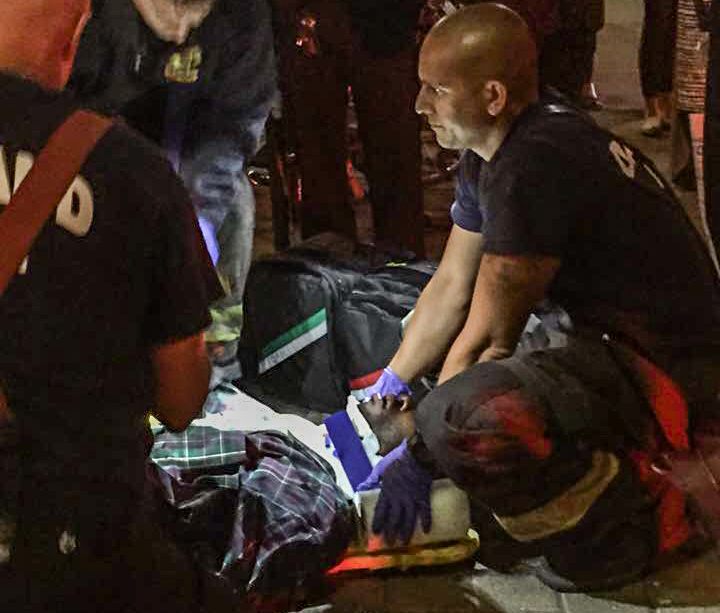
"caption": "Oakland Fire Department personnel treat a man who was reportedly beaten by Whole Foods Market security guard. ",
"description": null,
"title": "Whole Foods-Oakland",
"credit": "Zoe Marks via Facebook",
"status": "inherit",
"isLoading": false,
"fetchFailed": false
},
"news_10673640": {
"type": "attachments",
"id": "news_10673640",
"meta": {
"index": "attachments_1716263798",
"site": "news",
"id": "10673640",
"found": true
},
"parent": 10673491,
"imgSizes": {
"twentyfourteen-full-width": {
"file": "https://ww2.kqed.org/app/uploads/sites/10/2015/09/IMG_0556-1038x576.jpg",
"width": 1038,
"mimeType": "image/jpeg",
"height": 576
},
"thumbnail": {
"file": "https://ww2.kqed.org/app/uploads/sites/10/2015/09/IMG_0556-400x300.jpg",
"width": 400,
"mimeType": "image/jpeg",
"height": 300
},
"fd-sm": {
"file": "https://ww2.kqed.org/app/uploads/sites/10/2015/09/IMG_0556-960x720.jpg",
"width": 960,
"mimeType": "image/jpeg",
"height": 720
},
"post-thumbnail": {
"file": "https://ww2.kqed.org/app/uploads/sites/10/2015/09/IMG_0556-672x372.jpg",
"width": 672,
"mimeType": "image/jpeg",
"height": 372
},
"kqedFullSize": {
"file": "https://ww2.kqed.org/app/uploads/sites/10/2015/09/IMG_0556-e1441818742455.jpg",
"width": 1920,
"height": 1440
},
"large": {
"file": "https://ww2.kqed.org/app/uploads/sites/10/2015/09/IMG_0556-1440x1080.jpg",
"width": 1440,
"mimeType": "image/jpeg",
"height": 1080
},
"guest-author-96": {
"file": "https://ww2.kqed.org/app/uploads/sites/10/2015/09/IMG_0556-96x96.jpg",
"width": 96,
"mimeType": "image/jpeg",
"height": 96
},
"medium": {
"file": "https://ww2.kqed.org/app/uploads/sites/10/2015/09/IMG_0556-800x600.jpg",
"width": 800,
"mimeType": "image/jpeg",
"height": 600
},
"guest-author-64": {
"file": "https://ww2.kqed.org/app/uploads/sites/10/2015/09/IMG_0556-64x64.jpg",
"width": 64,
"mimeType": "image/jpeg",
"height": 64
},
"guest-author-32": {
"file": "https://ww2.kqed.org/app/uploads/sites/10/2015/09/IMG_0556-32x32.jpg",
"width": 32,
"mimeType": "image/jpeg",
"height": 32
},
"jmtc-small-thumb": {
"file": "https://ww2.kqed.org/app/uploads/sites/10/2015/09/IMG_0556-280x150.jpg",
"width": 280,
"mimeType": "image/jpeg",
"height": 150
},
"fd-lrg": {
"file": "https://ww2.kqed.org/app/uploads/sites/10/2015/09/IMG_0556-1920x1440.jpg",
"width": 1920,
"mimeType": "image/jpeg",
"height": 1440
},
"fd-med": {
"file": "https://ww2.kqed.org/app/uploads/sites/10/2015/09/IMG_0556-1180x885.jpg",
"width": 1180,
"mimeType": "image/jpeg",
"height": 885
},
"detail": {
"file": "https://ww2.kqed.org/app/uploads/sites/10/2015/09/IMG_0556-75x75.jpg",
"width": 75,
"mimeType": "image/jpeg",
"height": 75
},
"guest-author-128": {
"file": "https://ww2.kqed.org/app/uploads/sites/10/2015/09/IMG_0556-128x128.jpg",
"width": 128,
"mimeType": "image/jpeg",
"height": 128
}
},
"publishDate": 1441753639,
"modified": 1441836895,
"caption": "Emiliano 'Emilio' Nevarez was shot and killed outside the Golden Bull in downtown Oakland on the morning of April 5.",
"description": null,
"title": "Emiliano Nevarez-Oakland",
"credit": "Devin Katayama/KQED",
"status": "inherit",
"isLoading": false,
"fetchFailed": false
},
"news_10556878": {
"type": "attachments",
"id": "news_10556878",
"meta": {
"index": "attachments_1716263798",
"site": "news",
"id": "10556878",
"found": true
},
"parent": 10556807,
"imgSizes": {
"twentyfourteen-full-width": {
"file": "https://ww2.kqed.org/app/uploads/sites/10/2015/06/RS7013_175333538.jpg-alt_246-1038x576.jpg",
"width": 1038,
"mimeType": "image/jpeg",
"height": 576
},
"thumbnail": {
"file": "https://ww2.kqed.org/app/uploads/sites/10/2015/06/RS7013_175333538.jpg-alt_246-400x300.jpg",
"width": 400,
"mimeType": "image/jpeg",
"height": 300
},
"fd-sm": {
"file": "https://ww2.kqed.org/app/uploads/sites/10/2015/06/RS7013_175333538.jpg-alt_246-960x720.jpg",
"width": 960,
"mimeType": "image/jpeg",
"height": 720
},
"post-thumbnail": {
"file": "https://ww2.kqed.org/app/uploads/sites/10/2015/06/RS7013_175333538.jpg-alt_246-672x372.jpg",
"width": 672,
"mimeType": "image/jpeg",
"height": 372
},
"kqedFullSize": {
"file": "https://ww2.kqed.org/app/uploads/sites/10/2015/06/RS7013_175333538.jpg-alt_246.jpg",
"width": 1920,
"height": 1440
},
"large": {
"file": "https://ww2.kqed.org/app/uploads/sites/10/2015/06/RS7013_175333538.jpg-alt_246-1440x1080.jpg",
"width": 1440,
"mimeType": "image/jpeg",
"height": 1080
},
"guest-author-96": {
"file": "https://ww2.kqed.org/app/uploads/sites/10/2015/06/RS7013_175333538.jpg-alt_246-96x96.jpg",
"width": 96,
"mimeType": "image/jpeg",
"height": 96
},
"medium": {
"file": "https://ww2.kqed.org/app/uploads/sites/10/2015/06/RS7013_175333538.jpg-alt_246-800x600.jpg",
"width": 800,
"mimeType": "image/jpeg",
"height": 600
},
"guest-author-64": {
"file": "https://ww2.kqed.org/app/uploads/sites/10/2015/06/RS7013_175333538.jpg-alt_246-64x64.jpg",
"width": 64,
"mimeType": "image/jpeg",
"height": 64
},
"guest-author-32": {
"file": "https://ww2.kqed.org/app/uploads/sites/10/2015/06/RS7013_175333538.jpg-alt_246-32x32.jpg",
"width": 32,
"mimeType": "image/jpeg",
"height": 32
},
"fd-med": {
"file": "https://ww2.kqed.org/app/uploads/sites/10/2015/06/RS7013_175333538.jpg-alt_246-1180x885.jpg",
"width": 1180,
"mimeType": "image/jpeg",
"height": 885
},
"detail": {
"file": "https://ww2.kqed.org/app/uploads/sites/10/2015/06/RS7013_175333538.jpg-alt_246-75x75.jpg",
"width": 75,
"mimeType": "image/jpeg",
"height": 75
},
"guest-author-128": {
"file": "https://ww2.kqed.org/app/uploads/sites/10/2015/06/RS7013_175333538.jpg-alt_246-128x128.jpg",
"width": 128,
"mimeType": "image/jpeg",
"height": 128
}
},
"publishDate": 1433888629,
"modified": 1463606344,
"caption": "A BART train on the Pittsburg-Bay Point line departing Oakland's Rockridge Station.",
"description": "BART train service will not run Saturday and Sunday between West Oakland and Embarcadero stations. ",
"title": "BART",
"credit": "Justin Sullivan/Getty Images",
"status": "inherit",
"isLoading": false,
"fetchFailed": false
},
"news_10547157": {
"type": "attachments",
"id": "news_10547157",
"meta": {
"index": "attachments_1716263798",
"site": "news",
"id": "10547157",
"found": true
},
"parent": 10547096,
"imgSizes": {
"twentyfourteen-full-width": {
"file": "https://ww2.kqed.org/app/uploads/sites/10/2015/06/downtown-Oakland-1038x576.jpg",
"width": 1038,
"mimeType": "image/jpeg",
"height": 576
},
"thumbnail": {
"file": "https://ww2.kqed.org/app/uploads/sites/10/2015/06/downtown-Oakland-400x267.jpg",
"width": 400,
"mimeType": "image/jpeg",
"height": 267
},
"fd-sm": {
"file": "https://ww2.kqed.org/app/uploads/sites/10/2015/06/downtown-Oakland-960x640.jpg",
"width": 960,
"mimeType": "image/jpeg",
"height": 640
},
"post-thumbnail": {
"file": "https://ww2.kqed.org/app/uploads/sites/10/2015/06/downtown-Oakland-672x372.jpg",
"width": 672,
"mimeType": "image/jpeg",
"height": 372
},
"kqedFullSize": {
"file": "https://ww2.kqed.org/app/uploads/sites/10/2015/06/downtown-Oakland.jpg",
"width": 3504,
"height": 2336
},
"large": {
"file": "https://ww2.kqed.org/app/uploads/sites/10/2015/06/downtown-Oakland-1440x960.jpg",
"width": 1440,
"mimeType": "image/jpeg",
"height": 960
},
"guest-author-96": {
"file": "https://ww2.kqed.org/app/uploads/sites/10/2015/06/downtown-Oakland-96x96.jpg",
"width": 96,
"mimeType": "image/jpeg",
"height": 96
},
"medium": {
"file": "https://ww2.kqed.org/app/uploads/sites/10/2015/06/downtown-Oakland-800x533.jpg",
"width": 800,
"mimeType": "image/jpeg",
"height": 533
},
"guest-author-64": {
"file": "https://ww2.kqed.org/app/uploads/sites/10/2015/06/downtown-Oakland-64x64.jpg",
"width": 64,
"mimeType": "image/jpeg",
"height": 64
},
"guest-author-32": {
"file": "https://ww2.kqed.org/app/uploads/sites/10/2015/06/downtown-Oakland-32x32.jpg",
"width": 32,
"mimeType": "image/jpeg",
"height": 32
},
"fd-med": {
"file": "https://ww2.kqed.org/app/uploads/sites/10/2015/06/downtown-Oakland-1180x787.jpg",
"width": 1180,
"mimeType": "image/jpeg",
"height": 787
},
"detail": {
"file": "https://ww2.kqed.org/app/uploads/sites/10/2015/06/downtown-Oakland-75x75.jpg",
"width": 75,
"mimeType": "image/jpeg",
"height": 75
},
"guest-author-128": {
"file": "https://ww2.kqed.org/app/uploads/sites/10/2015/06/downtown-Oakland-128x128.jpg",
"width": 128,
"mimeType": "image/jpeg",
"height": 128
}
},
"publishDate": 1433179890,
"modified": 1433179922,
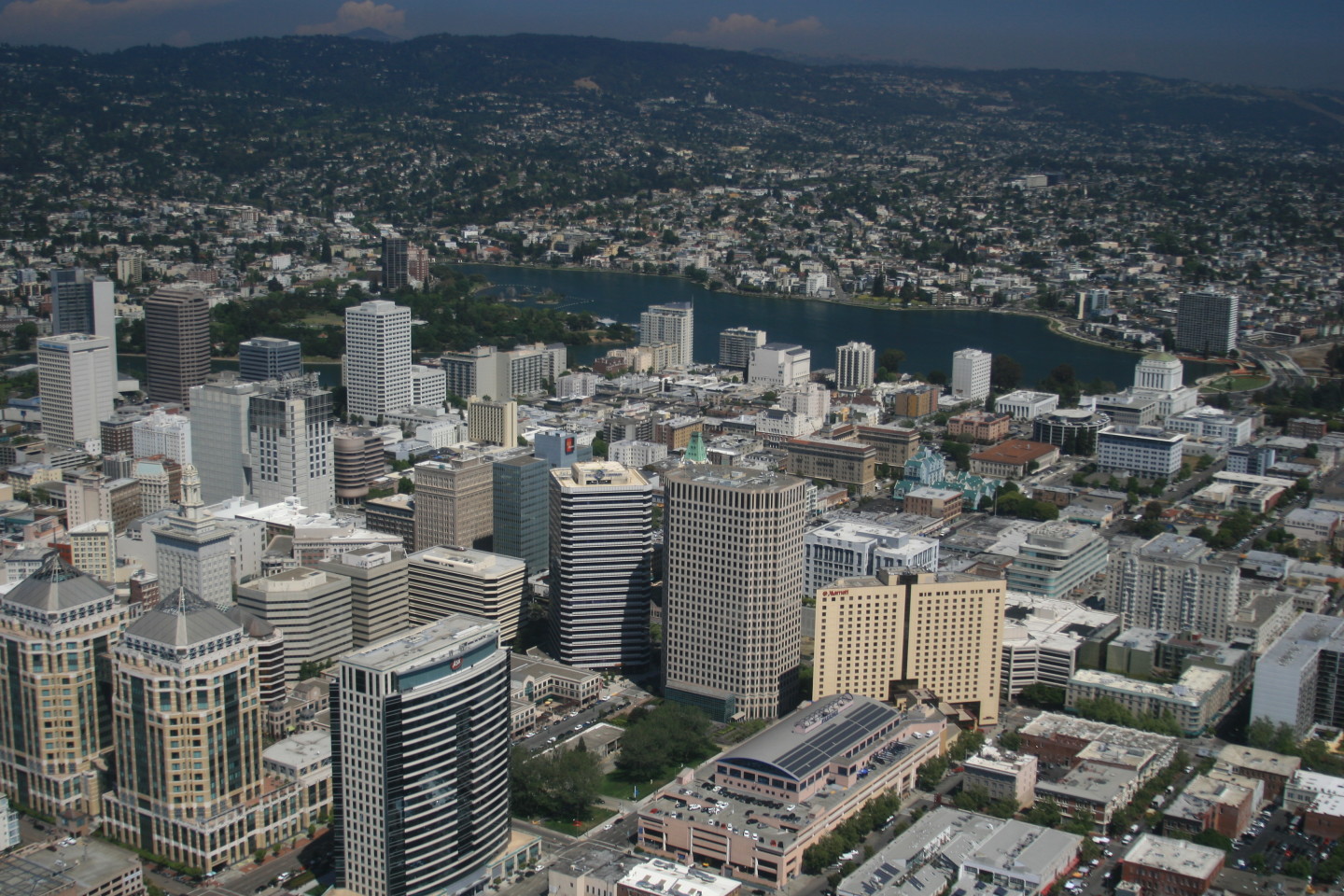
"caption": "Downtown Oakland",
"description": null,
"title": "downtown Oakland",
"credit": "James Daisa/Flickr",
"status": "inherit",
"isLoading": false,
"fetchFailed": false
},
"news_10657452": {
"type": "attachments",
"id": "news_10657452",
"meta": {
"index": "attachments_1716263798",
"site": "news",
"id": "10657452",
"found": true
},
"parent": 10656802,
"imgSizes": {
"twentyfourteen-full-width": {
"file": "https://ww2.kqed.org/app/uploads/sites/10/2015/08/IMG_0502-1038x576.jpg",
"width": 1038,
"mimeType": "image/jpeg",
"height": 576
},
"thumbnail": {
"file": "https://ww2.kqed.org/app/uploads/sites/10/2015/08/IMG_0502-400x300.jpg",
"width": 400,
"mimeType": "image/jpeg",
"height": 300
},
"fd-sm": {
"file": "https://ww2.kqed.org/app/uploads/sites/10/2015/08/IMG_0502-960x720.jpg",
"width": 960,
"mimeType": "image/jpeg",
"height": 720
},
"post-thumbnail": {
"file": "https://ww2.kqed.org/app/uploads/sites/10/2015/08/IMG_0502-672x372.jpg",
"width": 672,
"mimeType": "image/jpeg",
"height": 372
},
"kqedFullSize": {
"file": "https://ww2.kqed.org/app/uploads/sites/10/2015/08/IMG_0502.jpg",
"width": 1632,
"height": 1224
},
"large": {
"file": "https://ww2.kqed.org/app/uploads/sites/10/2015/08/IMG_0502-1440x1080.jpg",
"width": 1440,
"mimeType": "image/jpeg",
"height": 1080
},
"guest-author-96": {
"file": "https://ww2.kqed.org/app/uploads/sites/10/2015/08/IMG_0502-96x96.jpg",
"width": 96,
"mimeType": "image/jpeg",
"height": 96
},
"medium": {
"file": "https://ww2.kqed.org/app/uploads/sites/10/2015/08/IMG_0502-800x600.jpg",
"width": 800,
"mimeType": "image/jpeg",
"height": 600
},
"guest-author-64": {
"file": "https://ww2.kqed.org/app/uploads/sites/10/2015/08/IMG_0502-64x64.jpg",
"width": 64,
"mimeType": "image/jpeg",
"height": 64
},
"guest-author-32": {
"file": "https://ww2.kqed.org/app/uploads/sites/10/2015/08/IMG_0502-32x32.jpg",
"width": 32,
"mimeType": "image/jpeg",
"height": 32
},
"jmtc-small-thumb": {
"file": "https://ww2.kqed.org/app/uploads/sites/10/2015/08/IMG_0502-280x150.jpg",
"width": 280,
"mimeType": "image/jpeg",
"height": 150
},
"fd-med": {
"file": "https://ww2.kqed.org/app/uploads/sites/10/2015/08/IMG_0502-1180x885.jpg",
"width": 1180,
"mimeType": "image/jpeg",
"height": 885
},
"detail": {
"file": "https://ww2.kqed.org/app/uploads/sites/10/2015/08/IMG_0502-75x75.jpg",
"width": 75,
"mimeType": "image/jpeg",
"height": 75
},
"guest-author-128": {
"file": "https://ww2.kqed.org/app/uploads/sites/10/2015/08/IMG_0502-128x128.jpg",
"width": 128,
"mimeType": "image/jpeg",
"height": 128
}
},
"publishDate": 1440616198,
"modified": 1440656956,
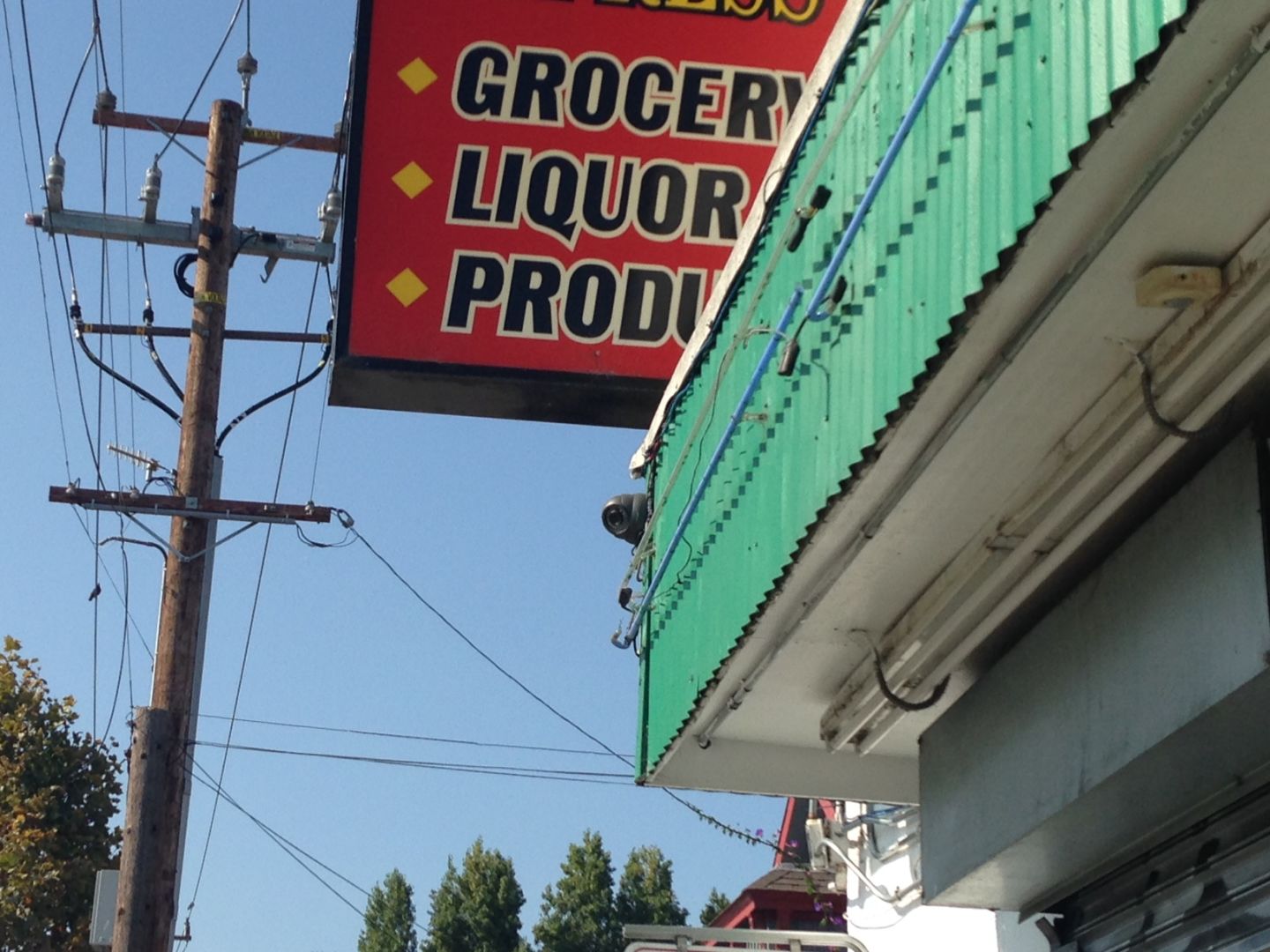
"caption": "For decades, West Oakland residents have made do without a major chain grocery. Corner markets and liquor stores are the main local source for groceries.",
"description": null,
"title": "West Oakland-Groceries",
"credit": null,
"status": "inherit",
"isLoading": false,
"fetchFailed": false
},
"news_10656536": {
"type": "attachments",
"id": "news_10656536",
"meta": {
"index": "attachments_1716263798",
"site": "news",
"id": "10656536",
"found": true
},
"parent": 10655135,
"imgSizes": {
"twentyfourteen-full-width": {
"file": "https://ww2.kqed.org/app/uploads/sites/10/2015/08/ALPI-WAREHOUSE-1038x576.png",
"width": 1038,
"mimeType": "image/png",
"height": 576
},
"thumbnail": {
"file": "https://ww2.kqed.org/app/uploads/sites/10/2015/08/ALPI-WAREHOUSE-400x224.png",
"width": 400,
"mimeType": "image/png",
"height": 224
},
"fd-sm": {
"file": "https://ww2.kqed.org/app/uploads/sites/10/2015/08/ALPI-WAREHOUSE-960x538.png",
"width": 960,
"mimeType": "image/png",
"height": 538
},
"post-thumbnail": {
"file": "https://ww2.kqed.org/app/uploads/sites/10/2015/08/ALPI-WAREHOUSE-672x372.png",
"width": 672,
"mimeType": "image/png",
"height": 372
},
"kqedFullSize": {
"file": "https://ww2.kqed.org/app/uploads/sites/10/2015/08/ALPI-WAREHOUSE.png",
"width": 2232,
"height": 1251
},
"large": {
"file": "https://ww2.kqed.org/app/uploads/sites/10/2015/08/ALPI-WAREHOUSE-1440x807.png",
"width": 1440,
"mimeType": "image/png",
"height": 807
},
"guest-author-96": {
"file": "https://ww2.kqed.org/app/uploads/sites/10/2015/08/ALPI-WAREHOUSE-96x96.png",
"width": 96,
"mimeType": "image/png",
"height": 96
},
"medium": {
"file": "https://ww2.kqed.org/app/uploads/sites/10/2015/08/ALPI-WAREHOUSE-800x448.png",
"width": 800,
"mimeType": "image/png",
"height": 448
},
"guest-author-64": {
"file": "https://ww2.kqed.org/app/uploads/sites/10/2015/08/ALPI-WAREHOUSE-64x64.png",
"width": 64,
"mimeType": "image/png",
"height": 64
},
"guest-author-32": {
"file": "https://ww2.kqed.org/app/uploads/sites/10/2015/08/ALPI-WAREHOUSE-32x32.png",
"width": 32,
"mimeType": "image/png",
"height": 32
},
"jmtc-small-thumb": {
"file": "https://ww2.kqed.org/app/uploads/sites/10/2015/08/ALPI-WAREHOUSE-280x150.png",
"width": 280,
"mimeType": "image/png",
"height": 150
},
"fd-lrg": {
"file": "https://ww2.kqed.org/app/uploads/sites/10/2015/08/ALPI-WAREHOUSE-1920x1076.png",
"width": 1920,
"mimeType": "image/png",
"height": 1076
},
"fd-med": {
"file": "https://ww2.kqed.org/app/uploads/sites/10/2015/08/ALPI-WAREHOUSE-1180x661.png",
"width": 1180,
"mimeType": "image/png",
"height": 661
},
"detail": {
"file": "https://ww2.kqed.org/app/uploads/sites/10/2015/08/ALPI-WAREHOUSE-75x75.png",
"width": 75,
"mimeType": "image/png",
"height": 75
},
"guest-author-128": {
"file": "https://ww2.kqed.org/app/uploads/sites/10/2015/08/ALPI-WAREHOUSE-128x128.png",
"width": 128,
"mimeType": "image/png",
"height": 128
}
},
"publishDate": 1440541646,
"modified": 1440542098,
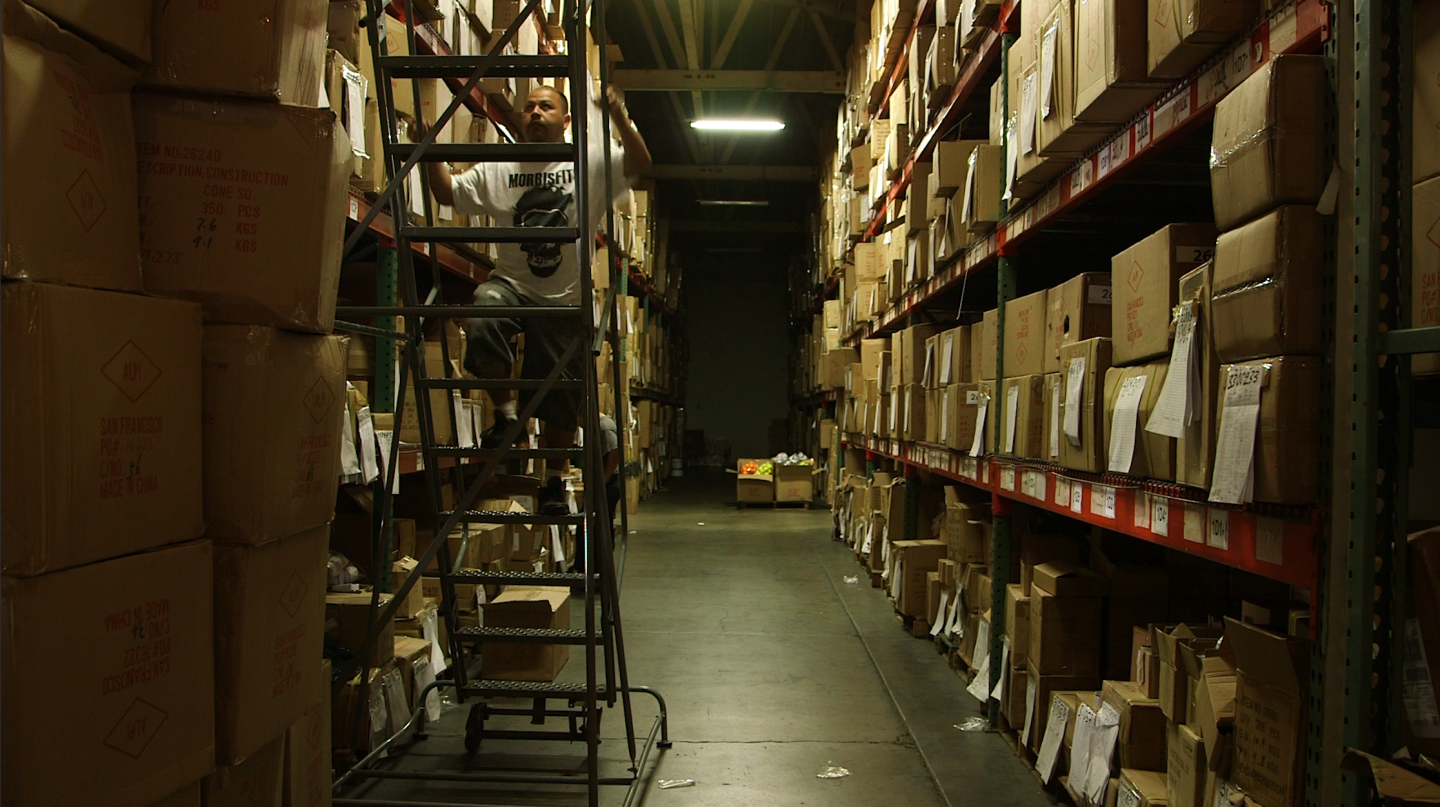
"caption": "The city wants to attract more jobs to these West Oakland industrial spaces, where generations of residents have made their living. ",
"description": "The city wants to attract more jobs to these West Oakland industrial spaces, where generations of residents have made their living. ",
"title": "ALPI WAREHOUSE",
"credit": "Adam Grossberg/KQED",
"status": "inherit",
"isLoading": false,
"fetchFailed": false
},
"news_10649739": {
"type": "attachments",
"id": "news_10649739",
"meta": {
"index": "attachments_1716263798",
"site": "news",
"id": "10649739",
"found": true
},
"parent": 10647780,
"imgSizes": {
"twentyfourteen-full-width": {
"file": "https://ww2.kqed.org/app/uploads/sites/10/2015/08/RS16397_IMG_7457.JPG-qut-1038x576.jpg",
"width": 1038,
"mimeType": "image/jpeg",
"height": 576
},
"thumbnail": {
"file": "https://ww2.kqed.org/app/uploads/sites/10/2015/08/RS16397_IMG_7457.JPG-qut-400x267.jpg",
"width": 400,
"mimeType": "image/jpeg",
"height": 267
},
"fd-sm": {
"file": "https://ww2.kqed.org/app/uploads/sites/10/2015/08/RS16397_IMG_7457.JPG-qut-960x640.jpg",
"width": 960,
"mimeType": "image/jpeg",
"height": 640
},
"post-thumbnail": {
"file": "https://ww2.kqed.org/app/uploads/sites/10/2015/08/RS16397_IMG_7457.JPG-qut-672x372.jpg",
"width": 672,
"mimeType": "image/jpeg",
"height": 372
},
"kqedFullSize": {
"file": "https://ww2.kqed.org/app/uploads/sites/10/2015/08/RS16397_IMG_7457.JPG-qut.jpg",
"width": 1920,
"height": 1280
},
"large": {
"file": "https://ww2.kqed.org/app/uploads/sites/10/2015/08/RS16397_IMG_7457.JPG-qut-1440x960.jpg",
"width": 1440,
"mimeType": "image/jpeg",
"height": 960
},
"guest-author-96": {
"file": "https://ww2.kqed.org/app/uploads/sites/10/2015/08/RS16397_IMG_7457.JPG-qut-96x96.jpg",
"width": 96,
"mimeType": "image/jpeg",
"height": 96
},
"medium": {
"file": "https://ww2.kqed.org/app/uploads/sites/10/2015/08/RS16397_IMG_7457.JPG-qut-800x533.jpg",
"width": 800,
"mimeType": "image/jpeg",
"height": 533
},
"guest-author-64": {
"file": "https://ww2.kqed.org/app/uploads/sites/10/2015/08/RS16397_IMG_7457.JPG-qut-64x64.jpg",
"width": 64,
"mimeType": "image/jpeg",
"height": 64
},
"guest-author-32": {
"file": "https://ww2.kqed.org/app/uploads/sites/10/2015/08/RS16397_IMG_7457.JPG-qut-32x32.jpg",
"width": 32,
"mimeType": "image/jpeg",
"height": 32
},
"jmtc-small-thumb": {
"file": "https://ww2.kqed.org/app/uploads/sites/10/2015/08/RS16397_IMG_7457.JPG-qut-280x150.jpg",
"width": 280,
"mimeType": "image/jpeg",
"height": 150
},
"fd-lrg": {
"file": "https://ww2.kqed.org/app/uploads/sites/10/2015/08/RS16397_IMG_7457.JPG-qut-1920x1280.jpg",
"width": 1920,
"mimeType": "image/jpeg",
"height": 1280
},
"fd-med": {
"file": "https://ww2.kqed.org/app/uploads/sites/10/2015/08/RS16397_IMG_7457.JPG-qut-1180x787.jpg",
"width": 1180,
"mimeType": "image/jpeg",
"height": 787
},
"detail": {
"file": "https://ww2.kqed.org/app/uploads/sites/10/2015/08/RS16397_IMG_7457.JPG-qut-75x75.jpg",
"width": 75,
"mimeType": "image/jpeg",
"height": 75
},
"guest-author-128": {
"file": "https://ww2.kqed.org/app/uploads/sites/10/2015/08/RS16397_IMG_7457.JPG-qut-128x128.jpg",
"width": 128,
"mimeType": "image/jpeg",
"height": 128
}
},
"publishDate": 1440005781,
"modified": 1440011924,
"caption": "Young children on the playground of Tyrone Carney Park for the first time in 13 years. ",
"description": "Young children on the playground of Tyrone Carney Park for the first time in 13 years. ",
"title": "Oakland-Sobrante Park-Tyrone Carney Park",
"credit": "Sandhya Dirks/KQED",
"status": "inherit",
"isLoading": false,
"fetchFailed": false
},
"news_10643171": {
"type": "attachments",
"id": "news_10643171",
"meta": {
"index": "attachments_1716263798",
"site": "news",
"id": "10643171",
"found": true
},
"parent": 10643170,
"imgSizes": {
"twentyfourteen-full-width": {
"file": "https://ww2.kqed.org/app/uploads/sites/10/2015/08/wall-street-class-sequence_29-by-the-kitchen-sisters-edit_slide-abcdce649d058340341e548657c5aca3b11c4158-1038x576.jpg",
"width": 1038,
"mimeType": "image/jpeg",
"height": 576
},
"thumbnail": {
"file": "https://ww2.kqed.org/app/uploads/sites/10/2015/08/wall-street-class-sequence_29-by-the-kitchen-sisters-edit_slide-abcdce649d058340341e548657c5aca3b11c4158-400x267.jpg",
"width": 400,
"mimeType": "image/jpeg",
"height": 267
},
"fd-sm": {
"file": "https://ww2.kqed.org/app/uploads/sites/10/2015/08/wall-street-class-sequence_29-by-the-kitchen-sisters-edit_slide-abcdce649d058340341e548657c5aca3b11c4158-960x640.jpg",
"width": 960,
"mimeType": "image/jpeg",
"height": 640
},
"post-thumbnail": {
"file": "https://ww2.kqed.org/app/uploads/sites/10/2015/08/wall-street-class-sequence_29-by-the-kitchen-sisters-edit_slide-abcdce649d058340341e548657c5aca3b11c4158-672x372.jpg",
"width": 672,
"mimeType": "image/jpeg",
"height": 372
},
"kqedFullSize": {
"file": "https://ww2.kqed.org/app/uploads/sites/10/2015/08/wall-street-class-sequence_29-by-the-kitchen-sisters-edit_slide-abcdce649d058340341e548657c5aca3b11c4158-e1439588699776.jpg",
"width": 1920,
"height": 1280
},
"large": {
"file": "https://ww2.kqed.org/app/uploads/sites/10/2015/08/wall-street-class-sequence_29-by-the-kitchen-sisters-edit_slide-abcdce649d058340341e548657c5aca3b11c4158-1440x960.jpg",
"width": 1440,
"mimeType": "image/jpeg",
"height": 960
},
"guest-author-96": {
"file": "https://ww2.kqed.org/app/uploads/sites/10/2015/08/wall-street-class-sequence_29-by-the-kitchen-sisters-edit_slide-abcdce649d058340341e548657c5aca3b11c4158-96x96.jpg",
"width": 96,
"mimeType": "image/jpeg",
"height": 96
},
"medium": {
"file": "https://ww2.kqed.org/app/uploads/sites/10/2015/08/wall-street-class-sequence_29-by-the-kitchen-sisters-edit_slide-abcdce649d058340341e548657c5aca3b11c4158-800x533.jpg",
"width": 800,
"mimeType": "image/jpeg",
"height": 533
},
"guest-author-64": {
"file": "https://ww2.kqed.org/app/uploads/sites/10/2015/08/wall-street-class-sequence_29-by-the-kitchen-sisters-edit_slide-abcdce649d058340341e548657c5aca3b11c4158-64x64.jpg",
"width": 64,
"mimeType": "image/jpeg",
"height": 64
},
"guest-author-32": {
"file": "https://ww2.kqed.org/app/uploads/sites/10/2015/08/wall-street-class-sequence_29-by-the-kitchen-sisters-edit_slide-abcdce649d058340341e548657c5aca3b11c4158-32x32.jpg",
"width": 32,
"mimeType": "image/jpeg",
"height": 32
},
"jmtc-small-thumb": {
"file": "https://ww2.kqed.org/app/uploads/sites/10/2015/08/wall-street-class-sequence_29-by-the-kitchen-sisters-edit_slide-abcdce649d058340341e548657c5aca3b11c4158-280x150.jpg",
"width": 280,
"mimeType": "image/jpeg",
"height": 150
},
"fd-lrg": {
"file": "https://ww2.kqed.org/app/uploads/sites/10/2015/08/wall-street-class-sequence_29-by-the-kitchen-sisters-edit_slide-abcdce649d058340341e548657c5aca3b11c4158-1920x1280.jpg",
"width": 1920,
"mimeType": "image/jpeg",
"height": 1280
},
"fd-med": {
"file": "https://ww2.kqed.org/app/uploads/sites/10/2015/08/wall-street-class-sequence_29-by-the-kitchen-sisters-edit_slide-abcdce649d058340341e548657c5aca3b11c4158-1180x787.jpg",
"width": 1180,
"mimeType": "image/jpeg",
"height": 787
},
"detail": {
"file": "https://ww2.kqed.org/app/uploads/sites/10/2015/08/wall-street-class-sequence_29-by-the-kitchen-sisters-edit_slide-abcdce649d058340341e548657c5aca3b11c4158-75x75.jpg",
"width": 75,
"mimeType": "image/jpeg",
"height": 75
},
"guest-author-128": {
"file": "https://ww2.kqed.org/app/uploads/sites/10/2015/08/wall-street-class-sequence_29-by-the-kitchen-sisters-edit_slide-abcdce649d058340341e548657c5aca3b11c4158-128x128.jpg",
"width": 128,
"mimeType": "image/jpeg",
"height": 128
}
},
"publishDate": 1439581610,
"modified": 1439937643,
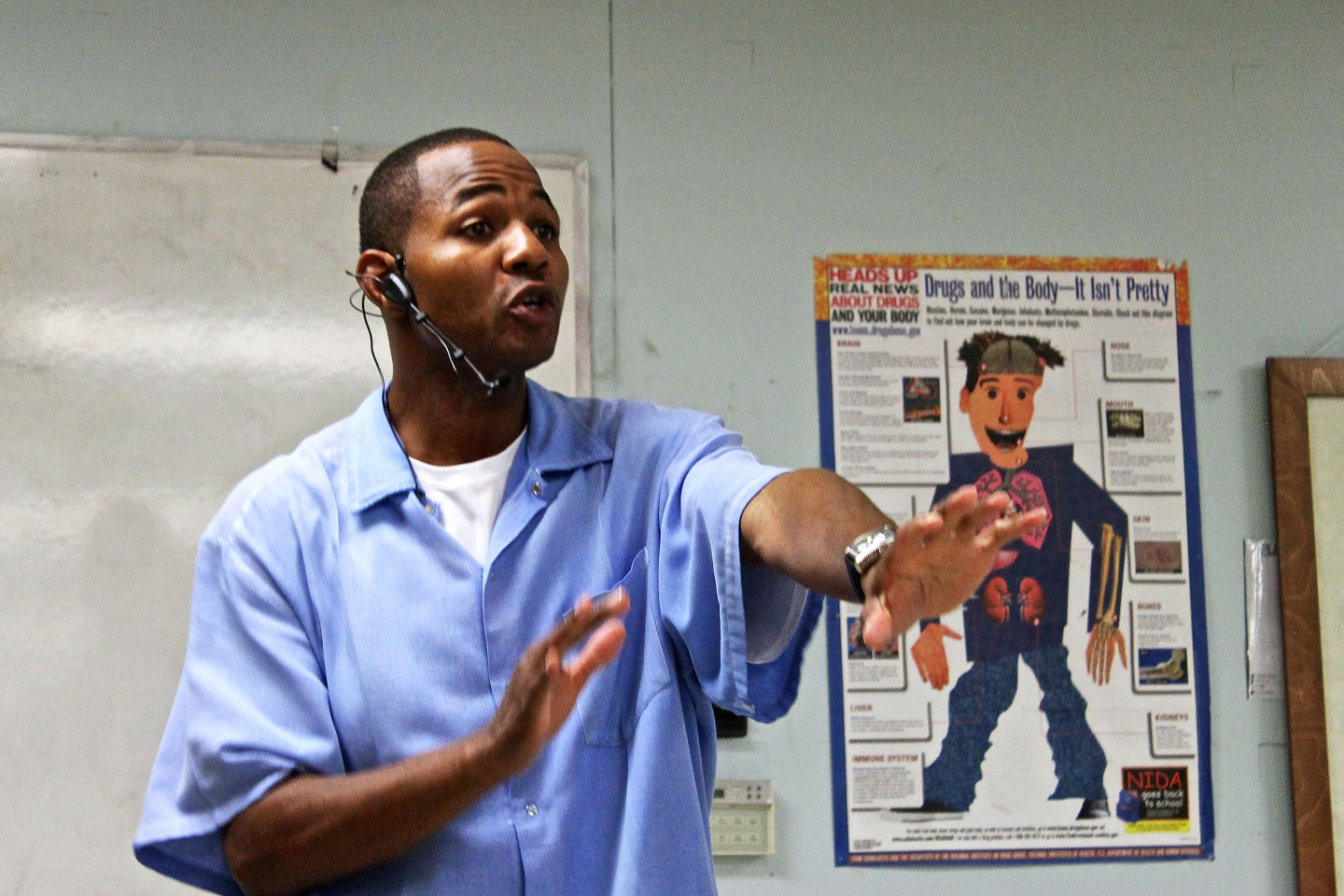
"caption": "Curtis Carroll — also known as \"Wall Street\" — teaches prisoners at San Quentin State Prison about stocks.",
"description": "Curtis Carroll — also known as \"Wall Street\" — teaches prisoners at San Quentin State Prison about stocks",
"title": "Curtis Carroll — also known as \"Wall Street\" — teaches prisoners at San Quentin State Prison about stocks.",
"credit": "The Kitchen Sisters",
"status": "inherit",
"isLoading": false,
"fetchFailed": false
},
"news_10628315": {
"type": "attachments",
"id": "news_10628315",
"meta": {
"index": "attachments_1716263798",
"site": "news",
"id": "10628315",
"found": true
},
"parent": 10628314,
"imgSizes": {
"jmtc-small-thumb": {
"file": "https://ww2.kqed.org/app/uploads/sites/10/2015/08/oakland-rifle-280x150.jpg",
"width": 280,
"mimeType": "image/jpeg",
"height": 150
},
"thumbnail": {
"file": "https://ww2.kqed.org/app/uploads/sites/10/2015/08/oakland-rifle-400x300.jpg",
"width": 400,
"mimeType": "image/jpeg",
"height": 300
},
"post-thumbnail": {
"file": "https://ww2.kqed.org/app/uploads/sites/10/2015/08/oakland-rifle-600x372.jpg",
"width": 600,
"mimeType": "image/jpeg",
"height": 372
},
"kqedFullSize": {
"file": "https://ww2.kqed.org/app/uploads/sites/10/2015/08/oakland-rifle.jpg",
"width": 600,
"height": 450
},
"guest-author-96": {
"file": "https://ww2.kqed.org/app/uploads/sites/10/2015/08/oakland-rifle-96x96.jpg",
"width": 96,
"mimeType": "image/jpeg",
"height": 96
},
"guest-author-64": {
"file": "https://ww2.kqed.org/app/uploads/sites/10/2015/08/oakland-rifle-64x64.jpg",
"width": 64,
"mimeType": "image/jpeg",
"height": 64
},
"detail": {
"file": "https://ww2.kqed.org/app/uploads/sites/10/2015/08/oakland-rifle-75x75.jpg",
"width": 75,
"mimeType": "image/jpeg",
"height": 75
},
"guest-author-32": {
"file": "https://ww2.kqed.org/app/uploads/sites/10/2015/08/oakland-rifle-32x32.jpg",
"width": 32,
"mimeType": "image/jpeg",
"height": 32
},
"guest-author-128": {
"file": "https://ww2.kqed.org/app/uploads/sites/10/2015/08/oakland-rifle-128x128.jpg",
"width": 128,
"mimeType": "image/jpeg",
"height": 128
}
},
"publishDate": 1438620166,
"modified": 1438620253,
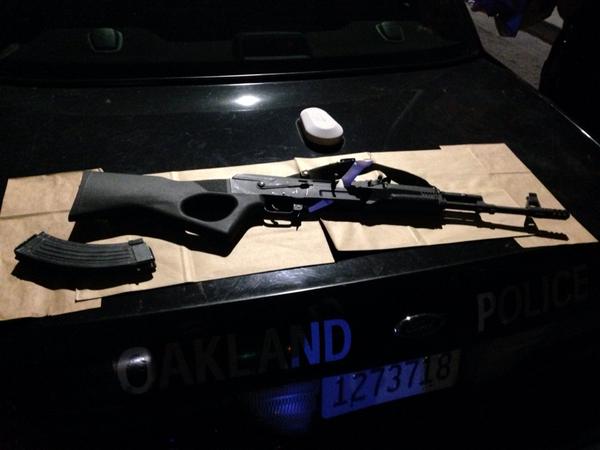
"caption": "Oakland police displayed an assault rifle they say a suspect fired during a confrontation early Monday with officers. One police sergeant was seriously wounded and the suspect was killed. ",
"description": null,
"title": "Oakland Police-Shooting",
"credit": "Oakland Police Department",
"status": "inherit",
"isLoading": false,
"fetchFailed": false
}
},
"audioPlayerReducer": {
"postId": "stream_live",
"isPaused": true,
"isPlaying": false,
"pfsActive": false,
"pledgeModalIsOpen": true,
"playerDrawerIsOpen": false,
"liveAudioPlayStartedAt": 0,
"liveAudioPlayContext": ""
},
"authorsReducer": {
"byline_news_10670843": {
"type": "authors",
"id": "byline_news_10670843",
"meta": {
"override": true
},
"slug": "byline_news_10670843",
"name": "\u003cstrong>Bay City News\u003c/strong>",
"isLoading": false
},
"byline_news_10643170": {
"type": "authors",
"id": "byline_news_10643170",
"meta": {
"override": true
},
"slug": "byline_news_10643170",
"name": "\u003cstrong>\u003ca href=\"http://www.npr.org/people/5252035/the-kitchen-sisters\" target=\"_blank\">The Kitchen Sisters\u003c/a>\u003cbr />\u003ca href=\"http://www.npr.org/\" target=\"_blank\">NPR\u003c/a>\u003c/strong>",
"isLoading": false
},
"jbrooks": {
"type": "authors",
"id": "80",
"meta": {
"index": "authors_1716337520",
"id": "80",
"found": true
},
"name": "Jon Brooks",
"firstName": "Jon",
"lastName": "Brooks",
"slug": "jbrooks",
"email": "jbrooks@kqed.org",
"display_author_email": true,
"staff_mastheads": [
"science"
],
"title": "Digital Editor",
"bio": "Jon Brooks is a former Digital Editor for KQED Science. He is the former editor of KQED’s daily news blog, News Fix. In 2014, he won a California Journalism Award for his coverage of ride services like Uber and Lyft and the taxi industry. A veteran blogger, he previously worked for Yahoo! in various news writing and editing roles. Jon is also a playwright whose work has been produced in San Francisco, New York, Italy, and around the U.S. He has written about film for his own blog and studied film at Boston University.",
"avatar": "https://secure.gravatar.com/avatar/98887f7ed1c876ed414d4c915e969584?s=600&d=blank&r=g",
"twitter": "jbrooksfoy",
"facebook": null,
"instagram": null,
"linkedin": null,
"sites": [
{
"site": "arts",
"roles": [
"Contributor",
"editor"
]
},
{
"site": "news",
"roles": [
"author"
]
},
{
"site": "futureofyou",
"roles": [
"administrator"
]
},
{
"site": "mindshift",
"roles": [
"editor"
]
},
{
"site": "stateofhealth",
"roles": [
"editor"
]
},
{
"site": "science",
"roles": [
"administrator"
]
},
{
"site": "quest",
"roles": [
"editor"
]
}
],
"headData": {
"title": "Jon Brooks | KQED",
"description": "Digital Editor",
"ogImgSrc": "https://secure.gravatar.com/avatar/98887f7ed1c876ed414d4c915e969584?s=600&d=blank&r=g",
"twImgSrc": "https://secure.gravatar.com/avatar/98887f7ed1c876ed414d4c915e969584?s=600&d=blank&r=g"
},
"isLoading": false,
"link": "/author/jbrooks"
},
"danbrekke": {
"type": "authors",
"id": "222",
"meta": {
"index": "authors_1716337520",
"id": "222",
"found": true
},
"name": "Dan Brekke",
"firstName": "Dan",
"lastName": "Brekke",
"slug": "danbrekke",
"email": "dbrekke@kqed.org",
"display_author_email": true,
"staff_mastheads": [
"news",
"science"
],
"title": "KQED Editor and Reporter",
"bio": "Dan Brekke is a reporter and editor for KQED News, responsible for coverage of topics ranging from California water issues to the Bay Area's transportation challenges. In a newsroom career that began in Chicago in 1972, Dan has worked for \u003cem>The San Francisco Examiner,\u003c/em> Wired and TechTV and has been published in The New York Times, The New York Times Magazine, Business 2.0, Salon and elsewhere.\r\n\r\nSince joining KQED in 2007, Dan has reported, edited and produced both radio and online features and breaking news pieces. He has shared as both editor and reporter in four Society of Professional Journalists Norcal Excellence in Journalism awards and one Edward R. Murrow regional award. He was chosen for a spring 2017 residency at the Mesa Refuge to advance his research on California salmon.\r\n\r\nEmail Dan at: \u003ca href=\"mailto:dbrekke@kqed.org\">dbrekke@kqed.org\u003c/a>\r\n\r\n\u003cstrong>Twitter:\u003c/strong> \u003ca href=\"https://twitter.com/danbrekke\" rel=\"noopener noreferrer\">twitter.com/danbrekke\u003c/a>\r\n\u003cstrong>Facebook:\u003c/strong> \u003ca href=\"https://www.facebook.com/danbrekke\" rel=\"noopener noreferrer\">www.facebook.com/danbrekke\u003c/a>\r\n\u003cstrong>LinkedIn:\u003c/strong> \u003ca href=\"https://www.linkedin.com/in/danbrekke\" rel=\"noopener noreferrer\">www.linkedin.com/in/danbrekke\u003c/a>",
"avatar": "https://secure.gravatar.com/avatar/c8126230345efca3f7aa89b1a402be45?s=600&d=mm&r=g",
"twitter": "danbrekke",
"facebook": null,
"instagram": "https://www.instagram.com/dan.brekke/",
"linkedin": "https://www.linkedin.com/in/danbrekke/",
"sites": [
{
"site": "news",
"roles": [
"administrator",
"create_posts"
]
},
{
"site": "stateofhealth",
"roles": [
"editor"
]
},
{
"site": "science",
"roles": [
"editor"
]
},
{
"site": "quest",
"roles": [
"contributor"
]
},
{
"site": "food",
"roles": [
"contributor"
]
},
{
"site": "forum",
"roles": [
"contributor"
]
},
{
"site": "liveblog",
"roles": [
"editor"
]
}
],
"headData": {
"title": "Dan Brekke | KQED",
"description": "KQED Editor and Reporter",
"ogImgSrc": "https://secure.gravatar.com/avatar/c8126230345efca3f7aa89b1a402be45?s=600&d=mm&r=g",
"twImgSrc": "https://secure.gravatar.com/avatar/c8126230345efca3f7aa89b1a402be45?s=600&d=mm&r=g"
},
"isLoading": false,
"link": "/author/danbrekke"
},
"tgoldberg": {
"type": "authors",
"id": "258",
"meta": {
"index": "authors_1716337520",
"id": "258",
"found": true
},
"name": "Ted Goldberg",
"firstName": "Ted",
"lastName": "Goldberg",
"slug": "tgoldberg",
"email": "tgoldberg@kqed.org",
"display_author_email": true,
"staff_mastheads": [
"news"
],
"title": "KQED Managing Editor, News and Newscasts",
"bio": "Ted Goldberg is Managing Editor of News and Newscasts at KQED. His main reporting beat is the Bay Area's oil refining industry.\r\n\r\nPrior to joining KQED in 2014, Ted worked at CBS News and WCBS AM in New York and Bay City News and KCBS Radio in San Francisco. He graduated from Oberlin College in Ohio in 1998.",
"avatar": "https://secure.gravatar.com/avatar/30ce2e4fe89135e104f89be2394d16225b9d36c121b5b3cb7651ce642978b96f?s=600&d=blank&r=g",
"twitter": "TedrickG",
"bluesky": null,
"facebook": null,
"instagram": null,
"linkedin": null,
"sites": [
{
"site": "news",
"roles": [
"editor"
]
},
{
"site": "science",
"roles": [
"editor"
]
}
],
"headData": {
"title": "Ted Goldberg | KQED",
"description": "KQED Managing Editor, News and Newscasts",
"ogImgSrc": "https://secure.gravatar.com/avatar/30ce2e4fe89135e104f89be2394d16225b9d36c121b5b3cb7651ce642978b96f?s=600&d=blank&r=g",
"twImgSrc": "https://secure.gravatar.com/avatar/30ce2e4fe89135e104f89be2394d16225b9d36c121b5b3cb7651ce642978b96f?s=600&d=blank&r=g"
},
"isLoading": false,
"link": "/author/tgoldberg"
},
"sdirks": {
"type": "authors",
"id": "7239",
"meta": {
"index": "authors_1716337520",
"id": "7239",
"found": true
},
"name": "Sandhya Dirks",
"firstName": "Sandhya",
"lastName": "Dirks",
"slug": "sdirks",
"email": "sdirks@kqed.org",
"display_author_email": true,
"staff_mastheads": [],
"title": null,
"bio": "Sandhya Dirks was the race and equity reporter at KQED. She approaches race and equity not as a beat, but as a fundamental lens for all investigative and explanatory reporting.\r\n\r\nSandhya covered policing, housing, social justice movements, and the shifting demographics of cities and suburbs.\r\n\r\nShe was the creator and co-host of the podcast American Suburb, about the transformation of suburbia into the most diverse space in American life. She was the editor for Truth Be Told, an advice show for and by people of color. \r\n\r\nHer stories about race, space, and belonging were part of KQED's So Well Spoken project, which won RNDTA's Kaleidoscope award, honoring outstanding achievements in the coverage of diversity.\r\n\r\nPrior to joining KQED in 2015, Sandhya covered the 2012 presidential election from the swing state of Iowa for Iowa Public Radio. At KPBS in San Diego, she broke the story of a sexual harassment scandal that led to the mayor's resignation.\r\n\r\nShe got her start in radio working on documentaries about Oakland that investigated the high drop-out rate in public schools and mistrust between the police and the community.\r\n\r\nSandhya lives in Oakland and believes all stories are stories about power.",
"avatar": "https://secure.gravatar.com/avatar/c0247cb15929cd4c197672fd73d45300?s=600&d=blank&r=g",
"twitter": "audiosand",
"facebook": null,
"instagram": null,
"linkedin": null,
"sites": [
{
"site": "news",
"roles": [
"subscriber"
]
},
{
"site": "stateofhealth",
"roles": [
"author"
]
}
],
"headData": {
"title": "Sandhya Dirks | KQED",
"description": null,
"ogImgSrc": "https://secure.gravatar.com/avatar/c0247cb15929cd4c197672fd73d45300?s=600&d=blank&r=g",
"twImgSrc": "https://secure.gravatar.com/avatar/c0247cb15929cd4c197672fd73d45300?s=600&d=blank&r=g"
},
"isLoading": false,
"link": "/author/sdirks"
},
"dkatayama": {
"type": "authors",
"id": "7240",
"meta": {
"index": "authors_1716337520",
"id": "7240",
"found": true
},
"name": "Devin Katayama",
"firstName": "Devin",
"lastName": "Katayama",
"slug": "dkatayama",
"email": "dkatayama@kqed.org",
"display_author_email": true,
"staff_mastheads": [
"news"
],
"title": "Editor of Talent and Development",
"bio": "Devin Katayama is former Editor of Talent and Development for KQED. He supported our internship program and on-call staff by looking for equitable opportunities to improve the newsroom.\r\n\r\nHe previously hosted The Bay and American Suburb podcasts from KQED News. Prior to returning to the Bay Area in 2015, Devin was the education reporter for WFPL in Louisville and worked as a producer with radio stations in Chicago and Portland, OR. His work has appeared on NPR’s \u003cem>Morning Edition, All Things Considered, The Takeaway\u003c/em> and \u003cem>Here and Now.\u003c/em>\r\n\r\nDevin earned his MA in Journalism from Columbia College Chicago, where he was a Follett Fellow and the recipient of the 2011 Studs Terkel Community Media Workshop Scholarship for his story on Chicago's homeless youth. He won WBUR's 2014 Daniel Schorr award and a regional RTNDA Edward R. Murrow Award for his documentary \"At Risk\" that looked at issues facing some of Louisville's students. Devin has also received numerous local awards from the Associated Press and the Society of Professional Journalists.",
"avatar": "https://secure.gravatar.com/avatar/d0d2978a31002fb2de107921a8e18405?s=600&d=blank&r=g",
"twitter": "RadioDevin",
"facebook": null,
"instagram": null,
"linkedin": null,
"sites": [
{
"site": "arts",
"roles": []
},
{
"site": "news",
"roles": [
"author"
]
},
{
"site": "stateofhealth",
"roles": [
"author"
]
},
{
"site": "forum",
"roles": [
"editor"
]
},
{
"site": "perspectives",
"roles": [
"editor"
]
}
],
"headData": {
"title": "Devin Katayama | KQED",
"description": "Editor of Talent and Development",
"ogImgSrc": "https://secure.gravatar.com/avatar/d0d2978a31002fb2de107921a8e18405?s=600&d=blank&r=g",
"twImgSrc": "https://secure.gravatar.com/avatar/d0d2978a31002fb2de107921a8e18405?s=600&d=blank&r=g"
},
"isLoading": false,
"link": "/author/dkatayama"
}
},
"pagesReducer": {
"news_tag_oakland": {
"type": "terms",
"id": "news_34054",
"meta": {
"index": "terms_1716263798",
"site": "news",
"id": "34054",
"score": 6.8845096
},
"featImg": null,
"name": "oakland",
"description": null,
"taxonomy": "tag",
"headData": {
"twImgId": null,
"twTitle": null,
"ogTitle": null,
"ogImgId": null,
"twDescription": null,
"description": null,
"title": "oakland Archives | KQED News",
"ogDescription": null
},
"ttid": 34071,
"slug": "oakland",
"isLoading": false,
"title": "oakland",
"pageMeta": {
"site": "news",
"WpPageTemplate": "page-topic-editorial",
"currentPage": 62
},
"blocks": [
{
"blockName": "kqed/post-list",
"attrs": {
"layout": "cardArticle2",
"query": "posts/news?tag=oakland",
"seeMore": false,
"paginated": true,
"page": 62
}
},
{
"blockName": "kqed/ad"
}
]
}
},
"pfsSessionReducer": {},
"postsReducer": {
"stream_live": {
"type": "live",
"id": "stream_live",
"audioUrl": "https://streams.kqed.org/kqedradio",
"title": "Live Stream",
"excerpt": "Live Stream information currently unavailable.",
"link": "/radio",
"featImg": "",
"label": {
"name": "KQED Live",
"link": "/"
}
},
"stream_kqedNewscast": {
"type": "posts",
"id": "stream_kqedNewscast",
"audioUrl": "https://www.kqed.org/.stream/anon/radio/RDnews/newscast.mp3?_=1",
"title": "KQED Newscast",
"featImg": "",
"label": {
"name": "88.5 FM",
"link": "/"
}
},
"news_10694302": {
"type": "posts",
"id": "news_10694302",
"meta": {
"index": "posts_1716263798",
"site": "news",
"id": "10694302",
"score": null,
"sort": [
1443463674000
]
},
"parent": 0,
"labelTerm": {
"site": "news",
"term": 6944
},
"blocks": [],
"publishDate": 1443463674,
"format": "standard",
"disqusTitle": "Oakland Accuses Wells Fargo of Steering Blacks and Latinos Toward Bad Loans",
"title": "Oakland Accuses Wells Fargo of Steering Blacks and Latinos Toward Bad Loans",
"headTitle": "News Fix | KQED News",
"content": "\u003cp>Oakland is accusing Wells Fargo Bank of systematic predatory lending to minorities.\u003c/p>\n\u003cp>In a \u003ca href=\"http://www.oaklandcityattorney.org/PDFS/Oakland%20v.%20Wells%20Fargo%20endorsed%20complaint%209-21-15.pdf\" target=\"_blank\">federal lawsuit\u003c/a> filed last week, the city alleges that the bank targeted blacks and Latinos, steering them toward risky, likely-to-fail loans — the kind that caused many families to lose their homes in the ongoing foreclosure crisis.\u003c/p>\n\u003cp>Oakland City Attorney Barbara Parker says the city has collected proof, including the testimony of former Well Fargo employees, suggesting the bank intentionally gave more expensive loans to African-American and Latino residents. Parker says minorities with good credit were given bad loans, in contrast to loans given to white borrowers with the same credit and income.\u003c/p>\n\u003cp>\"Some of the testimony that we have gotten indicates that they felt that these borrowers were less sophisticated,\" Parker says. \"In some cases there's comments that they thought they were less intelligent. It's hard to imagine that being the case today, but in effect that's what happened over years.\"\u003c/p>\n\u003cp>What makes the high-risk loans significant, Parker says, is that they led to a disproportionate number of foreclosures for minority homeowners — a large factor in the displacement of longtime Oakland residents.\u003c/p>\n\u003cp>[ad fullwidth]\u003c/p>\n\u003cp>The bank vehemently denies the claims. Wells Fargo spokesman, Ruben Pulido, sent this email to KQED:\u003c/p>\n\u003cblockquote>\u003cp>\"The City Attorney’s accusations against Wells Fargo do not reflect how we operate in the communities where we do business and it’s disappointing that she has chosen this course of action over a collaborative approach to helping borrowers and home owners in Oakland. Wells Fargo has been a part of the Oakland community for more than 140 years and we will vigorously defend our record as a fair and responsible lender. We will continue to focus on helping customers in Oakland and its surrounding communities succeed financially, and on expanding homeownership in California and across the United States.\"\u003c/p>\u003c/blockquote>\n\u003cp>Christopher Palmer, of the UC Berkeley Haas School of Business, says there's no doubt the housing crisis hit minorities hard.\u003c/p>\n\u003cp>\"Subprime lending was much more prevalent among blacks and Hispanics,\" Palmer says. \"That's just a fact that just jumps out of the data.\"\u003c/p>\n\u003cp>But the data on their own don't necessarily mean the city can prove there was an abusive pattern that violated fair housing laws, according to Palmer. However, while proving these cases can be difficult, there have been a \u003ca href=\"http://www.huffingtonpost.com/2014/12/03/wells-fargo-loans-lawsuit_n_6261356.html\" target=\"_blank\">number of lawsuits\u003c/a> filed against banks in recent years, including some by the Department of Justice, that have resulted in hefty settlements. In a very similar case in Baltimore in 2012, \u003ca href=\"http://articles.baltimoresun.com/2012-07-12/news/bs-md-ci-wells-fargo-20120712_1_mike-heid-wells-fargo-home-mortgage-subprime-mortgages\" target=\"_blank\">Wells Fargo settled\u003c/a> with the U.S. Department of Justice for more than $175 million.\u003c/p>\n\u003cp>Those settlements, Parker says, are part of the reason Oakland is joining with other cities — \u003ca href=\"http://www.latimes.com/business/la-fi-wells-fargo-suit-20150505-story.html\" target=\"_blank\">including Los Angeles\u003c/a> -- in taking on Wells Fargo.\u003c/p>\n\u003cp>Kevin Stein, with the advocacy group California Reinvestment Coalition, says that in many ways cities are turning to the courts as a last resort.\u003c/p>\n\u003cp>\"I think local governments, local jurisdictions, have been trying to deal with the crisis, because they see it had not been dealt with at the federal and state level sufficiently,\" Stein says.\u003c/p>\n\u003cp>The \u003ca href=\"http://ww2.kqed.org/news/2013/03/12/wells-fargo-blamed-for-hampering-california-economy/oakland-wells-fargo-foreclosures\" target=\"_blank\">foreclosure crisis\u003c/a> hit cities like Oakland directly in their pocketbooks, Parker says, leaving the city — \u003ca href=\"http://ww2.kqed.org/news/2013/03/12/wells-fargo-blamed-for-hampering-california-economy\" target=\"_blank\">and the state \u003c/a>— with a large gap in property tax revenues.\u003c/p>\n\u003cp>Stein says cities like Oakland are caught in a bind — they are the places that feel the full weight of the housing crisis, yet they have no way to regulate or hold banks accountable. Not for lack of trying, according to Stein.\u003c/p>\n\u003cp>Back in 2001, Oakland passed an anti-predatory lending ordinance. \"That ordinance,\" Stein says, \"would have restricted abusive lending practices. And if laws like that were in place throughout all of the cities in California, then we would not have had the crisis that we ultimately had.\"\u003c/p>\n\u003cp>But the law was challenged by the banking industry — and the California Supreme Court eventually \u003ca href=\"http://www.sheppardmullin.com/media/article/94_pub354.pdf\" target=\"_blank\">overturned the rule\u003c/a>, saying that the city did not have the authority to regulate banks in that way.\u003c/p>\n\u003cp>Oakland isn't the only city that has tried to deal with the foreclosure crisis itself. Last year Richmond floated the idea of using \u003ca href=\"http://www.nytimes.com/2014/01/12/business/in-richmond-california-a-long-shot-against-blight.html?_r=1&mtrref=undefined\" target=\"_blank\">eminent domain\u003c/a> to take back foreclosed and blighted houses.\u003c/p>\n\u003cp>Wells Fargo blocked that move with a lawsuit -- which Stein says basically amounted to a threat.\u003c/p>\n\u003cp>\"In a way what they were arguing was the city of Richmond shouldn't be allowed to implement an eminent domain program, because the result of that would be that banks wouldn't lend in the city of Richmond,\" Stein says. \"Which is another way of saying, if you proceed with eminent domain, which we don't like -- we will redline your city.\u003c/p>\n\u003cp>\"Which,\" Stein adds, \"is outrageous.\"\u003c/p>\n\u003cp>\u003ca href=\"http://www.theatlantic.com/business/archive/2014/05/the-racist-housing-policy-that-made-your-neighborhood/371439/\" target=\"_blank\">Redlining\u003c/a> is a practice, often thought of as in the past, that in effect cut off certain neighborhoods from receiving loans. And yes, those neighborhoods were largely populated by \u003ca href=\"http://www.theatlantic.com/magazine/archive/2014/06/the-case-for-reparations/361631/\" target=\"_blank\">African-Americans\u003c/a>.\u003c/p>\n\u003cp>If redlining were a form of starving certain neighborhoods for credit, so-called predatory lending \u003cimg class=\"ajT\" src=\"https://ssl.gstatic.com/ui/v1/icons/mail/images/cleardot.gif\" alt=\"\">acted as a sort of reverse redlining, Stein says.\u003c/p>\n\u003cp>\"Neighborhoods that had been deprived of conventional low-cost credit were flooded with the opposite, with the converse, just before the crisis and have suffered as a result,\" he says.\u003c/p>\n\u003cp>And now, Stein says, banks may be redlining again. \"In a way we've kind of come full circle,\" he says. \"What we're seeing now is kind of a return to redlining. In the best possible light, lenders are being more conservative in making loans.\"\u003c/p>\n\u003cp>But some cases in the courts claim something more nefarious than the pendulum swinging back from over-lending, including \u003ca href=\"http://www.nytimes.com/2015/09/11/business/dealbook/evans-bank-settles-new-york-redlining-lawsuit.html?_r=0\" target=\"_blank\">a recent case \u003c/a>in New York, and a case settled in 2001 in Michigan. The number of these \u003ca href=\"http://www.ibtimes.com/racial-discrimination-lending-feds-accuse-hudson-city-savings-bank-redlining-four-2112646\" target=\"_blank\">redlining cases\u003c/a> is growing.\u003c/p>\n\u003cp>Although Stein is critical of Wells Fargo, he says it seems to have done good work in Oakland since the 2008 housing market collapse.\u003c/p>\n\u003cp>\"I feel compelled to say that my understanding was that Wells was a decent partner, that some people in the city felt Wells was playing some constructive role,\" Stein says.\u003c/p>\n\u003cp>[ad floatright]\u003c/p>\n\u003cp>But Parker says the lawsuit alleges that Wells Fargo is not only guilty of abusive lending in the past tense: It intends to show that predatory lending is still going on.\u003c/p>\n\n",
"disqusIdentifier": "10694302 http://ww2.kqed.org/news/?p=10694302",
"disqusUrl": "https://ww2.kqed.org/news/2015/09/28/oakland-accuses-wells-fargo-of-steering-blacks-and-latinos-toward-bad-loans/",
"stats": {
"hasVideo": false,
"hasChartOrMap": false,
"hasAudio": false,
"hasPolis": false,
"wordCount": 1070,
"hasGoogleForm": false,
"hasGallery": false,
"hasHearkenModule": false,
"iframeSrcs": [],
"paragraphCount": 31
},
"modified": 1443488111,
"excerpt": "The city alleges the bank targeted blacks and Latinos, steering them toward risky, likely-to-fail loans.",
"headData": {
"twImgId": "",
"twTitle": "",
"ogTitle": "",
"ogImgId": "",
"twDescription": "",
"description": "The city alleges the bank targeted blacks and Latinos, steering them toward risky, likely-to-fail loans.",
"title": "Oakland Accuses Wells Fargo of Steering Blacks and Latinos Toward Bad Loans | KQED",
"ogDescription": "",
"schema": {
"@context": "https://schema.org",
"@type": "NewsArticle",
"headline": "Oakland Accuses Wells Fargo of Steering Blacks and Latinos Toward Bad Loans",
"datePublished": "2015-09-28T11:07:54-07:00",
"dateModified": "2015-09-28T17:55:11-07:00",
"image": "https://cdn.kqed.org/wp-content/uploads/2020/02/KQED-OG-Image@1x.png",
"isAccessibleForFree": "True",
"publisher": {
"@type": "NewsMediaOrganization",
"@id": "https://www.kqed.org/#organization",
"name": "KQED",
"logo": "https://cdn.kqed.org/wp-content/uploads/2020/02/KQED-OG-Image@1x.png",
"url": "https://www.kqed.org",
"sameAs": [
"https://www.facebook.com/KQED",
"https://twitter.com/KQED",
"https://www.instagram.com/kqed/",
"https://www.tiktok.com/@kqedofficial",
"https://www.linkedin.com/company/kqed",
"https://www.youtube.com/channel/UCeC0IOo7i1P_61zVUWbJ4nw"
]
}
}
},
"guestAuthors": [],
"slug": "oakland-accuses-wells-fargo-of-steering-blacks-and-latinos-toward-bad-loans",
"status": "publish",
"path": "/news/10694302/oakland-accuses-wells-fargo-of-steering-blacks-and-latinos-toward-bad-loans",
"audioTrackLength": null,
"parsedContent": [
{
"type": "contentString",
"content": "\u003cdiv class=\"post-body\">\u003cp>\u003cp>Oakland is accusing Wells Fargo Bank of systematic predatory lending to minorities.\u003c/p>\n\u003cp>In a \u003ca href=\"http://www.oaklandcityattorney.org/PDFS/Oakland%20v.%20Wells%20Fargo%20endorsed%20complaint%209-21-15.pdf\" target=\"_blank\">federal lawsuit\u003c/a> filed last week, the city alleges that the bank targeted blacks and Latinos, steering them toward risky, likely-to-fail loans — the kind that caused many families to lose their homes in the ongoing foreclosure crisis.\u003c/p>\n\u003cp>Oakland City Attorney Barbara Parker says the city has collected proof, including the testimony of former Well Fargo employees, suggesting the bank intentionally gave more expensive loans to African-American and Latino residents. Parker says minorities with good credit were given bad loans, in contrast to loans given to white borrowers with the same credit and income.\u003c/p>\n\u003cp>\"Some of the testimony that we have gotten indicates that they felt that these borrowers were less sophisticated,\" Parker says. \"In some cases there's comments that they thought they were less intelligent. It's hard to imagine that being the case today, but in effect that's what happened over years.\"\u003c/p>\n\u003cp>What makes the high-risk loans significant, Parker says, is that they led to a disproportionate number of foreclosures for minority homeowners — a large factor in the displacement of longtime Oakland residents.\u003c/p>\n\u003cp>\u003c/p>\u003c/div>",
"attributes": {
"named": {},
"numeric": []
}
},
{
"type": "component",
"content": "",
"name": "ad",
"attributes": {
"named": {
"label": "fullwidth"
},
"numeric": [
"fullwidth"
]
}
},
{
"type": "contentString",
"content": "\u003cdiv class=\"post-body\">\u003cp>\u003c/p>\n\u003cp>The bank vehemently denies the claims. Wells Fargo spokesman, Ruben Pulido, sent this email to KQED:\u003c/p>\n\u003cblockquote>\u003cp>\"The City Attorney’s accusations against Wells Fargo do not reflect how we operate in the communities where we do business and it’s disappointing that she has chosen this course of action over a collaborative approach to helping borrowers and home owners in Oakland. Wells Fargo has been a part of the Oakland community for more than 140 years and we will vigorously defend our record as a fair and responsible lender. We will continue to focus on helping customers in Oakland and its surrounding communities succeed financially, and on expanding homeownership in California and across the United States.\"\u003c/p>\u003c/blockquote>\n\u003cp>Christopher Palmer, of the UC Berkeley Haas School of Business, says there's no doubt the housing crisis hit minorities hard.\u003c/p>\n\u003cp>\"Subprime lending was much more prevalent among blacks and Hispanics,\" Palmer says. \"That's just a fact that just jumps out of the data.\"\u003c/p>\n\u003cp>But the data on their own don't necessarily mean the city can prove there was an abusive pattern that violated fair housing laws, according to Palmer. However, while proving these cases can be difficult, there have been a \u003ca href=\"http://www.huffingtonpost.com/2014/12/03/wells-fargo-loans-lawsuit_n_6261356.html\" target=\"_blank\">number of lawsuits\u003c/a> filed against banks in recent years, including some by the Department of Justice, that have resulted in hefty settlements. In a very similar case in Baltimore in 2012, \u003ca href=\"http://articles.baltimoresun.com/2012-07-12/news/bs-md-ci-wells-fargo-20120712_1_mike-heid-wells-fargo-home-mortgage-subprime-mortgages\" target=\"_blank\">Wells Fargo settled\u003c/a> with the U.S. Department of Justice for more than $175 million.\u003c/p>\n\u003cp>Those settlements, Parker says, are part of the reason Oakland is joining with other cities — \u003ca href=\"http://www.latimes.com/business/la-fi-wells-fargo-suit-20150505-story.html\" target=\"_blank\">including Los Angeles\u003c/a> -- in taking on Wells Fargo.\u003c/p>\n\u003cp>Kevin Stein, with the advocacy group California Reinvestment Coalition, says that in many ways cities are turning to the courts as a last resort.\u003c/p>\n\u003cp>\"I think local governments, local jurisdictions, have been trying to deal with the crisis, because they see it had not been dealt with at the federal and state level sufficiently,\" Stein says.\u003c/p>\n\u003cp>The \u003ca href=\"http://ww2.kqed.org/news/2013/03/12/wells-fargo-blamed-for-hampering-california-economy/oakland-wells-fargo-foreclosures\" target=\"_blank\">foreclosure crisis\u003c/a> hit cities like Oakland directly in their pocketbooks, Parker says, leaving the city — \u003ca href=\"http://ww2.kqed.org/news/2013/03/12/wells-fargo-blamed-for-hampering-california-economy\" target=\"_blank\">and the state \u003c/a>— with a large gap in property tax revenues.\u003c/p>\n\u003cp>Stein says cities like Oakland are caught in a bind — they are the places that feel the full weight of the housing crisis, yet they have no way to regulate or hold banks accountable. Not for lack of trying, according to Stein.\u003c/p>\n\u003cp>Back in 2001, Oakland passed an anti-predatory lending ordinance. \"That ordinance,\" Stein says, \"would have restricted abusive lending practices. And if laws like that were in place throughout all of the cities in California, then we would not have had the crisis that we ultimately had.\"\u003c/p>\n\u003cp>But the law was challenged by the banking industry — and the California Supreme Court eventually \u003ca href=\"http://www.sheppardmullin.com/media/article/94_pub354.pdf\" target=\"_blank\">overturned the rule\u003c/a>, saying that the city did not have the authority to regulate banks in that way.\u003c/p>\n\u003cp>Oakland isn't the only city that has tried to deal with the foreclosure crisis itself. Last year Richmond floated the idea of using \u003ca href=\"http://www.nytimes.com/2014/01/12/business/in-richmond-california-a-long-shot-against-blight.html?_r=1&mtrref=undefined\" target=\"_blank\">eminent domain\u003c/a> to take back foreclosed and blighted houses.\u003c/p>\n\u003cp>Wells Fargo blocked that move with a lawsuit -- which Stein says basically amounted to a threat.\u003c/p>\n\u003cp>\"In a way what they were arguing was the city of Richmond shouldn't be allowed to implement an eminent domain program, because the result of that would be that banks wouldn't lend in the city of Richmond,\" Stein says. \"Which is another way of saying, if you proceed with eminent domain, which we don't like -- we will redline your city.\u003c/p>\n\u003cp>\"Which,\" Stein adds, \"is outrageous.\"\u003c/p>\n\u003cp>\u003ca href=\"http://www.theatlantic.com/business/archive/2014/05/the-racist-housing-policy-that-made-your-neighborhood/371439/\" target=\"_blank\">Redlining\u003c/a> is a practice, often thought of as in the past, that in effect cut off certain neighborhoods from receiving loans. And yes, those neighborhoods were largely populated by \u003ca href=\"http://www.theatlantic.com/magazine/archive/2014/06/the-case-for-reparations/361631/\" target=\"_blank\">African-Americans\u003c/a>.\u003c/p>\n\u003cp>If redlining were a form of starving certain neighborhoods for credit, so-called predatory lending \u003cimg class=\"ajT\" src=\"https://ssl.gstatic.com/ui/v1/icons/mail/images/cleardot.gif\" alt=\"\">acted as a sort of reverse redlining, Stein says.\u003c/p>\n\u003cp>\"Neighborhoods that had been deprived of conventional low-cost credit were flooded with the opposite, with the converse, just before the crisis and have suffered as a result,\" he says.\u003c/p>\n\u003cp>And now, Stein says, banks may be redlining again. \"In a way we've kind of come full circle,\" he says. \"What we're seeing now is kind of a return to redlining. In the best possible light, lenders are being more conservative in making loans.\"\u003c/p>\n\u003cp>But some cases in the courts claim something more nefarious than the pendulum swinging back from over-lending, including \u003ca href=\"http://www.nytimes.com/2015/09/11/business/dealbook/evans-bank-settles-new-york-redlining-lawsuit.html?_r=0\" target=\"_blank\">a recent case \u003c/a>in New York, and a case settled in 2001 in Michigan. The number of these \u003ca href=\"http://www.ibtimes.com/racial-discrimination-lending-feds-accuse-hudson-city-savings-bank-redlining-four-2112646\" target=\"_blank\">redlining cases\u003c/a> is growing.\u003c/p>\n\u003cp>Although Stein is critical of Wells Fargo, he says it seems to have done good work in Oakland since the 2008 housing market collapse.\u003c/p>\n\u003cp>\"I feel compelled to say that my understanding was that Wells was a decent partner, that some people in the city felt Wells was playing some constructive role,\" Stein says.\u003c/p>\n\u003cp>\u003c/p>\u003c/div>",
"attributes": {
"named": {},
"numeric": []
}
},
{
"type": "component",
"content": "",
"name": "ad",
"attributes": {
"named": {
"label": "floatright"
},
"numeric": [
"floatright"
]
}
},
{
"type": "contentString",
"content": "\u003cdiv class=\"post-body\">\u003cp>\u003c/p>\n\u003cp>But Parker says the lawsuit alleges that Wells Fargo is not only guilty of abusive lending in the past tense: It intends to show that predatory lending is still going on.\u003c/p>\n\n\u003c/div>\u003c/p>",
"attributes": {
"named": {},
"numeric": []
}
}
],
"link": "/news/10694302/oakland-accuses-wells-fargo-of-steering-blacks-and-latinos-toward-bad-loans",
"authors": [
"7239"
],
"programs": [
"news_6944"
],
"categories": [
"news_1758",
"news_6266",
"news_6188",
"news_8"
],
"tags": [
"news_1775",
"news_18",
"news_2424"
],
"featImg": "news_10697228",
"label": "news_6944"
},
"news_10694749": {
"type": "posts",
"id": "news_10694749",
"meta": {
"index": "posts_1716263798",
"site": "news",
"id": "10694749",
"score": null,
"sort": [
1443041809000
]
},
"parent": 0,
"labelTerm": {
"site": "news",
"term": 6944
},
"blocks": [],
"publishDate": 1443041809,
"format": "standard",
"disqusTitle": "Uber Comes to Oakland in a Big Way",
"title": "Uber Comes to Oakland in a Big Way",
"headTitle": "News Fix | KQED News",
"content": "\u003cp>Uber is coming to Oakland.\u003c/p>\n\u003cp>In a joint announcement with city officials, the ride-service company announced it's buying \u003ca href=\"https://localwiki.org/oakland/H._C._Capwell_Company\" target=\"_blank\">a historic department store building\u003c/a> at 19th and Broadway and will open a branch of its global headquarters at the site.\u003c/p>\n\u003cp>The company, still privately held and valued at $50 billion as it continues its worldwide expansion, says it expects 2,000 to 3,000 staffers to work in the Oakland facility when it opens in 2017. If those staffing levels are attained, Uber would become the city's largest non-government, non-hospital employer.\u003c/p>\n\u003caside class=\"alignright\">\n\u003ch3>Oakland's 10 Largest Employers\u003c/h3>\n\u003cp>\u003cstrong>Employer:Employees\u003c/strong>\u003cbr>\n1. State of California: 7,480\u003cbr>\n2. Kaiser Permanente: 7,000\u003cbr>\n3. City of Oakland: 4,807\u003cbr>\n4. Alameda County: 4,600\u003cbr>\n5. Oakland Unified School District: 4,457\u003cbr>\n6. UCSF Benioff Children's Hospital: 2,600\u003cbr>\n7. U.S. Postal Service: 2,203\u003cbr>\n8. Alameda Health System: 2,131\u003cbr>\n9. Southwest Airlines: 2,139\u003cbr>\n10. Alta Bates Sutter Medical Center/Summit: 2,000\u003cbr>\n\u003csmall>\u003cstrong>Source: \u003ca href=\"http://www.bizjournals.com/sanfrancisco/subscriber-only/2015/01/02/employers-oakland.html\" target=\"_blank\">San Francisco Business Times\u003c/a>\u003c/strong>\u003c/small>\u003c/p>\n\u003c/aside>\n\u003cp>Uber bought the building, which boasts 330,000 square feet of office space, from Lane Partners. The real estate firm had been redeveloping the site, last occupied by Sears last year, into a mixed retail and office development called Uptown Station. The purchase price for the seven-story edifice,\u003ca href=\"http://www.bizjournals.com/sanfrancisco/blog/real-estate/2015/06/oakland-brooklyn-basin-infrastructure-housing.html\" target=\"_blank\"> long rumored\u003c/a> to be the future home of a tech tenant, was not disclosed.\u003c/p>\n\u003cp>One question that arose immediately about the announcement was whether Oakland officials had offered financial incentives to attract the company.\u003c/p>\n\u003cp>[ad fullwidth]\u003c/p>\n\u003cp>Mayor Libby Schaaf said no tax preferences or other incentives were offered.\u003c/p>\n\u003cp>Instead, she told KTVU \u003ca href=\"http://www.ktvu.com/news/23581468-story\" target=\"_blank\">in an interview\u003c/a> Wednesday morning, Uber \"chose Oakland for its magic -- for its soul.\"\u003c/p>\n\u003cp>Schaaf also acknowledged that many in the community will be wary of Uber's arrival and the nearly inevitable upward pressure on home prices the new headquarters will create. The city has already seen a spike in demand for housing and a corresponding rise in apartment rents, due largely to the technology boom in San Francisco and Silicon Valley.\u003c/p>\n\u003cp>\"We are going to be working to get them to commit to make sure that we preserve that soul ... and that's affordability, that's equity, that's fighting against displacement,\" she said. \"And it's also preserving the cultural vitality of that neighborhood.\"\u003c/p>\n\u003cp>Schaaf and company officials acknowledged at a Wednesday press conference that no steps have yet been taken -- for instance, a community benefits plan of some sort -- to try to \"preserve that soul.\"\u003c/p>\n\u003cp>Renee Atwood, Uber's \"global head of people and places,\" said in a statement released before the press conference: “As we continue to build our teams across the hundreds of cities where we operate, the Bay Area remains our original home. We are excited to deepen our roots across the Bay by investing in the revitalization of historic downtown Oakland and to become a permanent part of the fabric of the East Bay community by adding thousands of jobs at our Oakland site.”\u003c/p>\n\u003cp>Uber currently has about 2,000 employees in its San Francisco offices. The new Oakland offices will supplement two office towers the company is building in Mission Bay.\u003c/p>\n\u003cp>Real estate and economic development analysts say they expect Uber's arrival in Oakland could trigger a surge in residential housing construction in the city and may help attract other big-name tech firms to the city.\u003c/p>\n\u003cp>\u003c/p>\n\u003cp>Gov. Jerry Brown, an Oakland resident and the city's former mayor, made housing construction a priority during his two terms. That led to thousands of new apartment and condo units being built in the city's downtown, Uptown and Jack London Square neighborhoods. Earlier this year, construction began on Brooklyn Basin, a planned 3,100-unit development on the Oakland Estuary southeast of Jack London Square.\u003c/p>\n\n",
"disqusIdentifier": "10694749 http://ww2.kqed.org/news/?p=10694749",
"disqusUrl": "https://ww2.kqed.org/news/2015/09/23/uber-comes-to-oakland-in-a-big-way/",
"stats": {
"hasVideo": false,
"hasChartOrMap": false,
"hasAudio": false,
"hasPolis": false,
"wordCount": 638,
"hasGoogleForm": false,
"hasGallery": false,
"hasHearkenModule": false,
"iframeSrcs": [],
"paragraphCount": 17
},
"modified": 1443045811,
"excerpt": "Company purchases downtown building that will serve as part of its global headquarters.",
"headData": {
"twImgId": "",
"twTitle": "",
"ogTitle": "",
"ogImgId": "",
"twDescription": "",
"description": "Company purchases downtown building that will serve as part of its global headquarters.",
"title": "Uber Comes to Oakland in a Big Way | KQED",
"ogDescription": "",
"schema": {
"@context": "https://schema.org",
"@type": "NewsArticle",
"headline": "Uber Comes to Oakland in a Big Way",
"datePublished": "2015-09-23T13:56:49-07:00",
"dateModified": "2015-09-23T15:03:31-07:00",
"image": "https://cdn.kqed.org/wp-content/uploads/2020/02/KQED-OG-Image@1x.png",
"isAccessibleForFree": "True",
"publisher": {
"@type": "NewsMediaOrganization",
"@id": "https://www.kqed.org/#organization",
"name": "KQED",
"logo": "https://cdn.kqed.org/wp-content/uploads/2020/02/KQED-OG-Image@1x.png",
"url": "https://www.kqed.org",
"sameAs": [
"https://www.facebook.com/KQED",
"https://twitter.com/KQED",
"https://www.instagram.com/kqed/",
"https://www.tiktok.com/@kqedofficial",
"https://www.linkedin.com/company/kqed",
"https://www.youtube.com/channel/UCeC0IOo7i1P_61zVUWbJ4nw"
]
}
}
},
"guestAuthors": [],
"slug": "uber-comes-to-oakland-in-a-big-way",
"status": "publish",
"path": "/news/10694749/uber-comes-to-oakland-in-a-big-way",
"audioTrackLength": null,
"parsedContent": [
{
"type": "contentString",
"content": "\u003cdiv class=\"post-body\">\u003cp>\u003cp>Uber is coming to Oakland.\u003c/p>\n\u003cp>In a joint announcement with city officials, the ride-service company announced it's buying \u003ca href=\"https://localwiki.org/oakland/H._C._Capwell_Company\" target=\"_blank\">a historic department store building\u003c/a> at 19th and Broadway and will open a branch of its global headquarters at the site.\u003c/p>\n\u003cp>The company, still privately held and valued at $50 billion as it continues its worldwide expansion, says it expects 2,000 to 3,000 staffers to work in the Oakland facility when it opens in 2017. If those staffing levels are attained, Uber would become the city's largest non-government, non-hospital employer.\u003c/p>\n\u003caside class=\"alignright\">\n\u003ch3>Oakland's 10 Largest Employers\u003c/h3>\n\u003cp>\u003cstrong>Employer:Employees\u003c/strong>\u003cbr>\n1. State of California: 7,480\u003cbr>\n2. Kaiser Permanente: 7,000\u003cbr>\n3. City of Oakland: 4,807\u003cbr>\n4. Alameda County: 4,600\u003cbr>\n5. Oakland Unified School District: 4,457\u003cbr>\n6. UCSF Benioff Children's Hospital: 2,600\u003cbr>\n7. U.S. Postal Service: 2,203\u003cbr>\n8. Alameda Health System: 2,131\u003cbr>\n9. Southwest Airlines: 2,139\u003cbr>\n10. Alta Bates Sutter Medical Center/Summit: 2,000\u003cbr>\n\u003csmall>\u003cstrong>Source: \u003ca href=\"http://www.bizjournals.com/sanfrancisco/subscriber-only/2015/01/02/employers-oakland.html\" target=\"_blank\">San Francisco Business Times\u003c/a>\u003c/strong>\u003c/small>\u003c/p>\n\u003c/aside>\n\u003cp>Uber bought the building, which boasts 330,000 square feet of office space, from Lane Partners. The real estate firm had been redeveloping the site, last occupied by Sears last year, into a mixed retail and office development called Uptown Station. The purchase price for the seven-story edifice,\u003ca href=\"http://www.bizjournals.com/sanfrancisco/blog/real-estate/2015/06/oakland-brooklyn-basin-infrastructure-housing.html\" target=\"_blank\"> long rumored\u003c/a> to be the future home of a tech tenant, was not disclosed.\u003c/p>\n\u003cp>One question that arose immediately about the announcement was whether Oakland officials had offered financial incentives to attract the company.\u003c/p>\n\u003cp>\u003c/p>\u003c/div>",
"attributes": {
"named": {},
"numeric": []
}
},
{
"type": "component",
"content": "",
"name": "ad",
"attributes": {
"named": {
"label": "fullwidth"
},
"numeric": [
"fullwidth"
]
}
},
{
"type": "contentString",
"content": "\u003cdiv class=\"post-body\">\u003cp>\u003c/p>\n\u003cp>Mayor Libby Schaaf said no tax preferences or other incentives were offered.\u003c/p>\n\u003cp>Instead, she told KTVU \u003ca href=\"http://www.ktvu.com/news/23581468-story\" target=\"_blank\">in an interview\u003c/a> Wednesday morning, Uber \"chose Oakland for its magic -- for its soul.\"\u003c/p>\n\u003cp>Schaaf also acknowledged that many in the community will be wary of Uber's arrival and the nearly inevitable upward pressure on home prices the new headquarters will create. The city has already seen a spike in demand for housing and a corresponding rise in apartment rents, due largely to the technology boom in San Francisco and Silicon Valley.\u003c/p>\n\u003cp>\"We are going to be working to get them to commit to make sure that we preserve that soul ... and that's affordability, that's equity, that's fighting against displacement,\" she said. \"And it's also preserving the cultural vitality of that neighborhood.\"\u003c/p>\n\u003cp>Schaaf and company officials acknowledged at a Wednesday press conference that no steps have yet been taken -- for instance, a community benefits plan of some sort -- to try to \"preserve that soul.\"\u003c/p>\n\u003cp>Renee Atwood, Uber's \"global head of people and places,\" said in a statement released before the press conference: “As we continue to build our teams across the hundreds of cities where we operate, the Bay Area remains our original home. We are excited to deepen our roots across the Bay by investing in the revitalization of historic downtown Oakland and to become a permanent part of the fabric of the East Bay community by adding thousands of jobs at our Oakland site.”\u003c/p>\n\u003cp>Uber currently has about 2,000 employees in its San Francisco offices. The new Oakland offices will supplement two office towers the company is building in Mission Bay.\u003c/p>\n\u003cp>Real estate and economic development analysts say they expect Uber's arrival in Oakland could trigger a surge in residential housing construction in the city and may help attract other big-name tech firms to the city.\u003c/p>\n\u003cp>\u003c/p>\n\u003cp>Gov. Jerry Brown, an Oakland resident and the city's former mayor, made housing construction a priority during his two terms. That led to thousands of new apartment and condo units being built in the city's downtown, Uptown and Jack London Square neighborhoods. Earlier this year, construction began on Brooklyn Basin, a planned 3,100-unit development on the Oakland Estuary southeast of Jack London Square.\u003c/p>\n\n\u003c/div>\u003c/p>",
"attributes": {
"named": {},
"numeric": []
}
}
],
"link": "/news/10694749/uber-comes-to-oakland-in-a-big-way",
"authors": [
"222"
],
"programs": [
"news_6944"
],
"categories": [
"news_8"
],
"tags": [
"news_18",
"news_4523"
],
"featImg": "news_10694799",
"label": "news_6944"
},
"news_10693285": {
"type": "posts",
"id": "news_10693285",
"meta": {
"index": "posts_1716263798",
"site": "news",
"id": "10693285",
"score": null,
"sort": [
1442933662000
]
},
"parent": 0,
"labelTerm": {
"site": "news",
"term": 6944
},
"blocks": [],
"publishDate": 1442933662,
"format": "standard",
"disqusTitle": "Alameda County Deputies Kill Oakland Shooting Suspect After Chase",
"title": "Alameda County Deputies Kill Oakland Shooting Suspect After Chase",
"headTitle": "News Fix | KQED News",
"content": "\u003cp>Alameda County sheriff's deputies shot and killed an unidentified man early Tuesday morning, who was suspected in a drive-by shooting and attempted carjacking.\u003c/p>\n\u003cp>The series of events that led to the fatal shooting began about 2:20 a.m., sheriff's spokesman Sgt. J.D. Nelson said, when Oakland police began pursuing a black Dodge Durango believed to have been involved in an earlier drive-by shooting.\u003c/p>\n\u003cp>Nelson said the driver headed east on the westbound lanes of Interstate 580 toward San Leandro, with Oakland officers pursuing on the opposite side of the freeway before giving up the chase around 150th Avenue in San Leandro. Officers later found the vehicle nearby, Nelson said, and at about the same time got a report of an attempted carjacking in the area.\u003c/p>\n\u003cp>Nelson said a California Highway Patrol officer encountered a man matching the description of the carjacking suspect -- a black male in his 30s, wearing a hoodie -- running on Highway 238. The man fired at CHP officers, Nelson said, hitting a passing vehicle but not injuring anyone in that car.\u003c/p>\n\u003cp>He said the CHP officers chased the man to the East 14th Street exit, and at 2:35 a.m., Alameda County deputies confronted him on a surface street next to the freeway. Nelson said the man was fatally wounded in a shootout, with more than one of the deputies opening fire.\u003c/p>\n\u003cp>[ad fullwidth]\u003c/p>\n\u003cp>\u003c/p>\n\u003cp>The man who died has not been identified yet, and the East 14th Street ramps on and off Highway 238 were closed during the early Tuesday commute as investigators from several agencies remained at the shooting scene.\u003c/p>\n\n",
"disqusIdentifier": "10693285 http://ww2.kqed.org/news/?p=10693285",
"disqusUrl": "https://ww2.kqed.org/news/2015/09/22/alameda-county-deputies-kill-oakland-shooting-suspect-after-chase/",
"stats": {
"hasVideo": false,
"hasChartOrMap": false,
"hasAudio": false,
"hasPolis": false,
"wordCount": 271,
"hasGoogleForm": false,
"hasGallery": false,
"hasHearkenModule": false,
"iframeSrcs": [],
"paragraphCount": 8
},
"modified": 1442962179,
"excerpt": "Police say pursuit of suspect in Oakland led to a freeway chase and a shootout in San Leandro. ",
"headData": {
"twImgId": "",
"twTitle": "",
"ogTitle": "",
"ogImgId": "",
"twDescription": "",
"description": "Police say pursuit of suspect in Oakland led to a freeway chase and a shootout in San Leandro. ",
"title": "Alameda County Deputies Kill Oakland Shooting Suspect After Chase | KQED",
"ogDescription": "",
"schema": {
"@context": "https://schema.org",
"@type": "NewsArticle",
"headline": "Alameda County Deputies Kill Oakland Shooting Suspect After Chase",
"datePublished": "2015-09-22T07:54:22-07:00",
"dateModified": "2015-09-22T15:49:39-07:00",
"image": "https://cdn.kqed.org/wp-content/uploads/2020/02/KQED-OG-Image@1x.png",
"isAccessibleForFree": "True",
"publisher": {
"@type": "NewsMediaOrganization",
"@id": "https://www.kqed.org/#organization",
"name": "KQED",
"logo": "https://cdn.kqed.org/wp-content/uploads/2020/02/KQED-OG-Image@1x.png",
"url": "https://www.kqed.org",
"sameAs": [
"https://www.facebook.com/KQED",
"https://twitter.com/KQED",
"https://www.instagram.com/kqed/",
"https://www.tiktok.com/@kqedofficial",
"https://www.linkedin.com/company/kqed",
"https://www.youtube.com/channel/UCeC0IOo7i1P_61zVUWbJ4nw"
]
}
}
},
"guestAuthors": [],
"slug": "alameda-county-deputies-kill-oakland-shooting-suspect-after-chase",
"status": "publish",
"path": "/news/10693285/alameda-county-deputies-kill-oakland-shooting-suspect-after-chase",
"audioTrackLength": null,
"parsedContent": [
{
"type": "contentString",
"content": "\u003cdiv class=\"post-body\">\u003cp>\u003cp>Alameda County sheriff's deputies shot and killed an unidentified man early Tuesday morning, who was suspected in a drive-by shooting and attempted carjacking.\u003c/p>\n\u003cp>The series of events that led to the fatal shooting began about 2:20 a.m., sheriff's spokesman Sgt. J.D. Nelson said, when Oakland police began pursuing a black Dodge Durango believed to have been involved in an earlier drive-by shooting.\u003c/p>\n\u003cp>Nelson said the driver headed east on the westbound lanes of Interstate 580 toward San Leandro, with Oakland officers pursuing on the opposite side of the freeway before giving up the chase around 150th Avenue in San Leandro. Officers later found the vehicle nearby, Nelson said, and at about the same time got a report of an attempted carjacking in the area.\u003c/p>\n\u003cp>Nelson said a California Highway Patrol officer encountered a man matching the description of the carjacking suspect -- a black male in his 30s, wearing a hoodie -- running on Highway 238. The man fired at CHP officers, Nelson said, hitting a passing vehicle but not injuring anyone in that car.\u003c/p>\n\u003cp>He said the CHP officers chased the man to the East 14th Street exit, and at 2:35 a.m., Alameda County deputies confronted him on a surface street next to the freeway. Nelson said the man was fatally wounded in a shootout, with more than one of the deputies opening fire.\u003c/p>\n\u003cp>\u003c/p>\u003c/div>",
"attributes": {
"named": {},
"numeric": []
}
},
{
"type": "component",
"content": "",
"name": "ad",
"attributes": {
"named": {
"label": "fullwidth"
},
"numeric": [
"fullwidth"
]
}
},
{
"type": "contentString",
"content": "\u003cdiv class=\"post-body\">\u003cp>\u003c/p>\n\u003cp>\u003c/p>\n\u003cp>The man who died has not been identified yet, and the East 14th Street ramps on and off Highway 238 were closed during the early Tuesday commute as investigators from several agencies remained at the shooting scene.\u003c/p>\n\n\u003c/div>\u003c/p>",
"attributes": {
"named": {},
"numeric": []
}
}
],
"link": "/news/10693285/alameda-county-deputies-kill-oakland-shooting-suspect-after-chase",
"authors": [
"258",
"222"
],
"programs": [
"news_6944"
],
"categories": [
"news_8"
],
"tags": [
"news_260",
"news_18",
"news_6104"
],
"featImg": "news_10693286",
"label": "news_6944"
},
"news_10668507": {
"type": "posts",
"id": "news_10668507",
"meta": {
"index": "posts_1716263798",
"site": "news",
"id": "10668507",
"score": null,
"sort": [
1441922419000
]
},
"parent": 0,
"labelTerm": {
"site": "news",
"term": 6944
},
"blocks": [],
"publishDate": 1441922419,
"format": "standard",
"disqusTitle": "Lawsuit Likely Following Alleged Assault by Whole Foods Store Guard in Oakland",
"title": "Lawsuit Likely Following Alleged Assault by Whole Foods Store Guard in Oakland",
"headTitle": "News Fix | KQED News",
"content": "\u003cp>\u003cstrong>Updated, 5 p.m. Thursday:\u003c/strong> Oakland civil rights attorney John Burris has been retained to represent the man severely injured in an altercation with a Whole Foods security guard on Sept. 3.\u003c/p>\n\u003cp>Burris said the man, who has not been publicly identified and is requesting to remain anonymous, suffered a concussion and facial fracture that required emergency surgery after he was \"shockingly grabbed, choked and slammed to the ground by a Whole Foods security guard.\"\u003c/p>\n\u003cp>\"He was severely beaten and he sustained significant injuries,\" Burris told KQED Thursday. \"We expect to file legal action against Whole Foods and the security company.\"\u003c/p>\n\u003cp>A witness to the incident, which occurred in an Oakland Whole Foods store near Lake Merritt, previously told KQED that the injured man had \"done nothing. He wasn't aggressive. He wasn't shouting. He had initiated no physical contact. ... This was just someone who was trying to buy groceries.\"\u003c/p>\n\u003cp>Burris said it appears that a verbal dispute between the man and a Whole Foods cashier was met with an aggressive response from the security guard.\u003c/p>\n\u003cp>[ad fullwidth]\u003c/p>\n\u003cp>Whole Foods \"permanently removed\" the guard Sept. 4 and replaced the store's security contractor, Concord-based Admiral Security Services, with another security company the following day.\u003c/p>\n\u003cp>Oakland police are investigating the incident, and Whole Foods has also hired an \"independent investigator,\" company spokeswoman Beth Krauss said earlier this week.\u003c/p>\n\u003cp>Burris said the Oakland Police Department has not responded to his requests for an incident report, and the security guard has not been identified. The department did not immediately respond to KQED's request for an update on its investigation.\u003c/p>\n\u003cp>\"Given the facts as I know them now,\" Burris said, \"it strikes me that criminal charges should be filed.\"\u003c/p>\n\u003cp>Krauss said in a written response Thursday that the company generally does not comment on pending litigation, but in this instance provided a statement from Northern California Regional President Rob Twyman.\u003c/p>\n\u003cp>\"We understand this issue is very important and we strongly believe every customer is entitled to a mutually respectful, safe experience in our stores,\" Twyman wrote, reiterating that the company had removed the security guard from service, disarmed all Whole Foods contracted guards in Northern California and enhanced training. \"We have also engaged our community partners in dialogue about how to move forward. We will continue this dialogue to learn more about how to better serve Oakland and help restore trust and confidence in Whole Foods Market.\"\u003c/p>\n\u003cp>An \"anti-black violence\" demonstration is scheduled outside the store at 230 Bay Place in Oakland at 5 p.m. Thursday.\u003c/p>\n\u003cp>\u003cstrong>Update, 9:45 a.m. Monday:\u003c/strong> The latest, below, on the Oakland Whole Foods incident in which a man was reportedly assaulted by a store security guard. The incident caused a stir on social media, with a pair of \u003ca href=\"https://www.facebook.com/photo.php?fbid=10101201873218245&set=a.689398442845.2271817.1401605&type=1\" target=\"_blank\">graphic photos\u003c/a> circulated of the man lying face down on the ground, his head surrounded by a halo of blood. As a result, Whole Foods replaced the security firm in charge of the store, which has been identified in the media as Admiral Security Services, based in Concord.\u003c/p>\n\u003cp>Whole Foods' regional spokeswoman Beth Krauss wrote in an email to KQED over the weekend that the guard acted after the man -- who Oakland police said Thursday was sent to the hospital and was in stable condition -- made \"physical contact\" with a store employee. The company has hired an \"independent investigator\" who has now interviewed staff members; OPD has also interviewed the staff, Krauss said. She said there have been differing accounts of what occurred and that, \"We don't really have one truth.\" There is no security video of the incident, she said.\u003c/p>\n\u003cp>The store is now waiting to hear from OPD on the police report, Krauss said. She said Whole Foods does not know the ID of the victim, yet, and thus hasn't contacted him.\u003c/p>\n\u003cp>Some \u003ca href=\"http://abc7news.com/news/demonstrators-gather-at-oakland-whole-foods-following-violent-beating/972230/\" target=\"_blank\">demonstrators gathered \u003c/a> outside the store on Sunday to protest the incident, and the Oakland store has been fielding plenty of criticism on its \u003ca href=\"https://www.facebook.com/wholefoods\" target=\"_blank\">Facebook page\u003c/a>.\u003c/p>\n\u003cp>\"There are no cases -- ever -- in which our protocol calls for violence. The actions of the security guard were completely contrary to our policies and values .... ,\" the store wrote in one response.\u003c/p>\n\u003cp>\u003cstrong style=\"line-height: 1.5\">Update, 3:05 p.m. Saturday:\u003c/strong>\u003cspan style=\"line-height: 1.5\"> More fallout from the Thursday night incident in which an Oakland Whole Foods shopper was reportedly beaten by a store security guard: The company, which earlier said the guard involved has been \"permanently removed\" from Whole Foods Market, said Saturday that it has replaced the security company the man worked for.\u003c/span>\u003c/p>\n\u003cp>The company said in an email statement that it has hired Concord-based AGS Private Security. The previous contractor had been identified as Admiral Security Services, also based in Concord.\u003c/p>\n\u003cp>Here's the full statement:\u003c/p>\n\u003cblockquote>\u003cp>Here’s an update on the incident that took place at Whole Foods Market Oakland on the night of Thursday, 9/3. As we continue to work through this, we are posting updates to \u003ca href=\"https://www.facebook.com/wfmoakland\" target=\"_blank\">https://www.facebook.com/wfmoakland\u003c/a>.\u003c/p>\n\u003cp>While we don’t yet have the final results from the police investigation of this incident, we do have a ZERO TOLERANCE policy for violence. As a result of the violent behavior of the security guard at Whole Foods Market Oakland, we are replacing this security firm in the store. The new firm is A.G.S. Private Security, owned and operated by Ms. Gloria Lawrence of Concord.\u003c/p>\n\u003cp>We are also working with all of the private security firms we contract with now to reiterate and reinforce our expectations that they abide by our code of conduct.\u003c/p>\n\u003cp>Much of what’s been reported about this incident has alleged that the use of an EBT card had a role in the altercation. We want to clarify that EBT cards are readily accepted forms of payment at all Whole Foods Market stores. In fact, there’s no way or reason for a cashier to know if a customer is using an EBT card unless items not covered under EBT regulations are presented for payment, or the customer voluntarily displays the EBT to the cashier.\u003c/p>\n\u003cp>We know we still have more to do. We are reviewing our internal processes and policies to evaluate opportunities for improvement. In addition, since our store opened we’ve worked hard to develop relationships with community organizations. In the coming days and weeks, we will reach out to these and other community partners to help us learn how we can continue to evolve our support for our diverse Oakland community.\u003c/p>\u003c/blockquote>\n\u003cp>\u003cstrong>Original post, last updated 3:12 p.m. Friday: \u003c/strong>Oakland police are investigating a Thursday night incident at a Whole Foods Market near Lake Merritt that witnesses describe as an attack by an armed security guard on a shopper. Whole Foods says the guard has been permanently removed from working at any of the company's stores.\u003c/p>\n\u003cp>The incident came to light when Zoe Marks, a Seattle native and lecturer in African studies at Edinburgh University who's visiting in Oakland, posted \u003ca href=\"https://www.facebook.com/photo.php?fbid=10101201873218245\" target=\"_blank\">Facebook\u003c/a> and Twitter accounts of what she described as a \"horrific\" incident.\u003c/p>\n\u003cp>Marks wrote on Facebook: \"I just saw a young man violently assaulted by an armed security guard at Whole Foods, slammed repeatedly against concrete pillars, put in a chokehold, restrained, and suffocated until he was thrown face down on the pavement unconscious. The guard locked him out of the store despite the fact he was immobile.\"\u003c/p>\n\u003cp>Marks posted pictures of an unidentified man lying near the store's entrance, bleeding profusely and being treated by paramedics who reportedly transported him to a local hospital. Marks said store employees did nothing to intervene and failed to call paramedics.\u003c/p>\n\u003cp>Whole Foods spokeswoman Beth Krauss said in an email that \"store leadership verified that 911 had already been called; they arrived shortly thereafter.\"\u003c/p>\n\u003cp>https://www.facebook.com/photo.php?fbid=10101201873218245\u003c/p>\n\u003cp>https://twitter.com/z_marks/status/639709683524087808\u003c/p>\n\u003cp>Oakland police said in a brief statement Friday that the man was hospitalized in stable condition. The statement added that a police dispatcher had been contacted by the Oakland Fire Department \"to report a call from a security guard at that location (who) was reporting a man who was unconscious.\"\u003c/p>\n\u003cp>Krauss of Whole Foods said \"an altercation that escalated to violence\" had occurred Thursday evening at the Oakland store, located near Lake Merritt at 27th and Harrison streets.\u003c/p>\n\u003cp>\"The graphic images circulating on Facebook and Twitter are disturbing to say the least,\" Krauss wrote. \"Whole Foods Market considers the safety and security of all team members, customers and members of our community a top priority. The security guard involved in the incident has been suspended, and we are actively investigating the details with our security firm. While we move swiftly to gather the facts, we want to make it clear that Whole Foods Market takes a zero tolerance approach to violence.\"\u003c/p>\n\u003cp>Marks said in an interview Friday that the incident appeared to begin when the man had some difficulty buying groceries with an electronic benefit card, or EBT -- a form of payment issued to food stamp recipients. She said she was standing in a checkout line but didn't overhear the exchange that led to the violence.\u003c/p>\n\u003cp>However, she said, \"He'd done nothing. He wasn't aggressive. He wasn't shouting. He had initiated no physical contact. ... This was just someone who was trying to buy groceries.\"\u003c/p>\n\u003cp>With the man lying outside the store's entrance and the store's employees failing to act, she said, \"The other customers who were watching this all go down basically all demanded that paramedics be called. People were shouting they were never going to shop at Whole Foods again. Everyone was shocked.\"\u003c/p>\n\u003cp>Marks said she was one of about about four witnesses who supplied statements to Oakland police. Fire officials and Oakland police have not yet responded to requests for comment.\u003c/p>\n\u003cp>[ad floatright]\u003c/p>\n\u003cp>\u003cem>Alex Emslie of KQED News contributed to this post.\u003c/em>\u003c/p>\n\n",
"disqusIdentifier": "10668507 http://ww2.kqed.org/news/?p=10668507",
"disqusUrl": "https://ww2.kqed.org/news/2015/09/10/whole-foods-responds-to-guards-reported-beating-of-shopper-at-oakland-store/",
"stats": {
"hasVideo": false,
"hasChartOrMap": false,
"hasAudio": false,
"hasPolis": false,
"wordCount": 1669,
"hasGoogleForm": false,
"hasGallery": false,
"hasHearkenModule": false,
"iframeSrcs": [],
"paragraphCount": 40
},
"modified": 1441932663,
"excerpt": "Attorney says man sustained concussion, facial fracture and other injuries requiring emergency surgery.",
"headData": {
"twImgId": "",
"twTitle": "",
"ogTitle": "",
"ogImgId": "",
"twDescription": "",
"description": "Attorney says man sustained concussion, facial fracture and other injuries requiring emergency surgery.",
"title": "Lawsuit Likely Following Alleged Assault by Whole Foods Store Guard in Oakland | KQED",
"ogDescription": "",
"schema": {
"@context": "https://schema.org",
"@type": "NewsArticle",
"headline": "Lawsuit Likely Following Alleged Assault by Whole Foods Store Guard in Oakland",
"datePublished": "2015-09-10T15:00:19-07:00",
"dateModified": "2015-09-10T17:51:03-07:00",
"image": "https://cdn.kqed.org/wp-content/uploads/2020/02/KQED-OG-Image@1x.png",
"isAccessibleForFree": "True",
"publisher": {
"@type": "NewsMediaOrganization",
"@id": "https://www.kqed.org/#organization",
"name": "KQED",
"logo": "https://cdn.kqed.org/wp-content/uploads/2020/02/KQED-OG-Image@1x.png",
"url": "https://www.kqed.org",
"sameAs": [
"https://www.facebook.com/KQED",
"https://twitter.com/KQED",
"https://www.instagram.com/kqed/",
"https://www.tiktok.com/@kqedofficial",
"https://www.linkedin.com/company/kqed",
"https://www.youtube.com/channel/UCeC0IOo7i1P_61zVUWbJ4nw"
]
}
}
},
"guestAuthors": [],
"slug": "whole-foods-responds-to-guards-reported-beating-of-shopper-at-oakland-store",
"status": "publish",
"customPermalink": "2015/09/04/whole-foods-responds-to-guards-reported-beating-of-shopper-at-oakland-store/",
"path": "/news/10668507/whole-foods-responds-to-guards-reported-beating-of-shopper-at-oakland-store",
"audioTrackLength": null,
"parsedContent": [
{
"type": "contentString",
"content": "\u003cdiv class=\"post-body\">\u003cp>\u003cp>\u003cstrong>Updated, 5 p.m. Thursday:\u003c/strong> Oakland civil rights attorney John Burris has been retained to represent the man severely injured in an altercation with a Whole Foods security guard on Sept. 3.\u003c/p>\n\u003cp>Burris said the man, who has not been publicly identified and is requesting to remain anonymous, suffered a concussion and facial fracture that required emergency surgery after he was \"shockingly grabbed, choked and slammed to the ground by a Whole Foods security guard.\"\u003c/p>\n\u003cp>\"He was severely beaten and he sustained significant injuries,\" Burris told KQED Thursday. \"We expect to file legal action against Whole Foods and the security company.\"\u003c/p>\n\u003cp>A witness to the incident, which occurred in an Oakland Whole Foods store near Lake Merritt, previously told KQED that the injured man had \"done nothing. He wasn't aggressive. He wasn't shouting. He had initiated no physical contact. ... This was just someone who was trying to buy groceries.\"\u003c/p>\n\u003cp>Burris said it appears that a verbal dispute between the man and a Whole Foods cashier was met with an aggressive response from the security guard.\u003c/p>\n\u003cp>\u003c/p>\u003c/div>",
"attributes": {
"named": {},
"numeric": []
}
},
{
"type": "component",
"content": "",
"name": "ad",
"attributes": {
"named": {
"label": "fullwidth"
},
"numeric": [
"fullwidth"
]
}
},
{
"type": "contentString",
"content": "\u003cdiv class=\"post-body\">\u003cp>\u003c/p>\n\u003cp>Whole Foods \"permanently removed\" the guard Sept. 4 and replaced the store's security contractor, Concord-based Admiral Security Services, with another security company the following day.\u003c/p>\n\u003cp>Oakland police are investigating the incident, and Whole Foods has also hired an \"independent investigator,\" company spokeswoman Beth Krauss said earlier this week.\u003c/p>\n\u003cp>Burris said the Oakland Police Department has not responded to his requests for an incident report, and the security guard has not been identified. The department did not immediately respond to KQED's request for an update on its investigation.\u003c/p>\n\u003cp>\"Given the facts as I know them now,\" Burris said, \"it strikes me that criminal charges should be filed.\"\u003c/p>\n\u003cp>Krauss said in a written response Thursday that the company generally does not comment on pending litigation, but in this instance provided a statement from Northern California Regional President Rob Twyman.\u003c/p>\n\u003cp>\"We understand this issue is very important and we strongly believe every customer is entitled to a mutually respectful, safe experience in our stores,\" Twyman wrote, reiterating that the company had removed the security guard from service, disarmed all Whole Foods contracted guards in Northern California and enhanced training. \"We have also engaged our community partners in dialogue about how to move forward. We will continue this dialogue to learn more about how to better serve Oakland and help restore trust and confidence in Whole Foods Market.\"\u003c/p>\n\u003cp>An \"anti-black violence\" demonstration is scheduled outside the store at 230 Bay Place in Oakland at 5 p.m. Thursday.\u003c/p>\n\u003cp>\u003cstrong>Update, 9:45 a.m. Monday:\u003c/strong> The latest, below, on the Oakland Whole Foods incident in which a man was reportedly assaulted by a store security guard. The incident caused a stir on social media, with a pair of \u003ca href=\"https://www.facebook.com/photo.php?fbid=10101201873218245&set=a.689398442845.2271817.1401605&type=1\" target=\"_blank\">graphic photos\u003c/a> circulated of the man lying face down on the ground, his head surrounded by a halo of blood. As a result, Whole Foods replaced the security firm in charge of the store, which has been identified in the media as Admiral Security Services, based in Concord.\u003c/p>\n\u003cp>Whole Foods' regional spokeswoman Beth Krauss wrote in an email to KQED over the weekend that the guard acted after the man -- who Oakland police said Thursday was sent to the hospital and was in stable condition -- made \"physical contact\" with a store employee. The company has hired an \"independent investigator\" who has now interviewed staff members; OPD has also interviewed the staff, Krauss said. She said there have been differing accounts of what occurred and that, \"We don't really have one truth.\" There is no security video of the incident, she said.\u003c/p>\n\u003cp>The store is now waiting to hear from OPD on the police report, Krauss said. She said Whole Foods does not know the ID of the victim, yet, and thus hasn't contacted him.\u003c/p>\n\u003cp>Some \u003ca href=\"http://abc7news.com/news/demonstrators-gather-at-oakland-whole-foods-following-violent-beating/972230/\" target=\"_blank\">demonstrators gathered \u003c/a> outside the store on Sunday to protest the incident, and the Oakland store has been fielding plenty of criticism on its \u003ca href=\"https://www.facebook.com/wholefoods\" target=\"_blank\">Facebook page\u003c/a>.\u003c/p>\n\u003cp>\"There are no cases -- ever -- in which our protocol calls for violence. The actions of the security guard were completely contrary to our policies and values .... ,\" the store wrote in one response.\u003c/p>\n\u003cp>\u003cstrong style=\"line-height: 1.5\">Update, 3:05 p.m. Saturday:\u003c/strong>\u003cspan style=\"line-height: 1.5\"> More fallout from the Thursday night incident in which an Oakland Whole Foods shopper was reportedly beaten by a store security guard: The company, which earlier said the guard involved has been \"permanently removed\" from Whole Foods Market, said Saturday that it has replaced the security company the man worked for.\u003c/span>\u003c/p>\n\u003cp>The company said in an email statement that it has hired Concord-based AGS Private Security. The previous contractor had been identified as Admiral Security Services, also based in Concord.\u003c/p>\n\u003cp>Here's the full statement:\u003c/p>\n\u003cblockquote>\u003cp>Here’s an update on the incident that took place at Whole Foods Market Oakland on the night of Thursday, 9/3. As we continue to work through this, we are posting updates to \u003ca href=\"https://www.facebook.com/wfmoakland\" target=\"_blank\">https://www.facebook.com/wfmoakland\u003c/a>.\u003c/p>\n\u003cp>While we don’t yet have the final results from the police investigation of this incident, we do have a ZERO TOLERANCE policy for violence. As a result of the violent behavior of the security guard at Whole Foods Market Oakland, we are replacing this security firm in the store. The new firm is A.G.S. Private Security, owned and operated by Ms. Gloria Lawrence of Concord.\u003c/p>\n\u003cp>We are also working with all of the private security firms we contract with now to reiterate and reinforce our expectations that they abide by our code of conduct.\u003c/p>\n\u003cp>Much of what’s been reported about this incident has alleged that the use of an EBT card had a role in the altercation. We want to clarify that EBT cards are readily accepted forms of payment at all Whole Foods Market stores. In fact, there’s no way or reason for a cashier to know if a customer is using an EBT card unless items not covered under EBT regulations are presented for payment, or the customer voluntarily displays the EBT to the cashier.\u003c/p>\n\u003cp>We know we still have more to do. We are reviewing our internal processes and policies to evaluate opportunities for improvement. In addition, since our store opened we’ve worked hard to develop relationships with community organizations. In the coming days and weeks, we will reach out to these and other community partners to help us learn how we can continue to evolve our support for our diverse Oakland community.\u003c/p>\u003c/blockquote>\n\u003cp>\u003cstrong>Original post, last updated 3:12 p.m. Friday: \u003c/strong>Oakland police are investigating a Thursday night incident at a Whole Foods Market near Lake Merritt that witnesses describe as an attack by an armed security guard on a shopper. Whole Foods says the guard has been permanently removed from working at any of the company's stores.\u003c/p>\n\u003cp>The incident came to light when Zoe Marks, a Seattle native and lecturer in African studies at Edinburgh University who's visiting in Oakland, posted \u003ca href=\"https://www.facebook.com/photo.php?fbid=10101201873218245\" target=\"_blank\">Facebook\u003c/a> and Twitter accounts of what she described as a \"horrific\" incident.\u003c/p>\n\u003cp>Marks wrote on Facebook: \"I just saw a young man violently assaulted by an armed security guard at Whole Foods, slammed repeatedly against concrete pillars, put in a chokehold, restrained, and suffocated until he was thrown face down on the pavement unconscious. The guard locked him out of the store despite the fact he was immobile.\"\u003c/p>\n\u003cp>Marks posted pictures of an unidentified man lying near the store's entrance, bleeding profusely and being treated by paramedics who reportedly transported him to a local hospital. Marks said store employees did nothing to intervene and failed to call paramedics.\u003c/p>\n\u003cp>Whole Foods spokeswoman Beth Krauss said in an email that \"store leadership verified that 911 had already been called; they arrived shortly thereafter.\"\u003c/p>\n\u003cp>https://www.facebook.com/photo.php?fbid=10101201873218245\u003c/p>\u003c/p>\u003c/div>",
"attributes": {
"named": {},
"numeric": []
}
},
{
"type": "component",
"content": "",
"name": "singleTwitterStatus",
"attributes": {
"named": {
"id": "639709683524087808"
},
"numeric": []
}
},
{
"type": "contentString",
"content": "\u003cdiv class=\"post-body\">\u003cp>\n\u003cp>Oakland police said in a brief statement Friday that the man was hospitalized in stable condition. The statement added that a police dispatcher had been contacted by the Oakland Fire Department \"to report a call from a security guard at that location (who) was reporting a man who was unconscious.\"\u003c/p>\n\u003cp>Krauss of Whole Foods said \"an altercation that escalated to violence\" had occurred Thursday evening at the Oakland store, located near Lake Merritt at 27th and Harrison streets.\u003c/p>\n\u003cp>\"The graphic images circulating on Facebook and Twitter are disturbing to say the least,\" Krauss wrote. \"Whole Foods Market considers the safety and security of all team members, customers and members of our community a top priority. The security guard involved in the incident has been suspended, and we are actively investigating the details with our security firm. While we move swiftly to gather the facts, we want to make it clear that Whole Foods Market takes a zero tolerance approach to violence.\"\u003c/p>\n\u003cp>Marks said in an interview Friday that the incident appeared to begin when the man had some difficulty buying groceries with an electronic benefit card, or EBT -- a form of payment issued to food stamp recipients. She said she was standing in a checkout line but didn't overhear the exchange that led to the violence.\u003c/p>\n\u003cp>However, she said, \"He'd done nothing. He wasn't aggressive. He wasn't shouting. He had initiated no physical contact. ... This was just someone who was trying to buy groceries.\"\u003c/p>\n\u003cp>With the man lying outside the store's entrance and the store's employees failing to act, she said, \"The other customers who were watching this all go down basically all demanded that paramedics be called. People were shouting they were never going to shop at Whole Foods again. Everyone was shocked.\"\u003c/p>\n\u003cp>Marks said she was one of about about four witnesses who supplied statements to Oakland police. Fire officials and Oakland police have not yet responded to requests for comment.\u003c/p>\n\u003cp>\u003c/p>\u003c/div>",
"attributes": {
"named": {},
"numeric": []
}
},
{
"type": "component",
"content": "",
"name": "ad",
"attributes": {
"named": {
"label": "floatright"
},
"numeric": [
"floatright"
]
}
},
{
"type": "contentString",
"content": "\u003cdiv class=\"post-body\">\u003cp>\u003c/p>\n\u003cp>\u003cem>Alex Emslie of KQED News contributed to this post.\u003c/em>\u003c/p>\n\n\u003c/div>\u003c/p>",
"attributes": {
"named": {},
"numeric": []
}
}
],
"link": "/news/10668507/whole-foods-responds-to-guards-reported-beating-of-shopper-at-oakland-store",
"authors": [
"222",
"80"
],
"programs": [
"news_6944"
],
"categories": [
"news_8"
],
"tags": [
"news_18",
"news_811"
],
"featImg": "news_10668567",
"label": "news_6944"
},
"news_10673491": {
"type": "posts",
"id": "news_10673491",
"meta": {
"index": "posts_1716263798",
"site": "news",
"id": "10673491",
"score": null,
"sort": [
1441818687000
]
},
"parent": 0,
"labelTerm": {
"site": "news",
"term": 6944
},
"blocks": [],
"publishDate": 1441818687,
"format": "standard",
"disqusTitle": "Oakland Police Try to 'Re-energize' Probe Into Musician's Killing",
"title": "Oakland Police Try to 'Re-energize' Probe Into Musician's Killing",
"headTitle": "News Fix | KQED News",
"content": "\u003cp>Bernadette Valadez wept Tuesday as she recalled her son's love of music. Emiliano \"Emilio” Nevarez started playing instruments at age 5, an enthusiasm that grew right up to the moment he was shot in April in front of a downtown Oakland bar.\u003c/p>\n\u003cp>Nevarez, 26, was killed early Easter morning while packing up his band's gear outside the Golden Bull, a popular bar and music venue on 14th Street just off Broadway. He's one of 64 homicide victims this year in Oakland.\u003c/p>\n\u003cp>Valadez and officers from the Oakland Police Department held a press conference Tuesday to disclose \u003ca href=\"http://www2.oaklandnet.com/oakca1/groups/police/documents/pressrelease/oak054803.pdf\" target=\"_blank\">new evidence\u003c/a> in the case and \"re-energize\" the investigation into the killing.\u003c/p>\n\u003cp>“We’re asking for your help today for you to come forward if you know these people,” Valadez said.\u003c/p>\n\u003cp>“He was our brother,” said Tyler Salinas, who played with Nevarez in a punk band called The Lucky Eejits. “We were on the road together. We love Oakland. We love the Bay Area punk scene.”\u003c/p>\n\u003cp>[ad fullwidth]\u003c/p>\n\u003cp>Nevarez, who lived in Berkeley, was the unintended victim of a dispute between two people who had gotten into an argument after midnight on April 5. One man who had been involved in the dispute left the area, returned and opened fire. A bullet struck Nevarez in the neck, and he died at the scene, around 1 a.m.\u003c/p>\n\u003cp>“There were a lot of people out that morning,” said Officer Johanna Watson, Police Department spokeswoman. “We know that somebody or several persons have information regarding this homicide.”\u003c/p>\n\u003cp>In April, \u003ca href=\"http://www.contracostatimes.com/breaking-news/ci_27883137/oakland-police-release-photos-car-two-people-linked?source=pkg\" target=\"_blank\">police released images\u003c/a> of a man and woman who were termed \"persons of interest\" in the shooting and of a Mercedes they used to flee the scene of the shooting.\u003c/p>\n\u003cp>On Tuesday, police released images of a third person of interest, who also reportedly fled in the Mercedes. Investigators have posted images of the three people and the Mercedes here: \u003ca href=\"https://app.box.com/s/jghh6ojypiiog1vzx4udk92rb4x2reoo\" target=\"_blank\">https://app.box.com/s/jghh6ojypiiog1vzx4udk92rb4x2reoo\u003c/a>. Surveillance video that police say is of the newly designated person of interest is below:\u003c/p>\n\u003cp>[youtube https://www.youtube.com/watch?v=yJOyk2lxsOI&w=800&h=450]\u003c/p>\n\u003cp>The reward for information has grown to at least $35,000 -- a combination of money from Crime Stoppers of Oakland, Pet Food Express and money the family has been able to raise.\u003c/p>\n\u003cp>Valadez said she hopes the larger reward will help convince people to come forward with information. She still communicates about once a week with Oakland police and has visited and called her lawmakers, she said.\u003c/p>\n\u003cp>“I just want to be able to say that I have done my very best,” said Valadez.\u003c/p>\n\u003cp>The Oakland Police Department says it has \"closed\" -- made arrests in -- 30 homicide cases this year. Nineteen of those cases occurred in 2015, while the remaining 11 cases were cases from previous years, the department says.\u003c/p>\n\u003cp>\u003c/p>\n\u003cp>Nevarez is not the only unintended victim of stray bullets this year. In March, \u003ca href=\"http://ww2.kqed.org/news/2015/03/21/west-oakland-residents-voice-frustration-over-continued-violence\">Chyemil Pierce\u003c/a>, 30, died in West Oakland while trying to shield her children from a nearby gunbattle.\u003c/p>\n\n",
"disqusIdentifier": "10673491 http://ww2.kqed.org/news/?p=10673491",
"disqusUrl": "https://ww2.kqed.org/news/2015/09/09/oakland-police-try-to-re-energize-probe-into-musicians-killing/",
"stats": {
"hasVideo": true,
"hasChartOrMap": false,
"hasAudio": false,
"hasPolis": false,
"wordCount": 519,
"hasGoogleForm": false,
"hasGallery": false,
"hasHearkenModule": false,
"iframeSrcs": [],
"paragraphCount": 17
},
"modified": 1441837908,
"excerpt": "Emiliano Nevarez, 26, was unintended victim of a downtown shooting early Easter morning. ",
"headData": {
"twImgId": "",
"twTitle": "",
"ogTitle": "",
"ogImgId": "",
"twDescription": "",
"description": "Emiliano Nevarez, 26, was unintended victim of a downtown shooting early Easter morning. ",
"title": "Oakland Police Try to 'Re-energize' Probe Into Musician's Killing | KQED",
"ogDescription": "",
"schema": {
"@context": "https://schema.org",
"@type": "NewsArticle",
"headline": "Oakland Police Try to 'Re-energize' Probe Into Musician's Killing",
"datePublished": "2015-09-09T10:11:27-07:00",
"dateModified": "2015-09-09T15:31:48-07:00",
"image": "https://cdn.kqed.org/wp-content/uploads/2020/02/KQED-OG-Image@1x.png",
"isAccessibleForFree": "True",
"publisher": {
"@type": "NewsMediaOrganization",
"@id": "https://www.kqed.org/#organization",
"name": "KQED",
"logo": "https://cdn.kqed.org/wp-content/uploads/2020/02/KQED-OG-Image@1x.png",
"url": "https://www.kqed.org",
"sameAs": [
"https://www.facebook.com/KQED",
"https://twitter.com/KQED",
"https://www.instagram.com/kqed/",
"https://www.tiktok.com/@kqedofficial",
"https://www.linkedin.com/company/kqed",
"https://www.youtube.com/channel/UCeC0IOo7i1P_61zVUWbJ4nw"
]
}
}
},
"guestAuthors": [],
"slug": "oakland-police-try-to-re-energize-probe-into-musicians-killing",
"status": "publish",
"path": "/news/10673491/oakland-police-try-to-re-energize-probe-into-musicians-killing",
"audioTrackLength": null,
"parsedContent": [
{
"type": "contentString",
"content": "\u003cdiv class=\"post-body\">\u003cp>\u003cp>Bernadette Valadez wept Tuesday as she recalled her son's love of music. Emiliano \"Emilio” Nevarez started playing instruments at age 5, an enthusiasm that grew right up to the moment he was shot in April in front of a downtown Oakland bar.\u003c/p>\n\u003cp>Nevarez, 26, was killed early Easter morning while packing up his band's gear outside the Golden Bull, a popular bar and music venue on 14th Street just off Broadway. He's one of 64 homicide victims this year in Oakland.\u003c/p>\n\u003cp>Valadez and officers from the Oakland Police Department held a press conference Tuesday to disclose \u003ca href=\"http://www2.oaklandnet.com/oakca1/groups/police/documents/pressrelease/oak054803.pdf\" target=\"_blank\">new evidence\u003c/a> in the case and \"re-energize\" the investigation into the killing.\u003c/p>\n\u003cp>“We’re asking for your help today for you to come forward if you know these people,” Valadez said.\u003c/p>\n\u003cp>“He was our brother,” said Tyler Salinas, who played with Nevarez in a punk band called The Lucky Eejits. “We were on the road together. We love Oakland. We love the Bay Area punk scene.”\u003c/p>\n\u003cp>\u003c/p>\u003c/div>",
"attributes": {
"named": {},
"numeric": []
}
},
{
"type": "component",
"content": "",
"name": "ad",
"attributes": {
"named": {
"label": "fullwidth"
},
"numeric": [
"fullwidth"
]
}
},
{
"type": "contentString",
"content": "\u003cdiv class=\"post-body\">\u003cp>\u003c/p>\n\u003cp>Nevarez, who lived in Berkeley, was the unintended victim of a dispute between two people who had gotten into an argument after midnight on April 5. One man who had been involved in the dispute left the area, returned and opened fire. A bullet struck Nevarez in the neck, and he died at the scene, around 1 a.m.\u003c/p>\n\u003cp>“There were a lot of people out that morning,” said Officer Johanna Watson, Police Department spokeswoman. “We know that somebody or several persons have information regarding this homicide.”\u003c/p>\n\u003cp>In April, \u003ca href=\"http://www.contracostatimes.com/breaking-news/ci_27883137/oakland-police-release-photos-car-two-people-linked?source=pkg\" target=\"_blank\">police released images\u003c/a> of a man and woman who were termed \"persons of interest\" in the shooting and of a Mercedes they used to flee the scene of the shooting.\u003c/p>\n\u003cp>On Tuesday, police released images of a third person of interest, who also reportedly fled in the Mercedes. Investigators have posted images of the three people and the Mercedes here: \u003ca href=\"https://app.box.com/s/jghh6ojypiiog1vzx4udk92rb4x2reoo\" target=\"_blank\">https://app.box.com/s/jghh6ojypiiog1vzx4udk92rb4x2reoo\u003c/a>. Surveillance video that police say is of the newly designated person of interest is below:\u003c/p>\n\u003cp>\u003c/p>\u003cp>\u003cspan class='utils-parseShortcode-shortcodes-__youtubeShortcode__embedYoutube'>\n \u003cspan class='utils-parseShortcode-shortcodes-__youtubeShortcode__embedYoutubeInside'>\n \u003ciframe\n loading='lazy'\n class='utils-parseShortcode-shortcodes-__youtubeShortcode__youtubePlayer'\n type='text/html'\n src='//www.youtube.com/embed/yJOyk2lxsOI'\n title='//www.youtube.com/embed/yJOyk2lxsOI'\n allowfullscreen='true'\n style='border:0;'>\u003c/iframe>\n \u003c/span>\n \u003c/span>\u003c/p>\u003cp>\u003c/p>\n\u003cp>The reward for information has grown to at least $35,000 -- a combination of money from Crime Stoppers of Oakland, Pet Food Express and money the family has been able to raise.\u003c/p>\n\u003cp>Valadez said she hopes the larger reward will help convince people to come forward with information. She still communicates about once a week with Oakland police and has visited and called her lawmakers, she said.\u003c/p>\n\u003cp>“I just want to be able to say that I have done my very best,” said Valadez.\u003c/p>\n\u003cp>The Oakland Police Department says it has \"closed\" -- made arrests in -- 30 homicide cases this year. Nineteen of those cases occurred in 2015, while the remaining 11 cases were cases from previous years, the department says.\u003c/p>\n\u003cp>\u003c/p>\n\u003cp>Nevarez is not the only unintended victim of stray bullets this year. In March, \u003ca href=\"http://ww2.kqed.org/news/2015/03/21/west-oakland-residents-voice-frustration-over-continued-violence\">Chyemil Pierce\u003c/a>, 30, died in West Oakland while trying to shield her children from a nearby gunbattle.\u003c/p>\n\n\u003c/div>\u003c/p>",
"attributes": {
"named": {},
"numeric": []
}
}
],
"link": "/news/10673491/oakland-police-try-to-re-energize-probe-into-musicians-killing",
"authors": [
"7240"
],
"programs": [
"news_6944"
],
"categories": [
"news_6188",
"news_8"
],
"tags": [
"news_18"
],
"featImg": "news_10673640",
"label": "news_6944"
},
"news_10670843": {
"type": "posts",
"id": "news_10670843",
"meta": {
"index": "posts_1716263798",
"site": "news",
"id": "10670843",
"score": null,
"sort": [
1441569610000
]
},
"parent": 0,
"labelTerm": {
"site": "news",
"term": 6944
},
"blocks": [],
"publishDate": 1441569610,
"format": "standard",
"disqusTitle": "One Wounded in Shooting Outside Oakland's Rockridge BART Station",
"title": "One Wounded in Shooting Outside Oakland's Rockridge BART Station",
"headTitle": "News Fix | KQED News",
"content": "\u003cp>A person was shot multiple times Saturday evening at the Rockridge BART station in North Oakland, BART police said. \u003c/p>\n\u003cp>Police received several 911 calls at about 6:30 p.m. to report shots fired at the station, Lt. Michael Hayes said.\u003c/p>\n\u003cp>Oakland and BART police officers found evidence of that shots had been fired and learned that the suspects fled into the surrounding neighborhood, he said.\u003c/p>\n\u003cp>Officers set up a perimeter around the area and detained one suspect who was interviewed by detectives, Hayes said.\u003c/p>\n\u003cp>Police found the victim inside a vehicle on a nearby street, he said. The victim was reportedly taken to a local hospital with injuries not considered life-threatening.\u003c/p>\n\u003cp>[ad fullwidth]\u003c/p>\u003cp>\u003c/p>\n",
"disqusIdentifier": "10670843 http://ww2.kqed.org/news/?p=10670843",
"disqusUrl": "https://ww2.kqed.org/news/2015/09/06/one-wounded-in-shooting-outside-oaklands-rockridge-bart-station/",
"stats": {
"hasVideo": false,
"hasChartOrMap": false,
"hasAudio": false,
"hasPolis": false,
"wordCount": 115,
"hasGoogleForm": false,
"hasGallery": false,
"hasHearkenModule": false,
"iframeSrcs": [],
"paragraphCount": 7
},
"modified": 1441569610,
"excerpt": "Police search for two suspects in early evening shooting near busy North Oakland shopping district.",
"headData": {
"twImgId": "",
"twTitle": "",
"ogTitle": "",
"ogImgId": "",
"twDescription": "",
"description": "Police search for two suspects in early evening shooting near busy North Oakland shopping district.",
"title": "One Wounded in Shooting Outside Oakland's Rockridge BART Station | KQED",
"ogDescription": "",
"schema": {
"@context": "https://schema.org",
"@type": "NewsArticle",
"headline": "One Wounded in Shooting Outside Oakland's Rockridge BART Station",
"datePublished": "2015-09-06T13:00:10-07:00",
"dateModified": "2015-09-06T13:00:10-07:00",
"image": "https://cdn.kqed.org/wp-content/uploads/2020/02/KQED-OG-Image@1x.png",
"isAccessibleForFree": "True",
"publisher": {
"@type": "NewsMediaOrganization",
"@id": "https://www.kqed.org/#organization",
"name": "KQED",
"logo": "https://cdn.kqed.org/wp-content/uploads/2020/02/KQED-OG-Image@1x.png",
"url": "https://www.kqed.org",
"sameAs": [
"https://www.facebook.com/KQED",
"https://twitter.com/KQED",
"https://www.instagram.com/kqed/",
"https://www.tiktok.com/@kqedofficial",
"https://www.linkedin.com/company/kqed",
"https://www.youtube.com/channel/UCeC0IOo7i1P_61zVUWbJ4nw"
]
}
}
},
"guestAuthors": [],
"slug": "one-wounded-in-shooting-outside-oaklands-rockridge-bart-station",
"status": "publish",
"customPermalink": "2015/09/06/oakland-rockridge-bart-shooting-leaves-one-wounded/",
"nprByline": "\u003cstrong>Bay City News\u003c/strong>",
"path": "/news/10670843/one-wounded-in-shooting-outside-oaklands-rockridge-bart-station",
"audioTrackLength": null,
"parsedContent": [
{
"type": "contentString",
"content": "\u003cdiv class=\"post-body\">\u003cp>\u003cp>A person was shot multiple times Saturday evening at the Rockridge BART station in North Oakland, BART police said. \u003c/p>\n\u003cp>Police received several 911 calls at about 6:30 p.m. to report shots fired at the station, Lt. Michael Hayes said.\u003c/p>\n\u003cp>Oakland and BART police officers found evidence of that shots had been fired and learned that the suspects fled into the surrounding neighborhood, he said.\u003c/p>\n\u003cp>Officers set up a perimeter around the area and detained one suspect who was interviewed by detectives, Hayes said.\u003c/p>\n\u003cp>Police found the victim inside a vehicle on a nearby street, he said. The victim was reportedly taken to a local hospital with injuries not considered life-threatening.\u003c/p>\n\u003cp>\u003c/p>\u003c/div>",
"attributes": {
"named": {},
"numeric": []
}
},
{
"type": "component",
"content": "",
"name": "ad",
"attributes": {
"named": {
"label": "fullwidth"
},
"numeric": [
"fullwidth"
]
}
},
{
"type": "contentString",
"content": "\u003cdiv class=\"post-body\">\u003cp>\u003c/p>\u003cp>\u003c/p>\n\u003c/div>\u003c/p>",
"attributes": {
"named": {},
"numeric": []
}
}
],
"link": "/news/10670843/one-wounded-in-shooting-outside-oaklands-rockridge-bart-station",
"authors": [
"byline_news_10670843"
],
"programs": [
"news_6944"
],
"categories": [
"news_8"
],
"tags": [
"news_269",
"news_18",
"news_17973"
],
"featImg": "news_10556878",
"label": "news_6944"
},
"news_10663386": {
"type": "posts",
"id": "news_10663386",
"meta": {
"index": "posts_1716263798",
"site": "news",
"id": "10663386",
"score": null,
"sort": [
1441055301000
]
},
"parent": 0,
"labelTerm": {
"site": "news",
"term": 6944
},
"blocks": [],
"publishDate": 1441055301,
"format": "standard",
"disqusTitle": "Is Oakland That Unfriendly? You Weigh In",
"title": "Is Oakland That Unfriendly? You Weigh In",
"headTitle": "News Fix | KQED News",
"content": "\u003cp>Sorry, Oakland. You're just not that friendly, according to the travel magazine Conde Nast Traveler.\u003c/p>\n\u003cp>The annual Readers' Choice Awards survey says that Oakland is the second \u003cem>least\u003c/em> friendly U.S. city, with respect to \"where you felt welcome, or not.\" It has maintained that position for three years in a row.\u003c/p>\n\u003cp>For the latest \u003ca href=\"http://www.cntraveler.com/galleries/2015-08-11/the-2015-friendliest-and-unfriendliest-cities-in-the-us/19\">2015 survey\u003c/a>, one reader said, \"If it wasn't for Lake Merritt, this city would be off limits to any law-abiding citizen.\"\u003c/p>\n\u003cp>That aside, more than a few rallied around Oakland as \"America's next up-and-coming city, with an exploding arts and restaurant scene. (First Fridays in Uptown are great fun.) Temescal Alley is one of the hippest parts of the city, with locally spun boutiques and a retro barbershop. It's the kind of vibe that prompted one reader to declare Oakland 'the next Portland, Oregon!' \"\u003c/p>\n\u003cp>\u003ca href=\"http://www.cntraveler.com/galleries/2014-08-04/friendliest-and-unfriendliest-cities-in-us/19\">In the 2014 survey\u003c/a>, Conde Nast said: \" 'Oakland has a bad rap,' one commenter acknowledges, and another admits that it’s still 'rough around the edges,' but 'ask a local first' and you’ll avoid the less hospitable parts of town. A surprising number of people observed a rising food scene with 'so much raw talent in little kitchens everywhere.' Also popular: Fox Theater, which welcomes everyone 'from Thievery Corporation to Erasure.'\"\u003c/p>\n\u003cp>[ad fullwidth]\u003c/p>\n\u003cp>\u003ca href=\"http://www.cntraveler.com/galleries/2013-07-30/travel-us-cities-charleston-newark-branson-friendly-unfriendly/19\">In 2013\u003c/a>, many readers agreed that \" 'Oakland has an image problem and a split personality. Some areas are charming while others are so unsafe travelers wouldn't dare stop,' according to one reader. Other readers noted that Oakland has been 'growing very hip in the last years,' but some commented that it is 'unfriendly,' 'another big, dirty city,' and urge 'don’t stay too long.' \"\u003c/p>\n\u003cp>Now it's your turn to weigh in. Do you agree? Or do you think Oakland \u003cem>is\u003c/em> friendly and voters for Conde Nast are bogus?\u003c/p>\n\u003cp>\u003c/p>\n\u003cp>Here are the top 10 least-friendly U.S. cities, according to this year's survey:\u003c/p>\n\u003col>\n\u003cli>Newark, New Jersey\u003c/li>\n\u003cli>Oakland, California\u003c/li>\n\u003cli>Atlantic City, New Jersey\u003c/li>\n\u003cli>Detroit, Michigan\u003c/li>\n\u003cli>Hartford, Connecticut\u003c/li>\n\u003cli>New Haven, Connecticut\u003c/li>\n\u003cli>The Hamptons, New York\u003c/li>\n\u003cli>Reno, Nevada\u003c/li>\n\u003cli>Los Angeles, California\u003c/li>\n\u003cli>Baltimore, Maryland\u003c/li>\n\u003c/ol>\n\n",
"disqusIdentifier": "10663386 http://ww2.kqed.org/news/?p=10663386",
"disqusUrl": "https://ww2.kqed.org/news/2015/08/31/is-oakland-that-unfriendly-you-weigh-in/",
"stats": {
"hasVideo": false,
"hasChartOrMap": false,
"hasAudio": false,
"hasPolis": false,
"wordCount": 359,
"hasGoogleForm": false,
"hasGallery": false,
"hasHearkenModule": false,
"iframeSrcs": [],
"paragraphCount": 10
},
"modified": 1441056455,
"excerpt": "Oakland is the second-least-friendly U.S. city, according to one survey. But we want your opinion.",
"headData": {
"twImgId": "",
"twTitle": "",
"ogTitle": "",
"ogImgId": "",
"twDescription": "",
"description": "Oakland is the second-least-friendly U.S. city, according to one survey. But we want your opinion.",
"title": "Is Oakland That Unfriendly? You Weigh In | KQED",
"ogDescription": "",
"schema": {
"@context": "https://schema.org",
"@type": "NewsArticle",
"headline": "Is Oakland That Unfriendly? You Weigh In",
"datePublished": "2015-08-31T14:08:21-07:00",
"dateModified": "2015-08-31T14:27:35-07:00",
"image": "https://cdn.kqed.org/wp-content/uploads/2020/02/KQED-OG-Image@1x.png",
"isAccessibleForFree": "True",
"publisher": {
"@type": "NewsMediaOrganization",
"@id": "https://www.kqed.org/#organization",
"name": "KQED",
"logo": "https://cdn.kqed.org/wp-content/uploads/2020/02/KQED-OG-Image@1x.png",
"url": "https://www.kqed.org",
"sameAs": [
"https://www.facebook.com/KQED",
"https://twitter.com/KQED",
"https://www.instagram.com/kqed/",
"https://www.tiktok.com/@kqedofficial",
"https://www.linkedin.com/company/kqed",
"https://www.youtube.com/channel/UCeC0IOo7i1P_61zVUWbJ4nw"
]
}
}
},
"guestAuthors": [],
"slug": "is-oakland-that-unfriendly-you-weigh-in",
"status": "publish",
"path": "/news/10663386/is-oakland-that-unfriendly-you-weigh-in",
"audioTrackLength": null,
"parsedContent": [
{
"type": "contentString",
"content": "\u003cdiv class=\"post-body\">\u003cp>\u003cp>Sorry, Oakland. You're just not that friendly, according to the travel magazine Conde Nast Traveler.\u003c/p>\n\u003cp>The annual Readers' Choice Awards survey says that Oakland is the second \u003cem>least\u003c/em> friendly U.S. city, with respect to \"where you felt welcome, or not.\" It has maintained that position for three years in a row.\u003c/p>\n\u003cp>For the latest \u003ca href=\"http://www.cntraveler.com/galleries/2015-08-11/the-2015-friendliest-and-unfriendliest-cities-in-the-us/19\">2015 survey\u003c/a>, one reader said, \"If it wasn't for Lake Merritt, this city would be off limits to any law-abiding citizen.\"\u003c/p>\n\u003cp>That aside, more than a few rallied around Oakland as \"America's next up-and-coming city, with an exploding arts and restaurant scene. (First Fridays in Uptown are great fun.) Temescal Alley is one of the hippest parts of the city, with locally spun boutiques and a retro barbershop. It's the kind of vibe that prompted one reader to declare Oakland 'the next Portland, Oregon!' \"\u003c/p>\n\u003cp>\u003ca href=\"http://www.cntraveler.com/galleries/2014-08-04/friendliest-and-unfriendliest-cities-in-us/19\">In the 2014 survey\u003c/a>, Conde Nast said: \" 'Oakland has a bad rap,' one commenter acknowledges, and another admits that it’s still 'rough around the edges,' but 'ask a local first' and you’ll avoid the less hospitable parts of town. A surprising number of people observed a rising food scene with 'so much raw talent in little kitchens everywhere.' Also popular: Fox Theater, which welcomes everyone 'from Thievery Corporation to Erasure.'\"\u003c/p>\n\u003cp>\u003c/p>\u003c/div>",
"attributes": {
"named": {},
"numeric": []
}
},
{
"type": "component",
"content": "",
"name": "ad",
"attributes": {
"named": {
"label": "fullwidth"
},
"numeric": [
"fullwidth"
]
}
},
{
"type": "contentString",
"content": "\u003cdiv class=\"post-body\">\u003cp>\u003c/p>\n\u003cp>\u003ca href=\"http://www.cntraveler.com/galleries/2013-07-30/travel-us-cities-charleston-newark-branson-friendly-unfriendly/19\">In 2013\u003c/a>, many readers agreed that \" 'Oakland has an image problem and a split personality. Some areas are charming while others are so unsafe travelers wouldn't dare stop,' according to one reader. Other readers noted that Oakland has been 'growing very hip in the last years,' but some commented that it is 'unfriendly,' 'another big, dirty city,' and urge 'don’t stay too long.' \"\u003c/p>\n\u003cp>Now it's your turn to weigh in. Do you agree? Or do you think Oakland \u003cem>is\u003c/em> friendly and voters for Conde Nast are bogus?\u003c/p>\n\u003cp>\u003c/p>\n\u003cp>Here are the top 10 least-friendly U.S. cities, according to this year's survey:\u003c/p>\n\u003col>\n\u003cli>Newark, New Jersey\u003c/li>\n\u003cli>Oakland, California\u003c/li>\n\u003cli>Atlantic City, New Jersey\u003c/li>\n\u003cli>Detroit, Michigan\u003c/li>\n\u003cli>Hartford, Connecticut\u003c/li>\n\u003cli>New Haven, Connecticut\u003c/li>\n\u003cli>The Hamptons, New York\u003c/li>\n\u003cli>Reno, Nevada\u003c/li>\n\u003cli>Los Angeles, California\u003c/li>\n\u003cli>Baltimore, Maryland\u003c/li>\n\u003c/ol>\n\n\u003c/div>\u003c/p>",
"attributes": {
"named": {},
"numeric": []
}
}
],
"link": "/news/10663386/is-oakland-that-unfriendly-you-weigh-in",
"authors": [
"7240"
],
"programs": [
"news_6944"
],
"categories": [
"news_8"
],
"tags": [
"news_18"
],
"featImg": "news_10547157",
"label": "news_6944"
},
"news_10656802": {
"type": "posts",
"id": "news_10656802",
"meta": {
"index": "posts_1716263798",
"site": "news",
"id": "10656802",
"score": null,
"sort": [
1440680428000
]
},
"parent": 0,
"labelTerm": {
"site": "news",
"term": 6944
},
"blocks": [],
"publishDate": 1440680428,
"format": "image",
"disqusTitle": "West Oakland Property Prices Threaten a Food Activist's Dream",
"title": "West Oakland Property Prices Threaten a Food Activist's Dream",
"headTitle": "Priced Out | News Fix | KQED News",
"content": "\u003cp>[dropcap]T[/dropcap]he property market in West Oakland is booming, but from the corner of West Grand Avenue and Market Street you can't tell that.\u003c/p>\n\u003cp>\"We looked at that site. That one. That one. The one that’s now been demolished,\" says Brahm Ahmadi. There are seven sites he points to, all of which he's failed to purchase. The cost is just too high, he says.\u003c/p>\n\u003cp>Ahmadi has worked for years to bring a full-service grocery store to West Oakland -- where most food sales in the neighborhood are apparently at liquor and corner stores. Meanwhile, wealthier people are moving in, causing rents and property prices to rise.\u003c/p>\n\u003cfigure id=\"attachment_10657451\" class=\"wp-caption aligncenter\" style=\"max-width: 800px\">\u003ca href=\"http://ww2.kqed.org/news/wp-content/uploads/sites/10/2015/08/IMG_0461.jpg\">\u003cimg class=\"wp-image-10657451 size-medium\" src=\"http://ww2.kqed.org/news/wp-content/uploads/sites/10/2015/08/IMG_0461-800x600.jpg\" alt=\"Brahm Ahmadi says he will not be able to develop a grocery store at his first choice location at West Grand Avenue and Market Street in Oakland.\" width=\"800\" height=\"600\">\u003c/a>\u003cfigcaption class=\"wp-caption-text\">Brahm Ahmadi says he will not be able to develop a grocery store at his first-choice location at West Grand Avenue and Market Street in Oakland. \u003ccite>(Devin Katayama/KQED)\u003c/cite>\u003c/figcaption>\u003c/figure>\n\u003cp>Ahmadi says West Grand and Market would be ideal for the market he envisions. It's one of West Oakland's major intersections, is served by public transportation and already has plenty of potential customers living nearby. But Ahmadi hasn't been able to swing a deal with potential sellers.\u003c/p>\n\u003cp>\"We were almost every time floored by the counteroffer and how dramatically more they were asking for their properties,\" he says.\u003c/p>\n\u003caside class=\"pullquote alignright\">Opening a full-service grocery store looked like a promising venture in 2011.\u003c/aside>\n\u003cp>Some land in the area is going for three times the amount he offered -- well above its assessed value, he says.\u003c/p>\n\u003cp>[ad fullwidth]\u003c/p>\n\u003cp>Ahmadi’s offers were sad, says George Kim, who helps manage the West Grand Shopping Center owned by his parents -- one of the seven properties Ahmadi tried and failed to purchase.\u003c/p>\n\u003cp>Kim sympathizes with Ahmadi and agrees that the neighborhood needs a grocery store, but Ahmadi's offers weren't even close to what Kim wanted, he says. Recently, he says he was offered more than $9 million for the land. Ahmadi couldn’t offer even half of that.\u003c/p>\n\u003cp>A housing development is going up across the street from his shopping center, and Kim says he will probably wait until it's finished before deciding whether to sell.\u003c/p>\n\u003cp>Ahmadi says he doesn't blame property owners for holding out for more cash. He says that's the \"American way.\"\u003c/p>\n\u003cp>\"The problem is, it has a greater negative impact on the community,\" he says.\u003c/p>\n\u003ch2>It Seemed Like a Good Idea at the Time\u003c/h2>\n\u003cp>The idea for \u003ca href=\"http://peoplescommunitymarket.com/\" target=\"_blank\">Ahmadi's People's Community Market\u003c/a> spun off of a West Oakland community food organization he founded called \u003ca href=\"http://www.peoplesgrocery.org/\" target=\"_blank\">People's Grocery\u003c/a>. The organization focuses on food justice programs and has brought cooking classes, produce deliveries and a community garden to West Oakland.\u003c/p>\n\u003cfigure id=\"attachment_10657496\" class=\"wp-caption aligncenter\" style=\"max-width: 800px\">\u003ca href=\"http://ww2.kqed.org/news/wp-content/uploads/sites/10/2015/08/IMG_0491.jpg\">\u003cimg class=\"wp-image-10657496 size-medium\" src=\"http://ww2.kqed.org/news/wp-content/uploads/sites/10/2015/08/IMG_0491-800x600.jpg\" alt=\"People's Grocery has offered West Oakland food justice programs, including this community garden. Ahmadi says the next obvious step, to him, was to open a full-service grocery store.\" width=\"800\" height=\"600\" srcset=\"https://ww2.kqed.org/app/uploads/sites/10/2015/08/IMG_0491-800x600.jpg 800w, https://ww2.kqed.org/app/uploads/sites/10/2015/08/IMG_0491-400x300.jpg 400w, https://ww2.kqed.org/app/uploads/sites/10/2015/08/IMG_0491-1440x1080.jpg 1440w, https://ww2.kqed.org/app/uploads/sites/10/2015/08/IMG_0491-1920x1440.jpg 1920w, https://ww2.kqed.org/app/uploads/sites/10/2015/08/IMG_0491-1180x885.jpg 1180w, https://ww2.kqed.org/app/uploads/sites/10/2015/08/IMG_0491-960x720.jpg 960w\" sizes=\"(max-width: 800px) 100vw, 800px\">\u003c/a>\u003cfigcaption class=\"wp-caption-text\">People's Grocery has offered West Oakland food justice programs, including this community garden. Ahmadi says the next obvious step, to him, was to open a full-service grocery store. \u003ccite>(Devin Katayama/KQED)\u003c/cite>\u003c/figcaption>\u003c/figure>\n\u003cp>Opening a full-service grocery store looked like a promising venture in 2011. Ahmadi raised $1.2 million from nearly 400 Californians, most of whom were East Bay residents, he says. His efforts were even featured in the\u003ca href=\"http://www.nytimes.com/2013/08/01/business/smallbusiness/seeking-capital-some-companies-turn-to-do-it-yourself-ipos.html?_r=0\"> New York Times.\u003c/a>\u003c/p>\n\u003cp>The Times article was written in the summer of 2013. Ahmadi's fundraising campaign successfully ended later that year, around the time West Oakland property prices and rents were just taking off. Ahmadi has been trying for the last 18 months to find property to buy or lease, but he has failed. It was just bad timing, he says.\u003c/p>\n\u003cp>\"What we did was shift to accepting that we’re going to have to pay an exorbitant price to get a piece of land in this neighborhood,\" he says.\u003c/p>\n\u003ch2>The City's Role\u003c/h2>\n\u003cp>The city could help pay for a site. But that would be controversial, says Renee Roy Elias, a volunteer with the \u003ca href=\"http://oaklandfood.org/\">Oakland Food Policy Council\u003c/a>.\u003c/p>\n\u003cp>\"Do we want taxpayer dollars to go towards this very, very overpriced piece of land?\" she asked.\u003c/p>\n\u003cp>Elias would like to see the city get creative with how it supports equitable access to food and possibly offer more incentives, like tax breaks, to local healthy food projects.\u003c/p>\n\u003caside class=\"alignright\">\n\u003ch3>More: A Changing Oakland\u003c/h3>\n\u003cfigure>\u003ca href=\"http://ww2.kqed.org/news/2015/08/19/oaklands-sobrante-park-fights-to-resurrect-a-neighborhood-jewel\">\u003cimg src=\"http://ww2.kqed.org/news/wp-content/uploads/sites/10/2015/08/RS16397_IMG_7457.JPG-qut.jpg\" alt=\"\">\u003c/a>\u003c/figure>\n\u003cli>\u003ca href=\"http://ww2.kqed.org/news/2015/08/25/west-oakland-activist-wants-to-create-a-cafe-for-everyone\" target=\"_blank\">Activists, Entrepreneurs Fight for a Place in West Oakland’s Future\u003c/a>\u003c/li>\n\u003cli>\u003ca href=\"http://ww2.kqed.org/news/2015/08/26/can-west-oakland-change-and-stay-the-same-all-at-once\" target=\"_blank\">Can West Oakland Change and Stay the Same All at Once?\u003c/a>\u003c/li>\n\u003cli>\u003ca href=\"http://ww2.kqed.org/news/2015/08/18/sideshows-the-birth-of-oaklands-hyphy-culture\">Sideshows: The Birth of Oakland’s Hyphy Culture\u003c/a>\u003c/li>\n\u003c/aside>\n\u003cp>\"That would set an amazing precedent for future projects like Brahm’s project,\" she says.\u003c/p>\n\u003cp>The city could also assume a stronger role as mediator between entrepreneurs and property owners, says Elias. A few years ago the city worked aggressively to get a large Foods Co. store to move into West Oakland. The City Council even voted to use \u003ca href=\"http://blogs.kqed.org/ourxperience/2011/02/08/locals-seem-to-support-city-plans-for-new-grocery-store/\">eminent domain\u003c/a> to secure property from owners who wouldn't sell. The deal never panned out. But Ahmadi says he would like the city to work just as hard to help his project.\u003c/p>\n\u003ch2>If Not the Government, Then Who?\u003c/h2>\n\u003cp>The city has to be careful about what steps it takes to help local businesses and can’t take too many risks, says Ben Mangan, who teaches at UC Berkeley’s Haas School of Business.\u003c/p>\n\u003cp>\"That’s good sometimes and that’s deeply frustrating at other times,\" he says.\u003c/p>\n\u003cp>Mangan has researched the types of people who do take these risks. They’re called impact investors, and they're usually philanthropists or others willing to put their money on the line for the public good, even though it could involve making a risky investment.\u003c/p>\n\u003cp>\"You’re often competing in a marketplace where you may be the only one seeking that extra bottom line, and you have to work harder to achieve social impact while your competitors are just looking for a return on investment,\" says Mangan.\u003c/p>\n\u003cp>Ahmadi says he thinks he's found his impact investor -- a former Oakland resident who went to Wall Street, made some cash, retired young and now is back and wants to help. Ahmadi won’t name him, but he says this potential partner, who would act as landlord until he's repaid, is willing to pay well above market rate for land the grocery store needs. But it would be in a cheaper location than Ahmadi's dream spot at West Grand and Market.\u003c/p>\n\u003cp>About a half-mile from that ideal location, at San Pablo Avenue and 32nd Street, Ahmadi is looking at a couple of properties where his market might be built.\u003c/p>\n\u003cp>But the area comes with more risk. Across the street, there's St. Andrews Plaza, a compact concrete triangle sporting a few eucalyptus trees. Ahmadi says there is drug use, prostitution and violence around the park. Community groups have been trying to work with the city to find a solution to clean up the area, he says.\u003c/p>\n\u003cp>\"I feel if this problem is here and we try to open our doors, the sense of a lack of safety will be a major deterrent to a lot of people shopping here,\" he says.\u003c/p>\n\u003cp>Still, this is his best shot, he says. There are two property owners he needs to convince to sell in order to have enough space for his grocery store. One deal may be signed this week, he says.\u003c/p>\n\u003cp>[ad floatright]\u003c/p>\n\u003cp>The second property hasn’t been easy. He’s had no luck contacting the owner, and the city isn’t helping out, he says. If he fails to secure the second property, Ahmadi says, his longtime campaign to bring a full-service grocery to a community that badly needs one could be over.\u003c/p>\n\n",
"disqusIdentifier": "10656802 http://ww2.kqed.org/news/?p=10656802",
"disqusUrl": "https://ww2.kqed.org/news/2015/08/27/how-west-oaklands-popularity-is-preventing-progress-and-a-grocery-store/",
"stats": {
"hasVideo": false,
"hasChartOrMap": false,
"hasAudio": false,
"hasPolis": false,
"wordCount": 1286,
"hasGoogleForm": false,
"hasGallery": false,
"hasHearkenModule": false,
"iframeSrcs": [],
"paragraphCount": 32
},
"modified": 1440689774,
"excerpt": "High prices for desirable real-estate are thwarting one man's quest to build a full-service grocery in a food desert.",
"headData": {
"twImgId": "",
"twTitle": "",
"ogTitle": "",
"ogImgId": "",
"twDescription": "",
"description": "High prices for desirable real-estate are thwarting one man's quest to build a full-service grocery in a food desert.",
"title": "West Oakland Property Prices Threaten a Food Activist's Dream | KQED",
"ogDescription": "",
"schema": {
"@context": "https://schema.org",
"@type": "NewsArticle",
"headline": "West Oakland Property Prices Threaten a Food Activist's Dream",
"datePublished": "2015-08-27T06:00:28-07:00",
"dateModified": "2015-08-27T08:36:14-07:00",
"image": "https://cdn.kqed.org/wp-content/uploads/2020/02/KQED-OG-Image@1x.png",
"isAccessibleForFree": "True",
"publisher": {
"@type": "NewsMediaOrganization",
"@id": "https://www.kqed.org/#organization",
"name": "KQED",
"logo": "https://cdn.kqed.org/wp-content/uploads/2020/02/KQED-OG-Image@1x.png",
"url": "https://www.kqed.org",
"sameAs": [
"https://www.facebook.com/KQED",
"https://twitter.com/KQED",
"https://www.instagram.com/kqed/",
"https://www.tiktok.com/@kqedofficial",
"https://www.linkedin.com/company/kqed",
"https://www.youtube.com/channel/UCeC0IOo7i1P_61zVUWbJ4nw"
]
}
}
},
"guestAuthors": [],
"slug": "how-west-oaklands-popularity-is-preventing-progress-and-a-grocery-store",
"status": "publish",
"customPermalink": "2015/08/27/west-oakland-property-prices-peoples-community-market/",
"path": "/news/10656802/how-west-oaklands-popularity-is-preventing-progress-and-a-grocery-store",
"audioTrackLength": null,
"parsedContent": [
{
"type": "contentString",
"content": "\u003cdiv class=\"post-body\">\u003cp>\u003cp>\u003c/p>\u003cp>\u003cspan class=\"utils-parseShortcode-shortcodes-__dropcapShortcode__dropcap\">T\u003c/span>\u003c/p>\u003cp>he property market in West Oakland is booming, but from the corner of West Grand Avenue and Market Street you can't tell that.\u003c/p>\n\u003cp>\"We looked at that site. That one. That one. The one that’s now been demolished,\" says Brahm Ahmadi. There are seven sites he points to, all of which he's failed to purchase. The cost is just too high, he says.\u003c/p>\n\u003cp>Ahmadi has worked for years to bring a full-service grocery store to West Oakland -- where most food sales in the neighborhood are apparently at liquor and corner stores. Meanwhile, wealthier people are moving in, causing rents and property prices to rise.\u003c/p>\n\u003cfigure id=\"attachment_10657451\" class=\"wp-caption aligncenter\" style=\"max-width: 800px\">\u003ca href=\"http://ww2.kqed.org/news/wp-content/uploads/sites/10/2015/08/IMG_0461.jpg\">\u003cimg class=\"wp-image-10657451 size-medium\" src=\"http://ww2.kqed.org/news/wp-content/uploads/sites/10/2015/08/IMG_0461-800x600.jpg\" alt=\"Brahm Ahmadi says he will not be able to develop a grocery store at his first choice location at West Grand Avenue and Market Street in Oakland.\" width=\"800\" height=\"600\">\u003c/a>\u003cfigcaption class=\"wp-caption-text\">Brahm Ahmadi says he will not be able to develop a grocery store at his first-choice location at West Grand Avenue and Market Street in Oakland. \u003ccite>(Devin Katayama/KQED)\u003c/cite>\u003c/figcaption>\u003c/figure>\n\u003cp>Ahmadi says West Grand and Market would be ideal for the market he envisions. It's one of West Oakland's major intersections, is served by public transportation and already has plenty of potential customers living nearby. But Ahmadi hasn't been able to swing a deal with potential sellers.\u003c/p>\n\u003cp>\"We were almost every time floored by the counteroffer and how dramatically more they were asking for their properties,\" he says.\u003c/p>\n\u003caside class=\"pullquote alignright\">Opening a full-service grocery store looked like a promising venture in 2011.\u003c/aside>\n\u003cp>Some land in the area is going for three times the amount he offered -- well above its assessed value, he says.\u003c/p>\n\u003cp>\u003c/p>\u003c/div>",
"attributes": {
"named": {},
"numeric": []
}
},
{
"type": "component",
"content": "",
"name": "ad",
"attributes": {
"named": {
"label": "fullwidth"
},
"numeric": [
"fullwidth"
]
}
},
{
"type": "contentString",
"content": "\u003cdiv class=\"post-body\">\u003cp>\u003c/p>\n\u003cp>Ahmadi’s offers were sad, says George Kim, who helps manage the West Grand Shopping Center owned by his parents -- one of the seven properties Ahmadi tried and failed to purchase.\u003c/p>\n\u003cp>Kim sympathizes with Ahmadi and agrees that the neighborhood needs a grocery store, but Ahmadi's offers weren't even close to what Kim wanted, he says. Recently, he says he was offered more than $9 million for the land. Ahmadi couldn’t offer even half of that.\u003c/p>\n\u003cp>A housing development is going up across the street from his shopping center, and Kim says he will probably wait until it's finished before deciding whether to sell.\u003c/p>\n\u003cp>Ahmadi says he doesn't blame property owners for holding out for more cash. He says that's the \"American way.\"\u003c/p>\n\u003cp>\"The problem is, it has a greater negative impact on the community,\" he says.\u003c/p>\n\u003ch2>It Seemed Like a Good Idea at the Time\u003c/h2>\n\u003cp>The idea for \u003ca href=\"http://peoplescommunitymarket.com/\" target=\"_blank\">Ahmadi's People's Community Market\u003c/a> spun off of a West Oakland community food organization he founded called \u003ca href=\"http://www.peoplesgrocery.org/\" target=\"_blank\">People's Grocery\u003c/a>. The organization focuses on food justice programs and has brought cooking classes, produce deliveries and a community garden to West Oakland.\u003c/p>\n\u003cfigure id=\"attachment_10657496\" class=\"wp-caption aligncenter\" style=\"max-width: 800px\">\u003ca href=\"http://ww2.kqed.org/news/wp-content/uploads/sites/10/2015/08/IMG_0491.jpg\">\u003cimg class=\"wp-image-10657496 size-medium\" src=\"http://ww2.kqed.org/news/wp-content/uploads/sites/10/2015/08/IMG_0491-800x600.jpg\" alt=\"People's Grocery has offered West Oakland food justice programs, including this community garden. Ahmadi says the next obvious step, to him, was to open a full-service grocery store.\" width=\"800\" height=\"600\" srcset=\"https://ww2.kqed.org/app/uploads/sites/10/2015/08/IMG_0491-800x600.jpg 800w, https://ww2.kqed.org/app/uploads/sites/10/2015/08/IMG_0491-400x300.jpg 400w, https://ww2.kqed.org/app/uploads/sites/10/2015/08/IMG_0491-1440x1080.jpg 1440w, https://ww2.kqed.org/app/uploads/sites/10/2015/08/IMG_0491-1920x1440.jpg 1920w, https://ww2.kqed.org/app/uploads/sites/10/2015/08/IMG_0491-1180x885.jpg 1180w, https://ww2.kqed.org/app/uploads/sites/10/2015/08/IMG_0491-960x720.jpg 960w\" sizes=\"(max-width: 800px) 100vw, 800px\">\u003c/a>\u003cfigcaption class=\"wp-caption-text\">People's Grocery has offered West Oakland food justice programs, including this community garden. Ahmadi says the next obvious step, to him, was to open a full-service grocery store. \u003ccite>(Devin Katayama/KQED)\u003c/cite>\u003c/figcaption>\u003c/figure>\n\u003cp>Opening a full-service grocery store looked like a promising venture in 2011. Ahmadi raised $1.2 million from nearly 400 Californians, most of whom were East Bay residents, he says. His efforts were even featured in the\u003ca href=\"http://www.nytimes.com/2013/08/01/business/smallbusiness/seeking-capital-some-companies-turn-to-do-it-yourself-ipos.html?_r=0\"> New York Times.\u003c/a>\u003c/p>\n\u003cp>The Times article was written in the summer of 2013. Ahmadi's fundraising campaign successfully ended later that year, around the time West Oakland property prices and rents were just taking off. Ahmadi has been trying for the last 18 months to find property to buy or lease, but he has failed. It was just bad timing, he says.\u003c/p>\n\u003cp>\"What we did was shift to accepting that we’re going to have to pay an exorbitant price to get a piece of land in this neighborhood,\" he says.\u003c/p>\n\u003ch2>The City's Role\u003c/h2>\n\u003cp>The city could help pay for a site. But that would be controversial, says Renee Roy Elias, a volunteer with the \u003ca href=\"http://oaklandfood.org/\">Oakland Food Policy Council\u003c/a>.\u003c/p>\n\u003cp>\"Do we want taxpayer dollars to go towards this very, very overpriced piece of land?\" she asked.\u003c/p>\n\u003cp>Elias would like to see the city get creative with how it supports equitable access to food and possibly offer more incentives, like tax breaks, to local healthy food projects.\u003c/p>\n\u003caside class=\"alignright\">\n\u003ch3>More: A Changing Oakland\u003c/h3>\n\u003cfigure>\u003ca href=\"http://ww2.kqed.org/news/2015/08/19/oaklands-sobrante-park-fights-to-resurrect-a-neighborhood-jewel\">\u003cimg src=\"http://ww2.kqed.org/news/wp-content/uploads/sites/10/2015/08/RS16397_IMG_7457.JPG-qut.jpg\" alt=\"\">\u003c/a>\u003c/figure>\n\u003cli>\u003ca href=\"http://ww2.kqed.org/news/2015/08/25/west-oakland-activist-wants-to-create-a-cafe-for-everyone\" target=\"_blank\">Activists, Entrepreneurs Fight for a Place in West Oakland’s Future\u003c/a>\u003c/li>\n\u003cli>\u003ca href=\"http://ww2.kqed.org/news/2015/08/26/can-west-oakland-change-and-stay-the-same-all-at-once\" target=\"_blank\">Can West Oakland Change and Stay the Same All at Once?\u003c/a>\u003c/li>\n\u003cli>\u003ca href=\"http://ww2.kqed.org/news/2015/08/18/sideshows-the-birth-of-oaklands-hyphy-culture\">Sideshows: The Birth of Oakland’s Hyphy Culture\u003c/a>\u003c/li>\n\u003c/aside>\n\u003cp>\"That would set an amazing precedent for future projects like Brahm’s project,\" she says.\u003c/p>\n\u003cp>The city could also assume a stronger role as mediator between entrepreneurs and property owners, says Elias. A few years ago the city worked aggressively to get a large Foods Co. store to move into West Oakland. The City Council even voted to use \u003ca href=\"http://blogs.kqed.org/ourxperience/2011/02/08/locals-seem-to-support-city-plans-for-new-grocery-store/\">eminent domain\u003c/a> to secure property from owners who wouldn't sell. The deal never panned out. But Ahmadi says he would like the city to work just as hard to help his project.\u003c/p>\n\u003ch2>If Not the Government, Then Who?\u003c/h2>\n\u003cp>The city has to be careful about what steps it takes to help local businesses and can’t take too many risks, says Ben Mangan, who teaches at UC Berkeley’s Haas School of Business.\u003c/p>\n\u003cp>\"That’s good sometimes and that’s deeply frustrating at other times,\" he says.\u003c/p>\n\u003cp>Mangan has researched the types of people who do take these risks. They’re called impact investors, and they're usually philanthropists or others willing to put their money on the line for the public good, even though it could involve making a risky investment.\u003c/p>\n\u003cp>\"You’re often competing in a marketplace where you may be the only one seeking that extra bottom line, and you have to work harder to achieve social impact while your competitors are just looking for a return on investment,\" says Mangan.\u003c/p>\n\u003cp>Ahmadi says he thinks he's found his impact investor -- a former Oakland resident who went to Wall Street, made some cash, retired young and now is back and wants to help. Ahmadi won’t name him, but he says this potential partner, who would act as landlord until he's repaid, is willing to pay well above market rate for land the grocery store needs. But it would be in a cheaper location than Ahmadi's dream spot at West Grand and Market.\u003c/p>\n\u003cp>About a half-mile from that ideal location, at San Pablo Avenue and 32nd Street, Ahmadi is looking at a couple of properties where his market might be built.\u003c/p>\n\u003cp>But the area comes with more risk. Across the street, there's St. Andrews Plaza, a compact concrete triangle sporting a few eucalyptus trees. Ahmadi says there is drug use, prostitution and violence around the park. Community groups have been trying to work with the city to find a solution to clean up the area, he says.\u003c/p>\n\u003cp>\"I feel if this problem is here and we try to open our doors, the sense of a lack of safety will be a major deterrent to a lot of people shopping here,\" he says.\u003c/p>\n\u003cp>Still, this is his best shot, he says. There are two property owners he needs to convince to sell in order to have enough space for his grocery store. One deal may be signed this week, he says.\u003c/p>\n\u003cp>\u003c/p>\u003c/div>",
"attributes": {
"named": {},
"numeric": []
}
},
{
"type": "component",
"content": "",
"name": "ad",
"attributes": {
"named": {
"label": "floatright"
},
"numeric": [
"floatright"
]
}
},
{
"type": "contentString",
"content": "\u003cdiv class=\"post-body\">\u003cp>\u003c/p>\n\u003cp>The second property hasn’t been easy. He’s had no luck contacting the owner, and the city isn’t helping out, he says. If he fails to secure the second property, Ahmadi says, his longtime campaign to bring a full-service grocery to a community that badly needs one could be over.\u003c/p>\n\n\u003c/div>\u003c/p>",
"attributes": {
"named": {},
"numeric": []
}
}
],
"link": "/news/10656802/how-west-oaklands-popularity-is-preventing-progress-and-a-grocery-store",
"authors": [
"7240"
],
"programs": [
"news_6944"
],
"series": [
"news_17411",
"news_18549"
],
"categories": [
"news_1758",
"news_8"
],
"tags": [
"news_18",
"news_2318"
],
"featImg": "news_10657452",
"label": "news_6944"
},
"news_10655135": {
"type": "posts",
"id": "news_10655135",
"meta": {
"index": "posts_1716263798",
"site": "news",
"id": "10655135",
"score": null,
"sort": [
1440606526000
]
},
"parent": 0,
"labelTerm": {
"site": "news",
"term": 6944
},
"blocks": [],
"publishDate": 1440606526,
"format": "image",
"disqusTitle": "Can West Oakland Change and Stay the Same All at Once?",
"title": "Can West Oakland Change and Stay the Same All at Once?",
"headTitle": "News Fix | KQED News",
"content": "\u003cp>[dropcap]I[/dropcap]nside a warehouse in West Oakland, a child swings upside down in the air, attached to a harness and a rope that’s hooked onto metal rafters. A man shouts to the girl, “Kick your legs up,” encouraging her to complete a trapeze routine.\u003c/p>\n\u003cp>Decades ago this space was a “company of machines that made machines,” said Lili Gaudreau, owner of \u003ca href=\"http://www.trapezearts.com/\">Trapeze Arts\u003c/a>.\u003c/p>\n\u003cp>Now it’s a school for circus arts.\u003c/p>\n\u003cp>The building is in the southwest corner of West Oakland. You’d almost have to be lost to find it, even though it’s located right near the Bay Bridge.\u003c/p>\n\u003cp>“It couldn’t be in a better place, but it’s like the forgotten stepsister,” Gaudreau said.\u003c/p>\n\u003cfigure id=\"attachment_10656277\" class=\"wp-caption aligncenter\" style=\"max-width: 800px\">\u003ca href=\"http://ww2.kqed.org/news/wp-content/uploads/sites/10/2015/08/IMG_0327.jpg\">\u003cimg class=\"wp-image-10656277 size-medium\" src=\"http://ww2.kqed.org/news/wp-content/uploads/sites/10/2015/08/IMG_0327-800x600.jpg\" alt=\"The building occupied by Trapeze Arts was once a used by a heavy manufacturing company.\" width=\"800\" height=\"600\" srcset=\"https://ww2.kqed.org/app/uploads/sites/10/2015/08/IMG_0327-800x600.jpg 800w, https://ww2.kqed.org/app/uploads/sites/10/2015/08/IMG_0327-400x300.jpg 400w, https://ww2.kqed.org/app/uploads/sites/10/2015/08/IMG_0327-1440x1080.jpg 1440w, https://ww2.kqed.org/app/uploads/sites/10/2015/08/IMG_0327-1920x1440.jpg 1920w, https://ww2.kqed.org/app/uploads/sites/10/2015/08/IMG_0327-1180x885.jpg 1180w, https://ww2.kqed.org/app/uploads/sites/10/2015/08/IMG_0327-960x720.jpg 960w\" sizes=\"(max-width: 800px) 100vw, 800px\">\u003c/a>\u003cfigcaption class=\"wp-caption-text\">The building occupied by Trapeze Arts was once used by a heavy manufacturing company. \u003ccite>(Devin Katayama/KQED)\u003c/cite>\u003c/figcaption>\u003c/figure>\n\u003cp>To some, that has been the story of West Oakland, once a hub for World War II shipbuilding and manufacturing, where people migrated from the South to live and work. At its height, around 1950, there were 40,000 residents in the neighborhood. Today roughly 25,000 people live there.\u003c/p>\n\u003cp>[ad fullwidth]\u003c/p>\n\u003cp>\u003c!-- iframe plugin v.4.3 wordpress.org/plugins/iframe/ -->\u003cbr>\n\u003ciframe width=\"100%\" height=\"166\" scrolling=\"no\" frameborder=\"no\" src=\"https://w.soundcloud.com/player/?url=https%3A//api.soundcloud.com/tracks/220998621&color=ff5500&auto_play=false&hide_related=false&show_comments=true&show_user=true&show_reposts=false\" class=\"iframe-class\">\u003c/iframe>\u003c/p>\n\u003caside class=\"pullquote alignright\">Some are concerned that the speed at which West Oakland is changing is leaving behind economic equity and human dignity.\u003c/aside>\n\u003cp>After the war, thousands of people and jobs left for the suburbs, and several public projects destroyed parts of West Oakland. Decades of blight and crime followed, with little revitalization.\u003c/p>\n\u003cp>Now West Oakland is experiencing an influx of new money and people, driven by the demand for space in the Bay Area. Rents and home prices have soared. It's been hard for the city to keep up, and some are concerned that the speed at which West Oakland is changing is leaving behind economic equity and human dignity.\u003c/p>\n\u003ch3>Industrial Spaces Could Play a Role in Creating Economic Equity\u003c/h3>\n\u003cp>Achieving a new neighborhood can be done in a lot of different ways, said Brian Beveridge, co-director of \u003ca href=\"http://www.woeip.org/\">West Oakland Environmental Indicators Project\u003c/a>, a nonprofit.\u003c/p>\n\u003cp>“I think leadership and public policy need to use a different lens,” he said.\u003c/p>\n\u003cp>Most of the redevelopment happening now is focused on big developments and projects with strong capital, leaving out a portion of the population that has been underserved for years, said Beveridge.\u003c/p>\n\u003cp>Other critics say many of the people who have been struggling in West Oakland for decades are being displaced, rather than lifted, by this new tide of money.\u003c/p>\n\u003cp>\u003c!-- iframe plugin v.4.3 wordpress.org/plugins/iframe/ -->\u003cbr>\n\u003ciframe src=\"https://player.vimeo.com/video/137309375?title=0&byline=0\" width=\"750\" height=\"422\" frameborder=\"0\" scrolling=\"yes\" class=\"iframe-class\">\u003c/iframe>\u003c/p>\n\u003cp>\"I mean, you want to deal with racism, then deal with racism,\" Beveridge said. \"Racism is an economic issue. People are shut out of the economy.\"\u003c/p>\n\u003cp>There needs to be more innovative thinking in government and more “handholding” for local entrepreneurs to create more economic opportunities for them to succeed, he said.\u003c/p>\n\u003cfigure id=\"attachment_10656541\" class=\"wp-caption alignleft\" style=\"max-width: 400px\">\u003ca href=\"http://ww2.kqed.org/news/wp-content/uploads/sites/10/2015/08/2646498376_66bccac51c_b.jpg\">\u003cimg class=\"size-thumbnail wp-image-10656541\" src=\"http://ww2.kqed.org/news/wp-content/uploads/sites/10/2015/08/2646498376_66bccac51c_b-400x533.jpg\" alt=\"Some space in Emeryville's Public Market is leased by small food, retail and health-related businesses.\" width=\"400\" height=\"533\" srcset=\"https://ww2.kqed.org/app/uploads/sites/10/2015/08/2646498376_66bccac51c_b-400x533.jpg 400w, https://ww2.kqed.org/app/uploads/sites/10/2015/08/2646498376_66bccac51c_b.jpg 768w\" sizes=\"(max-width: 400px) 100vw, 400px\">\u003c/a>\u003cfigcaption class=\"wp-caption-text\">Some space in Emeryville's Public Market is leased by small food, retail and health-related businesses. \u003ccite>(\u003ca href=\"https://www.flickr.com/photos/jasonholmberg/2646498376/in/photolist-5Nb1tf-rfHCiM-a4eGG-rfHFk8-ryQfX5-wtnv1Q-wHEUVJ-otxA4T-uPgwTs-92qXmV-5Fav1R-3fHppm-5FeMXq-5Nb37J-87P5qP-dKUq3H-j9PB56-do5tPp-j9N8hM-dKUpst-73P5Lj-5cYfii-5d3zJf-dYNTaL-dYHc5R-c3e2DA-bWZk1G-bWZkSu-7oaryc-gkiqjX-edouet-5Nb5vW-sfoPa-5N6P3D-aPXcnp-85kn8o-52RZLm-52RZuL-dHWyey-52MKzB-qvtiH9-rqHPZG-rHc7Xa-4RKdN9-qtQusW-4RF3en-4RF4ue-a4cVC-MQvi5-5GrPKb\" target=\"_blank\">Flickred!\u003c/a>/Flickr)\u003c/cite>\u003c/figcaption>\u003c/figure>\n\u003cp>Beveridge likes the idea of creating a large space -- perhaps the size of a Costco -- that could accommodate lots of smaller vendors.\u003c/p>\n\u003cp>“Why couldn’t we take a warehouse and do that effectively with 30 or 40 small businesses?” said Beveridge.\u003c/p>\n\u003cp>The space could be a destination spot, like the Public Market in Emeryville or Market Hall in Rockridge, he said. But in West Oakland, it would look and feel like the local businesses in that community.\u003c/p>\n\u003cp>This would give the city a chance to live up to the values it preaches, such as equity and integrity, said Beveridge.\u003c/p>\n\u003ch3>Oakland Lacks Resources to Support All Kinds of Business\u003c/h3>\n\u003cp>The city doesn’t have the staff that would support such a project, said Margot Lederer-Prado, with the city's economic development office. She is also the person at City Hall who knows the most about the current and future status of industrial properties in Oakland. Her job is find space for new or expanding businesses, but not necessarily the microbusinesses that Beveridge is talking about.\u003c/p>\n\u003cp>“We need someone like me, who rolls up the sleeves and writes the grants,” she said. Someone who can spend the time and energy to see a project through, she said.\u003c/p>\n\u003caside class=\"alignright\">\n\u003ch3>More: A Changing Oakland\u003c/h3>\n\u003cfigure>\u003ca href=\"http://ww2.kqed.org/news/2015/08/19/oaklands-sobrante-park-fights-to-resurrect-a-neighborhood-jewel\">\u003cimg src=\"http://ww2.kqed.org/news/wp-content/uploads/sites/10/2015/08/RS16397_IMG_7457.JPG-qut.jpg\" alt=\"\">\u003c/a>\u003c/figure>\n\u003cli>\u003ca href=\"http://ww2.kqed.org/news/2015/08/25/west-oakland-activist-wants-to-create-a-cafe-for-everyone\" target=\"_blank\">Activists, Entrepreneurs Fight for a Place in West Oakland’s Future\u003c/a>\u003c/li>\n\u003cli>\u003ca href=\"http://ww2.kqed.org/news/2015/08/18/sideshows-the-birth-of-oaklands-hyphy-culture\">Sideshows: The Birth of Oakland’s Hyphy Culture\u003c/a>\u003c/li>\n\u003cli>\u003ca href=\"http://ww2.kqed.org/news/2015/08/19/oaklands-sobrante-park-fights-to-resurrect-a-neighborhood-jewel\">Oakland’s Sobrante Park Fights to Resurrect a Neighborhood Jewel\u003c/a>\u003c/li>\n\u003c/aside>\n\u003cp>Some have criticized the\u003ca href=\"http://www2.oaklandnet.com/Government/o/PBN/OurOrganization/PlanningZoning/OAK028334\"> West Oakland Specific Plan\u003c/a>, adopted by the city in 2014, for not including enough direction on how to equal the playing field for current residents. The plan itself states that it's important to retain and preserve West Oakland's industrial land and the job base that it supports. And in that document, Lederer-Prado asks how the city can court new industries while preserving \"existing quality jobs that have provided generations of Oakland residents with a decent living wage.\"\u003c/p>\n\u003cp>But Oakland doesn’t really get to decide which businesses move in and which move out on private property, said Lederer-Prado. And the city is not prepared to buy property to develop because of what it costs, she said.\u003c/p>\n\u003cp>Meanwhile, the plan acknowledges that there is a skills gap between residents and the kinds of jobs that are expected to grow in the region, such as tech, life sciences and green energy.\u003c/p>\n\u003cp>“Those with families who may have been unemployed for one or two generations -- it is hard to relate,” said Lederer-Prado.\u003c/p>\n\u003ch3>Providing Jobs is About Human Dignity\u003c/h3>\n\u003cp>Some businesses moving into the area are providing good entry-level jobs for locals while trying to improve the area. If you pass Ocho Candy on Adeline Street, you might see Rich Turner taking a break. His apron is covered in organic chocolate.\u003c/p>\n\u003cp>“A lot of the people in the community out here come by and knock on the door,\" he said. \"And they are constantly looking for work. It’s hit and miss.\"\u003c/p>\n\u003cp>Turner will tell you he’s come a long way. Last year, he was living in a halfway house in downtown Oakland.\u003c/p>\n\u003cp>“Fresh out of prison, you don’t really have much to fall back on,\" he said. \"And I did 10 years, so I didn’t have too much waiting for me.”\u003c/p>\n\u003cp>Last year, Turner was given a chance to work at Ocho Candy.\u003c/p>\n\u003cp>“It was the best thing next to sliced bread,” he said.\u003c/p>\n\u003cfigure id=\"attachment_10656278\" class=\"wp-caption aligncenter\" style=\"max-width: 800px\">\u003ca href=\"http://ww2.kqed.org/news/wp-content/uploads/sites/10/2015/08/IMG_0369.jpg\">\u003cimg class=\"size-medium wp-image-10656278\" src=\"http://ww2.kqed.org/news/wp-content/uploads/sites/10/2015/08/IMG_0369-800x600.jpg\" alt=\"Rich Turner, 32, says Ocho Candy has helped improve the safety of the neighborhood.\" width=\"800\" height=\"600\" srcset=\"https://ww2.kqed.org/app/uploads/sites/10/2015/08/IMG_0369-800x600.jpg 800w, https://ww2.kqed.org/app/uploads/sites/10/2015/08/IMG_0369-400x300.jpg 400w, https://ww2.kqed.org/app/uploads/sites/10/2015/08/IMG_0369-1440x1080.jpg 1440w, https://ww2.kqed.org/app/uploads/sites/10/2015/08/IMG_0369-1920x1440.jpg 1920w, https://ww2.kqed.org/app/uploads/sites/10/2015/08/IMG_0369-1180x885.jpg 1180w, https://ww2.kqed.org/app/uploads/sites/10/2015/08/IMG_0369-960x720.jpg 960w\" sizes=\"(max-width: 800px) 100vw, 800px\">\u003c/a>\u003cfigcaption class=\"wp-caption-text\">Rich Turner, 32, says Ocho Candy has helped improve the safety of the neighborhood. \u003ccite>(Devin Katayama/KQED )\u003c/cite>\u003c/figcaption>\u003c/figure>\n\u003cp>The owner, Denis Ring, said he tries to hire locally. But he estimates Ocho retains around 20 percent of local hires, adding that some employees just don’t have the simple skills -- such as showing up -- to stay with the job.\u003c/p>\n\u003cp>[ad floatright]\u003c/p>\n\u003cp>But he gives them a chance. He said it’s about human dignity -- and that for a neighborhood like West Oakland, providing jobs is one of the best things any business can do.\u003c/p>\n\n",
"disqusIdentifier": "10655135 http://ww2.kqed.org/news/?p=10655135",
"disqusUrl": "https://ww2.kqed.org/news/2015/08/26/can-west-oakland-change-and-stay-the-same-all-at-once/",
"stats": {
"hasVideo": true,
"hasChartOrMap": false,
"hasAudio": true,
"hasPolis": false,
"wordCount": 1201,
"hasGoogleForm": false,
"hasGallery": false,
"hasHearkenModule": false,
"iframeSrcs": [],
"paragraphCount": 36
},
"modified": 1440611456,
"excerpt": "Many want to keep longtime residents working in West Oakland, but the economic realities can be tricky.",
"headData": {
"twImgId": "",
"twTitle": "",
"ogTitle": "",
"ogImgId": "",
"twDescription": "",
"description": "Many want to keep longtime residents working in West Oakland, but the economic realities can be tricky.",
"title": "Can West Oakland Change and Stay the Same All at Once? | KQED",
"ogDescription": "",
"schema": {
"@context": "https://schema.org",
"@type": "NewsArticle",
"headline": "Can West Oakland Change and Stay the Same All at Once?",
"datePublished": "2015-08-26T09:28:46-07:00",
"dateModified": "2015-08-26T10:50:56-07:00",
"image": "https://cdn.kqed.org/wp-content/uploads/2020/02/KQED-OG-Image@1x.png",
"isAccessibleForFree": "True",
"publisher": {
"@type": "NewsMediaOrganization",
"@id": "https://www.kqed.org/#organization",
"name": "KQED",
"logo": "https://cdn.kqed.org/wp-content/uploads/2020/02/KQED-OG-Image@1x.png",
"url": "https://www.kqed.org",
"sameAs": [
"https://www.facebook.com/KQED",
"https://twitter.com/KQED",
"https://www.instagram.com/kqed/",
"https://www.tiktok.com/@kqedofficial",
"https://www.linkedin.com/company/kqed",
"https://www.youtube.com/channel/UCeC0IOo7i1P_61zVUWbJ4nw"
]
}
}
},
"guestAuthors": [],
"slug": "can-west-oakland-change-and-stay-the-same-all-at-once",
"status": "publish",
"path": "/news/10655135/can-west-oakland-change-and-stay-the-same-all-at-once",
"audioTrackLength": null,
"parsedContent": [
{
"type": "contentString",
"content": "\u003cdiv class=\"post-body\">\u003cp>\u003cp>\u003c/p>\u003cp>\u003cspan class=\"utils-parseShortcode-shortcodes-__dropcapShortcode__dropcap\">I\u003c/span>\u003c/p>\u003cp>nside a warehouse in West Oakland, a child swings upside down in the air, attached to a harness and a rope that’s hooked onto metal rafters. A man shouts to the girl, “Kick your legs up,” encouraging her to complete a trapeze routine.\u003c/p>\n\u003cp>Decades ago this space was a “company of machines that made machines,” said Lili Gaudreau, owner of \u003ca href=\"http://www.trapezearts.com/\">Trapeze Arts\u003c/a>.\u003c/p>\n\u003cp>Now it’s a school for circus arts.\u003c/p>\n\u003cp>The building is in the southwest corner of West Oakland. You’d almost have to be lost to find it, even though it’s located right near the Bay Bridge.\u003c/p>\n\u003cp>“It couldn’t be in a better place, but it’s like the forgotten stepsister,” Gaudreau said.\u003c/p>\n\u003cfigure id=\"attachment_10656277\" class=\"wp-caption aligncenter\" style=\"max-width: 800px\">\u003ca href=\"http://ww2.kqed.org/news/wp-content/uploads/sites/10/2015/08/IMG_0327.jpg\">\u003cimg class=\"wp-image-10656277 size-medium\" src=\"http://ww2.kqed.org/news/wp-content/uploads/sites/10/2015/08/IMG_0327-800x600.jpg\" alt=\"The building occupied by Trapeze Arts was once a used by a heavy manufacturing company.\" width=\"800\" height=\"600\" srcset=\"https://ww2.kqed.org/app/uploads/sites/10/2015/08/IMG_0327-800x600.jpg 800w, https://ww2.kqed.org/app/uploads/sites/10/2015/08/IMG_0327-400x300.jpg 400w, https://ww2.kqed.org/app/uploads/sites/10/2015/08/IMG_0327-1440x1080.jpg 1440w, https://ww2.kqed.org/app/uploads/sites/10/2015/08/IMG_0327-1920x1440.jpg 1920w, https://ww2.kqed.org/app/uploads/sites/10/2015/08/IMG_0327-1180x885.jpg 1180w, https://ww2.kqed.org/app/uploads/sites/10/2015/08/IMG_0327-960x720.jpg 960w\" sizes=\"(max-width: 800px) 100vw, 800px\">\u003c/a>\u003cfigcaption class=\"wp-caption-text\">The building occupied by Trapeze Arts was once used by a heavy manufacturing company. \u003ccite>(Devin Katayama/KQED)\u003c/cite>\u003c/figcaption>\u003c/figure>\n\u003cp>To some, that has been the story of West Oakland, once a hub for World War II shipbuilding and manufacturing, where people migrated from the South to live and work. At its height, around 1950, there were 40,000 residents in the neighborhood. Today roughly 25,000 people live there.\u003c/p>\n\u003cp>\u003c/p>\u003c/div>",
"attributes": {
"named": {},
"numeric": []
}
},
{
"type": "component",
"content": "",
"name": "ad",
"attributes": {
"named": {
"label": "fullwidth"
},
"numeric": [
"fullwidth"
]
}
},
{
"type": "contentString",
"content": "\u003cdiv class=\"post-body\">\u003cp>\u003c/p>\n\u003cp>\u003c!-- iframe plugin v.4.3 wordpress.org/plugins/iframe/ -->\u003cbr>\n\u003ciframe width=\"100%\" height=\"166\" scrolling=\"no\" frameborder=\"no\" src=\"https://w.soundcloud.com/player/?url=https%3A//api.soundcloud.com/tracks/220998621&color=ff5500&auto_play=false&hide_related=false&show_comments=true&show_user=true&show_reposts=false\" class=\"iframe-class\">\u003c/iframe>\u003c/p>\n\u003caside class=\"pullquote alignright\">Some are concerned that the speed at which West Oakland is changing is leaving behind economic equity and human dignity.\u003c/aside>\n\u003cp>After the war, thousands of people and jobs left for the suburbs, and several public projects destroyed parts of West Oakland. Decades of blight and crime followed, with little revitalization.\u003c/p>\n\u003cp>Now West Oakland is experiencing an influx of new money and people, driven by the demand for space in the Bay Area. Rents and home prices have soared. It's been hard for the city to keep up, and some are concerned that the speed at which West Oakland is changing is leaving behind economic equity and human dignity.\u003c/p>\n\u003ch3>Industrial Spaces Could Play a Role in Creating Economic Equity\u003c/h3>\n\u003cp>Achieving a new neighborhood can be done in a lot of different ways, said Brian Beveridge, co-director of \u003ca href=\"http://www.woeip.org/\">West Oakland Environmental Indicators Project\u003c/a>, a nonprofit.\u003c/p>\n\u003cp>“I think leadership and public policy need to use a different lens,” he said.\u003c/p>\n\u003cp>Most of the redevelopment happening now is focused on big developments and projects with strong capital, leaving out a portion of the population that has been underserved for years, said Beveridge.\u003c/p>\n\u003cp>Other critics say many of the people who have been struggling in West Oakland for decades are being displaced, rather than lifted, by this new tide of money.\u003c/p>\n\u003cp>\u003c!-- iframe plugin v.4.3 wordpress.org/plugins/iframe/ -->\u003cbr>\n\u003ciframe src=\"https://player.vimeo.com/video/137309375?title=0&byline=0\" width=\"750\" height=\"422\" frameborder=\"0\" scrolling=\"yes\" class=\"iframe-class\">\u003c/iframe>\u003c/p>\n\u003cp>\"I mean, you want to deal with racism, then deal with racism,\" Beveridge said. \"Racism is an economic issue. People are shut out of the economy.\"\u003c/p>\n\u003cp>There needs to be more innovative thinking in government and more “handholding” for local entrepreneurs to create more economic opportunities for them to succeed, he said.\u003c/p>\n\u003cfigure id=\"attachment_10656541\" class=\"wp-caption alignleft\" style=\"max-width: 400px\">\u003ca href=\"http://ww2.kqed.org/news/wp-content/uploads/sites/10/2015/08/2646498376_66bccac51c_b.jpg\">\u003cimg class=\"size-thumbnail wp-image-10656541\" src=\"http://ww2.kqed.org/news/wp-content/uploads/sites/10/2015/08/2646498376_66bccac51c_b-400x533.jpg\" alt=\"Some space in Emeryville's Public Market is leased by small food, retail and health-related businesses.\" width=\"400\" height=\"533\" srcset=\"https://ww2.kqed.org/app/uploads/sites/10/2015/08/2646498376_66bccac51c_b-400x533.jpg 400w, https://ww2.kqed.org/app/uploads/sites/10/2015/08/2646498376_66bccac51c_b.jpg 768w\" sizes=\"(max-width: 400px) 100vw, 400px\">\u003c/a>\u003cfigcaption class=\"wp-caption-text\">Some space in Emeryville's Public Market is leased by small food, retail and health-related businesses. \u003ccite>(\u003ca href=\"https://www.flickr.com/photos/jasonholmberg/2646498376/in/photolist-5Nb1tf-rfHCiM-a4eGG-rfHFk8-ryQfX5-wtnv1Q-wHEUVJ-otxA4T-uPgwTs-92qXmV-5Fav1R-3fHppm-5FeMXq-5Nb37J-87P5qP-dKUq3H-j9PB56-do5tPp-j9N8hM-dKUpst-73P5Lj-5cYfii-5d3zJf-dYNTaL-dYHc5R-c3e2DA-bWZk1G-bWZkSu-7oaryc-gkiqjX-edouet-5Nb5vW-sfoPa-5N6P3D-aPXcnp-85kn8o-52RZLm-52RZuL-dHWyey-52MKzB-qvtiH9-rqHPZG-rHc7Xa-4RKdN9-qtQusW-4RF3en-4RF4ue-a4cVC-MQvi5-5GrPKb\" target=\"_blank\">Flickred!\u003c/a>/Flickr)\u003c/cite>\u003c/figcaption>\u003c/figure>\n\u003cp>Beveridge likes the idea of creating a large space -- perhaps the size of a Costco -- that could accommodate lots of smaller vendors.\u003c/p>\n\u003cp>“Why couldn’t we take a warehouse and do that effectively with 30 or 40 small businesses?” said Beveridge.\u003c/p>\n\u003cp>The space could be a destination spot, like the Public Market in Emeryville or Market Hall in Rockridge, he said. But in West Oakland, it would look and feel like the local businesses in that community.\u003c/p>\n\u003cp>This would give the city a chance to live up to the values it preaches, such as equity and integrity, said Beveridge.\u003c/p>\n\u003ch3>Oakland Lacks Resources to Support All Kinds of Business\u003c/h3>\n\u003cp>The city doesn’t have the staff that would support such a project, said Margot Lederer-Prado, with the city's economic development office. She is also the person at City Hall who knows the most about the current and future status of industrial properties in Oakland. Her job is find space for new or expanding businesses, but not necessarily the microbusinesses that Beveridge is talking about.\u003c/p>\n\u003cp>“We need someone like me, who rolls up the sleeves and writes the grants,” she said. Someone who can spend the time and energy to see a project through, she said.\u003c/p>\n\u003caside class=\"alignright\">\n\u003ch3>More: A Changing Oakland\u003c/h3>\n\u003cfigure>\u003ca href=\"http://ww2.kqed.org/news/2015/08/19/oaklands-sobrante-park-fights-to-resurrect-a-neighborhood-jewel\">\u003cimg src=\"http://ww2.kqed.org/news/wp-content/uploads/sites/10/2015/08/RS16397_IMG_7457.JPG-qut.jpg\" alt=\"\">\u003c/a>\u003c/figure>\n\u003cli>\u003ca href=\"http://ww2.kqed.org/news/2015/08/25/west-oakland-activist-wants-to-create-a-cafe-for-everyone\" target=\"_blank\">Activists, Entrepreneurs Fight for a Place in West Oakland’s Future\u003c/a>\u003c/li>\n\u003cli>\u003ca href=\"http://ww2.kqed.org/news/2015/08/18/sideshows-the-birth-of-oaklands-hyphy-culture\">Sideshows: The Birth of Oakland’s Hyphy Culture\u003c/a>\u003c/li>\n\u003cli>\u003ca href=\"http://ww2.kqed.org/news/2015/08/19/oaklands-sobrante-park-fights-to-resurrect-a-neighborhood-jewel\">Oakland’s Sobrante Park Fights to Resurrect a Neighborhood Jewel\u003c/a>\u003c/li>\n\u003c/aside>\n\u003cp>Some have criticized the\u003ca href=\"http://www2.oaklandnet.com/Government/o/PBN/OurOrganization/PlanningZoning/OAK028334\"> West Oakland Specific Plan\u003c/a>, adopted by the city in 2014, for not including enough direction on how to equal the playing field for current residents. The plan itself states that it's important to retain and preserve West Oakland's industrial land and the job base that it supports. And in that document, Lederer-Prado asks how the city can court new industries while preserving \"existing quality jobs that have provided generations of Oakland residents with a decent living wage.\"\u003c/p>\n\u003cp>But Oakland doesn’t really get to decide which businesses move in and which move out on private property, said Lederer-Prado. And the city is not prepared to buy property to develop because of what it costs, she said.\u003c/p>\n\u003cp>Meanwhile, the plan acknowledges that there is a skills gap between residents and the kinds of jobs that are expected to grow in the region, such as tech, life sciences and green energy.\u003c/p>\n\u003cp>“Those with families who may have been unemployed for one or two generations -- it is hard to relate,” said Lederer-Prado.\u003c/p>\n\u003ch3>Providing Jobs is About Human Dignity\u003c/h3>\n\u003cp>Some businesses moving into the area are providing good entry-level jobs for locals while trying to improve the area. If you pass Ocho Candy on Adeline Street, you might see Rich Turner taking a break. His apron is covered in organic chocolate.\u003c/p>\n\u003cp>“A lot of the people in the community out here come by and knock on the door,\" he said. \"And they are constantly looking for work. It’s hit and miss.\"\u003c/p>\n\u003cp>Turner will tell you he’s come a long way. Last year, he was living in a halfway house in downtown Oakland.\u003c/p>\n\u003cp>“Fresh out of prison, you don’t really have much to fall back on,\" he said. \"And I did 10 years, so I didn’t have too much waiting for me.”\u003c/p>\n\u003cp>Last year, Turner was given a chance to work at Ocho Candy.\u003c/p>\n\u003cp>“It was the best thing next to sliced bread,” he said.\u003c/p>\n\u003cfigure id=\"attachment_10656278\" class=\"wp-caption aligncenter\" style=\"max-width: 800px\">\u003ca href=\"http://ww2.kqed.org/news/wp-content/uploads/sites/10/2015/08/IMG_0369.jpg\">\u003cimg class=\"size-medium wp-image-10656278\" src=\"http://ww2.kqed.org/news/wp-content/uploads/sites/10/2015/08/IMG_0369-800x600.jpg\" alt=\"Rich Turner, 32, says Ocho Candy has helped improve the safety of the neighborhood.\" width=\"800\" height=\"600\" srcset=\"https://ww2.kqed.org/app/uploads/sites/10/2015/08/IMG_0369-800x600.jpg 800w, https://ww2.kqed.org/app/uploads/sites/10/2015/08/IMG_0369-400x300.jpg 400w, https://ww2.kqed.org/app/uploads/sites/10/2015/08/IMG_0369-1440x1080.jpg 1440w, https://ww2.kqed.org/app/uploads/sites/10/2015/08/IMG_0369-1920x1440.jpg 1920w, https://ww2.kqed.org/app/uploads/sites/10/2015/08/IMG_0369-1180x885.jpg 1180w, https://ww2.kqed.org/app/uploads/sites/10/2015/08/IMG_0369-960x720.jpg 960w\" sizes=\"(max-width: 800px) 100vw, 800px\">\u003c/a>\u003cfigcaption class=\"wp-caption-text\">Rich Turner, 32, says Ocho Candy has helped improve the safety of the neighborhood. \u003ccite>(Devin Katayama/KQED )\u003c/cite>\u003c/figcaption>\u003c/figure>\n\u003cp>The owner, Denis Ring, said he tries to hire locally. But he estimates Ocho retains around 20 percent of local hires, adding that some employees just don’t have the simple skills -- such as showing up -- to stay with the job.\u003c/p>\n\u003cp>\u003c/p>\u003c/div>",
"attributes": {
"named": {},
"numeric": []
}
},
{
"type": "component",
"content": "",
"name": "ad",
"attributes": {
"named": {
"label": "floatright"
},
"numeric": [
"floatright"
]
}
},
{
"type": "contentString",
"content": "\u003cdiv class=\"post-body\">\u003cp>\u003c/p>\n\u003cp>But he gives them a chance. He said it’s about human dignity -- and that for a neighborhood like West Oakland, providing jobs is one of the best things any business can do.\u003c/p>\n\n\u003c/div>\u003c/p>",
"attributes": {
"named": {},
"numeric": []
}
}
],
"link": "/news/10655135/can-west-oakland-change-and-stay-the-same-all-at-once",
"authors": [
"7240"
],
"programs": [
"news_6944"
],
"categories": [
"news_1758",
"news_8"
],
"tags": [
"news_18",
"news_150",
"news_2318"
],
"featImg": "news_10656536",
"label": "news_6944"
},
"news_10647780": {
"type": "posts",
"id": "news_10647780",
"meta": {
"index": "posts_1716263798",
"site": "news",
"id": "10647780",
"score": null,
"sort": [
1440019773000
]
},
"parent": 0,
"labelTerm": {
"site": "news",
"term": 6944
},
"blocks": [],
"publishDate": 1440019773,
"format": "standard",
"disqusTitle": "Oakland's Sobrante Park Fights to Resurrect a Neighborhood Jewel",
"title": "Oakland's Sobrante Park Fights to Resurrect a Neighborhood Jewel",
"headTitle": "News Fix | KQED News",
"content": "\u003cp>The car pulls up quickly, parking sideways in a driveway across the street. Everyone standing around at the park entrance starts talking quickly, breathlessly. They know who this is.\u003c/p>\n\u003cp>“It’s Little Charlie,” Antoinette Bale says out loud -- to no one and everyone. “Damn,” she sighs. “Little Charlie.”\u003c/p>\n\u003cp>The man known as Little Charlie, 24-year-old Dayvon Brown, gets out of the car with his girlfriend and walks across the street.\u003c/p>\n\u003cp>“Oh my god,” he says, “I feel like crying right now.” He shakes his head. “I ain’t been in here since my father died.”\u003c/p>\n\u003cp>[soundcloud url=\"https://api.soundcloud.com/tracks/219955781\" params=\"color=ff5500&auto_play=false&hide_related=false&show_comments=true&show_user=true&show_reposts=false\" width=\"100%\" height=\"166\" iframe=\"true\" /]\u003c/p>\n\u003cp>\"Here\" is Tyrone Carney Park, a long, triangular stretch of broken concrete, rusted basketball hoops and a playground, where the skeleton of the swing set still stands but with no swings. The park, in the neighborhood known as Sobrante Park, was closed after the shooting death of Little Charlie’s dad, Charlie Brown, in September 2002.\u003c/p>\n\u003cp>[ad fullwidth]\u003c/p>\n\u003cp>For 13 years, it has sat here, cut off from the world by a giant fence.\u003c/p>\n\u003cp>“My dad died right here. He was shot dead, killed, right here,” Dayvon Brown says. “It brings back memories. It's as if an old wound has been reopened. In a sense it has. For the first time in 13 years the park where his father lost his life has been opened up again to the community, just for one day.\u003c/p>\n\u003ch3>Sobrante Park\u003c/h3>\n\u003cp>There is a tragic irony in the fact the park \u003ca href=\"http://www.sfgate.com/bayarea/article/Oakland-fences-off-Tyrone-Carney-Park-home-of-2755891.php\" target=\"_blank\">closed down\u003c/a> after a series of shootings that took the lives of young black men. It was named in honor of another young man, \u003ca href=\"http://www.virtualwall.org/dc/CarneyTE02a.htm\" target=\"_blank\">Tyrone Edward Carney\u003c/a>, the first African-American from the neighborhood to die in combat in Vietnam, in 1968, at the age of 20.\u003c/p>\n\u003caside class=\"alignleft\">\n\u003ch3>Tyrone Carney Park\u003c/h3>\n\u003cp>The triangular-shaped park is located at 105th Ave and Acalanes Dr.\u003c/p>\n\u003cp>\u003c!-- iframe plugin v.4.3 wordpress.org/plugins/iframe/ -->\u003cbr>\n\u003ciframe src=\"https://www.google.com/maps/d/u/1/embed?mid=z7lmtJTUx0IA.k4BEHyRAliwI\" width=\"640\" height=\"300\" scrolling=\"yes\" class=\"iframe-class\" frameborder=\"0\">\u003c/iframe>\u003c/p>\n\u003c/aside>\n\u003cp>Carney grew up in Sobrante Park. He was a Boy Scout who planned on being a minister, and he signed up to go to war so others wouldn’t have to, neighbors who remember him say. They add he was the kind of young man the community elders saw as a future leader: loyal, moral and true.\u003c/p>\n\u003cp>Now the park that bears his name not only holds his story, but also the history of the Sobrante Park neighborhood.\u003c/p>\n\u003cp>It's one of three neighborhoods, independent but intertwined, in the deepest part of Deep East Oakland. Brookfield and Columbia Gardens are the other two.\u003c/p>\n\u003cp>The story of these neighborhoods is like the story of so many parts of Oakland, and familiar to many inner-city neighborhoods, cut off by redlining and divided by freeways that bypassed African-American business districts. These are the places that grew increasingly isolated and abandoned by city, state and federal policies that left a legacy of intergenerational poverty, a dark cloud that settled over America’s urban core.\u003c/p>\n\u003cfigure id=\"attachment_10649751\" class=\"wp-caption alignright\" style=\"max-width: 640px\">\u003ca href=\"http://ww2.kqed.org/news/wp-content/uploads/sites/10/2015/08/RS16399_IMG_7509.JPG-qut.jpg\">\u003cimg class=\"size-large wp-image-10649751\" src=\"http://ww2.kqed.org/news/wp-content/uploads/sites/10/2015/08/RS16399_IMG_7509.JPG-qut-1440x960.jpg\" alt=\"Neighbors enjoy Tyrone Carney Park's one-day opening.\" width=\"640\" height=\"427\" srcset=\"https://ww2.kqed.org/app/uploads/sites/10/2015/08/RS16399_IMG_7509.JPG-qut-1440x960.jpg 1440w, https://ww2.kqed.org/app/uploads/sites/10/2015/08/RS16399_IMG_7509.JPG-qut-400x267.jpg 400w, https://ww2.kqed.org/app/uploads/sites/10/2015/08/RS16399_IMG_7509.JPG-qut-800x533.jpg 800w, https://ww2.kqed.org/app/uploads/sites/10/2015/08/RS16399_IMG_7509.JPG-qut.jpg 1920w, https://ww2.kqed.org/app/uploads/sites/10/2015/08/RS16399_IMG_7509.JPG-qut-1180x787.jpg 1180w, https://ww2.kqed.org/app/uploads/sites/10/2015/08/RS16399_IMG_7509.JPG-qut-960x640.jpg 960w\" sizes=\"(max-width: 640px) 100vw, 640px\">\u003c/a>\u003cfigcaption class=\"wp-caption-text\">Neighbors enjoy Tyrone Carney Park's one-day opening. \u003ccite>(Sandhya Dirks/KQED)\u003c/cite>\u003c/figcaption>\u003c/figure>\n\u003cp>But that is a simplification, a narrative that is both true and also truly more complicated. To understand the human history of Sobrante Park, look no further than Phebia Richardson. Just about everyone here calls the 82-year-old \"Mrs. Phebia.\" These days she uses a cane to help her walk, but her memory is strong.\u003c/p>\n\u003cp>“The first black woman to move in Sobrante Park lived across the street from the church,\" Mrs. Phebia says. \"Her name was Mrs. Winn, and they didn’t know she was black because she was light-skinned with blond hair. And when her husband and child came in, that’s when they found out, but it was too late.\"\u003c/p>\n\u003cp>The year was 1952, and that, says Mrs. Phebia, was the beginning of white flight.\u003c/p>\n\u003cp>In 1955, Mrs. Phebia’s sister moved into the neighborhood, the first black woman on her block. Mrs. Phebia followed seven years later, moving into the house she still inhabits. That wasn’t the first time she had tried to buy real estate in the neighborhood. “I got married in 1951, my husband and I came out here, and tried to get a house, but they wouldn’t let us have one.”\u003c/p>\n\u003cp>Sobrante Park was initially built to house the families of military service members. White flight left behind a thriving, increasingly African-American community. It was a tight-knit group, where neighbors looked out for neighbors, worshipped together, and planned graduation parties when kids went off to college. The community was tied together not just by experience and faith, but by geography. The layout of Sobrante Park is a network of narrow, looping streets with single-story bungalows built side by side.\u003c/p>\n\u003cp>Hellen Harvey grew up in Columbia Gardens, but she remembers coming to Sobrante Park. Harvey doesn’t live in these parts anymore, but she promised when she retired she would give back to the community that raised her. Now, she’s a church deacon at the Community Reformed Church in Sobrante Park, the same church she started attending when she was 9 years old.\u003c/p>\n\u003cp>“Back in the day, where that park is, where Tyrone Carney Park is -- that was a thriving community,” she says. “You had your grocery stores, you had your gas station, you had your beauty shop, you had your real estate office, you had your cleaners, you had everything right there.”\u003c/p>\n\u003cp>Brookfield was the same way, she says. Columbia Gardens residents didn’t have a business district, but they would come to Sobrante Park to shop.\u003c/p>\n\u003ch3>Tyrone Carney\u003c/h3>\n\u003cp>By the mid to late 1960s, that thriving business center was fading. Stores closed or moved out, the grocery store burned down in a fire. Real estate restrictions targeting African-Americans and a slow migration of wealthier families were part of the issue, as was the increasing isolation, politically and geographically, of the neighborhood. The closing off of the Deep East had begun.\u003c/p>\n\u003cp>But the neighborhood still had a vibrant and active base, including Mrs. Phebia.\u003c/p>\n\u003cp>[contextly_sidebar id=\"NSX2WGHpVA0X9cq09NPwb6x4AkTWAwve\"]\u003c/p>\n\u003cp>“When they sold all of this stuff in here,” she says, “and then all of the other people moved all their stores, we decided we wanted to do something, because people were just hanging out on the corner.”\u003c/p>\n\u003cp>That was why, in 1968, the year Carney died in Vietnam, the community banded together to build a park. They knew just the right spot -- where the burned-out grocery store once stood, at the entrance to the neighborhood. And they had a name picked out. They wanted to name it after their native son, Tyrone Carney.\u003c/p>\n\u003ch3>And Then the Drugs Came\u003c/h3>\n\u003cp>The close quarters of the neighborhood meant that a community that shared the good also shared the bad.\u003c/p>\n\u003cp>At first the park was just what it should be, a jewel of the neighborhood where children played and families came together. But slowly that changed too.\u003c/p>\n\u003caside class=\"pullquote alignleft\">When the drugs came in it just killed the communities. \u003ccite>Hellen Harvey\u003c/cite>\u003c/aside>\n\u003cp>“When the drugs came in it just killed the communities,” says Hellen Harvey. “It really did.”\u003c/p>\n\u003cp>Harvey worked for the post office, and she remembers how dealers would drop their drug stashes in mailboxes. Sometimes they would beat up the mailman \"because he wasn’t getting there in a timely manner so he could unlock the box so they could get their stuff out.\"\u003c/p>\n\u003cp>The park once named for the neighborhood hero became an open-air drug market. There were fights and shootings. Too many deaths, says Mrs. Phebia. If the first battle for Tyrone Carney Park was to create it, the second was to close it. But she never expected the park to stay that way.\u003c/p>\n\u003cfigure id=\"attachment_10649816\" class=\"wp-caption aligncenter\" style=\"max-width: 800px\">\u003ca href=\"http://ww2.kqed.org/news/wp-content/uploads/sites/10/2015/08/RS16394_IMG_7422.JPG-qut.jpg\">\u003cimg class=\"size-medium wp-image-10649816\" src=\"http://ww2.kqed.org/news/wp-content/uploads/sites/10/2015/08/RS16394_IMG_7422.JPG-qut-800x533.jpg\" alt=\"The park's tattered basketball hoops have sat unused for over a decade.\" width=\"800\" height=\"533\" srcset=\"https://ww2.kqed.org/app/uploads/sites/10/2015/08/RS16394_IMG_7422.JPG-qut-800x533.jpg 800w, https://ww2.kqed.org/app/uploads/sites/10/2015/08/RS16394_IMG_7422.JPG-qut-400x267.jpg 400w, https://ww2.kqed.org/app/uploads/sites/10/2015/08/RS16394_IMG_7422.JPG-qut-1440x960.jpg 1440w, https://ww2.kqed.org/app/uploads/sites/10/2015/08/RS16394_IMG_7422.JPG-qut.jpg 1920w, https://ww2.kqed.org/app/uploads/sites/10/2015/08/RS16394_IMG_7422.JPG-qut-1180x787.jpg 1180w, https://ww2.kqed.org/app/uploads/sites/10/2015/08/RS16394_IMG_7422.JPG-qut-960x640.jpg 960w\" sizes=\"(max-width: 800px) 100vw, 800px\">\u003c/a>\u003cfigcaption class=\"wp-caption-text\">The park's tattered basketball hoops have sat unused for over a decade. \u003ccite>(Sandhya Dirks/KQED)\u003c/cite>\u003c/figcaption>\u003c/figure>\n\u003ch3>A Reopening\u003c/h3>\n\u003cp>Thirteen years later, Dayvon Brown, whose father’s death helped usher the closing of Tyrone Carney park, walks through the park with his girlfriend. On this Saturday in August, the park has been turned into a neighborhood garage sale, the sounds of children playing lingering in the air with the smell of grilled hot dogs.\u003c/p>\n\u003cp>Brown doesn't buy anything. He's here to pay his respects. He says he's glad the park is open. “For the kids,” he says, “this is for the kids.”\u003c/p>\n\u003cp>For Brown, being a kid in the park was more complicated. He was just 11 years old when his father was killed here. And by that age, he says, he was already coming to the park to sell drugs.\u003c/p>\n\u003cp>Antoinette Bale also remembers the park during those years. Even with the drugs and destruction, her memories are good ones. This is still her childhood park, and she was the girl out here, beating all the boys in basketball. She remembers Brown’s father, too.\u003c/p>\n\u003cp>He may have been out here doing some bad things, but he was her friend. She recalls one night in particular, the two of them leaning back on the park bench, staring at the sky and talking about the hugeness of it all, the way young people do, knowing everything and not enough all at once.\u003c/p>\n\u003cfigure id=\"attachment_10649762\" class=\"wp-caption aligncenter\" style=\"max-width: 800px\">\u003ca href=\"http://ww2.kqed.org/news/wp-content/uploads/sites/10/2015/08/RS16403_IMG_7526.JPG-qut.jpg\">\u003cimg class=\"size-medium wp-image-10649762\" src=\"http://ww2.kqed.org/news/wp-content/uploads/sites/10/2015/08/RS16403_IMG_7526.JPG-qut-800x533.jpg\" alt=\"The gates of Tyrone Carney Park are open to residents for the first time since 2002.\" width=\"800\" height=\"533\" srcset=\"https://ww2.kqed.org/app/uploads/sites/10/2015/08/RS16403_IMG_7526.JPG-qut-800x533.jpg 800w, https://ww2.kqed.org/app/uploads/sites/10/2015/08/RS16403_IMG_7526.JPG-qut-400x267.jpg 400w, https://ww2.kqed.org/app/uploads/sites/10/2015/08/RS16403_IMG_7526.JPG-qut-1440x960.jpg 1440w, https://ww2.kqed.org/app/uploads/sites/10/2015/08/RS16403_IMG_7526.JPG-qut.jpg 1920w, https://ww2.kqed.org/app/uploads/sites/10/2015/08/RS16403_IMG_7526.JPG-qut-1180x787.jpg 1180w, https://ww2.kqed.org/app/uploads/sites/10/2015/08/RS16403_IMG_7526.JPG-qut-960x640.jpg 960w\" sizes=\"(max-width: 800px) 100vw, 800px\">\u003c/a>\u003cfigcaption class=\"wp-caption-text\">The gates of Tyrone Carney Park are open to residents for the first time since 2002. \u003ccite>(Sandhya Dirks/KQED)\u003c/cite>\u003c/figcaption>\u003c/figure>\n\u003cp>\"He was like, 'Man, it’s no such thing as a God, Toinette,'\" she says. \"'Cause how the bird this, and the fish. ...' Man, I never forget that night. And then to see his son. ...” She trails off. “You don’t know how people who was here before it was closed feel, just to pass through it again. This is beautiful.”\u003c/p>\n\u003ch3>The Memory Holders\u003c/h3>\n\u003cp>The memories guiding the neighborhood, in large part, are those of Mrs. Phebia -- back to a time when the park was open and the streets were safe. There is a group of tough women -- and some men -- working on finding that safety again, including Tiffany Gibson. She doesn’t live in the neighborhood, but she works here with a community group called \u003ca href=\"http://highergroundndc.com/\" target=\"_blank\">Higher Ground\u003c/a>. It set up shop in Sobrante Park in 2002, the same year Tyrone Carney Park closed.\u003c/p>\n\u003cp>“The ones who are older, who are really championing this work, they have that historical perspective,” Gibson said. \"They felt a connection to each other and the space that they lived in.”\u003c/p>\n\u003cp>That connection never went away. The moment the park closed, Mrs. Phebia was on the phone with every politician and mover and shaker she knew. Mrs. Phebia’s list of contacts reads like a who’s who of black politics in Oakland -- from former mayor and state legislator \u003ca href=\"https://localwiki.org/oakland/Elihu_M._Harris\" target=\"_blank\">Elihu Harris\u003c/a> to longtime East Oakland City Councilman \u003ca href=\"http://www2.oaklandnet.com/Government/o/CityCouncil/o/District7/index.htm\" target=\"_blank\">Larry Reid\u003c/a>.\u003c/p>\n\u003cp>Mrs. Phebia is a fierce matriarch, Gibson says: “When you see a 70-plus-year-old woman standing up at a meeting saying, 'I’m ready to fight, so what are you going to do?' You have no choice but to fight.”\u003c/p>\n\u003cp>In the aftermath of the park's closure in 2002, the city of Oakland formed a \u003ca href=\"http://www.acphd.org/social-and-health-equity/partnerships-and-communities-collaboration/ccni/sobrante-park.aspx\" target=\"_blank\">city-county initiative\u003c/a> to connect residents to public agencies. The neighborhood women worked with them, training teenagers to canvass the neighborhood to ask residents what they wanted for a new Tyrone Carney Park. They raised money to have an architect draw up plans, and the community voted on them, picking one that conceived the park as a gateway to the neighborhood.\u003c/p>\n\u003cp>The idea, Gibson says, was to get a series of projects done in three years, from reopening the park to making the streets safe. But that didn't happen.\u003c/p>\n\u003cp>“Ten years later what we realized was the plan was great,” she says. “But it takes longer to move community than that.”\u003c/p>\n\u003cp>They still have the architect's plans for Tyrone Carney Park. But they haven’t been able to get the money to realize them. Part of the problem is that it would cost $2 million. There was hope the project would be able to get \u003ca href=\"http://www.nytimes.com/2012/03/11/us/plans-are-in-the-works-to-transform-tyrone-carney-park-in-east-oakland.html?_r=0\" target=\"_blank\">city redevelopment money\u003c/a>, but that never happened.\u003c/p>\n\u003cp>As time passed, the challenges facing the neighborhood changed. Sobrante Park has seen sweeping shifts in the past decade. Many long-term residents lost their homes in the foreclosure crisis and left the neighborhood. There are more renters now, and the demographics have shifted. It's an increasingly Latino community.\u003c/p>\n\u003cfigure id=\"attachment_10649814\" class=\"wp-caption aligncenter\" style=\"max-width: 800px\">\u003ca href=\"http://ww2.kqed.org/news/wp-content/uploads/sites/10/2015/08/RS16404_IMG_7533.JPG-qut.jpg\">\u003cimg class=\"size-medium wp-image-10649814\" src=\"http://ww2.kqed.org/news/wp-content/uploads/sites/10/2015/08/RS16404_IMG_7533.JPG-qut-800x533.jpg\" alt=\"For one day only, community residents have opened their neighborhood park, closed for 13 years, for a garage sale.\" width=\"800\" height=\"533\" srcset=\"https://ww2.kqed.org/app/uploads/sites/10/2015/08/RS16404_IMG_7533.JPG-qut-800x533.jpg 800w, https://ww2.kqed.org/app/uploads/sites/10/2015/08/RS16404_IMG_7533.JPG-qut-400x267.jpg 400w, https://ww2.kqed.org/app/uploads/sites/10/2015/08/RS16404_IMG_7533.JPG-qut-1440x960.jpg 1440w, https://ww2.kqed.org/app/uploads/sites/10/2015/08/RS16404_IMG_7533.JPG-qut.jpg 1920w, https://ww2.kqed.org/app/uploads/sites/10/2015/08/RS16404_IMG_7533.JPG-qut-1180x787.jpg 1180w, https://ww2.kqed.org/app/uploads/sites/10/2015/08/RS16404_IMG_7533.JPG-qut-960x640.jpg 960w\" sizes=\"(max-width: 800px) 100vw, 800px\">\u003c/a>\u003cfigcaption class=\"wp-caption-text\">For one day only, community residents have opened their neighborhood park, closed for 13 years, for a garage sale. \u003ccite>(Sandhya Dirks/KQED)\u003c/cite>\u003c/figcaption>\u003c/figure>\n\u003cp>Bringing a whole group of new people into the work of neighborhood building isn't easy, Gibson says: \"We have some real race issues that we are dealing with right now. It really is -- it’s race and culture and class.”\u003c/p>\n\u003cp>The fact is, Gibson says, change is hard. It took 30-plus years for the neighborhood to fall apart, she says, and \"you can't put the pieces back together overnight.\"\u003c/p>\n\u003ch3>A New Community\u003c/h3>\n\u003cp>Cynthia Arrington is driving me around the looped streets of Sobrante Park. Arrington is the head of the RAC -- the \u003ca href=\"http://www.acphd.org/social-and-health-equity/partnerships-and-communities-collaboration/ccni/sobrante-park/sp-rac.aspx\" target=\"_blank\">Resident Action Council\u003c/a> -- a group of neighbors who are on the ground here daily. She returned to the neighborhood about five years ago to look after her aging parents, who still live in the house she grew up in.\u003c/p>\n\u003cp>Arrington drives past a woman setting up folding tables on her front lawn. Arrington explains that everyone calls the woman \"Bishop,\" although it's not her name; she got the nickname because she is a pastor. “She has a food giveaway, people go over there and get food,\" Arrington tells me.\u003c/p>\n\u003cp>“This is a community,” she exclaims as we pass Bishop. You can hear a hint of frustration in her voice, a rare occurrence for a woman who is usually relentlessly upbeat, continuously stressing the need to focus on the positive.\u003c/p>\n\u003cp>When I first met Arrington, she was straight up about one thing: “We want to make clear,” she told me, “that your speaking to us today is going to project positiveness in our community.\" She is sick of only hearing about Sobrante Park when something bad happens.\u003c/p>\n\u003cp>One of those positive things is a minipark at the back end of the neighborhood, on a patch of grass that connects the two Sobrante Park public schools. Arrington and the RAC got a grant to put in a playground and benches there, so even without Tyrone Carney Park, kids would have a place to play.\u003c/p>\n\u003cfigure id=\"attachment_10649952\" class=\"wp-caption aligncenter\" style=\"max-width: 800px\">\u003ca href=\"http://ww2.kqed.org/news/wp-content/uploads/sites/10/2015/08/RS16395_IMG_7445.JPG-qut.jpg\">\u003cimg class=\"size-medium wp-image-10649952\" src=\"http://ww2.kqed.org/news/wp-content/uploads/sites/10/2015/08/RS16395_IMG_7445.JPG-qut-800x533.jpg\" alt=\"Cynthia Arrington, right, sells raffle tickets at the entrance to the park.\" width=\"800\" height=\"533\" srcset=\"https://ww2.kqed.org/app/uploads/sites/10/2015/08/RS16395_IMG_7445.JPG-qut-800x533.jpg 800w, https://ww2.kqed.org/app/uploads/sites/10/2015/08/RS16395_IMG_7445.JPG-qut-400x267.jpg 400w, https://ww2.kqed.org/app/uploads/sites/10/2015/08/RS16395_IMG_7445.JPG-qut-1440x960.jpg 1440w, https://ww2.kqed.org/app/uploads/sites/10/2015/08/RS16395_IMG_7445.JPG-qut.jpg 1920w, https://ww2.kqed.org/app/uploads/sites/10/2015/08/RS16395_IMG_7445.JPG-qut-1180x787.jpg 1180w, https://ww2.kqed.org/app/uploads/sites/10/2015/08/RS16395_IMG_7445.JPG-qut-960x640.jpg 960w\" sizes=\"(max-width: 800px) 100vw, 800px\">\u003c/a>\u003cfigcaption class=\"wp-caption-text\">Cynthia Arrington, right, sells raffle tickets at the entrance to the park. \u003ccite>(Sandhya Dirks/KQED)\u003c/cite>\u003c/figcaption>\u003c/figure>\n\u003cp>As we sit on the bench, Arrington doesn’t shy away from the fact that problems still linger. She points to a few men, lingering at the corner entrance to the park.\u003c/p>\n\u003cp>They are watching us, and Arrington knows they are wondering what we are doing, maybe even waiting for us to leave.\u003c/p>\n\u003cp>She doesn’t mind people hanging out, but she suspects these men aren’t here for that. “It’s drug activity,” she says. “You can’t do that in our minipark. This is where our children should feel safe to play. “\u003c/p>\n\u003cp>Still Arrington says, today is a good day.\u003c/p>\n\u003cp>“You know we’re trying,” she says.\u003c/p>\n\u003cp>She knows as an insular neighborhood in East Oakland, Sobrante Park tends to be forgotten by the outside world. That, Arrington says, has left residents underserved. It’s not just Tyrone Carney Park remaining shuttered for 13 years, it is things as simple as illegal dumping.\u003c/p>\n\u003cp>Arrington says she often needs to hound the city to pick up trash that's been dumped on neighborhood streets. Last year, the residents got so sick of the dumping, they organized a community project to block part of a street that had become a de facto junkyard.\u003c/p>\n\u003ch3>This Is Just a Beginning\u003c/h3>\n\u003cp>Arrington played a big role in getting Tyrone Carney Park open for one day. She helped to organize and plan, and sat at the entrance all day long, selling raffle tickets.\u003c/p>\n\u003cp>Sitting there, she and fellow RAC member Victoria Figg chatted, dreaming up new uses for Tyrone Carney Park. Maybe they could plan a music concert, one of the women suggests.\u003c/p>\n\u003cp>“There’s a lot of history and lot of value here,” Figg tells Arrington. It isn’t fair, she says, that this one neighborhood and this one park carry a bad reputation.\u003c/p>\n\u003cp>“Oakland’s a murder ground, so don’t put Sobrante Park or this one park on the map as a murder ground,” Figg says.\u003c/p>\n\u003cp>There might have been murders, but Figg echoes what so many residents here say, “We're a thriving community.”\u003c/p>\n\u003cp>Figg looks out over the scene, kids running around, people barbecuing, one of the local ladies dancing up a storm to Michael Jackson.\u003c/p>\n\u003cp>“It’s heartwarming, but it’s heart breaking,” she said. “We can’t even utilize space in our own community.”\u003c/p>\n\u003cp>[ad floatright]\u003c/p>\n\u003cp>Arrington nods her head sympathetically, and then she smiles. “This,” she tells her friend, “is just a beginning.”\u003c/p>\n\n",
"disqusIdentifier": "10647780 http://ww2.kqed.org/news/?p=10647780",
"disqusUrl": "https://ww2.kqed.org/news/2015/08/19/oaklands-sobrante-park-fights-to-resurrect-a-neighborhood-jewel/",
"stats": {
"hasVideo": false,
"hasChartOrMap": false,
"hasAudio": false,
"hasPolis": false,
"wordCount": 2981,
"hasGoogleForm": false,
"hasGallery": false,
"hasHearkenModule": false,
"iframeSrcs": [],
"paragraphCount": 72
},
"modified": 1440019773,
"excerpt": "A community holds a one-day opening of a park that's been closed for more than a decade. ",
"headData": {
"twImgId": "",
"twTitle": "",
"ogTitle": "",
"ogImgId": "",
"twDescription": "",
"description": "A community holds a one-day opening of a park that's been closed for more than a decade. ",
"title": "Oakland's Sobrante Park Fights to Resurrect a Neighborhood Jewel | KQED",
"ogDescription": "",
"schema": {
"@context": "https://schema.org",
"@type": "NewsArticle",
"headline": "Oakland's Sobrante Park Fights to Resurrect a Neighborhood Jewel",
"datePublished": "2015-08-19T14:29:33-07:00",
"dateModified": "2015-08-19T14:29:33-07:00",
"image": "https://cdn.kqed.org/wp-content/uploads/2020/02/KQED-OG-Image@1x.png",
"isAccessibleForFree": "True",
"publisher": {
"@type": "NewsMediaOrganization",
"@id": "https://www.kqed.org/#organization",
"name": "KQED",
"logo": "https://cdn.kqed.org/wp-content/uploads/2020/02/KQED-OG-Image@1x.png",
"url": "https://www.kqed.org",
"sameAs": [
"https://www.facebook.com/KQED",
"https://twitter.com/KQED",
"https://www.instagram.com/kqed/",
"https://www.tiktok.com/@kqedofficial",
"https://www.linkedin.com/company/kqed",
"https://www.youtube.com/channel/UCeC0IOo7i1P_61zVUWbJ4nw"
]
}
}
},
"guestAuthors": [],
"slug": "oaklands-sobrante-park-fights-to-resurrect-a-neighborhood-jewel",
"status": "publish",
"path": "/news/10647780/oaklands-sobrante-park-fights-to-resurrect-a-neighborhood-jewel",
"audioTrackLength": null,
"parsedContent": [
{
"type": "contentString",
"content": "\u003cdiv class=\"post-body\">\u003cp>\u003cp>The car pulls up quickly, parking sideways in a driveway across the street. Everyone standing around at the park entrance starts talking quickly, breathlessly. They know who this is.\u003c/p>\n\u003cp>“It’s Little Charlie,” Antoinette Bale says out loud -- to no one and everyone. “Damn,” she sighs. “Little Charlie.”\u003c/p>\n\u003cp>The man known as Little Charlie, 24-year-old Dayvon Brown, gets out of the car with his girlfriend and walks across the street.\u003c/p>\n\u003cp>“Oh my god,” he says, “I feel like crying right now.” He shakes his head. “I ain’t been in here since my father died.”\u003c/p>\n\u003cp>\u003c/p>\u003cp>\u003cdiv class='utils-parseShortcode-shortcodes-__shortcodes__shortcodeWrapper'>\n \u003ciframe width='100%' height='166'\n scrolling='no' frameborder='no'\n src='https://w.soundcloud.com/player/?url=https://api.soundcloud.com/tracks/219955781&visual=true&color=ff5500&auto_play=false&hide_related=false&show_comments=true&show_user=true&show_reposts=false'\n title='https://api.soundcloud.com/tracks/219955781'>\n \u003c/iframe>\n \u003c/div>\u003c/p>\u003cp>\u003c/p>\n\u003cp>\"Here\" is Tyrone Carney Park, a long, triangular stretch of broken concrete, rusted basketball hoops and a playground, where the skeleton of the swing set still stands but with no swings. The park, in the neighborhood known as Sobrante Park, was closed after the shooting death of Little Charlie’s dad, Charlie Brown, in September 2002.\u003c/p>\n\u003cp>\u003c/p>\u003c/div>",
"attributes": {
"named": {},
"numeric": []
}
},
{
"type": "component",
"content": "",
"name": "ad",
"attributes": {
"named": {
"label": "fullwidth"
},
"numeric": [
"fullwidth"
]
}
},
{
"type": "contentString",
"content": "\u003cdiv class=\"post-body\">\u003cp>\u003c/p>\n\u003cp>For 13 years, it has sat here, cut off from the world by a giant fence.\u003c/p>\n\u003cp>“My dad died right here. He was shot dead, killed, right here,” Dayvon Brown says. “It brings back memories. It's as if an old wound has been reopened. In a sense it has. For the first time in 13 years the park where his father lost his life has been opened up again to the community, just for one day.\u003c/p>\n\u003ch3>Sobrante Park\u003c/h3>\n\u003cp>There is a tragic irony in the fact the park \u003ca href=\"http://www.sfgate.com/bayarea/article/Oakland-fences-off-Tyrone-Carney-Park-home-of-2755891.php\" target=\"_blank\">closed down\u003c/a> after a series of shootings that took the lives of young black men. It was named in honor of another young man, \u003ca href=\"http://www.virtualwall.org/dc/CarneyTE02a.htm\" target=\"_blank\">Tyrone Edward Carney\u003c/a>, the first African-American from the neighborhood to die in combat in Vietnam, in 1968, at the age of 20.\u003c/p>\n\u003caside class=\"alignleft\">\n\u003ch3>Tyrone Carney Park\u003c/h3>\n\u003cp>The triangular-shaped park is located at 105th Ave and Acalanes Dr.\u003c/p>\n\u003cp>\u003c!-- iframe plugin v.4.3 wordpress.org/plugins/iframe/ -->\u003cbr>\n\u003ciframe src=\"https://www.google.com/maps/d/u/1/embed?mid=z7lmtJTUx0IA.k4BEHyRAliwI\" width=\"640\" height=\"300\" scrolling=\"yes\" class=\"iframe-class\" frameborder=\"0\">\u003c/iframe>\u003c/p>\n\u003c/aside>\n\u003cp>Carney grew up in Sobrante Park. He was a Boy Scout who planned on being a minister, and he signed up to go to war so others wouldn’t have to, neighbors who remember him say. They add he was the kind of young man the community elders saw as a future leader: loyal, moral and true.\u003c/p>\n\u003cp>Now the park that bears his name not only holds his story, but also the history of the Sobrante Park neighborhood.\u003c/p>\n\u003cp>It's one of three neighborhoods, independent but intertwined, in the deepest part of Deep East Oakland. Brookfield and Columbia Gardens are the other two.\u003c/p>\n\u003cp>The story of these neighborhoods is like the story of so many parts of Oakland, and familiar to many inner-city neighborhoods, cut off by redlining and divided by freeways that bypassed African-American business districts. These are the places that grew increasingly isolated and abandoned by city, state and federal policies that left a legacy of intergenerational poverty, a dark cloud that settled over America’s urban core.\u003c/p>\n\u003cfigure id=\"attachment_10649751\" class=\"wp-caption alignright\" style=\"max-width: 640px\">\u003ca href=\"http://ww2.kqed.org/news/wp-content/uploads/sites/10/2015/08/RS16399_IMG_7509.JPG-qut.jpg\">\u003cimg class=\"size-large wp-image-10649751\" src=\"http://ww2.kqed.org/news/wp-content/uploads/sites/10/2015/08/RS16399_IMG_7509.JPG-qut-1440x960.jpg\" alt=\"Neighbors enjoy Tyrone Carney Park's one-day opening.\" width=\"640\" height=\"427\" srcset=\"https://ww2.kqed.org/app/uploads/sites/10/2015/08/RS16399_IMG_7509.JPG-qut-1440x960.jpg 1440w, https://ww2.kqed.org/app/uploads/sites/10/2015/08/RS16399_IMG_7509.JPG-qut-400x267.jpg 400w, https://ww2.kqed.org/app/uploads/sites/10/2015/08/RS16399_IMG_7509.JPG-qut-800x533.jpg 800w, https://ww2.kqed.org/app/uploads/sites/10/2015/08/RS16399_IMG_7509.JPG-qut.jpg 1920w, https://ww2.kqed.org/app/uploads/sites/10/2015/08/RS16399_IMG_7509.JPG-qut-1180x787.jpg 1180w, https://ww2.kqed.org/app/uploads/sites/10/2015/08/RS16399_IMG_7509.JPG-qut-960x640.jpg 960w\" sizes=\"(max-width: 640px) 100vw, 640px\">\u003c/a>\u003cfigcaption class=\"wp-caption-text\">Neighbors enjoy Tyrone Carney Park's one-day opening. \u003ccite>(Sandhya Dirks/KQED)\u003c/cite>\u003c/figcaption>\u003c/figure>\n\u003cp>But that is a simplification, a narrative that is both true and also truly more complicated. To understand the human history of Sobrante Park, look no further than Phebia Richardson. Just about everyone here calls the 82-year-old \"Mrs. Phebia.\" These days she uses a cane to help her walk, but her memory is strong.\u003c/p>\n\u003cp>“The first black woman to move in Sobrante Park lived across the street from the church,\" Mrs. Phebia says. \"Her name was Mrs. Winn, and they didn’t know she was black because she was light-skinned with blond hair. And when her husband and child came in, that’s when they found out, but it was too late.\"\u003c/p>\n\u003cp>The year was 1952, and that, says Mrs. Phebia, was the beginning of white flight.\u003c/p>\n\u003cp>In 1955, Mrs. Phebia’s sister moved into the neighborhood, the first black woman on her block. Mrs. Phebia followed seven years later, moving into the house she still inhabits. That wasn’t the first time she had tried to buy real estate in the neighborhood. “I got married in 1951, my husband and I came out here, and tried to get a house, but they wouldn’t let us have one.”\u003c/p>\n\u003cp>Sobrante Park was initially built to house the families of military service members. White flight left behind a thriving, increasingly African-American community. It was a tight-knit group, where neighbors looked out for neighbors, worshipped together, and planned graduation parties when kids went off to college. The community was tied together not just by experience and faith, but by geography. The layout of Sobrante Park is a network of narrow, looping streets with single-story bungalows built side by side.\u003c/p>\n\u003cp>Hellen Harvey grew up in Columbia Gardens, but she remembers coming to Sobrante Park. Harvey doesn’t live in these parts anymore, but she promised when she retired she would give back to the community that raised her. Now, she’s a church deacon at the Community Reformed Church in Sobrante Park, the same church she started attending when she was 9 years old.\u003c/p>\n\u003cp>“Back in the day, where that park is, where Tyrone Carney Park is -- that was a thriving community,” she says. “You had your grocery stores, you had your gas station, you had your beauty shop, you had your real estate office, you had your cleaners, you had everything right there.”\u003c/p>\n\u003cp>Brookfield was the same way, she says. Columbia Gardens residents didn’t have a business district, but they would come to Sobrante Park to shop.\u003c/p>\n\u003ch3>Tyrone Carney\u003c/h3>\n\u003cp>By the mid to late 1960s, that thriving business center was fading. Stores closed or moved out, the grocery store burned down in a fire. Real estate restrictions targeting African-Americans and a slow migration of wealthier families were part of the issue, as was the increasing isolation, politically and geographically, of the neighborhood. The closing off of the Deep East had begun.\u003c/p>\n\u003cp>But the neighborhood still had a vibrant and active base, including Mrs. Phebia.\u003c/p>\n\u003cp>\u003c/p>\u003cp>\u003c/p>\u003cp>\u003c/p>\n\u003cp>“When they sold all of this stuff in here,” she says, “and then all of the other people moved all their stores, we decided we wanted to do something, because people were just hanging out on the corner.”\u003c/p>\n\u003cp>That was why, in 1968, the year Carney died in Vietnam, the community banded together to build a park. They knew just the right spot -- where the burned-out grocery store once stood, at the entrance to the neighborhood. And they had a name picked out. They wanted to name it after their native son, Tyrone Carney.\u003c/p>\n\u003ch3>And Then the Drugs Came\u003c/h3>\n\u003cp>The close quarters of the neighborhood meant that a community that shared the good also shared the bad.\u003c/p>\n\u003cp>At first the park was just what it should be, a jewel of the neighborhood where children played and families came together. But slowly that changed too.\u003c/p>\n\u003caside class=\"pullquote alignleft\">When the drugs came in it just killed the communities. \u003ccite>Hellen Harvey\u003c/cite>\u003c/aside>\n\u003cp>“When the drugs came in it just killed the communities,” says Hellen Harvey. “It really did.”\u003c/p>\n\u003cp>Harvey worked for the post office, and she remembers how dealers would drop their drug stashes in mailboxes. Sometimes they would beat up the mailman \"because he wasn’t getting there in a timely manner so he could unlock the box so they could get their stuff out.\"\u003c/p>\n\u003cp>The park once named for the neighborhood hero became an open-air drug market. There were fights and shootings. Too many deaths, says Mrs. Phebia. If the first battle for Tyrone Carney Park was to create it, the second was to close it. But she never expected the park to stay that way.\u003c/p>\n\u003cfigure id=\"attachment_10649816\" class=\"wp-caption aligncenter\" style=\"max-width: 800px\">\u003ca href=\"http://ww2.kqed.org/news/wp-content/uploads/sites/10/2015/08/RS16394_IMG_7422.JPG-qut.jpg\">\u003cimg class=\"size-medium wp-image-10649816\" src=\"http://ww2.kqed.org/news/wp-content/uploads/sites/10/2015/08/RS16394_IMG_7422.JPG-qut-800x533.jpg\" alt=\"The park's tattered basketball hoops have sat unused for over a decade.\" width=\"800\" height=\"533\" srcset=\"https://ww2.kqed.org/app/uploads/sites/10/2015/08/RS16394_IMG_7422.JPG-qut-800x533.jpg 800w, https://ww2.kqed.org/app/uploads/sites/10/2015/08/RS16394_IMG_7422.JPG-qut-400x267.jpg 400w, https://ww2.kqed.org/app/uploads/sites/10/2015/08/RS16394_IMG_7422.JPG-qut-1440x960.jpg 1440w, https://ww2.kqed.org/app/uploads/sites/10/2015/08/RS16394_IMG_7422.JPG-qut.jpg 1920w, https://ww2.kqed.org/app/uploads/sites/10/2015/08/RS16394_IMG_7422.JPG-qut-1180x787.jpg 1180w, https://ww2.kqed.org/app/uploads/sites/10/2015/08/RS16394_IMG_7422.JPG-qut-960x640.jpg 960w\" sizes=\"(max-width: 800px) 100vw, 800px\">\u003c/a>\u003cfigcaption class=\"wp-caption-text\">The park's tattered basketball hoops have sat unused for over a decade. \u003ccite>(Sandhya Dirks/KQED)\u003c/cite>\u003c/figcaption>\u003c/figure>\n\u003ch3>A Reopening\u003c/h3>\n\u003cp>Thirteen years later, Dayvon Brown, whose father’s death helped usher the closing of Tyrone Carney park, walks through the park with his girlfriend. On this Saturday in August, the park has been turned into a neighborhood garage sale, the sounds of children playing lingering in the air with the smell of grilled hot dogs.\u003c/p>\n\u003cp>Brown doesn't buy anything. He's here to pay his respects. He says he's glad the park is open. “For the kids,” he says, “this is for the kids.”\u003c/p>\n\u003cp>For Brown, being a kid in the park was more complicated. He was just 11 years old when his father was killed here. And by that age, he says, he was already coming to the park to sell drugs.\u003c/p>\n\u003cp>Antoinette Bale also remembers the park during those years. Even with the drugs and destruction, her memories are good ones. This is still her childhood park, and she was the girl out here, beating all the boys in basketball. She remembers Brown’s father, too.\u003c/p>\n\u003cp>He may have been out here doing some bad things, but he was her friend. She recalls one night in particular, the two of them leaning back on the park bench, staring at the sky and talking about the hugeness of it all, the way young people do, knowing everything and not enough all at once.\u003c/p>\n\u003cfigure id=\"attachment_10649762\" class=\"wp-caption aligncenter\" style=\"max-width: 800px\">\u003ca href=\"http://ww2.kqed.org/news/wp-content/uploads/sites/10/2015/08/RS16403_IMG_7526.JPG-qut.jpg\">\u003cimg class=\"size-medium wp-image-10649762\" src=\"http://ww2.kqed.org/news/wp-content/uploads/sites/10/2015/08/RS16403_IMG_7526.JPG-qut-800x533.jpg\" alt=\"The gates of Tyrone Carney Park are open to residents for the first time since 2002.\" width=\"800\" height=\"533\" srcset=\"https://ww2.kqed.org/app/uploads/sites/10/2015/08/RS16403_IMG_7526.JPG-qut-800x533.jpg 800w, https://ww2.kqed.org/app/uploads/sites/10/2015/08/RS16403_IMG_7526.JPG-qut-400x267.jpg 400w, https://ww2.kqed.org/app/uploads/sites/10/2015/08/RS16403_IMG_7526.JPG-qut-1440x960.jpg 1440w, https://ww2.kqed.org/app/uploads/sites/10/2015/08/RS16403_IMG_7526.JPG-qut.jpg 1920w, https://ww2.kqed.org/app/uploads/sites/10/2015/08/RS16403_IMG_7526.JPG-qut-1180x787.jpg 1180w, https://ww2.kqed.org/app/uploads/sites/10/2015/08/RS16403_IMG_7526.JPG-qut-960x640.jpg 960w\" sizes=\"(max-width: 800px) 100vw, 800px\">\u003c/a>\u003cfigcaption class=\"wp-caption-text\">The gates of Tyrone Carney Park are open to residents for the first time since 2002. \u003ccite>(Sandhya Dirks/KQED)\u003c/cite>\u003c/figcaption>\u003c/figure>\n\u003cp>\"He was like, 'Man, it’s no such thing as a God, Toinette,'\" she says. \"'Cause how the bird this, and the fish. ...' Man, I never forget that night. And then to see his son. ...” She trails off. “You don’t know how people who was here before it was closed feel, just to pass through it again. This is beautiful.”\u003c/p>\n\u003ch3>The Memory Holders\u003c/h3>\n\u003cp>The memories guiding the neighborhood, in large part, are those of Mrs. Phebia -- back to a time when the park was open and the streets were safe. There is a group of tough women -- and some men -- working on finding that safety again, including Tiffany Gibson. She doesn’t live in the neighborhood, but she works here with a community group called \u003ca href=\"http://highergroundndc.com/\" target=\"_blank\">Higher Ground\u003c/a>. It set up shop in Sobrante Park in 2002, the same year Tyrone Carney Park closed.\u003c/p>\n\u003cp>“The ones who are older, who are really championing this work, they have that historical perspective,” Gibson said. \"They felt a connection to each other and the space that they lived in.”\u003c/p>\n\u003cp>That connection never went away. The moment the park closed, Mrs. Phebia was on the phone with every politician and mover and shaker she knew. Mrs. Phebia’s list of contacts reads like a who’s who of black politics in Oakland -- from former mayor and state legislator \u003ca href=\"https://localwiki.org/oakland/Elihu_M._Harris\" target=\"_blank\">Elihu Harris\u003c/a> to longtime East Oakland City Councilman \u003ca href=\"http://www2.oaklandnet.com/Government/o/CityCouncil/o/District7/index.htm\" target=\"_blank\">Larry Reid\u003c/a>.\u003c/p>\n\u003cp>Mrs. Phebia is a fierce matriarch, Gibson says: “When you see a 70-plus-year-old woman standing up at a meeting saying, 'I’m ready to fight, so what are you going to do?' You have no choice but to fight.”\u003c/p>\n\u003cp>In the aftermath of the park's closure in 2002, the city of Oakland formed a \u003ca href=\"http://www.acphd.org/social-and-health-equity/partnerships-and-communities-collaboration/ccni/sobrante-park.aspx\" target=\"_blank\">city-county initiative\u003c/a> to connect residents to public agencies. The neighborhood women worked with them, training teenagers to canvass the neighborhood to ask residents what they wanted for a new Tyrone Carney Park. They raised money to have an architect draw up plans, and the community voted on them, picking one that conceived the park as a gateway to the neighborhood.\u003c/p>\n\u003cp>The idea, Gibson says, was to get a series of projects done in three years, from reopening the park to making the streets safe. But that didn't happen.\u003c/p>\n\u003cp>“Ten years later what we realized was the plan was great,” she says. “But it takes longer to move community than that.”\u003c/p>\n\u003cp>They still have the architect's plans for Tyrone Carney Park. But they haven’t been able to get the money to realize them. Part of the problem is that it would cost $2 million. There was hope the project would be able to get \u003ca href=\"http://www.nytimes.com/2012/03/11/us/plans-are-in-the-works-to-transform-tyrone-carney-park-in-east-oakland.html?_r=0\" target=\"_blank\">city redevelopment money\u003c/a>, but that never happened.\u003c/p>\n\u003cp>As time passed, the challenges facing the neighborhood changed. Sobrante Park has seen sweeping shifts in the past decade. Many long-term residents lost their homes in the foreclosure crisis and left the neighborhood. There are more renters now, and the demographics have shifted. It's an increasingly Latino community.\u003c/p>\n\u003cfigure id=\"attachment_10649814\" class=\"wp-caption aligncenter\" style=\"max-width: 800px\">\u003ca href=\"http://ww2.kqed.org/news/wp-content/uploads/sites/10/2015/08/RS16404_IMG_7533.JPG-qut.jpg\">\u003cimg class=\"size-medium wp-image-10649814\" src=\"http://ww2.kqed.org/news/wp-content/uploads/sites/10/2015/08/RS16404_IMG_7533.JPG-qut-800x533.jpg\" alt=\"For one day only, community residents have opened their neighborhood park, closed for 13 years, for a garage sale.\" width=\"800\" height=\"533\" srcset=\"https://ww2.kqed.org/app/uploads/sites/10/2015/08/RS16404_IMG_7533.JPG-qut-800x533.jpg 800w, https://ww2.kqed.org/app/uploads/sites/10/2015/08/RS16404_IMG_7533.JPG-qut-400x267.jpg 400w, https://ww2.kqed.org/app/uploads/sites/10/2015/08/RS16404_IMG_7533.JPG-qut-1440x960.jpg 1440w, https://ww2.kqed.org/app/uploads/sites/10/2015/08/RS16404_IMG_7533.JPG-qut.jpg 1920w, https://ww2.kqed.org/app/uploads/sites/10/2015/08/RS16404_IMG_7533.JPG-qut-1180x787.jpg 1180w, https://ww2.kqed.org/app/uploads/sites/10/2015/08/RS16404_IMG_7533.JPG-qut-960x640.jpg 960w\" sizes=\"(max-width: 800px) 100vw, 800px\">\u003c/a>\u003cfigcaption class=\"wp-caption-text\">For one day only, community residents have opened their neighborhood park, closed for 13 years, for a garage sale. \u003ccite>(Sandhya Dirks/KQED)\u003c/cite>\u003c/figcaption>\u003c/figure>\n\u003cp>Bringing a whole group of new people into the work of neighborhood building isn't easy, Gibson says: \"We have some real race issues that we are dealing with right now. It really is -- it’s race and culture and class.”\u003c/p>\n\u003cp>The fact is, Gibson says, change is hard. It took 30-plus years for the neighborhood to fall apart, she says, and \"you can't put the pieces back together overnight.\"\u003c/p>\n\u003ch3>A New Community\u003c/h3>\n\u003cp>Cynthia Arrington is driving me around the looped streets of Sobrante Park. Arrington is the head of the RAC -- the \u003ca href=\"http://www.acphd.org/social-and-health-equity/partnerships-and-communities-collaboration/ccni/sobrante-park/sp-rac.aspx\" target=\"_blank\">Resident Action Council\u003c/a> -- a group of neighbors who are on the ground here daily. She returned to the neighborhood about five years ago to look after her aging parents, who still live in the house she grew up in.\u003c/p>\n\u003cp>Arrington drives past a woman setting up folding tables on her front lawn. Arrington explains that everyone calls the woman \"Bishop,\" although it's not her name; she got the nickname because she is a pastor. “She has a food giveaway, people go over there and get food,\" Arrington tells me.\u003c/p>\n\u003cp>“This is a community,” she exclaims as we pass Bishop. You can hear a hint of frustration in her voice, a rare occurrence for a woman who is usually relentlessly upbeat, continuously stressing the need to focus on the positive.\u003c/p>\n\u003cp>When I first met Arrington, she was straight up about one thing: “We want to make clear,” she told me, “that your speaking to us today is going to project positiveness in our community.\" She is sick of only hearing about Sobrante Park when something bad happens.\u003c/p>\n\u003cp>One of those positive things is a minipark at the back end of the neighborhood, on a patch of grass that connects the two Sobrante Park public schools. Arrington and the RAC got a grant to put in a playground and benches there, so even without Tyrone Carney Park, kids would have a place to play.\u003c/p>\n\u003cfigure id=\"attachment_10649952\" class=\"wp-caption aligncenter\" style=\"max-width: 800px\">\u003ca href=\"http://ww2.kqed.org/news/wp-content/uploads/sites/10/2015/08/RS16395_IMG_7445.JPG-qut.jpg\">\u003cimg class=\"size-medium wp-image-10649952\" src=\"http://ww2.kqed.org/news/wp-content/uploads/sites/10/2015/08/RS16395_IMG_7445.JPG-qut-800x533.jpg\" alt=\"Cynthia Arrington, right, sells raffle tickets at the entrance to the park.\" width=\"800\" height=\"533\" srcset=\"https://ww2.kqed.org/app/uploads/sites/10/2015/08/RS16395_IMG_7445.JPG-qut-800x533.jpg 800w, https://ww2.kqed.org/app/uploads/sites/10/2015/08/RS16395_IMG_7445.JPG-qut-400x267.jpg 400w, https://ww2.kqed.org/app/uploads/sites/10/2015/08/RS16395_IMG_7445.JPG-qut-1440x960.jpg 1440w, https://ww2.kqed.org/app/uploads/sites/10/2015/08/RS16395_IMG_7445.JPG-qut.jpg 1920w, https://ww2.kqed.org/app/uploads/sites/10/2015/08/RS16395_IMG_7445.JPG-qut-1180x787.jpg 1180w, https://ww2.kqed.org/app/uploads/sites/10/2015/08/RS16395_IMG_7445.JPG-qut-960x640.jpg 960w\" sizes=\"(max-width: 800px) 100vw, 800px\">\u003c/a>\u003cfigcaption class=\"wp-caption-text\">Cynthia Arrington, right, sells raffle tickets at the entrance to the park. \u003ccite>(Sandhya Dirks/KQED)\u003c/cite>\u003c/figcaption>\u003c/figure>\n\u003cp>As we sit on the bench, Arrington doesn’t shy away from the fact that problems still linger. She points to a few men, lingering at the corner entrance to the park.\u003c/p>\n\u003cp>They are watching us, and Arrington knows they are wondering what we are doing, maybe even waiting for us to leave.\u003c/p>\n\u003cp>She doesn’t mind people hanging out, but she suspects these men aren’t here for that. “It’s drug activity,” she says. “You can’t do that in our minipark. This is where our children should feel safe to play. “\u003c/p>\n\u003cp>Still Arrington says, today is a good day.\u003c/p>\n\u003cp>“You know we’re trying,” she says.\u003c/p>\n\u003cp>She knows as an insular neighborhood in East Oakland, Sobrante Park tends to be forgotten by the outside world. That, Arrington says, has left residents underserved. It’s not just Tyrone Carney Park remaining shuttered for 13 years, it is things as simple as illegal dumping.\u003c/p>\n\u003cp>Arrington says she often needs to hound the city to pick up trash that's been dumped on neighborhood streets. Last year, the residents got so sick of the dumping, they organized a community project to block part of a street that had become a de facto junkyard.\u003c/p>\n\u003ch3>This Is Just a Beginning\u003c/h3>\n\u003cp>Arrington played a big role in getting Tyrone Carney Park open for one day. She helped to organize and plan, and sat at the entrance all day long, selling raffle tickets.\u003c/p>\n\u003cp>Sitting there, she and fellow RAC member Victoria Figg chatted, dreaming up new uses for Tyrone Carney Park. Maybe they could plan a music concert, one of the women suggests.\u003c/p>\n\u003cp>“There’s a lot of history and lot of value here,” Figg tells Arrington. It isn’t fair, she says, that this one neighborhood and this one park carry a bad reputation.\u003c/p>\n\u003cp>“Oakland’s a murder ground, so don’t put Sobrante Park or this one park on the map as a murder ground,” Figg says.\u003c/p>\n\u003cp>There might have been murders, but Figg echoes what so many residents here say, “We're a thriving community.”\u003c/p>\n\u003cp>Figg looks out over the scene, kids running around, people barbecuing, one of the local ladies dancing up a storm to Michael Jackson.\u003c/p>\n\u003cp>“It’s heartwarming, but it’s heart breaking,” she said. “We can’t even utilize space in our own community.”\u003c/p>\n\u003cp>\u003c/p>\u003c/div>",
"attributes": {
"named": {},
"numeric": []
}
},
{
"type": "component",
"content": "",
"name": "ad",
"attributes": {
"named": {
"label": "floatright"
},
"numeric": [
"floatright"
]
}
},
{
"type": "contentString",
"content": "\u003cdiv class=\"post-body\">\u003cp>\u003c/p>\n\u003cp>Arrington nods her head sympathetically, and then she smiles. “This,” she tells her friend, “is just a beginning.”\u003c/p>\n\n\u003c/div>\u003c/p>",
"attributes": {
"named": {},
"numeric": []
}
}
],
"link": "/news/10647780/oaklands-sobrante-park-fights-to-resurrect-a-neighborhood-jewel",
"authors": [
"7239"
],
"programs": [
"news_6944"
],
"categories": [
"news_8"
],
"tags": [
"news_18"
],
"featImg": "news_10649739",
"label": "news_6944"
},
"news_10643170": {
"type": "posts",
"id": "news_10643170",
"meta": {
"index": "posts_1716263798",
"site": "news",
"id": "10643170",
"score": null,
"sort": [
1439582588000
]
},
"parent": 0,
"labelTerm": {
"site": "news",
"term": 6944
},
"blocks": [],
"publishDate": 1439582588,
"format": "standard",
"disqusTitle": "Inmate With Stock Tips Wants to Be San Quentin's Warren Buffett",
"title": "Inmate With Stock Tips Wants to Be San Quentin's Warren Buffett",
"headTitle": "News Fix | KQED News",
"content": "\u003cp>Curtis Carroll discovered the stock market in prison. Through friends and family on the outside, he invests from San Quentin State Prison in Northern California, and he's also an informal financial adviser to fellow inmates and correctional officers. Everyone in prison calls him Wall Street.\u003c/p>\n\u003cp>\"I couldn't believe that this kind of access to this type of money could be accessible to anybody. Everybody should do it. And it's legal!\" he says.\u003c/p>\n\u003cp>He pores over financial news: \u003cem>The\u003c/em> \u003cem>Wall Street Journal\u003c/em>, \u003cem>USA Today\u003c/em>, \u003cem>Forbes\u003c/em>. Business is like a soap opera, he says, and he's always trying to anticipate what will happen next. \"I like to know what the CEO's doing,\" he says. \"I like to know who's in trouble.\"\u003c/p>\n\u003cp>Carroll, 37, taught himself to read in prison. Raised in Oakland, he spent most of his youth homeless. His mother and grandmother were addicted to crack. He and his brother spent most of their time roaming the streets. Carroll didn't know how to read or write, so he paid other kids to do his homework. He hated school, and in his early teens, he fell into a gang and began committing crimes. At age 17, he entered the prison system. He's been in prison for 20 years, doing a sentence of 54 to life for his part in a robbery attempt that ended in a murder.\u003c/p>\n\u003cp>\u003c!-- iframe plugin v.4.3 wordpress.org/plugins/iframe/ -->\u003cbr>\n\u003ciframe src=\"http://www.npr.org/player/embed/431958714/432192433\" width=\"100%\" height=\"290\" frameborder=\"0\" scrolling=\"no\" class=\"iframe-class\">\u003c/iframe>\u003c/p>\n\u003cp>[ad fullwidth]\u003c/p>\n\u003cp>One day Carroll stumbled on the financial section of the newspaper thinking it was the sports section, which his cellmate used to read to him. Another inmate asked him if he played the stocks.\u003c/p>\n\u003cp>\"I had never heard the word before,\" says Carroll. \"He explained to me how it works and said, 'This is where white people keep their money.' When he said that I said, 'Whoa, I think I stumbled across something here.' \"\u003c/p>\n\u003cp>Carroll began with small investments known as penny stocks, which were high risk but successful enough to allow him to keep investing. He says he taught himself to read by looking at candy wrappers and clothing logos, and once he got the hang of it, he started to read financial stories. A former cellmate says he would study his stocks all night and into the early hours of the morning. And he often writes out stock predictions, taping them to the wall in an envelope, dating them and then checking back later to see how well he did.\u003c/p>\n\u003cp>Every Thursday night, Wall Street and a group of volunteers from outside the prison teach the men some of the principles of sound personal finance, stock investments, retirement and how to manage the money they do have — things most of the inmates have had no training in. Wall Street tells his theories to the assembled group. \"There's four steps,\" he says. \"Every person on this planet that has made money has mastered these four simple steps: savings, cost control, borrowing prudently and diversification.\"\u003c/p>\n\u003cp>The group is called Freeman Capital, and he co-founded it with fellow inmate Troy Williams. Williams says about 70 people attend the class each week.\u003c/p>\n\u003cp>Many of the prisoners serve decades-long sentences, and when they are released, they are given $200 and little to no knowledge of financial resources such as retirement funds.\u003c/p>\n\u003cp>\"It's like, 'Good luck. We're gonna pray for you. Stay out of prison,'\" says Williams, who is on parole from San Quentin State Prison after serving a life sentence. \"Who do you want coming home? Do you want the animal that's been caged away for years that's the same badass gang-banger that he was when he went to prison? Or do you want somebody that's coming home thinking differently?\"\u003c/p>\n\u003cp>Carroll doesn't have access to a computer or the Internet, so he calls his family members to check the closing prices for the day, and he tells them what to buy.\u003c/p>\n\u003cp>\"I'm in prison, but I'm on just the same playing field as Warren Buffett,\" Carroll says. \"I can pick the exact same companies. I can't buy as many shares, but technically we're just the same.\"\u003c/p>\n\u003cp>Word of Wall Street has leaked outside San Quentin. Small, community-based investment clubs have been reading about him online and are now seeking out his financial counsel, drawn to his strategies and his story. Wall Street, they say, has time they don't to study the market and get wise about money.\u003c/p>\n\u003cp>\"Overall, the goal is to get the money to give it back to the community,\" Carroll says. \"When I look at how Bill Gates and Warren Buffett give 90 percent of their wealth away, I thought, what better way than to go back and help the things I've destroyed?\"\u003c/p>\n\u003cp>At the end of his financial literacy lessons, he assigns his fellow inmates some homework: Call home and ask family members about their long-term financial plans.\u003c/p>\n\u003cp>\"I try to reiterate to the men that I'm not teaching you some for-sure plan. I'm just teaching you \u003cem>to\u003c/em> plan,\" Carroll says. \"It's fine to take the loss. I mean, it happens. You just know that it doesn't have to lead back into whatever you was doing, drugs or alcohol or crime or gangs.'\u003c/p>\n\u003cp>\u003c/p>\n\u003cp>\u003cem>This piece was produced in collaboration with \u003ca href=\"http://www.lifeofthelaw.org/\">Life of the Law\u003c/a>, a group of journalists, editors, producers and scholars working together to produce stories about the law.\u003c/em>\u003c/p>\n\u003cdiv class=\"fullattribution\">Copyright 2015 NPR. To see more, visit http://www.npr.org/.\u003cimg src=\"http://www.google-analytics.com/__utm.gif?utmac=UA-5828686-4&utmdt=Inmate+With+Stock+Tips+Wants+To+Be+San+Quentin%27s+Warren+Buffett&utme=8(APIKey)9(MDAxOTAwOTE4MDEyMTkxMDAzNjczZDljZA004)\" alt=\"\">\u003c/div>\n\n",
"disqusIdentifier": "10643170 http://ww2.kqed.org/news/?p=10643170",
"disqusUrl": "https://ww2.kqed.org/news/2015/08/14/inmate-with-stock-tips-wants-to-be-san-quentins-warren-buffett/",
"stats": {
"hasVideo": false,
"hasChartOrMap": false,
"hasAudio": false,
"hasPolis": false,
"wordCount": 922,
"hasGoogleForm": false,
"hasGallery": false,
"hasHearkenModule": false,
"iframeSrcs": [],
"paragraphCount": 21
},
"modified": 1439937645,
"excerpt": "Curtis Carroll taught himself to read in prison. He also discovered a passion for finance.",
"headData": {
"twImgId": "",
"twTitle": "",
"ogTitle": "",
"ogImgId": "",
"twDescription": "",
"description": "Curtis Carroll taught himself to read in prison. He also discovered a passion for finance.",
"title": "Inmate With Stock Tips Wants to Be San Quentin's Warren Buffett | KQED",
"ogDescription": "",
"schema": {
"@context": "https://schema.org",
"@type": "NewsArticle",
"headline": "Inmate With Stock Tips Wants to Be San Quentin's Warren Buffett",
"datePublished": "2015-08-14T13:03:08-07:00",
"dateModified": "2015-08-18T15:40:45-07:00",
"image": "https://cdn.kqed.org/wp-content/uploads/2020/02/KQED-OG-Image@1x.png",
"isAccessibleForFree": "True",
"publisher": {
"@type": "NewsMediaOrganization",
"@id": "https://www.kqed.org/#organization",
"name": "KQED",
"logo": "https://cdn.kqed.org/wp-content/uploads/2020/02/KQED-OG-Image@1x.png",
"url": "https://www.kqed.org",
"sameAs": [
"https://www.facebook.com/KQED",
"https://twitter.com/KQED",
"https://www.instagram.com/kqed/",
"https://www.tiktok.com/@kqedofficial",
"https://www.linkedin.com/company/kqed",
"https://www.youtube.com/channel/UCeC0IOo7i1P_61zVUWbJ4nw"
]
}
}
},
"guestAuthors": [],
"slug": "inmate-with-stock-tips-wants-to-be-san-quentins-warren-buffett",
"status": "publish",
"nprApiLink": "http://api.npr.org/query?id=431958714&apiKey=MDAxOTAwOTE4MDEyMTkxMDAzNjczZDljZA004",
"nprByline": "\u003cstrong>\u003ca href=\"http://www.npr.org/people/5252035/the-kitchen-sisters\" target=\"_blank\">The Kitchen Sisters\u003c/a>\u003cbr />\u003ca href=\"http://www.npr.org/\" target=\"_blank\">NPR\u003c/a>\u003c/strong>",
"nprStoryDate": "Fri, 14 Aug 2015 04:39:00 -0400",
"nprLastModifiedDate": "Fri, 14 Aug 2015 14:35:14 -0400",
"nprHtmlLink": "http://www.npr.org/2015/08/14/431958714/inmate-with-stock-tips-wants-to-be-san-quentins-warren-buffet?ft=nprml&f=431958714",
"nprAudio": "http://pd.npr.org/anon.npr-mp3/npr/me/2015/08/20150814_me_inmate_with_stock_tips_wants_to_be_san_quentins_warren_buffet.mp3?orgId=1&topicId=1091&d=617&p=3&story=431958714&t=progseg&e=432180334&seg=10&ft=nprml&f=431958714",
"nprAudioM3u": "http://api.npr.org/m3u/1432192433-a904a2.m3u?orgId=1&topicId=1091&d=617&p=3&story=431958714&t=progseg&e=432180334&seg=10&ft=nprml&f=431958714",
"nprStoryId": "431958714",
"nprRetrievedStory": "1",
"nprPubDate": "Fri, 14 Aug 2015 14:20:00 -0400",
"path": "/news/10643170/inmate-with-stock-tips-wants-to-be-san-quentins-warren-buffett",
"audioUrl": "http://pd.npr.org/anon.npr-mp3/npr/me/2015/08/20150814_me_inmate_with_stock_tips_wants_to_be_san_quentins_warren_buffet.mp3?orgId=1&topicId=1091&d=617&p=3&story=431958714&t=progseg&e=432180334&seg=10&ft=nprml&f=431958714",
"audioTrackLength": null,
"parsedContent": [
{
"type": "contentString",
"content": "\u003cdiv class=\"post-body\">\u003cp>\u003cp>Curtis Carroll discovered the stock market in prison. Through friends and family on the outside, he invests from San Quentin State Prison in Northern California, and he's also an informal financial adviser to fellow inmates and correctional officers. Everyone in prison calls him Wall Street.\u003c/p>\n\u003cp>\"I couldn't believe that this kind of access to this type of money could be accessible to anybody. Everybody should do it. And it's legal!\" he says.\u003c/p>\n\u003cp>He pores over financial news: \u003cem>The\u003c/em> \u003cem>Wall Street Journal\u003c/em>, \u003cem>USA Today\u003c/em>, \u003cem>Forbes\u003c/em>. Business is like a soap opera, he says, and he's always trying to anticipate what will happen next. \"I like to know what the CEO's doing,\" he says. \"I like to know who's in trouble.\"\u003c/p>\n\u003cp>Carroll, 37, taught himself to read in prison. Raised in Oakland, he spent most of his youth homeless. His mother and grandmother were addicted to crack. He and his brother spent most of their time roaming the streets. Carroll didn't know how to read or write, so he paid other kids to do his homework. He hated school, and in his early teens, he fell into a gang and began committing crimes. At age 17, he entered the prison system. He's been in prison for 20 years, doing a sentence of 54 to life for his part in a robbery attempt that ended in a murder.\u003c/p>\n\u003cp>\u003c!-- iframe plugin v.4.3 wordpress.org/plugins/iframe/ -->\u003cbr>\n\u003ciframe src=\"http://www.npr.org/player/embed/431958714/432192433\" width=\"100%\" height=\"290\" frameborder=\"0\" scrolling=\"no\" class=\"iframe-class\">\u003c/iframe>\u003c/p>\n\u003cp>\u003c/p>\u003c/div>",
"attributes": {
"named": {},
"numeric": []
}
},
{
"type": "component",
"content": "",
"name": "ad",
"attributes": {
"named": {
"label": "fullwidth"
},
"numeric": [
"fullwidth"
]
}
},
{
"type": "contentString",
"content": "\u003cdiv class=\"post-body\">\u003cp>\u003c/p>\n\u003cp>One day Carroll stumbled on the financial section of the newspaper thinking it was the sports section, which his cellmate used to read to him. Another inmate asked him if he played the stocks.\u003c/p>\n\u003cp>\"I had never heard the word before,\" says Carroll. \"He explained to me how it works and said, 'This is where white people keep their money.' When he said that I said, 'Whoa, I think I stumbled across something here.' \"\u003c/p>\n\u003cp>Carroll began with small investments known as penny stocks, which were high risk but successful enough to allow him to keep investing. He says he taught himself to read by looking at candy wrappers and clothing logos, and once he got the hang of it, he started to read financial stories. A former cellmate says he would study his stocks all night and into the early hours of the morning. And he often writes out stock predictions, taping them to the wall in an envelope, dating them and then checking back later to see how well he did.\u003c/p>\n\u003cp>Every Thursday night, Wall Street and a group of volunteers from outside the prison teach the men some of the principles of sound personal finance, stock investments, retirement and how to manage the money they do have — things most of the inmates have had no training in. Wall Street tells his theories to the assembled group. \"There's four steps,\" he says. \"Every person on this planet that has made money has mastered these four simple steps: savings, cost control, borrowing prudently and diversification.\"\u003c/p>\n\u003cp>The group is called Freeman Capital, and he co-founded it with fellow inmate Troy Williams. Williams says about 70 people attend the class each week.\u003c/p>\n\u003cp>Many of the prisoners serve decades-long sentences, and when they are released, they are given $200 and little to no knowledge of financial resources such as retirement funds.\u003c/p>\n\u003cp>\"It's like, 'Good luck. We're gonna pray for you. Stay out of prison,'\" says Williams, who is on parole from San Quentin State Prison after serving a life sentence. \"Who do you want coming home? Do you want the animal that's been caged away for years that's the same badass gang-banger that he was when he went to prison? Or do you want somebody that's coming home thinking differently?\"\u003c/p>\n\u003cp>Carroll doesn't have access to a computer or the Internet, so he calls his family members to check the closing prices for the day, and he tells them what to buy.\u003c/p>\n\u003cp>\"I'm in prison, but I'm on just the same playing field as Warren Buffett,\" Carroll says. \"I can pick the exact same companies. I can't buy as many shares, but technically we're just the same.\"\u003c/p>\n\u003cp>Word of Wall Street has leaked outside San Quentin. Small, community-based investment clubs have been reading about him online and are now seeking out his financial counsel, drawn to his strategies and his story. Wall Street, they say, has time they don't to study the market and get wise about money.\u003c/p>\n\u003cp>\"Overall, the goal is to get the money to give it back to the community,\" Carroll says. \"When I look at how Bill Gates and Warren Buffett give 90 percent of their wealth away, I thought, what better way than to go back and help the things I've destroyed?\"\u003c/p>\n\u003cp>At the end of his financial literacy lessons, he assigns his fellow inmates some homework: Call home and ask family members about their long-term financial plans.\u003c/p>\n\u003cp>\"I try to reiterate to the men that I'm not teaching you some for-sure plan. I'm just teaching you \u003cem>to\u003c/em> plan,\" Carroll says. \"It's fine to take the loss. I mean, it happens. You just know that it doesn't have to lead back into whatever you was doing, drugs or alcohol or crime or gangs.'\u003c/p>\n\u003cp>\u003c/p>\n\u003cp>\u003cem>This piece was produced in collaboration with \u003ca href=\"http://www.lifeofthelaw.org/\">Life of the Law\u003c/a>, a group of journalists, editors, producers and scholars working together to produce stories about the law.\u003c/em>\u003c/p>\n\u003cdiv class=\"fullattribution\">Copyright 2015 NPR. To see more, visit http://www.npr.org/.\u003cimg src=\"http://www.google-analytics.com/__utm.gif?utmac=UA-5828686-4&utmdt=Inmate+With+Stock+Tips+Wants+To+Be+San+Quentin%27s+Warren+Buffett&utme=8(APIKey)9(MDAxOTAwOTE4MDEyMTkxMDAzNjczZDljZA004)\" alt=\"\">\u003c/div>\n\n\u003c/div>\u003c/p>",
"attributes": {
"named": {},
"numeric": []
}
}
],
"link": "/news/10643170/inmate-with-stock-tips-wants-to-be-san-quentins-warren-buffett",
"authors": [
"byline_news_10643170"
],
"programs": [
"news_6944"
],
"categories": [
"news_6188",
"news_8"
],
"tags": [
"news_2619",
"news_18",
"news_486",
"news_2376"
],
"featImg": "news_10643171",
"label": "news_6944"
},
"news_10628314": {
"type": "posts",
"id": "news_10628314",
"meta": {
"index": "posts_1716263798",
"site": "news",
"id": "10628314",
"score": null,
"sort": [
1438621062000
]
},
"parent": 0,
"labelTerm": {
"site": "news",
"term": 6944
},
"blocks": [],
"publishDate": 1438621062,
"format": "standard",
"disqusTitle": "Oakland Cop Shot, Suspect Killed in Overnight Gunbattle",
"title": "Oakland Cop Shot, Suspect Killed in Overnight Gunbattle",
"headTitle": "News Fix | KQED News",
"content": "\u003cp>An Oakland police sergeant was seriously wounded and a suspect was killed in an exchange of gunfire near the MacArthur BART Station early Monday morning, police say.\u003c/p>\n\u003cp>The scene of the 1:32 a.m. shooting, on Martin Luther King Jr. Way between 40th Street and MacArthur Boulevard, was cordoned off during the early-morning commute as investigators examined the scene.\u003c/p>\n\u003cp>As \u003ca href=\"http://www.mercurynews.com/crime-courts/ci_28577401/oakland-man-killed-police-officer-wounded-shooting\" target=\"_blank\">recounted by the Oakland Tribune's Harry Harris\u003c/a>:\u003c/p>\n\u003cblockquote>\u003cp>A sexual assault suspect with an assault rifle was killed and a police sergeant was wounded in an exchange of gunfire early Monday morning in North Oakland, authorities said.\u003c/p>\n\u003cp>The sergeant, whose name was not released, underwent surgery and was in stable condition at a local hospital, Oakland Police Department spokeswoman Johanna Watson said.\u003c/p>\n\u003cp>The shooting happened about 1:32 a.m. outside a home in the 3800 block of Martin Luther King Jr. Way, she said.\u003c/p>\n\u003cp>Police went to the home as part of a follow-up investigation into a sexual assault that was reported Sunday night, she said.\u003c/p>\n\u003cp>The sergeant and another officer were outside the house when a man came out of the house with an assault rifle and began shooting at them immediately, Police Chief Sean Whent said at a news conference Monday morning. The rifle had an extended 30-round magazine, and much of it was used, Whent said.\u003c/p>\n\u003cp>He said there was no conversation between the suspect and the officers before the shooting began.\u003c/p>\n\u003cp>The sergeant and the other officer returned fire with their semi-automatic pistols, hitting the man, Watson said. The officers' body cameras were activated at the time of the shooting, police said.\u003c/p>\n\u003cp>Both the man and the officer were taken to local hospitals, where the man died from his wounds....\u003c/p>\n\u003cp>... Whent said at the news conference that the officer has a \"significant\" gunshot wound, has had one surgery and is expected to have more. He said there were multiple rounds of gunshots.\u003c/p>\n\u003cp>He did not name the injured sergeant or the other officer who shot the suspect, but he said the sergeant is a 14-year veteran of the department who had recently been promoted to sergeant and the other is an officer who has been on the force for a year.\u003c/p>\n\u003cp>The man who died, whose name was not released, was a 49-year-old Oakland resident, Whent said.\u003c/p>\u003c/blockquote>\n\u003cp>Oakland police tweeted a picture of the rifle they say the suspect fired in the incident:\u003c/p>\n\u003cp>https://twitter.com/oaklandpoliceca/status/628212845172273152\u003c/p>\n\u003cp>[ad fullwidth]\u003c/p>\n\u003cp>\u003c/p>\n\u003cp>Monday's episode marks the Oakland Police Department's second fatal officer-involved shooting in two months. Prior to the June 6 shooting of a man in the Grand-Lake neighborhood, the department had gone two years without a fatal shooting.\u003c/p>\n\n",
"disqusIdentifier": "10628314 http://ww2.kqed.org/news/?p=10628314",
"disqusUrl": "https://ww2.kqed.org/news/2015/08/03/oakland-cop-shot-suspect-killed-in-overnight-gun-battle/",
"stats": {
"hasVideo": false,
"hasChartOrMap": false,
"hasAudio": false,
"hasPolis": false,
"wordCount": 455,
"hasGoogleForm": false,
"hasGallery": false,
"hasHearkenModule": false,
"iframeSrcs": [],
"paragraphCount": 18
},
"modified": 1438638670,
"excerpt": "Sergeant suffers 'significant' wound in confrontation with suspect near MacArthur BART station.",
"headData": {
"twImgId": "",
"twTitle": "",
"ogTitle": "",
"ogImgId": "",
"twDescription": "",
"description": "Sergeant suffers 'significant' wound in confrontation with suspect near MacArthur BART station.",
"title": "Oakland Cop Shot, Suspect Killed in Overnight Gunbattle | KQED",
"ogDescription": "",
"schema": {
"@context": "https://schema.org",
"@type": "NewsArticle",
"headline": "Oakland Cop Shot, Suspect Killed in Overnight Gunbattle",
"datePublished": "2015-08-03T09:57:42-07:00",
"dateModified": "2015-08-03T14:51:10-07:00",
"image": "https://cdn.kqed.org/wp-content/uploads/2020/02/KQED-OG-Image@1x.png",
"isAccessibleForFree": "True",
"publisher": {
"@type": "NewsMediaOrganization",
"@id": "https://www.kqed.org/#organization",
"name": "KQED",
"logo": "https://cdn.kqed.org/wp-content/uploads/2020/02/KQED-OG-Image@1x.png",
"url": "https://www.kqed.org",
"sameAs": [
"https://www.facebook.com/KQED",
"https://twitter.com/KQED",
"https://www.instagram.com/kqed/",
"https://www.tiktok.com/@kqedofficial",
"https://www.linkedin.com/company/kqed",
"https://www.youtube.com/channel/UCeC0IOo7i1P_61zVUWbJ4nw"
]
}
}
},
"guestAuthors": [],
"slug": "oakland-cop-shot-suspect-killed-in-overnight-gun-battle",
"status": "publish",
"path": "/news/10628314/oakland-cop-shot-suspect-killed-in-overnight-gun-battle",
"audioTrackLength": null,
"parsedContent": [
{
"type": "contentString",
"content": "\u003cdiv class=\"post-body\">\u003cp>\u003cp>An Oakland police sergeant was seriously wounded and a suspect was killed in an exchange of gunfire near the MacArthur BART Station early Monday morning, police say.\u003c/p>\n\u003cp>The scene of the 1:32 a.m. shooting, on Martin Luther King Jr. Way between 40th Street and MacArthur Boulevard, was cordoned off during the early-morning commute as investigators examined the scene.\u003c/p>\n\u003cp>As \u003ca href=\"http://www.mercurynews.com/crime-courts/ci_28577401/oakland-man-killed-police-officer-wounded-shooting\" target=\"_blank\">recounted by the Oakland Tribune's Harry Harris\u003c/a>:\u003c/p>\n\u003cblockquote>\u003cp>A sexual assault suspect with an assault rifle was killed and a police sergeant was wounded in an exchange of gunfire early Monday morning in North Oakland, authorities said.\u003c/p>\n\u003cp>The sergeant, whose name was not released, underwent surgery and was in stable condition at a local hospital, Oakland Police Department spokeswoman Johanna Watson said.\u003c/p>\n\u003cp>The shooting happened about 1:32 a.m. outside a home in the 3800 block of Martin Luther King Jr. Way, she said.\u003c/p>\n\u003cp>Police went to the home as part of a follow-up investigation into a sexual assault that was reported Sunday night, she said.\u003c/p>\n\u003cp>The sergeant and another officer were outside the house when a man came out of the house with an assault rifle and began shooting at them immediately, Police Chief Sean Whent said at a news conference Monday morning. The rifle had an extended 30-round magazine, and much of it was used, Whent said.\u003c/p>\n\u003cp>He said there was no conversation between the suspect and the officers before the shooting began.\u003c/p>\n\u003cp>The sergeant and the other officer returned fire with their semi-automatic pistols, hitting the man, Watson said. The officers' body cameras were activated at the time of the shooting, police said.\u003c/p>\n\u003cp>Both the man and the officer were taken to local hospitals, where the man died from his wounds....\u003c/p>\n\u003cp>... Whent said at the news conference that the officer has a \"significant\" gunshot wound, has had one surgery and is expected to have more. He said there were multiple rounds of gunshots.\u003c/p>\n\u003cp>He did not name the injured sergeant or the other officer who shot the suspect, but he said the sergeant is a 14-year veteran of the department who had recently been promoted to sergeant and the other is an officer who has been on the force for a year.\u003c/p>\n\u003cp>The man who died, whose name was not released, was a 49-year-old Oakland resident, Whent said.\u003c/p>\u003c/blockquote>\n\u003cp>Oakland police tweeted a picture of the rifle they say the suspect fired in the incident:\u003c/p>\u003c/p>\u003c/div>",
"attributes": {
"named": {},
"numeric": []
}
},
{
"type": "component",
"content": "",
"name": "singleTwitterStatus",
"attributes": {
"named": {
"id": "628212845172273152"
},
"numeric": []
}
},
{
"type": "contentString",
"content": "\u003cdiv class=\"post-body\">\u003cp>\n\u003cp>\u003c/p>\u003c/div>",
"attributes": {
"named": {},
"numeric": []
}
},
{
"type": "component",
"content": "",
"name": "ad",
"attributes": {
"named": {
"label": "fullwidth"
},
"numeric": [
"fullwidth"
]
}
},
{
"type": "contentString",
"content": "\u003cdiv class=\"post-body\">\u003cp>\u003c/p>\n\u003cp>\u003c/p>\n\u003cp>Monday's episode marks the Oakland Police Department's second fatal officer-involved shooting in two months. Prior to the June 6 shooting of a man in the Grand-Lake neighborhood, the department had gone two years without a fatal shooting.\u003c/p>\n\n\u003c/div>\u003c/p>",
"attributes": {
"named": {},
"numeric": []
}
}
],
"link": "/news/10628314/oakland-cop-shot-suspect-killed-in-overnight-gun-battle",
"authors": [
"222"
],
"programs": [
"news_6944"
],
"categories": [
"news_6188"
],
"tags": [
"news_18",
"news_416"
],
"featImg": "news_10628315",
"label": "news_6944"
}
},
"podcastsReducer": {
"isFetching": false,
"fetchFailed": false,
"hasFetched": false,
"podcasts": {}
},
"radioProgramsReducer": {
"isFetching": false,
"fetchFailed": false,
"hasFetched": false,
"radioPrograms": {}
},
"programsReducer": {
"all-things-considered": {
"id": "all-things-considered",
"title": "All Things Considered",
"info": "Every weekday, \u003cem>All Things Considered\u003c/em> hosts Robert Siegel, Audie Cornish, Ari Shapiro, and Kelly McEvers present the program's trademark mix of news, interviews, commentaries, reviews, and offbeat features. Michel Martin hosts on the weekends.",
"airtime": "MON-FRI 1pm-2pm, 4:30pm-6:30pm\u003cbr />SAT-SUN 5pm-6pm",
"imageSrc": "https://cdn.kqed.org/wp-content/uploads/2024/04/All-Things-Considered-Podcast-Tile-360x360-1.jpg",
"officialWebsiteLink": "https://www.npr.org/programs/all-things-considered/",
"meta": {
"site": "news",
"source": "npr"
},
"link": "/radio/program/all-things-considered"
},
"american-suburb-podcast": {
"id": "american-suburb-podcast",
"title": "American Suburb: The Podcast",
"tagline": "The flip side of gentrification, told through one town",
"info": "Gentrification is changing cities across America, forcing people from neighborhoods they have long called home. Call them the displaced. Now those priced out of the Bay Area are looking for a better life in an unlikely place. American Suburb follows this migration to one California town along the Delta, 45 miles from San Francisco. But is this once sleepy suburb ready for them?",
"imageSrc": "https://cdn.kqed.org/wp-content/uploads/2024/04/American-Suburb-Podcast-Tile-703x703-1.jpg",
"officialWebsiteLink": "/news/series/american-suburb-podcast",
"meta": {
"site": "news",
"source": "kqed",
"order": 19
},
"link": "/news/series/american-suburb-podcast/",
"subscribe": {
"npr": "https://rpb3r.app.goo.gl/RBrW",
"apple": "https://itunes.apple.com/WebObjects/MZStore.woa/wa/viewPodcast?mt=2&id=1287748328",
"tuneIn": "https://tunein.com/radio/American-Suburb-p1086805/",
"rss": "https://ww2.kqed.org/news/series/american-suburb-podcast/feed/podcast",
"google": "https://podcasts.google.com/feed/aHR0cHM6Ly9mZWVkcy5tZWdhcGhvbmUuZm0vS1FJTkMzMDExODgxNjA5"
}
},
"baycurious": {
"id": "baycurious",
"title": "Bay Curious",
"tagline": "Exploring the Bay Area, one question at a time",
"info": "KQED’s new podcast, Bay Curious, gets to the bottom of the mysteries — both profound and peculiar — that give the Bay Area its unique identity. And we’ll do it with your help! You ask the questions. You decide what Bay Curious investigates. And you join us on the journey to find the answers.",
"imageSrc": "https://cdn.kqed.org/wp-content/uploads/2024/04/Bay-Curious-Podcast-Tile-703x703-1.jpg",
"imageAlt": "KQED Bay Curious",
"officialWebsiteLink": "/news/series/baycurious",
"meta": {
"site": "news",
"source": "kqed",
"order": 3
},
"link": "/podcasts/baycurious",
"subscribe": {
"apple": "https://podcasts.apple.com/us/podcast/bay-curious/id1172473406",
"npr": "https://www.npr.org/podcasts/500557090/bay-curious",
"rss": "https://ww2.kqed.org/news/category/bay-curious-podcast/feed/podcast",
"amazon": "https://music.amazon.com/podcasts/9a90d476-aa04-455d-9a4c-0871ed6216d4/bay-curious",
"stitcher": "https://www.stitcher.com/podcast/kqed/bay-curious",
"spotify": "https://open.spotify.com/show/6O76IdmhixfijmhTZLIJ8k"
}
},
"bbc-world-service": {
"id": "bbc-world-service",
"title": "BBC World Service",
"info": "The day's top stories from BBC News compiled twice daily in the week, once at weekends.",
"airtime": "MON-FRI 9pm-10pm, TUE-FRI 1am-2am",
"imageSrc": "https://cdn.kqed.org/wp-content/uploads/2024/04/BBC-World-Service-Podcast-Tile-360x360-1.jpg",
"officialWebsiteLink": "https://www.bbc.co.uk/sounds/play/live:bbc_world_service",
"meta": {
"site": "news",
"source": "BBC World Service"
},
"link": "/radio/program/bbc-world-service",
"subscribe": {
"apple": "https://itunes.apple.com/us/podcast/global-news-podcast/id135067274?mt=2",
"tuneIn": "https://tunein.com/radio/BBC-World-Service-p455581/",
"rss": "https://podcasts.files.bbci.co.uk/p02nq0gn.rss"
}
},
"californiareport": {
"id": "californiareport",
"title": "The California Report",
"tagline": "California, day by day",
"info": "KQED’s statewide radio news program providing daily coverage of issues, trends and public policy decisions.",
"imageSrc": "https://cdn.kqed.org/wp-content/uploads/2024/04/The-California-Report-Podcast-Tile-703x703-1.jpg",
"imageAlt": "KQED The California Report",
"officialWebsiteLink": "/californiareport",
"meta": {
"site": "news",
"source": "kqed",
"order": 8
},
"link": "/californiareport",
"subscribe": {
"apple": "https://podcasts.apple.com/us/podcast/kqeds-the-california-report/id79681292",
"amazon": "https://music.amazon.com/podcasts/26099305-72af-4542-9dde-ac1807fe36d5/kqed-s-the-california-report",
"npr": "https://www.npr.org/podcasts/432285393/the-california-report",
"stitcher": "https://www.stitcher.com/podcast/kqedfm-kqeds-the-california-report-podcast-8838",
"rss": "https://ww2.kqed.org/news/tag/tcram/feed/podcast"
}
},
"californiareportmagazine": {
"id": "californiareportmagazine",
"title": "The California Report Magazine",
"tagline": "Your state, your stories",
"info": "Every week, The California Report Magazine takes you on a road trip for the ears: to visit the places and meet the people who make California unique. The in-depth storytelling podcast from the California Report.",
"airtime": "FRI 4:30pm-5pm, 6:30pm-7pm, 11pm-11:30pm",
"imageSrc": "https://cdn.kqed.org/wp-content/uploads/2024/04/The-California-Report-Magazine-Podcast-Tile-703x703-1.jpg",
"imageAlt": "KQED The California Report Magazine",
"officialWebsiteLink": "/californiareportmagazine",
"meta": {
"site": "news",
"source": "kqed",
"order": 10
},
"link": "/californiareportmagazine",
"subscribe": {
"apple": "https://podcasts.apple.com/us/podcast/the-california-report-magazine/id1314750545",
"google": "https://podcasts.google.com/feed/aHR0cHM6Ly9mZWVkcy5tZWdhcGhvbmUuZm0vS1FJTkM3NjkwNjk1OTAz",
"npr": "https://www.npr.org/podcasts/564733126/the-california-report-magazine",
"stitcher": "https://www.stitcher.com/podcast/kqed/the-california-report-magazine",
"rss": "https://ww2.kqed.org/news/tag/tcrmag/feed/podcast"
}
},
"city-arts": {
"id": "city-arts",
"title": "City Arts & Lectures",
"info": "A one-hour radio program to hear celebrated writers, artists and thinkers address contemporary ideas and values, often discussing the creative process. Please note: tapes or transcripts are not available",
"imageSrc": "https://ww2.kqed.org/radio/wp-content/uploads/sites/50/2018/05/cityartsandlecture-300x300.jpg",
"officialWebsiteLink": "https://www.cityarts.net/",
"airtime": "SUN 1pm-2pm, TUE 10pm, WED 1am",
"meta": {
"site": "news",
"source": "City Arts & Lectures"
},
"link": "https://www.cityarts.net",
"subscribe": {
"tuneIn": "https://tunein.com/radio/City-Arts-and-Lectures-p692/",
"rss": "https://www.cityarts.net/feed/"
}
},
"closealltabs": {
"id": "closealltabs",
"title": "Close All Tabs",
"tagline": "Your irreverent guide to the trends redefining our world",
"info": "Close All Tabs breaks down how digital culture shapes our world through thoughtful insights and irreverent humor.",
"imageSrc": "https://cdn.kqed.org/wp-content/uploads/2025/02/CAT_2_Tile-scaled.jpg",
"imageAlt": "KQED Close All Tabs",
"officialWebsiteLink": "/podcasts/closealltabs",
"meta": {
"site": "news",
"source": "kqed",
"order": 1
},
"link": "/podcasts/closealltabs",
"subscribe": {
"apple": "https://podcasts.apple.com/us/podcast/close-all-tabs/id214663465",
"rss": "https://feeds.megaphone.fm/KQINC6993880386",
"amazon": "https://music.amazon.com/podcasts/92d9d4ac-67a3-4eed-b10a-fb45d45b1ef2/close-all-tabs",
"spotify": "https://open.spotify.com/show/6LAJFHnGK1pYXYzv6SIol6?si=deb0cae19813417c"
}
},
"code-switch-life-kit": {
"id": "code-switch-life-kit",
"title": "Code Switch / Life Kit",
"info": "\u003cem>Code Switch\u003c/em>, which listeners will hear in the first part of the hour, has fearless and much-needed conversations about race. Hosted by journalists of color, the show tackles the subject of race head-on, exploring how it impacts every part of society — from politics and pop culture to history, sports and more.\u003cbr />\u003cbr />\u003cem>Life Kit\u003c/em>, which will be in the second part of the hour, guides you through spaces and feelings no one prepares you for — from finances to mental health, from workplace microaggressions to imposter syndrome, from relationships to parenting. The show features experts with real world experience and shares their knowledge. Because everyone needs a little help being human.\u003cbr />\u003cbr />\u003ca href=\"https://www.npr.org/podcasts/510312/codeswitch\">\u003cem>Code Switch\u003c/em> offical site and podcast\u003c/a>\u003cbr />\u003ca href=\"https://www.npr.org/lifekit\">\u003cem>Life Kit\u003c/em> offical site and podcast\u003c/a>\u003cbr />",
"airtime": "SUN 9pm-10pm",
"imageSrc": "https://cdn.kqed.org/wp-content/uploads/2024/04/Code-Switch-Life-Kit-Podcast-Tile-360x360-1.jpg",
"meta": {
"site": "radio",
"source": "npr"
},
"link": "/radio/program/code-switch-life-kit",
"subscribe": {
"apple": "https://podcasts.apple.com/podcast/1112190608?mt=2&at=11l79Y&ct=nprdirectory",
"google": "https://podcasts.google.com/feed/aHR0cHM6Ly93d3cubnByLm9yZy9yc3MvcG9kY2FzdC5waHA_aWQ9NTEwMzEy",
"spotify": "https://open.spotify.com/show/3bExJ9JQpkwNhoHvaIIuyV",
"rss": "https://feeds.npr.org/510312/podcast.xml"
}
},
"commonwealth-club": {
"id": "commonwealth-club",
"title": "Commonwealth Club of California Podcast",
"info": "The Commonwealth Club of California is the nation's oldest and largest public affairs forum. As a non-partisan forum, The Club brings to the public airwaves diverse viewpoints on important topics. The Club's weekly radio broadcast - the oldest in the U.S., dating back to 1924 - is carried across the nation on public radio stations and is now podcasting. Our website archive features audio of our recent programs, as well as selected speeches from our long and distinguished history. This podcast feed is usually updated twice a week and is always un-edited.",
"airtime": "THU 10pm, FRI 1am",
"imageSrc": "https://cdn.kqed.org/wp-content/uploads/2024/04/Commonwealth-Club-Podcast-Tile-360x360-1.jpg",
"officialWebsiteLink": "https://www.commonwealthclub.org/podcasts",
"meta": {
"site": "news",
"source": "Commonwealth Club of California"
},
"link": "/radio/program/commonwealth-club",
"subscribe": {
"apple": "https://itunes.apple.com/us/podcast/commonwealth-club-of-california-podcast/id976334034?mt=2",
"google": "https://podcasts.google.com/feed/aHR0cDovL3d3dy5jb21tb253ZWFsdGhjbHViLm9yZy9hdWRpby9wb2RjYXN0L3dlZWtseS54bWw",
"tuneIn": "https://tunein.com/radio/Commonwealth-Club-of-California-p1060/"
}
},
"forum": {
"id": "forum",
"title": "Forum",
"tagline": "The conversation starts here",
"info": "KQED’s live call-in program discussing local, state, national and international issues, as well as in-depth interviews.",
"airtime": "MON-FRI 9am-11am, 10pm-11pm",
"imageSrc": "https://cdn.kqed.org/wp-content/uploads/2024/04/Forum-Podcast-Tile-703x703-1.jpg",
"imageAlt": "KQED Forum with Mina Kim and Alexis Madrigal",
"officialWebsiteLink": "/forum",
"meta": {
"site": "news",
"source": "kqed",
"order": 9
},
"link": "/forum",
"subscribe": {
"apple": "https://podcasts.apple.com/us/podcast/kqeds-forum/id73329719",
"google": "https://podcasts.google.com/feed/aHR0cHM6Ly9mZWVkcy5tZWdhcGhvbmUuZm0vS1FJTkM5NTU3MzgxNjMz",
"npr": "https://www.npr.org/podcasts/432307980/forum",
"stitcher": "https://www.stitcher.com/podcast/kqedfm-kqeds-forum-podcast",
"rss": "https://feeds.megaphone.fm/KQINC9557381633"
}
},
"freakonomics-radio": {
"id": "freakonomics-radio",
"title": "Freakonomics Radio",
"info": "Freakonomics Radio is a one-hour award-winning podcast and public-radio project hosted by Stephen Dubner, with co-author Steve Levitt as a regular guest. It is produced in partnership with WNYC.",
"imageSrc": "https://ww2.kqed.org/news/wp-content/uploads/sites/10/2018/05/freakonomicsRadio.png",
"officialWebsiteLink": "http://freakonomics.com/",
"airtime": "SUN 1am-2am, SAT 3pm-4pm",
"meta": {
"site": "radio",
"source": "WNYC"
},
"link": "/radio/program/freakonomics-radio",
"subscribe": {
"npr": "https://rpb3r.app.goo.gl/4s8b",
"apple": "https://itunes.apple.com/us/podcast/freakonomics-radio/id354668519",
"tuneIn": "https://tunein.com/podcasts/WNYC-Podcasts/Freakonomics-Radio-p272293/",
"rss": "https://feeds.feedburner.com/freakonomicsradio"
}
},
"fresh-air": {
"id": "fresh-air",
"title": "Fresh Air",
"info": "Hosted by Terry Gross, \u003cem>Fresh Air from WHYY\u003c/em> is the Peabody Award-winning weekday magazine of contemporary arts and issues. One of public radio's most popular programs, Fresh Air features intimate conversations with today's biggest luminaries.",
"airtime": "MON-FRI 7pm-8pm",
"imageSrc": "https://cdn.kqed.org/wp-content/uploads/2024/04/Fresh-Air-Podcast-Tile-360x360-1.jpg",
"officialWebsiteLink": "https://www.npr.org/programs/fresh-air/",
"meta": {
"site": "radio",
"source": "npr"
},
"link": "/radio/program/fresh-air",
"subscribe": {
"npr": "https://rpb3r.app.goo.gl/4s8b",
"apple": "https://itunes.apple.com/WebObjects/MZStore.woa/wa/viewPodcast?s=143441&mt=2&id=214089682&at=11l79Y&ct=nprdirectory",
"tuneIn": "https://tunein.com/radio/Fresh-Air-p17/",
"rss": "https://feeds.npr.org/381444908/podcast.xml"
}
},
"here-and-now": {
"id": "here-and-now",
"title": "Here & Now",
"info": "A live production of NPR and WBUR Boston, in collaboration with stations across the country, Here & Now reflects the fluid world of news as it's happening in the middle of the day, with timely, in-depth news, interviews and conversation. Hosted by Robin Young, Jeremy Hobson and Tonya Mosley.",
"airtime": "MON-THU 11am-12pm",
"imageSrc": "https://cdn.kqed.org/wp-content/uploads/2024/04/Here-And-Now-Podcast-Tile-360x360-1.jpg",
"officialWebsiteLink": "http://www.wbur.org/hereandnow",
"meta": {
"site": "news",
"source": "npr"
},
"link": "/radio/program/here-and-now",
"subsdcribe": {
"apple": "https://itunes.apple.com/WebObjects/MZStore.woa/wa/viewPodcast?mt=2&id=426698661",
"tuneIn": "https://tunein.com/radio/Here--Now-p211/",
"rss": "https://feeds.npr.org/510051/podcast.xml"
}
},
"hidden-brain": {
"id": "hidden-brain",
"title": "Hidden Brain",
"info": "Shankar Vedantam uses science and storytelling to reveal the unconscious patterns that drive human behavior, shape our choices and direct our relationships.",
"imageSrc": "https://ww2.kqed.org/radio/wp-content/uploads/sites/50/2018/05/hiddenbrain.jpg",
"officialWebsiteLink": "https://www.npr.org/series/423302056/hidden-brain",
"airtime": "SUN 7pm-8pm",
"meta": {
"site": "news",
"source": "NPR"
},
"link": "/radio/program/hidden-brain",
"subscribe": {
"apple": "https://itunes.apple.com/us/podcast/hidden-brain/id1028908750?mt=2",
"tuneIn": "https://tunein.com/podcasts/Science-Podcasts/Hidden-Brain-p787503/",
"rss": "https://feeds.npr.org/510308/podcast.xml"
}
},
"how-i-built-this": {
"id": "how-i-built-this",
"title": "How I Built This with Guy Raz",
"info": "Guy Raz dives into the stories behind some of the world's best known companies. How I Built This weaves a narrative journey about innovators, entrepreneurs and idealists—and the movements they built.",
"imageSrc": "https://ww2.kqed.org/news/wp-content/uploads/sites/10/2018/05/howIBuiltThis.png",
"officialWebsiteLink": "https://www.npr.org/podcasts/510313/how-i-built-this",
"airtime": "SUN 7:30pm-8pm",
"meta": {
"site": "news",
"source": "npr"
},
"link": "/radio/program/how-i-built-this",
"subscribe": {
"npr": "https://rpb3r.app.goo.gl/3zxy",
"apple": "https://itunes.apple.com/us/podcast/how-i-built-this-with-guy-raz/id1150510297?mt=2",
"tuneIn": "https://tunein.com/podcasts/Arts--Culture-Podcasts/How-I-Built-This-p910896/",
"rss": "https://feeds.npr.org/510313/podcast.xml"
}
},
"hyphenacion": {
"id": "hyphenacion",
"title": "Hyphenación",
"tagline": "Where conversation and cultura meet",
"info": "What kind of no sabo word is Hyphenación? For us, it’s about living within a hyphenation. Like being a third-gen Mexican-American from the Texas border now living that Bay Area Chicano life. Like Xorje! Each week we bring together a couple of hyphenated Latinos to talk all about personal life choices: family, careers, relationships, belonging … everything is on the table. ",
"imageSrc": "https://cdn.kqed.org/wp-content/uploads/2025/03/Hyphenacion_FinalAssets_PodcastTile.png",
"imageAlt": "KQED Hyphenación",
"officialWebsiteLink": "/podcasts/hyphenacion",
"meta": {
"site": "news",
"source": "kqed",
"order": 15
},
"link": "/podcasts/hyphenacion",
"subscribe": {
"apple": "https://podcasts.apple.com/us/podcast/hyphenaci%C3%B3n/id1191591838",
"spotify": "https://open.spotify.com/show/2p3Fifq96nw9BPcmFdIq0o?si=39209f7b25774f38",
"youtube": "https://www.youtube.com/c/kqedarts",
"amazon": "https://music.amazon.com/podcasts/6c3dd23c-93fb-4aab-97ba-1725fa6315f1/hyphenaci%C3%B3n",
"rss": "https://feeds.megaphone.fm/KQINC2275451163"
}
},
"jerrybrown": {
"id": "jerrybrown",
"title": "The Political Mind of Jerry Brown",
"tagline": "Lessons from a lifetime in politics",
"info": "The Political Mind of Jerry Brown brings listeners the wisdom of the former Governor, Mayor, and presidential candidate. Scott Shafer interviewed Brown for more than 40 hours, covering the former governor's life and half-century in the political game – and Brown has some lessons he'd like to share. ",
"imageSrc": "https://cdn.kqed.org/wp-content/uploads/2024/04/The-Political-Mind-of-Jerry-Brown-Podcast-Tile-703x703-1.jpg",
"imageAlt": "KQED The Political Mind of Jerry Brown",
"officialWebsiteLink": "/podcasts/jerrybrown",
"meta": {
"site": "news",
"source": "kqed",
"order": 18
},
"link": "/podcasts/jerrybrown",
"subscribe": {
"npr": "https://www.npr.org/podcasts/790253322/the-political-mind-of-jerry-brown",
"apple": "https://itunes.apple.com/us/podcast/id1492194549",
"rss": "https://ww2.kqed.org/news/series/jerrybrown/feed/podcast/",
"tuneIn": "http://tun.in/pjGcK",
"stitcher": "https://www.stitcher.com/podcast/kqed/the-political-mind-of-jerry-brown",
"spotify": "https://open.spotify.com/show/54C1dmuyFyKMFttY6X2j6r?si=K8SgRCoISNK6ZbjpXrX5-w",
"amazon": "https://music.amazon.com/podcasts/44420f75-3b0e-4301-ab3b-16da6b09e543/the-political-mind-of-jerry-brown"
}
},
"latino-usa": {
"id": "latino-usa",
"title": "Latino USA",
"airtime": "MON 1am-2am, SUN 6pm-7pm",
"info": "Latino USA, the radio journal of news and culture, is the only national, English-language radio program produced from a Latino perspective.",
"imageSrc": "https://ww2.kqed.org/radio/wp-content/uploads/sites/50/2018/04/latinoUsa.jpg",
"officialWebsiteLink": "http://latinousa.org/",
"meta": {
"site": "news",
"source": "npr"
},
"link": "/radio/program/latino-usa",
"subscribe": {
"npr": "https://rpb3r.app.goo.gl/xtTd",
"apple": "https://itunes.apple.com/WebObjects/MZStore.woa/wa/viewPodcast?s=143441&mt=2&id=79681317&at=11l79Y&ct=nprdirectory",
"tuneIn": "https://tunein.com/radio/Latino-USA-p621/",
"rss": "https://feeds.npr.org/510016/podcast.xml"
}
},
"marketplace": {
"id": "marketplace",
"title": "Marketplace",
"info": "Our flagship program, helmed by Kai Ryssdal, examines what the day in money delivered, through stories, conversations, newsworthy numbers and more. Updated Monday through Friday at about 3:30 p.m. PT.",
"airtime": "MON-FRI 4pm-4:30pm, MON-WED 6:30pm-7pm",
"imageSrc": "https://cdn.kqed.org/wp-content/uploads/2024/04/Marketplace-Podcast-Tile-360x360-1.jpg",
"officialWebsiteLink": "https://www.marketplace.org/",
"meta": {
"site": "news",
"source": "American Public Media"
},
"link": "/radio/program/marketplace",
"subscribe": {
"apple": "https://itunes.apple.com/WebObjects/MZStore.woa/wa/viewPodcast?s=143441&mt=2&id=201853034&at=11l79Y&ct=nprdirectory",
"tuneIn": "https://tunein.com/radio/APM-Marketplace-p88/",
"rss": "https://feeds.publicradio.org/public_feeds/marketplace-pm/rss/rss"
}
},
"masters-of-scale": {
"id": "masters-of-scale",
"title": "Masters of Scale",
"info": "Masters of Scale is an original podcast in which LinkedIn co-founder and Greylock Partner Reid Hoffman sets out to describe and prove theories that explain how great entrepreneurs take their companies from zero to a gazillion in ingenious fashion.",
"airtime": "Every other Wednesday June 12 through October 16 at 8pm (repeats Thursdays at 2am)",
"imageSrc": "https://cdn.kqed.org/wp-content/uploads/2024/04/Masters-of-Scale-Podcast-Tile-360x360-1.jpg",
"officialWebsiteLink": "https://mastersofscale.com/",
"meta": {
"site": "radio",
"source": "WaitWhat"
},
"link": "/radio/program/masters-of-scale",
"subscribe": {
"apple": "http://mastersofscale.app.link/",
"rss": "https://rss.art19.com/masters-of-scale"
}
},
"mindshift": {
"id": "mindshift",
"title": "MindShift",
"tagline": "A podcast about the future of learning and how we raise our kids",
"info": "The MindShift podcast explores the innovations in education that are shaping how kids learn. Hosts Ki Sung and Katrina Schwartz introduce listeners to educators, researchers, parents and students who are developing effective ways to improve how kids learn. We cover topics like how fed-up administrators are developing surprising tactics to deal with classroom disruptions; how listening to podcasts are helping kids develop reading skills; the consequences of overparenting; and why interdisciplinary learning can engage students on all ends of the traditional achievement spectrum. This podcast is part of the MindShift education site, a division of KQED News. KQED is an NPR/PBS member station based in San Francisco. You can also visit the MindShift website for episodes and supplemental blog posts or tweet us \u003ca href=\"https://twitter.com/MindShiftKQED\">@MindShiftKQED\u003c/a> or visit us at \u003ca href=\"/mindshift\">MindShift.KQED.org\u003c/a>",
"imageSrc": "https://cdn.kqed.org/wp-content/uploads/2024/04/Mindshift-Podcast-Tile-703x703-1.jpg",
"imageAlt": "KQED MindShift: How We Will Learn",
"officialWebsiteLink": "/mindshift/",
"meta": {
"site": "news",
"source": "kqed",
"order": 12
},
"link": "/podcasts/mindshift",
"subscribe": {
"apple": "https://podcasts.apple.com/us/podcast/mindshift-podcast/id1078765985",
"google": "https://podcasts.google.com/feed/aHR0cHM6Ly9mZWVkcy5tZWdhcGhvbmUuZm0vS1FJTkM1NzY0NjAwNDI5",
"npr": "https://www.npr.org/podcasts/464615685/mind-shift-podcast",
"stitcher": "https://www.stitcher.com/podcast/kqed/stories-teachers-share",
"spotify": "https://open.spotify.com/show/0MxSpNYZKNprFLCl7eEtyx"
}
},
"morning-edition": {
"id": "morning-edition",
"title": "Morning Edition",
"info": "\u003cem>Morning Edition\u003c/em> takes listeners around the country and the world with multi-faceted stories and commentaries every weekday. Hosts Steve Inskeep, David Greene and Rachel Martin bring you the latest breaking news and features to prepare you for the day.",
"airtime": "MON-FRI 3am-9am",
"imageSrc": "https://cdn.kqed.org/wp-content/uploads/2024/04/Morning-Edition-Podcast-Tile-360x360-1.jpg",
"officialWebsiteLink": "https://www.npr.org/programs/morning-edition/",
"meta": {
"site": "news",
"source": "npr"
},
"link": "/radio/program/morning-edition"
},
"onourwatch": {
"id": "onourwatch",
"title": "On Our Watch",
"tagline": "Deeply-reported investigative journalism",
"info": "For decades, the process for how police police themselves has been inconsistent – if not opaque. In some states, like California, these proceedings were completely hidden. After a new police transparency law unsealed scores of internal affairs files, our reporters set out to examine these cases and the shadow world of police discipline. On Our Watch brings listeners into the rooms where officers are questioned and witnesses are interrogated to find out who this system is really protecting. Is it the officers, or the public they've sworn to serve?",
"imageSrc": "https://cdn.kqed.org/wp-content/uploads/2024/04/On-Our-Watch-Podcast-Tile-703x703-1.jpg",
"imageAlt": "On Our Watch from NPR and KQED",
"officialWebsiteLink": "/podcasts/onourwatch",
"meta": {
"site": "news",
"source": "kqed",
"order": 11
},
"link": "/podcasts/onourwatch",
"subscribe": {
"apple": "https://podcasts.apple.com/podcast/id1567098962",
"google": "https://podcasts.google.com/feed/aHR0cHM6Ly9mZWVkcy5ucHIub3JnLzUxMDM2MC9wb2RjYXN0LnhtbD9zYz1nb29nbGVwb2RjYXN0cw",
"npr": "https://rpb3r.app.goo.gl/onourwatch",
"spotify": "https://open.spotify.com/show/0OLWoyizopu6tY1XiuX70x",
"tuneIn": "https://tunein.com/radio/On-Our-Watch-p1436229/",
"stitcher": "https://www.stitcher.com/show/on-our-watch",
"rss": "https://feeds.npr.org/510360/podcast.xml"
}
},
"on-the-media": {
"id": "on-the-media",
"title": "On The Media",
"info": "Our weekly podcast explores how the media 'sausage' is made, casts an incisive eye on fluctuations in the marketplace of ideas, and examines threats to the freedom of information and expression in America and abroad. For one hour a week, the show tries to lift the veil from the process of \"making media,\" especially news media, because it's through that lens that we see the world and the world sees us",
"airtime": "SUN 2pm-3pm, MON 12am-1am",
"imageSrc": "https://ww2.kqed.org/radio/wp-content/uploads/sites/50/2018/04/onTheMedia.png",
"officialWebsiteLink": "https://www.wnycstudios.org/shows/otm",
"meta": {
"site": "news",
"source": "wnyc"
},
"link": "/radio/program/on-the-media",
"subscribe": {
"apple": "https://itunes.apple.com/us/podcast/on-the-media/id73330715?mt=2",
"tuneIn": "https://tunein.com/radio/On-the-Media-p69/",
"rss": "http://feeds.wnyc.org/onthemedia"
}
},
"pbs-newshour": {
"id": "pbs-newshour",
"title": "PBS NewsHour",
"info": "Analysis, background reports and updates from the PBS NewsHour putting today's news in context.",
"airtime": "MON-FRI 3pm-4pm",
"imageSrc": "https://cdn.kqed.org/wp-content/uploads/2024/04/PBS-News-Hour-Podcast-Tile-360x360-1.jpg",
"officialWebsiteLink": "https://www.pbs.org/newshour/",
"meta": {
"site": "news",
"source": "pbs"
},
"link": "/radio/program/pbs-newshour",
"subscribe": {
"apple": "https://itunes.apple.com/us/podcast/pbs-newshour-full-show/id394432287?mt=2",
"tuneIn": "https://tunein.com/radio/PBS-NewsHour---Full-Show-p425698/",
"rss": "https://www.pbs.org/newshour/feeds/rss/podcasts/show"
}
},
"perspectives": {
"id": "perspectives",
"title": "Perspectives",
"tagline": "KQED's series of daily listener commentaries since 1991",
"info": "KQED's series of daily listener commentaries since 1991.",
"imageSrc": "https://cdn.kqed.org/wp-content/uploads/2025/01/Perspectives_Tile_Final.jpg",
"imageAlt": "KQED Perspectives",
"officialWebsiteLink": "/perspectives/",
"meta": {
"site": "radio",
"source": "kqed",
"order": 14
},
"link": "/perspectives",
"subscribe": {
"apple": "https://podcasts.apple.com/us/podcast/id73801135",
"npr": "https://www.npr.org/podcasts/432309616/perspectives",
"rss": "https://ww2.kqed.org/perspectives/category/perspectives/feed/",
"google": "https://podcasts.google.com/feed/aHR0cHM6Ly93dzIua3FlZC5vcmcvcGVyc3BlY3RpdmVzL2NhdGVnb3J5L3BlcnNwZWN0aXZlcy9mZWVkLw"
}
},
"planet-money": {
"id": "planet-money",
"title": "Planet Money",
"info": "The economy explained. Imagine you could call up a friend and say, Meet me at the bar and tell me what's going on with the economy. Now imagine that's actually a fun evening.",
"airtime": "SUN 3pm-4pm",
"imageSrc": "https://ww2.kqed.org/radio/wp-content/uploads/sites/50/2018/04/planetmoney.jpg",
"officialWebsiteLink": "https://www.npr.org/sections/money/",
"meta": {
"site": "news",
"source": "npr"
},
"link": "/radio/program/planet-money",
"subscribe": {
"npr": "https://rpb3r.app.goo.gl/M4f5",
"apple": "https://itunes.apple.com/us/podcast/planet-money/id290783428?mt=2",
"tuneIn": "https://tunein.com/podcasts/Business--Economics-Podcasts/Planet-Money-p164680/",
"rss": "https://feeds.npr.org/510289/podcast.xml"
}
},
"politicalbreakdown": {
"id": "politicalbreakdown",
"title": "Political Breakdown",
"tagline": "Politics from a personal perspective",
"info": "Political Breakdown is a new series that explores the political intersection of California and the nation. Each week hosts Scott Shafer and Marisa Lagos are joined with a new special guest to unpack politics -- with personality — and offer an insider’s glimpse at how politics happens.",
"airtime": "THU 6:30pm-7pm",
"imageSrc": "https://cdn.kqed.org/wp-content/uploads/2024/04/Political-Breakdown-2024-Podcast-Tile-703x703-1.jpg",
"imageAlt": "KQED Political Breakdown",
"officialWebsiteLink": "/podcasts/politicalbreakdown",
"meta": {
"site": "radio",
"source": "kqed",
"order": 5
},
"link": "/podcasts/politicalbreakdown",
"subscribe": {
"apple": "https://podcasts.apple.com/us/podcast/political-breakdown/id1327641087",
"amazon": "https://music.amazon.com/podcasts/e0c2d153-ad36-4c8d-901d-f1da6a724824/political-breakdown",
"npr": "https://www.npr.org/podcasts/572155894/political-breakdown",
"stitcher": "https://www.stitcher.com/podcast/kqed/political-breakdown",
"spotify": "https://open.spotify.com/show/07RVyIjIdk2WDuVehvBMoN",
"rss": "https://ww2.kqed.org/news/tag/political-breakdown/feed/podcast"
}
},
"possible": {
"id": "possible",
"title": "Possible",
"info": "Possible is hosted by entrepreneur Reid Hoffman and writer Aria Finger. Together in Possible, Hoffman and Finger lead enlightening discussions about building a brighter collective future. The show features interviews with visionary guests like Trevor Noah, Sam Altman and Janette Sadik-Khan. Possible paints an optimistic portrait of the world we can create through science, policy, business, art and our shared humanity. It asks: What if everything goes right for once? How can we get there? Each episode also includes a short fiction story generated by advanced AI GPT-4, serving as a thought-provoking springboard to speculate how humanity could leverage technology for good.",
"airtime": "SUN 2pm",
"imageSrc": "https://cdn.kqed.org/wp-content/uploads/2024/04/Possible-Podcast-Tile-360x360-1.jpg",
"officialWebsiteLink": "https://www.possible.fm/",
"meta": {
"site": "news",
"source": "Possible"
},
"link": "/radio/program/possible",
"subscribe": {
"apple": "https://podcasts.apple.com/us/podcast/possible/id1677184070",
"spotify": "https://open.spotify.com/show/730YpdUSNlMyPQwNnyjp4k"
}
},
"pri-the-world": {
"id": "pri-the-world",
"title": "PRI's The World: Latest Edition",
"info": "Each weekday, host Marco Werman and his team of producers bring you the world's most interesting stories in an hour of radio that reminds us just how small our planet really is.",
"airtime": "MON-FRI 2pm-3pm",
"imageSrc": "https://cdn.kqed.org/wp-content/uploads/2024/04/The-World-Podcast-Tile-360x360-1.jpg",
"officialWebsiteLink": "https://www.pri.org/programs/the-world",
"meta": {
"site": "news",
"source": "PRI"
},
"link": "/radio/program/pri-the-world",
"subscribe": {
"apple": "https://itunes.apple.com/us/podcast/pris-the-world-latest-edition/id278196007?mt=2",
"tuneIn": "https://tunein.com/podcasts/News--Politics-Podcasts/PRIs-The-World-p24/",
"rss": "http://feeds.feedburner.com/pri/theworld"
}
},
"radiolab": {
"id": "radiolab",
"title": "Radiolab",
"info": "A two-time Peabody Award-winner, Radiolab is an investigation told through sounds and stories, and centered around one big idea. In the Radiolab world, information sounds like music and science and culture collide. Hosted by Jad Abumrad and Robert Krulwich, the show is designed for listeners who demand skepticism, but appreciate wonder. WNYC Studios is the producer of other leading podcasts including Freakonomics Radio, Death, Sex & Money, On the Media and many more.",
"airtime": "SUN 12am-1am, SAT 2pm-3pm",
"imageSrc": "https://ww2.kqed.org/radio/wp-content/uploads/sites/50/2018/04/radiolab1400.png",
"officialWebsiteLink": "https://www.wnycstudios.org/shows/radiolab/",
"meta": {
"site": "science",
"source": "WNYC"
},
"link": "/radio/program/radiolab",
"subscribe": {
"apple": "https://itunes.apple.com/us/podcast/radiolab/id152249110?mt=2",
"tuneIn": "https://tunein.com/radio/RadioLab-p68032/",
"rss": "https://feeds.wnyc.org/radiolab"
}
},
"reveal": {
"id": "reveal",
"title": "Reveal",
"info": "Created by The Center for Investigative Reporting and PRX, Reveal is public radios first one-hour weekly radio show and podcast dedicated to investigative reporting. Credible, fact based and without a partisan agenda, Reveal combines the power and artistry of driveway moment storytelling with data-rich reporting on critically important issues. The result is stories that inform and inspire, arming our listeners with information to right injustices, hold the powerful accountable and improve lives.Reveal is hosted by Al Letson and showcases the award-winning work of CIR and newsrooms large and small across the nation. In a radio and podcast market crowded with choices, Reveal focuses on important and often surprising stories that illuminate the world for our listeners.",
"airtime": "SAT 4pm-5pm",
"imageSrc": "https://ww2.kqed.org/radio/wp-content/uploads/sites/50/2018/04/reveal300px.png",
"officialWebsiteLink": "https://www.revealnews.org/episodes/",
"meta": {
"site": "news",
"source": "npr"
},
"link": "/radio/program/reveal",
"subscribe": {
"apple": "https://itunes.apple.com/us/podcast/reveal/id886009669",
"tuneIn": "https://tunein.com/radio/Reveal-p679597/",
"rss": "http://feeds.revealradio.org/revealpodcast"
}
},
"rightnowish": {
"id": "rightnowish",
"title": "Rightnowish",
"tagline": "Art is where you find it",
"info": "Rightnowish digs into life in the Bay Area right now… ish. Journalist Pendarvis Harshaw takes us to galleries painted on the sides of liquor stores in West Oakland. We'll dance in warehouses in the Bayview, make smoothies with kids in South Berkeley, and listen to classical music in a 1984 Cutlass Supreme in Richmond. Every week, Pen talks to movers and shakers about how the Bay Area shapes what they create, and how they shape the place we call home.",
"imageSrc": "https://cdn.kqed.org/wp-content/uploads/2024/04/Rightnowish-Podcast-Tile-500x500-1.jpg",
"imageAlt": "KQED Rightnowish with Pendarvis Harshaw",
"officialWebsiteLink": "/podcasts/rightnowish",
"meta": {
"site": "arts",
"source": "kqed",
"order": 16
},
"link": "/podcasts/rightnowish",
"subscribe": {
"npr": "https://www.npr.org/podcasts/721590300/rightnowish",
"rss": "https://ww2.kqed.org/arts/programs/rightnowish/feed/podcast",
"apple": "https://podcasts.apple.com/us/podcast/rightnowish/id1482187648",
"stitcher": "https://www.stitcher.com/podcast/kqed/rightnowish",
"google": "https://podcasts.google.com/feed/aHR0cHM6Ly9mZWVkcy5tZWdhcGhvbmUuZm0vS1FJTkMxMjU5MTY3NDc4",
"spotify": "https://open.spotify.com/show/7kEJuafTzTVan7B78ttz1I"
}
},
"science-friday": {
"id": "science-friday",
"title": "Science Friday",
"info": "Science Friday is a weekly science talk show, broadcast live over public radio stations nationwide. Each week, the show focuses on science topics that are in the news and tries to bring an educated, balanced discussion to bear on the scientific issues at hand. Panels of expert guests join host Ira Flatow, a veteran science journalist, to discuss science and to take questions from listeners during the call-in portion of the program.",
"airtime": "FRI 11am-1pm",
"imageSrc": "https://cdn.kqed.org/wp-content/uploads/2024/04/Science-Friday-Podcast-Tile-360x360-1.jpg",
"officialWebsiteLink": "https://www.wnycstudios.org/shows/science-friday",
"meta": {
"site": "news",
"source": "npr"
},
"link": "/radio/program/science-friday",
"subscribe": {
"apple": "https://itunes.apple.com/WebObjects/MZStore.woa/wa/viewPodcast?s=143441&mt=2&id=73329284&at=11l79Y&ct=nprdirectory",
"tuneIn": "https://tunein.com/radio/Science-Friday-p394/",
"rss": "http://feeds.wnyc.org/science-friday"
}
},
"snap-judgment": {
"id": "snap-judgment",
"title": "Snap Judgment",
"tagline": "Real stories with killer beats",
"info": "The Snap Judgment radio show and podcast mixes real stories with killer beats to produce cinematic, dramatic radio. Snap's musical brand of storytelling dares listeners to see the world through the eyes of another. This is storytelling... with a BEAT!! Snap first aired on public radio stations nationwide in July 2010. Today, Snap Judgment airs on over 450 public radio stations and is brought to the airwaves by KQED & PRX.",
"airtime": "SAT 1pm-2pm, 9pm-10pm",
"imageSrc": "https://cdn.kqed.org/wp-content/uploads/2024/05/Snap-Judgment-Podcast-Tile-703x703-1.jpg",
"imageAlt": "KQED Snap Judgment",
"officialWebsiteLink": "https://snapjudgment.org",
"meta": {
"site": "arts",
"source": "kqed",
"order": 4
},
"link": "https://snapjudgment.org",
"subscribe": {
"apple": "https://podcasts.apple.com/us/podcast/snap-judgment/id283657561",
"npr": "https://www.npr.org/podcasts/449018144/snap-judgment",
"stitcher": "https://www.pandora.com/podcast/snap-judgment/PC:241?source=stitcher-sunset",
"spotify": "https://open.spotify.com/show/3Cct7ZWmxHNAtLgBTqjC5v",
"rss": "https://snap.feed.snapjudgment.org/"
}
},
"soldout": {
"id": "soldout",
"title": "SOLD OUT: Rethinking Housing in America",
"tagline": "A new future for housing",
"info": "Sold Out: Rethinking Housing in America",
"imageSrc": "https://cdn.kqed.org/wp-content/uploads/2024/04/Sold-Out-Podcast-Tile-703x703-1.jpg",
"imageAlt": "KQED Sold Out: Rethinking Housing in America",
"officialWebsiteLink": "/podcasts/soldout",
"meta": {
"site": "news",
"source": "kqed",
"order": 13
},
"link": "/podcasts/soldout",
"subscribe": {
"npr": "https://www.npr.org/podcasts/911586047/s-o-l-d-o-u-t-a-new-future-for-housing",
"apple": "https://podcasts.apple.com/us/podcast/introducing-sold-out-rethinking-housing-in-america/id1531354937",
"rss": "https://feeds.megaphone.fm/soldout",
"spotify": "https://open.spotify.com/show/38dTBSk2ISFoPiyYNoKn1X",
"stitcher": "https://www.stitcher.com/podcast/kqed/sold-out-rethinking-housing-in-america",
"tunein": "https://tunein.com/radio/SOLD-OUT-Rethinking-Housing-in-America-p1365871/"
}
},
"spooked": {
"id": "spooked",
"title": "Spooked",
"tagline": "True-life supernatural stories",
"info": "",
"imageSrc": "https://cdn.kqed.org/wp-content/uploads/2024/10/Spooked-Podcast-Tile-703x703-1.jpg",
"imageAlt": "KQED Spooked",
"officialWebsiteLink": "https://spookedpodcast.org/",
"meta": {
"site": "news",
"source": "kqed",
"order": 7
},
"link": "https://spookedpodcast.org/",
"subscribe": {
"apple": "https://podcasts.apple.com/us/podcast/spooked/id1279361017",
"npr": "https://www.npr.org/podcasts/549547848/snap-judgment-presents-spooked",
"spotify": "https://open.spotify.com/show/76571Rfl3m7PLJQZKQIGCT",
"rss": "https://feeds.simplecast.com/TBotaapn"
}
},
"tech-nation": {
"id": "tech-nation",
"title": "Tech Nation Radio Podcast",
"info": "Tech Nation is a weekly public radio program, hosted by Dr. Moira Gunn. Founded in 1993, it has grown from a simple interview show to a multi-faceted production, featuring conversations with noted technology and science leaders, and a weekly science and technology-related commentary.",
"airtime": "FRI 10pm",
"imageSrc": "https://cdn.kqed.org/wp-content/uploads/2024/04/Tech-Nation-Radio-Podcast-Tile-360x360-1.jpg",
"officialWebsiteLink": "http://technation.podomatic.com/",
"meta": {
"site": "science",
"source": "Tech Nation Media"
},
"link": "/radio/program/tech-nation",
"subscribe": {
"rss": "https://technation.podomatic.com/rss2.xml"
}
},
"ted-radio-hour": {
"id": "ted-radio-hour",
"title": "TED Radio Hour",
"info": "The TED Radio Hour is a journey through fascinating ideas, astonishing inventions, fresh approaches to old problems, and new ways to think and create.",
"airtime": "SUN 3pm-4pm, SAT 10pm-11pm",
"imageSrc": "https://ww2.kqed.org/radio/wp-content/uploads/sites/50/2018/04/tedRadioHour.jpg",
"officialWebsiteLink": "https://www.npr.org/programs/ted-radio-hour/?showDate=2018-06-22",
"meta": {
"site": "news",
"source": "npr"
},
"link": "/radio/program/ted-radio-hour",
"subscribe": {
"npr": "https://rpb3r.app.goo.gl/8vsS",
"apple": "https://itunes.apple.com/WebObjects/MZStore.woa/wa/viewPodcast?s=143441&mt=2&id=523121474&at=11l79Y&ct=nprdirectory",
"tuneIn": "https://tunein.com/radio/TED-Radio-Hour-p418021/",
"rss": "https://feeds.npr.org/510298/podcast.xml"
}
},
"thebay": {
"id": "thebay",
"title": "The Bay",
"tagline": "Local news to keep you rooted",
"info": "Host Devin Katayama walks you through the biggest story of the day with reporters and newsmakers.",
"imageSrc": "https://cdn.kqed.org/wp-content/uploads/2024/04/The-Bay-Podcast-Tile-703x703-1.jpg",
"imageAlt": "KQED The Bay",
"officialWebsiteLink": "/podcasts/thebay",
"meta": {
"site": "radio",
"source": "kqed",
"order": 2
},
"link": "/podcasts/thebay",
"subscribe": {
"apple": "https://podcasts.apple.com/us/podcast/the-bay/id1350043452",
"amazon": "https://music.amazon.com/podcasts/d800ea4c-7a2c-42f2-b861-edaf78a5db0b/the-bay",
"npr": "https://www.npr.org/podcasts/586725995/the-bay",
"stitcher": "https://www.stitcher.com/podcast/kqed/the-bay",
"spotify": "https://open.spotify.com/show/4BIKBKIujizLHlIlBNaAqQ",
"rss": "https://feeds.megaphone.fm/KQINC8259786327"
}
},
"thelatest": {
"id": "thelatest",
"title": "The Latest",
"tagline": "Trusted local news in real time",
"info": "",
"imageSrc": "https://cdn.kqed.org/wp-content/uploads/2025/05/The-Latest-2025-Podcast-Tile-703x703-1.jpg",
"imageAlt": "KQED The Latest",
"officialWebsiteLink": "/thelatest",
"meta": {
"site": "news",
"source": "kqed",
"order": 6
},
"link": "/thelatest",
"subscribe": {
"apple": "https://podcasts.apple.com/us/podcast/the-latest-from-kqed/id1197721799",
"npr": "https://www.npr.org/podcasts/1257949365/the-latest-from-k-q-e-d",
"spotify": "https://open.spotify.com/show/5KIIXMgM9GTi5AepwOYvIZ?si=bd3053fec7244dba",
"rss": "https://feeds.megaphone.fm/KQINC9137121918"
}
},
"theleap": {
"id": "theleap",
"title": "The Leap",
"tagline": "What if you closed your eyes, and jumped?",
"info": "Stories about people making dramatic, risky changes, told by award-winning public radio reporter Judy Campbell.",
"imageSrc": "https://cdn.kqed.org/wp-content/uploads/2024/04/The-Leap-Podcast-Tile-703x703-1.jpg",
"imageAlt": "KQED The Leap",
"officialWebsiteLink": "/podcasts/theleap",
"meta": {
"site": "news",
"source": "kqed",
"order": 17
},
"link": "/podcasts/theleap",
"subscribe": {
"apple": "https://podcasts.apple.com/us/podcast/the-leap/id1046668171",
"npr": "https://www.npr.org/podcasts/447248267/the-leap",
"stitcher": "https://www.stitcher.com/podcast/kqed/the-leap",
"spotify": "https://open.spotify.com/show/3sSlVHHzU0ytLwuGs1SD1U",
"rss": "https://ww2.kqed.org/news/programs/the-leap/feed/podcast"
}
},
"the-moth-radio-hour": {
"id": "the-moth-radio-hour",
"title": "The Moth Radio Hour",
"info": "Since its launch in 1997, The Moth has presented thousands of true stories, told live and without notes, to standing-room-only crowds worldwide. Moth storytellers stand alone, under a spotlight, with only a microphone and a roomful of strangers. The storyteller and the audience embark on a high-wire act of shared experience which is both terrifying and exhilarating. Since 2008, The Moth podcast has featured many of our favorite stories told live on Moth stages around the country. For information on all of our programs and live events, visit themoth.org.",
"airtime": "SAT 8pm-9pm and SUN 11am-12pm",
"imageSrc": "https://ww2.kqed.org/radio/wp-content/uploads/sites/50/2018/04/theMoth.jpg",
"officialWebsiteLink": "https://themoth.org/",
"meta": {
"site": "arts",
"source": "prx"
},
"link": "/radio/program/the-moth-radio-hour",
"subscribe": {
"apple": "https://itunes.apple.com/us/podcast/the-moth-podcast/id275699983?mt=2",
"tuneIn": "https://tunein.com/radio/The-Moth-p273888/",
"rss": "http://feeds.themoth.org/themothpodcast"
}
},
"the-new-yorker-radio-hour": {
"id": "the-new-yorker-radio-hour",
"title": "The New Yorker Radio Hour",
"info": "The New Yorker Radio Hour is a weekly program presented by the magazine's editor, David Remnick, and produced by WNYC Studios and The New Yorker. Each episode features a diverse mix of interviews, profiles, storytelling, and an occasional burst of humor inspired by the magazine, and shaped by its writers, artists, and editors. This isn't a radio version of a magazine, but something all its own, reflecting the rich possibilities of audio storytelling and conversation. Theme music for the show was composed and performed by Merrill Garbus of tUnE-YArDs.",
"airtime": "SAT 10am-11am",
"imageSrc": "https://cdn.kqed.org/wp-content/uploads/2024/04/The-New-Yorker-Podcast-Tile-360x360-1.jpg",
"officialWebsiteLink": "https://www.wnycstudios.org/shows/tnyradiohour",
"meta": {
"site": "arts",
"source": "WNYC"
},
"link": "/radio/program/the-new-yorker-radio-hour",
"subscribe": {
"apple": "https://itunes.apple.com/us/podcast/id1050430296",
"tuneIn": "https://tunein.com/podcasts/WNYC-Podcasts/New-Yorker-Radio-Hour-p803804/",
"rss": "https://feeds.feedburner.com/newyorkerradiohour"
}
},
"the-sam-sanders-show": {
"id": "the-sam-sanders-show",
"title": "The Sam Sanders Show",
"info": "One of public radio's most dynamic voices, Sam Sanders helped launch The NPR Politics Podcast and hosted NPR's hit show It's Been A Minute. Now, the award-winning host returns with something brand new, The Sam Sanders Show. Every week, Sam Sanders and friends dig into the culture that shapes our lives: what's driving the biggest trends, how artists really think, and even the memes you can't stop scrolling past. Sam is beloved for his way of unpacking the world and bringing you up close to fresh currents and engaging conversations. The Sam Sanders Show is smart, funny and always a good time.",
"airtime": "FRI 12-1pm AND SAT 11am-12pm",
"imageSrc": "https://cdn.kqed.org/wp-content/uploads/2025/11/The-Sam-Sanders-Show-Podcast-Tile-400x400-1.jpg",
"officialWebsiteLink": "https://www.kcrw.com/shows/the-sam-sanders-show/latest",
"meta": {
"site": "arts",
"source": "KCRW"
},
"link": "https://www.kcrw.com/shows/the-sam-sanders-show/latest",
"subscribe": {
"rss": "https://feed.cdnstream1.com/zjb/feed/download/ac/28/59/ac28594c-e1d0-4231-8728-61865cdc80e8.xml"
}
},
"the-splendid-table": {
"id": "the-splendid-table",
"title": "The Splendid Table",
"info": "\u003cem>The Splendid Table\u003c/em> hosts our nation's conversations about cooking, sustainability and food culture.",
"imageSrc": "https://cdn.kqed.org/wp-content/uploads/2024/04/The-Splendid-Table-Podcast-Tile-360x360-1.jpg",
"officialWebsiteLink": "https://www.splendidtable.org/",
"airtime": "SUN 10-11 pm",
"meta": {
"site": "radio",
"source": "npr"
},
"link": "/radio/program/the-splendid-table"
},
"this-american-life": {
"id": "this-american-life",
"title": "This American Life",
"info": "This American Life is a weekly public radio show, heard by 2.2 million people on more than 500 stations. Another 2.5 million people download the weekly podcast. It is hosted by Ira Glass, produced in collaboration with Chicago Public Media, delivered to stations by PRX The Public Radio Exchange, and has won all of the major broadcasting awards.",
"airtime": "SAT 12pm-1pm, 7pm-8pm",
"imageSrc": "https://ww2.kqed.org/radio/wp-content/uploads/sites/50/2018/04/thisAmericanLife.png",
"officialWebsiteLink": "https://www.thisamericanlife.org/",
"meta": {
"site": "news",
"source": "wbez"
},
"link": "/radio/program/this-american-life",
"subscribe": {
"apple": "https://itunes.apple.com/WebObjects/MZStore.woa/wa/viewPodcast?s=143441&mt=2&id=201671138&at=11l79Y&ct=nprdirectory",
"rss": "https://www.thisamericanlife.org/podcast/rss.xml"
}
},
"tinydeskradio": {
"id": "tinydeskradio",
"title": "Tiny Desk Radio",
"info": "We're bringing the best of Tiny Desk to the airwaves, only on public radio.",
"airtime": "SUN 8pm and SAT 9pm",
"imageSrc": "https://cdn.kqed.org/wp-content/uploads/2025/04/300x300-For-Member-Station-Logo-Tiny-Desk-Radio-@2x.png",
"officialWebsiteLink": "https://www.npr.org/series/g-s1-52030/tiny-desk-radio",
"meta": {
"site": "news",
"source": "npr"
},
"link": "/radio/program/tinydeskradio",
"subscribe": {
"rss": "https://feeds.npr.org/g-s1-52030/rss.xml"
}
},
"wait-wait-dont-tell-me": {
"id": "wait-wait-dont-tell-me",
"title": "Wait Wait... Don't Tell Me!",
"info": "Peter Sagal and Bill Kurtis host the weekly NPR News quiz show alongside some of the best and brightest news and entertainment personalities.",
"airtime": "SUN 10am-11am, SAT 11am-12pm, SAT 6pm-7pm",
"imageSrc": "https://cdn.kqed.org/wp-content/uploads/2024/04/Wait-Wait-Podcast-Tile-300x300-1.jpg",
"officialWebsiteLink": "https://www.npr.org/programs/wait-wait-dont-tell-me/",
"meta": {
"site": "news",
"source": "npr"
},
"link": "/radio/program/wait-wait-dont-tell-me",
"subscribe": {
"npr": "https://rpb3r.app.goo.gl/Xogv",
"apple": "https://itunes.apple.com/WebObjects/MZStore.woa/wa/viewPodcast?s=143441&mt=2&id=121493804&at=11l79Y&ct=nprdirectory",
"tuneIn": "https://tunein.com/radio/Wait-Wait-Dont-Tell-Me-p46/",
"rss": "https://feeds.npr.org/344098539/podcast.xml"
}
},
"weekend-edition-saturday": {
"id": "weekend-edition-saturday",
"title": "Weekend Edition Saturday",
"info": "Weekend Edition Saturday wraps up the week's news and offers a mix of analysis and features on a wide range of topics, including arts, sports, entertainment, and human interest stories. The two-hour program is hosted by NPR's Peabody Award-winning Scott Simon.",
"airtime": "SAT 5am-10am",
"imageSrc": "https://cdn.kqed.org/wp-content/uploads/2024/04/Weekend-Edition-Podcast-Tile-360x360-1.jpg",
"officialWebsiteLink": "https://www.npr.org/programs/weekend-edition-saturday/",
"meta": {
"site": "news",
"source": "npr"
},
"link": "/radio/program/weekend-edition-saturday"
},
"weekend-edition-sunday": {
"id": "weekend-edition-sunday",
"title": "Weekend Edition Sunday",
"info": "Weekend Edition Sunday features interviews with newsmakers, artists, scientists, politicians, musicians, writers, theologians and historians. The program has covered news events from Nelson Mandela's 1990 release from a South African prison to the capture of Saddam Hussein.",
"airtime": "SUN 5am-10am",
"imageSrc": "https://cdn.kqed.org/wp-content/uploads/2024/04/Weekend-Edition-Podcast-Tile-360x360-1.jpg",
"officialWebsiteLink": "https://www.npr.org/programs/weekend-edition-sunday/",
"meta": {
"site": "news",
"source": "npr"
},
"link": "/radio/program/weekend-edition-sunday"
}
},
"racesReducer": {},
"racesGenElectionReducer": {},
"racesGenElection2026Reducer": {},
"radioSchedulesReducer": {},
"listsReducer": {
"posts/news?tag=oakland": {
"isFetching": false,
"latestQuery": {
"from": 732,
"size": 12
},
"vitalsOnly": false,
"totalRequested": 12,
"isLoading": false,
"isLoadingMore": true,
"total": {
"value": 1206,
"relation": "eq"
},
"items": [
"news_10694302",
"news_10694749",
"news_10693285",
"news_10668507",
"news_10673491",
"news_10670843",
"news_10663386",
"news_10656802",
"news_10655135",
"news_10647780",
"news_10643170",
"news_10628314"
],
"complete": true
}
},
"recallGuideReducer": {
"intros": {},
"policy": {},
"candidates": {}
},
"savedArticleReducer": {
"articles": [],
"status": {}
},
"newslettersReducer": {
"isFetching": false,
"fetchFailed": false,
"hasFetched": false,
"newsletters": {},
"isSubscribing": false,
"isUnsubscribing": false,
"subscribedNewsletters": {}
},
"termsReducer": {
"about": {
"name": "About",
"type": "terms",
"id": "about",
"slug": "about",
"link": "/about",
"taxonomy": "site"
},
"arts": {
"name": "Arts & Culture",
"grouping": [
"arts",
"pop",
"trulyca"
],
"description": "KQED Arts provides daily in-depth coverage of the Bay Area's music, art, film, performing arts, literature and arts news, as well as cultural commentary and criticism.",
"type": "terms",
"id": "arts",
"slug": "arts",
"link": "/arts",
"taxonomy": "site"
},
"artschool": {
"name": "Art School",
"parent": "arts",
"type": "terms",
"id": "artschool",
"slug": "artschool",
"link": "/artschool",
"taxonomy": "site"
},
"bayareabites": {
"name": "KQED food",
"grouping": [
"food",
"bayareabites",
"checkplease"
],
"parent": "food",
"type": "terms",
"id": "bayareabites",
"slug": "bayareabites",
"link": "/food",
"taxonomy": "site"
},
"bayareahiphop": {
"name": "Bay Area Hiphop",
"type": "terms",
"id": "bayareahiphop",
"slug": "bayareahiphop",
"link": "/bayareahiphop",
"taxonomy": "site"
},
"campaign21": {
"name": "Campaign 21",
"type": "terms",
"id": "campaign21",
"slug": "campaign21",
"link": "/campaign21",
"taxonomy": "site"
},
"careers": {
"name": "Careers",
"type": "terms",
"id": "careers",
"slug": "careers",
"link": "/careers",
"taxonomy": "site"
},
"checkplease": {
"name": "KQED food",
"grouping": [
"food",
"bayareabites",
"checkplease"
],
"parent": "food",
"type": "terms",
"id": "checkplease",
"slug": "checkplease",
"link": "/food",
"taxonomy": "site"
},
"education": {
"name": "Education",
"grouping": [
"education"
],
"type": "terms",
"id": "education",
"slug": "education",
"link": "/education",
"taxonomy": "site"
},
"elections": {
"name": "Elections",
"type": "terms",
"id": "elections",
"slug": "elections",
"link": "/elections",
"taxonomy": "site"
},
"events": {
"name": "Events",
"type": "terms",
"id": "events",
"slug": "events",
"link": "/events",
"taxonomy": "site"
},
"event": {
"name": "Event",
"alias": "events",
"type": "terms",
"id": "event",
"slug": "event",
"link": "/event",
"taxonomy": "site"
},
"filmschoolshorts": {
"name": "Film School Shorts",
"type": "terms",
"id": "filmschoolshorts",
"slug": "filmschoolshorts",
"link": "/filmschoolshorts",
"taxonomy": "site"
},
"food": {
"name": "KQED food",
"grouping": [
"food",
"bayareabites",
"checkplease"
],
"type": "terms",
"id": "food",
"slug": "food",
"link": "/food",
"taxonomy": "site"
},
"forum": {
"name": "Forum",
"relatedContentQuery": "posts/forum?",
"parent": "news",
"type": "terms",
"id": "forum",
"slug": "forum",
"link": "/forum",
"taxonomy": "site"
},
"futureofyou": {
"name": "Future of You",
"grouping": [
"science",
"futureofyou"
],
"parent": "science",
"type": "terms",
"id": "futureofyou",
"slug": "futureofyou",
"link": "/futureofyou",
"taxonomy": "site"
},
"jpepinheart": {
"name": "KQED food",
"relatedContentQuery": "posts/food,bayareabites,checkplease",
"parent": "food",
"type": "terms",
"id": "jpepinheart",
"slug": "jpepinheart",
"link": "/food",
"taxonomy": "site"
},
"liveblog": {
"name": "Live Blog",
"type": "terms",
"id": "liveblog",
"slug": "liveblog",
"link": "/liveblog",
"taxonomy": "site"
},
"livetv": {
"name": "Live TV",
"parent": "tv",
"type": "terms",
"id": "livetv",
"slug": "livetv",
"link": "/livetv",
"taxonomy": "site"
},
"lowdown": {
"name": "The Lowdown",
"relatedContentQuery": "posts/lowdown?",
"parent": "news",
"type": "terms",
"id": "lowdown",
"slug": "lowdown",
"link": "/lowdown",
"taxonomy": "site"
},
"mindshift": {
"name": "Mindshift",
"parent": "news",
"description": "MindShift explores the future of education by highlighting the innovative – and sometimes counterintuitive – ways educators and parents are helping all children succeed.",
"type": "terms",
"id": "mindshift",
"slug": "mindshift",
"link": "/mindshift",
"taxonomy": "site"
},
"news": {
"name": "News",
"grouping": [
"news",
"forum"
],
"type": "terms",
"id": "news",
"slug": "news",
"link": "/news",
"taxonomy": "site"
},
"newsletters": {
"name": "newsletters",
"type": "terms",
"id": "newsletters",
"slug": "newsletters",
"link": "/newsletters",
"taxonomy": "site"
},
"perspectives": {
"name": "Perspectives",
"parent": "radio",
"type": "terms",
"id": "perspectives",
"slug": "perspectives",
"link": "/perspectives",
"taxonomy": "site"
},
"podcasts": {
"name": "Podcasts",
"type": "terms",
"id": "podcasts",
"slug": "podcasts",
"link": "/podcasts",
"taxonomy": "site"
},
"pop": {
"name": "Pop",
"parent": "arts",
"type": "terms",
"id": "pop",
"slug": "pop",
"link": "/pop",
"taxonomy": "site"
},
"pressroom": {
"name": "Pressroom",
"type": "terms",
"id": "pressroom",
"slug": "pressroom",
"link": "/pressroom",
"taxonomy": "site"
},
"quest": {
"name": "Quest",
"parent": "science",
"type": "terms",
"id": "quest",
"slug": "quest",
"link": "/quest",
"taxonomy": "site"
},
"radio": {
"name": "Radio",
"grouping": [
"forum",
"perspectives"
],
"description": "Listen to KQED Public Radio – home of Forum and The California Report – on 88.5 FM in San Francisco, 89.3 FM in Sacramento, 88.3 FM in Santa Rosa and 88.1 FM in Martinez.",
"type": "terms",
"id": "radio",
"slug": "radio",
"link": "/radio",
"taxonomy": "site"
},
"root": {
"name": "KQED",
"image": "https://ww2.kqed.org/app/uploads/2020/02/KQED-OG-Image@1x.png",
"imageWidth": 1200,
"imageHeight": 630,
"headData": {
"title": "KQED | News, Radio, Podcasts, TV | Public Media for Northern California",
"description": "KQED provides public radio, television, and independent reporting on issues that matter to the Bay Area. We’re the NPR and PBS member station for Northern California."
},
"type": "terms",
"id": "root",
"slug": "root",
"link": "/root",
"taxonomy": "site"
},
"science": {
"name": "Science",
"grouping": [
"science",
"futureofyou"
],
"description": "KQED Science brings you award-winning science and environment coverage from the Bay Area and beyond.",
"type": "terms",
"id": "science",
"slug": "science",
"link": "/science",
"taxonomy": "site"
},
"stateofhealth": {
"name": "State of Health",
"parent": "science",
"type": "terms",
"id": "stateofhealth",
"slug": "stateofhealth",
"link": "/stateofhealth",
"taxonomy": "site"
},
"support": {
"name": "Support",
"type": "terms",
"id": "support",
"slug": "support",
"link": "/support",
"taxonomy": "site"
},
"thedolist": {
"name": "The Do List",
"parent": "arts",
"type": "terms",
"id": "thedolist",
"slug": "thedolist",
"link": "/thedolist",
"taxonomy": "site"
},
"trulyca": {
"name": "Truly CA",
"grouping": [
"arts",
"pop",
"trulyca"
],
"parent": "arts",
"type": "terms",
"id": "trulyca",
"slug": "trulyca",
"link": "/trulyca",
"taxonomy": "site"
},
"tv": {
"name": "TV",
"type": "terms",
"id": "tv",
"slug": "tv",
"link": "/tv",
"taxonomy": "site"
},
"voterguide": {
"name": "Voter Guide",
"parent": "elections",
"alias": "elections",
"type": "terms",
"id": "voterguide",
"slug": "voterguide",
"link": "/voterguide",
"taxonomy": "site"
},
"guiaelectoral": {
"name": "Guia Electoral",
"parent": "elections",
"alias": "elections",
"type": "terms",
"id": "guiaelectoral",
"slug": "guiaelectoral",
"link": "/guiaelectoral",
"taxonomy": "site"
},
"news_tag_oakland": {
"isLoading": true
},
"news_34054": {
"type": "terms",
"id": "news_34054",
"meta": "[Circular]",
"relationships": {},
"featImg": null,
"name": "oakland",
"description": null,
"taxonomy": "tag",
"headData": {
"twImgId": null,
"twTitle": null,
"ogTitle": null,
"ogImgId": null,
"twDescription": null,
"description": null,
"title": "oakland Archives | KQED News",
"ogDescription": null
},
"ttid": 34071,
"slug": "oakland",
"isLoading": false,
"link": "/news/tag/oakland"
},
"news_6944": {
"type": "terms",
"id": "news_6944",
"meta": {
"index": "terms_1716263798",
"site": "news",
"id": "6944",
"found": true
},
"relationships": {},
"featImg": "https://ww2.kqed.org/app/uploads/sites/10/2014/10/News-Fix-Logo-Web-Banners-04.png",
"name": "News Fix",
"description": null,
"taxonomy": "program",
"headData": {
"twImgId": null,
"twTitle": null,
"ogTitle": null,
"ogImgId": null,
"twDescription": null,
"description": "The News Fix is a daily news podcast from KQED that breaks down the latest headlines and provides in-depth analysis of the stories that matter to the Bay Area.",
"title": "News Fix - Daily Dose of Bay Area News | KQED",
"ogDescription": null
},
"ttid": 6968,
"slug": "news-fix",
"isLoading": false,
"link": "/news/program/news-fix"
},
"news_1758": {
"type": "terms",
"id": "news_1758",
"meta": {
"index": "terms_1716263798",
"site": "news",
"id": "1758",
"found": true
},
"relationships": {},
"featImg": null,
"name": "Economy",
"description": null,
"taxonomy": "category",
"headData": {
"twImgId": null,
"twTitle": null,
"ogTitle": null,
"ogImgId": null,
"twDescription": null,
"description": "Full coverage of the economy",
"title": "Economy Archives | KQED News",
"ogDescription": null
},
"ttid": 2648,
"slug": "economy",
"isLoading": false,
"link": "/news/category/economy"
},
"news_6266": {
"type": "terms",
"id": "news_6266",
"meta": {
"index": "terms_1716263798",
"site": "news",
"id": "6266",
"found": true
},
"relationships": {},
"featImg": null,
"name": "Housing",
"description": null,
"taxonomy": "category",
"headData": {
"twImgId": null,
"twTitle": null,
"ogTitle": null,
"ogImgId": null,
"twDescription": null,
"description": null,
"title": "Housing Archives | KQED News",
"ogDescription": null
},
"ttid": 6290,
"slug": "housing",
"isLoading": false,
"link": "/news/category/housing"
},
"news_6188": {
"type": "terms",
"id": "news_6188",
"meta": {
"index": "terms_1716263798",
"site": "news",
"id": "6188",
"found": true
},
"relationships": {},
"featImg": null,
"name": "Law and Justice",
"description": null,
"taxonomy": "category",
"headData": {
"twImgId": null,
"twTitle": null,
"ogTitle": null,
"ogImgId": null,
"twDescription": null,
"description": null,
"title": "Law and Justice Archives | KQED News",
"ogDescription": null
},
"ttid": 6212,
"slug": "law-and-justice",
"isLoading": false,
"link": "/news/category/law-and-justice"
},
"news_8": {
"type": "terms",
"id": "news_8",
"meta": {
"index": "terms_1716263798",
"site": "news",
"id": "8",
"found": true
},
"relationships": {},
"featImg": null,
"name": "News",
"description": null,
"taxonomy": "category",
"headData": {
"twImgId": null,
"twTitle": null,
"ogTitle": null,
"ogImgId": null,
"twDescription": null,
"description": null,
"title": "News Archives | KQED News",
"ogDescription": null
},
"ttid": 8,
"slug": "news",
"isLoading": false,
"link": "/news/category/news"
},
"news_1775": {
"type": "terms",
"id": "news_1775",
"meta": {
"index": "terms_1716263798",
"site": "news",
"id": "1775",
"found": true
},
"relationships": {},
"featImg": null,
"name": "housing",
"description": null,
"taxonomy": "tag",
"headData": {
"twImgId": null,
"twTitle": null,
"ogTitle": null,
"ogImgId": null,
"twDescription": null,
"description": null,
"title": "housing Archives | KQED News",
"ogDescription": null
},
"ttid": 1790,
"slug": "housing",
"isLoading": false,
"link": "/news/tag/housing"
},
"news_2424": {
"type": "terms",
"id": "news_2424",
"meta": {
"index": "terms_1716263798",
"site": "news",
"id": "2424",
"found": true
},
"relationships": {},
"featImg": null,
"name": "Wells Fargo",
"description": null,
"taxonomy": "tag",
"headData": {
"twImgId": null,
"twTitle": null,
"ogTitle": null,
"ogImgId": null,
"twDescription": null,
"description": null,
"title": "Wells Fargo Archives | KQED News",
"ogDescription": null
},
"ttid": 2439,
"slug": "wells-fargo",
"isLoading": false,
"link": "/news/tag/wells-fargo"
},
"news_4523": {
"type": "terms",
"id": "news_4523",
"meta": {
"index": "terms_1716263798",
"site": "news",
"id": "4523",
"found": true
},
"relationships": {},
"featImg": null,
"name": "Uber",
"description": null,
"taxonomy": "tag",
"headData": {
"twImgId": null,
"twTitle": null,
"ogTitle": null,
"ogImgId": null,
"twDescription": null,
"description": null,
"title": "Uber Archives | KQED News",
"ogDescription": null
},
"ttid": 4542,
"slug": "uber",
"isLoading": false,
"link": "/news/tag/uber"
},
"news_260": {
"type": "terms",
"id": "news_260",
"meta": {
"index": "terms_1716263798",
"site": "news",
"id": "260",
"found": true
},
"relationships": {},
"featImg": null,
"name": "Alameda County",
"description": null,
"taxonomy": "tag",
"headData": {
"twImgId": null,
"twTitle": null,
"ogTitle": null,
"ogImgId": null,
"twDescription": null,
"description": null,
"title": "Alameda County Archives | KQED News",
"ogDescription": null
},
"ttid": 268,
"slug": "alameda-county",
"isLoading": false,
"link": "/news/tag/alameda-county"
},
"news_6104": {
"type": "terms",
"id": "news_6104",
"meta": {
"index": "terms_1716263798",
"site": "news",
"id": "6104",
"found": true
},
"relationships": {},
"featImg": null,
"name": "officer involved shootings",
"description": null,
"taxonomy": "tag",
"headData": {
"twImgId": null,
"twTitle": null,
"ogTitle": null,
"ogImgId": null,
"twDescription": null,
"description": null,
"title": "officer involved shootings Archives | KQED News",
"ogDescription": null
},
"ttid": 6128,
"slug": "officer-involved-shootings",
"isLoading": false,
"link": "/news/tag/officer-involved-shootings"
},
"news_811": {
"type": "terms",
"id": "news_811",
"meta": {
"index": "terms_1716263798",
"site": "news",
"id": "811",
"found": true
},
"relationships": {},
"featImg": null,
"name": "Whole Foods",
"description": null,
"taxonomy": "tag",
"headData": {
"twImgId": null,
"twTitle": null,
"ogTitle": null,
"ogImgId": null,
"twDescription": null,
"description": null,
"title": "Whole Foods Archives | KQED News",
"ogDescription": null
},
"ttid": 821,
"slug": "whole-foods",
"isLoading": false,
"link": "/news/tag/whole-foods"
},
"news_269": {
"type": "terms",
"id": "news_269",
"meta": {
"index": "terms_1716263798",
"site": "news",
"id": "269",
"found": true
},
"relationships": {},
"featImg": null,
"name": "BART",
"description": null,
"taxonomy": "tag",
"headData": {
"twImgId": null,
"twTitle": null,
"ogTitle": null,
"ogImgId": null,
"twDescription": null,
"description": null,
"title": "BART Archives | KQED News",
"ogDescription": null
},
"ttid": 277,
"slug": "bart",
"isLoading": false,
"link": "/news/tag/bart"
},
"news_17973": {
"type": "terms",
"id": "news_17973",
"meta": {
"index": "terms_1716263798",
"site": "news",
"id": "17973",
"found": true
},
"relationships": {},
"name": "Rockridge",
"slug": "rockridge",
"taxonomy": "tag",
"description": null,
"featImg": null,
"headData": {
"title": "Rockridge | KQED News",
"description": null,
"ogTitle": null,
"ogDescription": null,
"ogImgId": null,
"twTitle": null,
"twDescription": null,
"twImgId": null,
"metaRobotsNoIndex": "noindex"
},
"ttid": 18007,
"isLoading": false,
"link": "/news/tag/rockridge"
},
"news_17411": {
"type": "terms",
"id": "news_17411",
"meta": {
"index": "terms_1716263798",
"site": "news",
"id": "17411",
"found": true
},
"relationships": {},
"featImg": "https://ww2.kqed.org/app/uploads/sites/10/2014/12/boomtown-logo-series.jpg",
"name": "Boomtown",
"description": "Boom-bust. Starting with the Gold Rush in 1849, the Bay Area has experienced dramatic up-and-down cycles that generate tremendous new wealth for some and trouble for others. Exhibit A is the current tech boom.\r\n\r\nKQED’s “Boomtown” series seeks to identify not only what is happening in real time in this boom but drawing out the causes and possible solutions to the conflicts and pressures between the old and the new.",
"taxonomy": "series",
"headData": {
"twImgId": null,
"twTitle": null,
"ogTitle": null,
"ogImgId": null,
"twDescription": null,
"description": "Boom-bust. Starting with the Gold Rush in 1849, the Bay Area has experienced dramatic up-and-down cycles that generate tremendous new wealth for some and trouble for others. Exhibit A is the current tech boom. KQED’s “Boomtown” series seeks to identify not only what is happening in real time in this boom but drawing out the causes and possible solutions to the conflicts and pressures between the old and the new.",
"title": "Boomtown Archives | KQED News",
"ogDescription": null
},
"ttid": 17444,
"slug": "boomtown",
"isLoading": false,
"link": "/news/series/boomtown"
},
"news_18549": {
"type": "terms",
"id": "news_18549",
"meta": {
"index": "terms_1716263798",
"site": "news",
"id": "18549",
"found": true
},
"relationships": {},
"featImg": null,
"name": "Priced Out",
"description": "It seems that almost everyone in the Bay Area has a housing horror story to tell. Anecdotes abound of renters spending months looking for a new place, and the pound of flesh extracted when they do find one. Equally scary are the stories from aspiring, seemingly qualified homeowners who are turned away by banks. \r\n \r\nThroughout 2014, KQED brought out the facts and stories behind the Bay Area housing crisis as part of our series called ‘Priced Out.’ We told the stories of people struggling and surviving amidst the increasing cost of living. We examined the changing neighborhoods and cities in the Bay Area, looked at who is getting evicted and why, as well as the potential solutions that have emerged.",
"taxonomy": "series",
"headData": {
"twImgId": null,
"twTitle": null,
"ogTitle": null,
"ogImgId": null,
"twDescription": null,
"description": "It seems that almost everyone in the Bay Area has a housing horror story to tell. Anecdotes abound of renters spending months looking for a new place, and the pound of flesh extracted when they do find one. Equally scary are the stories from aspiring, seemingly qualified homeowners who are turned away by banks. Throughout 2014, KQED brought out the facts and stories behind the Bay Area housing crisis as part of our series called ‘Priced Out.’ We told the stories of people struggling and surviving amidst the increasing cost of living. We examined the changing neighborhoods and cities in the Bay Area, looked at who is getting evicted and why, as well as the potential solutions that have emerged.",
"title": "Priced Out Archives | KQED News",
"ogDescription": null
},
"ttid": 5066,
"slug": "priced-out",
"isLoading": false,
"link": "/news/series/priced-out"
},
"news_2318": {
"type": "terms",
"id": "news_2318",
"meta": {
"index": "terms_1716263798",
"site": "news",
"id": "2318",
"found": true
},
"relationships": {},
"featImg": null,
"name": "West Oakland",
"description": null,
"taxonomy": "tag",
"headData": {
"twImgId": null,
"twTitle": null,
"ogTitle": null,
"ogImgId": null,
"twDescription": null,
"description": null,
"title": "West Oakland Archives | KQED News",
"ogDescription": null
},
"ttid": 2333,
"slug": "west-oakland",
"isLoading": false,
"link": "/news/tag/west-oakland"
},
"news_150": {
"type": "terms",
"id": "news_150",
"meta": {
"index": "terms_1716263798",
"site": "news",
"id": "150",
"found": true
},
"relationships": {},
"featImg": null,
"name": "video",
"description": null,
"taxonomy": "tag",
"headData": {
"twImgId": null,
"twTitle": null,
"ogTitle": null,
"ogImgId": null,
"twDescription": null,
"description": null,
"title": "video Archives | KQED News",
"ogDescription": null
},
"ttid": 157,
"slug": "video",
"isLoading": false,
"link": "/news/tag/video"
},
"news_2619": {
"type": "terms",
"id": "news_2619",
"meta": {
"index": "terms_1716263798",
"site": "news",
"id": "2619",
"found": true
},
"relationships": {},
"featImg": null,
"name": "finance",
"description": null,
"taxonomy": "tag",
"headData": {
"twImgId": null,
"twTitle": null,
"ogTitle": null,
"ogImgId": null,
"twDescription": null,
"description": null,
"title": "finance Archives | KQED News",
"ogDescription": null
},
"ttid": 2635,
"slug": "finance",
"isLoading": false,
"link": "/news/tag/finance"
},
"news_486": {
"type": "terms",
"id": "news_486",
"meta": {
"index": "terms_1716263798",
"site": "news",
"id": "486",
"found": true
},
"relationships": {},
"featImg": null,
"name": "San Quentin",
"description": null,
"taxonomy": "tag",
"headData": {
"twImgId": null,
"twTitle": null,
"ogTitle": null,
"ogImgId": null,
"twDescription": null,
"description": null,
"title": "San Quentin Archives | KQED News",
"ogDescription": null
},
"ttid": 495,
"slug": "san-quentin",
"isLoading": false,
"link": "/news/tag/san-quentin"
},
"news_2376": {
"type": "terms",
"id": "news_2376",
"meta": {
"index": "terms_1716263798",
"site": "news",
"id": "2376",
"found": true
},
"relationships": {},
"featImg": null,
"name": "Wall Street",
"description": null,
"taxonomy": "tag",
"headData": {
"twImgId": null,
"twTitle": null,
"ogTitle": null,
"ogImgId": null,
"twDescription": null,
"description": null,
"title": "Wall Street Archives | KQED News",
"ogDescription": null
},
"ttid": 2391,
"slug": "wall-street",
"isLoading": false,
"link": "/news/tag/wall-street"
},
"news_416": {
"type": "terms",
"id": "news_416",
"meta": {
"index": "terms_1716263798",
"site": "news",
"id": "416",
"found": true
},
"relationships": {},
"featImg": null,
"name": "Oakland Police Department",
"description": null,
"taxonomy": "tag",
"headData": {
"twImgId": null,
"twTitle": null,
"ogTitle": null,
"ogImgId": null,
"twDescription": null,
"description": null,
"title": "Oakland Police Department Archives | KQED News",
"ogDescription": null
},
"ttid": 425,
"slug": "oakland-police-department",
"isLoading": false,
"link": "/news/tag/oakland-police-department"
}
},
"userPermissionsReducer": {
"wpLoggedIn": false
},
"eventsReducer": {},
"fssReducer": {},
"tvDailyScheduleReducer": {},
"tvWeeklyScheduleReducer": {},
"tvPrimetimeScheduleReducer": {},
"tvMonthlyScheduleReducer": {},
"userAccountReducer": {
"user": {
"email": null,
"emailStatus": "EMAIL_UNVALIDATED",
"loggedStatus": "LOGGED_OUT",
"loggingChecked": false,
"articles": [],
"firstName": null,
"lastName": null,
"phoneNumber": null,
"fetchingMembership": false,
"membershipError": false,
"memberships": [
{
"id": null,
"startDate": null,
"firstName": null,
"lastName": null,
"familyNumber": null,
"memberNumber": null,
"memberSince": null,
"expirationDate": null,
"pfsEligible": false,
"isSustaining": false,
"membershipLevel": "Prospect",
"membershipStatus": "Non Member",
"lastGiftDate": null,
"renewalDate": null,
"lastDonationAmount": null
}
]
},
"authModal": {
"isOpen": false,
"view": "LANDING_VIEW"
},
"error": null
},
"youthMediaReducer": {},
"checkPleaseReducer": {
"filterData": {
"region": {
"key": "Restaurant Region",
"filters": [
"Any Region"
]
},
"cuisine": {
"key": "Restaurant Cuisine",
"filters": [
"Any Cuisine"
]
}
},
"restaurantDataById": {},
"restaurantIdsSorted": [],
"error": null
},
"userAgentReducer": {
"userAgent": "Mozilla/5.0 AppleWebKit/537.36 (KHTML, like Gecko; compatible; ClaudeBot/1.0; +claudebot@anthropic.com)",
"isBot": true
}
}