window.__IS_SSR__=true
window.__INITIAL_STATE__={
"attachmentsReducer": {
"audio_0": {
"type": "attachments",
"id": "audio_0",
"imgSizes": {
"kqedFullSize": {
"file": "https://ww2.kqed.org/news/wp-content/themes/KQED-unified/img/audio_bgs/background0.jpg"
}
}
},
"audio_1": {
"type": "attachments",
"id": "audio_1",
"imgSizes": {
"kqedFullSize": {
"file": "https://ww2.kqed.org/news/wp-content/themes/KQED-unified/img/audio_bgs/background1.jpg"
}
}
},
"audio_2": {
"type": "attachments",
"id": "audio_2",
"imgSizes": {
"kqedFullSize": {
"file": "https://ww2.kqed.org/news/wp-content/themes/KQED-unified/img/audio_bgs/background2.jpg"
}
}
},
"audio_3": {
"type": "attachments",
"id": "audio_3",
"imgSizes": {
"kqedFullSize": {
"file": "https://ww2.kqed.org/news/wp-content/themes/KQED-unified/img/audio_bgs/background3.jpg"
}
}
},
"audio_4": {
"type": "attachments",
"id": "audio_4",
"imgSizes": {
"kqedFullSize": {
"file": "https://ww2.kqed.org/news/wp-content/themes/KQED-unified/img/audio_bgs/background4.jpg"
}
}
},
"placeholder": {
"type": "attachments",
"id": "placeholder",
"imgSizes": {
"thumbnail": {
"file": "https://cdn.kqed.org/wp-content/uploads/2024/12/KQED-Default-Image-816638274-2000x1333-1-160x107.jpg",
"width": 160,
"height": 107,
"mimeType": "image/jpeg"
},
"medium": {
"file": "https://cdn.kqed.org/wp-content/uploads/2024/12/KQED-Default-Image-816638274-2000x1333-1-800x533.jpg",
"width": 800,
"height": 533,
"mimeType": "image/jpeg"
},
"medium_large": {
"file": "https://cdn.kqed.org/wp-content/uploads/2024/12/KQED-Default-Image-816638274-2000x1333-1-768x512.jpg",
"width": 768,
"height": 512,
"mimeType": "image/jpeg"
},
"large": {
"file": "https://cdn.kqed.org/wp-content/uploads/2024/12/KQED-Default-Image-816638274-2000x1333-1-1020x680.jpg",
"width": 1020,
"height": 680,
"mimeType": "image/jpeg"
},
"1536x1536": {
"file": "https://cdn.kqed.org/wp-content/uploads/2024/12/KQED-Default-Image-816638274-2000x1333-1-1536x1024.jpg",
"width": 1536,
"height": 1024,
"mimeType": "image/jpeg"
},
"fd-lrg": {
"file": "https://cdn.kqed.org/wp-content/uploads/2024/12/KQED-Default-Image-816638274-2000x1333-1-1536x1024.jpg",
"width": 1536,
"height": 1024,
"mimeType": "image/jpeg"
},
"fd-med": {
"file": "https://cdn.kqed.org/wp-content/uploads/2024/12/KQED-Default-Image-816638274-2000x1333-1-1020x680.jpg",
"width": 1020,
"height": 680,
"mimeType": "image/jpeg"
},
"fd-sm": {
"file": "https://cdn.kqed.org/wp-content/uploads/2024/12/KQED-Default-Image-816638274-2000x1333-1-800x533.jpg",
"width": 800,
"height": 533,
"mimeType": "image/jpeg"
},
"post-thumbnail": {
"file": "https://cdn.kqed.org/wp-content/uploads/2024/12/KQED-Default-Image-816638274-2000x1333-1-672x372.jpg",
"width": 672,
"height": 372,
"mimeType": "image/jpeg"
},
"twentyfourteen-full-width": {
"file": "https://cdn.kqed.org/wp-content/uploads/2024/12/KQED-Default-Image-816638274-2000x1333-1-1038x576.jpg",
"width": 1038,
"height": 576,
"mimeType": "image/jpeg"
},
"xxsmall": {
"file": "https://cdn.kqed.org/wp-content/uploads/2024/12/KQED-Default-Image-816638274-2000x1333-1-160x107.jpg",
"width": 160,
"height": 107,
"mimeType": "image/jpeg"
},
"xsmall": {
"file": "https://cdn.kqed.org/wp-content/uploads/2024/12/KQED-Default-Image-816638274-2000x1333-1-672x372.jpg",
"width": 672,
"height": 372,
"mimeType": "image/jpeg"
},
"small": {
"file": "https://cdn.kqed.org/wp-content/uploads/2024/12/KQED-Default-Image-816638274-2000x1333-1-672x372.jpg",
"width": 672,
"height": 372,
"mimeType": "image/jpeg"
},
"xlarge": {
"file": "https://cdn.kqed.org/wp-content/uploads/2024/12/KQED-Default-Image-816638274-2000x1333-1-1020x680.jpg",
"width": 1020,
"height": 680,
"mimeType": "image/jpeg"
},
"full-width": {
"file": "https://cdn.kqed.org/wp-content/uploads/2024/12/KQED-Default-Image-816638274-2000x1333-1-1920x1280.jpg",
"width": 1920,
"height": 1280,
"mimeType": "image/jpeg"
},
"guest-author-32": {
"file": "https://cdn.kqed.org/wp-content/uploads/2025/01/KQED-Default-Image-816638274-1333x1333-1-160x160.jpg",
"width": 32,
"height": 32,
"mimeType": "image/jpeg"
},
"guest-author-50": {
"file": "https://cdn.kqed.org/wp-content/uploads/2025/01/KQED-Default-Image-816638274-1333x1333-1-160x160.jpg",
"width": 50,
"height": 50,
"mimeType": "image/jpeg"
},
"guest-author-64": {
"file": "https://cdn.kqed.org/wp-content/uploads/2025/01/KQED-Default-Image-816638274-1333x1333-1-160x160.jpg",
"width": 64,
"height": 64,
"mimeType": "image/jpeg"
},
"guest-author-96": {
"file": "https://cdn.kqed.org/wp-content/uploads/2025/01/KQED-Default-Image-816638274-1333x1333-1-160x160.jpg",
"width": 96,
"height": 96,
"mimeType": "image/jpeg"
},
"guest-author-128": {
"file": "https://cdn.kqed.org/wp-content/uploads/2025/01/KQED-Default-Image-816638274-1333x1333-1-160x160.jpg",
"width": 128,
"height": 128,
"mimeType": "image/jpeg"
},
"detail": {
"file": "https://cdn.kqed.org/wp-content/uploads/2025/01/KQED-Default-Image-816638274-1333x1333-1-160x160.jpg",
"width": 160,
"height": 160,
"mimeType": "image/jpeg"
},
"kqedFullSize": {
"file": "https://cdn.kqed.org/wp-content/uploads/2024/12/KQED-Default-Image-816638274-2000x1333-1.jpg",
"width": 2000,
"height": 1333
}
}
},
"news_12020357": {
"type": "attachments",
"id": "news_12020357",
"meta": {
"index": "attachments_1716263798",
"site": "news",
"id": "12020357",
"found": true
},
"title": "Bliss Hill",
"publishDate": 1736109008,
"status": "inherit",
"parent": 0,
"modified": 1736200141,
"caption": "Oakland Fire Department Station No. 25 on Jan. 5, 2025, located on Butters Drive in the East Oakland Hills. It was one of two stations that was scheduled to close as Oakland confronted a budget deficit. ",
"credit": "David M. Barreda/KQED",
"altTag": null,
"description": null,
"imgSizes": {
"medium": {
"file": "https://cdn.kqed.org/wp-content/uploads/sites/10/2025/01/20250105_OakFireClose_DMB_00044-800x533.jpg",
"width": 800,
"height": 533,
"mimeType": "image/jpeg"
},
"large": {
"file": "https://cdn.kqed.org/wp-content/uploads/sites/10/2025/01/20250105_OakFireClose_DMB_00044-1020x680.jpg",
"width": 1020,
"height": 680,
"mimeType": "image/jpeg"
},
"thumbnail": {
"file": "https://cdn.kqed.org/wp-content/uploads/sites/10/2025/01/20250105_OakFireClose_DMB_00044-160x107.jpg",
"width": 160,
"height": 107,
"mimeType": "image/jpeg"
},
"1536x1536": {
"file": "https://cdn.kqed.org/wp-content/uploads/sites/10/2025/01/20250105_OakFireClose_DMB_00044-1536x1024.jpg",
"width": 1536,
"height": 1024,
"mimeType": "image/jpeg"
},
"post-thumbnail": {
"file": "https://cdn.kqed.org/wp-content/uploads/sites/10/2025/01/20250105_OakFireClose_DMB_00044-672x372.jpg",
"width": 672,
"height": 372,
"mimeType": "image/jpeg"
},
"twentyfourteen-full-width": {
"file": "https://cdn.kqed.org/wp-content/uploads/sites/10/2025/01/20250105_OakFireClose_DMB_00044-1038x576.jpg",
"width": 1038,
"height": 576,
"mimeType": "image/jpeg"
},
"full-width": {
"file": "https://cdn.kqed.org/wp-content/uploads/sites/10/2025/01/20250105_OakFireClose_DMB_00044-1920x1280.jpg",
"width": 1920,
"height": 1280,
"mimeType": "image/jpeg"
},
"kqedFullSize": {
"file": "https://cdn.kqed.org/wp-content/uploads/sites/10/2025/01/20250105_OakFireClose_DMB_00044.jpg",
"width": 2000,
"height": 1333
}
},
"isLoading": false,
"fetchFailed": false
},
"news_12038780": {
"type": "attachments",
"id": "news_12038780",
"meta": {
"index": "attachments_1716263798",
"site": "news",
"id": "12038780",
"found": true
},
"title": "250501-VALKYRIESOPENERTEAMPROFILE-07-BL-KQED",
"publishDate": 1746474343,
"status": "inherit",
"parent": 0,
"modified": 1746474663,
"caption": "Golden State Valkyries’ Monique Billings practices during training camp held at the Sephora Performance Center in Oakland on May 1, 2025.",
"credit": "Beth LaBerge/KQED",
"altTag": null,
"description": null,
"imgSizes": {
"medium": {
"file": "https://cdn.kqed.org/wp-content/uploads/sites/10/2025/05/250501-VALKYRIESOPENERTEAMPROFILE-07-BL-KQED-800x533.jpg",
"width": 800,
"height": 533,
"mimeType": "image/jpeg"
},
"large": {
"file": "https://cdn.kqed.org/wp-content/uploads/sites/10/2025/05/250501-VALKYRIESOPENERTEAMPROFILE-07-BL-KQED-1020x680.jpg",
"width": 1020,
"height": 680,
"mimeType": "image/jpeg"
},
"thumbnail": {
"file": "https://cdn.kqed.org/wp-content/uploads/sites/10/2025/05/250501-VALKYRIESOPENERTEAMPROFILE-07-BL-KQED-160x107.jpg",
"width": 160,
"height": 107,
"mimeType": "image/jpeg"
},
"1536x1536": {
"file": "https://cdn.kqed.org/wp-content/uploads/sites/10/2025/05/250501-VALKYRIESOPENERTEAMPROFILE-07-BL-KQED-1536x1024.jpg",
"width": 1536,
"height": 1024,
"mimeType": "image/jpeg"
},
"post-thumbnail": {
"file": "https://cdn.kqed.org/wp-content/uploads/sites/10/2025/05/250501-VALKYRIESOPENERTEAMPROFILE-07-BL-KQED-672x372.jpg",
"width": 672,
"height": 372,
"mimeType": "image/jpeg"
},
"twentyfourteen-full-width": {
"file": "https://cdn.kqed.org/wp-content/uploads/sites/10/2025/05/250501-VALKYRIESOPENERTEAMPROFILE-07-BL-KQED-1038x576.jpg",
"width": 1038,
"height": 576,
"mimeType": "image/jpeg"
},
"full-width": {
"file": "https://cdn.kqed.org/wp-content/uploads/sites/10/2025/05/250501-VALKYRIESOPENERTEAMPROFILE-07-BL-KQED-1920x1280.jpg",
"width": 1920,
"height": 1280,
"mimeType": "image/jpeg"
},
"kqedFullSize": {
"file": "https://cdn.kqed.org/wp-content/uploads/sites/10/2025/05/250501-VALKYRIESOPENERTEAMPROFILE-07-BL-KQED.jpg",
"width": 2000,
"height": 1333
}
},
"isLoading": false,
"fetchFailed": false
},
"news_12015371": {
"type": "attachments",
"id": "news_12015371",
"meta": {
"index": "attachments_1716263798",
"site": "news",
"id": "12015371",
"found": true
},
"title": "Photo3_qed",
"publishDate": 1732224825,
"status": "inherit",
"parent": 12015335,
"modified": 1732224856,
"caption": "Students talk after class at Lighthouse Charter School in Oakland. ",
"credit": "Aaron Mendelson/KQED",
"altTag": null,
"description": null,
"imgSizes": {
"medium": {
"file": "https://cdn.kqed.org/wp-content/uploads/sites/10/2024/11/Photo3_qed-800x533.jpg",
"width": 800,
"height": 533,
"mimeType": "image/jpeg"
},
"large": {
"file": "https://cdn.kqed.org/wp-content/uploads/sites/10/2024/11/Photo3_qed-1020x680.jpg",
"width": 1020,
"height": 680,
"mimeType": "image/jpeg"
},
"thumbnail": {
"file": "https://cdn.kqed.org/wp-content/uploads/sites/10/2024/11/Photo3_qed-160x107.jpg",
"width": 160,
"height": 107,
"mimeType": "image/jpeg"
},
"1536x1536": {
"file": "https://cdn.kqed.org/wp-content/uploads/sites/10/2024/11/Photo3_qed-1536x1024.jpg",
"width": 1536,
"height": 1024,
"mimeType": "image/jpeg"
},
"post-thumbnail": {
"file": "https://cdn.kqed.org/wp-content/uploads/sites/10/2024/11/Photo3_qed-672x372.jpg",
"width": 672,
"height": 372,
"mimeType": "image/jpeg"
},
"twentyfourteen-full-width": {
"file": "https://cdn.kqed.org/wp-content/uploads/sites/10/2024/11/Photo3_qed-1038x576.jpg",
"width": 1038,
"height": 576,
"mimeType": "image/jpeg"
},
"full-width": {
"file": "https://cdn.kqed.org/wp-content/uploads/sites/10/2024/11/Photo3_qed-1920x1280.jpg",
"width": 1920,
"height": 1280,
"mimeType": "image/jpeg"
},
"kqedFullSize": {
"file": "https://cdn.kqed.org/wp-content/uploads/sites/10/2024/11/Photo3_qed.jpg",
"width": 1999,
"height": 1333
}
},
"isLoading": false,
"fetchFailed": false
},
"news_12036987": {
"type": "attachments",
"id": "news_12036987",
"meta": {
"index": "attachments_1716263798",
"site": "news",
"id": "12036987",
"found": true
},
"title": "Oakland Mayor-Elect Barbara Lee holds a press conference on April 21, 2025.",
"publishDate": 1745271035,
"status": "inherit",
"parent": 12060018,
"modified": 1760661552,
"caption": "Oakland Mayor-elect Barbara Lee holds a press conference in Oakland on April 21, 2025.",
"credit": "Martin do Nascimento/KQED",
"altTag": null,
"description": null,
"imgSizes": {
"medium": {
"file": "https://cdn.kqed.org/wp-content/uploads/sites/10/2025/04/250421-BARBARA-LEE-PRESSER-MD-05-KQED-800x533.jpg",
"width": 800,
"height": 533,
"mimeType": "image/jpeg"
},
"large": {
"file": "https://cdn.kqed.org/wp-content/uploads/sites/10/2025/04/250421-BARBARA-LEE-PRESSER-MD-05-KQED-1020x680.jpg",
"width": 1020,
"height": 680,
"mimeType": "image/jpeg"
},
"thumbnail": {
"file": "https://cdn.kqed.org/wp-content/uploads/sites/10/2025/04/250421-BARBARA-LEE-PRESSER-MD-05-KQED-160x107.jpg",
"width": 160,
"height": 107,
"mimeType": "image/jpeg"
},
"1536x1536": {
"file": "https://cdn.kqed.org/wp-content/uploads/sites/10/2025/04/250421-BARBARA-LEE-PRESSER-MD-05-KQED-1536x1024.jpg",
"width": 1536,
"height": 1024,
"mimeType": "image/jpeg"
},
"post-thumbnail": {
"file": "https://cdn.kqed.org/wp-content/uploads/sites/10/2025/04/250421-BARBARA-LEE-PRESSER-MD-05-KQED-672x372.jpg",
"width": 672,
"height": 372,
"mimeType": "image/jpeg"
},
"twentyfourteen-full-width": {
"file": "https://cdn.kqed.org/wp-content/uploads/sites/10/2025/04/250421-BARBARA-LEE-PRESSER-MD-05-KQED-1038x576.jpg",
"width": 1038,
"height": 576,
"mimeType": "image/jpeg"
},
"full-width": {
"file": "https://cdn.kqed.org/wp-content/uploads/sites/10/2025/04/250421-BARBARA-LEE-PRESSER-MD-05-KQED-1920x1280.jpg",
"width": 1920,
"height": 1280,
"mimeType": "image/jpeg"
},
"kqedFullSize": {
"file": "https://cdn.kqed.org/wp-content/uploads/sites/10/2025/04/250421-BARBARA-LEE-PRESSER-MD-05-KQED.jpg",
"width": 2000,
"height": 1333
}
},
"isLoading": false,
"fetchFailed": false
},
"news_12040076": {
"type": "attachments",
"id": "news_12040076",
"meta": {
"index": "attachments_1716263798",
"site": "news",
"id": "12040076",
"found": true
},
"title": "DSC06624_qed",
"publishDate": 1747254031,
"status": "inherit",
"parent": 12039972,
"modified": 1747254079,
"caption": "Oakland educators and their supporters rally at Frank Ogawa/Oscar Grant Plaza in downtown Oakland on May 4, 2023.",
"credit": "Aryk Copley for KQED",
"altTag": null,
"description": null,
"imgSizes": {
"medium": {
"file": "https://cdn.kqed.org/wp-content/uploads/sites/10/2025/05/DSC06624_qed-800x533.jpg",
"width": 800,
"height": 533,
"mimeType": "image/jpeg"
},
"large": {
"file": "https://cdn.kqed.org/wp-content/uploads/sites/10/2025/05/DSC06624_qed-1020x680.jpg",
"width": 1020,
"height": 680,
"mimeType": "image/jpeg"
},
"thumbnail": {
"file": "https://cdn.kqed.org/wp-content/uploads/sites/10/2025/05/DSC06624_qed-160x107.jpg",
"width": 160,
"height": 107,
"mimeType": "image/jpeg"
},
"1536x1536": {
"file": "https://cdn.kqed.org/wp-content/uploads/sites/10/2025/05/DSC06624_qed-1536x1024.jpg",
"width": 1536,
"height": 1024,
"mimeType": "image/jpeg"
},
"post-thumbnail": {
"file": "https://cdn.kqed.org/wp-content/uploads/sites/10/2025/05/DSC06624_qed-672x372.jpg",
"width": 672,
"height": 372,
"mimeType": "image/jpeg"
},
"twentyfourteen-full-width": {
"file": "https://cdn.kqed.org/wp-content/uploads/sites/10/2025/05/DSC06624_qed-1038x576.jpg",
"width": 1038,
"height": 576,
"mimeType": "image/jpeg"
},
"full-width": {
"file": "https://cdn.kqed.org/wp-content/uploads/sites/10/2025/05/DSC06624_qed-1920x1280.jpg",
"width": 1920,
"height": 1280,
"mimeType": "image/jpeg"
},
"kqedFullSize": {
"file": "https://cdn.kqed.org/wp-content/uploads/sites/10/2025/05/DSC06624_qed.jpg",
"width": 2000,
"height": 1333
}
},
"isLoading": false,
"fetchFailed": false
},
"news_12039841": {
"type": "attachments",
"id": "news_12039841",
"meta": {
"index": "attachments_1716263798",
"site": "news",
"id": "12039841",
"found": true
},
"title": "First grade student Ky Vuong (left), gets her lunch in the cafeteria at Franklin Elementary school on Friday, Sept. 7, 2018, in Oakland, Calif. The after school supper program at Franklin Elementary school has been cut.",
"publishDate": 1747089726,
"status": "inherit",
"parent": 12039737,
"modified": 1747093870,
"caption": "First-grade students grab lunch in the cafeteria at Franklin Elementary School on Sept. 7, 2018, in Oakland, California. ",
"credit": "Liz Hafalia/The San Francisco Chronicle via Getty Images",
"altTag": null,
"description": null,
"imgSizes": {
"medium": {
"file": "https://cdn.kqed.org/wp-content/uploads/sites/10/2025/05/OaklandSchoolChildren-800x546.jpg",
"width": 800,
"height": 546,
"mimeType": "image/jpeg"
},
"large": {
"file": "https://cdn.kqed.org/wp-content/uploads/sites/10/2025/05/OaklandSchoolChildren-1020x696.jpg",
"width": 1020,
"height": 696,
"mimeType": "image/jpeg"
},
"thumbnail": {
"file": "https://cdn.kqed.org/wp-content/uploads/sites/10/2025/05/OaklandSchoolChildren-160x109.jpg",
"width": 160,
"height": 109,
"mimeType": "image/jpeg"
},
"1536x1536": {
"file": "https://cdn.kqed.org/wp-content/uploads/sites/10/2025/05/OaklandSchoolChildren-1536x1048.jpg",
"width": 1536,
"height": 1048,
"mimeType": "image/jpeg"
},
"post-thumbnail": {
"file": "https://cdn.kqed.org/wp-content/uploads/sites/10/2025/05/OaklandSchoolChildren-672x372.jpg",
"width": 672,
"height": 372,
"mimeType": "image/jpeg"
},
"twentyfourteen-full-width": {
"file": "https://cdn.kqed.org/wp-content/uploads/sites/10/2025/05/OaklandSchoolChildren-1038x576.jpg",
"width": 1038,
"height": 576,
"mimeType": "image/jpeg"
},
"full-width": {
"file": "https://cdn.kqed.org/wp-content/uploads/sites/10/2025/05/OaklandSchoolChildren-1920x1309.jpg",
"width": 1920,
"height": 1309,
"mimeType": "image/jpeg"
},
"kqedFullSize": {
"file": "https://cdn.kqed.org/wp-content/uploads/sites/10/2025/05/OaklandSchoolChildren.jpg",
"width": 2000,
"height": 1364
}
},
"isLoading": false,
"fetchFailed": false
},
"news_11951887": {
"type": "attachments",
"id": "news_11951887",
"meta": {
"index": "attachments_1716263798",
"site": "news",
"id": "11951887",
"found": true
},
"parent": 11951866,
"imgSizes": {
"twentyfourteen-full-width": {
"file": "https://ww2.kqed.org/app/uploads/sites/10/2023/06/RS32605_ElectricCars_AW_10-qut-1038x576.jpg",
"width": 1038,
"mimeType": "image/jpeg",
"height": 576
},
"thumbnail": {
"file": "https://ww2.kqed.org/app/uploads/sites/10/2023/06/RS32605_ElectricCars_AW_10-qut-160x107.jpg",
"width": 160,
"mimeType": "image/jpeg",
"height": 107
},
"post-thumbnail": {
"file": "https://ww2.kqed.org/app/uploads/sites/10/2023/06/RS32605_ElectricCars_AW_10-qut-672x372.jpg",
"width": 672,
"mimeType": "image/jpeg",
"height": 372
},
"kqedFullSize": {
"file": "https://ww2.kqed.org/app/uploads/sites/10/2023/06/RS32605_ElectricCars_AW_10-qut.jpg",
"width": 1920,
"height": 1280
},
"large": {
"file": "https://ww2.kqed.org/app/uploads/sites/10/2023/06/RS32605_ElectricCars_AW_10-qut-1020x680.jpg",
"width": 1020,
"mimeType": "image/jpeg",
"height": 680
},
"1536x1536": {
"file": "https://ww2.kqed.org/app/uploads/sites/10/2023/06/RS32605_ElectricCars_AW_10-qut-1536x1024.jpg",
"width": 1536,
"mimeType": "image/jpeg",
"height": 1024
},
"medium": {
"file": "https://ww2.kqed.org/app/uploads/sites/10/2023/06/RS32605_ElectricCars_AW_10-qut-800x533.jpg",
"width": 800,
"mimeType": "image/jpeg",
"height": 533
}
},
"publishDate": 1685573972,
"modified": 1685576249,
"caption": "A public charging station for electric vehicles in the Potrero neighborhood of San Francisco.",
"description": null,
"title": "RS32605_ElectricCars_AW_10-qut",
"credit": "Anne Wernikoff/KQED",
"status": "inherit",
"altTag": null,
"isLoading": false,
"fetchFailed": false
},
"news_12039557": {
"type": "attachments",
"id": "news_12039557",
"meta": {
"index": "attachments_1716263798",
"site": "news",
"id": "12039557",
"found": true
},
"title": "250509-BARTOUTAGE-03-BL-KQED",
"publishDate": 1746817039,
"status": "inherit",
"parent": 0,
"modified": 1746819606,
"caption": "Transit advocates hold signs calling for more public transit funding at the Fremont Street off-ramp for westbound I-80 in San Francisco on May 9, 2025.",
"credit": "Beth LaBerge/KQED",
"altTag": null,
"description": null,
"imgSizes": {
"medium": {
"file": "https://cdn.kqed.org/wp-content/uploads/sites/10/2025/05/250509-BARTOUTAGE-03-BL-KQED-800x533.jpg",
"width": 800,
"height": 533,
"mimeType": "image/jpeg"
},
"large": {
"file": "https://cdn.kqed.org/wp-content/uploads/sites/10/2025/05/250509-BARTOUTAGE-03-BL-KQED-1020x680.jpg",
"width": 1020,
"height": 680,
"mimeType": "image/jpeg"
},
"thumbnail": {
"file": "https://cdn.kqed.org/wp-content/uploads/sites/10/2025/05/250509-BARTOUTAGE-03-BL-KQED-160x107.jpg",
"width": 160,
"height": 107,
"mimeType": "image/jpeg"
},
"1536x1536": {
"file": "https://cdn.kqed.org/wp-content/uploads/sites/10/2025/05/250509-BARTOUTAGE-03-BL-KQED-1536x1024.jpg",
"width": 1536,
"height": 1024,
"mimeType": "image/jpeg"
},
"post-thumbnail": {
"file": "https://cdn.kqed.org/wp-content/uploads/sites/10/2025/05/250509-BARTOUTAGE-03-BL-KQED-672x372.jpg",
"width": 672,
"height": 372,
"mimeType": "image/jpeg"
},
"twentyfourteen-full-width": {
"file": "https://cdn.kqed.org/wp-content/uploads/sites/10/2025/05/250509-BARTOUTAGE-03-BL-KQED-1038x576.jpg",
"width": 1038,
"height": 576,
"mimeType": "image/jpeg"
},
"full-width": {
"file": "https://cdn.kqed.org/wp-content/uploads/sites/10/2025/05/250509-BARTOUTAGE-03-BL-KQED-1920x1280.jpg",
"width": 1920,
"height": 1280,
"mimeType": "image/jpeg"
},
"kqedFullSize": {
"file": "https://cdn.kqed.org/wp-content/uploads/sites/10/2025/05/250509-BARTOUTAGE-03-BL-KQED.jpg",
"width": 2000,
"height": 1333
}
},
"isLoading": false,
"fetchFailed": false
},
"news_12038598": {
"type": "attachments",
"id": "news_12038598",
"meta": {
"index": "attachments_1716263798",
"site": "news",
"id": "12038598",
"found": true
},
"title": "Second graders get there lunch in the cafeteria at Franklin Elementary school on Friday, Sept. 7, 2018 in Oakland, Calif. The after school supper program at Franklin Elementary school has been cut.",
"publishDate": 1746215799,
"status": "inherit",
"parent": 12038587,
"modified": 1746658647,
"caption": "Second graders get lunch in the cafeteria at Franklin Elementary School as part of a school supper program on Friday, Sept. 7, 2018, in Oakland. ",
"credit": "Liz Hafalia/The San Francisco Chronicle via Getty Images",
"altTag": null,
"description": null,
"imgSizes": {
"medium": {
"file": "https://cdn.kqed.org/wp-content/uploads/sites/10/2025/05/GettyImages-1321784489-800x527.jpg",
"width": 800,
"height": 527,
"mimeType": "image/jpeg"
},
"large": {
"file": "https://cdn.kqed.org/wp-content/uploads/sites/10/2025/05/GettyImages-1321784489-1020x671.jpg",
"width": 1020,
"height": 671,
"mimeType": "image/jpeg"
},
"thumbnail": {
"file": "https://cdn.kqed.org/wp-content/uploads/sites/10/2025/05/GettyImages-1321784489-160x105.jpg",
"width": 160,
"height": 105,
"mimeType": "image/jpeg"
},
"post-thumbnail": {
"file": "https://cdn.kqed.org/wp-content/uploads/sites/10/2025/05/GettyImages-1321784489-672x372.jpg",
"width": 672,
"height": 372,
"mimeType": "image/jpeg"
},
"twentyfourteen-full-width": {
"file": "https://cdn.kqed.org/wp-content/uploads/sites/10/2025/05/GettyImages-1321784489-1024x576.jpg",
"width": 1024,
"height": 576,
"mimeType": "image/jpeg"
},
"kqedFullSize": {
"file": "https://cdn.kqed.org/wp-content/uploads/sites/10/2025/05/GettyImages-1321784489.jpg",
"width": 1024,
"height": 674
}
},
"isLoading": false,
"fetchFailed": false
},
"news_12038978": {
"type": "attachments",
"id": "news_12038978",
"meta": {
"index": "attachments_1716263798",
"site": "news",
"id": "12038978",
"found": true
},
"title": "The \"East Bay\" sign at Cal State East Bay in Hayward on Feb. 12, 2024.",
"publishDate": 1746565756,
"status": "inherit",
"parent": 12038974,
"modified": 1746565773,
"caption": "The \"East Bay\" sign at Cal State East Bay in Hayward on Feb. 12, 2024.",
"credit": "Kathryn Styer Martínez/KQED",
"altTag": null,
"description": null,
"imgSizes": {
"medium": {
"file": "https://cdn.kqed.org/wp-content/uploads/sites/10/2025/05/240205-CalStateEastBayFile-KSM-25_qed-800x533.jpg",
"width": 800,
"height": 533,
"mimeType": "image/jpeg"
},
"large": {
"file": "https://cdn.kqed.org/wp-content/uploads/sites/10/2025/05/240205-CalStateEastBayFile-KSM-25_qed-1020x680.jpg",
"width": 1020,
"height": 680,
"mimeType": "image/jpeg"
},
"thumbnail": {
"file": "https://cdn.kqed.org/wp-content/uploads/sites/10/2025/05/240205-CalStateEastBayFile-KSM-25_qed-160x107.jpg",
"width": 160,
"height": 107,
"mimeType": "image/jpeg"
},
"1536x1536": {
"file": "https://cdn.kqed.org/wp-content/uploads/sites/10/2025/05/240205-CalStateEastBayFile-KSM-25_qed-1536x1024.jpg",
"width": 1536,
"height": 1024,
"mimeType": "image/jpeg"
},
"post-thumbnail": {
"file": "https://cdn.kqed.org/wp-content/uploads/sites/10/2025/05/240205-CalStateEastBayFile-KSM-25_qed-672x372.jpg",
"width": 672,
"height": 372,
"mimeType": "image/jpeg"
},
"twentyfourteen-full-width": {
"file": "https://cdn.kqed.org/wp-content/uploads/sites/10/2025/05/240205-CalStateEastBayFile-KSM-25_qed-1038x576.jpg",
"width": 1038,
"height": 576,
"mimeType": "image/jpeg"
},
"full-width": {
"file": "https://cdn.kqed.org/wp-content/uploads/sites/10/2025/05/240205-CalStateEastBayFile-KSM-25_qed-1920x1280.jpg",
"width": 1920,
"height": 1280,
"mimeType": "image/jpeg"
},
"kqedFullSize": {
"file": "https://cdn.kqed.org/wp-content/uploads/sites/10/2025/05/240205-CalStateEastBayFile-KSM-25_qed.jpg",
"width": 1999,
"height": 1333
}
},
"isLoading": false,
"fetchFailed": false
},
"news_12022786": {
"type": "attachments",
"id": "news_12022786",
"meta": {
"index": "attachments_1716263798",
"site": "news",
"id": "12022786",
"found": true
},
"title": "20250117_Thao-Recall_BL_00001",
"publishDate": 1737144330,
"status": "inherit",
"parent": 12022612,
"modified": 1737154786,
"caption": "Sheng Thao stands outside of the Ronald V. Dellums Federal Building and U.S. Courthouse in Oakland, on Friday, Jan. 17, 2025.",
"credit": "Beth LaBerge/KQED",
"altTag": null,
"description": null,
"imgSizes": {
"medium": {
"file": "https://cdn.kqed.org/wp-content/uploads/sites/10/2025/01/20250117_Thao-Recall_BL_00001-800x534.jpg",
"width": 800,
"height": 534,
"mimeType": "image/jpeg"
},
"large": {
"file": "https://cdn.kqed.org/wp-content/uploads/sites/10/2025/01/20250117_Thao-Recall_BL_00001-1020x681.jpg",
"width": 1020,
"height": 681,
"mimeType": "image/jpeg"
},
"thumbnail": {
"file": "https://cdn.kqed.org/wp-content/uploads/sites/10/2025/01/20250117_Thao-Recall_BL_00001-160x107.jpg",
"width": 160,
"height": 107,
"mimeType": "image/jpeg"
},
"1536x1536": {
"file": "https://cdn.kqed.org/wp-content/uploads/sites/10/2025/01/20250117_Thao-Recall_BL_00001-1536x1025.jpg",
"width": 1536,
"height": 1025,
"mimeType": "image/jpeg"
},
"post-thumbnail": {
"file": "https://cdn.kqed.org/wp-content/uploads/sites/10/2025/01/20250117_Thao-Recall_BL_00001-672x372.jpg",
"width": 672,
"height": 372,
"mimeType": "image/jpeg"
},
"twentyfourteen-full-width": {
"file": "https://cdn.kqed.org/wp-content/uploads/sites/10/2025/01/20250117_Thao-Recall_BL_00001-1038x576.jpg",
"width": 1038,
"height": 576,
"mimeType": "image/jpeg"
},
"full-width": {
"file": "https://cdn.kqed.org/wp-content/uploads/sites/10/2025/01/20250117_Thao-Recall_BL_00001-1920x1282.jpg",
"width": 1920,
"height": 1282,
"mimeType": "image/jpeg"
},
"kqedFullSize": {
"file": "https://cdn.kqed.org/wp-content/uploads/sites/10/2025/01/20250117_Thao-Recall_BL_00001.jpg",
"width": 2000,
"height": 1335
}
},
"isLoading": false,
"fetchFailed": false
},
"news_12034725": {
"type": "attachments",
"id": "news_12034725",
"meta": {
"index": "attachments_1716263798",
"site": "news",
"id": "12034725",
"found": true
},
"title": "20250311_Oakland-Budget_DMB_00008_qed",
"publishDate": 1744046339,
"status": "inherit",
"parent": 12034722,
"modified": 1744046403,
"caption": "Interim Mayor Kevin Jenkins addresses Oakland residents at an educational workshop about Oakland’s biennial budget process at the Main Library on March 11, 2025. ",
"credit": "David M. Barreda/KQED",
"altTag": null,
"description": null,
"imgSizes": {
"medium": {
"file": "https://cdn.kqed.org/wp-content/uploads/sites/10/2025/04/20250311_Oakland-Budget_DMB_00008_qed-800x533.jpg",
"width": 800,
"height": 533,
"mimeType": "image/jpeg"
},
"large": {
"file": "https://cdn.kqed.org/wp-content/uploads/sites/10/2025/04/20250311_Oakland-Budget_DMB_00008_qed-1020x680.jpg",
"width": 1020,
"height": 680,
"mimeType": "image/jpeg"
},
"thumbnail": {
"file": "https://cdn.kqed.org/wp-content/uploads/sites/10/2025/04/20250311_Oakland-Budget_DMB_00008_qed-160x107.jpg",
"width": 160,
"height": 107,
"mimeType": "image/jpeg"
},
"1536x1536": {
"file": "https://cdn.kqed.org/wp-content/uploads/sites/10/2025/04/20250311_Oakland-Budget_DMB_00008_qed-1536x1024.jpg",
"width": 1536,
"height": 1024,
"mimeType": "image/jpeg"
},
"post-thumbnail": {
"file": "https://cdn.kqed.org/wp-content/uploads/sites/10/2025/04/20250311_Oakland-Budget_DMB_00008_qed-672x372.jpg",
"width": 672,
"height": 372,
"mimeType": "image/jpeg"
},
"twentyfourteen-full-width": {
"file": "https://cdn.kqed.org/wp-content/uploads/sites/10/2025/04/20250311_Oakland-Budget_DMB_00008_qed-1038x576.jpg",
"width": 1038,
"height": 576,
"mimeType": "image/jpeg"
},
"full-width": {
"file": "https://cdn.kqed.org/wp-content/uploads/sites/10/2025/04/20250311_Oakland-Budget_DMB_00008_qed-1920x1280.jpg",
"width": 1920,
"height": 1280,
"mimeType": "image/jpeg"
},
"kqedFullSize": {
"file": "https://cdn.kqed.org/wp-content/uploads/sites/10/2025/04/20250311_Oakland-Budget_DMB_00008_qed.jpg",
"width": 1999,
"height": 1333
}
},
"isLoading": false,
"fetchFailed": false
}
},
"audioPlayerReducer": {
"postId": "stream_live",
"isPaused": true,
"isPlaying": false,
"pfsActive": false,
"pledgeModalIsOpen": true,
"playerDrawerIsOpen": false,
"liveAudioPlayStartedAt": 0,
"liveAudioPlayContext": ""
},
"authorsReducer": {
"matthewgreen": {
"type": "authors",
"id": "1263",
"meta": {
"index": "authors_1716337520",
"id": "1263",
"found": true
},
"name": "Matthew Green",
"firstName": "Matthew",
"lastName": "Green",
"slug": "matthewgreen",
"email": "mgreen@kqed.org",
"display_author_email": false,
"staff_mastheads": [],
"title": "KQED Editor/Reporter",
"bio": "Matthew Green is a digital media producer for KQED News. He previously produced \u003ca href=\"http://www.kqed.org/lowdown\">The Lowdown\u003c/a>, KQED’s multimedia news education blog. Matthew's written for numerous Bay Area publications, including the Oakland Tribune and San Francisco Chronicle. He also taught journalism classes at Fremont High School in East Oakland.\r\n\r\nEmail: mgreen@kqed.org; Twitter: @MGreenKQED",
"avatar": "https://secure.gravatar.com/avatar/3bf498d1267ca02c8494f33d8cfc575e?s=600&d=blank&r=g",
"twitter": "MGreenKQED",
"facebook": null,
"instagram": null,
"linkedin": null,
"sites": [
{
"site": "news",
"roles": []
},
{
"site": "lowdown",
"roles": []
},
{
"site": "science",
"roles": []
},
{
"site": "education",
"roles": []
},
{
"site": "quest",
"roles": []
},
{
"site": "liveblog",
"roles": []
}
],
"headData": {
"title": "Matthew Green | KQED",
"description": "KQED Editor/Reporter",
"ogImgSrc": "https://secure.gravatar.com/avatar/3bf498d1267ca02c8494f33d8cfc575e?s=600&d=blank&r=g",
"twImgSrc": "https://secure.gravatar.com/avatar/3bf498d1267ca02c8494f33d8cfc575e?s=600&d=blank&r=g"
},
"isLoading": false,
"link": "/author/matthewgreen"
},
"lklivans": {
"type": "authors",
"id": "8648",
"meta": {
"index": "authors_1716337520",
"id": "8648",
"found": true
},
"name": "Laura Klivans",
"firstName": "Laura",
"lastName": "Klivans",
"slug": "lklivans",
"email": "lklivans@kqed.org",
"display_author_email": true,
"staff_mastheads": [
"news",
"science"
],
"title": "Reporter",
"bio": "Laura Klivans is an award-winning science reporter for KQED News, where she covers climate change with an eye on both groundbreaking progress and gaps in action. She is the former host of KQED's blockbuster video series about tiny, amazing animals, \u003cem>Deep Look\u003c/em>. Her work reaches national audiences through NPR, \u003cem>Here & Now, \u003c/em>PRI, and other major outlets. \r\n\r\nLaura’s won five Northern California Area Emmy Awards for Deep Look and First Place in the Greater Bay Area Journalism Awards for a podcast exploring how one Oakland neighborhood teamed up to reduce planet-heating pollution.\r\n\r\nBeyond her reporting, she hosts and moderates events. In the past, she taught audio storytelling at the UC Berkeley Graduate School of Journalism, led international education programs, worked with immigrants and refugees along the Thai-Burmese border, taught high schoolers sex ed, and was an actress. \r\n\r\nShe's a former UC Berkeley Human Rights Fellow, USC Center for Health Journalism's California Fellow and Coro Fellow in Public Affairs. Laura has a master’s in journalism from UC Berkeley, a master’s in education from Harvard, and an undergraduate degree from Northwestern University.\r\n\r\nShe loves trying to riddle the meaning out of vanity license plates.",
"avatar": "https://secure.gravatar.com/avatar/af8e757bb8ce7b7fee6160ba66e37327?s=600&d=blank&r=g",
"twitter": "lauraklivans",
"facebook": null,
"instagram": null,
"linkedin": null,
"sites": [
{
"site": "news",
"roles": [
"editor"
]
},
{
"site": "stateofhealth",
"roles": [
"contributor",
"editor"
]
},
{
"site": "science",
"roles": [
"editor"
]
},
{
"site": "forum",
"roles": [
"editor"
]
}
],
"headData": {
"title": "Laura Klivans | KQED",
"description": "Reporter",
"ogImgSrc": "https://secure.gravatar.com/avatar/af8e757bb8ce7b7fee6160ba66e37327?s=600&d=blank&r=g",
"twImgSrc": "https://secure.gravatar.com/avatar/af8e757bb8ce7b7fee6160ba66e37327?s=600&d=blank&r=g"
},
"isLoading": false,
"link": "/author/lklivans"
},
"btaylor": {
"type": "authors",
"id": "11365",
"meta": {
"index": "authors_1716337520",
"id": "11365",
"found": true
},
"name": "Bianca Taylor",
"firstName": "Bianca",
"lastName": "Taylor",
"slug": "btaylor",
"email": "btaylor@KQED.org",
"display_author_email": false,
"staff_mastheads": [
"news"
],
"title": "Host and Producer ",
"bio": "Bianca Taylor is a news producer and host of KQED's The Latest podcast.\r\n\r\nHer work with KQED has been honored by the Society of Professional Journalists NorCal, the Webby's, the Regional Murrow Awards, and ONA. She has also worked with NPR, the BBC World Service, and the Washington Post Creative Group.\r\n\r\nBianca is represented by SAG-AFTRA.",
"avatar": "https://secure.gravatar.com/avatar/6b9d3f6552dd10470c5d1c2e58cfe717?s=600&d=blank&r=g",
"twitter": "SoundsLkeBianca",
"facebook": null,
"instagram": null,
"linkedin": null,
"sites": [
{
"site": "arts",
"roles": [
"editor"
]
},
{
"site": "news",
"roles": [
"edit_others_posts",
"editor"
]
},
{
"site": "pop",
"roles": [
"editor"
]
},
{
"site": "bayareabites",
"roles": [
"author"
]
},
{
"site": "science",
"roles": [
"editor"
]
},
{
"site": "forum",
"roles": [
"editor"
]
},
{
"site": "radio",
"roles": [
"editor"
]
},
{
"site": "podcasts",
"roles": [
"editor"
]
}
],
"headData": {
"title": "Bianca Taylor | KQED",
"description": "Host and Producer ",
"ogImgSrc": "https://secure.gravatar.com/avatar/6b9d3f6552dd10470c5d1c2e58cfe717?s=600&d=blank&r=g",
"twImgSrc": "https://secure.gravatar.com/avatar/6b9d3f6552dd10470c5d1c2e58cfe717?s=600&d=blank&r=g"
},
"isLoading": false,
"link": "/author/btaylor"
},
"nnavarro": {
"type": "authors",
"id": "11756",
"meta": {
"index": "authors_1716337520",
"id": "11756",
"found": true
},
"name": "Natalia Navarro",
"firstName": "Natalia",
"lastName": "Navarro",
"slug": "nnavarro",
"email": "nnavarro@kqed.org",
"display_author_email": true,
"staff_mastheads": [
"news"
],
"title": "Afternoon News Anchor",
"bio": "Natalia Navarro is KQED's afternoon radio news anchor. She came to KQED in 2021 from Colorado Public Radio, where she was a reporter and host. She has received several awards for her work covering daily and breaking news from professional organizations such as the San Francisco Press Club, Society of Professional Journalists and the Colorado Broadcasters Association. Natalia is originally from Tucson, Arizona, where she got her start in journalism writing for the Arizona Daily Star, Arizona Public Media and the Tucson Weekly. Natalia earned her bachelor's degree in journalism and economics, and her master's degree in journalism from the University of Arizona.",
"avatar": "https://secure.gravatar.com/avatar/45f866ea8b5c52bf1fa4c236dd0c03c2?s=600&d=blank&r=g",
"twitter": "@NataliaVNavarro",
"facebook": null,
"instagram": null,
"linkedin": null,
"sites": [
{
"site": "news",
"roles": [
"editor"
]
}
],
"headData": {
"title": "Natalia Navarro | KQED",
"description": "Afternoon News Anchor",
"ogImgSrc": "https://secure.gravatar.com/avatar/45f866ea8b5c52bf1fa4c236dd0c03c2?s=600&d=blank&r=g",
"twImgSrc": "https://secure.gravatar.com/avatar/45f866ea8b5c52bf1fa4c236dd0c03c2?s=600&d=blank&r=g"
},
"isLoading": false,
"link": "/author/nnavarro"
},
"jservantez": {
"type": "authors",
"id": "11909",
"meta": {
"index": "authors_1716337520",
"id": "11909",
"found": true
},
"name": "Jared Servantez",
"firstName": "Jared",
"lastName": "Servantez",
"slug": "jservantez",
"email": "jservantez@kqed.org",
"display_author_email": true,
"staff_mastheads": [
"news"
],
"title": "KQED Contributor",
"bio": "Jared Servantez is the editor of KQED's Express Desk, leading the newsroom's online breaking news operation. He most recently worked for the Los Angeles Times, where he served as a breaking news editor, the Metro Desk's night editor, and a copy editor. Jared is a graduate of the USC Annenberg School for Communication and Journalism.",
"avatar": "https://secure.gravatar.com/avatar/46e9029cd4e3bc3391184e65511d73e6?s=600&d=mm&r=g",
"twitter": "jservantez",
"facebook": null,
"instagram": null,
"linkedin": null,
"sites": [
{
"site": "news",
"roles": [
"editor"
]
},
{
"site": "science",
"roles": [
"editor",
"author"
]
},
{
"site": "liveblog",
"roles": [
"editor"
]
}
],
"headData": {
"title": "Jared Servantez | KQED",
"description": "KQED Contributor",
"ogImgSrc": "https://secure.gravatar.com/avatar/46e9029cd4e3bc3391184e65511d73e6?s=600&d=mm&r=g",
"twImgSrc": "https://secure.gravatar.com/avatar/46e9029cd4e3bc3391184e65511d73e6?s=600&d=mm&r=g"
},
"isLoading": false,
"link": "/author/jservantez"
},
"kdebenedetti": {
"type": "authors",
"id": "11913",
"meta": {
"index": "authors_1716337520",
"id": "11913",
"found": true
},
"name": "Katie DeBenedetti",
"firstName": "Katie",
"lastName": "DeBenedetti",
"slug": "kdebenedetti",
"email": "kdebenedetti@kqed.org",
"display_author_email": false,
"staff_mastheads": [
"news",
"science"
],
"title": "KQED Contributor",
"bio": "Katie DeBenedetti is a digital reporter covering daily news for the Express Desk. Prior to joining KQED as a culture reporting intern in January 2024, she covered education and city government for the Napa Valley Register.",
"avatar": "https://secure.gravatar.com/avatar/6e31073cb8f7e4214ab03f42771d0f45?s=600&d=blank&r=g",
"twitter": null,
"facebook": null,
"instagram": null,
"linkedin": null,
"sites": [
{
"site": "news",
"roles": [
"author"
]
},
{
"site": "science",
"roles": [
"author"
]
},
{
"site": "liveblog",
"roles": [
"author"
]
}
],
"headData": {
"title": "Katie DeBenedetti | KQED",
"description": "KQED Contributor",
"ogImgSrc": "https://secure.gravatar.com/avatar/6e31073cb8f7e4214ab03f42771d0f45?s=600&d=blank&r=g",
"twImgSrc": "https://secure.gravatar.com/avatar/6e31073cb8f7e4214ab03f42771d0f45?s=600&d=blank&r=g"
},
"isLoading": false,
"link": "/author/kdebenedetti"
},
"gzada": {
"type": "authors",
"id": "11929",
"meta": {
"index": "authors_1716337520",
"id": "11929",
"found": true
},
"name": "Gilare Zada",
"firstName": "Gilare",
"lastName": "Zada",
"slug": "gzada",
"email": "gzada@kqed.org",
"display_author_email": true,
"staff_mastheads": [
"news"
],
"title": null,
"bio": "Gilare Zada is a Kurdish-American from San Diego, CA. Storytelling, fitness, and binge reading are some of her passions outside of news reporting. Her work has appeared in Mission Local, the Peninsula Press, the San Francisco Press Club, and more. She also writes as a class correspondent for the Stanford Magazine - go Card!",
"avatar": "https://secure.gravatar.com/avatar/33a75f2b947669a488a805edec3fbf3838c1cedaedda710e983770633b4d6a75?s=600&d=blank&r=g",
"twitter": null,
"bluesky": null,
"facebook": null,
"instagram": null,
"linkedin": null,
"sites": [
{
"site": "arts",
"roles": [
"editor"
]
},
{
"site": "news",
"roles": [
"editor",
"contributor"
]
},
{
"site": "science",
"roles": [
"editor"
]
}
],
"headData": {
"title": "Gilare Zada | KQED",
"description": null,
"ogImgSrc": "https://secure.gravatar.com/avatar/33a75f2b947669a488a805edec3fbf3838c1cedaedda710e983770633b4d6a75?s=600&d=blank&r=g",
"twImgSrc": "https://secure.gravatar.com/avatar/33a75f2b947669a488a805edec3fbf3838c1cedaedda710e983770633b4d6a75?s=600&d=blank&r=g"
},
"isLoading": false,
"link": "/author/gzada"
},
"skennedy": {
"type": "authors",
"id": "11935",
"meta": {
"index": "authors_1716337520",
"id": "11935",
"found": true
},
"name": "Samantha Kennedy",
"firstName": "Samantha",
"lastName": "Kennedy",
"slug": "skennedy",
"email": "SKennedy@kqed.org",
"display_author_email": false,
"staff_mastheads": [],
"title": "KQED Contributor",
"bio": null,
"avatar": "https://secure.gravatar.com/avatar/adc7b14bf1e801793202a156ecc864d4ad505b0fd63162a2f3da0e5ba57222d0?s=600&d=blank&r=g",
"twitter": null,
"bluesky": null,
"facebook": null,
"instagram": null,
"linkedin": null,
"sites": [
{
"site": "arts",
"roles": [
"author"
]
},
{
"site": "news",
"roles": [
"editor"
]
},
{
"site": "science",
"roles": [
"editor"
]
}
],
"headData": {
"title": "Samantha Kennedy | KQED",
"description": "KQED Contributor",
"ogImgSrc": "https://secure.gravatar.com/avatar/adc7b14bf1e801793202a156ecc864d4ad505b0fd63162a2f3da0e5ba57222d0?s=600&d=blank&r=g",
"twImgSrc": "https://secure.gravatar.com/avatar/adc7b14bf1e801793202a156ecc864d4ad505b0fd63162a2f3da0e5ba57222d0?s=600&d=blank&r=g"
},
"isLoading": false,
"link": "/author/skennedy"
}
},
"pagesReducer": {
"news_tag_oakland": {
"type": "terms",
"id": "news_34054",
"meta": {
"index": "terms_1716263798",
"site": "news",
"id": "34054",
"score": 6.883923
},
"featImg": null,
"name": "oakland",
"description": null,
"taxonomy": "tag",
"headData": {
"twImgId": null,
"twTitle": null,
"ogTitle": null,
"ogImgId": null,
"twDescription": null,
"description": null,
"title": "oakland Archives | KQED News",
"ogDescription": null
},
"ttid": 34071,
"slug": "oakland",
"isLoading": false,
"title": "oakland",
"pageMeta": {
"site": "news",
"WpPageTemplate": "page-topic-editorial",
"currentPage": 19
},
"blocks": [
{
"blockName": "kqed/post-list",
"attrs": {
"layout": "cardArticle2",
"query": "posts/news?tag=oakland",
"seeMore": false,
"paginated": true,
"page": 19
}
},
{
"blockName": "kqed/ad"
}
]
}
},
"pfsSessionReducer": {},
"postsReducer": {
"stream_live": {
"type": "live",
"id": "stream_live",
"audioUrl": "https://streams.kqed.org/kqedradio",
"title": "Live Stream",
"excerpt": "Live Stream information currently unavailable.",
"link": "/radio",
"featImg": "",
"label": {
"name": "KQED Live",
"link": "/"
}
},
"stream_kqedNewscast": {
"type": "posts",
"id": "stream_kqedNewscast",
"audioUrl": "https://www.kqed.org/.stream/anon/radio/RDnews/newscast.mp3?_=1",
"title": "KQED Newscast",
"featImg": "",
"label": {
"name": "88.5 FM",
"link": "/"
}
},
"news_12040592": {
"type": "posts",
"id": "news_12040592",
"meta": {
"index": "posts_1716263798",
"site": "news",
"id": "12040592",
"score": null,
"sort": [
1747659645000
]
},
"guestAuthors": [],
"slug": "all-oakland-fire-stations-open-ahead-of-wildfire-season-for-first-time-in-decades",
"title": "All Oakland Fire Stations Open Ahead of Wildfire Season for First Time in Decades",
"publishDate": 1747659645,
"format": "standard",
"headTitle": "All Oakland Fire Stations Open Ahead of Wildfire Season for First Time in Decades | KQED",
"labelTerm": {
"site": "news"
},
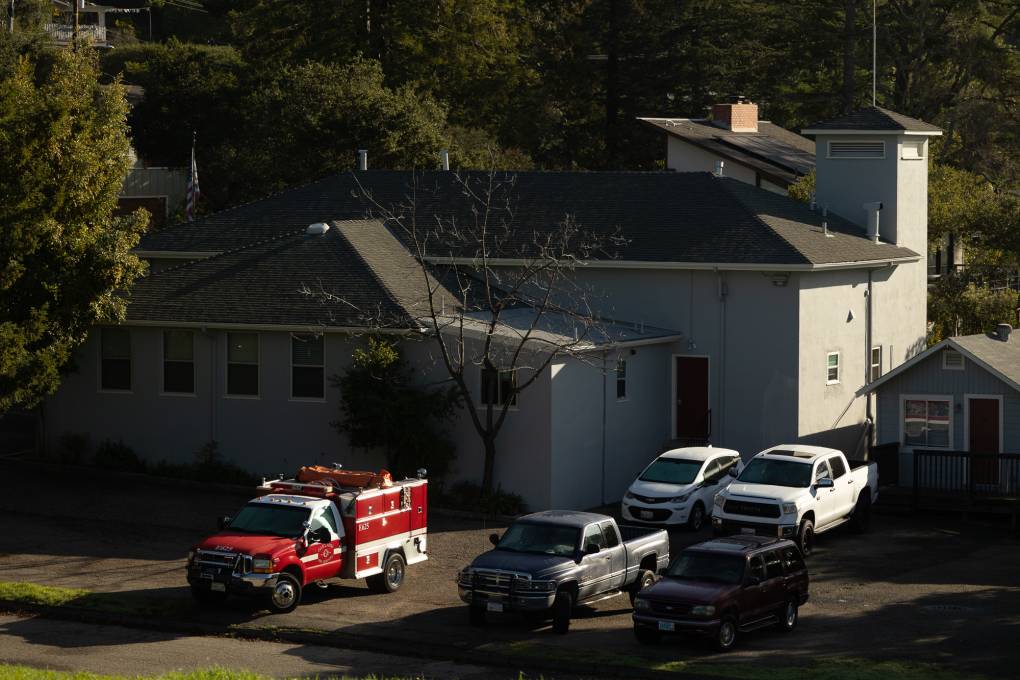
"content": "\u003cp>For the first time in years, all 25 of Oakland’s fire stations will remain open at the same time as the city prepares for heightened wildfire risk, city leaders announced Friday.\u003c/p>\n\u003cp>The move, which went into effect Sunday, includes the \u003ca href=\"https://www.kqed.org/news/12020393/2-oakland-fire-stations-close-amid-budget-crisis-more-could-follow\">reopening of two stations in the fire-prone hills\u003c/a> that have been closed since January. A station in the Grand Lake area that was taken offline for renovations in 2022 but remained closed due to the city’s ongoing budget woes will also reopen.\u003c/p>\n\u003cp>The reopenings are being funded by the Alameda Coliseum Joint Powers Authority, which brought in $2.5 million for the city this year, interim Mayor Kevin Jenkins said.\u003c/p>\n\u003cp>“This is the first time in over two decades that we’ve had all of our firehouses open at once,” Oakland Fire Chief Damon Covington said at a press conference outside Station 25 in the Oakland Hills. “So this really is a monumental and historic day. For the first time, going into wildland season, we have our full complement of engines and trucks and firefighters that are ready to respond to whatever call comes through the 911 center.”\u003c/p>\n\u003cp>[ad fullwidth]\u003c/p>\n\u003cp>The announcement marks a sharp reversal from what was included in \u003ca href=\"https://www.kqed.org/news/12038739/oakland-budget-keeps-fire-stations-closed-police-cuts-in-place-despite-new-sales-tax\">a two-year budget\u003c/a> that Jenkins presented earlier this month, which proposed extending millions of dollars in public safety service cuts to close the city’s projected $260 million deficit. The plan would have reopened the two hills fire stations, but identified two other stations to close.\u003c/p>\n\u003cp>At the time, Seth Olyer, the president of Oakland firefighter union, expressed frustration, especially after voters overwhelmingly approved a new sales tax in April. Not having all the stations fully operational, he said, created serious safety concerns and compromised response times.[aside postID=news_12021147 hero='https://cdn.kqed.org/wp-content/uploads/sites/10/2025/01/20250105_OakFireClose_DMB_00056_qed.jpg']\u003c/p>\n\u003cp>“The idea that Measure A was going to reopen and keep these firehouses open is exactly how I personally helped pass this measure,” he said. “Oaklanders deserve fully staffed open fire houses all around the city, and it doesn’t look like that’s what the city is proposing right now.”\u003c/p>\n\u003cp>At Friday’s press conference, Olyer struck a decidedly different tone.\u003c/p>\n\u003cp>“This is kind of how we get the job done from the labor side,” he said. “It’s constant pressure for what is right. And what is right are all of our fire stations open, all of our fire engines fully staffed and Oakland firefighters taken care of so they can do what they took a sworn oath to do, which is to serve the citizens of Oakland every day.”\u003c/p>\n\u003cp>“I’m just incredibly proud and ready to get to work Sunday morning,” he added.\u003c/p>\n\u003cp>Councilmember Janani Ramachandran, who represents District 4 in the hills near regional parks where fire risk is high, said the fire stations serve as a critical frontline defense against wildfires.\u003c/p>\n\u003cp>“The opening of these fire stations is not just for the benefit of these hills residents in our district,” she said. “The effects go throughout the city for a variety of communities, for a variety of resources.”\u003c/p>\n\u003cp>\u003cem>KQED’s \u003ca href=\"https://www.kqed.org/author/kdebenedetti\">Katie DeBenedetti\u003c/a> contributed reporting.\u003c/em>\u003c/p>\n\u003cp>\u003c/p>\n",
"blocks": [],
"excerpt": "Two stations in the Oakland Hills have been closed since January, and a third station in the Grand Lake area has been offline since 2022.",
"status": "publish",
"parent": 0,
"modified": 1747633574,
"stats": {
"hasAudio": false,
"hasVideo": false,
"hasChartOrMap": false,
"iframeSrcs": [],
"hasGoogleForm": false,
"hasGallery": false,
"hasHearkenModule": false,
"hasPolis": false,
"paragraphCount": 15,
"wordCount": 557
},
"headData": {
"title": "All Oakland Fire Stations Open Ahead of Wildfire Season for First Time in Decades | KQED",
"description": "Two stations in the Oakland Hills have been closed since January, and a third station in the Grand Lake area has been offline since 2022.",
"ogTitle": "",
"ogDescription": "",
"ogImgId": "",
"twTitle": "",
"twDescription": "",
"twImgId": "",
"schema": {
"@context": "https://schema.org",
"@type": "NewsArticle",
"headline": "All Oakland Fire Stations Open Ahead of Wildfire Season for First Time in Decades",
"datePublished": "2025-05-19T06:00:45-07:00",
"dateModified": "2025-05-18T22:46:14-07:00",
"image": "https://cdn.kqed.org/wp-content/uploads/2020/02/KQED-OG-Image@1x.png",
"isAccessibleForFree": "True",
"publisher": {
"@type": "NewsMediaOrganization",
"@id": "https://www.kqed.org/#organization",
"name": "KQED",
"logo": "https://cdn.kqed.org/wp-content/uploads/2020/02/KQED-OG-Image@1x.png",
"url": "https://www.kqed.org",
"sameAs": [
"https://www.facebook.com/KQED",
"https://twitter.com/KQED",
"https://www.instagram.com/kqed/",
"https://www.tiktok.com/@kqedofficial",
"https://www.linkedin.com/company/kqed",
"https://www.youtube.com/channel/UCeC0IOo7i1P_61zVUWbJ4nw"
]
}
}
},
"sticky": false,
"templateType": "standard",
"featuredImageType": "standard",
"excludeFromSiteSearch": "Include",
"articleAge": "0",
"path": "/news/12040592/all-oakland-fire-stations-open-ahead-of-wildfire-season-for-first-time-in-decades",
"audioTrackLength": null,
"parsedContent": [
{
"type": "contentString",
"content": "\u003cdiv class=\"post-body\">\u003cp>\u003cp>For the first time in years, all 25 of Oakland’s fire stations will remain open at the same time as the city prepares for heightened wildfire risk, city leaders announced Friday.\u003c/p>\n\u003cp>The move, which went into effect Sunday, includes the \u003ca href=\"https://www.kqed.org/news/12020393/2-oakland-fire-stations-close-amid-budget-crisis-more-could-follow\">reopening of two stations in the fire-prone hills\u003c/a> that have been closed since January. A station in the Grand Lake area that was taken offline for renovations in 2022 but remained closed due to the city’s ongoing budget woes will also reopen.\u003c/p>\n\u003cp>The reopenings are being funded by the Alameda Coliseum Joint Powers Authority, which brought in $2.5 million for the city this year, interim Mayor Kevin Jenkins said.\u003c/p>\n\u003cp>“This is the first time in over two decades that we’ve had all of our firehouses open at once,” Oakland Fire Chief Damon Covington said at a press conference outside Station 25 in the Oakland Hills. “So this really is a monumental and historic day. For the first time, going into wildland season, we have our full complement of engines and trucks and firefighters that are ready to respond to whatever call comes through the 911 center.”\u003c/p>\n\u003cp>\u003c/p>\u003c/div>",
"attributes": {
"named": {},
"numeric": []
}
},
{
"type": "component",
"content": "",
"name": "ad",
"attributes": {
"named": {
"label": "fullwidth"
},
"numeric": [
"fullwidth"
]
}
},
{
"type": "contentString",
"content": "\u003cdiv class=\"post-body\">\u003cp>\u003c/p>\n\u003cp>The announcement marks a sharp reversal from what was included in \u003ca href=\"https://www.kqed.org/news/12038739/oakland-budget-keeps-fire-stations-closed-police-cuts-in-place-despite-new-sales-tax\">a two-year budget\u003c/a> that Jenkins presented earlier this month, which proposed extending millions of dollars in public safety service cuts to close the city’s projected $260 million deficit. The plan would have reopened the two hills fire stations, but identified two other stations to close.\u003c/p>\n\u003cp>At the time, Seth Olyer, the president of Oakland firefighter union, expressed frustration, especially after voters overwhelmingly approved a new sales tax in April. Not having all the stations fully operational, he said, created serious safety concerns and compromised response times.\u003c/p>\u003c/div>",
"attributes": {
"named": {},
"numeric": []
}
},
{
"type": "component",
"content": "",
"name": "aside",
"attributes": {
"named": {
"postid": "news_12021147",
"hero": "https://cdn.kqed.org/wp-content/uploads/sites/10/2025/01/20250105_OakFireClose_DMB_00056_qed.jpg",
"label": ""
},
"numeric": []
}
},
{
"type": "contentString",
"content": "\u003cdiv class=\"post-body\">\u003cp>\u003c/p>\n\u003cp>“The idea that Measure A was going to reopen and keep these firehouses open is exactly how I personally helped pass this measure,” he said. “Oaklanders deserve fully staffed open fire houses all around the city, and it doesn’t look like that’s what the city is proposing right now.”\u003c/p>\n\u003cp>At Friday’s press conference, Olyer struck a decidedly different tone.\u003c/p>\n\u003cp>“This is kind of how we get the job done from the labor side,” he said. “It’s constant pressure for what is right. And what is right are all of our fire stations open, all of our fire engines fully staffed and Oakland firefighters taken care of so they can do what they took a sworn oath to do, which is to serve the citizens of Oakland every day.”\u003c/p>\n\u003cp>“I’m just incredibly proud and ready to get to work Sunday morning,” he added.\u003c/p>\n\u003cp>Councilmember Janani Ramachandran, who represents District 4 in the hills near regional parks where fire risk is high, said the fire stations serve as a critical frontline defense against wildfires.\u003c/p>\n\u003cp>“The opening of these fire stations is not just for the benefit of these hills residents in our district,” she said. “The effects go throughout the city for a variety of communities, for a variety of resources.”\u003c/p>\n\u003cp>\u003cem>KQED’s \u003ca href=\"https://www.kqed.org/author/kdebenedetti\">Katie DeBenedetti\u003c/a> contributed reporting.\u003c/em>\u003c/p>\n\u003cp>\u003c/p>\n\u003c/div>\u003c/p>",
"attributes": {
"named": {},
"numeric": []
}
}
],
"link": "/news/12040592/all-oakland-fire-stations-open-ahead-of-wildfire-season-for-first-time-in-decades",
"authors": [
"1263",
"11935"
],
"categories": [
"news_31795",
"news_34551",
"news_28250",
"news_8"
],
"tags": [
"news_260",
"news_3854",
"news_34186",
"news_18352",
"news_34054",
"news_20260",
"news_1994"
],
"featImg": "news_12020357",
"label": "news"
},
"news_12039501": {
"type": "posts",
"id": "news_12039501",
"meta": {
"index": "posts_1716263798",
"site": "news",
"id": "12039501",
"score": null,
"sort": [
1747420555000
]
},
"guestAuthors": [],
"slug": "wnbas-newest-team-golden-state-valkyries-kick-off-first-season",
"title": "Golden State Valkyries Begin Inaugural Season in WNBA Tonight",
"publishDate": 1747420555,
"format": "standard",
"headTitle": "Golden State Valkyries Begin Inaugural Season in WNBA Tonight | KQED",
"labelTerm": {
"site": "news"
},
"content": "\u003cp>Kaitlyn Chen has had a busy spring.\u003c/p>\n\u003cp>Just weeks after she hoisted the NCAA \u003ca href=\"https://www.kqed.org/news/tag/womens-basketball\">women’s basketball\u003c/a> championship trophy with her University of Connecticut teammates, the point guard, originally from Southern California, was drafted by the WNBA’s newest team, the \u003ca href=\"https://www.kqed.org/news/11986061/get-ready-for-the-golden-state-valkyries-bay-areas-new-wnba-team\">Golden State Valkyries\u003c/a>.\u003c/p>\n\u003cp>“It’s been hectic,” Chen told KQED during preseason training camp in Oakland to determine the team’s final 12-player roster ahead of the May 16 home opener at Chase Center. “The best part is how much everyone cares and everyone really wants you to succeed.”\u003c/p>\n\u003cp>If she makes the team, Chen’s first game with the Valkyries will be against the Los Angeles Sparks — a team she grew up watching play at Crypto.com Arena, formerly Staples Center.\u003c/p>\n\u003cp>[ad fullwidth]\u003c/p>\n\u003cp>“It’s definitely a surreal experience,” she said, smiling.\u003c/p>\n\u003cp>It’s been about a year since the Golden State Valkyries were officially named a WNBA franchise in the league’s first expansion in 17 years.\u003c/p>\n\u003cp>“It’s a huge deal,” said Dr. Bonnie Morris, professor of women’s history at UC Berkeley and author of the book \u003cem>What’s the Score? 25 Years of Teaching Women’s Sports History\u003c/em>.\u003c/p>\n\u003cfigure id=\"attachment_12038785\" class=\"wp-caption aligncenter\" style=\"max-width: 2000px\">\u003cimg loading=\"lazy\" decoding=\"async\" class=\"size-full wp-image-12038785\" src=\"https://cdn.kqed.org/wp-content/uploads/sites/10/2025/05/250501-VALKYRIESOPENERTEAMPROFILE-36-BL-KQED.jpg\" alt=\"\" width=\"2000\" height=\"1333\" srcset=\"https://cdn.kqed.org/wp-content/uploads/sites/10/2025/05/250501-VALKYRIESOPENERTEAMPROFILE-36-BL-KQED.jpg 2000w, https://cdn.kqed.org/wp-content/uploads/sites/10/2025/05/250501-VALKYRIESOPENERTEAMPROFILE-36-BL-KQED-800x533.jpg 800w, https://cdn.kqed.org/wp-content/uploads/sites/10/2025/05/250501-VALKYRIESOPENERTEAMPROFILE-36-BL-KQED-1020x680.jpg 1020w, https://cdn.kqed.org/wp-content/uploads/sites/10/2025/05/250501-VALKYRIESOPENERTEAMPROFILE-36-BL-KQED-160x107.jpg 160w, https://cdn.kqed.org/wp-content/uploads/sites/10/2025/05/250501-VALKYRIESOPENERTEAMPROFILE-36-BL-KQED-1536x1024.jpg 1536w, https://cdn.kqed.org/wp-content/uploads/sites/10/2025/05/250501-VALKYRIESOPENERTEAMPROFILE-36-BL-KQED-1920x1280.jpg 1920w\" sizes=\"auto, (max-width: 2000px) 100vw, 2000px\">\u003cfigcaption class=\"wp-caption-text\">Golden State Valkyries’ Kaitlyn Chen speaks with the press during training camp held at the Sephora Performance Center in Oakland on May 1, 2025. \u003ccite>(Beth LaBerge/KQED)\u003c/cite>\u003c/figcaption>\u003c/figure>\n\u003cp>According to Morris, the expansion of the league increases opportunities for women to make a living from the professional sports industry — not just as athletes, but in support roles that range from media to officiating to management.\u003c/p>\n\u003cp>“We have more women playing sports than ever before, but we haven’t seen the same revolution in terms of staffing,” Morris said.\u003c/p>\n\u003cp>Women make up much of the Valkyries’ senior leadership, including the president, vice presidents, general manager, director of player development, director of performance, head athletic trainer and head coach.[aside postID=news_12040376 hero='https://cdn.kqed.org/wp-content/uploads/sites/10/2025/05/250501-VALKYRIESOPENERTEAMPROFILE-21-BL-KQED.jpg']“We get to write our own story,” head coach Natalie Nakase said during a press event on May 1. “I think that’s one of the coolest things. But I’m also telling our players to just be present. Just be where your feet are.”\u003c/p>\n\u003cp>Eighteen players were invited to the 19-day training camp at the Sephora Performance Center in downtown Oakland. Many players have played with or against each other in college, the WNBA and international leagues.\u003c/p>\n\u003cp>“We all have been in each other’s spheres in one way or the other throughout the years. So the communication and the chemistry came a bit more easily because of that,” said Temi Fágbénlé, a center who was one of the Valkyries’ nine expansion draft selections.\u003c/p>\n\u003cp>Fágbénlé, who most recently played for the Indiana Fever, won a WNBA championship with the Minnesota Lynx in 2017 and represented Great Britain in women’s basketball at the 2012 Summer Olympics.\u003c/p>\n\u003cfigure id=\"attachment_12038781\" class=\"wp-caption aligncenter\" style=\"max-width: 2000px\">\u003cimg loading=\"lazy\" decoding=\"async\" class=\"size-full wp-image-12038781\" src=\"https://cdn.kqed.org/wp-content/uploads/sites/10/2025/05/250501-VALKYRIESOPENERTEAMPROFILE-11-BL-KQED.jpg\" alt=\"\" width=\"2000\" height=\"1333\" srcset=\"https://cdn.kqed.org/wp-content/uploads/sites/10/2025/05/250501-VALKYRIESOPENERTEAMPROFILE-11-BL-KQED.jpg 2000w, https://cdn.kqed.org/wp-content/uploads/sites/10/2025/05/250501-VALKYRIESOPENERTEAMPROFILE-11-BL-KQED-800x533.jpg 800w, https://cdn.kqed.org/wp-content/uploads/sites/10/2025/05/250501-VALKYRIESOPENERTEAMPROFILE-11-BL-KQED-1020x680.jpg 1020w, https://cdn.kqed.org/wp-content/uploads/sites/10/2025/05/250501-VALKYRIESOPENERTEAMPROFILE-11-BL-KQED-160x107.jpg 160w, https://cdn.kqed.org/wp-content/uploads/sites/10/2025/05/250501-VALKYRIESOPENERTEAMPROFILE-11-BL-KQED-1536x1024.jpg 1536w, https://cdn.kqed.org/wp-content/uploads/sites/10/2025/05/250501-VALKYRIESOPENERTEAMPROFILE-11-BL-KQED-1920x1280.jpg 1920w\" sizes=\"auto, (max-width: 2000px) 100vw, 2000px\">\u003cfigcaption class=\"wp-caption-text\">Golden State Valkyries’ Kaitlyn Chen (right) practices during training camp held at the Sephora Performance Center in Oakland on May 1, 2025. \u003ccite>(Beth LaBerge/KQED)\u003c/cite>\u003c/figcaption>\u003c/figure>\n\u003cp>Other WNBA competitors-turned-teammates include guard Kate Martin, formerly with the Las Vegas Aces; forward Monique Billings, who previously played for the Phoenix Mercury; and forward Kayla Thornton, who played for the New York Liberty last season.\u003c/p>\n\u003cp>When it comes to creating chemistry between veterans and rookies like Chen, Nakase said she’s trying to foster a team philosophy that’s “competitive and connected.”\u003c/p>\n\u003cp>This means running practices where players aren’t afraid to push and shove, but also making sure players are feeling healthy both mentally and physically, she said.\u003c/p>\n\u003cp>“I’m big on just having them have a free mind. So whatever that takes — whether I have to adjust to more shooting, to less shooting, to more defense — I’m very flexible. Health is important,” Nakase added. “Once we step on that floor, I want Chase Center and all our fans to feel that.”\u003c/p>\n\u003cfigure id=\"attachment_12038786\" class=\"wp-caption aligncenter\" style=\"max-width: 2000px\">\u003cimg loading=\"lazy\" decoding=\"async\" class=\"size-full wp-image-12038786\" src=\"https://cdn.kqed.org/wp-content/uploads/sites/10/2025/05/250501-VALKYRIESOPENERTEAMPROFILE-38-BL-KQED.jpg\" alt=\"\" width=\"2000\" height=\"1333\" srcset=\"https://cdn.kqed.org/wp-content/uploads/sites/10/2025/05/250501-VALKYRIESOPENERTEAMPROFILE-38-BL-KQED.jpg 2000w, https://cdn.kqed.org/wp-content/uploads/sites/10/2025/05/250501-VALKYRIESOPENERTEAMPROFILE-38-BL-KQED-800x533.jpg 800w, https://cdn.kqed.org/wp-content/uploads/sites/10/2025/05/250501-VALKYRIESOPENERTEAMPROFILE-38-BL-KQED-1020x680.jpg 1020w, https://cdn.kqed.org/wp-content/uploads/sites/10/2025/05/250501-VALKYRIESOPENERTEAMPROFILE-38-BL-KQED-160x107.jpg 160w, https://cdn.kqed.org/wp-content/uploads/sites/10/2025/05/250501-VALKYRIESOPENERTEAMPROFILE-38-BL-KQED-1536x1024.jpg 1536w, https://cdn.kqed.org/wp-content/uploads/sites/10/2025/05/250501-VALKYRIESOPENERTEAMPROFILE-38-BL-KQED-1920x1280.jpg 1920w\" sizes=\"auto, (max-width: 2000px) 100vw, 2000px\">\u003cfigcaption class=\"wp-caption-text\">Golden State Valkyries’ Head Coach Natalie Nakase speaks with the press during training camp held at the Sephora Performance Center in Oakland on May 1, 2025. \u003ccite>(Beth LaBerge/KQED)\u003c/cite>\u003c/figcaption>\u003c/figure>\n\u003cp>Jessie Lin, a lifelong basketball player and UC Berkeley student, said her family already has tickets to two Valkyries games.\u003c/p>\n\u003cp>“I think a lot of young girls are going to be like, ‘This is doable,’” said Lin, who, as an Asian American, is particularly inspired by the drafting of Chen, whose parents are Taiwanese immigrants. “This is the profession I can pursue. And I’m so excited for the visibility.”\u003c/p>\n\u003cp>Despite all the excitement, Morris acknowledged that a “social lag” in the United States persists when considering professional women’s sports “high level.”\u003c/p>\n\u003cp>“The question is now: Can women, fans and investors make the difference for professional women’s leagues?” she said. “I hope so.”\u003c/p>\n\u003cp>\u003c/p>\n",
"blocks": [],
"excerpt": "A week before their home opener, the Golden State Valkyries gear up to make history as the Bay Area’s first WNBA team. ",
"status": "publish",
"parent": 0,
"modified": 1747420117,
"stats": {
"hasAudio": false,
"hasVideo": false,
"hasChartOrMap": false,
"iframeSrcs": [],
"hasGoogleForm": false,
"hasGallery": false,
"hasHearkenModule": false,
"hasPolis": false,
"paragraphCount": 23,
"wordCount": 886
},
"headData": {
"title": "Golden State Valkyries Begin Inaugural Season in WNBA Tonight | KQED",
"description": "A week before their home opener, the Golden State Valkyries gear up to make history as the Bay Area’s first WNBA team. ",
"ogTitle": "",
"ogDescription": "",
"ogImgId": "",
"twTitle": "",
"twDescription": "",
"twImgId": "",
"schema": {
"@context": "https://schema.org",
"@type": "NewsArticle",
"headline": "Golden State Valkyries Begin Inaugural Season in WNBA Tonight",
"datePublished": "2025-05-16T11:35:55-07:00",
"dateModified": "2025-05-16T11:28:37-07:00",
"image": "https://cdn.kqed.org/wp-content/uploads/2020/02/KQED-OG-Image@1x.png",
"isAccessibleForFree": "True",
"publisher": {
"@type": "NewsMediaOrganization",
"@id": "https://www.kqed.org/#organization",
"name": "KQED",
"logo": "https://cdn.kqed.org/wp-content/uploads/2020/02/KQED-OG-Image@1x.png",
"url": "https://www.kqed.org",
"sameAs": [
"https://www.facebook.com/KQED",
"https://twitter.com/KQED",
"https://www.instagram.com/kqed/",
"https://www.tiktok.com/@kqedofficial",
"https://www.linkedin.com/company/kqed",
"https://www.youtube.com/channel/UCeC0IOo7i1P_61zVUWbJ4nw"
]
}
}
},
"audioUrl": "https://traffic.omny.fm/d/clips/0af137ef-751e-4b19-a055-aaef00d2d578/ffca7e9f-6831-4[…]f-aaef00f5a073/9e7595a9-e4b4-46ab-9252-b2df01001058/audio.mp3",
"sticky": false,
"nprStoryId": "kqed-12039501",
"templateType": "standard",
"featuredImageType": "standard",
"excludeFromSiteSearch": "Include",
"articleAge": "0",
"path": "/news/12039501/wnbas-newest-team-golden-state-valkyries-kick-off-first-season",
"audioTrackLength": null,
"parsedContent": [
{
"type": "contentString",
"content": "\u003cdiv class=\"post-body\">\u003cp>\u003cp>Kaitlyn Chen has had a busy spring.\u003c/p>\n\u003cp>Just weeks after she hoisted the NCAA \u003ca href=\"https://www.kqed.org/news/tag/womens-basketball\">women’s basketball\u003c/a> championship trophy with her University of Connecticut teammates, the point guard, originally from Southern California, was drafted by the WNBA’s newest team, the \u003ca href=\"https://www.kqed.org/news/11986061/get-ready-for-the-golden-state-valkyries-bay-areas-new-wnba-team\">Golden State Valkyries\u003c/a>.\u003c/p>\n\u003cp>“It’s been hectic,” Chen told KQED during preseason training camp in Oakland to determine the team’s final 12-player roster ahead of the May 16 home opener at Chase Center. “The best part is how much everyone cares and everyone really wants you to succeed.”\u003c/p>\n\u003cp>If she makes the team, Chen’s first game with the Valkyries will be against the Los Angeles Sparks — a team she grew up watching play at Crypto.com Arena, formerly Staples Center.\u003c/p>\n\u003cp>\u003c/p>\u003c/div>",
"attributes": {
"named": {},
"numeric": []
}
},
{
"type": "component",
"content": "",
"name": "ad",
"attributes": {
"named": {
"label": "fullwidth"
},
"numeric": [
"fullwidth"
]
}
},
{
"type": "contentString",
"content": "\u003cdiv class=\"post-body\">\u003cp>\u003c/p>\n\u003cp>“It’s definitely a surreal experience,” she said, smiling.\u003c/p>\n\u003cp>It’s been about a year since the Golden State Valkyries were officially named a WNBA franchise in the league’s first expansion in 17 years.\u003c/p>\n\u003cp>“It’s a huge deal,” said Dr. Bonnie Morris, professor of women’s history at UC Berkeley and author of the book \u003cem>What’s the Score? 25 Years of Teaching Women’s Sports History\u003c/em>.\u003c/p>\n\u003cfigure id=\"attachment_12038785\" class=\"wp-caption aligncenter\" style=\"max-width: 2000px\">\u003cimg loading=\"lazy\" decoding=\"async\" class=\"size-full wp-image-12038785\" src=\"https://cdn.kqed.org/wp-content/uploads/sites/10/2025/05/250501-VALKYRIESOPENERTEAMPROFILE-36-BL-KQED.jpg\" alt=\"\" width=\"2000\" height=\"1333\" srcset=\"https://cdn.kqed.org/wp-content/uploads/sites/10/2025/05/250501-VALKYRIESOPENERTEAMPROFILE-36-BL-KQED.jpg 2000w, https://cdn.kqed.org/wp-content/uploads/sites/10/2025/05/250501-VALKYRIESOPENERTEAMPROFILE-36-BL-KQED-800x533.jpg 800w, https://cdn.kqed.org/wp-content/uploads/sites/10/2025/05/250501-VALKYRIESOPENERTEAMPROFILE-36-BL-KQED-1020x680.jpg 1020w, https://cdn.kqed.org/wp-content/uploads/sites/10/2025/05/250501-VALKYRIESOPENERTEAMPROFILE-36-BL-KQED-160x107.jpg 160w, https://cdn.kqed.org/wp-content/uploads/sites/10/2025/05/250501-VALKYRIESOPENERTEAMPROFILE-36-BL-KQED-1536x1024.jpg 1536w, https://cdn.kqed.org/wp-content/uploads/sites/10/2025/05/250501-VALKYRIESOPENERTEAMPROFILE-36-BL-KQED-1920x1280.jpg 1920w\" sizes=\"auto, (max-width: 2000px) 100vw, 2000px\">\u003cfigcaption class=\"wp-caption-text\">Golden State Valkyries’ Kaitlyn Chen speaks with the press during training camp held at the Sephora Performance Center in Oakland on May 1, 2025. \u003ccite>(Beth LaBerge/KQED)\u003c/cite>\u003c/figcaption>\u003c/figure>\n\u003cp>According to Morris, the expansion of the league increases opportunities for women to make a living from the professional sports industry — not just as athletes, but in support roles that range from media to officiating to management.\u003c/p>\n\u003cp>“We have more women playing sports than ever before, but we haven’t seen the same revolution in terms of staffing,” Morris said.\u003c/p>\n\u003cp>Women make up much of the Valkyries’ senior leadership, including the president, vice presidents, general manager, director of player development, director of performance, head athletic trainer and head coach.\u003c/p>\u003c/div>",
"attributes": {
"named": {},
"numeric": []
}
},
{
"type": "component",
"content": "",
"name": "aside",
"attributes": {
"named": {
"postid": "news_12040376",
"hero": "https://cdn.kqed.org/wp-content/uploads/sites/10/2025/05/250501-VALKYRIESOPENERTEAMPROFILE-21-BL-KQED.jpg",
"label": ""
},
"numeric": []
}
},
{
"type": "contentString",
"content": "\u003cdiv class=\"post-body\">\u003cp>“We get to write our own story,” head coach Natalie Nakase said during a press event on May 1. “I think that’s one of the coolest things. But I’m also telling our players to just be present. Just be where your feet are.”\u003c/p>\n\u003cp>Eighteen players were invited to the 19-day training camp at the Sephora Performance Center in downtown Oakland. Many players have played with or against each other in college, the WNBA and international leagues.\u003c/p>\n\u003cp>“We all have been in each other’s spheres in one way or the other throughout the years. So the communication and the chemistry came a bit more easily because of that,” said Temi Fágbénlé, a center who was one of the Valkyries’ nine expansion draft selections.\u003c/p>\n\u003cp>Fágbénlé, who most recently played for the Indiana Fever, won a WNBA championship with the Minnesota Lynx in 2017 and represented Great Britain in women’s basketball at the 2012 Summer Olympics.\u003c/p>\n\u003cfigure id=\"attachment_12038781\" class=\"wp-caption aligncenter\" style=\"max-width: 2000px\">\u003cimg loading=\"lazy\" decoding=\"async\" class=\"size-full wp-image-12038781\" src=\"https://cdn.kqed.org/wp-content/uploads/sites/10/2025/05/250501-VALKYRIESOPENERTEAMPROFILE-11-BL-KQED.jpg\" alt=\"\" width=\"2000\" height=\"1333\" srcset=\"https://cdn.kqed.org/wp-content/uploads/sites/10/2025/05/250501-VALKYRIESOPENERTEAMPROFILE-11-BL-KQED.jpg 2000w, https://cdn.kqed.org/wp-content/uploads/sites/10/2025/05/250501-VALKYRIESOPENERTEAMPROFILE-11-BL-KQED-800x533.jpg 800w, https://cdn.kqed.org/wp-content/uploads/sites/10/2025/05/250501-VALKYRIESOPENERTEAMPROFILE-11-BL-KQED-1020x680.jpg 1020w, https://cdn.kqed.org/wp-content/uploads/sites/10/2025/05/250501-VALKYRIESOPENERTEAMPROFILE-11-BL-KQED-160x107.jpg 160w, https://cdn.kqed.org/wp-content/uploads/sites/10/2025/05/250501-VALKYRIESOPENERTEAMPROFILE-11-BL-KQED-1536x1024.jpg 1536w, https://cdn.kqed.org/wp-content/uploads/sites/10/2025/05/250501-VALKYRIESOPENERTEAMPROFILE-11-BL-KQED-1920x1280.jpg 1920w\" sizes=\"auto, (max-width: 2000px) 100vw, 2000px\">\u003cfigcaption class=\"wp-caption-text\">Golden State Valkyries’ Kaitlyn Chen (right) practices during training camp held at the Sephora Performance Center in Oakland on May 1, 2025. \u003ccite>(Beth LaBerge/KQED)\u003c/cite>\u003c/figcaption>\u003c/figure>\n\u003cp>Other WNBA competitors-turned-teammates include guard Kate Martin, formerly with the Las Vegas Aces; forward Monique Billings, who previously played for the Phoenix Mercury; and forward Kayla Thornton, who played for the New York Liberty last season.\u003c/p>\n\u003cp>When it comes to creating chemistry between veterans and rookies like Chen, Nakase said she’s trying to foster a team philosophy that’s “competitive and connected.”\u003c/p>\n\u003cp>This means running practices where players aren’t afraid to push and shove, but also making sure players are feeling healthy both mentally and physically, she said.\u003c/p>\n\u003cp>“I’m big on just having them have a free mind. So whatever that takes — whether I have to adjust to more shooting, to less shooting, to more defense — I’m very flexible. Health is important,” Nakase added. “Once we step on that floor, I want Chase Center and all our fans to feel that.”\u003c/p>\n\u003cfigure id=\"attachment_12038786\" class=\"wp-caption aligncenter\" style=\"max-width: 2000px\">\u003cimg loading=\"lazy\" decoding=\"async\" class=\"size-full wp-image-12038786\" src=\"https://cdn.kqed.org/wp-content/uploads/sites/10/2025/05/250501-VALKYRIESOPENERTEAMPROFILE-38-BL-KQED.jpg\" alt=\"\" width=\"2000\" height=\"1333\" srcset=\"https://cdn.kqed.org/wp-content/uploads/sites/10/2025/05/250501-VALKYRIESOPENERTEAMPROFILE-38-BL-KQED.jpg 2000w, https://cdn.kqed.org/wp-content/uploads/sites/10/2025/05/250501-VALKYRIESOPENERTEAMPROFILE-38-BL-KQED-800x533.jpg 800w, https://cdn.kqed.org/wp-content/uploads/sites/10/2025/05/250501-VALKYRIESOPENERTEAMPROFILE-38-BL-KQED-1020x680.jpg 1020w, https://cdn.kqed.org/wp-content/uploads/sites/10/2025/05/250501-VALKYRIESOPENERTEAMPROFILE-38-BL-KQED-160x107.jpg 160w, https://cdn.kqed.org/wp-content/uploads/sites/10/2025/05/250501-VALKYRIESOPENERTEAMPROFILE-38-BL-KQED-1536x1024.jpg 1536w, https://cdn.kqed.org/wp-content/uploads/sites/10/2025/05/250501-VALKYRIESOPENERTEAMPROFILE-38-BL-KQED-1920x1280.jpg 1920w\" sizes=\"auto, (max-width: 2000px) 100vw, 2000px\">\u003cfigcaption class=\"wp-caption-text\">Golden State Valkyries’ Head Coach Natalie Nakase speaks with the press during training camp held at the Sephora Performance Center in Oakland on May 1, 2025. \u003ccite>(Beth LaBerge/KQED)\u003c/cite>\u003c/figcaption>\u003c/figure>\n\u003cp>Jessie Lin, a lifelong basketball player and UC Berkeley student, said her family already has tickets to two Valkyries games.\u003c/p>\n\u003cp>“I think a lot of young girls are going to be like, ‘This is doable,’” said Lin, who, as an Asian American, is particularly inspired by the drafting of Chen, whose parents are Taiwanese immigrants. “This is the profession I can pursue. And I’m so excited for the visibility.”\u003c/p>\n\u003cp>Despite all the excitement, Morris acknowledged that a “social lag” in the United States persists when considering professional women’s sports “high level.”\u003c/p>\n\u003cp>“The question is now: Can women, fans and investors make the difference for professional women’s leagues?” she said. “I hope so.”\u003c/p>\n\u003cp>\u003c/p>\n\u003c/div>\u003c/p>",
"attributes": {
"named": {},
"numeric": []
}
}
],
"link": "/news/12039501/wnbas-newest-team-golden-state-valkyries-kick-off-first-season",
"authors": [
"11365"
],
"categories": [
"news_28250",
"news_8",
"news_10"
],
"tags": [
"news_18058",
"news_33130",
"news_18538",
"news_26589",
"news_27626",
"news_34044",
"news_34054",
"news_38",
"news_34078",
"news_1131",
"news_25293"
],
"featImg": "news_12038780",
"label": "news"
},
"news_12040189": {
"type": "posts",
"id": "news_12040189",
"meta": {
"index": "posts_1716263798",
"site": "news",
"id": "12040189",
"score": null,
"sort": [
1747264486000
]
},
"guestAuthors": [],
"slug": "ousd-after-school-programs-could-be-cut-by-at-least-50",
"title": "OUSD After-School Programs Could Be Cut By At Least 50%",
"publishDate": 1747264486,
"format": "standard",
"headTitle": "OUSD After-School Programs Could Be Cut By At Least 50% | KQED",
"labelTerm": {
"site": "news"
},
"content": "\u003cp>\u003cem>Updated at 3:24 pm Thursday \u003c/em>\u003c/p>\n\u003cp>Oakland’s schools might not be able to offer at least half of their after-school programs next year after a set of budget solutions meant to keep cuts away from students appears to have backfired.\u003c/p>\n\u003cp>School Board President Jennifer Brouhard said Wednesday that it was shocking to see the proposal to cut funding for aftercare, but emails show that the board was warned by its fiscal adviser more than a month ago that the resolution could endanger the programs.\u003c/p>\n\u003cp>“Merely adding the Expanded Learning Opportunity Program and After School Education and Safety grants to the list of unavoidable expenses, the cap is exceeded,” the letter from fiscal adviser Luz Cázares on April 8 said.\u003c/p>\n\u003cp>[ad fullwidth]\u003c/p>\n\u003cp>Cázares sent the letter warning that the programs would be at risk after she lifted a stay on a board resolution capping spending on the district’s outside contracts, among other expenses, earlier this year.\u003c/p>\n\u003cp>Last week, local organizations that facilitate campuses’ after-school care and enrichment programs said they were informed that 50%-80% funding cuts could now leave at least 3,000 students without somewhere to go after class.\u003c/p>\n\u003cfigure id=\"attachment_12039974\" class=\"wp-caption aligncenter\" style=\"max-width: 2000px\">\u003ca href=\"https://cdn.kqed.org/wp-content/uploads/sites/10/2025/05/20250423_OUSDSupe_GC-6_qed.jpg\">\u003cimg loading=\"lazy\" decoding=\"async\" class=\"size-full wp-image-12039974\" src=\"https://cdn.kqed.org/wp-content/uploads/sites/10/2025/05/20250423_OUSDSupe_GC-6_qed.jpg\" alt=\"\" width=\"2000\" height=\"1333\" srcset=\"https://cdn.kqed.org/wp-content/uploads/sites/10/2025/05/20250423_OUSDSupe_GC-6_qed.jpg 2000w, https://cdn.kqed.org/wp-content/uploads/sites/10/2025/05/20250423_OUSDSupe_GC-6_qed-800x533.jpg 800w, https://cdn.kqed.org/wp-content/uploads/sites/10/2025/05/20250423_OUSDSupe_GC-6_qed-1020x680.jpg 1020w, https://cdn.kqed.org/wp-content/uploads/sites/10/2025/05/20250423_OUSDSupe_GC-6_qed-160x107.jpg 160w, https://cdn.kqed.org/wp-content/uploads/sites/10/2025/05/20250423_OUSDSupe_GC-6_qed-1536x1024.jpg 1536w, https://cdn.kqed.org/wp-content/uploads/sites/10/2025/05/20250423_OUSDSupe_GC-6_qed-1920x1280.jpg 1920w\" sizes=\"auto, (max-width: 2000px) 100vw, 2000px\">\u003c/a>\u003cfigcaption class=\"wp-caption-text\">During an Oakland Unified School District board meeting at Metwest High School in Oakland on April 23, 2025. \u003ccite>(Gina Castro/KQED)\u003c/cite>\u003c/figcaption>\u003c/figure>\n\u003cp>“These cuts would displace more than half of all students currently served by OUSD after-school programs, eliminating a critical support system for families, violating core requirements of state and federal education grants, and the legal mandate to provide after-school services,” the groups said in a joint letter addressed to board members asking them to rescind the resolution.\u003c/p>\n\u003cp>In March, \u003ca href=\"https://www.kqed.org/news/12029001/oakland-school-board-approves-over-100-layoffs-a-day-after-similar-vote-in-sf\">amid approvals for layoffs\u003c/a> and bickering between board members, a slim majority voted to approve a set of “alternative budget solutions” brought forward by Board President Jennifer Brouhard and Vice President Valarie Bachelor.\u003c/p>\n\u003cp>The five-item list capped spending on outside contracts, books and supplies and some employee salaries, along with cutting travel spending. It served as a supplement to a larger package of budget-balancing solutions the board approved in December to patch a \u003ca href=\"https://www.kqed.org/news/12017719/oaklands-school-merger-plan-stalled-districts-huge-deficit-remains\">$95 million deficit\u003c/a>. That deficit has since shrunk to $70 million.\u003c/p>\n\u003cp>[aside postID=news_12039972 hero='https://cdn.kqed.org/wp-content/uploads/sites/10/2025/05/DSC06624_qed-1020x680.jpg']\u003c/p>\n\u003cp>In a statement, Brouhard said that she stands by the spirit of the proposal, which aimed to “reduce consultant and contract spending and ensure every dollar directly supports students.”\u003c/p>\n\u003cp>She blamed the district’s staff for the way it interpreted the resolution.\u003c/p>\n\u003cp>“I was angry to see after-school programs and field trips cut — programs essential to student learning, safety and well-being,” she said. “These cuts deeply harmed students. This was never our intent, and district leadership knew that.”\u003c/p>\n\u003cp>However, chief business officer Lisa Grant-Dawson said in an email to Brouhard that she was told prior to voting on the resolution, and again in April, about the “massive changes” it would mean, including to after-school program funding.\u003c/p>\n\u003cp>The cuts were intended to reallocate some funding back to campuses that were facing budget cuts, Brouhard said at the time. But the district’s plan to slash after-school spending won’t free up any money that’s usable elsewhere, according to the nonprofits.\u003c/p>\n\u003cp>“All OUSD funding for after-school comes from the state and federal government and can only be used during out-of-school hours,” the nonprofits’ letter to the board said. “The funding reductions will result in OUSD returning funds it otherwise could have spent on students and staff, and it will lose tens of millions of dollars now and into the future.”\u003c/p>\n\u003cp>Lukas Brekke-Miesner, the executive director of Oakland Kids First, which runs Castlemont High School’s after-school enrichment, said these programs are a lifeline for families.\u003c/p>\n\u003cp>“I work full time, my partner works full time, and my kids have a safe place to be and someone who they really love looking after them,” he said. “A lot of families — working class, low income, et cetera — just don’t have the necessary support systems to function any other way.”\u003c/p>\n\u003cp>He said these programs often provide food, homework help and, for younger kids, fun activities like crafts or arts performances.\u003c/p>\n\u003cp>At the high school level, Oakland Kids First has “leadership development and enrichment programs, we have on-campus and off-campus internships, we run a one-acre farm on campus that young folks also work on” at Castlemont, Brekke-Miesner said.\u003c/p>\n\u003cp>These programs keep them safe and engaged in their communities — a tall order for many teenagers.\u003c/p>\n\u003cp>[aside postID=news_12039737 hero='https://cdn.kqed.org/wp-content/uploads/sites/10/2025/05/OaklandSchoolChildren-1020x696.jpg']\u003c/p>\n\u003cp>“Oftentimes, there’s a certain distance that young people feel, a certain frustration, …and having caring adult allies that are able to connect with them and do programs that are in alignment with their interests — those are things that are pretty unique to after-school,” he said.\u003c/p>\n\u003cp>Drastically reducing after-school services could also threaten the district’s compliance with state law and decrease student attendance, the nonprofit partners’ letter said.\u003c/p>\n\u003cp>Board members Mike Hutchinson and Clifford Thompson, both of whom opposed the alternative budget solutions proposal, plan to introduce legislation on Wednesday that would rescind it.\u003c/p>\n\u003cp>Hutchinson said on social media that the policy sent “shockwaves” through the district last week, when schools found out about the total of $29 million of frozen funds.\u003c/p>\n\u003cp>In the district he represents, schools have between $100,000 and $200,000 cut from their budgets. Separately, the district is considering centralizing some services and reducing school site funding allocations to reduce spending next year.\u003c/p>\n\u003cp>Danielle Davis, the principal of McClymonds High School, wrote on Facebook that her campus was losing funding for college advisers and mentorship and summer internship stipends.\u003c/p>\n\u003cp>While Brekke-Miesner believes the school board members’ proposal was well-intentioned, he said they should be deliberate about what its impact will be.\u003c/p>\n\u003cp>“Electeds need to be really wary of running afoul of families in this district and voters in this district,” he said. “Ultimately, we have to make decisions in this district that are oriented towards our students and our families.”\u003c/p>\n\u003cp>\u003c/p>\n",
"blocks": [],
"excerpt": "A budget stopgap measure by the Oakland School Board appears to have backfired, jeopardizing the future of aftercare funding.",
"status": "publish",
"parent": 0,
"modified": 1747351617,
"stats": {
"hasAudio": false,
"hasVideo": false,
"hasChartOrMap": false,
"iframeSrcs": [],
"hasGoogleForm": false,
"hasGallery": false,
"hasHearkenModule": false,
"hasPolis": false,
"paragraphCount": 32,
"wordCount": 1087
},
"headData": {
"title": "OUSD After-School Programs Could Be Cut By At Least 50% | KQED",
"description": "A budget stopgap measure by the Oakland School Board appears to have backfired, jeopardizing the future of aftercare funding.",
"ogTitle": "",
"ogDescription": "",
"ogImgId": "",
"twTitle": "",
"twDescription": "",
"twImgId": "",
"schema": {
"@context": "https://schema.org",
"@type": "NewsArticle",
"headline": "OUSD After-School Programs Could Be Cut By At Least 50%",
"datePublished": "2025-05-14T16:14:46-07:00",
"dateModified": "2025-05-15T16:26:57-07:00",
"image": "https://cdn.kqed.org/wp-content/uploads/2020/02/KQED-OG-Image@1x.png",
"isAccessibleForFree": "True",
"publisher": {
"@type": "NewsMediaOrganization",
"@id": "https://www.kqed.org/#organization",
"name": "KQED",
"logo": "https://cdn.kqed.org/wp-content/uploads/2020/02/KQED-OG-Image@1x.png",
"url": "https://www.kqed.org",
"sameAs": [
"https://www.facebook.com/KQED",
"https://twitter.com/KQED",
"https://www.instagram.com/kqed/",
"https://www.tiktok.com/@kqedofficial",
"https://www.linkedin.com/company/kqed",
"https://www.youtube.com/channel/UCeC0IOo7i1P_61zVUWbJ4nw"
]
}
}
},
"sticky": false,
"nprStoryId": "kqed-12040189",
"templateType": "standard",
"featuredImageType": "standard",
"excludeFromSiteSearch": "Include",
"articleAge": "0",
"path": "/news/12040189/ousd-after-school-programs-could-be-cut-by-at-least-50",
"audioTrackLength": null,
"parsedContent": [
{
"type": "contentString",
"content": "\u003cdiv class=\"post-body\">\u003cp>\u003cp>\u003cem>Updated at 3:24 pm Thursday \u003c/em>\u003c/p>\n\u003cp>Oakland’s schools might not be able to offer at least half of their after-school programs next year after a set of budget solutions meant to keep cuts away from students appears to have backfired.\u003c/p>\n\u003cp>School Board President Jennifer Brouhard said Wednesday that it was shocking to see the proposal to cut funding for aftercare, but emails show that the board was warned by its fiscal adviser more than a month ago that the resolution could endanger the programs.\u003c/p>\n\u003cp>“Merely adding the Expanded Learning Opportunity Program and After School Education and Safety grants to the list of unavoidable expenses, the cap is exceeded,” the letter from fiscal adviser Luz Cázares on April 8 said.\u003c/p>\n\u003cp>\u003c/p>\u003c/div>",
"attributes": {
"named": {},
"numeric": []
}
},
{
"type": "component",
"content": "",
"name": "ad",
"attributes": {
"named": {
"label": "fullwidth"
},
"numeric": [
"fullwidth"
]
}
},
{
"type": "contentString",
"content": "\u003cdiv class=\"post-body\">\u003cp>\u003c/p>\n\u003cp>Cázares sent the letter warning that the programs would be at risk after she lifted a stay on a board resolution capping spending on the district’s outside contracts, among other expenses, earlier this year.\u003c/p>\n\u003cp>Last week, local organizations that facilitate campuses’ after-school care and enrichment programs said they were informed that 50%-80% funding cuts could now leave at least 3,000 students without somewhere to go after class.\u003c/p>\n\u003cfigure id=\"attachment_12039974\" class=\"wp-caption aligncenter\" style=\"max-width: 2000px\">\u003ca href=\"https://cdn.kqed.org/wp-content/uploads/sites/10/2025/05/20250423_OUSDSupe_GC-6_qed.jpg\">\u003cimg loading=\"lazy\" decoding=\"async\" class=\"size-full wp-image-12039974\" src=\"https://cdn.kqed.org/wp-content/uploads/sites/10/2025/05/20250423_OUSDSupe_GC-6_qed.jpg\" alt=\"\" width=\"2000\" height=\"1333\" srcset=\"https://cdn.kqed.org/wp-content/uploads/sites/10/2025/05/20250423_OUSDSupe_GC-6_qed.jpg 2000w, https://cdn.kqed.org/wp-content/uploads/sites/10/2025/05/20250423_OUSDSupe_GC-6_qed-800x533.jpg 800w, https://cdn.kqed.org/wp-content/uploads/sites/10/2025/05/20250423_OUSDSupe_GC-6_qed-1020x680.jpg 1020w, https://cdn.kqed.org/wp-content/uploads/sites/10/2025/05/20250423_OUSDSupe_GC-6_qed-160x107.jpg 160w, https://cdn.kqed.org/wp-content/uploads/sites/10/2025/05/20250423_OUSDSupe_GC-6_qed-1536x1024.jpg 1536w, https://cdn.kqed.org/wp-content/uploads/sites/10/2025/05/20250423_OUSDSupe_GC-6_qed-1920x1280.jpg 1920w\" sizes=\"auto, (max-width: 2000px) 100vw, 2000px\">\u003c/a>\u003cfigcaption class=\"wp-caption-text\">During an Oakland Unified School District board meeting at Metwest High School in Oakland on April 23, 2025. \u003ccite>(Gina Castro/KQED)\u003c/cite>\u003c/figcaption>\u003c/figure>\n\u003cp>“These cuts would displace more than half of all students currently served by OUSD after-school programs, eliminating a critical support system for families, violating core requirements of state and federal education grants, and the legal mandate to provide after-school services,” the groups said in a joint letter addressed to board members asking them to rescind the resolution.\u003c/p>\n\u003cp>In March, \u003ca href=\"https://www.kqed.org/news/12029001/oakland-school-board-approves-over-100-layoffs-a-day-after-similar-vote-in-sf\">amid approvals for layoffs\u003c/a> and bickering between board members, a slim majority voted to approve a set of “alternative budget solutions” brought forward by Board President Jennifer Brouhard and Vice President Valarie Bachelor.\u003c/p>\n\u003cp>The five-item list capped spending on outside contracts, books and supplies and some employee salaries, along with cutting travel spending. It served as a supplement to a larger package of budget-balancing solutions the board approved in December to patch a \u003ca href=\"https://www.kqed.org/news/12017719/oaklands-school-merger-plan-stalled-districts-huge-deficit-remains\">$95 million deficit\u003c/a>. That deficit has since shrunk to $70 million.\u003c/p>\n\u003cp>\u003c/p>\u003c/div>",
"attributes": {
"named": {},
"numeric": []
}
},
{
"type": "component",
"content": "",
"name": "aside",
"attributes": {
"named": {
"postid": "news_12039972",
"hero": "https://cdn.kqed.org/wp-content/uploads/sites/10/2025/05/DSC06624_qed-1020x680.jpg",
"label": ""
},
"numeric": []
}
},
{
"type": "contentString",
"content": "\u003cdiv class=\"post-body\">\u003cp>\u003c/p>\n\u003cp>In a statement, Brouhard said that she stands by the spirit of the proposal, which aimed to “reduce consultant and contract spending and ensure every dollar directly supports students.”\u003c/p>\n\u003cp>She blamed the district’s staff for the way it interpreted the resolution.\u003c/p>\n\u003cp>“I was angry to see after-school programs and field trips cut — programs essential to student learning, safety and well-being,” she said. “These cuts deeply harmed students. This was never our intent, and district leadership knew that.”\u003c/p>\n\u003cp>However, chief business officer Lisa Grant-Dawson said in an email to Brouhard that she was told prior to voting on the resolution, and again in April, about the “massive changes” it would mean, including to after-school program funding.\u003c/p>\n\u003cp>The cuts were intended to reallocate some funding back to campuses that were facing budget cuts, Brouhard said at the time. But the district’s plan to slash after-school spending won’t free up any money that’s usable elsewhere, according to the nonprofits.\u003c/p>\n\u003cp>“All OUSD funding for after-school comes from the state and federal government and can only be used during out-of-school hours,” the nonprofits’ letter to the board said. “The funding reductions will result in OUSD returning funds it otherwise could have spent on students and staff, and it will lose tens of millions of dollars now and into the future.”\u003c/p>\n\u003cp>Lukas Brekke-Miesner, the executive director of Oakland Kids First, which runs Castlemont High School’s after-school enrichment, said these programs are a lifeline for families.\u003c/p>\n\u003cp>“I work full time, my partner works full time, and my kids have a safe place to be and someone who they really love looking after them,” he said. “A lot of families — working class, low income, et cetera — just don’t have the necessary support systems to function any other way.”\u003c/p>\n\u003cp>He said these programs often provide food, homework help and, for younger kids, fun activities like crafts or arts performances.\u003c/p>\n\u003cp>At the high school level, Oakland Kids First has “leadership development and enrichment programs, we have on-campus and off-campus internships, we run a one-acre farm on campus that young folks also work on” at Castlemont, Brekke-Miesner said.\u003c/p>\n\u003cp>These programs keep them safe and engaged in their communities — a tall order for many teenagers.\u003c/p>\n\u003cp>\u003c/p>\u003c/div>",
"attributes": {
"named": {},
"numeric": []
}
},
{
"type": "component",
"content": "",
"name": "aside",
"attributes": {
"named": {
"postid": "news_12039737",
"hero": "https://cdn.kqed.org/wp-content/uploads/sites/10/2025/05/OaklandSchoolChildren-1020x696.jpg",
"label": ""
},
"numeric": []
}
},
{
"type": "contentString",
"content": "\u003cdiv class=\"post-body\">\u003cp>\u003c/p>\n\u003cp>“Oftentimes, there’s a certain distance that young people feel, a certain frustration, …and having caring adult allies that are able to connect with them and do programs that are in alignment with their interests — those are things that are pretty unique to after-school,” he said.\u003c/p>\n\u003cp>Drastically reducing after-school services could also threaten the district’s compliance with state law and decrease student attendance, the nonprofit partners’ letter said.\u003c/p>\n\u003cp>Board members Mike Hutchinson and Clifford Thompson, both of whom opposed the alternative budget solutions proposal, plan to introduce legislation on Wednesday that would rescind it.\u003c/p>\n\u003cp>Hutchinson said on social media that the policy sent “shockwaves” through the district last week, when schools found out about the total of $29 million of frozen funds.\u003c/p>\n\u003cp>In the district he represents, schools have between $100,000 and $200,000 cut from their budgets. Separately, the district is considering centralizing some services and reducing school site funding allocations to reduce spending next year.\u003c/p>\n\u003cp>Danielle Davis, the principal of McClymonds High School, wrote on Facebook that her campus was losing funding for college advisers and mentorship and summer internship stipends.\u003c/p>\n\u003cp>While Brekke-Miesner believes the school board members’ proposal was well-intentioned, he said they should be deliberate about what its impact will be.\u003c/p>\n\u003cp>“Electeds need to be really wary of running afoul of families in this district and voters in this district,” he said. “Ultimately, we have to make decisions in this district that are oriented towards our students and our families.”\u003c/p>\n\u003cp>\u003c/p>\n\u003c/div>\u003c/p>",
"attributes": {
"named": {},
"numeric": []
}
}
],
"link": "/news/12040189/ousd-after-school-programs-could-be-cut-by-at-least-50",
"authors": [
"11913"
],
"categories": [
"news_18540",
"news_28250",
"news_8"
],
"tags": [
"news_1386",
"news_18538",
"news_25612",
"news_32983",
"news_18352",
"news_20013",
"news_34054",
"news_1826",
"news_3366",
"news_24524"
],
"featImg": "news_12015371",
"label": "news"
},
"news_12040023": {
"type": "posts",
"id": "news_12040023",
"meta": {
"index": "posts_1716263798",
"site": "news",
"id": "12040023",
"score": null,
"sort": [
1747256006000
]
},
"guestAuthors": [],
"slug": "barbara-lee-oaklands-next-mayor-is-ready-to-govern-in-a-new-way",
"title": "Barbara Lee, Oakland’s Next Mayor, Is Ready to ‘Govern in a New Way’",
"publishDate": 1747256006,
"format": "standard",
"headTitle": "Barbara Lee, Oakland’s Next Mayor, Is Ready to ‘Govern in a New Way’ | KQED",
"labelTerm": {
"site": "news"
},
"content": "\u003cp>\u003ca href=\"https://www.kqed.org/news/tag/barbara-lee\">Barbara Lee\u003c/a> doesn’t need any reminders; she’s got a tough job ahead of her.\u003c/p>\n\u003cp>“We’ve been working very hard,” she told KQED on Tuesday, a week before she is set to be sworn in as Oakland’s next mayor.\u003c/p>\n\u003cp>The hometown progressive hero, who represented the region for nearly three decades in Congress, takes the helm at a particularly fraught moment for this perennially underdog city, where crime has remained stubbornly high, \u003ca href=\"https://www.kqed.org/news/12039972/oakland-schools-hostility-spirals-between-teachers-union-principals\">the school district is in disarray\u003c/a>, and \u003ca href=\"https://www.kqed.org/news/12029645/oakland-clears-homeless-encampment-installs-shipping-container-barrier\">homelessness and encampments\u003c/a> have reached crisis levels.\u003c/p>\n\u003cp>“We need to reset,” she said. “Right now, I’m looking at what needs to be added, what needs to be deleted, what needs to be restructured.”\u003c/p>\n\u003cp>[ad fullwidth]\u003c/p>\n\u003cp>Lee, 78, said her transition team has been busy assembling working groups to help address the bevy of formidable challenges the city faces.\u003c/p>\n\u003cp>The groups will consist of “community members, nonprofit leaders, people who have the pulse of Oakland and what needs to be done in terms of our \u003ca href=\"https://www.kqed.org/news/12036919/barbara-lee-pledges-to-unite-oakland-in-first-remarks-as-mayor-elect\">100-day plan,\u003c/a>” said Lee, who will replace interim Mayor Kevin Jenkins to finish out the final year and a half of recalled Mayor Sheng Thao’s term.\u003c/p>\n\u003cp>“These working groups are going to be essential to how we govern in a new way,” Lee said.\u003c/p>\n\u003cp>Asked about her top priorities, Lee recited a laundry list of critical issues, including public safety, affordable housing, homelessness and encampments, and economic development.\u003c/p>\n\u003cp>“It’s a big agenda,” she acknowledged. “But it’s an agenda that everybody in the city can embrace.”\u003c/p>\n\u003cp>Lee said she intends to restore the city’s depleted police force to 700 sworn officers and double down on violence prevention initiatives and mental health interventions.\u003c/p>\n\u003cp>“We have many public safety issues that people are very aware of,” she said. “They’re not safe in many respects in many parts of the city, and we have to get this under control.”\u003c/p>\n\u003cp>On the city’s growing unhoused population, which \u003ca href=\"https://homelessness.acgov.org/homelessness-assets/docs/infographic/Oakland%20PIT%202024%20Infographic.pdf\">numbered some 5,500 people\u003c/a> in last year’s point-in-time count, Lee offered a compassionate approach centered on prevention.\u003c/p>\n\u003cp>“I’m looking at how we can try to help people find jobs, training. Because the best predictor of people becoming sheltered is financial assistance,” Lee said.\u003c/p>\n\u003cfigure id=\"attachment_11986458\" class=\"wp-caption aligncenter\" style=\"max-width: 2560px\">\u003cimg loading=\"lazy\" decoding=\"async\" class=\"size-full wp-image-11986458\" src=\"https://cdn.kqed.org/wp-content/uploads/sites/10/2024/05/GettyImages-1247572601-scaled.jpg\" alt=\"Tents line a city street.\" width=\"2560\" height=\"1707\" srcset=\"https://cdn.kqed.org/wp-content/uploads/sites/10/2024/05/GettyImages-1247572601-scaled.jpg 2560w, https://cdn.kqed.org/wp-content/uploads/sites/10/2024/05/GettyImages-1247572601-800x533.jpg 800w, https://cdn.kqed.org/wp-content/uploads/sites/10/2024/05/GettyImages-1247572601-1020x680.jpg 1020w, https://cdn.kqed.org/wp-content/uploads/sites/10/2024/05/GettyImages-1247572601-160x107.jpg 160w, https://cdn.kqed.org/wp-content/uploads/sites/10/2024/05/GettyImages-1247572601-1536x1024.jpg 1536w, https://cdn.kqed.org/wp-content/uploads/sites/10/2024/05/GettyImages-1247572601-2048x1365.jpg 2048w, https://cdn.kqed.org/wp-content/uploads/sites/10/2024/05/GettyImages-1247572601-1920x1280.jpg 1920w\" sizes=\"auto, (max-width: 2560px) 100vw, 2560px\">\u003cfigcaption class=\"wp-caption-text\">A large tent encampment in West Oakland in 2023. \u003ccite>(Tayfun CoÅkun/Anadolu Agency via Getty Images)\u003c/cite>\u003c/figcaption>\u003c/figure>\n\u003cp>The homelessness situation in the city is “an issue of safety. It’s a humanitarian issue. It’s a moral disgrace,” she added. “And we have to do something, and we must do it quickly, at least begin to turn this around quickly. It’s going to take a while.”\u003c/p>\n\u003cp>Lee also spoke of reducing evictions and “preventing people from ending up on the street.”\u003c/p>\n\u003cp>“I’m looking at how we can establish a revolving fund for first and last month’s rent for people who are living on the edge who may need to have their city help them,” she said. “They would pay it back when they got on their feet.”\u003c/p>\n\u003cp>It’s unclear, though, where that money will come from.\u003c/p>\n\u003cp>Lee will soon be engulfed in tough budget decisions, as the city’s leaders scramble to close the current shortfall while simultaneously \u003ca href=\"https://www.kqed.org/news/12038739/oakland-budget-keeps-fire-stations-closed-police-cuts-in-place-despite-new-sales-tax\">trying to piece together\u003c/a> a new budget that aims to eliminate a projected $265 million deficit over the next two years.\u003c/p>\n\u003cp>“It depends on the members of the City Council,” Lee said of that process. “I’m working with all of them, and we have to have consensus on what we would want to do. And so, at this point, we’re analyzing the full budget to make those determinations.”\u003c/p>\n\u003cp>During her campaign, which focused on a message of unity at a time of bitter political division in the city, \u003ca href=\"https://www.kqed.org/news/12031370/oakland-voters-want-to-know-how-next-mayor-would-fix-citys-finances\">Lee emphasized her congressional track record\u003c/a> of bringing federal funding to Oakland, while also pledging to use her political connections to generate more investment for the city through public-private partnerships.\u003c/p>\n\u003cp>Following a failed 2024 U.S. Senate bid, Lee\u003ca href=\"https://www.kqed.org/news/12020556/barbara-lee-launches-campaign-for-oakland-mayor-after-contentious-recall\"> threw her hat in the ring\u003c/a> for mayor in January, just weeks after ending her storied stint as one of the most consistently progressive voices in Congress.[aside postID=news_12038739 hero='https://cdn.kqed.org/wp-content/uploads/sites/10/2025/04/20250311_Oakland-Budget_DMB_00008_qed.jpg']\u003c/p>\n\u003cp>Backed by most of the City Council, the interim mayor and labor unions, Lee was considered the heavy favorite. But the race turned into an unexpectedly tight contest between her and former Councilmember Loren Taylor, who challenged Lee’s progressive approach to governance and \u003ca href=\"https://www.kqed.org/news/12036611/oakland-mayoral-election-live-results\">gained support\u003c/a> from voters in the city’s \u003ca href=\"https://www.kqed.org/news/12036921/lee-takes-the-flats-taylor-wins-the-hills-but-labor-unions-deliver-the-city\">whiter and more affluent hillside communities\u003c/a>.\u003c/p>\n\u003cp>Now, stepping into her partial first term as mayor, Lee has less than two years to tackle the prodigious set of goals she campaigned on.\u003c/p>\n\u003cp>“Well, she knew what she signed up for. And so far, it looks like she is putting in place a transition team and a staff that is going to be able to address those big, complex, thorny problems that have plagued Oakland for quite some time,” said Justin Berton, who was former Mayor Libby Schaaf’s communications director.\u003c/p>\n\u003cp>Nearly every mayor in the city’s modern history has formed a transition team, Berton added, with the notable exception of Thao.\u003c/p>\n\u003cp>“None of her incoming staff worked with the [previous] administration to create that transition. So when her administration started, she literally just showed up on day one and started hiring the staff and started learning on the fly what the job entailed,” he said. “I think that followed her throughout her two years in office. People didn’t feel confident that her and her team were prepared.”\u003c/p>\n\u003cp>\u003c/p>\n",
"blocks": [],
"excerpt": "The former member of Congress will lead Oakland at a fraught moment for the perennially underdog city, which faces an acute budget crisis and high rates of crime and homelessness. ",
"status": "publish",
"parent": 0,
"modified": 1747257498,
"stats": {
"hasAudio": false,
"hasVideo": false,
"hasChartOrMap": false,
"iframeSrcs": [],
"hasGoogleForm": false,
"hasGallery": false,
"hasHearkenModule": false,
"hasPolis": false,
"paragraphCount": 28,
"wordCount": 1009
},
"headData": {
"title": "Barbara Lee, Oakland’s Next Mayor, Is Ready to ‘Govern in a New Way’ | KQED",
"description": "The former member of Congress will lead Oakland at a fraught moment for the perennially underdog city, which faces an acute budget crisis and high rates of crime and homelessness. ",
"ogTitle": "",
"ogDescription": "",
"ogImgId": "",
"twTitle": "",
"twDescription": "",
"twImgId": "",
"schema": {
"@context": "https://schema.org",
"@type": "NewsArticle",
"headline": "Barbara Lee, Oakland’s Next Mayor, Is Ready to ‘Govern in a New Way’",
"datePublished": "2025-05-14T13:53:26-07:00",
"dateModified": "2025-05-14T14:18:18-07:00",
"image": "https://cdn.kqed.org/wp-content/uploads/2020/02/KQED-OG-Image@1x.png",
"isAccessibleForFree": "True",
"publisher": {
"@type": "NewsMediaOrganization",
"@id": "https://www.kqed.org/#organization",
"name": "KQED",
"logo": "https://cdn.kqed.org/wp-content/uploads/2020/02/KQED-OG-Image@1x.png",
"url": "https://www.kqed.org",
"sameAs": [
"https://www.facebook.com/KQED",
"https://twitter.com/KQED",
"https://www.instagram.com/kqed/",
"https://www.tiktok.com/@kqedofficial",
"https://www.linkedin.com/company/kqed",
"https://www.youtube.com/channel/UCeC0IOo7i1P_61zVUWbJ4nw"
]
}
}
},
"sticky": false,
"nprStoryId": "kqed-12040023",
"templateType": "standard",
"featuredImageType": "standard",
"excludeFromSiteSearch": "Include",
"articleAge": "0",
"path": "/news/12040023/barbara-lee-oaklands-next-mayor-is-ready-to-govern-in-a-new-way",
"audioTrackLength": null,
"parsedContent": [
{
"type": "contentString",
"content": "\u003cdiv class=\"post-body\">\u003cp>\u003cp>\u003ca href=\"https://www.kqed.org/news/tag/barbara-lee\">Barbara Lee\u003c/a> doesn’t need any reminders; she’s got a tough job ahead of her.\u003c/p>\n\u003cp>“We’ve been working very hard,” she told KQED on Tuesday, a week before she is set to be sworn in as Oakland’s next mayor.\u003c/p>\n\u003cp>The hometown progressive hero, who represented the region for nearly three decades in Congress, takes the helm at a particularly fraught moment for this perennially underdog city, where crime has remained stubbornly high, \u003ca href=\"https://www.kqed.org/news/12039972/oakland-schools-hostility-spirals-between-teachers-union-principals\">the school district is in disarray\u003c/a>, and \u003ca href=\"https://www.kqed.org/news/12029645/oakland-clears-homeless-encampment-installs-shipping-container-barrier\">homelessness and encampments\u003c/a> have reached crisis levels.\u003c/p>\n\u003cp>“We need to reset,” she said. “Right now, I’m looking at what needs to be added, what needs to be deleted, what needs to be restructured.”\u003c/p>\n\u003cp>\u003c/p>\u003c/div>",
"attributes": {
"named": {},
"numeric": []
}
},
{
"type": "component",
"content": "",
"name": "ad",
"attributes": {
"named": {
"label": "fullwidth"
},
"numeric": [
"fullwidth"
]
}
},
{
"type": "contentString",
"content": "\u003cdiv class=\"post-body\">\u003cp>\u003c/p>\n\u003cp>Lee, 78, said her transition team has been busy assembling working groups to help address the bevy of formidable challenges the city faces.\u003c/p>\n\u003cp>The groups will consist of “community members, nonprofit leaders, people who have the pulse of Oakland and what needs to be done in terms of our \u003ca href=\"https://www.kqed.org/news/12036919/barbara-lee-pledges-to-unite-oakland-in-first-remarks-as-mayor-elect\">100-day plan,\u003c/a>” said Lee, who will replace interim Mayor Kevin Jenkins to finish out the final year and a half of recalled Mayor Sheng Thao’s term.\u003c/p>\n\u003cp>“These working groups are going to be essential to how we govern in a new way,” Lee said.\u003c/p>\n\u003cp>Asked about her top priorities, Lee recited a laundry list of critical issues, including public safety, affordable housing, homelessness and encampments, and economic development.\u003c/p>\n\u003cp>“It’s a big agenda,” she acknowledged. “But it’s an agenda that everybody in the city can embrace.”\u003c/p>\n\u003cp>Lee said she intends to restore the city’s depleted police force to 700 sworn officers and double down on violence prevention initiatives and mental health interventions.\u003c/p>\n\u003cp>“We have many public safety issues that people are very aware of,” she said. “They’re not safe in many respects in many parts of the city, and we have to get this under control.”\u003c/p>\n\u003cp>On the city’s growing unhoused population, which \u003ca href=\"https://homelessness.acgov.org/homelessness-assets/docs/infographic/Oakland%20PIT%202024%20Infographic.pdf\">numbered some 5,500 people\u003c/a> in last year’s point-in-time count, Lee offered a compassionate approach centered on prevention.\u003c/p>\n\u003cp>“I’m looking at how we can try to help people find jobs, training. Because the best predictor of people becoming sheltered is financial assistance,” Lee said.\u003c/p>\n\u003cfigure id=\"attachment_11986458\" class=\"wp-caption aligncenter\" style=\"max-width: 2560px\">\u003cimg loading=\"lazy\" decoding=\"async\" class=\"size-full wp-image-11986458\" src=\"https://cdn.kqed.org/wp-content/uploads/sites/10/2024/05/GettyImages-1247572601-scaled.jpg\" alt=\"Tents line a city street.\" width=\"2560\" height=\"1707\" srcset=\"https://cdn.kqed.org/wp-content/uploads/sites/10/2024/05/GettyImages-1247572601-scaled.jpg 2560w, https://cdn.kqed.org/wp-content/uploads/sites/10/2024/05/GettyImages-1247572601-800x533.jpg 800w, https://cdn.kqed.org/wp-content/uploads/sites/10/2024/05/GettyImages-1247572601-1020x680.jpg 1020w, https://cdn.kqed.org/wp-content/uploads/sites/10/2024/05/GettyImages-1247572601-160x107.jpg 160w, https://cdn.kqed.org/wp-content/uploads/sites/10/2024/05/GettyImages-1247572601-1536x1024.jpg 1536w, https://cdn.kqed.org/wp-content/uploads/sites/10/2024/05/GettyImages-1247572601-2048x1365.jpg 2048w, https://cdn.kqed.org/wp-content/uploads/sites/10/2024/05/GettyImages-1247572601-1920x1280.jpg 1920w\" sizes=\"auto, (max-width: 2560px) 100vw, 2560px\">\u003cfigcaption class=\"wp-caption-text\">A large tent encampment in West Oakland in 2023. \u003ccite>(Tayfun CoÅkun/Anadolu Agency via Getty Images)\u003c/cite>\u003c/figcaption>\u003c/figure>\n\u003cp>The homelessness situation in the city is “an issue of safety. It’s a humanitarian issue. It’s a moral disgrace,” she added. “And we have to do something, and we must do it quickly, at least begin to turn this around quickly. It’s going to take a while.”\u003c/p>\n\u003cp>Lee also spoke of reducing evictions and “preventing people from ending up on the street.”\u003c/p>\n\u003cp>“I’m looking at how we can establish a revolving fund for first and last month’s rent for people who are living on the edge who may need to have their city help them,” she said. “They would pay it back when they got on their feet.”\u003c/p>\n\u003cp>It’s unclear, though, where that money will come from.\u003c/p>\n\u003cp>Lee will soon be engulfed in tough budget decisions, as the city’s leaders scramble to close the current shortfall while simultaneously \u003ca href=\"https://www.kqed.org/news/12038739/oakland-budget-keeps-fire-stations-closed-police-cuts-in-place-despite-new-sales-tax\">trying to piece together\u003c/a> a new budget that aims to eliminate a projected $265 million deficit over the next two years.\u003c/p>\n\u003cp>“It depends on the members of the City Council,” Lee said of that process. “I’m working with all of them, and we have to have consensus on what we would want to do. And so, at this point, we’re analyzing the full budget to make those determinations.”\u003c/p>\n\u003cp>During her campaign, which focused on a message of unity at a time of bitter political division in the city, \u003ca href=\"https://www.kqed.org/news/12031370/oakland-voters-want-to-know-how-next-mayor-would-fix-citys-finances\">Lee emphasized her congressional track record\u003c/a> of bringing federal funding to Oakland, while also pledging to use her political connections to generate more investment for the city through public-private partnerships.\u003c/p>\n\u003cp>Following a failed 2024 U.S. Senate bid, Lee\u003ca href=\"https://www.kqed.org/news/12020556/barbara-lee-launches-campaign-for-oakland-mayor-after-contentious-recall\"> threw her hat in the ring\u003c/a> for mayor in January, just weeks after ending her storied stint as one of the most consistently progressive voices in Congress.\u003c/p>\u003c/div>",
"attributes": {
"named": {},
"numeric": []
}
},
{
"type": "component",
"content": "",
"name": "aside",
"attributes": {
"named": {
"postid": "news_12038739",
"hero": "https://cdn.kqed.org/wp-content/uploads/sites/10/2025/04/20250311_Oakland-Budget_DMB_00008_qed.jpg",
"label": ""
},
"numeric": []
}
},
{
"type": "contentString",
"content": "\u003cdiv class=\"post-body\">\u003cp>\u003c/p>\n\u003cp>Backed by most of the City Council, the interim mayor and labor unions, Lee was considered the heavy favorite. But the race turned into an unexpectedly tight contest between her and former Councilmember Loren Taylor, who challenged Lee’s progressive approach to governance and \u003ca href=\"https://www.kqed.org/news/12036611/oakland-mayoral-election-live-results\">gained support\u003c/a> from voters in the city’s \u003ca href=\"https://www.kqed.org/news/12036921/lee-takes-the-flats-taylor-wins-the-hills-but-labor-unions-deliver-the-city\">whiter and more affluent hillside communities\u003c/a>.\u003c/p>\n\u003cp>Now, stepping into her partial first term as mayor, Lee has less than two years to tackle the prodigious set of goals she campaigned on.\u003c/p>\n\u003cp>“Well, she knew what she signed up for. And so far, it looks like she is putting in place a transition team and a staff that is going to be able to address those big, complex, thorny problems that have plagued Oakland for quite some time,” said Justin Berton, who was former Mayor Libby Schaaf’s communications director.\u003c/p>\n\u003cp>Nearly every mayor in the city’s modern history has formed a transition team, Berton added, with the notable exception of Thao.\u003c/p>\n\u003cp>“None of her incoming staff worked with the [previous] administration to create that transition. So when her administration started, she literally just showed up on day one and started hiring the staff and started learning on the fly what the job entailed,” he said. “I think that followed her throughout her two years in office. People didn’t feel confident that her and her team were prepared.”\u003c/p>\n\u003cp>\u003c/p>\n\u003c/div>\u003c/p>",
"attributes": {
"named": {},
"numeric": []
}
}
],
"link": "/news/12040023/barbara-lee-oaklands-next-mayor-is-ready-to-govern-in-a-new-way",
"authors": [
"1263",
"11756"
],
"categories": [
"news_28250",
"news_8",
"news_13"
],
"tags": [
"news_22185",
"news_18538",
"news_34377",
"news_34054",
"news_34661",
"news_17968"
],
"featImg": "news_12036987",
"label": "news"
},
"news_12039972": {
"type": "posts",
"id": "news_12039972",
"meta": {
"index": "posts_1716263798",
"site": "news",
"id": "12039972",
"score": null,
"sort": [
1747254620000
]
},
"guestAuthors": [],
"slug": "oakland-schools-hostility-spirals-between-teachers-union-principals",
"title": "In Oakland Schools, Hostility Spirals Between Teachers Union and Principals",
"publishDate": 1747254620,
"format": "standard",
"headTitle": "In Oakland Schools, Hostility Spirals Between Teachers Union and Principals | KQED",
"labelTerm": {
"site": "news"
},
"content": "\u003cp>In \u003ca href=\"https://www.kqed.org/news/tag/oakland-unified-school-district\">Oakland’s school district\u003c/a>, it’s not only the \u003ca href=\"https://www.kqed.org/news/12029333/oaklands-school-board-long-been-disarray-is-it-turning-corner\">school board\u003c/a> that can’t get along.\u003c/p>\n\u003cp>This spring, a fight has been escalating between the unions that represent the district’s principals and its teachers.\u003c/p>\n\u003cp>Leaders of the administrators’ union have accused the teachers’ union of hostility, retaliation and threatening behavior. On Wednesday night, they plan to tell the school board — the majority of which is backed by the teachers’ union — that principals have been made to feel unsafe and prevented from doing their jobs.\u003c/p>\n\u003cp>[ad fullwidth]\u003c/p>\n\u003cp>“[Oakland Education Association] leadership has consistently targeted site administrators,” Cary Kaufman, the administrators’ union’s president, said during public comment at an \u003ca href=\"https://www.kqed.org/news/12037315/oakland-school-board-votes-remove-superintendent-sparking-worries-instability\">April school board meeting\u003c/a>.\u003c/p>\n\u003cp>He told KQED that threats to principals have been an ongoing issue but escalated in March, after more than 100 preliminary layoff notices were issued to staff members, according to OEA.\u003c/p>\n\u003cfigure id=\"attachment_12037101\" class=\"wp-caption aligncenter\" style=\"max-width: 2000px\">\u003cimg loading=\"lazy\" decoding=\"async\" class=\"size-full wp-image-12037101\" src=\"https://cdn.kqed.org/wp-content/uploads/sites/10/2025/04/230807-OUSDRudsdaleHS-18-BL_qed.jpg\" alt=\"\" width=\"2000\" height=\"1333\" srcset=\"https://cdn.kqed.org/wp-content/uploads/sites/10/2025/04/230807-OUSDRudsdaleHS-18-BL_qed.jpg 2000w, https://cdn.kqed.org/wp-content/uploads/sites/10/2025/04/230807-OUSDRudsdaleHS-18-BL_qed-800x533.jpg 800w, https://cdn.kqed.org/wp-content/uploads/sites/10/2025/04/230807-OUSDRudsdaleHS-18-BL_qed-1020x680.jpg 1020w, https://cdn.kqed.org/wp-content/uploads/sites/10/2025/04/230807-OUSDRudsdaleHS-18-BL_qed-160x107.jpg 160w, https://cdn.kqed.org/wp-content/uploads/sites/10/2025/04/230807-OUSDRudsdaleHS-18-BL_qed-1536x1024.jpg 1536w, https://cdn.kqed.org/wp-content/uploads/sites/10/2025/04/230807-OUSDRudsdaleHS-18-BL_qed-1920x1280.jpg 1920w\" sizes=\"auto, (max-width: 2000px) 100vw, 2000px\">\u003cfigcaption class=\"wp-caption-text\">Former Oakland Unified School District superintendent Dr. Kyla Johnson-Trammell (left) speaks with staff at Rudsdale Newcomer High School in Oakland on Aug. 7, 2023. \u003ccite>(Beth LaBerge/KQED)\u003c/cite>\u003c/figcaption>\u003c/figure>\n\u003cp>According to Kaufman, one principal was told that the union “got [Superintendent Kyla Johnson-Trammell] fired. We can get you fired.” Last month, the board \u003ca href=\"https://www.kqed.org/news/12037315/oakland-school-board-votes-remove-superintendent-sparking-worries-instability\">passed a voluntary separation agreement\u003c/a> to have Johnson-Trammell abruptly leave the district at the end of June.\u003c/p>\n\u003cp>The Monday after pink slips went out, OEA representatives, including President Kampala Taiz-Rancifer, visited Fremont High School, where special education teacher and union Vice President Chris Jackson had been issued one.\u003c/p>\n\u003cp>Fremont High Principal Nydia Baez told KQED that Taiz-Rancifer identified herself as a parent coming to speak with a teacher when she arrived on campus and refused to follow the school’s visitor sign-in policy. Baez did not speak with Taiz-Rancifer, but was told that she made threatening comments and was upset about Jackson’s termination.\u003c/p>\n\u003cp>Taiz-Rancifer denied making threats.[aside postID=news_12039737 hero='https://cdn.kqed.org/wp-content/uploads/sites/10/2025/05/OaklandSchoolChildren-1020x696.jpg']District and school leaders “de-escalated” the situation, according to Baez, and the next day, Taiz-Rancifer was ordered not to come to the campus for a month.\u003c/p>\n\u003cp>“I expected a grievance. I expected strongly worded emails, like a protocol, a process disagreeing with my decision, and unfortunately, it turned out that way,” Baez said about Taiz-Rancifer’s visit to campus. “It’s just been incredibly hard to be at work.”\u003c/p>\n\u003cp>The teachers’ union has a different perspective on the altercation. Taiz-Rancifer said she believes it is indicative of \u003ca href=\"https://www.kqed.org/news/11942006/reversal-of-oakland-school-closures-renews-hope-of-reparations-for-black-students\">disproportionate scrutiny Black educators and students face\u003c/a> within the district.\u003c/p>\n\u003cp>Jackson, who is Black, had been placed on administrative leave the week before the incident.\u003c/p>\n\u003cp>“Black educators make up 21% of the population of educators [in Oakland], but 50% of the folks that get put on leave,” said Taiz-Rancifer, who told KQED she was at the school that day to speak with a teacher about a “personnel matter.”\u003c/p>\n\u003cp>In April, the teachers’ union launched a campaign calling for Jackson to be reinstated, saying he had been retaliated against after becoming OEA’s vice president.\u003c/p>\n\u003cfigure id=\"attachment_11808562\" class=\"wp-caption aligncenter\" style=\"max-width: 1920px\">\u003cimg loading=\"lazy\" decoding=\"async\" class=\"size-full wp-image-11808562\" src=\"https://cdn.kqed.org/wp-content/uploads/sites/10/2020/03/RS42262_004_KQED_Pittsburg_MaliaJohnson_03242020-qut.jpg\" alt=\"\" width=\"1920\" height=\"1280\" srcset=\"https://cdn.kqed.org/wp-content/uploads/sites/10/2020/03/RS42262_004_KQED_Pittsburg_MaliaJohnson_03242020-qut.jpg 1920w, https://cdn.kqed.org/wp-content/uploads/sites/10/2020/03/RS42262_004_KQED_Pittsburg_MaliaJohnson_03242020-qut-160x107.jpg 160w, https://cdn.kqed.org/wp-content/uploads/sites/10/2020/03/RS42262_004_KQED_Pittsburg_MaliaJohnson_03242020-qut-800x533.jpg 800w, https://cdn.kqed.org/wp-content/uploads/sites/10/2020/03/RS42262_004_KQED_Pittsburg_MaliaJohnson_03242020-qut-1020x680.jpg 1020w\" sizes=\"auto, (max-width: 1920px) 100vw, 1920px\">\u003cfigcaption class=\"wp-caption-text\">Fremont High School in Oakland on March 24, 2020. \u003ccite>(Beth LaBerge/KQED)\u003c/cite>\u003c/figcaption>\u003c/figure>\n\u003cp>“Now, because he chose to lead and speak out, OUSD is trying to silence him,” the union said in a \u003ca href=\"https://actionnetwork.org/letters/stop-retaliation-against-union-vice-president-chris-jackson\">public letter\u003c/a>.\u003c/p>\n\u003cp>“There’s some difficult issues going on on the Fremont High School campus. Those things are anti-Blackness,” Taiz-Rancifer told KQED. “They’re around members being able to act on behalf of the union to represent our members. What I’ll say is that as the advocacy begins, retaliatory behavior from the administrators starts occurring to our members.”\u003c/p>\n\u003cp>Jackson, according to the union’s message, “has … been a powerful voice in defense of Black educators and students, confronting racial epithets and longstanding anti-Blackness at Fremont High.”\u003c/p>\n\u003cp>The U.S. Department of Education’s Office for Civil Rights found that Black students in OUSD disproportionately faced disciplinary actions, according to an investigation launched in 2012.\u003c/p>\n\u003cp>In 2021, the district passed a resolution seeking reparations for Black students, who it said represented 22% of all OUSD students but 57% of those suspended, and had been disproportionately affected by school closures over the previous 20 years.\u003c/p>\n\u003cfigure id=\"attachment_11992395\" class=\"wp-caption aligncenter\" style=\"max-width: 2000px\">\u003cimg loading=\"lazy\" decoding=\"async\" class=\"size-full wp-image-11992395\" src=\"https://cdn.kqed.org/wp-content/uploads/sites/10/2024/06/101023-AI-College-Toby-Reed-LA-CM-21-copy.jpg\" alt=\"\" width=\"2000\" height=\"1335\" srcset=\"https://cdn.kqed.org/wp-content/uploads/sites/10/2024/06/101023-AI-College-Toby-Reed-LA-CM-21-copy.jpg 2000w, https://cdn.kqed.org/wp-content/uploads/sites/10/2024/06/101023-AI-College-Toby-Reed-LA-CM-21-copy-800x534.jpg 800w, https://cdn.kqed.org/wp-content/uploads/sites/10/2024/06/101023-AI-College-Toby-Reed-LA-CM-21-copy-1020x681.jpg 1020w, https://cdn.kqed.org/wp-content/uploads/sites/10/2024/06/101023-AI-College-Toby-Reed-LA-CM-21-copy-160x107.jpg 160w, https://cdn.kqed.org/wp-content/uploads/sites/10/2024/06/101023-AI-College-Toby-Reed-LA-CM-21-copy-1536x1025.jpg 1536w, https://cdn.kqed.org/wp-content/uploads/sites/10/2024/06/101023-AI-College-Toby-Reed-LA-CM-21-copy-1920x1282.jpg 1920w\" sizes=\"auto, (max-width: 2000px) 100vw, 2000px\">\u003cfigcaption class=\"wp-caption-text\">Students walk down a hallway at Fremont High School in Oakland on Oct. 10, 2023. \u003ccite>(Laure Andrillon for CalMatters)\u003c/cite>\u003c/figcaption>\u003c/figure>\n\u003cp>Taiz-Rancifer said Black students, who are a small percentage of Fremont High’s student body, still face higher rates of discipline than their peers.\u003c/p>\n\u003cp>According to OEA, Black teachers throughout the school district have lower tenure rates than the average and make up 42% of probationary teachers who are not retained year to year. About 22% of OUSD’s teachers are Black.\u003c/p>\n\u003cp>Baez acknowledged that “we have a lot of work to do as [a] community to combat anti-Blackness, especially in the context of this current president and changes in policy.”[aside postID=news_12039904 hero='https://cdn.kqed.org/wp-content/uploads/sites/10/2025/04/250418-SFUSD-06-BL-KQED-1020x680.jpg']But after Jackson’s termination, she said that part of her job as an administrator is to make hard employment decisions based on budget constraints and student needs.\u003c/p>\n\u003cp>As OUSD faces a deep budget shortfall, the school board voted to eliminate more than 800 positions and reallocate spending across new roles — netting a loss of about 100 full-time roles, including educators, social workers and substitutes.\u003c/p>\n\u003cp>“Our principals are required and entrusted to make decisions that are best for students,” said Kaufman, the administrators’ union president. “Sometimes a decision needs to be made that this person is not helping students.”\u003c/p>\n\u003cp>While Kaufman and principals plan to speak out against the teachers’ union at Wednesday night’s school board meeting, Taiz-Rancifer said that administrators have the power in the district’s hierarchy.\u003c/p>\n\u003cp>“We don’t have the power to terminate any of these folks,” Taiz-Rancifer said. “We don’t have the power to put them on administrative leave. We don’t have the power to impact somebody’s ability to pay their rent.”\u003c/p>\n\u003cp>\u003c/p>\n",
"blocks": [],
"excerpt": "Leaders of the Oakland school district’s administrators' union, who have accused the teachers' union of hostility, retaliation and threats, plan to speak out in front of the school board.",
"status": "publish",
"parent": 0,
"modified": 1747259914,
"stats": {
"hasAudio": false,
"hasVideo": false,
"hasChartOrMap": false,
"iframeSrcs": [],
"hasGoogleForm": false,
"hasGallery": false,
"hasHearkenModule": false,
"hasPolis": false,
"paragraphCount": 28,
"wordCount": 1081
},
"headData": {
"title": "In Oakland Schools, Hostility Spirals Between Teachers Union and Principals | KQED",
"description": "Leaders of the Oakland school district’s administrators' union, who have accused the teachers' union of hostility, retaliation and threats, plan to speak out in front of the school board.",
"ogTitle": "",
"ogDescription": "",
"ogImgId": "",
"twTitle": "",
"twDescription": "",
"twImgId": "",
"schema": {
"@context": "https://schema.org",
"@type": "NewsArticle",
"headline": "In Oakland Schools, Hostility Spirals Between Teachers Union and Principals",
"datePublished": "2025-05-14T13:30:20-07:00",
"dateModified": "2025-05-14T14:58:34-07:00",
"image": "https://cdn.kqed.org/wp-content/uploads/2020/02/KQED-OG-Image@1x.png",
"isAccessibleForFree": "True",
"publisher": {
"@type": "NewsMediaOrganization",
"@id": "https://www.kqed.org/#organization",
"name": "KQED",
"logo": "https://cdn.kqed.org/wp-content/uploads/2020/02/KQED-OG-Image@1x.png",
"url": "https://www.kqed.org",
"sameAs": [
"https://www.facebook.com/KQED",
"https://twitter.com/KQED",
"https://www.instagram.com/kqed/",
"https://www.tiktok.com/@kqedofficial",
"https://www.linkedin.com/company/kqed",
"https://www.youtube.com/channel/UCeC0IOo7i1P_61zVUWbJ4nw"
]
}
}
},
"sticky": false,
"nprStoryId": "kqed-12039972",
"templateType": "standard",
"featuredImageType": "standard",
"excludeFromSiteSearch": "Include",
"articleAge": "0",
"path": "/news/12039972/oakland-schools-hostility-spirals-between-teachers-union-principals",
"audioTrackLength": null,
"parsedContent": [
{
"type": "contentString",
"content": "\u003cdiv class=\"post-body\">\u003cp>\u003cp>In \u003ca href=\"https://www.kqed.org/news/tag/oakland-unified-school-district\">Oakland’s school district\u003c/a>, it’s not only the \u003ca href=\"https://www.kqed.org/news/12029333/oaklands-school-board-long-been-disarray-is-it-turning-corner\">school board\u003c/a> that can’t get along.\u003c/p>\n\u003cp>This spring, a fight has been escalating between the unions that represent the district’s principals and its teachers.\u003c/p>\n\u003cp>Leaders of the administrators’ union have accused the teachers’ union of hostility, retaliation and threatening behavior. On Wednesday night, they plan to tell the school board — the majority of which is backed by the teachers’ union — that principals have been made to feel unsafe and prevented from doing their jobs.\u003c/p>\n\u003cp>\u003c/p>\u003c/div>",
"attributes": {
"named": {},
"numeric": []
}
},
{
"type": "component",
"content": "",
"name": "ad",
"attributes": {
"named": {
"label": "fullwidth"
},
"numeric": [
"fullwidth"
]
}
},
{
"type": "contentString",
"content": "\u003cdiv class=\"post-body\">\u003cp>\u003c/p>\n\u003cp>“[Oakland Education Association] leadership has consistently targeted site administrators,” Cary Kaufman, the administrators’ union’s president, said during public comment at an \u003ca href=\"https://www.kqed.org/news/12037315/oakland-school-board-votes-remove-superintendent-sparking-worries-instability\">April school board meeting\u003c/a>.\u003c/p>\n\u003cp>He told KQED that threats to principals have been an ongoing issue but escalated in March, after more than 100 preliminary layoff notices were issued to staff members, according to OEA.\u003c/p>\n\u003cfigure id=\"attachment_12037101\" class=\"wp-caption aligncenter\" style=\"max-width: 2000px\">\u003cimg loading=\"lazy\" decoding=\"async\" class=\"size-full wp-image-12037101\" src=\"https://cdn.kqed.org/wp-content/uploads/sites/10/2025/04/230807-OUSDRudsdaleHS-18-BL_qed.jpg\" alt=\"\" width=\"2000\" height=\"1333\" srcset=\"https://cdn.kqed.org/wp-content/uploads/sites/10/2025/04/230807-OUSDRudsdaleHS-18-BL_qed.jpg 2000w, https://cdn.kqed.org/wp-content/uploads/sites/10/2025/04/230807-OUSDRudsdaleHS-18-BL_qed-800x533.jpg 800w, https://cdn.kqed.org/wp-content/uploads/sites/10/2025/04/230807-OUSDRudsdaleHS-18-BL_qed-1020x680.jpg 1020w, https://cdn.kqed.org/wp-content/uploads/sites/10/2025/04/230807-OUSDRudsdaleHS-18-BL_qed-160x107.jpg 160w, https://cdn.kqed.org/wp-content/uploads/sites/10/2025/04/230807-OUSDRudsdaleHS-18-BL_qed-1536x1024.jpg 1536w, https://cdn.kqed.org/wp-content/uploads/sites/10/2025/04/230807-OUSDRudsdaleHS-18-BL_qed-1920x1280.jpg 1920w\" sizes=\"auto, (max-width: 2000px) 100vw, 2000px\">\u003cfigcaption class=\"wp-caption-text\">Former Oakland Unified School District superintendent Dr. Kyla Johnson-Trammell (left) speaks with staff at Rudsdale Newcomer High School in Oakland on Aug. 7, 2023. \u003ccite>(Beth LaBerge/KQED)\u003c/cite>\u003c/figcaption>\u003c/figure>\n\u003cp>According to Kaufman, one principal was told that the union “got [Superintendent Kyla Johnson-Trammell] fired. We can get you fired.” Last month, the board \u003ca href=\"https://www.kqed.org/news/12037315/oakland-school-board-votes-remove-superintendent-sparking-worries-instability\">passed a voluntary separation agreement\u003c/a> to have Johnson-Trammell abruptly leave the district at the end of June.\u003c/p>\n\u003cp>The Monday after pink slips went out, OEA representatives, including President Kampala Taiz-Rancifer, visited Fremont High School, where special education teacher and union Vice President Chris Jackson had been issued one.\u003c/p>\n\u003cp>Fremont High Principal Nydia Baez told KQED that Taiz-Rancifer identified herself as a parent coming to speak with a teacher when she arrived on campus and refused to follow the school’s visitor sign-in policy. Baez did not speak with Taiz-Rancifer, but was told that she made threatening comments and was upset about Jackson’s termination.\u003c/p>\n\u003cp>Taiz-Rancifer denied making threats.\u003c/p>\u003c/div>",
"attributes": {
"named": {},
"numeric": []
}
},
{
"type": "component",
"content": "",
"name": "aside",
"attributes": {
"named": {
"postid": "news_12039737",
"hero": "https://cdn.kqed.org/wp-content/uploads/sites/10/2025/05/OaklandSchoolChildren-1020x696.jpg",
"label": ""
},
"numeric": []
}
},
{
"type": "contentString",
"content": "\u003cdiv class=\"post-body\">\u003cp>District and school leaders “de-escalated” the situation, according to Baez, and the next day, Taiz-Rancifer was ordered not to come to the campus for a month.\u003c/p>\n\u003cp>“I expected a grievance. I expected strongly worded emails, like a protocol, a process disagreeing with my decision, and unfortunately, it turned out that way,” Baez said about Taiz-Rancifer’s visit to campus. “It’s just been incredibly hard to be at work.”\u003c/p>\n\u003cp>The teachers’ union has a different perspective on the altercation. Taiz-Rancifer said she believes it is indicative of \u003ca href=\"https://www.kqed.org/news/11942006/reversal-of-oakland-school-closures-renews-hope-of-reparations-for-black-students\">disproportionate scrutiny Black educators and students face\u003c/a> within the district.\u003c/p>\n\u003cp>Jackson, who is Black, had been placed on administrative leave the week before the incident.\u003c/p>\n\u003cp>“Black educators make up 21% of the population of educators [in Oakland], but 50% of the folks that get put on leave,” said Taiz-Rancifer, who told KQED she was at the school that day to speak with a teacher about a “personnel matter.”\u003c/p>\n\u003cp>In April, the teachers’ union launched a campaign calling for Jackson to be reinstated, saying he had been retaliated against after becoming OEA’s vice president.\u003c/p>\n\u003cfigure id=\"attachment_11808562\" class=\"wp-caption aligncenter\" style=\"max-width: 1920px\">\u003cimg loading=\"lazy\" decoding=\"async\" class=\"size-full wp-image-11808562\" src=\"https://cdn.kqed.org/wp-content/uploads/sites/10/2020/03/RS42262_004_KQED_Pittsburg_MaliaJohnson_03242020-qut.jpg\" alt=\"\" width=\"1920\" height=\"1280\" srcset=\"https://cdn.kqed.org/wp-content/uploads/sites/10/2020/03/RS42262_004_KQED_Pittsburg_MaliaJohnson_03242020-qut.jpg 1920w, https://cdn.kqed.org/wp-content/uploads/sites/10/2020/03/RS42262_004_KQED_Pittsburg_MaliaJohnson_03242020-qut-160x107.jpg 160w, https://cdn.kqed.org/wp-content/uploads/sites/10/2020/03/RS42262_004_KQED_Pittsburg_MaliaJohnson_03242020-qut-800x533.jpg 800w, https://cdn.kqed.org/wp-content/uploads/sites/10/2020/03/RS42262_004_KQED_Pittsburg_MaliaJohnson_03242020-qut-1020x680.jpg 1020w\" sizes=\"auto, (max-width: 1920px) 100vw, 1920px\">\u003cfigcaption class=\"wp-caption-text\">Fremont High School in Oakland on March 24, 2020. \u003ccite>(Beth LaBerge/KQED)\u003c/cite>\u003c/figcaption>\u003c/figure>\n\u003cp>“Now, because he chose to lead and speak out, OUSD is trying to silence him,” the union said in a \u003ca href=\"https://actionnetwork.org/letters/stop-retaliation-against-union-vice-president-chris-jackson\">public letter\u003c/a>.\u003c/p>\n\u003cp>“There’s some difficult issues going on on the Fremont High School campus. Those things are anti-Blackness,” Taiz-Rancifer told KQED. “They’re around members being able to act on behalf of the union to represent our members. What I’ll say is that as the advocacy begins, retaliatory behavior from the administrators starts occurring to our members.”\u003c/p>\n\u003cp>Jackson, according to the union’s message, “has … been a powerful voice in defense of Black educators and students, confronting racial epithets and longstanding anti-Blackness at Fremont High.”\u003c/p>\n\u003cp>The U.S. Department of Education’s Office for Civil Rights found that Black students in OUSD disproportionately faced disciplinary actions, according to an investigation launched in 2012.\u003c/p>\n\u003cp>In 2021, the district passed a resolution seeking reparations for Black students, who it said represented 22% of all OUSD students but 57% of those suspended, and had been disproportionately affected by school closures over the previous 20 years.\u003c/p>\n\u003cfigure id=\"attachment_11992395\" class=\"wp-caption aligncenter\" style=\"max-width: 2000px\">\u003cimg loading=\"lazy\" decoding=\"async\" class=\"size-full wp-image-11992395\" src=\"https://cdn.kqed.org/wp-content/uploads/sites/10/2024/06/101023-AI-College-Toby-Reed-LA-CM-21-copy.jpg\" alt=\"\" width=\"2000\" height=\"1335\" srcset=\"https://cdn.kqed.org/wp-content/uploads/sites/10/2024/06/101023-AI-College-Toby-Reed-LA-CM-21-copy.jpg 2000w, https://cdn.kqed.org/wp-content/uploads/sites/10/2024/06/101023-AI-College-Toby-Reed-LA-CM-21-copy-800x534.jpg 800w, https://cdn.kqed.org/wp-content/uploads/sites/10/2024/06/101023-AI-College-Toby-Reed-LA-CM-21-copy-1020x681.jpg 1020w, https://cdn.kqed.org/wp-content/uploads/sites/10/2024/06/101023-AI-College-Toby-Reed-LA-CM-21-copy-160x107.jpg 160w, https://cdn.kqed.org/wp-content/uploads/sites/10/2024/06/101023-AI-College-Toby-Reed-LA-CM-21-copy-1536x1025.jpg 1536w, https://cdn.kqed.org/wp-content/uploads/sites/10/2024/06/101023-AI-College-Toby-Reed-LA-CM-21-copy-1920x1282.jpg 1920w\" sizes=\"auto, (max-width: 2000px) 100vw, 2000px\">\u003cfigcaption class=\"wp-caption-text\">Students walk down a hallway at Fremont High School in Oakland on Oct. 10, 2023. \u003ccite>(Laure Andrillon for CalMatters)\u003c/cite>\u003c/figcaption>\u003c/figure>\n\u003cp>Taiz-Rancifer said Black students, who are a small percentage of Fremont High’s student body, still face higher rates of discipline than their peers.\u003c/p>\n\u003cp>According to OEA, Black teachers throughout the school district have lower tenure rates than the average and make up 42% of probationary teachers who are not retained year to year. About 22% of OUSD’s teachers are Black.\u003c/p>\n\u003cp>Baez acknowledged that “we have a lot of work to do as [a] community to combat anti-Blackness, especially in the context of this current president and changes in policy.”\u003c/p>\u003c/div>",
"attributes": {
"named": {},
"numeric": []
}
},
{
"type": "component",
"content": "",
"name": "aside",
"attributes": {
"named": {
"postid": "news_12039904",
"hero": "https://cdn.kqed.org/wp-content/uploads/sites/10/2025/04/250418-SFUSD-06-BL-KQED-1020x680.jpg",
"label": ""
},
"numeric": []
}
},
{
"type": "contentString",
"content": "\u003cdiv class=\"post-body\">\u003cp>But after Jackson’s termination, she said that part of her job as an administrator is to make hard employment decisions based on budget constraints and student needs.\u003c/p>\n\u003cp>As OUSD faces a deep budget shortfall, the school board voted to eliminate more than 800 positions and reallocate spending across new roles — netting a loss of about 100 full-time roles, including educators, social workers and substitutes.\u003c/p>\n\u003cp>“Our principals are required and entrusted to make decisions that are best for students,” said Kaufman, the administrators’ union president. “Sometimes a decision needs to be made that this person is not helping students.”\u003c/p>\n\u003cp>While Kaufman and principals plan to speak out against the teachers’ union at Wednesday night’s school board meeting, Taiz-Rancifer said that administrators have the power in the district’s hierarchy.\u003c/p>\n\u003cp>“We don’t have the power to terminate any of these folks,” Taiz-Rancifer said. “We don’t have the power to put them on administrative leave. We don’t have the power to impact somebody’s ability to pay their rent.”\u003c/p>\n\u003cp>\u003c/p>\n\u003c/div>\u003c/p>",
"attributes": {
"named": {},
"numeric": []
}
}
],
"link": "/news/12039972/oakland-schools-hostility-spirals-between-teachers-union-principals",
"authors": [
"11913"
],
"categories": [
"news_18540",
"news_28250",
"news_8"
],
"tags": [
"news_18352",
"news_20013",
"news_27626",
"news_19904",
"news_34054",
"news_4281",
"news_3202",
"news_24851",
"news_1826",
"news_3366",
"news_31988"
],
"featImg": "news_12040076",
"label": "news"
},
"news_12039737": {
"type": "posts",
"id": "news_12039737",
"meta": {
"index": "posts_1716263798",
"site": "news",
"id": "12039737",
"score": null,
"sort": [
1747090726000
]
},
"guestAuthors": [],
"slug": "oaklands-free-summer-meals-kids-will-resume-full-force-when-school-lets-out",
"title": "Oakland’s Free Summer Meals for Kids Will Resume at Full Force When School Lets Out",
"publishDate": 1747090726,
"format": "standard",
"headTitle": "Oakland’s Free Summer Meals for Kids Will Resume at Full Force When School Lets Out | KQED",
"labelTerm": {
"site": "news"
},
"content": "\u003cp>Oakland city leaders on Monday detailed the return of a civic program that has \u003ca href=\"https://www.kqed.org/news/12038587/oakland-to-resume-free-summer-food-program-weeks-after-announcing-cancellation\">served free meals\u003c/a> to thousands of kids over the summer for the past four decades and is again set to operate at full capacity this year after private funders stepped in to save it from the city’s budget crisis.\u003c/p>\n\u003cp>The program \u003ca href=\"https://www.kqed.org/news/12034895/oakland-halts-free-summer-meals-amid-budget-shortfall\">had been canceled\u003c/a> just two months before school let out, after officials cited “severe city budget constraints.” Days later, the city said it had found a way to continue offering meals \u003ca href=\"https://www.kqed.org/news/12035615/oakland-reverses-decision-to-end-summer-food-program-will-offer-meals-at-fewer-sites\">only at libraries and city-run sites\u003c/a>, but not the 20-plus nonprofits that previously took part. Now, it is expected to once again deliver as many as 2,100 daily lunches and snacks to at least \u003ca href=\"https://cao-94612.s3.us-west-2.amazonaws.com/documents/2025-SFSP-List-of-Sites.pdf\">47 sites\u003c/a> throughout the city, including many libraries, recreation centers, nonprofits and churches.\u003c/p>\n\u003cp>Food service is set to begin May 27, immediately after the end of Oakland’s school year, and continue into the second week of August. Meals are available to all children 18 and under, as well as some adults with disabilities.\u003c/p>\n\u003cp>A full list of sites offering lunches this summer can be found on \u003ca href=\"https://cao-94612.s3.us-west-2.amazonaws.com/documents/2025-SFSP-List-of-Sites.pdf\">the city’s website\u003c/a>, as well as through the \u003ca href=\"https://www.cde.ca.gov/re/mo/cameals.asp\">CA Meals for Kids\u003c/a> app.\u003cbr>\n[ad fullwidth]\u003c/p>\n\u003cp>The program’s revival comes after the East Bay Community Foundation and Eat. Learn. Play., a nonprofit founded by Steph and Ayesha Curry, recently agreed to contribute up to $375,000 to continue food service at the roughly 21 community sites that the city had informed \u003ca href=\"https://www.kqed.org/news/12034895/oakland-halts-free-summer-meals-amid-budget-shortfall\">in late March\u003c/a> that the meals they were expecting to soon start serving would not be available.\u003c/p>\n\u003cp>“It was quite demoralizing having to be the bearer of bad news, especially having been this close to the program over the past few years and having experienced firsthand the amount of need,” said Michael Akanji, an analyst in the Oakland City Administrator’s Office who oversees the summer program and sent out the email to partner sites. “I was sad at the prospect of kids showing up this year … to be turned away because there was no food. Relief is my primary emotion at this point, just knowing that that does not have to be the case. It’s an extremely important program.”\u003c/p>\n\u003cfigure id=\"attachment_11960197\" class=\"wp-caption aligncenter\" style=\"max-width: 2560px\">\u003cimg loading=\"lazy\" decoding=\"async\" class=\"wp-image-11960197 size-full\" src=\"https://cdn.kqed.org/wp-content/uploads/sites/10/2023/09/AP23247692842290-scaled.jpg\" alt='A man and a woman stand on a stage speaking with a huge banner behind the that says, \"Eat. Learn. Play.\"' width=\"2560\" height=\"1707\" srcset=\"https://cdn.kqed.org/wp-content/uploads/sites/10/2023/09/AP23247692842290-scaled.jpg 2560w, https://cdn.kqed.org/wp-content/uploads/sites/10/2023/09/AP23247692842290-800x533.jpg 800w, https://cdn.kqed.org/wp-content/uploads/sites/10/2023/09/AP23247692842290-1020x680.jpg 1020w, https://cdn.kqed.org/wp-content/uploads/sites/10/2023/09/AP23247692842290-160x107.jpg 160w, https://cdn.kqed.org/wp-content/uploads/sites/10/2023/09/AP23247692842290-1536x1024.jpg 1536w, https://cdn.kqed.org/wp-content/uploads/sites/10/2023/09/AP23247692842290-2048x1365.jpg 2048w, https://cdn.kqed.org/wp-content/uploads/sites/10/2023/09/AP23247692842290-1920x1280.jpg 1920w\" sizes=\"auto, (max-width: 2560px) 100vw, 2560px\">\u003cfigcaption class=\"wp-caption-text\">Golden State Warriors’ star Stephen Curry (right) speaks next to his wife and renowned chef, Ayesha Curry, during a charity event at Stanford Golf Course in Stanford, Aug. 28, 2023. The Currys and partners are expanding the reach of their Eat. Learn. Play. Foundation, established in 2019, to support youth in Oakland, the Bay Area and beyond, while striving to improve the lives of families nationwide. They are generating $50 million in additional funding to assist the Oakland Unified School District. \u003ccite>(Jeff Chiu/AP Photo)\u003c/cite>\u003c/figcaption>\u003c/figure>\n\u003cp>Using money from the U.S. Department of Agriculture grant that has partially funded the program, the city will also continue to provide approximately 950 meals per day to 26 city-run sites, including libraries and recreation centers, at a cost of about $427,000 for the summer, the city said. Despite previous messaging, it said those meals — to city-run sites — had always been guaranteed.\u003c/p>\n\u003cp>The city is contracting with School Foodies in Hayward and Flo’s Friendly Food in Emeryville to prepare and deliver meals to all 47 sites, Akanji said.\u003c/p>\n\u003cp>“It’s a lot of meals. But I’m confident in their ability to meet that demand,” he said, noting that the two organizations were selected from a number of providers that submitted proposals at the beginning of the year.\u003c/p>\n\u003cp>With the help of outside funders, Akanji said, the city can now provide nearly 350 more meals per day this summer than it did last year.[aside postID=news_12038587 hero='https://cdn.kqed.org/wp-content/uploads/sites/10/2025/05/GettyImages-1321784489-1020x671.jpg']That number “was based on individually canvassing the community-based sites and asking them what they anticipated their demand would be this year,” he said. “And that is just based on the economic trends over the past few years. When food is getting [more] expensive, these programs are more and more vital.”\u003c/p>\n\u003cp>The city’s cancellation announcement in March followed a City Council vote in December to reallocate funds from its sugar-sweetened beverage tax, part of a frantic effort to close what was then a \u003ca href=\"https://www.kqed.org/news/12027749/oakland-reverses-several-layoffs-amid-scramble-close-massive-budget-deficit\">nearly $130 million budget shortfall\u003c/a>. The tax, \u003ca href=\"https://ballotpedia.org/Oakland,_California,_Sugar-Sweetened_Beverages_Tax,_Measure_HH_(November_2016)\">which voters approved in 2016\u003c/a>, generates \u003ca href=\"https://www.spur.org/news/2023-08-16/revenue-allocations-soda-taxes-oakland-and-san-francisco-continue-diverge-advisory\">more than $7 million a year\u003c/a>, a portion of which is intended to support youth health-related programs, including the summer food service.\u003c/p>\n\u003cp>Oakland previously used about $200,000 of that revenue each year to supplement funding for the food program and cover administrative costs, but officials said the money was no longer available this year as a result of the reallocation.\u003c/p>\n\u003cp>Akanji said he didn’t send the note to partner sites until late March because he had been waiting for funding information from the city, which never came.\u003c/p>\n\u003cp>“We had not received any indication that anything was going to be available,” he said. “And at that point it was important to let the sites know, in order [for them] to make other arrangements.”\u003c/p>\n\u003cfigure id=\"attachment_12035840\" class=\"wp-caption aligncenter\" style=\"max-width: 2000px\">\u003cimg loading=\"lazy\" decoding=\"async\" class=\"size-full wp-image-12035840\" src=\"https://cdn.kqed.org/wp-content/uploads/sites/10/2025/04/061121_SummerSchool_AW_CM_06.jpg\" alt=\"The bottom half of several children on a concrete playground with yellow chalk outlining numbers and letters is shown.\" width=\"2000\" height=\"1333\" srcset=\"https://cdn.kqed.org/wp-content/uploads/sites/10/2025/04/061121_SummerSchool_AW_CM_06.jpg 2000w, https://cdn.kqed.org/wp-content/uploads/sites/10/2025/04/061121_SummerSchool_AW_CM_06-800x533.jpg 800w, https://cdn.kqed.org/wp-content/uploads/sites/10/2025/04/061121_SummerSchool_AW_CM_06-1020x680.jpg 1020w, https://cdn.kqed.org/wp-content/uploads/sites/10/2025/04/061121_SummerSchool_AW_CM_06-160x107.jpg 160w, https://cdn.kqed.org/wp-content/uploads/sites/10/2025/04/061121_SummerSchool_AW_CM_06-1536x1024.jpg 1536w, https://cdn.kqed.org/wp-content/uploads/sites/10/2025/04/061121_SummerSchool_AW_CM_06-1920x1280.jpg 1920w\" sizes=\"auto, (max-width: 2000px) 100vw, 2000px\">\u003cfigcaption class=\"wp-caption-text\">Rising first graders walk to their classroom at the start of the day during summer session at Laurel Elementary in Oakland on June 11, 2021. \u003ccite>(Anne Wernikoff/CalMatters)\u003c/cite>\u003c/figcaption>\u003c/figure>\n\u003cp>The responses he got were ones of “just almost desperation, like, ‘We don’t have any other options,’” Akanji said, adding that he also had the far more rewarding task of calling all 21 sites a few weeks ago to tell them that the funding had been restored.\u003c/p>\n\u003cp>Brandi Howard, the president of the East Bay Community Foundation, is a third-generation Oakland resident who participated in the summer food program when she was a kid.\u003c/p>\n\u003cp>“This was deeply personal for me,” said Howard, who received free summer lunches at Manzanita Recreation Center in the 1980s. “So, when I learned about the funding gap of the program, I knew it was just the moment for EBCF to get involved.”\u003c/p>\n\u003cp>Howard said that at this point, her foundation is only committing to supporting the program for this summer, but she hinted at the possibility of ongoing support amid ongoing threats to the public safety net.\u003c/p>\n\u003cp>“What I’m clear about is there was a moment where children may not get fed, and now we’re at a place where children will get fed,” she said. “That was the outcome, and that I’m really proud of.”\u003c/p>\n\u003cp>[ad floatright]\u003c/p>\n",
"blocks": [],
"excerpt": "City leaders detailed the program’s return after the East Bay Community Foundation and a nonprofit founded by Steph and Ayesha Curry stepped in to save it from Oakland’s budget crisis.",
"status": "publish",
"parent": 0,
"modified": 1747155471,
"stats": {
"hasAudio": false,
"hasVideo": false,
"hasChartOrMap": false,
"iframeSrcs": [],
"hasGoogleForm": false,
"hasGallery": false,
"hasHearkenModule": false,
"hasPolis": false,
"paragraphCount": 20,
"wordCount": 1133
},
"headData": {
"title": "Oakland’s Free Summer Meals for Kids Will Resume at Full Force When School Lets Out | KQED",
"description": "City leaders detailed the program’s return after the East Bay Community Foundation and a nonprofit founded by Steph and Ayesha Curry stepped in to save it from Oakland’s budget crisis.",
"ogTitle": "",
"ogDescription": "",
"ogImgId": "",
"twTitle": "",
"twDescription": "",
"twImgId": "",
"schema": {
"@context": "https://schema.org",
"@type": "NewsArticle",
"headline": "Oakland’s Free Summer Meals for Kids Will Resume at Full Force When School Lets Out",
"datePublished": "2025-05-12T15:58:46-07:00",
"dateModified": "2025-05-13T09:57:51-07:00",
"image": "https://cdn.kqed.org/wp-content/uploads/2020/02/KQED-OG-Image@1x.png",
"isAccessibleForFree": "True",
"publisher": {
"@type": "NewsMediaOrganization",
"@id": "https://www.kqed.org/#organization",
"name": "KQED",
"logo": "https://cdn.kqed.org/wp-content/uploads/2020/02/KQED-OG-Image@1x.png",
"url": "https://www.kqed.org",
"sameAs": [
"https://www.facebook.com/KQED",
"https://twitter.com/KQED",
"https://www.instagram.com/kqed/",
"https://www.tiktok.com/@kqedofficial",
"https://www.linkedin.com/company/kqed",
"https://www.youtube.com/channel/UCeC0IOo7i1P_61zVUWbJ4nw"
]
}
}
},
"sticky": false,
"nprStoryId": "kqed-12039737",
"templateType": "standard",
"featuredImageType": "standard",
"excludeFromSiteSearch": "Include",
"articleAge": "0",
"path": "/news/12039737/oaklands-free-summer-meals-kids-will-resume-full-force-when-school-lets-out",
"audioTrackLength": null,
"parsedContent": [
{
"type": "contentString",
"content": "\u003cdiv class=\"post-body\">\u003cp>\u003cp>Oakland city leaders on Monday detailed the return of a civic program that has \u003ca href=\"https://www.kqed.org/news/12038587/oakland-to-resume-free-summer-food-program-weeks-after-announcing-cancellation\">served free meals\u003c/a> to thousands of kids over the summer for the past four decades and is again set to operate at full capacity this year after private funders stepped in to save it from the city’s budget crisis.\u003c/p>\n\u003cp>The program \u003ca href=\"https://www.kqed.org/news/12034895/oakland-halts-free-summer-meals-amid-budget-shortfall\">had been canceled\u003c/a> just two months before school let out, after officials cited “severe city budget constraints.” Days later, the city said it had found a way to continue offering meals \u003ca href=\"https://www.kqed.org/news/12035615/oakland-reverses-decision-to-end-summer-food-program-will-offer-meals-at-fewer-sites\">only at libraries and city-run sites\u003c/a>, but not the 20-plus nonprofits that previously took part. Now, it is expected to once again deliver as many as 2,100 daily lunches and snacks to at least \u003ca href=\"https://cao-94612.s3.us-west-2.amazonaws.com/documents/2025-SFSP-List-of-Sites.pdf\">47 sites\u003c/a> throughout the city, including many libraries, recreation centers, nonprofits and churches.\u003c/p>\n\u003cp>Food service is set to begin May 27, immediately after the end of Oakland’s school year, and continue into the second week of August. Meals are available to all children 18 and under, as well as some adults with disabilities.\u003c/p>\n\u003cp>A full list of sites offering lunches this summer can be found on \u003ca href=\"https://cao-94612.s3.us-west-2.amazonaws.com/documents/2025-SFSP-List-of-Sites.pdf\">the city’s website\u003c/a>, as well as through the \u003ca href=\"https://www.cde.ca.gov/re/mo/cameals.asp\">CA Meals for Kids\u003c/a> app.\u003cbr>\n\u003c/p>\u003c/div>",
"attributes": {
"named": {},
"numeric": []
}
},
{
"type": "component",
"content": "",
"name": "ad",
"attributes": {
"named": {
"label": "fullwidth"
},
"numeric": [
"fullwidth"
]
}
},
{
"type": "contentString",
"content": "\u003cdiv class=\"post-body\">\u003cp>\u003c/p>\n\u003cp>The program’s revival comes after the East Bay Community Foundation and Eat. Learn. Play., a nonprofit founded by Steph and Ayesha Curry, recently agreed to contribute up to $375,000 to continue food service at the roughly 21 community sites that the city had informed \u003ca href=\"https://www.kqed.org/news/12034895/oakland-halts-free-summer-meals-amid-budget-shortfall\">in late March\u003c/a> that the meals they were expecting to soon start serving would not be available.\u003c/p>\n\u003cp>“It was quite demoralizing having to be the bearer of bad news, especially having been this close to the program over the past few years and having experienced firsthand the amount of need,” said Michael Akanji, an analyst in the Oakland City Administrator’s Office who oversees the summer program and sent out the email to partner sites. “I was sad at the prospect of kids showing up this year … to be turned away because there was no food. Relief is my primary emotion at this point, just knowing that that does not have to be the case. It’s an extremely important program.”\u003c/p>\n\u003cfigure id=\"attachment_11960197\" class=\"wp-caption aligncenter\" style=\"max-width: 2560px\">\u003cimg loading=\"lazy\" decoding=\"async\" class=\"wp-image-11960197 size-full\" src=\"https://cdn.kqed.org/wp-content/uploads/sites/10/2023/09/AP23247692842290-scaled.jpg\" alt='A man and a woman stand on a stage speaking with a huge banner behind the that says, \"Eat. Learn. Play.\"' width=\"2560\" height=\"1707\" srcset=\"https://cdn.kqed.org/wp-content/uploads/sites/10/2023/09/AP23247692842290-scaled.jpg 2560w, https://cdn.kqed.org/wp-content/uploads/sites/10/2023/09/AP23247692842290-800x533.jpg 800w, https://cdn.kqed.org/wp-content/uploads/sites/10/2023/09/AP23247692842290-1020x680.jpg 1020w, https://cdn.kqed.org/wp-content/uploads/sites/10/2023/09/AP23247692842290-160x107.jpg 160w, https://cdn.kqed.org/wp-content/uploads/sites/10/2023/09/AP23247692842290-1536x1024.jpg 1536w, https://cdn.kqed.org/wp-content/uploads/sites/10/2023/09/AP23247692842290-2048x1365.jpg 2048w, https://cdn.kqed.org/wp-content/uploads/sites/10/2023/09/AP23247692842290-1920x1280.jpg 1920w\" sizes=\"auto, (max-width: 2560px) 100vw, 2560px\">\u003cfigcaption class=\"wp-caption-text\">Golden State Warriors’ star Stephen Curry (right) speaks next to his wife and renowned chef, Ayesha Curry, during a charity event at Stanford Golf Course in Stanford, Aug. 28, 2023. The Currys and partners are expanding the reach of their Eat. Learn. Play. Foundation, established in 2019, to support youth in Oakland, the Bay Area and beyond, while striving to improve the lives of families nationwide. They are generating $50 million in additional funding to assist the Oakland Unified School District. \u003ccite>(Jeff Chiu/AP Photo)\u003c/cite>\u003c/figcaption>\u003c/figure>\n\u003cp>Using money from the U.S. Department of Agriculture grant that has partially funded the program, the city will also continue to provide approximately 950 meals per day to 26 city-run sites, including libraries and recreation centers, at a cost of about $427,000 for the summer, the city said. Despite previous messaging, it said those meals — to city-run sites — had always been guaranteed.\u003c/p>\n\u003cp>The city is contracting with School Foodies in Hayward and Flo’s Friendly Food in Emeryville to prepare and deliver meals to all 47 sites, Akanji said.\u003c/p>\n\u003cp>“It’s a lot of meals. But I’m confident in their ability to meet that demand,” he said, noting that the two organizations were selected from a number of providers that submitted proposals at the beginning of the year.\u003c/p>\n\u003cp>With the help of outside funders, Akanji said, the city can now provide nearly 350 more meals per day this summer than it did last year.\u003c/p>\u003c/div>",
"attributes": {
"named": {},
"numeric": []
}
},
{
"type": "component",
"content": "",
"name": "aside",
"attributes": {
"named": {
"postid": "news_12038587",
"hero": "https://cdn.kqed.org/wp-content/uploads/sites/10/2025/05/GettyImages-1321784489-1020x671.jpg",
"label": ""
},
"numeric": []
}
},
{
"type": "contentString",
"content": "\u003cdiv class=\"post-body\">\u003cp>That number “was based on individually canvassing the community-based sites and asking them what they anticipated their demand would be this year,” he said. “And that is just based on the economic trends over the past few years. When food is getting [more] expensive, these programs are more and more vital.”\u003c/p>\n\u003cp>The city’s cancellation announcement in March followed a City Council vote in December to reallocate funds from its sugar-sweetened beverage tax, part of a frantic effort to close what was then a \u003ca href=\"https://www.kqed.org/news/12027749/oakland-reverses-several-layoffs-amid-scramble-close-massive-budget-deficit\">nearly $130 million budget shortfall\u003c/a>. The tax, \u003ca href=\"https://ballotpedia.org/Oakland,_California,_Sugar-Sweetened_Beverages_Tax,_Measure_HH_(November_2016)\">which voters approved in 2016\u003c/a>, generates \u003ca href=\"https://www.spur.org/news/2023-08-16/revenue-allocations-soda-taxes-oakland-and-san-francisco-continue-diverge-advisory\">more than $7 million a year\u003c/a>, a portion of which is intended to support youth health-related programs, including the summer food service.\u003c/p>\n\u003cp>Oakland previously used about $200,000 of that revenue each year to supplement funding for the food program and cover administrative costs, but officials said the money was no longer available this year as a result of the reallocation.\u003c/p>\n\u003cp>Akanji said he didn’t send the note to partner sites until late March because he had been waiting for funding information from the city, which never came.\u003c/p>\n\u003cp>“We had not received any indication that anything was going to be available,” he said. “And at that point it was important to let the sites know, in order [for them] to make other arrangements.”\u003c/p>\n\u003cfigure id=\"attachment_12035840\" class=\"wp-caption aligncenter\" style=\"max-width: 2000px\">\u003cimg loading=\"lazy\" decoding=\"async\" class=\"size-full wp-image-12035840\" src=\"https://cdn.kqed.org/wp-content/uploads/sites/10/2025/04/061121_SummerSchool_AW_CM_06.jpg\" alt=\"The bottom half of several children on a concrete playground with yellow chalk outlining numbers and letters is shown.\" width=\"2000\" height=\"1333\" srcset=\"https://cdn.kqed.org/wp-content/uploads/sites/10/2025/04/061121_SummerSchool_AW_CM_06.jpg 2000w, https://cdn.kqed.org/wp-content/uploads/sites/10/2025/04/061121_SummerSchool_AW_CM_06-800x533.jpg 800w, https://cdn.kqed.org/wp-content/uploads/sites/10/2025/04/061121_SummerSchool_AW_CM_06-1020x680.jpg 1020w, https://cdn.kqed.org/wp-content/uploads/sites/10/2025/04/061121_SummerSchool_AW_CM_06-160x107.jpg 160w, https://cdn.kqed.org/wp-content/uploads/sites/10/2025/04/061121_SummerSchool_AW_CM_06-1536x1024.jpg 1536w, https://cdn.kqed.org/wp-content/uploads/sites/10/2025/04/061121_SummerSchool_AW_CM_06-1920x1280.jpg 1920w\" sizes=\"auto, (max-width: 2000px) 100vw, 2000px\">\u003cfigcaption class=\"wp-caption-text\">Rising first graders walk to their classroom at the start of the day during summer session at Laurel Elementary in Oakland on June 11, 2021. \u003ccite>(Anne Wernikoff/CalMatters)\u003c/cite>\u003c/figcaption>\u003c/figure>\n\u003cp>The responses he got were ones of “just almost desperation, like, ‘We don’t have any other options,’” Akanji said, adding that he also had the far more rewarding task of calling all 21 sites a few weeks ago to tell them that the funding had been restored.\u003c/p>\n\u003cp>Brandi Howard, the president of the East Bay Community Foundation, is a third-generation Oakland resident who participated in the summer food program when she was a kid.\u003c/p>\n\u003cp>“This was deeply personal for me,” said Howard, who received free summer lunches at Manzanita Recreation Center in the 1980s. “So, when I learned about the funding gap of the program, I knew it was just the moment for EBCF to get involved.”\u003c/p>\n\u003cp>Howard said that at this point, her foundation is only committing to supporting the program for this summer, but she hinted at the possibility of ongoing support amid ongoing threats to the public safety net.\u003c/p>\n\u003cp>“What I’m clear about is there was a moment where children may not get fed, and now we’re at a place where children will get fed,” she said. “That was the outcome, and that I’m really proud of.”\u003c/p>\n\u003cp>\u003c/p>\u003c/div>",
"attributes": {
"named": {},
"numeric": []
}
},
{
"type": "component",
"content": "",
"name": "ad",
"attributes": {
"named": {
"label": "floatright"
},
"numeric": [
"floatright"
]
}
},
{
"type": "contentString",
"content": "\u003cdiv class=\"post-body\">\u003cp>\u003c/p>\n\u003c/div>\u003c/p>",
"attributes": {
"named": {},
"numeric": []
}
}
],
"link": "/news/12039737/oaklands-free-summer-meals-kids-will-resume-full-force-when-school-lets-out",
"authors": [
"1263"
],
"categories": [
"news_18540",
"news_457",
"news_28250",
"news_8"
],
"tags": [
"news_29886",
"news_18352",
"news_20013",
"news_18543",
"news_34054",
"news_643",
"news_4281",
"news_3202",
"news_1826",
"news_3366",
"news_3365",
"news_18016",
"news_35295"
],
"featImg": "news_12039841",
"label": "news"
},
"news_12039494": {
"type": "posts",
"id": "news_12039494",
"meta": {
"index": "posts_1716263798",
"site": "news",
"id": "12039494",
"score": null,
"sort": [
1747060246000
]
},
"guestAuthors": [],
"slug": "senate-weighs-repeal-of-california-clean-air-rules-raising-stakes-for-ev-market-and-public-health",
"title": "Senate Weighs Repeal of California Clean Air Rules, Raising Stakes for EV Market and Public Health",
"publishDate": 1747060246,
"format": "standard",
"headTitle": "Senate Weighs Repeal of California Clean Air Rules, Raising Stakes for EV Market and Public Health | KQED",
"labelTerm": {
"site": "news"
},
"content": "\u003cp>The U.S. Senate is weighing whether to roll back \u003ca href=\"https://www.kqed.org/science/1995370/federal-government-approves-californias-ban-on-the-sale-of-new-gas-cars-by-2035\">California’s long-standing authority to set its own air quality standards\u003c/a>. The congressional move wades into murky legal waters, with potential impacts in the Bay Area ranging from increased air pollution to fewer choices when buying a new car.\u003c/p>\n\u003cp>The three rules in question regulate cars, trucks and buses, pushing them to pollute less. The most buzzworthy is a ban on the sale of new gas-powered cars in the state by 2035, which President Donald Trump vehemently opposes. The other two aim to reduce pollution from heavy duty trucks and buses, and require truck makers to start selling more electric vehicles.\u003c/p>\n\u003cp>Earlier this month, the House of Representatives voted to rescind the Environmental Protection Agency’s approvals of the rules.\u003c/p>\n\u003cp>[ad fullwidth]\u003c/p>\n\u003cp>In a surprise to many environmentalists, the vote did not fall strictly along party lines: 35 House Democrats joined Republicans in supporting the repeal of California’s rules. Democrats who opposed the state’s policies cited concerns about the affordability and practicality of electric vehicles, while environmentalists questioned the potential influence of oil and gas lobbying on the vote.\u003c/p>\n\u003cp>As the Senate takes up California’s clean air rules, it remains unclear whether Congress has the authority to intervene — or whether California would comply with any decision lawmakers make.\u003c/p>\n\u003cp>The majority of \u003ca href=\"https://ww2.arb.ca.gov/ghg-inventory-graphs\">California’s\u003c/a> planet-warming emissions come from transportation — the same is true \u003ca href=\"https://www.epa.gov/ghgemissions/sources-greenhouse-gas-emissions\">nationwide\u003c/a>.\u003c/p>\n\u003cp>California has been regulating its own vehicle pollution since the \u003ca href=\"https://ww2.arb.ca.gov/about/history#:~:text=In%201966%20California%20established%20the,Air%20Resources%20Board%20was%20established.\">1960s\u003c/a>, before the Clean Air Act was signed into law in 1970. Due to the state’s historically horrendous air pollution, California was granted authority to set its own emissions standards, as long as they were stricter than federal rules. The state rules would then require approval from the EPA through “waivers” for the final stamp.\u003c/p>\n\u003cp>Other states can voluntarily adopt California’s rules, which a handful have done.\u003c/p>\n\u003cp>[aside postID=news_12037646 hero='https://cdn.kqed.org/wp-content/uploads/sites/10/2025/04/230928-EAGLE-ROCK-SETTLE-MD-09_qed-1020x680.jpg']\u003c/p>\n\u003cp>Congress invoked the Congressional Review Act, which allows lawmakers to undo recent regulations with a simple majority vote.\u003c/p>\n\u003cp>But the Senate Parliamentarian, who serves as Congress’s referee, and the Government Accountability Office, an independent agency overseeing the government, say California’s clean air waivers are outside their jurisdiction.\u003c/p>\n\u003cp>California’s Air Resources Board, which wrote the rules, insists Congress doesn’t have the power to take away their oversight.\u003c/p>\n\u003cp>“The vote does not change CARB’s authority,” CARB spokesperson David Clegern wrote in a statement. “CARB will continue its mission to protect the public health of Californians impacted by harmful air pollution,” he wrote in response to a question about whether the agency will continue to enforce its rules.\u003c/p>\n\u003cp>Regardless of how the Senate votes, will the state’s rules be enforced? And what will this mean for the Bay Area in the years ahead? We put the question to experts.\u003c/p>\n\u003ch2>\u003cstrong>Uncertainty for vehicle manufacturers\u003c/strong>\u003c/h2>\n\u003cp>The opposing positions of the national and state government create unpredictability for the companies that make vehicles.\u003c/p>\n\u003cp>“That creates uncertainty for industry and could help ensure that we’re burning more fossil fuel and more gas guzzlers can be produced in the meantime,” said Ethan Elkind, director of the climate program at the UC Berkeley School of Law.\u003c/p>\n\u003cp>Brian Maas, president of the California New Car Dealers Association, is not taking a stance on Congress’s actions, but he has been advocating for a pause on California’s clean vehicle regulations.\u003c/p>\n\u003cp>“Ninety-five percent of the manufacturers aren’t going to be able to comply when the mandate kicks in for the 2026 model year, which is happening this summer,” Maas said.\u003c/p>\n\u003cp>He said that as the rules get enforced, some of which require a certain percentage of vehicle sales to be zero-emission, dealers will limit the amount of gas cars and trucks they sell so they comply with regulations, making fewer gas vehicles available.\u003c/p>\n\u003cp>The fallout would likely impact the range of cars available for purchase at car dealerships: both gas and electric.\u003c/p>\n\u003cp>If California’s rules are repealed, Elkind said automakers that are not committed to electric vehicles may abandon those models. “So that means that we’ll have less choice, fewer options for electric models,” he said. And potentially higher costs.\u003c/p>\n\u003cp>On the other hand, if the rules are enforced, there will be “disruptions in the number and type of internal combustion engine vehicles that will be available for purchase,” Maas said.\u003c/p>\n\u003cp>The problem, according to Maas, is that while Californians purchase far more electric vehicles than residents of other states, demand isn’t growing at the same pace as what is required of sales of electric-vehicles written into California’s regulations, which slowly ratchets up the percentage of zero-emission vehicles that must be sold annually, starting with 35% in 2026.\u003c/p>\n\u003cfigure id=\"attachment_12037648\" class=\"wp-caption aligncenter\" style=\"max-width: 2000px\">\u003cimg loading=\"lazy\" decoding=\"async\" class=\"size-full wp-image-12037648\" src=\"https://cdn.kqed.org/wp-content/uploads/sites/10/2025/04/CaliforniaDieselGetty.jpg\" alt=\"\" width=\"2000\" height=\"1268\" srcset=\"https://cdn.kqed.org/wp-content/uploads/sites/10/2025/04/CaliforniaDieselGetty.jpg 2000w, https://cdn.kqed.org/wp-content/uploads/sites/10/2025/04/CaliforniaDieselGetty-800x507.jpg 800w, https://cdn.kqed.org/wp-content/uploads/sites/10/2025/04/CaliforniaDieselGetty-1020x647.jpg 1020w, https://cdn.kqed.org/wp-content/uploads/sites/10/2025/04/CaliforniaDieselGetty-160x101.jpg 160w, https://cdn.kqed.org/wp-content/uploads/sites/10/2025/04/CaliforniaDieselGetty-1536x974.jpg 1536w, https://cdn.kqed.org/wp-content/uploads/sites/10/2025/04/CaliforniaDieselGetty-1920x1217.jpg 1920w\" sizes=\"auto, (max-width: 2000px) 100vw, 2000px\">\u003cfigcaption class=\"wp-caption-text\">A diesel truck moves along a freeway on March 31, 2023, in Oakland. \u003ccite>(Justin Sullivan/Getty Images)\u003c/cite>\u003c/figcaption>\u003c/figure>\n\u003ch2>\u003cstrong>Unhealthy air for overburdened communities\u003c/strong>\u003c/h2>\n\u003cp>The longer it takes for rules reducing air pollution to go into effect, the longer communities will be breathing polluted air. East and West Oakland and Richmond are exposed to air pollution due to highways, ports and manufacturing.\u003c/p>\n\u003cp>“The impact is going to be felt by the low-income disadvantaged communities and communities of color,” said Roman Partida-Lopez, senior legal counsel at equity organization The Greenlining Institute. “We have an opportunity to continue to push on ensuring that we’re creating a healthier, more equitable future for our communities and by denying these waivers, we’re doing the opposite.”\u003c/p>\n\u003cp>One of the state’s rules addresses reducing pollution from diesel engines, which “produce a public health impact that’s 10 times greater than what gasoline engines produce,” said Ray Minjares, program director for heavy-duty vehicles at the International Council on Clean Transportation, an independent research organization.\u003c/p>\n\u003cp>He continued: “Diesel engines emit far higher levels of dangerous particulate matter, and other nitrogen oxide pollutants that are what contributes to heart disease, stroke, lung cancer, childhood asthma.”\u003c/p>\n\u003ch2>\u003cstrong>Higher public transit costs\u003c/strong>\u003c/h2>\n\u003cp>California has \u003ca href=\"https://ww2.arb.ca.gov/resources/fact-sheets/innovative-clean-transit-ict-regulation-fact-sheet\">a rule\u003c/a> requiring all public transit agencies to transition to zero-emission buses, with all new bus purchases mandated to be zero-emission by 2029; that rule is not one being considered for repeal. \u003ca href=\"https://ww2.arb.ca.gov/our-work/programs/advanced-clean-trucks\">One\u003c/a> of California’s clean air act rules that Congress is discussing impacts production of large electric vehicles, including buses.\u003c/p>\n\u003cp>The rule “actually increases the choices these transit bus fleets have, and it puts downward pressure on the prices that they would pay,” Minjares said. Without it, public transit agencies would have fewer and more expensive electric bus options, which could translate to higher public transit fees, he said.\u003c/p>\n\u003ch2>\u003cstrong>Delayed deployment of electric trucks\u003c/strong>\u003c/h2>\n\u003cp>Minjares and Elkind expressed concern that rolling back California’s rules would significantly slow the development of electric trucks, especially heavy-duty, long-haul models. While some electric passenger vehicles are nearly the same upfront price as gas cars — and likely will reach that point in the coming years — large trucks still need investment to become viable, they said.\u003c/p>\n\u003cp>“That market is very much in its infancy, whereas the light-duty market is much farther ahead, so we’d really be throttling the progress on clean trucks, and almost half of our smog is from trucks, from a diesel engine,” said Elkind.\u003c/p>\n\u003cp>Given the size of California’s market, delays in developing affordable, clean trucks would affect the entire U.S. and slow the nationwide transition to zero-emission trucks.\u003c/p>\n\u003cp>[ad floatright]\u003c/p>\n",
"blocks": [],
"excerpt": "As Congress weighs curbing California’s authority to regulate vehicle pollution, we asked how it would affect Bay Area residents.",
"status": "publish",
"parent": 0,
"modified": 1746842082,
"stats": {
"hasAudio": false,
"hasVideo": false,
"hasChartOrMap": false,
"iframeSrcs": [],
"hasGoogleForm": false,
"hasGallery": false,
"hasHearkenModule": false,
"hasPolis": false,
"paragraphCount": 34,
"wordCount": 1320
},
"headData": {
"title": "Senate Weighs Repeal of California Clean Air Rules, Raising Stakes for EV Market and Public Health | KQED",
"description": "As Congress weighs curbing California’s authority to regulate vehicle pollution, we asked how it would affect Bay Area residents.",
"ogTitle": "",
"ogDescription": "",
"ogImgId": "",
"twTitle": "",
"twDescription": "",
"twImgId": "",
"schema": {
"@context": "https://schema.org",
"@type": "NewsArticle",
"headline": "Senate Weighs Repeal of California Clean Air Rules, Raising Stakes for EV Market and Public Health",
"datePublished": "2025-05-12T07:30:46-07:00",
"dateModified": "2025-05-09T18:54:42-07:00",
"image": "https://cdn.kqed.org/wp-content/uploads/2020/02/KQED-OG-Image@1x.png",
"isAccessibleForFree": "True",
"publisher": {
"@type": "NewsMediaOrganization",
"@id": "https://www.kqed.org/#organization",
"name": "KQED",
"logo": "https://cdn.kqed.org/wp-content/uploads/2020/02/KQED-OG-Image@1x.png",
"url": "https://www.kqed.org",
"sameAs": [
"https://www.facebook.com/KQED",
"https://twitter.com/KQED",
"https://www.instagram.com/kqed/",
"https://www.tiktok.com/@kqedofficial",
"https://www.linkedin.com/company/kqed",
"https://www.youtube.com/channel/UCeC0IOo7i1P_61zVUWbJ4nw"
]
}
}
},
"sticky": false,
"templateType": "standard",
"featuredImageType": "standard",
"excludeFromSiteSearch": "Include",
"articleAge": "0",
"path": "/news/12039494/senate-weighs-repeal-of-california-clean-air-rules-raising-stakes-for-ev-market-and-public-health",
"audioTrackLength": null,
"parsedContent": [
{
"type": "contentString",
"content": "\u003cdiv class=\"post-body\">\u003cp>\u003cp>The U.S. Senate is weighing whether to roll back \u003ca href=\"https://www.kqed.org/science/1995370/federal-government-approves-californias-ban-on-the-sale-of-new-gas-cars-by-2035\">California’s long-standing authority to set its own air quality standards\u003c/a>. The congressional move wades into murky legal waters, with potential impacts in the Bay Area ranging from increased air pollution to fewer choices when buying a new car.\u003c/p>\n\u003cp>The three rules in question regulate cars, trucks and buses, pushing them to pollute less. The most buzzworthy is a ban on the sale of new gas-powered cars in the state by 2035, which President Donald Trump vehemently opposes. The other two aim to reduce pollution from heavy duty trucks and buses, and require truck makers to start selling more electric vehicles.\u003c/p>\n\u003cp>Earlier this month, the House of Representatives voted to rescind the Environmental Protection Agency’s approvals of the rules.\u003c/p>\n\u003cp>\u003c/p>\u003c/div>",
"attributes": {
"named": {},
"numeric": []
}
},
{
"type": "component",
"content": "",
"name": "ad",
"attributes": {
"named": {
"label": "fullwidth"
},
"numeric": [
"fullwidth"
]
}
},
{
"type": "contentString",
"content": "\u003cdiv class=\"post-body\">\u003cp>\u003c/p>\n\u003cp>In a surprise to many environmentalists, the vote did not fall strictly along party lines: 35 House Democrats joined Republicans in supporting the repeal of California’s rules. Democrats who opposed the state’s policies cited concerns about the affordability and practicality of electric vehicles, while environmentalists questioned the potential influence of oil and gas lobbying on the vote.\u003c/p>\n\u003cp>As the Senate takes up California’s clean air rules, it remains unclear whether Congress has the authority to intervene — or whether California would comply with any decision lawmakers make.\u003c/p>\n\u003cp>The majority of \u003ca href=\"https://ww2.arb.ca.gov/ghg-inventory-graphs\">California’s\u003c/a> planet-warming emissions come from transportation — the same is true \u003ca href=\"https://www.epa.gov/ghgemissions/sources-greenhouse-gas-emissions\">nationwide\u003c/a>.\u003c/p>\n\u003cp>California has been regulating its own vehicle pollution since the \u003ca href=\"https://ww2.arb.ca.gov/about/history#:~:text=In%201966%20California%20established%20the,Air%20Resources%20Board%20was%20established.\">1960s\u003c/a>, before the Clean Air Act was signed into law in 1970. Due to the state’s historically horrendous air pollution, California was granted authority to set its own emissions standards, as long as they were stricter than federal rules. The state rules would then require approval from the EPA through “waivers” for the final stamp.\u003c/p>\n\u003cp>Other states can voluntarily adopt California’s rules, which a handful have done.\u003c/p>\n\u003cp>\u003c/p>\u003c/div>",
"attributes": {
"named": {},
"numeric": []
}
},
{
"type": "component",
"content": "",
"name": "aside",
"attributes": {
"named": {
"postid": "news_12037646",
"hero": "https://cdn.kqed.org/wp-content/uploads/sites/10/2025/04/230928-EAGLE-ROCK-SETTLE-MD-09_qed-1020x680.jpg",
"label": ""
},
"numeric": []
}
},
{
"type": "contentString",
"content": "\u003cdiv class=\"post-body\">\u003cp>\u003c/p>\n\u003cp>Congress invoked the Congressional Review Act, which allows lawmakers to undo recent regulations with a simple majority vote.\u003c/p>\n\u003cp>But the Senate Parliamentarian, who serves as Congress’s referee, and the Government Accountability Office, an independent agency overseeing the government, say California’s clean air waivers are outside their jurisdiction.\u003c/p>\n\u003cp>California’s Air Resources Board, which wrote the rules, insists Congress doesn’t have the power to take away their oversight.\u003c/p>\n\u003cp>“The vote does not change CARB’s authority,” CARB spokesperson David Clegern wrote in a statement. “CARB will continue its mission to protect the public health of Californians impacted by harmful air pollution,” he wrote in response to a question about whether the agency will continue to enforce its rules.\u003c/p>\n\u003cp>Regardless of how the Senate votes, will the state’s rules be enforced? And what will this mean for the Bay Area in the years ahead? We put the question to experts.\u003c/p>\n\u003ch2>\u003cstrong>Uncertainty for vehicle manufacturers\u003c/strong>\u003c/h2>\n\u003cp>The opposing positions of the national and state government create unpredictability for the companies that make vehicles.\u003c/p>\n\u003cp>“That creates uncertainty for industry and could help ensure that we’re burning more fossil fuel and more gas guzzlers can be produced in the meantime,” said Ethan Elkind, director of the climate program at the UC Berkeley School of Law.\u003c/p>\n\u003cp>Brian Maas, president of the California New Car Dealers Association, is not taking a stance on Congress’s actions, but he has been advocating for a pause on California’s clean vehicle regulations.\u003c/p>\n\u003cp>“Ninety-five percent of the manufacturers aren’t going to be able to comply when the mandate kicks in for the 2026 model year, which is happening this summer,” Maas said.\u003c/p>\n\u003cp>He said that as the rules get enforced, some of which require a certain percentage of vehicle sales to be zero-emission, dealers will limit the amount of gas cars and trucks they sell so they comply with regulations, making fewer gas vehicles available.\u003c/p>\n\u003cp>The fallout would likely impact the range of cars available for purchase at car dealerships: both gas and electric.\u003c/p>\n\u003cp>If California’s rules are repealed, Elkind said automakers that are not committed to electric vehicles may abandon those models. “So that means that we’ll have less choice, fewer options for electric models,” he said. And potentially higher costs.\u003c/p>\n\u003cp>On the other hand, if the rules are enforced, there will be “disruptions in the number and type of internal combustion engine vehicles that will be available for purchase,” Maas said.\u003c/p>\n\u003cp>The problem, according to Maas, is that while Californians purchase far more electric vehicles than residents of other states, demand isn’t growing at the same pace as what is required of sales of electric-vehicles written into California’s regulations, which slowly ratchets up the percentage of zero-emission vehicles that must be sold annually, starting with 35% in 2026.\u003c/p>\n\u003cfigure id=\"attachment_12037648\" class=\"wp-caption aligncenter\" style=\"max-width: 2000px\">\u003cimg loading=\"lazy\" decoding=\"async\" class=\"size-full wp-image-12037648\" src=\"https://cdn.kqed.org/wp-content/uploads/sites/10/2025/04/CaliforniaDieselGetty.jpg\" alt=\"\" width=\"2000\" height=\"1268\" srcset=\"https://cdn.kqed.org/wp-content/uploads/sites/10/2025/04/CaliforniaDieselGetty.jpg 2000w, https://cdn.kqed.org/wp-content/uploads/sites/10/2025/04/CaliforniaDieselGetty-800x507.jpg 800w, https://cdn.kqed.org/wp-content/uploads/sites/10/2025/04/CaliforniaDieselGetty-1020x647.jpg 1020w, https://cdn.kqed.org/wp-content/uploads/sites/10/2025/04/CaliforniaDieselGetty-160x101.jpg 160w, https://cdn.kqed.org/wp-content/uploads/sites/10/2025/04/CaliforniaDieselGetty-1536x974.jpg 1536w, https://cdn.kqed.org/wp-content/uploads/sites/10/2025/04/CaliforniaDieselGetty-1920x1217.jpg 1920w\" sizes=\"auto, (max-width: 2000px) 100vw, 2000px\">\u003cfigcaption class=\"wp-caption-text\">A diesel truck moves along a freeway on March 31, 2023, in Oakland. \u003ccite>(Justin Sullivan/Getty Images)\u003c/cite>\u003c/figcaption>\u003c/figure>\n\u003ch2>\u003cstrong>Unhealthy air for overburdened communities\u003c/strong>\u003c/h2>\n\u003cp>The longer it takes for rules reducing air pollution to go into effect, the longer communities will be breathing polluted air. East and West Oakland and Richmond are exposed to air pollution due to highways, ports and manufacturing.\u003c/p>\n\u003cp>“The impact is going to be felt by the low-income disadvantaged communities and communities of color,” said Roman Partida-Lopez, senior legal counsel at equity organization The Greenlining Institute. “We have an opportunity to continue to push on ensuring that we’re creating a healthier, more equitable future for our communities and by denying these waivers, we’re doing the opposite.”\u003c/p>\n\u003cp>One of the state’s rules addresses reducing pollution from diesel engines, which “produce a public health impact that’s 10 times greater than what gasoline engines produce,” said Ray Minjares, program director for heavy-duty vehicles at the International Council on Clean Transportation, an independent research organization.\u003c/p>\n\u003cp>He continued: “Diesel engines emit far higher levels of dangerous particulate matter, and other nitrogen oxide pollutants that are what contributes to heart disease, stroke, lung cancer, childhood asthma.”\u003c/p>\n\u003ch2>\u003cstrong>Higher public transit costs\u003c/strong>\u003c/h2>\n\u003cp>California has \u003ca href=\"https://ww2.arb.ca.gov/resources/fact-sheets/innovative-clean-transit-ict-regulation-fact-sheet\">a rule\u003c/a> requiring all public transit agencies to transition to zero-emission buses, with all new bus purchases mandated to be zero-emission by 2029; that rule is not one being considered for repeal. \u003ca href=\"https://ww2.arb.ca.gov/our-work/programs/advanced-clean-trucks\">One\u003c/a> of California’s clean air act rules that Congress is discussing impacts production of large electric vehicles, including buses.\u003c/p>\n\u003cp>The rule “actually increases the choices these transit bus fleets have, and it puts downward pressure on the prices that they would pay,” Minjares said. Without it, public transit agencies would have fewer and more expensive electric bus options, which could translate to higher public transit fees, he said.\u003c/p>\n\u003ch2>\u003cstrong>Delayed deployment of electric trucks\u003c/strong>\u003c/h2>\n\u003cp>Minjares and Elkind expressed concern that rolling back California’s rules would significantly slow the development of electric trucks, especially heavy-duty, long-haul models. While some electric passenger vehicles are nearly the same upfront price as gas cars — and likely will reach that point in the coming years — large trucks still need investment to become viable, they said.\u003c/p>\n\u003cp>“That market is very much in its infancy, whereas the light-duty market is much farther ahead, so we’d really be throttling the progress on clean trucks, and almost half of our smog is from trucks, from a diesel engine,” said Elkind.\u003c/p>\n\u003cp>Given the size of California’s market, delays in developing affordable, clean trucks would affect the entire U.S. and slow the nationwide transition to zero-emission trucks.\u003c/p>\n\u003cp>\u003c/p>\u003c/div>",
"attributes": {
"named": {},
"numeric": []
}
},
{
"type": "component",
"content": "",
"name": "ad",
"attributes": {
"named": {
"label": "floatright"
},
"numeric": [
"floatright"
]
}
},
{
"type": "contentString",
"content": "\u003cdiv class=\"post-body\">\u003cp>\u003c/p>\n\u003c/div>\u003c/p>",
"attributes": {
"named": {},
"numeric": []
}
}
],
"link": "/news/12039494/senate-weighs-repeal-of-california-clean-air-rules-raising-stakes-for-ev-market-and-public-health",
"authors": [
"8648"
],
"categories": [
"news_31795",
"news_8",
"news_356"
],
"tags": [
"news_2036",
"news_1386",
"news_19204",
"news_255",
"news_21348",
"news_28199",
"news_34054",
"news_579",
"news_3187",
"news_35055"
],
"featImg": "news_11951887",
"label": "news"
},
"news_12039472": {
"type": "posts",
"id": "news_12039472",
"meta": {
"index": "posts_1716263798",
"site": "news",
"id": "12039472",
"score": null,
"sort": [
1746824731000
]
},
"guestAuthors": [],
"slug": "bart-shuts-down-entire-train-service-due-to-computer-networking-problem",
"title": "Massive BART Outage Not Related to Old Train Control System, Agency Says",
"publishDate": 1746824731,
"format": "standard",
"headTitle": "Massive BART Outage Not Related to Old Train Control System, Agency Says | KQED",
"labelTerm": {
"site": "news"
},
"content": "\u003cp>\u003cem>Updated 3:10 p.m. Friday\u003c/em>\u003c/p>\n\u003cp>An hourslong outage of the entire \u003ca href=\"https://www.kqed.org/news/tag/bart\">BART\u003c/a> system on Friday morning, which forced tens of thousands of riders to find other ways to get around the Bay Area, was not a result of aging equipment, the agency said.\u003c/p>\n\u003cp>Trains on the Bay Area’s largest transit system did not start running early Friday, suspended until about 9:30 a.m. because of what the agency called a computer networking problem. In an email midday, BART spokesperson Alicia Trost said the issue was caused by two network devices that were part of a system redundancy not having proper connectivity.\u003c/p>\n\u003cp>“Once the crews isolated that exact section that had the devices that were not properly communicating to each other, they were able to just simply disconnect them,” she told KQED. “That is what allowed us to finally get service back up and running.”\u003c/p>\n\u003cp>[ad fullwidth]\u003c/p>\n\u003cp>It was the largest systemwide BART outage \u003ca href=\"https://www.kqed.org/news/11732217/bart-cisco-hunting-for-root-cause-of-network-trouble-that-shut-down-service\">since 2019\u003c/a>, when a weekend service meltdown highlighted the need to replace the agency’s decades-old central train control system.\u003c/p>\n\u003cp>That shutdown, caused by a networking switch failure that made it impossible for BART to dispatch any trains, came as the agency was in the initial stages of a 10-year train control system replacement supported by funds from a 2016 bond measure.\u003c/p>\n\u003cp>The project, contracted to railway company Hitachi, is ongoing, and implementation is underway, according to Trost. Still, she said the train control system was not a factor in Friday’s outage.\u003c/p>\n\u003cfigure id=\"attachment_12039604\" class=\"wp-caption aligncenter\" style=\"max-width: 2000px\">\u003cimg loading=\"lazy\" decoding=\"async\" class=\"wp-image-12039604 size-full\" src=\"https://cdn.kqed.org/wp-content/uploads/sites/10/2025/05/241213-PortFlood-59_qed.jpg\" alt=\"\" width=\"2000\" height=\"1333\" srcset=\"https://cdn.kqed.org/wp-content/uploads/sites/10/2025/05/241213-PortFlood-59_qed.jpg 2000w, https://cdn.kqed.org/wp-content/uploads/sites/10/2025/05/241213-PortFlood-59_qed-800x533.jpg 800w, https://cdn.kqed.org/wp-content/uploads/sites/10/2025/05/241213-PortFlood-59_qed-1020x680.jpg 1020w, https://cdn.kqed.org/wp-content/uploads/sites/10/2025/05/241213-PortFlood-59_qed-160x107.jpg 160w, https://cdn.kqed.org/wp-content/uploads/sites/10/2025/05/241213-PortFlood-59_qed-1536x1024.jpg 1536w, https://cdn.kqed.org/wp-content/uploads/sites/10/2025/05/241213-PortFlood-59_qed-1920x1280.jpg 1920w\" sizes=\"auto, (max-width: 2000px) 100vw, 2000px\">\u003cfigcaption class=\"wp-caption-text\">A San Francisco Bay Ferry pulls into the Golden Gate Ferry Terminal in San Francisco on Dec. 13, 2024. \u003ccite>(Beth LaBerge/KQED)\u003c/cite>\u003c/figcaption>\u003c/figure>\n\u003cp>The shutdown forced Muni and AC Transit to step in to help relieve pressure, and the San Francisco Bay Ferry \u003ca href=\"https://x.com/SFBayFerry/status/1920835232711733692\">ran larger boats\u003c/a> where it could. Traffic on the Bay Bridge backed up for miles during the morning commute.\u003c/p>\n\u003cp>About 800 more cars crossed the bridge between 6 a.m. and 7 a.m. than during the same hour last week, and about 1,000 more made the trip across the bay in the following two commute hours, according to toll plaza data from the Metropolitan Transportation Commission.\u003c/p>\n\u003cp>Hundreds more people also used the San Mateo-Hayward and Dumbarton bridges during the same period.\u003c/p>\n\u003cp>BART announced the shutdown shortly after 5 a.m., right as the agency was to set its service in motion for the day.[aside postID=news_12037653 hero='https://cdn.kqed.org/wp-content/uploads/sites/10/2025/04/20231128-Muni-013-JY_qed-1-1020x680.jpg']At the 16th Street–Mission station, a worker announcing the shutdown to riders said the computer failure had even disrupted communications from the agency and left employees unable to clock in.\u003c/p>\n\u003cp>Across the Mission District, Ian Rice arrived at the 24th Street station shortly after 7 a.m. to take BART to his office downtown.\u003c/p>\n\u003cp>“This is the first I’m hearing about this,” he told a KQED reporter after finding the fare gates at the station’s underground entrance closed. Above ground, no signage warned that the trains below were halted. “I was planning on going upstairs and seeing if I could maybe take the 22 [Fillmore], take the bus. We’ll see what’s available, but this is going to be an issue.”\u003c/p>\n\u003cp>He was among the throng of commuters shuffling in — and quickly out — of the station during the busy morning commute.\u003c/p>\n\u003cp>Luna Pantera arrived at the same station around 7:15 to catch a train to the car she was supposed to pick up before work. She said the closure meant a 20-minute delay and a more expensive commute.\u003c/p>\n\u003cfigure id=\"attachment_12023482\" class=\"wp-caption aligncenter\" style=\"max-width: 2000px\">\u003cimg loading=\"lazy\" decoding=\"async\" class=\"size-full wp-image-12023482\" src=\"https://cdn.kqed.org/wp-content/uploads/sites/10/2025/01/PowellStationSanFranciscoGetty.jpg\" alt=\"\" width=\"2000\" height=\"1334\" srcset=\"https://cdn.kqed.org/wp-content/uploads/sites/10/2025/01/PowellStationSanFranciscoGetty.jpg 2000w, https://cdn.kqed.org/wp-content/uploads/sites/10/2025/01/PowellStationSanFranciscoGetty-800x534.jpg 800w, https://cdn.kqed.org/wp-content/uploads/sites/10/2025/01/PowellStationSanFranciscoGetty-1020x680.jpg 1020w, https://cdn.kqed.org/wp-content/uploads/sites/10/2025/01/PowellStationSanFranciscoGetty-160x107.jpg 160w, https://cdn.kqed.org/wp-content/uploads/sites/10/2025/01/PowellStationSanFranciscoGetty-1536x1025.jpg 1536w, https://cdn.kqed.org/wp-content/uploads/sites/10/2025/01/PowellStationSanFranciscoGetty-1920x1281.jpg 1920w\" sizes=\"auto, (max-width: 2000px) 100vw, 2000px\">\u003cfigcaption class=\"wp-caption-text\">Two people wait for a train at BART Powell Street station in San Francisco, California, on Tuesday, Feb. 11, 2020. \u003ccite>(Scott Strazzante/San Francisco Chronicle via Getty Images)\u003c/cite>\u003c/figcaption>\u003c/figure>\n\u003cp>“I’m going to have to take an Uber that I really can’t afford, so I’m not very happy right now,” she said.\u003c/p>\n\u003cp>Pantera told KQED that this isn’t the first time BART has frustrated her.\u003c/p>\n\u003cp>“It’s either the escalators are out or the trains are filthy, and we’re still raising prices,” she said. “It would have been nice to get a systemwide alert. I didn’t get one, and I do have BART on my [phone], so I could have made other arrangements.\u003c/p>\n\u003cp>“This is just not convenient, and I think BART needs to do a lot better.”\u003c/p>\n\u003cp>The agency has \u003ca href=\"https://www.kqed.org/news/12016154/bart-fare-increase-january-second-year-in-a-row\">raised fares twice\u003c/a> in the last two years, increasing the price of an average ride by 11% since 2023, as it faces a “fiscal cliff.”\u003c/p>\n\u003cfigure id=\"attachment_12008879\" class=\"wp-caption aligncenter\" style=\"max-width: 2000px\">\u003cimg loading=\"lazy\" decoding=\"async\" class=\"size-full wp-image-12008879\" src=\"https://cdn.kqed.org/wp-content/uploads/sites/10/2024/10/240111-TransitFile-19-BL_qed.jpg\" alt=\"\" width=\"2000\" height=\"1333\" srcset=\"https://cdn.kqed.org/wp-content/uploads/sites/10/2024/10/240111-TransitFile-19-BL_qed.jpg 2000w, https://cdn.kqed.org/wp-content/uploads/sites/10/2024/10/240111-TransitFile-19-BL_qed-800x533.jpg 800w, https://cdn.kqed.org/wp-content/uploads/sites/10/2024/10/240111-TransitFile-19-BL_qed-1020x680.jpg 1020w, https://cdn.kqed.org/wp-content/uploads/sites/10/2024/10/240111-TransitFile-19-BL_qed-160x107.jpg 160w, https://cdn.kqed.org/wp-content/uploads/sites/10/2024/10/240111-TransitFile-19-BL_qed-1536x1024.jpg 1536w, https://cdn.kqed.org/wp-content/uploads/sites/10/2024/10/240111-TransitFile-19-BL_qed-1920x1280.jpg 1920w\" sizes=\"auto, (max-width: 2000px) 100vw, 2000px\">\u003cfigcaption class=\"wp-caption-text\">BART fare gates at the 24th Street Mission station in San Francisco on Jan. 11, 2024. \u003ccite>(Beth LaBerge/KQED)\u003c/cite>\u003c/figcaption>\u003c/figure>\n\u003cp>Like other Bay Area transit systems, BART has struggled to bounce back after the COVID-19 pandemic as more commuters shifted to remote work. The agency recently announced $35 million in budget cuts and cost controls to balance its books for 2025, but its deficit is expected to balloon to $400 million by 2027.\u003c/p>\n\u003cp>“The Bay Area has the highest work-from-home rates in the nation and the slowest downtown recoveries,” the agency said in a statement on its website. “This has created an ongoing structural financial deficit, severely impacting BART’s long-term ability to deliver the high-quality transit service the Bay Area relies on.”\u003c/p>\n\u003cp>It’s warned that without changes in its funding, there could be dire consequences, like cutting lines, closing stations earlier at night, and even ending weekend service.\u003c/p>\n\u003cp>In March, state Sens. Scott Wiener, D-San Francisco, and Jesse Arreguín, D-Berkeley, \u003ca href=\"https://www.kqed.org/news/12032607/first-look-at-2026-tax-proposal-to-keep-bay-area-transit-running\">introduced a bill\u003c/a> that would put a sales tax measure on the 2026 ballot in some Bay Area counties meant to fund day-to-day transit operations.\u003c/p>\n\u003cp>The Metropolitan Transportation Commission has estimated that the tax could raise about $440 million to $550 million a year, depending on the tax rate and which counties are included.\u003c/p>\n\u003cfigure id=\"attachment_11999606\" class=\"wp-caption aligncenter\" style=\"max-width: 1920px\">\u003cimg loading=\"lazy\" decoding=\"async\" class=\"size-full wp-image-11999606\" src=\"https://cdn.kqed.org/wp-content/uploads/sites/10/2024/08/240313-BART-Train-arrives.jpg\" alt=\"\" width=\"1920\" height=\"1280\" srcset=\"https://cdn.kqed.org/wp-content/uploads/sites/10/2024/08/240313-BART-Train-arrives.jpg 1920w, https://cdn.kqed.org/wp-content/uploads/sites/10/2024/08/240313-BART-Train-arrives-800x533.jpg 800w, https://cdn.kqed.org/wp-content/uploads/sites/10/2024/08/240313-BART-Train-arrives-1020x680.jpg 1020w, https://cdn.kqed.org/wp-content/uploads/sites/10/2024/08/240313-BART-Train-arrives-160x107.jpg 160w, https://cdn.kqed.org/wp-content/uploads/sites/10/2024/08/240313-BART-Train-arrives-1536x1024.jpg 1536w\" sizes=\"auto, (max-width: 1920px) 100vw, 1920px\">\u003cfigcaption class=\"wp-caption-text\">A BART train approaches a station on March 13, 2024. \u003ccite>(Martin do Nascimento/KQED)\u003c/cite>\u003c/figcaption>\u003c/figure>\n\u003cp>Supporters of that measure took Friday’s major disruption as an opportunity to remind Bay Area residents what’s at stake if BART and other transit agencies buckle under the financial strain.\u003c/p>\n\u003cp>“Without sufficient funding, these kinds of problems are going to get worse,” transportation activist Cyrus Hall said, standing with a crowd holding pro-BART and Muni signs at the Interstate 80 westbound off-ramp on Fremont Street around 10:30 a.m. “BART’s been running on a shoestring for years, and we need to fix that now.”\u003c/p>\n\u003cp>Hall said that even if lawmakers put the ballot measure to voters in 2026, BART will need funding to patch gaps until then. Arreguín has also asked Gov. Gavin Newsom to allocate $2 billion in state funds to transit systems across the state over the next two years. The governor’s revised budget proposal is expected this month.\u003c/p>\n\u003cp>Without both a ballot measure and stopgap money, Hall said the system could be at risk.\u003c/p>\n\u003cp>“We’re looking at service cuts before we even get to the ballot,” Hall told KQED. “And that would really be devastating from a public support perspective.”\u003c/p>\n\u003cp>Slashing late-night or weekend hours and running fewer trains would mean longer commute times and more road traffic for drivers.\u003c/p>\n\u003cp>“Traffic was horrible,” one driver yelled out the window of his car, idling in the traffic crawling off the Bay Bridge.\u003c/p>\n\u003cp>“This is really our last moment where we can really save public transit and not see a decade of decline before we can start to rebuild,” Hall said.\u003c/p>\n\u003cp>\u003cem>KQED’s \u003ca href=\"https://www.kqed.org/author/bwatt\">Brian Watt\u003c/a>, \u003ca href=\"https://www.kqed.org/author/elindsey\">Ethan Toven-Lindsey\u003c/a>, \u003ca href=\"https://www.kqed.org/author/adahlstromeckman\">Azul Dahlstrom-Eckman\u003c/a> and \u003ca href=\"https://www.kqed.org/author/jlara\">Juan Carlos Lara\u003c/a> contributed to this report. \u003c/em>\u003c/p>\n\u003cp>[ad floatright]\u003c/p>\n",
"blocks": [],
"excerpt": "The Bay Area transit system is in the midst of replacing its train control system, but Friday’s outage was caused by network devices not connecting properly, a BART spokesperson said. ",
"status": "publish",
"parent": 0,
"modified": 1746829874,
"stats": {
"hasAudio": false,
"hasVideo": false,
"hasChartOrMap": false,
"iframeSrcs": [],
"hasGoogleForm": false,
"hasGallery": false,
"hasHearkenModule": false,
"hasPolis": false,
"paragraphCount": 36,
"wordCount": 1348
},
"headData": {
"title": "Massive BART Outage Not Related to Old Train Control System, Agency Says | KQED",
"description": "The Bay Area transit system is in the midst of replacing its train control system, but Friday’s outage was caused by network devices not connecting properly, a BART spokesperson said. ",
"ogTitle": "",
"ogDescription": "",
"ogImgId": "",
"twTitle": "",
"twDescription": "",
"twImgId": "",
"schema": {
"@context": "https://schema.org",
"@type": "NewsArticle",
"headline": "Massive BART Outage Not Related to Old Train Control System, Agency Says",
"datePublished": "2025-05-09T14:05:31-07:00",
"dateModified": "2025-05-09T15:31:14-07:00",
"image": "https://cdn.kqed.org/wp-content/uploads/2020/02/KQED-OG-Image@1x.png",
"isAccessibleForFree": "True",
"publisher": {
"@type": "NewsMediaOrganization",
"@id": "https://www.kqed.org/#organization",
"name": "KQED",
"logo": "https://cdn.kqed.org/wp-content/uploads/2020/02/KQED-OG-Image@1x.png",
"url": "https://www.kqed.org",
"sameAs": [
"https://www.facebook.com/KQED",
"https://twitter.com/KQED",
"https://www.instagram.com/kqed/",
"https://www.tiktok.com/@kqedofficial",
"https://www.linkedin.com/company/kqed",
"https://www.youtube.com/channel/UCeC0IOo7i1P_61zVUWbJ4nw"
]
}
}
},
"sticky": false,
"nprStoryId": "kqed-12039472",
"templateType": "standard",
"featuredImageType": "standard",
"excludeFromSiteSearch": "Include",
"articleAge": "0",
"path": "/news/12039472/bart-shuts-down-entire-train-service-due-to-computer-networking-problem",
"audioTrackLength": null,
"parsedContent": [
{
"type": "contentString",
"content": "\u003cdiv class=\"post-body\">\u003cp>\u003cp>\u003cem>Updated 3:10 p.m. Friday\u003c/em>\u003c/p>\n\u003cp>An hourslong outage of the entire \u003ca href=\"https://www.kqed.org/news/tag/bart\">BART\u003c/a> system on Friday morning, which forced tens of thousands of riders to find other ways to get around the Bay Area, was not a result of aging equipment, the agency said.\u003c/p>\n\u003cp>Trains on the Bay Area’s largest transit system did not start running early Friday, suspended until about 9:30 a.m. because of what the agency called a computer networking problem. In an email midday, BART spokesperson Alicia Trost said the issue was caused by two network devices that were part of a system redundancy not having proper connectivity.\u003c/p>\n\u003cp>“Once the crews isolated that exact section that had the devices that were not properly communicating to each other, they were able to just simply disconnect them,” she told KQED. “That is what allowed us to finally get service back up and running.”\u003c/p>\n\u003cp>\u003c/p>\u003c/div>",
"attributes": {
"named": {},
"numeric": []
}
},
{
"type": "component",
"content": "",
"name": "ad",
"attributes": {
"named": {
"label": "fullwidth"
},
"numeric": [
"fullwidth"
]
}
},
{
"type": "contentString",
"content": "\u003cdiv class=\"post-body\">\u003cp>\u003c/p>\n\u003cp>It was the largest systemwide BART outage \u003ca href=\"https://www.kqed.org/news/11732217/bart-cisco-hunting-for-root-cause-of-network-trouble-that-shut-down-service\">since 2019\u003c/a>, when a weekend service meltdown highlighted the need to replace the agency’s decades-old central train control system.\u003c/p>\n\u003cp>That shutdown, caused by a networking switch failure that made it impossible for BART to dispatch any trains, came as the agency was in the initial stages of a 10-year train control system replacement supported by funds from a 2016 bond measure.\u003c/p>\n\u003cp>The project, contracted to railway company Hitachi, is ongoing, and implementation is underway, according to Trost. Still, she said the train control system was not a factor in Friday’s outage.\u003c/p>\n\u003cfigure id=\"attachment_12039604\" class=\"wp-caption aligncenter\" style=\"max-width: 2000px\">\u003cimg loading=\"lazy\" decoding=\"async\" class=\"wp-image-12039604 size-full\" src=\"https://cdn.kqed.org/wp-content/uploads/sites/10/2025/05/241213-PortFlood-59_qed.jpg\" alt=\"\" width=\"2000\" height=\"1333\" srcset=\"https://cdn.kqed.org/wp-content/uploads/sites/10/2025/05/241213-PortFlood-59_qed.jpg 2000w, https://cdn.kqed.org/wp-content/uploads/sites/10/2025/05/241213-PortFlood-59_qed-800x533.jpg 800w, https://cdn.kqed.org/wp-content/uploads/sites/10/2025/05/241213-PortFlood-59_qed-1020x680.jpg 1020w, https://cdn.kqed.org/wp-content/uploads/sites/10/2025/05/241213-PortFlood-59_qed-160x107.jpg 160w, https://cdn.kqed.org/wp-content/uploads/sites/10/2025/05/241213-PortFlood-59_qed-1536x1024.jpg 1536w, https://cdn.kqed.org/wp-content/uploads/sites/10/2025/05/241213-PortFlood-59_qed-1920x1280.jpg 1920w\" sizes=\"auto, (max-width: 2000px) 100vw, 2000px\">\u003cfigcaption class=\"wp-caption-text\">A San Francisco Bay Ferry pulls into the Golden Gate Ferry Terminal in San Francisco on Dec. 13, 2024. \u003ccite>(Beth LaBerge/KQED)\u003c/cite>\u003c/figcaption>\u003c/figure>\n\u003cp>The shutdown forced Muni and AC Transit to step in to help relieve pressure, and the San Francisco Bay Ferry \u003ca href=\"https://x.com/SFBayFerry/status/1920835232711733692\">ran larger boats\u003c/a> where it could. Traffic on the Bay Bridge backed up for miles during the morning commute.\u003c/p>\n\u003cp>About 800 more cars crossed the bridge between 6 a.m. and 7 a.m. than during the same hour last week, and about 1,000 more made the trip across the bay in the following two commute hours, according to toll plaza data from the Metropolitan Transportation Commission.\u003c/p>\n\u003cp>Hundreds more people also used the San Mateo-Hayward and Dumbarton bridges during the same period.\u003c/p>\n\u003cp>BART announced the shutdown shortly after 5 a.m., right as the agency was to set its service in motion for the day.\u003c/p>\u003c/div>",
"attributes": {
"named": {},
"numeric": []
}
},
{
"type": "component",
"content": "",
"name": "aside",
"attributes": {
"named": {
"postid": "news_12037653",
"hero": "https://cdn.kqed.org/wp-content/uploads/sites/10/2025/04/20231128-Muni-013-JY_qed-1-1020x680.jpg",
"label": ""
},
"numeric": []
}
},
{
"type": "contentString",
"content": "\u003cdiv class=\"post-body\">\u003cp>At the 16th Street–Mission station, a worker announcing the shutdown to riders said the computer failure had even disrupted communications from the agency and left employees unable to clock in.\u003c/p>\n\u003cp>Across the Mission District, Ian Rice arrived at the 24th Street station shortly after 7 a.m. to take BART to his office downtown.\u003c/p>\n\u003cp>“This is the first I’m hearing about this,” he told a KQED reporter after finding the fare gates at the station’s underground entrance closed. Above ground, no signage warned that the trains below were halted. “I was planning on going upstairs and seeing if I could maybe take the 22 [Fillmore], take the bus. We’ll see what’s available, but this is going to be an issue.”\u003c/p>\n\u003cp>He was among the throng of commuters shuffling in — and quickly out — of the station during the busy morning commute.\u003c/p>\n\u003cp>Luna Pantera arrived at the same station around 7:15 to catch a train to the car she was supposed to pick up before work. She said the closure meant a 20-minute delay and a more expensive commute.\u003c/p>\n\u003cfigure id=\"attachment_12023482\" class=\"wp-caption aligncenter\" style=\"max-width: 2000px\">\u003cimg loading=\"lazy\" decoding=\"async\" class=\"size-full wp-image-12023482\" src=\"https://cdn.kqed.org/wp-content/uploads/sites/10/2025/01/PowellStationSanFranciscoGetty.jpg\" alt=\"\" width=\"2000\" height=\"1334\" srcset=\"https://cdn.kqed.org/wp-content/uploads/sites/10/2025/01/PowellStationSanFranciscoGetty.jpg 2000w, https://cdn.kqed.org/wp-content/uploads/sites/10/2025/01/PowellStationSanFranciscoGetty-800x534.jpg 800w, https://cdn.kqed.org/wp-content/uploads/sites/10/2025/01/PowellStationSanFranciscoGetty-1020x680.jpg 1020w, https://cdn.kqed.org/wp-content/uploads/sites/10/2025/01/PowellStationSanFranciscoGetty-160x107.jpg 160w, https://cdn.kqed.org/wp-content/uploads/sites/10/2025/01/PowellStationSanFranciscoGetty-1536x1025.jpg 1536w, https://cdn.kqed.org/wp-content/uploads/sites/10/2025/01/PowellStationSanFranciscoGetty-1920x1281.jpg 1920w\" sizes=\"auto, (max-width: 2000px) 100vw, 2000px\">\u003cfigcaption class=\"wp-caption-text\">Two people wait for a train at BART Powell Street station in San Francisco, California, on Tuesday, Feb. 11, 2020. \u003ccite>(Scott Strazzante/San Francisco Chronicle via Getty Images)\u003c/cite>\u003c/figcaption>\u003c/figure>\n\u003cp>“I’m going to have to take an Uber that I really can’t afford, so I’m not very happy right now,” she said.\u003c/p>\n\u003cp>Pantera told KQED that this isn’t the first time BART has frustrated her.\u003c/p>\n\u003cp>“It’s either the escalators are out or the trains are filthy, and we’re still raising prices,” she said. “It would have been nice to get a systemwide alert. I didn’t get one, and I do have BART on my [phone], so I could have made other arrangements.\u003c/p>\n\u003cp>“This is just not convenient, and I think BART needs to do a lot better.”\u003c/p>\n\u003cp>The agency has \u003ca href=\"https://www.kqed.org/news/12016154/bart-fare-increase-january-second-year-in-a-row\">raised fares twice\u003c/a> in the last two years, increasing the price of an average ride by 11% since 2023, as it faces a “fiscal cliff.”\u003c/p>\n\u003cfigure id=\"attachment_12008879\" class=\"wp-caption aligncenter\" style=\"max-width: 2000px\">\u003cimg loading=\"lazy\" decoding=\"async\" class=\"size-full wp-image-12008879\" src=\"https://cdn.kqed.org/wp-content/uploads/sites/10/2024/10/240111-TransitFile-19-BL_qed.jpg\" alt=\"\" width=\"2000\" height=\"1333\" srcset=\"https://cdn.kqed.org/wp-content/uploads/sites/10/2024/10/240111-TransitFile-19-BL_qed.jpg 2000w, https://cdn.kqed.org/wp-content/uploads/sites/10/2024/10/240111-TransitFile-19-BL_qed-800x533.jpg 800w, https://cdn.kqed.org/wp-content/uploads/sites/10/2024/10/240111-TransitFile-19-BL_qed-1020x680.jpg 1020w, https://cdn.kqed.org/wp-content/uploads/sites/10/2024/10/240111-TransitFile-19-BL_qed-160x107.jpg 160w, https://cdn.kqed.org/wp-content/uploads/sites/10/2024/10/240111-TransitFile-19-BL_qed-1536x1024.jpg 1536w, https://cdn.kqed.org/wp-content/uploads/sites/10/2024/10/240111-TransitFile-19-BL_qed-1920x1280.jpg 1920w\" sizes=\"auto, (max-width: 2000px) 100vw, 2000px\">\u003cfigcaption class=\"wp-caption-text\">BART fare gates at the 24th Street Mission station in San Francisco on Jan. 11, 2024. \u003ccite>(Beth LaBerge/KQED)\u003c/cite>\u003c/figcaption>\u003c/figure>\n\u003cp>Like other Bay Area transit systems, BART has struggled to bounce back after the COVID-19 pandemic as more commuters shifted to remote work. The agency recently announced $35 million in budget cuts and cost controls to balance its books for 2025, but its deficit is expected to balloon to $400 million by 2027.\u003c/p>\n\u003cp>“The Bay Area has the highest work-from-home rates in the nation and the slowest downtown recoveries,” the agency said in a statement on its website. “This has created an ongoing structural financial deficit, severely impacting BART’s long-term ability to deliver the high-quality transit service the Bay Area relies on.”\u003c/p>\n\u003cp>It’s warned that without changes in its funding, there could be dire consequences, like cutting lines, closing stations earlier at night, and even ending weekend service.\u003c/p>\n\u003cp>In March, state Sens. Scott Wiener, D-San Francisco, and Jesse Arreguín, D-Berkeley, \u003ca href=\"https://www.kqed.org/news/12032607/first-look-at-2026-tax-proposal-to-keep-bay-area-transit-running\">introduced a bill\u003c/a> that would put a sales tax measure on the 2026 ballot in some Bay Area counties meant to fund day-to-day transit operations.\u003c/p>\n\u003cp>The Metropolitan Transportation Commission has estimated that the tax could raise about $440 million to $550 million a year, depending on the tax rate and which counties are included.\u003c/p>\n\u003cfigure id=\"attachment_11999606\" class=\"wp-caption aligncenter\" style=\"max-width: 1920px\">\u003cimg loading=\"lazy\" decoding=\"async\" class=\"size-full wp-image-11999606\" src=\"https://cdn.kqed.org/wp-content/uploads/sites/10/2024/08/240313-BART-Train-arrives.jpg\" alt=\"\" width=\"1920\" height=\"1280\" srcset=\"https://cdn.kqed.org/wp-content/uploads/sites/10/2024/08/240313-BART-Train-arrives.jpg 1920w, https://cdn.kqed.org/wp-content/uploads/sites/10/2024/08/240313-BART-Train-arrives-800x533.jpg 800w, https://cdn.kqed.org/wp-content/uploads/sites/10/2024/08/240313-BART-Train-arrives-1020x680.jpg 1020w, https://cdn.kqed.org/wp-content/uploads/sites/10/2024/08/240313-BART-Train-arrives-160x107.jpg 160w, https://cdn.kqed.org/wp-content/uploads/sites/10/2024/08/240313-BART-Train-arrives-1536x1024.jpg 1536w\" sizes=\"auto, (max-width: 1920px) 100vw, 1920px\">\u003cfigcaption class=\"wp-caption-text\">A BART train approaches a station on March 13, 2024. \u003ccite>(Martin do Nascimento/KQED)\u003c/cite>\u003c/figcaption>\u003c/figure>\n\u003cp>Supporters of that measure took Friday’s major disruption as an opportunity to remind Bay Area residents what’s at stake if BART and other transit agencies buckle under the financial strain.\u003c/p>\n\u003cp>“Without sufficient funding, these kinds of problems are going to get worse,” transportation activist Cyrus Hall said, standing with a crowd holding pro-BART and Muni signs at the Interstate 80 westbound off-ramp on Fremont Street around 10:30 a.m. “BART’s been running on a shoestring for years, and we need to fix that now.”\u003c/p>\n\u003cp>Hall said that even if lawmakers put the ballot measure to voters in 2026, BART will need funding to patch gaps until then. Arreguín has also asked Gov. Gavin Newsom to allocate $2 billion in state funds to transit systems across the state over the next two years. The governor’s revised budget proposal is expected this month.\u003c/p>\n\u003cp>Without both a ballot measure and stopgap money, Hall said the system could be at risk.\u003c/p>\n\u003cp>“We’re looking at service cuts before we even get to the ballot,” Hall told KQED. “And that would really be devastating from a public support perspective.”\u003c/p>\n\u003cp>Slashing late-night or weekend hours and running fewer trains would mean longer commute times and more road traffic for drivers.\u003c/p>\n\u003cp>“Traffic was horrible,” one driver yelled out the window of his car, idling in the traffic crawling off the Bay Bridge.\u003c/p>\n\u003cp>“This is really our last moment where we can really save public transit and not see a decade of decline before we can start to rebuild,” Hall said.\u003c/p>\n\u003cp>\u003cem>KQED’s \u003ca href=\"https://www.kqed.org/author/bwatt\">Brian Watt\u003c/a>, \u003ca href=\"https://www.kqed.org/author/elindsey\">Ethan Toven-Lindsey\u003c/a>, \u003ca href=\"https://www.kqed.org/author/adahlstromeckman\">Azul Dahlstrom-Eckman\u003c/a> and \u003ca href=\"https://www.kqed.org/author/jlara\">Juan Carlos Lara\u003c/a> contributed to this report. \u003c/em>\u003c/p>\n\u003cp>\u003c/p>\u003c/div>",
"attributes": {
"named": {},
"numeric": []
}
},
{
"type": "component",
"content": "",
"name": "ad",
"attributes": {
"named": {
"label": "floatright"
},
"numeric": [
"floatright"
]
}
},
{
"type": "contentString",
"content": "\u003cdiv class=\"post-body\">\u003cp>\u003c/p>\n\u003c/div>\u003c/p>",
"attributes": {
"named": {},
"numeric": []
}
}
],
"link": "/news/12039472/bart-shuts-down-entire-train-service-due-to-computer-networking-problem",
"authors": [
"11909",
"11913"
],
"categories": [
"news_28250",
"news_8",
"news_1397"
],
"tags": [
"news_2505",
"news_269",
"news_5226",
"news_1386",
"news_17768",
"news_18352",
"news_27626",
"news_320",
"news_34054",
"news_1764",
"news_38",
"news_20517"
],
"featImg": "news_12039557",
"label": "news"
},
"news_12038587": {
"type": "posts",
"id": "news_12038587",
"meta": {
"index": "posts_1716263798",
"site": "news",
"id": "12038587",
"score": null,
"sort": [
1746736226000
]
},
"guestAuthors": [],
"slug": "oakland-to-resume-free-summer-food-program-weeks-after-announcing-cancellation",
"title": "Oakland Said It Didn’t Have the Money for Free Summer Meals. That Has Changed",
"publishDate": 1746736226,
"format": "standard",
"headTitle": "Oakland Said It Didn’t Have the Money for Free Summer Meals. That Has Changed | KQED",
"labelTerm": {},
"content": "\u003cp>A program that has long served free meals to thousands of Oakland kids over the summer and was slated to be canceled this year amid the city’s financial woes is back on track thanks to a public-private partnership, city officials said this week.\u003c/p>\n\u003cp>The program, which is funded in part by the U.S. Department of Agriculture, is now expected to once again deliver daily lunches and snacks to \u003ca href=\"https://cao-94612.s3.us-west-2.amazonaws.com/documents/LIST-OF-SFSP-SERVICE-SITES-FOR-2024.pdf\">roughly 45 sites\u003c/a> throughout the city, including many libraries, recreation centers, nonprofits and churches. Food service is set to begin in late May, immediately after the end of Oakland’s school year, and continue into the second week of August.\u003c/p>\n\u003cp>“The City intends to maintain the Youth Summer Lunch Program using a combination of one-time fund balance and philanthropic contributions,” the mayor’s office wrote in its \u003ca href=\"https://www.kqed.org/news/12038739/oakland-budget-keeps-fire-stations-closed-police-cuts-in-place-despite-new-sales-tax\">proposed budget\u003c/a>, which was publicly released on Monday. Although city officials have not yet provided specific details about the new funding arrangement, KQED has learned that the East Bay Community Foundation is one of the main philanthropic groups involved in keeping the program running.\u003c/p>\n\u003cp>[ad fullwidth]\u003c/p>\n\u003cp>“We’re working with a group of folks to share next steps,” said Shannon Baker, a spokesperson for the group. “We’re part of the conversation.”\u003c/p>\n\u003cp>Last year, the program served more than 1,700 lunches and snacks every weekday throughout the summer, cumulatively feeding thousands of children, according to the city. The program, it said, is intended to “bridge the meal gap throughout the summer months” when school meals are not available.\u003c/p>\n\u003cfigure id=\"attachment_12035771\" class=\"wp-caption aligncenter\" style=\"max-width: 1999px\">\u003ca href=\"https://cdn.kqed.org/wp-content/uploads/sites/10/2025/04/240517-TKBilingualLearners-27-BL_qed.jpg\">\u003cimg loading=\"lazy\" decoding=\"async\" class=\"size-full wp-image-12035771\" src=\"https://cdn.kqed.org/wp-content/uploads/sites/10/2025/04/240517-TKBilingualLearners-27-BL_qed.jpg\" alt=\"\" width=\"1999\" height=\"1333\" srcset=\"https://cdn.kqed.org/wp-content/uploads/sites/10/2025/04/240517-TKBilingualLearners-27-BL_qed.jpg 1999w, https://cdn.kqed.org/wp-content/uploads/sites/10/2025/04/240517-TKBilingualLearners-27-BL_qed-800x533.jpg 800w, https://cdn.kqed.org/wp-content/uploads/sites/10/2025/04/240517-TKBilingualLearners-27-BL_qed-1020x680.jpg 1020w, https://cdn.kqed.org/wp-content/uploads/sites/10/2025/04/240517-TKBilingualLearners-27-BL_qed-160x107.jpg 160w, https://cdn.kqed.org/wp-content/uploads/sites/10/2025/04/240517-TKBilingualLearners-27-BL_qed-1536x1024.jpg 1536w, https://cdn.kqed.org/wp-content/uploads/sites/10/2025/04/240517-TKBilingualLearners-27-BL_qed-1920x1280.jpg 1920w\" sizes=\"auto, (max-width: 1999px) 100vw, 1999px\">\u003c/a>\u003cfigcaption class=\"wp-caption-text\">A teacher with transitional kindergarten students during snack time at the International Community School in Oakland on May 17, 2024. The Summer Food Service Program, set to begin on the Oakland Unified School District’s final day of classes on May 29, provided more than 100,000 free lunches to children last summer. Nearly 75% of OUSD students qualify for free or reduced lunch, and many regularly experience food insecurity.\u003c/figcaption>\u003c/figure>\n\u003cp>It’s still unclear if this year’s food service program will operate at the same capacity.\u003c/p>\n\u003cp>The food program’s apparent resurrection is the latest twist in a saga that \u003ca href=\"https://www.kqed.org/news/12034895/oakland-halts-free-summer-meals-amid-budget-shortfall\">started in late March\u003c/a>, when the city, in a letter, informed \u003ca href=\"https://cao-94612.s3.us-west-2.amazonaws.com/documents/LIST-OF-SFSP-SERVICE-SITES-FOR-2024.pdf\">most of participating sites\u003c/a> that the meals they had planned to soon start serving would not be coming.\u003c/p>\n\u003cp>“We recognize this is a significant loss for the children and families who rely on these meals,” Michael Akanji, from the city administrator’s office, wrote in the letter, citing “severe city budget constraints.”\u003c/p>\n\u003cp>But just days after KQED \u003ca href=\"https://www.kqed.org/news/12034895/oakland-halts-free-summer-meals-amid-budget-shortfall\">first reported\u003c/a> on the program’s demise, the city \u003ca href=\"https://www.kqed.org/news/12035615/oakland-reverses-decision-to-end-summer-food-program-will-offer-meals-at-fewer-sites\">seemingly reversed course\u003c/a>, announcing that it had figured out a way to continue offering meals to libraries and other city-run sites, but not to the more than 20 nonprofits that had previously participated. Now, thanks to the private partnerships, all the original sites will receive meals, city officials said.\u003c/p>\n\u003cp>[aside postID=news_12035615 hero='https://cdn.kqed.org/wp-content/uploads/sites/10/2025/04/14772659073_f7e7f00d0a_k_qed-1020x765.jpg']\u003c/p>\n\u003cp>Candice Elder, the executive director of The East Oakland Collective — a nonprofit that has provided meals to kids for the last two summers — was among a number of community site directors who told KQED they never received the city’s initial letter in late March announcing the program’s cancellation.\u003c/p>\n\u003cp>“As a smallish nonprofit, we can’t afford to pay for these meals on our own,” Elder told KQED last month, before the city called her to say the program had been reinstated and would begin delivering food to her site in late May.\u003c/p>\n\u003cp>Last summer, Elder said, as many as 50 children — from toddlers to middle schoolers — filed into her community center nearly every weekday to receive lunch and snacks.\u003c/p>\n\u003cp>“Everything from sandwiches, pasta, chicken tenders — it was a pretty well-balanced meal,” she said. “There was always fruit. There was milk, carrots, celery.”\u003c/p>\n\u003cp>Elder said her deep East Oakland neighborhood is a food desert, where many low-income families lack access to healthy food.\u003c/p>\n\u003cp>“So this has been an awesome program. It’s been really beneficial to have these meals available, and then the kids know that, guaranteed, Monday through Friday, they can still eat,” she said.\u003c/p>\n\u003cp>\u003ca href=\"https://www.ctc.ca.gov/docs/default-source/educator-prep/coa-agendas/2021-05/2021-05-item-15.pdf?sfvrsn=d81e2bb1_6#:~:text=Located%20in%20the%20Bay%20Area,receive%20free%20or%20reduced%20meals.\">Nearly 75% of students in the Oakland Unified School District\u003c/a> qualify for free or reduced lunch, and many regularly experience food insecurity.\u003c/p>\n\u003cp>The city’s announcement in March about canceling the program followed a City Council vote last December to reallocate funds from its sugar-sweetened beverage tax, part of a frantic effort to close what was then a \u003ca href=\"https://www.kqed.org/news/12027749/oakland-reverses-several-layoffs-amid-scramble-close-massive-budget-deficit\">nearly $130 million budget shortfall\u003c/a>. The tax, \u003ca href=\"https://ballotpedia.org/Oakland,_California,_Sugar-Sweetened_Beverages_Tax,_Measure_HH_(November_2016)\">which voters approved in 2016\u003c/a>, generates \u003ca href=\"https://www.spur.org/news/2023-08-16/revenue-allocations-soda-taxes-oakland-and-san-francisco-continue-diverge-advisory\">more than $7 million a year\u003c/a>, a portion of which is intended to support youth health-related programs, including the summer food service.\u003c/p>\n\u003cp>[aside postID=news_12038904 hero='https://cdn.kqed.org/wp-content/uploads/sites/10/2024/05/20240524_MobileHeadStart-34_qut-1020x680.jpg']\u003c/p>\n\u003cp>Oakland previously used about $200,000 of that revenue each year to supplement funding for the food program and cover administrative costs, but said the money was no longer available as a result of the reallocation.\u003c/p>\n\u003cp>The city administrator’s office did not respond to questions about when it officially made the decision to cancel the program or why it waited so many months after the Council’s budget vote to inform partner sites.\u003c/p>\n\u003cp>“It was really disappointing to hear that so late in the game. You guys couldn’t have let us know earlier?” said Dawna Williams, the interim executive director of the East Oakland Boxing Association, which participated in the program last year.\u003c/p>\n\u003cp>Williams said she was left “scrambling” after receiving word the program had been canceled, with just two months to go before summer break. “They probably knew this long before March. And they knew that we were already preparing for summer programming.”\u003c/p>\n\u003cp>In previous summers, Williams’ nonprofit has served free breakfast, lunch and snacks to about 75 kids per day, and relies heavily on the city’s summer food program to support that, she said.\u003c/p>\n\u003cp>“I know the kids don’t get the best nutrition at home because the families just don’t have the funds to do it,” Williams said.\u003c/p>\n\u003cp>Akanji, from the city, called a few weeks ago to let Williams know the program was back on, she said.\u003c/p>\n\u003cp>“It was a relief because I’m scrambling to write grants to make sure the kids have something for the summer,” Williams said. “Quite honestly, I’m grateful that someone sat down and came to a consensus that we really can’t [cancel] this at the 11th hour.”\u003c/p>\n\u003cp>[ad floatright]\u003c/p>\n",
"blocks": [],
"excerpt": "The program, which the city recently announced would be canceled this year amid financial woes, is back on track thanks to a public-private partnership.",
"status": "publish",
"parent": 0,
"modified": 1746736245,
"stats": {
"hasAudio": false,
"hasVideo": false,
"hasChartOrMap": false,
"iframeSrcs": [],
"hasGoogleForm": false,
"hasGallery": false,
"hasHearkenModule": false,
"hasPolis": false,
"paragraphCount": 29,
"wordCount": 1165
},
"headData": {
"title": "Oakland Said It Didn’t Have the Money for Free Summer Meals. That Has Changed | KQED",
"description": "The program, which the city recently announced would be canceled this year amid financial woes, is back on track thanks to a public-private partnership.",
"ogTitle": "",
"ogDescription": "",
"ogImgId": "",
"twTitle": "",
"twDescription": "",
"twImgId": "",
"schema": {
"@context": "https://schema.org",
"@type": "NewsArticle",
"headline": "Oakland Said It Didn’t Have the Money for Free Summer Meals. That Has Changed",
"datePublished": "2025-05-08T13:30:26-07:00",
"dateModified": "2025-05-08T13:30:45-07:00",
"image": "https://cdn.kqed.org/wp-content/uploads/2020/02/KQED-OG-Image@1x.png",
"isAccessibleForFree": "True",
"publisher": {
"@type": "NewsMediaOrganization",
"@id": "https://www.kqed.org/#organization",
"name": "KQED",
"logo": "https://cdn.kqed.org/wp-content/uploads/2020/02/KQED-OG-Image@1x.png",
"url": "https://www.kqed.org",
"sameAs": [
"https://www.facebook.com/KQED",
"https://twitter.com/KQED",
"https://www.instagram.com/kqed/",
"https://www.tiktok.com/@kqedofficial",
"https://www.linkedin.com/company/kqed",
"https://www.youtube.com/channel/UCeC0IOo7i1P_61zVUWbJ4nw"
]
}
}
},
"source": "News",
"sticky": false,
"nprStoryId": "kqed-12038587",
"templateType": "standard",
"featuredImageType": "standard",
"excludeFromSiteSearch": "Include",
"articleAge": "0",
"path": "/news/12038587/oakland-to-resume-free-summer-food-program-weeks-after-announcing-cancellation",
"audioTrackLength": null,
"parsedContent": [
{
"type": "contentString",
"content": "\u003cdiv class=\"post-body\">\u003cp>\u003cp>A program that has long served free meals to thousands of Oakland kids over the summer and was slated to be canceled this year amid the city’s financial woes is back on track thanks to a public-private partnership, city officials said this week.\u003c/p>\n\u003cp>The program, which is funded in part by the U.S. Department of Agriculture, is now expected to once again deliver daily lunches and snacks to \u003ca href=\"https://cao-94612.s3.us-west-2.amazonaws.com/documents/LIST-OF-SFSP-SERVICE-SITES-FOR-2024.pdf\">roughly 45 sites\u003c/a> throughout the city, including many libraries, recreation centers, nonprofits and churches. Food service is set to begin in late May, immediately after the end of Oakland’s school year, and continue into the second week of August.\u003c/p>\n\u003cp>“The City intends to maintain the Youth Summer Lunch Program using a combination of one-time fund balance and philanthropic contributions,” the mayor’s office wrote in its \u003ca href=\"https://www.kqed.org/news/12038739/oakland-budget-keeps-fire-stations-closed-police-cuts-in-place-despite-new-sales-tax\">proposed budget\u003c/a>, which was publicly released on Monday. Although city officials have not yet provided specific details about the new funding arrangement, KQED has learned that the East Bay Community Foundation is one of the main philanthropic groups involved in keeping the program running.\u003c/p>\n\u003cp>\u003c/p>\u003c/div>",
"attributes": {
"named": {},
"numeric": []
}
},
{
"type": "component",
"content": "",
"name": "ad",
"attributes": {
"named": {
"label": "fullwidth"
},
"numeric": [
"fullwidth"
]
}
},
{
"type": "contentString",
"content": "\u003cdiv class=\"post-body\">\u003cp>\u003c/p>\n\u003cp>“We’re working with a group of folks to share next steps,” said Shannon Baker, a spokesperson for the group. “We’re part of the conversation.”\u003c/p>\n\u003cp>Last year, the program served more than 1,700 lunches and snacks every weekday throughout the summer, cumulatively feeding thousands of children, according to the city. The program, it said, is intended to “bridge the meal gap throughout the summer months” when school meals are not available.\u003c/p>\n\u003cfigure id=\"attachment_12035771\" class=\"wp-caption aligncenter\" style=\"max-width: 1999px\">\u003ca href=\"https://cdn.kqed.org/wp-content/uploads/sites/10/2025/04/240517-TKBilingualLearners-27-BL_qed.jpg\">\u003cimg loading=\"lazy\" decoding=\"async\" class=\"size-full wp-image-12035771\" src=\"https://cdn.kqed.org/wp-content/uploads/sites/10/2025/04/240517-TKBilingualLearners-27-BL_qed.jpg\" alt=\"\" width=\"1999\" height=\"1333\" srcset=\"https://cdn.kqed.org/wp-content/uploads/sites/10/2025/04/240517-TKBilingualLearners-27-BL_qed.jpg 1999w, https://cdn.kqed.org/wp-content/uploads/sites/10/2025/04/240517-TKBilingualLearners-27-BL_qed-800x533.jpg 800w, https://cdn.kqed.org/wp-content/uploads/sites/10/2025/04/240517-TKBilingualLearners-27-BL_qed-1020x680.jpg 1020w, https://cdn.kqed.org/wp-content/uploads/sites/10/2025/04/240517-TKBilingualLearners-27-BL_qed-160x107.jpg 160w, https://cdn.kqed.org/wp-content/uploads/sites/10/2025/04/240517-TKBilingualLearners-27-BL_qed-1536x1024.jpg 1536w, https://cdn.kqed.org/wp-content/uploads/sites/10/2025/04/240517-TKBilingualLearners-27-BL_qed-1920x1280.jpg 1920w\" sizes=\"auto, (max-width: 1999px) 100vw, 1999px\">\u003c/a>\u003cfigcaption class=\"wp-caption-text\">A teacher with transitional kindergarten students during snack time at the International Community School in Oakland on May 17, 2024. The Summer Food Service Program, set to begin on the Oakland Unified School District’s final day of classes on May 29, provided more than 100,000 free lunches to children last summer. Nearly 75% of OUSD students qualify for free or reduced lunch, and many regularly experience food insecurity.\u003c/figcaption>\u003c/figure>\n\u003cp>It’s still unclear if this year’s food service program will operate at the same capacity.\u003c/p>\n\u003cp>The food program’s apparent resurrection is the latest twist in a saga that \u003ca href=\"https://www.kqed.org/news/12034895/oakland-halts-free-summer-meals-amid-budget-shortfall\">started in late March\u003c/a>, when the city, in a letter, informed \u003ca href=\"https://cao-94612.s3.us-west-2.amazonaws.com/documents/LIST-OF-SFSP-SERVICE-SITES-FOR-2024.pdf\">most of participating sites\u003c/a> that the meals they had planned to soon start serving would not be coming.\u003c/p>\n\u003cp>“We recognize this is a significant loss for the children and families who rely on these meals,” Michael Akanji, from the city administrator’s office, wrote in the letter, citing “severe city budget constraints.”\u003c/p>\n\u003cp>But just days after KQED \u003ca href=\"https://www.kqed.org/news/12034895/oakland-halts-free-summer-meals-amid-budget-shortfall\">first reported\u003c/a> on the program’s demise, the city \u003ca href=\"https://www.kqed.org/news/12035615/oakland-reverses-decision-to-end-summer-food-program-will-offer-meals-at-fewer-sites\">seemingly reversed course\u003c/a>, announcing that it had figured out a way to continue offering meals to libraries and other city-run sites, but not to the more than 20 nonprofits that had previously participated. Now, thanks to the private partnerships, all the original sites will receive meals, city officials said.\u003c/p>\n\u003cp>\u003c/p>\u003c/div>",
"attributes": {
"named": {},
"numeric": []
}
},
{
"type": "component",
"content": "",
"name": "aside",
"attributes": {
"named": {
"postid": "news_12035615",
"hero": "https://cdn.kqed.org/wp-content/uploads/sites/10/2025/04/14772659073_f7e7f00d0a_k_qed-1020x765.jpg",
"label": ""
},
"numeric": []
}
},
{
"type": "contentString",
"content": "\u003cdiv class=\"post-body\">\u003cp>\u003c/p>\n\u003cp>Candice Elder, the executive director of The East Oakland Collective — a nonprofit that has provided meals to kids for the last two summers — was among a number of community site directors who told KQED they never received the city’s initial letter in late March announcing the program’s cancellation.\u003c/p>\n\u003cp>“As a smallish nonprofit, we can’t afford to pay for these meals on our own,” Elder told KQED last month, before the city called her to say the program had been reinstated and would begin delivering food to her site in late May.\u003c/p>\n\u003cp>Last summer, Elder said, as many as 50 children — from toddlers to middle schoolers — filed into her community center nearly every weekday to receive lunch and snacks.\u003c/p>\n\u003cp>“Everything from sandwiches, pasta, chicken tenders — it was a pretty well-balanced meal,” she said. “There was always fruit. There was milk, carrots, celery.”\u003c/p>\n\u003cp>Elder said her deep East Oakland neighborhood is a food desert, where many low-income families lack access to healthy food.\u003c/p>\n\u003cp>“So this has been an awesome program. It’s been really beneficial to have these meals available, and then the kids know that, guaranteed, Monday through Friday, they can still eat,” she said.\u003c/p>\n\u003cp>\u003ca href=\"https://www.ctc.ca.gov/docs/default-source/educator-prep/coa-agendas/2021-05/2021-05-item-15.pdf?sfvrsn=d81e2bb1_6#:~:text=Located%20in%20the%20Bay%20Area,receive%20free%20or%20reduced%20meals.\">Nearly 75% of students in the Oakland Unified School District\u003c/a> qualify for free or reduced lunch, and many regularly experience food insecurity.\u003c/p>\n\u003cp>The city’s announcement in March about canceling the program followed a City Council vote last December to reallocate funds from its sugar-sweetened beverage tax, part of a frantic effort to close what was then a \u003ca href=\"https://www.kqed.org/news/12027749/oakland-reverses-several-layoffs-amid-scramble-close-massive-budget-deficit\">nearly $130 million budget shortfall\u003c/a>. The tax, \u003ca href=\"https://ballotpedia.org/Oakland,_California,_Sugar-Sweetened_Beverages_Tax,_Measure_HH_(November_2016)\">which voters approved in 2016\u003c/a>, generates \u003ca href=\"https://www.spur.org/news/2023-08-16/revenue-allocations-soda-taxes-oakland-and-san-francisco-continue-diverge-advisory\">more than $7 million a year\u003c/a>, a portion of which is intended to support youth health-related programs, including the summer food service.\u003c/p>\n\u003cp>\u003c/p>\u003c/div>",
"attributes": {
"named": {},
"numeric": []
}
},
{
"type": "component",
"content": "",
"name": "aside",
"attributes": {
"named": {
"postid": "news_12038904",
"hero": "https://cdn.kqed.org/wp-content/uploads/sites/10/2024/05/20240524_MobileHeadStart-34_qut-1020x680.jpg",
"label": ""
},
"numeric": []
}
},
{
"type": "contentString",
"content": "\u003cdiv class=\"post-body\">\u003cp>\u003c/p>\n\u003cp>Oakland previously used about $200,000 of that revenue each year to supplement funding for the food program and cover administrative costs, but said the money was no longer available as a result of the reallocation.\u003c/p>\n\u003cp>The city administrator’s office did not respond to questions about when it officially made the decision to cancel the program or why it waited so many months after the Council’s budget vote to inform partner sites.\u003c/p>\n\u003cp>“It was really disappointing to hear that so late in the game. You guys couldn’t have let us know earlier?” said Dawna Williams, the interim executive director of the East Oakland Boxing Association, which participated in the program last year.\u003c/p>\n\u003cp>Williams said she was left “scrambling” after receiving word the program had been canceled, with just two months to go before summer break. “They probably knew this long before March. And they knew that we were already preparing for summer programming.”\u003c/p>\n\u003cp>In previous summers, Williams’ nonprofit has served free breakfast, lunch and snacks to about 75 kids per day, and relies heavily on the city’s summer food program to support that, she said.\u003c/p>\n\u003cp>“I know the kids don’t get the best nutrition at home because the families just don’t have the funds to do it,” Williams said.\u003c/p>\n\u003cp>Akanji, from the city, called a few weeks ago to let Williams know the program was back on, she said.\u003c/p>\n\u003cp>“It was a relief because I’m scrambling to write grants to make sure the kids have something for the summer,” Williams said. “Quite honestly, I’m grateful that someone sat down and came to a consensus that we really can’t [cancel] this at the 11th hour.”\u003c/p>\n\u003cp>\u003c/p>\u003c/div>",
"attributes": {
"named": {},
"numeric": []
}
},
{
"type": "component",
"content": "",
"name": "ad",
"attributes": {
"named": {
"label": "floatright"
},
"numeric": [
"floatright"
]
}
},
{
"type": "contentString",
"content": "\u003cdiv class=\"post-body\">\u003cp>\u003c/p>\n\u003c/div>\u003c/p>",
"attributes": {
"named": {},
"numeric": []
}
}
],
"link": "/news/12038587/oakland-to-resume-free-summer-food-program-weeks-after-announcing-cancellation",
"authors": [
"1263"
],
"categories": [
"news_18540",
"news_28250",
"news_8"
],
"tags": [
"news_32006",
"news_18352",
"news_20013",
"news_27626",
"news_333",
"news_34054",
"news_643",
"news_3202",
"news_1826",
"news_3366",
"news_35295",
"news_1586"
],
"featImg": "news_12038598",
"label": "source_news_12038587"
},
"news_12038974": {
"type": "posts",
"id": "news_12038974",
"meta": {
"index": "posts_1716263798",
"site": "news",
"id": "12038974",
"score": null,
"sort": [
1746646677000
]
},
"guestAuthors": [],
"slug": "over-1000-oakland-teens-guaranteed-admission-cal-state-east-bay-next-year",
"title": "Over 1,000 Oakland Teens Are Getting Guaranteed Admission to Cal State East Bay",
"publishDate": 1746646677,
"format": "standard",
"headTitle": "Over 1,000 Oakland Teens Are Getting Guaranteed Admission to Cal State East Bay | KQED",
"labelTerm": {
"site": "news"
},
"content": "\u003cp>\u003cem>Updated 11:22 a.m. Thursday\u003c/em>\u003c/p>\n\u003cp>Cal State East Bay is teaming up with the \u003ca href=\"https://www.kqed.org/news/tag/oakland-unified-school-district\">Oakland Unified School District\u003c/a> to offer guaranteed admission to over 1,000 qualified high school students, marking the largest district so far to join the growing initiative.\u003c/p>\n\u003cp>Beginning with this year’s graduating class, 1,300 Oakland Unified seniors with a minimum 2.5 GPA who have completed \u003ca href=\"https://www.calstate.edu/apply/freshman/getting_into_the_csu/pages/admission-requirements.aspx\">required high school coursework\u003c/a> received a letter in February informing them of their \u003ca href=\"https://www.kqed.org/news/12033771/no-need-to-apply-cal-state-is-automatically-admitting-high-school-students-with-good-grades\">guaranteed admission\u003c/a> and inviting them to tour the campus.\u003c/p>\n\u003cp>By allowing students to explore all the resources that would be available to them at Cal State East Bay, the hope is that first-generation college students will feel more supported, University President Cathy Sandeen said — who added that she should know, because she was once in their shoes.\u003c/p>\n\u003cp>[ad fullwidth]\u003c/p>\n\u003cp>\u003cstrong>“\u003c/strong>I myself am a first-generation college graduate, and I was born and raised in the East Bay, so I didn’t have that guidance,” Sandeen said. “I kind of figured it out on my own.”\u003c/p>\n\u003cp>The majority of Cal State East Bay students are the first in their families to earn a degree, Sandeen said.\u003c/p>\n\u003cp>The partnership with Oakland Unified announced this week follows a number of similar arrangements last year with the Hayward, San Leandro, San Lorenzo, New Haven and Castro Valley school districts.\u003c/p>\n\u003cfigure id=\"attachment_12038976\" class=\"wp-caption aligncenter\" style=\"max-width: 1999px\">\u003cimg loading=\"lazy\" decoding=\"async\" class=\"wp-image-12038976 size-full\" src=\"https://cdn.kqed.org/wp-content/uploads/sites/10/2025/05/250219-CSU-East-Bay-File-MD-12_qed.jpg\" alt=\"\" width=\"1999\" height=\"1333\" srcset=\"https://cdn.kqed.org/wp-content/uploads/sites/10/2025/05/250219-CSU-East-Bay-File-MD-12_qed.jpg 1999w, https://cdn.kqed.org/wp-content/uploads/sites/10/2025/05/250219-CSU-East-Bay-File-MD-12_qed-800x533.jpg 800w, https://cdn.kqed.org/wp-content/uploads/sites/10/2025/05/250219-CSU-East-Bay-File-MD-12_qed-1020x680.jpg 1020w, https://cdn.kqed.org/wp-content/uploads/sites/10/2025/05/250219-CSU-East-Bay-File-MD-12_qed-160x107.jpg 160w, https://cdn.kqed.org/wp-content/uploads/sites/10/2025/05/250219-CSU-East-Bay-File-MD-12_qed-1536x1024.jpg 1536w, https://cdn.kqed.org/wp-content/uploads/sites/10/2025/05/250219-CSU-East-Bay-File-MD-12_qed-1920x1280.jpg 1920w\" sizes=\"auto, (max-width: 1999px) 100vw, 1999px\">\u003cfigcaption class=\"wp-caption-text\">Students make their way on campus at CSU East Bay on Feb. 19, 2025. \u003ccite>(Martin do Nascimento/KQED)\u003c/cite>\u003c/figcaption>\u003c/figure>\n\u003cp>Sandeen hopes that the streamlined admissions process will encourage and excite high school students who otherwise might not have considered higher education.\u003c/p>\n\u003cp>“This opens another door for a lot of our kids,” said John Sasaki, a spokesperson for Oakland Unified.\u003c/p>\n\u003cp>Sasaki said a major focus for the district is supporting would-be first-generation college students to unlearn assumptions that college is out of reach for them or that they don’t qualify.\u003c/p>\n\u003cp>In one of these \u003ca href=\"https://www.kqed.org/news/12011539/many-oakland-students-dont-go-to-college-this-new-scholarship-gives-some-a-chance\">endeavors\u003c/a>, Oakland Unified has also partnered with the private Northeastern University, Oakland, to award up to 10 students a year with full tuition, room and board.\u003c/p>\n\u003cp>Although the prospect of lofty tuition fees and strained finances can often cloud high school students’ dreams of attending college, Sandeen said, 60% of Cal State East Bay students pay no tuition or fees.[aside postID=news_12037474 hero='https://cdn.kqed.org/wp-content/uploads/sites/10/2025/04/250425-SFSUStudentHousing-10-BL_qed-1020x680.jpg']According to Sasaki, the prospect of receiving a four-year degree with financial aid is sure to bolster the district’s already increasing number of students heading to college after graduating high school.\u003c/p>\n\u003cp>The partnership with Oakland Unified adds another layer of significance for Cal State East Bay, Sandeen said: One of the university’s most robust programs is its teacher education program, from which many current and former OUSD teachers received their certification.\u003c/p>\n\u003cp>“That’s a full circle moment, and we’re hoping that a lot of the students who come to us will think about going into education,” Sandeen said.\u003c/p>\n\u003cp>Sasaki echoed Sandeen’s sentiments, saying this “will be a great way to get more of our kids educated and ready to be teachers to come back, ready to be administrators, ready to work in our offices.”\u003c/p>\n\u003cp>Sandeen’s own journey started at San Leandro High School, where she returned last year to celebrate its induction into Cal State East Bay’s guaranteed admission program.\u003c/p>\n\u003cp>She said meaningful moments like this one are just another reason why her hopes for Oakland Unified students and beyond are so tremendous.\u003c/p>\n\u003cp>“It’s very meaningful for me to be able to stand there and to tell the high school students of today, ‘Yes you can, you can,’” Sandeen said. “Academically, you are prepared.”\u003c/p>\n\u003cp>\u003cem>May 8: A spokesperson for the Oakland Unified School District initially said the program would begin in 2026. In fact, members of this year’s graduating class have already received guaranteed admission letters, the district and Cal State East Bay later clarified.\u003c/em>\u003c/p>\n\u003cp>\u003c/p>\n",
"blocks": [],
"excerpt": "Cal State East Bay is partnering with the Oakland Unified School District beginning this year, marking the largest district so far to join the growing initiative.",
"status": "publish",
"parent": 0,
"modified": 1746728545,
"stats": {
"hasAudio": false,
"hasVideo": false,
"hasChartOrMap": false,
"iframeSrcs": [],
"hasGoogleForm": false,
"hasGallery": false,
"hasHearkenModule": false,
"hasPolis": false,
"paragraphCount": 21,
"wordCount": 692
},
"headData": {
"title": "Over 1,000 Oakland Teens Are Getting Guaranteed Admission to Cal State East Bay | KQED",
"description": "Cal State East Bay is partnering with the Oakland Unified School District beginning this year, marking the largest district so far to join the growing initiative.",
"ogTitle": "",
"ogDescription": "",
"ogImgId": "",
"twTitle": "",
"twDescription": "",
"twImgId": "",
"schema": {
"@context": "https://schema.org",
"@type": "NewsArticle",
"headline": "Over 1,000 Oakland Teens Are Getting Guaranteed Admission to Cal State East Bay",
"datePublished": "2025-05-07T12:37:57-07:00",
"dateModified": "2025-05-08T11:22:25-07:00",
"image": "https://cdn.kqed.org/wp-content/uploads/2020/02/KQED-OG-Image@1x.png",
"isAccessibleForFree": "True",
"publisher": {
"@type": "NewsMediaOrganization",
"@id": "https://www.kqed.org/#organization",
"name": "KQED",
"logo": "https://cdn.kqed.org/wp-content/uploads/2020/02/KQED-OG-Image@1x.png",
"url": "https://www.kqed.org",
"sameAs": [
"https://www.facebook.com/KQED",
"https://twitter.com/KQED",
"https://www.instagram.com/kqed/",
"https://www.tiktok.com/@kqedofficial",
"https://www.linkedin.com/company/kqed",
"https://www.youtube.com/channel/UCeC0IOo7i1P_61zVUWbJ4nw"
]
}
}
},
"sticky": false,
"nprStoryId": "kqed-12038974",
"templateType": "standard",
"featuredImageType": "standard",
"excludeFromSiteSearch": "Include",
"articleAge": "0",
"path": "/news/12038974/over-1000-oakland-teens-guaranteed-admission-cal-state-east-bay-next-year",
"audioTrackLength": null,
"parsedContent": [
{
"type": "contentString",
"content": "\u003cdiv class=\"post-body\">\u003cp>\u003cp>\u003cem>Updated 11:22 a.m. Thursday\u003c/em>\u003c/p>\n\u003cp>Cal State East Bay is teaming up with the \u003ca href=\"https://www.kqed.org/news/tag/oakland-unified-school-district\">Oakland Unified School District\u003c/a> to offer guaranteed admission to over 1,000 qualified high school students, marking the largest district so far to join the growing initiative.\u003c/p>\n\u003cp>Beginning with this year’s graduating class, 1,300 Oakland Unified seniors with a minimum 2.5 GPA who have completed \u003ca href=\"https://www.calstate.edu/apply/freshman/getting_into_the_csu/pages/admission-requirements.aspx\">required high school coursework\u003c/a> received a letter in February informing them of their \u003ca href=\"https://www.kqed.org/news/12033771/no-need-to-apply-cal-state-is-automatically-admitting-high-school-students-with-good-grades\">guaranteed admission\u003c/a> and inviting them to tour the campus.\u003c/p>\n\u003cp>By allowing students to explore all the resources that would be available to them at Cal State East Bay, the hope is that first-generation college students will feel more supported, University President Cathy Sandeen said — who added that she should know, because she was once in their shoes.\u003c/p>\n\u003cp>\u003c/p>\u003c/div>",
"attributes": {
"named": {},
"numeric": []
}
},
{
"type": "component",
"content": "",
"name": "ad",
"attributes": {
"named": {
"label": "fullwidth"
},
"numeric": [
"fullwidth"
]
}
},
{
"type": "contentString",
"content": "\u003cdiv class=\"post-body\">\u003cp>\u003c/p>\n\u003cp>\u003cstrong>“\u003c/strong>I myself am a first-generation college graduate, and I was born and raised in the East Bay, so I didn’t have that guidance,” Sandeen said. “I kind of figured it out on my own.”\u003c/p>\n\u003cp>The majority of Cal State East Bay students are the first in their families to earn a degree, Sandeen said.\u003c/p>\n\u003cp>The partnership with Oakland Unified announced this week follows a number of similar arrangements last year with the Hayward, San Leandro, San Lorenzo, New Haven and Castro Valley school districts.\u003c/p>\n\u003cfigure id=\"attachment_12038976\" class=\"wp-caption aligncenter\" style=\"max-width: 1999px\">\u003cimg loading=\"lazy\" decoding=\"async\" class=\"wp-image-12038976 size-full\" src=\"https://cdn.kqed.org/wp-content/uploads/sites/10/2025/05/250219-CSU-East-Bay-File-MD-12_qed.jpg\" alt=\"\" width=\"1999\" height=\"1333\" srcset=\"https://cdn.kqed.org/wp-content/uploads/sites/10/2025/05/250219-CSU-East-Bay-File-MD-12_qed.jpg 1999w, https://cdn.kqed.org/wp-content/uploads/sites/10/2025/05/250219-CSU-East-Bay-File-MD-12_qed-800x533.jpg 800w, https://cdn.kqed.org/wp-content/uploads/sites/10/2025/05/250219-CSU-East-Bay-File-MD-12_qed-1020x680.jpg 1020w, https://cdn.kqed.org/wp-content/uploads/sites/10/2025/05/250219-CSU-East-Bay-File-MD-12_qed-160x107.jpg 160w, https://cdn.kqed.org/wp-content/uploads/sites/10/2025/05/250219-CSU-East-Bay-File-MD-12_qed-1536x1024.jpg 1536w, https://cdn.kqed.org/wp-content/uploads/sites/10/2025/05/250219-CSU-East-Bay-File-MD-12_qed-1920x1280.jpg 1920w\" sizes=\"auto, (max-width: 1999px) 100vw, 1999px\">\u003cfigcaption class=\"wp-caption-text\">Students make their way on campus at CSU East Bay on Feb. 19, 2025. \u003ccite>(Martin do Nascimento/KQED)\u003c/cite>\u003c/figcaption>\u003c/figure>\n\u003cp>Sandeen hopes that the streamlined admissions process will encourage and excite high school students who otherwise might not have considered higher education.\u003c/p>\n\u003cp>“This opens another door for a lot of our kids,” said John Sasaki, a spokesperson for Oakland Unified.\u003c/p>\n\u003cp>Sasaki said a major focus for the district is supporting would-be first-generation college students to unlearn assumptions that college is out of reach for them or that they don’t qualify.\u003c/p>\n\u003cp>In one of these \u003ca href=\"https://www.kqed.org/news/12011539/many-oakland-students-dont-go-to-college-this-new-scholarship-gives-some-a-chance\">endeavors\u003c/a>, Oakland Unified has also partnered with the private Northeastern University, Oakland, to award up to 10 students a year with full tuition, room and board.\u003c/p>\n\u003cp>Although the prospect of lofty tuition fees and strained finances can often cloud high school students’ dreams of attending college, Sandeen said, 60% of Cal State East Bay students pay no tuition or fees.\u003c/p>\u003c/div>",
"attributes": {
"named": {},
"numeric": []
}
},
{
"type": "component",
"content": "",
"name": "aside",
"attributes": {
"named": {
"postid": "news_12037474",
"hero": "https://cdn.kqed.org/wp-content/uploads/sites/10/2025/04/250425-SFSUStudentHousing-10-BL_qed-1020x680.jpg",
"label": ""
},
"numeric": []
}
},
{
"type": "contentString",
"content": "\u003cdiv class=\"post-body\">\u003cp>According to Sasaki, the prospect of receiving a four-year degree with financial aid is sure to bolster the district’s already increasing number of students heading to college after graduating high school.\u003c/p>\n\u003cp>The partnership with Oakland Unified adds another layer of significance for Cal State East Bay, Sandeen said: One of the university’s most robust programs is its teacher education program, from which many current and former OUSD teachers received their certification.\u003c/p>\n\u003cp>“That’s a full circle moment, and we’re hoping that a lot of the students who come to us will think about going into education,” Sandeen said.\u003c/p>\n\u003cp>Sasaki echoed Sandeen’s sentiments, saying this “will be a great way to get more of our kids educated and ready to be teachers to come back, ready to be administrators, ready to work in our offices.”\u003c/p>\n\u003cp>Sandeen’s own journey started at San Leandro High School, where she returned last year to celebrate its induction into Cal State East Bay’s guaranteed admission program.\u003c/p>\n\u003cp>She said meaningful moments like this one are just another reason why her hopes for Oakland Unified students and beyond are so tremendous.\u003c/p>\n\u003cp>“It’s very meaningful for me to be able to stand there and to tell the high school students of today, ‘Yes you can, you can,’” Sandeen said. “Academically, you are prepared.”\u003c/p>\n\u003cp>\u003cem>May 8: A spokesperson for the Oakland Unified School District initially said the program would begin in 2026. In fact, members of this year’s graduating class have already received guaranteed admission letters, the district and Cal State East Bay later clarified.\u003c/em>\u003c/p>\n\u003cp>\u003c/p>\n\u003c/div>\u003c/p>",
"attributes": {
"named": {},
"numeric": []
}
}
],
"link": "/news/12038974/over-1000-oakland-teens-guaranteed-admission-cal-state-east-bay-next-year",
"authors": [
"11929"
],
"categories": [
"news_18540",
"news_28250",
"news_8"
],
"tags": [
"news_22810",
"news_18738",
"news_18352",
"news_20013",
"news_34054",
"news_3202",
"news_1826",
"news_3366"
],
"featImg": "news_12038978",
"label": "news"
},
"news_12038971": {
"type": "posts",
"id": "news_12038971",
"meta": {
"index": "posts_1716263798",
"site": "news",
"id": "12038971",
"score": null,
"sort": [
1746628243000
]
},
"guestAuthors": [],
"slug": "oakland-settles-suit-alleging-staggering-government-dysfunction-in-2022-mayors-race",
"title": "Oakland Settles Suit Alleging ‘Staggering Government Dysfunction’ in 2022 Mayor’s Race",
"publishDate": 1746628243,
"format": "standard",
"headTitle": "Oakland Settles Suit Alleging ‘Staggering Government Dysfunction’ in 2022 Mayor’s Race | KQED",
"labelTerm": {
"site": "news"
},
"content": "\u003cp>\u003ca href=\"https://www.kqed.org/news/tag/oakland\">Oakland\u003c/a> will pay more than $200,000 and implement a series of election reforms to settle a lawsuit alleging that former \u003ca href=\"https://www.kqed.org/news/tag/sheng-thao\">Mayor Sheng Thao\u003c/a> and several other candidates missed the filing deadline to be eligible to run in the 2022 mayoral election.\u003c/p>\n\u003cp>The City Council voted Tuesday afternoon to approve the settlement, more than two years after the Alameda County Taxpayers’ Association filed its lawsuit accusing the city of a litany of election-related blunders, violations and coverups stemming from the Oakland City Clerk’s office inadvertently giving mayoral candidates the wrong deadline to submit their candidacy applications.\u003c/p>\n\u003cp>Upon realizing the mistake, on the afternoon of the actual deadline, the office “frantically” called Thao and other candidates who had yet to submit their paperwork, instructing them to come to City Hall to file before the 5 p.m. cutoff, the suit alleges, leaving candidates “scrambling to gather signatures and organize their paperwork at the last minute.”\u003c/p>\n\u003cp>Of the four candidates — Thao, Monesha Carter, Seneca Scott and Allyssa Victory — who showed up to the clerk’s office on the afternoon of Aug. 12, 2022, only Scott turned in his paperwork by the 5 p.m. deadline, the suit alleges, arguing that Thao and the two others should have been disqualified.\u003c/p>\n\u003cp>[ad fullwidth]\u003c/p>\n\u003cp>The suit, filed in Alameda County Superior Court, also claims that the clerk’s office had to manually operate its malfunctioning timestamp machine and incorrectly timestamped all of the paperwork to make it appear that it had been filed prior to 5 p.m., “when in fact, it had not.”\u003c/p>\n\u003cp>“An overall lack of election integrity, lack of public accountability, and staggering government dysfunction are at the heart of this lawsuit,” the suit states.\u003c/p>\n\u003cp>Thao went on to win the election by just 677 votes, narrowly defeating then-Councilmember Loren Taylor. Just two years later, voters \u003ca href=\"https://www.kqed.org/news/12014429/what-mayor-sheng-thaos-recall-means-for-oakland\">removed her from office\u003c/a> in an unprecedented recall. She now faces federal bribery charges after a grand jury in January \u003ca href=\"https://www.kqed.org/news/12022517/fbi-raids-home-san-leandro-council-member-joined-vietnam-trip-sheng-thao\">indicted her\u003c/a> — as well as her romantic partner and the father-son team overseeing the city’s recycling contractor — on several charges related to an alleged corruption scandal.\u003c/p>\n\u003cp>Oakland Attorney Marleen Sacks, who led the suit for the tax foundation, initially demanded that the city redo the mayoral election, alleging that it had also flubbed the ranked choice voting process by only allowing voters to rank five candidates, despite having 10 names on the ballot.\u003c/p>\n\u003cfigure id=\"attachment_12009506\" class=\"wp-caption aligncenter\" style=\"max-width: 2000px\">\u003cimg loading=\"lazy\" decoding=\"async\" class=\"size-full wp-image-12009506\" src=\"https://cdn.kqed.org/wp-content/uploads/sites/10/2024/10/241015-OAKLANDCHINATOWNTHAORECALL-24-BL-KQED-1.jpg\" alt=\"\" width=\"2000\" height=\"1333\" srcset=\"https://cdn.kqed.org/wp-content/uploads/sites/10/2024/10/241015-OAKLANDCHINATOWNTHAORECALL-24-BL-KQED-1.jpg 2000w, https://cdn.kqed.org/wp-content/uploads/sites/10/2024/10/241015-OAKLANDCHINATOWNTHAORECALL-24-BL-KQED-1-800x533.jpg 800w, https://cdn.kqed.org/wp-content/uploads/sites/10/2024/10/241015-OAKLANDCHINATOWNTHAORECALL-24-BL-KQED-1-1020x680.jpg 1020w, https://cdn.kqed.org/wp-content/uploads/sites/10/2024/10/241015-OAKLANDCHINATOWNTHAORECALL-24-BL-KQED-1-160x107.jpg 160w, https://cdn.kqed.org/wp-content/uploads/sites/10/2024/10/241015-OAKLANDCHINATOWNTHAORECALL-24-BL-KQED-1-1536x1024.jpg 1536w, https://cdn.kqed.org/wp-content/uploads/sites/10/2024/10/241015-OAKLANDCHINATOWNTHAORECALL-24-BL-KQED-1-1920x1280.jpg 1920w\" sizes=\"auto, (max-width: 2000px) 100vw, 2000px\">\u003cfigcaption class=\"wp-caption-text\">Opposing campaigns for and against the recall of Oakland Mayor Sheng Thao rally at Pacific Renaissance Plaza in Oakland on Oct. 15, 2024. \u003ccite>(Beth LaBerge/KQED)\u003c/cite>\u003c/figcaption>\u003c/figure>\n\u003cp>Sacks also claimed city officials didn’t respond to her California Public Records Act requests in a timely manner, and accused them of violating state law by deleting surveillance footage that she said would have shown candidates entering and leaving City Hall on the day of the deadline.\u003c/p>\n\u003cp>The Alameda County Taxpayers Association, no stranger to legal challenges against Oakland and Alameda County, also \u003ca href=\"https://www.oaklandcityattorney.org/recent-legal-highlights-spring-2024/\">filed suit against the city\u003c/a> in 2022, challenging the validity of Measure Y, a parcel tax to help fund the city’s zoo, which voters approved that November.\u003c/p>\n\u003cp>In a separate suit, Sacks and the group sued the city over alleged illegal public contracting and violations of the state’s Public Records Act. The city settled in February, paying the group roughly $250,000 to cover legal fees.\u003c/p>\n\u003cp>Ironically, the City Council on Tuesday, during the same meeting, also approved a resolution to recognize “Municipal Clerks Week,” praising employees at Oakland City Clerk’s office.[aside postID=news_12038739 hero='https://cdn.kqed.org/wp-content/uploads/sites/10/2025/01/20250105_OakFireClose_DMB_00119.jpg']\u003c/p>\n\u003cp>The City Council initially authorized the settlement during a closed-door session last month, in which it agreed to pay nearly $208,000 to reimburse attorney’s fees, “without admitting fault or wrongdoing.”\u003c/p>\n\u003cp>The agreement, however, is silent on whether Thao or any other particular candidate should have been listed on the ballot.\u003c/p>\n\u003cp>The City Attorney’s Office declined to comment on the settlement.\u003c/p>\n\u003cp>As part of the settlement, city leaders agreed to a spate of election reforms, including no longer accepting late paperwork from candidates seeking office, providing accurate information about filing deadlines, retaining camera footage at the City Clerk’s office for at least a year and “making best efforts” to ensure timestamp machines at the clerk’s office are functioning accurately.\u003c/p>\n\u003cp>The city also agreed “under certain circumstances” to request that the county registrar offer more than five ranked-choice options for city elections.\u003c/p>\n\u003cp>“It’s a satisfactory result. But there are still fundamental issues of accountability and transparency that continue to exist [in Oakland],” Sacks said after the vote. “It shouldn’t require a lawsuit for the city to investigate what led to these problems. But it did.”\u003c/p>\n\u003cp>\u003c/p>\n",
"blocks": [],
"excerpt": "The lawsuit alleged that former Mayor Sheng Thao and others were ineligible to run because of a botched filing deadline. The City Council agreed to pay over $200,000 and roll out changes. \r\n",
"status": "publish",
"parent": 0,
"modified": 1746639961,
"stats": {
"hasAudio": false,
"hasVideo": false,
"hasChartOrMap": false,
"iframeSrcs": [],
"hasGoogleForm": false,
"hasGallery": false,
"hasHearkenModule": false,
"hasPolis": false,
"paragraphCount": 20,
"wordCount": 835
},
"headData": {
"title": "Oakland Settles Suit Alleging ‘Staggering Government Dysfunction’ in 2022 Mayor’s Race | KQED",
"description": "The lawsuit alleged that former Mayor Sheng Thao and others were ineligible to run because of a botched filing deadline. The City Council agreed to pay over $200,000 and roll out changes. \r\n",
"ogTitle": "",
"ogDescription": "",
"ogImgId": "",
"twTitle": "",
"twDescription": "",
"twImgId": "",
"schema": {
"@context": "https://schema.org",
"@type": "NewsArticle",
"headline": "Oakland Settles Suit Alleging ‘Staggering Government Dysfunction’ in 2022 Mayor’s Race",
"datePublished": "2025-05-07T07:30:43-07:00",
"dateModified": "2025-05-07T10:46:01-07:00",
"image": "https://cdn.kqed.org/wp-content/uploads/2020/02/KQED-OG-Image@1x.png",
"isAccessibleForFree": "True",
"publisher": {
"@type": "NewsMediaOrganization",
"@id": "https://www.kqed.org/#organization",
"name": "KQED",
"logo": "https://cdn.kqed.org/wp-content/uploads/2020/02/KQED-OG-Image@1x.png",
"url": "https://www.kqed.org",
"sameAs": [
"https://www.facebook.com/KQED",
"https://twitter.com/KQED",
"https://www.instagram.com/kqed/",
"https://www.tiktok.com/@kqedofficial",
"https://www.linkedin.com/company/kqed",
"https://www.youtube.com/channel/UCeC0IOo7i1P_61zVUWbJ4nw"
]
}
}
},
"sticky": false,
"nprStoryId": "kqed-12038971",
"templateType": "standard",
"featuredImageType": "standard",
"excludeFromSiteSearch": "Include",
"articleAge": "0",
"path": "/news/12038971/oakland-settles-suit-alleging-staggering-government-dysfunction-in-2022-mayors-race",
"audioTrackLength": null,
"parsedContent": [
{
"type": "contentString",
"content": "\u003cdiv class=\"post-body\">\u003cp>\u003cp>\u003ca href=\"https://www.kqed.org/news/tag/oakland\">Oakland\u003c/a> will pay more than $200,000 and implement a series of election reforms to settle a lawsuit alleging that former \u003ca href=\"https://www.kqed.org/news/tag/sheng-thao\">Mayor Sheng Thao\u003c/a> and several other candidates missed the filing deadline to be eligible to run in the 2022 mayoral election.\u003c/p>\n\u003cp>The City Council voted Tuesday afternoon to approve the settlement, more than two years after the Alameda County Taxpayers’ Association filed its lawsuit accusing the city of a litany of election-related blunders, violations and coverups stemming from the Oakland City Clerk’s office inadvertently giving mayoral candidates the wrong deadline to submit their candidacy applications.\u003c/p>\n\u003cp>Upon realizing the mistake, on the afternoon of the actual deadline, the office “frantically” called Thao and other candidates who had yet to submit their paperwork, instructing them to come to City Hall to file before the 5 p.m. cutoff, the suit alleges, leaving candidates “scrambling to gather signatures and organize their paperwork at the last minute.”\u003c/p>\n\u003cp>Of the four candidates — Thao, Monesha Carter, Seneca Scott and Allyssa Victory — who showed up to the clerk’s office on the afternoon of Aug. 12, 2022, only Scott turned in his paperwork by the 5 p.m. deadline, the suit alleges, arguing that Thao and the two others should have been disqualified.\u003c/p>\n\u003cp>\u003c/p>\u003c/div>",
"attributes": {
"named": {},
"numeric": []
}
},
{
"type": "component",
"content": "",
"name": "ad",
"attributes": {
"named": {
"label": "fullwidth"
},
"numeric": [
"fullwidth"
]
}
},
{
"type": "contentString",
"content": "\u003cdiv class=\"post-body\">\u003cp>\u003c/p>\n\u003cp>The suit, filed in Alameda County Superior Court, also claims that the clerk’s office had to manually operate its malfunctioning timestamp machine and incorrectly timestamped all of the paperwork to make it appear that it had been filed prior to 5 p.m., “when in fact, it had not.”\u003c/p>\n\u003cp>“An overall lack of election integrity, lack of public accountability, and staggering government dysfunction are at the heart of this lawsuit,” the suit states.\u003c/p>\n\u003cp>Thao went on to win the election by just 677 votes, narrowly defeating then-Councilmember Loren Taylor. Just two years later, voters \u003ca href=\"https://www.kqed.org/news/12014429/what-mayor-sheng-thaos-recall-means-for-oakland\">removed her from office\u003c/a> in an unprecedented recall. She now faces federal bribery charges after a grand jury in January \u003ca href=\"https://www.kqed.org/news/12022517/fbi-raids-home-san-leandro-council-member-joined-vietnam-trip-sheng-thao\">indicted her\u003c/a> — as well as her romantic partner and the father-son team overseeing the city’s recycling contractor — on several charges related to an alleged corruption scandal.\u003c/p>\n\u003cp>Oakland Attorney Marleen Sacks, who led the suit for the tax foundation, initially demanded that the city redo the mayoral election, alleging that it had also flubbed the ranked choice voting process by only allowing voters to rank five candidates, despite having 10 names on the ballot.\u003c/p>\n\u003cfigure id=\"attachment_12009506\" class=\"wp-caption aligncenter\" style=\"max-width: 2000px\">\u003cimg loading=\"lazy\" decoding=\"async\" class=\"size-full wp-image-12009506\" src=\"https://cdn.kqed.org/wp-content/uploads/sites/10/2024/10/241015-OAKLANDCHINATOWNTHAORECALL-24-BL-KQED-1.jpg\" alt=\"\" width=\"2000\" height=\"1333\" srcset=\"https://cdn.kqed.org/wp-content/uploads/sites/10/2024/10/241015-OAKLANDCHINATOWNTHAORECALL-24-BL-KQED-1.jpg 2000w, https://cdn.kqed.org/wp-content/uploads/sites/10/2024/10/241015-OAKLANDCHINATOWNTHAORECALL-24-BL-KQED-1-800x533.jpg 800w, https://cdn.kqed.org/wp-content/uploads/sites/10/2024/10/241015-OAKLANDCHINATOWNTHAORECALL-24-BL-KQED-1-1020x680.jpg 1020w, https://cdn.kqed.org/wp-content/uploads/sites/10/2024/10/241015-OAKLANDCHINATOWNTHAORECALL-24-BL-KQED-1-160x107.jpg 160w, https://cdn.kqed.org/wp-content/uploads/sites/10/2024/10/241015-OAKLANDCHINATOWNTHAORECALL-24-BL-KQED-1-1536x1024.jpg 1536w, https://cdn.kqed.org/wp-content/uploads/sites/10/2024/10/241015-OAKLANDCHINATOWNTHAORECALL-24-BL-KQED-1-1920x1280.jpg 1920w\" sizes=\"auto, (max-width: 2000px) 100vw, 2000px\">\u003cfigcaption class=\"wp-caption-text\">Opposing campaigns for and against the recall of Oakland Mayor Sheng Thao rally at Pacific Renaissance Plaza in Oakland on Oct. 15, 2024. \u003ccite>(Beth LaBerge/KQED)\u003c/cite>\u003c/figcaption>\u003c/figure>\n\u003cp>Sacks also claimed city officials didn’t respond to her California Public Records Act requests in a timely manner, and accused them of violating state law by deleting surveillance footage that she said would have shown candidates entering and leaving City Hall on the day of the deadline.\u003c/p>\n\u003cp>The Alameda County Taxpayers Association, no stranger to legal challenges against Oakland and Alameda County, also \u003ca href=\"https://www.oaklandcityattorney.org/recent-legal-highlights-spring-2024/\">filed suit against the city\u003c/a> in 2022, challenging the validity of Measure Y, a parcel tax to help fund the city’s zoo, which voters approved that November.\u003c/p>\n\u003cp>In a separate suit, Sacks and the group sued the city over alleged illegal public contracting and violations of the state’s Public Records Act. The city settled in February, paying the group roughly $250,000 to cover legal fees.\u003c/p>\n\u003cp>Ironically, the City Council on Tuesday, during the same meeting, also approved a resolution to recognize “Municipal Clerks Week,” praising employees at Oakland City Clerk’s office.\u003c/p>\u003c/div>",
"attributes": {
"named": {},
"numeric": []
}
},
{
"type": "component",
"content": "",
"name": "aside",
"attributes": {
"named": {
"postid": "news_12038739",
"hero": "https://cdn.kqed.org/wp-content/uploads/sites/10/2025/01/20250105_OakFireClose_DMB_00119.jpg",
"label": ""
},
"numeric": []
}
},
{
"type": "contentString",
"content": "\u003cdiv class=\"post-body\">\u003cp>\u003c/p>\n\u003cp>The City Council initially authorized the settlement during a closed-door session last month, in which it agreed to pay nearly $208,000 to reimburse attorney’s fees, “without admitting fault or wrongdoing.”\u003c/p>\n\u003cp>The agreement, however, is silent on whether Thao or any other particular candidate should have been listed on the ballot.\u003c/p>\n\u003cp>The City Attorney’s Office declined to comment on the settlement.\u003c/p>\n\u003cp>As part of the settlement, city leaders agreed to a spate of election reforms, including no longer accepting late paperwork from candidates seeking office, providing accurate information about filing deadlines, retaining camera footage at the City Clerk’s office for at least a year and “making best efforts” to ensure timestamp machines at the clerk’s office are functioning accurately.\u003c/p>\n\u003cp>The city also agreed “under certain circumstances” to request that the county registrar offer more than five ranked-choice options for city elections.\u003c/p>\n\u003cp>“It’s a satisfactory result. But there are still fundamental issues of accountability and transparency that continue to exist [in Oakland],” Sacks said after the vote. “It shouldn’t require a lawsuit for the city to investigate what led to these problems. But it did.”\u003c/p>\n\u003cp>\u003c/p>\n\u003c/div>\u003c/p>",
"attributes": {
"named": {},
"numeric": []
}
}
],
"link": "/news/12038971/oakland-settles-suit-alleging-staggering-government-dysfunction-in-2022-mayors-race",
"authors": [
"1263"
],
"categories": [
"news_31795",
"news_8",
"news_13"
],
"tags": [
"news_34054",
"news_643",
"news_34661",
"news_31962"
],
"featImg": "news_12022786",
"label": "news"
},
"news_12038739": {
"type": "posts",
"id": "news_12038739",
"meta": {
"index": "posts_1716263798",
"site": "news",
"id": "12038739",
"score": null,
"sort": [
1746536444000
]
},
"guestAuthors": [],
"slug": "oakland-budget-keeps-fire-stations-closed-police-cuts-in-place-despite-new-sales-tax",
"title": "Oakland Budget Keeps Fire Stations Closed, Police Cuts in Place Despite New Sales Tax",
"publishDate": 1746536444,
"format": "standard",
"headTitle": "Oakland Budget Keeps Fire Stations Closed, Police Cuts in Place Despite New Sales Tax | KQED",
"labelTerm": {
"site": "news"
},
"content": "\u003cp>\u003ca href=\"https://www.kqed.org/news/tag/oakland\">Oakland\u003c/a> is poised to extend some public safety service cuts through the next two years in order to balance a more than $200 million deficit over the next two years, according to an overview of the budget proposed Monday by Interim Mayor Kevin Jenkins.\u003c/p>\n\u003cp>Despite the passage of an additional sales tax to fund police and fire services, the budget would maintain the closure of two fire stations and a cap on police overtime — unpopular cuts that took effect in January after the \u003ca href=\"https://www.kqed.org/news/12036060/oakland-pushes-coliseum-sale-next-year-delaying-funds-again\">sale of the Oakland Coliseum was delayed\u003c/a>.\u003c/p>\n\u003cp>As the city faces an anticipated $260 million deficit, questions around federal funding and sharp increases in pension and benefit costs, Jenkins said the budget is the first step toward stability, but that more changes — including a potential parcel tax — could be on the way.\u003c/p>\n\u003cp>“[This is] Oakland’s pathway to fiscal stability,” he said. “We want to ensure that public safety is a priority and that we are doing a good job at our core statutory services.”\u003c/p>\n\u003cp>[ad fullwidth]\u003c/p>\n\u003cp>Some of the most noteworthy cuts will be to public safety departments, which account for about 75% of the city’s unrestricted spending. The budget sets a $34 million cap on police overtime, down from the roughly $50 million the department has spent on extra hours in the past.\u003c/p>\n\u003cp>Oakland Police Chief Floyd Mitchell said that the department has been able to pare down that spending by ending discretionary overtime since the city made large public safety in January, after determining the $60 million in revenue it expected to receive from the sale of the Oakland Coliseum wouldn’t be available by the end of the fiscal year.\u003c/p>\n\u003cfigure id=\"attachment_12031059\" class=\"wp-caption aligncenter\" style=\"max-width: 2000px\">\u003ca href=\"https://cdn.kqed.org/wp-content/uploads/sites/10/2025/03/20250311_OAKLAND-BUDGET_DMB_00029-KQED.jpg\">\u003cimg loading=\"lazy\" decoding=\"async\" class=\"size-full wp-image-12031059\" src=\"https://cdn.kqed.org/wp-content/uploads/sites/10/2025/03/20250311_OAKLAND-BUDGET_DMB_00029-KQED.jpg\" alt=\"\" width=\"2000\" height=\"1334\" srcset=\"https://cdn.kqed.org/wp-content/uploads/sites/10/2025/03/20250311_OAKLAND-BUDGET_DMB_00029-KQED.jpg 2000w, https://cdn.kqed.org/wp-content/uploads/sites/10/2025/03/20250311_OAKLAND-BUDGET_DMB_00029-KQED-800x534.jpg 800w, https://cdn.kqed.org/wp-content/uploads/sites/10/2025/03/20250311_OAKLAND-BUDGET_DMB_00029-KQED-1020x680.jpg 1020w, https://cdn.kqed.org/wp-content/uploads/sites/10/2025/03/20250311_OAKLAND-BUDGET_DMB_00029-KQED-160x107.jpg 160w, https://cdn.kqed.org/wp-content/uploads/sites/10/2025/03/20250311_OAKLAND-BUDGET_DMB_00029-KQED-1536x1025.jpg 1536w, https://cdn.kqed.org/wp-content/uploads/sites/10/2025/03/20250311_OAKLAND-BUDGET_DMB_00029-KQED-1920x1281.jpg 1920w\" sizes=\"auto, (max-width: 2000px) 100vw, 2000px\">\u003c/a>\u003cfigcaption class=\"wp-caption-text\">The silhouette of Carina Lieu, Inclusive Community Engagement Officer for the city of Oakland, at an educational workshop about Oakland’s biennial budget process at the Main Library on March 11, 2025. \u003ccite>(David M. Barreda/KQED)\u003c/cite>\u003c/figcaption>\u003c/figure>\n\u003cp>Mitchell said the proposed overtime budget will allow him to restore overtime staffing for large gatherings and events and respond to critical incidents. It also restores funding for one fire academy and three police academies during each of the next two years, which Mitchell said is key to helping the department cut overtime further.\u003c/p>\n\u003cp>OPD is just over 20 officers short of its guaranteed minimum staffing of 700 sworn officers.\u003c/p>\n\u003cp>“Getting us back to at least that 700 number [is] where we can staff different events without the use of overtime,” he said. “It’s going to take a little time to do that over the next two years, but this is an important first step that the mayor has put forward.”\u003c/p>\n\u003cp>[aside postID=news_12021505 hero='https://cdn.kqed.org/wp-content/uploads/sites/10/2025/01/20250105_OakFireClose_DMB_00091-1020x680.jpg']\u003c/p>\n\u003cp>Oakland’s \u003ca href=\"https://www.kqed.org/news/12029499/oakland-halts-plan-close-4-fire-stations-amid-budget-crisis\">continued fire cuts\u003c/a> seem less welcome by department leaders. Two of the city’s 25 fire stations will remain shuttered on a rotating basis, saving about $11 million per year.\u003c/p>\n\u003cp>Fire Chief Damon Covington said the department plans to reopen the two stations in the fire-prone Oakland Hills that have been closed since January and a third that has been closed since 2022 for repairs.\u003c/p>\n\u003cp>Instead, the department will identify two other stations that can be closed while minimizing the impact on response times and service capacity as fire season approaches.\u003c/p>\n\u003cp>Seth Olyer, the fire department’s union president, said he’s frustrated with the budget proposal, especially after voters overwhelmingly approved the sales tax proposed during May’s special election, which he said he advocated for under the assumption that it would restore all fire services.\u003c/p>\n\u003cp>“The idea that Measure A was going to reopen and keep these firehouses open is exactly how I personally helped pass this measure,” he told KQED. “Oaklanders deserve fully staffed open fire houses all around the city, and it doesn’t look like that’s what the city is proposing right now.”\u003c/p>\n\u003cp>Jenkins said that the measure, which will generate $20 million this year, prevented more dire public safety cuts.\u003c/p>\n\u003cp>“Without Measure A passing, there would have been four fire stations closed,” he said.\u003c/p>\n\u003cfigure id=\"attachment_12021175\" class=\"wp-caption aligncenter\" style=\"max-width: 2000px\">\u003ca href=\"https://cdn.kqed.org/wp-content/uploads/sites/10/2025/01/20250105_OakFireClose_DMB_00056_qed.jpg\">\u003cimg loading=\"lazy\" decoding=\"async\" class=\"size-full wp-image-12021175\" src=\"https://cdn.kqed.org/wp-content/uploads/sites/10/2025/01/20250105_OakFireClose_DMB_00056_qed.jpg\" alt=\"\" width=\"2000\" height=\"1333\" srcset=\"https://cdn.kqed.org/wp-content/uploads/sites/10/2025/01/20250105_OakFireClose_DMB_00056_qed.jpg 2000w, https://cdn.kqed.org/wp-content/uploads/sites/10/2025/01/20250105_OakFireClose_DMB_00056_qed-800x533.jpg 800w, https://cdn.kqed.org/wp-content/uploads/sites/10/2025/01/20250105_OakFireClose_DMB_00056_qed-1020x680.jpg 1020w, https://cdn.kqed.org/wp-content/uploads/sites/10/2025/01/20250105_OakFireClose_DMB_00056_qed-160x107.jpg 160w, https://cdn.kqed.org/wp-content/uploads/sites/10/2025/01/20250105_OakFireClose_DMB_00056_qed-1536x1024.jpg 1536w, https://cdn.kqed.org/wp-content/uploads/sites/10/2025/01/20250105_OakFireClose_DMB_00056_qed-1920x1280.jpg 1920w\" sizes=\"auto, (max-width: 2000px) 100vw, 2000px\">\u003c/a>\u003cfigcaption class=\"wp-caption-text\">Oakland Fire Department Station No. 25 on Jan. 5, 2025, is located on Butters Drive in the East Oakland Hills. It’s one of two stations scheduled to close until June. The closure is part of the city’s effort to confront its $129 million budget deficit. In 2023, Fire Station 25 responded to 834 calls. \u003ccite>(David M. Barreda/KQED)\u003c/cite>\u003c/figcaption>\u003c/figure>\n\u003cp>The city also plans to eliminate over 400 positions, most of which are currently vacant and have remained unfilled in recent months because of the city’s ongoing hiring freeze. About 85 positions being cut are currently filled, but only about a dozen are expected to result in layoffs. Other employees might be eligible to move into a different city role.\u003c/p>\n\u003cp>One big question mark that looms over the proposal is about $40 million in revenue it relies on beginning in the 2027 fiscal year — money that could come from a potential parcel tax, which may appear on the June 2026 ballot if approved by city council.\u003c/p>\n\u003cp>“While the passage of such a measure is a risk, it is a necessary step toward a comprehensive structural balancing plan,” Jenkins, who will be succeeded by \u003ca href=\"https://www.kqed.org/news/12037110/barbara-lee-wins-special-election-to-become-oaklands-next-mayor\">Mayor-elect Barbara Lee\u003c/a> later this month, said in a statement.\u003c/p>\n\u003cp>He believes the budget marks the first step toward returning Oakland to a sustainable financial path.\u003c/p>\n\u003cp>“We are working very diligently to restore public safety in this city,” Jenkins said. “We see from the election that recently happened that residents are demanding that they want to feel safe in the city that they love. … and I definitely think[this budget] gets to the mayor-elect’s goals of prioritizing public safety.”\u003c/p>\n\u003cp>\u003c/p>\n",
"blocks": [],
"excerpt": "Interim Mayor Kevin Jenkins said the budget is “Oakland’s pathway to fiscal stability.” \r\n",
"status": "publish",
"parent": 0,
"modified": 1746492177,
"stats": {
"hasAudio": false,
"hasVideo": false,
"hasChartOrMap": false,
"iframeSrcs": [],
"hasGoogleForm": false,
"hasGallery": false,
"hasHearkenModule": false,
"hasPolis": false,
"paragraphCount": 24,
"wordCount": 995
},
"headData": {
"title": "Oakland Budget Keeps Fire Stations Closed, Police Cuts in Place Despite New Sales Tax | KQED",
"description": "Interim Mayor Kevin Jenkins said the budget is “Oakland’s pathway to fiscal stability.” \r\n",
"ogTitle": "",
"ogDescription": "",
"ogImgId": "",
"twTitle": "",
"twDescription": "",
"twImgId": "",
"schema": {
"@context": "https://schema.org",
"@type": "NewsArticle",
"headline": "Oakland Budget Keeps Fire Stations Closed, Police Cuts in Place Despite New Sales Tax",
"datePublished": "2025-05-06T06:00:44-07:00",
"dateModified": "2025-05-05T17:42:57-07:00",
"image": "https://cdn.kqed.org/wp-content/uploads/2020/02/KQED-OG-Image@1x.png",
"isAccessibleForFree": "True",
"publisher": {
"@type": "NewsMediaOrganization",
"@id": "https://www.kqed.org/#organization",
"name": "KQED",
"logo": "https://cdn.kqed.org/wp-content/uploads/2020/02/KQED-OG-Image@1x.png",
"url": "https://www.kqed.org",
"sameAs": [
"https://www.facebook.com/KQED",
"https://twitter.com/KQED",
"https://www.instagram.com/kqed/",
"https://www.tiktok.com/@kqedofficial",
"https://www.linkedin.com/company/kqed",
"https://www.youtube.com/channel/UCeC0IOo7i1P_61zVUWbJ4nw"
]
}
}
},
"sticky": false,
"templateType": "standard",
"featuredImageType": "standard",
"excludeFromSiteSearch": "Include",
"articleAge": "0",
"path": "/news/12038739/oakland-budget-keeps-fire-stations-closed-police-cuts-in-place-despite-new-sales-tax",
"audioTrackLength": null,
"parsedContent": [
{
"type": "contentString",
"content": "\u003cdiv class=\"post-body\">\u003cp>\u003cp>\u003ca href=\"https://www.kqed.org/news/tag/oakland\">Oakland\u003c/a> is poised to extend some public safety service cuts through the next two years in order to balance a more than $200 million deficit over the next two years, according to an overview of the budget proposed Monday by Interim Mayor Kevin Jenkins.\u003c/p>\n\u003cp>Despite the passage of an additional sales tax to fund police and fire services, the budget would maintain the closure of two fire stations and a cap on police overtime — unpopular cuts that took effect in January after the \u003ca href=\"https://www.kqed.org/news/12036060/oakland-pushes-coliseum-sale-next-year-delaying-funds-again\">sale of the Oakland Coliseum was delayed\u003c/a>.\u003c/p>\n\u003cp>As the city faces an anticipated $260 million deficit, questions around federal funding and sharp increases in pension and benefit costs, Jenkins said the budget is the first step toward stability, but that more changes — including a potential parcel tax — could be on the way.\u003c/p>\n\u003cp>“[This is] Oakland’s pathway to fiscal stability,” he said. “We want to ensure that public safety is a priority and that we are doing a good job at our core statutory services.”\u003c/p>\n\u003cp>\u003c/p>\u003c/div>",
"attributes": {
"named": {},
"numeric": []
}
},
{
"type": "component",
"content": "",
"name": "ad",
"attributes": {
"named": {
"label": "fullwidth"
},
"numeric": [
"fullwidth"
]
}
},
{
"type": "contentString",
"content": "\u003cdiv class=\"post-body\">\u003cp>\u003c/p>\n\u003cp>Some of the most noteworthy cuts will be to public safety departments, which account for about 75% of the city’s unrestricted spending. The budget sets a $34 million cap on police overtime, down from the roughly $50 million the department has spent on extra hours in the past.\u003c/p>\n\u003cp>Oakland Police Chief Floyd Mitchell said that the department has been able to pare down that spending by ending discretionary overtime since the city made large public safety in January, after determining the $60 million in revenue it expected to receive from the sale of the Oakland Coliseum wouldn’t be available by the end of the fiscal year.\u003c/p>\n\u003cfigure id=\"attachment_12031059\" class=\"wp-caption aligncenter\" style=\"max-width: 2000px\">\u003ca href=\"https://cdn.kqed.org/wp-content/uploads/sites/10/2025/03/20250311_OAKLAND-BUDGET_DMB_00029-KQED.jpg\">\u003cimg loading=\"lazy\" decoding=\"async\" class=\"size-full wp-image-12031059\" src=\"https://cdn.kqed.org/wp-content/uploads/sites/10/2025/03/20250311_OAKLAND-BUDGET_DMB_00029-KQED.jpg\" alt=\"\" width=\"2000\" height=\"1334\" srcset=\"https://cdn.kqed.org/wp-content/uploads/sites/10/2025/03/20250311_OAKLAND-BUDGET_DMB_00029-KQED.jpg 2000w, https://cdn.kqed.org/wp-content/uploads/sites/10/2025/03/20250311_OAKLAND-BUDGET_DMB_00029-KQED-800x534.jpg 800w, https://cdn.kqed.org/wp-content/uploads/sites/10/2025/03/20250311_OAKLAND-BUDGET_DMB_00029-KQED-1020x680.jpg 1020w, https://cdn.kqed.org/wp-content/uploads/sites/10/2025/03/20250311_OAKLAND-BUDGET_DMB_00029-KQED-160x107.jpg 160w, https://cdn.kqed.org/wp-content/uploads/sites/10/2025/03/20250311_OAKLAND-BUDGET_DMB_00029-KQED-1536x1025.jpg 1536w, https://cdn.kqed.org/wp-content/uploads/sites/10/2025/03/20250311_OAKLAND-BUDGET_DMB_00029-KQED-1920x1281.jpg 1920w\" sizes=\"auto, (max-width: 2000px) 100vw, 2000px\">\u003c/a>\u003cfigcaption class=\"wp-caption-text\">The silhouette of Carina Lieu, Inclusive Community Engagement Officer for the city of Oakland, at an educational workshop about Oakland’s biennial budget process at the Main Library on March 11, 2025. \u003ccite>(David M. Barreda/KQED)\u003c/cite>\u003c/figcaption>\u003c/figure>\n\u003cp>Mitchell said the proposed overtime budget will allow him to restore overtime staffing for large gatherings and events and respond to critical incidents. It also restores funding for one fire academy and three police academies during each of the next two years, which Mitchell said is key to helping the department cut overtime further.\u003c/p>\n\u003cp>OPD is just over 20 officers short of its guaranteed minimum staffing of 700 sworn officers.\u003c/p>\n\u003cp>“Getting us back to at least that 700 number [is] where we can staff different events without the use of overtime,” he said. “It’s going to take a little time to do that over the next two years, but this is an important first step that the mayor has put forward.”\u003c/p>\n\u003cp>\u003c/p>\u003c/div>",
"attributes": {
"named": {},
"numeric": []
}
},
{
"type": "component",
"content": "",
"name": "aside",
"attributes": {
"named": {
"postid": "news_12021505",
"hero": "https://cdn.kqed.org/wp-content/uploads/sites/10/2025/01/20250105_OakFireClose_DMB_00091-1020x680.jpg",
"label": ""
},
"numeric": []
}
},
{
"type": "contentString",
"content": "\u003cdiv class=\"post-body\">\u003cp>\u003c/p>\n\u003cp>Oakland’s \u003ca href=\"https://www.kqed.org/news/12029499/oakland-halts-plan-close-4-fire-stations-amid-budget-crisis\">continued fire cuts\u003c/a> seem less welcome by department leaders. Two of the city’s 25 fire stations will remain shuttered on a rotating basis, saving about $11 million per year.\u003c/p>\n\u003cp>Fire Chief Damon Covington said the department plans to reopen the two stations in the fire-prone Oakland Hills that have been closed since January and a third that has been closed since 2022 for repairs.\u003c/p>\n\u003cp>Instead, the department will identify two other stations that can be closed while minimizing the impact on response times and service capacity as fire season approaches.\u003c/p>\n\u003cp>Seth Olyer, the fire department’s union president, said he’s frustrated with the budget proposal, especially after voters overwhelmingly approved the sales tax proposed during May’s special election, which he said he advocated for under the assumption that it would restore all fire services.\u003c/p>\n\u003cp>“The idea that Measure A was going to reopen and keep these firehouses open is exactly how I personally helped pass this measure,” he told KQED. “Oaklanders deserve fully staffed open fire houses all around the city, and it doesn’t look like that’s what the city is proposing right now.”\u003c/p>\n\u003cp>Jenkins said that the measure, which will generate $20 million this year, prevented more dire public safety cuts.\u003c/p>\n\u003cp>“Without Measure A passing, there would have been four fire stations closed,” he said.\u003c/p>\n\u003cfigure id=\"attachment_12021175\" class=\"wp-caption aligncenter\" style=\"max-width: 2000px\">\u003ca href=\"https://cdn.kqed.org/wp-content/uploads/sites/10/2025/01/20250105_OakFireClose_DMB_00056_qed.jpg\">\u003cimg loading=\"lazy\" decoding=\"async\" class=\"size-full wp-image-12021175\" src=\"https://cdn.kqed.org/wp-content/uploads/sites/10/2025/01/20250105_OakFireClose_DMB_00056_qed.jpg\" alt=\"\" width=\"2000\" height=\"1333\" srcset=\"https://cdn.kqed.org/wp-content/uploads/sites/10/2025/01/20250105_OakFireClose_DMB_00056_qed.jpg 2000w, https://cdn.kqed.org/wp-content/uploads/sites/10/2025/01/20250105_OakFireClose_DMB_00056_qed-800x533.jpg 800w, https://cdn.kqed.org/wp-content/uploads/sites/10/2025/01/20250105_OakFireClose_DMB_00056_qed-1020x680.jpg 1020w, https://cdn.kqed.org/wp-content/uploads/sites/10/2025/01/20250105_OakFireClose_DMB_00056_qed-160x107.jpg 160w, https://cdn.kqed.org/wp-content/uploads/sites/10/2025/01/20250105_OakFireClose_DMB_00056_qed-1536x1024.jpg 1536w, https://cdn.kqed.org/wp-content/uploads/sites/10/2025/01/20250105_OakFireClose_DMB_00056_qed-1920x1280.jpg 1920w\" sizes=\"auto, (max-width: 2000px) 100vw, 2000px\">\u003c/a>\u003cfigcaption class=\"wp-caption-text\">Oakland Fire Department Station No. 25 on Jan. 5, 2025, is located on Butters Drive in the East Oakland Hills. It’s one of two stations scheduled to close until June. The closure is part of the city’s effort to confront its $129 million budget deficit. In 2023, Fire Station 25 responded to 834 calls. \u003ccite>(David M. Barreda/KQED)\u003c/cite>\u003c/figcaption>\u003c/figure>\n\u003cp>The city also plans to eliminate over 400 positions, most of which are currently vacant and have remained unfilled in recent months because of the city’s ongoing hiring freeze. About 85 positions being cut are currently filled, but only about a dozen are expected to result in layoffs. Other employees might be eligible to move into a different city role.\u003c/p>\n\u003cp>One big question mark that looms over the proposal is about $40 million in revenue it relies on beginning in the 2027 fiscal year — money that could come from a potential parcel tax, which may appear on the June 2026 ballot if approved by city council.\u003c/p>\n\u003cp>“While the passage of such a measure is a risk, it is a necessary step toward a comprehensive structural balancing plan,” Jenkins, who will be succeeded by \u003ca href=\"https://www.kqed.org/news/12037110/barbara-lee-wins-special-election-to-become-oaklands-next-mayor\">Mayor-elect Barbara Lee\u003c/a> later this month, said in a statement.\u003c/p>\n\u003cp>He believes the budget marks the first step toward returning Oakland to a sustainable financial path.\u003c/p>\n\u003cp>“We are working very diligently to restore public safety in this city,” Jenkins said. “We see from the election that recently happened that residents are demanding that they want to feel safe in the city that they love. … and I definitely think[this budget] gets to the mayor-elect’s goals of prioritizing public safety.”\u003c/p>\n\u003cp>\u003c/p>\n\u003c/div>\u003c/p>",
"attributes": {
"named": {},
"numeric": []
}
}
],
"link": "/news/12038739/oakland-budget-keeps-fire-stations-closed-police-cuts-in-place-despite-new-sales-tax",
"authors": [
"11913"
],
"categories": [
"news_28250",
"news_8",
"news_13"
],
"tags": [
"news_1386",
"news_35067",
"news_34186",
"news_18538",
"news_28843",
"news_27626",
"news_34388",
"news_34054"
],
"featImg": "news_12034725",
"label": "news"
}
},
"podcastsReducer": {
"isFetching": false,
"fetchFailed": false,
"hasFetched": false,
"podcasts": {}
},
"radioProgramsReducer": {
"isFetching": false,
"fetchFailed": false,
"hasFetched": false,
"radioPrograms": {}
},
"programsReducer": {
"all-things-considered": {
"id": "all-things-considered",
"title": "All Things Considered",
"info": "Every weekday, \u003cem>All Things Considered\u003c/em> hosts Robert Siegel, Audie Cornish, Ari Shapiro, and Kelly McEvers present the program's trademark mix of news, interviews, commentaries, reviews, and offbeat features. Michel Martin hosts on the weekends.",
"airtime": "MON-FRI 1pm-2pm, 4:30pm-6:30pm\u003cbr />SAT-SUN 5pm-6pm",
"imageSrc": "https://cdn.kqed.org/wp-content/uploads/2024/04/All-Things-Considered-Podcast-Tile-360x360-1.jpg",
"officialWebsiteLink": "https://www.npr.org/programs/all-things-considered/",
"meta": {
"site": "news",
"source": "npr"
},
"link": "/radio/program/all-things-considered"
},
"american-suburb-podcast": {
"id": "american-suburb-podcast",
"title": "American Suburb: The Podcast",
"tagline": "The flip side of gentrification, told through one town",
"info": "Gentrification is changing cities across America, forcing people from neighborhoods they have long called home. Call them the displaced. Now those priced out of the Bay Area are looking for a better life in an unlikely place. American Suburb follows this migration to one California town along the Delta, 45 miles from San Francisco. But is this once sleepy suburb ready for them?",
"imageSrc": "https://cdn.kqed.org/wp-content/uploads/2024/04/American-Suburb-Podcast-Tile-703x703-1.jpg",
"officialWebsiteLink": "/news/series/american-suburb-podcast",
"meta": {
"site": "news",
"source": "kqed",
"order": 19
},
"link": "/news/series/american-suburb-podcast/",
"subscribe": {
"npr": "https://rpb3r.app.goo.gl/RBrW",
"apple": "https://itunes.apple.com/WebObjects/MZStore.woa/wa/viewPodcast?mt=2&id=1287748328",
"tuneIn": "https://tunein.com/radio/American-Suburb-p1086805/",
"rss": "https://ww2.kqed.org/news/series/american-suburb-podcast/feed/podcast",
"google": "https://podcasts.google.com/feed/aHR0cHM6Ly9mZWVkcy5tZWdhcGhvbmUuZm0vS1FJTkMzMDExODgxNjA5"
}
},
"baycurious": {
"id": "baycurious",
"title": "Bay Curious",
"tagline": "Exploring the Bay Area, one question at a time",
"info": "KQED’s new podcast, Bay Curious, gets to the bottom of the mysteries — both profound and peculiar — that give the Bay Area its unique identity. And we’ll do it with your help! You ask the questions. You decide what Bay Curious investigates. And you join us on the journey to find the answers.",
"imageSrc": "https://cdn.kqed.org/wp-content/uploads/2024/04/Bay-Curious-Podcast-Tile-703x703-1.jpg",
"imageAlt": "KQED Bay Curious",
"officialWebsiteLink": "/news/series/baycurious",
"meta": {
"site": "news",
"source": "kqed",
"order": 3
},
"link": "/podcasts/baycurious",
"subscribe": {
"apple": "https://podcasts.apple.com/us/podcast/bay-curious/id1172473406",
"npr": "https://www.npr.org/podcasts/500557090/bay-curious",
"rss": "https://ww2.kqed.org/news/category/bay-curious-podcast/feed/podcast",
"amazon": "https://music.amazon.com/podcasts/9a90d476-aa04-455d-9a4c-0871ed6216d4/bay-curious",
"stitcher": "https://www.stitcher.com/podcast/kqed/bay-curious",
"spotify": "https://open.spotify.com/show/6O76IdmhixfijmhTZLIJ8k"
}
},
"bbc-world-service": {
"id": "bbc-world-service",
"title": "BBC World Service",
"info": "The day's top stories from BBC News compiled twice daily in the week, once at weekends.",
"airtime": "MON-FRI 9pm-10pm, TUE-FRI 1am-2am",
"imageSrc": "https://cdn.kqed.org/wp-content/uploads/2024/04/BBC-World-Service-Podcast-Tile-360x360-1.jpg",
"officialWebsiteLink": "https://www.bbc.co.uk/sounds/play/live:bbc_world_service",
"meta": {
"site": "news",
"source": "BBC World Service"
},
"link": "/radio/program/bbc-world-service",
"subscribe": {
"apple": "https://itunes.apple.com/us/podcast/global-news-podcast/id135067274?mt=2",
"tuneIn": "https://tunein.com/radio/BBC-World-Service-p455581/",
"rss": "https://podcasts.files.bbci.co.uk/p02nq0gn.rss"
}
},
"californiareport": {
"id": "californiareport",
"title": "The California Report",
"tagline": "California, day by day",
"info": "KQED’s statewide radio news program providing daily coverage of issues, trends and public policy decisions.",
"imageSrc": "https://cdn.kqed.org/wp-content/uploads/2024/04/The-California-Report-Podcast-Tile-703x703-1.jpg",
"imageAlt": "KQED The California Report",
"officialWebsiteLink": "/californiareport",
"meta": {
"site": "news",
"source": "kqed",
"order": 8
},
"link": "/californiareport",
"subscribe": {
"apple": "https://podcasts.apple.com/us/podcast/kqeds-the-california-report/id79681292",
"amazon": "https://music.amazon.com/podcasts/26099305-72af-4542-9dde-ac1807fe36d5/kqed-s-the-california-report",
"npr": "https://www.npr.org/podcasts/432285393/the-california-report",
"stitcher": "https://www.stitcher.com/podcast/kqedfm-kqeds-the-california-report-podcast-8838",
"rss": "https://ww2.kqed.org/news/tag/tcram/feed/podcast"
}
},
"californiareportmagazine": {
"id": "californiareportmagazine",
"title": "The California Report Magazine",
"tagline": "Your state, your stories",
"info": "Every week, The California Report Magazine takes you on a road trip for the ears: to visit the places and meet the people who make California unique. The in-depth storytelling podcast from the California Report.",
"airtime": "FRI 4:30pm-5pm, 6:30pm-7pm, 11pm-11:30pm",
"imageSrc": "https://cdn.kqed.org/wp-content/uploads/2024/04/The-California-Report-Magazine-Podcast-Tile-703x703-1.jpg",
"imageAlt": "KQED The California Report Magazine",
"officialWebsiteLink": "/californiareportmagazine",
"meta": {
"site": "news",
"source": "kqed",
"order": 10
},
"link": "/californiareportmagazine",
"subscribe": {
"apple": "https://podcasts.apple.com/us/podcast/the-california-report-magazine/id1314750545",
"google": "https://podcasts.google.com/feed/aHR0cHM6Ly9mZWVkcy5tZWdhcGhvbmUuZm0vS1FJTkM3NjkwNjk1OTAz",
"npr": "https://www.npr.org/podcasts/564733126/the-california-report-magazine",
"stitcher": "https://www.stitcher.com/podcast/kqed/the-california-report-magazine",
"rss": "https://ww2.kqed.org/news/tag/tcrmag/feed/podcast"
}
},
"city-arts": {
"id": "city-arts",
"title": "City Arts & Lectures",
"info": "A one-hour radio program to hear celebrated writers, artists and thinkers address contemporary ideas and values, often discussing the creative process. Please note: tapes or transcripts are not available",
"imageSrc": "https://ww2.kqed.org/radio/wp-content/uploads/sites/50/2018/05/cityartsandlecture-300x300.jpg",
"officialWebsiteLink": "https://www.cityarts.net/",
"airtime": "SUN 1pm-2pm, TUE 10pm, WED 1am",
"meta": {
"site": "news",
"source": "City Arts & Lectures"
},
"link": "https://www.cityarts.net",
"subscribe": {
"tuneIn": "https://tunein.com/radio/City-Arts-and-Lectures-p692/",
"rss": "https://www.cityarts.net/feed/"
}
},
"closealltabs": {
"id": "closealltabs",
"title": "Close All Tabs",
"tagline": "Your irreverent guide to the trends redefining our world",
"info": "Close All Tabs breaks down how digital culture shapes our world through thoughtful insights and irreverent humor.",
"imageSrc": "https://cdn.kqed.org/wp-content/uploads/2025/02/CAT_2_Tile-scaled.jpg",
"imageAlt": "KQED Close All Tabs",
"officialWebsiteLink": "/podcasts/closealltabs",
"meta": {
"site": "news",
"source": "kqed",
"order": 1
},
"link": "/podcasts/closealltabs",
"subscribe": {
"apple": "https://podcasts.apple.com/us/podcast/close-all-tabs/id214663465",
"rss": "https://feeds.megaphone.fm/KQINC6993880386",
"amazon": "https://music.amazon.com/podcasts/92d9d4ac-67a3-4eed-b10a-fb45d45b1ef2/close-all-tabs",
"spotify": "https://open.spotify.com/show/6LAJFHnGK1pYXYzv6SIol6?si=deb0cae19813417c"
}
},
"code-switch-life-kit": {
"id": "code-switch-life-kit",
"title": "Code Switch / Life Kit",
"info": "\u003cem>Code Switch\u003c/em>, which listeners will hear in the first part of the hour, has fearless and much-needed conversations about race. Hosted by journalists of color, the show tackles the subject of race head-on, exploring how it impacts every part of society — from politics and pop culture to history, sports and more.\u003cbr />\u003cbr />\u003cem>Life Kit\u003c/em>, which will be in the second part of the hour, guides you through spaces and feelings no one prepares you for — from finances to mental health, from workplace microaggressions to imposter syndrome, from relationships to parenting. The show features experts with real world experience and shares their knowledge. Because everyone needs a little help being human.\u003cbr />\u003cbr />\u003ca href=\"https://www.npr.org/podcasts/510312/codeswitch\">\u003cem>Code Switch\u003c/em> offical site and podcast\u003c/a>\u003cbr />\u003ca href=\"https://www.npr.org/lifekit\">\u003cem>Life Kit\u003c/em> offical site and podcast\u003c/a>\u003cbr />",
"airtime": "SUN 9pm-10pm",
"imageSrc": "https://cdn.kqed.org/wp-content/uploads/2024/04/Code-Switch-Life-Kit-Podcast-Tile-360x360-1.jpg",
"meta": {
"site": "radio",
"source": "npr"
},
"link": "/radio/program/code-switch-life-kit",
"subscribe": {
"apple": "https://podcasts.apple.com/podcast/1112190608?mt=2&at=11l79Y&ct=nprdirectory",
"google": "https://podcasts.google.com/feed/aHR0cHM6Ly93d3cubnByLm9yZy9yc3MvcG9kY2FzdC5waHA_aWQ9NTEwMzEy",
"spotify": "https://open.spotify.com/show/3bExJ9JQpkwNhoHvaIIuyV",
"rss": "https://feeds.npr.org/510312/podcast.xml"
}
},
"commonwealth-club": {
"id": "commonwealth-club",
"title": "Commonwealth Club of California Podcast",
"info": "The Commonwealth Club of California is the nation's oldest and largest public affairs forum. As a non-partisan forum, The Club brings to the public airwaves diverse viewpoints on important topics. The Club's weekly radio broadcast - the oldest in the U.S., dating back to 1924 - is carried across the nation on public radio stations and is now podcasting. Our website archive features audio of our recent programs, as well as selected speeches from our long and distinguished history. This podcast feed is usually updated twice a week and is always un-edited.",
"airtime": "THU 10pm, FRI 1am",
"imageSrc": "https://cdn.kqed.org/wp-content/uploads/2024/04/Commonwealth-Club-Podcast-Tile-360x360-1.jpg",
"officialWebsiteLink": "https://www.commonwealthclub.org/podcasts",
"meta": {
"site": "news",
"source": "Commonwealth Club of California"
},
"link": "/radio/program/commonwealth-club",
"subscribe": {
"apple": "https://itunes.apple.com/us/podcast/commonwealth-club-of-california-podcast/id976334034?mt=2",
"google": "https://podcasts.google.com/feed/aHR0cDovL3d3dy5jb21tb253ZWFsdGhjbHViLm9yZy9hdWRpby9wb2RjYXN0L3dlZWtseS54bWw",
"tuneIn": "https://tunein.com/radio/Commonwealth-Club-of-California-p1060/"
}
},
"forum": {
"id": "forum",
"title": "Forum",
"tagline": "The conversation starts here",
"info": "KQED’s live call-in program discussing local, state, national and international issues, as well as in-depth interviews.",
"airtime": "MON-FRI 9am-11am, 10pm-11pm",
"imageSrc": "https://cdn.kqed.org/wp-content/uploads/2024/04/Forum-Podcast-Tile-703x703-1.jpg",
"imageAlt": "KQED Forum with Mina Kim and Alexis Madrigal",
"officialWebsiteLink": "/forum",
"meta": {
"site": "news",
"source": "kqed",
"order": 9
},
"link": "/forum",
"subscribe": {
"apple": "https://podcasts.apple.com/us/podcast/kqeds-forum/id73329719",
"google": "https://podcasts.google.com/feed/aHR0cHM6Ly9mZWVkcy5tZWdhcGhvbmUuZm0vS1FJTkM5NTU3MzgxNjMz",
"npr": "https://www.npr.org/podcasts/432307980/forum",
"stitcher": "https://www.stitcher.com/podcast/kqedfm-kqeds-forum-podcast",
"rss": "https://feeds.megaphone.fm/KQINC9557381633"
}
},
"freakonomics-radio": {
"id": "freakonomics-radio",
"title": "Freakonomics Radio",
"info": "Freakonomics Radio is a one-hour award-winning podcast and public-radio project hosted by Stephen Dubner, with co-author Steve Levitt as a regular guest. It is produced in partnership with WNYC.",
"imageSrc": "https://ww2.kqed.org/news/wp-content/uploads/sites/10/2018/05/freakonomicsRadio.png",
"officialWebsiteLink": "http://freakonomics.com/",
"airtime": "SUN 1am-2am, SAT 3pm-4pm",
"meta": {
"site": "radio",
"source": "WNYC"
},
"link": "/radio/program/freakonomics-radio",
"subscribe": {
"npr": "https://rpb3r.app.goo.gl/4s8b",
"apple": "https://itunes.apple.com/us/podcast/freakonomics-radio/id354668519",
"tuneIn": "https://tunein.com/podcasts/WNYC-Podcasts/Freakonomics-Radio-p272293/",
"rss": "https://feeds.feedburner.com/freakonomicsradio"
}
},
"fresh-air": {
"id": "fresh-air",
"title": "Fresh Air",
"info": "Hosted by Terry Gross, \u003cem>Fresh Air from WHYY\u003c/em> is the Peabody Award-winning weekday magazine of contemporary arts and issues. One of public radio's most popular programs, Fresh Air features intimate conversations with today's biggest luminaries.",
"airtime": "MON-FRI 7pm-8pm",
"imageSrc": "https://cdn.kqed.org/wp-content/uploads/2024/04/Fresh-Air-Podcast-Tile-360x360-1.jpg",
"officialWebsiteLink": "https://www.npr.org/programs/fresh-air/",
"meta": {
"site": "radio",
"source": "npr"
},
"link": "/radio/program/fresh-air",
"subscribe": {
"npr": "https://rpb3r.app.goo.gl/4s8b",
"apple": "https://itunes.apple.com/WebObjects/MZStore.woa/wa/viewPodcast?s=143441&mt=2&id=214089682&at=11l79Y&ct=nprdirectory",
"tuneIn": "https://tunein.com/radio/Fresh-Air-p17/",
"rss": "https://feeds.npr.org/381444908/podcast.xml"
}
},
"here-and-now": {
"id": "here-and-now",
"title": "Here & Now",
"info": "A live production of NPR and WBUR Boston, in collaboration with stations across the country, Here & Now reflects the fluid world of news as it's happening in the middle of the day, with timely, in-depth news, interviews and conversation. Hosted by Robin Young, Jeremy Hobson and Tonya Mosley.",
"airtime": "MON-THU 11am-12pm",
"imageSrc": "https://cdn.kqed.org/wp-content/uploads/2024/04/Here-And-Now-Podcast-Tile-360x360-1.jpg",
"officialWebsiteLink": "http://www.wbur.org/hereandnow",
"meta": {
"site": "news",
"source": "npr"
},
"link": "/radio/program/here-and-now",
"subsdcribe": {
"apple": "https://itunes.apple.com/WebObjects/MZStore.woa/wa/viewPodcast?mt=2&id=426698661",
"tuneIn": "https://tunein.com/radio/Here--Now-p211/",
"rss": "https://feeds.npr.org/510051/podcast.xml"
}
},
"hidden-brain": {
"id": "hidden-brain",
"title": "Hidden Brain",
"info": "Shankar Vedantam uses science and storytelling to reveal the unconscious patterns that drive human behavior, shape our choices and direct our relationships.",
"imageSrc": "https://ww2.kqed.org/radio/wp-content/uploads/sites/50/2018/05/hiddenbrain.jpg",
"officialWebsiteLink": "https://www.npr.org/series/423302056/hidden-brain",
"airtime": "SUN 7pm-8pm",
"meta": {
"site": "news",
"source": "NPR"
},
"link": "/radio/program/hidden-brain",
"subscribe": {
"apple": "https://itunes.apple.com/us/podcast/hidden-brain/id1028908750?mt=2",
"tuneIn": "https://tunein.com/podcasts/Science-Podcasts/Hidden-Brain-p787503/",
"rss": "https://feeds.npr.org/510308/podcast.xml"
}
},
"how-i-built-this": {
"id": "how-i-built-this",
"title": "How I Built This with Guy Raz",
"info": "Guy Raz dives into the stories behind some of the world's best known companies. How I Built This weaves a narrative journey about innovators, entrepreneurs and idealists—and the movements they built.",
"imageSrc": "https://ww2.kqed.org/news/wp-content/uploads/sites/10/2018/05/howIBuiltThis.png",
"officialWebsiteLink": "https://www.npr.org/podcasts/510313/how-i-built-this",
"airtime": "SUN 7:30pm-8pm",
"meta": {
"site": "news",
"source": "npr"
},
"link": "/radio/program/how-i-built-this",
"subscribe": {
"npr": "https://rpb3r.app.goo.gl/3zxy",
"apple": "https://itunes.apple.com/us/podcast/how-i-built-this-with-guy-raz/id1150510297?mt=2",
"tuneIn": "https://tunein.com/podcasts/Arts--Culture-Podcasts/How-I-Built-This-p910896/",
"rss": "https://feeds.npr.org/510313/podcast.xml"
}
},
"hyphenacion": {
"id": "hyphenacion",
"title": "Hyphenación",
"tagline": "Where conversation and cultura meet",
"info": "What kind of no sabo word is Hyphenación? For us, it’s about living within a hyphenation. Like being a third-gen Mexican-American from the Texas border now living that Bay Area Chicano life. Like Xorje! Each week we bring together a couple of hyphenated Latinos to talk all about personal life choices: family, careers, relationships, belonging … everything is on the table. ",
"imageSrc": "https://cdn.kqed.org/wp-content/uploads/2025/03/Hyphenacion_FinalAssets_PodcastTile.png",
"imageAlt": "KQED Hyphenación",
"officialWebsiteLink": "/podcasts/hyphenacion",
"meta": {
"site": "news",
"source": "kqed",
"order": 15
},
"link": "/podcasts/hyphenacion",
"subscribe": {
"apple": "https://podcasts.apple.com/us/podcast/hyphenaci%C3%B3n/id1191591838",
"spotify": "https://open.spotify.com/show/2p3Fifq96nw9BPcmFdIq0o?si=39209f7b25774f38",
"youtube": "https://www.youtube.com/c/kqedarts",
"amazon": "https://music.amazon.com/podcasts/6c3dd23c-93fb-4aab-97ba-1725fa6315f1/hyphenaci%C3%B3n",
"rss": "https://feeds.megaphone.fm/KQINC2275451163"
}
},
"jerrybrown": {
"id": "jerrybrown",
"title": "The Political Mind of Jerry Brown",
"tagline": "Lessons from a lifetime in politics",
"info": "The Political Mind of Jerry Brown brings listeners the wisdom of the former Governor, Mayor, and presidential candidate. Scott Shafer interviewed Brown for more than 40 hours, covering the former governor's life and half-century in the political game – and Brown has some lessons he'd like to share. ",
"imageSrc": "https://cdn.kqed.org/wp-content/uploads/2024/04/The-Political-Mind-of-Jerry-Brown-Podcast-Tile-703x703-1.jpg",
"imageAlt": "KQED The Political Mind of Jerry Brown",
"officialWebsiteLink": "/podcasts/jerrybrown",
"meta": {
"site": "news",
"source": "kqed",
"order": 18
},
"link": "/podcasts/jerrybrown",
"subscribe": {
"npr": "https://www.npr.org/podcasts/790253322/the-political-mind-of-jerry-brown",
"apple": "https://itunes.apple.com/us/podcast/id1492194549",
"rss": "https://ww2.kqed.org/news/series/jerrybrown/feed/podcast/",
"tuneIn": "http://tun.in/pjGcK",
"stitcher": "https://www.stitcher.com/podcast/kqed/the-political-mind-of-jerry-brown",
"spotify": "https://open.spotify.com/show/54C1dmuyFyKMFttY6X2j6r?si=K8SgRCoISNK6ZbjpXrX5-w",
"amazon": "https://music.amazon.com/podcasts/44420f75-3b0e-4301-ab3b-16da6b09e543/the-political-mind-of-jerry-brown"
}
},
"latino-usa": {
"id": "latino-usa",
"title": "Latino USA",
"airtime": "MON 1am-2am, SUN 6pm-7pm",
"info": "Latino USA, the radio journal of news and culture, is the only national, English-language radio program produced from a Latino perspective.",
"imageSrc": "https://ww2.kqed.org/radio/wp-content/uploads/sites/50/2018/04/latinoUsa.jpg",
"officialWebsiteLink": "http://latinousa.org/",
"meta": {
"site": "news",
"source": "npr"
},
"link": "/radio/program/latino-usa",
"subscribe": {
"npr": "https://rpb3r.app.goo.gl/xtTd",
"apple": "https://itunes.apple.com/WebObjects/MZStore.woa/wa/viewPodcast?s=143441&mt=2&id=79681317&at=11l79Y&ct=nprdirectory",
"tuneIn": "https://tunein.com/radio/Latino-USA-p621/",
"rss": "https://feeds.npr.org/510016/podcast.xml"
}
},
"marketplace": {
"id": "marketplace",
"title": "Marketplace",
"info": "Our flagship program, helmed by Kai Ryssdal, examines what the day in money delivered, through stories, conversations, newsworthy numbers and more. Updated Monday through Friday at about 3:30 p.m. PT.",
"airtime": "MON-FRI 4pm-4:30pm, MON-WED 6:30pm-7pm",
"imageSrc": "https://cdn.kqed.org/wp-content/uploads/2024/04/Marketplace-Podcast-Tile-360x360-1.jpg",
"officialWebsiteLink": "https://www.marketplace.org/",
"meta": {
"site": "news",
"source": "American Public Media"
},
"link": "/radio/program/marketplace",
"subscribe": {
"apple": "https://itunes.apple.com/WebObjects/MZStore.woa/wa/viewPodcast?s=143441&mt=2&id=201853034&at=11l79Y&ct=nprdirectory",
"tuneIn": "https://tunein.com/radio/APM-Marketplace-p88/",
"rss": "https://feeds.publicradio.org/public_feeds/marketplace-pm/rss/rss"
}
},
"masters-of-scale": {
"id": "masters-of-scale",
"title": "Masters of Scale",
"info": "Masters of Scale is an original podcast in which LinkedIn co-founder and Greylock Partner Reid Hoffman sets out to describe and prove theories that explain how great entrepreneurs take their companies from zero to a gazillion in ingenious fashion.",
"airtime": "Every other Wednesday June 12 through October 16 at 8pm (repeats Thursdays at 2am)",
"imageSrc": "https://cdn.kqed.org/wp-content/uploads/2024/04/Masters-of-Scale-Podcast-Tile-360x360-1.jpg",
"officialWebsiteLink": "https://mastersofscale.com/",
"meta": {
"site": "radio",
"source": "WaitWhat"
},
"link": "/radio/program/masters-of-scale",
"subscribe": {
"apple": "http://mastersofscale.app.link/",
"rss": "https://rss.art19.com/masters-of-scale"
}
},
"mindshift": {
"id": "mindshift",
"title": "MindShift",
"tagline": "A podcast about the future of learning and how we raise our kids",
"info": "The MindShift podcast explores the innovations in education that are shaping how kids learn. Hosts Ki Sung and Katrina Schwartz introduce listeners to educators, researchers, parents and students who are developing effective ways to improve how kids learn. We cover topics like how fed-up administrators are developing surprising tactics to deal with classroom disruptions; how listening to podcasts are helping kids develop reading skills; the consequences of overparenting; and why interdisciplinary learning can engage students on all ends of the traditional achievement spectrum. This podcast is part of the MindShift education site, a division of KQED News. KQED is an NPR/PBS member station based in San Francisco. You can also visit the MindShift website for episodes and supplemental blog posts or tweet us \u003ca href=\"https://twitter.com/MindShiftKQED\">@MindShiftKQED\u003c/a> or visit us at \u003ca href=\"/mindshift\">MindShift.KQED.org\u003c/a>",
"imageSrc": "https://cdn.kqed.org/wp-content/uploads/2024/04/Mindshift-Podcast-Tile-703x703-1.jpg",
"imageAlt": "KQED MindShift: How We Will Learn",
"officialWebsiteLink": "/mindshift/",
"meta": {
"site": "news",
"source": "kqed",
"order": 12
},
"link": "/podcasts/mindshift",
"subscribe": {
"apple": "https://podcasts.apple.com/us/podcast/mindshift-podcast/id1078765985",
"google": "https://podcasts.google.com/feed/aHR0cHM6Ly9mZWVkcy5tZWdhcGhvbmUuZm0vS1FJTkM1NzY0NjAwNDI5",
"npr": "https://www.npr.org/podcasts/464615685/mind-shift-podcast",
"stitcher": "https://www.stitcher.com/podcast/kqed/stories-teachers-share",
"spotify": "https://open.spotify.com/show/0MxSpNYZKNprFLCl7eEtyx"
}
},
"morning-edition": {
"id": "morning-edition",
"title": "Morning Edition",
"info": "\u003cem>Morning Edition\u003c/em> takes listeners around the country and the world with multi-faceted stories and commentaries every weekday. Hosts Steve Inskeep, David Greene and Rachel Martin bring you the latest breaking news and features to prepare you for the day.",
"airtime": "MON-FRI 3am-9am",
"imageSrc": "https://cdn.kqed.org/wp-content/uploads/2024/04/Morning-Edition-Podcast-Tile-360x360-1.jpg",
"officialWebsiteLink": "https://www.npr.org/programs/morning-edition/",
"meta": {
"site": "news",
"source": "npr"
},
"link": "/radio/program/morning-edition"
},
"onourwatch": {
"id": "onourwatch",
"title": "On Our Watch",
"tagline": "Deeply-reported investigative journalism",
"info": "For decades, the process for how police police themselves has been inconsistent – if not opaque. In some states, like California, these proceedings were completely hidden. After a new police transparency law unsealed scores of internal affairs files, our reporters set out to examine these cases and the shadow world of police discipline. On Our Watch brings listeners into the rooms where officers are questioned and witnesses are interrogated to find out who this system is really protecting. Is it the officers, or the public they've sworn to serve?",
"imageSrc": "https://cdn.kqed.org/wp-content/uploads/2024/04/On-Our-Watch-Podcast-Tile-703x703-1.jpg",
"imageAlt": "On Our Watch from NPR and KQED",
"officialWebsiteLink": "/podcasts/onourwatch",
"meta": {
"site": "news",
"source": "kqed",
"order": 11
},
"link": "/podcasts/onourwatch",
"subscribe": {
"apple": "https://podcasts.apple.com/podcast/id1567098962",
"google": "https://podcasts.google.com/feed/aHR0cHM6Ly9mZWVkcy5ucHIub3JnLzUxMDM2MC9wb2RjYXN0LnhtbD9zYz1nb29nbGVwb2RjYXN0cw",
"npr": "https://rpb3r.app.goo.gl/onourwatch",
"spotify": "https://open.spotify.com/show/0OLWoyizopu6tY1XiuX70x",
"tuneIn": "https://tunein.com/radio/On-Our-Watch-p1436229/",
"stitcher": "https://www.stitcher.com/show/on-our-watch",
"rss": "https://feeds.npr.org/510360/podcast.xml"
}
},
"on-the-media": {
"id": "on-the-media",
"title": "On The Media",
"info": "Our weekly podcast explores how the media 'sausage' is made, casts an incisive eye on fluctuations in the marketplace of ideas, and examines threats to the freedom of information and expression in America and abroad. For one hour a week, the show tries to lift the veil from the process of \"making media,\" especially news media, because it's through that lens that we see the world and the world sees us",
"airtime": "SUN 2pm-3pm, MON 12am-1am",
"imageSrc": "https://ww2.kqed.org/radio/wp-content/uploads/sites/50/2018/04/onTheMedia.png",
"officialWebsiteLink": "https://www.wnycstudios.org/shows/otm",
"meta": {
"site": "news",
"source": "wnyc"
},
"link": "/radio/program/on-the-media",
"subscribe": {
"apple": "https://itunes.apple.com/us/podcast/on-the-media/id73330715?mt=2",
"tuneIn": "https://tunein.com/radio/On-the-Media-p69/",
"rss": "http://feeds.wnyc.org/onthemedia"
}
},
"pbs-newshour": {
"id": "pbs-newshour",
"title": "PBS NewsHour",
"info": "Analysis, background reports and updates from the PBS NewsHour putting today's news in context.",
"airtime": "MON-FRI 3pm-4pm",
"imageSrc": "https://cdn.kqed.org/wp-content/uploads/2024/04/PBS-News-Hour-Podcast-Tile-360x360-1.jpg",
"officialWebsiteLink": "https://www.pbs.org/newshour/",
"meta": {
"site": "news",
"source": "pbs"
},
"link": "/radio/program/pbs-newshour",
"subscribe": {
"apple": "https://itunes.apple.com/us/podcast/pbs-newshour-full-show/id394432287?mt=2",
"tuneIn": "https://tunein.com/radio/PBS-NewsHour---Full-Show-p425698/",
"rss": "https://www.pbs.org/newshour/feeds/rss/podcasts/show"
}
},
"perspectives": {
"id": "perspectives",
"title": "Perspectives",
"tagline": "KQED's series of daily listener commentaries since 1991",
"info": "KQED's series of daily listener commentaries since 1991.",
"imageSrc": "https://cdn.kqed.org/wp-content/uploads/2025/01/Perspectives_Tile_Final.jpg",
"imageAlt": "KQED Perspectives",
"officialWebsiteLink": "/perspectives/",
"meta": {
"site": "radio",
"source": "kqed",
"order": 14
},
"link": "/perspectives",
"subscribe": {
"apple": "https://podcasts.apple.com/us/podcast/id73801135",
"npr": "https://www.npr.org/podcasts/432309616/perspectives",
"rss": "https://ww2.kqed.org/perspectives/category/perspectives/feed/",
"google": "https://podcasts.google.com/feed/aHR0cHM6Ly93dzIua3FlZC5vcmcvcGVyc3BlY3RpdmVzL2NhdGVnb3J5L3BlcnNwZWN0aXZlcy9mZWVkLw"
}
},
"planet-money": {
"id": "planet-money",
"title": "Planet Money",
"info": "The economy explained. Imagine you could call up a friend and say, Meet me at the bar and tell me what's going on with the economy. Now imagine that's actually a fun evening.",
"airtime": "SUN 3pm-4pm",
"imageSrc": "https://ww2.kqed.org/radio/wp-content/uploads/sites/50/2018/04/planetmoney.jpg",
"officialWebsiteLink": "https://www.npr.org/sections/money/",
"meta": {
"site": "news",
"source": "npr"
},
"link": "/radio/program/planet-money",
"subscribe": {
"npr": "https://rpb3r.app.goo.gl/M4f5",
"apple": "https://itunes.apple.com/us/podcast/planet-money/id290783428?mt=2",
"tuneIn": "https://tunein.com/podcasts/Business--Economics-Podcasts/Planet-Money-p164680/",
"rss": "https://feeds.npr.org/510289/podcast.xml"
}
},
"politicalbreakdown": {
"id": "politicalbreakdown",
"title": "Political Breakdown",
"tagline": "Politics from a personal perspective",
"info": "Political Breakdown is a new series that explores the political intersection of California and the nation. Each week hosts Scott Shafer and Marisa Lagos are joined with a new special guest to unpack politics -- with personality — and offer an insider’s glimpse at how politics happens.",
"airtime": "THU 6:30pm-7pm",
"imageSrc": "https://cdn.kqed.org/wp-content/uploads/2024/04/Political-Breakdown-2024-Podcast-Tile-703x703-1.jpg",
"imageAlt": "KQED Political Breakdown",
"officialWebsiteLink": "/podcasts/politicalbreakdown",
"meta": {
"site": "radio",
"source": "kqed",
"order": 5
},
"link": "/podcasts/politicalbreakdown",
"subscribe": {
"apple": "https://podcasts.apple.com/us/podcast/political-breakdown/id1327641087",
"amazon": "https://music.amazon.com/podcasts/e0c2d153-ad36-4c8d-901d-f1da6a724824/political-breakdown",
"npr": "https://www.npr.org/podcasts/572155894/political-breakdown",
"stitcher": "https://www.stitcher.com/podcast/kqed/political-breakdown",
"spotify": "https://open.spotify.com/show/07RVyIjIdk2WDuVehvBMoN",
"rss": "https://ww2.kqed.org/news/tag/political-breakdown/feed/podcast"
}
},
"possible": {
"id": "possible",
"title": "Possible",
"info": "Possible is hosted by entrepreneur Reid Hoffman and writer Aria Finger. Together in Possible, Hoffman and Finger lead enlightening discussions about building a brighter collective future. The show features interviews with visionary guests like Trevor Noah, Sam Altman and Janette Sadik-Khan. Possible paints an optimistic portrait of the world we can create through science, policy, business, art and our shared humanity. It asks: What if everything goes right for once? How can we get there? Each episode also includes a short fiction story generated by advanced AI GPT-4, serving as a thought-provoking springboard to speculate how humanity could leverage technology for good.",
"airtime": "SUN 2pm",
"imageSrc": "https://cdn.kqed.org/wp-content/uploads/2024/04/Possible-Podcast-Tile-360x360-1.jpg",
"officialWebsiteLink": "https://www.possible.fm/",
"meta": {
"site": "news",
"source": "Possible"
},
"link": "/radio/program/possible",
"subscribe": {
"apple": "https://podcasts.apple.com/us/podcast/possible/id1677184070",
"spotify": "https://open.spotify.com/show/730YpdUSNlMyPQwNnyjp4k"
}
},
"pri-the-world": {
"id": "pri-the-world",
"title": "PRI's The World: Latest Edition",
"info": "Each weekday, host Marco Werman and his team of producers bring you the world's most interesting stories in an hour of radio that reminds us just how small our planet really is.",
"airtime": "MON-FRI 2pm-3pm",
"imageSrc": "https://cdn.kqed.org/wp-content/uploads/2024/04/The-World-Podcast-Tile-360x360-1.jpg",
"officialWebsiteLink": "https://www.pri.org/programs/the-world",
"meta": {
"site": "news",
"source": "PRI"
},
"link": "/radio/program/pri-the-world",
"subscribe": {
"apple": "https://itunes.apple.com/us/podcast/pris-the-world-latest-edition/id278196007?mt=2",
"tuneIn": "https://tunein.com/podcasts/News--Politics-Podcasts/PRIs-The-World-p24/",
"rss": "http://feeds.feedburner.com/pri/theworld"
}
},
"radiolab": {
"id": "radiolab",
"title": "Radiolab",
"info": "A two-time Peabody Award-winner, Radiolab is an investigation told through sounds and stories, and centered around one big idea. In the Radiolab world, information sounds like music and science and culture collide. Hosted by Jad Abumrad and Robert Krulwich, the show is designed for listeners who demand skepticism, but appreciate wonder. WNYC Studios is the producer of other leading podcasts including Freakonomics Radio, Death, Sex & Money, On the Media and many more.",
"airtime": "SUN 12am-1am, SAT 2pm-3pm",
"imageSrc": "https://ww2.kqed.org/radio/wp-content/uploads/sites/50/2018/04/radiolab1400.png",
"officialWebsiteLink": "https://www.wnycstudios.org/shows/radiolab/",
"meta": {
"site": "science",
"source": "WNYC"
},
"link": "/radio/program/radiolab",
"subscribe": {
"apple": "https://itunes.apple.com/us/podcast/radiolab/id152249110?mt=2",
"tuneIn": "https://tunein.com/radio/RadioLab-p68032/",
"rss": "https://feeds.wnyc.org/radiolab"
}
},
"reveal": {
"id": "reveal",
"title": "Reveal",
"info": "Created by The Center for Investigative Reporting and PRX, Reveal is public radios first one-hour weekly radio show and podcast dedicated to investigative reporting. Credible, fact based and without a partisan agenda, Reveal combines the power and artistry of driveway moment storytelling with data-rich reporting on critically important issues. The result is stories that inform and inspire, arming our listeners with information to right injustices, hold the powerful accountable and improve lives.Reveal is hosted by Al Letson and showcases the award-winning work of CIR and newsrooms large and small across the nation. In a radio and podcast market crowded with choices, Reveal focuses on important and often surprising stories that illuminate the world for our listeners.",
"airtime": "SAT 4pm-5pm",
"imageSrc": "https://ww2.kqed.org/radio/wp-content/uploads/sites/50/2018/04/reveal300px.png",
"officialWebsiteLink": "https://www.revealnews.org/episodes/",
"meta": {
"site": "news",
"source": "npr"
},
"link": "/radio/program/reveal",
"subscribe": {
"apple": "https://itunes.apple.com/us/podcast/reveal/id886009669",
"tuneIn": "https://tunein.com/radio/Reveal-p679597/",
"rss": "http://feeds.revealradio.org/revealpodcast"
}
},
"rightnowish": {
"id": "rightnowish",
"title": "Rightnowish",
"tagline": "Art is where you find it",
"info": "Rightnowish digs into life in the Bay Area right now… ish. Journalist Pendarvis Harshaw takes us to galleries painted on the sides of liquor stores in West Oakland. We'll dance in warehouses in the Bayview, make smoothies with kids in South Berkeley, and listen to classical music in a 1984 Cutlass Supreme in Richmond. Every week, Pen talks to movers and shakers about how the Bay Area shapes what they create, and how they shape the place we call home.",
"imageSrc": "https://cdn.kqed.org/wp-content/uploads/2024/04/Rightnowish-Podcast-Tile-500x500-1.jpg",
"imageAlt": "KQED Rightnowish with Pendarvis Harshaw",
"officialWebsiteLink": "/podcasts/rightnowish",
"meta": {
"site": "arts",
"source": "kqed",
"order": 16
},
"link": "/podcasts/rightnowish",
"subscribe": {
"npr": "https://www.npr.org/podcasts/721590300/rightnowish",
"rss": "https://ww2.kqed.org/arts/programs/rightnowish/feed/podcast",
"apple": "https://podcasts.apple.com/us/podcast/rightnowish/id1482187648",
"stitcher": "https://www.stitcher.com/podcast/kqed/rightnowish",
"google": "https://podcasts.google.com/feed/aHR0cHM6Ly9mZWVkcy5tZWdhcGhvbmUuZm0vS1FJTkMxMjU5MTY3NDc4",
"spotify": "https://open.spotify.com/show/7kEJuafTzTVan7B78ttz1I"
}
},
"science-friday": {
"id": "science-friday",
"title": "Science Friday",
"info": "Science Friday is a weekly science talk show, broadcast live over public radio stations nationwide. Each week, the show focuses on science topics that are in the news and tries to bring an educated, balanced discussion to bear on the scientific issues at hand. Panels of expert guests join host Ira Flatow, a veteran science journalist, to discuss science and to take questions from listeners during the call-in portion of the program.",
"airtime": "FRI 11am-1pm",
"imageSrc": "https://cdn.kqed.org/wp-content/uploads/2024/04/Science-Friday-Podcast-Tile-360x360-1.jpg",
"officialWebsiteLink": "https://www.wnycstudios.org/shows/science-friday",
"meta": {
"site": "news",
"source": "npr"
},
"link": "/radio/program/science-friday",
"subscribe": {
"apple": "https://itunes.apple.com/WebObjects/MZStore.woa/wa/viewPodcast?s=143441&mt=2&id=73329284&at=11l79Y&ct=nprdirectory",
"tuneIn": "https://tunein.com/radio/Science-Friday-p394/",
"rss": "http://feeds.wnyc.org/science-friday"
}
},
"snap-judgment": {
"id": "snap-judgment",
"title": "Snap Judgment",
"tagline": "Real stories with killer beats",
"info": "The Snap Judgment radio show and podcast mixes real stories with killer beats to produce cinematic, dramatic radio. Snap's musical brand of storytelling dares listeners to see the world through the eyes of another. This is storytelling... with a BEAT!! Snap first aired on public radio stations nationwide in July 2010. Today, Snap Judgment airs on over 450 public radio stations and is brought to the airwaves by KQED & PRX.",
"airtime": "SAT 1pm-2pm, 9pm-10pm",
"imageSrc": "https://cdn.kqed.org/wp-content/uploads/2024/05/Snap-Judgment-Podcast-Tile-703x703-1.jpg",
"imageAlt": "KQED Snap Judgment",
"officialWebsiteLink": "https://snapjudgment.org",
"meta": {
"site": "arts",
"source": "kqed",
"order": 4
},
"link": "https://snapjudgment.org",
"subscribe": {
"apple": "https://podcasts.apple.com/us/podcast/snap-judgment/id283657561",
"npr": "https://www.npr.org/podcasts/449018144/snap-judgment",
"stitcher": "https://www.pandora.com/podcast/snap-judgment/PC:241?source=stitcher-sunset",
"spotify": "https://open.spotify.com/show/3Cct7ZWmxHNAtLgBTqjC5v",
"rss": "https://snap.feed.snapjudgment.org/"
}
},
"soldout": {
"id": "soldout",
"title": "SOLD OUT: Rethinking Housing in America",
"tagline": "A new future for housing",
"info": "Sold Out: Rethinking Housing in America",
"imageSrc": "https://cdn.kqed.org/wp-content/uploads/2024/04/Sold-Out-Podcast-Tile-703x703-1.jpg",
"imageAlt": "KQED Sold Out: Rethinking Housing in America",
"officialWebsiteLink": "/podcasts/soldout",
"meta": {
"site": "news",
"source": "kqed",
"order": 13
},
"link": "/podcasts/soldout",
"subscribe": {
"npr": "https://www.npr.org/podcasts/911586047/s-o-l-d-o-u-t-a-new-future-for-housing",
"apple": "https://podcasts.apple.com/us/podcast/introducing-sold-out-rethinking-housing-in-america/id1531354937",
"rss": "https://feeds.megaphone.fm/soldout",
"spotify": "https://open.spotify.com/show/38dTBSk2ISFoPiyYNoKn1X",
"stitcher": "https://www.stitcher.com/podcast/kqed/sold-out-rethinking-housing-in-america",
"tunein": "https://tunein.com/radio/SOLD-OUT-Rethinking-Housing-in-America-p1365871/"
}
},
"spooked": {
"id": "spooked",
"title": "Spooked",
"tagline": "True-life supernatural stories",
"info": "",
"imageSrc": "https://cdn.kqed.org/wp-content/uploads/2024/10/Spooked-Podcast-Tile-703x703-1.jpg",
"imageAlt": "KQED Spooked",
"officialWebsiteLink": "https://spookedpodcast.org/",
"meta": {
"site": "news",
"source": "kqed",
"order": 7
},
"link": "https://spookedpodcast.org/",
"subscribe": {
"apple": "https://podcasts.apple.com/us/podcast/spooked/id1279361017",
"npr": "https://www.npr.org/podcasts/549547848/snap-judgment-presents-spooked",
"spotify": "https://open.spotify.com/show/76571Rfl3m7PLJQZKQIGCT",
"rss": "https://feeds.simplecast.com/TBotaapn"
}
},
"tech-nation": {
"id": "tech-nation",
"title": "Tech Nation Radio Podcast",
"info": "Tech Nation is a weekly public radio program, hosted by Dr. Moira Gunn. Founded in 1993, it has grown from a simple interview show to a multi-faceted production, featuring conversations with noted technology and science leaders, and a weekly science and technology-related commentary.",
"airtime": "FRI 10pm",
"imageSrc": "https://cdn.kqed.org/wp-content/uploads/2024/04/Tech-Nation-Radio-Podcast-Tile-360x360-1.jpg",
"officialWebsiteLink": "http://technation.podomatic.com/",
"meta": {
"site": "science",
"source": "Tech Nation Media"
},
"link": "/radio/program/tech-nation",
"subscribe": {
"rss": "https://technation.podomatic.com/rss2.xml"
}
},
"ted-radio-hour": {
"id": "ted-radio-hour",
"title": "TED Radio Hour",
"info": "The TED Radio Hour is a journey through fascinating ideas, astonishing inventions, fresh approaches to old problems, and new ways to think and create.",
"airtime": "SUN 3pm-4pm, SAT 10pm-11pm",
"imageSrc": "https://ww2.kqed.org/radio/wp-content/uploads/sites/50/2018/04/tedRadioHour.jpg",
"officialWebsiteLink": "https://www.npr.org/programs/ted-radio-hour/?showDate=2018-06-22",
"meta": {
"site": "news",
"source": "npr"
},
"link": "/radio/program/ted-radio-hour",
"subscribe": {
"npr": "https://rpb3r.app.goo.gl/8vsS",
"apple": "https://itunes.apple.com/WebObjects/MZStore.woa/wa/viewPodcast?s=143441&mt=2&id=523121474&at=11l79Y&ct=nprdirectory",
"tuneIn": "https://tunein.com/radio/TED-Radio-Hour-p418021/",
"rss": "https://feeds.npr.org/510298/podcast.xml"
}
},
"thebay": {
"id": "thebay",
"title": "The Bay",
"tagline": "Local news to keep you rooted",
"info": "Host Devin Katayama walks you through the biggest story of the day with reporters and newsmakers.",
"imageSrc": "https://cdn.kqed.org/wp-content/uploads/2024/04/The-Bay-Podcast-Tile-703x703-1.jpg",
"imageAlt": "KQED The Bay",
"officialWebsiteLink": "/podcasts/thebay",
"meta": {
"site": "radio",
"source": "kqed",
"order": 2
},
"link": "/podcasts/thebay",
"subscribe": {
"apple": "https://podcasts.apple.com/us/podcast/the-bay/id1350043452",
"amazon": "https://music.amazon.com/podcasts/d800ea4c-7a2c-42f2-b861-edaf78a5db0b/the-bay",
"npr": "https://www.npr.org/podcasts/586725995/the-bay",
"stitcher": "https://www.stitcher.com/podcast/kqed/the-bay",
"spotify": "https://open.spotify.com/show/4BIKBKIujizLHlIlBNaAqQ",
"rss": "https://feeds.megaphone.fm/KQINC8259786327"
}
},
"thelatest": {
"id": "thelatest",
"title": "The Latest",
"tagline": "Trusted local news in real time",
"info": "",
"imageSrc": "https://cdn.kqed.org/wp-content/uploads/2025/05/The-Latest-2025-Podcast-Tile-703x703-1.jpg",
"imageAlt": "KQED The Latest",
"officialWebsiteLink": "/thelatest",
"meta": {
"site": "news",
"source": "kqed",
"order": 6
},
"link": "/thelatest",
"subscribe": {
"apple": "https://podcasts.apple.com/us/podcast/the-latest-from-kqed/id1197721799",
"npr": "https://www.npr.org/podcasts/1257949365/the-latest-from-k-q-e-d",
"spotify": "https://open.spotify.com/show/5KIIXMgM9GTi5AepwOYvIZ?si=bd3053fec7244dba",
"rss": "https://feeds.megaphone.fm/KQINC9137121918"
}
},
"theleap": {
"id": "theleap",
"title": "The Leap",
"tagline": "What if you closed your eyes, and jumped?",
"info": "Stories about people making dramatic, risky changes, told by award-winning public radio reporter Judy Campbell.",
"imageSrc": "https://cdn.kqed.org/wp-content/uploads/2024/04/The-Leap-Podcast-Tile-703x703-1.jpg",
"imageAlt": "KQED The Leap",
"officialWebsiteLink": "/podcasts/theleap",
"meta": {
"site": "news",
"source": "kqed",
"order": 17
},
"link": "/podcasts/theleap",
"subscribe": {
"apple": "https://podcasts.apple.com/us/podcast/the-leap/id1046668171",
"npr": "https://www.npr.org/podcasts/447248267/the-leap",
"stitcher": "https://www.stitcher.com/podcast/kqed/the-leap",
"spotify": "https://open.spotify.com/show/3sSlVHHzU0ytLwuGs1SD1U",
"rss": "https://ww2.kqed.org/news/programs/the-leap/feed/podcast"
}
},
"the-moth-radio-hour": {
"id": "the-moth-radio-hour",
"title": "The Moth Radio Hour",
"info": "Since its launch in 1997, The Moth has presented thousands of true stories, told live and without notes, to standing-room-only crowds worldwide. Moth storytellers stand alone, under a spotlight, with only a microphone and a roomful of strangers. The storyteller and the audience embark on a high-wire act of shared experience which is both terrifying and exhilarating. Since 2008, The Moth podcast has featured many of our favorite stories told live on Moth stages around the country. For information on all of our programs and live events, visit themoth.org.",
"airtime": "SAT 8pm-9pm and SUN 11am-12pm",
"imageSrc": "https://ww2.kqed.org/radio/wp-content/uploads/sites/50/2018/04/theMoth.jpg",
"officialWebsiteLink": "https://themoth.org/",
"meta": {
"site": "arts",
"source": "prx"
},
"link": "/radio/program/the-moth-radio-hour",
"subscribe": {
"apple": "https://itunes.apple.com/us/podcast/the-moth-podcast/id275699983?mt=2",
"tuneIn": "https://tunein.com/radio/The-Moth-p273888/",
"rss": "http://feeds.themoth.org/themothpodcast"
}
},
"the-new-yorker-radio-hour": {
"id": "the-new-yorker-radio-hour",
"title": "The New Yorker Radio Hour",
"info": "The New Yorker Radio Hour is a weekly program presented by the magazine's editor, David Remnick, and produced by WNYC Studios and The New Yorker. Each episode features a diverse mix of interviews, profiles, storytelling, and an occasional burst of humor inspired by the magazine, and shaped by its writers, artists, and editors. This isn't a radio version of a magazine, but something all its own, reflecting the rich possibilities of audio storytelling and conversation. Theme music for the show was composed and performed by Merrill Garbus of tUnE-YArDs.",
"airtime": "SAT 10am-11am",
"imageSrc": "https://cdn.kqed.org/wp-content/uploads/2024/04/The-New-Yorker-Podcast-Tile-360x360-1.jpg",
"officialWebsiteLink": "https://www.wnycstudios.org/shows/tnyradiohour",
"meta": {
"site": "arts",
"source": "WNYC"
},
"link": "/radio/program/the-new-yorker-radio-hour",
"subscribe": {
"apple": "https://itunes.apple.com/us/podcast/id1050430296",
"tuneIn": "https://tunein.com/podcasts/WNYC-Podcasts/New-Yorker-Radio-Hour-p803804/",
"rss": "https://feeds.feedburner.com/newyorkerradiohour"
}
},
"the-sam-sanders-show": {
"id": "the-sam-sanders-show",
"title": "The Sam Sanders Show",
"info": "One of public radio's most dynamic voices, Sam Sanders helped launch The NPR Politics Podcast and hosted NPR's hit show It's Been A Minute. Now, the award-winning host returns with something brand new, The Sam Sanders Show. Every week, Sam Sanders and friends dig into the culture that shapes our lives: what's driving the biggest trends, how artists really think, and even the memes you can't stop scrolling past. Sam is beloved for his way of unpacking the world and bringing you up close to fresh currents and engaging conversations. The Sam Sanders Show is smart, funny and always a good time.",
"airtime": "FRI 12-1pm AND SAT 11am-12pm",
"imageSrc": "https://cdn.kqed.org/wp-content/uploads/2025/11/The-Sam-Sanders-Show-Podcast-Tile-400x400-1.jpg",
"officialWebsiteLink": "https://www.kcrw.com/shows/the-sam-sanders-show/latest",
"meta": {
"site": "arts",
"source": "KCRW"
},
"link": "https://www.kcrw.com/shows/the-sam-sanders-show/latest",
"subscribe": {
"rss": "https://feed.cdnstream1.com/zjb/feed/download/ac/28/59/ac28594c-e1d0-4231-8728-61865cdc80e8.xml"
}
},
"the-splendid-table": {
"id": "the-splendid-table",
"title": "The Splendid Table",
"info": "\u003cem>The Splendid Table\u003c/em> hosts our nation's conversations about cooking, sustainability and food culture.",
"imageSrc": "https://cdn.kqed.org/wp-content/uploads/2024/04/The-Splendid-Table-Podcast-Tile-360x360-1.jpg",
"officialWebsiteLink": "https://www.splendidtable.org/",
"airtime": "SUN 10-11 pm",
"meta": {
"site": "radio",
"source": "npr"
},
"link": "/radio/program/the-splendid-table"
},
"this-american-life": {
"id": "this-american-life",
"title": "This American Life",
"info": "This American Life is a weekly public radio show, heard by 2.2 million people on more than 500 stations. Another 2.5 million people download the weekly podcast. It is hosted by Ira Glass, produced in collaboration with Chicago Public Media, delivered to stations by PRX The Public Radio Exchange, and has won all of the major broadcasting awards.",
"airtime": "SAT 12pm-1pm, 7pm-8pm",
"imageSrc": "https://ww2.kqed.org/radio/wp-content/uploads/sites/50/2018/04/thisAmericanLife.png",
"officialWebsiteLink": "https://www.thisamericanlife.org/",
"meta": {
"site": "news",
"source": "wbez"
},
"link": "/radio/program/this-american-life",
"subscribe": {
"apple": "https://itunes.apple.com/WebObjects/MZStore.woa/wa/viewPodcast?s=143441&mt=2&id=201671138&at=11l79Y&ct=nprdirectory",
"rss": "https://www.thisamericanlife.org/podcast/rss.xml"
}
},
"tinydeskradio": {
"id": "tinydeskradio",
"title": "Tiny Desk Radio",
"info": "We're bringing the best of Tiny Desk to the airwaves, only on public radio.",
"airtime": "SUN 8pm and SAT 9pm",
"imageSrc": "https://cdn.kqed.org/wp-content/uploads/2025/04/300x300-For-Member-Station-Logo-Tiny-Desk-Radio-@2x.png",
"officialWebsiteLink": "https://www.npr.org/series/g-s1-52030/tiny-desk-radio",
"meta": {
"site": "news",
"source": "npr"
},
"link": "/radio/program/tinydeskradio",
"subscribe": {
"rss": "https://feeds.npr.org/g-s1-52030/rss.xml"
}
},
"wait-wait-dont-tell-me": {
"id": "wait-wait-dont-tell-me",
"title": "Wait Wait... Don't Tell Me!",
"info": "Peter Sagal and Bill Kurtis host the weekly NPR News quiz show alongside some of the best and brightest news and entertainment personalities.",
"airtime": "SUN 10am-11am, SAT 11am-12pm, SAT 6pm-7pm",
"imageSrc": "https://cdn.kqed.org/wp-content/uploads/2024/04/Wait-Wait-Podcast-Tile-300x300-1.jpg",
"officialWebsiteLink": "https://www.npr.org/programs/wait-wait-dont-tell-me/",
"meta": {
"site": "news",
"source": "npr"
},
"link": "/radio/program/wait-wait-dont-tell-me",
"subscribe": {
"npr": "https://rpb3r.app.goo.gl/Xogv",
"apple": "https://itunes.apple.com/WebObjects/MZStore.woa/wa/viewPodcast?s=143441&mt=2&id=121493804&at=11l79Y&ct=nprdirectory",
"tuneIn": "https://tunein.com/radio/Wait-Wait-Dont-Tell-Me-p46/",
"rss": "https://feeds.npr.org/344098539/podcast.xml"
}
},
"weekend-edition-saturday": {
"id": "weekend-edition-saturday",
"title": "Weekend Edition Saturday",
"info": "Weekend Edition Saturday wraps up the week's news and offers a mix of analysis and features on a wide range of topics, including arts, sports, entertainment, and human interest stories. The two-hour program is hosted by NPR's Peabody Award-winning Scott Simon.",
"airtime": "SAT 5am-10am",
"imageSrc": "https://cdn.kqed.org/wp-content/uploads/2024/04/Weekend-Edition-Podcast-Tile-360x360-1.jpg",
"officialWebsiteLink": "https://www.npr.org/programs/weekend-edition-saturday/",
"meta": {
"site": "news",
"source": "npr"
},
"link": "/radio/program/weekend-edition-saturday"
},
"weekend-edition-sunday": {
"id": "weekend-edition-sunday",
"title": "Weekend Edition Sunday",
"info": "Weekend Edition Sunday features interviews with newsmakers, artists, scientists, politicians, musicians, writers, theologians and historians. The program has covered news events from Nelson Mandela's 1990 release from a South African prison to the capture of Saddam Hussein.",
"airtime": "SUN 5am-10am",
"imageSrc": "https://cdn.kqed.org/wp-content/uploads/2024/04/Weekend-Edition-Podcast-Tile-360x360-1.jpg",
"officialWebsiteLink": "https://www.npr.org/programs/weekend-edition-sunday/",
"meta": {
"site": "news",
"source": "npr"
},
"link": "/radio/program/weekend-edition-sunday"
}
},
"racesReducer": {},
"racesGenElectionReducer": {},
"racesGenElection2026Reducer": {},
"radioSchedulesReducer": {},
"listsReducer": {
"posts/news?tag=oakland": {
"isFetching": false,
"latestQuery": {
"from": 216,
"size": 12
},
"vitalsOnly": false,
"totalRequested": 12,
"isLoading": false,
"isLoadingMore": true,
"total": {
"value": 1206,
"relation": "eq"
},
"items": [
"news_12040592",
"news_12039501",
"news_12040189",
"news_12040023",
"news_12039972",
"news_12039737",
"news_12039494",
"news_12039472",
"news_12038587",
"news_12038974",
"news_12038971",
"news_12038739"
],
"complete": true
}
},
"recallGuideReducer": {
"intros": {},
"policy": {},
"candidates": {}
},
"savedArticleReducer": {
"articles": [],
"status": {}
},
"newslettersReducer": {
"isFetching": false,
"fetchFailed": false,
"hasFetched": false,
"newsletters": {},
"isSubscribing": false,
"isUnsubscribing": false,
"subscribedNewsletters": {}
},
"termsReducer": {
"about": {
"name": "About",
"type": "terms",
"id": "about",
"slug": "about",
"link": "/about",
"taxonomy": "site"
},
"arts": {
"name": "Arts & Culture",
"grouping": [
"arts",
"pop",
"trulyca"
],
"description": "KQED Arts provides daily in-depth coverage of the Bay Area's music, art, film, performing arts, literature and arts news, as well as cultural commentary and criticism.",
"type": "terms",
"id": "arts",
"slug": "arts",
"link": "/arts",
"taxonomy": "site"
},
"artschool": {
"name": "Art School",
"parent": "arts",
"type": "terms",
"id": "artschool",
"slug": "artschool",
"link": "/artschool",
"taxonomy": "site"
},
"bayareabites": {
"name": "KQED food",
"grouping": [
"food",
"bayareabites",
"checkplease"
],
"parent": "food",
"type": "terms",
"id": "bayareabites",
"slug": "bayareabites",
"link": "/food",
"taxonomy": "site"
},
"bayareahiphop": {
"name": "Bay Area Hiphop",
"type": "terms",
"id": "bayareahiphop",
"slug": "bayareahiphop",
"link": "/bayareahiphop",
"taxonomy": "site"
},
"campaign21": {
"name": "Campaign 21",
"type": "terms",
"id": "campaign21",
"slug": "campaign21",
"link": "/campaign21",
"taxonomy": "site"
},
"careers": {
"name": "Careers",
"type": "terms",
"id": "careers",
"slug": "careers",
"link": "/careers",
"taxonomy": "site"
},
"checkplease": {
"name": "KQED food",
"grouping": [
"food",
"bayareabites",
"checkplease"
],
"parent": "food",
"type": "terms",
"id": "checkplease",
"slug": "checkplease",
"link": "/food",
"taxonomy": "site"
},
"education": {
"name": "Education",
"grouping": [
"education"
],
"type": "terms",
"id": "education",
"slug": "education",
"link": "/education",
"taxonomy": "site"
},
"elections": {
"name": "Elections",
"type": "terms",
"id": "elections",
"slug": "elections",
"link": "/elections",
"taxonomy": "site"
},
"events": {
"name": "Events",
"type": "terms",
"id": "events",
"slug": "events",
"link": "/events",
"taxonomy": "site"
},
"event": {
"name": "Event",
"alias": "events",
"type": "terms",
"id": "event",
"slug": "event",
"link": "/event",
"taxonomy": "site"
},
"filmschoolshorts": {
"name": "Film School Shorts",
"type": "terms",
"id": "filmschoolshorts",
"slug": "filmschoolshorts",
"link": "/filmschoolshorts",
"taxonomy": "site"
},
"food": {
"name": "KQED food",
"grouping": [
"food",
"bayareabites",
"checkplease"
],
"type": "terms",
"id": "food",
"slug": "food",
"link": "/food",
"taxonomy": "site"
},
"forum": {
"name": "Forum",
"relatedContentQuery": "posts/forum?",
"parent": "news",
"type": "terms",
"id": "forum",
"slug": "forum",
"link": "/forum",
"taxonomy": "site"
},
"futureofyou": {
"name": "Future of You",
"grouping": [
"science",
"futureofyou"
],
"parent": "science",
"type": "terms",
"id": "futureofyou",
"slug": "futureofyou",
"link": "/futureofyou",
"taxonomy": "site"
},
"jpepinheart": {
"name": "KQED food",
"relatedContentQuery": "posts/food,bayareabites,checkplease",
"parent": "food",
"type": "terms",
"id": "jpepinheart",
"slug": "jpepinheart",
"link": "/food",
"taxonomy": "site"
},
"liveblog": {
"name": "Live Blog",
"type": "terms",
"id": "liveblog",
"slug": "liveblog",
"link": "/liveblog",
"taxonomy": "site"
},
"livetv": {
"name": "Live TV",
"parent": "tv",
"type": "terms",
"id": "livetv",
"slug": "livetv",
"link": "/livetv",
"taxonomy": "site"
},
"lowdown": {
"name": "The Lowdown",
"relatedContentQuery": "posts/lowdown?",
"parent": "news",
"type": "terms",
"id": "lowdown",
"slug": "lowdown",
"link": "/lowdown",
"taxonomy": "site"
},
"mindshift": {
"name": "Mindshift",
"parent": "news",
"description": "MindShift explores the future of education by highlighting the innovative – and sometimes counterintuitive – ways educators and parents are helping all children succeed.",
"type": "terms",
"id": "mindshift",
"slug": "mindshift",
"link": "/mindshift",
"taxonomy": "site"
},
"news": {
"name": "News",
"grouping": [
"news",
"forum"
],
"type": "terms",
"id": "news",
"slug": "news",
"link": "/news",
"taxonomy": "site"
},
"newsletters": {
"name": "newsletters",
"type": "terms",
"id": "newsletters",
"slug": "newsletters",
"link": "/newsletters",
"taxonomy": "site"
},
"perspectives": {
"name": "Perspectives",
"parent": "radio",
"type": "terms",
"id": "perspectives",
"slug": "perspectives",
"link": "/perspectives",
"taxonomy": "site"
},
"podcasts": {
"name": "Podcasts",
"type": "terms",
"id": "podcasts",
"slug": "podcasts",
"link": "/podcasts",
"taxonomy": "site"
},
"pop": {
"name": "Pop",
"parent": "arts",
"type": "terms",
"id": "pop",
"slug": "pop",
"link": "/pop",
"taxonomy": "site"
},
"pressroom": {
"name": "Pressroom",
"type": "terms",
"id": "pressroom",
"slug": "pressroom",
"link": "/pressroom",
"taxonomy": "site"
},
"quest": {
"name": "Quest",
"parent": "science",
"type": "terms",
"id": "quest",
"slug": "quest",
"link": "/quest",
"taxonomy": "site"
},
"radio": {
"name": "Radio",
"grouping": [
"forum",
"perspectives"
],
"description": "Listen to KQED Public Radio – home of Forum and The California Report – on 88.5 FM in San Francisco, 89.3 FM in Sacramento, 88.3 FM in Santa Rosa and 88.1 FM in Martinez.",
"type": "terms",
"id": "radio",
"slug": "radio",
"link": "/radio",
"taxonomy": "site"
},
"root": {
"name": "KQED",
"image": "https://ww2.kqed.org/app/uploads/2020/02/KQED-OG-Image@1x.png",
"imageWidth": 1200,
"imageHeight": 630,
"headData": {
"title": "KQED | News, Radio, Podcasts, TV | Public Media for Northern California",
"description": "KQED provides public radio, television, and independent reporting on issues that matter to the Bay Area. We’re the NPR and PBS member station for Northern California."
},
"type": "terms",
"id": "root",
"slug": "root",
"link": "/root",
"taxonomy": "site"
},
"science": {
"name": "Science",
"grouping": [
"science",
"futureofyou"
],
"description": "KQED Science brings you award-winning science and environment coverage from the Bay Area and beyond.",
"type": "terms",
"id": "science",
"slug": "science",
"link": "/science",
"taxonomy": "site"
},
"stateofhealth": {
"name": "State of Health",
"parent": "science",
"type": "terms",
"id": "stateofhealth",
"slug": "stateofhealth",
"link": "/stateofhealth",
"taxonomy": "site"
},
"support": {
"name": "Support",
"type": "terms",
"id": "support",
"slug": "support",
"link": "/support",
"taxonomy": "site"
},
"thedolist": {
"name": "The Do List",
"parent": "arts",
"type": "terms",
"id": "thedolist",
"slug": "thedolist",
"link": "/thedolist",
"taxonomy": "site"
},
"trulyca": {
"name": "Truly CA",
"grouping": [
"arts",
"pop",
"trulyca"
],
"parent": "arts",
"type": "terms",
"id": "trulyca",
"slug": "trulyca",
"link": "/trulyca",
"taxonomy": "site"
},
"tv": {
"name": "TV",
"type": "terms",
"id": "tv",
"slug": "tv",
"link": "/tv",
"taxonomy": "site"
},
"voterguide": {
"name": "Voter Guide",
"parent": "elections",
"alias": "elections",
"type": "terms",
"id": "voterguide",
"slug": "voterguide",
"link": "/voterguide",
"taxonomy": "site"
},
"guiaelectoral": {
"name": "Guia Electoral",
"parent": "elections",
"alias": "elections",
"type": "terms",
"id": "guiaelectoral",
"slug": "guiaelectoral",
"link": "/guiaelectoral",
"taxonomy": "site"
},
"news_tag_oakland": {
"isLoading": true
},
"news_34054": {
"type": "terms",
"id": "news_34054",
"meta": {
"index": "terms_1716263798",
"site": "news",
"id": "34054",
"found": true
},
"relationships": {},
"featImg": null,
"name": "oakland",
"description": null,
"taxonomy": "tag",
"headData": {
"twImgId": null,
"twTitle": null,
"ogTitle": null,
"ogImgId": null,
"twDescription": null,
"description": null,
"title": "oakland Archives | KQED News",
"ogDescription": null
},
"ttid": 34071,
"slug": "oakland",
"isLoading": false,
"link": "/news/tag/oakland"
},
"source_news_12038587": {
"type": "terms",
"id": "source_news_12038587",
"meta": {
"override": true
},
"name": "News",
"isLoading": false
},
"news_31795": {
"type": "terms",
"id": "news_31795",
"meta": {
"index": "terms_1716263798",
"site": "news",
"id": "31795",
"found": true
},
"relationships": {},
"featImg": null,
"name": "California",
"description": null,
"taxonomy": "category",
"headData": {
"twImgId": null,
"twTitle": null,
"ogTitle": null,
"ogImgId": null,
"twDescription": null,
"description": null,
"title": "California Archives | KQED News",
"ogDescription": null
},
"ttid": 31812,
"slug": "california",
"isLoading": false,
"link": "/news/category/california"
},
"news_34551": {
"type": "terms",
"id": "news_34551",
"meta": {
"index": "terms_1716263798",
"site": "news",
"id": "34551",
"found": true
},
"relationships": {},
"name": "Labor",
"slug": "labor",
"taxonomy": "category",
"description": "We examine worker safety, workplace regulation, employment trends and union organizing.",
"featImg": null,
"headData": {
"title": "Labor | KQED News",
"description": "We examine worker safety, workplace regulation, employment trends and union organizing.",
"ogTitle": null,
"ogDescription": null,
"ogImgId": null,
"twTitle": null,
"twDescription": null,
"twImgId": null
},
"ttid": 34568,
"isLoading": false,
"link": "/news/category/labor"
},
"news_28250": {
"type": "terms",
"id": "news_28250",
"meta": {
"index": "terms_1716263798",
"site": "news",
"id": "28250",
"found": true
},
"relationships": {},
"featImg": null,
"name": "Local",
"description": null,
"taxonomy": "category",
"headData": {
"twImgId": null,
"twTitle": null,
"ogTitle": null,
"ogImgId": null,
"twDescription": null,
"description": null,
"title": "Local Archives | KQED News",
"ogDescription": null
},
"ttid": 28267,
"slug": "local",
"isLoading": false,
"link": "/news/category/local"
},
"news_8": {
"type": "terms",
"id": "news_8",
"meta": {
"index": "terms_1716263798",
"site": "news",
"id": "8",
"found": true
},
"relationships": {},
"featImg": null,
"name": "News",
"description": null,
"taxonomy": "category",
"headData": {
"twImgId": null,
"twTitle": null,
"ogTitle": null,
"ogImgId": null,
"twDescription": null,
"description": null,
"title": "News Archives | KQED News",
"ogDescription": null
},
"ttid": 8,
"slug": "news",
"isLoading": false,
"link": "/news/category/news"
},
"news_260": {
"type": "terms",
"id": "news_260",
"meta": {
"index": "terms_1716263798",
"site": "news",
"id": "260",
"found": true
},
"relationships": {},
"featImg": null,
"name": "Alameda County",
"description": null,
"taxonomy": "tag",
"headData": {
"twImgId": null,
"twTitle": null,
"ogTitle": null,
"ogImgId": null,
"twDescription": null,
"description": null,
"title": "Alameda County Archives | KQED News",
"ogDescription": null
},
"ttid": 268,
"slug": "alameda-county",
"isLoading": false,
"link": "/news/tag/alameda-county"
},
"news_3854": {
"type": "terms",
"id": "news_3854",
"meta": {
"index": "terms_1716263798",
"site": "news",
"id": "3854",
"found": true
},
"relationships": {},
"featImg": null,
"name": "budget cuts",
"description": null,
"taxonomy": "tag",
"headData": {
"twImgId": null,
"twTitle": null,
"ogTitle": null,
"ogImgId": null,
"twDescription": null,
"description": null,
"title": "budget cuts Archives | KQED News",
"ogDescription": null
},
"ttid": 3873,
"slug": "budget-cuts",
"isLoading": false,
"link": "/news/tag/budget-cuts"
},
"news_34186": {
"type": "terms",
"id": "news_34186",
"meta": {
"index": "terms_1716263798",
"site": "news",
"id": "34186",
"found": true
},
"relationships": {},
"name": "budget deficit",
"slug": "budget-deficit",
"taxonomy": "tag",
"description": null,
"featImg": null,
"headData": {
"title": "budget deficit Archives | KQED News",
"description": null,
"ogTitle": null,
"ogDescription": null,
"ogImgId": null,
"twTitle": null,
"twDescription": null,
"twImgId": null
},
"ttid": 34203,
"isLoading": false,
"link": "/news/tag/budget-deficit"
},
"news_18352": {
"type": "terms",
"id": "news_18352",
"meta": {
"index": "terms_1716263798",
"site": "news",
"id": "18352",
"found": true
},
"relationships": {},
"featImg": null,
"name": "East Bay",
"description": null,
"taxonomy": "tag",
"headData": {
"twImgId": null,
"twTitle": null,
"ogTitle": null,
"ogImgId": null,
"twDescription": null,
"description": null,
"title": "East Bay Archives | KQED News",
"ogDescription": null
},
"ttid": 18386,
"slug": "east-bay",
"isLoading": false,
"link": "/news/tag/east-bay"
},
"news_20260": {
"type": "terms",
"id": "news_20260",
"meta": {
"index": "terms_1716263798",
"site": "news",
"id": "20260",
"found": true
},
"relationships": {},
"featImg": null,
"name": "oakland fire",
"description": null,
"taxonomy": "tag",
"headData": {
"twImgId": null,
"twTitle": null,
"ogTitle": null,
"ogImgId": null,
"twDescription": null,
"description": null,
"title": "oakland fire Archives | KQED News",
"ogDescription": null
},
"ttid": 20277,
"slug": "oakland-fire",
"isLoading": false,
"link": "/news/tag/oakland-fire"
},
"news_1994": {
"type": "terms",
"id": "news_1994",
"meta": {
"index": "terms_1716263798",
"site": "news",
"id": "1994",
"found": true
},
"relationships": {},
"featImg": null,
"name": "Oakland Fire Department",
"description": null,
"taxonomy": "tag",
"headData": {
"twImgId": null,
"twTitle": null,
"ogTitle": null,
"ogImgId": null,
"twDescription": null,
"description": null,
"title": "Oakland Fire Department Archives | KQED News",
"ogDescription": null
},
"ttid": 2009,
"slug": "oakland-fire-department",
"isLoading": false,
"link": "/news/tag/oakland-fire-department"
},
"news_33738": {
"type": "terms",
"id": "news_33738",
"meta": {
"index": "terms_1716263798",
"site": "news",
"id": "33738",
"found": true
},
"relationships": {},
"featImg": null,
"name": "California",
"description": null,
"taxonomy": "interest",
"headData": {
"twImgId": null,
"twTitle": null,
"ogTitle": null,
"ogImgId": null,
"twDescription": null,
"description": null,
"title": "California Archives | KQED News",
"ogDescription": null
},
"ttid": 33755,
"slug": "california",
"isLoading": false,
"link": "/news/interest/california"
},
"news_33733": {
"type": "terms",
"id": "news_33733",
"meta": {
"index": "terms_1716263798",
"site": "news",
"id": "33733",
"found": true
},
"relationships": {},
"featImg": null,
"name": "News",
"description": null,
"taxonomy": "interest",
"headData": {
"twImgId": null,
"twTitle": null,
"ogTitle": null,
"ogImgId": null,
"twDescription": null,
"description": null,
"title": "News Archives | KQED News",
"ogDescription": null
},
"ttid": 33750,
"slug": "news",
"isLoading": false,
"link": "/news/interest/news"
},
"news_33730": {
"type": "terms",
"id": "news_33730",
"meta": {
"index": "terms_1716263798",
"site": "news",
"id": "33730",
"found": true
},
"relationships": {},
"featImg": null,
"name": "Oakland",
"description": null,
"taxonomy": "interest",
"headData": {
"twImgId": null,
"twTitle": null,
"ogTitle": null,
"ogImgId": null,
"twDescription": null,
"description": null,
"title": "Oakland Archives | KQED News",
"ogDescription": null
},
"ttid": 33747,
"slug": "oakland",
"isLoading": false,
"link": "/news/interest/oakland"
},
"news_10": {
"type": "terms",
"id": "news_10",
"meta": {
"index": "terms_1716263798",
"site": "news",
"id": "10",
"found": true
},
"relationships": {},
"featImg": null,
"name": "Sports",
"description": null,
"taxonomy": "category",
"headData": {
"twImgId": null,
"twTitle": null,
"ogTitle": null,
"ogImgId": null,
"twDescription": null,
"description": null,
"title": "Sports Archives | KQED News",
"ogDescription": null
},
"ttid": 10,
"slug": "sports",
"isLoading": false,
"link": "/news/category/sports"
},
"news_18058": {
"type": "terms",
"id": "news_18058",
"meta": {
"index": "terms_1716263798",
"site": "news",
"id": "18058",
"found": true
},
"relationships": {},
"featImg": null,
"name": "basketball",
"description": null,
"taxonomy": "tag",
"headData": {
"twImgId": null,
"twTitle": null,
"ogTitle": null,
"ogImgId": null,
"twDescription": null,
"description": null,
"title": "basketball Archives | KQED News",
"ogDescription": null
},
"ttid": 18092,
"slug": "basketball",
"isLoading": false,
"link": "/news/tag/basketball"
},
"news_33130": {
"type": "terms",
"id": "news_33130",
"meta": {
"index": "terms_1716263798",
"site": "news",
"id": "33130",
"found": true
},
"relationships": {},
"featImg": null,
"name": "Bay Area sports",
"description": null,
"taxonomy": "tag",
"headData": {
"twImgId": null,
"twTitle": null,
"ogTitle": null,
"ogImgId": null,
"twDescription": null,
"description": null,
"title": "Bay Area sports Archives | KQED News",
"ogDescription": null
},
"ttid": 33147,
"slug": "bay-area-sports",
"isLoading": false,
"link": "/news/tag/bay-area-sports"
},
"news_18538": {
"type": "terms",
"id": "news_18538",
"meta": {
"index": "terms_1716263798",
"site": "news",
"id": "18538",
"found": true
},
"relationships": {},
"featImg": null,
"name": "California",
"description": null,
"taxonomy": "tag",
"headData": {
"twImgId": null,
"twTitle": null,
"ogTitle": null,
"ogImgId": null,
"twDescription": null,
"description": null,
"title": "California Archives | KQED News",
"ogDescription": null
},
"ttid": 31,
"slug": "california",
"isLoading": false,
"link": "/news/tag/california"
},
"news_26589": {
"type": "terms",
"id": "news_26589",
"meta": {
"index": "terms_1716263798",
"site": "news",
"id": "26589",
"found": true
},
"relationships": {},
"featImg": null,
"name": "chase center",
"description": null,
"taxonomy": "tag",
"headData": {
"twImgId": null,
"twTitle": null,
"ogTitle": null,
"ogImgId": null,
"twDescription": null,
"description": null,
"title": "chase center Archives | KQED News",
"ogDescription": null
},
"ttid": 26606,
"slug": "chase-center",
"isLoading": false,
"link": "/news/tag/chase-center"
},
"news_27626": {
"type": "terms",
"id": "news_27626",
"meta": {
"index": "terms_1716263798",
"site": "news",
"id": "27626",
"found": true
},
"relationships": {},
"featImg": null,
"name": "featured-news",
"description": null,
"taxonomy": "tag",
"headData": {
"twImgId": null,
"twTitle": null,
"ogTitle": null,
"ogImgId": null,
"twDescription": null,
"description": null,
"title": "featured-news Archives | KQED News",
"ogDescription": null
},
"ttid": 27643,
"slug": "featured-news",
"isLoading": false,
"link": "/news/tag/featured-news"
},
"news_34044": {
"type": "terms",
"id": "news_34044",
"meta": {
"index": "terms_1716263798",
"site": "news",
"id": "34044",
"found": true
},
"relationships": {},
"featImg": null,
"name": "golden state valkyries",
"description": null,
"taxonomy": "tag",
"headData": {
"twImgId": null,
"twTitle": null,
"ogTitle": null,
"ogImgId": null,
"twDescription": null,
"description": null,
"title": "golden state valkyries Archives | KQED News",
"ogDescription": null
},
"ttid": 34061,
"slug": "golden-state-valkyries",
"isLoading": false,
"link": "/news/tag/golden-state-valkyries"
},
"news_38": {
"type": "terms",
"id": "news_38",
"meta": {
"index": "terms_1716263798",
"site": "news",
"id": "38",
"found": true
},
"relationships": {},
"featImg": null,
"name": "San Francisco",
"description": null,
"taxonomy": "tag",
"headData": {
"twImgId": null,
"twTitle": null,
"ogTitle": null,
"ogImgId": null,
"twDescription": null,
"description": null,
"title": "San Francisco Archives | KQED News",
"ogDescription": null
},
"ttid": 58,
"slug": "san-francisco",
"isLoading": false,
"link": "/news/tag/san-francisco"
},
"news_34078": {
"type": "terms",
"id": "news_34078",
"meta": {
"index": "terms_1716263798",
"site": "news",
"id": "34078",
"found": true
},
"relationships": {},
"featImg": null,
"name": "sports",
"description": null,
"taxonomy": "tag",
"headData": {
"twImgId": null,
"twTitle": null,
"ogTitle": null,
"ogImgId": null,
"twDescription": null,
"description": null,
"title": "sports Archives | KQED News",
"ogDescription": null
},
"ttid": 34095,
"slug": "sports",
"isLoading": false,
"link": "/news/tag/sports"
},
"news_1131": {
"type": "terms",
"id": "news_1131",
"meta": {
"index": "terms_1716263798",
"site": "news",
"id": "1131",
"found": true
},
"relationships": {},
"featImg": null,
"name": "women's basketball",
"description": null,
"taxonomy": "tag",
"headData": {
"twImgId": null,
"twTitle": null,
"ogTitle": null,
"ogImgId": null,
"twDescription": null,
"description": null,
"title": "women's basketball Archives | KQED News",
"ogDescription": null
},
"ttid": 1142,
"slug": "womens-basketball",
"isLoading": false,
"link": "/news/tag/womens-basketball"
},
"news_25293": {
"type": "terms",
"id": "news_25293",
"meta": {
"index": "terms_1716263798",
"site": "news",
"id": "25293",
"found": true
},
"relationships": {},
"featImg": null,
"name": "women's sports",
"description": null,
"taxonomy": "tag",
"headData": {
"twImgId": null,
"twTitle": null,
"ogTitle": null,
"ogImgId": null,
"twDescription": null,
"description": null,
"title": "women's sports Archives | KQED News",
"ogDescription": null
},
"ttid": 25310,
"slug": "womens-sports",
"isLoading": false,
"link": "/news/tag/womens-sports"
},
"news_33749": {
"type": "terms",
"id": "news_33749",
"meta": {
"index": "terms_1716263798",
"site": "news",
"id": "33749",
"found": true
},
"relationships": {},
"featImg": null,
"name": "Entertainment",
"description": null,
"taxonomy": "interest",
"headData": {
"twImgId": null,
"twTitle": null,
"ogTitle": null,
"ogImgId": null,
"twDescription": null,
"description": null,
"title": "Entertainment Archives | KQED News",
"ogDescription": null
},
"ttid": 33766,
"slug": "entertainment",
"isLoading": false,
"link": "/news/interest/entertainment"
},
"news_33729": {
"type": "terms",
"id": "news_33729",
"meta": {
"index": "terms_1716263798",
"site": "news",
"id": "33729",
"found": true
},
"relationships": {},
"featImg": null,
"name": "San Francisco",
"description": null,
"taxonomy": "interest",
"headData": {
"twImgId": null,
"twTitle": null,
"ogTitle": null,
"ogImgId": null,
"twDescription": null,
"description": null,
"title": "San Francisco Archives | KQED News",
"ogDescription": null
},
"ttid": 33746,
"slug": "san-francisco",
"isLoading": false,
"link": "/news/interest/san-francisco"
},
"news_18540": {
"type": "terms",
"id": "news_18540",
"meta": {
"index": "terms_1716263798",
"site": "news",
"id": "18540",
"found": true
},
"relationships": {},
"featImg": null,
"name": "Education",
"description": null,
"taxonomy": "category",
"headData": {
"twImgId": null,
"twTitle": null,
"ogTitle": null,
"ogImgId": null,
"twDescription": null,
"description": null,
"title": "Education Archives | KQED News",
"ogDescription": null
},
"ttid": 2595,
"slug": "education",
"isLoading": false,
"link": "/news/category/education"
},
"news_1386": {
"type": "terms",
"id": "news_1386",
"meta": {
"index": "terms_1716263798",
"site": "news",
"id": "1386",
"found": true
},
"relationships": {},
"featImg": null,
"name": "Bay Area",
"description": null,
"taxonomy": "tag",
"headData": {
"twImgId": null,
"twTitle": null,
"ogTitle": null,
"ogImgId": null,
"twDescription": null,
"description": null,
"title": "Bay Area Archives | KQED News",
"ogDescription": null
},
"ttid": 1398,
"slug": "bay-area",
"isLoading": false,
"link": "/news/tag/bay-area"
},
"news_25612": {
"type": "terms",
"id": "news_25612",
"meta": {
"index": "terms_1716263798",
"site": "news",
"id": "25612",
"found": true
},
"relationships": {},
"featImg": null,
"name": "California Department of Education",
"description": null,
"taxonomy": "tag",
"headData": {
"twImgId": null,
"twTitle": null,
"ogTitle": null,
"ogImgId": null,
"twDescription": null,
"description": null,
"title": "California Department of Education Archives | KQED News",
"ogDescription": null
},
"ttid": 25629,
"slug": "california-department-of-education",
"isLoading": false,
"link": "/news/tag/california-department-of-education"
},
"news_32983": {
"type": "terms",
"id": "news_32983",
"meta": {
"index": "terms_1716263798",
"site": "news",
"id": "32983",
"found": true
},
"relationships": {},
"featImg": null,
"name": "city budgets",
"description": null,
"taxonomy": "tag",
"headData": {
"twImgId": null,
"twTitle": null,
"ogTitle": null,
"ogImgId": null,
"twDescription": null,
"description": null,
"title": "city budgets Archives | KQED News",
"ogDescription": null
},
"ttid": 33000,
"slug": "city-budgets",
"isLoading": false,
"link": "/news/tag/city-budgets"
},
"news_20013": {
"type": "terms",
"id": "news_20013",
"meta": {
"index": "terms_1716263798",
"site": "news",
"id": "20013",
"found": true
},
"relationships": {},
"featImg": null,
"name": "education",
"description": null,
"taxonomy": "tag",
"headData": {
"twImgId": null,
"twTitle": null,
"ogTitle": null,
"ogImgId": null,
"twDescription": null,
"description": null,
"title": "education Archives | KQED News",
"ogDescription": null
},
"ttid": 20030,
"slug": "education",
"isLoading": false,
"link": "/news/tag/education"
},
"news_1826": {
"type": "terms",
"id": "news_1826",
"meta": {
"index": "terms_1716263798",
"site": "news",
"id": "1826",
"found": true
},
"relationships": {},
"featImg": null,
"name": "Oakland Unified School District",
"description": null,
"taxonomy": "tag",
"headData": {
"twImgId": null,
"twTitle": null,
"ogTitle": null,
"ogImgId": null,
"twDescription": null,
"description": null,
"title": "Oakland Unified School District Archives | KQED News",
"ogDescription": null
},
"ttid": 1841,
"slug": "oakland-unified-school-district",
"isLoading": false,
"link": "/news/tag/oakland-unified-school-district"
},
"news_3366": {
"type": "terms",
"id": "news_3366",
"meta": {
"index": "terms_1716263798",
"site": "news",
"id": "3366",
"found": true
},
"relationships": {},
"featImg": null,
"name": "OUSD",
"description": null,
"taxonomy": "tag",
"headData": {
"twImgId": null,
"twTitle": null,
"ogTitle": null,
"ogImgId": null,
"twDescription": null,
"description": null,
"title": "OUSD Archives | KQED News",
"ogDescription": null
},
"ttid": 3384,
"slug": "ousd",
"isLoading": false,
"link": "/news/tag/ousd"
},
"news_24524": {
"type": "terms",
"id": "news_24524",
"meta": {
"index": "terms_1716263798",
"site": "news",
"id": "24524",
"found": true
},
"relationships": {},
"featImg": null,
"name": "school closures",
"description": null,
"taxonomy": "tag",
"headData": {
"twImgId": null,
"twTitle": null,
"ogTitle": null,
"ogImgId": null,
"twDescription": null,
"description": null,
"title": "school closures Archives | KQED News",
"ogDescription": null
},
"ttid": 24541,
"slug": "school-closures",
"isLoading": false,
"link": "/news/tag/school-closures"
},
"news_33746": {
"type": "terms",
"id": "news_33746",
"meta": {
"index": "terms_1716263798",
"site": "news",
"id": "33746",
"found": true
},
"relationships": {},
"featImg": null,
"name": "Education",
"description": null,
"taxonomy": "interest",
"headData": {
"twImgId": null,
"twTitle": null,
"ogTitle": null,
"ogImgId": null,
"twDescription": null,
"description": null,
"title": "Education Archives | KQED News",
"ogDescription": null
},
"ttid": 33763,
"slug": "education",
"isLoading": false,
"link": "/news/interest/education"
},
"news_13": {
"type": "terms",
"id": "news_13",
"meta": {
"index": "terms_1716263798",
"site": "news",
"id": "13",
"found": true
},
"relationships": {},
"name": "Politics",
"slug": "politics",
"taxonomy": "category",
"description": null,
"featImg": null,
"headData": {
"title": "Politics | KQED News",
"description": null,
"ogTitle": null,
"ogDescription": null,
"ogImgId": null,
"twTitle": null,
"twDescription": null,
"twImgId": null
},
"ttid": 13,
"isLoading": false,
"link": "/news/category/politics"
},
"news_22185": {
"type": "terms",
"id": "news_22185",
"meta": {
"index": "terms_1716263798",
"site": "news",
"id": "22185",
"found": true
},
"relationships": {},
"featImg": null,
"name": "Barbara Lee",
"description": null,
"taxonomy": "tag",
"headData": {
"twImgId": null,
"twTitle": null,
"ogTitle": null,
"ogImgId": null,
"twDescription": null,
"description": null,
"title": "Barbara Lee Archives | KQED News",
"ogDescription": null
},
"ttid": 22202,
"slug": "barbara-lee",
"isLoading": false,
"link": "/news/tag/barbara-lee"
},
"news_34377": {
"type": "terms",
"id": "news_34377",
"meta": {
"index": "terms_1716263798",
"site": "news",
"id": "34377",
"found": true
},
"relationships": {},
"name": "featured-politics",
"slug": "featured-politics",
"taxonomy": "tag",
"description": null,
"featImg": null,
"headData": {
"title": "featured-politics Archives | KQED News",
"description": null,
"ogTitle": null,
"ogDescription": null,
"ogImgId": null,
"twTitle": null,
"twDescription": null,
"twImgId": null
},
"ttid": 34394,
"isLoading": false,
"link": "/news/tag/featured-politics"
},
"news_34661": {
"type": "terms",
"id": "news_34661",
"meta": {
"index": "terms_1716263798",
"site": "news",
"id": "34661",
"found": true
},
"relationships": {},
"name": "Oakland Mayor",
"slug": "oakland-mayor",
"taxonomy": "tag",
"description": null,
"featImg": null,
"headData": {
"title": "Oakland Mayor | KQED News",
"description": null,
"ogTitle": null,
"ogDescription": null,
"ogImgId": null,
"twTitle": null,
"twDescription": null,
"twImgId": null
},
"ttid": 34678,
"isLoading": false,
"link": "/news/tag/oakland-mayor"
},
"news_17968": {
"type": "terms",
"id": "news_17968",
"meta": {
"index": "terms_1716263798",
"site": "news",
"id": "17968",
"found": true
},
"relationships": {},
"name": "Politics",
"slug": "politics",
"taxonomy": "tag",
"description": null,
"featImg": null,
"headData": {
"title": "Politics | KQED News",
"description": null,
"ogTitle": null,
"ogDescription": null,
"ogImgId": null,
"twTitle": null,
"twDescription": null,
"twImgId": null
},
"ttid": 18002,
"isLoading": false,
"link": "/news/tag/politics"
},
"news_33734": {
"type": "terms",
"id": "news_33734",
"meta": {
"index": "terms_1716263798",
"site": "news",
"id": "33734",
"found": true
},
"relationships": {},
"featImg": null,
"name": "Local Politics",
"description": null,
"taxonomy": "interest",
"headData": {
"twImgId": null,
"twTitle": null,
"ogTitle": null,
"ogImgId": null,
"twDescription": null,
"description": null,
"title": "Local Politics Archives | KQED News",
"ogDescription": null
},
"ttid": 33751,
"slug": "local-politics",
"isLoading": false,
"link": "/news/interest/local-politics"
},
"news_19904": {
"type": "terms",
"id": "news_19904",
"meta": {
"index": "terms_1716263798",
"site": "news",
"id": "19904",
"found": true
},
"relationships": {},
"name": "Labor",
"slug": "labor",
"taxonomy": "tag",
"description": null,
"featImg": null,
"headData": {
"title": "Labor | KQED News",
"description": null,
"ogTitle": null,
"ogDescription": null,
"ogImgId": null,
"twTitle": null,
"twDescription": null,
"twImgId": null
},
"ttid": 19921,
"isLoading": false,
"link": "/news/tag/labor"
},
"news_4281": {
"type": "terms",
"id": "news_4281",
"meta": {
"index": "terms_1716263798",
"site": "news",
"id": "4281",
"found": true
},
"relationships": {},
"featImg": null,
"name": "Oakland School Board",
"description": null,
"taxonomy": "tag",
"headData": {
"twImgId": null,
"twTitle": null,
"ogTitle": null,
"ogImgId": null,
"twDescription": null,
"description": null,
"title": "Oakland School Board Archives | KQED News",
"ogDescription": null
},
"ttid": 4300,
"slug": "oakland-school-board",
"isLoading": false,
"link": "/news/tag/oakland-school-board"
},
"news_3202": {
"type": "terms",
"id": "news_3202",
"meta": {
"index": "terms_1716263798",
"site": "news",
"id": "3202",
"found": true
},
"relationships": {},
"featImg": null,
"name": "Oakland schools",
"description": null,
"taxonomy": "tag",
"headData": {
"twImgId": null,
"twTitle": null,
"ogTitle": null,
"ogImgId": null,
"twDescription": null,
"description": null,
"title": "Oakland schools Archives | KQED News",
"ogDescription": null
},
"ttid": 3220,
"slug": "oakland-schools",
"isLoading": false,
"link": "/news/tag/oakland-schools"
},
"news_24851": {
"type": "terms",
"id": "news_24851",
"meta": {
"index": "terms_1716263798",
"site": "news",
"id": "24851",
"found": true
},
"relationships": {},
"featImg": null,
"name": "Oakland teachers",
"description": null,
"taxonomy": "tag",
"headData": {
"twImgId": null,
"twTitle": null,
"ogTitle": null,
"ogImgId": null,
"twDescription": null,
"description": null,
"title": "Oakland teachers Archives | KQED News",
"ogDescription": null
},
"ttid": 24868,
"slug": "oakland-teachers",
"isLoading": false,
"link": "/news/tag/oakland-teachers"
},
"news_31988": {
"type": "terms",
"id": "news_31988",
"meta": {
"index": "terms_1716263798",
"site": "news",
"id": "31988",
"found": true
},
"relationships": {},
"featImg": null,
"name": "teachers union",
"description": null,
"taxonomy": "tag",
"headData": {
"twImgId": null,
"twTitle": null,
"ogTitle": null,
"ogImgId": null,
"twDescription": null,
"description": null,
"title": "teachers union Archives | KQED News",
"ogDescription": null
},
"ttid": 32005,
"slug": "teachers-union",
"isLoading": false,
"link": "/news/tag/teachers-union"
},
"news_457": {
"type": "terms",
"id": "news_457",
"meta": {
"index": "terms_1716263798",
"site": "news",
"id": "457",
"found": true
},
"relationships": {},
"featImg": null,
"name": "Health",
"description": null,
"taxonomy": "category",
"headData": {
"twImgId": null,
"twTitle": null,
"ogTitle": null,
"ogImgId": null,
"twDescription": null,
"description": null,
"title": "Health Archives | KQED News",
"ogDescription": null
},
"ttid": 16998,
"slug": "health",
"isLoading": false,
"link": "/news/category/health"
},
"news_29886": {
"type": "terms",
"id": "news_29886",
"meta": {
"index": "terms_1716263798",
"site": "news",
"id": "29886",
"found": true
},
"relationships": {},
"featImg": null,
"name": "children's health",
"description": null,
"taxonomy": "tag",
"headData": {
"twImgId": null,
"twTitle": null,
"ogTitle": null,
"ogImgId": null,
"twDescription": null,
"description": null,
"title": "children's health Archives | KQED News",
"ogDescription": null
},
"ttid": 29903,
"slug": "childrens-health",
"isLoading": false,
"link": "/news/tag/childrens-health"
},
"news_18543": {
"type": "terms",
"id": "news_18543",
"meta": {
"index": "terms_1716263798",
"site": "news",
"id": "18543",
"found": true
},
"relationships": {},
"featImg": null,
"name": "Health",
"description": null,
"taxonomy": "tag",
"headData": {
"twImgId": null,
"twTitle": null,
"ogTitle": null,
"ogImgId": null,
"twDescription": null,
"description": null,
"title": "Health Archives | KQED News",
"ogDescription": null
},
"ttid": 466,
"slug": "health",
"isLoading": false,
"link": "/news/tag/health"
},
"news_643": {
"type": "terms",
"id": "news_643",
"meta": {
"index": "terms_1716263798",
"site": "news",
"id": "643",
"found": true
},
"relationships": {},
"featImg": null,
"name": "Oakland City Council",
"description": null,
"taxonomy": "tag",
"headData": {
"twImgId": null,
"twTitle": null,
"ogTitle": null,
"ogImgId": null,
"twDescription": null,
"description": null,
"title": "Oakland City Council Archives | KQED News",
"ogDescription": null
},
"ttid": 652,
"slug": "oakland-city-council",
"isLoading": false,
"link": "/news/tag/oakland-city-council"
},
"news_3365": {
"type": "terms",
"id": "news_3365",
"meta": {
"index": "terms_1716263798",
"site": "news",
"id": "3365",
"found": true
},
"relationships": {},
"featImg": null,
"name": "school lunch",
"description": null,
"taxonomy": "tag",
"headData": {
"twImgId": null,
"twTitle": null,
"ogTitle": null,
"ogImgId": null,
"twDescription": null,
"description": null,
"title": "school lunch Archives | KQED News",
"ogDescription": null
},
"ttid": 3383,
"slug": "school-lunch",
"isLoading": false,
"link": "/news/tag/school-lunch"
},
"news_18016": {
"type": "terms",
"id": "news_18016",
"meta": {
"index": "terms_1716263798",
"site": "news",
"id": "18016",
"found": true
},
"relationships": {},
"featImg": null,
"name": "Steph Curry",
"description": null,
"taxonomy": "tag",
"headData": {
"twImgId": null,
"twTitle": null,
"ogTitle": null,
"ogImgId": null,
"twDescription": null,
"description": null,
"title": "Steph Curry Archives | KQED News",
"ogDescription": null
},
"ttid": 18050,
"slug": "steph-curry",
"isLoading": false,
"link": "/news/tag/steph-curry"
},
"news_35295": {
"type": "terms",
"id": "news_35295",
"meta": {
"index": "terms_1716263798",
"site": "news",
"id": "35295",
"found": true
},
"relationships": {},
"name": "summer food program",
"slug": "summer-food-program",
"taxonomy": "tag",
"description": null,
"featImg": null,
"headData": {
"title": "summer food program | KQED News",
"description": null,
"ogTitle": null,
"ogDescription": null,
"ogImgId": null,
"twTitle": null,
"twDescription": null,
"twImgId": null
},
"ttid": 35312,
"isLoading": false,
"link": "/news/tag/summer-food-program"
},
"news_356": {
"type": "terms",
"id": "news_356",
"meta": {
"index": "terms_1716263798",
"site": "news",
"id": "356",
"found": true
},
"relationships": {},
"featImg": null,
"name": "Science",
"description": null,
"taxonomy": "category",
"headData": {
"twImgId": null,
"twTitle": null,
"ogTitle": null,
"ogImgId": null,
"twDescription": null,
"description": null,
"title": "Science Archives | KQED News",
"ogDescription": null
},
"ttid": 364,
"slug": "science",
"isLoading": false,
"link": "/news/category/science"
},
"news_2036": {
"type": "terms",
"id": "news_2036",
"meta": {
"index": "terms_1716263798",
"site": "news",
"id": "2036",
"found": true
},
"relationships": {},
"featImg": null,
"name": "air pollution",
"description": null,
"taxonomy": "tag",
"headData": {
"twImgId": null,
"twTitle": null,
"ogTitle": null,
"ogImgId": null,
"twDescription": null,
"description": null,
"title": "air pollution Archives | KQED News",
"ogDescription": null
},
"ttid": 2051,
"slug": "air-pollution",
"isLoading": false,
"link": "/news/tag/air-pollution"
},
"news_19204": {
"type": "terms",
"id": "news_19204",
"meta": {
"index": "terms_1716263798",
"site": "news",
"id": "19204",
"found": true
},
"relationships": {},
"featImg": null,
"name": "climate",
"description": null,
"taxonomy": "tag",
"headData": {
"twImgId": null,
"twTitle": null,
"ogTitle": null,
"ogImgId": null,
"twDescription": null,
"description": null,
"title": "climate Archives | KQED News",
"ogDescription": null
},
"ttid": 19221,
"slug": "climate",
"isLoading": false,
"link": "/news/tag/climate"
},
"news_255": {
"type": "terms",
"id": "news_255",
"meta": {
"index": "terms_1716263798",
"site": "news",
"id": "255",
"found": true
},
"relationships": {},
"featImg": null,
"name": "climate change",
"description": null,
"taxonomy": "tag",
"headData": {
"twImgId": null,
"twTitle": null,
"ogTitle": null,
"ogImgId": null,
"twDescription": null,
"description": null,
"title": "climate change Archives | KQED News",
"ogDescription": null
},
"ttid": 263,
"slug": "climate-change",
"isLoading": false,
"link": "/news/tag/climate-change"
},
"news_21348": {
"type": "terms",
"id": "news_21348",
"meta": {
"index": "terms_1716263798",
"site": "news",
"id": "21348",
"found": true
},
"relationships": {},
"featImg": null,
"name": "electric vehicles;",
"description": null,
"taxonomy": "tag",
"headData": {
"twImgId": null,
"twTitle": null,
"ogTitle": null,
"ogImgId": null,
"twDescription": null,
"description": null,
"title": "electric vehicles; Archives | KQED News",
"ogDescription": null
},
"ttid": 21365,
"slug": "electric-vehicles",
"isLoading": false,
"link": "/news/tag/electric-vehicles"
},
"news_28199": {
"type": "terms",
"id": "news_28199",
"meta": {
"index": "terms_1716263798",
"site": "news",
"id": "28199",
"found": true
},
"relationships": {},
"featImg": null,
"name": "featured-science",
"description": null,
"taxonomy": "tag",
"headData": {
"twImgId": null,
"twTitle": null,
"ogTitle": null,
"ogImgId": null,
"twDescription": null,
"description": null,
"title": "featured-science Archives | KQED News",
"ogDescription": null
},
"ttid": 28216,
"slug": "featured-science",
"isLoading": false,
"link": "/news/tag/featured-science"
},
"news_579": {
"type": "terms",
"id": "news_579",
"meta": {
"index": "terms_1716263798",
"site": "news",
"id": "579",
"found": true
},
"relationships": {},
"featImg": null,
"name": "Richmond",
"description": null,
"taxonomy": "tag",
"headData": {
"twImgId": null,
"twTitle": null,
"ogTitle": null,
"ogImgId": null,
"twDescription": null,
"description": null,
"title": "Richmond Archives | KQED News",
"ogDescription": null
},
"ttid": 2717,
"slug": "richmond",
"isLoading": false,
"link": "/news/tag/richmond"
},
"news_3187": {
"type": "terms",
"id": "news_3187",
"meta": {
"index": "terms_1716263798",
"site": "news",
"id": "3187",
"found": true
},
"relationships": {},
"featImg": null,
"name": "science",
"description": null,
"taxonomy": "tag",
"headData": {
"twImgId": null,
"twTitle": null,
"ogTitle": null,
"ogImgId": null,
"twDescription": null,
"description": null,
"title": "science Archives | KQED News",
"ogDescription": null
},
"ttid": 3205,
"slug": "science-2",
"isLoading": false,
"link": "/news/tag/science-2"
},
"news_35055": {
"type": "terms",
"id": "news_35055",
"meta": {
"index": "terms_1716263798",
"site": "news",
"id": "35055",
"found": true
},
"relationships": {},
"name": "zero emission vehicles",
"slug": "zero-emission-vehicles",
"taxonomy": "tag",
"description": null,
"featImg": null,
"headData": {
"title": "zero emission vehicles | KQED News",
"description": null,
"ogTitle": null,
"ogDescription": null,
"ogImgId": null,
"twTitle": null,
"twDescription": null,
"twImgId": null
},
"ttid": 35072,
"isLoading": false,
"link": "/news/tag/zero-emission-vehicles"
},
"news_33750": {
"type": "terms",
"id": "news_33750",
"meta": {
"index": "terms_1716263798",
"site": "news",
"id": "33750",
"found": true
},
"relationships": {},
"featImg": null,
"name": "Climate",
"description": null,
"taxonomy": "interest",
"headData": {
"twImgId": null,
"twTitle": null,
"ogTitle": null,
"ogImgId": null,
"twDescription": null,
"description": null,
"title": "Climate Archives | KQED News",
"ogDescription": null
},
"ttid": 33767,
"slug": "climate",
"isLoading": false,
"link": "/news/interest/climate"
},
"news_33737": {
"type": "terms",
"id": "news_33737",
"meta": {
"index": "terms_1716263798",
"site": "news",
"id": "33737",
"found": true
},
"relationships": {},
"featImg": null,
"name": "Science",
"description": null,
"taxonomy": "interest",
"headData": {
"twImgId": null,
"twTitle": null,
"ogTitle": null,
"ogImgId": null,
"twDescription": null,
"description": null,
"title": "Science Archives | KQED News",
"ogDescription": null
},
"ttid": 33754,
"slug": "science",
"isLoading": false,
"link": "/news/interest/science"
},
"news_1397": {
"type": "terms",
"id": "news_1397",
"meta": {
"index": "terms_1716263798",
"site": "news",
"id": "1397",
"found": true
},
"relationships": {},
"featImg": null,
"name": "Transportation",
"description": null,
"taxonomy": "category",
"headData": {
"twImgId": null,
"twTitle": null,
"ogTitle": null,
"ogImgId": null,
"twDescription": null,
"description": null,
"title": "Transportation Archives | KQED News",
"ogDescription": null
},
"ttid": 1409,
"slug": "transportation",
"isLoading": false,
"link": "/news/category/transportation"
},
"news_2505": {
"type": "terms",
"id": "news_2505",
"meta": {
"index": "terms_1716263798",
"site": "news",
"id": "2505",
"found": true
},
"relationships": {},
"featImg": null,
"name": "AC Transit",
"description": null,
"taxonomy": "tag",
"headData": {
"twImgId": null,
"twTitle": null,
"ogTitle": null,
"ogImgId": null,
"twDescription": null,
"description": null,
"title": "AC Transit Archives | KQED News",
"ogDescription": null
},
"ttid": 2520,
"slug": "ac-transit",
"isLoading": false,
"link": "/news/tag/ac-transit"
},
"news_269": {
"type": "terms",
"id": "news_269",
"meta": {
"index": "terms_1716263798",
"site": "news",
"id": "269",
"found": true
},
"relationships": {},
"featImg": null,
"name": "BART",
"description": null,
"taxonomy": "tag",
"headData": {
"twImgId": null,
"twTitle": null,
"ogTitle": null,
"ogImgId": null,
"twDescription": null,
"description": null,
"title": "BART Archives | KQED News",
"ogDescription": null
},
"ttid": 277,
"slug": "bart",
"isLoading": false,
"link": "/news/tag/bart"
},
"news_5226": {
"type": "terms",
"id": "news_5226",
"meta": {
"index": "terms_1716263798",
"site": "news",
"id": "5226",
"found": true
},
"relationships": {},
"featImg": null,
"name": "BART delays",
"description": null,
"taxonomy": "tag",
"headData": {
"twImgId": null,
"twTitle": null,
"ogTitle": null,
"ogImgId": null,
"twDescription": null,
"description": null,
"title": "BART delays Archives | KQED News",
"ogDescription": null
},
"ttid": 5247,
"slug": "bart-delays",
"isLoading": false,
"link": "/news/tag/bart-delays"
},
"news_17768": {
"type": "terms",
"id": "news_17768",
"meta": {
"index": "terms_1716263798",
"site": "news",
"id": "17768",
"found": true
},
"relationships": {},
"featImg": null,
"name": "commuting",
"description": null,
"taxonomy": "tag",
"headData": {
"twImgId": null,
"twTitle": null,
"ogTitle": null,
"ogImgId": null,
"twDescription": null,
"description": null,
"title": "commuting Archives | KQED News",
"ogDescription": null
},
"ttid": 17802,
"slug": "commuting",
"isLoading": false,
"link": "/news/tag/commuting"
},
"news_320": {
"type": "terms",
"id": "news_320",
"meta": {
"index": "terms_1716263798",
"site": "news",
"id": "320",
"found": true
},
"relationships": {},
"featImg": null,
"name": "Muni",
"description": null,
"taxonomy": "tag",
"headData": {
"twImgId": null,
"twTitle": null,
"ogTitle": null,
"ogImgId": null,
"twDescription": null,
"description": null,
"title": "Muni Archives | KQED News",
"ogDescription": null
},
"ttid": 328,
"slug": "muni",
"isLoading": false,
"link": "/news/tag/muni"
},
"news_1764": {
"type": "terms",
"id": "news_1764",
"meta": {
"index": "terms_1716263798",
"site": "news",
"id": "1764",
"found": true
},
"relationships": {},
"featImg": null,
"name": "public transit",
"description": null,
"taxonomy": "tag",
"headData": {
"twImgId": null,
"twTitle": null,
"ogTitle": null,
"ogImgId": null,
"twDescription": null,
"description": null,
"title": "public transit Archives | KQED News",
"ogDescription": null
},
"ttid": 1777,
"slug": "public-transit",
"isLoading": false,
"link": "/news/tag/public-transit"
},
"news_20517": {
"type": "terms",
"id": "news_20517",
"meta": {
"index": "terms_1716263798",
"site": "news",
"id": "20517",
"found": true
},
"relationships": {},
"featImg": null,
"name": "transportation",
"description": null,
"taxonomy": "tag",
"headData": {
"twImgId": null,
"twTitle": null,
"ogTitle": null,
"ogImgId": null,
"twDescription": null,
"description": null,
"title": "transportation Archives | KQED News",
"ogDescription": null
},
"ttid": 20534,
"slug": "transportation",
"isLoading": false,
"link": "/news/tag/transportation"
},
"news_33742": {
"type": "terms",
"id": "news_33742",
"meta": {
"index": "terms_1716263798",
"site": "news",
"id": "33742",
"found": true
},
"relationships": {},
"featImg": null,
"name": "Berkeley",
"description": null,
"taxonomy": "interest",
"headData": {
"twImgId": null,
"twTitle": null,
"ogTitle": null,
"ogImgId": null,
"twDescription": null,
"description": null,
"title": "Berkeley Archives | KQED News",
"ogDescription": null
},
"ttid": 33759,
"slug": "berkeley",
"isLoading": false,
"link": "/news/interest/berkeley"
},
"news_33741": {
"type": "terms",
"id": "news_33741",
"meta": {
"index": "terms_1716263798",
"site": "news",
"id": "33741",
"found": true
},
"relationships": {},
"featImg": null,
"name": "East Bay",
"description": null,
"taxonomy": "interest",
"headData": {
"twImgId": null,
"twTitle": null,
"ogTitle": null,
"ogImgId": null,
"twDescription": null,
"description": null,
"title": "East Bay Archives | KQED News",
"ogDescription": null
},
"ttid": 33758,
"slug": "east-bay",
"isLoading": false,
"link": "/news/interest/east-bay"
},
"news_33743": {
"type": "terms",
"id": "news_33743",
"meta": {
"index": "terms_1716263798",
"site": "news",
"id": "33743",
"found": true
},
"relationships": {},
"featImg": null,
"name": "North Bay",
"description": null,
"taxonomy": "interest",
"headData": {
"twImgId": null,
"twTitle": null,
"ogTitle": null,
"ogImgId": null,
"twDescription": null,
"description": null,
"title": "North Bay Archives | KQED News",
"ogDescription": null
},
"ttid": 33760,
"slug": "north-bay",
"isLoading": false,
"link": "/news/interest/north-bay"
},
"news_33744": {
"type": "terms",
"id": "news_33744",
"meta": {
"index": "terms_1716263798",
"site": "news",
"id": "33744",
"found": true
},
"relationships": {},
"featImg": null,
"name": "Peninsula",
"description": null,
"taxonomy": "interest",
"headData": {
"twImgId": null,
"twTitle": null,
"ogTitle": null,
"ogImgId": null,
"twDescription": null,
"description": null,
"title": "Peninsula Archives | KQED News",
"ogDescription": null
},
"ttid": 33761,
"slug": "peninsula",
"isLoading": false,
"link": "/news/interest/peninsula"
},
"news_33731": {
"type": "terms",
"id": "news_33731",
"meta": {
"index": "terms_1716263798",
"site": "news",
"id": "33731",
"found": true
},
"relationships": {},
"featImg": null,
"name": "South Bay",
"description": null,
"taxonomy": "interest",
"headData": {
"twImgId": null,
"twTitle": null,
"ogTitle": null,
"ogImgId": null,
"twDescription": null,
"description": null,
"title": "South Bay Archives | KQED News",
"ogDescription": null
},
"ttid": 33748,
"slug": "south-bay",
"isLoading": false,
"link": "/news/interest/south-bay"
},
"news_32006": {
"type": "terms",
"id": "news_32006",
"meta": {
"index": "terms_1716263798",
"site": "news",
"id": "32006",
"found": true
},
"relationships": {},
"featImg": null,
"name": "City Hall",
"description": null,
"taxonomy": "tag",
"headData": {
"twImgId": null,
"twTitle": null,
"ogTitle": null,
"ogImgId": null,
"twDescription": null,
"description": null,
"title": "City Hall Archives | KQED News",
"ogDescription": null
},
"ttid": 32023,
"slug": "city-hall",
"isLoading": false,
"link": "/news/tag/city-hall"
},
"news_333": {
"type": "terms",
"id": "news_333",
"meta": {
"index": "terms_1716263798",
"site": "news",
"id": "333",
"found": true
},
"relationships": {},
"featImg": null,
"name": "Food",
"description": null,
"taxonomy": "tag",
"headData": {
"twImgId": null,
"twTitle": null,
"ogTitle": null,
"ogImgId": null,
"twDescription": null,
"description": null,
"title": "Food Archives | KQED News",
"ogDescription": null
},
"ttid": 341,
"slug": "food",
"isLoading": false,
"link": "/news/tag/food"
},
"news_1586": {
"type": "terms",
"id": "news_1586",
"meta": {
"index": "terms_1716263798",
"site": "news",
"id": "1586",
"found": true
},
"relationships": {},
"featImg": null,
"name": "summer food service program",
"description": null,
"taxonomy": "tag",
"headData": {
"twImgId": null,
"twTitle": null,
"ogTitle": null,
"ogImgId": null,
"twDescription": null,
"description": null,
"title": "summer food service program Archives | KQED News",
"ogDescription": null
},
"ttid": 1598,
"slug": "summer-food-service-program",
"isLoading": false,
"link": "/news/tag/summer-food-service-program"
},
"news_22810": {
"type": "terms",
"id": "news_22810",
"meta": {
"index": "terms_1716263798",
"site": "news",
"id": "22810",
"found": true
},
"relationships": {},
"featImg": null,
"name": "college access",
"description": null,
"taxonomy": "tag",
"headData": {
"twImgId": null,
"twTitle": null,
"ogTitle": null,
"ogImgId": null,
"twDescription": null,
"description": null,
"title": "college access Archives | KQED News",
"ogDescription": null
},
"ttid": 22827,
"slug": "college-access",
"isLoading": false,
"link": "/news/tag/college-access"
},
"news_18738": {
"type": "terms",
"id": "news_18738",
"meta": {
"index": "terms_1716263798",
"site": "news",
"id": "18738",
"found": true
},
"relationships": {},
"featImg": null,
"name": "CSU",
"description": null,
"taxonomy": "tag",
"headData": {
"twImgId": null,
"twTitle": null,
"ogTitle": null,
"ogImgId": null,
"twDescription": null,
"description": null,
"title": "CSU Archives | KQED News",
"ogDescription": null
},
"ttid": 18755,
"slug": "csu",
"isLoading": false,
"link": "/news/tag/csu"
},
"news_31962": {
"type": "terms",
"id": "news_31962",
"meta": {
"index": "terms_1716263798",
"site": "news",
"id": "31962",
"found": true
},
"relationships": {},
"name": "Sheng Thao",
"slug": "sheng-thao",
"taxonomy": "tag",
"description": null,
"featImg": null,
"headData": {
"title": "Sheng Thao Archives | KQED News",
"description": null,
"ogTitle": null,
"ogDescription": null,
"ogImgId": null,
"twTitle": null,
"twDescription": null,
"twImgId": null
},
"ttid": 31979,
"isLoading": false,
"link": "/news/tag/sheng-thao"
},
"news_35067": {
"type": "terms",
"id": "news_35067",
"meta": {
"index": "terms_1716263798",
"site": "news",
"id": "35067",
"found": true
},
"relationships": {},
"name": "budget crisis",
"slug": "budget-crisis",
"taxonomy": "tag",
"description": null,
"featImg": null,
"headData": {
"title": "budget crisis | KQED News",
"description": null,
"ogTitle": null,
"ogDescription": null,
"ogImgId": null,
"twTitle": null,
"twDescription": null,
"twImgId": null
},
"ttid": 35084,
"isLoading": false,
"link": "/news/tag/budget-crisis"
},
"news_28843": {
"type": "terms",
"id": "news_28843",
"meta": {
"index": "terms_1716263798",
"site": "news",
"id": "28843",
"found": true
},
"relationships": {},
"featImg": null,
"name": "democracy",
"description": null,
"taxonomy": "tag",
"headData": {
"twImgId": null,
"twTitle": null,
"ogTitle": null,
"ogImgId": null,
"twDescription": null,
"description": null,
"title": "democracy Archives | KQED News",
"ogDescription": null
},
"ttid": 28860,
"slug": "democracy",
"isLoading": false,
"link": "/news/tag/democracy"
},
"news_34388": {
"type": "terms",
"id": "news_34388",
"meta": {
"index": "terms_1716263798",
"site": "news",
"id": "34388",
"found": true
},
"relationships": {},
"name": "funding",
"slug": "funding",
"taxonomy": "tag",
"description": null,
"featImg": null,
"headData": {
"title": "funding Archives | KQED News",
"description": null,
"ogTitle": null,
"ogDescription": null,
"ogImgId": null,
"twTitle": null,
"twDescription": null,
"twImgId": null
},
"ttid": 34405,
"isLoading": false,
"link": "/news/tag/funding"
}
},
"userPermissionsReducer": {
"wpLoggedIn": false
},
"eventsReducer": {},
"fssReducer": {},
"tvDailyScheduleReducer": {},
"tvWeeklyScheduleReducer": {},
"tvPrimetimeScheduleReducer": {},
"tvMonthlyScheduleReducer": {},
"userAccountReducer": {
"user": {
"email": null,
"emailStatus": "EMAIL_UNVALIDATED",
"loggedStatus": "LOGGED_OUT",
"loggingChecked": false,
"articles": [],
"firstName": null,
"lastName": null,
"phoneNumber": null,
"fetchingMembership": false,
"membershipError": false,
"memberships": [
{
"id": null,
"startDate": null,
"firstName": null,
"lastName": null,
"familyNumber": null,
"memberNumber": null,
"memberSince": null,
"expirationDate": null,
"pfsEligible": false,
"isSustaining": false,
"membershipLevel": "Prospect",
"membershipStatus": "Non Member",
"lastGiftDate": null,
"renewalDate": null,
"lastDonationAmount": null
}
]
},
"authModal": {
"isOpen": false,
"view": "LANDING_VIEW"
},
"error": null
},
"youthMediaReducer": {},
"checkPleaseReducer": {
"filterData": {
"region": {
"key": "Restaurant Region",
"filters": [
"Any Region"
]
},
"cuisine": {
"key": "Restaurant Cuisine",
"filters": [
"Any Cuisine"
]
}
},
"restaurantDataById": {},
"restaurantIdsSorted": [],
"error": null
},
"userAgentReducer": {
"userAgent": "Mozilla/5.0 AppleWebKit/537.36 (KHTML, like Gecko; compatible; ClaudeBot/1.0; +claudebot@anthropic.com)",
"isBot": true
}
}