window.__IS_SSR__=true
window.__INITIAL_STATE__={
"attachmentsReducer": {
"audio_0": {
"type": "attachments",
"id": "audio_0",
"imgSizes": {
"kqedFullSize": {
"file": "https://ww2.kqed.org/news/wp-content/themes/KQED-unified/img/audio_bgs/background0.jpg"
}
}
},
"audio_1": {
"type": "attachments",
"id": "audio_1",
"imgSizes": {
"kqedFullSize": {
"file": "https://ww2.kqed.org/news/wp-content/themes/KQED-unified/img/audio_bgs/background1.jpg"
}
}
},
"audio_2": {
"type": "attachments",
"id": "audio_2",
"imgSizes": {
"kqedFullSize": {
"file": "https://ww2.kqed.org/news/wp-content/themes/KQED-unified/img/audio_bgs/background2.jpg"
}
}
},
"audio_3": {
"type": "attachments",
"id": "audio_3",
"imgSizes": {
"kqedFullSize": {
"file": "https://ww2.kqed.org/news/wp-content/themes/KQED-unified/img/audio_bgs/background3.jpg"
}
}
},
"audio_4": {
"type": "attachments",
"id": "audio_4",
"imgSizes": {
"kqedFullSize": {
"file": "https://ww2.kqed.org/news/wp-content/themes/KQED-unified/img/audio_bgs/background4.jpg"
}
}
},
"placeholder": {
"type": "attachments",
"id": "placeholder",
"imgSizes": {
"thumbnail": {
"file": "https://cdn.kqed.org/wp-content/uploads/2024/12/KQED-Default-Image-816638274-2000x1333-1-160x107.jpg",
"width": 160,
"height": 107,
"mimeType": "image/jpeg"
},
"medium": {
"file": "https://cdn.kqed.org/wp-content/uploads/2024/12/KQED-Default-Image-816638274-2000x1333-1-800x533.jpg",
"width": 800,
"height": 533,
"mimeType": "image/jpeg"
},
"medium_large": {
"file": "https://cdn.kqed.org/wp-content/uploads/2024/12/KQED-Default-Image-816638274-2000x1333-1-768x512.jpg",
"width": 768,
"height": 512,
"mimeType": "image/jpeg"
},
"large": {
"file": "https://cdn.kqed.org/wp-content/uploads/2024/12/KQED-Default-Image-816638274-2000x1333-1-1020x680.jpg",
"width": 1020,
"height": 680,
"mimeType": "image/jpeg"
},
"1536x1536": {
"file": "https://cdn.kqed.org/wp-content/uploads/2024/12/KQED-Default-Image-816638274-2000x1333-1-1536x1024.jpg",
"width": 1536,
"height": 1024,
"mimeType": "image/jpeg"
},
"fd-lrg": {
"file": "https://cdn.kqed.org/wp-content/uploads/2024/12/KQED-Default-Image-816638274-2000x1333-1-1536x1024.jpg",
"width": 1536,
"height": 1024,
"mimeType": "image/jpeg"
},
"fd-med": {
"file": "https://cdn.kqed.org/wp-content/uploads/2024/12/KQED-Default-Image-816638274-2000x1333-1-1020x680.jpg",
"width": 1020,
"height": 680,
"mimeType": "image/jpeg"
},
"fd-sm": {
"file": "https://cdn.kqed.org/wp-content/uploads/2024/12/KQED-Default-Image-816638274-2000x1333-1-800x533.jpg",
"width": 800,
"height": 533,
"mimeType": "image/jpeg"
},
"post-thumbnail": {
"file": "https://cdn.kqed.org/wp-content/uploads/2024/12/KQED-Default-Image-816638274-2000x1333-1-672x372.jpg",
"width": 672,
"height": 372,
"mimeType": "image/jpeg"
},
"twentyfourteen-full-width": {
"file": "https://cdn.kqed.org/wp-content/uploads/2024/12/KQED-Default-Image-816638274-2000x1333-1-1038x576.jpg",
"width": 1038,
"height": 576,
"mimeType": "image/jpeg"
},
"xxsmall": {
"file": "https://cdn.kqed.org/wp-content/uploads/2024/12/KQED-Default-Image-816638274-2000x1333-1-160x107.jpg",
"width": 160,
"height": 107,
"mimeType": "image/jpeg"
},
"xsmall": {
"file": "https://cdn.kqed.org/wp-content/uploads/2024/12/KQED-Default-Image-816638274-2000x1333-1-672x372.jpg",
"width": 672,
"height": 372,
"mimeType": "image/jpeg"
},
"small": {
"file": "https://cdn.kqed.org/wp-content/uploads/2024/12/KQED-Default-Image-816638274-2000x1333-1-672x372.jpg",
"width": 672,
"height": 372,
"mimeType": "image/jpeg"
},
"xlarge": {
"file": "https://cdn.kqed.org/wp-content/uploads/2024/12/KQED-Default-Image-816638274-2000x1333-1-1020x680.jpg",
"width": 1020,
"height": 680,
"mimeType": "image/jpeg"
},
"full-width": {
"file": "https://cdn.kqed.org/wp-content/uploads/2024/12/KQED-Default-Image-816638274-2000x1333-1-1920x1280.jpg",
"width": 1920,
"height": 1280,
"mimeType": "image/jpeg"
},
"guest-author-32": {
"file": "https://cdn.kqed.org/wp-content/uploads/2025/01/KQED-Default-Image-816638274-1333x1333-1-160x160.jpg",
"width": 32,
"height": 32,
"mimeType": "image/jpeg"
},
"guest-author-50": {
"file": "https://cdn.kqed.org/wp-content/uploads/2025/01/KQED-Default-Image-816638274-1333x1333-1-160x160.jpg",
"width": 50,
"height": 50,
"mimeType": "image/jpeg"
},
"guest-author-64": {
"file": "https://cdn.kqed.org/wp-content/uploads/2025/01/KQED-Default-Image-816638274-1333x1333-1-160x160.jpg",
"width": 64,
"height": 64,
"mimeType": "image/jpeg"
},
"guest-author-96": {
"file": "https://cdn.kqed.org/wp-content/uploads/2025/01/KQED-Default-Image-816638274-1333x1333-1-160x160.jpg",
"width": 96,
"height": 96,
"mimeType": "image/jpeg"
},
"guest-author-128": {
"file": "https://cdn.kqed.org/wp-content/uploads/2025/01/KQED-Default-Image-816638274-1333x1333-1-160x160.jpg",
"width": 128,
"height": 128,
"mimeType": "image/jpeg"
},
"detail": {
"file": "https://cdn.kqed.org/wp-content/uploads/2025/01/KQED-Default-Image-816638274-1333x1333-1-160x160.jpg",
"width": 160,
"height": 160,
"mimeType": "image/jpeg"
},
"kqedFullSize": {
"file": "https://cdn.kqed.org/wp-content/uploads/2024/12/KQED-Default-Image-816638274-2000x1333-1.jpg",
"width": 2000,
"height": 1333
}
}
},
"news_11847031": {
"type": "attachments",
"id": "news_11847031",
"meta": {
"index": "attachments_1716263798",
"site": "news",
"id": "11847031",
"found": true
},
"parent": 11846870,
"imgSizes": {
"apple_news_ca_landscape_5_5": {
"file": "https://ww2.kqed.org/app/uploads/sites/10/2020/11/RS40615_IMG_2315-qut-1044x783.jpg",
"width": 1044,
"mimeType": "image/jpeg",
"height": 783
},
"apple_news_ca_square_4_0": {
"file": "https://ww2.kqed.org/app/uploads/sites/10/2020/11/RS40615_IMG_2315-qut-470x470.jpg",
"width": 470,
"mimeType": "image/jpeg",
"height": 470
},
"twentyfourteen-full-width": {
"file": "https://ww2.kqed.org/app/uploads/sites/10/2020/11/RS40615_IMG_2315-qut-1038x576.jpg",
"width": 1038,
"mimeType": "image/jpeg",
"height": 576
},
"thumbnail": {
"file": "https://ww2.kqed.org/app/uploads/sites/10/2020/11/RS40615_IMG_2315-qut-160x120.jpg",
"width": 160,
"mimeType": "image/jpeg",
"height": 120
},
"post-thumbnail": {
"file": "https://ww2.kqed.org/app/uploads/sites/10/2020/11/RS40615_IMG_2315-qut-672x372.jpg",
"width": 672,
"mimeType": "image/jpeg",
"height": 372
},
"kqedFullSize": {
"file": "https://ww2.kqed.org/app/uploads/sites/10/2020/11/RS40615_IMG_2315-qut.jpg",
"width": 1920,
"height": 1440
},
"apple_news_ca_landscape_4_7": {
"file": "https://ww2.kqed.org/app/uploads/sites/10/2020/11/RS40615_IMG_2315-qut-632x474.jpg",
"width": 632,
"mimeType": "image/jpeg",
"height": 474
},
"large": {
"file": "https://ww2.kqed.org/app/uploads/sites/10/2020/11/RS40615_IMG_2315-qut-1020x765.jpg",
"width": 1020,
"mimeType": "image/jpeg",
"height": 765
},
"apple_news_ca_landscape_4_0": {
"file": "https://ww2.kqed.org/app/uploads/sites/10/2020/11/RS40615_IMG_2315-qut-536x402.jpg",
"width": 536,
"mimeType": "image/jpeg",
"height": 402
},
"apple_news_ca_portrait_12_9": {
"file": "https://ww2.kqed.org/app/uploads/sites/10/2020/11/RS40615_IMG_2315-qut-1122x1440.jpg",
"width": 1122,
"mimeType": "image/jpeg",
"height": 1440
},
"medium": {
"file": "https://ww2.kqed.org/app/uploads/sites/10/2020/11/RS40615_IMG_2315-qut-800x600.jpg",
"width": 800,
"mimeType": "image/jpeg",
"height": 600
},
"apple_news_ca_portrait_4_0": {
"file": "https://ww2.kqed.org/app/uploads/sites/10/2020/11/RS40615_IMG_2315-qut-354x472.jpg",
"width": 354,
"mimeType": "image/jpeg",
"height": 472
},
"apple_news_ca_portrait_9_7": {
"file": "https://ww2.kqed.org/app/uploads/sites/10/2020/11/RS40615_IMG_2315-qut-840x1120.jpg",
"width": 840,
"mimeType": "image/jpeg",
"height": 1120
},
"apple_news_ca_landscape_12_9": {
"file": "https://ww2.kqed.org/app/uploads/sites/10/2020/11/RS40615_IMG_2315-qut-1832x1374.jpg",
"width": 1832,
"mimeType": "image/jpeg",
"height": 1374
},
"apple_news_ca_square_9_7": {
"file": "https://ww2.kqed.org/app/uploads/sites/10/2020/11/RS40615_IMG_2315-qut-1104x1104.jpg",
"width": 1104,
"mimeType": "image/jpeg",
"height": 1104
},
"1536x1536": {
"file": "https://ww2.kqed.org/app/uploads/sites/10/2020/11/RS40615_IMG_2315-qut-1536x1152.jpg",
"width": 1536,
"mimeType": "image/jpeg",
"height": 1152
},
"apple_news_ca_portrait_4_7": {
"file": "https://ww2.kqed.org/app/uploads/sites/10/2020/11/RS40615_IMG_2315-qut-414x552.jpg",
"width": 414,
"mimeType": "image/jpeg",
"height": 552
},
"apple_news_ca_square_12_9": {
"file": "https://ww2.kqed.org/app/uploads/sites/10/2020/11/RS40615_IMG_2315-qut-1472x1440.jpg",
"width": 1472,
"mimeType": "image/jpeg",
"height": 1440
},
"apple_news_ca_portrait_5_5": {
"file": "https://ww2.kqed.org/app/uploads/sites/10/2020/11/RS40615_IMG_2315-qut-687x916.jpg",
"width": 687,
"mimeType": "image/jpeg",
"height": 916
},
"apple_news_ca_square_4_7": {
"file": "https://ww2.kqed.org/app/uploads/sites/10/2020/11/RS40615_IMG_2315-qut-550x550.jpg",
"width": 550,
"mimeType": "image/jpeg",
"height": 550
},
"apple_news_ca_landscape_9_7": {
"file": "https://ww2.kqed.org/app/uploads/sites/10/2020/11/RS40615_IMG_2315-qut-1376x1032.jpg",
"width": 1376,
"mimeType": "image/jpeg",
"height": 1032
},
"apple_news_ca_square_5_5": {
"file": "https://ww2.kqed.org/app/uploads/sites/10/2020/11/RS40615_IMG_2315-qut-912x912.jpg",
"width": 912,
"mimeType": "image/jpeg",
"height": 912
}
},
"publishDate": 1605063428,
"modified": 1605120528,
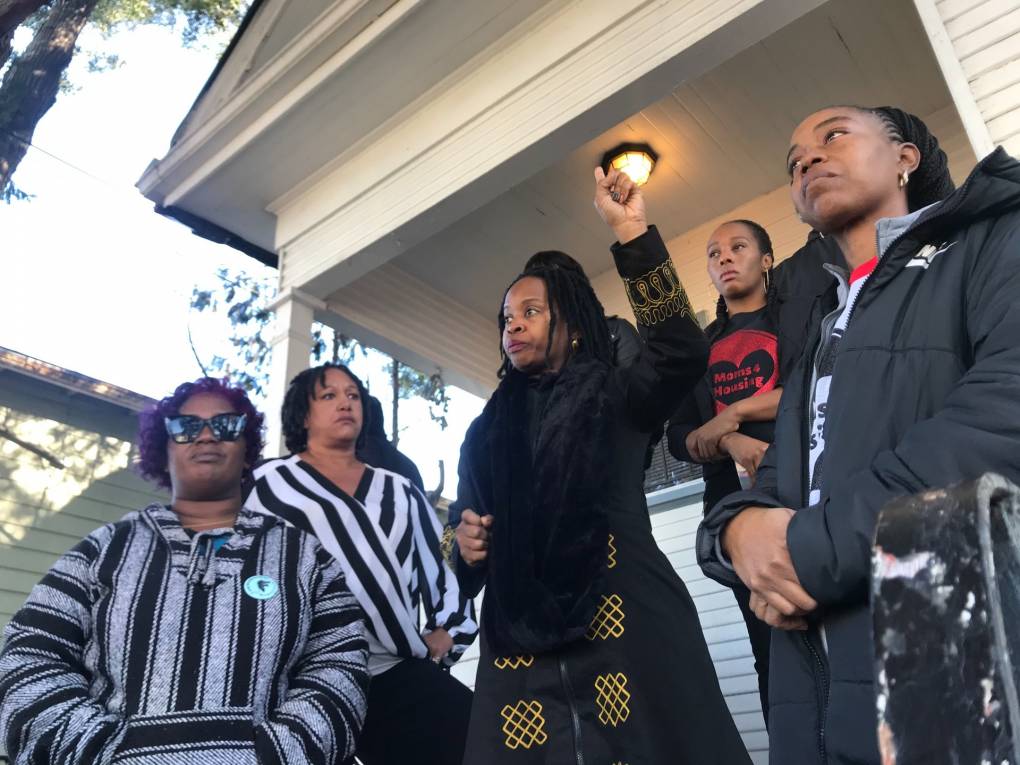
"caption": "Sharena Thomas, left, Carroll Fife, center, Dominique Walker, back right, and Tolani KIng, right, outside a vacant home in West Oakland. The group Moms 4 Housing fought an eviction after occupying the house on Magnolia Street. Fife won a seat on the Oakland City Council in the November 2020 election.",
"description": null,
"title": "RS40615_IMG_2315-qut",
"credit": "Kate Wolffe/KQED",
"status": "inherit",
"isLoading": false,
"fetchFailed": false
},
"news_11844034": {
"type": "attachments",
"id": "news_11844034",
"meta": {
"index": "attachments_1716263798",
"site": "news",
"id": "11844034",
"found": true
},
"parent": 11843602,
"imgSizes": {
"apple_news_ca_landscape_5_5": {
"file": "https://ww2.kqed.org/app/uploads/sites/10/2020/10/6060462041_d74155e803_k-1044x783.jpg",
"width": 1044,
"mimeType": "image/jpeg",
"height": 783
},
"apple_news_ca_square_4_0": {
"file": "https://ww2.kqed.org/app/uploads/sites/10/2020/10/6060462041_d74155e803_k-470x470.jpg",
"width": 470,
"mimeType": "image/jpeg",
"height": 470
},
"twentyfourteen-full-width": {
"file": "https://ww2.kqed.org/app/uploads/sites/10/2020/10/6060462041_d74155e803_k-1038x576.jpg",
"width": 1038,
"mimeType": "image/jpeg",
"height": 576
},
"thumbnail": {
"file": "https://ww2.kqed.org/app/uploads/sites/10/2020/10/6060462041_d74155e803_k-160x120.jpg",
"width": 160,
"mimeType": "image/jpeg",
"height": 120
},
"post-thumbnail": {
"file": "https://ww2.kqed.org/app/uploads/sites/10/2020/10/6060462041_d74155e803_k-672x372.jpg",
"width": 672,
"mimeType": "image/jpeg",
"height": 372
},
"kqedFullSize": {
"file": "https://ww2.kqed.org/app/uploads/sites/10/2020/10/6060462041_d74155e803_k-e1603857592675.jpg",
"width": 1920,
"height": 1439
},
"apple_news_ca_landscape_4_7": {
"file": "https://ww2.kqed.org/app/uploads/sites/10/2020/10/6060462041_d74155e803_k-632x474.jpg",
"width": 632,
"mimeType": "image/jpeg",
"height": 474
},
"large": {
"file": "https://ww2.kqed.org/app/uploads/sites/10/2020/10/6060462041_d74155e803_k-1020x765.jpg",
"width": 1020,
"mimeType": "image/jpeg",
"height": 765
},
"apple_news_ca_landscape_4_0": {
"file": "https://ww2.kqed.org/app/uploads/sites/10/2020/10/6060462041_d74155e803_k-536x402.jpg",
"width": 536,
"mimeType": "image/jpeg",
"height": 402
},
"apple_news_ca_portrait_12_9": {
"file": "https://ww2.kqed.org/app/uploads/sites/10/2020/10/6060462041_d74155e803_k-1122x1496.jpg",
"width": 1122,
"mimeType": "image/jpeg",
"height": 1496
},
"medium": {
"file": "https://ww2.kqed.org/app/uploads/sites/10/2020/10/6060462041_d74155e803_k-800x600.jpg",
"width": 800,
"mimeType": "image/jpeg",
"height": 600
},
"apple_news_ca_portrait_4_0": {
"file": "https://ww2.kqed.org/app/uploads/sites/10/2020/10/6060462041_d74155e803_k-354x472.jpg",
"width": 354,
"mimeType": "image/jpeg",
"height": 472
},
"apple_news_ca_portrait_9_7": {
"file": "https://ww2.kqed.org/app/uploads/sites/10/2020/10/6060462041_d74155e803_k-840x1120.jpg",
"width": 840,
"mimeType": "image/jpeg",
"height": 1120
},
"apple_news_ca_landscape_12_9": {
"file": "https://ww2.kqed.org/app/uploads/sites/10/2020/10/6060462041_d74155e803_k-1832x1374.jpg",
"width": 1832,
"mimeType": "image/jpeg",
"height": 1374
},
"apple_news_ca_square_9_7": {
"file": "https://ww2.kqed.org/app/uploads/sites/10/2020/10/6060462041_d74155e803_k-1104x1104.jpg",
"width": 1104,
"mimeType": "image/jpeg",
"height": 1104
},
"1536x1536": {
"file": "https://ww2.kqed.org/app/uploads/sites/10/2020/10/6060462041_d74155e803_k-1536x1151.jpg",
"width": 1536,
"mimeType": "image/jpeg",
"height": 1151
},
"apple_news_ca_portrait_4_7": {
"file": "https://ww2.kqed.org/app/uploads/sites/10/2020/10/6060462041_d74155e803_k-414x552.jpg",
"width": 414,
"mimeType": "image/jpeg",
"height": 552
},
"apple_news_ca_square_12_9": {
"file": "https://ww2.kqed.org/app/uploads/sites/10/2020/10/6060462041_d74155e803_k-1472x1472.jpg",
"width": 1472,
"mimeType": "image/jpeg",
"height": 1472
},
"apple_news_ca_portrait_5_5": {
"file": "https://ww2.kqed.org/app/uploads/sites/10/2020/10/6060462041_d74155e803_k-687x916.jpg",
"width": 687,
"mimeType": "image/jpeg",
"height": 916
},
"full-width": {
"file": "https://ww2.kqed.org/app/uploads/sites/10/2020/10/6060462041_d74155e803_k-1920x1439.jpg",
"width": 1920,
"mimeType": "image/jpeg",
"height": 1439
},
"apple_news_ca_square_4_7": {
"file": "https://ww2.kqed.org/app/uploads/sites/10/2020/10/6060462041_d74155e803_k-550x550.jpg",
"width": 550,
"mimeType": "image/jpeg",
"height": 550
},
"apple_news_ca_landscape_9_7": {
"file": "https://ww2.kqed.org/app/uploads/sites/10/2020/10/6060462041_d74155e803_k-1376x1032.jpg",
"width": 1376,
"mimeType": "image/jpeg",
"height": 1032
},
"apple_news_ca_square_5_5": {
"file": "https://ww2.kqed.org/app/uploads/sites/10/2020/10/6060462041_d74155e803_k-912x912.jpg",
"width": 912,
"mimeType": "image/jpeg",
"height": 912
}
},
"publishDate": 1603857319,
"modified": 1603923995,
"caption": "A pile of illegally dumped trash underneath a 'No Dumping' sign in East Oakland.",
"description": null,
"title": "6060462041_d74155e803_k",
"credit": "Oakland North via Flickr",
"status": "inherit",
"isLoading": false,
"fetchFailed": false
},
"news_11791136": {
"type": "attachments",
"id": "news_11791136",
"meta": {
"index": "attachments_1716263798",
"site": "news",
"id": "11791136",
"found": true
},
"parent": 11790949,
"imgSizes": {
"apple_news_ca_landscape_5_5": {
"file": "https://ww2.kqed.org/app/uploads/sites/10/2019/12/cruiseship_121219_revise-1044x783.jpg",
"width": 1044,
"mimeType": "image/jpeg",
"height": 783
},
"apple_news_ca_square_4_0": {
"file": "https://ww2.kqed.org/app/uploads/sites/10/2019/12/cruiseship_121219_revise-470x470.jpg",
"width": 470,
"mimeType": "image/jpeg",
"height": 470
},
"twentyfourteen-full-width": {
"file": "https://ww2.kqed.org/app/uploads/sites/10/2019/12/cruiseship_121219_revise-1038x576.jpg",
"width": 1038,
"mimeType": "image/jpeg",
"height": 576
},
"thumbnail": {
"file": "https://ww2.kqed.org/app/uploads/sites/10/2019/12/cruiseship_121219_revise-160x115.jpg",
"width": 160,
"mimeType": "image/jpeg",
"height": 115
},
"post-thumbnail": {
"file": "https://ww2.kqed.org/app/uploads/sites/10/2019/12/cruiseship_121219_revise-672x372.jpg",
"width": 672,
"mimeType": "image/jpeg",
"height": 372
},
"kqedFullSize": {
"file": "https://ww2.kqed.org/app/uploads/sites/10/2019/12/cruiseship_121219_revise.jpg",
"width": 1920,
"height": 1378
},
"apple_news_ca_landscape_4_7": {
"file": "https://ww2.kqed.org/app/uploads/sites/10/2019/12/cruiseship_121219_revise-632x474.jpg",
"width": 632,
"mimeType": "image/jpeg",
"height": 474
},
"large": {
"file": "https://ww2.kqed.org/app/uploads/sites/10/2019/12/cruiseship_121219_revise-1020x732.jpg",
"width": 1020,
"mimeType": "image/jpeg",
"height": 732
},
"complete_open_graph": {
"file": "https://ww2.kqed.org/app/uploads/sites/10/2019/12/cruiseship_121219_revise-1200x861.jpg",
"width": 1200,
"mimeType": "image/jpeg",
"height": 861
},
"apple_news_ca_landscape_4_0": {
"file": "https://ww2.kqed.org/app/uploads/sites/10/2019/12/cruiseship_121219_revise-536x402.jpg",
"width": 536,
"mimeType": "image/jpeg",
"height": 402
},
"apple_news_ca_portrait_12_9": {
"file": "https://ww2.kqed.org/app/uploads/sites/10/2019/12/cruiseship_121219_revise-1122x1378.jpg",
"width": 1122,
"mimeType": "image/jpeg",
"height": 1378
},
"medium": {
"file": "https://ww2.kqed.org/app/uploads/sites/10/2019/12/cruiseship_121219_revise-800x574.jpg",
"width": 800,
"mimeType": "image/jpeg",
"height": 574
},
"apple_news_ca_portrait_4_0": {
"file": "https://ww2.kqed.org/app/uploads/sites/10/2019/12/cruiseship_121219_revise-354x472.jpg",
"width": 354,
"mimeType": "image/jpeg",
"height": 472
},
"apple_news_ca_portrait_9_7": {
"file": "https://ww2.kqed.org/app/uploads/sites/10/2019/12/cruiseship_121219_revise-840x1120.jpg",
"width": 840,
"mimeType": "image/jpeg",
"height": 1120
},
"apple_news_ca_landscape_12_9": {
"file": "https://ww2.kqed.org/app/uploads/sites/10/2019/12/cruiseship_121219_revise-1832x1374.jpg",
"width": 1832,
"mimeType": "image/jpeg",
"height": 1374
},
"apple_news_ca_square_9_7": {
"file": "https://ww2.kqed.org/app/uploads/sites/10/2019/12/cruiseship_121219_revise-1104x1104.jpg",
"width": 1104,
"mimeType": "image/jpeg",
"height": 1104
},
"apple_news_ca_portrait_4_7": {
"file": "https://ww2.kqed.org/app/uploads/sites/10/2019/12/cruiseship_121219_revise-414x552.jpg",
"width": 414,
"mimeType": "image/jpeg",
"height": 552
},
"apple_news_ca_square_12_9": {
"file": "https://ww2.kqed.org/app/uploads/sites/10/2019/12/cruiseship_121219_revise-1472x1378.jpg",
"width": 1472,
"mimeType": "image/jpeg",
"height": 1378
},
"apple_news_ca_portrait_5_5": {
"file": "https://ww2.kqed.org/app/uploads/sites/10/2019/12/cruiseship_121219_revise-687x916.jpg",
"width": 687,
"mimeType": "image/jpeg",
"height": 916
},
"full-width": {
"file": "https://ww2.kqed.org/app/uploads/sites/10/2019/12/cruiseship_121219_revise-1920x1378.jpg",
"width": 1920,
"mimeType": "image/jpeg",
"height": 1378
},
"apple_news_ca_square_4_7": {
"file": "https://ww2.kqed.org/app/uploads/sites/10/2019/12/cruiseship_121219_revise-550x550.jpg",
"width": 550,
"mimeType": "image/jpeg",
"height": 550
},
"apple_news_ca_landscape_9_7": {
"file": "https://ww2.kqed.org/app/uploads/sites/10/2019/12/cruiseship_121219_revise-1376x1032.jpg",
"width": 1376,
"mimeType": "image/jpeg",
"height": 1032
},
"apple_news_ca_square_5_5": {
"file": "https://ww2.kqed.org/app/uploads/sites/10/2019/12/cruiseship_121219_revise-912x912.jpg",
"width": 912,
"mimeType": "image/jpeg",
"height": 912
}
},
"publishDate": 1576267314,
"modified": 1576267346,
"caption": null,
"description": null,
"title": "cruiseship_121219_revise",
"credit": null,
"status": "inherit",
"isLoading": false,
"fetchFailed": false
},
"news_11682965": {
"type": "attachments",
"id": "news_11682965",
"meta": {
"index": "attachments_1716263798",
"site": "news",
"id": "11682965",
"found": true
},
"parent": 11682863,
"imgSizes": {
"small": {
"file": "https://ww2.kqed.org/app/uploads/sites/10/2018/07/iStock-851960058-520x347.jpg",
"width": 520,
"mimeType": "image/jpeg",
"height": 347
},
"twentyfourteen-full-width": {
"file": "https://ww2.kqed.org/app/uploads/sites/10/2018/07/iStock-851960058-1038x576.jpg",
"width": 1038,
"mimeType": "image/jpeg",
"height": 576
},
"thumbnail": {
"file": "https://ww2.kqed.org/app/uploads/sites/10/2018/07/iStock-851960058-160x107.jpg",
"width": 160,
"mimeType": "image/jpeg",
"height": 107
},
"fd-sm": {
"file": "https://ww2.kqed.org/app/uploads/sites/10/2018/07/iStock-851960058-960x640.jpg",
"width": 960,
"mimeType": "image/jpeg",
"height": 640
},
"post-thumbnail": {
"file": "https://ww2.kqed.org/app/uploads/sites/10/2018/07/iStock-851960058-672x372.jpg",
"width": 672,
"mimeType": "image/jpeg",
"height": 372
},
"xsmall": {
"file": "https://ww2.kqed.org/app/uploads/sites/10/2018/07/iStock-851960058-375x250.jpg",
"width": 375,
"mimeType": "image/jpeg",
"height": 250
},
"kqedFullSize": {
"file": "https://ww2.kqed.org/app/uploads/sites/10/2018/07/iStock-851960058-e1532646093485.jpg",
"width": 1920,
"height": 1280
},
"large": {
"file": "https://ww2.kqed.org/app/uploads/sites/10/2018/07/iStock-851960058-1020x680.jpg",
"width": 1020,
"mimeType": "image/jpeg",
"height": 680
},
"xlarge": {
"file": "https://ww2.kqed.org/app/uploads/sites/10/2018/07/iStock-851960058-1180x787.jpg",
"width": 1180,
"mimeType": "image/jpeg",
"height": 787
},
"complete_open_graph": {
"file": "https://ww2.kqed.org/app/uploads/sites/10/2018/07/iStock-851960058-1200x800.jpg",
"width": 1200,
"mimeType": "image/jpeg",
"height": 800
},
"guest-author-50": {
"file": "https://ww2.kqed.org/app/uploads/sites/10/2018/07/iStock-851960058-50x50.jpg",
"width": 50,
"mimeType": "image/jpeg",
"height": 50
},
"guest-author-96": {
"file": "https://ww2.kqed.org/app/uploads/sites/10/2018/07/iStock-851960058-96x96.jpg",
"width": 96,
"mimeType": "image/jpeg",
"height": 96
},
"medium": {
"file": "https://ww2.kqed.org/app/uploads/sites/10/2018/07/iStock-851960058-800x533.jpg",
"width": 800,
"mimeType": "image/jpeg",
"height": 533
},
"guest-author-64": {
"file": "https://ww2.kqed.org/app/uploads/sites/10/2018/07/iStock-851960058-64x64.jpg",
"width": 64,
"mimeType": "image/jpeg",
"height": 64
},
"guest-author-32": {
"file": "https://ww2.kqed.org/app/uploads/sites/10/2018/07/iStock-851960058-32x32.jpg",
"width": 32,
"mimeType": "image/jpeg",
"height": 32
},
"fd-lrg": {
"file": "https://ww2.kqed.org/app/uploads/sites/10/2018/07/iStock-851960058-1920x1280.jpg",
"width": 1920,
"mimeType": "image/jpeg",
"height": 1280
},
"fd-med": {
"file": "https://ww2.kqed.org/app/uploads/sites/10/2018/07/iStock-851960058-1180x787.jpg",
"width": 1180,
"mimeType": "image/jpeg",
"height": 787
},
"full-width": {
"file": "https://ww2.kqed.org/app/uploads/sites/10/2018/07/iStock-851960058-1920x1280.jpg",
"width": 1920,
"mimeType": "image/jpeg",
"height": 1280
},
"detail": {
"file": "https://ww2.kqed.org/app/uploads/sites/10/2018/07/iStock-851960058-150x150.jpg",
"width": 150,
"mimeType": "image/jpeg",
"height": 150
},
"guest-author-128": {
"file": "https://ww2.kqed.org/app/uploads/sites/10/2018/07/iStock-851960058-128x128.jpg",
"width": 128,
"mimeType": "image/jpeg",
"height": 128
},
"xxsmall": {
"file": "https://ww2.kqed.org/app/uploads/sites/10/2018/07/iStock-851960058-240x160.jpg",
"width": 240,
"mimeType": "image/jpeg",
"height": 160
}
},
"publishDate": 1532646023,
"modified": 1563376882,
"caption": "File photo of a facial recognition system. The ACLU used Amazon's facial recognition software, Rekognition, to compare the photos of all federal lawmakers to a database of 25,000 mugshots.",
"description": "File photo of a facial recognition system. The ACLU used Amazon's facial recognition software, Rekognition, to compare the photos of all federal lawmakers to a database of 25,000 mug shots.",
"title": "Facial Recognition System concept.",
"credit": "Getty Images",
"status": "inherit",
"isLoading": false,
"fetchFailed": false
},
"news_11752587": {
"type": "attachments",
"id": "news_11752587",
"meta": {
"index": "attachments_1716263798",
"site": "news",
"id": "11752587",
"found": true
},
"parent": 11752566,
"imgSizes": {
"apple_news_ca_landscape_5_5": {
"file": "https://ww2.kqed.org/app/uploads/sites/10/2019/06/shrooms_060519_final-1044x783.jpg",
"width": 1044,
"mimeType": "image/jpeg",
"height": 783
},
"apple_news_ca_square_4_0": {
"file": "https://ww2.kqed.org/app/uploads/sites/10/2019/06/shrooms_060519_final-470x470.jpg",
"width": 470,
"mimeType": "image/jpeg",
"height": 470
},
"twentyfourteen-full-width": {
"file": "https://ww2.kqed.org/app/uploads/sites/10/2019/06/shrooms_060519_final-1038x576.jpg",
"width": 1038,
"mimeType": "image/jpeg",
"height": 576
},
"thumbnail": {
"file": "https://ww2.kqed.org/app/uploads/sites/10/2019/06/shrooms_060519_final-160x139.jpg",
"width": 160,
"mimeType": "image/jpeg",
"height": 139
},
"post-thumbnail": {
"file": "https://ww2.kqed.org/app/uploads/sites/10/2019/06/shrooms_060519_final-672x372.jpg",
"width": 672,
"mimeType": "image/jpeg",
"height": 372
},
"kqedFullSize": {
"file": "https://ww2.kqed.org/app/uploads/sites/10/2019/06/shrooms_060519_final.jpg",
"width": 1920,
"height": 1664
},
"apple_news_ca_landscape_4_7": {
"file": "https://ww2.kqed.org/app/uploads/sites/10/2019/06/shrooms_060519_final-632x474.jpg",
"width": 632,
"mimeType": "image/jpeg",
"height": 474
},
"large": {
"file": "https://ww2.kqed.org/app/uploads/sites/10/2019/06/shrooms_060519_final-1020x884.jpg",
"width": 1020,
"mimeType": "image/jpeg",
"height": 884
},
"complete_open_graph": {
"file": "https://ww2.kqed.org/app/uploads/sites/10/2019/06/shrooms_060519_final-1200x1040.jpg",
"width": 1200,
"mimeType": "image/jpeg",
"height": 1040
},
"apple_news_ca_landscape_4_0": {
"file": "https://ww2.kqed.org/app/uploads/sites/10/2019/06/shrooms_060519_final-536x402.jpg",
"width": 536,
"mimeType": "image/jpeg",
"height": 402
},
"apple_news_ca_portrait_12_9": {
"file": "https://ww2.kqed.org/app/uploads/sites/10/2019/06/shrooms_060519_final-1122x1496.jpg",
"width": 1122,
"mimeType": "image/jpeg",
"height": 1496
},
"medium": {
"file": "https://ww2.kqed.org/app/uploads/sites/10/2019/06/shrooms_060519_final-800x693.jpg",
"width": 800,
"mimeType": "image/jpeg",
"height": 693
},
"apple_news_ca_portrait_4_0": {
"file": "https://ww2.kqed.org/app/uploads/sites/10/2019/06/shrooms_060519_final-354x472.jpg",
"width": 354,
"mimeType": "image/jpeg",
"height": 472
},
"apple_news_ca_portrait_9_7": {
"file": "https://ww2.kqed.org/app/uploads/sites/10/2019/06/shrooms_060519_final-840x1120.jpg",
"width": 840,
"mimeType": "image/jpeg",
"height": 1120
},
"apple_news_ca_landscape_12_9": {
"file": "https://ww2.kqed.org/app/uploads/sites/10/2019/06/shrooms_060519_final-1832x1374.jpg",
"width": 1832,
"mimeType": "image/jpeg",
"height": 1374
},
"apple_news_ca_square_9_7": {
"file": "https://ww2.kqed.org/app/uploads/sites/10/2019/06/shrooms_060519_final-1104x1104.jpg",
"width": 1104,
"mimeType": "image/jpeg",
"height": 1104
},
"apple_news_ca_portrait_4_7": {
"file": "https://ww2.kqed.org/app/uploads/sites/10/2019/06/shrooms_060519_final-414x552.jpg",
"width": 414,
"mimeType": "image/jpeg",
"height": 552
},
"apple_news_ca_square_12_9": {
"file": "https://ww2.kqed.org/app/uploads/sites/10/2019/06/shrooms_060519_final-1472x1472.jpg",
"width": 1472,
"mimeType": "image/jpeg",
"height": 1472
},
"apple_news_ca_portrait_5_5": {
"file": "https://ww2.kqed.org/app/uploads/sites/10/2019/06/shrooms_060519_final-687x916.jpg",
"width": 687,
"mimeType": "image/jpeg",
"height": 916
},
"full-width": {
"file": "https://ww2.kqed.org/app/uploads/sites/10/2019/06/shrooms_060519_final-1920x1664.jpg",
"width": 1920,
"mimeType": "image/jpeg",
"height": 1664
},
"apple_news_ca_square_4_7": {
"file": "https://ww2.kqed.org/app/uploads/sites/10/2019/06/shrooms_060519_final-550x550.jpg",
"width": 550,
"mimeType": "image/jpeg",
"height": 550
},
"apple_news_ca_landscape_9_7": {
"file": "https://ww2.kqed.org/app/uploads/sites/10/2019/06/shrooms_060519_final-1376x1032.jpg",
"width": 1376,
"mimeType": "image/jpeg",
"height": 1032
},
"apple_news_ca_square_5_5": {
"file": "https://ww2.kqed.org/app/uploads/sites/10/2019/06/shrooms_060519_final-912x912.jpg",
"width": 912,
"mimeType": "image/jpeg",
"height": 912
}
},
"publishDate": 1559770478,
"modified": 1559770505,
"caption": null,
"description": null,
"title": "shrooms_060519_final",
"credit": null,
"status": "inherit",
"isLoading": false,
"fetchFailed": false
},
"news_11752461": {
"type": "attachments",
"id": "news_11752461",
"meta": {
"index": "attachments_1716263798",
"site": "news",
"id": "11752461",
"found": true
},
"parent": 11752455,
"imgSizes": {
"apple_news_ca_landscape_5_5": {
"file": "https://ww2.kqed.org/app/uploads/sites/10/2019/06/GettyImages-77423733-1044x783.jpg",
"width": 1044,
"mimeType": "image/jpeg",
"height": 783
},
"apple_news_ca_square_4_0": {
"file": "https://ww2.kqed.org/app/uploads/sites/10/2019/06/GettyImages-77423733-470x470.jpg",
"width": 470,
"mimeType": "image/jpeg",
"height": 470
},
"twentyfourteen-full-width": {
"file": "https://ww2.kqed.org/app/uploads/sites/10/2019/06/GettyImages-77423733-1038x576.jpg",
"width": 1038,
"mimeType": "image/jpeg",
"height": 576
},
"thumbnail": {
"file": "https://ww2.kqed.org/app/uploads/sites/10/2019/06/GettyImages-77423733-160x107.jpg",
"width": 160,
"mimeType": "image/jpeg",
"height": 107
},
"post-thumbnail": {
"file": "https://ww2.kqed.org/app/uploads/sites/10/2019/06/GettyImages-77423733-672x372.jpg",
"width": 672,
"mimeType": "image/jpeg",
"height": 372
},
"kqedFullSize": {
"file": "https://ww2.kqed.org/app/uploads/sites/10/2019/06/GettyImages-77423733.jpg",
"width": 2048,
"height": 1366
},
"apple_news_ca_landscape_4_7": {
"file": "https://ww2.kqed.org/app/uploads/sites/10/2019/06/GettyImages-77423733-632x474.jpg",
"width": 632,
"mimeType": "image/jpeg",
"height": 474
},
"large": {
"file": "https://ww2.kqed.org/app/uploads/sites/10/2019/06/GettyImages-77423733-1020x680.jpg",
"width": 1020,
"mimeType": "image/jpeg",
"height": 680
},
"complete_open_graph": {
"file": "https://ww2.kqed.org/app/uploads/sites/10/2019/06/GettyImages-77423733-1200x800.jpg",
"width": 1200,
"mimeType": "image/jpeg",
"height": 800
},
"apple_news_ca_landscape_4_0": {
"file": "https://ww2.kqed.org/app/uploads/sites/10/2019/06/GettyImages-77423733-536x402.jpg",
"width": 536,
"mimeType": "image/jpeg",
"height": 402
},
"apple_news_ca_portrait_12_9": {
"file": "https://ww2.kqed.org/app/uploads/sites/10/2019/06/GettyImages-77423733-1122x1496.jpg",
"width": 1122,
"mimeType": "image/jpeg",
"height": 1496
},
"medium": {
"file": "https://ww2.kqed.org/app/uploads/sites/10/2019/06/GettyImages-77423733-800x533.jpg",
"width": 800,
"mimeType": "image/jpeg",
"height": 533
},
"apple_news_ca_portrait_4_0": {
"file": "https://ww2.kqed.org/app/uploads/sites/10/2019/06/GettyImages-77423733-354x472.jpg",
"width": 354,
"mimeType": "image/jpeg",
"height": 472
},
"apple_news_ca_portrait_9_7": {
"file": "https://ww2.kqed.org/app/uploads/sites/10/2019/06/GettyImages-77423733-840x1120.jpg",
"width": 840,
"mimeType": "image/jpeg",
"height": 1120
},
"apple_news_ca_landscape_12_9": {
"file": "https://ww2.kqed.org/app/uploads/sites/10/2019/06/GettyImages-77423733-1832x1374.jpg",
"width": 1832,
"mimeType": "image/jpeg",
"height": 1374
},
"apple_news_ca_square_9_7": {
"file": "https://ww2.kqed.org/app/uploads/sites/10/2019/06/GettyImages-77423733-1104x1104.jpg",
"width": 1104,
"mimeType": "image/jpeg",
"height": 1104
},
"apple_news_ca_portrait_4_7": {
"file": "https://ww2.kqed.org/app/uploads/sites/10/2019/06/GettyImages-77423733-414x552.jpg",
"width": 414,
"mimeType": "image/jpeg",
"height": 552
},
"apple_news_ca_square_12_9": {
"file": "https://ww2.kqed.org/app/uploads/sites/10/2019/06/GettyImages-77423733-1472x1472.jpg",
"width": 1472,
"mimeType": "image/jpeg",
"height": 1472
},
"apple_news_ca_portrait_5_5": {
"file": "https://ww2.kqed.org/app/uploads/sites/10/2019/06/GettyImages-77423733-687x916.jpg",
"width": 687,
"mimeType": "image/jpeg",
"height": 916
},
"full-width": {
"file": "https://ww2.kqed.org/app/uploads/sites/10/2019/06/GettyImages-77423733-1920x1280.jpg",
"width": 1920,
"mimeType": "image/jpeg",
"height": 1280
},
"apple_news_ca_square_4_7": {
"file": "https://ww2.kqed.org/app/uploads/sites/10/2019/06/GettyImages-77423733-550x550.jpg",
"width": 550,
"mimeType": "image/jpeg",
"height": 550
},
"apple_news_ca_landscape_9_7": {
"file": "https://ww2.kqed.org/app/uploads/sites/10/2019/06/GettyImages-77423733-1376x1032.jpg",
"width": 1376,
"mimeType": "image/jpeg",
"height": 1032
},
"apple_news_ca_square_5_5": {
"file": "https://ww2.kqed.org/app/uploads/sites/10/2019/06/GettyImages-77423733-912x912.jpg",
"width": 912,
"mimeType": "image/jpeg",
"height": 912
}
},
"publishDate": 1559753250,
"modified": 1559753368,
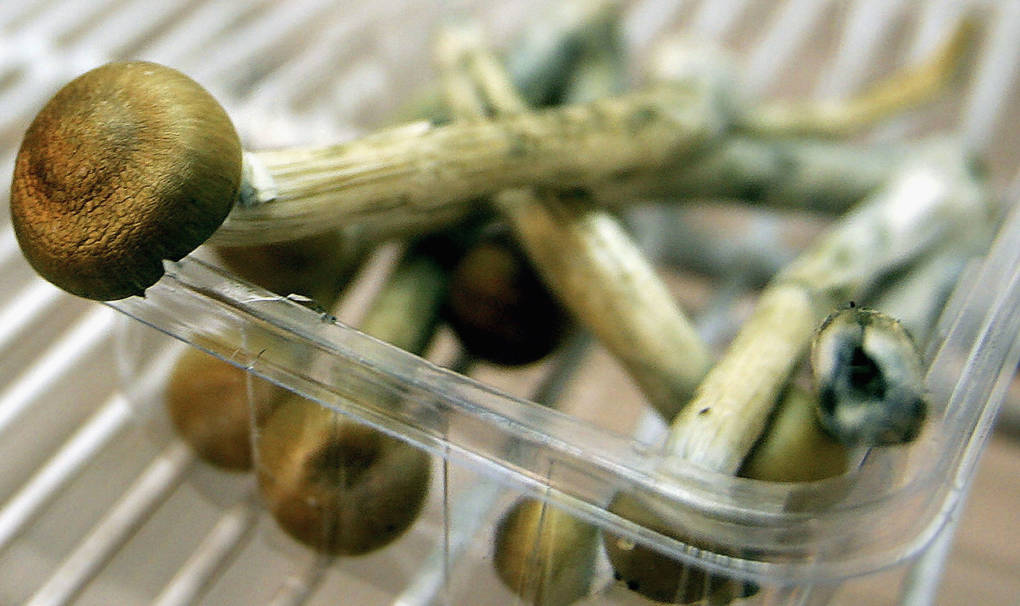
"caption": "A shop owner shows off hallucinogenic mushrooms at a store in the Netherlands.",
"description": "A shop owner shows off hallucinogenic mushrooms at a store in the Netherlands.",
"title": "TO GO WITH AFP STORY BY GERALD DE HEMPTI",
"credit": "Evert-Jan Daniels/AFP/Getty Images",
"status": "inherit",
"isLoading": false,
"fetchFailed": false
},
"news_11750954": {
"type": "attachments",
"id": "news_11750954",
"meta": {
"index": "attachments_1716263798",
"site": "news",
"id": "11750954",
"found": true
},
"parent": 11750909,
"imgSizes": {
"apple_news_ca_landscape_5_5": {
"file": "https://ww2.kqed.org/app/uploads/sites/10/2019/05/GettyImages-53251899-1044x783.jpg",
"width": 1044,
"mimeType": "image/jpeg",
"height": 783
},
"apple_news_ca_square_4_0": {
"file": "https://ww2.kqed.org/app/uploads/sites/10/2019/05/GettyImages-53251899-470x470.jpg",
"width": 470,
"mimeType": "image/jpeg",
"height": 470
},
"twentyfourteen-full-width": {
"file": "https://ww2.kqed.org/app/uploads/sites/10/2019/05/GettyImages-53251899-1038x576.jpg",
"width": 1038,
"mimeType": "image/jpeg",
"height": 576
},
"thumbnail": {
"file": "https://ww2.kqed.org/app/uploads/sites/10/2019/05/GettyImages-53251899-160x95.jpg",
"width": 160,
"mimeType": "image/jpeg",
"height": 95
},
"post-thumbnail": {
"file": "https://ww2.kqed.org/app/uploads/sites/10/2019/05/GettyImages-53251899-672x372.jpg",
"width": 672,
"mimeType": "image/jpeg",
"height": 372
},
"kqedFullSize": {
"file": "https://ww2.kqed.org/app/uploads/sites/10/2019/05/GettyImages-53251899.jpg",
"width": 2048,
"height": 1217
},
"apple_news_ca_landscape_4_7": {
"file": "https://ww2.kqed.org/app/uploads/sites/10/2019/05/GettyImages-53251899-632x474.jpg",
"width": 632,
"mimeType": "image/jpeg",
"height": 474
},
"large": {
"file": "https://ww2.kqed.org/app/uploads/sites/10/2019/05/GettyImages-53251899-1020x606.jpg",
"width": 1020,
"mimeType": "image/jpeg",
"height": 606
},
"complete_open_graph": {
"file": "https://ww2.kqed.org/app/uploads/sites/10/2019/05/GettyImages-53251899-1200x713.jpg",
"width": 1200,
"mimeType": "image/jpeg",
"height": 713
},
"apple_news_ca_landscape_4_0": {
"file": "https://ww2.kqed.org/app/uploads/sites/10/2019/05/GettyImages-53251899-536x402.jpg",
"width": 536,
"mimeType": "image/jpeg",
"height": 402
},
"apple_news_ca_portrait_12_9": {
"file": "https://ww2.kqed.org/app/uploads/sites/10/2019/05/GettyImages-53251899-1122x1496.jpg",
"width": 1122,
"mimeType": "image/jpeg",
"height": 1496
},
"medium": {
"file": "https://ww2.kqed.org/app/uploads/sites/10/2019/05/GettyImages-53251899-800x475.jpg",
"width": 800,
"mimeType": "image/jpeg",
"height": 475
},
"apple_news_ca_portrait_4_0": {
"file": "https://ww2.kqed.org/app/uploads/sites/10/2019/05/GettyImages-53251899-354x472.jpg",
"width": 354,
"mimeType": "image/jpeg",
"height": 472
},
"apple_news_ca_portrait_9_7": {
"file": "https://ww2.kqed.org/app/uploads/sites/10/2019/05/GettyImages-53251899-840x1120.jpg",
"width": 840,
"mimeType": "image/jpeg",
"height": 1120
},
"apple_news_ca_landscape_12_9": {
"file": "https://ww2.kqed.org/app/uploads/sites/10/2019/05/GettyImages-53251899-1832x1374.jpg",
"width": 1832,
"mimeType": "image/jpeg",
"height": 1374
},
"apple_news_ca_square_9_7": {
"file": "https://ww2.kqed.org/app/uploads/sites/10/2019/05/GettyImages-53251899-1104x1104.jpg",
"width": 1104,
"mimeType": "image/jpeg",
"height": 1104
},
"apple_news_ca_portrait_4_7": {
"file": "https://ww2.kqed.org/app/uploads/sites/10/2019/05/GettyImages-53251899-414x552.jpg",
"width": 414,
"mimeType": "image/jpeg",
"height": 552
},
"apple_news_ca_square_12_9": {
"file": "https://ww2.kqed.org/app/uploads/sites/10/2019/05/GettyImages-53251899-1472x1472.jpg",
"width": 1472,
"mimeType": "image/jpeg",
"height": 1472
},
"apple_news_ca_portrait_5_5": {
"file": "https://ww2.kqed.org/app/uploads/sites/10/2019/05/GettyImages-53251899-687x916.jpg",
"width": 687,
"mimeType": "image/jpeg",
"height": 916
},
"full-width": {
"file": "https://ww2.kqed.org/app/uploads/sites/10/2019/05/GettyImages-53251899-1920x1141.jpg",
"width": 1920,
"mimeType": "image/jpeg",
"height": 1141
},
"apple_news_ca_square_4_7": {
"file": "https://ww2.kqed.org/app/uploads/sites/10/2019/05/GettyImages-53251899-550x550.jpg",
"width": 550,
"mimeType": "image/jpeg",
"height": 550
},
"apple_news_ca_landscape_9_7": {
"file": "https://ww2.kqed.org/app/uploads/sites/10/2019/05/GettyImages-53251899-1376x1032.jpg",
"width": 1376,
"mimeType": "image/jpeg",
"height": 1032
},
"apple_news_ca_square_5_5": {
"file": "https://ww2.kqed.org/app/uploads/sites/10/2019/05/GettyImages-53251899-912x912.jpg",
"width": 912,
"mimeType": "image/jpeg",
"height": 912
}
},
"publishDate": 1559165893,
"modified": 1559165988,
"caption": "Fresh magic mushrooms sit in a fridge for sale in England, where they were legal before being banned in 2005.",
"description": "Fresh magic mushrooms sit in a fridge for sale in England, where they were legal before being banned in 2005.",
"title": "Freshly Picked Magic Mushrooms Reclassififed As Class A Drug In UK",
"credit": "Daniel Berehulak/Getty Images",
"status": "inherit",
"isLoading": false,
"fetchFailed": false
},
"news_11720684": {
"type": "attachments",
"id": "news_11720684",
"meta": {
"index": "attachments_1716263798",
"site": "news",
"id": "11720684",
"found": true
},
"parent": 11720561,
"imgSizes": {
"twentyfourteen-full-width": {
"file": "https://ww2.kqed.org/app/uploads/sites/10/2019/01/Fruitvale_station_from_garage_2_March_2018-1038x576.jpg",
"width": 1038,
"mimeType": "image/jpeg",
"height": 576
},
"thumbnail": {
"file": "https://ww2.kqed.org/app/uploads/sites/10/2019/01/Fruitvale_station_from_garage_2_March_2018-160x120.jpg",
"width": 160,
"mimeType": "image/jpeg",
"height": 120
},
"post-thumbnail": {
"file": "https://ww2.kqed.org/app/uploads/sites/10/2019/01/Fruitvale_station_from_garage_2_March_2018-672x372.jpg",
"width": 672,
"mimeType": "image/jpeg",
"height": 372
},
"kqedFullSize": {
"file": "https://ww2.kqed.org/app/uploads/sites/10/2019/01/Fruitvale_station_from_garage_2_March_2018-e1550178454783.jpg",
"width": 1920,
"height": 1440
},
"large": {
"file": "https://ww2.kqed.org/app/uploads/sites/10/2019/01/Fruitvale_station_from_garage_2_March_2018-1020x765.jpg",
"width": 1020,
"mimeType": "image/jpeg",
"height": 765
},
"complete_open_graph": {
"file": "https://ww2.kqed.org/app/uploads/sites/10/2019/01/Fruitvale_station_from_garage_2_March_2018-1200x900.jpg",
"width": 1200,
"mimeType": "image/jpeg",
"height": 900
},
"guest-author-50": {
"file": "https://ww2.kqed.org/app/uploads/sites/10/2019/01/Fruitvale_station_from_garage_2_March_2018-50x50.jpg",
"width": 50,
"mimeType": "image/jpeg",
"height": 50
},
"guest-author-96": {
"file": "https://ww2.kqed.org/app/uploads/sites/10/2019/01/Fruitvale_station_from_garage_2_March_2018-96x96.jpg",
"width": 96,
"mimeType": "image/jpeg",
"height": 96
},
"medium": {
"file": "https://ww2.kqed.org/app/uploads/sites/10/2019/01/Fruitvale_station_from_garage_2_March_2018-800x600.jpg",
"width": 800,
"mimeType": "image/jpeg",
"height": 600
},
"guest-author-64": {
"file": "https://ww2.kqed.org/app/uploads/sites/10/2019/01/Fruitvale_station_from_garage_2_March_2018-64x64.jpg",
"width": 64,
"mimeType": "image/jpeg",
"height": 64
},
"guest-author-32": {
"file": "https://ww2.kqed.org/app/uploads/sites/10/2019/01/Fruitvale_station_from_garage_2_March_2018-32x32.jpg",
"width": 32,
"mimeType": "image/jpeg",
"height": 32
},
"full-width": {
"file": "https://ww2.kqed.org/app/uploads/sites/10/2019/01/Fruitvale_station_from_garage_2_March_2018-1920x1440.jpg",
"width": 1920,
"mimeType": "image/jpeg",
"height": 1440
},
"detail": {
"file": "https://ww2.kqed.org/app/uploads/sites/10/2019/01/Fruitvale_station_from_garage_2_March_2018-150x150.jpg",
"width": 150,
"mimeType": "image/jpeg",
"height": 150
},
"guest-author-128": {
"file": "https://ww2.kqed.org/app/uploads/sites/10/2019/01/Fruitvale_station_from_garage_2_March_2018-128x128.jpg",
"width": 128,
"mimeType": "image/jpeg",
"height": 128
}
},
"publishDate": 1548352831,
"modified": 1548375358,
"caption": "The Fruitvale BART Station and busway in March 2018.\n",
"description": null,
"title": "Fruitvale_station_from_garage_(2),_March_2018",
"credit": "\u003ca href=\"https://en.wikipedia.org/wiki/Fruitvale_station#/media/File:Fruitvale_station_from_garage_(2),_March_2018.JPG\" target=\"_blank\">Wikimedia Commons\u003c/a>",
"status": "inherit",
"isLoading": false,
"fetchFailed": false
},
"news_11715976": {
"type": "attachments",
"id": "news_11715976",
"meta": {
"index": "attachments_1716263798",
"site": "news",
"id": "11715976",
"found": true
},
"parent": 11715714,
"imgSizes": {
"twentyfourteen-full-width": {
"file": "https://ww2.kqed.org/app/uploads/sites/10/2019/01/IMG_1187-e1546798515997-1038x576.jpg",
"width": 1038,
"mimeType": "image/jpeg",
"height": 576
},
"thumbnail": {
"file": "https://ww2.kqed.org/app/uploads/sites/10/2019/01/IMG_1187-e1546798515997-160x120.jpg",
"width": 160,
"mimeType": "image/jpeg",
"height": 120
},
"post-thumbnail": {
"file": "https://ww2.kqed.org/app/uploads/sites/10/2019/01/IMG_1187-e1546798515997-672x372.jpg",
"width": 672,
"mimeType": "image/jpeg",
"height": 372
},
"kqedFullSize": {
"file": "https://ww2.kqed.org/app/uploads/sites/10/2019/01/IMG_1187-e1546798515997.jpg",
"width": 1920,
"height": 1440
},
"large": {
"file": "https://ww2.kqed.org/app/uploads/sites/10/2019/01/IMG_1187-e1546798515997-1020x765.jpg",
"width": 1020,
"mimeType": "image/jpeg",
"height": 765
},
"complete_open_graph": {
"file": "https://ww2.kqed.org/app/uploads/sites/10/2019/01/IMG_1187-e1546798515997-1200x900.jpg",
"width": 1200,
"mimeType": "image/jpeg",
"height": 900
},
"guest-author-50": {
"file": "https://ww2.kqed.org/app/uploads/sites/10/2019/01/IMG_1187-e1546798515997-50x50.jpg",
"width": 50,
"mimeType": "image/jpeg",
"height": 50
},
"guest-author-96": {
"file": "https://ww2.kqed.org/app/uploads/sites/10/2019/01/IMG_1187-e1546798515997-96x96.jpg",
"width": 96,
"mimeType": "image/jpeg",
"height": 96
},
"medium": {
"file": "https://ww2.kqed.org/app/uploads/sites/10/2019/01/IMG_1187-e1546798515997-800x600.jpg",
"width": 800,
"mimeType": "image/jpeg",
"height": 600
},
"guest-author-64": {
"file": "https://ww2.kqed.org/app/uploads/sites/10/2019/01/IMG_1187-e1546798515997-64x64.jpg",
"width": 64,
"mimeType": "image/jpeg",
"height": 64
},
"guest-author-32": {
"file": "https://ww2.kqed.org/app/uploads/sites/10/2019/01/IMG_1187-e1546798515997-32x32.jpg",
"width": 32,
"mimeType": "image/jpeg",
"height": 32
},
"full-width": {
"file": "https://ww2.kqed.org/app/uploads/sites/10/2019/01/IMG_1187-e1546798515997-1920x1440.jpg",
"width": 1920,
"mimeType": "image/jpeg",
"height": 1440
},
"detail": {
"file": "https://ww2.kqed.org/app/uploads/sites/10/2019/01/IMG_1187-e1546798515997-150x150.jpg",
"width": 150,
"mimeType": "image/jpeg",
"height": 150
},
"guest-author-128": {
"file": "https://ww2.kqed.org/app/uploads/sites/10/2019/01/IMG_1187-e1546798515997-128x128.jpg",
"width": 128,
"mimeType": "image/jpeg",
"height": 128
}
},
"publishDate": 1546637336,
"modified": 1546799487,
"caption": "Incoming Oakland City Council members Nikki Fortunato Bas (L) and Loren Taylor (R) at a meet and greet. ",
"description": null,
"title": "IMG_1187",
"credit": "Sandhya Dirks",
"status": "inherit",
"isLoading": false,
"fetchFailed": false
},
"news_11692911": {
"type": "attachments",
"id": "news_11692911",
"meta": {
"index": "attachments_1716263798",
"site": "news",
"id": "11692911",
"found": true
},
"parent": 11692906,
"imgSizes": {
"small": {
"file": "https://cdn.kqed.org/wp-content/uploads/sites/10/2018/09/GettyImages-998366012-520x367.jpg",
"width": 520,
"mimeType": "image/jpeg",
"height": 367
},
"twentyfourteen-full-width": {
"file": "https://cdn.kqed.org/wp-content/uploads/sites/10/2018/09/GettyImages-998366012-1038x576.jpg",
"width": 1038,
"mimeType": "image/jpeg",
"height": 576
},
"thumbnail": {
"file": "https://cdn.kqed.org/wp-content/uploads/sites/10/2018/09/GettyImages-998366012-160x113.jpg",
"width": 160,
"mimeType": "image/jpeg",
"height": 113
},
"fd-sm": {
"file": "https://cdn.kqed.org/wp-content/uploads/sites/10/2018/09/GettyImages-998366012-960x678.jpg",
"width": 960,
"mimeType": "image/jpeg",
"height": 678
},
"post-thumbnail": {
"file": "https://cdn.kqed.org/wp-content/uploads/sites/10/2018/09/GettyImages-998366012-672x372.jpg",
"width": 672,
"mimeType": "image/jpeg",
"height": 372
},
"xsmall": {
"file": "https://cdn.kqed.org/wp-content/uploads/sites/10/2018/09/GettyImages-998366012-375x265.jpg",
"width": 375,
"mimeType": "image/jpeg",
"height": 265
},
"kqedFullSize": {
"file": "https://cdn.kqed.org/wp-content/uploads/sites/10/2018/09/GettyImages-998366012-e1537167179316.jpg",
"width": 1920,
"height": 1356
},
"large": {
"file": "https://cdn.kqed.org/wp-content/uploads/sites/10/2018/09/GettyImages-998366012-1020x721.jpg",
"width": 1020,
"mimeType": "image/jpeg",
"height": 721
},
"xlarge": {
"file": "https://cdn.kqed.org/wp-content/uploads/sites/10/2018/09/GettyImages-998366012-1180x834.jpg",
"width": 1180,
"mimeType": "image/jpeg",
"height": 834
},
"complete_open_graph": {
"file": "https://cdn.kqed.org/wp-content/uploads/sites/10/2018/09/GettyImages-998366012-1200x848.jpg",
"width": 1200,
"mimeType": "image/jpeg",
"height": 848
},
"guest-author-50": {
"file": "https://cdn.kqed.org/wp-content/uploads/sites/10/2018/09/GettyImages-998366012-50x50.jpg",
"width": 50,
"mimeType": "image/jpeg",
"height": 50
},
"guest-author-96": {
"file": "https://cdn.kqed.org/wp-content/uploads/sites/10/2018/09/GettyImages-998366012-96x96.jpg",
"width": 96,
"mimeType": "image/jpeg",
"height": 96
},
"medium": {
"file": "https://cdn.kqed.org/wp-content/uploads/sites/10/2018/09/GettyImages-998366012-800x565.jpg",
"width": 800,
"mimeType": "image/jpeg",
"height": 565
},
"guest-author-64": {
"file": "https://cdn.kqed.org/wp-content/uploads/sites/10/2018/09/GettyImages-998366012-64x64.jpg",
"width": 64,
"mimeType": "image/jpeg",
"height": 64
},
"guest-author-32": {
"file": "https://cdn.kqed.org/wp-content/uploads/sites/10/2018/09/GettyImages-998366012-32x32.jpg",
"width": 32,
"mimeType": "image/jpeg",
"height": 32
},
"fd-lrg": {
"file": "https://cdn.kqed.org/wp-content/uploads/sites/10/2018/09/GettyImages-998366012-1920x1356.jpg",
"width": 1920,
"mimeType": "image/jpeg",
"height": 1356
},
"fd-med": {
"file": "https://cdn.kqed.org/wp-content/uploads/sites/10/2018/09/GettyImages-998366012-1180x834.jpg",
"width": 1180,
"mimeType": "image/jpeg",
"height": 834
},
"full-width": {
"file": "https://cdn.kqed.org/wp-content/uploads/sites/10/2018/09/GettyImages-998366012-1920x1356.jpg",
"width": 1920,
"mimeType": "image/jpeg",
"height": 1356
},
"detail": {
"file": "https://cdn.kqed.org/wp-content/uploads/sites/10/2018/09/GettyImages-998366012-150x150.jpg",
"width": 150,
"mimeType": "image/jpeg",
"height": 150
},
"guest-author-128": {
"file": "https://cdn.kqed.org/wp-content/uploads/sites/10/2018/09/GettyImages-998366012-128x128.jpg",
"width": 128,
"mimeType": "image/jpeg",
"height": 128
},
"xxsmall": {
"file": "https://cdn.kqed.org/wp-content/uploads/sites/10/2018/09/GettyImages-998366012-240x170.jpg",
"width": 240,
"mimeType": "image/jpeg",
"height": 170
}
},
"publishDate": 1537167029,
"modified": 1710182256,
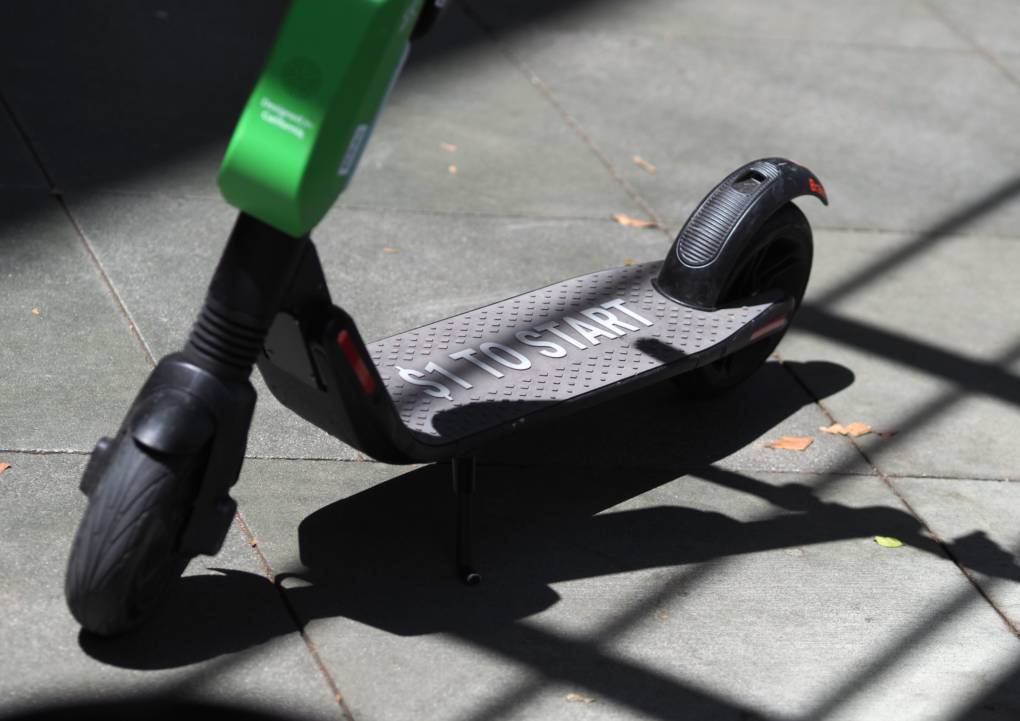
"caption": "San Francisco fire officials say there’s been a dramatic increase in fires associated with lithium-ion batteries found in electric scooters and bicycles.",
"description": null,
"title": "Lime Scooter",
"credit": "Robyn Beck/AFP-Getty Images",
"status": "inherit",
"altTag": null,
"isLoading": false,
"fetchFailed": false
},
"news_10515538": {
"type": "attachments",
"id": "news_10515538",
"meta": {
"index": "attachments_1716263798",
"site": "news",
"id": "10515538",
"found": true
},
"parent": 10515423,
"imgSizes": {
"twentyfourteen-full-width": {
"file": "https://ww2.kqed.org/app/uploads/sites/10/2015/05/RS15092_IMG_0388.JPG-qut-1038x576.jpg",
"width": 1038,
"mimeType": "image/jpeg",
"height": 576
},
"thumbnail": {
"file": "https://ww2.kqed.org/app/uploads/sites/10/2015/05/RS15092_IMG_0388.JPG-qut-400x300.jpg",
"width": 400,
"mimeType": "image/jpeg",
"height": 300
},
"fd-sm": {
"file": "https://ww2.kqed.org/app/uploads/sites/10/2015/05/RS15092_IMG_0388.JPG-qut-960x720.jpg",
"width": 960,
"mimeType": "image/jpeg",
"height": 720
},
"post-thumbnail": {
"file": "https://ww2.kqed.org/app/uploads/sites/10/2015/05/RS15092_IMG_0388.JPG-qut-672x372.jpg",
"width": 672,
"mimeType": "image/jpeg",
"height": 372
},
"kqedFullSize": {
"file": "https://ww2.kqed.org/app/uploads/sites/10/2015/05/RS15092_IMG_0388.JPG-qut.jpg",
"width": 1920,
"height": 1440
},
"large": {
"file": "https://ww2.kqed.org/app/uploads/sites/10/2015/05/RS15092_IMG_0388.JPG-qut-1440x1080.jpg",
"width": 1440,
"mimeType": "image/jpeg",
"height": 1080
},
"guest-author-96": {
"file": "https://ww2.kqed.org/app/uploads/sites/10/2015/05/RS15092_IMG_0388.JPG-qut-96x96.jpg",
"width": 96,
"mimeType": "image/jpeg",
"height": 96
},
"medium": {
"file": "https://ww2.kqed.org/app/uploads/sites/10/2015/05/RS15092_IMG_0388.JPG-qut-800x600.jpg",
"width": 800,
"mimeType": "image/jpeg",
"height": 600
},
"guest-author-64": {
"file": "https://ww2.kqed.org/app/uploads/sites/10/2015/05/RS15092_IMG_0388.JPG-qut-64x64.jpg",
"width": 64,
"mimeType": "image/jpeg",
"height": 64
},
"guest-author-32": {
"file": "https://ww2.kqed.org/app/uploads/sites/10/2015/05/RS15092_IMG_0388.JPG-qut-32x32.jpg",
"width": 32,
"mimeType": "image/jpeg",
"height": 32
},
"fd-med": {
"file": "https://ww2.kqed.org/app/uploads/sites/10/2015/05/RS15092_IMG_0388.JPG-qut-1180x885.jpg",
"width": 1180,
"mimeType": "image/jpeg",
"height": 885
},
"detail": {
"file": "https://ww2.kqed.org/app/uploads/sites/10/2015/05/RS15092_IMG_0388.JPG-qut-75x75.jpg",
"width": 75,
"mimeType": "image/jpeg",
"height": 75
},
"guest-author-128": {
"file": "https://ww2.kqed.org/app/uploads/sites/10/2015/05/RS15092_IMG_0388.JPG-qut-128x128.jpg",
"width": 128,
"mimeType": "image/jpeg",
"height": 128
}
},
"publishDate": 1430938850,
"modified": 1430959465,
"caption": "Activists shut down May 5 Oakland City Council meeting to protest development of a market-rate tower near Lake Merritt.",
"description": "Activists shut down May 5 Oakland City Council meeting to protest development of a market-rate tower near Lake Merritt.",
"title": "RS15092_IMG_0388.JPG-qut",
"credit": "Devin Katayama/KQED",
"status": "inherit",
"isLoading": false,
"fetchFailed": false
}
},
"audioPlayerReducer": {
"postId": "stream_live",
"isPaused": true,
"isPlaying": false,
"pfsActive": false,
"pledgeModalIsOpen": true,
"playerDrawerIsOpen": false,
"liveAudioPlayStartedAt": 0,
"liveAudioPlayContext": ""
},
"authorsReducer": {
"byline_news_11752455": {
"type": "authors",
"id": "byline_news_11752455",
"meta": {
"override": true
},
"slug": "byline_news_11752455",
"name": "Samantha Maldonado\u003cbr>Associated Press",
"isLoading": false
},
"dclyde": {
"type": "authors",
"id": "104",
"meta": {
"index": "authors_1716337520",
"id": "104",
"found": true
},
"name": "Don Clyde",
"firstName": "Don",
"lastName": "Clyde",
"slug": "dclyde",
"email": "dclyde@kqed.org",
"display_author_email": false,
"staff_mastheads": [],
"title": "KQED Contributor",
"bio": "Don Clyde is an online producer, reporter and copy editor for KQED News. Before venturing into journalism, he worked as a medical device engineer and scientist for nearly a decade after earning a degree in physics from UC Berkeley. He loves travel, reading, living in Oakland, and most importantly, a good walk. Email him at dclyde@kqed.org or follow him @clydedon.",
"avatar": "https://secure.gravatar.com/avatar/decd3e640c3eedbd0a574275aebb2d19?s=600&d=blank&r=g",
"twitter": "clydedon",
"facebook": null,
"instagram": null,
"linkedin": null,
"sites": [
{
"site": "artschool",
"roles": [
"editor"
]
},
{
"site": "news",
"roles": [
"administrator"
]
},
{
"site": "futureofyou",
"roles": [
"editor"
]
},
{
"site": "about",
"roles": [
"editor"
]
},
{
"site": "mindshift",
"roles": [
"contributor"
]
},
{
"site": "bayareabites",
"roles": [
"contributor"
]
},
{
"site": "lowdown",
"roles": [
"editor"
]
},
{
"site": "stateofhealth",
"roles": [
"administrator"
]
},
{
"site": "spark",
"roles": [
"administrator"
]
},
{
"site": "trulyca",
"roles": [
"administrator"
]
},
{
"site": "imagemakers",
"roles": [
"administrator"
]
},
{
"site": "science",
"roles": []
},
{
"site": "education",
"roles": [
"editor"
]
},
{
"site": "quest",
"roles": [
"subscriber"
]
},
{
"site": "checkplease",
"roles": [
"subscriber"
]
},
{
"site": "forum",
"roles": [
"editor"
]
},
{
"site": "perspectives",
"roles": [
"editor"
]
}
],
"headData": {
"title": "Don Clyde | KQED",
"description": "KQED Contributor",
"ogImgSrc": "https://secure.gravatar.com/avatar/decd3e640c3eedbd0a574275aebb2d19?s=600&d=blank&r=g",
"twImgSrc": "https://secure.gravatar.com/avatar/decd3e640c3eedbd0a574275aebb2d19?s=600&d=blank&r=g"
},
"isLoading": false,
"link": "/author/dclyde"
},
"danbrekke": {
"type": "authors",
"id": "222",
"meta": {
"index": "authors_1716337520",
"id": "222",
"found": true
},
"name": "Dan Brekke",
"firstName": "Dan",
"lastName": "Brekke",
"slug": "danbrekke",
"email": "dbrekke@kqed.org",
"display_author_email": true,
"staff_mastheads": [
"news",
"science"
],
"title": "KQED Editor and Reporter",
"bio": "Dan Brekke is a reporter and editor for KQED News, responsible for coverage of topics ranging from California water issues to the Bay Area's transportation challenges. In a newsroom career that began in Chicago in 1972, Dan has worked for \u003cem>The San Francisco Examiner,\u003c/em> Wired and TechTV and has been published in The New York Times, The New York Times Magazine, Business 2.0, Salon and elsewhere.\r\n\r\nSince joining KQED in 2007, Dan has reported, edited and produced both radio and online features and breaking news pieces. He has shared as both editor and reporter in four Society of Professional Journalists Norcal Excellence in Journalism awards and one Edward R. Murrow regional award. He was chosen for a spring 2017 residency at the Mesa Refuge to advance his research on California salmon.\r\n\r\nEmail Dan at: \u003ca href=\"mailto:dbrekke@kqed.org\">dbrekke@kqed.org\u003c/a>\r\n\r\n\u003cstrong>Twitter:\u003c/strong> \u003ca href=\"https://twitter.com/danbrekke\" rel=\"noopener noreferrer\">twitter.com/danbrekke\u003c/a>\r\n\u003cstrong>Facebook:\u003c/strong> \u003ca href=\"https://www.facebook.com/danbrekke\" rel=\"noopener noreferrer\">www.facebook.com/danbrekke\u003c/a>\r\n\u003cstrong>LinkedIn:\u003c/strong> \u003ca href=\"https://www.linkedin.com/in/danbrekke\" rel=\"noopener noreferrer\">www.linkedin.com/in/danbrekke\u003c/a>",
"avatar": "https://secure.gravatar.com/avatar/c8126230345efca3f7aa89b1a402be45?s=600&d=mm&r=g",
"twitter": "danbrekke",
"facebook": null,
"instagram": "https://www.instagram.com/dan.brekke/",
"linkedin": "https://www.linkedin.com/in/danbrekke/",
"sites": [
{
"site": "news",
"roles": [
"administrator",
"create_posts"
]
},
{
"site": "stateofhealth",
"roles": [
"editor"
]
},
{
"site": "science",
"roles": [
"editor"
]
},
{
"site": "quest",
"roles": [
"contributor"
]
},
{
"site": "food",
"roles": [
"contributor"
]
},
{
"site": "forum",
"roles": [
"contributor"
]
},
{
"site": "liveblog",
"roles": [
"editor"
]
}
],
"headData": {
"title": "Dan Brekke | KQED",
"description": "KQED Editor and Reporter",
"ogImgSrc": "https://secure.gravatar.com/avatar/c8126230345efca3f7aa89b1a402be45?s=600&d=mm&r=g",
"twImgSrc": "https://secure.gravatar.com/avatar/c8126230345efca3f7aa89b1a402be45?s=600&d=mm&r=g"
},
"isLoading": false,
"link": "/author/danbrekke"
},
"kqednewsstaffandwires": {
"type": "authors",
"id": "237",
"meta": {
"index": "authors_1716337520",
"id": "237",
"found": true
},
"name": "KQED News Staff and Wires",
"firstName": "KQED News Staff and Wires",
"lastName": null,
"slug": "kqednewsstaffandwires",
"email": "onlinenewsstaff@kqed.org",
"display_author_email": false,
"staff_mastheads": [],
"title": null,
"bio": null,
"avatar": "https://secure.gravatar.com/avatar/72295af8ebbfbd19a4948f5271285664?s=600&d=blank&r=g",
"twitter": null,
"facebook": null,
"instagram": null,
"linkedin": null,
"sites": [
{
"site": "arts",
"roles": [
"contributor"
]
},
{
"site": "news",
"roles": [
"contributor"
]
},
{
"site": "lowdown",
"roles": [
"author"
]
},
{
"site": "stateofhealth",
"roles": [
"contributor"
]
},
{
"site": "food",
"roles": [
"author"
]
}
],
"headData": {
"title": "KQED News Staff and Wires | KQED",
"description": null,
"ogImgSrc": "https://secure.gravatar.com/avatar/72295af8ebbfbd19a4948f5271285664?s=600&d=blank&r=g",
"twImgSrc": "https://secure.gravatar.com/avatar/72295af8ebbfbd19a4948f5271285664?s=600&d=blank&r=g"
},
"isLoading": false,
"link": "/author/kqednewsstaffandwires"
},
"rachael-myrow": {
"type": "authors",
"id": "251",
"meta": {
"index": "authors_1716337520",
"id": "251",
"found": true
},
"name": "Rachael Myrow",
"firstName": "Rachael",
"lastName": "Myrow",
"slug": "rachael-myrow",
"email": "rmyrow@kqed.org",
"display_author_email": true,
"staff_mastheads": [
"news"
],
"title": "Senior Editor of KQED's Silicon Valley News Desk",
"bio": "• I write and edit stories about how Silicon Valley power and policies shape everyday life in California. I’m also passionate about making Bay Area history and culture more accessible to a broad public. • I’ve been a journalist for most of my life, starting in high school with The Franklin Press in Los Angeles, where I grew up. While earning my first degree in English at UC Berkeley, I got my start in public radio at KALX-FM. After completing a second degree in journalism at Cal, I landed my first professional job at Marketplace, then moved on to KPCC (now LAist), and then KQED, where I hosted The California Report for more than seven years. • My reporting has appeared on NPR, The World, WBUR’s \u003ci>Here & Now\u003c/i>, and the BBC. I also guest host for KQED’s \u003ci>Forum\u003c/i>, as well as the Commonwealth Club in San Francisco. • I speak periodically on media, democracy and technology issues, and do voiceover work for documentaries and educational video projects. • Outside of the studio, you'll find me hiking Bay Area trails and whipping up Insta-ready meals in my kitchen. • I do not accept gifts, money, or favors from anyone connected to my reporting, I don't pay people for information, and I do not support or donate to political causes. • I strive to treat the people I report on with fairness, honesty, and respect. I also recognize there are often multiple sides to a story and work to verify information through multiple sources and documentation. If I get something wrong, I correct it.",
"avatar": "https://secure.gravatar.com/avatar/3ed8a3c5f26025e4a805ba634cda8cd764906b97438a6d9ce216b044e340da4e?s=600&d=blank&r=g",
"twitter": "rachaelmyrow",
"bluesky": null,
"facebook": null,
"instagram": null,
"linkedin": "https://www.linkedin.com/in/rachaelmyrow/",
"sites": [
{
"site": "arts",
"roles": [
"administrator"
]
},
{
"site": "news",
"roles": [
"edit_others_posts",
"editor"
]
},
{
"site": "futureofyou",
"roles": [
"editor"
]
},
{
"site": "bayareabites",
"roles": [
"editor"
]
},
{
"site": "stateofhealth",
"roles": [
"editor"
]
},
{
"site": "science",
"roles": [
"editor"
]
},
{
"site": "food",
"roles": [
"editor"
]
},
{
"site": "forum",
"roles": [
"editor"
]
},
{
"site": "liveblog",
"roles": [
"author"
]
}
],
"headData": {
"title": "Rachael Myrow | KQED",
"description": "Senior Editor of KQED's Silicon Valley News Desk",
"ogImgSrc": "https://secure.gravatar.com/avatar/3ed8a3c5f26025e4a805ba634cda8cd764906b97438a6d9ce216b044e340da4e?s=600&d=blank&r=g",
"twImgSrc": "https://secure.gravatar.com/avatar/3ed8a3c5f26025e4a805ba634cda8cd764906b97438a6d9ce216b044e340da4e?s=600&d=blank&r=g"
},
"isLoading": false,
"link": "/author/rachael-myrow"
},
"matthewgreen": {
"type": "authors",
"id": "1263",
"meta": {
"index": "authors_1716337520",
"id": "1263",
"found": true
},
"name": "Matthew Green",
"firstName": "Matthew",
"lastName": "Green",
"slug": "matthewgreen",
"email": "mgreen@kqed.org",
"display_author_email": false,
"staff_mastheads": [],
"title": "KQED Editor/Reporter",
"bio": "Matthew Green is a digital media producer for KQED News. He previously produced \u003ca href=\"http://www.kqed.org/lowdown\">The Lowdown\u003c/a>, KQED’s multimedia news education blog. Matthew's written for numerous Bay Area publications, including the Oakland Tribune and San Francisco Chronicle. He also taught journalism classes at Fremont High School in East Oakland.\r\n\r\nEmail: mgreen@kqed.org; Twitter: @MGreenKQED",
"avatar": "https://secure.gravatar.com/avatar/3bf498d1267ca02c8494f33d8cfc575e?s=600&d=blank&r=g",
"twitter": "MGreenKQED",
"facebook": null,
"instagram": null,
"linkedin": null,
"sites": [
{
"site": "news",
"roles": []
},
{
"site": "lowdown",
"roles": []
},
{
"site": "science",
"roles": []
},
{
"site": "education",
"roles": []
},
{
"site": "quest",
"roles": []
},
{
"site": "liveblog",
"roles": []
}
],
"headData": {
"title": "Matthew Green | KQED",
"description": "KQED Editor/Reporter",
"ogImgSrc": "https://secure.gravatar.com/avatar/3bf498d1267ca02c8494f33d8cfc575e?s=600&d=blank&r=g",
"twImgSrc": "https://secure.gravatar.com/avatar/3bf498d1267ca02c8494f33d8cfc575e?s=600&d=blank&r=g"
},
"isLoading": false,
"link": "/author/matthewgreen"
},
"kdomara": {
"type": "authors",
"id": "1459",
"meta": {
"index": "authors_1716337520",
"id": "1459",
"found": true
},
"name": "Kelly O'Mara",
"firstName": "Kelly",
"lastName": "O'Mara",
"slug": "kdomara",
"email": "komara@kqed.org",
"display_author_email": false,
"staff_mastheads": [
"news"
],
"title": "KQED Contributor",
"bio": "Kelly O'Mara is a writer and reporter in the San Francisco Bay Area. She writes about food, health, sports, travel, business and California news. Her work has appeared on KQED, online for Outside Magazine, epsnW, VICE and in Competitor Magazine, among others. Follow Kelly on Twitter \u003ca href=\"https://twitter.com/kellydomara\">@kellydomara\u003c/a>.",
"avatar": "https://secure.gravatar.com/avatar/768fec7412028b72f13bdd0f5f9d8186?s=600&d=blank&r=g",
"twitter": null,
"facebook": null,
"instagram": null,
"linkedin": null,
"sites": [
{
"site": "arts",
"roles": []
},
{
"site": "news",
"roles": []
},
{
"site": "bayareabites",
"roles": []
},
{
"site": "stateofhealth",
"roles": []
},
{
"site": "science",
"roles": []
},
{
"site": "checkplease",
"roles": [
"editor"
]
},
{
"site": "food",
"roles": []
},
{
"site": "forum",
"roles": [
"editor"
]
},
{
"site": "liveblog",
"roles": [
"editor"
]
}
],
"headData": {
"title": "Kelly O'Mara | KQED",
"description": "KQED Contributor",
"ogImgSrc": "https://secure.gravatar.com/avatar/768fec7412028b72f13bdd0f5f9d8186?s=600&d=blank&r=g",
"twImgSrc": "https://secure.gravatar.com/avatar/768fec7412028b72f13bdd0f5f9d8186?s=600&d=blank&r=g"
},
"isLoading": false,
"link": "/author/kdomara"
},
"markfiore": {
"type": "authors",
"id": "3236",
"meta": {
"index": "authors_1716337520",
"id": "3236",
"found": true
},
"name": "Mark Fiore",
"firstName": "Mark",
"lastName": "Fiore",
"slug": "markfiore",
"email": "mark@markfiore.com",
"display_author_email": false,
"staff_mastheads": [
"news"
],
"title": "KQED News Cartoonist",
"bio": "\u003ca href=\"http://www.MarkFiore.com\">MarkFiore.com\u003c/a> | \u003ca href=\"https://twitter.com/markfiore\">Follow on Twitter\u003c/a> | \u003ca href=\"https://www.facebook.com/pages/Mark-Fiore-Animated-Political-Cartoons/94451707396?ref=bookmarks\">Facebook\u003c/a> | \u003ca href=\"mailto:mark@markfiore.com\">email\u003c/a>\r\n\r\nPulitzer Prize-winner, Mark Fiore, who the Wall Street Journal has called “the undisputed guru of the form,” creates animated political cartoons in San Francisco, where his work has been featured regularly on the San Francisco Chronicle’s web site, SFGate.com. His work has appeared on Newsweek.com, Slate.com, CBSNews.com, MotherJones.com, DailyKos.com and NPR’s web site. Fiore’s political animation has appeared on CNN, Frontline, Bill Moyers Journal, Salon.com and cable and broadcast outlets across the globe.\r\n\r\nBeginning his professional life by drawing traditional political cartoons for newspapers, Fiore’s work appeared in publications ranging from the Washington Post to the Los Angeles Times. In the late 1990s, he began to experiment with animating political cartoons and, after a short stint at the San Jose Mercury News as their staff cartoonist, Fiore devoted all his energies to animation.\r\nGrowing up in California, Fiore also spent a good portion of his life in the backwoods of Idaho. It was this combination that shaped him politically. Mark majored in political science at Colorado College, where, in a perfect send-off for a cartoonist, he received his diploma in 1991 as commencement speaker Dick Cheney smiled approvingly.\r\nMark Fiore was awarded the Pulitzer Prize for political cartooning in 2010, a Robert F. Kennedy Journalism Award in 2004 and has twice received an Online Journalism Award for commentary from the Online News Association (2002, 2008). Fiore has received two awards for his work in new media from the National Cartoonists Society (2001, 2002), and in 2006 received The James Madison Freedom of Information Award from The Society of Professional Journalists.",
"avatar": "https://secure.gravatar.com/avatar/fc4e2a612b15b67bad0c6f0e1db4ca9b?s=600&d=blank&r=g",
"twitter": "MarkFiore",
"facebook": null,
"instagram": "https://www.instagram.com/markfiore/?hl=en",
"linkedin": null,
"sites": [
{
"site": "arts",
"roles": [
"contributor"
]
},
{
"site": "news",
"roles": [
"editor"
]
},
{
"site": "futureofyou",
"roles": [
"editor"
]
},
{
"site": "science",
"roles": [
"editor"
]
}
],
"headData": {
"title": "Mark Fiore | KQED",
"description": "KQED News Cartoonist",
"ogImgSrc": "https://secure.gravatar.com/avatar/fc4e2a612b15b67bad0c6f0e1db4ca9b?s=600&d=blank&r=g",
"twImgSrc": "https://secure.gravatar.com/avatar/fc4e2a612b15b67bad0c6f0e1db4ca9b?s=600&d=blank&r=g"
},
"isLoading": false,
"link": "/author/markfiore"
},
"sdirks": {
"type": "authors",
"id": "7239",
"meta": {
"index": "authors_1716337520",
"id": "7239",
"found": true
},
"name": "Sandhya Dirks",
"firstName": "Sandhya",
"lastName": "Dirks",
"slug": "sdirks",
"email": "sdirks@kqed.org",
"display_author_email": true,
"staff_mastheads": [],
"title": null,
"bio": "Sandhya Dirks was the race and equity reporter at KQED. She approaches race and equity not as a beat, but as a fundamental lens for all investigative and explanatory reporting.\r\n\r\nSandhya covered policing, housing, social justice movements, and the shifting demographics of cities and suburbs.\r\n\r\nShe was the creator and co-host of the podcast American Suburb, about the transformation of suburbia into the most diverse space in American life. She was the editor for Truth Be Told, an advice show for and by people of color. \r\n\r\nHer stories about race, space, and belonging were part of KQED's So Well Spoken project, which won RNDTA's Kaleidoscope award, honoring outstanding achievements in the coverage of diversity.\r\n\r\nPrior to joining KQED in 2015, Sandhya covered the 2012 presidential election from the swing state of Iowa for Iowa Public Radio. At KPBS in San Diego, she broke the story of a sexual harassment scandal that led to the mayor's resignation.\r\n\r\nShe got her start in radio working on documentaries about Oakland that investigated the high drop-out rate in public schools and mistrust between the police and the community.\r\n\r\nSandhya lives in Oakland and believes all stories are stories about power.",
"avatar": "https://secure.gravatar.com/avatar/c0247cb15929cd4c197672fd73d45300?s=600&d=blank&r=g",
"twitter": "audiosand",
"facebook": null,
"instagram": null,
"linkedin": null,
"sites": [
{
"site": "news",
"roles": [
"subscriber"
]
},
{
"site": "stateofhealth",
"roles": [
"author"
]
}
],
"headData": {
"title": "Sandhya Dirks | KQED",
"description": null,
"ogImgSrc": "https://secure.gravatar.com/avatar/c0247cb15929cd4c197672fd73d45300?s=600&d=blank&r=g",
"twImgSrc": "https://secure.gravatar.com/avatar/c0247cb15929cd4c197672fd73d45300?s=600&d=blank&r=g"
},
"isLoading": false,
"link": "/author/sdirks"
},
"dkatayama": {
"type": "authors",
"id": "7240",
"meta": {
"index": "authors_1716337520",
"id": "7240",
"found": true
},
"name": "Devin Katayama",
"firstName": "Devin",
"lastName": "Katayama",
"slug": "dkatayama",
"email": "dkatayama@kqed.org",
"display_author_email": true,
"staff_mastheads": [
"news"
],
"title": "Editor of Talent and Development",
"bio": "Devin Katayama is former Editor of Talent and Development for KQED. He supported our internship program and on-call staff by looking for equitable opportunities to improve the newsroom.\r\n\r\nHe previously hosted The Bay and American Suburb podcasts from KQED News. Prior to returning to the Bay Area in 2015, Devin was the education reporter for WFPL in Louisville and worked as a producer with radio stations in Chicago and Portland, OR. His work has appeared on NPR’s \u003cem>Morning Edition, All Things Considered, The Takeaway\u003c/em> and \u003cem>Here and Now.\u003c/em>\r\n\r\nDevin earned his MA in Journalism from Columbia College Chicago, where he was a Follett Fellow and the recipient of the 2011 Studs Terkel Community Media Workshop Scholarship for his story on Chicago's homeless youth. He won WBUR's 2014 Daniel Schorr award and a regional RTNDA Edward R. Murrow Award for his documentary \"At Risk\" that looked at issues facing some of Louisville's students. Devin has also received numerous local awards from the Associated Press and the Society of Professional Journalists.",
"avatar": "https://secure.gravatar.com/avatar/d0d2978a31002fb2de107921a8e18405?s=600&d=blank&r=g",
"twitter": "RadioDevin",
"facebook": null,
"instagram": null,
"linkedin": null,
"sites": [
{
"site": "arts",
"roles": []
},
{
"site": "news",
"roles": [
"author"
]
},
{
"site": "stateofhealth",
"roles": [
"author"
]
},
{
"site": "forum",
"roles": [
"editor"
]
},
{
"site": "perspectives",
"roles": [
"editor"
]
}
],
"headData": {
"title": "Devin Katayama | KQED",
"description": "Editor of Talent and Development",
"ogImgSrc": "https://secure.gravatar.com/avatar/d0d2978a31002fb2de107921a8e18405?s=600&d=blank&r=g",
"twImgSrc": "https://secure.gravatar.com/avatar/d0d2978a31002fb2de107921a8e18405?s=600&d=blank&r=g"
},
"isLoading": false,
"link": "/author/dkatayama"
},
"shutson": {
"type": "authors",
"id": "11216",
"meta": {
"index": "authors_1716337520",
"id": "11216",
"found": true
},
"name": "Sonja Hutson",
"firstName": "Sonja",
"lastName": "Hutson",
"slug": "shutson",
"email": "shutson@kqed.org",
"display_author_email": false,
"staff_mastheads": [],
"title": "KQED Contributor",
"bio": "Sonja Hutson is a former reporter for KQED's Silicon Valley desk and weekend newscasts. She primarily covers tech and housing. Sonja is a Bay Area native and now lives in San Francisco. When she's not working, you can find her camping, skiing, scuba diving, and struggling with the New York Times Crossword. Email: \u003ca href=\"mailto:shutson@kqed.org\">shutson@kqed.org. \u003c/a>Twitter: \u003ca href=\"https://twitter.com/SonjaHutson\">@SonjaHutson\u003c/a>",
"avatar": "https://secure.gravatar.com/avatar/7537c5e36818614e599b6c0f41d72b7a?s=600&d=blank&r=g",
"twitter": "SonjaHutson",
"facebook": null,
"instagram": null,
"linkedin": null,
"sites": [
{
"site": "arts",
"roles": [
"author"
]
},
{
"site": "news",
"roles": [
"subscriber"
]
}
],
"headData": {
"title": "Sonja Hutson | KQED",
"description": "KQED Contributor",
"ogImgSrc": "https://secure.gravatar.com/avatar/7537c5e36818614e599b6c0f41d72b7a?s=600&d=blank&r=g",
"twImgSrc": "https://secure.gravatar.com/avatar/7537c5e36818614e599b6c0f41d72b7a?s=600&d=blank&r=g"
},
"isLoading": false,
"link": "/author/shutson"
}
},
"pagesReducer": {
"news_tag_oakland-city-council": {
"type": "terms",
"id": "news_643",
"meta": {
"index": "terms_1716263798",
"site": "news",
"id": "643",
"score": 9.892993
},
"featImg": null,
"name": "Oakland City Council",
"description": null,
"taxonomy": "tag",
"headData": {
"twImgId": null,
"twTitle": null,
"ogTitle": null,
"ogImgId": null,
"twDescription": null,
"description": null,
"title": "Oakland City Council Archives | KQED News",
"ogDescription": null
},
"ttid": 652,
"slug": "oakland-city-council",
"isLoading": false,
"title": "Oakland City Council",
"pageMeta": {
"site": "news",
"WpPageTemplate": "page-topic-editorial",
"currentPage": 5
},
"blocks": [
{
"blockName": "kqed/post-list",
"attrs": {
"layout": "cardArticle2",
"query": "posts/news?tag=oakland-city-council",
"seeMore": false,
"paginated": true,
"page": 5
}
},
{
"blockName": "kqed/ad"
}
]
}
},
"pfsSessionReducer": {},
"postsReducer": {
"stream_live": {
"type": "live",
"id": "stream_live",
"audioUrl": "https://streams.kqed.org/kqedradio",
"title": "Live Stream",
"excerpt": "Live Stream information currently unavailable.",
"link": "/radio",
"featImg": "",
"label": {
"name": "KQED Live",
"link": "/"
}
},
"stream_kqedNewscast": {
"type": "posts",
"id": "stream_kqedNewscast",
"audioUrl": "https://www.kqed.org/.stream/anon/radio/RDnews/newscast.mp3?_=1",
"title": "KQED Newscast",
"featImg": "",
"label": {
"name": "88.5 FM",
"link": "/"
}
},
"news_11846870": {
"type": "posts",
"id": "news_11846870",
"meta": {
"index": "posts_1716263798",
"site": "news",
"id": "11846870",
"score": null,
"sort": [
1605063814000
]
},
"guestAuthors": [],
"slug": "make-housing-a-human-right-activist-carroll-fife-on-her-election-to-the-oakland-city-council",
"title": "‘Make Housing a Human Right’: Activist Carroll Fife on Joining the Oakland City Council",
"publishDate": 1605063814,
"format": "standard",
"headTitle": "‘Make Housing a Human Right’: Activist Carroll Fife on Joining the Oakland City Council | KQED",
"labelTerm": {
"site": "news"
},
"content": "\u003cp>Carroll Fife, the longtime Oakland community organizer and social justice advocate will soon become the newest member of the Oakland City Council, after defeating two-term incumbent Lynette Gibson McElhaney in a major upset.\u003c/p>\n\u003cp>On Monday, Fife was announced as the winner of the race for the District 3 seat, which was among \u003ca href=\"https://www.sfchronicle.com/bayarea/article/In-upset-Oakland-s-Moms-4-Housing-activist-15713520.php\" target=\"_blank\" rel=\"noopener noreferrer\">the most fiercely contested\u003c/a> of the five council contests in the November election. She campaigned on a platform of police reform, environmental justice and the concept of housing as a human right.\u003c/p>\n\u003cp>[pullquote align=\"right\" size=\"medium\" citation=\"Oakland City Councilwoman-elect Carroll Fife\"]‘There’s a huge problem with our entire paradigm. And we need to shift unless we want to continue to see the outcomes that we’re seeing with tent cities under every overpass and every street.’[/pullquote]\u003c/p>\n\u003cp>Fife, who takes office in January, will represent a district that includes parts of West Oakland, Downtown, Uptown, Jack London Square and Lake Merritt.\u003c/p>\n\u003cp>Fife gained widespread recognition as the lead organizer behind \u003ca href=\"https://www.kqed.org/news/11842392/how-moms-4-housing-changed-laws-and-inspired-a-movement\" target=\"_blank\" rel=\"noopener noreferrer\">Moms 4 Housing\u003c/a>, a grassroots collective launched after a group of homeless mothers occupied a vacant West Oakland house late last year that was owned by a real estate investment firm.\u003c/p>\n\u003cp>KQED Forum’s Michael Krasny \u003ca href=\"https://www.kqed.org/forum/2010101880738/housing-activist-carroll-fife-rides-to-victory-in-oaklands-district-three\" target=\"_blank\" rel=\"noopener noreferrer\">spoke with Fife\u003c/a> on Tuesday about her vision for Oakland and the progressive political movement she is building. Below are excerpts from the interview, edited for brevity and clarity.\u003c/p>\n\u003cfigure id=\"attachment_11847013\" class=\"wp-caption alignnone\" style=\"max-width: 800px\">\u003cimg loading=\"lazy\" decoding=\"async\" class=\"size-medium wp-image-11847013\" src=\"https://ww2.kqed.org/app/uploads/sites/10/2020/11/GettyImages-1199285740-800x534.jpg\" alt=\"\" width=\"800\" height=\"534\" srcset=\"https://cdn.kqed.org/wp-content/uploads/sites/10/2020/11/GettyImages-1199285740-800x534.jpg 800w, https://cdn.kqed.org/wp-content/uploads/sites/10/2020/11/GettyImages-1199285740-1020x680.jpg 1020w, https://cdn.kqed.org/wp-content/uploads/sites/10/2020/11/GettyImages-1199285740-160x107.jpg 160w, https://cdn.kqed.org/wp-content/uploads/sites/10/2020/11/GettyImages-1199285740.jpg 1024w\" sizes=\"(max-width: 800px) 100vw, 800px\">\u003cfigcaption class=\"wp-caption-text\">Carroll Fife, the director of the Oakland office for the Alliance of Californians for Community Empowerment, walks outside a homeless encampment in Oakland on Jan. 28, 2020. Fife, who helped form the Moms 4 Housing collective, won a seat on the Oakland City Council in the November 2020 election. \u003ccite>(Philip Pacheco/AFP via Getty Images)\u003c/cite>\u003c/figcaption>\u003c/figure>\n\u003cp>\u003cstrong>What do you mean by “housing as a human right?”\u003c/strong>\u003c/p>\n\u003cp>I have to clarify, because I think there’s still some misunderstanding about that particular civil disobedience action. It was completely to highlight the fact that we believe that housing should not be a commodity. It should not be something that is sold to the highest bidder. And if you do not have the wherewithal to compete in the process of acquiring housing, then you are out of luck.\u003c/p>\n\u003cp>We’re seeing the ramifications of that throughout not just Oakland, but the state of California and the world, really. So we say that housing should be a right and everyone should have access to it, just like they have access to clean water, public education and all of the things that are necessary to build a basic and decent life.\u003c/p>\n\u003cp>\u003cstrong>So, you’re talking about changing the whole nature of what you call the commodification of housing and moving more toward housing for low-and, frankly, no-income people?\u003c/strong>\u003c/p>\n\u003cp>Right. There are many people that are unable to work and have no income. There are seniors who cannot work and can’t earn the money that is necessary to afford to live here. There are people who are disabled permanently, who are born that way or through any situation that leads to disability, just unable to earn income. So are we saying that they shouldn’t have housing because they can’t afford to to live here?\u003c/p>\n\u003cp>[ad fullwidth]\u003c/p>\n\u003cp>That is one of the primary reasons that housing should be a human right. We have foster children. We have young people that are in college; so many people that are barred from having a safe, affordable place to stay because they just do not earn the money necessary. And even working people are out of reach for most of the housing that we see that’s coming onto the market here, [and] that’s on the market. There’s a huge problem with our entire paradigm. And we need to shift unless we want to continue to see the outcomes that we’re seeing with tent cities under every overpass and every street. And it’s just untenable at this moment.\u003c/p>\n\u003cp>And now the home prices are increasing in the Bay Area and we’re going to see an end to [eviction] moratoriums soon. And it’s just a problem that is insurmountable unless we do something completely different than what we’ve been doing.\u003c/p>\n\u003cp>\u003cstrong>How do you implement this? Would you demand, for example, a mandate that 20% of new housing be affordable housing?\u003c/strong>\u003c/p>\n\u003cp>What I would like to see is us put our best thinking towards what it would look like to make housing a human right. That includes people that are, to me, not necessarily doing as much as they possibly could. I think we need all of our best thinking from our developers, from our affordable housing community, from housing rights organizations. Right now, we have public land that could be utilized.\u003c/p>\n\u003cp>What you’re speaking of, the 20% and private developments: I do believe that we all need to do more, especially market-rate housing developers who have been paying impact fees, who’ve reached out to me even before this election. Like, ‘Carroll, can you help us with a campaign? Because we’ve been paying impact fees and we don’t know where they’re going. We don’t know how much is in the impact fee fund.’ So it’s not just a failure, according to me, it’s a failure across the board from every spectrum of individual that’s engaged in housing development.\u003c/p>\n\u003cp>\u003cstrong>Are you also talking about an end to real estate speculation as we’ve come to know it, and things like rent strikes?\u003c/strong>\u003c/p>\n\u003cp>Speculation hurts residents. Speculation harms entire communities and entire neighborhoods. When people are engaged in buying up residential property for the sole purpose of flipping it and making as much money as they can, then that leaves out an entire group of individuals who cannot compete in that type of market.\u003c/p>\n\u003cp>And that’s had a specific impact on Black people in the city of Oakland. And it’s had a drastic impact on the district that I live in, where speculators, including Wedgwood — the LLC that bought Mom’s house — buys properties in bulk. They buy 200 to 300 homes per month for the purpose of speculation.\u003c/p>\n\u003cp>I think that there should be regulation on that type of behavior. I think that’s what’s causing displacement and gentrification, and really, racialized displacement. As you’ve said on your show, 70% of Oakland’s homeless population is Black. That is not a coincidence; it is directly tied to our housing policies.\u003c/p>\n\u003cp>[aside label=\"related coverage\" tag=\"moms-4-housing\"]\u003cstrong>Can you talk about your support for expanding rent control, particularly in light of California voters rejecting Proposition 21, which could have helped expand it? \u003c/strong>\u003c/p>\n\u003cp>The mayor [Libby Schaaf] and the outgoing city councilmember [McElhaney], are far more moderate on their views around rental protections, particularly rent control. They are part of a waning chorus of detractors for rent control. Because the reality is … the state of California and the residents and the voters of California overwhelmingly supported affordable housing. What they are responding to is millions, hundreds of millions of dollars in ad propaganda that say exactly what we are saying, exactly the same thing that I’m saying, which is Californians want more affordable housing.\u003c/p>\n\u003cp>The proponents of Prop. 21 just lied in their advertising. So when you lie in your advertising and say that Prop. 21 will kill affordable housing and people were like, ‘No, we need affordable housing,’ it’s just the voters being lied to. And there’s never enough money on the opposing side to counter the hundreds of millions of dollars that the real estate industry puts into ads that pop up on every possible medium that you can think of. So what needs to happen is just more organizing on the other end, because that’s what’s telling the truth about our current conditions.\u003c/p>\n\u003cp>\u003cstrong>Can you outline where you want to go with police reform?\u003c/strong>\u003c/p>\n\u003cp>For years, city workers, public workers, firefighters, teachers, sewer workers and nurses have received cuts to their budgets. The only institution that consistently gets raises and never has to go through any type of cuts is our police department.\u003c/p>\n\u003cp>I’d like to see an audit of where we’re actually spending our time and have the police bear the same responsibility to caring for our city as all other city workers. I would like to see mental health responses to 911 calls. I would like to see — similar to Albuquerque, New Mexico and Berkeley, California — civilianized traffic stops and things like that.\u003c/p>\n\u003cp>But I do think that we really need to look at where this $330 million dollars a year is going and find out where we can invest some of those funds into city services that truly keep us safe.\u003c/p>\n\u003cp>[ad floatright]\u003c/p>\n",
"blocks": [],
"excerpt": "Fife, who defeated two-term Councilwoman Lynette Gibson McElhaney, gained widespread recognition this year as an organizer of Moms 4 Housing, a grassroots collective launched when a group of homeless moms occupied a vacant West Oakland house.",
"status": "publish",
"parent": 0,
"modified": 1721127613,
"stats": {
"hasAudio": false,
"hasVideo": false,
"hasChartOrMap": false,
"iframeSrcs": [],
"hasGoogleForm": false,
"hasGallery": false,
"hasHearkenModule": false,
"hasPolis": false,
"paragraphCount": 29,
"wordCount": 1526
},
"headData": {
"title": "‘Make Housing a Human Right’: Activist Carroll Fife on Joining the Oakland City Council | KQED",
"description": "Fife, who defeated two-term Councilwoman Lynette Gibson McElhaney, gained widespread recognition this year as an organizer of Moms 4 Housing, a grassroots collective launched when a group of homeless moms occupied a vacant West Oakland house.",
"ogTitle": "",
"ogDescription": "",
"ogImgId": "",
"twTitle": "",
"twDescription": "",
"twImgId": "",
"schema": {
"@context": "https://schema.org",
"@type": "NewsArticle",
"headline": "‘Make Housing a Human Right’: Activist Carroll Fife on Joining the Oakland City Council",
"datePublished": "2020-11-10T19:03:34-08:00",
"dateModified": "2024-07-16T04:00:13-07:00",
"image": "https://cdn.kqed.org/wp-content/uploads/2020/02/KQED-OG-Image@1x.png",
"isAccessibleForFree": "True",
"publisher": {
"@type": "NewsMediaOrganization",
"@id": "https://www.kqed.org/#organization",
"name": "KQED",
"logo": "https://cdn.kqed.org/wp-content/uploads/2020/02/KQED-OG-Image@1x.png",
"url": "https://www.kqed.org",
"sameAs": [
"https://www.facebook.com/KQED",
"https://twitter.com/KQED",
"https://www.instagram.com/kqed/",
"https://www.tiktok.com/@kqedofficial",
"https://www.linkedin.com/company/kqed",
"https://www.youtube.com/channel/UCeC0IOo7i1P_61zVUWbJ4nw"
]
}
}
},
"audioUrl": "https://www.kqed.org/.stream/anon/radio/forum/2020/11/Forum20201110aa.mp3",
"sticky": false,
"path": "/news/11846870/make-housing-a-human-right-activist-carroll-fife-on-her-election-to-the-oakland-city-council",
"audioTrackLength": null,
"parsedContent": [
{
"type": "contentString",
"content": "\u003cdiv class=\"post-body\">\u003cp>\u003cp>Carroll Fife, the longtime Oakland community organizer and social justice advocate will soon become the newest member of the Oakland City Council, after defeating two-term incumbent Lynette Gibson McElhaney in a major upset.\u003c/p>\n\u003cp>On Monday, Fife was announced as the winner of the race for the District 3 seat, which was among \u003ca href=\"https://www.sfchronicle.com/bayarea/article/In-upset-Oakland-s-Moms-4-Housing-activist-15713520.php\" target=\"_blank\" rel=\"noopener noreferrer\">the most fiercely contested\u003c/a> of the five council contests in the November election. She campaigned on a platform of police reform, environmental justice and the concept of housing as a human right.\u003c/p>\n\u003cp>\u003c/p>\u003c/div>",
"attributes": {
"named": {},
"numeric": []
}
},
{
"type": "component",
"content": "‘There’s a huge problem with our entire paradigm. And we need to shift unless we want to continue to see the outcomes that we’re seeing with tent cities under every overpass and every street.’",
"name": "pullquote",
"attributes": {
"named": {
"align": "right",
"size": "medium",
"citation": "Oakland City Councilwoman-elect Carroll Fife",
"label": ""
},
"numeric": []
}
},
{
"type": "contentString",
"content": "\u003cdiv class=\"post-body\">\u003cp>\u003c/p>\n\u003cp>Fife, who takes office in January, will represent a district that includes parts of West Oakland, Downtown, Uptown, Jack London Square and Lake Merritt.\u003c/p>\n\u003cp>Fife gained widespread recognition as the lead organizer behind \u003ca href=\"https://www.kqed.org/news/11842392/how-moms-4-housing-changed-laws-and-inspired-a-movement\" target=\"_blank\" rel=\"noopener noreferrer\">Moms 4 Housing\u003c/a>, a grassroots collective launched after a group of homeless mothers occupied a vacant West Oakland house late last year that was owned by a real estate investment firm.\u003c/p>\n\u003cp>KQED Forum’s Michael Krasny \u003ca href=\"https://www.kqed.org/forum/2010101880738/housing-activist-carroll-fife-rides-to-victory-in-oaklands-district-three\" target=\"_blank\" rel=\"noopener noreferrer\">spoke with Fife\u003c/a> on Tuesday about her vision for Oakland and the progressive political movement she is building. Below are excerpts from the interview, edited for brevity and clarity.\u003c/p>\n\u003cfigure id=\"attachment_11847013\" class=\"wp-caption alignnone\" style=\"max-width: 800px\">\u003cimg loading=\"lazy\" decoding=\"async\" class=\"size-medium wp-image-11847013\" src=\"https://ww2.kqed.org/app/uploads/sites/10/2020/11/GettyImages-1199285740-800x534.jpg\" alt=\"\" width=\"800\" height=\"534\" srcset=\"https://cdn.kqed.org/wp-content/uploads/sites/10/2020/11/GettyImages-1199285740-800x534.jpg 800w, https://cdn.kqed.org/wp-content/uploads/sites/10/2020/11/GettyImages-1199285740-1020x680.jpg 1020w, https://cdn.kqed.org/wp-content/uploads/sites/10/2020/11/GettyImages-1199285740-160x107.jpg 160w, https://cdn.kqed.org/wp-content/uploads/sites/10/2020/11/GettyImages-1199285740.jpg 1024w\" sizes=\"(max-width: 800px) 100vw, 800px\">\u003cfigcaption class=\"wp-caption-text\">Carroll Fife, the director of the Oakland office for the Alliance of Californians for Community Empowerment, walks outside a homeless encampment in Oakland on Jan. 28, 2020. Fife, who helped form the Moms 4 Housing collective, won a seat on the Oakland City Council in the November 2020 election. \u003ccite>(Philip Pacheco/AFP via Getty Images)\u003c/cite>\u003c/figcaption>\u003c/figure>\n\u003cp>\u003cstrong>What do you mean by “housing as a human right?”\u003c/strong>\u003c/p>\n\u003cp>I have to clarify, because I think there’s still some misunderstanding about that particular civil disobedience action. It was completely to highlight the fact that we believe that housing should not be a commodity. It should not be something that is sold to the highest bidder. And if you do not have the wherewithal to compete in the process of acquiring housing, then you are out of luck.\u003c/p>\n\u003cp>We’re seeing the ramifications of that throughout not just Oakland, but the state of California and the world, really. So we say that housing should be a right and everyone should have access to it, just like they have access to clean water, public education and all of the things that are necessary to build a basic and decent life.\u003c/p>\n\u003cp>\u003cstrong>So, you’re talking about changing the whole nature of what you call the commodification of housing and moving more toward housing for low-and, frankly, no-income people?\u003c/strong>\u003c/p>\n\u003cp>Right. There are many people that are unable to work and have no income. There are seniors who cannot work and can’t earn the money that is necessary to afford to live here. There are people who are disabled permanently, who are born that way or through any situation that leads to disability, just unable to earn income. So are we saying that they shouldn’t have housing because they can’t afford to to live here?\u003c/p>\n\u003cp>\u003c/p>\u003c/div>",
"attributes": {
"named": {},
"numeric": []
}
},
{
"type": "component",
"content": "",
"name": "ad",
"attributes": {
"named": {
"label": "fullwidth"
},
"numeric": [
"fullwidth"
]
}
},
{
"type": "contentString",
"content": "\u003cdiv class=\"post-body\">\u003cp>\u003c/p>\n\u003cp>That is one of the primary reasons that housing should be a human right. We have foster children. We have young people that are in college; so many people that are barred from having a safe, affordable place to stay because they just do not earn the money necessary. And even working people are out of reach for most of the housing that we see that’s coming onto the market here, [and] that’s on the market. There’s a huge problem with our entire paradigm. And we need to shift unless we want to continue to see the outcomes that we’re seeing with tent cities under every overpass and every street. And it’s just untenable at this moment.\u003c/p>\n\u003cp>And now the home prices are increasing in the Bay Area and we’re going to see an end to [eviction] moratoriums soon. And it’s just a problem that is insurmountable unless we do something completely different than what we’ve been doing.\u003c/p>\n\u003cp>\u003cstrong>How do you implement this? Would you demand, for example, a mandate that 20% of new housing be affordable housing?\u003c/strong>\u003c/p>\n\u003cp>What I would like to see is us put our best thinking towards what it would look like to make housing a human right. That includes people that are, to me, not necessarily doing as much as they possibly could. I think we need all of our best thinking from our developers, from our affordable housing community, from housing rights organizations. Right now, we have public land that could be utilized.\u003c/p>\n\u003cp>What you’re speaking of, the 20% and private developments: I do believe that we all need to do more, especially market-rate housing developers who have been paying impact fees, who’ve reached out to me even before this election. Like, ‘Carroll, can you help us with a campaign? Because we’ve been paying impact fees and we don’t know where they’re going. We don’t know how much is in the impact fee fund.’ So it’s not just a failure, according to me, it’s a failure across the board from every spectrum of individual that’s engaged in housing development.\u003c/p>\n\u003cp>\u003cstrong>Are you also talking about an end to real estate speculation as we’ve come to know it, and things like rent strikes?\u003c/strong>\u003c/p>\n\u003cp>Speculation hurts residents. Speculation harms entire communities and entire neighborhoods. When people are engaged in buying up residential property for the sole purpose of flipping it and making as much money as they can, then that leaves out an entire group of individuals who cannot compete in that type of market.\u003c/p>\n\u003cp>And that’s had a specific impact on Black people in the city of Oakland. And it’s had a drastic impact on the district that I live in, where speculators, including Wedgwood — the LLC that bought Mom’s house — buys properties in bulk. They buy 200 to 300 homes per month for the purpose of speculation.\u003c/p>\n\u003cp>I think that there should be regulation on that type of behavior. I think that’s what’s causing displacement and gentrification, and really, racialized displacement. As you’ve said on your show, 70% of Oakland’s homeless population is Black. That is not a coincidence; it is directly tied to our housing policies.\u003c/p>\n\u003cp>\u003c/p>\u003c/div>",
"attributes": {
"named": {},
"numeric": []
}
},
{
"type": "component",
"content": "",
"name": "aside",
"attributes": {
"named": {
"label": "related coverage ",
"tag": "moms-4-housing"
},
"numeric": []
}
},
{
"type": "contentString",
"content": "\u003cdiv class=\"post-body\">\u003cp>\u003cstrong>Can you talk about your support for expanding rent control, particularly in light of California voters rejecting Proposition 21, which could have helped expand it? \u003c/strong>\u003c/p>\n\u003cp>The mayor [Libby Schaaf] and the outgoing city councilmember [McElhaney], are far more moderate on their views around rental protections, particularly rent control. They are part of a waning chorus of detractors for rent control. Because the reality is … the state of California and the residents and the voters of California overwhelmingly supported affordable housing. What they are responding to is millions, hundreds of millions of dollars in ad propaganda that say exactly what we are saying, exactly the same thing that I’m saying, which is Californians want more affordable housing.\u003c/p>\n\u003cp>The proponents of Prop. 21 just lied in their advertising. So when you lie in your advertising and say that Prop. 21 will kill affordable housing and people were like, ‘No, we need affordable housing,’ it’s just the voters being lied to. And there’s never enough money on the opposing side to counter the hundreds of millions of dollars that the real estate industry puts into ads that pop up on every possible medium that you can think of. So what needs to happen is just more organizing on the other end, because that’s what’s telling the truth about our current conditions.\u003c/p>\n\u003cp>\u003cstrong>Can you outline where you want to go with police reform?\u003c/strong>\u003c/p>\n\u003cp>For years, city workers, public workers, firefighters, teachers, sewer workers and nurses have received cuts to their budgets. The only institution that consistently gets raises and never has to go through any type of cuts is our police department.\u003c/p>\n\u003cp>I’d like to see an audit of where we’re actually spending our time and have the police bear the same responsibility to caring for our city as all other city workers. I would like to see mental health responses to 911 calls. I would like to see — similar to Albuquerque, New Mexico and Berkeley, California — civilianized traffic stops and things like that.\u003c/p>\n\u003cp>But I do think that we really need to look at where this $330 million dollars a year is going and find out where we can invest some of those funds into city services that truly keep us safe.\u003c/p>\n\u003cp>\u003c/p>\u003c/div>",
"attributes": {
"named": {},
"numeric": []
}
},
{
"type": "component",
"content": "",
"name": "ad",
"attributes": {
"named": {
"label": "floatright"
},
"numeric": [
"floatright"
]
}
},
{
"type": "contentString",
"content": "\u003cdiv class=\"post-body\">\u003cp>\u003c/p>\n\u003c/div>\u003c/p>",
"attributes": {
"named": {},
"numeric": []
}
}
],
"link": "/news/11846870/make-housing-a-human-right-activist-carroll-fife-on-her-election-to-the-oakland-city-council",
"authors": [
"1263"
],
"categories": [
"news_6266",
"news_8"
],
"tags": [
"news_3921",
"news_24805",
"news_27233",
"news_643",
"news_17968"
],
"featImg": "news_11847031",
"label": "news"
},
"news_11843602": {
"type": "posts",
"id": "news_11843602",
"meta": {
"index": "posts_1716263798",
"site": "news",
"id": "11843602",
"score": null,
"sort": [
1603922133000
]
},
"guestAuthors": [],
"slug": "oakland-capped-fines-for-violations-like-dumping-in-1968-will-voters-raise-it",
"title": "Oakland Capped Fines for Violations Like Dumping in 1968. Will Voters Raise It?",
"publishDate": 1603922133,
"format": "standard",
"headTitle": "Oakland Capped Fines for Violations Like Dumping in 1968. Will Voters Raise It? | KQED",
"labelTerm": {
"site": "news"
},
"content": "\u003cp>Back in 1968, Oakland capped the amount anyone could be fined for major city code violations.\u003c/p>\n\u003cp>Amazingly, that $1,000 cap remains in place today. And many city leaders argue it needs to go up – way up – to crack down on flagrant offenses that have long plagued the city, like illegal dumping.\u003c/p>\n\u003cp>[pullquote align=\"right\" size=\"medium\" citation=\"Dan Kalb, Oakland City Councilman\"]‘It hasn’t been changed in 50-plus years. That’s crazy.’[/pullquote]\u003c/p>\n\u003cp>Under \u003ca href=\"https://www.kqed.org/voterguide/election-2020-alameda-county-measure-rr\">Measure RR\u003c/a>, which the City Council voted unanimously to place on the November ballot, the city would be able to remove that limit and impose higher fines for some of the worst violations. (Note: Oakland’s Measure RR is not to be confused with \u003ca href=\"https://www.kqed.org/voterguide/regional-measure-rr-caltrain-sales-tax\">Santa Clara County’s Measure RR\u003c/a>, a sales tax for Caltrain).\u003c/p>\n\u003cp>“For very egregious violators of the municipal code, $1,000 is not enough to deter them from breaking the rules,” said Oakland Councilman Dan Kalb, who introduced the measure. “Sometimes they will just pay the $1,000 and keep doing it.”\u003c/p>\n\u003cp>Kalb said the cap should be raised to at least $5,000 to effectively thwart serial violators.\u003c/p>\n\u003cp>“It hasn’t been changed in 50-plus years. That’s crazy,” he said. “The goal is not to get more money — the goal is to deter the bad behavior.”\u003c/p>\n\u003cp>If passed by a majority of voters, the measure would require the City Council to hold public hearings before raising limits for specific violations, Kalb said. He noted that most fines for less serious violations that are currently well below the $1,000 cap would not go up.\u003c/p>\n\u003cp>The measure, he said, is particularly aimed at certain bad actors who hire themselves out to haul away people’s junk, ostensibly to the county dump, but end up tossing old mattresses, broken refrigerators, construction debris and whatever else in various places around the city. For many of these operators, getting caught and paying the maximum fine costs much less than paying disposal fees at the dump, leaving the city to foot the bill — which adds up to millions of dollars each year — to clean up the mess.\u003c/p>\n\u003cp>“This happens time and time again,” Kalb said. “Sometimes it’s just a one-off of someone moving out of an apartment,” Kalb said. “It’s the ones that do it repeatedly and make money that we are trying to go after.”\u003c/p>\n\u003cp>[ad fullwidth]\u003c/p>\n\u003cp>The Alameda County Taxpayers Association strongly opposes the measure, calling it a “half-baked plan” that would give the city too much punitive power to impose excessive fines for minor infractions like cracked sidewalks or unmowed grass — a claim that backers of the measure say is inaccurate — while doing little to stop illegal dumping.\u003c/p>\n\u003cp>[aside label=\"Related Stories\" postID=news_11656388,science_1917206]“The Proponents are BLIND to the fact that this Charter Amendment will create a bigger mess than the problem than they are trying to solve,” the group wrote in its official rebuttal.\u003c/p>\n\u003cp>Illegal dumping is one of Oakland’s \u003ca href=\"http://www2.oaklandnet.com/government/o/PWA/o/FE/s/IDR/index.htm\">most persistent\u003c/a> code enforcement challenges. In 2019, nearly 29,000 Oakland residents made 311 service requests about it, \u003ca href=\"https://app.powerbigov.us/view?r=eyJrIjoiODE1NDg4MGYtMmJjYy00MTc1LWIyMmEtNzhkNDNlMjM0MDZlIiwidCI6Ijk4OWEyMTgwLTZmYmMtNDdmMS04MDMyLTFhOWVlOTY5YzU4ZCJ9\">accounting for over 30%\u003c/a> of all 311 requests in the city that year — far more than any other quality-of-life issue — according to the city. So far this year, almost 40% of all 311 requests — more than 27,000 — have been illegal dumping complaints.\u003c/p>\n\u003cp>“It’s much more common than a pothole,” Kalb said.\u003c/p>\n\u003cp>The majority of dumped detritus comes from residential sources, a “significant percentage” of those being Oakland residents, according to a \u003ca href=\"https://oakland.legistar.com/LegislationDetail.aspx?ID=3108761&GUID=91485569-0C10-4D75-B680-1C999F90AFBA&Options=&Search=\">2017 report\u003c/a> by the city’s Public Works Department. And while the problem is widespread, the dumping is “rampant” in neighborhoods below Interstate 580 and Highway 13, the report said. It is unclear if that junk is primarily dumped by residents or by bad-actor businesses.\u003c/p>\n\u003cp>The city has tried a \u003ca href=\"https://www.oaklandca.gov/topics/illegal-dumping\">range of approaches\u003c/a> to try to stem the problem, including a recently launched youth-based education campaign and a once-a-year free bulky waste pickup service. It even deploys a small enforcement crew focused exclusively on illegal dumping and offers rewards to residents who\u003ca href=\"http://www2.oaklandnet.com/Reward/index.htm\"> report\u003c/a> it in their neighborhoods.\u003c/p>\n\u003cp>But without the teeth of a hefty fine, Kalb says, the problem is unlikely to go away.\u003c/p>\n\u003cp>“We need to update our toolbox to stop the most egregious offenders,” he said.\u003c/p>\n\u003cp>\u003c/p>\n",
"blocks": [],
"excerpt": "Measure RR would allow the City Council, for the first time in over 50 years, to raise the cap on fines for some of the city's costliest and most persistent code violations, like illegal dumping.",
"status": "publish",
"parent": 0,
"modified": 1722891656,
"stats": {
"hasAudio": false,
"hasVideo": false,
"hasChartOrMap": false,
"iframeSrcs": [],
"hasGoogleForm": false,
"hasGallery": false,
"hasHearkenModule": false,
"hasPolis": false,
"paragraphCount": 20,
"wordCount": 780
},
"headData": {
"title": "Oakland Capped Fines for Violations Like Dumping in 1968. Will Voters Raise It? | KQED",
"description": "Measure RR would allow the City Council, for the first time in over 50 years, to raise the cap on fines for some of the city's costliest and most persistent code violations, like illegal dumping.",
"ogTitle": "",
"ogDescription": "",
"ogImgId": "",
"twTitle": "",
"twDescription": "",
"twImgId": "",
"schema": {
"@context": "https://schema.org",
"@type": "NewsArticle",
"headline": "Oakland Capped Fines for Violations Like Dumping in 1968. Will Voters Raise It?",
"datePublished": "2020-10-28T14:55:33-07:00",
"dateModified": "2024-08-05T14:00:56-07:00",
"image": "https://cdn.kqed.org/wp-content/uploads/2020/02/KQED-OG-Image@1x.png",
"isAccessibleForFree": "True",
"publisher": {
"@type": "NewsMediaOrganization",
"@id": "https://www.kqed.org/#organization",
"name": "KQED",
"logo": "https://cdn.kqed.org/wp-content/uploads/2020/02/KQED-OG-Image@1x.png",
"url": "https://www.kqed.org",
"sameAs": [
"https://www.facebook.com/KQED",
"https://twitter.com/KQED",
"https://www.instagram.com/kqed/",
"https://www.tiktok.com/@kqedofficial",
"https://www.linkedin.com/company/kqed",
"https://www.youtube.com/channel/UCeC0IOo7i1P_61zVUWbJ4nw"
]
}
}
},
"sticky": false,
"path": "/news/11843602/oakland-capped-fines-for-violations-like-dumping-in-1968-will-voters-raise-it",
"audioTrackLength": null,
"parsedContent": [
{
"type": "contentString",
"content": "\u003cdiv class=\"post-body\">\u003cp>\u003cp>Back in 1968, Oakland capped the amount anyone could be fined for major city code violations.\u003c/p>\n\u003cp>Amazingly, that $1,000 cap remains in place today. And many city leaders argue it needs to go up – way up – to crack down on flagrant offenses that have long plagued the city, like illegal dumping.\u003c/p>\n\u003cp>\u003c/p>\u003c/div>",
"attributes": {
"named": {},
"numeric": []
}
},
{
"type": "component",
"content": "‘It hasn’t been changed in 50-plus years. That’s crazy.’",
"name": "pullquote",
"attributes": {
"named": {
"align": "right",
"size": "medium",
"citation": "Dan Kalb, Oakland City Councilman",
"label": ""
},
"numeric": []
}
},
{
"type": "contentString",
"content": "\u003cdiv class=\"post-body\">\u003cp>\u003c/p>\n\u003cp>Under \u003ca href=\"https://www.kqed.org/voterguide/election-2020-alameda-county-measure-rr\">Measure RR\u003c/a>, which the City Council voted unanimously to place on the November ballot, the city would be able to remove that limit and impose higher fines for some of the worst violations. (Note: Oakland’s Measure RR is not to be confused with \u003ca href=\"https://www.kqed.org/voterguide/regional-measure-rr-caltrain-sales-tax\">Santa Clara County’s Measure RR\u003c/a>, a sales tax for Caltrain).\u003c/p>\n\u003cp>“For very egregious violators of the municipal code, $1,000 is not enough to deter them from breaking the rules,” said Oakland Councilman Dan Kalb, who introduced the measure. “Sometimes they will just pay the $1,000 and keep doing it.”\u003c/p>\n\u003cp>Kalb said the cap should be raised to at least $5,000 to effectively thwart serial violators.\u003c/p>\n\u003cp>“It hasn’t been changed in 50-plus years. That’s crazy,” he said. “The goal is not to get more money — the goal is to deter the bad behavior.”\u003c/p>\n\u003cp>If passed by a majority of voters, the measure would require the City Council to hold public hearings before raising limits for specific violations, Kalb said. He noted that most fines for less serious violations that are currently well below the $1,000 cap would not go up.\u003c/p>\n\u003cp>The measure, he said, is particularly aimed at certain bad actors who hire themselves out to haul away people’s junk, ostensibly to the county dump, but end up tossing old mattresses, broken refrigerators, construction debris and whatever else in various places around the city. For many of these operators, getting caught and paying the maximum fine costs much less than paying disposal fees at the dump, leaving the city to foot the bill — which adds up to millions of dollars each year — to clean up the mess.\u003c/p>\n\u003cp>“This happens time and time again,” Kalb said. “Sometimes it’s just a one-off of someone moving out of an apartment,” Kalb said. “It’s the ones that do it repeatedly and make money that we are trying to go after.”\u003c/p>\n\u003cp>\u003c/p>\u003c/div>",
"attributes": {
"named": {},
"numeric": []
}
},
{
"type": "component",
"content": "",
"name": "ad",
"attributes": {
"named": {
"label": "fullwidth"
},
"numeric": [
"fullwidth"
]
}
},
{
"type": "contentString",
"content": "\u003cdiv class=\"post-body\">\u003cp>\u003c/p>\n\u003cp>The Alameda County Taxpayers Association strongly opposes the measure, calling it a “half-baked plan” that would give the city too much punitive power to impose excessive fines for minor infractions like cracked sidewalks or unmowed grass — a claim that backers of the measure say is inaccurate — while doing little to stop illegal dumping.\u003c/p>\n\u003cp>\u003c/p>\u003c/div>",
"attributes": {
"named": {},
"numeric": []
}
},
{
"type": "component",
"content": "",
"name": "aside",
"attributes": {
"named": {
"label": "Related Stories ",
"postid": "news_11656388,science_1917206"
},
"numeric": []
}
},
{
"type": "contentString",
"content": "\u003cdiv class=\"post-body\">\u003cp>“The Proponents are BLIND to the fact that this Charter Amendment will create a bigger mess than the problem than they are trying to solve,” the group wrote in its official rebuttal.\u003c/p>\n\u003cp>Illegal dumping is one of Oakland’s \u003ca href=\"http://www2.oaklandnet.com/government/o/PWA/o/FE/s/IDR/index.htm\">most persistent\u003c/a> code enforcement challenges. In 2019, nearly 29,000 Oakland residents made 311 service requests about it, \u003ca href=\"https://app.powerbigov.us/view?r=eyJrIjoiODE1NDg4MGYtMmJjYy00MTc1LWIyMmEtNzhkNDNlMjM0MDZlIiwidCI6Ijk4OWEyMTgwLTZmYmMtNDdmMS04MDMyLTFhOWVlOTY5YzU4ZCJ9\">accounting for over 30%\u003c/a> of all 311 requests in the city that year — far more than any other quality-of-life issue — according to the city. So far this year, almost 40% of all 311 requests — more than 27,000 — have been illegal dumping complaints.\u003c/p>\n\u003cp>“It’s much more common than a pothole,” Kalb said.\u003c/p>\n\u003cp>The majority of dumped detritus comes from residential sources, a “significant percentage” of those being Oakland residents, according to a \u003ca href=\"https://oakland.legistar.com/LegislationDetail.aspx?ID=3108761&GUID=91485569-0C10-4D75-B680-1C999F90AFBA&Options=&Search=\">2017 report\u003c/a> by the city’s Public Works Department. And while the problem is widespread, the dumping is “rampant” in neighborhoods below Interstate 580 and Highway 13, the report said. It is unclear if that junk is primarily dumped by residents or by bad-actor businesses.\u003c/p>\n\u003cp>The city has tried a \u003ca href=\"https://www.oaklandca.gov/topics/illegal-dumping\">range of approaches\u003c/a> to try to stem the problem, including a recently launched youth-based education campaign and a once-a-year free bulky waste pickup service. It even deploys a small enforcement crew focused exclusively on illegal dumping and offers rewards to residents who\u003ca href=\"http://www2.oaklandnet.com/Reward/index.htm\"> report\u003c/a> it in their neighborhoods.\u003c/p>\n\u003cp>But without the teeth of a hefty fine, Kalb says, the problem is unlikely to go away.\u003c/p>\n\u003cp>“We need to update our toolbox to stop the most egregious offenders,” he said.\u003c/p>\n\u003cp>\u003c/p>\n\u003c/div>\u003c/p>",
"attributes": {
"named": {},
"numeric": []
}
}
],
"link": "/news/11843602/oakland-capped-fines-for-violations-like-dumping-in-1968-will-voters-raise-it",
"authors": [
"1263"
],
"categories": [
"news_19906",
"news_8"
],
"tags": [
"news_20013",
"news_28756",
"news_20023",
"news_4265",
"news_19992",
"news_643",
"news_1568"
],
"featImg": "news_11844034",
"label": "news"
},
"news_11790949": {
"type": "posts",
"id": "news_11790949",
"meta": {
"index": "posts_1716263798",
"site": "news",
"id": "11790949",
"score": null,
"sort": [
1576267453000
]
},
"guestAuthors": [],
"slug": "that-sinking-feeling",
"title": "That Sinking Feeling . . .",
"publishDate": 1576267453,
"format": "standard",
"headTitle": "That Sinking Feeling . . . | KQED",
"labelTerm": {
"term": 18515,
"site": "news"
},
"content": "\u003cp>Oakland City Council \u003cdel>Captain\u003c/del> President Rebecca Kaplan’s plan to \u003ca href=\"http://bit.ly/fiorehomelesscruise\" target=\"_blank\" rel=\"noopener noreferrer\">use a cruise ship to house homeless people\u003c/a> was called “untenable” by Port of Oakland officials.\u003c/p>\n\u003cp>While I love the idea of instantly housing 1,000 homeless people, it seems like the cruise ship idea might cause more problems than it solves.\u003c/p>\n\u003cp>There must be a better way to deal with homelessness in Oakland than by housing people in a floating facility known for swim-up bars and casinos.\u003c/p>\n\u003cp>[ad fullwidth]\u003c/p>\u003cp>\u003c/p>\n",
"blocks": [],
"excerpt": "Oakland City Council President Rebecca Kaplan's plan to use a cruise ship to house homeless people was called 'untenable' by Port of Oakland officials.",
"status": "publish",
"parent": 0,
"modified": 1740521075,
"stats": {
"hasAudio": false,
"hasVideo": false,
"hasChartOrMap": false,
"iframeSrcs": [],
"hasGoogleForm": false,
"hasGallery": false,
"hasHearkenModule": false,
"hasPolis": false,
"paragraphCount": 5,
"wordCount": 84
},
"headData": {
"title": "That Sinking Feeling . . . | KQED",
"description": "Oakland City Council President Rebecca Kaplan's plan to use a cruise ship to house homeless people was called 'untenable' by Port of Oakland officials.",
"ogTitle": "",
"ogDescription": "",
"ogImgId": "",
"twTitle": "",
"twDescription": "",
"twImgId": "",
"schema": {
"@context": "https://schema.org",
"@type": "NewsArticle",
"headline": "That Sinking Feeling . . .",
"datePublished": "2019-12-13T12:04:13-08:00",
"dateModified": "2025-02-25T14:04:35-08:00",
"image": "https://cdn.kqed.org/wp-content/uploads/2020/02/KQED-OG-Image@1x.png",
"isAccessibleForFree": "True",
"publisher": {
"@type": "NewsMediaOrganization",
"@id": "https://www.kqed.org/#organization",
"name": "KQED",
"logo": "https://cdn.kqed.org/wp-content/uploads/2020/02/KQED-OG-Image@1x.png",
"url": "https://www.kqed.org",
"sameAs": [
"https://www.facebook.com/KQED",
"https://twitter.com/KQED",
"https://www.instagram.com/kqed/",
"https://www.tiktok.com/@kqedofficial",
"https://www.linkedin.com/company/kqed",
"https://www.youtube.com/channel/UCeC0IOo7i1P_61zVUWbJ4nw"
]
}
}
},
"sticky": false,
"path": "/news/11790949/that-sinking-feeling",
"audioTrackLength": null,
"parsedContent": [
{
"type": "contentString",
"content": "\u003cdiv class=\"post-body\">\u003cp>\u003cp>Oakland City Council \u003cdel>Captain\u003c/del> President Rebecca Kaplan’s plan to \u003ca href=\"http://bit.ly/fiorehomelesscruise\" target=\"_blank\" rel=\"noopener noreferrer\">use a cruise ship to house homeless people\u003c/a> was called “untenable” by Port of Oakland officials.\u003c/p>\n\u003cp>While I love the idea of instantly housing 1,000 homeless people, it seems like the cruise ship idea might cause more problems than it solves.\u003c/p>\n\u003cp>There must be a better way to deal with homelessness in Oakland than by housing people in a floating facility known for swim-up bars and casinos.\u003c/p>\n\u003cp>\u003c/p>\u003c/div>",
"attributes": {
"named": {},
"numeric": []
}
},
{
"type": "component",
"content": "",
"name": "ad",
"attributes": {
"named": {
"label": "fullwidth"
},
"numeric": [
"fullwidth"
]
}
},
{
"type": "contentString",
"content": "\u003cdiv class=\"post-body\">\u003cp>\u003c/p>\u003cp>\u003c/p>\n\u003c/div>\u003c/p>",
"attributes": {
"named": {},
"numeric": []
}
}
],
"link": "/news/11790949/that-sinking-feeling",
"authors": [
"3236"
],
"series": [
"news_18515"
],
"categories": [
"news_1758",
"news_18540",
"news_6266",
"news_13"
],
"tags": [
"news_20013",
"news_4020",
"news_20949",
"news_643",
"news_2045"
],
"featImg": "news_11791136",
"label": "news_18515"
},
"news_11790802": {
"type": "posts",
"id": "news_11790802",
"meta": {
"index": "posts_1716263798",
"site": "news",
"id": "11790802",
"score": null,
"sort": [
1576110273000
]
},
"guestAuthors": [],
"slug": "oakland-official-floats-idea-of-housing-1000-homeless-residents-on-cruise-ship",
"title": "Oakland Official Floats Idea of Housing 1,000 Homeless Residents on Cruise Ship",
"publishDate": 1576110273,
"format": "standard",
"headTitle": "Oakland Official Floats Idea of Housing 1,000 Homeless Residents on Cruise Ship | KQED",
"labelTerm": {
"site": "news"
},
"content": "\u003cp>Oakland’s City Council president wants to explore the possibility of using a cruise ship to house up to 1,000 homeless people as a way of addressing the city’s affordable housing and homelessness crisis.\u003c/p>\n\u003cp>Rebecca Kaplan told a council meeting Tuesday that the ship would be brought to the Port of Oakland, but port officials were quick to call the plan “untenable.”\u003c/p>\n\u003cp>“We respect President Kaplan’s desire to address homelessness, but Port of Oakland docks are designed to work cargo ships. There isn’t the infrastructure to berth a cruise ship,” port spokesman Mike Zampa said on Wednesday.\u003c/p>\n\u003cp>Oakland’s port is one of the nation’s busiest, and safety and security issues in the federally regulated facilities “would make residential uses untenable,” Zampa said.\u003c/p>\n\u003cp>[aside label=\"related coverage\" tag=\"homelessness\"]Kaplan didn’t immediately return a request for further comment.\u003c/p>\n\u003cp>At Tuesday’s meeting, Kaplan said she had been contacted by cruise ship companies about providing a vessel for emergency housing, and that the companies were reaching out to the port about what options might exist to berth a ship there, the \u003ca href=\"https://www.sfchronicle.com/bayarea/article/Councilwoman-says-a-cruise-ship-at-Oakland-s-14897717.php\" target=\"_blank\" rel=\"noopener noreferrer\">San Francisco Chronicle reported\u003c/a>. She didn’t provide further details on those companies.\u003c/p>\n\u003cp>“Maybe we can have a way to create a 1,000 housing units overnight,” Kaplan said.\u003c/p>\n\u003cp>She added that she plans to present a proposal to the council in January that will be “no or low” cost to the city because residents of the cruise ship would pay for rooms based on their income, and the city would not actually buy the vessel.\u003c/p>\n\u003cp>Homelessness has spiked in Oakland, according to this year’s point-in-time count, which found that the number of people living in unsheltered conditions \u003ca href=\"http://everyonehome.org/wp-content/uploads/2019/07/2019_HIRDReport_Alameda_FinalDraft_8.15.19.pdf\" target=\"_blank\" rel=\"noopener noreferrer\">jumped\u003c/a> from roughly 1,900 to more than 3,200 in the last two years.\u003c/p>\n\u003cp>[ad fullwidth]\u003c/p>\n\u003cp>“It could be a great way to house a lot of people quickly,” Kaplan told The Chronicle. “Cruise ships have been used for emergency housing after natural disasters and for extra housing for things like Olympics.”\u003c/p>\n\u003cp>Cruise ships offered temporary housing for about 8,000 people displaced by Hurricane Katrina in 2005, according to FEMA. And earlier this year, President Trump suggested using them as shelters for victims of Hurricane Dorian.\u003c/p>\n\u003cp>Kaplan compared her vision for an Oakland cruise ship to something akin to the Queen Mary, a 1936 ocean liner based in Long Beach now being used as a floating hotel with 347 rooms.\u003c/p>\n\u003cp>“It could be like that,” Kaplan said. “But as affordable housing instead of hotel.”\u003c/p>\n\u003cp>Elaine de Coligny, executive director of the homeless advocacy group EveryOne Home in Alameda County, said she appreciated Kaplan’s creativity and desire to find permanent housing for homeless people.\u003c/p>\n\u003cp>But de Coligny said it would be pricey to convert a cruise ship into long term living space. Before embarking on plans to do so, officials should talk to homeless people about whether they would even want to live on a cruise ship, she said.\u003c/p>\n\u003cp>“I think we’re all feeling desperate about the desperation that we’re seeing of people who are living outdoors,” de Coligny said. “I appreciate the creativity, but I have lots of questions.”\u003c/p>\n\u003cp>\u003c/p>\n",
"blocks": [],
"excerpt": "Oakland City Council President Rebecca Kaplan told a council meeting Tuesday that the ship would be brought to the Port of Oakland, but port officials on Wednesday called the plan 'untenable.'",
"status": "publish",
"parent": 0,
"modified": 1721118057,
"stats": {
"hasAudio": false,
"hasVideo": false,
"hasChartOrMap": false,
"iframeSrcs": [],
"hasGoogleForm": false,
"hasGallery": false,
"hasHearkenModule": false,
"hasPolis": false,
"paragraphCount": 18,
"wordCount": 566
},
"headData": {
"title": "Oakland Official Floats Idea of Housing 1,000 Homeless Residents on Cruise Ship | KQED",
"description": "Oakland City Council President Rebecca Kaplan told a council meeting Tuesday that the ship would be brought to the Port of Oakland, but port officials on Wednesday called the plan 'untenable.'",
"ogTitle": "",
"ogDescription": "",
"ogImgId": "",
"twTitle": "",
"twDescription": "",
"twImgId": "",
"schema": {
"@context": "https://schema.org",
"@type": "NewsArticle",
"headline": "Oakland Official Floats Idea of Housing 1,000 Homeless Residents on Cruise Ship",
"datePublished": "2019-12-11T16:24:33-08:00",
"dateModified": "2024-07-16T01:20:57-07:00",
"image": "https://cdn.kqed.org/wp-content/uploads/2020/02/KQED-OG-Image@1x.png",
"isAccessibleForFree": "True",
"publisher": {
"@type": "NewsMediaOrganization",
"@id": "https://www.kqed.org/#organization",
"name": "KQED",
"logo": "https://cdn.kqed.org/wp-content/uploads/2020/02/KQED-OG-Image@1x.png",
"url": "https://www.kqed.org",
"sameAs": [
"https://www.facebook.com/KQED",
"https://twitter.com/KQED",
"https://www.instagram.com/kqed/",
"https://www.tiktok.com/@kqedofficial",
"https://www.linkedin.com/company/kqed",
"https://www.youtube.com/channel/UCeC0IOo7i1P_61zVUWbJ4nw"
]
}
}
},
"sticky": false,
"path": "/news/11790802/oakland-official-floats-idea-of-housing-1000-homeless-residents-on-cruise-ship",
"audioTrackLength": null,
"parsedContent": [
{
"type": "contentString",
"content": "\u003cdiv class=\"post-body\">\u003cp>\u003cp>Oakland’s City Council president wants to explore the possibility of using a cruise ship to house up to 1,000 homeless people as a way of addressing the city’s affordable housing and homelessness crisis.\u003c/p>\n\u003cp>Rebecca Kaplan told a council meeting Tuesday that the ship would be brought to the Port of Oakland, but port officials were quick to call the plan “untenable.”\u003c/p>\n\u003cp>“We respect President Kaplan’s desire to address homelessness, but Port of Oakland docks are designed to work cargo ships. There isn’t the infrastructure to berth a cruise ship,” port spokesman Mike Zampa said on Wednesday.\u003c/p>\n\u003cp>Oakland’s port is one of the nation’s busiest, and safety and security issues in the federally regulated facilities “would make residential uses untenable,” Zampa said.\u003c/p>\n\u003cp>\u003c/p>\u003c/div>",
"attributes": {
"named": {},
"numeric": []
}
},
{
"type": "component",
"content": "",
"name": "aside",
"attributes": {
"named": {
"label": "related coverage ",
"tag": "homelessness"
},
"numeric": []
}
},
{
"type": "contentString",
"content": "\u003cdiv class=\"post-body\">\u003cp>Kaplan didn’t immediately return a request for further comment.\u003c/p>\n\u003cp>At Tuesday’s meeting, Kaplan said she had been contacted by cruise ship companies about providing a vessel for emergency housing, and that the companies were reaching out to the port about what options might exist to berth a ship there, the \u003ca href=\"https://www.sfchronicle.com/bayarea/article/Councilwoman-says-a-cruise-ship-at-Oakland-s-14897717.php\" target=\"_blank\" rel=\"noopener noreferrer\">San Francisco Chronicle reported\u003c/a>. She didn’t provide further details on those companies.\u003c/p>\n\u003cp>“Maybe we can have a way to create a 1,000 housing units overnight,” Kaplan said.\u003c/p>\n\u003cp>She added that she plans to present a proposal to the council in January that will be “no or low” cost to the city because residents of the cruise ship would pay for rooms based on their income, and the city would not actually buy the vessel.\u003c/p>\n\u003cp>Homelessness has spiked in Oakland, according to this year’s point-in-time count, which found that the number of people living in unsheltered conditions \u003ca href=\"http://everyonehome.org/wp-content/uploads/2019/07/2019_HIRDReport_Alameda_FinalDraft_8.15.19.pdf\" target=\"_blank\" rel=\"noopener noreferrer\">jumped\u003c/a> from roughly 1,900 to more than 3,200 in the last two years.\u003c/p>\n\u003cp>\u003c/p>\u003c/div>",
"attributes": {
"named": {},
"numeric": []
}
},
{
"type": "component",
"content": "",
"name": "ad",
"attributes": {
"named": {
"label": "fullwidth"
},
"numeric": [
"fullwidth"
]
}
},
{
"type": "contentString",
"content": "\u003cdiv class=\"post-body\">\u003cp>\u003c/p>\n\u003cp>“It could be a great way to house a lot of people quickly,” Kaplan told The Chronicle. “Cruise ships have been used for emergency housing after natural disasters and for extra housing for things like Olympics.”\u003c/p>\n\u003cp>Cruise ships offered temporary housing for about 8,000 people displaced by Hurricane Katrina in 2005, according to FEMA. And earlier this year, President Trump suggested using them as shelters for victims of Hurricane Dorian.\u003c/p>\n\u003cp>Kaplan compared her vision for an Oakland cruise ship to something akin to the Queen Mary, a 1936 ocean liner based in Long Beach now being used as a floating hotel with 347 rooms.\u003c/p>\n\u003cp>“It could be like that,” Kaplan said. “But as affordable housing instead of hotel.”\u003c/p>\n\u003cp>Elaine de Coligny, executive director of the homeless advocacy group EveryOne Home in Alameda County, said she appreciated Kaplan’s creativity and desire to find permanent housing for homeless people.\u003c/p>\n\u003cp>But de Coligny said it would be pricey to convert a cruise ship into long term living space. Before embarking on plans to do so, officials should talk to homeless people about whether they would even want to live on a cruise ship, she said.\u003c/p>\n\u003cp>“I think we’re all feeling desperate about the desperation that we’re seeing of people who are living outdoors,” de Coligny said. “I appreciate the creativity, but I have lots of questions.”\u003c/p>\n\u003cp>\u003c/p>\n\u003c/div>\u003c/p>",
"attributes": {
"named": {},
"numeric": []
}
}
],
"link": "/news/11790802/oakland-official-floats-idea-of-housing-1000-homeless-residents-on-cruise-ship",
"authors": [
"237"
],
"categories": [
"news_6266",
"news_8"
],
"tags": [
"news_20013",
"news_4020",
"news_643"
],
"featImg": "news_11790826",
"label": "news"
},
"news_11761849": {
"type": "posts",
"id": "news_11761849",
"meta": {
"index": "posts_1716263798",
"site": "news",
"id": "11761849",
"score": null,
"sort": [
1563375035000
]
},
"guestAuthors": [],
"slug": "oakland-city-council-votes-to-ban-facial-recognition-software",
"title": "Oakland City Council Votes to Ban Facial Recognition Software",
"publishDate": 1563375035,
"format": "audio",
"headTitle": "Oakland City Council Votes to Ban Facial Recognition Software | KQED",
"labelTerm": {
"site": "news"
},
"content": "\u003cp>Oakland’s City Council looks set to ban facial recognition software by city agencies after voting unanimously Tuesday night to approve the measure. A second vote in mid-September would finalize the ban, which would take effect immediately.\u003c/p>\n\u003cp>This makes Oakland the third city in the nation to do so after \u003ca href=\"https://www.kqed.org/news/11746658/san-francisco-may-ban-police-city-use-of-facial-recognition-technology\" target=\"_blank\" rel=\"noopener\">San Francisco\u003c/a> and Somerville, Massachusetts. Berkeley is considering a ban as well.\u003c/p>\n\u003cp>The Oakland ban is similar to San Francisco’s, in part because activists like \u003ca href=\"https://secure-justice.org/team/brian-hofer/\" target=\"_blank\" rel=\"noopener\">Brian Hofer\u003c/a>, executive director of the nonprofit Secure Justice, helped craft both measures. He was in attendance at the City Council meeting.\u003c/p>\n\u003cp>https://twitter.com/b_haddy/status/1151344536804679681\u003c/p>\n\u003cp>Activists in other cities have talked to Hofer about doing something similar and in California.\u003c/p>\n\u003cp>[ad fullwidth]\u003c/p>\n\u003cp>“I hope we can build a national movement against dangerous face surveillance. We don’t need it,” Hofer said.\u003c/p>\n\u003cp>Facial recognition software uses machine learning algorithms to track human faces in digital footage and match them to names. But if the databases those software systems pull from are inaccurate or distorted by historic policing patterns, people of color can become the victim of false positives. Researchers argue that commercially available products for law enforcement aren’t able to correct for these systemic human biases, \u003ca href=\"https://www.kqed.org/news/11742529/report-warns-a-i-algorithms-not-quite-ready-for-prime-time-in-criminal-justice\" target=\"_blank\" rel=\"noopener\">especially in criminal justice\u003c/a>.\u003c/p>\n\u003cp>Oakland City Council President \u003ca href=\"https://www.oaklandca.gov/officials/rebecca-kaplan\" target=\"_blank\" rel=\"noopener\">Rebecca Kaplan\u003c/a> cited such concerns in a report written for the council. “Face recognition technology runs the risk of making Oakland residents less safe as the misidentification of individuals could lead to the misuse of force, false incarceration, and minority-based persecution.”\u003c/p>\n\u003cp>[aside postID='news_11746658' label='Related Coverage']\u003c/p>\n\u003cp>Law enforcement agencies have argued against outright bans, arguing that artificial intelligence has the capacity to improve with time and oversight, but they appear to be losing the political battle with a growing number of cities. The San Francisco ban, for instance, singled out facial recognition in a broader ordinance that required city departments to establish use policies and obtain board approval for all other kinds of surveillance technology they want to purchase or are using at present.\u003c/p>\n\u003cp>Among those testifying before the Oakland vote was \u003ca href=\"https://www.aclu.org/bio/matt-cagle\" target=\"_blank\" rel=\"noopener\">Matt Cagle\u003c/a>, an attorney with the Northern California chapter of the American Civil Liberties Union.\u003c/p>\n\u003cp>“You cannot leave your face at home,” Cagle said. “We do not want a world in which police are making decisions based on inaccurate information, misidentifying people and potentially using force based on flawed and inaccurate technology.”\u003c/p>\n\u003cp>[pullquote size='medium' align='right' citation='Matt Cagle, attorney with the Northern California chapter of the American Civil Liberties Union.']‘You cannot leave your face at home. We do not want a world in which police are making decisions based on inaccurate information, misidentifying people and potentially using force based on flawed and inaccurate technology.’[/pullquote]\u003c/p>\n\u003cp>The big software companies marketing facial recognition software are split on its use. In April, Microsoft \u003ca href=\"https://www.reuters.com/article/us-microsoft-ai/microsoft-turned-down-facial-recognition-sales-on-human-rights-concerns-idUSKCN1RS2FV\" target=\"_blank\" rel=\"noopener\">refused to sell its technology\u003c/a> to a California law enforcement agency over human rights concerns, and Microsoft President Brad Smith called for regulation to prevent “a commercial race to the bottom.”\u003c/p>\n\u003cp>Amazon, however, continues to sell its Rekognition software to law enforcement agencies. In a \u003ca href=\"https://aws.amazon.com/rekognition/the-facts-on-facial-recognition-with-artificial-intelligence/\" target=\"_blank\" rel=\"noopener\">statement\u003c/a>, the company argued, “Technology like Amazon Rekognition should only be used to narrow the field of potential matches. The responses from Amazon Rekognition allow officials to quickly get a set of potential faces for further human analysis. Given the seriousness of public safety use cases, human judgment is necessary to augment facial recognition, and facial recognition software should not be used autonomously.”\u003c/p>\n\u003cp>Regardless of the municipal bans, and a statewide moratorium on facial recognition for police body cams under consideration now in Sacramento, federal agencies like the FBI can and do use the software nationwide.\u003c/p>\n\u003cp>Facial recognition has been the subject of two House Oversight and Reform Committee hearings, in which concern over the technology appeared to be bipartisan.\u003c/p>\n\u003cp>Those hearings have yet to lead to a change in federal law, but they did reveal the \u003ca href=\"https://www.washingtonpost.com/technology/2019/07/07/fbi-ice-find-state-drivers-license-photos-are-gold-mine-facial-recognition-searches/\" target=\"_blank\" rel=\"noopener\">FBI has amassed a database\u003c/a> of more than 640 million photographs for its facial recognition program, including driver’s license photos from 21 states, not including California.\u003c/p>\n\u003cp>\u003c/p>\n\u003cp>San Francisco Supervisor\u003ca href=\"https://sfbos.org/supervisor-peskin\" target=\"_blank\" rel=\"noopener\"> Aaron Peskin\u003c/a> took that revelation as confirmation he made the right choice in voting for a ban. In an opinion piece published in \u003ca href=\"https://www.newsweek.com/why-us-must-follow-our-lead-san-francisco-risk-becoming-surveillance-state-opinion-1449379\" target=\"_blank\" rel=\"noopener\">Newsweek\u003c/a>, he wrote, “Even if 100 percent accurate, mass surveillance by facial recognition — the likes of which authoritarian governments like \u003ca href=\"https://www.nytimes.com/2019/04/14/technology/china-surveillance-artificial-intelligence-racial-profiling.html\" rel=\"nofollow\">China are already using\u003c/a> — exposes Americans to an Orwellian dystopia.”\u003c/p>\n\n",
"blocks": [],
"excerpt": "Oakland has become the third U.S. city, and the second in California, to move in the direction of banning facial recognition software.",
"status": "publish",
"parent": 0,
"modified": 1729028817,
"stats": {
"hasAudio": false,
"hasVideo": false,
"hasChartOrMap": false,
"iframeSrcs": [],
"hasGoogleForm": false,
"hasGallery": false,
"hasHearkenModule": false,
"hasPolis": false,
"paragraphCount": 20,
"wordCount": 762
},
"headData": {
"title": "Oakland City Council Votes to Ban Facial Recognition Software | KQED",
"description": "Oakland has become the third U.S. city, and the second in California, to move in the direction of banning facial recognition software.",
"ogTitle": "",
"ogDescription": "",
"ogImgId": "",
"twTitle": "",
"twDescription": "",
"twImgId": "",
"schema": {
"@context": "https://schema.org",
"@type": "NewsArticle",
"headline": "Oakland City Council Votes to Ban Facial Recognition Software",
"datePublished": "2019-07-17T07:50:35-07:00",
"dateModified": "2024-10-15T14:46:57-07:00",
"image": "https://cdn.kqed.org/wp-content/uploads/2020/02/KQED-OG-Image@1x.png",
"isAccessibleForFree": "True",
"publisher": {
"@type": "NewsMediaOrganization",
"@id": "https://www.kqed.org/#organization",
"name": "KQED",
"logo": "https://cdn.kqed.org/wp-content/uploads/2020/02/KQED-OG-Image@1x.png",
"url": "https://www.kqed.org",
"sameAs": [
"https://www.facebook.com/KQED",
"https://twitter.com/KQED",
"https://www.instagram.com/kqed/",
"https://www.tiktok.com/@kqedofficial",
"https://www.linkedin.com/company/kqed",
"https://www.youtube.com/channel/UCeC0IOo7i1P_61zVUWbJ4nw"
]
}
}
},
"audioUrl": "https://www.kqed.org/.stream/anon/radio/tcr/2019/07/Myrowfacerecognitionv2.mp3",
"sticky": false,
"audioTrackLength": 117,
"path": "/news/11761849/oakland-city-council-votes-to-ban-facial-recognition-software",
"parsedContent": [
{
"type": "contentString",
"content": "\u003cdiv class=\"post-body\">\u003cp>\u003cp>Oakland’s City Council looks set to ban facial recognition software by city agencies after voting unanimously Tuesday night to approve the measure. A second vote in mid-September would finalize the ban, which would take effect immediately.\u003c/p>\n\u003cp>This makes Oakland the third city in the nation to do so after \u003ca href=\"https://www.kqed.org/news/11746658/san-francisco-may-ban-police-city-use-of-facial-recognition-technology\" target=\"_blank\" rel=\"noopener\">San Francisco\u003c/a> and Somerville, Massachusetts. Berkeley is considering a ban as well.\u003c/p>\n\u003cp>The Oakland ban is similar to San Francisco’s, in part because activists like \u003ca href=\"https://secure-justice.org/team/brian-hofer/\" target=\"_blank\" rel=\"noopener\">Brian Hofer\u003c/a>, executive director of the nonprofit Secure Justice, helped craft both measures. He was in attendance at the City Council meeting.\u003c/p>\u003c/p>\u003c/div>",
"attributes": {
"named": {},
"numeric": []
}
},
{
"type": "component",
"content": "",
"name": "singleTwitterStatus",
"attributes": {
"named": {
"id": "1151344536804679681"
},
"numeric": []
}
},
{
"type": "contentString",
"content": "\u003cdiv class=\"post-body\">\u003cp>\n\u003cp>Activists in other cities have talked to Hofer about doing something similar and in California.\u003c/p>\n\u003cp>\u003c/p>\u003c/div>",
"attributes": {
"named": {},
"numeric": []
}
},
{
"type": "component",
"content": "",
"name": "ad",
"attributes": {
"named": {
"label": "fullwidth"
},
"numeric": [
"fullwidth"
]
}
},
{
"type": "contentString",
"content": "\u003cdiv class=\"post-body\">\u003cp>\u003c/p>\n\u003cp>“I hope we can build a national movement against dangerous face surveillance. We don’t need it,” Hofer said.\u003c/p>\n\u003cp>Facial recognition software uses machine learning algorithms to track human faces in digital footage and match them to names. But if the databases those software systems pull from are inaccurate or distorted by historic policing patterns, people of color can become the victim of false positives. Researchers argue that commercially available products for law enforcement aren’t able to correct for these systemic human biases, \u003ca href=\"https://www.kqed.org/news/11742529/report-warns-a-i-algorithms-not-quite-ready-for-prime-time-in-criminal-justice\" target=\"_blank\" rel=\"noopener\">especially in criminal justice\u003c/a>.\u003c/p>\n\u003cp>Oakland City Council President \u003ca href=\"https://www.oaklandca.gov/officials/rebecca-kaplan\" target=\"_blank\" rel=\"noopener\">Rebecca Kaplan\u003c/a> cited such concerns in a report written for the council. “Face recognition technology runs the risk of making Oakland residents less safe as the misidentification of individuals could lead to the misuse of force, false incarceration, and minority-based persecution.”\u003c/p>\n\u003cp>\u003c/p>\u003c/div>",
"attributes": {
"named": {},
"numeric": []
}
},
{
"type": "component",
"content": "",
"name": "aside",
"attributes": {
"named": {
"postid": "news_11746658",
"label": "Related Coverage "
},
"numeric": []
}
},
{
"type": "contentString",
"content": "\u003cdiv class=\"post-body\">\u003cp>\u003c/p>\n\u003cp>Law enforcement agencies have argued against outright bans, arguing that artificial intelligence has the capacity to improve with time and oversight, but they appear to be losing the political battle with a growing number of cities. The San Francisco ban, for instance, singled out facial recognition in a broader ordinance that required city departments to establish use policies and obtain board approval for all other kinds of surveillance technology they want to purchase or are using at present.\u003c/p>\n\u003cp>Among those testifying before the Oakland vote was \u003ca href=\"https://www.aclu.org/bio/matt-cagle\" target=\"_blank\" rel=\"noopener\">Matt Cagle\u003c/a>, an attorney with the Northern California chapter of the American Civil Liberties Union.\u003c/p>\n\u003cp>“You cannot leave your face at home,” Cagle said. “We do not want a world in which police are making decisions based on inaccurate information, misidentifying people and potentially using force based on flawed and inaccurate technology.”\u003c/p>\n\u003cp>\u003c/p>\u003c/div>",
"attributes": {
"named": {},
"numeric": []
}
},
{
"type": "component",
"content": "‘You cannot leave your face at home. We do not want a world in which police are making decisions based on inaccurate information, misidentifying people and potentially using force based on flawed and inaccurate technology.’",
"name": "pullquote",
"attributes": {
"named": {
"size": "medium",
"align": "right",
"citation": "Matt Cagle, attorney with the Northern California chapter of the American Civil Liberties Union.",
"label": ""
},
"numeric": []
}
},
{
"type": "contentString",
"content": "\u003cdiv class=\"post-body\">\u003cp>\u003c/p>\n\u003cp>The big software companies marketing facial recognition software are split on its use. In April, Microsoft \u003ca href=\"https://www.reuters.com/article/us-microsoft-ai/microsoft-turned-down-facial-recognition-sales-on-human-rights-concerns-idUSKCN1RS2FV\" target=\"_blank\" rel=\"noopener\">refused to sell its technology\u003c/a> to a California law enforcement agency over human rights concerns, and Microsoft President Brad Smith called for regulation to prevent “a commercial race to the bottom.”\u003c/p>\n\u003cp>Amazon, however, continues to sell its Rekognition software to law enforcement agencies. In a \u003ca href=\"https://aws.amazon.com/rekognition/the-facts-on-facial-recognition-with-artificial-intelligence/\" target=\"_blank\" rel=\"noopener\">statement\u003c/a>, the company argued, “Technology like Amazon Rekognition should only be used to narrow the field of potential matches. The responses from Amazon Rekognition allow officials to quickly get a set of potential faces for further human analysis. Given the seriousness of public safety use cases, human judgment is necessary to augment facial recognition, and facial recognition software should not be used autonomously.”\u003c/p>\n\u003cp>Regardless of the municipal bans, and a statewide moratorium on facial recognition for police body cams under consideration now in Sacramento, federal agencies like the FBI can and do use the software nationwide.\u003c/p>\n\u003cp>Facial recognition has been the subject of two House Oversight and Reform Committee hearings, in which concern over the technology appeared to be bipartisan.\u003c/p>\n\u003cp>Those hearings have yet to lead to a change in federal law, but they did reveal the \u003ca href=\"https://www.washingtonpost.com/technology/2019/07/07/fbi-ice-find-state-drivers-license-photos-are-gold-mine-facial-recognition-searches/\" target=\"_blank\" rel=\"noopener\">FBI has amassed a database\u003c/a> of more than 640 million photographs for its facial recognition program, including driver’s license photos from 21 states, not including California.\u003c/p>\n\u003cp>\u003c/p>\n\u003cp>San Francisco Supervisor\u003ca href=\"https://sfbos.org/supervisor-peskin\" target=\"_blank\" rel=\"noopener\"> Aaron Peskin\u003c/a> took that revelation as confirmation he made the right choice in voting for a ban. In an opinion piece published in \u003ca href=\"https://www.newsweek.com/why-us-must-follow-our-lead-san-francisco-risk-becoming-surveillance-state-opinion-1449379\" target=\"_blank\" rel=\"noopener\">Newsweek\u003c/a>, he wrote, “Even if 100 percent accurate, mass surveillance by facial recognition — the likes of which authoritarian governments like \u003ca href=\"https://www.nytimes.com/2019/04/14/technology/china-surveillance-artificial-intelligence-racial-profiling.html\" rel=\"nofollow\">China are already using\u003c/a> — exposes Americans to an Orwellian dystopia.”\u003c/p>\n\n\u003c/div>\u003c/p>",
"attributes": {
"named": {},
"numeric": []
}
}
],
"link": "/news/11761849/oakland-city-council-votes-to-ban-facial-recognition-software",
"authors": [
"251"
],
"categories": [
"news_1758",
"news_18540",
"news_6188",
"news_8",
"news_13",
"news_248"
],
"tags": [
"news_195",
"news_350",
"news_1611",
"news_129",
"news_20013",
"news_23800",
"news_643",
"news_2011",
"news_38",
"news_1631"
],
"featImg": "news_11682965",
"label": "news"
},
"news_11752566": {
"type": "posts",
"id": "news_11752566",
"meta": {
"index": "posts_1716263798",
"site": "news",
"id": "11752566",
"score": null,
"sort": [
1559773382000
]
},
"guestAuthors": [],
"slug": "psychedelic-shrooms-get-oakland-city-councils-tacit-approval",
"title": "Psychedelic 'Shrooms Get Oakland City Council's Tacit Approval",
"publishDate": 1559773382,
"format": "standard",
"headTitle": "Psychedelic ‘Shrooms Get Oakland City Council’s Tacit Approval | KQED",
"labelTerm": {
"term": 18515,
"site": "news"
},
"content": "\u003cp>The Oakland City Council voted unanimously on Tuesday night to \u003ca href=\"http://bit.ly/fioreoakshrooms\" target=\"_blank\" rel=\"noopener\">decriminalize the use of magic mushrooms\u003c/a>.\u003c/p>\n\u003cp>Oakland is now the second city in the United States to OK the use of psychoactive plants and fungi after Denver kicked things off.\u003c/p>\n\u003cp>Before you accuse the City Council of trying to relive the era of Grateful Dead \u003ca href=\"https://www.dead.net/tags/oakland-coliseum-stadium\" target=\"_blank\" rel=\"noopener\">Oakland Coliseum appearances\u003c/a>, understand that nowadays people are touting “etheogenic plant practices” as a way to overcome depression, addiction and post-traumatic stress.\u003c/p>\n\u003cp>[ad fullwidth]\u003c/p>\u003cp>\u003c/p>\n",
"blocks": [],
"excerpt": "The Oakland City Council voted unanimously on Tuesday to decriminalize the use of 'magic' mushrooms.",
"status": "publish",
"parent": 0,
"modified": 1726008598,
"stats": {
"hasAudio": false,
"hasVideo": false,
"hasChartOrMap": false,
"iframeSrcs": [],
"hasGoogleForm": false,
"hasGallery": false,
"hasHearkenModule": false,
"hasPolis": false,
"paragraphCount": 5,
"wordCount": 83
},
"headData": {
"title": "Psychedelic 'Shrooms Get Oakland City Council's Tacit Approval | KQED",
"description": "The Oakland City Council voted unanimously on Tuesday to decriminalize the use of 'magic' mushrooms.",
"ogTitle": "",
"ogDescription": "",
"ogImgId": "",
"twTitle": "",
"twDescription": "",
"twImgId": "",
"schema": {
"@context": "https://schema.org",
"@type": "NewsArticle",
"headline": "Psychedelic 'Shrooms Get Oakland City Council's Tacit Approval",
"datePublished": "2019-06-05T15:23:02-07:00",
"dateModified": "2024-09-10T15:49:58-07:00",
"image": "https://cdn.kqed.org/wp-content/uploads/2020/02/KQED-OG-Image@1x.png",
"isAccessibleForFree": "True",
"publisher": {
"@type": "NewsMediaOrganization",
"@id": "https://www.kqed.org/#organization",
"name": "KQED",
"logo": "https://cdn.kqed.org/wp-content/uploads/2020/02/KQED-OG-Image@1x.png",
"url": "https://www.kqed.org",
"sameAs": [
"https://www.facebook.com/KQED",
"https://twitter.com/KQED",
"https://www.instagram.com/kqed/",
"https://www.tiktok.com/@kqedofficial",
"https://www.linkedin.com/company/kqed",
"https://www.youtube.com/channel/UCeC0IOo7i1P_61zVUWbJ4nw"
]
}
}
},
"sticky": false,
"path": "/news/11752566/psychedelic-shrooms-get-oakland-city-councils-tacit-approval",
"audioTrackLength": null,
"parsedContent": [
{
"type": "contentString",
"content": "\u003cdiv class=\"post-body\">\u003cp>\u003cp>The Oakland City Council voted unanimously on Tuesday night to \u003ca href=\"http://bit.ly/fioreoakshrooms\" target=\"_blank\" rel=\"noopener\">decriminalize the use of magic mushrooms\u003c/a>.\u003c/p>\n\u003cp>Oakland is now the second city in the United States to OK the use of psychoactive plants and fungi after Denver kicked things off.\u003c/p>\n\u003cp>Before you accuse the City Council of trying to relive the era of Grateful Dead \u003ca href=\"https://www.dead.net/tags/oakland-coliseum-stadium\" target=\"_blank\" rel=\"noopener\">Oakland Coliseum appearances\u003c/a>, understand that nowadays people are touting “etheogenic plant practices” as a way to overcome depression, addiction and post-traumatic stress.\u003c/p>\n\u003cp>\u003c/p>\u003c/div>",
"attributes": {
"named": {},
"numeric": []
}
},
{
"type": "component",
"content": "",
"name": "ad",
"attributes": {
"named": {
"label": "fullwidth"
},
"numeric": [
"fullwidth"
]
}
},
{
"type": "contentString",
"content": "\u003cdiv class=\"post-body\">\u003cp>\u003c/p>\u003cp>\u003c/p>\n\u003c/div>\u003c/p>",
"attributes": {
"named": {},
"numeric": []
}
}
],
"link": "/news/11752566/psychedelic-shrooms-get-oakland-city-councils-tacit-approval",
"authors": [
"3236"
],
"series": [
"news_18515"
],
"categories": [
"news_457",
"news_6188",
"news_8",
"news_13"
],
"tags": [
"news_20013",
"news_18543",
"news_643",
"news_24012"
],
"featImg": "news_11752587",
"label": "news_18515"
},
"news_11752455": {
"type": "posts",
"id": "news_11752455",
"meta": {
"index": "posts_1716263798",
"site": "news",
"id": "11752455",
"score": null,
"sort": [
1559753545000
]
},
"guestAuthors": [],
"slug": "oakland-becomes-second-u-s-city-to-legalize-magic-mushrooms",
"title": "Oakland Becomes Second U.S. City to Decriminalize Psychedelic Mushrooms",
"publishDate": 1559753545,
"format": "standard",
"headTitle": "Oakland Becomes Second U.S. City to Decriminalize Psychedelic Mushrooms | KQED",
"labelTerm": {
"site": "news"
},
"content": "\u003cp>The Oakland City Council voted unanimously Tuesday night to decriminalize the adult use and possession of entheogenic, or psychoactive, plants and fungi, such as ‘magic’ mushrooms. That makes the city the second in the U.S. to decriminalize psychedelic plants. Denver voters in May approved a similar measure for people 21 and older.\u003c/p>\n\u003cp>Oakland’s measure would make the “investigation and arrest of individuals involved with the adult use of entheogenic plants on the federal Schedule 1 list be amongst the lowest priority for the city of Oakland.”\u003c/p>\n\u003cp>[aside postID=\"news_11750909,forum_2010101871313\" label=\"How Oakland Got Here\"]The City Council vote came after a string of speakers testified that psychedelics, such as ayahuasca and peyote, helped them overcome depression, drug addiction and post-traumatic stress disorder. \u003ca href=\"https://www.kqed.org/news/11750909\" rel=\"noopener\" target=\"_blank\">Similar testimony swayed the public safety committee last week\u003c/a>, which approved the measure to come before a full council.\u003c/p>\n\u003cp>Use of the plants “saved my life,” said one man who described himself as a former heroin addict. “I don’t know how to describe it other than miraculous.”\u003c/p>\n\u003cp>“There’s some evidence that one of the active components in psilocybin mushrooms can be used as a medical treatment in some patients, but this is also based off studies that have been small or very preliminary,” said Dr. Brian Anderson \u003ca href=\"https://www.kqed.org/forum/2010101871313/oakland-considers-decriminalizing-psychedelic-mushrooms\" rel=\"noopener\" target=\"_blank\">on KQED’s Forum\u003c/a>. Anderson is a psychiatrist at San Francisco General Hospital who has done studies on the use of psychedelic plants in religious ceremonies.\u003c/p>\n\u003cp>He said there have been some trials suggesting the effects on depression or PTSD can be large when used as a form of drug-assisted psychotherapy. Those trials, though, remain small and far from FDA approval.\u003c/p>\n\u003cp>[pullquote size=\"small\" citation=\"Councilmember Noel Gallo\"]“Growing up in the Mexican community, this was our cure, that was our Walgreens. We didn’t have a Walgreens. We didn’t have a way to pay for any drugs. These are plants we have known for thousands of years in our community and that we continue to use.”[/pullquote]However, medical uses were not the only reasons cited for passing the measure. A number of advocates also argued the plants never should have been criminalized in the first place.\u003c/p>\n\u003cp>“We’re here to fix a wrong that never should have occurred,” said Carlos Plazola at the original public safety hearing. Plazola is chair of Decriminalize Nature Oakland, which sponsored the proposal.\u003c/p>\n\u003cp>Councilwoman Rebecca Kaplan agreed at the time. “Richard Nixon launched a war [on drugs] that we all know is stupid, racist, wasteful and expensive, and it is long past time for us to continue fighting Nixon’s war for him,” she said.\u003c/p>\n\u003cp>The City Council vote makes the investigation and arrest of adults who grow, possess, use or distribute entheogenic plants one of the lowest priorities for police. No city funds could be used to enforce laws criminalizing the substances, and the Alameda County District Attorney would stop prosecuting people who have been apprehended for use or possession. The Oakland Police Department has said they’ve dealt with 19 cases of suspected psychedelic mushrooms over the last five years, and are not certain about cases of other plants listed.\u003c/p>\n\u003cp>The ordinance also directs the city administrator to come back within a year to provide the council with an assessment of the law’s community impact.\u003c/p>\n\u003cp>Alameda County Deputy District Attorney Teresa Drenick declined to comment.\u003c/p>\n\u003cp>[ad fullwidth]\u003c/p>\n\u003cp>Councilmember Noel Gallo, who introduced the resolution, said decriminalizing such plants would enable Oakland police to focus on serious crime.\u003c/p>\n\u003cp>Critics, though, were concerned about unsafe use, especially in schools and by vulnerable populations.\u003c/p>\n\u003cp>Amendments offered by Councilmember Loren Taylor added caveats that the substances “are not for everyone,” recommending that people with PTSD or major depression seek professional help before using them and that people “don’t go solo” but seek expert guidance and have a trusted friend present during the use.\u003c/p>\n\u003cp>[aside postID=\"futureofyou_441705\"]To address such concerns, Gallo said earlier, lawmakers would have to establish rules and regulations about the use of such substances, including what exactly can be used, how to use them and what associated risks are. Plazola, whose group sponsored the measure, also presented an educational proposal and said his organization would be working on community outreach.\u003c/p>\n\u003cp>Magic mushrooms would remain illegal under both federal and state laws. Entheogenic substances are considered Schedule 1 drugs under the federal Controlled Substances Act, which categorizes drugs that have potential for abuse and no medical value.\u003c/p>\n\u003cp>Entheogenic plants have long been used in religious and cultural contexts. Gallo remembers his grandmother treating his family members with plants, including entheogenic ones, for a variety of ailments.\u003c/p>\n\u003cp>“Growing up in the Mexican community, this was our cure,” he said. Hemp oils, mushrooms and yerba buenas — an aromatic plant known for its medicinal properties — “that was our Walgreens. We didn’t have a Walgreens. We didn’t have a way to pay for any drugs. These are plants we have known for thousands of years in our community and that we continue to use.”\u003c/p>\n\u003cp>\u003cem>Kelly O’Mara contributed to this report.\u003c/em>\u003c/p>\n\u003cp>\u003c/p>\n",
"blocks": [],
"excerpt": "The Oakland City Council voted unanimously Tuesday night to decriminalize the adult use and possession of entheogenic plants and fungi.",
"status": "publish",
"parent": 0,
"modified": 1726008602,
"stats": {
"hasAudio": false,
"hasVideo": false,
"hasChartOrMap": false,
"iframeSrcs": [],
"hasGoogleForm": false,
"hasGallery": false,
"hasHearkenModule": false,
"hasPolis": false,
"paragraphCount": 22,
"wordCount": 885
},
"headData": {
"title": "Oakland Becomes Second U.S. City to Decriminalize Psychedelic Mushrooms | KQED",
"description": "The Oakland City Council voted unanimously Tuesday night to decriminalize the adult use and possession of entheogenic plants and fungi.",
"ogTitle": "",
"ogDescription": "",
"ogImgId": "",
"twTitle": "",
"twDescription": "",
"twImgId": "",
"schema": {
"@context": "https://schema.org",
"@type": "NewsArticle",
"headline": "Oakland Becomes Second U.S. City to Decriminalize Psychedelic Mushrooms",
"datePublished": "2019-06-05T09:52:25-07:00",
"dateModified": "2024-09-10T15:50:02-07:00",
"image": "https://cdn.kqed.org/wp-content/uploads/2020/02/KQED-OG-Image@1x.png",
"isAccessibleForFree": "True",
"publisher": {
"@type": "NewsMediaOrganization",
"@id": "https://www.kqed.org/#organization",
"name": "KQED",
"logo": "https://cdn.kqed.org/wp-content/uploads/2020/02/KQED-OG-Image@1x.png",
"url": "https://www.kqed.org",
"sameAs": [
"https://www.facebook.com/KQED",
"https://twitter.com/KQED",
"https://www.instagram.com/kqed/",
"https://www.tiktok.com/@kqedofficial",
"https://www.linkedin.com/company/kqed",
"https://www.youtube.com/channel/UCeC0IOo7i1P_61zVUWbJ4nw"
]
}
}
},
"sticky": false,
"nprByline": "Samantha Maldonado\u003cbr>Associated Press",
"path": "/news/11752455/oakland-becomes-second-u-s-city-to-legalize-magic-mushrooms",
"audioTrackLength": null,
"parsedContent": [
{
"type": "contentString",
"content": "\u003cdiv class=\"post-body\">\u003cp>\u003cp>The Oakland City Council voted unanimously Tuesday night to decriminalize the adult use and possession of entheogenic, or psychoactive, plants and fungi, such as ‘magic’ mushrooms. That makes the city the second in the U.S. to decriminalize psychedelic plants. Denver voters in May approved a similar measure for people 21 and older.\u003c/p>\n\u003cp>Oakland’s measure would make the “investigation and arrest of individuals involved with the adult use of entheogenic plants on the federal Schedule 1 list be amongst the lowest priority for the city of Oakland.”\u003c/p>\n\u003cp>\u003c/p>\u003c/div>",
"attributes": {
"named": {},
"numeric": []
}
},
{
"type": "component",
"content": "",
"name": "aside",
"attributes": {
"named": {
"postid": "news_11750909,forum_2010101871313",
"label": "How Oakland Got Here "
},
"numeric": []
}
},
{
"type": "contentString",
"content": "\u003cdiv class=\"post-body\">\u003cp>The City Council vote came after a string of speakers testified that psychedelics, such as ayahuasca and peyote, helped them overcome depression, drug addiction and post-traumatic stress disorder. \u003ca href=\"https://www.kqed.org/news/11750909\" rel=\"noopener\" target=\"_blank\">Similar testimony swayed the public safety committee last week\u003c/a>, which approved the measure to come before a full council.\u003c/p>\n\u003cp>Use of the plants “saved my life,” said one man who described himself as a former heroin addict. “I don’t know how to describe it other than miraculous.”\u003c/p>\n\u003cp>“There’s some evidence that one of the active components in psilocybin mushrooms can be used as a medical treatment in some patients, but this is also based off studies that have been small or very preliminary,” said Dr. Brian Anderson \u003ca href=\"https://www.kqed.org/forum/2010101871313/oakland-considers-decriminalizing-psychedelic-mushrooms\" rel=\"noopener\" target=\"_blank\">on KQED’s Forum\u003c/a>. Anderson is a psychiatrist at San Francisco General Hospital who has done studies on the use of psychedelic plants in religious ceremonies.\u003c/p>\n\u003cp>He said there have been some trials suggesting the effects on depression or PTSD can be large when used as a form of drug-assisted psychotherapy. Those trials, though, remain small and far from FDA approval.\u003c/p>\n\u003cp>\u003c/p>\u003c/div>",
"attributes": {
"named": {},
"numeric": []
}
},
{
"type": "component",
"content": "“Growing up in the Mexican community, this was our cure, that was our Walgreens. We didn’t have a Walgreens. We didn’t have a way to pay for any drugs. These are plants we have known for thousands of years in our community and that we continue to use.”",
"name": "pullquote",
"attributes": {
"named": {
"size": "small",
"citation": "Councilmember Noel Gallo",
"label": ""
},
"numeric": []
}
},
{
"type": "contentString",
"content": "\u003cdiv class=\"post-body\">\u003cp>However, medical uses were not the only reasons cited for passing the measure. A number of advocates also argued the plants never should have been criminalized in the first place.\u003c/p>\n\u003cp>“We’re here to fix a wrong that never should have occurred,” said Carlos Plazola at the original public safety hearing. Plazola is chair of Decriminalize Nature Oakland, which sponsored the proposal.\u003c/p>\n\u003cp>Councilwoman Rebecca Kaplan agreed at the time. “Richard Nixon launched a war [on drugs] that we all know is stupid, racist, wasteful and expensive, and it is long past time for us to continue fighting Nixon’s war for him,” she said.\u003c/p>\n\u003cp>The City Council vote makes the investigation and arrest of adults who grow, possess, use or distribute entheogenic plants one of the lowest priorities for police. No city funds could be used to enforce laws criminalizing the substances, and the Alameda County District Attorney would stop prosecuting people who have been apprehended for use or possession. The Oakland Police Department has said they’ve dealt with 19 cases of suspected psychedelic mushrooms over the last five years, and are not certain about cases of other plants listed.\u003c/p>\n\u003cp>The ordinance also directs the city administrator to come back within a year to provide the council with an assessment of the law’s community impact.\u003c/p>\n\u003cp>Alameda County Deputy District Attorney Teresa Drenick declined to comment.\u003c/p>\n\u003cp>\u003c/p>\u003c/div>",
"attributes": {
"named": {},
"numeric": []
}
},
{
"type": "component",
"content": "",
"name": "ad",
"attributes": {
"named": {
"label": "fullwidth"
},
"numeric": [
"fullwidth"
]
}
},
{
"type": "contentString",
"content": "\u003cdiv class=\"post-body\">\u003cp>\u003c/p>\n\u003cp>Councilmember Noel Gallo, who introduced the resolution, said decriminalizing such plants would enable Oakland police to focus on serious crime.\u003c/p>\n\u003cp>Critics, though, were concerned about unsafe use, especially in schools and by vulnerable populations.\u003c/p>\n\u003cp>Amendments offered by Councilmember Loren Taylor added caveats that the substances “are not for everyone,” recommending that people with PTSD or major depression seek professional help before using them and that people “don’t go solo” but seek expert guidance and have a trusted friend present during the use.\u003c/p>\n\u003cp>\u003c/p>\u003c/div>",
"attributes": {
"named": {},
"numeric": []
}
},
{
"type": "component",
"content": "",
"name": "aside",
"attributes": {
"named": {
"postid": "futureofyou_441705",
"label": ""
},
"numeric": []
}
},
{
"type": "contentString",
"content": "\u003cdiv class=\"post-body\">\u003cp>To address such concerns, Gallo said earlier, lawmakers would have to establish rules and regulations about the use of such substances, including what exactly can be used, how to use them and what associated risks are. Plazola, whose group sponsored the measure, also presented an educational proposal and said his organization would be working on community outreach.\u003c/p>\n\u003cp>Magic mushrooms would remain illegal under both federal and state laws. Entheogenic substances are considered Schedule 1 drugs under the federal Controlled Substances Act, which categorizes drugs that have potential for abuse and no medical value.\u003c/p>\n\u003cp>Entheogenic plants have long been used in religious and cultural contexts. Gallo remembers his grandmother treating his family members with plants, including entheogenic ones, for a variety of ailments.\u003c/p>\n\u003cp>“Growing up in the Mexican community, this was our cure,” he said. Hemp oils, mushrooms and yerba buenas — an aromatic plant known for its medicinal properties — “that was our Walgreens. We didn’t have a Walgreens. We didn’t have a way to pay for any drugs. These are plants we have known for thousands of years in our community and that we continue to use.”\u003c/p>\n\u003cp>\u003cem>Kelly O’Mara contributed to this report.\u003c/em>\u003c/p>\n\u003cp>\u003c/p>\n\u003c/div>\u003c/p>",
"attributes": {
"named": {},
"numeric": []
}
}
],
"link": "/news/11752455/oakland-becomes-second-u-s-city-to-legalize-magic-mushrooms",
"authors": [
"byline_news_11752455"
],
"categories": [
"news_457",
"news_8",
"news_13"
],
"tags": [
"news_18543",
"news_643"
],
"featImg": "news_11752461",
"label": "news"
},
"news_11750909": {
"type": "posts",
"id": "news_11750909",
"meta": {
"index": "posts_1716263798",
"site": "news",
"id": "11750909",
"score": null,
"sort": [
1559173844000
]
},
"guestAuthors": [],
"slug": "oakland-takes-step-toward-decriminalizing-psychedelic-mushrooms",
"title": "Oakland Takes Step Toward Decriminalizing Psychedelic Mushrooms",
"publishDate": 1559173844,
"format": "audio",
"headTitle": "Oakland Takes Step Toward Decriminalizing Psychedelic Mushrooms | KQED",
"labelTerm": {},
"content": "\u003cp>A resolution to decriminalize certain natural psychedelic plants and fungi — such as “magic” mushrooms — was approved by an Oakland City Council committee Tuesday night and is expected to go to the full council for a vote on June 4.\u003c/p>\n\u003cp>If the measure passes, Oakland would become the second city in the country to decriminalize entheogenic plants, \u003ca href=\"https://www.apnews.com/52a82fbd262b49b1ad035c4e4919e513\" target=\"_blank\" rel=\"noopener\">following Denver earlier this month\u003c/a>.\u003c/p>\n\u003cp>The proposal would make the “investigation and arrest of individuals involved with the adult use of entheogenic plants on the federal Schedule 1 list be amongst the lowest priority for the city of Oakland.”\u003c/p>\n\u003cp>“We’re here to fix a wrong that never should have occurred,” said Carlos Plazola, chair of Decriminalize Nature Oakland, which was sponsoring the resolution.\u003c/p>\n\u003cp>[aside postID=\"forum_2010101871313\" label='On KQED's Forum']\u003c/p>\n\u003cp>Plazola gave a presentation on the proposal Tuesday night to the Oakland City Council’s public safety committee, which ultimately passed the resolution with three votes and one abstention. The presentation included a number of doctors speaking on the potential mental health benefits of entheogenic plants and nearly an hour of public testimony — and one standing ovation — largely in support of decriminalization.\u003c/p>\n\u003cp>“They should never have been Schedule 1 substances in the first place based on any sort of scientific evidence,” said Dr. Kelan Thomas, a psychiatric pharmacist. Thomas told the committee he had published one of the first review papers on clinical trials with psychedelics and, while there have only been limited studies so far, the plants have been found to be incredibly effective in treating mental health issues.\u003c/p>\n\u003cp>[ad fullwidth]\u003c/p>\n\u003cp>“There’s some evidence that one of the active components in psilocybin mushrooms can be used as a medical treatment in some patients, but this is also based off studies that have been small or very preliminary,” said Dr. Brian Anderson \u003ca href=\"https://www.kqed.org/forum/2010101871313/oakland-considers-decriminalizing-psychedelic-mushrooms\" target=\"_blank\" rel=\"noopener\">on KQED’s Forum\u003c/a> on Wednesday. Anderson is a psychiatrist at San Francisco General Hospital who has done studies on the use of psychedelic plants in religious ceremonies.\u003c/p>\n\u003cp>[pullquote align=\"right\" citation=\"Oakland Councilwoman Rebecca Kaplan\"]‘Richard Nixon launched a war [on drugs] that we all know is stupid, racist, wasteful and expensive, and it is long past time for us to continue fighting Nixon’s war for him.’[/pullquote]\u003c/p>\n\u003cp>Anderson noted that trials have shown these plants work distinctly differently from other available treatments for mental health. Psychedelic mushrooms’ effects on depression, for instance, can be large, when used as a form of drug-assisted psychotherapy. But this has been tested only on a few hundred patients in the last few years in the U.S. and maybe a couple of thousand in clinical trials in the last 20 years, he said. “It’s a little early to think we’ll be able to get FDA permission at this time.”\u003c/p>\n\u003cp>However, that’s far from what is being proposed in Oakland.\u003c/p>\n\u003cp>“This is about decriminalization. This is not about legalizing and being able to go get it from your physician,” said Anderson.\u003c/p>\n\u003cp>While proponents argue psychedelic plants and fungi can ease depression and anxiety, and can even be used to treat cancer patients, critics have concerns about educating the public on safe use.\u003c/p>\n\u003cp>“One of the things I’m focused on is that we introduce things the right way,” said Councilwoman Loren Taylor, who ultimately abstained from the vote. “How we deploy and how we support safe use and responsible use [is] a big piece for me.”\u003c/p>\n\u003cp>[aside postID=\"futureofyou_441705\"]\u003c/p>\n\u003cp>Although Taylor said he’s supportive of how valuable psychedelic plants can be in certain settings, he’s also concerned about making sure mushrooms don’t become a fad with high school kids or get into the hands of those who are vulnerable or susceptible.\u003c/p>\n\u003cp>It’s a concern that Plazola, who is sponsoring the measure, acknowledged both in his presentation to the committee and on \u003ca href=\"https://www.kqed.org/forum/2010101871313/oakland-considers-decriminalizing-psychedelic-mushrooms\" target=\"_blank\" rel=\"noopener\">KQED’s Forum Wednesday morning\u003c/a>.\u003c/p>\n\u003cp>“It’s really about education,” Plazola said on Forum. At the meeting Tuesday night, he presented an education resource guide and a plan for how his organization and others would reach out to Oakland residents over the next two years to provide support and information. For example, he said, they would advise anyone with schizophrenia or bipolar disorder to consult with a doctor before taking entheogenic plants.\u003c/p>\n\u003cp>Plazola, however, also argued that the criminalization of these plants has contributed to mass incarceration based on “irrational fears.” At the same time, he said, the mental health crisis has also hit those communities who do not have access to these resources.\u003c/p>\n\u003cp>[aside postID=\"arts_13858117\"]\u003c/p>\n\u003cp>“The question that people should be asking themselves is, ‘What did the world look like before [these plants] were criminalized?'” he said. There is a long history of different plants being used in various religious ceremonies throughout the world, like ayahuasca tea among certain groups in Brazil or peyote among indigenous peoples in Mexico.\u003c/p>\n\u003cp>Councilwoman Rebecca Kaplan agreed with the assessment that the plants and fungi never should have been criminalized in the first place.\u003c/p>\n\u003cp>“Richard Nixon launched a war [on drugs] that we all know is stupid, racist, wasteful and expensive, and it is long past time for us to continue fighting Nixon’s war for him,” she said.\u003c/p>\n\u003cp>The Oakland Police Department said they have dealt with 19 cases of suspected psychedelic mushrooms over the last five years, and were not certain about cases of other plants listed in the resolution.\u003c/p>\n\u003cp>If it passes, Plazola said Decriminalize Nature Oakland hopes to use the measure as a model for other cities and states.\u003c/p>\n\u003cp>Decriminalization in Denver was passed by ballot, with 51 percent of the vote. A similar measure is likely to be on \u003ca href=\"https://www.wweek.com/news/state/2019/04/03/why-stop-at-one-campaign-to-legalize-psychedelic-mushrooms-oregon-has-two-and-they-dont-get-along/\" target=\"_blank\" rel=\"noopener\">the ballot in Oregon in the fall of 2020\u003c/a>.\u003c/p>\n\u003cp>\u003c/p>\n",
"blocks": [],
"excerpt": "A resolution to decriminalize certain psychedelic plants was approved by a City Council committee Tuesday. If the full council OKs it, Oakland would become the second U.S. city to decriminalize 'magic' mushrooms.",
"status": "publish",
"parent": 0,
"modified": 1726008611,
"stats": {
"hasAudio": false,
"hasVideo": false,
"hasChartOrMap": false,
"iframeSrcs": [],
"hasGoogleForm": false,
"hasGallery": false,
"hasHearkenModule": false,
"hasPolis": false,
"paragraphCount": 28,
"wordCount": 999
},
"headData": {
"title": "Oakland Takes Step Toward Decriminalizing Psychedelic Mushrooms | KQED",
"description": "A resolution to decriminalize certain psychedelic plants was approved by a City Council committee Tuesday. If the full council OKs it, Oakland would become the second U.S. city to decriminalize 'magic' mushrooms.",
"ogTitle": "",
"ogDescription": "",
"ogImgId": "",
"twTitle": "",
"twDescription": "",
"twImgId": "",
"schema": {
"@context": "https://schema.org",
"@type": "NewsArticle",
"headline": "Oakland Takes Step Toward Decriminalizing Psychedelic Mushrooms",
"datePublished": "2019-05-29T16:50:44-07:00",
"dateModified": "2024-09-10T15:50:11-07:00",
"image": "https://cdn.kqed.org/wp-content/uploads/2020/02/KQED-OG-Image@1x.png",
"isAccessibleForFree": "True",
"publisher": {
"@type": "NewsMediaOrganization",
"@id": "https://www.kqed.org/#organization",
"name": "KQED",
"logo": "https://cdn.kqed.org/wp-content/uploads/2020/02/KQED-OG-Image@1x.png",
"url": "https://www.kqed.org",
"sameAs": [
"https://www.facebook.com/KQED",
"https://twitter.com/KQED",
"https://www.instagram.com/kqed/",
"https://www.tiktok.com/@kqedofficial",
"https://www.linkedin.com/company/kqed",
"https://www.youtube.com/channel/UCeC0IOo7i1P_61zVUWbJ4nw"
]
}
}
},
"source": "News",
"sourceUrl": "https://www.kqed.org/news/",
"audioUrl": "https://www.kqed.org/.stream/anon/radio/tcr/2019/05/OaklandMushroom.mp3",
"sticky": false,
"audioTrackLength": 71,
"path": "/news/11750909/oakland-takes-step-toward-decriminalizing-psychedelic-mushrooms",
"parsedContent": [
{
"type": "contentString",
"content": "\u003cdiv class=\"post-body\">\u003cp>\u003cp>A resolution to decriminalize certain natural psychedelic plants and fungi — such as “magic” mushrooms — was approved by an Oakland City Council committee Tuesday night and is expected to go to the full council for a vote on June 4.\u003c/p>\n\u003cp>If the measure passes, Oakland would become the second city in the country to decriminalize entheogenic plants, \u003ca href=\"https://www.apnews.com/52a82fbd262b49b1ad035c4e4919e513\" target=\"_blank\" rel=\"noopener\">following Denver earlier this month\u003c/a>.\u003c/p>\n\u003cp>The proposal would make the “investigation and arrest of individuals involved with the adult use of entheogenic plants on the federal Schedule 1 list be amongst the lowest priority for the city of Oakland.”\u003c/p>\n\u003cp>“We’re here to fix a wrong that never should have occurred,” said Carlos Plazola, chair of Decriminalize Nature Oakland, which was sponsoring the resolution.\u003c/p>\n\u003cp>\u003c/p>\u003c/div>",
"attributes": {
"named": {},
"numeric": []
}
},
{
"type": "component",
"content": "",
"name": "aside",
"attributes": {
"named": {
"postid": "forum_2010101871313",
"label": "label='On KQED's Forum'"
},
"numeric": [
"label='On",
"KQED's",
"Forum'"
]
}
},
{
"type": "contentString",
"content": "\u003cdiv class=\"post-body\">\u003cp>\u003c/p>\n\u003cp>Plazola gave a presentation on the proposal Tuesday night to the Oakland City Council’s public safety committee, which ultimately passed the resolution with three votes and one abstention. The presentation included a number of doctors speaking on the potential mental health benefits of entheogenic plants and nearly an hour of public testimony — and one standing ovation — largely in support of decriminalization.\u003c/p>\n\u003cp>“They should never have been Schedule 1 substances in the first place based on any sort of scientific evidence,” said Dr. Kelan Thomas, a psychiatric pharmacist. Thomas told the committee he had published one of the first review papers on clinical trials with psychedelics and, while there have only been limited studies so far, the plants have been found to be incredibly effective in treating mental health issues.\u003c/p>\n\u003cp>\u003c/p>\u003c/div>",
"attributes": {
"named": {},
"numeric": []
}
},
{
"type": "component",
"content": "",
"name": "ad",
"attributes": {
"named": {
"label": "fullwidth"
},
"numeric": [
"fullwidth"
]
}
},
{
"type": "contentString",
"content": "\u003cdiv class=\"post-body\">\u003cp>\u003c/p>\n\u003cp>“There’s some evidence that one of the active components in psilocybin mushrooms can be used as a medical treatment in some patients, but this is also based off studies that have been small or very preliminary,” said Dr. Brian Anderson \u003ca href=\"https://www.kqed.org/forum/2010101871313/oakland-considers-decriminalizing-psychedelic-mushrooms\" target=\"_blank\" rel=\"noopener\">on KQED’s Forum\u003c/a> on Wednesday. Anderson is a psychiatrist at San Francisco General Hospital who has done studies on the use of psychedelic plants in religious ceremonies.\u003c/p>\n\u003cp>\u003c/p>\u003c/div>",
"attributes": {
"named": {},
"numeric": []
}
},
{
"type": "component",
"content": "‘Richard Nixon launched a war [on drugs] that we all know is stupid, racist, wasteful and expensive, and it is long past time for us to continue fighting Nixon’s war for him.’",
"name": "pullquote",
"attributes": {
"named": {
"align": "right",
"citation": "Oakland Councilwoman Rebecca Kaplan",
"label": ""
},
"numeric": []
}
},
{
"type": "contentString",
"content": "\u003cdiv class=\"post-body\">\u003cp>\u003c/p>\n\u003cp>Anderson noted that trials have shown these plants work distinctly differently from other available treatments for mental health. Psychedelic mushrooms’ effects on depression, for instance, can be large, when used as a form of drug-assisted psychotherapy. But this has been tested only on a few hundred patients in the last few years in the U.S. and maybe a couple of thousand in clinical trials in the last 20 years, he said. “It’s a little early to think we’ll be able to get FDA permission at this time.”\u003c/p>\n\u003cp>However, that’s far from what is being proposed in Oakland.\u003c/p>\n\u003cp>“This is about decriminalization. This is not about legalizing and being able to go get it from your physician,” said Anderson.\u003c/p>\n\u003cp>While proponents argue psychedelic plants and fungi can ease depression and anxiety, and can even be used to treat cancer patients, critics have concerns about educating the public on safe use.\u003c/p>\n\u003cp>“One of the things I’m focused on is that we introduce things the right way,” said Councilwoman Loren Taylor, who ultimately abstained from the vote. “How we deploy and how we support safe use and responsible use [is] a big piece for me.”\u003c/p>\n\u003cp>\u003c/p>\u003c/div>",
"attributes": {
"named": {},
"numeric": []
}
},
{
"type": "component",
"content": "",
"name": "aside",
"attributes": {
"named": {
"postid": "futureofyou_441705",
"label": ""
},
"numeric": []
}
},
{
"type": "contentString",
"content": "\u003cdiv class=\"post-body\">\u003cp>\u003c/p>\n\u003cp>Although Taylor said he’s supportive of how valuable psychedelic plants can be in certain settings, he’s also concerned about making sure mushrooms don’t become a fad with high school kids or get into the hands of those who are vulnerable or susceptible.\u003c/p>\n\u003cp>It’s a concern that Plazola, who is sponsoring the measure, acknowledged both in his presentation to the committee and on \u003ca href=\"https://www.kqed.org/forum/2010101871313/oakland-considers-decriminalizing-psychedelic-mushrooms\" target=\"_blank\" rel=\"noopener\">KQED’s Forum Wednesday morning\u003c/a>.\u003c/p>\n\u003cp>“It’s really about education,” Plazola said on Forum. At the meeting Tuesday night, he presented an education resource guide and a plan for how his organization and others would reach out to Oakland residents over the next two years to provide support and information. For example, he said, they would advise anyone with schizophrenia or bipolar disorder to consult with a doctor before taking entheogenic plants.\u003c/p>\n\u003cp>Plazola, however, also argued that the criminalization of these plants has contributed to mass incarceration based on “irrational fears.” At the same time, he said, the mental health crisis has also hit those communities who do not have access to these resources.\u003c/p>\n\u003cp>\u003c/p>\u003c/div>",
"attributes": {
"named": {},
"numeric": []
}
},
{
"type": "component",
"content": "",
"name": "aside",
"attributes": {
"named": {
"postid": "arts_13858117",
"label": ""
},
"numeric": []
}
},
{
"type": "contentString",
"content": "\u003cdiv class=\"post-body\">\u003cp>\u003c/p>\n\u003cp>“The question that people should be asking themselves is, ‘What did the world look like before [these plants] were criminalized?'” he said. There is a long history of different plants being used in various religious ceremonies throughout the world, like ayahuasca tea among certain groups in Brazil or peyote among indigenous peoples in Mexico.\u003c/p>\n\u003cp>Councilwoman Rebecca Kaplan agreed with the assessment that the plants and fungi never should have been criminalized in the first place.\u003c/p>\n\u003cp>“Richard Nixon launched a war [on drugs] that we all know is stupid, racist, wasteful and expensive, and it is long past time for us to continue fighting Nixon’s war for him,” she said.\u003c/p>\n\u003cp>The Oakland Police Department said they have dealt with 19 cases of suspected psychedelic mushrooms over the last five years, and were not certain about cases of other plants listed in the resolution.\u003c/p>\n\u003cp>If it passes, Plazola said Decriminalize Nature Oakland hopes to use the measure as a model for other cities and states.\u003c/p>\n\u003cp>Decriminalization in Denver was passed by ballot, with 51 percent of the vote. A similar measure is likely to be on \u003ca href=\"https://www.wweek.com/news/state/2019/04/03/why-stop-at-one-campaign-to-legalize-psychedelic-mushrooms-oregon-has-two-and-they-dont-get-along/\" target=\"_blank\" rel=\"noopener\">the ballot in Oregon in the fall of 2020\u003c/a>.\u003c/p>\n\u003cp>\u003c/p>\n\u003c/div>\u003c/p>",
"attributes": {
"named": {},
"numeric": []
}
}
],
"link": "/news/11750909/oakland-takes-step-toward-decriminalizing-psychedelic-mushrooms",
"authors": [
"1459"
],
"programs": [
"news_72"
],
"categories": [
"news_24114",
"news_457",
"news_8",
"news_13",
"news_356"
],
"tags": [
"news_20013",
"news_18543",
"news_643",
"news_24012"
],
"featImg": "news_11750954",
"label": "source_news_11750909"
},
"news_11720561": {
"type": "posts",
"id": "news_11720561",
"meta": {
"index": "posts_1716263798",
"site": "news",
"id": "11720561",
"score": null,
"sort": [
1550174429000
]
},
"parent": 0,
"labelTerm": {
"site": "news"
},
"blocks": [],
"publishDate": 1550174429,
"format": "standard",
"disqusTitle": "BART to Name Street Near Fruitvale Station for Oscar Grant",
"title": "BART to Name Street Near Fruitvale Station for Oscar Grant",
"headTitle": "KQED News",
"content": "\u003cp>BART officials on Thursday voted overwhelmingly in favor of naming a street next to Oakland's Fruitvale Station in honor of Oscar Grant, a young black man killed by a police officer a decade ago.\u003c/p>\n\u003cp>All eight BART directors attending the board meeting approved the request from Grant’s family to name the side street \"Oscar Grant Way.” The currently unnamed roadway, located on BART property, between 33rd and 35th streets, sits in the shadow of the station where Grant was shot.\u003c/p>\n\u003cp>\"You can't continue to move forward until you atone,\" BART board Director Lateefah Simon told Grant's family members and other supporters who attended the meeting. \"I believe we want to and we are going to do that. Government is absolutely responsible for the safety and security of all folk, and it's difficult, and it's complicated, but the very least we can do is name this street 'Oscar Grant Way.' \"\u003c/p>\n\u003cp>Grant, a 22-year-old from Hayward, was unarmed when he was fatally shot in the back by a BART police officer as he lay face down on the station's platform in the early hours of New Year's Day 2009.\u003c/p>\n\u003cp>The shooting was caught on video from multiple angles and shared widely through social media and news outlets, fueling angry protests against police violence and racial profiling. The incident heightened demands for greater police accountability and became a precursor to the Black Lives Matter movement.\u003c/p>\n\u003cp>[ad fullwidth]\u003c/p>\n\u003cp>\"As we go forward, we have to come together to end police brutality in our city and our society,\" Wanda Johnson, Grant's mother, said at the meeting. \"My family and my life will never be the same again\"\u003c/p>\n\u003cp>Debora Allen, the only BART Director who did not attend Thursday’s meeting, stirred up controversy several months ago when she questioned, \u003ca href=\"https://www.kqed.org/news/11710770/honoring-oscar-grant-gets-political-at-bart-meeting\" target=\"_blank\" rel=\"noopener\">in a post on Facebook\u003c/a>, if BART should memorialize individuals. The post drew strong backlash and was subsequently removed.\u003c/p>\n\u003cp>BART's decision follows a unanimous vote by the Oakland City Council last month in support of the name change.\u003c/p>\n\u003cfigure id=\"attachment_140765\" class=\"wp-caption alignnone\" style=\"max-width: 1920px\">\u003ca href=\"https://ww2.kqed.org/news/wp-content/uploads/sites/10/2014/07/842911761-e1433179787952.jpg\">\u003cimg class=\"size-full wp-image-140765\" src=\"https://ww2.kqed.org/news/wp-content/uploads/sites/10/2014/07/842911761-e1433179787952.jpg\" alt=\"\" width=\"1920\" height=\"1308\">\u003c/a>\u003cfigcaption class=\"wp-caption-text\">Demonstrators march in Oakland in January 2009 to protest the BART police killing of Oscar Grant. \u003ccite>(Justin Sullivan/Getty Images)\u003c/cite>\u003c/figcaption>\u003c/figure>\n\u003cp>Grant's shooting highlighted major shortcomings in BART’s Police Department, including insufficient training and lax oversight, and led to institutional reform efforts.\u003c/p>\n\u003cp>Johannes Mehserle, the officer who shot Grant, claimed he intended to use his taser but instead drew his gun accidentally. Grant was rushed to Highland Hospital in Oakland and pronounced dead later that day.\u003c/p>\n\u003cp>Mehserle, who was charged with murder and convicted of involuntary manslaughter, was sentenced to prison for two years and released in 2011 -- a punishment that protesters decried as far too lenient.\u003c/p>\n\u003cp>Thursday's BART meeting was also attended by local youth advocates who are pushing to create a \"youth empowerment zone\" near the station.\u003c/p>\n\u003cp>\"Naming the street 'Oscar Grant Way' is going to help us teach future generations that this can never happen again,\" said José Luis Pavón, an organizer with Communities United for Restorative Youth Justice.\u003c/p>\n\u003cp>\u003c/p>\n\u003cp>\u003cem>KQED's Kate Wolffe contributed to this report.\u003c/em>\u003c/p>\n\n",
"disqusIdentifier": "11720561 https://ww2.kqed.org/news/?p=11720561",
"disqusUrl": "https://ww2.kqed.org/news/2019/02/14/bart-to-vote-on-naming-street-for-oscar-grant/",
"stats": {
"hasVideo": false,
"hasChartOrMap": false,
"hasAudio": false,
"hasPolis": false,
"wordCount": 524,
"hasGoogleForm": false,
"hasGallery": false,
"hasHearkenModule": false,
"iframeSrcs": [],
"paragraphCount": 16
},
"modified": 1550260291,
"excerpt": "Approval of the name change comes amid strong support from the Oakland City Council. ",
"headData": {
"twImgId": "",
"twTitle": "",
"ogTitle": "",
"ogImgId": "",
"twDescription": "",
"description": "Approval of the name change comes amid strong support from the Oakland City Council. ",
"title": "BART to Name Street Near Fruitvale Station for Oscar Grant | KQED",
"ogDescription": "",
"schema": {
"@context": "https://schema.org",
"@type": "NewsArticle",
"headline": "BART to Name Street Near Fruitvale Station for Oscar Grant",
"datePublished": "2019-02-14T12:00:29-08:00",
"dateModified": "2019-02-15T11:51:31-08:00",
"image": "https://cdn.kqed.org/wp-content/uploads/2020/02/KQED-OG-Image@1x.png",
"isAccessibleForFree": "True",
"publisher": {
"@type": "NewsMediaOrganization",
"@id": "https://www.kqed.org/#organization",
"name": "KQED",
"logo": "https://cdn.kqed.org/wp-content/uploads/2020/02/KQED-OG-Image@1x.png",
"url": "https://www.kqed.org",
"sameAs": [
"https://www.facebook.com/KQED",
"https://twitter.com/KQED",
"https://www.instagram.com/kqed/",
"https://www.tiktok.com/@kqedofficial",
"https://www.linkedin.com/company/kqed",
"https://www.youtube.com/channel/UCeC0IOo7i1P_61zVUWbJ4nw"
]
}
}
},
"guestAuthors": [],
"slug": "bart-to-vote-on-naming-street-for-oscar-grant",
"status": "publish",
"path": "/news/11720561/bart-to-vote-on-naming-street-for-oscar-grant",
"audioTrackLength": null,
"parsedContent": [
{
"type": "contentString",
"content": "\u003cdiv class=\"post-body\">\u003cp>\u003cp>BART officials on Thursday voted overwhelmingly in favor of naming a street next to Oakland's Fruitvale Station in honor of Oscar Grant, a young black man killed by a police officer a decade ago.\u003c/p>\n\u003cp>All eight BART directors attending the board meeting approved the request from Grant’s family to name the side street \"Oscar Grant Way.” The currently unnamed roadway, located on BART property, between 33rd and 35th streets, sits in the shadow of the station where Grant was shot.\u003c/p>\n\u003cp>\"You can't continue to move forward until you atone,\" BART board Director Lateefah Simon told Grant's family members and other supporters who attended the meeting. \"I believe we want to and we are going to do that. Government is absolutely responsible for the safety and security of all folk, and it's difficult, and it's complicated, but the very least we can do is name this street 'Oscar Grant Way.' \"\u003c/p>\n\u003cp>Grant, a 22-year-old from Hayward, was unarmed when he was fatally shot in the back by a BART police officer as he lay face down on the station's platform in the early hours of New Year's Day 2009.\u003c/p>\n\u003cp>The shooting was caught on video from multiple angles and shared widely through social media and news outlets, fueling angry protests against police violence and racial profiling. The incident heightened demands for greater police accountability and became a precursor to the Black Lives Matter movement.\u003c/p>\n\u003cp>\u003c/p>\u003c/div>",
"attributes": {
"named": {},
"numeric": []
}
},
{
"type": "component",
"content": "",
"name": "ad",
"attributes": {
"named": {
"label": "fullwidth"
},
"numeric": [
"fullwidth"
]
}
},
{
"type": "contentString",
"content": "\u003cdiv class=\"post-body\">\u003cp>\u003c/p>\n\u003cp>\"As we go forward, we have to come together to end police brutality in our city and our society,\" Wanda Johnson, Grant's mother, said at the meeting. \"My family and my life will never be the same again\"\u003c/p>\n\u003cp>Debora Allen, the only BART Director who did not attend Thursday’s meeting, stirred up controversy several months ago when she questioned, \u003ca href=\"https://www.kqed.org/news/11710770/honoring-oscar-grant-gets-political-at-bart-meeting\" target=\"_blank\" rel=\"noopener\">in a post on Facebook\u003c/a>, if BART should memorialize individuals. The post drew strong backlash and was subsequently removed.\u003c/p>\n\u003cp>BART's decision follows a unanimous vote by the Oakland City Council last month in support of the name change.\u003c/p>\n\u003cfigure id=\"attachment_140765\" class=\"wp-caption alignnone\" style=\"max-width: 1920px\">\u003ca href=\"https://ww2.kqed.org/news/wp-content/uploads/sites/10/2014/07/842911761-e1433179787952.jpg\">\u003cimg class=\"size-full wp-image-140765\" src=\"https://ww2.kqed.org/news/wp-content/uploads/sites/10/2014/07/842911761-e1433179787952.jpg\" alt=\"\" width=\"1920\" height=\"1308\">\u003c/a>\u003cfigcaption class=\"wp-caption-text\">Demonstrators march in Oakland in January 2009 to protest the BART police killing of Oscar Grant. \u003ccite>(Justin Sullivan/Getty Images)\u003c/cite>\u003c/figcaption>\u003c/figure>\n\u003cp>Grant's shooting highlighted major shortcomings in BART’s Police Department, including insufficient training and lax oversight, and led to institutional reform efforts.\u003c/p>\n\u003cp>Johannes Mehserle, the officer who shot Grant, claimed he intended to use his taser but instead drew his gun accidentally. Grant was rushed to Highland Hospital in Oakland and pronounced dead later that day.\u003c/p>\n\u003cp>Mehserle, who was charged with murder and convicted of involuntary manslaughter, was sentenced to prison for two years and released in 2011 -- a punishment that protesters decried as far too lenient.\u003c/p>\n\u003cp>Thursday's BART meeting was also attended by local youth advocates who are pushing to create a \"youth empowerment zone\" near the station.\u003c/p>\n\u003cp>\"Naming the street 'Oscar Grant Way' is going to help us teach future generations that this can never happen again,\" said José Luis Pavón, an organizer with Communities United for Restorative Youth Justice.\u003c/p>\n\u003cp>\u003c/p>\n\u003cp>\u003cem>KQED's Kate Wolffe contributed to this report.\u003c/em>\u003c/p>\n\n\u003c/div>\u003c/p>",
"attributes": {
"named": {},
"numeric": []
}
}
],
"link": "/news/11720561/bart-to-vote-on-naming-street-for-oscar-grant",
"authors": [
"1263",
"11216"
],
"categories": [
"news_6188",
"news_8",
"news_1397"
],
"tags": [
"news_269",
"news_643",
"news_147",
"news_16988"
],
"featImg": "news_11720684",
"label": "news"
},
"news_11715714": {
"type": "posts",
"id": "news_11715714",
"meta": {
"index": "posts_1716263798",
"site": "news",
"id": "11715714",
"score": null,
"sort": [
1546820393000
]
},
"guestAuthors": [],
"slug": "the-new-oakland-city-council-members-who-beat-the-incumbents-and-the-odds",
"title": "The New Oakland City Council Members Who Beat the Incumbents (and the Odds)",
"publishDate": 1546820393,
"format": "audio",
"headTitle": "The New Oakland City Council Members Who Beat the Incumbents (and the Odds) | KQED",
"labelTerm": {
"site": "news"
},
"content": "\u003cp>There were three Oakland City Council seats up for grabs on the ballot in November, and every one of them will be filled by a newcomer to the business side of City Hall. \u003c/p>\n\u003cp>One council member, Annie Campbell Washington, \u003ca href=\"https://sanfrancisco.cbslocal.com/2018/04/12/frustrated-oakland-city-councilwoman-wont-run-for-re-election/\" rel=\"noopener\" target=\"_blank\">decided not to run again\u003c/a>, and her District 4 seat will be filled by \u003ca href=\"https://www.shengforoakland.com/\" rel=\"noopener\" target=\"_blank\">Sheng Thao\u003c/a>.\u003c/p>\n\u003cp>But in the case of the District 2 and District 6 seats, challengers defeated incumbents. \u003c/p>\n\u003cp>“We’ve seen history, so to speak,” said John Jones III, a prominent local activist, touching on how rare this was. “This is the first time I’ve known, in a long time, that two incumbents actually were defeated.”\u003c/p>\n\u003cp>Jones introduced \u003ca href=\"https://www.lorentaylor.org/\" rel=\"noopener\" target=\"_blank\">Loren Taylor\u003c/a> and \u003ca href=\"http://www.nikki4oakland.com/\" rel=\"noopener\" target=\"_blank\">Nikki Fortunato Bas\u003c/a>, both seated in the crowd among the folding chairs and comfy couches, at a recent event at the \u003ca href=\"https://www.eastsideartsalliance.org/\" rel=\"noopener\" target=\"_blank\">Eastside Cultural Center\u003c/a> in East Oakland. \u003c/p>\n\u003cp>[ad fullwidth]\u003c/p>\n\u003cp>Fortunato Bas, the new District 2 council member, and Jones go way back. Jones called her to the front of the room and wrapped her in a giant hug. Fortunato Bas is tiny, Jones broad-shouldered and tall. He engulfed his old friend in his arms and giggled with glee. \u003c/p>\n\u003cp>“I just had a moment,” he said. “My friend is now in office, so I just had this moment.”\u003c/p>\n\u003cp>“I remember the day we met,” Bas said. \u003c/p>\n\u003cp>\u003cstrong>Frustration With the Status Quo\u003c/strong>\u003c/p>\n\u003cp>The friendship between the two activists reveals a lot about Fortunato Bas and her politics. She comes from the organizing, progressive side of the aisle and campaigned with progressive mayoral candidate \u003ca href=\"https://www.kqed.org/forum/2010101867984/election-2018-oakland-mayoral-candidates-pamela-price-and-cat-brooks\" rel=\"noopener\" target=\"_blank\">Cat Brooks\u003c/a>.\u003c/p>\n\u003cp>District 2 runs from East Oakland to Lake Merritt, including much of the lake and Chinatown, where Fortunato Bas started organizing in the 1990s, bringing together Asian women in the neighborhood to fight against wage theft.\u003c/p>\n\u003cp>“I have been committing my life to social justice,” she said. “I just have not seen the leadership from my district, or across the city, that matches the progressive values of our residents.”\u003c/p>\n\u003cp>Fortunato Bas said a lot of people had asked her to take on District 2 incumbent Abel Guillen. Those doing the asking were many of the same folks who had backed Guillen four years ago, but who told Fortunato Bas they were disappointed with his time in office.\u003c/p>\n\u003cp>Guillen started his term by walking into \u003ca href=\"https://www.eastbayexpress.com/SevenDays/archives/2016/03/16/oakland-city-council-advances-controversial-public-land-sale-behind-closed-doors\" rel=\"noopener\" target=\"_blank\">a controversy\u003c/a> not of his making. He arrived at City Hall just as the council was finalizing a deal to sell city-owned land to a for-profit developer. Activists complained that the price tag was scandalously low, calling it a corporate giveaway at a time when land had finally become valuable, and the whole transaction received harsh scrutiny.\u003c/p>\n\u003cfigure id=\"attachment_11716252\" class=\"wp-caption aligncenter\" style=\"max-width: 800px\">\u003cimg loading=\"lazy\" decoding=\"async\" src=\"https://ww2.kqed.org/news/wp-content/uploads/sites/10/2019/01/RS19986_14772659073_f7e7f00d0a_k-qut-800x600.jpg\" alt=\"\" width=\"800\" height=\"600\" class=\"size-medium wp-image-11716252\" srcset=\"https://cdn.kqed.org/wp-content/uploads/sites/10/2019/01/RS19986_14772659073_f7e7f00d0a_k-qut-800x600.jpg 800w, https://cdn.kqed.org/wp-content/uploads/sites/10/2019/01/RS19986_14772659073_f7e7f00d0a_k-qut-160x120.jpg 160w, https://cdn.kqed.org/wp-content/uploads/sites/10/2019/01/RS19986_14772659073_f7e7f00d0a_k-qut-1020x765.jpg 1020w, https://cdn.kqed.org/wp-content/uploads/sites/10/2019/01/RS19986_14772659073_f7e7f00d0a_k-qut-1200x900.jpg 1200w, https://cdn.kqed.org/wp-content/uploads/sites/10/2019/01/RS19986_14772659073_f7e7f00d0a_k-qut.jpg 1920w\" sizes=\"(max-width: 800px) 100vw, 800px\">\u003cfigcaption class=\"wp-caption-text\">“We need to maintain the culture, the blackness, of this city,” said Loren Taylor, newly elected Oakland City Council member. “East Oakland is the last part of the city where we can actually hold on to it.” \u003ccite>(Mike Linksvayer/Flickr)\u003c/cite>\u003c/figcaption>\u003c/figure>\n\u003cp>Guillen was known as a deal-maker and compromise broker on the council, but Fortunato Bas said voters told her they wanted a more progressive advocate.\u003c/p>\n\u003cp>“We see some real challenges in progressive policies not coming out of City Hall,” she said. \u003c/p>\n\u003cp>It is not that Oakland has not passed progressive policies in the past few years, according to Fortunato Bas. She pointed to a \u003ca href=\"https://ballotpedia.org/City_of_Oakland_Minimum_Wage_Increase_Initiative,_Measure_FF_(November_2014)\" rel=\"noopener\" target=\"_blank\">raise in the minimum wage\u003c/a>, an effort to create a more \u003ca href=\"https://www.eastbaytimes.com/2018/03/22/oakland-citizen-police-commission-to-have-independent-staff/\" rel=\"noopener\" target=\"_blank\">independent citizen-led police commission\u003c/a>, along with housing and homeless measures. \u003c/p>\n\u003cp>But none of those were approved by the City Council. Rather they were given the green light by voters at the ballot box.\u003c/p>\n\u003cp>“Meanwhile all of those could have been more efficiently passed by our city council as policy,” said Fortunato Bas. “That has not been the case.”\u003c/p>\n\u003cp>Fortunato Bas said constituents also told her what people care about has dramatically shifted, from crime to housing.\u003c/p>\n\u003cp>“It’s the first election cycle where safety was not the number one issue. Housing affordability was the number one issue,” she said. \u003c/p>\n\u003cp>\u003cstrong>‘We Need to Maintain the Culture, the Blackness of This City’\u003c/strong>\u003c/p>\n\u003cp>The struggle over who can afford to live in Oakland and who cannot is something Loren Taylor has also heard a lot about in his East Oakland neighborhood, District 6.\u003c/p>\n\u003cp>“We need to maintain the culture, the blackness of this city,” Taylor said. “East Oakland is the last part of the city where we can actually hold on to it.” \u003c/p>\n\u003cp>Other parts of the city have been quicker to gentrify. East Oakland was once perceived as too far, too dangerous, too remote to be desirable to newcomers, but that’s not necessarily the case anymore.\u003c/p>\n\u003cp>Taylor is young and fresh-faced, with wire-rimmed glasses and a wide smile. He grew up in Oakland in a middle-class black family. He said he feels a responsibility to uplift, not uproot, the neighborhood he now represents.\u003c/p>\n\u003cp>“It’s a responsibility to the legacy that my grandparents created when they moved here from the segregated South in the 1940s,” he said.\u003c/p>\n\u003caside class=\"alignright\">\n\u003ch3>\u003ca href=\"https://www.kqed.org/news/11703960/libby-schaaf-holds-big-lead-in-race-for-second-term-as-oakland-mayor\">Libby Schaaf Wins Second Term as Oakland Mayor\u003c/a>\u003c/h3>\n\u003cfigure>\u003ca href=\"https://www.kqed.org/news/11703960/libby-schaaf-holds-big-lead-in-race-for-second-term-as-oakland-mayor\">\u003cimg decoding=\"async\" src=\"https://ww2.kqed.org/news/wp-content/uploads/sites/10/2018/11/RS33682_110618_AW_Election_11-qut-1180x787.jpg\" alt=\"\">\u003c/a>\u003c/figure>\n\u003c/aside>\n\u003cp>Taylor is a biomedical engineer turned managerial consultant and a new face to Oakland’s political scene. To get to City Hall, he had to defeat a prominent figure in Oakland politics, Desley Brooks.\u003c/p>\n\u003cp>Brooks, a longtime councilwoman, was a favorite of progressives, who felt she was their champion on the council. But a scuffle between Brooks and former Black Panther leader Elaine Brown \u003ca href=\"https://www.sfchronicle.com/bayarea/article/Oakland-to-pay-2-2-million-to-settle-ex-Black-13067564.php\" rel=\"noopener\" target=\"_blank\">cost the city $2.2 million\u003c/a> in a lawsuit, leading to bad press. \u003c/p>\n\u003cp>Several groups spent a lot of money to defeat Brooks, but some speculate that what really cost her the seat was that she was rarely visible leading up to the election, \u003ca href=\"https://www.sfchronicle.com/bayarea/otisrtaylorjr/article/Where-is-Desley-Brooks-An-Oakland-13324758.php\" rel=\"noopener\" target=\"_blank\">even missing council meetings\u003c/a>.\u003c/p>\n\u003cp>So Taylor, who was also supported by Mayor Libby Schaaf, did the once unthinkable and pulled off an upset. \u003c/p>\n\u003cp>He said one of his major priorities will be strengthening local businesses. District 6 has long suffered from the kind of economic disinvestment common to traditionally black areas in cities like Oakland. Now that money is flooding into Oakland, his constituents should get a piece of it, Taylor said. \u003c/p>\n\u003cp>“We have to create a strong, solid economic foundation so that District 6 and East Oakland in general becomes a thriving economic hub,” he said. \u003c/p>\n\u003cp>Part of that involves incubating local black and brown businesses, he said, something Taylor said he is already working on.\u003c/p>\n\u003cp>The new members of the City Council will be sworn in on Jan. 7, and their first official meeting is scheduled for the same day. \u003c/p>\n\u003cp>[ad floatright]\u003c/p>\n\u003cp>It is hard to know exactly what role either Fortunato Bas or Taylor will take up on the new council, but the two unequivocally have one thing in common: they rode a wave of frustration with the status quo to defeat incumbents.\u003c/p>\n\n",
"blocks": [],
"excerpt": "The new members of the City Council members say they will focus on supporting black businesses and housing.",
"status": "publish",
"parent": 0,
"modified": 1721111633,
"stats": {
"hasAudio": false,
"hasVideo": false,
"hasChartOrMap": false,
"iframeSrcs": [],
"hasGoogleForm": false,
"hasGallery": false,
"hasHearkenModule": false,
"hasPolis": false,
"paragraphCount": 38,
"wordCount": 1174
},
"headData": {
"title": "The New Oakland City Council Members Who Beat the Incumbents (and the Odds) | KQED",
"description": "The new members of the City Council members say they will focus on supporting black businesses and housing.",
"ogTitle": "",
"ogDescription": "",
"ogImgId": "",
"twTitle": "",
"twDescription": "",
"twImgId": "",
"schema": {
"@context": "https://schema.org",
"@type": "NewsArticle",
"headline": "The New Oakland City Council Members Who Beat the Incumbents (and the Odds)",
"datePublished": "2019-01-06T16:19:53-08:00",
"dateModified": "2024-07-15T23:33:53-07:00",
"image": "https://cdn.kqed.org/wp-content/uploads/2020/02/KQED-OG-Image@1x.png",
"isAccessibleForFree": "True",
"publisher": {
"@type": "NewsMediaOrganization",
"@id": "https://www.kqed.org/#organization",
"name": "KQED",
"logo": "https://cdn.kqed.org/wp-content/uploads/2020/02/KQED-OG-Image@1x.png",
"url": "https://www.kqed.org",
"sameAs": [
"https://www.facebook.com/KQED",
"https://twitter.com/KQED",
"https://www.instagram.com/kqed/",
"https://www.tiktok.com/@kqedofficial",
"https://www.linkedin.com/company/kqed",
"https://www.youtube.com/channel/UCeC0IOo7i1P_61zVUWbJ4nw"
]
}
}
},
"audioUrl": "https://www.kqed.org/.stream/anon/radio/RDnews/2019/01/DirksNewOakCouncilMembers.mp3",
"sticky": false,
"audioTrackLength": 287,
"path": "/news/11715714/the-new-oakland-city-council-members-who-beat-the-incumbents-and-the-odds",
"audioDuration": 294000,
"parsedContent": [
{
"type": "contentString",
"content": "\u003cdiv class=\"post-body\">\u003cp>\u003cp>There were three Oakland City Council seats up for grabs on the ballot in November, and every one of them will be filled by a newcomer to the business side of City Hall. \u003c/p>\n\u003cp>One council member, Annie Campbell Washington, \u003ca href=\"https://sanfrancisco.cbslocal.com/2018/04/12/frustrated-oakland-city-councilwoman-wont-run-for-re-election/\" rel=\"noopener\" target=\"_blank\">decided not to run again\u003c/a>, and her District 4 seat will be filled by \u003ca href=\"https://www.shengforoakland.com/\" rel=\"noopener\" target=\"_blank\">Sheng Thao\u003c/a>.\u003c/p>\n\u003cp>But in the case of the District 2 and District 6 seats, challengers defeated incumbents. \u003c/p>\n\u003cp>“We’ve seen history, so to speak,” said John Jones III, a prominent local activist, touching on how rare this was. “This is the first time I’ve known, in a long time, that two incumbents actually were defeated.”\u003c/p>\n\u003cp>Jones introduced \u003ca href=\"https://www.lorentaylor.org/\" rel=\"noopener\" target=\"_blank\">Loren Taylor\u003c/a> and \u003ca href=\"http://www.nikki4oakland.com/\" rel=\"noopener\" target=\"_blank\">Nikki Fortunato Bas\u003c/a>, both seated in the crowd among the folding chairs and comfy couches, at a recent event at the \u003ca href=\"https://www.eastsideartsalliance.org/\" rel=\"noopener\" target=\"_blank\">Eastside Cultural Center\u003c/a> in East Oakland. \u003c/p>\n\u003cp>\u003c/p>\u003c/div>",
"attributes": {
"named": {},
"numeric": []
}
},
{
"type": "component",
"content": "",
"name": "ad",
"attributes": {
"named": {
"label": "fullwidth"
},
"numeric": [
"fullwidth"
]
}
},
{
"type": "contentString",
"content": "\u003cdiv class=\"post-body\">\u003cp>\u003c/p>\n\u003cp>Fortunato Bas, the new District 2 council member, and Jones go way back. Jones called her to the front of the room and wrapped her in a giant hug. Fortunato Bas is tiny, Jones broad-shouldered and tall. He engulfed his old friend in his arms and giggled with glee. \u003c/p>\n\u003cp>“I just had a moment,” he said. “My friend is now in office, so I just had this moment.”\u003c/p>\n\u003cp>“I remember the day we met,” Bas said. \u003c/p>\n\u003cp>\u003cstrong>Frustration With the Status Quo\u003c/strong>\u003c/p>\n\u003cp>The friendship between the two activists reveals a lot about Fortunato Bas and her politics. She comes from the organizing, progressive side of the aisle and campaigned with progressive mayoral candidate \u003ca href=\"https://www.kqed.org/forum/2010101867984/election-2018-oakland-mayoral-candidates-pamela-price-and-cat-brooks\" rel=\"noopener\" target=\"_blank\">Cat Brooks\u003c/a>.\u003c/p>\n\u003cp>District 2 runs from East Oakland to Lake Merritt, including much of the lake and Chinatown, where Fortunato Bas started organizing in the 1990s, bringing together Asian women in the neighborhood to fight against wage theft.\u003c/p>\n\u003cp>“I have been committing my life to social justice,” she said. “I just have not seen the leadership from my district, or across the city, that matches the progressive values of our residents.”\u003c/p>\n\u003cp>Fortunato Bas said a lot of people had asked her to take on District 2 incumbent Abel Guillen. Those doing the asking were many of the same folks who had backed Guillen four years ago, but who told Fortunato Bas they were disappointed with his time in office.\u003c/p>\n\u003cp>Guillen started his term by walking into \u003ca href=\"https://www.eastbayexpress.com/SevenDays/archives/2016/03/16/oakland-city-council-advances-controversial-public-land-sale-behind-closed-doors\" rel=\"noopener\" target=\"_blank\">a controversy\u003c/a> not of his making. He arrived at City Hall just as the council was finalizing a deal to sell city-owned land to a for-profit developer. Activists complained that the price tag was scandalously low, calling it a corporate giveaway at a time when land had finally become valuable, and the whole transaction received harsh scrutiny.\u003c/p>\n\u003cfigure id=\"attachment_11716252\" class=\"wp-caption aligncenter\" style=\"max-width: 800px\">\u003cimg loading=\"lazy\" decoding=\"async\" src=\"https://ww2.kqed.org/news/wp-content/uploads/sites/10/2019/01/RS19986_14772659073_f7e7f00d0a_k-qut-800x600.jpg\" alt=\"\" width=\"800\" height=\"600\" class=\"size-medium wp-image-11716252\" srcset=\"https://cdn.kqed.org/wp-content/uploads/sites/10/2019/01/RS19986_14772659073_f7e7f00d0a_k-qut-800x600.jpg 800w, https://cdn.kqed.org/wp-content/uploads/sites/10/2019/01/RS19986_14772659073_f7e7f00d0a_k-qut-160x120.jpg 160w, https://cdn.kqed.org/wp-content/uploads/sites/10/2019/01/RS19986_14772659073_f7e7f00d0a_k-qut-1020x765.jpg 1020w, https://cdn.kqed.org/wp-content/uploads/sites/10/2019/01/RS19986_14772659073_f7e7f00d0a_k-qut-1200x900.jpg 1200w, https://cdn.kqed.org/wp-content/uploads/sites/10/2019/01/RS19986_14772659073_f7e7f00d0a_k-qut.jpg 1920w\" sizes=\"(max-width: 800px) 100vw, 800px\">\u003cfigcaption class=\"wp-caption-text\">“We need to maintain the culture, the blackness, of this city,” said Loren Taylor, newly elected Oakland City Council member. “East Oakland is the last part of the city where we can actually hold on to it.” \u003ccite>(Mike Linksvayer/Flickr)\u003c/cite>\u003c/figcaption>\u003c/figure>\n\u003cp>Guillen was known as a deal-maker and compromise broker on the council, but Fortunato Bas said voters told her they wanted a more progressive advocate.\u003c/p>\n\u003cp>“We see some real challenges in progressive policies not coming out of City Hall,” she said. \u003c/p>\n\u003cp>It is not that Oakland has not passed progressive policies in the past few years, according to Fortunato Bas. She pointed to a \u003ca href=\"https://ballotpedia.org/City_of_Oakland_Minimum_Wage_Increase_Initiative,_Measure_FF_(November_2014)\" rel=\"noopener\" target=\"_blank\">raise in the minimum wage\u003c/a>, an effort to create a more \u003ca href=\"https://www.eastbaytimes.com/2018/03/22/oakland-citizen-police-commission-to-have-independent-staff/\" rel=\"noopener\" target=\"_blank\">independent citizen-led police commission\u003c/a>, along with housing and homeless measures. \u003c/p>\n\u003cp>But none of those were approved by the City Council. Rather they were given the green light by voters at the ballot box.\u003c/p>\n\u003cp>“Meanwhile all of those could have been more efficiently passed by our city council as policy,” said Fortunato Bas. “That has not been the case.”\u003c/p>\n\u003cp>Fortunato Bas said constituents also told her what people care about has dramatically shifted, from crime to housing.\u003c/p>\n\u003cp>“It’s the first election cycle where safety was not the number one issue. Housing affordability was the number one issue,” she said. \u003c/p>\n\u003cp>\u003cstrong>‘We Need to Maintain the Culture, the Blackness of This City’\u003c/strong>\u003c/p>\n\u003cp>The struggle over who can afford to live in Oakland and who cannot is something Loren Taylor has also heard a lot about in his East Oakland neighborhood, District 6.\u003c/p>\n\u003cp>“We need to maintain the culture, the blackness of this city,” Taylor said. “East Oakland is the last part of the city where we can actually hold on to it.” \u003c/p>\n\u003cp>Other parts of the city have been quicker to gentrify. East Oakland was once perceived as too far, too dangerous, too remote to be desirable to newcomers, but that’s not necessarily the case anymore.\u003c/p>\n\u003cp>Taylor is young and fresh-faced, with wire-rimmed glasses and a wide smile. He grew up in Oakland in a middle-class black family. He said he feels a responsibility to uplift, not uproot, the neighborhood he now represents.\u003c/p>\n\u003cp>“It’s a responsibility to the legacy that my grandparents created when they moved here from the segregated South in the 1940s,” he said.\u003c/p>\n\u003caside class=\"alignright\">\n\u003ch3>\u003ca href=\"https://www.kqed.org/news/11703960/libby-schaaf-holds-big-lead-in-race-for-second-term-as-oakland-mayor\">Libby Schaaf Wins Second Term as Oakland Mayor\u003c/a>\u003c/h3>\n\u003cfigure>\u003ca href=\"https://www.kqed.org/news/11703960/libby-schaaf-holds-big-lead-in-race-for-second-term-as-oakland-mayor\">\u003cimg decoding=\"async\" src=\"https://ww2.kqed.org/news/wp-content/uploads/sites/10/2018/11/RS33682_110618_AW_Election_11-qut-1180x787.jpg\" alt=\"\">\u003c/a>\u003c/figure>\n\u003c/aside>\n\u003cp>Taylor is a biomedical engineer turned managerial consultant and a new face to Oakland’s political scene. To get to City Hall, he had to defeat a prominent figure in Oakland politics, Desley Brooks.\u003c/p>\n\u003cp>Brooks, a longtime councilwoman, was a favorite of progressives, who felt she was their champion on the council. But a scuffle between Brooks and former Black Panther leader Elaine Brown \u003ca href=\"https://www.sfchronicle.com/bayarea/article/Oakland-to-pay-2-2-million-to-settle-ex-Black-13067564.php\" rel=\"noopener\" target=\"_blank\">cost the city $2.2 million\u003c/a> in a lawsuit, leading to bad press. \u003c/p>\n\u003cp>Several groups spent a lot of money to defeat Brooks, but some speculate that what really cost her the seat was that she was rarely visible leading up to the election, \u003ca href=\"https://www.sfchronicle.com/bayarea/otisrtaylorjr/article/Where-is-Desley-Brooks-An-Oakland-13324758.php\" rel=\"noopener\" target=\"_blank\">even missing council meetings\u003c/a>.\u003c/p>\n\u003cp>So Taylor, who was also supported by Mayor Libby Schaaf, did the once unthinkable and pulled off an upset. \u003c/p>\n\u003cp>He said one of his major priorities will be strengthening local businesses. District 6 has long suffered from the kind of economic disinvestment common to traditionally black areas in cities like Oakland. Now that money is flooding into Oakland, his constituents should get a piece of it, Taylor said. \u003c/p>\n\u003cp>“We have to create a strong, solid economic foundation so that District 6 and East Oakland in general becomes a thriving economic hub,” he said. \u003c/p>\n\u003cp>Part of that involves incubating local black and brown businesses, he said, something Taylor said he is already working on.\u003c/p>\n\u003cp>The new members of the City Council will be sworn in on Jan. 7, and their first official meeting is scheduled for the same day. \u003c/p>\n\u003cp>\u003c/p>\u003c/div>",
"attributes": {
"named": {},
"numeric": []
}
},
{
"type": "component",
"content": "",
"name": "ad",
"attributes": {
"named": {
"label": "floatright"
},
"numeric": [
"floatright"
]
}
},
{
"type": "contentString",
"content": "\u003cdiv class=\"post-body\">\u003cp>\u003c/p>\n\u003cp>It is hard to know exactly what role either Fortunato Bas or Taylor will take up on the new council, but the two unequivocally have one thing in common: they rode a wave of frustration with the status quo to defeat incumbents.\u003c/p>\n\n\u003c/div>\u003c/p>",
"attributes": {
"named": {},
"numeric": []
}
}
],
"link": "/news/11715714/the-new-oakland-city-council-members-who-beat-the-incumbents-and-the-odds",
"authors": [
"7239"
],
"categories": [
"news_1758",
"news_6266",
"news_8",
"news_13"
],
"tags": [
"news_20013",
"news_643",
"news_17968"
],
"featImg": "news_11715976",
"label": "news"
},
"news_11692906": {
"type": "posts",
"id": "news_11692906",
"meta": {
"index": "posts_1716263798",
"site": "news",
"id": "11692906",
"score": null,
"sort": [
1537292317000
]
},
"guestAuthors": [],
"slug": "oaklands-proposed-scooter-rules-focus-on-access-for-underserved-neighborhoods",
"title": "Oakland City Council Approves New Electric Scooter Regulations",
"publishDate": 1537292317,
"format": "standard",
"headTitle": "Oakland City Council Approves New Electric Scooter Regulations | KQED",
"labelTerm": {
"site": "news"
},
"content": "\u003cp>\u003cstrong>Updated 10:30 a.m. Tuesday\u003c/strong>\u003c/p>\n\u003cp>The Oakland City Council approved an ordinance Monday night that will establish regulations on electric stand-up rental scooters in the city, including making scooter firms responsible for ensuring their customers ride them safely and park them legally.\u003c/p>\n\u003cp>The ordinance also requires the firms to distribute scooters equitably throughout the city, with half of all their machines being placed in neighborhoods based on the percentage of low-income and minority residents and households without vehicles, among other factors.\u003c/p>\n\u003cp>“This ordinance will provide responsible guidelines for scooter companies as they do business in Oakland,” Oakland Councilwoman Rebecca Kaplan wrote in a press release. Kaplan co-authored the ordinance with Councilman Noel Gallo. “The requirements deal with a range of problems and potential problems that have occurred — including prohibiting threatening noises, requiring liability insurance, and where they can be deployed,” she wrote.\u003c/p>\n\u003cp>Kaplan also provided \u003ca href=\"https://assets.documentcloud.org/documents/4895590/Suggested-Interim-Scooter-Regulations-2.pdf\" target=\"_blank\" rel=\"noopener\">a set of additional suggestions\u003c/a> moving forward on the city’s scooter permits.\u003c/p>\n\u003cp>[ad fullwidth]\u003c/p>\n\u003cp>The ordinance also creates low-income memberships for low-income riders with a rate “equivalent to” $5 for 12 months of unlimited 30-minute rides.\u003c/p>\n\u003cp>Several people told the City Council Monday night that the scooters were a nuisance and had been causing problems. Councilman Larry Reid, who was the sole council member to vote against the ordinance, concurred, saying “one of them almost hit me on the sidewalk.”\u003c/p>\n\u003cp>\u003cstrong>Original Post, Monday, Sept. 17:\u003c/strong> Oakland is about to join the growing number of cities around the country imposing regulations on electric stand-up rental scooters — the two-wheel transportation craze some hail as a delightful solution to traffic congestion and others condemn as an out-of-control urban nuisance.\u003c/p>\n\u003cp>The Oakland City Council is expected to vote Monday evening to approve an ordinance that will start the process of creating formal rules for operators who have distributed hundreds of scooters — or perhaps thousands — on the city’s streets.\u003c/p>\n\u003cp>The \u003ca href=\"https://assets.documentcloud.org/documents/4895591/Oakland-ScooterOrdinance.pdf\" target=\"_blank\" rel=\"noopener\">legislation\u003c/a>, which passed its first reading in July, is sponsored by council members Rebecca Kaplan and Noel Gallo and also covers dockless rental bicycles.\u003c/p>\n\u003cp>It promotes rules similar in many respects to regulations \u003ca href=\"https://www.sfmta.com/sites/default/files/reports-and-documents/2018/08/scooter_policy_directive_08.28.2018.pdf\" target=\"_blank\" rel=\"noopener\">still under development\u003c/a> in San Francisco.\u003c/p>\n\u003cp>The scooter firms operating in Oakland would be responsible for ensuring their customers ride the vehicles legally and park them properly, for instance, and they could be penalized with reductions in their fleet size or loss of their permit for failing to do so.\u003c/p>\n\u003cp>But the ordinance also includes some requirements for the companies — Bird, Lime and Skip are currently operating there — that go well beyond what San Francisco has required so far.\u003c/p>\n\u003cp>For example, the law would require scooter operators to distribute their machines throughout the city, with half of all their machines being placed in neighborhoods that the Metropolitan Transportation Commission defines as “communities of concern” based on percentage of low-income and minority residents and households without vehicles, among other factors. In Oakland, that’s virtually the entire city below Interstate 580.\u003c/p>\n\u003cp>“It’s a significant portion of Oakland that has really been underserved historically,” Kaplan said in an interview. “We want to make sure that as new options like the shared scooters come about, that everybody has a chance to benefit from that new option.”\u003c/p>\n\u003cp>The ordinance would also create low-income memberships for low-income riders with a rate “equivalent to” $5 for 12 months of unlimited 30-minute rides. That would be virtually identical to the low-income membership offered by the Ford GoBike shared-bicycle system. The law would also require companies to provide access to those who don’t have smartphones or credit cards.\u003c/p>\n\u003cp>All three of the companies currently operating in Oakland offer low-income discounts from the usual fees — $1 to unlock a scooter and 15 cents a minute to ride. Lime and Skip both offer a 50 percent discount to low-income riders; Bird waives the initial $1 fee for low-income patrons.\u003c/p>\n\u003cp>In addition to those provisions, Kaplan is suggesting \u003ca href=\"https://assets.documentcloud.org/documents/4895590/Suggested-Interim-Scooter-Regulations-2.pdf\" target=\"_blank\" rel=\"noopener\">a series of other conditions\u003c/a> be attached to the city’s scooter permits.\u003c/p>\n\u003cp>She’d like to see scooter speeds limited to 12 mph to 15 mph. She also wants the scooter firms to be required to take steps to avoid “charging wars” — the situation where people being paid to charge the machines get in battles over securing vehicles at the end of the day.\u003c/p>\n\u003cp>Unlike San Francisco — where the city forced scooters off the streets while developing a one-year pilot project, then awarded permits to two firms that officials said filed the best applications — Oakland will not impose a limit on the number of scooter firms in the city and will allow them to continue to operate while its regulations are finalized.\u003c/p>\n\u003cp>Processes like the one in San Francisco “have seemed to yield a lot of antagonism,” Kaplan said. “Each company accuses the city of bias if they don’t get to be the chosen one.”\u003c/p>\n\u003cp>She said the new ordinance will create “a fairly serious set of rules … If the companies can follow them, they can operate, and that way the city personnel don’t have to pick winners and losers.”\u003c/p>\n\u003cp>\u003c/p>\n\u003cp>\u003cem>Bay City News contributed to this report.\u003c/em>\u003c/p>\n\n",
"blocks": [],
"excerpt": "The ordinance requires firms to distribute scooters throughout city and to offer an inexpensive yearly membership for low-income riders. ",
"status": "publish",
"parent": 0,
"modified": 1721118067,
"stats": {
"hasAudio": false,
"hasVideo": false,
"hasChartOrMap": false,
"iframeSrcs": [],
"hasGoogleForm": false,
"hasGallery": false,
"hasHearkenModule": false,
"hasPolis": false,
"paragraphCount": 25,
"wordCount": 909
},
"headData": {
"title": "Oakland City Council Approves New Electric Scooter Regulations | KQED",
"description": "The ordinance requires firms to distribute scooters throughout city and to offer an inexpensive yearly membership for low-income riders. ",
"ogTitle": "",
"ogDescription": "",
"ogImgId": "",
"twTitle": "",
"twDescription": "",
"twImgId": "",
"schema": {
"@context": "https://schema.org",
"@type": "NewsArticle",
"headline": "Oakland City Council Approves New Electric Scooter Regulations",
"datePublished": "2018-09-18T10:38:37-07:00",
"dateModified": "2024-07-16T01:21:07-07:00",
"image": "https://cdn.kqed.org/wp-content/uploads/2020/02/KQED-OG-Image@1x.png",
"isAccessibleForFree": "True",
"publisher": {
"@type": "NewsMediaOrganization",
"@id": "https://www.kqed.org/#organization",
"name": "KQED",
"logo": "https://cdn.kqed.org/wp-content/uploads/2020/02/KQED-OG-Image@1x.png",
"url": "https://www.kqed.org",
"sameAs": [
"https://www.facebook.com/KQED",
"https://twitter.com/KQED",
"https://www.instagram.com/kqed/",
"https://www.tiktok.com/@kqedofficial",
"https://www.linkedin.com/company/kqed",
"https://www.youtube.com/channel/UCeC0IOo7i1P_61zVUWbJ4nw"
]
}
}
},
"sticky": false,
"path": "/news/11692906/oaklands-proposed-scooter-rules-focus-on-access-for-underserved-neighborhoods",
"audioTrackLength": null,
"parsedContent": [
{
"type": "contentString",
"content": "\u003cdiv class=\"post-body\">\u003cp>\u003cp>\u003cstrong>Updated 10:30 a.m. Tuesday\u003c/strong>\u003c/p>\n\u003cp>The Oakland City Council approved an ordinance Monday night that will establish regulations on electric stand-up rental scooters in the city, including making scooter firms responsible for ensuring their customers ride them safely and park them legally.\u003c/p>\n\u003cp>The ordinance also requires the firms to distribute scooters equitably throughout the city, with half of all their machines being placed in neighborhoods based on the percentage of low-income and minority residents and households without vehicles, among other factors.\u003c/p>\n\u003cp>“This ordinance will provide responsible guidelines for scooter companies as they do business in Oakland,” Oakland Councilwoman Rebecca Kaplan wrote in a press release. Kaplan co-authored the ordinance with Councilman Noel Gallo. “The requirements deal with a range of problems and potential problems that have occurred — including prohibiting threatening noises, requiring liability insurance, and where they can be deployed,” she wrote.\u003c/p>\n\u003cp>Kaplan also provided \u003ca href=\"https://assets.documentcloud.org/documents/4895590/Suggested-Interim-Scooter-Regulations-2.pdf\" target=\"_blank\" rel=\"noopener\">a set of additional suggestions\u003c/a> moving forward on the city’s scooter permits.\u003c/p>\n\u003cp>\u003c/p>\u003c/div>",
"attributes": {
"named": {},
"numeric": []
}
},
{
"type": "component",
"content": "",
"name": "ad",
"attributes": {
"named": {
"label": "fullwidth"
},
"numeric": [
"fullwidth"
]
}
},
{
"type": "contentString",
"content": "\u003cdiv class=\"post-body\">\u003cp>\u003c/p>\n\u003cp>The ordinance also creates low-income memberships for low-income riders with a rate “equivalent to” $5 for 12 months of unlimited 30-minute rides.\u003c/p>\n\u003cp>Several people told the City Council Monday night that the scooters were a nuisance and had been causing problems. Councilman Larry Reid, who was the sole council member to vote against the ordinance, concurred, saying “one of them almost hit me on the sidewalk.”\u003c/p>\n\u003cp>\u003cstrong>Original Post, Monday, Sept. 17:\u003c/strong> Oakland is about to join the growing number of cities around the country imposing regulations on electric stand-up rental scooters — the two-wheel transportation craze some hail as a delightful solution to traffic congestion and others condemn as an out-of-control urban nuisance.\u003c/p>\n\u003cp>The Oakland City Council is expected to vote Monday evening to approve an ordinance that will start the process of creating formal rules for operators who have distributed hundreds of scooters — or perhaps thousands — on the city’s streets.\u003c/p>\n\u003cp>The \u003ca href=\"https://assets.documentcloud.org/documents/4895591/Oakland-ScooterOrdinance.pdf\" target=\"_blank\" rel=\"noopener\">legislation\u003c/a>, which passed its first reading in July, is sponsored by council members Rebecca Kaplan and Noel Gallo and also covers dockless rental bicycles.\u003c/p>\n\u003cp>It promotes rules similar in many respects to regulations \u003ca href=\"https://www.sfmta.com/sites/default/files/reports-and-documents/2018/08/scooter_policy_directive_08.28.2018.pdf\" target=\"_blank\" rel=\"noopener\">still under development\u003c/a> in San Francisco.\u003c/p>\n\u003cp>The scooter firms operating in Oakland would be responsible for ensuring their customers ride the vehicles legally and park them properly, for instance, and they could be penalized with reductions in their fleet size or loss of their permit for failing to do so.\u003c/p>\n\u003cp>But the ordinance also includes some requirements for the companies — Bird, Lime and Skip are currently operating there — that go well beyond what San Francisco has required so far.\u003c/p>\n\u003cp>For example, the law would require scooter operators to distribute their machines throughout the city, with half of all their machines being placed in neighborhoods that the Metropolitan Transportation Commission defines as “communities of concern” based on percentage of low-income and minority residents and households without vehicles, among other factors. In Oakland, that’s virtually the entire city below Interstate 580.\u003c/p>\n\u003cp>“It’s a significant portion of Oakland that has really been underserved historically,” Kaplan said in an interview. “We want to make sure that as new options like the shared scooters come about, that everybody has a chance to benefit from that new option.”\u003c/p>\n\u003cp>The ordinance would also create low-income memberships for low-income riders with a rate “equivalent to” $5 for 12 months of unlimited 30-minute rides. That would be virtually identical to the low-income membership offered by the Ford GoBike shared-bicycle system. The law would also require companies to provide access to those who don’t have smartphones or credit cards.\u003c/p>\n\u003cp>All three of the companies currently operating in Oakland offer low-income discounts from the usual fees — $1 to unlock a scooter and 15 cents a minute to ride. Lime and Skip both offer a 50 percent discount to low-income riders; Bird waives the initial $1 fee for low-income patrons.\u003c/p>\n\u003cp>In addition to those provisions, Kaplan is suggesting \u003ca href=\"https://assets.documentcloud.org/documents/4895590/Suggested-Interim-Scooter-Regulations-2.pdf\" target=\"_blank\" rel=\"noopener\">a series of other conditions\u003c/a> be attached to the city’s scooter permits.\u003c/p>\n\u003cp>She’d like to see scooter speeds limited to 12 mph to 15 mph. She also wants the scooter firms to be required to take steps to avoid “charging wars” — the situation where people being paid to charge the machines get in battles over securing vehicles at the end of the day.\u003c/p>\n\u003cp>Unlike San Francisco — where the city forced scooters off the streets while developing a one-year pilot project, then awarded permits to two firms that officials said filed the best applications — Oakland will not impose a limit on the number of scooter firms in the city and will allow them to continue to operate while its regulations are finalized.\u003c/p>\n\u003cp>Processes like the one in San Francisco “have seemed to yield a lot of antagonism,” Kaplan said. “Each company accuses the city of bias if they don’t get to be the chosen one.”\u003c/p>\n\u003cp>She said the new ordinance will create “a fairly serious set of rules … If the companies can follow them, they can operate, and that way the city personnel don’t have to pick winners and losers.”\u003c/p>\n\u003cp>\u003c/p>\n\u003cp>\u003cem>Bay City News contributed to this report.\u003c/em>\u003c/p>\n\n\u003c/div>\u003c/p>",
"attributes": {
"named": {},
"numeric": []
}
}
],
"link": "/news/11692906/oaklands-proposed-scooter-rules-focus-on-access-for-underserved-neighborhoods",
"authors": [
"222",
"104"
],
"categories": [
"news_8",
"news_1397"
],
"tags": [
"news_24620",
"news_20013",
"news_19542",
"news_643",
"news_22983",
"news_20517"
],
"featImg": "news_11692911",
"label": "news"
},
"news_10515423": {
"type": "posts",
"id": "news_10515423",
"meta": {
"index": "posts_1716263798",
"site": "news",
"id": "10515423",
"score": null,
"sort": [
1430952232000
]
},
"parent": 0,
"labelTerm": {
"site": "news",
"term": 6944
},
"blocks": [],
"publishDate": 1430952232,
"format": "standard",
"disqusTitle": "Activists Take Over Oakland City Council Meeting, Prevent Vote on High-Rise Project",
"title": "Activists Take Over Oakland City Council Meeting, Prevent Vote on High-Rise Project",
"headTitle": "News Fix | KQED News",
"content": "\u003cp>Activists opposed to a proposed market-rate apartment tower near Lake Merritt took over an Oakland City Council meeting Tuesday night, preventing a vote that would have allowed the city to sell the public land to a developer.\u003c/p>\n\u003cp>As the council was preparing to start its regular meeting, roughly 40 protesters moved into the council's atrium, locking arms and dropping a banner that said, \"The People's City Council.\" The group used the large council video screen to project its own image, which included a picture with the hashtag #SaveE12St.\u003c/p>\n\u003cp>\"Housing is a human right! We will not give up the fight!\" the group chanted.\u003c/p>\n\u003cp>[youtube http://www.youtube.com/watch?v=YBHdg2P0FJQ]\u003c/p>\n\u003cp>For Monica Garcia, who lives near the proposed development at 12th Street and Second Avenue, the project represents a major test in affordable housing for Mayor Libby Schaaf, who has said Oakland needs to build housing for all income levels to meet the growing demand. And many residents feel that the rental-apartment project is another step toward pricing out residents who already call Oakland home.\u003c/p>\n\u003cp>[ad fullwidth]\u003c/p>\n\u003cp>“We need investment in Oaklanders for the people who have been here,\" said Garcia. \"We don’t need to invest in these sky-high luxury condos for folks that Oakland is hoping to attract from somewhere else.”\u003c/p>\n\u003cp>At stake is a nearly 1-acre slab of public land, which residents like Garcia argue should be used for affordable housing instead of the 24-story market-rate apartment project, which would add 298 units to the city's housing stock. UrbanCore Development's Michael Johnson contends that adding the units \"will take demand pressure off the city's tight rental market,\" according to the \u003ca href=\"http://www.eastbayexpress.com/oakland/a-parcel-for-the-people/Content?oid=4229717\">East Bay Express\u003c/a>.\u003c/p>\n\u003cp>Johnson has worked on affordable housing projects in Oakland before, but some of his publicly funded projects have exceeded their costs and ended up \"costing taxpayers millions,\" according to the \u003ca href=\"http://www.sfchronicle.com/bayarea/article/Contention-over-Oakland-condo-tower-urban-boon-6239755.php\">San Francisco Chronicle\u003c/a>.\u003c/p>\n\u003cp>UrbanCore has been negotiating the agreement with the city for more than two years. As a member of the City Council, Schaaf voted in favor of allowing the plan to proceed. In an interview with KQED this week, the mayor said she still supports the project, \"particularly because we've added significant community benefits.\"\u003c/p>\n\u003cp>Among those benefits: a quarter of the $5.1 million sale proceeds would go into the city's Affordable Housing Trust Fund.\u003c/p>\n\u003cp>“We are committed to building more affordable housing,\" said Schaaf. \"But we need housing at every income level to address the affordability crisis that we have in Oakland.”\u003c/p>\n\u003cp>In an email, Johnson said at least one market study shows there is strong demand for more high-rise rental housing in Oakland.\u003c/p>\n\u003cp>“If we are going to pay the city market value for the land, which they requested, then it is not feasible to add affordable units to the project unit mix,” he said.\u003c/p>\n\u003cp>[soundcloud url=\"https://api.soundcloud.com/tracks/204110977\"]\u003c/p>\n\u003cp>Schaaf said that there are currently 903 affordable housing units in the pipeline, which are spread out across five of the seven council districts.\u003c/p>\n\u003cp>As part of the agreement, UrbanCore must also try to hire at least 25 percent of its builders from the local community and fund a study \"to create a Business Improvement District or Community Benefits District\" in the area. The total list of community benefits added to the city deal totals $500,000 in monetary contributions.\u003c/p>\n\u003cp>But that's still not enough for many residents, said Amy Vanderwarker, spokeswoman for Eastlake United for Justice, one of the groups that participated in the Tuesday night rally. While she said she appreciates the city's effort to add more community benefits, \"We don't think they're actual community benefits because community benefits have to be actually negotiated with the community.\"\u003c/p>\n\u003cp>Vanderwarker said the group has been in communication with City Council members, including Abel Guillen, whose District 2 is where the project would be located. And she acknowledged that he's in a tight spot, having been supported by the Eastlake United for Justice group during his campaign, yet inheriting this proposal from his predecessor.\u003c/p>\n\u003cp>Several council members will likely think hard about this project, said District 5 Councilman Noel Gallo, who stood by with his peers for more than an hour while demonstrators spoke through a bullhorn and chanted intermittently.\u003c/p>\n\u003cp>Vanderwarker said Eastlake United for Justice will \"definitely continue to mobilize for City Council meetings.\" However, her group did not organize the protest that took over the City Council meeting, so she could not speak to whether future meetings will reach that level of activity.\u003c/p>\n\u003cp>\u003c/p>\n\u003cp>The council, after being called into recess, adjourned before hearing any items. On Thursday, agenda items will move through the council's Rules Committee, which will determine the scheduling of those items, said Oakland City Clerk LaTonda Simmons.\u003c/p>\n\n",
"disqusIdentifier": "10515423 http://ww2.kqed.org/news/?p=10515423",
"disqusUrl": "https://ww2.kqed.org/news/2015/05/06/activists-take-over-oakland-city-council-meeting-prevent-vote-on-condo-project/",
"stats": {
"hasVideo": true,
"hasChartOrMap": false,
"hasAudio": false,
"hasPolis": false,
"wordCount": 817,
"hasGoogleForm": false,
"hasGallery": false,
"hasHearkenModule": false,
"iframeSrcs": [],
"paragraphCount": 23
},
"modified": 1430959528,
"excerpt": "They say public land near Lake Merritt should be for affordable housing, not a market-rate high-rise.",
"headData": {
"twImgId": "",
"twTitle": "",
"ogTitle": "",
"ogImgId": "",
"twDescription": "",
"description": "They say public land near Lake Merritt should be for affordable housing, not a market-rate high-rise.",
"title": "Activists Take Over Oakland City Council Meeting, Prevent Vote on High-Rise Project | KQED",
"ogDescription": "",
"schema": {
"@context": "https://schema.org",
"@type": "NewsArticle",
"headline": "Activists Take Over Oakland City Council Meeting, Prevent Vote on High-Rise Project",
"datePublished": "2015-05-06T15:43:52-07:00",
"dateModified": "2015-05-06T17:45:28-07:00",
"image": "https://cdn.kqed.org/wp-content/uploads/2020/02/KQED-OG-Image@1x.png",
"isAccessibleForFree": "True",
"publisher": {
"@type": "NewsMediaOrganization",
"@id": "https://www.kqed.org/#organization",
"name": "KQED",
"logo": "https://cdn.kqed.org/wp-content/uploads/2020/02/KQED-OG-Image@1x.png",
"url": "https://www.kqed.org",
"sameAs": [
"https://www.facebook.com/KQED",
"https://twitter.com/KQED",
"https://www.instagram.com/kqed/",
"https://www.tiktok.com/@kqedofficial",
"https://www.linkedin.com/company/kqed",
"https://www.youtube.com/channel/UCeC0IOo7i1P_61zVUWbJ4nw"
]
}
}
},
"guestAuthors": [],
"slug": "activists-take-over-oakland-city-council-meeting-prevent-vote-on-condo-project",
"status": "publish",
"path": "/news/10515423/activists-take-over-oakland-city-council-meeting-prevent-vote-on-condo-project",
"audioTrackLength": null,
"parsedContent": [
{
"type": "contentString",
"content": "\u003cdiv class=\"post-body\">\u003cp>\u003cp>Activists opposed to a proposed market-rate apartment tower near Lake Merritt took over an Oakland City Council meeting Tuesday night, preventing a vote that would have allowed the city to sell the public land to a developer.\u003c/p>\n\u003cp>As the council was preparing to start its regular meeting, roughly 40 protesters moved into the council's atrium, locking arms and dropping a banner that said, \"The People's City Council.\" The group used the large council video screen to project its own image, which included a picture with the hashtag #SaveE12St.\u003c/p>\n\u003cp>\"Housing is a human right! We will not give up the fight!\" the group chanted.\u003c/p>\n\u003cp>\u003c/p>\u003cp>\u003cspan class='utils-parseShortcode-shortcodes-__youtubeShortcode__embedYoutube'>\n \u003cspan class='utils-parseShortcode-shortcodes-__youtubeShortcode__embedYoutubeInside'>\n \u003ciframe\n loading='lazy'\n class='utils-parseShortcode-shortcodes-__youtubeShortcode__youtubePlayer'\n type='text/html'\n src='//www.youtube.com/embed/YBHdg2P0FJQ'\n title='//www.youtube.com/embed/YBHdg2P0FJQ'\n allowfullscreen='true'\n style='border:0;'>\u003c/iframe>\n \u003c/span>\n \u003c/span>\u003c/p>\u003cp>\u003c/p>\n\u003cp>For Monica Garcia, who lives near the proposed development at 12th Street and Second Avenue, the project represents a major test in affordable housing for Mayor Libby Schaaf, who has said Oakland needs to build housing for all income levels to meet the growing demand. And many residents feel that the rental-apartment project is another step toward pricing out residents who already call Oakland home.\u003c/p>\n\u003cp>\u003c/p>\u003c/div>",
"attributes": {
"named": {},
"numeric": []
}
},
{
"type": "component",
"content": "",
"name": "ad",
"attributes": {
"named": {
"label": "fullwidth"
},
"numeric": [
"fullwidth"
]
}
},
{
"type": "contentString",
"content": "\u003cdiv class=\"post-body\">\u003cp>\u003c/p>\n\u003cp>“We need investment in Oaklanders for the people who have been here,\" said Garcia. \"We don’t need to invest in these sky-high luxury condos for folks that Oakland is hoping to attract from somewhere else.”\u003c/p>\n\u003cp>At stake is a nearly 1-acre slab of public land, which residents like Garcia argue should be used for affordable housing instead of the 24-story market-rate apartment project, which would add 298 units to the city's housing stock. UrbanCore Development's Michael Johnson contends that adding the units \"will take demand pressure off the city's tight rental market,\" according to the \u003ca href=\"http://www.eastbayexpress.com/oakland/a-parcel-for-the-people/Content?oid=4229717\">East Bay Express\u003c/a>.\u003c/p>\n\u003cp>Johnson has worked on affordable housing projects in Oakland before, but some of his publicly funded projects have exceeded their costs and ended up \"costing taxpayers millions,\" according to the \u003ca href=\"http://www.sfchronicle.com/bayarea/article/Contention-over-Oakland-condo-tower-urban-boon-6239755.php\">San Francisco Chronicle\u003c/a>.\u003c/p>\n\u003cp>UrbanCore has been negotiating the agreement with the city for more than two years. As a member of the City Council, Schaaf voted in favor of allowing the plan to proceed. In an interview with KQED this week, the mayor said she still supports the project, \"particularly because we've added significant community benefits.\"\u003c/p>\n\u003cp>Among those benefits: a quarter of the $5.1 million sale proceeds would go into the city's Affordable Housing Trust Fund.\u003c/p>\n\u003cp>“We are committed to building more affordable housing,\" said Schaaf. \"But we need housing at every income level to address the affordability crisis that we have in Oakland.”\u003c/p>\n\u003cp>In an email, Johnson said at least one market study shows there is strong demand for more high-rise rental housing in Oakland.\u003c/p>\n\u003cp>“If we are going to pay the city market value for the land, which they requested, then it is not feasible to add affordable units to the project unit mix,” he said.\u003c/p>\n\u003cp>\u003c/p>\u003cp>\u003cdiv class='utils-parseShortcode-shortcodes-__shortcodes__shortcodeWrapper'>\n \u003ciframe width='undefined' height='undefined'\n scrolling='no' frameborder='no'\n src='https://w.soundcloud.com/player/?url=https://api.soundcloud.com/tracks/204110977&visual=true&undefined'\n title='https://api.soundcloud.com/tracks/204110977'>\n \u003c/iframe>\n \u003c/div>\u003c/p>\u003cp>\u003c/p>\n\u003cp>Schaaf said that there are currently 903 affordable housing units in the pipeline, which are spread out across five of the seven council districts.\u003c/p>\n\u003cp>As part of the agreement, UrbanCore must also try to hire at least 25 percent of its builders from the local community and fund a study \"to create a Business Improvement District or Community Benefits District\" in the area. The total list of community benefits added to the city deal totals $500,000 in monetary contributions.\u003c/p>\n\u003cp>But that's still not enough for many residents, said Amy Vanderwarker, spokeswoman for Eastlake United for Justice, one of the groups that participated in the Tuesday night rally. While she said she appreciates the city's effort to add more community benefits, \"We don't think they're actual community benefits because community benefits have to be actually negotiated with the community.\"\u003c/p>\n\u003cp>Vanderwarker said the group has been in communication with City Council members, including Abel Guillen, whose District 2 is where the project would be located. And she acknowledged that he's in a tight spot, having been supported by the Eastlake United for Justice group during his campaign, yet inheriting this proposal from his predecessor.\u003c/p>\n\u003cp>Several council members will likely think hard about this project, said District 5 Councilman Noel Gallo, who stood by with his peers for more than an hour while demonstrators spoke through a bullhorn and chanted intermittently.\u003c/p>\n\u003cp>Vanderwarker said Eastlake United for Justice will \"definitely continue to mobilize for City Council meetings.\" However, her group did not organize the protest that took over the City Council meeting, so she could not speak to whether future meetings will reach that level of activity.\u003c/p>\n\u003cp>\u003c/p>\n\u003cp>The council, after being called into recess, adjourned before hearing any items. On Thursday, agenda items will move through the council's Rules Committee, which will determine the scheduling of those items, said Oakland City Clerk LaTonda Simmons.\u003c/p>\n\n\u003c/div>\u003c/p>",
"attributes": {
"named": {},
"numeric": []
}
}
],
"link": "/news/10515423/activists-take-over-oakland-city-council-meeting-prevent-vote-on-condo-project",
"authors": [
"7240"
],
"programs": [
"news_6944"
],
"categories": [
"news_6266",
"news_8"
],
"tags": [
"news_4613",
"news_643",
"news_1100"
],
"featImg": "news_10515538",
"label": "news_6944"
}
},
"podcastsReducer": {
"isFetching": false,
"fetchFailed": false,
"hasFetched": false,
"podcasts": {}
},
"radioProgramsReducer": {
"isFetching": false,
"fetchFailed": false,
"hasFetched": false,
"radioPrograms": {}
},
"radioSearchSegmentsReducer": {},
"programsReducer": {
"all-things-considered": {
"id": "all-things-considered",
"title": "All Things Considered",
"info": "Every weekday, \u003cem>All Things Considered\u003c/em> hosts Robert Siegel, Audie Cornish, Ari Shapiro, and Kelly McEvers present the program's trademark mix of news, interviews, commentaries, reviews, and offbeat features. Michel Martin hosts on the weekends.",
"airtime": "MON-FRI 1pm-2pm, 4:30pm-6:30pm\u003cbr />SAT-SUN 5pm-6pm",
"imageSrc": "https://cdn.kqed.org/wp-content/uploads/2024/04/All-Things-Considered-Podcast-Tile-360x360-1.jpg",
"officialWebsiteLink": "https://www.npr.org/programs/all-things-considered/",
"meta": {
"site": "news",
"source": "npr"
},
"link": "/radio/program/all-things-considered"
},
"american-suburb-podcast": {
"id": "american-suburb-podcast",
"title": "American Suburb: The Podcast",
"tagline": "The flip side of gentrification, told through one town",
"info": "Gentrification is changing cities across America, forcing people from neighborhoods they have long called home. Call them the displaced. Now those priced out of the Bay Area are looking for a better life in an unlikely place. American Suburb follows this migration to one California town along the Delta, 45 miles from San Francisco. But is this once sleepy suburb ready for them?",
"imageSrc": "https://cdn.kqed.org/wp-content/uploads/2024/04/American-Suburb-Podcast-Tile-703x703-1.jpg",
"officialWebsiteLink": "/news/series/american-suburb-podcast",
"meta": {
"site": "news",
"source": "kqed",
"order": 19
},
"link": "/news/series/american-suburb-podcast/",
"subscribe": {
"npr": "https://rpb3r.app.goo.gl/RBrW",
"apple": "https://itunes.apple.com/WebObjects/MZStore.woa/wa/viewPodcast?mt=2&id=1287748328",
"tuneIn": "https://tunein.com/radio/American-Suburb-p1086805/",
"rss": "https://ww2.kqed.org/news/series/american-suburb-podcast/feed/podcast",
"google": "https://podcasts.google.com/feed/aHR0cHM6Ly9mZWVkcy5tZWdhcGhvbmUuZm0vS1FJTkMzMDExODgxNjA5"
}
},
"baycurious": {
"id": "baycurious",
"title": "Bay Curious",
"tagline": "Exploring the Bay Area, one question at a time",
"info": "KQED’s new podcast, Bay Curious, gets to the bottom of the mysteries — both profound and peculiar — that give the Bay Area its unique identity. And we’ll do it with your help! You ask the questions. You decide what Bay Curious investigates. And you join us on the journey to find the answers.",
"imageSrc": "https://cdn.kqed.org/wp-content/uploads/2024/04/Bay-Curious-Podcast-Tile-703x703-1.jpg",
"imageAlt": "KQED Bay Curious",
"officialWebsiteLink": "/news/series/baycurious",
"meta": {
"site": "news",
"source": "kqed",
"order": 3
},
"link": "/podcasts/baycurious",
"subscribe": {
"apple": "https://podcasts.apple.com/us/podcast/bay-curious/id1172473406",
"npr": "https://www.npr.org/podcasts/500557090/bay-curious",
"rss": "https://ww2.kqed.org/news/category/bay-curious-podcast/feed/podcast",
"amazon": "https://music.amazon.com/podcasts/9a90d476-aa04-455d-9a4c-0871ed6216d4/bay-curious",
"stitcher": "https://www.stitcher.com/podcast/kqed/bay-curious",
"spotify": "https://open.spotify.com/show/6O76IdmhixfijmhTZLIJ8k"
}
},
"bbc-world-service": {
"id": "bbc-world-service",
"title": "BBC World Service",
"info": "The day's top stories from BBC News compiled twice daily in the week, once at weekends.",
"airtime": "MON-FRI 9pm-10pm, TUE-FRI 1am-2am",
"imageSrc": "https://cdn.kqed.org/wp-content/uploads/2024/04/BBC-World-Service-Podcast-Tile-360x360-1.jpg",
"officialWebsiteLink": "https://www.bbc.co.uk/sounds/play/live:bbc_world_service",
"meta": {
"site": "news",
"source": "BBC World Service"
},
"link": "/radio/program/bbc-world-service",
"subscribe": {
"apple": "https://itunes.apple.com/us/podcast/global-news-podcast/id135067274?mt=2",
"tuneIn": "https://tunein.com/radio/BBC-World-Service-p455581/",
"rss": "https://podcasts.files.bbci.co.uk/p02nq0gn.rss"
}
},
"californiareport": {
"id": "californiareport",
"title": "The California Report",
"tagline": "California, day by day",
"info": "KQED’s statewide radio news program providing daily coverage of issues, trends and public policy decisions.",
"imageSrc": "https://cdn.kqed.org/wp-content/uploads/2024/04/The-California-Report-Podcast-Tile-703x703-1.jpg",
"imageAlt": "KQED The California Report",
"officialWebsiteLink": "/californiareport",
"meta": {
"site": "news",
"source": "kqed",
"order": 8
},
"link": "/californiareport",
"subscribe": {
"apple": "https://podcasts.apple.com/us/podcast/kqeds-the-california-report/id79681292",
"amazon": "https://music.amazon.com/podcasts/26099305-72af-4542-9dde-ac1807fe36d5/kqed-s-the-california-report",
"npr": "https://www.npr.org/podcasts/432285393/the-california-report",
"stitcher": "https://www.stitcher.com/podcast/kqedfm-kqeds-the-california-report-podcast-8838",
"rss": "https://ww2.kqed.org/news/tag/tcram/feed/podcast"
}
},
"californiareportmagazine": {
"id": "californiareportmagazine",
"title": "The California Report Magazine",
"tagline": "Your state, your stories",
"info": "Every week, The California Report Magazine takes you on a road trip for the ears: to visit the places and meet the people who make California unique. The in-depth storytelling podcast from the California Report.",
"airtime": "FRI 4:30pm-5pm, 6:30pm-7pm, 11pm-11:30pm",
"imageSrc": "https://cdn.kqed.org/wp-content/uploads/2024/04/The-California-Report-Magazine-Podcast-Tile-703x703-1.jpg",
"imageAlt": "KQED The California Report Magazine",
"officialWebsiteLink": "/californiareportmagazine",
"meta": {
"site": "news",
"source": "kqed",
"order": 10
},
"link": "/californiareportmagazine",
"subscribe": {
"apple": "https://podcasts.apple.com/us/podcast/the-california-report-magazine/id1314750545",
"google": "https://podcasts.google.com/feed/aHR0cHM6Ly9mZWVkcy5tZWdhcGhvbmUuZm0vS1FJTkM3NjkwNjk1OTAz",
"npr": "https://www.npr.org/podcasts/564733126/the-california-report-magazine",
"stitcher": "https://www.stitcher.com/podcast/kqed/the-california-report-magazine",
"rss": "https://ww2.kqed.org/news/tag/tcrmag/feed/podcast"
}
},
"city-arts": {
"id": "city-arts",
"title": "City Arts & Lectures",
"info": "A one-hour radio program to hear celebrated writers, artists and thinkers address contemporary ideas and values, often discussing the creative process. Please note: tapes or transcripts are not available",
"imageSrc": "https://ww2.kqed.org/radio/wp-content/uploads/sites/50/2018/05/cityartsandlecture-300x300.jpg",
"officialWebsiteLink": "https://www.cityarts.net/",
"airtime": "SUN 1pm-2pm, TUE 10pm, WED 1am",
"meta": {
"site": "news",
"source": "City Arts & Lectures"
},
"link": "https://www.cityarts.net",
"subscribe": {
"tuneIn": "https://tunein.com/radio/City-Arts-and-Lectures-p692/",
"rss": "https://www.cityarts.net/feed/"
}
},
"closealltabs": {
"id": "closealltabs",
"title": "Close All Tabs",
"tagline": "Your irreverent guide to the trends redefining our world",
"info": "Close All Tabs breaks down how digital culture shapes our world through thoughtful insights and irreverent humor.",
"imageSrc": "https://cdn.kqed.org/wp-content/uploads/2025/02/CAT_2_Tile-scaled.jpg",
"imageAlt": "KQED Close All Tabs",
"officialWebsiteLink": "/podcasts/closealltabs",
"meta": {
"site": "news",
"source": "kqed",
"order": 1
},
"link": "/podcasts/closealltabs",
"subscribe": {
"apple": "https://podcasts.apple.com/us/podcast/close-all-tabs/id214663465",
"rss": "https://feeds.megaphone.fm/KQINC6993880386",
"amazon": "https://music.amazon.com/podcasts/92d9d4ac-67a3-4eed-b10a-fb45d45b1ef2/close-all-tabs",
"spotify": "https://open.spotify.com/show/6LAJFHnGK1pYXYzv6SIol6?si=deb0cae19813417c"
}
},
"code-switch-life-kit": {
"id": "code-switch-life-kit",
"title": "Code Switch / Life Kit",
"info": "\u003cem>Code Switch\u003c/em>, which listeners will hear in the first part of the hour, has fearless and much-needed conversations about race. Hosted by journalists of color, the show tackles the subject of race head-on, exploring how it impacts every part of society — from politics and pop culture to history, sports and more.\u003cbr />\u003cbr />\u003cem>Life Kit\u003c/em>, which will be in the second part of the hour, guides you through spaces and feelings no one prepares you for — from finances to mental health, from workplace microaggressions to imposter syndrome, from relationships to parenting. The show features experts with real world experience and shares their knowledge. Because everyone needs a little help being human.\u003cbr />\u003cbr />\u003ca href=\"https://www.npr.org/podcasts/510312/codeswitch\">\u003cem>Code Switch\u003c/em> offical site and podcast\u003c/a>\u003cbr />\u003ca href=\"https://www.npr.org/lifekit\">\u003cem>Life Kit\u003c/em> offical site and podcast\u003c/a>\u003cbr />",
"airtime": "SUN 9pm-10pm",
"imageSrc": "https://cdn.kqed.org/wp-content/uploads/2024/04/Code-Switch-Life-Kit-Podcast-Tile-360x360-1.jpg",
"meta": {
"site": "radio",
"source": "npr"
},
"link": "/radio/program/code-switch-life-kit",
"subscribe": {
"apple": "https://podcasts.apple.com/podcast/1112190608?mt=2&at=11l79Y&ct=nprdirectory",
"google": "https://podcasts.google.com/feed/aHR0cHM6Ly93d3cubnByLm9yZy9yc3MvcG9kY2FzdC5waHA_aWQ9NTEwMzEy",
"spotify": "https://open.spotify.com/show/3bExJ9JQpkwNhoHvaIIuyV",
"rss": "https://feeds.npr.org/510312/podcast.xml"
}
},
"commonwealth-club": {
"id": "commonwealth-club",
"title": "Commonwealth Club of California Podcast",
"info": "The Commonwealth Club of California is the nation's oldest and largest public affairs forum. As a non-partisan forum, The Club brings to the public airwaves diverse viewpoints on important topics. The Club's weekly radio broadcast - the oldest in the U.S., dating back to 1924 - is carried across the nation on public radio stations and is now podcasting. Our website archive features audio of our recent programs, as well as selected speeches from our long and distinguished history. This podcast feed is usually updated twice a week and is always un-edited.",
"airtime": "THU 10pm, FRI 1am",
"imageSrc": "https://cdn.kqed.org/wp-content/uploads/2024/04/Commonwealth-Club-Podcast-Tile-360x360-1.jpg",
"officialWebsiteLink": "https://www.commonwealthclub.org/podcasts",
"meta": {
"site": "news",
"source": "Commonwealth Club of California"
},
"link": "/radio/program/commonwealth-club",
"subscribe": {
"apple": "https://itunes.apple.com/us/podcast/commonwealth-club-of-california-podcast/id976334034?mt=2",
"google": "https://podcasts.google.com/feed/aHR0cDovL3d3dy5jb21tb253ZWFsdGhjbHViLm9yZy9hdWRpby9wb2RjYXN0L3dlZWtseS54bWw",
"tuneIn": "https://tunein.com/radio/Commonwealth-Club-of-California-p1060/"
}
},
"forum": {
"id": "forum",
"title": "Forum",
"tagline": "The conversation starts here",
"info": "KQED’s live call-in program discussing local, state, national and international issues, as well as in-depth interviews.",
"airtime": "MON-FRI 9am-11am, 10pm-11pm",
"imageSrc": "https://cdn.kqed.org/wp-content/uploads/2024/04/Forum-Podcast-Tile-703x703-1.jpg",
"imageAlt": "KQED Forum with Mina Kim and Alexis Madrigal",
"officialWebsiteLink": "/forum",
"meta": {
"site": "news",
"source": "kqed",
"order": 9
},
"link": "/forum",
"subscribe": {
"apple": "https://podcasts.apple.com/us/podcast/kqeds-forum/id73329719",
"google": "https://podcasts.google.com/feed/aHR0cHM6Ly9mZWVkcy5tZWdhcGhvbmUuZm0vS1FJTkM5NTU3MzgxNjMz",
"npr": "https://www.npr.org/podcasts/432307980/forum",
"stitcher": "https://www.stitcher.com/podcast/kqedfm-kqeds-forum-podcast",
"rss": "https://feeds.megaphone.fm/KQINC9557381633"
}
},
"freakonomics-radio": {
"id": "freakonomics-radio",
"title": "Freakonomics Radio",
"info": "Freakonomics Radio is a one-hour award-winning podcast and public-radio project hosted by Stephen Dubner, with co-author Steve Levitt as a regular guest. It is produced in partnership with WNYC.",
"imageSrc": "https://ww2.kqed.org/news/wp-content/uploads/sites/10/2018/05/freakonomicsRadio.png",
"officialWebsiteLink": "http://freakonomics.com/",
"airtime": "SUN 1am-2am, SAT 3pm-4pm",
"meta": {
"site": "radio",
"source": "WNYC"
},
"link": "/radio/program/freakonomics-radio",
"subscribe": {
"npr": "https://rpb3r.app.goo.gl/4s8b",
"apple": "https://itunes.apple.com/us/podcast/freakonomics-radio/id354668519",
"tuneIn": "https://tunein.com/podcasts/WNYC-Podcasts/Freakonomics-Radio-p272293/",
"rss": "https://feeds.feedburner.com/freakonomicsradio"
}
},
"fresh-air": {
"id": "fresh-air",
"title": "Fresh Air",
"info": "Hosted by Terry Gross, \u003cem>Fresh Air from WHYY\u003c/em> is the Peabody Award-winning weekday magazine of contemporary arts and issues. One of public radio's most popular programs, Fresh Air features intimate conversations with today's biggest luminaries.",
"airtime": "MON-FRI 7pm-8pm",
"imageSrc": "https://cdn.kqed.org/wp-content/uploads/2024/04/Fresh-Air-Podcast-Tile-360x360-1.jpg",
"officialWebsiteLink": "https://www.npr.org/programs/fresh-air/",
"meta": {
"site": "radio",
"source": "npr"
},
"link": "/radio/program/fresh-air",
"subscribe": {
"npr": "https://rpb3r.app.goo.gl/4s8b",
"apple": "https://itunes.apple.com/WebObjects/MZStore.woa/wa/viewPodcast?s=143441&mt=2&id=214089682&at=11l79Y&ct=nprdirectory",
"tuneIn": "https://tunein.com/radio/Fresh-Air-p17/",
"rss": "https://feeds.npr.org/381444908/podcast.xml"
}
},
"here-and-now": {
"id": "here-and-now",
"title": "Here & Now",
"info": "A live production of NPR and WBUR Boston, in collaboration with stations across the country, Here & Now reflects the fluid world of news as it's happening in the middle of the day, with timely, in-depth news, interviews and conversation. Hosted by Robin Young, Jeremy Hobson and Tonya Mosley.",
"airtime": "MON-THU 11am-12pm",
"imageSrc": "https://cdn.kqed.org/wp-content/uploads/2024/04/Here-And-Now-Podcast-Tile-360x360-1.jpg",
"officialWebsiteLink": "http://www.wbur.org/hereandnow",
"meta": {
"site": "news",
"source": "npr"
},
"link": "/radio/program/here-and-now",
"subsdcribe": {
"apple": "https://itunes.apple.com/WebObjects/MZStore.woa/wa/viewPodcast?mt=2&id=426698661",
"tuneIn": "https://tunein.com/radio/Here--Now-p211/",
"rss": "https://feeds.npr.org/510051/podcast.xml"
}
},
"hidden-brain": {
"id": "hidden-brain",
"title": "Hidden Brain",
"info": "Shankar Vedantam uses science and storytelling to reveal the unconscious patterns that drive human behavior, shape our choices and direct our relationships.",
"imageSrc": "https://ww2.kqed.org/radio/wp-content/uploads/sites/50/2018/05/hiddenbrain.jpg",
"officialWebsiteLink": "https://www.npr.org/series/423302056/hidden-brain",
"airtime": "SUN 7pm-8pm",
"meta": {
"site": "news",
"source": "NPR"
},
"link": "/radio/program/hidden-brain",
"subscribe": {
"apple": "https://itunes.apple.com/us/podcast/hidden-brain/id1028908750?mt=2",
"tuneIn": "https://tunein.com/podcasts/Science-Podcasts/Hidden-Brain-p787503/",
"rss": "https://feeds.npr.org/510308/podcast.xml"
}
},
"how-i-built-this": {
"id": "how-i-built-this",
"title": "How I Built This with Guy Raz",
"info": "Guy Raz dives into the stories behind some of the world's best known companies. How I Built This weaves a narrative journey about innovators, entrepreneurs and idealists—and the movements they built.",
"imageSrc": "https://ww2.kqed.org/news/wp-content/uploads/sites/10/2018/05/howIBuiltThis.png",
"officialWebsiteLink": "https://www.npr.org/podcasts/510313/how-i-built-this",
"airtime": "SUN 7:30pm-8pm",
"meta": {
"site": "news",
"source": "npr"
},
"link": "/radio/program/how-i-built-this",
"subscribe": {
"npr": "https://rpb3r.app.goo.gl/3zxy",
"apple": "https://itunes.apple.com/us/podcast/how-i-built-this-with-guy-raz/id1150510297?mt=2",
"tuneIn": "https://tunein.com/podcasts/Arts--Culture-Podcasts/How-I-Built-This-p910896/",
"rss": "https://feeds.npr.org/510313/podcast.xml"
}
},
"hyphenacion": {
"id": "hyphenacion",
"title": "Hyphenación",
"tagline": "Where conversation and cultura meet",
"info": "What kind of no sabo word is Hyphenación? For us, it’s about living within a hyphenation. Like being a third-gen Mexican-American from the Texas border now living that Bay Area Chicano life. Like Xorje! Each week we bring together a couple of hyphenated Latinos to talk all about personal life choices: family, careers, relationships, belonging … everything is on the table. ",
"imageSrc": "https://cdn.kqed.org/wp-content/uploads/2025/03/Hyphenacion_FinalAssets_PodcastTile.png",
"imageAlt": "KQED Hyphenación",
"officialWebsiteLink": "/podcasts/hyphenacion",
"meta": {
"site": "news",
"source": "kqed",
"order": 15
},
"link": "/podcasts/hyphenacion",
"subscribe": {
"apple": "https://podcasts.apple.com/us/podcast/hyphenaci%C3%B3n/id1191591838",
"spotify": "https://open.spotify.com/show/2p3Fifq96nw9BPcmFdIq0o?si=39209f7b25774f38",
"youtube": "https://www.youtube.com/c/kqedarts",
"amazon": "https://music.amazon.com/podcasts/6c3dd23c-93fb-4aab-97ba-1725fa6315f1/hyphenaci%C3%B3n",
"rss": "https://feeds.megaphone.fm/KQINC2275451163"
}
},
"jerrybrown": {
"id": "jerrybrown",
"title": "The Political Mind of Jerry Brown",
"tagline": "Lessons from a lifetime in politics",
"info": "The Political Mind of Jerry Brown brings listeners the wisdom of the former Governor, Mayor, and presidential candidate. Scott Shafer interviewed Brown for more than 40 hours, covering the former governor's life and half-century in the political game – and Brown has some lessons he'd like to share. ",
"imageSrc": "https://cdn.kqed.org/wp-content/uploads/2024/04/The-Political-Mind-of-Jerry-Brown-Podcast-Tile-703x703-1.jpg",
"imageAlt": "KQED The Political Mind of Jerry Brown",
"officialWebsiteLink": "/podcasts/jerrybrown",
"meta": {
"site": "news",
"source": "kqed",
"order": 18
},
"link": "/podcasts/jerrybrown",
"subscribe": {
"npr": "https://www.npr.org/podcasts/790253322/the-political-mind-of-jerry-brown",
"apple": "https://itunes.apple.com/us/podcast/id1492194549",
"rss": "https://ww2.kqed.org/news/series/jerrybrown/feed/podcast/",
"tuneIn": "http://tun.in/pjGcK",
"stitcher": "https://www.stitcher.com/podcast/kqed/the-political-mind-of-jerry-brown",
"spotify": "https://open.spotify.com/show/54C1dmuyFyKMFttY6X2j6r?si=K8SgRCoISNK6ZbjpXrX5-w",
"amazon": "https://music.amazon.com/podcasts/44420f75-3b0e-4301-ab3b-16da6b09e543/the-political-mind-of-jerry-brown"
}
},
"latino-usa": {
"id": "latino-usa",
"title": "Latino USA",
"airtime": "MON 1am-2am, SUN 6pm-7pm",
"info": "Latino USA, the radio journal of news and culture, is the only national, English-language radio program produced from a Latino perspective.",
"imageSrc": "https://ww2.kqed.org/radio/wp-content/uploads/sites/50/2018/04/latinoUsa.jpg",
"officialWebsiteLink": "http://latinousa.org/",
"meta": {
"site": "news",
"source": "npr"
},
"link": "/radio/program/latino-usa",
"subscribe": {
"npr": "https://rpb3r.app.goo.gl/xtTd",
"apple": "https://itunes.apple.com/WebObjects/MZStore.woa/wa/viewPodcast?s=143441&mt=2&id=79681317&at=11l79Y&ct=nprdirectory",
"tuneIn": "https://tunein.com/radio/Latino-USA-p621/",
"rss": "https://feeds.npr.org/510016/podcast.xml"
}
},
"marketplace": {
"id": "marketplace",
"title": "Marketplace",
"info": "Our flagship program, helmed by Kai Ryssdal, examines what the day in money delivered, through stories, conversations, newsworthy numbers and more. Updated Monday through Friday at about 3:30 p.m. PT.",
"airtime": "MON-FRI 4pm-4:30pm, MON-WED 6:30pm-7pm",
"imageSrc": "https://cdn.kqed.org/wp-content/uploads/2024/04/Marketplace-Podcast-Tile-360x360-1.jpg",
"officialWebsiteLink": "https://www.marketplace.org/",
"meta": {
"site": "news",
"source": "American Public Media"
},
"link": "/radio/program/marketplace",
"subscribe": {
"apple": "https://itunes.apple.com/WebObjects/MZStore.woa/wa/viewPodcast?s=143441&mt=2&id=201853034&at=11l79Y&ct=nprdirectory",
"tuneIn": "https://tunein.com/radio/APM-Marketplace-p88/",
"rss": "https://feeds.publicradio.org/public_feeds/marketplace-pm/rss/rss"
}
},
"masters-of-scale": {
"id": "masters-of-scale",
"title": "Masters of Scale",
"info": "Masters of Scale is an original podcast in which LinkedIn co-founder and Greylock Partner Reid Hoffman sets out to describe and prove theories that explain how great entrepreneurs take their companies from zero to a gazillion in ingenious fashion.",
"airtime": "Every other Wednesday June 12 through October 16 at 8pm (repeats Thursdays at 2am)",
"imageSrc": "https://cdn.kqed.org/wp-content/uploads/2024/04/Masters-of-Scale-Podcast-Tile-360x360-1.jpg",
"officialWebsiteLink": "https://mastersofscale.com/",
"meta": {
"site": "radio",
"source": "WaitWhat"
},
"link": "/radio/program/masters-of-scale",
"subscribe": {
"apple": "http://mastersofscale.app.link/",
"rss": "https://rss.art19.com/masters-of-scale"
}
},
"mindshift": {
"id": "mindshift",
"title": "MindShift",
"tagline": "A podcast about the future of learning and how we raise our kids",
"info": "The MindShift podcast explores the innovations in education that are shaping how kids learn. Hosts Ki Sung and Katrina Schwartz introduce listeners to educators, researchers, parents and students who are developing effective ways to improve how kids learn. We cover topics like how fed-up administrators are developing surprising tactics to deal with classroom disruptions; how listening to podcasts are helping kids develop reading skills; the consequences of overparenting; and why interdisciplinary learning can engage students on all ends of the traditional achievement spectrum. This podcast is part of the MindShift education site, a division of KQED News. KQED is an NPR/PBS member station based in San Francisco. You can also visit the MindShift website for episodes and supplemental blog posts or tweet us \u003ca href=\"https://twitter.com/MindShiftKQED\">@MindShiftKQED\u003c/a> or visit us at \u003ca href=\"/mindshift\">MindShift.KQED.org\u003c/a>",
"imageSrc": "https://cdn.kqed.org/wp-content/uploads/2024/04/Mindshift-Podcast-Tile-703x703-1.jpg",
"imageAlt": "KQED MindShift: How We Will Learn",
"officialWebsiteLink": "/mindshift/",
"meta": {
"site": "news",
"source": "kqed",
"order": 12
},
"link": "/podcasts/mindshift",
"subscribe": {
"apple": "https://podcasts.apple.com/us/podcast/mindshift-podcast/id1078765985",
"google": "https://podcasts.google.com/feed/aHR0cHM6Ly9mZWVkcy5tZWdhcGhvbmUuZm0vS1FJTkM1NzY0NjAwNDI5",
"npr": "https://www.npr.org/podcasts/464615685/mind-shift-podcast",
"stitcher": "https://www.stitcher.com/podcast/kqed/stories-teachers-share",
"spotify": "https://open.spotify.com/show/0MxSpNYZKNprFLCl7eEtyx"
}
},
"morning-edition": {
"id": "morning-edition",
"title": "Morning Edition",
"info": "\u003cem>Morning Edition\u003c/em> takes listeners around the country and the world with multi-faceted stories and commentaries every weekday. Hosts Steve Inskeep, David Greene and Rachel Martin bring you the latest breaking news and features to prepare you for the day.",
"airtime": "MON-FRI 3am-9am",
"imageSrc": "https://cdn.kqed.org/wp-content/uploads/2024/04/Morning-Edition-Podcast-Tile-360x360-1.jpg",
"officialWebsiteLink": "https://www.npr.org/programs/morning-edition/",
"meta": {
"site": "news",
"source": "npr"
},
"link": "/radio/program/morning-edition"
},
"onourwatch": {
"id": "onourwatch",
"title": "On Our Watch",
"tagline": "Deeply-reported investigative journalism",
"info": "For decades, the process for how police police themselves has been inconsistent – if not opaque. In some states, like California, these proceedings were completely hidden. After a new police transparency law unsealed scores of internal affairs files, our reporters set out to examine these cases and the shadow world of police discipline. On Our Watch brings listeners into the rooms where officers are questioned and witnesses are interrogated to find out who this system is really protecting. Is it the officers, or the public they've sworn to serve?",
"imageSrc": "https://cdn.kqed.org/wp-content/uploads/2024/04/On-Our-Watch-Podcast-Tile-703x703-1.jpg",
"imageAlt": "On Our Watch from NPR and KQED",
"officialWebsiteLink": "/podcasts/onourwatch",
"meta": {
"site": "news",
"source": "kqed",
"order": 11
},
"link": "/podcasts/onourwatch",
"subscribe": {
"apple": "https://podcasts.apple.com/podcast/id1567098962",
"google": "https://podcasts.google.com/feed/aHR0cHM6Ly9mZWVkcy5ucHIub3JnLzUxMDM2MC9wb2RjYXN0LnhtbD9zYz1nb29nbGVwb2RjYXN0cw",
"npr": "https://rpb3r.app.goo.gl/onourwatch",
"spotify": "https://open.spotify.com/show/0OLWoyizopu6tY1XiuX70x",
"tuneIn": "https://tunein.com/radio/On-Our-Watch-p1436229/",
"stitcher": "https://www.stitcher.com/show/on-our-watch",
"rss": "https://feeds.npr.org/510360/podcast.xml"
}
},
"on-the-media": {
"id": "on-the-media",
"title": "On The Media",
"info": "Our weekly podcast explores how the media 'sausage' is made, casts an incisive eye on fluctuations in the marketplace of ideas, and examines threats to the freedom of information and expression in America and abroad. For one hour a week, the show tries to lift the veil from the process of \"making media,\" especially news media, because it's through that lens that we see the world and the world sees us",
"airtime": "SUN 2pm-3pm, MON 12am-1am",
"imageSrc": "https://ww2.kqed.org/radio/wp-content/uploads/sites/50/2018/04/onTheMedia.png",
"officialWebsiteLink": "https://www.wnycstudios.org/shows/otm",
"meta": {
"site": "news",
"source": "wnyc"
},
"link": "/radio/program/on-the-media",
"subscribe": {
"apple": "https://itunes.apple.com/us/podcast/on-the-media/id73330715?mt=2",
"tuneIn": "https://tunein.com/radio/On-the-Media-p69/",
"rss": "http://feeds.wnyc.org/onthemedia"
}
},
"pbs-newshour": {
"id": "pbs-newshour",
"title": "PBS NewsHour",
"info": "Analysis, background reports and updates from the PBS NewsHour putting today's news in context.",
"airtime": "MON-FRI 3pm-4pm",
"imageSrc": "https://cdn.kqed.org/wp-content/uploads/2024/04/PBS-News-Hour-Podcast-Tile-360x360-1.jpg",
"officialWebsiteLink": "https://www.pbs.org/newshour/",
"meta": {
"site": "news",
"source": "pbs"
},
"link": "/radio/program/pbs-newshour",
"subscribe": {
"apple": "https://itunes.apple.com/us/podcast/pbs-newshour-full-show/id394432287?mt=2",
"tuneIn": "https://tunein.com/radio/PBS-NewsHour---Full-Show-p425698/",
"rss": "https://www.pbs.org/newshour/feeds/rss/podcasts/show"
}
},
"perspectives": {
"id": "perspectives",
"title": "Perspectives",
"tagline": "KQED's series of daily listener commentaries since 1991",
"info": "KQED's series of daily listener commentaries since 1991.",
"imageSrc": "https://cdn.kqed.org/wp-content/uploads/2025/01/Perspectives_Tile_Final.jpg",
"imageAlt": "KQED Perspectives",
"officialWebsiteLink": "/perspectives/",
"meta": {
"site": "radio",
"source": "kqed",
"order": 14
},
"link": "/perspectives",
"subscribe": {
"apple": "https://podcasts.apple.com/us/podcast/id73801135",
"npr": "https://www.npr.org/podcasts/432309616/perspectives",
"rss": "https://ww2.kqed.org/perspectives/category/perspectives/feed/",
"google": "https://podcasts.google.com/feed/aHR0cHM6Ly93dzIua3FlZC5vcmcvcGVyc3BlY3RpdmVzL2NhdGVnb3J5L3BlcnNwZWN0aXZlcy9mZWVkLw"
}
},
"planet-money": {
"id": "planet-money",
"title": "Planet Money",
"info": "The economy explained. Imagine you could call up a friend and say, Meet me at the bar and tell me what's going on with the economy. Now imagine that's actually a fun evening.",
"airtime": "SUN 3pm-4pm",
"imageSrc": "https://ww2.kqed.org/radio/wp-content/uploads/sites/50/2018/04/planetmoney.jpg",
"officialWebsiteLink": "https://www.npr.org/sections/money/",
"meta": {
"site": "news",
"source": "npr"
},
"link": "/radio/program/planet-money",
"subscribe": {
"npr": "https://rpb3r.app.goo.gl/M4f5",
"apple": "https://itunes.apple.com/us/podcast/planet-money/id290783428?mt=2",
"tuneIn": "https://tunein.com/podcasts/Business--Economics-Podcasts/Planet-Money-p164680/",
"rss": "https://feeds.npr.org/510289/podcast.xml"
}
},
"politicalbreakdown": {
"id": "politicalbreakdown",
"title": "Political Breakdown",
"tagline": "Politics from a personal perspective",
"info": "Political Breakdown is a new series that explores the political intersection of California and the nation. Each week hosts Scott Shafer and Marisa Lagos are joined with a new special guest to unpack politics -- with personality — and offer an insider’s glimpse at how politics happens.",
"airtime": "THU 6:30pm-7pm",
"imageSrc": "https://cdn.kqed.org/wp-content/uploads/2024/04/Political-Breakdown-2024-Podcast-Tile-703x703-1.jpg",
"imageAlt": "KQED Political Breakdown",
"officialWebsiteLink": "/podcasts/politicalbreakdown",
"meta": {
"site": "radio",
"source": "kqed",
"order": 5
},
"link": "/podcasts/politicalbreakdown",
"subscribe": {
"apple": "https://podcasts.apple.com/us/podcast/political-breakdown/id1327641087",
"amazon": "https://music.amazon.com/podcasts/e0c2d153-ad36-4c8d-901d-f1da6a724824/political-breakdown",
"npr": "https://www.npr.org/podcasts/572155894/political-breakdown",
"stitcher": "https://www.stitcher.com/podcast/kqed/political-breakdown",
"spotify": "https://open.spotify.com/show/07RVyIjIdk2WDuVehvBMoN",
"rss": "https://ww2.kqed.org/news/tag/political-breakdown/feed/podcast"
}
},
"possible": {
"id": "possible",
"title": "Possible",
"info": "Possible is hosted by entrepreneur Reid Hoffman and writer Aria Finger. Together in Possible, Hoffman and Finger lead enlightening discussions about building a brighter collective future. The show features interviews with visionary guests like Trevor Noah, Sam Altman and Janette Sadik-Khan. Possible paints an optimistic portrait of the world we can create through science, policy, business, art and our shared humanity. It asks: What if everything goes right for once? How can we get there? Each episode also includes a short fiction story generated by advanced AI GPT-4, serving as a thought-provoking springboard to speculate how humanity could leverage technology for good.",
"airtime": "SUN 2pm",
"imageSrc": "https://cdn.kqed.org/wp-content/uploads/2024/04/Possible-Podcast-Tile-360x360-1.jpg",
"officialWebsiteLink": "https://www.possible.fm/",
"meta": {
"site": "news",
"source": "Possible"
},
"link": "/radio/program/possible",
"subscribe": {
"apple": "https://podcasts.apple.com/us/podcast/possible/id1677184070",
"spotify": "https://open.spotify.com/show/730YpdUSNlMyPQwNnyjp4k"
}
},
"pri-the-world": {
"id": "pri-the-world",
"title": "PRI's The World: Latest Edition",
"info": "Each weekday, host Marco Werman and his team of producers bring you the world's most interesting stories in an hour of radio that reminds us just how small our planet really is.",
"airtime": "MON-FRI 2pm-3pm",
"imageSrc": "https://cdn.kqed.org/wp-content/uploads/2024/04/The-World-Podcast-Tile-360x360-1.jpg",
"officialWebsiteLink": "https://www.pri.org/programs/the-world",
"meta": {
"site": "news",
"source": "PRI"
},
"link": "/radio/program/pri-the-world",
"subscribe": {
"apple": "https://itunes.apple.com/us/podcast/pris-the-world-latest-edition/id278196007?mt=2",
"tuneIn": "https://tunein.com/podcasts/News--Politics-Podcasts/PRIs-The-World-p24/",
"rss": "http://feeds.feedburner.com/pri/theworld"
}
},
"radiolab": {
"id": "radiolab",
"title": "Radiolab",
"info": "A two-time Peabody Award-winner, Radiolab is an investigation told through sounds and stories, and centered around one big idea. In the Radiolab world, information sounds like music and science and culture collide. Hosted by Jad Abumrad and Robert Krulwich, the show is designed for listeners who demand skepticism, but appreciate wonder. WNYC Studios is the producer of other leading podcasts including Freakonomics Radio, Death, Sex & Money, On the Media and many more.",
"airtime": "SUN 12am-1am, SAT 2pm-3pm",
"imageSrc": "https://ww2.kqed.org/radio/wp-content/uploads/sites/50/2018/04/radiolab1400.png",
"officialWebsiteLink": "https://www.wnycstudios.org/shows/radiolab/",
"meta": {
"site": "science",
"source": "WNYC"
},
"link": "/radio/program/radiolab",
"subscribe": {
"apple": "https://itunes.apple.com/us/podcast/radiolab/id152249110?mt=2",
"tuneIn": "https://tunein.com/radio/RadioLab-p68032/",
"rss": "https://feeds.wnyc.org/radiolab"
}
},
"reveal": {
"id": "reveal",
"title": "Reveal",
"info": "Created by The Center for Investigative Reporting and PRX, Reveal is public radios first one-hour weekly radio show and podcast dedicated to investigative reporting. Credible, fact based and without a partisan agenda, Reveal combines the power and artistry of driveway moment storytelling with data-rich reporting on critically important issues. The result is stories that inform and inspire, arming our listeners with information to right injustices, hold the powerful accountable and improve lives.Reveal is hosted by Al Letson and showcases the award-winning work of CIR and newsrooms large and small across the nation. In a radio and podcast market crowded with choices, Reveal focuses on important and often surprising stories that illuminate the world for our listeners.",
"airtime": "SAT 4pm-5pm",
"imageSrc": "https://ww2.kqed.org/radio/wp-content/uploads/sites/50/2018/04/reveal300px.png",
"officialWebsiteLink": "https://www.revealnews.org/episodes/",
"meta": {
"site": "news",
"source": "npr"
},
"link": "/radio/program/reveal",
"subscribe": {
"apple": "https://itunes.apple.com/us/podcast/reveal/id886009669",
"tuneIn": "https://tunein.com/radio/Reveal-p679597/",
"rss": "http://feeds.revealradio.org/revealpodcast"
}
},
"rightnowish": {
"id": "rightnowish",
"title": "Rightnowish",
"tagline": "Art is where you find it",
"info": "Rightnowish digs into life in the Bay Area right now… ish. Journalist Pendarvis Harshaw takes us to galleries painted on the sides of liquor stores in West Oakland. We'll dance in warehouses in the Bayview, make smoothies with kids in South Berkeley, and listen to classical music in a 1984 Cutlass Supreme in Richmond. Every week, Pen talks to movers and shakers about how the Bay Area shapes what they create, and how they shape the place we call home.",
"imageSrc": "https://cdn.kqed.org/wp-content/uploads/2024/04/Rightnowish-Podcast-Tile-500x500-1.jpg",
"imageAlt": "KQED Rightnowish with Pendarvis Harshaw",
"officialWebsiteLink": "/podcasts/rightnowish",
"meta": {
"site": "arts",
"source": "kqed",
"order": 16
},
"link": "/podcasts/rightnowish",
"subscribe": {
"npr": "https://www.npr.org/podcasts/721590300/rightnowish",
"rss": "https://ww2.kqed.org/arts/programs/rightnowish/feed/podcast",
"apple": "https://podcasts.apple.com/us/podcast/rightnowish/id1482187648",
"stitcher": "https://www.stitcher.com/podcast/kqed/rightnowish",
"google": "https://podcasts.google.com/feed/aHR0cHM6Ly9mZWVkcy5tZWdhcGhvbmUuZm0vS1FJTkMxMjU5MTY3NDc4",
"spotify": "https://open.spotify.com/show/7kEJuafTzTVan7B78ttz1I"
}
},
"science-friday": {
"id": "science-friday",
"title": "Science Friday",
"info": "Science Friday is a weekly science talk show, broadcast live over public radio stations nationwide. Each week, the show focuses on science topics that are in the news and tries to bring an educated, balanced discussion to bear on the scientific issues at hand. Panels of expert guests join host Ira Flatow, a veteran science journalist, to discuss science and to take questions from listeners during the call-in portion of the program.",
"airtime": "FRI 11am-1pm",
"imageSrc": "https://cdn.kqed.org/wp-content/uploads/2024/04/Science-Friday-Podcast-Tile-360x360-1.jpg",
"officialWebsiteLink": "https://www.wnycstudios.org/shows/science-friday",
"meta": {
"site": "news",
"source": "npr"
},
"link": "/radio/program/science-friday",
"subscribe": {
"apple": "https://itunes.apple.com/WebObjects/MZStore.woa/wa/viewPodcast?s=143441&mt=2&id=73329284&at=11l79Y&ct=nprdirectory",
"tuneIn": "https://tunein.com/radio/Science-Friday-p394/",
"rss": "http://feeds.wnyc.org/science-friday"
}
},
"snap-judgment": {
"id": "snap-judgment",
"title": "Snap Judgment",
"tagline": "Real stories with killer beats",
"info": "The Snap Judgment radio show and podcast mixes real stories with killer beats to produce cinematic, dramatic radio. Snap's musical brand of storytelling dares listeners to see the world through the eyes of another. This is storytelling... with a BEAT!! Snap first aired on public radio stations nationwide in July 2010. Today, Snap Judgment airs on over 450 public radio stations and is brought to the airwaves by KQED & PRX.",
"airtime": "SAT 1pm-2pm, 9pm-10pm",
"imageSrc": "https://cdn.kqed.org/wp-content/uploads/2024/05/Snap-Judgment-Podcast-Tile-703x703-1.jpg",
"imageAlt": "KQED Snap Judgment",
"officialWebsiteLink": "https://snapjudgment.org",
"meta": {
"site": "arts",
"source": "kqed",
"order": 4
},
"link": "https://snapjudgment.org",
"subscribe": {
"apple": "https://podcasts.apple.com/us/podcast/snap-judgment/id283657561",
"npr": "https://www.npr.org/podcasts/449018144/snap-judgment",
"stitcher": "https://www.pandora.com/podcast/snap-judgment/PC:241?source=stitcher-sunset",
"spotify": "https://open.spotify.com/show/3Cct7ZWmxHNAtLgBTqjC5v",
"rss": "https://snap.feed.snapjudgment.org/"
}
},
"soldout": {
"id": "soldout",
"title": "SOLD OUT: Rethinking Housing in America",
"tagline": "A new future for housing",
"info": "Sold Out: Rethinking Housing in America",
"imageSrc": "https://cdn.kqed.org/wp-content/uploads/2024/04/Sold-Out-Podcast-Tile-703x703-1.jpg",
"imageAlt": "KQED Sold Out: Rethinking Housing in America",
"officialWebsiteLink": "/podcasts/soldout",
"meta": {
"site": "news",
"source": "kqed",
"order": 13
},
"link": "/podcasts/soldout",
"subscribe": {
"npr": "https://www.npr.org/podcasts/911586047/s-o-l-d-o-u-t-a-new-future-for-housing",
"apple": "https://podcasts.apple.com/us/podcast/introducing-sold-out-rethinking-housing-in-america/id1531354937",
"rss": "https://feeds.megaphone.fm/soldout",
"spotify": "https://open.spotify.com/show/38dTBSk2ISFoPiyYNoKn1X",
"stitcher": "https://www.stitcher.com/podcast/kqed/sold-out-rethinking-housing-in-america",
"tunein": "https://tunein.com/radio/SOLD-OUT-Rethinking-Housing-in-America-p1365871/"
}
},
"spooked": {
"id": "spooked",
"title": "Spooked",
"tagline": "True-life supernatural stories",
"info": "",
"imageSrc": "https://cdn.kqed.org/wp-content/uploads/2024/10/Spooked-Podcast-Tile-703x703-1.jpg",
"imageAlt": "KQED Spooked",
"officialWebsiteLink": "https://spookedpodcast.org/",
"meta": {
"site": "news",
"source": "kqed",
"order": 7
},
"link": "https://spookedpodcast.org/",
"subscribe": {
"apple": "https://podcasts.apple.com/us/podcast/spooked/id1279361017",
"npr": "https://www.npr.org/podcasts/549547848/snap-judgment-presents-spooked",
"spotify": "https://open.spotify.com/show/76571Rfl3m7PLJQZKQIGCT",
"rss": "https://feeds.simplecast.com/TBotaapn"
}
},
"tech-nation": {
"id": "tech-nation",
"title": "Tech Nation Radio Podcast",
"info": "Tech Nation is a weekly public radio program, hosted by Dr. Moira Gunn. Founded in 1993, it has grown from a simple interview show to a multi-faceted production, featuring conversations with noted technology and science leaders, and a weekly science and technology-related commentary.",
"airtime": "FRI 10pm",
"imageSrc": "https://cdn.kqed.org/wp-content/uploads/2024/04/Tech-Nation-Radio-Podcast-Tile-360x360-1.jpg",
"officialWebsiteLink": "http://technation.podomatic.com/",
"meta": {
"site": "science",
"source": "Tech Nation Media"
},
"link": "/radio/program/tech-nation",
"subscribe": {
"rss": "https://technation.podomatic.com/rss2.xml"
}
},
"ted-radio-hour": {
"id": "ted-radio-hour",
"title": "TED Radio Hour",
"info": "The TED Radio Hour is a journey through fascinating ideas, astonishing inventions, fresh approaches to old problems, and new ways to think and create.",
"airtime": "SUN 3pm-4pm, SAT 10pm-11pm",
"imageSrc": "https://ww2.kqed.org/radio/wp-content/uploads/sites/50/2018/04/tedRadioHour.jpg",
"officialWebsiteLink": "https://www.npr.org/programs/ted-radio-hour/?showDate=2018-06-22",
"meta": {
"site": "news",
"source": "npr"
},
"link": "/radio/program/ted-radio-hour",
"subscribe": {
"npr": "https://rpb3r.app.goo.gl/8vsS",
"apple": "https://itunes.apple.com/WebObjects/MZStore.woa/wa/viewPodcast?s=143441&mt=2&id=523121474&at=11l79Y&ct=nprdirectory",
"tuneIn": "https://tunein.com/radio/TED-Radio-Hour-p418021/",
"rss": "https://feeds.npr.org/510298/podcast.xml"
}
},
"thebay": {
"id": "thebay",
"title": "The Bay",
"tagline": "Local news to keep you rooted",
"info": "Host Devin Katayama walks you through the biggest story of the day with reporters and newsmakers.",
"imageSrc": "https://cdn.kqed.org/wp-content/uploads/2024/04/The-Bay-Podcast-Tile-703x703-1.jpg",
"imageAlt": "KQED The Bay",
"officialWebsiteLink": "/podcasts/thebay",
"meta": {
"site": "radio",
"source": "kqed",
"order": 2
},
"link": "/podcasts/thebay",
"subscribe": {
"apple": "https://podcasts.apple.com/us/podcast/the-bay/id1350043452",
"amazon": "https://music.amazon.com/podcasts/d800ea4c-7a2c-42f2-b861-edaf78a5db0b/the-bay",
"npr": "https://www.npr.org/podcasts/586725995/the-bay",
"stitcher": "https://www.stitcher.com/podcast/kqed/the-bay",
"spotify": "https://open.spotify.com/show/4BIKBKIujizLHlIlBNaAqQ",
"rss": "https://feeds.megaphone.fm/KQINC8259786327"
}
},
"thelatest": {
"id": "thelatest",
"title": "The Latest",
"tagline": "Trusted local news in real time",
"info": "",
"imageSrc": "https://cdn.kqed.org/wp-content/uploads/2025/05/The-Latest-2025-Podcast-Tile-703x703-1.jpg",
"imageAlt": "KQED The Latest",
"officialWebsiteLink": "/thelatest",
"meta": {
"site": "news",
"source": "kqed",
"order": 6
},
"link": "/thelatest",
"subscribe": {
"apple": "https://podcasts.apple.com/us/podcast/the-latest-from-kqed/id1197721799",
"npr": "https://www.npr.org/podcasts/1257949365/the-latest-from-k-q-e-d",
"spotify": "https://open.spotify.com/show/5KIIXMgM9GTi5AepwOYvIZ?si=bd3053fec7244dba",
"rss": "https://feeds.megaphone.fm/KQINC9137121918"
}
},
"theleap": {
"id": "theleap",
"title": "The Leap",
"tagline": "What if you closed your eyes, and jumped?",
"info": "Stories about people making dramatic, risky changes, told by award-winning public radio reporter Judy Campbell.",
"imageSrc": "https://cdn.kqed.org/wp-content/uploads/2024/04/The-Leap-Podcast-Tile-703x703-1.jpg",
"imageAlt": "KQED The Leap",
"officialWebsiteLink": "/podcasts/theleap",
"meta": {
"site": "news",
"source": "kqed",
"order": 17
},
"link": "/podcasts/theleap",
"subscribe": {
"apple": "https://podcasts.apple.com/us/podcast/the-leap/id1046668171",
"npr": "https://www.npr.org/podcasts/447248267/the-leap",
"stitcher": "https://www.stitcher.com/podcast/kqed/the-leap",
"spotify": "https://open.spotify.com/show/3sSlVHHzU0ytLwuGs1SD1U",
"rss": "https://ww2.kqed.org/news/programs/the-leap/feed/podcast"
}
},
"the-moth-radio-hour": {
"id": "the-moth-radio-hour",
"title": "The Moth Radio Hour",
"info": "Since its launch in 1997, The Moth has presented thousands of true stories, told live and without notes, to standing-room-only crowds worldwide. Moth storytellers stand alone, under a spotlight, with only a microphone and a roomful of strangers. The storyteller and the audience embark on a high-wire act of shared experience which is both terrifying and exhilarating. Since 2008, The Moth podcast has featured many of our favorite stories told live on Moth stages around the country. For information on all of our programs and live events, visit themoth.org.",
"airtime": "SAT 8pm-9pm and SUN 11am-12pm",
"imageSrc": "https://ww2.kqed.org/radio/wp-content/uploads/sites/50/2018/04/theMoth.jpg",
"officialWebsiteLink": "https://themoth.org/",
"meta": {
"site": "arts",
"source": "prx"
},
"link": "/radio/program/the-moth-radio-hour",
"subscribe": {
"apple": "https://itunes.apple.com/us/podcast/the-moth-podcast/id275699983?mt=2",
"tuneIn": "https://tunein.com/radio/The-Moth-p273888/",
"rss": "http://feeds.themoth.org/themothpodcast"
}
},
"the-new-yorker-radio-hour": {
"id": "the-new-yorker-radio-hour",
"title": "The New Yorker Radio Hour",
"info": "The New Yorker Radio Hour is a weekly program presented by the magazine's editor, David Remnick, and produced by WNYC Studios and The New Yorker. Each episode features a diverse mix of interviews, profiles, storytelling, and an occasional burst of humor inspired by the magazine, and shaped by its writers, artists, and editors. This isn't a radio version of a magazine, but something all its own, reflecting the rich possibilities of audio storytelling and conversation. Theme music for the show was composed and performed by Merrill Garbus of tUnE-YArDs.",
"airtime": "SAT 10am-11am",
"imageSrc": "https://cdn.kqed.org/wp-content/uploads/2024/04/The-New-Yorker-Podcast-Tile-360x360-1.jpg",
"officialWebsiteLink": "https://www.wnycstudios.org/shows/tnyradiohour",
"meta": {
"site": "arts",
"source": "WNYC"
},
"link": "/radio/program/the-new-yorker-radio-hour",
"subscribe": {
"apple": "https://itunes.apple.com/us/podcast/id1050430296",
"tuneIn": "https://tunein.com/podcasts/WNYC-Podcasts/New-Yorker-Radio-Hour-p803804/",
"rss": "https://feeds.feedburner.com/newyorkerradiohour"
}
},
"the-sam-sanders-show": {
"id": "the-sam-sanders-show",
"title": "The Sam Sanders Show",
"info": "One of public radio's most dynamic voices, Sam Sanders helped launch The NPR Politics Podcast and hosted NPR's hit show It's Been A Minute. Now, the award-winning host returns with something brand new, The Sam Sanders Show. Every week, Sam Sanders and friends dig into the culture that shapes our lives: what's driving the biggest trends, how artists really think, and even the memes you can't stop scrolling past. Sam is beloved for his way of unpacking the world and bringing you up close to fresh currents and engaging conversations. The Sam Sanders Show is smart, funny and always a good time.",
"airtime": "FRI 12-1pm AND SAT 11am-12pm",
"imageSrc": "https://cdn.kqed.org/wp-content/uploads/2025/11/The-Sam-Sanders-Show-Podcast-Tile-400x400-1.jpg",
"officialWebsiteLink": "https://www.kcrw.com/shows/the-sam-sanders-show/latest",
"meta": {
"site": "arts",
"source": "KCRW"
},
"link": "https://www.kcrw.com/shows/the-sam-sanders-show/latest",
"subscribe": {
"rss": "https://feed.cdnstream1.com/zjb/feed/download/ac/28/59/ac28594c-e1d0-4231-8728-61865cdc80e8.xml"
}
},
"the-splendid-table": {
"id": "the-splendid-table",
"title": "The Splendid Table",
"info": "\u003cem>The Splendid Table\u003c/em> hosts our nation's conversations about cooking, sustainability and food culture.",
"imageSrc": "https://cdn.kqed.org/wp-content/uploads/2024/04/The-Splendid-Table-Podcast-Tile-360x360-1.jpg",
"officialWebsiteLink": "https://www.splendidtable.org/",
"airtime": "SUN 10-11 pm",
"meta": {
"site": "radio",
"source": "npr"
},
"link": "/radio/program/the-splendid-table"
},
"this-american-life": {
"id": "this-american-life",
"title": "This American Life",
"info": "This American Life is a weekly public radio show, heard by 2.2 million people on more than 500 stations. Another 2.5 million people download the weekly podcast. It is hosted by Ira Glass, produced in collaboration with Chicago Public Media, delivered to stations by PRX The Public Radio Exchange, and has won all of the major broadcasting awards.",
"airtime": "SAT 12pm-1pm, 7pm-8pm",
"imageSrc": "https://ww2.kqed.org/radio/wp-content/uploads/sites/50/2018/04/thisAmericanLife.png",
"officialWebsiteLink": "https://www.thisamericanlife.org/",
"meta": {
"site": "news",
"source": "wbez"
},
"link": "/radio/program/this-american-life",
"subscribe": {
"apple": "https://itunes.apple.com/WebObjects/MZStore.woa/wa/viewPodcast?s=143441&mt=2&id=201671138&at=11l79Y&ct=nprdirectory",
"rss": "https://www.thisamericanlife.org/podcast/rss.xml"
}
},
"tinydeskradio": {
"id": "tinydeskradio",
"title": "Tiny Desk Radio",
"info": "We're bringing the best of Tiny Desk to the airwaves, only on public radio.",
"airtime": "SUN 8pm and SAT 9pm",
"imageSrc": "https://cdn.kqed.org/wp-content/uploads/2025/04/300x300-For-Member-Station-Logo-Tiny-Desk-Radio-@2x.png",
"officialWebsiteLink": "https://www.npr.org/series/g-s1-52030/tiny-desk-radio",
"meta": {
"site": "news",
"source": "npr"
},
"link": "/radio/program/tinydeskradio",
"subscribe": {
"rss": "https://feeds.npr.org/g-s1-52030/rss.xml"
}
},
"wait-wait-dont-tell-me": {
"id": "wait-wait-dont-tell-me",
"title": "Wait Wait... Don't Tell Me!",
"info": "Peter Sagal and Bill Kurtis host the weekly NPR News quiz show alongside some of the best and brightest news and entertainment personalities.",
"airtime": "SUN 10am-11am, SAT 11am-12pm, SAT 6pm-7pm",
"imageSrc": "https://cdn.kqed.org/wp-content/uploads/2024/04/Wait-Wait-Podcast-Tile-300x300-1.jpg",
"officialWebsiteLink": "https://www.npr.org/programs/wait-wait-dont-tell-me/",
"meta": {
"site": "news",
"source": "npr"
},
"link": "/radio/program/wait-wait-dont-tell-me",
"subscribe": {
"npr": "https://rpb3r.app.goo.gl/Xogv",
"apple": "https://itunes.apple.com/WebObjects/MZStore.woa/wa/viewPodcast?s=143441&mt=2&id=121493804&at=11l79Y&ct=nprdirectory",
"tuneIn": "https://tunein.com/radio/Wait-Wait-Dont-Tell-Me-p46/",
"rss": "https://feeds.npr.org/344098539/podcast.xml"
}
},
"weekend-edition-saturday": {
"id": "weekend-edition-saturday",
"title": "Weekend Edition Saturday",
"info": "Weekend Edition Saturday wraps up the week's news and offers a mix of analysis and features on a wide range of topics, including arts, sports, entertainment, and human interest stories. The two-hour program is hosted by NPR's Peabody Award-winning Scott Simon.",
"airtime": "SAT 5am-10am",
"imageSrc": "https://cdn.kqed.org/wp-content/uploads/2024/04/Weekend-Edition-Podcast-Tile-360x360-1.jpg",
"officialWebsiteLink": "https://www.npr.org/programs/weekend-edition-saturday/",
"meta": {
"site": "news",
"source": "npr"
},
"link": "/radio/program/weekend-edition-saturday"
},
"weekend-edition-sunday": {
"id": "weekend-edition-sunday",
"title": "Weekend Edition Sunday",
"info": "Weekend Edition Sunday features interviews with newsmakers, artists, scientists, politicians, musicians, writers, theologians and historians. The program has covered news events from Nelson Mandela's 1990 release from a South African prison to the capture of Saddam Hussein.",
"airtime": "SUN 5am-10am",
"imageSrc": "https://cdn.kqed.org/wp-content/uploads/2024/04/Weekend-Edition-Podcast-Tile-360x360-1.jpg",
"officialWebsiteLink": "https://www.npr.org/programs/weekend-edition-sunday/",
"meta": {
"site": "news",
"source": "npr"
},
"link": "/radio/program/weekend-edition-sunday"
}
},
"racesReducer": {},
"racesGenElectionReducer": {},
"racesGenElection2026Reducer": {},
"radioSchedulesReducer": {},
"listsReducer": {
"posts/news?tag=oakland-city-council": {
"isFetching": false,
"latestQuery": {
"from": 48,
"size": 12
},
"vitalsOnly": false,
"totalRequested": 12,
"isLoading": false,
"isLoadingMore": true,
"total": {
"value": 69,
"relation": "eq"
},
"items": [
"news_11846870",
"news_11843602",
"news_11790949",
"news_11790802",
"news_11761849",
"news_11752566",
"news_11752455",
"news_11750909",
"news_11720561",
"news_11715714",
"news_11692906",
"news_10515423"
],
"complete": true
}
},
"recallGuideReducer": {
"intros": {},
"policy": {},
"candidates": {}
},
"savedArticleReducer": {
"articles": [],
"status": {}
},
"newslettersReducer": {
"isFetching": false,
"fetchFailed": false,
"hasFetched": false,
"newsletters": {},
"isSubscribing": false,
"isUnsubscribing": false,
"subscribedNewsletters": {}
},
"termsReducer": {
"about": {
"name": "About",
"type": "terms",
"id": "about",
"slug": "about",
"link": "/about",
"taxonomy": "site"
},
"arts": {
"name": "Arts & Culture",
"grouping": [
"arts",
"pop",
"trulyca"
],
"description": "KQED Arts provides daily in-depth coverage of the Bay Area's music, art, film, performing arts, literature and arts news, as well as cultural commentary and criticism.",
"type": "terms",
"id": "arts",
"slug": "arts",
"link": "/arts",
"taxonomy": "site"
},
"artschool": {
"name": "Art School",
"parent": "arts",
"type": "terms",
"id": "artschool",
"slug": "artschool",
"link": "/artschool",
"taxonomy": "site"
},
"bayareabites": {
"name": "KQED food",
"grouping": [
"food",
"bayareabites",
"checkplease"
],
"parent": "food",
"type": "terms",
"id": "bayareabites",
"slug": "bayareabites",
"link": "/food",
"taxonomy": "site"
},
"bayareahiphop": {
"name": "Bay Area Hiphop",
"type": "terms",
"id": "bayareahiphop",
"slug": "bayareahiphop",
"link": "/bayareahiphop",
"taxonomy": "site"
},
"campaign21": {
"name": "Campaign 21",
"type": "terms",
"id": "campaign21",
"slug": "campaign21",
"link": "/campaign21",
"taxonomy": "site"
},
"careers": {
"name": "Careers",
"type": "terms",
"id": "careers",
"slug": "careers",
"link": "/careers",
"taxonomy": "site"
},
"checkplease": {
"name": "KQED food",
"grouping": [
"food",
"bayareabites",
"checkplease"
],
"parent": "food",
"type": "terms",
"id": "checkplease",
"slug": "checkplease",
"link": "/food",
"taxonomy": "site"
},
"education": {
"name": "Education",
"grouping": [
"education"
],
"type": "terms",
"id": "education",
"slug": "education",
"link": "/education",
"taxonomy": "site"
},
"elections": {
"name": "Elections",
"type": "terms",
"id": "elections",
"slug": "elections",
"link": "/elections",
"taxonomy": "site"
},
"events": {
"name": "Events",
"type": "terms",
"id": "events",
"slug": "events",
"link": "/events",
"taxonomy": "site"
},
"event": {
"name": "Event",
"alias": "events",
"type": "terms",
"id": "event",
"slug": "event",
"link": "/event",
"taxonomy": "site"
},
"filmschoolshorts": {
"name": "Film School Shorts",
"type": "terms",
"id": "filmschoolshorts",
"slug": "filmschoolshorts",
"link": "/filmschoolshorts",
"taxonomy": "site"
},
"food": {
"name": "KQED food",
"grouping": [
"food",
"bayareabites",
"checkplease"
],
"type": "terms",
"id": "food",
"slug": "food",
"link": "/food",
"taxonomy": "site"
},
"forum": {
"name": "Forum",
"relatedContentQuery": "posts/forum?",
"parent": "news",
"type": "terms",
"id": "forum",
"slug": "forum",
"link": "/forum",
"taxonomy": "site"
},
"futureofyou": {
"name": "Future of You",
"grouping": [
"science",
"futureofyou"
],
"parent": "science",
"type": "terms",
"id": "futureofyou",
"slug": "futureofyou",
"link": "/futureofyou",
"taxonomy": "site"
},
"jpepinheart": {
"name": "KQED food",
"relatedContentQuery": "posts/food,bayareabites,checkplease",
"parent": "food",
"type": "terms",
"id": "jpepinheart",
"slug": "jpepinheart",
"link": "/food",
"taxonomy": "site"
},
"liveblog": {
"name": "Live Blog",
"type": "terms",
"id": "liveblog",
"slug": "liveblog",
"link": "/liveblog",
"taxonomy": "site"
},
"livetv": {
"name": "Live TV",
"parent": "tv",
"type": "terms",
"id": "livetv",
"slug": "livetv",
"link": "/livetv",
"taxonomy": "site"
},
"lowdown": {
"name": "The Lowdown",
"relatedContentQuery": "posts/lowdown?",
"parent": "news",
"type": "terms",
"id": "lowdown",
"slug": "lowdown",
"link": "/lowdown",
"taxonomy": "site"
},
"mindshift": {
"name": "Mindshift",
"parent": "news",
"description": "MindShift explores the future of education by highlighting the innovative – and sometimes counterintuitive – ways educators and parents are helping all children succeed.",
"type": "terms",
"id": "mindshift",
"slug": "mindshift",
"link": "/mindshift",
"taxonomy": "site"
},
"news": {
"name": "News",
"grouping": [
"news",
"forum"
],
"type": "terms",
"id": "news",
"slug": "news",
"link": "/news",
"taxonomy": "site"
},
"newsletters": {
"name": "newsletters",
"type": "terms",
"id": "newsletters",
"slug": "newsletters",
"link": "/newsletters",
"taxonomy": "site"
},
"perspectives": {
"name": "Perspectives",
"parent": "radio",
"type": "terms",
"id": "perspectives",
"slug": "perspectives",
"link": "/perspectives",
"taxonomy": "site"
},
"podcasts": {
"name": "Podcasts",
"type": "terms",
"id": "podcasts",
"slug": "podcasts",
"link": "/podcasts",
"taxonomy": "site"
},
"pop": {
"name": "Pop",
"parent": "arts",
"type": "terms",
"id": "pop",
"slug": "pop",
"link": "/pop",
"taxonomy": "site"
},
"pressroom": {
"name": "Pressroom",
"type": "terms",
"id": "pressroom",
"slug": "pressroom",
"link": "/pressroom",
"taxonomy": "site"
},
"quest": {
"name": "Quest",
"parent": "science",
"type": "terms",
"id": "quest",
"slug": "quest",
"link": "/quest",
"taxonomy": "site"
},
"radio": {
"name": "Radio",
"grouping": [
"forum",
"perspectives"
],
"description": "Listen to KQED Public Radio – home of Forum and The California Report – on 88.5 FM in San Francisco, 89.3 FM in Sacramento, 88.3 FM in Santa Rosa and 88.1 FM in Martinez.",
"type": "terms",
"id": "radio",
"slug": "radio",
"link": "/radio",
"taxonomy": "site"
},
"root": {
"name": "KQED",
"image": "https://ww2.kqed.org/app/uploads/2020/02/KQED-OG-Image@1x.png",
"imageWidth": 1200,
"imageHeight": 630,
"headData": {
"title": "KQED | News, Radio, Podcasts, TV | Public Media for Northern California",
"description": "KQED provides public radio, television, and independent reporting on issues that matter to the Bay Area. We’re the NPR and PBS member station for Northern California."
},
"type": "terms",
"id": "root",
"slug": "root",
"link": "/root",
"taxonomy": "site"
},
"science": {
"name": "Science",
"grouping": [
"science",
"futureofyou"
],
"description": "KQED Science brings you award-winning science and environment coverage from the Bay Area and beyond.",
"type": "terms",
"id": "science",
"slug": "science",
"link": "/science",
"taxonomy": "site"
},
"stateofhealth": {
"name": "State of Health",
"parent": "science",
"type": "terms",
"id": "stateofhealth",
"slug": "stateofhealth",
"link": "/stateofhealth",
"taxonomy": "site"
},
"support": {
"name": "Support",
"type": "terms",
"id": "support",
"slug": "support",
"link": "/support",
"taxonomy": "site"
},
"thedolist": {
"name": "The Do List",
"parent": "arts",
"type": "terms",
"id": "thedolist",
"slug": "thedolist",
"link": "/thedolist",
"taxonomy": "site"
},
"trulyca": {
"name": "Truly CA",
"grouping": [
"arts",
"pop",
"trulyca"
],
"parent": "arts",
"type": "terms",
"id": "trulyca",
"slug": "trulyca",
"link": "/trulyca",
"taxonomy": "site"
},
"tv": {
"name": "TV",
"type": "terms",
"id": "tv",
"slug": "tv",
"link": "/tv",
"taxonomy": "site"
},
"voterguide": {
"name": "Voter Guide",
"parent": "elections",
"alias": "elections",
"type": "terms",
"id": "voterguide",
"slug": "voterguide",
"link": "/voterguide",
"taxonomy": "site"
},
"guiaelectoral": {
"name": "Guia Electoral",
"parent": "elections",
"alias": "elections",
"type": "terms",
"id": "guiaelectoral",
"slug": "guiaelectoral",
"link": "/guiaelectoral",
"taxonomy": "site"
},
"news_tag_oakland-city-council": {
"isLoading": true
},
"news_643": {
"type": "terms",
"id": "news_643",
"meta": {
"index": "terms_1716263798",
"site": "news",
"id": "643",
"found": true
},
"relationships": {},
"featImg": null,
"name": "Oakland City Council",
"description": null,
"taxonomy": "tag",
"headData": {
"twImgId": null,
"twTitle": null,
"ogTitle": null,
"ogImgId": null,
"twDescription": null,
"description": null,
"title": "Oakland City Council Archives | KQED News",
"ogDescription": null
},
"ttid": 652,
"slug": "oakland-city-council",
"isLoading": false,
"link": "/news/tag/oakland-city-council"
},
"source_news_11750909": {
"type": "terms",
"id": "source_news_11750909",
"meta": {
"override": true
},
"name": "News",
"link": "https://www.kqed.org/news/",
"isLoading": false
},
"news_6266": {
"type": "terms",
"id": "news_6266",
"meta": {
"index": "terms_1716263798",
"site": "news",
"id": "6266",
"found": true
},
"relationships": {},
"featImg": null,
"name": "Housing",
"description": null,
"taxonomy": "category",
"headData": {
"twImgId": null,
"twTitle": null,
"ogTitle": null,
"ogImgId": null,
"twDescription": null,
"description": null,
"title": "Housing Archives | KQED News",
"ogDescription": null
},
"ttid": 6290,
"slug": "housing",
"isLoading": false,
"link": "/news/category/housing"
},
"news_8": {
"type": "terms",
"id": "news_8",
"meta": {
"index": "terms_1716263798",
"site": "news",
"id": "8",
"found": true
},
"relationships": {},
"featImg": null,
"name": "News",
"description": null,
"taxonomy": "category",
"headData": {
"twImgId": null,
"twTitle": null,
"ogTitle": null,
"ogImgId": null,
"twDescription": null,
"description": null,
"title": "News Archives | KQED News",
"ogDescription": null
},
"ttid": 8,
"slug": "news",
"isLoading": false,
"link": "/news/category/news"
},
"news_3921": {
"type": "terms",
"id": "news_3921",
"meta": {
"index": "terms_1716263798",
"site": "news",
"id": "3921",
"found": true
},
"relationships": {},
"featImg": null,
"name": "affordable housing",
"description": null,
"taxonomy": "tag",
"headData": {
"twImgId": null,
"twTitle": null,
"ogTitle": null,
"ogImgId": null,
"twDescription": null,
"description": null,
"title": "affordable housing Archives | KQED News",
"ogDescription": null
},
"ttid": 3940,
"slug": "affordable-housing",
"isLoading": false,
"link": "/news/tag/affordable-housing"
},
"news_24805": {
"type": "terms",
"id": "news_24805",
"meta": {
"index": "terms_1716263798",
"site": "news",
"id": "24805",
"found": true
},
"relationships": {},
"featImg": null,
"name": "affordable housing crisis",
"description": null,
"taxonomy": "tag",
"headData": {
"twImgId": null,
"twTitle": null,
"ogTitle": null,
"ogImgId": null,
"twDescription": null,
"description": null,
"title": "affordable housing crisis Archives | KQED News",
"ogDescription": null
},
"ttid": 24822,
"slug": "affordable-housing-crisis",
"isLoading": false,
"link": "/news/tag/affordable-housing-crisis"
},
"news_27233": {
"type": "terms",
"id": "news_27233",
"meta": {
"index": "terms_1716263798",
"site": "news",
"id": "27233",
"found": true
},
"relationships": {},
"featImg": null,
"name": "moms 4 housing",
"description": null,
"taxonomy": "tag",
"headData": {
"twImgId": null,
"twTitle": null,
"ogTitle": null,
"ogImgId": null,
"twDescription": null,
"description": null,
"title": "moms 4 housing Archives | KQED News",
"ogDescription": null
},
"ttid": 27250,
"slug": "moms-4-housing",
"isLoading": false,
"link": "/news/tag/moms-4-housing"
},
"news_17968": {
"type": "terms",
"id": "news_17968",
"meta": {
"index": "terms_1716263798",
"site": "news",
"id": "17968",
"found": true
},
"relationships": {},
"name": "Politics",
"slug": "politics",
"taxonomy": "tag",
"description": null,
"featImg": null,
"headData": {
"title": "Politics | KQED News",
"description": null,
"ogTitle": null,
"ogDescription": null,
"ogImgId": null,
"twTitle": null,
"twDescription": null,
"twImgId": null
},
"ttid": 18002,
"isLoading": false,
"link": "/news/tag/politics"
},
"news_19906": {
"type": "terms",
"id": "news_19906",
"meta": {
"index": "terms_1716263798",
"site": "news",
"id": "19906",
"found": true
},
"relationships": {},
"featImg": null,
"name": "Environment",
"description": null,
"taxonomy": "category",
"headData": {
"twImgId": null,
"twTitle": null,
"ogTitle": null,
"ogImgId": null,
"twDescription": null,
"description": null,
"title": "Environment Archives | KQED News",
"ogDescription": null
},
"ttid": 19923,
"slug": "environment",
"isLoading": false,
"link": "/news/category/environment"
},
"news_20013": {
"type": "terms",
"id": "news_20013",
"meta": {
"index": "terms_1716263798",
"site": "news",
"id": "20013",
"found": true
},
"relationships": {},
"featImg": null,
"name": "education",
"description": null,
"taxonomy": "tag",
"headData": {
"twImgId": null,
"twTitle": null,
"ogTitle": null,
"ogImgId": null,
"twDescription": null,
"description": null,
"title": "education Archives | KQED News",
"ogDescription": null
},
"ttid": 20030,
"slug": "education",
"isLoading": false,
"link": "/news/tag/education"
},
"news_28756": {
"type": "terms",
"id": "news_28756",
"meta": {
"index": "terms_1716263798",
"site": "news",
"id": "28756",
"found": true
},
"relationships": {},
"name": "Election 2020",
"slug": "election-2020",
"taxonomy": "tag",
"description": null,
"featImg": null,
"headData": {
"title": "Election 2020 | KQED News",
"description": null,
"ogTitle": null,
"ogDescription": null,
"ogImgId": null,
"twTitle": null,
"twDescription": null,
"twImgId": null
},
"ttid": 28773,
"isLoading": false,
"link": "/news/tag/election-2020"
},
"news_20023": {
"type": "terms",
"id": "news_20023",
"meta": {
"index": "terms_1716263798",
"site": "news",
"id": "20023",
"found": true
},
"relationships": {},
"featImg": null,
"name": "environment",
"description": null,
"taxonomy": "tag",
"headData": {
"twImgId": null,
"twTitle": null,
"ogTitle": null,
"ogImgId": null,
"twDescription": null,
"description": null,
"title": "environment Archives | KQED News",
"ogDescription": null
},
"ttid": 20040,
"slug": "environment",
"isLoading": false,
"link": "/news/tag/environment"
},
"news_4265": {
"type": "terms",
"id": "news_4265",
"meta": {
"index": "terms_1716263798",
"site": "news",
"id": "4265",
"found": true
},
"relationships": {},
"featImg": null,
"name": "garbage",
"description": null,
"taxonomy": "tag",
"headData": {
"twImgId": null,
"twTitle": null,
"ogTitle": null,
"ogImgId": null,
"twDescription": null,
"description": null,
"title": "garbage Archives | KQED News",
"ogDescription": null
},
"ttid": 4284,
"slug": "garbage",
"isLoading": false,
"link": "/news/tag/garbage"
},
"news_19992": {
"type": "terms",
"id": "news_19992",
"meta": {
"index": "terms_1716263798",
"site": "news",
"id": "19992",
"found": true
},
"relationships": {},
"featImg": null,
"name": "Measure RR",
"description": null,
"taxonomy": "tag",
"headData": {
"twImgId": null,
"twTitle": null,
"ogTitle": null,
"ogImgId": null,
"twDescription": null,
"description": null,
"title": "Measure RR Archives | KQED News",
"ogDescription": null
},
"ttid": 20009,
"slug": "measure-rr",
"isLoading": false,
"link": "/news/tag/measure-rr"
},
"news_1568": {
"type": "terms",
"id": "news_1568",
"meta": {
"index": "terms_1716263798",
"site": "news",
"id": "1568",
"found": true
},
"relationships": {},
"featImg": null,
"name": "trash",
"description": null,
"taxonomy": "tag",
"headData": {
"twImgId": null,
"twTitle": null,
"ogTitle": null,
"ogImgId": null,
"twDescription": null,
"description": null,
"title": "trash Archives | KQED News",
"ogDescription": null
},
"ttid": 1580,
"slug": "trash",
"isLoading": false,
"link": "/news/tag/trash"
},
"news_18515": {
"type": "terms",
"id": "news_18515",
"meta": {
"index": "terms_1716263798",
"site": "news",
"id": "18515",
"found": true
},
"relationships": {},
"featImg": "https://ww2.kqed.org/app/uploads/sites/10/2015/09/DrawnBayHeader.jpg",
"name": "Mark Fiore: Drawn to the Bay",
"description": "\"Mark Fiore: Drawn to the Bay\" is a look at the Bay Area through the eyes of a longtime local cartoonist. Sometimes current, sometimes quirky, always interesting and engaging, you can find Drawn to the Bay here and on KQED’s Facebook, Twitter and Instagram feeds Monday through Friday. Mark Fiore is a Pulitzer Prize-winning political animator and cartoonist who hatched in California before the Intertubes were even invented.\r\n",
"taxonomy": "series",
"headData": {
"twImgId": null,
"twTitle": null,
"ogTitle": null,
"ogImgId": null,
"twDescription": null,
"description": "\"Mark Fiore: Drawn to the Bay\" is a look at the Bay Area through the eyes of a longtime local cartoonist. Sometimes current, sometimes quirky, always interesting and engaging, you can find Drawn to the Bay here and on KQED’s Facebook, Twitter and Instagram feeds Monday through Friday. Mark Fiore is a Pulitzer Prize-winning political animator and cartoonist who hatched in California before the Intertubes were even invented.",
"title": "Mark Fiore: Drawn to the Bay Archives | KQED News",
"ogDescription": null
},
"ttid": 18549,
"slug": "mark-fiore-drawn-to-the-bay",
"isLoading": false,
"link": "/news/series/mark-fiore-drawn-to-the-bay"
},
"news_1758": {
"type": "terms",
"id": "news_1758",
"meta": {
"index": "terms_1716263798",
"site": "news",
"id": "1758",
"found": true
},
"relationships": {},
"featImg": null,
"name": "Economy",
"description": null,
"taxonomy": "category",
"headData": {
"twImgId": null,
"twTitle": null,
"ogTitle": null,
"ogImgId": null,
"twDescription": null,
"description": "Full coverage of the economy",
"title": "Economy Archives | KQED News",
"ogDescription": null
},
"ttid": 2648,
"slug": "economy",
"isLoading": false,
"link": "/news/category/economy"
},
"news_18540": {
"type": "terms",
"id": "news_18540",
"meta": {
"index": "terms_1716263798",
"site": "news",
"id": "18540",
"found": true
},
"relationships": {},
"featImg": null,
"name": "Education",
"description": null,
"taxonomy": "category",
"headData": {
"twImgId": null,
"twTitle": null,
"ogTitle": null,
"ogImgId": null,
"twDescription": null,
"description": null,
"title": "Education Archives | KQED News",
"ogDescription": null
},
"ttid": 2595,
"slug": "education",
"isLoading": false,
"link": "/news/category/education"
},
"news_13": {
"type": "terms",
"id": "news_13",
"meta": {
"index": "terms_1716263798",
"site": "news",
"id": "13",
"found": true
},
"relationships": {},
"name": "Politics",
"slug": "politics",
"taxonomy": "category",
"description": null,
"featImg": null,
"headData": {
"title": "Politics | KQED News",
"description": null,
"ogTitle": null,
"ogDescription": null,
"ogImgId": null,
"twTitle": null,
"twDescription": null,
"twImgId": null
},
"ttid": 13,
"isLoading": false,
"link": "/news/category/politics"
},
"news_4020": {
"type": "terms",
"id": "news_4020",
"meta": {
"index": "terms_1716263798",
"site": "news",
"id": "4020",
"found": true
},
"relationships": {},
"name": "Homelessness",
"slug": "homelessness",
"taxonomy": "tag",
"description": null,
"featImg": null,
"headData": {
"title": "Homelessness | KQED News",
"description": null,
"ogTitle": null,
"ogDescription": null,
"ogImgId": null,
"twTitle": null,
"twDescription": null,
"twImgId": null,
"metaRobotsNoIndex": "index"
},
"ttid": 4039,
"isLoading": false,
"link": "/news/tag/homelessness"
},
"news_20949": {
"type": "terms",
"id": "news_20949",
"meta": {
"index": "terms_1716263798",
"site": "news",
"id": "20949",
"found": true
},
"relationships": {},
"featImg": null,
"name": "mark-fiore-drawn-to-the-bay-featured",
"description": null,
"taxonomy": "tag",
"headData": {
"twImgId": null,
"twTitle": null,
"ogTitle": null,
"ogImgId": null,
"twDescription": null,
"description": null,
"title": "mark-fiore-drawn-to-the-bay-featured Archives | KQED News",
"ogDescription": null
},
"ttid": 20966,
"slug": "mark-fiore-drawn-to-the-bay-featured",
"isLoading": false,
"link": "/news/tag/mark-fiore-drawn-to-the-bay-featured"
},
"news_2045": {
"type": "terms",
"id": "news_2045",
"meta": {
"index": "terms_1716263798",
"site": "news",
"id": "2045",
"found": true
},
"relationships": {},
"featImg": null,
"name": "Port of Oakland",
"description": null,
"taxonomy": "tag",
"headData": {
"twImgId": null,
"twTitle": null,
"ogTitle": null,
"ogImgId": null,
"twDescription": null,
"description": null,
"title": "Port of Oakland Archives | KQED News",
"ogDescription": null
},
"ttid": 2060,
"slug": "port-of-oakland",
"isLoading": false,
"link": "/news/tag/port-of-oakland"
},
"news_6188": {
"type": "terms",
"id": "news_6188",
"meta": {
"index": "terms_1716263798",
"site": "news",
"id": "6188",
"found": true
},
"relationships": {},
"featImg": null,
"name": "Law and Justice",
"description": null,
"taxonomy": "category",
"headData": {
"twImgId": null,
"twTitle": null,
"ogTitle": null,
"ogImgId": null,
"twDescription": null,
"description": null,
"title": "Law and Justice Archives | KQED News",
"ogDescription": null
},
"ttid": 6212,
"slug": "law-and-justice",
"isLoading": false,
"link": "/news/category/law-and-justice"
},
"news_248": {
"type": "terms",
"id": "news_248",
"meta": {
"index": "terms_1716263798",
"site": "news",
"id": "248",
"found": true
},
"relationships": {},
"featImg": null,
"name": "Technology",
"description": null,
"taxonomy": "category",
"headData": {
"twImgId": null,
"twTitle": null,
"ogTitle": null,
"ogImgId": null,
"twDescription": null,
"description": null,
"title": "Technology Archives | KQED News",
"ogDescription": null
},
"ttid": 256,
"slug": "technology",
"isLoading": false,
"link": "/news/category/technology"
},
"news_195": {
"type": "terms",
"id": "news_195",
"meta": {
"index": "terms_1716263798",
"site": "news",
"id": "195",
"found": true
},
"relationships": {},
"featImg": null,
"name": "Aaron Peskin",
"description": null,
"taxonomy": "tag",
"headData": {
"twImgId": null,
"twTitle": null,
"ogTitle": null,
"ogImgId": null,
"twDescription": null,
"description": null,
"title": "Aaron Peskin Archives | KQED News",
"ogDescription": null
},
"ttid": 203,
"slug": "aaron-peskin",
"isLoading": false,
"link": "/news/tag/aaron-peskin"
},
"news_350": {
"type": "terms",
"id": "news_350",
"meta": {
"index": "terms_1716263798",
"site": "news",
"id": "350",
"found": true
},
"relationships": {},
"featImg": null,
"name": "ACLU",
"description": null,
"taxonomy": "tag",
"headData": {
"twImgId": null,
"twTitle": null,
"ogTitle": null,
"ogImgId": null,
"twDescription": null,
"description": null,
"title": "ACLU Archives | KQED News",
"ogDescription": null
},
"ttid": 358,
"slug": "aclu",
"isLoading": false,
"link": "/news/tag/aclu"
},
"news_1611": {
"type": "terms",
"id": "news_1611",
"meta": {
"index": "terms_1716263798",
"site": "news",
"id": "1611",
"found": true
},
"relationships": {},
"featImg": null,
"name": "Amazon",
"description": null,
"taxonomy": "tag",
"headData": {
"twImgId": null,
"twTitle": null,
"ogTitle": null,
"ogImgId": null,
"twDescription": null,
"description": null,
"title": "Amazon Archives | KQED News",
"ogDescription": null
},
"ttid": 1623,
"slug": "amazon",
"isLoading": false,
"link": "/news/tag/amazon"
},
"news_129": {
"type": "terms",
"id": "news_129",
"meta": {
"index": "terms_1716263798",
"site": "news",
"id": "129",
"found": true
},
"relationships": {},
"featImg": null,
"name": "Berkeley",
"description": null,
"taxonomy": "tag",
"headData": {
"twImgId": null,
"twTitle": null,
"ogTitle": null,
"ogImgId": null,
"twDescription": null,
"description": null,
"title": "Berkeley Archives | KQED News",
"ogDescription": null
},
"ttid": 133,
"slug": "berkeley",
"isLoading": false,
"link": "/news/tag/berkeley"
},
"news_23800": {
"type": "terms",
"id": "news_23800",
"meta": {
"index": "terms_1716263798",
"site": "news",
"id": "23800",
"found": true
},
"relationships": {},
"featImg": null,
"name": "facial recognition",
"description": null,
"taxonomy": "tag",
"headData": {
"twImgId": null,
"twTitle": null,
"ogTitle": null,
"ogImgId": null,
"twDescription": null,
"description": null,
"title": "facial recognition Archives | KQED News",
"ogDescription": null
},
"ttid": 23817,
"slug": "facial-recognition",
"isLoading": false,
"link": "/news/tag/facial-recognition"
},
"news_2011": {
"type": "terms",
"id": "news_2011",
"meta": {
"index": "terms_1716263798",
"site": "news",
"id": "2011",
"found": true
},
"relationships": {},
"featImg": null,
"name": "Rachael Myrow",
"description": null,
"taxonomy": "tag",
"headData": {
"twImgId": null,
"twTitle": null,
"ogTitle": null,
"ogImgId": null,
"twDescription": null,
"description": null,
"title": "Rachael Myrow Archives | KQED News",
"ogDescription": null
},
"ttid": 2026,
"slug": "rachael-myrow-2",
"isLoading": false,
"link": "/news/tag/rachael-myrow-2"
},
"news_38": {
"type": "terms",
"id": "news_38",
"meta": {
"index": "terms_1716263798",
"site": "news",
"id": "38",
"found": true
},
"relationships": {},
"featImg": null,
"name": "San Francisco",
"description": null,
"taxonomy": "tag",
"headData": {
"twImgId": null,
"twTitle": null,
"ogTitle": null,
"ogImgId": null,
"twDescription": null,
"description": null,
"title": "San Francisco Archives | KQED News",
"ogDescription": null
},
"ttid": 58,
"slug": "san-francisco",
"isLoading": false,
"link": "/news/tag/san-francisco"
},
"news_1631": {
"type": "terms",
"id": "news_1631",
"meta": {
"index": "terms_1716263798",
"site": "news",
"id": "1631",
"found": true
},
"relationships": {},
"name": "Technology",
"slug": "technology",
"taxonomy": "tag",
"description": null,
"featImg": null,
"headData": {
"title": "Technology | KQED News",
"description": null,
"ogTitle": null,
"ogDescription": null,
"ogImgId": null,
"twTitle": null,
"twDescription": null,
"twImgId": null
},
"ttid": 1643,
"isLoading": false,
"link": "/news/tag/technology"
},
"news_457": {
"type": "terms",
"id": "news_457",
"meta": {
"index": "terms_1716263798",
"site": "news",
"id": "457",
"found": true
},
"relationships": {},
"featImg": null,
"name": "Health",
"description": null,
"taxonomy": "category",
"headData": {
"twImgId": null,
"twTitle": null,
"ogTitle": null,
"ogImgId": null,
"twDescription": null,
"description": null,
"title": "Health Archives | KQED News",
"ogDescription": null
},
"ttid": 16998,
"slug": "health",
"isLoading": false,
"link": "/news/category/health"
},
"news_18543": {
"type": "terms",
"id": "news_18543",
"meta": {
"index": "terms_1716263798",
"site": "news",
"id": "18543",
"found": true
},
"relationships": {},
"featImg": null,
"name": "Health",
"description": null,
"taxonomy": "tag",
"headData": {
"twImgId": null,
"twTitle": null,
"ogTitle": null,
"ogImgId": null,
"twDescription": null,
"description": null,
"title": "Health Archives | KQED News",
"ogDescription": null
},
"ttid": 466,
"slug": "health",
"isLoading": false,
"link": "/news/tag/health"
},
"news_24012": {
"type": "terms",
"id": "news_24012",
"meta": {
"index": "terms_1716263798",
"site": "news",
"id": "24012",
"found": true
},
"relationships": {},
"name": "psilocybin",
"slug": "psilocybin",
"taxonomy": "tag",
"description": null,
"featImg": null,
"headData": {
"title": "psilocybin | KQED News",
"description": null,
"ogTitle": null,
"ogDescription": null,
"ogImgId": null,
"twTitle": null,
"twDescription": null,
"twImgId": null,
"metaRobotsNoIndex": "noindex"
},
"ttid": 24029,
"isLoading": false,
"link": "/news/tag/psilocybin"
},
"news_72": {
"type": "terms",
"id": "news_72",
"meta": {
"index": "terms_1716263798",
"site": "news",
"id": "72",
"found": true
},
"relationships": {},
"featImg": "https://ww2.kqed.org/app/uploads/sites/10/2014/10/TCR-2-Logo-Web-Banners-03.png",
"name": "The California Report",
"description": null,
"taxonomy": "program",
"headData": {
"twImgId": null,
"twTitle": null,
"ogTitle": null,
"ogImgId": null,
"twDescription": null,
"description": null,
"title": "The California Report Archives | KQED News",
"ogDescription": null
},
"ttid": 6969,
"slug": "the-california-report",
"isLoading": false,
"link": "/news/program/the-california-report"
},
"news_24114": {
"type": "terms",
"id": "news_24114",
"meta": {
"index": "terms_1716263798",
"site": "news",
"id": "24114",
"found": true
},
"relationships": {},
"featImg": null,
"name": "Food",
"description": null,
"taxonomy": "category",
"headData": {
"twImgId": null,
"twTitle": null,
"ogTitle": null,
"ogImgId": null,
"twDescription": null,
"description": null,
"title": "Food Archives | KQED News",
"ogDescription": null
},
"ttid": 24131,
"slug": "food",
"isLoading": false,
"link": "/news/category/food"
},
"news_356": {
"type": "terms",
"id": "news_356",
"meta": {
"index": "terms_1716263798",
"site": "news",
"id": "356",
"found": true
},
"relationships": {},
"featImg": null,
"name": "Science",
"description": null,
"taxonomy": "category",
"headData": {
"twImgId": null,
"twTitle": null,
"ogTitle": null,
"ogImgId": null,
"twDescription": null,
"description": null,
"title": "Science Archives | KQED News",
"ogDescription": null
},
"ttid": 364,
"slug": "science",
"isLoading": false,
"link": "/news/category/science"
},
"news_1397": {
"type": "terms",
"id": "news_1397",
"meta": {
"index": "terms_1716263798",
"site": "news",
"id": "1397",
"found": true
},
"relationships": {},
"featImg": null,
"name": "Transportation",
"description": null,
"taxonomy": "category",
"headData": {
"twImgId": null,
"twTitle": null,
"ogTitle": null,
"ogImgId": null,
"twDescription": null,
"description": null,
"title": "Transportation Archives | KQED News",
"ogDescription": null
},
"ttid": 1409,
"slug": "transportation",
"isLoading": false,
"link": "/news/category/transportation"
},
"news_269": {
"type": "terms",
"id": "news_269",
"meta": {
"index": "terms_1716263798",
"site": "news",
"id": "269",
"found": true
},
"relationships": {},
"featImg": null,
"name": "BART",
"description": null,
"taxonomy": "tag",
"headData": {
"twImgId": null,
"twTitle": null,
"ogTitle": null,
"ogImgId": null,
"twDescription": null,
"description": null,
"title": "BART Archives | KQED News",
"ogDescription": null
},
"ttid": 277,
"slug": "bart",
"isLoading": false,
"link": "/news/tag/bart"
},
"news_147": {
"type": "terms",
"id": "news_147",
"meta": {
"index": "terms_1716263798",
"site": "news",
"id": "147",
"found": true
},
"relationships": {},
"featImg": null,
"name": "Oscar Grant",
"description": null,
"taxonomy": "tag",
"headData": {
"twImgId": null,
"twTitle": null,
"ogTitle": null,
"ogImgId": null,
"twDescription": null,
"description": null,
"title": "Oscar Grant Archives | KQED News",
"ogDescription": null
},
"ttid": 153,
"slug": "oscar-grant",
"isLoading": false,
"link": "/news/tag/oscar-grant"
},
"news_16988": {
"type": "terms",
"id": "news_16988",
"meta": {
"index": "terms_1716263798",
"site": "news",
"id": "16988",
"found": true
},
"relationships": {},
"featImg": null,
"name": "social justice",
"description": null,
"taxonomy": "tag",
"headData": {
"twImgId": null,
"twTitle": null,
"ogTitle": null,
"ogImgId": null,
"twDescription": null,
"description": null,
"title": "social justice Archives | KQED News",
"ogDescription": null
},
"ttid": 17014,
"slug": "social-justice",
"isLoading": false,
"link": "/news/tag/social-justice"
},
"news_24620": {
"type": "terms",
"id": "news_24620",
"meta": {
"index": "terms_1716263798",
"site": "news",
"id": "24620",
"found": true
},
"relationships": {},
"featImg": null,
"name": "Dan Brekke",
"description": null,
"taxonomy": "tag",
"headData": {
"twImgId": null,
"twTitle": null,
"ogTitle": null,
"ogImgId": null,
"twDescription": null,
"description": null,
"title": "Dan Brekke Archives | KQED News",
"ogDescription": null
},
"ttid": 24637,
"slug": "dan-brekke",
"isLoading": false,
"link": "/news/tag/dan-brekke"
},
"news_19542": {
"type": "terms",
"id": "news_19542",
"meta": {
"index": "terms_1716263798",
"site": "news",
"id": "19542",
"found": true
},
"relationships": {},
"featImg": null,
"name": "featured",
"description": null,
"taxonomy": "tag",
"headData": {
"twImgId": null,
"twTitle": null,
"ogTitle": null,
"ogImgId": null,
"twDescription": null,
"description": null,
"title": "featured Archives | KQED News",
"ogDescription": null
},
"ttid": 19559,
"slug": "featured",
"isLoading": false,
"link": "/news/tag/featured"
},
"news_22983": {
"type": "terms",
"id": "news_22983",
"meta": {
"index": "terms_1716263798",
"site": "news",
"id": "22983",
"found": true
},
"relationships": {},
"featImg": null,
"name": "scooters",
"description": null,
"taxonomy": "tag",
"headData": {
"twImgId": null,
"twTitle": null,
"ogTitle": null,
"ogImgId": null,
"twDescription": null,
"description": null,
"title": "scooters Archives | KQED News",
"ogDescription": null
},
"ttid": 23000,
"slug": "scooters",
"isLoading": false,
"link": "/news/tag/scooters"
},
"news_20517": {
"type": "terms",
"id": "news_20517",
"meta": {
"index": "terms_1716263798",
"site": "news",
"id": "20517",
"found": true
},
"relationships": {},
"featImg": null,
"name": "transportation",
"description": null,
"taxonomy": "tag",
"headData": {
"twImgId": null,
"twTitle": null,
"ogTitle": null,
"ogImgId": null,
"twDescription": null,
"description": null,
"title": "transportation Archives | KQED News",
"ogDescription": null
},
"ttid": 20534,
"slug": "transportation",
"isLoading": false,
"link": "/news/tag/transportation"
},
"news_6944": {
"type": "terms",
"id": "news_6944",
"meta": {
"index": "terms_1716263798",
"site": "news",
"id": "6944",
"found": true
},
"relationships": {},
"featImg": "https://ww2.kqed.org/app/uploads/sites/10/2014/10/News-Fix-Logo-Web-Banners-04.png",
"name": "News Fix",
"description": null,
"taxonomy": "program",
"headData": {
"twImgId": null,
"twTitle": null,
"ogTitle": null,
"ogImgId": null,
"twDescription": null,
"description": "The News Fix is a daily news podcast from KQED that breaks down the latest headlines and provides in-depth analysis of the stories that matter to the Bay Area.",
"title": "News Fix - Daily Dose of Bay Area News | KQED",
"ogDescription": null
},
"ttid": 6968,
"slug": "news-fix",
"isLoading": false,
"link": "/news/program/news-fix"
},
"news_4613": {
"type": "terms",
"id": "news_4613",
"meta": {
"index": "terms_1716263798",
"site": "news",
"id": "4613",
"found": true
},
"relationships": {},
"featImg": null,
"name": "gentrification",
"description": null,
"taxonomy": "tag",
"headData": {
"twImgId": null,
"twTitle": null,
"ogTitle": null,
"ogImgId": null,
"twDescription": null,
"description": null,
"title": "gentrification Archives | KQED News",
"ogDescription": null
},
"ttid": 4632,
"slug": "gentrification",
"isLoading": false,
"link": "/news/tag/gentrification"
},
"news_1100": {
"type": "terms",
"id": "news_1100",
"meta": {
"index": "terms_1716263798",
"site": "news",
"id": "1100",
"found": true
},
"relationships": {},
"featImg": null,
"name": "protest",
"description": null,
"taxonomy": "tag",
"headData": {
"twImgId": null,
"twTitle": null,
"ogTitle": null,
"ogImgId": null,
"twDescription": null,
"description": null,
"title": "protest Archives | KQED News",
"ogDescription": null
},
"ttid": 1111,
"slug": "protest",
"isLoading": false,
"link": "/news/tag/protest"
}
},
"userPermissionsReducer": {
"wpLoggedIn": false
},
"eventsReducer": {},
"fssReducer": {},
"tvDailyScheduleReducer": {},
"tvWeeklyScheduleReducer": {},
"tvPrimetimeScheduleReducer": {},
"tvMonthlyScheduleReducer": {},
"userAccountReducer": {
"user": {
"email": null,
"emailStatus": "EMAIL_UNVALIDATED",
"loggedStatus": "LOGGED_OUT",
"loggingChecked": false,
"articles": [],
"firstName": null,
"lastName": null,
"phoneNumber": null,
"fetchingMembership": false,
"membershipError": false,
"memberships": [
{
"id": null,
"startDate": null,
"firstName": null,
"lastName": null,
"familyNumber": null,
"memberNumber": null,
"memberSince": null,
"expirationDate": null,
"pfsEligible": false,
"isSustaining": false,
"membershipLevel": "Prospect",
"membershipStatus": "Non Member",
"lastGiftDate": null,
"renewalDate": null,
"lastDonationAmount": null
}
]
},
"authModal": {
"isOpen": false,
"view": "LANDING_VIEW"
},
"error": null
},
"youthMediaReducer": {},
"checkPleaseReducer": {
"filterData": {
"region": {
"key": "Restaurant Region",
"filters": [
"Any Region"
]
},
"cuisine": {
"key": "Restaurant Cuisine",
"filters": [
"Any Cuisine"
]
}
},
"restaurantDataById": {},
"restaurantIdsSorted": [],
"error": null
},
"userAgentReducer": {
"userAgent": "Mozilla/5.0 AppleWebKit/537.36 (KHTML, like Gecko; compatible; ClaudeBot/1.0; +claudebot@anthropic.com)",
"isBot": true
},
"requestOutcomesReducer": {
"notFound": []
}
}