window.__IS_SSR__=true
window.__INITIAL_STATE__={
"attachmentsReducer": {
"audio_0": {
"type": "attachments",
"id": "audio_0",
"imgSizes": {
"kqedFullSize": {
"file": "https://ww2.kqed.org/news/wp-content/themes/KQED-unified/img/audio_bgs/background0.jpg"
}
}
},
"audio_1": {
"type": "attachments",
"id": "audio_1",
"imgSizes": {
"kqedFullSize": {
"file": "https://ww2.kqed.org/news/wp-content/themes/KQED-unified/img/audio_bgs/background1.jpg"
}
}
},
"audio_2": {
"type": "attachments",
"id": "audio_2",
"imgSizes": {
"kqedFullSize": {
"file": "https://ww2.kqed.org/news/wp-content/themes/KQED-unified/img/audio_bgs/background2.jpg"
}
}
},
"audio_3": {
"type": "attachments",
"id": "audio_3",
"imgSizes": {
"kqedFullSize": {
"file": "https://ww2.kqed.org/news/wp-content/themes/KQED-unified/img/audio_bgs/background3.jpg"
}
}
},
"audio_4": {
"type": "attachments",
"id": "audio_4",
"imgSizes": {
"kqedFullSize": {
"file": "https://ww2.kqed.org/news/wp-content/themes/KQED-unified/img/audio_bgs/background4.jpg"
}
}
},
"placeholder": {
"type": "attachments",
"id": "placeholder",
"imgSizes": {
"thumbnail": {
"file": "https://cdn.kqed.org/wp-content/uploads/2024/12/KQED-Default-Image-816638274-2000x1333-1-160x107.jpg",
"width": 160,
"height": 107,
"mimeType": "image/jpeg"
},
"medium": {
"file": "https://cdn.kqed.org/wp-content/uploads/2024/12/KQED-Default-Image-816638274-2000x1333-1-800x533.jpg",
"width": 800,
"height": 533,
"mimeType": "image/jpeg"
},
"medium_large": {
"file": "https://cdn.kqed.org/wp-content/uploads/2024/12/KQED-Default-Image-816638274-2000x1333-1-768x512.jpg",
"width": 768,
"height": 512,
"mimeType": "image/jpeg"
},
"large": {
"file": "https://cdn.kqed.org/wp-content/uploads/2024/12/KQED-Default-Image-816638274-2000x1333-1-1020x680.jpg",
"width": 1020,
"height": 680,
"mimeType": "image/jpeg"
},
"1536x1536": {
"file": "https://cdn.kqed.org/wp-content/uploads/2024/12/KQED-Default-Image-816638274-2000x1333-1-1536x1024.jpg",
"width": 1536,
"height": 1024,
"mimeType": "image/jpeg"
},
"fd-lrg": {
"file": "https://cdn.kqed.org/wp-content/uploads/2024/12/KQED-Default-Image-816638274-2000x1333-1-1536x1024.jpg",
"width": 1536,
"height": 1024,
"mimeType": "image/jpeg"
},
"fd-med": {
"file": "https://cdn.kqed.org/wp-content/uploads/2024/12/KQED-Default-Image-816638274-2000x1333-1-1020x680.jpg",
"width": 1020,
"height": 680,
"mimeType": "image/jpeg"
},
"fd-sm": {
"file": "https://cdn.kqed.org/wp-content/uploads/2024/12/KQED-Default-Image-816638274-2000x1333-1-800x533.jpg",
"width": 800,
"height": 533,
"mimeType": "image/jpeg"
},
"post-thumbnail": {
"file": "https://cdn.kqed.org/wp-content/uploads/2024/12/KQED-Default-Image-816638274-2000x1333-1-672x372.jpg",
"width": 672,
"height": 372,
"mimeType": "image/jpeg"
},
"twentyfourteen-full-width": {
"file": "https://cdn.kqed.org/wp-content/uploads/2024/12/KQED-Default-Image-816638274-2000x1333-1-1038x576.jpg",
"width": 1038,
"height": 576,
"mimeType": "image/jpeg"
},
"xxsmall": {
"file": "https://cdn.kqed.org/wp-content/uploads/2024/12/KQED-Default-Image-816638274-2000x1333-1-160x107.jpg",
"width": 160,
"height": 107,
"mimeType": "image/jpeg"
},
"xsmall": {
"file": "https://cdn.kqed.org/wp-content/uploads/2024/12/KQED-Default-Image-816638274-2000x1333-1-672x372.jpg",
"width": 672,
"height": 372,
"mimeType": "image/jpeg"
},
"small": {
"file": "https://cdn.kqed.org/wp-content/uploads/2024/12/KQED-Default-Image-816638274-2000x1333-1-672x372.jpg",
"width": 672,
"height": 372,
"mimeType": "image/jpeg"
},
"xlarge": {
"file": "https://cdn.kqed.org/wp-content/uploads/2024/12/KQED-Default-Image-816638274-2000x1333-1-1020x680.jpg",
"width": 1020,
"height": 680,
"mimeType": "image/jpeg"
},
"full-width": {
"file": "https://cdn.kqed.org/wp-content/uploads/2024/12/KQED-Default-Image-816638274-2000x1333-1-1920x1280.jpg",
"width": 1920,
"height": 1280,
"mimeType": "image/jpeg"
},
"guest-author-32": {
"file": "https://cdn.kqed.org/wp-content/uploads/2025/01/KQED-Default-Image-816638274-1333x1333-1-160x160.jpg",
"width": 32,
"height": 32,
"mimeType": "image/jpeg"
},
"guest-author-50": {
"file": "https://cdn.kqed.org/wp-content/uploads/2025/01/KQED-Default-Image-816638274-1333x1333-1-160x160.jpg",
"width": 50,
"height": 50,
"mimeType": "image/jpeg"
},
"guest-author-64": {
"file": "https://cdn.kqed.org/wp-content/uploads/2025/01/KQED-Default-Image-816638274-1333x1333-1-160x160.jpg",
"width": 64,
"height": 64,
"mimeType": "image/jpeg"
},
"guest-author-96": {
"file": "https://cdn.kqed.org/wp-content/uploads/2025/01/KQED-Default-Image-816638274-1333x1333-1-160x160.jpg",
"width": 96,
"height": 96,
"mimeType": "image/jpeg"
},
"guest-author-128": {
"file": "https://cdn.kqed.org/wp-content/uploads/2025/01/KQED-Default-Image-816638274-1333x1333-1-160x160.jpg",
"width": 128,
"height": 128,
"mimeType": "image/jpeg"
},
"detail": {
"file": "https://cdn.kqed.org/wp-content/uploads/2025/01/KQED-Default-Image-816638274-1333x1333-1-160x160.jpg",
"width": 160,
"height": 160,
"mimeType": "image/jpeg"
},
"kqedFullSize": {
"file": "https://cdn.kqed.org/wp-content/uploads/2024/12/KQED-Default-Image-816638274-2000x1333-1.jpg",
"width": 2000,
"height": 1333
}
}
},
"news_11714393": {
"type": "attachments",
"id": "news_11714393",
"meta": {
"index": "attachments_1716263798",
"site": "news",
"id": "11714393",
"found": true
},
"parent": 11714388,
"imgSizes": {
"small": {
"file": "https://ww2.kqed.org/app/uploads/sites/10/2018/12/RS34526_IMG_0789-qut-520x390.jpg",
"width": 520,
"mimeType": "image/jpeg",
"height": 390
},
"twentyfourteen-full-width": {
"file": "https://ww2.kqed.org/app/uploads/sites/10/2018/12/RS34526_IMG_0789-qut-1038x576.jpg",
"width": 1038,
"mimeType": "image/jpeg",
"height": 576
},
"thumbnail": {
"file": "https://ww2.kqed.org/app/uploads/sites/10/2018/12/RS34526_IMG_0789-qut-160x120.jpg",
"width": 160,
"mimeType": "image/jpeg",
"height": 120
},
"fd-sm": {
"file": "https://ww2.kqed.org/app/uploads/sites/10/2018/12/RS34526_IMG_0789-qut-960x720.jpg",
"width": 960,
"mimeType": "image/jpeg",
"height": 720
},
"post-thumbnail": {
"file": "https://ww2.kqed.org/app/uploads/sites/10/2018/12/RS34526_IMG_0789-qut-672x372.jpg",
"width": 672,
"mimeType": "image/jpeg",
"height": 372
},
"xsmall": {
"file": "https://ww2.kqed.org/app/uploads/sites/10/2018/12/RS34526_IMG_0789-qut-375x281.jpg",
"width": 375,
"mimeType": "image/jpeg",
"height": 281
},
"kqedFullSize": {
"file": "https://ww2.kqed.org/app/uploads/sites/10/2018/12/RS34526_IMG_0789-qut.jpg",
"width": 1920,
"height": 1440
},
"large": {
"file": "https://ww2.kqed.org/app/uploads/sites/10/2018/12/RS34526_IMG_0789-qut-1020x765.jpg",
"width": 1020,
"mimeType": "image/jpeg",
"height": 765
},
"xlarge": {
"file": "https://ww2.kqed.org/app/uploads/sites/10/2018/12/RS34526_IMG_0789-qut-1180x885.jpg",
"width": 1180,
"mimeType": "image/jpeg",
"height": 885
},
"complete_open_graph": {
"file": "https://ww2.kqed.org/app/uploads/sites/10/2018/12/RS34526_IMG_0789-qut-1200x900.jpg",
"width": 1200,
"mimeType": "image/jpeg",
"height": 900
},
"guest-author-50": {
"file": "https://ww2.kqed.org/app/uploads/sites/10/2018/12/RS34526_IMG_0789-qut-50x50.jpg",
"width": 50,
"mimeType": "image/jpeg",
"height": 50
},
"guest-author-96": {
"file": "https://ww2.kqed.org/app/uploads/sites/10/2018/12/RS34526_IMG_0789-qut-96x96.jpg",
"width": 96,
"mimeType": "image/jpeg",
"height": 96
},
"medium": {
"file": "https://ww2.kqed.org/app/uploads/sites/10/2018/12/RS34526_IMG_0789-qut-800x600.jpg",
"width": 800,
"mimeType": "image/jpeg",
"height": 600
},
"guest-author-64": {
"file": "https://ww2.kqed.org/app/uploads/sites/10/2018/12/RS34526_IMG_0789-qut-64x64.jpg",
"width": 64,
"mimeType": "image/jpeg",
"height": 64
},
"guest-author-32": {
"file": "https://ww2.kqed.org/app/uploads/sites/10/2018/12/RS34526_IMG_0789-qut-32x32.jpg",
"width": 32,
"mimeType": "image/jpeg",
"height": 32
},
"fd-lrg": {
"file": "https://ww2.kqed.org/app/uploads/sites/10/2018/12/RS34526_IMG_0789-qut-1920x1440.jpg",
"width": 1920,
"mimeType": "image/jpeg",
"height": 1440
},
"fd-med": {
"file": "https://ww2.kqed.org/app/uploads/sites/10/2018/12/RS34526_IMG_0789-qut-1180x885.jpg",
"width": 1180,
"mimeType": "image/jpeg",
"height": 885
},
"full-width": {
"file": "https://ww2.kqed.org/app/uploads/sites/10/2018/12/RS34526_IMG_0789-qut-1920x1440.jpg",
"width": 1920,
"mimeType": "image/jpeg",
"height": 1440
},
"detail": {
"file": "https://ww2.kqed.org/app/uploads/sites/10/2018/12/RS34526_IMG_0789-qut-150x150.jpg",
"width": 150,
"mimeType": "image/jpeg",
"height": 150
},
"guest-author-128": {
"file": "https://ww2.kqed.org/app/uploads/sites/10/2018/12/RS34526_IMG_0789-qut-128x128.jpg",
"width": 128,
"mimeType": "image/jpeg",
"height": 128
},
"xxsmall": {
"file": "https://ww2.kqed.org/app/uploads/sites/10/2018/12/RS34526_IMG_0789-qut-240x180.jpg",
"width": 240,
"mimeType": "image/jpeg",
"height": 180
}
},
"publishDate": 1545423075,
"modified": 1545432439,
"caption": "Crista Ramos, 14, stands at a park in Richmond after a soccer match on Nov. 4, 2018. \"I felt like I needed to speak up ... and represent all the children whose parents have TPS and could be sent back,\" said Crista of why she is suing the federal government.",
"description": null,
"title": "RS34526_IMG_0789-qut",
"credit": "Farida Jhabvala Romero/KQED",
"status": "inherit",
"isLoading": false,
"fetchFailed": false
},
"news_11714242": {
"type": "attachments",
"id": "news_11714242",
"meta": {
"index": "attachments_1716263798",
"site": "news",
"id": "11714242",
"found": true
},
"parent": 11714240,
"imgSizes": {
"small": {
"file": "https://ww2.kqed.org/app/uploads/sites/10/2018/12/RS34155_Nolvia-Romero-FINAL-01-qut-520x346.jpg",
"width": 520,
"mimeType": "image/jpeg",
"height": 346
},
"twentyfourteen-full-width": {
"file": "https://ww2.kqed.org/app/uploads/sites/10/2018/12/RS34155_Nolvia-Romero-FINAL-01-qut-1038x576.jpg",
"width": 1038,
"mimeType": "image/jpeg",
"height": 576
},
"thumbnail": {
"file": "https://ww2.kqed.org/app/uploads/sites/10/2018/12/RS34155_Nolvia-Romero-FINAL-01-qut-160x106.jpg",
"width": 160,
"mimeType": "image/jpeg",
"height": 106
},
"fd-sm": {
"file": "https://ww2.kqed.org/app/uploads/sites/10/2018/12/RS34155_Nolvia-Romero-FINAL-01-qut-960x639.jpg",
"width": 960,
"mimeType": "image/jpeg",
"height": 639
},
"post-thumbnail": {
"file": "https://ww2.kqed.org/app/uploads/sites/10/2018/12/RS34155_Nolvia-Romero-FINAL-01-qut-672x372.jpg",
"width": 672,
"mimeType": "image/jpeg",
"height": 372
},
"xsmall": {
"file": "https://ww2.kqed.org/app/uploads/sites/10/2018/12/RS34155_Nolvia-Romero-FINAL-01-qut-375x250.jpg",
"width": 375,
"mimeType": "image/jpeg",
"height": 250
},
"kqedFullSize": {
"file": "https://ww2.kqed.org/app/uploads/sites/10/2018/12/RS34155_Nolvia-Romero-FINAL-01-qut.jpg",
"width": 1800,
"height": 1198
},
"large": {
"file": "https://ww2.kqed.org/app/uploads/sites/10/2018/12/RS34155_Nolvia-Romero-FINAL-01-qut-1020x679.jpg",
"width": 1020,
"mimeType": "image/jpeg",
"height": 679
},
"xlarge": {
"file": "https://ww2.kqed.org/app/uploads/sites/10/2018/12/RS34155_Nolvia-Romero-FINAL-01-qut-1180x785.jpg",
"width": 1180,
"mimeType": "image/jpeg",
"height": 785
},
"complete_open_graph": {
"file": "https://ww2.kqed.org/app/uploads/sites/10/2018/12/RS34155_Nolvia-Romero-FINAL-01-qut-1200x799.jpg",
"width": 1200,
"mimeType": "image/jpeg",
"height": 799
},
"guest-author-50": {
"file": "https://ww2.kqed.org/app/uploads/sites/10/2018/12/RS34155_Nolvia-Romero-FINAL-01-qut-50x50.jpg",
"width": 50,
"mimeType": "image/jpeg",
"height": 50
},
"guest-author-96": {
"file": "https://ww2.kqed.org/app/uploads/sites/10/2018/12/RS34155_Nolvia-Romero-FINAL-01-qut-96x96.jpg",
"width": 96,
"mimeType": "image/jpeg",
"height": 96
},
"medium": {
"file": "https://ww2.kqed.org/app/uploads/sites/10/2018/12/RS34155_Nolvia-Romero-FINAL-01-qut-800x532.jpg",
"width": 800,
"mimeType": "image/jpeg",
"height": 532
},
"guest-author-64": {
"file": "https://ww2.kqed.org/app/uploads/sites/10/2018/12/RS34155_Nolvia-Romero-FINAL-01-qut-64x64.jpg",
"width": 64,
"mimeType": "image/jpeg",
"height": 64
},
"guest-author-32": {
"file": "https://ww2.kqed.org/app/uploads/sites/10/2018/12/RS34155_Nolvia-Romero-FINAL-01-qut-32x32.jpg",
"width": 32,
"mimeType": "image/jpeg",
"height": 32
},
"fd-med": {
"file": "https://ww2.kqed.org/app/uploads/sites/10/2018/12/RS34155_Nolvia-Romero-FINAL-01-qut-1180x785.jpg",
"width": 1180,
"mimeType": "image/jpeg",
"height": 785
},
"detail": {
"file": "https://ww2.kqed.org/app/uploads/sites/10/2018/12/RS34155_Nolvia-Romero-FINAL-01-qut-150x150.jpg",
"width": 150,
"mimeType": "image/jpeg",
"height": 150
},
"guest-author-128": {
"file": "https://ww2.kqed.org/app/uploads/sites/10/2018/12/RS34155_Nolvia-Romero-FINAL-01-qut-128x128.jpg",
"width": 128,
"mimeType": "image/jpeg",
"height": 128
},
"xxsmall": {
"file": "https://ww2.kqed.org/app/uploads/sites/10/2018/12/RS34155_Nolvia-Romero-FINAL-01-qut-240x160.jpg",
"width": 240,
"mimeType": "image/jpeg",
"height": 160
}
},
"publishDate": 1545353092,
"modified": 1545353299,
"caption": "Nolvia Dionisia Romero waits for clothing donations outside a sports facility in Tijuana that was converted into a temporary shelter on Nov. 20, 2018. Romero said she traveled from Honduras to seek asylum in the U.S. but didn't know much about the application process.",
"description": null,
"title": "RS34155_Nolvia Romero FINAL 01-qut",
"credit": "David Maung/KQED",
"status": "inherit",
"isLoading": false,
"fetchFailed": false
},
"news_11714162": {
"type": "attachments",
"id": "news_11714162",
"meta": {
"index": "attachments_1716263798",
"site": "news",
"id": "11714162",
"found": true
},
"parent": 11714145,
"imgSizes": {
"small": {
"file": "https://ww2.kqed.org/app/uploads/sites/10/2018/12/trauma_122018_final-520x337.jpg",
"width": 520,
"mimeType": "image/jpeg",
"height": 337
},
"twentyfourteen-full-width": {
"file": "https://ww2.kqed.org/app/uploads/sites/10/2018/12/trauma_122018_final-1038x576.jpg",
"width": 1038,
"mimeType": "image/jpeg",
"height": 576
},
"thumbnail": {
"file": "https://ww2.kqed.org/app/uploads/sites/10/2018/12/trauma_122018_final-160x104.jpg",
"width": 160,
"mimeType": "image/jpeg",
"height": 104
},
"fd-sm": {
"file": "https://ww2.kqed.org/app/uploads/sites/10/2018/12/trauma_122018_final-960x622.jpg",
"width": 960,
"mimeType": "image/jpeg",
"height": 622
},
"post-thumbnail": {
"file": "https://ww2.kqed.org/app/uploads/sites/10/2018/12/trauma_122018_final-672x372.jpg",
"width": 672,
"mimeType": "image/jpeg",
"height": 372
},
"xsmall": {
"file": "https://ww2.kqed.org/app/uploads/sites/10/2018/12/trauma_122018_final-375x243.jpg",
"width": 375,
"mimeType": "image/jpeg",
"height": 243
},
"kqedFullSize": {
"file": "https://ww2.kqed.org/app/uploads/sites/10/2018/12/trauma_122018_final.jpg",
"width": 1920,
"height": 1243
},
"large": {
"file": "https://ww2.kqed.org/app/uploads/sites/10/2018/12/trauma_122018_final-1020x660.jpg",
"width": 1020,
"mimeType": "image/jpeg",
"height": 660
},
"xlarge": {
"file": "https://ww2.kqed.org/app/uploads/sites/10/2018/12/trauma_122018_final-1180x764.jpg",
"width": 1180,
"mimeType": "image/jpeg",
"height": 764
},
"complete_open_graph": {
"file": "https://ww2.kqed.org/app/uploads/sites/10/2018/12/trauma_122018_final-1200x777.jpg",
"width": 1200,
"mimeType": "image/jpeg",
"height": 777
},
"guest-author-50": {
"file": "https://ww2.kqed.org/app/uploads/sites/10/2018/12/trauma_122018_final-50x50.jpg",
"width": 50,
"mimeType": "image/jpeg",
"height": 50
},
"guest-author-96": {
"file": "https://ww2.kqed.org/app/uploads/sites/10/2018/12/trauma_122018_final-96x96.jpg",
"width": 96,
"mimeType": "image/jpeg",
"height": 96
},
"medium": {
"file": "https://ww2.kqed.org/app/uploads/sites/10/2018/12/trauma_122018_final-800x518.jpg",
"width": 800,
"mimeType": "image/jpeg",
"height": 518
},
"guest-author-64": {
"file": "https://ww2.kqed.org/app/uploads/sites/10/2018/12/trauma_122018_final-64x64.jpg",
"width": 64,
"mimeType": "image/jpeg",
"height": 64
},
"guest-author-32": {
"file": "https://ww2.kqed.org/app/uploads/sites/10/2018/12/trauma_122018_final-32x32.jpg",
"width": 32,
"mimeType": "image/jpeg",
"height": 32
},
"fd-lrg": {
"file": "https://ww2.kqed.org/app/uploads/sites/10/2018/12/trauma_122018_final-1920x1243.jpg",
"width": 1920,
"mimeType": "image/jpeg",
"height": 1243
},
"fd-med": {
"file": "https://ww2.kqed.org/app/uploads/sites/10/2018/12/trauma_122018_final-1180x764.jpg",
"width": 1180,
"mimeType": "image/jpeg",
"height": 764
},
"full-width": {
"file": "https://ww2.kqed.org/app/uploads/sites/10/2018/12/trauma_122018_final-1920x1243.jpg",
"width": 1920,
"mimeType": "image/jpeg",
"height": 1243
},
"detail": {
"file": "https://ww2.kqed.org/app/uploads/sites/10/2018/12/trauma_122018_final-150x150.jpg",
"width": 150,
"mimeType": "image/jpeg",
"height": 150
},
"guest-author-128": {
"file": "https://ww2.kqed.org/app/uploads/sites/10/2018/12/trauma_122018_final-128x128.jpg",
"width": 128,
"mimeType": "image/jpeg",
"height": 128
},
"xxsmall": {
"file": "https://ww2.kqed.org/app/uploads/sites/10/2018/12/trauma_122018_final-240x155.jpg",
"width": 240,
"mimeType": "image/jpeg",
"height": 155
}
},
"publishDate": 1545348061,
"modified": 1545348078,
"caption": null,
"description": null,
"title": "trauma_122018_final",
"credit": null,
"status": "inherit",
"isLoading": false,
"fetchFailed": false
},
"news_11713991": {
"type": "attachments",
"id": "news_11713991",
"meta": {
"index": "attachments_1716263798",
"site": "news",
"id": "11713991",
"found": true
},
"parent": 11713990,
"imgSizes": {
"small": {
"file": "https://ww2.kqed.org/app/uploads/sites/10/2018/12/nielsen2_wide-0a45a3346266ba53c07737a6d2fc099f5934347f-520x292.jpg",
"width": 520,
"mimeType": "image/jpeg",
"height": 292
},
"twentyfourteen-full-width": {
"file": "https://ww2.kqed.org/app/uploads/sites/10/2018/12/nielsen2_wide-0a45a3346266ba53c07737a6d2fc099f5934347f-1038x576.jpg",
"width": 1038,
"mimeType": "image/jpeg",
"height": 576
},
"thumbnail": {
"file": "https://ww2.kqed.org/app/uploads/sites/10/2018/12/nielsen2_wide-0a45a3346266ba53c07737a6d2fc099f5934347f-160x90.jpg",
"width": 160,
"mimeType": "image/jpeg",
"height": 90
},
"fd-sm": {
"file": "https://ww2.kqed.org/app/uploads/sites/10/2018/12/nielsen2_wide-0a45a3346266ba53c07737a6d2fc099f5934347f-960x540.jpg",
"width": 960,
"mimeType": "image/jpeg",
"height": 540
},
"post-thumbnail": {
"file": "https://ww2.kqed.org/app/uploads/sites/10/2018/12/nielsen2_wide-0a45a3346266ba53c07737a6d2fc099f5934347f-672x372.jpg",
"width": 672,
"mimeType": "image/jpeg",
"height": 372
},
"xsmall": {
"file": "https://ww2.kqed.org/app/uploads/sites/10/2018/12/nielsen2_wide-0a45a3346266ba53c07737a6d2fc099f5934347f-375x211.jpg",
"width": 375,
"mimeType": "image/jpeg",
"height": 211
},
"kqedFullSize": {
"file": "https://ww2.kqed.org/app/uploads/sites/10/2018/12/nielsen2_wide-0a45a3346266ba53c07737a6d2fc099f5934347f-e1545328720179.jpg",
"width": 1920,
"height": 1079
},
"large": {
"file": "https://ww2.kqed.org/app/uploads/sites/10/2018/12/nielsen2_wide-0a45a3346266ba53c07737a6d2fc099f5934347f-1020x573.jpg",
"width": 1020,
"mimeType": "image/jpeg",
"height": 573
},
"xlarge": {
"file": "https://ww2.kqed.org/app/uploads/sites/10/2018/12/nielsen2_wide-0a45a3346266ba53c07737a6d2fc099f5934347f-1180x663.jpg",
"width": 1180,
"mimeType": "image/jpeg",
"height": 663
},
"complete_open_graph": {
"file": "https://ww2.kqed.org/app/uploads/sites/10/2018/12/nielsen2_wide-0a45a3346266ba53c07737a6d2fc099f5934347f-1200x675.jpg",
"width": 1200,
"mimeType": "image/jpeg",
"height": 675
},
"guest-author-50": {
"file": "https://ww2.kqed.org/app/uploads/sites/10/2018/12/nielsen2_wide-0a45a3346266ba53c07737a6d2fc099f5934347f-50x50.jpg",
"width": 50,
"mimeType": "image/jpeg",
"height": 50
},
"guest-author-96": {
"file": "https://ww2.kqed.org/app/uploads/sites/10/2018/12/nielsen2_wide-0a45a3346266ba53c07737a6d2fc099f5934347f-96x96.jpg",
"width": 96,
"mimeType": "image/jpeg",
"height": 96
},
"medium": {
"file": "https://ww2.kqed.org/app/uploads/sites/10/2018/12/nielsen2_wide-0a45a3346266ba53c07737a6d2fc099f5934347f-800x450.jpg",
"width": 800,
"mimeType": "image/jpeg",
"height": 450
},
"guest-author-64": {
"file": "https://ww2.kqed.org/app/uploads/sites/10/2018/12/nielsen2_wide-0a45a3346266ba53c07737a6d2fc099f5934347f-64x64.jpg",
"width": 64,
"mimeType": "image/jpeg",
"height": 64
},
"guest-author-32": {
"file": "https://ww2.kqed.org/app/uploads/sites/10/2018/12/nielsen2_wide-0a45a3346266ba53c07737a6d2fc099f5934347f-32x32.jpg",
"width": 32,
"mimeType": "image/jpeg",
"height": 32
},
"fd-lrg": {
"file": "https://ww2.kqed.org/app/uploads/sites/10/2018/12/nielsen2_wide-0a45a3346266ba53c07737a6d2fc099f5934347f-1920x1079.jpg",
"width": 1920,
"mimeType": "image/jpeg",
"height": 1079
},
"fd-med": {
"file": "https://ww2.kqed.org/app/uploads/sites/10/2018/12/nielsen2_wide-0a45a3346266ba53c07737a6d2fc099f5934347f-1180x663.jpg",
"width": 1180,
"mimeType": "image/jpeg",
"height": 663
},
"full-width": {
"file": "https://ww2.kqed.org/app/uploads/sites/10/2018/12/nielsen2_wide-0a45a3346266ba53c07737a6d2fc099f5934347f-1920x1079.jpg",
"width": 1920,
"mimeType": "image/jpeg",
"height": 1079
},
"detail": {
"file": "https://ww2.kqed.org/app/uploads/sites/10/2018/12/nielsen2_wide-0a45a3346266ba53c07737a6d2fc099f5934347f-150x150.jpg",
"width": 150,
"mimeType": "image/jpeg",
"height": 150
},
"guest-author-128": {
"file": "https://ww2.kqed.org/app/uploads/sites/10/2018/12/nielsen2_wide-0a45a3346266ba53c07737a6d2fc099f5934347f-128x128.jpg",
"width": 128,
"mimeType": "image/jpeg",
"height": 128
},
"xxsmall": {
"file": "https://ww2.kqed.org/app/uploads/sites/10/2018/12/nielsen2_wide-0a45a3346266ba53c07737a6d2fc099f5934347f-240x135.jpg",
"width": 240,
"mimeType": "image/jpeg",
"height": 135
}
},
"publishDate": 1545328531,
"modified": 1545328691,
"caption": "Homeland Security Secretary Kirstjen Nielsen looks at her papers while testifying before members of the House Judiciary Committee on Thursday in Washington, D.C.",
"description": "Homeland Security Secretary Kirstjen Nielsen looks at her papers while testifying before members of the House Judiciary Committee on Thursday in Washington, D.C.",
"title": "Homeland Security Secretary Kirstjen Nielsen looks at her papers while testifying before members of the House Judiciary Committee on Thursday in Washington, D.C.",
"credit": "Mark Wilson/Getty Images",
"status": "inherit",
"isLoading": false,
"fetchFailed": false
},
"news_11676936": {
"type": "attachments",
"id": "news_11676936",
"meta": {
"index": "attachments_1716263798",
"site": "news",
"id": "11676936",
"found": true
},
"parent": 11676935,
"imgSizes": {
"small": {
"file": "https://ww2.kqed.org/app/uploads/sites/10/2018/06/gettyimages-978851868_wide-681c4d234d5dd786cd95ba86f2f66243967a4d05-520x292.jpg",
"width": 520,
"mimeType": "image/jpeg",
"height": 292
},
"twentyfourteen-full-width": {
"file": "https://ww2.kqed.org/app/uploads/sites/10/2018/06/gettyimages-978851868_wide-681c4d234d5dd786cd95ba86f2f66243967a4d05-1038x576.jpg",
"width": 1038,
"mimeType": "image/jpeg",
"height": 576
},
"thumbnail": {
"file": "https://ww2.kqed.org/app/uploads/sites/10/2018/06/gettyimages-978851868_wide-681c4d234d5dd786cd95ba86f2f66243967a4d05-160x90.jpg",
"width": 160,
"mimeType": "image/jpeg",
"height": 90
},
"fd-sm": {
"file": "https://ww2.kqed.org/app/uploads/sites/10/2018/06/gettyimages-978851868_wide-681c4d234d5dd786cd95ba86f2f66243967a4d05-960x540.jpg",
"width": 960,
"mimeType": "image/jpeg",
"height": 540
},
"post-thumbnail": {
"file": "https://ww2.kqed.org/app/uploads/sites/10/2018/06/gettyimages-978851868_wide-681c4d234d5dd786cd95ba86f2f66243967a4d05-672x372.jpg",
"width": 672,
"mimeType": "image/jpeg",
"height": 372
},
"xsmall": {
"file": "https://ww2.kqed.org/app/uploads/sites/10/2018/06/gettyimages-978851868_wide-681c4d234d5dd786cd95ba86f2f66243967a4d05-375x211.jpg",
"width": 375,
"mimeType": "image/jpeg",
"height": 211
},
"kqedFullSize": {
"file": "https://ww2.kqed.org/app/uploads/sites/10/2018/06/gettyimages-978851868_wide-681c4d234d5dd786cd95ba86f2f66243967a4d05-e1529887090718.jpg",
"width": 1920,
"height": 1080
},
"large": {
"file": "https://ww2.kqed.org/app/uploads/sites/10/2018/06/gettyimages-978851868_wide-681c4d234d5dd786cd95ba86f2f66243967a4d05-1020x574.jpg",
"width": 1020,
"mimeType": "image/jpeg",
"height": 574
},
"xlarge": {
"file": "https://ww2.kqed.org/app/uploads/sites/10/2018/06/gettyimages-978851868_wide-681c4d234d5dd786cd95ba86f2f66243967a4d05-1180x663.jpg",
"width": 1180,
"mimeType": "image/jpeg",
"height": 663
},
"complete_open_graph": {
"file": "https://ww2.kqed.org/app/uploads/sites/10/2018/06/gettyimages-978851868_wide-681c4d234d5dd786cd95ba86f2f66243967a4d05-1200x675.jpg",
"width": 1200,
"mimeType": "image/jpeg",
"height": 675
},
"guest-author-50": {
"file": "https://ww2.kqed.org/app/uploads/sites/10/2018/06/gettyimages-978851868_wide-681c4d234d5dd786cd95ba86f2f66243967a4d05-50x50.jpg",
"width": 50,
"mimeType": "image/jpeg",
"height": 50
},
"guest-author-96": {
"file": "https://ww2.kqed.org/app/uploads/sites/10/2018/06/gettyimages-978851868_wide-681c4d234d5dd786cd95ba86f2f66243967a4d05-96x96.jpg",
"width": 96,
"mimeType": "image/jpeg",
"height": 96
},
"medium": {
"file": "https://ww2.kqed.org/app/uploads/sites/10/2018/06/gettyimages-978851868_wide-681c4d234d5dd786cd95ba86f2f66243967a4d05-800x450.jpg",
"width": 800,
"mimeType": "image/jpeg",
"height": 450
},
"guest-author-64": {
"file": "https://ww2.kqed.org/app/uploads/sites/10/2018/06/gettyimages-978851868_wide-681c4d234d5dd786cd95ba86f2f66243967a4d05-64x64.jpg",
"width": 64,
"mimeType": "image/jpeg",
"height": 64
},
"guest-author-32": {
"file": "https://ww2.kqed.org/app/uploads/sites/10/2018/06/gettyimages-978851868_wide-681c4d234d5dd786cd95ba86f2f66243967a4d05-32x32.jpg",
"width": 32,
"mimeType": "image/jpeg",
"height": 32
},
"fd-lrg": {
"file": "https://ww2.kqed.org/app/uploads/sites/10/2018/06/gettyimages-978851868_wide-681c4d234d5dd786cd95ba86f2f66243967a4d05-1920x1080.jpg",
"width": 1920,
"mimeType": "image/jpeg",
"height": 1080
},
"fd-med": {
"file": "https://ww2.kqed.org/app/uploads/sites/10/2018/06/gettyimages-978851868_wide-681c4d234d5dd786cd95ba86f2f66243967a4d05-1180x663.jpg",
"width": 1180,
"mimeType": "image/jpeg",
"height": 663
},
"full-width": {
"file": "https://ww2.kqed.org/app/uploads/sites/10/2018/06/gettyimages-978851868_wide-681c4d234d5dd786cd95ba86f2f66243967a4d05-1920x1080.jpg",
"width": 1920,
"mimeType": "image/jpeg",
"height": 1080
},
"detail": {
"file": "https://ww2.kqed.org/app/uploads/sites/10/2018/06/gettyimages-978851868_wide-681c4d234d5dd786cd95ba86f2f66243967a4d05-150x150.jpg",
"width": 150,
"mimeType": "image/jpeg",
"height": 150
},
"guest-author-128": {
"file": "https://ww2.kqed.org/app/uploads/sites/10/2018/06/gettyimages-978851868_wide-681c4d234d5dd786cd95ba86f2f66243967a4d05-128x128.jpg",
"width": 128,
"mimeType": "image/jpeg",
"height": 128
},
"xxsmall": {
"file": "https://ww2.kqed.org/app/uploads/sites/10/2018/06/gettyimages-978851868_wide-681c4d234d5dd786cd95ba86f2f66243967a4d05-240x135.jpg",
"width": 240,
"mimeType": "image/jpeg",
"height": 135
}
},
"publishDate": 1529886634,
"modified": 1560985605,
"caption": "Children and workers are seen at a tent encampment on June 19, 2018, in Tornillo, Texas. The Trump administration was using the tent facility to house immigrant children separated from their parents.",
"description": "Children and workers are seen at a tent encampment on June 19, 2018 in Tornillo, Texas. The Trump administration is using the tent facility to house immigrant children separated from their parents.",
"title": "Children and workers are seen at a tent encampment on June 19, 2018 in Tornillo, Texas. The Trump administration is using the tent facility to house immigrant children separated from their parents.",
"credit": "Joe Raedle/Getty Images",
"status": "inherit",
"isLoading": false,
"fetchFailed": false
},
"news_11713589": {
"type": "attachments",
"id": "news_11713589",
"meta": {
"index": "attachments_1716263798",
"site": "news",
"id": "11713589",
"found": true
},
"parent": 11713574,
"imgSizes": {
"small": {
"file": "https://ww2.kqed.org/app/uploads/sites/10/2018/12/RS24367_GettyImages-630988554-520x347.jpg",
"width": 520,
"mimeType": "image/jpeg",
"height": 347
},
"twentyfourteen-full-width": {
"file": "https://ww2.kqed.org/app/uploads/sites/10/2018/12/RS24367_GettyImages-630988554-1038x576.jpg",
"width": 1038,
"mimeType": "image/jpeg",
"height": 576
},
"thumbnail": {
"file": "https://ww2.kqed.org/app/uploads/sites/10/2018/12/RS24367_GettyImages-630988554-160x107.jpg",
"width": 160,
"mimeType": "image/jpeg",
"height": 107
},
"fd-sm": {
"file": "https://ww2.kqed.org/app/uploads/sites/10/2018/12/RS24367_GettyImages-630988554-960x640.jpg",
"width": 960,
"mimeType": "image/jpeg",
"height": 640
},
"post-thumbnail": {
"file": "https://ww2.kqed.org/app/uploads/sites/10/2018/12/RS24367_GettyImages-630988554-672x372.jpg",
"width": 672,
"mimeType": "image/jpeg",
"height": 372
},
"xsmall": {
"file": "https://ww2.kqed.org/app/uploads/sites/10/2018/12/RS24367_GettyImages-630988554-375x250.jpg",
"width": 375,
"mimeType": "image/jpeg",
"height": 250
},
"kqedFullSize": {
"file": "https://ww2.kqed.org/app/uploads/sites/10/2018/12/RS24367_GettyImages-630988554-e1545249287951.jpg",
"width": 1920,
"height": 1280
},
"large": {
"file": "https://ww2.kqed.org/app/uploads/sites/10/2018/12/RS24367_GettyImages-630988554-1020x680.jpg",
"width": 1020,
"mimeType": "image/jpeg",
"height": 680
},
"xlarge": {
"file": "https://ww2.kqed.org/app/uploads/sites/10/2018/12/RS24367_GettyImages-630988554-1180x787.jpg",
"width": 1180,
"mimeType": "image/jpeg",
"height": 787
},
"complete_open_graph": {
"file": "https://ww2.kqed.org/app/uploads/sites/10/2018/12/RS24367_GettyImages-630988554-1200x800.jpg",
"width": 1200,
"mimeType": "image/jpeg",
"height": 800
},
"guest-author-50": {
"file": "https://ww2.kqed.org/app/uploads/sites/10/2018/12/RS24367_GettyImages-630988554-50x50.jpg",
"width": 50,
"mimeType": "image/jpeg",
"height": 50
},
"guest-author-96": {
"file": "https://ww2.kqed.org/app/uploads/sites/10/2018/12/RS24367_GettyImages-630988554-96x96.jpg",
"width": 96,
"mimeType": "image/jpeg",
"height": 96
},
"medium": {
"file": "https://ww2.kqed.org/app/uploads/sites/10/2018/12/RS24367_GettyImages-630988554-800x533.jpg",
"width": 800,
"mimeType": "image/jpeg",
"height": 533
},
"guest-author-64": {
"file": "https://ww2.kqed.org/app/uploads/sites/10/2018/12/RS24367_GettyImages-630988554-64x64.jpg",
"width": 64,
"mimeType": "image/jpeg",
"height": 64
},
"guest-author-32": {
"file": "https://ww2.kqed.org/app/uploads/sites/10/2018/12/RS24367_GettyImages-630988554-32x32.jpg",
"width": 32,
"mimeType": "image/jpeg",
"height": 32
},
"fd-lrg": {
"file": "https://ww2.kqed.org/app/uploads/sites/10/2018/12/RS24367_GettyImages-630988554-1920x1280.jpg",
"width": 1920,
"mimeType": "image/jpeg",
"height": 1280
},
"fd-med": {
"file": "https://ww2.kqed.org/app/uploads/sites/10/2018/12/RS24367_GettyImages-630988554-1180x787.jpg",
"width": 1180,
"mimeType": "image/jpeg",
"height": 787
},
"full-width": {
"file": "https://ww2.kqed.org/app/uploads/sites/10/2018/12/RS24367_GettyImages-630988554-1920x1280.jpg",
"width": 1920,
"mimeType": "image/jpeg",
"height": 1280
},
"detail": {
"file": "https://ww2.kqed.org/app/uploads/sites/10/2018/12/RS24367_GettyImages-630988554-150x150.jpg",
"width": 150,
"mimeType": "image/jpeg",
"height": 150
},
"guest-author-128": {
"file": "https://ww2.kqed.org/app/uploads/sites/10/2018/12/RS24367_GettyImages-630988554-128x128.jpg",
"width": 128,
"mimeType": "image/jpeg",
"height": 128
},
"xxsmall": {
"file": "https://ww2.kqed.org/app/uploads/sites/10/2018/12/RS24367_GettyImages-630988554-240x160.jpg",
"width": 240,
"mimeType": "image/jpeg",
"height": 160
}
},
"publishDate": 1545249252,
"modified": 1545270084,
"caption": "Two federal judges have blocked restrictive Trump administration policies affecting immigrants seeking asylum.",
"description": "A federal judge has blocked restrictive Trump administration policies that prevented some immigrants from seeking asylum due to domestic and gang violence in their home countries.",
"title": "Immigrants Surge Across Border Ahead Of Trump Inauguration",
"credit": "John Moore/Getty Images",
"status": "inherit",
"isLoading": false,
"fetchFailed": false
},
"news_11712227": {
"type": "attachments",
"id": "news_11712227",
"meta": {
"index": "attachments_1716263798",
"site": "news",
"id": "11712227",
"found": true
},
"parent": 11712226,
"imgSizes": {
"twentyfourteen-full-width": {
"file": "https://ww2.kqed.org/app/uploads/sites/10/2018/12/gettyimages-978850072_wide-1d56b36498435da28ef8c6db8ba6693cfc3666f1-1038x576.jpg",
"width": 1038,
"mimeType": "image/jpeg",
"height": 576
},
"thumbnail": {
"file": "https://ww2.kqed.org/app/uploads/sites/10/2018/12/gettyimages-978850072_wide-1d56b36498435da28ef8c6db8ba6693cfc3666f1-160x90.jpg",
"width": 160,
"mimeType": "image/jpeg",
"height": 90
},
"post-thumbnail": {
"file": "https://ww2.kqed.org/app/uploads/sites/10/2018/12/gettyimages-978850072_wide-1d56b36498435da28ef8c6db8ba6693cfc3666f1-672x372.jpg",
"width": 672,
"mimeType": "image/jpeg",
"height": 372
},
"kqedFullSize": {
"file": "https://ww2.kqed.org/app/uploads/sites/10/2018/12/gettyimages-978850072_wide-1d56b36498435da28ef8c6db8ba6693cfc3666f1.jpg",
"width": 2995,
"height": 1685
},
"large": {
"file": "https://ww2.kqed.org/app/uploads/sites/10/2018/12/gettyimages-978850072_wide-1d56b36498435da28ef8c6db8ba6693cfc3666f1-1020x574.jpg",
"width": 1020,
"mimeType": "image/jpeg",
"height": 574
},
"complete_open_graph": {
"file": "https://ww2.kqed.org/app/uploads/sites/10/2018/12/gettyimages-978850072_wide-1d56b36498435da28ef8c6db8ba6693cfc3666f1-1200x675.jpg",
"width": 1200,
"mimeType": "image/jpeg",
"height": 675
},
"guest-author-50": {
"file": "https://ww2.kqed.org/app/uploads/sites/10/2018/12/gettyimages-978850072_wide-1d56b36498435da28ef8c6db8ba6693cfc3666f1-50x50.jpg",
"width": 50,
"mimeType": "image/jpeg",
"height": 50
},
"guest-author-96": {
"file": "https://ww2.kqed.org/app/uploads/sites/10/2018/12/gettyimages-978850072_wide-1d56b36498435da28ef8c6db8ba6693cfc3666f1-96x96.jpg",
"width": 96,
"mimeType": "image/jpeg",
"height": 96
},
"medium": {
"file": "https://ww2.kqed.org/app/uploads/sites/10/2018/12/gettyimages-978850072_wide-1d56b36498435da28ef8c6db8ba6693cfc3666f1-800x450.jpg",
"width": 800,
"mimeType": "image/jpeg",
"height": 450
},
"guest-author-64": {
"file": "https://ww2.kqed.org/app/uploads/sites/10/2018/12/gettyimages-978850072_wide-1d56b36498435da28ef8c6db8ba6693cfc3666f1-64x64.jpg",
"width": 64,
"mimeType": "image/jpeg",
"height": 64
},
"guest-author-32": {
"file": "https://ww2.kqed.org/app/uploads/sites/10/2018/12/gettyimages-978850072_wide-1d56b36498435da28ef8c6db8ba6693cfc3666f1-32x32.jpg",
"width": 32,
"mimeType": "image/jpeg",
"height": 32
},
"full-width": {
"file": "https://ww2.kqed.org/app/uploads/sites/10/2018/12/gettyimages-978850072_wide-1d56b36498435da28ef8c6db8ba6693cfc3666f1-1920x1080.jpg",
"width": 1920,
"mimeType": "image/jpeg",
"height": 1080
},
"detail": {
"file": "https://ww2.kqed.org/app/uploads/sites/10/2018/12/gettyimages-978850072_wide-1d56b36498435da28ef8c6db8ba6693cfc3666f1-150x150.jpg",
"width": 150,
"mimeType": "image/jpeg",
"height": 150
},
"guest-author-128": {
"file": "https://ww2.kqed.org/app/uploads/sites/10/2018/12/gettyimages-978850072_wide-1d56b36498435da28ef8c6db8ba6693cfc3666f1-128x128.jpg",
"width": 128,
"mimeType": "image/jpeg",
"height": 128
}
},
"publishDate": 1544727821,
"modified": 1544731646,
"caption": "Children and workers are at a tent encampment in June near the Tornillo Port of Entry in Tornillo, Texas.",
"description": null,
"title": "Children and workers are at a tent encampment in June near the Tornillo Port of Entry in Tornillo, Texas.",
"credit": "Joe Raedle/Getty Images",
"status": "inherit",
"isLoading": false,
"fetchFailed": false
},
"news_11712060": {
"type": "attachments",
"id": "news_11712060",
"meta": {
"index": "attachments_1716263798",
"site": "news",
"id": "11712060",
"found": true
},
"parent": 11712053,
"imgSizes": {
"twentyfourteen-full-width": {
"file": "https://ww2.kqed.org/app/uploads/sites/10/2018/12/wallbuild_121218_final-1038x576.jpg",
"width": 1038,
"mimeType": "image/jpeg",
"height": 576
},
"thumbnail": {
"file": "https://ww2.kqed.org/app/uploads/sites/10/2018/12/wallbuild_121218_final-160x99.jpg",
"width": 160,
"mimeType": "image/jpeg",
"height": 99
},
"post-thumbnail": {
"file": "https://ww2.kqed.org/app/uploads/sites/10/2018/12/wallbuild_121218_final-672x372.jpg",
"width": 672,
"mimeType": "image/jpeg",
"height": 372
},
"kqedFullSize": {
"file": "https://ww2.kqed.org/app/uploads/sites/10/2018/12/wallbuild_121218_final.jpg",
"width": 1920,
"height": 1183
},
"large": {
"file": "https://ww2.kqed.org/app/uploads/sites/10/2018/12/wallbuild_121218_final-1020x628.jpg",
"width": 1020,
"mimeType": "image/jpeg",
"height": 628
},
"complete_open_graph": {
"file": "https://ww2.kqed.org/app/uploads/sites/10/2018/12/wallbuild_121218_final-1200x739.jpg",
"width": 1200,
"mimeType": "image/jpeg",
"height": 739
},
"guest-author-50": {
"file": "https://ww2.kqed.org/app/uploads/sites/10/2018/12/wallbuild_121218_final-50x50.jpg",
"width": 50,
"mimeType": "image/jpeg",
"height": 50
},
"guest-author-96": {
"file": "https://ww2.kqed.org/app/uploads/sites/10/2018/12/wallbuild_121218_final-96x96.jpg",
"width": 96,
"mimeType": "image/jpeg",
"height": 96
},
"medium": {
"file": "https://ww2.kqed.org/app/uploads/sites/10/2018/12/wallbuild_121218_final-800x493.jpg",
"width": 800,
"mimeType": "image/jpeg",
"height": 493
},
"guest-author-64": {
"file": "https://ww2.kqed.org/app/uploads/sites/10/2018/12/wallbuild_121218_final-64x64.jpg",
"width": 64,
"mimeType": "image/jpeg",
"height": 64
},
"guest-author-32": {
"file": "https://ww2.kqed.org/app/uploads/sites/10/2018/12/wallbuild_121218_final-32x32.jpg",
"width": 32,
"mimeType": "image/jpeg",
"height": 32
},
"full-width": {
"file": "https://ww2.kqed.org/app/uploads/sites/10/2018/12/wallbuild_121218_final-1920x1183.jpg",
"width": 1920,
"mimeType": "image/jpeg",
"height": 1183
},
"detail": {
"file": "https://ww2.kqed.org/app/uploads/sites/10/2018/12/wallbuild_121218_final-150x150.jpg",
"width": 150,
"mimeType": "image/jpeg",
"height": 150
},
"guest-author-128": {
"file": "https://ww2.kqed.org/app/uploads/sites/10/2018/12/wallbuild_121218_final-128x128.jpg",
"width": 128,
"mimeType": "image/jpeg",
"height": 128
}
},
"publishDate": 1544648270,
"modified": 1544648292,
"caption": null,
"description": null,
"title": "wallbuild_121218_final",
"credit": null,
"status": "inherit",
"isLoading": false,
"fetchFailed": false
},
"news_11712009": {
"type": "attachments",
"id": "news_11712009",
"meta": {
"index": "attachments_1716263798",
"site": "news",
"id": "11712009",
"found": true
},
"parent": 11712008,
"imgSizes": {
"twentyfourteen-full-width": {
"file": "https://ww2.kqed.org/app/uploads/sites/10/2018/12/ap_18345166165214-464388bd45963e44cd5ee0a3a31aece3648bb9d7-e1544641954593-1038x576.jpg",
"width": 1038,
"mimeType": "image/jpeg",
"height": 576
},
"thumbnail": {
"file": "https://ww2.kqed.org/app/uploads/sites/10/2018/12/ap_18345166165214-464388bd45963e44cd5ee0a3a31aece3648bb9d7-e1544641954593-160x120.jpg",
"width": 160,
"mimeType": "image/jpeg",
"height": 120
},
"post-thumbnail": {
"file": "https://ww2.kqed.org/app/uploads/sites/10/2018/12/ap_18345166165214-464388bd45963e44cd5ee0a3a31aece3648bb9d7-e1544641954593-672x372.jpg",
"width": 672,
"mimeType": "image/jpeg",
"height": 372
},
"kqedFullSize": {
"file": "https://ww2.kqed.org/app/uploads/sites/10/2018/12/ap_18345166165214-464388bd45963e44cd5ee0a3a31aece3648bb9d7-e1544641954593.jpg",
"width": 1920,
"height": 1440
},
"large": {
"file": "https://ww2.kqed.org/app/uploads/sites/10/2018/12/ap_18345166165214-464388bd45963e44cd5ee0a3a31aece3648bb9d7-e1544641954593-1020x765.jpg",
"width": 1020,
"mimeType": "image/jpeg",
"height": 765
},
"complete_open_graph": {
"file": "https://ww2.kqed.org/app/uploads/sites/10/2018/12/ap_18345166165214-464388bd45963e44cd5ee0a3a31aece3648bb9d7-e1544641954593-1200x900.jpg",
"width": 1200,
"mimeType": "image/jpeg",
"height": 900
},
"guest-author-50": {
"file": "https://ww2.kqed.org/app/uploads/sites/10/2018/12/ap_18345166165214-464388bd45963e44cd5ee0a3a31aece3648bb9d7-e1544641954593-50x50.jpg",
"width": 50,
"mimeType": "image/jpeg",
"height": 50
},
"guest-author-96": {
"file": "https://ww2.kqed.org/app/uploads/sites/10/2018/12/ap_18345166165214-464388bd45963e44cd5ee0a3a31aece3648bb9d7-e1544641954593-96x96.jpg",
"width": 96,
"mimeType": "image/jpeg",
"height": 96
},
"medium": {
"file": "https://ww2.kqed.org/app/uploads/sites/10/2018/12/ap_18345166165214-464388bd45963e44cd5ee0a3a31aece3648bb9d7-e1544641954593-800x600.jpg",
"width": 800,
"mimeType": "image/jpeg",
"height": 600
},
"guest-author-64": {
"file": "https://ww2.kqed.org/app/uploads/sites/10/2018/12/ap_18345166165214-464388bd45963e44cd5ee0a3a31aece3648bb9d7-e1544641954593-64x64.jpg",
"width": 64,
"mimeType": "image/jpeg",
"height": 64
},
"guest-author-32": {
"file": "https://ww2.kqed.org/app/uploads/sites/10/2018/12/ap_18345166165214-464388bd45963e44cd5ee0a3a31aece3648bb9d7-e1544641954593-32x32.jpg",
"width": 32,
"mimeType": "image/jpeg",
"height": 32
},
"full-width": {
"file": "https://ww2.kqed.org/app/uploads/sites/10/2018/12/ap_18345166165214-464388bd45963e44cd5ee0a3a31aece3648bb9d7-e1544641954593-1920x1440.jpg",
"width": 1920,
"mimeType": "image/jpeg",
"height": 1440
},
"detail": {
"file": "https://ww2.kqed.org/app/uploads/sites/10/2018/12/ap_18345166165214-464388bd45963e44cd5ee0a3a31aece3648bb9d7-e1544641954593-150x150.jpg",
"width": 150,
"mimeType": "image/jpeg",
"height": 150
},
"guest-author-128": {
"file": "https://ww2.kqed.org/app/uploads/sites/10/2018/12/ap_18345166165214-464388bd45963e44cd5ee0a3a31aece3648bb9d7-e1544641954593-128x128.jpg",
"width": 128,
"mimeType": "image/jpeg",
"height": 128
}
},
"publishDate": 1544641842,
"modified": 1544660771,
"caption": "Contractors work to reinforce a section of the U.S. border wall in San Diego where scores of Central American migrants have crossed illegally in recent weeks, photographed through the fence from Tijuana, Mexico.",
"description": "Contractors work to reinforce a section of the U.S. border wall in San Diego where scores of Central American migrants have crossed illegally in recent weeks, shot through the fence from Tijuana, Mexico.",
"title": "Contractors work to reinforce a section of the U.S. border wall in San Diego where scores of Central American migrants have crossed illegally in recent weeks, shot through the fence from Tijuana, Mexico.",
"credit": "Rebecca Blackwell/AP",
"status": "inherit",
"isLoading": false,
"fetchFailed": false
},
"news_11710936": {
"type": "attachments",
"id": "news_11710936",
"meta": {
"index": "attachments_1716263798",
"site": "news",
"id": "11710936",
"found": true
},
"parent": 11710928,
"imgSizes": {
"twentyfourteen-full-width": {
"file": "https://ww2.kqed.org/app/uploads/sites/10/2018/12/maintain_120718_final-1038x576.jpg",
"width": 1038,
"mimeType": "image/jpeg",
"height": 576
},
"thumbnail": {
"file": "https://ww2.kqed.org/app/uploads/sites/10/2018/12/maintain_120718_final-160x102.jpg",
"width": 160,
"mimeType": "image/jpeg",
"height": 102
},
"post-thumbnail": {
"file": "https://ww2.kqed.org/app/uploads/sites/10/2018/12/maintain_120718_final-672x372.jpg",
"width": 672,
"mimeType": "image/jpeg",
"height": 372
},
"kqedFullSize": {
"file": "https://ww2.kqed.org/app/uploads/sites/10/2018/12/maintain_120718_final.jpg",
"width": 1920,
"height": 1221
},
"large": {
"file": "https://ww2.kqed.org/app/uploads/sites/10/2018/12/maintain_120718_final-1020x649.jpg",
"width": 1020,
"mimeType": "image/jpeg",
"height": 649
},
"complete_open_graph": {
"file": "https://ww2.kqed.org/app/uploads/sites/10/2018/12/maintain_120718_final-1200x763.jpg",
"width": 1200,
"mimeType": "image/jpeg",
"height": 763
},
"guest-author-50": {
"file": "https://ww2.kqed.org/app/uploads/sites/10/2018/12/maintain_120718_final-50x50.jpg",
"width": 50,
"mimeType": "image/jpeg",
"height": 50
},
"guest-author-96": {
"file": "https://ww2.kqed.org/app/uploads/sites/10/2018/12/maintain_120718_final-96x96.jpg",
"width": 96,
"mimeType": "image/jpeg",
"height": 96
},
"medium": {
"file": "https://ww2.kqed.org/app/uploads/sites/10/2018/12/maintain_120718_final-800x509.jpg",
"width": 800,
"mimeType": "image/jpeg",
"height": 509
},
"guest-author-64": {
"file": "https://ww2.kqed.org/app/uploads/sites/10/2018/12/maintain_120718_final-64x64.jpg",
"width": 64,
"mimeType": "image/jpeg",
"height": 64
},
"guest-author-32": {
"file": "https://ww2.kqed.org/app/uploads/sites/10/2018/12/maintain_120718_final-32x32.jpg",
"width": 32,
"mimeType": "image/jpeg",
"height": 32
},
"full-width": {
"file": "https://ww2.kqed.org/app/uploads/sites/10/2018/12/maintain_120718_final-1920x1221.jpg",
"width": 1920,
"mimeType": "image/jpeg",
"height": 1221
},
"detail": {
"file": "https://ww2.kqed.org/app/uploads/sites/10/2018/12/maintain_120718_final-150x150.jpg",
"width": 150,
"mimeType": "image/jpeg",
"height": 150
},
"guest-author-128": {
"file": "https://ww2.kqed.org/app/uploads/sites/10/2018/12/maintain_120718_final-128x128.jpg",
"width": 128,
"mimeType": "image/jpeg",
"height": 128
}
},
"publishDate": 1544223164,
"modified": 1544223196,
"caption": null,
"description": null,
"title": "maintain_120718_final",
"credit": null,
"status": "inherit",
"isLoading": false,
"fetchFailed": false
},
"news_11710536": {
"type": "attachments",
"id": "news_11710536",
"meta": {
"index": "attachments_1716263798",
"site": "news",
"id": "11710536",
"found": true
},
"parent": 11710236,
"imgSizes": {
"twentyfourteen-full-width": {
"file": "https://ww2.kqed.org/app/uploads/sites/10/2018/12/RS34304_alt_806-1-e1544137864575-1038x576.jpg",
"width": 1038,
"mimeType": "image/jpeg",
"height": 576
},
"thumbnail": {
"file": "https://ww2.kqed.org/app/uploads/sites/10/2018/12/RS34304_alt_806-1-e1544137864575-160x120.jpg",
"width": 160,
"mimeType": "image/jpeg",
"height": 120
},
"post-thumbnail": {
"file": "https://ww2.kqed.org/app/uploads/sites/10/2018/12/RS34304_alt_806-1-e1544137864575-672x372.jpg",
"width": 672,
"mimeType": "image/jpeg",
"height": 372
},
"kqedFullSize": {
"file": "https://ww2.kqed.org/app/uploads/sites/10/2018/12/RS34304_alt_806-1-e1544137864575.jpg",
"width": 1920,
"height": 1440
},
"large": {
"file": "https://ww2.kqed.org/app/uploads/sites/10/2018/12/RS34304_alt_806-1-e1544137864575-1020x765.jpg",
"width": 1020,
"mimeType": "image/jpeg",
"height": 765
},
"complete_open_graph": {
"file": "https://ww2.kqed.org/app/uploads/sites/10/2018/12/RS34304_alt_806-1-e1544137864575-1200x900.jpg",
"width": 1200,
"mimeType": "image/jpeg",
"height": 900
},
"guest-author-50": {
"file": "https://ww2.kqed.org/app/uploads/sites/10/2018/12/RS34304_alt_806-1-e1544137864575-50x50.jpg",
"width": 50,
"mimeType": "image/jpeg",
"height": 50
},
"guest-author-96": {
"file": "https://ww2.kqed.org/app/uploads/sites/10/2018/12/RS34304_alt_806-1-e1544137864575-96x96.jpg",
"width": 96,
"mimeType": "image/jpeg",
"height": 96
},
"medium": {
"file": "https://ww2.kqed.org/app/uploads/sites/10/2018/12/RS34304_alt_806-1-e1544137864575-800x600.jpg",
"width": 800,
"mimeType": "image/jpeg",
"height": 600
},
"guest-author-64": {
"file": "https://ww2.kqed.org/app/uploads/sites/10/2018/12/RS34304_alt_806-1-e1544137864575-64x64.jpg",
"width": 64,
"mimeType": "image/jpeg",
"height": 64
},
"guest-author-32": {
"file": "https://ww2.kqed.org/app/uploads/sites/10/2018/12/RS34304_alt_806-1-e1544137864575-32x32.jpg",
"width": 32,
"mimeType": "image/jpeg",
"height": 32
},
"full-width": {
"file": "https://ww2.kqed.org/app/uploads/sites/10/2018/12/RS34304_alt_806-1-e1544137864575-1920x1440.jpg",
"width": 1920,
"mimeType": "image/jpeg",
"height": 1440
},
"detail": {
"file": "https://ww2.kqed.org/app/uploads/sites/10/2018/12/RS34304_alt_806-1-e1544137864575-150x150.jpg",
"width": 150,
"mimeType": "image/jpeg",
"height": 150
},
"guest-author-128": {
"file": "https://ww2.kqed.org/app/uploads/sites/10/2018/12/RS34304_alt_806-1-e1544137864575-128x128.jpg",
"width": 128,
"mimeType": "image/jpeg",
"height": 128
}
},
"publishDate": 1544131638,
"modified": 1544221344,
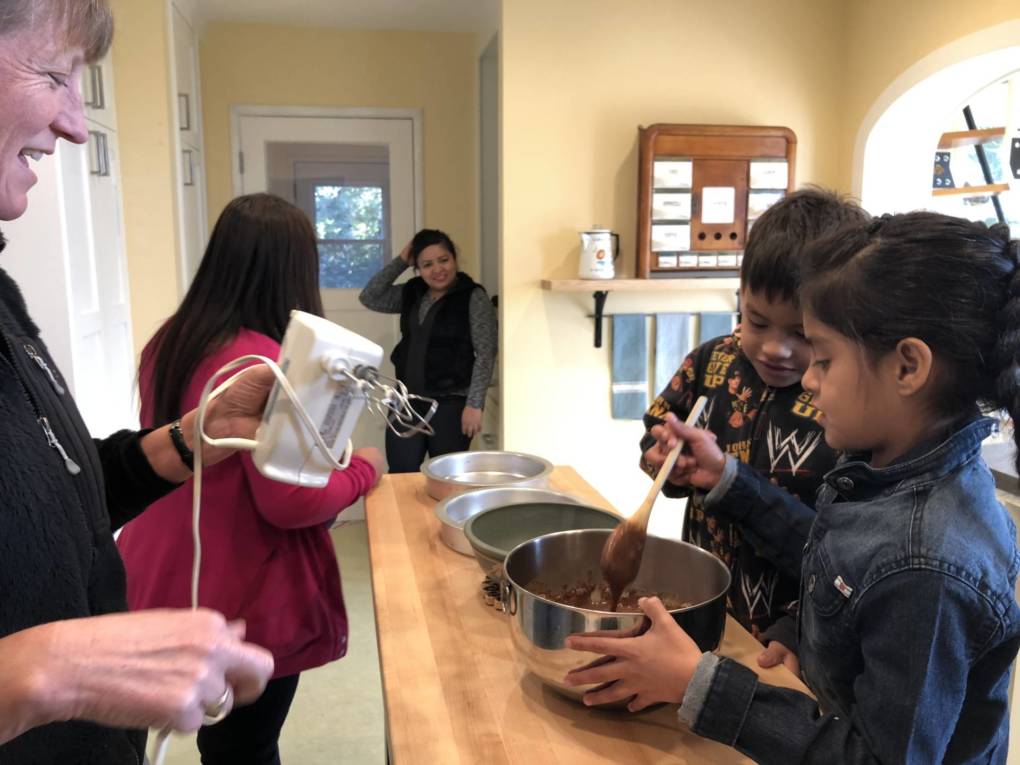
"caption": "Ann Moriarty bakes a cake with Mauricio, 4, and Sara, 6, as their mother speaks with Veronica Aguilar at the Moriartys' home in Pinole on Nov. 18, 2018. \"It's fun and it's so worth it,\" said Ann, of hosting the Salvadoran asylum applicants.",
"description": null,
"title": "RS34304_alt_806 (1)",
"credit": "Farida Jhabvala Romero/KQED",
"status": "inherit",
"isLoading": false,
"fetchFailed": false
},
"news_11710563": {
"type": "attachments",
"id": "news_11710563",
"meta": {
"index": "attachments_1716263798",
"site": "news",
"id": "11710563",
"found": true
},
"parent": 11710546,
"imgSizes": {
"twentyfourteen-full-width": {
"file": "https://ww2.kqed.org/app/uploads/sites/10/2018/12/GettyImages-975840050-e1544134714617-1038x576.jpg",
"width": 1038,
"mimeType": "image/jpeg",
"height": 576
},
"thumbnail": {
"file": "https://ww2.kqed.org/app/uploads/sites/10/2018/12/GettyImages-975840050-e1544134714617-160x107.jpg",
"width": 160,
"mimeType": "image/jpeg",
"height": 107
},
"post-thumbnail": {
"file": "https://ww2.kqed.org/app/uploads/sites/10/2018/12/GettyImages-975840050-e1544134714617-672x372.jpg",
"width": 672,
"mimeType": "image/jpeg",
"height": 372
},
"kqedFullSize": {
"file": "https://ww2.kqed.org/app/uploads/sites/10/2018/12/GettyImages-975840050-e1544134714617.jpg",
"width": 1920,
"height": 1280
},
"large": {
"file": "https://ww2.kqed.org/app/uploads/sites/10/2018/12/GettyImages-975840050-e1544134714617-1020x680.jpg",
"width": 1020,
"mimeType": "image/jpeg",
"height": 680
},
"complete_open_graph": {
"file": "https://ww2.kqed.org/app/uploads/sites/10/2018/12/GettyImages-975840050-e1544134714617-1200x800.jpg",
"width": 1200,
"mimeType": "image/jpeg",
"height": 800
},
"guest-author-50": {
"file": "https://ww2.kqed.org/app/uploads/sites/10/2018/12/GettyImages-975840050-e1544134714617-50x50.jpg",
"width": 50,
"mimeType": "image/jpeg",
"height": 50
},
"guest-author-96": {
"file": "https://ww2.kqed.org/app/uploads/sites/10/2018/12/GettyImages-975840050-e1544134714617-96x96.jpg",
"width": 96,
"mimeType": "image/jpeg",
"height": 96
},
"medium": {
"file": "https://ww2.kqed.org/app/uploads/sites/10/2018/12/GettyImages-975840050-e1544134714617-800x533.jpg",
"width": 800,
"mimeType": "image/jpeg",
"height": 533
},
"guest-author-64": {
"file": "https://ww2.kqed.org/app/uploads/sites/10/2018/12/GettyImages-975840050-e1544134714617-64x64.jpg",
"width": 64,
"mimeType": "image/jpeg",
"height": 64
},
"guest-author-32": {
"file": "https://ww2.kqed.org/app/uploads/sites/10/2018/12/GettyImages-975840050-e1544134714617-32x32.jpg",
"width": 32,
"mimeType": "image/jpeg",
"height": 32
},
"full-width": {
"file": "https://ww2.kqed.org/app/uploads/sites/10/2018/12/GettyImages-975840050-e1544134714617-1920x1280.jpg",
"width": 1920,
"mimeType": "image/jpeg",
"height": 1280
},
"detail": {
"file": "https://ww2.kqed.org/app/uploads/sites/10/2018/12/GettyImages-975840050-e1544134714617-150x150.jpg",
"width": 150,
"mimeType": "image/jpeg",
"height": 150
},
"guest-author-128": {
"file": "https://ww2.kqed.org/app/uploads/sites/10/2018/12/GettyImages-975840050-e1544134714617-128x128.jpg",
"width": 128,
"mimeType": "image/jpeg",
"height": 128
}
},
"publishDate": 1544134649,
"modified": 1544145070,
"caption": "A member of the Pink Unity Collective holds a poster demanding justice in the death of Honduran transgender woman Roxana Hernàndez, in San Pedro Sula, on June 3, 2018. ",
"description": "A member of the Pink Unity Collective holds a poster demanding justice in the death of Honduran transgender woman Roxana Hernàndez, in San Pedro Sula, on June 3, 2018. ",
"title": "HONDURAS-US-MIGRATION-LGBT",
"credit": "Orlando Sierra/AFP/Getty Images",
"status": "inherit",
"isLoading": false,
"fetchFailed": false
}
},
"audioPlayerReducer": {
"postId": "stream_live",
"isPaused": true,
"isPlaying": false,
"pfsActive": false,
"pledgeModalIsOpen": true,
"playerDrawerIsOpen": false,
"liveAudioPlayStartedAt": 0,
"liveAudioPlayContext": ""
},
"authorsReducer": {
"byline_news_11713990": {
"type": "authors",
"id": "byline_news_11713990",
"meta": {
"override": true
},
"slug": "byline_news_11713990",
"name": "John Burnett, Carrie Kahn and Camila Domonoske",
"isLoading": false
},
"byline_news_11713574": {
"type": "authors",
"id": "byline_news_11713574",
"meta": {
"override": true
},
"slug": "byline_news_11713574",
"name": "Associated Press",
"isLoading": false
},
"byline_news_11712226": {
"type": "authors",
"id": "byline_news_11712226",
"meta": {
"override": true
},
"slug": "byline_news_11712226",
"name": "John Burnett",
"isLoading": false
},
"byline_news_11712008": {
"type": "authors",
"id": "byline_news_11712008",
"meta": {
"override": true
},
"slug": "byline_news_11712008",
"name": "Richard Gonzales",
"isLoading": false
},
"byline_news_11710546": {
"type": "authors",
"id": "byline_news_11710546",
"meta": {
"override": true
},
"slug": "byline_news_11710546",
"name": "Susan Montoya Bryan\u003cbr>Associated Press",
"isLoading": false
},
"tychehendricks": {
"type": "authors",
"id": "259",
"meta": {
"index": "authors_1716337520",
"id": "259",
"found": true
},
"name": "Tyche Hendricks",
"firstName": "Tyche",
"lastName": "Hendricks",
"slug": "tychehendricks",
"email": "thendricks@kqed.org",
"display_author_email": true,
"staff_mastheads": [
"news"
],
"title": "KQED Senior Editor, Immigration",
"bio": "\u003cspan style=\"font-weight: 400;\">Tyche Hendricks is KQED’s senior editor for immigration, leading coverage of the policy and politics that affect California’s immigrant communities. Her work for KQED’s radio and online audiences is also carried on NPR and other national outlets. She has been recognized with awards from the Radio and Television News Directors Association, the Society for Professional Journalists; the Education Writers Association; the Best of the West and the National Federation of Community Broadcasters. Before joining KQED in 2010, Tyche spent more than a dozen years as a newspaper reporter, notably at the \u003c/span>\u003ci>\u003cspan style=\"font-weight: 400;\">San Francisco Chronicle\u003c/span>\u003c/i>\u003cspan style=\"font-weight: 400;\">. At different times she has covered criminal justice, government and politics and urban planning. Tyche has taught in the MFA Creative Writing program at the University of San Francisco and at UC Berkeley’s Graduate School of Journalism, where she was co-director of a national immigration symposium for professional journalists. She is the author of \u003c/span>\u003ci>\u003cspan style=\"font-weight: 400;\">The Wind Doesn't Need a Passport: Stories from the U.S.-Mexico Borderlands\u003c/span>\u003c/i>\u003cspan style=\"font-weight: 400;\"> (University of California Press). \u003c/span>",
"avatar": "https://secure.gravatar.com/avatar/b8ee458e2731c2d43df86882ce17267e?s=600&d=blank&r=g",
"twitter": "tychehendricks",
"facebook": null,
"instagram": null,
"linkedin": null,
"sites": [
{
"site": "news",
"roles": [
"editor"
]
},
{
"site": "stateofhealth",
"roles": [
"editor"
]
}
],
"headData": {
"title": "Tyche Hendricks | KQED",
"description": "KQED Senior Editor, Immigration",
"ogImgSrc": "https://secure.gravatar.com/avatar/b8ee458e2731c2d43df86882ce17267e?s=600&d=blank&r=g",
"twImgSrc": "https://secure.gravatar.com/avatar/b8ee458e2731c2d43df86882ce17267e?s=600&d=blank&r=g"
},
"isLoading": false,
"link": "/author/tychehendricks"
},
"markfiore": {
"type": "authors",
"id": "3236",
"meta": {
"index": "authors_1716337520",
"id": "3236",
"found": true
},
"name": "Mark Fiore",
"firstName": "Mark",
"lastName": "Fiore",
"slug": "markfiore",
"email": "mark@markfiore.com",
"display_author_email": false,
"staff_mastheads": [
"news"
],
"title": "KQED News Cartoonist",
"bio": "\u003ca href=\"http://www.MarkFiore.com\">MarkFiore.com\u003c/a> | \u003ca href=\"https://twitter.com/markfiore\">Follow on Twitter\u003c/a> | \u003ca href=\"https://www.facebook.com/pages/Mark-Fiore-Animated-Political-Cartoons/94451707396?ref=bookmarks\">Facebook\u003c/a> | \u003ca href=\"mailto:mark@markfiore.com\">email\u003c/a>\r\n\r\nPulitzer Prize-winner, Mark Fiore, who the Wall Street Journal has called “the undisputed guru of the form,” creates animated political cartoons in San Francisco, where his work has been featured regularly on the San Francisco Chronicle’s web site, SFGate.com. His work has appeared on Newsweek.com, Slate.com, CBSNews.com, MotherJones.com, DailyKos.com and NPR’s web site. Fiore’s political animation has appeared on CNN, Frontline, Bill Moyers Journal, Salon.com and cable and broadcast outlets across the globe.\r\n\r\nBeginning his professional life by drawing traditional political cartoons for newspapers, Fiore’s work appeared in publications ranging from the Washington Post to the Los Angeles Times. In the late 1990s, he began to experiment with animating political cartoons and, after a short stint at the San Jose Mercury News as their staff cartoonist, Fiore devoted all his energies to animation.\r\nGrowing up in California, Fiore also spent a good portion of his life in the backwoods of Idaho. It was this combination that shaped him politically. Mark majored in political science at Colorado College, where, in a perfect send-off for a cartoonist, he received his diploma in 1991 as commencement speaker Dick Cheney smiled approvingly.\r\nMark Fiore was awarded the Pulitzer Prize for political cartooning in 2010, a Robert F. Kennedy Journalism Award in 2004 and has twice received an Online Journalism Award for commentary from the Online News Association (2002, 2008). Fiore has received two awards for his work in new media from the National Cartoonists Society (2001, 2002), and in 2006 received The James Madison Freedom of Information Award from The Society of Professional Journalists.",
"avatar": "https://secure.gravatar.com/avatar/fc4e2a612b15b67bad0c6f0e1db4ca9b?s=600&d=blank&r=g",
"twitter": "MarkFiore",
"facebook": null,
"instagram": "https://www.instagram.com/markfiore/?hl=en",
"linkedin": null,
"sites": [
{
"site": "arts",
"roles": [
"contributor"
]
},
{
"site": "news",
"roles": [
"editor"
]
},
{
"site": "futureofyou",
"roles": [
"editor"
]
},
{
"site": "science",
"roles": [
"editor"
]
}
],
"headData": {
"title": "Mark Fiore | KQED",
"description": "KQED News Cartoonist",
"ogImgSrc": "https://secure.gravatar.com/avatar/fc4e2a612b15b67bad0c6f0e1db4ca9b?s=600&d=blank&r=g",
"twImgSrc": "https://secure.gravatar.com/avatar/fc4e2a612b15b67bad0c6f0e1db4ca9b?s=600&d=blank&r=g"
},
"isLoading": false,
"link": "/author/markfiore"
},
"fjhabvala": {
"type": "authors",
"id": "8659",
"meta": {
"index": "authors_1716337520",
"id": "8659",
"found": true
},
"name": "Farida Jhabvala Romero",
"firstName": "Farida",
"lastName": "Jhabvala Romero",
"slug": "fjhabvala",
"email": "fjhabvala@kqed.org",
"display_author_email": true,
"staff_mastheads": [
"news"
],
"title": "KQED Contributor",
"bio": "\u003cspan style=\"font-weight: 400;\">Farida Jhabvala Romero is a Labor Correspondent for KQED. She previously covered immigration. Farida was \u003ca href=\"https://www.ccnma.org/2022-most-influential-latina-journalists\">named\u003c/a> one of the 10 Most Influential Latina Journalists in California in 2022 by the California Chicano News Media Association. Her work has won awards from the Society of Professional Journalists (Northern California), as well as a national and regional Edward M. Murrow Award for the collaborative reporting projects “Dangerous Air” and “Graying California.” \u003c/span>\u003cspan style=\"font-weight: 400;\">Before joining KQED, Farida worked as a producer at Radio Bilingüe, a national public radio network. Farida earned her master’s degree in journalism from Stanford University.\u003c/span>",
"avatar": "https://secure.gravatar.com/avatar/c3ab27c5554b67b478f80971e515aa02?s=600&d=blank&r=g",
"twitter": "FaridaJhabvala",
"facebook": null,
"instagram": null,
"linkedin": "https://www.linkedin.com/in/faridajhabvala/",
"sites": [
{
"site": "news",
"roles": [
"editor"
]
},
{
"site": "stateofhealth",
"roles": [
"author"
]
}
],
"headData": {
"title": "Farida Jhabvala Romero | KQED",
"description": "KQED Contributor",
"ogImgSrc": "https://secure.gravatar.com/avatar/c3ab27c5554b67b478f80971e515aa02?s=600&d=blank&r=g",
"twImgSrc": "https://secure.gravatar.com/avatar/c3ab27c5554b67b478f80971e515aa02?s=600&d=blank&r=g"
},
"isLoading": false,
"link": "/author/fjhabvala"
}
},
"pagesReducer": {
"news_tag_migrant-caravan": {
"type": "terms",
"id": "news_23138",
"meta": {
"index": "terms_1716263798",
"site": "news",
"id": "23138",
"score": 10.401017
},
"featImg": null,
"name": "migrant caravan",
"description": null,
"taxonomy": "tag",
"headData": {
"twImgId": null,
"twTitle": null,
"ogTitle": null,
"ogImgId": null,
"twDescription": null,
"description": null,
"title": "migrant caravan Archives | KQED News",
"ogDescription": null
},
"ttid": 23155,
"slug": "migrant-caravan",
"isLoading": false,
"title": "migrant caravan",
"pageMeta": {
"site": "news",
"WpPageTemplate": "page-topic-editorial",
"currentPage": 5
},
"blocks": [
{
"blockName": "kqed/post-list",
"attrs": {
"layout": "cardArticle2",
"query": "posts/news?tag=migrant-caravan",
"seeMore": false,
"paginated": true,
"page": 5
}
},
{
"blockName": "kqed/ad"
}
]
}
},
"pfsSessionReducer": {},
"postsReducer": {
"stream_live": {
"type": "live",
"id": "stream_live",
"audioUrl": "https://streams.kqed.org/kqedradio",
"title": "Live Stream",
"excerpt": "Live Stream information currently unavailable.",
"link": "/radio",
"featImg": "",
"label": {
"name": "KQED Live",
"link": "/"
}
},
"stream_kqedNewscast": {
"type": "posts",
"id": "stream_kqedNewscast",
"audioUrl": "https://www.kqed.org/.stream/anon/radio/RDnews/newscast.mp3?_=1",
"title": "KQED Newscast",
"featImg": "",
"label": {
"name": "88.5 FM",
"link": "/"
}
},
"news_11714388": {
"type": "posts",
"id": "news_11714388",
"meta": {
"index": "posts_1716263798",
"site": "news",
"id": "11714388",
"score": null,
"sort": [
1545433667000
]
},
"parent": 0,
"labelTerm": {
"site": "news",
"term": 72
},
"blocks": [],
"publishDate": 1545433667,
"format": "audio",
"disqusTitle": "California Teen Leads Suit to Keep Hundreds of Thousands of Immigrants in U.S.",
"title": "California Teen Leads Suit to Keep Hundreds of Thousands of Immigrants in U.S.",
"headTitle": "The California Report | KQED News",
"content": "\u003cp>High school freshman Crista Ramos used to be mostly preoccupied with school, friends and soccer practice with her Bay Area team, the Richmond Lionesses.\u003c/p>\n\u003cp>All that changed in January when the Trump administration \u003ca href=\"https://www.dhs.gov/news/2018/01/08/secretary-homeland-security-kirstjen-m-nielsen-announcement-temporary-protected\" target=\"_blank\" rel=\"noopener\">announced\u003c/a> plans to end the humanitarian protections that allow her mother and about 260,000 other immigrants from El Salvador to lawfully live and work in the United States.\u003c/p>\n\u003cp>Since then, the San Pablo teen and U.S. citizen has become an outspoken advocate to preserve Temporary Protected Status, becoming the lead plaintiff in a landmark class-action \u003ca href=\"https://www.aclusocal.org/en/cases/ramos-v-nielsen\" target=\"_blank\" rel=\"noopener\">lawsuit\u003c/a>.\u003c/p>\n\u003cp>The legal challenge for more than \u003ca href=\"https://www.everycrsreport.com/reports/RS20844.html\" target=\"_blank\" rel=\"noopener\">300,000 people\u003c/a> from El Salvador, Haiti, Nicaragua and Sudan is the first by U.S. citizen children and TPS-holding parents, including Crista’s mother, Cristina Morales, who joined as a plaintiff and has lived in the United States since she was 12.\u003c/p>\n\u003cp>If the Trump administration ended the protections, Crista would face a monumental choice: Grow up in the United States without her mom, who would likely face deportation, or move with her to El Salvador, a country convulsed by poverty and one of the highest homicide rates in the world.\u003c/p>\n\u003cp>[ad fullwidth]\u003c/p>\n\u003cp>“It would be a big struggle because in El Salvador, there’s not good opportunities like, for careers,” said Crista, 14. “And it’s very dangerous to live there.”\u003c/p>\n\u003cp>Crista said she dreams of going to college, playing soccer for the U.S. Women’s National Team and — most immediately — keeping her family together.\u003c/p>\n\u003cp>Congress created the TPS program in 1990 to provide humanitarian relief to immigrants in the U.S. who could not return safely to home countries struck by natural disasters or armed conflict.\u003c/p>\n\u003cp>The secretary of the Department of Homeland Security can designate a country for TPS status. After periodic review, DHS may extend the status. Immigrants from El Salvador and Nicaragua have been eligible for TPS more than 15 years.\u003c/p>\n\u003cp>\u003cstrong>Temporary victory\u003c/strong>\u003c/p>\n\u003cp>In October, Crista learned about a major step toward her goal.\u003c/p>\n\u003cp>U.S. District Judge Edward Chen in San Francisco temporarily \u003ca href=\"https://www.kqed.org/news/11694816/judge-in-san-francisco-could-preserve-humanitarian-immigrant-protections-for-now\" target=\"_blank\" rel=\"noopener\">blocked\u003c/a> the government from ending TPS, until he rules on the merits of Ramos v. Nielsen, which names U.S. Secretary of Homeland Security Kirstjen Nielsen as defendant.\u003c/p>\n\u003cp>Crista heard about the judge’s decision as her dad drove her to school one morning. Both erupted in cheers.\u003c/p>\n\u003cp>“We were really happy in the car,” said Crista. “And when I got to school, all my teachers were congratulating me because they already knew. And that made me feel more comfortable and positive.”\u003c/p>\n\u003cp>The Trump administration has since \u003ca href=\"https://www.documentcloud.org/documents/5662990-TPS-Brief-for-Appellants.html\" target=\"_blank\" rel=\"noopener\">appealed\u003c/a> to the 9th U.S. Circuit Court of Appeals, which has yet to decide whether Chen’s preliminary injunction stays in place.\u003c/p>\n\u003cfigure id=\"attachment_11714394\" class=\"wp-caption aligncenter\" style=\"max-width: 1920px\">\u003cimg class=\"size-full wp-image-11714394\" src=\"https://ww2.kqed.org/news/wp-content/uploads/sites/10/2018/12/RS32986_IMG_8631-qut.jpg\" alt=\"\" width=\"1920\" height=\"1440\" srcset=\"https://ww2.kqed.org/app/uploads/sites/10/2018/12/RS32986_IMG_8631-qut.jpg 1920w, https://ww2.kqed.org/app/uploads/sites/10/2018/12/RS32986_IMG_8631-qut-160x120.jpg 160w, https://ww2.kqed.org/app/uploads/sites/10/2018/12/RS32986_IMG_8631-qut-800x600.jpg 800w, https://ww2.kqed.org/app/uploads/sites/10/2018/12/RS32986_IMG_8631-qut-1020x765.jpg 1020w, https://ww2.kqed.org/app/uploads/sites/10/2018/12/RS32986_IMG_8631-qut-1200x900.jpg 1200w\" sizes=\"(max-width: 1920px) 100vw, 1920px\">\u003cfigcaption class=\"wp-caption-text\">Sara Ahmed, 12, holds a sign in English and Arabic before attending a court hearing in San Francisco on Sept. 26, 2018. Cristina Morales, Crista Ramos and other TPS supporters rally nearby. \u003ccite>(Farida Jhabvala Romero/KQED)\u003c/cite>\u003c/figcaption>\u003c/figure>\n\u003cp>Crista said she used to be scared of public speaking, but not anymore.\u003c/p>\n\u003cp>“I think about how there’s other kids who are maybe too scared to speak up,” she said, referring to the estimated \u003ca href=\"http://cmsny.org/publications/jmhs-tps-elsalvador-honduras-haiti/\" target=\"_blank\" rel=\"noopener\">273,000 U.S. citizen children \u003c/a>who have at least one parent with TPS.\u003c/p>\n\u003cp>“So I chose to help them, and be the voice of all the kids who are going through the same thing,” she said.\u003c/p>\n\u003cp>Because of the lawsuit, Crista has stepped into the spotlight, speaking before crowds of reporters at rallies, attending long meetings with attorneys and going to court hearings.\u003c/p>\n\u003cp>As she walked into a hearing in September, Crista proudly pointed to a sign by the courtroom doors that read “Ramos v. Nielsen.” Crista asked if she could take the sign home.\u003c/p>\n\u003cp>“My goal is to keep my family and the other families together,” she said. “So that me and my brother and the other kids in these families can go on with our life, and education and plans.”\u003c/p>\n\u003cp>Morales said she’s proud of her daughter’s commitment and dedication. Crista’s friends have been often surprised to hear she’s leading this battle to defend the protections for immigrants, according to Morales.\u003c/p>\n\u003cp>“Crista is very shy and quiet,” said Morales, a school aide for special needs students. “But her mind is also very settled. Like, when she says something is not right, it’s not right.”\u003c/p>\n\u003cfigure id=\"attachment_11714405\" class=\"wp-caption aligncenter\" style=\"max-width: 1920px\">\u003cimg class=\"wp-image-11714405 size-full\" src=\"https://ww2.kqed.org/news/wp-content/uploads/sites/10/2018/12/RS34533_IMG_2059-qut.jpg\" alt=\"\" width=\"1920\" height=\"1280\" srcset=\"https://ww2.kqed.org/app/uploads/sites/10/2018/12/RS34533_IMG_2059-qut.jpg 1920w, https://ww2.kqed.org/app/uploads/sites/10/2018/12/RS34533_IMG_2059-qut-160x107.jpg 160w, https://ww2.kqed.org/app/uploads/sites/10/2018/12/RS34533_IMG_2059-qut-800x533.jpg 800w, https://ww2.kqed.org/app/uploads/sites/10/2018/12/RS34533_IMG_2059-qut-1020x680.jpg 1020w, https://ww2.kqed.org/app/uploads/sites/10/2018/12/RS34533_IMG_2059-qut-1200x800.jpg 1200w\" sizes=\"(max-width: 1920px) 100vw, 1920px\">\u003cfigcaption class=\"wp-caption-text\">Crista Ramos sits on a park bench with dad Edgar Ramos, brother Diego and mom Cristina Morales in Richmond, California, on Nov. 4, 2018. \u003ccite>(Farida Jhabvala Romero/KQED)\u003c/cite>\u003c/figcaption>\u003c/figure>\n\u003cp>\u003cstrong>Suing the federal government\u003c/strong>\u003c/p>\n\u003cp>Emilou MacLean, a lead attorney in the lawsuit, conducted several interviews earlier this year with potential plaintiffs, many of whom were already involved in activism that sought more permanent protections for TPS holders.\u003c/p>\n\u003cp>MacLean said that’s how she met Morales, who at the time was working at an afterschool care program, and Crista. MacLean said during their first meeting, Crista asked a lot of questions about the lawsuit, and quickly recognized that it had life-changing ramifications for other children in families like hers.\u003c/p>\n\u003cp>“From the very beginning, Crista expressed a willingness to step out of her comfort zone for the protection of her family, but also for the broader impact this lawsuit could have,” said MacLean, with the National Day Laborer Organizing Network in Los Angeles.\u003c/p>\n\u003cp>MacLean asked Crista to be the lead plaintiff during a days-long meeting in San Francisco between attorneys and the 14 people who agreed to be plaintiffs, most of whom had traveled from other cities across the country.\u003c/p>\n\u003cp>“It takes a lot of courage to stand up and say I’m willing to put my name front and center against the Trump administration when something feels unjust,” said MacLean. “She has demonstrated an enormous amount of inner strength, and really sees this as part of the pursuit of justice.”\u003c/p>\n\u003cp>\u003cstrong>Meeting the Pope\u003c/strong>\u003c/p>\n\u003cp>Crista’s family said coming out so publicly against the Trump administration has been stressful and feels like a risk, given the president’s aggressive immigration enforcement policies.\u003c/p>\n\u003cp>But because of that initial step, Crista has also lived unexpected moments for a girl from the working-class city of San Pablo.\u003c/p>\n\u003cp>In October, a nervous Crista stepped onto an airplane for the first time, traveling to Rome to ask Pope Francis for his support and deliver a letter. It asked him to travel to the U.S. and lobby Congress to grant permanent protections for TPS holders.\u003c/p>\n\u003cp>Crista did not expect to see the pope up close, let alone shake his hand as she stood with about 10 U.S. citizen children of TPS holders by St. Peter’s Basilica.\u003c/p>\n\u003cp>“We were seeing him, like, getting closer and I really was freaking out. We were all freaking out,” said Crista, whose parents are devout Catholics.\u003c/p>\n\u003cp>“Keep fighting,” Pope Francis told the children in Spanish. “Migrating is a human right. Is that clear? And nobody can stop it.”\u003c/p>\n\u003cfigure id=\"attachment_11714402\" class=\"wp-caption aligncenter\" style=\"max-width: 1600px\">\u003cimg class=\"size-full wp-image-11714402\" src=\"https://ww2.kqed.org/news/wp-content/uploads/sites/10/2018/12/RS34532_IMG_0923-qut.jpg\" alt=\"\" width=\"1600\" height=\"1200\" srcset=\"https://ww2.kqed.org/app/uploads/sites/10/2018/12/RS34532_IMG_0923-qut.jpg 1600w, https://ww2.kqed.org/app/uploads/sites/10/2018/12/RS34532_IMG_0923-qut-160x120.jpg 160w, https://ww2.kqed.org/app/uploads/sites/10/2018/12/RS34532_IMG_0923-qut-800x600.jpg 800w, https://ww2.kqed.org/app/uploads/sites/10/2018/12/RS34532_IMG_0923-qut-1020x765.jpg 1020w, https://ww2.kqed.org/app/uploads/sites/10/2018/12/RS34532_IMG_0923-qut-1200x900.jpg 1200w, https://ww2.kqed.org/app/uploads/sites/10/2018/12/RS34532_IMG_0923-qut-1180x885.jpg 1180w, https://ww2.kqed.org/app/uploads/sites/10/2018/12/RS34532_IMG_0923-qut-960x720.jpg 960w, https://ww2.kqed.org/app/uploads/sites/10/2018/12/RS34532_IMG_0923-qut-240x180.jpg 240w, https://ww2.kqed.org/app/uploads/sites/10/2018/12/RS34532_IMG_0923-qut-375x281.jpg 375w, https://ww2.kqed.org/app/uploads/sites/10/2018/12/RS34532_IMG_0923-qut-520x390.jpg 520w\" sizes=\"(max-width: 1600px) 100vw, 1600px\">\u003cfigcaption class=\"wp-caption-text\">Pope Francis meets Crista Ramos and other U.S. citizen children of TPS holders at the Vatican in October 2018, days ahead of the canonization of Salvadoran Archbishop Óscar Romero. 'Migrating is a human right,' said Pope Francis. \u003ccite>(Contributed by the National TPS Alliance)\u003c/cite>\u003c/figcaption>\u003c/figure>\n\u003cp>\u003cstrong>Inspired to keep going\u003c/strong>\u003c/p>\n\u003cp>At their home in San Pablo, Crista’s parents couldn’t believe their eyes when their cellphones started ringing with photos of a smiling Crista standing inches away from the pope.\u003c/p>\n\u003cp>“You know, one night I was praying to God and asking him to give me strength to show my kids that everything is gonna be OK,” said Morales, “and Crista ended up going to Rome and being next to the pope.”\u003c/p>\n\u003cp>Crista’s dad, Edgar Ramos, a lector at church, chimed in: “It was everything.”\u003c/p>\n\u003cp>Ramos said the pope’s message reinforced their hope that the family will prevail.\u003c/p>\n\u003cp>“We are going to stay together as a family. We are going to fight until the end as a family,” said Ramos, a foreman who has worked for the same construction company for 20 years.\u003c/p>\n\u003cp>While the issue plays out in the courts, the parents try to protect their kids with a blanket of never-ending optimism, and focus on what they can control: sticking to their routine of school, work and soccer.\u003c/p>\n\u003cp>Ramos and Morales spend many weekday afternoons and weekends shuttling Crista and her 12-year old brother to soccer practice and matches in nearby Richmond and other cities in the Bay Area and beyond.\u003c/p>\n\u003cp>[ad floatright]\u003c/p>\n\u003cp>“Honestly, we will do everything that is in our hands to keep everything normal for them,” said Morales. “I mean we're not gonna let this government decision (to end TPS) destroy family.”\u003c/p>\n\n",
"disqusIdentifier": "11714388 https://ww2.kqed.org/news/?p=11714388",
"disqusUrl": "https://ww2.kqed.org/news/2018/12/21/california-teen-leads-suit-to-keep-hundreds-of-thousands-of-immigrants-in-u-s/",
"stats": {
"hasVideo": false,
"hasChartOrMap": false,
"hasAudio": false,
"hasPolis": false,
"wordCount": 1512,
"hasGoogleForm": false,
"hasGallery": false,
"hasHearkenModule": false,
"iframeSrcs": [],
"paragraphCount": 47
},
"modified": 1546559203,
"excerpt": "Trump administration forced to delay plans to end Temporary Protected Status, affecting families across the country. \r\n",
"headData": {
"twImgId": "",
"twTitle": "",
"ogTitle": "",
"ogImgId": "",
"twDescription": "",
"description": "Trump administration forced to delay plans to end Temporary Protected Status, affecting families across the country. \r\n",
"title": "California Teen Leads Suit to Keep Hundreds of Thousands of Immigrants in U.S. | KQED",
"ogDescription": "",
"schema": {
"@context": "https://schema.org",
"@type": "NewsArticle",
"headline": "California Teen Leads Suit to Keep Hundreds of Thousands of Immigrants in U.S.",
"datePublished": "2018-12-21T15:07:47-08:00",
"dateModified": "2019-01-03T15:46:43-08:00",
"image": "https://cdn.kqed.org/wp-content/uploads/2020/02/KQED-OG-Image@1x.png",
"isAccessibleForFree": "True",
"publisher": {
"@type": "NewsMediaOrganization",
"@id": "https://www.kqed.org/#organization",
"name": "KQED",
"logo": "https://cdn.kqed.org/wp-content/uploads/2020/02/KQED-OG-Image@1x.png",
"url": "https://www.kqed.org",
"sameAs": [
"https://www.facebook.com/KQED",
"https://twitter.com/KQED",
"https://www.instagram.com/kqed/",
"https://www.tiktok.com/@kqedofficial",
"https://www.linkedin.com/company/kqed",
"https://www.youtube.com/channel/UCeC0IOo7i1P_61zVUWbJ4nw"
]
}
}
},
"guestAuthors": [],
"slug": "california-teen-leads-suit-to-keep-hundreds-of-thousands-of-immigrants-in-u-s",
"status": "publish",
"audioUrl": "https://www.kqed.org/.stream/anon/radio/RDnews/2018/12/RomeroTPSTeen.mp3",
"audioTrackLength": 295,
"path": "/news/11714388/california-teen-leads-suit-to-keep-hundreds-of-thousands-of-immigrants-in-u-s",
"parsedContent": [
{
"type": "contentString",
"content": "\u003cdiv class=\"post-body\">\u003cp>\u003cp>High school freshman Crista Ramos used to be mostly preoccupied with school, friends and soccer practice with her Bay Area team, the Richmond Lionesses.\u003c/p>\n\u003cp>All that changed in January when the Trump administration \u003ca href=\"https://www.dhs.gov/news/2018/01/08/secretary-homeland-security-kirstjen-m-nielsen-announcement-temporary-protected\" target=\"_blank\" rel=\"noopener\">announced\u003c/a> plans to end the humanitarian protections that allow her mother and about 260,000 other immigrants from El Salvador to lawfully live and work in the United States.\u003c/p>\n\u003cp>Since then, the San Pablo teen and U.S. citizen has become an outspoken advocate to preserve Temporary Protected Status, becoming the lead plaintiff in a landmark class-action \u003ca href=\"https://www.aclusocal.org/en/cases/ramos-v-nielsen\" target=\"_blank\" rel=\"noopener\">lawsuit\u003c/a>.\u003c/p>\n\u003cp>The legal challenge for more than \u003ca href=\"https://www.everycrsreport.com/reports/RS20844.html\" target=\"_blank\" rel=\"noopener\">300,000 people\u003c/a> from El Salvador, Haiti, Nicaragua and Sudan is the first by U.S. citizen children and TPS-holding parents, including Crista’s mother, Cristina Morales, who joined as a plaintiff and has lived in the United States since she was 12.\u003c/p>\n\u003cp>If the Trump administration ended the protections, Crista would face a monumental choice: Grow up in the United States without her mom, who would likely face deportation, or move with her to El Salvador, a country convulsed by poverty and one of the highest homicide rates in the world.\u003c/p>\n\u003cp>\u003c/p>\u003c/div>",
"attributes": {
"named": {},
"numeric": []
}
},
{
"type": "component",
"content": "",
"name": "ad",
"attributes": {
"named": {
"label": "fullwidth"
},
"numeric": [
"fullwidth"
]
}
},
{
"type": "contentString",
"content": "\u003cdiv class=\"post-body\">\u003cp>\u003c/p>\n\u003cp>“It would be a big struggle because in El Salvador, there’s not good opportunities like, for careers,” said Crista, 14. “And it’s very dangerous to live there.”\u003c/p>\n\u003cp>Crista said she dreams of going to college, playing soccer for the U.S. Women’s National Team and — most immediately — keeping her family together.\u003c/p>\n\u003cp>Congress created the TPS program in 1990 to provide humanitarian relief to immigrants in the U.S. who could not return safely to home countries struck by natural disasters or armed conflict.\u003c/p>\n\u003cp>The secretary of the Department of Homeland Security can designate a country for TPS status. After periodic review, DHS may extend the status. Immigrants from El Salvador and Nicaragua have been eligible for TPS more than 15 years.\u003c/p>\n\u003cp>\u003cstrong>Temporary victory\u003c/strong>\u003c/p>\n\u003cp>In October, Crista learned about a major step toward her goal.\u003c/p>\n\u003cp>U.S. District Judge Edward Chen in San Francisco temporarily \u003ca href=\"https://www.kqed.org/news/11694816/judge-in-san-francisco-could-preserve-humanitarian-immigrant-protections-for-now\" target=\"_blank\" rel=\"noopener\">blocked\u003c/a> the government from ending TPS, until he rules on the merits of Ramos v. Nielsen, which names U.S. Secretary of Homeland Security Kirstjen Nielsen as defendant.\u003c/p>\n\u003cp>Crista heard about the judge’s decision as her dad drove her to school one morning. Both erupted in cheers.\u003c/p>\n\u003cp>“We were really happy in the car,” said Crista. “And when I got to school, all my teachers were congratulating me because they already knew. And that made me feel more comfortable and positive.”\u003c/p>\n\u003cp>The Trump administration has since \u003ca href=\"https://www.documentcloud.org/documents/5662990-TPS-Brief-for-Appellants.html\" target=\"_blank\" rel=\"noopener\">appealed\u003c/a> to the 9th U.S. Circuit Court of Appeals, which has yet to decide whether Chen’s preliminary injunction stays in place.\u003c/p>\n\u003cfigure id=\"attachment_11714394\" class=\"wp-caption aligncenter\" style=\"max-width: 1920px\">\u003cimg class=\"size-full wp-image-11714394\" src=\"https://ww2.kqed.org/news/wp-content/uploads/sites/10/2018/12/RS32986_IMG_8631-qut.jpg\" alt=\"\" width=\"1920\" height=\"1440\" srcset=\"https://ww2.kqed.org/app/uploads/sites/10/2018/12/RS32986_IMG_8631-qut.jpg 1920w, https://ww2.kqed.org/app/uploads/sites/10/2018/12/RS32986_IMG_8631-qut-160x120.jpg 160w, https://ww2.kqed.org/app/uploads/sites/10/2018/12/RS32986_IMG_8631-qut-800x600.jpg 800w, https://ww2.kqed.org/app/uploads/sites/10/2018/12/RS32986_IMG_8631-qut-1020x765.jpg 1020w, https://ww2.kqed.org/app/uploads/sites/10/2018/12/RS32986_IMG_8631-qut-1200x900.jpg 1200w\" sizes=\"(max-width: 1920px) 100vw, 1920px\">\u003cfigcaption class=\"wp-caption-text\">Sara Ahmed, 12, holds a sign in English and Arabic before attending a court hearing in San Francisco on Sept. 26, 2018. Cristina Morales, Crista Ramos and other TPS supporters rally nearby. \u003ccite>(Farida Jhabvala Romero/KQED)\u003c/cite>\u003c/figcaption>\u003c/figure>\n\u003cp>Crista said she used to be scared of public speaking, but not anymore.\u003c/p>\n\u003cp>“I think about how there’s other kids who are maybe too scared to speak up,” she said, referring to the estimated \u003ca href=\"http://cmsny.org/publications/jmhs-tps-elsalvador-honduras-haiti/\" target=\"_blank\" rel=\"noopener\">273,000 U.S. citizen children \u003c/a>who have at least one parent with TPS.\u003c/p>\n\u003cp>“So I chose to help them, and be the voice of all the kids who are going through the same thing,” she said.\u003c/p>\n\u003cp>Because of the lawsuit, Crista has stepped into the spotlight, speaking before crowds of reporters at rallies, attending long meetings with attorneys and going to court hearings.\u003c/p>\n\u003cp>As she walked into a hearing in September, Crista proudly pointed to a sign by the courtroom doors that read “Ramos v. Nielsen.” Crista asked if she could take the sign home.\u003c/p>\n\u003cp>“My goal is to keep my family and the other families together,” she said. “So that me and my brother and the other kids in these families can go on with our life, and education and plans.”\u003c/p>\n\u003cp>Morales said she’s proud of her daughter’s commitment and dedication. Crista’s friends have been often surprised to hear she’s leading this battle to defend the protections for immigrants, according to Morales.\u003c/p>\n\u003cp>“Crista is very shy and quiet,” said Morales, a school aide for special needs students. “But her mind is also very settled. Like, when she says something is not right, it’s not right.”\u003c/p>\n\u003cfigure id=\"attachment_11714405\" class=\"wp-caption aligncenter\" style=\"max-width: 1920px\">\u003cimg class=\"wp-image-11714405 size-full\" src=\"https://ww2.kqed.org/news/wp-content/uploads/sites/10/2018/12/RS34533_IMG_2059-qut.jpg\" alt=\"\" width=\"1920\" height=\"1280\" srcset=\"https://ww2.kqed.org/app/uploads/sites/10/2018/12/RS34533_IMG_2059-qut.jpg 1920w, https://ww2.kqed.org/app/uploads/sites/10/2018/12/RS34533_IMG_2059-qut-160x107.jpg 160w, https://ww2.kqed.org/app/uploads/sites/10/2018/12/RS34533_IMG_2059-qut-800x533.jpg 800w, https://ww2.kqed.org/app/uploads/sites/10/2018/12/RS34533_IMG_2059-qut-1020x680.jpg 1020w, https://ww2.kqed.org/app/uploads/sites/10/2018/12/RS34533_IMG_2059-qut-1200x800.jpg 1200w\" sizes=\"(max-width: 1920px) 100vw, 1920px\">\u003cfigcaption class=\"wp-caption-text\">Crista Ramos sits on a park bench with dad Edgar Ramos, brother Diego and mom Cristina Morales in Richmond, California, on Nov. 4, 2018. \u003ccite>(Farida Jhabvala Romero/KQED)\u003c/cite>\u003c/figcaption>\u003c/figure>\n\u003cp>\u003cstrong>Suing the federal government\u003c/strong>\u003c/p>\n\u003cp>Emilou MacLean, a lead attorney in the lawsuit, conducted several interviews earlier this year with potential plaintiffs, many of whom were already involved in activism that sought more permanent protections for TPS holders.\u003c/p>\n\u003cp>MacLean said that’s how she met Morales, who at the time was working at an afterschool care program, and Crista. MacLean said during their first meeting, Crista asked a lot of questions about the lawsuit, and quickly recognized that it had life-changing ramifications for other children in families like hers.\u003c/p>\n\u003cp>“From the very beginning, Crista expressed a willingness to step out of her comfort zone for the protection of her family, but also for the broader impact this lawsuit could have,” said MacLean, with the National Day Laborer Organizing Network in Los Angeles.\u003c/p>\n\u003cp>MacLean asked Crista to be the lead plaintiff during a days-long meeting in San Francisco between attorneys and the 14 people who agreed to be plaintiffs, most of whom had traveled from other cities across the country.\u003c/p>\n\u003cp>“It takes a lot of courage to stand up and say I’m willing to put my name front and center against the Trump administration when something feels unjust,” said MacLean. “She has demonstrated an enormous amount of inner strength, and really sees this as part of the pursuit of justice.”\u003c/p>\n\u003cp>\u003cstrong>Meeting the Pope\u003c/strong>\u003c/p>\n\u003cp>Crista’s family said coming out so publicly against the Trump administration has been stressful and feels like a risk, given the president’s aggressive immigration enforcement policies.\u003c/p>\n\u003cp>But because of that initial step, Crista has also lived unexpected moments for a girl from the working-class city of San Pablo.\u003c/p>\n\u003cp>In October, a nervous Crista stepped onto an airplane for the first time, traveling to Rome to ask Pope Francis for his support and deliver a letter. It asked him to travel to the U.S. and lobby Congress to grant permanent protections for TPS holders.\u003c/p>\n\u003cp>Crista did not expect to see the pope up close, let alone shake his hand as she stood with about 10 U.S. citizen children of TPS holders by St. Peter’s Basilica.\u003c/p>\n\u003cp>“We were seeing him, like, getting closer and I really was freaking out. We were all freaking out,” said Crista, whose parents are devout Catholics.\u003c/p>\n\u003cp>“Keep fighting,” Pope Francis told the children in Spanish. “Migrating is a human right. Is that clear? And nobody can stop it.”\u003c/p>\n\u003cfigure id=\"attachment_11714402\" class=\"wp-caption aligncenter\" style=\"max-width: 1600px\">\u003cimg class=\"size-full wp-image-11714402\" src=\"https://ww2.kqed.org/news/wp-content/uploads/sites/10/2018/12/RS34532_IMG_0923-qut.jpg\" alt=\"\" width=\"1600\" height=\"1200\" srcset=\"https://ww2.kqed.org/app/uploads/sites/10/2018/12/RS34532_IMG_0923-qut.jpg 1600w, https://ww2.kqed.org/app/uploads/sites/10/2018/12/RS34532_IMG_0923-qut-160x120.jpg 160w, https://ww2.kqed.org/app/uploads/sites/10/2018/12/RS34532_IMG_0923-qut-800x600.jpg 800w, https://ww2.kqed.org/app/uploads/sites/10/2018/12/RS34532_IMG_0923-qut-1020x765.jpg 1020w, https://ww2.kqed.org/app/uploads/sites/10/2018/12/RS34532_IMG_0923-qut-1200x900.jpg 1200w, https://ww2.kqed.org/app/uploads/sites/10/2018/12/RS34532_IMG_0923-qut-1180x885.jpg 1180w, https://ww2.kqed.org/app/uploads/sites/10/2018/12/RS34532_IMG_0923-qut-960x720.jpg 960w, https://ww2.kqed.org/app/uploads/sites/10/2018/12/RS34532_IMG_0923-qut-240x180.jpg 240w, https://ww2.kqed.org/app/uploads/sites/10/2018/12/RS34532_IMG_0923-qut-375x281.jpg 375w, https://ww2.kqed.org/app/uploads/sites/10/2018/12/RS34532_IMG_0923-qut-520x390.jpg 520w\" sizes=\"(max-width: 1600px) 100vw, 1600px\">\u003cfigcaption class=\"wp-caption-text\">Pope Francis meets Crista Ramos and other U.S. citizen children of TPS holders at the Vatican in October 2018, days ahead of the canonization of Salvadoran Archbishop Óscar Romero. 'Migrating is a human right,' said Pope Francis. \u003ccite>(Contributed by the National TPS Alliance)\u003c/cite>\u003c/figcaption>\u003c/figure>\n\u003cp>\u003cstrong>Inspired to keep going\u003c/strong>\u003c/p>\n\u003cp>At their home in San Pablo, Crista’s parents couldn’t believe their eyes when their cellphones started ringing with photos of a smiling Crista standing inches away from the pope.\u003c/p>\n\u003cp>“You know, one night I was praying to God and asking him to give me strength to show my kids that everything is gonna be OK,” said Morales, “and Crista ended up going to Rome and being next to the pope.”\u003c/p>\n\u003cp>Crista’s dad, Edgar Ramos, a lector at church, chimed in: “It was everything.”\u003c/p>\n\u003cp>Ramos said the pope’s message reinforced their hope that the family will prevail.\u003c/p>\n\u003cp>“We are going to stay together as a family. We are going to fight until the end as a family,” said Ramos, a foreman who has worked for the same construction company for 20 years.\u003c/p>\n\u003cp>While the issue plays out in the courts, the parents try to protect their kids with a blanket of never-ending optimism, and focus on what they can control: sticking to their routine of school, work and soccer.\u003c/p>\n\u003cp>Ramos and Morales spend many weekday afternoons and weekends shuttling Crista and her 12-year old brother to soccer practice and matches in nearby Richmond and other cities in the Bay Area and beyond.\u003c/p>\n\u003cp>\u003c/p>\u003c/div>",
"attributes": {
"named": {},
"numeric": []
}
},
{
"type": "component",
"content": "",
"name": "ad",
"attributes": {
"named": {
"label": "floatright"
},
"numeric": [
"floatright"
]
}
},
{
"type": "contentString",
"content": "\u003cdiv class=\"post-body\">\u003cp>\u003c/p>\n\u003cp>“Honestly, we will do everything that is in our hands to keep everything normal for them,” said Morales. “I mean we're not gonna let this government decision (to end TPS) destroy family.”\u003c/p>\n\n\u003c/div>\u003c/p>",
"attributes": {
"named": {},
"numeric": []
}
}
],
"link": "/news/11714388/california-teen-leads-suit-to-keep-hundreds-of-thousands-of-immigrants-in-u-s",
"authors": [
"8659"
],
"programs": [
"news_72"
],
"categories": [
"news_1169",
"news_6188",
"news_8",
"news_13"
],
"tags": [
"news_23138",
"news_22335"
],
"featImg": "news_11714393",
"label": "news_72"
},
"news_11714240": {
"type": "posts",
"id": "news_11714240",
"meta": {
"index": "posts_1716263798",
"site": "news",
"id": "11714240",
"score": null,
"sort": [
1545412928000
]
},
"parent": 0,
"labelTerm": {
"site": "news",
"term": 72
},
"blocks": [],
"publishDate": 1545412928,
"format": "audio",
"disqusTitle": "New Policy Adds to Complexity for Migrants in Mexico Seeking U.S. Asylum",
"title": "New Policy Adds to Complexity for Migrants in Mexico Seeking U.S. Asylum",
"headTitle": "The California Report | KQED News",
"content": "\u003cp>Standing outside a makeshift shelter in Tijuana, Nolvia Dionisia Romero said it took nearly a month to travel from her home in Honduras to the U.S.-Mexico border in a caravan with thousands of other Central American migrants.\u003c/p>\n\u003cp>“I came because of death threats,” said Romero, 39, in Spanish. She said her goal is to seek asylum in the United States and try to reunite with her sister in Minnesota.\u003c/p>\n\u003cp>A gang member killed her nephew, she said, and demanded Romero pay a weekly “protection fee,” about $61 dollars, or lose her own life. She scraped together the money for months, until she couldn’t pay anymore.\u003c/p>\n\u003cp>“That’s when I joined the caravan,” said Romero, who used to sell vegetables at a market stand. “If you don’t pay, they’ll kill you.”\u003c/p>\n\u003cp>Romero said she had no idea of what would happen to her once she asked U.S. border officials for asylum.\u003c/p>\n\u003cp>[ad fullwidth]\u003c/p>\n\u003cp>“No, I don’t know anything about that,” she said. Romero added that she initially believed she’d be able to cross the U.S. border quickly, but had been waiting in Tijuana for weeks, surviving on donations.\u003c/p>\n\u003cp>Like Romero, most asylum seekers don’t know much about the U.S. immigration system or efforts by the Trump administration to restrict asylum benefits, attorneys say. And a new federal policy \u003ca href=\"https://www.kqed.org/news/11713990/trump-administration-will-send-asylum-seekers-to-mexico-while-claims-are-processed\" target=\"_blank\" rel=\"noopener\">announced Thursday\u003c/a> could further complicate the situation by pushing asylum seekers back across the border to wait in Mexico while their asylum claims are decided in the U.S., a process which can take months or years.\u003c/p>\n\u003cp>The U.S. Department of Homeland Security said in a \u003ca href=\"https://www.dhs.gov/news/2018/12/20/secretary-nielsen-announces-historic-action-confront-illegal-immigration\" target=\"_blank\" rel=\"noopener\">statement\u003c/a> the policy change aims to reduce “false” asylum claims, and combat the “overwhelming” backlog of more than 786,000 pending cases in immigration courts nationwide.\u003c/p>\n\u003cp>Homeland Security Secretary Kirstjen Nielsen and other officials in the Trump administration maintain that the asylum system is being exploited by migrants solely seeking economic opportunity.\u003c/p>\n\u003cp>“Aliens trying to game the system to get into our country illegally will no longer be able to disappear into the United States, where many skip their court dates,”\u003cbr>\nsaid Nielsen in the statement.\u003c/p>\n\u003cp>A \u003ca href=\"https://www.americanimmigrationcouncil.org/research/detaining-families-a-study-of-asylum-adjudication-in-family-detention\" target=\"_blank\" rel=\"noopener\">report\u003c/a> this year by the American Immigration Council shows 96 percent of non-detained families applying for asylum show up for all their court hearings.\u003c/p>\n\u003cp>The new asylum protocol was almost immediately criticized by lawmakers and immigrant advocates. After Nielsen announced the new policy at a House Judiciary Committee hearing, San Jose Rep. Zoe Lofgren, who sits on the committee, told the Homeland Security Secretary legal challenges would ensue.\u003c/p>\n\u003cp>\"You'll be seen in court,” said Lofgren, an immigration attorney. “Your policy does not adhere to the requirements of the immigration law. If it does, the rest of the immigration law might as well not be written.\"\u003c/p>\n\u003cp>Asylum rules have never been simple. But they’ve been shifting rapidly in recent months, as the Trump administration issues new restrictions and immigrant advocates sue.\u003c/p>\n\u003cp>On Wednesday, \u003ca href=\"https://www.kqed.org/news/11713574/judge-blocks-trump-policies-on-who-can-apply-for-asylum\" target=\"_blank\" rel=\"noopener\">a federal judge in San Francisco\u003c/a> temporarily blocked the Trump administration from enforcing another recent policy that sought to disqualify asylum seekers who entered the country illegally between official ports of entry. Also Wednesday, a federal judge in Washington, D.C. overturned a Justice Department ruling from June that had made it harder for people fleeing gang and domestic violence to win asylum. The federal government is expected to appeal both rulings.\u003c/p>\n\u003cp>Immigrant advocates decried the new policy of forcing people to wait in Mexico as another way to unlawfully restrict asylum applicants and further imperil their safety. Many Mexican border cities are among the most violent in the country.\u003c/p>\n\u003cp>Tijuana, where Nolvia Dionisia Romero and thousands of Central American migrants are encamped, is Mexico’s most violent city, with 1,618 homicide cases in 2017, according to official \u003ca href=\"https://justiceinmexico.org/wp-content/uploads/2018/04/180411_DrugViolenceinMexico-12mb.pdf\" target=\"_blank\" rel=\"noopener\">statistics\u003c/a>.\u003c/p>\n\u003cp>“Mexico is not a safe harbor for many of the people who are trying to make their way into the United States,” said David Shirk, who directs the Justice in Mexico project at the University of San Diego. “There's a decades long history of Central American migrants being targeted for abuse and predatory crimes in Mexico not only by criminals but by Mexican authorities.”\u003c/p>\n\u003cp>As \u003ca href=\"https://www.kqed.org/news/tag/migrant-caravan/\" target=\"_blank\" rel=\"noopener\">migrants from the caravan\u003c/a> are now waiting in Tijuana, unable to cross to the U.S., some are beginning to realize how difficult the asylum process could be.\u003c/p>\n\u003cp>Immigration attorney Lisa Knox said it’s common for migrants like Romero to flee persecution and violence in their home countries without much knowledge of the U.S. immigration laws.\u003c/p>\n\u003cp>“They have no choice, right? Like, they're fleeing for their lives and so they're not are not stopping to get information,” said Knox, who works at Centro Legal de la Raza in Oakland.\u003c/p>\n\u003cp>Until Thursday’s announcement, the Trump administration had pursued a policy of keeping more asylum applicants detained in immigration jails while their claims are adjudicated. Knox said many of her clients didn’t realize they would be locked up for months by Immigration and Customs Enforcement, or separated from relatives when they requested asylum at the border.\u003c/p>\n\u003cp>“Not knowing that was going to happen makes it so much worse,” said Knox. “It really exacerbates the trauma they’ve already experienced.”\u003c/p>\n\u003cp>Earlier this month, Knox traveled to Tijuana with other volunteer attorneys to provide legal orientations about the asylum process and the rights of migrants, so people like Romero could make a more informed decision on whether to present their claims to U.S. Customs and Border Protection officials.\u003c/p>\n\u003cp>“A lot of these folks do have good claims but without knowing the law and without having attorneys they may not be able to put those forward,” said Knox.\u003c/p>\n\u003cp>Only one in 10 applicants without a lawyer won asylum in 2017, compared to half of those who had a lawyer, according to government \u003ca href=\"http://trac.syr.edu/immigration/reports/491/\" target=\"_blank\" rel=\"noopener\">figures\u003c/a> compiled by researchers at Syracuse University.\u003c/p>\n\u003cp>In its announcement Thursday, the Department of Homeland Security issued no details on how asylum seekers, who often lack money and resources, will be able to attend hearings in U.S. immigration courts, or find U.S. immigration attorneys, if they are unable to come into this country.\u003c/p>\n\u003cp>While DHS said asylum applicants will be given a “notice to appear” for court hearings, it’s unclear how those documents will be delivered, when migrants lack a stable place to live.\u003c/p>\n\u003cp>The DHS did not immediately respond to a request for more information.\u003c/p>\n\u003cp>In Tijuana, dozens of U.S. legal workers have volunteered each week since the largest caravan arrived in the city last month. An additional 500 paralegals, law students and attorneys have signed up to provide pro bono services in the coming weeks, said Katharine Gordon, a coordinator with the nonprofit legal aid group Al Otro Lado.\u003c/p>\n\u003cp>“The outpouring has been unlike anything I’ve ever seen,” she said.\u003c/p>\n\u003cp>Nolvia Dionisia Romero, the Honduran woman who traveled to Tijuana to request asylum, said she is very interested in consulting with a U.S. attorney about her prospects. But as she waited in the backlog of asylum hopefuls in Tijuana, she had a more urgent priority: finding work, so she can survive the potentially months-long stay in Mexico.\u003c/p>\n\u003cp>“I thought I’d be able to cross the border right away,” she said. “I didn’t expect to be here so many days.”\u003c/p>\n\u003cp>[ad floatright]\u003c/p>\n\u003cp>\u003cem>Polly Stryker and Ted Goldberg contributed to this report.\u003c/em>\u003c/p>\n\n",
"disqusIdentifier": "11714240 https://ww2.kqed.org/news/?p=11714240",
"disqusUrl": "https://ww2.kqed.org/news/2018/12/21/new-policy-adds-to-complexity-for-migrants-in-mexico-seeking-u-s-asylum/",
"stats": {
"hasVideo": false,
"hasChartOrMap": false,
"hasAudio": false,
"hasPolis": false,
"wordCount": 1293,
"hasGoogleForm": false,
"hasGallery": false,
"hasHearkenModule": false,
"iframeSrcs": [],
"paragraphCount": 36
},
"modified": 1545417679,
"excerpt": "Most asylum seekers don’t know much about U.S. immigration laws, attorneys say. ",
"headData": {
"twImgId": "",
"twTitle": "",
"ogTitle": "",
"ogImgId": "",
"twDescription": "",
"description": "Most asylum seekers don’t know much about U.S. immigration laws, attorneys say. ",
"title": "New Policy Adds to Complexity for Migrants in Mexico Seeking U.S. Asylum | KQED",
"ogDescription": "",
"schema": {
"@context": "https://schema.org",
"@type": "NewsArticle",
"headline": "New Policy Adds to Complexity for Migrants in Mexico Seeking U.S. Asylum",
"datePublished": "2018-12-21T09:22:08-08:00",
"dateModified": "2018-12-21T10:41:19-08:00",
"image": "https://cdn.kqed.org/wp-content/uploads/2020/02/KQED-OG-Image@1x.png",
"isAccessibleForFree": "True",
"publisher": {
"@type": "NewsMediaOrganization",
"@id": "https://www.kqed.org/#organization",
"name": "KQED",
"logo": "https://cdn.kqed.org/wp-content/uploads/2020/02/KQED-OG-Image@1x.png",
"url": "https://www.kqed.org",
"sameAs": [
"https://www.facebook.com/KQED",
"https://twitter.com/KQED",
"https://www.instagram.com/kqed/",
"https://www.tiktok.com/@kqedofficial",
"https://www.linkedin.com/company/kqed",
"https://www.youtube.com/channel/UCeC0IOo7i1P_61zVUWbJ4nw"
]
}
}
},
"guestAuthors": [],
"slug": "new-policy-adds-to-complexity-for-migrants-in-mexico-seeking-u-s-asylum",
"status": "publish",
"audioUrl": "https://www.kqed.org/.stream/anon/radio/tcr/2018/12/TCRAM20181218JhabvalaRomeroAsylumSeekers.mp3",
"audioTrackLength": 162,
"path": "/news/11714240/new-policy-adds-to-complexity-for-migrants-in-mexico-seeking-u-s-asylum",
"parsedContent": [
{
"type": "contentString",
"content": "\u003cdiv class=\"post-body\">\u003cp>\u003cp>Standing outside a makeshift shelter in Tijuana, Nolvia Dionisia Romero said it took nearly a month to travel from her home in Honduras to the U.S.-Mexico border in a caravan with thousands of other Central American migrants.\u003c/p>\n\u003cp>“I came because of death threats,” said Romero, 39, in Spanish. She said her goal is to seek asylum in the United States and try to reunite with her sister in Minnesota.\u003c/p>\n\u003cp>A gang member killed her nephew, she said, and demanded Romero pay a weekly “protection fee,” about $61 dollars, or lose her own life. She scraped together the money for months, until she couldn’t pay anymore.\u003c/p>\n\u003cp>“That’s when I joined the caravan,” said Romero, who used to sell vegetables at a market stand. “If you don’t pay, they’ll kill you.”\u003c/p>\n\u003cp>Romero said she had no idea of what would happen to her once she asked U.S. border officials for asylum.\u003c/p>\n\u003cp>\u003c/p>\u003c/div>",
"attributes": {
"named": {},
"numeric": []
}
},
{
"type": "component",
"content": "",
"name": "ad",
"attributes": {
"named": {
"label": "fullwidth"
},
"numeric": [
"fullwidth"
]
}
},
{
"type": "contentString",
"content": "\u003cdiv class=\"post-body\">\u003cp>\u003c/p>\n\u003cp>“No, I don’t know anything about that,” she said. Romero added that she initially believed she’d be able to cross the U.S. border quickly, but had been waiting in Tijuana for weeks, surviving on donations.\u003c/p>\n\u003cp>Like Romero, most asylum seekers don’t know much about the U.S. immigration system or efforts by the Trump administration to restrict asylum benefits, attorneys say. And a new federal policy \u003ca href=\"https://www.kqed.org/news/11713990/trump-administration-will-send-asylum-seekers-to-mexico-while-claims-are-processed\" target=\"_blank\" rel=\"noopener\">announced Thursday\u003c/a> could further complicate the situation by pushing asylum seekers back across the border to wait in Mexico while their asylum claims are decided in the U.S., a process which can take months or years.\u003c/p>\n\u003cp>The U.S. Department of Homeland Security said in a \u003ca href=\"https://www.dhs.gov/news/2018/12/20/secretary-nielsen-announces-historic-action-confront-illegal-immigration\" target=\"_blank\" rel=\"noopener\">statement\u003c/a> the policy change aims to reduce “false” asylum claims, and combat the “overwhelming” backlog of more than 786,000 pending cases in immigration courts nationwide.\u003c/p>\n\u003cp>Homeland Security Secretary Kirstjen Nielsen and other officials in the Trump administration maintain that the asylum system is being exploited by migrants solely seeking economic opportunity.\u003c/p>\n\u003cp>“Aliens trying to game the system to get into our country illegally will no longer be able to disappear into the United States, where many skip their court dates,”\u003cbr>\nsaid Nielsen in the statement.\u003c/p>\n\u003cp>A \u003ca href=\"https://www.americanimmigrationcouncil.org/research/detaining-families-a-study-of-asylum-adjudication-in-family-detention\" target=\"_blank\" rel=\"noopener\">report\u003c/a> this year by the American Immigration Council shows 96 percent of non-detained families applying for asylum show up for all their court hearings.\u003c/p>\n\u003cp>The new asylum protocol was almost immediately criticized by lawmakers and immigrant advocates. After Nielsen announced the new policy at a House Judiciary Committee hearing, San Jose Rep. Zoe Lofgren, who sits on the committee, told the Homeland Security Secretary legal challenges would ensue.\u003c/p>\n\u003cp>\"You'll be seen in court,” said Lofgren, an immigration attorney. “Your policy does not adhere to the requirements of the immigration law. If it does, the rest of the immigration law might as well not be written.\"\u003c/p>\n\u003cp>Asylum rules have never been simple. But they’ve been shifting rapidly in recent months, as the Trump administration issues new restrictions and immigrant advocates sue.\u003c/p>\n\u003cp>On Wednesday, \u003ca href=\"https://www.kqed.org/news/11713574/judge-blocks-trump-policies-on-who-can-apply-for-asylum\" target=\"_blank\" rel=\"noopener\">a federal judge in San Francisco\u003c/a> temporarily blocked the Trump administration from enforcing another recent policy that sought to disqualify asylum seekers who entered the country illegally between official ports of entry. Also Wednesday, a federal judge in Washington, D.C. overturned a Justice Department ruling from June that had made it harder for people fleeing gang and domestic violence to win asylum. The federal government is expected to appeal both rulings.\u003c/p>\n\u003cp>Immigrant advocates decried the new policy of forcing people to wait in Mexico as another way to unlawfully restrict asylum applicants and further imperil their safety. Many Mexican border cities are among the most violent in the country.\u003c/p>\n\u003cp>Tijuana, where Nolvia Dionisia Romero and thousands of Central American migrants are encamped, is Mexico’s most violent city, with 1,618 homicide cases in 2017, according to official \u003ca href=\"https://justiceinmexico.org/wp-content/uploads/2018/04/180411_DrugViolenceinMexico-12mb.pdf\" target=\"_blank\" rel=\"noopener\">statistics\u003c/a>.\u003c/p>\n\u003cp>“Mexico is not a safe harbor for many of the people who are trying to make their way into the United States,” said David Shirk, who directs the Justice in Mexico project at the University of San Diego. “There's a decades long history of Central American migrants being targeted for abuse and predatory crimes in Mexico not only by criminals but by Mexican authorities.”\u003c/p>\n\u003cp>As \u003ca href=\"https://www.kqed.org/news/tag/migrant-caravan/\" target=\"_blank\" rel=\"noopener\">migrants from the caravan\u003c/a> are now waiting in Tijuana, unable to cross to the U.S., some are beginning to realize how difficult the asylum process could be.\u003c/p>\n\u003cp>Immigration attorney Lisa Knox said it’s common for migrants like Romero to flee persecution and violence in their home countries without much knowledge of the U.S. immigration laws.\u003c/p>\n\u003cp>“They have no choice, right? Like, they're fleeing for their lives and so they're not are not stopping to get information,” said Knox, who works at Centro Legal de la Raza in Oakland.\u003c/p>\n\u003cp>Until Thursday’s announcement, the Trump administration had pursued a policy of keeping more asylum applicants detained in immigration jails while their claims are adjudicated. Knox said many of her clients didn’t realize they would be locked up for months by Immigration and Customs Enforcement, or separated from relatives when they requested asylum at the border.\u003c/p>\n\u003cp>“Not knowing that was going to happen makes it so much worse,” said Knox. “It really exacerbates the trauma they’ve already experienced.”\u003c/p>\n\u003cp>Earlier this month, Knox traveled to Tijuana with other volunteer attorneys to provide legal orientations about the asylum process and the rights of migrants, so people like Romero could make a more informed decision on whether to present their claims to U.S. Customs and Border Protection officials.\u003c/p>\n\u003cp>“A lot of these folks do have good claims but without knowing the law and without having attorneys they may not be able to put those forward,” said Knox.\u003c/p>\n\u003cp>Only one in 10 applicants without a lawyer won asylum in 2017, compared to half of those who had a lawyer, according to government \u003ca href=\"http://trac.syr.edu/immigration/reports/491/\" target=\"_blank\" rel=\"noopener\">figures\u003c/a> compiled by researchers at Syracuse University.\u003c/p>\n\u003cp>In its announcement Thursday, the Department of Homeland Security issued no details on how asylum seekers, who often lack money and resources, will be able to attend hearings in U.S. immigration courts, or find U.S. immigration attorneys, if they are unable to come into this country.\u003c/p>\n\u003cp>While DHS said asylum applicants will be given a “notice to appear” for court hearings, it’s unclear how those documents will be delivered, when migrants lack a stable place to live.\u003c/p>\n\u003cp>The DHS did not immediately respond to a request for more information.\u003c/p>\n\u003cp>In Tijuana, dozens of U.S. legal workers have volunteered each week since the largest caravan arrived in the city last month. An additional 500 paralegals, law students and attorneys have signed up to provide pro bono services in the coming weeks, said Katharine Gordon, a coordinator with the nonprofit legal aid group Al Otro Lado.\u003c/p>\n\u003cp>“The outpouring has been unlike anything I’ve ever seen,” she said.\u003c/p>\n\u003cp>Nolvia Dionisia Romero, the Honduran woman who traveled to Tijuana to request asylum, said she is very interested in consulting with a U.S. attorney about her prospects. But as she waited in the backlog of asylum hopefuls in Tijuana, she had a more urgent priority: finding work, so she can survive the potentially months-long stay in Mexico.\u003c/p>\n\u003cp>“I thought I’d be able to cross the border right away,” she said. “I didn’t expect to be here so many days.”\u003c/p>\n\u003cp>\u003c/p>\u003c/div>",
"attributes": {
"named": {},
"numeric": []
}
},
{
"type": "component",
"content": "",
"name": "ad",
"attributes": {
"named": {
"label": "floatright"
},
"numeric": [
"floatright"
]
}
},
{
"type": "contentString",
"content": "\u003cdiv class=\"post-body\">\u003cp>\u003c/p>\n\u003cp>\u003cem>Polly Stryker and Ted Goldberg contributed to this report.\u003c/em>\u003c/p>\n\n\u003c/div>\u003c/p>",
"attributes": {
"named": {},
"numeric": []
}
}
],
"link": "/news/11714240/new-policy-adds-to-complexity-for-migrants-in-mexico-seeking-u-s-asylum",
"authors": [
"8659"
],
"programs": [
"news_72"
],
"categories": [
"news_1169",
"news_6188",
"news_8",
"news_13"
],
"tags": [
"news_23087",
"news_19542",
"news_23138",
"news_17041"
],
"featImg": "news_11714242",
"label": "news_72"
},
"news_11714145": {
"type": "posts",
"id": "news_11714145",
"meta": {
"index": "posts_1716263798",
"site": "news",
"id": "11714145",
"score": null,
"sort": [
1545348403000
]
},
"parent": 0,
"labelTerm": {
"site": "news",
"term": 18515
},
"blocks": [],
"publishDate": 1545348403,
"format": "standard",
"disqusTitle": "Migrant Children Across the U.S.",
"title": "Migrant Children Across the U.S.",
"headTitle": "Mark Fiore: Drawn to the Bay | KQED News",
"content": "\u003cp>Of the 14,300 migrant children in U.S. custody, some 5,400 are \u003ca href=\"http://bit.ly/fioretrauma\" target=\"_blank\" rel=\"noopener\">detained in shelters holding more than 1,000 children\u003c/a>, according to an Associated Press report.\u003c/p>\n\u003cp>The head of Harvard University's Center on the Developing Child called the situation \"a moral disaster.\"\u003c/p>\n\u003cp>The wait for migrant children to be placed with parents or relatives has doubled because the Trump administration required prospective sponsors to undergo fingerprinting and \"extreme vetting.\"\u003c/p>\n\u003cp>On Wednesday, the Office of Refugee Resettlement announced a \u003ca href=\"https://www.kqed.org/news/11713863/migrant-kids-in-government-custody-could-be-released-to-families-more-quickly\" target=\"_blank\" rel=\"noopener\">change in policy \u003c/a>that would now require only parents be fingerprinted rather than everyone in a household.\u003c/p>\n\u003cp>[ad fullwidth]\u003c/p>\u003cp>\u003c/p>\n",
"disqusIdentifier": "11714145 https://ww2.kqed.org/news/?p=11714145",
"disqusUrl": "https://ww2.kqed.org/news/2018/12/20/migrant-children-across-the-u-s/",
"stats": {
"hasVideo": false,
"hasChartOrMap": false,
"hasAudio": false,
"hasPolis": false,
"wordCount": 101,
"hasGoogleForm": false,
"hasGallery": false,
"hasHearkenModule": false,
"iframeSrcs": [],
"paragraphCount": 6
},
"modified": 1545348403,
"excerpt": "Of the 14,300 migrant children in U.S. custody, some 5,400 are detained in shelters holding more than 1,000 children. ",
"headData": {
"twImgId": "",
"twTitle": "",
"ogTitle": "",
"ogImgId": "",
"twDescription": "",
"description": "Of the 14,300 migrant children in U.S. custody, some 5,400 are detained in shelters holding more than 1,000 children. ",
"title": "Migrant Children Across the U.S. | KQED",
"ogDescription": "",
"schema": {
"@context": "https://schema.org",
"@type": "NewsArticle",
"headline": "Migrant Children Across the U.S.",
"datePublished": "2018-12-20T15:26:43-08:00",
"dateModified": "2018-12-20T15:26:43-08:00",
"image": "https://cdn.kqed.org/wp-content/uploads/2020/02/KQED-OG-Image@1x.png",
"isAccessibleForFree": "True",
"publisher": {
"@type": "NewsMediaOrganization",
"@id": "https://www.kqed.org/#organization",
"name": "KQED",
"logo": "https://cdn.kqed.org/wp-content/uploads/2020/02/KQED-OG-Image@1x.png",
"url": "https://www.kqed.org",
"sameAs": [
"https://www.facebook.com/KQED",
"https://twitter.com/KQED",
"https://www.instagram.com/kqed/",
"https://www.tiktok.com/@kqedofficial",
"https://www.linkedin.com/company/kqed",
"https://www.youtube.com/channel/UCeC0IOo7i1P_61zVUWbJ4nw"
]
}
}
},
"guestAuthors": [],
"slug": "migrant-children-across-the-u-s",
"status": "publish",
"path": "/news/11714145/migrant-children-across-the-u-s",
"audioTrackLength": null,
"parsedContent": [
{
"type": "contentString",
"content": "\u003cdiv class=\"post-body\">\u003cp>\u003cp>Of the 14,300 migrant children in U.S. custody, some 5,400 are \u003ca href=\"http://bit.ly/fioretrauma\" target=\"_blank\" rel=\"noopener\">detained in shelters holding more than 1,000 children\u003c/a>, according to an Associated Press report.\u003c/p>\n\u003cp>The head of Harvard University's Center on the Developing Child called the situation \"a moral disaster.\"\u003c/p>\n\u003cp>The wait for migrant children to be placed with parents or relatives has doubled because the Trump administration required prospective sponsors to undergo fingerprinting and \"extreme vetting.\"\u003c/p>\n\u003cp>On Wednesday, the Office of Refugee Resettlement announced a \u003ca href=\"https://www.kqed.org/news/11713863/migrant-kids-in-government-custody-could-be-released-to-families-more-quickly\" target=\"_blank\" rel=\"noopener\">change in policy \u003c/a>that would now require only parents be fingerprinted rather than everyone in a household.\u003c/p>\n\u003cp>\u003c/p>\u003c/div>",
"attributes": {
"named": {},
"numeric": []
}
},
{
"type": "component",
"content": "",
"name": "ad",
"attributes": {
"named": {
"label": "fullwidth"
},
"numeric": [
"fullwidth"
]
}
},
{
"type": "contentString",
"content": "\u003cdiv class=\"post-body\">\u003cp>\u003c/p>\u003cp>\u003c/p>\n\u003c/div>\u003c/p>",
"attributes": {
"named": {},
"numeric": []
}
}
],
"link": "/news/11714145/migrant-children-across-the-u-s",
"authors": [
"3236"
],
"series": [
"news_18515"
],
"categories": [
"news_1169",
"news_6188",
"news_8",
"news_13"
],
"tags": [
"news_23456",
"news_20949",
"news_23138",
"news_23524",
"news_23457"
],
"featImg": "news_11714162",
"label": "news_18515"
},
"news_11713990": {
"type": "posts",
"id": "news_11713990",
"meta": {
"index": "posts_1716263798",
"site": "news",
"id": "11713990",
"score": null,
"sort": [
1545333886000
]
},
"parent": 0,
"labelTerm": {},
"blocks": [],
"publishDate": 1545333886,
"format": "standard",
"disqusTitle": "Trump Administration Will Send Asylum-Seekers to Mexico While Claims Are Processed",
"title": "Trump Administration Will Send Asylum-Seekers to Mexico While Claims Are Processed",
"headTitle": "The California Report | KQED News",
"content": "\u003cp>\u003cem>Updated Thursday, 2:20 p.m. ET\u003c/em>\u003c/p>\n\u003cp>Migrants who cross the U.S. southern border and seek asylum will be required to wait in Mexico while their claims are being processed, Homeland Security Secretary Kirstjen Nielsen said Thursday.\u003c/p>\n\u003cp>Currently, most people requesting asylum are allowed to stay in the U.S. — sometimes in detention — while their claim is pending in immigration court. The new policy will send such migrants to Mexico for the duration of that process.\u003c/p>\n\u003cp>That's true regardless of the migrants' country of origin: Many people crossing the U.S.-Mexico border are not Mexican but are fleeing violence in Central America.\u003c/p>\n\u003cp>\" 'Catch and release' will be replaced with 'catch and return,' \" Nielsen said, using the Trump administration's preferred term for current U.S. asylum claim practices.\u003c/p>\n\u003cp>[ad fullwidth]\u003c/p>\n\u003cp>The immigrants will still be interviewed by a U.S. asylum officer, but they will no longer be released into the interior with a notice to appear in immigration court. The Department of Homeland Security has long complained that many applicants simply disappear and never show up for their hearing.\u003c/p>\n\u003cp>Speaking before lawmakers \u003ca href=\"https://www.youtube.com/watch?v=ikSKVIYaLVQ\" target=\"_blank\" rel=\"noopener\">on Thursday\u003c/a>, Nielsen also emphasized that DHS cannot detain families with children for more than a few weeks under U.S. law, which is not enough time for an asylum claim to be processed.\u003c/p>\n\u003cp>Earlier this year, the Trump administration began separating children from parents who were being prosecuted for illegally crossing the border, a policy that horrified many Americans and was ultimately found to be illegal. Sending families back to Mexico would provide an alternative method for the administration to avoid releasing such families into the U.S.\u003c/p>\n\u003cp>Houston immigration attorney Ruby Powers just returned from Tijuana, Mexico, where thousands of immigrants are waiting in makeshift camps to apply for asylum at the San Ysidro Port of Entry. After learning of the sweeping DHS announcement, she said, \"This is going to cause utter chaos.\"\u003c/p>\n\u003cp>Powers said migrant shelters in Mexican border cities are already full and can hardly handle asylum applicants who are told to return to Mexico and wait. She said immigration lawyers like her will find it logistically difficult to assist clients with their immigration cases since they will be in Mexico, some without phones or internet.\u003c/p>\n\u003cp>\"I think the ultimate plan is to prevent people from wanting to apply for asylum so they won't come to the United States,\" Powers said.\u003c/p>\n\u003cp>The Mexican government, while affirming its own sovereign rights to determine who enters the country, said it would allow the practice. Mexico also said it would extend some rights and protections to the non-Mexican asylum-seekers on Mexican soil who await immigration hearings in the U.S.\u003c/p>\n\u003cp>The migrants will receive humanitarian visas, have the opportunity to apply for work permits and have access to legal services, Mexico said.\u003c/p>\n\u003cp>This is a major policy reversal for the Mexican government, which has traditionally refused to accept third-country migrants from the U.S.\u003c/p>\n\u003cp>The new shift will very likely be seen as a capitulation by Mexico's new president, Andrés Manuel López Obrador, as he tries to maintain cordial relations with President Trump. The Trump administration \u003ca href=\"https://www.npr.org/2018/12/14/676652909/mexico-is-looking-to-the-u-s-to-fund-their-migrant-marshall-plan\" target=\"_blank\" rel=\"noopener\">said earlier this week\u003c/a> that it will contribute nearly $6 billion toward Mexico's recently announced $30 billion development plan for the southern part of the country and three Central American countries, in hopes of creating jobs and opportunities so people from the region won't have to migrate.\u003c/p>\n\u003cp>Last month, \u003cem>The Washington Post\u003c/em> \u003ca href=\"https://www.washingtonpost.com/world/national-security/deal-with-mexico-paves-way-for-asylum-overhaul-at-us-border/2018/11/24/87b9570a-ef74-11e8-9236-bb94154151d2_story.html?utm_term=.d999cd3fdff8\" target=\"_blank\" rel=\"noopener\">reported\u003c/a> that the Trump administration had reached a deal with Mexico to allow asylum-seekers to remain south of the border while their claims were processed. However, governments of both countries would not publicly confirm that a plan was in place, in part because the new president was days away from taking power.\u003c/p>\n\u003cp>The announcement on Thursday appears to confirm those early reports.\u003c/p>\n\u003cp>In late November, Lee Gelernt, an attorney with the American Civil Liberties Union, said there were questions about the legality of such a proposal.\u003c/p>\n\u003cp>\"One thing we know right off the bat is that it cannot be legal unless they can assure all the asylum-seekers who will be stranded in Mexico ... will be safe — not only from persecution by state actors in Mexico, but by criminal gangs,\" Gelernt told NPR. \"And from what we know about what's going on, we see no likelihood that that is going to be true.\"\u003c/p>\n\u003cp>On Thursday, Jacinta Ma, director of policy and advocacy at the National Immigration Forum, agreed that the proposal raises legal questions.\u003c/p>\n\u003cp>\"I would definitely expect a legal challenge, especially seeing all the legal challenges filed against the Trump administration on immigration matters,\" she told NPR.\u003c/p>\n\u003cp>The news comes during a time of close national attention to issues of immigration and asylum, as Trump continues to denounce migration as a national security threat, and critics of the administration's actions accuse the White House of inhumane policies.\u003c/p>\n\u003cp>The recent arrival of a \"caravan\" of Central American migrants at the U.S. Southern border brought fresh attention to asylum-seekers, particularly after a clash between protesters and Border Patrol agents.\u003c/p>\n\u003cp>The Trump administration has been setting limits on the number of people allowed to claim asylum at those ports of entry per day. The result has been a massive backlog of migrants waiting to claim asylum — in addition to a backlog of migrants who have claimed asylum and are awaiting processing.\u003c/p>\n\u003cp>The death of \u003ca href=\"https://www.npr.org/2018/12/13/676622047/7-year-old-migrant-girl-dies-of-dehydration-and-shock-in-border-patrol-custody\" target=\"_blank\" rel=\"noopener\">a 7-year-old migrant girl\u003c/a> in Border Patrol custody this month has brought fresh outrage to the debate, as did the \u003ca href=\"https://www.npr.org/2018/12/20/678557712/mexican-authorities-arrest-3-suspects-in-the-murder-of-2-honduran-teenagers\" target=\"_blank\" rel=\"noopener\">killing of two Honduran teens last weekend.\u003c/a> The teenagers were killed in downtown Tijuana, not far from a migrant shelter for unaccompanied minors, where they were staying while they waited to start an asylum claim with the U.S.\u003c/p>\n\u003cp>[ad floatright]\u003c/p>\n\u003cp>Meanwhile, Trump continues to seek funding for his border wall, which he had originally claimed would be paid for by Mexico. He recently said that Mexico is essentially paying for the wall through the new deal to replace NAFTA, a claim that is \u003ca href=\"https://www.npr.org/2018/12/20/678557749/fact-check-border-wall-funding\" target=\"_blank\" rel=\"noopener\">not true. \u003c/a>\u003c/p>\n\u003cdiv class=\"fullattribution\">Copyright 2018 NPR. To see more, visit https://www.npr.org.\u003cimg src=\"https://www.google-analytics.com/__utm.gif?utmac=UA-5828686-4&utmdt=Trump+Administration+Will+Send+Asylum-Seekers+To+Mexico+While+Claims+Are+Processed&utme=8(APIKey)9(MDAxOTAwOTE4MDEyMTkxMDAzNjczZDljZA004)\">\u003c/div>\n\n",
"disqusIdentifier": "11713990 https://ww2.kqed.org/news/?p=11713990",
"disqusUrl": "https://ww2.kqed.org/news/2018/12/20/trump-administration-will-send-asylum-seekers-to-mexico-while-claims-are-processed/",
"stats": {
"hasVideo": false,
"hasChartOrMap": false,
"hasAudio": false,
"hasPolis": false,
"wordCount": 1036,
"hasGoogleForm": false,
"hasGallery": false,
"hasHearkenModule": false,
"iframeSrcs": [],
"paragraphCount": 28
},
"modified": 1545354065,
"excerpt": "Homeland Security Secretary Kirstjen Nielsen says migrants entering U.S. from Mexico — regardless of country of origin — must wait in Mexico while their claims are heard.",
"headData": {
"twImgId": "",
"twTitle": "",
"ogTitle": "",
"ogImgId": "",
"twDescription": "",
"description": "Homeland Security Secretary Kirstjen Nielsen says migrants entering U.S. from Mexico — regardless of country of origin — must wait in Mexico while their claims are heard.",
"title": "Trump Administration Will Send Asylum-Seekers to Mexico While Claims Are Processed | KQED",
"ogDescription": "",
"schema": {
"@context": "https://schema.org",
"@type": "NewsArticle",
"headline": "Trump Administration Will Send Asylum-Seekers to Mexico While Claims Are Processed",
"datePublished": "2018-12-20T11:24:46-08:00",
"dateModified": "2018-12-20T17:01:05-08:00",
"image": "https://cdn.kqed.org/wp-content/uploads/2020/02/KQED-OG-Image@1x.png",
"isAccessibleForFree": "True",
"publisher": {
"@type": "NewsMediaOrganization",
"@id": "https://www.kqed.org/#organization",
"name": "KQED",
"logo": "https://cdn.kqed.org/wp-content/uploads/2020/02/KQED-OG-Image@1x.png",
"url": "https://www.kqed.org",
"sameAs": [
"https://www.facebook.com/KQED",
"https://twitter.com/KQED",
"https://www.instagram.com/kqed/",
"https://www.tiktok.com/@kqedofficial",
"https://www.linkedin.com/company/kqed",
"https://www.youtube.com/channel/UCeC0IOo7i1P_61zVUWbJ4nw"
]
}
}
},
"guestAuthors": [],
"slug": "trump-administration-will-send-asylum-seekers-to-mexico-while-claims-are-processed",
"status": "publish",
"sourceUrl": "https://www.npr.org",
"nprApiLink": "http://api.npr.org/query?id=678643441&apiKey=MDAxOTAwOTE4MDEyMTkxMDAzNjczZDljZA004",
"nprByline": "John Burnett, Carrie Kahn and Camila Domonoske",
"nprStoryDate": "Thu, 20 Dec 2018 11:24:46 -0500",
"nprLastModifiedDate": "Thu, 20 Dec 2018 16:48:47 -0500",
"nprHtmlLink": "https://www.npr.org/2018/12/20/678643441/trump-administration-will-send-asylum-seekers-to-mexico-while-claims-are-process?ft=nprml&f=678643441",
"nprImageAgency": "Getty Images",
"nprImageCredit": "Mark Wilson",
"source": "NPR",
"nprStoryId": "678643441",
"nprRetrievedStory": "1",
"nprPubDate": "Thu, 20 Dec 2018 16:48:00 -0500",
"path": "/news/11713990/trump-administration-will-send-asylum-seekers-to-mexico-while-claims-are-processed",
"audioTrackLength": null,
"parsedContent": [
{
"type": "contentString",
"content": "\u003cdiv class=\"post-body\">\u003cp>\u003cp>\u003cem>Updated Thursday, 2:20 p.m. ET\u003c/em>\u003c/p>\n\u003cp>Migrants who cross the U.S. southern border and seek asylum will be required to wait in Mexico while their claims are being processed, Homeland Security Secretary Kirstjen Nielsen said Thursday.\u003c/p>\n\u003cp>Currently, most people requesting asylum are allowed to stay in the U.S. — sometimes in detention — while their claim is pending in immigration court. The new policy will send such migrants to Mexico for the duration of that process.\u003c/p>\n\u003cp>That's true regardless of the migrants' country of origin: Many people crossing the U.S.-Mexico border are not Mexican but are fleeing violence in Central America.\u003c/p>\n\u003cp>\" 'Catch and release' will be replaced with 'catch and return,' \" Nielsen said, using the Trump administration's preferred term for current U.S. asylum claim practices.\u003c/p>\n\u003cp>\u003c/p>\u003c/div>",
"attributes": {
"named": {},
"numeric": []
}
},
{
"type": "component",
"content": "",
"name": "ad",
"attributes": {
"named": {
"label": "fullwidth"
},
"numeric": [
"fullwidth"
]
}
},
{
"type": "contentString",
"content": "\u003cdiv class=\"post-body\">\u003cp>\u003c/p>\n\u003cp>The immigrants will still be interviewed by a U.S. asylum officer, but they will no longer be released into the interior with a notice to appear in immigration court. The Department of Homeland Security has long complained that many applicants simply disappear and never show up for their hearing.\u003c/p>\n\u003cp>Speaking before lawmakers \u003ca href=\"https://www.youtube.com/watch?v=ikSKVIYaLVQ\" target=\"_blank\" rel=\"noopener\">on Thursday\u003c/a>, Nielsen also emphasized that DHS cannot detain families with children for more than a few weeks under U.S. law, which is not enough time for an asylum claim to be processed.\u003c/p>\n\u003cp>Earlier this year, the Trump administration began separating children from parents who were being prosecuted for illegally crossing the border, a policy that horrified many Americans and was ultimately found to be illegal. Sending families back to Mexico would provide an alternative method for the administration to avoid releasing such families into the U.S.\u003c/p>\n\u003cp>Houston immigration attorney Ruby Powers just returned from Tijuana, Mexico, where thousands of immigrants are waiting in makeshift camps to apply for asylum at the San Ysidro Port of Entry. After learning of the sweeping DHS announcement, she said, \"This is going to cause utter chaos.\"\u003c/p>\n\u003cp>Powers said migrant shelters in Mexican border cities are already full and can hardly handle asylum applicants who are told to return to Mexico and wait. She said immigration lawyers like her will find it logistically difficult to assist clients with their immigration cases since they will be in Mexico, some without phones or internet.\u003c/p>\n\u003cp>\"I think the ultimate plan is to prevent people from wanting to apply for asylum so they won't come to the United States,\" Powers said.\u003c/p>\n\u003cp>The Mexican government, while affirming its own sovereign rights to determine who enters the country, said it would allow the practice. Mexico also said it would extend some rights and protections to the non-Mexican asylum-seekers on Mexican soil who await immigration hearings in the U.S.\u003c/p>\n\u003cp>The migrants will receive humanitarian visas, have the opportunity to apply for work permits and have access to legal services, Mexico said.\u003c/p>\n\u003cp>This is a major policy reversal for the Mexican government, which has traditionally refused to accept third-country migrants from the U.S.\u003c/p>\n\u003cp>The new shift will very likely be seen as a capitulation by Mexico's new president, Andrés Manuel López Obrador, as he tries to maintain cordial relations with President Trump. The Trump administration \u003ca href=\"https://www.npr.org/2018/12/14/676652909/mexico-is-looking-to-the-u-s-to-fund-their-migrant-marshall-plan\" target=\"_blank\" rel=\"noopener\">said earlier this week\u003c/a> that it will contribute nearly $6 billion toward Mexico's recently announced $30 billion development plan for the southern part of the country and three Central American countries, in hopes of creating jobs and opportunities so people from the region won't have to migrate.\u003c/p>\n\u003cp>Last month, \u003cem>The Washington Post\u003c/em> \u003ca href=\"https://www.washingtonpost.com/world/national-security/deal-with-mexico-paves-way-for-asylum-overhaul-at-us-border/2018/11/24/87b9570a-ef74-11e8-9236-bb94154151d2_story.html?utm_term=.d999cd3fdff8\" target=\"_blank\" rel=\"noopener\">reported\u003c/a> that the Trump administration had reached a deal with Mexico to allow asylum-seekers to remain south of the border while their claims were processed. However, governments of both countries would not publicly confirm that a plan was in place, in part because the new president was days away from taking power.\u003c/p>\n\u003cp>The announcement on Thursday appears to confirm those early reports.\u003c/p>\n\u003cp>In late November, Lee Gelernt, an attorney with the American Civil Liberties Union, said there were questions about the legality of such a proposal.\u003c/p>\n\u003cp>\"One thing we know right off the bat is that it cannot be legal unless they can assure all the asylum-seekers who will be stranded in Mexico ... will be safe — not only from persecution by state actors in Mexico, but by criminal gangs,\" Gelernt told NPR. \"And from what we know about what's going on, we see no likelihood that that is going to be true.\"\u003c/p>\n\u003cp>On Thursday, Jacinta Ma, director of policy and advocacy at the National Immigration Forum, agreed that the proposal raises legal questions.\u003c/p>\n\u003cp>\"I would definitely expect a legal challenge, especially seeing all the legal challenges filed against the Trump administration on immigration matters,\" she told NPR.\u003c/p>\n\u003cp>The news comes during a time of close national attention to issues of immigration and asylum, as Trump continues to denounce migration as a national security threat, and critics of the administration's actions accuse the White House of inhumane policies.\u003c/p>\n\u003cp>The recent arrival of a \"caravan\" of Central American migrants at the U.S. Southern border brought fresh attention to asylum-seekers, particularly after a clash between protesters and Border Patrol agents.\u003c/p>\n\u003cp>The Trump administration has been setting limits on the number of people allowed to claim asylum at those ports of entry per day. The result has been a massive backlog of migrants waiting to claim asylum — in addition to a backlog of migrants who have claimed asylum and are awaiting processing.\u003c/p>\n\u003cp>The death of \u003ca href=\"https://www.npr.org/2018/12/13/676622047/7-year-old-migrant-girl-dies-of-dehydration-and-shock-in-border-patrol-custody\" target=\"_blank\" rel=\"noopener\">a 7-year-old migrant girl\u003c/a> in Border Patrol custody this month has brought fresh outrage to the debate, as did the \u003ca href=\"https://www.npr.org/2018/12/20/678557712/mexican-authorities-arrest-3-suspects-in-the-murder-of-2-honduran-teenagers\" target=\"_blank\" rel=\"noopener\">killing of two Honduran teens last weekend.\u003c/a> The teenagers were killed in downtown Tijuana, not far from a migrant shelter for unaccompanied minors, where they were staying while they waited to start an asylum claim with the U.S.\u003c/p>\n\u003cp>\u003c/p>\u003c/div>",
"attributes": {
"named": {},
"numeric": []
}
},
{
"type": "component",
"content": "",
"name": "ad",
"attributes": {
"named": {
"label": "floatright"
},
"numeric": [
"floatright"
]
}
},
{
"type": "contentString",
"content": "\u003cdiv class=\"post-body\">\u003cp>\u003c/p>\n\u003cp>Meanwhile, Trump continues to seek funding for his border wall, which he had originally claimed would be paid for by Mexico. He recently said that Mexico is essentially paying for the wall through the new deal to replace NAFTA, a claim that is \u003ca href=\"https://www.npr.org/2018/12/20/678557749/fact-check-border-wall-funding\" target=\"_blank\" rel=\"noopener\">not true. \u003c/a>\u003c/p>\n\u003cdiv class=\"fullattribution\">Copyright 2018 NPR. To see more, visit https://www.npr.org.\u003cimg src=\"https://www.google-analytics.com/__utm.gif?utmac=UA-5828686-4&utmdt=Trump+Administration+Will+Send+Asylum-Seekers+To+Mexico+While+Claims+Are+Processed&utme=8(APIKey)9(MDAxOTAwOTE4MDEyMTkxMDAzNjczZDljZA004)\">\u003c/div>\n\n\u003c/div>\u003c/p>",
"attributes": {
"named": {},
"numeric": []
}
}
],
"link": "/news/11713990/trump-administration-will-send-asylum-seekers-to-mexico-while-claims-are-processed",
"authors": [
"byline_news_11713990"
],
"programs": [
"news_72"
],
"categories": [
"news_1169",
"news_6188",
"news_8",
"news_13"
],
"tags": [
"news_23087",
"news_19542",
"news_23138",
"news_17041"
],
"featImg": "news_11713991",
"label": "source_news_11713990"
},
"news_11713863": {
"type": "posts",
"id": "news_11713863",
"meta": {
"index": "posts_1716263798",
"site": "news",
"id": "11713863",
"score": null,
"sort": [
1545274838000
]
},
"parent": 0,
"labelTerm": {
"site": "news",
"term": 72
},
"blocks": [],
"publishDate": 1545274838,
"format": "audio",
"disqusTitle": "Migrant Kids in Government Custody Could Be Released to Families More Quickly",
"title": "Migrant Kids in Government Custody Could Be Released to Families More Quickly",
"headTitle": "The California Report | KQED News",
"content": "\u003cp>Hundreds of unaccompanied migrant children in shelters in California could be released to parents and other sponsors more rapidly, after the Trump administration reversed a policy Wednesday that had required fingerprinting everyone in the household of a prospective sponsor.\u003c/p>\n\u003cp>Fingerprints will still be required of all sponsors and will be cross-checked with the Federal Bureau of Investigation and U.S. of Homeland Security databases, according to a spokeswoman for the U.S. Department of Health and Human Services. The department's Office of Refugee Resettlement is responsible for unaccompanied children in immigration custody.\u003c/p>\n\u003cp>The change could \u003ca href=\"https://www.npr.org/2018/12/19/678089577/feds-alter-policies-to-ease-overcrowding-in-migrant-shelters\" rel=\"noopener\" target=\"_blank\">alleviate unprecedented crowding\u003c/a> of ORR shelters, which now house roughly 14,600 children nationwide — double the number compared to less than a year ago. More than 400 of those kids were in California facilities as of last week, \u003ca href=\"https://apnews.com/a857e04de9bc4871995b65784ed7ccd8\" rel=\"noopener\" target=\"_blank\">according to data from the Associated Press\u003c/a>.\u003c/p>\n\u003cp>\"It's a start in the right direction,\" said Holly Cooper, co-director of the UC Davis Immigration Law Clinic. \"What we're seeing are just booming numbers of kids who are being detained, and it's not because there are more kids being apprehended. It's that kids are getting out more and more slowly.\"\u003c/p>\n\u003cp>Cooper is one of the attorneys representing migrant children in the landmark 1997 \u003ca href=\"https://www.aclu.org/sites/default/files/assets/flores_settlement_final_plus_extension_of_settlement011797.pdf\" rel=\"noopener\" target=\"_blank\">Flores settlement agreement\u003c/a> which says that minors should be released \"without unnecessary delay\" to a parent or another approved sponsor.\u003c/p>\n\u003caside class=\"alignright\">\n\u003ch4 style=\"text-align: center\">\u003ca href=\"https://www.kqed.org/news/11713574/judge-blocks-trump-policies-on-who-can-apply-for-asylum\" target=\"_blank\" rel=\"noopener\">\u003cspan style=\"color: #000000\">Judges in Two Cases Block Trump Asylum Restrictions\u003cbr>\n\u003c/span>\u003c/a>\u003c/h4>\n\u003cfigure>\u003ca href=\"https://www.kqed.org/news/11713574/judge-blocks-trump-policies-on-who-can-apply-for-asylum\" target=\"_blank\" rel=\"noopener\">\u003cimg src=\"https://ww2.kqed.org/news/wp-content/uploads/sites/10/2018/12/RS24367_GettyImages-630988554-1180x787.jpg\" alt=\"\">\u003c/a>\u003c/figure>\n\u003c/aside>\n\u003cp>Across-the-board fingerprinting requirement began in June, when the government implemented a \"zero tolerance\" policy that separated almost 2,700 migrant children from their parents. Those separated children were placed in ORR shelters along with minors who had entered the U.S. without parents.\u003c/p>\n\u003cp>The average \u003ca href=\"https://www.apnews.com/f34ab3a0085b453ca0d98f92bbbcbd83\" rel=\"noopener\" target=\"_blank\">length of time that children spend in shelters has increased\u003c/a> from 40 days in fiscal year 2016 to 59 in fiscal year 2018, according to federal data reported by the Associated Press.\u003c/p>\n\u003cp>\"Since the implementation of this new policy in June 2018, ORR has determined that the new checks of all household members have generally not yielded additional information that has enabled ORR to identify new child welfare risks,\" the agency said in announcing the reversal. \"In addition, the time which all household members take to submit fingerprints affects the length of care\" for children in government custody.\"\u003c/p>\n\u003cp>Cooper said keeping children in federal custody for weeks or months can have profound psychological, emotional and even health impacts on children.\u003c/p>\n\u003cp>\"The hope is that more children will be released to stable families more quickly,\" Cooper said of the policy change. \"The additional hope is that children will have less psychological trauma from separation, from incarceration.\"\u003c/p>\n\u003cp>\u003cem>KQED Reporter Farida Jhabvala Romero contributed to this report.\u003c/em>\u003c/p>\n\u003cp>[ad fullwidth]\u003c/p>\n\u003cp>\u003c/p>\n",
"disqusIdentifier": "11713863 https://ww2.kqed.org/news/?p=11713863",
"disqusUrl": "https://ww2.kqed.org/news/2018/12/19/migrant-kids-in-government-custody-could-be-released-to-families-more-quickly/",
"stats": {
"hasVideo": false,
"hasChartOrMap": false,
"hasAudio": false,
"hasPolis": false,
"wordCount": 454,
"hasGoogleForm": false,
"hasGallery": false,
"hasHearkenModule": false,
"iframeSrcs": [],
"paragraphCount": 13
},
"modified": 1565902505,
"excerpt": "A Trump administration reversal of a fingerprinting requirement could reduce overcrowding in children's shelters.",
"headData": {
"twImgId": "",
"twTitle": "",
"ogTitle": "",
"ogImgId": "",
"twDescription": "",
"description": "A Trump administration reversal of a fingerprinting requirement could reduce overcrowding in children's shelters.",
"title": "Migrant Kids in Government Custody Could Be Released to Families More Quickly | KQED",
"ogDescription": "",
"schema": {
"@context": "https://schema.org",
"@type": "NewsArticle",
"headline": "Migrant Kids in Government Custody Could Be Released to Families More Quickly",
"datePublished": "2018-12-19T19:00:38-08:00",
"dateModified": "2019-08-15T13:55:05-07:00",
"image": "https://cdn.kqed.org/wp-content/uploads/2020/02/KQED-OG-Image@1x.png",
"isAccessibleForFree": "True",
"publisher": {
"@type": "NewsMediaOrganization",
"@id": "https://www.kqed.org/#organization",
"name": "KQED",
"logo": "https://cdn.kqed.org/wp-content/uploads/2020/02/KQED-OG-Image@1x.png",
"url": "https://www.kqed.org",
"sameAs": [
"https://www.facebook.com/KQED",
"https://twitter.com/KQED",
"https://www.instagram.com/kqed/",
"https://www.tiktok.com/@kqedofficial",
"https://www.linkedin.com/company/kqed",
"https://www.youtube.com/channel/UCeC0IOo7i1P_61zVUWbJ4nw"
]
}
}
},
"guestAuthors": [],
"slug": "migrant-kids-in-government-custody-could-be-released-to-families-more-quickly",
"status": "publish",
"audioUrl": "https://www.kqed.org/.stream/anon/radio/tcr/2018/12/RomeroUnaccompaniedMinors.mp3",
"audioTrackLength": 94,
"path": "/news/11713863/migrant-kids-in-government-custody-could-be-released-to-families-more-quickly",
"audioDuration": 96000,
"parsedContent": [
{
"type": "contentString",
"content": "\u003cdiv class=\"post-body\">\u003cp>\u003cp>Hundreds of unaccompanied migrant children in shelters in California could be released to parents and other sponsors more rapidly, after the Trump administration reversed a policy Wednesday that had required fingerprinting everyone in the household of a prospective sponsor.\u003c/p>\n\u003cp>Fingerprints will still be required of all sponsors and will be cross-checked with the Federal Bureau of Investigation and U.S. of Homeland Security databases, according to a spokeswoman for the U.S. Department of Health and Human Services. The department's Office of Refugee Resettlement is responsible for unaccompanied children in immigration custody.\u003c/p>\n\u003cp>The change could \u003ca href=\"https://www.npr.org/2018/12/19/678089577/feds-alter-policies-to-ease-overcrowding-in-migrant-shelters\" rel=\"noopener\" target=\"_blank\">alleviate unprecedented crowding\u003c/a> of ORR shelters, which now house roughly 14,600 children nationwide — double the number compared to less than a year ago. More than 400 of those kids were in California facilities as of last week, \u003ca href=\"https://apnews.com/a857e04de9bc4871995b65784ed7ccd8\" rel=\"noopener\" target=\"_blank\">according to data from the Associated Press\u003c/a>.\u003c/p>\n\u003cp>\"It's a start in the right direction,\" said Holly Cooper, co-director of the UC Davis Immigration Law Clinic. \"What we're seeing are just booming numbers of kids who are being detained, and it's not because there are more kids being apprehended. It's that kids are getting out more and more slowly.\"\u003c/p>\n\u003cp>Cooper is one of the attorneys representing migrant children in the landmark 1997 \u003ca href=\"https://www.aclu.org/sites/default/files/assets/flores_settlement_final_plus_extension_of_settlement011797.pdf\" rel=\"noopener\" target=\"_blank\">Flores settlement agreement\u003c/a> which says that minors should be released \"without unnecessary delay\" to a parent or another approved sponsor.\u003c/p>\n\u003caside class=\"alignright\">\n\u003ch4 style=\"text-align: center\">\u003ca href=\"https://www.kqed.org/news/11713574/judge-blocks-trump-policies-on-who-can-apply-for-asylum\" target=\"_blank\" rel=\"noopener\">\u003cspan style=\"color: #000000\">Judges in Two Cases Block Trump Asylum Restrictions\u003cbr>\n\u003c/span>\u003c/a>\u003c/h4>\n\u003cfigure>\u003ca href=\"https://www.kqed.org/news/11713574/judge-blocks-trump-policies-on-who-can-apply-for-asylum\" target=\"_blank\" rel=\"noopener\">\u003cimg src=\"https://ww2.kqed.org/news/wp-content/uploads/sites/10/2018/12/RS24367_GettyImages-630988554-1180x787.jpg\" alt=\"\">\u003c/a>\u003c/figure>\n\u003c/aside>\n\u003cp>Across-the-board fingerprinting requirement began in June, when the government implemented a \"zero tolerance\" policy that separated almost 2,700 migrant children from their parents. Those separated children were placed in ORR shelters along with minors who had entered the U.S. without parents.\u003c/p>\n\u003cp>The average \u003ca href=\"https://www.apnews.com/f34ab3a0085b453ca0d98f92bbbcbd83\" rel=\"noopener\" target=\"_blank\">length of time that children spend in shelters has increased\u003c/a> from 40 days in fiscal year 2016 to 59 in fiscal year 2018, according to federal data reported by the Associated Press.\u003c/p>\n\u003cp>\"Since the implementation of this new policy in June 2018, ORR has determined that the new checks of all household members have generally not yielded additional information that has enabled ORR to identify new child welfare risks,\" the agency said in announcing the reversal. \"In addition, the time which all household members take to submit fingerprints affects the length of care\" for children in government custody.\"\u003c/p>\n\u003cp>Cooper said keeping children in federal custody for weeks or months can have profound psychological, emotional and even health impacts on children.\u003c/p>\n\u003cp>\"The hope is that more children will be released to stable families more quickly,\" Cooper said of the policy change. \"The additional hope is that children will have less psychological trauma from separation, from incarceration.\"\u003c/p>\n\u003cp>\u003cem>KQED Reporter Farida Jhabvala Romero contributed to this report.\u003c/em>\u003c/p>\n\u003cp>\u003c/p>\u003c/div>",
"attributes": {
"named": {},
"numeric": []
}
},
{
"type": "component",
"content": "",
"name": "ad",
"attributes": {
"named": {
"label": "fullwidth"
},
"numeric": [
"fullwidth"
]
}
},
{
"type": "contentString",
"content": "\u003cdiv class=\"post-body\">\u003cp>\u003c/p>\n\u003cp>\u003c/p>\n\u003c/div>\u003c/p>",
"attributes": {
"named": {},
"numeric": []
}
}
],
"link": "/news/11713863/migrant-kids-in-government-custody-could-be-released-to-families-more-quickly",
"authors": [
"259"
],
"programs": [
"news_72"
],
"categories": [
"news_1169",
"news_6188",
"news_8",
"news_13"
],
"tags": [
"news_23556",
"news_3716",
"news_425",
"news_19542",
"news_24254",
"news_23138",
"news_24712"
],
"featImg": "news_11676936",
"label": "news_72"
},
"news_11713574": {
"type": "posts",
"id": "news_11713574",
"meta": {
"index": "posts_1716263798",
"site": "news",
"id": "11713574",
"score": null,
"sort": [
1545267620000
]
},
"parent": 0,
"labelTerm": {
"site": "news",
"term": 72
},
"blocks": [],
"publishDate": 1545267620,
"format": "audio",
"disqusTitle": "Judges in Two Cases Block Trump Asylum Restrictions",
"title": "Judges in Two Cases Block Trump Asylum Restrictions",
"headTitle": "The California Report | KQED News",
"content": "\u003cp>\u003cem>Updated 5 p.m. Wednesday, Dec. 19\u003c/em>\u003c/p>\n\u003cp>A federal judge in Washington, D.C., on Wednesday blocked Trump administration policies that prevented immigrants who suffered gang violence or domestic violence in their home countries from seeking asylum.\u003c/p>\n\u003cp>Meanwhile, in San Francisco, another \u003ca href=\"https://ccrjustice.org/sites/default/files/attach/2018/12/99%20Order%20Granting%20Preliminary%20Injunction%202018.12.19%20%281%29.pdf\" target=\"_blank\" rel=\"noopener\">federal judge ruled\u003c/a> to continue blocking the administration from denying asylum to people who entered the country illegally.\u003c/p>\n\u003ch3>Judge Blocks Restrictions on Who Can Apply for Asylum\u003c/h3>\n\u003cp>In Washington, D.C., U.S. District Judge Emmet Sullivan declared that some of the guidance then-Attorney General Jeff Sessions issued this year cannot be used to determine whether an immigrant has a credible fear of persecution or torture in their home countries, the first step to making an asylum claim in the U.S.\u003c/p>\n\u003cp>The judge said the administration's policy on asylum-seekers violates federal immigration law, and that \"it is the will of Congress — not the whims of the executive\" that sets the standards for expedited removal.\u003c/p>\n\u003cp>[ad fullwidth]\u003c/p>\n\u003cp>Trump administration officials say the asylum process is being exploited by immigrants who are counting on passing the initial credible-fear screening and being released into the country. Only about 9 percent of all people who initially claim asylum are granted it, and tens of thousands of families from Central America are coming to the U.S. every month.\u003c/p>\n\u003cp>The immigration policy change had an immediate impact after it was made in June. Immigration lawyers said people whom they expected would pass credible-fear screenings began to fail them, and lawyers said immigration judges are signing off on more denials during appeals, effectively ending what could have been a years-long asylum process before it began. But Trump officials also say the number of people claiming credible fear has risen dramatically.\u003c/p>\n\u003cp>Asylum can be granted to people who were persecuted in their home country or could be persecuted if forced to return. Thousands of people seek asylum each month at U.S. Customs and Border Protection stations along the nation's southwest border.\u003c/p>\n\u003caside class=\"alignright\">\n\u003ch3>\u003ca href=\"https://www.kqed.org/news/11713284/yemeni-mother-receives-travel-ban-waiver-to-visit-dying-son-in-oakland\">Yemeni Mother Receives Travel Ban Waiver to Visit Dying Son in Oakland\u003c/a>\u003c/h3>\n\u003cfigure>\u003ca href=\"https://www.kqed.org/news/11713284/yemeni-mother-receives-travel-ban-waiver-to-visit-dying-son-in-oakland\">\u003cimg src=\"https://ww2.kqed.org/news/wp-content/uploads/sites/10/2018/12/RS34499_alt_814-1180x865.jpg\" alt=\"\">\u003c/a>\u003c/figure>\n\u003c/aside>\n\u003cp>The American Civil Liberties Union sued the government over the June 11 change on behalf of 12 parents and children who were wrongly found not to have a credible fear of return. Sullivan's ruling impacts thousands of cases where immigrants are in expedited removal proceedings.\u003c/p>\n\u003cp>Among the plaintiffs was a woman identified only by a pseudonym, Grace. The ACLU said Grace's partner beat her and her children, and sexually assaulted her and her daughter. Once, the ACLU said, her daughter suffered a miscarriage after he attacked her. The lawsuit says police did not act when she contacted them. It also said Grace was found not to have a credible fear of persecution.\u003c/p>\n\u003cp>The judge also ordered the government to return any of the plaintiffs who may have been deported back to the U.S., and prevent further deportations.\u003c/p>\n\u003cp>\"This ruling is a defeat for the Trump administration's all-out assault on the rights of asylum-seekers. The government's attempt to obliterate asylum protections is unlawful and inconsistent with our country's long-standing commitment to provide protection to immigrants fleeing for their lives,\" said Jennifer Chang Newell, managing attorney of the ACLU's Immigrants' Rights Project, who argued the case.\u003c/p>\n\u003ch3>S.F. Judge Orders Injunction on Asylum Restrictions\u003c/h3>\n\u003cp>Last month in San Francisco, U.S. District Judge Jon Tigar \u003ca href=\"https://www.kqed.org/news/11707457/s-f-judge-blocks-trump-administration-from-refusing-asylum-to-immigrants-who-cross-border-illegally\" target=\"_blank\" rel=\"noopener\">issued a temporary restraining order\u003c/a> against President Trump's proclamation that would allow people to apply for asylum only if they entered at official ports of entry.\u003c/p>\n\u003cp>Late Wednesday in San Francisco, as that order was hours from expiring, Tigar ordered a more permanent fix, in the form of an injunction. That means asylum-seekers can once again apply, no matter how they got here, while the case makes its way through the courts.\u003c/p>\n\u003cp>\"Congress has been very clear that asylum-seekers may apply for asylum regardless of where or how they enter the country,\" said ACLU lawyer Lee Gelernt, who argued the case in court today.\u003c/p>\n\u003cp>The administration says the restrictions are needed to deter dangerous and illegal border crossings.\u003c/p>\n\u003cp>\u003c/p>\n\u003cp>\u003cem>KQED News staff contributed to this report.\u003c/em>\u003c/p>\n\n",
"disqusIdentifier": "11713574 https://ww2.kqed.org/news/?p=11713574",
"disqusUrl": "https://ww2.kqed.org/news/2018/12/19/judge-blocks-trump-policies-on-who-can-apply-for-asylum/",
"stats": {
"hasVideo": false,
"hasChartOrMap": false,
"hasAudio": false,
"hasPolis": false,
"wordCount": 699,
"hasGoogleForm": false,
"hasGallery": false,
"hasHearkenModule": false,
"iframeSrcs": [],
"paragraphCount": 19
},
"modified": 1545344251,
"excerpt": "Ruling in Washington, D.C., blocks Trump administration policies that prevented immigrants who suffered gang or domestic violence in their home countries from seeking asylum. In San Francisco, another federal judge continues blocking the denial of asylum to people who entered the country illegally.",
"headData": {
"twImgId": "",
"twTitle": "",
"ogTitle": "",
"ogImgId": "",
"twDescription": "",
"description": "Ruling in Washington, D.C., blocks Trump administration policies that prevented immigrants who suffered gang or domestic violence in their home countries from seeking asylum. In San Francisco, another federal judge continues blocking the denial of asylum to people who entered the country illegally.",
"title": "Judges in Two Cases Block Trump Asylum Restrictions | KQED",
"ogDescription": "",
"schema": {
"@context": "https://schema.org",
"@type": "NewsArticle",
"headline": "Judges in Two Cases Block Trump Asylum Restrictions",
"datePublished": "2018-12-19T17:00:20-08:00",
"dateModified": "2018-12-20T14:17:31-08:00",
"image": "https://cdn.kqed.org/wp-content/uploads/2020/02/KQED-OG-Image@1x.png",
"isAccessibleForFree": "True",
"publisher": {
"@type": "NewsMediaOrganization",
"@id": "https://www.kqed.org/#organization",
"name": "KQED",
"logo": "https://cdn.kqed.org/wp-content/uploads/2020/02/KQED-OG-Image@1x.png",
"url": "https://www.kqed.org",
"sameAs": [
"https://www.facebook.com/KQED",
"https://twitter.com/KQED",
"https://www.instagram.com/kqed/",
"https://www.tiktok.com/@kqedofficial",
"https://www.linkedin.com/company/kqed",
"https://www.youtube.com/channel/UCeC0IOo7i1P_61zVUWbJ4nw"
]
}
}
},
"guestAuthors": [],
"slug": "judge-blocks-trump-policies-on-who-can-apply-for-asylum",
"status": "publish",
"audioUrl": "https://www.kqed.org/.stream/anon/radio/tcr/2018/12/JamaliAsylumcase.mp3",
"nprByline": "Associated Press",
"audioTrackLength": 115,
"path": "/news/11713574/judge-blocks-trump-policies-on-who-can-apply-for-asylum",
"audioDuration": 118000,
"parsedContent": [
{
"type": "contentString",
"content": "\u003cdiv class=\"post-body\">\u003cp>\u003cp>\u003cem>Updated 5 p.m. Wednesday, Dec. 19\u003c/em>\u003c/p>\n\u003cp>A federal judge in Washington, D.C., on Wednesday blocked Trump administration policies that prevented immigrants who suffered gang violence or domestic violence in their home countries from seeking asylum.\u003c/p>\n\u003cp>Meanwhile, in San Francisco, another \u003ca href=\"https://ccrjustice.org/sites/default/files/attach/2018/12/99%20Order%20Granting%20Preliminary%20Injunction%202018.12.19%20%281%29.pdf\" target=\"_blank\" rel=\"noopener\">federal judge ruled\u003c/a> to continue blocking the administration from denying asylum to people who entered the country illegally.\u003c/p>\n\u003ch3>Judge Blocks Restrictions on Who Can Apply for Asylum\u003c/h3>\n\u003cp>In Washington, D.C., U.S. District Judge Emmet Sullivan declared that some of the guidance then-Attorney General Jeff Sessions issued this year cannot be used to determine whether an immigrant has a credible fear of persecution or torture in their home countries, the first step to making an asylum claim in the U.S.\u003c/p>\n\u003cp>The judge said the administration's policy on asylum-seekers violates federal immigration law, and that \"it is the will of Congress — not the whims of the executive\" that sets the standards for expedited removal.\u003c/p>\n\u003cp>\u003c/p>\u003c/div>",
"attributes": {
"named": {},
"numeric": []
}
},
{
"type": "component",
"content": "",
"name": "ad",
"attributes": {
"named": {
"label": "fullwidth"
},
"numeric": [
"fullwidth"
]
}
},
{
"type": "contentString",
"content": "\u003cdiv class=\"post-body\">\u003cp>\u003c/p>\n\u003cp>Trump administration officials say the asylum process is being exploited by immigrants who are counting on passing the initial credible-fear screening and being released into the country. Only about 9 percent of all people who initially claim asylum are granted it, and tens of thousands of families from Central America are coming to the U.S. every month.\u003c/p>\n\u003cp>The immigration policy change had an immediate impact after it was made in June. Immigration lawyers said people whom they expected would pass credible-fear screenings began to fail them, and lawyers said immigration judges are signing off on more denials during appeals, effectively ending what could have been a years-long asylum process before it began. But Trump officials also say the number of people claiming credible fear has risen dramatically.\u003c/p>\n\u003cp>Asylum can be granted to people who were persecuted in their home country or could be persecuted if forced to return. Thousands of people seek asylum each month at U.S. Customs and Border Protection stations along the nation's southwest border.\u003c/p>\n\u003caside class=\"alignright\">\n\u003ch3>\u003ca href=\"https://www.kqed.org/news/11713284/yemeni-mother-receives-travel-ban-waiver-to-visit-dying-son-in-oakland\">Yemeni Mother Receives Travel Ban Waiver to Visit Dying Son in Oakland\u003c/a>\u003c/h3>\n\u003cfigure>\u003ca href=\"https://www.kqed.org/news/11713284/yemeni-mother-receives-travel-ban-waiver-to-visit-dying-son-in-oakland\">\u003cimg src=\"https://ww2.kqed.org/news/wp-content/uploads/sites/10/2018/12/RS34499_alt_814-1180x865.jpg\" alt=\"\">\u003c/a>\u003c/figure>\n\u003c/aside>\n\u003cp>The American Civil Liberties Union sued the government over the June 11 change on behalf of 12 parents and children who were wrongly found not to have a credible fear of return. Sullivan's ruling impacts thousands of cases where immigrants are in expedited removal proceedings.\u003c/p>\n\u003cp>Among the plaintiffs was a woman identified only by a pseudonym, Grace. The ACLU said Grace's partner beat her and her children, and sexually assaulted her and her daughter. Once, the ACLU said, her daughter suffered a miscarriage after he attacked her. The lawsuit says police did not act when she contacted them. It also said Grace was found not to have a credible fear of persecution.\u003c/p>\n\u003cp>The judge also ordered the government to return any of the plaintiffs who may have been deported back to the U.S., and prevent further deportations.\u003c/p>\n\u003cp>\"This ruling is a defeat for the Trump administration's all-out assault on the rights of asylum-seekers. The government's attempt to obliterate asylum protections is unlawful and inconsistent with our country's long-standing commitment to provide protection to immigrants fleeing for their lives,\" said Jennifer Chang Newell, managing attorney of the ACLU's Immigrants' Rights Project, who argued the case.\u003c/p>\n\u003ch3>S.F. Judge Orders Injunction on Asylum Restrictions\u003c/h3>\n\u003cp>Last month in San Francisco, U.S. District Judge Jon Tigar \u003ca href=\"https://www.kqed.org/news/11707457/s-f-judge-blocks-trump-administration-from-refusing-asylum-to-immigrants-who-cross-border-illegally\" target=\"_blank\" rel=\"noopener\">issued a temporary restraining order\u003c/a> against President Trump's proclamation that would allow people to apply for asylum only if they entered at official ports of entry.\u003c/p>\n\u003cp>Late Wednesday in San Francisco, as that order was hours from expiring, Tigar ordered a more permanent fix, in the form of an injunction. That means asylum-seekers can once again apply, no matter how they got here, while the case makes its way through the courts.\u003c/p>\n\u003cp>\"Congress has been very clear that asylum-seekers may apply for asylum regardless of where or how they enter the country,\" said ACLU lawyer Lee Gelernt, who argued the case in court today.\u003c/p>\n\u003cp>The administration says the restrictions are needed to deter dangerous and illegal border crossings.\u003c/p>\n\u003cp>\u003c/p>\n\u003cp>\u003cem>KQED News staff contributed to this report.\u003c/em>\u003c/p>\n\n\u003c/div>\u003c/p>",
"attributes": {
"named": {},
"numeric": []
}
}
],
"link": "/news/11713574/judge-blocks-trump-policies-on-who-can-apply-for-asylum",
"authors": [
"byline_news_11713574"
],
"programs": [
"news_72"
],
"categories": [
"news_1169",
"news_6188",
"news_8",
"news_13"
],
"tags": [
"news_23087",
"news_1323",
"news_19542",
"news_23138",
"news_17041"
],
"featImg": "news_11713589",
"label": "news_72"
},
"news_11712226": {
"type": "posts",
"id": "news_11712226",
"meta": {
"index": "posts_1716263798",
"site": "news",
"id": "11712226",
"score": null,
"sort": [
1544730199000
]
},
"parent": 0,
"labelTerm": {},
"blocks": [],
"publishDate": 1544730199,
"format": "standard",
"disqusTitle": "Almost 15,000 Migrant Children Now Held at Nearly Full Shelters",
"title": "Almost 15,000 Migrant Children Now Held at Nearly Full Shelters",
"headTitle": "The California Report | KQED News",
"content": "\u003cp>The number of immigrant children being held in government custody has reached almost 15,000, putting a network of federally contracted shelters across the country near capacity.\u003c/p>\n\u003cp>The national network of more than 100 shelters is 92 percent full, according to the Department of Health and Human Services. The situation is forcing the government to consider a range of options, possibly including releasing children more quickly to sponsors in the United States or expanding the already crowded shelter network.\u003c/p>\n\u003cp>Most of the migrant children are teenage boys from Central America who travel to the border alone. Many are escaping poverty or gangs, and they plan to ask for asylum and ultimately find work or go to school in the U.S.\u003c/p>\n\u003cp>Waves of these so-called unaccompanied children have arrived in recent years, and the numbers are on the rise again. In November, according to Customs and Border Protection, an average of 175 unaccompanied children crossed the southern border every day.\u003c/p>\n\u003cp>The largest migrant youth shelter in the country is in Tornillo in remote west Texas. About 2,800 children live in heated, sand-colored tents set up on a patch of desert a few hundred yards from the Rio Grande.\u003c/p>\n\u003cp>[ad fullwidth]\u003c/p>\n\u003cp>\u003c!-- iframe plugin v.4.3 wordpress.org/plugins/iframe/ -->\u003cbr>\n\u003ciframe src=\"https://www.npr.org/player/embed/676300525/676346867\" width=\"100%\" height=\"290\" frameborder=\"0\" scrolling=\"no\" is unsustainable on the table. continue to look for options that don jeopardize child safety incentive never in best interest of a especially when it extended bad mental and physical health. class=\"iframe-class\">\u003c/iframe>\u003cbr>\n is inherently a violent place. Now you have a massive detention facility where you have thousands of children detained there. It's deplorable,\" Perez said.\u003c/p>\n\u003cp>Last month, the Office of Inspector General at Health and Human Services identified two \"significant vulnerabilities\" at Tornillo. The contractor, BCFS, did not conduct FBI fingerprint background checks on its 2,000 staffers, though it had performed routine criminal background checks. And the facility lacked enough mental health clinicians for the swelling number of children.\u003c/p>\n\u003cp>The nonprofit says it is addressing both deficiencies.\u003c/p>\n\u003cp>\u003c/p>\n\u003cp>BCSF officials have defended the camp, insisting that it is not a detention facility and that the employees are not guards. They say every child has access to three hot meals, snacks, education classes, medical care, soccer games, movie nights and, soon, Christmas festivities.\u003c/p>\n\u003cdiv class=\"fullattribution\">Copyright 2018 NPR. To see more, visit https://www.npr.org.\u003cimg src=\"https://www.google-analytics.com/__utm.gif?utmac=UA-5828686-4&utmdt=Almost+15%2C000+Migrant+Children+Now+Held+At+Nearly+Full+Shelters&utme=8(APIKey)9(MDAxOTAwOTE4MDEyMTkxMDAzNjczZDljZA004)\">\u003c/div>\n\n",
"disqusIdentifier": "11712226 https://ww2.kqed.org/news/?p=11712226",
"disqusUrl": "https://ww2.kqed.org/news/2018/12/13/almost-15000-migrant-children-now-held-at-nearly-full-shelters/",
"stats": {
"hasVideo": false,
"hasChartOrMap": false,
"hasAudio": false,
"hasPolis": false,
"wordCount": 346,
"hasGoogleForm": false,
"hasGallery": false,
"hasHearkenModule": false,
"iframeSrcs": [],
"paragraphCount": 11
},
"modified": 1544752063,
"excerpt": "With government shelters across the country nearing capacity, officials are considering a range of options, from releasing the children more quickly to building more tent cities.",
"headData": {
"twImgId": "",
"twTitle": "",
"ogTitle": "",
"ogImgId": "",
"twDescription": "",
"description": "With government shelters across the country nearing capacity, officials are considering a range of options, from releasing the children more quickly to building more tent cities.",
"title": "Almost 15,000 Migrant Children Now Held at Nearly Full Shelters | KQED",
"ogDescription": "",
"schema": {
"@context": "https://schema.org",
"@type": "NewsArticle",
"headline": "Almost 15,000 Migrant Children Now Held at Nearly Full Shelters",
"datePublished": "2018-12-13T11:43:19-08:00",
"dateModified": "2018-12-13T17:47:43-08:00",
"image": "https://cdn.kqed.org/wp-content/uploads/2020/02/KQED-OG-Image@1x.png",
"isAccessibleForFree": "True",
"publisher": {
"@type": "NewsMediaOrganization",
"@id": "https://www.kqed.org/#organization",
"name": "KQED",
"logo": "https://cdn.kqed.org/wp-content/uploads/2020/02/KQED-OG-Image@1x.png",
"url": "https://www.kqed.org",
"sameAs": [
"https://www.facebook.com/KQED",
"https://twitter.com/KQED",
"https://www.instagram.com/kqed/",
"https://www.tiktok.com/@kqedofficial",
"https://www.linkedin.com/company/kqed",
"https://www.youtube.com/channel/UCeC0IOo7i1P_61zVUWbJ4nw"
]
}
}
},
"guestAuthors": [],
"slug": "almost-15000-migrant-children-now-held-at-nearly-full-shelters",
"status": "publish",
"nprApiLink": "http://api.npr.org/query?id=676300525&apiKey=MDAxOTAwOTE4MDEyMTkxMDAzNjczZDljZA004",
"nprStoryDate": "Thu, 13 Dec 2018 05:00:00 -0500",
"nprLastModifiedDate": "Thu, 13 Dec 2018 10:42:22 -0500",
"nprHtmlLink": "https://www.npr.org/2018/12/13/676300525/almost-15-000-migrant-children-now-held-at-nearly-full-shelters?ft=nprml&f=676300525",
"nprAudio": "https://ondemand.npr.org/anon.npr-mp3/npr/me/2018/12/20181213_me_almost_15000_migrant_children_now_held_at_nearly_full_shelters.mp3?orgId=1&topicId=1003&d=235&p=3&story=676300525&ft=nprml&f=676300525",
"nprImageAgency": "Getty Images",
"source": "NPR",
"nprAudioM3u": "http://api.npr.org/m3u/1676346867-3ab909.m3u?orgId=1&topicId=1003&d=235&p=3&story=676300525&ft=nprml&f=676300525",
"nprStoryId": "676300525",
"sourceUrl": "www.npr.org",
"nprByline": "John Burnett",
"audioTrackLength": 236,
"nprImageCredit": "Joe Raedle",
"nprRetrievedStory": "1",
"nprPubDate": "Thu, 13 Dec 2018 10:42:00 -0500",
"path": "/news/11712226/almost-15000-migrant-children-now-held-at-nearly-full-shelters",
"audioUrl": "https://ondemand.npr.org/anon.npr-mp3/npr/me/2018/12/20181213_me_almost_15000_migrant_children_now_held_at_nearly_full_shelters.mp3?orgId=1&topicId=1003&d=235&p=3&story=676300525&ft=nprml&f=676300525",
"parsedContent": [
{
"type": "contentString",
"content": "\u003cdiv class=\"post-body\">\u003cp>\u003cp>The number of immigrant children being held in government custody has reached almost 15,000, putting a network of federally contracted shelters across the country near capacity.\u003c/p>\n\u003cp>The national network of more than 100 shelters is 92 percent full, according to the Department of Health and Human Services. The situation is forcing the government to consider a range of options, possibly including releasing children more quickly to sponsors in the United States or expanding the already crowded shelter network.\u003c/p>\n\u003cp>Most of the migrant children are teenage boys from Central America who travel to the border alone. Many are escaping poverty or gangs, and they plan to ask for asylum and ultimately find work or go to school in the U.S.\u003c/p>\n\u003cp>Waves of these so-called unaccompanied children have arrived in recent years, and the numbers are on the rise again. In November, according to Customs and Border Protection, an average of 175 unaccompanied children crossed the southern border every day.\u003c/p>\n\u003cp>The largest migrant youth shelter in the country is in Tornillo in remote west Texas. About 2,800 children live in heated, sand-colored tents set up on a patch of desert a few hundred yards from the Rio Grande.\u003c/p>\n\u003cp>\u003c/p>\u003c/div>",
"attributes": {
"named": {},
"numeric": []
}
},
{
"type": "component",
"content": "",
"name": "ad",
"attributes": {
"named": {
"label": "fullwidth"
},
"numeric": [
"fullwidth"
]
}
},
{
"type": "contentString",
"content": "\u003cdiv class=\"post-body\">\u003cp>\u003c/p>\n\u003cp>\u003c!-- iframe plugin v.4.3 wordpress.org/plugins/iframe/ -->\u003cbr>\n\u003ciframe src=\"https://www.npr.org/player/embed/676300525/676346867\" width=\"100%\" height=\"290\" frameborder=\"0\" scrolling=\"no\" is unsustainable on the table. continue to look for options that don jeopardize child safety incentive never in best interest of a especially when it extended bad mental and physical health. class=\"iframe-class\">\u003c/iframe>\u003cbr>\n is inherently a violent place. Now you have a massive detention facility where you have thousands of children detained there. It's deplorable,\" Perez said.\u003c/p>\n\u003cp>Last month, the Office of Inspector General at Health and Human Services identified two \"significant vulnerabilities\" at Tornillo. The contractor, BCFS, did not conduct FBI fingerprint background checks on its 2,000 staffers, though it had performed routine criminal background checks. And the facility lacked enough mental health clinicians for the swelling number of children.\u003c/p>\n\u003cp>The nonprofit says it is addressing both deficiencies.\u003c/p>\n\u003cp>\u003c/p>\n\u003cp>BCSF officials have defended the camp, insisting that it is not a detention facility and that the employees are not guards. They say every child has access to three hot meals, snacks, education classes, medical care, soccer games, movie nights and, soon, Christmas festivities.\u003c/p>\n\u003cdiv class=\"fullattribution\">Copyright 2018 NPR. To see more, visit https://www.npr.org.\u003cimg src=\"https://www.google-analytics.com/__utm.gif?utmac=UA-5828686-4&utmdt=Almost+15%2C000+Migrant+Children+Now+Held+At+Nearly+Full+Shelters&utme=8(APIKey)9(MDAxOTAwOTE4MDEyMTkxMDAzNjczZDljZA004)\">\u003c/div>\n\n\u003c/div>\u003c/p>",
"attributes": {
"named": {},
"numeric": []
}
}
],
"link": "/news/11712226/almost-15000-migrant-children-now-held-at-nearly-full-shelters",
"authors": [
"byline_news_11712226"
],
"programs": [
"news_72"
],
"categories": [
"news_1169",
"news_8"
],
"tags": [
"news_2043",
"news_6884",
"news_20202",
"news_23138",
"news_23524"
],
"affiliates": [
"news_253"
],
"featImg": "news_11712227",
"label": "source_news_11712226"
},
"news_11712053": {
"type": "posts",
"id": "news_11712053",
"meta": {
"index": "posts_1716263798",
"site": "news",
"id": "11712053",
"score": null,
"sort": [
1544651068000
]
},
"parent": 0,
"labelTerm": {
"site": "news",
"term": 18515
},
"blocks": [],
"publishDate": 1544651068,
"format": "standard",
"disqusTitle": "Pelosi Fact-Checks the President",
"title": "Pelosi Fact-Checks the President",
"headTitle": "Mark Fiore: Drawn to the Bay | KQED News",
"content": "\u003cp>Rep. Nancy Pelosi made an impassioned case for facts and an \"evidence-based conversation\" during Tuesday's contentious Oval Office meeting that has \u003ca href=\"http://bit.ly/fiorewallbuild\" target=\"_blank\" rel=\"noopener\">fact-checkers working overtime\u003c/a>.\u003c/p>\n\u003cp>Pelosi and Sen. Chuck Schumer pushed back against \u003ca href=\"https://www.c-span.org/video/?455813-1/president-trump-democratic-leaders-clash-border-funding\" target=\"_blank\" rel=\"noopener\">President Trump's statements\u003c/a> linking migrants to everything from terrorism to contagious diseases as a justification for funding the border wall.\u003c/p>\n\u003cp>A Washington Post fact check pointed out that a recent \u003ca href=\"https://www.state.gov/documents/organization/272488.pdf#page=290\" target=\"_blank\" rel=\"noopener\">U.S. State Department report\u003c/a> found \"no credible information that any member of a terrorist group has traveled through Mexico to gain access to the United States.\"\u003c/p>\n\u003cp>[ad fullwidth]\u003c/p>\u003cp>\u003c/p>\n",
"disqusIdentifier": "11712053 https://ww2.kqed.org/news/?p=11712053",
"disqusUrl": "https://ww2.kqed.org/news/2018/12/12/pelosi-fact-checks-the-president/",
"stats": {
"hasVideo": false,
"hasChartOrMap": false,
"hasAudio": false,
"hasPolis": false,
"wordCount": 95,
"hasGoogleForm": false,
"hasGallery": false,
"hasHearkenModule": false,
"iframeSrcs": [],
"paragraphCount": 5
},
"modified": 1544659994,
"excerpt": "Rep. Nancy Pelosi made an impassioned case for facts and an 'evidence-based conversation' during Tuesday's contentious Oval Office meeting that has fact-checkers working overtime.",
"headData": {
"twImgId": "",
"twTitle": "",
"ogTitle": "",
"ogImgId": "",
"twDescription": "",
"description": "Rep. Nancy Pelosi made an impassioned case for facts and an 'evidence-based conversation' during Tuesday's contentious Oval Office meeting that has fact-checkers working overtime.",
"title": "Pelosi Fact-Checks the President | KQED",
"ogDescription": "",
"schema": {
"@context": "https://schema.org",
"@type": "NewsArticle",
"headline": "Pelosi Fact-Checks the President",
"datePublished": "2018-12-12T13:44:28-08:00",
"dateModified": "2018-12-12T16:13:14-08:00",
"image": "https://cdn.kqed.org/wp-content/uploads/2020/02/KQED-OG-Image@1x.png",
"isAccessibleForFree": "True",
"publisher": {
"@type": "NewsMediaOrganization",
"@id": "https://www.kqed.org/#organization",
"name": "KQED",
"logo": "https://cdn.kqed.org/wp-content/uploads/2020/02/KQED-OG-Image@1x.png",
"url": "https://www.kqed.org",
"sameAs": [
"https://www.facebook.com/KQED",
"https://twitter.com/KQED",
"https://www.instagram.com/kqed/",
"https://www.tiktok.com/@kqedofficial",
"https://www.linkedin.com/company/kqed",
"https://www.youtube.com/channel/UCeC0IOo7i1P_61zVUWbJ4nw"
]
}
}
},
"guestAuthors": [],
"slug": "pelosi-fact-checks-the-president",
"status": "publish",
"path": "/news/11712053/pelosi-fact-checks-the-president",
"audioTrackLength": null,
"parsedContent": [
{
"type": "contentString",
"content": "\u003cdiv class=\"post-body\">\u003cp>\u003cp>Rep. Nancy Pelosi made an impassioned case for facts and an \"evidence-based conversation\" during Tuesday's contentious Oval Office meeting that has \u003ca href=\"http://bit.ly/fiorewallbuild\" target=\"_blank\" rel=\"noopener\">fact-checkers working overtime\u003c/a>.\u003c/p>\n\u003cp>Pelosi and Sen. Chuck Schumer pushed back against \u003ca href=\"https://www.c-span.org/video/?455813-1/president-trump-democratic-leaders-clash-border-funding\" target=\"_blank\" rel=\"noopener\">President Trump's statements\u003c/a> linking migrants to everything from terrorism to contagious diseases as a justification for funding the border wall.\u003c/p>\n\u003cp>A Washington Post fact check pointed out that a recent \u003ca href=\"https://www.state.gov/documents/organization/272488.pdf#page=290\" target=\"_blank\" rel=\"noopener\">U.S. State Department report\u003c/a> found \"no credible information that any member of a terrorist group has traveled through Mexico to gain access to the United States.\"\u003c/p>\n\u003cp>\u003c/p>\u003c/div>",
"attributes": {
"named": {},
"numeric": []
}
},
{
"type": "component",
"content": "",
"name": "ad",
"attributes": {
"named": {
"label": "fullwidth"
},
"numeric": [
"fullwidth"
]
}
},
{
"type": "contentString",
"content": "\u003cdiv class=\"post-body\">\u003cp>\u003c/p>\u003cp>\u003c/p>\n\u003c/div>\u003c/p>",
"attributes": {
"named": {},
"numeric": []
}
}
],
"link": "/news/11712053/pelosi-fact-checks-the-president",
"authors": [
"3236"
],
"series": [
"news_18515"
],
"categories": [
"news_1169",
"news_6188",
"news_8",
"news_13"
],
"tags": [
"news_20594",
"news_20446",
"news_1323",
"news_20202",
"news_20949",
"news_23138",
"news_177"
],
"featImg": "news_11712060",
"label": "news_18515"
},
"news_11712008": {
"type": "posts",
"id": "news_11712008",
"meta": {
"index": "posts_1716263798",
"site": "news",
"id": "11712008",
"score": null,
"sort": [
1544642569000
]
},
"guestAuthors": [],
"slug": "fact-check-trump-says-a-lot-of-wall-has-been-built-as-he-demands-we-build-more",
"title": "FACT CHECK: Trump Says 'A Lot of Wall Has Been Built' As He Demands We Build More",
"publishDate": 1544642569,
"format": "image",
"headTitle": "FACT CHECK: Trump Says ‘A Lot of Wall Has Been Built’ As He Demands We Build More | KQED",
"labelTerm": {},
"content": "\u003cp>In an \u003ca href=\"https://www.kqed.org/news/11711657/in-fight-with-chuck-and-nancy-trump-says-hed-be-proud-to-shut-down-government\">uncommonly contentious public exchange\u003c/a> in the Oval Office with House and Senate Democratic leaders, President Trump made several remarks about the southern border with Mexico justifying his demand for billions of dollars to build a wall to restrict illegal immigration.\u003c/p>\n\u003cp>Trump said:\u003c/p>\n\u003cblockquote>\u003cp>“One thing that I do have to say is: Tremendous amounts of wall have already been built, and a lot of — a lot of wall. When you include the renovation of existing fences and walls, we’ve renovated a tremendous amount and we’ve done a lot of work. In San Diego, we’re building new walls right now. And we’ve — right next to San Diego, we’ve completed a major section of wall and it’s really worked well.”\u003c/p>\u003c/blockquote>\n\u003cp>After promising voters that Mexico would pay for the border wall, the president has sought $25 billion from Congress to fund the project.\u003c/p>\n\u003cp>Despite Republican majorities in both houses of Congress, lawmakers have not approved such funding. In 2017, the president managed to secure about $1.6 billion for border protection projects, but they are primarily for fortifying \u003ca href=\"https://www.washingtonpost.com/news/fact-checker/wp/2018/04/05/president-trump-says-his-beautiful-wall-is-being-built-nope/?utm_term=.fb77f6a06d7c\">existing border fencing\u003c/a>, not expanding the current wall.\u003c/p>\n\u003cp>That appropriation by Congress did not authorize using the money for the border wall prototypes Trump has \u003ca href=\"https://www.npr.org/sections/thetwo-way/2018/03/13/593071082/trump-visits-u-s-mexico-border-to-tout-long-promised-wall\">promoted\u003c/a>.\u003c/p>\n\u003cp>[ad fullwidth]\u003c/p>\n\u003cp>The president is demanding $5 billion more for wall construction. Democrats are proposing to spend $1.3 billion on border security overall.\u003c/p>\n\u003cp>Trump said:\u003c/p>\n\u003cblockquote>\u003cp>“If you look at San Diego, illegal traffic dropped 92 percent once the wall was up. El Paso, illegal traffic dropped 72 percent, then ultimately 95 percent, once the wall was up. In Tucson, Arizona, illegal traffic dropped 92 percent. Yuma, it dropped illegal traffic 95 to 96 percent.”\u003c/p>\u003c/blockquote>\n\u003cp>Leaving aside the semantic difference between a wall and a fence, Trump is correct that fencing in San Diego, for example, significantly reduced “illegal traffic” when originally built decades ago. It also pushed border-crossers east, away from coastal San Diego, to areas where the fencing is less robust. Partly as a result, \u003ca href=\"https://www.sandiegouniontribune.com/news/immigration/sd-me-borderwall-update-20170124-story.html\">thousands have perished\u003c/a> trying to trek through deserts and mountains.\u003c/p>\n\u003cp>The other locales Trump mentioned do have many miles of existing fencing that is being replaced or strengthened. To date, the fencing is a hodgepodge of projects covering about \u003ca href=\"https://www.politico.com/story/2018/03/30/trump-border-wall-mexico-492767\">650 miles.\u003c/a>\u003c/p>\n\u003cp>In November, the government \u003ca href=\"https://www.cbp.gov/newsroom/national-media-release/border-wall-contract-award-arizona\">announced\u003c/a> a $324 million contract for 32 miles of “primary pedestrian replacement wall” in Arizona.\u003c/p>\n\u003cp>A \u003ca href=\"https://www.cbp.gov/newsroom/local-media-release/santa-teresa-border-wall-replacement-project-begin\">20-mile border wall replacement\u003c/a> project in Santa Teresa, New Mexico, was announced in April 2018. The cost is reported to be $73.3 million.\u003c/p>\n\u003cp>A 6-mile “\u003ca href=\"https://www.cbp.gov/newsroom/national-media-release/border-wall-construction-project-begin-texas\">levee wall system\u003c/a>” is set for construction in Texas’s Rio Grande Valley beginning in February 2019. It will cost $145 million.\u003c/p>\n\u003cp>A 14-mile “border wall construction project” along the border in San Diego was \u003ca href=\"https://www.cbp.gov/newsroom/local-media-release/border-wall-construction-project-starts-san-diego-sector\">announced in June 2018\u003c/a>. The project actually will replace an “eight-to-10 foot high scrap metal wall with an 18-to-30 foot bollard-style wall topped off with an anti-climbing plate.” The cost will be $147 million.\u003c/p>\n\u003caside class=\"alignright\">\n\u003ch3>\u003ca href=\"https://www.kqed.org/news/11711657/in-fight-with-chuck-and-nancy-trump-says-hed-be-proud-to-shut-down-government\">In Fight With ‘Chuck and Nancy,’ Trump Says He’d Be ‘Proud’ to Shut Down Government\u003c/a>\u003c/h3>\n\u003cfigure>\u003ca href=\"https://www.kqed.org/news/11711657/in-fight-with-chuck-and-nancy-trump-says-hed-be-proud-to-shut-down-government\">\u003cimg decoding=\"async\" src=\"https://ww2.kqed.org/news/wp-content/uploads/sites/10/2018/12/gettyimages-10718178121_wide-066c1e0d08e9a5e3b4486732836ce5979c0a71df-1180x664.jpg\" alt=\"\">\u003c/a>\u003c/figure>\n\u003c/aside>\n\u003cp>The dramatic declines in “illegal traffic,” as the president put it, appear to reflect the long-term impact of fencing and \u003ca href=\"https://urldefense.proofpoint.com/v2/url?u=https-3A__www.brookings.edu_research_the-2Dimpact-2Dof-2Dthe-2Dgreat-2Drecession-2Don-2Dmetropolitan-2Dimmigration-2Dtrends_&d=DwMFaQ&c=E2nBno7hEddFhl23N5nD1Q&r=AJlZncBfTCNtTh4d3iqfyg&m=QL2DcceBYvyn0mEalxNj6R7o2rwBsorz-4UHr2MqbNs&s=qulxLqDzUNO93hGzkVXtaYNi4Iw7kJ1z19i5Oaq8b-A&e=\">other factors\u003c/a> that go back to the 1990s.\u003c/p>\n\u003cp>The larger picture is more complicated. Border apprehensions — an indicator of overall unauthorized border crossings — have declined since \u003ca href=\"https://urldefense.proofpoint.com/v2/url?u=https-3A__www.cbp.gov_sites_default_files_assets_documents_2017-2DDec_BP-2520Total-2520Monthly-2520Apps-2520by-2520Sector-2520and-2520Area-252C-2520FY2000-2DFY2017.pdf&d=DwMFaQ&c=E2nBno7hEddFhl23N5nD1Q&r=AJlZncBfTCNtTh4d3iqfyg&m=QL2DcceBYvyn0mEalxNj6R7o2rwBsorz-4UHr2MqbNs&s=fYCSG4Pb6l81WG5EeE2SBGoL6DYfODWs4UMWkhrdoao&e=\">2000,\u003c/a> when monthly totals were as high as 220,000. That same year 1.6 million unauthorized border-crossers were detained.\u003c/p>\n\u003cp>Spending on border protection, on technology as well as on personnel, \u003ca href=\"https://urldefense.proofpoint.com/v2/url?u=https-3A__americasvoice.org_research_charts-5Fenforcement-5Fspending-5Fand-5Fdeportation-5Flevels-5Fcontinue-5Fto-5Fskyrock_&d=DwMFaQ&c=E2nBno7hEddFhl23N5nD1Q&r=AJlZncBfTCNtTh4d3iqfyg&m=QL2DcceBYvyn0mEalxNj6R7o2rwBsorz-4UHr2MqbNs&s=ok_jEpqPPO2s2SJzDB203aFC9TGLmQ9mnAr_5GgJPy8&e=\">climbed \u003c/a>under both presidents Bush and Obama.\u003c/p>\n\u003cp>In \u003ca href=\"https://www.cbp.gov/newsroom/stats/sw-border-migration/fy-2018\">FY 18,\u003c/a> which ended in September, 521,090 people were apprehended at the southwest border.\u003c/p>\n\u003cp>At the same time, \u003ca href=\"https://www.npr.org/2018/12/06/674434725/new-southwest-border-arrests-jump-78-percent-in-november\">monthly apprehensions are climbing\u003c/a>. More than 51,000 people were captured at the southwest border in November 2018. That’s a 78 percent increase over the same period last year. Yet it still far lower than the monthly totals in 2000.\u003c/p>\n\u003cp>The Pew Research Center finds that \u003ca href=\"https://www.npr.org/2018/11/27/671238799/u-s-seeing-lowest-level-of-unauthorized-immigrants-in-a-decade-says-pew-study\">far fewer Mexicans\u003c/a> are attempting to enter the U.S. and more Central Americans are making the trek, especially families with children.\u003c/p>\n\u003cp>Trump said:\u003c/p>\n\u003cblockquote>\u003cp>“A lot of the people that wanted to come into the country, and really, they were to come in no matter how they wanted to come in — they were going to come in even in a rough way — many of these people are leaving now and they’re going back to their countries: Honduras, Guatemala, El Salvador, and other countries. They’re leaving. If you noticed, it’s getting a lot less crowded in Mexico.”\u003c/p>\u003c/blockquote>\n\u003cp>There are preliminary reports that the migrant caravan has diminished in strength, as many have chosen to return home. As KPBS’s Jean Guerrero \u003ca href=\"https://www.npr.org/2018/12/06/674036694/location-of-new-tijuana-shelter-may-interfere-with-asylum-process\">reports\u003c/a>, “hundreds” have become disillusioned with the difficulty of entering the U.S. as asylees and have taken transport back to their native countries. Still, \u003ca href=\"https://www.npr.org/2018/12/09/675070386/asylum-seekers-rely-on-ad-hoc-group-of-migrant-coordinators\">several thousand remain\u003c/a> in Tijuana, Mexico, where they are \u003ca href=\"https://www.npr.org/2018/11/28/671429590/mexican-residents-grow-irritated-by-influx-of-central-american-migrants\">taxing local resources\u003c/a>. There’s no evidence that Mexico as a whole is getting a lot less crowded.\u003c/p>\n\u003cp>In a \u003ca href=\"https://twitter.com/realDonaldTrump/status/1072471575956504576\">tweet\u003c/a> before the Oval Office meeting, Trump said:\u003c/p>\n\u003cblockquote>\u003cp>“People do not yet realize how much of the Wall, including really effective renovation, has already been built. If the Democrats do not give us the votes to secure our Country, the Military will build the remaining sections of the Wall. They know how important it is!”\u003c/p>\u003c/blockquote>\n\u003cp>The Defense Department said in a statement Tuesday that while there are no current plans for the Pentagon to build the border wall, it could become involved in “border barrier projects.”\u003c/p>\n\u003caside class=\"alignright\">\n\u003ch3>\u003ca href=\"https://www.kqed.org/news/11710249/fact-check-trump-wrong-on-illegal-immigration-costs\">FACT CHECK: Trump Wrong on Illegal Immigration Costs\u003c/a>\u003c/h3>\n\u003cfigure>\u003ca href=\"https://www.kqed.org/news/11710249/fact-check-trump-wrong-on-illegal-immigration-costs\">\u003cimg decoding=\"async\" src=\"https://ww2.kqed.org/news/wp-content/uploads/sites/10/2018/12/GettyImages-1066361328-1180x785.jpg\" alt=\"\">\u003c/a>\u003c/figure>\n\u003c/aside>\n\u003cp>In an email to NPR’s Tom Bowman, Pentagon spokesman Lt. Col. Jamie Davis said:\u003c/p>\n\u003cp>“To date, there is no plan to build sections of the wall. However, Congress has provided options under Title 10 U.S. Code that could permit the Department of Defense to fund border barrier projects, such as in support of counter drug operations or national emergencies.”\u003c/p>\n\u003cp>Trump said:\u003c/p>\n\u003cblockquote>\u003cp>“People are pouring into our country, including terrorists. We have terrorists. We caught 10 terrorists over the last very short period of time. Ten. These are very serious people. Our border agents, all of our law enforcement has been incredible what they’ve done. But we caught 10 terrorists. These are people that were looking to do harm.”\u003c/p>\u003c/blockquote>\n\u003cp>According to statements from the Secretary of Homeland Security, Kirstjen Nielsen, the president may have underreported, or mis-reported, the number of terrorists caught at the border.\u003c/p>\n\u003cp>In June 2018, Nielsen \u003ca href=\"https://www.dhs.gov/news/2018/06/12/secretary-nielsen-receives-operational-briefing-israeli-security-technology-delivers\">said\u003c/a> U.S. security officials intercepted “ten known or suspected terrorists a day.” She did not say that they were caught at the southwest border.\u003c/p>\n\u003cp>Similarly, an official at DHS, in an e-mail to NPR, cited agency data derived from Customs and Border Protection.\u003c/p>\n\u003cp>[ad floatright]\u003c/p>\n\u003cp>“The data concerns individuals attempting to travel to the United States by air, sea, or land. On average last year, DHS prevented 10 individuals tied to terror—known or suspect terrorists—each day from traveling or attempting to travel to the United States. These are individuals that hit against U.S. terror watchlists. This is in addition to the 17,000 criminals and 3,000 special interest aliens that CBP apprehended at the border last year.”\u003c/p>\n\u003cdiv class=\"fullattribution\">Copyright 2018 NPR. To see more, visit https://www.npr.org.\u003cimg decoding=\"async\" src=\"https://www.google-analytics.com/__utm.gif?utmac=UA-5828686-4&utmdt=FACT+CHECK%3A+Trump+Says+%27A+Lot+Of+Wall+Has+Been+Built%27+As+He+Demands+We+Build+More&utme=8(APIKey)9(MDAxOTAwOTE4MDEyMTkxMDAzNjczZDljZA004)\">\u003c/div>\n\n",
"blocks": [],
"excerpt": "The president is threatening a government shutdown if he doesn't get funding to build his border wall. In a meeting with Democratic leaders, he said, 'tremendous amounts of wall have been built.'",
"status": "publish",
"parent": 0,
"modified": 1721153922,
"stats": {
"hasAudio": false,
"hasVideo": false,
"hasChartOrMap": false,
"iframeSrcs": [],
"hasGoogleForm": false,
"hasGallery": false,
"hasHearkenModule": false,
"hasPolis": false,
"paragraphCount": 37,
"wordCount": 1288
},
"headData": {
"title": "FACT CHECK: Trump Says 'A Lot of Wall Has Been Built' As He Demands We Build More | KQED",
"description": "The president is threatening a government shutdown if he doesn't get funding to build his border wall. In a meeting with Democratic leaders, he said, 'tremendous amounts of wall have been built.'",
"ogTitle": "",
"ogDescription": "",
"ogImgId": "",
"twTitle": "",
"twDescription": "",
"twImgId": "",
"schema": {
"@context": "https://schema.org",
"@type": "NewsArticle",
"headline": "FACT CHECK: Trump Says 'A Lot of Wall Has Been Built' As He Demands We Build More",
"datePublished": "2018-12-12T11:22:49-08:00",
"dateModified": "2024-07-16T11:18:42-07:00",
"image": "https://cdn.kqed.org/wp-content/uploads/2020/02/KQED-OG-Image@1x.png",
"isAccessibleForFree": "True",
"publisher": {
"@type": "NewsMediaOrganization",
"@id": "https://www.kqed.org/#organization",
"name": "KQED",
"logo": "https://cdn.kqed.org/wp-content/uploads/2020/02/KQED-OG-Image@1x.png",
"url": "https://www.kqed.org",
"sameAs": [
"https://www.facebook.com/KQED",
"https://twitter.com/KQED",
"https://www.instagram.com/kqed/",
"https://www.tiktok.com/@kqedofficial",
"https://www.linkedin.com/company/kqed",
"https://www.youtube.com/channel/UCeC0IOo7i1P_61zVUWbJ4nw"
]
}
}
},
"source": "NPR",
"sourceUrl": "https://www.npr.org/",
"sticky": false,
"nprImageCredit": "Rebecca Blackwell",
"nprByline": "Richard Gonzales",
"nprImageAgency": "AP",
"nprStoryId": "675892744",
"nprApiLink": "http://api.npr.org/query?id=675892744&apiKey=MDAxOTAwOTE4MDEyMTkxMDAzNjczZDljZA004",
"nprHtmlLink": "https://www.npr.org/2018/12/11/675892744/fact-check-trump-says-a-lot-of-wall-has-been-built-as-he-demands-we-build-more?ft=nprml&f=675892744",
"nprRetrievedStory": "1",
"nprPubDate": "Wed, 12 Dec 2018 12:21:00 -0500",
"nprStoryDate": "Tue, 11 Dec 2018 20:02:00 -0500",
"nprLastModifiedDate": "Wed, 12 Dec 2018 12:21:03 -0500",
"path": "/news/11712008/fact-check-trump-says-a-lot-of-wall-has-been-built-as-he-demands-we-build-more",
"audioTrackLength": null,
"parsedContent": [
{
"type": "contentString",
"content": "\u003cdiv class=\"post-body\">\u003cp>\u003cp>In an \u003ca href=\"https://www.kqed.org/news/11711657/in-fight-with-chuck-and-nancy-trump-says-hed-be-proud-to-shut-down-government\">uncommonly contentious public exchange\u003c/a> in the Oval Office with House and Senate Democratic leaders, President Trump made several remarks about the southern border with Mexico justifying his demand for billions of dollars to build a wall to restrict illegal immigration.\u003c/p>\n\u003cp>Trump said:\u003c/p>\n\u003cblockquote>\u003cp>“One thing that I do have to say is: Tremendous amounts of wall have already been built, and a lot of — a lot of wall. When you include the renovation of existing fences and walls, we’ve renovated a tremendous amount and we’ve done a lot of work. In San Diego, we’re building new walls right now. And we’ve — right next to San Diego, we’ve completed a major section of wall and it’s really worked well.”\u003c/p>\u003c/blockquote>\n\u003cp>After promising voters that Mexico would pay for the border wall, the president has sought $25 billion from Congress to fund the project.\u003c/p>\n\u003cp>Despite Republican majorities in both houses of Congress, lawmakers have not approved such funding. In 2017, the president managed to secure about $1.6 billion for border protection projects, but they are primarily for fortifying \u003ca href=\"https://www.washingtonpost.com/news/fact-checker/wp/2018/04/05/president-trump-says-his-beautiful-wall-is-being-built-nope/?utm_term=.fb77f6a06d7c\">existing border fencing\u003c/a>, not expanding the current wall.\u003c/p>\n\u003cp>That appropriation by Congress did not authorize using the money for the border wall prototypes Trump has \u003ca href=\"https://www.npr.org/sections/thetwo-way/2018/03/13/593071082/trump-visits-u-s-mexico-border-to-tout-long-promised-wall\">promoted\u003c/a>.\u003c/p>\n\u003cp>\u003c/p>\u003c/div>",
"attributes": {
"named": {},
"numeric": []
}
},
{
"type": "component",
"content": "",
"name": "ad",
"attributes": {
"named": {
"label": "fullwidth"
},
"numeric": [
"fullwidth"
]
}
},
{
"type": "contentString",
"content": "\u003cdiv class=\"post-body\">\u003cp>\u003c/p>\n\u003cp>The president is demanding $5 billion more for wall construction. Democrats are proposing to spend $1.3 billion on border security overall.\u003c/p>\n\u003cp>Trump said:\u003c/p>\n\u003cblockquote>\u003cp>“If you look at San Diego, illegal traffic dropped 92 percent once the wall was up. El Paso, illegal traffic dropped 72 percent, then ultimately 95 percent, once the wall was up. In Tucson, Arizona, illegal traffic dropped 92 percent. Yuma, it dropped illegal traffic 95 to 96 percent.”\u003c/p>\u003c/blockquote>\n\u003cp>Leaving aside the semantic difference between a wall and a fence, Trump is correct that fencing in San Diego, for example, significantly reduced “illegal traffic” when originally built decades ago. It also pushed border-crossers east, away from coastal San Diego, to areas where the fencing is less robust. Partly as a result, \u003ca href=\"https://www.sandiegouniontribune.com/news/immigration/sd-me-borderwall-update-20170124-story.html\">thousands have perished\u003c/a> trying to trek through deserts and mountains.\u003c/p>\n\u003cp>The other locales Trump mentioned do have many miles of existing fencing that is being replaced or strengthened. To date, the fencing is a hodgepodge of projects covering about \u003ca href=\"https://www.politico.com/story/2018/03/30/trump-border-wall-mexico-492767\">650 miles.\u003c/a>\u003c/p>\n\u003cp>In November, the government \u003ca href=\"https://www.cbp.gov/newsroom/national-media-release/border-wall-contract-award-arizona\">announced\u003c/a> a $324 million contract for 32 miles of “primary pedestrian replacement wall” in Arizona.\u003c/p>\n\u003cp>A \u003ca href=\"https://www.cbp.gov/newsroom/local-media-release/santa-teresa-border-wall-replacement-project-begin\">20-mile border wall replacement\u003c/a> project in Santa Teresa, New Mexico, was announced in April 2018. The cost is reported to be $73.3 million.\u003c/p>\n\u003cp>A 6-mile “\u003ca href=\"https://www.cbp.gov/newsroom/national-media-release/border-wall-construction-project-begin-texas\">levee wall system\u003c/a>” is set for construction in Texas’s Rio Grande Valley beginning in February 2019. It will cost $145 million.\u003c/p>\n\u003cp>A 14-mile “border wall construction project” along the border in San Diego was \u003ca href=\"https://www.cbp.gov/newsroom/local-media-release/border-wall-construction-project-starts-san-diego-sector\">announced in June 2018\u003c/a>. The project actually will replace an “eight-to-10 foot high scrap metal wall with an 18-to-30 foot bollard-style wall topped off with an anti-climbing plate.” The cost will be $147 million.\u003c/p>\n\u003caside class=\"alignright\">\n\u003ch3>\u003ca href=\"https://www.kqed.org/news/11711657/in-fight-with-chuck-and-nancy-trump-says-hed-be-proud-to-shut-down-government\">In Fight With ‘Chuck and Nancy,’ Trump Says He’d Be ‘Proud’ to Shut Down Government\u003c/a>\u003c/h3>\n\u003cfigure>\u003ca href=\"https://www.kqed.org/news/11711657/in-fight-with-chuck-and-nancy-trump-says-hed-be-proud-to-shut-down-government\">\u003cimg decoding=\"async\" src=\"https://ww2.kqed.org/news/wp-content/uploads/sites/10/2018/12/gettyimages-10718178121_wide-066c1e0d08e9a5e3b4486732836ce5979c0a71df-1180x664.jpg\" alt=\"\">\u003c/a>\u003c/figure>\n\u003c/aside>\n\u003cp>The dramatic declines in “illegal traffic,” as the president put it, appear to reflect the long-term impact of fencing and \u003ca href=\"https://urldefense.proofpoint.com/v2/url?u=https-3A__www.brookings.edu_research_the-2Dimpact-2Dof-2Dthe-2Dgreat-2Drecession-2Don-2Dmetropolitan-2Dimmigration-2Dtrends_&d=DwMFaQ&c=E2nBno7hEddFhl23N5nD1Q&r=AJlZncBfTCNtTh4d3iqfyg&m=QL2DcceBYvyn0mEalxNj6R7o2rwBsorz-4UHr2MqbNs&s=qulxLqDzUNO93hGzkVXtaYNi4Iw7kJ1z19i5Oaq8b-A&e=\">other factors\u003c/a> that go back to the 1990s.\u003c/p>\n\u003cp>The larger picture is more complicated. Border apprehensions — an indicator of overall unauthorized border crossings — have declined since \u003ca href=\"https://urldefense.proofpoint.com/v2/url?u=https-3A__www.cbp.gov_sites_default_files_assets_documents_2017-2DDec_BP-2520Total-2520Monthly-2520Apps-2520by-2520Sector-2520and-2520Area-252C-2520FY2000-2DFY2017.pdf&d=DwMFaQ&c=E2nBno7hEddFhl23N5nD1Q&r=AJlZncBfTCNtTh4d3iqfyg&m=QL2DcceBYvyn0mEalxNj6R7o2rwBsorz-4UHr2MqbNs&s=fYCSG4Pb6l81WG5EeE2SBGoL6DYfODWs4UMWkhrdoao&e=\">2000,\u003c/a> when monthly totals were as high as 220,000. That same year 1.6 million unauthorized border-crossers were detained.\u003c/p>\n\u003cp>Spending on border protection, on technology as well as on personnel, \u003ca href=\"https://urldefense.proofpoint.com/v2/url?u=https-3A__americasvoice.org_research_charts-5Fenforcement-5Fspending-5Fand-5Fdeportation-5Flevels-5Fcontinue-5Fto-5Fskyrock_&d=DwMFaQ&c=E2nBno7hEddFhl23N5nD1Q&r=AJlZncBfTCNtTh4d3iqfyg&m=QL2DcceBYvyn0mEalxNj6R7o2rwBsorz-4UHr2MqbNs&s=ok_jEpqPPO2s2SJzDB203aFC9TGLmQ9mnAr_5GgJPy8&e=\">climbed \u003c/a>under both presidents Bush and Obama.\u003c/p>\n\u003cp>In \u003ca href=\"https://www.cbp.gov/newsroom/stats/sw-border-migration/fy-2018\">FY 18,\u003c/a> which ended in September, 521,090 people were apprehended at the southwest border.\u003c/p>\n\u003cp>At the same time, \u003ca href=\"https://www.npr.org/2018/12/06/674434725/new-southwest-border-arrests-jump-78-percent-in-november\">monthly apprehensions are climbing\u003c/a>. More than 51,000 people were captured at the southwest border in November 2018. That’s a 78 percent increase over the same period last year. Yet it still far lower than the monthly totals in 2000.\u003c/p>\n\u003cp>The Pew Research Center finds that \u003ca href=\"https://www.npr.org/2018/11/27/671238799/u-s-seeing-lowest-level-of-unauthorized-immigrants-in-a-decade-says-pew-study\">far fewer Mexicans\u003c/a> are attempting to enter the U.S. and more Central Americans are making the trek, especially families with children.\u003c/p>\n\u003cp>Trump said:\u003c/p>\n\u003cblockquote>\u003cp>“A lot of the people that wanted to come into the country, and really, they were to come in no matter how they wanted to come in — they were going to come in even in a rough way — many of these people are leaving now and they’re going back to their countries: Honduras, Guatemala, El Salvador, and other countries. They’re leaving. If you noticed, it’s getting a lot less crowded in Mexico.”\u003c/p>\u003c/blockquote>\n\u003cp>There are preliminary reports that the migrant caravan has diminished in strength, as many have chosen to return home. As KPBS’s Jean Guerrero \u003ca href=\"https://www.npr.org/2018/12/06/674036694/location-of-new-tijuana-shelter-may-interfere-with-asylum-process\">reports\u003c/a>, “hundreds” have become disillusioned with the difficulty of entering the U.S. as asylees and have taken transport back to their native countries. Still, \u003ca href=\"https://www.npr.org/2018/12/09/675070386/asylum-seekers-rely-on-ad-hoc-group-of-migrant-coordinators\">several thousand remain\u003c/a> in Tijuana, Mexico, where they are \u003ca href=\"https://www.npr.org/2018/11/28/671429590/mexican-residents-grow-irritated-by-influx-of-central-american-migrants\">taxing local resources\u003c/a>. There’s no evidence that Mexico as a whole is getting a lot less crowded.\u003c/p>\n\u003cp>In a \u003ca href=\"https://twitter.com/realDonaldTrump/status/1072471575956504576\">tweet\u003c/a> before the Oval Office meeting, Trump said:\u003c/p>\n\u003cblockquote>\u003cp>“People do not yet realize how much of the Wall, including really effective renovation, has already been built. If the Democrats do not give us the votes to secure our Country, the Military will build the remaining sections of the Wall. They know how important it is!”\u003c/p>\u003c/blockquote>\n\u003cp>The Defense Department said in a statement Tuesday that while there are no current plans for the Pentagon to build the border wall, it could become involved in “border barrier projects.”\u003c/p>\n\u003caside class=\"alignright\">\n\u003ch3>\u003ca href=\"https://www.kqed.org/news/11710249/fact-check-trump-wrong-on-illegal-immigration-costs\">FACT CHECK: Trump Wrong on Illegal Immigration Costs\u003c/a>\u003c/h3>\n\u003cfigure>\u003ca href=\"https://www.kqed.org/news/11710249/fact-check-trump-wrong-on-illegal-immigration-costs\">\u003cimg decoding=\"async\" src=\"https://ww2.kqed.org/news/wp-content/uploads/sites/10/2018/12/GettyImages-1066361328-1180x785.jpg\" alt=\"\">\u003c/a>\u003c/figure>\n\u003c/aside>\n\u003cp>In an email to NPR’s Tom Bowman, Pentagon spokesman Lt. Col. Jamie Davis said:\u003c/p>\n\u003cp>“To date, there is no plan to build sections of the wall. However, Congress has provided options under Title 10 U.S. Code that could permit the Department of Defense to fund border barrier projects, such as in support of counter drug operations or national emergencies.”\u003c/p>\n\u003cp>Trump said:\u003c/p>\n\u003cblockquote>\u003cp>“People are pouring into our country, including terrorists. We have terrorists. We caught 10 terrorists over the last very short period of time. Ten. These are very serious people. Our border agents, all of our law enforcement has been incredible what they’ve done. But we caught 10 terrorists. These are people that were looking to do harm.”\u003c/p>\u003c/blockquote>\n\u003cp>According to statements from the Secretary of Homeland Security, Kirstjen Nielsen, the president may have underreported, or mis-reported, the number of terrorists caught at the border.\u003c/p>\n\u003cp>In June 2018, Nielsen \u003ca href=\"https://www.dhs.gov/news/2018/06/12/secretary-nielsen-receives-operational-briefing-israeli-security-technology-delivers\">said\u003c/a> U.S. security officials intercepted “ten known or suspected terrorists a day.” She did not say that they were caught at the southwest border.\u003c/p>\n\u003cp>Similarly, an official at DHS, in an e-mail to NPR, cited agency data derived from Customs and Border Protection.\u003c/p>\n\u003cp>\u003c/p>\u003c/div>",
"attributes": {
"named": {},
"numeric": []
}
},
{
"type": "component",
"content": "",
"name": "ad",
"attributes": {
"named": {
"label": "floatright"
},
"numeric": [
"floatright"
]
}
},
{
"type": "contentString",
"content": "\u003cdiv class=\"post-body\">\u003cp>\u003c/p>\n\u003cp>“The data concerns individuals attempting to travel to the United States by air, sea, or land. On average last year, DHS prevented 10 individuals tied to terror—known or suspect terrorists—each day from traveling or attempting to travel to the United States. These are individuals that hit against U.S. terror watchlists. This is in addition to the 17,000 criminals and 3,000 special interest aliens that CBP apprehended at the border last year.”\u003c/p>\n\u003cdiv class=\"fullattribution\">Copyright 2018 NPR. To see more, visit https://www.npr.org.\u003cimg decoding=\"async\" src=\"https://www.google-analytics.com/__utm.gif?utmac=UA-5828686-4&utmdt=FACT+CHECK%3A+Trump+Says+%27A+Lot+Of+Wall+Has+Been+Built%27+As+He+Demands+We+Build+More&utme=8(APIKey)9(MDAxOTAwOTE4MDEyMTkxMDAzNjczZDljZA004)\">\u003c/div>\n\n\u003c/div>\u003c/p>",
"attributes": {
"named": {},
"numeric": []
}
}
],
"link": "/news/11712008/fact-check-trump-says-a-lot-of-wall-has-been-built-as-he-demands-we-build-more",
"authors": [
"byline_news_11712008"
],
"programs": [
"news_72"
],
"categories": [
"news_1169",
"news_6188",
"news_8",
"news_13"
],
"tags": [
"news_20446",
"news_1323",
"news_2403",
"news_23138",
"news_177",
"news_21038"
],
"affiliates": [
"news_253"
],
"featImg": "news_11712009",
"label": "source_news_11712008"
},
"news_11710928": {
"type": "posts",
"id": "news_11710928",
"meta": {
"index": "posts_1716263798",
"site": "news",
"id": "11710928",
"score": null,
"sort": [
1544223726000
]
},
"parent": 0,
"labelTerm": {
"site": "news",
"term": 18515
},
"blocks": [],
"publishDate": 1544223726,
"format": "standard",
"disqusTitle": "Still Separating Families",
"title": "Still Separating Families",
"headTitle": "Mark Fiore: Drawn to the Bay | KQED News",
"content": "\u003cp>Eighty-one migrant children have been \u003ca href=\"http://bit.ly/fioreseparationstill\" target=\"_blank\" rel=\"noopener\">separated from their families\u003c/a> at the border since President Trump's \u003ca href=\"https://www.gpo.gov/fdsys/pkg/FR-2018-06-25/pdf/2018-13696.pdf\" target=\"_blank\" rel=\"noopener\">executive order\u003c/a> in June that ostensibly put an end to the practice.\u003c/p>\n\u003cp>Immigration officials are still allowed to separate a child from a parent in some instances, which is concerning to immigrant rights advocates.\u003c/p>\n\u003cp>\"We are very concerned the government may be separating families based on vague allegations of criminal history,\" said American Civil Liberties Union attorney Lee Gelernt.\u003c/p>\n\u003cp>[ad fullwidth]\u003c/p>\u003cp>\u003c/p>\n",
"disqusIdentifier": "11710928 https://ww2.kqed.org/news/?p=11710928",
"disqusUrl": "https://ww2.kqed.org/news/2018/12/07/still-separating-families/",
"stats": {
"hasVideo": false,
"hasChartOrMap": false,
"hasAudio": false,
"hasPolis": false,
"wordCount": 78,
"hasGoogleForm": false,
"hasGallery": false,
"hasHearkenModule": false,
"iframeSrcs": [],
"paragraphCount": 5
},
"modified": 1544465093,
"excerpt": "81 migrant children have been separated from their families at the border since President Trump's executive order in June that ostensibly put an end to the practice. ",
"headData": {
"twImgId": "",
"twTitle": "",
"ogTitle": "",
"ogImgId": "",
"twDescription": "",
"description": "81 migrant children have been separated from their families at the border since President Trump's executive order in June that ostensibly put an end to the practice. ",
"title": "Still Separating Families | KQED",
"ogDescription": "",
"schema": {
"@context": "https://schema.org",
"@type": "NewsArticle",
"headline": "Still Separating Families",
"datePublished": "2018-12-07T15:02:06-08:00",
"dateModified": "2018-12-10T10:04:53-08:00",
"image": "https://cdn.kqed.org/wp-content/uploads/2020/02/KQED-OG-Image@1x.png",
"isAccessibleForFree": "True",
"publisher": {
"@type": "NewsMediaOrganization",
"@id": "https://www.kqed.org/#organization",
"name": "KQED",
"logo": "https://cdn.kqed.org/wp-content/uploads/2020/02/KQED-OG-Image@1x.png",
"url": "https://www.kqed.org",
"sameAs": [
"https://www.facebook.com/KQED",
"https://twitter.com/KQED",
"https://www.instagram.com/kqed/",
"https://www.tiktok.com/@kqedofficial",
"https://www.linkedin.com/company/kqed",
"https://www.youtube.com/channel/UCeC0IOo7i1P_61zVUWbJ4nw"
]
}
}
},
"guestAuthors": [],
"slug": "still-separating-families",
"status": "publish",
"path": "/news/11710928/still-separating-families",
"audioTrackLength": null,
"parsedContent": [
{
"type": "contentString",
"content": "\u003cdiv class=\"post-body\">\u003cp>\u003cp>Eighty-one migrant children have been \u003ca href=\"http://bit.ly/fioreseparationstill\" target=\"_blank\" rel=\"noopener\">separated from their families\u003c/a> at the border since President Trump's \u003ca href=\"https://www.gpo.gov/fdsys/pkg/FR-2018-06-25/pdf/2018-13696.pdf\" target=\"_blank\" rel=\"noopener\">executive order\u003c/a> in June that ostensibly put an end to the practice.\u003c/p>\n\u003cp>Immigration officials are still allowed to separate a child from a parent in some instances, which is concerning to immigrant rights advocates.\u003c/p>\n\u003cp>\"We are very concerned the government may be separating families based on vague allegations of criminal history,\" said American Civil Liberties Union attorney Lee Gelernt.\u003c/p>\n\u003cp>\u003c/p>\u003c/div>",
"attributes": {
"named": {},
"numeric": []
}
},
{
"type": "component",
"content": "",
"name": "ad",
"attributes": {
"named": {
"label": "fullwidth"
},
"numeric": [
"fullwidth"
]
}
},
{
"type": "contentString",
"content": "\u003cdiv class=\"post-body\">\u003cp>\u003c/p>\u003cp>\u003c/p>\n\u003c/div>\u003c/p>",
"attributes": {
"named": {},
"numeric": []
}
}
],
"link": "/news/11710928/still-separating-families",
"authors": [
"3236"
],
"series": [
"news_18515"
],
"categories": [
"news_1169",
"news_6188",
"news_8",
"news_13"
],
"tags": [
"news_23087",
"news_20458",
"news_20446",
"news_20466",
"news_23456",
"news_20202",
"news_20949",
"news_23138",
"news_23978",
"news_21038",
"news_24517",
"news_23457"
],
"featImg": "news_11710936",
"label": "news_18515"
},
"news_11710236": {
"type": "posts",
"id": "news_11710236",
"meta": {
"index": "posts_1716263798",
"site": "news",
"id": "11710236",
"score": null,
"sort": [
1544202857000
]
},
"parent": 0,
"labelTerm": {
"site": "news",
"term": 72
},
"blocks": [],
"publishDate": 1544202857,
"format": "audio",
"disqusTitle": "Bay Area Asylum-Seeker Anxious as Her Teen Son Is Escorted to Border by His Grandmother",
"title": "Bay Area Asylum-Seeker Anxious as Her Teen Son Is Escorted to Border by His Grandmother",
"headTitle": "The California Report | KQED News",
"content": "\u003cp>In a sunlit kitchen in a suburb east of San Francisco, Veronica Aguilar was helping bake a cake one recent afternoon. She dipped her finger in the batter and smiled approvingly.\u003c/p>\n\u003cp>“Chocolate! Mmm,” she said.\u003c/p>\n\u003cp>But the baking project provided only a brief distraction. Aguilar kept checking her cellphone, anxiously awaiting news from her mother and 15-year-old son. They had just arrived in Tijuana, after traveling from El Salvador and joining a \u003ca href=\"https://www.kqed.org/news/11708447/fact-check-whats-happening-on-the-u-s-mexico-border\">caravan with thousands of other Central Americans\u003c/a>.\u003c/p>\n\u003cp>Aguilar, 36, knew the perils and hardships of their journey. Last fall, she fled death threats from gangs near her home in San Salvador and joined a smaller caravan of about 350 people crossing Mexico. She said she was so nervous at the beginning of the trek that her stomach hurt.\u003c/p>\n\u003cp>After she made it to the Tijuana-San Diego border crossing, Aguilar sought asylum from U.S. officials. She said she was jailed by U.S. Immigration and Customs Enforcement for seven months in Orange County while her claim was processed.\u003c/p>\n\u003cfigure id=\"attachment_11710526\" class=\"wp-caption alignnone\" style=\"max-width: 1920px\">\u003ca href=\"https://ww2.kqed.org/news/wp-content/uploads/sites/10/2018/12/RS34306_alt_809.jpg\">\u003cimg class=\"wp-image-11710526 size-full\" src=\"https://ww2.kqed.org/news/wp-content/uploads/sites/10/2018/12/RS34306_alt_809-e1544143982856.jpg\" alt=\"\" width=\"1920\" height=\"1440\" srcset=\"https://ww2.kqed.org/app/uploads/sites/10/2018/12/RS34306_alt_809-e1544143982856.jpg 1920w, https://ww2.kqed.org/app/uploads/sites/10/2018/12/RS34306_alt_809-e1544143982856-160x120.jpg 160w, https://ww2.kqed.org/app/uploads/sites/10/2018/12/RS34306_alt_809-e1544143982856-800x600.jpg 800w, https://ww2.kqed.org/app/uploads/sites/10/2018/12/RS34306_alt_809-e1544143982856-1020x765.jpg 1020w, https://ww2.kqed.org/app/uploads/sites/10/2018/12/RS34306_alt_809-e1544143982856-1200x900.jpg 1200w\" sizes=\"(max-width: 1920px) 100vw, 1920px\">\u003c/a>\u003cfigcaption class=\"wp-caption-text\">Veronica Aguilar looks at a photo of her family in El Salvador in the Moriartys' living room in Pinole on Nov. 18, 2018. Aguilar, an asylum applicant, traveled to the U.S. border in a caravan last year. \u003ccite>(Farida Jhabvala Romero/KQED)\u003c/cite>\u003c/figcaption>\u003c/figure>\n\u003cp>But a nonprofit organization, \u003ca href=\"https://www.pueblosinfronteras.org\">Pueblo Sin Fronteras\u003c/a>, raised the $15,000 bond set by an immigration judge. And a couple, who Aguilar had never met, agreed to take her in so that she could be released.\u003c/p>\n\u003cp>[ad fullwidth]\u003c/p>\n\u003cp>Aguilar left the immigrant detention facility under electronic monitoring in June, with a bulky black GPS device locked to her right ankle. She headed to the home of Ann and Kent Moriarty in Pinole, where she has lived ever since.\u003c/p>\n\u003cp>Though her initial asylum petition was denied, she’s now appealing with legal help.\u003c/p>\n\u003cp>The Moriartys have come to feel like family at a time when Aguilar yearns for her son and mother on the other side of the border. Though she often clutches her phone and is unable to sleep, they help to ground and support her.\u003c/p>\n\u003caside class=\"alignright\">\n\u003ch3>\u003ca href=\"https://www.kqed.org/news/11711199/waiting-in-pinole-a-mother-and-sons-migrant-caravan-journey-to-the-bay-area\">LISTEN: A Mother’s and Son's Migrant Caravan Journey to the Bay Area\u003c/a>\u003c/h3>\n\u003cfigure>\u003ca href=\"https://www.kqed.org/news/11711199/waiting-in-pinole-a-mother-and-sons-migrant-caravan-journey-to-the-bay-area\">\u003cimg src=\"https://ww2.kqed.org/news/wp-content/uploads/sites/10/2018/10/RS33442_IMG_0752-qut-1180x885.jpg\" alt=\"\">\u003c/a>\u003c/figure>\n\u003c/aside>\n\u003cp>When Ann and Kent Moriarty are around the house — usually cooking meals or tending to the beehives and chickens in their garden — Aguilar often laughs and jokes with them, which eases her anxiety a bit.\u003c/p>\n\u003cp>“They welcomed me even though they didn’t know me,” Aguilar said. “And they have a big heart. They are always there when I need them.”\u003c/p>\n\u003cp>In San Salvador, Aguilar worked a steady job as a seamstress. But she said she used to cross different gang territories when she walked to the gym, and “pandilleros” threatened to kill her.\u003c/p>\n\u003cp>She feared gang members would force her son to join them. So after she settled in with the Moriartys and got word of the recent caravan, she called her mother with a big request: Could she accompany the boy more than 2,700 miles to the U.S. border? It seemed the only way to keep him safe on the way north.\u003c/p>\n\u003cp>\u003cstrong>Grandmother and Grandson Arrive in Tijuana\u003c/strong>\u003c/p>\n\u003cp>Standing by the entrance to an overcrowded, outdoor migrant shelter in a sports complex in Tijuana, Aguilar’s mother, Luci Diaz, described what happened next.\u003c/p>\n\u003cp>Diaz, 55, cared for her grandson on her organic vegetable farm in a town north of San Salvador. But she knew it was unsafe for Aguilar’s teenage son, Vladimir, to stay there. (KQED is not disclosing Vladimir's last name because his family fears it could hurt his quest for asylum in the U.S.)\u003c/p>\n\u003cp>Diaz said sometimes, she would find gang members with guns drawn sitting on her doorstep.\u003c/p>\n\u003cp>“It’s a red zone for gangs,” said Diaz, adding that young men who refuse to join a gang face grave danger. “I just wanted to save my grandson’s life.”\u003c/p>\n\u003cfigure id=\"attachment_11710535\" class=\"wp-caption aligncenter\" style=\"max-width: 1920px\">\u003cimg class=\"wp-image-11710535 size-full\" src=\"https://ww2.kqed.org/news/wp-content/uploads/sites/10/2018/12/RS34171_Caravana_11152018_006-qut.jpg\" alt=\"\" width=\"1920\" height=\"1280\" srcset=\"https://ww2.kqed.org/app/uploads/sites/10/2018/12/RS34171_Caravana_11152018_006-qut.jpg 1920w, https://ww2.kqed.org/app/uploads/sites/10/2018/12/RS34171_Caravana_11152018_006-qut-160x107.jpg 160w, https://ww2.kqed.org/app/uploads/sites/10/2018/12/RS34171_Caravana_11152018_006-qut-800x533.jpg 800w, https://ww2.kqed.org/app/uploads/sites/10/2018/12/RS34171_Caravana_11152018_006-qut-1020x680.jpg 1020w, https://ww2.kqed.org/app/uploads/sites/10/2018/12/RS34171_Caravana_11152018_006-qut-1200x800.jpg 1200w\" sizes=\"(max-width: 1920px) 100vw, 1920px\">\u003cfigcaption class=\"wp-caption-text\">Central American migrants rest in a temporary shelter Tijuana officials opened at the Unidad Deportiva Benito Juárez sports center on Nov. 15, 2018. Many say they are fleeing gang violence in their home countries. \u003ccite>(Erin Siegel McIntyre/KQED)\u003c/cite>\u003c/figcaption>\u003c/figure>\n\u003cp>So Diaz and Vladimir left the farm with only one change of clothes and a few belongings. They rode buses to catch up with the caravan of mostly Hondurans in southern Mexico.\u003c/p>\n\u003cp>Once they joined the larger group, they walked dozens of miles each day or caught rides with truckers. Diaz said she kept Vladimir’s birth certificate in a plastic bag near her chest, to guard it from the elements.\u003c/p>\n\u003cp>When her sneakers broke, a woman gave her a pair of flip-flops that she wore the rest of the way, Diaz said. She bent down and pointed at her feet. Six toenails had fallen off on the journey.\u003c/p>\n\u003caside class=\"alignright\">\n\u003ch3>\u003ca href=\"https://www.kqed.org/news/11710164/caravan-migrants-settle-into-new-shelter-in-tijuana\">Caravan Migrants Settle Into New Shelter in Tijuana, Far From Port of Entry\u003c/a>\u003c/h3>\n\u003cfigure>\u003ca href=\"https://www.kqed.org/news/11710164/caravan-migrants-settle-into-new-shelter-in-tijuana\">\u003cimg src=\"https://ww2.kqed.org/news/wp-content/uploads/sites/10/2018/12/IMG_1168_t800.jpg\" alt=\"\">\u003c/a>\u003c/figure>\n\u003c/aside>\n\u003cp>“There were times when I felt I couldn’t go on,” said Diaz. “But I’d look at my grandson and that would give me strength. I did everything I could to make it here.”\u003c/p>\n\u003cp>Buzzing around Diaz, a crowd of more than 4,000 migrants stood in line for food donations and milled about the shelter near the U.S. border fence. Some families rested on mats on a baseball field surrounded by their belongings. When rains caused flooding, Tijuana officials shut down that shelter and opened another facility with roofed areas for migrants.\u003c/p>\n\u003cp>But Vladimir wasn’t staying with Diaz. Days after arriving in Tijuana, Diaz decided that the boy would be safer sleeping at a small youth shelter across town where he would have regular meals and access to immigration attorneys. She knew he would need help to prepare his asylum claim.\u003c/p>\n\u003cp>Diaz never intended to cross the border with Vladimir. She needed to return home to care for the other two grandchildren she is helping to raise, she said.\u003c/p>\n\u003cp>A day before heading back to El Salvador, Diaz visited Vladimir at the youth shelter to say goodbye. She didn’t know when she would see him again.\u003c/p>\n\u003cfigure id=\"attachment_11710243\" class=\"wp-caption aligncenter\" style=\"max-width: 1800px\">\u003cimg class=\"wp-image-11710243 size-full\" src=\"https://ww2.kqed.org/news/wp-content/uploads/sites/10/2018/12/RS34073_grandma-FINAL-05-qut.jpg\" alt=\"\" width=\"1800\" height=\"1198\" srcset=\"https://ww2.kqed.org/app/uploads/sites/10/2018/12/RS34073_grandma-FINAL-05-qut.jpg 1800w, https://ww2.kqed.org/app/uploads/sites/10/2018/12/RS34073_grandma-FINAL-05-qut-160x106.jpg 160w, https://ww2.kqed.org/app/uploads/sites/10/2018/12/RS34073_grandma-FINAL-05-qut-800x532.jpg 800w, https://ww2.kqed.org/app/uploads/sites/10/2018/12/RS34073_grandma-FINAL-05-qut-1020x679.jpg 1020w, https://ww2.kqed.org/app/uploads/sites/10/2018/12/RS34073_grandma-FINAL-05-qut-1200x799.jpg 1200w\" sizes=\"(max-width: 1800px) 100vw, 1800px\">\u003cfigcaption class=\"wp-caption-text\">Vladimir, 15, center, walks down the stairs of a shelter for migrant minors in Tijuana, Mexico. Vladimir traveled on a migrant caravan across Mexico with his grandmother. \u003ccite>(David Maung/KQED)\u003c/cite>\u003c/figcaption>\u003c/figure>\n\u003cp>\u003cstrong>Teenager Left on His Own\u003c/strong>\u003c/p>\n\u003cp>When Diaz arrived at the two-story house near a busy avenue, a dozen teens sat on couches, watching soccer on TV. Vladimir, a lanky boy wearing a baseball cap and shorts, got up to greet her. A staffer at the shelter led the pair to a room so they could have a quiet place to visit.\u003c/p>\n\u003cp>“I’m fine here,\" Vladimir said. \"We have everything we need.\"\u003c/p>\n\u003cp>But the teen looked scared. His eyes were wide. With his grandmother leaving, the 15-year-old would be alone in a strange city. He would have to make the rest of the journey alone to his mother in the Bay Area.\u003c/p>\n\u003cp>“It’ll be difficult because I don’t know what’s going to happen, if I’ll even be able to cross the border or not,” he said.\u003c/p>\n\u003cp>His grandmother pulled the boy close and hugged him.\u003c/p>\n\u003cp>“Remember I love you,” she said, with tears streaming down her cheeks. “I brought you here not to abandon you, but to make sure you have a future.”\u003c/p>\n\u003cp>Vladimir reached into his pocket and gave his grandmother a small silver crucifix on a thin chain he had worn since they began traveling together a month before. Diaz clutched it as her grandson left the room. Then she collected herself and stepped back out onto a Tijuana street.\u003c/p>\n\u003cfigure id=\"attachment_11710241\" class=\"wp-caption aligncenter\" style=\"max-width: 1800px\">\u003cimg class=\"size-full wp-image-11710241\" src=\"https://ww2.kqed.org/news/wp-content/uploads/sites/10/2018/12/RS34149_grandma-FINAL-01-qut.jpg\" alt=\"\" width=\"1800\" height=\"1198\" srcset=\"https://ww2.kqed.org/app/uploads/sites/10/2018/12/RS34149_grandma-FINAL-01-qut.jpg 1800w, https://ww2.kqed.org/app/uploads/sites/10/2018/12/RS34149_grandma-FINAL-01-qut-160x106.jpg 160w, https://ww2.kqed.org/app/uploads/sites/10/2018/12/RS34149_grandma-FINAL-01-qut-800x532.jpg 800w, https://ww2.kqed.org/app/uploads/sites/10/2018/12/RS34149_grandma-FINAL-01-qut-1020x679.jpg 1020w, https://ww2.kqed.org/app/uploads/sites/10/2018/12/RS34149_grandma-FINAL-01-qut-1200x799.jpg 1200w\" sizes=\"(max-width: 1800px) 100vw, 1800px\">\u003cfigcaption class=\"wp-caption-text\">Luci Diaz holds a crucifix her 15-year old grandson gave her before they separated in Tijuana on Nov. 20, 2018. Diaz accompanied her grandson in a migrant caravan so that he can ask U.S. officials for asylum and join his mother in the Bay Area. \u003ccite>(David Maung/KQED)\u003c/cite>\u003c/figcaption>\u003c/figure>\n\u003cp>It could be months before Vladimir sees a U.S. asylum officer. If he doesn’t pass an initial interview, he’ll be deported to El Salvador. If he does pass, he will likely be held in the custody of the U.S. Office of Refugee Resettlement for weeks or months until arrangements can be made to release him to his mom.\u003c/p>\n\u003cp>\u003cstrong>Mother Watches From Bay Area\u003c/strong>\u003c/p>\n\u003cp>In the Moriartys' kitchen in Pinole, with the chocolate cake in the oven, Aguilar said she hopes she will soon reunite with her son. But she still feels powerless. Part of her wants to run to meet him on the other side of the border, she said, but she doesn’t want to give up her asylum claim.\u003c/p>\n\u003caside class=\"alignright\">\n\u003ch3>\u003ca href=\"https://www.kqed.org/news/11701750/caravans-path-closely-tracked-by-migrant-mom-in-bay-area\">Bay Area Asylum-Seeker Waiting For Son, Mother Traveling in Migrant Caravan\u003c/a>\u003c/h3>\n\u003cfigure>\u003ca href=\"https://www.kqed.org/news/11701750/caravans-path-closely-tracked-by-migrant-mom-in-bay-area\">\u003cimg src=\"https://ww2.kqed.org/news/wp-content/uploads/sites/10/2018/10/RS33443_IMG_0738-qut-1180x885.jpg\" alt=\"\">\u003c/a>\u003c/figure>\n\u003c/aside>\n\u003cp>“I just have to be patient,” she said. “But as a parent, I just want to protect him.”\u003c/p>\n\u003cp>One thing that gives her comfort, Aguilar said, is the support of her hosts, the Moriartys.\u003c/p>\n\u003cp>“It makes me feel that I’m not alone,” she said.\u003c/p>\n\u003cp>Kent and Ann Moriarty say they are willing to do whatever they can to help Aguilar regain custody of her son.\u003c/p>\n\u003cp>Before opening their home to Aguilar and another Salvadoran family seeking asylum, the Moriartys volunteered for years visiting detained immigrants and helping them stay in touch with relatives back home.\u003c/p>\n\u003cp>Hosting asylum-seekers felt like a natural next step, said Ann, a former middle school science teacher.\u003c/p>\n\u003cp>“We are both Christians, and that’s what has motivated us, in thinking of how Christ talks about welcoming the stranger,” she said.\u003c/p>\n\u003cp>Sitting at the kitchen table, her husband Kent, a mechanical engineer, said there’s another motivation. He has seen his house guests are sometimes treated with suspicion when they venture out to the streets.\u003c/p>\n\u003cp>“I want to provide a counterpoint to that,” he said. “I don’t want them to see us and our country as full of mean people who don’t welcome them.”\u003c/p>\n\u003cfigure id=\"attachment_11710524\" class=\"wp-caption aligncenter\" style=\"max-width: 1920px\">\u003cimg class=\"wp-image-11710524 size-full\" src=\"https://ww2.kqed.org/news/wp-content/uploads/sites/10/2018/12/RS34308_IMG_0038-qut.jpg\" alt=\"\" width=\"1920\" height=\"1440\" srcset=\"https://ww2.kqed.org/app/uploads/sites/10/2018/12/RS34308_IMG_0038-qut.jpg 1920w, https://ww2.kqed.org/app/uploads/sites/10/2018/12/RS34308_IMG_0038-qut-160x120.jpg 160w, https://ww2.kqed.org/app/uploads/sites/10/2018/12/RS34308_IMG_0038-qut-800x600.jpg 800w, https://ww2.kqed.org/app/uploads/sites/10/2018/12/RS34308_IMG_0038-qut-1020x765.jpg 1020w, https://ww2.kqed.org/app/uploads/sites/10/2018/12/RS34308_IMG_0038-qut-1200x900.jpg 1200w\" sizes=\"(max-width: 1920px) 100vw, 1920px\">\u003cfigcaption class=\"wp-caption-text\">Ann and Kent Moriarty sit at their home in Pinole, California, on Nov. 18, 2018. \"Dealing with immigration is confusing. We are not lawyers. Quite often we are in the position of not knowing what’s the next step to take,\" said Kent, about trying to support Veronica Aguilar and another Salvadoran family seeking asylum whom they are hosting. \u003ccite>(Farida Jhabvala Romero/KQED)\u003c/cite>\u003c/figcaption>\u003c/figure>\n\u003cp>Since June, more than 800 people nationwide have pledged to open their homes to help asylum-seekers leave immigration detention, according to Liz Martinez, with the California-based nonprofit, \u003ca href=\"https://www.freedomforimmigrants.org\">Freedom for Immigrants\u003c/a>.\u003c/p>\n\u003cp>Volunteers came forward after the Trump administration began separating families at the border this summer, she said.\u003c/p>\n\u003cp>“So many people are now interested in helping out immigrants in a way that we haven't seen before,” Martinez said.\u003c/p>\n\u003cp>As Veronica Aguilar waits to see how an immigration appeals board will rule in her case — and if she’ll be able to live with her son in this country — she spends most days working to support other migrants with the caravan and in ICE detention in the U.S.\u003c/p>\n\u003cp>On a Sunday afternoon, Aguilar put on some makeup, brushed her hair into a shiny ponytail and headed to a church in Berkeley that invited her to speak about ways to help.\u003c/p>\n\u003cp>[ad floatright]\u003c/p>\n\u003cp>“The most important thing now is to connect with other people here in the U.S. so that more families or churches can help receive asylum-seekers,” Aguilar said. “There’s a lot to do.”\u003c/p>\n\n",
"disqusIdentifier": "11710236 https://ww2.kqed.org/news/?p=11710236",
"disqusUrl": "https://ww2.kqed.org/news/2018/12/07/bay-area-asylum-seeker-anxious-as-grandmother-escorts-teen-son-to-border/",
"stats": {
"hasVideo": false,
"hasChartOrMap": false,
"hasAudio": false,
"hasPolis": false,
"wordCount": 1990,
"hasGoogleForm": false,
"hasGallery": false,
"hasHearkenModule": false,
"iframeSrcs": [],
"paragraphCount": 54
},
"modified": 1544484302,
"excerpt": "Unable to reach her son in the migrant caravan in Tijuana, Salvadoran woman says host couple are supporting her like family.",
"headData": {
"twImgId": "",
"twTitle": "",
"ogTitle": "",
"ogImgId": "",
"twDescription": "",
"description": "Unable to reach her son in the migrant caravan in Tijuana, Salvadoran woman says host couple are supporting her like family.",
"title": "Bay Area Asylum-Seeker Anxious as Her Teen Son Is Escorted to Border by His Grandmother | KQED",
"ogDescription": "",
"schema": {
"@context": "https://schema.org",
"@type": "NewsArticle",
"headline": "Bay Area Asylum-Seeker Anxious as Her Teen Son Is Escorted to Border by His Grandmother",
"datePublished": "2018-12-07T09:14:17-08:00",
"dateModified": "2018-12-10T15:25:02-08:00",
"image": "https://cdn.kqed.org/wp-content/uploads/2020/02/KQED-OG-Image@1x.png",
"isAccessibleForFree": "True",
"publisher": {
"@type": "NewsMediaOrganization",
"@id": "https://www.kqed.org/#organization",
"name": "KQED",
"logo": "https://cdn.kqed.org/wp-content/uploads/2020/02/KQED-OG-Image@1x.png",
"url": "https://www.kqed.org",
"sameAs": [
"https://www.facebook.com/KQED",
"https://twitter.com/KQED",
"https://www.instagram.com/kqed/",
"https://www.tiktok.com/@kqedofficial",
"https://www.linkedin.com/company/kqed",
"https://www.youtube.com/channel/UCeC0IOo7i1P_61zVUWbJ4nw"
]
}
}
},
"guestAuthors": [],
"slug": "bay-area-asylum-seeker-anxious-as-grandmother-escorts-teen-son-to-border",
"status": "publish",
"audioUrl": "https://www.kqed.org/.stream/anon/radio/tcrmag/2018/12/RomeroSurrogateFamily.mp3",
"audioTrackLength": 471,
"path": "/news/11710236/bay-area-asylum-seeker-anxious-as-grandmother-escorts-teen-son-to-border",
"audioDuration": 473000,
"parsedContent": [
{
"type": "contentString",
"content": "\u003cdiv class=\"post-body\">\u003cp>\u003cp>In a sunlit kitchen in a suburb east of San Francisco, Veronica Aguilar was helping bake a cake one recent afternoon. She dipped her finger in the batter and smiled approvingly.\u003c/p>\n\u003cp>“Chocolate! Mmm,” she said.\u003c/p>\n\u003cp>But the baking project provided only a brief distraction. Aguilar kept checking her cellphone, anxiously awaiting news from her mother and 15-year-old son. They had just arrived in Tijuana, after traveling from El Salvador and joining a \u003ca href=\"https://www.kqed.org/news/11708447/fact-check-whats-happening-on-the-u-s-mexico-border\">caravan with thousands of other Central Americans\u003c/a>.\u003c/p>\n\u003cp>Aguilar, 36, knew the perils and hardships of their journey. Last fall, she fled death threats from gangs near her home in San Salvador and joined a smaller caravan of about 350 people crossing Mexico. She said she was so nervous at the beginning of the trek that her stomach hurt.\u003c/p>\n\u003cp>After she made it to the Tijuana-San Diego border crossing, Aguilar sought asylum from U.S. officials. She said she was jailed by U.S. Immigration and Customs Enforcement for seven months in Orange County while her claim was processed.\u003c/p>\n\u003cfigure id=\"attachment_11710526\" class=\"wp-caption alignnone\" style=\"max-width: 1920px\">\u003ca href=\"https://ww2.kqed.org/news/wp-content/uploads/sites/10/2018/12/RS34306_alt_809.jpg\">\u003cimg class=\"wp-image-11710526 size-full\" src=\"https://ww2.kqed.org/news/wp-content/uploads/sites/10/2018/12/RS34306_alt_809-e1544143982856.jpg\" alt=\"\" width=\"1920\" height=\"1440\" srcset=\"https://ww2.kqed.org/app/uploads/sites/10/2018/12/RS34306_alt_809-e1544143982856.jpg 1920w, https://ww2.kqed.org/app/uploads/sites/10/2018/12/RS34306_alt_809-e1544143982856-160x120.jpg 160w, https://ww2.kqed.org/app/uploads/sites/10/2018/12/RS34306_alt_809-e1544143982856-800x600.jpg 800w, https://ww2.kqed.org/app/uploads/sites/10/2018/12/RS34306_alt_809-e1544143982856-1020x765.jpg 1020w, https://ww2.kqed.org/app/uploads/sites/10/2018/12/RS34306_alt_809-e1544143982856-1200x900.jpg 1200w\" sizes=\"(max-width: 1920px) 100vw, 1920px\">\u003c/a>\u003cfigcaption class=\"wp-caption-text\">Veronica Aguilar looks at a photo of her family in El Salvador in the Moriartys' living room in Pinole on Nov. 18, 2018. Aguilar, an asylum applicant, traveled to the U.S. border in a caravan last year. \u003ccite>(Farida Jhabvala Romero/KQED)\u003c/cite>\u003c/figcaption>\u003c/figure>\n\u003cp>But a nonprofit organization, \u003ca href=\"https://www.pueblosinfronteras.org\">Pueblo Sin Fronteras\u003c/a>, raised the $15,000 bond set by an immigration judge. And a couple, who Aguilar had never met, agreed to take her in so that she could be released.\u003c/p>\n\u003cp>\u003c/p>\u003c/div>",
"attributes": {
"named": {},
"numeric": []
}
},
{
"type": "component",
"content": "",
"name": "ad",
"attributes": {
"named": {
"label": "fullwidth"
},
"numeric": [
"fullwidth"
]
}
},
{
"type": "contentString",
"content": "\u003cdiv class=\"post-body\">\u003cp>\u003c/p>\n\u003cp>Aguilar left the immigrant detention facility under electronic monitoring in June, with a bulky black GPS device locked to her right ankle. She headed to the home of Ann and Kent Moriarty in Pinole, where she has lived ever since.\u003c/p>\n\u003cp>Though her initial asylum petition was denied, she’s now appealing with legal help.\u003c/p>\n\u003cp>The Moriartys have come to feel like family at a time when Aguilar yearns for her son and mother on the other side of the border. Though she often clutches her phone and is unable to sleep, they help to ground and support her.\u003c/p>\n\u003caside class=\"alignright\">\n\u003ch3>\u003ca href=\"https://www.kqed.org/news/11711199/waiting-in-pinole-a-mother-and-sons-migrant-caravan-journey-to-the-bay-area\">LISTEN: A Mother’s and Son's Migrant Caravan Journey to the Bay Area\u003c/a>\u003c/h3>\n\u003cfigure>\u003ca href=\"https://www.kqed.org/news/11711199/waiting-in-pinole-a-mother-and-sons-migrant-caravan-journey-to-the-bay-area\">\u003cimg src=\"https://ww2.kqed.org/news/wp-content/uploads/sites/10/2018/10/RS33442_IMG_0752-qut-1180x885.jpg\" alt=\"\">\u003c/a>\u003c/figure>\n\u003c/aside>\n\u003cp>When Ann and Kent Moriarty are around the house — usually cooking meals or tending to the beehives and chickens in their garden — Aguilar often laughs and jokes with them, which eases her anxiety a bit.\u003c/p>\n\u003cp>“They welcomed me even though they didn’t know me,” Aguilar said. “And they have a big heart. They are always there when I need them.”\u003c/p>\n\u003cp>In San Salvador, Aguilar worked a steady job as a seamstress. But she said she used to cross different gang territories when she walked to the gym, and “pandilleros” threatened to kill her.\u003c/p>\n\u003cp>She feared gang members would force her son to join them. So after she settled in with the Moriartys and got word of the recent caravan, she called her mother with a big request: Could she accompany the boy more than 2,700 miles to the U.S. border? It seemed the only way to keep him safe on the way north.\u003c/p>\n\u003cp>\u003cstrong>Grandmother and Grandson Arrive in Tijuana\u003c/strong>\u003c/p>\n\u003cp>Standing by the entrance to an overcrowded, outdoor migrant shelter in a sports complex in Tijuana, Aguilar’s mother, Luci Diaz, described what happened next.\u003c/p>\n\u003cp>Diaz, 55, cared for her grandson on her organic vegetable farm in a town north of San Salvador. But she knew it was unsafe for Aguilar’s teenage son, Vladimir, to stay there. (KQED is not disclosing Vladimir's last name because his family fears it could hurt his quest for asylum in the U.S.)\u003c/p>\n\u003cp>Diaz said sometimes, she would find gang members with guns drawn sitting on her doorstep.\u003c/p>\n\u003cp>“It’s a red zone for gangs,” said Diaz, adding that young men who refuse to join a gang face grave danger. “I just wanted to save my grandson’s life.”\u003c/p>\n\u003cfigure id=\"attachment_11710535\" class=\"wp-caption aligncenter\" style=\"max-width: 1920px\">\u003cimg class=\"wp-image-11710535 size-full\" src=\"https://ww2.kqed.org/news/wp-content/uploads/sites/10/2018/12/RS34171_Caravana_11152018_006-qut.jpg\" alt=\"\" width=\"1920\" height=\"1280\" srcset=\"https://ww2.kqed.org/app/uploads/sites/10/2018/12/RS34171_Caravana_11152018_006-qut.jpg 1920w, https://ww2.kqed.org/app/uploads/sites/10/2018/12/RS34171_Caravana_11152018_006-qut-160x107.jpg 160w, https://ww2.kqed.org/app/uploads/sites/10/2018/12/RS34171_Caravana_11152018_006-qut-800x533.jpg 800w, https://ww2.kqed.org/app/uploads/sites/10/2018/12/RS34171_Caravana_11152018_006-qut-1020x680.jpg 1020w, https://ww2.kqed.org/app/uploads/sites/10/2018/12/RS34171_Caravana_11152018_006-qut-1200x800.jpg 1200w\" sizes=\"(max-width: 1920px) 100vw, 1920px\">\u003cfigcaption class=\"wp-caption-text\">Central American migrants rest in a temporary shelter Tijuana officials opened at the Unidad Deportiva Benito Juárez sports center on Nov. 15, 2018. Many say they are fleeing gang violence in their home countries. \u003ccite>(Erin Siegel McIntyre/KQED)\u003c/cite>\u003c/figcaption>\u003c/figure>\n\u003cp>So Diaz and Vladimir left the farm with only one change of clothes and a few belongings. They rode buses to catch up with the caravan of mostly Hondurans in southern Mexico.\u003c/p>\n\u003cp>Once they joined the larger group, they walked dozens of miles each day or caught rides with truckers. Diaz said she kept Vladimir’s birth certificate in a plastic bag near her chest, to guard it from the elements.\u003c/p>\n\u003cp>When her sneakers broke, a woman gave her a pair of flip-flops that she wore the rest of the way, Diaz said. She bent down and pointed at her feet. Six toenails had fallen off on the journey.\u003c/p>\n\u003caside class=\"alignright\">\n\u003ch3>\u003ca href=\"https://www.kqed.org/news/11710164/caravan-migrants-settle-into-new-shelter-in-tijuana\">Caravan Migrants Settle Into New Shelter in Tijuana, Far From Port of Entry\u003c/a>\u003c/h3>\n\u003cfigure>\u003ca href=\"https://www.kqed.org/news/11710164/caravan-migrants-settle-into-new-shelter-in-tijuana\">\u003cimg src=\"https://ww2.kqed.org/news/wp-content/uploads/sites/10/2018/12/IMG_1168_t800.jpg\" alt=\"\">\u003c/a>\u003c/figure>\n\u003c/aside>\n\u003cp>“There were times when I felt I couldn’t go on,” said Diaz. “But I’d look at my grandson and that would give me strength. I did everything I could to make it here.”\u003c/p>\n\u003cp>Buzzing around Diaz, a crowd of more than 4,000 migrants stood in line for food donations and milled about the shelter near the U.S. border fence. Some families rested on mats on a baseball field surrounded by their belongings. When rains caused flooding, Tijuana officials shut down that shelter and opened another facility with roofed areas for migrants.\u003c/p>\n\u003cp>But Vladimir wasn’t staying with Diaz. Days after arriving in Tijuana, Diaz decided that the boy would be safer sleeping at a small youth shelter across town where he would have regular meals and access to immigration attorneys. She knew he would need help to prepare his asylum claim.\u003c/p>\n\u003cp>Diaz never intended to cross the border with Vladimir. She needed to return home to care for the other two grandchildren she is helping to raise, she said.\u003c/p>\n\u003cp>A day before heading back to El Salvador, Diaz visited Vladimir at the youth shelter to say goodbye. She didn’t know when she would see him again.\u003c/p>\n\u003cfigure id=\"attachment_11710243\" class=\"wp-caption aligncenter\" style=\"max-width: 1800px\">\u003cimg class=\"wp-image-11710243 size-full\" src=\"https://ww2.kqed.org/news/wp-content/uploads/sites/10/2018/12/RS34073_grandma-FINAL-05-qut.jpg\" alt=\"\" width=\"1800\" height=\"1198\" srcset=\"https://ww2.kqed.org/app/uploads/sites/10/2018/12/RS34073_grandma-FINAL-05-qut.jpg 1800w, https://ww2.kqed.org/app/uploads/sites/10/2018/12/RS34073_grandma-FINAL-05-qut-160x106.jpg 160w, https://ww2.kqed.org/app/uploads/sites/10/2018/12/RS34073_grandma-FINAL-05-qut-800x532.jpg 800w, https://ww2.kqed.org/app/uploads/sites/10/2018/12/RS34073_grandma-FINAL-05-qut-1020x679.jpg 1020w, https://ww2.kqed.org/app/uploads/sites/10/2018/12/RS34073_grandma-FINAL-05-qut-1200x799.jpg 1200w\" sizes=\"(max-width: 1800px) 100vw, 1800px\">\u003cfigcaption class=\"wp-caption-text\">Vladimir, 15, center, walks down the stairs of a shelter for migrant minors in Tijuana, Mexico. Vladimir traveled on a migrant caravan across Mexico with his grandmother. \u003ccite>(David Maung/KQED)\u003c/cite>\u003c/figcaption>\u003c/figure>\n\u003cp>\u003cstrong>Teenager Left on His Own\u003c/strong>\u003c/p>\n\u003cp>When Diaz arrived at the two-story house near a busy avenue, a dozen teens sat on couches, watching soccer on TV. Vladimir, a lanky boy wearing a baseball cap and shorts, got up to greet her. A staffer at the shelter led the pair to a room so they could have a quiet place to visit.\u003c/p>\n\u003cp>“I’m fine here,\" Vladimir said. \"We have everything we need.\"\u003c/p>\n\u003cp>But the teen looked scared. His eyes were wide. With his grandmother leaving, the 15-year-old would be alone in a strange city. He would have to make the rest of the journey alone to his mother in the Bay Area.\u003c/p>\n\u003cp>“It’ll be difficult because I don’t know what’s going to happen, if I’ll even be able to cross the border or not,” he said.\u003c/p>\n\u003cp>His grandmother pulled the boy close and hugged him.\u003c/p>\n\u003cp>“Remember I love you,” she said, with tears streaming down her cheeks. “I brought you here not to abandon you, but to make sure you have a future.”\u003c/p>\n\u003cp>Vladimir reached into his pocket and gave his grandmother a small silver crucifix on a thin chain he had worn since they began traveling together a month before. Diaz clutched it as her grandson left the room. Then she collected herself and stepped back out onto a Tijuana street.\u003c/p>\n\u003cfigure id=\"attachment_11710241\" class=\"wp-caption aligncenter\" style=\"max-width: 1800px\">\u003cimg class=\"size-full wp-image-11710241\" src=\"https://ww2.kqed.org/news/wp-content/uploads/sites/10/2018/12/RS34149_grandma-FINAL-01-qut.jpg\" alt=\"\" width=\"1800\" height=\"1198\" srcset=\"https://ww2.kqed.org/app/uploads/sites/10/2018/12/RS34149_grandma-FINAL-01-qut.jpg 1800w, https://ww2.kqed.org/app/uploads/sites/10/2018/12/RS34149_grandma-FINAL-01-qut-160x106.jpg 160w, https://ww2.kqed.org/app/uploads/sites/10/2018/12/RS34149_grandma-FINAL-01-qut-800x532.jpg 800w, https://ww2.kqed.org/app/uploads/sites/10/2018/12/RS34149_grandma-FINAL-01-qut-1020x679.jpg 1020w, https://ww2.kqed.org/app/uploads/sites/10/2018/12/RS34149_grandma-FINAL-01-qut-1200x799.jpg 1200w\" sizes=\"(max-width: 1800px) 100vw, 1800px\">\u003cfigcaption class=\"wp-caption-text\">Luci Diaz holds a crucifix her 15-year old grandson gave her before they separated in Tijuana on Nov. 20, 2018. Diaz accompanied her grandson in a migrant caravan so that he can ask U.S. officials for asylum and join his mother in the Bay Area. \u003ccite>(David Maung/KQED)\u003c/cite>\u003c/figcaption>\u003c/figure>\n\u003cp>It could be months before Vladimir sees a U.S. asylum officer. If he doesn’t pass an initial interview, he’ll be deported to El Salvador. If he does pass, he will likely be held in the custody of the U.S. Office of Refugee Resettlement for weeks or months until arrangements can be made to release him to his mom.\u003c/p>\n\u003cp>\u003cstrong>Mother Watches From Bay Area\u003c/strong>\u003c/p>\n\u003cp>In the Moriartys' kitchen in Pinole, with the chocolate cake in the oven, Aguilar said she hopes she will soon reunite with her son. But she still feels powerless. Part of her wants to run to meet him on the other side of the border, she said, but she doesn’t want to give up her asylum claim.\u003c/p>\n\u003caside class=\"alignright\">\n\u003ch3>\u003ca href=\"https://www.kqed.org/news/11701750/caravans-path-closely-tracked-by-migrant-mom-in-bay-area\">Bay Area Asylum-Seeker Waiting For Son, Mother Traveling in Migrant Caravan\u003c/a>\u003c/h3>\n\u003cfigure>\u003ca href=\"https://www.kqed.org/news/11701750/caravans-path-closely-tracked-by-migrant-mom-in-bay-area\">\u003cimg src=\"https://ww2.kqed.org/news/wp-content/uploads/sites/10/2018/10/RS33443_IMG_0738-qut-1180x885.jpg\" alt=\"\">\u003c/a>\u003c/figure>\n\u003c/aside>\n\u003cp>“I just have to be patient,” she said. “But as a parent, I just want to protect him.”\u003c/p>\n\u003cp>One thing that gives her comfort, Aguilar said, is the support of her hosts, the Moriartys.\u003c/p>\n\u003cp>“It makes me feel that I’m not alone,” she said.\u003c/p>\n\u003cp>Kent and Ann Moriarty say they are willing to do whatever they can to help Aguilar regain custody of her son.\u003c/p>\n\u003cp>Before opening their home to Aguilar and another Salvadoran family seeking asylum, the Moriartys volunteered for years visiting detained immigrants and helping them stay in touch with relatives back home.\u003c/p>\n\u003cp>Hosting asylum-seekers felt like a natural next step, said Ann, a former middle school science teacher.\u003c/p>\n\u003cp>“We are both Christians, and that’s what has motivated us, in thinking of how Christ talks about welcoming the stranger,” she said.\u003c/p>\n\u003cp>Sitting at the kitchen table, her husband Kent, a mechanical engineer, said there’s another motivation. He has seen his house guests are sometimes treated with suspicion when they venture out to the streets.\u003c/p>\n\u003cp>“I want to provide a counterpoint to that,” he said. “I don’t want them to see us and our country as full of mean people who don’t welcome them.”\u003c/p>\n\u003cfigure id=\"attachment_11710524\" class=\"wp-caption aligncenter\" style=\"max-width: 1920px\">\u003cimg class=\"wp-image-11710524 size-full\" src=\"https://ww2.kqed.org/news/wp-content/uploads/sites/10/2018/12/RS34308_IMG_0038-qut.jpg\" alt=\"\" width=\"1920\" height=\"1440\" srcset=\"https://ww2.kqed.org/app/uploads/sites/10/2018/12/RS34308_IMG_0038-qut.jpg 1920w, https://ww2.kqed.org/app/uploads/sites/10/2018/12/RS34308_IMG_0038-qut-160x120.jpg 160w, https://ww2.kqed.org/app/uploads/sites/10/2018/12/RS34308_IMG_0038-qut-800x600.jpg 800w, https://ww2.kqed.org/app/uploads/sites/10/2018/12/RS34308_IMG_0038-qut-1020x765.jpg 1020w, https://ww2.kqed.org/app/uploads/sites/10/2018/12/RS34308_IMG_0038-qut-1200x900.jpg 1200w\" sizes=\"(max-width: 1920px) 100vw, 1920px\">\u003cfigcaption class=\"wp-caption-text\">Ann and Kent Moriarty sit at their home in Pinole, California, on Nov. 18, 2018. \"Dealing with immigration is confusing. We are not lawyers. Quite often we are in the position of not knowing what’s the next step to take,\" said Kent, about trying to support Veronica Aguilar and another Salvadoran family seeking asylum whom they are hosting. \u003ccite>(Farida Jhabvala Romero/KQED)\u003c/cite>\u003c/figcaption>\u003c/figure>\n\u003cp>Since June, more than 800 people nationwide have pledged to open their homes to help asylum-seekers leave immigration detention, according to Liz Martinez, with the California-based nonprofit, \u003ca href=\"https://www.freedomforimmigrants.org\">Freedom for Immigrants\u003c/a>.\u003c/p>\n\u003cp>Volunteers came forward after the Trump administration began separating families at the border this summer, she said.\u003c/p>\n\u003cp>“So many people are now interested in helping out immigrants in a way that we haven't seen before,” Martinez said.\u003c/p>\n\u003cp>As Veronica Aguilar waits to see how an immigration appeals board will rule in her case — and if she’ll be able to live with her son in this country — she spends most days working to support other migrants with the caravan and in ICE detention in the U.S.\u003c/p>\n\u003cp>On a Sunday afternoon, Aguilar put on some makeup, brushed her hair into a shiny ponytail and headed to a church in Berkeley that invited her to speak about ways to help.\u003c/p>\n\u003cp>\u003c/p>\u003c/div>",
"attributes": {
"named": {},
"numeric": []
}
},
{
"type": "component",
"content": "",
"name": "ad",
"attributes": {
"named": {
"label": "floatright"
},
"numeric": [
"floatright"
]
}
},
{
"type": "contentString",
"content": "\u003cdiv class=\"post-body\">\u003cp>\u003c/p>\n\u003cp>“The most important thing now is to connect with other people here in the U.S. so that more families or churches can help receive asylum-seekers,” Aguilar said. “There’s a lot to do.”\u003c/p>\n\n\u003c/div>\u003c/p>",
"attributes": {
"named": {},
"numeric": []
}
}
],
"link": "/news/11710236/bay-area-asylum-seeker-anxious-as-grandmother-escorts-teen-son-to-border",
"authors": [
"8659"
],
"programs": [
"news_72"
],
"categories": [
"news_1169",
"news_6188",
"news_8"
],
"tags": [
"news_23087",
"news_22334",
"news_20611",
"news_23138",
"news_21038"
],
"featImg": "news_11710536",
"label": "news_72"
},
"news_11710546": {
"type": "posts",
"id": "news_11710546",
"meta": {
"index": "posts_1716263798",
"site": "news",
"id": "11710546",
"score": null,
"sort": [
1544147959000
]
},
"parent": 0,
"labelTerm": {
"site": "news",
"term": 72
},
"blocks": [],
"publishDate": 1544147959,
"format": "standard",
"disqusTitle": "A Transgender Migrant Died in ICE Custody. Kamala Harris and New Mexico's Senators Want an Explanation",
"title": "A Transgender Migrant Died in ICE Custody. Kamala Harris and New Mexico's Senators Want an Explanation",
"headTitle": "The California Report | KQED News",
"content": "\u003cp>Three U.S. senators want federal officials to publicly release information about the circumstances surrounding the death of a Honduran transgender migrant who was in the custody of U.S. Immigration and Customs Enforcement.\u003c/p>\n\u003cp>Roxana Hernàndez, 33, died in May at an Albuquerque hospital where she was admitted after showing symptoms of pneumonia, dehydration and complications associated with HIV. The New Mexico Office of the Medical Investigator confirmed Thursday it has yet to complete an autopsy report.\u003c/p>\n\u003cp>Hernàndez arrived at the San Ysidro Port of Entry in the spring as part of a \u003ca href=\"https://www.kqed.org/news/11665383/buses-carrying-central-american-migrants-roll-to-us-border\">highly publicized caravan\u003c/a> of Central American asylum seekers. Her death sparked protests, with immigrant and LGBTQ advocates saying her case underscores concerns that transgender migrants in detention facilities often do not receive adequate medical care.\u003c/p>\n\u003cp>California Sen. Kamala Harris, along with Sens. Tom Udall and Martin Heinrich of New Mexico sent a letter this week to top officials with ICE and U.S. Customs and Border Protection.\u003c/p>\n\u003cp>\u003ciframe class=\"wp-embedded-content\" sandbox=\"allow-scripts\" security=\"restricted\" src=\"//www.documentcloud.org/documents/5448957-12-05-18-Roxana-Hernandez-Letter-1.html?embed=true&responsive=false&sidebar=false#?secret=ow9o339x7r\" data-secret=\"ow9o339x7r\" title=\"12 05 18 Roxana Hernandez Letter[1] (Hosted by DocumentCloud)\" frameborder=\"0\">\u003c/iframe>\u003c/p>\n\u003cp>[ad fullwidth]\u003c/p>\n\u003cp>The three Democrats contend that federal officials are responsible for publishing an initial report within 30 days when someone dies while in custody and that a final report is due within two months.\u003c/p>\n\u003cp>\"It has been over 180 days since Ms. Hernàndez was pronounced dead and no such report has been publicly released,\" their letter states. \"ICE's failure to release this report diminishes the systemic, traumatic, and in this case fatal, violence that transgender individuals experience daily as a result of their gender identity.\"\u003c/p>\n\u003caside class=\"alignright\">\n\u003ch3>\u003ca href=\"https://www.kqed.org/news/11705992/in-mexico-caravan-lgbtq-migrants-stick-together-for-safety\">In Mexico Caravan, LGBTQ Migrants Stick Together for Safety\u003c/a>\u003c/h3>\n\u003cfigure>\u003ca href=\"https://www.kqed.org/news/11705992/in-mexico-caravan-lgbtq-migrants-stick-together-for-safety\">\u003cimg src=\"https://ww2.kqed.org/news/wp-content/uploads/sites/10/2018/11/GettyImages-1056338190-1180x787.jpg\" alt=\"\">\u003c/a>\u003c/figure>\n\u003c/aside>\n\u003cp>Federal officials have said previously they were awaiting the results of the state autopsy.\u003c/p>\n\u003cp>The senators also requested documentation on the training that officers, agents and contractors undergo related to the processing, care and safety of transgender detainees.\u003c/p>\n\u003cp>The request comes after an attorney representing Hernàndez's family threatened to sue over claims she did not receive adequate medical care and was physically abused.\u003c/p>\n\u003cp>\"Reports suggest that while she was held at the San Ysidro Port of Entry, Ms. Hernàndez endured freezing temperatures and was denied adequate food, water and medical care,\" the senators' letter states. \"During her transport between facilities by ICE, she vomited to the extent other detainees begged authorities to provide her with water and proper medical care.\"\u003c/p>\n\u003cp>Immigration authorities have maintained that Hernàndez wasn't abused while in their custody.\u003c/p>\n\u003cfigure id=\"attachment_11710567\" class=\"wp-caption aligncenter\" style=\"max-width: 1920px\">\u003ca href=\"https://ww2.kqed.org/news/wp-content/uploads/sites/10/2018/12/GettyImages-968711672-e1544134857544.jpg\">\u003cimg class=\"size-full wp-image-11710567\" src=\"https://ww2.kqed.org/news/wp-content/uploads/sites/10/2018/12/GettyImages-968711672-e1544134857544.jpg\" alt=\"\" width=\"1920\" height=\"1280\" srcset=\"https://ww2.kqed.org/app/uploads/sites/10/2018/12/GettyImages-968711672-e1544134857544.jpg 1920w, https://ww2.kqed.org/app/uploads/sites/10/2018/12/GettyImages-968711672-e1544134857544-160x107.jpg 160w, https://ww2.kqed.org/app/uploads/sites/10/2018/12/GettyImages-968711672-e1544134857544-800x533.jpg 800w, https://ww2.kqed.org/app/uploads/sites/10/2018/12/GettyImages-968711672-e1544134857544-1020x680.jpg 1020w, https://ww2.kqed.org/app/uploads/sites/10/2018/12/GettyImages-968711672-e1544134857544-1200x800.jpg 1200w\" sizes=\"(max-width: 1920px) 100vw, 1920px\">\u003c/a>\u003cfigcaption class=\"wp-caption-text\">Members of the LGTB community and Pro-Migrants NGO's march in demand of justice for the death of Roxana Hernandez in downtown Tijuana, Mexico on June 06, 2018. \u003ccite>(Guillermo Arias/AFP/Getty Images)\u003c/cite>\u003c/figcaption>\u003c/figure>\n\u003cp>After arriving in the United States, Hernàndez was taken into custody in San Diego and later transferred to El Paso, Texas, before being taken to the Cibola County Detention Center in western New Mexico.\u003c/p>\n\u003cp>She was housed at the center's transgender unit for a day before being admitted to a local hospital. She was then transferred to the Albuquerque hospital, where she died several days later.\u003c/p>\n\u003cp>Federal officials announced Hernàndez's death May 25, saying she was the sixth detainee to die in custody since Oct. 1, 2017.\u003c/p>\n\u003cp>According to immigration authorities, Hernàndez illegally entered the United States twice between 2005 and 2009. She was allowed to return to Mexico each time because she claimed Mexican nationality when encountered by immigration officials.\u003c/p>\n\u003cp>In 2006 and 2009, she was convicted of theft, prostitution and other charges in two separate cases in Texas.\u003c/p>\n\u003cp>\u003c/p>\n\u003cp>In 2014, Hernàndez illegally re-entered the U.S. a third time and was arrested and removed.\u003c/p>\n\n",
"disqusIdentifier": "11710546 https://ww2.kqed.org/news/?p=11710546",
"disqusUrl": "https://ww2.kqed.org/news/2018/12/06/a-transgender-migrant-died-in-ice-custody-kamala-harris-and-new-mexicos-senators-want-an-explanation/",
"stats": {
"hasVideo": false,
"hasChartOrMap": false,
"hasAudio": false,
"hasPolis": false,
"wordCount": 603,
"hasGoogleForm": false,
"hasGallery": false,
"hasHearkenModule": false,
"iframeSrcs": [],
"paragraphCount": 20
},
"modified": 1544147959,
"excerpt": "Allegations claim Roxana Hernàndez endured freezing temperatures and was denied adequate food, water and medical care while she was in the custody of ICE and U.S. Customs and Border Protection.",
"headData": {
"twImgId": "",
"twTitle": "",
"ogTitle": "",
"ogImgId": "",
"twDescription": "",
"description": "Allegations claim Roxana Hernàndez endured freezing temperatures and was denied adequate food, water and medical care while she was in the custody of ICE and U.S. Customs and Border Protection.",
"title": "A Transgender Migrant Died in ICE Custody. Kamala Harris and New Mexico's Senators Want an Explanation | KQED",
"ogDescription": "",
"schema": {
"@context": "https://schema.org",
"@type": "NewsArticle",
"headline": "A Transgender Migrant Died in ICE Custody. Kamala Harris and New Mexico's Senators Want an Explanation",
"datePublished": "2018-12-06T17:59:19-08:00",
"dateModified": "2018-12-06T17:59:19-08:00",
"image": "https://cdn.kqed.org/wp-content/uploads/2020/02/KQED-OG-Image@1x.png",
"isAccessibleForFree": "True",
"publisher": {
"@type": "NewsMediaOrganization",
"@id": "https://www.kqed.org/#organization",
"name": "KQED",
"logo": "https://cdn.kqed.org/wp-content/uploads/2020/02/KQED-OG-Image@1x.png",
"url": "https://www.kqed.org",
"sameAs": [
"https://www.facebook.com/KQED",
"https://twitter.com/KQED",
"https://www.instagram.com/kqed/",
"https://www.tiktok.com/@kqedofficial",
"https://www.linkedin.com/company/kqed",
"https://www.youtube.com/channel/UCeC0IOo7i1P_61zVUWbJ4nw"
]
}
}
},
"guestAuthors": [],
"slug": "a-transgender-migrant-died-in-ice-custody-kamala-harris-and-new-mexicos-senators-want-an-explanation",
"status": "publish",
"nprByline": "Susan Montoya Bryan\u003cbr>Associated Press",
"path": "/news/11710546/a-transgender-migrant-died-in-ice-custody-kamala-harris-and-new-mexicos-senators-want-an-explanation",
"audioTrackLength": null,
"parsedContent": [
{
"type": "contentString",
"content": "\u003cdiv class=\"post-body\">\u003cp>\u003cp>Three U.S. senators want federal officials to publicly release information about the circumstances surrounding the death of a Honduran transgender migrant who was in the custody of U.S. Immigration and Customs Enforcement.\u003c/p>\n\u003cp>Roxana Hernàndez, 33, died in May at an Albuquerque hospital where she was admitted after showing symptoms of pneumonia, dehydration and complications associated with HIV. The New Mexico Office of the Medical Investigator confirmed Thursday it has yet to complete an autopsy report.\u003c/p>\n\u003cp>Hernàndez arrived at the San Ysidro Port of Entry in the spring as part of a \u003ca href=\"https://www.kqed.org/news/11665383/buses-carrying-central-american-migrants-roll-to-us-border\">highly publicized caravan\u003c/a> of Central American asylum seekers. Her death sparked protests, with immigrant and LGBTQ advocates saying her case underscores concerns that transgender migrants in detention facilities often do not receive adequate medical care.\u003c/p>\n\u003cp>California Sen. Kamala Harris, along with Sens. Tom Udall and Martin Heinrich of New Mexico sent a letter this week to top officials with ICE and U.S. Customs and Border Protection.\u003c/p>\n\u003cp>\u003ciframe class=\"wp-embedded-content\" sandbox=\"allow-scripts\" security=\"restricted\" src=\"//www.documentcloud.org/documents/5448957-12-05-18-Roxana-Hernandez-Letter-1.html?embed=true&responsive=false&sidebar=false#?secret=ow9o339x7r\" data-secret=\"ow9o339x7r\" title=\"12 05 18 Roxana Hernandez Letter[1] (Hosted by DocumentCloud)\" frameborder=\"0\">\u003c/iframe>\u003c/p>\n\u003cp>\u003c/p>\u003c/div>",
"attributes": {
"named": {},
"numeric": []
}
},
{
"type": "component",
"content": "",
"name": "ad",
"attributes": {
"named": {
"label": "fullwidth"
},
"numeric": [
"fullwidth"
]
}
},
{
"type": "contentString",
"content": "\u003cdiv class=\"post-body\">\u003cp>\u003c/p>\n\u003cp>The three Democrats contend that federal officials are responsible for publishing an initial report within 30 days when someone dies while in custody and that a final report is due within two months.\u003c/p>\n\u003cp>\"It has been over 180 days since Ms. Hernàndez was pronounced dead and no such report has been publicly released,\" their letter states. \"ICE's failure to release this report diminishes the systemic, traumatic, and in this case fatal, violence that transgender individuals experience daily as a result of their gender identity.\"\u003c/p>\n\u003caside class=\"alignright\">\n\u003ch3>\u003ca href=\"https://www.kqed.org/news/11705992/in-mexico-caravan-lgbtq-migrants-stick-together-for-safety\">In Mexico Caravan, LGBTQ Migrants Stick Together for Safety\u003c/a>\u003c/h3>\n\u003cfigure>\u003ca href=\"https://www.kqed.org/news/11705992/in-mexico-caravan-lgbtq-migrants-stick-together-for-safety\">\u003cimg src=\"https://ww2.kqed.org/news/wp-content/uploads/sites/10/2018/11/GettyImages-1056338190-1180x787.jpg\" alt=\"\">\u003c/a>\u003c/figure>\n\u003c/aside>\n\u003cp>Federal officials have said previously they were awaiting the results of the state autopsy.\u003c/p>\n\u003cp>The senators also requested documentation on the training that officers, agents and contractors undergo related to the processing, care and safety of transgender detainees.\u003c/p>\n\u003cp>The request comes after an attorney representing Hernàndez's family threatened to sue over claims she did not receive adequate medical care and was physically abused.\u003c/p>\n\u003cp>\"Reports suggest that while she was held at the San Ysidro Port of Entry, Ms. Hernàndez endured freezing temperatures and was denied adequate food, water and medical care,\" the senators' letter states. \"During her transport between facilities by ICE, she vomited to the extent other detainees begged authorities to provide her with water and proper medical care.\"\u003c/p>\n\u003cp>Immigration authorities have maintained that Hernàndez wasn't abused while in their custody.\u003c/p>\n\u003cfigure id=\"attachment_11710567\" class=\"wp-caption aligncenter\" style=\"max-width: 1920px\">\u003ca href=\"https://ww2.kqed.org/news/wp-content/uploads/sites/10/2018/12/GettyImages-968711672-e1544134857544.jpg\">\u003cimg class=\"size-full wp-image-11710567\" src=\"https://ww2.kqed.org/news/wp-content/uploads/sites/10/2018/12/GettyImages-968711672-e1544134857544.jpg\" alt=\"\" width=\"1920\" height=\"1280\" srcset=\"https://ww2.kqed.org/app/uploads/sites/10/2018/12/GettyImages-968711672-e1544134857544.jpg 1920w, https://ww2.kqed.org/app/uploads/sites/10/2018/12/GettyImages-968711672-e1544134857544-160x107.jpg 160w, https://ww2.kqed.org/app/uploads/sites/10/2018/12/GettyImages-968711672-e1544134857544-800x533.jpg 800w, https://ww2.kqed.org/app/uploads/sites/10/2018/12/GettyImages-968711672-e1544134857544-1020x680.jpg 1020w, https://ww2.kqed.org/app/uploads/sites/10/2018/12/GettyImages-968711672-e1544134857544-1200x800.jpg 1200w\" sizes=\"(max-width: 1920px) 100vw, 1920px\">\u003c/a>\u003cfigcaption class=\"wp-caption-text\">Members of the LGTB community and Pro-Migrants NGO's march in demand of justice for the death of Roxana Hernandez in downtown Tijuana, Mexico on June 06, 2018. \u003ccite>(Guillermo Arias/AFP/Getty Images)\u003c/cite>\u003c/figcaption>\u003c/figure>\n\u003cp>After arriving in the United States, Hernàndez was taken into custody in San Diego and later transferred to El Paso, Texas, before being taken to the Cibola County Detention Center in western New Mexico.\u003c/p>\n\u003cp>She was housed at the center's transgender unit for a day before being admitted to a local hospital. She was then transferred to the Albuquerque hospital, where she died several days later.\u003c/p>\n\u003cp>Federal officials announced Hernàndez's death May 25, saying she was the sixth detainee to die in custody since Oct. 1, 2017.\u003c/p>\n\u003cp>According to immigration authorities, Hernàndez illegally entered the United States twice between 2005 and 2009. She was allowed to return to Mexico each time because she claimed Mexican nationality when encountered by immigration officials.\u003c/p>\n\u003cp>In 2006 and 2009, she was convicted of theft, prostitution and other charges in two separate cases in Texas.\u003c/p>\n\u003cp>\u003c/p>\n\u003cp>In 2014, Hernàndez illegally re-entered the U.S. a third time and was arrested and removed.\u003c/p>\n\n\u003c/div>\u003c/p>",
"attributes": {
"named": {},
"numeric": []
}
}
],
"link": "/news/11710546/a-transgender-migrant-died-in-ice-custody-kamala-harris-and-new-mexicos-senators-want-an-explanation",
"authors": [
"byline_news_11710546"
],
"programs": [
"news_72"
],
"categories": [
"news_1169",
"news_6188",
"news_8",
"news_13"
],
"tags": [
"news_23087",
"news_21200",
"news_61",
"news_20004",
"news_23138",
"news_2486",
"news_20529"
],
"featImg": "news_11710563",
"label": "news_72"
}
},
"podcastsReducer": {
"isFetching": false,
"fetchFailed": false,
"hasFetched": false,
"podcasts": {}
},
"radioProgramsReducer": {
"isFetching": false,
"fetchFailed": false,
"hasFetched": false,
"radioPrograms": {}
},
"programsReducer": {
"all-things-considered": {
"id": "all-things-considered",
"title": "All Things Considered",
"info": "Every weekday, \u003cem>All Things Considered\u003c/em> hosts Robert Siegel, Audie Cornish, Ari Shapiro, and Kelly McEvers present the program's trademark mix of news, interviews, commentaries, reviews, and offbeat features. Michel Martin hosts on the weekends.",
"airtime": "MON-FRI 1pm-2pm, 4:30pm-6:30pm\u003cbr />SAT-SUN 5pm-6pm",
"imageSrc": "https://cdn.kqed.org/wp-content/uploads/2024/04/All-Things-Considered-Podcast-Tile-360x360-1.jpg",
"officialWebsiteLink": "https://www.npr.org/programs/all-things-considered/",
"meta": {
"site": "news",
"source": "npr"
},
"link": "/radio/program/all-things-considered"
},
"american-suburb-podcast": {
"id": "american-suburb-podcast",
"title": "American Suburb: The Podcast",
"tagline": "The flip side of gentrification, told through one town",
"info": "Gentrification is changing cities across America, forcing people from neighborhoods they have long called home. Call them the displaced. Now those priced out of the Bay Area are looking for a better life in an unlikely place. American Suburb follows this migration to one California town along the Delta, 45 miles from San Francisco. But is this once sleepy suburb ready for them?",
"imageSrc": "https://cdn.kqed.org/wp-content/uploads/2024/04/American-Suburb-Podcast-Tile-703x703-1.jpg",
"officialWebsiteLink": "/news/series/american-suburb-podcast",
"meta": {
"site": "news",
"source": "kqed",
"order": 19
},
"link": "/news/series/american-suburb-podcast/",
"subscribe": {
"npr": "https://rpb3r.app.goo.gl/RBrW",
"apple": "https://itunes.apple.com/WebObjects/MZStore.woa/wa/viewPodcast?mt=2&id=1287748328",
"tuneIn": "https://tunein.com/radio/American-Suburb-p1086805/",
"rss": "https://ww2.kqed.org/news/series/american-suburb-podcast/feed/podcast",
"google": "https://podcasts.google.com/feed/aHR0cHM6Ly9mZWVkcy5tZWdhcGhvbmUuZm0vS1FJTkMzMDExODgxNjA5"
}
},
"baycurious": {
"id": "baycurious",
"title": "Bay Curious",
"tagline": "Exploring the Bay Area, one question at a time",
"info": "KQED’s new podcast, Bay Curious, gets to the bottom of the mysteries — both profound and peculiar — that give the Bay Area its unique identity. And we’ll do it with your help! You ask the questions. You decide what Bay Curious investigates. And you join us on the journey to find the answers.",
"imageSrc": "https://cdn.kqed.org/wp-content/uploads/2024/04/Bay-Curious-Podcast-Tile-703x703-1.jpg",
"imageAlt": "KQED Bay Curious",
"officialWebsiteLink": "/news/series/baycurious",
"meta": {
"site": "news",
"source": "kqed",
"order": 3
},
"link": "/podcasts/baycurious",
"subscribe": {
"apple": "https://podcasts.apple.com/us/podcast/bay-curious/id1172473406",
"npr": "https://www.npr.org/podcasts/500557090/bay-curious",
"rss": "https://ww2.kqed.org/news/category/bay-curious-podcast/feed/podcast",
"amazon": "https://music.amazon.com/podcasts/9a90d476-aa04-455d-9a4c-0871ed6216d4/bay-curious",
"stitcher": "https://www.stitcher.com/podcast/kqed/bay-curious",
"spotify": "https://open.spotify.com/show/6O76IdmhixfijmhTZLIJ8k"
}
},
"bbc-world-service": {
"id": "bbc-world-service",
"title": "BBC World Service",
"info": "The day's top stories from BBC News compiled twice daily in the week, once at weekends.",
"airtime": "MON-FRI 9pm-10pm, TUE-FRI 1am-2am",
"imageSrc": "https://cdn.kqed.org/wp-content/uploads/2024/04/BBC-World-Service-Podcast-Tile-360x360-1.jpg",
"officialWebsiteLink": "https://www.bbc.co.uk/sounds/play/live:bbc_world_service",
"meta": {
"site": "news",
"source": "BBC World Service"
},
"link": "/radio/program/bbc-world-service",
"subscribe": {
"apple": "https://itunes.apple.com/us/podcast/global-news-podcast/id135067274?mt=2",
"tuneIn": "https://tunein.com/radio/BBC-World-Service-p455581/",
"rss": "https://podcasts.files.bbci.co.uk/p02nq0gn.rss"
}
},
"californiareport": {
"id": "californiareport",
"title": "The California Report",
"tagline": "California, day by day",
"info": "KQED’s statewide radio news program providing daily coverage of issues, trends and public policy decisions.",
"imageSrc": "https://cdn.kqed.org/wp-content/uploads/2024/04/The-California-Report-Podcast-Tile-703x703-1.jpg",
"imageAlt": "KQED The California Report",
"officialWebsiteLink": "/californiareport",
"meta": {
"site": "news",
"source": "kqed",
"order": 8
},
"link": "/californiareport",
"subscribe": {
"apple": "https://podcasts.apple.com/us/podcast/kqeds-the-california-report/id79681292",
"amazon": "https://music.amazon.com/podcasts/26099305-72af-4542-9dde-ac1807fe36d5/kqed-s-the-california-report",
"npr": "https://www.npr.org/podcasts/432285393/the-california-report",
"stitcher": "https://www.stitcher.com/podcast/kqedfm-kqeds-the-california-report-podcast-8838",
"rss": "https://ww2.kqed.org/news/tag/tcram/feed/podcast"
}
},
"californiareportmagazine": {
"id": "californiareportmagazine",
"title": "The California Report Magazine",
"tagline": "Your state, your stories",
"info": "Every week, The California Report Magazine takes you on a road trip for the ears: to visit the places and meet the people who make California unique. The in-depth storytelling podcast from the California Report.",
"airtime": "FRI 4:30pm-5pm, 6:30pm-7pm, 11pm-11:30pm",
"imageSrc": "https://cdn.kqed.org/wp-content/uploads/2024/04/The-California-Report-Magazine-Podcast-Tile-703x703-1.jpg",
"imageAlt": "KQED The California Report Magazine",
"officialWebsiteLink": "/californiareportmagazine",
"meta": {
"site": "news",
"source": "kqed",
"order": 10
},
"link": "/californiareportmagazine",
"subscribe": {
"apple": "https://podcasts.apple.com/us/podcast/the-california-report-magazine/id1314750545",
"google": "https://podcasts.google.com/feed/aHR0cHM6Ly9mZWVkcy5tZWdhcGhvbmUuZm0vS1FJTkM3NjkwNjk1OTAz",
"npr": "https://www.npr.org/podcasts/564733126/the-california-report-magazine",
"stitcher": "https://www.stitcher.com/podcast/kqed/the-california-report-magazine",
"rss": "https://ww2.kqed.org/news/tag/tcrmag/feed/podcast"
}
},
"city-arts": {
"id": "city-arts",
"title": "City Arts & Lectures",
"info": "A one-hour radio program to hear celebrated writers, artists and thinkers address contemporary ideas and values, often discussing the creative process. Please note: tapes or transcripts are not available",
"imageSrc": "https://ww2.kqed.org/radio/wp-content/uploads/sites/50/2018/05/cityartsandlecture-300x300.jpg",
"officialWebsiteLink": "https://www.cityarts.net/",
"airtime": "SUN 1pm-2pm, TUE 10pm, WED 1am",
"meta": {
"site": "news",
"source": "City Arts & Lectures"
},
"link": "https://www.cityarts.net",
"subscribe": {
"tuneIn": "https://tunein.com/radio/City-Arts-and-Lectures-p692/",
"rss": "https://www.cityarts.net/feed/"
}
},
"closealltabs": {
"id": "closealltabs",
"title": "Close All Tabs",
"tagline": "Your irreverent guide to the trends redefining our world",
"info": "Close All Tabs breaks down how digital culture shapes our world through thoughtful insights and irreverent humor.",
"imageSrc": "https://cdn.kqed.org/wp-content/uploads/2025/02/CAT_2_Tile-scaled.jpg",
"imageAlt": "KQED Close All Tabs",
"officialWebsiteLink": "/podcasts/closealltabs",
"meta": {
"site": "news",
"source": "kqed",
"order": 1
},
"link": "/podcasts/closealltabs",
"subscribe": {
"apple": "https://podcasts.apple.com/us/podcast/close-all-tabs/id214663465",
"rss": "https://feeds.megaphone.fm/KQINC6993880386",
"amazon": "https://music.amazon.com/podcasts/92d9d4ac-67a3-4eed-b10a-fb45d45b1ef2/close-all-tabs",
"spotify": "https://open.spotify.com/show/6LAJFHnGK1pYXYzv6SIol6?si=deb0cae19813417c"
}
},
"code-switch-life-kit": {
"id": "code-switch-life-kit",
"title": "Code Switch / Life Kit",
"info": "\u003cem>Code Switch\u003c/em>, which listeners will hear in the first part of the hour, has fearless and much-needed conversations about race. Hosted by journalists of color, the show tackles the subject of race head-on, exploring how it impacts every part of society — from politics and pop culture to history, sports and more.\u003cbr />\u003cbr />\u003cem>Life Kit\u003c/em>, which will be in the second part of the hour, guides you through spaces and feelings no one prepares you for — from finances to mental health, from workplace microaggressions to imposter syndrome, from relationships to parenting. The show features experts with real world experience and shares their knowledge. Because everyone needs a little help being human.\u003cbr />\u003cbr />\u003ca href=\"https://www.npr.org/podcasts/510312/codeswitch\">\u003cem>Code Switch\u003c/em> offical site and podcast\u003c/a>\u003cbr />\u003ca href=\"https://www.npr.org/lifekit\">\u003cem>Life Kit\u003c/em> offical site and podcast\u003c/a>\u003cbr />",
"airtime": "SUN 9pm-10pm",
"imageSrc": "https://cdn.kqed.org/wp-content/uploads/2024/04/Code-Switch-Life-Kit-Podcast-Tile-360x360-1.jpg",
"meta": {
"site": "radio",
"source": "npr"
},
"link": "/radio/program/code-switch-life-kit",
"subscribe": {
"apple": "https://podcasts.apple.com/podcast/1112190608?mt=2&at=11l79Y&ct=nprdirectory",
"google": "https://podcasts.google.com/feed/aHR0cHM6Ly93d3cubnByLm9yZy9yc3MvcG9kY2FzdC5waHA_aWQ9NTEwMzEy",
"spotify": "https://open.spotify.com/show/3bExJ9JQpkwNhoHvaIIuyV",
"rss": "https://feeds.npr.org/510312/podcast.xml"
}
},
"commonwealth-club": {
"id": "commonwealth-club",
"title": "Commonwealth Club of California Podcast",
"info": "The Commonwealth Club of California is the nation's oldest and largest public affairs forum. As a non-partisan forum, The Club brings to the public airwaves diverse viewpoints on important topics. The Club's weekly radio broadcast - the oldest in the U.S., dating back to 1924 - is carried across the nation on public radio stations and is now podcasting. Our website archive features audio of our recent programs, as well as selected speeches from our long and distinguished history. This podcast feed is usually updated twice a week and is always un-edited.",
"airtime": "THU 10pm, FRI 1am",
"imageSrc": "https://cdn.kqed.org/wp-content/uploads/2024/04/Commonwealth-Club-Podcast-Tile-360x360-1.jpg",
"officialWebsiteLink": "https://www.commonwealthclub.org/podcasts",
"meta": {
"site": "news",
"source": "Commonwealth Club of California"
},
"link": "/radio/program/commonwealth-club",
"subscribe": {
"apple": "https://itunes.apple.com/us/podcast/commonwealth-club-of-california-podcast/id976334034?mt=2",
"google": "https://podcasts.google.com/feed/aHR0cDovL3d3dy5jb21tb253ZWFsdGhjbHViLm9yZy9hdWRpby9wb2RjYXN0L3dlZWtseS54bWw",
"tuneIn": "https://tunein.com/radio/Commonwealth-Club-of-California-p1060/"
}
},
"forum": {
"id": "forum",
"title": "Forum",
"tagline": "The conversation starts here",
"info": "KQED’s live call-in program discussing local, state, national and international issues, as well as in-depth interviews.",
"airtime": "MON-FRI 9am-11am, 10pm-11pm",
"imageSrc": "https://cdn.kqed.org/wp-content/uploads/2024/04/Forum-Podcast-Tile-703x703-1.jpg",
"imageAlt": "KQED Forum with Mina Kim and Alexis Madrigal",
"officialWebsiteLink": "/forum",
"meta": {
"site": "news",
"source": "kqed",
"order": 9
},
"link": "/forum",
"subscribe": {
"apple": "https://podcasts.apple.com/us/podcast/kqeds-forum/id73329719",
"google": "https://podcasts.google.com/feed/aHR0cHM6Ly9mZWVkcy5tZWdhcGhvbmUuZm0vS1FJTkM5NTU3MzgxNjMz",
"npr": "https://www.npr.org/podcasts/432307980/forum",
"stitcher": "https://www.stitcher.com/podcast/kqedfm-kqeds-forum-podcast",
"rss": "https://feeds.megaphone.fm/KQINC9557381633"
}
},
"freakonomics-radio": {
"id": "freakonomics-radio",
"title": "Freakonomics Radio",
"info": "Freakonomics Radio is a one-hour award-winning podcast and public-radio project hosted by Stephen Dubner, with co-author Steve Levitt as a regular guest. It is produced in partnership with WNYC.",
"imageSrc": "https://ww2.kqed.org/news/wp-content/uploads/sites/10/2018/05/freakonomicsRadio.png",
"officialWebsiteLink": "http://freakonomics.com/",
"airtime": "SUN 1am-2am, SAT 3pm-4pm",
"meta": {
"site": "radio",
"source": "WNYC"
},
"link": "/radio/program/freakonomics-radio",
"subscribe": {
"npr": "https://rpb3r.app.goo.gl/4s8b",
"apple": "https://itunes.apple.com/us/podcast/freakonomics-radio/id354668519",
"tuneIn": "https://tunein.com/podcasts/WNYC-Podcasts/Freakonomics-Radio-p272293/",
"rss": "https://feeds.feedburner.com/freakonomicsradio"
}
},
"fresh-air": {
"id": "fresh-air",
"title": "Fresh Air",
"info": "Hosted by Terry Gross, \u003cem>Fresh Air from WHYY\u003c/em> is the Peabody Award-winning weekday magazine of contemporary arts and issues. One of public radio's most popular programs, Fresh Air features intimate conversations with today's biggest luminaries.",
"airtime": "MON-FRI 7pm-8pm",
"imageSrc": "https://cdn.kqed.org/wp-content/uploads/2024/04/Fresh-Air-Podcast-Tile-360x360-1.jpg",
"officialWebsiteLink": "https://www.npr.org/programs/fresh-air/",
"meta": {
"site": "radio",
"source": "npr"
},
"link": "/radio/program/fresh-air",
"subscribe": {
"npr": "https://rpb3r.app.goo.gl/4s8b",
"apple": "https://itunes.apple.com/WebObjects/MZStore.woa/wa/viewPodcast?s=143441&mt=2&id=214089682&at=11l79Y&ct=nprdirectory",
"tuneIn": "https://tunein.com/radio/Fresh-Air-p17/",
"rss": "https://feeds.npr.org/381444908/podcast.xml"
}
},
"here-and-now": {
"id": "here-and-now",
"title": "Here & Now",
"info": "A live production of NPR and WBUR Boston, in collaboration with stations across the country, Here & Now reflects the fluid world of news as it's happening in the middle of the day, with timely, in-depth news, interviews and conversation. Hosted by Robin Young, Jeremy Hobson and Tonya Mosley.",
"airtime": "MON-THU 11am-12pm",
"imageSrc": "https://cdn.kqed.org/wp-content/uploads/2024/04/Here-And-Now-Podcast-Tile-360x360-1.jpg",
"officialWebsiteLink": "http://www.wbur.org/hereandnow",
"meta": {
"site": "news",
"source": "npr"
},
"link": "/radio/program/here-and-now",
"subsdcribe": {
"apple": "https://itunes.apple.com/WebObjects/MZStore.woa/wa/viewPodcast?mt=2&id=426698661",
"tuneIn": "https://tunein.com/radio/Here--Now-p211/",
"rss": "https://feeds.npr.org/510051/podcast.xml"
}
},
"hidden-brain": {
"id": "hidden-brain",
"title": "Hidden Brain",
"info": "Shankar Vedantam uses science and storytelling to reveal the unconscious patterns that drive human behavior, shape our choices and direct our relationships.",
"imageSrc": "https://ww2.kqed.org/radio/wp-content/uploads/sites/50/2018/05/hiddenbrain.jpg",
"officialWebsiteLink": "https://www.npr.org/series/423302056/hidden-brain",
"airtime": "SUN 7pm-8pm",
"meta": {
"site": "news",
"source": "NPR"
},
"link": "/radio/program/hidden-brain",
"subscribe": {
"apple": "https://itunes.apple.com/us/podcast/hidden-brain/id1028908750?mt=2",
"tuneIn": "https://tunein.com/podcasts/Science-Podcasts/Hidden-Brain-p787503/",
"rss": "https://feeds.npr.org/510308/podcast.xml"
}
},
"how-i-built-this": {
"id": "how-i-built-this",
"title": "How I Built This with Guy Raz",
"info": "Guy Raz dives into the stories behind some of the world's best known companies. How I Built This weaves a narrative journey about innovators, entrepreneurs and idealists—and the movements they built.",
"imageSrc": "https://ww2.kqed.org/news/wp-content/uploads/sites/10/2018/05/howIBuiltThis.png",
"officialWebsiteLink": "https://www.npr.org/podcasts/510313/how-i-built-this",
"airtime": "SUN 7:30pm-8pm",
"meta": {
"site": "news",
"source": "npr"
},
"link": "/radio/program/how-i-built-this",
"subscribe": {
"npr": "https://rpb3r.app.goo.gl/3zxy",
"apple": "https://itunes.apple.com/us/podcast/how-i-built-this-with-guy-raz/id1150510297?mt=2",
"tuneIn": "https://tunein.com/podcasts/Arts--Culture-Podcasts/How-I-Built-This-p910896/",
"rss": "https://feeds.npr.org/510313/podcast.xml"
}
},
"hyphenacion": {
"id": "hyphenacion",
"title": "Hyphenación",
"tagline": "Where conversation and cultura meet",
"info": "What kind of no sabo word is Hyphenación? For us, it’s about living within a hyphenation. Like being a third-gen Mexican-American from the Texas border now living that Bay Area Chicano life. Like Xorje! Each week we bring together a couple of hyphenated Latinos to talk all about personal life choices: family, careers, relationships, belonging … everything is on the table. ",
"imageSrc": "https://cdn.kqed.org/wp-content/uploads/2025/03/Hyphenacion_FinalAssets_PodcastTile.png",
"imageAlt": "KQED Hyphenación",
"officialWebsiteLink": "/podcasts/hyphenacion",
"meta": {
"site": "news",
"source": "kqed",
"order": 15
},
"link": "/podcasts/hyphenacion",
"subscribe": {
"apple": "https://podcasts.apple.com/us/podcast/hyphenaci%C3%B3n/id1191591838",
"spotify": "https://open.spotify.com/show/2p3Fifq96nw9BPcmFdIq0o?si=39209f7b25774f38",
"youtube": "https://www.youtube.com/c/kqedarts",
"amazon": "https://music.amazon.com/podcasts/6c3dd23c-93fb-4aab-97ba-1725fa6315f1/hyphenaci%C3%B3n",
"rss": "https://feeds.megaphone.fm/KQINC2275451163"
}
},
"jerrybrown": {
"id": "jerrybrown",
"title": "The Political Mind of Jerry Brown",
"tagline": "Lessons from a lifetime in politics",
"info": "The Political Mind of Jerry Brown brings listeners the wisdom of the former Governor, Mayor, and presidential candidate. Scott Shafer interviewed Brown for more than 40 hours, covering the former governor's life and half-century in the political game – and Brown has some lessons he'd like to share. ",
"imageSrc": "https://cdn.kqed.org/wp-content/uploads/2024/04/The-Political-Mind-of-Jerry-Brown-Podcast-Tile-703x703-1.jpg",
"imageAlt": "KQED The Political Mind of Jerry Brown",
"officialWebsiteLink": "/podcasts/jerrybrown",
"meta": {
"site": "news",
"source": "kqed",
"order": 18
},
"link": "/podcasts/jerrybrown",
"subscribe": {
"npr": "https://www.npr.org/podcasts/790253322/the-political-mind-of-jerry-brown",
"apple": "https://itunes.apple.com/us/podcast/id1492194549",
"rss": "https://ww2.kqed.org/news/series/jerrybrown/feed/podcast/",
"tuneIn": "http://tun.in/pjGcK",
"stitcher": "https://www.stitcher.com/podcast/kqed/the-political-mind-of-jerry-brown",
"spotify": "https://open.spotify.com/show/54C1dmuyFyKMFttY6X2j6r?si=K8SgRCoISNK6ZbjpXrX5-w",
"amazon": "https://music.amazon.com/podcasts/44420f75-3b0e-4301-ab3b-16da6b09e543/the-political-mind-of-jerry-brown"
}
},
"latino-usa": {
"id": "latino-usa",
"title": "Latino USA",
"airtime": "MON 1am-2am, SUN 6pm-7pm",
"info": "Latino USA, the radio journal of news and culture, is the only national, English-language radio program produced from a Latino perspective.",
"imageSrc": "https://ww2.kqed.org/radio/wp-content/uploads/sites/50/2018/04/latinoUsa.jpg",
"officialWebsiteLink": "http://latinousa.org/",
"meta": {
"site": "news",
"source": "npr"
},
"link": "/radio/program/latino-usa",
"subscribe": {
"npr": "https://rpb3r.app.goo.gl/xtTd",
"apple": "https://itunes.apple.com/WebObjects/MZStore.woa/wa/viewPodcast?s=143441&mt=2&id=79681317&at=11l79Y&ct=nprdirectory",
"tuneIn": "https://tunein.com/radio/Latino-USA-p621/",
"rss": "https://feeds.npr.org/510016/podcast.xml"
}
},
"marketplace": {
"id": "marketplace",
"title": "Marketplace",
"info": "Our flagship program, helmed by Kai Ryssdal, examines what the day in money delivered, through stories, conversations, newsworthy numbers and more. Updated Monday through Friday at about 3:30 p.m. PT.",
"airtime": "MON-FRI 4pm-4:30pm, MON-WED 6:30pm-7pm",
"imageSrc": "https://cdn.kqed.org/wp-content/uploads/2024/04/Marketplace-Podcast-Tile-360x360-1.jpg",
"officialWebsiteLink": "https://www.marketplace.org/",
"meta": {
"site": "news",
"source": "American Public Media"
},
"link": "/radio/program/marketplace",
"subscribe": {
"apple": "https://itunes.apple.com/WebObjects/MZStore.woa/wa/viewPodcast?s=143441&mt=2&id=201853034&at=11l79Y&ct=nprdirectory",
"tuneIn": "https://tunein.com/radio/APM-Marketplace-p88/",
"rss": "https://feeds.publicradio.org/public_feeds/marketplace-pm/rss/rss"
}
},
"masters-of-scale": {
"id": "masters-of-scale",
"title": "Masters of Scale",
"info": "Masters of Scale is an original podcast in which LinkedIn co-founder and Greylock Partner Reid Hoffman sets out to describe and prove theories that explain how great entrepreneurs take their companies from zero to a gazillion in ingenious fashion.",
"airtime": "Every other Wednesday June 12 through October 16 at 8pm (repeats Thursdays at 2am)",
"imageSrc": "https://cdn.kqed.org/wp-content/uploads/2024/04/Masters-of-Scale-Podcast-Tile-360x360-1.jpg",
"officialWebsiteLink": "https://mastersofscale.com/",
"meta": {
"site": "radio",
"source": "WaitWhat"
},
"link": "/radio/program/masters-of-scale",
"subscribe": {
"apple": "http://mastersofscale.app.link/",
"rss": "https://rss.art19.com/masters-of-scale"
}
},
"mindshift": {
"id": "mindshift",
"title": "MindShift",
"tagline": "A podcast about the future of learning and how we raise our kids",
"info": "The MindShift podcast explores the innovations in education that are shaping how kids learn. Hosts Ki Sung and Katrina Schwartz introduce listeners to educators, researchers, parents and students who are developing effective ways to improve how kids learn. We cover topics like how fed-up administrators are developing surprising tactics to deal with classroom disruptions; how listening to podcasts are helping kids develop reading skills; the consequences of overparenting; and why interdisciplinary learning can engage students on all ends of the traditional achievement spectrum. This podcast is part of the MindShift education site, a division of KQED News. KQED is an NPR/PBS member station based in San Francisco. You can also visit the MindShift website for episodes and supplemental blog posts or tweet us \u003ca href=\"https://twitter.com/MindShiftKQED\">@MindShiftKQED\u003c/a> or visit us at \u003ca href=\"/mindshift\">MindShift.KQED.org\u003c/a>",
"imageSrc": "https://cdn.kqed.org/wp-content/uploads/2024/04/Mindshift-Podcast-Tile-703x703-1.jpg",
"imageAlt": "KQED MindShift: How We Will Learn",
"officialWebsiteLink": "/mindshift/",
"meta": {
"site": "news",
"source": "kqed",
"order": 12
},
"link": "/podcasts/mindshift",
"subscribe": {
"apple": "https://podcasts.apple.com/us/podcast/mindshift-podcast/id1078765985",
"google": "https://podcasts.google.com/feed/aHR0cHM6Ly9mZWVkcy5tZWdhcGhvbmUuZm0vS1FJTkM1NzY0NjAwNDI5",
"npr": "https://www.npr.org/podcasts/464615685/mind-shift-podcast",
"stitcher": "https://www.stitcher.com/podcast/kqed/stories-teachers-share",
"spotify": "https://open.spotify.com/show/0MxSpNYZKNprFLCl7eEtyx"
}
},
"morning-edition": {
"id": "morning-edition",
"title": "Morning Edition",
"info": "\u003cem>Morning Edition\u003c/em> takes listeners around the country and the world with multi-faceted stories and commentaries every weekday. Hosts Steve Inskeep, David Greene and Rachel Martin bring you the latest breaking news and features to prepare you for the day.",
"airtime": "MON-FRI 3am-9am",
"imageSrc": "https://cdn.kqed.org/wp-content/uploads/2024/04/Morning-Edition-Podcast-Tile-360x360-1.jpg",
"officialWebsiteLink": "https://www.npr.org/programs/morning-edition/",
"meta": {
"site": "news",
"source": "npr"
},
"link": "/radio/program/morning-edition"
},
"onourwatch": {
"id": "onourwatch",
"title": "On Our Watch",
"tagline": "Deeply-reported investigative journalism",
"info": "For decades, the process for how police police themselves has been inconsistent – if not opaque. In some states, like California, these proceedings were completely hidden. After a new police transparency law unsealed scores of internal affairs files, our reporters set out to examine these cases and the shadow world of police discipline. On Our Watch brings listeners into the rooms where officers are questioned and witnesses are interrogated to find out who this system is really protecting. Is it the officers, or the public they've sworn to serve?",
"imageSrc": "https://cdn.kqed.org/wp-content/uploads/2024/04/On-Our-Watch-Podcast-Tile-703x703-1.jpg",
"imageAlt": "On Our Watch from NPR and KQED",
"officialWebsiteLink": "/podcasts/onourwatch",
"meta": {
"site": "news",
"source": "kqed",
"order": 11
},
"link": "/podcasts/onourwatch",
"subscribe": {
"apple": "https://podcasts.apple.com/podcast/id1567098962",
"google": "https://podcasts.google.com/feed/aHR0cHM6Ly9mZWVkcy5ucHIub3JnLzUxMDM2MC9wb2RjYXN0LnhtbD9zYz1nb29nbGVwb2RjYXN0cw",
"npr": "https://rpb3r.app.goo.gl/onourwatch",
"spotify": "https://open.spotify.com/show/0OLWoyizopu6tY1XiuX70x",
"tuneIn": "https://tunein.com/radio/On-Our-Watch-p1436229/",
"stitcher": "https://www.stitcher.com/show/on-our-watch",
"rss": "https://feeds.npr.org/510360/podcast.xml"
}
},
"on-the-media": {
"id": "on-the-media",
"title": "On The Media",
"info": "Our weekly podcast explores how the media 'sausage' is made, casts an incisive eye on fluctuations in the marketplace of ideas, and examines threats to the freedom of information and expression in America and abroad. For one hour a week, the show tries to lift the veil from the process of \"making media,\" especially news media, because it's through that lens that we see the world and the world sees us",
"airtime": "SUN 2pm-3pm, MON 12am-1am",
"imageSrc": "https://ww2.kqed.org/radio/wp-content/uploads/sites/50/2018/04/onTheMedia.png",
"officialWebsiteLink": "https://www.wnycstudios.org/shows/otm",
"meta": {
"site": "news",
"source": "wnyc"
},
"link": "/radio/program/on-the-media",
"subscribe": {
"apple": "https://itunes.apple.com/us/podcast/on-the-media/id73330715?mt=2",
"tuneIn": "https://tunein.com/radio/On-the-Media-p69/",
"rss": "http://feeds.wnyc.org/onthemedia"
}
},
"pbs-newshour": {
"id": "pbs-newshour",
"title": "PBS NewsHour",
"info": "Analysis, background reports and updates from the PBS NewsHour putting today's news in context.",
"airtime": "MON-FRI 3pm-4pm",
"imageSrc": "https://cdn.kqed.org/wp-content/uploads/2024/04/PBS-News-Hour-Podcast-Tile-360x360-1.jpg",
"officialWebsiteLink": "https://www.pbs.org/newshour/",
"meta": {
"site": "news",
"source": "pbs"
},
"link": "/radio/program/pbs-newshour",
"subscribe": {
"apple": "https://itunes.apple.com/us/podcast/pbs-newshour-full-show/id394432287?mt=2",
"tuneIn": "https://tunein.com/radio/PBS-NewsHour---Full-Show-p425698/",
"rss": "https://www.pbs.org/newshour/feeds/rss/podcasts/show"
}
},
"perspectives": {
"id": "perspectives",
"title": "Perspectives",
"tagline": "KQED's series of daily listener commentaries since 1991",
"info": "KQED's series of daily listener commentaries since 1991.",
"imageSrc": "https://cdn.kqed.org/wp-content/uploads/2025/01/Perspectives_Tile_Final.jpg",
"imageAlt": "KQED Perspectives",
"officialWebsiteLink": "/perspectives/",
"meta": {
"site": "radio",
"source": "kqed",
"order": 14
},
"link": "/perspectives",
"subscribe": {
"apple": "https://podcasts.apple.com/us/podcast/id73801135",
"npr": "https://www.npr.org/podcasts/432309616/perspectives",
"rss": "https://ww2.kqed.org/perspectives/category/perspectives/feed/",
"google": "https://podcasts.google.com/feed/aHR0cHM6Ly93dzIua3FlZC5vcmcvcGVyc3BlY3RpdmVzL2NhdGVnb3J5L3BlcnNwZWN0aXZlcy9mZWVkLw"
}
},
"planet-money": {
"id": "planet-money",
"title": "Planet Money",
"info": "The economy explained. Imagine you could call up a friend and say, Meet me at the bar and tell me what's going on with the economy. Now imagine that's actually a fun evening.",
"airtime": "SUN 3pm-4pm",
"imageSrc": "https://ww2.kqed.org/radio/wp-content/uploads/sites/50/2018/04/planetmoney.jpg",
"officialWebsiteLink": "https://www.npr.org/sections/money/",
"meta": {
"site": "news",
"source": "npr"
},
"link": "/radio/program/planet-money",
"subscribe": {
"npr": "https://rpb3r.app.goo.gl/M4f5",
"apple": "https://itunes.apple.com/us/podcast/planet-money/id290783428?mt=2",
"tuneIn": "https://tunein.com/podcasts/Business--Economics-Podcasts/Planet-Money-p164680/",
"rss": "https://feeds.npr.org/510289/podcast.xml"
}
},
"politicalbreakdown": {
"id": "politicalbreakdown",
"title": "Political Breakdown",
"tagline": "Politics from a personal perspective",
"info": "Political Breakdown is a new series that explores the political intersection of California and the nation. Each week hosts Scott Shafer and Marisa Lagos are joined with a new special guest to unpack politics -- with personality — and offer an insider’s glimpse at how politics happens.",
"airtime": "THU 6:30pm-7pm",
"imageSrc": "https://cdn.kqed.org/wp-content/uploads/2024/04/Political-Breakdown-2024-Podcast-Tile-703x703-1.jpg",
"imageAlt": "KQED Political Breakdown",
"officialWebsiteLink": "/podcasts/politicalbreakdown",
"meta": {
"site": "radio",
"source": "kqed",
"order": 5
},
"link": "/podcasts/politicalbreakdown",
"subscribe": {
"apple": "https://podcasts.apple.com/us/podcast/political-breakdown/id1327641087",
"amazon": "https://music.amazon.com/podcasts/e0c2d153-ad36-4c8d-901d-f1da6a724824/political-breakdown",
"npr": "https://www.npr.org/podcasts/572155894/political-breakdown",
"stitcher": "https://www.stitcher.com/podcast/kqed/political-breakdown",
"spotify": "https://open.spotify.com/show/07RVyIjIdk2WDuVehvBMoN",
"rss": "https://ww2.kqed.org/news/tag/political-breakdown/feed/podcast"
}
},
"possible": {
"id": "possible",
"title": "Possible",
"info": "Possible is hosted by entrepreneur Reid Hoffman and writer Aria Finger. Together in Possible, Hoffman and Finger lead enlightening discussions about building a brighter collective future. The show features interviews with visionary guests like Trevor Noah, Sam Altman and Janette Sadik-Khan. Possible paints an optimistic portrait of the world we can create through science, policy, business, art and our shared humanity. It asks: What if everything goes right for once? How can we get there? Each episode also includes a short fiction story generated by advanced AI GPT-4, serving as a thought-provoking springboard to speculate how humanity could leverage technology for good.",
"airtime": "SUN 2pm",
"imageSrc": "https://cdn.kqed.org/wp-content/uploads/2024/04/Possible-Podcast-Tile-360x360-1.jpg",
"officialWebsiteLink": "https://www.possible.fm/",
"meta": {
"site": "news",
"source": "Possible"
},
"link": "/radio/program/possible",
"subscribe": {
"apple": "https://podcasts.apple.com/us/podcast/possible/id1677184070",
"spotify": "https://open.spotify.com/show/730YpdUSNlMyPQwNnyjp4k"
}
},
"pri-the-world": {
"id": "pri-the-world",
"title": "PRI's The World: Latest Edition",
"info": "Each weekday, host Marco Werman and his team of producers bring you the world's most interesting stories in an hour of radio that reminds us just how small our planet really is.",
"airtime": "MON-FRI 2pm-3pm",
"imageSrc": "https://cdn.kqed.org/wp-content/uploads/2024/04/The-World-Podcast-Tile-360x360-1.jpg",
"officialWebsiteLink": "https://www.pri.org/programs/the-world",
"meta": {
"site": "news",
"source": "PRI"
},
"link": "/radio/program/pri-the-world",
"subscribe": {
"apple": "https://itunes.apple.com/us/podcast/pris-the-world-latest-edition/id278196007?mt=2",
"tuneIn": "https://tunein.com/podcasts/News--Politics-Podcasts/PRIs-The-World-p24/",
"rss": "http://feeds.feedburner.com/pri/theworld"
}
},
"radiolab": {
"id": "radiolab",
"title": "Radiolab",
"info": "A two-time Peabody Award-winner, Radiolab is an investigation told through sounds and stories, and centered around one big idea. In the Radiolab world, information sounds like music and science and culture collide. Hosted by Jad Abumrad and Robert Krulwich, the show is designed for listeners who demand skepticism, but appreciate wonder. WNYC Studios is the producer of other leading podcasts including Freakonomics Radio, Death, Sex & Money, On the Media and many more.",
"airtime": "SUN 12am-1am, SAT 2pm-3pm",
"imageSrc": "https://ww2.kqed.org/radio/wp-content/uploads/sites/50/2018/04/radiolab1400.png",
"officialWebsiteLink": "https://www.wnycstudios.org/shows/radiolab/",
"meta": {
"site": "science",
"source": "WNYC"
},
"link": "/radio/program/radiolab",
"subscribe": {
"apple": "https://itunes.apple.com/us/podcast/radiolab/id152249110?mt=2",
"tuneIn": "https://tunein.com/radio/RadioLab-p68032/",
"rss": "https://feeds.wnyc.org/radiolab"
}
},
"reveal": {
"id": "reveal",
"title": "Reveal",
"info": "Created by The Center for Investigative Reporting and PRX, Reveal is public radios first one-hour weekly radio show and podcast dedicated to investigative reporting. Credible, fact based and without a partisan agenda, Reveal combines the power and artistry of driveway moment storytelling with data-rich reporting on critically important issues. The result is stories that inform and inspire, arming our listeners with information to right injustices, hold the powerful accountable and improve lives.Reveal is hosted by Al Letson and showcases the award-winning work of CIR and newsrooms large and small across the nation. In a radio and podcast market crowded with choices, Reveal focuses on important and often surprising stories that illuminate the world for our listeners.",
"airtime": "SAT 4pm-5pm",
"imageSrc": "https://ww2.kqed.org/radio/wp-content/uploads/sites/50/2018/04/reveal300px.png",
"officialWebsiteLink": "https://www.revealnews.org/episodes/",
"meta": {
"site": "news",
"source": "npr"
},
"link": "/radio/program/reveal",
"subscribe": {
"apple": "https://itunes.apple.com/us/podcast/reveal/id886009669",
"tuneIn": "https://tunein.com/radio/Reveal-p679597/",
"rss": "http://feeds.revealradio.org/revealpodcast"
}
},
"rightnowish": {
"id": "rightnowish",
"title": "Rightnowish",
"tagline": "Art is where you find it",
"info": "Rightnowish digs into life in the Bay Area right now… ish. Journalist Pendarvis Harshaw takes us to galleries painted on the sides of liquor stores in West Oakland. We'll dance in warehouses in the Bayview, make smoothies with kids in South Berkeley, and listen to classical music in a 1984 Cutlass Supreme in Richmond. Every week, Pen talks to movers and shakers about how the Bay Area shapes what they create, and how they shape the place we call home.",
"imageSrc": "https://cdn.kqed.org/wp-content/uploads/2024/04/Rightnowish-Podcast-Tile-500x500-1.jpg",
"imageAlt": "KQED Rightnowish with Pendarvis Harshaw",
"officialWebsiteLink": "/podcasts/rightnowish",
"meta": {
"site": "arts",
"source": "kqed",
"order": 16
},
"link": "/podcasts/rightnowish",
"subscribe": {
"npr": "https://www.npr.org/podcasts/721590300/rightnowish",
"rss": "https://ww2.kqed.org/arts/programs/rightnowish/feed/podcast",
"apple": "https://podcasts.apple.com/us/podcast/rightnowish/id1482187648",
"stitcher": "https://www.stitcher.com/podcast/kqed/rightnowish",
"google": "https://podcasts.google.com/feed/aHR0cHM6Ly9mZWVkcy5tZWdhcGhvbmUuZm0vS1FJTkMxMjU5MTY3NDc4",
"spotify": "https://open.spotify.com/show/7kEJuafTzTVan7B78ttz1I"
}
},
"science-friday": {
"id": "science-friday",
"title": "Science Friday",
"info": "Science Friday is a weekly science talk show, broadcast live over public radio stations nationwide. Each week, the show focuses on science topics that are in the news and tries to bring an educated, balanced discussion to bear on the scientific issues at hand. Panels of expert guests join host Ira Flatow, a veteran science journalist, to discuss science and to take questions from listeners during the call-in portion of the program.",
"airtime": "FRI 11am-1pm",
"imageSrc": "https://cdn.kqed.org/wp-content/uploads/2024/04/Science-Friday-Podcast-Tile-360x360-1.jpg",
"officialWebsiteLink": "https://www.wnycstudios.org/shows/science-friday",
"meta": {
"site": "news",
"source": "npr"
},
"link": "/radio/program/science-friday",
"subscribe": {
"apple": "https://itunes.apple.com/WebObjects/MZStore.woa/wa/viewPodcast?s=143441&mt=2&id=73329284&at=11l79Y&ct=nprdirectory",
"tuneIn": "https://tunein.com/radio/Science-Friday-p394/",
"rss": "http://feeds.wnyc.org/science-friday"
}
},
"snap-judgment": {
"id": "snap-judgment",
"title": "Snap Judgment",
"tagline": "Real stories with killer beats",
"info": "The Snap Judgment radio show and podcast mixes real stories with killer beats to produce cinematic, dramatic radio. Snap's musical brand of storytelling dares listeners to see the world through the eyes of another. This is storytelling... with a BEAT!! Snap first aired on public radio stations nationwide in July 2010. Today, Snap Judgment airs on over 450 public radio stations and is brought to the airwaves by KQED & PRX.",
"airtime": "SAT 1pm-2pm, 9pm-10pm",
"imageSrc": "https://cdn.kqed.org/wp-content/uploads/2024/05/Snap-Judgment-Podcast-Tile-703x703-1.jpg",
"imageAlt": "KQED Snap Judgment",
"officialWebsiteLink": "https://snapjudgment.org",
"meta": {
"site": "arts",
"source": "kqed",
"order": 4
},
"link": "https://snapjudgment.org",
"subscribe": {
"apple": "https://podcasts.apple.com/us/podcast/snap-judgment/id283657561",
"npr": "https://www.npr.org/podcasts/449018144/snap-judgment",
"stitcher": "https://www.pandora.com/podcast/snap-judgment/PC:241?source=stitcher-sunset",
"spotify": "https://open.spotify.com/show/3Cct7ZWmxHNAtLgBTqjC5v",
"rss": "https://snap.feed.snapjudgment.org/"
}
},
"soldout": {
"id": "soldout",
"title": "SOLD OUT: Rethinking Housing in America",
"tagline": "A new future for housing",
"info": "Sold Out: Rethinking Housing in America",
"imageSrc": "https://cdn.kqed.org/wp-content/uploads/2024/04/Sold-Out-Podcast-Tile-703x703-1.jpg",
"imageAlt": "KQED Sold Out: Rethinking Housing in America",
"officialWebsiteLink": "/podcasts/soldout",
"meta": {
"site": "news",
"source": "kqed",
"order": 13
},
"link": "/podcasts/soldout",
"subscribe": {
"npr": "https://www.npr.org/podcasts/911586047/s-o-l-d-o-u-t-a-new-future-for-housing",
"apple": "https://podcasts.apple.com/us/podcast/introducing-sold-out-rethinking-housing-in-america/id1531354937",
"rss": "https://feeds.megaphone.fm/soldout",
"spotify": "https://open.spotify.com/show/38dTBSk2ISFoPiyYNoKn1X",
"stitcher": "https://www.stitcher.com/podcast/kqed/sold-out-rethinking-housing-in-america",
"tunein": "https://tunein.com/radio/SOLD-OUT-Rethinking-Housing-in-America-p1365871/"
}
},
"spooked": {
"id": "spooked",
"title": "Spooked",
"tagline": "True-life supernatural stories",
"info": "",
"imageSrc": "https://cdn.kqed.org/wp-content/uploads/2024/10/Spooked-Podcast-Tile-703x703-1.jpg",
"imageAlt": "KQED Spooked",
"officialWebsiteLink": "https://spookedpodcast.org/",
"meta": {
"site": "news",
"source": "kqed",
"order": 7
},
"link": "https://spookedpodcast.org/",
"subscribe": {
"apple": "https://podcasts.apple.com/us/podcast/spooked/id1279361017",
"npr": "https://www.npr.org/podcasts/549547848/snap-judgment-presents-spooked",
"spotify": "https://open.spotify.com/show/76571Rfl3m7PLJQZKQIGCT",
"rss": "https://feeds.simplecast.com/TBotaapn"
}
},
"tech-nation": {
"id": "tech-nation",
"title": "Tech Nation Radio Podcast",
"info": "Tech Nation is a weekly public radio program, hosted by Dr. Moira Gunn. Founded in 1993, it has grown from a simple interview show to a multi-faceted production, featuring conversations with noted technology and science leaders, and a weekly science and technology-related commentary.",
"airtime": "FRI 10pm",
"imageSrc": "https://cdn.kqed.org/wp-content/uploads/2024/04/Tech-Nation-Radio-Podcast-Tile-360x360-1.jpg",
"officialWebsiteLink": "http://technation.podomatic.com/",
"meta": {
"site": "science",
"source": "Tech Nation Media"
},
"link": "/radio/program/tech-nation",
"subscribe": {
"rss": "https://technation.podomatic.com/rss2.xml"
}
},
"ted-radio-hour": {
"id": "ted-radio-hour",
"title": "TED Radio Hour",
"info": "The TED Radio Hour is a journey through fascinating ideas, astonishing inventions, fresh approaches to old problems, and new ways to think and create.",
"airtime": "SUN 3pm-4pm, SAT 10pm-11pm",
"imageSrc": "https://ww2.kqed.org/radio/wp-content/uploads/sites/50/2018/04/tedRadioHour.jpg",
"officialWebsiteLink": "https://www.npr.org/programs/ted-radio-hour/?showDate=2018-06-22",
"meta": {
"site": "news",
"source": "npr"
},
"link": "/radio/program/ted-radio-hour",
"subscribe": {
"npr": "https://rpb3r.app.goo.gl/8vsS",
"apple": "https://itunes.apple.com/WebObjects/MZStore.woa/wa/viewPodcast?s=143441&mt=2&id=523121474&at=11l79Y&ct=nprdirectory",
"tuneIn": "https://tunein.com/radio/TED-Radio-Hour-p418021/",
"rss": "https://feeds.npr.org/510298/podcast.xml"
}
},
"thebay": {
"id": "thebay",
"title": "The Bay",
"tagline": "Local news to keep you rooted",
"info": "Host Devin Katayama walks you through the biggest story of the day with reporters and newsmakers.",
"imageSrc": "https://cdn.kqed.org/wp-content/uploads/2024/04/The-Bay-Podcast-Tile-703x703-1.jpg",
"imageAlt": "KQED The Bay",
"officialWebsiteLink": "/podcasts/thebay",
"meta": {
"site": "radio",
"source": "kqed",
"order": 2
},
"link": "/podcasts/thebay",
"subscribe": {
"apple": "https://podcasts.apple.com/us/podcast/the-bay/id1350043452",
"amazon": "https://music.amazon.com/podcasts/d800ea4c-7a2c-42f2-b861-edaf78a5db0b/the-bay",
"npr": "https://www.npr.org/podcasts/586725995/the-bay",
"stitcher": "https://www.stitcher.com/podcast/kqed/the-bay",
"spotify": "https://open.spotify.com/show/4BIKBKIujizLHlIlBNaAqQ",
"rss": "https://feeds.megaphone.fm/KQINC8259786327"
}
},
"thelatest": {
"id": "thelatest",
"title": "The Latest",
"tagline": "Trusted local news in real time",
"info": "",
"imageSrc": "https://cdn.kqed.org/wp-content/uploads/2025/05/The-Latest-2025-Podcast-Tile-703x703-1.jpg",
"imageAlt": "KQED The Latest",
"officialWebsiteLink": "/thelatest",
"meta": {
"site": "news",
"source": "kqed",
"order": 6
},
"link": "/thelatest",
"subscribe": {
"apple": "https://podcasts.apple.com/us/podcast/the-latest-from-kqed/id1197721799",
"npr": "https://www.npr.org/podcasts/1257949365/the-latest-from-k-q-e-d",
"spotify": "https://open.spotify.com/show/5KIIXMgM9GTi5AepwOYvIZ?si=bd3053fec7244dba",
"rss": "https://feeds.megaphone.fm/KQINC9137121918"
}
},
"theleap": {
"id": "theleap",
"title": "The Leap",
"tagline": "What if you closed your eyes, and jumped?",
"info": "Stories about people making dramatic, risky changes, told by award-winning public radio reporter Judy Campbell.",
"imageSrc": "https://cdn.kqed.org/wp-content/uploads/2024/04/The-Leap-Podcast-Tile-703x703-1.jpg",
"imageAlt": "KQED The Leap",
"officialWebsiteLink": "/podcasts/theleap",
"meta": {
"site": "news",
"source": "kqed",
"order": 17
},
"link": "/podcasts/theleap",
"subscribe": {
"apple": "https://podcasts.apple.com/us/podcast/the-leap/id1046668171",
"npr": "https://www.npr.org/podcasts/447248267/the-leap",
"stitcher": "https://www.stitcher.com/podcast/kqed/the-leap",
"spotify": "https://open.spotify.com/show/3sSlVHHzU0ytLwuGs1SD1U",
"rss": "https://ww2.kqed.org/news/programs/the-leap/feed/podcast"
}
},
"the-moth-radio-hour": {
"id": "the-moth-radio-hour",
"title": "The Moth Radio Hour",
"info": "Since its launch in 1997, The Moth has presented thousands of true stories, told live and without notes, to standing-room-only crowds worldwide. Moth storytellers stand alone, under a spotlight, with only a microphone and a roomful of strangers. The storyteller and the audience embark on a high-wire act of shared experience which is both terrifying and exhilarating. Since 2008, The Moth podcast has featured many of our favorite stories told live on Moth stages around the country. For information on all of our programs and live events, visit themoth.org.",
"airtime": "SAT 8pm-9pm and SUN 11am-12pm",
"imageSrc": "https://ww2.kqed.org/radio/wp-content/uploads/sites/50/2018/04/theMoth.jpg",
"officialWebsiteLink": "https://themoth.org/",
"meta": {
"site": "arts",
"source": "prx"
},
"link": "/radio/program/the-moth-radio-hour",
"subscribe": {
"apple": "https://itunes.apple.com/us/podcast/the-moth-podcast/id275699983?mt=2",
"tuneIn": "https://tunein.com/radio/The-Moth-p273888/",
"rss": "http://feeds.themoth.org/themothpodcast"
}
},
"the-new-yorker-radio-hour": {
"id": "the-new-yorker-radio-hour",
"title": "The New Yorker Radio Hour",
"info": "The New Yorker Radio Hour is a weekly program presented by the magazine's editor, David Remnick, and produced by WNYC Studios and The New Yorker. Each episode features a diverse mix of interviews, profiles, storytelling, and an occasional burst of humor inspired by the magazine, and shaped by its writers, artists, and editors. This isn't a radio version of a magazine, but something all its own, reflecting the rich possibilities of audio storytelling and conversation. Theme music for the show was composed and performed by Merrill Garbus of tUnE-YArDs.",
"airtime": "SAT 10am-11am",
"imageSrc": "https://cdn.kqed.org/wp-content/uploads/2024/04/The-New-Yorker-Podcast-Tile-360x360-1.jpg",
"officialWebsiteLink": "https://www.wnycstudios.org/shows/tnyradiohour",
"meta": {
"site": "arts",
"source": "WNYC"
},
"link": "/radio/program/the-new-yorker-radio-hour",
"subscribe": {
"apple": "https://itunes.apple.com/us/podcast/id1050430296",
"tuneIn": "https://tunein.com/podcasts/WNYC-Podcasts/New-Yorker-Radio-Hour-p803804/",
"rss": "https://feeds.feedburner.com/newyorkerradiohour"
}
},
"the-sam-sanders-show": {
"id": "the-sam-sanders-show",
"title": "The Sam Sanders Show",
"info": "One of public radio's most dynamic voices, Sam Sanders helped launch The NPR Politics Podcast and hosted NPR's hit show It's Been A Minute. Now, the award-winning host returns with something brand new, The Sam Sanders Show. Every week, Sam Sanders and friends dig into the culture that shapes our lives: what's driving the biggest trends, how artists really think, and even the memes you can't stop scrolling past. Sam is beloved for his way of unpacking the world and bringing you up close to fresh currents and engaging conversations. The Sam Sanders Show is smart, funny and always a good time.",
"airtime": "FRI 12-1pm AND SAT 11am-12pm",
"imageSrc": "https://cdn.kqed.org/wp-content/uploads/2025/11/The-Sam-Sanders-Show-Podcast-Tile-400x400-1.jpg",
"officialWebsiteLink": "https://www.kcrw.com/shows/the-sam-sanders-show/latest",
"meta": {
"site": "arts",
"source": "KCRW"
},
"link": "https://www.kcrw.com/shows/the-sam-sanders-show/latest",
"subscribe": {
"rss": "https://feed.cdnstream1.com/zjb/feed/download/ac/28/59/ac28594c-e1d0-4231-8728-61865cdc80e8.xml"
}
},
"the-splendid-table": {
"id": "the-splendid-table",
"title": "The Splendid Table",
"info": "\u003cem>The Splendid Table\u003c/em> hosts our nation's conversations about cooking, sustainability and food culture.",
"imageSrc": "https://cdn.kqed.org/wp-content/uploads/2024/04/The-Splendid-Table-Podcast-Tile-360x360-1.jpg",
"officialWebsiteLink": "https://www.splendidtable.org/",
"airtime": "SUN 10-11 pm",
"meta": {
"site": "radio",
"source": "npr"
},
"link": "/radio/program/the-splendid-table"
},
"this-american-life": {
"id": "this-american-life",
"title": "This American Life",
"info": "This American Life is a weekly public radio show, heard by 2.2 million people on more than 500 stations. Another 2.5 million people download the weekly podcast. It is hosted by Ira Glass, produced in collaboration with Chicago Public Media, delivered to stations by PRX The Public Radio Exchange, and has won all of the major broadcasting awards.",
"airtime": "SAT 12pm-1pm, 7pm-8pm",
"imageSrc": "https://ww2.kqed.org/radio/wp-content/uploads/sites/50/2018/04/thisAmericanLife.png",
"officialWebsiteLink": "https://www.thisamericanlife.org/",
"meta": {
"site": "news",
"source": "wbez"
},
"link": "/radio/program/this-american-life",
"subscribe": {
"apple": "https://itunes.apple.com/WebObjects/MZStore.woa/wa/viewPodcast?s=143441&mt=2&id=201671138&at=11l79Y&ct=nprdirectory",
"rss": "https://www.thisamericanlife.org/podcast/rss.xml"
}
},
"tinydeskradio": {
"id": "tinydeskradio",
"title": "Tiny Desk Radio",
"info": "We're bringing the best of Tiny Desk to the airwaves, only on public radio.",
"airtime": "SUN 8pm and SAT 9pm",
"imageSrc": "https://cdn.kqed.org/wp-content/uploads/2025/04/300x300-For-Member-Station-Logo-Tiny-Desk-Radio-@2x.png",
"officialWebsiteLink": "https://www.npr.org/series/g-s1-52030/tiny-desk-radio",
"meta": {
"site": "news",
"source": "npr"
},
"link": "/radio/program/tinydeskradio",
"subscribe": {
"rss": "https://feeds.npr.org/g-s1-52030/rss.xml"
}
},
"wait-wait-dont-tell-me": {
"id": "wait-wait-dont-tell-me",
"title": "Wait Wait... Don't Tell Me!",
"info": "Peter Sagal and Bill Kurtis host the weekly NPR News quiz show alongside some of the best and brightest news and entertainment personalities.",
"airtime": "SUN 10am-11am, SAT 11am-12pm, SAT 6pm-7pm",
"imageSrc": "https://cdn.kqed.org/wp-content/uploads/2024/04/Wait-Wait-Podcast-Tile-300x300-1.jpg",
"officialWebsiteLink": "https://www.npr.org/programs/wait-wait-dont-tell-me/",
"meta": {
"site": "news",
"source": "npr"
},
"link": "/radio/program/wait-wait-dont-tell-me",
"subscribe": {
"npr": "https://rpb3r.app.goo.gl/Xogv",
"apple": "https://itunes.apple.com/WebObjects/MZStore.woa/wa/viewPodcast?s=143441&mt=2&id=121493804&at=11l79Y&ct=nprdirectory",
"tuneIn": "https://tunein.com/radio/Wait-Wait-Dont-Tell-Me-p46/",
"rss": "https://feeds.npr.org/344098539/podcast.xml"
}
},
"weekend-edition-saturday": {
"id": "weekend-edition-saturday",
"title": "Weekend Edition Saturday",
"info": "Weekend Edition Saturday wraps up the week's news and offers a mix of analysis and features on a wide range of topics, including arts, sports, entertainment, and human interest stories. The two-hour program is hosted by NPR's Peabody Award-winning Scott Simon.",
"airtime": "SAT 5am-10am",
"imageSrc": "https://cdn.kqed.org/wp-content/uploads/2024/04/Weekend-Edition-Podcast-Tile-360x360-1.jpg",
"officialWebsiteLink": "https://www.npr.org/programs/weekend-edition-saturday/",
"meta": {
"site": "news",
"source": "npr"
},
"link": "/radio/program/weekend-edition-saturday"
},
"weekend-edition-sunday": {
"id": "weekend-edition-sunday",
"title": "Weekend Edition Sunday",
"info": "Weekend Edition Sunday features interviews with newsmakers, artists, scientists, politicians, musicians, writers, theologians and historians. The program has covered news events from Nelson Mandela's 1990 release from a South African prison to the capture of Saddam Hussein.",
"airtime": "SUN 5am-10am",
"imageSrc": "https://cdn.kqed.org/wp-content/uploads/2024/04/Weekend-Edition-Podcast-Tile-360x360-1.jpg",
"officialWebsiteLink": "https://www.npr.org/programs/weekend-edition-sunday/",
"meta": {
"site": "news",
"source": "npr"
},
"link": "/radio/program/weekend-edition-sunday"
}
},
"racesReducer": {},
"racesGenElectionReducer": {},
"racesGenElection2026Reducer": {},
"radioSchedulesReducer": {},
"listsReducer": {
"posts/news?tag=migrant-caravan": {
"isFetching": false,
"latestQuery": {
"from": 48,
"size": 12
},
"vitalsOnly": false,
"totalRequested": 12,
"isLoading": false,
"isLoadingMore": true,
"total": {
"value": 92,
"relation": "eq"
},
"items": [
"news_11714388",
"news_11714240",
"news_11714145",
"news_11713990",
"news_11713863",
"news_11713574",
"news_11712226",
"news_11712053",
"news_11712008",
"news_11710928",
"news_11710236",
"news_11710546"
],
"complete": true
}
},
"recallGuideReducer": {
"intros": {},
"policy": {},
"candidates": {}
},
"savedArticleReducer": {
"articles": [],
"status": {}
},
"newslettersReducer": {
"isFetching": false,
"fetchFailed": false,
"hasFetched": false,
"newsletters": {},
"isSubscribing": false,
"isUnsubscribing": false,
"subscribedNewsletters": {}
},
"termsReducer": {
"about": {
"name": "About",
"type": "terms",
"id": "about",
"slug": "about",
"link": "/about",
"taxonomy": "site"
},
"arts": {
"name": "Arts & Culture",
"grouping": [
"arts",
"pop",
"trulyca"
],
"description": "KQED Arts provides daily in-depth coverage of the Bay Area's music, art, film, performing arts, literature and arts news, as well as cultural commentary and criticism.",
"type": "terms",
"id": "arts",
"slug": "arts",
"link": "/arts",
"taxonomy": "site"
},
"artschool": {
"name": "Art School",
"parent": "arts",
"type": "terms",
"id": "artschool",
"slug": "artschool",
"link": "/artschool",
"taxonomy": "site"
},
"bayareabites": {
"name": "KQED food",
"grouping": [
"food",
"bayareabites",
"checkplease"
],
"parent": "food",
"type": "terms",
"id": "bayareabites",
"slug": "bayareabites",
"link": "/food",
"taxonomy": "site"
},
"bayareahiphop": {
"name": "Bay Area Hiphop",
"type": "terms",
"id": "bayareahiphop",
"slug": "bayareahiphop",
"link": "/bayareahiphop",
"taxonomy": "site"
},
"campaign21": {
"name": "Campaign 21",
"type": "terms",
"id": "campaign21",
"slug": "campaign21",
"link": "/campaign21",
"taxonomy": "site"
},
"careers": {
"name": "Careers",
"type": "terms",
"id": "careers",
"slug": "careers",
"link": "/careers",
"taxonomy": "site"
},
"checkplease": {
"name": "KQED food",
"grouping": [
"food",
"bayareabites",
"checkplease"
],
"parent": "food",
"type": "terms",
"id": "checkplease",
"slug": "checkplease",
"link": "/food",
"taxonomy": "site"
},
"education": {
"name": "Education",
"grouping": [
"education"
],
"type": "terms",
"id": "education",
"slug": "education",
"link": "/education",
"taxonomy": "site"
},
"elections": {
"name": "Elections",
"type": "terms",
"id": "elections",
"slug": "elections",
"link": "/elections",
"taxonomy": "site"
},
"events": {
"name": "Events",
"type": "terms",
"id": "events",
"slug": "events",
"link": "/events",
"taxonomy": "site"
},
"event": {
"name": "Event",
"alias": "events",
"type": "terms",
"id": "event",
"slug": "event",
"link": "/event",
"taxonomy": "site"
},
"filmschoolshorts": {
"name": "Film School Shorts",
"type": "terms",
"id": "filmschoolshorts",
"slug": "filmschoolshorts",
"link": "/filmschoolshorts",
"taxonomy": "site"
},
"food": {
"name": "KQED food",
"grouping": [
"food",
"bayareabites",
"checkplease"
],
"type": "terms",
"id": "food",
"slug": "food",
"link": "/food",
"taxonomy": "site"
},
"forum": {
"name": "Forum",
"relatedContentQuery": "posts/forum?",
"parent": "news",
"type": "terms",
"id": "forum",
"slug": "forum",
"link": "/forum",
"taxonomy": "site"
},
"futureofyou": {
"name": "Future of You",
"grouping": [
"science",
"futureofyou"
],
"parent": "science",
"type": "terms",
"id": "futureofyou",
"slug": "futureofyou",
"link": "/futureofyou",
"taxonomy": "site"
},
"jpepinheart": {
"name": "KQED food",
"relatedContentQuery": "posts/food,bayareabites,checkplease",
"parent": "food",
"type": "terms",
"id": "jpepinheart",
"slug": "jpepinheart",
"link": "/food",
"taxonomy": "site"
},
"liveblog": {
"name": "Live Blog",
"type": "terms",
"id": "liveblog",
"slug": "liveblog",
"link": "/liveblog",
"taxonomy": "site"
},
"livetv": {
"name": "Live TV",
"parent": "tv",
"type": "terms",
"id": "livetv",
"slug": "livetv",
"link": "/livetv",
"taxonomy": "site"
},
"lowdown": {
"name": "The Lowdown",
"relatedContentQuery": "posts/lowdown?",
"parent": "news",
"type": "terms",
"id": "lowdown",
"slug": "lowdown",
"link": "/lowdown",
"taxonomy": "site"
},
"mindshift": {
"name": "Mindshift",
"parent": "news",
"description": "MindShift explores the future of education by highlighting the innovative – and sometimes counterintuitive – ways educators and parents are helping all children succeed.",
"type": "terms",
"id": "mindshift",
"slug": "mindshift",
"link": "/mindshift",
"taxonomy": "site"
},
"news": {
"name": "News",
"grouping": [
"news",
"forum"
],
"type": "terms",
"id": "news",
"slug": "news",
"link": "/news",
"taxonomy": "site"
},
"newsletters": {
"name": "newsletters",
"type": "terms",
"id": "newsletters",
"slug": "newsletters",
"link": "/newsletters",
"taxonomy": "site"
},
"perspectives": {
"name": "Perspectives",
"parent": "radio",
"type": "terms",
"id": "perspectives",
"slug": "perspectives",
"link": "/perspectives",
"taxonomy": "site"
},
"podcasts": {
"name": "Podcasts",
"type": "terms",
"id": "podcasts",
"slug": "podcasts",
"link": "/podcasts",
"taxonomy": "site"
},
"pop": {
"name": "Pop",
"parent": "arts",
"type": "terms",
"id": "pop",
"slug": "pop",
"link": "/pop",
"taxonomy": "site"
},
"pressroom": {
"name": "Pressroom",
"type": "terms",
"id": "pressroom",
"slug": "pressroom",
"link": "/pressroom",
"taxonomy": "site"
},
"quest": {
"name": "Quest",
"parent": "science",
"type": "terms",
"id": "quest",
"slug": "quest",
"link": "/quest",
"taxonomy": "site"
},
"radio": {
"name": "Radio",
"grouping": [
"forum",
"perspectives"
],
"description": "Listen to KQED Public Radio – home of Forum and The California Report – on 88.5 FM in San Francisco, 89.3 FM in Sacramento, 88.3 FM in Santa Rosa and 88.1 FM in Martinez.",
"type": "terms",
"id": "radio",
"slug": "radio",
"link": "/radio",
"taxonomy": "site"
},
"root": {
"name": "KQED",
"image": "https://ww2.kqed.org/app/uploads/2020/02/KQED-OG-Image@1x.png",
"imageWidth": 1200,
"imageHeight": 630,
"headData": {
"title": "KQED | News, Radio, Podcasts, TV | Public Media for Northern California",
"description": "KQED provides public radio, television, and independent reporting on issues that matter to the Bay Area. We’re the NPR and PBS member station for Northern California."
},
"type": "terms",
"id": "root",
"slug": "root",
"link": "/root",
"taxonomy": "site"
},
"science": {
"name": "Science",
"grouping": [
"science",
"futureofyou"
],
"description": "KQED Science brings you award-winning science and environment coverage from the Bay Area and beyond.",
"type": "terms",
"id": "science",
"slug": "science",
"link": "/science",
"taxonomy": "site"
},
"stateofhealth": {
"name": "State of Health",
"parent": "science",
"type": "terms",
"id": "stateofhealth",
"slug": "stateofhealth",
"link": "/stateofhealth",
"taxonomy": "site"
},
"support": {
"name": "Support",
"type": "terms",
"id": "support",
"slug": "support",
"link": "/support",
"taxonomy": "site"
},
"thedolist": {
"name": "The Do List",
"parent": "arts",
"type": "terms",
"id": "thedolist",
"slug": "thedolist",
"link": "/thedolist",
"taxonomy": "site"
},
"trulyca": {
"name": "Truly CA",
"grouping": [
"arts",
"pop",
"trulyca"
],
"parent": "arts",
"type": "terms",
"id": "trulyca",
"slug": "trulyca",
"link": "/trulyca",
"taxonomy": "site"
},
"tv": {
"name": "TV",
"type": "terms",
"id": "tv",
"slug": "tv",
"link": "/tv",
"taxonomy": "site"
},
"voterguide": {
"name": "Voter Guide",
"parent": "elections",
"alias": "elections",
"type": "terms",
"id": "voterguide",
"slug": "voterguide",
"link": "/voterguide",
"taxonomy": "site"
},
"guiaelectoral": {
"name": "Guia Electoral",
"parent": "elections",
"alias": "elections",
"type": "terms",
"id": "guiaelectoral",
"slug": "guiaelectoral",
"link": "/guiaelectoral",
"taxonomy": "site"
},
"news_tag_migrant-caravan": {
"isLoading": true
},
"news_23138": {
"type": "terms",
"id": "news_23138",
"meta": {
"index": "terms_1716263798",
"site": "news",
"id": "23138",
"found": true
},
"relationships": {},
"featImg": null,
"name": "migrant caravan",
"description": null,
"taxonomy": "tag",
"headData": {
"twImgId": null,
"twTitle": null,
"ogTitle": null,
"ogImgId": null,
"twDescription": null,
"description": null,
"title": "migrant caravan Archives | KQED News",
"ogDescription": null
},
"ttid": 23155,
"slug": "migrant-caravan",
"isLoading": false,
"link": "/news/tag/migrant-caravan"
},
"source_news_11713990": {
"type": "terms",
"id": "source_news_11713990",
"meta": {
"override": true
},
"name": "NPR",
"link": "https://www.npr.org",
"isLoading": false
},
"source_news_11712226": {
"type": "terms",
"id": "source_news_11712226",
"meta": {
"override": true
},
"name": "NPR",
"link": "www.npr.org",
"isLoading": false
},
"source_news_11712008": {
"type": "terms",
"id": "source_news_11712008",
"meta": {
"override": true
},
"name": "NPR",
"link": "https://www.npr.org/",
"isLoading": false
},
"news_72": {
"type": "terms",
"id": "news_72",
"meta": {
"index": "terms_1716263798",
"site": "news",
"id": "72",
"found": true
},
"relationships": {},
"featImg": "https://ww2.kqed.org/app/uploads/sites/10/2014/10/TCR-2-Logo-Web-Banners-03.png",
"name": "The California Report",
"description": null,
"taxonomy": "program",
"headData": {
"twImgId": null,
"twTitle": null,
"ogTitle": null,
"ogImgId": null,
"twDescription": null,
"description": null,
"title": "The California Report Archives | KQED News",
"ogDescription": null
},
"ttid": 6969,
"slug": "the-california-report",
"isLoading": false,
"link": "/news/program/the-california-report"
},
"news_1169": {
"type": "terms",
"id": "news_1169",
"meta": {
"index": "terms_1716263798",
"site": "news",
"id": "1169",
"found": true
},
"relationships": {},
"featImg": null,
"name": "Immigration",
"description": null,
"taxonomy": "category",
"headData": {
"twImgId": null,
"twTitle": null,
"ogTitle": null,
"ogImgId": null,
"twDescription": null,
"description": null,
"title": "Immigration Archives | KQED News",
"ogDescription": null
},
"ttid": 1180,
"slug": "immigration",
"isLoading": false,
"link": "/news/category/immigration"
},
"news_6188": {
"type": "terms",
"id": "news_6188",
"meta": {
"index": "terms_1716263798",
"site": "news",
"id": "6188",
"found": true
},
"relationships": {},
"featImg": null,
"name": "Law and Justice",
"description": null,
"taxonomy": "category",
"headData": {
"twImgId": null,
"twTitle": null,
"ogTitle": null,
"ogImgId": null,
"twDescription": null,
"description": null,
"title": "Law and Justice Archives | KQED News",
"ogDescription": null
},
"ttid": 6212,
"slug": "law-and-justice",
"isLoading": false,
"link": "/news/category/law-and-justice"
},
"news_8": {
"type": "terms",
"id": "news_8",
"meta": {
"index": "terms_1716263798",
"site": "news",
"id": "8",
"found": true
},
"relationships": {},
"featImg": null,
"name": "News",
"description": null,
"taxonomy": "category",
"headData": {
"twImgId": null,
"twTitle": null,
"ogTitle": null,
"ogImgId": null,
"twDescription": null,
"description": null,
"title": "News Archives | KQED News",
"ogDescription": null
},
"ttid": 8,
"slug": "news",
"isLoading": false,
"link": "/news/category/news"
},
"news_13": {
"type": "terms",
"id": "news_13",
"meta": {
"index": "terms_1716263798",
"site": "news",
"id": "13",
"found": true
},
"relationships": {},
"name": "Politics",
"slug": "politics",
"taxonomy": "category",
"description": null,
"featImg": null,
"headData": {
"title": "Politics | KQED News",
"description": null,
"ogTitle": null,
"ogDescription": null,
"ogImgId": null,
"twTitle": null,
"twDescription": null,
"twImgId": null
},
"ttid": 13,
"isLoading": false,
"link": "/news/category/politics"
},
"news_22335": {
"type": "terms",
"id": "news_22335",
"meta": {
"index": "terms_1716263798",
"site": "news",
"id": "22335",
"found": true
},
"relationships": {},
"featImg": null,
"name": "Temporary Protected Status",
"description": null,
"taxonomy": "tag",
"headData": {
"twImgId": null,
"twTitle": null,
"ogTitle": null,
"ogImgId": null,
"twDescription": null,
"description": null,
"title": "Temporary Protected Status Archives | KQED News",
"ogDescription": null
},
"ttid": 22352,
"slug": "temporary-protected-status",
"isLoading": false,
"link": "/news/tag/temporary-protected-status"
},
"news_23087": {
"type": "terms",
"id": "news_23087",
"meta": {
"index": "terms_1716263798",
"site": "news",
"id": "23087",
"found": true
},
"relationships": {},
"featImg": null,
"name": "Asylum",
"description": null,
"taxonomy": "tag",
"headData": {
"twImgId": null,
"twTitle": null,
"ogTitle": null,
"ogImgId": null,
"twDescription": null,
"description": null,
"title": "Asylum Archives | KQED News",
"ogDescription": null
},
"ttid": 23104,
"slug": "asylum",
"isLoading": false,
"link": "/news/tag/asylum"
},
"news_19542": {
"type": "terms",
"id": "news_19542",
"meta": {
"index": "terms_1716263798",
"site": "news",
"id": "19542",
"found": true
},
"relationships": {},
"featImg": null,
"name": "featured",
"description": null,
"taxonomy": "tag",
"headData": {
"twImgId": null,
"twTitle": null,
"ogTitle": null,
"ogImgId": null,
"twDescription": null,
"description": null,
"title": "featured Archives | KQED News",
"ogDescription": null
},
"ttid": 19559,
"slug": "featured",
"isLoading": false,
"link": "/news/tag/featured"
},
"news_17041": {
"type": "terms",
"id": "news_17041",
"meta": {
"index": "terms_1716263798",
"site": "news",
"id": "17041",
"found": true
},
"relationships": {},
"featImg": null,
"name": "the-california-report-featured",
"description": null,
"taxonomy": "tag",
"headData": {
"twImgId": null,
"twTitle": null,
"ogTitle": null,
"ogImgId": null,
"twDescription": null,
"description": null,
"title": "the-california-report-featured Archives | KQED News",
"ogDescription": null
},
"ttid": 17067,
"slug": "the-california-report-featured",
"isLoading": false,
"link": "/news/tag/the-california-report-featured"
},
"news_18515": {
"type": "terms",
"id": "news_18515",
"meta": {
"index": "terms_1716263798",
"site": "news",
"id": "18515",
"found": true
},
"relationships": {},
"featImg": "https://ww2.kqed.org/app/uploads/sites/10/2015/09/DrawnBayHeader.jpg",
"name": "Mark Fiore: Drawn to the Bay",
"description": "\"Mark Fiore: Drawn to the Bay\" is a look at the Bay Area through the eyes of a longtime local cartoonist. Sometimes current, sometimes quirky, always interesting and engaging, you can find Drawn to the Bay here and on KQED’s Facebook, Twitter and Instagram feeds Monday through Friday. Mark Fiore is a Pulitzer Prize-winning political animator and cartoonist who hatched in California before the Intertubes were even invented.\r\n",
"taxonomy": "series",
"headData": {
"twImgId": null,
"twTitle": null,
"ogTitle": null,
"ogImgId": null,
"twDescription": null,
"description": "\"Mark Fiore: Drawn to the Bay\" is a look at the Bay Area through the eyes of a longtime local cartoonist. Sometimes current, sometimes quirky, always interesting and engaging, you can find Drawn to the Bay here and on KQED’s Facebook, Twitter and Instagram feeds Monday through Friday. Mark Fiore is a Pulitzer Prize-winning political animator and cartoonist who hatched in California before the Intertubes were even invented.",
"title": "Mark Fiore: Drawn to the Bay Archives | KQED News",
"ogDescription": null
},
"ttid": 18549,
"slug": "mark-fiore-drawn-to-the-bay",
"isLoading": false,
"link": "/news/series/mark-fiore-drawn-to-the-bay"
},
"news_23456": {
"type": "terms",
"id": "news_23456",
"meta": {
"index": "terms_1716263798",
"site": "news",
"id": "23456",
"found": true
},
"relationships": {},
"featImg": null,
"name": "family separation",
"description": null,
"taxonomy": "tag",
"headData": {
"twImgId": null,
"twTitle": null,
"ogTitle": null,
"ogImgId": null,
"twDescription": null,
"description": null,
"title": "family separation Archives | KQED News",
"ogDescription": null
},
"ttid": 23473,
"slug": "family-separation",
"isLoading": false,
"link": "/news/tag/family-separation"
},
"news_20949": {
"type": "terms",
"id": "news_20949",
"meta": {
"index": "terms_1716263798",
"site": "news",
"id": "20949",
"found": true
},
"relationships": {},
"featImg": null,
"name": "mark-fiore-drawn-to-the-bay-featured",
"description": null,
"taxonomy": "tag",
"headData": {
"twImgId": null,
"twTitle": null,
"ogTitle": null,
"ogImgId": null,
"twDescription": null,
"description": null,
"title": "mark-fiore-drawn-to-the-bay-featured Archives | KQED News",
"ogDescription": null
},
"ttid": 20966,
"slug": "mark-fiore-drawn-to-the-bay-featured",
"isLoading": false,
"link": "/news/tag/mark-fiore-drawn-to-the-bay-featured"
},
"news_23524": {
"type": "terms",
"id": "news_23524",
"meta": {
"index": "terms_1716263798",
"site": "news",
"id": "23524",
"found": true
},
"relationships": {},
"featImg": null,
"name": "migrant children",
"description": null,
"taxonomy": "tag",
"headData": {
"twImgId": null,
"twTitle": null,
"ogTitle": null,
"ogImgId": null,
"twDescription": null,
"description": null,
"title": "migrant children Archives | KQED News",
"ogDescription": null
},
"ttid": 23541,
"slug": "migrant-children",
"isLoading": false,
"link": "/news/tag/migrant-children"
},
"news_23457": {
"type": "terms",
"id": "news_23457",
"meta": {
"index": "terms_1716263798",
"site": "news",
"id": "23457",
"found": true
},
"relationships": {},
"featImg": null,
"name": "zero tolerance",
"description": null,
"taxonomy": "tag",
"headData": {
"twImgId": null,
"twTitle": null,
"ogTitle": null,
"ogImgId": null,
"twDescription": null,
"description": null,
"title": "zero tolerance Archives | KQED News",
"ogDescription": null
},
"ttid": 23474,
"slug": "zero-tolerance",
"isLoading": false,
"link": "/news/tag/zero-tolerance"
},
"news_23556": {
"type": "terms",
"id": "news_23556",
"meta": {
"index": "terms_1716263798",
"site": "news",
"id": "23556",
"found": true
},
"relationships": {},
"featImg": null,
"name": "Department of Health and Human Services",
"description": null,
"taxonomy": "tag",
"headData": {
"twImgId": null,
"twTitle": null,
"ogTitle": null,
"ogImgId": null,
"twDescription": null,
"description": null,
"title": "Department of Health and Human Services Archives | KQED News",
"ogDescription": null
},
"ttid": 23573,
"slug": "department-of-health-and-human-services",
"isLoading": false,
"link": "/news/tag/department-of-health-and-human-services"
},
"news_3716": {
"type": "terms",
"id": "news_3716",
"meta": {
"index": "terms_1716263798",
"site": "news",
"id": "3716",
"found": true
},
"relationships": {},
"featImg": null,
"name": "Department of Homeland Security",
"description": null,
"taxonomy": "tag",
"headData": {
"twImgId": null,
"twTitle": null,
"ogTitle": null,
"ogImgId": null,
"twDescription": null,
"description": null,
"title": "Department of Homeland Security Archives | KQED News",
"ogDescription": null
},
"ttid": 3734,
"slug": "department-of-homeland-security",
"isLoading": false,
"link": "/news/tag/department-of-homeland-security"
},
"news_425": {
"type": "terms",
"id": "news_425",
"meta": {
"index": "terms_1716263798",
"site": "news",
"id": "425",
"found": true
},
"relationships": {},
"featImg": null,
"name": "FBI",
"description": null,
"taxonomy": "tag",
"headData": {
"twImgId": null,
"twTitle": null,
"ogTitle": null,
"ogImgId": null,
"twDescription": null,
"description": null,
"title": "FBI Archives | KQED News",
"ogDescription": null
},
"ttid": 434,
"slug": "fbi",
"isLoading": false,
"link": "/news/tag/fbi"
},
"news_24254": {
"type": "terms",
"id": "news_24254",
"meta": {
"index": "terms_1716263798",
"site": "news",
"id": "24254",
"found": true
},
"relationships": {},
"featImg": null,
"name": "Flores Settlement",
"description": null,
"taxonomy": "tag",
"headData": {
"twImgId": null,
"twTitle": null,
"ogTitle": null,
"ogImgId": null,
"twDescription": null,
"description": null,
"title": "Flores Settlement Archives | KQED News",
"ogDescription": null
},
"ttid": 24271,
"slug": "flores-settlement",
"isLoading": false,
"link": "/news/tag/flores-settlement"
},
"news_24712": {
"type": "terms",
"id": "news_24712",
"meta": {
"index": "terms_1716263798",
"site": "news",
"id": "24712",
"found": true
},
"relationships": {},
"featImg": null,
"name": "Office of Refugee Resettlement",
"description": null,
"taxonomy": "tag",
"headData": {
"twImgId": null,
"twTitle": null,
"ogTitle": null,
"ogImgId": null,
"twDescription": null,
"description": null,
"title": "Office of Refugee Resettlement Archives | KQED News",
"ogDescription": null
},
"ttid": 24729,
"slug": "office-of-refugee-resettlement",
"isLoading": false,
"link": "/news/tag/office-of-refugee-resettlement"
},
"news_1323": {
"type": "terms",
"id": "news_1323",
"meta": {
"index": "terms_1716263798",
"site": "news",
"id": "1323",
"found": true
},
"relationships": {},
"featImg": null,
"name": "Donald Trump",
"description": null,
"taxonomy": "tag",
"headData": {
"twImgId": null,
"twTitle": null,
"ogTitle": null,
"ogImgId": null,
"twDescription": null,
"description": null,
"title": "Donald Trump Archives | KQED News",
"ogDescription": null
},
"ttid": 1335,
"slug": "donald-trump",
"isLoading": false,
"link": "/news/tag/donald-trump"
},
"news_2043": {
"type": "terms",
"id": "news_2043",
"meta": {
"index": "terms_1716263798",
"site": "news",
"id": "2043",
"found": true
},
"relationships": {},
"featImg": null,
"name": "children",
"description": null,
"taxonomy": "tag",
"headData": {
"twImgId": null,
"twTitle": null,
"ogTitle": null,
"ogImgId": null,
"twDescription": null,
"description": null,
"title": "children Archives | KQED News",
"ogDescription": null
},
"ttid": 2058,
"slug": "children",
"isLoading": false,
"link": "/news/tag/children"
},
"news_6884": {
"type": "terms",
"id": "news_6884",
"meta": {
"index": "terms_1716263798",
"site": "news",
"id": "6884",
"found": true
},
"relationships": {},
"featImg": null,
"name": "ICE detention",
"description": null,
"taxonomy": "tag",
"headData": {
"twImgId": null,
"twTitle": null,
"ogTitle": null,
"ogImgId": null,
"twDescription": null,
"description": null,
"title": "ICE detention Archives | KQED News",
"ogDescription": null
},
"ttid": 6908,
"slug": "ice-detention",
"isLoading": false,
"link": "/news/tag/ice-detention"
},
"news_20202": {
"type": "terms",
"id": "news_20202",
"meta": {
"index": "terms_1716263798",
"site": "news",
"id": "20202",
"found": true
},
"relationships": {},
"featImg": null,
"name": "immigration",
"description": null,
"taxonomy": "tag",
"headData": {
"twImgId": null,
"twTitle": null,
"ogTitle": null,
"ogImgId": null,
"twDescription": null,
"description": null,
"title": "immigration Archives | KQED News",
"ogDescription": null
},
"ttid": 20219,
"slug": "immigration",
"isLoading": false,
"link": "/news/tag/immigration"
},
"news_253": {
"type": "terms",
"id": "news_253",
"meta": {
"index": "terms_1716263798",
"site": "news",
"id": "253",
"found": true
},
"relationships": {},
"featImg": null,
"name": "NPR",
"description": null,
"taxonomy": "affiliate",
"headData": {
"twImgId": null,
"twTitle": null,
"ogTitle": null,
"ogImgId": null,
"twDescription": null,
"description": "KQED is the NPR station for the Bay Area, providing award-winning news, programming, and community engagement.",
"title": "NPR Archives - Get the Latest News and Reports from California | KQED",
"ogDescription": null
},
"ttid": 7083,
"slug": "npr",
"isLoading": false,
"link": "/news/affiliate/npr"
},
"news_20594": {
"type": "terms",
"id": "news_20594",
"meta": {
"index": "terms_1716263798",
"site": "news",
"id": "20594",
"found": true
},
"relationships": {},
"featImg": null,
"name": "border security",
"description": null,
"taxonomy": "tag",
"headData": {
"twImgId": null,
"twTitle": null,
"ogTitle": null,
"ogImgId": null,
"twDescription": null,
"description": null,
"title": "border security Archives | KQED News",
"ogDescription": null
},
"ttid": 20611,
"slug": "border-security",
"isLoading": false,
"link": "/news/tag/border-security"
},
"news_20446": {
"type": "terms",
"id": "news_20446",
"meta": {
"index": "terms_1716263798",
"site": "news",
"id": "20446",
"found": true
},
"relationships": {},
"featImg": null,
"name": "Border Wall",
"description": null,
"taxonomy": "tag",
"headData": {
"twImgId": null,
"twTitle": null,
"ogTitle": null,
"ogImgId": null,
"twDescription": null,
"description": null,
"title": "Border Wall Archives | KQED News",
"ogDescription": null
},
"ttid": 20463,
"slug": "border-wall",
"isLoading": false,
"link": "/news/tag/border-wall"
},
"news_177": {
"type": "terms",
"id": "news_177",
"meta": {
"index": "terms_1716263798",
"site": "news",
"id": "177",
"found": true
},
"relationships": {},
"featImg": null,
"name": "Nancy Pelosi",
"description": null,
"taxonomy": "tag",
"headData": {
"twImgId": null,
"twTitle": null,
"ogTitle": null,
"ogImgId": null,
"twDescription": null,
"description": null,
"title": "Nancy Pelosi Archives | KQED News",
"ogDescription": null
},
"ttid": 184,
"slug": "nancy-pelosi",
"isLoading": false,
"link": "/news/tag/nancy-pelosi"
},
"news_2403": {
"type": "terms",
"id": "news_2403",
"meta": {
"index": "terms_1716263798",
"site": "news",
"id": "2403",
"found": true
},
"relationships": {},
"featImg": null,
"name": "Mexico",
"description": null,
"taxonomy": "tag",
"headData": {
"twImgId": null,
"twTitle": null,
"ogTitle": null,
"ogImgId": null,
"twDescription": null,
"description": null,
"title": "Mexico Archives | KQED News",
"ogDescription": null
},
"ttid": 2418,
"slug": "mexico",
"isLoading": false,
"link": "/news/tag/mexico"
},
"news_21038": {
"type": "terms",
"id": "news_21038",
"meta": {
"index": "terms_1716263798",
"site": "news",
"id": "21038",
"found": true
},
"relationships": {},
"featImg": null,
"name": "U.S. Mexico border",
"description": null,
"taxonomy": "tag",
"headData": {
"twImgId": null,
"twTitle": null,
"ogTitle": null,
"ogImgId": null,
"twDescription": null,
"description": null,
"title": "U.S. Mexico border Archives | KQED News",
"ogDescription": null
},
"ttid": 21055,
"slug": "u-s-mexico-border",
"isLoading": false,
"link": "/news/tag/u-s-mexico-border"
},
"news_20458": {
"type": "terms",
"id": "news_20458",
"meta": {
"index": "terms_1716263798",
"site": "news",
"id": "20458",
"found": true
},
"relationships": {},
"featImg": null,
"name": "border",
"description": null,
"taxonomy": "tag",
"headData": {
"twImgId": null,
"twTitle": null,
"ogTitle": null,
"ogImgId": null,
"twDescription": null,
"description": null,
"title": "border Archives | KQED News",
"ogDescription": null
},
"ttid": 20475,
"slug": "border",
"isLoading": false,
"link": "/news/tag/border"
},
"news_20466": {
"type": "terms",
"id": "news_20466",
"meta": {
"index": "terms_1716263798",
"site": "news",
"id": "20466",
"found": true
},
"relationships": {},
"featImg": null,
"name": "Executive Order",
"description": null,
"taxonomy": "tag",
"headData": {
"twImgId": null,
"twTitle": null,
"ogTitle": null,
"ogImgId": null,
"twDescription": null,
"description": null,
"title": "Executive Order Archives | KQED News",
"ogDescription": null
},
"ttid": 20483,
"slug": "executive-order",
"isLoading": false,
"link": "/news/tag/executive-order"
},
"news_23978": {
"type": "terms",
"id": "news_23978",
"meta": {
"index": "terms_1716263798",
"site": "news",
"id": "23978",
"found": true
},
"relationships": {},
"featImg": null,
"name": "migrants",
"description": null,
"taxonomy": "tag",
"headData": {
"twImgId": null,
"twTitle": null,
"ogTitle": null,
"ogImgId": null,
"twDescription": null,
"description": null,
"title": "migrants Archives | KQED News",
"ogDescription": null
},
"ttid": 23995,
"slug": "migrants",
"isLoading": false,
"link": "/news/tag/migrants"
},
"news_24517": {
"type": "terms",
"id": "news_24517",
"meta": {
"index": "terms_1716263798",
"site": "news",
"id": "24517",
"found": true
},
"relationships": {},
"featImg": null,
"name": "xenophobia",
"description": null,
"taxonomy": "tag",
"headData": {
"twImgId": null,
"twTitle": null,
"ogTitle": null,
"ogImgId": null,
"twDescription": null,
"description": null,
"title": "xenophobia Archives | KQED News",
"ogDescription": null
},
"ttid": 24534,
"slug": "xenophobia",
"isLoading": false,
"link": "/news/tag/xenophobia"
},
"news_22334": {
"type": "terms",
"id": "news_22334",
"meta": {
"index": "terms_1716263798",
"site": "news",
"id": "22334",
"found": true
},
"relationships": {},
"featImg": null,
"name": "El Salvador",
"description": null,
"taxonomy": "tag",
"headData": {
"twImgId": null,
"twTitle": null,
"ogTitle": null,
"ogImgId": null,
"twDescription": null,
"description": null,
"title": "El Salvador Archives | KQED News",
"ogDescription": null
},
"ttid": 22351,
"slug": "el-salvador",
"isLoading": false,
"link": "/news/tag/el-salvador"
},
"news_20611": {
"type": "terms",
"id": "news_20611",
"meta": {
"index": "terms_1716263798",
"site": "news",
"id": "20611",
"found": true
},
"relationships": {},
"featImg": null,
"name": "immigrant",
"description": null,
"taxonomy": "tag",
"headData": {
"twImgId": null,
"twTitle": null,
"ogTitle": null,
"ogImgId": null,
"twDescription": null,
"description": null,
"title": "immigrant Archives | KQED News",
"ogDescription": null
},
"ttid": 20628,
"slug": "immigrant",
"isLoading": false,
"link": "/news/tag/immigrant"
},
"news_21200": {
"type": "terms",
"id": "news_21200",
"meta": {
"index": "terms_1716263798",
"site": "news",
"id": "21200",
"found": true
},
"relationships": {},
"featImg": null,
"name": "Customs and Border Protection",
"description": null,
"taxonomy": "tag",
"headData": {
"twImgId": null,
"twTitle": null,
"ogTitle": null,
"ogImgId": null,
"twDescription": null,
"description": null,
"title": "Customs and Border Protection Archives | KQED News",
"ogDescription": null
},
"ttid": 21217,
"slug": "customs-and-border-protection",
"isLoading": false,
"link": "/news/tag/customs-and-border-protection"
},
"news_61": {
"type": "terms",
"id": "news_61",
"meta": {
"index": "terms_1716263798",
"site": "news",
"id": "61",
"found": true
},
"relationships": {},
"name": "Kamala Harris",
"slug": "kamala-harris",
"taxonomy": "tag",
"description": "Browse all our stories on Vice President Kamala Harris, including archive coverage of her accomplishments — and controversies — during her time in Bay Area and California politics before 2020.\r\n\r\nThe Oakland-born, Berkeley-raised Harris was San Francisco district attorney from 2004–10, California attorney general from 2011–17 and United States senator for California from 2017–21. In 2020, she became the first woman, the first Black woman and the first South Asian woman to be elected to vice president.",
"featImg": null,
"headData": {
"title": "Kamala Harris Archives | KQED News",
"description": "Browse all our stories on Vice President Kamala Harris, including archive coverage of her accomplishments — and controversies — during her time in Bay Area and California politics before 2020. The Oakland-born, Berkeley-raised Harris was San Francisco district attorney from 2004–10, California attorney general from 2011–17 and United States senator for California from 2017–21. In 2020, she became the first woman, the first Black woman and the first South Asian woman to be elected to vice president.",
"ogTitle": null,
"ogDescription": null,
"ogImgId": null,
"twTitle": null,
"twDescription": null,
"twImgId": null
},
"ttid": 62,
"isLoading": false,
"link": "/news/tag/kamala-harris"
},
"news_20004": {
"type": "terms",
"id": "news_20004",
"meta": {
"index": "terms_1716263798",
"site": "news",
"id": "20004",
"found": true
},
"relationships": {},
"featImg": null,
"name": "LGBTQ",
"description": null,
"taxonomy": "tag",
"headData": {
"twImgId": null,
"twTitle": null,
"ogTitle": null,
"ogImgId": null,
"twDescription": null,
"description": null,
"title": "LGBTQ Archives | KQED News",
"ogDescription": null
},
"ttid": 20021,
"slug": "lgbtq",
"isLoading": false,
"link": "/news/tag/lgbtq"
},
"news_2486": {
"type": "terms",
"id": "news_2486",
"meta": {
"index": "terms_1716263798",
"site": "news",
"id": "2486",
"found": true
},
"relationships": {},
"featImg": null,
"name": "transgender",
"description": null,
"taxonomy": "tag",
"headData": {
"twImgId": null,
"twTitle": null,
"ogTitle": null,
"ogImgId": null,
"twDescription": null,
"description": null,
"title": "transgender Archives | KQED News",
"ogDescription": null
},
"ttid": 2501,
"slug": "transgender",
"isLoading": false,
"link": "/news/tag/transgender"
},
"news_20529": {
"type": "terms",
"id": "news_20529",
"meta": {
"index": "terms_1716263798",
"site": "news",
"id": "20529",
"found": true
},
"relationships": {},
"featImg": null,
"name": "U.S. Immigration and Customs Enforcement",
"description": null,
"taxonomy": "tag",
"headData": {
"twImgId": null,
"twTitle": null,
"ogTitle": null,
"ogImgId": null,
"twDescription": null,
"description": null,
"title": "U.S. Immigration and Customs Enforcement Archives | KQED News",
"ogDescription": null
},
"ttid": 20546,
"slug": "u-s-immigration-and-customs-enforcement",
"isLoading": false,
"link": "/news/tag/u-s-immigration-and-customs-enforcement"
}
},
"userPermissionsReducer": {
"wpLoggedIn": false
},
"eventsReducer": {},
"fssReducer": {},
"tvDailyScheduleReducer": {},
"tvWeeklyScheduleReducer": {},
"tvPrimetimeScheduleReducer": {},
"tvMonthlyScheduleReducer": {},
"userAccountReducer": {
"user": {
"email": null,
"emailStatus": "EMAIL_UNVALIDATED",
"loggedStatus": "LOGGED_OUT",
"loggingChecked": false,
"articles": [],
"firstName": null,
"lastName": null,
"phoneNumber": null,
"fetchingMembership": false,
"membershipError": false,
"memberships": [
{
"id": null,
"startDate": null,
"firstName": null,
"lastName": null,
"familyNumber": null,
"memberNumber": null,
"memberSince": null,
"expirationDate": null,
"pfsEligible": false,
"isSustaining": false,
"membershipLevel": "Prospect",
"membershipStatus": "Non Member",
"lastGiftDate": null,
"renewalDate": null,
"lastDonationAmount": null
}
]
},
"authModal": {
"isOpen": false,
"view": "LANDING_VIEW"
},
"error": null
},
"youthMediaReducer": {},
"checkPleaseReducer": {
"filterData": {
"region": {
"key": "Restaurant Region",
"filters": [
"Any Region"
]
},
"cuisine": {
"key": "Restaurant Cuisine",
"filters": [
"Any Cuisine"
]
}
},
"restaurantDataById": {},
"restaurantIdsSorted": [],
"error": null
},
"userAgentReducer": {
"userAgent": "Mozilla/5.0 AppleWebKit/537.36 (KHTML, like Gecko; compatible; ClaudeBot/1.0; +claudebot@anthropic.com)",
"isBot": true
}
}