window.__IS_SSR__=true
window.__INITIAL_STATE__={
"attachmentsReducer": {
"audio_0": {
"type": "attachments",
"id": "audio_0",
"imgSizes": {
"kqedFullSize": {
"file": "https://ww2.kqed.org/news/wp-content/themes/KQED-unified/img/audio_bgs/background0.jpg"
}
}
},
"audio_1": {
"type": "attachments",
"id": "audio_1",
"imgSizes": {
"kqedFullSize": {
"file": "https://ww2.kqed.org/news/wp-content/themes/KQED-unified/img/audio_bgs/background1.jpg"
}
}
},
"audio_2": {
"type": "attachments",
"id": "audio_2",
"imgSizes": {
"kqedFullSize": {
"file": "https://ww2.kqed.org/news/wp-content/themes/KQED-unified/img/audio_bgs/background2.jpg"
}
}
},
"audio_3": {
"type": "attachments",
"id": "audio_3",
"imgSizes": {
"kqedFullSize": {
"file": "https://ww2.kqed.org/news/wp-content/themes/KQED-unified/img/audio_bgs/background3.jpg"
}
}
},
"audio_4": {
"type": "attachments",
"id": "audio_4",
"imgSizes": {
"kqedFullSize": {
"file": "https://ww2.kqed.org/news/wp-content/themes/KQED-unified/img/audio_bgs/background4.jpg"
}
}
},
"placeholder": {
"type": "attachments",
"id": "placeholder",
"imgSizes": {
"thumbnail": {
"file": "https://cdn.kqed.org/wp-content/uploads/2024/12/KQED-Default-Image-816638274-2000x1333-1-160x107.jpg",
"width": 160,
"height": 107,
"mimeType": "image/jpeg"
},
"medium": {
"file": "https://cdn.kqed.org/wp-content/uploads/2024/12/KQED-Default-Image-816638274-2000x1333-1-800x533.jpg",
"width": 800,
"height": 533,
"mimeType": "image/jpeg"
},
"medium_large": {
"file": "https://cdn.kqed.org/wp-content/uploads/2024/12/KQED-Default-Image-816638274-2000x1333-1-768x512.jpg",
"width": 768,
"height": 512,
"mimeType": "image/jpeg"
},
"large": {
"file": "https://cdn.kqed.org/wp-content/uploads/2024/12/KQED-Default-Image-816638274-2000x1333-1-1020x680.jpg",
"width": 1020,
"height": 680,
"mimeType": "image/jpeg"
},
"1536x1536": {
"file": "https://cdn.kqed.org/wp-content/uploads/2024/12/KQED-Default-Image-816638274-2000x1333-1-1536x1024.jpg",
"width": 1536,
"height": 1024,
"mimeType": "image/jpeg"
},
"fd-lrg": {
"file": "https://cdn.kqed.org/wp-content/uploads/2024/12/KQED-Default-Image-816638274-2000x1333-1-1536x1024.jpg",
"width": 1536,
"height": 1024,
"mimeType": "image/jpeg"
},
"fd-med": {
"file": "https://cdn.kqed.org/wp-content/uploads/2024/12/KQED-Default-Image-816638274-2000x1333-1-1020x680.jpg",
"width": 1020,
"height": 680,
"mimeType": "image/jpeg"
},
"fd-sm": {
"file": "https://cdn.kqed.org/wp-content/uploads/2024/12/KQED-Default-Image-816638274-2000x1333-1-800x533.jpg",
"width": 800,
"height": 533,
"mimeType": "image/jpeg"
},
"post-thumbnail": {
"file": "https://cdn.kqed.org/wp-content/uploads/2024/12/KQED-Default-Image-816638274-2000x1333-1-672x372.jpg",
"width": 672,
"height": 372,
"mimeType": "image/jpeg"
},
"twentyfourteen-full-width": {
"file": "https://cdn.kqed.org/wp-content/uploads/2024/12/KQED-Default-Image-816638274-2000x1333-1-1038x576.jpg",
"width": 1038,
"height": 576,
"mimeType": "image/jpeg"
},
"xxsmall": {
"file": "https://cdn.kqed.org/wp-content/uploads/2024/12/KQED-Default-Image-816638274-2000x1333-1-160x107.jpg",
"width": 160,
"height": 107,
"mimeType": "image/jpeg"
},
"xsmall": {
"file": "https://cdn.kqed.org/wp-content/uploads/2024/12/KQED-Default-Image-816638274-2000x1333-1-672x372.jpg",
"width": 672,
"height": 372,
"mimeType": "image/jpeg"
},
"small": {
"file": "https://cdn.kqed.org/wp-content/uploads/2024/12/KQED-Default-Image-816638274-2000x1333-1-672x372.jpg",
"width": 672,
"height": 372,
"mimeType": "image/jpeg"
},
"xlarge": {
"file": "https://cdn.kqed.org/wp-content/uploads/2024/12/KQED-Default-Image-816638274-2000x1333-1-1020x680.jpg",
"width": 1020,
"height": 680,
"mimeType": "image/jpeg"
},
"full-width": {
"file": "https://cdn.kqed.org/wp-content/uploads/2024/12/KQED-Default-Image-816638274-2000x1333-1-1920x1280.jpg",
"width": 1920,
"height": 1280,
"mimeType": "image/jpeg"
},
"guest-author-32": {
"file": "https://cdn.kqed.org/wp-content/uploads/2025/01/KQED-Default-Image-816638274-1333x1333-1-160x160.jpg",
"width": 32,
"height": 32,
"mimeType": "image/jpeg"
},
"guest-author-50": {
"file": "https://cdn.kqed.org/wp-content/uploads/2025/01/KQED-Default-Image-816638274-1333x1333-1-160x160.jpg",
"width": 50,
"height": 50,
"mimeType": "image/jpeg"
},
"guest-author-64": {
"file": "https://cdn.kqed.org/wp-content/uploads/2025/01/KQED-Default-Image-816638274-1333x1333-1-160x160.jpg",
"width": 64,
"height": 64,
"mimeType": "image/jpeg"
},
"guest-author-96": {
"file": "https://cdn.kqed.org/wp-content/uploads/2025/01/KQED-Default-Image-816638274-1333x1333-1-160x160.jpg",
"width": 96,
"height": 96,
"mimeType": "image/jpeg"
},
"guest-author-128": {
"file": "https://cdn.kqed.org/wp-content/uploads/2025/01/KQED-Default-Image-816638274-1333x1333-1-160x160.jpg",
"width": 128,
"height": 128,
"mimeType": "image/jpeg"
},
"detail": {
"file": "https://cdn.kqed.org/wp-content/uploads/2025/01/KQED-Default-Image-816638274-1333x1333-1-160x160.jpg",
"width": 160,
"height": 160,
"mimeType": "image/jpeg"
},
"kqedFullSize": {
"file": "https://cdn.kqed.org/wp-content/uploads/2024/12/KQED-Default-Image-816638274-2000x1333-1.jpg",
"width": 2000,
"height": 1333
}
}
},
"news_11674912": {
"type": "attachments",
"id": "news_11674912",
"meta": {
"index": "attachments_1716263798",
"site": "news",
"id": "11674912",
"found": true
},
"title": "Annual Marijuana \"Holiday\" 4/20 Celebrated In San Francisco",
"publishDate": 1529012359,
"status": "inherit",
"parent": 11674907,
"modified": 1744314978,
"caption": "A proposal in Congress to ease the federal ban on marijuana could encourage more banks to do business with cannabis companies, but it appears to fall short of a cure-all for an industry that must operate mainly as a cash business in a credit card world. ",
"credit": "Justin Sullivan/Getty Images",
"altTag": "A proposal in Congress to ease the federal ban on marijuana could encourage more banks to do business with cannabis companies, but it appears to fall short of a cure-all for an industry that must operate mainly as a cash business in a credit card world.",
"description": "DO NOT REPUBLISH.",
"imgSizes": {
"thumbnail": {
"file": "https://cdn.kqed.org/wp-content/uploads/sites/10/2018/06/RS30551_GettyImages-949250040-qut-1-160x106.jpg",
"width": 160,
"height": 106,
"mimeType": "image/jpeg"
},
"medium": {
"file": "https://cdn.kqed.org/wp-content/uploads/sites/10/2018/06/RS30551_GettyImages-949250040-qut-1-800x528.jpg",
"width": 800,
"height": 528,
"mimeType": "image/jpeg"
},
"large": {
"file": "https://cdn.kqed.org/wp-content/uploads/sites/10/2018/06/RS30551_GettyImages-949250040-qut-1-1020x674.jpg",
"width": 1020,
"height": 674,
"mimeType": "image/jpeg"
},
"complete_open_graph": {
"file": "https://cdn.kqed.org/wp-content/uploads/sites/10/2018/06/RS30551_GettyImages-949250040-qut-1-1200x793.jpg",
"width": 1200,
"height": 793,
"mimeType": "image/jpeg"
},
"fd-lrg": {
"file": "https://cdn.kqed.org/wp-content/uploads/sites/10/2018/06/RS30551_GettyImages-949250040-qut-1-1920x1268.jpg",
"width": 1920,
"height": 1268,
"mimeType": "image/jpeg"
},
"fd-med": {
"file": "https://cdn.kqed.org/wp-content/uploads/sites/10/2018/06/RS30551_GettyImages-949250040-qut-1-1180x779.jpg",
"width": 1180,
"height": 779,
"mimeType": "image/jpeg"
},
"fd-sm": {
"file": "https://cdn.kqed.org/wp-content/uploads/sites/10/2018/06/RS30551_GettyImages-949250040-qut-1-960x634.jpg",
"width": 960,
"height": 634,
"mimeType": "image/jpeg"
},
"post-thumbnail": {
"file": "https://cdn.kqed.org/wp-content/uploads/sites/10/2018/06/RS30551_GettyImages-949250040-qut-1-672x372.jpg",
"width": 672,
"height": 372,
"mimeType": "image/jpeg"
},
"twentyfourteen-full-width": {
"file": "https://cdn.kqed.org/wp-content/uploads/sites/10/2018/06/RS30551_GettyImages-949250040-qut-1-1038x576.jpg",
"width": 1038,
"height": 576,
"mimeType": "image/jpeg"
},
"xxsmall": {
"file": "https://cdn.kqed.org/wp-content/uploads/sites/10/2018/06/RS30551_GettyImages-949250040-qut-1-240x159.jpg",
"width": 240,
"height": 159,
"mimeType": "image/jpeg"
},
"xsmall": {
"file": "https://cdn.kqed.org/wp-content/uploads/sites/10/2018/06/RS30551_GettyImages-949250040-qut-1-375x248.jpg",
"width": 375,
"height": 248,
"mimeType": "image/jpeg"
},
"small": {
"file": "https://cdn.kqed.org/wp-content/uploads/sites/10/2018/06/RS30551_GettyImages-949250040-qut-1-520x343.jpg",
"width": 520,
"height": 343,
"mimeType": "image/jpeg"
},
"xlarge": {
"file": "https://cdn.kqed.org/wp-content/uploads/sites/10/2018/06/RS30551_GettyImages-949250040-qut-1-1180x779.jpg",
"width": 1180,
"height": 779,
"mimeType": "image/jpeg"
},
"full-width": {
"file": "https://cdn.kqed.org/wp-content/uploads/sites/10/2018/06/RS30551_GettyImages-949250040-qut-1-1920x1268.jpg",
"width": 1920,
"height": 1268,
"mimeType": "image/jpeg"
},
"guest-author-32": {
"file": "https://cdn.kqed.org/wp-content/uploads/sites/10/2018/06/RS30551_GettyImages-949250040-qut-1-32x32.jpg",
"width": 32,
"height": 32,
"mimeType": "image/jpeg"
},
"guest-author-50": {
"file": "https://cdn.kqed.org/wp-content/uploads/sites/10/2018/06/RS30551_GettyImages-949250040-qut-1-50x50.jpg",
"width": 50,
"height": 50,
"mimeType": "image/jpeg"
},
"guest-author-64": {
"file": "https://cdn.kqed.org/wp-content/uploads/sites/10/2018/06/RS30551_GettyImages-949250040-qut-1-64x64.jpg",
"width": 64,
"height": 64,
"mimeType": "image/jpeg"
},
"guest-author-96": {
"file": "https://cdn.kqed.org/wp-content/uploads/sites/10/2018/06/RS30551_GettyImages-949250040-qut-1-96x96.jpg",
"width": 96,
"height": 96,
"mimeType": "image/jpeg"
},
"guest-author-128": {
"file": "https://cdn.kqed.org/wp-content/uploads/sites/10/2018/06/RS30551_GettyImages-949250040-qut-1-128x128.jpg",
"width": 128,
"height": 128,
"mimeType": "image/jpeg"
},
"detail": {
"file": "https://cdn.kqed.org/wp-content/uploads/sites/10/2018/06/RS30551_GettyImages-949250040-qut-1-150x150.jpg",
"width": 150,
"height": 150,
"mimeType": "image/jpeg"
},
"kqedFullSize": {
"file": "https://cdn.kqed.org/wp-content/uploads/sites/10/2018/06/RS30551_GettyImages-949250040-qut-1.jpg",
"width": 1920,
"height": 1268
}
},
"isLoading": false,
"fetchFailed": false
},
"news_11673811": {
"type": "attachments",
"id": "news_11673811",
"meta": {
"index": "attachments_1716263798",
"site": "news",
"id": "11673811",
"found": true
},
"parent": 11673412,
"imgSizes": {
"small": {
"file": "https://ww2.kqed.org/app/uploads/sites/10/2018/06/RS31344_IMG_3493-qut-520x347.jpg",
"width": 520,
"mimeType": "image/jpeg",
"height": 347
},
"twentyfourteen-full-width": {
"file": "https://ww2.kqed.org/app/uploads/sites/10/2018/06/RS31344_IMG_3493-qut-1038x576.jpg",
"width": 1038,
"mimeType": "image/jpeg",
"height": 576
},
"thumbnail": {
"file": "https://ww2.kqed.org/app/uploads/sites/10/2018/06/RS31344_IMG_3493-qut-160x107.jpg",
"width": 160,
"mimeType": "image/jpeg",
"height": 107
},
"fd-sm": {
"file": "https://ww2.kqed.org/app/uploads/sites/10/2018/06/RS31344_IMG_3493-qut-960x640.jpg",
"width": 960,
"mimeType": "image/jpeg",
"height": 640
},
"post-thumbnail": {
"file": "https://ww2.kqed.org/app/uploads/sites/10/2018/06/RS31344_IMG_3493-qut-672x372.jpg",
"width": 672,
"mimeType": "image/jpeg",
"height": 372
},
"xsmall": {
"file": "https://ww2.kqed.org/app/uploads/sites/10/2018/06/RS31344_IMG_3493-qut-375x250.jpg",
"width": 375,
"mimeType": "image/jpeg",
"height": 250
},
"kqedFullSize": {
"file": "https://ww2.kqed.org/app/uploads/sites/10/2018/06/RS31344_IMG_3493-qut.jpg",
"width": 1920,
"height": 1280
},
"large": {
"file": "https://ww2.kqed.org/app/uploads/sites/10/2018/06/RS31344_IMG_3493-qut-1020x680.jpg",
"width": 1020,
"mimeType": "image/jpeg",
"height": 680
},
"xlarge": {
"file": "https://ww2.kqed.org/app/uploads/sites/10/2018/06/RS31344_IMG_3493-qut-1180x787.jpg",
"width": 1180,
"mimeType": "image/jpeg",
"height": 787
},
"complete_open_graph": {
"file": "https://ww2.kqed.org/app/uploads/sites/10/2018/06/RS31344_IMG_3493-qut-1200x800.jpg",
"width": 1200,
"mimeType": "image/jpeg",
"height": 800
},
"guest-author-50": {
"file": "https://ww2.kqed.org/app/uploads/sites/10/2018/06/RS31344_IMG_3493-qut-50x50.jpg",
"width": 50,
"mimeType": "image/jpeg",
"height": 50
},
"guest-author-96": {
"file": "https://ww2.kqed.org/app/uploads/sites/10/2018/06/RS31344_IMG_3493-qut-96x96.jpg",
"width": 96,
"mimeType": "image/jpeg",
"height": 96
},
"medium": {
"file": "https://ww2.kqed.org/app/uploads/sites/10/2018/06/RS31344_IMG_3493-qut-800x533.jpg",
"width": 800,
"mimeType": "image/jpeg",
"height": 533
},
"guest-author-64": {
"file": "https://ww2.kqed.org/app/uploads/sites/10/2018/06/RS31344_IMG_3493-qut-64x64.jpg",
"width": 64,
"mimeType": "image/jpeg",
"height": 64
},
"guest-author-32": {
"file": "https://ww2.kqed.org/app/uploads/sites/10/2018/06/RS31344_IMG_3493-qut-32x32.jpg",
"width": 32,
"mimeType": "image/jpeg",
"height": 32
},
"fd-lrg": {
"file": "https://ww2.kqed.org/app/uploads/sites/10/2018/06/RS31344_IMG_3493-qut-1920x1280.jpg",
"width": 1920,
"mimeType": "image/jpeg",
"height": 1280
},
"fd-med": {
"file": "https://ww2.kqed.org/app/uploads/sites/10/2018/06/RS31344_IMG_3493-qut-1180x787.jpg",
"width": 1180,
"mimeType": "image/jpeg",
"height": 787
},
"full-width": {
"file": "https://ww2.kqed.org/app/uploads/sites/10/2018/06/RS31344_IMG_3493-qut-1920x1280.jpg",
"width": 1920,
"mimeType": "image/jpeg",
"height": 1280
},
"detail": {
"file": "https://ww2.kqed.org/app/uploads/sites/10/2018/06/RS31344_IMG_3493-qut-150x150.jpg",
"width": 150,
"mimeType": "image/jpeg",
"height": 150
},
"guest-author-128": {
"file": "https://ww2.kqed.org/app/uploads/sites/10/2018/06/RS31344_IMG_3493-qut-128x128.jpg",
"width": 128,
"mimeType": "image/jpeg",
"height": 128
},
"xxsmall": {
"file": "https://ww2.kqed.org/app/uploads/sites/10/2018/06/RS31344_IMG_3493-qut-240x160.jpg",
"width": 240,
"mimeType": "image/jpeg",
"height": 160
}
},
"publishDate": 1528507153,
"modified": 1528507190,
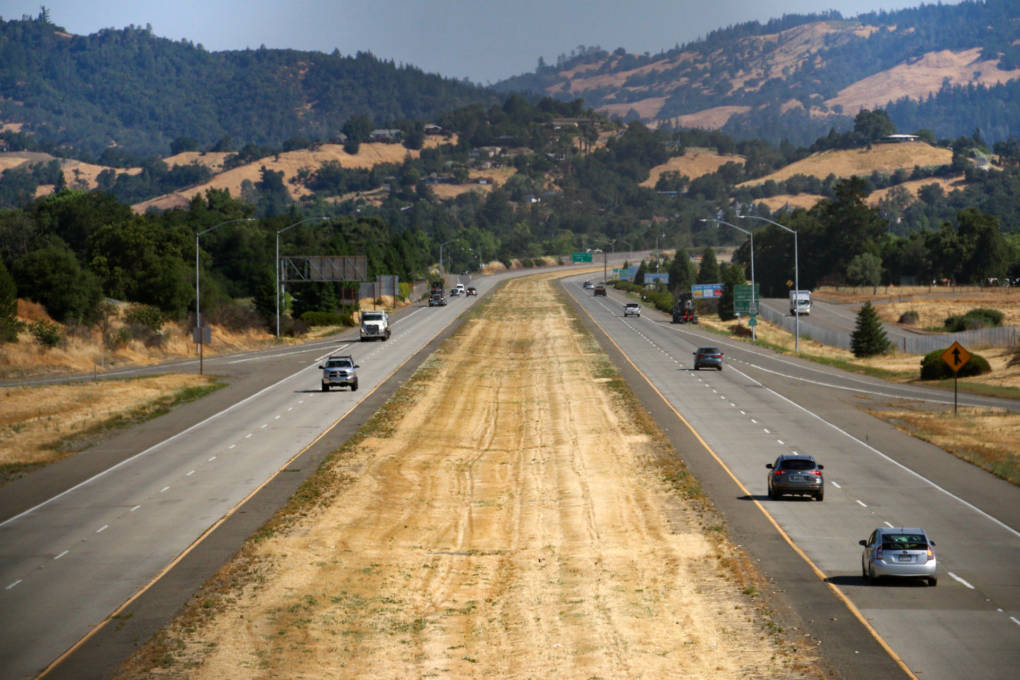
"caption": "Highway 101 in Cloverdale.",
"description": "Highway 101 in Cloverdale.",
"title": "RS31344_IMG_3493-qut",
"credit": "Adam Grossberg/KQED",
"status": "inherit",
"isLoading": false,
"fetchFailed": false
},
"news_11673655": {
"type": "attachments",
"id": "news_11673655",
"meta": {
"index": "attachments_1716263798",
"site": "news",
"id": "11673655",
"found": true
},
"parent": 11673654,
"imgSizes": {
"small": {
"file": "https://ww2.kqed.org/app/uploads/sites/10/2018/06/ap_18159565576526-d93bdedc30b4506990dba0b276634966d23e7e1a-520x390.jpg",
"width": 520,
"mimeType": "image/jpeg",
"height": 390
},
"twentyfourteen-full-width": {
"file": "https://ww2.kqed.org/app/uploads/sites/10/2018/06/ap_18159565576526-d93bdedc30b4506990dba0b276634966d23e7e1a-1038x576.jpg",
"width": 1038,
"mimeType": "image/jpeg",
"height": 576
},
"thumbnail": {
"file": "https://ww2.kqed.org/app/uploads/sites/10/2018/06/ap_18159565576526-d93bdedc30b4506990dba0b276634966d23e7e1a-160x120.jpg",
"width": 160,
"mimeType": "image/jpeg",
"height": 120
},
"fd-sm": {
"file": "https://ww2.kqed.org/app/uploads/sites/10/2018/06/ap_18159565576526-d93bdedc30b4506990dba0b276634966d23e7e1a-960x720.jpg",
"width": 960,
"mimeType": "image/jpeg",
"height": 720
},
"post-thumbnail": {
"file": "https://ww2.kqed.org/app/uploads/sites/10/2018/06/ap_18159565576526-d93bdedc30b4506990dba0b276634966d23e7e1a-672x372.jpg",
"width": 672,
"mimeType": "image/jpeg",
"height": 372
},
"xsmall": {
"file": "https://ww2.kqed.org/app/uploads/sites/10/2018/06/ap_18159565576526-d93bdedc30b4506990dba0b276634966d23e7e1a-375x281.jpg",
"width": 375,
"mimeType": "image/jpeg",
"height": 281
},
"kqedFullSize": {
"file": "https://ww2.kqed.org/app/uploads/sites/10/2018/06/ap_18159565576526-d93bdedc30b4506990dba0b276634966d23e7e1a-e1528486107130.jpg",
"width": 1920,
"height": 1440
},
"large": {
"file": "https://ww2.kqed.org/app/uploads/sites/10/2018/06/ap_18159565576526-d93bdedc30b4506990dba0b276634966d23e7e1a-1020x765.jpg",
"width": 1020,
"mimeType": "image/jpeg",
"height": 765
},
"xlarge": {
"file": "https://ww2.kqed.org/app/uploads/sites/10/2018/06/ap_18159565576526-d93bdedc30b4506990dba0b276634966d23e7e1a-1180x885.jpg",
"width": 1180,
"mimeType": "image/jpeg",
"height": 885
},
"complete_open_graph": {
"file": "https://ww2.kqed.org/app/uploads/sites/10/2018/06/ap_18159565576526-d93bdedc30b4506990dba0b276634966d23e7e1a-1200x900.jpg",
"width": 1200,
"mimeType": "image/jpeg",
"height": 900
},
"guest-author-50": {
"file": "https://ww2.kqed.org/app/uploads/sites/10/2018/06/ap_18159565576526-d93bdedc30b4506990dba0b276634966d23e7e1a-50x50.jpg",
"width": 50,
"mimeType": "image/jpeg",
"height": 50
},
"guest-author-96": {
"file": "https://ww2.kqed.org/app/uploads/sites/10/2018/06/ap_18159565576526-d93bdedc30b4506990dba0b276634966d23e7e1a-96x96.jpg",
"width": 96,
"mimeType": "image/jpeg",
"height": 96
},
"medium": {
"file": "https://ww2.kqed.org/app/uploads/sites/10/2018/06/ap_18159565576526-d93bdedc30b4506990dba0b276634966d23e7e1a-800x600.jpg",
"width": 800,
"mimeType": "image/jpeg",
"height": 600
},
"guest-author-64": {
"file": "https://ww2.kqed.org/app/uploads/sites/10/2018/06/ap_18159565576526-d93bdedc30b4506990dba0b276634966d23e7e1a-64x64.jpg",
"width": 64,
"mimeType": "image/jpeg",
"height": 64
},
"guest-author-32": {
"file": "https://ww2.kqed.org/app/uploads/sites/10/2018/06/ap_18159565576526-d93bdedc30b4506990dba0b276634966d23e7e1a-32x32.jpg",
"width": 32,
"mimeType": "image/jpeg",
"height": 32
},
"fd-lrg": {
"file": "https://ww2.kqed.org/app/uploads/sites/10/2018/06/ap_18159565576526-d93bdedc30b4506990dba0b276634966d23e7e1a-1920x1440.jpg",
"width": 1920,
"mimeType": "image/jpeg",
"height": 1440
},
"fd-med": {
"file": "https://ww2.kqed.org/app/uploads/sites/10/2018/06/ap_18159565576526-d93bdedc30b4506990dba0b276634966d23e7e1a-1180x885.jpg",
"width": 1180,
"mimeType": "image/jpeg",
"height": 885
},
"full-width": {
"file": "https://ww2.kqed.org/app/uploads/sites/10/2018/06/ap_18159565576526-d93bdedc30b4506990dba0b276634966d23e7e1a-1920x1440.jpg",
"width": 1920,
"mimeType": "image/jpeg",
"height": 1440
},
"detail": {
"file": "https://ww2.kqed.org/app/uploads/sites/10/2018/06/ap_18159565576526-d93bdedc30b4506990dba0b276634966d23e7e1a-150x150.jpg",
"width": 150,
"mimeType": "image/jpeg",
"height": 150
},
"guest-author-128": {
"file": "https://ww2.kqed.org/app/uploads/sites/10/2018/06/ap_18159565576526-d93bdedc30b4506990dba0b276634966d23e7e1a-128x128.jpg",
"width": 128,
"mimeType": "image/jpeg",
"height": 128
},
"xxsmall": {
"file": "https://ww2.kqed.org/app/uploads/sites/10/2018/06/ap_18159565576526-d93bdedc30b4506990dba0b276634966d23e7e1a-240x180.jpg",
"width": 240,
"mimeType": "image/jpeg",
"height": 180
}
},
"publishDate": 1528485918,
"modified": 1528486119,
"caption": "President Donald Trump steps off Air Force One as he arrives for the G-7 summit in Canada on June 8.",
"description": "President Donald Trump steps off Air Force One as he arrives for the G-7 summit in Canada on June 8.",
"title": "President Donald Trump steps off Air Force One as he arrives for the G-7 summit in Canada on June 8.",
"credit": "Evan Vucci/AP",
"status": "inherit",
"isLoading": false,
"fetchFailed": false
},
"news_11672219": {
"type": "attachments",
"id": "news_11672219",
"meta": {
"index": "attachments_1716263798",
"site": "news",
"id": "11672219",
"found": true
},
"parent": 11672213,
"imgSizes": {
"small": {
"file": "https://ww2.kqed.org/app/uploads/sites/10/2018/06/RS31232_IMG_5655-qut-520x390.jpg",
"width": 520,
"mimeType": "image/jpeg",
"height": 390
},
"twentyfourteen-full-width": {
"file": "https://ww2.kqed.org/app/uploads/sites/10/2018/06/RS31232_IMG_5655-qut-1038x576.jpg",
"width": 1038,
"mimeType": "image/jpeg",
"height": 576
},
"thumbnail": {
"file": "https://ww2.kqed.org/app/uploads/sites/10/2018/06/RS31232_IMG_5655-qut-160x120.jpg",
"width": 160,
"mimeType": "image/jpeg",
"height": 120
},
"fd-sm": {
"file": "https://ww2.kqed.org/app/uploads/sites/10/2018/06/RS31232_IMG_5655-qut-960x720.jpg",
"width": 960,
"mimeType": "image/jpeg",
"height": 720
},
"post-thumbnail": {
"file": "https://ww2.kqed.org/app/uploads/sites/10/2018/06/RS31232_IMG_5655-qut-672x372.jpg",
"width": 672,
"mimeType": "image/jpeg",
"height": 372
},
"xsmall": {
"file": "https://ww2.kqed.org/app/uploads/sites/10/2018/06/RS31232_IMG_5655-qut-375x281.jpg",
"width": 375,
"mimeType": "image/jpeg",
"height": 281
},
"kqedFullSize": {
"file": "https://ww2.kqed.org/app/uploads/sites/10/2018/06/RS31232_IMG_5655-qut.jpg",
"width": 1920,
"height": 1440
},
"large": {
"file": "https://ww2.kqed.org/app/uploads/sites/10/2018/06/RS31232_IMG_5655-qut-1020x765.jpg",
"width": 1020,
"mimeType": "image/jpeg",
"height": 765
},
"xlarge": {
"file": "https://ww2.kqed.org/app/uploads/sites/10/2018/06/RS31232_IMG_5655-qut-1180x885.jpg",
"width": 1180,
"mimeType": "image/jpeg",
"height": 885
},
"complete_open_graph": {
"file": "https://ww2.kqed.org/app/uploads/sites/10/2018/06/RS31232_IMG_5655-qut-1200x900.jpg",
"width": 1200,
"mimeType": "image/jpeg",
"height": 900
},
"guest-author-50": {
"file": "https://ww2.kqed.org/app/uploads/sites/10/2018/06/RS31232_IMG_5655-qut-50x50.jpg",
"width": 50,
"mimeType": "image/jpeg",
"height": 50
},
"guest-author-96": {
"file": "https://ww2.kqed.org/app/uploads/sites/10/2018/06/RS31232_IMG_5655-qut-96x96.jpg",
"width": 96,
"mimeType": "image/jpeg",
"height": 96
},
"medium": {
"file": "https://ww2.kqed.org/app/uploads/sites/10/2018/06/RS31232_IMG_5655-qut-800x600.jpg",
"width": 800,
"mimeType": "image/jpeg",
"height": 600
},
"guest-author-64": {
"file": "https://ww2.kqed.org/app/uploads/sites/10/2018/06/RS31232_IMG_5655-qut-64x64.jpg",
"width": 64,
"mimeType": "image/jpeg",
"height": 64
},
"guest-author-32": {
"file": "https://ww2.kqed.org/app/uploads/sites/10/2018/06/RS31232_IMG_5655-qut-32x32.jpg",
"width": 32,
"mimeType": "image/jpeg",
"height": 32
},
"fd-lrg": {
"file": "https://ww2.kqed.org/app/uploads/sites/10/2018/06/RS31232_IMG_5655-qut-1920x1440.jpg",
"width": 1920,
"mimeType": "image/jpeg",
"height": 1440
},
"fd-med": {
"file": "https://ww2.kqed.org/app/uploads/sites/10/2018/06/RS31232_IMG_5655-qut-1180x885.jpg",
"width": 1180,
"mimeType": "image/jpeg",
"height": 885
},
"full-width": {
"file": "https://ww2.kqed.org/app/uploads/sites/10/2018/06/RS31232_IMG_5655-qut-1920x1440.jpg",
"width": 1920,
"mimeType": "image/jpeg",
"height": 1440
},
"detail": {
"file": "https://ww2.kqed.org/app/uploads/sites/10/2018/06/RS31232_IMG_5655-qut-150x150.jpg",
"width": 150,
"mimeType": "image/jpeg",
"height": 150
},
"guest-author-128": {
"file": "https://ww2.kqed.org/app/uploads/sites/10/2018/06/RS31232_IMG_5655-qut-128x128.jpg",
"width": 128,
"mimeType": "image/jpeg",
"height": 128
},
"xxsmall": {
"file": "https://ww2.kqed.org/app/uploads/sites/10/2018/06/RS31232_IMG_5655-qut-240x180.jpg",
"width": 240,
"mimeType": "image/jpeg",
"height": 180
}
},
"publishDate": 1527982175,
"modified": 1527984329,
"caption": "Popular strains of marijuana on display at one of the many booths at Cannabis Cup at the Sonoma County Fairgrounds. It's only the second event in the U.S. to allow the purchase and consumption of marijuana in one place.",
"description": "Popular strains of marijuana on display at one of the many booths at Cannabis Cup at the Sonoma County Fairgrounds. It's only the second event in the U.S. to allow the purchase and consumption of marijuana in one place.",
"title": "RS31232_IMG_5655-qut",
"credit": "Sonja Hutson/KQED",
"status": "inherit",
"isLoading": false,
"fetchFailed": false
},
"news_11670947": {
"type": "attachments",
"id": "news_11670947",
"meta": {
"index": "attachments_1716263798",
"site": "news",
"id": "11670947",
"found": true
},
"parent": 11670945,
"imgSizes": {
"small": {
"file": "https://ww2.kqed.org/app/uploads/sites/10/2018/05/RS28767_GettyImages-900354318-qut-520x347.jpg",
"width": 520,
"mimeType": "image/jpeg",
"height": 347
},
"twentyfourteen-full-width": {
"file": "https://ww2.kqed.org/app/uploads/sites/10/2018/05/RS28767_GettyImages-900354318-qut-1038x576.jpg",
"width": 1038,
"mimeType": "image/jpeg",
"height": 576
},
"thumbnail": {
"file": "https://ww2.kqed.org/app/uploads/sites/10/2018/05/RS28767_GettyImages-900354318-qut-160x107.jpg",
"width": 160,
"mimeType": "image/jpeg",
"height": 107
},
"fd-sm": {
"file": "https://ww2.kqed.org/app/uploads/sites/10/2018/05/RS28767_GettyImages-900354318-qut-960x640.jpg",
"width": 960,
"mimeType": "image/jpeg",
"height": 640
},
"post-thumbnail": {
"file": "https://ww2.kqed.org/app/uploads/sites/10/2018/05/RS28767_GettyImages-900354318-qut-672x372.jpg",
"width": 672,
"mimeType": "image/jpeg",
"height": 372
},
"xsmall": {
"file": "https://ww2.kqed.org/app/uploads/sites/10/2018/05/RS28767_GettyImages-900354318-qut-375x250.jpg",
"width": 375,
"mimeType": "image/jpeg",
"height": 250
},
"kqedFullSize": {
"file": "https://ww2.kqed.org/app/uploads/sites/10/2018/05/RS28767_GettyImages-900354318-qut.jpg",
"width": 1920,
"height": 1280
},
"large": {
"file": "https://ww2.kqed.org/app/uploads/sites/10/2018/05/RS28767_GettyImages-900354318-qut-1020x680.jpg",
"width": 1020,
"mimeType": "image/jpeg",
"height": 680
},
"xlarge": {
"file": "https://ww2.kqed.org/app/uploads/sites/10/2018/05/RS28767_GettyImages-900354318-qut-1180x787.jpg",
"width": 1180,
"mimeType": "image/jpeg",
"height": 787
},
"complete_open_graph": {
"file": "https://ww2.kqed.org/app/uploads/sites/10/2018/05/RS28767_GettyImages-900354318-qut-1200x800.jpg",
"width": 1200,
"mimeType": "image/jpeg",
"height": 800
},
"guest-author-50": {
"file": "https://ww2.kqed.org/app/uploads/sites/10/2018/05/RS28767_GettyImages-900354318-qut-50x50.jpg",
"width": 50,
"mimeType": "image/jpeg",
"height": 50
},
"guest-author-96": {
"file": "https://ww2.kqed.org/app/uploads/sites/10/2018/05/RS28767_GettyImages-900354318-qut-96x96.jpg",
"width": 96,
"mimeType": "image/jpeg",
"height": 96
},
"medium": {
"file": "https://ww2.kqed.org/app/uploads/sites/10/2018/05/RS28767_GettyImages-900354318-qut-800x533.jpg",
"width": 800,
"mimeType": "image/jpeg",
"height": 533
},
"guest-author-64": {
"file": "https://ww2.kqed.org/app/uploads/sites/10/2018/05/RS28767_GettyImages-900354318-qut-64x64.jpg",
"width": 64,
"mimeType": "image/jpeg",
"height": 64
},
"guest-author-32": {
"file": "https://ww2.kqed.org/app/uploads/sites/10/2018/05/RS28767_GettyImages-900354318-qut-32x32.jpg",
"width": 32,
"mimeType": "image/jpeg",
"height": 32
},
"fd-lrg": {
"file": "https://ww2.kqed.org/app/uploads/sites/10/2018/05/RS28767_GettyImages-900354318-qut-1920x1280.jpg",
"width": 1920,
"mimeType": "image/jpeg",
"height": 1280
},
"fd-med": {
"file": "https://ww2.kqed.org/app/uploads/sites/10/2018/05/RS28767_GettyImages-900354318-qut-1180x787.jpg",
"width": 1180,
"mimeType": "image/jpeg",
"height": 787
},
"full-width": {
"file": "https://ww2.kqed.org/app/uploads/sites/10/2018/05/RS28767_GettyImages-900354318-qut-1920x1280.jpg",
"width": 1920,
"mimeType": "image/jpeg",
"height": 1280
},
"detail": {
"file": "https://ww2.kqed.org/app/uploads/sites/10/2018/05/RS28767_GettyImages-900354318-qut-150x150.jpg",
"width": 150,
"mimeType": "image/jpeg",
"height": 150
},
"guest-author-128": {
"file": "https://ww2.kqed.org/app/uploads/sites/10/2018/05/RS28767_GettyImages-900354318-qut-128x128.jpg",
"width": 128,
"mimeType": "image/jpeg",
"height": 128
},
"xxsmall": {
"file": "https://ww2.kqed.org/app/uploads/sites/10/2018/05/RS28767_GettyImages-900354318-qut-240x160.jpg",
"width": 240,
"mimeType": "image/jpeg",
"height": 160
}
},
"publishDate": 1527362243,
"modified": 1527362284,
"caption": "Efforts to lower marijuana taxes to help the transition to California's new legal market have suffered a setback as a bill that would have slashed taxes on legal pot for three years to entice people away from the black market failed to advance out of a key legislative committee.",
"description": "Efforts to lower marijuana taxes to help the transition to California's new legal market have suffered a setback as a bill that would have slashed taxes on legal pot for three years to entice people away from the black market failed to advance out of a key legislative committee.",
"title": "DOUNIAMAG-LIFESTYLE-US-HEALTH-BUSINESS",
"credit": "ROBYN BECK/AFP/Getty Images",
"status": "inherit",
"isLoading": false,
"fetchFailed": false
},
"news_11669416": {
"type": "attachments",
"id": "news_11669416",
"meta": {
"index": "attachments_1716263798",
"site": "news",
"id": "11669416",
"found": true
},
"parent": 11669399,
"imgSizes": {
"small": {
"file": "https://ww2.kqed.org/app/uploads/sites/10/2018/05/RS31026_GettyImages-949185458-qut-520x347.jpg",
"width": 520,
"mimeType": "image/jpeg",
"height": 347
},
"twentyfourteen-full-width": {
"file": "https://ww2.kqed.org/app/uploads/sites/10/2018/05/RS31026_GettyImages-949185458-qut-1038x576.jpg",
"width": 1038,
"mimeType": "image/jpeg",
"height": 576
},
"thumbnail": {
"file": "https://ww2.kqed.org/app/uploads/sites/10/2018/05/RS31026_GettyImages-949185458-qut-160x107.jpg",
"width": 160,
"mimeType": "image/jpeg",
"height": 107
},
"fd-sm": {
"file": "https://ww2.kqed.org/app/uploads/sites/10/2018/05/RS31026_GettyImages-949185458-qut-960x640.jpg",
"width": 960,
"mimeType": "image/jpeg",
"height": 640
},
"post-thumbnail": {
"file": "https://ww2.kqed.org/app/uploads/sites/10/2018/05/RS31026_GettyImages-949185458-qut-672x372.jpg",
"width": 672,
"mimeType": "image/jpeg",
"height": 372
},
"xsmall": {
"file": "https://ww2.kqed.org/app/uploads/sites/10/2018/05/RS31026_GettyImages-949185458-qut-375x250.jpg",
"width": 375,
"mimeType": "image/jpeg",
"height": 250
},
"kqedFullSize": {
"file": "https://ww2.kqed.org/app/uploads/sites/10/2018/05/RS31026_GettyImages-949185458-qut.jpg",
"width": 1920,
"height": 1280
},
"large": {
"file": "https://ww2.kqed.org/app/uploads/sites/10/2018/05/RS31026_GettyImages-949185458-qut-1020x680.jpg",
"width": 1020,
"mimeType": "image/jpeg",
"height": 680
},
"xlarge": {
"file": "https://ww2.kqed.org/app/uploads/sites/10/2018/05/RS31026_GettyImages-949185458-qut-1180x787.jpg",
"width": 1180,
"mimeType": "image/jpeg",
"height": 787
},
"complete_open_graph": {
"file": "https://ww2.kqed.org/app/uploads/sites/10/2018/05/RS31026_GettyImages-949185458-qut-1200x800.jpg",
"width": 1200,
"mimeType": "image/jpeg",
"height": 800
},
"guest-author-50": {
"file": "https://ww2.kqed.org/app/uploads/sites/10/2018/05/RS31026_GettyImages-949185458-qut-50x50.jpg",
"width": 50,
"mimeType": "image/jpeg",
"height": 50
},
"guest-author-96": {
"file": "https://ww2.kqed.org/app/uploads/sites/10/2018/05/RS31026_GettyImages-949185458-qut-96x96.jpg",
"width": 96,
"mimeType": "image/jpeg",
"height": 96
},
"medium": {
"file": "https://ww2.kqed.org/app/uploads/sites/10/2018/05/RS31026_GettyImages-949185458-qut-800x533.jpg",
"width": 800,
"mimeType": "image/jpeg",
"height": 533
},
"guest-author-64": {
"file": "https://ww2.kqed.org/app/uploads/sites/10/2018/05/RS31026_GettyImages-949185458-qut-64x64.jpg",
"width": 64,
"mimeType": "image/jpeg",
"height": 64
},
"guest-author-32": {
"file": "https://ww2.kqed.org/app/uploads/sites/10/2018/05/RS31026_GettyImages-949185458-qut-32x32.jpg",
"width": 32,
"mimeType": "image/jpeg",
"height": 32
},
"fd-lrg": {
"file": "https://ww2.kqed.org/app/uploads/sites/10/2018/05/RS31026_GettyImages-949185458-qut-1920x1280.jpg",
"width": 1920,
"mimeType": "image/jpeg",
"height": 1280
},
"fd-med": {
"file": "https://ww2.kqed.org/app/uploads/sites/10/2018/05/RS31026_GettyImages-949185458-qut-1180x787.jpg",
"width": 1180,
"mimeType": "image/jpeg",
"height": 787
},
"full-width": {
"file": "https://ww2.kqed.org/app/uploads/sites/10/2018/05/RS31026_GettyImages-949185458-qut-1920x1280.jpg",
"width": 1920,
"mimeType": "image/jpeg",
"height": 1280
},
"detail": {
"file": "https://ww2.kqed.org/app/uploads/sites/10/2018/05/RS31026_GettyImages-949185458-qut-150x150.jpg",
"width": 150,
"mimeType": "image/jpeg",
"height": 150
},
"guest-author-128": {
"file": "https://ww2.kqed.org/app/uploads/sites/10/2018/05/RS31026_GettyImages-949185458-qut-128x128.jpg",
"width": 128,
"mimeType": "image/jpeg",
"height": 128
},
"xxsmall": {
"file": "https://ww2.kqed.org/app/uploads/sites/10/2018/05/RS31026_GettyImages-949185458-qut-240x160.jpg",
"width": 240,
"mimeType": "image/jpeg",
"height": 160
}
},
"publishDate": 1526764197,
"modified": 1526764338,
"caption": "'Just say no' and 'scared straight' aren't realistic options for talking to kids about pot in California today. So what should parents and educators say?",
"description": "'Just say no' and 'scared straight' aren't realistic options for talking to kids about pot in California today. So what should parents and educators say? (",
"title": "Annual Marijuana \"Holiday\" 4/20 Celebrated In San Francisco",
"credit": "Justin Sullivan/Getty Images",
"status": "inherit",
"isLoading": false,
"fetchFailed": false
},
"news_11668932": {
"type": "attachments",
"id": "news_11668932",
"meta": {
"index": "attachments_1716263798",
"site": "news",
"id": "11668932",
"found": true
},
"parent": 11668789,
"imgSizes": {
"small": {
"file": "https://ww2.kqed.org/app/uploads/sites/10/2018/05/CBDDose-520x345.jpg",
"width": 520,
"mimeType": "image/jpeg",
"height": 345
},
"twentyfourteen-full-width": {
"file": "https://ww2.kqed.org/app/uploads/sites/10/2018/05/CBDDose-1038x576.jpg",
"width": 1038,
"mimeType": "image/jpeg",
"height": 576
},
"thumbnail": {
"file": "https://ww2.kqed.org/app/uploads/sites/10/2018/05/CBDDose-160x106.jpg",
"width": 160,
"mimeType": "image/jpeg",
"height": 106
},
"fd-sm": {
"file": "https://ww2.kqed.org/app/uploads/sites/10/2018/05/CBDDose-960x637.jpg",
"width": 960,
"mimeType": "image/jpeg",
"height": 637
},
"post-thumbnail": {
"file": "https://ww2.kqed.org/app/uploads/sites/10/2018/05/CBDDose-672x372.jpg",
"width": 672,
"mimeType": "image/jpeg",
"height": 372
},
"xsmall": {
"file": "https://ww2.kqed.org/app/uploads/sites/10/2018/05/CBDDose-375x249.jpg",
"width": 375,
"mimeType": "image/jpeg",
"height": 249
},
"kqedFullSize": {
"file": "https://ww2.kqed.org/app/uploads/sites/10/2018/05/CBDDose.jpg",
"width": 1920,
"height": 1273
},
"large": {
"file": "https://ww2.kqed.org/app/uploads/sites/10/2018/05/CBDDose-1020x676.jpg",
"width": 1020,
"mimeType": "image/jpeg",
"height": 676
},
"xlarge": {
"file": "https://ww2.kqed.org/app/uploads/sites/10/2018/05/CBDDose-1180x782.jpg",
"width": 1180,
"mimeType": "image/jpeg",
"height": 782
},
"complete_open_graph": {
"file": "https://ww2.kqed.org/app/uploads/sites/10/2018/05/CBDDose-1200x796.jpg",
"width": 1200,
"mimeType": "image/jpeg",
"height": 796
},
"guest-author-50": {
"file": "https://ww2.kqed.org/app/uploads/sites/10/2018/05/CBDDose-50x50.jpg",
"width": 50,
"mimeType": "image/jpeg",
"height": 50
},
"guest-author-96": {
"file": "https://ww2.kqed.org/app/uploads/sites/10/2018/05/CBDDose-96x96.jpg",
"width": 96,
"mimeType": "image/jpeg",
"height": 96
},
"medium": {
"file": "https://ww2.kqed.org/app/uploads/sites/10/2018/05/CBDDose-800x530.jpg",
"width": 800,
"mimeType": "image/jpeg",
"height": 530
},
"guest-author-64": {
"file": "https://ww2.kqed.org/app/uploads/sites/10/2018/05/CBDDose-64x64.jpg",
"width": 64,
"mimeType": "image/jpeg",
"height": 64
},
"guest-author-32": {
"file": "https://ww2.kqed.org/app/uploads/sites/10/2018/05/CBDDose-32x32.jpg",
"width": 32,
"mimeType": "image/jpeg",
"height": 32
},
"fd-lrg": {
"file": "https://ww2.kqed.org/app/uploads/sites/10/2018/05/CBDDose-1920x1273.jpg",
"width": 1920,
"mimeType": "image/jpeg",
"height": 1273
},
"fd-med": {
"file": "https://ww2.kqed.org/app/uploads/sites/10/2018/05/CBDDose-1180x782.jpg",
"width": 1180,
"mimeType": "image/jpeg",
"height": 782
},
"full-width": {
"file": "https://ww2.kqed.org/app/uploads/sites/10/2018/05/CBDDose-1920x1273.jpg",
"width": 1920,
"mimeType": "image/jpeg",
"height": 1273
},
"detail": {
"file": "https://ww2.kqed.org/app/uploads/sites/10/2018/05/CBDDose-150x150.jpg",
"width": 150,
"mimeType": "image/jpeg",
"height": 150
},
"guest-author-128": {
"file": "https://ww2.kqed.org/app/uploads/sites/10/2018/05/CBDDose-128x128.jpg",
"width": 128,
"mimeType": "image/jpeg",
"height": 128
},
"xxsmall": {
"file": "https://ww2.kqed.org/app/uploads/sites/10/2018/05/CBDDose-240x159.jpg",
"width": 240,
"mimeType": "image/jpeg",
"height": 159
}
},
"publishDate": 1526585060,
"modified": 1526585120,
"caption": "A dose of cannabidiol (CBD) extract is measured.",
"description": "A dose of cannabidiol (CBD) extract is measured.",
"title": "CBDDose",
"credit": "JASON REDMOND/AFP/Getty Images",
"status": "inherit",
"isLoading": false,
"fetchFailed": false
},
"stateofhealth_363550": {
"type": "attachments",
"id": "stateofhealth_363550",
"meta": {
"index": "attachments_1716263798",
"site": "stateofhealth",
"id": "363550",
"found": true
},
"parent": 363545,
"imgSizes": {
"small": {
"file": "https://ww2.kqed.org/app/uploads/sites/27/2018/05/RS30960_alt_726-520x693.jpg",
"width": 520,
"mimeType": "image/jpeg",
"height": 693
},
"twentyfourteen-full-width": {
"file": "https://ww2.kqed.org/app/uploads/sites/27/2018/05/RS30960_alt_726-1038x576.jpg",
"width": 1038,
"mimeType": "image/jpeg",
"height": 576
},
"thumbnail": {
"file": "https://ww2.kqed.org/app/uploads/sites/27/2018/05/RS30960_alt_726-160x213.jpg",
"width": 160,
"mimeType": "image/jpeg",
"height": 213
},
"fd-sm": {
"file": "https://ww2.kqed.org/app/uploads/sites/27/2018/05/RS30960_alt_726-960x1280.jpg",
"width": 960,
"mimeType": "image/jpeg",
"height": 1280
},
"post-thumbnail": {
"file": "https://ww2.kqed.org/app/uploads/sites/27/2018/05/RS30960_alt_726-672x372.jpg",
"width": 672,
"mimeType": "image/jpeg",
"height": 372
},
"xsmall": {
"file": "https://ww2.kqed.org/app/uploads/sites/27/2018/05/RS30960_alt_726-375x500.jpg",
"width": 375,
"mimeType": "image/jpeg",
"height": 500
},
"kqedFullSize": {
"file": "https://ww2.kqed.org/app/uploads/sites/27/2018/05/RS30960_alt_726.jpg",
"width": 3024,
"height": 4032
},
"large": {
"file": "https://ww2.kqed.org/app/uploads/sites/27/2018/05/RS30960_alt_726-1020x1360.jpg",
"width": 1020,
"mimeType": "image/jpeg",
"height": 1360
},
"xlarge": {
"file": "https://ww2.kqed.org/app/uploads/sites/27/2018/05/RS30960_alt_726-1180x1573.jpg",
"width": 1180,
"mimeType": "image/jpeg",
"height": 1573
},
"complete_open_graph": {
"file": "https://ww2.kqed.org/app/uploads/sites/27/2018/05/RS30960_alt_726-900x1200.jpg",
"width": 900,
"mimeType": "image/jpeg",
"height": 1200
},
"guest-author-50": {
"file": "https://ww2.kqed.org/app/uploads/sites/27/2018/05/RS30960_alt_726-50x50.jpg",
"width": 50,
"mimeType": "image/jpeg",
"height": 50
},
"guest-author-96": {
"file": "https://ww2.kqed.org/app/uploads/sites/27/2018/05/RS30960_alt_726-96x96.jpg",
"width": 96,
"mimeType": "image/jpeg",
"height": 96
},
"medium": {
"file": "https://ww2.kqed.org/app/uploads/sites/27/2018/05/RS30960_alt_726-800x1067.jpg",
"width": 800,
"mimeType": "image/jpeg",
"height": 1067
},
"guest-author-64": {
"file": "https://ww2.kqed.org/app/uploads/sites/27/2018/05/RS30960_alt_726-64x64.jpg",
"width": 64,
"mimeType": "image/jpeg",
"height": 64
},
"guest-author-32": {
"file": "https://ww2.kqed.org/app/uploads/sites/27/2018/05/RS30960_alt_726-32x32.jpg",
"width": 32,
"mimeType": "image/jpeg",
"height": 32
},
"fd-lrg": {
"file": "https://ww2.kqed.org/app/uploads/sites/27/2018/05/RS30960_alt_726-1920x2560.jpg",
"width": 1920,
"mimeType": "image/jpeg",
"height": 2560
},
"fd-med": {
"file": "https://ww2.kqed.org/app/uploads/sites/27/2018/05/RS30960_alt_726-1180x1573.jpg",
"width": 1180,
"mimeType": "image/jpeg",
"height": 1573
},
"full-width": {
"file": "https://ww2.kqed.org/app/uploads/sites/27/2018/05/RS30960_alt_726-1920x2560.jpg",
"width": 1920,
"mimeType": "image/jpeg",
"height": 2560
},
"detail": {
"file": "https://ww2.kqed.org/app/uploads/sites/27/2018/05/RS30960_alt_726-150x150.jpg",
"width": 150,
"mimeType": "image/jpeg",
"height": 150
},
"medium_large": {
"file": "https://ww2.kqed.org/app/uploads/sites/27/2018/05/RS30960_alt_726-768x1024.jpg",
"width": 768,
"mimeType": "image/jpeg",
"height": 1024
},
"guest-author-128": {
"file": "https://ww2.kqed.org/app/uploads/sites/27/2018/05/RS30960_alt_726-128x128.jpg",
"width": 128,
"mimeType": "image/jpeg",
"height": 128
},
"xxsmall": {
"file": "https://ww2.kqed.org/app/uploads/sites/27/2018/05/RS30960_alt_726-240x320.jpg",
"width": 240,
"mimeType": "image/jpeg",
"height": 320
}
},
"publishDate": 1526427482,
"modified": 1526764079,
"caption": "Dawn Charlton, an instructor with Being Adept, leads a discussion on marijuana for sixth-graders at Del Mar Middle School in Tiburon.",
"description": "Dawn Charlton, an instructor with Being Adept, leads a discussion on marijuana for sixth-graders at Del Mar Middle School in Tiburon.",
"title": "RS30960_alt_726",
"credit": "Carrie Feibel/KQED",
"status": "inherit",
"isLoading": false,
"fetchFailed": false
},
"news_11668092": {
"type": "attachments",
"id": "news_11668092",
"meta": {
"index": "attachments_1716263798",
"site": "news",
"id": "11668092",
"found": true
},
"parent": 11668090,
"imgSizes": {
"small": {
"file": "https://ww2.kqed.org/app/uploads/sites/10/2018/05/RS28742_GettyImages-900583112-qut-520x347.jpg",
"width": 520,
"mimeType": "image/jpeg",
"height": 347
},
"twentyfourteen-full-width": {
"file": "https://ww2.kqed.org/app/uploads/sites/10/2018/05/RS28742_GettyImages-900583112-qut-1038x576.jpg",
"width": 1038,
"mimeType": "image/jpeg",
"height": 576
},
"thumbnail": {
"file": "https://ww2.kqed.org/app/uploads/sites/10/2018/05/RS28742_GettyImages-900583112-qut-160x107.jpg",
"width": 160,
"mimeType": "image/jpeg",
"height": 107
},
"fd-sm": {
"file": "https://ww2.kqed.org/app/uploads/sites/10/2018/05/RS28742_GettyImages-900583112-qut-960x640.jpg",
"width": 960,
"mimeType": "image/jpeg",
"height": 640
},
"post-thumbnail": {
"file": "https://ww2.kqed.org/app/uploads/sites/10/2018/05/RS28742_GettyImages-900583112-qut-672x372.jpg",
"width": 672,
"mimeType": "image/jpeg",
"height": 372
},
"xsmall": {
"file": "https://ww2.kqed.org/app/uploads/sites/10/2018/05/RS28742_GettyImages-900583112-qut-375x250.jpg",
"width": 375,
"mimeType": "image/jpeg",
"height": 250
},
"kqedFullSize": {
"file": "https://ww2.kqed.org/app/uploads/sites/10/2018/05/RS28742_GettyImages-900583112-qut.jpg",
"width": 1920,
"height": 1280
},
"large": {
"file": "https://ww2.kqed.org/app/uploads/sites/10/2018/05/RS28742_GettyImages-900583112-qut-1020x680.jpg",
"width": 1020,
"mimeType": "image/jpeg",
"height": 680
},
"xlarge": {
"file": "https://ww2.kqed.org/app/uploads/sites/10/2018/05/RS28742_GettyImages-900583112-qut-1180x787.jpg",
"width": 1180,
"mimeType": "image/jpeg",
"height": 787
},
"complete_open_graph": {
"file": "https://ww2.kqed.org/app/uploads/sites/10/2018/05/RS28742_GettyImages-900583112-qut-1200x800.jpg",
"width": 1200,
"mimeType": "image/jpeg",
"height": 800
},
"guest-author-50": {
"file": "https://ww2.kqed.org/app/uploads/sites/10/2018/05/RS28742_GettyImages-900583112-qut-50x50.jpg",
"width": 50,
"mimeType": "image/jpeg",
"height": 50
},
"guest-author-96": {
"file": "https://ww2.kqed.org/app/uploads/sites/10/2018/05/RS28742_GettyImages-900583112-qut-96x96.jpg",
"width": 96,
"mimeType": "image/jpeg",
"height": 96
},
"medium": {
"file": "https://ww2.kqed.org/app/uploads/sites/10/2018/05/RS28742_GettyImages-900583112-qut-800x533.jpg",
"width": 800,
"mimeType": "image/jpeg",
"height": 533
},
"guest-author-64": {
"file": "https://ww2.kqed.org/app/uploads/sites/10/2018/05/RS28742_GettyImages-900583112-qut-64x64.jpg",
"width": 64,
"mimeType": "image/jpeg",
"height": 64
},
"guest-author-32": {
"file": "https://ww2.kqed.org/app/uploads/sites/10/2018/05/RS28742_GettyImages-900583112-qut-32x32.jpg",
"width": 32,
"mimeType": "image/jpeg",
"height": 32
},
"fd-lrg": {
"file": "https://ww2.kqed.org/app/uploads/sites/10/2018/05/RS28742_GettyImages-900583112-qut-1920x1280.jpg",
"width": 1920,
"mimeType": "image/jpeg",
"height": 1280
},
"fd-med": {
"file": "https://ww2.kqed.org/app/uploads/sites/10/2018/05/RS28742_GettyImages-900583112-qut-1180x787.jpg",
"width": 1180,
"mimeType": "image/jpeg",
"height": 787
},
"full-width": {
"file": "https://ww2.kqed.org/app/uploads/sites/10/2018/05/RS28742_GettyImages-900583112-qut-1920x1280.jpg",
"width": 1920,
"mimeType": "image/jpeg",
"height": 1280
},
"detail": {
"file": "https://ww2.kqed.org/app/uploads/sites/10/2018/05/RS28742_GettyImages-900583112-qut-150x150.jpg",
"width": 150,
"mimeType": "image/jpeg",
"height": 150
},
"guest-author-128": {
"file": "https://ww2.kqed.org/app/uploads/sites/10/2018/05/RS28742_GettyImages-900583112-qut-128x128.jpg",
"width": 128,
"mimeType": "image/jpeg",
"height": 128
},
"xxsmall": {
"file": "https://ww2.kqed.org/app/uploads/sites/10/2018/05/RS28742_GettyImages-900583112-qut-240x160.jpg",
"width": 240,
"mimeType": "image/jpeg",
"height": 160
}
},
"publishDate": 1526229781,
"modified": 1526229832,
"caption": "People stand in line to get into MedMen, a pot shop in West Hollywood.",
"description": "People stand in line to get into MedMen, a pot shop in West Hollywood.",
"title": "Recreational Marijuana Sales Begin Gradually In California",
"credit": "David McNew/Getty Images",
"status": "inherit",
"isLoading": false,
"fetchFailed": false
},
"news_11666922": {
"type": "attachments",
"id": "news_11666922",
"meta": {
"index": "attachments_1716263798",
"site": "news",
"id": "11666922",
"found": true
},
"parent": 11666913,
"imgSizes": {
"small": {
"file": "https://ww2.kqed.org/app/uploads/sites/10/2018/05/WeedScale-520x327.jpg",
"width": 520,
"mimeType": "image/jpeg",
"height": 327
},
"twentyfourteen-full-width": {
"file": "https://ww2.kqed.org/app/uploads/sites/10/2018/05/WeedScale-1038x576.jpg",
"width": 1038,
"mimeType": "image/jpeg",
"height": 576
},
"thumbnail": {
"file": "https://ww2.kqed.org/app/uploads/sites/10/2018/05/WeedScale-160x101.jpg",
"width": 160,
"mimeType": "image/jpeg",
"height": 101
},
"fd-sm": {
"file": "https://ww2.kqed.org/app/uploads/sites/10/2018/05/WeedScale-960x604.jpg",
"width": 960,
"mimeType": "image/jpeg",
"height": 604
},
"post-thumbnail": {
"file": "https://ww2.kqed.org/app/uploads/sites/10/2018/05/WeedScale-672x372.jpg",
"width": 672,
"mimeType": "image/jpeg",
"height": 372
},
"xsmall": {
"file": "https://ww2.kqed.org/app/uploads/sites/10/2018/05/WeedScale-375x236.jpg",
"width": 375,
"mimeType": "image/jpeg",
"height": 236
},
"kqedFullSize": {
"file": "https://ww2.kqed.org/app/uploads/sites/10/2018/05/WeedScale.jpg",
"width": 1920,
"height": 1208
},
"large": {
"file": "https://ww2.kqed.org/app/uploads/sites/10/2018/05/WeedScale-1020x642.jpg",
"width": 1020,
"mimeType": "image/jpeg",
"height": 642
},
"xlarge": {
"file": "https://ww2.kqed.org/app/uploads/sites/10/2018/05/WeedScale-1180x742.jpg",
"width": 1180,
"mimeType": "image/jpeg",
"height": 742
},
"complete_open_graph": {
"file": "https://ww2.kqed.org/app/uploads/sites/10/2018/05/WeedScale-1200x755.jpg",
"width": 1200,
"mimeType": "image/jpeg",
"height": 755
},
"guest-author-50": {
"file": "https://ww2.kqed.org/app/uploads/sites/10/2018/05/WeedScale-50x50.jpg",
"width": 50,
"mimeType": "image/jpeg",
"height": 50
},
"guest-author-96": {
"file": "https://ww2.kqed.org/app/uploads/sites/10/2018/05/WeedScale-96x96.jpg",
"width": 96,
"mimeType": "image/jpeg",
"height": 96
},
"medium": {
"file": "https://ww2.kqed.org/app/uploads/sites/10/2018/05/WeedScale-800x503.jpg",
"width": 800,
"mimeType": "image/jpeg",
"height": 503
},
"guest-author-64": {
"file": "https://ww2.kqed.org/app/uploads/sites/10/2018/05/WeedScale-64x64.jpg",
"width": 64,
"mimeType": "image/jpeg",
"height": 64
},
"guest-author-32": {
"file": "https://ww2.kqed.org/app/uploads/sites/10/2018/05/WeedScale-32x32.jpg",
"width": 32,
"mimeType": "image/jpeg",
"height": 32
},
"fd-lrg": {
"file": "https://ww2.kqed.org/app/uploads/sites/10/2018/05/WeedScale-1920x1208.jpg",
"width": 1920,
"mimeType": "image/jpeg",
"height": 1208
},
"fd-med": {
"file": "https://ww2.kqed.org/app/uploads/sites/10/2018/05/WeedScale-1180x742.jpg",
"width": 1180,
"mimeType": "image/jpeg",
"height": 742
},
"full-width": {
"file": "https://ww2.kqed.org/app/uploads/sites/10/2018/05/WeedScale-1920x1208.jpg",
"width": 1920,
"mimeType": "image/jpeg",
"height": 1208
},
"detail": {
"file": "https://ww2.kqed.org/app/uploads/sites/10/2018/05/WeedScale-150x150.jpg",
"width": 150,
"mimeType": "image/jpeg",
"height": 150
},
"guest-author-128": {
"file": "https://ww2.kqed.org/app/uploads/sites/10/2018/05/WeedScale-128x128.jpg",
"width": 128,
"mimeType": "image/jpeg",
"height": 128
},
"xxsmall": {
"file": "https://ww2.kqed.org/app/uploads/sites/10/2018/05/WeedScale-240x151.jpg",
"width": 240,
"mimeType": "image/jpeg",
"height": 151
}
},
"publishDate": 1525726635,
"modified": 1525726679,
"caption": "Cannabis money is flowing to Democrats and Republicans running for re-election to the Legislature, as well as to Democratic candidates hoping to be elected governor and attorney general.",
"description": "Cannabis money is flowing to Democrats and Republicans running for re-election to the Legislature, as well as to Democratic candidates hoping to be elected governor and attorney general.",
"title": "WeedScale",
"credit": "FREDERIC J. BROWN/AFP/Getty Images",
"status": "inherit",
"isLoading": false,
"fetchFailed": false
},
"news_11629081": {
"type": "attachments",
"id": "news_11629081",
"meta": {
"index": "attachments_1716263798",
"site": "news",
"id": "11629081",
"found": true
},
"parent": 11628986,
"imgSizes": {
"small": {
"file": "https://ww2.kqed.org/app/uploads/sites/10/2017/11/WeedCounter-520x345.jpg",
"width": 520,
"mimeType": "image/jpeg",
"height": 345
},
"twentyfourteen-full-width": {
"file": "https://ww2.kqed.org/app/uploads/sites/10/2017/11/WeedCounter-1038x576.jpg",
"width": 1038,
"mimeType": "image/jpeg",
"height": 576
},
"thumbnail": {
"file": "https://ww2.kqed.org/app/uploads/sites/10/2017/11/WeedCounter-160x106.jpg",
"width": 160,
"mimeType": "image/jpeg",
"height": 106
},
"fd-sm": {
"file": "https://ww2.kqed.org/app/uploads/sites/10/2017/11/WeedCounter-960x637.jpg",
"width": 960,
"mimeType": "image/jpeg",
"height": 637
},
"post-thumbnail": {
"file": "https://ww2.kqed.org/app/uploads/sites/10/2017/11/WeedCounter-672x372.jpg",
"width": 672,
"mimeType": "image/jpeg",
"height": 372
},
"xsmall": {
"file": "https://ww2.kqed.org/app/uploads/sites/10/2017/11/WeedCounter-375x249.jpg",
"width": 375,
"mimeType": "image/jpeg",
"height": 249
},
"kqedFullSize": {
"file": "https://ww2.kqed.org/app/uploads/sites/10/2017/11/WeedCounter.jpg",
"width": 1920,
"height": 1274
},
"large": {
"file": "https://ww2.kqed.org/app/uploads/sites/10/2017/11/WeedCounter-1020x677.jpg",
"width": 1020,
"mimeType": "image/jpeg",
"height": 677
},
"xlarge": {
"file": "https://ww2.kqed.org/app/uploads/sites/10/2017/11/WeedCounter-1180x783.jpg",
"width": 1180,
"mimeType": "image/jpeg",
"height": 783
},
"guest-author-50": {
"file": "https://ww2.kqed.org/app/uploads/sites/10/2017/11/WeedCounter-50x50.jpg",
"width": 50,
"mimeType": "image/jpeg",
"height": 50
},
"guest-author-96": {
"file": "https://ww2.kqed.org/app/uploads/sites/10/2017/11/WeedCounter-96x96.jpg",
"width": 96,
"mimeType": "image/jpeg",
"height": 96
},
"medium": {
"file": "https://ww2.kqed.org/app/uploads/sites/10/2017/11/WeedCounter-800x531.jpg",
"width": 800,
"mimeType": "image/jpeg",
"height": 531
},
"guest-author-64": {
"file": "https://ww2.kqed.org/app/uploads/sites/10/2017/11/WeedCounter-64x64.jpg",
"width": 64,
"mimeType": "image/jpeg",
"height": 64
},
"guest-author-32": {
"file": "https://ww2.kqed.org/app/uploads/sites/10/2017/11/WeedCounter-32x32.jpg",
"width": 32,
"mimeType": "image/jpeg",
"height": 32
},
"fd-lrg": {
"file": "https://ww2.kqed.org/app/uploads/sites/10/2017/11/WeedCounter-1920x1274.jpg",
"width": 1920,
"mimeType": "image/jpeg",
"height": 1274
},
"fd-med": {
"file": "https://ww2.kqed.org/app/uploads/sites/10/2017/11/WeedCounter-1180x783.jpg",
"width": 1180,
"mimeType": "image/jpeg",
"height": 783
},
"full-width": {
"file": "https://ww2.kqed.org/app/uploads/sites/10/2017/11/WeedCounter-1920x1274.jpg",
"width": 1920,
"mimeType": "image/jpeg",
"height": 1274
},
"detail": {
"file": "https://ww2.kqed.org/app/uploads/sites/10/2017/11/WeedCounter-150x150.jpg",
"width": 150,
"mimeType": "image/jpeg",
"height": 150
},
"guest-author-128": {
"file": "https://ww2.kqed.org/app/uploads/sites/10/2017/11/WeedCounter-128x128.jpg",
"width": 128,
"mimeType": "image/jpeg",
"height": 128
},
"xxsmall": {
"file": "https://ww2.kqed.org/app/uploads/sites/10/2017/11/WeedCounter-240x159.jpg",
"width": 240,
"mimeType": "image/jpeg",
"height": 159
}
},
"publishDate": 1510109425,
"modified": 1524705268,
"caption": "A customer prepares to buy marijuana from a cannabis farmers market in L.A.",
"description": "A customer prepares to buy marijuana from a cannabis farmers market in L.A.",
"title": "WeedCounter",
"credit": "Frederic J. Brown/AFP/Getty Images",
"status": "inherit",
"isLoading": false,
"fetchFailed": false
},
"news_11664544": {
"type": "attachments",
"id": "news_11664544",
"meta": {
"index": "attachments_1716263798",
"site": "news",
"id": "11664544",
"found": true
},
"parent": 11664390,
"imgSizes": {
"small": {
"file": "https://ww2.kqed.org/app/uploads/sites/10/2018/04/SmokingJoint-520x331.jpg",
"width": 520,
"mimeType": "image/jpeg",
"height": 331
},
"twentyfourteen-full-width": {
"file": "https://ww2.kqed.org/app/uploads/sites/10/2018/04/SmokingJoint-1038x576.jpg",
"width": 1038,
"mimeType": "image/jpeg",
"height": 576
},
"thumbnail": {
"file": "https://ww2.kqed.org/app/uploads/sites/10/2018/04/SmokingJoint-160x102.jpg",
"width": 160,
"mimeType": "image/jpeg",
"height": 102
},
"fd-sm": {
"file": "https://ww2.kqed.org/app/uploads/sites/10/2018/04/SmokingJoint-960x611.jpg",
"width": 960,
"mimeType": "image/jpeg",
"height": 611
},
"post-thumbnail": {
"file": "https://ww2.kqed.org/app/uploads/sites/10/2018/04/SmokingJoint-672x372.jpg",
"width": 672,
"mimeType": "image/jpeg",
"height": 372
},
"xsmall": {
"file": "https://ww2.kqed.org/app/uploads/sites/10/2018/04/SmokingJoint-375x239.jpg",
"width": 375,
"mimeType": "image/jpeg",
"height": 239
},
"kqedFullSize": {
"file": "https://ww2.kqed.org/app/uploads/sites/10/2018/04/SmokingJoint.jpg",
"width": 1920,
"height": 1222
},
"large": {
"file": "https://ww2.kqed.org/app/uploads/sites/10/2018/04/SmokingJoint-1020x649.jpg",
"width": 1020,
"mimeType": "image/jpeg",
"height": 649
},
"xlarge": {
"file": "https://ww2.kqed.org/app/uploads/sites/10/2018/04/SmokingJoint-1180x751.jpg",
"width": 1180,
"mimeType": "image/jpeg",
"height": 751
},
"complete_open_graph": {
"file": "https://ww2.kqed.org/app/uploads/sites/10/2018/04/SmokingJoint-1200x764.jpg",
"width": 1200,
"mimeType": "image/jpeg",
"height": 764
},
"guest-author-50": {
"file": "https://ww2.kqed.org/app/uploads/sites/10/2018/04/SmokingJoint-50x50.jpg",
"width": 50,
"mimeType": "image/jpeg",
"height": 50
},
"guest-author-96": {
"file": "https://ww2.kqed.org/app/uploads/sites/10/2018/04/SmokingJoint-96x96.jpg",
"width": 96,
"mimeType": "image/jpeg",
"height": 96
},
"medium": {
"file": "https://ww2.kqed.org/app/uploads/sites/10/2018/04/SmokingJoint-800x509.jpg",
"width": 800,
"mimeType": "image/jpeg",
"height": 509
},
"guest-author-64": {
"file": "https://ww2.kqed.org/app/uploads/sites/10/2018/04/SmokingJoint-64x64.jpg",
"width": 64,
"mimeType": "image/jpeg",
"height": 64
},
"guest-author-32": {
"file": "https://ww2.kqed.org/app/uploads/sites/10/2018/04/SmokingJoint-32x32.jpg",
"width": 32,
"mimeType": "image/jpeg",
"height": 32
},
"fd-lrg": {
"file": "https://ww2.kqed.org/app/uploads/sites/10/2018/04/SmokingJoint-1920x1222.jpg",
"width": 1920,
"mimeType": "image/jpeg",
"height": 1222
},
"fd-med": {
"file": "https://ww2.kqed.org/app/uploads/sites/10/2018/04/SmokingJoint-1180x751.jpg",
"width": 1180,
"mimeType": "image/jpeg",
"height": 751
},
"full-width": {
"file": "https://ww2.kqed.org/app/uploads/sites/10/2018/04/SmokingJoint-1920x1222.jpg",
"width": 1920,
"mimeType": "image/jpeg",
"height": 1222
},
"detail": {
"file": "https://ww2.kqed.org/app/uploads/sites/10/2018/04/SmokingJoint-150x150.jpg",
"width": 150,
"mimeType": "image/jpeg",
"height": 150
},
"guest-author-128": {
"file": "https://ww2.kqed.org/app/uploads/sites/10/2018/04/SmokingJoint-128x128.jpg",
"width": 128,
"mimeType": "image/jpeg",
"height": 128
},
"xxsmall": {
"file": "https://ww2.kqed.org/app/uploads/sites/10/2018/04/SmokingJoint-240x153.jpg",
"width": 240,
"mimeType": "image/jpeg",
"height": 153
}
},
"publishDate": 1524620423,
"modified": 1524620473,
"caption": "\"California patients who use medical cannabis are being discriminated against in the workplace. They shouldn’t be,\" said Assemblyman Rob Bonta.",
"description": "\"California patients who use medical cannabis are being discriminated against in the workplace. They shouldn’t be,\" said Assemblyman Rob Bonta.",
"title": "SmokingJoint",
"credit": "Miguel Schincariol/AFP/Getty Images",
"status": "inherit",
"isLoading": false,
"fetchFailed": false
}
},
"audioPlayerReducer": {
"postId": "stream_live",
"isPaused": true,
"isPlaying": false,
"pfsActive": false,
"pledgeModalIsOpen": true,
"playerDrawerIsOpen": false,
"liveAudioPlayStartedAt": 0,
"liveAudioPlayContext": ""
},
"authorsReducer": {
"byline_news_11674907": {
"type": "authors",
"id": "byline_news_11674907",
"meta": {
"override": true
},
"slug": "byline_news_11674907",
"name": "\u003cstrong>Michael R. Blood\u003c/strong>\u003c/br>Associated Press",
"isLoading": false
},
"byline_news_11673654": {
"type": "authors",
"id": "byline_news_11673654",
"meta": {
"override": true
},
"slug": "byline_news_11673654",
"name": "Sarah McCammon",
"isLoading": false
},
"byline_news_11670945": {
"type": "authors",
"id": "byline_news_11670945",
"meta": {
"override": true
},
"slug": "byline_news_11670945",
"name": "\u003cstrong>Sophia Bollag\u003c/strong>\u003c/br>Associated Press",
"isLoading": false
},
"byline_news_11668789": {
"type": "authors",
"id": "byline_news_11668789",
"meta": {
"override": true
},
"slug": "byline_news_11668789",
"name": "Michelle Wiley",
"isLoading": false
},
"byline_news_11668090": {
"type": "authors",
"id": "byline_news_11668090",
"meta": {
"override": true
},
"slug": "byline_news_11668090",
"name": "\u003cstrong>\u003ca href=\"https://www.scpr.org/about/people/staff/david-wagner\" rel=\"noopener\" target=\"_blank\">David Wagner\u003c/a>\u003c/strong>\u003c/br>KPCC",
"isLoading": false
},
"byline_news_11666913": {
"type": "authors",
"id": "byline_news_11666913",
"meta": {
"override": true
},
"slug": "byline_news_11666913",
"name": "\u003cstrong>\u003ca href=\"https://calmatters.org/articles/author/laurel-rosenhall/\">Laurel Rosenhall\u003c/a>\u003c/strong>",
"isLoading": false
},
"byline_news_11664390": {
"type": "authors",
"id": "byline_news_11664390",
"meta": {
"override": true
},
"slug": "byline_news_11664390",
"name": "Allen Young",
"isLoading": false
},
"slewis": {
"type": "authors",
"id": "8676",
"meta": {
"index": "authors_1716337520",
"id": "8676",
"found": true
},
"name": "Sukey Lewis",
"firstName": "Sukey",
"lastName": "Lewis",
"slug": "slewis",
"email": "slewis@kqed.org",
"display_author_email": true,
"staff_mastheads": [
"news"
],
"title": "KQED Contributor",
"bio": "Sukey Lewis is a criminal justice reporter and host of \u003cem>On Our Watch\u003c/em>, a new podcast from NPR and KQED about the shadow world of police discipline. In 2018, she co-founded the California Reporting Project, a coalition of newsrooms across the state focused on obtaining previously sealed internal affairs records from law enforcement. In addition to her reporting on police accountability, Sukey has investigated the bail bonds industry, California's wildfires and the high cost of prison phone calls. Sukey earned a master's degree in journalism from the University of California at Berkeley. Send news tips to slewis@kqed.org.",
"avatar": "https://secure.gravatar.com/avatar/03fd6b21024f99d8b0a1966654586de7?s=600&d=blank&r=g",
"twitter": "SukeyLewis",
"facebook": null,
"instagram": null,
"linkedin": null,
"sites": [
{
"site": "news",
"roles": [
"author",
"edit_others_posts"
]
}
],
"headData": {
"title": "Sukey Lewis | KQED",
"description": "KQED Contributor",
"ogImgSrc": "https://secure.gravatar.com/avatar/03fd6b21024f99d8b0a1966654586de7?s=600&d=blank&r=g",
"twImgSrc": "https://secure.gravatar.com/avatar/03fd6b21024f99d8b0a1966654586de7?s=600&d=blank&r=g"
},
"isLoading": false,
"link": "/author/slewis"
},
"korr": {
"type": "authors",
"id": "11200",
"meta": {
"index": "authors_1716337520",
"id": "11200",
"found": true
},
"name": "Katie Orr",
"firstName": "Katie",
"lastName": "Orr",
"slug": "korr",
"email": "korr@kqed.org",
"display_author_email": false,
"staff_mastheads": [],
"title": "KQED Contributor",
"bio": "Katie Orr was a Sacramento-based reporter for KQED's Politics and Government Desk, covering the state Capitol and a variety of issues including women in politics, voting and elections and legislation. Prior to joining KQED in 2016, Katie was state government reporter for Capital Public Radio in Sacramento. She's also worked for KPBS in San Diego, where she covered City Hall.\r\n\r\nKatie received her masters degree in political science from San Diego State University and holds a Bachelors degree in broadcast journalism from Arizona State University.\r\n\r\nIn 2015 Katie won a national Clarion Award for a series of stories she did on women in California politics. She's been honored by the Society for Professional Journalists and, in 2013, was named by \u003cem>The Washington Post\u003c/em> as one of the country's top state Capitol reporters. She's also reported for the award-winning documentary series \u003cem>The View from Here \u003c/em>and was part of the team that won national PRNDI and Gabriel Awards in 2015. She lives in Sacramento with her husband. Twitter: @1KatieOrr",
"avatar": "https://secure.gravatar.com/avatar/41a40b25845adc78f50808670860449e?s=600&d=blank&r=g",
"twitter": "1katieorr",
"facebook": null,
"instagram": null,
"linkedin": null,
"sites": [
{
"site": "news",
"roles": [
"subscriber"
]
},
{
"site": "stateofhealth",
"roles": [
"author"
]
},
{
"site": "forum",
"roles": [
"author"
]
}
],
"headData": {
"title": "Katie Orr | KQED",
"description": "KQED Contributor",
"ogImgSrc": "https://secure.gravatar.com/avatar/41a40b25845adc78f50808670860449e?s=600&d=blank&r=g",
"twImgSrc": "https://secure.gravatar.com/avatar/41a40b25845adc78f50808670860449e?s=600&d=blank&r=g"
},
"isLoading": false,
"link": "/author/korr"
},
"shutson": {
"type": "authors",
"id": "11216",
"meta": {
"index": "authors_1716337520",
"id": "11216",
"found": true
},
"name": "Sonja Hutson",
"firstName": "Sonja",
"lastName": "Hutson",
"slug": "shutson",
"email": "shutson@kqed.org",
"display_author_email": false,
"staff_mastheads": [],
"title": "KQED Contributor",
"bio": "Sonja Hutson is a former reporter for KQED's Silicon Valley desk and weekend newscasts. She primarily covers tech and housing. Sonja is a Bay Area native and now lives in San Francisco. When she's not working, you can find her camping, skiing, scuba diving, and struggling with the New York Times Crossword. Email: \u003ca href=\"mailto:shutson@kqed.org\">shutson@kqed.org. \u003c/a>Twitter: \u003ca href=\"https://twitter.com/SonjaHutson\">@SonjaHutson\u003c/a>",
"avatar": "https://secure.gravatar.com/avatar/7537c5e36818614e599b6c0f41d72b7a?s=600&d=blank&r=g",
"twitter": "SonjaHutson",
"facebook": null,
"instagram": null,
"linkedin": null,
"sites": [
{
"site": "arts",
"roles": [
"author"
]
},
{
"site": "news",
"roles": [
"subscriber"
]
}
],
"headData": {
"title": "Sonja Hutson | KQED",
"description": "KQED Contributor",
"ogImgSrc": "https://secure.gravatar.com/avatar/7537c5e36818614e599b6c0f41d72b7a?s=600&d=blank&r=g",
"twImgSrc": "https://secure.gravatar.com/avatar/7537c5e36818614e599b6c0f41d72b7a?s=600&d=blank&r=g"
},
"isLoading": false,
"link": "/author/shutson"
},
"rlevi": {
"type": "authors",
"id": "11260",
"meta": {
"index": "authors_1716337520",
"id": "11260",
"found": true
},
"name": "Ryan Levi",
"firstName": "Ryan",
"lastName": "Levi",
"slug": "rlevi",
"email": "rlevi@KQED.org",
"display_author_email": false,
"staff_mastheads": [],
"title": "KQED Contributor",
"bio": "Ryan Levi was a reporter and podcast producer at KQED News from 2016-2019. He worked on \u003ca href=\"https://www.kqed.org/news/series/baycurious\">Bay Curious\u003c/a>, \u003ca href=\"https://www.kqed.org/news/tag/the-bay/\">The Bay, \u003c/a>and \u003ca href=\"https://podcasts.apple.com/us/podcast/the-california-report-magazine/id1314750545\">The California Report Magazine\u003c/a>, as well as hosting and producing the weekly \u003ca href=\"https://www.kqed.org/news/program/qedup/\">Q'ed Up podcast. \u003c/a>He also helped inaugurate KQED's weekend news coverage in 2017 as one of two original digital producers. Ryan holds degrees in multimedia journalism and Spanish from the University of Missouri.",
"avatar": "https://secure.gravatar.com/avatar/4cb2ddd028ac8807d1adf09609c5555d?s=600&d=blank&r=g",
"twitter": "ryan_levi",
"facebook": null,
"instagram": null,
"linkedin": null,
"sites": [
{
"site": "arts",
"roles": [
"editor"
]
},
{
"site": "news",
"roles": [
"subscriber"
]
},
{
"site": "stateofhealth",
"roles": [
"editor"
]
},
{
"site": "science",
"roles": [
"editor"
]
},
{
"site": "forum",
"roles": [
"administrator"
]
},
{
"site": "perspectives",
"roles": [
"administrator"
]
}
],
"headData": {
"title": "Ryan Levi | KQED",
"description": "KQED Contributor",
"ogImgSrc": "https://secure.gravatar.com/avatar/4cb2ddd028ac8807d1adf09609c5555d?s=600&d=blank&r=g",
"twImgSrc": "https://secure.gravatar.com/avatar/4cb2ddd028ac8807d1adf09609c5555d?s=600&d=blank&r=g"
},
"isLoading": false,
"link": "/author/rlevi"
},
"cfeibel": {
"type": "authors",
"id": "11314",
"meta": {
"index": "authors_1716337520",
"id": "11314",
"found": true
},
"name": "Carrie Feibel",
"firstName": "Carrie",
"lastName": "Feibel",
"slug": "cfeibel",
"email": "cfeibel@KQED.org",
"display_author_email": false,
"staff_mastheads": [],
"title": "KQED Contributor",
"bio": "Carrie Feibel is a former health editor at KQED, where she has also reported for radio and online. Her stories have appeared on the national NPR shows \u003cem>Morning Edition\u003c/em>, \u003cem>All Things Considered\u003c/em>, and \u003cem>Here & Now\u003c/em>, and on the national website, Kaiser Health News. Her print career included stints at the \u003cem>Houston Chronicle\u003c/em>, \u003cem>The (Bergen) Record,\u003c/em> and the Associated Press in New York City. A native of St. Louis, Feibel attended Cornell University, and earned a master's in journalism from Columbia University.",
"avatar": "https://secure.gravatar.com/avatar/c64a7e3c9a910e1bffd4ad32a5264aa9?s=600&d=blank&r=g",
"twitter": "KQEDHealth",
"facebook": null,
"instagram": null,
"linkedin": null,
"sites": [
{
"site": "news",
"roles": [
"subscriber"
]
},
{
"site": "stateofhealth",
"roles": [
"administrator"
]
}
],
"headData": {
"title": "Carrie Feibel | KQED",
"description": "KQED Contributor",
"ogImgSrc": "https://secure.gravatar.com/avatar/c64a7e3c9a910e1bffd4ad32a5264aa9?s=600&d=blank&r=g",
"twImgSrc": "https://secure.gravatar.com/avatar/c64a7e3c9a910e1bffd4ad32a5264aa9?s=600&d=blank&r=g"
},
"isLoading": false,
"link": "/author/cfeibel"
}
},
"pagesReducer": {
"news_tag_marijuana": {
"type": "terms",
"id": "news_102",
"meta": {
"index": "terms_1716263798",
"site": "news",
"id": "102",
"score": 8.461626
},
"featImg": null,
"name": "marijuana",
"description": null,
"taxonomy": "tag",
"headData": {
"twImgId": null,
"twTitle": null,
"ogTitle": null,
"ogImgId": null,
"twDescription": null,
"description": null,
"title": "marijuana Archives | KQED News",
"ogDescription": null
},
"ttid": 106,
"slug": "marijuana",
"isLoading": false,
"title": "marijuana",
"pageMeta": {
"site": "news",
"WpPageTemplate": "page-topic-editorial",
"currentPage": 8
},
"blocks": [
{
"blockName": "kqed/post-list",
"attrs": {
"layout": "cardArticle2",
"query": "posts/news?tag=marijuana",
"seeMore": false,
"paginated": true,
"page": 8
}
},
{
"blockName": "kqed/ad"
}
]
}
},
"pfsSessionReducer": {},
"postsReducer": {
"stream_live": {
"type": "live",
"id": "stream_live",
"audioUrl": "https://hls.kqed.org/hls/kqed_app/playlist.m3u8",
"title": "Live Stream",
"excerpt": "Live Stream information currently unavailable.",
"link": "/radio",
"featImg": "",
"label": {
"name": "KQED Live",
"link": "/"
}
},
"stream_kqedNewscast": {
"type": "posts",
"id": "stream_kqedNewscast",
"audioUrl": "https://www.kqed.org/.stream/anon/radio/RDnews/newscast.mp3?_=1",
"title": "KQED Newscast",
"featImg": "",
"label": {
"name": "88.5 FM",
"link": "/"
}
},
"news_11674907": {
"type": "posts",
"id": "news_11674907",
"meta": {
"index": "posts_1716263798",
"site": "news",
"id": "11674907",
"score": null,
"sort": [
1529014532000
]
},
"guestAuthors": [],
"slug": "proposed-us-banking-fix-for-marijuana-may-not-open-all-doors",
"title": "Proposed U.S. Banking Fix for Marijuana May Not Open All Doors",
"publishDate": 1529014532,
"format": "standard",
"headTitle": "Proposed U.S. Banking Fix for Marijuana May Not Open All Doors | KQED",
"labelTerm": {},
"content": "\u003cp>A proposal in Congress to ease the U.S. ban on marijuana could encourage more banks to do business with cannabis companies, but it appears to fall short of a cure-all for an industry that must operate mainly as a cash business in a credit card world.\u003c/p>\n\u003cp>Marijuana is legal in some form in about 30 states, but companies that grow or sell it often are locked out at banks. Their money isn’t wanted because the drug is illegal under federal law and transactions tied to pot proceeds could expose financial institutions to money-laundering charges.\u003c/p>\n\u003cp>The bipartisan measure — \u003ca href=\"https://www.kqed.org/news/11662332/trump-vows-to-back-law-to-protext-marijuana-industry\" target=\"_blank\" rel=\"noopener\">which received tentative support from President Trump\u003c/a> — would ensure states have the right to determine the best approach to marijuana, without federal interference. It also includes language intended to address the banking gap caused by the federal ban.\u003c/p>\n\u003cp>The legislation has been praised as a strong step, but “standing alone, it’s likely not a silver bullet for the banking problem,” said California pot industry attorney Nicole Howell Neubert, a member of a state task force that studied the banking stalemate.\u003c/p>\n\u003cp>“Most financial institutions will be looking for even more affirmative direction from (Washington) to feel comfortable with banking cannabis companies,” she said in a statement.\u003c/p>\n\u003cp>[ad fullwidth]\u003c/p>\n\u003cp>The shortage of banking services has been a major obstacle to the industry, often forcing businesses to conduct sales and pay vendors and \u003ca href=\"https://www.kqed.org/news/11670945/measure-to-slash-state-marijuana-taxes-suffers-setback\" target=\"_blank\" rel=\"noopener\">taxes\u003c/a> in cash, sometimes in vast amounts that can become targets for criminals.\u003c/p>\n\u003cp>The number of financial institutions working with marijuana companies has been growing, but it’s still a small fraction overall.\u003c/p>\n\u003cp>The Mountain West Credit Union Association and the Maine Credit Union League said in a joint statement that the legislation would “provide the certainty we need … to service this growing industry.”\u003c/p>\n\u003cp>The measure, which faces an uncertain future in Congress, does not legalize marijuana nationally. But it takes steps to allow banks to handle marijuana funds without the risk of federal prosecution.\u003c/p>\n\u003cp>For example, it says money from marijuana businesses in states where the drug is legal would no longer be considered illegal proceeds, and it would allow banks to accept those funds without breaking money-laundering laws.\u003c/p>\n\u003cp>Even then, risk remains as banks face a range of compliance rules by accepting marijuana-linked money. The Bank Secrecy Act requires that banks know their customers well enough to ensure they are not engaging in money laundering, said Julie A. Hill, a professor at the University of Alabama School of Law.\u003c/p>\n\u003cp>“This likely means that a bank accepting marijuana money would have to do enough research to know that their customers are complying with state law regarding the sale of marijuana,” Hill said. “The bank would likely have to confirm that the marijuana is not sold to minors or sold for transport to states where it is illegal.”\u003c/p>\n\u003cp>Banks could face penalties if they don’t meet such requirements.\u003c/p>\n\u003cp>They also are urged to watch for warning signs of possible illegal activity, such as financial statements provided by a business not squaring with account activity.\u003c/p>\n\u003cp>Because the cost of doing such research would be high, some banks might choose to stay away from marijuana money, Hill said in an email.\u003c/p>\n\u003cp>If the legislation passes, it’s likely marijuana will stay illegal in some conservative-leaning states, such as South Dakota and Kansas. Some banks in those states might then be uneasy about handling marijuana dollars coming from places where the drug is legal.\u003c/p>\n\u003cp>“I don’t imagine the … financial institution would take that risk to take in funds from a business considered illegal in that state,” said Beth Mills of the Western Bankers Association.\u003c/p>\n\u003cp>Another uncertainty that could give banks pause: The conflict between Trump, who signaled his support for the legislation, and his own Justice Department.\u003c/p>\n\u003cp>Attorney General \u003ca href=\"https://www.kqed.org/news/11659088/marijuana-friendly-states-want-meeting-with-sessions\" target=\"_blank\" rel=\"noopener\">Jeff Sessions\u003c/a> staunchly opposes marijuana and lifted an Obama administration policy in order to allow federal prosecutors to more aggressively pursue cases in states that have legalized marijuana.\u003c/p>\n\u003cp>Colorado tried to set up a credit union in 2015 to serve the pot industry but the Federal Reserve blocked it. In Oregon, the state Department of Revenue built a fortress-like office for dropping off and counting cash.\u003c/p>\n\u003cp>Some pot businesses have tried to open bank accounts by setting up management companies or nonprofit organizations with ambiguous names — basically, by misleading the banks. But those accounts can be shut down if a bank realizes where the money is coming from.\u003c/p>\n\u003cp>Other proposals in Congress also are intended to open the way for more banks to handle marijuana dollars, but it’s not clear if any have enough support to reach Trump’s desk.\u003c/p>\n\u003cp>\u003c/p>\n\u003cp>After a House committee rejected one such measure Wednesday, Kevin Sabet, head of Smart Approaches to Marijuana, a nonpartisan group opposed to marijuana legalization, said it would have “opened up direct access to Wall Street investment into the sales and marketing of pot candies, cookies and ice creams.”\u003c/p>\n\n",
"blocks": [],
"excerpt": "A proposal in Congress to ease the federal ban on marijuana could encourage more banks to do business with cannabis companies, but it appears to fall short of a cure-all for an industry that must operate mainly as a cash business in a credit card world.",
"status": "publish",
"parent": 0,
"modified": 1740181468,
"stats": {
"hasAudio": false,
"hasVideo": false,
"hasChartOrMap": false,
"iframeSrcs": [],
"hasGoogleForm": false,
"hasGallery": false,
"hasHearkenModule": false,
"hasPolis": false,
"paragraphCount": 25,
"wordCount": 850
},
"headData": {
"title": "Proposed U.S. Banking Fix for Marijuana May Not Open All Doors | KQED",
"description": "A proposal in Congress to ease the federal ban on marijuana could encourage more banks to do business with cannabis companies, but it appears to fall short of a cure-all for an industry that must operate mainly as a cash business in a credit card world.",
"ogTitle": "",
"ogDescription": "",
"ogImgId": "",
"twTitle": "",
"twDescription": "",
"twImgId": "",
"schema": {
"@context": "https://schema.org",
"@type": "NewsArticle",
"headline": "Proposed U.S. Banking Fix for Marijuana May Not Open All Doors",
"datePublished": "2018-06-14T15:15:32-07:00",
"dateModified": "2025-02-21T15:44:28-08:00",
"image": "https://cdn.kqed.org/wp-content/uploads/2020/02/KQED-OG-Image@1x.png",
"isAccessibleForFree": "True",
"publisher": {
"@type": "NewsMediaOrganization",
"@id": "https://www.kqed.org/#organization",
"name": "KQED",
"logo": "https://cdn.kqed.org/wp-content/uploads/2020/02/KQED-OG-Image@1x.png",
"url": "https://www.kqed.org",
"sameAs": [
"https://www.facebook.com/KQED",
"https://twitter.com/KQED",
"https://www.instagram.com/kqed/",
"https://www.tiktok.com/@kqedofficial",
"https://www.linkedin.com/company/kqed",
"https://www.youtube.com/channel/UCeC0IOo7i1P_61zVUWbJ4nw"
]
}
}
},
"source": "Associated Press",
"sticky": false,
"WpOldSlug": "proposed-us-banking-fix-for-marijuana-may-not-open-all-doors__trashed",
"nprByline": "\u003cstrong>Michael R. Blood\u003c/strong>\u003c/br>Associated Press",
"path": "/news/11674907/proposed-us-banking-fix-for-marijuana-may-not-open-all-doors",
"audioTrackLength": null,
"parsedContent": [
{
"type": "contentString",
"content": "\u003cdiv class=\"post-body\">\u003cp>\u003cp>A proposal in Congress to ease the U.S. ban on marijuana could encourage more banks to do business with cannabis companies, but it appears to fall short of a cure-all for an industry that must operate mainly as a cash business in a credit card world.\u003c/p>\n\u003cp>Marijuana is legal in some form in about 30 states, but companies that grow or sell it often are locked out at banks. Their money isn’t wanted because the drug is illegal under federal law and transactions tied to pot proceeds could expose financial institutions to money-laundering charges.\u003c/p>\n\u003cp>The bipartisan measure — \u003ca href=\"https://www.kqed.org/news/11662332/trump-vows-to-back-law-to-protext-marijuana-industry\" target=\"_blank\" rel=\"noopener\">which received tentative support from President Trump\u003c/a> — would ensure states have the right to determine the best approach to marijuana, without federal interference. It also includes language intended to address the banking gap caused by the federal ban.\u003c/p>\n\u003cp>The legislation has been praised as a strong step, but “standing alone, it’s likely not a silver bullet for the banking problem,” said California pot industry attorney Nicole Howell Neubert, a member of a state task force that studied the banking stalemate.\u003c/p>\n\u003cp>“Most financial institutions will be looking for even more affirmative direction from (Washington) to feel comfortable with banking cannabis companies,” she said in a statement.\u003c/p>\n\u003cp>\u003c/p>\u003c/div>",
"attributes": {
"named": {},
"numeric": []
}
},
{
"type": "component",
"content": "",
"name": "ad",
"attributes": {
"named": {
"label": "fullwidth"
},
"numeric": [
"fullwidth"
]
}
},
{
"type": "contentString",
"content": "\u003cdiv class=\"post-body\">\u003cp>\u003c/p>\n\u003cp>The shortage of banking services has been a major obstacle to the industry, often forcing businesses to conduct sales and pay vendors and \u003ca href=\"https://www.kqed.org/news/11670945/measure-to-slash-state-marijuana-taxes-suffers-setback\" target=\"_blank\" rel=\"noopener\">taxes\u003c/a> in cash, sometimes in vast amounts that can become targets for criminals.\u003c/p>\n\u003cp>The number of financial institutions working with marijuana companies has been growing, but it’s still a small fraction overall.\u003c/p>\n\u003cp>The Mountain West Credit Union Association and the Maine Credit Union League said in a joint statement that the legislation would “provide the certainty we need … to service this growing industry.”\u003c/p>\n\u003cp>The measure, which faces an uncertain future in Congress, does not legalize marijuana nationally. But it takes steps to allow banks to handle marijuana funds without the risk of federal prosecution.\u003c/p>\n\u003cp>For example, it says money from marijuana businesses in states where the drug is legal would no longer be considered illegal proceeds, and it would allow banks to accept those funds without breaking money-laundering laws.\u003c/p>\n\u003cp>Even then, risk remains as banks face a range of compliance rules by accepting marijuana-linked money. The Bank Secrecy Act requires that banks know their customers well enough to ensure they are not engaging in money laundering, said Julie A. Hill, a professor at the University of Alabama School of Law.\u003c/p>\n\u003cp>“This likely means that a bank accepting marijuana money would have to do enough research to know that their customers are complying with state law regarding the sale of marijuana,” Hill said. “The bank would likely have to confirm that the marijuana is not sold to minors or sold for transport to states where it is illegal.”\u003c/p>\n\u003cp>Banks could face penalties if they don’t meet such requirements.\u003c/p>\n\u003cp>They also are urged to watch for warning signs of possible illegal activity, such as financial statements provided by a business not squaring with account activity.\u003c/p>\n\u003cp>Because the cost of doing such research would be high, some banks might choose to stay away from marijuana money, Hill said in an email.\u003c/p>\n\u003cp>If the legislation passes, it’s likely marijuana will stay illegal in some conservative-leaning states, such as South Dakota and Kansas. Some banks in those states might then be uneasy about handling marijuana dollars coming from places where the drug is legal.\u003c/p>\n\u003cp>“I don’t imagine the … financial institution would take that risk to take in funds from a business considered illegal in that state,” said Beth Mills of the Western Bankers Association.\u003c/p>\n\u003cp>Another uncertainty that could give banks pause: The conflict between Trump, who signaled his support for the legislation, and his own Justice Department.\u003c/p>\n\u003cp>Attorney General \u003ca href=\"https://www.kqed.org/news/11659088/marijuana-friendly-states-want-meeting-with-sessions\" target=\"_blank\" rel=\"noopener\">Jeff Sessions\u003c/a> staunchly opposes marijuana and lifted an Obama administration policy in order to allow federal prosecutors to more aggressively pursue cases in states that have legalized marijuana.\u003c/p>\n\u003cp>Colorado tried to set up a credit union in 2015 to serve the pot industry but the Federal Reserve blocked it. In Oregon, the state Department of Revenue built a fortress-like office for dropping off and counting cash.\u003c/p>\n\u003cp>Some pot businesses have tried to open bank accounts by setting up management companies or nonprofit organizations with ambiguous names — basically, by misleading the banks. But those accounts can be shut down if a bank realizes where the money is coming from.\u003c/p>\n\u003cp>Other proposals in Congress also are intended to open the way for more banks to handle marijuana dollars, but it’s not clear if any have enough support to reach Trump’s desk.\u003c/p>\n\u003cp>\u003c/p>\n\u003cp>After a House committee rejected one such measure Wednesday, Kevin Sabet, head of Smart Approaches to Marijuana, a nonpartisan group opposed to marijuana legalization, said it would have “opened up direct access to Wall Street investment into the sales and marketing of pot candies, cookies and ice creams.”\u003c/p>\n\n\u003c/div>\u003c/p>",
"attributes": {
"named": {},
"numeric": []
}
}
],
"link": "/news/11674907/proposed-us-banking-fix-for-marijuana-may-not-open-all-doors",
"authors": [
"byline_news_11674907"
],
"programs": [
"news_72"
],
"categories": [
"news_6188",
"news_8",
"news_33520"
],
"tags": [
"news_69",
"news_1323",
"news_102",
"news_22282"
],
"featImg": "news_11674912",
"label": "source_news_11674907"
},
"news_11673412": {
"type": "posts",
"id": "news_11673412",
"meta": {
"index": "posts_1716263798",
"site": "news",
"id": "11673412",
"score": null,
"sort": [
1528549212000
]
},
"guestAuthors": [],
"slug": "highway-robbery-drivers-allege-rohnert-park-police-illegally-seized-cannabis-cash",
"title": "‘Highway Robbery’: Drivers Allege Rohnert Park Police Illegally Seized Cannabis, Cash",
"publishDate": 1528549212,
"format": "image",
"headTitle": "‘Highway Robbery’: Drivers Allege Rohnert Park Police Illegally Seized Cannabis, Cash | KQED",
"labelTerm": {
"term": 72,
"site": "news"
},
"content": "\u003cp>\u003cem>Updated July 3, 2018 at 11:30 a.m.\u003c/em>\u003c/p>\n\u003cp>\u003cem>This story was reported in collaboration with the \u003ca href=\"https://www.northcoastjournal.com/NewsBlog/archives/2018/06/09/highway-robbery-drivers-allege-rohnert-park-police-illegally-seized-cannabis-cash\" target=\"_blank\" rel=\"noopener\">North Coast Journal\u003c/a> and independent reporter \u003ca href=\"http://kymkemp.com/2018/06/09/highway-robbery-drivers-allege-rohnert-park-police-illegally-seized-cannabis-cash/\" target=\"_blank\" rel=\"noopener\">Kym Kemp\u003c/a>.\u003c/em>\u003c/p>\n\u003cp>Huedell Freeman was heading south on Highway 101 through Cloverdale and was just over the Sonoma County line when he said a police squad car flipped a U-Turn across a 25-foot grass median and pulled up behind him with lights flashing.\u003c/p>\n\u003caside class=\"pullquote alignright\">\u003cspan style=\"font-size: x-large\">‘\u003cstrong>He grinned and smiled\u003c/strong> at me and did not respond. At that moment I knew I’d been had. I knew that this was not a normal traffic stop.’\u003c/span>\u003ccite>Huedell Freeman\u003c/cite>\u003c/aside>\n\u003cp>Freeman said he was carrying 47 pounds of marijuana in his rental car that day, Dec. 29, 2016, but said he wasn’t too worried about the weed because he had a \u003ca href=\"https://www.documentcloud.org/documents/4499521-FreemanPermitsMendocinco.html\" target=\"_blank\" rel=\"noopener\">permit to grow\u003c/a> medical cannabis in Mendocino County. He was driving it down to his client, a licensed dispensary called \u003ca href=\"https://www.thehigherpath.com/\" target=\"_blank\" rel=\"noopener\">The Higher Path\u003c/a> in Sherman Oaks, near Los Angeles. And, he said, he had the paperwork to prove it.\u003c/p>\n\u003cp>It struck Freeman as odd, though, that the two police officers pulling him over weren’t from Cloverdale. They were from Rohnert Park, some 40 miles south on 101. Freeman said he’d been obeying the traffic laws, and the cruise control on the car was set at the speed limit. He expected the traffic stop to end quickly.\u003c/p>\n\u003cp>He didn’t expect to lose a year’s worth of income.\u003c/p>\n\u003cp>[audio src=\"https://www.kqed.org/.stream/anon/radio/RDnews/2018/07/CopsMjLewisRemix.mp3\" Image=\"https://ww2.kqed.org/news/wp-content/uploads/sites/10/2018/06/RS31347_IMG_3562-qut-1200x800.jpg\" Title=\"LISTEN: Highway Robbery\" program=\"The California Report\"]\u003c/p>\n\u003cp>As Rohnert Park Department of Public Safety Officer Joseph Huffaker approached the car, Freeman said he rolled down his window and asked why he’d been pulled over.\u003c/p>\n\u003cp>Freeman said Huffaker told him his vehicle had “touched the white line” on the side of the road.\u003c/p>\n\u003cp>“I had not, so I looked at him, and I said, ‘No I didn’t,’ ” Freeman said. “And he grinned and smiled at me and did not respond. At that moment I knew I’d been had. I knew that this was not a normal traffic stop.”\u003c/p>\n\u003cp>Then Huffaker asked if he had any marijuana in his car, Freeman said.\u003c/p>\n\u003cfigure id=\"attachment_11673488\" class=\"wp-caption alignnone\" style=\"max-width: 800px\">\u003cimg loading=\"lazy\" decoding=\"async\" class=\"size-medium wp-image-11673488\" src=\"https://ww2.kqed.org/news/wp-content/uploads/sites/10/2018/06/RS31332_IMG_2713-qut-800x600.jpg\" alt=\"A Rohnert Park police squad car.\" width=\"800\" height=\"600\" srcset=\"https://cdn.kqed.org/wp-content/uploads/sites/10/2018/06/RS31332_IMG_2713-qut-800x600.jpg 800w, https://cdn.kqed.org/wp-content/uploads/sites/10/2018/06/RS31332_IMG_2713-qut-160x120.jpg 160w, https://cdn.kqed.org/wp-content/uploads/sites/10/2018/06/RS31332_IMG_2713-qut-1020x765.jpg 1020w, https://cdn.kqed.org/wp-content/uploads/sites/10/2018/06/RS31332_IMG_2713-qut-1200x900.jpg 1200w, https://cdn.kqed.org/wp-content/uploads/sites/10/2018/06/RS31332_IMG_2713-qut.jpg 1920w, https://cdn.kqed.org/wp-content/uploads/sites/10/2018/06/RS31332_IMG_2713-qut-1180x885.jpg 1180w, https://cdn.kqed.org/wp-content/uploads/sites/10/2018/06/RS31332_IMG_2713-qut-960x720.jpg 960w, https://cdn.kqed.org/wp-content/uploads/sites/10/2018/06/RS31332_IMG_2713-qut-240x180.jpg 240w, https://cdn.kqed.org/wp-content/uploads/sites/10/2018/06/RS31332_IMG_2713-qut-375x281.jpg 375w, https://cdn.kqed.org/wp-content/uploads/sites/10/2018/06/RS31332_IMG_2713-qut-520x390.jpg 520w\" sizes=\"(max-width: 800px) 100vw, 800px\">\u003cfigcaption class=\"wp-caption-text\">A Rohnert Park police squad car. \u003ccite>(Sukey Lewis/KQED)\u003c/cite>\u003c/figcaption>\u003c/figure>\n\u003cp>“Yes, I do,” Freeman remembered saying. He also carried a large battered black leather briefcase filled with documentation — what he calls his “compliance briefcase” — and he said he provided the officer with a grower’s permit issued by the Mendocino County Sheriff’s Office, contact information for The Higher Path dispensary with which he had an agreement to both grow and transport marijuana, and his compliance lawyer’s information.\u003c/p>\n\u003cp>Essentially, Freeman was trying to be as \u003ca href=\"https://www.documentcloud.org/documents/4499501-Nelson-Letter.html\" target=\"_blank\" rel=\"noopener\">legitimate\u003c/a> as he could be.\u003c/p>\n\u003cp>Freeman said that as he and Huffaker talked, another Rohnert Park officer, Sgt. Jacy Tatum, stood off to the side, barely speaking except to ask Freeman at one point about the strains of marijuana he was carrying.\u003c/p>\n\u003cp>The two officers would go on to seize that marijuana, and Freeman hasn’t seen it since.\u003c/p>\n\u003cp>Freeman’s account of his run-in with Rohnert Park police echoes those of eight other drivers who say a group of officers from the city conducted pretextual traffic stops — those that enable authorities to detain suspects for investigation of other matters — with the goal of unlawfully seizing marijuana and cash. Four people allowed us to share their stories publicly, while five others would tell us about their encounters only if we agreed not to name them, saying they feared police retaliation.\u003c/p>\n\u003cp>Their stories suggest a pattern of questionable and potentially illegal stops and seizures over the past three years by officers from a small city along a major marijuana transportation corridor.\u003c/p>\n\u003caside class=\"pullquote alignleft\">\u003cspan style=\"font-size: x-large\">‘\u003cstrong>When I say highway robbery\u003c/strong>, I really mean it.’\u003c/span>\u003ccite>Izaak Schwaiger,\u003cbr>\nAttorney, former prosecutor\u003c/cite>\u003c/aside>\n\u003cp>The city of Rohnert Park said in a statement that its police officers “joined other law enforcement agencies in drug interdiction efforts” along Highway 101 seeking drugs including “methamphetamines, opioids, cocaine, ecstasy and marijuana.” But the city says it ceased “most interdiction efforts” related to marijuana in 2017.\u003c/p>\n\u003cp>There is a financial benefit to the city for this work. Through a legal process called asset forfeiture, both the Rohnert Park Department of Public Safety and the Sonoma County District Attorney’s Office get to keep a cut of seized cash suspected to be the proceeds of a crime.\u003c/p>\n\u003cp>A \u003ca href=\"https://oag.ca.gov/sites/all/files/agweb/pdfs/publications/asset_forf/2016-af/2016-af.pdf\" target=\"_blank\" rel=\"noopener\">report\u003c/a> issued by the California Attorney General shows that from 2015 to 2016, the Rohnert Park Department of Public Safety received more than $1 million in seized cash. The Sonoma County District Attorney received $188,419 of the money from assets seized.\u003c/p>\n\u003cp>Tatum was responsible for much of that asset forfeiture windfall to his local department. In 2015, the mayor \u003ca href=\"http://rpcity.granicus.com/MediaPlayer.php?view_id=3&clip_id=569\" target=\"_blank\" rel=\"noopener\">publicly recognized\u003c/a> him for his drug prevention work. Tatum \u003ca href=\"http://rpcity.granicus.com/MediaPlayer.php?view_id=3&clip_id=569\" target=\"_blank\" rel=\"noopener\">thanked the City Council\u003c/a> for allowing him the opportunity to “fight the war on drugs.”\u003c/p>\n\u003cp>But Tatum has another reputation: A growing chorus of defense attorneys say he’s a rogue cop. He’s being sued for unlawfully taking a man’s cash, and he has a documented history of dishonesty on the witness stand.\u003c/p>\n\u003cp>“When I say highway robbery, I really mean it,” Sonoma County defense attorney Izaak Schwaiger said. “Officer Tatum has been involved in dozens of questionable traffic stops both above and below the Mendocino-Sonoma County line, where he has seized marijuana farmers’ product and/or their cash and given them no receipt and no criminal charges were ever brought.”\u003c/p>\n\u003cp>Now Tatum and his partner, Joseph Huffaker, are \u003ca href=\"http://kymkemp.com/2018/04/26/rohnert-park-police-officers-being-investigated-following-two-incidents-where-humboldt-county-cannabis-was-seized-under-suspicious-circumstances/\" target=\"_blank\" rel=\"noopener\">under investigation\u003c/a> by the city of Rohnert Park. They are both on leave, according to their attorney.\u003c/p>\n\u003cp>\u003cstrong>Allegations of a Cover-Up\u003c/strong>\u003c/p>\n\u003cp>Rohnert Park began an administrative investigation around April of this year after independent reporter Kym Kemp \u003ca href=\"http://kymkemp.com/2018/02/11/former-undercover-officer-involved-in-developing-cannabis-products-accuses-hopland-police-chief-of-theft-corruption-and-civil-rights-violations/\" target=\"_blank\" rel=\"noopener\">published\u003c/a> a \u003ca href=\"http://kymkemp.com/2018/02/11/outraged-one-mans-two-month-quest-from-the-fbi-to-the-atf-to-expose-what-he-says-are-corrupt-police-officers-in-mendocino-county/\" target=\"_blank\" rel=\"noopener\">series\u003c/a> of articles about another suspect traffic stop and marijuana seizure.\u003c/p>\n\u003cp>Texas resident Zeke \u003ca href=\"https://www.documentcloud.org/documents/4499590-Statement-Flatten.html\" target=\"_blank\" rel=\"noopener\">Flatten said\u003c/a> he was driving south on Highway 101 last December, when an unmarked black Ford Police Interceptor pulled him over just north of the Mendocino County line, about 50 miles north of Rohnert Park.\u003c/p>\n\u003cfigure id=\"attachment_11673497\" class=\"wp-caption alignright\" style=\"max-width: 410px\">\u003cimg loading=\"lazy\" decoding=\"async\" class=\" wp-image-11673497\" src=\"https://ww2.kqed.org/news/wp-content/uploads/sites/10/2018/06/RS31338_alt_743-800x655.jpg\" alt=\"Jacy Tatum is sworn in as a Rohnert Park police sergeant in July, 2015.\" width=\"410\" height=\"336\" srcset=\"https://cdn.kqed.org/wp-content/uploads/sites/10/2018/06/RS31338_alt_743-800x655.jpg 800w, https://cdn.kqed.org/wp-content/uploads/sites/10/2018/06/RS31338_alt_743-160x131.jpg 160w, https://cdn.kqed.org/wp-content/uploads/sites/10/2018/06/RS31338_alt_743-1020x835.jpg 1020w, https://cdn.kqed.org/wp-content/uploads/sites/10/2018/06/RS31338_alt_743-1200x982.jpg 1200w, https://cdn.kqed.org/wp-content/uploads/sites/10/2018/06/RS31338_alt_743.jpg 1920w, https://cdn.kqed.org/wp-content/uploads/sites/10/2018/06/RS31338_alt_743-1180x966.jpg 1180w, https://cdn.kqed.org/wp-content/uploads/sites/10/2018/06/RS31338_alt_743-960x786.jpg 960w, https://cdn.kqed.org/wp-content/uploads/sites/10/2018/06/RS31338_alt_743-240x196.jpg 240w, https://cdn.kqed.org/wp-content/uploads/sites/10/2018/06/RS31338_alt_743-375x307.jpg 375w, https://cdn.kqed.org/wp-content/uploads/sites/10/2018/06/RS31338_alt_743-520x425.jpg 520w\" sizes=\"(max-width: 410px) 100vw, 410px\">\u003cfigcaption class=\"wp-caption-text\">Jacy Tatum is sworn in as a Rohnert Park police sergeant in July 2015. \u003ccite>(City of Rohnert Park Police & Fire Facebook page)\u003c/cite>\u003c/figcaption>\u003c/figure>\n\u003cp>Flatten, like Freeman, was also in a rental car and said he, too, was not speeding or violating any traffic laws. He pulled over and showed the officer his driver’s license and the rental agreement for his car.\u003c/p>\n\u003cp>The officers did not identify what agency they were with, Flatten said, and he noticed they were not wearing departmental police badges or identifying name tags.\u003c/p>\n\u003cp>“At that point I really felt something was wrong,” Flatten said.\u003c/p>\n\u003cp>Flatten said he had 3 pounds of marijuana in his car from a farm in Humboldt County and he was taking it to a laboratory in Santa Rosa for testing. He said he was working on developing a number of cannabis products he hoped to bring to market after California’s law allowing recreational use for adults kicked in.\u003c/p>\n\u003cp>Flatten also offered to show the officers his doctor’s prescription for medical cannabis, but he said they weren’t interested.\u003c/p>\n\u003cp>The officers said they were working for the ATF — the U.S. Bureau of Alcohol, Tobacco, Firearms and Explosives — according to Flatten. He said they took his marijuana and left him on the side of the road, all in just a few minutes. They did not issue him a citation or arrest him.\u003c/p>\n\u003cp>Flatten reported the Dec. 5 incident to the Mendocino County Sheriff’s Department, the Mendocino County district attorney, the Mendocino County grand jury and the FBI. Kemp spoke with an ATF spokesperson who said the agency wasn’t involved in Flatten’s traffic stop.\u003c/p>\n\u003cfigure id=\"attachment_11673519\" class=\"wp-caption alignleft\" style=\"max-width: 695px\">\u003cimg loading=\"lazy\" decoding=\"async\" class=\"size-full wp-image-11673519\" src=\"https://ww2.kqed.org/news/wp-content/uploads/sites/10/2018/06/Flatten-Press-Release.jpg\" alt=\"\" width=\"695\" height=\"503\" srcset=\"https://cdn.kqed.org/wp-content/uploads/sites/10/2018/06/Flatten-Press-Release.jpg 695w, https://cdn.kqed.org/wp-content/uploads/sites/10/2018/06/Flatten-Press-Release-160x116.jpg 160w, https://cdn.kqed.org/wp-content/uploads/sites/10/2018/06/Flatten-Press-Release-240x174.jpg 240w, https://cdn.kqed.org/wp-content/uploads/sites/10/2018/06/Flatten-Press-Release-375x271.jpg 375w, https://cdn.kqed.org/wp-content/uploads/sites/10/2018/06/Flatten-Press-Release-520x376.jpg 520w\" sizes=\"(max-width: 695px) 100vw, 695px\">\u003cfigcaption class=\"wp-caption-text\">From a Rohnert Park Department of Public Safety press release issued on Feb. 13, 2018.\u003c/figcaption>\u003c/figure>\n\u003cp>“Mr. Flatten did contact the FBI and the information he provided, we were not able to corroborate it as reported,” FBI spokesperson Prentice Danner said.\u003c/p>\n\u003cp>The Mendocino County Sheriff’s Department said it wasn’t their case and pointed to a \u003ca href=\"https://www.documentcloud.org/documents/4490352-180213-RPDPS-Traffic-Stop-Leads-to-Cannabis.html\" target=\"_blank\" rel=\"noopener\">press release\u003c/a> from Rohnert Park police written on Feb. 13, 2018, not long after Flatten’s stop. The statement, written by Tatum and Cmdr. Jeff Taylor, touted a large “black market” marijuana bust on Highway 101 during the month of December.\u003c/p>\n\u003cp>Rohnert Park produced an \u003ca href=\"http://kymkemp.com/wp-content/uploads/2018/04/17-5373-PUBLIC-REDACTION-3-26-18-W-EVIDENCE-SHEET.pdf\" target=\"_blank\" rel=\"noopener\">incident report\u003c/a> of the Dec. 5 stop of Flatten, also written by Tatum, that diverges in many places from Flatten’s account.\u003c/p>\n\u003cp>The redacted report doesn’t include any names. It describes a traffic stop involving a white Mercedes-Benz with no license plates. Yet Flatten said he drove a Kia rental car with California license plates. The report says that 30 pounds of marijuana and several hundred containers of hash were seized from the person driving the Mercedes. Flatten maintains he had 3 pounds of marijuana with him.\u003c/p>\n\u003cp>Records show that Officer Huffaker did book 30 pounds of \u003ca href=\"https://www.documentcloud.org/documents/4499600-FlattenIncidentReport.html\" target=\"_blank\" rel=\"noopener\">seized marijuana into evidence\u003c/a>, but not until Dec. 18, 2017, nearly two weeks later. The several hundred containers of hash are not mentioned in the evidence log.\u003c/p>\n\u003cp>Flatten doesn’t believe Tatum was among the two officers who stopped him, although he does think Rohnert Park Officer Huffaker was one of the officers who pulled him over.\u003c/p>\n\u003cfigure id=\"attachment_11673535\" class=\"wp-caption alignright\" style=\"max-width: 800px\">\u003cimg loading=\"lazy\" decoding=\"async\" class=\"size-medium wp-image-11673535\" src=\"https://ww2.kqed.org/news/wp-content/uploads/sites/10/2018/06/Flatten-incident-report-shot-800x383.png\" alt=\"\" width=\"800\" height=\"383\" srcset=\"https://cdn.kqed.org/wp-content/uploads/sites/10/2018/06/Flatten-incident-report-shot-800x383.png 800w, https://cdn.kqed.org/wp-content/uploads/sites/10/2018/06/Flatten-incident-report-shot-160x77.png 160w, https://cdn.kqed.org/wp-content/uploads/sites/10/2018/06/Flatten-incident-report-shot-1020x488.png 1020w, https://cdn.kqed.org/wp-content/uploads/sites/10/2018/06/Flatten-incident-report-shot-1200x574.png 1200w, https://cdn.kqed.org/wp-content/uploads/sites/10/2018/06/Flatten-incident-report-shot-1180x564.png 1180w, https://cdn.kqed.org/wp-content/uploads/sites/10/2018/06/Flatten-incident-report-shot-960x459.png 960w, https://cdn.kqed.org/wp-content/uploads/sites/10/2018/06/Flatten-incident-report-shot-240x115.png 240w, https://cdn.kqed.org/wp-content/uploads/sites/10/2018/06/Flatten-incident-report-shot-375x179.png 375w, https://cdn.kqed.org/wp-content/uploads/sites/10/2018/06/Flatten-incident-report-shot-520x249.png 520w, https://cdn.kqed.org/wp-content/uploads/sites/10/2018/06/Flatten-incident-report-shot.png 1219w\" sizes=\"(max-width: 800px) 100vw, 800px\">\u003cfigcaption class=\"wp-caption-text\">An excerpt from the incident report written by Jacy Tatum\u003cbr>and referenced in response to Zeke Flatten’s allegations.\u003c/figcaption>\u003c/figure>\n\u003cp>The report says a CHP officer and trainee assisted on Flatten’s stop. But a CHP spokesman wrote in an email, “There is no dispatch record of us assisting with this incident and no one recalls it.”\u003c/p>\n\u003cp>Flatten said he thinks Tatum crafted this report after the fact to cover up an illegal stop and seizure by police officers.\u003c/p>\n\u003cp>“I felt very strongly that I was robbed by legitimate police officers,” Flatten said.\u003c/p>\n\u003cp>Finally, the report said the case was referred to the Sonoma County district attorney for prosecution. The Sonoma County District Attorney’s Office has no record that Rohnert Park ever referred a case against Flatten. There are no charges against him.\u003c/p>\n\u003cp>The city of Rohnert Park would not respond to questions about this incident, but it is investigating. Attorney Justin Buffington, who is representing Tatum and Huffaker, confirmed the officers are on leave pending an administrative investigation related to Flatten. He stressed that the city’s probe is not a criminal investigation.\u003c/p>\n\u003cp>Tatum and Huffaker did not wish to comment for this story, according to Buffington.\u003c/p>\n\u003cp>\u003cstrong>Seizing Cash\u003c/strong>\u003c/p>\n\u003cp>This is not the first time Rohnert Park police officers have faced allegations of unlawful seizure. A gambler from Las Vegas named Lucas Serafine alleges in a \u003ca href=\"https://www.documentcloud.org/documents/4486452-Serafine260271Combined.html\" target=\"_blank\" rel=\"noopener\">lawsuit\u003c/a> against the City of Rohnert Park that Tatum and Rohnert Park police Officer Nick Miller unlawfully seized more than $120,000 from him on March 10, 2016.\u003c/p>\n\u003cp>Serafine was also in a rental car traveling on Highway 101 near Cloverdale with a friend when he said the two officers pulled him over for allegedly driving too fast in the rain.\u003c/p>\n\u003cp>Serafine said he was headed to a high-stakes poker game at the Bear River Casino in Humboldt County and that the large amount of cash in the car was cash from a lawsuit he settled with the California Department of Corrections, and a workers’ compensation claim.\u003c/p>\n\u003cp>The officers suspected Serafine’s money was related to drug purchase or sales, according to \u003ca href=\"https://www.documentcloud.org/documents/4486453-Serafine1.html\" target=\"_blank\" rel=\"noopener\">court documents\u003c/a>, and seized it.\u003c/p>\n\u003cp>“He [Tatum] looks me in the eyes, pointing his finger pushing on my chest as he does it,” Serafine remembered Tatum saying before he and Officer Miller drove away, “‘I took $1.2 million off the road this year. Nobody shows up for it and neither will you’.”\u003c/p>\n\u003cfigure id=\"attachment_11673821\" class=\"wp-caption alignnone\" style=\"max-width: 800px\">\u003cimg loading=\"lazy\" decoding=\"async\" class=\"size-medium wp-image-11673821\" src=\"https://ww2.kqed.org/news/wp-content/uploads/sites/10/2018/06/RS31347_IMG_3562-qut-800x533.jpg\" alt=\"Highway 101 in Cloverdale.\" width=\"800\" height=\"533\" srcset=\"https://cdn.kqed.org/wp-content/uploads/sites/10/2018/06/RS31347_IMG_3562-qut-800x533.jpg 800w, https://cdn.kqed.org/wp-content/uploads/sites/10/2018/06/RS31347_IMG_3562-qut-160x107.jpg 160w, https://cdn.kqed.org/wp-content/uploads/sites/10/2018/06/RS31347_IMG_3562-qut-1020x680.jpg 1020w, https://cdn.kqed.org/wp-content/uploads/sites/10/2018/06/RS31347_IMG_3562-qut-1200x800.jpg 1200w, https://cdn.kqed.org/wp-content/uploads/sites/10/2018/06/RS31347_IMG_3562-qut.jpg 1920w, https://cdn.kqed.org/wp-content/uploads/sites/10/2018/06/RS31347_IMG_3562-qut-1180x787.jpg 1180w, https://cdn.kqed.org/wp-content/uploads/sites/10/2018/06/RS31347_IMG_3562-qut-960x640.jpg 960w, https://cdn.kqed.org/wp-content/uploads/sites/10/2018/06/RS31347_IMG_3562-qut-240x160.jpg 240w, https://cdn.kqed.org/wp-content/uploads/sites/10/2018/06/RS31347_IMG_3562-qut-375x250.jpg 375w, https://cdn.kqed.org/wp-content/uploads/sites/10/2018/06/RS31347_IMG_3562-qut-520x347.jpg 520w\" sizes=\"(max-width: 800px) 100vw, 800px\">\u003cfigcaption class=\"wp-caption-text\">Highway 101 in Cloverdale. \u003ccite>(Adam Grossberg/KQED)\u003c/cite>\u003c/figcaption>\u003c/figure>\n\u003cp>A review of incident reports provided by Rohnert Park in response to a public records request back up the statement. KQED reviewed 23 incident reports on traffic stops involving Tatum. The city continues to provide more reports on a rolling basis.\u003c/p>\n\u003cp>Between late 2013 and the end of 2016, Tatum was involved in stops that resulted in the confiscation of well over $1 million in cash, according to the incident reports released so far.\u003c/p>\n\u003cp>The department saw a 182 percent increase in funds from asset forfeitures between 2015 and 2016. According to \u003ca href=\"https://oag.ca.gov/publications\" target=\"_blank\" rel=\"noopener\">data reported\u003c/a> to the California Attorney General’s Office, Rohnert Park police netted $756,062 in 2016, an increase of nearly half a million dollars from the year before.\u003c/p>\n\u003cp>In Serafine’s case, $121,920 was logged into evidence and turned over to the district attorney for asset forfeiture proceedings.\u003c/p>\n\u003cp>On June 28, 2016, Serafine’s lawyer sent a \u003ca href=\"https://www.documentcloud.org/documents/4499502-Notice-to-Rohnert-Park-Regarding-Accounting.html\" target=\"_blank\" rel=\"noopener\">letter\u003c/a> to Rohnert Park contesting the amount of money seized, but Serafine says he did not get a response. Serafine said he actually had $132,000.\u003c/p>\n\u003cp>[ad fullwidth]\u003c/p>\n\u003cp>The district attorney brought a civil action to seize Serafine’s cash — a process called asset forfeiture. Serafine provided the prosecutors with proof of income for most of the cash and eventually got $100,000 of his money returned to him.\u003c/p>\n\u003cp>The Sonoma County District Attorney’s Office declined to comment on Serafine’s asset forfeiture case or to say whether they investigated Serafine’s dispute about the amount of cash seized.\u003c/p>\n\u003cp>The city is \u003ca href=\"https://www.documentcloud.org/documents/4499961-Serafine260271Combined.html\" target=\"_blank\" rel=\"noopener\">fighting\u003c/a> Serafine’s lawsuit alleging police officers inappropriately confiscated his cash. A trial in that case is scheduled for November of this year.\u003c/p>\n\u003cp>Serafine has a criminal history, including a conviction in 2001 when he was 18, for unlawful sex with a minor. Serafine was forthcoming about his record.\u003c/p>\n\u003caside class=\"pullquote alignright\">\u003cspan style=\"font-size: x-large\">‘\u003cstrong>That is a very strong indication\u003c/strong>, based on the law, that the complaints, assuming there were such, were deemed frivolous by the department.’\u003c/span>\u003ccite>Justin Buffington,\u003cbr>\nAttorney for Sgt. Jacy Tatum and Officer Joseph Huffaker\u003c/cite>\u003c/aside>\n\u003cp>And Zeke Flatten admits he didn’t have a legal license to transport marijuana, but he said that still doesn’t give law enforcement the right to essentially steal from people.\u003c/p>\n\u003cp>“I knew that what these officers were doing was so much of abuse of power and so just wrong for police officers to be doing that,” Flatten said.\u003c/p>\n\u003cp>Tatum’s attorney, Justin Buffington, said he is not under investigation for any additional matters.\u003c/p>\n\u003cp>“To my knowledge, none of the other matters [aside from the Flatten stop] that you referenced are, or have been, the subject of internal investigations undertaken by the department,” Buffington wrote in an email. “That is a very strong indication, based on the law, that the complaints, assuming there were such, were deemed frivolous by the department.”\u003c/p>\n\u003cp>\u003cstrong>An Unreliable Witness\u003c/strong>\u003c/p>\n\u003cp>At least a year before Flatten went public with his allegations against Rohnert Park police, Tatum was known by prosecutors to have written false information in police reports and to have testified dishonestly in court.\u003c/p>\n\u003cp>“He [Tatum] doesn’t have a problem lying, and he does so with some regularity,” said Izaak Schwaiger a civil rights and defense attorney who has had run-ins with Tatum.\u003c/p>\n\u003cp>Schwaiger, who was a Sonoma County prosecutor from 2010 to 2012, said then-officer Tatum already had a reputation.\u003c/p>\n\u003cp>“His testimony was not of the highest quality,” Schwaiger said. “And sometimes gave rise to people disbelieving it, even on the side of law enforcement.”\u003c/p>\n\u003cp>Later, when Schwaiger became a defense attorney, the stories about Tatum mounted.\u003c/p>\n\u003cp>KQED has spoken to five defense attorneys in Sonoma County who say their clients alleged that Sgt. Tatum and often his partners stopped them on a flimsy pretext, fabricated police reports, and unlawfully seized cash and marijuana.\u003c/p>\n\u003cp>In 2016 Sgt. Tatum entered false information into an incident report. He and Huffaker pulled over a New Jersey man named Konstantine Charalidis, who the DA charged with having a concealed weapon. Charalidis’ attorney, Evan Zelig, provided KQED with Huffaker’s body-camera footage from the stop. It contradicts the police report written by Tatum.\u003c/p>\n\u003cp>The \u003ca href=\"https://www.documentcloud.org/documents/4499497-CharalidisPoliceReport.html\" target=\"_blank\" rel=\"noopener\">incident report\u003c/a> says that a knife taken off Charalidis was “completely concealed” by his clothing. Huffaker’s body-camera footage shows Charalidis immediately pointed out both knives, neither of which were concealed.\u003c/p>\n\u003cp>“There’s a difference between incorrect police reports and police reports that are falsified,” Zelig said. “The one with Mr. Charalidis, this was not incorrect. It was just falsified. The facts in there were not true.”\u003c/p>\n\u003cp>In the body-camera footage, both Huffaker and Tatum ask repeatedly whether there is any cash in the car, which Charalidis and his friend deny. Then Tatum says on the body-camera video he found $10,000.\u003c/p>\n\u003cfigure id=\"attachment_11673820\" class=\"wp-caption alignleft\" style=\"max-width: 800px\">\u003cimg loading=\"lazy\" decoding=\"async\" class=\"size-medium wp-image-11673820\" src=\"https://ww2.kqed.org/news/wp-content/uploads/sites/10/2018/06/BWC-Screen-Shot-0013-seconds-800x453.jpg\" alt=\"A screenshot from his body camera footage captures Rohnert Park Department of Public Safety Officer Joseph Huffaker reaching to remove two knives from Konstantine Charalidis' clothing after Charalidis immediately told the officer he had them. Both knives were unconcealed throughout the encounter.\" width=\"800\" height=\"453\" srcset=\"https://cdn.kqed.org/wp-content/uploads/sites/10/2018/06/BWC-Screen-Shot-0013-seconds-800x453.jpg 800w, https://cdn.kqed.org/wp-content/uploads/sites/10/2018/06/BWC-Screen-Shot-0013-seconds-160x91.jpg 160w, https://cdn.kqed.org/wp-content/uploads/sites/10/2018/06/BWC-Screen-Shot-0013-seconds-1020x577.jpg 1020w, https://cdn.kqed.org/wp-content/uploads/sites/10/2018/06/BWC-Screen-Shot-0013-seconds-1200x679.jpg 1200w, https://cdn.kqed.org/wp-content/uploads/sites/10/2018/06/BWC-Screen-Shot-0013-seconds-1180x668.jpg 1180w, https://cdn.kqed.org/wp-content/uploads/sites/10/2018/06/BWC-Screen-Shot-0013-seconds-960x543.jpg 960w, https://cdn.kqed.org/wp-content/uploads/sites/10/2018/06/BWC-Screen-Shot-0013-seconds-240x136.jpg 240w, https://cdn.kqed.org/wp-content/uploads/sites/10/2018/06/BWC-Screen-Shot-0013-seconds-375x212.jpg 375w, https://cdn.kqed.org/wp-content/uploads/sites/10/2018/06/BWC-Screen-Shot-0013-seconds-520x294.jpg 520w, https://cdn.kqed.org/wp-content/uploads/sites/10/2018/06/BWC-Screen-Shot-0013-seconds.jpg 1214w\" sizes=\"(max-width: 800px) 100vw, 800px\">\u003cfigcaption class=\"wp-caption-text\">A screenshot from his body camera footage captures Rohnert Park Department of Public Safety Officer Joseph Huffaker reaching to remove two knives from Konstantine Charalidis’ clothing after Charalidis immediately told the officer he had them. Both knives were unconcealed throughout the encounter. \u003ccite>(Courtesy of Evin Zelig)\u003c/cite>\u003c/figcaption>\u003c/figure>\n\u003cp>Zelig said the officers became angry at Charalidis because he wouldn’t admit that $10,000 was related to illegal activity, which would have allowed them to seize it.\u003c/p>\n\u003cp>“Give us fucking bullshit ass fucking answers, that’s what happens,” one of the officers says on the body-camera footage as Charalidis stands handcuffed. “We’re going to see a judge.”\u003c/p>\n\u003cp>The police report does not mention any money.\u003c/p>\n\u003cp>“It was absolutely an unlawful arrest,” said Zelig, “that they did solely because he would not give them the money.”\u003c/p>\n\u003cp>Prosecutors dismissed the charges against Charalidis because of the body-camera footage. Zelig says his client still had to pay attorneys fees, and deal with the hassle of a California court case while living in New Jersey.\u003c/p>\n\u003cp>In a separate 2016 case, Schwaiger suspected Tatum was lying about his justification for a traffic stop. He collected \u003ca href=\"https://www.documentcloud.org/documents/4486459-JurewiczCombined.html#document/p1/a425643\" target=\"_blank\" rel=\"noopener\">sworn statements\u003c/a> from three other defense attorneys who said Tatum was dishonest and detailed specific instances of him lying.\u003c/p>\n\u003cp>Tatum’s dishonest testimony in that case led him to be placed on a list of officers with credibility issues maintained by the Sonoma County District Attorney’s Office, Schwaiger and other defense attorneys said. Tatum gave shifting explanations in an attempt to justify the traffic stop and was caught lying on the witness stand. A judge dismissed the case.\u003c/p>\n\u003caside class=\"pullquote alignright\">\u003cspan style=\"font-size: x-large\">‘\u003cstrong>If or when concerns are raised\u003c/strong> about police officer conduct, we take the concerns seriously.’\u003c/span>\u003ccite>Don Schwartz,\u003cbr>\nRohnert Park Assistant City Manager\u003c/cite>\u003c/aside>\n\u003cp>Being on what’s called “the Brady list” meant, after that case, prosecutors had a duty to disclose evidence of Tatum’s past dishonest testimony to defense attorneys, who can use it to attack his credibility if he’s called as a witness.\u003c/p>\n\u003cp>The Sonoma County District Attorney’s Office declined to comment on Tatum’s credibility as a witness, but no perjury charges have been filed against him.\u003c/p>\n\u003cp>Schwaiger and another defense attorney say they were both interviewed by an investigator for the DA’s office regarding Tatum, but prosecutors would not say what the nature or the outcome of this investigation was.\u003c/p>\n\u003cp>“People want to believe police officers because we don’t want to live in a world where cops can’t be trusted,” Schwaiger said. “That’s a scary world. Those are the people that are here to protect us. They’re the people here to keep us safe. And if they can’t be trusted, who can be?”\u003c/p>\n\u003cp>\u003cstrong>Broken Trust\u003c/strong>\u003c/p>\n\u003cp>For years, unlawful seizures and asset forfeitures were often considered by people in the marijuana industry as the cost of doing business. But now, legalization is offering men like Huedell Freeman a path to legitimacy. He pays taxes and permit fees — \u003cem>those\u003c/em> are the costs of doing business.\u003c/p>\n\u003cp>Freeman remembered the day in 2015 when a deputy from the Mendocino County Sheriff’s Office took his picture in front of his cannabis farm.\u003c/p>\n\u003cp>“‘You don’t know how weird this is for me’,” Freeman recalled saying to the deputy. “And he laughed and he said, ‘I think I do,’ he said. ‘We used to call this evidence. Now we call it verification’.”\u003c/p>\n\u003cp>It was scary to go legal, Freeman said, but it felt good, too: no more lying, no more hiding, no more risk of going to prison for doing what he loves. Now he grows more than a dozen varieties of cannabis that are tailored to specific medical ailments.\u003c/p>\n\u003cp>“I don’t care about the 22-year-olds that want to get stoned and park on the couch,” he said. “I have nothing against that, but that’s not why I do this.”\u003c/p>\n\u003cfigure id=\"attachment_11673823\" class=\"wp-caption alignnone\" style=\"max-width: 800px\">\u003cimg loading=\"lazy\" decoding=\"async\" class=\"size-medium wp-image-11673823\" src=\"https://ww2.kqed.org/news/wp-content/uploads/sites/10/2018/06/RS31334_IMG_2735-qut-800x600.jpg\" alt=\"Huedell Freeman.\" width=\"800\" height=\"600\" srcset=\"https://cdn.kqed.org/wp-content/uploads/sites/10/2018/06/RS31334_IMG_2735-qut-800x600.jpg 800w, https://cdn.kqed.org/wp-content/uploads/sites/10/2018/06/RS31334_IMG_2735-qut-160x120.jpg 160w, https://cdn.kqed.org/wp-content/uploads/sites/10/2018/06/RS31334_IMG_2735-qut-1020x765.jpg 1020w, https://cdn.kqed.org/wp-content/uploads/sites/10/2018/06/RS31334_IMG_2735-qut-1200x900.jpg 1200w, https://cdn.kqed.org/wp-content/uploads/sites/10/2018/06/RS31334_IMG_2735-qut.jpg 1920w, https://cdn.kqed.org/wp-content/uploads/sites/10/2018/06/RS31334_IMG_2735-qut-1180x885.jpg 1180w, https://cdn.kqed.org/wp-content/uploads/sites/10/2018/06/RS31334_IMG_2735-qut-960x720.jpg 960w, https://cdn.kqed.org/wp-content/uploads/sites/10/2018/06/RS31334_IMG_2735-qut-240x180.jpg 240w, https://cdn.kqed.org/wp-content/uploads/sites/10/2018/06/RS31334_IMG_2735-qut-375x281.jpg 375w, https://cdn.kqed.org/wp-content/uploads/sites/10/2018/06/RS31334_IMG_2735-qut-520x390.jpg 520w\" sizes=\"(max-width: 800px) 100vw, 800px\">\u003cfigcaption class=\"wp-caption-text\">Huedell Freeman. \u003ccite>(Sukey Lewis/KQED)\u003c/cite>\u003c/figcaption>\u003c/figure>\n\u003cp>Freeman said he explained all this to Tatum and Huffaker. He had nothing to hide. He gave them the name and phone number of Colin Stewart, manager and partner at The Higher Path dispensary in Sherman Oaks. Huffaker spoke to Stewart and to Freeman’s attorney, Hannah Nelson, who both confirmed what Freeman said: His cannabis was for medicine, not the black market. He was legit.\u003c/p>\n\u003cp>But the officers came back and told Freeman that they were seizing his property because he did not have a license issued by the state to transport marijuana.\u003c/p>\n\u003cp>The state Bureau of Cannabis Control declined to comment for this story and refused repeated requests to explain licensing and regulations for transporting marijuana legally in California.\u003c/p>\n\u003cp>The officers wrote Freeman a \u003ca href=\"https://www.documentcloud.org/documents/4499612-Citation.html\" target=\"_blank\" rel=\"noopener\">citation\u003c/a> for possessing more than an ounce of marijuana, but they did not give him any documentation for the property they seized.\u003c/p>\n\u003cp>The Sonoma County District Attorney’s Office initially said no case against Freeman was ever referred to them. However, on July 2, the district attorney’s office provided an undated referral from Tatum requesting Freeman be charged with unlawfully possessing marijuana. Prosecutors did not file charges in the case.\u003c/p>\n\u003cp>Freeman said he called the Rohnert Park Department of Public Safety the next day. Sgt. Eric Matzen assured him that his cannabis was safe and that if the department determined its legality, he would get it back, Freeman said.\u003c/p>\n\u003cp>Freeman’s attorney \u003ca href=\"https://www.documentcloud.org/documents/4499501-Nelson-Letter.html\" target=\"_blank\" rel=\"noopener\">wrote\u003c/a> to the city and asked for it to return her client’s property. But the city of Rohnert Park never returned Freeman’s cannabis.\u003c/p>\n\u003cp>On June 27, 2017, he filed a claim against the city of Rohnert Park for the value of his cannabis. The city has rejected his claim.\u003c/p>\n\u003cp>Assistant City Manager Don Schwartz would not respond to a series of detailed questions about traffic stops by its officers.\u003c/p>\n\u003cp>“Rohnert Park is committed to compliance with the law and the constitution and its mission to serve and protect the public,” Schwartz wrote in an emailed response. “If or when concerns are raised about police officer conduct, we take the concerns seriously and investigate as each situation may warrant. Once all of the facts are known, we take any and all appropriate measures.”\u003c/p>\n\u003cp>The statement continued: “Rohnert Park participated in these [interdiction] efforts to reduce the flow of illegal drugs to Sonoma County, including the City of Rohnert Park,” Schwartz wrote. “Recreational marijuana was illegal until January 1, 2018.”\u003c/p>\n\u003cp>Freeman said he has still not recovered from the financial loss of his property. But he said even harder to recover is the faith he lost in a system that promised to protect him if he came out of the shadows.\u003c/p>\n\u003cp>“They broke my trust,” Freeman said.\u003c/p>\n\u003cp>\u003cstrong>Update, 12:05 p.m. Saturday, June 23:\u003c/strong> Jacy Tatum no longer works for the city of Rohnert Park, according to Assistant City Manager Don Schwartz. He said Officer Joseph Huffaker is still employed by the city. Schwartz said an investigation into the officers is ongoing.\u003c/p>\n\u003cp>\u003cem>Correction: KQED learned after publication that Rohnert Park police requested prosecutors file charges against Huedell Freeman. This post has been edited to reflect the new information.\u003c/em>\u003c/p>\n\u003cp>\u003cem>Julie Small of KQED News and Kym Kemp contributed to this report.\u003c/em>\u003c/p>\n\u003cp>[ad floatright]\u003c/p>\n",
"blocks": [],
"excerpt": "Nine drivers and several attorneys say Rohnert Park police officers have repeatedly conducted questionable traffic stops and illegally seized cash and marijuana.",
"status": "publish",
"parent": 0,
"modified": 1721113282,
"stats": {
"hasAudio": true,
"hasVideo": false,
"hasChartOrMap": false,
"iframeSrcs": [],
"hasGoogleForm": false,
"hasGallery": false,
"hasHearkenModule": false,
"hasPolis": false,
"paragraphCount": 110,
"wordCount": 4159
},
"headData": {
"title": "‘Highway Robbery’: Drivers Allege Rohnert Park Police Illegally Seized Cannabis, Cash | KQED",
"description": "Nine drivers and several attorneys say Rohnert Park police officers have repeatedly conducted questionable traffic stops and illegally seized cash and marijuana.",
"ogTitle": "",
"ogDescription": "",
"ogImgId": "",
"twTitle": "",
"twDescription": "",
"twImgId": "",
"schema": {
"@context": "https://schema.org",
"@type": "NewsArticle",
"headline": "‘Highway Robbery’: Drivers Allege Rohnert Park Police Illegally Seized Cannabis, Cash",
"datePublished": "2018-06-09T06:00:12-07:00",
"dateModified": "2024-07-16T00:01:22-07:00",
"image": "https://cdn.kqed.org/wp-content/uploads/2020/02/KQED-OG-Image@1x.png",
"isAccessibleForFree": "True",
"publisher": {
"@type": "NewsMediaOrganization",
"@id": "https://www.kqed.org/#organization",
"name": "KQED",
"logo": "https://cdn.kqed.org/wp-content/uploads/2020/02/KQED-OG-Image@1x.png",
"url": "https://www.kqed.org",
"sameAs": [
"https://www.facebook.com/KQED",
"https://twitter.com/KQED",
"https://www.instagram.com/kqed/",
"https://www.tiktok.com/@kqedofficial",
"https://www.linkedin.com/company/kqed",
"https://www.youtube.com/channel/UCeC0IOo7i1P_61zVUWbJ4nw"
]
}
}
},
"sticky": false,
"path": "/news/11673412/highway-robbery-drivers-allege-rohnert-park-police-illegally-seized-cannabis-cash",
"audioTrackLength": null,
"parsedContent": [
{
"type": "contentString",
"content": "\u003cdiv class=\"post-body\">\u003cp>\u003cp>\u003cem>Updated July 3, 2018 at 11:30 a.m.\u003c/em>\u003c/p>\n\u003cp>\u003cem>This story was reported in collaboration with the \u003ca href=\"https://www.northcoastjournal.com/NewsBlog/archives/2018/06/09/highway-robbery-drivers-allege-rohnert-park-police-illegally-seized-cannabis-cash\" target=\"_blank\" rel=\"noopener\">North Coast Journal\u003c/a> and independent reporter \u003ca href=\"http://kymkemp.com/2018/06/09/highway-robbery-drivers-allege-rohnert-park-police-illegally-seized-cannabis-cash/\" target=\"_blank\" rel=\"noopener\">Kym Kemp\u003c/a>.\u003c/em>\u003c/p>\n\u003cp>Huedell Freeman was heading south on Highway 101 through Cloverdale and was just over the Sonoma County line when he said a police squad car flipped a U-Turn across a 25-foot grass median and pulled up behind him with lights flashing.\u003c/p>\n\u003caside class=\"pullquote alignright\">\u003cspan style=\"font-size: x-large\">‘\u003cstrong>He grinned and smiled\u003c/strong> at me and did not respond. At that moment I knew I’d been had. I knew that this was not a normal traffic stop.’\u003c/span>\u003ccite>Huedell Freeman\u003c/cite>\u003c/aside>\n\u003cp>Freeman said he was carrying 47 pounds of marijuana in his rental car that day, Dec. 29, 2016, but said he wasn’t too worried about the weed because he had a \u003ca href=\"https://www.documentcloud.org/documents/4499521-FreemanPermitsMendocinco.html\" target=\"_blank\" rel=\"noopener\">permit to grow\u003c/a> medical cannabis in Mendocino County. He was driving it down to his client, a licensed dispensary called \u003ca href=\"https://www.thehigherpath.com/\" target=\"_blank\" rel=\"noopener\">The Higher Path\u003c/a> in Sherman Oaks, near Los Angeles. And, he said, he had the paperwork to prove it.\u003c/p>\n\u003cp>It struck Freeman as odd, though, that the two police officers pulling him over weren’t from Cloverdale. They were from Rohnert Park, some 40 miles south on 101. Freeman said he’d been obeying the traffic laws, and the cruise control on the car was set at the speed limit. He expected the traffic stop to end quickly.\u003c/p>\n\u003cp>He didn’t expect to lose a year’s worth of income.\u003c/p>\n\u003cp>\u003c/p>\u003c/div>",
"attributes": {
"named": {},
"numeric": []
}
},
{
"type": "component",
"content": "",
"name": "audio",
"attributes": {
"named": {
"src": "https://www.kqed.org/.stream/anon/radio/RDnews/2018/07/CopsMjLewisRemix.mp3",
"image": "https://ww2.kqed.org/news/wp-content/uploads/sites/10/2018/06/RS31347_IMG_3562-qut-1200x800.jpg",
"title": "LISTEN: Highway Robbery",
"program": "The California Report",
"label": ""
},
"numeric": []
}
},
{
"type": "contentString",
"content": "\u003cdiv class=\"post-body\">\u003cp>\u003c/p>\n\u003cp>As Rohnert Park Department of Public Safety Officer Joseph Huffaker approached the car, Freeman said he rolled down his window and asked why he’d been pulled over.\u003c/p>\n\u003cp>Freeman said Huffaker told him his vehicle had “touched the white line” on the side of the road.\u003c/p>\n\u003cp>“I had not, so I looked at him, and I said, ‘No I didn’t,’ ” Freeman said. “And he grinned and smiled at me and did not respond. At that moment I knew I’d been had. I knew that this was not a normal traffic stop.”\u003c/p>\n\u003cp>Then Huffaker asked if he had any marijuana in his car, Freeman said.\u003c/p>\n\u003cfigure id=\"attachment_11673488\" class=\"wp-caption alignnone\" style=\"max-width: 800px\">\u003cimg loading=\"lazy\" decoding=\"async\" class=\"size-medium wp-image-11673488\" src=\"https://ww2.kqed.org/news/wp-content/uploads/sites/10/2018/06/RS31332_IMG_2713-qut-800x600.jpg\" alt=\"A Rohnert Park police squad car.\" width=\"800\" height=\"600\" srcset=\"https://cdn.kqed.org/wp-content/uploads/sites/10/2018/06/RS31332_IMG_2713-qut-800x600.jpg 800w, https://cdn.kqed.org/wp-content/uploads/sites/10/2018/06/RS31332_IMG_2713-qut-160x120.jpg 160w, https://cdn.kqed.org/wp-content/uploads/sites/10/2018/06/RS31332_IMG_2713-qut-1020x765.jpg 1020w, https://cdn.kqed.org/wp-content/uploads/sites/10/2018/06/RS31332_IMG_2713-qut-1200x900.jpg 1200w, https://cdn.kqed.org/wp-content/uploads/sites/10/2018/06/RS31332_IMG_2713-qut.jpg 1920w, https://cdn.kqed.org/wp-content/uploads/sites/10/2018/06/RS31332_IMG_2713-qut-1180x885.jpg 1180w, https://cdn.kqed.org/wp-content/uploads/sites/10/2018/06/RS31332_IMG_2713-qut-960x720.jpg 960w, https://cdn.kqed.org/wp-content/uploads/sites/10/2018/06/RS31332_IMG_2713-qut-240x180.jpg 240w, https://cdn.kqed.org/wp-content/uploads/sites/10/2018/06/RS31332_IMG_2713-qut-375x281.jpg 375w, https://cdn.kqed.org/wp-content/uploads/sites/10/2018/06/RS31332_IMG_2713-qut-520x390.jpg 520w\" sizes=\"(max-width: 800px) 100vw, 800px\">\u003cfigcaption class=\"wp-caption-text\">A Rohnert Park police squad car. \u003ccite>(Sukey Lewis/KQED)\u003c/cite>\u003c/figcaption>\u003c/figure>\n\u003cp>“Yes, I do,” Freeman remembered saying. He also carried a large battered black leather briefcase filled with documentation — what he calls his “compliance briefcase” — and he said he provided the officer with a grower’s permit issued by the Mendocino County Sheriff’s Office, contact information for The Higher Path dispensary with which he had an agreement to both grow and transport marijuana, and his compliance lawyer’s information.\u003c/p>\n\u003cp>Essentially, Freeman was trying to be as \u003ca href=\"https://www.documentcloud.org/documents/4499501-Nelson-Letter.html\" target=\"_blank\" rel=\"noopener\">legitimate\u003c/a> as he could be.\u003c/p>\n\u003cp>Freeman said that as he and Huffaker talked, another Rohnert Park officer, Sgt. Jacy Tatum, stood off to the side, barely speaking except to ask Freeman at one point about the strains of marijuana he was carrying.\u003c/p>\n\u003cp>The two officers would go on to seize that marijuana, and Freeman hasn’t seen it since.\u003c/p>\n\u003cp>Freeman’s account of his run-in with Rohnert Park police echoes those of eight other drivers who say a group of officers from the city conducted pretextual traffic stops — those that enable authorities to detain suspects for investigation of other matters — with the goal of unlawfully seizing marijuana and cash. Four people allowed us to share their stories publicly, while five others would tell us about their encounters only if we agreed not to name them, saying they feared police retaliation.\u003c/p>\n\u003cp>Their stories suggest a pattern of questionable and potentially illegal stops and seizures over the past three years by officers from a small city along a major marijuana transportation corridor.\u003c/p>\n\u003caside class=\"pullquote alignleft\">\u003cspan style=\"font-size: x-large\">‘\u003cstrong>When I say highway robbery\u003c/strong>, I really mean it.’\u003c/span>\u003ccite>Izaak Schwaiger,\u003cbr>\nAttorney, former prosecutor\u003c/cite>\u003c/aside>\n\u003cp>The city of Rohnert Park said in a statement that its police officers “joined other law enforcement agencies in drug interdiction efforts” along Highway 101 seeking drugs including “methamphetamines, opioids, cocaine, ecstasy and marijuana.” But the city says it ceased “most interdiction efforts” related to marijuana in 2017.\u003c/p>\n\u003cp>There is a financial benefit to the city for this work. Through a legal process called asset forfeiture, both the Rohnert Park Department of Public Safety and the Sonoma County District Attorney’s Office get to keep a cut of seized cash suspected to be the proceeds of a crime.\u003c/p>\n\u003cp>A \u003ca href=\"https://oag.ca.gov/sites/all/files/agweb/pdfs/publications/asset_forf/2016-af/2016-af.pdf\" target=\"_blank\" rel=\"noopener\">report\u003c/a> issued by the California Attorney General shows that from 2015 to 2016, the Rohnert Park Department of Public Safety received more than $1 million in seized cash. The Sonoma County District Attorney received $188,419 of the money from assets seized.\u003c/p>\n\u003cp>Tatum was responsible for much of that asset forfeiture windfall to his local department. In 2015, the mayor \u003ca href=\"http://rpcity.granicus.com/MediaPlayer.php?view_id=3&clip_id=569\" target=\"_blank\" rel=\"noopener\">publicly recognized\u003c/a> him for his drug prevention work. Tatum \u003ca href=\"http://rpcity.granicus.com/MediaPlayer.php?view_id=3&clip_id=569\" target=\"_blank\" rel=\"noopener\">thanked the City Council\u003c/a> for allowing him the opportunity to “fight the war on drugs.”\u003c/p>\n\u003cp>But Tatum has another reputation: A growing chorus of defense attorneys say he’s a rogue cop. He’s being sued for unlawfully taking a man’s cash, and he has a documented history of dishonesty on the witness stand.\u003c/p>\n\u003cp>“When I say highway robbery, I really mean it,” Sonoma County defense attorney Izaak Schwaiger said. “Officer Tatum has been involved in dozens of questionable traffic stops both above and below the Mendocino-Sonoma County line, where he has seized marijuana farmers’ product and/or their cash and given them no receipt and no criminal charges were ever brought.”\u003c/p>\n\u003cp>Now Tatum and his partner, Joseph Huffaker, are \u003ca href=\"http://kymkemp.com/2018/04/26/rohnert-park-police-officers-being-investigated-following-two-incidents-where-humboldt-county-cannabis-was-seized-under-suspicious-circumstances/\" target=\"_blank\" rel=\"noopener\">under investigation\u003c/a> by the city of Rohnert Park. They are both on leave, according to their attorney.\u003c/p>\n\u003cp>\u003cstrong>Allegations of a Cover-Up\u003c/strong>\u003c/p>\n\u003cp>Rohnert Park began an administrative investigation around April of this year after independent reporter Kym Kemp \u003ca href=\"http://kymkemp.com/2018/02/11/former-undercover-officer-involved-in-developing-cannabis-products-accuses-hopland-police-chief-of-theft-corruption-and-civil-rights-violations/\" target=\"_blank\" rel=\"noopener\">published\u003c/a> a \u003ca href=\"http://kymkemp.com/2018/02/11/outraged-one-mans-two-month-quest-from-the-fbi-to-the-atf-to-expose-what-he-says-are-corrupt-police-officers-in-mendocino-county/\" target=\"_blank\" rel=\"noopener\">series\u003c/a> of articles about another suspect traffic stop and marijuana seizure.\u003c/p>\n\u003cp>Texas resident Zeke \u003ca href=\"https://www.documentcloud.org/documents/4499590-Statement-Flatten.html\" target=\"_blank\" rel=\"noopener\">Flatten said\u003c/a> he was driving south on Highway 101 last December, when an unmarked black Ford Police Interceptor pulled him over just north of the Mendocino County line, about 50 miles north of Rohnert Park.\u003c/p>\n\u003cfigure id=\"attachment_11673497\" class=\"wp-caption alignright\" style=\"max-width: 410px\">\u003cimg loading=\"lazy\" decoding=\"async\" class=\" wp-image-11673497\" src=\"https://ww2.kqed.org/news/wp-content/uploads/sites/10/2018/06/RS31338_alt_743-800x655.jpg\" alt=\"Jacy Tatum is sworn in as a Rohnert Park police sergeant in July, 2015.\" width=\"410\" height=\"336\" srcset=\"https://cdn.kqed.org/wp-content/uploads/sites/10/2018/06/RS31338_alt_743-800x655.jpg 800w, https://cdn.kqed.org/wp-content/uploads/sites/10/2018/06/RS31338_alt_743-160x131.jpg 160w, https://cdn.kqed.org/wp-content/uploads/sites/10/2018/06/RS31338_alt_743-1020x835.jpg 1020w, https://cdn.kqed.org/wp-content/uploads/sites/10/2018/06/RS31338_alt_743-1200x982.jpg 1200w, https://cdn.kqed.org/wp-content/uploads/sites/10/2018/06/RS31338_alt_743.jpg 1920w, https://cdn.kqed.org/wp-content/uploads/sites/10/2018/06/RS31338_alt_743-1180x966.jpg 1180w, https://cdn.kqed.org/wp-content/uploads/sites/10/2018/06/RS31338_alt_743-960x786.jpg 960w, https://cdn.kqed.org/wp-content/uploads/sites/10/2018/06/RS31338_alt_743-240x196.jpg 240w, https://cdn.kqed.org/wp-content/uploads/sites/10/2018/06/RS31338_alt_743-375x307.jpg 375w, https://cdn.kqed.org/wp-content/uploads/sites/10/2018/06/RS31338_alt_743-520x425.jpg 520w\" sizes=\"(max-width: 410px) 100vw, 410px\">\u003cfigcaption class=\"wp-caption-text\">Jacy Tatum is sworn in as a Rohnert Park police sergeant in July 2015. \u003ccite>(City of Rohnert Park Police & Fire Facebook page)\u003c/cite>\u003c/figcaption>\u003c/figure>\n\u003cp>Flatten, like Freeman, was also in a rental car and said he, too, was not speeding or violating any traffic laws. He pulled over and showed the officer his driver’s license and the rental agreement for his car.\u003c/p>\n\u003cp>The officers did not identify what agency they were with, Flatten said, and he noticed they were not wearing departmental police badges or identifying name tags.\u003c/p>\n\u003cp>“At that point I really felt something was wrong,” Flatten said.\u003c/p>\n\u003cp>Flatten said he had 3 pounds of marijuana in his car from a farm in Humboldt County and he was taking it to a laboratory in Santa Rosa for testing. He said he was working on developing a number of cannabis products he hoped to bring to market after California’s law allowing recreational use for adults kicked in.\u003c/p>\n\u003cp>Flatten also offered to show the officers his doctor’s prescription for medical cannabis, but he said they weren’t interested.\u003c/p>\n\u003cp>The officers said they were working for the ATF — the U.S. Bureau of Alcohol, Tobacco, Firearms and Explosives — according to Flatten. He said they took his marijuana and left him on the side of the road, all in just a few minutes. They did not issue him a citation or arrest him.\u003c/p>\n\u003cp>Flatten reported the Dec. 5 incident to the Mendocino County Sheriff’s Department, the Mendocino County district attorney, the Mendocino County grand jury and the FBI. Kemp spoke with an ATF spokesperson who said the agency wasn’t involved in Flatten’s traffic stop.\u003c/p>\n\u003cfigure id=\"attachment_11673519\" class=\"wp-caption alignleft\" style=\"max-width: 695px\">\u003cimg loading=\"lazy\" decoding=\"async\" class=\"size-full wp-image-11673519\" src=\"https://ww2.kqed.org/news/wp-content/uploads/sites/10/2018/06/Flatten-Press-Release.jpg\" alt=\"\" width=\"695\" height=\"503\" srcset=\"https://cdn.kqed.org/wp-content/uploads/sites/10/2018/06/Flatten-Press-Release.jpg 695w, https://cdn.kqed.org/wp-content/uploads/sites/10/2018/06/Flatten-Press-Release-160x116.jpg 160w, https://cdn.kqed.org/wp-content/uploads/sites/10/2018/06/Flatten-Press-Release-240x174.jpg 240w, https://cdn.kqed.org/wp-content/uploads/sites/10/2018/06/Flatten-Press-Release-375x271.jpg 375w, https://cdn.kqed.org/wp-content/uploads/sites/10/2018/06/Flatten-Press-Release-520x376.jpg 520w\" sizes=\"(max-width: 695px) 100vw, 695px\">\u003cfigcaption class=\"wp-caption-text\">From a Rohnert Park Department of Public Safety press release issued on Feb. 13, 2018.\u003c/figcaption>\u003c/figure>\n\u003cp>“Mr. Flatten did contact the FBI and the information he provided, we were not able to corroborate it as reported,” FBI spokesperson Prentice Danner said.\u003c/p>\n\u003cp>The Mendocino County Sheriff’s Department said it wasn’t their case and pointed to a \u003ca href=\"https://www.documentcloud.org/documents/4490352-180213-RPDPS-Traffic-Stop-Leads-to-Cannabis.html\" target=\"_blank\" rel=\"noopener\">press release\u003c/a> from Rohnert Park police written on Feb. 13, 2018, not long after Flatten’s stop. The statement, written by Tatum and Cmdr. Jeff Taylor, touted a large “black market” marijuana bust on Highway 101 during the month of December.\u003c/p>\n\u003cp>Rohnert Park produced an \u003ca href=\"http://kymkemp.com/wp-content/uploads/2018/04/17-5373-PUBLIC-REDACTION-3-26-18-W-EVIDENCE-SHEET.pdf\" target=\"_blank\" rel=\"noopener\">incident report\u003c/a> of the Dec. 5 stop of Flatten, also written by Tatum, that diverges in many places from Flatten’s account.\u003c/p>\n\u003cp>The redacted report doesn’t include any names. It describes a traffic stop involving a white Mercedes-Benz with no license plates. Yet Flatten said he drove a Kia rental car with California license plates. The report says that 30 pounds of marijuana and several hundred containers of hash were seized from the person driving the Mercedes. Flatten maintains he had 3 pounds of marijuana with him.\u003c/p>\n\u003cp>Records show that Officer Huffaker did book 30 pounds of \u003ca href=\"https://www.documentcloud.org/documents/4499600-FlattenIncidentReport.html\" target=\"_blank\" rel=\"noopener\">seized marijuana into evidence\u003c/a>, but not until Dec. 18, 2017, nearly two weeks later. The several hundred containers of hash are not mentioned in the evidence log.\u003c/p>\n\u003cp>Flatten doesn’t believe Tatum was among the two officers who stopped him, although he does think Rohnert Park Officer Huffaker was one of the officers who pulled him over.\u003c/p>\n\u003cfigure id=\"attachment_11673535\" class=\"wp-caption alignright\" style=\"max-width: 800px\">\u003cimg loading=\"lazy\" decoding=\"async\" class=\"size-medium wp-image-11673535\" src=\"https://ww2.kqed.org/news/wp-content/uploads/sites/10/2018/06/Flatten-incident-report-shot-800x383.png\" alt=\"\" width=\"800\" height=\"383\" srcset=\"https://cdn.kqed.org/wp-content/uploads/sites/10/2018/06/Flatten-incident-report-shot-800x383.png 800w, https://cdn.kqed.org/wp-content/uploads/sites/10/2018/06/Flatten-incident-report-shot-160x77.png 160w, https://cdn.kqed.org/wp-content/uploads/sites/10/2018/06/Flatten-incident-report-shot-1020x488.png 1020w, https://cdn.kqed.org/wp-content/uploads/sites/10/2018/06/Flatten-incident-report-shot-1200x574.png 1200w, https://cdn.kqed.org/wp-content/uploads/sites/10/2018/06/Flatten-incident-report-shot-1180x564.png 1180w, https://cdn.kqed.org/wp-content/uploads/sites/10/2018/06/Flatten-incident-report-shot-960x459.png 960w, https://cdn.kqed.org/wp-content/uploads/sites/10/2018/06/Flatten-incident-report-shot-240x115.png 240w, https://cdn.kqed.org/wp-content/uploads/sites/10/2018/06/Flatten-incident-report-shot-375x179.png 375w, https://cdn.kqed.org/wp-content/uploads/sites/10/2018/06/Flatten-incident-report-shot-520x249.png 520w, https://cdn.kqed.org/wp-content/uploads/sites/10/2018/06/Flatten-incident-report-shot.png 1219w\" sizes=\"(max-width: 800px) 100vw, 800px\">\u003cfigcaption class=\"wp-caption-text\">An excerpt from the incident report written by Jacy Tatum\u003cbr>and referenced in response to Zeke Flatten’s allegations.\u003c/figcaption>\u003c/figure>\n\u003cp>The report says a CHP officer and trainee assisted on Flatten’s stop. But a CHP spokesman wrote in an email, “There is no dispatch record of us assisting with this incident and no one recalls it.”\u003c/p>\n\u003cp>Flatten said he thinks Tatum crafted this report after the fact to cover up an illegal stop and seizure by police officers.\u003c/p>\n\u003cp>“I felt very strongly that I was robbed by legitimate police officers,” Flatten said.\u003c/p>\n\u003cp>Finally, the report said the case was referred to the Sonoma County district attorney for prosecution. The Sonoma County District Attorney’s Office has no record that Rohnert Park ever referred a case against Flatten. There are no charges against him.\u003c/p>\n\u003cp>The city of Rohnert Park would not respond to questions about this incident, but it is investigating. Attorney Justin Buffington, who is representing Tatum and Huffaker, confirmed the officers are on leave pending an administrative investigation related to Flatten. He stressed that the city’s probe is not a criminal investigation.\u003c/p>\n\u003cp>Tatum and Huffaker did not wish to comment for this story, according to Buffington.\u003c/p>\n\u003cp>\u003cstrong>Seizing Cash\u003c/strong>\u003c/p>\n\u003cp>This is not the first time Rohnert Park police officers have faced allegations of unlawful seizure. A gambler from Las Vegas named Lucas Serafine alleges in a \u003ca href=\"https://www.documentcloud.org/documents/4486452-Serafine260271Combined.html\" target=\"_blank\" rel=\"noopener\">lawsuit\u003c/a> against the City of Rohnert Park that Tatum and Rohnert Park police Officer Nick Miller unlawfully seized more than $120,000 from him on March 10, 2016.\u003c/p>\n\u003cp>Serafine was also in a rental car traveling on Highway 101 near Cloverdale with a friend when he said the two officers pulled him over for allegedly driving too fast in the rain.\u003c/p>\n\u003cp>Serafine said he was headed to a high-stakes poker game at the Bear River Casino in Humboldt County and that the large amount of cash in the car was cash from a lawsuit he settled with the California Department of Corrections, and a workers’ compensation claim.\u003c/p>\n\u003cp>The officers suspected Serafine’s money was related to drug purchase or sales, according to \u003ca href=\"https://www.documentcloud.org/documents/4486453-Serafine1.html\" target=\"_blank\" rel=\"noopener\">court documents\u003c/a>, and seized it.\u003c/p>\n\u003cp>“He [Tatum] looks me in the eyes, pointing his finger pushing on my chest as he does it,” Serafine remembered Tatum saying before he and Officer Miller drove away, “‘I took $1.2 million off the road this year. Nobody shows up for it and neither will you’.”\u003c/p>\n\u003cfigure id=\"attachment_11673821\" class=\"wp-caption alignnone\" style=\"max-width: 800px\">\u003cimg loading=\"lazy\" decoding=\"async\" class=\"size-medium wp-image-11673821\" src=\"https://ww2.kqed.org/news/wp-content/uploads/sites/10/2018/06/RS31347_IMG_3562-qut-800x533.jpg\" alt=\"Highway 101 in Cloverdale.\" width=\"800\" height=\"533\" srcset=\"https://cdn.kqed.org/wp-content/uploads/sites/10/2018/06/RS31347_IMG_3562-qut-800x533.jpg 800w, https://cdn.kqed.org/wp-content/uploads/sites/10/2018/06/RS31347_IMG_3562-qut-160x107.jpg 160w, https://cdn.kqed.org/wp-content/uploads/sites/10/2018/06/RS31347_IMG_3562-qut-1020x680.jpg 1020w, https://cdn.kqed.org/wp-content/uploads/sites/10/2018/06/RS31347_IMG_3562-qut-1200x800.jpg 1200w, https://cdn.kqed.org/wp-content/uploads/sites/10/2018/06/RS31347_IMG_3562-qut.jpg 1920w, https://cdn.kqed.org/wp-content/uploads/sites/10/2018/06/RS31347_IMG_3562-qut-1180x787.jpg 1180w, https://cdn.kqed.org/wp-content/uploads/sites/10/2018/06/RS31347_IMG_3562-qut-960x640.jpg 960w, https://cdn.kqed.org/wp-content/uploads/sites/10/2018/06/RS31347_IMG_3562-qut-240x160.jpg 240w, https://cdn.kqed.org/wp-content/uploads/sites/10/2018/06/RS31347_IMG_3562-qut-375x250.jpg 375w, https://cdn.kqed.org/wp-content/uploads/sites/10/2018/06/RS31347_IMG_3562-qut-520x347.jpg 520w\" sizes=\"(max-width: 800px) 100vw, 800px\">\u003cfigcaption class=\"wp-caption-text\">Highway 101 in Cloverdale. \u003ccite>(Adam Grossberg/KQED)\u003c/cite>\u003c/figcaption>\u003c/figure>\n\u003cp>A review of incident reports provided by Rohnert Park in response to a public records request back up the statement. KQED reviewed 23 incident reports on traffic stops involving Tatum. The city continues to provide more reports on a rolling basis.\u003c/p>\n\u003cp>Between late 2013 and the end of 2016, Tatum was involved in stops that resulted in the confiscation of well over $1 million in cash, according to the incident reports released so far.\u003c/p>\n\u003cp>The department saw a 182 percent increase in funds from asset forfeitures between 2015 and 2016. According to \u003ca href=\"https://oag.ca.gov/publications\" target=\"_blank\" rel=\"noopener\">data reported\u003c/a> to the California Attorney General’s Office, Rohnert Park police netted $756,062 in 2016, an increase of nearly half a million dollars from the year before.\u003c/p>\n\u003cp>In Serafine’s case, $121,920 was logged into evidence and turned over to the district attorney for asset forfeiture proceedings.\u003c/p>\n\u003cp>On June 28, 2016, Serafine’s lawyer sent a \u003ca href=\"https://www.documentcloud.org/documents/4499502-Notice-to-Rohnert-Park-Regarding-Accounting.html\" target=\"_blank\" rel=\"noopener\">letter\u003c/a> to Rohnert Park contesting the amount of money seized, but Serafine says he did not get a response. Serafine said he actually had $132,000.\u003c/p>\n\u003cp>\u003c/p>\u003c/div>",
"attributes": {
"named": {},
"numeric": []
}
},
{
"type": "component",
"content": "",
"name": "ad",
"attributes": {
"named": {
"label": "fullwidth"
},
"numeric": [
"fullwidth"
]
}
},
{
"type": "contentString",
"content": "\u003cdiv class=\"post-body\">\u003cp>\u003c/p>\n\u003cp>The district attorney brought a civil action to seize Serafine’s cash — a process called asset forfeiture. Serafine provided the prosecutors with proof of income for most of the cash and eventually got $100,000 of his money returned to him.\u003c/p>\n\u003cp>The Sonoma County District Attorney’s Office declined to comment on Serafine’s asset forfeiture case or to say whether they investigated Serafine’s dispute about the amount of cash seized.\u003c/p>\n\u003cp>The city is \u003ca href=\"https://www.documentcloud.org/documents/4499961-Serafine260271Combined.html\" target=\"_blank\" rel=\"noopener\">fighting\u003c/a> Serafine’s lawsuit alleging police officers inappropriately confiscated his cash. A trial in that case is scheduled for November of this year.\u003c/p>\n\u003cp>Serafine has a criminal history, including a conviction in 2001 when he was 18, for unlawful sex with a minor. Serafine was forthcoming about his record.\u003c/p>\n\u003caside class=\"pullquote alignright\">\u003cspan style=\"font-size: x-large\">‘\u003cstrong>That is a very strong indication\u003c/strong>, based on the law, that the complaints, assuming there were such, were deemed frivolous by the department.’\u003c/span>\u003ccite>Justin Buffington,\u003cbr>\nAttorney for Sgt. Jacy Tatum and Officer Joseph Huffaker\u003c/cite>\u003c/aside>\n\u003cp>And Zeke Flatten admits he didn’t have a legal license to transport marijuana, but he said that still doesn’t give law enforcement the right to essentially steal from people.\u003c/p>\n\u003cp>“I knew that what these officers were doing was so much of abuse of power and so just wrong for police officers to be doing that,” Flatten said.\u003c/p>\n\u003cp>Tatum’s attorney, Justin Buffington, said he is not under investigation for any additional matters.\u003c/p>\n\u003cp>“To my knowledge, none of the other matters \u003c/p>\u003c/div>",
"attributes": {
"named": {},
"numeric": []
}
},
{
"type": "component",
"content": "",
"name": "aside",
"attributes": {
"named": {
"label": "from the Flatten stop"
},
"numeric": [
"from",
"the",
"Flatten",
"stop"
]
}
},
{
"type": "contentString",
"content": "\u003cdiv class=\"post-body\">\u003cp> that you referenced are, or have been, the subject of internal investigations undertaken by the department,” Buffington wrote in an email. “That is a very strong indication, based on the law, that the complaints, assuming there were such, were deemed frivolous by the department.”\u003c/p>\n\u003cp>\u003cstrong>An Unreliable Witness\u003c/strong>\u003c/p>\n\u003cp>At least a year before Flatten went public with his allegations against Rohnert Park police, Tatum was known by prosecutors to have written false information in police reports and to have testified dishonestly in court.\u003c/p>\n\u003cp>“He [Tatum] doesn’t have a problem lying, and he does so with some regularity,” said Izaak Schwaiger a civil rights and defense attorney who has had run-ins with Tatum.\u003c/p>\n\u003cp>Schwaiger, who was a Sonoma County prosecutor from 2010 to 2012, said then-officer Tatum already had a reputation.\u003c/p>\n\u003cp>“His testimony was not of the highest quality,” Schwaiger said. “And sometimes gave rise to people disbelieving it, even on the side of law enforcement.”\u003c/p>\n\u003cp>Later, when Schwaiger became a defense attorney, the stories about Tatum mounted.\u003c/p>\n\u003cp>KQED has spoken to five defense attorneys in Sonoma County who say their clients alleged that Sgt. Tatum and often his partners stopped them on a flimsy pretext, fabricated police reports, and unlawfully seized cash and marijuana.\u003c/p>\n\u003cp>In 2016 Sgt. Tatum entered false information into an incident report. He and Huffaker pulled over a New Jersey man named Konstantine Charalidis, who the DA charged with having a concealed weapon. Charalidis’ attorney, Evan Zelig, provided KQED with Huffaker’s body-camera footage from the stop. It contradicts the police report written by Tatum.\u003c/p>\n\u003cp>The \u003ca href=\"https://www.documentcloud.org/documents/4499497-CharalidisPoliceReport.html\" target=\"_blank\" rel=\"noopener\">incident report\u003c/a> says that a knife taken off Charalidis was “completely concealed” by his clothing. Huffaker’s body-camera footage shows Charalidis immediately pointed out both knives, neither of which were concealed.\u003c/p>\n\u003cp>“There’s a difference between incorrect police reports and police reports that are falsified,” Zelig said. “The one with Mr. Charalidis, this was not incorrect. It was just falsified. The facts in there were not true.”\u003c/p>\n\u003cp>In the body-camera footage, both Huffaker and Tatum ask repeatedly whether there is any cash in the car, which Charalidis and his friend deny. Then Tatum says on the body-camera video he found $10,000.\u003c/p>\n\u003cfigure id=\"attachment_11673820\" class=\"wp-caption alignleft\" style=\"max-width: 800px\">\u003cimg loading=\"lazy\" decoding=\"async\" class=\"size-medium wp-image-11673820\" src=\"https://ww2.kqed.org/news/wp-content/uploads/sites/10/2018/06/BWC-Screen-Shot-0013-seconds-800x453.jpg\" alt=\"A screenshot from his body camera footage captures Rohnert Park Department of Public Safety Officer Joseph Huffaker reaching to remove two knives from Konstantine Charalidis' clothing after Charalidis immediately told the officer he had them. Both knives were unconcealed throughout the encounter.\" width=\"800\" height=\"453\" srcset=\"https://cdn.kqed.org/wp-content/uploads/sites/10/2018/06/BWC-Screen-Shot-0013-seconds-800x453.jpg 800w, https://cdn.kqed.org/wp-content/uploads/sites/10/2018/06/BWC-Screen-Shot-0013-seconds-160x91.jpg 160w, https://cdn.kqed.org/wp-content/uploads/sites/10/2018/06/BWC-Screen-Shot-0013-seconds-1020x577.jpg 1020w, https://cdn.kqed.org/wp-content/uploads/sites/10/2018/06/BWC-Screen-Shot-0013-seconds-1200x679.jpg 1200w, https://cdn.kqed.org/wp-content/uploads/sites/10/2018/06/BWC-Screen-Shot-0013-seconds-1180x668.jpg 1180w, https://cdn.kqed.org/wp-content/uploads/sites/10/2018/06/BWC-Screen-Shot-0013-seconds-960x543.jpg 960w, https://cdn.kqed.org/wp-content/uploads/sites/10/2018/06/BWC-Screen-Shot-0013-seconds-240x136.jpg 240w, https://cdn.kqed.org/wp-content/uploads/sites/10/2018/06/BWC-Screen-Shot-0013-seconds-375x212.jpg 375w, https://cdn.kqed.org/wp-content/uploads/sites/10/2018/06/BWC-Screen-Shot-0013-seconds-520x294.jpg 520w, https://cdn.kqed.org/wp-content/uploads/sites/10/2018/06/BWC-Screen-Shot-0013-seconds.jpg 1214w\" sizes=\"(max-width: 800px) 100vw, 800px\">\u003cfigcaption class=\"wp-caption-text\">A screenshot from his body camera footage captures Rohnert Park Department of Public Safety Officer Joseph Huffaker reaching to remove two knives from Konstantine Charalidis’ clothing after Charalidis immediately told the officer he had them. Both knives were unconcealed throughout the encounter. \u003ccite>(Courtesy of Evin Zelig)\u003c/cite>\u003c/figcaption>\u003c/figure>\n\u003cp>Zelig said the officers became angry at Charalidis because he wouldn’t admit that $10,000 was related to illegal activity, which would have allowed them to seize it.\u003c/p>\n\u003cp>“Give us fucking bullshit ass fucking answers, that’s what happens,” one of the officers says on the body-camera footage as Charalidis stands handcuffed. “We’re going to see a judge.”\u003c/p>\n\u003cp>The police report does not mention any money.\u003c/p>\n\u003cp>“It was absolutely an unlawful arrest,” said Zelig, “that they did solely because he would not give them the money.”\u003c/p>\n\u003cp>Prosecutors dismissed the charges against Charalidis because of the body-camera footage. Zelig says his client still had to pay attorneys fees, and deal with the hassle of a California court case while living in New Jersey.\u003c/p>\n\u003cp>In a separate 2016 case, Schwaiger suspected Tatum was lying about his justification for a traffic stop. He collected \u003ca href=\"https://www.documentcloud.org/documents/4486459-JurewiczCombined.html#document/p1/a425643\" target=\"_blank\" rel=\"noopener\">sworn statements\u003c/a> from three other defense attorneys who said Tatum was dishonest and detailed specific instances of him lying.\u003c/p>\n\u003cp>Tatum’s dishonest testimony in that case led him to be placed on a list of officers with credibility issues maintained by the Sonoma County District Attorney’s Office, Schwaiger and other defense attorneys said. Tatum gave shifting explanations in an attempt to justify the traffic stop and was caught lying on the witness stand. A judge dismissed the case.\u003c/p>\n\u003caside class=\"pullquote alignright\">\u003cspan style=\"font-size: x-large\">‘\u003cstrong>If or when concerns are raised\u003c/strong> about police officer conduct, we take the concerns seriously.’\u003c/span>\u003ccite>Don Schwartz,\u003cbr>\nRohnert Park Assistant City Manager\u003c/cite>\u003c/aside>\n\u003cp>Being on what’s called “the Brady list” meant, after that case, prosecutors had a duty to disclose evidence of Tatum’s past dishonest testimony to defense attorneys, who can use it to attack his credibility if he’s called as a witness.\u003c/p>\n\u003cp>The Sonoma County District Attorney’s Office declined to comment on Tatum’s credibility as a witness, but no perjury charges have been filed against him.\u003c/p>\n\u003cp>Schwaiger and another defense attorney say they were both interviewed by an investigator for the DA’s office regarding Tatum, but prosecutors would not say what the nature or the outcome of this investigation was.\u003c/p>\n\u003cp>“People want to believe police officers because we don’t want to live in a world where cops can’t be trusted,” Schwaiger said. “That’s a scary world. Those are the people that are here to protect us. They’re the people here to keep us safe. And if they can’t be trusted, who can be?”\u003c/p>\n\u003cp>\u003cstrong>Broken Trust\u003c/strong>\u003c/p>\n\u003cp>For years, unlawful seizures and asset forfeitures were often considered by people in the marijuana industry as the cost of doing business. But now, legalization is offering men like Huedell Freeman a path to legitimacy. He pays taxes and permit fees — \u003cem>those\u003c/em> are the costs of doing business.\u003c/p>\n\u003cp>Freeman remembered the day in 2015 when a deputy from the Mendocino County Sheriff’s Office took his picture in front of his cannabis farm.\u003c/p>\n\u003cp>“‘You don’t know how weird this is for me’,” Freeman recalled saying to the deputy. “And he laughed and he said, ‘I think I do,’ he said. ‘We used to call this evidence. Now we call it verification’.”\u003c/p>\n\u003cp>It was scary to go legal, Freeman said, but it felt good, too: no more lying, no more hiding, no more risk of going to prison for doing what he loves. Now he grows more than a dozen varieties of cannabis that are tailored to specific medical ailments.\u003c/p>\n\u003cp>“I don’t care about the 22-year-olds that want to get stoned and park on the couch,” he said. “I have nothing against that, but that’s not why I do this.”\u003c/p>\n\u003cfigure id=\"attachment_11673823\" class=\"wp-caption alignnone\" style=\"max-width: 800px\">\u003cimg loading=\"lazy\" decoding=\"async\" class=\"size-medium wp-image-11673823\" src=\"https://ww2.kqed.org/news/wp-content/uploads/sites/10/2018/06/RS31334_IMG_2735-qut-800x600.jpg\" alt=\"Huedell Freeman.\" width=\"800\" height=\"600\" srcset=\"https://cdn.kqed.org/wp-content/uploads/sites/10/2018/06/RS31334_IMG_2735-qut-800x600.jpg 800w, https://cdn.kqed.org/wp-content/uploads/sites/10/2018/06/RS31334_IMG_2735-qut-160x120.jpg 160w, https://cdn.kqed.org/wp-content/uploads/sites/10/2018/06/RS31334_IMG_2735-qut-1020x765.jpg 1020w, https://cdn.kqed.org/wp-content/uploads/sites/10/2018/06/RS31334_IMG_2735-qut-1200x900.jpg 1200w, https://cdn.kqed.org/wp-content/uploads/sites/10/2018/06/RS31334_IMG_2735-qut.jpg 1920w, https://cdn.kqed.org/wp-content/uploads/sites/10/2018/06/RS31334_IMG_2735-qut-1180x885.jpg 1180w, https://cdn.kqed.org/wp-content/uploads/sites/10/2018/06/RS31334_IMG_2735-qut-960x720.jpg 960w, https://cdn.kqed.org/wp-content/uploads/sites/10/2018/06/RS31334_IMG_2735-qut-240x180.jpg 240w, https://cdn.kqed.org/wp-content/uploads/sites/10/2018/06/RS31334_IMG_2735-qut-375x281.jpg 375w, https://cdn.kqed.org/wp-content/uploads/sites/10/2018/06/RS31334_IMG_2735-qut-520x390.jpg 520w\" sizes=\"(max-width: 800px) 100vw, 800px\">\u003cfigcaption class=\"wp-caption-text\">Huedell Freeman. \u003ccite>(Sukey Lewis/KQED)\u003c/cite>\u003c/figcaption>\u003c/figure>\n\u003cp>Freeman said he explained all this to Tatum and Huffaker. He had nothing to hide. He gave them the name and phone number of Colin Stewart, manager and partner at The Higher Path dispensary in Sherman Oaks. Huffaker spoke to Stewart and to Freeman’s attorney, Hannah Nelson, who both confirmed what Freeman said: His cannabis was for medicine, not the black market. He was legit.\u003c/p>\n\u003cp>But the officers came back and told Freeman that they were seizing his property because he did not have a license issued by the state to transport marijuana.\u003c/p>\n\u003cp>The state Bureau of Cannabis Control declined to comment for this story and refused repeated requests to explain licensing and regulations for transporting marijuana legally in California.\u003c/p>\n\u003cp>The officers wrote Freeman a \u003ca href=\"https://www.documentcloud.org/documents/4499612-Citation.html\" target=\"_blank\" rel=\"noopener\">citation\u003c/a> for possessing more than an ounce of marijuana, but they did not give him any documentation for the property they seized.\u003c/p>\n\u003cp>The Sonoma County District Attorney’s Office initially said no case against Freeman was ever referred to them. However, on July 2, the district attorney’s office provided an undated referral from Tatum requesting Freeman be charged with unlawfully possessing marijuana. Prosecutors did not file charges in the case.\u003c/p>\n\u003cp>Freeman said he called the Rohnert Park Department of Public Safety the next day. Sgt. Eric Matzen assured him that his cannabis was safe and that if the department determined its legality, he would get it back, Freeman said.\u003c/p>\n\u003cp>Freeman’s attorney \u003ca href=\"https://www.documentcloud.org/documents/4499501-Nelson-Letter.html\" target=\"_blank\" rel=\"noopener\">wrote\u003c/a> to the city and asked for it to return her client’s property. But the city of Rohnert Park never returned Freeman’s cannabis.\u003c/p>\n\u003cp>On June 27, 2017, he filed a claim against the city of Rohnert Park for the value of his cannabis. The city has rejected his claim.\u003c/p>\n\u003cp>Assistant City Manager Don Schwartz would not respond to a series of detailed questions about traffic stops by its officers.\u003c/p>\n\u003cp>“Rohnert Park is committed to compliance with the law and the constitution and its mission to serve and protect the public,” Schwartz wrote in an emailed response. “If or when concerns are raised about police officer conduct, we take the concerns seriously and investigate as each situation may warrant. Once all of the facts are known, we take any and all appropriate measures.”\u003c/p>\n\u003cp>The statement continued: “Rohnert Park participated in these [interdiction] efforts to reduce the flow of illegal drugs to Sonoma County, including the City of Rohnert Park,” Schwartz wrote. “Recreational marijuana was illegal until January 1, 2018.”\u003c/p>\n\u003cp>Freeman said he has still not recovered from the financial loss of his property. But he said even harder to recover is the faith he lost in a system that promised to protect him if he came out of the shadows.\u003c/p>\n\u003cp>“They broke my trust,” Freeman said.\u003c/p>\n\u003cp>\u003cstrong>Update, 12:05 p.m. Saturday, June 23:\u003c/strong> Jacy Tatum no longer works for the city of Rohnert Park, according to Assistant City Manager Don Schwartz. He said Officer Joseph Huffaker is still employed by the city. Schwartz said an investigation into the officers is ongoing.\u003c/p>\n\u003cp>\u003cem>Correction: KQED learned after publication that Rohnert Park police requested prosecutors file charges against Huedell Freeman. This post has been edited to reflect the new information.\u003c/em>\u003c/p>\n\u003cp>\u003cem>Julie Small of KQED News and Kym Kemp contributed to this report.\u003c/em>\u003c/p>\n\u003cp>\u003c/p>\u003c/div>",
"attributes": {
"named": {},
"numeric": []
}
},
{
"type": "component",
"content": "",
"name": "ad",
"attributes": {
"named": {
"label": "floatright"
},
"numeric": [
"floatright"
]
}
},
{
"type": "contentString",
"content": "\u003cdiv class=\"post-body\">\u003cp>\u003c/p>\n\u003c/div>\u003c/p>",
"attributes": {
"named": {},
"numeric": []
}
}
],
"link": "/news/11673412/highway-robbery-drivers-allege-rohnert-park-police-illegally-seized-cannabis-cash",
"authors": [
"8676"
],
"programs": [
"news_72"
],
"categories": [
"news_6188",
"news_8"
],
"tags": [
"news_24519",
"news_19542",
"news_102",
"news_5026",
"news_17041"
],
"featImg": "news_11673811",
"label": "news_72"
},
"news_11673654": {
"type": "posts",
"id": "news_11673654",
"meta": {
"index": "posts_1716263798",
"site": "news",
"id": "11673654",
"score": null,
"sort": [
1528486211000
]
},
"parent": 0,
"labelTerm": {},
"blocks": [],
"publishDate": 1528486211,
"format": "standard",
"disqusTitle": "Trump Signals Possible Support for Bipartisan Marijuana Legislation",
"title": "Trump Signals Possible Support for Bipartisan Marijuana Legislation",
"headTitle": "The California Report | KQED News",
"content": "\u003cp>President Trump is signaling he's willing to support a move toward the legalization of marijuana, which would be a departure from the position of his attorney general, Jeff Sessions.\u003c/p>\n\u003cp>Sessions has been known for \u003ca href=\"https://www.washingtonpost.com/news/wonk/wp/2016/11/18/trumps-pick-for-attorney-general-good-people-dont-smoke-marijuana/?utm_term=.c64cb9bbc699\">his vocal opposition\u003c/a> to marijuana legalization, calling it a \"very real danger\" during his Senate confirmation hearing, and saying, \"Good people don't smoke marijuana.\"\u003c/p>\n\u003cp>Speaking to reporters as he left the White House Friday morning for the G-7 summit in Canada, Trump said, \"I probably will end up supporting\" bipartisan legislation that would give states wide latitude over marijuana regulation.\u003c/p>\n\u003cp>Asked about the proposal by Republican Sen. Cory Gardner of Colorado, Trump said, \"I support Sen. Gardner. I know exactly what he's doing; we're looking at it. But I probably will end up supporting that, yes.\"\u003c/p>\n\u003cp>Gardner is co-sponsoring the legislation with Massachusetts Sen. Elizabeth Warren, a Democrat.\u003c/p>\n\u003cp>[ad fullwidth]\u003c/p>\n\u003cp>The \u003ca href=\"https://www.warren.senate.gov/imo/media/doc/2018.06.05%20-%20warren-gardner%20STATES%20Act.pdf\">bill would amend\u003c/a> the federal Controlled Substances Act to allow states and tribes to write their own laws regarding the production, distribution, and possession of marijuana.\u003c/p>\n\u003cp>Attorney General Jeff Sessions \u003ca href=\"https://www.forbes.com/sites/tomangell/2018/02/12/jeff-sessions-slams-gop-senator-over-marijuana/#28b4619b7995\">has criticized\u003c/a> Gardner, whose state was the first to legalize marijuana, for his support for permissive marijuana laws.\u003c/p>\n\u003cp>In April, Gardner said President Trump \u003ca href=\"http://www.cpr.org/news/story/trump-will-protect-the-marijuana-industry-gardner-says\">had promised\u003c/a> to support such a proposal, in an apparent break with Sessions.\u003c/p>\n\u003cp>\u003ca href=\"http://www.cpr.org/news/story/sessions-us-will-enforce-federal-drug-laws-despite-gardner-trump-marijuana-deal\">Speaking to Colorado Public Radio\u003c/a> on Friday, Sessions said so far Trump has not told him to back off of enforcing marijuana laws.\u003c/p>\n\u003cp>\"We were not ordered to do anything other than the policies that we intend to carry out nationally,\" Sessions said.\u003c/p>\n\u003cp>Sessions said he will monitor the situation in Congress while continuing to enforce current federal law.\u003c/p>\n\u003cp>\u003c/p>\n\u003cp>In January, Sessions \u003ca href=\"http://www.cpr.org/news/story/ag-sessions-to-end-policy-that-let-legal-pot-grow\">reversed an Obama-era policy\u003c/a> that had eased up on federal marijuana enforcement in states like Colorado with permissive laws. \u003c/p>\n\u003cdiv class=\"fullattribution\">Copyright 2018 NPR. To see more, visit http://www.npr.org/.\u003cimg src=\"https://www.google-analytics.com/__utm.gif?utmac=UA-5828686-4&utmdt=Trump+Signals+Possible+Support+For+Bipartisan+Marijuana+Legislation+&utme=8(APIKey)9(MDAxOTAwOTE4MDEyMTkxMDAzNjczZDljZA004)\">\u003c/div>\n\n",
"disqusIdentifier": "11673654 https://ww2.kqed.org/news/?p=11673654",
"disqusUrl": "https://ww2.kqed.org/news/2018/06/08/trump-signals-possible-support-for-bipartisan-marijuana-legislation/",
"stats": {
"hasVideo": false,
"hasChartOrMap": false,
"hasAudio": false,
"hasPolis": false,
"wordCount": 311,
"hasGoogleForm": false,
"hasGallery": false,
"hasHearkenModule": false,
"iframeSrcs": [],
"paragraphCount": 14
},
"modified": 1528486230,
"excerpt": "The move would be a departure from the position of Attorney General Jeff Sessions, who said, \"Good people don't smoke marijuana\" in his confirmation hearing.",
"headData": {
"twImgId": "",
"twTitle": "",
"ogTitle": "",
"ogImgId": "",
"twDescription": "",
"description": "The move would be a departure from the position of Attorney General Jeff Sessions, who said, "Good people don't smoke marijuana" in his confirmation hearing.",
"title": "Trump Signals Possible Support for Bipartisan Marijuana Legislation | KQED",
"ogDescription": "",
"schema": {
"@context": "https://schema.org",
"@type": "NewsArticle",
"headline": "Trump Signals Possible Support for Bipartisan Marijuana Legislation",
"datePublished": "2018-06-08T12:30:11-07:00",
"dateModified": "2018-06-08T12:30:30-07:00",
"image": "https://cdn.kqed.org/wp-content/uploads/2020/02/KQED-OG-Image@1x.png",
"isAccessibleForFree": "True",
"publisher": {
"@type": "NewsMediaOrganization",
"@id": "https://www.kqed.org/#organization",
"name": "KQED",
"logo": "https://cdn.kqed.org/wp-content/uploads/2020/02/KQED-OG-Image@1x.png",
"url": "https://www.kqed.org",
"sameAs": [
"https://www.facebook.com/KQED",
"https://twitter.com/KQED",
"https://www.instagram.com/kqed/",
"https://www.tiktok.com/@kqedofficial",
"https://www.linkedin.com/company/kqed",
"https://www.youtube.com/channel/UCeC0IOo7i1P_61zVUWbJ4nw"
]
}
}
},
"guestAuthors": [],
"slug": "trump-signals-possible-support-for-bipartisan-marijuana-legislation",
"status": "publish",
"sourceUrl": "https://www.npr.org/",
"nprApiLink": "http://api.npr.org/query?id=618276592&apiKey=MDAxOTAwOTE4MDEyMTkxMDAzNjczZDljZA004",
"nprByline": "Sarah McCammon",
"nprStoryDate": "Fri, 08 Jun 2018 13:20:00 -0400",
"nprLastModifiedDate": "Fri, 08 Jun 2018 13:31:14 -0400",
"nprHtmlLink": "https://www.npr.org/2018/06/08/618276592/trump-signals-possible-support-for-marijuana-legislation?ft=nprml&f=618276592",
"nprImageAgency": "AP",
"nprImageCredit": "Evan Vucci",
"source": "NPR",
"nprStoryId": "618276592",
"nprRetrievedStory": "1",
"nprPubDate": "Fri, 08 Jun 2018 13:30:00 -0400",
"path": "/news/11673654/trump-signals-possible-support-for-bipartisan-marijuana-legislation",
"audioTrackLength": null,
"parsedContent": [
{
"type": "contentString",
"content": "\u003cdiv class=\"post-body\">\u003cp>\u003cp>President Trump is signaling he's willing to support a move toward the legalization of marijuana, which would be a departure from the position of his attorney general, Jeff Sessions.\u003c/p>\n\u003cp>Sessions has been known for \u003ca href=\"https://www.washingtonpost.com/news/wonk/wp/2016/11/18/trumps-pick-for-attorney-general-good-people-dont-smoke-marijuana/?utm_term=.c64cb9bbc699\">his vocal opposition\u003c/a> to marijuana legalization, calling it a \"very real danger\" during his Senate confirmation hearing, and saying, \"Good people don't smoke marijuana.\"\u003c/p>\n\u003cp>Speaking to reporters as he left the White House Friday morning for the G-7 summit in Canada, Trump said, \"I probably will end up supporting\" bipartisan legislation that would give states wide latitude over marijuana regulation.\u003c/p>\n\u003cp>Asked about the proposal by Republican Sen. Cory Gardner of Colorado, Trump said, \"I support Sen. Gardner. I know exactly what he's doing; we're looking at it. But I probably will end up supporting that, yes.\"\u003c/p>\n\u003cp>Gardner is co-sponsoring the legislation with Massachusetts Sen. Elizabeth Warren, a Democrat.\u003c/p>\n\u003cp>\u003c/p>\u003c/div>",
"attributes": {
"named": {},
"numeric": []
}
},
{
"type": "component",
"content": "",
"name": "ad",
"attributes": {
"named": {
"label": "fullwidth"
},
"numeric": [
"fullwidth"
]
}
},
{
"type": "contentString",
"content": "\u003cdiv class=\"post-body\">\u003cp>\u003c/p>\n\u003cp>The \u003ca href=\"https://www.warren.senate.gov/imo/media/doc/2018.06.05%20-%20warren-gardner%20STATES%20Act.pdf\">bill would amend\u003c/a> the federal Controlled Substances Act to allow states and tribes to write their own laws regarding the production, distribution, and possession of marijuana.\u003c/p>\n\u003cp>Attorney General Jeff Sessions \u003ca href=\"https://www.forbes.com/sites/tomangell/2018/02/12/jeff-sessions-slams-gop-senator-over-marijuana/#28b4619b7995\">has criticized\u003c/a> Gardner, whose state was the first to legalize marijuana, for his support for permissive marijuana laws.\u003c/p>\n\u003cp>In April, Gardner said President Trump \u003ca href=\"http://www.cpr.org/news/story/trump-will-protect-the-marijuana-industry-gardner-says\">had promised\u003c/a> to support such a proposal, in an apparent break with Sessions.\u003c/p>\n\u003cp>\u003ca href=\"http://www.cpr.org/news/story/sessions-us-will-enforce-federal-drug-laws-despite-gardner-trump-marijuana-deal\">Speaking to Colorado Public Radio\u003c/a> on Friday, Sessions said so far Trump has not told him to back off of enforcing marijuana laws.\u003c/p>\n\u003cp>\"We were not ordered to do anything other than the policies that we intend to carry out nationally,\" Sessions said.\u003c/p>\n\u003cp>Sessions said he will monitor the situation in Congress while continuing to enforce current federal law.\u003c/p>\n\u003cp>\u003c/p>\n\u003cp>In January, Sessions \u003ca href=\"http://www.cpr.org/news/story/ag-sessions-to-end-policy-that-let-legal-pot-grow\">reversed an Obama-era policy\u003c/a> that had eased up on federal marijuana enforcement in states like Colorado with permissive laws. \u003c/p>\n\u003cdiv class=\"fullattribution\">Copyright 2018 NPR. To see more, visit http://www.npr.org/.\u003cimg src=\"https://www.google-analytics.com/__utm.gif?utmac=UA-5828686-4&utmdt=Trump+Signals+Possible+Support+For+Bipartisan+Marijuana+Legislation+&utme=8(APIKey)9(MDAxOTAwOTE4MDEyMTkxMDAzNjczZDljZA004)\">\u003c/div>\n\n\u003c/div>\u003c/p>",
"attributes": {
"named": {},
"numeric": []
}
}
],
"link": "/news/11673654/trump-signals-possible-support-for-bipartisan-marijuana-legislation",
"authors": [
"byline_news_11673654"
],
"programs": [
"news_72"
],
"categories": [
"news_6188",
"news_8",
"news_13"
],
"tags": [
"news_19963",
"news_1323",
"news_20377",
"news_21926",
"news_102"
],
"affiliates": [
"news_253"
],
"featImg": "news_11673655",
"label": "source_news_11673654"
},
"news_11672213": {
"type": "posts",
"id": "news_11672213",
"meta": {
"index": "posts_1716263798",
"site": "news",
"id": "11672213",
"score": null,
"sort": [
1527986295000
]
},
"parent": 0,
"labelTerm": {
"site": "news",
"term": 72
},
"blocks": [],
"publishDate": 1527986295,
"format": "standard",
"disqusTitle": "'This Was a Wild Dream': Cannabis Cup Comes to Sonoma County",
"title": "'This Was a Wild Dream': Cannabis Cup Comes to Sonoma County",
"headTitle": "The California Report | KQED News",
"content": "\u003cp>Hundreds gathered Saturday at the Sonoma County Fairgrounds in Santa Rosa to do something that's pretty rare in this country: legally buy and consume marijuana products at the same place.\u003c/p>\n\u003cp>Organizers say the two-day \u003ca href=\"https://www.cannabiscup.com/\" target=\"_blank\" rel=\"noopener\">Cannabis Cup\u003c/a>, put on by the marijuana media company High Times, is just the second event in the country to allow visitors to buy and consume marijuana all in one place.\u003c/p>\n\u003cp>To make it happen, the Sonoma County Fairgrounds was turned into a farmers market of marijuana, smoking devices, clothing and even potting soil. There's also music featuring performances from Phil Lesh, Miguel and several others.\u003c/p>\n\u003cp>\"In 1968 when I was born this was a wild dream,\" says Erin Hay, who says she's smoked marijuana for most of her adult life. \"There's a lot of people living their dreams who are in their 70s. There's a lot of people in their 20s and 30s taking it for granted that this is just the way we live now, and it's pretty cool.\"\u003c/p>\n\u003cfigure id=\"attachment_11672221\" class=\"wp-caption aligncenter\" style=\"max-width: 800px\">\u003cimg class=\"size-medium wp-image-11672221\" src=\"https://ww2.kqed.org/news/wp-content/uploads/sites/10/2018/06/RS31239_IMG_5648-qut-800x600.jpg\" alt=\"\" width=\"800\" height=\"600\" srcset=\"https://ww2.kqed.org/app/uploads/sites/10/2018/06/RS31239_IMG_5648-qut-800x600.jpg 800w, https://ww2.kqed.org/app/uploads/sites/10/2018/06/RS31239_IMG_5648-qut-160x120.jpg 160w, https://ww2.kqed.org/app/uploads/sites/10/2018/06/RS31239_IMG_5648-qut-1020x765.jpg 1020w, https://ww2.kqed.org/app/uploads/sites/10/2018/06/RS31239_IMG_5648-qut-1200x900.jpg 1200w, https://ww2.kqed.org/app/uploads/sites/10/2018/06/RS31239_IMG_5648-qut.jpg 1920w, https://ww2.kqed.org/app/uploads/sites/10/2018/06/RS31239_IMG_5648-qut-1180x885.jpg 1180w, https://ww2.kqed.org/app/uploads/sites/10/2018/06/RS31239_IMG_5648-qut-960x720.jpg 960w, https://ww2.kqed.org/app/uploads/sites/10/2018/06/RS31239_IMG_5648-qut-240x180.jpg 240w, https://ww2.kqed.org/app/uploads/sites/10/2018/06/RS31239_IMG_5648-qut-375x281.jpg 375w, https://ww2.kqed.org/app/uploads/sites/10/2018/06/RS31239_IMG_5648-qut-520x390.jpg 520w\" sizes=\"(max-width: 800px) 100vw, 800px\">\u003cfigcaption class=\"wp-caption-text\">Cat Ley traveled to Santa Rosa from Los Angeles to work at the Cannabis Cup. She gave festival attendees samples of strawberry-flavored cannabis wax. \u003ccite>(Sonja Hutson/KQED)\u003c/cite>\u003c/figcaption>\u003c/figure>\n\u003cp>Michael Beck, who's working a booth that sells soil specially formulated for marijuana plants, says the industry has shifted from primarily mom-and-pop growers to large-scale farms.\u003c/p>\n\u003cp>[ad fullwidth]\u003c/p>\n\u003cp>\"There's benefits and drawbacks,\" he says about legalization. \"There's stability for people, but there's a lot of people who had built family businesses and existed in this way for a long time before legalization came that aren't thriving in this environment.\"\u003c/p>\n\u003cfigure id=\"attachment_11672216\" class=\"wp-caption aligncenter\" style=\"max-width: 800px\">\u003cimg class=\"size-medium wp-image-11672216\" src=\"https://ww2.kqed.org/news/wp-content/uploads/sites/10/2018/06/RS31226_IMG_5661-qut-800x600.jpg\" alt='Customers line up for some \"#designerweed\" from Connected Cannabis, one of the many corporate cannabis companies at the Cannabis Cup. Their booth had a DJ and a smoking lounge.' width=\"800\" height=\"600\" srcset=\"https://ww2.kqed.org/app/uploads/sites/10/2018/06/RS31226_IMG_5661-qut-800x600.jpg 800w, https://ww2.kqed.org/app/uploads/sites/10/2018/06/RS31226_IMG_5661-qut-160x120.jpg 160w, https://ww2.kqed.org/app/uploads/sites/10/2018/06/RS31226_IMG_5661-qut-1020x765.jpg 1020w, https://ww2.kqed.org/app/uploads/sites/10/2018/06/RS31226_IMG_5661-qut-1200x900.jpg 1200w, https://ww2.kqed.org/app/uploads/sites/10/2018/06/RS31226_IMG_5661-qut.jpg 1920w, https://ww2.kqed.org/app/uploads/sites/10/2018/06/RS31226_IMG_5661-qut-1180x885.jpg 1180w, https://ww2.kqed.org/app/uploads/sites/10/2018/06/RS31226_IMG_5661-qut-960x720.jpg 960w, https://ww2.kqed.org/app/uploads/sites/10/2018/06/RS31226_IMG_5661-qut-240x180.jpg 240w, https://ww2.kqed.org/app/uploads/sites/10/2018/06/RS31226_IMG_5661-qut-375x281.jpg 375w, https://ww2.kqed.org/app/uploads/sites/10/2018/06/RS31226_IMG_5661-qut-520x390.jpg 520w\" sizes=\"(max-width: 800px) 100vw, 800px\">\u003cfigcaption class=\"wp-caption-text\">Customers line up for some \"#designerweed\" from Connected Cannabis, one of the many corporate cannabis companies at the Cannabis Cup. Their booth had a DJ and a smoking lounge. \u003ccite>(Sonja Hutson/KQED)\u003c/cite>\u003c/figcaption>\u003c/figure>\n\u003cp>That's not the case for Jacob Richard, who says his family-run marijuana company in Humboldt County has exploded since legalization. He says his family has been growing for the past three years and received their recreational license last month.\u003c/p>\n\u003cp>He's using the Cannabis Cup as a chance to learn from the more commercial companies.\u003c/p>\n\u003cfigure id=\"attachment_11672218\" class=\"wp-caption aligncenter\" style=\"max-width: 800px\">\u003cimg class=\"size-medium wp-image-11672218\" src=\"https://ww2.kqed.org/news/wp-content/uploads/sites/10/2018/06/RS31231_IMG_5656-qut-800x600.jpg\" alt=\"Jacob Richard works at the booth for his family's marijuana business that they run out of Humboldt County on June 2, 2018.\" width=\"800\" height=\"600\" srcset=\"https://ww2.kqed.org/app/uploads/sites/10/2018/06/RS31231_IMG_5656-qut-800x600.jpg 800w, https://ww2.kqed.org/app/uploads/sites/10/2018/06/RS31231_IMG_5656-qut-160x120.jpg 160w, https://ww2.kqed.org/app/uploads/sites/10/2018/06/RS31231_IMG_5656-qut-1020x765.jpg 1020w, https://ww2.kqed.org/app/uploads/sites/10/2018/06/RS31231_IMG_5656-qut-1200x900.jpg 1200w, https://ww2.kqed.org/app/uploads/sites/10/2018/06/RS31231_IMG_5656-qut.jpg 1920w, https://ww2.kqed.org/app/uploads/sites/10/2018/06/RS31231_IMG_5656-qut-1180x885.jpg 1180w, https://ww2.kqed.org/app/uploads/sites/10/2018/06/RS31231_IMG_5656-qut-960x720.jpg 960w, https://ww2.kqed.org/app/uploads/sites/10/2018/06/RS31231_IMG_5656-qut-240x180.jpg 240w, https://ww2.kqed.org/app/uploads/sites/10/2018/06/RS31231_IMG_5656-qut-375x281.jpg 375w, https://ww2.kqed.org/app/uploads/sites/10/2018/06/RS31231_IMG_5656-qut-520x390.jpg 520w\" sizes=\"(max-width: 800px) 100vw, 800px\">\u003cfigcaption class=\"wp-caption-text\">Jacob Richard works at the booth for his family's marijuana business that they run out of Humboldt County on June 2, 2018. \u003ccite>(Sonja Hutson/KQED)\u003c/cite>\u003c/figcaption>\u003c/figure>\n\u003cp>\"It kinda feels like we're not as set up as everybody else, but you know, family run business, people respect that,\" Richard says. \"And I feel like we're doing alright. We're growing so fast, we've had to hire other people.\"\u003c/p>\n\u003cp>This weekend, he's excited to sell his favorite strain: McKinleyville Blackberry Kush. His family spent months scouring marijuana crops throughout McKinleyville before eventually finding it, and he's proud to show it off.\u003c/p>\n\u003cp>\u003c/p>\n\u003cp>\"It is off the chain,\" he said.\u003c/p>\n\u003cfigure id=\"attachment_11672220\" class=\"wp-caption aligncenter\" style=\"max-width: 800px\">\u003cimg class=\"size-medium wp-image-11672220\" src=\"https://ww2.kqed.org/news/wp-content/uploads/sites/10/2018/06/RS31235_IMG_5652-qut-800x600.jpg\" alt=\"Cannabis Cup attendees could also buy clothing alongside marijuana.\" width=\"800\" height=\"600\" srcset=\"https://ww2.kqed.org/app/uploads/sites/10/2018/06/RS31235_IMG_5652-qut-800x600.jpg 800w, https://ww2.kqed.org/app/uploads/sites/10/2018/06/RS31235_IMG_5652-qut-160x120.jpg 160w, https://ww2.kqed.org/app/uploads/sites/10/2018/06/RS31235_IMG_5652-qut-1020x765.jpg 1020w, https://ww2.kqed.org/app/uploads/sites/10/2018/06/RS31235_IMG_5652-qut-1200x900.jpg 1200w, https://ww2.kqed.org/app/uploads/sites/10/2018/06/RS31235_IMG_5652-qut.jpg 1920w, https://ww2.kqed.org/app/uploads/sites/10/2018/06/RS31235_IMG_5652-qut-1180x885.jpg 1180w, https://ww2.kqed.org/app/uploads/sites/10/2018/06/RS31235_IMG_5652-qut-960x720.jpg 960w, https://ww2.kqed.org/app/uploads/sites/10/2018/06/RS31235_IMG_5652-qut-240x180.jpg 240w, https://ww2.kqed.org/app/uploads/sites/10/2018/06/RS31235_IMG_5652-qut-375x281.jpg 375w, https://ww2.kqed.org/app/uploads/sites/10/2018/06/RS31235_IMG_5652-qut-520x390.jpg 520w\" sizes=\"(max-width: 800px) 100vw, 800px\">\u003cfigcaption class=\"wp-caption-text\">Cannabis Cup attendees could also buy clothing alongside marijuana. \u003ccite>(Sonja Hutson/KQED)\u003c/cite>\u003c/figcaption>\u003c/figure>\n\n",
"disqusIdentifier": "11672213 https://ww2.kqed.org/news/?p=11672213",
"disqusUrl": "https://ww2.kqed.org/news/2018/06/02/this-was-a-wild-dream-cannabis-cup-comes-to-sonoma-county/",
"stats": {
"hasVideo": false,
"hasChartOrMap": false,
"hasAudio": false,
"hasPolis": false,
"wordCount": 489,
"hasGoogleForm": false,
"hasGallery": false,
"hasHearkenModule": false,
"iframeSrcs": [],
"paragraphCount": 13
},
"modified": 1527986295,
"excerpt": "Organizers say the two-day Cannabis Cup is just the second event in the country to allow visitors to buy and consume marijuana all in one place.",
"headData": {
"twImgId": "",
"twTitle": "",
"ogTitle": "",
"ogImgId": "",
"twDescription": "",
"description": "Organizers say the two-day Cannabis Cup is just the second event in the country to allow visitors to buy and consume marijuana all in one place.",
"title": "'This Was a Wild Dream': Cannabis Cup Comes to Sonoma County | KQED",
"ogDescription": "",
"schema": {
"@context": "https://schema.org",
"@type": "NewsArticle",
"headline": "'This Was a Wild Dream': Cannabis Cup Comes to Sonoma County",
"datePublished": "2018-06-02T17:38:15-07:00",
"dateModified": "2018-06-02T17:38:15-07:00",
"image": "https://cdn.kqed.org/wp-content/uploads/2020/02/KQED-OG-Image@1x.png",
"isAccessibleForFree": "True",
"publisher": {
"@type": "NewsMediaOrganization",
"@id": "https://www.kqed.org/#organization",
"name": "KQED",
"logo": "https://cdn.kqed.org/wp-content/uploads/2020/02/KQED-OG-Image@1x.png",
"url": "https://www.kqed.org",
"sameAs": [
"https://www.facebook.com/KQED",
"https://twitter.com/KQED",
"https://www.instagram.com/kqed/",
"https://www.tiktok.com/@kqedofficial",
"https://www.linkedin.com/company/kqed",
"https://www.youtube.com/channel/UCeC0IOo7i1P_61zVUWbJ4nw"
]
}
}
},
"guestAuthors": [],
"slug": "this-was-a-wild-dream-cannabis-cup-comes-to-sonoma-county",
"status": "publish",
"path": "/news/11672213/this-was-a-wild-dream-cannabis-cup-comes-to-sonoma-county",
"audioTrackLength": null,
"parsedContent": [
{
"type": "contentString",
"content": "\u003cdiv class=\"post-body\">\u003cp>\u003cp>Hundreds gathered Saturday at the Sonoma County Fairgrounds in Santa Rosa to do something that's pretty rare in this country: legally buy and consume marijuana products at the same place.\u003c/p>\n\u003cp>Organizers say the two-day \u003ca href=\"https://www.cannabiscup.com/\" target=\"_blank\" rel=\"noopener\">Cannabis Cup\u003c/a>, put on by the marijuana media company High Times, is just the second event in the country to allow visitors to buy and consume marijuana all in one place.\u003c/p>\n\u003cp>To make it happen, the Sonoma County Fairgrounds was turned into a farmers market of marijuana, smoking devices, clothing and even potting soil. There's also music featuring performances from Phil Lesh, Miguel and several others.\u003c/p>\n\u003cp>\"In 1968 when I was born this was a wild dream,\" says Erin Hay, who says she's smoked marijuana for most of her adult life. \"There's a lot of people living their dreams who are in their 70s. There's a lot of people in their 20s and 30s taking it for granted that this is just the way we live now, and it's pretty cool.\"\u003c/p>\n\u003cfigure id=\"attachment_11672221\" class=\"wp-caption aligncenter\" style=\"max-width: 800px\">\u003cimg class=\"size-medium wp-image-11672221\" src=\"https://ww2.kqed.org/news/wp-content/uploads/sites/10/2018/06/RS31239_IMG_5648-qut-800x600.jpg\" alt=\"\" width=\"800\" height=\"600\" srcset=\"https://ww2.kqed.org/app/uploads/sites/10/2018/06/RS31239_IMG_5648-qut-800x600.jpg 800w, https://ww2.kqed.org/app/uploads/sites/10/2018/06/RS31239_IMG_5648-qut-160x120.jpg 160w, https://ww2.kqed.org/app/uploads/sites/10/2018/06/RS31239_IMG_5648-qut-1020x765.jpg 1020w, https://ww2.kqed.org/app/uploads/sites/10/2018/06/RS31239_IMG_5648-qut-1200x900.jpg 1200w, https://ww2.kqed.org/app/uploads/sites/10/2018/06/RS31239_IMG_5648-qut.jpg 1920w, https://ww2.kqed.org/app/uploads/sites/10/2018/06/RS31239_IMG_5648-qut-1180x885.jpg 1180w, https://ww2.kqed.org/app/uploads/sites/10/2018/06/RS31239_IMG_5648-qut-960x720.jpg 960w, https://ww2.kqed.org/app/uploads/sites/10/2018/06/RS31239_IMG_5648-qut-240x180.jpg 240w, https://ww2.kqed.org/app/uploads/sites/10/2018/06/RS31239_IMG_5648-qut-375x281.jpg 375w, https://ww2.kqed.org/app/uploads/sites/10/2018/06/RS31239_IMG_5648-qut-520x390.jpg 520w\" sizes=\"(max-width: 800px) 100vw, 800px\">\u003cfigcaption class=\"wp-caption-text\">Cat Ley traveled to Santa Rosa from Los Angeles to work at the Cannabis Cup. She gave festival attendees samples of strawberry-flavored cannabis wax. \u003ccite>(Sonja Hutson/KQED)\u003c/cite>\u003c/figcaption>\u003c/figure>\n\u003cp>Michael Beck, who's working a booth that sells soil specially formulated for marijuana plants, says the industry has shifted from primarily mom-and-pop growers to large-scale farms.\u003c/p>\n\u003cp>\u003c/p>\u003c/div>",
"attributes": {
"named": {},
"numeric": []
}
},
{
"type": "component",
"content": "",
"name": "ad",
"attributes": {
"named": {
"label": "fullwidth"
},
"numeric": [
"fullwidth"
]
}
},
{
"type": "contentString",
"content": "\u003cdiv class=\"post-body\">\u003cp>\u003c/p>\n\u003cp>\"There's benefits and drawbacks,\" he says about legalization. \"There's stability for people, but there's a lot of people who had built family businesses and existed in this way for a long time before legalization came that aren't thriving in this environment.\"\u003c/p>\n\u003cfigure id=\"attachment_11672216\" class=\"wp-caption aligncenter\" style=\"max-width: 800px\">\u003cimg class=\"size-medium wp-image-11672216\" src=\"https://ww2.kqed.org/news/wp-content/uploads/sites/10/2018/06/RS31226_IMG_5661-qut-800x600.jpg\" alt='Customers line up for some \"#designerweed\" from Connected Cannabis, one of the many corporate cannabis companies at the Cannabis Cup. Their booth had a DJ and a smoking lounge.' width=\"800\" height=\"600\" srcset=\"https://ww2.kqed.org/app/uploads/sites/10/2018/06/RS31226_IMG_5661-qut-800x600.jpg 800w, https://ww2.kqed.org/app/uploads/sites/10/2018/06/RS31226_IMG_5661-qut-160x120.jpg 160w, https://ww2.kqed.org/app/uploads/sites/10/2018/06/RS31226_IMG_5661-qut-1020x765.jpg 1020w, https://ww2.kqed.org/app/uploads/sites/10/2018/06/RS31226_IMG_5661-qut-1200x900.jpg 1200w, https://ww2.kqed.org/app/uploads/sites/10/2018/06/RS31226_IMG_5661-qut.jpg 1920w, https://ww2.kqed.org/app/uploads/sites/10/2018/06/RS31226_IMG_5661-qut-1180x885.jpg 1180w, https://ww2.kqed.org/app/uploads/sites/10/2018/06/RS31226_IMG_5661-qut-960x720.jpg 960w, https://ww2.kqed.org/app/uploads/sites/10/2018/06/RS31226_IMG_5661-qut-240x180.jpg 240w, https://ww2.kqed.org/app/uploads/sites/10/2018/06/RS31226_IMG_5661-qut-375x281.jpg 375w, https://ww2.kqed.org/app/uploads/sites/10/2018/06/RS31226_IMG_5661-qut-520x390.jpg 520w\" sizes=\"(max-width: 800px) 100vw, 800px\">\u003cfigcaption class=\"wp-caption-text\">Customers line up for some \"#designerweed\" from Connected Cannabis, one of the many corporate cannabis companies at the Cannabis Cup. Their booth had a DJ and a smoking lounge. \u003ccite>(Sonja Hutson/KQED)\u003c/cite>\u003c/figcaption>\u003c/figure>\n\u003cp>That's not the case for Jacob Richard, who says his family-run marijuana company in Humboldt County has exploded since legalization. He says his family has been growing for the past three years and received their recreational license last month.\u003c/p>\n\u003cp>He's using the Cannabis Cup as a chance to learn from the more commercial companies.\u003c/p>\n\u003cfigure id=\"attachment_11672218\" class=\"wp-caption aligncenter\" style=\"max-width: 800px\">\u003cimg class=\"size-medium wp-image-11672218\" src=\"https://ww2.kqed.org/news/wp-content/uploads/sites/10/2018/06/RS31231_IMG_5656-qut-800x600.jpg\" alt=\"Jacob Richard works at the booth for his family's marijuana business that they run out of Humboldt County on June 2, 2018.\" width=\"800\" height=\"600\" srcset=\"https://ww2.kqed.org/app/uploads/sites/10/2018/06/RS31231_IMG_5656-qut-800x600.jpg 800w, https://ww2.kqed.org/app/uploads/sites/10/2018/06/RS31231_IMG_5656-qut-160x120.jpg 160w, https://ww2.kqed.org/app/uploads/sites/10/2018/06/RS31231_IMG_5656-qut-1020x765.jpg 1020w, https://ww2.kqed.org/app/uploads/sites/10/2018/06/RS31231_IMG_5656-qut-1200x900.jpg 1200w, https://ww2.kqed.org/app/uploads/sites/10/2018/06/RS31231_IMG_5656-qut.jpg 1920w, https://ww2.kqed.org/app/uploads/sites/10/2018/06/RS31231_IMG_5656-qut-1180x885.jpg 1180w, https://ww2.kqed.org/app/uploads/sites/10/2018/06/RS31231_IMG_5656-qut-960x720.jpg 960w, https://ww2.kqed.org/app/uploads/sites/10/2018/06/RS31231_IMG_5656-qut-240x180.jpg 240w, https://ww2.kqed.org/app/uploads/sites/10/2018/06/RS31231_IMG_5656-qut-375x281.jpg 375w, https://ww2.kqed.org/app/uploads/sites/10/2018/06/RS31231_IMG_5656-qut-520x390.jpg 520w\" sizes=\"(max-width: 800px) 100vw, 800px\">\u003cfigcaption class=\"wp-caption-text\">Jacob Richard works at the booth for his family's marijuana business that they run out of Humboldt County on June 2, 2018. \u003ccite>(Sonja Hutson/KQED)\u003c/cite>\u003c/figcaption>\u003c/figure>\n\u003cp>\"It kinda feels like we're not as set up as everybody else, but you know, family run business, people respect that,\" Richard says. \"And I feel like we're doing alright. We're growing so fast, we've had to hire other people.\"\u003c/p>\n\u003cp>This weekend, he's excited to sell his favorite strain: McKinleyville Blackberry Kush. His family spent months scouring marijuana crops throughout McKinleyville before eventually finding it, and he's proud to show it off.\u003c/p>\n\u003cp>\u003c/p>\n\u003cp>\"It is off the chain,\" he said.\u003c/p>\n\u003cfigure id=\"attachment_11672220\" class=\"wp-caption aligncenter\" style=\"max-width: 800px\">\u003cimg class=\"size-medium wp-image-11672220\" src=\"https://ww2.kqed.org/news/wp-content/uploads/sites/10/2018/06/RS31235_IMG_5652-qut-800x600.jpg\" alt=\"Cannabis Cup attendees could also buy clothing alongside marijuana.\" width=\"800\" height=\"600\" srcset=\"https://ww2.kqed.org/app/uploads/sites/10/2018/06/RS31235_IMG_5652-qut-800x600.jpg 800w, https://ww2.kqed.org/app/uploads/sites/10/2018/06/RS31235_IMG_5652-qut-160x120.jpg 160w, https://ww2.kqed.org/app/uploads/sites/10/2018/06/RS31235_IMG_5652-qut-1020x765.jpg 1020w, https://ww2.kqed.org/app/uploads/sites/10/2018/06/RS31235_IMG_5652-qut-1200x900.jpg 1200w, https://ww2.kqed.org/app/uploads/sites/10/2018/06/RS31235_IMG_5652-qut.jpg 1920w, https://ww2.kqed.org/app/uploads/sites/10/2018/06/RS31235_IMG_5652-qut-1180x885.jpg 1180w, https://ww2.kqed.org/app/uploads/sites/10/2018/06/RS31235_IMG_5652-qut-960x720.jpg 960w, https://ww2.kqed.org/app/uploads/sites/10/2018/06/RS31235_IMG_5652-qut-240x180.jpg 240w, https://ww2.kqed.org/app/uploads/sites/10/2018/06/RS31235_IMG_5652-qut-375x281.jpg 375w, https://ww2.kqed.org/app/uploads/sites/10/2018/06/RS31235_IMG_5652-qut-520x390.jpg 520w\" sizes=\"(max-width: 800px) 100vw, 800px\">\u003cfigcaption class=\"wp-caption-text\">Cannabis Cup attendees could also buy clothing alongside marijuana. \u003ccite>(Sonja Hutson/KQED)\u003c/cite>\u003c/figcaption>\u003c/figure>\n\n\u003c/div>\u003c/p>",
"attributes": {
"named": {},
"numeric": []
}
}
],
"link": "/news/11672213/this-was-a-wild-dream-cannabis-cup-comes-to-sonoma-county",
"authors": [
"11216"
],
"programs": [
"news_72"
],
"categories": [
"news_457",
"news_8"
],
"tags": [
"news_102",
"news_474"
],
"featImg": "news_11672219",
"label": "news_72"
},
"news_11670945": {
"type": "posts",
"id": "news_11670945",
"meta": {
"index": "posts_1716263798",
"site": "news",
"id": "11670945",
"score": null,
"sort": [
1527362763000
]
},
"guestAuthors": [],
"slug": "measure-to-slash-state-marijuana-taxes-suffers-setback",
"title": "Measure to Slash State Marijuana Taxes Suffers Setback",
"publishDate": 1527362763,
"format": "standard",
"headTitle": "Measure to Slash State Marijuana Taxes Suffers Setback | KQED",
"labelTerm": {
"term": 72,
"site": "news"
},
"content": "\u003cp>California’s legal marijuana industry will have to wait for a tax cut.\u003c/p>\n\u003cp>Legislation that would have slashed taxes on legal pot for three years to entice people away from the black market failed to advance out of a key legislative committee Friday.\u003c/p>\n\u003cp>“Today was another big win for the black market,” said Assemblyman Tom Lackey, who co-authored the measure. “All we wanted to do is to level the playing field financially.”\u003c/p>\n\u003cp>Marijuana growers and sellers in California, which launched the nation’s largest marijuana market at the start of the year, have complained that taxes are too high. They argue many consumers are shopping in the underground market to save money.\u003c/p>\n\u003cp>In some areas, combined state and local taxes can approach 50 percent.\u003c/p>\n\u003cp>[ad fullwidth]\u003c/p>\n\u003cp>Earlier this month, \u003ca href=\"https://www.kqed.org/news/11668090/california-pot-revenue-is-lower-than-forecast-are-taxes-too-high\" rel=\"noopener\" target=\"_blank\">state cultivation and excise taxes fell\u003c/a> far below projections for the first three months of the year. The state had expected to take in $175 million by the end of June, but just $34 million came in between January and March, startling state officials.\u003c/p>\n\u003cp>Lackey, a Los Angeles-area Republican, said opponents of his Assembly measure argued it was too soon to slash taxes without further evidence they were driving people to the black market.\u003c/p>\n\u003cp>California imposes a 15 percent excise tax on pot and separate taxes on cultivation, along with regular sales taxes. There are also new costs for testing and distribution, which could be rolled into the price. Local governments can add taxes, too.\u003c/p>\n\u003cp>Lackey’s measure, AB3157, would have lowered the state excise tax to 11 percent and suspended cultivation taxes for three years. He hopes the effort will be revived this year despite failing to advance out of the Assembly Appropriations Committee.\u003c/p>\n\u003cp>Earlier this week, \u003ca href=\"http://www.co.monterey.ca.us/\" rel=\"noopener\" target=\"_blank\">Monterey County\u003c/a> slashed its marijuana tax rate because of complaints from growers. An attorney for the growers said the decision will help a struggling industry take root in the farming region about 120 miles (193 kilometers) south of San Francisco.\u003c/p>\n\u003cp>\u003c/p>\n\u003cp>The rollout of the broad legal market has been bumpy. There are complaints that too few licenses have been issued, especially for retailers, and large stretches of the state have either banned commercial activity or lagged in establishing local regulations.\u003c/p>\n\n",
"blocks": [],
"excerpt": "A bill that would have slashed taxes on legal pot for three years to entice people away from the black market failed to advance out of a key legislative committee. ",
"status": "publish",
"parent": 0,
"modified": 1721116613,
"stats": {
"hasAudio": false,
"hasVideo": false,
"hasChartOrMap": false,
"iframeSrcs": [],
"hasGoogleForm": false,
"hasGallery": false,
"hasHearkenModule": false,
"hasPolis": false,
"paragraphCount": 13,
"wordCount": 376
},
"headData": {
"title": "Measure to Slash State Marijuana Taxes Suffers Setback | KQED",
"description": "A bill that would have slashed taxes on legal pot for three years to entice people away from the black market failed to advance out of a key legislative committee. ",
"ogTitle": "",
"ogDescription": "",
"ogImgId": "",
"twTitle": "",
"twDescription": "",
"twImgId": "",
"schema": {
"@context": "https://schema.org",
"@type": "NewsArticle",
"headline": "Measure to Slash State Marijuana Taxes Suffers Setback",
"datePublished": "2018-05-26T12:26:03-07:00",
"dateModified": "2024-07-16T00:56:53-07:00",
"image": "https://cdn.kqed.org/wp-content/uploads/2020/02/KQED-OG-Image@1x.png",
"isAccessibleForFree": "True",
"publisher": {
"@type": "NewsMediaOrganization",
"@id": "https://www.kqed.org/#organization",
"name": "KQED",
"logo": "https://cdn.kqed.org/wp-content/uploads/2020/02/KQED-OG-Image@1x.png",
"url": "https://www.kqed.org",
"sameAs": [
"https://www.facebook.com/KQED",
"https://twitter.com/KQED",
"https://www.instagram.com/kqed/",
"https://www.tiktok.com/@kqedofficial",
"https://www.linkedin.com/company/kqed",
"https://www.youtube.com/channel/UCeC0IOo7i1P_61zVUWbJ4nw"
]
}
}
},
"sticky": false,
"nprByline": "\u003cstrong>Sophia Bollag\u003c/strong>\u003c/br>Associated Press",
"path": "/news/11670945/measure-to-slash-state-marijuana-taxes-suffers-setback",
"audioTrackLength": null,
"parsedContent": [
{
"type": "contentString",
"content": "\u003cdiv class=\"post-body\">\u003cp>\u003cp>California’s legal marijuana industry will have to wait for a tax cut.\u003c/p>\n\u003cp>Legislation that would have slashed taxes on legal pot for three years to entice people away from the black market failed to advance out of a key legislative committee Friday.\u003c/p>\n\u003cp>“Today was another big win for the black market,” said Assemblyman Tom Lackey, who co-authored the measure. “All we wanted to do is to level the playing field financially.”\u003c/p>\n\u003cp>Marijuana growers and sellers in California, which launched the nation’s largest marijuana market at the start of the year, have complained that taxes are too high. They argue many consumers are shopping in the underground market to save money.\u003c/p>\n\u003cp>In some areas, combined state and local taxes can approach 50 percent.\u003c/p>\n\u003cp>\u003c/p>\u003c/div>",
"attributes": {
"named": {},
"numeric": []
}
},
{
"type": "component",
"content": "",
"name": "ad",
"attributes": {
"named": {
"label": "fullwidth"
},
"numeric": [
"fullwidth"
]
}
},
{
"type": "contentString",
"content": "\u003cdiv class=\"post-body\">\u003cp>\u003c/p>\n\u003cp>Earlier this month, \u003ca href=\"https://www.kqed.org/news/11668090/california-pot-revenue-is-lower-than-forecast-are-taxes-too-high\" rel=\"noopener\" target=\"_blank\">state cultivation and excise taxes fell\u003c/a> far below projections for the first three months of the year. The state had expected to take in $175 million by the end of June, but just $34 million came in between January and March, startling state officials.\u003c/p>\n\u003cp>Lackey, a Los Angeles-area Republican, said opponents of his Assembly measure argued it was too soon to slash taxes without further evidence they were driving people to the black market.\u003c/p>\n\u003cp>California imposes a 15 percent excise tax on pot and separate taxes on cultivation, along with regular sales taxes. There are also new costs for testing and distribution, which could be rolled into the price. Local governments can add taxes, too.\u003c/p>\n\u003cp>Lackey’s measure, AB3157, would have lowered the state excise tax to 11 percent and suspended cultivation taxes for three years. He hopes the effort will be revived this year despite failing to advance out of the Assembly Appropriations Committee.\u003c/p>\n\u003cp>Earlier this week, \u003ca href=\"http://www.co.monterey.ca.us/\" rel=\"noopener\" target=\"_blank\">Monterey County\u003c/a> slashed its marijuana tax rate because of complaints from growers. An attorney for the growers said the decision will help a struggling industry take root in the farming region about 120 miles (193 kilometers) south of San Francisco.\u003c/p>\n\u003cp>\u003c/p>\n\u003cp>The rollout of the broad legal market has been bumpy. There are complaints that too few licenses have been issued, especially for retailers, and large stretches of the state have either banned commercial activity or lagged in establishing local regulations.\u003c/p>\n\n\u003c/div>\u003c/p>",
"attributes": {
"named": {},
"numeric": []
}
}
],
"link": "/news/11670945/measure-to-slash-state-marijuana-taxes-suffers-setback",
"authors": [
"byline_news_11670945"
],
"programs": [
"news_72"
],
"categories": [
"news_8"
],
"tags": [
"news_102",
"news_22282",
"news_20089",
"news_2679"
],
"featImg": "news_11670947",
"label": "news_72"
},
"news_11669399": {
"type": "posts",
"id": "news_11669399",
"meta": {
"index": "posts_1716263798",
"site": "news",
"id": "11669399",
"score": null,
"sort": [
1526810400000
]
},
"parent": 0,
"labelTerm": {},
"blocks": [],
"publishDate": 1526810400,
"format": "audio",
"disqusTitle": "You Can't Tell Kids to 'Just Say No' to Legal Weed",
"title": "You Can't Tell Kids to 'Just Say No' to Legal Weed",
"headTitle": "Q’ed Up | KQED News",
"content": "\u003cp>\u003cem>Stay caught up with the best of KQED's reporting each week by subscribing to the \u003ca href=\"https://itunes.apple.com/us/podcast/qed-up/id1197721799?mt=2\" target=\"_blank\" rel=\"noopener\">Q'ed Up podcast\u003c/a>.\u003c/em>\u003c/p>\n\u003cp>Here's what we all missed while obsessing over the royal wedding:\u003c/p>\n\u003ch2>1. \u003ca href=\"https://www.kqed.org/stateofhealth/363545/in-the-land-of-legal-weed-drug-education-moves-from-dont-to-delay\" target=\"_blank\" rel=\"noopener\">How do you talk to kids about legal pot?\u003c/a>\u003c/h2>\n\u003cp>https://www.youtube.com/watch?v=B59OEsNzz0s\u003c/p>\n\u003cp>In the television hall of fame, there needs to be a special wing dedicated exclusively to horrible anti-drug PSAs. Even if we control for the overall improvement of TV ads in the last few decades, I can't imagine these things stopped many kids from smoking pot.\u003c/p>\n\u003cp>But even if the PSAs didn't work, adults could always fall back on the law: if kids did drugs, they would go to jail. But that won't work for marijuana anymore as the legal age for recreational pot in California is 21 and older.\u003c/p>\n\u003cp>[ad fullwidth]\u003c/p>\n\u003cp>So how do you talk to kids about the potential risks of marijuana use when it'll be legal for them to use in just a few years. KQED's health editor Carrie Feibel went back to (middle) school to see how educators are \u003ca href=\"https://www.kqed.org/stateofhealth/363545/in-the-land-of-legal-weed-drug-education-moves-from-dont-to-delay\" target=\"_blank\" rel=\"noopener\">teaching kids about legal weed.\u003c/a> Turns out, legalization hasn't changed the curriculum too much, but the scare tactics and guilt trips of earlier decades (and PSAs) are long gone:\u003c/p>\n\u003cblockquote>\u003cp>In a nutshell, the focus now is on facts, not fear. Also conspicuously absent are simplistic dictates like “just say no.” Instead, teachers spur students to examine data, speculate on motives, discuss risks, and deliberate on their own goals and values.\u003c/p>\u003c/blockquote>\n\u003cp>Has legalization changed how you talk to your kids about drugs? \u003ca href=\"https://twitter.com/ryan_levi/status/998270278500155392\" rel=\"noopener\" target=\"_blank\">Tell me about it on Twitter\u003c/a>, and you could be on next week's episode of \u003ca href=\"https://www.kqed.org/news/program/qedup/\" rel=\"noopener\" target=\"_blank\">Q'ed Up.\u003c/a>\u003c/p>\n\u003ch2>2. \u003ca href=\"https://www.kqed.org/news/11668435/love-it-or-hate-it-ranked-choice-voting-will-determine-san-franciscos-next-mayor\" target=\"_blank\" rel=\"noopener\">How does ranked choice voting work?\u003c/a>\u003c/h2>\n\u003cp>https://www.youtube.com/watch?v=P10PFuBFVL8\u003c/p>\n\u003cp>\u003ca href=\"https://www.kqed.org/elections\" target=\"_blank\" rel=\"noopener\">Election Day\u003c/a> Pt. 1 (also known as the June 5 primary) is almost here, which means it's a good time for a refresher on \u003ca href=\"https://www.kqed.org/news/11668435/love-it-or-hate-it-ranked-choice-voting-will-determine-san-franciscos-next-mayor\" target=\"_blank\" rel=\"noopener\">ranked choice voting.\u003c/a> Several Bay Area cities use ranked choice voting (RCV) including Oakland, Berkeley and San Francisco, which has a pretty hotly contested mayoral election coming up.\u003c/p>\n\u003cp>Here's the short version of how it works:\u003c/p>\n\u003cblockquote>\u003cp>For offices decided by RCV, voters rank their first, second and third choices. Through a complicated system of algorithms, if no candidate gets 50 percent-plus-one after counting all the first-place votes, the last-place candidates are eliminated one by one, and their voters' second-choice votes are redistributed.\u003c/p>\u003c/blockquote>\n\u003ch2>3. \u003ca href=\"https://www.kqed.org/news/11669075/facebook-uber-and-wells-fargo-are-all-apologizing-in-nationally-televised-ads\" target=\"_blank\" rel=\"noopener\">Do you accept Uber, Facebook and Wells Fargo's apologies?\u003c/a>\u003c/h2>\n\u003cfigure id=\"attachment_11669223\" class=\"wp-caption aligncenter\" style=\"max-width: 800px\">\u003cimg class=\"size-medium wp-image-11669223\" src=\"https://ww2.kqed.org/news/wp-content/uploads/sites/10/2018/05/Capture-wells-fargo-800x301.jpg\" alt=\"\" width=\"800\" height=\"301\" srcset=\"https://ww2.kqed.org/app/uploads/sites/10/2018/05/Capture-wells-fargo-800x301.jpg 800w, https://ww2.kqed.org/app/uploads/sites/10/2018/05/Capture-wells-fargo-160x60.jpg 160w, https://ww2.kqed.org/app/uploads/sites/10/2018/05/Capture-wells-fargo-1020x384.jpg 1020w, https://ww2.kqed.org/app/uploads/sites/10/2018/05/Capture-wells-fargo-1200x452.jpg 1200w, https://ww2.kqed.org/app/uploads/sites/10/2018/05/Capture-wells-fargo-1180x445.jpg 1180w, https://ww2.kqed.org/app/uploads/sites/10/2018/05/Capture-wells-fargo-960x362.jpg 960w, https://ww2.kqed.org/app/uploads/sites/10/2018/05/Capture-wells-fargo-240x90.jpg 240w, https://ww2.kqed.org/app/uploads/sites/10/2018/05/Capture-wells-fargo-375x141.jpg 375w, https://ww2.kqed.org/app/uploads/sites/10/2018/05/Capture-wells-fargo-520x196.jpg 520w, https://ww2.kqed.org/app/uploads/sites/10/2018/05/Capture-wells-fargo.jpg 1906w\" sizes=\"(max-width: 800px) 100vw, 800px\">\u003cfigcaption class=\"wp-caption-text\">Wells Fargo commercial screenshot. \u003ccite>(YouTube)\u003c/cite>\u003c/figcaption>\u003c/figure>\n\u003cp>I don't have a TV, so I didn't realize that mega-companies Wells Fargo, Uber and Facebook have all been running \u003ca href=\"https://www.kqed.org/news/11669075/facebook-uber-and-wells-fargo-are-all-apologizing-in-nationally-televised-ads\" target=\"_blank\" rel=\"noopener\">apology ads\u003c/a> during prime-time recently.\u003c/p>\n\u003cp>These companies definitely have good reason to apologize to their customers, and the ads are very well produced with music, platitudes and lofty promises. But are they enough to earn your forgiveness?\u003c/p>\n\u003ch2>4. \u003ca href=\"https://www.kqed.org/news/11668589/rancho-cucamonga-from-wine-region-to-birthplace-of-flamin-hot-cheetos\" target=\"_blank\" rel=\"noopener\">Rancho Cucamonga: From Fine Wine to Flamin' Hot Cheetos\u003c/a>\u003c/h2>\n\u003cfigure id=\"attachment_11669180\" class=\"wp-caption aligncenter\" style=\"max-width: 800px\">\u003cimg class=\"size-medium wp-image-11669180\" src=\"https://ww2.kqed.org/news/wp-content/uploads/sites/10/2018/05/NazareneChurchMembersRancho-800x564.jpg\" alt=\"Members of the Nazarene Church stand in front of the John Rains House in Rancho Cucamonga, 1902.\" width=\"800\" height=\"564\" srcset=\"https://ww2.kqed.org/app/uploads/sites/10/2018/05/NazareneChurchMembersRancho.jpg 800w, https://ww2.kqed.org/app/uploads/sites/10/2018/05/NazareneChurchMembersRancho-160x113.jpg 160w, https://ww2.kqed.org/app/uploads/sites/10/2018/05/NazareneChurchMembersRancho-240x169.jpg 240w, https://ww2.kqed.org/app/uploads/sites/10/2018/05/NazareneChurchMembersRancho-375x264.jpg 375w, https://ww2.kqed.org/app/uploads/sites/10/2018/05/NazareneChurchMembersRancho-520x367.jpg 520w\" sizes=\"(max-width: 800px) 100vw, 800px\">\u003cfigcaption class=\"wp-caption-text\">Members of the Nazarene Church stand in front of the John Rains House in Rancho Cucamonga, 1902. \u003ccite>(Courtesy of San Bernardino County Museum)\u003c/cite>\u003c/figcaption>\u003c/figure>\n\u003cp>To me, \u003ca href=\"https://www.kqed.org/news/11668589/rancho-cucamonga-from-wine-region-to-birthplace-of-flamin-hot-cheetos\" target=\"_blank\" rel=\"noopener\">Rancho Cucamonga\u003c/a> sounds more like something you'd yell when jumping into a swimming pool than a town's name, but there it is, nestled into the foothills of the San Gabriel Mountains.\u003c/p>\n\u003cp>The name comes from the Kukamongan Native Americans who established a settlement in the area in 1200 A.D. and the \"ranchos\" of the secularized Spanish mission system of the 19th century.\u003c/p>\n\u003cp>Aside from its name, the town is also known as the home of the oldest commercial wine facility in the state and as the birthplace of Flamin' Hot Cheetos. Wine and Cheetos: a match made in Rancho Cucamonga.\u003c/p>\n\u003ch2>5. \u003ca href=\"https://www.kqed.org/news/11668394/spinning-rims-spinning-cars-the-history-of-the-oakland-sideshow\" target=\"_blank\" rel=\"noopener\">Do you know the history of Oakland's sideshows?\u003c/a>\u003c/h2>\n\u003cfigure id=\"attachment_10647433\" class=\"wp-caption aligncenter\" style=\"max-width: 800px\">\u003cimg class=\"size-medium wp-image-10647433\" src=\"https://ww2.kqed.org/news/wp-content/uploads/sites/10/2015/08/sideshow-via-youtube-800x436.jpg\" alt=\"Spectators watch a sideshow at Foothill Boulevard and 55th Avenue in East Oakland on June 21, 2015. \" width=\"800\" height=\"436\" srcset=\"https://ww2.kqed.org/app/uploads/sites/10/2015/08/sideshow-via-youtube-800x436.jpg 800w, https://ww2.kqed.org/app/uploads/sites/10/2015/08/sideshow-via-youtube-400x218.jpg 400w, https://ww2.kqed.org/app/uploads/sites/10/2015/08/sideshow-via-youtube-1440x784.jpg 1440w, https://ww2.kqed.org/app/uploads/sites/10/2015/08/sideshow-via-youtube-1920x1046.jpg 1920w, https://ww2.kqed.org/app/uploads/sites/10/2015/08/sideshow-via-youtube-1180x643.jpg 1180w, https://ww2.kqed.org/app/uploads/sites/10/2015/08/sideshow-via-youtube-960x523.jpg 960w, https://ww2.kqed.org/app/uploads/sites/10/2015/08/sideshow-via-youtube.jpg 1928w\" sizes=\"(max-width: 800px) 100vw, 800px\">\u003cfigcaption class=\"wp-caption-text\">Spectators watch a sideshow at Foothill Boulevard and 55th Avenue in East Oakland on June 21, 2015. \u003ccite>(Jay Area/YouTube)\u003c/cite>\u003c/figcaption>\u003c/figure>\n\u003cp>I have never heard of or seen a sideshow, so this week's \u003ca href=\"https://www.kqed.org/news/series/baycurious\" target=\"_blank\" rel=\"noopener\">Bay Curious\u003c/a> about the history and culture of sideshows in Oakland fascinated me.\u003c/p>\n\u003cp>As some of you may know, sideshows are \u003ca href=\"https://www.kqed.org/news/11668394/spinning-rims-spinning-cars-the-history-of-the-oakland-sideshow\" target=\"_blank\" rel=\"noopener\">part-car show, part-block party.\u003c/a> They started in the 1980s and have deep roots in Deep East Oakland's African-American community and hip-hop culture. They were a chance to show off cool cars and share great music.\u003c/p>\n\u003cp>\u003c/p>\n\u003cp>But a lot of people now associate them with violence and crime and Oakland has cracked down on sideshows. Like most things, sideshows are a lot more complex than they may appear on the surface, and this story is a great place to start if you want to understand those complexities...and listen to some sweet music.\u003c/p>\n\n",
"disqusIdentifier": "11669399 https://ww2.kqed.org/news/?p=11669399",
"disqusUrl": "https://ww2.kqed.org/news/2018/05/20/you-cant-tell-kids-to-just-say-no-to-legal-weed/",
"stats": {
"hasVideo": true,
"hasChartOrMap": false,
"hasAudio": false,
"hasPolis": false,
"wordCount": 796,
"hasGoogleForm": false,
"hasGallery": false,
"hasHearkenModule": false,
"iframeSrcs": [],
"paragraphCount": 20
},
"modified": 1526843720,
"excerpt": "How do you teach kids about marijuana in the age of legal weed?",
"headData": {
"twImgId": "",
"twTitle": "",
"ogTitle": "",
"ogImgId": "",
"twDescription": "",
"description": "How do you teach kids about marijuana in the age of legal weed?",
"title": "You Can't Tell Kids to 'Just Say No' to Legal Weed | KQED",
"ogDescription": "",
"schema": {
"@context": "https://schema.org",
"@type": "NewsArticle",
"headline": "You Can't Tell Kids to 'Just Say No' to Legal Weed",
"datePublished": "2018-05-20T03:00:00-07:00",
"dateModified": "2018-05-20T12:15:20-07:00",
"image": "https://cdn.kqed.org/wp-content/uploads/2020/02/KQED-OG-Image@1x.png",
"isAccessibleForFree": "True",
"publisher": {
"@type": "NewsMediaOrganization",
"@id": "https://www.kqed.org/#organization",
"name": "KQED",
"logo": "https://cdn.kqed.org/wp-content/uploads/2020/02/KQED-OG-Image@1x.png",
"url": "https://www.kqed.org",
"sameAs": [
"https://www.facebook.com/KQED",
"https://twitter.com/KQED",
"https://www.instagram.com/kqed/",
"https://www.tiktok.com/@kqedofficial",
"https://www.linkedin.com/company/kqed",
"https://www.youtube.com/channel/UCeC0IOo7i1P_61zVUWbJ4nw"
]
}
}
},
"guestAuthors": [],
"slug": "you-cant-tell-kids-to-just-say-no-to-legal-weed",
"status": "publish",
"sourceUrl": "https://www.kqed.org/news/program/qedup/",
"audioUrl": "https://www.kqed.org/.stream/anon/radio/qed-up/2018/05/QEDUP180520FINAL.mp3",
"source": "Q'ed Up",
"path": "/news/11669399/you-cant-tell-kids-to-just-say-no-to-legal-weed",
"audioDuration": 494000,
"audioTrackLength": null,
"parsedContent": [
{
"type": "contentString",
"content": "\u003cdiv class=\"post-body\">\u003cp>\u003cp>\u003cem>Stay caught up with the best of KQED's reporting each week by subscribing to the \u003ca href=\"https://itunes.apple.com/us/podcast/qed-up/id1197721799?mt=2\" target=\"_blank\" rel=\"noopener\">Q'ed Up podcast\u003c/a>.\u003c/em>\u003c/p>\n\u003cp>Here's what we all missed while obsessing over the royal wedding:\u003c/p>\n\u003ch2>1. \u003ca href=\"https://www.kqed.org/stateofhealth/363545/in-the-land-of-legal-weed-drug-education-moves-from-dont-to-delay\" target=\"_blank\" rel=\"noopener\">How do you talk to kids about legal pot?\u003c/a>\u003c/h2>\u003c/p>\u003cp>\u003cspan class='utils-parseShortcode-shortcodes-__youtubeShortcode__embedYoutube'>\n \u003cspan class='utils-parseShortcode-shortcodes-__youtubeShortcode__embedYoutubeInside'>\n \u003ciframe\n loading='lazy'\n class='utils-parseShortcode-shortcodes-__youtubeShortcode__youtubePlayer'\n type='text/html'\n src='//www.youtube.com/embed/B59OEsNzz0s'\n title='//www.youtube.com/embed/B59OEsNzz0s'\n allowfullscreen='true'\n style='border:0;'>\u003c/iframe>\n \u003c/span>\n \u003c/span>\u003c/p>\u003cp>\u003cp>In the television hall of fame, there needs to be a special wing dedicated exclusively to horrible anti-drug PSAs. Even if we control for the overall improvement of TV ads in the last few decades, I can't imagine these things stopped many kids from smoking pot.\u003c/p>\n\u003cp>But even if the PSAs didn't work, adults could always fall back on the law: if kids did drugs, they would go to jail. But that won't work for marijuana anymore as the legal age for recreational pot in California is 21 and older.\u003c/p>\n\u003cp>\u003c/p>\u003c/div>",
"attributes": {
"named": {},
"numeric": []
}
},
{
"type": "component",
"content": "",
"name": "ad",
"attributes": {
"named": {
"label": "fullwidth"
},
"numeric": [
"fullwidth"
]
}
},
{
"type": "contentString",
"content": "\u003cdiv class=\"post-body\">\u003cp>\u003c/p>\n\u003cp>So how do you talk to kids about the potential risks of marijuana use when it'll be legal for them to use in just a few years. KQED's health editor Carrie Feibel went back to (middle) school to see how educators are \u003ca href=\"https://www.kqed.org/stateofhealth/363545/in-the-land-of-legal-weed-drug-education-moves-from-dont-to-delay\" target=\"_blank\" rel=\"noopener\">teaching kids about legal weed.\u003c/a> Turns out, legalization hasn't changed the curriculum too much, but the scare tactics and guilt trips of earlier decades (and PSAs) are long gone:\u003c/p>\n\u003cblockquote>\u003cp>In a nutshell, the focus now is on facts, not fear. Also conspicuously absent are simplistic dictates like “just say no.” Instead, teachers spur students to examine data, speculate on motives, discuss risks, and deliberate on their own goals and values.\u003c/p>\u003c/blockquote>\n\u003cp>Has legalization changed how you talk to your kids about drugs? \u003ca href=\"https://twitter.com/ryan_levi/status/998270278500155392\" rel=\"noopener\" target=\"_blank\">Tell me about it on Twitter\u003c/a>, and you could be on next week's episode of \u003ca href=\"https://www.kqed.org/news/program/qedup/\" rel=\"noopener\" target=\"_blank\">Q'ed Up.\u003c/a>\u003c/p>\n\u003ch2>2. \u003ca href=\"https://www.kqed.org/news/11668435/love-it-or-hate-it-ranked-choice-voting-will-determine-san-franciscos-next-mayor\" target=\"_blank\" rel=\"noopener\">How does ranked choice voting work?\u003c/a>\u003c/h2>\u003c/p>\u003cp>\u003cspan class='utils-parseShortcode-shortcodes-__youtubeShortcode__embedYoutube'>\n \u003cspan class='utils-parseShortcode-shortcodes-__youtubeShortcode__embedYoutubeInside'>\n \u003ciframe\n loading='lazy'\n class='utils-parseShortcode-shortcodes-__youtubeShortcode__youtubePlayer'\n type='text/html'\n src='//www.youtube.com/embed/P10PFuBFVL8'\n title='//www.youtube.com/embed/P10PFuBFVL8'\n allowfullscreen='true'\n style='border:0;'>\u003c/iframe>\n \u003c/span>\n \u003c/span>\u003c/p>\u003cp>\u003cp>\u003ca href=\"https://www.kqed.org/elections\" target=\"_blank\" rel=\"noopener\">Election Day\u003c/a> Pt. 1 (also known as the June 5 primary) is almost here, which means it's a good time for a refresher on \u003ca href=\"https://www.kqed.org/news/11668435/love-it-or-hate-it-ranked-choice-voting-will-determine-san-franciscos-next-mayor\" target=\"_blank\" rel=\"noopener\">ranked choice voting.\u003c/a> Several Bay Area cities use ranked choice voting (RCV) including Oakland, Berkeley and San Francisco, which has a pretty hotly contested mayoral election coming up.\u003c/p>\n\u003cp>Here's the short version of how it works:\u003c/p>\n\u003cblockquote>\u003cp>For offices decided by RCV, voters rank their first, second and third choices. Through a complicated system of algorithms, if no candidate gets 50 percent-plus-one after counting all the first-place votes, the last-place candidates are eliminated one by one, and their voters' second-choice votes are redistributed.\u003c/p>\u003c/blockquote>\n\u003ch2>3. \u003ca href=\"https://www.kqed.org/news/11669075/facebook-uber-and-wells-fargo-are-all-apologizing-in-nationally-televised-ads\" target=\"_blank\" rel=\"noopener\">Do you accept Uber, Facebook and Wells Fargo's apologies?\u003c/a>\u003c/h2>\n\u003cfigure id=\"attachment_11669223\" class=\"wp-caption aligncenter\" style=\"max-width: 800px\">\u003cimg class=\"size-medium wp-image-11669223\" src=\"https://ww2.kqed.org/news/wp-content/uploads/sites/10/2018/05/Capture-wells-fargo-800x301.jpg\" alt=\"\" width=\"800\" height=\"301\" srcset=\"https://ww2.kqed.org/app/uploads/sites/10/2018/05/Capture-wells-fargo-800x301.jpg 800w, https://ww2.kqed.org/app/uploads/sites/10/2018/05/Capture-wells-fargo-160x60.jpg 160w, https://ww2.kqed.org/app/uploads/sites/10/2018/05/Capture-wells-fargo-1020x384.jpg 1020w, https://ww2.kqed.org/app/uploads/sites/10/2018/05/Capture-wells-fargo-1200x452.jpg 1200w, https://ww2.kqed.org/app/uploads/sites/10/2018/05/Capture-wells-fargo-1180x445.jpg 1180w, https://ww2.kqed.org/app/uploads/sites/10/2018/05/Capture-wells-fargo-960x362.jpg 960w, https://ww2.kqed.org/app/uploads/sites/10/2018/05/Capture-wells-fargo-240x90.jpg 240w, https://ww2.kqed.org/app/uploads/sites/10/2018/05/Capture-wells-fargo-375x141.jpg 375w, https://ww2.kqed.org/app/uploads/sites/10/2018/05/Capture-wells-fargo-520x196.jpg 520w, https://ww2.kqed.org/app/uploads/sites/10/2018/05/Capture-wells-fargo.jpg 1906w\" sizes=\"(max-width: 800px) 100vw, 800px\">\u003cfigcaption class=\"wp-caption-text\">Wells Fargo commercial screenshot. \u003ccite>(YouTube)\u003c/cite>\u003c/figcaption>\u003c/figure>\n\u003cp>I don't have a TV, so I didn't realize that mega-companies Wells Fargo, Uber and Facebook have all been running \u003ca href=\"https://www.kqed.org/news/11669075/facebook-uber-and-wells-fargo-are-all-apologizing-in-nationally-televised-ads\" target=\"_blank\" rel=\"noopener\">apology ads\u003c/a> during prime-time recently.\u003c/p>\n\u003cp>These companies definitely have good reason to apologize to their customers, and the ads are very well produced with music, platitudes and lofty promises. But are they enough to earn your forgiveness?\u003c/p>\n\u003ch2>4. \u003ca href=\"https://www.kqed.org/news/11668589/rancho-cucamonga-from-wine-region-to-birthplace-of-flamin-hot-cheetos\" target=\"_blank\" rel=\"noopener\">Rancho Cucamonga: From Fine Wine to Flamin' Hot Cheetos\u003c/a>\u003c/h2>\n\u003cfigure id=\"attachment_11669180\" class=\"wp-caption aligncenter\" style=\"max-width: 800px\">\u003cimg class=\"size-medium wp-image-11669180\" src=\"https://ww2.kqed.org/news/wp-content/uploads/sites/10/2018/05/NazareneChurchMembersRancho-800x564.jpg\" alt=\"Members of the Nazarene Church stand in front of the John Rains House in Rancho Cucamonga, 1902.\" width=\"800\" height=\"564\" srcset=\"https://ww2.kqed.org/app/uploads/sites/10/2018/05/NazareneChurchMembersRancho.jpg 800w, https://ww2.kqed.org/app/uploads/sites/10/2018/05/NazareneChurchMembersRancho-160x113.jpg 160w, https://ww2.kqed.org/app/uploads/sites/10/2018/05/NazareneChurchMembersRancho-240x169.jpg 240w, https://ww2.kqed.org/app/uploads/sites/10/2018/05/NazareneChurchMembersRancho-375x264.jpg 375w, https://ww2.kqed.org/app/uploads/sites/10/2018/05/NazareneChurchMembersRancho-520x367.jpg 520w\" sizes=\"(max-width: 800px) 100vw, 800px\">\u003cfigcaption class=\"wp-caption-text\">Members of the Nazarene Church stand in front of the John Rains House in Rancho Cucamonga, 1902. \u003ccite>(Courtesy of San Bernardino County Museum)\u003c/cite>\u003c/figcaption>\u003c/figure>\n\u003cp>To me, \u003ca href=\"https://www.kqed.org/news/11668589/rancho-cucamonga-from-wine-region-to-birthplace-of-flamin-hot-cheetos\" target=\"_blank\" rel=\"noopener\">Rancho Cucamonga\u003c/a> sounds more like something you'd yell when jumping into a swimming pool than a town's name, but there it is, nestled into the foothills of the San Gabriel Mountains.\u003c/p>\n\u003cp>The name comes from the Kukamongan Native Americans who established a settlement in the area in 1200 A.D. and the \"ranchos\" of the secularized Spanish mission system of the 19th century.\u003c/p>\n\u003cp>Aside from its name, the town is also known as the home of the oldest commercial wine facility in the state and as the birthplace of Flamin' Hot Cheetos. Wine and Cheetos: a match made in Rancho Cucamonga.\u003c/p>\n\u003ch2>5. \u003ca href=\"https://www.kqed.org/news/11668394/spinning-rims-spinning-cars-the-history-of-the-oakland-sideshow\" target=\"_blank\" rel=\"noopener\">Do you know the history of Oakland's sideshows?\u003c/a>\u003c/h2>\n\u003cfigure id=\"attachment_10647433\" class=\"wp-caption aligncenter\" style=\"max-width: 800px\">\u003cimg class=\"size-medium wp-image-10647433\" src=\"https://ww2.kqed.org/news/wp-content/uploads/sites/10/2015/08/sideshow-via-youtube-800x436.jpg\" alt=\"Spectators watch a sideshow at Foothill Boulevard and 55th Avenue in East Oakland on June 21, 2015. \" width=\"800\" height=\"436\" srcset=\"https://ww2.kqed.org/app/uploads/sites/10/2015/08/sideshow-via-youtube-800x436.jpg 800w, https://ww2.kqed.org/app/uploads/sites/10/2015/08/sideshow-via-youtube-400x218.jpg 400w, https://ww2.kqed.org/app/uploads/sites/10/2015/08/sideshow-via-youtube-1440x784.jpg 1440w, https://ww2.kqed.org/app/uploads/sites/10/2015/08/sideshow-via-youtube-1920x1046.jpg 1920w, https://ww2.kqed.org/app/uploads/sites/10/2015/08/sideshow-via-youtube-1180x643.jpg 1180w, https://ww2.kqed.org/app/uploads/sites/10/2015/08/sideshow-via-youtube-960x523.jpg 960w, https://ww2.kqed.org/app/uploads/sites/10/2015/08/sideshow-via-youtube.jpg 1928w\" sizes=\"(max-width: 800px) 100vw, 800px\">\u003cfigcaption class=\"wp-caption-text\">Spectators watch a sideshow at Foothill Boulevard and 55th Avenue in East Oakland on June 21, 2015. \u003ccite>(Jay Area/YouTube)\u003c/cite>\u003c/figcaption>\u003c/figure>\n\u003cp>I have never heard of or seen a sideshow, so this week's \u003ca href=\"https://www.kqed.org/news/series/baycurious\" target=\"_blank\" rel=\"noopener\">Bay Curious\u003c/a> about the history and culture of sideshows in Oakland fascinated me.\u003c/p>\n\u003cp>As some of you may know, sideshows are \u003ca href=\"https://www.kqed.org/news/11668394/spinning-rims-spinning-cars-the-history-of-the-oakland-sideshow\" target=\"_blank\" rel=\"noopener\">part-car show, part-block party.\u003c/a> They started in the 1980s and have deep roots in Deep East Oakland's African-American community and hip-hop culture. They were a chance to show off cool cars and share great music.\u003c/p>\n\u003cp>\u003c/p>\n\u003cp>But a lot of people now associate them with violence and crime and Oakland has cracked down on sideshows. Like most things, sideshows are a lot more complex than they may appear on the surface, and this story is a great place to start if you want to understand those complexities...and listen to some sweet music.\u003c/p>\n\n\u003c/div>\u003c/p>",
"attributes": {
"named": {},
"numeric": []
}
}
],
"link": "/news/11669399/you-cant-tell-kids-to-just-say-no-to-legal-weed",
"authors": [
"11260"
],
"programs": [
"news_20407"
],
"categories": [
"news_18540",
"news_457",
"news_8",
"news_356"
],
"tags": [
"news_102",
"news_18584",
"news_20564"
],
"featImg": "news_11669416",
"label": "source_news_11669399"
},
"news_11668789": {
"type": "posts",
"id": "news_11668789",
"meta": {
"index": "posts_1716263798",
"site": "news",
"id": "11668789",
"score": null,
"sort": [
1526585361000
]
},
"parent": 0,
"labelTerm": {
"site": "news",
"term": 72
},
"blocks": [],
"publishDate": 1526585361,
"format": "audio",
"disqusTitle": "Does CBD Help Kids With Autism? New Clinical Trial Aims to Find Out",
"title": "Does CBD Help Kids With Autism? New Clinical Trial Aims to Find Out",
"headTitle": "The California Report | KQED News",
"content": "\u003cp>A new clinical trial will attempt to determine how certain chemical compounds in marijuana might help children with autism. The compound in question is cannabidiol, more commonly known as CBD.\u003c/p>\n\u003cp>Cannabis is largely made up of two chemicals: tetrahydrocannabinol, THC, and CBD. When consumed, THC is thought to be responsible for the euphoric high associated with marijuana use, while CBD provides a calming sensation.\u003c/p>\n\u003cp>Some studies have found that CBD may be useful in lowering anxiety and \u003ca href=\"https://www.kqed.org/news/11644339/one-santa-rosa-familys-fight-to-allow-medical-cannabis-in-california-schools\" target=\"_blank\" rel=\"noopener\">helping children with epilepsy\u003c/a>.\u003c/p>\n\u003cp>Now, the \u003ca href=\"https://www.cmcr.ucsd.edu\">Center for Medicinal Cannabis Research (CMCR)\u003c/a> at the UC San Diego School of Medicine aims to determine if marijuana could be useful in curbing challenging behaviors associated with \u003ca href=\"https://www.nimh.nih.gov/health/topics/autism-spectrum-disorders-asd/index.shtml\">Autism Spectrum Disorder\u003c/a>.\u003c/p>\n\u003cp>For example, there are oppositional behaviors that can turn a common request, like washing the dishes, into a screaming match.\u003c/p>\n\u003cp>[ad fullwidth]\u003c/p>\n\u003cp>Dr. Igor Grant, director of CMCR, said that while some parents of autistic children already use CBD as a calming aid, this study could help back up anecdotal evidence with hard science.\u003c/p>\n\u003cp>“Some people have thought that anxiety may play a role in this, in the autistic child,” said Grant. “We don’t know that for sure. And to that extent, CBD might affect that anxiety channel, or other kind of chemical properties in the brain.”\u003c/p>\n\u003caside class=\"alignright\">\n\u003ch3>\u003ca href=\"https://www.kqed.org/news/11644339/one-santa-rosa-familys-fight-to-allow-medical-cannabis-in-california-schools\">One Santa Rosa Family's Fight to Allow Medical Cannabis in California Schools\u003c/a>\u003c/h3>\n\u003cfigure>\u003ca href=\"https://www.kqed.org/news/11644339/one-santa-rosa-familys-fight-to-allow-medical-cannabis-in-california-schools\">\u003cimg src=\"https://ww2.kqed.org/wp-content/uploads/sites/10/2018/01/medical-cannabis-1180x1073.jpg\" alt=\"\">\u003c/a>\u003c/figure>\n\u003c/aside>\n\u003cp>While details of the clinical trial are still being ironed out, it’s thought that the study will focus on around 30 school-age children, ages 6-12.\u003c/p>\n\u003cp>The trial would split the children into two groups, with one half given CBD and the other half placebos. Then, after a period of weeks, the groups would switch. This would allow the scientists to measure the CBD effect against the child’s own behavioral patterns.\u003c/p>\n\u003cp>President of the \u003ca href=\"https://www.autismsocietysandiego.org\">Autism Society San Diego\u003c/a> Amy Munera said she’s excited about the possibilities of the trial, but encourages parents to consult with their pediatrician before introducing any new treatments.\u003c/p>\n\u003cp>\u003c/p>\n\u003cp>Pending a green light from state and federal agencies, the clinical trial should begin in early 2019.\u003c/p>\n\n",
"disqusIdentifier": "11668789 https://ww2.kqed.org/news/?p=11668789",
"disqusUrl": "https://ww2.kqed.org/news/2018/05/17/does-cbd-help-kids-with-autism-new-clinical-trial-aims-to-find-out/",
"stats": {
"hasVideo": false,
"hasChartOrMap": false,
"hasAudio": false,
"hasPolis": false,
"wordCount": 356,
"hasGoogleForm": false,
"hasGallery": false,
"hasHearkenModule": false,
"iframeSrcs": [],
"paragraphCount": 13
},
"modified": 1526593988,
"excerpt": "While some parents of autistic children already use CBD as a calming aid, the new study could help back up anecdotal evidence with hard science.",
"headData": {
"twImgId": "",
"twTitle": "",
"ogTitle": "",
"ogImgId": "",
"twDescription": "",
"description": "While some parents of autistic children already use CBD as a calming aid, the new study could help back up anecdotal evidence with hard science.",
"title": "Does CBD Help Kids With Autism? New Clinical Trial Aims to Find Out | KQED",
"ogDescription": "",
"schema": {
"@context": "https://schema.org",
"@type": "NewsArticle",
"headline": "Does CBD Help Kids With Autism? New Clinical Trial Aims to Find Out",
"datePublished": "2018-05-17T12:29:21-07:00",
"dateModified": "2018-05-17T14:53:08-07:00",
"image": "https://cdn.kqed.org/wp-content/uploads/2020/02/KQED-OG-Image@1x.png",
"isAccessibleForFree": "True",
"publisher": {
"@type": "NewsMediaOrganization",
"@id": "https://www.kqed.org/#organization",
"name": "KQED",
"logo": "https://cdn.kqed.org/wp-content/uploads/2020/02/KQED-OG-Image@1x.png",
"url": "https://www.kqed.org",
"sameAs": [
"https://www.facebook.com/KQED",
"https://twitter.com/KQED",
"https://www.instagram.com/kqed/",
"https://www.tiktok.com/@kqedofficial",
"https://www.linkedin.com/company/kqed",
"https://www.youtube.com/channel/UCeC0IOo7i1P_61zVUWbJ4nw"
]
}
}
},
"guestAuthors": [],
"slug": "does-cbd-help-kids-with-autism-new-clinical-trial-aims-to-find-out",
"status": "publish",
"audioUrl": "https://www.kqed.org/.stream/anon/radio/tcr/2018/05/WileyCBDAutismStudy.mp3",
"nprByline": "Michelle Wiley",
"path": "/news/11668789/does-cbd-help-kids-with-autism-new-clinical-trial-aims-to-find-out",
"audioDuration": 127000,
"audioTrackLength": null,
"parsedContent": [
{
"type": "contentString",
"content": "\u003cdiv class=\"post-body\">\u003cp>\u003cp>A new clinical trial will attempt to determine how certain chemical compounds in marijuana might help children with autism. The compound in question is cannabidiol, more commonly known as CBD.\u003c/p>\n\u003cp>Cannabis is largely made up of two chemicals: tetrahydrocannabinol, THC, and CBD. When consumed, THC is thought to be responsible for the euphoric high associated with marijuana use, while CBD provides a calming sensation.\u003c/p>\n\u003cp>Some studies have found that CBD may be useful in lowering anxiety and \u003ca href=\"https://www.kqed.org/news/11644339/one-santa-rosa-familys-fight-to-allow-medical-cannabis-in-california-schools\" target=\"_blank\" rel=\"noopener\">helping children with epilepsy\u003c/a>.\u003c/p>\n\u003cp>Now, the \u003ca href=\"https://www.cmcr.ucsd.edu\">Center for Medicinal Cannabis Research (CMCR)\u003c/a> at the UC San Diego School of Medicine aims to determine if marijuana could be useful in curbing challenging behaviors associated with \u003ca href=\"https://www.nimh.nih.gov/health/topics/autism-spectrum-disorders-asd/index.shtml\">Autism Spectrum Disorder\u003c/a>.\u003c/p>\n\u003cp>For example, there are oppositional behaviors that can turn a common request, like washing the dishes, into a screaming match.\u003c/p>\n\u003cp>\u003c/p>\u003c/div>",
"attributes": {
"named": {},
"numeric": []
}
},
{
"type": "component",
"content": "",
"name": "ad",
"attributes": {
"named": {
"label": "fullwidth"
},
"numeric": [
"fullwidth"
]
}
},
{
"type": "contentString",
"content": "\u003cdiv class=\"post-body\">\u003cp>\u003c/p>\n\u003cp>Dr. Igor Grant, director of CMCR, said that while some parents of autistic children already use CBD as a calming aid, this study could help back up anecdotal evidence with hard science.\u003c/p>\n\u003cp>“Some people have thought that anxiety may play a role in this, in the autistic child,” said Grant. “We don’t know that for sure. And to that extent, CBD might affect that anxiety channel, or other kind of chemical properties in the brain.”\u003c/p>\n\u003caside class=\"alignright\">\n\u003ch3>\u003ca href=\"https://www.kqed.org/news/11644339/one-santa-rosa-familys-fight-to-allow-medical-cannabis-in-california-schools\">One Santa Rosa Family's Fight to Allow Medical Cannabis in California Schools\u003c/a>\u003c/h3>\n\u003cfigure>\u003ca href=\"https://www.kqed.org/news/11644339/one-santa-rosa-familys-fight-to-allow-medical-cannabis-in-california-schools\">\u003cimg src=\"https://ww2.kqed.org/wp-content/uploads/sites/10/2018/01/medical-cannabis-1180x1073.jpg\" alt=\"\">\u003c/a>\u003c/figure>\n\u003c/aside>\n\u003cp>While details of the clinical trial are still being ironed out, it’s thought that the study will focus on around 30 school-age children, ages 6-12.\u003c/p>\n\u003cp>The trial would split the children into two groups, with one half given CBD and the other half placebos. Then, after a period of weeks, the groups would switch. This would allow the scientists to measure the CBD effect against the child’s own behavioral patterns.\u003c/p>\n\u003cp>President of the \u003ca href=\"https://www.autismsocietysandiego.org\">Autism Society San Diego\u003c/a> Amy Munera said she’s excited about the possibilities of the trial, but encourages parents to consult with their pediatrician before introducing any new treatments.\u003c/p>\n\u003cp>\u003c/p>\n\u003cp>Pending a green light from state and federal agencies, the clinical trial should begin in early 2019.\u003c/p>\n\n\u003c/div>\u003c/p>",
"attributes": {
"named": {},
"numeric": []
}
}
],
"link": "/news/11668789/does-cbd-help-kids-with-autism-new-clinical-trial-aims-to-find-out",
"authors": [
"byline_news_11668789"
],
"programs": [
"news_72"
],
"categories": [
"news_457",
"news_8",
"news_356"
],
"tags": [
"news_980",
"news_19963",
"news_23263",
"news_2043",
"news_102"
],
"featImg": "news_11668932",
"label": "news_72"
},
"stateofhealth_363545": {
"type": "posts",
"id": "stateofhealth_363545",
"meta": {
"index": "posts_1716263798",
"site": "stateofhealth",
"id": "363545",
"score": null,
"sort": [
1526497955000
]
},
"parent": 0,
"labelTerm": {
"site": "stateofhealth"
},
"blocks": [],
"publishDate": 1526497955,
"format": "standard",
"disqusTitle": "In the Land of Legal Weed, Drug Education Moves From ‘Don’t’ to ‘Delay’",
"title": "In the Land of Legal Weed, Drug Education Moves From ‘Don’t’ to ‘Delay’",
"headTitle": "State of Health | KQED News",
"content": "\u003cp>Californians legalized marijuana in 2016, with 57 percent of the vote. But the momentousness of that decision was somewhat lost in the drama of Donald Trump’s victory. Voters also had to wait over a year for full implementation, while state agencies crafted new regulations for quality, safety and marketing.\u003c/p>\n\u003cp>But the social significance of the vote finally burst into view this Jan. 1, when eager customers -- who had lined up in the darkness outside medical marijuana dispensaries across the state -- streamed through the doors at the stroke of midnight.\u003c/p>\n\u003cp>But the change hasn’t been confined to the cannabis cash register. Everyone has seen the advertising or heard the chatter -- and that includes minors, although marijuana remains illegal for those under 21.\u003c/p>\n\u003cp>“Coming out of SFO airport, there are billboards for \u003ca href=\"https://www.eaze.com/\" target=\"_blank\" rel=\"noopener\">Eaze\u003c/a> that say ‘Marijuana is here,’ ” said \u003ca href=\"http://profiles.ucsf.edu/danielle.ramo-larios\" target=\"_blank\" rel=\"noopener\">Danielle Ramo\u003c/a>, a psychologist who conducts research at UCSF on adolescent drug use.\u003c/p>\n\u003cp>“I'm not sure parents were expecting to see so many images of cannabis all over,” she said.\u003c/p>\n\u003cp>[ad fullwidth]\u003c/p>\n\u003cp>Public schools in California are required by law to provide anti-drug abuse education, although experts say the quality of the instruction varies widely from district to district, and there’s little enforcement.\u003c/p>\n\u003cp>I was curious to know how marijuana legalization was being discussed in schools, so I embedded with \u003ca href=\"http://livingadept.org/beingadept/\" target=\"_blank\" rel=\"noopener\">Being Adept\u003c/a>, an evidence-based curriculum that has been used in about 20 schools in the Bay Area.\u003c/p>\n\u003cp>To my surprise, I discovered that the rollout of legal recreational marijuana in California and other states hasn’t led to any big changes in substance abuse prevention. Drug educators have always covered both legal substances (alcohol, tobacco, prescription drugs) and illicit ones (pot, ecstasy, cocaine, LSD, heroin, meth … ). Students have accessed, and abused, both categories of drugs for decades.\u003c/p>\n\u003cp>But I was more struck by the evolution of drug education since the 1980s. Today, drug abuse education is an advanced pedagogy, drawing on decades of rigorous effectiveness research and the newest teaching techniques.\u003c/p>\n\u003cp>The “Just Say No” approach, popularized by Nancy Reagan, has been discredited. The PSAs that Gen-Xers may remember -- the egg in a frying pan (“\u003ca href=\"https://www.youtube.com/watch?v=GOnENVylxPI\" target=\"_blank\" rel=\"noopener\">this is your brain on drugs\u003c/a>”), or the boy calling out his dad’s drug use (“\u003ca href=\"https://www.youtube.com/watch?v=MkxCcXHwRkk\" target=\"_blank\" rel=\"noopener\">I learned it by watching you!\u003c/a>”) -- live on as memes, but they’re no longer used as messages.\u003c/p>\n\u003cp>“Those scare-tactic-based programs have tended to quite clearly not work, based on most of the research that evaluated its effectiveness,” Ramo said. “Today there is an entirely different mindset about school-based prevention.”\u003c/p>\n\u003cp>In a nutshell, the focus now is on facts, not fear. Also conspicuously absent are simplistic dictates like “just say no.” Instead, teachers spur students to examine data, speculate on motives, discuss risks, and deliberate on their own goals and values.\u003c/p>\n\u003cp>Ashley Brady, a Being Adept instructor, was completely open about her method when she stood in front of the eighth-graders at Marin Primary and Middle School, a private school in Larkspur.\u003c/p>\n\u003cp>“I'm not here to tell you what to do today. Not at all,” she began. “I'm here to give you the most up-to-date information possible so that you can make your own healthy, informed decisions.”\u003c/p>\n\u003cp>Brady then jump-started a fast-paced, fact-filled discussion on brain chemistry and physiology. There was an animated video about how marijuana affects dopamine pathways in the brain. Then a discussion about marijuana “edibles” and how they are metabolized by the liver.\u003c/p>\n\u003cp>“It can take up to 30 minutes to maybe even an hour or two before it really hits you,” she said. “When somebody eats an edible and they don't really feel the effects, what do you think happens?”\u003c/p>\n\u003cp>“They eat more!” a student called out.\u003c/p>\n\u003cp>“They eat more,” Brady nodded. “Yeah, an hour, an hour and a half later? Boom! Like a freight train, they've been hit, and, you know, can barely move or can barely talk. That kind of thing. So they may have to go to the hospital.”\u003c/p>\n\u003cp>True, that sounds a \u003cem>little\u003c/em> scary, but it’s presented neutrally, as a consequence at the end of a sequence of decisions.\u003c/p>\n\u003cfigure id=\"attachment_363549\" class=\"wp-caption alignnone\" style=\"max-width: 800px\">\u003cimg class=\"size-medium wp-image-363549\" src=\"https://ww2.kqed.org/stateofhealth/wp-content/uploads/sites/27/2018/05/IMG_8238-e1526427780998-800x1067.jpg\" alt=\"\" width=\"800\" height=\"1067\" srcset=\"https://ww2.kqed.org/app/uploads/sites/27/2018/05/IMG_8238-e1526427780998-800x1067.jpg 800w, https://ww2.kqed.org/app/uploads/sites/27/2018/05/IMG_8238-e1526427780998-160x213.jpg 160w, https://ww2.kqed.org/app/uploads/sites/27/2018/05/IMG_8238-e1526427780998-768x1024.jpg 768w, https://ww2.kqed.org/app/uploads/sites/27/2018/05/IMG_8238-e1526427780998-1020x1360.jpg 1020w, https://ww2.kqed.org/app/uploads/sites/27/2018/05/IMG_8238-e1526427780998-900x1200.jpg 900w, https://ww2.kqed.org/app/uploads/sites/27/2018/05/IMG_8238-e1526427780998-1180x1573.jpg 1180w, https://ww2.kqed.org/app/uploads/sites/27/2018/05/IMG_8238-e1526427780998-960x1280.jpg 960w, https://ww2.kqed.org/app/uploads/sites/27/2018/05/IMG_8238-e1526427780998-240x320.jpg 240w, https://ww2.kqed.org/app/uploads/sites/27/2018/05/IMG_8238-e1526427780998-375x500.jpg 375w, https://ww2.kqed.org/app/uploads/sites/27/2018/05/IMG_8238-e1526427780998-520x693.jpg 520w\" sizes=\"(max-width: 800px) 100vw, 800px\">\u003cfigcaption class=\"wp-caption-text\">Ashley Brady explains the increase over time in marijuana potency to a class of eighth-graders at Marin Primary and Secondary School in Larkspur. \u003ccite>(KQED/Carrie Feibel)\u003c/cite>\u003c/figcaption>\u003c/figure>\n\u003cp>Where the legalization of the marijuana industry \u003cem>has\u003c/em> affected the content of these lessons is on the subject of potency. Brady tells the students that legalization has spurred competition and innovation among suppliers, to the point where they’re now churning out extremely potent and precisely calibrated forms of pot called “concentrates,” which comes in various forms.\u003c/p>\n\u003cp>Brady runs through their names: oil, bubble, shatter, wax and dabs.\u003c/p>\n\u003cp>“They call it a ‘dab’ because one tiny little nail head [of it] -- I mean I'm talking like the end of my pinky -- one tiny little nail head is the same as three joints hitting the system all at once. So it’s a lot stronger than it used to be.”\u003c/p>\n\u003cp>Tests of THC levels in marijuana samples over the years back this up. Whereas a typical joint in the '70s probably had a THC level of 4-5 percent, at best, growers are now breeding strains of cannabis that produce buds with THC levels as high as 20-30 percent.\u003c/p>\n\u003cp>But the concentrates are in another category altogether. Processed concentrates sold at dispensaries now regularly test at 80, even 90 percent.\u003c/p>\n\u003cp>“It's not the same drug,” Brady tells them. People sometimes vomit from concentrates. Some people hallucinate and have even become psychotic.\u003c/p>\n\u003cp>And yes, she adds, it can be addictive. Not just psychologically, but physically. People do go into THC withdrawal and do go to rehab for pot addiction.\u003c/p>\n\u003cp>Still, as she describes the transformation of marijuana from a relatively mild intoxicant to a potentially debilitating one, Brady never once says “that’s why you shouldn’t” or even “so please be careful.”\u003c/p>\n\u003cp>Afterward, the students applauded this approach.\u003c/p>\n\u003cp>“It made you feel more mature, and that you're in control,\" said Devon Soofer, 13. “This [class] was actually telling you the long-term effects and what it can actually do to you. So it actually made you feel like ‘Wow, this is actually really bad,’ and not just being \u003cem>forced\u003c/em> not to do it.”\u003c/p>\n\u003cp>Later units in the Being Adept curriculum give students concrete tools: They rehearse what to do or say at parties, and talk about better ways to cope than using cannabis -- or any substance.\u003c/p>\n\u003cp>Ramo, who serves as a scientific advisor to Being Adept, decried “the overwhelming stress, anxiety, depression, suicidality that is so pervasive among teens in the United States today, especially in high-intensity educational areas, like a lot of schools in the Bay Area are.”\u003c/p>\n\u003cp>“Addressing that problem is key,” she added, as is “having teens come up with solutions to manage their stress, that they actually would use.”\u003c/p>\n\u003cp>\u003cstrong>“Delay, Delay, Delay” \u003c/strong>\u003c/p>\n\u003cp>So if drug educators aren’t telling students “Don’t!” anymore, what exactly are they telling them to \u003cem>do\u003c/em>? As I observed, they’re not overtly telling them to do anything, because teens are naturally resistant to the authoritarian approach -- and some of them may resist to the point of doing the opposite.\u003c/p>\n\u003cp>The underlying goal of drug education remains the same as before: keep children safe. The dangers of intoxicated driving, sexual assault, academic or athletic failure, social humiliation, social media embarrassment -- all of these do come up in the lessons.\u003c/p>\n\u003cp>But the instructors put a special emphasis on a less visible risk: the potential damage to their brains. And the science backs them up.\u003c/p>\n\u003cp>“More research is coming out looking at the ways in which all different kinds of substances can hijack normal brain functioning, and particularly so in adolescence,” Danielle Ramo explained.\u003c/p>\n\u003cp>“In heavily cannabis-using teens, there are some particularly important implications of using cannabis on the frontal lobe, and that interrupts a type of thinking called ‘executive functioning.’ ”\u003c/p>\n\u003cp>Also worrisome is a substantial body of research showing that using any potentially addictive substance while the brain is still developing -- whether alcohol, marijuana, nicotine, or other drug -- triggers neurological changes that can lead to addiction.\u003c/p>\n\u003cp>“The earlier teens start using, the more heavily they use in adolescence, the more likely it is that they'll go on to have problems throughout their adulthood,” said Ramo.\u003c/p>\n\u003cp>Being Adept instructors don’t say it outright, but the message is clear: If you’re not going to abstain, just push it off for a while. \u003cem>Your brain is too vulnerable right now.\u003c/em>\u003c/p>\n\u003cp>Jennifer Grellman, a \u003ca href=\"http://www.jennifergrellman.com/index.html\" target=\"_blank\" rel=\"noopener\">psychotherapist\u003c/a> in Kentfield and the founder of Being Adept, sums up the strategy in three words, just like the “Just Say No” campaign: “Delay, delay, delay.”\u003c/p>\n\u003cp>“The way to handle that with your kids is to say: ‘You know, you don't have to use this now. Maybe you want to use it someday, but not today, not now. It will always be there.’ Just tell them to \u003cem>wait\u003c/em>.”\u003c/p>\n\u003cp>Grellman said that advice may be more palatable for some teens, and therefore easier for parents to deliver.\u003c/p>\n\u003cp>They’re not forbidding something (and possibly making it more enticing). They’re not saying “never.”\u003c/p>\n\u003cp>\u003cstrong>The Role of Parents\u003c/strong>\u003c/p>\n\u003cp>Grellman said parents should talk about drugs and alcohol with their kids often -- as early as fourth grade. Use the new billboards or marijuana ads as an excuse to bring up the topic. Broach the subject obliquely: \u003cem>What do people at your school think about those ads? Do any of your friends know what a dab actually is? Did you see this article on the seventh-grader getting expelled for pot in his locker? What do you think about that? \u003c/em>\u003c/p>\n\u003cp>Listen to what they say and discuss it. Don’t lecture, but be clear about your expectations, and your values around drugs and alcohol.\u003c/p>\n\u003cp>At every school where Being Adept is taught, Grellman offers a “Parents Night” where parents can learn how to navigate those conversations. Some are encouraged when Grellman tells them that seemingly taboo subjects should be aired:\u003c/p>\n\u003cp>“Don't hide Uncle Harry, who is the old drinker, you know? Don't be ashamed to talk. You talk about Uncle Harry all the time,” Grellman said.\u003c/p>\n\u003cp>“Because these kids need to know ‘If I have alcohol, it could be, like, I may have the alcoholic gene,’ ” she added. “It doesn't mean they're going to for sure, but they sure need a heads-up about that.”\u003c/p>\n\u003cp>The same approach can be used for mental illness: “You know, I have anxiety. Your father has this issue. So chances are you might be a little anxious at times, so how are you going to deal with this?”\u003c/p>\n\u003cp>But it’s not just what parents say, it’s what they do, according to Grellman. Children are always watching how their parents use substances.\u003c/p>\n\u003cp>“Don’t glamorize it,” she advised. “It doesn't mean you have to become a monk and never have a drop of alcohol, but please drink responsibly. Never use it for stress control.”\u003c/p>\n\u003cp>“This idea of coming home from the office and saying ‘I've got to have my glass of wine’ ... if you want to have your glass of wine, have your glass of wine, but don't announce it! That you're just at wit's end, and you have to have this drink. “\u003c/p>\n\u003cp>Grellman said the modeling part becomes tricky when kids ask parents about their past: Did \u003cem>you\u003c/em> party? What drugs did you use?\u003c/p>\n\u003cp>When she led the Parents Night in March at Marin Primary and Secondary, she advised the parents to get ready for that moment, and have answers prepared.\u003c/p>\n\u003cp>\u003cem>But what if we did party in high school?\u003c/em> Several parents ask. \u003cem>Should we lie?\u003c/em>\u003c/p>\n\u003cp>Absolutely not, Grellman said, because if a kid senses dishonesty or hypocrisy, they’ll shut down. The most important thing is to keep the conversations going. If your child knows they can talk to you, no matter what, they will create a \"safety plan” with you. They will reach out to you when trouble comes.\u003c/p>\n\u003cp>\u003cem>But what do we tell them then?\u003c/em> \u003cem>How can we be honest, without encouraging them?\u003c/em>\u003c/p>\n\u003cp>“You don't have to tell the full story,” Grellman said. “You could say: ‘You know, I did smoke and I did drink when I was 13.' And if you loved it, I don't know if I would advertise that.\u003c/p>\n\u003cp>“You could say, ‘I did smoke, or I did drink, when I was 13. And you know, frankly? It was too early for me, man. I made some stupid decisions and I got in trouble.’ You can give them the consequences of it.”\u003c/p>\n\u003cp>Afterward, parents said they felt relieved to have concrete suggestions about how to talk with their kids, and how much was OK to bring up.\u003c/p>\n\u003cp>“It's much more prevalent than it was when I was growing up in the '80s,” said Joseph Sullivan, a physician from Larkspur.\u003c/p>\n\u003cp>“This is a different time, and so it's nice to hear that we're almost given permission to be talking about these different aspects of drug experimentation at different ages,” he added.\u003c/p>\n\u003cp>His wife, Dr. Sara Sullivan, said she’s glad that the “Just Say No” paradigm is dead.\u003c/p>\n\u003cp>[ad floatright]\u003c/p>\n\u003cp>“Just to give the kids more information, I think, is such a different way to approach it and I really appreciate that. And we've kind of started to have conversations in our family because of that,” she explained. “To really kind of take that approach and not be like ‘You're kind of out there on your own.’ ”\u003c/p>\n\n",
"disqusIdentifier": "363545 https://ww2.kqed.org/stateofhealth/?p=363545",
"disqusUrl": "https://ww2.kqed.org/stateofhealth/2018/05/16/in-the-land-of-legal-weed-drug-education-moves-from-dont-to-delay/",
"stats": {
"hasVideo": false,
"hasChartOrMap": false,
"hasAudio": false,
"hasPolis": false,
"wordCount": 2428,
"hasGoogleForm": false,
"hasGallery": false,
"hasHearkenModule": false,
"iframeSrcs": [],
"paragraphCount": 69
},
"modified": 1526764081,
"excerpt": "Fear-based messages didn't work. Today's students are learning why waiting as long as possible can protect their growing brains. ",
"headData": {
"twImgId": "",
"twTitle": "",
"ogTitle": "",
"ogImgId": "",
"twDescription": "",
"description": "Fear-based messages didn't work. Today's students are learning why waiting as long as possible can protect their growing brains. ",
"title": "In the Land of Legal Weed, Drug Education Moves From ‘Don’t’ to ‘Delay’ | KQED",
"ogDescription": "",
"schema": {
"@context": "https://schema.org",
"@type": "Article",
"headline": "In the Land of Legal Weed, Drug Education Moves From ‘Don’t’ to ‘Delay’",
"datePublished": "2018-05-16T12:12:35-07:00",
"dateModified": "2018-05-19T14:08:01-07:00",
"image": "https://cdn.kqed.org/wp-content/uploads/2020/02/KQED-OG-Image@1x.png"
}
},
"guestAuthors": [],
"slug": "in-the-land-of-legal-weed-drug-education-moves-from-dont-to-delay",
"status": "publish",
"path": "/stateofhealth/363545/in-the-land-of-legal-weed-drug-education-moves-from-dont-to-delay",
"audioUrl": "https://www.kqed.org/.stream/anon/radio/RDnews/2018/05/FeibelPotEducation.mp3",
"audioDuration": null,
"audioTrackLength": null,
"parsedContent": [
{
"type": "contentString",
"content": "\u003cdiv class=\"post-body\">\u003cp>\u003cp>Californians legalized marijuana in 2016, with 57 percent of the vote. But the momentousness of that decision was somewhat lost in the drama of Donald Trump’s victory. Voters also had to wait over a year for full implementation, while state agencies crafted new regulations for quality, safety and marketing.\u003c/p>\n\u003cp>But the social significance of the vote finally burst into view this Jan. 1, when eager customers -- who had lined up in the darkness outside medical marijuana dispensaries across the state -- streamed through the doors at the stroke of midnight.\u003c/p>\n\u003cp>But the change hasn’t been confined to the cannabis cash register. Everyone has seen the advertising or heard the chatter -- and that includes minors, although marijuana remains illegal for those under 21.\u003c/p>\n\u003cp>“Coming out of SFO airport, there are billboards for \u003ca href=\"https://www.eaze.com/\" target=\"_blank\" rel=\"noopener\">Eaze\u003c/a> that say ‘Marijuana is here,’ ” said \u003ca href=\"http://profiles.ucsf.edu/danielle.ramo-larios\" target=\"_blank\" rel=\"noopener\">Danielle Ramo\u003c/a>, a psychologist who conducts research at UCSF on adolescent drug use.\u003c/p>\n\u003cp>“I'm not sure parents were expecting to see so many images of cannabis all over,” she said.\u003c/p>\n\u003cp>\u003c/p>\u003c/div>",
"attributes": {
"named": {},
"numeric": []
}
},
{
"type": "component",
"content": "",
"name": "ad",
"attributes": {
"named": {
"label": "fullwidth"
},
"numeric": [
"fullwidth"
]
}
},
{
"type": "contentString",
"content": "\u003cdiv class=\"post-body\">\u003cp>\u003c/p>\n\u003cp>Public schools in California are required by law to provide anti-drug abuse education, although experts say the quality of the instruction varies widely from district to district, and there’s little enforcement.\u003c/p>\n\u003cp>I was curious to know how marijuana legalization was being discussed in schools, so I embedded with \u003ca href=\"http://livingadept.org/beingadept/\" target=\"_blank\" rel=\"noopener\">Being Adept\u003c/a>, an evidence-based curriculum that has been used in about 20 schools in the Bay Area.\u003c/p>\n\u003cp>To my surprise, I discovered that the rollout of legal recreational marijuana in California and other states hasn’t led to any big changes in substance abuse prevention. Drug educators have always covered both legal substances (alcohol, tobacco, prescription drugs) and illicit ones (pot, ecstasy, cocaine, LSD, heroin, meth … ). Students have accessed, and abused, both categories of drugs for decades.\u003c/p>\n\u003cp>But I was more struck by the evolution of drug education since the 1980s. Today, drug abuse education is an advanced pedagogy, drawing on decades of rigorous effectiveness research and the newest teaching techniques.\u003c/p>\n\u003cp>The “Just Say No” approach, popularized by Nancy Reagan, has been discredited. The PSAs that Gen-Xers may remember -- the egg in a frying pan (“\u003ca href=\"https://www.youtube.com/watch?v=GOnENVylxPI\" target=\"_blank\" rel=\"noopener\">this is your brain on drugs\u003c/a>”), or the boy calling out his dad’s drug use (“\u003ca href=\"https://www.youtube.com/watch?v=MkxCcXHwRkk\" target=\"_blank\" rel=\"noopener\">I learned it by watching you!\u003c/a>”) -- live on as memes, but they’re no longer used as messages.\u003c/p>\n\u003cp>“Those scare-tactic-based programs have tended to quite clearly not work, based on most of the research that evaluated its effectiveness,” Ramo said. “Today there is an entirely different mindset about school-based prevention.”\u003c/p>\n\u003cp>In a nutshell, the focus now is on facts, not fear. Also conspicuously absent are simplistic dictates like “just say no.” Instead, teachers spur students to examine data, speculate on motives, discuss risks, and deliberate on their own goals and values.\u003c/p>\n\u003cp>Ashley Brady, a Being Adept instructor, was completely open about her method when she stood in front of the eighth-graders at Marin Primary and Middle School, a private school in Larkspur.\u003c/p>\n\u003cp>“I'm not here to tell you what to do today. Not at all,” she began. “I'm here to give you the most up-to-date information possible so that you can make your own healthy, informed decisions.”\u003c/p>\n\u003cp>Brady then jump-started a fast-paced, fact-filled discussion on brain chemistry and physiology. There was an animated video about how marijuana affects dopamine pathways in the brain. Then a discussion about marijuana “edibles” and how they are metabolized by the liver.\u003c/p>\n\u003cp>“It can take up to 30 minutes to maybe even an hour or two before it really hits you,” she said. “When somebody eats an edible and they don't really feel the effects, what do you think happens?”\u003c/p>\n\u003cp>“They eat more!” a student called out.\u003c/p>\n\u003cp>“They eat more,” Brady nodded. “Yeah, an hour, an hour and a half later? Boom! Like a freight train, they've been hit, and, you know, can barely move or can barely talk. That kind of thing. So they may have to go to the hospital.”\u003c/p>\n\u003cp>True, that sounds a \u003cem>little\u003c/em> scary, but it’s presented neutrally, as a consequence at the end of a sequence of decisions.\u003c/p>\n\u003cfigure id=\"attachment_363549\" class=\"wp-caption alignnone\" style=\"max-width: 800px\">\u003cimg class=\"size-medium wp-image-363549\" src=\"https://ww2.kqed.org/stateofhealth/wp-content/uploads/sites/27/2018/05/IMG_8238-e1526427780998-800x1067.jpg\" alt=\"\" width=\"800\" height=\"1067\" srcset=\"https://ww2.kqed.org/app/uploads/sites/27/2018/05/IMG_8238-e1526427780998-800x1067.jpg 800w, https://ww2.kqed.org/app/uploads/sites/27/2018/05/IMG_8238-e1526427780998-160x213.jpg 160w, https://ww2.kqed.org/app/uploads/sites/27/2018/05/IMG_8238-e1526427780998-768x1024.jpg 768w, https://ww2.kqed.org/app/uploads/sites/27/2018/05/IMG_8238-e1526427780998-1020x1360.jpg 1020w, https://ww2.kqed.org/app/uploads/sites/27/2018/05/IMG_8238-e1526427780998-900x1200.jpg 900w, https://ww2.kqed.org/app/uploads/sites/27/2018/05/IMG_8238-e1526427780998-1180x1573.jpg 1180w, https://ww2.kqed.org/app/uploads/sites/27/2018/05/IMG_8238-e1526427780998-960x1280.jpg 960w, https://ww2.kqed.org/app/uploads/sites/27/2018/05/IMG_8238-e1526427780998-240x320.jpg 240w, https://ww2.kqed.org/app/uploads/sites/27/2018/05/IMG_8238-e1526427780998-375x500.jpg 375w, https://ww2.kqed.org/app/uploads/sites/27/2018/05/IMG_8238-e1526427780998-520x693.jpg 520w\" sizes=\"(max-width: 800px) 100vw, 800px\">\u003cfigcaption class=\"wp-caption-text\">Ashley Brady explains the increase over time in marijuana potency to a class of eighth-graders at Marin Primary and Secondary School in Larkspur. \u003ccite>(KQED/Carrie Feibel)\u003c/cite>\u003c/figcaption>\u003c/figure>\n\u003cp>Where the legalization of the marijuana industry \u003cem>has\u003c/em> affected the content of these lessons is on the subject of potency. Brady tells the students that legalization has spurred competition and innovation among suppliers, to the point where they’re now churning out extremely potent and precisely calibrated forms of pot called “concentrates,” which comes in various forms.\u003c/p>\n\u003cp>Brady runs through their names: oil, bubble, shatter, wax and dabs.\u003c/p>\n\u003cp>“They call it a ‘dab’ because one tiny little nail head [of it] -- I mean I'm talking like the end of my pinky -- one tiny little nail head is the same as three joints hitting the system all at once. So it’s a lot stronger than it used to be.”\u003c/p>\n\u003cp>Tests of THC levels in marijuana samples over the years back this up. Whereas a typical joint in the '70s probably had a THC level of 4-5 percent, at best, growers are now breeding strains of cannabis that produce buds with THC levels as high as 20-30 percent.\u003c/p>\n\u003cp>But the concentrates are in another category altogether. Processed concentrates sold at dispensaries now regularly test at 80, even 90 percent.\u003c/p>\n\u003cp>“It's not the same drug,” Brady tells them. People sometimes vomit from concentrates. Some people hallucinate and have even become psychotic.\u003c/p>\n\u003cp>And yes, she adds, it can be addictive. Not just psychologically, but physically. People do go into THC withdrawal and do go to rehab for pot addiction.\u003c/p>\n\u003cp>Still, as she describes the transformation of marijuana from a relatively mild intoxicant to a potentially debilitating one, Brady never once says “that’s why you shouldn’t” or even “so please be careful.”\u003c/p>\n\u003cp>Afterward, the students applauded this approach.\u003c/p>\n\u003cp>“It made you feel more mature, and that you're in control,\" said Devon Soofer, 13. “This [class] was actually telling you the long-term effects and what it can actually do to you. So it actually made you feel like ‘Wow, this is actually really bad,’ and not just being \u003cem>forced\u003c/em> not to do it.”\u003c/p>\n\u003cp>Later units in the Being Adept curriculum give students concrete tools: They rehearse what to do or say at parties, and talk about better ways to cope than using cannabis -- or any substance.\u003c/p>\n\u003cp>Ramo, who serves as a scientific advisor to Being Adept, decried “the overwhelming stress, anxiety, depression, suicidality that is so pervasive among teens in the United States today, especially in high-intensity educational areas, like a lot of schools in the Bay Area are.”\u003c/p>\n\u003cp>“Addressing that problem is key,” she added, as is “having teens come up with solutions to manage their stress, that they actually would use.”\u003c/p>\n\u003cp>\u003cstrong>“Delay, Delay, Delay” \u003c/strong>\u003c/p>\n\u003cp>So if drug educators aren’t telling students “Don’t!” anymore, what exactly are they telling them to \u003cem>do\u003c/em>? As I observed, they’re not overtly telling them to do anything, because teens are naturally resistant to the authoritarian approach -- and some of them may resist to the point of doing the opposite.\u003c/p>\n\u003cp>The underlying goal of drug education remains the same as before: keep children safe. The dangers of intoxicated driving, sexual assault, academic or athletic failure, social humiliation, social media embarrassment -- all of these do come up in the lessons.\u003c/p>\n\u003cp>But the instructors put a special emphasis on a less visible risk: the potential damage to their brains. And the science backs them up.\u003c/p>\n\u003cp>“More research is coming out looking at the ways in which all different kinds of substances can hijack normal brain functioning, and particularly so in adolescence,” Danielle Ramo explained.\u003c/p>\n\u003cp>“In heavily cannabis-using teens, there are some particularly important implications of using cannabis on the frontal lobe, and that interrupts a type of thinking called ‘executive functioning.’ ”\u003c/p>\n\u003cp>Also worrisome is a substantial body of research showing that using any potentially addictive substance while the brain is still developing -- whether alcohol, marijuana, nicotine, or other drug -- triggers neurological changes that can lead to addiction.\u003c/p>\n\u003cp>“The earlier teens start using, the more heavily they use in adolescence, the more likely it is that they'll go on to have problems throughout their adulthood,” said Ramo.\u003c/p>\n\u003cp>Being Adept instructors don’t say it outright, but the message is clear: If you’re not going to abstain, just push it off for a while. \u003cem>Your brain is too vulnerable right now.\u003c/em>\u003c/p>\n\u003cp>Jennifer Grellman, a \u003ca href=\"http://www.jennifergrellman.com/index.html\" target=\"_blank\" rel=\"noopener\">psychotherapist\u003c/a> in Kentfield and the founder of Being Adept, sums up the strategy in three words, just like the “Just Say No” campaign: “Delay, delay, delay.”\u003c/p>\n\u003cp>“The way to handle that with your kids is to say: ‘You know, you don't have to use this now. Maybe you want to use it someday, but not today, not now. It will always be there.’ Just tell them to \u003cem>wait\u003c/em>.”\u003c/p>\n\u003cp>Grellman said that advice may be more palatable for some teens, and therefore easier for parents to deliver.\u003c/p>\n\u003cp>They’re not forbidding something (and possibly making it more enticing). They’re not saying “never.”\u003c/p>\n\u003cp>\u003cstrong>The Role of Parents\u003c/strong>\u003c/p>\n\u003cp>Grellman said parents should talk about drugs and alcohol with their kids often -- as early as fourth grade. Use the new billboards or marijuana ads as an excuse to bring up the topic. Broach the subject obliquely: \u003cem>What do people at your school think about those ads? Do any of your friends know what a dab actually is? Did you see this article on the seventh-grader getting expelled for pot in his locker? What do you think about that? \u003c/em>\u003c/p>\n\u003cp>Listen to what they say and discuss it. Don’t lecture, but be clear about your expectations, and your values around drugs and alcohol.\u003c/p>\n\u003cp>At every school where Being Adept is taught, Grellman offers a “Parents Night” where parents can learn how to navigate those conversations. Some are encouraged when Grellman tells them that seemingly taboo subjects should be aired:\u003c/p>\n\u003cp>“Don't hide Uncle Harry, who is the old drinker, you know? Don't be ashamed to talk. You talk about Uncle Harry all the time,” Grellman said.\u003c/p>\n\u003cp>“Because these kids need to know ‘If I have alcohol, it could be, like, I may have the alcoholic gene,’ ” she added. “It doesn't mean they're going to for sure, but they sure need a heads-up about that.”\u003c/p>\n\u003cp>The same approach can be used for mental illness: “You know, I have anxiety. Your father has this issue. So chances are you might be a little anxious at times, so how are you going to deal with this?”\u003c/p>\n\u003cp>But it’s not just what parents say, it’s what they do, according to Grellman. Children are always watching how their parents use substances.\u003c/p>\n\u003cp>“Don’t glamorize it,” she advised. “It doesn't mean you have to become a monk and never have a drop of alcohol, but please drink responsibly. Never use it for stress control.”\u003c/p>\n\u003cp>“This idea of coming home from the office and saying ‘I've got to have my glass of wine’ ... if you want to have your glass of wine, have your glass of wine, but don't announce it! That you're just at wit's end, and you have to have this drink. “\u003c/p>\n\u003cp>Grellman said the modeling part becomes tricky when kids ask parents about their past: Did \u003cem>you\u003c/em> party? What drugs did you use?\u003c/p>\n\u003cp>When she led the Parents Night in March at Marin Primary and Secondary, she advised the parents to get ready for that moment, and have answers prepared.\u003c/p>\n\u003cp>\u003cem>But what if we did party in high school?\u003c/em> Several parents ask. \u003cem>Should we lie?\u003c/em>\u003c/p>\n\u003cp>Absolutely not, Grellman said, because if a kid senses dishonesty or hypocrisy, they’ll shut down. The most important thing is to keep the conversations going. If your child knows they can talk to you, no matter what, they will create a \"safety plan” with you. They will reach out to you when trouble comes.\u003c/p>\n\u003cp>\u003cem>But what do we tell them then?\u003c/em> \u003cem>How can we be honest, without encouraging them?\u003c/em>\u003c/p>\n\u003cp>“You don't have to tell the full story,” Grellman said. “You could say: ‘You know, I did smoke and I did drink when I was 13.' And if you loved it, I don't know if I would advertise that.\u003c/p>\n\u003cp>“You could say, ‘I did smoke, or I did drink, when I was 13. And you know, frankly? It was too early for me, man. I made some stupid decisions and I got in trouble.’ You can give them the consequences of it.”\u003c/p>\n\u003cp>Afterward, parents said they felt relieved to have concrete suggestions about how to talk with their kids, and how much was OK to bring up.\u003c/p>\n\u003cp>“It's much more prevalent than it was when I was growing up in the '80s,” said Joseph Sullivan, a physician from Larkspur.\u003c/p>\n\u003cp>“This is a different time, and so it's nice to hear that we're almost given permission to be talking about these different aspects of drug experimentation at different ages,” he added.\u003c/p>\n\u003cp>His wife, Dr. Sara Sullivan, said she’s glad that the “Just Say No” paradigm is dead.\u003c/p>\n\u003cp>\u003c/p>\u003c/div>",
"attributes": {
"named": {},
"numeric": []
}
},
{
"type": "component",
"content": "",
"name": "ad",
"attributes": {
"named": {
"label": "floatright"
},
"numeric": [
"floatright"
]
}
},
{
"type": "contentString",
"content": "\u003cdiv class=\"post-body\">\u003cp>\u003c/p>\n\u003cp>“Just to give the kids more information, I think, is such a different way to approach it and I really appreciate that. And we've kind of started to have conversations in our family because of that,” she explained. “To really kind of take that approach and not be like ‘You're kind of out there on your own.’ ”\u003c/p>\n\n\u003c/div>\u003c/p>",
"attributes": {
"named": {},
"numeric": []
}
}
],
"link": "/stateofhealth/363545/in-the-land-of-legal-weed-drug-education-moves-from-dont-to-delay",
"authors": [
"11314"
],
"categories": [
"stateofhealth_12",
"stateofhealth_1"
],
"tags": [
"stateofhealth_643",
"stateofhealth_3247",
"stateofhealth_2808",
"stateofhealth_3248",
"stateofhealth_2519",
"stateofhealth_3222",
"stateofhealth_3246"
],
"featImg": "stateofhealth_363550",
"label": "stateofhealth"
},
"news_11668090": {
"type": "posts",
"id": "news_11668090",
"meta": {
"index": "posts_1716263798",
"site": "news",
"id": "11668090",
"score": null,
"sort": [
1526230281000
]
},
"parent": 0,
"labelTerm": {},
"blocks": [],
"publishDate": 1526230281,
"format": "standard",
"disqusTitle": "California Pot Revenue is Lower Than Forecast. Are Taxes Too High?",
"title": "California Pot Revenue is Lower Than Forecast. Are Taxes Too High?",
"headTitle": "The California Report | KQED News",
"content": "\u003cp>When California legalized recreational marijuana sales in January, a bonanza in tax revenue was expected. But so far that hasn't materialized — and ironically, some say revenue has been low precisely because taxes have been too high. \u003c/p>\n\u003cp>Governor Jerry Brown \u003ca href=\"https://www.kqed.org/news/11667350/gov-browns-final-budget-could-help-cement-his-legacy\" rel=\"noopener\" target=\"_blank\">released a revised state budget\u003c/a> on Friday. It shows California's economic recovery delivering an $8.8 billion surplus, beating forecasts from earlier this year. \u003c/p>\n\u003cp>But the picture wasn't so rosy for the state's new recreational marijuana industry. During the first quarter of 2018, the state collected only $33.6 million from its 15 percent tax on marijuana sales.\u003c/p>\n\u003cp>California Department of Finance director Michael Cohen said at a Friday morning press conference that revenues have been lower than expected. But, he said, \"We are expecting that to turn over time and ramp up as more people get licensed and as more people get into the system.\"\u003c/p>\n\u003cp>Legal pot sales will have to increase sharply to meet the state's revenue projections of $185 million during the first six months of legalization, and $630 million in the following fiscal year. A report from the independent Legislative Analyst's Office earlier this week said the state might not even be able to keep up with an earlier, more conservative projection. \u003c/p>\n\u003cp>[ad fullwidth]\u003c/p>\n\u003cp>Some licensed business owners in Los Angeles are not surprised by the disappointing tax figures. They say ever since they started factoring the state's tax into their prices, customers have been fleeing for much cheaper marijuana in the black market. \u003c/p>\n\u003cp>\"We just can't compete with these illegal dispensaries that are undercutting us,\" said Daniel Sosa, president of a licensed Los Angeles dispensary called La Brea Collective. \u003c/p>\n\u003cp>When customers buy marijuana at a licensed shop, they pay the usual sales tax (9.5 percent at Sosa's shop) and local cannabis taxes (10 percent in the city of Los Angeles). Those taxes are paid on top of the state's 15 percent excise tax. Sosa said it all adds up to serious sticker shock for customers who see nearby unlicensed shops advertising much lower prices. \u003c/p>\n\u003cp>Sosa thinks California needs to bring state tax rates down if it wants to see customers choosing legal sellers over the black market.\u003c/p>\n\u003cp>\"If they make it lower and actually let us compete against the illegal dispensaries, then we would see a return of our long-time customers,\" Sosa said. \u003c/p>\n\u003cp>A bill to lower the state's tax rate from 15 to 11 percent is currently working its way through the state Assembly. It passed a vote in the Committee on Business and Professions this week. \u003c/p>\n\u003cp>Committee chairman Evan Low said he voted to move the bill forward because, \"It will help lawful cannabis businesses compete with the black market, which—as the dismal tax revenue numbers released this week prove — continues to thrive.\" \u003c/p>\n\u003cp>\u003c/p>\n\u003cp>However, Low said lawmakers should commit to revisiting the tax rate if revenue continues to fall short of what voters were promised under Proposition 64. \u003c/p>\n\n",
"disqusIdentifier": "11668090 https://ww2.kqed.org/news/?p=11668090",
"disqusUrl": "https://ww2.kqed.org/news/2018/05/13/california-pot-revenue-is-lower-than-forecast-are-taxes-too-high/",
"stats": {
"hasVideo": false,
"hasChartOrMap": false,
"hasAudio": false,
"hasPolis": false,
"wordCount": 501,
"hasGoogleForm": false,
"hasGallery": false,
"hasHearkenModule": false,
"iframeSrcs": [],
"paragraphCount": 15
},
"modified": 1526311172,
"excerpt": "Licensed pot shop owners blame high taxes for lower-than-expected state cannabis revenues. \"We just can't compete with these illegal dispensaries,\" says one local owner.",
"headData": {
"twImgId": "",
"twTitle": "",
"ogTitle": "",
"ogImgId": "",
"twDescription": "",
"description": "Licensed pot shop owners blame high taxes for lower-than-expected state cannabis revenues. "We just can't compete with these illegal dispensaries," says one local owner.",
"title": "California Pot Revenue is Lower Than Forecast. Are Taxes Too High? | KQED",
"ogDescription": "",
"schema": {
"@context": "https://schema.org",
"@type": "NewsArticle",
"headline": "California Pot Revenue is Lower Than Forecast. Are Taxes Too High?",
"datePublished": "2018-05-13T09:51:21-07:00",
"dateModified": "2018-05-14T08:19:32-07:00",
"image": "https://cdn.kqed.org/wp-content/uploads/2020/02/KQED-OG-Image@1x.png",
"isAccessibleForFree": "True",
"publisher": {
"@type": "NewsMediaOrganization",
"@id": "https://www.kqed.org/#organization",
"name": "KQED",
"logo": "https://cdn.kqed.org/wp-content/uploads/2020/02/KQED-OG-Image@1x.png",
"url": "https://www.kqed.org",
"sameAs": [
"https://www.facebook.com/KQED",
"https://twitter.com/KQED",
"https://www.instagram.com/kqed/",
"https://www.tiktok.com/@kqedofficial",
"https://www.linkedin.com/company/kqed",
"https://www.youtube.com/channel/UCeC0IOo7i1P_61zVUWbJ4nw"
]
}
}
},
"guestAuthors": [],
"slug": "california-pot-revenue-is-lower-than-forecast-are-taxes-too-high",
"status": "publish",
"sourceUrl": "https://www.scpr.org",
"nprByline": "\u003cstrong>\u003ca href=\"https://www.scpr.org/about/people/staff/david-wagner\" rel=\"noopener\" target=\"_blank\">David Wagner\u003c/a>\u003c/strong>\u003c/br>KPCC",
"source": "KPCC",
"path": "/news/11668090/california-pot-revenue-is-lower-than-forecast-are-taxes-too-high",
"audioTrackLength": null,
"parsedContent": [
{
"type": "contentString",
"content": "\u003cdiv class=\"post-body\">\u003cp>\u003cp>When California legalized recreational marijuana sales in January, a bonanza in tax revenue was expected. But so far that hasn't materialized — and ironically, some say revenue has been low precisely because taxes have been too high. \u003c/p>\n\u003cp>Governor Jerry Brown \u003ca href=\"https://www.kqed.org/news/11667350/gov-browns-final-budget-could-help-cement-his-legacy\" rel=\"noopener\" target=\"_blank\">released a revised state budget\u003c/a> on Friday. It shows California's economic recovery delivering an $8.8 billion surplus, beating forecasts from earlier this year. \u003c/p>\n\u003cp>But the picture wasn't so rosy for the state's new recreational marijuana industry. During the first quarter of 2018, the state collected only $33.6 million from its 15 percent tax on marijuana sales.\u003c/p>\n\u003cp>California Department of Finance director Michael Cohen said at a Friday morning press conference that revenues have been lower than expected. But, he said, \"We are expecting that to turn over time and ramp up as more people get licensed and as more people get into the system.\"\u003c/p>\n\u003cp>Legal pot sales will have to increase sharply to meet the state's revenue projections of $185 million during the first six months of legalization, and $630 million in the following fiscal year. A report from the independent Legislative Analyst's Office earlier this week said the state might not even be able to keep up with an earlier, more conservative projection. \u003c/p>\n\u003cp>\u003c/p>\u003c/div>",
"attributes": {
"named": {},
"numeric": []
}
},
{
"type": "component",
"content": "",
"name": "ad",
"attributes": {
"named": {
"label": "fullwidth"
},
"numeric": [
"fullwidth"
]
}
},
{
"type": "contentString",
"content": "\u003cdiv class=\"post-body\">\u003cp>\u003c/p>\n\u003cp>Some licensed business owners in Los Angeles are not surprised by the disappointing tax figures. They say ever since they started factoring the state's tax into their prices, customers have been fleeing for much cheaper marijuana in the black market. \u003c/p>\n\u003cp>\"We just can't compete with these illegal dispensaries that are undercutting us,\" said Daniel Sosa, president of a licensed Los Angeles dispensary called La Brea Collective. \u003c/p>\n\u003cp>When customers buy marijuana at a licensed shop, they pay the usual sales tax (9.5 percent at Sosa's shop) and local cannabis taxes (10 percent in the city of Los Angeles). Those taxes are paid on top of the state's 15 percent excise tax. Sosa said it all adds up to serious sticker shock for customers who see nearby unlicensed shops advertising much lower prices. \u003c/p>\n\u003cp>Sosa thinks California needs to bring state tax rates down if it wants to see customers choosing legal sellers over the black market.\u003c/p>\n\u003cp>\"If they make it lower and actually let us compete against the illegal dispensaries, then we would see a return of our long-time customers,\" Sosa said. \u003c/p>\n\u003cp>A bill to lower the state's tax rate from 15 to 11 percent is currently working its way through the state Assembly. It passed a vote in the Committee on Business and Professions this week. \u003c/p>\n\u003cp>Committee chairman Evan Low said he voted to move the bill forward because, \"It will help lawful cannabis businesses compete with the black market, which—as the dismal tax revenue numbers released this week prove — continues to thrive.\" \u003c/p>\n\u003cp>\u003c/p>\n\u003cp>However, Low said lawmakers should commit to revisiting the tax rate if revenue continues to fall short of what voters were promised under Proposition 64. \u003c/p>\n\n\u003c/div>\u003c/p>",
"attributes": {
"named": {},
"numeric": []
}
}
],
"link": "/news/11668090/california-pot-revenue-is-lower-than-forecast-are-taxes-too-high",
"authors": [
"byline_news_11668090"
],
"programs": [
"news_72"
],
"categories": [
"news_1758",
"news_8"
],
"tags": [
"news_19542",
"news_102",
"news_22282",
"news_20089",
"news_423"
],
"featImg": "news_11668092",
"label": "source_news_11668090"
},
"news_11666913": {
"type": "posts",
"id": "news_11666913",
"meta": {
"index": "posts_1716263798",
"site": "news",
"id": "11666913",
"score": null,
"sort": [
1525731306000
]
},
"parent": 0,
"labelTerm": {},
"blocks": [],
"publishDate": 1525731306,
"format": "image",
"disqusTitle": "Cultivating Clout: Marijuana Money Flows Into California Politics",
"title": "Cultivating Clout: Marijuana Money Flows Into California Politics",
"headTitle": "The California Report | KQED News",
"content": "\u003cp>Lobbyists in slick pinstriped suits and burly veterans with tattooed arms crowded into a Capitol hearing room last week as lawmakers considered a bill to make it easier for Californians to buy legal marijuana. One supporter said people need more access to the “beautiful sacred plant.” But at its core, this was a business dispute -- a question of whether legislators would allow cannabis companies to reach more customers, and make more money.\u003c/p>\n\u003cp>The committee passed the bill -- to stop cities from banning delivery services that sell pot to customers at their doorsteps -- despite objections from cities and counties that favor local control. And the standing-room-only crowd that showed up to push for it revealed the new reality in California, where cannabis interests have become a formidable lobbying force.\u003c/p>\n\u003cp>As marijuana companies seek laws more favorable to their industry, they are using the traditional tools of politics: hiring well-heeled lobbyists and donating money to politicians. Cannabis is big business in California, with sales expected to hit $3.7 billion by the end of the year, according to BDS Analytics. The industry’s spending on California politics soared in 2016, when voters made it legal for adults to use the drug.\u003c/p>\n\u003cp>\"They want to be treated like every other business, and part of that is making campaign contributions so they can get access to politicians and have their voice heard,\" said Jim Sutton, an attorney who represents cannabis businesses organizing political campaigns.\u003c/p>\n\u003cp>Cannabis companies, entrepreneurs and advocates spent at least $1.8 million to help pass the legalization measure in 2016. Since then, the industry has donated more than $600,000 to California political campaigns -- more than four times as much as it spent on politics in the state during the 2013-14 election campaigns. Cannabis money is flowing to Democrats and Republicans running for re-election to the Legislature, as well as to Democratic candidates hoping to be elected governor and attorney general.\u003c/p>\n\u003cp>[ad fullwidth]\u003c/p>\n\u003cp>With the money comes a mainstream political presence for an industry quickly shedding its counterculture image.\u003c/p>\n\u003cp>At the California Democratic Party convention in February, the roster of receptions for delegates included one sponsored by Eaze, a company whose website allows people to order home delivery of marijuana. It was one of three marijuana companies that donated to the state party for the first time this year, for a total of $45,000.\u003c/p>\n\u003cp>\u003c!-- iframe plugin v.4.3 wordpress.org/plugins/iframe/ -->\u003cbr>\n\u003ciframe src=\"https://e.infogram.com/f32621e0-2bd0-4168-bdaf-2fc1edc823d2?src=embed\" title=\"Marijuana money\" width=\"800\" height=\"800\" scrolling=\"no\" frameborder=\"0\" style=\"border:none;\" allowfullscreen=\"allowfullscreen\" class=\"iframe-class\">\u003c/iframe>\u003c/p>\n\u003cp>“I’m sure we will [continue] soliciting from the cannabis industry,” said California Democratic Party Chairman Eric Bauman. “It’s a legal industry in California. It’s not one that hurts the environment, it’s not undermining our society. So we welcome their dollars.”\u003c/p>\n\u003cp>The party prohibits donations from tobacco and oil companies.\u003c/p>\n\u003cp>Democratic Lt. Gov. Gavin Newsom, the front-runner in the race for governor, has raised more money from cannabis interests than any other California politician: at least $495,000 as of April. Newsom championed the legalization ballot measure and now talks about California rejecting the “war on marijuana” as part of his gubernatorial campaign.\u003c/p>\n\u003cp>One of his opponents, state Treasurer John Chiang, is also touting his cannabis cred. A Democrat who has received at least $10,100 from marijuana interests, Chiang has highlighted his interest in creating a state bank that could serve cannabis businesses. He visited a San Francisco dispensary on April 20, then issued a press release calling the date “National Weed Day.” It included a photo of him examining a cannabis chocolate bar and a jar of buds.\u003c/p>\n\u003cp>Attorney General Xavier Becerra has taken at least $21,000 from cannabis interests in his re-election campaign. It’s a marked difference from the last election for that office -- in 2014, then-Attorney General Kamala Harris reported no donations from marijuana businesses. She made a deliberate decision, an adviser said, to avoid contributions that could raise questions about her role as the state’s top law-enforcement officer.\u003c/p>\n\u003cp>\u003c!-- iframe plugin v.4.3 wordpress.org/plugins/iframe/ -->\u003cbr>\n\u003ciframe src=\"https://e.infogram.com/77e304ef-ab83-4ddb-9dd4-3cf8b3dbc62f?src=embed\" title=\"marijuana money 3\" width=\"800\" height=\"1000\" scrolling=\"no\" frameborder=\"0\" style=\"border:none;\" allowfullscreen=\"allowfullscreen\" class=\"iframe-class\">\u003c/iframe>\u003c/p>\n\u003cp>Although marijuana remains illegal under federal law, attempts to ban contributions from the cannabis sector have been unsuccessful. The state of Illinois prohibited political contributions from weed businesses when it approved its medical marijuana law in 2013. But the ban was \u003ca href=\"http://www.chicagotribune.com/business/ct-medical-marijuana-campaign-contributions-0330-biz-20170330-story.html\">thrown out\u003c/a> last year by a federal judge who ruled it unconstitutional.\u003c/p>\n\u003cp>Cannabis businesses in California now have several trade associations and a political action committee for raising money to dole out to politicians.\u003c/p>\n\u003cp>“It’s just one tool folks in cannabis policy reform are using to move the conversation in a positive direction,” Lindsay Robinson, executive director of the California Cannabis Industry Association, said, referring to campaign contributions. That PAC has raised more than $290,000 since launching in 2014.\u003c/p>\n\u003cp>“The goal we’re striving for is for cannabis businesses to be regulated and treated like any other business, taxed fairly and able to thrive in the market ... The political giving piece is important,” she said.\u003c/p>\n\u003cp>That point was illustrated back in the hearing room, where lawmakers were considering the bill to expand marijuana delivery services, authored by Sen. Ricardo Lara, a Democrat from Bell Gardens who has taken at least $18,900 from cannabis interests and is now running for state insurance commissioner.\u003c/p>\n\u003cp>Not every legislator who accepted marijuana contributions voted for the bill. Sen. Mike McGuire, a Healdsburg Democrat, took a $4,000 check from a marijuana delivery company last year but sided with the local governments that opposed limits on their power to ban delivery services.\u003c/p>\n\u003cp>Still, marijuana businesses that want to get ahead have to play politics, said Hilary Bricken, a Los Angeles attorney who specializes in cannabis law—and that generally means throwing some money around.\u003c/p>\n\u003cp>\u003c/p>\n\u003cp>“Cannabis has learned from Big Pharma, Big Alcohol and Big Tobacco that they have to step up in this way,” she said. “They would be stupid to not do what’s worked for the industries that came before them.\"\u003c/p>\n\n",
"disqusIdentifier": "11666913 https://ww2.kqed.org/news/?p=11666913",
"disqusUrl": "https://ww2.kqed.org/news/2018/05/07/cultivating-clout-marijuana-money-flows-into-california-politics/",
"stats": {
"hasVideo": false,
"hasChartOrMap": false,
"hasAudio": false,
"hasPolis": false,
"wordCount": 1002,
"hasGoogleForm": false,
"hasGallery": false,
"hasHearkenModule": false,
"iframeSrcs": [],
"paragraphCount": 24
},
"modified": 1526162834,
"excerpt": "As marijuana companies seek laws more favorable to their industry, they’re using the traditional tools of politics, and spending big.",
"headData": {
"twImgId": "",
"twTitle": "",
"ogTitle": "",
"ogImgId": "",
"twDescription": "",
"description": "As marijuana companies seek laws more favorable to their industry, they’re using the traditional tools of politics, and spending big.",
"title": "Cultivating Clout: Marijuana Money Flows Into California Politics | KQED",
"ogDescription": "",
"schema": {
"@context": "https://schema.org",
"@type": "NewsArticle",
"headline": "Cultivating Clout: Marijuana Money Flows Into California Politics",
"datePublished": "2018-05-07T15:15:06-07:00",
"dateModified": "2018-05-12T15:07:14-07:00",
"image": "https://cdn.kqed.org/wp-content/uploads/2020/02/KQED-OG-Image@1x.png",
"isAccessibleForFree": "True",
"publisher": {
"@type": "NewsMediaOrganization",
"@id": "https://www.kqed.org/#organization",
"name": "KQED",
"logo": "https://cdn.kqed.org/wp-content/uploads/2020/02/KQED-OG-Image@1x.png",
"url": "https://www.kqed.org",
"sameAs": [
"https://www.facebook.com/KQED",
"https://twitter.com/KQED",
"https://www.instagram.com/kqed/",
"https://www.tiktok.com/@kqedofficial",
"https://www.linkedin.com/company/kqed",
"https://www.youtube.com/channel/UCeC0IOo7i1P_61zVUWbJ4nw"
]
}
}
},
"guestAuthors": [],
"slug": "cultivating-clout-marijuana-money-flows-into-california-politics",
"status": "publish",
"sourceUrl": "https://calmatters.org/",
"nprByline": "\u003cstrong>\u003ca href=\"https://calmatters.org/articles/author/laurel-rosenhall/\">Laurel Rosenhall\u003c/a>\u003c/strong>",
"source": "CALmatters",
"path": "/news/11666913/cultivating-clout-marijuana-money-flows-into-california-politics",
"audioTrackLength": null,
"parsedContent": [
{
"type": "contentString",
"content": "\u003cdiv class=\"post-body\">\u003cp>\u003cp>Lobbyists in slick pinstriped suits and burly veterans with tattooed arms crowded into a Capitol hearing room last week as lawmakers considered a bill to make it easier for Californians to buy legal marijuana. One supporter said people need more access to the “beautiful sacred plant.” But at its core, this was a business dispute -- a question of whether legislators would allow cannabis companies to reach more customers, and make more money.\u003c/p>\n\u003cp>The committee passed the bill -- to stop cities from banning delivery services that sell pot to customers at their doorsteps -- despite objections from cities and counties that favor local control. And the standing-room-only crowd that showed up to push for it revealed the new reality in California, where cannabis interests have become a formidable lobbying force.\u003c/p>\n\u003cp>As marijuana companies seek laws more favorable to their industry, they are using the traditional tools of politics: hiring well-heeled lobbyists and donating money to politicians. Cannabis is big business in California, with sales expected to hit $3.7 billion by the end of the year, according to BDS Analytics. The industry’s spending on California politics soared in 2016, when voters made it legal for adults to use the drug.\u003c/p>\n\u003cp>\"They want to be treated like every other business, and part of that is making campaign contributions so they can get access to politicians and have their voice heard,\" said Jim Sutton, an attorney who represents cannabis businesses organizing political campaigns.\u003c/p>\n\u003cp>Cannabis companies, entrepreneurs and advocates spent at least $1.8 million to help pass the legalization measure in 2016. Since then, the industry has donated more than $600,000 to California political campaigns -- more than four times as much as it spent on politics in the state during the 2013-14 election campaigns. Cannabis money is flowing to Democrats and Republicans running for re-election to the Legislature, as well as to Democratic candidates hoping to be elected governor and attorney general.\u003c/p>\n\u003cp>\u003c/p>\u003c/div>",
"attributes": {
"named": {},
"numeric": []
}
},
{
"type": "component",
"content": "",
"name": "ad",
"attributes": {
"named": {
"label": "fullwidth"
},
"numeric": [
"fullwidth"
]
}
},
{
"type": "contentString",
"content": "\u003cdiv class=\"post-body\">\u003cp>\u003c/p>\n\u003cp>With the money comes a mainstream political presence for an industry quickly shedding its counterculture image.\u003c/p>\n\u003cp>At the California Democratic Party convention in February, the roster of receptions for delegates included one sponsored by Eaze, a company whose website allows people to order home delivery of marijuana. It was one of three marijuana companies that donated to the state party for the first time this year, for a total of $45,000.\u003c/p>\n\u003cp>\u003c!-- iframe plugin v.4.3 wordpress.org/plugins/iframe/ -->\u003cbr>\n\u003ciframe src=\"https://e.infogram.com/f32621e0-2bd0-4168-bdaf-2fc1edc823d2?src=embed\" title=\"Marijuana money\" width=\"800\" height=\"800\" scrolling=\"no\" frameborder=\"0\" style=\"border:none;\" allowfullscreen=\"allowfullscreen\" class=\"iframe-class\">\u003c/iframe>\u003c/p>\n\u003cp>“I’m sure we will [continue] soliciting from the cannabis industry,” said California Democratic Party Chairman Eric Bauman. “It’s a legal industry in California. It’s not one that hurts the environment, it’s not undermining our society. So we welcome their dollars.”\u003c/p>\n\u003cp>The party prohibits donations from tobacco and oil companies.\u003c/p>\n\u003cp>Democratic Lt. Gov. Gavin Newsom, the front-runner in the race for governor, has raised more money from cannabis interests than any other California politician: at least $495,000 as of April. Newsom championed the legalization ballot measure and now talks about California rejecting the “war on marijuana” as part of his gubernatorial campaign.\u003c/p>\n\u003cp>One of his opponents, state Treasurer John Chiang, is also touting his cannabis cred. A Democrat who has received at least $10,100 from marijuana interests, Chiang has highlighted his interest in creating a state bank that could serve cannabis businesses. He visited a San Francisco dispensary on April 20, then issued a press release calling the date “National Weed Day.” It included a photo of him examining a cannabis chocolate bar and a jar of buds.\u003c/p>\n\u003cp>Attorney General Xavier Becerra has taken at least $21,000 from cannabis interests in his re-election campaign. It’s a marked difference from the last election for that office -- in 2014, then-Attorney General Kamala Harris reported no donations from marijuana businesses. She made a deliberate decision, an adviser said, to avoid contributions that could raise questions about her role as the state’s top law-enforcement officer.\u003c/p>\n\u003cp>\u003c!-- iframe plugin v.4.3 wordpress.org/plugins/iframe/ -->\u003cbr>\n\u003ciframe src=\"https://e.infogram.com/77e304ef-ab83-4ddb-9dd4-3cf8b3dbc62f?src=embed\" title=\"marijuana money 3\" width=\"800\" height=\"1000\" scrolling=\"no\" frameborder=\"0\" style=\"border:none;\" allowfullscreen=\"allowfullscreen\" class=\"iframe-class\">\u003c/iframe>\u003c/p>\n\u003cp>Although marijuana remains illegal under federal law, attempts to ban contributions from the cannabis sector have been unsuccessful. The state of Illinois prohibited political contributions from weed businesses when it approved its medical marijuana law in 2013. But the ban was \u003ca href=\"http://www.chicagotribune.com/business/ct-medical-marijuana-campaign-contributions-0330-biz-20170330-story.html\">thrown out\u003c/a> last year by a federal judge who ruled it unconstitutional.\u003c/p>\n\u003cp>Cannabis businesses in California now have several trade associations and a political action committee for raising money to dole out to politicians.\u003c/p>\n\u003cp>“It’s just one tool folks in cannabis policy reform are using to move the conversation in a positive direction,” Lindsay Robinson, executive director of the California Cannabis Industry Association, said, referring to campaign contributions. That PAC has raised more than $290,000 since launching in 2014.\u003c/p>\n\u003cp>“The goal we’re striving for is for cannabis businesses to be regulated and treated like any other business, taxed fairly and able to thrive in the market ... The political giving piece is important,” she said.\u003c/p>\n\u003cp>That point was illustrated back in the hearing room, where lawmakers were considering the bill to expand marijuana delivery services, authored by Sen. Ricardo Lara, a Democrat from Bell Gardens who has taken at least $18,900 from cannabis interests and is now running for state insurance commissioner.\u003c/p>\n\u003cp>Not every legislator who accepted marijuana contributions voted for the bill. Sen. Mike McGuire, a Healdsburg Democrat, took a $4,000 check from a marijuana delivery company last year but sided with the local governments that opposed limits on their power to ban delivery services.\u003c/p>\n\u003cp>Still, marijuana businesses that want to get ahead have to play politics, said Hilary Bricken, a Los Angeles attorney who specializes in cannabis law—and that generally means throwing some money around.\u003c/p>\n\u003cp>\u003c/p>\n\u003cp>“Cannabis has learned from Big Pharma, Big Alcohol and Big Tobacco that they have to step up in this way,” she said. “They would be stupid to not do what’s worked for the industries that came before them.\"\u003c/p>\n\n\u003c/div>\u003c/p>",
"attributes": {
"named": {},
"numeric": []
}
}
],
"link": "/news/11666913/cultivating-clout-marijuana-money-flows-into-california-politics",
"authors": [
"byline_news_11666913"
],
"programs": [
"news_72"
],
"categories": [
"news_1758",
"news_6188",
"news_8",
"news_13"
],
"tags": [
"news_19963",
"news_20191",
"news_16",
"news_23202",
"news_592",
"news_3172",
"news_102",
"news_20378"
],
"affiliates": [
"news_18481"
],
"featImg": "news_11666922",
"label": "source_news_11666913"
},
"news_11664675": {
"type": "posts",
"id": "news_11664675",
"meta": {
"index": "posts_1716263798",
"site": "news",
"id": "11664675",
"score": null,
"sort": [
1524760211000
]
},
"guestAuthors": [],
"slug": "a-cannabis-banking-system-for-california-effort-moves-forward-in-senate",
"title": "A Cannabis Banking System for California? Effort Moves Forward in Senate",
"publishDate": 1524760211,
"format": "audio",
"headTitle": "A Cannabis Banking System for California? Effort Moves Forward in Senate | KQED",
"labelTerm": {
"term": 72,
"site": "news"
},
"content": "\u003cp>California cannabis businesses are hopeful a bill making its way through the state Legislature could provide them with some \u003ca href=\"https://www.kqed.org/news/11647144/should-california-create-a-public-bank-for-cannabis-businesses\" target=\"_blank\">banking solutions\u003c/a>. \u003c/p>\n\u003cp>Because it’s still illegal to use marijuana under federal law, most banks won’t work with cannabis businesses — and that means the industry operates largely in cash.\u003c/p>\n\u003cp>A bill from state Sen. Bob Hertzberg (D-Van Nuys), \u003ca href=\"http://leginfo.legislature.ca.gov/faces/billNavClient.xhtml?bill_id=201720180SB930\" target=\"_blank\" rel=\"noopener\">Senate Bill 930\u003c/a>, would create a closed system of banks and credit unions that would deal exclusively with marijuana businesses based within California. \u003c/p>\n\u003cp>Cannabis businesses would also be required to get private insurance, since they would not be backed by the \u003ca href=\"https://www.fdic.gov/\" target=\"_blank\" rel=\"noopener\">Federal Deposit Insurance Corporation (FDIC)\u003c/a>. \u003c/p>\n\u003cp>Hertzberg said the network would have to be essentially walled off from the traditional banking system.\u003c/p>\n\u003cp>[ad fullwidth]\u003c/p>\n\u003cp>“What I’m trying to do is get as much cash into vaults as possible,” he said. “Get the government paid as much as possible and take as much public safety risk out of the system as possible.”\u003c/p>\n\u003cp>Under the measure — which has now cleared two Senate committees — the cannabis banks and credit unions could only perform specific functions, such as taking deposits and issuing special-purpose checks. They would not be able to offer loans.\u003c/p>\n\u003cp>Amy O’Gorman Jenkins, senior policy director of the \u003ca href=\"http://www.cacannabisindustry.org/\" target=\"_blank\" rel=\"noopener\">California Cannabis Industry Association\u003c/a>, said the industry has billions of dollars in sales, yet is essentially shut out of the current banking system. And that can create some huge headaches. For instance, she said one association member recently submitted a million-dollar tax payment to the state — all of it in cash.\u003c/p>\n\u003cp>“It took multiple cars,” she said. “It took two days to count.”\u003c/p>\n\u003cp>Jenkins said, aside from being inefficient, handling that much cash also poses a serious threat of theft and violence.\u003c/p>\n\u003cp>\u003c/p>\n\u003cp>The bill now moves to the Senate Appropriations Committee.\u003c/p>\n\n",
"blocks": [],
"excerpt": "A bill to create a closed system of banks and credit unions that would deal exclusively with marijuana businesses has cleared two state Senate committees.",
"status": "publish",
"parent": 0,
"modified": 1740181475,
"stats": {
"hasAudio": false,
"hasVideo": false,
"hasChartOrMap": false,
"iframeSrcs": [],
"hasGoogleForm": false,
"hasGallery": false,
"hasHearkenModule": false,
"hasPolis": false,
"paragraphCount": 13,
"wordCount": 322
},
"headData": {
"title": "A Cannabis Banking System for California? Effort Moves Forward in Senate | KQED",
"description": "A bill to create a closed system of banks and credit unions that would deal exclusively with marijuana businesses has cleared two state Senate committees.",
"ogTitle": "",
"ogDescription": "",
"ogImgId": "",
"twTitle": "",
"twDescription": "",
"twImgId": "",
"schema": {
"@context": "https://schema.org",
"@type": "NewsArticle",
"headline": "A Cannabis Banking System for California? Effort Moves Forward in Senate",
"datePublished": "2018-04-26T09:30:11-07:00",
"dateModified": "2025-02-21T15:44:35-08:00",
"image": "https://cdn.kqed.org/wp-content/uploads/2020/02/KQED-OG-Image@1x.png",
"isAccessibleForFree": "True",
"publisher": {
"@type": "NewsMediaOrganization",
"@id": "https://www.kqed.org/#organization",
"name": "KQED",
"logo": "https://cdn.kqed.org/wp-content/uploads/2020/02/KQED-OG-Image@1x.png",
"url": "https://www.kqed.org",
"sameAs": [
"https://www.facebook.com/KQED",
"https://twitter.com/KQED",
"https://www.instagram.com/kqed/",
"https://www.tiktok.com/@kqedofficial",
"https://www.linkedin.com/company/kqed",
"https://www.youtube.com/channel/UCeC0IOo7i1P_61zVUWbJ4nw"
]
}
}
},
"audioUrl": "https://www.kqed.org/.stream/anon/radio/tcr/2018/04/OrrCannabisBank.mp3",
"sticky": false,
"path": "/news/11664675/a-cannabis-banking-system-for-california-effort-moves-forward-in-senate",
"audioDuration": 76000,
"audioTrackLength": null,
"parsedContent": [
{
"type": "contentString",
"content": "\u003cdiv class=\"post-body\">\u003cp>\u003cp>California cannabis businesses are hopeful a bill making its way through the state Legislature could provide them with some \u003ca href=\"https://www.kqed.org/news/11647144/should-california-create-a-public-bank-for-cannabis-businesses\" target=\"_blank\">banking solutions\u003c/a>. \u003c/p>\n\u003cp>Because it’s still illegal to use marijuana under federal law, most banks won’t work with cannabis businesses — and that means the industry operates largely in cash.\u003c/p>\n\u003cp>A bill from state Sen. Bob Hertzberg (D-Van Nuys), \u003ca href=\"http://leginfo.legislature.ca.gov/faces/billNavClient.xhtml?bill_id=201720180SB930\" target=\"_blank\" rel=\"noopener\">Senate Bill 930\u003c/a>, would create a closed system of banks and credit unions that would deal exclusively with marijuana businesses based within California. \u003c/p>\n\u003cp>Cannabis businesses would also be required to get private insurance, since they would not be backed by the \u003ca href=\"https://www.fdic.gov/\" target=\"_blank\" rel=\"noopener\">Federal Deposit Insurance Corporation (FDIC)\u003c/a>. \u003c/p>\n\u003cp>Hertzberg said the network would have to be essentially walled off from the traditional banking system.\u003c/p>\n\u003cp>\u003c/p>\u003c/div>",
"attributes": {
"named": {},
"numeric": []
}
},
{
"type": "component",
"content": "",
"name": "ad",
"attributes": {
"named": {
"label": "fullwidth"
},
"numeric": [
"fullwidth"
]
}
},
{
"type": "contentString",
"content": "\u003cdiv class=\"post-body\">\u003cp>\u003c/p>\n\u003cp>“What I’m trying to do is get as much cash into vaults as possible,” he said. “Get the government paid as much as possible and take as much public safety risk out of the system as possible.”\u003c/p>\n\u003cp>Under the measure — which has now cleared two Senate committees — the cannabis banks and credit unions could only perform specific functions, such as taking deposits and issuing special-purpose checks. They would not be able to offer loans.\u003c/p>\n\u003cp>Amy O’Gorman Jenkins, senior policy director of the \u003ca href=\"http://www.cacannabisindustry.org/\" target=\"_blank\" rel=\"noopener\">California Cannabis Industry Association\u003c/a>, said the industry has billions of dollars in sales, yet is essentially shut out of the current banking system. And that can create some huge headaches. For instance, she said one association member recently submitted a million-dollar tax payment to the state — all of it in cash.\u003c/p>\n\u003cp>“It took multiple cars,” she said. “It took two days to count.”\u003c/p>\n\u003cp>Jenkins said, aside from being inefficient, handling that much cash also poses a serious threat of theft and violence.\u003c/p>\n\u003cp>\u003c/p>\n\u003cp>The bill now moves to the Senate Appropriations Committee.\u003c/p>\n\n\u003c/div>\u003c/p>",
"attributes": {
"named": {},
"numeric": []
}
}
],
"link": "/news/11664675/a-cannabis-banking-system-for-california-effort-moves-forward-in-senate",
"authors": [
"11200"
],
"programs": [
"news_72"
],
"categories": [
"news_1758",
"news_6188",
"news_8",
"news_33520",
"news_13"
],
"tags": [
"news_69",
"news_20719",
"news_19963",
"news_102",
"news_20089",
"news_3883",
"news_17286"
],
"featImg": "news_11629081",
"label": "news_72"
},
"news_11664390": {
"type": "posts",
"id": "news_11664390",
"meta": {
"index": "posts_1716263798",
"site": "news",
"id": "11664390",
"score": null,
"sort": [
1524657616000
]
},
"parent": 0,
"labelTerm": {
"site": "news",
"term": 72
},
"blocks": [],
"publishDate": 1524657616,
"format": "audio",
"disqusTitle": "Oakland Assemblyman's Bill Would Provide Workplace Protections for Medical Cannabis Users",
"title": "Oakland Assemblyman's Bill Would Provide Workplace Protections for Medical Cannabis Users",
"headTitle": "The California Report | KQED News",
"content": "\u003cp>With marijuana now legal for anyone over age 21 in California, a question still lingers over the workplace: Could employees still lose their job if they test positive on a drug test — even if they aren’t intoxicated at work?\u003c/p>\n\u003cp>State Assemblyman Rob Bonta (D-Oakland) is seeking a change in the law on behalf of medical marijuana patients, a population he argues is no different from any other patient with a medical condition. He’s proposed a bill that would make it illegal to fire someone or deny employment based on a drug test that turns up positive for medical marijuana.\u003c/p>\n\u003cp>Bonta says he’s tired of people losing their jobs for taking a medication with fewer negative side effects than opiates, and he’s come to view medical marijuana as a civil rights issue.\u003c/p>\n\u003cp>“California patients who use medical cannabis are being discriminated against in the workplace. They shouldn’t be. This bill would end that discrimination,” Bonta said.\u003c/p>\n\u003cp>Under Assembly Bill 2069, companies could still fire an employee for testing positive if they don’t hold a medical card, or if they show up impaired at work. If a medical patient did test positive, the employer would need to treat the matter as any other medical condition, and make a reasonable accommodation to help the employee continue working. Federal employees would be exempt from the bill’s protections, as would federal contractors who must adhere to the Drug-Free Workplace Act.\u003c/p>\n\u003cp>[ad fullwidth]\u003c/p>\n\u003cp>\u003ca href=\"https://www.kqed.org/news/11638056/everything-you-want-to-know-about-legal-weed-in-california-2\" target=\"_blank\">Proposition 64,\u003c/a>, the ballot initiative that legalized medical marijuana in 2016, made it legal for employers to fire an employee who tests positive for recreational marijuana. AB 2069 would apply to medical cannabis patients only.\u003c/p>\n\u003cp>Anthony Trenton is president of the Sacramento franchise RCpoint Labs, a national drug testing service. The problem with Bonta’s bill, he says, is that when it comes to cannabis, it’s hard to determine when the drug stops affecting the user. In terms of productivity, Trenton argues that a marijuana hangover can be detrimental.\u003c/p>\n\u003cp>“It’s overall hurting your business if you aren’t testing for marijuana,” Trenton said.\u003c/p>\n\u003cfigure id=\"attachment_11664472\" class=\"wp-caption aligncenter\" style=\"max-width: 800px\">\u003cimg src=\"https://ww2.kqed.org/news/wp-content/uploads/sites/10/2018/04/IMG_5901-800x533.jpg\" alt=\"James Relles poses in the showroom of Relles Florist, a 71-year-old family-owned flower shop in Sacramento. \" width=\"800\" height=\"533\" class=\"size-medium wp-image-11664472\">\u003cfigcaption class=\"wp-caption-text\">James Relles poses in the showroom of Relles Florist, a 71-year-old family-owned flower shop in Sacramento. \u003ccite>(Allen Young/KQED)\u003c/cite>\u003c/figcaption>\u003c/figure>\n\u003cp>While some studies have drawn links between cannabis use and negative effects for the workplace such as \u003ca href=\"https://www.reuters.com/article/us-work-pot/for-optimal-work-commitment-skip-the-pot-idUSTRE81M1Y020120223\" target=\"_blank\">decreased motivation\u003c/a>, another issue is that, as pointed out by the \u003ca href=\"https://www.hrpa.ca/Documents/Public/HRPA-Clearing-The-Haze.pdf\" target=\"_blank\">Human Resources Professionals Association\u003c/a>, cannabis affects people differently, and urine sample testing cannot reliably determine impairment. [contextly_sidebar id=\"427ug55Z823UMHPHQwbk93DDDahKL1Z8\"]\u003c/p>\n\u003cp>James Relles is the owner of Relles Florist in Sacramento, a family-owned flower shop that recently celebrated 71 years in business. Relles does not currently drug test his employees, but he plans to start since cannabis is now legal in California. He’s worried, though, that this bill could make it more difficult to prove whether marijuana had a role in a workplace accident.\u003c/p>\n\u003cp>\u003c/p>\n\u003cp>“That’s just another headache for small business,” he said.\u003c/p>\n\n",
"disqusIdentifier": "11664390 https://ww2.kqed.org/news/?p=11664390",
"disqusUrl": "https://ww2.kqed.org/news/2018/04/25/time-to-end-the-medical-marijuana-drug-test-oakland-lawmaker-pushes-for-new-state-law/",
"stats": {
"hasVideo": false,
"hasChartOrMap": false,
"hasAudio": false,
"hasPolis": false,
"wordCount": 516,
"hasGoogleForm": false,
"hasGallery": false,
"hasHearkenModule": false,
"iframeSrcs": [],
"paragraphCount": 13
},
"modified": 1524681541,
"excerpt": "Medical cannabis users should be afforded civil rights protections, says Assemblyman Rob Bonta (D-Oakland). ",
"headData": {
"twImgId": "",
"twTitle": "",
"ogTitle": "",
"ogImgId": "",
"twDescription": "",
"description": "Medical cannabis users should be afforded civil rights protections, says Assemblyman Rob Bonta (D-Oakland). ",
"title": "Oakland Assemblyman's Bill Would Provide Workplace Protections for Medical Cannabis Users | KQED",
"ogDescription": "",
"schema": {
"@context": "https://schema.org",
"@type": "NewsArticle",
"headline": "Oakland Assemblyman's Bill Would Provide Workplace Protections for Medical Cannabis Users",
"datePublished": "2018-04-25T05:00:16-07:00",
"dateModified": "2018-04-25T11:39:01-07:00",
"image": "https://cdn.kqed.org/wp-content/uploads/2020/02/KQED-OG-Image@1x.png",
"isAccessibleForFree": "True",
"publisher": {
"@type": "NewsMediaOrganization",
"@id": "https://www.kqed.org/#organization",
"name": "KQED",
"logo": "https://cdn.kqed.org/wp-content/uploads/2020/02/KQED-OG-Image@1x.png",
"url": "https://www.kqed.org",
"sameAs": [
"https://www.facebook.com/KQED",
"https://twitter.com/KQED",
"https://www.instagram.com/kqed/",
"https://www.tiktok.com/@kqedofficial",
"https://www.linkedin.com/company/kqed",
"https://www.youtube.com/channel/UCeC0IOo7i1P_61zVUWbJ4nw"
]
}
}
},
"guestAuthors": [],
"slug": "time-to-end-the-medical-marijuana-drug-test-oakland-lawmaker-pushes-for-new-state-law",
"status": "publish",
"audioUrl": "https://www.kqed.org/.stream/anon/radio/tcr/2018/04/CannabisTestingYoung.mp3",
"nprByline": "Allen Young",
"path": "/news/11664390/time-to-end-the-medical-marijuana-drug-test-oakland-lawmaker-pushes-for-new-state-law",
"audioDuration": 122000,
"audioTrackLength": null,
"parsedContent": [
{
"type": "contentString",
"content": "\u003cdiv class=\"post-body\">\u003cp>\u003cp>With marijuana now legal for anyone over age 21 in California, a question still lingers over the workplace: Could employees still lose their job if they test positive on a drug test — even if they aren’t intoxicated at work?\u003c/p>\n\u003cp>State Assemblyman Rob Bonta (D-Oakland) is seeking a change in the law on behalf of medical marijuana patients, a population he argues is no different from any other patient with a medical condition. He’s proposed a bill that would make it illegal to fire someone or deny employment based on a drug test that turns up positive for medical marijuana.\u003c/p>\n\u003cp>Bonta says he’s tired of people losing their jobs for taking a medication with fewer negative side effects than opiates, and he’s come to view medical marijuana as a civil rights issue.\u003c/p>\n\u003cp>“California patients who use medical cannabis are being discriminated against in the workplace. They shouldn’t be. This bill would end that discrimination,” Bonta said.\u003c/p>\n\u003cp>Under Assembly Bill 2069, companies could still fire an employee for testing positive if they don’t hold a medical card, or if they show up impaired at work. If a medical patient did test positive, the employer would need to treat the matter as any other medical condition, and make a reasonable accommodation to help the employee continue working. Federal employees would be exempt from the bill’s protections, as would federal contractors who must adhere to the Drug-Free Workplace Act.\u003c/p>\n\u003cp>\u003c/p>\u003c/div>",
"attributes": {
"named": {},
"numeric": []
}
},
{
"type": "component",
"content": "",
"name": "ad",
"attributes": {
"named": {
"label": "fullwidth"
},
"numeric": [
"fullwidth"
]
}
},
{
"type": "contentString",
"content": "\u003cdiv class=\"post-body\">\u003cp>\u003c/p>\n\u003cp>\u003ca href=\"https://www.kqed.org/news/11638056/everything-you-want-to-know-about-legal-weed-in-california-2\" target=\"_blank\">Proposition 64,\u003c/a>, the ballot initiative that legalized medical marijuana in 2016, made it legal for employers to fire an employee who tests positive for recreational marijuana. AB 2069 would apply to medical cannabis patients only.\u003c/p>\n\u003cp>Anthony Trenton is president of the Sacramento franchise RCpoint Labs, a national drug testing service. The problem with Bonta’s bill, he says, is that when it comes to cannabis, it’s hard to determine when the drug stops affecting the user. In terms of productivity, Trenton argues that a marijuana hangover can be detrimental.\u003c/p>\n\u003cp>“It’s overall hurting your business if you aren’t testing for marijuana,” Trenton said.\u003c/p>\n\u003cfigure id=\"attachment_11664472\" class=\"wp-caption aligncenter\" style=\"max-width: 800px\">\u003cimg src=\"https://ww2.kqed.org/news/wp-content/uploads/sites/10/2018/04/IMG_5901-800x533.jpg\" alt=\"James Relles poses in the showroom of Relles Florist, a 71-year-old family-owned flower shop in Sacramento. \" width=\"800\" height=\"533\" class=\"size-medium wp-image-11664472\">\u003cfigcaption class=\"wp-caption-text\">James Relles poses in the showroom of Relles Florist, a 71-year-old family-owned flower shop in Sacramento. \u003ccite>(Allen Young/KQED)\u003c/cite>\u003c/figcaption>\u003c/figure>\n\u003cp>While some studies have drawn links between cannabis use and negative effects for the workplace such as \u003ca href=\"https://www.reuters.com/article/us-work-pot/for-optimal-work-commitment-skip-the-pot-idUSTRE81M1Y020120223\" target=\"_blank\">decreased motivation\u003c/a>, another issue is that, as pointed out by the \u003ca href=\"https://www.hrpa.ca/Documents/Public/HRPA-Clearing-The-Haze.pdf\" target=\"_blank\">Human Resources Professionals Association\u003c/a>, cannabis affects people differently, and urine sample testing cannot reliably determine impairment. \u003c/p>\u003cp>\u003c/p>\u003cp>\u003c/p>\n\u003cp>James Relles is the owner of Relles Florist in Sacramento, a family-owned flower shop that recently celebrated 71 years in business. Relles does not currently drug test his employees, but he plans to start since cannabis is now legal in California. He’s worried, though, that this bill could make it more difficult to prove whether marijuana had a role in a workplace accident.\u003c/p>\n\u003cp>\u003c/p>\n\u003cp>“That’s just another headache for small business,” he said.\u003c/p>\n\n\u003c/div>\u003c/p>",
"attributes": {
"named": {},
"numeric": []
}
}
],
"link": "/news/11664390/time-to-end-the-medical-marijuana-drug-test-oakland-lawmaker-pushes-for-new-state-law",
"authors": [
"byline_news_11664390"
],
"programs": [
"news_72"
],
"categories": [
"news_6188",
"news_8",
"news_13"
],
"tags": [
"news_19904",
"news_102",
"news_431",
"news_19895",
"news_3674",
"news_17041"
],
"featImg": "news_11664544",
"label": "news_72"
}
},
"podcastsReducer": {
"isFetching": false,
"fetchFailed": false,
"hasFetched": false,
"podcasts": {}
},
"radioProgramsReducer": {
"isFetching": false,
"fetchFailed": false,
"hasFetched": false,
"radioPrograms": {}
},
"radioSearchSegmentsReducer": {},
"programsReducer": {
"all-things-considered": {
"id": "all-things-considered",
"title": "All Things Considered",
"info": "Every weekday, \u003cem>All Things Considered\u003c/em> hosts Robert Siegel, Audie Cornish, Ari Shapiro, and Kelly McEvers present the program's trademark mix of news, interviews, commentaries, reviews, and offbeat features. Michel Martin hosts on the weekends.",
"airtime": "MON-FRI 1pm-2pm, 4:30pm-6:30pm\u003cbr />SAT-SUN 5pm-6pm",
"imageSrc": "https://cdn.kqed.org/wp-content/uploads/2024/04/All-Things-Considered-Podcast-Tile-360x360-1.jpg",
"officialWebsiteLink": "https://www.npr.org/programs/all-things-considered/",
"meta": {
"site": "news",
"source": "npr"
},
"link": "/radio/program/all-things-considered"
},
"american-suburb-podcast": {
"id": "american-suburb-podcast",
"title": "American Suburb: The Podcast",
"tagline": "The flip side of gentrification, told through one town",
"info": "Gentrification is changing cities across America, forcing people from neighborhoods they have long called home. Call them the displaced. Now those priced out of the Bay Area are looking for a better life in an unlikely place. American Suburb follows this migration to one California town along the Delta, 45 miles from San Francisco. But is this once sleepy suburb ready for them?",
"imageSrc": "https://cdn.kqed.org/wp-content/uploads/2024/04/American-Suburb-Podcast-Tile-703x703-1.jpg",
"officialWebsiteLink": "/news/series/american-suburb-podcast",
"meta": {
"site": "news",
"source": "kqed",
"order": 19
},
"link": "/news/series/american-suburb-podcast/",
"subscribe": {
"npr": "https://rpb3r.app.goo.gl/RBrW",
"apple": "https://itunes.apple.com/WebObjects/MZStore.woa/wa/viewPodcast?mt=2&id=1287748328",
"tuneIn": "https://tunein.com/radio/American-Suburb-p1086805/",
"rss": "https://ww2.kqed.org/news/series/american-suburb-podcast/feed/podcast",
"google": "https://podcasts.google.com/feed/aHR0cHM6Ly9mZWVkcy5tZWdhcGhvbmUuZm0vS1FJTkMzMDExODgxNjA5"
}
},
"baycurious": {
"id": "baycurious",
"title": "Bay Curious",
"tagline": "Exploring the Bay Area, one question at a time",
"info": "KQED’s new podcast, Bay Curious, gets to the bottom of the mysteries — both profound and peculiar — that give the Bay Area its unique identity. And we’ll do it with your help! You ask the questions. You decide what Bay Curious investigates. And you join us on the journey to find the answers.",
"imageSrc": "https://cdn.kqed.org/wp-content/uploads/2024/04/Bay-Curious-Podcast-Tile-703x703-1.jpg",
"imageAlt": "KQED Bay Curious",
"officialWebsiteLink": "/news/series/baycurious",
"meta": {
"site": "news",
"source": "kqed",
"order": 3
},
"link": "/podcasts/baycurious",
"subscribe": {
"apple": "https://podcasts.apple.com/us/podcast/bay-curious/id1172473406",
"npr": "https://www.npr.org/podcasts/500557090/bay-curious",
"rss": "https://ww2.kqed.org/news/category/bay-curious-podcast/feed/podcast",
"amazon": "https://music.amazon.com/podcasts/9a90d476-aa04-455d-9a4c-0871ed6216d4/bay-curious",
"stitcher": "https://www.stitcher.com/podcast/kqed/bay-curious",
"spotify": "https://open.spotify.com/show/6O76IdmhixfijmhTZLIJ8k"
}
},
"bbc-world-service": {
"id": "bbc-world-service",
"title": "BBC World Service",
"info": "The day's top stories from BBC News compiled twice daily in the week, once at weekends.",
"airtime": "MON-FRI 9pm-10pm, TUE-FRI 1am-2am",
"imageSrc": "https://cdn.kqed.org/wp-content/uploads/2024/04/BBC-World-Service-Podcast-Tile-360x360-1.jpg",
"officialWebsiteLink": "https://www.bbc.co.uk/sounds/play/live:bbc_world_service",
"meta": {
"site": "news",
"source": "BBC World Service"
},
"link": "/radio/program/bbc-world-service",
"subscribe": {
"apple": "https://itunes.apple.com/us/podcast/global-news-podcast/id135067274?mt=2",
"tuneIn": "https://tunein.com/radio/BBC-World-Service-p455581/",
"rss": "https://podcasts.files.bbci.co.uk/p02nq0gn.rss"
}
},
"californiareport": {
"id": "californiareport",
"title": "The California Report",
"tagline": "California, day by day",
"info": "KQED’s statewide radio news program providing daily coverage of issues, trends and public policy decisions.",
"imageSrc": "https://cdn.kqed.org/wp-content/uploads/2024/04/The-California-Report-Podcast-Tile-703x703-1.jpg",
"imageAlt": "KQED The California Report",
"officialWebsiteLink": "/californiareport",
"meta": {
"site": "news",
"source": "kqed",
"order": 8
},
"link": "/californiareport",
"subscribe": {
"apple": "https://podcasts.apple.com/us/podcast/kqeds-the-california-report/id79681292",
"amazon": "https://music.amazon.com/podcasts/26099305-72af-4542-9dde-ac1807fe36d5/kqed-s-the-california-report",
"npr": "https://www.npr.org/podcasts/432285393/the-california-report",
"stitcher": "https://www.stitcher.com/podcast/kqedfm-kqeds-the-california-report-podcast-8838",
"rss": "https://ww2.kqed.org/news/tag/tcram/feed/podcast"
}
},
"californiareportmagazine": {
"id": "californiareportmagazine",
"title": "The California Report Magazine",
"tagline": "Your state, your stories",
"info": "Every week, The California Report Magazine takes you on a road trip for the ears: to visit the places and meet the people who make California unique. The in-depth storytelling podcast from the California Report.",
"airtime": "FRI 4:30pm-5pm, 6:30pm-7pm, 11pm-11:30pm",
"imageSrc": "https://cdn.kqed.org/wp-content/uploads/2024/04/The-California-Report-Magazine-Podcast-Tile-703x703-1.jpg",
"imageAlt": "KQED The California Report Magazine",
"officialWebsiteLink": "/californiareportmagazine",
"meta": {
"site": "news",
"source": "kqed",
"order": 10
},
"link": "/californiareportmagazine",
"subscribe": {
"apple": "https://podcasts.apple.com/us/podcast/the-california-report-magazine/id1314750545",
"google": "https://podcasts.google.com/feed/aHR0cHM6Ly9mZWVkcy5tZWdhcGhvbmUuZm0vS1FJTkM3NjkwNjk1OTAz",
"npr": "https://www.npr.org/podcasts/564733126/the-california-report-magazine",
"stitcher": "https://www.stitcher.com/podcast/kqed/the-california-report-magazine",
"rss": "https://ww2.kqed.org/news/tag/tcrmag/feed/podcast"
}
},
"city-arts": {
"id": "city-arts",
"title": "City Arts & Lectures",
"info": "A one-hour radio program to hear celebrated writers, artists and thinkers address contemporary ideas and values, often discussing the creative process. Please note: tapes or transcripts are not available",
"imageSrc": "https://ww2.kqed.org/radio/wp-content/uploads/sites/50/2018/05/cityartsandlecture-300x300.jpg",
"officialWebsiteLink": "https://www.cityarts.net/",
"airtime": "SUN 1pm-2pm, TUE 10pm, WED 1am",
"meta": {
"site": "news",
"source": "City Arts & Lectures"
},
"link": "https://www.cityarts.net",
"subscribe": {
"tuneIn": "https://tunein.com/radio/City-Arts-and-Lectures-p692/",
"rss": "https://www.cityarts.net/feed/"
}
},
"closealltabs": {
"id": "closealltabs",
"title": "Close All Tabs",
"tagline": "Your irreverent guide to the trends redefining our world",
"info": "Close All Tabs breaks down how digital culture shapes our world through thoughtful insights and irreverent humor.",
"imageSrc": "https://cdn.kqed.org/wp-content/uploads/2025/02/CAT_2_Tile-scaled.jpg",
"imageAlt": "KQED Close All Tabs",
"officialWebsiteLink": "/podcasts/closealltabs",
"meta": {
"site": "news",
"source": "kqed",
"order": 1
},
"link": "/podcasts/closealltabs",
"subscribe": {
"apple": "https://podcasts.apple.com/us/podcast/close-all-tabs/id214663465",
"rss": "https://feeds.megaphone.fm/KQINC6993880386",
"amazon": "https://music.amazon.com/podcasts/92d9d4ac-67a3-4eed-b10a-fb45d45b1ef2/close-all-tabs",
"spotify": "https://open.spotify.com/show/6LAJFHnGK1pYXYzv6SIol6?si=deb0cae19813417c"
}
},
"code-switch-life-kit": {
"id": "code-switch-life-kit",
"title": "Code Switch / Life Kit",
"info": "\u003cem>Code Switch\u003c/em>, which listeners will hear in the first part of the hour, has fearless and much-needed conversations about race. Hosted by journalists of color, the show tackles the subject of race head-on, exploring how it impacts every part of society — from politics and pop culture to history, sports and more.\u003cbr />\u003cbr />\u003cem>Life Kit\u003c/em>, which will be in the second part of the hour, guides you through spaces and feelings no one prepares you for — from finances to mental health, from workplace microaggressions to imposter syndrome, from relationships to parenting. The show features experts with real world experience and shares their knowledge. Because everyone needs a little help being human.\u003cbr />\u003cbr />\u003ca href=\"https://www.npr.org/podcasts/510312/codeswitch\">\u003cem>Code Switch\u003c/em> offical site and podcast\u003c/a>\u003cbr />\u003ca href=\"https://www.npr.org/lifekit\">\u003cem>Life Kit\u003c/em> offical site and podcast\u003c/a>\u003cbr />",
"airtime": "SUN 9pm-10pm",
"imageSrc": "https://cdn.kqed.org/wp-content/uploads/2024/04/Code-Switch-Life-Kit-Podcast-Tile-360x360-1.jpg",
"meta": {
"site": "radio",
"source": "npr"
},
"link": "/radio/program/code-switch-life-kit",
"subscribe": {
"apple": "https://podcasts.apple.com/podcast/1112190608?mt=2&at=11l79Y&ct=nprdirectory",
"google": "https://podcasts.google.com/feed/aHR0cHM6Ly93d3cubnByLm9yZy9yc3MvcG9kY2FzdC5waHA_aWQ9NTEwMzEy",
"spotify": "https://open.spotify.com/show/3bExJ9JQpkwNhoHvaIIuyV",
"rss": "https://feeds.npr.org/510312/podcast.xml"
}
},
"commonwealth-club": {
"id": "commonwealth-club",
"title": "Commonwealth Club of California Podcast",
"info": "The Commonwealth Club of California is the nation's oldest and largest public affairs forum. As a non-partisan forum, The Club brings to the public airwaves diverse viewpoints on important topics. The Club's weekly radio broadcast - the oldest in the U.S., dating back to 1924 - is carried across the nation on public radio stations and is now podcasting. Our website archive features audio of our recent programs, as well as selected speeches from our long and distinguished history. This podcast feed is usually updated twice a week and is always un-edited.",
"airtime": "THU 10pm, FRI 1am",
"imageSrc": "https://cdn.kqed.org/wp-content/uploads/2024/04/Commonwealth-Club-Podcast-Tile-360x360-1.jpg",
"officialWebsiteLink": "https://www.commonwealthclub.org/podcasts",
"meta": {
"site": "news",
"source": "Commonwealth Club of California"
},
"link": "/radio/program/commonwealth-club",
"subscribe": {
"apple": "https://itunes.apple.com/us/podcast/commonwealth-club-of-california-podcast/id976334034?mt=2",
"google": "https://podcasts.google.com/feed/aHR0cDovL3d3dy5jb21tb253ZWFsdGhjbHViLm9yZy9hdWRpby9wb2RjYXN0L3dlZWtseS54bWw",
"tuneIn": "https://tunein.com/radio/Commonwealth-Club-of-California-p1060/"
}
},
"forum": {
"id": "forum",
"title": "Forum",
"tagline": "The conversation starts here",
"info": "KQED’s live call-in program discussing local, state, national and international issues, as well as in-depth interviews.",
"airtime": "MON-FRI 9am-11am, 10pm-11pm",
"imageSrc": "https://cdn.kqed.org/wp-content/uploads/2024/04/Forum-Podcast-Tile-703x703-1.jpg",
"imageAlt": "KQED Forum with Mina Kim and Alexis Madrigal",
"officialWebsiteLink": "/forum",
"meta": {
"site": "news",
"source": "kqed",
"order": 9
},
"link": "/forum",
"subscribe": {
"apple": "https://podcasts.apple.com/us/podcast/kqeds-forum/id73329719",
"google": "https://podcasts.google.com/feed/aHR0cHM6Ly9mZWVkcy5tZWdhcGhvbmUuZm0vS1FJTkM5NTU3MzgxNjMz",
"npr": "https://www.npr.org/podcasts/432307980/forum",
"stitcher": "https://www.stitcher.com/podcast/kqedfm-kqeds-forum-podcast",
"rss": "https://feeds.megaphone.fm/KQINC9557381633"
}
},
"freakonomics-radio": {
"id": "freakonomics-radio",
"title": "Freakonomics Radio",
"info": "Freakonomics Radio is a one-hour award-winning podcast and public-radio project hosted by Stephen Dubner, with co-author Steve Levitt as a regular guest. It is produced in partnership with WNYC.",
"imageSrc": "https://ww2.kqed.org/news/wp-content/uploads/sites/10/2018/05/freakonomicsRadio.png",
"officialWebsiteLink": "http://freakonomics.com/",
"airtime": "SUN 1am-2am, SAT 3pm-4pm",
"meta": {
"site": "radio",
"source": "WNYC"
},
"link": "/radio/program/freakonomics-radio",
"subscribe": {
"npr": "https://rpb3r.app.goo.gl/4s8b",
"apple": "https://itunes.apple.com/us/podcast/freakonomics-radio/id354668519",
"tuneIn": "https://tunein.com/podcasts/WNYC-Podcasts/Freakonomics-Radio-p272293/",
"rss": "https://feeds.feedburner.com/freakonomicsradio"
}
},
"fresh-air": {
"id": "fresh-air",
"title": "Fresh Air",
"info": "Hosted by Terry Gross, \u003cem>Fresh Air from WHYY\u003c/em> is the Peabody Award-winning weekday magazine of contemporary arts and issues. One of public radio's most popular programs, Fresh Air features intimate conversations with today's biggest luminaries.",
"airtime": "MON-FRI 7pm-8pm",
"imageSrc": "https://cdn.kqed.org/wp-content/uploads/2024/04/Fresh-Air-Podcast-Tile-360x360-1.jpg",
"officialWebsiteLink": "https://www.npr.org/programs/fresh-air/",
"meta": {
"site": "radio",
"source": "npr"
},
"link": "/radio/program/fresh-air",
"subscribe": {
"npr": "https://rpb3r.app.goo.gl/4s8b",
"apple": "https://itunes.apple.com/WebObjects/MZStore.woa/wa/viewPodcast?s=143441&mt=2&id=214089682&at=11l79Y&ct=nprdirectory",
"tuneIn": "https://tunein.com/radio/Fresh-Air-p17/",
"rss": "https://feeds.npr.org/381444908/podcast.xml"
}
},
"here-and-now": {
"id": "here-and-now",
"title": "Here & Now",
"info": "A live production of NPR and WBUR Boston, in collaboration with stations across the country, Here & Now reflects the fluid world of news as it's happening in the middle of the day, with timely, in-depth news, interviews and conversation. Hosted by Robin Young, Jeremy Hobson and Tonya Mosley.",
"airtime": "MON-THU 11am-12pm",
"imageSrc": "https://cdn.kqed.org/wp-content/uploads/2024/04/Here-And-Now-Podcast-Tile-360x360-1.jpg",
"officialWebsiteLink": "http://www.wbur.org/hereandnow",
"meta": {
"site": "news",
"source": "npr"
},
"link": "/radio/program/here-and-now",
"subsdcribe": {
"apple": "https://itunes.apple.com/WebObjects/MZStore.woa/wa/viewPodcast?mt=2&id=426698661",
"tuneIn": "https://tunein.com/radio/Here--Now-p211/",
"rss": "https://feeds.npr.org/510051/podcast.xml"
}
},
"hidden-brain": {
"id": "hidden-brain",
"title": "Hidden Brain",
"info": "Shankar Vedantam uses science and storytelling to reveal the unconscious patterns that drive human behavior, shape our choices and direct our relationships.",
"imageSrc": "https://ww2.kqed.org/radio/wp-content/uploads/sites/50/2018/05/hiddenbrain.jpg",
"officialWebsiteLink": "https://www.npr.org/series/423302056/hidden-brain",
"airtime": "SUN 7pm-8pm",
"meta": {
"site": "news",
"source": "NPR"
},
"link": "/radio/program/hidden-brain",
"subscribe": {
"apple": "https://itunes.apple.com/us/podcast/hidden-brain/id1028908750?mt=2",
"tuneIn": "https://tunein.com/podcasts/Science-Podcasts/Hidden-Brain-p787503/",
"rss": "https://feeds.npr.org/510308/podcast.xml"
}
},
"how-i-built-this": {
"id": "how-i-built-this",
"title": "How I Built This with Guy Raz",
"info": "Guy Raz dives into the stories behind some of the world's best known companies. How I Built This weaves a narrative journey about innovators, entrepreneurs and idealists—and the movements they built.",
"imageSrc": "https://ww2.kqed.org/news/wp-content/uploads/sites/10/2018/05/howIBuiltThis.png",
"officialWebsiteLink": "https://www.npr.org/podcasts/510313/how-i-built-this",
"airtime": "SUN 7:30pm-8pm",
"meta": {
"site": "news",
"source": "npr"
},
"link": "/radio/program/how-i-built-this",
"subscribe": {
"npr": "https://rpb3r.app.goo.gl/3zxy",
"apple": "https://itunes.apple.com/us/podcast/how-i-built-this-with-guy-raz/id1150510297?mt=2",
"tuneIn": "https://tunein.com/podcasts/Arts--Culture-Podcasts/How-I-Built-This-p910896/",
"rss": "https://feeds.npr.org/510313/podcast.xml"
}
},
"hyphenacion": {
"id": "hyphenacion",
"title": "Hyphenación",
"tagline": "Where conversation and cultura meet",
"info": "What kind of no sabo word is Hyphenación? For us, it’s about living within a hyphenation. Like being a third-gen Mexican-American from the Texas border now living that Bay Area Chicano life. Like Xorje! Each week we bring together a couple of hyphenated Latinos to talk all about personal life choices: family, careers, relationships, belonging … everything is on the table. ",
"imageSrc": "https://cdn.kqed.org/wp-content/uploads/2025/03/Hyphenacion_FinalAssets_PodcastTile.png",
"imageAlt": "KQED Hyphenación",
"officialWebsiteLink": "/podcasts/hyphenacion",
"meta": {
"site": "news",
"source": "kqed",
"order": 15
},
"link": "/podcasts/hyphenacion",
"subscribe": {
"apple": "https://podcasts.apple.com/us/podcast/hyphenaci%C3%B3n/id1191591838",
"spotify": "https://open.spotify.com/show/2p3Fifq96nw9BPcmFdIq0o?si=39209f7b25774f38",
"youtube": "https://www.youtube.com/c/kqedarts",
"amazon": "https://music.amazon.com/podcasts/6c3dd23c-93fb-4aab-97ba-1725fa6315f1/hyphenaci%C3%B3n",
"rss": "https://feeds.megaphone.fm/KQINC2275451163"
}
},
"jerrybrown": {
"id": "jerrybrown",
"title": "The Political Mind of Jerry Brown",
"tagline": "Lessons from a lifetime in politics",
"info": "The Political Mind of Jerry Brown brings listeners the wisdom of the former Governor, Mayor, and presidential candidate. Scott Shafer interviewed Brown for more than 40 hours, covering the former governor's life and half-century in the political game – and Brown has some lessons he'd like to share. ",
"imageSrc": "https://cdn.kqed.org/wp-content/uploads/2024/04/The-Political-Mind-of-Jerry-Brown-Podcast-Tile-703x703-1.jpg",
"imageAlt": "KQED The Political Mind of Jerry Brown",
"officialWebsiteLink": "/podcasts/jerrybrown",
"meta": {
"site": "news",
"source": "kqed",
"order": 18
},
"link": "/podcasts/jerrybrown",
"subscribe": {
"npr": "https://www.npr.org/podcasts/790253322/the-political-mind-of-jerry-brown",
"apple": "https://itunes.apple.com/us/podcast/id1492194549",
"rss": "https://ww2.kqed.org/news/series/jerrybrown/feed/podcast/",
"tuneIn": "http://tun.in/pjGcK",
"stitcher": "https://www.stitcher.com/podcast/kqed/the-political-mind-of-jerry-brown",
"spotify": "https://open.spotify.com/show/54C1dmuyFyKMFttY6X2j6r?si=K8SgRCoISNK6ZbjpXrX5-w",
"amazon": "https://music.amazon.com/podcasts/44420f75-3b0e-4301-ab3b-16da6b09e543/the-political-mind-of-jerry-brown"
}
},
"latino-usa": {
"id": "latino-usa",
"title": "Latino USA",
"airtime": "MON 1am-2am, SUN 6pm-7pm",
"info": "Latino USA, the radio journal of news and culture, is the only national, English-language radio program produced from a Latino perspective.",
"imageSrc": "https://ww2.kqed.org/radio/wp-content/uploads/sites/50/2018/04/latinoUsa.jpg",
"officialWebsiteLink": "http://latinousa.org/",
"meta": {
"site": "news",
"source": "npr"
},
"link": "/radio/program/latino-usa",
"subscribe": {
"npr": "https://rpb3r.app.goo.gl/xtTd",
"apple": "https://itunes.apple.com/WebObjects/MZStore.woa/wa/viewPodcast?s=143441&mt=2&id=79681317&at=11l79Y&ct=nprdirectory",
"tuneIn": "https://tunein.com/radio/Latino-USA-p621/",
"rss": "https://feeds.npr.org/510016/podcast.xml"
}
},
"marketplace": {
"id": "marketplace",
"title": "Marketplace",
"info": "Our flagship program, helmed by Kai Ryssdal, examines what the day in money delivered, through stories, conversations, newsworthy numbers and more. Updated Monday through Friday at about 3:30 p.m. PT.",
"airtime": "MON-FRI 4pm-4:30pm, MON-WED 6:30pm-7pm",
"imageSrc": "https://cdn.kqed.org/wp-content/uploads/2024/04/Marketplace-Podcast-Tile-360x360-1.jpg",
"officialWebsiteLink": "https://www.marketplace.org/",
"meta": {
"site": "news",
"source": "American Public Media"
},
"link": "/radio/program/marketplace",
"subscribe": {
"apple": "https://itunes.apple.com/WebObjects/MZStore.woa/wa/viewPodcast?s=143441&mt=2&id=201853034&at=11l79Y&ct=nprdirectory",
"tuneIn": "https://tunein.com/radio/APM-Marketplace-p88/",
"rss": "https://feeds.publicradio.org/public_feeds/marketplace-pm/rss/rss"
}
},
"masters-of-scale": {
"id": "masters-of-scale",
"title": "Masters of Scale",
"info": "Masters of Scale is an original podcast in which LinkedIn co-founder and Greylock Partner Reid Hoffman sets out to describe and prove theories that explain how great entrepreneurs take their companies from zero to a gazillion in ingenious fashion.",
"airtime": "Every other Wednesday June 12 through October 16 at 8pm (repeats Thursdays at 2am)",
"imageSrc": "https://cdn.kqed.org/wp-content/uploads/2024/04/Masters-of-Scale-Podcast-Tile-360x360-1.jpg",
"officialWebsiteLink": "https://mastersofscale.com/",
"meta": {
"site": "radio",
"source": "WaitWhat"
},
"link": "/radio/program/masters-of-scale",
"subscribe": {
"apple": "http://mastersofscale.app.link/",
"rss": "https://rss.art19.com/masters-of-scale"
}
},
"mindshift": {
"id": "mindshift",
"title": "MindShift",
"tagline": "A podcast about the future of learning and how we raise our kids",
"info": "The MindShift podcast explores the innovations in education that are shaping how kids learn. Hosts Ki Sung and Katrina Schwartz introduce listeners to educators, researchers, parents and students who are developing effective ways to improve how kids learn. We cover topics like how fed-up administrators are developing surprising tactics to deal with classroom disruptions; how listening to podcasts are helping kids develop reading skills; the consequences of overparenting; and why interdisciplinary learning can engage students on all ends of the traditional achievement spectrum. This podcast is part of the MindShift education site, a division of KQED News. KQED is an NPR/PBS member station based in San Francisco. You can also visit the MindShift website for episodes and supplemental blog posts or tweet us \u003ca href=\"https://twitter.com/MindShiftKQED\">@MindShiftKQED\u003c/a> or visit us at \u003ca href=\"/mindshift\">MindShift.KQED.org\u003c/a>",
"imageSrc": "https://cdn.kqed.org/wp-content/uploads/2024/04/Mindshift-Podcast-Tile-703x703-1.jpg",
"imageAlt": "KQED MindShift: How We Will Learn",
"officialWebsiteLink": "/mindshift/",
"meta": {
"site": "news",
"source": "kqed",
"order": 12
},
"link": "/podcasts/mindshift",
"subscribe": {
"apple": "https://podcasts.apple.com/us/podcast/mindshift-podcast/id1078765985",
"google": "https://podcasts.google.com/feed/aHR0cHM6Ly9mZWVkcy5tZWdhcGhvbmUuZm0vS1FJTkM1NzY0NjAwNDI5",
"npr": "https://www.npr.org/podcasts/464615685/mind-shift-podcast",
"stitcher": "https://www.stitcher.com/podcast/kqed/stories-teachers-share",
"spotify": "https://open.spotify.com/show/0MxSpNYZKNprFLCl7eEtyx"
}
},
"morning-edition": {
"id": "morning-edition",
"title": "Morning Edition",
"info": "\u003cem>Morning Edition\u003c/em> takes listeners around the country and the world with multi-faceted stories and commentaries every weekday. Hosts Steve Inskeep, David Greene and Rachel Martin bring you the latest breaking news and features to prepare you for the day.",
"airtime": "MON-FRI 3am-9am",
"imageSrc": "https://cdn.kqed.org/wp-content/uploads/2024/04/Morning-Edition-Podcast-Tile-360x360-1.jpg",
"officialWebsiteLink": "https://www.npr.org/programs/morning-edition/",
"meta": {
"site": "news",
"source": "npr"
},
"link": "/radio/program/morning-edition"
},
"onourwatch": {
"id": "onourwatch",
"title": "On Our Watch",
"tagline": "Deeply-reported investigative journalism",
"info": "For decades, the process for how police police themselves has been inconsistent – if not opaque. In some states, like California, these proceedings were completely hidden. After a new police transparency law unsealed scores of internal affairs files, our reporters set out to examine these cases and the shadow world of police discipline. On Our Watch brings listeners into the rooms where officers are questioned and witnesses are interrogated to find out who this system is really protecting. Is it the officers, or the public they've sworn to serve?",
"imageSrc": "https://cdn.kqed.org/wp-content/uploads/2024/04/On-Our-Watch-Podcast-Tile-703x703-1.jpg",
"imageAlt": "On Our Watch from NPR and KQED",
"officialWebsiteLink": "/podcasts/onourwatch",
"meta": {
"site": "news",
"source": "kqed",
"order": 11
},
"link": "/podcasts/onourwatch",
"subscribe": {
"apple": "https://podcasts.apple.com/podcast/id1567098962",
"google": "https://podcasts.google.com/feed/aHR0cHM6Ly9mZWVkcy5ucHIub3JnLzUxMDM2MC9wb2RjYXN0LnhtbD9zYz1nb29nbGVwb2RjYXN0cw",
"npr": "https://rpb3r.app.goo.gl/onourwatch",
"spotify": "https://open.spotify.com/show/0OLWoyizopu6tY1XiuX70x",
"tuneIn": "https://tunein.com/radio/On-Our-Watch-p1436229/",
"stitcher": "https://www.stitcher.com/show/on-our-watch",
"rss": "https://feeds.npr.org/510360/podcast.xml"
}
},
"on-the-media": {
"id": "on-the-media",
"title": "On The Media",
"info": "Our weekly podcast explores how the media 'sausage' is made, casts an incisive eye on fluctuations in the marketplace of ideas, and examines threats to the freedom of information and expression in America and abroad. For one hour a week, the show tries to lift the veil from the process of \"making media,\" especially news media, because it's through that lens that we see the world and the world sees us",
"airtime": "SUN 2pm-3pm, MON 12am-1am",
"imageSrc": "https://ww2.kqed.org/radio/wp-content/uploads/sites/50/2018/04/onTheMedia.png",
"officialWebsiteLink": "https://www.wnycstudios.org/shows/otm",
"meta": {
"site": "news",
"source": "wnyc"
},
"link": "/radio/program/on-the-media",
"subscribe": {
"apple": "https://itunes.apple.com/us/podcast/on-the-media/id73330715?mt=2",
"tuneIn": "https://tunein.com/radio/On-the-Media-p69/",
"rss": "http://feeds.wnyc.org/onthemedia"
}
},
"pbs-newshour": {
"id": "pbs-newshour",
"title": "PBS NewsHour",
"info": "Analysis, background reports and updates from the PBS NewsHour putting today's news in context.",
"airtime": "MON-FRI 3pm-4pm",
"imageSrc": "https://cdn.kqed.org/wp-content/uploads/2024/04/PBS-News-Hour-Podcast-Tile-360x360-1.jpg",
"officialWebsiteLink": "https://www.pbs.org/newshour/",
"meta": {
"site": "news",
"source": "pbs"
},
"link": "/radio/program/pbs-newshour",
"subscribe": {
"apple": "https://itunes.apple.com/us/podcast/pbs-newshour-full-show/id394432287?mt=2",
"tuneIn": "https://tunein.com/radio/PBS-NewsHour---Full-Show-p425698/",
"rss": "https://www.pbs.org/newshour/feeds/rss/podcasts/show"
}
},
"perspectives": {
"id": "perspectives",
"title": "Perspectives",
"tagline": "KQED's series of daily listener commentaries since 1991",
"info": "KQED's series of daily listener commentaries since 1991.",
"imageSrc": "https://cdn.kqed.org/wp-content/uploads/2025/01/Perspectives_Tile_Final.jpg",
"imageAlt": "KQED Perspectives",
"officialWebsiteLink": "/perspectives/",
"meta": {
"site": "radio",
"source": "kqed",
"order": 14
},
"link": "/perspectives",
"subscribe": {
"apple": "https://podcasts.apple.com/us/podcast/id73801135",
"npr": "https://www.npr.org/podcasts/432309616/perspectives",
"rss": "https://ww2.kqed.org/perspectives/category/perspectives/feed/",
"google": "https://podcasts.google.com/feed/aHR0cHM6Ly93dzIua3FlZC5vcmcvcGVyc3BlY3RpdmVzL2NhdGVnb3J5L3BlcnNwZWN0aXZlcy9mZWVkLw"
}
},
"planet-money": {
"id": "planet-money",
"title": "Planet Money",
"info": "The economy explained. Imagine you could call up a friend and say, Meet me at the bar and tell me what's going on with the economy. Now imagine that's actually a fun evening.",
"airtime": "SUN 3pm-4pm",
"imageSrc": "https://ww2.kqed.org/radio/wp-content/uploads/sites/50/2018/04/planetmoney.jpg",
"officialWebsiteLink": "https://www.npr.org/sections/money/",
"meta": {
"site": "news",
"source": "npr"
},
"link": "/radio/program/planet-money",
"subscribe": {
"npr": "https://rpb3r.app.goo.gl/M4f5",
"apple": "https://itunes.apple.com/us/podcast/planet-money/id290783428?mt=2",
"tuneIn": "https://tunein.com/podcasts/Business--Economics-Podcasts/Planet-Money-p164680/",
"rss": "https://feeds.npr.org/510289/podcast.xml"
}
},
"politicalbreakdown": {
"id": "politicalbreakdown",
"title": "Political Breakdown",
"tagline": "Politics from a personal perspective",
"info": "Political Breakdown is a new series that explores the political intersection of California and the nation. Each week hosts Scott Shafer and Marisa Lagos are joined with a new special guest to unpack politics -- with personality — and offer an insider’s glimpse at how politics happens.",
"airtime": "THU 6:30pm-7pm",
"imageSrc": "https://cdn.kqed.org/wp-content/uploads/2024/04/Political-Breakdown-2024-Podcast-Tile-703x703-1.jpg",
"imageAlt": "KQED Political Breakdown",
"officialWebsiteLink": "/podcasts/politicalbreakdown",
"meta": {
"site": "radio",
"source": "kqed",
"order": 5
},
"link": "/podcasts/politicalbreakdown",
"subscribe": {
"apple": "https://podcasts.apple.com/us/podcast/political-breakdown/id1327641087",
"amazon": "https://music.amazon.com/podcasts/e0c2d153-ad36-4c8d-901d-f1da6a724824/political-breakdown",
"npr": "https://www.npr.org/podcasts/572155894/political-breakdown",
"stitcher": "https://www.stitcher.com/podcast/kqed/political-breakdown",
"spotify": "https://open.spotify.com/show/07RVyIjIdk2WDuVehvBMoN",
"rss": "https://ww2.kqed.org/news/tag/political-breakdown/feed/podcast"
}
},
"possible": {
"id": "possible",
"title": "Possible",
"info": "Possible is hosted by entrepreneur Reid Hoffman and writer Aria Finger. Together in Possible, Hoffman and Finger lead enlightening discussions about building a brighter collective future. The show features interviews with visionary guests like Trevor Noah, Sam Altman and Janette Sadik-Khan. Possible paints an optimistic portrait of the world we can create through science, policy, business, art and our shared humanity. It asks: What if everything goes right for once? How can we get there? Each episode also includes a short fiction story generated by advanced AI GPT-4, serving as a thought-provoking springboard to speculate how humanity could leverage technology for good.",
"airtime": "SUN 2pm",
"imageSrc": "https://cdn.kqed.org/wp-content/uploads/2024/04/Possible-Podcast-Tile-360x360-1.jpg",
"officialWebsiteLink": "https://www.possible.fm/",
"meta": {
"site": "news",
"source": "Possible"
},
"link": "/radio/program/possible",
"subscribe": {
"apple": "https://podcasts.apple.com/us/podcast/possible/id1677184070",
"spotify": "https://open.spotify.com/show/730YpdUSNlMyPQwNnyjp4k"
}
},
"pri-the-world": {
"id": "pri-the-world",
"title": "PRI's The World: Latest Edition",
"info": "Each weekday, host Marco Werman and his team of producers bring you the world's most interesting stories in an hour of radio that reminds us just how small our planet really is.",
"airtime": "MON-FRI 2pm-3pm",
"imageSrc": "https://cdn.kqed.org/wp-content/uploads/2024/04/The-World-Podcast-Tile-360x360-1.jpg",
"officialWebsiteLink": "https://www.pri.org/programs/the-world",
"meta": {
"site": "news",
"source": "PRI"
},
"link": "/radio/program/pri-the-world",
"subscribe": {
"apple": "https://itunes.apple.com/us/podcast/pris-the-world-latest-edition/id278196007?mt=2",
"tuneIn": "https://tunein.com/podcasts/News--Politics-Podcasts/PRIs-The-World-p24/",
"rss": "http://feeds.feedburner.com/pri/theworld"
}
},
"radiolab": {
"id": "radiolab",
"title": "Radiolab",
"info": "A two-time Peabody Award-winner, Radiolab is an investigation told through sounds and stories, and centered around one big idea. In the Radiolab world, information sounds like music and science and culture collide. Hosted by Jad Abumrad and Robert Krulwich, the show is designed for listeners who demand skepticism, but appreciate wonder. WNYC Studios is the producer of other leading podcasts including Freakonomics Radio, Death, Sex & Money, On the Media and many more.",
"airtime": "SUN 12am-1am, SAT 2pm-3pm",
"imageSrc": "https://ww2.kqed.org/radio/wp-content/uploads/sites/50/2018/04/radiolab1400.png",
"officialWebsiteLink": "https://www.wnycstudios.org/shows/radiolab/",
"meta": {
"site": "science",
"source": "WNYC"
},
"link": "/radio/program/radiolab",
"subscribe": {
"apple": "https://itunes.apple.com/us/podcast/radiolab/id152249110?mt=2",
"tuneIn": "https://tunein.com/radio/RadioLab-p68032/",
"rss": "https://feeds.wnyc.org/radiolab"
}
},
"reveal": {
"id": "reveal",
"title": "Reveal",
"info": "Created by The Center for Investigative Reporting and PRX, Reveal is public radios first one-hour weekly radio show and podcast dedicated to investigative reporting. Credible, fact based and without a partisan agenda, Reveal combines the power and artistry of driveway moment storytelling with data-rich reporting on critically important issues. The result is stories that inform and inspire, arming our listeners with information to right injustices, hold the powerful accountable and improve lives.Reveal is hosted by Al Letson and showcases the award-winning work of CIR and newsrooms large and small across the nation. In a radio and podcast market crowded with choices, Reveal focuses on important and often surprising stories that illuminate the world for our listeners.",
"airtime": "SAT 4pm-5pm",
"imageSrc": "https://ww2.kqed.org/radio/wp-content/uploads/sites/50/2018/04/reveal300px.png",
"officialWebsiteLink": "https://www.revealnews.org/episodes/",
"meta": {
"site": "news",
"source": "npr"
},
"link": "/radio/program/reveal",
"subscribe": {
"apple": "https://itunes.apple.com/us/podcast/reveal/id886009669",
"tuneIn": "https://tunein.com/radio/Reveal-p679597/",
"rss": "http://feeds.revealradio.org/revealpodcast"
}
},
"rightnowish": {
"id": "rightnowish",
"title": "Rightnowish",
"tagline": "Art is where you find it",
"info": "Rightnowish digs into life in the Bay Area right now… ish. Journalist Pendarvis Harshaw takes us to galleries painted on the sides of liquor stores in West Oakland. We'll dance in warehouses in the Bayview, make smoothies with kids in South Berkeley, and listen to classical music in a 1984 Cutlass Supreme in Richmond. Every week, Pen talks to movers and shakers about how the Bay Area shapes what they create, and how they shape the place we call home.",
"imageSrc": "https://cdn.kqed.org/wp-content/uploads/2024/04/Rightnowish-Podcast-Tile-500x500-1.jpg",
"imageAlt": "KQED Rightnowish with Pendarvis Harshaw",
"officialWebsiteLink": "/podcasts/rightnowish",
"meta": {
"site": "arts",
"source": "kqed",
"order": 16
},
"link": "/podcasts/rightnowish",
"subscribe": {
"npr": "https://www.npr.org/podcasts/721590300/rightnowish",
"rss": "https://ww2.kqed.org/arts/programs/rightnowish/feed/podcast",
"apple": "https://podcasts.apple.com/us/podcast/rightnowish/id1482187648",
"stitcher": "https://www.stitcher.com/podcast/kqed/rightnowish",
"google": "https://podcasts.google.com/feed/aHR0cHM6Ly9mZWVkcy5tZWdhcGhvbmUuZm0vS1FJTkMxMjU5MTY3NDc4",
"spotify": "https://open.spotify.com/show/7kEJuafTzTVan7B78ttz1I"
}
},
"science-friday": {
"id": "science-friday",
"title": "Science Friday",
"info": "Science Friday is a weekly science talk show, broadcast live over public radio stations nationwide. Each week, the show focuses on science topics that are in the news and tries to bring an educated, balanced discussion to bear on the scientific issues at hand. Panels of expert guests join host Ira Flatow, a veteran science journalist, to discuss science and to take questions from listeners during the call-in portion of the program.",
"airtime": "FRI 11am-1pm",
"imageSrc": "https://cdn.kqed.org/wp-content/uploads/2024/04/Science-Friday-Podcast-Tile-360x360-1.jpg",
"officialWebsiteLink": "https://www.wnycstudios.org/shows/science-friday",
"meta": {
"site": "news",
"source": "npr"
},
"link": "/radio/program/science-friday",
"subscribe": {
"apple": "https://itunes.apple.com/WebObjects/MZStore.woa/wa/viewPodcast?s=143441&mt=2&id=73329284&at=11l79Y&ct=nprdirectory",
"tuneIn": "https://tunein.com/radio/Science-Friday-p394/",
"rss": "http://feeds.wnyc.org/science-friday"
}
},
"snap-judgment": {
"id": "snap-judgment",
"title": "Snap Judgment",
"tagline": "Real stories with killer beats",
"info": "The Snap Judgment radio show and podcast mixes real stories with killer beats to produce cinematic, dramatic radio. Snap's musical brand of storytelling dares listeners to see the world through the eyes of another. This is storytelling... with a BEAT!! Snap first aired on public radio stations nationwide in July 2010. Today, Snap Judgment airs on over 450 public radio stations and is brought to the airwaves by KQED & PRX.",
"airtime": "SAT 1pm-2pm, 9pm-10pm",
"imageSrc": "https://cdn.kqed.org/wp-content/uploads/2024/05/Snap-Judgment-Podcast-Tile-703x703-1.jpg",
"imageAlt": "KQED Snap Judgment",
"officialWebsiteLink": "https://snapjudgment.org",
"meta": {
"site": "arts",
"source": "kqed",
"order": 4
},
"link": "https://snapjudgment.org",
"subscribe": {
"apple": "https://podcasts.apple.com/us/podcast/snap-judgment/id283657561",
"npr": "https://www.npr.org/podcasts/449018144/snap-judgment",
"stitcher": "https://www.pandora.com/podcast/snap-judgment/PC:241?source=stitcher-sunset",
"spotify": "https://open.spotify.com/show/3Cct7ZWmxHNAtLgBTqjC5v",
"rss": "https://snap.feed.snapjudgment.org/"
}
},
"soldout": {
"id": "soldout",
"title": "SOLD OUT: Rethinking Housing in America",
"tagline": "A new future for housing",
"info": "Sold Out: Rethinking Housing in America",
"imageSrc": "https://cdn.kqed.org/wp-content/uploads/2024/04/Sold-Out-Podcast-Tile-703x703-1.jpg",
"imageAlt": "KQED Sold Out: Rethinking Housing in America",
"officialWebsiteLink": "/podcasts/soldout",
"meta": {
"site": "news",
"source": "kqed",
"order": 13
},
"link": "/podcasts/soldout",
"subscribe": {
"npr": "https://www.npr.org/podcasts/911586047/s-o-l-d-o-u-t-a-new-future-for-housing",
"apple": "https://podcasts.apple.com/us/podcast/introducing-sold-out-rethinking-housing-in-america/id1531354937",
"rss": "https://feeds.megaphone.fm/soldout",
"spotify": "https://open.spotify.com/show/38dTBSk2ISFoPiyYNoKn1X",
"stitcher": "https://www.stitcher.com/podcast/kqed/sold-out-rethinking-housing-in-america",
"tunein": "https://tunein.com/radio/SOLD-OUT-Rethinking-Housing-in-America-p1365871/"
}
},
"spooked": {
"id": "spooked",
"title": "Spooked",
"tagline": "True-life supernatural stories",
"info": "",
"imageSrc": "https://cdn.kqed.org/wp-content/uploads/2024/10/Spooked-Podcast-Tile-703x703-1.jpg",
"imageAlt": "KQED Spooked",
"officialWebsiteLink": "https://spookedpodcast.org/",
"meta": {
"site": "news",
"source": "kqed",
"order": 7
},
"link": "https://spookedpodcast.org/",
"subscribe": {
"apple": "https://podcasts.apple.com/us/podcast/spooked/id1279361017",
"npr": "https://www.npr.org/podcasts/549547848/snap-judgment-presents-spooked",
"spotify": "https://open.spotify.com/show/76571Rfl3m7PLJQZKQIGCT",
"rss": "https://feeds.simplecast.com/TBotaapn"
}
},
"tech-nation": {
"id": "tech-nation",
"title": "Tech Nation Radio Podcast",
"info": "Tech Nation is a weekly public radio program, hosted by Dr. Moira Gunn. Founded in 1993, it has grown from a simple interview show to a multi-faceted production, featuring conversations with noted technology and science leaders, and a weekly science and technology-related commentary.",
"airtime": "FRI 10pm",
"imageSrc": "https://cdn.kqed.org/wp-content/uploads/2024/04/Tech-Nation-Radio-Podcast-Tile-360x360-1.jpg",
"officialWebsiteLink": "http://technation.podomatic.com/",
"meta": {
"site": "science",
"source": "Tech Nation Media"
},
"link": "/radio/program/tech-nation",
"subscribe": {
"rss": "https://technation.podomatic.com/rss2.xml"
}
},
"ted-radio-hour": {
"id": "ted-radio-hour",
"title": "TED Radio Hour",
"info": "The TED Radio Hour is a journey through fascinating ideas, astonishing inventions, fresh approaches to old problems, and new ways to think and create.",
"airtime": "SUN 3pm-4pm, SAT 10pm-11pm",
"imageSrc": "https://ww2.kqed.org/radio/wp-content/uploads/sites/50/2018/04/tedRadioHour.jpg",
"officialWebsiteLink": "https://www.npr.org/programs/ted-radio-hour/?showDate=2018-06-22",
"meta": {
"site": "news",
"source": "npr"
},
"link": "/radio/program/ted-radio-hour",
"subscribe": {
"npr": "https://rpb3r.app.goo.gl/8vsS",
"apple": "https://itunes.apple.com/WebObjects/MZStore.woa/wa/viewPodcast?s=143441&mt=2&id=523121474&at=11l79Y&ct=nprdirectory",
"tuneIn": "https://tunein.com/radio/TED-Radio-Hour-p418021/",
"rss": "https://feeds.npr.org/510298/podcast.xml"
}
},
"thebay": {
"id": "thebay",
"title": "The Bay",
"tagline": "Local news to keep you rooted",
"info": "Host Devin Katayama walks you through the biggest story of the day with reporters and newsmakers.",
"imageSrc": "https://cdn.kqed.org/wp-content/uploads/2024/04/The-Bay-Podcast-Tile-703x703-1.jpg",
"imageAlt": "KQED The Bay",
"officialWebsiteLink": "/podcasts/thebay",
"meta": {
"site": "radio",
"source": "kqed",
"order": 2
},
"link": "/podcasts/thebay",
"subscribe": {
"apple": "https://podcasts.apple.com/us/podcast/the-bay/id1350043452",
"amazon": "https://music.amazon.com/podcasts/d800ea4c-7a2c-42f2-b861-edaf78a5db0b/the-bay",
"npr": "https://www.npr.org/podcasts/586725995/the-bay",
"stitcher": "https://www.stitcher.com/podcast/kqed/the-bay",
"spotify": "https://open.spotify.com/show/4BIKBKIujizLHlIlBNaAqQ",
"rss": "https://feeds.megaphone.fm/KQINC8259786327"
}
},
"thelatest": {
"id": "thelatest",
"title": "The Latest",
"tagline": "Trusted local news in real time",
"info": "",
"imageSrc": "https://cdn.kqed.org/wp-content/uploads/2025/05/The-Latest-2025-Podcast-Tile-703x703-1.jpg",
"imageAlt": "KQED The Latest",
"officialWebsiteLink": "/thelatest",
"meta": {
"site": "news",
"source": "kqed",
"order": 6
},
"link": "/thelatest",
"subscribe": {
"apple": "https://podcasts.apple.com/us/podcast/the-latest-from-kqed/id1197721799",
"npr": "https://www.npr.org/podcasts/1257949365/the-latest-from-k-q-e-d",
"spotify": "https://open.spotify.com/show/5KIIXMgM9GTi5AepwOYvIZ?si=bd3053fec7244dba",
"rss": "https://feeds.megaphone.fm/KQINC9137121918"
}
},
"theleap": {
"id": "theleap",
"title": "The Leap",
"tagline": "What if you closed your eyes, and jumped?",
"info": "Stories about people making dramatic, risky changes, told by award-winning public radio reporter Judy Campbell.",
"imageSrc": "https://cdn.kqed.org/wp-content/uploads/2024/04/The-Leap-Podcast-Tile-703x703-1.jpg",
"imageAlt": "KQED The Leap",
"officialWebsiteLink": "/podcasts/theleap",
"meta": {
"site": "news",
"source": "kqed",
"order": 17
},
"link": "/podcasts/theleap",
"subscribe": {
"apple": "https://podcasts.apple.com/us/podcast/the-leap/id1046668171",
"npr": "https://www.npr.org/podcasts/447248267/the-leap",
"stitcher": "https://www.stitcher.com/podcast/kqed/the-leap",
"spotify": "https://open.spotify.com/show/3sSlVHHzU0ytLwuGs1SD1U",
"rss": "https://ww2.kqed.org/news/programs/the-leap/feed/podcast"
}
},
"the-moth-radio-hour": {
"id": "the-moth-radio-hour",
"title": "The Moth Radio Hour",
"info": "Since its launch in 1997, The Moth has presented thousands of true stories, told live and without notes, to standing-room-only crowds worldwide. Moth storytellers stand alone, under a spotlight, with only a microphone and a roomful of strangers. The storyteller and the audience embark on a high-wire act of shared experience which is both terrifying and exhilarating. Since 2008, The Moth podcast has featured many of our favorite stories told live on Moth stages around the country. For information on all of our programs and live events, visit themoth.org.",
"airtime": "SAT 8pm-9pm and SUN 11am-12pm",
"imageSrc": "https://ww2.kqed.org/radio/wp-content/uploads/sites/50/2018/04/theMoth.jpg",
"officialWebsiteLink": "https://themoth.org/",
"meta": {
"site": "arts",
"source": "prx"
},
"link": "/radio/program/the-moth-radio-hour",
"subscribe": {
"apple": "https://itunes.apple.com/us/podcast/the-moth-podcast/id275699983?mt=2",
"tuneIn": "https://tunein.com/radio/The-Moth-p273888/",
"rss": "http://feeds.themoth.org/themothpodcast"
}
},
"the-new-yorker-radio-hour": {
"id": "the-new-yorker-radio-hour",
"title": "The New Yorker Radio Hour",
"info": "The New Yorker Radio Hour is a weekly program presented by the magazine's editor, David Remnick, and produced by WNYC Studios and The New Yorker. Each episode features a diverse mix of interviews, profiles, storytelling, and an occasional burst of humor inspired by the magazine, and shaped by its writers, artists, and editors. This isn't a radio version of a magazine, but something all its own, reflecting the rich possibilities of audio storytelling and conversation. Theme music for the show was composed and performed by Merrill Garbus of tUnE-YArDs.",
"airtime": "SAT 10am-11am",
"imageSrc": "https://cdn.kqed.org/wp-content/uploads/2024/04/The-New-Yorker-Podcast-Tile-360x360-1.jpg",
"officialWebsiteLink": "https://www.wnycstudios.org/shows/tnyradiohour",
"meta": {
"site": "arts",
"source": "WNYC"
},
"link": "/radio/program/the-new-yorker-radio-hour",
"subscribe": {
"apple": "https://itunes.apple.com/us/podcast/id1050430296",
"tuneIn": "https://tunein.com/podcasts/WNYC-Podcasts/New-Yorker-Radio-Hour-p803804/",
"rss": "https://feeds.feedburner.com/newyorkerradiohour"
}
},
"the-sam-sanders-show": {
"id": "the-sam-sanders-show",
"title": "The Sam Sanders Show",
"info": "One of public radio's most dynamic voices, Sam Sanders helped launch The NPR Politics Podcast and hosted NPR's hit show It's Been A Minute. Now, the award-winning host returns with something brand new, The Sam Sanders Show. Every week, Sam Sanders and friends dig into the culture that shapes our lives: what's driving the biggest trends, how artists really think, and even the memes you can't stop scrolling past. Sam is beloved for his way of unpacking the world and bringing you up close to fresh currents and engaging conversations. The Sam Sanders Show is smart, funny and always a good time.",
"airtime": "FRI 12-1pm AND SAT 11am-12pm",
"imageSrc": "https://cdn.kqed.org/wp-content/uploads/2025/11/The-Sam-Sanders-Show-Podcast-Tile-400x400-1.jpg",
"officialWebsiteLink": "https://www.kcrw.com/shows/the-sam-sanders-show/latest",
"meta": {
"site": "arts",
"source": "KCRW"
},
"link": "https://www.kcrw.com/shows/the-sam-sanders-show/latest",
"subscribe": {
"rss": "https://feed.cdnstream1.com/zjb/feed/download/ac/28/59/ac28594c-e1d0-4231-8728-61865cdc80e8.xml"
}
},
"the-splendid-table": {
"id": "the-splendid-table",
"title": "The Splendid Table",
"info": "\u003cem>The Splendid Table\u003c/em> hosts our nation's conversations about cooking, sustainability and food culture.",
"imageSrc": "https://cdn.kqed.org/wp-content/uploads/2024/04/The-Splendid-Table-Podcast-Tile-360x360-1.jpg",
"officialWebsiteLink": "https://www.splendidtable.org/",
"airtime": "SUN 10-11 pm",
"meta": {
"site": "radio",
"source": "npr"
},
"link": "/radio/program/the-splendid-table"
},
"this-american-life": {
"id": "this-american-life",
"title": "This American Life",
"info": "This American Life is a weekly public radio show, heard by 2.2 million people on more than 500 stations. Another 2.5 million people download the weekly podcast. It is hosted by Ira Glass, produced in collaboration with Chicago Public Media, delivered to stations by PRX The Public Radio Exchange, and has won all of the major broadcasting awards.",
"airtime": "SAT 12pm-1pm, 7pm-8pm",
"imageSrc": "https://ww2.kqed.org/radio/wp-content/uploads/sites/50/2018/04/thisAmericanLife.png",
"officialWebsiteLink": "https://www.thisamericanlife.org/",
"meta": {
"site": "news",
"source": "wbez"
},
"link": "/radio/program/this-american-life",
"subscribe": {
"apple": "https://itunes.apple.com/WebObjects/MZStore.woa/wa/viewPodcast?s=143441&mt=2&id=201671138&at=11l79Y&ct=nprdirectory",
"rss": "https://www.thisamericanlife.org/podcast/rss.xml"
}
},
"tinydeskradio": {
"id": "tinydeskradio",
"title": "Tiny Desk Radio",
"info": "We're bringing the best of Tiny Desk to the airwaves, only on public radio.",
"airtime": "SUN 8pm and SAT 9pm",
"imageSrc": "https://cdn.kqed.org/wp-content/uploads/2025/04/300x300-For-Member-Station-Logo-Tiny-Desk-Radio-@2x.png",
"officialWebsiteLink": "https://www.npr.org/series/g-s1-52030/tiny-desk-radio",
"meta": {
"site": "news",
"source": "npr"
},
"link": "/radio/program/tinydeskradio",
"subscribe": {
"rss": "https://feeds.npr.org/g-s1-52030/rss.xml"
}
},
"wait-wait-dont-tell-me": {
"id": "wait-wait-dont-tell-me",
"title": "Wait Wait... Don't Tell Me!",
"info": "Peter Sagal and Bill Kurtis host the weekly NPR News quiz show alongside some of the best and brightest news and entertainment personalities.",
"airtime": "SUN 10am-11am, SAT 11am-12pm, SAT 6pm-7pm",
"imageSrc": "https://cdn.kqed.org/wp-content/uploads/2024/04/Wait-Wait-Podcast-Tile-300x300-1.jpg",
"officialWebsiteLink": "https://www.npr.org/programs/wait-wait-dont-tell-me/",
"meta": {
"site": "news",
"source": "npr"
},
"link": "/radio/program/wait-wait-dont-tell-me",
"subscribe": {
"npr": "https://rpb3r.app.goo.gl/Xogv",
"apple": "https://itunes.apple.com/WebObjects/MZStore.woa/wa/viewPodcast?s=143441&mt=2&id=121493804&at=11l79Y&ct=nprdirectory",
"tuneIn": "https://tunein.com/radio/Wait-Wait-Dont-Tell-Me-p46/",
"rss": "https://feeds.npr.org/344098539/podcast.xml"
}
},
"weekend-edition-saturday": {
"id": "weekend-edition-saturday",
"title": "Weekend Edition Saturday",
"info": "Weekend Edition Saturday wraps up the week's news and offers a mix of analysis and features on a wide range of topics, including arts, sports, entertainment, and human interest stories. The two-hour program is hosted by NPR's Peabody Award-winning Scott Simon.",
"airtime": "SAT 5am-10am",
"imageSrc": "https://cdn.kqed.org/wp-content/uploads/2024/04/Weekend-Edition-Podcast-Tile-360x360-1.jpg",
"officialWebsiteLink": "https://www.npr.org/programs/weekend-edition-saturday/",
"meta": {
"site": "news",
"source": "npr"
},
"link": "/radio/program/weekend-edition-saturday"
},
"weekend-edition-sunday": {
"id": "weekend-edition-sunday",
"title": "Weekend Edition Sunday",
"info": "Weekend Edition Sunday features interviews with newsmakers, artists, scientists, politicians, musicians, writers, theologians and historians. The program has covered news events from Nelson Mandela's 1990 release from a South African prison to the capture of Saddam Hussein.",
"airtime": "SUN 5am-10am",
"imageSrc": "https://cdn.kqed.org/wp-content/uploads/2024/04/Weekend-Edition-Podcast-Tile-360x360-1.jpg",
"officialWebsiteLink": "https://www.npr.org/programs/weekend-edition-sunday/",
"meta": {
"site": "news",
"source": "npr"
},
"link": "/radio/program/weekend-edition-sunday"
}
},
"racesReducer": {},
"racesGenElectionReducer": {},
"racesGenElection2026Reducer": {},
"racesGeneralEl2026Reducer": {},
"radioSchedulesReducer": {},
"listsReducer": {
"posts/news?tag=marijuana": {
"isFetching": false,
"latestQuery": {
"from": 84,
"size": 12
},
"vitalsOnly": false,
"totalRequested": 12,
"isLoading": false,
"isLoadingMore": true,
"total": {
"value": 297,
"relation": "eq"
},
"items": [
"news_11674907",
"news_11673412",
"news_11673654",
"news_11672213",
"news_11670945",
"news_11669399",
"news_11668789",
"stateofhealth_363545",
"news_11668090",
"news_11666913",
"news_11664675",
"news_11664390"
],
"complete": true
}
},
"recallGuideReducer": {
"intros": {},
"policy": {},
"candidates": {}
},
"savedArticleReducer": {
"articles": [],
"status": {}
},
"newslettersReducer": {
"isFetching": false,
"fetchFailed": false,
"hasFetched": false,
"newsletters": {},
"isSubscribing": false,
"isUnsubscribing": false,
"subscribedNewsletters": {}
},
"termsReducer": {
"about": {
"name": "About",
"type": "terms",
"id": "about",
"slug": "about",
"link": "/about",
"taxonomy": "site"
},
"arts": {
"name": "Arts & Culture",
"grouping": [
"arts",
"pop",
"trulyca"
],
"description": "KQED Arts provides daily in-depth coverage of the Bay Area's music, art, film, performing arts, literature and arts news, as well as cultural commentary and criticism.",
"type": "terms",
"id": "arts",
"slug": "arts",
"link": "/arts",
"taxonomy": "site"
},
"artschool": {
"name": "Art School",
"parent": "arts",
"type": "terms",
"id": "artschool",
"slug": "artschool",
"link": "/artschool",
"taxonomy": "site"
},
"bayareabites": {
"name": "KQED food",
"grouping": [
"food",
"bayareabites",
"checkplease"
],
"parent": "food",
"type": "terms",
"id": "bayareabites",
"slug": "bayareabites",
"link": "/food",
"taxonomy": "site"
},
"bayareahiphop": {
"name": "Bay Area Hiphop",
"type": "terms",
"id": "bayareahiphop",
"slug": "bayareahiphop",
"link": "/bayareahiphop",
"taxonomy": "site"
},
"campaign21": {
"name": "Campaign 21",
"type": "terms",
"id": "campaign21",
"slug": "campaign21",
"link": "/campaign21",
"taxonomy": "site"
},
"careers": {
"name": "Careers",
"type": "terms",
"id": "careers",
"slug": "careers",
"link": "/careers",
"taxonomy": "site"
},
"checkplease": {
"name": "KQED food",
"grouping": [
"food",
"bayareabites",
"checkplease"
],
"parent": "food",
"type": "terms",
"id": "checkplease",
"slug": "checkplease",
"link": "/food",
"taxonomy": "site"
},
"education": {
"name": "Education",
"grouping": [
"education"
],
"type": "terms",
"id": "education",
"slug": "education",
"link": "/education",
"taxonomy": "site"
},
"elections": {
"name": "Elections",
"type": "terms",
"id": "elections",
"slug": "elections",
"link": "/elections",
"taxonomy": "site"
},
"events": {
"name": "Events",
"type": "terms",
"id": "events",
"slug": "events",
"link": "/events",
"taxonomy": "site"
},
"event": {
"name": "Event",
"alias": "events",
"type": "terms",
"id": "event",
"slug": "event",
"link": "/event",
"taxonomy": "site"
},
"filmschoolshorts": {
"name": "Film School Shorts",
"type": "terms",
"id": "filmschoolshorts",
"slug": "filmschoolshorts",
"link": "/filmschoolshorts",
"taxonomy": "site"
},
"food": {
"name": "KQED food",
"grouping": [
"food",
"bayareabites",
"checkplease"
],
"type": "terms",
"id": "food",
"slug": "food",
"link": "/food",
"taxonomy": "site"
},
"forum": {
"name": "Forum",
"relatedContentQuery": "posts/forum?",
"parent": "news",
"type": "terms",
"id": "forum",
"slug": "forum",
"link": "/forum",
"taxonomy": "site"
},
"futureofyou": {
"name": "Future of You",
"grouping": [
"science",
"futureofyou"
],
"parent": "science",
"type": "terms",
"id": "futureofyou",
"slug": "futureofyou",
"link": "/futureofyou",
"taxonomy": "site"
},
"jpepinheart": {
"name": "KQED food",
"relatedContentQuery": "posts/food,bayareabites,checkplease",
"parent": "food",
"type": "terms",
"id": "jpepinheart",
"slug": "jpepinheart",
"link": "/food",
"taxonomy": "site"
},
"liveblog": {
"name": "Live Blog",
"type": "terms",
"id": "liveblog",
"slug": "liveblog",
"link": "/liveblog",
"taxonomy": "site"
},
"livetv": {
"name": "Live TV",
"parent": "tv",
"type": "terms",
"id": "livetv",
"slug": "livetv",
"link": "/livetv",
"taxonomy": "site"
},
"lowdown": {
"name": "The Lowdown",
"relatedContentQuery": "posts/lowdown?",
"parent": "news",
"type": "terms",
"id": "lowdown",
"slug": "lowdown",
"link": "/lowdown",
"taxonomy": "site"
},
"mindshift": {
"name": "Mindshift",
"parent": "news",
"description": "MindShift explores the future of education by highlighting the innovative – and sometimes counterintuitive – ways educators and parents are helping all children succeed.",
"type": "terms",
"id": "mindshift",
"slug": "mindshift",
"link": "/mindshift",
"taxonomy": "site"
},
"news": {
"name": "News",
"grouping": [
"news",
"forum"
],
"type": "terms",
"id": "news",
"slug": "news",
"link": "/news",
"taxonomy": "site"
},
"newsletters": {
"name": "newsletters",
"type": "terms",
"id": "newsletters",
"slug": "newsletters",
"link": "/newsletters",
"taxonomy": "site"
},
"perspectives": {
"name": "Perspectives",
"parent": "radio",
"type": "terms",
"id": "perspectives",
"slug": "perspectives",
"link": "/perspectives",
"taxonomy": "site"
},
"podcasts": {
"name": "Podcasts",
"type": "terms",
"id": "podcasts",
"slug": "podcasts",
"link": "/podcasts",
"taxonomy": "site"
},
"pop": {
"name": "Pop",
"parent": "arts",
"type": "terms",
"id": "pop",
"slug": "pop",
"link": "/pop",
"taxonomy": "site"
},
"pressroom": {
"name": "Pressroom",
"type": "terms",
"id": "pressroom",
"slug": "pressroom",
"link": "/pressroom",
"taxonomy": "site"
},
"quest": {
"name": "Quest",
"parent": "science",
"type": "terms",
"id": "quest",
"slug": "quest",
"link": "/quest",
"taxonomy": "site"
},
"radio": {
"name": "Radio",
"grouping": [
"forum",
"perspectives"
],
"description": "Listen to KQED Public Radio – home of Forum and The California Report – on 88.5 FM in San Francisco, 89.3 FM in Sacramento, 88.3 FM in Santa Rosa and 88.1 FM in Martinez.",
"type": "terms",
"id": "radio",
"slug": "radio",
"link": "/radio",
"taxonomy": "site"
},
"root": {
"name": "KQED",
"image": "https://ww2.kqed.org/app/uploads/2020/02/KQED-OG-Image@1x.png",
"imageWidth": 1200,
"imageHeight": 630,
"headData": {
"title": "KQED | News, Radio, Podcasts, TV | Public Media for Northern California",
"description": "KQED provides public radio, television, and independent reporting on issues that matter to the Bay Area. We’re the NPR and PBS member station for Northern California."
},
"type": "terms",
"id": "root",
"slug": "root",
"link": "/root",
"taxonomy": "site"
},
"science": {
"name": "Science",
"grouping": [
"science",
"futureofyou"
],
"description": "KQED Science brings you award-winning science and environment coverage from the Bay Area and beyond.",
"type": "terms",
"id": "science",
"slug": "science",
"link": "/science",
"taxonomy": "site"
},
"stateofhealth": {
"name": "State of Health",
"parent": "science",
"type": "terms",
"id": "stateofhealth",
"slug": "stateofhealth",
"link": "/stateofhealth",
"taxonomy": "site"
},
"support": {
"name": "Support",
"type": "terms",
"id": "support",
"slug": "support",
"link": "/support",
"taxonomy": "site"
},
"thedolist": {
"name": "The Do List",
"parent": "arts",
"type": "terms",
"id": "thedolist",
"slug": "thedolist",
"link": "/thedolist",
"taxonomy": "site"
},
"trulyca": {
"name": "Truly CA",
"grouping": [
"arts",
"pop",
"trulyca"
],
"parent": "arts",
"type": "terms",
"id": "trulyca",
"slug": "trulyca",
"link": "/trulyca",
"taxonomy": "site"
},
"tv": {
"name": "TV",
"type": "terms",
"id": "tv",
"slug": "tv",
"link": "/tv",
"taxonomy": "site"
},
"voterguide": {
"name": "Voter Guide",
"parent": "elections",
"alias": "elections",
"type": "terms",
"id": "voterguide",
"slug": "voterguide",
"link": "/voterguide",
"taxonomy": "site"
},
"guiaelectoral": {
"name": "Guia Electoral",
"parent": "elections",
"alias": "elections",
"type": "terms",
"id": "guiaelectoral",
"slug": "guiaelectoral",
"link": "/guiaelectoral",
"taxonomy": "site"
},
"news_tag_marijuana": {
"isLoading": true
},
"news_102": {
"type": "terms",
"id": "news_102",
"meta": {
"index": "terms_1716263798",
"site": "news",
"id": "102",
"found": true
},
"relationships": {},
"featImg": null,
"name": "marijuana",
"description": null,
"taxonomy": "tag",
"headData": {
"twImgId": null,
"twTitle": null,
"ogTitle": null,
"ogImgId": null,
"twDescription": null,
"description": null,
"title": "marijuana Archives | KQED News",
"ogDescription": null
},
"ttid": 106,
"slug": "marijuana",
"isLoading": false,
"link": "/news/tag/marijuana"
},
"source_news_11674907": {
"type": "terms",
"id": "source_news_11674907",
"meta": {
"override": true
},
"name": "Associated Press",
"isLoading": false
},
"source_news_11673654": {
"type": "terms",
"id": "source_news_11673654",
"meta": {
"override": true
},
"name": "NPR",
"link": "https://www.npr.org/",
"isLoading": false
},
"source_news_11669399": {
"type": "terms",
"id": "source_news_11669399",
"meta": {
"override": true
},
"name": "Q'ed Up",
"link": "https://www.kqed.org/news/program/qedup/",
"isLoading": false
},
"source_news_11668090": {
"type": "terms",
"id": "source_news_11668090",
"meta": {
"override": true
},
"name": "KPCC",
"link": "https://www.scpr.org",
"isLoading": false
},
"source_news_11666913": {
"type": "terms",
"id": "source_news_11666913",
"meta": {
"override": true
},
"name": "CALmatters",
"link": "https://calmatters.org/",
"isLoading": false
},
"news_72": {
"type": "terms",
"id": "news_72",
"meta": {
"index": "terms_1716263798",
"site": "news",
"id": "72",
"found": true
},
"relationships": {},
"featImg": "https://ww2.kqed.org/app/uploads/sites/10/2014/10/TCR-2-Logo-Web-Banners-03.png",
"name": "The California Report",
"description": null,
"taxonomy": "program",
"headData": {
"twImgId": null,
"twTitle": null,
"ogTitle": null,
"ogImgId": null,
"twDescription": null,
"description": null,
"title": "The California Report Archives | KQED News",
"ogDescription": null
},
"ttid": 6969,
"slug": "the-california-report",
"isLoading": false,
"link": "/news/program/the-california-report"
},
"news_6188": {
"type": "terms",
"id": "news_6188",
"meta": {
"index": "terms_1716263798",
"site": "news",
"id": "6188",
"found": true
},
"relationships": {},
"featImg": null,
"name": "Law and Justice",
"description": null,
"taxonomy": "category",
"headData": {
"twImgId": null,
"twTitle": null,
"ogTitle": null,
"ogImgId": null,
"twDescription": null,
"description": null,
"title": "Law and Justice Archives | KQED News",
"ogDescription": null
},
"ttid": 6212,
"slug": "law-and-justice",
"isLoading": false,
"link": "/news/category/law-and-justice"
},
"news_8": {
"type": "terms",
"id": "news_8",
"meta": {
"index": "terms_1716263798",
"site": "news",
"id": "8",
"found": true
},
"relationships": {},
"featImg": null,
"name": "News",
"description": null,
"taxonomy": "category",
"headData": {
"twImgId": null,
"twTitle": null,
"ogTitle": null,
"ogImgId": null,
"twDescription": null,
"description": null,
"title": "News Archives | KQED News",
"ogDescription": null
},
"ttid": 8,
"slug": "news",
"isLoading": false,
"link": "/news/category/news"
},
"news_33520": {
"type": "terms",
"id": "news_33520",
"meta": {
"index": "terms_1716263798",
"site": "news",
"id": "33520",
"found": true
},
"relationships": {},
"featImg": null,
"name": "Podcast",
"description": null,
"taxonomy": "category",
"headData": {
"twImgId": null,
"twTitle": null,
"ogTitle": null,
"ogImgId": null,
"twDescription": null,
"description": null,
"title": "Podcast Archives | KQED News",
"ogDescription": null
},
"ttid": 33537,
"slug": "podcast",
"isLoading": false,
"link": "/news/category/podcast"
},
"news_69": {
"type": "terms",
"id": "news_69",
"meta": {
"index": "terms_1716263798",
"site": "news",
"id": "69",
"found": true
},
"relationships": {},
"name": "Banks",
"slug": "banks",
"taxonomy": "tag",
"description": null,
"featImg": null,
"headData": {
"title": "Banks | KQED News",
"description": null,
"ogTitle": null,
"ogDescription": null,
"ogImgId": null,
"twTitle": null,
"twDescription": null,
"twImgId": null
},
"ttid": 70,
"isLoading": false,
"link": "/news/tag/banks"
},
"news_1323": {
"type": "terms",
"id": "news_1323",
"meta": {
"index": "terms_1716263798",
"site": "news",
"id": "1323",
"found": true
},
"relationships": {},
"featImg": null,
"name": "Donald Trump",
"description": null,
"taxonomy": "tag",
"headData": {
"twImgId": null,
"twTitle": null,
"ogTitle": null,
"ogImgId": null,
"twDescription": null,
"description": null,
"title": "Donald Trump Archives | KQED News",
"ogDescription": null
},
"ttid": 1335,
"slug": "donald-trump",
"isLoading": false,
"link": "/news/tag/donald-trump"
},
"news_22282": {
"type": "terms",
"id": "news_22282",
"meta": {
"index": "terms_1716263798",
"site": "news",
"id": "22282",
"found": true
},
"relationships": {},
"featImg": null,
"name": "pot",
"description": null,
"taxonomy": "tag",
"headData": {
"twImgId": null,
"twTitle": null,
"ogTitle": null,
"ogImgId": null,
"twDescription": null,
"description": null,
"title": "pot Archives | KQED News",
"ogDescription": null
},
"ttid": 22299,
"slug": "pot",
"isLoading": false,
"link": "/news/tag/pot"
},
"news_24519": {
"type": "terms",
"id": "news_24519",
"meta": {
"index": "terms_1716263798",
"site": "news",
"id": "24519",
"found": true
},
"relationships": {},
"name": "'Highway Robbery' series",
"slug": "highway-robbery-series",
"taxonomy": "tag",
"description": null,
"featImg": null,
"headData": {
"title": "'Highway Robbery' series | KQED News",
"description": null,
"ogTitle": null,
"ogDescription": null,
"ogImgId": null,
"twTitle": null,
"twDescription": null,
"twImgId": null
},
"ttid": 24536,
"isLoading": false,
"link": "/news/tag/highway-robbery-series"
},
"news_19542": {
"type": "terms",
"id": "news_19542",
"meta": {
"index": "terms_1716263798",
"site": "news",
"id": "19542",
"found": true
},
"relationships": {},
"featImg": null,
"name": "featured",
"description": null,
"taxonomy": "tag",
"headData": {
"twImgId": null,
"twTitle": null,
"ogTitle": null,
"ogImgId": null,
"twDescription": null,
"description": null,
"title": "featured Archives | KQED News",
"ogDescription": null
},
"ttid": 19559,
"slug": "featured",
"isLoading": false,
"link": "/news/tag/featured"
},
"news_5026": {
"type": "terms",
"id": "news_5026",
"meta": {
"index": "terms_1716263798",
"site": "news",
"id": "5026",
"found": true
},
"relationships": {},
"featImg": null,
"name": "Rohnert Park",
"description": null,
"taxonomy": "tag",
"headData": {
"twImgId": null,
"twTitle": null,
"ogTitle": null,
"ogImgId": null,
"twDescription": null,
"description": null,
"title": "Rohnert Park Archives | KQED News",
"ogDescription": null
},
"ttid": 5045,
"slug": "rohnert-park",
"isLoading": false,
"link": "/news/tag/rohnert-park"
},
"news_17041": {
"type": "terms",
"id": "news_17041",
"meta": {
"index": "terms_1716263798",
"site": "news",
"id": "17041",
"found": true
},
"relationships": {},
"featImg": null,
"name": "the-california-report-featured",
"description": null,
"taxonomy": "tag",
"headData": {
"twImgId": null,
"twTitle": null,
"ogTitle": null,
"ogImgId": null,
"twDescription": null,
"description": null,
"title": "the-california-report-featured Archives | KQED News",
"ogDescription": null
},
"ttid": 17067,
"slug": "the-california-report-featured",
"isLoading": false,
"link": "/news/tag/the-california-report-featured"
},
"news_13": {
"type": "terms",
"id": "news_13",
"meta": {
"index": "terms_1716263798",
"site": "news",
"id": "13",
"found": true
},
"relationships": {},
"name": "Politics",
"slug": "politics",
"taxonomy": "category",
"description": null,
"featImg": null,
"headData": {
"title": "Politics | KQED News",
"description": null,
"ogTitle": null,
"ogDescription": null,
"ogImgId": null,
"twTitle": null,
"twDescription": null,
"twImgId": null
},
"ttid": 13,
"isLoading": false,
"link": "/news/category/politics"
},
"news_19963": {
"type": "terms",
"id": "news_19963",
"meta": {
"index": "terms_1716263798",
"site": "news",
"id": "19963",
"found": true
},
"relationships": {},
"featImg": null,
"name": "Cannabis",
"description": null,
"taxonomy": "tag",
"headData": {
"twImgId": null,
"twTitle": null,
"ogTitle": null,
"ogImgId": null,
"twDescription": null,
"description": null,
"title": "Cannabis Archives | KQED News",
"ogDescription": null
},
"ttid": 19980,
"slug": "cannabis",
"isLoading": false,
"link": "/news/tag/cannabis"
},
"news_20377": {
"type": "terms",
"id": "news_20377",
"meta": {
"index": "terms_1716263798",
"site": "news",
"id": "20377",
"found": true
},
"relationships": {},
"featImg": null,
"name": "jeff sessions",
"description": null,
"taxonomy": "tag",
"headData": {
"twImgId": null,
"twTitle": null,
"ogTitle": null,
"ogImgId": null,
"twDescription": null,
"description": null,
"title": "jeff sessions Archives | KQED News",
"ogDescription": null
},
"ttid": 20394,
"slug": "jeff-sessions",
"isLoading": false,
"link": "/news/tag/jeff-sessions"
},
"news_21926": {
"type": "terms",
"id": "news_21926",
"meta": {
"index": "terms_1716263798",
"site": "news",
"id": "21926",
"found": true
},
"relationships": {},
"featImg": null,
"name": "legal cannabis",
"description": null,
"taxonomy": "tag",
"headData": {
"twImgId": null,
"twTitle": null,
"ogTitle": null,
"ogImgId": null,
"twDescription": null,
"description": null,
"title": "legal cannabis Archives | KQED News",
"ogDescription": null
},
"ttid": 21943,
"slug": "legal-cannabis",
"isLoading": false,
"link": "/news/tag/legal-cannabis"
},
"news_253": {
"type": "terms",
"id": "news_253",
"meta": {
"index": "terms_1716263798",
"site": "news",
"id": "253",
"found": true
},
"relationships": {},
"featImg": null,
"name": "NPR",
"description": null,
"taxonomy": "affiliate",
"headData": {
"twImgId": null,
"twTitle": null,
"ogTitle": null,
"ogImgId": null,
"twDescription": null,
"description": "KQED is the NPR station for the Bay Area, providing award-winning news, programming, and community engagement.",
"title": "NPR Archives - Get the Latest News and Reports from California | KQED",
"ogDescription": null
},
"ttid": 7083,
"slug": "npr",
"isLoading": false,
"link": "/news/affiliate/npr"
},
"news_457": {
"type": "terms",
"id": "news_457",
"meta": {
"index": "terms_1716263798",
"site": "news",
"id": "457",
"found": true
},
"relationships": {},
"featImg": null,
"name": "Health",
"description": null,
"taxonomy": "category",
"headData": {
"twImgId": null,
"twTitle": null,
"ogTitle": null,
"ogImgId": null,
"twDescription": null,
"description": null,
"title": "Health Archives | KQED News",
"ogDescription": null
},
"ttid": 16998,
"slug": "health",
"isLoading": false,
"link": "/news/category/health"
},
"news_474": {
"type": "terms",
"id": "news_474",
"meta": {
"index": "terms_1716263798",
"site": "news",
"id": "474",
"found": true
},
"relationships": {},
"featImg": null,
"name": "Santa Rosa",
"description": null,
"taxonomy": "tag",
"headData": {
"twImgId": null,
"twTitle": null,
"ogTitle": null,
"ogImgId": null,
"twDescription": null,
"description": null,
"title": "Santa Rosa Archives | KQED News",
"ogDescription": null
},
"ttid": 483,
"slug": "santa-rosa",
"isLoading": false,
"link": "/news/tag/santa-rosa"
},
"news_20089": {
"type": "terms",
"id": "news_20089",
"meta": {
"index": "terms_1716263798",
"site": "news",
"id": "20089",
"found": true
},
"relationships": {},
"featImg": null,
"name": "recreational marijuana",
"description": null,
"taxonomy": "tag",
"headData": {
"twImgId": null,
"twTitle": null,
"ogTitle": null,
"ogImgId": null,
"twDescription": null,
"description": null,
"title": "recreational marijuana Archives | KQED News",
"ogDescription": null
},
"ttid": 20106,
"slug": "recreational-marijuana",
"isLoading": false,
"link": "/news/tag/recreational-marijuana"
},
"news_2679": {
"type": "terms",
"id": "news_2679",
"meta": {
"index": "terms_1716263798",
"site": "news",
"id": "2679",
"found": true
},
"relationships": {},
"featImg": null,
"name": "tax",
"description": null,
"taxonomy": "tag",
"headData": {
"twImgId": null,
"twTitle": null,
"ogTitle": null,
"ogImgId": null,
"twDescription": null,
"description": null,
"title": "tax Archives | KQED News",
"ogDescription": null
},
"ttid": 2696,
"slug": "tax",
"isLoading": false,
"link": "/news/tag/tax"
},
"news_20407": {
"type": "terms",
"id": "news_20407",
"meta": {
"index": "terms_1716263798",
"site": "news",
"id": "20407",
"found": true
},
"relationships": {},
"featImg": "https://ww2.kqed.org/app/uploads/sites/10/2017/01/QedUp_HorizontalEdit_014.png",
"name": "Q'ed Up",
"description": "\u003caside>\r\n\u003cdiv style=\"width: 100%;padding-right: 20px\">\r\n\r\nQ’ed Up is a weekly podcast that delivers the best local news stories from KQED News directly to your ears. There’s a lot of news happening, and it can be easy to tune out or miss what’s going on outside of Washington D.C. Make sure you don’t miss the voices and stories that are important to your community by listening to Q’ed Up every week.\r\n\r\n\u003cspan class=\"alignleft\">\u003ca href=\"https://itunes.apple.com/us/podcast/id1197721799\">\u003cimg src=\"https://ww2.kqed.org/news/wp-content/uploads/sites/10/2016/11/DownloadOniTunes_100x100.png\" width=\"75px\" />\u003c/a> \u003ca href=\"https://play.google.com/music/m/Izrkn6uu75zcpstnzechu2pnqzu?t=Qed_Up\">\u003cimg src=\"https://ww2.kqed.org/news/wp-content/uploads/sites/10/2016/11/Google_Play_100x100.png\" width=\"75px\" />\u003c/a>\u003c/span>\r\n\r\n\u003c/div>\r\n\u003c/aside>",
"taxonomy": "program",
"headData": {
"twImgId": null,
"twTitle": null,
"ogTitle": null,
"ogImgId": null,
"twDescription": null,
"description": "Q'ed Up is a weekly podcast that delivers a comprehensive look at the week's local news and provides insights to break down what's happening in your community.",
"title": "Q'ed Up - Bay Area's Most Important Issues | KQED",
"ogDescription": null
},
"ttid": 20424,
"slug": "qedup",
"isLoading": false,
"link": "/news/program/qedup"
},
"news_18540": {
"type": "terms",
"id": "news_18540",
"meta": {
"index": "terms_1716263798",
"site": "news",
"id": "18540",
"found": true
},
"relationships": {},
"featImg": null,
"name": "Education",
"description": null,
"taxonomy": "category",
"headData": {
"twImgId": null,
"twTitle": null,
"ogTitle": null,
"ogImgId": null,
"twDescription": null,
"description": null,
"title": "Education Archives | KQED News",
"ogDescription": null
},
"ttid": 2595,
"slug": "education",
"isLoading": false,
"link": "/news/category/education"
},
"news_356": {
"type": "terms",
"id": "news_356",
"meta": {
"index": "terms_1716263798",
"site": "news",
"id": "356",
"found": true
},
"relationships": {},
"featImg": null,
"name": "Science",
"description": null,
"taxonomy": "category",
"headData": {
"twImgId": null,
"twTitle": null,
"ogTitle": null,
"ogImgId": null,
"twDescription": null,
"description": null,
"title": "Science Archives | KQED News",
"ogDescription": null
},
"ttid": 364,
"slug": "science",
"isLoading": false,
"link": "/news/category/science"
},
"news_18584": {
"type": "terms",
"id": "news_18584",
"meta": {
"index": "terms_1716263798",
"site": "news",
"id": "18584",
"found": true
},
"relationships": {},
"featImg": null,
"name": "marijuana legalization",
"description": null,
"taxonomy": "tag",
"headData": {
"twImgId": null,
"twTitle": null,
"ogTitle": null,
"ogImgId": null,
"twDescription": null,
"description": null,
"title": "marijuana legalization Archives | KQED News",
"ogDescription": null
},
"ttid": 18601,
"slug": "marijuana-legalization",
"isLoading": false,
"link": "/news/tag/marijuana-legalization"
},
"news_20564": {
"type": "terms",
"id": "news_20564",
"meta": {
"index": "terms_1716263798",
"site": "news",
"id": "20564",
"found": true
},
"relationships": {},
"featImg": null,
"name": "Q'ed Up",
"description": null,
"taxonomy": "tag",
"headData": {
"twImgId": null,
"twTitle": null,
"ogTitle": null,
"ogImgId": null,
"twDescription": null,
"description": null,
"title": "Q'ed Up Archives | KQED News",
"ogDescription": null
},
"ttid": 20581,
"slug": "qed-up",
"isLoading": false,
"link": "/news/tag/qed-up"
},
"news_980": {
"type": "terms",
"id": "news_980",
"meta": {
"index": "terms_1716263798",
"site": "news",
"id": "980",
"found": true
},
"relationships": {},
"featImg": null,
"name": "autism",
"description": null,
"taxonomy": "tag",
"headData": {
"twImgId": null,
"twTitle": null,
"ogTitle": null,
"ogImgId": null,
"twDescription": null,
"description": null,
"title": "autism Archives | KQED News",
"ogDescription": null
},
"ttid": 990,
"slug": "autism",
"isLoading": false,
"link": "/news/tag/autism"
},
"news_23263": {
"type": "terms",
"id": "news_23263",
"meta": {
"index": "terms_1716263798",
"site": "news",
"id": "23263",
"found": true
},
"relationships": {},
"featImg": null,
"name": "CBD",
"description": null,
"taxonomy": "tag",
"headData": {
"twImgId": null,
"twTitle": null,
"ogTitle": null,
"ogImgId": null,
"twDescription": null,
"description": null,
"title": "CBD Archives | KQED News",
"ogDescription": null
},
"ttid": 23280,
"slug": "cbd",
"isLoading": false,
"link": "/news/tag/cbd"
},
"news_2043": {
"type": "terms",
"id": "news_2043",
"meta": {
"index": "terms_1716263798",
"site": "news",
"id": "2043",
"found": true
},
"relationships": {},
"featImg": null,
"name": "children",
"description": null,
"taxonomy": "tag",
"headData": {
"twImgId": null,
"twTitle": null,
"ogTitle": null,
"ogImgId": null,
"twDescription": null,
"description": null,
"title": "children Archives | KQED News",
"ogDescription": null
},
"ttid": 2058,
"slug": "children",
"isLoading": false,
"link": "/news/tag/children"
},
"stateofhealth_12": {
"type": "terms",
"id": "stateofhealth_12",
"meta": {
"index": "terms_1716263798",
"site": "stateofhealth",
"id": "12",
"found": true
},
"relationships": {},
"featImg": null,
"name": "Living Healthy",
"description": "Health is about much more than medicine. We show you what's new to help you attain and maintain a healthy life",
"taxonomy": "category",
"headData": {
"twImgId": null,
"twTitle": null,
"ogTitle": null,
"ogImgId": null,
"twDescription": null,
"description": "Health is about much more than medicine. We show you what's new to help you attain and maintain a healthy life",
"title": "Living Healthy Archives | KQED Arts",
"ogDescription": null
},
"ttid": 12,
"slug": "living-healthy",
"isLoading": false,
"link": "/stateofhealth/category/living-healthy"
},
"stateofhealth_1": {
"type": "terms",
"id": "stateofhealth_1",
"meta": {
"index": "terms_1716263798",
"site": "stateofhealth",
"id": "1",
"found": true
},
"relationships": {},
"featImg": null,
"name": "Uncategorized",
"description": null,
"taxonomy": "category",
"headData": {
"twImgId": null,
"twTitle": null,
"ogTitle": null,
"ogImgId": null,
"twDescription": null,
"description": null,
"title": "Uncategorized Archives | KQED Arts",
"ogDescription": null
},
"ttid": 1,
"slug": "uncategorized",
"isLoading": false,
"link": "/stateofhealth/category/uncategorized"
},
"stateofhealth_643": {
"type": "terms",
"id": "stateofhealth_643",
"meta": {
"index": "terms_1716263798",
"site": "stateofhealth",
"id": "643",
"found": true
},
"relationships": {},
"featImg": null,
"name": "Addiction",
"description": null,
"taxonomy": "tag",
"headData": {
"twImgId": null,
"twTitle": null,
"ogTitle": null,
"ogImgId": null,
"twDescription": null,
"description": null,
"title": "Addiction Archives | KQED Arts",
"ogDescription": null
},
"ttid": 644,
"slug": "addiction",
"isLoading": false,
"link": "/stateofhealth/tag/addiction"
},
"stateofhealth_3247": {
"type": "terms",
"id": "stateofhealth_3247",
"meta": {
"index": "terms_1716263798",
"site": "stateofhealth",
"id": "3247",
"found": true
},
"relationships": {},
"featImg": null,
"name": "drugs and alcohol",
"description": null,
"taxonomy": "tag",
"headData": {
"twImgId": null,
"twTitle": null,
"ogTitle": null,
"ogImgId": null,
"twDescription": null,
"description": null,
"title": "drugs and alcohol Archives | KQED Arts",
"ogDescription": null
},
"ttid": 3256,
"slug": "drugs-and-alcohol",
"isLoading": false,
"link": "/stateofhealth/tag/drugs-and-alcohol"
},
"stateofhealth_2808": {
"type": "terms",
"id": "stateofhealth_2808",
"meta": {
"index": "terms_1716263798",
"site": "stateofhealth",
"id": "2808",
"found": true
},
"relationships": {},
"featImg": null,
"name": "featured",
"description": null,
"taxonomy": "tag",
"headData": {
"twImgId": null,
"twTitle": null,
"ogTitle": null,
"ogImgId": null,
"twDescription": null,
"description": null,
"title": "featured Archives | KQED Arts",
"ogDescription": null
},
"ttid": 2817,
"slug": "featured",
"isLoading": false,
"link": "/stateofhealth/tag/featured"
},
"stateofhealth_3248": {
"type": "terms",
"id": "stateofhealth_3248",
"meta": {
"index": "terms_1716263798",
"site": "stateofhealth",
"id": "3248",
"found": true
},
"relationships": {},
"featImg": null,
"name": "Marin County",
"description": null,
"taxonomy": "tag",
"headData": {
"twImgId": null,
"twTitle": null,
"ogTitle": null,
"ogImgId": null,
"twDescription": null,
"description": null,
"title": "Marin County Archives | KQED Arts",
"ogDescription": null
},
"ttid": 3257,
"slug": "marin-county",
"isLoading": false,
"link": "/stateofhealth/tag/marin-county"
},
"stateofhealth_2519": {
"type": "terms",
"id": "stateofhealth_2519",
"meta": {
"index": "terms_1716263798",
"site": "stateofhealth",
"id": "2519",
"found": true
},
"relationships": {},
"featImg": null,
"name": "News",
"description": null,
"taxonomy": "tag",
"headData": {
"twImgId": null,
"twTitle": null,
"ogTitle": null,
"ogImgId": null,
"twDescription": null,
"description": null,
"title": "News Archives | KQED Arts",
"ogDescription": null
},
"ttid": 2528,
"slug": "news",
"isLoading": false,
"link": "/stateofhealth/tag/news"
},
"stateofhealth_3222": {
"type": "terms",
"id": "stateofhealth_3222",
"meta": {
"index": "terms_1716263798",
"site": "stateofhealth",
"id": "3222",
"found": true
},
"relationships": {},
"featImg": null,
"name": "recreational marijuana",
"description": null,
"taxonomy": "tag",
"headData": {
"twImgId": null,
"twTitle": null,
"ogTitle": null,
"ogImgId": null,
"twDescription": null,
"description": null,
"title": "recreational marijuana Archives | KQED Arts",
"ogDescription": null
},
"ttid": 3231,
"slug": "recreational-marijuana",
"isLoading": false,
"link": "/stateofhealth/tag/recreational-marijuana"
},
"stateofhealth_3246": {
"type": "terms",
"id": "stateofhealth_3246",
"meta": {
"index": "terms_1716263798",
"site": "stateofhealth",
"id": "3246",
"found": true
},
"relationships": {},
"featImg": null,
"name": "substance abuse education",
"description": null,
"taxonomy": "tag",
"headData": {
"twImgId": null,
"twTitle": null,
"ogTitle": null,
"ogImgId": null,
"twDescription": null,
"description": null,
"title": "substance abuse education Archives | KQED Arts",
"ogDescription": null
},
"ttid": 3255,
"slug": "substance-abuse-education",
"isLoading": false,
"link": "/stateofhealth/tag/substance-abuse-education"
},
"news_1758": {
"type": "terms",
"id": "news_1758",
"meta": {
"index": "terms_1716263798",
"site": "news",
"id": "1758",
"found": true
},
"relationships": {},
"featImg": null,
"name": "Economy",
"description": null,
"taxonomy": "category",
"headData": {
"twImgId": null,
"twTitle": null,
"ogTitle": null,
"ogImgId": null,
"twDescription": null,
"description": "Full coverage of the economy",
"title": "Economy Archives | KQED News",
"ogDescription": null
},
"ttid": 2648,
"slug": "economy",
"isLoading": false,
"link": "/news/category/economy"
},
"news_423": {
"type": "terms",
"id": "news_423",
"meta": {
"index": "terms_1716263798",
"site": "news",
"id": "423",
"found": true
},
"relationships": {},
"featImg": null,
"name": "taxes",
"description": null,
"taxonomy": "tag",
"headData": {
"twImgId": null,
"twTitle": null,
"ogTitle": null,
"ogImgId": null,
"twDescription": null,
"description": null,
"title": "taxes Archives | KQED News",
"ogDescription": null
},
"ttid": 432,
"slug": "taxes",
"isLoading": false,
"link": "/news/tag/taxes"
},
"news_20191": {
"type": "terms",
"id": "news_20191",
"meta": {
"index": "terms_1716263798",
"site": "news",
"id": "20191",
"found": true
},
"relationships": {},
"featImg": null,
"name": "election 2018",
"description": null,
"taxonomy": "tag",
"headData": {
"twImgId": null,
"twTitle": null,
"ogTitle": null,
"ogImgId": null,
"twDescription": null,
"description": null,
"title": "election 2018 Archives | KQED News",
"ogDescription": null
},
"ttid": 20208,
"slug": "election-2018",
"isLoading": false,
"link": "/news/tag/election-2018"
},
"news_16": {
"type": "terms",
"id": "news_16",
"meta": {
"index": "terms_1716263798",
"site": "news",
"id": "16",
"found": true
},
"relationships": {},
"featImg": null,
"name": "Gavin Newsom",
"description": null,
"taxonomy": "tag",
"headData": {
"twImgId": null,
"twTitle": null,
"ogTitle": null,
"ogImgId": null,
"twDescription": null,
"description": null,
"title": "Gavin Newsom Archives | KQED News",
"ogDescription": null
},
"ttid": 16,
"slug": "gavin-newsom",
"isLoading": false,
"link": "/news/tag/gavin-newsom"
},
"news_23202": {
"type": "terms",
"id": "news_23202",
"meta": {
"index": "terms_1716263798",
"site": "news",
"id": "23202",
"found": true
},
"relationships": {},
"featImg": null,
"name": "Governor 2018",
"description": null,
"taxonomy": "tag",
"headData": {
"twImgId": null,
"twTitle": null,
"ogTitle": null,
"ogImgId": null,
"twDescription": null,
"description": null,
"title": "Governor 2018 Archives | KQED News",
"ogDescription": null
},
"ttid": 23219,
"slug": "governor-2018",
"isLoading": false,
"link": "/news/tag/governor-2018"
},
"news_592": {
"type": "terms",
"id": "news_592",
"meta": {
"index": "terms_1716263798",
"site": "news",
"id": "592",
"found": true
},
"relationships": {},
"featImg": null,
"name": "John Chiang",
"description": null,
"taxonomy": "tag",
"headData": {
"twImgId": null,
"twTitle": null,
"ogTitle": null,
"ogImgId": null,
"twDescription": null,
"description": null,
"title": "John Chiang Archives | KQED News",
"ogDescription": null
},
"ttid": 601,
"slug": "john-chiang",
"isLoading": false,
"link": "/news/tag/john-chiang"
},
"news_3172": {
"type": "terms",
"id": "news_3172",
"meta": {
"index": "terms_1716263798",
"site": "news",
"id": "3172",
"found": true
},
"relationships": {},
"featImg": null,
"name": "lobbying",
"description": null,
"taxonomy": "tag",
"headData": {
"twImgId": null,
"twTitle": null,
"ogTitle": null,
"ogImgId": null,
"twDescription": null,
"description": null,
"title": "lobbying Archives | KQED News",
"ogDescription": null
},
"ttid": 3190,
"slug": "lobbying",
"isLoading": false,
"link": "/news/tag/lobbying"
},
"news_20378": {
"type": "terms",
"id": "news_20378",
"meta": {
"index": "terms_1716263798",
"site": "news",
"id": "20378",
"found": true
},
"relationships": {},
"featImg": null,
"name": "Xavier Becerra",
"description": null,
"taxonomy": "tag",
"headData": {
"twImgId": null,
"twTitle": null,
"ogTitle": null,
"ogImgId": null,
"twDescription": null,
"description": null,
"title": "Xavier Becerra Archives | KQED News",
"ogDescription": null
},
"ttid": 20395,
"slug": "xavier-becerra",
"isLoading": false,
"link": "/news/tag/xavier-becerra"
},
"news_18481": {
"type": "terms",
"id": "news_18481",
"meta": {
"index": "terms_1716263798",
"site": "news",
"id": "18481",
"found": true
},
"relationships": {},
"featImg": null,
"name": "CALmatters",
"description": null,
"taxonomy": "affiliate",
"headData": {
"twImgId": null,
"twTitle": null,
"ogTitle": null,
"ogImgId": null,
"twDescription": null,
"description": null,
"title": "CALmatters Archives | KQED Arts",
"ogDescription": null
},
"ttid": 18515,
"slug": "calmatters",
"isLoading": false,
"link": "/news/affiliate/calmatters"
},
"news_20719": {
"type": "terms",
"id": "news_20719",
"meta": {
"index": "terms_1716263798",
"site": "news",
"id": "20719",
"found": true
},
"relationships": {},
"featImg": null,
"name": "Bob Hertzberg",
"description": null,
"taxonomy": "tag",
"headData": {
"twImgId": null,
"twTitle": null,
"ogTitle": null,
"ogImgId": null,
"twDescription": null,
"description": null,
"title": "Bob Hertzberg Archives | KQED News",
"ogDescription": null
},
"ttid": 20736,
"slug": "bob-hertzberg",
"isLoading": false,
"link": "/news/tag/bob-hertzberg"
},
"news_3883": {
"type": "terms",
"id": "news_3883",
"meta": {
"index": "terms_1716263798",
"site": "news",
"id": "3883",
"found": true
},
"relationships": {},
"featImg": null,
"name": "State Senate",
"description": null,
"taxonomy": "tag",
"headData": {
"twImgId": null,
"twTitle": null,
"ogTitle": null,
"ogImgId": null,
"twDescription": null,
"description": null,
"title": "State Senate Archives | KQED News",
"ogDescription": null
},
"ttid": 3902,
"slug": "state-senate",
"isLoading": false,
"link": "/news/tag/state-senate"
},
"news_17286": {
"type": "terms",
"id": "news_17286",
"meta": {
"index": "terms_1716263798",
"site": "news",
"id": "17286",
"found": true
},
"relationships": {},
"featImg": null,
"name": "tcr",
"description": null,
"taxonomy": "tag",
"headData": {
"twImgId": null,
"twTitle": null,
"ogTitle": null,
"ogImgId": null,
"twDescription": null,
"description": null,
"title": "tcr Archives | KQED News",
"ogDescription": null
},
"ttid": 17318,
"slug": "tcr",
"isLoading": false,
"link": "/news/tag/tcr"
},
"news_19904": {
"type": "terms",
"id": "news_19904",
"meta": {
"index": "terms_1716263798",
"site": "news",
"id": "19904",
"found": true
},
"relationships": {},
"name": "Labor",
"slug": "labor",
"taxonomy": "tag",
"description": null,
"featImg": null,
"headData": {
"title": "Labor | KQED News",
"description": null,
"ogTitle": null,
"ogDescription": null,
"ogImgId": null,
"twTitle": null,
"twDescription": null,
"twImgId": null
},
"ttid": 19921,
"isLoading": false,
"link": "/news/tag/labor"
},
"news_431": {
"type": "terms",
"id": "news_431",
"meta": {
"index": "terms_1716263798",
"site": "news",
"id": "431",
"found": true
},
"relationships": {},
"featImg": null,
"name": "medical marijuana",
"description": null,
"taxonomy": "tag",
"headData": {
"twImgId": null,
"twTitle": null,
"ogTitle": null,
"ogImgId": null,
"twDescription": null,
"description": null,
"title": "medical marijuana Archives | KQED News",
"ogDescription": null
},
"ttid": 440,
"slug": "medical-marijuana",
"isLoading": false,
"link": "/news/tag/medical-marijuana"
},
"news_19895": {
"type": "terms",
"id": "news_19895",
"meta": {
"index": "terms_1716263798",
"site": "news",
"id": "19895",
"found": true
},
"relationships": {},
"featImg": null,
"name": "Proposition 64",
"description": null,
"taxonomy": "tag",
"headData": {
"twImgId": null,
"twTitle": null,
"ogTitle": null,
"ogImgId": null,
"twDescription": null,
"description": null,
"title": "Proposition 64 Archives | KQED News",
"ogDescription": null
},
"ttid": 19912,
"slug": "proposition-64",
"isLoading": false,
"link": "/news/tag/proposition-64"
},
"news_3674": {
"type": "terms",
"id": "news_3674",
"meta": {
"index": "terms_1716263798",
"site": "news",
"id": "3674",
"found": true
},
"relationships": {},
"featImg": null,
"name": "Rob Bonta",
"description": null,
"taxonomy": "tag",
"headData": {
"twImgId": null,
"twTitle": null,
"ogTitle": null,
"ogImgId": null,
"twDescription": null,
"description": null,
"title": "Rob Bonta Archives | KQED News",
"ogDescription": null
},
"ttid": 3692,
"slug": "rob-bonta",
"isLoading": false,
"link": "/news/tag/rob-bonta"
}
},
"userPermissionsReducer": {
"wpLoggedIn": false
},
"eventsReducer": {},
"fssReducer": {},
"tvDailyScheduleReducer": {},
"tvWeeklyScheduleReducer": {},
"tvPrimetimeScheduleReducer": {},
"tvMonthlyScheduleReducer": {},
"userAccountReducer": {
"user": {
"email": null,
"emailStatus": "EMAIL_UNVALIDATED",
"loggedStatus": "LOGGED_OUT",
"loggingChecked": false,
"articles": [],
"firstName": null,
"lastName": null,
"phoneNumber": null,
"fetchingMembership": false,
"membershipError": false,
"memberships": [
{
"id": null,
"startDate": null,
"firstName": null,
"lastName": null,
"familyNumber": null,
"memberNumber": null,
"memberSince": null,
"expirationDate": null,
"pfsEligible": false,
"isSustaining": false,
"membershipLevel": "Prospect",
"membershipStatus": "Non Member",
"lastGiftDate": null,
"renewalDate": null,
"lastDonationAmount": null
}
]
},
"authModal": {
"isOpen": false,
"view": "LANDING_VIEW"
},
"error": null
},
"youthMediaReducer": {},
"checkPleaseReducer": {
"filterData": {
"region": {
"key": "Restaurant Region",
"filters": [
"Any Region"
]
},
"cuisine": {
"key": "Restaurant Cuisine",
"filters": [
"Any Cuisine"
]
}
},
"restaurantDataById": {},
"restaurantIdsSorted": [],
"error": null
},
"userAgentReducer": {
"userAgent": "Mozilla/5.0 AppleWebKit/537.36 (KHTML, like Gecko; compatible; ClaudeBot/1.0; +claudebot@anthropic.com)",
"isBot": true
},
"requestOutcomesReducer": {
"notFound": []
},
"navPromosReducer": {
"isFetching": false,
"fetchFailed": false,
"hasFetched": true,
"promos": {
"news": {},
"podcasts-radio": {},
"video-tv": {},
"events": {},
"support": {
"name": "Shop exclusive Bay Area offers",
"link": "https://shop.kqed.org/",
"imageURL": "https://cdn.kqed.org/wp-content/uploads/2026/11/Nav-Support-KQED-Marketplace@2x-e29b8111.png",
"description": "100% of net proceeds go to support KQED’s mission."
}
}
}
}