window.__IS_SSR__=true
window.__INITIAL_STATE__={
"attachmentsReducer": {
"audio_0": {
"type": "attachments",
"id": "audio_0",
"imgSizes": {
"kqedFullSize": {
"file": "https://ww2.kqed.org/news/wp-content/themes/KQED-unified/img/audio_bgs/background0.jpg"
}
}
},
"audio_1": {
"type": "attachments",
"id": "audio_1",
"imgSizes": {
"kqedFullSize": {
"file": "https://ww2.kqed.org/news/wp-content/themes/KQED-unified/img/audio_bgs/background1.jpg"
}
}
},
"audio_2": {
"type": "attachments",
"id": "audio_2",
"imgSizes": {
"kqedFullSize": {
"file": "https://ww2.kqed.org/news/wp-content/themes/KQED-unified/img/audio_bgs/background2.jpg"
}
}
},
"audio_3": {
"type": "attachments",
"id": "audio_3",
"imgSizes": {
"kqedFullSize": {
"file": "https://ww2.kqed.org/news/wp-content/themes/KQED-unified/img/audio_bgs/background3.jpg"
}
}
},
"audio_4": {
"type": "attachments",
"id": "audio_4",
"imgSizes": {
"kqedFullSize": {
"file": "https://ww2.kqed.org/news/wp-content/themes/KQED-unified/img/audio_bgs/background4.jpg"
}
}
},
"placeholder": {
"type": "attachments",
"id": "placeholder",
"imgSizes": {
"thumbnail": {
"file": "https://cdn.kqed.org/wp-content/uploads/2024/12/KQED-Default-Image-816638274-2000x1333-1-160x107.jpg",
"width": 160,
"height": 107,
"mimeType": "image/jpeg"
},
"medium": {
"file": "https://cdn.kqed.org/wp-content/uploads/2024/12/KQED-Default-Image-816638274-2000x1333-1-800x533.jpg",
"width": 800,
"height": 533,
"mimeType": "image/jpeg"
},
"medium_large": {
"file": "https://cdn.kqed.org/wp-content/uploads/2024/12/KQED-Default-Image-816638274-2000x1333-1-768x512.jpg",
"width": 768,
"height": 512,
"mimeType": "image/jpeg"
},
"large": {
"file": "https://cdn.kqed.org/wp-content/uploads/2024/12/KQED-Default-Image-816638274-2000x1333-1-1020x680.jpg",
"width": 1020,
"height": 680,
"mimeType": "image/jpeg"
},
"1536x1536": {
"file": "https://cdn.kqed.org/wp-content/uploads/2024/12/KQED-Default-Image-816638274-2000x1333-1-1536x1024.jpg",
"width": 1536,
"height": 1024,
"mimeType": "image/jpeg"
},
"fd-lrg": {
"file": "https://cdn.kqed.org/wp-content/uploads/2024/12/KQED-Default-Image-816638274-2000x1333-1-1536x1024.jpg",
"width": 1536,
"height": 1024,
"mimeType": "image/jpeg"
},
"fd-med": {
"file": "https://cdn.kqed.org/wp-content/uploads/2024/12/KQED-Default-Image-816638274-2000x1333-1-1020x680.jpg",
"width": 1020,
"height": 680,
"mimeType": "image/jpeg"
},
"fd-sm": {
"file": "https://cdn.kqed.org/wp-content/uploads/2024/12/KQED-Default-Image-816638274-2000x1333-1-800x533.jpg",
"width": 800,
"height": 533,
"mimeType": "image/jpeg"
},
"post-thumbnail": {
"file": "https://cdn.kqed.org/wp-content/uploads/2024/12/KQED-Default-Image-816638274-2000x1333-1-672x372.jpg",
"width": 672,
"height": 372,
"mimeType": "image/jpeg"
},
"twentyfourteen-full-width": {
"file": "https://cdn.kqed.org/wp-content/uploads/2024/12/KQED-Default-Image-816638274-2000x1333-1-1038x576.jpg",
"width": 1038,
"height": 576,
"mimeType": "image/jpeg"
},
"xxsmall": {
"file": "https://cdn.kqed.org/wp-content/uploads/2024/12/KQED-Default-Image-816638274-2000x1333-1-160x107.jpg",
"width": 160,
"height": 107,
"mimeType": "image/jpeg"
},
"xsmall": {
"file": "https://cdn.kqed.org/wp-content/uploads/2024/12/KQED-Default-Image-816638274-2000x1333-1-672x372.jpg",
"width": 672,
"height": 372,
"mimeType": "image/jpeg"
},
"small": {
"file": "https://cdn.kqed.org/wp-content/uploads/2024/12/KQED-Default-Image-816638274-2000x1333-1-672x372.jpg",
"width": 672,
"height": 372,
"mimeType": "image/jpeg"
},
"xlarge": {
"file": "https://cdn.kqed.org/wp-content/uploads/2024/12/KQED-Default-Image-816638274-2000x1333-1-1020x680.jpg",
"width": 1020,
"height": 680,
"mimeType": "image/jpeg"
},
"full-width": {
"file": "https://cdn.kqed.org/wp-content/uploads/2024/12/KQED-Default-Image-816638274-2000x1333-1-1920x1280.jpg",
"width": 1920,
"height": 1280,
"mimeType": "image/jpeg"
},
"guest-author-32": {
"file": "https://cdn.kqed.org/wp-content/uploads/2025/01/KQED-Default-Image-816638274-1333x1333-1-160x160.jpg",
"width": 32,
"height": 32,
"mimeType": "image/jpeg"
},
"guest-author-50": {
"file": "https://cdn.kqed.org/wp-content/uploads/2025/01/KQED-Default-Image-816638274-1333x1333-1-160x160.jpg",
"width": 50,
"height": 50,
"mimeType": "image/jpeg"
},
"guest-author-64": {
"file": "https://cdn.kqed.org/wp-content/uploads/2025/01/KQED-Default-Image-816638274-1333x1333-1-160x160.jpg",
"width": 64,
"height": 64,
"mimeType": "image/jpeg"
},
"guest-author-96": {
"file": "https://cdn.kqed.org/wp-content/uploads/2025/01/KQED-Default-Image-816638274-1333x1333-1-160x160.jpg",
"width": 96,
"height": 96,
"mimeType": "image/jpeg"
},
"guest-author-128": {
"file": "https://cdn.kqed.org/wp-content/uploads/2025/01/KQED-Default-Image-816638274-1333x1333-1-160x160.jpg",
"width": 128,
"height": 128,
"mimeType": "image/jpeg"
},
"detail": {
"file": "https://cdn.kqed.org/wp-content/uploads/2025/01/KQED-Default-Image-816638274-1333x1333-1-160x160.jpg",
"width": 160,
"height": 160,
"mimeType": "image/jpeg"
},
"kqedFullSize": {
"file": "https://cdn.kqed.org/wp-content/uploads/2024/12/KQED-Default-Image-816638274-2000x1333-1.jpg",
"width": 2000,
"height": 1333
}
}
},
"news_12046903": {
"type": "attachments",
"id": "news_12046903",
"meta": {
"index": "attachments_1716263798",
"site": "news",
"id": "12046903",
"found": true
},
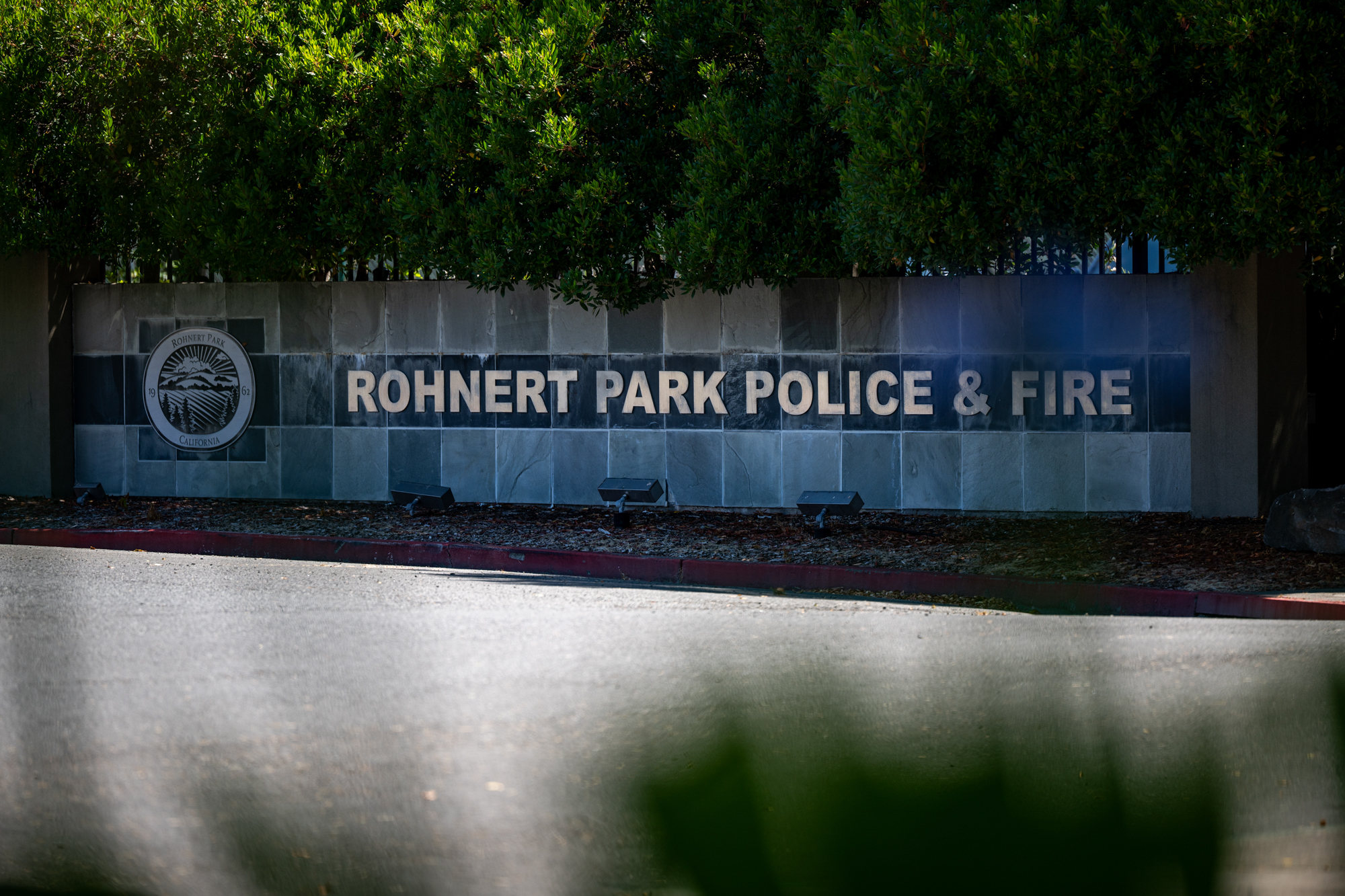
"title": "A sign for the Rohnert Park Police Station on July 2, 2025.",
"publishDate": 1751492712,
"status": "inherit",
"parent": 12046733,
"modified": 1751495354,
"caption": "A sign for the Rohnert Park Police Station on July 2, 2025. Former Sgt. Brendon \"Jacy\" Tatum and former officer Joseph Huffaker face sentencing in a federal cannabis corruption case involving stolen marijuana, fake reports, illegal Highway 101 traffic stops and questions about FBI and law enforcement oversight in Northern California.\r\n\r\n",
"credit": "Beth LaBerge/KQED",
"altTag": null,
"description": null,
"imgSizes": {
"thumbnail": {
"file": "https://cdn.kqed.org/wp-content/uploads/sites/10/2025/07/250702-JOSEPHHUFFAKERTRIAL-05-BL-KQED-160x107.jpg",
"width": 160,
"height": 107,
"mimeType": "image/jpeg"
},
"1536x1536": {
"file": "https://cdn.kqed.org/wp-content/uploads/sites/10/2025/07/250702-JOSEPHHUFFAKERTRIAL-05-BL-KQED-1536x1024.jpg",
"width": 1536,
"height": 1024,
"mimeType": "image/jpeg"
},
"post-thumbnail": {
"file": "https://cdn.kqed.org/wp-content/uploads/sites/10/2025/07/250702-JOSEPHHUFFAKERTRIAL-05-BL-KQED-672x372.jpg",
"width": 672,
"height": 372,
"mimeType": "image/jpeg"
},
"twentyfourteen-full-width": {
"file": "https://cdn.kqed.org/wp-content/uploads/sites/10/2025/07/250702-JOSEPHHUFFAKERTRIAL-05-BL-KQED-1038x576.jpg",
"width": 1038,
"height": 576,
"mimeType": "image/jpeg"
},
"kqedFullSize": {
"file": "https://cdn.kqed.org/wp-content/uploads/sites/10/2025/07/250702-JOSEPHHUFFAKERTRIAL-05-BL-KQED.jpg",
"width": 2000,
"height": 1333
}
},
"isLoading": false,
"fetchFailed": false
},
"news_11663202": {
"type": "attachments",
"id": "news_11663202",
"meta": {
"index": "attachments_1716263798",
"site": "news",
"id": "11663202",
"found": true
},
"title": "A guy holding a 420 sign",
"publishDate": 1524089589,
"status": "inherit",
"parent": 11663153,
"modified": 1776282952,
"caption": "A guy holding a 420 sign.",
"credit": "Lars Hagberg/AFP/Getty Images",
"altTag": "A guy holding a 420 sign",
"description": "A guy holding a 420 sign",
"imgSizes": {
"thumbnail": {
"file": "https://cdn.kqed.org/wp-content/uploads/sites/10/2018/04/GettyImages-670837286-160x107.jpg",
"width": 160,
"height": 107,
"mimeType": "image/jpeg"
},
"medium": {
"file": "https://cdn.kqed.org/wp-content/uploads/sites/10/2018/04/GettyImages-670837286-800x533.jpg",
"width": 800,
"height": 533,
"mimeType": "image/jpeg"
},
"large": {
"file": "https://cdn.kqed.org/wp-content/uploads/sites/10/2018/04/GettyImages-670837286-1020x680.jpg",
"width": 1020,
"height": 680,
"mimeType": "image/jpeg"
},
"complete_open_graph": {
"file": "https://cdn.kqed.org/wp-content/uploads/sites/10/2018/04/GettyImages-670837286-1200x800.jpg",
"width": 1200,
"height": 800,
"mimeType": "image/jpeg"
},
"fd-lrg": {
"file": "https://cdn.kqed.org/wp-content/uploads/sites/10/2018/04/GettyImages-670837286-1920x1280.jpg",
"width": 1920,
"height": 1280,
"mimeType": "image/jpeg"
},
"fd-med": {
"file": "https://cdn.kqed.org/wp-content/uploads/sites/10/2018/04/GettyImages-670837286-1180x787.jpg",
"width": 1180,
"height": 787,
"mimeType": "image/jpeg"
},
"fd-sm": {
"file": "https://cdn.kqed.org/wp-content/uploads/sites/10/2018/04/GettyImages-670837286-960x640.jpg",
"width": 960,
"height": 640,
"mimeType": "image/jpeg"
},
"post-thumbnail": {
"file": "https://cdn.kqed.org/wp-content/uploads/sites/10/2018/04/GettyImages-670837286-672x372.jpg",
"width": 672,
"height": 372,
"mimeType": "image/jpeg"
},
"twentyfourteen-full-width": {
"file": "https://cdn.kqed.org/wp-content/uploads/sites/10/2018/04/GettyImages-670837286-1038x576.jpg",
"width": 1038,
"height": 576,
"mimeType": "image/jpeg"
},
"xxsmall": {
"file": "https://cdn.kqed.org/wp-content/uploads/sites/10/2018/04/GettyImages-670837286-240x160.jpg",
"width": 240,
"height": 160,
"mimeType": "image/jpeg"
},
"xsmall": {
"file": "https://cdn.kqed.org/wp-content/uploads/sites/10/2018/04/GettyImages-670837286-375x250.jpg",
"width": 375,
"height": 250,
"mimeType": "image/jpeg"
},
"small": {
"file": "https://cdn.kqed.org/wp-content/uploads/sites/10/2018/04/GettyImages-670837286-520x347.jpg",
"width": 520,
"height": 347,
"mimeType": "image/jpeg"
},
"xlarge": {
"file": "https://cdn.kqed.org/wp-content/uploads/sites/10/2018/04/GettyImages-670837286-1180x787.jpg",
"width": 1180,
"height": 787,
"mimeType": "image/jpeg"
},
"full-width": {
"file": "https://cdn.kqed.org/wp-content/uploads/sites/10/2018/04/GettyImages-670837286-1920x1280.jpg",
"width": 1920,
"height": 1280,
"mimeType": "image/jpeg"
},
"guest-author-32": {
"file": "https://cdn.kqed.org/wp-content/uploads/sites/10/2018/04/GettyImages-670837286-32x32.jpg",
"width": 32,
"height": 32,
"mimeType": "image/jpeg"
},
"guest-author-50": {
"file": "https://cdn.kqed.org/wp-content/uploads/sites/10/2018/04/GettyImages-670837286-50x50.jpg",
"width": 50,
"height": 50,
"mimeType": "image/jpeg"
},
"guest-author-64": {
"file": "https://cdn.kqed.org/wp-content/uploads/sites/10/2018/04/GettyImages-670837286-64x64.jpg",
"width": 64,
"height": 64,
"mimeType": "image/jpeg"
},
"guest-author-96": {
"file": "https://cdn.kqed.org/wp-content/uploads/sites/10/2018/04/GettyImages-670837286-96x96.jpg",
"width": 96,
"height": 96,
"mimeType": "image/jpeg"
},
"guest-author-128": {
"file": "https://cdn.kqed.org/wp-content/uploads/sites/10/2018/04/GettyImages-670837286-128x128.jpg",
"width": 128,
"height": 128,
"mimeType": "image/jpeg"
},
"detail": {
"file": "https://cdn.kqed.org/wp-content/uploads/sites/10/2018/04/GettyImages-670837286-150x150.jpg",
"width": 150,
"height": 150,
"mimeType": "image/jpeg"
},
"kqedFullSize": {
"file": "https://cdn.kqed.org/wp-content/uploads/sites/10/2018/04/GettyImages-670837286-e1524416370324.jpg",
"width": 1920,
"height": 1280
}
},
"isLoading": false,
"fetchFailed": false
},
"news_12072217": {
"type": "attachments",
"id": "news_12072217",
"meta": {
"index": "attachments_1716263798",
"site": "news",
"id": "12072217",
"found": true
},
"title": "Debí Tirar Más Fotos World Tour - Medellin",
"publishDate": 1770215768,
"status": "inherit",
"parent": 12072216,
"modified": 1770215794,
"caption": "MEDELLIN, COLOMBIA - JANUARY 23: Bad Bunny (C) performs during his Debí Tirar Más Fotos world tour at Estadio Atanasio Girardot on January 23, 2026 in Medellin, Colombia. ",
"credit": "Photo by Fredy Builes/Getty Images",
"altTag": null,
"description": null,
"imgSizes": {
"medium": {
"file": "https://cdn.kqed.org/wp-content/uploads/sites/10/2026/02/GettyImages-2258027183-2000x1209.jpg",
"width": 2000,
"height": 1209,
"mimeType": "image/jpeg"
},
"large": {
"file": "https://cdn.kqed.org/wp-content/uploads/sites/10/2026/02/GettyImages-2258027183-2000x1209.jpg",
"width": 2000,
"height": 1209,
"mimeType": "image/jpeg"
},
"thumbnail": {
"file": "https://cdn.kqed.org/wp-content/uploads/sites/10/2026/02/GettyImages-2258027183-160x97.jpg",
"width": 160,
"height": 97,
"mimeType": "image/jpeg"
},
"1536x1536": {
"file": "https://cdn.kqed.org/wp-content/uploads/sites/10/2026/02/GettyImages-2258027183-1536x929.jpg",
"width": 1536,
"height": 929,
"mimeType": "image/jpeg"
},
"2048x2048": {
"file": "https://cdn.kqed.org/wp-content/uploads/sites/10/2026/02/GettyImages-2258027183-2048x1238.jpg",
"width": 2048,
"height": 1238,
"mimeType": "image/jpeg"
},
"post-thumbnail": {
"file": "https://cdn.kqed.org/wp-content/uploads/sites/10/2026/02/GettyImages-2258027183-672x372.jpg",
"width": 672,
"height": 372,
"mimeType": "image/jpeg"
},
"twentyfourteen-full-width": {
"file": "https://cdn.kqed.org/wp-content/uploads/sites/10/2026/02/GettyImages-2258027183-1038x576.jpg",
"width": 1038,
"height": 576,
"mimeType": "image/jpeg"
},
"full-width": {
"file": "https://cdn.kqed.org/wp-content/uploads/sites/10/2026/02/GettyImages-2258027183-2000x1209.jpg",
"width": 2000,
"height": 1209,
"mimeType": "image/jpeg"
},
"npr-cds-wide": {
"file": "https://cdn.kqed.org/wp-content/uploads/sites/10/2026/02/GettyImages-2258027183-1200x675.jpg",
"width": 1200,
"height": 675,
"mimeType": "image/jpeg"
},
"kqedFullSize": {
"file": "https://cdn.kqed.org/wp-content/uploads/sites/10/2026/02/GettyImages-2258027183-scaled.jpg",
"width": 2560,
"height": 1548
}
},
"isLoading": false,
"fetchFailed": false
},
"news_11955214": {
"type": "attachments",
"id": "news_11955214",
"meta": {
"index": "attachments_1716263798",
"site": "news",
"id": "11955214",
"found": true
},
"parent": 11955206,
"imgSizes": {
"twentyfourteen-full-width": {
"file": "https://ww2.kqed.org/app/uploads/sites/10/2023/07/GettyImages-1322014635-1024x576.jpg",
"width": 1024,
"mimeType": "image/jpeg",
"height": 576
},
"thumbnail": {
"file": "https://ww2.kqed.org/app/uploads/sites/10/2023/07/GettyImages-1322014635-160x107.jpg",
"width": 160,
"mimeType": "image/jpeg",
"height": 107
},
"post-thumbnail": {
"file": "https://ww2.kqed.org/app/uploads/sites/10/2023/07/GettyImages-1322014635-672x372.jpg",
"width": 672,
"mimeType": "image/jpeg",
"height": 372
},
"kqedFullSize": {
"file": "https://ww2.kqed.org/app/uploads/sites/10/2023/07/GettyImages-1322014635.jpg",
"width": 1024,
"height": 683
},
"large": {
"file": "https://ww2.kqed.org/app/uploads/sites/10/2023/07/GettyImages-1322014635-1020x680.jpg",
"width": 1020,
"mimeType": "image/jpeg",
"height": 680
},
"medium": {
"file": "https://ww2.kqed.org/app/uploads/sites/10/2023/07/GettyImages-1322014635-800x534.jpg",
"width": 800,
"mimeType": "image/jpeg",
"height": 534
}
},
"publishDate": 1688767371,
"modified": 1688769462,
"caption": "Officer Louis Wong with the San Francisco Police Department with a jar of marijuana as he prepares to arrest a young man for drug possession in the Tenderloin neighborhood of San Francisco on Jan. 2, 2013.",
"description": null,
"title": "Officer Louis Wong with the San Francisco Police Department with a jar of marijuana as he prepares to arrest a young man for drug possession in the Tenderloin neighborhood of San Francisco, Calif. on Wednesday Jan. 2, 2013.",
"credit": "Michael Macor/The San Francisco Chronicle via Getty Images",
"status": "inherit",
"altTag": null,
"isLoading": false,
"fetchFailed": false
},
"news_12047326": {
"type": "attachments",
"id": "news_12047326",
"meta": {
"index": "attachments_1716263798",
"site": "news",
"id": "12047326",
"found": true
},
"title": "JHuffakerTrial6",
"publishDate": 1751994248,
"status": "inherit",
"parent": 0,
"modified": 1751995349,
"caption": "Former Rohnert Park police officer Joseph Huffaker in San Francisco federal court on Monday, July 7, 2025.",
"credit": "Vicki Behringer for KQED",
"altTag": null,
"description": null,
"imgSizes": {
"thumbnail": {
"file": "https://cdn.kqed.org/wp-content/uploads/sites/10/2025/07/JHuffakerTrial6-160x128.jpg",
"width": 160,
"height": 128,
"mimeType": "image/jpeg"
},
"1536x1536": {
"file": "https://cdn.kqed.org/wp-content/uploads/sites/10/2025/07/JHuffakerTrial6-1536x1227.jpg",
"width": 1536,
"height": 1227,
"mimeType": "image/jpeg"
},
"post-thumbnail": {
"file": "https://cdn.kqed.org/wp-content/uploads/sites/10/2025/07/JHuffakerTrial6-672x372.jpg",
"width": 672,
"height": 372,
"mimeType": "image/jpeg"
},
"twentyfourteen-full-width": {
"file": "https://cdn.kqed.org/wp-content/uploads/sites/10/2025/07/JHuffakerTrial6-1038x576.jpg",
"width": 1038,
"height": 576,
"mimeType": "image/jpeg"
},
"kqedFullSize": {
"file": "https://cdn.kqed.org/wp-content/uploads/sites/10/2025/07/JHuffakerTrial6.jpg",
"width": 2000,
"height": 1598
}
},
"isLoading": false,
"fetchFailed": false
},
"news_11980835": {
"type": "attachments",
"id": "news_11980835",
"meta": {
"index": "attachments_1716263798",
"site": "news",
"id": "11980835",
"found": true
},
"parent": 11980820,
"imgSizes": {
"twentyfourteen-full-width": {
"file": "https://cdn.kqed.org/wp-content/uploads/sites/10/2024/03/GettyImages-1408784015-1024x576.jpg",
"width": 1024,
"mimeType": "image/jpeg",
"height": 576
},
"thumbnail": {
"file": "https://cdn.kqed.org/wp-content/uploads/sites/10/2024/03/GettyImages-1408784015-160x107.jpg",
"width": 160,
"mimeType": "image/jpeg",
"height": 107
},
"post-thumbnail": {
"file": "https://cdn.kqed.org/wp-content/uploads/sites/10/2024/03/GettyImages-1408784015-672x372.jpg",
"width": 672,
"mimeType": "image/jpeg",
"height": 372
},
"kqedFullSize": {
"file": "https://cdn.kqed.org/wp-content/uploads/sites/10/2024/03/GettyImages-1408784015.jpg",
"width": 1024,
"height": 683
},
"large": {
"file": "https://cdn.kqed.org/wp-content/uploads/sites/10/2024/03/GettyImages-1408784015-1020x680.jpg",
"width": 1020,
"mimeType": "image/jpeg",
"height": 680
},
"medium": {
"file": "https://cdn.kqed.org/wp-content/uploads/sites/10/2024/03/GettyImages-1408784015-800x534.jpg",
"width": 800,
"mimeType": "image/jpeg",
"height": 534
}
},
"publishDate": 1711486190,
"modified": 1711487503,
"caption": "Marijuana lovers gather at the top of Hippie Hill for the annual 420 celebration of cannabis at Golden Gate Park in San Francisco on Friday, April 20, 2018.",
"description": null,
"title": "Marijuana lovers gather at the top of Hippie Hill for the annual 4/20 celebration of cannabis at Golden Gate Park in San Francisco, Calif. on Friday, April 20, 2018",
"credit": "Paul Chinn/The San Francisco Chronicle via Getty Images",
"status": "inherit",
"altTag": null,
"isLoading": false,
"fetchFailed": false
},
"news_12032255": {
"type": "attachments",
"id": "news_12032255",
"meta": {
"index": "attachments_1716263798",
"site": "news",
"id": "12032255",
"found": true
},
"title": "Enthusiasts Gather For Mass Pot-Smoking Celebration",
"publishDate": 1742495030,
"status": "inherit",
"parent": 12080068,
"modified": 1776283705,
"caption": "A cloud of smoke rests over the heads of a group of people during a 420 Day celebration on \"Hippie Hill\" in Golden Gate Park April 20, 2010, in San Francisco, California. ",
"credit": "Justin Sullivan/Getty Images",
"altTag": null,
"description": null,
"imgSizes": {
"medium": {
"file": "https://cdn.kqed.org/wp-content/uploads/sites/10/2025/03/98579521_qed-800x533.jpg",
"width": 800,
"height": 533,
"mimeType": "image/jpeg"
},
"large": {
"file": "https://cdn.kqed.org/wp-content/uploads/sites/10/2025/03/98579521_qed-1020x680.jpg",
"width": 1020,
"height": 680,
"mimeType": "image/jpeg"
},
"thumbnail": {
"file": "https://cdn.kqed.org/wp-content/uploads/sites/10/2025/03/98579521_qed-160x107.jpg",
"width": 160,
"height": 107,
"mimeType": "image/jpeg"
},
"1536x1536": {
"file": "https://cdn.kqed.org/wp-content/uploads/sites/10/2025/03/98579521_qed-1536x1024.jpg",
"width": 1536,
"height": 1024,
"mimeType": "image/jpeg"
},
"post-thumbnail": {
"file": "https://cdn.kqed.org/wp-content/uploads/sites/10/2025/03/98579521_qed-672x372.jpg",
"width": 672,
"height": 372,
"mimeType": "image/jpeg"
},
"twentyfourteen-full-width": {
"file": "https://cdn.kqed.org/wp-content/uploads/sites/10/2025/03/98579521_qed-1038x576.jpg",
"width": 1038,
"height": 576,
"mimeType": "image/jpeg"
},
"full-width": {
"file": "https://cdn.kqed.org/wp-content/uploads/sites/10/2025/03/98579521_qed-1920x1280.jpg",
"width": 1920,
"height": 1280,
"mimeType": "image/jpeg"
},
"kqedFullSize": {
"file": "https://cdn.kqed.org/wp-content/uploads/sites/10/2025/03/98579521_qed.jpg",
"width": 2000,
"height": 1333
}
},
"isLoading": false,
"fetchFailed": false
},
"news_12026209": {
"type": "attachments",
"id": "news_12026209",
"meta": {
"index": "attachments_1716263798",
"site": "news",
"id": "12026209",
"found": true
},
"title": "npr.brightspotcdn copy",
"publishDate": 1738956729,
"status": "inherit",
"parent": 12026208,
"modified": 1738956751,
"caption": "Joe Ciulla handles Ript gummies before they're packaged at the Ripple Cannabis Co.'s production facility in Commerce City, Colo.",
"credit": "Kevn J. Beaty/Denverite",
"altTag": null,
"description": null,
"imgSizes": {
"medium": {
"file": "https://cdn.kqed.org/wp-content/uploads/sites/10/2025/02/npr.brightspotcdn-copy-1-800x533.jpg",
"width": 800,
"height": 533,
"mimeType": "image/jpeg"
},
"large": {
"file": "https://cdn.kqed.org/wp-content/uploads/sites/10/2025/02/npr.brightspotcdn-copy-1-1020x680.jpg",
"width": 1020,
"height": 680,
"mimeType": "image/jpeg"
},
"thumbnail": {
"file": "https://cdn.kqed.org/wp-content/uploads/sites/10/2025/02/npr.brightspotcdn-copy-1-160x107.jpg",
"width": 160,
"height": 107,
"mimeType": "image/jpeg"
},
"1536x1536": {
"file": "https://cdn.kqed.org/wp-content/uploads/sites/10/2025/02/npr.brightspotcdn-copy-1-1536x1023.jpg",
"width": 1536,
"height": 1023,
"mimeType": "image/jpeg"
},
"post-thumbnail": {
"file": "https://cdn.kqed.org/wp-content/uploads/sites/10/2025/02/npr.brightspotcdn-copy-1-672x372.jpg",
"width": 672,
"height": 372,
"mimeType": "image/jpeg"
},
"twentyfourteen-full-width": {
"file": "https://cdn.kqed.org/wp-content/uploads/sites/10/2025/02/npr.brightspotcdn-copy-1-1038x576.jpg",
"width": 1038,
"height": 576,
"mimeType": "image/jpeg"
},
"kqedFullSize": {
"file": "https://cdn.kqed.org/wp-content/uploads/sites/10/2025/02/npr.brightspotcdn-copy-1.jpg",
"width": 1600,
"height": 1066
}
},
"isLoading": false,
"fetchFailed": false
},
"news_12026197": {
"type": "attachments",
"id": "news_12026197",
"meta": {
"index": "attachments_1716263798",
"site": "news",
"id": "12026197",
"found": true
},
"title": "npr.brightspotcdn copy",
"publishDate": 1738955017,
"status": "inherit",
"parent": 12026195,
"modified": 1738955039,
"caption": "Cannabis is legal in many states but not federally. As more Americans consume weed products, concern is growing about the risks of traces of contaminants such as pesticides and heavy metals.",
"credit": "Cecilia Sanchez/AFP via Getty Images",
"altTag": null,
"description": null,
"imgSizes": {
"medium": {
"file": "https://cdn.kqed.org/wp-content/uploads/sites/10/2025/02/npr.brightspotcdn-copy-800x534.jpg",
"width": 800,
"height": 534,
"mimeType": "image/jpeg"
},
"large": {
"file": "https://cdn.kqed.org/wp-content/uploads/sites/10/2025/02/npr.brightspotcdn-copy-1020x681.jpg",
"width": 1020,
"height": 681,
"mimeType": "image/jpeg"
},
"thumbnail": {
"file": "https://cdn.kqed.org/wp-content/uploads/sites/10/2025/02/npr.brightspotcdn-copy-160x107.jpg",
"width": 160,
"height": 107,
"mimeType": "image/jpeg"
},
"post-thumbnail": {
"file": "https://cdn.kqed.org/wp-content/uploads/sites/10/2025/02/npr.brightspotcdn-copy-672x372.jpg",
"width": 672,
"height": 372,
"mimeType": "image/jpeg"
},
"twentyfourteen-full-width": {
"file": "https://cdn.kqed.org/wp-content/uploads/sites/10/2025/02/npr.brightspotcdn-copy-1038x576.jpg",
"width": 1038,
"height": 576,
"mimeType": "image/jpeg"
},
"kqedFullSize": {
"file": "https://cdn.kqed.org/wp-content/uploads/sites/10/2025/02/npr.brightspotcdn-copy.jpg",
"width": 1100,
"height": 734
}
},
"isLoading": false,
"fetchFailed": false
},
"news_12024859": {
"type": "attachments",
"id": "news_12024859",
"meta": {
"index": "attachments_1716263798",
"site": "news",
"id": "12024859",
"found": true
},
"title": "5452 HALL RD RETURN W PIC_Page_4",
"publishDate": 1738264430,
"status": "inherit",
"parent": 0,
"modified": 1738266546,
"caption": "An unpermitted marijuana grow room discovered by a Sonoma County code enforcement inspector on the property of ex-cop Brendan Jacy Tatum, who is awaiting sentencing for federal extortion and tax evasion charges.",
"credit": "Courtesy Sonoma County ",
"altTag": null,
"description": null,
"imgSizes": {
"medium": {
"file": "https://cdn.kqed.org/wp-content/uploads/sites/10/2025/01/5452-HALL-RD-RETURN-W-PIC_Page_4-800x533.jpg",
"width": 800,
"height": 533,
"mimeType": "image/jpeg"
},
"large": {
"file": "https://cdn.kqed.org/wp-content/uploads/sites/10/2025/01/5452-HALL-RD-RETURN-W-PIC_Page_4-1020x680.jpg",
"width": 1020,
"height": 680,
"mimeType": "image/jpeg"
},
"thumbnail": {
"file": "https://cdn.kqed.org/wp-content/uploads/sites/10/2025/01/5452-HALL-RD-RETURN-W-PIC_Page_4-160x107.jpg",
"width": 160,
"height": 107,
"mimeType": "image/jpeg"
},
"1536x1536": {
"file": "https://cdn.kqed.org/wp-content/uploads/sites/10/2025/01/5452-HALL-RD-RETURN-W-PIC_Page_4-1536x1024.jpg",
"width": 1536,
"height": 1024,
"mimeType": "image/jpeg"
},
"post-thumbnail": {
"file": "https://cdn.kqed.org/wp-content/uploads/sites/10/2025/01/5452-HALL-RD-RETURN-W-PIC_Page_4-672x372.jpg",
"width": 672,
"height": 372,
"mimeType": "image/jpeg"
},
"twentyfourteen-full-width": {
"file": "https://cdn.kqed.org/wp-content/uploads/sites/10/2025/01/5452-HALL-RD-RETURN-W-PIC_Page_4-1038x576.jpg",
"width": 1038,
"height": 576,
"mimeType": "image/jpeg"
},
"full-width": {
"file": "https://cdn.kqed.org/wp-content/uploads/sites/10/2025/01/5452-HALL-RD-RETURN-W-PIC_Page_4-1920x1280.jpg",
"width": 1920,
"height": 1280,
"mimeType": "image/jpeg"
},
"kqedFullSize": {
"file": "https://cdn.kqed.org/wp-content/uploads/sites/10/2025/01/5452-HALL-RD-RETURN-W-PIC_Page_4.jpg",
"width": 2000,
"height": 1333
}
},
"isLoading": false,
"fetchFailed": false
},
"news_12002848": {
"type": "attachments",
"id": "news_12002848",
"meta": {
"index": "attachments_1716263798",
"site": "news",
"id": "12002848",
"found": true
},
"title": "OPDOfficerGrowHouse1",
"publishDate": 1725394638,
"status": "inherit",
"parent": 12002781,
"modified": 1725395040,
"caption": "Law enforcement seized 80 pounds of marijuana from a grow house in Antioch owned by Oakland Police Officer Samson Liu after a raid on April 30, 2024. ",
"credit": "Courtesy California Department of Cannabis Control",
"altTag": null,
"description": null,
"imgSizes": {
"medium": {
"file": "https://cdn.kqed.org/wp-content/uploads/sites/10/2024/09/OPDOfficerGrowHouse1-800x533.jpg",
"width": 800,
"height": 533,
"mimeType": "image/jpeg"
},
"large": {
"file": "https://cdn.kqed.org/wp-content/uploads/sites/10/2024/09/OPDOfficerGrowHouse1-1020x680.jpg",
"width": 1020,
"height": 680,
"mimeType": "image/jpeg"
},
"thumbnail": {
"file": "https://cdn.kqed.org/wp-content/uploads/sites/10/2024/09/OPDOfficerGrowHouse1-160x107.jpg",
"width": 160,
"height": 107,
"mimeType": "image/jpeg"
},
"1536x1536": {
"file": "https://cdn.kqed.org/wp-content/uploads/sites/10/2024/09/OPDOfficerGrowHouse1-1536x1024.jpg",
"width": 1536,
"height": 1024,
"mimeType": "image/jpeg"
},
"post-thumbnail": {
"file": "https://cdn.kqed.org/wp-content/uploads/sites/10/2024/09/OPDOfficerGrowHouse1-672x372.jpg",
"width": 672,
"height": 372,
"mimeType": "image/jpeg"
},
"twentyfourteen-full-width": {
"file": "https://cdn.kqed.org/wp-content/uploads/sites/10/2024/09/OPDOfficerGrowHouse1-1038x576.jpg",
"width": 1038,
"height": 576,
"mimeType": "image/jpeg"
},
"full-width": {
"file": "https://cdn.kqed.org/wp-content/uploads/sites/10/2024/09/OPDOfficerGrowHouse1-1920x1280.jpg",
"width": 1920,
"height": 1280,
"mimeType": "image/jpeg"
},
"kqedFullSize": {
"file": "https://cdn.kqed.org/wp-content/uploads/sites/10/2024/09/OPDOfficerGrowHouse1.jpg",
"width": 2000,
"height": 1333
}
},
"isLoading": false,
"fetchFailed": false
},
"news_11984611": {
"type": "attachments",
"id": "news_11984611",
"meta": {
"index": "attachments_1716263798",
"site": "news",
"id": "11984611",
"found": true
},
"parent": 11984609,
"imgSizes": {
"twentyfourteen-full-width": {
"file": "https://cdn.kqed.org/wp-content/uploads/sites/10/2024/05/AP24121780897991-1038x576.jpg",
"width": 1038,
"mimeType": "image/jpeg",
"height": 576
},
"thumbnail": {
"file": "https://cdn.kqed.org/wp-content/uploads/sites/10/2024/05/AP24121780897991-160x107.jpg",
"width": 160,
"mimeType": "image/jpeg",
"height": 107
},
"post-thumbnail": {
"file": "https://cdn.kqed.org/wp-content/uploads/sites/10/2024/05/AP24121780897991-672x372.jpg",
"width": 672,
"mimeType": "image/jpeg",
"height": 372
},
"kqedFullSize": {
"file": "https://cdn.kqed.org/wp-content/uploads/sites/10/2024/05/AP24121780897991-scaled.jpg",
"width": 2560,
"height": 1707
},
"2048x2048": {
"file": "https://cdn.kqed.org/wp-content/uploads/sites/10/2024/05/AP24121780897991-2048x1365.jpg",
"width": 2048,
"mimeType": "image/jpeg",
"height": 1365
},
"large": {
"file": "https://cdn.kqed.org/wp-content/uploads/sites/10/2024/05/AP24121780897991-1020x680.jpg",
"width": 1020,
"mimeType": "image/jpeg",
"height": 680
},
"1536x1536": {
"file": "https://cdn.kqed.org/wp-content/uploads/sites/10/2024/05/AP24121780897991-1536x1024.jpg",
"width": 1536,
"mimeType": "image/jpeg",
"height": 1024
},
"full-width": {
"file": "https://cdn.kqed.org/wp-content/uploads/sites/10/2024/05/AP24121780897991-1920x1280.jpg",
"width": 1920,
"mimeType": "image/jpeg",
"height": 1280
},
"medium": {
"file": "https://cdn.kqed.org/wp-content/uploads/sites/10/2024/05/AP24121780897991-800x533.jpg",
"width": 800,
"mimeType": "image/jpeg",
"height": 533
}
},
"publishDate": 1714583745,
"modified": 1714590085,
"caption": "Marijuana plants are seen at a secured growing facility in Washington County, New York, on May 12, 2023. The U.S. Drug Enforcement Administration will move to reclassify marijuana as a less dangerous drug, a historic shift to generations of American drug policy that could have wide ripple effects across the country.",
"description": null,
"title": "Reclassifying Marijuana",
"credit": "Hans Pennink/The Associated Press",
"status": "inherit",
"altTag": "Several marijuana plants lined up in pots in an outdoor facility.",
"isLoading": false,
"fetchFailed": false
}
},
"audioPlayerReducer": {
"postId": "stream_live",
"isPaused": true,
"isPlaying": false,
"pfsActive": false,
"pledgeModalIsOpen": true,
"playerDrawerIsOpen": false,
"liveAudioPlayStartedAt": 0,
"liveAudioPlayContext": ""
},
"authorsReducer": {
"byline_news_12071647": {
"type": "authors",
"id": "byline_news_12071647",
"meta": {
"override": true
},
"slug": "byline_news_12071647",
"name": "Nigel Duara, CalMatters",
"isLoading": false
},
"byline_news_12026208": {
"type": "authors",
"id": "byline_news_12026208",
"meta": {
"override": true
},
"slug": "byline_news_12026208",
"name": "\u003ca href=\"https://www.npr.org/people/g-s1-46377/ben-markus-colorado-public-radio\">Ben Markus\u003c/a>, Colorado Public Radio/NPR",
"isLoading": false
},
"byline_news_12026195": {
"type": "authors",
"id": "byline_news_12026195",
"meta": {
"override": true
},
"slug": "byline_news_12026195",
"name": "\u003ca href=\"https://www.npr.org/people/825275572/sydney-lupkin\">Sydney Lupkin\u003c/a> and \u003ca href=\"https://www.npr.org/people/935764762/brian-mann\">Brian Mann\u003c/a>, NPR",
"isLoading": false
},
"byline_news_11984609": {
"type": "authors",
"id": "byline_news_11984609",
"meta": {
"override": true
},
"slug": "byline_news_11984609",
"name": "Jennifer Peltz and Lindsay Whitehurst\u003cbr>The Associated Press\u003c/br>",
"isLoading": false
},
"slewis": {
"type": "authors",
"id": "8676",
"meta": {
"index": "authors_1716337520",
"id": "8676",
"found": true
},
"name": "Sukey Lewis",
"firstName": "Sukey",
"lastName": "Lewis",
"slug": "slewis",
"email": "slewis@kqed.org",
"display_author_email": true,
"staff_mastheads": [
"news"
],
"title": "KQED Contributor",
"bio": "Sukey Lewis is a criminal justice reporter and host of \u003cem>On Our Watch\u003c/em>, a new podcast from NPR and KQED about the shadow world of police discipline. In 2018, she co-founded the California Reporting Project, a coalition of newsrooms across the state focused on obtaining previously sealed internal affairs records from law enforcement. In addition to her reporting on police accountability, Sukey has investigated the bail bonds industry, California's wildfires and the high cost of prison phone calls. Sukey earned a master's degree in journalism from the University of California at Berkeley. Send news tips to slewis@kqed.org.",
"avatar": "https://secure.gravatar.com/avatar/03fd6b21024f99d8b0a1966654586de7?s=600&d=blank&r=g",
"twitter": "SukeyLewis",
"facebook": null,
"instagram": null,
"linkedin": null,
"sites": [
{
"site": "news",
"roles": [
"author",
"edit_others_posts"
]
}
],
"headData": {
"title": "Sukey Lewis | KQED",
"description": "KQED Contributor",
"ogImgSrc": "https://secure.gravatar.com/avatar/03fd6b21024f99d8b0a1966654586de7?s=600&d=blank&r=g",
"twImgSrc": "https://secure.gravatar.com/avatar/03fd6b21024f99d8b0a1966654586de7?s=600&d=blank&r=g"
},
"isLoading": false,
"link": "/author/slewis"
},
"kmizuguchi": {
"type": "authors",
"id": "11739",
"meta": {
"index": "authors_1716337520",
"id": "11739",
"found": true
},
"name": "Keith Mizuguchi",
"firstName": "Keith",
"lastName": "Mizuguchi",
"slug": "kmizuguchi",
"email": "kmizuguchi@kqed.org",
"display_author_email": false,
"staff_mastheads": [],
"title": "KQED Contributor",
"bio": null,
"avatar": "https://secure.gravatar.com/avatar/64d8a7de0723d4099b9fe4e915136103febcc20809abce228ee4415bcb237023?s=600&d=blank&r=g",
"twitter": null,
"bluesky": null,
"facebook": null,
"instagram": null,
"linkedin": null,
"sites": [
{
"site": "news",
"roles": [
"editor"
]
},
{
"site": "science",
"roles": [
"editor"
]
}
],
"headData": {
"title": "Keith Mizuguchi | KQED",
"description": "KQED Contributor",
"ogImgSrc": "https://secure.gravatar.com/avatar/64d8a7de0723d4099b9fe4e915136103febcc20809abce228ee4415bcb237023?s=600&d=blank&r=g",
"twImgSrc": "https://secure.gravatar.com/avatar/64d8a7de0723d4099b9fe4e915136103febcc20809abce228ee4415bcb237023?s=600&d=blank&r=g"
},
"isLoading": false,
"link": "/author/kmizuguchi"
},
"adahlstromeckman": {
"type": "authors",
"id": "11785",
"meta": {
"index": "authors_1716337520",
"id": "11785",
"found": true
},
"name": "Azul Dahlstrom-Eckman",
"firstName": "Azul",
"lastName": "Dahlstrom-Eckman",
"slug": "adahlstromeckman",
"email": "adahlstrom-eckman@kqed.org",
"display_author_email": true,
"staff_mastheads": [],
"title": "Reporter",
"bio": "Azul is a reporter for KQED focusing on transportation and features. He joined KQED in 2021 as an alumnus of KALW's Audio Academy radio journalism training program.",
"avatar": "https://secure.gravatar.com/avatar/9cb750298435add7815a777f55bf1f46845c1386bb8452555c60a7b820b5aba3?s=600&d=blank&r=g",
"twitter": "@zuliemann",
"bluesky": "@azul415.bsky.social",
"facebook": null,
"instagram": null,
"linkedin": null,
"sites": [
{
"site": "arts",
"roles": [
"editor"
]
},
{
"site": "news",
"roles": [
"editor"
]
},
{
"site": "science",
"roles": [
"editor"
]
},
{
"site": "liveblog",
"roles": [
"author"
]
}
],
"headData": {
"title": "Azul Dahlstrom-Eckman | KQED",
"description": "Reporter",
"ogImgSrc": "https://secure.gravatar.com/avatar/9cb750298435add7815a777f55bf1f46845c1386bb8452555c60a7b820b5aba3?s=600&d=blank&r=g",
"twImgSrc": "https://secure.gravatar.com/avatar/9cb750298435add7815a777f55bf1f46845c1386bb8452555c60a7b820b5aba3?s=600&d=blank&r=g"
},
"isLoading": false,
"link": "/author/adahlstromeckman"
},
"nkhan": {
"type": "authors",
"id": "11867",
"meta": {
"index": "authors_1716337520",
"id": "11867",
"found": true
},
"name": "Nisa Khan",
"firstName": "Nisa",
"lastName": "Khan",
"slug": "nkhan",
"email": "nkhan@kqed.org",
"display_author_email": false,
"staff_mastheads": [],
"title": "KQED Contributor",
"bio": "Nisa Khan is a reporter for KQED's Audience News Desk. She was formerly a data reporter at Michigan Radio. She earned a Bachelor of Science in Information from the University of Michigan and a Master of Arts in Communication from Stanford University.",
"avatar": "https://secure.gravatar.com/avatar/8720459eef081ff64582b3506b124d58523e80e120704a0cbd9892533c914991?s=600&d=blank&r=g",
"twitter": "mnisakhan",
"bluesky": null,
"facebook": null,
"instagram": null,
"linkedin": null,
"sites": [
{
"site": "arts",
"roles": [
"editor"
]
},
{
"site": "news",
"roles": [
"editor"
]
},
{
"site": "science",
"roles": [
"editor",
"author"
]
},
{
"site": "forum",
"roles": [
"editor"
]
},
{
"site": "liveblog",
"roles": [
"contributor"
]
}
],
"headData": {
"title": "Nisa Khan | KQED",
"description": "KQED Contributor",
"ogImgSrc": "https://secure.gravatar.com/avatar/8720459eef081ff64582b3506b124d58523e80e120704a0cbd9892533c914991?s=600&d=blank&r=g",
"twImgSrc": "https://secure.gravatar.com/avatar/8720459eef081ff64582b3506b124d58523e80e120704a0cbd9892533c914991?s=600&d=blank&r=g"
},
"isLoading": false,
"link": "/author/nkhan"
},
"emanoukian": {
"type": "authors",
"id": "11925",
"meta": {
"index": "authors_1716337520",
"id": "11925",
"found": true
},
"name": "Elize Manoukian",
"firstName": "Elize",
"lastName": "Manoukian",
"slug": "emanoukian",
"email": "emanoukian@KQED.org",
"display_author_email": false,
"staff_mastheads": [
"news"
],
"title": "Digital News Editor",
"bio": "Elize Manoukian is an award-winning audio producer and editor on the Express Desk, KQED's digital news platform. Her work has appeared on KPFA, Interlochen Public Radio, Oregon Public Broadcast, the New York Daily News, LA Times and the San Diego Union-Tribune. You can reach her at emanoukian@kqed.org.",
"avatar": "https://secure.gravatar.com/avatar/4525f1a8e46ccb30933b32653d9772064cfefe3fa655eb45b3b3a80341f6bdad?s=600&d=blank&r=g",
"twitter": null,
"bluesky": null,
"facebook": null,
"instagram": null,
"linkedin": null,
"sites": [
{
"site": "arts",
"roles": [
"editor"
]
},
{
"site": "news",
"roles": [
"editor"
]
},
{
"site": "science",
"roles": [
"editor"
]
}
],
"headData": {
"title": "Elize Manoukian | KQED",
"description": "Digital News Editor",
"ogImgSrc": "https://secure.gravatar.com/avatar/4525f1a8e46ccb30933b32653d9772064cfefe3fa655eb45b3b3a80341f6bdad?s=600&d=blank&r=g",
"twImgSrc": "https://secure.gravatar.com/avatar/4525f1a8e46ccb30933b32653d9772064cfefe3fa655eb45b3b3a80341f6bdad?s=600&d=blank&r=g"
},
"isLoading": false,
"link": "/author/emanoukian"
}
},
"pagesReducer": {
"news_tag_marijuana": {
"type": "terms",
"id": "news_102",
"meta": {
"index": "terms_1716263798",
"site": "news",
"id": "102",
"score": 8.461646
},
"featImg": null,
"name": "marijuana",
"description": null,
"taxonomy": "tag",
"headData": {
"twImgId": null,
"twTitle": null,
"ogTitle": null,
"ogImgId": null,
"twDescription": null,
"description": null,
"title": "marijuana Archives | KQED News",
"ogDescription": null
},
"ttid": 106,
"slug": "marijuana",
"isLoading": false,
"title": "marijuana",
"pageMeta": {
"site": "news",
"WpPageTemplate": "page-topic-editorial",
"currentPage": 1
},
"blocks": [
{
"blockName": "kqed/post-list",
"attrs": {
"layout": "cardArticle2",
"query": "posts/news?tag=marijuana",
"seeMore": false,
"paginated": true,
"page": 1
}
},
{
"blockName": "kqed/ad"
}
]
}
},
"pfsSessionReducer": {},
"postsReducer": {
"stream_live": {
"type": "live",
"id": "stream_live",
"audioUrl": "https://hls.kqed.org/hls/kqed_app/playlist.m3u8",
"title": "Live Stream",
"excerpt": "Live Stream information currently unavailable.",
"link": "/radio",
"featImg": "",
"label": {
"name": "KQED Live",
"link": "/"
}
},
"stream_kqedNewscast": {
"type": "posts",
"id": "stream_kqedNewscast",
"audioUrl": "https://www.kqed.org/.stream/anon/radio/RDnews/newscast.mp3?_=1",
"title": "KQED Newscast",
"featImg": "",
"label": {
"name": "88.5 FM",
"link": "/"
}
},
"news_12082387": {
"type": "posts",
"id": "news_12082387",
"meta": {
"index": "posts_1716263798",
"site": "news",
"id": "12082387",
"score": null,
"sort": [
1778119532000
]
},
"guestAuthors": [],
"slug": "former-rohnert-park-officers-who-stole-marijuana-face-federal-sentencing",
"title": "After Sentencing of Ex-Rohnert Park Cops Who Stole Marijuana, Questions Still Remain",
"publishDate": 1778119532,
"format": "standard",
"headTitle": "After Sentencing of Ex-Rohnert Park Cops Who Stole Marijuana, Questions Still Remain | KQED",
"labelTerm": {
"site": "news"
},
"content": "\u003cp>\u003cspan style=\"font-weight: 400\">The \u003ca href=\"https://www.kqed.org/news/12070600/former-bay-area-officers-sentenced-in-scheme-to-steal-weed-during-traffic-stops\">federal sentencing\u003c/a> Wednesday of t\u003c/span>wo former \u003ca href=\"https://www.kqed.org/news/tag/rohnert-park\">Rohnert Park\u003c/a> police officers \u003cspan style=\"font-weight: 400\">involved in \u003c/span>a scheme to steal and resell marijuana \u003cspan style=\"font-weight: 400\">marked the end of a yearslong legal battle, but it closes only p\u003c/span>\u003cspan style=\"font-weight: 400\">art of a scandal that exposed broader failures in Northern California law enforcement during the final years of marijuana prohibition\u003c/span>.\u003c/p>\n\u003cp>KQED \u003ca href=\"https://www.kqed.org/news/11673412/highway-robbery-drivers-allege-rohnert-park-police-illegally-seized-cannabis-cash\">first reported in 2018\u003c/a> on allegations from drivers who said Rohnert Park officers had stolen marijuana from them during traffic stops well outside city limits. In 2020, the city paid out more than \u003ca href=\"https://www.kqed.org/news/11802870/rohnert-park-payouts-set-to-top-1-8-million-over-\">$1.8 million\u003c/a> to settle lawsuits filed by the victims of these officers.\u003c/p>\n\u003cp>In 2021, a federal \u003ca href=\"https://www.kqed.org/news/11889861/ex-rohnert-park-cops-indicted-on-federal-extortion-conspiracy-charges-linked-to-marijuana-seizures\">grand jury indicted \u003c/a>the two officers. Tatum pleaded guilty shortly thereafter and agreed to cooperate with federal prosecutors. Huffaker fought the charges, \u003ca href=\"https://www.kqed.org/news/12046733/trial-begins-for-ex-rohnert-park-officer-accused-of-seizing-marijuana-from-drivers\">but was found guilty by a jury last summer\u003c/a>.\u003c/p>\n\u003cp>[ad fullwidth]\u003c/p>\n\u003cp>Tatum spent three days on the witness stand describing how he used his role leading the department’s interdiction team to steal hundreds of pounds of cannabis during traffic stops between 2014 and 2018, bringing Huffaker into the scheme in late 2017.\u003c/p>\n\u003cp>But trial testimony, public records and interviews revealed questions about how supervisors, investigators and outside agencies failed to stop — or fully investigate — officers who allegedly robbed drivers along Highway 101.\u003c/p>\n\u003cfigure id=\"attachment_11802872\" class=\"wp-caption aligncenter\" style=\"max-width: 1920px\">\u003cimg loading=\"lazy\" decoding=\"async\" class=\"wp-image-11802872 size-full\" src=\"https://cdn.kqed.org/wp-content/uploads/sites/10/2020/02/Rohnert-Park-Jacy-Tatum-Questionable-Marijaua-Cash-Seizures-Highway-101.jpg\" alt=\"Rear-view mirror along Highway 101 near Cloverdale, California.\" width=\"1920\" height=\"1280\" srcset=\"https://cdn.kqed.org/wp-content/uploads/sites/10/2020/02/Rohnert-Park-Jacy-Tatum-Questionable-Marijaua-Cash-Seizures-Highway-101.jpg 1920w, https://cdn.kqed.org/wp-content/uploads/sites/10/2020/02/Rohnert-Park-Jacy-Tatum-Questionable-Marijaua-Cash-Seizures-Highway-101-160x107.jpg 160w, https://cdn.kqed.org/wp-content/uploads/sites/10/2020/02/Rohnert-Park-Jacy-Tatum-Questionable-Marijaua-Cash-Seizures-Highway-101-800x533.jpg 800w, https://cdn.kqed.org/wp-content/uploads/sites/10/2020/02/Rohnert-Park-Jacy-Tatum-Questionable-Marijaua-Cash-Seizures-Highway-101-1020x680.jpg 1020w\" sizes=\"auto, (max-width: 1920px) 100vw, 1920px\">\u003cfigcaption class=\"wp-caption-text\">Former Sgt. Brendon Jacy Tatum and former officer Joseph Huffaker face sentencing in a federal cannabis corruption case involving stolen marijuana, fake reports, illegal Highway 101 traffic stops and questions about FBI and law enforcement oversight in Northern California. \u003ccite>(Adam Grossberg/KQED)\u003c/cite>\u003c/figcaption>\u003c/figure>\n\u003cp>“It kind of bewilders me why there was only two officers that were prosecuted,” said Texas resident Zeke Flatten, a former undercover officer, private investigator and filmmaker.\u003c/p>\n\u003cp>Flatten was among the first people to report being robbed by officers, but eight years later, no one has been prosecuted in his case.\u003c/p>\n\u003ch2>Who stole from Zeke Flatten?\u003c/h2>\n\u003cp>On Dec. 5, 2017, Flatten said he was driving south on Highway 101 in Mendocino County in a rented Kia when he was pulled over by an unmarked SUV. Two white men wearing green tactical pants and black vests marked “police” approached him.\u003c/p>\n\u003cp>“Immediately, things were not feeling right to me,” said Flatten, who honed his intuition working undercover in the 1990s. He said he began noticing other details: the officers were not wearing badges, name tags or insignia that identified the department they worked for.\u003c/p>\n\u003cp>The men asked for his license and the rental agreement, but did not explain why they had stopped him. In interviews with KQED, Flatten said they asked him to get out of the vehicle, patted him down and asked if there were any “money, guns or drugs” in the car.\u003c/p>\n\u003cp>Flatten said he told them he had a medical marijuana license.\u003c/p>\n\u003cfigure id=\"attachment_11706933\" class=\"wp-caption alignleft\" style=\"max-width: 800px\">\u003cimg loading=\"lazy\" decoding=\"async\" class=\"wp-image-11706933 size-medium\" src=\"https://cdn.kqed.org/wp-content/uploads/sites/10/2018/11/RS33972_10643-qut-800x600.jpg\" alt=\"Zeke Flatten in San Francisco on Aug. 16.\" width=\"800\" height=\"600\" srcset=\"https://cdn.kqed.org/wp-content/uploads/sites/10/2018/11/RS33972_10643-qut-800x600.jpg 800w, https://cdn.kqed.org/wp-content/uploads/sites/10/2018/11/RS33972_10643-qut-160x120.jpg 160w, https://cdn.kqed.org/wp-content/uploads/sites/10/2018/11/RS33972_10643-qut-1020x765.jpg 1020w, https://cdn.kqed.org/wp-content/uploads/sites/10/2018/11/RS33972_10643-qut-1200x900.jpg 1200w, https://cdn.kqed.org/wp-content/uploads/sites/10/2018/11/RS33972_10643-qut.jpg 1280w\" sizes=\"auto, (max-width: 800px) 100vw, 800px\">\u003cfigcaption class=\"wp-caption-text\">Zeke Flatten in San Francisco on Aug. 16, 2018 \u003ccite>(Sukey Lewis/KQED)\u003c/cite>\u003c/figcaption>\u003c/figure>\n\u003cp>“He [the officer] immediately opened the hatchback of the vehicle, went for a box that I had in the back,” Flatten said. The officers found three pounds of marijuana that Flatten said he was taking to Santa Rosa for lab testing.\u003c/p>\n\u003cp>The men identified themselves as agents with the Bureau of Alcohol, Tobacco, Firearms and Explosives, according to Flatten.\u003c/p>\n\u003cp>“ Marijuana is taking over in California, like cigarettes. You may get a letter from Washington,” Flatten recalled one of the officers saying as they handed him back his license and rental agreement.\u003c/p>\n\u003cp>They kept the cannabis.\u003c/p>\n\u003cp>“ I knew at that moment that I had been robbed,” Flatten said.\u003c/p>\n\u003cp>Flatten filed complaints with the ATF, the FBI and Mendocino County authorities.\u003c/p>\n\u003cp>FBI Special Agent Jeremy Heinrich testified at Huffaker’s trial that he received Flatten’s complaint on Dec. 11, 2017, and contacted local law enforcement agencies in Mendocino County.\u003c/p>\n\u003cp>Those calls went nowhere, Heinrich testified, and he closed the case eight days later.\u003c/p>\n\u003cp>Even now, the FBI has not identified or arrested the men who stopped Flatten. Flatten said he is certain that Tatum was not involved because both men who stopped him were white and Tatum is Black. Flatten believes Huffaker was involved, though Huffaker has denied it.\u003c/p>\n\u003cp>The U.S. Department of Justice declined to answer questions about the case and denied KQED’s Freedom of Information Act request for documents related to the timeline of their investigation, citing privacy exemptions. KQED appealed the denial.\u003c/p>\n\u003cp>Flatten’s complaint, however, would become key in exposing the scheme.\u003c/p>\n\u003ch2>Barron Lutz\u003c/h2>\n\u003cp>About two weeks after Flatten was robbed, Humboldt County resident Barron Lutz was also driving south on Highway 101 when he was pulled over by two officers in an unmarked black SUV who identified themselves as ATF agents. They seized 23 pounds of cannabis from Lutz and refused to provide an inventory receipt.\u003c/p>\n\u003cp>“I wasn’t sure if I was being robbed or I was being arrested,” Lutz said on the stand.\u003c/p>\n\u003cp>The stop was nearly identical to Flatten’s, with one key difference: California Highway Patrol officers stopped to ask if the officers needed assistance. The CHP’s Scott Baker testified that he recognized Tatum from working with him on a joint narcotics operation in Mendocino County.\u003c/p>\n\u003cfigure id=\"attachment_12047329\" class=\"wp-caption aligncenter\" style=\"max-width: 2000px\">\u003cimg loading=\"lazy\" decoding=\"async\" class=\"size-full wp-image-12047329\" src=\"https://cdn.kqed.org/wp-content/uploads/sites/10/2025/07/JHuffakerTrial9.jpg\" alt=\"\" width=\"2000\" height=\"1305\" srcset=\"https://cdn.kqed.org/wp-content/uploads/sites/10/2025/07/JHuffakerTrial9.jpg 2000w, https://cdn.kqed.org/wp-content/uploads/sites/10/2025/07/JHuffakerTrial9-160x104.jpg 160w, https://cdn.kqed.org/wp-content/uploads/sites/10/2025/07/JHuffakerTrial9-1536x1002.jpg 1536w\" sizes=\"auto, (max-width: 2000px) 100vw, 2000px\">\u003cfigcaption class=\"wp-caption-text\">Barron Lutz, a victim, takes the stand during the criminal trial of former Rohnert Park police officer Joseph Huffaker in San Francisco federal court on Monday, July 7, 2025. \u003ccite>(Vicki Behringer for KQED)\u003c/cite>\u003c/figcaption>\u003c/figure>\n\u003cp>Lutz contacted the Mendocino County Sheriff’s Office the next day, asking whether it had a record of the stop.\u003c/p>\n\u003cp>“They said they would get back to me, and nobody ever got back to me,” Lutz testified.\u003c/p>\n\u003cp>According to Tatum’s testimony, a Mendocino County major crimes sergeant called him later that day about a civilian complaint.\u003c/p>\n\u003cp>“He talked to CHP, and CHP remembered seeing Joe and I up there,” Tatum testified.\u003c/p>\n\u003cp>Rohnert Park is in Sonoma County, about an hour south of where Lutz was pulled over. Tatum told the sergeant the stop was legitimate.\u003c/p>\n\u003cp>Afterward, Tatum said, he began trying to cover his tracks: obtaining an incident number and booking a cardboard box of loose marijuana buds into evidence.\u003c/p>\n\u003cfigure id=\"attachment_12082507\" class=\"wp-caption aligncenter\" style=\"max-width: 1797px\">\u003cimg loading=\"lazy\" decoding=\"async\" class=\"size-full wp-image-12082507\" src=\"https://cdn.kqed.org/wp-content/uploads/sites/10/2026/05/TatumHuffakerPg11.jpg\" alt=\"\" width=\"1797\" height=\"1383\" srcset=\"https://cdn.kqed.org/wp-content/uploads/sites/10/2026/05/TatumHuffakerPg11.jpg 1797w, https://cdn.kqed.org/wp-content/uploads/sites/10/2026/05/TatumHuffakerPg11-160x123.jpg 160w, https://cdn.kqed.org/wp-content/uploads/sites/10/2026/05/TatumHuffakerPg11-1536x1182.jpg 1536w\" sizes=\"auto, (max-width: 1797px) 100vw, 1797px\">\u003cfigcaption class=\"wp-caption-text\">Two former Rohnert Park police officers, Joseph Huffaker and Jacy Tatum, are set to be sentenced in federal court after a yearslong legal battle over a scheme to steal and resell marijuana seized during traffic stops along Highway 101. This evidence photo from a court filing shows a cardboard box filled with loose marijuana buds. \u003ccite>(Courtesy of Rohnert Park Department of Public Safety)\u003c/cite>\u003c/figcaption>\u003c/figure>\n\u003cp>The 23 pounds of cannabis he and Huffaker took from Lutz, including designer strains such as Agent Orange and Serendipity, had already been handed off to Tatum’s “broker” and friend, Billy Timmins. Tatum said Timmins paid about $27,000 for the stolen marijuana, which the officers split and spent on high-end hunting rifles, scopes and ammunition.\u003c/p>\n\u003cp>On Feb. 13, 2018, Tatum received a call from Mendocino County Sheriff Tom Allman.\u003c/p>\n\u003cp>“He called me for a favor,” Tatum testified. “He [Allman] was getting a lot of media press and was pissed off because his department was getting blamed for our traffic stop.”\u003c/p>\n\u003cp>The coverage Allman told Tatum about appeared on the community news site \u003ca href=\"https://kymkemp.com/\">\u003cem>Redheaded Blackbelt\u003c/em>\u003c/a>. On Feb. 11, 2018, the site’s owner, Kym Kemp, published \u003ca href=\"https://kymkemp.com/2018/02/11/former-undercover-officer-involved-in-developing-cannabis-products-accuses-hopland-police-chief-of-theft-corruption-and-civil-rights-violations/\">articles\u003c/a> detailing Flatten’s \u003ca href=\"https://kymkemp.com/2018/02/11/former-undercover-officer-involved-in-developing-cannabis-products-accuses-hopland-police-chief-of-theft-corruption-and-civil-rights-violations/\">allegations\u003c/a>.\u003c/p>\n\u003cp>When Flatten first called her, she had trouble believing his story.\u003c/p>\n\u003cp>“To be honest, if he hadn’t been someone that knew people I knew, which is the way Southern Humboldt works, I probably would not have taken him seriously,” she said.\u003c/p>\n\u003cp>But the deeper she dug into Flatten’s allegations, the more credible his complaints appeared. And the story struck a nerve among residents who had long suspected law enforcement abuses during marijuana prohibition, Kemp said.\u003c/p>\n\u003ch2>False reports\u003c/h2>\n\u003cp>Tatum testified that after receiving that call from the sheriff, he contacted Huffaker, and together, they drafted a \u003ca href=\"https://journaliststudio.google.com/pinpoint/document-view?collection=b770269f56edcc0b&p=1&docid=fd386e41b0df5f08_b770269f56edcc0b&utm_source=highlight_deep_link&tab=documents&dapvm=1&highlight=bbe0056d3298ee94\">press release\u003c/a> taking responsibility for the stop. The release referenced an unspecified stop “in December,” and included the same case number tied to the marijuana Tatum had booked into evidence.\u003c/p>\n\u003cp>“We were both scared and thought that we’d got away with this,” Tatum testified. “But here we are, two months later, having to deal with it again.”\u003c/p>\n\u003cfigure id=\"attachment_12047327\" class=\"wp-caption aligncenter\" style=\"max-width: 2000px\">\u003cimg loading=\"lazy\" decoding=\"async\" class=\"wp-image-12047327 size-full\" src=\"https://cdn.kqed.org/wp-content/uploads/sites/10/2025/07/JHuffakerTrial7.jpg\" alt=\"\" width=\"2000\" height=\"1388\" srcset=\"https://cdn.kqed.org/wp-content/uploads/sites/10/2025/07/JHuffakerTrial7.jpg 2000w, https://cdn.kqed.org/wp-content/uploads/sites/10/2025/07/JHuffakerTrial7-160x111.jpg 160w, https://cdn.kqed.org/wp-content/uploads/sites/10/2025/07/JHuffakerTrial7-1536x1066.jpg 1536w\" sizes=\"auto, (max-width: 2000px) 100vw, 2000px\">\u003cfigcaption class=\"wp-caption-text\">Former Rohnert Park Police Sgt. Brendon “Jacy” Tatum, who worked with Joseph Huffaker, takes the stand in San Francisco federal court on Monday, July 7, 2025. \u003ccite>(Vicki Behringer for KQED)\u003c/cite>\u003c/figcaption>\u003c/figure>\n\u003cp>Once the Mendocino County Sheriff’s Office received the press release, officials forwarded it to the FBI and Kemp.\u003c/p>\n\u003cp>Special Agent Heinrich then asked Tatum for the incident report connected to Flatten’s complaint.\u003c/p>\n\u003cp>But there was no report. Tatum testified that he and Huffaker did not know the driver’s name or the exact stop date. Heinrich, however, had shared those details from the complaint he had received: Zeke Flatten on Dec. 5, 2017.\u003c/p>\n\u003cp>“We just went with that date based upon what the FBI guy — the date that the FBI guy gave us,” Tatum said.[aside postID=news_11673412 hero='https://cdn.kqed.org/wp-content/uploads/sites/10/2018/06/RS31344_IMG_3493-qut-672x372.jpg']But in writing the report, Tatum said he and Huffaker drew on the details they could remember for the illegal stop of Lutz, not realizing they were conflating two different stops.\u003c/p>\n\u003cp>After receiving the report, Heinrich took no further action, despite contradictions with Flatten’s complaint. The FBI declined to answer questions about Heinrich’s handling of the case.\u003c/p>\n\u003cp>Kemp, however, noticed discrepancies in the report after obtaining it through a public records request, including the date, vehicle description, the amount of cannabis seized and the presence of the CHP officer.\u003c/p>\n\u003cp>In April 2018, she \u003ca href=\"https://kymkemp.com/2018/04/26/rohnert-park-police-officers-being-investigated-following-two-incidents-where-humboldt-county-cannabis-was-seized-under-suspicious-circumstances/\">published another story\u003c/a>, showing that Flatten’s stop and the stop described in the report were different incidents.\u003c/p>\n\u003cp>By then, Rohnert Park officials had realized they had a problem.\u003c/p>\n\u003cp>“There were numerous things in the press release that gave me heartburn,” former Police Chief Brian Masterson testified.\u003c/p>\n\u003cp>He placed Huffaker and Tatum on administrative leave and hired an outside investigator.\u003c/p>\n\u003ch2>A pattern emerges\u003c/h2>\n\u003cp>In the days after Kemp’s reporting, KQED received a tip from another driver who said they had also been robbed by Tatum.\u003c/p>\n\u003cp>In June, KQED, in partnership with Kemp and the \u003cem>North Coast Journal,\u003c/em> published a joint \u003ca href=\"https://www.kqed.org/news/11673412/highway-robbery-drivers-allege-rohnert-park-police-illegally-seized-cannabis-cash\">investigation\u003c/a> examining allegations from eight drivers and the role asset forfeiture played in funding the department.\u003c/p>\n\u003cfigure id=\"attachment_12047325\" class=\"wp-caption aligncenter\" style=\"max-width: 2000px\">\u003cimg loading=\"lazy\" decoding=\"async\" class=\"size-full wp-image-12047325\" src=\"https://cdn.kqed.org/wp-content/uploads/sites/10/2025/07/JHuffakerTrial5.jpg\" alt=\"\" width=\"2000\" height=\"1499\" srcset=\"https://cdn.kqed.org/wp-content/uploads/sites/10/2025/07/JHuffakerTrial5.jpg 2000w, https://cdn.kqed.org/wp-content/uploads/sites/10/2025/07/JHuffakerTrial5-160x120.jpg 160w, https://cdn.kqed.org/wp-content/uploads/sites/10/2025/07/JHuffakerTrial5-1536x1151.jpg 1536w\" sizes=\"auto, (max-width: 2000px) 100vw, 2000px\">\u003cfigcaption class=\"wp-caption-text\">Brian Masterson, former chief of the Rohnert Park Department of Public Safety, takes the stand as a witness for the prosecution during the criminal trial of former Rohnert Park police officer Joseph Huffaker in San Francisco federal court on Monday, July 7, 2025. \u003ccite>(Vicki Behringer for KQED)\u003c/cite>\u003c/figcaption>\u003c/figure>\n\u003cp>Within weeks, Tatum left the Rohnert Park Department of Public Safety. The city moved to fire Huffaker, but he fought back, ultimately \u003ca href=\"https://www.kqed.org/news/11735983/probe-into-rohnert-park-cannabis-and-cash-seizures-will-stay-secret-despite-transparency-law#:~:text=Rohnert%20Park%20struck%20a%20deal%20with%20an,way%20of%20'guaranteeing%20he%20is%20never%20reinstated\">securing a $75,000 payout to resign\u003c/a>.\u003c/p>\n\u003cp>In follow-up stories, KQED uncovered \u003ca href=\"https://www.kqed.org/news/11678122/documentation-missing-for-at-least-800-pounds-of-marijuana-seized-by-rohnert-park-police\">missing destruction orders\u003c/a> for hundreds of pounds of seized cannabis, and \u003ca href=\"https://www.kqed.org/news/11768671/rohnert-park-settles-one-lawsuit-over-illegal-pot-seizures-5-more-plaintiffs-sue\">followed the lawsuits\u003c/a> that began to mount.\u003c/p>\n\u003cp>At trial, Tatum testified that officers initially used an official foundry based in San Joaquin to incinerate the excess cannabis. But sometime around 2015, they changed that policy. Instead, they began taking the hundreds of pounds of marijuana to a local farm where they would bury it in the ground.[aside postID=news_12046733 hero='https://cdn.kqed.org/wp-content/uploads/sites/10/2025/07/JHuffakerTrial6.jpg']“We took pictures of Joe on the backhoe digging the holes for the marijuana,” Tatum said, referring to Huffaker.\u003c/p>\n\u003cp>At some point, Tatum testified, he began taking the marijuana home to sell instead of burying it. Investigators never searched the farm, according to testimony from a special agent.\u003c/p>\n\u003cp>“The more drivers I stopped, or we stopped, the more chances we had to steal marijuana,” he testified.\u003c/p>\n\u003cp>Tatum testified that he initially sold the weed through his wife’s uncle Joe Porcaro, splitting the proceeds before the two had a falling out. Porcaro strongly denied any involvement, calling Tatum an “unremorseful, pathological liar” in an email to KQED.\u003c/p>\n\u003cp>Porcaro said he spoke with the FBI, but was never questioned about Tatum’s allegations. Federal prosecutors declined to answer questions about how they verified Tatum’s testimony or why Porcaro was never pursued as a potential accomplice.\u003c/p>\n\u003ch2>‘Robin Hood’\u003c/h2>\n\u003cp>Sometime in 2016, Tatum said he began selling marijuana through his childhood friend Billy Timmins, who later testified against Huffaker in exchange for immunity.\u003c/p>\n\u003cp>Timmins said he initially believed Tatum was growing the marijuana himself, but later realized the volume was too large.\u003c/p>\n\u003cp>“I knew that it wasn’t out of his garage,” Timmins testified. Tatum told him he was “getting it off the highway.”\u003c/p>\n\u003cfigure id=\"attachment_12046904\" class=\"wp-caption aligncenter\" style=\"max-width: 2000px\">\u003cimg loading=\"lazy\" decoding=\"async\" class=\"size-full wp-image-12046904\" src=\"https://cdn.kqed.org/wp-content/uploads/sites/10/2025/07/250702-JOSEPHHUFFAKERTRIAL-10-BL-KQED.jpg\" alt=\"\" width=\"2000\" height=\"1333\" srcset=\"https://cdn.kqed.org/wp-content/uploads/sites/10/2025/07/250702-JOSEPHHUFFAKERTRIAL-10-BL-KQED.jpg 2000w, https://cdn.kqed.org/wp-content/uploads/sites/10/2025/07/250702-JOSEPHHUFFAKERTRIAL-10-BL-KQED-160x107.jpg 160w, https://cdn.kqed.org/wp-content/uploads/sites/10/2025/07/250702-JOSEPHHUFFAKERTRIAL-10-BL-KQED-1536x1024.jpg 1536w\" sizes=\"auto, (max-width: 2000px) 100vw, 2000px\">\u003cfigcaption class=\"wp-caption-text\">Police vehicles are parked in a lot at the Rohnert Park Police Station in Rohnert Park on July 2, 2025. \u003ccite>(Beth LaBerge/KQED)\u003c/cite>\u003c/figcaption>\u003c/figure>\n\u003cp>Tatum said he gave drivers an ultimatum: disclaim ownership of the cannabis or face arrest. If drivers denied ownership, he could classify it as found property.\u003c/p>\n\u003cp>For several years, Tatum testified, the scheme operated without detection.\u003c/p>\n\u003cp>“It was almost like a Robin Hood story,” Timmins testified. “These guys are scumbags, and I’m going to take their weed and that’s that.”\u003c/p>\n\u003cp>In 2017, with legalization approaching under Proposition 64, the chief shut down the interdiction team.\u003c/p>\n\u003ch2>Huffaker\u003c/h2>\n\u003cp>Tatum testified that he and Huffaker became close friends. Their wives got along, and they spent time together after work. Tatum said that in late 2017, over drinks, they joked about the potential profits they could make from seizing marijuana.\u003c/p>\n\u003cp>“We decided that we’d tell people we were the ATF,” Tatum testified. “And not draw attention to the DEA or somebody locally they could complain to or that it could get back to.” Tatum did not tell Huffaker that he had already been stealing for years.\u003c/p>\n\u003cp>In December 2017, Tatum said the pair carried out several illegal stops.\u003c/p>\n\u003cfigure id=\"attachment_12047324\" class=\"wp-caption aligncenter\" style=\"max-width: 2000px\">\u003cimg loading=\"lazy\" decoding=\"async\" class=\"size-full wp-image-12047324\" src=\"https://cdn.kqed.org/wp-content/uploads/sites/10/2025/07/JHuffakerTrial4.jpg\" alt=\"\" width=\"2000\" height=\"1333\" srcset=\"https://cdn.kqed.org/wp-content/uploads/sites/10/2025/07/JHuffakerTrial4.jpg 2000w, https://cdn.kqed.org/wp-content/uploads/sites/10/2025/07/JHuffakerTrial4-160x107.jpg 160w, https://cdn.kqed.org/wp-content/uploads/sites/10/2025/07/JHuffakerTrial4-1536x1024.jpg 1536w\" sizes=\"auto, (max-width: 2000px) 100vw, 2000px\">\u003cfigcaption class=\"wp-caption-text\">Former Rohnert Park police officer Joseph Huffaker (right) during his trial in San Francisco federal court on Monday, July 7, 2025. \u003ccite>(Vicki Behringer for KQED)\u003c/cite>\u003c/figcaption>\u003c/figure>\n\u003cp>Phone records place Tatum and Huffaker in the Hopland area on Dec. 6. Tatum testified they were conducting what he called “illegal interdiction,” stopping drivers and seizing cannabis. He said they met Timmins off Highway 101 near the Commisky exit, where they transferred about eight large trash bags full of marijuana into Timmins’ car so the officers could continue making stops.\u003c/p>\n\u003cp>In late 2023, Tatum told Timmins, his friend of more than three decades, that he planned to implicate him with the FBI. Timmins said he was furious that Tatum had dragged him into his “mess.”\u003c/p>\n\u003cp>Both men said that was the last time they spoke.\u003c/p>\n\u003cp>Shortly before trial, Timmins agreed to cooperate with federal prosecutors.\u003c/p>\n\u003ch2>Rohnert Park Department of Public Safety today\u003c/h2>\n\u003cp>At least six of the peace officers who either worked alongside Tatum and Huffaker or supervised interdiction operations remain in law enforcement, including five with the Rohnert Park Department of Public Safety and one with the Sonoma County Sheriff’s Office.\u003c/p>\n\u003cp>However, incident reports and court filings show that when Tatum broke departmental policies in front of them — giving drivers ultimatums, refusing to give property receipts and issuing citations for felonies — they did not stop him.\u003c/p>\n\u003cp>At trial, Huffaker’s attorney asked Tatum whether supervisors ever reviewed body camera footage that captured seizures of large amounts of marijuana and cash. Tatum said they did not.\u003c/p>\n\u003cfigure id=\"attachment_12046905\" class=\"wp-caption aligncenter\" style=\"max-width: 2000px\">\u003cimg loading=\"lazy\" decoding=\"async\" class=\"size-full wp-image-12046905\" src=\"https://cdn.kqed.org/wp-content/uploads/sites/10/2025/07/250702-JOSEPHHUFFAKERTRIAL-11-BL-KQED.jpg\" alt=\"\" width=\"2000\" height=\"1333\" srcset=\"https://cdn.kqed.org/wp-content/uploads/sites/10/2025/07/250702-JOSEPHHUFFAKERTRIAL-11-BL-KQED.jpg 2000w, https://cdn.kqed.org/wp-content/uploads/sites/10/2025/07/250702-JOSEPHHUFFAKERTRIAL-11-BL-KQED-160x107.jpg 160w, https://cdn.kqed.org/wp-content/uploads/sites/10/2025/07/250702-JOSEPHHUFFAKERTRIAL-11-BL-KQED-1536x1024.jpg 1536w\" sizes=\"auto, (max-width: 2000px) 100vw, 2000px\">\u003cfigcaption class=\"wp-caption-text\">Police vehicles are parked in a lot at the Rohnert Park Police Station in Rohnert Park on July 2, 2025. \u003ccite>(Beth LaBerge/KQED)\u003c/cite>\u003c/figcaption>\u003c/figure>\n\u003cp>Tim Mattos, who became chief of the Rohnert Park Department of Public Safety after the scandal, said in a recent interview that the officers were cleared by internal investigations and the FBI.\u003c/p>\n\u003cp>Mattos said the department has since expanded oversight, implemented a new evidence auditing system, added GPS tracking to vehicles and changed procedures for destroying contraband.\u003c/p>\n\u003cp>“ Let’s not even let this creep into people’s mind because they’re just not gonna be able to do it,” he said.\u003c/p>\n\u003cp>Mattos said the department has spent years “living under this cloud” and hopes the sentencing will allow the city to move forward.\u003c/p>\n\u003cp>Kemp said the case carried significance for cannabis growers who long feared driving their harvest through “the gauntlet” along Highway 101. But there still has not been a full reckoning with police abuses during prohibition.\u003c/p>\n\u003cp>“It wasn’t just those two officers,” Kemp said. “And it wasn’t just Rohnert Park. It was spread throughout the Emerald Triangle. And how bad was it? We may never know.”\u003c/p>\n\u003cp>Flatten is still waiting for justice. He believes that at least one of the men who robbed him remains in law enforcement.\u003c/p>\n\u003cp>[ad floatright]\u003c/p>\n",
"blocks": [],
"excerpt": "Former Rohnert Park police officers Brendon Jacy Tatum and Joseph Huffaker were sentenced to prison in a federal cannabis corruption case involving stolen marijuana, fake reports, illegal Highway 101 traffic stops and questions about FBI and law enforcement oversight in Northern California.",
"status": "publish",
"parent": 0,
"modified": 1778119558,
"stats": {
"hasAudio": false,
"hasVideo": false,
"hasChartOrMap": false,
"iframeSrcs": [],
"hasGoogleForm": false,
"hasGallery": false,
"hasHearkenModule": false,
"hasPolis": false,
"paragraphCount": 85,
"wordCount": 2874
},
"headData": {
"title": "After Sentencing of Ex-Rohnert Park Cops Who Stole Marijuana, Questions Still Remain | KQED",
"description": "Former Rohnert Park police officers Brendon Jacy Tatum and Joseph Huffaker were sentenced to prison in a federal cannabis corruption case involving stolen marijuana, fake reports, illegal Highway 101 traffic stops and questions about FBI and law enforcement oversight in Northern California.",
"ogTitle": "",
"ogDescription": "",
"ogImgId": "",
"twTitle": "",
"twDescription": "",
"twImgId": "",
"schema": {
"@context": "https://schema.org",
"@type": "NewsArticle",
"headline": "After Sentencing of Ex-Rohnert Park Cops Who Stole Marijuana, Questions Still Remain",
"datePublished": "2026-05-06T19:05:32-07:00",
"dateModified": "2026-05-06T19:05:58-07:00",
"image": "https://cdn.kqed.org/wp-content/uploads/2020/02/KQED-OG-Image@1x.png",
"isAccessibleForFree": "True",
"publisher": {
"@type": "NewsMediaOrganization",
"@id": "https://www.kqed.org/#organization",
"name": "KQED",
"logo": "https://cdn.kqed.org/wp-content/uploads/2020/02/KQED-OG-Image@1x.png",
"url": "https://www.kqed.org",
"sameAs": [
"https://www.facebook.com/KQED",
"https://twitter.com/KQED",
"https://www.instagram.com/kqed/",
"https://www.tiktok.com/@kqedofficial",
"https://www.linkedin.com/company/kqed",
"https://www.youtube.com/channel/UCeC0IOo7i1P_61zVUWbJ4nw"
]
}
}
},
"primaryCategory": {
"termId": 34167,
"slug": "criminal-justice",
"name": "Criminal Justice"
},
"sticky": false,
"nprStoryId": "kqed-12082387",
"templateType": "standard",
"featuredImageType": "standard",
"excludeFromSiteSearch": "Include",
"articleAge": "0",
"path": "/news/12082387/former-rohnert-park-officers-who-stole-marijuana-face-federal-sentencing",
"audioTrackLength": null,
"parsedContent": [
{
"type": "contentString",
"content": "\u003cdiv class=\"post-body\">\u003cp>\u003cp>\u003cspan style=\"font-weight: 400\">The \u003ca href=\"https://www.kqed.org/news/12070600/former-bay-area-officers-sentenced-in-scheme-to-steal-weed-during-traffic-stops\">federal sentencing\u003c/a> Wednesday of t\u003c/span>wo former \u003ca href=\"https://www.kqed.org/news/tag/rohnert-park\">Rohnert Park\u003c/a> police officers \u003cspan style=\"font-weight: 400\">involved in \u003c/span>a scheme to steal and resell marijuana \u003cspan style=\"font-weight: 400\">marked the end of a yearslong legal battle, but it closes only p\u003c/span>\u003cspan style=\"font-weight: 400\">art of a scandal that exposed broader failures in Northern California law enforcement during the final years of marijuana prohibition\u003c/span>.\u003c/p>\n\u003cp>KQED \u003ca href=\"https://www.kqed.org/news/11673412/highway-robbery-drivers-allege-rohnert-park-police-illegally-seized-cannabis-cash\">first reported in 2018\u003c/a> on allegations from drivers who said Rohnert Park officers had stolen marijuana from them during traffic stops well outside city limits. In 2020, the city paid out more than \u003ca href=\"https://www.kqed.org/news/11802870/rohnert-park-payouts-set-to-top-1-8-million-over-\">$1.8 million\u003c/a> to settle lawsuits filed by the victims of these officers.\u003c/p>\n\u003cp>In 2021, a federal \u003ca href=\"https://www.kqed.org/news/11889861/ex-rohnert-park-cops-indicted-on-federal-extortion-conspiracy-charges-linked-to-marijuana-seizures\">grand jury indicted \u003c/a>the two officers. Tatum pleaded guilty shortly thereafter and agreed to cooperate with federal prosecutors. Huffaker fought the charges, \u003ca href=\"https://www.kqed.org/news/12046733/trial-begins-for-ex-rohnert-park-officer-accused-of-seizing-marijuana-from-drivers\">but was found guilty by a jury last summer\u003c/a>.\u003c/p>\n\u003cp>\u003c/p>\u003c/div>",
"attributes": {
"named": {},
"numeric": []
}
},
{
"type": "component",
"content": "",
"name": "ad",
"attributes": {
"named": {
"label": "fullwidth"
},
"numeric": [
"fullwidth"
]
}
},
{
"type": "contentString",
"content": "\u003cdiv class=\"post-body\">\u003cp>\u003c/p>\n\u003cp>Tatum spent three days on the witness stand describing how he used his role leading the department’s interdiction team to steal hundreds of pounds of cannabis during traffic stops between 2014 and 2018, bringing Huffaker into the scheme in late 2017.\u003c/p>\n\u003cp>But trial testimony, public records and interviews revealed questions about how supervisors, investigators and outside agencies failed to stop — or fully investigate — officers who allegedly robbed drivers along Highway 101.\u003c/p>\n\u003cfigure id=\"attachment_11802872\" class=\"wp-caption aligncenter\" style=\"max-width: 1920px\">\u003cimg loading=\"lazy\" decoding=\"async\" class=\"wp-image-11802872 size-full\" src=\"https://cdn.kqed.org/wp-content/uploads/sites/10/2020/02/Rohnert-Park-Jacy-Tatum-Questionable-Marijaua-Cash-Seizures-Highway-101.jpg\" alt=\"Rear-view mirror along Highway 101 near Cloverdale, California.\" width=\"1920\" height=\"1280\" srcset=\"https://cdn.kqed.org/wp-content/uploads/sites/10/2020/02/Rohnert-Park-Jacy-Tatum-Questionable-Marijaua-Cash-Seizures-Highway-101.jpg 1920w, https://cdn.kqed.org/wp-content/uploads/sites/10/2020/02/Rohnert-Park-Jacy-Tatum-Questionable-Marijaua-Cash-Seizures-Highway-101-160x107.jpg 160w, https://cdn.kqed.org/wp-content/uploads/sites/10/2020/02/Rohnert-Park-Jacy-Tatum-Questionable-Marijaua-Cash-Seizures-Highway-101-800x533.jpg 800w, https://cdn.kqed.org/wp-content/uploads/sites/10/2020/02/Rohnert-Park-Jacy-Tatum-Questionable-Marijaua-Cash-Seizures-Highway-101-1020x680.jpg 1020w\" sizes=\"auto, (max-width: 1920px) 100vw, 1920px\">\u003cfigcaption class=\"wp-caption-text\">Former Sgt. Brendon Jacy Tatum and former officer Joseph Huffaker face sentencing in a federal cannabis corruption case involving stolen marijuana, fake reports, illegal Highway 101 traffic stops and questions about FBI and law enforcement oversight in Northern California. \u003ccite>(Adam Grossberg/KQED)\u003c/cite>\u003c/figcaption>\u003c/figure>\n\u003cp>“It kind of bewilders me why there was only two officers that were prosecuted,” said Texas resident Zeke Flatten, a former undercover officer, private investigator and filmmaker.\u003c/p>\n\u003cp>Flatten was among the first people to report being robbed by officers, but eight years later, no one has been prosecuted in his case.\u003c/p>\n\u003ch2>Who stole from Zeke Flatten?\u003c/h2>\n\u003cp>On Dec. 5, 2017, Flatten said he was driving south on Highway 101 in Mendocino County in a rented Kia when he was pulled over by an unmarked SUV. Two white men wearing green tactical pants and black vests marked “police” approached him.\u003c/p>\n\u003cp>“Immediately, things were not feeling right to me,” said Flatten, who honed his intuition working undercover in the 1990s. He said he began noticing other details: the officers were not wearing badges, name tags or insignia that identified the department they worked for.\u003c/p>\n\u003cp>The men asked for his license and the rental agreement, but did not explain why they had stopped him. In interviews with KQED, Flatten said they asked him to get out of the vehicle, patted him down and asked if there were any “money, guns or drugs” in the car.\u003c/p>\n\u003cp>Flatten said he told them he had a medical marijuana license.\u003c/p>\n\u003cfigure id=\"attachment_11706933\" class=\"wp-caption alignleft\" style=\"max-width: 800px\">\u003cimg loading=\"lazy\" decoding=\"async\" class=\"wp-image-11706933 size-medium\" src=\"https://cdn.kqed.org/wp-content/uploads/sites/10/2018/11/RS33972_10643-qut-800x600.jpg\" alt=\"Zeke Flatten in San Francisco on Aug. 16.\" width=\"800\" height=\"600\" srcset=\"https://cdn.kqed.org/wp-content/uploads/sites/10/2018/11/RS33972_10643-qut-800x600.jpg 800w, https://cdn.kqed.org/wp-content/uploads/sites/10/2018/11/RS33972_10643-qut-160x120.jpg 160w, https://cdn.kqed.org/wp-content/uploads/sites/10/2018/11/RS33972_10643-qut-1020x765.jpg 1020w, https://cdn.kqed.org/wp-content/uploads/sites/10/2018/11/RS33972_10643-qut-1200x900.jpg 1200w, https://cdn.kqed.org/wp-content/uploads/sites/10/2018/11/RS33972_10643-qut.jpg 1280w\" sizes=\"auto, (max-width: 800px) 100vw, 800px\">\u003cfigcaption class=\"wp-caption-text\">Zeke Flatten in San Francisco on Aug. 16, 2018 \u003ccite>(Sukey Lewis/KQED)\u003c/cite>\u003c/figcaption>\u003c/figure>\n\u003cp>“He [the officer] immediately opened the hatchback of the vehicle, went for a box that I had in the back,” Flatten said. The officers found three pounds of marijuana that Flatten said he was taking to Santa Rosa for lab testing.\u003c/p>\n\u003cp>The men identified themselves as agents with the Bureau of Alcohol, Tobacco, Firearms and Explosives, according to Flatten.\u003c/p>\n\u003cp>“ Marijuana is taking over in California, like cigarettes. You may get a letter from Washington,” Flatten recalled one of the officers saying as they handed him back his license and rental agreement.\u003c/p>\n\u003cp>They kept the cannabis.\u003c/p>\n\u003cp>“ I knew at that moment that I had been robbed,” Flatten said.\u003c/p>\n\u003cp>Flatten filed complaints with the ATF, the FBI and Mendocino County authorities.\u003c/p>\n\u003cp>FBI Special Agent Jeremy Heinrich testified at Huffaker’s trial that he received Flatten’s complaint on Dec. 11, 2017, and contacted local law enforcement agencies in Mendocino County.\u003c/p>\n\u003cp>Those calls went nowhere, Heinrich testified, and he closed the case eight days later.\u003c/p>\n\u003cp>Even now, the FBI has not identified or arrested the men who stopped Flatten. Flatten said he is certain that Tatum was not involved because both men who stopped him were white and Tatum is Black. Flatten believes Huffaker was involved, though Huffaker has denied it.\u003c/p>\n\u003cp>The U.S. Department of Justice declined to answer questions about the case and denied KQED’s Freedom of Information Act request for documents related to the timeline of their investigation, citing privacy exemptions. KQED appealed the denial.\u003c/p>\n\u003cp>Flatten’s complaint, however, would become key in exposing the scheme.\u003c/p>\n\u003ch2>Barron Lutz\u003c/h2>\n\u003cp>About two weeks after Flatten was robbed, Humboldt County resident Barron Lutz was also driving south on Highway 101 when he was pulled over by two officers in an unmarked black SUV who identified themselves as ATF agents. They seized 23 pounds of cannabis from Lutz and refused to provide an inventory receipt.\u003c/p>\n\u003cp>“I wasn’t sure if I was being robbed or I was being arrested,” Lutz said on the stand.\u003c/p>\n\u003cp>The stop was nearly identical to Flatten’s, with one key difference: California Highway Patrol officers stopped to ask if the officers needed assistance. The CHP’s Scott Baker testified that he recognized Tatum from working with him on a joint narcotics operation in Mendocino County.\u003c/p>\n\u003cfigure id=\"attachment_12047329\" class=\"wp-caption aligncenter\" style=\"max-width: 2000px\">\u003cimg loading=\"lazy\" decoding=\"async\" class=\"size-full wp-image-12047329\" src=\"https://cdn.kqed.org/wp-content/uploads/sites/10/2025/07/JHuffakerTrial9.jpg\" alt=\"\" width=\"2000\" height=\"1305\" srcset=\"https://cdn.kqed.org/wp-content/uploads/sites/10/2025/07/JHuffakerTrial9.jpg 2000w, https://cdn.kqed.org/wp-content/uploads/sites/10/2025/07/JHuffakerTrial9-160x104.jpg 160w, https://cdn.kqed.org/wp-content/uploads/sites/10/2025/07/JHuffakerTrial9-1536x1002.jpg 1536w\" sizes=\"auto, (max-width: 2000px) 100vw, 2000px\">\u003cfigcaption class=\"wp-caption-text\">Barron Lutz, a victim, takes the stand during the criminal trial of former Rohnert Park police officer Joseph Huffaker in San Francisco federal court on Monday, July 7, 2025. \u003ccite>(Vicki Behringer for KQED)\u003c/cite>\u003c/figcaption>\u003c/figure>\n\u003cp>Lutz contacted the Mendocino County Sheriff’s Office the next day, asking whether it had a record of the stop.\u003c/p>\n\u003cp>“They said they would get back to me, and nobody ever got back to me,” Lutz testified.\u003c/p>\n\u003cp>According to Tatum’s testimony, a Mendocino County major crimes sergeant called him later that day about a civilian complaint.\u003c/p>\n\u003cp>“He talked to CHP, and CHP remembered seeing Joe and I up there,” Tatum testified.\u003c/p>\n\u003cp>Rohnert Park is in Sonoma County, about an hour south of where Lutz was pulled over. Tatum told the sergeant the stop was legitimate.\u003c/p>\n\u003cp>Afterward, Tatum said, he began trying to cover his tracks: obtaining an incident number and booking a cardboard box of loose marijuana buds into evidence.\u003c/p>\n\u003cfigure id=\"attachment_12082507\" class=\"wp-caption aligncenter\" style=\"max-width: 1797px\">\u003cimg loading=\"lazy\" decoding=\"async\" class=\"size-full wp-image-12082507\" src=\"https://cdn.kqed.org/wp-content/uploads/sites/10/2026/05/TatumHuffakerPg11.jpg\" alt=\"\" width=\"1797\" height=\"1383\" srcset=\"https://cdn.kqed.org/wp-content/uploads/sites/10/2026/05/TatumHuffakerPg11.jpg 1797w, https://cdn.kqed.org/wp-content/uploads/sites/10/2026/05/TatumHuffakerPg11-160x123.jpg 160w, https://cdn.kqed.org/wp-content/uploads/sites/10/2026/05/TatumHuffakerPg11-1536x1182.jpg 1536w\" sizes=\"auto, (max-width: 1797px) 100vw, 1797px\">\u003cfigcaption class=\"wp-caption-text\">Two former Rohnert Park police officers, Joseph Huffaker and Jacy Tatum, are set to be sentenced in federal court after a yearslong legal battle over a scheme to steal and resell marijuana seized during traffic stops along Highway 101. This evidence photo from a court filing shows a cardboard box filled with loose marijuana buds. \u003ccite>(Courtesy of Rohnert Park Department of Public Safety)\u003c/cite>\u003c/figcaption>\u003c/figure>\n\u003cp>The 23 pounds of cannabis he and Huffaker took from Lutz, including designer strains such as Agent Orange and Serendipity, had already been handed off to Tatum’s “broker” and friend, Billy Timmins. Tatum said Timmins paid about $27,000 for the stolen marijuana, which the officers split and spent on high-end hunting rifles, scopes and ammunition.\u003c/p>\n\u003cp>On Feb. 13, 2018, Tatum received a call from Mendocino County Sheriff Tom Allman.\u003c/p>\n\u003cp>“He called me for a favor,” Tatum testified. “He [Allman] was getting a lot of media press and was pissed off because his department was getting blamed for our traffic stop.”\u003c/p>\n\u003cp>The coverage Allman told Tatum about appeared on the community news site \u003ca href=\"https://kymkemp.com/\">\u003cem>Redheaded Blackbelt\u003c/em>\u003c/a>. On Feb. 11, 2018, the site’s owner, Kym Kemp, published \u003ca href=\"https://kymkemp.com/2018/02/11/former-undercover-officer-involved-in-developing-cannabis-products-accuses-hopland-police-chief-of-theft-corruption-and-civil-rights-violations/\">articles\u003c/a> detailing Flatten’s \u003ca href=\"https://kymkemp.com/2018/02/11/former-undercover-officer-involved-in-developing-cannabis-products-accuses-hopland-police-chief-of-theft-corruption-and-civil-rights-violations/\">allegations\u003c/a>.\u003c/p>\n\u003cp>When Flatten first called her, she had trouble believing his story.\u003c/p>\n\u003cp>“To be honest, if he hadn’t been someone that knew people I knew, which is the way Southern Humboldt works, I probably would not have taken him seriously,” she said.\u003c/p>\n\u003cp>But the deeper she dug into Flatten’s allegations, the more credible his complaints appeared. And the story struck a nerve among residents who had long suspected law enforcement abuses during marijuana prohibition, Kemp said.\u003c/p>\n\u003ch2>False reports\u003c/h2>\n\u003cp>Tatum testified that after receiving that call from the sheriff, he contacted Huffaker, and together, they drafted a \u003ca href=\"https://journaliststudio.google.com/pinpoint/document-view?collection=b770269f56edcc0b&p=1&docid=fd386e41b0df5f08_b770269f56edcc0b&utm_source=highlight_deep_link&tab=documents&dapvm=1&highlight=bbe0056d3298ee94\">press release\u003c/a> taking responsibility for the stop. The release referenced an unspecified stop “in December,” and included the same case number tied to the marijuana Tatum had booked into evidence.\u003c/p>\n\u003cp>“We were both scared and thought that we’d got away with this,” Tatum testified. “But here we are, two months later, having to deal with it again.”\u003c/p>\n\u003cfigure id=\"attachment_12047327\" class=\"wp-caption aligncenter\" style=\"max-width: 2000px\">\u003cimg loading=\"lazy\" decoding=\"async\" class=\"wp-image-12047327 size-full\" src=\"https://cdn.kqed.org/wp-content/uploads/sites/10/2025/07/JHuffakerTrial7.jpg\" alt=\"\" width=\"2000\" height=\"1388\" srcset=\"https://cdn.kqed.org/wp-content/uploads/sites/10/2025/07/JHuffakerTrial7.jpg 2000w, https://cdn.kqed.org/wp-content/uploads/sites/10/2025/07/JHuffakerTrial7-160x111.jpg 160w, https://cdn.kqed.org/wp-content/uploads/sites/10/2025/07/JHuffakerTrial7-1536x1066.jpg 1536w\" sizes=\"auto, (max-width: 2000px) 100vw, 2000px\">\u003cfigcaption class=\"wp-caption-text\">Former Rohnert Park Police Sgt. Brendon “Jacy” Tatum, who worked with Joseph Huffaker, takes the stand in San Francisco federal court on Monday, July 7, 2025. \u003ccite>(Vicki Behringer for KQED)\u003c/cite>\u003c/figcaption>\u003c/figure>\n\u003cp>Once the Mendocino County Sheriff’s Office received the press release, officials forwarded it to the FBI and Kemp.\u003c/p>\n\u003cp>Special Agent Heinrich then asked Tatum for the incident report connected to Flatten’s complaint.\u003c/p>\n\u003cp>But there was no report. Tatum testified that he and Huffaker did not know the driver’s name or the exact stop date. Heinrich, however, had shared those details from the complaint he had received: Zeke Flatten on Dec. 5, 2017.\u003c/p>\n\u003cp>“We just went with that date based upon what the FBI guy — the date that the FBI guy gave us,” Tatum said.\u003c/p>\u003c/div>",
"attributes": {
"named": {},
"numeric": []
}
},
{
"type": "component",
"content": "",
"name": "aside",
"attributes": {
"named": {
"postid": "news_11673412",
"hero": "https://cdn.kqed.org/wp-content/uploads/sites/10/2018/06/RS31344_IMG_3493-qut-672x372.jpg",
"label": ""
},
"numeric": []
}
},
{
"type": "contentString",
"content": "\u003cdiv class=\"post-body\">\u003cp>But in writing the report, Tatum said he and Huffaker drew on the details they could remember for the illegal stop of Lutz, not realizing they were conflating two different stops.\u003c/p>\n\u003cp>After receiving the report, Heinrich took no further action, despite contradictions with Flatten’s complaint. The FBI declined to answer questions about Heinrich’s handling of the case.\u003c/p>\n\u003cp>Kemp, however, noticed discrepancies in the report after obtaining it through a public records request, including the date, vehicle description, the amount of cannabis seized and the presence of the CHP officer.\u003c/p>\n\u003cp>In April 2018, she \u003ca href=\"https://kymkemp.com/2018/04/26/rohnert-park-police-officers-being-investigated-following-two-incidents-where-humboldt-county-cannabis-was-seized-under-suspicious-circumstances/\">published another story\u003c/a>, showing that Flatten’s stop and the stop described in the report were different incidents.\u003c/p>\n\u003cp>By then, Rohnert Park officials had realized they had a problem.\u003c/p>\n\u003cp>“There were numerous things in the press release that gave me heartburn,” former Police Chief Brian Masterson testified.\u003c/p>\n\u003cp>He placed Huffaker and Tatum on administrative leave and hired an outside investigator.\u003c/p>\n\u003ch2>A pattern emerges\u003c/h2>\n\u003cp>In the days after Kemp’s reporting, KQED received a tip from another driver who said they had also been robbed by Tatum.\u003c/p>\n\u003cp>In June, KQED, in partnership with Kemp and the \u003cem>North Coast Journal,\u003c/em> published a joint \u003ca href=\"https://www.kqed.org/news/11673412/highway-robbery-drivers-allege-rohnert-park-police-illegally-seized-cannabis-cash\">investigation\u003c/a> examining allegations from eight drivers and the role asset forfeiture played in funding the department.\u003c/p>\n\u003cfigure id=\"attachment_12047325\" class=\"wp-caption aligncenter\" style=\"max-width: 2000px\">\u003cimg loading=\"lazy\" decoding=\"async\" class=\"size-full wp-image-12047325\" src=\"https://cdn.kqed.org/wp-content/uploads/sites/10/2025/07/JHuffakerTrial5.jpg\" alt=\"\" width=\"2000\" height=\"1499\" srcset=\"https://cdn.kqed.org/wp-content/uploads/sites/10/2025/07/JHuffakerTrial5.jpg 2000w, https://cdn.kqed.org/wp-content/uploads/sites/10/2025/07/JHuffakerTrial5-160x120.jpg 160w, https://cdn.kqed.org/wp-content/uploads/sites/10/2025/07/JHuffakerTrial5-1536x1151.jpg 1536w\" sizes=\"auto, (max-width: 2000px) 100vw, 2000px\">\u003cfigcaption class=\"wp-caption-text\">Brian Masterson, former chief of the Rohnert Park Department of Public Safety, takes the stand as a witness for the prosecution during the criminal trial of former Rohnert Park police officer Joseph Huffaker in San Francisco federal court on Monday, July 7, 2025. \u003ccite>(Vicki Behringer for KQED)\u003c/cite>\u003c/figcaption>\u003c/figure>\n\u003cp>Within weeks, Tatum left the Rohnert Park Department of Public Safety. The city moved to fire Huffaker, but he fought back, ultimately \u003ca href=\"https://www.kqed.org/news/11735983/probe-into-rohnert-park-cannabis-and-cash-seizures-will-stay-secret-despite-transparency-law#:~:text=Rohnert%20Park%20struck%20a%20deal%20with%20an,way%20of%20'guaranteeing%20he%20is%20never%20reinstated\">securing a $75,000 payout to resign\u003c/a>.\u003c/p>\n\u003cp>In follow-up stories, KQED uncovered \u003ca href=\"https://www.kqed.org/news/11678122/documentation-missing-for-at-least-800-pounds-of-marijuana-seized-by-rohnert-park-police\">missing destruction orders\u003c/a> for hundreds of pounds of seized cannabis, and \u003ca href=\"https://www.kqed.org/news/11768671/rohnert-park-settles-one-lawsuit-over-illegal-pot-seizures-5-more-plaintiffs-sue\">followed the lawsuits\u003c/a> that began to mount.\u003c/p>\n\u003cp>At trial, Tatum testified that officers initially used an official foundry based in San Joaquin to incinerate the excess cannabis. But sometime around 2015, they changed that policy. Instead, they began taking the hundreds of pounds of marijuana to a local farm where they would bury it in the ground.\u003c/p>\u003c/div>",
"attributes": {
"named": {},
"numeric": []
}
},
{
"type": "component",
"content": "",
"name": "aside",
"attributes": {
"named": {
"postid": "news_12046733",
"hero": "https://cdn.kqed.org/wp-content/uploads/sites/10/2025/07/JHuffakerTrial6.jpg",
"label": ""
},
"numeric": []
}
},
{
"type": "contentString",
"content": "\u003cdiv class=\"post-body\">\u003cp>“We took pictures of Joe on the backhoe digging the holes for the marijuana,” Tatum said, referring to Huffaker.\u003c/p>\n\u003cp>At some point, Tatum testified, he began taking the marijuana home to sell instead of burying it. Investigators never searched the farm, according to testimony from a special agent.\u003c/p>\n\u003cp>“The more drivers I stopped, or we stopped, the more chances we had to steal marijuana,” he testified.\u003c/p>\n\u003cp>Tatum testified that he initially sold the weed through his wife’s uncle Joe Porcaro, splitting the proceeds before the two had a falling out. Porcaro strongly denied any involvement, calling Tatum an “unremorseful, pathological liar” in an email to KQED.\u003c/p>\n\u003cp>Porcaro said he spoke with the FBI, but was never questioned about Tatum’s allegations. Federal prosecutors declined to answer questions about how they verified Tatum’s testimony or why Porcaro was never pursued as a potential accomplice.\u003c/p>\n\u003ch2>‘Robin Hood’\u003c/h2>\n\u003cp>Sometime in 2016, Tatum said he began selling marijuana through his childhood friend Billy Timmins, who later testified against Huffaker in exchange for immunity.\u003c/p>\n\u003cp>Timmins said he initially believed Tatum was growing the marijuana himself, but later realized the volume was too large.\u003c/p>\n\u003cp>“I knew that it wasn’t out of his garage,” Timmins testified. Tatum told him he was “getting it off the highway.”\u003c/p>\n\u003cfigure id=\"attachment_12046904\" class=\"wp-caption aligncenter\" style=\"max-width: 2000px\">\u003cimg loading=\"lazy\" decoding=\"async\" class=\"size-full wp-image-12046904\" src=\"https://cdn.kqed.org/wp-content/uploads/sites/10/2025/07/250702-JOSEPHHUFFAKERTRIAL-10-BL-KQED.jpg\" alt=\"\" width=\"2000\" height=\"1333\" srcset=\"https://cdn.kqed.org/wp-content/uploads/sites/10/2025/07/250702-JOSEPHHUFFAKERTRIAL-10-BL-KQED.jpg 2000w, https://cdn.kqed.org/wp-content/uploads/sites/10/2025/07/250702-JOSEPHHUFFAKERTRIAL-10-BL-KQED-160x107.jpg 160w, https://cdn.kqed.org/wp-content/uploads/sites/10/2025/07/250702-JOSEPHHUFFAKERTRIAL-10-BL-KQED-1536x1024.jpg 1536w\" sizes=\"auto, (max-width: 2000px) 100vw, 2000px\">\u003cfigcaption class=\"wp-caption-text\">Police vehicles are parked in a lot at the Rohnert Park Police Station in Rohnert Park on July 2, 2025. \u003ccite>(Beth LaBerge/KQED)\u003c/cite>\u003c/figcaption>\u003c/figure>\n\u003cp>Tatum said he gave drivers an ultimatum: disclaim ownership of the cannabis or face arrest. If drivers denied ownership, he could classify it as found property.\u003c/p>\n\u003cp>For several years, Tatum testified, the scheme operated without detection.\u003c/p>\n\u003cp>“It was almost like a Robin Hood story,” Timmins testified. “These guys are scumbags, and I’m going to take their weed and that’s that.”\u003c/p>\n\u003cp>In 2017, with legalization approaching under Proposition 64, the chief shut down the interdiction team.\u003c/p>\n\u003ch2>Huffaker\u003c/h2>\n\u003cp>Tatum testified that he and Huffaker became close friends. Their wives got along, and they spent time together after work. Tatum said that in late 2017, over drinks, they joked about the potential profits they could make from seizing marijuana.\u003c/p>\n\u003cp>“We decided that we’d tell people we were the ATF,” Tatum testified. “And not draw attention to the DEA or somebody locally they could complain to or that it could get back to.” Tatum did not tell Huffaker that he had already been stealing for years.\u003c/p>\n\u003cp>In December 2017, Tatum said the pair carried out several illegal stops.\u003c/p>\n\u003cfigure id=\"attachment_12047324\" class=\"wp-caption aligncenter\" style=\"max-width: 2000px\">\u003cimg loading=\"lazy\" decoding=\"async\" class=\"size-full wp-image-12047324\" src=\"https://cdn.kqed.org/wp-content/uploads/sites/10/2025/07/JHuffakerTrial4.jpg\" alt=\"\" width=\"2000\" height=\"1333\" srcset=\"https://cdn.kqed.org/wp-content/uploads/sites/10/2025/07/JHuffakerTrial4.jpg 2000w, https://cdn.kqed.org/wp-content/uploads/sites/10/2025/07/JHuffakerTrial4-160x107.jpg 160w, https://cdn.kqed.org/wp-content/uploads/sites/10/2025/07/JHuffakerTrial4-1536x1024.jpg 1536w\" sizes=\"auto, (max-width: 2000px) 100vw, 2000px\">\u003cfigcaption class=\"wp-caption-text\">Former Rohnert Park police officer Joseph Huffaker (right) during his trial in San Francisco federal court on Monday, July 7, 2025. \u003ccite>(Vicki Behringer for KQED)\u003c/cite>\u003c/figcaption>\u003c/figure>\n\u003cp>Phone records place Tatum and Huffaker in the Hopland area on Dec. 6. Tatum testified they were conducting what he called “illegal interdiction,” stopping drivers and seizing cannabis. He said they met Timmins off Highway 101 near the Commisky exit, where they transferred about eight large trash bags full of marijuana into Timmins’ car so the officers could continue making stops.\u003c/p>\n\u003cp>In late 2023, Tatum told Timmins, his friend of more than three decades, that he planned to implicate him with the FBI. Timmins said he was furious that Tatum had dragged him into his “mess.”\u003c/p>\n\u003cp>Both men said that was the last time they spoke.\u003c/p>\n\u003cp>Shortly before trial, Timmins agreed to cooperate with federal prosecutors.\u003c/p>\n\u003ch2>Rohnert Park Department of Public Safety today\u003c/h2>\n\u003cp>At least six of the peace officers who either worked alongside Tatum and Huffaker or supervised interdiction operations remain in law enforcement, including five with the Rohnert Park Department of Public Safety and one with the Sonoma County Sheriff’s Office.\u003c/p>\n\u003cp>However, incident reports and court filings show that when Tatum broke departmental policies in front of them — giving drivers ultimatums, refusing to give property receipts and issuing citations for felonies — they did not stop him.\u003c/p>\n\u003cp>At trial, Huffaker’s attorney asked Tatum whether supervisors ever reviewed body camera footage that captured seizures of large amounts of marijuana and cash. Tatum said they did not.\u003c/p>\n\u003cfigure id=\"attachment_12046905\" class=\"wp-caption aligncenter\" style=\"max-width: 2000px\">\u003cimg loading=\"lazy\" decoding=\"async\" class=\"size-full wp-image-12046905\" src=\"https://cdn.kqed.org/wp-content/uploads/sites/10/2025/07/250702-JOSEPHHUFFAKERTRIAL-11-BL-KQED.jpg\" alt=\"\" width=\"2000\" height=\"1333\" srcset=\"https://cdn.kqed.org/wp-content/uploads/sites/10/2025/07/250702-JOSEPHHUFFAKERTRIAL-11-BL-KQED.jpg 2000w, https://cdn.kqed.org/wp-content/uploads/sites/10/2025/07/250702-JOSEPHHUFFAKERTRIAL-11-BL-KQED-160x107.jpg 160w, https://cdn.kqed.org/wp-content/uploads/sites/10/2025/07/250702-JOSEPHHUFFAKERTRIAL-11-BL-KQED-1536x1024.jpg 1536w\" sizes=\"auto, (max-width: 2000px) 100vw, 2000px\">\u003cfigcaption class=\"wp-caption-text\">Police vehicles are parked in a lot at the Rohnert Park Police Station in Rohnert Park on July 2, 2025. \u003ccite>(Beth LaBerge/KQED)\u003c/cite>\u003c/figcaption>\u003c/figure>\n\u003cp>Tim Mattos, who became chief of the Rohnert Park Department of Public Safety after the scandal, said in a recent interview that the officers were cleared by internal investigations and the FBI.\u003c/p>\n\u003cp>Mattos said the department has since expanded oversight, implemented a new evidence auditing system, added GPS tracking to vehicles and changed procedures for destroying contraband.\u003c/p>\n\u003cp>“ Let’s not even let this creep into people’s mind because they’re just not gonna be able to do it,” he said.\u003c/p>\n\u003cp>Mattos said the department has spent years “living under this cloud” and hopes the sentencing will allow the city to move forward.\u003c/p>\n\u003cp>Kemp said the case carried significance for cannabis growers who long feared driving their harvest through “the gauntlet” along Highway 101. But there still has not been a full reckoning with police abuses during prohibition.\u003c/p>\n\u003cp>“It wasn’t just those two officers,” Kemp said. “And it wasn’t just Rohnert Park. It was spread throughout the Emerald Triangle. And how bad was it? We may never know.”\u003c/p>\n\u003cp>Flatten is still waiting for justice. He believes that at least one of the men who robbed him remains in law enforcement.\u003c/p>\n\u003cp>\u003c/p>\u003c/div>",
"attributes": {
"named": {},
"numeric": []
}
},
{
"type": "component",
"content": "",
"name": "ad",
"attributes": {
"named": {
"label": "floatright"
},
"numeric": [
"floatright"
]
}
},
{
"type": "contentString",
"content": "\u003cdiv class=\"post-body\">\u003cp>\u003c/p>\n\u003c/div>\u003c/p>",
"attributes": {
"named": {},
"numeric": []
}
}
],
"link": "/news/12082387/former-rohnert-park-officers-who-stole-marijuana-face-federal-sentencing",
"authors": [
"8676"
],
"categories": [
"news_31795",
"news_34167",
"news_8"
],
"tags": [
"news_18538",
"news_36765",
"news_17626",
"news_17725",
"news_102",
"news_28780",
"news_5026"
],
"featImg": "news_12046903",
"label": "news"
},
"news_12080068": {
"type": "posts",
"id": "news_12080068",
"meta": {
"index": "posts_1716263798",
"site": "news",
"id": "12080068",
"score": null,
"sort": [
1776337210000
]
},
"guestAuthors": [],
"slug": "official-san-francisco-hippie-hill-celebration-canceled-for-third-time-in-a-row-where-to-observe-420-around-the-bay-area",
"title": "Official San Francisco Hippie Hill Celebration Canceled for Third Time in a Row. Where to Observe 420 Around the Bay Area",
"publishDate": 1776337210,
"format": "standard",
"headTitle": "Official San Francisco Hippie Hill Celebration Canceled for Third Time in a Row. Where to Observe 420 Around the Bay Area | KQED",
"labelTerm": {
"site": "news"
},
"content": "\u003cp>San Francisco’s official \u003ca href=\"https://www.kqed.org/news/12032542/sfs-420-hippie-hill-celebration-is-canceled-so-how-can-people-celebrate-safely\">420 party on Hippie Hill\u003c/a> in Golden Gate Park has been canceled again this year due to a lack of funding.\u003c/p>\n\u003cp>For years, this April 20 tradition saw crowds of marijuana enthusiasts gather informally to celebrate cannabis by sparking up at 4:20 p.m. In 2017, after \u003ca href=\"https://www.kqed.org/news/11159814/recreational-marijuana-heads-for-legalization-in-california\">the statewide legalization of marijuana\u003c/a>, the city began to sponsor the event, providing services like portable restrooms and medical services within a fenced-off security perimeter.\u003c/p>\n\u003cp>But there has not been an official 4/20 celebration at Hippie Hill “since 2023 as event organizers weren’t able to secure sponsorships due to \u003ca href=\"https://www.kqed.org/news/11981277/san-franciscos-420-festival-cancellation-reveals-difficulties-in-cannabis-industry\">economic challenges within the cannabis industry\u003c/a>,” said Daniel Montes, San Francisco Recreation and Parks Department communications manager, in an email to KQED.\u003c/p>\n\u003cp>[ad fullwidth]\u003c/p>\n\u003cp>He said that “city budget cuts have also impacted Rec and Park’s ability to cover staffing for the event, and it is paused indefinitely.”\u003c/p>\n\u003cp>However, the Bay Area is still a proud hot spot for pot. And even though the Hippie Hill 420 celebrations remain canceled, there are nonetheless plenty of festivals, parties and pop-ups to celebrate the day.\u003c/p>\n\u003cfigure id=\"attachment_11663940\" class=\"wp-caption aligncenter\" style=\"max-width: 2000px\">\u003cimg loading=\"lazy\" decoding=\"async\" class=\"size-full wp-image-11663940\" src=\"https://cdn.kqed.org/wp-content/uploads/sites/10/2018/04/GettyImages-949250112-e1744312988362.jpg\" alt=\"People wore pot-themed gear, like these marijuana leaf glasses, during a 420 celebration on 'Hippie Hill.'\" width=\"2000\" height=\"1327\">\u003cfigcaption class=\"wp-caption-text\">Attendees of San Francisco’s annual 420 celebration on “Hippie Hill” gather on the lawn wearing sunglasses shaped like cannabis leaves. \u003ccite>(Justin Sullivan/Getty Images)\u003c/cite>\u003c/figcaption>\u003c/figure>\n\u003cp>Keep reading on where key 420 events with music, food and good vibes are happening over the next week in San Francisco and the greater Bay Area, and guidance on where you can smoke on public property. (And if you want to brush up on your local weed history, hear from \u003ca href=\"https://www.kqed.org/news/11663153/420-started-in-the-bay-area-meet-the-guys-who-invented-it\">KQED’s Bay Curious podcast \u003c/a>how five San Rafael high school students apparently coined the very phrase “420” back in the 1970s.)\u003c/p>\n\u003cul>\n\u003cli>\u003cstrong>Jump straight to: \u003ca href=\"#CanpeoplestillsmokeweedatHippieHillon420\">Can people still smoke weed at Hippie Hill on 420?\u003c/a>\u003c/strong>\u003c/li>\n\u003c/ul>\n\u003ch2>Where are alternative 420 celebrations in the Bay Area?\u003c/h2>\n\u003cp>\u003cstrong>The SF Space Walk\u003c/strong>\u003c/p>\n\u003cp>Since 2024, the \u003ca href=\"https://sfspacewalk.com/\">SF Space Walk\u003c/a> — formerly known as SF Weed Week — has become known as the \u003cem>other\u003c/em> organized 420 celebration.\u003c/p>\n\u003cp>Space Walk is hosting several parties in San Francisco and around the Bay Area in the week leading up to April 20, which this year falls on a Monday.\u003c/p>\n\u003cp>Space Walk events, some requiring a ticket or RSVP, include:\u003c/p>\n\u003cul>\n\u003cli>Tuesday, April 14 to Monday, April 27: A \u003ca href=\"https://sfspacewalk.com/event/get-to-the-bag-2026/\">cannabis art show\u003c/a> at Mirus Gallery\u003c/li>\n\u003cli>Wednesday, April 15: \u003ca href=\"https://sfspacewalk.com/event/sf-space-walk-2026-day-2/\">‘415 Day’ with Sunset Connect and Sense\u003c/a> at \u003ca href=\"https://missioncannabisclub.com/\">Mission Cannabis Club \u003c/a>\u003c/li>\n\u003cli>Thursday, April 16: \u003ca href=\"https://sfspacewalk.com/event/sf-space-walk-2026-day-3/\">Solful Hand-Picked Sungrown Drop Party\u003c/a> at \u003ca href=\"https://solful.com/\">Solful\u003c/a>\u003c/li>\n\u003cli>Friday, April 17: \u003ca href=\"https://sfspacewalk.com/event/sf-space-walk-2026-day-4/\">Umma, Bosky\u003c/a> at \u003ca href=\"https://moegreens.com/\">Moe Greens Dispensary & Lounge\u003c/a>\u003c/li>\n\u003cli>Saturday, April 18: \u003ca href=\"https://sfspacewalk.com/event/sf-space-walk-2026-day-5/\">Sonoma Hill Farms\u003c/a> at \u003ca href=\"https://figandthistle.com/\">Fig and Thistle\u003c/a>\u003c/li>\n\u003cli>Saturday, April 18: \u003ca href=\"https://sfspacewalk.com/event/sf-space-walk-2026-club-party/\">Club Party\u003c/a> in a private SoMA venue\u003c/li>\n\u003cli>Sunday, April 19: \u003ca href=\"https://sfspacewalk.com/event/sf-space-walk-2026-day-6/\">Huckleberry Hill Farms and Snowtill\u003c/a> at \u003ca href=\"https://www.instagram.com/7starshhc_/?hl=en\">7 Stars, Exit Now\u003c/a>\u003c/li>\n\u003cli>Sunday, April 19: A \u003ca href=\"https://sfspacewalk.com/event/documentary-film-screening-join-the-club-the-life-of-dennis-peron/\">documentary screening of \u003cem>Join the Club\u003c/em>\u003c/a> about cannabis activist Dennis Peron at \u003ca href=\"https://www.instagram.com/meadow.sf/\">Meadow HQ\u003c/a>\u003c/li>\n\u003cli>Monday, April 20: \u003ca href=\"https://sfspacewalk.com/event/sf-space-walk-2026-day-7/\">Wood Wide 4X4Z\u003c/a> at \u003ca href=\"https://basasf.com/\">BASA \u003c/a>\u003c/li>\n\u003cli>Monday, April 20: \u003ca href=\"https://sfspacewalk.com/product/pizza-street-fighter-party-ticket-emporium-sf-april-20/\">Pizza & Street Fighter Party\u003c/a> at Emporium Arcade Bar\u003c/li>\n\u003cli>Monday, April 20: \u003ca href=\"https://www.tixr.com/groups/mab/events/mabuhaygardens-space-walk-sf-420-taurus-bash-185586\">420 Taurus Bash\u003c/a> at Mabuhay Gardens\u003c/li>\n\u003c/ul>\n\u003cp>\u003cstrong>Other weed-themed and 420-adjacent events around the Bay Area\u003c/strong>\u003c/p>\n\u003cul>\n\u003cli>Friday, April 17: \u003ca href=\"https://crybaby.live/tm-event/kabaka-pyramid-live-in-oakland-2nd-annual-4-20-reggae-fest/\">Kabaka Pyramid and the Bebble Rockers\u003c/a>, Oakland\u003c/li>\n\u003cli>Friday, April 17 to Sunday, April 19: \u003ca href=\"https://chacruna.net/psychedelic-culture-2026/\">Psychedelic Culture Conference\u003c/a>, San Francisco\u003c/li>\n\u003cli>Sunday, April 19: \u003ca href=\"https://tockify.com/elriosf2/detail/4165/1776659400000\">Psychedelic Culture 2026 afterparty at El Rio\u003c/a>, San Francisco\u003c/li>\n\u003cli>Saturday, April 18: \u003ca href=\"https://www.sonomacounty.com/events/the-roaring-420s-great-gatsby-party/\">The Roaring 420’s: Great Gatsby Party\u003c/a>, Cotati\u003c/li>\n\u003cli>Saturday, April 18: \u003ca href=\"https://caltix.com/e/420-in-the-park/tickets\">420 in the Park\u003c/a>, San José\u003c/li>\n\u003cli>Saturday, April 18: \u003ca href=\"https://www.cutie-pipes.com/shop/p/clay-by-the-bay-handbuilding-workshop\">Hand-Build Your Own Cutie Pipe Workshop\u003c/a>, San Francisco\u003c/li>\n\u003cli>Saturday, April 18: \u003ca href=\"https://hyrba.com/\">Clonefest\u003c/a>, San Francisco\u003c/li>\n\u003cli>Sunday, April 19: \u003ca href=\"https://www.instagram.com/p/DVwY1gHErmh/?igsh=NTc4MTIwNjQ2YQ%3D%3D\">Pretty Lit\u003c/a>, San José\u003c/li>\n\u003cli>Sunday, April 19: \u003ca href=\"https://www.eventbrite.com/e/puff-and-paint-a-420-experience-tickets-1986493085293?aff=ebdssbdestsearch\">Puff and Paint: A 420 Experience\u003c/a>, Oakland\u003c/li>\n\u003cli>Sunday, April 19: \u003ca href=\"https://www.eventbrite.com/e/bay-blaze-fest-tickets-1985600356116\">Bay Blaze Fest\u003c/a>, Rodeo\u003c/li>\n\u003cli>Monday, April 20: \u003ca href=\"https://www.tixr.com/groups/midwaysf/events/berner-smokers-dream-420-festival-sf-180057\">Smokers Dream 420 Festival SF\u003c/a>, San Francisco\u003c/li>\n\u003cli>Monday, April 20: \u003ca href=\"https://www.sonomacounty.com/events/420-reggae-party/\">420 Reggae Party\u003c/a>, Cotati\u003c/li>\n\u003cli>Monday, April 20: \u003ca href=\"https://drafthouse.com/sf/event/movie-party-the-big-lebowski\">The Big Lebowski Movie Party\u003c/a> at the Alamo Drafthouse, San Francisco\u003c/li>\n\u003c/ul>\n\u003ch2>\u003ca id=\"CanpeoplestillsmokeweedatHippieHillon420\">\u003c/a>Can people still smoke weed at Hippie Hill on 420?\u003c/h2>\n\u003cp>According to SF Parks and Rec’s Montes, for the third year, the meadow at Hippie Hill “will be \u003ca href=\"https://www.facebook.com/sfrecpark/posts/join-volo-sports-for-its-annual-peace-love-and-volo-field-day-in-golden-gate-par/1400154775489645/\">reserved for Peace, Love, and Volo\u003c/a> — a permitted event featuring volleyball and kickball tournaments.”\u003c/p>\n\u003cp>Peace, Love and Volo Field Day, which is free but \u003ca href=\"https://www.volosports.com/d/22062193-bece-4e37-a6a6-588a147a436c\">requires sign-ups\u003c/a>, is scheduled to run from 1 p.m. to 6 p.m. on 4/20 itself: Monday, April 20.\u003c/p>\n\u003cfigure id=\"attachment_12032255\" class=\"wp-caption aligncenter\" style=\"max-width: 2000px\">\u003cimg loading=\"lazy\" decoding=\"async\" class=\"size-full wp-image-12032255\" src=\"https://cdn.kqed.org/wp-content/uploads/sites/10/2025/03/98579521_qed.jpg\" alt=\"\" width=\"2000\" height=\"1333\" srcset=\"https://cdn.kqed.org/wp-content/uploads/sites/10/2025/03/98579521_qed.jpg 2000w, https://cdn.kqed.org/wp-content/uploads/sites/10/2025/03/98579521_qed-800x533.jpg 800w, https://cdn.kqed.org/wp-content/uploads/sites/10/2025/03/98579521_qed-1020x680.jpg 1020w, https://cdn.kqed.org/wp-content/uploads/sites/10/2025/03/98579521_qed-160x107.jpg 160w, https://cdn.kqed.org/wp-content/uploads/sites/10/2025/03/98579521_qed-1536x1024.jpg 1536w, https://cdn.kqed.org/wp-content/uploads/sites/10/2025/03/98579521_qed-1920x1280.jpg 1920w\" sizes=\"auto, (max-width: 2000px) 100vw, 2000px\">\u003cfigcaption class=\"wp-caption-text\">A cloud of smoke rests over the heads of a group of people during a 420 Day celebration on “Hippie Hill” in Golden Gate Park on April 20, 2010, in San Francisco, California. \u003ccite>(Justin Sullivan/Getty Images)\u003c/cite>\u003c/figcaption>\u003c/figure>\n\u003cp>“Our parks are open to all,” Montes said. “However, anyone coming to Hippie Hill in search of a big 4/20 party will be disappointed, and much of the physical space will be taken up by the permitted event.”\u003c/p>\n\u003cp>Nevertheless, there’s \u003ca href=\"https://www.sfchronicle.com/entertainment/festivals/article/420-sf-cannabis-hippie-hill-22191946.php%E2%80%9D\">a good chance\u003c/a> that \u003ca href=\"https://www.kqed.org/news/12032542/sfs-420-hippie-hill-celebration-is-canceled-so-how-can-people-celebrate-safely\">people will still roll up\u003c/a> to smoke with others anyway, as \u003ca href=\"https://www.kqed.org/pop/103141/how-did-420-become-a-phenomenon-we-tracked-down-the-guys-who-invented-it\">participants did for years\u003c/a> before the city started facilitating the event and before cannabis was even legal. Other popular spots for 420 in years past have included \u003ca href=\"https://www.instagram.com/p/C6AZL01RsRt/\">Dolores Park in the Mission District\u003c/a> and \u003ca href=\"https://www.dailycal.org/archives/large-4-20-gathering-on-memorial-glade-sparks-controversy/article_fd8c21ea-d205-5613-8e39-20136217eac0.html\">UC Berkeley’s Memorial Glade\u003c/a>.\u003c/p>\n\u003cp>It’s been \u003ca href=\"https://www.kqed.org/science/2000619/storms-sweeping-bay-area-this-week-to-bring-rain-and-thunderstorms\">a particularly rainy past few days\u003c/a> in the Bay, so be sure to keep \u003ca href=\"https://forecast.weather.gov/MapClick.php?lat=37.7529881&lon=-122.4174306\">an eye on the weather\u003c/a> if you are hoping to enjoy the outdoors over the coming week.\u003c/p>\n\u003ch2>Remind me: When is consuming or possessing cannabis in San Francisco legal?\u003c/h2>\n\u003cp>It is legal for anyone age 21 and older to buy and use cannabis in California. “But, like tobacco and alcohol, there are laws that you need to follow,” the \u003ca href=\"https://www.sf.gov/information--know-your-rights-cannabis-consumer\">city of San Francisco’s know-your-rights page said on consuming cannabis\u003c/a>.\u003c/p>\n\u003cp>No matter your age, it is illegal to consume cannabis in public in California — including places like parks, sidewalks and beaches. The only place that legal cannabis consumption is permitted is in a private residence, like your home or someone else’s — or another place that has applied for the appropriate permits.\u003c/p>\n\u003cfigure id=\"attachment_11728828\" class=\"wp-caption aligncenter\" style=\"max-width: 1920px\">\u003cimg loading=\"lazy\" decoding=\"async\" class=\"wp-image-11728828 size-full\" src=\"https://cdn.kqed.org/wp-content/uploads/sites/10/2019/02/GettyImages-1174640-e1551131132984.jpg\" alt=\"\" width=\"1920\" height=\"1243\">\u003cfigcaption class=\"wp-caption-text\">No matter your age, it is illegal to consume cannabis in public in California — including places like parks, sidewalks and beaches. \u003ccite>(Justin Sullivan/Getty Images)\u003c/cite>\u003c/figcaption>\u003c/figure>\n\u003cp>Official events, like the ones previously hosted by San Francisco for 420 on Hippie Hill, apply for such permits to allow the legalized consumption of cannabis.\u003c/p>\n\u003cp>It’s similar to how an event like Oktoberfest might apply for a permit to operate a beer garden, said Ken Seligson, the principal attorney at Seligson Law, a cannabis law firm, in a 2025 interview with KQED.\u003c/p>\n\u003cp>“ These designated events are given that leeway because there are security and safety protocols that are required to have an event like that,” Seligson said.[aside postID=pop_103141 hero='https://ww2.kqed.org/app/uploads/sites/12/2018/04/420-weed-1180x664.jpg']With no official 420 celebration happening on Hippie Hill this year, it will be technically illegal to consume cannabis in public in Golden Gate Park this year. However, as many San Franciscans know, the day-to-day realities in San Francisco can be quite different.\u003c/p>\n\u003cp>“ I think the risk would be low — but not zero — to show up on 420 and consume cannabis in Golden Gate Park,” Seligson said.\u003c/p>\n\u003cp>Seligson said that generally, people are less likely to get busted for consuming cannabis in public in San Francisco because “ police have discretion in enforcing these rules, and they have priorities. Cannabis is one of the lowest priorities for enforcement in San Francisco.”\u003c/p>\n\u003cp>The \u003ca href=\"https://www.cdph.ca.gov/Programs/DO/letstalkcannabis/CDPH%20Document%20Library/October%202017%20Update/CDPH-Adult_Use_Cannabis_Penalties.pdf\">penalty for consuming cannabis\u003c/a> in a public place is an infraction of up to $100 for adults. But that penalty goes up if you’re caught smoking cannabis in a place where tobacco is prohibited — or within 1,000 feet of a school, day care center or youth center while children are present.\u003c/p>\n\u003cp>“ That’s where you might see the discretion of a police officer,” Seligson said.\u003c/p>\n\u003ch2>What about smoking or carrying cannabis on federal land like the Presidio?\u003c/h2>\n\u003cp>The Bay Area is blessed with a multitude of scenic properties that are owned by the federal government, which could strike someone as the perfect place to \u003cem>(ahem)\u003c/em> take a walk with some friends.\u003c/p>\n\u003cp>But Seligson said cannabis consumers should be aware that the chances of police enforcing cannabis law are much higher on federal property — and the penalty is much harsher.\u003c/p>\n\u003cp>Possession of any amount of cannabis on federal land is a misdemeanor offense and can carry a maximum sentence of 1 year in prison or a maximum fine of $1,000.\u003c/p>\n\u003cfigure id=\"attachment_12057664\" class=\"wp-caption aligncenter\" style=\"max-width: 1999px\">\u003cimg loading=\"lazy\" decoding=\"async\" class=\"size-full wp-image-12057664\" src=\"https://cdn.kqed.org/wp-content/uploads/sites/10/2025/09/250224-Presidio-09-BL_qed.jpg\" alt=\"\" width=\"1999\" height=\"1333\" srcset=\"https://cdn.kqed.org/wp-content/uploads/sites/10/2025/09/250224-Presidio-09-BL_qed.jpg 1999w, https://cdn.kqed.org/wp-content/uploads/sites/10/2025/09/250224-Presidio-09-BL_qed-160x107.jpg 160w, https://cdn.kqed.org/wp-content/uploads/sites/10/2025/09/250224-Presidio-09-BL_qed-1536x1024.jpg 1536w\" sizes=\"auto, (max-width: 1999px) 100vw, 1999px\">\u003cfigcaption class=\"wp-caption-text\">A person walks dogs through Crissy Field in the Presidio, a park and former military outpost, in San Francisco on Feb. 25, 2025. \u003ccite>(Beth LaBerge/KQED)\u003c/cite>\u003c/figcaption>\u003c/figure>\n\u003cp>“ Do not bring your cannabis, and do not smoke your cannabis in the Presidio,” Seligson said.\u003c/p>\n\u003cp>Other notable federally owned properties in the San Francisco area include Alcatraz Island, the Marin Headlands and Ocean Beach.\u003c/p>\n\u003cp>“Cannabis remains federally classified as a schedule one controlled substance, meaning any cannabis use, possession or distribution on federal property is illegal,” Seligson said. “There is no leeway there, and there is enforcement as well.”\u003c/p>\n\u003cp>[ad floatright]\u003c/p>\n",
"blocks": [],
"excerpt": "San Francisco’s official 420 event is canceled for the third year in a row. Here are the alternative events planned in the run-up to the special day dedicated to weed.",
"status": "publish",
"parent": 0,
"modified": 1776358734,
"stats": {
"hasAudio": false,
"hasVideo": false,
"hasChartOrMap": false,
"iframeSrcs": [],
"hasGoogleForm": false,
"hasGallery": false,
"hasHearkenModule": false,
"hasPolis": false,
"paragraphCount": 33,
"wordCount": 1573
},
"headData": {
"title": "Official San Francisco Hippie Hill Celebration Canceled for Third Time in a Row. Where to Observe 420 Around the Bay Area | KQED",
"description": "San Francisco’s official 420 event is canceled for the third year in a row. Here are the alternative events planned in the run-up to the special day dedicated to weed.",
"ogTitle": "",
"ogDescription": "",
"ogImgId": "",
"twTitle": "",
"twDescription": "",
"twImgId": "",
"schema": {
"@context": "https://schema.org",
"@type": "NewsArticle",
"headline": "Official San Francisco Hippie Hill Celebration Canceled for Third Time in a Row. Where to Observe 420 Around the Bay Area",
"datePublished": "2026-04-16T04:00:10-07:00",
"dateModified": "2026-04-16T09:58:54-07:00",
"image": "https://cdn.kqed.org/wp-content/uploads/2020/02/KQED-OG-Image@1x.png",
"isAccessibleForFree": "True",
"publisher": {
"@type": "NewsMediaOrganization",
"@id": "https://www.kqed.org/#organization",
"name": "KQED",
"logo": "https://cdn.kqed.org/wp-content/uploads/2020/02/KQED-OG-Image@1x.png",
"url": "https://www.kqed.org",
"sameAs": [
"https://www.facebook.com/KQED",
"https://twitter.com/KQED",
"https://www.instagram.com/kqed/",
"https://www.tiktok.com/@kqedofficial",
"https://www.linkedin.com/company/kqed",
"https://www.youtube.com/channel/UCeC0IOo7i1P_61zVUWbJ4nw"
]
}
}
},
"primaryCategory": {
"termId": 34168,
"slug": "guides-and-explainers",
"name": "Guides and Explainers"
},
"sticky": false,
"nprStoryId": "kqed-12080068",
"templateType": "standard",
"featuredImageType": "standard",
"excludeFromSiteSearch": "Include",
"articleAge": "0",
"path": "/news/12080068/official-san-francisco-hippie-hill-celebration-canceled-for-third-time-in-a-row-where-to-observe-420-around-the-bay-area",
"audioTrackLength": null,
"parsedContent": [
{
"type": "contentString",
"content": "\u003cdiv class=\"post-body\">\u003cp>\u003cp>San Francisco’s official \u003ca href=\"https://www.kqed.org/news/12032542/sfs-420-hippie-hill-celebration-is-canceled-so-how-can-people-celebrate-safely\">420 party on Hippie Hill\u003c/a> in Golden Gate Park has been canceled again this year due to a lack of funding.\u003c/p>\n\u003cp>For years, this April 20 tradition saw crowds of marijuana enthusiasts gather informally to celebrate cannabis by sparking up at 4:20 p.m. In 2017, after \u003ca href=\"https://www.kqed.org/news/11159814/recreational-marijuana-heads-for-legalization-in-california\">the statewide legalization of marijuana\u003c/a>, the city began to sponsor the event, providing services like portable restrooms and medical services within a fenced-off security perimeter.\u003c/p>\n\u003cp>But there has not been an official 4/20 celebration at Hippie Hill “since 2023 as event organizers weren’t able to secure sponsorships due to \u003ca href=\"https://www.kqed.org/news/11981277/san-franciscos-420-festival-cancellation-reveals-difficulties-in-cannabis-industry\">economic challenges within the cannabis industry\u003c/a>,” said Daniel Montes, San Francisco Recreation and Parks Department communications manager, in an email to KQED.\u003c/p>\n\u003cp>\u003c/p>\u003c/div>",
"attributes": {
"named": {},
"numeric": []
}
},
{
"type": "component",
"content": "",
"name": "ad",
"attributes": {
"named": {
"label": "fullwidth"
},
"numeric": [
"fullwidth"
]
}
},
{
"type": "contentString",
"content": "\u003cdiv class=\"post-body\">\u003cp>\u003c/p>\n\u003cp>He said that “city budget cuts have also impacted Rec and Park’s ability to cover staffing for the event, and it is paused indefinitely.”\u003c/p>\n\u003cp>However, the Bay Area is still a proud hot spot for pot. And even though the Hippie Hill 420 celebrations remain canceled, there are nonetheless plenty of festivals, parties and pop-ups to celebrate the day.\u003c/p>\n\u003cfigure id=\"attachment_11663940\" class=\"wp-caption aligncenter\" style=\"max-width: 2000px\">\u003cimg loading=\"lazy\" decoding=\"async\" class=\"size-full wp-image-11663940\" src=\"https://cdn.kqed.org/wp-content/uploads/sites/10/2018/04/GettyImages-949250112-e1744312988362.jpg\" alt=\"People wore pot-themed gear, like these marijuana leaf glasses, during a 420 celebration on 'Hippie Hill.'\" width=\"2000\" height=\"1327\">\u003cfigcaption class=\"wp-caption-text\">Attendees of San Francisco’s annual 420 celebration on “Hippie Hill” gather on the lawn wearing sunglasses shaped like cannabis leaves. \u003ccite>(Justin Sullivan/Getty Images)\u003c/cite>\u003c/figcaption>\u003c/figure>\n\u003cp>Keep reading on where key 420 events with music, food and good vibes are happening over the next week in San Francisco and the greater Bay Area, and guidance on where you can smoke on public property. (And if you want to brush up on your local weed history, hear from \u003ca href=\"https://www.kqed.org/news/11663153/420-started-in-the-bay-area-meet-the-guys-who-invented-it\">KQED’s Bay Curious podcast \u003c/a>how five San Rafael high school students apparently coined the very phrase “420” back in the 1970s.)\u003c/p>\n\u003cul>\n\u003cli>\u003cstrong>Jump straight to: \u003ca href=\"#CanpeoplestillsmokeweedatHippieHillon420\">Can people still smoke weed at Hippie Hill on 420?\u003c/a>\u003c/strong>\u003c/li>\n\u003c/ul>\n\u003ch2>Where are alternative 420 celebrations in the Bay Area?\u003c/h2>\n\u003cp>\u003cstrong>The SF Space Walk\u003c/strong>\u003c/p>\n\u003cp>Since 2024, the \u003ca href=\"https://sfspacewalk.com/\">SF Space Walk\u003c/a> — formerly known as SF Weed Week — has become known as the \u003cem>other\u003c/em> organized 420 celebration.\u003c/p>\n\u003cp>Space Walk is hosting several parties in San Francisco and around the Bay Area in the week leading up to April 20, which this year falls on a Monday.\u003c/p>\n\u003cp>Space Walk events, some requiring a ticket or RSVP, include:\u003c/p>\n\u003cul>\n\u003cli>Tuesday, April 14 to Monday, April 27: A \u003ca href=\"https://sfspacewalk.com/event/get-to-the-bag-2026/\">cannabis art show\u003c/a> at Mirus Gallery\u003c/li>\n\u003cli>Wednesday, April 15: \u003ca href=\"https://sfspacewalk.com/event/sf-space-walk-2026-day-2/\">‘415 Day’ with Sunset Connect and Sense\u003c/a> at \u003ca href=\"https://missioncannabisclub.com/\">Mission Cannabis Club \u003c/a>\u003c/li>\n\u003cli>Thursday, April 16: \u003ca href=\"https://sfspacewalk.com/event/sf-space-walk-2026-day-3/\">Solful Hand-Picked Sungrown Drop Party\u003c/a> at \u003ca href=\"https://solful.com/\">Solful\u003c/a>\u003c/li>\n\u003cli>Friday, April 17: \u003ca href=\"https://sfspacewalk.com/event/sf-space-walk-2026-day-4/\">Umma, Bosky\u003c/a> at \u003ca href=\"https://moegreens.com/\">Moe Greens Dispensary & Lounge\u003c/a>\u003c/li>\n\u003cli>Saturday, April 18: \u003ca href=\"https://sfspacewalk.com/event/sf-space-walk-2026-day-5/\">Sonoma Hill Farms\u003c/a> at \u003ca href=\"https://figandthistle.com/\">Fig and Thistle\u003c/a>\u003c/li>\n\u003cli>Saturday, April 18: \u003ca href=\"https://sfspacewalk.com/event/sf-space-walk-2026-club-party/\">Club Party\u003c/a> in a private SoMA venue\u003c/li>\n\u003cli>Sunday, April 19: \u003ca href=\"https://sfspacewalk.com/event/sf-space-walk-2026-day-6/\">Huckleberry Hill Farms and Snowtill\u003c/a> at \u003ca href=\"https://www.instagram.com/7starshhc_/?hl=en\">7 Stars, Exit Now\u003c/a>\u003c/li>\n\u003cli>Sunday, April 19: A \u003ca href=\"https://sfspacewalk.com/event/documentary-film-screening-join-the-club-the-life-of-dennis-peron/\">documentary screening of \u003cem>Join the Club\u003c/em>\u003c/a> about cannabis activist Dennis Peron at \u003ca href=\"https://www.instagram.com/meadow.sf/\">Meadow HQ\u003c/a>\u003c/li>\n\u003cli>Monday, April 20: \u003ca href=\"https://sfspacewalk.com/event/sf-space-walk-2026-day-7/\">Wood Wide 4X4Z\u003c/a> at \u003ca href=\"https://basasf.com/\">BASA \u003c/a>\u003c/li>\n\u003cli>Monday, April 20: \u003ca href=\"https://sfspacewalk.com/product/pizza-street-fighter-party-ticket-emporium-sf-april-20/\">Pizza & Street Fighter Party\u003c/a> at Emporium Arcade Bar\u003c/li>\n\u003cli>Monday, April 20: \u003ca href=\"https://www.tixr.com/groups/mab/events/mabuhaygardens-space-walk-sf-420-taurus-bash-185586\">420 Taurus Bash\u003c/a> at Mabuhay Gardens\u003c/li>\n\u003c/ul>\n\u003cp>\u003cstrong>Other weed-themed and 420-adjacent events around the Bay Area\u003c/strong>\u003c/p>\n\u003cul>\n\u003cli>Friday, April 17: \u003ca href=\"https://crybaby.live/tm-event/kabaka-pyramid-live-in-oakland-2nd-annual-4-20-reggae-fest/\">Kabaka Pyramid and the Bebble Rockers\u003c/a>, Oakland\u003c/li>\n\u003cli>Friday, April 17 to Sunday, April 19: \u003ca href=\"https://chacruna.net/psychedelic-culture-2026/\">Psychedelic Culture Conference\u003c/a>, San Francisco\u003c/li>\n\u003cli>Sunday, April 19: \u003ca href=\"https://tockify.com/elriosf2/detail/4165/1776659400000\">Psychedelic Culture 2026 afterparty at El Rio\u003c/a>, San Francisco\u003c/li>\n\u003cli>Saturday, April 18: \u003ca href=\"https://www.sonomacounty.com/events/the-roaring-420s-great-gatsby-party/\">The Roaring 420’s: Great Gatsby Party\u003c/a>, Cotati\u003c/li>\n\u003cli>Saturday, April 18: \u003ca href=\"https://caltix.com/e/420-in-the-park/tickets\">420 in the Park\u003c/a>, San José\u003c/li>\n\u003cli>Saturday, April 18: \u003ca href=\"https://www.cutie-pipes.com/shop/p/clay-by-the-bay-handbuilding-workshop\">Hand-Build Your Own Cutie Pipe Workshop\u003c/a>, San Francisco\u003c/li>\n\u003cli>Saturday, April 18: \u003ca href=\"https://hyrba.com/\">Clonefest\u003c/a>, San Francisco\u003c/li>\n\u003cli>Sunday, April 19: \u003ca href=\"https://www.instagram.com/p/DVwY1gHErmh/?igsh=NTc4MTIwNjQ2YQ%3D%3D\">Pretty Lit\u003c/a>, San José\u003c/li>\n\u003cli>Sunday, April 19: \u003ca href=\"https://www.eventbrite.com/e/puff-and-paint-a-420-experience-tickets-1986493085293?aff=ebdssbdestsearch\">Puff and Paint: A 420 Experience\u003c/a>, Oakland\u003c/li>\n\u003cli>Sunday, April 19: \u003ca href=\"https://www.eventbrite.com/e/bay-blaze-fest-tickets-1985600356116\">Bay Blaze Fest\u003c/a>, Rodeo\u003c/li>\n\u003cli>Monday, April 20: \u003ca href=\"https://www.tixr.com/groups/midwaysf/events/berner-smokers-dream-420-festival-sf-180057\">Smokers Dream 420 Festival SF\u003c/a>, San Francisco\u003c/li>\n\u003cli>Monday, April 20: \u003ca href=\"https://www.sonomacounty.com/events/420-reggae-party/\">420 Reggae Party\u003c/a>, Cotati\u003c/li>\n\u003cli>Monday, April 20: \u003ca href=\"https://drafthouse.com/sf/event/movie-party-the-big-lebowski\">The Big Lebowski Movie Party\u003c/a> at the Alamo Drafthouse, San Francisco\u003c/li>\n\u003c/ul>\n\u003ch2>\u003ca id=\"CanpeoplestillsmokeweedatHippieHillon420\">\u003c/a>Can people still smoke weed at Hippie Hill on 420?\u003c/h2>\n\u003cp>According to SF Parks and Rec’s Montes, for the third year, the meadow at Hippie Hill “will be \u003ca href=\"https://www.facebook.com/sfrecpark/posts/join-volo-sports-for-its-annual-peace-love-and-volo-field-day-in-golden-gate-par/1400154775489645/\">reserved for Peace, Love, and Volo\u003c/a> — a permitted event featuring volleyball and kickball tournaments.”\u003c/p>\n\u003cp>Peace, Love and Volo Field Day, which is free but \u003ca href=\"https://www.volosports.com/d/22062193-bece-4e37-a6a6-588a147a436c\">requires sign-ups\u003c/a>, is scheduled to run from 1 p.m. to 6 p.m. on 4/20 itself: Monday, April 20.\u003c/p>\n\u003cfigure id=\"attachment_12032255\" class=\"wp-caption aligncenter\" style=\"max-width: 2000px\">\u003cimg loading=\"lazy\" decoding=\"async\" class=\"size-full wp-image-12032255\" src=\"https://cdn.kqed.org/wp-content/uploads/sites/10/2025/03/98579521_qed.jpg\" alt=\"\" width=\"2000\" height=\"1333\" srcset=\"https://cdn.kqed.org/wp-content/uploads/sites/10/2025/03/98579521_qed.jpg 2000w, https://cdn.kqed.org/wp-content/uploads/sites/10/2025/03/98579521_qed-800x533.jpg 800w, https://cdn.kqed.org/wp-content/uploads/sites/10/2025/03/98579521_qed-1020x680.jpg 1020w, https://cdn.kqed.org/wp-content/uploads/sites/10/2025/03/98579521_qed-160x107.jpg 160w, https://cdn.kqed.org/wp-content/uploads/sites/10/2025/03/98579521_qed-1536x1024.jpg 1536w, https://cdn.kqed.org/wp-content/uploads/sites/10/2025/03/98579521_qed-1920x1280.jpg 1920w\" sizes=\"auto, (max-width: 2000px) 100vw, 2000px\">\u003cfigcaption class=\"wp-caption-text\">A cloud of smoke rests over the heads of a group of people during a 420 Day celebration on “Hippie Hill” in Golden Gate Park on April 20, 2010, in San Francisco, California. \u003ccite>(Justin Sullivan/Getty Images)\u003c/cite>\u003c/figcaption>\u003c/figure>\n\u003cp>“Our parks are open to all,” Montes said. “However, anyone coming to Hippie Hill in search of a big 4/20 party will be disappointed, and much of the physical space will be taken up by the permitted event.”\u003c/p>\n\u003cp>Nevertheless, there’s \u003ca href=\"https://www.sfchronicle.com/entertainment/festivals/article/420-sf-cannabis-hippie-hill-22191946.php%E2%80%9D\">a good chance\u003c/a> that \u003ca href=\"https://www.kqed.org/news/12032542/sfs-420-hippie-hill-celebration-is-canceled-so-how-can-people-celebrate-safely\">people will still roll up\u003c/a> to smoke with others anyway, as \u003ca href=\"https://www.kqed.org/pop/103141/how-did-420-become-a-phenomenon-we-tracked-down-the-guys-who-invented-it\">participants did for years\u003c/a> before the city started facilitating the event and before cannabis was even legal. Other popular spots for 420 in years past have included \u003ca href=\"https://www.instagram.com/p/C6AZL01RsRt/\">Dolores Park in the Mission District\u003c/a> and \u003ca href=\"https://www.dailycal.org/archives/large-4-20-gathering-on-memorial-glade-sparks-controversy/article_fd8c21ea-d205-5613-8e39-20136217eac0.html\">UC Berkeley’s Memorial Glade\u003c/a>.\u003c/p>\n\u003cp>It’s been \u003ca href=\"https://www.kqed.org/science/2000619/storms-sweeping-bay-area-this-week-to-bring-rain-and-thunderstorms\">a particularly rainy past few days\u003c/a> in the Bay, so be sure to keep \u003ca href=\"https://forecast.weather.gov/MapClick.php?lat=37.7529881&lon=-122.4174306\">an eye on the weather\u003c/a> if you are hoping to enjoy the outdoors over the coming week.\u003c/p>\n\u003ch2>Remind me: When is consuming or possessing cannabis in San Francisco legal?\u003c/h2>\n\u003cp>It is legal for anyone age 21 and older to buy and use cannabis in California. “But, like tobacco and alcohol, there are laws that you need to follow,” the \u003ca href=\"https://www.sf.gov/information--know-your-rights-cannabis-consumer\">city of San Francisco’s know-your-rights page said on consuming cannabis\u003c/a>.\u003c/p>\n\u003cp>No matter your age, it is illegal to consume cannabis in public in California — including places like parks, sidewalks and beaches. The only place that legal cannabis consumption is permitted is in a private residence, like your home or someone else’s — or another place that has applied for the appropriate permits.\u003c/p>\n\u003cfigure id=\"attachment_11728828\" class=\"wp-caption aligncenter\" style=\"max-width: 1920px\">\u003cimg loading=\"lazy\" decoding=\"async\" class=\"wp-image-11728828 size-full\" src=\"https://cdn.kqed.org/wp-content/uploads/sites/10/2019/02/GettyImages-1174640-e1551131132984.jpg\" alt=\"\" width=\"1920\" height=\"1243\">\u003cfigcaption class=\"wp-caption-text\">No matter your age, it is illegal to consume cannabis in public in California — including places like parks, sidewalks and beaches. \u003ccite>(Justin Sullivan/Getty Images)\u003c/cite>\u003c/figcaption>\u003c/figure>\n\u003cp>Official events, like the ones previously hosted by San Francisco for 420 on Hippie Hill, apply for such permits to allow the legalized consumption of cannabis.\u003c/p>\n\u003cp>It’s similar to how an event like Oktoberfest might apply for a permit to operate a beer garden, said Ken Seligson, the principal attorney at Seligson Law, a cannabis law firm, in a 2025 interview with KQED.\u003c/p>\n\u003cp>“ These designated events are given that leeway because there are security and safety protocols that are required to have an event like that,” Seligson said.\u003c/p>\u003c/div>",
"attributes": {
"named": {},
"numeric": []
}
},
{
"type": "component",
"content": "",
"name": "aside",
"attributes": {
"named": {
"postid": "pop_103141",
"hero": "https://ww2.kqed.org/app/uploads/sites/12/2018/04/420-weed-1180x664.jpg",
"label": ""
},
"numeric": []
}
},
{
"type": "contentString",
"content": "\u003cdiv class=\"post-body\">\u003cp>With no official 420 celebration happening on Hippie Hill this year, it will be technically illegal to consume cannabis in public in Golden Gate Park this year. However, as many San Franciscans know, the day-to-day realities in San Francisco can be quite different.\u003c/p>\n\u003cp>“ I think the risk would be low — but not zero — to show up on 420 and consume cannabis in Golden Gate Park,” Seligson said.\u003c/p>\n\u003cp>Seligson said that generally, people are less likely to get busted for consuming cannabis in public in San Francisco because “ police have discretion in enforcing these rules, and they have priorities. Cannabis is one of the lowest priorities for enforcement in San Francisco.”\u003c/p>\n\u003cp>The \u003ca href=\"https://www.cdph.ca.gov/Programs/DO/letstalkcannabis/CDPH%20Document%20Library/October%202017%20Update/CDPH-Adult_Use_Cannabis_Penalties.pdf\">penalty for consuming cannabis\u003c/a> in a public place is an infraction of up to $100 for adults. But that penalty goes up if you’re caught smoking cannabis in a place where tobacco is prohibited — or within 1,000 feet of a school, day care center or youth center while children are present.\u003c/p>\n\u003cp>“ That’s where you might see the discretion of a police officer,” Seligson said.\u003c/p>\n\u003ch2>What about smoking or carrying cannabis on federal land like the Presidio?\u003c/h2>\n\u003cp>The Bay Area is blessed with a multitude of scenic properties that are owned by the federal government, which could strike someone as the perfect place to \u003cem>(ahem)\u003c/em> take a walk with some friends.\u003c/p>\n\u003cp>But Seligson said cannabis consumers should be aware that the chances of police enforcing cannabis law are much higher on federal property — and the penalty is much harsher.\u003c/p>\n\u003cp>Possession of any amount of cannabis on federal land is a misdemeanor offense and can carry a maximum sentence of 1 year in prison or a maximum fine of $1,000.\u003c/p>\n\u003cfigure id=\"attachment_12057664\" class=\"wp-caption aligncenter\" style=\"max-width: 1999px\">\u003cimg loading=\"lazy\" decoding=\"async\" class=\"size-full wp-image-12057664\" src=\"https://cdn.kqed.org/wp-content/uploads/sites/10/2025/09/250224-Presidio-09-BL_qed.jpg\" alt=\"\" width=\"1999\" height=\"1333\" srcset=\"https://cdn.kqed.org/wp-content/uploads/sites/10/2025/09/250224-Presidio-09-BL_qed.jpg 1999w, https://cdn.kqed.org/wp-content/uploads/sites/10/2025/09/250224-Presidio-09-BL_qed-160x107.jpg 160w, https://cdn.kqed.org/wp-content/uploads/sites/10/2025/09/250224-Presidio-09-BL_qed-1536x1024.jpg 1536w\" sizes=\"auto, (max-width: 1999px) 100vw, 1999px\">\u003cfigcaption class=\"wp-caption-text\">A person walks dogs through Crissy Field in the Presidio, a park and former military outpost, in San Francisco on Feb. 25, 2025. \u003ccite>(Beth LaBerge/KQED)\u003c/cite>\u003c/figcaption>\u003c/figure>\n\u003cp>“ Do not bring your cannabis, and do not smoke your cannabis in the Presidio,” Seligson said.\u003c/p>\n\u003cp>Other notable federally owned properties in the San Francisco area include Alcatraz Island, the Marin Headlands and Ocean Beach.\u003c/p>\n\u003cp>“Cannabis remains federally classified as a schedule one controlled substance, meaning any cannabis use, possession or distribution on federal property is illegal,” Seligson said. “There is no leeway there, and there is enforcement as well.”\u003c/p>\n\u003cp>\u003c/p>\u003c/div>",
"attributes": {
"named": {},
"numeric": []
}
},
{
"type": "component",
"content": "",
"name": "ad",
"attributes": {
"named": {
"label": "floatright"
},
"numeric": [
"floatright"
]
}
},
{
"type": "contentString",
"content": "\u003cdiv class=\"post-body\">\u003cp>\u003c/p>\n\u003c/div>\u003c/p>",
"attributes": {
"named": {},
"numeric": []
}
}
],
"link": "/news/12080068/official-san-francisco-hippie-hill-celebration-canceled-for-third-time-in-a-row-where-to-observe-420-around-the-bay-area",
"authors": [
"11867",
"11785"
],
"categories": [
"news_223",
"news_34168",
"news_28250"
],
"tags": [
"news_32707",
"news_1386",
"news_19963",
"news_1620",
"news_34081",
"news_35888",
"news_27626",
"news_102",
"news_431",
"news_20089",
"news_38"
],
"featImg": "news_11663202",
"label": "news"
},
"news_12072216": {
"type": "posts",
"id": "news_12072216",
"meta": {
"index": "posts_1716263798",
"site": "news",
"id": "12072216",
"score": null,
"sort": [
1770234652000
]
},
"guestAuthors": [],
"slug": "bad-bunnys-super-bowl-halftime-show-comes-at-politically-charged-time",
"title": "Bad Bunny's Super Bowl Halftime Show Comes at Politically Charged Time",
"publishDate": 1770234652,
"format": "standard",
"headTitle": "Bad Bunny’s Super Bowl Halftime Show Comes at Politically Charged Time | KQED",
"labelTerm": {},
"content": "\u003cp>\u003cb>Here are the morning’s top stories on Wednesday, Feb. 4, 2026\u003c/b>\u003c/p>\n\u003cul>\n\u003cli style=\"font-weight: 400;\">\u003cspan style=\"font-weight: 400;\">This weekend’s Super Bowl halftime show is expected to be one of the most-watched performances of the year, and this time it’s headlined by Bad Bunny. The global superstar \u003ca href=\"https://www.kqed.org/arts/13986188/super-bowl-2026-ice-levis-stadium-bad-bunny-politics-protest\">has never shied away from politics.\u003c/a> Just days ago at the Grammys, he used his acceptance speech to denounce ICE at a moment when immigration enforcement has become more aggressive in parts of the country, including here in California. So what does it mean for an artist like Bad Bunny to take the Super Bowl stage right now?\u003c/span>\u003c/li>\n\u003cli style=\"font-weight: 400;\">\u003cspan style=\"font-weight: 400;\">A naturalization ceremony in Fresno to swear in new U.S. citizens was abruptly cancelled recently. Many waiting for citizenship were thrown into confusion. \u003c/span>\u003c/li>\n\u003cli style=\"font-weight: 400;\">\u003cspan style=\"font-weight: 400;\">Up until now, police in California could cite drivers with an open container violation, if they found loose marijuana in a vehicle. But \u003ca href=\"https://calmatters.org/justice/2026/01/marijauna-laws-driving/\">a new ruling by the California Supreme Court\u003c/a> finds that police can’t issue a citation, or search the car, unless the pot they find is ready to be consumed.\u003c/span>\u003c/li>\n\u003c/ul>\n\u003ch2 class=\"routes-Site-routes-Post-Title-__Title__title\">\u003ca href=\"https://www.kqed.org/arts/13986188/super-bowl-2026-ice-levis-stadium-bad-bunny-politics-protest\">\u003cstrong>Football, Politics And Protest Are Likely to Clash At Sunday’s Super Bowl\u003c/strong>\u003c/a>\u003c/h2>\n\u003cp>Don’t tune into the Super Bowl hoping for a break from the tumultuous politics gripping the U.S. The \u003ca href=\"https://www.kqed.org/news/tag/nfl\">NFL\u003c/a> is facing pressure ahead of Sunday’s game between the Seattle Seahawks and the New England Patriots to take a more explicit stance against the Trump administration’s aggressive immigration enforcement. More than 184,000 people have signed a petition calling on the league to denounce \u003ca href=\"https://www.kqed.org/news/12071370/as-bay-area-gears-up-to-host-super-bowl-lx-and-bad-bunny-halftime-show-fears-of-ice-loom\">the potential presence of Immigration and Customs Enforcement\u003c/a> at the Super Bowl, which is being held at \u003ca href=\"https://www.kqed.org/news/tag/levis-stadium\">Levi’s Stadium\u003c/a>.\u003c/p>\n\u003cp>Meanwhile, anticipation is building around how \u003ca href=\"https://www.kqed.org/arts/tag/bad-bunny\">Bad Bunny\u003c/a>, the halftime show’s Spanish-speaking headliner, will address the moment. He has criticized President Donald Trump on everything from his hurricane response in his native Puerto Rico to his treatment of immigrants. On Sunday night, \u003ca href=\"https://www.kqed.org/arts/13986130/grammys-2026-10-takeaways-from-a-historic-chaotic-night\">he blasted ICE while accepting an award at the Grammys\u003c/a>. His latest tour skipped the continental U.S. because of fears that his fans could be targeted by immigration agents. Trump has said he doesn’t plan to attend this year’s game, unlike last year, and he has derided Bad Bunny as a “terrible choice.” A Republican senator is calling it “the woke bowl.” And a prominent conservative group plans to hold an alternative show that it hopes will steal attention from the main event.\u003c/p>\n\u003cp>“He’s used his music to speak out about social issues affecting Puerto Rico since the very beginning of his career and his latest album, “Debí Tirar Más Fotos”, puts his politics into much sharper focus,” said KQED Arts Editor Nastia Voynovskaya. “On the album he sings about Puerto Rico’s status as a U.S. Territory and he highlights the civic neglect and lack of investment and opportunities that forces Puerto Ricans to leave their homeland. This was the most streamed album on Spotify globally last year. And I think part of that reason is that it has themes that resonate with immigrants cross-culturally — about displacement, gentrification, and loving your people even when the powers that be don’t.”\u003c/p>\n\u003cp>The NFL, which is working to expand its appeal across the world, including into Latin America, said it never considered removing Bad Bunny from the halftime show even after criticism from Trump and some of his supporters. NFL Commissioner Roger Goodell on Monday described the singer as “one of the great artists in the world,” as well as someone who understands the power of the Super Bowl performance “to unite people and to be able to bring people together.” “I think artists in the past have done that. I think Bad Bunny understands that. And I think you’ll have a great performance,” Goodell told reporters during his annual Super Bowl press conference.\u003c/p>\n\u003ch2>\u003cstrong>Naturalization Ceremony Canceled In Fresno\u003c/strong>\u003c/h2>\n\u003cp>A naturalization ceremony in Fresno to swear in new U.S. citizens was abruptly cancelled last month. The naturalization ceremony is the final step before becoming a U.S. citizen. And the cancellation notice came from the federal government less than a day before the ceremony was scheduled for.\u003c/p>\n\u003cp>[ad fullwidth]\u003c/p>\n\u003cp>Gregorio Matiaz is with CBDIO, a non-profit that serves Indigenous Mexicans in the San Joaquin Valley. “Usually, these events are big. I would say more than 60 people, around that,” he said. U.S. Citizenship and Immigration Services would not confirm how many people were impacted by the cancellation, but said it was due to staffing constraints. It was scheduled to take place at the local USCIS filed office and has been rescheduled for February 20.\u003c/p>\n\u003cp>Matiaz said there’s a lot of confusion in the community. “What I’m hearing is a lot of fear, a lot of precautions when going out,” he said. Matiaz added that a last minute cancellation can also be a big hassle, because USCIS doesn’t provide interpreters and applicants all need to arrange their own.\u003c/p>\n\u003ch2>\u003ca href=\"https://calmatters.org/justice/2026/01/marijauna-laws-driving/\">\u003cstrong>Cops Have To Treat Marijuana In Your Car Differently After New CA Supreme Court Ruling\u003c/strong>\u003c/a>\u003c/h2>\n\u003cp>When it comes to impaired driving and the state’s open container law, a rolled and ready joint is more like a can of beer in giving police cause to search a car than a few crumbs of marijuana, according to the \u003ca href=\"https://calmatters.org/tag/california-supreme-court/\" target=\"_blank\" rel=\"noreferrer noopener\">California Supreme Court\u003c/a>. The court’s reasoning: You can smoke a joint and drink a beer, but loose marijuana isn’t readily consumable.\u003c/p>\n\u003cp>In a \u003ca href=\"https://www4.courts.ca.gov/opinions/documents/S287164.PDF\" target=\"_blank\" rel=\"noreferrer noopener\">ruling handed down last month\u003c/a>, the high court ruled that police must find marijuana in a condition that’s ready to be smoked if they are going to charge a driver with an open container violation. “We hold that at a minimum, to constitute a violation of (the open container law), marijuana in a vehicle must be of a usable quantity, in imminently usable condition, and readily accessible to an occupant,” wrote Associate Justice Goodwin Liu in a unanimous opinion.\u003c/p>\n\u003cp>Loose marijuana found on a car’s floorboards is like spilled beer, the court ruled. “In assessing whether the marijuana is imminently usable or readily accessible, courts should consider whether the marijuana could be consumed with minimal effort by an occupant of the vehicle,” the court found.\u003c/p>\n\u003cp>[ad floatright]\u003c/p>\n\u003cp>The ruling reversed a magistrate judge, trial court and the California Court of Appeal, which had all agreed that the loose marijuana constituted an open container violation and gave police cause to search a vehicle. \u003ca href=\"https://calmatters.org/tag/marijuana/\" target=\"_blank\" rel=\"noreferrer noopener\">Recreational marijuana\u003c/a> has been legal in California since 2016 when voters passed an initiative allowing it. It remains illegal under federal law.\u003c/p>\n\n",
"blocks": [],
"excerpt": "The global superstar has never shied away from politics and just denounced ICE at the Grammys.",
"status": "publish",
"parent": 0,
"modified": 1770249983,
"stats": {
"hasAudio": false,
"hasVideo": false,
"hasChartOrMap": false,
"iframeSrcs": [],
"hasGoogleForm": false,
"hasGallery": false,
"hasHearkenModule": false,
"hasPolis": false,
"paragraphCount": 14,
"wordCount": 1175
},
"headData": {
"title": "Bad Bunny's Super Bowl Halftime Show Comes at Politically Charged Time | KQED",
"description": "The global superstar has never shied away from politics and just denounced ICE at the Grammys.",
"ogTitle": "",
"ogDescription": "",
"ogImgId": "",
"twTitle": "",
"twDescription": "",
"twImgId": "",
"schema": {
"@context": "https://schema.org",
"@type": "NewsArticle",
"headline": "Bad Bunny's Super Bowl Halftime Show Comes at Politically Charged Time",
"datePublished": "2026-02-04T11:50:52-08:00",
"dateModified": "2026-02-04T16:06:23-08:00",
"image": "https://cdn.kqed.org/wp-content/uploads/2020/02/KQED-OG-Image@1x.png",
"isAccessibleForFree": "True",
"publisher": {
"@type": "NewsMediaOrganization",
"@id": "https://www.kqed.org/#organization",
"name": "KQED",
"logo": "https://cdn.kqed.org/wp-content/uploads/2020/02/KQED-OG-Image@1x.png",
"url": "https://www.kqed.org",
"sameAs": [
"https://www.facebook.com/KQED",
"https://twitter.com/KQED",
"https://www.instagram.com/kqed/",
"https://www.tiktok.com/@kqedofficial",
"https://www.linkedin.com/company/kqed",
"https://www.youtube.com/channel/UCeC0IOo7i1P_61zVUWbJ4nw"
]
}
}
},
"primaryCategory": {
"termId": 33520,
"slug": "podcast",
"name": "Podcast"
},
"source": "The California Report",
"sourceUrl": "https://www.kqed.org/news/tag/tcrarchive/",
"audioUrl": "https://www.podtrac.com/pts/redirect.mp3/traffic.megaphone.fm/KQINC3044416211.mp3?updated=1770216958",
"sticky": false,
"nprStoryId": "kqed-12072216",
"templateType": "standard",
"featuredImageType": "standard",
"excludeFromSiteSearch": "Include",
"articleAge": "0",
"path": "/news/12072216/bad-bunnys-super-bowl-halftime-show-comes-at-politically-charged-time",
"audioTrackLength": null,
"parsedContent": [
{
"type": "contentString",
"content": "\u003cdiv class=\"post-body\">\u003cp>\u003cp>\u003cb>Here are the morning’s top stories on Wednesday, Feb. 4, 2026\u003c/b>\u003c/p>\n\u003cul>\n\u003cli style=\"font-weight: 400;\">\u003cspan style=\"font-weight: 400;\">This weekend’s Super Bowl halftime show is expected to be one of the most-watched performances of the year, and this time it’s headlined by Bad Bunny. The global superstar \u003ca href=\"https://www.kqed.org/arts/13986188/super-bowl-2026-ice-levis-stadium-bad-bunny-politics-protest\">has never shied away from politics.\u003c/a> Just days ago at the Grammys, he used his acceptance speech to denounce ICE at a moment when immigration enforcement has become more aggressive in parts of the country, including here in California. So what does it mean for an artist like Bad Bunny to take the Super Bowl stage right now?\u003c/span>\u003c/li>\n\u003cli style=\"font-weight: 400;\">\u003cspan style=\"font-weight: 400;\">A naturalization ceremony in Fresno to swear in new U.S. citizens was abruptly cancelled recently. Many waiting for citizenship were thrown into confusion. \u003c/span>\u003c/li>\n\u003cli style=\"font-weight: 400;\">\u003cspan style=\"font-weight: 400;\">Up until now, police in California could cite drivers with an open container violation, if they found loose marijuana in a vehicle. But \u003ca href=\"https://calmatters.org/justice/2026/01/marijauna-laws-driving/\">a new ruling by the California Supreme Court\u003c/a> finds that police can’t issue a citation, or search the car, unless the pot they find is ready to be consumed.\u003c/span>\u003c/li>\n\u003c/ul>\n\u003ch2 class=\"routes-Site-routes-Post-Title-__Title__title\">\u003ca href=\"https://www.kqed.org/arts/13986188/super-bowl-2026-ice-levis-stadium-bad-bunny-politics-protest\">\u003cstrong>Football, Politics And Protest Are Likely to Clash At Sunday’s Super Bowl\u003c/strong>\u003c/a>\u003c/h2>\n\u003cp>Don’t tune into the Super Bowl hoping for a break from the tumultuous politics gripping the U.S. The \u003ca href=\"https://www.kqed.org/news/tag/nfl\">NFL\u003c/a> is facing pressure ahead of Sunday’s game between the Seattle Seahawks and the New England Patriots to take a more explicit stance against the Trump administration’s aggressive immigration enforcement. More than 184,000 people have signed a petition calling on the league to denounce \u003ca href=\"https://www.kqed.org/news/12071370/as-bay-area-gears-up-to-host-super-bowl-lx-and-bad-bunny-halftime-show-fears-of-ice-loom\">the potential presence of Immigration and Customs Enforcement\u003c/a> at the Super Bowl, which is being held at \u003ca href=\"https://www.kqed.org/news/tag/levis-stadium\">Levi’s Stadium\u003c/a>.\u003c/p>\n\u003cp>Meanwhile, anticipation is building around how \u003ca href=\"https://www.kqed.org/arts/tag/bad-bunny\">Bad Bunny\u003c/a>, the halftime show’s Spanish-speaking headliner, will address the moment. He has criticized President Donald Trump on everything from his hurricane response in his native Puerto Rico to his treatment of immigrants. On Sunday night, \u003ca href=\"https://www.kqed.org/arts/13986130/grammys-2026-10-takeaways-from-a-historic-chaotic-night\">he blasted ICE while accepting an award at the Grammys\u003c/a>. His latest tour skipped the continental U.S. because of fears that his fans could be targeted by immigration agents. Trump has said he doesn’t plan to attend this year’s game, unlike last year, and he has derided Bad Bunny as a “terrible choice.” A Republican senator is calling it “the woke bowl.” And a prominent conservative group plans to hold an alternative show that it hopes will steal attention from the main event.\u003c/p>\n\u003cp>“He’s used his music to speak out about social issues affecting Puerto Rico since the very beginning of his career and his latest album, “Debí Tirar Más Fotos”, puts his politics into much sharper focus,” said KQED Arts Editor Nastia Voynovskaya. “On the album he sings about Puerto Rico’s status as a U.S. Territory and he highlights the civic neglect and lack of investment and opportunities that forces Puerto Ricans to leave their homeland. This was the most streamed album on Spotify globally last year. And I think part of that reason is that it has themes that resonate with immigrants cross-culturally — about displacement, gentrification, and loving your people even when the powers that be don’t.”\u003c/p>\n\u003cp>The NFL, which is working to expand its appeal across the world, including into Latin America, said it never considered removing Bad Bunny from the halftime show even after criticism from Trump and some of his supporters. NFL Commissioner Roger Goodell on Monday described the singer as “one of the great artists in the world,” as well as someone who understands the power of the Super Bowl performance “to unite people and to be able to bring people together.” “I think artists in the past have done that. I think Bad Bunny understands that. And I think you’ll have a great performance,” Goodell told reporters during his annual Super Bowl press conference.\u003c/p>\n\u003ch2>\u003cstrong>Naturalization Ceremony Canceled In Fresno\u003c/strong>\u003c/h2>\n\u003cp>A naturalization ceremony in Fresno to swear in new U.S. citizens was abruptly cancelled last month. The naturalization ceremony is the final step before becoming a U.S. citizen. And the cancellation notice came from the federal government less than a day before the ceremony was scheduled for.\u003c/p>\n\u003cp>\u003c/p>\u003c/div>",
"attributes": {
"named": {},
"numeric": []
}
},
{
"type": "component",
"content": "",
"name": "ad",
"attributes": {
"named": {
"label": "fullwidth"
},
"numeric": [
"fullwidth"
]
}
},
{
"type": "contentString",
"content": "\u003cdiv class=\"post-body\">\u003cp>\u003c/p>\n\u003cp>Gregorio Matiaz is with CBDIO, a non-profit that serves Indigenous Mexicans in the San Joaquin Valley. “Usually, these events are big. I would say more than 60 people, around that,” he said. U.S. Citizenship and Immigration Services would not confirm how many people were impacted by the cancellation, but said it was due to staffing constraints. It was scheduled to take place at the local USCIS filed office and has been rescheduled for February 20.\u003c/p>\n\u003cp>Matiaz said there’s a lot of confusion in the community. “What I’m hearing is a lot of fear, a lot of precautions when going out,” he said. Matiaz added that a last minute cancellation can also be a big hassle, because USCIS doesn’t provide interpreters and applicants all need to arrange their own.\u003c/p>\n\u003ch2>\u003ca href=\"https://calmatters.org/justice/2026/01/marijauna-laws-driving/\">\u003cstrong>Cops Have To Treat Marijuana In Your Car Differently After New CA Supreme Court Ruling\u003c/strong>\u003c/a>\u003c/h2>\n\u003cp>When it comes to impaired driving and the state’s open container law, a rolled and ready joint is more like a can of beer in giving police cause to search a car than a few crumbs of marijuana, according to the \u003ca href=\"https://calmatters.org/tag/california-supreme-court/\" target=\"_blank\" rel=\"noreferrer noopener\">California Supreme Court\u003c/a>. The court’s reasoning: You can smoke a joint and drink a beer, but loose marijuana isn’t readily consumable.\u003c/p>\n\u003cp>In a \u003ca href=\"https://www4.courts.ca.gov/opinions/documents/S287164.PDF\" target=\"_blank\" rel=\"noreferrer noopener\">ruling handed down last month\u003c/a>, the high court ruled that police must find marijuana in a condition that’s ready to be smoked if they are going to charge a driver with an open container violation. “We hold that at a minimum, to constitute a violation of (the open container law), marijuana in a vehicle must be of a usable quantity, in imminently usable condition, and readily accessible to an occupant,” wrote Associate Justice Goodwin Liu in a unanimous opinion.\u003c/p>\n\u003cp>Loose marijuana found on a car’s floorboards is like spilled beer, the court ruled. “In assessing whether the marijuana is imminently usable or readily accessible, courts should consider whether the marijuana could be consumed with minimal effort by an occupant of the vehicle,” the court found.\u003c/p>\n\u003cp>\u003c/p>\u003c/div>",
"attributes": {
"named": {},
"numeric": []
}
},
{
"type": "component",
"content": "",
"name": "ad",
"attributes": {
"named": {
"label": "floatright"
},
"numeric": [
"floatright"
]
}
},
{
"type": "contentString",
"content": "\u003cdiv class=\"post-body\">\u003cp>\u003c/p>\n\u003cp>The ruling reversed a magistrate judge, trial court and the California Court of Appeal, which had all agreed that the loose marijuana constituted an open container violation and gave police cause to search a vehicle. \u003ca href=\"https://calmatters.org/tag/marijuana/\" target=\"_blank\" rel=\"noreferrer noopener\">Recreational marijuana\u003c/a> has been legal in California since 2016 when voters passed an initiative allowing it. It remains illegal under federal law.\u003c/p>\n\n\u003c/div>\u003c/p>",
"attributes": {
"named": {},
"numeric": []
}
}
],
"link": "/news/12072216/bad-bunnys-super-bowl-halftime-show-comes-at-politically-charged-time",
"authors": [
"11739"
],
"programs": [
"news_72"
],
"categories": [
"news_33520",
"news_34018"
],
"tags": [
"news_36445",
"news_37",
"news_36446",
"news_36460",
"news_102",
"news_36459",
"news_20089",
"news_783",
"news_21998",
"news_21268",
"news_22530"
],
"featImg": "news_12072217",
"label": "source_news_12072216"
},
"news_12071647": {
"type": "posts",
"id": "news_12071647",
"meta": {
"index": "posts_1716263798",
"site": "news",
"id": "12071647",
"score": null,
"sort": [
1769732931000
]
},
"guestAuthors": [],
"slug": "cops-have-to-treat-marijuana-in-your-car-differently-after-new-california-supreme-court-ruling",
"title": "Cops Have to Treat Marijuana in Your Car Differently After New California Supreme Court Ruling",
"publishDate": 1769732931,
"format": "standard",
"headTitle": "Cops Have to Treat Marijuana in Your Car Differently After New California Supreme Court Ruling | KQED",
"labelTerm": {
"term": 18481,
"site": "news"
},
"content": "\u003cp>\u003cem>This story was originally published by \u003ca href=\"https://calmatters.org/\">CalMatters\u003c/a>. \u003ca href=\"https://calmatters.org/subscribe-to-calmatters/\">Sign up\u003c/a> for their newsletters.\u003c/em>\u003c/p>\n\u003cp>When it comes to impaired driving and the state’s open container law, a rolled and ready joint is more like a can of beer in giving police cause to search a car than a few crumbs of marijuana, according to the \u003ca href=\"https://calmatters.org/tag/california-supreme-court/\">California Supreme Court\u003c/a>.\u003c/p>\n\u003cp>The court’s reasoning: You can smoke a joint and drink a beer, but loose marijuana isn’t readily consumable.\u003c/p>\n\u003cp>In a \u003ca href=\"https://www4.courts.ca.gov/opinions/documents/S287164.PDF\">ruling handed down Thursday\u003c/a>, the high court ruled that police must find marijuana in a condition that’s ready to be smoked if they are going to charge a driver with an open container violation.\u003c/p>\n\u003cp>[ad fullwidth]\u003c/p>\n\u003cp>“We hold that at a minimum, to constitute a violation of (the open container law), marijuana in a vehicle must be of a usable quantity, in imminently usable condition, and readily accessible to an occupant,” wrote Associate Justice Goodwin Liu in a unanimous opinion.\u003c/p>\n\u003cp>Loose marijuana found on a car’s floorboards is like spilled beer, the court ruled. “In assessing whether the marijuana is imminently usable or readily accessible, courts should consider whether the marijuana could be consumed with minimal effort by an occupant of the vehicle,” the court found.\u003c/p>\n\u003cp>The ruling reversed a magistrate judge, trial court and the California Court of Appeal, which had all agreed that the loose marijuana constituted an open container violation and gave police cause to search a vehicle.\u003c/p>\n\u003cp>\u003ca href=\"https://calmatters.org/tag/marijuana/\">Recreational marijuana\u003c/a> has been legal in California since 2016 when voters passed an initiative allowing it. It remains illegal under federal law.\u003c/p>\n\u003cp>[aside postID=news_12071253 hero='https://cdn.kqed.org/wp-content/uploads/sites/10/2026/01/010318-Oakland-PD-CM-01.jpg']The case at issue was out of Sacramento, where police officers stopped a car and searched it, finding 0.36 grams of marijuana crumbs on the floorboards of the backseat, along with a tray on which to roll joints. The driver hadn’t been driving erratically, her registration and license were unblemished and she had no warrants out.\u003c/p>\n\u003cp>“No officer suggested he was concerned that (the driver and passenger) could have somehow, while riding in the front of the car, collected the scattered bits of marijuana from the rear floor behind (the passenger) for imminent consumption,” the court ruled. “Nor was there evidence of paraphernalia, such as matches, lighters, rolling papers, blunts, or vaporizers, that could facilitate the marijuana’s consumption.”\u003c/p>\n\u003cp>The Supreme Court also found that the officers did not have probable cause to search the car in the first place. The police had argued that the driver’s nervousness and possession of a rolling tray was sufficient to search the car, an argument the court rejected.\u003c/p>\n\u003cp>\u003cem>This article was \u003ca href=\"https://calmatters.org/justice/2026/01/marijauna-laws-driving/\">originally published on CalMatters\u003c/a> and was republished under the \u003ca href=\"https://creativecommons.org/licenses/by-nc-nd/4.0/\">Creative Commons Attribution-NonCommercial-NoDerivatives\u003c/a> license.\u003c/em>\u003c/p>\n\u003cp>\u003c/p>\n",
"blocks": [],
"excerpt": "In a ruling handed down Thursday, the high court ruled that police must find marijuana in a condition that’s ready to be smoked if they are going to charge a driver with an open container violation. ",
"status": "publish",
"parent": 0,
"modified": 1769732931,
"stats": {
"hasAudio": false,
"hasVideo": false,
"hasChartOrMap": false,
"iframeSrcs": [],
"hasGoogleForm": false,
"hasGallery": false,
"hasHearkenModule": false,
"hasPolis": false,
"paragraphCount": 14,
"wordCount": 486
},
"headData": {
"title": "Cops Have to Treat Marijuana in Your Car Differently After New California Supreme Court Ruling | KQED",
"description": "In a ruling handed down Thursday, the high court ruled that police must find marijuana in a condition that’s ready to be smoked if they are going to charge a driver with an open container violation. ",
"ogTitle": "",
"ogDescription": "",
"ogImgId": "",
"twTitle": "",
"twDescription": "",
"twImgId": "",
"schema": {
"@context": "https://schema.org",
"@type": "NewsArticle",
"headline": "Cops Have to Treat Marijuana in Your Car Differently After New California Supreme Court Ruling",
"datePublished": "2026-01-29T16:28:51-08:00",
"dateModified": "2026-01-29T16:28:51-08:00",
"image": "https://cdn.kqed.org/wp-content/uploads/2020/02/KQED-OG-Image@1x.png",
"isAccessibleForFree": "True",
"publisher": {
"@type": "NewsMediaOrganization",
"@id": "https://www.kqed.org/#organization",
"name": "KQED",
"logo": "https://cdn.kqed.org/wp-content/uploads/2020/02/KQED-OG-Image@1x.png",
"url": "https://www.kqed.org",
"sameAs": [
"https://www.facebook.com/KQED",
"https://twitter.com/KQED",
"https://www.instagram.com/kqed/",
"https://www.tiktok.com/@kqedofficial",
"https://www.linkedin.com/company/kqed",
"https://www.youtube.com/channel/UCeC0IOo7i1P_61zVUWbJ4nw"
]
}
}
},
"primaryCategory": {
"termId": 31795,
"slug": "california",
"name": "California"
},
"sticky": false,
"nprByline": "Nigel Duara, CalMatters",
"nprStoryId": "kqed-12071647",
"templateType": "standard",
"featuredImageType": "standard",
"excludeFromSiteSearch": "Include",
"showOnAuthorArchivePages": "No",
"articleAge": "0",
"path": "/news/12071647/cops-have-to-treat-marijuana-in-your-car-differently-after-new-california-supreme-court-ruling",
"audioTrackLength": null,
"parsedContent": [
{
"type": "contentString",
"content": "\u003cdiv class=\"post-body\">\u003cp>\u003cp>\u003cem>This story was originally published by \u003ca href=\"https://calmatters.org/\">CalMatters\u003c/a>. \u003ca href=\"https://calmatters.org/subscribe-to-calmatters/\">Sign up\u003c/a> for their newsletters.\u003c/em>\u003c/p>\n\u003cp>When it comes to impaired driving and the state’s open container law, a rolled and ready joint is more like a can of beer in giving police cause to search a car than a few crumbs of marijuana, according to the \u003ca href=\"https://calmatters.org/tag/california-supreme-court/\">California Supreme Court\u003c/a>.\u003c/p>\n\u003cp>The court’s reasoning: You can smoke a joint and drink a beer, but loose marijuana isn’t readily consumable.\u003c/p>\n\u003cp>In a \u003ca href=\"https://www4.courts.ca.gov/opinions/documents/S287164.PDF\">ruling handed down Thursday\u003c/a>, the high court ruled that police must find marijuana in a condition that’s ready to be smoked if they are going to charge a driver with an open container violation.\u003c/p>\n\u003cp>\u003c/p>\u003c/div>",
"attributes": {
"named": {},
"numeric": []
}
},
{
"type": "component",
"content": "",
"name": "ad",
"attributes": {
"named": {
"label": "fullwidth"
},
"numeric": [
"fullwidth"
]
}
},
{
"type": "contentString",
"content": "\u003cdiv class=\"post-body\">\u003cp>\u003c/p>\n\u003cp>“We hold that at a minimum, to constitute a violation of (the open container law), marijuana in a vehicle must be of a usable quantity, in imminently usable condition, and readily accessible to an occupant,” wrote Associate Justice Goodwin Liu in a unanimous opinion.\u003c/p>\n\u003cp>Loose marijuana found on a car’s floorboards is like spilled beer, the court ruled. “In assessing whether the marijuana is imminently usable or readily accessible, courts should consider whether the marijuana could be consumed with minimal effort by an occupant of the vehicle,” the court found.\u003c/p>\n\u003cp>The ruling reversed a magistrate judge, trial court and the California Court of Appeal, which had all agreed that the loose marijuana constituted an open container violation and gave police cause to search a vehicle.\u003c/p>\n\u003cp>\u003ca href=\"https://calmatters.org/tag/marijuana/\">Recreational marijuana\u003c/a> has been legal in California since 2016 when voters passed an initiative allowing it. It remains illegal under federal law.\u003c/p>\n\u003cp>\u003c/p>\u003c/div>",
"attributes": {
"named": {},
"numeric": []
}
},
{
"type": "component",
"content": "",
"name": "aside",
"attributes": {
"named": {
"postid": "news_12071253",
"hero": "https://cdn.kqed.org/wp-content/uploads/sites/10/2026/01/010318-Oakland-PD-CM-01.jpg",
"label": ""
},
"numeric": []
}
},
{
"type": "contentString",
"content": "\u003cdiv class=\"post-body\">\u003cp>The case at issue was out of Sacramento, where police officers stopped a car and searched it, finding 0.36 grams of marijuana crumbs on the floorboards of the backseat, along with a tray on which to roll joints. The driver hadn’t been driving erratically, her registration and license were unblemished and she had no warrants out.\u003c/p>\n\u003cp>“No officer suggested he was concerned that (the driver and passenger) could have somehow, while riding in the front of the car, collected the scattered bits of marijuana from the rear floor behind (the passenger) for imminent consumption,” the court ruled. “Nor was there evidence of paraphernalia, such as matches, lighters, rolling papers, blunts, or vaporizers, that could facilitate the marijuana’s consumption.”\u003c/p>\n\u003cp>The Supreme Court also found that the officers did not have probable cause to search the car in the first place. The police had argued that the driver’s nervousness and possession of a rolling tray was sufficient to search the car, an argument the court rejected.\u003c/p>\n\u003cp>\u003cem>This article was \u003ca href=\"https://calmatters.org/justice/2026/01/marijauna-laws-driving/\">originally published on CalMatters\u003c/a> and was republished under the \u003ca href=\"https://creativecommons.org/licenses/by-nc-nd/4.0/\">Creative Commons Attribution-NonCommercial-NoDerivatives\u003c/a> license.\u003c/em>\u003c/p>\n\u003cp>\u003c/p>\n\u003c/div>\u003c/p>",
"attributes": {
"named": {},
"numeric": []
}
}
],
"link": "/news/12071647/cops-have-to-treat-marijuana-in-your-car-differently-after-new-california-supreme-court-ruling",
"authors": [
"byline_news_12071647"
],
"categories": [
"news_31795",
"news_34167",
"news_6188",
"news_8"
],
"tags": [
"news_548",
"news_22772",
"news_102"
],
"affiliates": [
"news_18481"
],
"featImg": "news_11955214",
"label": "news_18481"
},
"news_12046733": {
"type": "posts",
"id": "news_12046733",
"meta": {
"index": "posts_1716263798",
"site": "news",
"id": "12046733",
"score": null,
"sort": [
1752275241000
]
},
"guestAuthors": [],
"slug": "trial-begins-for-ex-rohnert-park-officer-accused-of-seizing-marijuana-from-drivers",
"title": "Ex-Rohnert Park Officer Found Guilty in Highway 101 Marijuana Seizure Scheme",
"publishDate": 1752275241,
"format": "standard",
"headTitle": "Ex-Rohnert Park Officer Found Guilty in Highway 101 Marijuana Seizure Scheme | KQED",
"labelTerm": {
"site": "news"
},
"content": "\u003cp>Former \u003ca href=\"https://www.kqed.org/news/tag/rohnert-park\">Rohnert Park\u003c/a> police officer Joseph Huffaker was found guilty on Friday in San Francisco federal court of six counts, including conspiracy, extortion, falsifying records and impersonating a federal officer to seize marijuana from motorists on Highway 101, according to the U.S. attorney’s office.\u003c/p>\n\u003cp>The jury deliberated for about 90 minutes before reaching a unanimous verdict. During closing arguments on Friday, prosecutors focused on phone records that placed Huffaker — who illegally stopped motorists to steal their marijuana as part of a conspiracy with other officers — at the scene of one of the suspicious stops.\u003c/p>\n\u003cp>The defense strategy was to blame Brendon “Jacy” Tatum, Huffaker’s former partner, who testified during the trial, among others. The jury was not swayed.\u003c/p>\n\u003cp>[ad fullwidth]\u003c/p>\n\u003cp>After the verdict, Huedell Freeman, one of the victims of the seizure scheme, said he had goosebumps. Huffaker is scheduled to be sentenced Oct. 15.\u003c/p>\n\u003cp>“It does feel like there’s a small measure of justice,” he said. “And I’m gratified that the jury was able to sort through the facts, because there was a lot of obfuscation put up by the defense, which is their job.\u003c/p>\n\u003cp>“I’m really gratified and feel happy that — finally — justice for the unfairly much-maligned cannabis farmer is finally being served. I mean, they made us out to be rich people that needed to be robbed, and we are not that. We are anything but that.”\u003c/p>\n\u003cp>Richard Ceballos, Huffaker’s attorney, declined to comment, as did Assistant U.S. Attorney Abraham Fine.\u003c/p>\n\u003cp>Seven years ago, KQED \u003ca href=\"https://www.kqed.org/news/11673412/highway-robbery-drivers-allege-rohnert-park-police-illegally-seized-cannabis-cash\">first reported on a string of allegations\u003c/a> from drivers who said Rohnert Park cops, operating far outside the city’s limits, had unlawfully seized hundreds of pounds of cannabis during pretextual traffic stops.\u003c/p>\n\u003cp>As recreational marijuana became legal in 2018, growers who had operated in the grey area of the medical cannabis market finally felt safe to come forward. Huffaker’s trial promises a rare window into how local and federal officials responded to long-silenced complaints of police corruption.\u003c/p>\n\u003cp>“This has been a long time coming, and it is a very important case,” said Izaak Schwaiger, a defense and civil rights attorney who filed a lawsuit over the unlawful seizure scheme.\u003c/p>\n\u003cp>He said taking the case to trial demonstrates “the government’s willingness to start holding people accountable in a real sense — people who were given a free pass for so long precisely because they were cops.”\u003c/p>\n\u003cfigure id=\"attachment_11897846\" class=\"wp-caption aligncenter\" style=\"max-width: 2000px\">\u003cimg loading=\"lazy\" decoding=\"async\" class=\"wp-image-11897846 size-full\" src=\"https://cdn.kqed.org/wp-content/uploads/sites/10/2021/12/IMG_8039-scaled-e1737145446662.jpg\" alt=\"A man wearing a face mask and business suit walks into a building.\" width=\"2000\" height=\"1500\">\u003cfigcaption class=\"wp-caption-text\">Sgt. Brendon “Jacy” Tatum walks into the Phillip Burton Federal Building and U.S. Courthouse in San Francisco on Dec. 1, 2021. \u003ccite>(Sukey Lewis/KQED)\u003c/cite>\u003c/figcaption>\u003c/figure>\n\u003cp>Shortly after KQED published its investigation in 2018, Tatum resigned. The city moved to terminate Huffaker but later \u003ca href=\"https://www.kqed.org/news/11735983/probe-into-rohnert-park-cannabis-and-cash-seizures-will-stay-secret-despite-transparency-law\">agreed to a settlement\u003c/a>, ensuring that an internal affairs investigation into the interdiction team would remain secret, despite a new police transparency law.\u003c/p>\n\u003cp>The city of Rohnert Park has since \u003ca href=\"https://www.kqed.org/news/11802870/rohnert-park-payouts-set-to-top-1-8-million-over-marijuana-and-cash-seizures\">paid out more than $1.8 million\u003c/a> to settle civil lawsuits over the seizures. A \u003ca href=\"https://www.kqed.org/news/11889861/ex-rohnert-park-cops-indicted-on-federal-extortion-conspiracy-charges-linked-to-marijuana-seizures\">federal grand jury indicted\u003c/a> Huffaker and Tatum in September 2021.\u003c/p>\n\u003cp>Two months later, Tatum \u003ca href=\"https://www.kqed.org/news/11897845/ex-rohnert-park-cop-pleads-guilty-to-conspiracy-to-commit-extortion\">pleaded guilty\u003c/a> to conspiracy to commit extortion under “color of law,” falsifying records in a federal investigation and tax evasion.\u003c/p>\n\u003cp>Unlike Tatum, Huffaker chose to fight the charges, backed by the police union’s legal defense fund, according to court filings and documents reviewed by KQED.\u003c/p>\n\u003cp>Over the past four years, Huffaker has gone through at least seven different lawyers, including Chris Shea of Marin, who died unexpectedly just two weeks before Huffaker was set for trial in October 2023. Huffaker’s latest defense attorney, Richard Ceballos of Ferrone Law Group, said he can not comment on his client’s case until after the trial is over. The U.S. attorney’s office also declined to comment.\u003c/p>\n\u003cp>“There’s always been this gnawing feeling that these guys are still walking free,” said Freeman, who received a settlement from Rohnert Park. “They’ve never done any time for the crime.”\u003c/p>\n\u003cp>Even with extensive public scrutiny, the lawsuits and a federal indictment, this case continues to present surprises. In February, KQED discovered that Sonoma County Code Enforcement had busted Tatum for a large indoor marijuana grow on his Santa Rosa property. In March, prosecutors dropped one of the charges against Huffaker. And then in May, a new witness — a coconspirator who said he sold stolen weed on the officers’ behalf — was added to the case.\u003c/p>\n\u003ch2>‘Brady’ cop\u003c/h2>\n\u003cp>One of the key witnesses expected to take the stand is Tatum, whose plea deal includes an agreement to testify against his former partner.\u003c/p>\n\u003cp>Tatum was the sergeant in charge of Rohnert Park’s interdiction team, which oversaw the seizure of $3.6 million under civil asset forfeiture laws and at least 2.5 tons of marijuana between 2013 and 2018, according to documents obtained and analyzed by KQED.\u003c/p>\n\u003cp>In 2015, Rohnert Park’s mayor formally recognized Tatum for his drug suppression efforts.\u003c/p>\n\u003cfigure id=\"attachment_11864661\" class=\"wp-caption aligncenter\" style=\"max-width: 1920px\">\u003cimg loading=\"lazy\" decoding=\"async\" class=\"size-full wp-image-11864661\" src=\"https://cdn.kqed.org/wp-content/uploads/sites/10/2021/03/RS31347_IMG_3562-qut.jpg\" alt=\"\" width=\"1920\" height=\"1280\" srcset=\"https://cdn.kqed.org/wp-content/uploads/sites/10/2021/03/RS31347_IMG_3562-qut.jpg 1920w, https://cdn.kqed.org/wp-content/uploads/sites/10/2021/03/RS31347_IMG_3562-qut-800x533.jpg 800w, https://cdn.kqed.org/wp-content/uploads/sites/10/2021/03/RS31347_IMG_3562-qut-1020x680.jpg 1020w, https://cdn.kqed.org/wp-content/uploads/sites/10/2021/03/RS31347_IMG_3562-qut-160x107.jpg 160w, https://cdn.kqed.org/wp-content/uploads/sites/10/2021/03/RS31347_IMG_3562-qut-1536x1024.jpg 1536w\" sizes=\"auto, (max-width: 1920px) 100vw, 1920px\">\u003cfigcaption class=\"wp-caption-text\">Former Rohnert Park police officers Brendon Jacy Tatum and Joseph Huffaker are facing federal charges tied to alleged illegal stops and seizures of cash and marijuana along Highway 101. \u003ccite>(Adam Grossberg/KQED)\u003c/cite>\u003c/figcaption>\u003c/figure>\n\u003cp>But alongside the apparent success of the interdiction team, complaints about Tatum’s tactics and his \u003ca href=\"https://www.kqed.org/news/11701249/ex-cops-credibility-is-key-question-in-federal-suit-against-rohnert-park\">credibility began to mount\u003c/a>. By 2016, the Sonoma County District Attorney’s office had placed him on its “Brady list” — a list of officers with known integrity issues. When Tatum takes the stand, Ceballos will likely introduce materials from his record to impeach his testimony.\u003c/p>\n\u003cp>“He’s a habitual liar,” said Schwaiger, who gave the DA evidence of Tatum’s dishonesty, which led to his placement on the list of problem cops. But Schwaiger said that in this case, Tatum’s testimony will be backed up by hard evidence. “So, I don’t think that the case is made or lost on the testimony of any given witness,” he said.\u003c/p>\n\u003cp>Tatum has spent the past four years out of custody awaiting sentencing, which is currently scheduled for September. While under pretrial supervision, KQED discovered that \u003ca href=\"https://www.kqed.org/news/12022803/exclusive-ex-rohnert-park-cop-faces-few-consequences-illegal-cannabis-grow\">Tatum was fined by Sonoma County code enforcement\u003c/a> in 2024 for a large indoor cannabis grow on his property. Federal officials declined to comment on whether this violated the terms of Tatum’s $100,000 bond agreement.\u003c/p>\n\u003ch2>Proffer admissions\u003c/h2>\n\u003cp>In February 2022, court documents show that Huffaker sat down with the FBI and admitted that he and Tatum had “agreed to extort drivers under color of official right for marijuana in December of 2017, that they committed multiple such extortions, that Defendant expected to receive money from these extortions, and that he knew his acts were criminal.”\u003c/p>\n\u003cfigure id=\"attachment_12046906\" class=\"wp-caption aligncenter\" style=\"max-width: 2000px\">\u003cimg loading=\"lazy\" decoding=\"async\" class=\"size-full wp-image-12046906\" src=\"https://cdn.kqed.org/wp-content/uploads/sites/10/2025/07/250702-JOSEPHHUFFAKERTRIAL-17-BL-KQED.jpg\" alt=\"\" width=\"2000\" height=\"1333\" srcset=\"https://cdn.kqed.org/wp-content/uploads/sites/10/2025/07/250702-JOSEPHHUFFAKERTRIAL-17-BL-KQED.jpg 2000w, https://cdn.kqed.org/wp-content/uploads/sites/10/2025/07/250702-JOSEPHHUFFAKERTRIAL-17-BL-KQED-160x107.jpg 160w, https://cdn.kqed.org/wp-content/uploads/sites/10/2025/07/250702-JOSEPHHUFFAKERTRIAL-17-BL-KQED-1536x1024.jpg 1536w\" sizes=\"auto, (max-width: 2000px) 100vw, 2000px\">\u003cfigcaption class=\"wp-caption-text\">A sign for Rohnert Park on Commerce Boulevard in Rohnert Park on July 2, 2025. \u003ccite>(Beth LaBerge/KQED)\u003c/cite>\u003c/figcaption>\u003c/figure>\n\u003cp>Huffaker made these admissions during a proffer interview — part of a plea process in which defendants offer information to the government in exchange for leniency. But in this case, the negotiations “fell apart,” court records show, and Huffaker walked away from the deal.\u003c/p>\n\u003cp>Senior District Judge Maxine Chesney has allowed the government to use Huffaker’s statements during the proffer interview and to internal affairs as rebuttal evidence.\u003c/p>\n\u003cp>It is not clear yet if Huffaker will take the stand, but if he does, Schwaiger said these “prior statements” are likely to be introduced.\u003c/p>\n\u003ch2>A last-minute witness\u003c/h2>\n\u003cp>In the final month leading up to trial, prosecutors also introduced a new witness in their case against Huffaker: a man named William Timmins.\u003c/p>\n\u003cp>Timmins told the FBI that he saw Huffaker with Tatum around Dec. 4, 2017, and that he’d “assisted in unloading and loading of approximately 100 to 200 pounds of marijuana on the side of the highway,” according to court filings.\u003c/p>\n\u003cfigure id=\"attachment_12046768\" class=\"wp-caption aligncenter\" style=\"max-width: 2000px\">\u003cimg loading=\"lazy\" decoding=\"async\" class=\"wp-image-12046768 size-full\" src=\"https://cdn.kqed.org/wp-content/uploads/sites/10/2025/07/FBIJacketGetty1.jpg\" alt=\"\" width=\"2000\" height=\"1330\" srcset=\"https://cdn.kqed.org/wp-content/uploads/sites/10/2025/07/FBIJacketGetty1.jpg 2000w, https://cdn.kqed.org/wp-content/uploads/sites/10/2025/07/FBIJacketGetty1-160x106.jpg 160w, https://cdn.kqed.org/wp-content/uploads/sites/10/2025/07/FBIJacketGetty1-1536x1021.jpg 1536w\" sizes=\"auto, (max-width: 2000px) 100vw, 2000px\">\u003cfigcaption class=\"wp-caption-text\">Former Rohnert Park police officer Joseph Huffaker is on trial in San Francisco federal court, where prosecutors say he admitted to the FBI that he conspired to extort marijuana from drivers during traffic stops on Highway 101. \u003ccite>(Sebastian Barros/Nur Photo via Getty Images)\u003c/cite>\u003c/figcaption>\u003c/figure>\n\u003cp>Timmins also said it was his job to sell the stolen cannabis and that he’d split the proceeds with Tatum, court records show.\u003c/p>\n\u003cp>The defense filed a motion to exclude Timmins’s testimony, noting that the FBI interviewed Timmins at least four times in the past two years and that his story has changed. It wasn’t until May 2025 that Timmins admitted his involvement in the scheme and told the FBI that he’d seen Huffaker on the side of the road.\u003c/p>\n\u003cp>The judge will allow Timmins to testify. Court filings indicate he has been granted immunity in exchange for his testimony.\u003c/p>\n\u003ch2>Dropped charge\u003c/h2>\n\u003cp>Another witness long expected to testify for the prosecution is Texas resident Zeke Flatten. Flatten was the first driver to come forward and tell independent journalist Kym Kemp that on Dec. 5, 2017, officers claiming to work for the ATF — the U.S. Bureau of Alcohol, Tobacco, Firearms and Explosives — stole three pounds of cannabis from him.\u003c/p>\n\u003cp>As Kemp began to ask around, court records show that Tatum and Huffaker met at Huffaker’s house and used his wife’s computer to draft a press release claiming responsibility for the Dec. 5, 2017, traffic stop. But the incident report details were all wrong: the make and model of the car, the amount of cannabis and even the presence of Tatum.\u003c/p>\n\u003cp>The press release, written to cover up one incident, actually contained the accurate details of a different seizure and traffic stop that took place on Dec. 18, 2017.\u003c/p>\n\u003cp>“ They issued a press release after the fact regarding the seizure, but got all of the details wrong because they were unlawfully seizing too many people to keep track of everyone,” Schwaiger said. “It’s like these cops — nobody questioned them.”\u003c/p>\n\u003cp>From the beginning, Flatten has said that Tatum was not one of the officers who pulled him over. He has said Huffaker was there along with another older white man, both wearing green uniforms without name tags and large “POLICE” insignias. That man has never been identified and Huffaker later claimed he was not a part of Flatten’s stop.[aside postID=news_11673412 hero='https://cdn.kqed.org/wp-content/uploads/sites/10/2018/06/RS31344_IMG_3493-qut-672x372.jpg']Flatten’s complaints, filed with local, state and federal law enforcement, sparked public scrutiny and the FBI investigation that ultimately led to Tatum and Huffaker’s indictment.\u003c/p>\n\u003cp>But Flatten’s case is hard to boil down into a tidy story. In March, prosecutors dropped Flatten as a witness and dropped one of the extortion charges initially filed against Huffaker related to the Dec. 5, 2017, stop. At the time, Flatten said he was disappointed he wouldn’t get the chance to face Huffaker in court.\u003c/p>\n\u003cp>“After this many years and this much time put into it and very much life altering,” Flatten said. “And it’s not like I created something out of the air that didn’t happen. These guys were really doing it.”\u003c/p>\n\u003cp>Then, in another twist, the defense added Flatten to\u003cem> its \u003c/em>witness list in June. In court filings, Ceballos argued that excluding Flatten from the case would confuse the jury. He also claimed that federal prosecutors dropped Flatten because he was a “paid FBI informant,” which hadn’t been disclosed. Flatten said he did work as an undercover informant for the FBI many years ago, but was not working as an informant on Dec. 5, 2017.\u003c/p>\n\u003cp>Judge Chesney has yet to rule on whether or not Flatten can take the stand.\u003c/p>\n\u003ch2>Brothers in blue?\u003c/h2>\n\u003cp>Court filings show that the federal prosecution plans to focus on a single traffic stop — the one on Dec. 18, 2017, that Huffaker and Tatum conflated with Flatten’s stop on Dec. 5, 2017. However, more than two tons of cannabis were seized during the years that Tatum ran Rohnert Park’s interdiction task force.\u003c/p>\n\u003cp>Huffaker and Tatum pulled over Freeman on Dec. 29, 2016, and took 47 pounds of cannabis that he had grown legally in Mendocino County, for which he had documentation. The day after the stop, Freeman said he called Rohnert Park and spoke to Sgt. Eric Matzen, who assured him that he’d be able to get his property back.\u003c/p>\n\u003cfigure id=\"attachment_12046903\" class=\"wp-caption aligncenter\" style=\"max-width: 2000px\">\u003cimg loading=\"lazy\" decoding=\"async\" class=\"size-full wp-image-12046903\" src=\"https://cdn.kqed.org/wp-content/uploads/sites/10/2025/07/250702-JOSEPHHUFFAKERTRIAL-05-BL-KQED.jpg\" alt=\"\" width=\"2000\" height=\"1333\" srcset=\"https://cdn.kqed.org/wp-content/uploads/sites/10/2025/07/250702-JOSEPHHUFFAKERTRIAL-05-BL-KQED.jpg 2000w, https://cdn.kqed.org/wp-content/uploads/sites/10/2025/07/250702-JOSEPHHUFFAKERTRIAL-05-BL-KQED-160x107.jpg 160w, https://cdn.kqed.org/wp-content/uploads/sites/10/2025/07/250702-JOSEPHHUFFAKERTRIAL-05-BL-KQED-1536x1024.jpg 1536w\" sizes=\"auto, (max-width: 2000px) 100vw, 2000px\">\u003cfigcaption class=\"wp-caption-text\">A sign for the Rohnert Park Police Station on July 2, 2025. \u003ccite>(Beth LaBerge/KQED)\u003c/cite>\u003c/figcaption>\u003c/figure>\n\u003cp>A few days later, Freeman’s attorney also contacted the city, but the department never returned his property, and his complaints were never investigated.\u003c/p>\n\u003cp>“I lived in terror for two years after that,” Freeman said. “They bankrupted me.”\u003c/p>\n\u003cp>Matzen is listed as a witness for the prosecution, along with a handful of other command staff and records personnel from the Rohnert Park Public Safety Department, including former chief Brian Masterson, who retired in the wake of the scandal.[aside postID=news_12022803 hero='https://cdn.kqed.org/wp-content/uploads/sites/10/2025/01/5452-HALL-RD-RETURN-W-PIC_Page_4-1020x680.jpg']Four other officers took part in cannabis seizures alongside Tatum: Matthew Snodgrass, Nicholas Miller, Chris Snyder and Chris Medina.\u003c/p>\n\u003cp>Snodgrass is now a lieutenant for Rohnert Park. Snyder and Miller are deputies with the Sonoma County Sheriff’s Office. Medina worked for the Burlingame Police Department before returning to Rohnert Park, where he worked until 2021.\u003c/p>\n\u003cp>Initially, when Huffaker was set to go to trial in 2023, these men were on the prosecution’s witness list, court filings show. Now, if called, they will be witnesses for the defense.\u003c/p>\n\u003cp>Schwaiger said he hopes the outcome of this case sends the message “ to people who wear the uniform and the badge, that this is not a license to rob, to steal, to kill, to hurt people.”\u003c/p>\n\u003cp>Freeman said he will be attending the trial and hopes for a guilty verdict.\u003c/p>\n\u003cp>“ I feel bad about anybody that has to do time, but sometimes people deserve it,” he said. “I mean, they, really, really did incredible damage to a lot of people’s faith in law enforcement.”\u003c/p>\n\u003cp>[ad floatright]\u003c/p>\n",
"blocks": [],
"excerpt": "A federal jury convicted former Rohnert Park police officer Joseph Huffaker of stealing cannabis from drivers along Highway 101 in a yearslong marijuana seizure scheme.",
"status": "publish",
"parent": 0,
"modified": 1752277057,
"stats": {
"hasAudio": false,
"hasVideo": false,
"hasChartOrMap": false,
"iframeSrcs": [],
"hasGoogleForm": false,
"hasGallery": false,
"hasHearkenModule": false,
"hasPolis": false,
"paragraphCount": 54,
"wordCount": 2439
},
"headData": {
"title": "Ex-Rohnert Park Officer Found Guilty in Highway 101 Marijuana Seizure Scheme | KQED",
"description": "A federal jury convicted former Rohnert Park police officer Joseph Huffaker of stealing cannabis from drivers along Highway 101 in a yearslong marijuana seizure scheme.",
"ogTitle": "",
"ogDescription": "",
"ogImgId": "",
"twTitle": "",
"twDescription": "",
"twImgId": "",
"schema": {
"@context": "https://schema.org",
"@type": "NewsArticle",
"headline": "Ex-Rohnert Park Officer Found Guilty in Highway 101 Marijuana Seizure Scheme",
"datePublished": "2025-07-11T16:07:21-07:00",
"dateModified": "2025-07-11T16:37:37-07:00",
"image": "https://cdn.kqed.org/wp-content/uploads/2020/02/KQED-OG-Image@1x.png",
"isAccessibleForFree": "True",
"publisher": {
"@type": "NewsMediaOrganization",
"@id": "https://www.kqed.org/#organization",
"name": "KQED",
"logo": "https://cdn.kqed.org/wp-content/uploads/2020/02/KQED-OG-Image@1x.png",
"url": "https://www.kqed.org",
"sameAs": [
"https://www.facebook.com/KQED",
"https://twitter.com/KQED",
"https://www.instagram.com/kqed/",
"https://www.tiktok.com/@kqedofficial",
"https://www.linkedin.com/company/kqed",
"https://www.youtube.com/channel/UCeC0IOo7i1P_61zVUWbJ4nw"
]
}
}
},
"primaryCategory": {
"termId": 8,
"slug": "news",
"name": "News"
},
"sticky": false,
"nprStoryId": "kqed-12046733",
"templateType": "standard",
"featuredImageType": "standard",
"excludeFromSiteSearch": "Include",
"articleAge": "0",
"path": "/news/12046733/trial-begins-for-ex-rohnert-park-officer-accused-of-seizing-marijuana-from-drivers",
"audioTrackLength": null,
"parsedContent": [
{
"type": "contentString",
"content": "\u003cdiv class=\"post-body\">\u003cp>\u003cp>Former \u003ca href=\"https://www.kqed.org/news/tag/rohnert-park\">Rohnert Park\u003c/a> police officer Joseph Huffaker was found guilty on Friday in San Francisco federal court of six counts, including conspiracy, extortion, falsifying records and impersonating a federal officer to seize marijuana from motorists on Highway 101, according to the U.S. attorney’s office.\u003c/p>\n\u003cp>The jury deliberated for about 90 minutes before reaching a unanimous verdict. During closing arguments on Friday, prosecutors focused on phone records that placed Huffaker — who illegally stopped motorists to steal their marijuana as part of a conspiracy with other officers — at the scene of one of the suspicious stops.\u003c/p>\n\u003cp>The defense strategy was to blame Brendon “Jacy” Tatum, Huffaker’s former partner, who testified during the trial, among others. The jury was not swayed.\u003c/p>\n\u003cp>\u003c/p>\u003c/div>",
"attributes": {
"named": {},
"numeric": []
}
},
{
"type": "component",
"content": "",
"name": "ad",
"attributes": {
"named": {
"label": "fullwidth"
},
"numeric": [
"fullwidth"
]
}
},
{
"type": "contentString",
"content": "\u003cdiv class=\"post-body\">\u003cp>\u003c/p>\n\u003cp>After the verdict, Huedell Freeman, one of the victims of the seizure scheme, said he had goosebumps. Huffaker is scheduled to be sentenced Oct. 15.\u003c/p>\n\u003cp>“It does feel like there’s a small measure of justice,” he said. “And I’m gratified that the jury was able to sort through the facts, because there was a lot of obfuscation put up by the defense, which is their job.\u003c/p>\n\u003cp>“I’m really gratified and feel happy that — finally — justice for the unfairly much-maligned cannabis farmer is finally being served. I mean, they made us out to be rich people that needed to be robbed, and we are not that. We are anything but that.”\u003c/p>\n\u003cp>Richard Ceballos, Huffaker’s attorney, declined to comment, as did Assistant U.S. Attorney Abraham Fine.\u003c/p>\n\u003cp>Seven years ago, KQED \u003ca href=\"https://www.kqed.org/news/11673412/highway-robbery-drivers-allege-rohnert-park-police-illegally-seized-cannabis-cash\">first reported on a string of allegations\u003c/a> from drivers who said Rohnert Park cops, operating far outside the city’s limits, had unlawfully seized hundreds of pounds of cannabis during pretextual traffic stops.\u003c/p>\n\u003cp>As recreational marijuana became legal in 2018, growers who had operated in the grey area of the medical cannabis market finally felt safe to come forward. Huffaker’s trial promises a rare window into how local and federal officials responded to long-silenced complaints of police corruption.\u003c/p>\n\u003cp>“This has been a long time coming, and it is a very important case,” said Izaak Schwaiger, a defense and civil rights attorney who filed a lawsuit over the unlawful seizure scheme.\u003c/p>\n\u003cp>He said taking the case to trial demonstrates “the government’s willingness to start holding people accountable in a real sense — people who were given a free pass for so long precisely because they were cops.”\u003c/p>\n\u003cfigure id=\"attachment_11897846\" class=\"wp-caption aligncenter\" style=\"max-width: 2000px\">\u003cimg loading=\"lazy\" decoding=\"async\" class=\"wp-image-11897846 size-full\" src=\"https://cdn.kqed.org/wp-content/uploads/sites/10/2021/12/IMG_8039-scaled-e1737145446662.jpg\" alt=\"A man wearing a face mask and business suit walks into a building.\" width=\"2000\" height=\"1500\">\u003cfigcaption class=\"wp-caption-text\">Sgt. Brendon “Jacy” Tatum walks into the Phillip Burton Federal Building and U.S. Courthouse in San Francisco on Dec. 1, 2021. \u003ccite>(Sukey Lewis/KQED)\u003c/cite>\u003c/figcaption>\u003c/figure>\n\u003cp>Shortly after KQED published its investigation in 2018, Tatum resigned. The city moved to terminate Huffaker but later \u003ca href=\"https://www.kqed.org/news/11735983/probe-into-rohnert-park-cannabis-and-cash-seizures-will-stay-secret-despite-transparency-law\">agreed to a settlement\u003c/a>, ensuring that an internal affairs investigation into the interdiction team would remain secret, despite a new police transparency law.\u003c/p>\n\u003cp>The city of Rohnert Park has since \u003ca href=\"https://www.kqed.org/news/11802870/rohnert-park-payouts-set-to-top-1-8-million-over-marijuana-and-cash-seizures\">paid out more than $1.8 million\u003c/a> to settle civil lawsuits over the seizures. A \u003ca href=\"https://www.kqed.org/news/11889861/ex-rohnert-park-cops-indicted-on-federal-extortion-conspiracy-charges-linked-to-marijuana-seizures\">federal grand jury indicted\u003c/a> Huffaker and Tatum in September 2021.\u003c/p>\n\u003cp>Two months later, Tatum \u003ca href=\"https://www.kqed.org/news/11897845/ex-rohnert-park-cop-pleads-guilty-to-conspiracy-to-commit-extortion\">pleaded guilty\u003c/a> to conspiracy to commit extortion under “color of law,” falsifying records in a federal investigation and tax evasion.\u003c/p>\n\u003cp>Unlike Tatum, Huffaker chose to fight the charges, backed by the police union’s legal defense fund, according to court filings and documents reviewed by KQED.\u003c/p>\n\u003cp>Over the past four years, Huffaker has gone through at least seven different lawyers, including Chris Shea of Marin, who died unexpectedly just two weeks before Huffaker was set for trial in October 2023. Huffaker’s latest defense attorney, Richard Ceballos of Ferrone Law Group, said he can not comment on his client’s case until after the trial is over. The U.S. attorney’s office also declined to comment.\u003c/p>\n\u003cp>“There’s always been this gnawing feeling that these guys are still walking free,” said Freeman, who received a settlement from Rohnert Park. “They’ve never done any time for the crime.”\u003c/p>\n\u003cp>Even with extensive public scrutiny, the lawsuits and a federal indictment, this case continues to present surprises. In February, KQED discovered that Sonoma County Code Enforcement had busted Tatum for a large indoor marijuana grow on his Santa Rosa property. In March, prosecutors dropped one of the charges against Huffaker. And then in May, a new witness — a coconspirator who said he sold stolen weed on the officers’ behalf — was added to the case.\u003c/p>\n\u003ch2>‘Brady’ cop\u003c/h2>\n\u003cp>One of the key witnesses expected to take the stand is Tatum, whose plea deal includes an agreement to testify against his former partner.\u003c/p>\n\u003cp>Tatum was the sergeant in charge of Rohnert Park’s interdiction team, which oversaw the seizure of $3.6 million under civil asset forfeiture laws and at least 2.5 tons of marijuana between 2013 and 2018, according to documents obtained and analyzed by KQED.\u003c/p>\n\u003cp>In 2015, Rohnert Park’s mayor formally recognized Tatum for his drug suppression efforts.\u003c/p>\n\u003cfigure id=\"attachment_11864661\" class=\"wp-caption aligncenter\" style=\"max-width: 1920px\">\u003cimg loading=\"lazy\" decoding=\"async\" class=\"size-full wp-image-11864661\" src=\"https://cdn.kqed.org/wp-content/uploads/sites/10/2021/03/RS31347_IMG_3562-qut.jpg\" alt=\"\" width=\"1920\" height=\"1280\" srcset=\"https://cdn.kqed.org/wp-content/uploads/sites/10/2021/03/RS31347_IMG_3562-qut.jpg 1920w, https://cdn.kqed.org/wp-content/uploads/sites/10/2021/03/RS31347_IMG_3562-qut-800x533.jpg 800w, https://cdn.kqed.org/wp-content/uploads/sites/10/2021/03/RS31347_IMG_3562-qut-1020x680.jpg 1020w, https://cdn.kqed.org/wp-content/uploads/sites/10/2021/03/RS31347_IMG_3562-qut-160x107.jpg 160w, https://cdn.kqed.org/wp-content/uploads/sites/10/2021/03/RS31347_IMG_3562-qut-1536x1024.jpg 1536w\" sizes=\"auto, (max-width: 1920px) 100vw, 1920px\">\u003cfigcaption class=\"wp-caption-text\">Former Rohnert Park police officers Brendon Jacy Tatum and Joseph Huffaker are facing federal charges tied to alleged illegal stops and seizures of cash and marijuana along Highway 101. \u003ccite>(Adam Grossberg/KQED)\u003c/cite>\u003c/figcaption>\u003c/figure>\n\u003cp>But alongside the apparent success of the interdiction team, complaints about Tatum’s tactics and his \u003ca href=\"https://www.kqed.org/news/11701249/ex-cops-credibility-is-key-question-in-federal-suit-against-rohnert-park\">credibility began to mount\u003c/a>. By 2016, the Sonoma County District Attorney’s office had placed him on its “Brady list” — a list of officers with known integrity issues. When Tatum takes the stand, Ceballos will likely introduce materials from his record to impeach his testimony.\u003c/p>\n\u003cp>“He’s a habitual liar,” said Schwaiger, who gave the DA evidence of Tatum’s dishonesty, which led to his placement on the list of problem cops. But Schwaiger said that in this case, Tatum’s testimony will be backed up by hard evidence. “So, I don’t think that the case is made or lost on the testimony of any given witness,” he said.\u003c/p>\n\u003cp>Tatum has spent the past four years out of custody awaiting sentencing, which is currently scheduled for September. While under pretrial supervision, KQED discovered that \u003ca href=\"https://www.kqed.org/news/12022803/exclusive-ex-rohnert-park-cop-faces-few-consequences-illegal-cannabis-grow\">Tatum was fined by Sonoma County code enforcement\u003c/a> in 2024 for a large indoor cannabis grow on his property. Federal officials declined to comment on whether this violated the terms of Tatum’s $100,000 bond agreement.\u003c/p>\n\u003ch2>Proffer admissions\u003c/h2>\n\u003cp>In February 2022, court documents show that Huffaker sat down with the FBI and admitted that he and Tatum had “agreed to extort drivers under color of official right for marijuana in December of 2017, that they committed multiple such extortions, that Defendant expected to receive money from these extortions, and that he knew his acts were criminal.”\u003c/p>\n\u003cfigure id=\"attachment_12046906\" class=\"wp-caption aligncenter\" style=\"max-width: 2000px\">\u003cimg loading=\"lazy\" decoding=\"async\" class=\"size-full wp-image-12046906\" src=\"https://cdn.kqed.org/wp-content/uploads/sites/10/2025/07/250702-JOSEPHHUFFAKERTRIAL-17-BL-KQED.jpg\" alt=\"\" width=\"2000\" height=\"1333\" srcset=\"https://cdn.kqed.org/wp-content/uploads/sites/10/2025/07/250702-JOSEPHHUFFAKERTRIAL-17-BL-KQED.jpg 2000w, https://cdn.kqed.org/wp-content/uploads/sites/10/2025/07/250702-JOSEPHHUFFAKERTRIAL-17-BL-KQED-160x107.jpg 160w, https://cdn.kqed.org/wp-content/uploads/sites/10/2025/07/250702-JOSEPHHUFFAKERTRIAL-17-BL-KQED-1536x1024.jpg 1536w\" sizes=\"auto, (max-width: 2000px) 100vw, 2000px\">\u003cfigcaption class=\"wp-caption-text\">A sign for Rohnert Park on Commerce Boulevard in Rohnert Park on July 2, 2025. \u003ccite>(Beth LaBerge/KQED)\u003c/cite>\u003c/figcaption>\u003c/figure>\n\u003cp>Huffaker made these admissions during a proffer interview — part of a plea process in which defendants offer information to the government in exchange for leniency. But in this case, the negotiations “fell apart,” court records show, and Huffaker walked away from the deal.\u003c/p>\n\u003cp>Senior District Judge Maxine Chesney has allowed the government to use Huffaker’s statements during the proffer interview and to internal affairs as rebuttal evidence.\u003c/p>\n\u003cp>It is not clear yet if Huffaker will take the stand, but if he does, Schwaiger said these “prior statements” are likely to be introduced.\u003c/p>\n\u003ch2>A last-minute witness\u003c/h2>\n\u003cp>In the final month leading up to trial, prosecutors also introduced a new witness in their case against Huffaker: a man named William Timmins.\u003c/p>\n\u003cp>Timmins told the FBI that he saw Huffaker with Tatum around Dec. 4, 2017, and that he’d “assisted in unloading and loading of approximately 100 to 200 pounds of marijuana on the side of the highway,” according to court filings.\u003c/p>\n\u003cfigure id=\"attachment_12046768\" class=\"wp-caption aligncenter\" style=\"max-width: 2000px\">\u003cimg loading=\"lazy\" decoding=\"async\" class=\"wp-image-12046768 size-full\" src=\"https://cdn.kqed.org/wp-content/uploads/sites/10/2025/07/FBIJacketGetty1.jpg\" alt=\"\" width=\"2000\" height=\"1330\" srcset=\"https://cdn.kqed.org/wp-content/uploads/sites/10/2025/07/FBIJacketGetty1.jpg 2000w, https://cdn.kqed.org/wp-content/uploads/sites/10/2025/07/FBIJacketGetty1-160x106.jpg 160w, https://cdn.kqed.org/wp-content/uploads/sites/10/2025/07/FBIJacketGetty1-1536x1021.jpg 1536w\" sizes=\"auto, (max-width: 2000px) 100vw, 2000px\">\u003cfigcaption class=\"wp-caption-text\">Former Rohnert Park police officer Joseph Huffaker is on trial in San Francisco federal court, where prosecutors say he admitted to the FBI that he conspired to extort marijuana from drivers during traffic stops on Highway 101. \u003ccite>(Sebastian Barros/Nur Photo via Getty Images)\u003c/cite>\u003c/figcaption>\u003c/figure>\n\u003cp>Timmins also said it was his job to sell the stolen cannabis and that he’d split the proceeds with Tatum, court records show.\u003c/p>\n\u003cp>The defense filed a motion to exclude Timmins’s testimony, noting that the FBI interviewed Timmins at least four times in the past two years and that his story has changed. It wasn’t until May 2025 that Timmins admitted his involvement in the scheme and told the FBI that he’d seen Huffaker on the side of the road.\u003c/p>\n\u003cp>The judge will allow Timmins to testify. Court filings indicate he has been granted immunity in exchange for his testimony.\u003c/p>\n\u003ch2>Dropped charge\u003c/h2>\n\u003cp>Another witness long expected to testify for the prosecution is Texas resident Zeke Flatten. Flatten was the first driver to come forward and tell independent journalist Kym Kemp that on Dec. 5, 2017, officers claiming to work for the ATF — the U.S. Bureau of Alcohol, Tobacco, Firearms and Explosives — stole three pounds of cannabis from him.\u003c/p>\n\u003cp>As Kemp began to ask around, court records show that Tatum and Huffaker met at Huffaker’s house and used his wife’s computer to draft a press release claiming responsibility for the Dec. 5, 2017, traffic stop. But the incident report details were all wrong: the make and model of the car, the amount of cannabis and even the presence of Tatum.\u003c/p>\n\u003cp>The press release, written to cover up one incident, actually contained the accurate details of a different seizure and traffic stop that took place on Dec. 18, 2017.\u003c/p>\n\u003cp>“ They issued a press release after the fact regarding the seizure, but got all of the details wrong because they were unlawfully seizing too many people to keep track of everyone,” Schwaiger said. “It’s like these cops — nobody questioned them.”\u003c/p>\n\u003cp>From the beginning, Flatten has said that Tatum was not one of the officers who pulled him over. He has said Huffaker was there along with another older white man, both wearing green uniforms without name tags and large “POLICE” insignias. That man has never been identified and Huffaker later claimed he was not a part of Flatten’s stop.\u003c/p>\u003c/div>",
"attributes": {
"named": {},
"numeric": []
}
},
{
"type": "component",
"content": "",
"name": "aside",
"attributes": {
"named": {
"postid": "news_11673412",
"hero": "https://cdn.kqed.org/wp-content/uploads/sites/10/2018/06/RS31344_IMG_3493-qut-672x372.jpg",
"label": ""
},
"numeric": []
}
},
{
"type": "contentString",
"content": "\u003cdiv class=\"post-body\">\u003cp>Flatten’s complaints, filed with local, state and federal law enforcement, sparked public scrutiny and the FBI investigation that ultimately led to Tatum and Huffaker’s indictment.\u003c/p>\n\u003cp>But Flatten’s case is hard to boil down into a tidy story. In March, prosecutors dropped Flatten as a witness and dropped one of the extortion charges initially filed against Huffaker related to the Dec. 5, 2017, stop. At the time, Flatten said he was disappointed he wouldn’t get the chance to face Huffaker in court.\u003c/p>\n\u003cp>“After this many years and this much time put into it and very much life altering,” Flatten said. “And it’s not like I created something out of the air that didn’t happen. These guys were really doing it.”\u003c/p>\n\u003cp>Then, in another twist, the defense added Flatten to\u003cem> its \u003c/em>witness list in June. In court filings, Ceballos argued that excluding Flatten from the case would confuse the jury. He also claimed that federal prosecutors dropped Flatten because he was a “paid FBI informant,” which hadn’t been disclosed. Flatten said he did work as an undercover informant for the FBI many years ago, but was not working as an informant on Dec. 5, 2017.\u003c/p>\n\u003cp>Judge Chesney has yet to rule on whether or not Flatten can take the stand.\u003c/p>\n\u003ch2>Brothers in blue?\u003c/h2>\n\u003cp>Court filings show that the federal prosecution plans to focus on a single traffic stop — the one on Dec. 18, 2017, that Huffaker and Tatum conflated with Flatten’s stop on Dec. 5, 2017. However, more than two tons of cannabis were seized during the years that Tatum ran Rohnert Park’s interdiction task force.\u003c/p>\n\u003cp>Huffaker and Tatum pulled over Freeman on Dec. 29, 2016, and took 47 pounds of cannabis that he had grown legally in Mendocino County, for which he had documentation. The day after the stop, Freeman said he called Rohnert Park and spoke to Sgt. Eric Matzen, who assured him that he’d be able to get his property back.\u003c/p>\n\u003cfigure id=\"attachment_12046903\" class=\"wp-caption aligncenter\" style=\"max-width: 2000px\">\u003cimg loading=\"lazy\" decoding=\"async\" class=\"size-full wp-image-12046903\" src=\"https://cdn.kqed.org/wp-content/uploads/sites/10/2025/07/250702-JOSEPHHUFFAKERTRIAL-05-BL-KQED.jpg\" alt=\"\" width=\"2000\" height=\"1333\" srcset=\"https://cdn.kqed.org/wp-content/uploads/sites/10/2025/07/250702-JOSEPHHUFFAKERTRIAL-05-BL-KQED.jpg 2000w, https://cdn.kqed.org/wp-content/uploads/sites/10/2025/07/250702-JOSEPHHUFFAKERTRIAL-05-BL-KQED-160x107.jpg 160w, https://cdn.kqed.org/wp-content/uploads/sites/10/2025/07/250702-JOSEPHHUFFAKERTRIAL-05-BL-KQED-1536x1024.jpg 1536w\" sizes=\"auto, (max-width: 2000px) 100vw, 2000px\">\u003cfigcaption class=\"wp-caption-text\">A sign for the Rohnert Park Police Station on July 2, 2025. \u003ccite>(Beth LaBerge/KQED)\u003c/cite>\u003c/figcaption>\u003c/figure>\n\u003cp>A few days later, Freeman’s attorney also contacted the city, but the department never returned his property, and his complaints were never investigated.\u003c/p>\n\u003cp>“I lived in terror for two years after that,” Freeman said. “They bankrupted me.”\u003c/p>\n\u003cp>Matzen is listed as a witness for the prosecution, along with a handful of other command staff and records personnel from the Rohnert Park Public Safety Department, including former chief Brian Masterson, who retired in the wake of the scandal.\u003c/p>\u003c/div>",
"attributes": {
"named": {},
"numeric": []
}
},
{
"type": "component",
"content": "",
"name": "aside",
"attributes": {
"named": {
"postid": "news_12022803",
"hero": "https://cdn.kqed.org/wp-content/uploads/sites/10/2025/01/5452-HALL-RD-RETURN-W-PIC_Page_4-1020x680.jpg",
"label": ""
},
"numeric": []
}
},
{
"type": "contentString",
"content": "\u003cdiv class=\"post-body\">\u003cp>Four other officers took part in cannabis seizures alongside Tatum: Matthew Snodgrass, Nicholas Miller, Chris Snyder and Chris Medina.\u003c/p>\n\u003cp>Snodgrass is now a lieutenant for Rohnert Park. Snyder and Miller are deputies with the Sonoma County Sheriff’s Office. Medina worked for the Burlingame Police Department before returning to Rohnert Park, where he worked until 2021.\u003c/p>\n\u003cp>Initially, when Huffaker was set to go to trial in 2023, these men were on the prosecution’s witness list, court filings show. Now, if called, they will be witnesses for the defense.\u003c/p>\n\u003cp>Schwaiger said he hopes the outcome of this case sends the message “ to people who wear the uniform and the badge, that this is not a license to rob, to steal, to kill, to hurt people.”\u003c/p>\n\u003cp>Freeman said he will be attending the trial and hopes for a guilty verdict.\u003c/p>\n\u003cp>“ I feel bad about anybody that has to do time, but sometimes people deserve it,” he said. “I mean, they, really, really did incredible damage to a lot of people’s faith in law enforcement.”\u003c/p>\n\u003cp>\u003c/p>\u003c/div>",
"attributes": {
"named": {},
"numeric": []
}
},
{
"type": "component",
"content": "",
"name": "ad",
"attributes": {
"named": {
"label": "floatright"
},
"numeric": [
"floatright"
]
}
},
{
"type": "contentString",
"content": "\u003cdiv class=\"post-body\">\u003cp>\u003c/p>\n\u003c/div>\u003c/p>",
"attributes": {
"named": {},
"numeric": []
}
}
],
"link": "/news/12046733/trial-begins-for-ex-rohnert-park-officer-accused-of-seizing-marijuana-from-drivers",
"authors": [
"8676"
],
"categories": [
"news_31795",
"news_34167",
"news_6188",
"news_28250",
"news_8"
],
"tags": [
"news_18538",
"news_19963",
"news_17626",
"news_17725",
"news_425",
"news_27626",
"news_19954",
"news_102",
"news_5026"
],
"featImg": "news_12047326",
"label": "news"
},
"news_12032542": {
"type": "posts",
"id": "news_12032542",
"meta": {
"index": "posts_1716263798",
"site": "news",
"id": "12032542",
"score": null,
"sort": [
1745011225000
]
},
"guestAuthors": [],
"slug": "sfs-420-hippie-hill-celebration-is-canceled-so-how-can-people-celebrate-safely",
"title": "SF’s Official 420 Hippie Hill Celebration Is Canceled. Where Else Can You Celebrate (Legally)?",
"publishDate": 1745011225,
"format": "standard",
"headTitle": "SF’s Official 420 Hippie Hill Celebration Is Canceled. Where Else Can You Celebrate (Legally)? | KQED",
"labelTerm": {
"site": "news"
},
"content": "\u003cp>For decades, stoners from the Bay Area and beyond have made a pilgrimage to Hippie Hill in San Francisco’s Golden Gate Park on April 20 — to collectively combust their favorite plant \u003ca href=\"https://www.kqed.org/news/11663153/420-started-in-the-bay-area-meet-the-guys-who-invented-it\">in observance of 420\u003c/a>.\u003c/p>\n\u003cp>However, \u003ca href=\"https://www.kqed.org/news/11981277/san-franciscos-420-festival-cancellation-reveals-difficulties-in-cannabis-industry\">like last year\u003c/a>, \u003ca href=\"https://www.kqed.org/news/12032246/sfs-official-420-celebration-cancelled-for-2nd-year-in-a-row\">2025’s “official” 420 celebration at Hippie Hill has been canceled\u003c/a>, as both event organizers and the city said they lacked the resources to hold the celebration this year.\u003c/p>\n\u003cul>\n\u003cli>\u003cstrong>Jump straight to: \u003ca href=\"#is-smoking-weed-in-public-legal\">What does the law say about smoking cannabis in public in San Francisco?\u003c/a>\u003c/strong>\u003c/li>\n\u003c/ul>\n\u003cp>Despite the cancellation, many people are still likely to descend on the park to celebrate, in a nod to \u003ca href=\"https://www.kqed.org/pop/103141/how-did-420-become-a-phenomenon-we-tracked-down-the-guys-who-invented-it\">the grassroots beginning of the holiday.\u003c/a> For almost a decade, it’s been legal in California for people age 21 years or older to buy and use marijuana — \u003ca href=\"#is-smoking-weed-in-public-legal\">with some important caveats.\u003c/a>\u003c/p>\n\u003cp>So, for those who plan to celebrate cannabis’ marquee day by sparking up some “jazz cabbage” of their own, keep reading to find out how and where to mark 420 safely and legally in 2025.\u003c/p>\n\u003cp>[ad fullwidth]\u003c/p>\n\u003ch2>\u003cstrong>What is the San Francisco 420 celebration?\u003c/strong>\u003c/h2>\n\u003cp>In the years before \u003ca href=\"https://www.kqed.org/news/11159814/recreational-marijuana-heads-for-legalization-in-california\">cannabis was legalized in California in 2016\u003c/a>, 420 in San Francisco was an informal — but still well-attended — gathering of devoted potheads.\u003c/p>\n\u003cp>Every year on April 20, cannabis enthusiasts would gather on Hippie Hill overlooking Robin Williams Meadow (formerly Sharon Meadow) in Golden Gate Park and enjoy the drug by sparking up collectively at 4:20 p.m., producing\u003ca href=\"https://www.kqed.org/news/12032246/sfs-official-420-celebration-cancelled-for-2nd-year-in-a-row\"> a cloud of weed smoke worthy of a false alarm to the fire department\u003c/a>. (As for \u003cem>why “\u003c/em>420” came to mean “marijuana,” you can \u003ca href=\"https://www.kqed.org/news/11663153/420-started-in-the-bay-area-meet-the-guys-who-invented-it\">read or listen to KQED Bay Curious’ episode\u003c/a> on how five San Rafael high school students coined the phrase back in the 1970s.)\u003c/p>\n\u003cfigure id=\"attachment_11663940\" class=\"wp-caption aligncenter\" style=\"max-width: 2000px\">\u003cimg loading=\"lazy\" decoding=\"async\" class=\"size-full wp-image-11663940\" src=\"https://cdn.kqed.org/wp-content/uploads/sites/10/2018/04/GettyImages-949250112-e1744312988362.jpg\" alt=\"People wore pot-themed gear, like these marijuana leaf glasses, during a 420 celebration on 'Hippie Hill.'\" width=\"2000\" height=\"1327\">\u003cfigcaption class=\"wp-caption-text\">Attendees of San Francisco’s annual 420 celebration on “Hippie Hill” gather on the lawn wearing sunglasses shaped like cannabis leaves. \u003ccite>(Justin Sullivan/Getty Images)\u003c/cite>\u003c/figcaption>\u003c/figure>\n\u003cp>Over the years, the increasing popularity of the informal San Francisco 420 event brought growing pains, culminating in 2016 with \u003ca href=\"https://www.420hippiehill.com/info\">reports of violence, theft and 11 tons of trash\u003c/a> being left behind by attendees, putting it at “risk of being shut down,” according to the event’s website. But \u003ca href=\"https://www.kqed.org/news/11159814/recreational-marijuana-heads-for-legalization-in-california\">that 2016 voter-approved measure that legalized cannabis statewide\u003c/a> also provided the opportunity for organizers to apply for permits, and in 2017, they formally sought the city’s blessing to turn the Hippie Hill 420 party into an officially-sanctioned bud-bonanza.\u003c/p>\n\u003cp>Since then, the celebration has morphed from an informal gathering of hacky sacks and drum circles into a highly produced event, complete with increased amenities like portable restrooms and medical services, within a fenced-off perimeter with security. That is, until …\u003c/p>\n\u003ch2>\u003cstrong>The SF 420 event is canceled for a second year in a row. Why?\u003c/strong>\u003c/h2>\n\u003cp>In short, it’s \u003ca href=\"https://www.kqed.org/news/12032246/sfs-official-420-celebration-cancelled-for-2nd-year-in-a-row\">the same reasons as last year\u003c/a>. Citing a struggling cannabis industry and city budget cuts, organizers canceled the celebration in 2024 — and those same economic conditions have forced the same outcome this year.\u003c/p>\n\u003cp>“ There were conversations with organizers early on to see the feasibility of having the 420 festival, but because of economic challenges within the cannabis industry, organizers couldn’t secure sponsorships” for the 2025 event, said Daniel Montes, San Francisco Recreation and Parks Department communications manager.\u003c/p>\n\u003cp>Montes also said that “city budget cuts” had affected the department’s “ability to cover staffing for the event.”\u003c/p>\n\u003ch2>\u003cstrong>Will people still gather at Hippie Hill on 420 even if the official event is canceled?\u003c/strong>\u003c/h2>\n\u003cp>If last year is any indication, then yes. Despite the cancellation of the official 420 festivities in 2024, hundreds of people still showed up to Robin Williams Meadow to keep the tradition alive.\u003c/p>\n\u003cp>For a second year running, the city is seeking to activate the area with alternate — and decidedly non-weed-themed — events in lieu of any official 420 celebration, partnering with coed sports league Volo Sports to hold an event called “\u003ca href=\"https://sfrecpark.org/CivicAlerts.aspx?AID=2149\">Peace, Love and Volo Field Day\u003c/a>.”\u003c/p>\n\u003cfigure id=\"attachment_11662140\" class=\"wp-caption aligncenter\" style=\"max-width: 1920px\">\u003cimg loading=\"lazy\" decoding=\"async\" class=\"size-full wp-image-11662140\" src=\"https://cdn.kqed.org/wp-content/uploads/sites/10/2018/04/HippieHill2015.jpg\" alt=\"A view of Hippie Hill in Golden Gate Park during the 2015 420 celebration.\" width=\"1920\" height=\"1080\" srcset=\"https://cdn.kqed.org/wp-content/uploads/sites/10/2018/04/HippieHill2015.jpg 1920w, https://cdn.kqed.org/wp-content/uploads/sites/10/2018/04/HippieHill2015-160x90.jpg 160w, https://cdn.kqed.org/wp-content/uploads/sites/10/2018/04/HippieHill2015-800x450.jpg 800w, https://cdn.kqed.org/wp-content/uploads/sites/10/2018/04/HippieHill2015-1020x574.jpg 1020w, https://cdn.kqed.org/wp-content/uploads/sites/10/2018/04/HippieHill2015-1200x675.jpg 1200w, https://cdn.kqed.org/wp-content/uploads/sites/10/2018/04/HippieHill2015-1180x664.jpg 1180w, https://cdn.kqed.org/wp-content/uploads/sites/10/2018/04/HippieHill2015-960x540.jpg 960w, https://cdn.kqed.org/wp-content/uploads/sites/10/2018/04/HippieHill2015-240x135.jpg 240w, https://cdn.kqed.org/wp-content/uploads/sites/10/2018/04/HippieHill2015-375x211.jpg 375w, https://cdn.kqed.org/wp-content/uploads/sites/10/2018/04/HippieHill2015-520x293.jpg 520w\" sizes=\"auto, (max-width: 1920px) 100vw, 1920px\">\u003cfigcaption class=\"wp-caption-text\">A view of “Hippie Hill” in Golden Gate Park during the 420 celebration in 2015. \u003ccite>(Jeremy Raff/KQED)\u003c/cite>\u003c/figcaption>\u003c/figure>\n\u003cp>The event will feature volleyball and kickball tournaments in Robin Williams Meadow, adjacent to Hippie Hill, and according to the city, “mark[s] a shift from the traditional cannabis culture celebration that previously took place in the park on that day.”\u003c/p>\n\u003cp>This means less hype, but also fewer services, like security or porta potties, and the prospect of consuming cannabis in public without the city’s blessing.\u003c/p>\n\u003ch2>\u003cstrong>\u003ca id=\"is-smoking-weed-in-public-legal\">\u003c/a>What does the law say about consuming or possessing cannabis in San Francisco?\u003c/strong>\u003c/h2>\n\u003cp>It is legal for anyone age 21 and older to buy and use cannabis in California. “But, like tobacco and alcohol, there are laws that you need to follow,” warns the \u003ca href=\"https://www.sf.gov/information--know-your-rights-cannabis-consumer\">City of San Francisco’s know-your-rights page on consuming cannabis\u003c/a>.\u003c/p>\n\u003cp>No matter your age, it is illegal to consume cannabis in public in California — including places like parks, sidewalks and beaches. The only place that legal cannabis consumption is permitted is in a private residence, like your home or someone else’s — or another place that has applied for the appropriate permits.\u003c/p>\n\u003cp>Events like San Francisco’s 420 festival apply for such permits to allow the legalized consumption of cannabis. It’s similar to how an event like Oktoberfest might apply for a permit to operate a beer garden, said Ken Seligson, the principal attorney at Seligson Law, a cannabis law firm.[aside postID=news_12032246 hero='https://cdn.kqed.org/wp-content/uploads/sites/10/2025/03/98579521_qed-1020x680.jpg']“ These designated events are given that leeway because there are security and safety protocols that are required to have an event like that,” Seligson said.\u003c/p>\n\u003cp>With no official 420 celebration happening this year, it will be technically illegal to consume cannabis in public in Golden Gate Park this year. However, as many San Franciscans know, the day-to-day realities in San Francisco can be quite different.\u003c/p>\n\u003cp>“ I think the risk would be low — but not zero — to show up on 420 and consume cannabis in Golden Gate Park,” said Seligson.\u003c/p>\n\u003cp>Seligson said that generally, people are less likely to get busted for consuming cannabis in public in San Francisco because “ police have discretion in enforcing these rules and they have priorities. Cannabis is one of the lowest priorities for enforcement in San Francisco.”\u003c/p>\n\u003cp>\u003ca href=\"https://www.cdph.ca.gov/Programs/DO/letstalkcannabis/CDPH%20Document%20Library/October%202017%20Update/CDPH-Adult_Use_Cannabis_Penalties.pdf\">The penalty for consuming cannabis\u003c/a> in a public place is an infraction of up to $100 for adults. But that penalty goes up if you’re caught smoking cannabis in a place where tobacco is prohibited — or within 1,000 feet of a school, day care center or youth center while children are present.\u003c/p>\n\u003cp>‘ That’s where you might see the discretion of a police officer,” Seligson said.\u003c/p>\n\u003ch2>\u003cstrong>What about smoking or carrying cannabis on federal land like the Presidio?\u003c/strong>\u003c/h2>\n\u003cp>The Bay Area is blessed with a multitude of scenic properties that are owned by the federal government, which could strike someone as the perfect place to (ahem) take a walk with some friends.\u003c/p>\n\u003cp>But Seligson said cannabis consumers should be aware that the chances of police enforcing cannabis law is much higher on federal property — and the penalty is much more harsh. Possession of any amount of cannabis on federal land is a misdemeanor offense and can carry a maximum sentence of 1 year in prison or a maximum fine of $1,000.\u003c/p>\n\u003cfigure id=\"attachment_10934799\" class=\"wp-caption aligncenter\" style=\"max-width: 2000px\">\u003cimg loading=\"lazy\" decoding=\"async\" class=\"wp-image-10934799 size-full\" src=\"https://cdn.kqed.org/wp-content/uploads/sites/10/2016/04/GettyImages-98579528-e1744313047122.jpg\" alt=\"April 20, 2010 at "Hippie Hill" in San Francisco's Golden Gate Park.\" width=\"2000\" height=\"1325\">\u003cfigcaption class=\"wp-caption-text\">Cannabis fans gather at San Francisco’s “Hippie Hill” in Golden Gate Park on April 20, 2010. \u003ccite>(Justin Sullivan/Getty Images)\u003c/cite>\u003c/figcaption>\u003c/figure>\n\u003cp>“ Do not bring your cannabis, and do not smoke your cannabis in the Presidio,” Seligson said.\u003c/p>\n\u003cp>Other notable federally-owned properties in the San Francisco area include Alcatraz Island, the Marin Headlands and Ocean Beach.\u003c/p>\n\u003cp>“Cannabis remains federally classified as a schedule one controlled substance, meaning any cannabis use, possession or distribution on federal property is illegal,” Seligson said. “There is no leeway there, and there is enforcement as well.”\u003c/p>\n\u003ch2>\u003cstrong>Are there any other 420 events happening in San Francisco on 420?\u003c/strong>\u003c/h2>\n\u003cp>Yes. For a second year in a row, \u003ca href=\"https://sfspacewalk.com/\">SF Space Walk\u003c/a> — formerly known as SF Weed Week — brings a weeklong celebration of cannabis culture to the city from April 13 through April 20.\u003c/p>\n\u003cp>For those who want to stay in Golden Gate Park, \u003ca href=\"https://www.instagram.com/p/DHmcpkNSSyt/\">Crucial Reggae Sundays\u003c/a>, a weekly free Reggae concert located at the Bandshell between the Cal Academy and the De Young Museum, will feature Prezident Brown playing with a live band.\u003c/p>\n\u003cp>In Oakland, the \u003ca href=\"https://ambrosia.church/\">Church of Ambrosia\u003c/a> — a “nondenominational, interfaith religious organization that supports the use and safe access of all entheogenic plants, with a focus on cannabis and magic mushrooms” — is holding an “adults-only easter egg hunt,” offering “over $10,000 worth of vouchers issued by the church” as prizes.\u003c/p>\n\u003cp>\u003cem>This story was originally published on April 10.\u003c/em>\u003c/p>\n\u003cp>[ad floatright]\u003c/p>\n",
"blocks": [],
"excerpt": "With SF’s official 420 canceled for the second year running, where can you find 420 celebrations near you on Sunday — and what does the law say about smoking cannabis in public?",
"status": "publish",
"parent": 0,
"modified": 1745012934,
"stats": {
"hasAudio": false,
"hasVideo": false,
"hasChartOrMap": false,
"iframeSrcs": [],
"hasGoogleForm": false,
"hasGallery": false,
"hasHearkenModule": false,
"hasPolis": false,
"paragraphCount": 34,
"wordCount": 1554
},
"headData": {
"title": "SF’s Official 420 Hippie Hill Celebration Is Canceled. Where Else Can You Celebrate (Legally)? | KQED",
"description": "With SF’s official 420 canceled for the second year running, where can you find 420 celebrations near you on Sunday — and what does the law say about smoking cannabis in public?",
"ogTitle": "",
"ogDescription": "",
"ogImgId": "",
"twTitle": "",
"twDescription": "",
"twImgId": "",
"schema": {
"@context": "https://schema.org",
"@type": "NewsArticle",
"headline": "SF’s Official 420 Hippie Hill Celebration Is Canceled. Where Else Can You Celebrate (Legally)?",
"datePublished": "2025-04-18T14:20:25-07:00",
"dateModified": "2025-04-18T14:48:54-07:00",
"image": "https://cdn.kqed.org/wp-content/uploads/2020/02/KQED-OG-Image@1x.png",
"isAccessibleForFree": "True",
"publisher": {
"@type": "NewsMediaOrganization",
"@id": "https://www.kqed.org/#organization",
"name": "KQED",
"logo": "https://cdn.kqed.org/wp-content/uploads/2020/02/KQED-OG-Image@1x.png",
"url": "https://www.kqed.org",
"sameAs": [
"https://www.facebook.com/KQED",
"https://twitter.com/KQED",
"https://www.instagram.com/kqed/",
"https://www.tiktok.com/@kqedofficial",
"https://www.linkedin.com/company/kqed",
"https://www.youtube.com/channel/UCeC0IOo7i1P_61zVUWbJ4nw"
]
}
}
},
"sticky": false,
"nprStoryId": "kqed-12032542",
"templateType": "standard",
"featuredImageType": "standard",
"excludeFromSiteSearch": "Include",
"articleAge": "0",
"path": "/news/12032542/sfs-420-hippie-hill-celebration-is-canceled-so-how-can-people-celebrate-safely",
"audioTrackLength": null,
"parsedContent": [
{
"type": "contentString",
"content": "\u003cdiv class=\"post-body\">\u003cp>\u003cp>For decades, stoners from the Bay Area and beyond have made a pilgrimage to Hippie Hill in San Francisco’s Golden Gate Park on April 20 — to collectively combust their favorite plant \u003ca href=\"https://www.kqed.org/news/11663153/420-started-in-the-bay-area-meet-the-guys-who-invented-it\">in observance of 420\u003c/a>.\u003c/p>\n\u003cp>However, \u003ca href=\"https://www.kqed.org/news/11981277/san-franciscos-420-festival-cancellation-reveals-difficulties-in-cannabis-industry\">like last year\u003c/a>, \u003ca href=\"https://www.kqed.org/news/12032246/sfs-official-420-celebration-cancelled-for-2nd-year-in-a-row\">2025’s “official” 420 celebration at Hippie Hill has been canceled\u003c/a>, as both event organizers and the city said they lacked the resources to hold the celebration this year.\u003c/p>\n\u003cul>\n\u003cli>\u003cstrong>Jump straight to: \u003ca href=\"#is-smoking-weed-in-public-legal\">What does the law say about smoking cannabis in public in San Francisco?\u003c/a>\u003c/strong>\u003c/li>\n\u003c/ul>\n\u003cp>Despite the cancellation, many people are still likely to descend on the park to celebrate, in a nod to \u003ca href=\"https://www.kqed.org/pop/103141/how-did-420-become-a-phenomenon-we-tracked-down-the-guys-who-invented-it\">the grassroots beginning of the holiday.\u003c/a> For almost a decade, it’s been legal in California for people age 21 years or older to buy and use marijuana — \u003ca href=\"#is-smoking-weed-in-public-legal\">with some important caveats.\u003c/a>\u003c/p>\n\u003cp>So, for those who plan to celebrate cannabis’ marquee day by sparking up some “jazz cabbage” of their own, keep reading to find out how and where to mark 420 safely and legally in 2025.\u003c/p>\n\u003cp>\u003c/p>\u003c/div>",
"attributes": {
"named": {},
"numeric": []
}
},
{
"type": "component",
"content": "",
"name": "ad",
"attributes": {
"named": {
"label": "fullwidth"
},
"numeric": [
"fullwidth"
]
}
},
{
"type": "contentString",
"content": "\u003cdiv class=\"post-body\">\u003cp>\u003c/p>\n\u003ch2>\u003cstrong>What is the San Francisco 420 celebration?\u003c/strong>\u003c/h2>\n\u003cp>In the years before \u003ca href=\"https://www.kqed.org/news/11159814/recreational-marijuana-heads-for-legalization-in-california\">cannabis was legalized in California in 2016\u003c/a>, 420 in San Francisco was an informal — but still well-attended — gathering of devoted potheads.\u003c/p>\n\u003cp>Every year on April 20, cannabis enthusiasts would gather on Hippie Hill overlooking Robin Williams Meadow (formerly Sharon Meadow) in Golden Gate Park and enjoy the drug by sparking up collectively at 4:20 p.m., producing\u003ca href=\"https://www.kqed.org/news/12032246/sfs-official-420-celebration-cancelled-for-2nd-year-in-a-row\"> a cloud of weed smoke worthy of a false alarm to the fire department\u003c/a>. (As for \u003cem>why “\u003c/em>420” came to mean “marijuana,” you can \u003ca href=\"https://www.kqed.org/news/11663153/420-started-in-the-bay-area-meet-the-guys-who-invented-it\">read or listen to KQED Bay Curious’ episode\u003c/a> on how five San Rafael high school students coined the phrase back in the 1970s.)\u003c/p>\n\u003cfigure id=\"attachment_11663940\" class=\"wp-caption aligncenter\" style=\"max-width: 2000px\">\u003cimg loading=\"lazy\" decoding=\"async\" class=\"size-full wp-image-11663940\" src=\"https://cdn.kqed.org/wp-content/uploads/sites/10/2018/04/GettyImages-949250112-e1744312988362.jpg\" alt=\"People wore pot-themed gear, like these marijuana leaf glasses, during a 420 celebration on 'Hippie Hill.'\" width=\"2000\" height=\"1327\">\u003cfigcaption class=\"wp-caption-text\">Attendees of San Francisco’s annual 420 celebration on “Hippie Hill” gather on the lawn wearing sunglasses shaped like cannabis leaves. \u003ccite>(Justin Sullivan/Getty Images)\u003c/cite>\u003c/figcaption>\u003c/figure>\n\u003cp>Over the years, the increasing popularity of the informal San Francisco 420 event brought growing pains, culminating in 2016 with \u003ca href=\"https://www.420hippiehill.com/info\">reports of violence, theft and 11 tons of trash\u003c/a> being left behind by attendees, putting it at “risk of being shut down,” according to the event’s website. But \u003ca href=\"https://www.kqed.org/news/11159814/recreational-marijuana-heads-for-legalization-in-california\">that 2016 voter-approved measure that legalized cannabis statewide\u003c/a> also provided the opportunity for organizers to apply for permits, and in 2017, they formally sought the city’s blessing to turn the Hippie Hill 420 party into an officially-sanctioned bud-bonanza.\u003c/p>\n\u003cp>Since then, the celebration has morphed from an informal gathering of hacky sacks and drum circles into a highly produced event, complete with increased amenities like portable restrooms and medical services, within a fenced-off perimeter with security. That is, until …\u003c/p>\n\u003ch2>\u003cstrong>The SF 420 event is canceled for a second year in a row. Why?\u003c/strong>\u003c/h2>\n\u003cp>In short, it’s \u003ca href=\"https://www.kqed.org/news/12032246/sfs-official-420-celebration-cancelled-for-2nd-year-in-a-row\">the same reasons as last year\u003c/a>. Citing a struggling cannabis industry and city budget cuts, organizers canceled the celebration in 2024 — and those same economic conditions have forced the same outcome this year.\u003c/p>\n\u003cp>“ There were conversations with organizers early on to see the feasibility of having the 420 festival, but because of economic challenges within the cannabis industry, organizers couldn’t secure sponsorships” for the 2025 event, said Daniel Montes, San Francisco Recreation and Parks Department communications manager.\u003c/p>\n\u003cp>Montes also said that “city budget cuts” had affected the department’s “ability to cover staffing for the event.”\u003c/p>\n\u003ch2>\u003cstrong>Will people still gather at Hippie Hill on 420 even if the official event is canceled?\u003c/strong>\u003c/h2>\n\u003cp>If last year is any indication, then yes. Despite the cancellation of the official 420 festivities in 2024, hundreds of people still showed up to Robin Williams Meadow to keep the tradition alive.\u003c/p>\n\u003cp>For a second year running, the city is seeking to activate the area with alternate — and decidedly non-weed-themed — events in lieu of any official 420 celebration, partnering with coed sports league Volo Sports to hold an event called “\u003ca href=\"https://sfrecpark.org/CivicAlerts.aspx?AID=2149\">Peace, Love and Volo Field Day\u003c/a>.”\u003c/p>\n\u003cfigure id=\"attachment_11662140\" class=\"wp-caption aligncenter\" style=\"max-width: 1920px\">\u003cimg loading=\"lazy\" decoding=\"async\" class=\"size-full wp-image-11662140\" src=\"https://cdn.kqed.org/wp-content/uploads/sites/10/2018/04/HippieHill2015.jpg\" alt=\"A view of Hippie Hill in Golden Gate Park during the 2015 420 celebration.\" width=\"1920\" height=\"1080\" srcset=\"https://cdn.kqed.org/wp-content/uploads/sites/10/2018/04/HippieHill2015.jpg 1920w, https://cdn.kqed.org/wp-content/uploads/sites/10/2018/04/HippieHill2015-160x90.jpg 160w, https://cdn.kqed.org/wp-content/uploads/sites/10/2018/04/HippieHill2015-800x450.jpg 800w, https://cdn.kqed.org/wp-content/uploads/sites/10/2018/04/HippieHill2015-1020x574.jpg 1020w, https://cdn.kqed.org/wp-content/uploads/sites/10/2018/04/HippieHill2015-1200x675.jpg 1200w, https://cdn.kqed.org/wp-content/uploads/sites/10/2018/04/HippieHill2015-1180x664.jpg 1180w, https://cdn.kqed.org/wp-content/uploads/sites/10/2018/04/HippieHill2015-960x540.jpg 960w, https://cdn.kqed.org/wp-content/uploads/sites/10/2018/04/HippieHill2015-240x135.jpg 240w, https://cdn.kqed.org/wp-content/uploads/sites/10/2018/04/HippieHill2015-375x211.jpg 375w, https://cdn.kqed.org/wp-content/uploads/sites/10/2018/04/HippieHill2015-520x293.jpg 520w\" sizes=\"auto, (max-width: 1920px) 100vw, 1920px\">\u003cfigcaption class=\"wp-caption-text\">A view of “Hippie Hill” in Golden Gate Park during the 420 celebration in 2015. \u003ccite>(Jeremy Raff/KQED)\u003c/cite>\u003c/figcaption>\u003c/figure>\n\u003cp>The event will feature volleyball and kickball tournaments in Robin Williams Meadow, adjacent to Hippie Hill, and according to the city, “mark[s] a shift from the traditional cannabis culture celebration that previously took place in the park on that day.”\u003c/p>\n\u003cp>This means less hype, but also fewer services, like security or porta potties, and the prospect of consuming cannabis in public without the city’s blessing.\u003c/p>\n\u003ch2>\u003cstrong>\u003ca id=\"is-smoking-weed-in-public-legal\">\u003c/a>What does the law say about consuming or possessing cannabis in San Francisco?\u003c/strong>\u003c/h2>\n\u003cp>It is legal for anyone age 21 and older to buy and use cannabis in California. “But, like tobacco and alcohol, there are laws that you need to follow,” warns the \u003ca href=\"https://www.sf.gov/information--know-your-rights-cannabis-consumer\">City of San Francisco’s know-your-rights page on consuming cannabis\u003c/a>.\u003c/p>\n\u003cp>No matter your age, it is illegal to consume cannabis in public in California — including places like parks, sidewalks and beaches. The only place that legal cannabis consumption is permitted is in a private residence, like your home or someone else’s — or another place that has applied for the appropriate permits.\u003c/p>\n\u003cp>Events like San Francisco’s 420 festival apply for such permits to allow the legalized consumption of cannabis. It’s similar to how an event like Oktoberfest might apply for a permit to operate a beer garden, said Ken Seligson, the principal attorney at Seligson Law, a cannabis law firm.\u003c/p>\u003c/div>",
"attributes": {
"named": {},
"numeric": []
}
},
{
"type": "component",
"content": "",
"name": "aside",
"attributes": {
"named": {
"postid": "news_12032246",
"hero": "https://cdn.kqed.org/wp-content/uploads/sites/10/2025/03/98579521_qed-1020x680.jpg",
"label": ""
},
"numeric": []
}
},
{
"type": "contentString",
"content": "\u003cdiv class=\"post-body\">\u003cp>“ These designated events are given that leeway because there are security and safety protocols that are required to have an event like that,” Seligson said.\u003c/p>\n\u003cp>With no official 420 celebration happening this year, it will be technically illegal to consume cannabis in public in Golden Gate Park this year. However, as many San Franciscans know, the day-to-day realities in San Francisco can be quite different.\u003c/p>\n\u003cp>“ I think the risk would be low — but not zero — to show up on 420 and consume cannabis in Golden Gate Park,” said Seligson.\u003c/p>\n\u003cp>Seligson said that generally, people are less likely to get busted for consuming cannabis in public in San Francisco because “ police have discretion in enforcing these rules and they have priorities. Cannabis is one of the lowest priorities for enforcement in San Francisco.”\u003c/p>\n\u003cp>\u003ca href=\"https://www.cdph.ca.gov/Programs/DO/letstalkcannabis/CDPH%20Document%20Library/October%202017%20Update/CDPH-Adult_Use_Cannabis_Penalties.pdf\">The penalty for consuming cannabis\u003c/a> in a public place is an infraction of up to $100 for adults. But that penalty goes up if you’re caught smoking cannabis in a place where tobacco is prohibited — or within 1,000 feet of a school, day care center or youth center while children are present.\u003c/p>\n\u003cp>‘ That’s where you might see the discretion of a police officer,” Seligson said.\u003c/p>\n\u003ch2>\u003cstrong>What about smoking or carrying cannabis on federal land like the Presidio?\u003c/strong>\u003c/h2>\n\u003cp>The Bay Area is blessed with a multitude of scenic properties that are owned by the federal government, which could strike someone as the perfect place to (ahem) take a walk with some friends.\u003c/p>\n\u003cp>But Seligson said cannabis consumers should be aware that the chances of police enforcing cannabis law is much higher on federal property — and the penalty is much more harsh. Possession of any amount of cannabis on federal land is a misdemeanor offense and can carry a maximum sentence of 1 year in prison or a maximum fine of $1,000.\u003c/p>\n\u003cfigure id=\"attachment_10934799\" class=\"wp-caption aligncenter\" style=\"max-width: 2000px\">\u003cimg loading=\"lazy\" decoding=\"async\" class=\"wp-image-10934799 size-full\" src=\"https://cdn.kqed.org/wp-content/uploads/sites/10/2016/04/GettyImages-98579528-e1744313047122.jpg\" alt=\"April 20, 2010 at "Hippie Hill" in San Francisco's Golden Gate Park.\" width=\"2000\" height=\"1325\">\u003cfigcaption class=\"wp-caption-text\">Cannabis fans gather at San Francisco’s “Hippie Hill” in Golden Gate Park on April 20, 2010. \u003ccite>(Justin Sullivan/Getty Images)\u003c/cite>\u003c/figcaption>\u003c/figure>\n\u003cp>“ Do not bring your cannabis, and do not smoke your cannabis in the Presidio,” Seligson said.\u003c/p>\n\u003cp>Other notable federally-owned properties in the San Francisco area include Alcatraz Island, the Marin Headlands and Ocean Beach.\u003c/p>\n\u003cp>“Cannabis remains federally classified as a schedule one controlled substance, meaning any cannabis use, possession or distribution on federal property is illegal,” Seligson said. “There is no leeway there, and there is enforcement as well.”\u003c/p>\n\u003ch2>\u003cstrong>Are there any other 420 events happening in San Francisco on 420?\u003c/strong>\u003c/h2>\n\u003cp>Yes. For a second year in a row, \u003ca href=\"https://sfspacewalk.com/\">SF Space Walk\u003c/a> — formerly known as SF Weed Week — brings a weeklong celebration of cannabis culture to the city from April 13 through April 20.\u003c/p>\n\u003cp>For those who want to stay in Golden Gate Park, \u003ca href=\"https://www.instagram.com/p/DHmcpkNSSyt/\">Crucial Reggae Sundays\u003c/a>, a weekly free Reggae concert located at the Bandshell between the Cal Academy and the De Young Museum, will feature Prezident Brown playing with a live band.\u003c/p>\n\u003cp>In Oakland, the \u003ca href=\"https://ambrosia.church/\">Church of Ambrosia\u003c/a> — a “nondenominational, interfaith religious organization that supports the use and safe access of all entheogenic plants, with a focus on cannabis and magic mushrooms” — is holding an “adults-only easter egg hunt,” offering “over $10,000 worth of vouchers issued by the church” as prizes.\u003c/p>\n\u003cp>\u003cem>This story was originally published on April 10.\u003c/em>\u003c/p>\n\u003cp>\u003c/p>\u003c/div>",
"attributes": {
"named": {},
"numeric": []
}
},
{
"type": "component",
"content": "",
"name": "ad",
"attributes": {
"named": {
"label": "floatright"
},
"numeric": [
"floatright"
]
}
},
{
"type": "contentString",
"content": "\u003cdiv class=\"post-body\">\u003cp>\u003c/p>\n\u003c/div>\u003c/p>",
"attributes": {
"named": {},
"numeric": []
}
}
],
"link": "/news/12032542/sfs-420-hippie-hill-celebration-is-canceled-so-how-can-people-celebrate-safely",
"authors": [
"11785"
],
"categories": [
"news_8"
],
"tags": [
"news_32707",
"news_18538",
"news_19963",
"news_22973",
"news_2587",
"news_27626",
"news_823",
"news_21926",
"news_102",
"news_20089",
"news_38"
],
"featImg": "news_11980835",
"label": "news"
},
"news_12032246": {
"type": "posts",
"id": "news_12032246",
"meta": {
"index": "posts_1716263798",
"site": "news",
"id": "12032246",
"score": null,
"sort": [
1742500209000
]
},
"guestAuthors": [],
"slug": "sfs-official-420-celebration-cancelled-for-2nd-year-in-a-row",
"title": "SF’s Official 420 Celebration Canceled for Second Year in a Row",
"publishDate": 1742500209,
"format": "standard",
"headTitle": "SF’s Official 420 Celebration Canceled for Second Year in a Row | KQED",
"labelTerm": {
"site": "news"
},
"content": "\u003cp>San Francisco’s festival about getting high has hit a low point.\u003c/p>\n\u003cp>Daniel Montes, San Francisco Recreation and Parks Department communications manager, told KQED that the city’s official 420 celebration has been canceled for a second year in a row — \u003ca href=\"https://www.kqed.org/news/11981277/san-franciscos-420-festival-cancellation-reveals-difficulties-in-cannabis-industry\">for all the same reasons. \u003c/a>\u003c/p>\n\u003cp>“ There were conversations with organizers early on to see the feasibility of having the 420 festival, but because of economic challenges within the cannabis industry, organizers couldn’t secure sponsorships,” Montes said. “City budget cuts have also affected Recreation and Park’s ability to cover staffing for the event.”\u003c/p>\n\u003cp>[ad fullwidth]\u003c/p>\n\u003cp>Instead, as it did last year, the city is replacing the big-name concerts and flashy cannabis brands that the festival had become known for with kickball and volleyball tournaments. It is partnering with coed sports league Volo Sports for the event called “Peace, Love and Volo Field Day.”\u003c/p>\n\u003cp>Before cannabis was legalized in California in 2016, 420 in San Francisco was an informal but \u003ca href=\"https://www.kqed.org/news/11663153/420-started-in-the-bay-area-meet-the-guys-who-invented-it\">well-attended cannabis culture event\u003c/a>. On April 20 of every year, cannabis enthusiasts would gather on a hill next to Robin Williams Meadow and collectively spark up at 4:20 p.m. The event’s increasing popularity brought growing pains. In 2016, there were reports of violence and theft, and 11 tons of trash were left behind by attendees, putting the event at “\u003ca href=\"https://www.420hippiehill.com/info\">risk of being shut down\u003c/a>.”\u003c/p>\n\u003cp>A 2016 statewide voter-approved measure legalizing cannabis provided an opportunity for organizers to apply for permits and seek the city’s blessing for a sanctioned bud-bonanza in 2017. Since then, 420 morphed from an informal gathering of Hacky Sacks and drum circles into a highly-produced event, including amenities like portable restrooms, medical services and security.\u003c/p>\n\u003cp>But pulling off such a production has its costs.[aside postID=news_11663153 hero='https://ww2.kqed.org/app/uploads/sites/10/2018/04/GettyImages-670837286-1180x787.jpg']“People don’t realize there’s a lot of infrastructure that needs to happen to be compliant with all the city departments and to have legal sales and consumption,” Alex Aquino, a longtime festival organizer, told KQED in 2024. “There’s a lot of restrictions and guidelines, and it’s expensive to do that.”\u003c/p>\n\u003cp>Aquino did not respond to multiple requests for comment but previously told KQED in an interview that “it’s really up to the sponsors to come and say, ‘Hey, we have the cash and the financing to fund this event.’”\u003c/p>\n\u003cp>Montes shied away from saying the 420 celebration was canceled. Instead, he said the Volo Field Day marked an exciting opportunity for the sports event, which attracted 400 people last year, to grow.\u003c/p>\n\u003cp>“There’ll be other activities like spike ball and corn hole, food trucks and giveaways, so it should be a fun day. Participants are also encouraged to wear their best 60s-themed costumes and tie-dye,” Montes said. “It is kind of following in the tradition of the wacky, kooky, fun 420 festival, but it’s not the same. It will be a little different this year.”\u003c/p>\n\u003cp>The cancellation does not mean the city will be without cannabis-focused 420 events. \u003ca href=\"https://sfspacewalk.com/about/\">SF Space Walk\u003c/a>, formerly known as SF Weed Week, launched last year and features a weeklong celebration of cannabis culture. It returns on April 13.\u003c/p>\n\u003cp>\u003ca href=\"https://www.420hippiehill.com/info\">When last year’s 420 event was canceled\u003c/a>, organizers assured the public it would be back this year.\u003c/p>\n\u003cp>Montes said it’s possible the city’s official 420 celebration could return in upcoming years, but not certain.\u003c/p>\n\u003cp>“ It all depends on the climate within the cannabis industry and also the city budget,” Montes said, “We don’t want to rule anything out.”\u003c/p>\n\u003cp>\u003c/p>\n",
"blocks": [],
"excerpt": "A sports tournament will again replace the city’s pot extravaganza.",
"status": "publish",
"parent": 0,
"modified": 1742504403,
"stats": {
"hasAudio": false,
"hasVideo": false,
"hasChartOrMap": false,
"iframeSrcs": [],
"hasGoogleForm": false,
"hasGallery": false,
"hasHearkenModule": false,
"hasPolis": false,
"paragraphCount": 16,
"wordCount": 655
},
"headData": {
"title": "SF’s Official 420 Celebration Canceled for Second Year in a Row | KQED",
"description": "A sports tournament will again replace the city’s pot extravaganza.",
"ogTitle": "",
"ogDescription": "",
"ogImgId": "",
"twTitle": "",
"twDescription": "",
"twImgId": "",
"schema": {
"@context": "https://schema.org",
"@type": "NewsArticle",
"headline": "SF’s Official 420 Celebration Canceled for Second Year in a Row",
"datePublished": "2025-03-20T12:50:09-07:00",
"dateModified": "2025-03-20T14:00:03-07:00",
"image": "https://cdn.kqed.org/wp-content/uploads/2020/02/KQED-OG-Image@1x.png",
"isAccessibleForFree": "True",
"publisher": {
"@type": "NewsMediaOrganization",
"@id": "https://www.kqed.org/#organization",
"name": "KQED",
"logo": "https://cdn.kqed.org/wp-content/uploads/2020/02/KQED-OG-Image@1x.png",
"url": "https://www.kqed.org",
"sameAs": [
"https://www.facebook.com/KQED",
"https://twitter.com/KQED",
"https://www.instagram.com/kqed/",
"https://www.tiktok.com/@kqedofficial",
"https://www.linkedin.com/company/kqed",
"https://www.youtube.com/channel/UCeC0IOo7i1P_61zVUWbJ4nw"
]
}
}
},
"sticky": false,
"nprStoryId": "kqed-12032246",
"templateType": "standard",
"featuredImageType": "standard",
"excludeFromSiteSearch": "Include",
"articleAge": "0",
"path": "/news/12032246/sfs-official-420-celebration-cancelled-for-2nd-year-in-a-row",
"audioTrackLength": null,
"parsedContent": [
{
"type": "contentString",
"content": "\u003cdiv class=\"post-body\">\u003cp>\u003cp>San Francisco’s festival about getting high has hit a low point.\u003c/p>\n\u003cp>Daniel Montes, San Francisco Recreation and Parks Department communications manager, told KQED that the city’s official 420 celebration has been canceled for a second year in a row — \u003ca href=\"https://www.kqed.org/news/11981277/san-franciscos-420-festival-cancellation-reveals-difficulties-in-cannabis-industry\">for all the same reasons. \u003c/a>\u003c/p>\n\u003cp>“ There were conversations with organizers early on to see the feasibility of having the 420 festival, but because of economic challenges within the cannabis industry, organizers couldn’t secure sponsorships,” Montes said. “City budget cuts have also affected Recreation and Park’s ability to cover staffing for the event.”\u003c/p>\n\u003cp>\u003c/p>\u003c/div>",
"attributes": {
"named": {},
"numeric": []
}
},
{
"type": "component",
"content": "",
"name": "ad",
"attributes": {
"named": {
"label": "fullwidth"
},
"numeric": [
"fullwidth"
]
}
},
{
"type": "contentString",
"content": "\u003cdiv class=\"post-body\">\u003cp>\u003c/p>\n\u003cp>Instead, as it did last year, the city is replacing the big-name concerts and flashy cannabis brands that the festival had become known for with kickball and volleyball tournaments. It is partnering with coed sports league Volo Sports for the event called “Peace, Love and Volo Field Day.”\u003c/p>\n\u003cp>Before cannabis was legalized in California in 2016, 420 in San Francisco was an informal but \u003ca href=\"https://www.kqed.org/news/11663153/420-started-in-the-bay-area-meet-the-guys-who-invented-it\">well-attended cannabis culture event\u003c/a>. On April 20 of every year, cannabis enthusiasts would gather on a hill next to Robin Williams Meadow and collectively spark up at 4:20 p.m. The event’s increasing popularity brought growing pains. In 2016, there were reports of violence and theft, and 11 tons of trash were left behind by attendees, putting the event at “\u003ca href=\"https://www.420hippiehill.com/info\">risk of being shut down\u003c/a>.”\u003c/p>\n\u003cp>A 2016 statewide voter-approved measure legalizing cannabis provided an opportunity for organizers to apply for permits and seek the city’s blessing for a sanctioned bud-bonanza in 2017. Since then, 420 morphed from an informal gathering of Hacky Sacks and drum circles into a highly-produced event, including amenities like portable restrooms, medical services and security.\u003c/p>\n\u003cp>But pulling off such a production has its costs.\u003c/p>\u003c/div>",
"attributes": {
"named": {},
"numeric": []
}
},
{
"type": "component",
"content": "",
"name": "aside",
"attributes": {
"named": {
"postid": "news_11663153",
"hero": "https://ww2.kqed.org/app/uploads/sites/10/2018/04/GettyImages-670837286-1180x787.jpg",
"label": ""
},
"numeric": []
}
},
{
"type": "contentString",
"content": "\u003cdiv class=\"post-body\">\u003cp>“People don’t realize there’s a lot of infrastructure that needs to happen to be compliant with all the city departments and to have legal sales and consumption,” Alex Aquino, a longtime festival organizer, told KQED in 2024. “There’s a lot of restrictions and guidelines, and it’s expensive to do that.”\u003c/p>\n\u003cp>Aquino did not respond to multiple requests for comment but previously told KQED in an interview that “it’s really up to the sponsors to come and say, ‘Hey, we have the cash and the financing to fund this event.’”\u003c/p>\n\u003cp>Montes shied away from saying the 420 celebration was canceled. Instead, he said the Volo Field Day marked an exciting opportunity for the sports event, which attracted 400 people last year, to grow.\u003c/p>\n\u003cp>“There’ll be other activities like spike ball and corn hole, food trucks and giveaways, so it should be a fun day. Participants are also encouraged to wear their best 60s-themed costumes and tie-dye,” Montes said. “It is kind of following in the tradition of the wacky, kooky, fun 420 festival, but it’s not the same. It will be a little different this year.”\u003c/p>\n\u003cp>The cancellation does not mean the city will be without cannabis-focused 420 events. \u003ca href=\"https://sfspacewalk.com/about/\">SF Space Walk\u003c/a>, formerly known as SF Weed Week, launched last year and features a weeklong celebration of cannabis culture. It returns on April 13.\u003c/p>\n\u003cp>\u003ca href=\"https://www.420hippiehill.com/info\">When last year’s 420 event was canceled\u003c/a>, organizers assured the public it would be back this year.\u003c/p>\n\u003cp>Montes said it’s possible the city’s official 420 celebration could return in upcoming years, but not certain.\u003c/p>\n\u003cp>“ It all depends on the climate within the cannabis industry and also the city budget,” Montes said, “We don’t want to rule anything out.”\u003c/p>\n\u003cp>\u003c/p>\n\u003c/div>\u003c/p>",
"attributes": {
"named": {},
"numeric": []
}
}
],
"link": "/news/12032246/sfs-official-420-celebration-cancelled-for-2nd-year-in-a-row",
"authors": [
"11785"
],
"categories": [
"news_31795",
"news_28250",
"news_8"
],
"tags": [
"news_32662",
"news_19963",
"news_22973",
"news_823",
"news_102",
"news_20089",
"news_38"
],
"featImg": "news_12032255",
"label": "news"
},
"news_12026208": {
"type": "posts",
"id": "news_12026208",
"meta": {
"index": "posts_1716263798",
"site": "news",
"id": "12026208",
"score": null,
"sort": [
1739115040000
]
},
"guestAuthors": [],
"slug": "even-where-weed-is-legal-product-safety-isnt-guaranteed",
"title": "Even Where Weed Is Legal, Product Safety Isn't Guaranteed",
"publishDate": 1739115040,
"format": "standard",
"headTitle": "Even Where Weed Is Legal, Product Safety Isn’t Guaranteed | KQED",
"labelTerm": {
"term": 253,
"site": "news"
},
"content": "\u003cp>Justin Singer makes edible cannabis products in Colorado under the names Ripple and Ript, and over the years, he has become increasingly concerned about the state’s lack of enforcement of the industry and what that means for the safety of the marijuana supply.\u003c/p>\n\u003cp>Forty states allow the sale of some form of cannabis for medical or recreational use. But cannabis remains illegal under federal law. That means agencies like the Food and Drug Administration don’t regulate the growing or testing of the product.\u003c/p>\n\u003cp>A breaking point came when Singer released a much cheaper product to the market and increased sales by 500%, a spike he expected would certainly trigger an inspection from the state Marijuana Enforcement Division.\u003c/p>\n\u003cp>“They never showed up,” Singer said.\u003c/p>\n\u003cfigure id=\"attachment_12026211\" class=\"wp-caption aligncenter\" style=\"max-width: 1600px\">\u003cimg loading=\"lazy\" decoding=\"async\" class=\"size-full wp-image-12026211\" src=\"https://cdn.kqed.org/wp-content/uploads/sites/10/2025/02/npr.brightspotcdn-copy-2.jpg\" alt=\"\" width=\"1600\" height=\"1066\" srcset=\"https://cdn.kqed.org/wp-content/uploads/sites/10/2025/02/npr.brightspotcdn-copy-2.jpg 1600w, https://cdn.kqed.org/wp-content/uploads/sites/10/2025/02/npr.brightspotcdn-copy-2-800x533.jpg 800w, https://cdn.kqed.org/wp-content/uploads/sites/10/2025/02/npr.brightspotcdn-copy-2-1020x680.jpg 1020w, https://cdn.kqed.org/wp-content/uploads/sites/10/2025/02/npr.brightspotcdn-copy-2-160x107.jpg 160w, https://cdn.kqed.org/wp-content/uploads/sites/10/2025/02/npr.brightspotcdn-copy-2-1536x1023.jpg 1536w\" sizes=\"auto, (max-width: 1600px) 100vw, 1600px\">\u003cfigcaption class=\"wp-caption-text\">Ripple Cannabis Co. co-founder Justin Singer stands in a clean production room in his Commerce City headquarters in December 2024. \u003ccite>(Kevn J. Beaty/Denverite)\u003c/cite>\u003c/figcaption>\u003c/figure>\n\u003cp>What kind of guy wants an inspection from the state?\u003c/p>\n\u003cp>“The kind of guy who wants an honest playing field,” Singer said. “Professional sports would not be fun if there were no referees and one team was allowed to cheat, while one team tried to follow the rules. It would be very not fun to watch, to participate in.”\u003c/p>\n\u003cp>So he had people buy 15 different marijuana products from dispensary shelves and tested them at a lab. The testing data, \u003ca href=\"https://drive.google.com/file/d/1n4evjMmJ1u1SKZEvepcscIvmgeusFg_w/view?usp=drive_link\">which he shared with NPR\u003c/a>, shows four products would have failed state limits for yeasts and mold, one by more than six times the state limit.\u003c/p>\n\u003cp>And Singer looked for things Colorado doesn’t require testing for, like coliform bacteria, which signals unsanitary conditions in the grow house or in storage. Four of the 15 products had high levels of coliform. Chemical components of pesticides were found in four of the products — inhaling certain pesticides through marijuana smoking poses a risk of harmful toxicants entering the lungs and bloodstream. Singer says it reminds him of the bad old days, before weed was legal.\u003c/p>\n\u003cp>“I consider Colorado weed today to be on par with New York street weed in 2008. In fact, I think the cartels probably cared more about their consumers than a lot of people here,” said Singer. “I’ve got the data to back it.”\u003c/p>\n\u003cfigure id=\"attachment_12026213\" class=\"wp-caption aligncenter\" style=\"max-width: 1600px\">\u003cimg loading=\"lazy\" decoding=\"async\" class=\"size-full wp-image-12026213\" src=\"https://cdn.kqed.org/wp-content/uploads/sites/10/2025/02/npr.brightspotcdn-copy-3.jpg\" alt=\"\" width=\"1600\" height=\"1066\" srcset=\"https://cdn.kqed.org/wp-content/uploads/sites/10/2025/02/npr.brightspotcdn-copy-3.jpg 1600w, https://cdn.kqed.org/wp-content/uploads/sites/10/2025/02/npr.brightspotcdn-copy-3-800x533.jpg 800w, https://cdn.kqed.org/wp-content/uploads/sites/10/2025/02/npr.brightspotcdn-copy-3-1020x680.jpg 1020w, https://cdn.kqed.org/wp-content/uploads/sites/10/2025/02/npr.brightspotcdn-copy-3-160x107.jpg 160w, https://cdn.kqed.org/wp-content/uploads/sites/10/2025/02/npr.brightspotcdn-copy-3-1536x1023.jpg 1536w\" sizes=\"auto, (max-width: 1600px) 100vw, 1600px\">\u003cfigcaption class=\"wp-caption-text\">A machine doles out gummies for packaging in the Ripple Cannabis Co.’s Commerce City production facility. \u003ccite>(Kevn J. Beaty/Denverite)\u003c/cite>\u003c/figcaption>\u003c/figure>\n\u003ch2>A national patchwork of rules and testing standards\u003c/h2>\n\u003cp>Every state that has \u003ca href=\"https://www.cdc.gov/cannabis/about/state-medical-cannabis-laws.html\">legal marijuana has its own regulations\u003c/a>. In Massachusetts and Alabama, for instance, state marijuana authorities require testing for coliform. Colorado does not. Even if states test for the same microbes, they often have different limits. Colorado’s standard for total yeasts and molds is 10 times lower than Michigan’s limits for recreational cannabis flower.[aside postID=news_12026195 hero='https://cdn.kqed.org/wp-content/uploads/sites/10/2025/02/npr.brightspotcdn-copy.jpg']Recalls grabbed headlines across the country last year. In Missouri, state authorities issued recalls covering more than 132,000 marijuana products due to noncompliant lab testing and tracking. In California, Mike Tyson’s branded cannabis flower products were recalled due to molds. And Maine issued its first recalls last year due to yeast and mold in pre-rolled joints and other products sold at two dozen stores.\u003c/p>\n\u003cp>Still, there have been no widespread reports of people getting sick or dropping dead from using cannabis products, despite an estimated $30 billion in sales last year \u003ca href=\"https://www.cannabisbusinesstimes.com/business-issues-benchmarks/cannabis-sales-trends/news/15686835/whitney-economics-forecasts-us-regulated-cannabis-sales-to-top-314-billion-in-2024\">alone\u003c/a>. But some in the industry and health and safety experts say the long-term ramifications of smoking contaminated weed are not known, and they are urging the state to do more to protect consumers.\u003c/p>\n\u003ch2>Colorado was the gold standard for legal cannabis\u003c/h2>\n\u003cp>In 2014, Colorado became the first state to legalize the sale of recreational marijuana; many states use its regulations as a model. The rules were written with a primary purpose: keep it off the black market. There’s a seed-to-sale tracking system and cameras all through the grow warehouses. Safety rules came later.\u003c/p>\n\u003cp>As the industry became well established, Colorado’s Marijuana Enforcement Division increased its staff and started to require testing of marijuana for things like heavy metals and yeasts and molds, and it set limits for the contaminants. The MED issues health and safety advisories when contaminants are found.\u003c/p>\n\u003cp>The director of the Marijuana Enforcement Division, Dominique Mendiola, would not comment directly on data from Ripple co-founder Justin Singer, nor on whether the supply of marijuana is safe, but said there is a robust process in place for ensuring marijuana is free of contaminants.\u003c/p>\n\u003cp>“There are instances where we identify those risks and act,” said Mendiola.\u003c/p>\n\u003cp>[ad fullwidth]\u003c/p>\n\u003cp>The MED has issued 97 health and safety notices since 2016. But the advisories at times include marijuana products that were sold and likely consumed months, or even years, before. That suggests either the product was contaminated at some point after it left the grow or in storage — or testing is not always finding dirty weed.\u003c/p>\n\u003cp>“We do see ongoing need to continue to work on that,” said Mendiola. “And ensure that we are reaching consumers effectively, that we are providing information that they ultimately need to determine: Do they have certain products that we’ve identified as a potential threat to health and safety?”\u003c/p>\n\u003cp>She said in recent months they updated the health and safety notice page online and will soon distribute flyers to help educate consumers on safety issues.\u003c/p>\n\u003cp>Mendiola acknowledged that the marijuana industry is suffering; \u003ca href=\"https://www.npr.org/2022/12/29/1145952385/colorados-nearly-2-billion-marijuana-industry-finally-has-had-a-bad-year\">prices for cannabis have crashed\u003c/a> after a huge infusion of investment during the pandemic lockdowns when sales were rising quickly. Now businesses are closing, limiting license revenue that funds MED enforcement. She noted that they are downsizing their offices in Lakewood to reduce costs.\u003c/p>\n\u003cp>“We’ve been, for a few years now, looking at those opportunities to save costs, cut expenses, in a way that still allows us and ensures that we’re able to carry out our regulatory obligations,” said Mendiola.\u003c/p>\n\u003cfigure id=\"attachment_12026214\" class=\"wp-caption aligncenter\" style=\"max-width: 1600px\">\u003cimg loading=\"lazy\" decoding=\"async\" class=\"size-full wp-image-12026214\" src=\"https://cdn.kqed.org/wp-content/uploads/sites/10/2025/02/npr.brightspotcdn-copy-4.jpg\" alt=\"\" width=\"1600\" height=\"1066\" srcset=\"https://cdn.kqed.org/wp-content/uploads/sites/10/2025/02/npr.brightspotcdn-copy-4.jpg 1600w, https://cdn.kqed.org/wp-content/uploads/sites/10/2025/02/npr.brightspotcdn-copy-4-800x533.jpg 800w, https://cdn.kqed.org/wp-content/uploads/sites/10/2025/02/npr.brightspotcdn-copy-4-1020x680.jpg 1020w, https://cdn.kqed.org/wp-content/uploads/sites/10/2025/02/npr.brightspotcdn-copy-4-160x107.jpg 160w, https://cdn.kqed.org/wp-content/uploads/sites/10/2025/02/npr.brightspotcdn-copy-4-1536x1023.jpg 1536w\" sizes=\"auto, (max-width: 1600px) 100vw, 1600px\">\u003cfigcaption class=\"wp-caption-text\">The Ripple Cannabis Co.’s Commerce City production facility. \u003ccite>(Kevn J. Beaty/Denverite)\u003c/cite>\u003c/figcaption>\u003c/figure>\n\u003cp>Colorado marijuana growers, meanwhile, insist unequivocally that the supply is safe and that MED is active in inspecting their operations.\u003c/p>\n\u003cp>“I think at this point in Colorado you’re dealing with the safest weed you can have in the United States,” said Ethan Shaw, co-founder of The Flower Collective. “At the end of the day there’s a lot of things Colorado’s learned that other states haven’t learned yet, and one of those, the big one’s, heavy metals.”\u003c/p>\n\u003cp>Cannabis, Shaw said, is “an extreme bio-accumulator, so it takes up everything that’s in the soil and it stores it in the plant.” Research has identified heavy metal concentrations in smokable products like cigarettes, and cannabis, as \u003ca href=\"https://pmc.ncbi.nlm.nih.gov/articles/PMC10519194/\">a major long-term health concern\u003c/a>.\u003c/p>\n\u003cp>Shaw, who said he was inspected a few months ago by the state, said anything outside of the regulated market in Colorado, like hemp-derived products, have little to no safety regulations and should be avoided.\u003c/p>\n\u003cp>“That is really where you need to be worried about heavy metals, mold, mildew, filth, all of these other things,” said Shaw.\u003c/p>\n\u003cp>Shaw also noted that the rate of recalls in Colorado has slowed, after a major increase in 2023. He said that the financial struggles of the industry in Colorado means fewer producers.\u003c/p>\n\u003cp>\u003c!-- iframe plugin v.4.3 wordpress.org/plugins/iframe/ -->\u003cbr>\n\u003ciframe loading=\"lazy\" src=\"https://apps.npr.org/datawrapper/URIO3/3/?initialWidth=889&childId=responsive-embed-URIO3&parentTitle=Product%20safety%20regulations%20for%20legal%20weed%20vary%20widely%20%3A%20NPR&parentUrl=https%3A%2F%2Fwww.npr.org%2F2025%2F02%2F04%2Fg-s1-46374%2Fweed-cannabis-safety-marijuana-legal-recreational-states\" width=\"800\" height=\"550\" scrolling=\"yes\" class=\"iframe-class\" frameborder=\"0\">\u003c/iframe>\u003c/p>\n\u003cp>“The ones who are leftover, they’re producing [cannabis] that’s the best that you’ve been able to get in terms of consumer safety,” Shaw said.\u003c/p>\n\u003ch2>Scientists say more consumer protections are needed\u003c/h2>\n\u003cp>Outside experts are deeply concerned about marijuana product safety, even in the regulated market. They don’t totally blame state regulators, since there is little to no research on health impacts of different contaminants in cannabis. It’s not definitely known if any state’s testing system is looking for the right things at the right levels.\u003c/p>\n\u003cp>“It’s hard to make judgments on if it’s right or wrong when there’s like zero data to really go into the health impacts,” said Tess Eidem, a senior research scientist at the University of Colorado, Boulder’s lab for aerobiology and disinfection.\u003c/p>\n\u003cp>She said there’s some research on molds like \u003cem>Aspergillus\u003c/em>, which can in rare cases lead to serious medical issues, \u003ca href=\"https://pmc.ncbi.nlm.nih.gov/articles/PMC7258471/\">especially for immunocompromised marijuana users\u003c/a>. But there’s no data on how smoking versus vaping, for instance, affects the amount of contaminants that ends up in the lungs.\u003c/p>\n\u003cp>What is clear, said Eidem, is that marijuana growers in Colorado and other states are allowed to use irradiation technology to treat their product when it fails testing. The process is approved in food, with required labeling. She said that a grower can hit the cannabis buds with X-ray until it passes testing. The process breaks down the chemical bonds of molds and bacteria, enough for them to die or stop multiplying, \u003ca href=\"https://www.epa.gov/radtown/food-irradiation\">according to the EPA\u003c/a>.\u003c/p>\n\u003cp>The marijuana industry insists that irradiation is safe, but Eidem said there’s no research on that with cannabis.\u003c/p>\n\u003cp>“I think the first step there is labeling, being transparent about what has been treated,” Eidem said.\u003c/p>\n\u003cp>The Food and Drug Administration \u003ca href=\"https://www.fda.gov/food/buy-store-serve-safe-food/food-irradiation-what-you-need-know\">has endorsed irradiation as safe\u003c/a> for food products, citing 30 years of research, but labeling is required when used. That’s not the case with Colorado cannabis, where the industry successfully fought \u003ca href=\"https://leg.colorado.gov/bills/sb24-076\">a labeling law\u003c/a> last year.\u003c/p>\n\u003cp>Because marijuana is still illegal under federal law, federal safety agencies, like the FDA, do not regulate grow operations. If they did, there would likely be rules about how the marijuana is grown — good manufacturing practices. The basic formula is that a clean facility, clean air and water, equals clean product. That’s what’s required for things like salad greens. Right now, none of that is required in marijuana in any state, not just Colorado.\u003c/p>\n\u003cp>“If we require that dog food follow this, but we don’t require that for cannabis — something that many people are using as medicine — to follow these kind of basic food safety guidelines, then I don’t know what the industry is doing,” said Eidem. “And I know that the industry already feels like it’s overregulated and in some ways it very much is.”\u003c/p>\n\u003cp>Currently, what’s required is that products pass a final test. The process can be onerous, though, on growers, who are already suffering a prolonged downturn in sales prices. Stores and grows are closing.\u003c/p>\n\u003cp>Shaun Opie, with E4 Bioscience in Michigan, is an expert in marijuana contaminants and lab testing. He said the money sunk into a harvest means there’s tremendous pressure to get it to market.\u003c/p>\n\u003cp>“The desire to have a $250,000 harvest pass (an inspection for contaminants) is very high,” said Opie.\u003c/p>\n\u003cp>Opie said it would be a good idea for states to implement a shelf surveillance testing program, to monitor the product that actually makes it to consumers.\u003c/p>\n\u003ch2>Buyer beware\u003c/h2>\n\u003cp>Thomas Mitchell reviewed cannabis products for \u003cem>Westword \u003c/em>and is now an editor for the Colorado weekly. He’s written extensively on health and safety advisories and recalls issued by the state. He said it’s a buyer beware market.\u003c/p>\n\u003cp>“People assume it’s safe because of guardrails that are in place by state enforcement,” said Mitchell. “But when you actually look at the end result, I think that’s up for debate definitely.”\u003c/p>\n\u003cp>There’s a dispensary he can walk to, but he gets in his car to drive to a place that has marijuana he can trust. That’s a luxury available to someone who has deep knowledge of the industry.\u003c/p>\n\u003cp>“You’re not gonna keel over if you buy some cheap suspect weed,” said Mitchell. “But 10 years down the road maybe you develop a lung problem that someone who was smoking cleaner weed won’t.”\u003c/p>\n\u003cp>[ad floatright]\u003c/p>\n",
"blocks": [],
"excerpt": "Some in the industry and health and safety experts are urging the state to do more to protect consumers, saying the long-term ramifications of smoking contaminated weed are not known.",
"status": "publish",
"parent": 0,
"modified": 1738967607,
"stats": {
"hasAudio": false,
"hasVideo": false,
"hasChartOrMap": true,
"iframeSrcs": [
"https://apps.npr.org/datawrapper/URIO3/3/"
],
"hasGoogleForm": false,
"hasGallery": false,
"hasHearkenModule": false,
"hasPolis": false,
"paragraphCount": 47,
"wordCount": 2095
},
"headData": {
"title": "Even Where Weed Is Legal, Product Safety Isn't Guaranteed | KQED",
"description": "Some in the industry and health and safety experts are urging the state to do more to protect consumers, saying the long-term ramifications of smoking contaminated weed are not known.",
"ogTitle": "",
"ogDescription": "",
"ogImgId": "",
"twTitle": "",
"twDescription": "",
"twImgId": "",
"schema": {
"@context": "https://schema.org",
"@type": "NewsArticle",
"headline": "Even Where Weed Is Legal, Product Safety Isn't Guaranteed",
"datePublished": "2025-02-09T07:30:40-08:00",
"dateModified": "2025-02-07T14:33:27-08:00",
"image": "https://cdn.kqed.org/wp-content/uploads/2020/02/KQED-OG-Image@1x.png",
"isAccessibleForFree": "True",
"publisher": {
"@type": "NewsMediaOrganization",
"@id": "https://www.kqed.org/#organization",
"name": "KQED",
"logo": "https://cdn.kqed.org/wp-content/uploads/2020/02/KQED-OG-Image@1x.png",
"url": "https://www.kqed.org",
"sameAs": [
"https://www.facebook.com/KQED",
"https://twitter.com/KQED",
"https://www.instagram.com/kqed/",
"https://www.tiktok.com/@kqedofficial",
"https://www.linkedin.com/company/kqed",
"https://www.youtube.com/channel/UCeC0IOo7i1P_61zVUWbJ4nw"
]
}
}
},
"sticky": false,
"nprByline": "\u003ca href=\"https://www.npr.org/people/g-s1-46377/ben-markus-colorado-public-radio\">Ben Markus\u003c/a>, Colorado Public Radio/NPR",
"excludeFromSiteSearch": "Include",
"showOnAuthorArchivePages": "No",
"articleAge": "0",
"path": "/news/12026208/even-where-weed-is-legal-product-safety-isnt-guaranteed",
"audioTrackLength": null,
"parsedContent": [
{
"type": "contentString",
"content": "\u003cdiv class=\"post-body\">\u003cp>\u003cp>Justin Singer makes edible cannabis products in Colorado under the names Ripple and Ript, and over the years, he has become increasingly concerned about the state’s lack of enforcement of the industry and what that means for the safety of the marijuana supply.\u003c/p>\n\u003cp>Forty states allow the sale of some form of cannabis for medical or recreational use. But cannabis remains illegal under federal law. That means agencies like the Food and Drug Administration don’t regulate the growing or testing of the product.\u003c/p>\n\u003cp>A breaking point came when Singer released a much cheaper product to the market and increased sales by 500%, a spike he expected would certainly trigger an inspection from the state Marijuana Enforcement Division.\u003c/p>\n\u003cp>“They never showed up,” Singer said.\u003c/p>\n\u003cfigure id=\"attachment_12026211\" class=\"wp-caption aligncenter\" style=\"max-width: 1600px\">\u003cimg loading=\"lazy\" decoding=\"async\" class=\"size-full wp-image-12026211\" src=\"https://cdn.kqed.org/wp-content/uploads/sites/10/2025/02/npr.brightspotcdn-copy-2.jpg\" alt=\"\" width=\"1600\" height=\"1066\" srcset=\"https://cdn.kqed.org/wp-content/uploads/sites/10/2025/02/npr.brightspotcdn-copy-2.jpg 1600w, https://cdn.kqed.org/wp-content/uploads/sites/10/2025/02/npr.brightspotcdn-copy-2-800x533.jpg 800w, https://cdn.kqed.org/wp-content/uploads/sites/10/2025/02/npr.brightspotcdn-copy-2-1020x680.jpg 1020w, https://cdn.kqed.org/wp-content/uploads/sites/10/2025/02/npr.brightspotcdn-copy-2-160x107.jpg 160w, https://cdn.kqed.org/wp-content/uploads/sites/10/2025/02/npr.brightspotcdn-copy-2-1536x1023.jpg 1536w\" sizes=\"auto, (max-width: 1600px) 100vw, 1600px\">\u003cfigcaption class=\"wp-caption-text\">Ripple Cannabis Co. co-founder Justin Singer stands in a clean production room in his Commerce City headquarters in December 2024. \u003ccite>(Kevn J. Beaty/Denverite)\u003c/cite>\u003c/figcaption>\u003c/figure>\n\u003cp>What kind of guy wants an inspection from the state?\u003c/p>\n\u003cp>“The kind of guy who wants an honest playing field,” Singer said. “Professional sports would not be fun if there were no referees and one team was allowed to cheat, while one team tried to follow the rules. It would be very not fun to watch, to participate in.”\u003c/p>\n\u003cp>So he had people buy 15 different marijuana products from dispensary shelves and tested them at a lab. The testing data, \u003ca href=\"https://drive.google.com/file/d/1n4evjMmJ1u1SKZEvepcscIvmgeusFg_w/view?usp=drive_link\">which he shared with NPR\u003c/a>, shows four products would have failed state limits for yeasts and mold, one by more than six times the state limit.\u003c/p>\n\u003cp>And Singer looked for things Colorado doesn’t require testing for, like coliform bacteria, which signals unsanitary conditions in the grow house or in storage. Four of the 15 products had high levels of coliform. Chemical components of pesticides were found in four of the products — inhaling certain pesticides through marijuana smoking poses a risk of harmful toxicants entering the lungs and bloodstream. Singer says it reminds him of the bad old days, before weed was legal.\u003c/p>\n\u003cp>“I consider Colorado weed today to be on par with New York street weed in 2008. In fact, I think the cartels probably cared more about their consumers than a lot of people here,” said Singer. “I’ve got the data to back it.”\u003c/p>\n\u003cfigure id=\"attachment_12026213\" class=\"wp-caption aligncenter\" style=\"max-width: 1600px\">\u003cimg loading=\"lazy\" decoding=\"async\" class=\"size-full wp-image-12026213\" src=\"https://cdn.kqed.org/wp-content/uploads/sites/10/2025/02/npr.brightspotcdn-copy-3.jpg\" alt=\"\" width=\"1600\" height=\"1066\" srcset=\"https://cdn.kqed.org/wp-content/uploads/sites/10/2025/02/npr.brightspotcdn-copy-3.jpg 1600w, https://cdn.kqed.org/wp-content/uploads/sites/10/2025/02/npr.brightspotcdn-copy-3-800x533.jpg 800w, https://cdn.kqed.org/wp-content/uploads/sites/10/2025/02/npr.brightspotcdn-copy-3-1020x680.jpg 1020w, https://cdn.kqed.org/wp-content/uploads/sites/10/2025/02/npr.brightspotcdn-copy-3-160x107.jpg 160w, https://cdn.kqed.org/wp-content/uploads/sites/10/2025/02/npr.brightspotcdn-copy-3-1536x1023.jpg 1536w\" sizes=\"auto, (max-width: 1600px) 100vw, 1600px\">\u003cfigcaption class=\"wp-caption-text\">A machine doles out gummies for packaging in the Ripple Cannabis Co.’s Commerce City production facility. \u003ccite>(Kevn J. Beaty/Denverite)\u003c/cite>\u003c/figcaption>\u003c/figure>\n\u003ch2>A national patchwork of rules and testing standards\u003c/h2>\n\u003cp>Every state that has \u003ca href=\"https://www.cdc.gov/cannabis/about/state-medical-cannabis-laws.html\">legal marijuana has its own regulations\u003c/a>. In Massachusetts and Alabama, for instance, state marijuana authorities require testing for coliform. Colorado does not. Even if states test for the same microbes, they often have different limits. Colorado’s standard for total yeasts and molds is 10 times lower than Michigan’s limits for recreational cannabis flower.\u003c/p>\u003c/div>",
"attributes": {
"named": {},
"numeric": []
}
},
{
"type": "component",
"content": "",
"name": "aside",
"attributes": {
"named": {
"postid": "news_12026195",
"hero": "https://cdn.kqed.org/wp-content/uploads/sites/10/2025/02/npr.brightspotcdn-copy.jpg",
"label": ""
},
"numeric": []
}
},
{
"type": "contentString",
"content": "\u003cdiv class=\"post-body\">\u003cp>Recalls grabbed headlines across the country last year. In Missouri, state authorities issued recalls covering more than 132,000 marijuana products due to noncompliant lab testing and tracking. In California, Mike Tyson’s branded cannabis flower products were recalled due to molds. And Maine issued its first recalls last year due to yeast and mold in pre-rolled joints and other products sold at two dozen stores.\u003c/p>\n\u003cp>Still, there have been no widespread reports of people getting sick or dropping dead from using cannabis products, despite an estimated $30 billion in sales last year \u003ca href=\"https://www.cannabisbusinesstimes.com/business-issues-benchmarks/cannabis-sales-trends/news/15686835/whitney-economics-forecasts-us-regulated-cannabis-sales-to-top-314-billion-in-2024\">alone\u003c/a>. But some in the industry and health and safety experts say the long-term ramifications of smoking contaminated weed are not known, and they are urging the state to do more to protect consumers.\u003c/p>\n\u003ch2>Colorado was the gold standard for legal cannabis\u003c/h2>\n\u003cp>In 2014, Colorado became the first state to legalize the sale of recreational marijuana; many states use its regulations as a model. The rules were written with a primary purpose: keep it off the black market. There’s a seed-to-sale tracking system and cameras all through the grow warehouses. Safety rules came later.\u003c/p>\n\u003cp>As the industry became well established, Colorado’s Marijuana Enforcement Division increased its staff and started to require testing of marijuana for things like heavy metals and yeasts and molds, and it set limits for the contaminants. The MED issues health and safety advisories when contaminants are found.\u003c/p>\n\u003cp>The director of the Marijuana Enforcement Division, Dominique Mendiola, would not comment directly on data from Ripple co-founder Justin Singer, nor on whether the supply of marijuana is safe, but said there is a robust process in place for ensuring marijuana is free of contaminants.\u003c/p>\n\u003cp>“There are instances where we identify those risks and act,” said Mendiola.\u003c/p>\n\u003cp>\u003c/p>\u003c/div>",
"attributes": {
"named": {},
"numeric": []
}
},
{
"type": "component",
"content": "",
"name": "ad",
"attributes": {
"named": {
"label": "fullwidth"
},
"numeric": [
"fullwidth"
]
}
},
{
"type": "contentString",
"content": "\u003cdiv class=\"post-body\">\u003cp>\u003c/p>\n\u003cp>The MED has issued 97 health and safety notices since 2016. But the advisories at times include marijuana products that were sold and likely consumed months, or even years, before. That suggests either the product was contaminated at some point after it left the grow or in storage — or testing is not always finding dirty weed.\u003c/p>\n\u003cp>“We do see ongoing need to continue to work on that,” said Mendiola. “And ensure that we are reaching consumers effectively, that we are providing information that they ultimately need to determine: Do they have certain products that we’ve identified as a potential threat to health and safety?”\u003c/p>\n\u003cp>She said in recent months they updated the health and safety notice page online and will soon distribute flyers to help educate consumers on safety issues.\u003c/p>\n\u003cp>Mendiola acknowledged that the marijuana industry is suffering; \u003ca href=\"https://www.npr.org/2022/12/29/1145952385/colorados-nearly-2-billion-marijuana-industry-finally-has-had-a-bad-year\">prices for cannabis have crashed\u003c/a> after a huge infusion of investment during the pandemic lockdowns when sales were rising quickly. Now businesses are closing, limiting license revenue that funds MED enforcement. She noted that they are downsizing their offices in Lakewood to reduce costs.\u003c/p>\n\u003cp>“We’ve been, for a few years now, looking at those opportunities to save costs, cut expenses, in a way that still allows us and ensures that we’re able to carry out our regulatory obligations,” said Mendiola.\u003c/p>\n\u003cfigure id=\"attachment_12026214\" class=\"wp-caption aligncenter\" style=\"max-width: 1600px\">\u003cimg loading=\"lazy\" decoding=\"async\" class=\"size-full wp-image-12026214\" src=\"https://cdn.kqed.org/wp-content/uploads/sites/10/2025/02/npr.brightspotcdn-copy-4.jpg\" alt=\"\" width=\"1600\" height=\"1066\" srcset=\"https://cdn.kqed.org/wp-content/uploads/sites/10/2025/02/npr.brightspotcdn-copy-4.jpg 1600w, https://cdn.kqed.org/wp-content/uploads/sites/10/2025/02/npr.brightspotcdn-copy-4-800x533.jpg 800w, https://cdn.kqed.org/wp-content/uploads/sites/10/2025/02/npr.brightspotcdn-copy-4-1020x680.jpg 1020w, https://cdn.kqed.org/wp-content/uploads/sites/10/2025/02/npr.brightspotcdn-copy-4-160x107.jpg 160w, https://cdn.kqed.org/wp-content/uploads/sites/10/2025/02/npr.brightspotcdn-copy-4-1536x1023.jpg 1536w\" sizes=\"auto, (max-width: 1600px) 100vw, 1600px\">\u003cfigcaption class=\"wp-caption-text\">The Ripple Cannabis Co.’s Commerce City production facility. \u003ccite>(Kevn J. Beaty/Denverite)\u003c/cite>\u003c/figcaption>\u003c/figure>\n\u003cp>Colorado marijuana growers, meanwhile, insist unequivocally that the supply is safe and that MED is active in inspecting their operations.\u003c/p>\n\u003cp>“I think at this point in Colorado you’re dealing with the safest weed you can have in the United States,” said Ethan Shaw, co-founder of The Flower Collective. “At the end of the day there’s a lot of things Colorado’s learned that other states haven’t learned yet, and one of those, the big one’s, heavy metals.”\u003c/p>\n\u003cp>Cannabis, Shaw said, is “an extreme bio-accumulator, so it takes up everything that’s in the soil and it stores it in the plant.” Research has identified heavy metal concentrations in smokable products like cigarettes, and cannabis, as \u003ca href=\"https://pmc.ncbi.nlm.nih.gov/articles/PMC10519194/\">a major long-term health concern\u003c/a>.\u003c/p>\n\u003cp>Shaw, who said he was inspected a few months ago by the state, said anything outside of the regulated market in Colorado, like hemp-derived products, have little to no safety regulations and should be avoided.\u003c/p>\n\u003cp>“That is really where you need to be worried about heavy metals, mold, mildew, filth, all of these other things,” said Shaw.\u003c/p>\n\u003cp>Shaw also noted that the rate of recalls in Colorado has slowed, after a major increase in 2023. He said that the financial struggles of the industry in Colorado means fewer producers.\u003c/p>\n\u003cp>\u003c!-- iframe plugin v.4.3 wordpress.org/plugins/iframe/ -->\u003cbr>\n\u003ciframe loading=\"lazy\" src=\"https://apps.npr.org/datawrapper/URIO3/3/?initialWidth=889&childId=responsive-embed-URIO3&parentTitle=Product%20safety%20regulations%20for%20legal%20weed%20vary%20widely%20%3A%20NPR&parentUrl=https%3A%2F%2Fwww.npr.org%2F2025%2F02%2F04%2Fg-s1-46374%2Fweed-cannabis-safety-marijuana-legal-recreational-states\" width=\"800\" height=\"550\" scrolling=\"yes\" class=\"iframe-class\" frameborder=\"0\">\u003c/iframe>\u003c/p>\n\u003cp>“The ones who are leftover, they’re producing [cannabis] that’s the best that you’ve been able to get in terms of consumer safety,” Shaw said.\u003c/p>\n\u003ch2>Scientists say more consumer protections are needed\u003c/h2>\n\u003cp>Outside experts are deeply concerned about marijuana product safety, even in the regulated market. They don’t totally blame state regulators, since there is little to no research on health impacts of different contaminants in cannabis. It’s not definitely known if any state’s testing system is looking for the right things at the right levels.\u003c/p>\n\u003cp>“It’s hard to make judgments on if it’s right or wrong when there’s like zero data to really go into the health impacts,” said Tess Eidem, a senior research scientist at the University of Colorado, Boulder’s lab for aerobiology and disinfection.\u003c/p>\n\u003cp>She said there’s some research on molds like \u003cem>Aspergillus\u003c/em>, which can in rare cases lead to serious medical issues, \u003ca href=\"https://pmc.ncbi.nlm.nih.gov/articles/PMC7258471/\">especially for immunocompromised marijuana users\u003c/a>. But there’s no data on how smoking versus vaping, for instance, affects the amount of contaminants that ends up in the lungs.\u003c/p>\n\u003cp>What is clear, said Eidem, is that marijuana growers in Colorado and other states are allowed to use irradiation technology to treat their product when it fails testing. The process is approved in food, with required labeling. She said that a grower can hit the cannabis buds with X-ray until it passes testing. The process breaks down the chemical bonds of molds and bacteria, enough for them to die or stop multiplying, \u003ca href=\"https://www.epa.gov/radtown/food-irradiation\">according to the EPA\u003c/a>.\u003c/p>\n\u003cp>The marijuana industry insists that irradiation is safe, but Eidem said there’s no research on that with cannabis.\u003c/p>\n\u003cp>“I think the first step there is labeling, being transparent about what has been treated,” Eidem said.\u003c/p>\n\u003cp>The Food and Drug Administration \u003ca href=\"https://www.fda.gov/food/buy-store-serve-safe-food/food-irradiation-what-you-need-know\">has endorsed irradiation as safe\u003c/a> for food products, citing 30 years of research, but labeling is required when used. That’s not the case with Colorado cannabis, where the industry successfully fought \u003ca href=\"https://leg.colorado.gov/bills/sb24-076\">a labeling law\u003c/a> last year.\u003c/p>\n\u003cp>Because marijuana is still illegal under federal law, federal safety agencies, like the FDA, do not regulate grow operations. If they did, there would likely be rules about how the marijuana is grown — good manufacturing practices. The basic formula is that a clean facility, clean air and water, equals clean product. That’s what’s required for things like salad greens. Right now, none of that is required in marijuana in any state, not just Colorado.\u003c/p>\n\u003cp>“If we require that dog food follow this, but we don’t require that for cannabis — something that many people are using as medicine — to follow these kind of basic food safety guidelines, then I don’t know what the industry is doing,” said Eidem. “And I know that the industry already feels like it’s overregulated and in some ways it very much is.”\u003c/p>\n\u003cp>Currently, what’s required is that products pass a final test. The process can be onerous, though, on growers, who are already suffering a prolonged downturn in sales prices. Stores and grows are closing.\u003c/p>\n\u003cp>Shaun Opie, with E4 Bioscience in Michigan, is an expert in marijuana contaminants and lab testing. He said the money sunk into a harvest means there’s tremendous pressure to get it to market.\u003c/p>\n\u003cp>“The desire to have a $250,000 harvest pass (an inspection for contaminants) is very high,” said Opie.\u003c/p>\n\u003cp>Opie said it would be a good idea for states to implement a shelf surveillance testing program, to monitor the product that actually makes it to consumers.\u003c/p>\n\u003ch2>Buyer beware\u003c/h2>\n\u003cp>Thomas Mitchell reviewed cannabis products for \u003cem>Westword \u003c/em>and is now an editor for the Colorado weekly. He’s written extensively on health and safety advisories and recalls issued by the state. He said it’s a buyer beware market.\u003c/p>\n\u003cp>“People assume it’s safe because of guardrails that are in place by state enforcement,” said Mitchell. “But when you actually look at the end result, I think that’s up for debate definitely.”\u003c/p>\n\u003cp>There’s a dispensary he can walk to, but he gets in his car to drive to a place that has marijuana he can trust. That’s a luxury available to someone who has deep knowledge of the industry.\u003c/p>\n\u003cp>“You’re not gonna keel over if you buy some cheap suspect weed,” said Mitchell. “But 10 years down the road maybe you develop a lung problem that someone who was smoking cleaner weed won’t.”\u003c/p>\n\u003cp>\u003c/p>\u003c/div>",
"attributes": {
"named": {},
"numeric": []
}
},
{
"type": "component",
"content": "",
"name": "ad",
"attributes": {
"named": {
"label": "floatright"
},
"numeric": [
"floatright"
]
}
},
{
"type": "contentString",
"content": "\u003cdiv class=\"post-body\">\u003cp>\u003c/p>\n\u003c/div>\u003c/p>",
"attributes": {
"named": {},
"numeric": []
}
}
],
"link": "/news/12026208/even-where-weed-is-legal-product-safety-isnt-guaranteed",
"authors": [
"byline_news_12026208"
],
"categories": [
"news_457",
"news_6188",
"news_8",
"news_356"
],
"tags": [
"news_18543",
"news_102",
"news_431",
"news_20089"
],
"affiliates": [
"news_253"
],
"featImg": "news_12026209",
"label": "news_253"
},
"news_12026195": {
"type": "posts",
"id": "news_12026195",
"meta": {
"index": "posts_1716263798",
"site": "news",
"id": "12026195",
"score": null,
"sort": [
1738965657000
]
},
"guestAuthors": [],
"slug": "how-safe-is-your-weed-patchy-regulations-may-leave-contaminants-in-the-weed-supply",
"title": "How Safe Is Your Weed? Patchy Regulations May Leave Contaminants in the Weed Supply",
"publishDate": 1738965657,
"format": "standard",
"headTitle": "How Safe Is Your Weed? Patchy Regulations May Leave Contaminants in the Weed Supply | KQED",
"labelTerm": {
"term": 253,
"site": "news"
},
"content": "\u003cp>The number of Americans who use marijuana \u003ca href=\"https://news.gallup.com/poll/284135/percentage-americans-smoke-marijuana.aspx\">has doubled\u003c/a> over the past decade, according to a survey by Gallup. In many parts of the U.S., weed is legal under state law — and many Americans now use it as casually as they might have a beer or glass of wine.\u003c/p>\n\u003cp>However, finding cannabis products that are safely sourced and properly regulated can be tricky.\u003c/p>\n\u003cp>In a new series, NPR is looking at what consumers should know about the safety of the weed supply.\u003c/p>\n\u003cp>Of course, cannabis itself is associated with \u003ca href=\"https://www.npr.org/sections/health-shots/2019/08/29/755423290/surgeon-general-sounds-alarm-on-risk-of-marijuana-addiction-and-harm\">health risks\u003c/a>, whether it’s contaminated or not. As cannabis products \u003ca href=\"https://www.npr.org/sections/health-shots/2019/05/15/723656629/highly-potent-weed-has-swept-the-market-raising-concerns-about-health-risks\">become more potent\u003c/a> and as more Americans consume greater quantities of them, researchers say there are \u003ca href=\"https://www.npr.org/sections/shots-health-news/2024/09/27/g-s1-25243/weed-cannabis-marijuana-legal-risks\">significant risks\u003c/a> to brain function and mental health.\u003c/p>\n\u003cp>[ad fullwidth]\u003c/p>\n\u003cp>But for consumers who do choose to partake, there’s another layer of concern: Traces of other harmful substances like pesticides, molds and heavy metals, might be lurking in a tasty-looking edible or nicely packaged vape. State regulators are trying to get their arms around the problem, but researchers say they have a ways to go.\u003c/p>\n\u003cp>Here are four things to know about the safety of marijuana products and the landscape of regulation today.\u003c/p>\n\u003ch2>1. States disagree about which contaminants to test for\u003c/h2>\n\u003cp>Overall, state regulators are looking to keep cannabis products free of contaminants that can be introduced during the growing and producing process, including pesticides, mold, bacteria, solvent residues and heavy metals like arsenic, which can come from the soil.\u003c/p>\n\u003cp>All of those things have the potential to cause harm either in the short term — with an ER visit for vomiting, for example, which microorganisms could trigger — or in the long term, increasing your risk for certain cancers or neurological problems.\u003c/p>\n\u003cp>But regulation is tricky because, on the federal level, cannabis is still illegal. Not every state has legalized cannabis, and those that have may regulate it very differently.\u003c/p>\n\u003cp>Maxwell Leung, an assistant professor at Arizona State University, did a \u003ca href=\"https://ehp.niehs.nih.gov/doi/10.1289/EHP11206\">study in 2022\u003c/a> about that patchwork of cannabis regulations.\u003c/p>\n\u003cp>“We found that there are over 600 contaminants that are regulated across some 30 states that had legalized cannabis at that time,” Leung says. “But interestingly, in each jurisdiction, there’s only anywhere between 60 to 120 contaminants that are regulated.”\u003c/p>\n\u003cp>So, a pesticide that might prompt one state to pull cannabis off the shelf, another state might not even be looking for.\u003c/p>\n\u003cp>Still, simply testing for more contaminants doesn’t necessarily make a state’s cannabis products safer. That’s because it’s early days when it comes to the research, so it’s hard to say which contaminants are the most hazardous to human health.\u003c/p>\n\u003ch2>2. The black market is still booming\u003c/h2>\n\u003cp>Not only are there conflicting regulations state by state, cannabis is still illegal under federal law, which means properly regulated products can’t be shipped legally from one state to the next.\u003c/p>\n\u003cp>Those restrictions have left a huge opening for underground producers and distributors, some backed by criminal gangs. NPR has found that these products are often grown and processed in unsanitary conditions, with banned pesticides and unhealthy working conditions. They also typically lack trustworthy potency guidelines.\u003c/p>\n\u003cp>“We’re talking about a market that lacks transparency and accountability. Whether I was getting cannabis or alcohol or my broccoli from an unregulated market, I’d be concerned about any number of issues,” says Paul Armentano, deputy director of \u003ca href=\"https://norml.org/about-norml/\">NORML\u003c/a>, the National Organization for the Reform of Marijuana Laws.\u003c/p>\n\u003cp>Even many storefront shops around the U.S. are selling black-market weed. This is one of the biggest challenges for consumers right now. If you want legal, regulated weed, you have to do your research and really understand how your cannabis products are sourced. That’s not always easy.\u003c/p>\n\u003ch2>3. It will get easier for consumers\u003c/h2>\n\u003cp>Activists, historians and drug policy experts NPR spoke with expect the legal cannabis landscape to get easier to navigate.\u003c/p>\n\u003cp>“When you move from prohibition to legalization, it takes time to significantly reduce the size of the illegal market,” said Beau Kilmer at the RAND Drug Policy Research Center.\u003c/p>\n\u003cp>Drug policy experts point out the end of alcohol prohibition in the 1930s was also messy. It took years for legal alcohol brewers and distillers to push out the illegal moonshine operators.\u003c/p>\n\u003cp>“There was a black market for years for moonshine” after Prohibition ended, said Daniel Okrent, a historian whose book \u003cem>Last Call\u003c/em> is a history of alcohol bans in the U.S. “Statewide prohibition laws in some states lasted into the 1950s and 1960s. They were ignored, but they existed.”\u003c/p>\n\u003cp>Legal cannabis producers say they think over time, the safer, regulated marijuana brands will win out. That’ll make it easier for consumers to know which products to grab off the shelf.\u003c/p>\n\u003ch2>4. Legal weed offers some comfort\u003c/h2>\n\u003cp>In states and communities where it’s available, legal weed is probably more likely to be free of many contaminants like pesticides and mold because states are testing them and pulling them off the shelves. And the people growing the marijuana plants, making the products and selling them legally want to keep their customers safe and stay in business.[aside label=\"Related Stories\" postID=\"news_11982170,news_11981277,news_12002332\"]In California, there were more than 60 recalls in 2024. That includes cannabis flower buds, pre-rolled marijuana cigarettes, edibles and vape products. That’s up from just four cannabis recalls the year before in the state. Officials tell NPR that’s due to an increase in testing.\u003c/p>\n\u003cp>Zarha Ruiz, who’s in charge of environmental compliance and manufacturing safety at the California Department of Cannabis Control, says the uptick in recalls is a sign the system is working and makes her proud of the hard work her teams have done.\u003c/p>\n\u003cp>“I think it’s indicative of the fact that the department is [pulling] out all the stops to make sure that the tools and resources that we have are being used to keep consumers safe,” she says.\u003c/p>\n\u003cp>Maine, which has a newer system, just issued its first-ever cannabis recall last year. It was a recall over mold.\u003c/p>\n\u003cp>Armentano, with the group NORML, says he believes this kind of regulation is building trust with consumers who want healthier, more regulated weed:\u003c/p>\n\u003cp>“The general public largely assumes, ‘Hey, it’s in a state-regulated store. It’s got to be as pure and regulated as any other product I buy in a state-regulated market.'”\u003c/p>\n\u003cp>Researchers are still looking at how effective these consumer protections might be, but for now, if you’re getting your cannabis in a store that has regulated products, there’s less risk of encountering many contaminants.\u003c/p>\n\u003cp>[ad floatright]\u003c/p>\n",
"blocks": [],
"excerpt": "Traces of harmful substances like pesticides, molds and heavy metals might be lurking in marijuana as states struggle to enforce safety regulations amid ongoing federal ban.",
"status": "publish",
"parent": 0,
"modified": 1738968799,
"stats": {
"hasAudio": false,
"hasVideo": false,
"hasChartOrMap": false,
"iframeSrcs": [],
"hasGoogleForm": false,
"hasGallery": false,
"hasHearkenModule": false,
"hasPolis": false,
"paragraphCount": 31,
"wordCount": 1167
},
"headData": {
"title": "How Safe Is Your Weed? Patchy Regulations May Leave Contaminants in the Weed Supply | KQED",
"description": "Traces of harmful substances like pesticides, molds and heavy metals might be lurking in marijuana as states struggle to enforce safety regulations amid ongoing federal ban.",
"ogTitle": "",
"ogDescription": "",
"ogImgId": "",
"twTitle": "",
"twDescription": "",
"twImgId": "",
"schema": {
"@context": "https://schema.org",
"@type": "NewsArticle",
"headline": "How Safe Is Your Weed? Patchy Regulations May Leave Contaminants in the Weed Supply",
"datePublished": "2025-02-07T14:00:57-08:00",
"dateModified": "2025-02-07T14:53:19-08:00",
"image": "https://cdn.kqed.org/wp-content/uploads/2020/02/KQED-OG-Image@1x.png",
"isAccessibleForFree": "True",
"publisher": {
"@type": "NewsMediaOrganization",
"@id": "https://www.kqed.org/#organization",
"name": "KQED",
"logo": "https://cdn.kqed.org/wp-content/uploads/2020/02/KQED-OG-Image@1x.png",
"url": "https://www.kqed.org",
"sameAs": [
"https://www.facebook.com/KQED",
"https://twitter.com/KQED",
"https://www.instagram.com/kqed/",
"https://www.tiktok.com/@kqedofficial",
"https://www.linkedin.com/company/kqed",
"https://www.youtube.com/channel/UCeC0IOo7i1P_61zVUWbJ4nw"
]
}
}
},
"sticky": false,
"nprByline": "\u003ca href=\"https://www.npr.org/people/825275572/sydney-lupkin\">Sydney Lupkin\u003c/a> and \u003ca href=\"https://www.npr.org/people/935764762/brian-mann\">Brian Mann\u003c/a>, NPR",
"nprStoryId": "kqed-12026195",
"excludeFromSiteSearch": "Include",
"showOnAuthorArchivePages": "No",
"articleAge": "0",
"path": "/news/12026195/how-safe-is-your-weed-patchy-regulations-may-leave-contaminants-in-the-weed-supply",
"audioTrackLength": null,
"parsedContent": [
{
"type": "contentString",
"content": "\u003cdiv class=\"post-body\">\u003cp>\u003cp>The number of Americans who use marijuana \u003ca href=\"https://news.gallup.com/poll/284135/percentage-americans-smoke-marijuana.aspx\">has doubled\u003c/a> over the past decade, according to a survey by Gallup. In many parts of the U.S., weed is legal under state law — and many Americans now use it as casually as they might have a beer or glass of wine.\u003c/p>\n\u003cp>However, finding cannabis products that are safely sourced and properly regulated can be tricky.\u003c/p>\n\u003cp>In a new series, NPR is looking at what consumers should know about the safety of the weed supply.\u003c/p>\n\u003cp>Of course, cannabis itself is associated with \u003ca href=\"https://www.npr.org/sections/health-shots/2019/08/29/755423290/surgeon-general-sounds-alarm-on-risk-of-marijuana-addiction-and-harm\">health risks\u003c/a>, whether it’s contaminated or not. As cannabis products \u003ca href=\"https://www.npr.org/sections/health-shots/2019/05/15/723656629/highly-potent-weed-has-swept-the-market-raising-concerns-about-health-risks\">become more potent\u003c/a> and as more Americans consume greater quantities of them, researchers say there are \u003ca href=\"https://www.npr.org/sections/shots-health-news/2024/09/27/g-s1-25243/weed-cannabis-marijuana-legal-risks\">significant risks\u003c/a> to brain function and mental health.\u003c/p>\n\u003cp>\u003c/p>\u003c/div>",
"attributes": {
"named": {},
"numeric": []
}
},
{
"type": "component",
"content": "",
"name": "ad",
"attributes": {
"named": {
"label": "fullwidth"
},
"numeric": [
"fullwidth"
]
}
},
{
"type": "contentString",
"content": "\u003cdiv class=\"post-body\">\u003cp>\u003c/p>\n\u003cp>But for consumers who do choose to partake, there’s another layer of concern: Traces of other harmful substances like pesticides, molds and heavy metals, might be lurking in a tasty-looking edible or nicely packaged vape. State regulators are trying to get their arms around the problem, but researchers say they have a ways to go.\u003c/p>\n\u003cp>Here are four things to know about the safety of marijuana products and the landscape of regulation today.\u003c/p>\n\u003ch2>1. States disagree about which contaminants to test for\u003c/h2>\n\u003cp>Overall, state regulators are looking to keep cannabis products free of contaminants that can be introduced during the growing and producing process, including pesticides, mold, bacteria, solvent residues and heavy metals like arsenic, which can come from the soil.\u003c/p>\n\u003cp>All of those things have the potential to cause harm either in the short term — with an ER visit for vomiting, for example, which microorganisms could trigger — or in the long term, increasing your risk for certain cancers or neurological problems.\u003c/p>\n\u003cp>But regulation is tricky because, on the federal level, cannabis is still illegal. Not every state has legalized cannabis, and those that have may regulate it very differently.\u003c/p>\n\u003cp>Maxwell Leung, an assistant professor at Arizona State University, did a \u003ca href=\"https://ehp.niehs.nih.gov/doi/10.1289/EHP11206\">study in 2022\u003c/a> about that patchwork of cannabis regulations.\u003c/p>\n\u003cp>“We found that there are over 600 contaminants that are regulated across some 30 states that had legalized cannabis at that time,” Leung says. “But interestingly, in each jurisdiction, there’s only anywhere between 60 to 120 contaminants that are regulated.”\u003c/p>\n\u003cp>So, a pesticide that might prompt one state to pull cannabis off the shelf, another state might not even be looking for.\u003c/p>\n\u003cp>Still, simply testing for more contaminants doesn’t necessarily make a state’s cannabis products safer. That’s because it’s early days when it comes to the research, so it’s hard to say which contaminants are the most hazardous to human health.\u003c/p>\n\u003ch2>2. The black market is still booming\u003c/h2>\n\u003cp>Not only are there conflicting regulations state by state, cannabis is still illegal under federal law, which means properly regulated products can’t be shipped legally from one state to the next.\u003c/p>\n\u003cp>Those restrictions have left a huge opening for underground producers and distributors, some backed by criminal gangs. NPR has found that these products are often grown and processed in unsanitary conditions, with banned pesticides and unhealthy working conditions. They also typically lack trustworthy potency guidelines.\u003c/p>\n\u003cp>“We’re talking about a market that lacks transparency and accountability. Whether I was getting cannabis or alcohol or my broccoli from an unregulated market, I’d be concerned about any number of issues,” says Paul Armentano, deputy director of \u003ca href=\"https://norml.org/about-norml/\">NORML\u003c/a>, the National Organization for the Reform of Marijuana Laws.\u003c/p>\n\u003cp>Even many storefront shops around the U.S. are selling black-market weed. This is one of the biggest challenges for consumers right now. If you want legal, regulated weed, you have to do your research and really understand how your cannabis products are sourced. That’s not always easy.\u003c/p>\n\u003ch2>3. It will get easier for consumers\u003c/h2>\n\u003cp>Activists, historians and drug policy experts NPR spoke with expect the legal cannabis landscape to get easier to navigate.\u003c/p>\n\u003cp>“When you move from prohibition to legalization, it takes time to significantly reduce the size of the illegal market,” said Beau Kilmer at the RAND Drug Policy Research Center.\u003c/p>\n\u003cp>Drug policy experts point out the end of alcohol prohibition in the 1930s was also messy. It took years for legal alcohol brewers and distillers to push out the illegal moonshine operators.\u003c/p>\n\u003cp>“There was a black market for years for moonshine” after Prohibition ended, said Daniel Okrent, a historian whose book \u003cem>Last Call\u003c/em> is a history of alcohol bans in the U.S. “Statewide prohibition laws in some states lasted into the 1950s and 1960s. They were ignored, but they existed.”\u003c/p>\n\u003cp>Legal cannabis producers say they think over time, the safer, regulated marijuana brands will win out. That’ll make it easier for consumers to know which products to grab off the shelf.\u003c/p>\n\u003ch2>4. Legal weed offers some comfort\u003c/h2>\n\u003cp>In states and communities where it’s available, legal weed is probably more likely to be free of many contaminants like pesticides and mold because states are testing them and pulling them off the shelves. And the people growing the marijuana plants, making the products and selling them legally want to keep their customers safe and stay in business.\u003c/p>\u003c/div>",
"attributes": {
"named": {},
"numeric": []
}
},
{
"type": "component",
"content": "",
"name": "aside",
"attributes": {
"named": {
"label": "Related Stories ",
"postid": "news_11982170,news_11981277,news_12002332"
},
"numeric": []
}
},
{
"type": "contentString",
"content": "\u003cdiv class=\"post-body\">\u003cp>In California, there were more than 60 recalls in 2024. That includes cannabis flower buds, pre-rolled marijuana cigarettes, edibles and vape products. That’s up from just four cannabis recalls the year before in the state. Officials tell NPR that’s due to an increase in testing.\u003c/p>\n\u003cp>Zarha Ruiz, who’s in charge of environmental compliance and manufacturing safety at the California Department of Cannabis Control, says the uptick in recalls is a sign the system is working and makes her proud of the hard work her teams have done.\u003c/p>\n\u003cp>“I think it’s indicative of the fact that the department is [pulling] out all the stops to make sure that the tools and resources that we have are being used to keep consumers safe,” she says.\u003c/p>\n\u003cp>Maine, which has a newer system, just issued its first-ever cannabis recall last year. It was a recall over mold.\u003c/p>\n\u003cp>Armentano, with the group NORML, says he believes this kind of regulation is building trust with consumers who want healthier, more regulated weed:\u003c/p>\n\u003cp>“The general public largely assumes, ‘Hey, it’s in a state-regulated store. It’s got to be as pure and regulated as any other product I buy in a state-regulated market.'”\u003c/p>\n\u003cp>Researchers are still looking at how effective these consumer protections might be, but for now, if you’re getting your cannabis in a store that has regulated products, there’s less risk of encountering many contaminants.\u003c/p>\n\u003cp>\u003c/p>\u003c/div>",
"attributes": {
"named": {},
"numeric": []
}
},
{
"type": "component",
"content": "",
"name": "ad",
"attributes": {
"named": {
"label": "floatright"
},
"numeric": [
"floatright"
]
}
},
{
"type": "contentString",
"content": "\u003cdiv class=\"post-body\">\u003cp>\u003c/p>\n\u003c/div>\u003c/p>",
"attributes": {
"named": {},
"numeric": []
}
}
],
"link": "/news/12026195/how-safe-is-your-weed-patchy-regulations-may-leave-contaminants-in-the-weed-supply",
"authors": [
"byline_news_12026195"
],
"categories": [
"news_457",
"news_8",
"news_356"
],
"tags": [
"news_18543",
"news_102",
"news_431",
"news_20089"
],
"affiliates": [
"news_253"
],
"featImg": "news_12026197",
"label": "news_253"
},
"news_12022803": {
"type": "posts",
"id": "news_12022803",
"meta": {
"index": "posts_1716263798",
"site": "news",
"id": "12022803",
"score": null,
"sort": [
1738584033000
]
},
"guestAuthors": [],
"slug": "exclusive-ex-rohnert-park-cop-faces-few-consequences-illegal-cannabis-grow",
"title": "Exclusive: Ex-Rohnert Park Cop Faces Few Consequences for Illegal Cannabis Grow",
"publishDate": 1738584033,
"format": "standard",
"headTitle": "Exclusive: Ex-Rohnert Park Cop Faces Few Consequences for Illegal Cannabis Grow | KQED",
"labelTerm": {
"site": "news"
},
"content": "\u003cp>\u003ca href=\"https://www.kqed.org/news/tag/sonoma-county\">Sonoma County\u003c/a> code inspectors discovered a large illegal indoor cannabis operation on the property of former Rohnert Park Sgt. Brendan Jacy Tatum last year, according to records recently obtained by KQED.\u003c/p>\n\u003cp>Tatum is free on a $100,000 bond while awaiting sentencing for federal extortion, tax evasion and conspiracy charges connected to a string of marijuana seizures he conducted as a police officer, \u003ca href=\"https://www.kqed.org/news/11673412/highway-robbery-drivers-allege-rohnert-park-police-illegally-seized-cannabis-cash\">first reported by KQED in 2018\u003c/a>. Tatum \u003ca href=\"https://www.kqed.org/news/11897845/ex-rohnert-park-cop-pleads-guilty-to-conspiracy-to-commit-extortion\">pleaded guilty\u003c/a> in 2021 and is expected to testify at the trial of Joseph Huffaker, his former partner.\u003c/p>\n\u003cp>“This looks bad, especially with my case being for the same issue,” Tatum told officials during the March 27, 2024, inspection, internal documents obtained by KQED show. “I made a mistake, I know. I’m just trying to make some money and get things squared away for my family before I go to prison.”\u003c/p>\n\u003cp>[ad fullwidth]\u003c/p>\n\u003cp>Tatum’s defense attorney, Stuart Hanlon, said his client was renting out a large barn on his multi-acre Santa Rosa property, but “he did not know they were growing pot.” According to Hanlon, Tatum “immediately reported” the enforcement action to his pretrial services officer, Josh Libby. In a phone call with a KQED reporter, Libby said he could not speak to the media. The United States Attorney’s office declined to comment.\u003c/p>\n\u003cp>The county cited both Tatum and his tenant, Kylie Bradley Hargis, for cannabis violations, documents show. Hargis could not immediately be reached for comment. Neither Hargis nor Tatum faced criminal action or further investigation, according to Sonoma County officials. Tatum paid a $7,500 fine.\u003c/p>\n\u003cfigure id=\"attachment_11897846\" class=\"wp-caption aligncenter\" style=\"max-width: 2000px\">\u003cimg loading=\"lazy\" decoding=\"async\" class=\"size-full wp-image-11897846\" src=\"https://cdn.kqed.org/wp-content/uploads/sites/10/2021/12/IMG_8039-scaled-e1737145446662.jpg\" alt=\"A man wearing a face mask and business suit walks into a building.\" width=\"2000\" height=\"1500\">\u003cfigcaption class=\"wp-caption-text\">Sgt. Brendan “Jacy” Tatum walks into the Phillip Burton Federal Building and U.S. Courthouse in San Francisco on Dec. 1, 2021. \u003ccite>(Sukey Lewis/KQED)\u003c/cite>\u003c/figcaption>\u003c/figure>\n\u003cp>“I personally know Tatum to have ruined the lives of dozens and dozens and dozens of marijuana farmers out there,” said defense and civil rights attorney Izaak Schwaiger, who represented many of Tatum’s victims. He said it is hard to see the lack of consequences as anything other than preferential treatment. “ At some point, the system has zero integrity if they refuse to follow through and put the hammer on this guy.”\u003c/p>\n\u003cp>This is the latest twist in a legal saga that’s dragged on for years.\u003c/p>\n\u003cp>Beginning in 2013, Tatum was on Rohnert Park’s drug interdiction and civil asset forfeiture task force, which seized around $3.6 million and at least 2.5 tons of marijuana over five years. He was promoted to sergeant and honored as the “officer of the year” by Rohnert Park city leaders, even as whispers that Tatum \u003ca href=\"https://www.kqed.org/news/11701249/ex-cops-credibility-is-key-question-in-federal-suit-against-rohnert-park\">didn’t play by the rules\u003c/a> began to mount.\u003c/p>\n\u003cp>[aside postID=news_11889861 hero='https://cdn.kqed.org/wp-content/uploads/sites/10/2018/10/RS31332_IMG_2713-qut-1.jpg']\u003c/p>\n\u003cp>In 2018, KQED reported on the allegations of eight motorists who claimed Tatum and his partners had unlawfully seized marijuana and cash from them during pretextual traffic stops. The city ultimately paid over \u003ca href=\"https://www.kqed.org/news/11802870/rohnert-park-payouts-set-to-top-1-8-million-over-marijuana-and-cash-seizures\">$1.8 million\u003c/a> in 2020 to settle a civil lawsuit with plaintiffs who alleged officers were acting like an organized crime ring by taking 330 pounds of marijuana from them and seizing $55,000.\u003c/p>\n\u003cp>In 2021, Tatum and Huffaker were \u003ca href=\"https://www.kqed.org/news/11889861/ex-rohnert-park-cops-indicted-on-federal-extortion-conspiracy-charges-linked-to-marijuana-seizures\">indicted\u003c/a> by a federal grand jury for allegedly using their authority as police officers to extort people, taking large quantities of cannabis “without reporting or checking the seized property into evidence, or documenting or reporting the stop and seizure.” Huffaker has maintained his innocence.\u003c/p>\n\u003cp>Tatum and Huffaker were among the first former peace officers to be officially \u003ca href=\"https://www.kqed.org/news/11890615/newsom-signs-law-to-strip-badges-from-bad-officers\">decertified under a California law\u003c/a> that went into effect in January 2023.\u003c/p>\n\u003cp>In an email, Huffaker’s attorney said his client “looks forward to proving his innocence.” As part of Tatum’s plea deal, he is expected to testify against Huffaker at trial, which, after numerous delays, is scheduled to begin in July.\u003c/p>\n\u003cp>One of Tatum’s victims, a Texas resident named Zeke Flatten, said it was hard to imagine how the former drug interdiction specialist could fail to notice cannabis cultivation on his own property. If federal prosecutors and pretrial services were notified and did nothing, Flatten said, “they betrayed me.”\u003c/p>\n\u003cp>“I should have been made aware of this as a victim,” he said.\u003c/p>\n\u003cp>Tatum’s lawyer said the March 27, 2024, inspection was the result of “ a complaint about a chicken coop” and that the discovery of the cannabis was incidental.\u003c/p>\n\u003cfigure id=\"attachment_12023922\" class=\"wp-caption aligncenter\" style=\"max-width: 2000px\">\u003cimg loading=\"lazy\" decoding=\"async\" class=\"size-full wp-image-12023922\" src=\"https://cdn.kqed.org/wp-content/uploads/sites/10/2025/01/250123-RohnertParkCop-02-BL.jpg\" alt=\"\" width=\"2000\" height=\"1334\" srcset=\"https://cdn.kqed.org/wp-content/uploads/sites/10/2025/01/250123-RohnertParkCop-02-BL.jpg 2000w, https://cdn.kqed.org/wp-content/uploads/sites/10/2025/01/250123-RohnertParkCop-02-BL-800x534.jpg 800w, https://cdn.kqed.org/wp-content/uploads/sites/10/2025/01/250123-RohnertParkCop-02-BL-1020x680.jpg 1020w, https://cdn.kqed.org/wp-content/uploads/sites/10/2025/01/250123-RohnertParkCop-02-BL-160x107.jpg 160w, https://cdn.kqed.org/wp-content/uploads/sites/10/2025/01/250123-RohnertParkCop-02-BL-1536x1025.jpg 1536w, https://cdn.kqed.org/wp-content/uploads/sites/10/2025/01/250123-RohnertParkCop-02-BL-1920x1281.jpg 1920w\" sizes=\"auto, (max-width: 2000px) 100vw, 2000px\">\u003cfigcaption class=\"wp-caption-text\">The property of Brendan “Jacy” Tatum, a former sergeant with the Rohnert Park Public Safety Department’s drug interdiction team, in Santa Rosa, California, on Jan. 23, 2025. \u003ccite>(Beth LaBerge/KQED)\u003c/cite>\u003c/figcaption>\u003c/figure>\n\u003cp>However, the \u003ca href=\"https://cdn.kqed.org/wp-content/uploads/sites/10/2025/01/5452-HALL-RD-RETURN-W-PIC.pdf\">application (PDF)\u003c/a> for the warrant shows that code enforcement officer Todd Hoffman had acquired aerial footage of Tatum’s property and saw evidence of cannabis cultivation, including large AC units running on a “relatively cool [53 degrees Fahrenheit] spring morning.” He also noted obscured windows “presumably to stop the entry of light and create a vestibule entryway,” another hallmark of indoor cannabis cultivation.\u003c/p>\n\u003cp>Hoffman’s declaration details additional unpermitted construction, but it is largely focused on suspected cannabis violations. Hoffman cited Tatum’s federal conviction related to “a series of traffic stops and marijuana robberies” and attached Tatum’s federal indictment.\u003c/p>\n\u003cp>Sonoma County Superior Court Judge Shelly J. Averill signed the \u003ca href=\"https://cdn.kqed.org/wp-content/uploads/sites/10/2025/01/130-240-055-5452-HALL-RD-WARRANT.PDF.pdf\">inspection warrant (PDF)\u003c/a>.\u003c/p>\n\u003cp>Code enforcement officials were accompanied by a Sonoma County deputy sheriff to search Tatum’s Santa Rosa property. Tatum told inspectors that “the front barn was being rented out to an acquaintance for the purpose of growing cannabis,” according to documents, and that he did not have the key. The barn’s electricity was supplied through an unpermitted trench running from Tatum’s 6,000-square-foot agricultural structure.[aside postID=news_11802870 hero='https://cdn.kqed.org/wp-content/uploads/sites/10/2020/02/Rohnert-Park-Jacy-Tatum-Questionable-Marijaua-Cash-Seizures-Highway-101.jpg']“I could smell the strong odor of cannabis,” Hoffman noted in documents.\u003c/p>\n\u003cp>At some point, Hargis arrived to let inspectors into the barn, where three rooms for cultivating cannabis had been constructed. \u003ca href=\"https://cdn.kqed.org/wp-content/uploads/sites/10/2025/01/130-240-055-5452-HALL-RD-DECLARATION.PDF.pdf\">Inspectors found (PDF)\u003c/a> about 500 plants growing in one of the rooms, documents show. A second room had “an abundance of black trash bags full of recently harvested and dried stems.” The third, smaller room contained four or five large “mother plants” for the purpose of cloning.\u003c/p>\n\u003cp>“I mean, you don’t have a thousand marijuana plants so that you can treat glaucoma,” said Schwaiger, who questioned why the county didn’t bring charges against Tatum.\u003c/p>\n\u003cp>Code enforcement manager Tyra Harrington said it’s county policy to treat cannabis cultivation as a land-use issue, not a criminal matter, even though state law still forbids the unlicensed commercial cultivation and sale of marijuana.\u003c/p>\n\u003cp>Harrington said her department does not investigate potential illicit cannabis sales or tax evasion issues. She pointed out that the sheriff was part of the inspection, and if they considered it “a criminal matter, they certainly would have taken action at the time.”\u003c/p>\n\u003cp>Sgt. Juan Valencia, spokesperson for the sheriff’s office, said cannabis enforcement “has nothing to do with us” and that a deputy was present simply to provide security in case the property owner had guns or resisted in some way. He referred all questions to Harrington’s department.\u003c/p>\n\u003cp>The Sonoma County District Attorney’s Office said in an email it did not receive “any police reports” about Tatum or Hargis’s cannabis violations.\u003c/p>\n\u003cp>“Mr. Tatum told me that he was growing cannabis for the money and as well as renting out the trailers for the money,” Harrington said. She said she had no interaction with Hargis. Tatum removed the plants within one day and paid the fine.\u003c/p>\n\u003cp>Harrington said Tatum’s property is still out of compliance with other county codes. In March 2024, inspectors found a host of additional violations, including unpermitted barn extensions, electrical service to the agricultural barn and three travel trailers being used as housing. She said Tatum has been working with the code enforcement ombudsman and the building and planning department to try and bring everything into compliance.\u003c/p>\n\u003cp>“ I’m not a big fan of locking people up in boxes,” Schwaiger said. “But I’m a lot less of a fan of the hypocrisy attendant to this kind of a case where you have someone charged with enforcing the law and who has put countless people in jail for the exact same thing now profiting off of it.\u003c/p>\n\u003cp>“That makes me want to puke.”\u003c/p>\n\u003cp>[ad floatright]\u003c/p>\n",
"blocks": [],
"excerpt": "Brendan Jacy Tatum pleaded guilty in 2021 to federal charges related to illegal seizures of weed and money, but is out of prison pending sentencing. In March 2024, Sonoma County officials found more than 500 cannabis plants growing in a barn on his property.",
"status": "publish",
"parent": 0,
"modified": 1738621801,
"stats": {
"hasAudio": false,
"hasVideo": false,
"hasChartOrMap": false,
"iframeSrcs": [],
"hasGoogleForm": false,
"hasGallery": false,
"hasHearkenModule": false,
"hasPolis": false,
"paragraphCount": 32,
"wordCount": 1503
},
"headData": {
"title": "Exclusive: Ex-Rohnert Park Cop Faces Few Consequences for Illegal Cannabis Grow | KQED",
"description": "Brendan Jacy Tatum pleaded guilty in 2021 to federal charges related to illegal seizures of weed and money, but is out of prison pending sentencing. In March 2024, Sonoma County officials found more than 500 cannabis plants growing in a barn on his property.",
"ogTitle": "",
"ogDescription": "",
"ogImgId": "",
"twTitle": "",
"twDescription": "",
"twImgId": "",
"schema": {
"@context": "https://schema.org",
"@type": "NewsArticle",
"headline": "Exclusive: Ex-Rohnert Park Cop Faces Few Consequences for Illegal Cannabis Grow",
"datePublished": "2025-02-03T04:00:33-08:00",
"dateModified": "2025-02-03T14:30:01-08:00",
"image": "https://cdn.kqed.org/wp-content/uploads/2020/02/KQED-OG-Image@1x.png",
"isAccessibleForFree": "True",
"publisher": {
"@type": "NewsMediaOrganization",
"@id": "https://www.kqed.org/#organization",
"name": "KQED",
"logo": "https://cdn.kqed.org/wp-content/uploads/2020/02/KQED-OG-Image@1x.png",
"url": "https://www.kqed.org",
"sameAs": [
"https://www.facebook.com/KQED",
"https://twitter.com/KQED",
"https://www.instagram.com/kqed/",
"https://www.tiktok.com/@kqedofficial",
"https://www.linkedin.com/company/kqed",
"https://www.youtube.com/channel/UCeC0IOo7i1P_61zVUWbJ4nw"
]
}
}
},
"audioUrl": "https://traffic.omny.fm/d/clips/0af137ef-751e-4b19-a055-aaef00d2d578/ffca7e9f-6831-4[…]f-aaef00f5a073/d823e94e-3eb2-4576-8393-b2790119d6b9/audio.mp3",
"sticky": false,
"nprStoryId": "kqed-12022803",
"excludeFromSiteSearch": "Include",
"articleAge": "0",
"path": "/news/12022803/exclusive-ex-rohnert-park-cop-faces-few-consequences-illegal-cannabis-grow",
"audioTrackLength": null,
"parsedContent": [
{
"type": "contentString",
"content": "\u003cdiv class=\"post-body\">\u003cp>\u003cp>\u003ca href=\"https://www.kqed.org/news/tag/sonoma-county\">Sonoma County\u003c/a> code inspectors discovered a large illegal indoor cannabis operation on the property of former Rohnert Park Sgt. Brendan Jacy Tatum last year, according to records recently obtained by KQED.\u003c/p>\n\u003cp>Tatum is free on a $100,000 bond while awaiting sentencing for federal extortion, tax evasion and conspiracy charges connected to a string of marijuana seizures he conducted as a police officer, \u003ca href=\"https://www.kqed.org/news/11673412/highway-robbery-drivers-allege-rohnert-park-police-illegally-seized-cannabis-cash\">first reported by KQED in 2018\u003c/a>. Tatum \u003ca href=\"https://www.kqed.org/news/11897845/ex-rohnert-park-cop-pleads-guilty-to-conspiracy-to-commit-extortion\">pleaded guilty\u003c/a> in 2021 and is expected to testify at the trial of Joseph Huffaker, his former partner.\u003c/p>\n\u003cp>“This looks bad, especially with my case being for the same issue,” Tatum told officials during the March 27, 2024, inspection, internal documents obtained by KQED show. “I made a mistake, I know. I’m just trying to make some money and get things squared away for my family before I go to prison.”\u003c/p>\n\u003cp>\u003c/p>\u003c/div>",
"attributes": {
"named": {},
"numeric": []
}
},
{
"type": "component",
"content": "",
"name": "ad",
"attributes": {
"named": {
"label": "fullwidth"
},
"numeric": [
"fullwidth"
]
}
},
{
"type": "contentString",
"content": "\u003cdiv class=\"post-body\">\u003cp>\u003c/p>\n\u003cp>Tatum’s defense attorney, Stuart Hanlon, said his client was renting out a large barn on his multi-acre Santa Rosa property, but “he did not know they were growing pot.” According to Hanlon, Tatum “immediately reported” the enforcement action to his pretrial services officer, Josh Libby. In a phone call with a KQED reporter, Libby said he could not speak to the media. The United States Attorney’s office declined to comment.\u003c/p>\n\u003cp>The county cited both Tatum and his tenant, Kylie Bradley Hargis, for cannabis violations, documents show. Hargis could not immediately be reached for comment. Neither Hargis nor Tatum faced criminal action or further investigation, according to Sonoma County officials. Tatum paid a $7,500 fine.\u003c/p>\n\u003cfigure id=\"attachment_11897846\" class=\"wp-caption aligncenter\" style=\"max-width: 2000px\">\u003cimg loading=\"lazy\" decoding=\"async\" class=\"size-full wp-image-11897846\" src=\"https://cdn.kqed.org/wp-content/uploads/sites/10/2021/12/IMG_8039-scaled-e1737145446662.jpg\" alt=\"A man wearing a face mask and business suit walks into a building.\" width=\"2000\" height=\"1500\">\u003cfigcaption class=\"wp-caption-text\">Sgt. Brendan “Jacy” Tatum walks into the Phillip Burton Federal Building and U.S. Courthouse in San Francisco on Dec. 1, 2021. \u003ccite>(Sukey Lewis/KQED)\u003c/cite>\u003c/figcaption>\u003c/figure>\n\u003cp>“I personally know Tatum to have ruined the lives of dozens and dozens and dozens of marijuana farmers out there,” said defense and civil rights attorney Izaak Schwaiger, who represented many of Tatum’s victims. He said it is hard to see the lack of consequences as anything other than preferential treatment. “ At some point, the system has zero integrity if they refuse to follow through and put the hammer on this guy.”\u003c/p>\n\u003cp>This is the latest twist in a legal saga that’s dragged on for years.\u003c/p>\n\u003cp>Beginning in 2013, Tatum was on Rohnert Park’s drug interdiction and civil asset forfeiture task force, which seized around $3.6 million and at least 2.5 tons of marijuana over five years. He was promoted to sergeant and honored as the “officer of the year” by Rohnert Park city leaders, even as whispers that Tatum \u003ca href=\"https://www.kqed.org/news/11701249/ex-cops-credibility-is-key-question-in-federal-suit-against-rohnert-park\">didn’t play by the rules\u003c/a> began to mount.\u003c/p>\n\u003cp>\u003c/p>\u003c/div>",
"attributes": {
"named": {},
"numeric": []
}
},
{
"type": "component",
"content": "",
"name": "aside",
"attributes": {
"named": {
"postid": "news_11889861",
"hero": "https://cdn.kqed.org/wp-content/uploads/sites/10/2018/10/RS31332_IMG_2713-qut-1.jpg",
"label": ""
},
"numeric": []
}
},
{
"type": "contentString",
"content": "\u003cdiv class=\"post-body\">\u003cp>\u003c/p>\n\u003cp>In 2018, KQED reported on the allegations of eight motorists who claimed Tatum and his partners had unlawfully seized marijuana and cash from them during pretextual traffic stops. The city ultimately paid over \u003ca href=\"https://www.kqed.org/news/11802870/rohnert-park-payouts-set-to-top-1-8-million-over-marijuana-and-cash-seizures\">$1.8 million\u003c/a> in 2020 to settle a civil lawsuit with plaintiffs who alleged officers were acting like an organized crime ring by taking 330 pounds of marijuana from them and seizing $55,000.\u003c/p>\n\u003cp>In 2021, Tatum and Huffaker were \u003ca href=\"https://www.kqed.org/news/11889861/ex-rohnert-park-cops-indicted-on-federal-extortion-conspiracy-charges-linked-to-marijuana-seizures\">indicted\u003c/a> by a federal grand jury for allegedly using their authority as police officers to extort people, taking large quantities of cannabis “without reporting or checking the seized property into evidence, or documenting or reporting the stop and seizure.” Huffaker has maintained his innocence.\u003c/p>\n\u003cp>Tatum and Huffaker were among the first former peace officers to be officially \u003ca href=\"https://www.kqed.org/news/11890615/newsom-signs-law-to-strip-badges-from-bad-officers\">decertified under a California law\u003c/a> that went into effect in January 2023.\u003c/p>\n\u003cp>In an email, Huffaker’s attorney said his client “looks forward to proving his innocence.” As part of Tatum’s plea deal, he is expected to testify against Huffaker at trial, which, after numerous delays, is scheduled to begin in July.\u003c/p>\n\u003cp>One of Tatum’s victims, a Texas resident named Zeke Flatten, said it was hard to imagine how the former drug interdiction specialist could fail to notice cannabis cultivation on his own property. If federal prosecutors and pretrial services were notified and did nothing, Flatten said, “they betrayed me.”\u003c/p>\n\u003cp>“I should have been made aware of this as a victim,” he said.\u003c/p>\n\u003cp>Tatum’s lawyer said the March 27, 2024, inspection was the result of “ a complaint about a chicken coop” and that the discovery of the cannabis was incidental.\u003c/p>\n\u003cfigure id=\"attachment_12023922\" class=\"wp-caption aligncenter\" style=\"max-width: 2000px\">\u003cimg loading=\"lazy\" decoding=\"async\" class=\"size-full wp-image-12023922\" src=\"https://cdn.kqed.org/wp-content/uploads/sites/10/2025/01/250123-RohnertParkCop-02-BL.jpg\" alt=\"\" width=\"2000\" height=\"1334\" srcset=\"https://cdn.kqed.org/wp-content/uploads/sites/10/2025/01/250123-RohnertParkCop-02-BL.jpg 2000w, https://cdn.kqed.org/wp-content/uploads/sites/10/2025/01/250123-RohnertParkCop-02-BL-800x534.jpg 800w, https://cdn.kqed.org/wp-content/uploads/sites/10/2025/01/250123-RohnertParkCop-02-BL-1020x680.jpg 1020w, https://cdn.kqed.org/wp-content/uploads/sites/10/2025/01/250123-RohnertParkCop-02-BL-160x107.jpg 160w, https://cdn.kqed.org/wp-content/uploads/sites/10/2025/01/250123-RohnertParkCop-02-BL-1536x1025.jpg 1536w, https://cdn.kqed.org/wp-content/uploads/sites/10/2025/01/250123-RohnertParkCop-02-BL-1920x1281.jpg 1920w\" sizes=\"auto, (max-width: 2000px) 100vw, 2000px\">\u003cfigcaption class=\"wp-caption-text\">The property of Brendan “Jacy” Tatum, a former sergeant with the Rohnert Park Public Safety Department’s drug interdiction team, in Santa Rosa, California, on Jan. 23, 2025. \u003ccite>(Beth LaBerge/KQED)\u003c/cite>\u003c/figcaption>\u003c/figure>\n\u003cp>However, the \u003ca href=\"https://cdn.kqed.org/wp-content/uploads/sites/10/2025/01/5452-HALL-RD-RETURN-W-PIC.pdf\">application (PDF)\u003c/a> for the warrant shows that code enforcement officer Todd Hoffman had acquired aerial footage of Tatum’s property and saw evidence of cannabis cultivation, including large AC units running on a “relatively cool [53 degrees Fahrenheit] spring morning.” He also noted obscured windows “presumably to stop the entry of light and create a vestibule entryway,” another hallmark of indoor cannabis cultivation.\u003c/p>\n\u003cp>Hoffman’s declaration details additional unpermitted construction, but it is largely focused on suspected cannabis violations. Hoffman cited Tatum’s federal conviction related to “a series of traffic stops and marijuana robberies” and attached Tatum’s federal indictment.\u003c/p>\n\u003cp>Sonoma County Superior Court Judge Shelly J. Averill signed the \u003ca href=\"https://cdn.kqed.org/wp-content/uploads/sites/10/2025/01/130-240-055-5452-HALL-RD-WARRANT.PDF.pdf\">inspection warrant (PDF)\u003c/a>.\u003c/p>\n\u003cp>Code enforcement officials were accompanied by a Sonoma County deputy sheriff to search Tatum’s Santa Rosa property. Tatum told inspectors that “the front barn was being rented out to an acquaintance for the purpose of growing cannabis,” according to documents, and that he did not have the key. The barn’s electricity was supplied through an unpermitted trench running from Tatum’s 6,000-square-foot agricultural structure.\u003c/p>\u003c/div>",
"attributes": {
"named": {},
"numeric": []
}
},
{
"type": "component",
"content": "",
"name": "aside",
"attributes": {
"named": {
"postid": "news_11802870",
"hero": "https://cdn.kqed.org/wp-content/uploads/sites/10/2020/02/Rohnert-Park-Jacy-Tatum-Questionable-Marijaua-Cash-Seizures-Highway-101.jpg",
"label": ""
},
"numeric": []
}
},
{
"type": "contentString",
"content": "\u003cdiv class=\"post-body\">\u003cp>“I could smell the strong odor of cannabis,” Hoffman noted in documents.\u003c/p>\n\u003cp>At some point, Hargis arrived to let inspectors into the barn, where three rooms for cultivating cannabis had been constructed. \u003ca href=\"https://cdn.kqed.org/wp-content/uploads/sites/10/2025/01/130-240-055-5452-HALL-RD-DECLARATION.PDF.pdf\">Inspectors found (PDF)\u003c/a> about 500 plants growing in one of the rooms, documents show. A second room had “an abundance of black trash bags full of recently harvested and dried stems.” The third, smaller room contained four or five large “mother plants” for the purpose of cloning.\u003c/p>\n\u003cp>“I mean, you don’t have a thousand marijuana plants so that you can treat glaucoma,” said Schwaiger, who questioned why the county didn’t bring charges against Tatum.\u003c/p>\n\u003cp>Code enforcement manager Tyra Harrington said it’s county policy to treat cannabis cultivation as a land-use issue, not a criminal matter, even though state law still forbids the unlicensed commercial cultivation and sale of marijuana.\u003c/p>\n\u003cp>Harrington said her department does not investigate potential illicit cannabis sales or tax evasion issues. She pointed out that the sheriff was part of the inspection, and if they considered it “a criminal matter, they certainly would have taken action at the time.”\u003c/p>\n\u003cp>Sgt. Juan Valencia, spokesperson for the sheriff’s office, said cannabis enforcement “has nothing to do with us” and that a deputy was present simply to provide security in case the property owner had guns or resisted in some way. He referred all questions to Harrington’s department.\u003c/p>\n\u003cp>The Sonoma County District Attorney’s Office said in an email it did not receive “any police reports” about Tatum or Hargis’s cannabis violations.\u003c/p>\n\u003cp>“Mr. Tatum told me that he was growing cannabis for the money and as well as renting out the trailers for the money,” Harrington said. She said she had no interaction with Hargis. Tatum removed the plants within one day and paid the fine.\u003c/p>\n\u003cp>Harrington said Tatum’s property is still out of compliance with other county codes. In March 2024, inspectors found a host of additional violations, including unpermitted barn extensions, electrical service to the agricultural barn and three travel trailers being used as housing. She said Tatum has been working with the code enforcement ombudsman and the building and planning department to try and bring everything into compliance.\u003c/p>\n\u003cp>“ I’m not a big fan of locking people up in boxes,” Schwaiger said. “But I’m a lot less of a fan of the hypocrisy attendant to this kind of a case where you have someone charged with enforcing the law and who has put countless people in jail for the exact same thing now profiting off of it.\u003c/p>\n\u003cp>“That makes me want to puke.”\u003c/p>\n\u003cp>\u003c/p>\u003c/div>",
"attributes": {
"named": {},
"numeric": []
}
},
{
"type": "component",
"content": "",
"name": "ad",
"attributes": {
"named": {
"label": "floatright"
},
"numeric": [
"floatright"
]
}
},
{
"type": "contentString",
"content": "\u003cdiv class=\"post-body\">\u003cp>\u003c/p>\n\u003c/div>\u003c/p>",
"attributes": {
"named": {},
"numeric": []
}
}
],
"link": "/news/12022803/exclusive-ex-rohnert-park-cop-faces-few-consequences-illegal-cannabis-grow",
"authors": [
"8676"
],
"categories": [
"news_31795",
"news_34167",
"news_8"
],
"tags": [
"news_18538",
"news_19963",
"news_17626",
"news_27626",
"news_19903",
"news_21926",
"news_102",
"news_5026",
"news_4981"
],
"featImg": "news_12024859",
"label": "news"
},
"news_12002781": {
"type": "posts",
"id": "news_12002781",
"meta": {
"index": "posts_1716263798",
"site": "news",
"id": "12002781",
"score": null,
"sort": [
1725395887000
]
},
"guestAuthors": [],
"slug": "oakland-police-officer-on-leave-after-illegal-marijuana-grow-found-at-his-house",
"title": "Oakland Police Officer on Leave After Illegal Marijuana Grow Found at His House",
"publishDate": 1725395887,
"format": "standard",
"headTitle": "Oakland Police Officer on Leave After Illegal Marijuana Grow Found at His House | KQED",
"labelTerm": {
"site": "news"
},
"content": "\u003cp>An \u003ca href=\"https://www.kqed.org/news/tag/oakland-police\">Oakland police\u003c/a> officer is on leave after a large-scale, illegal marijuana-growing operation was discovered at his Antioch home, the Oakland Police Department said.\u003c/p>\n\u003cp>On an April morning, officers from the California Department of Cannabis Control used a power saw to cut through the steel-reinforced door at Samson Liu’s five-bedroom house in Contra Costa County. Inside they found exactly what they expected.\u003c/p>\n\u003cp>“Every room was converted into a grow room,” said Charles Smith, deputy chief of law enforcement at the Department of Cannabis Control (DCC), which polices the illegal marijuana market in the Golden State. “The carpet and walls are covered with plastic, tables in every room, all of the electrical is haphazard and all over the place.”\u003c/p>\n\u003cp>[ad fullwidth]\u003c/p>\n\u003cp>DCC officers found more than 80 pounds of marijuana in Liu’s house. That same morning, they also raided two other homes on the block, filling a dump truck with about $1 million worth of weed cultivated by unlicensed growers. Whether the three houses are connected is still under investigation.\u003c/p>\n\u003cp>The agency follows up on anonymous tips to identify illicit cannabis operations, which is how officers found Liu’s house in Antioch. Agents surveyed the property and identified an excessively high use of electric power from the home.\u003c/p>\n\u003cfigure id=\"attachment_12002851\" class=\"wp-caption aligncenter\" style=\"max-width: 2000px\">\u003cimg loading=\"lazy\" decoding=\"async\" class=\"size-full wp-image-12002851\" src=\"https://cdn.kqed.org/wp-content/uploads/sites/10/2024/09/OPDOfficerGrowHouse2.jpg\" alt=\"\" width=\"2000\" height=\"1333\" srcset=\"https://cdn.kqed.org/wp-content/uploads/sites/10/2024/09/OPDOfficerGrowHouse2.jpg 2000w, https://cdn.kqed.org/wp-content/uploads/sites/10/2024/09/OPDOfficerGrowHouse2-800x533.jpg 800w, https://cdn.kqed.org/wp-content/uploads/sites/10/2024/09/OPDOfficerGrowHouse2-1020x680.jpg 1020w, https://cdn.kqed.org/wp-content/uploads/sites/10/2024/09/OPDOfficerGrowHouse2-160x107.jpg 160w, https://cdn.kqed.org/wp-content/uploads/sites/10/2024/09/OPDOfficerGrowHouse2-1536x1024.jpg 1536w, https://cdn.kqed.org/wp-content/uploads/sites/10/2024/09/OPDOfficerGrowHouse2-1920x1280.jpg 1920w\" sizes=\"(max-width: 2000px) 100vw, 2000px\">\u003cfigcaption class=\"wp-caption-text\">Officers used a power saw to cut through a reinforced steel door during a raid on April 30, 2024, of a marijuana grow house owned by Oakland Police Officer Samson Liu. \u003ccite>(Courtesy California Department of Cannabis Control)\u003c/cite>\u003c/figcaption>\u003c/figure>\n\u003cp>However, DCC officers didn’t realize Liu was an Oakland police officer until they began their investigation, and they notified the Oakland Police Department on the day of the raid.\u003c/p>\n\u003cp>A spokesperson for the Oakland Police Department told KQED on Tuesday that Liu was placed on administrative leave effective April 30 and said the matter is still under investigation, declining to provide further details. Liu’s Oakland Police Department salary in 2023 was $137,239.46, with an additional $157,814.37 in overtime, according to watchdog site Transparent California.\u003c/p>\n\u003cp>Although California voters legalized adult consumption of marijuana in 2016, illegal pot is still big business. The benefits of participating in the underground economy are obvious.\u003c/p>\n\u003cp>“It’s just lucrative. It’s a cash business,” Smith said. “You don’t have to pay any taxes. You don’t have to pay any overhead. A lot of the individuals that are brought in for labor are being taken advantage of, and therefore [growers] have really low overhead, and they can make a lot of money.”\u003c/p>\n\u003cp>[aside postID=news_12002332 hero='https://cdn.kqed.org/wp-content/uploads/sites/10/2024/08/BontaCannabis2-1020x608.jpg']\u003c/p>\n\u003cp>But Smith and investigators are not sure why the Contra Costa area in particular has become a hotbed of illegal indoor cultivation. A recent CNN investigation that first reported Liu’s connection to the home raided in April found that Antioch has had the second-most marijuana raids in the state, just after Los Angeles.\u003c/p>\n\u003cp>“I don’t know if it’s just ease of getting into the market, lots of new houses, or if there’s something else going on,” Smith said.\u003c/p>\n\u003cp>Illegal cultivation can pose high risks for consumers and for neighbors of underground grow operations. “There’s the local risk of fire because they’re pulling so much power that they’re overloading and they’re usually bypassing the meters and the safeties on the house,” Smith said.\u003c/p>\n\u003cp>“Additionally, because they’re not regulated, growers are using all kinds of illegal pesticides and things that are hazardous to individuals who may consume them. You don’t want to smoke a pesticide — let alone illegal pesticides.”\u003c/p>\n\u003cp>Just last week, DCC officers led an operation with the Unified Cannabis Enforcement Taskforce in Contra Costa County, carrying out four search warrants for illegal sites. The operation yielded the seizure of over 1,000 pounds of unlicensed pot products — including 2,300 plants — with a total value of over $2 million. Officers also confiscated seven firearms and nearly $20,000 in cash.\u003c/p>\n\u003cp>Significant mold was also found, which Smith said is common in indoor cultivation. Growing houses are extremely humid inside due to the water needed to grow the crop.\u003c/p>\n\u003cp>While the CNN investigation into the illegal operations in Antioch suggested a connection to foreign growers, particularly from China, Smith pointed out that local gangs and cartels are heavily involved and active in the underground cannabis economy.\u003c/p>\n\u003cp>\u003c/p>\n",
"blocks": [],
"excerpt": "More than 80 pounds of marijuana were found in a raid at his home in Contra Costa County, which investigators say has become a hotbed of illegal cultivation.",
"status": "publish",
"parent": 0,
"modified": 1725572813,
"stats": {
"hasAudio": false,
"hasVideo": false,
"hasChartOrMap": false,
"iframeSrcs": [],
"hasGoogleForm": false,
"hasGallery": false,
"hasHearkenModule": false,
"hasPolis": false,
"paragraphCount": 19,
"wordCount": 774
},
"headData": {
"title": "Oakland Police Officer on Leave After Illegal Marijuana Grow Found at His House | KQED",
"description": "More than 80 pounds of marijuana were found in a raid at his home in Contra Costa County, which investigators say has become a hotbed of illegal cultivation.",
"ogTitle": "",
"ogDescription": "",
"ogImgId": "",
"twTitle": "",
"twDescription": "",
"twImgId": "",
"schema": {
"@context": "https://schema.org",
"@type": "NewsArticle",
"headline": "Oakland Police Officer on Leave After Illegal Marijuana Grow Found at His House",
"datePublished": "2024-09-03T13:38:07-07:00",
"dateModified": "2024-09-05T14:46:53-07:00",
"image": "https://cdn.kqed.org/wp-content/uploads/2020/02/KQED-OG-Image@1x.png",
"isAccessibleForFree": "True",
"publisher": {
"@type": "NewsMediaOrganization",
"@id": "https://www.kqed.org/#organization",
"name": "KQED",
"logo": "https://cdn.kqed.org/wp-content/uploads/2020/02/KQED-OG-Image@1x.png",
"url": "https://www.kqed.org",
"sameAs": [
"https://www.facebook.com/KQED",
"https://twitter.com/KQED",
"https://www.instagram.com/kqed/",
"https://www.tiktok.com/@kqedofficial",
"https://www.linkedin.com/company/kqed",
"https://www.youtube.com/channel/UCeC0IOo7i1P_61zVUWbJ4nw"
]
}
}
},
"sticky": false,
"nprStoryId": "kqed-12002781",
"excludeFromSiteSearch": "Include",
"showOnAuthorArchivePages": "No",
"articleAge": "0",
"path": "/news/12002781/oakland-police-officer-on-leave-after-illegal-marijuana-grow-found-at-his-house",
"audioTrackLength": null,
"parsedContent": [
{
"type": "contentString",
"content": "\u003cdiv class=\"post-body\">\u003cp>\u003cp>An \u003ca href=\"https://www.kqed.org/news/tag/oakland-police\">Oakland police\u003c/a> officer is on leave after a large-scale, illegal marijuana-growing operation was discovered at his Antioch home, the Oakland Police Department said.\u003c/p>\n\u003cp>On an April morning, officers from the California Department of Cannabis Control used a power saw to cut through the steel-reinforced door at Samson Liu’s five-bedroom house in Contra Costa County. Inside they found exactly what they expected.\u003c/p>\n\u003cp>“Every room was converted into a grow room,” said Charles Smith, deputy chief of law enforcement at the Department of Cannabis Control (DCC), which polices the illegal marijuana market in the Golden State. “The carpet and walls are covered with plastic, tables in every room, all of the electrical is haphazard and all over the place.”\u003c/p>\n\u003cp>\u003c/p>\u003c/div>",
"attributes": {
"named": {},
"numeric": []
}
},
{
"type": "component",
"content": "",
"name": "ad",
"attributes": {
"named": {
"label": "fullwidth"
},
"numeric": [
"fullwidth"
]
}
},
{
"type": "contentString",
"content": "\u003cdiv class=\"post-body\">\u003cp>\u003c/p>\n\u003cp>DCC officers found more than 80 pounds of marijuana in Liu’s house. That same morning, they also raided two other homes on the block, filling a dump truck with about $1 million worth of weed cultivated by unlicensed growers. Whether the three houses are connected is still under investigation.\u003c/p>\n\u003cp>The agency follows up on anonymous tips to identify illicit cannabis operations, which is how officers found Liu’s house in Antioch. Agents surveyed the property and identified an excessively high use of electric power from the home.\u003c/p>\n\u003cfigure id=\"attachment_12002851\" class=\"wp-caption aligncenter\" style=\"max-width: 2000px\">\u003cimg loading=\"lazy\" decoding=\"async\" class=\"size-full wp-image-12002851\" src=\"https://cdn.kqed.org/wp-content/uploads/sites/10/2024/09/OPDOfficerGrowHouse2.jpg\" alt=\"\" width=\"2000\" height=\"1333\" srcset=\"https://cdn.kqed.org/wp-content/uploads/sites/10/2024/09/OPDOfficerGrowHouse2.jpg 2000w, https://cdn.kqed.org/wp-content/uploads/sites/10/2024/09/OPDOfficerGrowHouse2-800x533.jpg 800w, https://cdn.kqed.org/wp-content/uploads/sites/10/2024/09/OPDOfficerGrowHouse2-1020x680.jpg 1020w, https://cdn.kqed.org/wp-content/uploads/sites/10/2024/09/OPDOfficerGrowHouse2-160x107.jpg 160w, https://cdn.kqed.org/wp-content/uploads/sites/10/2024/09/OPDOfficerGrowHouse2-1536x1024.jpg 1536w, https://cdn.kqed.org/wp-content/uploads/sites/10/2024/09/OPDOfficerGrowHouse2-1920x1280.jpg 1920w\" sizes=\"(max-width: 2000px) 100vw, 2000px\">\u003cfigcaption class=\"wp-caption-text\">Officers used a power saw to cut through a reinforced steel door during a raid on April 30, 2024, of a marijuana grow house owned by Oakland Police Officer Samson Liu. \u003ccite>(Courtesy California Department of Cannabis Control)\u003c/cite>\u003c/figcaption>\u003c/figure>\n\u003cp>However, DCC officers didn’t realize Liu was an Oakland police officer until they began their investigation, and they notified the Oakland Police Department on the day of the raid.\u003c/p>\n\u003cp>A spokesperson for the Oakland Police Department told KQED on Tuesday that Liu was placed on administrative leave effective April 30 and said the matter is still under investigation, declining to provide further details. Liu’s Oakland Police Department salary in 2023 was $137,239.46, with an additional $157,814.37 in overtime, according to watchdog site Transparent California.\u003c/p>\n\u003cp>Although California voters legalized adult consumption of marijuana in 2016, illegal pot is still big business. The benefits of participating in the underground economy are obvious.\u003c/p>\n\u003cp>“It’s just lucrative. It’s a cash business,” Smith said. “You don’t have to pay any taxes. You don’t have to pay any overhead. A lot of the individuals that are brought in for labor are being taken advantage of, and therefore [growers] have really low overhead, and they can make a lot of money.”\u003c/p>\n\u003cp>\u003c/p>\u003c/div>",
"attributes": {
"named": {},
"numeric": []
}
},
{
"type": "component",
"content": "",
"name": "aside",
"attributes": {
"named": {
"postid": "news_12002332",
"hero": "https://cdn.kqed.org/wp-content/uploads/sites/10/2024/08/BontaCannabis2-1020x608.jpg",
"label": ""
},
"numeric": []
}
},
{
"type": "contentString",
"content": "\u003cdiv class=\"post-body\">\u003cp>\u003c/p>\n\u003cp>But Smith and investigators are not sure why the Contra Costa area in particular has become a hotbed of illegal indoor cultivation. A recent CNN investigation that first reported Liu’s connection to the home raided in April found that Antioch has had the second-most marijuana raids in the state, just after Los Angeles.\u003c/p>\n\u003cp>“I don’t know if it’s just ease of getting into the market, lots of new houses, or if there’s something else going on,” Smith said.\u003c/p>\n\u003cp>Illegal cultivation can pose high risks for consumers and for neighbors of underground grow operations. “There’s the local risk of fire because they’re pulling so much power that they’re overloading and they’re usually bypassing the meters and the safeties on the house,” Smith said.\u003c/p>\n\u003cp>“Additionally, because they’re not regulated, growers are using all kinds of illegal pesticides and things that are hazardous to individuals who may consume them. You don’t want to smoke a pesticide — let alone illegal pesticides.”\u003c/p>\n\u003cp>Just last week, DCC officers led an operation with the Unified Cannabis Enforcement Taskforce in Contra Costa County, carrying out four search warrants for illegal sites. The operation yielded the seizure of over 1,000 pounds of unlicensed pot products — including 2,300 plants — with a total value of over $2 million. Officers also confiscated seven firearms and nearly $20,000 in cash.\u003c/p>\n\u003cp>Significant mold was also found, which Smith said is common in indoor cultivation. Growing houses are extremely humid inside due to the water needed to grow the crop.\u003c/p>\n\u003cp>While the CNN investigation into the illegal operations in Antioch suggested a connection to foreign growers, particularly from China, Smith pointed out that local gangs and cartels are heavily involved and active in the underground cannabis economy.\u003c/p>\n\u003cp>\u003c/p>\n\u003c/div>\u003c/p>",
"attributes": {
"named": {},
"numeric": []
}
}
],
"link": "/news/12002781/oakland-police-officer-on-leave-after-illegal-marijuana-grow-found-at-his-house",
"authors": [
"11925"
],
"categories": [
"news_31795",
"news_34167",
"news_8"
],
"tags": [
"news_19122",
"news_19963",
"news_2587",
"news_18352",
"news_102",
"news_34054",
"news_412",
"news_416"
],
"featImg": "news_12002848",
"label": "news"
},
"news_11984609": {
"type": "posts",
"id": "news_11984609",
"meta": {
"index": "posts_1716263798",
"site": "news",
"id": "11984609",
"score": null,
"sort": [
1714590011000
]
},
"parent": 0,
"labelTerm": {
"site": "news"
},
"blocks": [],
"publishDate": 1714590011,
"format": "standard",
"title": "What Does Marijuana Reclassification Mean for the United States?",
"headTitle": "What Does Marijuana Reclassification Mean for the United States? | KQED",
"content": "\u003cp>\u003ca href=\"https://apnews.com/hub/us-drug-enforcement-administration\">The U.S. Drug Enforcement Administration\u003c/a> is moving toward reclassifying \u003ca href=\"https://apnews.com/hub/marijuana\">marijuana\u003c/a> as a less dangerous drug. The Justice Department proposal would recognize \u003ca href=\"https://apnews.com/article/marijuana-health-schumer-becerra-dea-c00db5dabbeb9efd94cf17baff241e85\">the medical uses of cannabis\u003c/a> but wouldn’t legalize it for recreational use.\u003c/p>\n\u003cp>The proposal would move marijuana from the “Schedule I” group to the less tightly regulated “Schedule III.”\u003c/p>\n\u003cp>So what does that mean, and what are the implications?\u003c/p>\n\u003ch2>What has actually changed? What happens next?\u003c/h2>\n\u003cp>Technically, nothing yet. \u003ca href=\"https://apnews.com/article/marijuana-biden-dea-criminal-justice-pot-f833a8dae6ceb31a8658a5d65832a3b8\">The proposal\u003c/a> must be reviewed by the White House Office of Management and Budget and then undergo a public comment period and review from an administrative judge, a potentially lengthy process.\u003c/p>\n\u003cp>Still, the switch is considered “paradigm-shifting, and it’s very exciting,” Vince Sliwoski, a Portland, Oregon-based cannabis and psychedelics attorney who runs well-known legal blogs on those topics, told The Associated Press when the federal Health and Human Services Department recommended the change.\u003c/p>\n\u003cp>[ad fullwidth]\u003c/p>\n\u003cp>“I can’t emphasize enough how big of news it is,” he said.\u003c/p>\n\u003cp>It came after \u003ca href=\"https://apnews.com/article/biden-marijuana-government-and-politics-2d5e3d9e2cfbbbe3ee114536738894a8\">President Joe Biden asked\u003c/a> both HHS and the attorney general, who oversees the DEA, last year to review how marijuana was classified. Schedule I put it on par, legally, with heroin, LSD, quaaludes and ecstasy, among others.\u003c/p>\n\u003cp>Biden, a Democrat, supports legalizing medical marijuana for use “where appropriate, consistent with medical and scientific evidence,” White House press secretary Karine Jean-Pierre said Thursday. “That is why it is important for this independent review to go through.”[aside postID=\"news_11982170,news_11983231,news_11820721\" label=\"Related Stories\"]\u003c/p>\n\u003ch2>If marijuana gets reclassified, would it legalize recreational cannabis nationwide?\u003c/h2>\n\u003cp>No. Schedule III drugs — which include ketamine, anabolic steroids and some acetaminophen-codeine combinations — are still controlled substances.\u003c/p>\n\u003cp>They’re subject to various rules that allow for some medical uses and for federal criminal prosecution of anyone who traffics in the drugs without permission.\u003c/p>\n\u003cp>No changes are expected to the medical marijuana programs now licensed in 38 states or the legal recreational cannabis markets in 23 states, but it’s unlikely they would meet the federal production, record-keeping, prescribing and other requirements for Schedule III drugs.\u003c/p>\n\u003cp>There haven’t been many federal prosecutions for simply possessing marijuana in recent years, even under marijuana’s current Schedule I status, but the reclassification wouldn’t have an immediate impact on people already in the criminal justice system.\u003c/p>\n\u003cp>“Put simple, this move from Schedule I to Schedule III is not getting people out of jail,” said David Culver, senior vice president of public affairs at the U.S. Cannabis Council.\u003c/p>\n\u003cp>However, rescheduling in itself would have some impact, particularly on research and marijuana business taxes.\u003c/p>\n\u003ch2>What would this mean for research?\u003c/h2>\n\u003cp>Because marijuana is on Schedule I, it’s been very difficult to conduct authorized clinical studies that involve administering the drug. That has created something of a Catch-22: calls for more research but barriers to doing it. (Scientists sometimes rely instead on people’s own reports of their marijuana use.)\u003c/p>\n\u003cp>Schedule III drugs are easier to study, though the reclassification wouldn’t immediately reverse all barriers to study.\u003c/p>\n\u003cp>“It’s going to be really confusing for a long time,” said Ziva Cooper, director of the University of California, Los Angeles Center for Cannabis and Cannabinoids. “When the dust has settled, I don’t know how many years from now, research will be easier.”\u003c/p>\n\u003cp>Among the unknowns are whether researchers will be able to study marijuana from state-licensed dispensaries and how the Federal Food and Drug Administration might oversee that.\u003c/p>\n\u003cp>Some researchers are optimistic.\u003c/p>\n\u003cp>“Reducing the schedule to schedule 3 will open up the door for us to be able to conduct research with human subjects with cannabis,” said Susan Ferguson, director of the University of Washington’s Addictions, Drug & Alcohol Institute in Seattle.\u003c/p>\n\u003ch2>What about taxes (and banking?)\u003c/h2>\n\u003cp>Under the federal tax code, businesses involved in “trafficking” in marijuana or any other Schedule I or II drug can’t deduct rent, payroll or various other expenses that other businesses can write off. (Yes, at least some cannabis businesses, particularly state-licensed ones, do pay taxes to the federal government despite its prohibition on marijuana.) Industry groups said the tax rate often ends up at 70% or more.\u003c/p>\n\u003cp>The deduction rule doesn’t apply to Schedule III drugs, so the proposed change would cut cannabis companies’ taxes substantially.\u003c/p>\n\u003cp>They said it would treat them like other industries and help them compete against illegal competitors that are frustrating licensees and officials in \u003ca href=\"https://apnews.com/article/marijuana-new-york-unlicensed-pot-shops-crackdown-343e14fd9e95dd15fb9bb4ebb74da9c6\">places such as New York\u003c/a>.\u003c/p>\n\u003cp>“You’re going to make these state-legal programs stronger,” said Adam Goers, of The Cannabist Company, formerly Columbia Care. He co-chairs a coalition of corporate and other players pushing for rescheduling.\u003c/p>\n\u003cp>It could also mean more cannabis promotion and advertising if those costs could be deducted, according to Beau Kilmer, co-director of the RAND Drug Policy Center.\u003c/p>\n\u003cp>Rescheduling wouldn’t directly affect another marijuana business problem: difficulty accessing banks, particularly for loans, because the federally regulated institutions are wary of the drug’s legal status. The industry has been looking instead to a \u003ca href=\"https://apnews.com/article/marijuana-us-news-ap-top-news-bills-wa-state-wire-ffd7b57255054696bcf96b1a8033268a\">measure called the SAFE Banking Act\u003c/a>. It has repeatedly passed the House but stalled in the Senate.\u003c/p>\n\u003ch2>Are there critics? What do they say?\u003c/h2>\n\u003cp>Indeed, there are, including the national anti-legalization group Smart Approaches to Marijuana. President Kevin Sabet, a former Obama administration drug policy official, said the HHS recommendation “flies in the face of science, reeks of politics” and gives a regrettable nod to an industry “desperately looking for legitimacy.”\u003c/p>\n\u003cp>Some legalization advocates said rescheduling weed is too incremental. They want to keep the focus on removing it completely from the controlled substances list, which doesn’t include such items as alcohol or tobacco (they’re regulated, but that’s not the same).\u003c/p>\n\u003cp>Paul Armentano, the deputy director of the National Organization for the Reform of Marijuana Laws, said that simply reclassifying marijuana would be “perpetuating the existing divide between state and federal marijuana policies.” Kaliko Castille, a past president of the Minority Cannabis Business Association, said rescheduling just “re-brands prohibition” rather than giving an all-clear to state licensees and putting a definitive close to decades of arrests that disproportionately pulled in people of color.\u003c/p>\n\u003cp>“Schedule III is going to leave it in this kind of amorphous, mucky middle where people are not going to understand the danger of it still being federally illegal,” he said.\u003c/p>\n\u003cp>___\u003c/p>\n\u003cp>[ad floatright]\u003c/p>\n\u003cp>\u003cem>This story has been corrected to show that Kaliko Castille is a past president, not president, of the Minority Cannabis Business Association and that Columbia Care is now The Cannabist Company.\u003c/em>\u003c/p>\n\n",
"stats": {
"hasVideo": false,
"hasChartOrMap": false,
"hasAudio": false,
"hasPolis": false,
"wordCount": 1158,
"hasGoogleForm": false,
"hasGallery": false,
"hasHearkenModule": false,
"iframeSrcs": [],
"paragraphCount": 34
},
"modified": 1714592535,
"excerpt": "The Justice Department proposal would recognize the medical uses of cannabis but wouldn’t legalize it for recreational use.",
"headData": {
"twImgId": "",
"twTitle": "",
"ogTitle": "",
"ogImgId": "",
"twDescription": "",
"description": "The Justice Department proposal would recognize the medical uses of cannabis but wouldn’t legalize it for recreational use.",
"title": "What Does Marijuana Reclassification Mean for the United States? | KQED",
"ogDescription": "",
"schema": {
"@context": "https://schema.org",
"@type": "NewsArticle",
"headline": "What Does Marijuana Reclassification Mean for the United States?",
"datePublished": "2024-05-01T12:00:11-07:00",
"dateModified": "2024-05-01T12:42:15-07:00",
"image": "https://cdn.kqed.org/wp-content/uploads/2020/02/KQED-OG-Image@1x.png",
"isAccessibleForFree": "True",
"publisher": {
"@type": "NewsMediaOrganization",
"@id": "https://www.kqed.org/#organization",
"name": "KQED",
"logo": "https://cdn.kqed.org/wp-content/uploads/2020/02/KQED-OG-Image@1x.png",
"url": "https://www.kqed.org",
"sameAs": [
"https://www.facebook.com/KQED",
"https://twitter.com/KQED",
"https://www.instagram.com/kqed/",
"https://www.tiktok.com/@kqedofficial",
"https://www.linkedin.com/company/kqed",
"https://www.youtube.com/channel/UCeC0IOo7i1P_61zVUWbJ4nw"
]
}
}
},
"guestAuthors": [],
"slug": "what-does-marijuana-reclassification-mean-for-the-united-states",
"status": "publish",
"nprByline": "Jennifer Peltz and Lindsay Whitehurst\u003cbr>The Associated Press\u003c/br>",
"excludeFromSiteSearch": "Include",
"sticky": false,
"showOnAuthorArchivePages": "No",
"articleAge": "0",
"nprStoryId": "kqed-11984609",
"path": "/news/11984609/what-does-marijuana-reclassification-mean-for-the-united-states",
"audioTrackLength": null,
"parsedContent": [
{
"type": "contentString",
"content": "\u003cdiv class=\"post-body\">\u003cp>\u003cp>\u003ca href=\"https://apnews.com/hub/us-drug-enforcement-administration\">The U.S. Drug Enforcement Administration\u003c/a> is moving toward reclassifying \u003ca href=\"https://apnews.com/hub/marijuana\">marijuana\u003c/a> as a less dangerous drug. The Justice Department proposal would recognize \u003ca href=\"https://apnews.com/article/marijuana-health-schumer-becerra-dea-c00db5dabbeb9efd94cf17baff241e85\">the medical uses of cannabis\u003c/a> but wouldn’t legalize it for recreational use.\u003c/p>\n\u003cp>The proposal would move marijuana from the “Schedule I” group to the less tightly regulated “Schedule III.”\u003c/p>\n\u003cp>So what does that mean, and what are the implications?\u003c/p>\n\u003ch2>What has actually changed? What happens next?\u003c/h2>\n\u003cp>Technically, nothing yet. \u003ca href=\"https://apnews.com/article/marijuana-biden-dea-criminal-justice-pot-f833a8dae6ceb31a8658a5d65832a3b8\">The proposal\u003c/a> must be reviewed by the White House Office of Management and Budget and then undergo a public comment period and review from an administrative judge, a potentially lengthy process.\u003c/p>\n\u003cp>Still, the switch is considered “paradigm-shifting, and it’s very exciting,” Vince Sliwoski, a Portland, Oregon-based cannabis and psychedelics attorney who runs well-known legal blogs on those topics, told The Associated Press when the federal Health and Human Services Department recommended the change.\u003c/p>\n\u003cp>\u003c/p>\u003c/div>",
"attributes": {
"named": {},
"numeric": []
}
},
{
"type": "component",
"content": "",
"name": "ad",
"attributes": {
"named": {
"label": "fullwidth"
},
"numeric": [
"fullwidth"
]
}
},
{
"type": "contentString",
"content": "\u003cdiv class=\"post-body\">\u003cp>\u003c/p>\n\u003cp>“I can’t emphasize enough how big of news it is,” he said.\u003c/p>\n\u003cp>It came after \u003ca href=\"https://apnews.com/article/biden-marijuana-government-and-politics-2d5e3d9e2cfbbbe3ee114536738894a8\">President Joe Biden asked\u003c/a> both HHS and the attorney general, who oversees the DEA, last year to review how marijuana was classified. Schedule I put it on par, legally, with heroin, LSD, quaaludes and ecstasy, among others.\u003c/p>\n\u003cp>Biden, a Democrat, supports legalizing medical marijuana for use “where appropriate, consistent with medical and scientific evidence,” White House press secretary Karine Jean-Pierre said Thursday. “That is why it is important for this independent review to go through.”\u003c/p>\u003c/div>",
"attributes": {
"named": {},
"numeric": []
}
},
{
"type": "component",
"content": "",
"name": "aside",
"attributes": {
"named": {
"postid": "news_11982170,news_11983231,news_11820721",
"label": "Related Stories "
},
"numeric": []
}
},
{
"type": "contentString",
"content": "\u003cdiv class=\"post-body\">\u003cp>\u003c/p>\n\u003ch2>If marijuana gets reclassified, would it legalize recreational cannabis nationwide?\u003c/h2>\n\u003cp>No. Schedule III drugs — which include ketamine, anabolic steroids and some acetaminophen-codeine combinations — are still controlled substances.\u003c/p>\n\u003cp>They’re subject to various rules that allow for some medical uses and for federal criminal prosecution of anyone who traffics in the drugs without permission.\u003c/p>\n\u003cp>No changes are expected to the medical marijuana programs now licensed in 38 states or the legal recreational cannabis markets in 23 states, but it’s unlikely they would meet the federal production, record-keeping, prescribing and other requirements for Schedule III drugs.\u003c/p>\n\u003cp>There haven’t been many federal prosecutions for simply possessing marijuana in recent years, even under marijuana’s current Schedule I status, but the reclassification wouldn’t have an immediate impact on people already in the criminal justice system.\u003c/p>\n\u003cp>“Put simple, this move from Schedule I to Schedule III is not getting people out of jail,” said David Culver, senior vice president of public affairs at the U.S. Cannabis Council.\u003c/p>\n\u003cp>However, rescheduling in itself would have some impact, particularly on research and marijuana business taxes.\u003c/p>\n\u003ch2>What would this mean for research?\u003c/h2>\n\u003cp>Because marijuana is on Schedule I, it’s been very difficult to conduct authorized clinical studies that involve administering the drug. That has created something of a Catch-22: calls for more research but barriers to doing it. (Scientists sometimes rely instead on people’s own reports of their marijuana use.)\u003c/p>\n\u003cp>Schedule III drugs are easier to study, though the reclassification wouldn’t immediately reverse all barriers to study.\u003c/p>\n\u003cp>“It’s going to be really confusing for a long time,” said Ziva Cooper, director of the University of California, Los Angeles Center for Cannabis and Cannabinoids. “When the dust has settled, I don’t know how many years from now, research will be easier.”\u003c/p>\n\u003cp>Among the unknowns are whether researchers will be able to study marijuana from state-licensed dispensaries and how the Federal Food and Drug Administration might oversee that.\u003c/p>\n\u003cp>Some researchers are optimistic.\u003c/p>\n\u003cp>“Reducing the schedule to schedule 3 will open up the door for us to be able to conduct research with human subjects with cannabis,” said Susan Ferguson, director of the University of Washington’s Addictions, Drug & Alcohol Institute in Seattle.\u003c/p>\n\u003ch2>What about taxes (and banking?)\u003c/h2>\n\u003cp>Under the federal tax code, businesses involved in “trafficking” in marijuana or any other Schedule I or II drug can’t deduct rent, payroll or various other expenses that other businesses can write off. (Yes, at least some cannabis businesses, particularly state-licensed ones, do pay taxes to the federal government despite its prohibition on marijuana.) Industry groups said the tax rate often ends up at 70% or more.\u003c/p>\n\u003cp>The deduction rule doesn’t apply to Schedule III drugs, so the proposed change would cut cannabis companies’ taxes substantially.\u003c/p>\n\u003cp>They said it would treat them like other industries and help them compete against illegal competitors that are frustrating licensees and officials in \u003ca href=\"https://apnews.com/article/marijuana-new-york-unlicensed-pot-shops-crackdown-343e14fd9e95dd15fb9bb4ebb74da9c6\">places such as New York\u003c/a>.\u003c/p>\n\u003cp>“You’re going to make these state-legal programs stronger,” said Adam Goers, of The Cannabist Company, formerly Columbia Care. He co-chairs a coalition of corporate and other players pushing for rescheduling.\u003c/p>\n\u003cp>It could also mean more cannabis promotion and advertising if those costs could be deducted, according to Beau Kilmer, co-director of the RAND Drug Policy Center.\u003c/p>\n\u003cp>Rescheduling wouldn’t directly affect another marijuana business problem: difficulty accessing banks, particularly for loans, because the federally regulated institutions are wary of the drug’s legal status. The industry has been looking instead to a \u003ca href=\"https://apnews.com/article/marijuana-us-news-ap-top-news-bills-wa-state-wire-ffd7b57255054696bcf96b1a8033268a\">measure called the SAFE Banking Act\u003c/a>. It has repeatedly passed the House but stalled in the Senate.\u003c/p>\n\u003ch2>Are there critics? What do they say?\u003c/h2>\n\u003cp>Indeed, there are, including the national anti-legalization group Smart Approaches to Marijuana. President Kevin Sabet, a former Obama administration drug policy official, said the HHS recommendation “flies in the face of science, reeks of politics” and gives a regrettable nod to an industry “desperately looking for legitimacy.”\u003c/p>\n\u003cp>Some legalization advocates said rescheduling weed is too incremental. They want to keep the focus on removing it completely from the controlled substances list, which doesn’t include such items as alcohol or tobacco (they’re regulated, but that’s not the same).\u003c/p>\n\u003cp>Paul Armentano, the deputy director of the National Organization for the Reform of Marijuana Laws, said that simply reclassifying marijuana would be “perpetuating the existing divide between state and federal marijuana policies.” Kaliko Castille, a past president of the Minority Cannabis Business Association, said rescheduling just “re-brands prohibition” rather than giving an all-clear to state licensees and putting a definitive close to decades of arrests that disproportionately pulled in people of color.\u003c/p>\n\u003cp>“Schedule III is going to leave it in this kind of amorphous, mucky middle where people are not going to understand the danger of it still being federally illegal,” he said.\u003c/p>\n\u003cp>___\u003c/p>\n\u003cp>\u003c/p>\u003c/div>",
"attributes": {
"named": {},
"numeric": []
}
},
{
"type": "component",
"content": "",
"name": "ad",
"attributes": {
"named": {
"label": "floatright"
},
"numeric": [
"floatright"
]
}
},
{
"type": "contentString",
"content": "\u003cdiv class=\"post-body\">\u003cp>\u003c/p>\n\u003cp>\u003cem>This story has been corrected to show that Kaliko Castille is a past president, not president, of the Minority Cannabis Business Association and that Columbia Care is now The Cannabist Company.\u003c/em>\u003c/p>\n\n\u003c/div>\u003c/p>",
"attributes": {
"named": {},
"numeric": []
}
}
],
"link": "/news/11984609/what-does-marijuana-reclassification-mean-for-the-united-states",
"authors": [
"byline_news_11984609"
],
"categories": [
"news_8"
],
"tags": [
"news_19963",
"news_102",
"news_18584"
],
"featImg": "news_11984611",
"label": "news"
}
},
"podcastsReducer": {
"isFetching": false,
"fetchFailed": false,
"hasFetched": false,
"podcasts": {}
},
"radioProgramsReducer": {
"isFetching": false,
"fetchFailed": false,
"hasFetched": false,
"radioPrograms": {}
},
"radioSearchSegmentsReducer": {},
"programsReducer": {
"all-things-considered": {
"id": "all-things-considered",
"title": "All Things Considered",
"info": "Every weekday, \u003cem>All Things Considered\u003c/em> hosts Robert Siegel, Audie Cornish, Ari Shapiro, and Kelly McEvers present the program's trademark mix of news, interviews, commentaries, reviews, and offbeat features. Michel Martin hosts on the weekends.",
"airtime": "MON-FRI 1pm-2pm, 4:30pm-6:30pm\u003cbr />SAT-SUN 5pm-6pm",
"imageSrc": "https://cdn.kqed.org/wp-content/uploads/2024/04/All-Things-Considered-Podcast-Tile-360x360-1.jpg",
"officialWebsiteLink": "https://www.npr.org/programs/all-things-considered/",
"meta": {
"site": "news",
"source": "npr"
},
"link": "/radio/program/all-things-considered"
},
"american-suburb-podcast": {
"id": "american-suburb-podcast",
"title": "American Suburb: The Podcast",
"tagline": "The flip side of gentrification, told through one town",
"info": "Gentrification is changing cities across America, forcing people from neighborhoods they have long called home. Call them the displaced. Now those priced out of the Bay Area are looking for a better life in an unlikely place. American Suburb follows this migration to one California town along the Delta, 45 miles from San Francisco. But is this once sleepy suburb ready for them?",
"imageSrc": "https://cdn.kqed.org/wp-content/uploads/2024/04/American-Suburb-Podcast-Tile-703x703-1.jpg",
"officialWebsiteLink": "/news/series/american-suburb-podcast",
"meta": {
"site": "news",
"source": "kqed",
"order": 19
},
"link": "/news/series/american-suburb-podcast/",
"subscribe": {
"npr": "https://rpb3r.app.goo.gl/RBrW",
"apple": "https://itunes.apple.com/WebObjects/MZStore.woa/wa/viewPodcast?mt=2&id=1287748328",
"tuneIn": "https://tunein.com/radio/American-Suburb-p1086805/",
"rss": "https://ww2.kqed.org/news/series/american-suburb-podcast/feed/podcast",
"google": "https://podcasts.google.com/feed/aHR0cHM6Ly9mZWVkcy5tZWdhcGhvbmUuZm0vS1FJTkMzMDExODgxNjA5"
}
},
"baycurious": {
"id": "baycurious",
"title": "Bay Curious",
"tagline": "Exploring the Bay Area, one question at a time",
"info": "KQED’s new podcast, Bay Curious, gets to the bottom of the mysteries — both profound and peculiar — that give the Bay Area its unique identity. And we’ll do it with your help! You ask the questions. You decide what Bay Curious investigates. And you join us on the journey to find the answers.",
"imageSrc": "https://cdn.kqed.org/wp-content/uploads/2024/04/Bay-Curious-Podcast-Tile-703x703-1.jpg",
"imageAlt": "KQED Bay Curious",
"officialWebsiteLink": "/news/series/baycurious",
"meta": {
"site": "news",
"source": "kqed",
"order": 3
},
"link": "/podcasts/baycurious",
"subscribe": {
"apple": "https://podcasts.apple.com/us/podcast/bay-curious/id1172473406",
"npr": "https://www.npr.org/podcasts/500557090/bay-curious",
"rss": "https://ww2.kqed.org/news/category/bay-curious-podcast/feed/podcast",
"amazon": "https://music.amazon.com/podcasts/9a90d476-aa04-455d-9a4c-0871ed6216d4/bay-curious",
"stitcher": "https://www.stitcher.com/podcast/kqed/bay-curious",
"spotify": "https://open.spotify.com/show/6O76IdmhixfijmhTZLIJ8k"
}
},
"bbc-world-service": {
"id": "bbc-world-service",
"title": "BBC World Service",
"info": "The day's top stories from BBC News compiled twice daily in the week, once at weekends.",
"airtime": "MON-FRI 9pm-10pm, TUE-FRI 1am-2am",
"imageSrc": "https://cdn.kqed.org/wp-content/uploads/2024/04/BBC-World-Service-Podcast-Tile-360x360-1.jpg",
"officialWebsiteLink": "https://www.bbc.co.uk/sounds/play/live:bbc_world_service",
"meta": {
"site": "news",
"source": "BBC World Service"
},
"link": "/radio/program/bbc-world-service",
"subscribe": {
"apple": "https://itunes.apple.com/us/podcast/global-news-podcast/id135067274?mt=2",
"tuneIn": "https://tunein.com/radio/BBC-World-Service-p455581/",
"rss": "https://podcasts.files.bbci.co.uk/p02nq0gn.rss"
}
},
"californiareport": {
"id": "californiareport",
"title": "The California Report",
"tagline": "California, day by day",
"info": "KQED’s statewide radio news program providing daily coverage of issues, trends and public policy decisions.",
"imageSrc": "https://cdn.kqed.org/wp-content/uploads/2024/04/The-California-Report-Podcast-Tile-703x703-1.jpg",
"imageAlt": "KQED The California Report",
"officialWebsiteLink": "/californiareport",
"meta": {
"site": "news",
"source": "kqed",
"order": 8
},
"link": "/californiareport",
"subscribe": {
"apple": "https://podcasts.apple.com/us/podcast/kqeds-the-california-report/id79681292",
"amazon": "https://music.amazon.com/podcasts/26099305-72af-4542-9dde-ac1807fe36d5/kqed-s-the-california-report",
"npr": "https://www.npr.org/podcasts/432285393/the-california-report",
"stitcher": "https://www.stitcher.com/podcast/kqedfm-kqeds-the-california-report-podcast-8838",
"rss": "https://ww2.kqed.org/news/tag/tcram/feed/podcast"
}
},
"californiareportmagazine": {
"id": "californiareportmagazine",
"title": "The California Report Magazine",
"tagline": "Your state, your stories",
"info": "Every week, The California Report Magazine takes you on a road trip for the ears: to visit the places and meet the people who make California unique. The in-depth storytelling podcast from the California Report.",
"airtime": "FRI 4:30pm-5pm, 6:30pm-7pm, 11pm-11:30pm",
"imageSrc": "https://cdn.kqed.org/wp-content/uploads/2024/04/The-California-Report-Magazine-Podcast-Tile-703x703-1.jpg",
"imageAlt": "KQED The California Report Magazine",
"officialWebsiteLink": "/californiareportmagazine",
"meta": {
"site": "news",
"source": "kqed",
"order": 10
},
"link": "/californiareportmagazine",
"subscribe": {
"apple": "https://podcasts.apple.com/us/podcast/the-california-report-magazine/id1314750545",
"google": "https://podcasts.google.com/feed/aHR0cHM6Ly9mZWVkcy5tZWdhcGhvbmUuZm0vS1FJTkM3NjkwNjk1OTAz",
"npr": "https://www.npr.org/podcasts/564733126/the-california-report-magazine",
"stitcher": "https://www.stitcher.com/podcast/kqed/the-california-report-magazine",
"rss": "https://ww2.kqed.org/news/tag/tcrmag/feed/podcast"
}
},
"city-arts": {
"id": "city-arts",
"title": "City Arts & Lectures",
"info": "A one-hour radio program to hear celebrated writers, artists and thinkers address contemporary ideas and values, often discussing the creative process. Please note: tapes or transcripts are not available",
"imageSrc": "https://ww2.kqed.org/radio/wp-content/uploads/sites/50/2018/05/cityartsandlecture-300x300.jpg",
"officialWebsiteLink": "https://www.cityarts.net/",
"airtime": "SUN 1pm-2pm, TUE 10pm, WED 1am",
"meta": {
"site": "news",
"source": "City Arts & Lectures"
},
"link": "https://www.cityarts.net",
"subscribe": {
"tuneIn": "https://tunein.com/radio/City-Arts-and-Lectures-p692/",
"rss": "https://www.cityarts.net/feed/"
}
},
"closealltabs": {
"id": "closealltabs",
"title": "Close All Tabs",
"tagline": "Your irreverent guide to the trends redefining our world",
"info": "Close All Tabs breaks down how digital culture shapes our world through thoughtful insights and irreverent humor.",
"imageSrc": "https://cdn.kqed.org/wp-content/uploads/2025/02/CAT_2_Tile-scaled.jpg",
"imageAlt": "KQED Close All Tabs",
"officialWebsiteLink": "/podcasts/closealltabs",
"meta": {
"site": "news",
"source": "kqed",
"order": 1
},
"link": "/podcasts/closealltabs",
"subscribe": {
"apple": "https://podcasts.apple.com/us/podcast/close-all-tabs/id214663465",
"rss": "https://feeds.megaphone.fm/KQINC6993880386",
"amazon": "https://music.amazon.com/podcasts/92d9d4ac-67a3-4eed-b10a-fb45d45b1ef2/close-all-tabs",
"spotify": "https://open.spotify.com/show/6LAJFHnGK1pYXYzv6SIol6?si=deb0cae19813417c"
}
},
"code-switch-life-kit": {
"id": "code-switch-life-kit",
"title": "Code Switch / Life Kit",
"info": "\u003cem>Code Switch\u003c/em>, which listeners will hear in the first part of the hour, has fearless and much-needed conversations about race. Hosted by journalists of color, the show tackles the subject of race head-on, exploring how it impacts every part of society — from politics and pop culture to history, sports and more.\u003cbr />\u003cbr />\u003cem>Life Kit\u003c/em>, which will be in the second part of the hour, guides you through spaces and feelings no one prepares you for — from finances to mental health, from workplace microaggressions to imposter syndrome, from relationships to parenting. The show features experts with real world experience and shares their knowledge. Because everyone needs a little help being human.\u003cbr />\u003cbr />\u003ca href=\"https://www.npr.org/podcasts/510312/codeswitch\">\u003cem>Code Switch\u003c/em> offical site and podcast\u003c/a>\u003cbr />\u003ca href=\"https://www.npr.org/lifekit\">\u003cem>Life Kit\u003c/em> offical site and podcast\u003c/a>\u003cbr />",
"airtime": "SUN 9pm-10pm",
"imageSrc": "https://cdn.kqed.org/wp-content/uploads/2024/04/Code-Switch-Life-Kit-Podcast-Tile-360x360-1.jpg",
"meta": {
"site": "radio",
"source": "npr"
},
"link": "/radio/program/code-switch-life-kit",
"subscribe": {
"apple": "https://podcasts.apple.com/podcast/1112190608?mt=2&at=11l79Y&ct=nprdirectory",
"google": "https://podcasts.google.com/feed/aHR0cHM6Ly93d3cubnByLm9yZy9yc3MvcG9kY2FzdC5waHA_aWQ9NTEwMzEy",
"spotify": "https://open.spotify.com/show/3bExJ9JQpkwNhoHvaIIuyV",
"rss": "https://feeds.npr.org/510312/podcast.xml"
}
},
"commonwealth-club": {
"id": "commonwealth-club",
"title": "Commonwealth Club of California Podcast",
"info": "The Commonwealth Club of California is the nation's oldest and largest public affairs forum. As a non-partisan forum, The Club brings to the public airwaves diverse viewpoints on important topics. The Club's weekly radio broadcast - the oldest in the U.S., dating back to 1924 - is carried across the nation on public radio stations and is now podcasting. Our website archive features audio of our recent programs, as well as selected speeches from our long and distinguished history. This podcast feed is usually updated twice a week and is always un-edited.",
"airtime": "THU 10pm, FRI 1am",
"imageSrc": "https://cdn.kqed.org/wp-content/uploads/2024/04/Commonwealth-Club-Podcast-Tile-360x360-1.jpg",
"officialWebsiteLink": "https://www.commonwealthclub.org/podcasts",
"meta": {
"site": "news",
"source": "Commonwealth Club of California"
},
"link": "/radio/program/commonwealth-club",
"subscribe": {
"apple": "https://itunes.apple.com/us/podcast/commonwealth-club-of-california-podcast/id976334034?mt=2",
"google": "https://podcasts.google.com/feed/aHR0cDovL3d3dy5jb21tb253ZWFsdGhjbHViLm9yZy9hdWRpby9wb2RjYXN0L3dlZWtseS54bWw",
"tuneIn": "https://tunein.com/radio/Commonwealth-Club-of-California-p1060/"
}
},
"forum": {
"id": "forum",
"title": "Forum",
"tagline": "The conversation starts here",
"info": "KQED’s live call-in program discussing local, state, national and international issues, as well as in-depth interviews.",
"airtime": "MON-FRI 9am-11am, 10pm-11pm",
"imageSrc": "https://cdn.kqed.org/wp-content/uploads/2024/04/Forum-Podcast-Tile-703x703-1.jpg",
"imageAlt": "KQED Forum with Mina Kim and Alexis Madrigal",
"officialWebsiteLink": "/forum",
"meta": {
"site": "news",
"source": "kqed",
"order": 9
},
"link": "/forum",
"subscribe": {
"apple": "https://podcasts.apple.com/us/podcast/kqeds-forum/id73329719",
"google": "https://podcasts.google.com/feed/aHR0cHM6Ly9mZWVkcy5tZWdhcGhvbmUuZm0vS1FJTkM5NTU3MzgxNjMz",
"npr": "https://www.npr.org/podcasts/432307980/forum",
"stitcher": "https://www.stitcher.com/podcast/kqedfm-kqeds-forum-podcast",
"rss": "https://feeds.megaphone.fm/KQINC9557381633"
}
},
"freakonomics-radio": {
"id": "freakonomics-radio",
"title": "Freakonomics Radio",
"info": "Freakonomics Radio is a one-hour award-winning podcast and public-radio project hosted by Stephen Dubner, with co-author Steve Levitt as a regular guest. It is produced in partnership with WNYC.",
"imageSrc": "https://ww2.kqed.org/news/wp-content/uploads/sites/10/2018/05/freakonomicsRadio.png",
"officialWebsiteLink": "http://freakonomics.com/",
"airtime": "SUN 1am-2am, SAT 3pm-4pm",
"meta": {
"site": "radio",
"source": "WNYC"
},
"link": "/radio/program/freakonomics-radio",
"subscribe": {
"npr": "https://rpb3r.app.goo.gl/4s8b",
"apple": "https://itunes.apple.com/us/podcast/freakonomics-radio/id354668519",
"tuneIn": "https://tunein.com/podcasts/WNYC-Podcasts/Freakonomics-Radio-p272293/",
"rss": "https://feeds.feedburner.com/freakonomicsradio"
}
},
"fresh-air": {
"id": "fresh-air",
"title": "Fresh Air",
"info": "Hosted by Terry Gross, \u003cem>Fresh Air from WHYY\u003c/em> is the Peabody Award-winning weekday magazine of contemporary arts and issues. One of public radio's most popular programs, Fresh Air features intimate conversations with today's biggest luminaries.",
"airtime": "MON-FRI 7pm-8pm",
"imageSrc": "https://cdn.kqed.org/wp-content/uploads/2024/04/Fresh-Air-Podcast-Tile-360x360-1.jpg",
"officialWebsiteLink": "https://www.npr.org/programs/fresh-air/",
"meta": {
"site": "radio",
"source": "npr"
},
"link": "/radio/program/fresh-air",
"subscribe": {
"npr": "https://rpb3r.app.goo.gl/4s8b",
"apple": "https://itunes.apple.com/WebObjects/MZStore.woa/wa/viewPodcast?s=143441&mt=2&id=214089682&at=11l79Y&ct=nprdirectory",
"tuneIn": "https://tunein.com/radio/Fresh-Air-p17/",
"rss": "https://feeds.npr.org/381444908/podcast.xml"
}
},
"here-and-now": {
"id": "here-and-now",
"title": "Here & Now",
"info": "A live production of NPR and WBUR Boston, in collaboration with stations across the country, Here & Now reflects the fluid world of news as it's happening in the middle of the day, with timely, in-depth news, interviews and conversation. Hosted by Robin Young, Jeremy Hobson and Tonya Mosley.",
"airtime": "MON-THU 11am-12pm",
"imageSrc": "https://cdn.kqed.org/wp-content/uploads/2024/04/Here-And-Now-Podcast-Tile-360x360-1.jpg",
"officialWebsiteLink": "http://www.wbur.org/hereandnow",
"meta": {
"site": "news",
"source": "npr"
},
"link": "/radio/program/here-and-now",
"subsdcribe": {
"apple": "https://itunes.apple.com/WebObjects/MZStore.woa/wa/viewPodcast?mt=2&id=426698661",
"tuneIn": "https://tunein.com/radio/Here--Now-p211/",
"rss": "https://feeds.npr.org/510051/podcast.xml"
}
},
"hidden-brain": {
"id": "hidden-brain",
"title": "Hidden Brain",
"info": "Shankar Vedantam uses science and storytelling to reveal the unconscious patterns that drive human behavior, shape our choices and direct our relationships.",
"imageSrc": "https://ww2.kqed.org/radio/wp-content/uploads/sites/50/2018/05/hiddenbrain.jpg",
"officialWebsiteLink": "https://www.npr.org/series/423302056/hidden-brain",
"airtime": "SUN 7pm-8pm",
"meta": {
"site": "news",
"source": "NPR"
},
"link": "/radio/program/hidden-brain",
"subscribe": {
"apple": "https://itunes.apple.com/us/podcast/hidden-brain/id1028908750?mt=2",
"tuneIn": "https://tunein.com/podcasts/Science-Podcasts/Hidden-Brain-p787503/",
"rss": "https://feeds.npr.org/510308/podcast.xml"
}
},
"how-i-built-this": {
"id": "how-i-built-this",
"title": "How I Built This with Guy Raz",
"info": "Guy Raz dives into the stories behind some of the world's best known companies. How I Built This weaves a narrative journey about innovators, entrepreneurs and idealists—and the movements they built.",
"imageSrc": "https://ww2.kqed.org/news/wp-content/uploads/sites/10/2018/05/howIBuiltThis.png",
"officialWebsiteLink": "https://www.npr.org/podcasts/510313/how-i-built-this",
"airtime": "SUN 7:30pm-8pm",
"meta": {
"site": "news",
"source": "npr"
},
"link": "/radio/program/how-i-built-this",
"subscribe": {
"npr": "https://rpb3r.app.goo.gl/3zxy",
"apple": "https://itunes.apple.com/us/podcast/how-i-built-this-with-guy-raz/id1150510297?mt=2",
"tuneIn": "https://tunein.com/podcasts/Arts--Culture-Podcasts/How-I-Built-This-p910896/",
"rss": "https://feeds.npr.org/510313/podcast.xml"
}
},
"hyphenacion": {
"id": "hyphenacion",
"title": "Hyphenación",
"tagline": "Where conversation and cultura meet",
"info": "What kind of no sabo word is Hyphenación? For us, it’s about living within a hyphenation. Like being a third-gen Mexican-American from the Texas border now living that Bay Area Chicano life. Like Xorje! Each week we bring together a couple of hyphenated Latinos to talk all about personal life choices: family, careers, relationships, belonging … everything is on the table. ",
"imageSrc": "https://cdn.kqed.org/wp-content/uploads/2025/03/Hyphenacion_FinalAssets_PodcastTile.png",
"imageAlt": "KQED Hyphenación",
"officialWebsiteLink": "/podcasts/hyphenacion",
"meta": {
"site": "news",
"source": "kqed",
"order": 15
},
"link": "/podcasts/hyphenacion",
"subscribe": {
"apple": "https://podcasts.apple.com/us/podcast/hyphenaci%C3%B3n/id1191591838",
"spotify": "https://open.spotify.com/show/2p3Fifq96nw9BPcmFdIq0o?si=39209f7b25774f38",
"youtube": "https://www.youtube.com/c/kqedarts",
"amazon": "https://music.amazon.com/podcasts/6c3dd23c-93fb-4aab-97ba-1725fa6315f1/hyphenaci%C3%B3n",
"rss": "https://feeds.megaphone.fm/KQINC2275451163"
}
},
"jerrybrown": {
"id": "jerrybrown",
"title": "The Political Mind of Jerry Brown",
"tagline": "Lessons from a lifetime in politics",
"info": "The Political Mind of Jerry Brown brings listeners the wisdom of the former Governor, Mayor, and presidential candidate. Scott Shafer interviewed Brown for more than 40 hours, covering the former governor's life and half-century in the political game – and Brown has some lessons he'd like to share. ",
"imageSrc": "https://cdn.kqed.org/wp-content/uploads/2024/04/The-Political-Mind-of-Jerry-Brown-Podcast-Tile-703x703-1.jpg",
"imageAlt": "KQED The Political Mind of Jerry Brown",
"officialWebsiteLink": "/podcasts/jerrybrown",
"meta": {
"site": "news",
"source": "kqed",
"order": 18
},
"link": "/podcasts/jerrybrown",
"subscribe": {
"npr": "https://www.npr.org/podcasts/790253322/the-political-mind-of-jerry-brown",
"apple": "https://itunes.apple.com/us/podcast/id1492194549",
"rss": "https://ww2.kqed.org/news/series/jerrybrown/feed/podcast/",
"tuneIn": "http://tun.in/pjGcK",
"stitcher": "https://www.stitcher.com/podcast/kqed/the-political-mind-of-jerry-brown",
"spotify": "https://open.spotify.com/show/54C1dmuyFyKMFttY6X2j6r?si=K8SgRCoISNK6ZbjpXrX5-w",
"amazon": "https://music.amazon.com/podcasts/44420f75-3b0e-4301-ab3b-16da6b09e543/the-political-mind-of-jerry-brown"
}
},
"latino-usa": {
"id": "latino-usa",
"title": "Latino USA",
"airtime": "MON 1am-2am, SUN 6pm-7pm",
"info": "Latino USA, the radio journal of news and culture, is the only national, English-language radio program produced from a Latino perspective.",
"imageSrc": "https://ww2.kqed.org/radio/wp-content/uploads/sites/50/2018/04/latinoUsa.jpg",
"officialWebsiteLink": "http://latinousa.org/",
"meta": {
"site": "news",
"source": "npr"
},
"link": "/radio/program/latino-usa",
"subscribe": {
"npr": "https://rpb3r.app.goo.gl/xtTd",
"apple": "https://itunes.apple.com/WebObjects/MZStore.woa/wa/viewPodcast?s=143441&mt=2&id=79681317&at=11l79Y&ct=nprdirectory",
"tuneIn": "https://tunein.com/radio/Latino-USA-p621/",
"rss": "https://feeds.npr.org/510016/podcast.xml"
}
},
"marketplace": {
"id": "marketplace",
"title": "Marketplace",
"info": "Our flagship program, helmed by Kai Ryssdal, examines what the day in money delivered, through stories, conversations, newsworthy numbers and more. Updated Monday through Friday at about 3:30 p.m. PT.",
"airtime": "MON-FRI 4pm-4:30pm, MON-WED 6:30pm-7pm",
"imageSrc": "https://cdn.kqed.org/wp-content/uploads/2024/04/Marketplace-Podcast-Tile-360x360-1.jpg",
"officialWebsiteLink": "https://www.marketplace.org/",
"meta": {
"site": "news",
"source": "American Public Media"
},
"link": "/radio/program/marketplace",
"subscribe": {
"apple": "https://itunes.apple.com/WebObjects/MZStore.woa/wa/viewPodcast?s=143441&mt=2&id=201853034&at=11l79Y&ct=nprdirectory",
"tuneIn": "https://tunein.com/radio/APM-Marketplace-p88/",
"rss": "https://feeds.publicradio.org/public_feeds/marketplace-pm/rss/rss"
}
},
"masters-of-scale": {
"id": "masters-of-scale",
"title": "Masters of Scale",
"info": "Masters of Scale is an original podcast in which LinkedIn co-founder and Greylock Partner Reid Hoffman sets out to describe and prove theories that explain how great entrepreneurs take their companies from zero to a gazillion in ingenious fashion.",
"airtime": "Every other Wednesday June 12 through October 16 at 8pm (repeats Thursdays at 2am)",
"imageSrc": "https://cdn.kqed.org/wp-content/uploads/2024/04/Masters-of-Scale-Podcast-Tile-360x360-1.jpg",
"officialWebsiteLink": "https://mastersofscale.com/",
"meta": {
"site": "radio",
"source": "WaitWhat"
},
"link": "/radio/program/masters-of-scale",
"subscribe": {
"apple": "http://mastersofscale.app.link/",
"rss": "https://rss.art19.com/masters-of-scale"
}
},
"mindshift": {
"id": "mindshift",
"title": "MindShift",
"tagline": "A podcast about the future of learning and how we raise our kids",
"info": "The MindShift podcast explores the innovations in education that are shaping how kids learn. Hosts Ki Sung and Katrina Schwartz introduce listeners to educators, researchers, parents and students who are developing effective ways to improve how kids learn. We cover topics like how fed-up administrators are developing surprising tactics to deal with classroom disruptions; how listening to podcasts are helping kids develop reading skills; the consequences of overparenting; and why interdisciplinary learning can engage students on all ends of the traditional achievement spectrum. This podcast is part of the MindShift education site, a division of KQED News. KQED is an NPR/PBS member station based in San Francisco. You can also visit the MindShift website for episodes and supplemental blog posts or tweet us \u003ca href=\"https://twitter.com/MindShiftKQED\">@MindShiftKQED\u003c/a> or visit us at \u003ca href=\"/mindshift\">MindShift.KQED.org\u003c/a>",
"imageSrc": "https://cdn.kqed.org/wp-content/uploads/2024/04/Mindshift-Podcast-Tile-703x703-1.jpg",
"imageAlt": "KQED MindShift: How We Will Learn",
"officialWebsiteLink": "/mindshift/",
"meta": {
"site": "news",
"source": "kqed",
"order": 12
},
"link": "/podcasts/mindshift",
"subscribe": {
"apple": "https://podcasts.apple.com/us/podcast/mindshift-podcast/id1078765985",
"google": "https://podcasts.google.com/feed/aHR0cHM6Ly9mZWVkcy5tZWdhcGhvbmUuZm0vS1FJTkM1NzY0NjAwNDI5",
"npr": "https://www.npr.org/podcasts/464615685/mind-shift-podcast",
"stitcher": "https://www.stitcher.com/podcast/kqed/stories-teachers-share",
"spotify": "https://open.spotify.com/show/0MxSpNYZKNprFLCl7eEtyx"
}
},
"morning-edition": {
"id": "morning-edition",
"title": "Morning Edition",
"info": "\u003cem>Morning Edition\u003c/em> takes listeners around the country and the world with multi-faceted stories and commentaries every weekday. Hosts Steve Inskeep, David Greene and Rachel Martin bring you the latest breaking news and features to prepare you for the day.",
"airtime": "MON-FRI 3am-9am",
"imageSrc": "https://cdn.kqed.org/wp-content/uploads/2024/04/Morning-Edition-Podcast-Tile-360x360-1.jpg",
"officialWebsiteLink": "https://www.npr.org/programs/morning-edition/",
"meta": {
"site": "news",
"source": "npr"
},
"link": "/radio/program/morning-edition"
},
"onourwatch": {
"id": "onourwatch",
"title": "On Our Watch",
"tagline": "Deeply-reported investigative journalism",
"info": "For decades, the process for how police police themselves has been inconsistent – if not opaque. In some states, like California, these proceedings were completely hidden. After a new police transparency law unsealed scores of internal affairs files, our reporters set out to examine these cases and the shadow world of police discipline. On Our Watch brings listeners into the rooms where officers are questioned and witnesses are interrogated to find out who this system is really protecting. Is it the officers, or the public they've sworn to serve?",
"imageSrc": "https://cdn.kqed.org/wp-content/uploads/2024/04/On-Our-Watch-Podcast-Tile-703x703-1.jpg",
"imageAlt": "On Our Watch from NPR and KQED",
"officialWebsiteLink": "/podcasts/onourwatch",
"meta": {
"site": "news",
"source": "kqed",
"order": 11
},
"link": "/podcasts/onourwatch",
"subscribe": {
"apple": "https://podcasts.apple.com/podcast/id1567098962",
"google": "https://podcasts.google.com/feed/aHR0cHM6Ly9mZWVkcy5ucHIub3JnLzUxMDM2MC9wb2RjYXN0LnhtbD9zYz1nb29nbGVwb2RjYXN0cw",
"npr": "https://rpb3r.app.goo.gl/onourwatch",
"spotify": "https://open.spotify.com/show/0OLWoyizopu6tY1XiuX70x",
"tuneIn": "https://tunein.com/radio/On-Our-Watch-p1436229/",
"stitcher": "https://www.stitcher.com/show/on-our-watch",
"rss": "https://feeds.npr.org/510360/podcast.xml"
}
},
"on-the-media": {
"id": "on-the-media",
"title": "On The Media",
"info": "Our weekly podcast explores how the media 'sausage' is made, casts an incisive eye on fluctuations in the marketplace of ideas, and examines threats to the freedom of information and expression in America and abroad. For one hour a week, the show tries to lift the veil from the process of \"making media,\" especially news media, because it's through that lens that we see the world and the world sees us",
"airtime": "SUN 2pm-3pm, MON 12am-1am",
"imageSrc": "https://ww2.kqed.org/radio/wp-content/uploads/sites/50/2018/04/onTheMedia.png",
"officialWebsiteLink": "https://www.wnycstudios.org/shows/otm",
"meta": {
"site": "news",
"source": "wnyc"
},
"link": "/radio/program/on-the-media",
"subscribe": {
"apple": "https://itunes.apple.com/us/podcast/on-the-media/id73330715?mt=2",
"tuneIn": "https://tunein.com/radio/On-the-Media-p69/",
"rss": "http://feeds.wnyc.org/onthemedia"
}
},
"pbs-newshour": {
"id": "pbs-newshour",
"title": "PBS NewsHour",
"info": "Analysis, background reports and updates from the PBS NewsHour putting today's news in context.",
"airtime": "MON-FRI 3pm-4pm",
"imageSrc": "https://cdn.kqed.org/wp-content/uploads/2024/04/PBS-News-Hour-Podcast-Tile-360x360-1.jpg",
"officialWebsiteLink": "https://www.pbs.org/newshour/",
"meta": {
"site": "news",
"source": "pbs"
},
"link": "/radio/program/pbs-newshour",
"subscribe": {
"apple": "https://itunes.apple.com/us/podcast/pbs-newshour-full-show/id394432287?mt=2",
"tuneIn": "https://tunein.com/radio/PBS-NewsHour---Full-Show-p425698/",
"rss": "https://www.pbs.org/newshour/feeds/rss/podcasts/show"
}
},
"perspectives": {
"id": "perspectives",
"title": "Perspectives",
"tagline": "KQED's series of daily listener commentaries since 1991",
"info": "KQED's series of daily listener commentaries since 1991.",
"imageSrc": "https://cdn.kqed.org/wp-content/uploads/2025/01/Perspectives_Tile_Final.jpg",
"imageAlt": "KQED Perspectives",
"officialWebsiteLink": "/perspectives/",
"meta": {
"site": "radio",
"source": "kqed",
"order": 14
},
"link": "/perspectives",
"subscribe": {
"apple": "https://podcasts.apple.com/us/podcast/id73801135",
"npr": "https://www.npr.org/podcasts/432309616/perspectives",
"rss": "https://ww2.kqed.org/perspectives/category/perspectives/feed/",
"google": "https://podcasts.google.com/feed/aHR0cHM6Ly93dzIua3FlZC5vcmcvcGVyc3BlY3RpdmVzL2NhdGVnb3J5L3BlcnNwZWN0aXZlcy9mZWVkLw"
}
},
"planet-money": {
"id": "planet-money",
"title": "Planet Money",
"info": "The economy explained. Imagine you could call up a friend and say, Meet me at the bar and tell me what's going on with the economy. Now imagine that's actually a fun evening.",
"airtime": "SUN 3pm-4pm",
"imageSrc": "https://ww2.kqed.org/radio/wp-content/uploads/sites/50/2018/04/planetmoney.jpg",
"officialWebsiteLink": "https://www.npr.org/sections/money/",
"meta": {
"site": "news",
"source": "npr"
},
"link": "/radio/program/planet-money",
"subscribe": {
"npr": "https://rpb3r.app.goo.gl/M4f5",
"apple": "https://itunes.apple.com/us/podcast/planet-money/id290783428?mt=2",
"tuneIn": "https://tunein.com/podcasts/Business--Economics-Podcasts/Planet-Money-p164680/",
"rss": "https://feeds.npr.org/510289/podcast.xml"
}
},
"politicalbreakdown": {
"id": "politicalbreakdown",
"title": "Political Breakdown",
"tagline": "Politics from a personal perspective",
"info": "Political Breakdown is a new series that explores the political intersection of California and the nation. Each week hosts Scott Shafer and Marisa Lagos are joined with a new special guest to unpack politics -- with personality — and offer an insider’s glimpse at how politics happens.",
"airtime": "THU 6:30pm-7pm",
"imageSrc": "https://cdn.kqed.org/wp-content/uploads/2024/04/Political-Breakdown-2024-Podcast-Tile-703x703-1.jpg",
"imageAlt": "KQED Political Breakdown",
"officialWebsiteLink": "/podcasts/politicalbreakdown",
"meta": {
"site": "radio",
"source": "kqed",
"order": 5
},
"link": "/podcasts/politicalbreakdown",
"subscribe": {
"apple": "https://podcasts.apple.com/us/podcast/political-breakdown/id1327641087",
"amazon": "https://music.amazon.com/podcasts/e0c2d153-ad36-4c8d-901d-f1da6a724824/political-breakdown",
"npr": "https://www.npr.org/podcasts/572155894/political-breakdown",
"stitcher": "https://www.stitcher.com/podcast/kqed/political-breakdown",
"spotify": "https://open.spotify.com/show/07RVyIjIdk2WDuVehvBMoN",
"rss": "https://ww2.kqed.org/news/tag/political-breakdown/feed/podcast"
}
},
"possible": {
"id": "possible",
"title": "Possible",
"info": "Possible is hosted by entrepreneur Reid Hoffman and writer Aria Finger. Together in Possible, Hoffman and Finger lead enlightening discussions about building a brighter collective future. The show features interviews with visionary guests like Trevor Noah, Sam Altman and Janette Sadik-Khan. Possible paints an optimistic portrait of the world we can create through science, policy, business, art and our shared humanity. It asks: What if everything goes right for once? How can we get there? Each episode also includes a short fiction story generated by advanced AI GPT-4, serving as a thought-provoking springboard to speculate how humanity could leverage technology for good.",
"airtime": "SUN 2pm",
"imageSrc": "https://cdn.kqed.org/wp-content/uploads/2024/04/Possible-Podcast-Tile-360x360-1.jpg",
"officialWebsiteLink": "https://www.possible.fm/",
"meta": {
"site": "news",
"source": "Possible"
},
"link": "/radio/program/possible",
"subscribe": {
"apple": "https://podcasts.apple.com/us/podcast/possible/id1677184070",
"spotify": "https://open.spotify.com/show/730YpdUSNlMyPQwNnyjp4k"
}
},
"pri-the-world": {
"id": "pri-the-world",
"title": "PRI's The World: Latest Edition",
"info": "Each weekday, host Marco Werman and his team of producers bring you the world's most interesting stories in an hour of radio that reminds us just how small our planet really is.",
"airtime": "MON-FRI 2pm-3pm",
"imageSrc": "https://cdn.kqed.org/wp-content/uploads/2024/04/The-World-Podcast-Tile-360x360-1.jpg",
"officialWebsiteLink": "https://www.pri.org/programs/the-world",
"meta": {
"site": "news",
"source": "PRI"
},
"link": "/radio/program/pri-the-world",
"subscribe": {
"apple": "https://itunes.apple.com/us/podcast/pris-the-world-latest-edition/id278196007?mt=2",
"tuneIn": "https://tunein.com/podcasts/News--Politics-Podcasts/PRIs-The-World-p24/",
"rss": "http://feeds.feedburner.com/pri/theworld"
}
},
"radiolab": {
"id": "radiolab",
"title": "Radiolab",
"info": "A two-time Peabody Award-winner, Radiolab is an investigation told through sounds and stories, and centered around one big idea. In the Radiolab world, information sounds like music and science and culture collide. Hosted by Jad Abumrad and Robert Krulwich, the show is designed for listeners who demand skepticism, but appreciate wonder. WNYC Studios is the producer of other leading podcasts including Freakonomics Radio, Death, Sex & Money, On the Media and many more.",
"airtime": "SUN 12am-1am, SAT 2pm-3pm",
"imageSrc": "https://ww2.kqed.org/radio/wp-content/uploads/sites/50/2018/04/radiolab1400.png",
"officialWebsiteLink": "https://www.wnycstudios.org/shows/radiolab/",
"meta": {
"site": "science",
"source": "WNYC"
},
"link": "/radio/program/radiolab",
"subscribe": {
"apple": "https://itunes.apple.com/us/podcast/radiolab/id152249110?mt=2",
"tuneIn": "https://tunein.com/radio/RadioLab-p68032/",
"rss": "https://feeds.wnyc.org/radiolab"
}
},
"reveal": {
"id": "reveal",
"title": "Reveal",
"info": "Created by The Center for Investigative Reporting and PRX, Reveal is public radios first one-hour weekly radio show and podcast dedicated to investigative reporting. Credible, fact based and without a partisan agenda, Reveal combines the power and artistry of driveway moment storytelling with data-rich reporting on critically important issues. The result is stories that inform and inspire, arming our listeners with information to right injustices, hold the powerful accountable and improve lives.Reveal is hosted by Al Letson and showcases the award-winning work of CIR and newsrooms large and small across the nation. In a radio and podcast market crowded with choices, Reveal focuses on important and often surprising stories that illuminate the world for our listeners.",
"airtime": "SAT 4pm-5pm",
"imageSrc": "https://ww2.kqed.org/radio/wp-content/uploads/sites/50/2018/04/reveal300px.png",
"officialWebsiteLink": "https://www.revealnews.org/episodes/",
"meta": {
"site": "news",
"source": "npr"
},
"link": "/radio/program/reveal",
"subscribe": {
"apple": "https://itunes.apple.com/us/podcast/reveal/id886009669",
"tuneIn": "https://tunein.com/radio/Reveal-p679597/",
"rss": "http://feeds.revealradio.org/revealpodcast"
}
},
"rightnowish": {
"id": "rightnowish",
"title": "Rightnowish",
"tagline": "Art is where you find it",
"info": "Rightnowish digs into life in the Bay Area right now… ish. Journalist Pendarvis Harshaw takes us to galleries painted on the sides of liquor stores in West Oakland. We'll dance in warehouses in the Bayview, make smoothies with kids in South Berkeley, and listen to classical music in a 1984 Cutlass Supreme in Richmond. Every week, Pen talks to movers and shakers about how the Bay Area shapes what they create, and how they shape the place we call home.",
"imageSrc": "https://cdn.kqed.org/wp-content/uploads/2024/04/Rightnowish-Podcast-Tile-500x500-1.jpg",
"imageAlt": "KQED Rightnowish with Pendarvis Harshaw",
"officialWebsiteLink": "/podcasts/rightnowish",
"meta": {
"site": "arts",
"source": "kqed",
"order": 16
},
"link": "/podcasts/rightnowish",
"subscribe": {
"npr": "https://www.npr.org/podcasts/721590300/rightnowish",
"rss": "https://ww2.kqed.org/arts/programs/rightnowish/feed/podcast",
"apple": "https://podcasts.apple.com/us/podcast/rightnowish/id1482187648",
"stitcher": "https://www.stitcher.com/podcast/kqed/rightnowish",
"google": "https://podcasts.google.com/feed/aHR0cHM6Ly9mZWVkcy5tZWdhcGhvbmUuZm0vS1FJTkMxMjU5MTY3NDc4",
"spotify": "https://open.spotify.com/show/7kEJuafTzTVan7B78ttz1I"
}
},
"science-friday": {
"id": "science-friday",
"title": "Science Friday",
"info": "Science Friday is a weekly science talk show, broadcast live over public radio stations nationwide. Each week, the show focuses on science topics that are in the news and tries to bring an educated, balanced discussion to bear on the scientific issues at hand. Panels of expert guests join host Ira Flatow, a veteran science journalist, to discuss science and to take questions from listeners during the call-in portion of the program.",
"airtime": "FRI 11am-1pm",
"imageSrc": "https://cdn.kqed.org/wp-content/uploads/2024/04/Science-Friday-Podcast-Tile-360x360-1.jpg",
"officialWebsiteLink": "https://www.wnycstudios.org/shows/science-friday",
"meta": {
"site": "news",
"source": "npr"
},
"link": "/radio/program/science-friday",
"subscribe": {
"apple": "https://itunes.apple.com/WebObjects/MZStore.woa/wa/viewPodcast?s=143441&mt=2&id=73329284&at=11l79Y&ct=nprdirectory",
"tuneIn": "https://tunein.com/radio/Science-Friday-p394/",
"rss": "http://feeds.wnyc.org/science-friday"
}
},
"snap-judgment": {
"id": "snap-judgment",
"title": "Snap Judgment",
"tagline": "Real stories with killer beats",
"info": "The Snap Judgment radio show and podcast mixes real stories with killer beats to produce cinematic, dramatic radio. Snap's musical brand of storytelling dares listeners to see the world through the eyes of another. This is storytelling... with a BEAT!! Snap first aired on public radio stations nationwide in July 2010. Today, Snap Judgment airs on over 450 public radio stations and is brought to the airwaves by KQED & PRX.",
"airtime": "SAT 1pm-2pm, 9pm-10pm",
"imageSrc": "https://cdn.kqed.org/wp-content/uploads/2024/05/Snap-Judgment-Podcast-Tile-703x703-1.jpg",
"imageAlt": "KQED Snap Judgment",
"officialWebsiteLink": "https://snapjudgment.org",
"meta": {
"site": "arts",
"source": "kqed",
"order": 4
},
"link": "https://snapjudgment.org",
"subscribe": {
"apple": "https://podcasts.apple.com/us/podcast/snap-judgment/id283657561",
"npr": "https://www.npr.org/podcasts/449018144/snap-judgment",
"stitcher": "https://www.pandora.com/podcast/snap-judgment/PC:241?source=stitcher-sunset",
"spotify": "https://open.spotify.com/show/3Cct7ZWmxHNAtLgBTqjC5v",
"rss": "https://snap.feed.snapjudgment.org/"
}
},
"soldout": {
"id": "soldout",
"title": "SOLD OUT: Rethinking Housing in America",
"tagline": "A new future for housing",
"info": "Sold Out: Rethinking Housing in America",
"imageSrc": "https://cdn.kqed.org/wp-content/uploads/2024/04/Sold-Out-Podcast-Tile-703x703-1.jpg",
"imageAlt": "KQED Sold Out: Rethinking Housing in America",
"officialWebsiteLink": "/podcasts/soldout",
"meta": {
"site": "news",
"source": "kqed",
"order": 13
},
"link": "/podcasts/soldout",
"subscribe": {
"npr": "https://www.npr.org/podcasts/911586047/s-o-l-d-o-u-t-a-new-future-for-housing",
"apple": "https://podcasts.apple.com/us/podcast/introducing-sold-out-rethinking-housing-in-america/id1531354937",
"rss": "https://feeds.megaphone.fm/soldout",
"spotify": "https://open.spotify.com/show/38dTBSk2ISFoPiyYNoKn1X",
"stitcher": "https://www.stitcher.com/podcast/kqed/sold-out-rethinking-housing-in-america",
"tunein": "https://tunein.com/radio/SOLD-OUT-Rethinking-Housing-in-America-p1365871/"
}
},
"spooked": {
"id": "spooked",
"title": "Spooked",
"tagline": "True-life supernatural stories",
"info": "",
"imageSrc": "https://cdn.kqed.org/wp-content/uploads/2024/10/Spooked-Podcast-Tile-703x703-1.jpg",
"imageAlt": "KQED Spooked",
"officialWebsiteLink": "https://spookedpodcast.org/",
"meta": {
"site": "news",
"source": "kqed",
"order": 7
},
"link": "https://spookedpodcast.org/",
"subscribe": {
"apple": "https://podcasts.apple.com/us/podcast/spooked/id1279361017",
"npr": "https://www.npr.org/podcasts/549547848/snap-judgment-presents-spooked",
"spotify": "https://open.spotify.com/show/76571Rfl3m7PLJQZKQIGCT",
"rss": "https://feeds.simplecast.com/TBotaapn"
}
},
"tech-nation": {
"id": "tech-nation",
"title": "Tech Nation Radio Podcast",
"info": "Tech Nation is a weekly public radio program, hosted by Dr. Moira Gunn. Founded in 1993, it has grown from a simple interview show to a multi-faceted production, featuring conversations with noted technology and science leaders, and a weekly science and technology-related commentary.",
"airtime": "FRI 10pm",
"imageSrc": "https://cdn.kqed.org/wp-content/uploads/2024/04/Tech-Nation-Radio-Podcast-Tile-360x360-1.jpg",
"officialWebsiteLink": "http://technation.podomatic.com/",
"meta": {
"site": "science",
"source": "Tech Nation Media"
},
"link": "/radio/program/tech-nation",
"subscribe": {
"rss": "https://technation.podomatic.com/rss2.xml"
}
},
"ted-radio-hour": {
"id": "ted-radio-hour",
"title": "TED Radio Hour",
"info": "The TED Radio Hour is a journey through fascinating ideas, astonishing inventions, fresh approaches to old problems, and new ways to think and create.",
"airtime": "SUN 3pm-4pm, SAT 10pm-11pm",
"imageSrc": "https://ww2.kqed.org/radio/wp-content/uploads/sites/50/2018/04/tedRadioHour.jpg",
"officialWebsiteLink": "https://www.npr.org/programs/ted-radio-hour/?showDate=2018-06-22",
"meta": {
"site": "news",
"source": "npr"
},
"link": "/radio/program/ted-radio-hour",
"subscribe": {
"npr": "https://rpb3r.app.goo.gl/8vsS",
"apple": "https://itunes.apple.com/WebObjects/MZStore.woa/wa/viewPodcast?s=143441&mt=2&id=523121474&at=11l79Y&ct=nprdirectory",
"tuneIn": "https://tunein.com/radio/TED-Radio-Hour-p418021/",
"rss": "https://feeds.npr.org/510298/podcast.xml"
}
},
"thebay": {
"id": "thebay",
"title": "The Bay",
"tagline": "Local news to keep you rooted",
"info": "Host Devin Katayama walks you through the biggest story of the day with reporters and newsmakers.",
"imageSrc": "https://cdn.kqed.org/wp-content/uploads/2024/04/The-Bay-Podcast-Tile-703x703-1.jpg",
"imageAlt": "KQED The Bay",
"officialWebsiteLink": "/podcasts/thebay",
"meta": {
"site": "radio",
"source": "kqed",
"order": 2
},
"link": "/podcasts/thebay",
"subscribe": {
"apple": "https://podcasts.apple.com/us/podcast/the-bay/id1350043452",
"amazon": "https://music.amazon.com/podcasts/d800ea4c-7a2c-42f2-b861-edaf78a5db0b/the-bay",
"npr": "https://www.npr.org/podcasts/586725995/the-bay",
"stitcher": "https://www.stitcher.com/podcast/kqed/the-bay",
"spotify": "https://open.spotify.com/show/4BIKBKIujizLHlIlBNaAqQ",
"rss": "https://feeds.megaphone.fm/KQINC8259786327"
}
},
"thelatest": {
"id": "thelatest",
"title": "The Latest",
"tagline": "Trusted local news in real time",
"info": "",
"imageSrc": "https://cdn.kqed.org/wp-content/uploads/2025/05/The-Latest-2025-Podcast-Tile-703x703-1.jpg",
"imageAlt": "KQED The Latest",
"officialWebsiteLink": "/thelatest",
"meta": {
"site": "news",
"source": "kqed",
"order": 6
},
"link": "/thelatest",
"subscribe": {
"apple": "https://podcasts.apple.com/us/podcast/the-latest-from-kqed/id1197721799",
"npr": "https://www.npr.org/podcasts/1257949365/the-latest-from-k-q-e-d",
"spotify": "https://open.spotify.com/show/5KIIXMgM9GTi5AepwOYvIZ?si=bd3053fec7244dba",
"rss": "https://feeds.megaphone.fm/KQINC9137121918"
}
},
"theleap": {
"id": "theleap",
"title": "The Leap",
"tagline": "What if you closed your eyes, and jumped?",
"info": "Stories about people making dramatic, risky changes, told by award-winning public radio reporter Judy Campbell.",
"imageSrc": "https://cdn.kqed.org/wp-content/uploads/2024/04/The-Leap-Podcast-Tile-703x703-1.jpg",
"imageAlt": "KQED The Leap",
"officialWebsiteLink": "/podcasts/theleap",
"meta": {
"site": "news",
"source": "kqed",
"order": 17
},
"link": "/podcasts/theleap",
"subscribe": {
"apple": "https://podcasts.apple.com/us/podcast/the-leap/id1046668171",
"npr": "https://www.npr.org/podcasts/447248267/the-leap",
"stitcher": "https://www.stitcher.com/podcast/kqed/the-leap",
"spotify": "https://open.spotify.com/show/3sSlVHHzU0ytLwuGs1SD1U",
"rss": "https://ww2.kqed.org/news/programs/the-leap/feed/podcast"
}
},
"the-moth-radio-hour": {
"id": "the-moth-radio-hour",
"title": "The Moth Radio Hour",
"info": "Since its launch in 1997, The Moth has presented thousands of true stories, told live and without notes, to standing-room-only crowds worldwide. Moth storytellers stand alone, under a spotlight, with only a microphone and a roomful of strangers. The storyteller and the audience embark on a high-wire act of shared experience which is both terrifying and exhilarating. Since 2008, The Moth podcast has featured many of our favorite stories told live on Moth stages around the country. For information on all of our programs and live events, visit themoth.org.",
"airtime": "SAT 8pm-9pm and SUN 11am-12pm",
"imageSrc": "https://ww2.kqed.org/radio/wp-content/uploads/sites/50/2018/04/theMoth.jpg",
"officialWebsiteLink": "https://themoth.org/",
"meta": {
"site": "arts",
"source": "prx"
},
"link": "/radio/program/the-moth-radio-hour",
"subscribe": {
"apple": "https://itunes.apple.com/us/podcast/the-moth-podcast/id275699983?mt=2",
"tuneIn": "https://tunein.com/radio/The-Moth-p273888/",
"rss": "http://feeds.themoth.org/themothpodcast"
}
},
"the-new-yorker-radio-hour": {
"id": "the-new-yorker-radio-hour",
"title": "The New Yorker Radio Hour",
"info": "The New Yorker Radio Hour is a weekly program presented by the magazine's editor, David Remnick, and produced by WNYC Studios and The New Yorker. Each episode features a diverse mix of interviews, profiles, storytelling, and an occasional burst of humor inspired by the magazine, and shaped by its writers, artists, and editors. This isn't a radio version of a magazine, but something all its own, reflecting the rich possibilities of audio storytelling and conversation. Theme music for the show was composed and performed by Merrill Garbus of tUnE-YArDs.",
"airtime": "SAT 10am-11am",
"imageSrc": "https://cdn.kqed.org/wp-content/uploads/2024/04/The-New-Yorker-Podcast-Tile-360x360-1.jpg",
"officialWebsiteLink": "https://www.wnycstudios.org/shows/tnyradiohour",
"meta": {
"site": "arts",
"source": "WNYC"
},
"link": "/radio/program/the-new-yorker-radio-hour",
"subscribe": {
"apple": "https://itunes.apple.com/us/podcast/id1050430296",
"tuneIn": "https://tunein.com/podcasts/WNYC-Podcasts/New-Yorker-Radio-Hour-p803804/",
"rss": "https://feeds.feedburner.com/newyorkerradiohour"
}
},
"the-sam-sanders-show": {
"id": "the-sam-sanders-show",
"title": "The Sam Sanders Show",
"info": "One of public radio's most dynamic voices, Sam Sanders helped launch The NPR Politics Podcast and hosted NPR's hit show It's Been A Minute. Now, the award-winning host returns with something brand new, The Sam Sanders Show. Every week, Sam Sanders and friends dig into the culture that shapes our lives: what's driving the biggest trends, how artists really think, and even the memes you can't stop scrolling past. Sam is beloved for his way of unpacking the world and bringing you up close to fresh currents and engaging conversations. The Sam Sanders Show is smart, funny and always a good time.",
"airtime": "FRI 12-1pm AND SAT 11am-12pm",
"imageSrc": "https://cdn.kqed.org/wp-content/uploads/2025/11/The-Sam-Sanders-Show-Podcast-Tile-400x400-1.jpg",
"officialWebsiteLink": "https://www.kcrw.com/shows/the-sam-sanders-show/latest",
"meta": {
"site": "arts",
"source": "KCRW"
},
"link": "https://www.kcrw.com/shows/the-sam-sanders-show/latest",
"subscribe": {
"rss": "https://feed.cdnstream1.com/zjb/feed/download/ac/28/59/ac28594c-e1d0-4231-8728-61865cdc80e8.xml"
}
},
"the-splendid-table": {
"id": "the-splendid-table",
"title": "The Splendid Table",
"info": "\u003cem>The Splendid Table\u003c/em> hosts our nation's conversations about cooking, sustainability and food culture.",
"imageSrc": "https://cdn.kqed.org/wp-content/uploads/2024/04/The-Splendid-Table-Podcast-Tile-360x360-1.jpg",
"officialWebsiteLink": "https://www.splendidtable.org/",
"airtime": "SUN 10-11 pm",
"meta": {
"site": "radio",
"source": "npr"
},
"link": "/radio/program/the-splendid-table"
},
"this-american-life": {
"id": "this-american-life",
"title": "This American Life",
"info": "This American Life is a weekly public radio show, heard by 2.2 million people on more than 500 stations. Another 2.5 million people download the weekly podcast. It is hosted by Ira Glass, produced in collaboration with Chicago Public Media, delivered to stations by PRX The Public Radio Exchange, and has won all of the major broadcasting awards.",
"airtime": "SAT 12pm-1pm, 7pm-8pm",
"imageSrc": "https://ww2.kqed.org/radio/wp-content/uploads/sites/50/2018/04/thisAmericanLife.png",
"officialWebsiteLink": "https://www.thisamericanlife.org/",
"meta": {
"site": "news",
"source": "wbez"
},
"link": "/radio/program/this-american-life",
"subscribe": {
"apple": "https://itunes.apple.com/WebObjects/MZStore.woa/wa/viewPodcast?s=143441&mt=2&id=201671138&at=11l79Y&ct=nprdirectory",
"rss": "https://www.thisamericanlife.org/podcast/rss.xml"
}
},
"tinydeskradio": {
"id": "tinydeskradio",
"title": "Tiny Desk Radio",
"info": "We're bringing the best of Tiny Desk to the airwaves, only on public radio.",
"airtime": "SUN 8pm and SAT 9pm",
"imageSrc": "https://cdn.kqed.org/wp-content/uploads/2025/04/300x300-For-Member-Station-Logo-Tiny-Desk-Radio-@2x.png",
"officialWebsiteLink": "https://www.npr.org/series/g-s1-52030/tiny-desk-radio",
"meta": {
"site": "news",
"source": "npr"
},
"link": "/radio/program/tinydeskradio",
"subscribe": {
"rss": "https://feeds.npr.org/g-s1-52030/rss.xml"
}
},
"wait-wait-dont-tell-me": {
"id": "wait-wait-dont-tell-me",
"title": "Wait Wait... Don't Tell Me!",
"info": "Peter Sagal and Bill Kurtis host the weekly NPR News quiz show alongside some of the best and brightest news and entertainment personalities.",
"airtime": "SUN 10am-11am, SAT 11am-12pm, SAT 6pm-7pm",
"imageSrc": "https://cdn.kqed.org/wp-content/uploads/2024/04/Wait-Wait-Podcast-Tile-300x300-1.jpg",
"officialWebsiteLink": "https://www.npr.org/programs/wait-wait-dont-tell-me/",
"meta": {
"site": "news",
"source": "npr"
},
"link": "/radio/program/wait-wait-dont-tell-me",
"subscribe": {
"npr": "https://rpb3r.app.goo.gl/Xogv",
"apple": "https://itunes.apple.com/WebObjects/MZStore.woa/wa/viewPodcast?s=143441&mt=2&id=121493804&at=11l79Y&ct=nprdirectory",
"tuneIn": "https://tunein.com/radio/Wait-Wait-Dont-Tell-Me-p46/",
"rss": "https://feeds.npr.org/344098539/podcast.xml"
}
},
"weekend-edition-saturday": {
"id": "weekend-edition-saturday",
"title": "Weekend Edition Saturday",
"info": "Weekend Edition Saturday wraps up the week's news and offers a mix of analysis and features on a wide range of topics, including arts, sports, entertainment, and human interest stories. The two-hour program is hosted by NPR's Peabody Award-winning Scott Simon.",
"airtime": "SAT 5am-10am",
"imageSrc": "https://cdn.kqed.org/wp-content/uploads/2024/04/Weekend-Edition-Podcast-Tile-360x360-1.jpg",
"officialWebsiteLink": "https://www.npr.org/programs/weekend-edition-saturday/",
"meta": {
"site": "news",
"source": "npr"
},
"link": "/radio/program/weekend-edition-saturday"
},
"weekend-edition-sunday": {
"id": "weekend-edition-sunday",
"title": "Weekend Edition Sunday",
"info": "Weekend Edition Sunday features interviews with newsmakers, artists, scientists, politicians, musicians, writers, theologians and historians. The program has covered news events from Nelson Mandela's 1990 release from a South African prison to the capture of Saddam Hussein.",
"airtime": "SUN 5am-10am",
"imageSrc": "https://cdn.kqed.org/wp-content/uploads/2024/04/Weekend-Edition-Podcast-Tile-360x360-1.jpg",
"officialWebsiteLink": "https://www.npr.org/programs/weekend-edition-sunday/",
"meta": {
"site": "news",
"source": "npr"
},
"link": "/radio/program/weekend-edition-sunday"
}
},
"racesReducer": {},
"racesGenElectionReducer": {},
"racesGenElection2026Reducer": {},
"racesGeneralEl2026Reducer": {},
"radioSchedulesReducer": {},
"listsReducer": {
"posts/news?tag=marijuana": {
"isFetching": false,
"latestQuery": {
"from": 0,
"size": 12
},
"vitalsOnly": false,
"totalRequested": 12,
"isLoading": false,
"isLoadingMore": true,
"total": {
"value": 297,
"relation": "eq"
},
"items": [
"news_12082387",
"news_12080068",
"news_12072216",
"news_12071647",
"news_12046733",
"news_12032542",
"news_12032246",
"news_12026208",
"news_12026195",
"news_12022803",
"news_12002781",
"news_11984609"
],
"complete": true
}
},
"recallGuideReducer": {
"intros": {},
"policy": {},
"candidates": {}
},
"savedArticleReducer": {
"articles": [],
"status": {}
},
"newslettersReducer": {
"isFetching": false,
"fetchFailed": false,
"hasFetched": false,
"newsletters": {},
"isSubscribing": false,
"isUnsubscribing": false,
"subscribedNewsletters": {}
},
"termsReducer": {
"about": {
"name": "About",
"type": "terms",
"id": "about",
"slug": "about",
"link": "/about",
"taxonomy": "site"
},
"arts": {
"name": "Arts & Culture",
"grouping": [
"arts",
"pop",
"trulyca"
],
"description": "KQED Arts provides daily in-depth coverage of the Bay Area's music, art, film, performing arts, literature and arts news, as well as cultural commentary and criticism.",
"type": "terms",
"id": "arts",
"slug": "arts",
"link": "/arts",
"taxonomy": "site"
},
"artschool": {
"name": "Art School",
"parent": "arts",
"type": "terms",
"id": "artschool",
"slug": "artschool",
"link": "/artschool",
"taxonomy": "site"
},
"bayareabites": {
"name": "KQED food",
"grouping": [
"food",
"bayareabites",
"checkplease"
],
"parent": "food",
"type": "terms",
"id": "bayareabites",
"slug": "bayareabites",
"link": "/food",
"taxonomy": "site"
},
"bayareahiphop": {
"name": "Bay Area Hiphop",
"type": "terms",
"id": "bayareahiphop",
"slug": "bayareahiphop",
"link": "/bayareahiphop",
"taxonomy": "site"
},
"campaign21": {
"name": "Campaign 21",
"type": "terms",
"id": "campaign21",
"slug": "campaign21",
"link": "/campaign21",
"taxonomy": "site"
},
"careers": {
"name": "Careers",
"type": "terms",
"id": "careers",
"slug": "careers",
"link": "/careers",
"taxonomy": "site"
},
"checkplease": {
"name": "KQED food",
"grouping": [
"food",
"bayareabites",
"checkplease"
],
"parent": "food",
"type": "terms",
"id": "checkplease",
"slug": "checkplease",
"link": "/food",
"taxonomy": "site"
},
"education": {
"name": "Education",
"grouping": [
"education"
],
"type": "terms",
"id": "education",
"slug": "education",
"link": "/education",
"taxonomy": "site"
},
"elections": {
"name": "Elections",
"type": "terms",
"id": "elections",
"slug": "elections",
"link": "/elections",
"taxonomy": "site"
},
"events": {
"name": "Events",
"type": "terms",
"id": "events",
"slug": "events",
"link": "/events",
"taxonomy": "site"
},
"event": {
"name": "Event",
"alias": "events",
"type": "terms",
"id": "event",
"slug": "event",
"link": "/event",
"taxonomy": "site"
},
"filmschoolshorts": {
"name": "Film School Shorts",
"type": "terms",
"id": "filmschoolshorts",
"slug": "filmschoolshorts",
"link": "/filmschoolshorts",
"taxonomy": "site"
},
"food": {
"name": "KQED food",
"grouping": [
"food",
"bayareabites",
"checkplease"
],
"type": "terms",
"id": "food",
"slug": "food",
"link": "/food",
"taxonomy": "site"
},
"forum": {
"name": "Forum",
"relatedContentQuery": "posts/forum?",
"parent": "news",
"type": "terms",
"id": "forum",
"slug": "forum",
"link": "/forum",
"taxonomy": "site"
},
"futureofyou": {
"name": "Future of You",
"grouping": [
"science",
"futureofyou"
],
"parent": "science",
"type": "terms",
"id": "futureofyou",
"slug": "futureofyou",
"link": "/futureofyou",
"taxonomy": "site"
},
"jpepinheart": {
"name": "KQED food",
"relatedContentQuery": "posts/food,bayareabites,checkplease",
"parent": "food",
"type": "terms",
"id": "jpepinheart",
"slug": "jpepinheart",
"link": "/food",
"taxonomy": "site"
},
"liveblog": {
"name": "Live Blog",
"type": "terms",
"id": "liveblog",
"slug": "liveblog",
"link": "/liveblog",
"taxonomy": "site"
},
"livetv": {
"name": "Live TV",
"parent": "tv",
"type": "terms",
"id": "livetv",
"slug": "livetv",
"link": "/livetv",
"taxonomy": "site"
},
"lowdown": {
"name": "The Lowdown",
"relatedContentQuery": "posts/lowdown?",
"parent": "news",
"type": "terms",
"id": "lowdown",
"slug": "lowdown",
"link": "/lowdown",
"taxonomy": "site"
},
"mindshift": {
"name": "Mindshift",
"parent": "news",
"description": "MindShift explores the future of education by highlighting the innovative – and sometimes counterintuitive – ways educators and parents are helping all children succeed.",
"type": "terms",
"id": "mindshift",
"slug": "mindshift",
"link": "/mindshift",
"taxonomy": "site"
},
"news": {
"name": "News",
"grouping": [
"news",
"forum"
],
"type": "terms",
"id": "news",
"slug": "news",
"link": "/news",
"taxonomy": "site"
},
"newsletters": {
"name": "newsletters",
"type": "terms",
"id": "newsletters",
"slug": "newsletters",
"link": "/newsletters",
"taxonomy": "site"
},
"perspectives": {
"name": "Perspectives",
"parent": "radio",
"type": "terms",
"id": "perspectives",
"slug": "perspectives",
"link": "/perspectives",
"taxonomy": "site"
},
"podcasts": {
"name": "Podcasts",
"type": "terms",
"id": "podcasts",
"slug": "podcasts",
"link": "/podcasts",
"taxonomy": "site"
},
"pop": {
"name": "Pop",
"parent": "arts",
"type": "terms",
"id": "pop",
"slug": "pop",
"link": "/pop",
"taxonomy": "site"
},
"pressroom": {
"name": "Pressroom",
"type": "terms",
"id": "pressroom",
"slug": "pressroom",
"link": "/pressroom",
"taxonomy": "site"
},
"quest": {
"name": "Quest",
"parent": "science",
"type": "terms",
"id": "quest",
"slug": "quest",
"link": "/quest",
"taxonomy": "site"
},
"radio": {
"name": "Radio",
"grouping": [
"forum",
"perspectives"
],
"description": "Listen to KQED Public Radio – home of Forum and The California Report – on 88.5 FM in San Francisco, 89.3 FM in Sacramento, 88.3 FM in Santa Rosa and 88.1 FM in Martinez.",
"type": "terms",
"id": "radio",
"slug": "radio",
"link": "/radio",
"taxonomy": "site"
},
"root": {
"name": "KQED",
"image": "https://ww2.kqed.org/app/uploads/2020/02/KQED-OG-Image@1x.png",
"imageWidth": 1200,
"imageHeight": 630,
"headData": {
"title": "KQED | News, Radio, Podcasts, TV | Public Media for Northern California",
"description": "KQED provides public radio, television, and independent reporting on issues that matter to the Bay Area. We’re the NPR and PBS member station for Northern California."
},
"type": "terms",
"id": "root",
"slug": "root",
"link": "/root",
"taxonomy": "site"
},
"science": {
"name": "Science",
"grouping": [
"science",
"futureofyou"
],
"description": "KQED Science brings you award-winning science and environment coverage from the Bay Area and beyond.",
"type": "terms",
"id": "science",
"slug": "science",
"link": "/science",
"taxonomy": "site"
},
"stateofhealth": {
"name": "State of Health",
"parent": "science",
"type": "terms",
"id": "stateofhealth",
"slug": "stateofhealth",
"link": "/stateofhealth",
"taxonomy": "site"
},
"support": {
"name": "Support",
"type": "terms",
"id": "support",
"slug": "support",
"link": "/support",
"taxonomy": "site"
},
"thedolist": {
"name": "The Do List",
"parent": "arts",
"type": "terms",
"id": "thedolist",
"slug": "thedolist",
"link": "/thedolist",
"taxonomy": "site"
},
"trulyca": {
"name": "Truly CA",
"grouping": [
"arts",
"pop",
"trulyca"
],
"parent": "arts",
"type": "terms",
"id": "trulyca",
"slug": "trulyca",
"link": "/trulyca",
"taxonomy": "site"
},
"tv": {
"name": "TV",
"type": "terms",
"id": "tv",
"slug": "tv",
"link": "/tv",
"taxonomy": "site"
},
"voterguide": {
"name": "Voter Guide",
"parent": "elections",
"alias": "elections",
"type": "terms",
"id": "voterguide",
"slug": "voterguide",
"link": "/voterguide",
"taxonomy": "site"
},
"guiaelectoral": {
"name": "Guia Electoral",
"parent": "elections",
"alias": "elections",
"type": "terms",
"id": "guiaelectoral",
"slug": "guiaelectoral",
"link": "/guiaelectoral",
"taxonomy": "site"
},
"news_tag_marijuana": {
"isLoading": true
},
"news_102": {
"type": "terms",
"id": "news_102",
"meta": {
"index": "terms_1716263798",
"site": "news",
"id": "102",
"found": true
},
"relationships": {},
"featImg": null,
"name": "marijuana",
"description": null,
"taxonomy": "tag",
"headData": {
"twImgId": null,
"twTitle": null,
"ogTitle": null,
"ogImgId": null,
"twDescription": null,
"description": null,
"title": "marijuana Archives | KQED News",
"ogDescription": null
},
"ttid": 106,
"slug": "marijuana",
"isLoading": false,
"link": "/news/tag/marijuana"
},
"source_news_12072216": {
"type": "terms",
"id": "source_news_12072216",
"meta": {
"override": true
},
"name": "The California Report",
"link": "https://www.kqed.org/news/tag/tcrarchive/",
"isLoading": false
},
"news_31795": {
"type": "terms",
"id": "news_31795",
"meta": {
"index": "terms_1716263798",
"site": "news",
"id": "31795",
"found": true
},
"relationships": {},
"featImg": null,
"name": "California",
"description": null,
"taxonomy": "category",
"headData": {
"twImgId": null,
"twTitle": null,
"ogTitle": null,
"ogImgId": null,
"twDescription": null,
"description": null,
"title": "California Archives | KQED News",
"ogDescription": null
},
"ttid": 31812,
"slug": "california",
"isLoading": false,
"link": "/news/category/california"
},
"news_34167": {
"type": "terms",
"id": "news_34167",
"meta": {
"index": "terms_1716263798",
"site": "news",
"id": "34167",
"found": true
},
"relationships": {},
"name": "Criminal Justice",
"slug": "criminal-justice",
"taxonomy": "category",
"description": null,
"featImg": null,
"headData": {
"title": "Criminal Justice Archives | KQED News",
"description": null,
"ogTitle": null,
"ogDescription": null,
"ogImgId": null,
"twTitle": null,
"twDescription": null,
"twImgId": null
},
"ttid": 34184,
"isLoading": false,
"link": "/news/category/criminal-justice"
},
"news_8": {
"type": "terms",
"id": "news_8",
"meta": {
"index": "terms_1716263798",
"site": "news",
"id": "8",
"found": true
},
"relationships": {},
"featImg": null,
"name": "News",
"description": null,
"taxonomy": "category",
"headData": {
"twImgId": null,
"twTitle": null,
"ogTitle": null,
"ogImgId": null,
"twDescription": null,
"description": null,
"title": "News Archives | KQED News",
"ogDescription": null
},
"ttid": 8,
"slug": "news",
"isLoading": false,
"link": "/news/category/news"
},
"news_18538": {
"type": "terms",
"id": "news_18538",
"meta": {
"index": "terms_1716263798",
"site": "news",
"id": "18538",
"found": true
},
"relationships": {},
"featImg": null,
"name": "California",
"description": null,
"taxonomy": "tag",
"headData": {
"twImgId": null,
"twTitle": null,
"ogTitle": null,
"ogImgId": null,
"twDescription": null,
"description": null,
"title": "California Archives | KQED News",
"ogDescription": null
},
"ttid": 31,
"slug": "california",
"isLoading": false,
"link": "/news/tag/california"
},
"news_36765": {
"type": "terms",
"id": "news_36765",
"meta": {
"index": "terms_1716263798",
"site": "news",
"id": "36765",
"found": true
},
"relationships": {},
"name": "California Newsroom",
"slug": "california-newsroom",
"taxonomy": "tag",
"description": "Tag that will file all California Newsroom-related stories to the California Newsroom landing page.",
"featImg": null,
"headData": {
"title": "California Newsroom | KQED News",
"description": "Tag that will file all California Newsroom-related stories to the California Newsroom landing page.",
"ogTitle": null,
"ogDescription": null,
"ogImgId": null,
"twTitle": null,
"twDescription": null,
"twImgId": null
},
"ttid": 36782,
"isLoading": false,
"link": "/news/tag/california-newsroom"
},
"news_17626": {
"type": "terms",
"id": "news_17626",
"meta": {
"index": "terms_1716263798",
"site": "news",
"id": "17626",
"found": true
},
"relationships": {},
"featImg": null,
"name": "crime",
"description": null,
"taxonomy": "tag",
"headData": {
"twImgId": null,
"twTitle": null,
"ogTitle": null,
"ogImgId": null,
"twDescription": null,
"description": null,
"title": "crime Archives | KQED News",
"ogDescription": null
},
"ttid": 17660,
"slug": "crime",
"isLoading": false,
"link": "/news/tag/crime"
},
"news_17725": {
"type": "terms",
"id": "news_17725",
"meta": {
"index": "terms_1716263798",
"site": "news",
"id": "17725",
"found": true
},
"relationships": {},
"featImg": null,
"name": "criminal justice",
"description": null,
"taxonomy": "tag",
"headData": {
"twImgId": null,
"twTitle": null,
"ogTitle": null,
"ogImgId": null,
"twDescription": null,
"description": null,
"title": "criminal justice Archives | KQED News",
"ogDescription": null
},
"ttid": 17759,
"slug": "criminal-justice",
"isLoading": false,
"link": "/news/tag/criminal-justice"
},
"news_28780": {
"type": "terms",
"id": "news_28780",
"meta": {
"index": "terms_1716263798",
"site": "news",
"id": "28780",
"found": true
},
"relationships": {},
"featImg": null,
"name": "police accountability",
"description": null,
"taxonomy": "tag",
"headData": {
"twImgId": null,
"twTitle": null,
"ogTitle": null,
"ogImgId": null,
"twDescription": null,
"description": null,
"title": "police accountability Archives | KQED News",
"ogDescription": null
},
"ttid": 28797,
"slug": "police-accountability",
"isLoading": false,
"link": "/news/tag/police-accountability"
},
"news_5026": {
"type": "terms",
"id": "news_5026",
"meta": {
"index": "terms_1716263798",
"site": "news",
"id": "5026",
"found": true
},
"relationships": {},
"featImg": null,
"name": "Rohnert Park",
"description": null,
"taxonomy": "tag",
"headData": {
"twImgId": null,
"twTitle": null,
"ogTitle": null,
"ogImgId": null,
"twDescription": null,
"description": null,
"title": "Rohnert Park Archives | KQED News",
"ogDescription": null
},
"ttid": 5045,
"slug": "rohnert-park",
"isLoading": false,
"link": "/news/tag/rohnert-park"
},
"news_33738": {
"type": "terms",
"id": "news_33738",
"meta": {
"index": "terms_1716263798",
"site": "news",
"id": "33738",
"found": true
},
"relationships": {},
"featImg": null,
"name": "California",
"description": null,
"taxonomy": "interest",
"headData": {
"twImgId": null,
"twTitle": null,
"ogTitle": null,
"ogImgId": null,
"twDescription": null,
"description": null,
"title": "California Archives | KQED News",
"ogDescription": null
},
"ttid": 33755,
"slug": "california",
"isLoading": false,
"link": "/news/interest/california"
},
"news_33745": {
"type": "terms",
"id": "news_33745",
"meta": {
"index": "terms_1716263798",
"site": "news",
"id": "33745",
"found": true
},
"relationships": {},
"featImg": null,
"name": "Criminal Justice",
"description": null,
"taxonomy": "interest",
"headData": {
"twImgId": null,
"twTitle": null,
"ogTitle": null,
"ogImgId": null,
"twDescription": null,
"description": null,
"title": "Criminal Justice Archives | KQED News",
"ogDescription": null
},
"ttid": 33762,
"slug": "criminal-justice",
"isLoading": false,
"link": "/news/interest/criminal-justice"
},
"news_33733": {
"type": "terms",
"id": "news_33733",
"meta": {
"index": "terms_1716263798",
"site": "news",
"id": "33733",
"found": true
},
"relationships": {},
"featImg": null,
"name": "News",
"description": null,
"taxonomy": "interest",
"headData": {
"twImgId": null,
"twTitle": null,
"ogTitle": null,
"ogImgId": null,
"twDescription": null,
"description": null,
"title": "News Archives | KQED News",
"ogDescription": null
},
"ttid": 33750,
"slug": "news",
"isLoading": false,
"link": "/news/interest/news"
},
"news_223": {
"type": "terms",
"id": "news_223",
"meta": {
"index": "terms_1716263798",
"site": "news",
"id": "223",
"found": true
},
"relationships": {},
"featImg": null,
"name": "Arts and Culture",
"description": null,
"taxonomy": "category",
"headData": {
"twImgId": null,
"twTitle": null,
"ogTitle": null,
"ogImgId": null,
"twDescription": null,
"description": null,
"title": "Arts and Culture Archives | KQED News",
"ogDescription": null
},
"ttid": 231,
"slug": "arts-and-culture",
"isLoading": false,
"link": "/news/category/arts-and-culture"
},
"news_34168": {
"type": "terms",
"id": "news_34168",
"meta": {
"index": "terms_1716263798",
"site": "news",
"id": "34168",
"found": true
},
"relationships": {},
"name": "Guides and Explainers",
"slug": "guides-and-explainers",
"taxonomy": "category",
"description": null,
"featImg": null,
"headData": {
"title": "Guides and Explainers Archives | KQED News",
"description": null,
"ogTitle": null,
"ogDescription": null,
"ogImgId": null,
"twTitle": null,
"twDescription": null,
"twImgId": null
},
"ttid": 34185,
"isLoading": false,
"link": "/news/category/guides-and-explainers"
},
"news_28250": {
"type": "terms",
"id": "news_28250",
"meta": {
"index": "terms_1716263798",
"site": "news",
"id": "28250",
"found": true
},
"relationships": {},
"featImg": null,
"name": "Local",
"description": null,
"taxonomy": "category",
"headData": {
"twImgId": null,
"twTitle": null,
"ogTitle": null,
"ogImgId": null,
"twDescription": null,
"description": null,
"title": "Local Archives | KQED News",
"ogDescription": null
},
"ttid": 28267,
"slug": "local",
"isLoading": false,
"link": "/news/category/local"
},
"news_32707": {
"type": "terms",
"id": "news_32707",
"meta": {
"index": "terms_1716263798",
"site": "news",
"id": "32707",
"found": true
},
"relationships": {},
"featImg": null,
"name": "audience-news",
"description": null,
"taxonomy": "tag",
"headData": {
"twImgId": null,
"twTitle": null,
"ogTitle": null,
"ogImgId": null,
"twDescription": null,
"description": null,
"title": "audience-news Archives | KQED News",
"ogDescription": null
},
"ttid": 32724,
"slug": "audience-news",
"isLoading": false,
"link": "/news/tag/audience-news"
},
"news_1386": {
"type": "terms",
"id": "news_1386",
"meta": {
"index": "terms_1716263798",
"site": "news",
"id": "1386",
"found": true
},
"relationships": {},
"featImg": null,
"name": "Bay Area",
"description": null,
"taxonomy": "tag",
"headData": {
"twImgId": null,
"twTitle": null,
"ogTitle": null,
"ogImgId": null,
"twDescription": null,
"description": null,
"title": "Bay Area Archives | KQED News",
"ogDescription": null
},
"ttid": 1398,
"slug": "bay-area",
"isLoading": false,
"link": "/news/tag/bay-area"
},
"news_19963": {
"type": "terms",
"id": "news_19963",
"meta": {
"index": "terms_1716263798",
"site": "news",
"id": "19963",
"found": true
},
"relationships": {},
"featImg": null,
"name": "Cannabis",
"description": null,
"taxonomy": "tag",
"headData": {
"twImgId": null,
"twTitle": null,
"ogTitle": null,
"ogImgId": null,
"twDescription": null,
"description": null,
"title": "Cannabis Archives | KQED News",
"ogDescription": null
},
"ttid": 19980,
"slug": "cannabis",
"isLoading": false,
"link": "/news/tag/cannabis"
},
"news_1620": {
"type": "terms",
"id": "news_1620",
"meta": {
"index": "terms_1716263798",
"site": "news",
"id": "1620",
"found": true
},
"relationships": {},
"featImg": null,
"name": "celebrations",
"description": null,
"taxonomy": "tag",
"headData": {
"twImgId": null,
"twTitle": null,
"ogTitle": null,
"ogImgId": null,
"twDescription": null,
"description": null,
"title": "celebrations Archives | KQED News",
"ogDescription": null
},
"ttid": 1632,
"slug": "celebrations",
"isLoading": false,
"link": "/news/tag/celebrations"
},
"news_34081": {
"type": "terms",
"id": "news_34081",
"meta": {
"index": "terms_1716263798",
"site": "news",
"id": "34081",
"found": true
},
"relationships": {},
"featImg": null,
"name": "events",
"description": null,
"taxonomy": "tag",
"headData": {
"twImgId": null,
"twTitle": null,
"ogTitle": null,
"ogImgId": null,
"twDescription": null,
"description": null,
"title": "events Archives | KQED News",
"ogDescription": null
},
"ttid": 34098,
"slug": "events",
"isLoading": false,
"link": "/news/tag/events"
},
"news_35888": {
"type": "terms",
"id": "news_35888",
"meta": {
"index": "terms_1716263798",
"site": "news",
"id": "35888",
"found": true
},
"relationships": {},
"name": "featured-audience-news",
"slug": "featured-audience-news",
"taxonomy": "tag",
"description": null,
"featImg": null,
"headData": {
"title": "featured-audience-news | KQED News",
"description": null,
"ogTitle": null,
"ogDescription": null,
"ogImgId": null,
"twTitle": null,
"twDescription": null,
"twImgId": null
},
"ttid": 35905,
"isLoading": false,
"link": "/news/tag/featured-audience-news"
},
"news_27626": {
"type": "terms",
"id": "news_27626",
"meta": {
"index": "terms_1716263798",
"site": "news",
"id": "27626",
"found": true
},
"relationships": {},
"featImg": null,
"name": "featured-news",
"description": null,
"taxonomy": "tag",
"headData": {
"twImgId": null,
"twTitle": null,
"ogTitle": null,
"ogImgId": null,
"twDescription": null,
"description": null,
"title": "featured-news Archives | KQED News",
"ogDescription": null
},
"ttid": 27643,
"slug": "featured-news",
"isLoading": false,
"link": "/news/tag/featured-news"
},
"news_431": {
"type": "terms",
"id": "news_431",
"meta": {
"index": "terms_1716263798",
"site": "news",
"id": "431",
"found": true
},
"relationships": {},
"featImg": null,
"name": "medical marijuana",
"description": null,
"taxonomy": "tag",
"headData": {
"twImgId": null,
"twTitle": null,
"ogTitle": null,
"ogImgId": null,
"twDescription": null,
"description": null,
"title": "medical marijuana Archives | KQED News",
"ogDescription": null
},
"ttid": 440,
"slug": "medical-marijuana",
"isLoading": false,
"link": "/news/tag/medical-marijuana"
},
"news_20089": {
"type": "terms",
"id": "news_20089",
"meta": {
"index": "terms_1716263798",
"site": "news",
"id": "20089",
"found": true
},
"relationships": {},
"featImg": null,
"name": "recreational marijuana",
"description": null,
"taxonomy": "tag",
"headData": {
"twImgId": null,
"twTitle": null,
"ogTitle": null,
"ogImgId": null,
"twDescription": null,
"description": null,
"title": "recreational marijuana Archives | KQED News",
"ogDescription": null
},
"ttid": 20106,
"slug": "recreational-marijuana",
"isLoading": false,
"link": "/news/tag/recreational-marijuana"
},
"news_38": {
"type": "terms",
"id": "news_38",
"meta": {
"index": "terms_1716263798",
"site": "news",
"id": "38",
"found": true
},
"relationships": {},
"featImg": null,
"name": "San Francisco",
"description": null,
"taxonomy": "tag",
"headData": {
"twImgId": null,
"twTitle": null,
"ogTitle": null,
"ogImgId": null,
"twDescription": null,
"description": null,
"title": "San Francisco Archives | KQED News",
"ogDescription": null
},
"ttid": 58,
"slug": "san-francisco",
"isLoading": false,
"link": "/news/tag/san-francisco"
},
"news_33740": {
"type": "terms",
"id": "news_33740",
"meta": {
"index": "terms_1716263798",
"site": "news",
"id": "33740",
"found": true
},
"relationships": {},
"featImg": null,
"name": "Events",
"description": null,
"taxonomy": "interest",
"headData": {
"twImgId": null,
"twTitle": null,
"ogTitle": null,
"ogImgId": null,
"twDescription": null,
"description": null,
"title": "Events Archives | KQED News",
"ogDescription": null
},
"ttid": 33757,
"slug": "events",
"isLoading": false,
"link": "/news/interest/events"
},
"news_33729": {
"type": "terms",
"id": "news_33729",
"meta": {
"index": "terms_1716263798",
"site": "news",
"id": "33729",
"found": true
},
"relationships": {},
"featImg": null,
"name": "San Francisco",
"description": null,
"taxonomy": "interest",
"headData": {
"twImgId": null,
"twTitle": null,
"ogTitle": null,
"ogImgId": null,
"twDescription": null,
"description": null,
"title": "San Francisco Archives | KQED News",
"ogDescription": null
},
"ttid": 33746,
"slug": "san-francisco",
"isLoading": false,
"link": "/news/interest/san-francisco"
},
"news_72": {
"type": "terms",
"id": "news_72",
"meta": {
"index": "terms_1716263798",
"site": "news",
"id": "72",
"found": true
},
"relationships": {},
"featImg": "https://ww2.kqed.org/app/uploads/sites/10/2014/10/TCR-2-Logo-Web-Banners-03.png",
"name": "The California Report",
"description": null,
"taxonomy": "program",
"headData": {
"twImgId": null,
"twTitle": null,
"ogTitle": null,
"ogImgId": null,
"twDescription": null,
"description": null,
"title": "The California Report Archives | KQED News",
"ogDescription": null
},
"ttid": 6969,
"slug": "the-california-report",
"isLoading": false,
"link": "/news/program/the-california-report"
},
"news_33520": {
"type": "terms",
"id": "news_33520",
"meta": {
"index": "terms_1716263798",
"site": "news",
"id": "33520",
"found": true
},
"relationships": {},
"featImg": null,
"name": "Podcast",
"description": null,
"taxonomy": "category",
"headData": {
"twImgId": null,
"twTitle": null,
"ogTitle": null,
"ogImgId": null,
"twDescription": null,
"description": null,
"title": "Podcast Archives | KQED News",
"ogDescription": null
},
"ttid": 33537,
"slug": "podcast",
"isLoading": false,
"link": "/news/category/podcast"
},
"news_34018": {
"type": "terms",
"id": "news_34018",
"meta": {
"index": "terms_1716263798",
"site": "news",
"id": "34018",
"found": true
},
"relationships": {},
"featImg": null,
"name": "tcr",
"description": null,
"taxonomy": "category",
"headData": {
"twImgId": null,
"twTitle": null,
"ogTitle": null,
"ogImgId": null,
"twDescription": null,
"description": null,
"title": "tcr Archives | KQED News",
"ogDescription": null
},
"ttid": 34035,
"slug": "tcr",
"isLoading": false,
"link": "/news/category/tcr"
},
"news_36445": {
"type": "terms",
"id": "news_36445",
"meta": {
"index": "terms_1716263798",
"site": "news",
"id": "36445",
"found": true
},
"relationships": {},
"name": "Bad Bunny",
"slug": "bad-bunny",
"taxonomy": "tag",
"description": null,
"featImg": null,
"headData": {
"title": "Bad Bunny | KQED News",
"description": null,
"ogTitle": null,
"ogDescription": null,
"ogImgId": null,
"twTitle": null,
"twDescription": null,
"twImgId": null
},
"ttid": 36462,
"isLoading": false,
"link": "/news/tag/bad-bunny"
},
"news_37": {
"type": "terms",
"id": "news_37",
"meta": {
"index": "terms_1716263798",
"site": "news",
"id": "37",
"found": true
},
"relationships": {},
"featImg": null,
"name": "Fresno",
"description": null,
"taxonomy": "tag",
"headData": {
"twImgId": null,
"twTitle": null,
"ogTitle": null,
"ogImgId": null,
"twDescription": null,
"description": null,
"title": "Fresno Archives | KQED News",
"ogDescription": null
},
"ttid": 37,
"slug": "fresno",
"isLoading": false,
"link": "/news/tag/fresno"
},
"news_36446": {
"type": "terms",
"id": "news_36446",
"meta": {
"index": "terms_1716263798",
"site": "news",
"id": "36446",
"found": true
},
"relationships": {},
"name": "halftime show",
"slug": "halftime-show",
"taxonomy": "tag",
"description": null,
"featImg": null,
"headData": {
"title": "halftime show | KQED News",
"description": null,
"ogTitle": null,
"ogDescription": null,
"ogImgId": null,
"twTitle": null,
"twDescription": null,
"twImgId": null
},
"ttid": 36463,
"isLoading": false,
"link": "/news/tag/halftime-show"
},
"news_36460": {
"type": "terms",
"id": "news_36460",
"meta": {
"index": "terms_1716263798",
"site": "news",
"id": "36460",
"found": true
},
"relationships": {},
"name": "impaired driving",
"slug": "impaired-driving",
"taxonomy": "tag",
"description": null,
"featImg": null,
"headData": {
"title": "impaired driving | KQED News",
"description": null,
"ogTitle": null,
"ogDescription": null,
"ogImgId": null,
"twTitle": null,
"twDescription": null,
"twImgId": null
},
"ttid": 36477,
"isLoading": false,
"link": "/news/tag/impaired-driving"
},
"news_36459": {
"type": "terms",
"id": "news_36459",
"meta": {
"index": "terms_1716263798",
"site": "news",
"id": "36459",
"found": true
},
"relationships": {},
"name": "naturalization ceremony",
"slug": "naturalization-ceremony",
"taxonomy": "tag",
"description": null,
"featImg": null,
"headData": {
"title": "naturalization ceremony | KQED News",
"description": null,
"ogTitle": null,
"ogDescription": null,
"ogImgId": null,
"twTitle": null,
"twDescription": null,
"twImgId": null
},
"ttid": 36476,
"isLoading": false,
"link": "/news/tag/naturalization-ceremony"
},
"news_783": {
"type": "terms",
"id": "news_783",
"meta": {
"index": "terms_1716263798",
"site": "news",
"id": "783",
"found": true
},
"relationships": {},
"featImg": null,
"name": "Super Bowl",
"description": null,
"taxonomy": "tag",
"headData": {
"twImgId": null,
"twTitle": null,
"ogTitle": null,
"ogImgId": null,
"twDescription": null,
"description": null,
"title": "Super Bowl Archives | KQED News",
"ogDescription": null
},
"ttid": 792,
"slug": "super-bowl",
"isLoading": false,
"link": "/news/tag/super-bowl"
},
"news_21998": {
"type": "terms",
"id": "news_21998",
"meta": {
"index": "terms_1716263798",
"site": "news",
"id": "21998",
"found": true
},
"relationships": {},
"featImg": null,
"name": "TCRAM",
"description": null,
"taxonomy": "tag",
"headData": {
"twImgId": null,
"twTitle": null,
"ogTitle": null,
"ogImgId": null,
"twDescription": null,
"description": null,
"title": "TCRAM Archives | KQED News",
"ogDescription": null
},
"ttid": 22015,
"slug": "tcram",
"isLoading": false,
"link": "/news/tag/tcram"
},
"news_21268": {
"type": "terms",
"id": "news_21268",
"meta": {
"index": "terms_1716263798",
"site": "news",
"id": "21268",
"found": true
},
"relationships": {},
"featImg": null,
"name": "tcrarchive",
"description": null,
"taxonomy": "tag",
"headData": {
"twImgId": null,
"twTitle": null,
"ogTitle": null,
"ogImgId": null,
"twDescription": null,
"description": null,
"title": "tcrarchive Archives | KQED News",
"ogDescription": null
},
"ttid": 21285,
"slug": "tcrarchive",
"isLoading": false,
"link": "/news/tag/tcrarchive"
},
"news_22530": {
"type": "terms",
"id": "news_22530",
"meta": {
"index": "terms_1716263798",
"site": "news",
"id": "22530",
"found": true
},
"relationships": {},
"featImg": null,
"name": "U.S.Citizenship and Immigration Services",
"description": null,
"taxonomy": "tag",
"headData": {
"twImgId": null,
"twTitle": null,
"ogTitle": null,
"ogImgId": null,
"twDescription": null,
"description": null,
"title": "U.S.Citizenship and Immigration Services Archives | KQED News",
"ogDescription": null
},
"ttid": 22547,
"slug": "u-s-citizenship-and-immigration-services",
"isLoading": false,
"link": "/news/tag/u-s-citizenship-and-immigration-services"
},
"news_6188": {
"type": "terms",
"id": "news_6188",
"meta": {
"index": "terms_1716263798",
"site": "news",
"id": "6188",
"found": true
},
"relationships": {},
"featImg": null,
"name": "Law and Justice",
"description": null,
"taxonomy": "category",
"headData": {
"twImgId": null,
"twTitle": null,
"ogTitle": null,
"ogImgId": null,
"twDescription": null,
"description": null,
"title": "Law and Justice Archives | KQED News",
"ogDescription": null
},
"ttid": 6212,
"slug": "law-and-justice",
"isLoading": false,
"link": "/news/category/law-and-justice"
},
"news_548": {
"type": "terms",
"id": "news_548",
"meta": {
"index": "terms_1716263798",
"site": "news",
"id": "548",
"found": true
},
"relationships": {},
"featImg": null,
"name": "California Supreme Court",
"description": null,
"taxonomy": "tag",
"headData": {
"twImgId": null,
"twTitle": null,
"ogTitle": null,
"ogImgId": null,
"twDescription": null,
"description": null,
"title": "California Supreme Court Archives | KQED News",
"ogDescription": null
},
"ttid": 557,
"slug": "california-supreme-court",
"isLoading": false,
"link": "/news/tag/california-supreme-court"
},
"news_22772": {
"type": "terms",
"id": "news_22772",
"meta": {
"index": "terms_1716263798",
"site": "news",
"id": "22772",
"found": true
},
"relationships": {},
"featImg": null,
"name": "CALmatters",
"description": null,
"taxonomy": "tag",
"headData": {
"twImgId": null,
"twTitle": null,
"ogTitle": null,
"ogImgId": null,
"twDescription": null,
"description": null,
"title": "CALmatters Archives | KQED News",
"ogDescription": null
},
"ttid": 22789,
"slug": "calmatters",
"isLoading": false,
"link": "/news/tag/calmatters"
},
"news_18481": {
"type": "terms",
"id": "news_18481",
"meta": {
"index": "terms_1716263798",
"site": "news",
"id": "18481",
"found": true
},
"relationships": {},
"featImg": null,
"name": "CALmatters",
"description": null,
"taxonomy": "affiliate",
"headData": {
"twImgId": null,
"twTitle": null,
"ogTitle": null,
"ogImgId": null,
"twDescription": null,
"description": null,
"title": "CALmatters Archives | KQED Arts",
"ogDescription": null
},
"ttid": 18515,
"slug": "calmatters",
"isLoading": false,
"link": "/news/affiliate/calmatters"
},
"news_425": {
"type": "terms",
"id": "news_425",
"meta": {
"index": "terms_1716263798",
"site": "news",
"id": "425",
"found": true
},
"relationships": {},
"featImg": null,
"name": "FBI",
"description": null,
"taxonomy": "tag",
"headData": {
"twImgId": null,
"twTitle": null,
"ogTitle": null,
"ogImgId": null,
"twDescription": null,
"description": null,
"title": "FBI Archives | KQED News",
"ogDescription": null
},
"ttid": 434,
"slug": "fbi",
"isLoading": false,
"link": "/news/tag/fbi"
},
"news_19954": {
"type": "terms",
"id": "news_19954",
"meta": {
"index": "terms_1716263798",
"site": "news",
"id": "19954",
"found": true
},
"relationships": {},
"featImg": null,
"name": "Law and Justice",
"description": null,
"taxonomy": "tag",
"headData": {
"twImgId": null,
"twTitle": null,
"ogTitle": null,
"ogImgId": null,
"twDescription": null,
"description": null,
"title": "Law and Justice Archives | KQED News",
"ogDescription": null
},
"ttid": 19971,
"slug": "law-and-justice",
"isLoading": false,
"link": "/news/tag/law-and-justice"
},
"news_22973": {
"type": "terms",
"id": "news_22973",
"meta": {
"index": "terms_1716263798",
"site": "news",
"id": "22973",
"found": true
},
"relationships": {},
"featImg": null,
"name": "culture",
"description": null,
"taxonomy": "tag",
"headData": {
"twImgId": null,
"twTitle": null,
"ogTitle": null,
"ogImgId": null,
"twDescription": null,
"description": null,
"title": "culture Archives | KQED News",
"ogDescription": null
},
"ttid": 22990,
"slug": "culture",
"isLoading": false,
"link": "/news/tag/culture"
},
"news_2587": {
"type": "terms",
"id": "news_2587",
"meta": {
"index": "terms_1716263798",
"site": "news",
"id": "2587",
"found": true
},
"relationships": {},
"featImg": null,
"name": "drugs",
"description": null,
"taxonomy": "tag",
"headData": {
"twImgId": null,
"twTitle": null,
"ogTitle": null,
"ogImgId": null,
"twDescription": null,
"description": null,
"title": "drugs Archives | KQED News",
"ogDescription": null
},
"ttid": 2603,
"slug": "drugs",
"isLoading": false,
"link": "/news/tag/drugs"
},
"news_823": {
"type": "terms",
"id": "news_823",
"meta": {
"index": "terms_1716263798",
"site": "news",
"id": "823",
"found": true
},
"relationships": {},
"featImg": null,
"name": "Golden Gate Park",
"description": null,
"taxonomy": "tag",
"headData": {
"twImgId": null,
"twTitle": null,
"ogTitle": null,
"ogImgId": null,
"twDescription": null,
"description": null,
"title": "Golden Gate Park Archives | KQED News",
"ogDescription": null
},
"ttid": 833,
"slug": "golden-gate-park",
"isLoading": false,
"link": "/news/tag/golden-gate-park"
},
"news_21926": {
"type": "terms",
"id": "news_21926",
"meta": {
"index": "terms_1716263798",
"site": "news",
"id": "21926",
"found": true
},
"relationships": {},
"featImg": null,
"name": "legal cannabis",
"description": null,
"taxonomy": "tag",
"headData": {
"twImgId": null,
"twTitle": null,
"ogTitle": null,
"ogImgId": null,
"twDescription": null,
"description": null,
"title": "legal cannabis Archives | KQED News",
"ogDescription": null
},
"ttid": 21943,
"slug": "legal-cannabis",
"isLoading": false,
"link": "/news/tag/legal-cannabis"
},
"news_33749": {
"type": "terms",
"id": "news_33749",
"meta": {
"index": "terms_1716263798",
"site": "news",
"id": "33749",
"found": true
},
"relationships": {},
"featImg": null,
"name": "Entertainment",
"description": null,
"taxonomy": "interest",
"headData": {
"twImgId": null,
"twTitle": null,
"ogTitle": null,
"ogImgId": null,
"twDescription": null,
"description": null,
"title": "Entertainment Archives | KQED News",
"ogDescription": null
},
"ttid": 33766,
"slug": "entertainment",
"isLoading": false,
"link": "/news/interest/entertainment"
},
"news_32662": {
"type": "terms",
"id": "news_32662",
"meta": {
"index": "terms_1716263798",
"site": "news",
"id": "32662",
"found": true
},
"relationships": {},
"featImg": null,
"name": "arts and culture",
"description": null,
"taxonomy": "tag",
"headData": {
"twImgId": null,
"twTitle": null,
"ogTitle": null,
"ogImgId": null,
"twDescription": null,
"description": null,
"title": "arts and culture Archives | KQED News",
"ogDescription": null
},
"ttid": 32679,
"slug": "arts-and-culture",
"isLoading": false,
"link": "/news/tag/arts-and-culture"
},
"news_33736": {
"type": "terms",
"id": "news_33736",
"meta": {
"index": "terms_1716263798",
"site": "news",
"id": "33736",
"found": true
},
"relationships": {},
"featImg": null,
"name": "Arts and Culture",
"description": null,
"taxonomy": "interest",
"headData": {
"twImgId": null,
"twTitle": null,
"ogTitle": null,
"ogImgId": null,
"twDescription": null,
"description": null,
"title": "Arts and Culture Archives | KQED News",
"ogDescription": null
},
"ttid": 33753,
"slug": "arts-and-culture",
"isLoading": false,
"link": "/news/interest/arts-and-culture"
},
"news_457": {
"type": "terms",
"id": "news_457",
"meta": {
"index": "terms_1716263798",
"site": "news",
"id": "457",
"found": true
},
"relationships": {},
"featImg": null,
"name": "Health",
"description": null,
"taxonomy": "category",
"headData": {
"twImgId": null,
"twTitle": null,
"ogTitle": null,
"ogImgId": null,
"twDescription": null,
"description": null,
"title": "Health Archives | KQED News",
"ogDescription": null
},
"ttid": 16998,
"slug": "health",
"isLoading": false,
"link": "/news/category/health"
},
"news_356": {
"type": "terms",
"id": "news_356",
"meta": {
"index": "terms_1716263798",
"site": "news",
"id": "356",
"found": true
},
"relationships": {},
"featImg": null,
"name": "Science",
"description": null,
"taxonomy": "category",
"headData": {
"twImgId": null,
"twTitle": null,
"ogTitle": null,
"ogImgId": null,
"twDescription": null,
"description": null,
"title": "Science Archives | KQED News",
"ogDescription": null
},
"ttid": 364,
"slug": "science",
"isLoading": false,
"link": "/news/category/science"
},
"news_18543": {
"type": "terms",
"id": "news_18543",
"meta": {
"index": "terms_1716263798",
"site": "news",
"id": "18543",
"found": true
},
"relationships": {},
"featImg": null,
"name": "Health",
"description": null,
"taxonomy": "tag",
"headData": {
"twImgId": null,
"twTitle": null,
"ogTitle": null,
"ogImgId": null,
"twDescription": null,
"description": null,
"title": "Health Archives | KQED News",
"ogDescription": null
},
"ttid": 466,
"slug": "health",
"isLoading": false,
"link": "/news/tag/health"
},
"news_253": {
"type": "terms",
"id": "news_253",
"meta": {
"index": "terms_1716263798",
"site": "news",
"id": "253",
"found": true
},
"relationships": {},
"featImg": null,
"name": "NPR",
"description": null,
"taxonomy": "affiliate",
"headData": {
"twImgId": null,
"twTitle": null,
"ogTitle": null,
"ogImgId": null,
"twDescription": null,
"description": "KQED is the NPR station for the Bay Area, providing award-winning news, programming, and community engagement.",
"title": "NPR Archives - Get the Latest News and Reports from California | KQED",
"ogDescription": null
},
"ttid": 7083,
"slug": "npr",
"isLoading": false,
"link": "/news/affiliate/npr"
},
"news_33747": {
"type": "terms",
"id": "news_33747",
"meta": {
"index": "terms_1716263798",
"site": "news",
"id": "33747",
"found": true
},
"relationships": {},
"featImg": null,
"name": "Health",
"description": null,
"taxonomy": "interest",
"headData": {
"twImgId": null,
"twTitle": null,
"ogTitle": null,
"ogImgId": null,
"twDescription": null,
"description": null,
"title": "Health Archives | KQED News",
"ogDescription": null
},
"ttid": 33764,
"slug": "health",
"isLoading": false,
"link": "/news/interest/health"
},
"news_33734": {
"type": "terms",
"id": "news_33734",
"meta": {
"index": "terms_1716263798",
"site": "news",
"id": "33734",
"found": true
},
"relationships": {},
"featImg": null,
"name": "Local Politics",
"description": null,
"taxonomy": "interest",
"headData": {
"twImgId": null,
"twTitle": null,
"ogTitle": null,
"ogImgId": null,
"twDescription": null,
"description": null,
"title": "Local Politics Archives | KQED News",
"ogDescription": null
},
"ttid": 33751,
"slug": "local-politics",
"isLoading": false,
"link": "/news/interest/local-politics"
},
"news_33737": {
"type": "terms",
"id": "news_33737",
"meta": {
"index": "terms_1716263798",
"site": "news",
"id": "33737",
"found": true
},
"relationships": {},
"featImg": null,
"name": "Science",
"description": null,
"taxonomy": "interest",
"headData": {
"twImgId": null,
"twTitle": null,
"ogTitle": null,
"ogImgId": null,
"twDescription": null,
"description": null,
"title": "Science Archives | KQED News",
"ogDescription": null
},
"ttid": 33754,
"slug": "science",
"isLoading": false,
"link": "/news/interest/science"
},
"news_19903": {
"type": "terms",
"id": "news_19903",
"meta": {
"index": "terms_1716263798",
"site": "news",
"id": "19903",
"found": true
},
"relationships": {},
"featImg": null,
"name": "law enforcement",
"description": null,
"taxonomy": "tag",
"headData": {
"twImgId": null,
"twTitle": null,
"ogTitle": null,
"ogImgId": null,
"twDescription": null,
"description": null,
"title": "law enforcement Archives | KQED News",
"ogDescription": null
},
"ttid": 19920,
"slug": "law-enforcement",
"isLoading": false,
"link": "/news/tag/law-enforcement"
},
"news_4981": {
"type": "terms",
"id": "news_4981",
"meta": {
"index": "terms_1716263798",
"site": "news",
"id": "4981",
"found": true
},
"relationships": {},
"featImg": null,
"name": "Sonoma County",
"description": null,
"taxonomy": "tag",
"headData": {
"twImgId": null,
"twTitle": null,
"ogTitle": null,
"ogImgId": null,
"twDescription": null,
"description": null,
"title": "Sonoma County Archives | KQED News",
"ogDescription": null
},
"ttid": 5000,
"slug": "sonoma-county",
"isLoading": false,
"link": "/news/tag/sonoma-county"
},
"news_19122": {
"type": "terms",
"id": "news_19122",
"meta": {
"index": "terms_1716263798",
"site": "news",
"id": "19122",
"found": true
},
"relationships": {},
"featImg": null,
"name": "Antioch",
"description": null,
"taxonomy": "tag",
"headData": {
"twImgId": null,
"twTitle": null,
"ogTitle": null,
"ogImgId": null,
"twDescription": null,
"description": null,
"title": "Antioch Archives | KQED News",
"ogDescription": null
},
"ttid": 19139,
"slug": "antioch",
"isLoading": false,
"link": "/news/tag/antioch"
},
"news_18352": {
"type": "terms",
"id": "news_18352",
"meta": {
"index": "terms_1716263798",
"site": "news",
"id": "18352",
"found": true
},
"relationships": {},
"featImg": null,
"name": "East Bay",
"description": null,
"taxonomy": "tag",
"headData": {
"twImgId": null,
"twTitle": null,
"ogTitle": null,
"ogImgId": null,
"twDescription": null,
"description": null,
"title": "East Bay Archives | KQED News",
"ogDescription": null
},
"ttid": 18386,
"slug": "east-bay",
"isLoading": false,
"link": "/news/tag/east-bay"
},
"news_34054": {
"type": "terms",
"id": "news_34054",
"meta": {
"index": "terms_1716263798",
"site": "news",
"id": "34054",
"found": true
},
"relationships": {},
"featImg": null,
"name": "oakland",
"description": null,
"taxonomy": "tag",
"headData": {
"twImgId": null,
"twTitle": null,
"ogTitle": null,
"ogImgId": null,
"twDescription": null,
"description": null,
"title": "oakland Archives | KQED News",
"ogDescription": null
},
"ttid": 34071,
"slug": "oakland",
"isLoading": false,
"link": "/news/tag/oakland"
},
"news_412": {
"type": "terms",
"id": "news_412",
"meta": {
"index": "terms_1716263798",
"site": "news",
"id": "412",
"found": true
},
"relationships": {},
"featImg": null,
"name": "Oakland police",
"description": null,
"taxonomy": "tag",
"headData": {
"twImgId": null,
"twTitle": null,
"ogTitle": null,
"ogImgId": null,
"twDescription": null,
"description": null,
"title": "Oakland police Archives | KQED News",
"ogDescription": null
},
"ttid": 421,
"slug": "oakland-police",
"isLoading": false,
"link": "/news/tag/oakland-police"
},
"news_416": {
"type": "terms",
"id": "news_416",
"meta": {
"index": "terms_1716263798",
"site": "news",
"id": "416",
"found": true
},
"relationships": {},
"featImg": null,
"name": "Oakland Police Department",
"description": null,
"taxonomy": "tag",
"headData": {
"twImgId": null,
"twTitle": null,
"ogTitle": null,
"ogImgId": null,
"twDescription": null,
"description": null,
"title": "Oakland Police Department Archives | KQED News",
"ogDescription": null
},
"ttid": 425,
"slug": "oakland-police-department",
"isLoading": false,
"link": "/news/tag/oakland-police-department"
},
"news_33730": {
"type": "terms",
"id": "news_33730",
"meta": {
"index": "terms_1716263798",
"site": "news",
"id": "33730",
"found": true
},
"relationships": {},
"featImg": null,
"name": "Oakland",
"description": null,
"taxonomy": "interest",
"headData": {
"twImgId": null,
"twTitle": null,
"ogTitle": null,
"ogImgId": null,
"twDescription": null,
"description": null,
"title": "Oakland Archives | KQED News",
"ogDescription": null
},
"ttid": 33747,
"slug": "oakland",
"isLoading": false,
"link": "/news/interest/oakland"
},
"news_18584": {
"type": "terms",
"id": "news_18584",
"meta": {
"index": "terms_1716263798",
"site": "news",
"id": "18584",
"found": true
},
"relationships": {},
"featImg": null,
"name": "marijuana legalization",
"description": null,
"taxonomy": "tag",
"headData": {
"twImgId": null,
"twTitle": null,
"ogTitle": null,
"ogImgId": null,
"twDescription": null,
"description": null,
"title": "marijuana legalization Archives | KQED News",
"ogDescription": null
},
"ttid": 18601,
"slug": "marijuana-legalization",
"isLoading": false,
"link": "/news/tag/marijuana-legalization"
}
},
"userPermissionsReducer": {
"wpLoggedIn": false
},
"eventsReducer": {},
"fssReducer": {},
"tvDailyScheduleReducer": {},
"tvWeeklyScheduleReducer": {},
"tvPrimetimeScheduleReducer": {},
"tvMonthlyScheduleReducer": {},
"userAccountReducer": {
"user": {
"email": null,
"emailStatus": "EMAIL_UNVALIDATED",
"loggedStatus": "LOGGED_OUT",
"loggingChecked": false,
"articles": [],
"firstName": null,
"lastName": null,
"phoneNumber": null,
"fetchingMembership": false,
"membershipError": false,
"memberships": [
{
"id": null,
"startDate": null,
"firstName": null,
"lastName": null,
"familyNumber": null,
"memberNumber": null,
"memberSince": null,
"expirationDate": null,
"pfsEligible": false,
"isSustaining": false,
"membershipLevel": "Prospect",
"membershipStatus": "Non Member",
"lastGiftDate": null,
"renewalDate": null,
"lastDonationAmount": null
}
]
},
"authModal": {
"isOpen": false,
"view": "LANDING_VIEW"
},
"error": null
},
"youthMediaReducer": {},
"checkPleaseReducer": {
"filterData": {
"region": {
"key": "Restaurant Region",
"filters": [
"Any Region"
]
},
"cuisine": {
"key": "Restaurant Cuisine",
"filters": [
"Any Cuisine"
]
}
},
"restaurantDataById": {},
"restaurantIdsSorted": [],
"error": null
},
"userAgentReducer": {
"userAgent": "Mozilla/5.0 AppleWebKit/537.36 (KHTML, like Gecko; compatible; ClaudeBot/1.0; +claudebot@anthropic.com)",
"isBot": true
},
"requestOutcomesReducer": {
"notFound": []
},
"navPromosReducer": {
"isFetching": false,
"fetchFailed": false,
"hasFetched": true,
"promos": {
"news": {},
"podcasts-radio": {},
"video-tv": {},
"events": {},
"support": {
"name": "Shop exclusive Bay Area offers",
"link": "https://shop.kqed.org/",
"imageURL": "https://cdn.kqed.org/wp-content/uploads/2026/11/Nav-Support-KQED-Marketplace@2x-e29b8111.png",
"description": "100% of net proceeds go to support KQED’s mission."
}
}
}
}