window.__IS_SSR__=true
window.__INITIAL_STATE__={
"attachmentsReducer": {
"audio_0": {
"type": "attachments",
"id": "audio_0",
"imgSizes": {
"kqedFullSize": {
"file": "https://ww2.kqed.org/news/wp-content/themes/KQED-unified/img/audio_bgs/background0.jpg"
}
}
},
"audio_1": {
"type": "attachments",
"id": "audio_1",
"imgSizes": {
"kqedFullSize": {
"file": "https://ww2.kqed.org/news/wp-content/themes/KQED-unified/img/audio_bgs/background1.jpg"
}
}
},
"audio_2": {
"type": "attachments",
"id": "audio_2",
"imgSizes": {
"kqedFullSize": {
"file": "https://ww2.kqed.org/news/wp-content/themes/KQED-unified/img/audio_bgs/background2.jpg"
}
}
},
"audio_3": {
"type": "attachments",
"id": "audio_3",
"imgSizes": {
"kqedFullSize": {
"file": "https://ww2.kqed.org/news/wp-content/themes/KQED-unified/img/audio_bgs/background3.jpg"
}
}
},
"audio_4": {
"type": "attachments",
"id": "audio_4",
"imgSizes": {
"kqedFullSize": {
"file": "https://ww2.kqed.org/news/wp-content/themes/KQED-unified/img/audio_bgs/background4.jpg"
}
}
},
"placeholder": {
"type": "attachments",
"id": "placeholder",
"imgSizes": {
"thumbnail": {
"file": "https://cdn.kqed.org/wp-content/uploads/2024/12/KQED-Default-Image-816638274-2000x1333-1-160x107.jpg",
"width": 160,
"height": 107,
"mimeType": "image/jpeg"
},
"medium": {
"file": "https://cdn.kqed.org/wp-content/uploads/2024/12/KQED-Default-Image-816638274-2000x1333-1-800x533.jpg",
"width": 800,
"height": 533,
"mimeType": "image/jpeg"
},
"medium_large": {
"file": "https://cdn.kqed.org/wp-content/uploads/2024/12/KQED-Default-Image-816638274-2000x1333-1-768x512.jpg",
"width": 768,
"height": 512,
"mimeType": "image/jpeg"
},
"large": {
"file": "https://cdn.kqed.org/wp-content/uploads/2024/12/KQED-Default-Image-816638274-2000x1333-1-1020x680.jpg",
"width": 1020,
"height": 680,
"mimeType": "image/jpeg"
},
"1536x1536": {
"file": "https://cdn.kqed.org/wp-content/uploads/2024/12/KQED-Default-Image-816638274-2000x1333-1-1536x1024.jpg",
"width": 1536,
"height": 1024,
"mimeType": "image/jpeg"
},
"fd-lrg": {
"file": "https://cdn.kqed.org/wp-content/uploads/2024/12/KQED-Default-Image-816638274-2000x1333-1-1536x1024.jpg",
"width": 1536,
"height": 1024,
"mimeType": "image/jpeg"
},
"fd-med": {
"file": "https://cdn.kqed.org/wp-content/uploads/2024/12/KQED-Default-Image-816638274-2000x1333-1-1020x680.jpg",
"width": 1020,
"height": 680,
"mimeType": "image/jpeg"
},
"fd-sm": {
"file": "https://cdn.kqed.org/wp-content/uploads/2024/12/KQED-Default-Image-816638274-2000x1333-1-800x533.jpg",
"width": 800,
"height": 533,
"mimeType": "image/jpeg"
},
"post-thumbnail": {
"file": "https://cdn.kqed.org/wp-content/uploads/2024/12/KQED-Default-Image-816638274-2000x1333-1-672x372.jpg",
"width": 672,
"height": 372,
"mimeType": "image/jpeg"
},
"twentyfourteen-full-width": {
"file": "https://cdn.kqed.org/wp-content/uploads/2024/12/KQED-Default-Image-816638274-2000x1333-1-1038x576.jpg",
"width": 1038,
"height": 576,
"mimeType": "image/jpeg"
},
"xxsmall": {
"file": "https://cdn.kqed.org/wp-content/uploads/2024/12/KQED-Default-Image-816638274-2000x1333-1-160x107.jpg",
"width": 160,
"height": 107,
"mimeType": "image/jpeg"
},
"xsmall": {
"file": "https://cdn.kqed.org/wp-content/uploads/2024/12/KQED-Default-Image-816638274-2000x1333-1-672x372.jpg",
"width": 672,
"height": 372,
"mimeType": "image/jpeg"
},
"small": {
"file": "https://cdn.kqed.org/wp-content/uploads/2024/12/KQED-Default-Image-816638274-2000x1333-1-672x372.jpg",
"width": 672,
"height": 372,
"mimeType": "image/jpeg"
},
"xlarge": {
"file": "https://cdn.kqed.org/wp-content/uploads/2024/12/KQED-Default-Image-816638274-2000x1333-1-1020x680.jpg",
"width": 1020,
"height": 680,
"mimeType": "image/jpeg"
},
"full-width": {
"file": "https://cdn.kqed.org/wp-content/uploads/2024/12/KQED-Default-Image-816638274-2000x1333-1-1920x1280.jpg",
"width": 1920,
"height": 1280,
"mimeType": "image/jpeg"
},
"guest-author-32": {
"file": "https://cdn.kqed.org/wp-content/uploads/2025/01/KQED-Default-Image-816638274-1333x1333-1-160x160.jpg",
"width": 32,
"height": 32,
"mimeType": "image/jpeg"
},
"guest-author-50": {
"file": "https://cdn.kqed.org/wp-content/uploads/2025/01/KQED-Default-Image-816638274-1333x1333-1-160x160.jpg",
"width": 50,
"height": 50,
"mimeType": "image/jpeg"
},
"guest-author-64": {
"file": "https://cdn.kqed.org/wp-content/uploads/2025/01/KQED-Default-Image-816638274-1333x1333-1-160x160.jpg",
"width": 64,
"height": 64,
"mimeType": "image/jpeg"
},
"guest-author-96": {
"file": "https://cdn.kqed.org/wp-content/uploads/2025/01/KQED-Default-Image-816638274-1333x1333-1-160x160.jpg",
"width": 96,
"height": 96,
"mimeType": "image/jpeg"
},
"guest-author-128": {
"file": "https://cdn.kqed.org/wp-content/uploads/2025/01/KQED-Default-Image-816638274-1333x1333-1-160x160.jpg",
"width": 128,
"height": 128,
"mimeType": "image/jpeg"
},
"detail": {
"file": "https://cdn.kqed.org/wp-content/uploads/2025/01/KQED-Default-Image-816638274-1333x1333-1-160x160.jpg",
"width": 160,
"height": 160,
"mimeType": "image/jpeg"
},
"kqedFullSize": {
"file": "https://cdn.kqed.org/wp-content/uploads/2024/12/KQED-Default-Image-816638274-2000x1333-1.jpg",
"width": 2000,
"height": 1333
}
}
},
"news_10408427": {
"type": "attachments",
"id": "news_10408427",
"meta": {
"index": "attachments_1716263798",
"site": "news",
"id": "10408427",
"found": true
},
"parent": 10407937,
"imgSizes": {
"twentyfourteen-full-width": {
"file": "https://ww2.kqed.org/app/uploads/sites/10/2015/01/Figaro90210-1038x576.jpg",
"width": 1038,
"mimeType": "image/jpeg",
"height": 576
},
"thumbnail": {
"file": "https://ww2.kqed.org/app/uploads/sites/10/2015/01/Figaro90210-400x204.jpg",
"width": 400,
"mimeType": "image/jpeg",
"height": 204
},
"post-thumbnail": {
"file": "https://ww2.kqed.org/app/uploads/sites/10/2015/01/Figaro90210-672x372.jpg",
"width": 672,
"mimeType": "image/jpeg",
"height": 372
},
"kqedFullSize": {
"file": "https://ww2.kqed.org/app/uploads/sites/10/2015/01/Figaro90210.jpg",
"width": 1440,
"height": 736
},
"guest-author-96": {
"file": "https://ww2.kqed.org/app/uploads/sites/10/2015/01/Figaro90210-96x96.jpg",
"width": 96,
"mimeType": "image/jpeg",
"height": 96
},
"medium": {
"file": "https://ww2.kqed.org/app/uploads/sites/10/2015/01/Figaro90210-800x408.jpg",
"width": 800,
"mimeType": "image/jpeg",
"height": 408
},
"guest-author-64": {
"file": "https://ww2.kqed.org/app/uploads/sites/10/2015/01/Figaro90210-64x64.jpg",
"width": 64,
"mimeType": "image/jpeg",
"height": 64
},
"detail": {
"file": "https://ww2.kqed.org/app/uploads/sites/10/2015/01/Figaro90210-75x75.jpg",
"width": 75,
"mimeType": "image/jpeg",
"height": 75
},
"guest-author-32": {
"file": "https://ww2.kqed.org/app/uploads/sites/10/2015/01/Figaro90210-32x32.jpg",
"width": 32,
"mimeType": "image/jpeg",
"height": 32
},
"guest-author-128": {
"file": "https://ww2.kqed.org/app/uploads/sites/10/2015/01/Figaro90210-128x128.jpg",
"width": 128,
"mimeType": "image/jpeg",
"height": 128
}
},
"publishDate": 1421456934,
"modified": 1421457658,
"caption": "Maria Elena Altana as Susana, Greta Baldwin as Roxanne Conti and Jose Adan Perez as Figaro in LA Opera's \"Figaro 90210.\"",
"description": "Maria Elena Altana as Susana, Greta Baldwin as Roxanne Conti and Jose Adan Perez as Figaro in LA Opera's \"Figaro 90210.\"",
"title": "Figaro90210",
"credit": "Ben Gibbs/LA Opera",
"status": "inherit",
"isLoading": false,
"fetchFailed": false
},
"news_10350795": {
"type": "attachments",
"id": "news_10350795",
"meta": {
"index": "attachments_1716263798",
"site": "news",
"id": "10350795",
"found": true
},
"parent": 10349655,
"imgSizes": {
"twentyfourteen-full-width": {
"file": "https://ww2.kqed.org/app/uploads/sites/10/2014/11/QuinoaPicking-1038x576.jpg",
"width": 1038,
"mimeType": "image/jpeg",
"height": 576
},
"thumbnail": {
"file": "https://ww2.kqed.org/app/uploads/sites/10/2014/11/QuinoaPicking-400x278.jpg",
"width": 400,
"mimeType": "image/jpeg",
"height": 278
},
"post-thumbnail": {
"file": "https://ww2.kqed.org/app/uploads/sites/10/2014/11/QuinoaPicking-672x372.jpg",
"width": 672,
"mimeType": "image/jpeg",
"height": 372
},
"kqedFullSize": {
"file": "https://ww2.kqed.org/app/uploads/sites/10/2014/11/QuinoaPicking.jpg",
"width": 1440,
"height": 1003
},
"guest-author-96": {
"file": "https://ww2.kqed.org/app/uploads/sites/10/2014/11/QuinoaPicking-96x96.jpg",
"width": 96,
"mimeType": "image/jpeg",
"height": 96
},
"medium": {
"file": "https://ww2.kqed.org/app/uploads/sites/10/2014/11/QuinoaPicking-800x557.jpg",
"width": 800,
"mimeType": "image/jpeg",
"height": 557
},
"guest-author-64": {
"file": "https://ww2.kqed.org/app/uploads/sites/10/2014/11/QuinoaPicking-64x64.jpg",
"width": 64,
"mimeType": "image/jpeg",
"height": 64
},
"detail": {
"file": "https://ww2.kqed.org/app/uploads/sites/10/2014/11/QuinoaPicking-75x75.jpg",
"width": 75,
"mimeType": "image/jpeg",
"height": 75
},
"guest-author-32": {
"file": "https://ww2.kqed.org/app/uploads/sites/10/2014/11/QuinoaPicking-32x32.jpg",
"width": 32,
"mimeType": "image/jpeg",
"height": 32
},
"guest-author-128": {
"file": "https://ww2.kqed.org/app/uploads/sites/10/2014/11/QuinoaPicking-128x128.jpg",
"width": 128,
"mimeType": "image/jpeg",
"height": 128
}
},
"publishDate": 1416536954,
"modified": 1416536966,
"caption": "Rick Jellen collects varieties of wild quinoa on the side of the road throughout Los Angeles. (Casey Miner/KQED)",
"description": "Rick Jellen collects varieties of wild quinoa on the side of the road throughout Los Angeles. (Casey Miner/KQED)",
"title": "QuinoaPicking",
"credit": null,
"status": "inherit",
"isLoading": false,
"fetchFailed": false
},
"news_148535": {
"type": "attachments",
"id": "news_148535",
"meta": {
"index": "attachments_1716263798",
"site": "news",
"id": "148535",
"found": true
},
"parent": 148530,
"imgSizes": {
"wide-featured-image": {
"file": "https://ww2.kqed.org/app/uploads/sites/10/2014/09/labiometric1-600x300.jpg",
"width": 600,
"mimeType": "image/jpeg",
"height": 300
},
"featured-page": {
"file": "https://ww2.kqed.org/app/uploads/sites/10/2014/09/labiometric1-315x145.jpg",
"width": 315,
"mimeType": "image/jpeg",
"height": 145
},
"thumbnail": {
"file": "https://ww2.kqed.org/app/uploads/sites/10/2014/09/labiometric1-300x300.jpg",
"width": 300,
"mimeType": "image/jpeg",
"height": 300
},
"kqedFullSize": {
"file": "https://ww2.kqed.org/app/uploads/sites/10/2014/09/labiometric1-e1411598895812.jpg",
"width": 640,
"height": 360
},
"large": {
"file": "https://ww2.kqed.org/app/uploads/sites/10/2014/09/labiometric1-1028x578.jpg",
"width": 1028,
"mimeType": "image/jpeg",
"height": 578
},
"wide-featured-image-full": {
"file": "https://ww2.kqed.org/app/uploads/sites/10/2014/09/labiometric1-960x300.jpg",
"width": 960,
"mimeType": "image/jpeg",
"height": 300
},
"guest-author-96": {
"file": "https://ww2.kqed.org/app/uploads/sites/10/2014/09/labiometric1-96x96.jpg",
"width": 96,
"mimeType": "image/jpeg",
"height": 96
},
"medium": {
"file": "https://ww2.kqed.org/app/uploads/sites/10/2014/09/labiometric1-640x360.jpg",
"width": 640,
"mimeType": "image/jpeg",
"height": 360
},
"guest-author-64": {
"file": "https://ww2.kqed.org/app/uploads/sites/10/2014/09/labiometric1-64x64.jpg",
"width": 64,
"mimeType": "image/jpeg",
"height": 64
},
"guest-author-32": {
"file": "https://ww2.kqed.org/app/uploads/sites/10/2014/09/labiometric1-32x32.jpg",
"width": 32,
"mimeType": "image/jpeg",
"height": 32
},
"narrow-featured-image": {
"file": "https://ww2.kqed.org/app/uploads/sites/10/2014/09/labiometric1-400x300.jpg",
"width": 400,
"mimeType": "image/jpeg",
"height": 300
},
"narrow-featured-image-full": {
"file": "https://ww2.kqed.org/app/uploads/sites/10/2014/09/labiometric1-640x360.jpg",
"width": 640,
"mimeType": "image/jpeg",
"height": 360
},
"detail": {
"file": "https://ww2.kqed.org/app/uploads/sites/10/2014/09/labiometric1-75x75.jpg",
"width": 75,
"mimeType": "image/jpeg",
"height": 75
},
"guest-author-128": {
"file": "https://ww2.kqed.org/app/uploads/sites/10/2014/09/labiometric1-128x128.jpg",
"width": 128,
"mimeType": "image/jpeg",
"height": 128
}
},
"publishDate": 1411598837,
"modified": 1411598837,
"caption": "A Los Angeles County sheriff’s deputy demonstrates a mobile fingerprint reader. Officials say biometric information would be retained indefinitely. (KNBC-TV)",
"description": null,
"title": "labiometric1",
"credit": null,
"status": "inherit",
"isLoading": false,
"fetchFailed": false
},
"news_10341641": {
"type": "attachments",
"id": "news_10341641",
"meta": {
"index": "attachments_1716263798",
"site": "news",
"id": "10341641",
"found": true
},
"parent": 10341638,
"imgSizes": {
"thumbnail": {
"file": "https://ww2.kqed.org/app/uploads/sites/10/2014/08/WandGanglion-400x225.jpg",
"width": 400,
"mimeType": "image/jpeg",
"height": 225
},
"kqedFullSize": {
"file": "https://ww2.kqed.org/app/uploads/sites/10/2014/08/WandGanglion.jpg",
"width": 640,
"height": 360
},
"guest-author-96": {
"file": "https://ww2.kqed.org/app/uploads/sites/10/2014/08/WandGanglion-96x96.jpg",
"width": 96,
"mimeType": "image/jpeg",
"height": 96
},
"guest-author-64": {
"file": "https://ww2.kqed.org/app/uploads/sites/10/2014/08/WandGanglion-64x64.jpg",
"width": 64,
"mimeType": "image/jpeg",
"height": 64
},
"detail": {
"file": "https://ww2.kqed.org/app/uploads/sites/10/2014/08/WandGanglion-75x75.jpg",
"width": 75,
"mimeType": "image/jpeg",
"height": 75
},
"guest-author-32": {
"file": "https://ww2.kqed.org/app/uploads/sites/10/2014/08/WandGanglion-32x32.jpg",
"width": 32,
"mimeType": "image/jpeg",
"height": 32
},
"guest-author-128": {
"file": "https://ww2.kqed.org/app/uploads/sites/10/2014/08/WandGanglion-128x128.jpg",
"width": 128,
"mimeType": "image/jpeg",
"height": 128
}
},
"publishDate": 1412107604,
"modified": 1412107604,
"caption": "The cover art for \"Ganglion Reef.\" (Courtesy Wand)",
"description": null,
"title": "WandGanglion",
"credit": null,
"status": "inherit",
"isLoading": false,
"fetchFailed": false
},
"news_10341000": {
"type": "attachments",
"id": "news_10341000",
"meta": {
"index": "attachments_1716263798",
"site": "news",
"id": "10341000",
"found": true
},
"parent": 10140973,
"imgSizes": {
"thumbnail": {
"file": "https://ww2.kqed.org/app/uploads/sites/10/2014/09/2-Boat-Race-Helps-Reveal-L.A.-Rivers-Charms-400x225.jpg",
"width": 400,
"mimeType": "image/jpeg",
"height": 225
},
"kqedFullSize": {
"file": "https://ww2.kqed.org/app/uploads/sites/10/2014/09/2-Boat-Race-Helps-Reveal-L.A.-Rivers-Charms.jpg",
"width": 640,
"height": 360
},
"guest-author-96": {
"file": "https://ww2.kqed.org/app/uploads/sites/10/2014/09/2-Boat-Race-Helps-Reveal-L.A.-Rivers-Charms-96x96.jpg",
"width": 96,
"mimeType": "image/jpeg",
"height": 96
},
"guest-author-64": {
"file": "https://ww2.kqed.org/app/uploads/sites/10/2014/09/2-Boat-Race-Helps-Reveal-L.A.-Rivers-Charms-64x64.jpg",
"width": 64,
"mimeType": "image/jpeg",
"height": 64
},
"detail": {
"file": "https://ww2.kqed.org/app/uploads/sites/10/2014/09/2-Boat-Race-Helps-Reveal-L.A.-Rivers-Charms-75x75.jpg",
"width": 75,
"mimeType": "image/jpeg",
"height": 75
},
"guest-author-32": {
"file": "https://ww2.kqed.org/app/uploads/sites/10/2014/09/2-Boat-Race-Helps-Reveal-L.A.-Rivers-Charms-32x32.jpg",
"width": 32,
"mimeType": "image/jpeg",
"height": 32
},
"guest-author-128": {
"file": "https://ww2.kqed.org/app/uploads/sites/10/2014/09/2-Boat-Race-Helps-Reveal-L.A.-Rivers-Charms-128x128.jpg",
"width": 128,
"mimeType": "image/jpeg",
"height": 128
}
},
"publishDate": 1410474756,
"modified": 1410474756,
"caption": "Sebastian Marlow, a guide with L.A. River Kayak Safari, helps a kayaker get into the water. (Avishay Artsy/KQED)",
"description": null,
"title": "2-Boat Race Helps Reveal L.A. River's Charms",
"credit": null,
"status": "inherit",
"isLoading": false,
"fetchFailed": false
},
"news_10340998": {
"type": "attachments",
"id": "news_10340998",
"meta": {
"index": "attachments_1716263798",
"site": "news",
"id": "10340998",
"found": true
},
"parent": 10140974,
"imgSizes": {
"thumbnail": {
"file": "https://ww2.kqed.org/app/uploads/sites/10/2014/09/6-L.A.s-Bradbury-Building-Still-Dazzles-Visitors-Filmmakers-400x225.jpg",
"width": 400,
"mimeType": "image/jpeg",
"height": 225
},
"kqedFullSize": {
"file": "https://ww2.kqed.org/app/uploads/sites/10/2014/09/6-L.A.s-Bradbury-Building-Still-Dazzles-Visitors-Filmmakers.jpg",
"width": 640,
"height": 360
},
"guest-author-96": {
"file": "https://ww2.kqed.org/app/uploads/sites/10/2014/09/6-L.A.s-Bradbury-Building-Still-Dazzles-Visitors-Filmmakers-96x96.jpg",
"width": 96,
"mimeType": "image/jpeg",
"height": 96
},
"guest-author-64": {
"file": "https://ww2.kqed.org/app/uploads/sites/10/2014/09/6-L.A.s-Bradbury-Building-Still-Dazzles-Visitors-Filmmakers-64x64.jpg",
"width": 64,
"mimeType": "image/jpeg",
"height": 64
},
"detail": {
"file": "https://ww2.kqed.org/app/uploads/sites/10/2014/09/6-L.A.s-Bradbury-Building-Still-Dazzles-Visitors-Filmmakers-75x75.jpg",
"width": 75,
"mimeType": "image/jpeg",
"height": 75
},
"guest-author-32": {
"file": "https://ww2.kqed.org/app/uploads/sites/10/2014/09/6-L.A.s-Bradbury-Building-Still-Dazzles-Visitors-Filmmakers-32x32.jpg",
"width": 32,
"mimeType": "image/jpeg",
"height": 32
},
"guest-author-128": {
"file": "https://ww2.kqed.org/app/uploads/sites/10/2014/09/6-L.A.s-Bradbury-Building-Still-Dazzles-Visitors-Filmmakers-128x128.jpg",
"width": 128,
"mimeType": "image/jpeg",
"height": 128
}
},
"publishDate": 1410474739,
"modified": 1410474739,
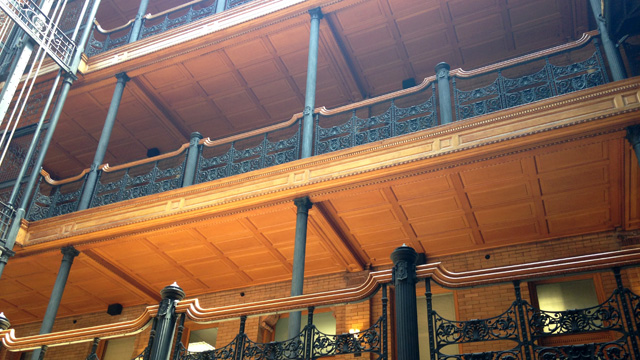
"caption": "Ornate ironwork in the atrium of the Bradbury Building. (Steven Cuevas/KQED)",
"description": null,
"title": "6-L.A.'s Bradbury Building Still Dazzles Visitors, Filmmakers",
"credit": null,
"status": "inherit",
"isLoading": false,
"fetchFailed": false
},
"news_140121": {
"type": "attachments",
"id": "news_140121",
"meta": {
"index": "attachments_1716263798",
"site": "news",
"id": "140121",
"found": true
},
"parent": 140116,
"imgSizes": {
"kqedFullSize": {
"file": "https://ww2.kqed.org/app/uploads/sites/10/2014/06/4087364200_d70dde1c07_o.jpg",
"width": 1280,
"height": 851
}
},
"publishDate": 1403629019,
"modified": 1403629019,
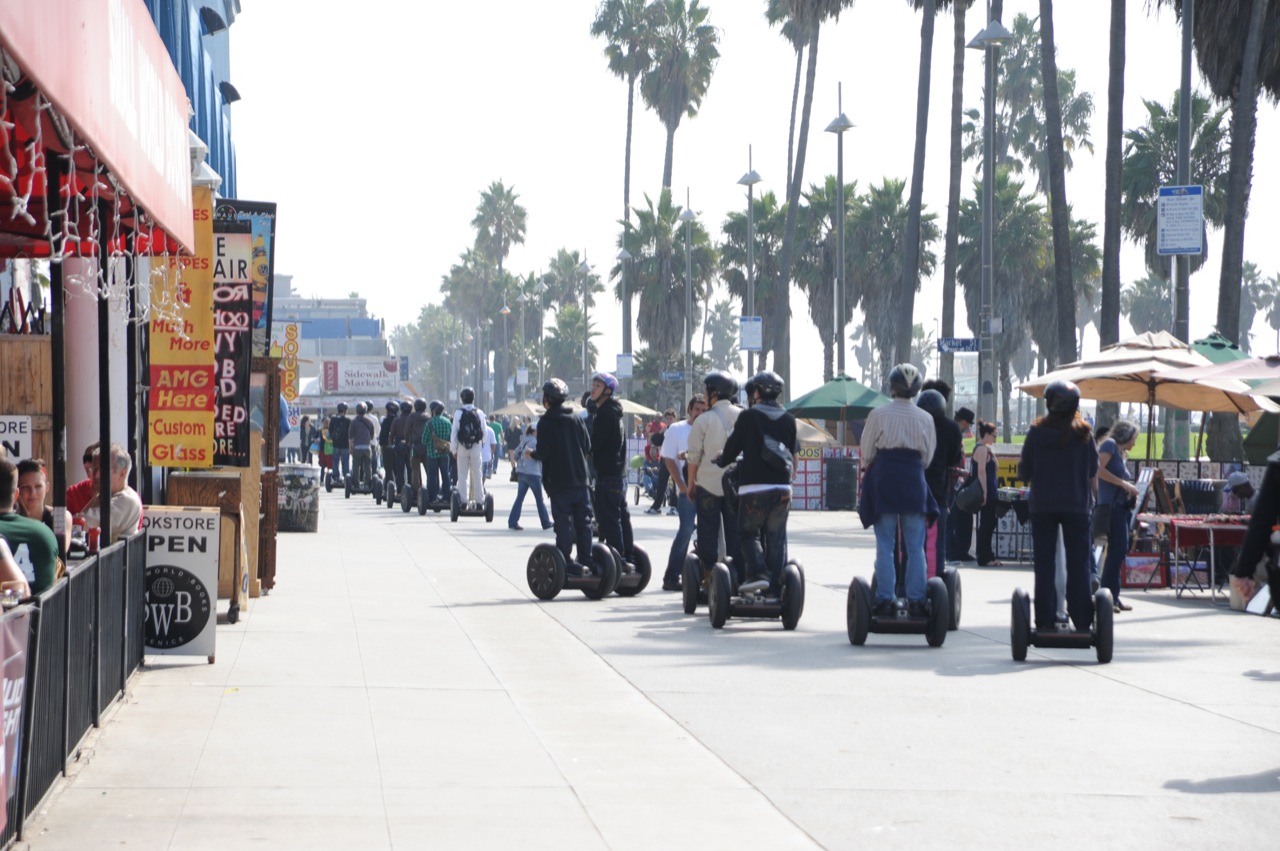
"caption": "Segways on the Venice Beach Boardwalk. (www.YoVenice.com/Flickr)",
"description": "Segways on the Venice Beach Boardwalk. (www.YoVenice.com/Flickr)",
"title": "4087364200_d70dde1c07_o",
"credit": null,
"status": "inherit",
"isLoading": false,
"fetchFailed": false
},
"news_10340872": {
"type": "attachments",
"id": "news_10340872",
"meta": {
"index": "attachments_1716263798",
"site": "news",
"id": "10340872",
"found": true
},
"parent": 10140870,
"imgSizes": {
"thumbnail": {
"file": "https://ww2.kqed.org/app/uploads/sites/10/2014/09/UGStudioMaurice-400x225.jpg",
"width": 400,
"mimeType": "image/jpeg",
"height": 225
},
"kqedFullSize": {
"file": "https://ww2.kqed.org/app/uploads/sites/10/2014/09/UGStudioMaurice.jpg",
"width": 640,
"height": 360
},
"guest-author-96": {
"file": "https://ww2.kqed.org/app/uploads/sites/10/2014/09/UGStudioMaurice-96x96.jpg",
"width": 96,
"mimeType": "image/jpeg",
"height": 96
},
"guest-author-64": {
"file": "https://ww2.kqed.org/app/uploads/sites/10/2014/09/UGStudioMaurice-64x64.jpg",
"width": 64,
"mimeType": "image/jpeg",
"height": 64
},
"detail": {
"file": "https://ww2.kqed.org/app/uploads/sites/10/2014/09/UGStudioMaurice-75x75.jpg",
"width": 75,
"mimeType": "image/jpeg",
"height": 75
},
"guest-author-32": {
"file": "https://ww2.kqed.org/app/uploads/sites/10/2014/09/UGStudioMaurice-32x32.jpg",
"width": 32,
"mimeType": "image/jpeg",
"height": 32
},
"guest-author-128": {
"file": "https://ww2.kqed.org/app/uploads/sites/10/2014/09/UGStudioMaurice-128x128.jpg",
"width": 128,
"mimeType": "image/jpeg",
"height": 128
}
},
"publishDate": 1410385842,
"modified": 1410385842,
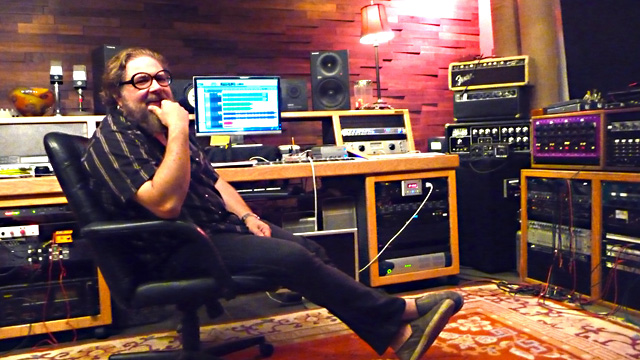
"caption": "Producer Maurice at the board in his home studio that began life as a 1920s garage. (Peter Gilstrap/KQED)",
"description": null,
"title": "UGStudioMaurice",
"credit": null,
"status": "inherit",
"isLoading": false,
"fetchFailed": false
},
"news_10341804": {
"type": "attachments",
"id": "news_10341804",
"meta": {
"index": "attachments_1716263798",
"site": "news",
"id": "10341804",
"found": true
},
"parent": 10341803,
"imgSizes": {
"thumbnail": {
"file": "https://ww2.kqed.org/app/uploads/sites/10/2014/09/manbugs-400x225.jpg",
"width": 400,
"mimeType": "image/jpeg",
"height": 225
},
"kqedFullSize": {
"file": "https://ww2.kqed.org/app/uploads/sites/10/2014/09/manbugs.jpg",
"width": 640,
"height": 360
},
"guest-author-96": {
"file": "https://ww2.kqed.org/app/uploads/sites/10/2014/09/manbugs-96x96.jpg",
"width": 96,
"mimeType": "image/jpeg",
"height": 96
},
"guest-author-64": {
"file": "https://ww2.kqed.org/app/uploads/sites/10/2014/09/manbugs-64x64.jpg",
"width": 64,
"mimeType": "image/jpeg",
"height": 64
},
"detail": {
"file": "https://ww2.kqed.org/app/uploads/sites/10/2014/09/manbugs-75x75.jpg",
"width": 75,
"mimeType": "image/jpeg",
"height": 75
},
"guest-author-32": {
"file": "https://ww2.kqed.org/app/uploads/sites/10/2014/09/manbugs-32x32.jpg",
"width": 32,
"mimeType": "image/jpeg",
"height": 32
},
"guest-author-128": {
"file": "https://ww2.kqed.org/app/uploads/sites/10/2014/09/manbugs-128x128.jpg",
"width": 128,
"mimeType": "image/jpeg",
"height": 128
}
},
"publishDate": 1412133445,
"modified": 1412133445,
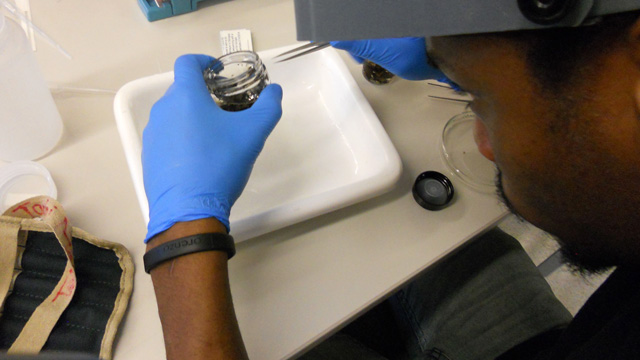
"caption": "Specimens are sorted back at the Natural History Museum's lab. (Alex Schmidt/KQED)",
"description": null,
"title": "manbugs",
"credit": null,
"status": "inherit",
"isLoading": false,
"fetchFailed": false
},
"news_135441": {
"type": "attachments",
"id": "news_135441",
"meta": {
"index": "attachments_1716263798",
"site": "news",
"id": "135441",
"found": true
},
"parent": 135437,
"imgSizes": {
"kqedFullSize": {
"file": "https://ww2.kqed.org/app/uploads/sites/10/2014/05/dc44670f-4952-45e4-ac2e-79e222079153-620x413.jpeg",
"width": 620,
"height": 413
}
},
"publishDate": 1399571610,
"modified": 1399571610,
"caption": "San Francisco ranked #8 best city brand on a worldwide list. (The Guardian)",
"description": "San Francisco ranked #8 best city brand on a worldwide list. (The Guardian)",
"title": "dc44670f-4952-45e4-ac2e-79e222079153-620x413",
"credit": null,
"status": "inherit",
"isLoading": false,
"fetchFailed": false
},
"news_10341084": {
"type": "attachments",
"id": "news_10341084",
"meta": {
"index": "attachments_1716263798",
"site": "news",
"id": "10341084",
"found": true
},
"parent": 10141083,
"imgSizes": {
"thumbnail": {
"file": "https://ww2.kqed.org/app/uploads/sites/10/2014/09/AAARubbish-400x225.jpg",
"width": 400,
"mimeType": "image/jpeg",
"height": 225
},
"kqedFullSize": {
"file": "https://ww2.kqed.org/app/uploads/sites/10/2014/09/AAARubbish.jpg",
"width": 640,
"height": 360
},
"guest-author-96": {
"file": "https://ww2.kqed.org/app/uploads/sites/10/2014/09/AAARubbish-96x96.jpg",
"width": 96,
"mimeType": "image/jpeg",
"height": 96
},
"guest-author-64": {
"file": "https://ww2.kqed.org/app/uploads/sites/10/2014/09/AAARubbish-64x64.jpg",
"width": 64,
"mimeType": "image/jpeg",
"height": 64
},
"detail": {
"file": "https://ww2.kqed.org/app/uploads/sites/10/2014/09/AAARubbish-75x75.jpg",
"width": 75,
"mimeType": "image/jpeg",
"height": 75
},
"guest-author-32": {
"file": "https://ww2.kqed.org/app/uploads/sites/10/2014/09/AAARubbish-32x32.jpg",
"width": 32,
"mimeType": "image/jpeg",
"height": 32
},
"guest-author-128": {
"file": "https://ww2.kqed.org/app/uploads/sites/10/2014/09/AAARubbish-128x128.jpg",
"width": 128,
"mimeType": "image/jpeg",
"height": 128
}
},
"publishDate": 1410542657,
"modified": 1410542657,
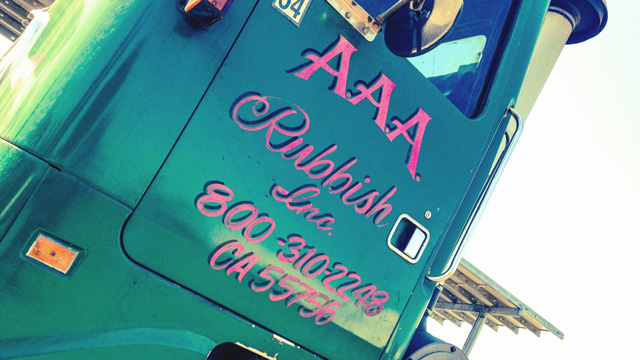
"caption": "One of a handful of garbage trucks operated by AAA Rubbish, a family-run company that's been handling L.A. trash for nearly 100 years. (Steven Cuevas/KQED)",
"description": null,
"title": "AAARubbish",
"credit": null,
"status": "inherit",
"isLoading": false,
"fetchFailed": false
},
"news_129617": {
"type": "attachments",
"id": "news_129617",
"meta": {
"index": "attachments_1716263798",
"site": "news",
"id": "129617",
"found": true
},
"parent": 129609,
"imgSizes": {
"kqedFullSize": {
"file": "https://ww2.kqed.org/app/uploads/sites/10/2014/03/Screenshot-2014-03-17-06.51.04.png",
"width": 615,
"height": 330
}
},
"publishDate": 1395064285,
"modified": 1395064285,
"caption": null,
"description": null,
"title": "L.A. Earthquake-Featured Image",
"credit": null,
"status": "inherit",
"isLoading": false,
"fetchFailed": false
}
},
"audioPlayerReducer": {
"postId": "stream_live",
"isPaused": true,
"isPlaying": false,
"pfsActive": false,
"pledgeModalIsOpen": true,
"playerDrawerIsOpen": false,
"liveAudioPlayStartedAt": 0,
"liveAudioPlayContext": ""
},
"authorsReducer": {
"byline_news_10407937": {
"type": "authors",
"id": "byline_news_10407937",
"meta": {
"override": true
},
"slug": "byline_news_10407937",
"name": "Avishay Artsy",
"isLoading": false
},
"byline_news_10349655": {
"type": "authors",
"id": "byline_news_10349655",
"meta": {
"override": true
},
"slug": "byline_news_10349655",
"name": "Casey Miner",
"isLoading": false
},
"byline_news_10341638": {
"type": "authors",
"id": "byline_news_10341638",
"meta": {
"override": true
},
"slug": "byline_news_10341638",
"name": "Steve Hochman",
"isLoading": false
},
"byline_news_10340973": {
"type": "authors",
"id": "byline_news_10340973",
"meta": {
"override": true
},
"slug": "byline_news_10340973",
"name": "Avishay Artsy",
"isLoading": false
},
"byline_news_10340974": {
"type": "authors",
"id": "byline_news_10340974",
"meta": {
"override": true
},
"slug": "byline_news_10340974",
"name": "Avishay Artsy",
"isLoading": false
},
"byline_news_10340870": {
"type": "authors",
"id": "byline_news_10340870",
"meta": {
"override": true
},
"slug": "byline_news_10340870",
"name": "Peter Gilstrap",
"isLoading": false
},
"byline_news_10341803": {
"type": "authors",
"id": "byline_news_10341803",
"meta": {
"override": true
},
"slug": "byline_news_10341803",
"name": "Alex Schmidt",
"isLoading": false
},
"byline_news_10341083": {
"type": "authors",
"id": "byline_news_10341083",
"meta": {
"override": true
},
"slug": "byline_news_10341083",
"name": "Steven Cuevas",
"isLoading": false
},
"ohubertallen": {
"type": "authors",
"id": "102",
"meta": {
"index": "authors_1716337520",
"id": "102",
"found": true
},
"name": "Olivia Allen-Price",
"firstName": "Olivia",
"lastName": "Allen-Price",
"slug": "ohubertallen",
"email": "oallenprice@kqed.org",
"display_author_email": false,
"staff_mastheads": [
"news"
],
"title": "Senior Editor",
"bio": "Olivia Allen-Price is senior editor and host of the award-winning Bay Curious podcast. Prior to joining KQED in 2013, Olivia worked at The Baltimore Sun and The Virginian-Pilot in Norfolk, Va. She holds degrees in journalism and political science from Elon University. Her work has earned awards from the Society of Professional Journalists, the Hearst Foundation and Hearken. She loves to talk about running and curly hair.\r\n\r\nFollow: \u003ca href=\"https://twitter.com/oallenprice\">@oallenprice\u003c/a>\r\nEmail: \u003ca href=\"mailto:oallenprice@kqed.org\">oallenprice@kqed.org\u003c/a>",
"avatar": "https://secure.gravatar.com/avatar/07f7803c1f6be56f3be58ef276dfa64dce898502e0554408ef4858451a8294f7?s=600&d=blank&r=g",
"twitter": "oallenprice",
"bluesky": null,
"facebook": null,
"instagram": null,
"linkedin": null,
"sites": [
{
"site": "",
"roles": [
"editor"
]
},
{
"site": "arts",
"roles": [
"subscriber"
]
},
{
"site": "news",
"roles": [
"administrator"
]
},
{
"site": "pop",
"roles": [
"administrator"
]
},
{
"site": "bayareabites",
"roles": [
"contributor"
]
},
{
"site": "stateofhealth",
"roles": [
"administrator"
]
},
{
"site": "science",
"roles": [
"editor"
]
}
],
"headData": {
"title": "Olivia Allen-Price | KQED",
"description": "Senior Editor",
"ogImgSrc": "https://secure.gravatar.com/avatar/07f7803c1f6be56f3be58ef276dfa64dce898502e0554408ef4858451a8294f7?s=600&d=blank&r=g",
"twImgSrc": "https://secure.gravatar.com/avatar/07f7803c1f6be56f3be58ef276dfa64dce898502e0554408ef4858451a8294f7?s=600&d=blank&r=g"
},
"isLoading": false,
"link": "/author/ohubertallen"
},
"danbrekke": {
"type": "authors",
"id": "222",
"meta": {
"index": "authors_1716337520",
"id": "222",
"found": true
},
"name": "Dan Brekke",
"firstName": "Dan",
"lastName": "Brekke",
"slug": "danbrekke",
"email": "dbrekke@kqed.org",
"display_author_email": true,
"staff_mastheads": [
"news",
"science"
],
"title": "KQED Editor and Reporter",
"bio": "Dan Brekke is a reporter and editor for KQED News, responsible for coverage of topics ranging from California water issues to the Bay Area's transportation challenges. In a newsroom career that began in Chicago in 1972, Dan has worked for \u003cem>The San Francisco Examiner,\u003c/em> Wired and TechTV and has been published in The New York Times, The New York Times Magazine, Business 2.0, Salon and elsewhere.\r\n\r\nSince joining KQED in 2007, Dan has reported, edited and produced both radio and online features and breaking news pieces. He has shared as both editor and reporter in four Society of Professional Journalists Norcal Excellence in Journalism awards and one Edward R. Murrow regional award. He was chosen for a spring 2017 residency at the Mesa Refuge to advance his research on California salmon.\r\n\r\nEmail Dan at: \u003ca href=\"mailto:dbrekke@kqed.org\">dbrekke@kqed.org\u003c/a>\r\n\r\n\u003cstrong>Twitter:\u003c/strong> \u003ca href=\"https://twitter.com/danbrekke\" rel=\"noopener noreferrer\">twitter.com/danbrekke\u003c/a>\r\n\u003cstrong>Facebook:\u003c/strong> \u003ca href=\"https://www.facebook.com/danbrekke\" rel=\"noopener noreferrer\">www.facebook.com/danbrekke\u003c/a>\r\n\u003cstrong>LinkedIn:\u003c/strong> \u003ca href=\"https://www.linkedin.com/in/danbrekke\" rel=\"noopener noreferrer\">www.linkedin.com/in/danbrekke\u003c/a>",
"avatar": "https://secure.gravatar.com/avatar/c8126230345efca3f7aa89b1a402be45?s=600&d=mm&r=g",
"twitter": "danbrekke",
"facebook": null,
"instagram": "https://www.instagram.com/dan.brekke/",
"linkedin": "https://www.linkedin.com/in/danbrekke/",
"sites": [
{
"site": "news",
"roles": [
"administrator",
"create_posts"
]
},
{
"site": "stateofhealth",
"roles": [
"editor"
]
},
{
"site": "science",
"roles": [
"editor"
]
},
{
"site": "quest",
"roles": [
"contributor"
]
},
{
"site": "food",
"roles": [
"contributor"
]
},
{
"site": "forum",
"roles": [
"contributor"
]
},
{
"site": "liveblog",
"roles": [
"editor"
]
}
],
"headData": {
"title": "Dan Brekke | KQED",
"description": "KQED Editor and Reporter",
"ogImgSrc": "https://secure.gravatar.com/avatar/c8126230345efca3f7aa89b1a402be45?s=600&d=mm&r=g",
"twImgSrc": "https://secure.gravatar.com/avatar/c8126230345efca3f7aa89b1a402be45?s=600&d=mm&r=g"
},
"isLoading": false,
"link": "/author/danbrekke"
},
"kqed": {
"type": "authors",
"id": "236",
"meta": {
"index": "authors_1716337520",
"id": "236",
"found": true
},
"name": "KQED News Staff",
"firstName": "KQED News Staff",
"lastName": null,
"slug": "kqed",
"email": "faq@kqed.org",
"display_author_email": false,
"staff_mastheads": [],
"title": null,
"bio": null,
"avatar": "https://secure.gravatar.com/avatar/ef0e801a68c4c54afa9180db14084167?s=600&d=blank&r=g",
"twitter": null,
"facebook": null,
"instagram": null,
"linkedin": null,
"sites": [
{
"site": "arts",
"roles": [
"contributor"
]
},
{
"site": "news",
"roles": [
"editor"
]
},
{
"site": "futureofyou",
"roles": [
"author"
]
}
],
"headData": {
"title": "KQED News Staff | KQED",
"description": null,
"ogImgSrc": "https://secure.gravatar.com/avatar/ef0e801a68c4c54afa9180db14084167?s=600&d=blank&r=g",
"twImgSrc": "https://secure.gravatar.com/avatar/ef0e801a68c4c54afa9180db14084167?s=600&d=blank&r=g"
},
"isLoading": false,
"link": "/author/kqed"
}
},
"pagesReducer": {
"news_tag_los-angeles": {
"type": "terms",
"id": "news_4",
"meta": {
"index": "terms_1716263798",
"site": "news",
"id": "4",
"score": 8.557587
},
"featImg": null,
"name": "los angeles",
"description": null,
"taxonomy": "tag",
"headData": {
"twImgId": null,
"twTitle": null,
"ogTitle": null,
"ogImgId": null,
"twDescription": null,
"description": null,
"title": "los angeles Archives | KQED News",
"ogDescription": null
},
"ttid": 4,
"slug": "los-angeles",
"isLoading": false,
"title": "los angeles",
"pageMeta": {
"site": "news",
"WpPageTemplate": "page-topic-editorial",
"currentPage": 35
},
"blocks": [
{
"blockName": "kqed/post-list",
"attrs": {
"layout": "cardArticle2",
"query": "posts/news?tag=los-angeles",
"seeMore": false,
"paginated": true,
"page": 35
}
},
{
"blockName": "kqed/ad"
}
]
}
},
"pfsSessionReducer": {},
"postsReducer": {
"stream_live": {
"type": "live",
"id": "stream_live",
"audioUrl": "https://streams.kqed.org/kqedradio",
"title": "Live Stream",
"excerpt": "Live Stream information currently unavailable.",
"link": "/radio",
"featImg": "",
"label": {
"name": "KQED Live",
"link": "/"
}
},
"stream_kqedNewscast": {
"type": "posts",
"id": "stream_kqedNewscast",
"audioUrl": "https://www.kqed.org/.stream/anon/radio/RDnews/newscast.mp3?_=1",
"title": "KQED Newscast",
"featImg": "",
"label": {
"name": "88.5 FM",
"link": "/"
}
},
"news_10407937": {
"type": "posts",
"id": "news_10407937",
"meta": {
"index": "posts_1716263798",
"site": "news",
"id": "10407937",
"score": null,
"sort": [
1421510418000
]
},
"parent": 0,
"labelTerm": {
"site": "news",
"term": 72
},
"blocks": [],
"publishDate": 1421510418,
"format": "standard",
"disqusTitle": "In L.A., Mozart's 'Figaro' Recast as an Immigration Opera",
"title": "In L.A., Mozart's 'Figaro' Recast as an Immigration Opera",
"headTitle": "The California Report | KQED News",
"content": "\u003cp>President Barack Obama’s \u003ca href=\"recent%20executive%20action\">recent executive action\u003c/a> made it more likely that millions of undocumented immigrants in the United States will have a path to citizenship.\u003c/p>\n\u003cp>But Republicans in Congress call the changes “executive overreach” and are \u003ca href=\"http://www.nationaljournal.com/congress/house-gop-centrists-push-back-on-immigration-20150114\">pushing back\u003c/a>. Also this month, for the first time, undocumented immigrants in California will be able to get \u003ca href=\"http://abc7.com/politics/10000-undocumented-immigrants-granted-california-drivers-licenses/474313/\">driver’s licenses\u003c/a>.\u003c/p>\n\u003cp>This weekend, the debate over immigration reform is moving to an unlikely venue -- the opera.\u003c/p>\n\u003cp>[soundcloud url=\"https://api.soundcloud.com/tracks/186434168\" params=\"color=ff5500&auto_play=false&hide_related=false&show_comments=true&show_user=true&show_reposts=false\" width=\"100%\" height=\"166\" iframe=\"true\" /]\u003c/p>\n\u003cp>Mozart’s “\u003ca href=\"http://www.britannica.com/EBchecked/topic/366268/The-Marriage-of-Figaro\">The Marriage of Figaro\u003c/a>” is one of the most beloved and widely performed operas.\u003c/p>\n\u003cp>[ad fullwidth]\u003c/p>\n\u003cp>In the Italian libretto, written by Lorenzo Da Ponte and based on the stage comedy by Pierre Beaumarchais, Figaro is a heroic everyman, and a personal servant to the count.\u003c/p>\n\u003cp>The count is a sleazy aristocrat pursuing Figaro's bride-to-be, Susana. The couple and the countess team up to expose the count’s efforts to seduce Susana before she marries Figaro.\u003c/p>\n\u003cp>That’s the nutshell of an opera that has delighted audiences for over two centuries. But it didn’t start out as very popular. The storyline, of a servant making a fool of his master, was seen as a challenge to the aristocracy.\u003c/p>\n\u003cfigure id=\"attachment_10408435\" class=\"wp-caption alignright\" style=\"max-width: 400px\">\u003ca href=\"http://ww2.kqed.org/news/wp-content/uploads/sites/10/2015/01/CountAndSusana.jpg\">\u003cimg class=\"wp-image-10408435 size-thumbnail\" src=\"http://ww2.kqed.org/news/wp-content/uploads/sites/10/2015/01/CountAndSusana-400x529.jpg\" alt=\"Craig Colclough as Paul Conti and Maria Elena Altana as Susana.\" width=\"400\" height=\"529\" srcset=\"https://ww2.kqed.org/app/uploads/sites/10/2015/01/CountAndSusana-400x529.jpg 400w, https://ww2.kqed.org/app/uploads/sites/10/2015/01/CountAndSusana-800x1059.jpg 800w, https://ww2.kqed.org/app/uploads/sites/10/2015/01/CountAndSusana.jpg 1440w\" sizes=\"(max-width: 400px) 100vw, 400px\">\u003c/a>\u003cfigcaption class=\"wp-caption-text\">Craig Colclough as Paul Conti and Maria Elena Altana as Susana. \u003ccite>(Ben Gibbs/LA Opera)\u003c/cite>\u003c/figcaption>\u003c/figure>\n\u003cp>“The play, when it originally premiered, was actually banned in France for several years because it was considered so subversive,” says Vid Guerrerio, a librettist in Los Angeles. He decided “The Marriage of Figaro” could use a modern take.\u003c/p>\n\u003cp>“My goal was absolutely to kind of brush off some of the dust that’s accumulated over the last, you know, 250 years, and let contemporary audiences really see what a fresh, daring, even dangerous piece of art the original 'Marriage of Figaro' was,” Guerrerio explains.\u003c/p>\n\u003cp>In Guerrerio’s version, \u003ca href=\"http://www.laopera.org/season/1415-Season-at-a-Glance/Figaro90210/\">“¡Figaro! (90210),”\u003c/a> staged by the LA Opera, Figaro is a handyman and his fiancee, Susana, is a housekeeper. They’re undocumented immigrants working in a Beverly Hills mansion.\u003c/p>\n\u003cp>At a recent rehearsal, Craig Colclough plays the role of the count, now a real estate mogul named Paul Conti. He’s conflicted about whether to help Susana avoid deportation.\u003c/p>\n\u003cp>“For just a few thousand dollars I can save her, but does that mean it’s the right thing to do?\" Colclough sings. “She made a contract, and contracts must be respected. Plus, she’s here illegally, it’s all connected. If she pays nothing, no penance, the rule of law in this country goes unprotected!”\u003c/p>\n\u003cp>In the next scene, Susana, played by Maria Elena Altany, hatches a plan with her boss’s wife, who’s caught on to her husband’s wandering eye. They decide to trap him in the act by having Susana seduce him.\u003c/p>\n\u003cp>“So punish me. I will not try to change it. Tonight we shall arrange it,” Altany sings.\u003c/p>\n\u003cp>“Wait! Am I hearing you clearly?,” Colclough replies.\u003c/p>\n\u003cp>She sings: “You must punish me severely!\"\u003c/p>\n\u003cp>“Severely!” He cries out incredulously.\u003c/p>\n\u003cfigure id=\"attachment_10408430\" class=\"wp-caption alignleft\" style=\"max-width: 440px\">\u003ca href=\"http://ww2.kqed.org/news/wp-content/uploads/sites/10/2015/01/Figaro2.jpg\">\u003cimg class=\"wp-image-10408430\" src=\"http://ww2.kqed.org/news/wp-content/uploads/sites/10/2015/01/Figaro2-400x283.jpg\" alt=\"E. Scott Levin as Babayan, with Miki Yamashita (L) as Soon-Yi Nam.\" width=\"440\" height=\"311\" srcset=\"https://ww2.kqed.org/app/uploads/sites/10/2015/01/Figaro2-400x283.jpg 400w, https://ww2.kqed.org/app/uploads/sites/10/2015/01/Figaro2-800x566.jpg 800w, https://ww2.kqed.org/app/uploads/sites/10/2015/01/Figaro2.jpg 1440w\" sizes=\"(max-width: 440px) 100vw, 440px\">\u003c/a>\u003cfigcaption class=\"wp-caption-text\">E. Scott Levin as Babayan, with Miki Yamashita (L) as Soon-Yi Nam. \u003ccite>(Ben Gibbs/LA Opera)\u003c/cite>\u003c/figcaption>\u003c/figure>\n\u003cp>“Figaro” was written as an \u003cem>opera buffa\u003c/em>, a comic opera. The new adaptation received \u003ca href=\"http://www.nytimes.com/2013/06/17/arts/music/call-it-the-green-card-of-figaro-with-thanks-to-mozart.html?_r=3&http://www.nytimes.com/2013/06/17/arts/music/call-it-the-green-card-of-figaro-withhttp://www.nytimes.com/2013/06/17/arts/music/call-it-the-green-card-of-figaro-with-thanks-to-mozart.html?_r=3&thanks-to-mozart.html?_r=3&\">high praise\u003c/a> from the New York Times for its humor as well as its underlying drama.\u003c/p>\n\u003cp>Altany says she relates to the subject matter.\u003c/p>\n\u003cp>Her grandparents emigrated from Mexico to California’s Central Valley, and though she grew up comfortably in San Francisco, she was always conscious of the difficulties facing many immigrants to the U.S.\u003c/p>\n\u003cp>“I can’t imagine the stress of being undocumented, of being afraid to drive or to get your license or to go to school because they might check your papers,\" Altany says. \"You know, it’s really incredible what people go through to be here.\"\u003c/p>\n\u003cp>In \"¡Figaro! (90210)\" Susana crosses the border in exchange for promising to work in a sweatshop, but she manages to escape -- until her old boss comes looking for her.\u003c/p>\n\u003cp>“She gets out of it, but that’s still hanging over her head all the time, and it’s just a constant fear,” explains Altany. “And I think an issue that’s really important to me as a woman, is that she has to deal with sexual harassment and blackmail, which is such a big issue for Latina communities in L.A., especially those who are undocumented. It’s such a vulnerable population, so easily preyed on.”\u003c/p>\n\u003cp>Guerrerio says he wanted to put the issue of illegal immigration into an opera in order to humanize it, and take it out of the realm of political debate. Even the character of the count, the selfish real estate tycoon, is given a back story that helps explain his position.\u003c/p>\n\u003cfigure id=\"attachment_10408493\" class=\"wp-caption alignright\" style=\"max-width: 400px\">\u003ca href=\"http://ww2.kqed.org/news/wp-content/uploads/sites/10/2015/01/FigaroSusana.jpg\">\u003cimg src=\"http://ww2.kqed.org/news/wp-content/uploads/sites/10/2015/01/FigaroSusana-400x564.jpg\" alt=\"Jose Adan Perez as Figaro and Maria Elena Altana as Susana.\" width=\"400\" height=\"564\" class=\"size-thumbnail wp-image-10408493\" srcset=\"https://ww2.kqed.org/app/uploads/sites/10/2015/01/FigaroSusana-400x564.jpg 400w, https://ww2.kqed.org/app/uploads/sites/10/2015/01/FigaroSusana-800x1129.jpg 800w, https://ww2.kqed.org/app/uploads/sites/10/2015/01/FigaroSusana.jpg 1440w\" sizes=\"(max-width: 400px) 100vw, 400px\">\u003c/a>\u003cfigcaption class=\"wp-caption-text\">Jose Adan Perez as Figaro and Maria Elena Altana as Susana. \u003ccite>(Ben Gibbs/LA Opera)\u003c/cite>\u003c/figcaption>\u003c/figure>\n\u003cp>“He still starts, saying, you know, ‘the glue of this great nation is true assimilation,’ ” Guerrerio says. Then Conti sheds some light on his own background. “And the lines are, ‘My folks may not have swum here, but living in a slum here, dad said, son, we are scum here. You must speak like you’re from here,’ ” Guerrerio explains.\u003c/p>\n\u003cp>Guerrerio says that history elevates Conti from a stock villain. And it also comes from personal experience. Guerrerio grew up in an Italian-American family, where his grandparents forced his parents to speak English.\u003c/p>\n\u003cp>“And that was because growing up in the ‘50s, it was absolutely crucial that, ‘You are America, you speak American,’ ” says Guerrerio.\u003c/p>\n\u003cp>The whole concept of \"¡Figaro! (90210),\" Guerrerio says, stemmed from a single moment: seeing a family member yell at an ATM machine because the screen asked, “English or Spanish?”\u003c/p>\n\u003cp>“So, for this family member, who had lived through an experience of giving up their family identity, their cultural identity, to become American, this notion that now, America was changing, and you didn’t have to choose, you didn’t have to adapt, you could somehow be multiple things at once, provoked an emotional reaction,” he says. “And I think the emotional reaction was grief.”\u003c/p>\n\u003cp>Figaro and Susana’s boss, Paul Conti, resents it when laws are broken, and perhaps is bitter over forfeiting his culture in the pursuit of assimilation. Guerrerio says this is a real viewpoint that he hopes audiences consider, along with the perspective of the undocumented immigrants.\u003c/p>\n\u003cp>In the end, it’s an opera about people, not policies.\u003c/p>\n\u003cp>[ad floatright]\u003c/p>\n\u003cp>\u003cem>LA Opera presents the world premiere staging of \"¡Figaro! (90210)\" at the Barnsdall Gallery Theatre in Los Angeles Jan. 16-18.\u003c/em>\u003c/p>\n\n",
"disqusIdentifier": "10407937 http://ww2.kqed.org/news/?p=10407937",
"disqusUrl": "https://ww2.kqed.org/news/2015/01/17/in-l-a-mozarts-figaro-recast-as-an-immigration-opera/",
"stats": {
"hasVideo": false,
"hasChartOrMap": false,
"hasAudio": false,
"hasPolis": false,
"wordCount": 1205,
"hasGoogleForm": false,
"hasGallery": false,
"hasHearkenModule": false,
"iframeSrcs": [],
"paragraphCount": 35
},
"modified": 1421460144,
"excerpt": "'My goal was absolutely to brush off some of the dust that’s accumulated over the last 250 years.'",
"headData": {
"twImgId": "",
"twTitle": "",
"ogTitle": "",
"ogImgId": "",
"twDescription": "",
"description": "'My goal was absolutely to brush off some of the dust that’s accumulated over the last 250 years.'",
"title": "In L.A., Mozart's 'Figaro' Recast as an Immigration Opera | KQED",
"ogDescription": "",
"schema": {
"@context": "https://schema.org",
"@type": "NewsArticle",
"headline": "In L.A., Mozart's 'Figaro' Recast as an Immigration Opera",
"datePublished": "2015-01-17T08:00:18-08:00",
"dateModified": "2015-01-16T18:02:24-08:00",
"image": "https://cdn.kqed.org/wp-content/uploads/2020/02/KQED-OG-Image@1x.png",
"isAccessibleForFree": "True",
"publisher": {
"@type": "NewsMediaOrganization",
"@id": "https://www.kqed.org/#organization",
"name": "KQED",
"logo": "https://cdn.kqed.org/wp-content/uploads/2020/02/KQED-OG-Image@1x.png",
"url": "https://www.kqed.org",
"sameAs": [
"https://www.facebook.com/KQED",
"https://twitter.com/KQED",
"https://www.instagram.com/kqed/",
"https://www.tiktok.com/@kqedofficial",
"https://www.linkedin.com/company/kqed",
"https://www.youtube.com/channel/UCeC0IOo7i1P_61zVUWbJ4nw"
]
}
}
},
"guestAuthors": [],
"slug": "in-l-a-mozarts-figaro-recast-as-an-immigration-opera",
"status": "publish",
"nprByline": "Avishay Artsy",
"path": "/news/10407937/in-l-a-mozarts-figaro-recast-as-an-immigration-opera",
"audioTrackLength": null,
"parsedContent": [
{
"type": "contentString",
"content": "\u003cdiv class=\"post-body\">\u003cp>\u003cp>President Barack Obama’s \u003ca href=\"recent%20executive%20action\">recent executive action\u003c/a> made it more likely that millions of undocumented immigrants in the United States will have a path to citizenship.\u003c/p>\n\u003cp>But Republicans in Congress call the changes “executive overreach” and are \u003ca href=\"http://www.nationaljournal.com/congress/house-gop-centrists-push-back-on-immigration-20150114\">pushing back\u003c/a>. Also this month, for the first time, undocumented immigrants in California will be able to get \u003ca href=\"http://abc7.com/politics/10000-undocumented-immigrants-granted-california-drivers-licenses/474313/\">driver’s licenses\u003c/a>.\u003c/p>\n\u003cp>This weekend, the debate over immigration reform is moving to an unlikely venue -- the opera.\u003c/p>\n\u003cp>\u003c/p>\u003cp>\u003cdiv class='utils-parseShortcode-shortcodes-__shortcodes__shortcodeWrapper'>\n \u003ciframe width='100%' height='166'\n scrolling='no' frameborder='no'\n src='https://w.soundcloud.com/player/?url=https://api.soundcloud.com/tracks/186434168&visual=true&color=ff5500&auto_play=false&hide_related=false&show_comments=true&show_user=true&show_reposts=false'\n title='https://api.soundcloud.com/tracks/186434168'>\n \u003c/iframe>\n \u003c/div>\u003c/p>\u003cp>\u003c/p>\n\u003cp>Mozart’s “\u003ca href=\"http://www.britannica.com/EBchecked/topic/366268/The-Marriage-of-Figaro\">The Marriage of Figaro\u003c/a>” is one of the most beloved and widely performed operas.\u003c/p>\n\u003cp>\u003c/p>\u003c/div>",
"attributes": {
"named": {},
"numeric": []
}
},
{
"type": "component",
"content": "",
"name": "ad",
"attributes": {
"named": {
"label": "fullwidth"
},
"numeric": [
"fullwidth"
]
}
},
{
"type": "contentString",
"content": "\u003cdiv class=\"post-body\">\u003cp>\u003c/p>\n\u003cp>In the Italian libretto, written by Lorenzo Da Ponte and based on the stage comedy by Pierre Beaumarchais, Figaro is a heroic everyman, and a personal servant to the count.\u003c/p>\n\u003cp>The count is a sleazy aristocrat pursuing Figaro's bride-to-be, Susana. The couple and the countess team up to expose the count’s efforts to seduce Susana before she marries Figaro.\u003c/p>\n\u003cp>That’s the nutshell of an opera that has delighted audiences for over two centuries. But it didn’t start out as very popular. The storyline, of a servant making a fool of his master, was seen as a challenge to the aristocracy.\u003c/p>\n\u003cfigure id=\"attachment_10408435\" class=\"wp-caption alignright\" style=\"max-width: 400px\">\u003ca href=\"http://ww2.kqed.org/news/wp-content/uploads/sites/10/2015/01/CountAndSusana.jpg\">\u003cimg class=\"wp-image-10408435 size-thumbnail\" src=\"http://ww2.kqed.org/news/wp-content/uploads/sites/10/2015/01/CountAndSusana-400x529.jpg\" alt=\"Craig Colclough as Paul Conti and Maria Elena Altana as Susana.\" width=\"400\" height=\"529\" srcset=\"https://ww2.kqed.org/app/uploads/sites/10/2015/01/CountAndSusana-400x529.jpg 400w, https://ww2.kqed.org/app/uploads/sites/10/2015/01/CountAndSusana-800x1059.jpg 800w, https://ww2.kqed.org/app/uploads/sites/10/2015/01/CountAndSusana.jpg 1440w\" sizes=\"(max-width: 400px) 100vw, 400px\">\u003c/a>\u003cfigcaption class=\"wp-caption-text\">Craig Colclough as Paul Conti and Maria Elena Altana as Susana. \u003ccite>(Ben Gibbs/LA Opera)\u003c/cite>\u003c/figcaption>\u003c/figure>\n\u003cp>“The play, when it originally premiered, was actually banned in France for several years because it was considered so subversive,” says Vid Guerrerio, a librettist in Los Angeles. He decided “The Marriage of Figaro” could use a modern take.\u003c/p>\n\u003cp>“My goal was absolutely to kind of brush off some of the dust that’s accumulated over the last, you know, 250 years, and let contemporary audiences really see what a fresh, daring, even dangerous piece of art the original 'Marriage of Figaro' was,” Guerrerio explains.\u003c/p>\n\u003cp>In Guerrerio’s version, \u003ca href=\"http://www.laopera.org/season/1415-Season-at-a-Glance/Figaro90210/\">“¡Figaro! (90210),”\u003c/a> staged by the LA Opera, Figaro is a handyman and his fiancee, Susana, is a housekeeper. They’re undocumented immigrants working in a Beverly Hills mansion.\u003c/p>\n\u003cp>At a recent rehearsal, Craig Colclough plays the role of the count, now a real estate mogul named Paul Conti. He’s conflicted about whether to help Susana avoid deportation.\u003c/p>\n\u003cp>“For just a few thousand dollars I can save her, but does that mean it’s the right thing to do?\" Colclough sings. “She made a contract, and contracts must be respected. Plus, she’s here illegally, it’s all connected. If she pays nothing, no penance, the rule of law in this country goes unprotected!”\u003c/p>\n\u003cp>In the next scene, Susana, played by Maria Elena Altany, hatches a plan with her boss’s wife, who’s caught on to her husband’s wandering eye. They decide to trap him in the act by having Susana seduce him.\u003c/p>\n\u003cp>“So punish me. I will not try to change it. Tonight we shall arrange it,” Altany sings.\u003c/p>\n\u003cp>“Wait! Am I hearing you clearly?,” Colclough replies.\u003c/p>\n\u003cp>She sings: “You must punish me severely!\"\u003c/p>\n\u003cp>“Severely!” He cries out incredulously.\u003c/p>\n\u003cfigure id=\"attachment_10408430\" class=\"wp-caption alignleft\" style=\"max-width: 440px\">\u003ca href=\"http://ww2.kqed.org/news/wp-content/uploads/sites/10/2015/01/Figaro2.jpg\">\u003cimg class=\"wp-image-10408430\" src=\"http://ww2.kqed.org/news/wp-content/uploads/sites/10/2015/01/Figaro2-400x283.jpg\" alt=\"E. Scott Levin as Babayan, with Miki Yamashita (L) as Soon-Yi Nam.\" width=\"440\" height=\"311\" srcset=\"https://ww2.kqed.org/app/uploads/sites/10/2015/01/Figaro2-400x283.jpg 400w, https://ww2.kqed.org/app/uploads/sites/10/2015/01/Figaro2-800x566.jpg 800w, https://ww2.kqed.org/app/uploads/sites/10/2015/01/Figaro2.jpg 1440w\" sizes=\"(max-width: 440px) 100vw, 440px\">\u003c/a>\u003cfigcaption class=\"wp-caption-text\">E. Scott Levin as Babayan, with Miki Yamashita (L) as Soon-Yi Nam. \u003ccite>(Ben Gibbs/LA Opera)\u003c/cite>\u003c/figcaption>\u003c/figure>\n\u003cp>“Figaro” was written as an \u003cem>opera buffa\u003c/em>, a comic opera. The new adaptation received \u003ca href=\"http://www.nytimes.com/2013/06/17/arts/music/call-it-the-green-card-of-figaro-with-thanks-to-mozart.html?_r=3&http://www.nytimes.com/2013/06/17/arts/music/call-it-the-green-card-of-figaro-withhttp://www.nytimes.com/2013/06/17/arts/music/call-it-the-green-card-of-figaro-with-thanks-to-mozart.html?_r=3&thanks-to-mozart.html?_r=3&\">high praise\u003c/a> from the New York Times for its humor as well as its underlying drama.\u003c/p>\n\u003cp>Altany says she relates to the subject matter.\u003c/p>\n\u003cp>Her grandparents emigrated from Mexico to California’s Central Valley, and though she grew up comfortably in San Francisco, she was always conscious of the difficulties facing many immigrants to the U.S.\u003c/p>\n\u003cp>“I can’t imagine the stress of being undocumented, of being afraid to drive or to get your license or to go to school because they might check your papers,\" Altany says. \"You know, it’s really incredible what people go through to be here.\"\u003c/p>\n\u003cp>In \"¡Figaro! (90210)\" Susana crosses the border in exchange for promising to work in a sweatshop, but she manages to escape -- until her old boss comes looking for her.\u003c/p>\n\u003cp>“She gets out of it, but that’s still hanging over her head all the time, and it’s just a constant fear,” explains Altany. “And I think an issue that’s really important to me as a woman, is that she has to deal with sexual harassment and blackmail, which is such a big issue for Latina communities in L.A., especially those who are undocumented. It’s such a vulnerable population, so easily preyed on.”\u003c/p>\n\u003cp>Guerrerio says he wanted to put the issue of illegal immigration into an opera in order to humanize it, and take it out of the realm of political debate. Even the character of the count, the selfish real estate tycoon, is given a back story that helps explain his position.\u003c/p>\n\u003cfigure id=\"attachment_10408493\" class=\"wp-caption alignright\" style=\"max-width: 400px\">\u003ca href=\"http://ww2.kqed.org/news/wp-content/uploads/sites/10/2015/01/FigaroSusana.jpg\">\u003cimg src=\"http://ww2.kqed.org/news/wp-content/uploads/sites/10/2015/01/FigaroSusana-400x564.jpg\" alt=\"Jose Adan Perez as Figaro and Maria Elena Altana as Susana.\" width=\"400\" height=\"564\" class=\"size-thumbnail wp-image-10408493\" srcset=\"https://ww2.kqed.org/app/uploads/sites/10/2015/01/FigaroSusana-400x564.jpg 400w, https://ww2.kqed.org/app/uploads/sites/10/2015/01/FigaroSusana-800x1129.jpg 800w, https://ww2.kqed.org/app/uploads/sites/10/2015/01/FigaroSusana.jpg 1440w\" sizes=\"(max-width: 400px) 100vw, 400px\">\u003c/a>\u003cfigcaption class=\"wp-caption-text\">Jose Adan Perez as Figaro and Maria Elena Altana as Susana. \u003ccite>(Ben Gibbs/LA Opera)\u003c/cite>\u003c/figcaption>\u003c/figure>\n\u003cp>“He still starts, saying, you know, ‘the glue of this great nation is true assimilation,’ ” Guerrerio says. Then Conti sheds some light on his own background. “And the lines are, ‘My folks may not have swum here, but living in a slum here, dad said, son, we are scum here. You must speak like you’re from here,’ ” Guerrerio explains.\u003c/p>\n\u003cp>Guerrerio says that history elevates Conti from a stock villain. And it also comes from personal experience. Guerrerio grew up in an Italian-American family, where his grandparents forced his parents to speak English.\u003c/p>\n\u003cp>“And that was because growing up in the ‘50s, it was absolutely crucial that, ‘You are America, you speak American,’ ” says Guerrerio.\u003c/p>\n\u003cp>The whole concept of \"¡Figaro! (90210),\" Guerrerio says, stemmed from a single moment: seeing a family member yell at an ATM machine because the screen asked, “English or Spanish?”\u003c/p>\n\u003cp>“So, for this family member, who had lived through an experience of giving up their family identity, their cultural identity, to become American, this notion that now, America was changing, and you didn’t have to choose, you didn’t have to adapt, you could somehow be multiple things at once, provoked an emotional reaction,” he says. “And I think the emotional reaction was grief.”\u003c/p>\n\u003cp>Figaro and Susana’s boss, Paul Conti, resents it when laws are broken, and perhaps is bitter over forfeiting his culture in the pursuit of assimilation. Guerrerio says this is a real viewpoint that he hopes audiences consider, along with the perspective of the undocumented immigrants.\u003c/p>\n\u003cp>In the end, it’s an opera about people, not policies.\u003c/p>\n\u003cp>\u003c/p>\u003c/div>",
"attributes": {
"named": {},
"numeric": []
}
},
{
"type": "component",
"content": "",
"name": "ad",
"attributes": {
"named": {
"label": "floatright"
},
"numeric": [
"floatright"
]
}
},
{
"type": "contentString",
"content": "\u003cdiv class=\"post-body\">\u003cp>\u003c/p>\n\u003cp>\u003cem>LA Opera presents the world premiere staging of \"¡Figaro! (90210)\" at the Barnsdall Gallery Theatre in Los Angeles Jan. 16-18.\u003c/em>\u003c/p>\n\n\u003c/div>\u003c/p>",
"attributes": {
"named": {},
"numeric": []
}
}
],
"link": "/news/10407937/in-l-a-mozarts-figaro-recast-as-an-immigration-opera",
"authors": [
"byline_news_10407937"
],
"programs": [
"news_72"
],
"categories": [
"news_223",
"news_8"
],
"tags": [
"news_4",
"news_17286",
"news_17041"
],
"featImg": "news_10408427",
"label": "news_72"
},
"news_10349655": {
"type": "posts",
"id": "news_10349655",
"meta": {
"index": "posts_1716263798",
"site": "news",
"id": "10349655",
"score": null,
"sort": [
1416672033000
]
},
"parent": 0,
"labelTerm": {
"site": "news",
"term": 72
},
"blocks": [],
"publishDate": 1416672033,
"format": "standard",
"disqusTitle": "How L.A.'s Wild Quinoa Can Help Fight Global Food Shortages",
"title": "How L.A.'s Wild Quinoa Can Help Fight Global Food Shortages",
"headTitle": "The California Report | KQED News",
"content": "\u003cp>By now you’ve probably heard of \u003ca href=\"http://wholegrainscouncil.org/node/5889/print\" target=\"_blank\">quinoa,\u003c/a> the protein-packed grain that’s becoming a staple on restaurant menus. Your default might be to head to Whole Foods to buy it. But if you live in Los Angeles, you can just grab some from the side of the road.\u003c/p>\n\u003cp>Wild quinoa grows all over L.A. It’s actually thriving, despite the drought. And that’s caught \u003ca href=\"http://www.researchgate.net/profile/Rick_Jellen/publications\" target=\"_blank\">Rick Jellen’s\u003c/a> attention. He’s a plant geneticist at Brigham Young University, and he thinks this roadside weed could help feed the world.\u003c/p>\n\u003cp>\u003cstrong>Pick your dinner on Mulholland Drive\u003c/strong>\u003c/p>\n\u003cp>“It’s not like a pristine habitat or anything, not by any stretch of the imagination,” says Jellen, raising his voice above the traffic. We’re standing on the side of a windy, two-lane road in Los Angeles, not far from Mulholland Drive. Not exactly a pastoral paradise, but it’s ideal for what we’re trying to find: pitseed goosefoot, also known as wild quinoa. It’s growing all around us, just a foot or two from the pavement: thin stalks, about shin height, with purplish gray seeds.\u003c/p>\n\u003cp>[soundcloud url=\"https://api.soundcloud.com/tracks/178056951\" params=\"color=ff5500&auto_play=false&hide_related=false&show_comments=true&show_user=true&show_reposts=false\" width=\"100%\" height=\"166\" iframe=\"true\" /]\u003c/p>\n\u003cp>“People don’t recognize this as a genetic resource,” says Jellen, funneling small seeds into a tiny manila envelope. “They recognize it as a weed.”\u003c/p>\n\u003cp>[ad fullwidth]\u003c/p>\n\u003cp>Jellen’s a little obsessed with this weed. When he spots wild quinoa on the side of the road, he beelines for it, swerving across oncoming traffic while cheerfully saying things like, “Let’s hope we don’t get T-boned!” He’s a plant guy, so he might be this fascinated no matter what. But we should pay attention, too.\u003c/p>\n\u003cp>Grocery-store quinoa is mainly farmed in the Andes in South America. It is adapted to that climate. But wild quinoa grows all over the place, in all kinds of conditions. As the climate shifts and growing conditions change, the hunt is on for foods that can survive challenges like extreme heat and prolonged drought.\u003c/p>\n\u003cp>Jellen thinks wild quinoa is one of these foods. Los Angeles, in its fourth year of drought, is a real-life laboratory. And right now, the wild-quinoa experiment looks like a success.\u003c/p>\n\u003cp>\u003cstrong>Wild relatives\u003c/strong>\u003c/p>\n\u003cp>There are teams of scientists around the world collecting the wild relatives of many common crops, not just quinoa. These plants contain genetic secrets that could help all our food. But it’s a long way from the side of the road to your dinner table. Plant breeding can take decades, and in the meantime, someone has to keep an eye on the samples we have and make sure they stay alive.\u003c/p>\n\u003cfigure id=\"attachment_10350798\" class=\"wp-caption alignleft\" style=\"max-width: 315px\">\u003ca href=\"http://ww2.kqed.org/news/wp-content/uploads/sites/10/2014/11/WildQuinoaGrows.jpg\">\u003cimg class=\"wp-image-10350798\" src=\"http://ww2.kqed.org/news/wp-content/uploads/sites/10/2014/11/WildQuinoaGrows-400x586.jpg\" alt=\"Wild quinoa growing by the side of a Los Angeles road near Mulholland Drive. (Casey Miner/KQED)\" width=\"315\" height=\"461\" srcset=\"https://ww2.kqed.org/app/uploads/sites/10/2014/11/WildQuinoaGrows-400x586.jpg 400w, https://ww2.kqed.org/app/uploads/sites/10/2014/11/WildQuinoaGrows-800x1173.jpg 800w, https://ww2.kqed.org/app/uploads/sites/10/2014/11/WildQuinoaGrows.jpg 1440w\" sizes=\"(max-width: 315px) 100vw, 315px\">\u003c/a>\u003cfigcaption class=\"wp-caption-text\">Wild quinoa growing by the side of a Los Angeles road near Mulholland Drive. (Casey Miner/KQED)\u003c/figcaption>\u003c/figure>\n\u003cp>That’s where people like \u003ca href=\"http://science.kqed.org/quest/audio/building-a-better-tastier-tomato/\" target=\"_blank\">Roger Chetelat\u003c/a> come in. Chetelat directs the \u003ca href=\"http://tgrc.ucdavis.edu/background.html\" target=\"_blank\">Tomato Genetics Resource Center\u003c/a> at UC Davis – the country’s biggest store of tomato wild relatives. Hundreds of them are housed in a big, warm greenhouse. It smells a little like pasta sauce, but in some cases that’s the only clue that you’re looking at tomatoes.\u003c/p>\n\u003cp>Chetelat's mentor was the scientist \u003ca href=\"http://tgrc.ucdavis.edu/charlie.aspx\" target=\"_blank\">Charles Rick,\u003c/a> who collected a lot of the tomatoes in here from places where you’d never imagine a tomato growing. For example, Chetelat shows me one variety that doesn’t ripen, exactly.\u003c/p>\n\u003cp>“The fruit are probably about the size of a pea, abut the color of a pea, too. They're green and they never turn red,” he says. “They slowly dehydrate and they become like an eggshell.” That one’s called S\u003cem>olanum lycopersicoides – \u003c/em>the Peruvian Wolfpeach. It’s a very distant relative of the cultivated tomato and grows only at 10,000 feet in a bone-dry desert. Just a few feet down is another, \u003cem>solanum jugulandifolium, \u003c/em>that grows only in deep, wet jungle.\u003c/p>\n\u003cp>\u003cstrong>Fake bees and the future of food\u003c/strong>\u003c/p>\n\u003cp>Chetelat’s challenge is to keep these two very different plants happy in the same greenhouse – while making sure they grow as close as possible to the way they would in the wild. This means taking some things out of nature’s hands.\u003c/p>\n\u003cp>“We've eliminated bees in our greenhouse,” says Chetelat. Instead, they use an electric bee to pollinate each plant by hand.\u003c/p>\n\u003cp>“It’s not what you think, it’s not like a drone,” he says. “It’s a vibrator.” A kind of long metal stick.\u003c/p>\n\u003cp>This is the amount of control we’re talking about here. And it matters. Because how we eat in the future could depend on how well we understand the way these plants handle extremes.\u003c/p>\n\u003cp>“Having access to genetic sources of traits like disease resistance, increased yield, improved nutritional value of fruits -- those are all traits that are really directly relevant to consumers,” says Chetelat. It’s up to scientists like him and Rick Jellen to find those traits, and unlock the secrets of the wild plants. When they do, we may all look a little differently at the weeds on the side of the road.\u003c/p>\n\u003cp>\u003cem>This story was produced with support from the UC Berkeley 11\u003csup>th\u003c/sup> Hour Food and Farming Fellowship. \u003c/em>\u003c/p>\n\u003cp>\u003c/p>\n\u003cp>\u003cstrong> \u003c/strong>\u003c/p>\n\n",
"disqusIdentifier": "10349655 http://ww2.kqed.org/news/?p=10349655",
"disqusUrl": "https://ww2.kqed.org/news/2014/11/22/how-l-a-s-wild-quinoa-can-help-fight-global-food-shortages/",
"stats": {
"hasVideo": false,
"hasChartOrMap": false,
"hasAudio": false,
"hasPolis": false,
"wordCount": 941,
"hasGoogleForm": false,
"hasGallery": false,
"hasHearkenModule": false,
"iframeSrcs": [],
"paragraphCount": 23
},
"modified": 1416850207,
"excerpt": "As the climate shifts, the hunt is on for foods that can survive extreme heat and prolonged drought.",
"headData": {
"twImgId": "",
"twTitle": "",
"ogTitle": "",
"ogImgId": "",
"twDescription": "",
"description": "As the climate shifts, the hunt is on for foods that can survive extreme heat and prolonged drought.",
"title": "How L.A.'s Wild Quinoa Can Help Fight Global Food Shortages | KQED",
"ogDescription": "",
"schema": {
"@context": "https://schema.org",
"@type": "NewsArticle",
"headline": "How L.A.'s Wild Quinoa Can Help Fight Global Food Shortages",
"datePublished": "2014-11-22T08:00:33-08:00",
"dateModified": "2014-11-24T09:30:07-08:00",
"image": "https://cdn.kqed.org/wp-content/uploads/2020/02/KQED-OG-Image@1x.png",
"isAccessibleForFree": "True",
"publisher": {
"@type": "NewsMediaOrganization",
"@id": "https://www.kqed.org/#organization",
"name": "KQED",
"logo": "https://cdn.kqed.org/wp-content/uploads/2020/02/KQED-OG-Image@1x.png",
"url": "https://www.kqed.org",
"sameAs": [
"https://www.facebook.com/KQED",
"https://twitter.com/KQED",
"https://www.instagram.com/kqed/",
"https://www.tiktok.com/@kqedofficial",
"https://www.linkedin.com/company/kqed",
"https://www.youtube.com/channel/UCeC0IOo7i1P_61zVUWbJ4nw"
]
}
}
},
"guestAuthors": [],
"slug": "how-l-a-s-wild-quinoa-can-help-fight-global-food-shortages",
"status": "publish",
"customPermalink": "2014/11/22/how-los-angeles-wild-quinoa-can-help-fight-global-food-shortages/",
"nprByline": "Casey Miner",
"path": "/news/10349655/how-l-a-s-wild-quinoa-can-help-fight-global-food-shortages",
"audioTrackLength": null,
"parsedContent": [
{
"type": "contentString",
"content": "\u003cdiv class=\"post-body\">\u003cp>\u003cp>By now you’ve probably heard of \u003ca href=\"http://wholegrainscouncil.org/node/5889/print\" target=\"_blank\">quinoa,\u003c/a> the protein-packed grain that’s becoming a staple on restaurant menus. Your default might be to head to Whole Foods to buy it. But if you live in Los Angeles, you can just grab some from the side of the road.\u003c/p>\n\u003cp>Wild quinoa grows all over L.A. It’s actually thriving, despite the drought. And that’s caught \u003ca href=\"http://www.researchgate.net/profile/Rick_Jellen/publications\" target=\"_blank\">Rick Jellen’s\u003c/a> attention. He’s a plant geneticist at Brigham Young University, and he thinks this roadside weed could help feed the world.\u003c/p>\n\u003cp>\u003cstrong>Pick your dinner on Mulholland Drive\u003c/strong>\u003c/p>\n\u003cp>“It’s not like a pristine habitat or anything, not by any stretch of the imagination,” says Jellen, raising his voice above the traffic. We’re standing on the side of a windy, two-lane road in Los Angeles, not far from Mulholland Drive. Not exactly a pastoral paradise, but it’s ideal for what we’re trying to find: pitseed goosefoot, also known as wild quinoa. It’s growing all around us, just a foot or two from the pavement: thin stalks, about shin height, with purplish gray seeds.\u003c/p>\n\u003cp>\u003c/p>\u003cp>\u003cdiv class='utils-parseShortcode-shortcodes-__shortcodes__shortcodeWrapper'>\n \u003ciframe width='100%' height='166'\n scrolling='no' frameborder='no'\n src='https://w.soundcloud.com/player/?url=https://api.soundcloud.com/tracks/178056951&visual=true&color=ff5500&auto_play=false&hide_related=false&show_comments=true&show_user=true&show_reposts=false'\n title='https://api.soundcloud.com/tracks/178056951'>\n \u003c/iframe>\n \u003c/div>\u003c/p>\u003cp>\u003c/p>\n\u003cp>“People don’t recognize this as a genetic resource,” says Jellen, funneling small seeds into a tiny manila envelope. “They recognize it as a weed.”\u003c/p>\n\u003cp>\u003c/p>\u003c/div>",
"attributes": {
"named": {},
"numeric": []
}
},
{
"type": "component",
"content": "",
"name": "ad",
"attributes": {
"named": {
"label": "fullwidth"
},
"numeric": [
"fullwidth"
]
}
},
{
"type": "contentString",
"content": "\u003cdiv class=\"post-body\">\u003cp>\u003c/p>\n\u003cp>Jellen’s a little obsessed with this weed. When he spots wild quinoa on the side of the road, he beelines for it, swerving across oncoming traffic while cheerfully saying things like, “Let’s hope we don’t get T-boned!” He’s a plant guy, so he might be this fascinated no matter what. But we should pay attention, too.\u003c/p>\n\u003cp>Grocery-store quinoa is mainly farmed in the Andes in South America. It is adapted to that climate. But wild quinoa grows all over the place, in all kinds of conditions. As the climate shifts and growing conditions change, the hunt is on for foods that can survive challenges like extreme heat and prolonged drought.\u003c/p>\n\u003cp>Jellen thinks wild quinoa is one of these foods. Los Angeles, in its fourth year of drought, is a real-life laboratory. And right now, the wild-quinoa experiment looks like a success.\u003c/p>\n\u003cp>\u003cstrong>Wild relatives\u003c/strong>\u003c/p>\n\u003cp>There are teams of scientists around the world collecting the wild relatives of many common crops, not just quinoa. These plants contain genetic secrets that could help all our food. But it’s a long way from the side of the road to your dinner table. Plant breeding can take decades, and in the meantime, someone has to keep an eye on the samples we have and make sure they stay alive.\u003c/p>\n\u003cfigure id=\"attachment_10350798\" class=\"wp-caption alignleft\" style=\"max-width: 315px\">\u003ca href=\"http://ww2.kqed.org/news/wp-content/uploads/sites/10/2014/11/WildQuinoaGrows.jpg\">\u003cimg class=\"wp-image-10350798\" src=\"http://ww2.kqed.org/news/wp-content/uploads/sites/10/2014/11/WildQuinoaGrows-400x586.jpg\" alt=\"Wild quinoa growing by the side of a Los Angeles road near Mulholland Drive. (Casey Miner/KQED)\" width=\"315\" height=\"461\" srcset=\"https://ww2.kqed.org/app/uploads/sites/10/2014/11/WildQuinoaGrows-400x586.jpg 400w, https://ww2.kqed.org/app/uploads/sites/10/2014/11/WildQuinoaGrows-800x1173.jpg 800w, https://ww2.kqed.org/app/uploads/sites/10/2014/11/WildQuinoaGrows.jpg 1440w\" sizes=\"(max-width: 315px) 100vw, 315px\">\u003c/a>\u003cfigcaption class=\"wp-caption-text\">Wild quinoa growing by the side of a Los Angeles road near Mulholland Drive. (Casey Miner/KQED)\u003c/figcaption>\u003c/figure>\n\u003cp>That’s where people like \u003ca href=\"http://science.kqed.org/quest/audio/building-a-better-tastier-tomato/\" target=\"_blank\">Roger Chetelat\u003c/a> come in. Chetelat directs the \u003ca href=\"http://tgrc.ucdavis.edu/background.html\" target=\"_blank\">Tomato Genetics Resource Center\u003c/a> at UC Davis – the country’s biggest store of tomato wild relatives. Hundreds of them are housed in a big, warm greenhouse. It smells a little like pasta sauce, but in some cases that’s the only clue that you’re looking at tomatoes.\u003c/p>\n\u003cp>Chetelat's mentor was the scientist \u003ca href=\"http://tgrc.ucdavis.edu/charlie.aspx\" target=\"_blank\">Charles Rick,\u003c/a> who collected a lot of the tomatoes in here from places where you’d never imagine a tomato growing. For example, Chetelat shows me one variety that doesn’t ripen, exactly.\u003c/p>\n\u003cp>“The fruit are probably about the size of a pea, abut the color of a pea, too. They're green and they never turn red,” he says. “They slowly dehydrate and they become like an eggshell.” That one’s called S\u003cem>olanum lycopersicoides – \u003c/em>the Peruvian Wolfpeach. It’s a very distant relative of the cultivated tomato and grows only at 10,000 feet in a bone-dry desert. Just a few feet down is another, \u003cem>solanum jugulandifolium, \u003c/em>that grows only in deep, wet jungle.\u003c/p>\n\u003cp>\u003cstrong>Fake bees and the future of food\u003c/strong>\u003c/p>\n\u003cp>Chetelat’s challenge is to keep these two very different plants happy in the same greenhouse – while making sure they grow as close as possible to the way they would in the wild. This means taking some things out of nature’s hands.\u003c/p>\n\u003cp>“We've eliminated bees in our greenhouse,” says Chetelat. Instead, they use an electric bee to pollinate each plant by hand.\u003c/p>\n\u003cp>“It’s not what you think, it’s not like a drone,” he says. “It’s a vibrator.” A kind of long metal stick.\u003c/p>\n\u003cp>This is the amount of control we’re talking about here. And it matters. Because how we eat in the future could depend on how well we understand the way these plants handle extremes.\u003c/p>\n\u003cp>“Having access to genetic sources of traits like disease resistance, increased yield, improved nutritional value of fruits -- those are all traits that are really directly relevant to consumers,” says Chetelat. It’s up to scientists like him and Rick Jellen to find those traits, and unlock the secrets of the wild plants. When they do, we may all look a little differently at the weeds on the side of the road.\u003c/p>\n\u003cp>\u003cem>This story was produced with support from the UC Berkeley 11\u003csup>th\u003c/sup> Hour Food and Farming Fellowship. \u003c/em>\u003c/p>\n\u003cp>\u003c/p>\n\u003cp>\u003cstrong> \u003c/strong>\u003c/p>\n\n\u003c/div>\u003c/p>",
"attributes": {
"named": {},
"numeric": []
}
}
],
"link": "/news/10349655/how-l-a-s-wild-quinoa-can-help-fight-global-food-shortages",
"authors": [
"byline_news_10349655"
],
"programs": [
"news_72"
],
"categories": [
"news_8",
"news_356"
],
"tags": [
"news_255",
"news_17601",
"news_333",
"news_4",
"news_17041"
],
"featImg": "news_10350795",
"label": "news_72"
},
"news_148530": {
"type": "posts",
"id": "news_148530",
"meta": {
"index": "posts_1716263798",
"site": "news",
"id": "148530",
"score": null,
"sort": [
1411599609000
]
},
"parent": 0,
"labelTerm": {
"site": "news",
"term": 6944
},
"blocks": [],
"publishDate": 1411599609,
"format": "aside",
"disqusTitle": "L.A. County Plans Huge Database of Biometric Data -- Without Public Notice",
"title": "L.A. County Plans Huge Database of Biometric Data -- Without Public Notice",
"headTitle": "News Fix | KQED News",
"content": "\u003cp>\u003cstrong>By Ali Winston\u003c/strong>\u003cbr>\n\u003cstrong> The Center for Investigative Reporting\u003c/strong>\u003c/p>\n\u003cfigure id=\"attachment_148537\" class=\"wp-caption aligncenter\" style=\"max-width: 640px\">\u003cimg class=\"size-medium wp-image-148537\" src=\"http://ww2.kqed.org/news/wp-content/uploads/sites/10/2014/09/labiometric2-640x360.jpg\" alt=\"Without public notice, Los Angeles County law enforcement officials are building a massive database of biometric information, including iris scans. (KNBC)\" width=\"640\" height=\"360\">\u003cfigcaption class=\"wp-caption-text\">Without public notice, Los Angeles County law enforcement officials are building a massive database of biometric information, including iris scans. (KNBC)\u003c/figcaption>\u003c/figure>\n\u003cp>Without notice to the public, Los Angeles County law enforcement officials are preparing to widen what personal information they collect from on people they encounter by building a massive database of iris scans, fingerprints, mug shots, palm prints and, potentially, voice recordings.\u003c/p>\n\u003cp>The new database of personal information, dubbed a multimodal biometric identification system, would augment the county's existing database of fingerprint records and create the largest law enforcement repository outside of the FBI of so-called next-generation biometric identification, according to county sheriff’s department documents.\u003c/p>\n\u003cp>On Sept. 15, the FBI announced that the Next Generation Identification System was fully operational. Now that the central infrastructure is in place, the next phase is for local jurisdictions across the country to update their own information-gathering systems to the FBI's standards.\u003c/p>\n\u003cp>When the system is up and running in L.A., any law enforcement official working in the county, including the Los Angeles Police Department, would collect biometric information on people who are booked into county jails or by using mobile devices in the field.\u003c/p>\n\u003cp>[ad fullwidth]\u003c/p>\n\u003cp>This would occur even when people are stopped for lesser offenses or pulled over for minor traffic violations, according to documents obtained by The Center for Investigative Reporting through a public records request.\u003c/p>\n\u003cp>Officials with the sheriff’s department, which operates the countywide system, said the biometric information would be retained indefinitely – regardless of whether the person in question is convicted of the crime for which he or she was arrested.\u003c/p>\n\u003cp>The system is expected to be fully operational in two or three years, according to the sheriff’s department.\u003c/p>\n\u003cfigure id=\"attachment_148535\" class=\"wp-caption alignright\" style=\"max-width: 320px\">\u003cimg class=\"size-medium wp-image-148535\" src=\"http://ww2.kqed.org/news/wp-content/uploads/sites/10/2014/09/labiometric1-640x360.jpg\" alt=\"A Los Angeles County sheriff’s deputy demonstrates a mobile fingerprint reader. Officials say biometric information would be retained indefinitely. (KNBC-TV)\" width=\"320\" height=\"180\">\u003cfigcaption class=\"wp-caption-text\">A Los Angeles County sheriff’s deputy demonstrates a mobile fingerprint reader. Officials say biometric information would be retained indefinitely. (KNBC-TV)\u003c/figcaption>\u003c/figure>\n\u003cp>All of this is happening without hearings or public input, yet technology companies already are bidding to build the system, interviews and documents show. Officials would not disclose the expected cost of the project or which companies are bidding but said it would be a multimillion-dollar undertaking.\u003c/p>\n\u003cp>The new system is being readied as the public has become increasingly concerned about privacy invasions by the government, corporations and Internet sources. Privacy advocates worry the public is losing any sense of control over the widespread collection of data on its purchases, travel habits, friendships, health, business transactions and personal communications.\u003c/p>\n\u003cp>At the same time, cities and counties across the country are facing renewed scrutiny for accepting the transfer of military technology from the Pentagon. The national biometric database is part of the transition of military-grade technologies and information-gathering strategies from the Pentagon to civilian law enforcement. During the wars in Afghanistan and Iraq over the past decade, the U.S. military collected and stored biometric information on millions of civilians and militants.\u003c/p>\n\u003cp>In 2008, President George W. Bush required the Defense, Homeland Security and Justice departments to establish common standards for collecting and sharing biometric information like iris scans and photos optimized for facial recognition. Law enforcement agencies have been testing mobile systems for documenting biometric information, including a facial recognition program uncovered in San Diego County last fall.\u003c/p>\n\u003cp>Authorities in California already collect DNA swabs from arrestees booked into county jails, a practice upheld last year by the U.S. Supreme Court and this year by a federal appeals court in California. Dozens of other states also collect DNA samples from arrestees.\u003c/p>\n\u003cp>Documents from the Los Angeles County Sheriff’s Department show its database will house information on up to 15 million subjects, giving the department a major stake in the Next Generation Identification program, a billion-dollar update to the FBI’s national fingerprint database and the largest information technology project in the history of the U.S. Department of Justice.\u003c/p>\n\u003cp>For privacy advocates, the development of the Los Angeles biometric system without any public oversight or debate and an indefinite data retention policy are causes for concern.\u003c/p>\n\u003cp>Jeramie Scott, national security counsel for the Electronic Privacy Information Center, said it’s critical for the public to be aware that this new technology is being rolled out, because the information held by law enforcement poses unique threats to privacy and anonymity.\u003c/p>\n\u003cp>“Biometric data is something you cannot change if it is compromised,” Scott said. “There are privacy and civil liberties implications that come from law enforcement having multiple ways to identify someone without their consent.”\u003c/p>\n\u003cp>Scott, whose organization has sued the FBI to release information related to Next General Identification, added: “It becomes a one-sided debate when law enforcement alone is making that decision to use new technologies on the public.”\u003c/p>\n\u003cp>Hamid Khan, an organizer with the Stop LAPD Spying Coalition who studies police surveillance, said the arrival of Next Generation Identification means Los Angeles is now a frontier in the battle for privacy.\u003c/p>\n\u003cp>“Now our whole bodies are up for grabs,” Khan said.\u003c/p>\n\u003cp>The multimodal biometric system under development by the sheriff’s department will collect four out of the five “inputs” used by the Next Generation Identification program – fingerprints, mug shots, iris scans and palm prints. Voice recordings are the fifth input.\u003c/p>\n\u003cp>The L.A. system is designed to transmit and receive data to and from the FBI and the California Department of Justice, which has its own biometric database.\u003c/p>\n\u003cp>Originally announced in 2008, Next Generation Identification is being rolled out across the country this year after pilot projects were carried out in Michigan, Maryland, Texas, Maine and New Mexico. About 17 million facial records already were integrated into Next Generation Identification as of January.\u003c/p>\n\u003cp>Earlier this year, residents and city officials in Compton were outraged that Los Angeles County sheriff’s officials had experimented with a cutting-edge aerial surveillance tool known as wide-area surveillance without any prior public notice.\u003c/p>\n\u003cp>“A lot of people do have a problem with the eye in the sky, the Big Brother, so in order to mitigate any of those kinds of complaints, we basically kept it pretty hush-hush,” sheriff’s Sgt. Douglas Iketani told CIR earlier this year.\u003c/p>\n\u003cp>Sheriff’s Lt. Joshua Thai, who is in charge of implementing the county’s new biometric database, said the department currently is collecting only fingerprints and has used mobile devices since 2006 to check the fingerprints of people stopped on the street against the county’s records.\u003c/p>\n\u003cp>Thai said biometric information would be collected from people only when they are arrested and booked, but the mobile devices would be used to verify individuals’ identities in the field.\u003c/p>\n\u003cp>“It could be somebody gets pulled over for a traffic violation and he or she does not have a driver’s license on him or her, and the officer is just trying to identify this person,” he said.\u003c/p>\n\u003cp>Thai said the goal of the project is to help law enforcement officers better identify the people they contact and avoid wrongful arrests.\u003c/p>\n\u003cp> “What we’re hoping is that based on the mug shot is that that will compensate some of the biometrics to maybe better identify this person,” Thai said.\u003c/p>\n\u003cp>The sheriff’s department declined to release information on which companies were already bidding to install the new system.\u003c/p>\n\u003cp>According to federal guidelines for the storage of biometric data in Next Generation Identification, information on an individual with a criminal record will be kept until that person is 99 years old. Information on a person without a criminal record will be purged when he or she turns 75.\u003c/p>\n\u003cp>The FBI's guidelines for keeping biometric data on individuals, regardless of whether they have criminal records, “amounts to an indefinite retention period,” said Peter Bibring, a senior staff attorney with the Southern California ACLU. If the Next Generation Identification database simply were an update to the FBI’s existing fingerprint database, Bibring said the project wouldn't be problematic.\u003c/p>\n\u003cp>However, he said the biometric database “significantly expands the type of data law enforcement collects and creates a more invasive system” that may encourage police officers to make more stops in the field to gather photographs and biometric data for the new database.\u003c/p>\n\u003cp>Experts say the collection and storage of biometric information creates challenges for the legal system and personal privacy – challenges that have not been adequately considered in the planning and implementation of Next Generation Identification.\u003c/p>\n\u003cp>Bibring said the new database, if paired with facial recognition-enabled surveillance cameras, could drastically increase law enforcement's ability to track a person’s movements just as license-plate readers track vehicles.\u003c/p>\n\u003cp>“The federal government is creating an architecture that will make it easy to identify where people are and were,” Bibring said. “It threatens people's anonymity and ability to move about without being monitored.”\u003c/p>\n\u003cp>Scott, of the Electronic Privacy Information Center, said FBI documents obtained by the center make it clear that uncertainty lingers about who has access to the biometric data that will be stored in the new federal database, and he has doubts regarding the security of such information.\u003c/p>\n\u003cp>Dozens of Southern California law enforcement agencies have been using mobile fingerprinting devices in the field for roughly a decade. Gang officers routinely submit fingerprints, mug shots and photographs of tattoos and unique scars of suspected gang members to the statewide CalGang database, which contains information on over 13o,000 individuals statewide.\u003c/p>\n\u003cp>The national biometric database also has come under fire from privacy advocates and civil libertarians because it is being implemented without a thorough study of its impact on privacy – which is required by federal law.\u003c/p>\n\u003cp>“They need to do this before any pilot programs, of which they've done two for facial recognition and iris recognition,” Scott said. “They're not meeting their legal obligations, which is now being followed up by state and local authorities.”\u003c/p>\n\u003cp>Khan, of the Stop LAPD Spying Coalition, said such sensitive information in the hands of the Los Angeles County Sheriff's Department raises further questions about oversight and information security.\u003c/p>\n\u003cp>“When we look at the multiple contractors and subcontractors and who will have access to this information,” he said, “the whole issue of identity theft comes to mind.”\u003c/p>\n\u003cp>\u003cem>This story was edited by Robert Salladay and copy edited by Nikki Frick and Christine Lee.\u003c/em>\u003c/p>\n\u003cp>[ad floatright]\u003c/p>\n\u003cp>This story was produced by The Center for Investigative Reporting, an independent, nonprofit newsroom based in the San Francisco Bay Area. For more, visit cironline.org. Winston can be reached at awinston@cironline.org. Follow him on Twitter: @awinston.\u003c/p>\n\n",
"disqusIdentifier": "148530 http://ww2.kqed.org/news/?p=148530",
"disqusUrl": "https://ww2.kqed.org/news/2014/09/24/la-county-to-collect-massive-database-of-personal-data-without-public-notice/",
"stats": {
"hasVideo": false,
"hasChartOrMap": false,
"hasAudio": false,
"hasPolis": false,
"wordCount": 1818,
"hasGoogleForm": false,
"hasGallery": false,
"hasHearkenModule": false,
"iframeSrcs": [],
"paragraphCount": 47
},
"modified": 1411658156,
"excerpt": "System could include iris scans and even voice recordings of those arrested and booked into jails. ",
"headData": {
"twImgId": "",
"twTitle": "",
"ogTitle": "",
"ogImgId": "",
"twDescription": "",
"description": "System could include iris scans and even voice recordings of those arrested and booked into jails. ",
"title": "L.A. County Plans Huge Database of Biometric Data -- Without Public Notice | KQED",
"ogDescription": "",
"schema": {
"@context": "https://schema.org",
"@type": "NewsArticle",
"headline": "L.A. County Plans Huge Database of Biometric Data -- Without Public Notice",
"datePublished": "2014-09-24T16:00:09-07:00",
"dateModified": "2014-09-25T08:15:56-07:00",
"image": "https://cdn.kqed.org/wp-content/uploads/2020/02/KQED-OG-Image@1x.png",
"isAccessibleForFree": "True",
"publisher": {
"@type": "NewsMediaOrganization",
"@id": "https://www.kqed.org/#organization",
"name": "KQED",
"logo": "https://cdn.kqed.org/wp-content/uploads/2020/02/KQED-OG-Image@1x.png",
"url": "https://www.kqed.org",
"sameAs": [
"https://www.facebook.com/KQED",
"https://twitter.com/KQED",
"https://www.instagram.com/kqed/",
"https://www.tiktok.com/@kqedofficial",
"https://www.linkedin.com/company/kqed",
"https://www.youtube.com/channel/UCeC0IOo7i1P_61zVUWbJ4nw"
]
}
}
},
"guestAuthors": [],
"slug": "la-county-to-collect-massive-database-of-personal-data-without-public-notice",
"status": "publish",
"path": "/news/148530/la-county-to-collect-massive-database-of-personal-data-without-public-notice",
"audioTrackLength": null,
"parsedContent": [
{
"type": "contentString",
"content": "\u003cdiv class=\"post-body\">\u003cp>\u003cp>\u003cstrong>By Ali Winston\u003c/strong>\u003cbr>\n\u003cstrong> The Center for Investigative Reporting\u003c/strong>\u003c/p>\n\u003cfigure id=\"attachment_148537\" class=\"wp-caption aligncenter\" style=\"max-width: 640px\">\u003cimg class=\"size-medium wp-image-148537\" src=\"http://ww2.kqed.org/news/wp-content/uploads/sites/10/2014/09/labiometric2-640x360.jpg\" alt=\"Without public notice, Los Angeles County law enforcement officials are building a massive database of biometric information, including iris scans. (KNBC)\" width=\"640\" height=\"360\">\u003cfigcaption class=\"wp-caption-text\">Without public notice, Los Angeles County law enforcement officials are building a massive database of biometric information, including iris scans. (KNBC)\u003c/figcaption>\u003c/figure>\n\u003cp>Without notice to the public, Los Angeles County law enforcement officials are preparing to widen what personal information they collect from on people they encounter by building a massive database of iris scans, fingerprints, mug shots, palm prints and, potentially, voice recordings.\u003c/p>\n\u003cp>The new database of personal information, dubbed a multimodal biometric identification system, would augment the county's existing database of fingerprint records and create the largest law enforcement repository outside of the FBI of so-called next-generation biometric identification, according to county sheriff’s department documents.\u003c/p>\n\u003cp>On Sept. 15, the FBI announced that the Next Generation Identification System was fully operational. Now that the central infrastructure is in place, the next phase is for local jurisdictions across the country to update their own information-gathering systems to the FBI's standards.\u003c/p>\n\u003cp>When the system is up and running in L.A., any law enforcement official working in the county, including the Los Angeles Police Department, would collect biometric information on people who are booked into county jails or by using mobile devices in the field.\u003c/p>\n\u003cp>\u003c/p>\u003c/div>",
"attributes": {
"named": {},
"numeric": []
}
},
{
"type": "component",
"content": "",
"name": "ad",
"attributes": {
"named": {
"label": "fullwidth"
},
"numeric": [
"fullwidth"
]
}
},
{
"type": "contentString",
"content": "\u003cdiv class=\"post-body\">\u003cp>\u003c/p>\n\u003cp>This would occur even when people are stopped for lesser offenses or pulled over for minor traffic violations, according to documents obtained by The Center for Investigative Reporting through a public records request.\u003c/p>\n\u003cp>Officials with the sheriff’s department, which operates the countywide system, said the biometric information would be retained indefinitely – regardless of whether the person in question is convicted of the crime for which he or she was arrested.\u003c/p>\n\u003cp>The system is expected to be fully operational in two or three years, according to the sheriff’s department.\u003c/p>\n\u003cfigure id=\"attachment_148535\" class=\"wp-caption alignright\" style=\"max-width: 320px\">\u003cimg class=\"size-medium wp-image-148535\" src=\"http://ww2.kqed.org/news/wp-content/uploads/sites/10/2014/09/labiometric1-640x360.jpg\" alt=\"A Los Angeles County sheriff’s deputy demonstrates a mobile fingerprint reader. Officials say biometric information would be retained indefinitely. (KNBC-TV)\" width=\"320\" height=\"180\">\u003cfigcaption class=\"wp-caption-text\">A Los Angeles County sheriff’s deputy demonstrates a mobile fingerprint reader. Officials say biometric information would be retained indefinitely. (KNBC-TV)\u003c/figcaption>\u003c/figure>\n\u003cp>All of this is happening without hearings or public input, yet technology companies already are bidding to build the system, interviews and documents show. Officials would not disclose the expected cost of the project or which companies are bidding but said it would be a multimillion-dollar undertaking.\u003c/p>\n\u003cp>The new system is being readied as the public has become increasingly concerned about privacy invasions by the government, corporations and Internet sources. Privacy advocates worry the public is losing any sense of control over the widespread collection of data on its purchases, travel habits, friendships, health, business transactions and personal communications.\u003c/p>\n\u003cp>At the same time, cities and counties across the country are facing renewed scrutiny for accepting the transfer of military technology from the Pentagon. The national biometric database is part of the transition of military-grade technologies and information-gathering strategies from the Pentagon to civilian law enforcement. During the wars in Afghanistan and Iraq over the past decade, the U.S. military collected and stored biometric information on millions of civilians and militants.\u003c/p>\n\u003cp>In 2008, President George W. Bush required the Defense, Homeland Security and Justice departments to establish common standards for collecting and sharing biometric information like iris scans and photos optimized for facial recognition. Law enforcement agencies have been testing mobile systems for documenting biometric information, including a facial recognition program uncovered in San Diego County last fall.\u003c/p>\n\u003cp>Authorities in California already collect DNA swabs from arrestees booked into county jails, a practice upheld last year by the U.S. Supreme Court and this year by a federal appeals court in California. Dozens of other states also collect DNA samples from arrestees.\u003c/p>\n\u003cp>Documents from the Los Angeles County Sheriff’s Department show its database will house information on up to 15 million subjects, giving the department a major stake in the Next Generation Identification program, a billion-dollar update to the FBI’s national fingerprint database and the largest information technology project in the history of the U.S. Department of Justice.\u003c/p>\n\u003cp>For privacy advocates, the development of the Los Angeles biometric system without any public oversight or debate and an indefinite data retention policy are causes for concern.\u003c/p>\n\u003cp>Jeramie Scott, national security counsel for the Electronic Privacy Information Center, said it’s critical for the public to be aware that this new technology is being rolled out, because the information held by law enforcement poses unique threats to privacy and anonymity.\u003c/p>\n\u003cp>“Biometric data is something you cannot change if it is compromised,” Scott said. “There are privacy and civil liberties implications that come from law enforcement having multiple ways to identify someone without their consent.”\u003c/p>\n\u003cp>Scott, whose organization has sued the FBI to release information related to Next General Identification, added: “It becomes a one-sided debate when law enforcement alone is making that decision to use new technologies on the public.”\u003c/p>\n\u003cp>Hamid Khan, an organizer with the Stop LAPD Spying Coalition who studies police surveillance, said the arrival of Next Generation Identification means Los Angeles is now a frontier in the battle for privacy.\u003c/p>\n\u003cp>“Now our whole bodies are up for grabs,” Khan said.\u003c/p>\n\u003cp>The multimodal biometric system under development by the sheriff’s department will collect four out of the five “inputs” used by the Next Generation Identification program – fingerprints, mug shots, iris scans and palm prints. Voice recordings are the fifth input.\u003c/p>\n\u003cp>The L.A. system is designed to transmit and receive data to and from the FBI and the California Department of Justice, which has its own biometric database.\u003c/p>\n\u003cp>Originally announced in 2008, Next Generation Identification is being rolled out across the country this year after pilot projects were carried out in Michigan, Maryland, Texas, Maine and New Mexico. About 17 million facial records already were integrated into Next Generation Identification as of January.\u003c/p>\n\u003cp>Earlier this year, residents and city officials in Compton were outraged that Los Angeles County sheriff’s officials had experimented with a cutting-edge aerial surveillance tool known as wide-area surveillance without any prior public notice.\u003c/p>\n\u003cp>“A lot of people do have a problem with the eye in the sky, the Big Brother, so in order to mitigate any of those kinds of complaints, we basically kept it pretty hush-hush,” sheriff’s Sgt. Douglas Iketani told CIR earlier this year.\u003c/p>\n\u003cp>Sheriff’s Lt. Joshua Thai, who is in charge of implementing the county’s new biometric database, said the department currently is collecting only fingerprints and has used mobile devices since 2006 to check the fingerprints of people stopped on the street against the county’s records.\u003c/p>\n\u003cp>Thai said biometric information would be collected from people only when they are arrested and booked, but the mobile devices would be used to verify individuals’ identities in the field.\u003c/p>\n\u003cp>“It could be somebody gets pulled over for a traffic violation and he or she does not have a driver’s license on him or her, and the officer is just trying to identify this person,” he said.\u003c/p>\n\u003cp>Thai said the goal of the project is to help law enforcement officers better identify the people they contact and avoid wrongful arrests.\u003c/p>\n\u003cp> “What we’re hoping is that based on the mug shot is that that will compensate some of the biometrics to maybe better identify this person,” Thai said.\u003c/p>\n\u003cp>The sheriff’s department declined to release information on which companies were already bidding to install the new system.\u003c/p>\n\u003cp>According to federal guidelines for the storage of biometric data in Next Generation Identification, information on an individual with a criminal record will be kept until that person is 99 years old. Information on a person without a criminal record will be purged when he or she turns 75.\u003c/p>\n\u003cp>The FBI's guidelines for keeping biometric data on individuals, regardless of whether they have criminal records, “amounts to an indefinite retention period,” said Peter Bibring, a senior staff attorney with the Southern California ACLU. If the Next Generation Identification database simply were an update to the FBI’s existing fingerprint database, Bibring said the project wouldn't be problematic.\u003c/p>\n\u003cp>However, he said the biometric database “significantly expands the type of data law enforcement collects and creates a more invasive system” that may encourage police officers to make more stops in the field to gather photographs and biometric data for the new database.\u003c/p>\n\u003cp>Experts say the collection and storage of biometric information creates challenges for the legal system and personal privacy – challenges that have not been adequately considered in the planning and implementation of Next Generation Identification.\u003c/p>\n\u003cp>Bibring said the new database, if paired with facial recognition-enabled surveillance cameras, could drastically increase law enforcement's ability to track a person’s movements just as license-plate readers track vehicles.\u003c/p>\n\u003cp>“The federal government is creating an architecture that will make it easy to identify where people are and were,” Bibring said. “It threatens people's anonymity and ability to move about without being monitored.”\u003c/p>\n\u003cp>Scott, of the Electronic Privacy Information Center, said FBI documents obtained by the center make it clear that uncertainty lingers about who has access to the biometric data that will be stored in the new federal database, and he has doubts regarding the security of such information.\u003c/p>\n\u003cp>Dozens of Southern California law enforcement agencies have been using mobile fingerprinting devices in the field for roughly a decade. Gang officers routinely submit fingerprints, mug shots and photographs of tattoos and unique scars of suspected gang members to the statewide CalGang database, which contains information on over 13o,000 individuals statewide.\u003c/p>\n\u003cp>The national biometric database also has come under fire from privacy advocates and civil libertarians because it is being implemented without a thorough study of its impact on privacy – which is required by federal law.\u003c/p>\n\u003cp>“They need to do this before any pilot programs, of which they've done two for facial recognition and iris recognition,” Scott said. “They're not meeting their legal obligations, which is now being followed up by state and local authorities.”\u003c/p>\n\u003cp>Khan, of the Stop LAPD Spying Coalition, said such sensitive information in the hands of the Los Angeles County Sheriff's Department raises further questions about oversight and information security.\u003c/p>\n\u003cp>“When we look at the multiple contractors and subcontractors and who will have access to this information,” he said, “the whole issue of identity theft comes to mind.”\u003c/p>\n\u003cp>\u003cem>This story was edited by Robert Salladay and copy edited by Nikki Frick and Christine Lee.\u003c/em>\u003c/p>\n\u003cp>\u003c/p>\u003c/div>",
"attributes": {
"named": {},
"numeric": []
}
},
{
"type": "component",
"content": "",
"name": "ad",
"attributes": {
"named": {
"label": "floatright"
},
"numeric": [
"floatright"
]
}
},
{
"type": "contentString",
"content": "\u003cdiv class=\"post-body\">\u003cp>\u003c/p>\n\u003cp>This story was produced by The Center for Investigative Reporting, an independent, nonprofit newsroom based in the San Francisco Bay Area. For more, visit cironline.org. Winston can be reached at awinston@cironline.org. Follow him on Twitter: @awinston.\u003c/p>\n\n\u003c/div>\u003c/p>",
"attributes": {
"named": {},
"numeric": []
}
}
],
"link": "/news/148530/la-county-to-collect-massive-database-of-personal-data-without-public-notice",
"authors": [
"236"
],
"programs": [
"news_6944"
],
"categories": [
"news_6188",
"news_248"
],
"tags": [
"news_18544",
"news_4",
"news_1859",
"news_4289"
],
"featImg": "news_148535",
"label": "news_6944"
},
"news_10341638": {
"type": "posts",
"id": "news_10341638",
"meta": {
"index": "posts_1716263798",
"site": "news",
"id": "10341638",
"score": null,
"sort": [
1409324447000
]
},
"parent": 0,
"labelTerm": {
"site": "news",
"term": 72
},
"blocks": [],
"publishDate": 1409324447,
"format": "standard",
"disqusTitle": "Pop Music Review: Wand's 'Ganglion Reef'",
"title": "Pop Music Review: Wand's 'Ganglion Reef'",
"headTitle": "The California Report | KQED News",
"content": "\u003cp>http://www.kqed.org/.stream/anon/radio/tcrmag/2014/08/2014-08-29d-tcrmag.mp3\u003c/p>\n\u003cp>A ganglion is a cluster of nerve cells. \"Ganglion Reef\" is the title of the debut album from the Los Angeles band Wand. If that makes you expect some sensory overload, you’d be right.\u003c/p>\n\u003cp>The quartet brings spirit, style and appealing pop sensibilities to the world of fuzzed-out, DIY psychedelia. But it also brings wit and whimsy, as the song titles “Flying Golem” and “Strange Inertia (Cntl Alt Death)” make plain. Throughout this album, the band is as equally inclined to poke fun at its chosen genre as it is to embrace it.\u003c/p>\n\u003cp>But of course if “Strange Inertia”and “Flying Golem” were only whimsy, they wouldn’t, well, fly. The thing is, these are good songs. Wand may joke, but this is no joke act. And the band does embrace the genre: Right from the start, with the album’s opening song “Send/Receive (Mind),” Wand firmly sets the controls for the heart of the sun.\u003c/p>\n\u003cp>Listen to \"Flying Golem\":\u003c/p>\n\u003cp>[ad fullwidth]\u003c/p>\n\u003cp>[soundcloud url=\"https://api.soundcloud.com/tracks/151929554\" params=\"color=ff5500&auto_play=false&hide_related=false&show_comments=true&show_user=true&show_reposts=false\" width=\"100%\" height=\"166\" iframe=\"true\" /]\u003c/p>\n\u003cp>Early Pink Floyd, the Syd Barrett years in particular, are at the heart of Wand’s sun. Frontman Cory Hanson has affection for and affinity with Barrett’s askew, lysergic bent. But a range of psychedelic styles get the nod here: “Clearer” recalls Status Quo’s ‘60s classic “Pictures of Matchstick Men”—and while it’s hard to make out the lyrics, it sounds like Hanson sings something about Lucy? Maybe in the skies? Distinct lyrics are not the Wand's strong point, nor really the point.\u003c/p>\n\u003cp>In the context of the current, vibrant California fuzz-rock scene, Wand at times leans closer to the pop fun of fellow Angelenos Foxygen than to tireless garage-savant Ty Segall, who is putting this album out on his new GOD? Records label and taking the band on tour as his opening act.\u003c/p>\n\u003cp>Where Wand comes into its own is in some of the textures, including places where Hanson adds occasional electronic noises to the guitar-centric sound — think Brian Eno in early \u003ca href=\"http://www.roxymusic.co.uk/\" target=\"_blank\">Roxy Music\u003c/a>, not Rick Wakeman in Yes. And there are signs of ambition to balance the whimsy: “Fire On the Mountain” goes through several phases in the course of its five minutes, from floaty to funky-bouncy to freak-folky.\u003c/p>\n\u003cp>Ganglion Reef ends with “Generator Larping,” its longest and most sonically refined piece, a closing note pointing to a world of possibilities. Not that we’re predicting this will be the next Radiohead, let alone Pink Floyd. Of course, Radiohead has never really been known for a sense of humor. Nor has Pink Floyd. Maybe that will be the Wand magic.\u003c/p>\n\u003cp>\u003c/p>\n\u003cp>More: \u003ca href=\"http://www.dragcity.com/artists/wand\" target=\"_blank\">About Wand (DragCity.com)\u003c/a>\u003c/p>\n\n",
"disqusIdentifier": "10341638 http://ww2.kqed.org/news/?p=10341638",
"disqusUrl": "https://ww2.kqed.org/news/2014/08/29/pop-music-review-wands-ganglion-reef/",
"stats": {
"hasVideo": false,
"hasChartOrMap": false,
"hasAudio": true,
"hasPolis": false,
"wordCount": 517,
"hasGoogleForm": false,
"hasGallery": false,
"hasHearkenModule": false,
"iframeSrcs": [],
"paragraphCount": 12
},
"modified": 1412142956,
"excerpt": "Quartet brings spirit, style and appealing pop sensibilities to the world of fuzzed-out, DIY psychedelia.",
"headData": {
"twImgId": "",
"twTitle": "",
"ogTitle": "",
"ogImgId": "",
"twDescription": "",
"description": "Quartet brings spirit, style and appealing pop sensibilities to the world of fuzzed-out, DIY psychedelia.",
"title": "Pop Music Review: Wand's 'Ganglion Reef' | KQED",
"ogDescription": "",
"schema": {
"@context": "https://schema.org",
"@type": "NewsArticle",
"headline": "Pop Music Review: Wand's 'Ganglion Reef'",
"datePublished": "2014-08-29T08:00:47-07:00",
"dateModified": "2014-09-30T22:55:56-07:00",
"image": "https://cdn.kqed.org/wp-content/uploads/2020/02/KQED-OG-Image@1x.png",
"isAccessibleForFree": "True",
"publisher": {
"@type": "NewsMediaOrganization",
"@id": "https://www.kqed.org/#organization",
"name": "KQED",
"logo": "https://cdn.kqed.org/wp-content/uploads/2020/02/KQED-OG-Image@1x.png",
"url": "https://www.kqed.org",
"sameAs": [
"https://www.facebook.com/KQED",
"https://twitter.com/KQED",
"https://www.instagram.com/kqed/",
"https://www.tiktok.com/@kqedofficial",
"https://www.linkedin.com/company/kqed",
"https://www.youtube.com/channel/UCeC0IOo7i1P_61zVUWbJ4nw"
]
}
}
},
"guestAuthors": [],
"slug": "pop-music-review-wands-ganglion-reef",
"status": "publish",
"nprByline": "Steve Hochman",
"path": "/news/10341638/pop-music-review-wands-ganglion-reef",
"audioUrl": "http://www.kqed.org/.stream/anon/radio/tcrmag/2014/08/2014-08-29d-tcrmag.mp3",
"audioDuration": null,
"audioTrackLength": null,
"parsedContent": [
{
"type": "contentString",
"content": "\u003cdiv class=\"post-body\">\u003cp>\u003cp>http://www.kqed.org/.stream/anon/radio/tcrmag/2014/08/2014-08-29d-tcrmag.mp3\u003c/p>\n\u003cp>A ganglion is a cluster of nerve cells. \"Ganglion Reef\" is the title of the debut album from the Los Angeles band Wand. If that makes you expect some sensory overload, you’d be right.\u003c/p>\n\u003cp>The quartet brings spirit, style and appealing pop sensibilities to the world of fuzzed-out, DIY psychedelia. But it also brings wit and whimsy, as the song titles “Flying Golem” and “Strange Inertia (Cntl Alt Death)” make plain. Throughout this album, the band is as equally inclined to poke fun at its chosen genre as it is to embrace it.\u003c/p>\n\u003cp>But of course if “Strange Inertia”and “Flying Golem” were only whimsy, they wouldn’t, well, fly. The thing is, these are good songs. Wand may joke, but this is no joke act. And the band does embrace the genre: Right from the start, with the album’s opening song “Send/Receive (Mind),” Wand firmly sets the controls for the heart of the sun.\u003c/p>\n\u003cp>Listen to \"Flying Golem\":\u003c/p>\n\u003cp>\u003c/p>\u003c/div>",
"attributes": {
"named": {},
"numeric": []
}
},
{
"type": "component",
"content": "",
"name": "ad",
"attributes": {
"named": {
"label": "fullwidth"
},
"numeric": [
"fullwidth"
]
}
},
{
"type": "contentString",
"content": "\u003cdiv class=\"post-body\">\u003cp>\u003c/p>\n\u003cp>\u003c/p>\u003cp>\u003cdiv class='utils-parseShortcode-shortcodes-__shortcodes__shortcodeWrapper'>\n \u003ciframe width='100%' height='166'\n scrolling='no' frameborder='no'\n src='https://w.soundcloud.com/player/?url=https://api.soundcloud.com/tracks/151929554&visual=true&color=ff5500&auto_play=false&hide_related=false&show_comments=true&show_user=true&show_reposts=false'\n title='https://api.soundcloud.com/tracks/151929554'>\n \u003c/iframe>\n \u003c/div>\u003c/p>\u003cp>\u003c/p>\n\u003cp>Early Pink Floyd, the Syd Barrett years in particular, are at the heart of Wand’s sun. Frontman Cory Hanson has affection for and affinity with Barrett’s askew, lysergic bent. But a range of psychedelic styles get the nod here: “Clearer” recalls Status Quo’s ‘60s classic “Pictures of Matchstick Men”—and while it’s hard to make out the lyrics, it sounds like Hanson sings something about Lucy? Maybe in the skies? Distinct lyrics are not the Wand's strong point, nor really the point.\u003c/p>\n\u003cp>In the context of the current, vibrant California fuzz-rock scene, Wand at times leans closer to the pop fun of fellow Angelenos Foxygen than to tireless garage-savant Ty Segall, who is putting this album out on his new GOD? Records label and taking the band on tour as his opening act.\u003c/p>\n\u003cp>Where Wand comes into its own is in some of the textures, including places where Hanson adds occasional electronic noises to the guitar-centric sound — think Brian Eno in early \u003ca href=\"http://www.roxymusic.co.uk/\" target=\"_blank\">Roxy Music\u003c/a>, not Rick Wakeman in Yes. And there are signs of ambition to balance the whimsy: “Fire On the Mountain” goes through several phases in the course of its five minutes, from floaty to funky-bouncy to freak-folky.\u003c/p>\n\u003cp>Ganglion Reef ends with “Generator Larping,” its longest and most sonically refined piece, a closing note pointing to a world of possibilities. Not that we’re predicting this will be the next Radiohead, let alone Pink Floyd. Of course, Radiohead has never really been known for a sense of humor. Nor has Pink Floyd. Maybe that will be the Wand magic.\u003c/p>\n\u003cp>\u003c/p>\n\u003cp>More: \u003ca href=\"http://www.dragcity.com/artists/wand\" target=\"_blank\">About Wand (DragCity.com)\u003c/a>\u003c/p>\n\n\u003c/div>\u003c/p>",
"attributes": {
"named": {},
"numeric": []
}
}
],
"link": "/news/10341638/pop-music-review-wands-ganglion-reef",
"authors": [
"byline_news_10341638"
],
"programs": [
"news_72"
],
"categories": [
"news_223"
],
"tags": [
"news_7072",
"news_4",
"news_1425",
"news_7073"
],
"featImg": "news_10341641",
"label": "news_72"
},
"news_10340973": {
"type": "posts",
"id": "news_10340973",
"meta": {
"index": "posts_1716263798",
"site": "news",
"id": "10340973",
"score": null,
"sort": [
1409299215000
]
},
"guestAuthors": [],
"slug": "boat-race-helps-reveal-l-a-rivers-charms-2",
"title": "Boat Race Helps Reveal L.A. River's Charms",
"publishDate": 1409299215,
"format": "standard",
"headTitle": "Boat Race Helps Reveal L.A. River’s Charms | KQED",
"labelTerm": {
"term": 72,
"site": "news"
},
"content": "\u003cp>http://www.kqed.org/.stream/anon/radio/tcrmag/2014/08/2014-08-29e-tcrmag.mp3\u003c/p>\n\u003cp>The Los Angeles River often evokes the image of a concrete channel, with perhaps a trickle of water running through it.\u003c/p>\n\u003cp>The river was paved with concrete in the 1930s to prevent flooding.\u003c/p>\n\u003cp>It’s been a popular Hollywood backdrop, from John Travolta’s drag-racing scene in “Grease” to Arnold Schwarzenegger’s motorcycle chase in “Terminator II.”\u003c/p>\n\u003cp>So the news that outdoor enthusiasts are holding the first-ever boat race there surprised some — including late-night host Conan O’Brien.\u003c/p>\n\u003cp>[ad fullwidth]\u003c/p>\n\u003cp>“Next weekend Los Angeles is holding its first river boat race. Yeah. All that’s missing is a river in Los Angeles – with water,” O’Brien quipped recently.\u003c/p>\n\u003cp>But in 2011, authorities opened up recreation zones and allowed kayakers to traverse a short stretch of the river.\u003c/p>\n\u003cfigure id=\"attachment_10141317\" class=\"wp-caption alignright\" style=\"max-width: 453px\">\u003ca href=\"http://ww2.kqed.org/news/wp-content/uploads/sites/10/2014/09/RiverKayakGreenery1.jpg\">\u003cimg loading=\"lazy\" decoding=\"async\" src=\"http://ww2.kqed.org/news/wp-content/uploads/sites/10/2014/09/RiverKayakGreenery1-453x450.jpg\" alt=\"Jeremy Barofsky (L) and Erin Pinkus celebrate conquering a particularly difficult stretch of the Glendale Narrows. (Avishay Artsy/KQED)\" width=\"453\" height=\"450\" class=\"size-medium wp-image-10141317\">\u003c/a>\u003cfigcaption class=\"wp-caption-text\">Jeremy Barofsky (L) and Erin Pinkus celebrate conquering a particularly difficult stretch of the Glendale Narrows. (Avishay Artsy/KQED)\u003c/figcaption>\u003c/figure>\n\u003cp>Several outdoor outfitters have cropped up in the last few years to meet the growing demand from Angelenos and visitors wanting to rediscover the Los Angeles River.\u003c/p>\n\u003cp>Erin Pinkus grew up in the San Fernando Valley, and thought of the river the way lots of people do: “filthy, sketchy, smelly.”\u003c/p>\n\u003cp>But now, after she spent a morning kayaking on the river, she sees it differently.\u003c/p>\n\u003cp>“I think it’s lovely. It’s very nice,” Pinkus said.\u003c/p>\n\u003cp>It’s very nice because 90 percent of the water in this part of the river comes from a couple of treatment plants upstream.\u003c/p>\n\u003cp>The Glendale Narrows is one of the greenest stretches of the river, and it’s where the boat race will be held on Aug. 30.\u003c/p>\n\u003cp>An estimated 100 racers will canoe, kayak or stand-up paddle on a three-quarter-mile route.\u003c/p>\n\u003cp>Organizers hope to attract residents from the working-class Elysian Valley neighborhood next to the water.\u003c/p>\n\u003cp>“You know, you still have a very mixed population, and we thought it’d be kind of interesting for youth in that neighborhood to see. ‘Wow, I could not only live next to the L.A. River, I might actually paddle on it and race, once I learn how to paddle,’ ” said organizer Anthea Raymond, with L.A. River Expeditions.\u003c/p>\n\u003cfigure id=\"attachment_10141318\" class=\"wp-caption alignright\" style=\"max-width: 408px\">\u003ca href=\"http://ww2.kqed.org/news/wp-content/uploads/sites/10/2014/09/ArtsyKayak.jpg\">\u003cimg loading=\"lazy\" decoding=\"async\" src=\"http://ww2.kqed.org/news/wp-content/uploads/sites/10/2014/09/ArtsyKayak-408x450.jpg\" alt=\"Reporter Avishay Artsy shows off his newfound kayaking skills. (Avishay Artsy/KQED)\" width=\"408\" height=\"450\" class=\"size-medium wp-image-10141318\">\u003c/a>\u003cfigcaption class=\"wp-caption-text\">Reporter Avishay Artsy shows off his newfound kayaking skills. (Avishay Artsy/KQED)\u003c/figcaption>\u003c/figure>\n\u003cp>Steve Appleton, founder of L.A. River Kayak Safari, bought a home in the area 14 years ago because he wanted to live near the water. He said friends didn’t understand his love for the L.A. River.\u003c/p>\n\u003cp>“Initially, the first thing you’d hear is, ‘Oh, gosh, what about my hazmat suit,’ ” he said. “Once you get down in there and see a black crown night heron fly overhead, or an osprey catch a carp right in front of you, you realize it’s not that. And it’s really quite an amazing experience.”\u003c/p>\n\u003cp>The water treatment plants release less water in the morning, which means the rocks can be tricky to navigate. By the afternoon kayaking is much smoother, with less of a struggle.\u003c/p>\n\u003cp>City officials are lobbying for a $1 billion proposal to restore 11 miles of the river north of downtown L.A., replacing some of the gray concrete with green foliage. The U.S. Army Corps of Engineers has given the plan its stamp of approval. That money could make a big difference in restoring the river.\u003c/p>\n\u003cp>With the sounds of helicopters, trains and heavy traffic, it’s hard to forget that you’re in a city while you’re on the L.A. River.\u003c/p>\n\u003cp>\u003c/p>\n\u003cp>But race organizers hope their event will convince skeptical Angelenos to give the river a try.\u003c/p>\n\n",
"blocks": [],
"excerpt": "Kayakers and canoe paddlers draw attention to newly restored green stretches on concrete river channel.",
"status": "publish",
"parent": 0,
"modified": 1729713125,
"stats": {
"hasAudio": true,
"hasVideo": false,
"hasChartOrMap": false,
"iframeSrcs": [],
"hasGoogleForm": false,
"hasGallery": false,
"hasHearkenModule": false,
"hasPolis": false,
"paragraphCount": 23,
"wordCount": 661
},
"headData": {
"title": "Boat Race Helps Reveal L.A. River's Charms | KQED",
"description": "Kayakers and canoe paddlers draw attention to newly restored green stretches on concrete river channel.",
"ogTitle": "",
"ogDescription": "",
"ogImgId": "",
"twTitle": "",
"twDescription": "",
"twImgId": "",
"schema": {
"@context": "https://schema.org",
"@type": "NewsArticle",
"headline": "Boat Race Helps Reveal L.A. River's Charms",
"datePublished": "2014-08-29T01:00:15-07:00",
"dateModified": "2024-10-23T12:52:05-07:00",
"image": "https://cdn.kqed.org/wp-content/uploads/2020/02/KQED-OG-Image@1x.png",
"isAccessibleForFree": "True",
"publisher": {
"@type": "NewsMediaOrganization",
"@id": "https://www.kqed.org/#organization",
"name": "KQED",
"logo": "https://cdn.kqed.org/wp-content/uploads/2020/02/KQED-OG-Image@1x.png",
"url": "https://www.kqed.org",
"sameAs": [
"https://www.facebook.com/KQED",
"https://twitter.com/KQED",
"https://www.instagram.com/kqed/",
"https://www.tiktok.com/@kqedofficial",
"https://www.linkedin.com/company/kqed",
"https://www.youtube.com/channel/UCeC0IOo7i1P_61zVUWbJ4nw"
]
}
}
},
"sticky": false,
"nprByline": "Avishay Artsy",
"path": "/news/10340973/boat-race-helps-reveal-l-a-rivers-charms-2",
"audioUrl": "http://www.kqed.org/.stream/anon/radio/tcrmag/2014/08/2014-08-29e-tcrmag.mp3",
"audioDuration": null,
"audioTrackLength": null,
"parsedContent": [
{
"type": "contentString",
"content": "\u003cdiv class=\"post-body\">\u003cp>\u003cp>http://www.kqed.org/.stream/anon/radio/tcrmag/2014/08/2014-08-29e-tcrmag.mp3\u003c/p>\n\u003cp>The Los Angeles River often evokes the image of a concrete channel, with perhaps a trickle of water running through it.\u003c/p>\n\u003cp>The river was paved with concrete in the 1930s to prevent flooding.\u003c/p>\n\u003cp>It’s been a popular Hollywood backdrop, from John Travolta’s drag-racing scene in “Grease” to Arnold Schwarzenegger’s motorcycle chase in “Terminator II.”\u003c/p>\n\u003cp>So the news that outdoor enthusiasts are holding the first-ever boat race there surprised some — including late-night host Conan O’Brien.\u003c/p>\n\u003cp>\u003c/p>\u003c/div>",
"attributes": {
"named": {},
"numeric": []
}
},
{
"type": "component",
"content": "",
"name": "ad",
"attributes": {
"named": {
"label": "fullwidth"
},
"numeric": [
"fullwidth"
]
}
},
{
"type": "contentString",
"content": "\u003cdiv class=\"post-body\">\u003cp>\u003c/p>\n\u003cp>“Next weekend Los Angeles is holding its first river boat race. Yeah. All that’s missing is a river in Los Angeles – with water,” O’Brien quipped recently.\u003c/p>\n\u003cp>But in 2011, authorities opened up recreation zones and allowed kayakers to traverse a short stretch of the river.\u003c/p>\n\u003cfigure id=\"attachment_10141317\" class=\"wp-caption alignright\" style=\"max-width: 453px\">\u003ca href=\"http://ww2.kqed.org/news/wp-content/uploads/sites/10/2014/09/RiverKayakGreenery1.jpg\">\u003cimg loading=\"lazy\" decoding=\"async\" src=\"http://ww2.kqed.org/news/wp-content/uploads/sites/10/2014/09/RiverKayakGreenery1-453x450.jpg\" alt=\"Jeremy Barofsky (L) and Erin Pinkus celebrate conquering a particularly difficult stretch of the Glendale Narrows. (Avishay Artsy/KQED)\" width=\"453\" height=\"450\" class=\"size-medium wp-image-10141317\">\u003c/a>\u003cfigcaption class=\"wp-caption-text\">Jeremy Barofsky (L) and Erin Pinkus celebrate conquering a particularly difficult stretch of the Glendale Narrows. (Avishay Artsy/KQED)\u003c/figcaption>\u003c/figure>\n\u003cp>Several outdoor outfitters have cropped up in the last few years to meet the growing demand from Angelenos and visitors wanting to rediscover the Los Angeles River.\u003c/p>\n\u003cp>Erin Pinkus grew up in the San Fernando Valley, and thought of the river the way lots of people do: “filthy, sketchy, smelly.”\u003c/p>\n\u003cp>But now, after she spent a morning kayaking on the river, she sees it differently.\u003c/p>\n\u003cp>“I think it’s lovely. It’s very nice,” Pinkus said.\u003c/p>\n\u003cp>It’s very nice because 90 percent of the water in this part of the river comes from a couple of treatment plants upstream.\u003c/p>\n\u003cp>The Glendale Narrows is one of the greenest stretches of the river, and it’s where the boat race will be held on Aug. 30.\u003c/p>\n\u003cp>An estimated 100 racers will canoe, kayak or stand-up paddle on a three-quarter-mile route.\u003c/p>\n\u003cp>Organizers hope to attract residents from the working-class Elysian Valley neighborhood next to the water.\u003c/p>\n\u003cp>“You know, you still have a very mixed population, and we thought it’d be kind of interesting for youth in that neighborhood to see. ‘Wow, I could not only live next to the L.A. River, I might actually paddle on it and race, once I learn how to paddle,’ ” said organizer Anthea Raymond, with L.A. River Expeditions.\u003c/p>\n\u003cfigure id=\"attachment_10141318\" class=\"wp-caption alignright\" style=\"max-width: 408px\">\u003ca href=\"http://ww2.kqed.org/news/wp-content/uploads/sites/10/2014/09/ArtsyKayak.jpg\">\u003cimg loading=\"lazy\" decoding=\"async\" src=\"http://ww2.kqed.org/news/wp-content/uploads/sites/10/2014/09/ArtsyKayak-408x450.jpg\" alt=\"Reporter Avishay Artsy shows off his newfound kayaking skills. (Avishay Artsy/KQED)\" width=\"408\" height=\"450\" class=\"size-medium wp-image-10141318\">\u003c/a>\u003cfigcaption class=\"wp-caption-text\">Reporter Avishay Artsy shows off his newfound kayaking skills. (Avishay Artsy/KQED)\u003c/figcaption>\u003c/figure>\n\u003cp>Steve Appleton, founder of L.A. River Kayak Safari, bought a home in the area 14 years ago because he wanted to live near the water. He said friends didn’t understand his love for the L.A. River.\u003c/p>\n\u003cp>“Initially, the first thing you’d hear is, ‘Oh, gosh, what about my hazmat suit,’ ” he said. “Once you get down in there and see a black crown night heron fly overhead, or an osprey catch a carp right in front of you, you realize it’s not that. And it’s really quite an amazing experience.”\u003c/p>\n\u003cp>The water treatment plants release less water in the morning, which means the rocks can be tricky to navigate. By the afternoon kayaking is much smoother, with less of a struggle.\u003c/p>\n\u003cp>City officials are lobbying for a $1 billion proposal to restore 11 miles of the river north of downtown L.A., replacing some of the gray concrete with green foliage. The U.S. Army Corps of Engineers has given the plan its stamp of approval. That money could make a big difference in restoring the river.\u003c/p>\n\u003cp>With the sounds of helicopters, trains and heavy traffic, it’s hard to forget that you’re in a city while you’re on the L.A. River.\u003c/p>\n\u003cp>\u003c/p>\n\u003cp>But race organizers hope their event will convince skeptical Angelenos to give the river a try.\u003c/p>\n\n\u003c/div>\u003c/p>",
"attributes": {
"named": {},
"numeric": []
}
}
],
"link": "/news/10340973/boat-race-helps-reveal-l-a-rivers-charms-2",
"authors": [
"byline_news_10340973"
],
"programs": [
"news_72"
],
"categories": [
"news_33520",
"news_10"
],
"tags": [
"news_4",
"news_20219"
],
"featImg": "news_10341000",
"label": "news_72"
},
"news_10340974": {
"type": "posts",
"id": "news_10340974",
"meta": {
"index": "posts_1716263798",
"site": "news",
"id": "10340974",
"score": null,
"sort": [
1404460816000
]
},
"parent": 0,
"labelTerm": {
"site": "news",
"term": 72
},
"blocks": [],
"publishDate": 1404460816,
"format": "standard",
"disqusTitle": "L.A.'s Bradbury Building Still Dazzles Visitors, Filmmakers",
"title": "L.A.'s Bradbury Building Still Dazzles Visitors, Filmmakers",
"headTitle": "The California Report | KQED News",
"content": "\u003cp>http://www.kqed.org/.stream/anon/radio/tcrmag/2014/07/2014-07-04e-tcrmag.mp3\u003c/p>\n\u003cp>Downtown Los Angeles is full of remarkable 19th century buildings, making it a required stop for architecture buffs. But perhaps no structure receives as many oohs and aahs from tourists as the \u003ca href=\"http://en.wikipedia.org/wiki/Bradbury_Building\" target=\"_blank\">Bradbury Building\u003c/a>.\u003c/p>\n\u003cp>Built in the Romanesque Revival style, with sandstone and brick, the Bradbury Building looks perfectly nice from the outside. But it’s the interior that made it famous.\u003c/p>\n\u003cp>If you haven’t been inside the building before, perhaps you’d recognize it from the many movies that have used it as a setting. The most iconic is the 1982 dystopian science fiction classic “Blade Runner.” Director Ridley Scott filled the Bradbury Building with neon and smoke, lending it a creepy film noir quality. Yet stepping inside, one is immediately struck by how bright it is.\u003c/p>\n\u003cp>“It’s just this explosion of balconies and stairs and Victorian elevators that go up and down, and it’s totally unexpected,” said Linda Dishman, executive director of the Los Angeles Conservancy, a group that promotes historic conservation.\u003c/p>\n\u003cp>[ad fullwidth]\u003c/p>\n\u003cp>The entire roof is made of glass, allowing beams of light to enter the five-story structure, like a cathedral. Architecture critic Esther McCoy called the oversized skylight “a fairy tale of mathematics.”\u003c/p>\n\u003cp>The building was constructed in 1893 by mining and real estate millionaire Louis Bradbury, who wanted an office building that he could walk to from his house on Bunker Hill. Architect Sumner P. Hunt was tapped to design the building, but Bradbury was unhappy with his work and instead turned to one of Hunt’s employees, a young draftsman named George Wyman.\u003c/p>\n\u003cp>Wyman wasn’t sure whether to take the commission so, according to legend, he took to a planchette, a precursor to the Ouija board, and summoned the ghost of his dead brother, Mark.\u003c/p>\n\u003cp>“And the question was, ‘Should I do this?’,” explained Los Angeles historian Kim Cooper, who co-runs a tour company, Esotouric Bus Adventures, with her husband Richard Schave.\u003c/p>\n\u003cp>“And it wrote, ‘Take Bradbury, you will be blablabla,’ some sort of random scribble. And it wasn’t until one of the family members got up and walked around the table and saw it was actually script upside down and the word, ‘successful.’ ”\u003c/p>\n\u003cp>And with that message from beyond, Wyman accepted Bradbury’s offer, and it became his most famous project. Wyman is said to have been inspired by Edward Bellamy’s 1887 novel, “Looking Backward,” about a utopian civilization in the year 2000, which described a commercial office building as “a vast hall full of light, received not alone from the windows on all sides but from the dome, the point of which was a hundred feet above.”\u003c/p>\n\u003cp>“Wyman was obsessed with it. He was a spiritualist,” said Schave. “Spiritualism was something that was very much of that day, and the notion of this temple of industry that was light and elevated the soul, was something he was very attached to.”\u003c/p>\n\u003cfigure id=\"attachment_10141293\" class=\"wp-caption alignright\" style=\"max-width: 321px\">\u003ca href=\"http://ww2.kqed.org/news/wp-content/uploads/sites/10/2014/09/BradInterior.jpg\">\u003cimg src=\"http://ww2.kqed.org/news/wp-content/uploads/sites/10/2014/09/BradInterior-321x450.jpg\" alt=\"The Bradbury Building's balconies, stairs and Victorian elevators. (Avishay Artsy/KQED)\" width=\"321\" height=\"450\" class=\"size-medium wp-image-10141293\">\u003c/a>\u003cfigcaption class=\"wp-caption-text\">The Bradbury Building's balconies, stairs and Victorian elevators. (Avishay Artsy/KQED)\u003c/figcaption>\u003c/figure>\n\u003cp>Plenty of movies were shot here, including \"D.O.A.\" (1950), Roman Polanski's classic \"Chinatown\" (1974), \"Blade Runner\" (1982), \"Wolf\" (1994), \"Pay It Forward\" (2000), “500 Days of Summer” (2009) and Oscar winner “The Artist” (2012).\u003c/p>\n\u003cp>“There’s an old-world charm to it, with all of the ornate work that you see, and the rails, and the brass, and the wrought iron, and the elevator,” said Marty Cummins, the key location assistant manager for “500 Days of Summer.” “It’s like walking back in time, when you walk in that elevator.”\u003c/p>\n\u003cp>The building was nearly destroyed by fire in 1947, save for the valiant efforts of Minnie Epp, the 62-year-old elevator operator. “She was the only person who knew how to get upstairs at the Bradbury,” Cooper said.\u003c/p>\n\u003cp>When a carpet company upstairs began to smolder, and fire trucks put their ladders against the side of the building, Cooper said, “she stayed at her post, bravely, despite the smoke and the fear, and she ferried firemen up and down to fight the fire, and saved this building.”\u003c/p>\n\u003cp>The Bradbury Building was placed on the National Register of Historic Places in 1971. Lawyer, developer and preservationist Ira Yellin restored and seismically upgraded the Bradbury Building from 1989 to 1991. The New York Times covered the re-dedication with the headline \"New Life for a Neglected Jewel in Los Angeles.”\u003c/p>\n\u003cp>The building now houses the Los Angeles Police Department’s Internal Affairs Division, and attorney Ira Salzman represents officers facing disciplinary charges. “Oftentimes, the work that you do here is very tense, very important, but the building exudes its own sense of calmness,” Salzman said.\u003c/p>\n\u003cp>\u003c/p>\n\u003cp>This is perhaps why hundreds of visitors a day come to take refuge in the light-filled building.\u003c/p>\n\n",
"disqusIdentifier": "10340974 http://ww2.kqed.org/news/?p=10140974",
"disqusUrl": "https://ww2.kqed.org/news/2014/07/04/l-a-s-bradbury-building-still-dazzles-visitors-filmmakers-2/",
"stats": {
"hasVideo": false,
"hasChartOrMap": false,
"hasAudio": true,
"hasPolis": false,
"wordCount": 863,
"hasGoogleForm": false,
"hasGallery": false,
"hasHearkenModule": false,
"iframeSrcs": [],
"paragraphCount": 20
},
"modified": 1410990036,
"excerpt": "The Bradbury Building remains a must-see stop for tourists and architecture buffs.",
"headData": {
"twImgId": "",
"twTitle": "",
"ogTitle": "",
"ogImgId": "",
"twDescription": "",
"description": "The Bradbury Building remains a must-see stop for tourists and architecture buffs.",
"title": "L.A.'s Bradbury Building Still Dazzles Visitors, Filmmakers | KQED",
"ogDescription": "",
"schema": {
"@context": "https://schema.org",
"@type": "NewsArticle",
"headline": "L.A.'s Bradbury Building Still Dazzles Visitors, Filmmakers",
"datePublished": "2014-07-04T01:00:16-07:00",
"dateModified": "2014-09-17T14:40:36-07:00",
"image": "https://cdn.kqed.org/wp-content/uploads/2020/02/KQED-OG-Image@1x.png",
"isAccessibleForFree": "True",
"publisher": {
"@type": "NewsMediaOrganization",
"@id": "https://www.kqed.org/#organization",
"name": "KQED",
"logo": "https://cdn.kqed.org/wp-content/uploads/2020/02/KQED-OG-Image@1x.png",
"url": "https://www.kqed.org",
"sameAs": [
"https://www.facebook.com/KQED",
"https://twitter.com/KQED",
"https://www.instagram.com/kqed/",
"https://www.tiktok.com/@kqedofficial",
"https://www.linkedin.com/company/kqed",
"https://www.youtube.com/channel/UCeC0IOo7i1P_61zVUWbJ4nw"
]
}
}
},
"guestAuthors": [],
"slug": "l-a-s-bradbury-building-still-dazzles-visitors-filmmakers-2",
"status": "publish",
"nprByline": "Avishay Artsy",
"path": "/news/10340974/l-a-s-bradbury-building-still-dazzles-visitors-filmmakers-2",
"audioUrl": "http://www.kqed.org/.stream/anon/radio/tcrmag/2014/07/2014-07-04e-tcrmag.mp3",
"audioDuration": null,
"audioTrackLength": null,
"parsedContent": [
{
"type": "contentString",
"content": "\u003cdiv class=\"post-body\">\u003cp>\u003cp>http://www.kqed.org/.stream/anon/radio/tcrmag/2014/07/2014-07-04e-tcrmag.mp3\u003c/p>\n\u003cp>Downtown Los Angeles is full of remarkable 19th century buildings, making it a required stop for architecture buffs. But perhaps no structure receives as many oohs and aahs from tourists as the \u003ca href=\"http://en.wikipedia.org/wiki/Bradbury_Building\" target=\"_blank\">Bradbury Building\u003c/a>.\u003c/p>\n\u003cp>Built in the Romanesque Revival style, with sandstone and brick, the Bradbury Building looks perfectly nice from the outside. But it’s the interior that made it famous.\u003c/p>\n\u003cp>If you haven’t been inside the building before, perhaps you’d recognize it from the many movies that have used it as a setting. The most iconic is the 1982 dystopian science fiction classic “Blade Runner.” Director Ridley Scott filled the Bradbury Building with neon and smoke, lending it a creepy film noir quality. Yet stepping inside, one is immediately struck by how bright it is.\u003c/p>\n\u003cp>“It’s just this explosion of balconies and stairs and Victorian elevators that go up and down, and it’s totally unexpected,” said Linda Dishman, executive director of the Los Angeles Conservancy, a group that promotes historic conservation.\u003c/p>\n\u003cp>\u003c/p>\u003c/div>",
"attributes": {
"named": {},
"numeric": []
}
},
{
"type": "component",
"content": "",
"name": "ad",
"attributes": {
"named": {
"label": "fullwidth"
},
"numeric": [
"fullwidth"
]
}
},
{
"type": "contentString",
"content": "\u003cdiv class=\"post-body\">\u003cp>\u003c/p>\n\u003cp>The entire roof is made of glass, allowing beams of light to enter the five-story structure, like a cathedral. Architecture critic Esther McCoy called the oversized skylight “a fairy tale of mathematics.”\u003c/p>\n\u003cp>The building was constructed in 1893 by mining and real estate millionaire Louis Bradbury, who wanted an office building that he could walk to from his house on Bunker Hill. Architect Sumner P. Hunt was tapped to design the building, but Bradbury was unhappy with his work and instead turned to one of Hunt’s employees, a young draftsman named George Wyman.\u003c/p>\n\u003cp>Wyman wasn’t sure whether to take the commission so, according to legend, he took to a planchette, a precursor to the Ouija board, and summoned the ghost of his dead brother, Mark.\u003c/p>\n\u003cp>“And the question was, ‘Should I do this?’,” explained Los Angeles historian Kim Cooper, who co-runs a tour company, Esotouric Bus Adventures, with her husband Richard Schave.\u003c/p>\n\u003cp>“And it wrote, ‘Take Bradbury, you will be blablabla,’ some sort of random scribble. And it wasn’t until one of the family members got up and walked around the table and saw it was actually script upside down and the word, ‘successful.’ ”\u003c/p>\n\u003cp>And with that message from beyond, Wyman accepted Bradbury’s offer, and it became his most famous project. Wyman is said to have been inspired by Edward Bellamy’s 1887 novel, “Looking Backward,” about a utopian civilization in the year 2000, which described a commercial office building as “a vast hall full of light, received not alone from the windows on all sides but from the dome, the point of which was a hundred feet above.”\u003c/p>\n\u003cp>“Wyman was obsessed with it. He was a spiritualist,” said Schave. “Spiritualism was something that was very much of that day, and the notion of this temple of industry that was light and elevated the soul, was something he was very attached to.”\u003c/p>\n\u003cfigure id=\"attachment_10141293\" class=\"wp-caption alignright\" style=\"max-width: 321px\">\u003ca href=\"http://ww2.kqed.org/news/wp-content/uploads/sites/10/2014/09/BradInterior.jpg\">\u003cimg src=\"http://ww2.kqed.org/news/wp-content/uploads/sites/10/2014/09/BradInterior-321x450.jpg\" alt=\"The Bradbury Building's balconies, stairs and Victorian elevators. (Avishay Artsy/KQED)\" width=\"321\" height=\"450\" class=\"size-medium wp-image-10141293\">\u003c/a>\u003cfigcaption class=\"wp-caption-text\">The Bradbury Building's balconies, stairs and Victorian elevators. (Avishay Artsy/KQED)\u003c/figcaption>\u003c/figure>\n\u003cp>Plenty of movies were shot here, including \"D.O.A.\" (1950), Roman Polanski's classic \"Chinatown\" (1974), \"Blade Runner\" (1982), \"Wolf\" (1994), \"Pay It Forward\" (2000), “500 Days of Summer” (2009) and Oscar winner “The Artist” (2012).\u003c/p>\n\u003cp>“There’s an old-world charm to it, with all of the ornate work that you see, and the rails, and the brass, and the wrought iron, and the elevator,” said Marty Cummins, the key location assistant manager for “500 Days of Summer.” “It’s like walking back in time, when you walk in that elevator.”\u003c/p>\n\u003cp>The building was nearly destroyed by fire in 1947, save for the valiant efforts of Minnie Epp, the 62-year-old elevator operator. “She was the only person who knew how to get upstairs at the Bradbury,” Cooper said.\u003c/p>\n\u003cp>When a carpet company upstairs began to smolder, and fire trucks put their ladders against the side of the building, Cooper said, “she stayed at her post, bravely, despite the smoke and the fear, and she ferried firemen up and down to fight the fire, and saved this building.”\u003c/p>\n\u003cp>The Bradbury Building was placed on the National Register of Historic Places in 1971. Lawyer, developer and preservationist Ira Yellin restored and seismically upgraded the Bradbury Building from 1989 to 1991. The New York Times covered the re-dedication with the headline \"New Life for a Neglected Jewel in Los Angeles.”\u003c/p>\n\u003cp>The building now houses the Los Angeles Police Department’s Internal Affairs Division, and attorney Ira Salzman represents officers facing disciplinary charges. “Oftentimes, the work that you do here is very tense, very important, but the building exudes its own sense of calmness,” Salzman said.\u003c/p>\n\u003cp>\u003c/p>\n\u003cp>This is perhaps why hundreds of visitors a day come to take refuge in the light-filled building.\u003c/p>\n\n\u003c/div>\u003c/p>",
"attributes": {
"named": {},
"numeric": []
}
}
],
"link": "/news/10340974/l-a-s-bradbury-building-still-dazzles-visitors-filmmakers-2",
"authors": [
"byline_news_10340974"
],
"programs": [
"news_72"
],
"categories": [
"news_223"
],
"tags": [
"news_4"
],
"featImg": "news_10340998",
"label": "news_72"
},
"news_140116": {
"type": "posts",
"id": "news_140116",
"meta": {
"index": "posts_1716263798",
"site": "news",
"id": "140116",
"score": null,
"sort": [
1403631842000
]
},
"parent": 0,
"labelTerm": {
"site": "news",
"term": 6944
},
"blocks": [],
"publishDate": 1403631842,
"format": "aside",
"disqusTitle": "Segways a Menace on Venice Boardwalk? L.A. City Council Issues Ban",
"title": "Segways a Menace on Venice Boardwalk? L.A. City Council Issues Ban",
"headTitle": "News Fix | KQED News",
"content": "\u003cfigure id=\"attachment_140121\" class=\"wp-caption aligncenter\" style=\"max-width: 640px\">\u003cimg class=\"size-medium wp-image-140121\" src=\"http://ww2.kqed.org/news/wp-content/uploads/sites/10/2014/06/4087364200_d70dde1c07_o-640x425.jpg\" alt=\"Segways on the Venice Beach Boardwalk. (www.YoVenice.com/Flickr)\" width=\"640\" height=\"425\">\u003cfigcaption class=\"wp-caption-text\">Segways on the Venice Beach Boardwalk. (www.YoVenice.com/Flickr)\u003c/figcaption>\u003c/figure>\n\u003cp>The Los Angeles City Council has passed an \u003ca href=\"http://cityclerk.lacity.org/lacityclerkconnect/index.cfm?fa=ccfi.viewrecord&cfnumber=14-0603\" target=\"_blank\">ordinance to ban Segways\u003c/a> and other similar vehicles from the Venice Beach boardwalk.\u003c/p>\n\u003cp>\u003ca href=\"https://www.youtube.com/watch?v=F8oKJbU5MCQ\" target=\"_blank\">Accidents\u003c/a> involving the two-wheeled electronic vehicles have reportedly been on the rise.\u003c/p>\n\u003cp>“A lot of folks have begun to use Segways to get around on the boardwalk, and it’s just too damn crowded. And the cops have been reporting a lot of accidents,” Councilman Mike Bonin, who proposed the ban, told the press.\u003c/p>\n\u003cp>One incident in particular is getting a lot of attention.\u003c/p>\n\u003cp>From NBC Los Angeles:\u003c/p>\n\u003cblockquote>\u003cp>Barbara Duffy, a former Venice Boardwalk merchant, says she broke her hip when she was knocked down by a woman riding a Segway nearly a year ago.\u003c/p>\n\u003cp>\"I lost 32 days of work in the middle of the season. I had a store,\" Duffy said. Duffy says the crash was one of the reasons her dress shop eventually went out of business.\u003c/p>\u003c/blockquote>\n\u003cp>Supporters of the ordinance argue that Segways are similar to bicycles, which are already banned from the boardwalk and must stay on a separate bike path.\u003c/p>\n\u003cp>[ad fullwidth]\u003c/p>\n\u003cp>The council passed the ordinance in a 14-0 vote. There is an exception for those with disabilities, and Segways are still permitted on bike paths.\u003c/p>\n\u003cp> \u003c/p>\n\u003cp>\u003c/p>\n\u003cp> \u003c/p>\n\n",
"disqusIdentifier": "140116 http://ww2.kqed.org/news/?p=140116",
"disqusUrl": "https://ww2.kqed.org/news/2014/06/24/segways-a-menace-on-venice-boardwalk-l-a-city-council-considers-ban/",
"stats": {
"hasVideo": false,
"hasChartOrMap": false,
"hasAudio": false,
"hasPolis": false,
"wordCount": 222,
"hasGoogleForm": false,
"hasGallery": false,
"hasHearkenModule": false,
"iframeSrcs": [],
"paragraphCount": 11
},
"modified": 1403646030,
"excerpt": "Vote of 14-0 comes after reported increase in accidents involving the two-wheeled electronic vehicles.",
"headData": {
"twImgId": "",
"twTitle": "",
"ogTitle": "",
"ogImgId": "",
"twDescription": "",
"description": "Vote of 14-0 comes after reported increase in accidents involving the two-wheeled electronic vehicles.",
"title": "Segways a Menace on Venice Boardwalk? L.A. City Council Issues Ban | KQED",
"ogDescription": "",
"schema": {
"@context": "https://schema.org",
"@type": "NewsArticle",
"headline": "Segways a Menace on Venice Boardwalk? L.A. City Council Issues Ban",
"datePublished": "2014-06-24T10:44:02-07:00",
"dateModified": "2014-06-24T14:40:30-07:00",
"image": "https://cdn.kqed.org/wp-content/uploads/2020/02/KQED-OG-Image@1x.png",
"isAccessibleForFree": "True",
"publisher": {
"@type": "NewsMediaOrganization",
"@id": "https://www.kqed.org/#organization",
"name": "KQED",
"logo": "https://cdn.kqed.org/wp-content/uploads/2020/02/KQED-OG-Image@1x.png",
"url": "https://www.kqed.org",
"sameAs": [
"https://www.facebook.com/KQED",
"https://twitter.com/KQED",
"https://www.instagram.com/kqed/",
"https://www.tiktok.com/@kqedofficial",
"https://www.linkedin.com/company/kqed",
"https://www.youtube.com/channel/UCeC0IOo7i1P_61zVUWbJ4nw"
]
}
}
},
"guestAuthors": [],
"slug": "segways-a-menace-on-venice-boardwalk-l-a-city-council-considers-ban",
"status": "publish",
"customPermalink": "2014/06/24/la-city-council-segway-ban/",
"path": "/news/140116/segways-a-menace-on-venice-boardwalk-l-a-city-council-considers-ban",
"audioTrackLength": null,
"parsedContent": [
{
"type": "contentString",
"content": "\u003cdiv class=\"post-body\">\u003cp>\u003cfigure id=\"attachment_140121\" class=\"wp-caption aligncenter\" style=\"max-width: 640px\">\u003cimg class=\"size-medium wp-image-140121\" src=\"http://ww2.kqed.org/news/wp-content/uploads/sites/10/2014/06/4087364200_d70dde1c07_o-640x425.jpg\" alt=\"Segways on the Venice Beach Boardwalk. (www.YoVenice.com/Flickr)\" width=\"640\" height=\"425\">\u003cfigcaption class=\"wp-caption-text\">Segways on the Venice Beach Boardwalk. (www.YoVenice.com/Flickr)\u003c/figcaption>\u003c/figure>\n\u003cp>The Los Angeles City Council has passed an \u003ca href=\"http://cityclerk.lacity.org/lacityclerkconnect/index.cfm?fa=ccfi.viewrecord&cfnumber=14-0603\" target=\"_blank\">ordinance to ban Segways\u003c/a> and other similar vehicles from the Venice Beach boardwalk.\u003c/p>\n\u003cp>\u003ca href=\"https://www.youtube.com/watch?v=F8oKJbU5MCQ\" target=\"_blank\">Accidents\u003c/a> involving the two-wheeled electronic vehicles have reportedly been on the rise.\u003c/p>\n\u003cp>“A lot of folks have begun to use Segways to get around on the boardwalk, and it’s just too damn crowded. And the cops have been reporting a lot of accidents,” Councilman Mike Bonin, who proposed the ban, told the press.\u003c/p>\n\u003cp>One incident in particular is getting a lot of attention.\u003c/p>\n\u003cp>From NBC Los Angeles:\u003c/p>\n\u003cblockquote>\u003cp>Barbara Duffy, a former Venice Boardwalk merchant, says she broke her hip when she was knocked down by a woman riding a Segway nearly a year ago.\u003c/p>\n\u003cp>\"I lost 32 days of work in the middle of the season. I had a store,\" Duffy said. Duffy says the crash was one of the reasons her dress shop eventually went out of business.\u003c/p>\u003c/blockquote>\n\u003cp>Supporters of the ordinance argue that Segways are similar to bicycles, which are already banned from the boardwalk and must stay on a separate bike path.\u003c/p>\n\u003cp>\u003c/p>\u003c/div>",
"attributes": {
"named": {},
"numeric": []
}
},
{
"type": "component",
"content": "",
"name": "ad",
"attributes": {
"named": {
"label": "fullwidth"
},
"numeric": [
"fullwidth"
]
}
},
{
"type": "contentString",
"content": "\u003cdiv class=\"post-body\">\u003cp>\u003c/p>\n\u003cp>The council passed the ordinance in a 14-0 vote. There is an exception for those with disabilities, and Segways are still permitted on bike paths.\u003c/p>\n\u003cp> \u003c/p>\n\u003cp>\u003c/p>\n\u003cp> \u003c/p>\n\n\u003c/div>\u003c/p>",
"attributes": {
"named": {},
"numeric": []
}
}
],
"link": "/news/140116/segways-a-menace-on-venice-boardwalk-l-a-city-council-considers-ban",
"authors": [
"102"
],
"programs": [
"news_6944"
],
"categories": [
"news_8"
],
"tags": [
"news_4",
"news_6530",
"news_6529"
],
"featImg": "news_140121",
"label": "news_6944"
},
"news_10340870": {
"type": "posts",
"id": "news_10340870",
"meta": {
"index": "posts_1716263798",
"site": "news",
"id": "10340870",
"score": null,
"sort": [
1402646441000
]
},
"parent": 0,
"labelTerm": {
"site": "news",
"term": 72
},
"blocks": [],
"publishDate": 1402646441,
"format": "standard",
"disqusTitle": "Illegal Professional Studios Thrive in L.A.",
"title": "Illegal Professional Studios Thrive in L.A.",
"headTitle": "The California Report | KQED News",
"content": "\u003cp>http://www.kqed.org/.stream/anon/radio/tcrmag/2014/06/2014-06-13e-tcrmag.mp3\u003c/p>\n\u003cp>When is a garage not a garage? When it’s a professional recording studio. Tucked away among the quiet neighborhood streets of L.A., there are untold numbers of them. From these discrete refigured spaces come the scores, soundtracks and songs that feed the insatiable appetite of the entertainment industry. And, thanks to zoning laws, it’s all illegal.\u003c/p>\n\u003cp>“You know, I’m breaking the law right now. I’m an outlaw, but it’s perfect. It suits the rock and roll mystique,” says producer/engineer/musician Maurice, who’s not using his real name for this story as his studio — like the majority of them — is flying under the legal radar. He has garnered gold and platinum albums for production over a 20-year career, and currently works out of his recently converted 1920s garage in Pasadena, which took him six months and $10,000 to turn into a studio.\u003c/p>\n\u003cp>“The reality is that there’s less money running around the music industry to make records with,” Maurice offers. “I’m sure that Lady Gaga doesn’t have trouble getting a budget to make her record, but for bands that play real instruments — rock bands, folk bands, country bands —anything that includes a drum set and a guitar, those people are really hard pressed to get a record deal or a record budget.”\u003c/p>\n\u003cp>And when wallets are slim, the home studio is a musician’s best friend.\u003c/p>\n\u003cp>[ad fullwidth]\u003c/p>\n\u003cp>“The only way for me to make it affordable for bands is to own my own facility so that they don’t have to go to a commercial studio and pay $1,200 or $2,200 a day to rent the studio and then pay an engineer a day rate and a producer.”\u003c/p>\n\u003cp>But that’s where the risk of running a business where you’re not supposed to comes in. The biggest fear of any home studio owner is coming under the scrutiny of the city.\u003c/p>\n\u003cp>“A professional recording studio is not allowed in a residential zone,” says Luke Zamperini, the chief building inspector for the city of Los Angeles. “The zoning code specifies it needs to be in a commercial zone, but that doesn’t mean that one can’t have a recording studio in their home for their own personal use.”\u003c/p>\n\u003cp>When he’s not inspecting buildings, Zamperini likes to strap on a guitar himself. In fact, in the mid-‘70’s he toured in the band Sparks. Maybe you recall its song, “Angst In My Pants,” which was featured in the film “Valley Girl.” Or maybe you don’t.\u003c/p>\n\u003cp>In theory, Zamperini is the pro home studio owner’s biggest nightmare, but the chief inspector says his department isn’t out hunting down offenders.\u003c/p>\n\u003cp>“We’re not really interested in going around dictating what people can and can’t do in the privacy of their own home,” he says. “I’ve been at this for 23 years and I can count all the complaints we’ve had on recording studios in residences on one hand. We just don’t hear about it.”\u003c/p>\n\u003cp>In fact, the studios do such a good job of not being heard that no one really knows how many exist in L.A. That includes Zamperini. “There’s probably 650,000 parcels in the city that are in residential zones,” he says, “so your guess is as good as mine as to how many have converted their garages or parts of their home into a studio.”\u003c/p>\n\u003cfigure id=\"attachment_10140873\" class=\"wp-caption alignright\" style=\"max-width: 400px\">\u003ca href=\"http://ww2.kqed.org/news/wp-content/uploads/sites/10/2014/09/MauriceProducer2.jpg\">\u003cimg class=\"size-thumbnail wp-image-10140873\" src=\"http://ww2.kqed.org/news/wp-content/uploads/sites/10/2014/09/MauriceProducer2-400x492.jpg\" alt=\"Producer Maurice in his garage recording studio with faithful mascot Harry the chihuahua. (Peter Gilstrap/KQED)\" width=\"400\" height=\"492\">\u003c/a>\u003cfigcaption class=\"wp-caption-text\">Producer Maurice in his garage recording studio with faithful mascot Harry the chihuahua. (Peter Gilstrap/KQED)\u003c/figcaption>\u003c/figure>\n\u003cp>The best way to avoid appearing on the city’s complaint radar is simple: Keep your neighbors happy. It’s something that producer-composer Pete, who’s using his first name only, appreciates. Though he permitted his Studio City add-on to his home, that doesn’t make running a business there legal. He made sure to curry favor with the folks in his ‘hood.\u003c/p>\n\u003cp>“When I moved in, the first thing I did was introduce myself to all my immediate neighbors,” he explains. “Then I started doing construction, and when I finished I gave everybody cupcakes, all of them. And I find that that goes a very long way because they think I’m a nice guy. If you have a neighbor who has too much time on their hands and for whatever reason doesn’t like what you’re doing, they can make your life miserable.”\u003c/p>\n\u003cp>Avoiding a neighbor’s wrath is a matter of survival in today’s music business.\u003c/p>\n\u003cp>“Everybody has to have a space if you want to make a living,” he states. “I write, I produce, I engineer, I mix, I master and I didn’t used to do all that stuff but I do it now, and everybody that I know does the same thing.”\u003c/p>\n\u003cp>The fact that Pete permitted the 900-square-foot addition at least allows him to claim the space if he decides to sell. Homeowners who spend big bucks building off the books are faced with a grim truth if they put their pad on the market.\u003c/p>\n\u003cp>It’s a situation that real estate agent Rozz Gallaher is familiar with. He’s the proprietor of L.A. Houses That Rock, a company that deals exclusively with homes that offer studios. Before his current gig, Gallaher was a 1980s hair metal practitioner with a band called Liquor Sweet. He still has the piercings and tats to prove it.\u003c/p>\n\u003cp>“Unfortunately, for the sellers, it doesn’t create a lot of value,” he explains. “It’s not like remodeling a kitchen. The average Joe obviously isn’t going to see any value in a pre-existing studio.”\u003c/p>\n\u003cp>Musician Vincent Jones has worked with names like Morrissey and Alanis Morissette, and has been Sarah McLachlan’s musical director since 1997. He also co-wrote, arranged and recorded the theme to “Parks and Recreation,” using only a laptop on a dining room table.\u003c/p>\n\u003cp>Jones’s current workspace is a bit more elaborate. Part of his rented home, the 900-square-foot studio, began life as a guesthouse. Now “it sounds as good as any studio that I’ve been in with the exception of Abbey Road,” he says. “They spent a lot of money on it.”\u003c/p>\n\u003cp>No matter how much a home studio costs, how good it sounds or how vital it may be to the artist in today’s cutthroat music business, there are certain aspects of the commercial spaces that can’t be replicated.\u003c/p>\n\u003cp>“The thing about a big recording studio that I always miss is the interaction with other people,” Jones says. “In random conversations, you can be creatively inspired by other creative people. And then also recording in a nice, big space where the actual air is moving around the microphones more. Nothing sounds like that.”\u003c/p>\n\u003cp>[ad floatright]\u003c/p>\n\u003cp>As audio software gets better and cheaper, the next chapter in professional home recording may stretch the definition of professional. As Pete says, now any kid with a computer, a credit card and a bedroom can call himself a producer.\u003c/p>\n\n",
"disqusIdentifier": "10340870 http://ww2.kqed.org/news/?p=10140870",
"disqusUrl": "https://ww2.kqed.org/news/2014/06/13/illegal-professional-studios-thrive-in-l-a/",
"stats": {
"hasVideo": false,
"hasChartOrMap": false,
"hasAudio": true,
"hasPolis": false,
"wordCount": 1300,
"hasGoogleForm": false,
"hasGallery": false,
"hasHearkenModule": false,
"iframeSrcs": [],
"paragraphCount": 25
},
"modified": 1411057499,
"excerpt": "When is a garage not a garage? When it's a professional recording studio, that's when.",
"headData": {
"twImgId": "",
"twTitle": "",
"ogTitle": "",
"ogImgId": "",
"twDescription": "",
"description": "When is a garage not a garage? When it's a professional recording studio, that's when.",
"title": "Illegal Professional Studios Thrive in L.A. | KQED",
"ogDescription": "",
"schema": {
"@context": "https://schema.org",
"@type": "NewsArticle",
"headline": "Illegal Professional Studios Thrive in L.A.",
"datePublished": "2014-06-13T01:00:41-07:00",
"dateModified": "2014-09-18T09:24:59-07:00",
"image": "https://cdn.kqed.org/wp-content/uploads/2020/02/KQED-OG-Image@1x.png",
"isAccessibleForFree": "True",
"publisher": {
"@type": "NewsMediaOrganization",
"@id": "https://www.kqed.org/#organization",
"name": "KQED",
"logo": "https://cdn.kqed.org/wp-content/uploads/2020/02/KQED-OG-Image@1x.png",
"url": "https://www.kqed.org",
"sameAs": [
"https://www.facebook.com/KQED",
"https://twitter.com/KQED",
"https://www.instagram.com/kqed/",
"https://www.tiktok.com/@kqedofficial",
"https://www.linkedin.com/company/kqed",
"https://www.youtube.com/channel/UCeC0IOo7i1P_61zVUWbJ4nw"
]
}
}
},
"guestAuthors": [],
"slug": "illegal-professional-studios-thrive-in-l-a",
"status": "publish",
"nprByline": "Peter Gilstrap",
"path": "/news/10340870/illegal-professional-studios-thrive-in-l-a",
"audioUrl": "http://www.kqed.org/.stream/anon/radio/tcrmag/2014/06/2014-06-13e-tcrmag.mp3",
"audioDuration": null,
"audioTrackLength": null,
"parsedContent": [
{
"type": "contentString",
"content": "\u003cdiv class=\"post-body\">\u003cp>\u003cp>http://www.kqed.org/.stream/anon/radio/tcrmag/2014/06/2014-06-13e-tcrmag.mp3\u003c/p>\n\u003cp>When is a garage not a garage? When it’s a professional recording studio. Tucked away among the quiet neighborhood streets of L.A., there are untold numbers of them. From these discrete refigured spaces come the scores, soundtracks and songs that feed the insatiable appetite of the entertainment industry. And, thanks to zoning laws, it’s all illegal.\u003c/p>\n\u003cp>“You know, I’m breaking the law right now. I’m an outlaw, but it’s perfect. It suits the rock and roll mystique,” says producer/engineer/musician Maurice, who’s not using his real name for this story as his studio — like the majority of them — is flying under the legal radar. He has garnered gold and platinum albums for production over a 20-year career, and currently works out of his recently converted 1920s garage in Pasadena, which took him six months and $10,000 to turn into a studio.\u003c/p>\n\u003cp>“The reality is that there’s less money running around the music industry to make records with,” Maurice offers. “I’m sure that Lady Gaga doesn’t have trouble getting a budget to make her record, but for bands that play real instruments — rock bands, folk bands, country bands —anything that includes a drum set and a guitar, those people are really hard pressed to get a record deal or a record budget.”\u003c/p>\n\u003cp>And when wallets are slim, the home studio is a musician’s best friend.\u003c/p>\n\u003cp>\u003c/p>\u003c/div>",
"attributes": {
"named": {},
"numeric": []
}
},
{
"type": "component",
"content": "",
"name": "ad",
"attributes": {
"named": {
"label": "fullwidth"
},
"numeric": [
"fullwidth"
]
}
},
{
"type": "contentString",
"content": "\u003cdiv class=\"post-body\">\u003cp>\u003c/p>\n\u003cp>“The only way for me to make it affordable for bands is to own my own facility so that they don’t have to go to a commercial studio and pay $1,200 or $2,200 a day to rent the studio and then pay an engineer a day rate and a producer.”\u003c/p>\n\u003cp>But that’s where the risk of running a business where you’re not supposed to comes in. The biggest fear of any home studio owner is coming under the scrutiny of the city.\u003c/p>\n\u003cp>“A professional recording studio is not allowed in a residential zone,” says Luke Zamperini, the chief building inspector for the city of Los Angeles. “The zoning code specifies it needs to be in a commercial zone, but that doesn’t mean that one can’t have a recording studio in their home for their own personal use.”\u003c/p>\n\u003cp>When he’s not inspecting buildings, Zamperini likes to strap on a guitar himself. In fact, in the mid-‘70’s he toured in the band Sparks. Maybe you recall its song, “Angst In My Pants,” which was featured in the film “Valley Girl.” Or maybe you don’t.\u003c/p>\n\u003cp>In theory, Zamperini is the pro home studio owner’s biggest nightmare, but the chief inspector says his department isn’t out hunting down offenders.\u003c/p>\n\u003cp>“We’re not really interested in going around dictating what people can and can’t do in the privacy of their own home,” he says. “I’ve been at this for 23 years and I can count all the complaints we’ve had on recording studios in residences on one hand. We just don’t hear about it.”\u003c/p>\n\u003cp>In fact, the studios do such a good job of not being heard that no one really knows how many exist in L.A. That includes Zamperini. “There’s probably 650,000 parcels in the city that are in residential zones,” he says, “so your guess is as good as mine as to how many have converted their garages or parts of their home into a studio.”\u003c/p>\n\u003cfigure id=\"attachment_10140873\" class=\"wp-caption alignright\" style=\"max-width: 400px\">\u003ca href=\"http://ww2.kqed.org/news/wp-content/uploads/sites/10/2014/09/MauriceProducer2.jpg\">\u003cimg class=\"size-thumbnail wp-image-10140873\" src=\"http://ww2.kqed.org/news/wp-content/uploads/sites/10/2014/09/MauriceProducer2-400x492.jpg\" alt=\"Producer Maurice in his garage recording studio with faithful mascot Harry the chihuahua. (Peter Gilstrap/KQED)\" width=\"400\" height=\"492\">\u003c/a>\u003cfigcaption class=\"wp-caption-text\">Producer Maurice in his garage recording studio with faithful mascot Harry the chihuahua. (Peter Gilstrap/KQED)\u003c/figcaption>\u003c/figure>\n\u003cp>The best way to avoid appearing on the city’s complaint radar is simple: Keep your neighbors happy. It’s something that producer-composer Pete, who’s using his first name only, appreciates. Though he permitted his Studio City add-on to his home, that doesn’t make running a business there legal. He made sure to curry favor with the folks in his ‘hood.\u003c/p>\n\u003cp>“When I moved in, the first thing I did was introduce myself to all my immediate neighbors,” he explains. “Then I started doing construction, and when I finished I gave everybody cupcakes, all of them. And I find that that goes a very long way because they think I’m a nice guy. If you have a neighbor who has too much time on their hands and for whatever reason doesn’t like what you’re doing, they can make your life miserable.”\u003c/p>\n\u003cp>Avoiding a neighbor’s wrath is a matter of survival in today’s music business.\u003c/p>\n\u003cp>“Everybody has to have a space if you want to make a living,” he states. “I write, I produce, I engineer, I mix, I master and I didn’t used to do all that stuff but I do it now, and everybody that I know does the same thing.”\u003c/p>\n\u003cp>The fact that Pete permitted the 900-square-foot addition at least allows him to claim the space if he decides to sell. Homeowners who spend big bucks building off the books are faced with a grim truth if they put their pad on the market.\u003c/p>\n\u003cp>It’s a situation that real estate agent Rozz Gallaher is familiar with. He’s the proprietor of L.A. Houses That Rock, a company that deals exclusively with homes that offer studios. Before his current gig, Gallaher was a 1980s hair metal practitioner with a band called Liquor Sweet. He still has the piercings and tats to prove it.\u003c/p>\n\u003cp>“Unfortunately, for the sellers, it doesn’t create a lot of value,” he explains. “It’s not like remodeling a kitchen. The average Joe obviously isn’t going to see any value in a pre-existing studio.”\u003c/p>\n\u003cp>Musician Vincent Jones has worked with names like Morrissey and Alanis Morissette, and has been Sarah McLachlan’s musical director since 1997. He also co-wrote, arranged and recorded the theme to “Parks and Recreation,” using only a laptop on a dining room table.\u003c/p>\n\u003cp>Jones’s current workspace is a bit more elaborate. Part of his rented home, the 900-square-foot studio, began life as a guesthouse. Now “it sounds as good as any studio that I’ve been in with the exception of Abbey Road,” he says. “They spent a lot of money on it.”\u003c/p>\n\u003cp>No matter how much a home studio costs, how good it sounds or how vital it may be to the artist in today’s cutthroat music business, there are certain aspects of the commercial spaces that can’t be replicated.\u003c/p>\n\u003cp>“The thing about a big recording studio that I always miss is the interaction with other people,” Jones says. “In random conversations, you can be creatively inspired by other creative people. And then also recording in a nice, big space where the actual air is moving around the microphones more. Nothing sounds like that.”\u003c/p>\n\u003cp>\u003c/p>\u003c/div>",
"attributes": {
"named": {},
"numeric": []
}
},
{
"type": "component",
"content": "",
"name": "ad",
"attributes": {
"named": {
"label": "floatright"
},
"numeric": [
"floatright"
]
}
},
{
"type": "contentString",
"content": "\u003cdiv class=\"post-body\">\u003cp>\u003c/p>\n\u003cp>As audio software gets better and cheaper, the next chapter in professional home recording may stretch the definition of professional. As Pete says, now any kid with a computer, a credit card and a bedroom can call himself a producer.\u003c/p>\n\n\u003c/div>\u003c/p>",
"attributes": {
"named": {},
"numeric": []
}
}
],
"link": "/news/10340870/illegal-professional-studios-thrive-in-l-a",
"authors": [
"byline_news_10340870"
],
"programs": [
"news_72"
],
"categories": [
"news_223"
],
"tags": [
"news_4"
],
"featImg": "news_10340872",
"label": "news_72"
},
"news_10341803": {
"type": "posts",
"id": "news_10341803",
"meta": {
"index": "posts_1716263798",
"site": "news",
"id": "10341803",
"score": null,
"sort": [
1400252448000
]
},
"parent": 0,
"labelTerm": {
"site": "news",
"term": 72
},
"blocks": [],
"publishDate": 1400252448,
"format": "standard",
"disqusTitle": "Los Angeles Studies Its Tiniest Residents: Insects",
"title": "Los Angeles Studies Its Tiniest Residents: Insects",
"headTitle": "The California Report | KQED News",
"content": "\u003cp>http://www.kqed.org/.stream/anon/radio/tcrmag/2014/05/2014-05-16e-tcrmag.mp3\u003c/p>\n\u003cp>On a sloping hillside yard in the Highland Park neighborhood of Los Angeles, entomologist Lisa Gonzalez kneels to get to work. She's securing the stakes of a 5-foot-tall insect-catching trap made of netting. Homeowner Natalie Brejcha and her daughter, Tenny, look on.\u003c/p>\n\u003cp>\"Insects are basically just randomly flying by,\" explains Gonzalez. \"It's open on two sides. The insects get intercepted by this trap. If you notice, it's darker on the bottom and lighter on the top. Well, if insects are trying to escape, they're going to go towards the light, and toward the apex of the trap. There's a little hole at the top of the bottle, so they fall in and they get collected in the ethanol.\" \u003c/p>\n\u003cp>The setup is part of a groundbreaking study being conducted by the \u003ca href=\"http://www.nhm.org/site/\" target=\"_blank\">Natural History Museum\u003c/a> of Los Angeles. It will be one of the most sustained looks at insects in an urban environment ever, and it's happening with the help of 30 property owners across the city. For the next three years, they'll all host traps like these in different parts of the city. The idea, in a nutshell, is to understand the effects of urbanization on living creatures. \u003c/p>\n\u003cp>\"What we're really interested in doing is understand the effect of urbanization on organismal biodiversity,\" says study manager Dean Pentcheff. \"So how is it that we, as we civilized this city — paved it over, diked it, dammed it and channelized it — how have we affected the biodiversity here? The tool we're using to study that is insects. So if you want to study biodiversity, you pick the most biodiverse species on the planet.\" \u003c/p>\n\u003cfigure id=\"attachment_10341805\" class=\"wp-caption alignleft\" style=\"max-width: 400px\">\u003ca href=\"http://ww2.kqed.org/news/wp-content/uploads/sites/10/2014/09/buglady.jpg\">\u003cimg src=\"http://ww2.kqed.org/news/wp-content/uploads/sites/10/2014/09/buglady-400x480.jpg\" alt=\"Natural History Museum entomologist Lisa Gonzalez adjusting a trap near the L.A. River in the backyard of study participant John Rodriguez. (Alex Schmidt/KQED)\" width=\"400\" height=\"480\" class=\"size-thumbnail wp-image-10341805\" srcset=\"https://ww2.kqed.org/app/uploads/sites/10/2014/09/buglady-400x480.jpg 400w, https://ww2.kqed.org/app/uploads/sites/10/2014/09/buglady.jpg 575w\" sizes=\"(max-width: 400px) 100vw, 400px\">\u003c/a>\u003cfigcaption class=\"wp-caption-text\">Natural History Museum entomologist Lisa Gonzalez adjusting a trap near the L.A. River in the backyard of study participant John Rodriguez. (Alex Schmidt/KQED)\u003c/figcaption>\u003c/figure>\n\u003cp>Indeed, the stats on insects are impressive: Scientists know of roughly 1 million insect species now, but they estimate there are probably closer to 10 million on earth. Every week, each site participating in the study is collecting hundreds of bugs. Most participants found out about the study through the Natural History Museum, and they do have some responsibilities. They're all expected to change the jars once a week and keep an eye on the trap. But to Natalie Brejcha, it’s no problem. \u003c/p>\n\u003cp>[ad fullwidth]\u003c/p>\n\u003cp>\"I know this sounds corny, but we feel really special to get to be a part of this,” Brejcha says. “It's just amazing for our city to get to see what's really here, and I'm just really tickled to be a part of it. So the three-year commitment wasn't that big of a deal to us.” \u003c/p>\n\u003cp>In Brejcha's kitchen, entomologist Gonzalez pulls out a multicolored specimen to show Tenny. \u003c/p>\n\u003cp>\"This is one of my favorite groups of flies — they're called flower flies, or syrphid flies.\"\u003c/p>\n\u003cp>\"It kinda looks like a bee,\" Tenny interjects.\u003c/p>\n\u003cp>\"Yes, I'm glad you brought that up,\" Gonzalez says. \"A lot of flies are mimics of bees and wasps, which means they look just like a bee or like a wasp, but they're not. They're a fly.\" \u003c/p>\n\u003cp>For some participants, this experience is the best part of the study — having a personal insect consultant stop by to explain what's really going on in their own backyards. Gonzalez explains to Tenny and her mother that they've collected only three or four flower fly specimens, and the one found in their own backyard was particularly beautiful.\u003c/p>\n\u003cfigure id=\"attachment_10341806\" class=\"wp-caption alignright\" style=\"max-width: 400px\">\u003ca href=\"http://ww2.kqed.org/news/wp-content/uploads/sites/10/2014/09/LABugs.jpg\">\u003cimg src=\"http://ww2.kqed.org/news/wp-content/uploads/sites/10/2014/09/LABugs-400x257.jpg\" alt=\"Specimens collected across L.A. as part of the NHM's BioSCAN study. (Alex Schmidt/KQED)\" width=\"400\" height=\"257\" class=\"size-thumbnail wp-image-10341806\" srcset=\"https://ww2.kqed.org/app/uploads/sites/10/2014/09/LABugs-400x257.jpg 400w, https://ww2.kqed.org/app/uploads/sites/10/2014/09/LABugs.jpg 550w\" sizes=\"(max-width: 400px) 100vw, 400px\">\u003c/a>\u003cfigcaption class=\"wp-caption-text\">Specimens collected across L.A. as part of the NHM's BioSCAN study. (Alex Schmidt/KQED)\u003c/figcaption>\u003c/figure>\n\u003cp>All of the specimens collected in the study go back to the museum lab to get sorted and archived forever, and will, possibly, yield exciting discoveries pertaining to adaptation. There's a good reason insects can tell us so much about evolution: their short life spans. \u003c/p>\n\u003cp>\"We think of organisms as living through many years,\" study manager Dean Pentcheff explains, \"but for most organisms, a year is much longer than their life span. If you're dealing with something like a small fly, that has a really rapid life cycle, you watch evolution play out.\" \u003c/p>\n\u003cp>\u003c/p>\n\u003cp>Since this is one of the longest studies ever to look at insects in an urban environment, researchers all over the world are waiting to get their hands on the data collected in Los Angeles. Geneticists, specialists in bacteria and many others could make new discoveries. New species, cures for disease — with so much unknown in the insect world, anything is possible.\u003c/p>\n\n",
"disqusIdentifier": "10341803 http://ww2.kqed.org/news/?p=10341803",
"disqusUrl": "https://ww2.kqed.org/news/2014/05/16/los-angeles-studies-its-tiniest-residents-insects/",
"stats": {
"hasVideo": false,
"hasChartOrMap": false,
"hasAudio": true,
"hasPolis": false,
"wordCount": 790,
"hasGoogleForm": false,
"hasGallery": false,
"hasHearkenModule": false,
"iframeSrcs": [],
"paragraphCount": 16
},
"modified": 1412133763,
"excerpt": "A groundbreaking study being conducted by the Natural History Museum of Los Angeles.",
"headData": {
"twImgId": "",
"twTitle": "",
"ogTitle": "",
"ogImgId": "",
"twDescription": "",
"description": "A groundbreaking study being conducted by the Natural History Museum of Los Angeles.",
"title": "Los Angeles Studies Its Tiniest Residents: Insects | KQED",
"ogDescription": "",
"schema": {
"@context": "https://schema.org",
"@type": "NewsArticle",
"headline": "Los Angeles Studies Its Tiniest Residents: Insects",
"datePublished": "2014-05-16T08:00:48-07:00",
"dateModified": "2014-09-30T20:22:43-07:00",
"image": "https://cdn.kqed.org/wp-content/uploads/2020/02/KQED-OG-Image@1x.png",
"isAccessibleForFree": "True",
"publisher": {
"@type": "NewsMediaOrganization",
"@id": "https://www.kqed.org/#organization",
"name": "KQED",
"logo": "https://cdn.kqed.org/wp-content/uploads/2020/02/KQED-OG-Image@1x.png",
"url": "https://www.kqed.org",
"sameAs": [
"https://www.facebook.com/KQED",
"https://twitter.com/KQED",
"https://www.instagram.com/kqed/",
"https://www.tiktok.com/@kqedofficial",
"https://www.linkedin.com/company/kqed",
"https://www.youtube.com/channel/UCeC0IOo7i1P_61zVUWbJ4nw"
]
}
}
},
"guestAuthors": [],
"slug": "los-angeles-studies-its-tiniest-residents-insects",
"status": "publish",
"nprByline": "Alex Schmidt",
"path": "/news/10341803/los-angeles-studies-its-tiniest-residents-insects",
"audioUrl": "http://www.kqed.org/.stream/anon/radio/tcrmag/2014/05/2014-05-16e-tcrmag.mp3",
"audioDuration": null,
"audioTrackLength": null,
"parsedContent": [
{
"type": "contentString",
"content": "\u003cdiv class=\"post-body\">\u003cp>\u003cp>http://www.kqed.org/.stream/anon/radio/tcrmag/2014/05/2014-05-16e-tcrmag.mp3\u003c/p>\n\u003cp>On a sloping hillside yard in the Highland Park neighborhood of Los Angeles, entomologist Lisa Gonzalez kneels to get to work. She's securing the stakes of a 5-foot-tall insect-catching trap made of netting. Homeowner Natalie Brejcha and her daughter, Tenny, look on.\u003c/p>\n\u003cp>\"Insects are basically just randomly flying by,\" explains Gonzalez. \"It's open on two sides. The insects get intercepted by this trap. If you notice, it's darker on the bottom and lighter on the top. Well, if insects are trying to escape, they're going to go towards the light, and toward the apex of the trap. There's a little hole at the top of the bottle, so they fall in and they get collected in the ethanol.\" \u003c/p>\n\u003cp>The setup is part of a groundbreaking study being conducted by the \u003ca href=\"http://www.nhm.org/site/\" target=\"_blank\">Natural History Museum\u003c/a> of Los Angeles. It will be one of the most sustained looks at insects in an urban environment ever, and it's happening with the help of 30 property owners across the city. For the next three years, they'll all host traps like these in different parts of the city. The idea, in a nutshell, is to understand the effects of urbanization on living creatures. \u003c/p>\n\u003cp>\"What we're really interested in doing is understand the effect of urbanization on organismal biodiversity,\" says study manager Dean Pentcheff. \"So how is it that we, as we civilized this city — paved it over, diked it, dammed it and channelized it — how have we affected the biodiversity here? The tool we're using to study that is insects. So if you want to study biodiversity, you pick the most biodiverse species on the planet.\" \u003c/p>\n\u003cfigure id=\"attachment_10341805\" class=\"wp-caption alignleft\" style=\"max-width: 400px\">\u003ca href=\"http://ww2.kqed.org/news/wp-content/uploads/sites/10/2014/09/buglady.jpg\">\u003cimg src=\"http://ww2.kqed.org/news/wp-content/uploads/sites/10/2014/09/buglady-400x480.jpg\" alt=\"Natural History Museum entomologist Lisa Gonzalez adjusting a trap near the L.A. River in the backyard of study participant John Rodriguez. (Alex Schmidt/KQED)\" width=\"400\" height=\"480\" class=\"size-thumbnail wp-image-10341805\" srcset=\"https://ww2.kqed.org/app/uploads/sites/10/2014/09/buglady-400x480.jpg 400w, https://ww2.kqed.org/app/uploads/sites/10/2014/09/buglady.jpg 575w\" sizes=\"(max-width: 400px) 100vw, 400px\">\u003c/a>\u003cfigcaption class=\"wp-caption-text\">Natural History Museum entomologist Lisa Gonzalez adjusting a trap near the L.A. River in the backyard of study participant John Rodriguez. (Alex Schmidt/KQED)\u003c/figcaption>\u003c/figure>\n\u003cp>Indeed, the stats on insects are impressive: Scientists know of roughly 1 million insect species now, but they estimate there are probably closer to 10 million on earth. Every week, each site participating in the study is collecting hundreds of bugs. Most participants found out about the study through the Natural History Museum, and they do have some responsibilities. They're all expected to change the jars once a week and keep an eye on the trap. But to Natalie Brejcha, it’s no problem. \u003c/p>\n\u003cp>\u003c/p>\u003c/div>",
"attributes": {
"named": {},
"numeric": []
}
},
{
"type": "component",
"content": "",
"name": "ad",
"attributes": {
"named": {
"label": "fullwidth"
},
"numeric": [
"fullwidth"
]
}
},
{
"type": "contentString",
"content": "\u003cdiv class=\"post-body\">\u003cp>\u003c/p>\n\u003cp>\"I know this sounds corny, but we feel really special to get to be a part of this,” Brejcha says. “It's just amazing for our city to get to see what's really here, and I'm just really tickled to be a part of it. So the three-year commitment wasn't that big of a deal to us.” \u003c/p>\n\u003cp>In Brejcha's kitchen, entomologist Gonzalez pulls out a multicolored specimen to show Tenny. \u003c/p>\n\u003cp>\"This is one of my favorite groups of flies — they're called flower flies, or syrphid flies.\"\u003c/p>\n\u003cp>\"It kinda looks like a bee,\" Tenny interjects.\u003c/p>\n\u003cp>\"Yes, I'm glad you brought that up,\" Gonzalez says. \"A lot of flies are mimics of bees and wasps, which means they look just like a bee or like a wasp, but they're not. They're a fly.\" \u003c/p>\n\u003cp>For some participants, this experience is the best part of the study — having a personal insect consultant stop by to explain what's really going on in their own backyards. Gonzalez explains to Tenny and her mother that they've collected only three or four flower fly specimens, and the one found in their own backyard was particularly beautiful.\u003c/p>\n\u003cfigure id=\"attachment_10341806\" class=\"wp-caption alignright\" style=\"max-width: 400px\">\u003ca href=\"http://ww2.kqed.org/news/wp-content/uploads/sites/10/2014/09/LABugs.jpg\">\u003cimg src=\"http://ww2.kqed.org/news/wp-content/uploads/sites/10/2014/09/LABugs-400x257.jpg\" alt=\"Specimens collected across L.A. as part of the NHM's BioSCAN study. (Alex Schmidt/KQED)\" width=\"400\" height=\"257\" class=\"size-thumbnail wp-image-10341806\" srcset=\"https://ww2.kqed.org/app/uploads/sites/10/2014/09/LABugs-400x257.jpg 400w, https://ww2.kqed.org/app/uploads/sites/10/2014/09/LABugs.jpg 550w\" sizes=\"(max-width: 400px) 100vw, 400px\">\u003c/a>\u003cfigcaption class=\"wp-caption-text\">Specimens collected across L.A. as part of the NHM's BioSCAN study. (Alex Schmidt/KQED)\u003c/figcaption>\u003c/figure>\n\u003cp>All of the specimens collected in the study go back to the museum lab to get sorted and archived forever, and will, possibly, yield exciting discoveries pertaining to adaptation. There's a good reason insects can tell us so much about evolution: their short life spans. \u003c/p>\n\u003cp>\"We think of organisms as living through many years,\" study manager Dean Pentcheff explains, \"but for most organisms, a year is much longer than their life span. If you're dealing with something like a small fly, that has a really rapid life cycle, you watch evolution play out.\" \u003c/p>\n\u003cp>\u003c/p>\n\u003cp>Since this is one of the longest studies ever to look at insects in an urban environment, researchers all over the world are waiting to get their hands on the data collected in Los Angeles. Geneticists, specialists in bacteria and many others could make new discoveries. New species, cures for disease — with so much unknown in the insect world, anything is possible.\u003c/p>\n\n\u003c/div>\u003c/p>",
"attributes": {
"named": {},
"numeric": []
}
}
],
"link": "/news/10341803/los-angeles-studies-its-tiniest-residents-insects",
"authors": [
"byline_news_10341803"
],
"programs": [
"news_72"
],
"categories": [
"news_356"
],
"tags": [
"news_4"
],
"featImg": "news_10341804",
"label": "news_72"
},
"news_135437": {
"type": "posts",
"id": "news_135437",
"meta": {
"index": "posts_1716263798",
"site": "news",
"id": "135437",
"score": null,
"sort": [
1399582839000
]
},
"guestAuthors": [],
"slug": "were-no-8-were-no-8-but-l-a-its-no-1",
"title": "We're No. 8! We're No. 8! (But L.A. -- It's No. 1)",
"publishDate": 1399582839,
"format": "aside",
"headTitle": "We’re No. 8! We’re No. 8! (But L.A. — It’s No. 1) | KQED",
"labelTerm": {
"term": 6944,
"site": "news"
},
"content": "\u003cp>\u003cstrong>By Adam Grossberg and Dan Brekke\u003c/strong>\u003c/p>\n\u003cp>The Guardian — you know, that Brit source of news and information — is out this week with something it calls the “\u003ca href=\"http://www.theguardian.com/cities/datablog/2014/may/06/world-cities-most-powerful-brands-get-the-data\" target=\"_blank\" rel=\"noopener\">Guardian Cities Global Brand Survey\u003c/a>.” It purports to be a meaningful ranking of “the most powerful city brands” worldwide. (Oh, good — we’ve been waiting to see who wins the Brainerd vs. Fargo smackdown that’s been brewing ever since the Coen Brothers came out with their somewhat \u003ca href=\"http://www.imdb.com/title/tt0116282/\" target=\"_blank\" rel=\"noopener\">misleadingly titled movie\u003c/a>.)\u003c/p>\n\u003cp>So, the envelope please.\u003c/p>\n\u003cp>San Francisco, a little-ish city with a big superiority complex, where the unofficial motto is “Beat L.A.,” ranks No. 8 on the Guardian list.\u003c/p>\n\u003cp>Los Angeles, the smog-choked noirish sprawl that wants to steal all our water, is ranked — brace yourselves — No. 1.\u003c/p>\n\u003cp>[ad fullwidth]\u003c/p>\n\u003cp>Yes, not only ahead of Don’t-Call-It-Frisco, but also in front of New York, London, Paris and many other wonderfully attractive and interesting places, from Seoul to Chicago to Nairobi.\u003c/p>\n\u003cfigure id=\"attachment_135438\" class=\"wp-caption aligncenter\" style=\"max-width: 640px\">\u003ca href=\"http://ww2.kqed.org/news/wp-content/uploads/sites/10/2014/05/Global-City-Brand-Baromet-013.jpg\">\u003cimg loading=\"lazy\" decoding=\"async\" class=\"size-full wp-image-135438\" src=\"http://ww2.kqed.org/news/wp-content/uploads/sites/10/2014/05/Global-City-Brand-Baromet-013.jpg\" alt=\"From L.A. to Nairobi, the results of The Guardian's first global brand survey. (The Guardian)\" width=\"640\" height=\"466\">\u003c/a>\u003cfigcaption class=\"wp-caption-text\">From L.A. to Nairobi, the results of The Guardian’s first global brand survey. (The Guardian)\u003c/figcaption>\u003c/figure>\n\u003cp>What’s behind the ranking of city brands?\u003c/p>\n\u003cp>The Guardian asked Saffron, a brand consultancy firm, to compile the list based on a convoluted calculation of “buzz” and “assets.” Assets being things like “attractions, climate, infrastructure (particularly transport), safety and economic prosperity”; and buzz being “a combination of social media (Facebook likes and Twitter sentiment analysis) and media mentions.”\u003c/p>\n\u003cp>San Francisco may have finished behind L.A., but look at all of the cities it ranked in front of. It puts the No. 25 brand, Berlin, to shame. (Do Germans have \u003ca href=\"https://translate.google.com/#en/de/shame\" target=\"_blank\" rel=\"noopener\">a word\u003c/a> for shame?)\u003c/p>\n\u003cp>Here’s what the survey says about San Francisco …:\u003c/p>\n\u003cblockquote>\u003cp>“The City by the Bay has it all – shopping, jobs, great transport (there’s a particularly nice bridge, we hear) and buzz. If only it didn’t rain quite so much, San Francisco might be able to take on the really big guns.\u003c/p>\u003c/blockquote>\n\u003cp>… And about Los Angeles:\u003c/p>\n\u003cblockquote>\u003cp>For cultural variety and sheer glitter … LA outshines them all. It has stunning weather that New York and London just can’t compete with, the amazing beaches to show it off, world-class art, movie history, an endless parade of famous attractions, an improving crime rate and a certain well-known sign in the hills. After years of languishing, the City of Angels has top spot in the brand firmament.\u003c/p>\u003c/blockquote>\n\u003cp>The survey’s reliance on social media (and emphasis on Western websites) certainly helped San Francisco and hurt Chinese cities Shanghai and Beijing because social media sites popular in that country (Renren, Weibo) were not used. That might also explain the lack of buzz for Nairobi and Chittagong.\u003c/p>\n\u003cp>\u003c/p>\n\u003cp>So, take it for what it’s worth. Full list below.\u003cbr>\n\u003ciframe loading=\"lazy\" src=\"http://cf.datawrapper.de/QLt0y/1/\" frameborder=\"0\" allowfullscreen mozallowfullscreen width=\"460\" height=\"2000\">\u003c/iframe>\u003c/p>\n\n",
"blocks": [],
"excerpt": "Somehow, some way, L.A. outranks The City by the Bay in new survey of the most powerful city brands.",
"status": "publish",
"parent": 0,
"modified": 1721150058,
"stats": {
"hasAudio": false,
"hasVideo": false,
"hasChartOrMap": true,
"iframeSrcs": [
"http://cf.datawrapper.de/QLt0y/1/"
],
"hasGoogleForm": false,
"hasGallery": false,
"hasHearkenModule": false,
"hasPolis": false,
"paragraphCount": 17,
"wordCount": 494
},
"headData": {
"title": "We're No. 8! We're No. 8! (But L.A. -- It's No. 1) | KQED",
"description": "Somehow, some way, L.A. outranks The City by the Bay in new survey of the most powerful city brands.",
"ogTitle": "",
"ogDescription": "",
"ogImgId": "",
"twTitle": "",
"twDescription": "",
"twImgId": "",
"schema": {
"@context": "https://schema.org",
"@type": "NewsArticle",
"headline": "We're No. 8! We're No. 8! (But L.A. -- It's No. 1)",
"datePublished": "2014-05-08T14:00:39-07:00",
"dateModified": "2024-07-16T10:14:18-07:00",
"image": "https://cdn.kqed.org/wp-content/uploads/2020/02/KQED-OG-Image@1x.png",
"isAccessibleForFree": "True",
"publisher": {
"@type": "NewsMediaOrganization",
"@id": "https://www.kqed.org/#organization",
"name": "KQED",
"logo": "https://cdn.kqed.org/wp-content/uploads/2020/02/KQED-OG-Image@1x.png",
"url": "https://www.kqed.org",
"sameAs": [
"https://www.facebook.com/KQED",
"https://twitter.com/KQED",
"https://www.instagram.com/kqed/",
"https://www.tiktok.com/@kqedofficial",
"https://www.linkedin.com/company/kqed",
"https://www.youtube.com/channel/UCeC0IOo7i1P_61zVUWbJ4nw"
]
}
}
},
"sticky": false,
"customPermalink": "guardian-survey-ranks-los-angeles-as-most-powerful-city-brand/",
"path": "/news/135437/were-no-8-were-no-8-but-l-a-its-no-1",
"audioTrackLength": null,
"parsedContent": [
{
"type": "contentString",
"content": "\u003cdiv class=\"post-body\">\u003cp>\u003cp>\u003cstrong>By Adam Grossberg and Dan Brekke\u003c/strong>\u003c/p>\n\u003cp>The Guardian — you know, that Brit source of news and information — is out this week with something it calls the “\u003ca href=\"http://www.theguardian.com/cities/datablog/2014/may/06/world-cities-most-powerful-brands-get-the-data\" target=\"_blank\" rel=\"noopener\">Guardian Cities Global Brand Survey\u003c/a>.” It purports to be a meaningful ranking of “the most powerful city brands” worldwide. (Oh, good — we’ve been waiting to see who wins the Brainerd vs. Fargo smackdown that’s been brewing ever since the Coen Brothers came out with their somewhat \u003ca href=\"http://www.imdb.com/title/tt0116282/\" target=\"_blank\" rel=\"noopener\">misleadingly titled movie\u003c/a>.)\u003c/p>\n\u003cp>So, the envelope please.\u003c/p>\n\u003cp>San Francisco, a little-ish city with a big superiority complex, where the unofficial motto is “Beat L.A.,” ranks No. 8 on the Guardian list.\u003c/p>\n\u003cp>Los Angeles, the smog-choked noirish sprawl that wants to steal all our water, is ranked — brace yourselves — No. 1.\u003c/p>\n\u003cp>\u003c/p>\u003c/div>",
"attributes": {
"named": {},
"numeric": []
}
},
{
"type": "component",
"content": "",
"name": "ad",
"attributes": {
"named": {
"label": "fullwidth"
},
"numeric": [
"fullwidth"
]
}
},
{
"type": "contentString",
"content": "\u003cdiv class=\"post-body\">\u003cp>\u003c/p>\n\u003cp>Yes, not only ahead of Don’t-Call-It-Frisco, but also in front of New York, London, Paris and many other wonderfully attractive and interesting places, from Seoul to Chicago to Nairobi.\u003c/p>\n\u003cfigure id=\"attachment_135438\" class=\"wp-caption aligncenter\" style=\"max-width: 640px\">\u003ca href=\"http://ww2.kqed.org/news/wp-content/uploads/sites/10/2014/05/Global-City-Brand-Baromet-013.jpg\">\u003cimg loading=\"lazy\" decoding=\"async\" class=\"size-full wp-image-135438\" src=\"http://ww2.kqed.org/news/wp-content/uploads/sites/10/2014/05/Global-City-Brand-Baromet-013.jpg\" alt=\"From L.A. to Nairobi, the results of The Guardian's first global brand survey. (The Guardian)\" width=\"640\" height=\"466\">\u003c/a>\u003cfigcaption class=\"wp-caption-text\">From L.A. to Nairobi, the results of The Guardian’s first global brand survey. (The Guardian)\u003c/figcaption>\u003c/figure>\n\u003cp>What’s behind the ranking of city brands?\u003c/p>\n\u003cp>The Guardian asked Saffron, a brand consultancy firm, to compile the list based on a convoluted calculation of “buzz” and “assets.” Assets being things like “attractions, climate, infrastructure (particularly transport), safety and economic prosperity”; and buzz being “a combination of social media (Facebook likes and Twitter sentiment analysis) and media mentions.”\u003c/p>\n\u003cp>San Francisco may have finished behind L.A., but look at all of the cities it ranked in front of. It puts the No. 25 brand, Berlin, to shame. (Do Germans have \u003ca href=\"https://translate.google.com/#en/de/shame\" target=\"_blank\" rel=\"noopener\">a word\u003c/a> for shame?)\u003c/p>\n\u003cp>Here’s what the survey says about San Francisco …:\u003c/p>\n\u003cblockquote>\u003cp>“The City by the Bay has it all – shopping, jobs, great transport (there’s a particularly nice bridge, we hear) and buzz. If only it didn’t rain quite so much, San Francisco might be able to take on the really big guns.\u003c/p>\u003c/blockquote>\n\u003cp>… And about Los Angeles:\u003c/p>\n\u003cblockquote>\u003cp>For cultural variety and sheer glitter … LA outshines them all. It has stunning weather that New York and London just can’t compete with, the amazing beaches to show it off, world-class art, movie history, an endless parade of famous attractions, an improving crime rate and a certain well-known sign in the hills. After years of languishing, the City of Angels has top spot in the brand firmament.\u003c/p>\u003c/blockquote>\n\u003cp>The survey’s reliance on social media (and emphasis on Western websites) certainly helped San Francisco and hurt Chinese cities Shanghai and Beijing because social media sites popular in that country (Renren, Weibo) were not used. That might also explain the lack of buzz for Nairobi and Chittagong.\u003c/p>\n\u003cp>\u003c/p>\n\u003cp>So, take it for what it’s worth. Full list below.\u003cbr>\n\u003ciframe loading=\"lazy\" src=\"http://cf.datawrapper.de/QLt0y/1/\" frameborder=\"0\" allowfullscreen mozallowfullscreen width=\"460\" height=\"2000\">\u003c/iframe>\u003c/p>\n\n\u003c/div>\u003c/p>",
"attributes": {
"named": {},
"numeric": []
}
}
],
"link": "/news/135437/were-no-8-were-no-8-but-l-a-its-no-1",
"authors": [
"236"
],
"programs": [
"news_6944"
],
"categories": [
"news_8"
],
"tags": [
"news_4",
"news_38"
],
"featImg": "news_135441",
"label": "news_6944"
},
"news_10341083": {
"type": "posts",
"id": "news_10341083",
"meta": {
"index": "posts_1716263798",
"site": "news",
"id": "10341083",
"score": null,
"sort": [
1397721604000
]
},
"parent": 0,
"labelTerm": {
"site": "news",
"term": 72
},
"blocks": [],
"publishDate": 1397721604,
"format": "standard",
"disqusTitle": "L.A. Dumps Many Small-Time Haulers Under New Trash Plan",
"title": "L.A. Dumps Many Small-Time Haulers Under New Trash Plan",
"headTitle": "The California Report | KQED News",
"content": "\u003cp>http://www.kqed.org/.stream/anon/radio/tcr/2014/04/2014-04-17b-tcr.mp3\u003c/p>\n\u003cp>If you live in a single-family home or any residence in L.A. with four units or less -- and there are more than 700,000 of them -- your trash is picked up by the city. That won’t change under the newly adopted \u003ca href=\"http://lacitysan.org/srssd/swirp/home/index.html\" target=\"_blank\">Zero Waste Plan\u003c/a>.\u003c/p>\n\u003cp>But things will change dramatically for the scores of private haulers who collect garbage from L.A. apartments, hospitals, restaurants and other businesses. Right now there are more than 100 firms licensed to collect what those Angelenos toss out.\u003c/p>\n\u003cp>“In my neighborhood you’ll see anywhere from seven to 10 trucks all driving around the neighborhood, different days and different times,” says Jackie Cornejo of West Hollywood.\u003c/p>\n\u003cp>Cornejo has been pushing for L.A. to reform its trash collection system for years as director of \u003ca href=\"www.dontwastela.com\" target=\"_blank\">Don’t Waste L.A.\u003c/a>, an environmental advocacy group. \u003c/p>\n\u003cp>[ad fullwidth]\u003c/p>\n\u003cp>“You also have varying levels of recycling, and so some buildings will actually be contributing to improving our environment and dependence on landfills and others will not, and this will guarantee that there are standards across the board,” says Cornejo.\u003c/p>\n\u003cp>Under the Zero Waste Plan, L.A. will be carved into 11 \"exclusive franchise\" zones, meaning one hauler will be awarded a city contract through a competitive bidding process to work one zone.\u003c/p>\n\u003cp>Haulers will also have to abide by strict trash-handling recycling rules. Right now L.A. diverts about 75 percent of its waste from landfills through recycling. That’s actually ahead of most other big cities in California, but it's short of the 90 percent diversion goal L.A. hopes to attain within a decade. And the new policy aims to do more, says L.A. City Councilman Mike Bonin.\u003c/p>\n\u003cp>“This is about protecting our neighborhoods, protecting them from the Wild, Wild West of scores of trucks running down our streets spewing horrible emissions, making untold noise and destroying our streets that we’re working so hard to try and repair someday,” says Bonin.\u003c/p>\n\u003cp>Stuart Waldman heads the Valley Industry and Commerce Association, an advocacy group that opposes the new rules. He agrees that L.A.’s long-standing trash collection system was a bit messy -- but it was fair.\u003c/p>\n\u003cp>“What happens is a business can go to multiple businesses and let those businesses compete. When you have an exclusive franchise, then there is no competition,” says Waldman. \u003c/p>\n\u003cp>Under Zero Waste, trash companies are free to compete for contracts in multiples zones. Waldman says that means the biggest three or four \"Wall Street\" waste haulers will dominate.\u003c/p>\n\u003cp>“So all these business who had 10, 20 employees and four trucks will go out of business,\" Waldman says. \"You know, mom-and-pop shops that have been in office for 50 years are gonna be forced out of business by this new policy.\"\u003c/p>\n\u003cp>Phillip Kotanjian and his brother run a 10-truck waste-hauling operation, AAA Rubbish, from a small facility in Bell Gardens, south of downtown L.A. That’s where a lot of the company’s clientele is located. Some have been customers since the 1950s.\u003c/p>\n\u003cp>The Kotanjians opposed the Zero Waste Plan at first, then warmed up to it after the city agreed to set aside three of the trash-hauling zones for smaller companies. There are dozens of small and mid-size firms permitted to handle L.A. garbage, but Phillip Kotanjian says probably fewer than two dozen do so on a daily basis.\u003c/p>\n\u003cp>He believes the new system will weed out underperforming companies, like the ones who say they’re steering trash away from landfills but really aren’t.\u003c/p>\n\u003cp>“It’s hard to control the bad companies in an open system,” says Kotanjian.\u003c/p>\n\u003cp>“But with this new system I think the bad companies, even if they got a zone, they wouldn’t go far in that contract because they would get exposed. This will automatically eliminate all the bad haulers.”\u003c/p>\n\u003cp>It also leaves many other companies locked out of a potentially lucrative trash-hauling market. But many of those who opposed the change hope that haulers will be able to adapt. It’s possible some of the smaller firms will band together and bid on contracts as a consortium.\u003c/p>\n\u003cp> “The die has been cast, the city has made the decision. Now the goal is to make sure that they implement in an accurate and proper way,” Waldman says.\u003c/p>\n\u003cp>\u003c/p>\n\u003cp>And longtime supporters of the changes want to make sure L.A. reaches its trash reduction goals within the next 10 years. The new Zero Waste Plan is set to be in full effect by 2017.\u003cbr>\n- See more at: http://www.californiareport.org/archive/R201404170850/b#sthash.gBnQ9a7P.dpuf\u003c/p>\n\n",
"disqusIdentifier": "10341083 http://ww2.kqed.org/news/?p=10141083",
"disqusUrl": "https://ww2.kqed.org/news/2014/04/17/l-a-dumps-many-small-time-haulers-under-new-trash-plan/",
"stats": {
"hasVideo": false,
"hasChartOrMap": false,
"hasAudio": true,
"hasPolis": false,
"wordCount": 820,
"hasGoogleForm": false,
"hasGallery": false,
"hasHearkenModule": false,
"iframeSrcs": [],
"paragraphCount": 22
},
"modified": 1411060471,
"excerpt": "Under a new law, the city will be divided into trash collection zones with one hauler in charge of each.",
"headData": {
"twImgId": "",
"twTitle": "",
"ogTitle": "",
"ogImgId": "",
"twDescription": "",
"description": "Under a new law, the city will be divided into trash collection zones with one hauler in charge of each.",
"title": "L.A. Dumps Many Small-Time Haulers Under New Trash Plan | KQED",
"ogDescription": "",
"schema": {
"@context": "https://schema.org",
"@type": "NewsArticle",
"headline": "L.A. Dumps Many Small-Time Haulers Under New Trash Plan",
"datePublished": "2014-04-17T01:00:04-07:00",
"dateModified": "2014-09-18T10:14:31-07:00",
"image": "https://cdn.kqed.org/wp-content/uploads/2020/02/KQED-OG-Image@1x.png",
"isAccessibleForFree": "True",
"publisher": {
"@type": "NewsMediaOrganization",
"@id": "https://www.kqed.org/#organization",
"name": "KQED",
"logo": "https://cdn.kqed.org/wp-content/uploads/2020/02/KQED-OG-Image@1x.png",
"url": "https://www.kqed.org",
"sameAs": [
"https://www.facebook.com/KQED",
"https://twitter.com/KQED",
"https://www.instagram.com/kqed/",
"https://www.tiktok.com/@kqedofficial",
"https://www.linkedin.com/company/kqed",
"https://www.youtube.com/channel/UCeC0IOo7i1P_61zVUWbJ4nw"
]
}
}
},
"guestAuthors": [],
"slug": "l-a-dumps-many-small-time-haulers-under-new-trash-plan",
"status": "publish",
"nprByline": "Steven Cuevas",
"path": "/news/10341083/l-a-dumps-many-small-time-haulers-under-new-trash-plan",
"audioUrl": "http://www.kqed.org/.stream/anon/radio/tcr/2014/04/2014-04-17b-tcr.mp3",
"audioDuration": null,
"audioTrackLength": null,
"parsedContent": [
{
"type": "contentString",
"content": "\u003cdiv class=\"post-body\">\u003cp>\u003cp>http://www.kqed.org/.stream/anon/radio/tcr/2014/04/2014-04-17b-tcr.mp3\u003c/p>\n\u003cp>If you live in a single-family home or any residence in L.A. with four units or less -- and there are more than 700,000 of them -- your trash is picked up by the city. That won’t change under the newly adopted \u003ca href=\"http://lacitysan.org/srssd/swirp/home/index.html\" target=\"_blank\">Zero Waste Plan\u003c/a>.\u003c/p>\n\u003cp>But things will change dramatically for the scores of private haulers who collect garbage from L.A. apartments, hospitals, restaurants and other businesses. Right now there are more than 100 firms licensed to collect what those Angelenos toss out.\u003c/p>\n\u003cp>“In my neighborhood you’ll see anywhere from seven to 10 trucks all driving around the neighborhood, different days and different times,” says Jackie Cornejo of West Hollywood.\u003c/p>\n\u003cp>Cornejo has been pushing for L.A. to reform its trash collection system for years as director of \u003ca href=\"www.dontwastela.com\" target=\"_blank\">Don’t Waste L.A.\u003c/a>, an environmental advocacy group. \u003c/p>\n\u003cp>\u003c/p>\u003c/div>",
"attributes": {
"named": {},
"numeric": []
}
},
{
"type": "component",
"content": "",
"name": "ad",
"attributes": {
"named": {
"label": "fullwidth"
},
"numeric": [
"fullwidth"
]
}
},
{
"type": "contentString",
"content": "\u003cdiv class=\"post-body\">\u003cp>\u003c/p>\n\u003cp>“You also have varying levels of recycling, and so some buildings will actually be contributing to improving our environment and dependence on landfills and others will not, and this will guarantee that there are standards across the board,” says Cornejo.\u003c/p>\n\u003cp>Under the Zero Waste Plan, L.A. will be carved into 11 \"exclusive franchise\" zones, meaning one hauler will be awarded a city contract through a competitive bidding process to work one zone.\u003c/p>\n\u003cp>Haulers will also have to abide by strict trash-handling recycling rules. Right now L.A. diverts about 75 percent of its waste from landfills through recycling. That’s actually ahead of most other big cities in California, but it's short of the 90 percent diversion goal L.A. hopes to attain within a decade. And the new policy aims to do more, says L.A. City Councilman Mike Bonin.\u003c/p>\n\u003cp>“This is about protecting our neighborhoods, protecting them from the Wild, Wild West of scores of trucks running down our streets spewing horrible emissions, making untold noise and destroying our streets that we’re working so hard to try and repair someday,” says Bonin.\u003c/p>\n\u003cp>Stuart Waldman heads the Valley Industry and Commerce Association, an advocacy group that opposes the new rules. He agrees that L.A.’s long-standing trash collection system was a bit messy -- but it was fair.\u003c/p>\n\u003cp>“What happens is a business can go to multiple businesses and let those businesses compete. When you have an exclusive franchise, then there is no competition,” says Waldman. \u003c/p>\n\u003cp>Under Zero Waste, trash companies are free to compete for contracts in multiples zones. Waldman says that means the biggest three or four \"Wall Street\" waste haulers will dominate.\u003c/p>\n\u003cp>“So all these business who had 10, 20 employees and four trucks will go out of business,\" Waldman says. \"You know, mom-and-pop shops that have been in office for 50 years are gonna be forced out of business by this new policy.\"\u003c/p>\n\u003cp>Phillip Kotanjian and his brother run a 10-truck waste-hauling operation, AAA Rubbish, from a small facility in Bell Gardens, south of downtown L.A. That’s where a lot of the company’s clientele is located. Some have been customers since the 1950s.\u003c/p>\n\u003cp>The Kotanjians opposed the Zero Waste Plan at first, then warmed up to it after the city agreed to set aside three of the trash-hauling zones for smaller companies. There are dozens of small and mid-size firms permitted to handle L.A. garbage, but Phillip Kotanjian says probably fewer than two dozen do so on a daily basis.\u003c/p>\n\u003cp>He believes the new system will weed out underperforming companies, like the ones who say they’re steering trash away from landfills but really aren’t.\u003c/p>\n\u003cp>“It’s hard to control the bad companies in an open system,” says Kotanjian.\u003c/p>\n\u003cp>“But with this new system I think the bad companies, even if they got a zone, they wouldn’t go far in that contract because they would get exposed. This will automatically eliminate all the bad haulers.”\u003c/p>\n\u003cp>It also leaves many other companies locked out of a potentially lucrative trash-hauling market. But many of those who opposed the change hope that haulers will be able to adapt. It’s possible some of the smaller firms will band together and bid on contracts as a consortium.\u003c/p>\n\u003cp> “The die has been cast, the city has made the decision. Now the goal is to make sure that they implement in an accurate and proper way,” Waldman says.\u003c/p>\n\u003cp>\u003c/p>\n\u003cp>And longtime supporters of the changes want to make sure L.A. reaches its trash reduction goals within the next 10 years. The new Zero Waste Plan is set to be in full effect by 2017.\u003cbr>\n- See more at: http://www.californiareport.org/archive/R201404170850/b#sthash.gBnQ9a7P.dpuf\u003c/p>\n\n\u003c/div>\u003c/p>",
"attributes": {
"named": {},
"numeric": []
}
}
],
"link": "/news/10341083/l-a-dumps-many-small-time-haulers-under-new-trash-plan",
"authors": [
"byline_news_10341083"
],
"programs": [
"news_72"
],
"categories": [
"news_1758"
],
"tags": [
"news_4",
"news_1568"
],
"featImg": "news_10341084",
"label": "news_72"
},
"news_129609": {
"type": "posts",
"id": "news_129609",
"meta": {
"index": "posts_1716263798",
"site": "news",
"id": "129609",
"score": null,
"sort": [
1395066358000
]
},
"parent": 0,
"labelTerm": {
"site": "news",
"term": 6944
},
"blocks": [],
"publishDate": 1395066358,
"format": "aside",
"disqusTitle": "4.4 Quake Rolls Through Los Angeles ",
"title": "4.4 Quake Rolls Through Los Angeles ",
"headTitle": "News Fix | KQED News",
"content": "\u003cfigure id=\"attachment_129615\" class=\"wp-caption aligncenter\" style=\"max-width: 640px\">\u003ca href=\"http://earthquake.usgs.gov/earthquakes/dyfi/events/ci/15476961/us/index.html\">\u003cimg class=\"size-full wp-image-129615\" src=\"http://ww2.kqed.org/news/wp-content/uploads/sites/10/2014/03/Screenshot-2014-03-17-06.47.58.png\" alt=\"U.S. Geological Survey map of citizen reports of Monday morning's earthquake in Los Angeles (click for interactive version). \" width=\"640\" height=\"633\">\u003c/a>\u003cfigcaption class=\"wp-caption-text\">U.S. Geological Survey map of citizen reports of Monday morning's earthquake in Los Angeles (click for interactive version).\u003c/figcaption>\u003c/figure>\n\u003cp>\u003cstrong>Update 7:25 a.m.: \u003c/strong>As one member of our Facebook audience hastens to remind us, this morning's Los Angeles earthquake \"was not Loma Prieta, folks.\" True enough. Yet people tend to pay attention when the ground beneath their feet begins to move.\u003c/p>\n\u003cp>[contextly_sidebar id=\"b0ce8d57bf44137089c90c76f2e0d2ce\"]\u003c/p>\n\u003cp>Here's the summary of L.A.'s St. Patrick's Day Quake: A shallow 4.4-magnitude earthquake — that's \u003cem>crith talún* \u003c/em>\u003ca href=\"http://www.eionet.europa.eu/gemet/2004/06/concept?langcode=ga&cp=2402&ns=1\" target=\"_blank\">in Irish\u003c/a>, by the way — centered 6 miles north-northwest of Westwood and 6 miles northwest of Beverly Hills shook the city at 6:25 a.m. It was felt most strongly in the western side of the L.A. basin and in the San Fernando Valley, though reports of shaking came in from as far away as Adelanto in San Bernardino County. There have been no reports of injuries or damage, though the shake reportedly lasted between 10 and 15 seconds. That's long enough to be seriously unsettling. Loma Prieta (which this wasn't, remember) lasted 17 seconds. One tends to remember. The U.S. Geological Survey reported a 2.7 aftershock at 7:23 a.m.\u003c/p>\n\u003cp>Here's the best summary we've seen of the St. Patrick's Day Quake, \u003ca href=\"http://www.latimes.com/local/lanow/earthquake-47-quake-strikes-near-westwood-california-yxdnr8,0,4535905.story\" target=\"_blank\">by way of the Los Angeles Times\u003c/a>:\u003c/p>\n\u003cblockquote>\u003cp>California Highway Patrol Officer Monica Posada said there were no reports of any immediate problems on the freeways because of the earthquake. The Los Angeles County Sheriff’s Department and County Fire Department also said there were no reports of immediate damage.\u003c/p>\n\u003cp>“We did our initial survey and it was felt only. No reports of any damage,” said County Fire Supervisor Michael Pittman.\u003c/p>\n\u003cp>Stacey Dirks, the 25-year-old assistant manager at Noah’s New York Bagels in Westwood, was at work at the time and said “it just felt like a sudden shake, it was just like rapid and quick.”\u003c/p>\n\u003cp>No bagels fell off the shelves and “everything stayed in place,” Dirks said.\u003c/p>\n\u003cp>Joe Ramallo of the Los Angeles Department of Water and Power said that as of 6:45 a.m. there were no reports of water main breaks or power outages immediately following the earthquake. But he said crews are conducting routine safety checks after the quake to ensure their durability.\u003c/p>\u003c/blockquote>\n\u003cp>\u003cem>*Crith talún is pronounced \"kree tah-loon.\"\u003c/em>\u003c/p>\n\u003cp>[ad fullwidth]\u003c/p>\n\u003cp>\u003cstrong>Original post:\u003c/strong> The U.S. Geological Survey reports — and Los Angeles media outlets confirm — that a 4.4-magnitude earthquake lasting as long as 15 seconds shook the state's largest city Monday morning. The earthquake occurred at 6:25 a.m. and was centered in Westwood, the home of UCLA. We've heard no early reports of damage or injuries.\u003c/p>\n\u003cp>\u003c/p>\n\u003cp>More to come.\u003c/p>\n\n",
"disqusIdentifier": "129609 http://ww2.kqed.org/news/?p=129609",
"disqusUrl": "https://ww2.kqed.org/news/2014/03/17/4-7-quake-rolls-through-los-angeles/",
"stats": {
"hasVideo": false,
"hasChartOrMap": false,
"hasAudio": false,
"hasPolis": false,
"wordCount": 485,
"hasGoogleForm": false,
"hasGallery": false,
"hasHearkenModule": false,
"iframeSrcs": [],
"paragraphCount": 14
},
"modified": 1395095215,
"excerpt": "Quake hit at 6:25 a.m. and lasted 10 to 15 seconds, media reports say. No damage or injuries reported. ",
"headData": {
"twImgId": "",
"twTitle": "",
"ogTitle": "",
"ogImgId": "",
"twDescription": "",
"description": "Quake hit at 6:25 a.m. and lasted 10 to 15 seconds, media reports say. No damage or injuries reported. ",
"title": "4.4 Quake Rolls Through Los Angeles | KQED",
"ogDescription": "",
"schema": {
"@context": "https://schema.org",
"@type": "NewsArticle",
"headline": "4.4 Quake Rolls Through Los Angeles ",
"datePublished": "2014-03-17T07:25:58-07:00",
"dateModified": "2014-03-17T15:26:55-07:00",
"image": "https://cdn.kqed.org/wp-content/uploads/2020/02/KQED-OG-Image@1x.png",
"isAccessibleForFree": "True",
"publisher": {
"@type": "NewsMediaOrganization",
"@id": "https://www.kqed.org/#organization",
"name": "KQED",
"logo": "https://cdn.kqed.org/wp-content/uploads/2020/02/KQED-OG-Image@1x.png",
"url": "https://www.kqed.org",
"sameAs": [
"https://www.facebook.com/KQED",
"https://twitter.com/KQED",
"https://www.instagram.com/kqed/",
"https://www.tiktok.com/@kqedofficial",
"https://www.linkedin.com/company/kqed",
"https://www.youtube.com/channel/UCeC0IOo7i1P_61zVUWbJ4nw"
]
}
}
},
"guestAuthors": [],
"slug": "4-7-quake-rolls-through-los-angeles",
"status": "publish",
"path": "/news/129609/4-7-quake-rolls-through-los-angeles",
"audioTrackLength": null,
"parsedContent": [
{
"type": "contentString",
"content": "\u003cdiv class=\"post-body\">\u003cp>\u003cfigure id=\"attachment_129615\" class=\"wp-caption aligncenter\" style=\"max-width: 640px\">\u003ca href=\"http://earthquake.usgs.gov/earthquakes/dyfi/events/ci/15476961/us/index.html\">\u003cimg class=\"size-full wp-image-129615\" src=\"http://ww2.kqed.org/news/wp-content/uploads/sites/10/2014/03/Screenshot-2014-03-17-06.47.58.png\" alt=\"U.S. Geological Survey map of citizen reports of Monday morning's earthquake in Los Angeles (click for interactive version). \" width=\"640\" height=\"633\">\u003c/a>\u003cfigcaption class=\"wp-caption-text\">U.S. Geological Survey map of citizen reports of Monday morning's earthquake in Los Angeles (click for interactive version).\u003c/figcaption>\u003c/figure>\n\u003cp>\u003cstrong>Update 7:25 a.m.: \u003c/strong>As one member of our Facebook audience hastens to remind us, this morning's Los Angeles earthquake \"was not Loma Prieta, folks.\" True enough. Yet people tend to pay attention when the ground beneath their feet begins to move.\u003c/p>\n\u003cp>\u003c/p>\u003cp>\u003c/p>\u003cp>\u003c/p>\n\u003cp>Here's the summary of L.A.'s St. Patrick's Day Quake: A shallow 4.4-magnitude earthquake — that's \u003cem>crith talún* \u003c/em>\u003ca href=\"http://www.eionet.europa.eu/gemet/2004/06/concept?langcode=ga&cp=2402&ns=1\" target=\"_blank\">in Irish\u003c/a>, by the way — centered 6 miles north-northwest of Westwood and 6 miles northwest of Beverly Hills shook the city at 6:25 a.m. It was felt most strongly in the western side of the L.A. basin and in the San Fernando Valley, though reports of shaking came in from as far away as Adelanto in San Bernardino County. There have been no reports of injuries or damage, though the shake reportedly lasted between 10 and 15 seconds. That's long enough to be seriously unsettling. Loma Prieta (which this wasn't, remember) lasted 17 seconds. One tends to remember. The U.S. Geological Survey reported a 2.7 aftershock at 7:23 a.m.\u003c/p>\n\u003cp>Here's the best summary we've seen of the St. Patrick's Day Quake, \u003ca href=\"http://www.latimes.com/local/lanow/earthquake-47-quake-strikes-near-westwood-california-yxdnr8,0,4535905.story\" target=\"_blank\">by way of the Los Angeles Times\u003c/a>:\u003c/p>\n\u003cblockquote>\u003cp>California Highway Patrol Officer Monica Posada said there were no reports of any immediate problems on the freeways because of the earthquake. The Los Angeles County Sheriff’s Department and County Fire Department also said there were no reports of immediate damage.\u003c/p>\n\u003cp>“We did our initial survey and it was felt only. No reports of any damage,” said County Fire Supervisor Michael Pittman.\u003c/p>\n\u003cp>Stacey Dirks, the 25-year-old assistant manager at Noah’s New York Bagels in Westwood, was at work at the time and said “it just felt like a sudden shake, it was just like rapid and quick.”\u003c/p>\n\u003cp>No bagels fell off the shelves and “everything stayed in place,” Dirks said.\u003c/p>\n\u003cp>Joe Ramallo of the Los Angeles Department of Water and Power said that as of 6:45 a.m. there were no reports of water main breaks or power outages immediately following the earthquake. But he said crews are conducting routine safety checks after the quake to ensure their durability.\u003c/p>\u003c/blockquote>\n\u003cp>\u003cem>*Crith talún is pronounced \"kree tah-loon.\"\u003c/em>\u003c/p>\n\u003cp>\u003c/p>\u003c/div>",
"attributes": {
"named": {},
"numeric": []
}
},
{
"type": "component",
"content": "",
"name": "ad",
"attributes": {
"named": {
"label": "fullwidth"
},
"numeric": [
"fullwidth"
]
}
},
{
"type": "contentString",
"content": "\u003cdiv class=\"post-body\">\u003cp>\u003c/p>\n\u003cp>\u003cstrong>Original post:\u003c/strong> The U.S. Geological Survey reports — and Los Angeles media outlets confirm — that a 4.4-magnitude earthquake lasting as long as 15 seconds shook the state's largest city Monday morning. The earthquake occurred at 6:25 a.m. and was centered in Westwood, the home of UCLA. We've heard no early reports of damage or injuries.\u003c/p>\n\u003cp>\u003c/p>\n\u003cp>More to come.\u003c/p>\n\n\u003c/div>\u003c/p>",
"attributes": {
"named": {},
"numeric": []
}
}
],
"link": "/news/129609/4-7-quake-rolls-through-los-angeles",
"authors": [
"222"
],
"programs": [
"news_6944"
],
"categories": [
"news_356"
],
"tags": [
"news_4",
"news_5925",
"news_2792"
],
"featImg": "news_129617",
"label": "news_6944"
}
},
"podcastsReducer": {
"isFetching": false,
"fetchFailed": false,
"hasFetched": false,
"podcasts": {}
},
"radioProgramsReducer": {
"isFetching": false,
"fetchFailed": false,
"hasFetched": false,
"radioPrograms": {}
},
"radioSearchSegmentsReducer": {},
"programsReducer": {
"all-things-considered": {
"id": "all-things-considered",
"title": "All Things Considered",
"info": "Every weekday, \u003cem>All Things Considered\u003c/em> hosts Robert Siegel, Audie Cornish, Ari Shapiro, and Kelly McEvers present the program's trademark mix of news, interviews, commentaries, reviews, and offbeat features. Michel Martin hosts on the weekends.",
"airtime": "MON-FRI 1pm-2pm, 4:30pm-6:30pm\u003cbr />SAT-SUN 5pm-6pm",
"imageSrc": "https://cdn.kqed.org/wp-content/uploads/2024/04/All-Things-Considered-Podcast-Tile-360x360-1.jpg",
"officialWebsiteLink": "https://www.npr.org/programs/all-things-considered/",
"meta": {
"site": "news",
"source": "npr"
},
"link": "/radio/program/all-things-considered"
},
"american-suburb-podcast": {
"id": "american-suburb-podcast",
"title": "American Suburb: The Podcast",
"tagline": "The flip side of gentrification, told through one town",
"info": "Gentrification is changing cities across America, forcing people from neighborhoods they have long called home. Call them the displaced. Now those priced out of the Bay Area are looking for a better life in an unlikely place. American Suburb follows this migration to one California town along the Delta, 45 miles from San Francisco. But is this once sleepy suburb ready for them?",
"imageSrc": "https://cdn.kqed.org/wp-content/uploads/2024/04/American-Suburb-Podcast-Tile-703x703-1.jpg",
"officialWebsiteLink": "/news/series/american-suburb-podcast",
"meta": {
"site": "news",
"source": "kqed",
"order": 19
},
"link": "/news/series/american-suburb-podcast/",
"subscribe": {
"npr": "https://rpb3r.app.goo.gl/RBrW",
"apple": "https://itunes.apple.com/WebObjects/MZStore.woa/wa/viewPodcast?mt=2&id=1287748328",
"tuneIn": "https://tunein.com/radio/American-Suburb-p1086805/",
"rss": "https://ww2.kqed.org/news/series/american-suburb-podcast/feed/podcast",
"google": "https://podcasts.google.com/feed/aHR0cHM6Ly9mZWVkcy5tZWdhcGhvbmUuZm0vS1FJTkMzMDExODgxNjA5"
}
},
"baycurious": {
"id": "baycurious",
"title": "Bay Curious",
"tagline": "Exploring the Bay Area, one question at a time",
"info": "KQED’s new podcast, Bay Curious, gets to the bottom of the mysteries — both profound and peculiar — that give the Bay Area its unique identity. And we’ll do it with your help! You ask the questions. You decide what Bay Curious investigates. And you join us on the journey to find the answers.",
"imageSrc": "https://cdn.kqed.org/wp-content/uploads/2024/04/Bay-Curious-Podcast-Tile-703x703-1.jpg",
"imageAlt": "KQED Bay Curious",
"officialWebsiteLink": "/news/series/baycurious",
"meta": {
"site": "news",
"source": "kqed",
"order": 3
},
"link": "/podcasts/baycurious",
"subscribe": {
"apple": "https://podcasts.apple.com/us/podcast/bay-curious/id1172473406",
"npr": "https://www.npr.org/podcasts/500557090/bay-curious",
"rss": "https://ww2.kqed.org/news/category/bay-curious-podcast/feed/podcast",
"amazon": "https://music.amazon.com/podcasts/9a90d476-aa04-455d-9a4c-0871ed6216d4/bay-curious",
"stitcher": "https://www.stitcher.com/podcast/kqed/bay-curious",
"spotify": "https://open.spotify.com/show/6O76IdmhixfijmhTZLIJ8k"
}
},
"bbc-world-service": {
"id": "bbc-world-service",
"title": "BBC World Service",
"info": "The day's top stories from BBC News compiled twice daily in the week, once at weekends.",
"airtime": "MON-FRI 9pm-10pm, TUE-FRI 1am-2am",
"imageSrc": "https://cdn.kqed.org/wp-content/uploads/2024/04/BBC-World-Service-Podcast-Tile-360x360-1.jpg",
"officialWebsiteLink": "https://www.bbc.co.uk/sounds/play/live:bbc_world_service",
"meta": {
"site": "news",
"source": "BBC World Service"
},
"link": "/radio/program/bbc-world-service",
"subscribe": {
"apple": "https://itunes.apple.com/us/podcast/global-news-podcast/id135067274?mt=2",
"tuneIn": "https://tunein.com/radio/BBC-World-Service-p455581/",
"rss": "https://podcasts.files.bbci.co.uk/p02nq0gn.rss"
}
},
"californiareport": {
"id": "californiareport",
"title": "The California Report",
"tagline": "California, day by day",
"info": "KQED’s statewide radio news program providing daily coverage of issues, trends and public policy decisions.",
"imageSrc": "https://cdn.kqed.org/wp-content/uploads/2024/04/The-California-Report-Podcast-Tile-703x703-1.jpg",
"imageAlt": "KQED The California Report",
"officialWebsiteLink": "/californiareport",
"meta": {
"site": "news",
"source": "kqed",
"order": 8
},
"link": "/californiareport",
"subscribe": {
"apple": "https://podcasts.apple.com/us/podcast/kqeds-the-california-report/id79681292",
"amazon": "https://music.amazon.com/podcasts/26099305-72af-4542-9dde-ac1807fe36d5/kqed-s-the-california-report",
"npr": "https://www.npr.org/podcasts/432285393/the-california-report",
"stitcher": "https://www.stitcher.com/podcast/kqedfm-kqeds-the-california-report-podcast-8838",
"rss": "https://ww2.kqed.org/news/tag/tcram/feed/podcast"
}
},
"californiareportmagazine": {
"id": "californiareportmagazine",
"title": "The California Report Magazine",
"tagline": "Your state, your stories",
"info": "Every week, The California Report Magazine takes you on a road trip for the ears: to visit the places and meet the people who make California unique. The in-depth storytelling podcast from the California Report.",
"airtime": "FRI 4:30pm-5pm, 6:30pm-7pm, 11pm-11:30pm",
"imageSrc": "https://cdn.kqed.org/wp-content/uploads/2024/04/The-California-Report-Magazine-Podcast-Tile-703x703-1.jpg",
"imageAlt": "KQED The California Report Magazine",
"officialWebsiteLink": "/californiareportmagazine",
"meta": {
"site": "news",
"source": "kqed",
"order": 10
},
"link": "/californiareportmagazine",
"subscribe": {
"apple": "https://podcasts.apple.com/us/podcast/the-california-report-magazine/id1314750545",
"google": "https://podcasts.google.com/feed/aHR0cHM6Ly9mZWVkcy5tZWdhcGhvbmUuZm0vS1FJTkM3NjkwNjk1OTAz",
"npr": "https://www.npr.org/podcasts/564733126/the-california-report-magazine",
"stitcher": "https://www.stitcher.com/podcast/kqed/the-california-report-magazine",
"rss": "https://ww2.kqed.org/news/tag/tcrmag/feed/podcast"
}
},
"city-arts": {
"id": "city-arts",
"title": "City Arts & Lectures",
"info": "A one-hour radio program to hear celebrated writers, artists and thinkers address contemporary ideas and values, often discussing the creative process. Please note: tapes or transcripts are not available",
"imageSrc": "https://ww2.kqed.org/radio/wp-content/uploads/sites/50/2018/05/cityartsandlecture-300x300.jpg",
"officialWebsiteLink": "https://www.cityarts.net/",
"airtime": "SUN 1pm-2pm, TUE 10pm, WED 1am",
"meta": {
"site": "news",
"source": "City Arts & Lectures"
},
"link": "https://www.cityarts.net",
"subscribe": {
"tuneIn": "https://tunein.com/radio/City-Arts-and-Lectures-p692/",
"rss": "https://www.cityarts.net/feed/"
}
},
"closealltabs": {
"id": "closealltabs",
"title": "Close All Tabs",
"tagline": "Your irreverent guide to the trends redefining our world",
"info": "Close All Tabs breaks down how digital culture shapes our world through thoughtful insights and irreverent humor.",
"imageSrc": "https://cdn.kqed.org/wp-content/uploads/2025/02/CAT_2_Tile-scaled.jpg",
"imageAlt": "KQED Close All Tabs",
"officialWebsiteLink": "/podcasts/closealltabs",
"meta": {
"site": "news",
"source": "kqed",
"order": 1
},
"link": "/podcasts/closealltabs",
"subscribe": {
"apple": "https://podcasts.apple.com/us/podcast/close-all-tabs/id214663465",
"rss": "https://feeds.megaphone.fm/KQINC6993880386",
"amazon": "https://music.amazon.com/podcasts/92d9d4ac-67a3-4eed-b10a-fb45d45b1ef2/close-all-tabs",
"spotify": "https://open.spotify.com/show/6LAJFHnGK1pYXYzv6SIol6?si=deb0cae19813417c"
}
},
"code-switch-life-kit": {
"id": "code-switch-life-kit",
"title": "Code Switch / Life Kit",
"info": "\u003cem>Code Switch\u003c/em>, which listeners will hear in the first part of the hour, has fearless and much-needed conversations about race. Hosted by journalists of color, the show tackles the subject of race head-on, exploring how it impacts every part of society — from politics and pop culture to history, sports and more.\u003cbr />\u003cbr />\u003cem>Life Kit\u003c/em>, which will be in the second part of the hour, guides you through spaces and feelings no one prepares you for — from finances to mental health, from workplace microaggressions to imposter syndrome, from relationships to parenting. The show features experts with real world experience and shares their knowledge. Because everyone needs a little help being human.\u003cbr />\u003cbr />\u003ca href=\"https://www.npr.org/podcasts/510312/codeswitch\">\u003cem>Code Switch\u003c/em> offical site and podcast\u003c/a>\u003cbr />\u003ca href=\"https://www.npr.org/lifekit\">\u003cem>Life Kit\u003c/em> offical site and podcast\u003c/a>\u003cbr />",
"airtime": "SUN 9pm-10pm",
"imageSrc": "https://cdn.kqed.org/wp-content/uploads/2024/04/Code-Switch-Life-Kit-Podcast-Tile-360x360-1.jpg",
"meta": {
"site": "radio",
"source": "npr"
},
"link": "/radio/program/code-switch-life-kit",
"subscribe": {
"apple": "https://podcasts.apple.com/podcast/1112190608?mt=2&at=11l79Y&ct=nprdirectory",
"google": "https://podcasts.google.com/feed/aHR0cHM6Ly93d3cubnByLm9yZy9yc3MvcG9kY2FzdC5waHA_aWQ9NTEwMzEy",
"spotify": "https://open.spotify.com/show/3bExJ9JQpkwNhoHvaIIuyV",
"rss": "https://feeds.npr.org/510312/podcast.xml"
}
},
"commonwealth-club": {
"id": "commonwealth-club",
"title": "Commonwealth Club of California Podcast",
"info": "The Commonwealth Club of California is the nation's oldest and largest public affairs forum. As a non-partisan forum, The Club brings to the public airwaves diverse viewpoints on important topics. The Club's weekly radio broadcast - the oldest in the U.S., dating back to 1924 - is carried across the nation on public radio stations and is now podcasting. Our website archive features audio of our recent programs, as well as selected speeches from our long and distinguished history. This podcast feed is usually updated twice a week and is always un-edited.",
"airtime": "THU 10pm, FRI 1am",
"imageSrc": "https://cdn.kqed.org/wp-content/uploads/2024/04/Commonwealth-Club-Podcast-Tile-360x360-1.jpg",
"officialWebsiteLink": "https://www.commonwealthclub.org/podcasts",
"meta": {
"site": "news",
"source": "Commonwealth Club of California"
},
"link": "/radio/program/commonwealth-club",
"subscribe": {
"apple": "https://itunes.apple.com/us/podcast/commonwealth-club-of-california-podcast/id976334034?mt=2",
"google": "https://podcasts.google.com/feed/aHR0cDovL3d3dy5jb21tb253ZWFsdGhjbHViLm9yZy9hdWRpby9wb2RjYXN0L3dlZWtseS54bWw",
"tuneIn": "https://tunein.com/radio/Commonwealth-Club-of-California-p1060/"
}
},
"forum": {
"id": "forum",
"title": "Forum",
"tagline": "The conversation starts here",
"info": "KQED’s live call-in program discussing local, state, national and international issues, as well as in-depth interviews.",
"airtime": "MON-FRI 9am-11am, 10pm-11pm",
"imageSrc": "https://cdn.kqed.org/wp-content/uploads/2024/04/Forum-Podcast-Tile-703x703-1.jpg",
"imageAlt": "KQED Forum with Mina Kim and Alexis Madrigal",
"officialWebsiteLink": "/forum",
"meta": {
"site": "news",
"source": "kqed",
"order": 9
},
"link": "/forum",
"subscribe": {
"apple": "https://podcasts.apple.com/us/podcast/kqeds-forum/id73329719",
"google": "https://podcasts.google.com/feed/aHR0cHM6Ly9mZWVkcy5tZWdhcGhvbmUuZm0vS1FJTkM5NTU3MzgxNjMz",
"npr": "https://www.npr.org/podcasts/432307980/forum",
"stitcher": "https://www.stitcher.com/podcast/kqedfm-kqeds-forum-podcast",
"rss": "https://feeds.megaphone.fm/KQINC9557381633"
}
},
"freakonomics-radio": {
"id": "freakonomics-radio",
"title": "Freakonomics Radio",
"info": "Freakonomics Radio is a one-hour award-winning podcast and public-radio project hosted by Stephen Dubner, with co-author Steve Levitt as a regular guest. It is produced in partnership with WNYC.",
"imageSrc": "https://ww2.kqed.org/news/wp-content/uploads/sites/10/2018/05/freakonomicsRadio.png",
"officialWebsiteLink": "http://freakonomics.com/",
"airtime": "SUN 1am-2am, SAT 3pm-4pm",
"meta": {
"site": "radio",
"source": "WNYC"
},
"link": "/radio/program/freakonomics-radio",
"subscribe": {
"npr": "https://rpb3r.app.goo.gl/4s8b",
"apple": "https://itunes.apple.com/us/podcast/freakonomics-radio/id354668519",
"tuneIn": "https://tunein.com/podcasts/WNYC-Podcasts/Freakonomics-Radio-p272293/",
"rss": "https://feeds.feedburner.com/freakonomicsradio"
}
},
"fresh-air": {
"id": "fresh-air",
"title": "Fresh Air",
"info": "Hosted by Terry Gross, \u003cem>Fresh Air from WHYY\u003c/em> is the Peabody Award-winning weekday magazine of contemporary arts and issues. One of public radio's most popular programs, Fresh Air features intimate conversations with today's biggest luminaries.",
"airtime": "MON-FRI 7pm-8pm",
"imageSrc": "https://cdn.kqed.org/wp-content/uploads/2024/04/Fresh-Air-Podcast-Tile-360x360-1.jpg",
"officialWebsiteLink": "https://www.npr.org/programs/fresh-air/",
"meta": {
"site": "radio",
"source": "npr"
},
"link": "/radio/program/fresh-air",
"subscribe": {
"npr": "https://rpb3r.app.goo.gl/4s8b",
"apple": "https://itunes.apple.com/WebObjects/MZStore.woa/wa/viewPodcast?s=143441&mt=2&id=214089682&at=11l79Y&ct=nprdirectory",
"tuneIn": "https://tunein.com/radio/Fresh-Air-p17/",
"rss": "https://feeds.npr.org/381444908/podcast.xml"
}
},
"here-and-now": {
"id": "here-and-now",
"title": "Here & Now",
"info": "A live production of NPR and WBUR Boston, in collaboration with stations across the country, Here & Now reflects the fluid world of news as it's happening in the middle of the day, with timely, in-depth news, interviews and conversation. Hosted by Robin Young, Jeremy Hobson and Tonya Mosley.",
"airtime": "MON-THU 11am-12pm",
"imageSrc": "https://cdn.kqed.org/wp-content/uploads/2024/04/Here-And-Now-Podcast-Tile-360x360-1.jpg",
"officialWebsiteLink": "http://www.wbur.org/hereandnow",
"meta": {
"site": "news",
"source": "npr"
},
"link": "/radio/program/here-and-now",
"subsdcribe": {
"apple": "https://itunes.apple.com/WebObjects/MZStore.woa/wa/viewPodcast?mt=2&id=426698661",
"tuneIn": "https://tunein.com/radio/Here--Now-p211/",
"rss": "https://feeds.npr.org/510051/podcast.xml"
}
},
"hidden-brain": {
"id": "hidden-brain",
"title": "Hidden Brain",
"info": "Shankar Vedantam uses science and storytelling to reveal the unconscious patterns that drive human behavior, shape our choices and direct our relationships.",
"imageSrc": "https://ww2.kqed.org/radio/wp-content/uploads/sites/50/2018/05/hiddenbrain.jpg",
"officialWebsiteLink": "https://www.npr.org/series/423302056/hidden-brain",
"airtime": "SUN 7pm-8pm",
"meta": {
"site": "news",
"source": "NPR"
},
"link": "/radio/program/hidden-brain",
"subscribe": {
"apple": "https://itunes.apple.com/us/podcast/hidden-brain/id1028908750?mt=2",
"tuneIn": "https://tunein.com/podcasts/Science-Podcasts/Hidden-Brain-p787503/",
"rss": "https://feeds.npr.org/510308/podcast.xml"
}
},
"how-i-built-this": {
"id": "how-i-built-this",
"title": "How I Built This with Guy Raz",
"info": "Guy Raz dives into the stories behind some of the world's best known companies. How I Built This weaves a narrative journey about innovators, entrepreneurs and idealists—and the movements they built.",
"imageSrc": "https://ww2.kqed.org/news/wp-content/uploads/sites/10/2018/05/howIBuiltThis.png",
"officialWebsiteLink": "https://www.npr.org/podcasts/510313/how-i-built-this",
"airtime": "SUN 7:30pm-8pm",
"meta": {
"site": "news",
"source": "npr"
},
"link": "/radio/program/how-i-built-this",
"subscribe": {
"npr": "https://rpb3r.app.goo.gl/3zxy",
"apple": "https://itunes.apple.com/us/podcast/how-i-built-this-with-guy-raz/id1150510297?mt=2",
"tuneIn": "https://tunein.com/podcasts/Arts--Culture-Podcasts/How-I-Built-This-p910896/",
"rss": "https://feeds.npr.org/510313/podcast.xml"
}
},
"hyphenacion": {
"id": "hyphenacion",
"title": "Hyphenación",
"tagline": "Where conversation and cultura meet",
"info": "What kind of no sabo word is Hyphenación? For us, it’s about living within a hyphenation. Like being a third-gen Mexican-American from the Texas border now living that Bay Area Chicano life. Like Xorje! Each week we bring together a couple of hyphenated Latinos to talk all about personal life choices: family, careers, relationships, belonging … everything is on the table. ",
"imageSrc": "https://cdn.kqed.org/wp-content/uploads/2025/03/Hyphenacion_FinalAssets_PodcastTile.png",
"imageAlt": "KQED Hyphenación",
"officialWebsiteLink": "/podcasts/hyphenacion",
"meta": {
"site": "news",
"source": "kqed",
"order": 15
},
"link": "/podcasts/hyphenacion",
"subscribe": {
"apple": "https://podcasts.apple.com/us/podcast/hyphenaci%C3%B3n/id1191591838",
"spotify": "https://open.spotify.com/show/2p3Fifq96nw9BPcmFdIq0o?si=39209f7b25774f38",
"youtube": "https://www.youtube.com/c/kqedarts",
"amazon": "https://music.amazon.com/podcasts/6c3dd23c-93fb-4aab-97ba-1725fa6315f1/hyphenaci%C3%B3n",
"rss": "https://feeds.megaphone.fm/KQINC2275451163"
}
},
"jerrybrown": {
"id": "jerrybrown",
"title": "The Political Mind of Jerry Brown",
"tagline": "Lessons from a lifetime in politics",
"info": "The Political Mind of Jerry Brown brings listeners the wisdom of the former Governor, Mayor, and presidential candidate. Scott Shafer interviewed Brown for more than 40 hours, covering the former governor's life and half-century in the political game – and Brown has some lessons he'd like to share. ",
"imageSrc": "https://cdn.kqed.org/wp-content/uploads/2024/04/The-Political-Mind-of-Jerry-Brown-Podcast-Tile-703x703-1.jpg",
"imageAlt": "KQED The Political Mind of Jerry Brown",
"officialWebsiteLink": "/podcasts/jerrybrown",
"meta": {
"site": "news",
"source": "kqed",
"order": 18
},
"link": "/podcasts/jerrybrown",
"subscribe": {
"npr": "https://www.npr.org/podcasts/790253322/the-political-mind-of-jerry-brown",
"apple": "https://itunes.apple.com/us/podcast/id1492194549",
"rss": "https://ww2.kqed.org/news/series/jerrybrown/feed/podcast/",
"tuneIn": "http://tun.in/pjGcK",
"stitcher": "https://www.stitcher.com/podcast/kqed/the-political-mind-of-jerry-brown",
"spotify": "https://open.spotify.com/show/54C1dmuyFyKMFttY6X2j6r?si=K8SgRCoISNK6ZbjpXrX5-w",
"amazon": "https://music.amazon.com/podcasts/44420f75-3b0e-4301-ab3b-16da6b09e543/the-political-mind-of-jerry-brown"
}
},
"latino-usa": {
"id": "latino-usa",
"title": "Latino USA",
"airtime": "MON 1am-2am, SUN 6pm-7pm",
"info": "Latino USA, the radio journal of news and culture, is the only national, English-language radio program produced from a Latino perspective.",
"imageSrc": "https://ww2.kqed.org/radio/wp-content/uploads/sites/50/2018/04/latinoUsa.jpg",
"officialWebsiteLink": "http://latinousa.org/",
"meta": {
"site": "news",
"source": "npr"
},
"link": "/radio/program/latino-usa",
"subscribe": {
"npr": "https://rpb3r.app.goo.gl/xtTd",
"apple": "https://itunes.apple.com/WebObjects/MZStore.woa/wa/viewPodcast?s=143441&mt=2&id=79681317&at=11l79Y&ct=nprdirectory",
"tuneIn": "https://tunein.com/radio/Latino-USA-p621/",
"rss": "https://feeds.npr.org/510016/podcast.xml"
}
},
"marketplace": {
"id": "marketplace",
"title": "Marketplace",
"info": "Our flagship program, helmed by Kai Ryssdal, examines what the day in money delivered, through stories, conversations, newsworthy numbers and more. Updated Monday through Friday at about 3:30 p.m. PT.",
"airtime": "MON-FRI 4pm-4:30pm, MON-WED 6:30pm-7pm",
"imageSrc": "https://cdn.kqed.org/wp-content/uploads/2024/04/Marketplace-Podcast-Tile-360x360-1.jpg",
"officialWebsiteLink": "https://www.marketplace.org/",
"meta": {
"site": "news",
"source": "American Public Media"
},
"link": "/radio/program/marketplace",
"subscribe": {
"apple": "https://itunes.apple.com/WebObjects/MZStore.woa/wa/viewPodcast?s=143441&mt=2&id=201853034&at=11l79Y&ct=nprdirectory",
"tuneIn": "https://tunein.com/radio/APM-Marketplace-p88/",
"rss": "https://feeds.publicradio.org/public_feeds/marketplace-pm/rss/rss"
}
},
"masters-of-scale": {
"id": "masters-of-scale",
"title": "Masters of Scale",
"info": "Masters of Scale is an original podcast in which LinkedIn co-founder and Greylock Partner Reid Hoffman sets out to describe and prove theories that explain how great entrepreneurs take their companies from zero to a gazillion in ingenious fashion.",
"airtime": "Every other Wednesday June 12 through October 16 at 8pm (repeats Thursdays at 2am)",
"imageSrc": "https://cdn.kqed.org/wp-content/uploads/2024/04/Masters-of-Scale-Podcast-Tile-360x360-1.jpg",
"officialWebsiteLink": "https://mastersofscale.com/",
"meta": {
"site": "radio",
"source": "WaitWhat"
},
"link": "/radio/program/masters-of-scale",
"subscribe": {
"apple": "http://mastersofscale.app.link/",
"rss": "https://rss.art19.com/masters-of-scale"
}
},
"mindshift": {
"id": "mindshift",
"title": "MindShift",
"tagline": "A podcast about the future of learning and how we raise our kids",
"info": "The MindShift podcast explores the innovations in education that are shaping how kids learn. Hosts Ki Sung and Katrina Schwartz introduce listeners to educators, researchers, parents and students who are developing effective ways to improve how kids learn. We cover topics like how fed-up administrators are developing surprising tactics to deal with classroom disruptions; how listening to podcasts are helping kids develop reading skills; the consequences of overparenting; and why interdisciplinary learning can engage students on all ends of the traditional achievement spectrum. This podcast is part of the MindShift education site, a division of KQED News. KQED is an NPR/PBS member station based in San Francisco. You can also visit the MindShift website for episodes and supplemental blog posts or tweet us \u003ca href=\"https://twitter.com/MindShiftKQED\">@MindShiftKQED\u003c/a> or visit us at \u003ca href=\"/mindshift\">MindShift.KQED.org\u003c/a>",
"imageSrc": "https://cdn.kqed.org/wp-content/uploads/2024/04/Mindshift-Podcast-Tile-703x703-1.jpg",
"imageAlt": "KQED MindShift: How We Will Learn",
"officialWebsiteLink": "/mindshift/",
"meta": {
"site": "news",
"source": "kqed",
"order": 12
},
"link": "/podcasts/mindshift",
"subscribe": {
"apple": "https://podcasts.apple.com/us/podcast/mindshift-podcast/id1078765985",
"google": "https://podcasts.google.com/feed/aHR0cHM6Ly9mZWVkcy5tZWdhcGhvbmUuZm0vS1FJTkM1NzY0NjAwNDI5",
"npr": "https://www.npr.org/podcasts/464615685/mind-shift-podcast",
"stitcher": "https://www.stitcher.com/podcast/kqed/stories-teachers-share",
"spotify": "https://open.spotify.com/show/0MxSpNYZKNprFLCl7eEtyx"
}
},
"morning-edition": {
"id": "morning-edition",
"title": "Morning Edition",
"info": "\u003cem>Morning Edition\u003c/em> takes listeners around the country and the world with multi-faceted stories and commentaries every weekday. Hosts Steve Inskeep, David Greene and Rachel Martin bring you the latest breaking news and features to prepare you for the day.",
"airtime": "MON-FRI 3am-9am",
"imageSrc": "https://cdn.kqed.org/wp-content/uploads/2024/04/Morning-Edition-Podcast-Tile-360x360-1.jpg",
"officialWebsiteLink": "https://www.npr.org/programs/morning-edition/",
"meta": {
"site": "news",
"source": "npr"
},
"link": "/radio/program/morning-edition"
},
"onourwatch": {
"id": "onourwatch",
"title": "On Our Watch",
"tagline": "Deeply-reported investigative journalism",
"info": "For decades, the process for how police police themselves has been inconsistent – if not opaque. In some states, like California, these proceedings were completely hidden. After a new police transparency law unsealed scores of internal affairs files, our reporters set out to examine these cases and the shadow world of police discipline. On Our Watch brings listeners into the rooms where officers are questioned and witnesses are interrogated to find out who this system is really protecting. Is it the officers, or the public they've sworn to serve?",
"imageSrc": "https://cdn.kqed.org/wp-content/uploads/2024/04/On-Our-Watch-Podcast-Tile-703x703-1.jpg",
"imageAlt": "On Our Watch from NPR and KQED",
"officialWebsiteLink": "/podcasts/onourwatch",
"meta": {
"site": "news",
"source": "kqed",
"order": 11
},
"link": "/podcasts/onourwatch",
"subscribe": {
"apple": "https://podcasts.apple.com/podcast/id1567098962",
"google": "https://podcasts.google.com/feed/aHR0cHM6Ly9mZWVkcy5ucHIub3JnLzUxMDM2MC9wb2RjYXN0LnhtbD9zYz1nb29nbGVwb2RjYXN0cw",
"npr": "https://rpb3r.app.goo.gl/onourwatch",
"spotify": "https://open.spotify.com/show/0OLWoyizopu6tY1XiuX70x",
"tuneIn": "https://tunein.com/radio/On-Our-Watch-p1436229/",
"stitcher": "https://www.stitcher.com/show/on-our-watch",
"rss": "https://feeds.npr.org/510360/podcast.xml"
}
},
"on-the-media": {
"id": "on-the-media",
"title": "On The Media",
"info": "Our weekly podcast explores how the media 'sausage' is made, casts an incisive eye on fluctuations in the marketplace of ideas, and examines threats to the freedom of information and expression in America and abroad. For one hour a week, the show tries to lift the veil from the process of \"making media,\" especially news media, because it's through that lens that we see the world and the world sees us",
"airtime": "SUN 2pm-3pm, MON 12am-1am",
"imageSrc": "https://ww2.kqed.org/radio/wp-content/uploads/sites/50/2018/04/onTheMedia.png",
"officialWebsiteLink": "https://www.wnycstudios.org/shows/otm",
"meta": {
"site": "news",
"source": "wnyc"
},
"link": "/radio/program/on-the-media",
"subscribe": {
"apple": "https://itunes.apple.com/us/podcast/on-the-media/id73330715?mt=2",
"tuneIn": "https://tunein.com/radio/On-the-Media-p69/",
"rss": "http://feeds.wnyc.org/onthemedia"
}
},
"pbs-newshour": {
"id": "pbs-newshour",
"title": "PBS NewsHour",
"info": "Analysis, background reports and updates from the PBS NewsHour putting today's news in context.",
"airtime": "MON-FRI 3pm-4pm",
"imageSrc": "https://cdn.kqed.org/wp-content/uploads/2024/04/PBS-News-Hour-Podcast-Tile-360x360-1.jpg",
"officialWebsiteLink": "https://www.pbs.org/newshour/",
"meta": {
"site": "news",
"source": "pbs"
},
"link": "/radio/program/pbs-newshour",
"subscribe": {
"apple": "https://itunes.apple.com/us/podcast/pbs-newshour-full-show/id394432287?mt=2",
"tuneIn": "https://tunein.com/radio/PBS-NewsHour---Full-Show-p425698/",
"rss": "https://www.pbs.org/newshour/feeds/rss/podcasts/show"
}
},
"perspectives": {
"id": "perspectives",
"title": "Perspectives",
"tagline": "KQED's series of daily listener commentaries since 1991",
"info": "KQED's series of daily listener commentaries since 1991.",
"imageSrc": "https://cdn.kqed.org/wp-content/uploads/2025/01/Perspectives_Tile_Final.jpg",
"imageAlt": "KQED Perspectives",
"officialWebsiteLink": "/perspectives/",
"meta": {
"site": "radio",
"source": "kqed",
"order": 14
},
"link": "/perspectives",
"subscribe": {
"apple": "https://podcasts.apple.com/us/podcast/id73801135",
"npr": "https://www.npr.org/podcasts/432309616/perspectives",
"rss": "https://ww2.kqed.org/perspectives/category/perspectives/feed/",
"google": "https://podcasts.google.com/feed/aHR0cHM6Ly93dzIua3FlZC5vcmcvcGVyc3BlY3RpdmVzL2NhdGVnb3J5L3BlcnNwZWN0aXZlcy9mZWVkLw"
}
},
"planet-money": {
"id": "planet-money",
"title": "Planet Money",
"info": "The economy explained. Imagine you could call up a friend and say, Meet me at the bar and tell me what's going on with the economy. Now imagine that's actually a fun evening.",
"airtime": "SUN 3pm-4pm",
"imageSrc": "https://ww2.kqed.org/radio/wp-content/uploads/sites/50/2018/04/planetmoney.jpg",
"officialWebsiteLink": "https://www.npr.org/sections/money/",
"meta": {
"site": "news",
"source": "npr"
},
"link": "/radio/program/planet-money",
"subscribe": {
"npr": "https://rpb3r.app.goo.gl/M4f5",
"apple": "https://itunes.apple.com/us/podcast/planet-money/id290783428?mt=2",
"tuneIn": "https://tunein.com/podcasts/Business--Economics-Podcasts/Planet-Money-p164680/",
"rss": "https://feeds.npr.org/510289/podcast.xml"
}
},
"politicalbreakdown": {
"id": "politicalbreakdown",
"title": "Political Breakdown",
"tagline": "Politics from a personal perspective",
"info": "Political Breakdown is a new series that explores the political intersection of California and the nation. Each week hosts Scott Shafer and Marisa Lagos are joined with a new special guest to unpack politics -- with personality — and offer an insider’s glimpse at how politics happens.",
"airtime": "THU 6:30pm-7pm",
"imageSrc": "https://cdn.kqed.org/wp-content/uploads/2024/04/Political-Breakdown-2024-Podcast-Tile-703x703-1.jpg",
"imageAlt": "KQED Political Breakdown",
"officialWebsiteLink": "/podcasts/politicalbreakdown",
"meta": {
"site": "radio",
"source": "kqed",
"order": 5
},
"link": "/podcasts/politicalbreakdown",
"subscribe": {
"apple": "https://podcasts.apple.com/us/podcast/political-breakdown/id1327641087",
"amazon": "https://music.amazon.com/podcasts/e0c2d153-ad36-4c8d-901d-f1da6a724824/political-breakdown",
"npr": "https://www.npr.org/podcasts/572155894/political-breakdown",
"stitcher": "https://www.stitcher.com/podcast/kqed/political-breakdown",
"spotify": "https://open.spotify.com/show/07RVyIjIdk2WDuVehvBMoN",
"rss": "https://ww2.kqed.org/news/tag/political-breakdown/feed/podcast"
}
},
"possible": {
"id": "possible",
"title": "Possible",
"info": "Possible is hosted by entrepreneur Reid Hoffman and writer Aria Finger. Together in Possible, Hoffman and Finger lead enlightening discussions about building a brighter collective future. The show features interviews with visionary guests like Trevor Noah, Sam Altman and Janette Sadik-Khan. Possible paints an optimistic portrait of the world we can create through science, policy, business, art and our shared humanity. It asks: What if everything goes right for once? How can we get there? Each episode also includes a short fiction story generated by advanced AI GPT-4, serving as a thought-provoking springboard to speculate how humanity could leverage technology for good.",
"airtime": "SUN 2pm",
"imageSrc": "https://cdn.kqed.org/wp-content/uploads/2024/04/Possible-Podcast-Tile-360x360-1.jpg",
"officialWebsiteLink": "https://www.possible.fm/",
"meta": {
"site": "news",
"source": "Possible"
},
"link": "/radio/program/possible",
"subscribe": {
"apple": "https://podcasts.apple.com/us/podcast/possible/id1677184070",
"spotify": "https://open.spotify.com/show/730YpdUSNlMyPQwNnyjp4k"
}
},
"pri-the-world": {
"id": "pri-the-world",
"title": "PRI's The World: Latest Edition",
"info": "Each weekday, host Marco Werman and his team of producers bring you the world's most interesting stories in an hour of radio that reminds us just how small our planet really is.",
"airtime": "MON-FRI 2pm-3pm",
"imageSrc": "https://cdn.kqed.org/wp-content/uploads/2024/04/The-World-Podcast-Tile-360x360-1.jpg",
"officialWebsiteLink": "https://www.pri.org/programs/the-world",
"meta": {
"site": "news",
"source": "PRI"
},
"link": "/radio/program/pri-the-world",
"subscribe": {
"apple": "https://itunes.apple.com/us/podcast/pris-the-world-latest-edition/id278196007?mt=2",
"tuneIn": "https://tunein.com/podcasts/News--Politics-Podcasts/PRIs-The-World-p24/",
"rss": "http://feeds.feedburner.com/pri/theworld"
}
},
"radiolab": {
"id": "radiolab",
"title": "Radiolab",
"info": "A two-time Peabody Award-winner, Radiolab is an investigation told through sounds and stories, and centered around one big idea. In the Radiolab world, information sounds like music and science and culture collide. Hosted by Jad Abumrad and Robert Krulwich, the show is designed for listeners who demand skepticism, but appreciate wonder. WNYC Studios is the producer of other leading podcasts including Freakonomics Radio, Death, Sex & Money, On the Media and many more.",
"airtime": "SUN 12am-1am, SAT 2pm-3pm",
"imageSrc": "https://ww2.kqed.org/radio/wp-content/uploads/sites/50/2018/04/radiolab1400.png",
"officialWebsiteLink": "https://www.wnycstudios.org/shows/radiolab/",
"meta": {
"site": "science",
"source": "WNYC"
},
"link": "/radio/program/radiolab",
"subscribe": {
"apple": "https://itunes.apple.com/us/podcast/radiolab/id152249110?mt=2",
"tuneIn": "https://tunein.com/radio/RadioLab-p68032/",
"rss": "https://feeds.wnyc.org/radiolab"
}
},
"reveal": {
"id": "reveal",
"title": "Reveal",
"info": "Created by The Center for Investigative Reporting and PRX, Reveal is public radios first one-hour weekly radio show and podcast dedicated to investigative reporting. Credible, fact based and without a partisan agenda, Reveal combines the power and artistry of driveway moment storytelling with data-rich reporting on critically important issues. The result is stories that inform and inspire, arming our listeners with information to right injustices, hold the powerful accountable and improve lives.Reveal is hosted by Al Letson and showcases the award-winning work of CIR and newsrooms large and small across the nation. In a radio and podcast market crowded with choices, Reveal focuses on important and often surprising stories that illuminate the world for our listeners.",
"airtime": "SAT 4pm-5pm",
"imageSrc": "https://ww2.kqed.org/radio/wp-content/uploads/sites/50/2018/04/reveal300px.png",
"officialWebsiteLink": "https://www.revealnews.org/episodes/",
"meta": {
"site": "news",
"source": "npr"
},
"link": "/radio/program/reveal",
"subscribe": {
"apple": "https://itunes.apple.com/us/podcast/reveal/id886009669",
"tuneIn": "https://tunein.com/radio/Reveal-p679597/",
"rss": "http://feeds.revealradio.org/revealpodcast"
}
},
"rightnowish": {
"id": "rightnowish",
"title": "Rightnowish",
"tagline": "Art is where you find it",
"info": "Rightnowish digs into life in the Bay Area right now… ish. Journalist Pendarvis Harshaw takes us to galleries painted on the sides of liquor stores in West Oakland. We'll dance in warehouses in the Bayview, make smoothies with kids in South Berkeley, and listen to classical music in a 1984 Cutlass Supreme in Richmond. Every week, Pen talks to movers and shakers about how the Bay Area shapes what they create, and how they shape the place we call home.",
"imageSrc": "https://cdn.kqed.org/wp-content/uploads/2024/04/Rightnowish-Podcast-Tile-500x500-1.jpg",
"imageAlt": "KQED Rightnowish with Pendarvis Harshaw",
"officialWebsiteLink": "/podcasts/rightnowish",
"meta": {
"site": "arts",
"source": "kqed",
"order": 16
},
"link": "/podcasts/rightnowish",
"subscribe": {
"npr": "https://www.npr.org/podcasts/721590300/rightnowish",
"rss": "https://ww2.kqed.org/arts/programs/rightnowish/feed/podcast",
"apple": "https://podcasts.apple.com/us/podcast/rightnowish/id1482187648",
"stitcher": "https://www.stitcher.com/podcast/kqed/rightnowish",
"google": "https://podcasts.google.com/feed/aHR0cHM6Ly9mZWVkcy5tZWdhcGhvbmUuZm0vS1FJTkMxMjU5MTY3NDc4",
"spotify": "https://open.spotify.com/show/7kEJuafTzTVan7B78ttz1I"
}
},
"science-friday": {
"id": "science-friday",
"title": "Science Friday",
"info": "Science Friday is a weekly science talk show, broadcast live over public radio stations nationwide. Each week, the show focuses on science topics that are in the news and tries to bring an educated, balanced discussion to bear on the scientific issues at hand. Panels of expert guests join host Ira Flatow, a veteran science journalist, to discuss science and to take questions from listeners during the call-in portion of the program.",
"airtime": "FRI 11am-1pm",
"imageSrc": "https://cdn.kqed.org/wp-content/uploads/2024/04/Science-Friday-Podcast-Tile-360x360-1.jpg",
"officialWebsiteLink": "https://www.wnycstudios.org/shows/science-friday",
"meta": {
"site": "news",
"source": "npr"
},
"link": "/radio/program/science-friday",
"subscribe": {
"apple": "https://itunes.apple.com/WebObjects/MZStore.woa/wa/viewPodcast?s=143441&mt=2&id=73329284&at=11l79Y&ct=nprdirectory",
"tuneIn": "https://tunein.com/radio/Science-Friday-p394/",
"rss": "http://feeds.wnyc.org/science-friday"
}
},
"snap-judgment": {
"id": "snap-judgment",
"title": "Snap Judgment",
"tagline": "Real stories with killer beats",
"info": "The Snap Judgment radio show and podcast mixes real stories with killer beats to produce cinematic, dramatic radio. Snap's musical brand of storytelling dares listeners to see the world through the eyes of another. This is storytelling... with a BEAT!! Snap first aired on public radio stations nationwide in July 2010. Today, Snap Judgment airs on over 450 public radio stations and is brought to the airwaves by KQED & PRX.",
"airtime": "SAT 1pm-2pm, 9pm-10pm",
"imageSrc": "https://cdn.kqed.org/wp-content/uploads/2024/05/Snap-Judgment-Podcast-Tile-703x703-1.jpg",
"imageAlt": "KQED Snap Judgment",
"officialWebsiteLink": "https://snapjudgment.org",
"meta": {
"site": "arts",
"source": "kqed",
"order": 4
},
"link": "https://snapjudgment.org",
"subscribe": {
"apple": "https://podcasts.apple.com/us/podcast/snap-judgment/id283657561",
"npr": "https://www.npr.org/podcasts/449018144/snap-judgment",
"stitcher": "https://www.pandora.com/podcast/snap-judgment/PC:241?source=stitcher-sunset",
"spotify": "https://open.spotify.com/show/3Cct7ZWmxHNAtLgBTqjC5v",
"rss": "https://snap.feed.snapjudgment.org/"
}
},
"soldout": {
"id": "soldout",
"title": "SOLD OUT: Rethinking Housing in America",
"tagline": "A new future for housing",
"info": "Sold Out: Rethinking Housing in America",
"imageSrc": "https://cdn.kqed.org/wp-content/uploads/2024/04/Sold-Out-Podcast-Tile-703x703-1.jpg",
"imageAlt": "KQED Sold Out: Rethinking Housing in America",
"officialWebsiteLink": "/podcasts/soldout",
"meta": {
"site": "news",
"source": "kqed",
"order": 13
},
"link": "/podcasts/soldout",
"subscribe": {
"npr": "https://www.npr.org/podcasts/911586047/s-o-l-d-o-u-t-a-new-future-for-housing",
"apple": "https://podcasts.apple.com/us/podcast/introducing-sold-out-rethinking-housing-in-america/id1531354937",
"rss": "https://feeds.megaphone.fm/soldout",
"spotify": "https://open.spotify.com/show/38dTBSk2ISFoPiyYNoKn1X",
"stitcher": "https://www.stitcher.com/podcast/kqed/sold-out-rethinking-housing-in-america",
"tunein": "https://tunein.com/radio/SOLD-OUT-Rethinking-Housing-in-America-p1365871/"
}
},
"spooked": {
"id": "spooked",
"title": "Spooked",
"tagline": "True-life supernatural stories",
"info": "",
"imageSrc": "https://cdn.kqed.org/wp-content/uploads/2024/10/Spooked-Podcast-Tile-703x703-1.jpg",
"imageAlt": "KQED Spooked",
"officialWebsiteLink": "https://spookedpodcast.org/",
"meta": {
"site": "news",
"source": "kqed",
"order": 7
},
"link": "https://spookedpodcast.org/",
"subscribe": {
"apple": "https://podcasts.apple.com/us/podcast/spooked/id1279361017",
"npr": "https://www.npr.org/podcasts/549547848/snap-judgment-presents-spooked",
"spotify": "https://open.spotify.com/show/76571Rfl3m7PLJQZKQIGCT",
"rss": "https://feeds.simplecast.com/TBotaapn"
}
},
"tech-nation": {
"id": "tech-nation",
"title": "Tech Nation Radio Podcast",
"info": "Tech Nation is a weekly public radio program, hosted by Dr. Moira Gunn. Founded in 1993, it has grown from a simple interview show to a multi-faceted production, featuring conversations with noted technology and science leaders, and a weekly science and technology-related commentary.",
"airtime": "FRI 10pm",
"imageSrc": "https://cdn.kqed.org/wp-content/uploads/2024/04/Tech-Nation-Radio-Podcast-Tile-360x360-1.jpg",
"officialWebsiteLink": "http://technation.podomatic.com/",
"meta": {
"site": "science",
"source": "Tech Nation Media"
},
"link": "/radio/program/tech-nation",
"subscribe": {
"rss": "https://technation.podomatic.com/rss2.xml"
}
},
"ted-radio-hour": {
"id": "ted-radio-hour",
"title": "TED Radio Hour",
"info": "The TED Radio Hour is a journey through fascinating ideas, astonishing inventions, fresh approaches to old problems, and new ways to think and create.",
"airtime": "SUN 3pm-4pm, SAT 10pm-11pm",
"imageSrc": "https://ww2.kqed.org/radio/wp-content/uploads/sites/50/2018/04/tedRadioHour.jpg",
"officialWebsiteLink": "https://www.npr.org/programs/ted-radio-hour/?showDate=2018-06-22",
"meta": {
"site": "news",
"source": "npr"
},
"link": "/radio/program/ted-radio-hour",
"subscribe": {
"npr": "https://rpb3r.app.goo.gl/8vsS",
"apple": "https://itunes.apple.com/WebObjects/MZStore.woa/wa/viewPodcast?s=143441&mt=2&id=523121474&at=11l79Y&ct=nprdirectory",
"tuneIn": "https://tunein.com/radio/TED-Radio-Hour-p418021/",
"rss": "https://feeds.npr.org/510298/podcast.xml"
}
},
"thebay": {
"id": "thebay",
"title": "The Bay",
"tagline": "Local news to keep you rooted",
"info": "Host Devin Katayama walks you through the biggest story of the day with reporters and newsmakers.",
"imageSrc": "https://cdn.kqed.org/wp-content/uploads/2024/04/The-Bay-Podcast-Tile-703x703-1.jpg",
"imageAlt": "KQED The Bay",
"officialWebsiteLink": "/podcasts/thebay",
"meta": {
"site": "radio",
"source": "kqed",
"order": 2
},
"link": "/podcasts/thebay",
"subscribe": {
"apple": "https://podcasts.apple.com/us/podcast/the-bay/id1350043452",
"amazon": "https://music.amazon.com/podcasts/d800ea4c-7a2c-42f2-b861-edaf78a5db0b/the-bay",
"npr": "https://www.npr.org/podcasts/586725995/the-bay",
"stitcher": "https://www.stitcher.com/podcast/kqed/the-bay",
"spotify": "https://open.spotify.com/show/4BIKBKIujizLHlIlBNaAqQ",
"rss": "https://feeds.megaphone.fm/KQINC8259786327"
}
},
"thelatest": {
"id": "thelatest",
"title": "The Latest",
"tagline": "Trusted local news in real time",
"info": "",
"imageSrc": "https://cdn.kqed.org/wp-content/uploads/2025/05/The-Latest-2025-Podcast-Tile-703x703-1.jpg",
"imageAlt": "KQED The Latest",
"officialWebsiteLink": "/thelatest",
"meta": {
"site": "news",
"source": "kqed",
"order": 6
},
"link": "/thelatest",
"subscribe": {
"apple": "https://podcasts.apple.com/us/podcast/the-latest-from-kqed/id1197721799",
"npr": "https://www.npr.org/podcasts/1257949365/the-latest-from-k-q-e-d",
"spotify": "https://open.spotify.com/show/5KIIXMgM9GTi5AepwOYvIZ?si=bd3053fec7244dba",
"rss": "https://feeds.megaphone.fm/KQINC9137121918"
}
},
"theleap": {
"id": "theleap",
"title": "The Leap",
"tagline": "What if you closed your eyes, and jumped?",
"info": "Stories about people making dramatic, risky changes, told by award-winning public radio reporter Judy Campbell.",
"imageSrc": "https://cdn.kqed.org/wp-content/uploads/2024/04/The-Leap-Podcast-Tile-703x703-1.jpg",
"imageAlt": "KQED The Leap",
"officialWebsiteLink": "/podcasts/theleap",
"meta": {
"site": "news",
"source": "kqed",
"order": 17
},
"link": "/podcasts/theleap",
"subscribe": {
"apple": "https://podcasts.apple.com/us/podcast/the-leap/id1046668171",
"npr": "https://www.npr.org/podcasts/447248267/the-leap",
"stitcher": "https://www.stitcher.com/podcast/kqed/the-leap",
"spotify": "https://open.spotify.com/show/3sSlVHHzU0ytLwuGs1SD1U",
"rss": "https://ww2.kqed.org/news/programs/the-leap/feed/podcast"
}
},
"the-moth-radio-hour": {
"id": "the-moth-radio-hour",
"title": "The Moth Radio Hour",
"info": "Since its launch in 1997, The Moth has presented thousands of true stories, told live and without notes, to standing-room-only crowds worldwide. Moth storytellers stand alone, under a spotlight, with only a microphone and a roomful of strangers. The storyteller and the audience embark on a high-wire act of shared experience which is both terrifying and exhilarating. Since 2008, The Moth podcast has featured many of our favorite stories told live on Moth stages around the country. For information on all of our programs and live events, visit themoth.org.",
"airtime": "SAT 8pm-9pm and SUN 11am-12pm",
"imageSrc": "https://ww2.kqed.org/radio/wp-content/uploads/sites/50/2018/04/theMoth.jpg",
"officialWebsiteLink": "https://themoth.org/",
"meta": {
"site": "arts",
"source": "prx"
},
"link": "/radio/program/the-moth-radio-hour",
"subscribe": {
"apple": "https://itunes.apple.com/us/podcast/the-moth-podcast/id275699983?mt=2",
"tuneIn": "https://tunein.com/radio/The-Moth-p273888/",
"rss": "http://feeds.themoth.org/themothpodcast"
}
},
"the-new-yorker-radio-hour": {
"id": "the-new-yorker-radio-hour",
"title": "The New Yorker Radio Hour",
"info": "The New Yorker Radio Hour is a weekly program presented by the magazine's editor, David Remnick, and produced by WNYC Studios and The New Yorker. Each episode features a diverse mix of interviews, profiles, storytelling, and an occasional burst of humor inspired by the magazine, and shaped by its writers, artists, and editors. This isn't a radio version of a magazine, but something all its own, reflecting the rich possibilities of audio storytelling and conversation. Theme music for the show was composed and performed by Merrill Garbus of tUnE-YArDs.",
"airtime": "SAT 10am-11am",
"imageSrc": "https://cdn.kqed.org/wp-content/uploads/2024/04/The-New-Yorker-Podcast-Tile-360x360-1.jpg",
"officialWebsiteLink": "https://www.wnycstudios.org/shows/tnyradiohour",
"meta": {
"site": "arts",
"source": "WNYC"
},
"link": "/radio/program/the-new-yorker-radio-hour",
"subscribe": {
"apple": "https://itunes.apple.com/us/podcast/id1050430296",
"tuneIn": "https://tunein.com/podcasts/WNYC-Podcasts/New-Yorker-Radio-Hour-p803804/",
"rss": "https://feeds.feedburner.com/newyorkerradiohour"
}
},
"the-sam-sanders-show": {
"id": "the-sam-sanders-show",
"title": "The Sam Sanders Show",
"info": "One of public radio's most dynamic voices, Sam Sanders helped launch The NPR Politics Podcast and hosted NPR's hit show It's Been A Minute. Now, the award-winning host returns with something brand new, The Sam Sanders Show. Every week, Sam Sanders and friends dig into the culture that shapes our lives: what's driving the biggest trends, how artists really think, and even the memes you can't stop scrolling past. Sam is beloved for his way of unpacking the world and bringing you up close to fresh currents and engaging conversations. The Sam Sanders Show is smart, funny and always a good time.",
"airtime": "FRI 12-1pm AND SAT 11am-12pm",
"imageSrc": "https://cdn.kqed.org/wp-content/uploads/2025/11/The-Sam-Sanders-Show-Podcast-Tile-400x400-1.jpg",
"officialWebsiteLink": "https://www.kcrw.com/shows/the-sam-sanders-show/latest",
"meta": {
"site": "arts",
"source": "KCRW"
},
"link": "https://www.kcrw.com/shows/the-sam-sanders-show/latest",
"subscribe": {
"rss": "https://feed.cdnstream1.com/zjb/feed/download/ac/28/59/ac28594c-e1d0-4231-8728-61865cdc80e8.xml"
}
},
"the-splendid-table": {
"id": "the-splendid-table",
"title": "The Splendid Table",
"info": "\u003cem>The Splendid Table\u003c/em> hosts our nation's conversations about cooking, sustainability and food culture.",
"imageSrc": "https://cdn.kqed.org/wp-content/uploads/2024/04/The-Splendid-Table-Podcast-Tile-360x360-1.jpg",
"officialWebsiteLink": "https://www.splendidtable.org/",
"airtime": "SUN 10-11 pm",
"meta": {
"site": "radio",
"source": "npr"
},
"link": "/radio/program/the-splendid-table"
},
"this-american-life": {
"id": "this-american-life",
"title": "This American Life",
"info": "This American Life is a weekly public radio show, heard by 2.2 million people on more than 500 stations. Another 2.5 million people download the weekly podcast. It is hosted by Ira Glass, produced in collaboration with Chicago Public Media, delivered to stations by PRX The Public Radio Exchange, and has won all of the major broadcasting awards.",
"airtime": "SAT 12pm-1pm, 7pm-8pm",
"imageSrc": "https://ww2.kqed.org/radio/wp-content/uploads/sites/50/2018/04/thisAmericanLife.png",
"officialWebsiteLink": "https://www.thisamericanlife.org/",
"meta": {
"site": "news",
"source": "wbez"
},
"link": "/radio/program/this-american-life",
"subscribe": {
"apple": "https://itunes.apple.com/WebObjects/MZStore.woa/wa/viewPodcast?s=143441&mt=2&id=201671138&at=11l79Y&ct=nprdirectory",
"rss": "https://www.thisamericanlife.org/podcast/rss.xml"
}
},
"tinydeskradio": {
"id": "tinydeskradio",
"title": "Tiny Desk Radio",
"info": "We're bringing the best of Tiny Desk to the airwaves, only on public radio.",
"airtime": "SUN 8pm and SAT 9pm",
"imageSrc": "https://cdn.kqed.org/wp-content/uploads/2025/04/300x300-For-Member-Station-Logo-Tiny-Desk-Radio-@2x.png",
"officialWebsiteLink": "https://www.npr.org/series/g-s1-52030/tiny-desk-radio",
"meta": {
"site": "news",
"source": "npr"
},
"link": "/radio/program/tinydeskradio",
"subscribe": {
"rss": "https://feeds.npr.org/g-s1-52030/rss.xml"
}
},
"wait-wait-dont-tell-me": {
"id": "wait-wait-dont-tell-me",
"title": "Wait Wait... Don't Tell Me!",
"info": "Peter Sagal and Bill Kurtis host the weekly NPR News quiz show alongside some of the best and brightest news and entertainment personalities.",
"airtime": "SUN 10am-11am, SAT 11am-12pm, SAT 6pm-7pm",
"imageSrc": "https://cdn.kqed.org/wp-content/uploads/2024/04/Wait-Wait-Podcast-Tile-300x300-1.jpg",
"officialWebsiteLink": "https://www.npr.org/programs/wait-wait-dont-tell-me/",
"meta": {
"site": "news",
"source": "npr"
},
"link": "/radio/program/wait-wait-dont-tell-me",
"subscribe": {
"npr": "https://rpb3r.app.goo.gl/Xogv",
"apple": "https://itunes.apple.com/WebObjects/MZStore.woa/wa/viewPodcast?s=143441&mt=2&id=121493804&at=11l79Y&ct=nprdirectory",
"tuneIn": "https://tunein.com/radio/Wait-Wait-Dont-Tell-Me-p46/",
"rss": "https://feeds.npr.org/344098539/podcast.xml"
}
},
"weekend-edition-saturday": {
"id": "weekend-edition-saturday",
"title": "Weekend Edition Saturday",
"info": "Weekend Edition Saturday wraps up the week's news and offers a mix of analysis and features on a wide range of topics, including arts, sports, entertainment, and human interest stories. The two-hour program is hosted by NPR's Peabody Award-winning Scott Simon.",
"airtime": "SAT 5am-10am",
"imageSrc": "https://cdn.kqed.org/wp-content/uploads/2024/04/Weekend-Edition-Podcast-Tile-360x360-1.jpg",
"officialWebsiteLink": "https://www.npr.org/programs/weekend-edition-saturday/",
"meta": {
"site": "news",
"source": "npr"
},
"link": "/radio/program/weekend-edition-saturday"
},
"weekend-edition-sunday": {
"id": "weekend-edition-sunday",
"title": "Weekend Edition Sunday",
"info": "Weekend Edition Sunday features interviews with newsmakers, artists, scientists, politicians, musicians, writers, theologians and historians. The program has covered news events from Nelson Mandela's 1990 release from a South African prison to the capture of Saddam Hussein.",
"airtime": "SUN 5am-10am",
"imageSrc": "https://cdn.kqed.org/wp-content/uploads/2024/04/Weekend-Edition-Podcast-Tile-360x360-1.jpg",
"officialWebsiteLink": "https://www.npr.org/programs/weekend-edition-sunday/",
"meta": {
"site": "news",
"source": "npr"
},
"link": "/radio/program/weekend-edition-sunday"
}
},
"racesReducer": {},
"racesGenElectionReducer": {},
"racesGenElection2026Reducer": {},
"radioSchedulesReducer": {},
"listsReducer": {
"posts/news?tag=los-angeles": {
"isFetching": false,
"latestQuery": {
"from": 408,
"size": 12
},
"vitalsOnly": false,
"totalRequested": 12,
"isLoading": false,
"isLoadingMore": true,
"total": {
"value": 431,
"relation": "eq"
},
"items": [
"news_10407937",
"news_10349655",
"news_148530",
"news_10341638",
"news_10340973",
"news_10340974",
"news_140116",
"news_10340870",
"news_10341803",
"news_135437",
"news_10341083",
"news_129609"
],
"complete": true
}
},
"recallGuideReducer": {
"intros": {},
"policy": {},
"candidates": {}
},
"savedArticleReducer": {
"articles": [],
"status": {}
},
"newslettersReducer": {
"isFetching": false,
"fetchFailed": false,
"hasFetched": false,
"newsletters": {},
"isSubscribing": false,
"isUnsubscribing": false,
"subscribedNewsletters": {}
},
"termsReducer": {
"about": {
"name": "About",
"type": "terms",
"id": "about",
"slug": "about",
"link": "/about",
"taxonomy": "site"
},
"arts": {
"name": "Arts & Culture",
"grouping": [
"arts",
"pop",
"trulyca"
],
"description": "KQED Arts provides daily in-depth coverage of the Bay Area's music, art, film, performing arts, literature and arts news, as well as cultural commentary and criticism.",
"type": "terms",
"id": "arts",
"slug": "arts",
"link": "/arts",
"taxonomy": "site"
},
"artschool": {
"name": "Art School",
"parent": "arts",
"type": "terms",
"id": "artschool",
"slug": "artschool",
"link": "/artschool",
"taxonomy": "site"
},
"bayareabites": {
"name": "KQED food",
"grouping": [
"food",
"bayareabites",
"checkplease"
],
"parent": "food",
"type": "terms",
"id": "bayareabites",
"slug": "bayareabites",
"link": "/food",
"taxonomy": "site"
},
"bayareahiphop": {
"name": "Bay Area Hiphop",
"type": "terms",
"id": "bayareahiphop",
"slug": "bayareahiphop",
"link": "/bayareahiphop",
"taxonomy": "site"
},
"campaign21": {
"name": "Campaign 21",
"type": "terms",
"id": "campaign21",
"slug": "campaign21",
"link": "/campaign21",
"taxonomy": "site"
},
"careers": {
"name": "Careers",
"type": "terms",
"id": "careers",
"slug": "careers",
"link": "/careers",
"taxonomy": "site"
},
"checkplease": {
"name": "KQED food",
"grouping": [
"food",
"bayareabites",
"checkplease"
],
"parent": "food",
"type": "terms",
"id": "checkplease",
"slug": "checkplease",
"link": "/food",
"taxonomy": "site"
},
"education": {
"name": "Education",
"grouping": [
"education"
],
"type": "terms",
"id": "education",
"slug": "education",
"link": "/education",
"taxonomy": "site"
},
"elections": {
"name": "Elections",
"type": "terms",
"id": "elections",
"slug": "elections",
"link": "/elections",
"taxonomy": "site"
},
"events": {
"name": "Events",
"type": "terms",
"id": "events",
"slug": "events",
"link": "/events",
"taxonomy": "site"
},
"event": {
"name": "Event",
"alias": "events",
"type": "terms",
"id": "event",
"slug": "event",
"link": "/event",
"taxonomy": "site"
},
"filmschoolshorts": {
"name": "Film School Shorts",
"type": "terms",
"id": "filmschoolshorts",
"slug": "filmschoolshorts",
"link": "/filmschoolshorts",
"taxonomy": "site"
},
"food": {
"name": "KQED food",
"grouping": [
"food",
"bayareabites",
"checkplease"
],
"type": "terms",
"id": "food",
"slug": "food",
"link": "/food",
"taxonomy": "site"
},
"forum": {
"name": "Forum",
"relatedContentQuery": "posts/forum?",
"parent": "news",
"type": "terms",
"id": "forum",
"slug": "forum",
"link": "/forum",
"taxonomy": "site"
},
"futureofyou": {
"name": "Future of You",
"grouping": [
"science",
"futureofyou"
],
"parent": "science",
"type": "terms",
"id": "futureofyou",
"slug": "futureofyou",
"link": "/futureofyou",
"taxonomy": "site"
},
"jpepinheart": {
"name": "KQED food",
"relatedContentQuery": "posts/food,bayareabites,checkplease",
"parent": "food",
"type": "terms",
"id": "jpepinheart",
"slug": "jpepinheart",
"link": "/food",
"taxonomy": "site"
},
"liveblog": {
"name": "Live Blog",
"type": "terms",
"id": "liveblog",
"slug": "liveblog",
"link": "/liveblog",
"taxonomy": "site"
},
"livetv": {
"name": "Live TV",
"parent": "tv",
"type": "terms",
"id": "livetv",
"slug": "livetv",
"link": "/livetv",
"taxonomy": "site"
},
"lowdown": {
"name": "The Lowdown",
"relatedContentQuery": "posts/lowdown?",
"parent": "news",
"type": "terms",
"id": "lowdown",
"slug": "lowdown",
"link": "/lowdown",
"taxonomy": "site"
},
"mindshift": {
"name": "Mindshift",
"parent": "news",
"description": "MindShift explores the future of education by highlighting the innovative – and sometimes counterintuitive – ways educators and parents are helping all children succeed.",
"type": "terms",
"id": "mindshift",
"slug": "mindshift",
"link": "/mindshift",
"taxonomy": "site"
},
"news": {
"name": "News",
"grouping": [
"news",
"forum"
],
"type": "terms",
"id": "news",
"slug": "news",
"link": "/news",
"taxonomy": "site"
},
"newsletters": {
"name": "newsletters",
"type": "terms",
"id": "newsletters",
"slug": "newsletters",
"link": "/newsletters",
"taxonomy": "site"
},
"perspectives": {
"name": "Perspectives",
"parent": "radio",
"type": "terms",
"id": "perspectives",
"slug": "perspectives",
"link": "/perspectives",
"taxonomy": "site"
},
"podcasts": {
"name": "Podcasts",
"type": "terms",
"id": "podcasts",
"slug": "podcasts",
"link": "/podcasts",
"taxonomy": "site"
},
"pop": {
"name": "Pop",
"parent": "arts",
"type": "terms",
"id": "pop",
"slug": "pop",
"link": "/pop",
"taxonomy": "site"
},
"pressroom": {
"name": "Pressroom",
"type": "terms",
"id": "pressroom",
"slug": "pressroom",
"link": "/pressroom",
"taxonomy": "site"
},
"quest": {
"name": "Quest",
"parent": "science",
"type": "terms",
"id": "quest",
"slug": "quest",
"link": "/quest",
"taxonomy": "site"
},
"radio": {
"name": "Radio",
"grouping": [
"forum",
"perspectives"
],
"description": "Listen to KQED Public Radio – home of Forum and The California Report – on 88.5 FM in San Francisco, 89.3 FM in Sacramento, 88.3 FM in Santa Rosa and 88.1 FM in Martinez.",
"type": "terms",
"id": "radio",
"slug": "radio",
"link": "/radio",
"taxonomy": "site"
},
"root": {
"name": "KQED",
"image": "https://ww2.kqed.org/app/uploads/2020/02/KQED-OG-Image@1x.png",
"imageWidth": 1200,
"imageHeight": 630,
"headData": {
"title": "KQED | News, Radio, Podcasts, TV | Public Media for Northern California",
"description": "KQED provides public radio, television, and independent reporting on issues that matter to the Bay Area. We’re the NPR and PBS member station for Northern California."
},
"type": "terms",
"id": "root",
"slug": "root",
"link": "/root",
"taxonomy": "site"
},
"science": {
"name": "Science",
"grouping": [
"science",
"futureofyou"
],
"description": "KQED Science brings you award-winning science and environment coverage from the Bay Area and beyond.",
"type": "terms",
"id": "science",
"slug": "science",
"link": "/science",
"taxonomy": "site"
},
"stateofhealth": {
"name": "State of Health",
"parent": "science",
"type": "terms",
"id": "stateofhealth",
"slug": "stateofhealth",
"link": "/stateofhealth",
"taxonomy": "site"
},
"support": {
"name": "Support",
"type": "terms",
"id": "support",
"slug": "support",
"link": "/support",
"taxonomy": "site"
},
"thedolist": {
"name": "The Do List",
"parent": "arts",
"type": "terms",
"id": "thedolist",
"slug": "thedolist",
"link": "/thedolist",
"taxonomy": "site"
},
"trulyca": {
"name": "Truly CA",
"grouping": [
"arts",
"pop",
"trulyca"
],
"parent": "arts",
"type": "terms",
"id": "trulyca",
"slug": "trulyca",
"link": "/trulyca",
"taxonomy": "site"
},
"tv": {
"name": "TV",
"type": "terms",
"id": "tv",
"slug": "tv",
"link": "/tv",
"taxonomy": "site"
},
"voterguide": {
"name": "Voter Guide",
"parent": "elections",
"alias": "elections",
"type": "terms",
"id": "voterguide",
"slug": "voterguide",
"link": "/voterguide",
"taxonomy": "site"
},
"guiaelectoral": {
"name": "Guia Electoral",
"parent": "elections",
"alias": "elections",
"type": "terms",
"id": "guiaelectoral",
"slug": "guiaelectoral",
"link": "/guiaelectoral",
"taxonomy": "site"
},
"news_tag_los-angeles": {
"isLoading": true
},
"news_4": {
"type": "terms",
"id": "news_4",
"meta": {
"index": "terms_1716263798",
"site": "news",
"id": "4",
"found": true
},
"relationships": {},
"featImg": null,
"name": "los angeles",
"description": null,
"taxonomy": "tag",
"headData": {
"twImgId": null,
"twTitle": null,
"ogTitle": null,
"ogImgId": null,
"twDescription": null,
"description": null,
"title": "los angeles Archives | KQED News",
"ogDescription": null
},
"ttid": 4,
"slug": "los-angeles",
"isLoading": false,
"link": "/news/tag/los-angeles"
},
"news_72": {
"type": "terms",
"id": "news_72",
"meta": {
"index": "terms_1716263798",
"site": "news",
"id": "72",
"found": true
},
"relationships": {},
"featImg": "https://ww2.kqed.org/app/uploads/sites/10/2014/10/TCR-2-Logo-Web-Banners-03.png",
"name": "The California Report",
"description": null,
"taxonomy": "program",
"headData": {
"twImgId": null,
"twTitle": null,
"ogTitle": null,
"ogImgId": null,
"twDescription": null,
"description": null,
"title": "The California Report Archives | KQED News",
"ogDescription": null
},
"ttid": 6969,
"slug": "the-california-report",
"isLoading": false,
"link": "/news/program/the-california-report"
},
"news_223": {
"type": "terms",
"id": "news_223",
"meta": {
"index": "terms_1716263798",
"site": "news",
"id": "223",
"found": true
},
"relationships": {},
"featImg": null,
"name": "Arts and Culture",
"description": null,
"taxonomy": "category",
"headData": {
"twImgId": null,
"twTitle": null,
"ogTitle": null,
"ogImgId": null,
"twDescription": null,
"description": null,
"title": "Arts and Culture Archives | KQED News",
"ogDescription": null
},
"ttid": 231,
"slug": "arts-and-culture",
"isLoading": false,
"link": "/news/category/arts-and-culture"
},
"news_8": {
"type": "terms",
"id": "news_8",
"meta": {
"index": "terms_1716263798",
"site": "news",
"id": "8",
"found": true
},
"relationships": {},
"featImg": null,
"name": "News",
"description": null,
"taxonomy": "category",
"headData": {
"twImgId": null,
"twTitle": null,
"ogTitle": null,
"ogImgId": null,
"twDescription": null,
"description": null,
"title": "News Archives | KQED News",
"ogDescription": null
},
"ttid": 8,
"slug": "news",
"isLoading": false,
"link": "/news/category/news"
},
"news_17286": {
"type": "terms",
"id": "news_17286",
"meta": {
"index": "terms_1716263798",
"site": "news",
"id": "17286",
"found": true
},
"relationships": {},
"featImg": null,
"name": "tcr",
"description": null,
"taxonomy": "tag",
"headData": {
"twImgId": null,
"twTitle": null,
"ogTitle": null,
"ogImgId": null,
"twDescription": null,
"description": null,
"title": "tcr Archives | KQED News",
"ogDescription": null
},
"ttid": 17318,
"slug": "tcr",
"isLoading": false,
"link": "/news/tag/tcr"
},
"news_17041": {
"type": "terms",
"id": "news_17041",
"meta": {
"index": "terms_1716263798",
"site": "news",
"id": "17041",
"found": true
},
"relationships": {},
"featImg": null,
"name": "the-california-report-featured",
"description": null,
"taxonomy": "tag",
"headData": {
"twImgId": null,
"twTitle": null,
"ogTitle": null,
"ogImgId": null,
"twDescription": null,
"description": null,
"title": "the-california-report-featured Archives | KQED News",
"ogDescription": null
},
"ttid": 17067,
"slug": "the-california-report-featured",
"isLoading": false,
"link": "/news/tag/the-california-report-featured"
},
"news_356": {
"type": "terms",
"id": "news_356",
"meta": {
"index": "terms_1716263798",
"site": "news",
"id": "356",
"found": true
},
"relationships": {},
"featImg": null,
"name": "Science",
"description": null,
"taxonomy": "category",
"headData": {
"twImgId": null,
"twTitle": null,
"ogTitle": null,
"ogImgId": null,
"twDescription": null,
"description": null,
"title": "Science Archives | KQED News",
"ogDescription": null
},
"ttid": 364,
"slug": "science",
"isLoading": false,
"link": "/news/category/science"
},
"news_255": {
"type": "terms",
"id": "news_255",
"meta": {
"index": "terms_1716263798",
"site": "news",
"id": "255",
"found": true
},
"relationships": {},
"featImg": null,
"name": "climate change",
"description": null,
"taxonomy": "tag",
"headData": {
"twImgId": null,
"twTitle": null,
"ogTitle": null,
"ogImgId": null,
"twDescription": null,
"description": null,
"title": "climate change Archives | KQED News",
"ogDescription": null
},
"ttid": 263,
"slug": "climate-change",
"isLoading": false,
"link": "/news/tag/climate-change"
},
"news_17601": {
"type": "terms",
"id": "news_17601",
"meta": {
"index": "terms_1716263798",
"site": "news",
"id": "17601",
"found": true
},
"relationships": {},
"featImg": null,
"name": "Drought",
"description": null,
"taxonomy": "tag",
"headData": {
"twImgId": null,
"twTitle": null,
"ogTitle": null,
"ogImgId": null,
"twDescription": null,
"description": null,
"title": "Drought Archives | KQED News",
"ogDescription": null
},
"ttid": 17635,
"slug": "drought",
"isLoading": false,
"link": "/news/tag/drought"
},
"news_333": {
"type": "terms",
"id": "news_333",
"meta": {
"index": "terms_1716263798",
"site": "news",
"id": "333",
"found": true
},
"relationships": {},
"featImg": null,
"name": "Food",
"description": null,
"taxonomy": "tag",
"headData": {
"twImgId": null,
"twTitle": null,
"ogTitle": null,
"ogImgId": null,
"twDescription": null,
"description": null,
"title": "Food Archives | KQED News",
"ogDescription": null
},
"ttid": 341,
"slug": "food",
"isLoading": false,
"link": "/news/tag/food"
},
"news_6944": {
"type": "terms",
"id": "news_6944",
"meta": {
"index": "terms_1716263798",
"site": "news",
"id": "6944",
"found": true
},
"relationships": {},
"featImg": "https://ww2.kqed.org/app/uploads/sites/10/2014/10/News-Fix-Logo-Web-Banners-04.png",
"name": "News Fix",
"description": null,
"taxonomy": "program",
"headData": {
"twImgId": null,
"twTitle": null,
"ogTitle": null,
"ogImgId": null,
"twDescription": null,
"description": "The News Fix is a daily news podcast from KQED that breaks down the latest headlines and provides in-depth analysis of the stories that matter to the Bay Area.",
"title": "News Fix - Daily Dose of Bay Area News | KQED",
"ogDescription": null
},
"ttid": 6968,
"slug": "news-fix",
"isLoading": false,
"link": "/news/program/news-fix"
},
"news_6188": {
"type": "terms",
"id": "news_6188",
"meta": {
"index": "terms_1716263798",
"site": "news",
"id": "6188",
"found": true
},
"relationships": {},
"featImg": null,
"name": "Law and Justice",
"description": null,
"taxonomy": "category",
"headData": {
"twImgId": null,
"twTitle": null,
"ogTitle": null,
"ogImgId": null,
"twDescription": null,
"description": null,
"title": "Law and Justice Archives | KQED News",
"ogDescription": null
},
"ttid": 6212,
"slug": "law-and-justice",
"isLoading": false,
"link": "/news/category/law-and-justice"
},
"news_248": {
"type": "terms",
"id": "news_248",
"meta": {
"index": "terms_1716263798",
"site": "news",
"id": "248",
"found": true
},
"relationships": {},
"featImg": null,
"name": "Technology",
"description": null,
"taxonomy": "category",
"headData": {
"twImgId": null,
"twTitle": null,
"ogTitle": null,
"ogImgId": null,
"twDescription": null,
"description": null,
"title": "Technology Archives | KQED News",
"ogDescription": null
},
"ttid": 256,
"slug": "technology",
"isLoading": false,
"link": "/news/category/technology"
},
"news_18544": {
"type": "terms",
"id": "news_18544",
"meta": {
"index": "terms_1716263798",
"site": "news",
"id": "18544",
"found": true
},
"relationships": {},
"featImg": null,
"name": "Center for Investigative Reporting",
"description": null,
"taxonomy": "tag",
"headData": {
"twImgId": null,
"twTitle": null,
"ogTitle": null,
"ogImgId": null,
"twDescription": null,
"description": null,
"title": "Center for Investigative Reporting Archives | KQED News",
"ogDescription": null
},
"ttid": 1679,
"slug": "center-for-investigative-reporting",
"isLoading": false,
"link": "/news/tag/center-for-investigative-reporting"
},
"news_1859": {
"type": "terms",
"id": "news_1859",
"meta": {
"index": "terms_1716263798",
"site": "news",
"id": "1859",
"found": true
},
"relationships": {},
"featImg": null,
"name": "privacy",
"description": null,
"taxonomy": "tag",
"headData": {
"twImgId": null,
"twTitle": null,
"ogTitle": null,
"ogImgId": null,
"twDescription": null,
"description": null,
"title": "privacy Archives | KQED News",
"ogDescription": null
},
"ttid": 1874,
"slug": "privacy",
"isLoading": false,
"link": "/news/tag/privacy"
},
"news_4289": {
"type": "terms",
"id": "news_4289",
"meta": {
"index": "terms_1716263798",
"site": "news",
"id": "4289",
"found": true
},
"relationships": {},
"featImg": null,
"name": "surveillance",
"description": null,
"taxonomy": "tag",
"headData": {
"twImgId": null,
"twTitle": null,
"ogTitle": null,
"ogImgId": null,
"twDescription": null,
"description": null,
"title": "surveillance Archives | KQED News",
"ogDescription": null
},
"ttid": 4308,
"slug": "surveillance",
"isLoading": false,
"link": "/news/tag/surveillance"
},
"news_7072": {
"type": "terms",
"id": "news_7072",
"meta": {
"index": "terms_1716263798",
"site": "news",
"id": "7072",
"found": true
},
"relationships": {},
"featImg": null,
"name": "Ganglion Reef",
"description": null,
"taxonomy": "tag",
"headData": {
"twImgId": null,
"twTitle": null,
"ogTitle": null,
"ogImgId": null,
"twDescription": null,
"description": null,
"title": "Ganglion Reef Archives | KQED News",
"ogDescription": null
},
"ttid": 7105,
"slug": "ganglion-reef",
"isLoading": false,
"link": "/news/tag/ganglion-reef"
},
"news_1425": {
"type": "terms",
"id": "news_1425",
"meta": {
"index": "terms_1716263798",
"site": "news",
"id": "1425",
"found": true
},
"relationships": {},
"featImg": null,
"name": "music",
"description": null,
"taxonomy": "tag",
"headData": {
"twImgId": null,
"twTitle": null,
"ogTitle": null,
"ogImgId": null,
"twDescription": null,
"description": null,
"title": "music Archives | KQED News",
"ogDescription": null
},
"ttid": 1437,
"slug": "music",
"isLoading": false,
"link": "/news/tag/music"
},
"news_7073": {
"type": "terms",
"id": "news_7073",
"meta": {
"index": "terms_1716263798",
"site": "news",
"id": "7073",
"found": true
},
"relationships": {},
"featImg": null,
"name": "Wand",
"description": null,
"taxonomy": "tag",
"headData": {
"twImgId": null,
"twTitle": null,
"ogTitle": null,
"ogImgId": null,
"twDescription": null,
"description": null,
"title": "Wand Archives | KQED News",
"ogDescription": null
},
"ttid": 7106,
"slug": "wand",
"isLoading": false,
"link": "/news/tag/wand"
},
"news_33520": {
"type": "terms",
"id": "news_33520",
"meta": {
"index": "terms_1716263798",
"site": "news",
"id": "33520",
"found": true
},
"relationships": {},
"featImg": null,
"name": "Podcast",
"description": null,
"taxonomy": "category",
"headData": {
"twImgId": null,
"twTitle": null,
"ogTitle": null,
"ogImgId": null,
"twDescription": null,
"description": null,
"title": "Podcast Archives | KQED News",
"ogDescription": null
},
"ttid": 33537,
"slug": "podcast",
"isLoading": false,
"link": "/news/category/podcast"
},
"news_10": {
"type": "terms",
"id": "news_10",
"meta": {
"index": "terms_1716263798",
"site": "news",
"id": "10",
"found": true
},
"relationships": {},
"featImg": null,
"name": "Sports",
"description": null,
"taxonomy": "category",
"headData": {
"twImgId": null,
"twTitle": null,
"ogTitle": null,
"ogImgId": null,
"twDescription": null,
"description": null,
"title": "Sports Archives | KQED News",
"ogDescription": null
},
"ttid": 10,
"slug": "sports",
"isLoading": false,
"link": "/news/category/sports"
},
"news_20219": {
"type": "terms",
"id": "news_20219",
"meta": {
"index": "terms_1716263798",
"site": "news",
"id": "20219",
"found": true
},
"relationships": {},
"featImg": null,
"name": "race",
"description": null,
"taxonomy": "tag",
"headData": {
"twImgId": null,
"twTitle": null,
"ogTitle": null,
"ogImgId": null,
"twDescription": null,
"description": null,
"title": "race Archives | KQED News",
"ogDescription": null
},
"ttid": 20236,
"slug": "race",
"isLoading": false,
"link": "/news/tag/race"
},
"news_6530": {
"type": "terms",
"id": "news_6530",
"meta": {
"index": "terms_1716263798",
"site": "news",
"id": "6530",
"found": true
},
"relationships": {},
"featImg": null,
"name": "segway",
"description": null,
"taxonomy": "tag",
"headData": {
"twImgId": null,
"twTitle": null,
"ogTitle": null,
"ogImgId": null,
"twDescription": null,
"description": null,
"title": "segway Archives | KQED News",
"ogDescription": null
},
"ttid": 6554,
"slug": "segway",
"isLoading": false,
"link": "/news/tag/segway"
},
"news_6529": {
"type": "terms",
"id": "news_6529",
"meta": {
"index": "terms_1716263798",
"site": "news",
"id": "6529",
"found": true
},
"relationships": {},
"featImg": null,
"name": "Venice Beach",
"description": null,
"taxonomy": "tag",
"headData": {
"twImgId": null,
"twTitle": null,
"ogTitle": null,
"ogImgId": null,
"twDescription": null,
"description": null,
"title": "Venice Beach Archives | KQED News",
"ogDescription": null
},
"ttid": 6553,
"slug": "venice-beach",
"isLoading": false,
"link": "/news/tag/venice-beach"
},
"news_38": {
"type": "terms",
"id": "news_38",
"meta": {
"index": "terms_1716263798",
"site": "news",
"id": "38",
"found": true
},
"relationships": {},
"featImg": null,
"name": "San Francisco",
"description": null,
"taxonomy": "tag",
"headData": {
"twImgId": null,
"twTitle": null,
"ogTitle": null,
"ogImgId": null,
"twDescription": null,
"description": null,
"title": "San Francisco Archives | KQED News",
"ogDescription": null
},
"ttid": 58,
"slug": "san-francisco",
"isLoading": false,
"link": "/news/tag/san-francisco"
},
"news_1758": {
"type": "terms",
"id": "news_1758",
"meta": {
"index": "terms_1716263798",
"site": "news",
"id": "1758",
"found": true
},
"relationships": {},
"featImg": null,
"name": "Economy",
"description": null,
"taxonomy": "category",
"headData": {
"twImgId": null,
"twTitle": null,
"ogTitle": null,
"ogImgId": null,
"twDescription": null,
"description": "Full coverage of the economy",
"title": "Economy Archives | KQED News",
"ogDescription": null
},
"ttid": 2648,
"slug": "economy",
"isLoading": false,
"link": "/news/category/economy"
},
"news_1568": {
"type": "terms",
"id": "news_1568",
"meta": {
"index": "terms_1716263798",
"site": "news",
"id": "1568",
"found": true
},
"relationships": {},
"featImg": null,
"name": "trash",
"description": null,
"taxonomy": "tag",
"headData": {
"twImgId": null,
"twTitle": null,
"ogTitle": null,
"ogImgId": null,
"twDescription": null,
"description": null,
"title": "trash Archives | KQED News",
"ogDescription": null
},
"ttid": 1580,
"slug": "trash",
"isLoading": false,
"link": "/news/tag/trash"
},
"news_5925": {
"type": "terms",
"id": "news_5925",
"meta": {
"index": "terms_1716263798",
"site": "news",
"id": "5925",
"found": true
},
"relationships": {},
"featImg": null,
"name": "quake",
"description": null,
"taxonomy": "tag",
"headData": {
"twImgId": null,
"twTitle": null,
"ogTitle": null,
"ogImgId": null,
"twDescription": null,
"description": null,
"title": "quake Archives | KQED News",
"ogDescription": null
},
"ttid": 5949,
"slug": "quake",
"isLoading": false,
"link": "/news/tag/quake"
},
"news_2792": {
"type": "terms",
"id": "news_2792",
"meta": {
"index": "terms_1716263798",
"site": "news",
"id": "2792",
"found": true
},
"relationships": {},
"featImg": null,
"name": "UCLA",
"description": null,
"taxonomy": "tag",
"headData": {
"twImgId": null,
"twTitle": null,
"ogTitle": null,
"ogImgId": null,
"twDescription": null,
"description": null,
"title": "UCLA Archives | KQED News",
"ogDescription": null
},
"ttid": 2810,
"slug": "ucla",
"isLoading": false,
"link": "/news/tag/ucla"
}
},
"userPermissionsReducer": {
"wpLoggedIn": false
},
"eventsReducer": {},
"fssReducer": {},
"tvDailyScheduleReducer": {},
"tvWeeklyScheduleReducer": {},
"tvPrimetimeScheduleReducer": {},
"tvMonthlyScheduleReducer": {},
"userAccountReducer": {
"user": {
"email": null,
"emailStatus": "EMAIL_UNVALIDATED",
"loggedStatus": "LOGGED_OUT",
"loggingChecked": false,
"articles": [],
"firstName": null,
"lastName": null,
"phoneNumber": null,
"fetchingMembership": false,
"membershipError": false,
"memberships": [
{
"id": null,
"startDate": null,
"firstName": null,
"lastName": null,
"familyNumber": null,
"memberNumber": null,
"memberSince": null,
"expirationDate": null,
"pfsEligible": false,
"isSustaining": false,
"membershipLevel": "Prospect",
"membershipStatus": "Non Member",
"lastGiftDate": null,
"renewalDate": null,
"lastDonationAmount": null
}
]
},
"authModal": {
"isOpen": false,
"view": "LANDING_VIEW"
},
"error": null
},
"youthMediaReducer": {},
"checkPleaseReducer": {
"filterData": {
"region": {
"key": "Restaurant Region",
"filters": [
"Any Region"
]
},
"cuisine": {
"key": "Restaurant Cuisine",
"filters": [
"Any Cuisine"
]
}
},
"restaurantDataById": {},
"restaurantIdsSorted": [],
"error": null
},
"userAgentReducer": {
"userAgent": "Mozilla/5.0 AppleWebKit/537.36 (KHTML, like Gecko; compatible; ClaudeBot/1.0; +claudebot@anthropic.com)",
"isBot": true
},
"requestOutcomesReducer": {
"notFound": []
}
}