window.__IS_SSR__=true
window.__INITIAL_STATE__={
"attachmentsReducer": {
"audio_0": {
"type": "attachments",
"id": "audio_0",
"imgSizes": {
"kqedFullSize": {
"file": "https://ww2.kqed.org/news/wp-content/themes/KQED-unified/img/audio_bgs/background0.jpg"
}
}
},
"audio_1": {
"type": "attachments",
"id": "audio_1",
"imgSizes": {
"kqedFullSize": {
"file": "https://ww2.kqed.org/news/wp-content/themes/KQED-unified/img/audio_bgs/background1.jpg"
}
}
},
"audio_2": {
"type": "attachments",
"id": "audio_2",
"imgSizes": {
"kqedFullSize": {
"file": "https://ww2.kqed.org/news/wp-content/themes/KQED-unified/img/audio_bgs/background2.jpg"
}
}
},
"audio_3": {
"type": "attachments",
"id": "audio_3",
"imgSizes": {
"kqedFullSize": {
"file": "https://ww2.kqed.org/news/wp-content/themes/KQED-unified/img/audio_bgs/background3.jpg"
}
}
},
"audio_4": {
"type": "attachments",
"id": "audio_4",
"imgSizes": {
"kqedFullSize": {
"file": "https://ww2.kqed.org/news/wp-content/themes/KQED-unified/img/audio_bgs/background4.jpg"
}
}
},
"placeholder": {
"type": "attachments",
"id": "placeholder",
"imgSizes": {
"thumbnail": {
"file": "https://cdn.kqed.org/wp-content/uploads/2024/12/KQED-Default-Image-816638274-2000x1333-1-160x107.jpg",
"width": 160,
"height": 107,
"mimeType": "image/jpeg"
},
"medium": {
"file": "https://cdn.kqed.org/wp-content/uploads/2024/12/KQED-Default-Image-816638274-2000x1333-1-800x533.jpg",
"width": 800,
"height": 533,
"mimeType": "image/jpeg"
},
"medium_large": {
"file": "https://cdn.kqed.org/wp-content/uploads/2024/12/KQED-Default-Image-816638274-2000x1333-1-768x512.jpg",
"width": 768,
"height": 512,
"mimeType": "image/jpeg"
},
"large": {
"file": "https://cdn.kqed.org/wp-content/uploads/2024/12/KQED-Default-Image-816638274-2000x1333-1-1020x680.jpg",
"width": 1020,
"height": 680,
"mimeType": "image/jpeg"
},
"1536x1536": {
"file": "https://cdn.kqed.org/wp-content/uploads/2024/12/KQED-Default-Image-816638274-2000x1333-1-1536x1024.jpg",
"width": 1536,
"height": 1024,
"mimeType": "image/jpeg"
},
"fd-lrg": {
"file": "https://cdn.kqed.org/wp-content/uploads/2024/12/KQED-Default-Image-816638274-2000x1333-1-1536x1024.jpg",
"width": 1536,
"height": 1024,
"mimeType": "image/jpeg"
},
"fd-med": {
"file": "https://cdn.kqed.org/wp-content/uploads/2024/12/KQED-Default-Image-816638274-2000x1333-1-1020x680.jpg",
"width": 1020,
"height": 680,
"mimeType": "image/jpeg"
},
"fd-sm": {
"file": "https://cdn.kqed.org/wp-content/uploads/2024/12/KQED-Default-Image-816638274-2000x1333-1-800x533.jpg",
"width": 800,
"height": 533,
"mimeType": "image/jpeg"
},
"post-thumbnail": {
"file": "https://cdn.kqed.org/wp-content/uploads/2024/12/KQED-Default-Image-816638274-2000x1333-1-672x372.jpg",
"width": 672,
"height": 372,
"mimeType": "image/jpeg"
},
"twentyfourteen-full-width": {
"file": "https://cdn.kqed.org/wp-content/uploads/2024/12/KQED-Default-Image-816638274-2000x1333-1-1038x576.jpg",
"width": 1038,
"height": 576,
"mimeType": "image/jpeg"
},
"xxsmall": {
"file": "https://cdn.kqed.org/wp-content/uploads/2024/12/KQED-Default-Image-816638274-2000x1333-1-160x107.jpg",
"width": 160,
"height": 107,
"mimeType": "image/jpeg"
},
"xsmall": {
"file": "https://cdn.kqed.org/wp-content/uploads/2024/12/KQED-Default-Image-816638274-2000x1333-1-672x372.jpg",
"width": 672,
"height": 372,
"mimeType": "image/jpeg"
},
"small": {
"file": "https://cdn.kqed.org/wp-content/uploads/2024/12/KQED-Default-Image-816638274-2000x1333-1-672x372.jpg",
"width": 672,
"height": 372,
"mimeType": "image/jpeg"
},
"xlarge": {
"file": "https://cdn.kqed.org/wp-content/uploads/2024/12/KQED-Default-Image-816638274-2000x1333-1-1020x680.jpg",
"width": 1020,
"height": 680,
"mimeType": "image/jpeg"
},
"full-width": {
"file": "https://cdn.kqed.org/wp-content/uploads/2024/12/KQED-Default-Image-816638274-2000x1333-1-1920x1280.jpg",
"width": 1920,
"height": 1280,
"mimeType": "image/jpeg"
},
"guest-author-32": {
"file": "https://cdn.kqed.org/wp-content/uploads/2025/01/KQED-Default-Image-816638274-1333x1333-1-160x160.jpg",
"width": 32,
"height": 32,
"mimeType": "image/jpeg"
},
"guest-author-50": {
"file": "https://cdn.kqed.org/wp-content/uploads/2025/01/KQED-Default-Image-816638274-1333x1333-1-160x160.jpg",
"width": 50,
"height": 50,
"mimeType": "image/jpeg"
},
"guest-author-64": {
"file": "https://cdn.kqed.org/wp-content/uploads/2025/01/KQED-Default-Image-816638274-1333x1333-1-160x160.jpg",
"width": 64,
"height": 64,
"mimeType": "image/jpeg"
},
"guest-author-96": {
"file": "https://cdn.kqed.org/wp-content/uploads/2025/01/KQED-Default-Image-816638274-1333x1333-1-160x160.jpg",
"width": 96,
"height": 96,
"mimeType": "image/jpeg"
},
"guest-author-128": {
"file": "https://cdn.kqed.org/wp-content/uploads/2025/01/KQED-Default-Image-816638274-1333x1333-1-160x160.jpg",
"width": 128,
"height": 128,
"mimeType": "image/jpeg"
},
"detail": {
"file": "https://cdn.kqed.org/wp-content/uploads/2025/01/KQED-Default-Image-816638274-1333x1333-1-160x160.jpg",
"width": 160,
"height": 160,
"mimeType": "image/jpeg"
},
"kqedFullSize": {
"file": "https://cdn.kqed.org/wp-content/uploads/2024/12/KQED-Default-Image-816638274-2000x1333-1.jpg",
"width": 2000,
"height": 1333
}
}
},
"news_10643249": {
"type": "attachments",
"id": "news_10643249",
"meta": {
"index": "attachments_1716263798",
"site": "news",
"id": "10643249",
"found": true
},
"parent": 10643026,
"imgSizes": {
"twentyfourteen-full-width": {
"file": "https://ww2.kqed.org/app/uploads/sites/10/2015/08/RS16355_Ships_MenuFront-LDLApg045-qut_RESIZED-1038x576.jpg",
"width": 1038,
"mimeType": "image/jpeg",
"height": 576
},
"thumbnail": {
"file": "https://ww2.kqed.org/app/uploads/sites/10/2015/08/RS16355_Ships_MenuFront-LDLApg045-qut_RESIZED-400x267.jpg",
"width": 400,
"mimeType": "image/jpeg",
"height": 267
},
"fd-sm": {
"file": "https://ww2.kqed.org/app/uploads/sites/10/2015/08/RS16355_Ships_MenuFront-LDLApg045-qut_RESIZED-960x641.jpg",
"width": 960,
"mimeType": "image/jpeg",
"height": 641
},
"post-thumbnail": {
"file": "https://ww2.kqed.org/app/uploads/sites/10/2015/08/RS16355_Ships_MenuFront-LDLApg045-qut_RESIZED-672x372.jpg",
"width": 672,
"mimeType": "image/jpeg",
"height": 372
},
"kqedFullSize": {
"file": "https://ww2.kqed.org/app/uploads/sites/10/2015/08/RS16355_Ships_MenuFront-LDLApg045-qut_RESIZED.jpg",
"width": 1920,
"height": 1282
},
"large": {
"file": "https://ww2.kqed.org/app/uploads/sites/10/2015/08/RS16355_Ships_MenuFront-LDLApg045-qut_RESIZED-1440x962.jpg",
"width": 1440,
"mimeType": "image/jpeg",
"height": 962
},
"guest-author-96": {
"file": "https://ww2.kqed.org/app/uploads/sites/10/2015/08/RS16355_Ships_MenuFront-LDLApg045-qut_RESIZED-96x96.jpg",
"width": 96,
"mimeType": "image/jpeg",
"height": 96
},
"medium": {
"file": "https://ww2.kqed.org/app/uploads/sites/10/2015/08/RS16355_Ships_MenuFront-LDLApg045-qut_RESIZED-800x534.jpg",
"width": 800,
"mimeType": "image/jpeg",
"height": 534
},
"guest-author-64": {
"file": "https://ww2.kqed.org/app/uploads/sites/10/2015/08/RS16355_Ships_MenuFront-LDLApg045-qut_RESIZED-64x64.jpg",
"width": 64,
"mimeType": "image/jpeg",
"height": 64
},
"guest-author-32": {
"file": "https://ww2.kqed.org/app/uploads/sites/10/2015/08/RS16355_Ships_MenuFront-LDLApg045-qut_RESIZED-32x32.jpg",
"width": 32,
"mimeType": "image/jpeg",
"height": 32
},
"jmtc-small-thumb": {
"file": "https://ww2.kqed.org/app/uploads/sites/10/2015/08/RS16355_Ships_MenuFront-LDLApg045-qut_RESIZED-280x150.jpg",
"width": 280,
"mimeType": "image/jpeg",
"height": 150
},
"fd-lrg": {
"file": "https://ww2.kqed.org/app/uploads/sites/10/2015/08/RS16355_Ships_MenuFront-LDLApg045-qut_RESIZED-1920x1282.jpg",
"width": 1920,
"mimeType": "image/jpeg",
"height": 1282
},
"fd-med": {
"file": "https://ww2.kqed.org/app/uploads/sites/10/2015/08/RS16355_Ships_MenuFront-LDLApg045-qut_RESIZED-1180x788.jpg",
"width": 1180,
"mimeType": "image/jpeg",
"height": 788
},
"detail": {
"file": "https://ww2.kqed.org/app/uploads/sites/10/2015/08/RS16355_Ships_MenuFront-LDLApg045-qut_RESIZED-75x75.jpg",
"width": 75,
"mimeType": "image/jpeg",
"height": 75
},
"guest-author-128": {
"file": "https://ww2.kqed.org/app/uploads/sites/10/2015/08/RS16355_Ships_MenuFront-LDLApg045-qut_RESIZED-128x128.jpg",
"width": 128,
"mimeType": "image/jpeg",
"height": 128
}
},
"publishDate": 1439585777,
"modified": 1439585889,
"caption": "The 50 menus on display were pulled from the LA Public Library’s collection of 12,000 menus, including this one from Ships Coffee Shop.",
"description": null,
"title": "RS16355_Ships_MenuFront-LDLApg045-qut_RESIZED",
"credit": "The Library Foundation of Los Angeles",
"status": "inherit",
"isLoading": false,
"fetchFailed": false
},
"news_10638054": {
"type": "attachments",
"id": "news_10638054",
"meta": {
"index": "attachments_1716263798",
"site": "news",
"id": "10638054",
"found": true
},
"parent": 10638053,
"imgSizes": {
"twentyfourteen-full-width": {
"file": "https://ww2.kqed.org/app/uploads/sites/10/2015/08/WATTS-FEST-Wright1-1038x576.jpg",
"width": 1038,
"mimeType": "image/jpeg",
"height": 576
},
"thumbnail": {
"file": "https://ww2.kqed.org/app/uploads/sites/10/2015/08/WATTS-FEST-Wright1-400x247.jpg",
"width": 400,
"mimeType": "image/jpeg",
"height": 247
},
"fd-sm": {
"file": "https://ww2.kqed.org/app/uploads/sites/10/2015/08/WATTS-FEST-Wright1-960x593.jpg",
"width": 960,
"mimeType": "image/jpeg",
"height": 593
},
"post-thumbnail": {
"file": "https://ww2.kqed.org/app/uploads/sites/10/2015/08/WATTS-FEST-Wright1-672x372.jpg",
"width": 672,
"mimeType": "image/jpeg",
"height": 372
},
"kqedFullSize": {
"file": "https://ww2.kqed.org/app/uploads/sites/10/2015/08/WATTS-FEST-Wright1.jpg",
"width": 1920,
"height": 1185
},
"large": {
"file": "https://ww2.kqed.org/app/uploads/sites/10/2015/08/WATTS-FEST-Wright1-1440x889.jpg",
"width": 1440,
"mimeType": "image/jpeg",
"height": 889
},
"guest-author-96": {
"file": "https://ww2.kqed.org/app/uploads/sites/10/2015/08/WATTS-FEST-Wright1-96x96.jpg",
"width": 96,
"mimeType": "image/jpeg",
"height": 96
},
"medium": {
"file": "https://ww2.kqed.org/app/uploads/sites/10/2015/08/WATTS-FEST-Wright1-800x494.jpg",
"width": 800,
"mimeType": "image/jpeg",
"height": 494
},
"guest-author-64": {
"file": "https://ww2.kqed.org/app/uploads/sites/10/2015/08/WATTS-FEST-Wright1-64x64.jpg",
"width": 64,
"mimeType": "image/jpeg",
"height": 64
},
"guest-author-32": {
"file": "https://ww2.kqed.org/app/uploads/sites/10/2015/08/WATTS-FEST-Wright1-32x32.jpg",
"width": 32,
"mimeType": "image/jpeg",
"height": 32
},
"jmtc-small-thumb": {
"file": "https://ww2.kqed.org/app/uploads/sites/10/2015/08/WATTS-FEST-Wright1-280x150.jpg",
"width": 280,
"mimeType": "image/jpeg",
"height": 150
},
"fd-lrg": {
"file": "https://ww2.kqed.org/app/uploads/sites/10/2015/08/WATTS-FEST-Wright1-1920x1185.jpg",
"width": 1920,
"mimeType": "image/jpeg",
"height": 1185
},
"fd-med": {
"file": "https://ww2.kqed.org/app/uploads/sites/10/2015/08/WATTS-FEST-Wright1-1180x728.jpg",
"width": 1180,
"mimeType": "image/jpeg",
"height": 728
},
"detail": {
"file": "https://ww2.kqed.org/app/uploads/sites/10/2015/08/WATTS-FEST-Wright1-75x75.jpg",
"width": 75,
"mimeType": "image/jpeg",
"height": 75
},
"guest-author-128": {
"file": "https://ww2.kqed.org/app/uploads/sites/10/2015/08/WATTS-FEST-Wright1-128x128.jpg",
"width": 128,
"mimeType": "image/jpeg",
"height": 128
}
},
"publishDate": 1439244326,
"modified": 1439244447,
"caption": "Los Angeles R&B legend Charles Wright at the annual Watts Summer Festival started in 1966 in response to the 1965 Watts riots.",
"description": null,
"title": "WATTS FEST Wright1",
"credit": "Steven Cuevas / KQED",
"status": "inherit",
"isLoading": false,
"fetchFailed": false
},
"news_10634100": {
"type": "attachments",
"id": "news_10634100",
"meta": {
"index": "attachments_1716263798",
"site": "news",
"id": "10634100",
"found": true
},
"parent": 10633179,
"imgSizes": {
"twentyfourteen-full-width": {
"file": "https://ww2.kqed.org/app/uploads/sites/10/2015/08/LA-REBEL-Ashes_Embers-GERIMA-1038x576.jpg",
"width": 1038,
"mimeType": "image/jpeg",
"height": 576
},
"thumbnail": {
"file": "https://ww2.kqed.org/app/uploads/sites/10/2015/08/LA-REBEL-Ashes_Embers-GERIMA-400x267.jpg",
"width": 400,
"mimeType": "image/jpeg",
"height": 267
},
"fd-sm": {
"file": "https://ww2.kqed.org/app/uploads/sites/10/2015/08/LA-REBEL-Ashes_Embers-GERIMA-960x640.jpg",
"width": 960,
"mimeType": "image/jpeg",
"height": 640
},
"post-thumbnail": {
"file": "https://ww2.kqed.org/app/uploads/sites/10/2015/08/LA-REBEL-Ashes_Embers-GERIMA-672x372.jpg",
"width": 672,
"mimeType": "image/jpeg",
"height": 372
},
"kqedFullSize": {
"file": "https://ww2.kqed.org/app/uploads/sites/10/2015/08/LA-REBEL-Ashes_Embers-GERIMA.jpg",
"width": 1920,
"height": 1280
},
"large": {
"file": "https://ww2.kqed.org/app/uploads/sites/10/2015/08/LA-REBEL-Ashes_Embers-GERIMA-1440x960.jpg",
"width": 1440,
"mimeType": "image/jpeg",
"height": 960
},
"guest-author-96": {
"file": "https://ww2.kqed.org/app/uploads/sites/10/2015/08/LA-REBEL-Ashes_Embers-GERIMA-96x96.jpg",
"width": 96,
"mimeType": "image/jpeg",
"height": 96
},
"medium": {
"file": "https://ww2.kqed.org/app/uploads/sites/10/2015/08/LA-REBEL-Ashes_Embers-GERIMA-800x533.jpg",
"width": 800,
"mimeType": "image/jpeg",
"height": 533
},
"guest-author-64": {
"file": "https://ww2.kqed.org/app/uploads/sites/10/2015/08/LA-REBEL-Ashes_Embers-GERIMA-64x64.jpg",
"width": 64,
"mimeType": "image/jpeg",
"height": 64
},
"guest-author-32": {
"file": "https://ww2.kqed.org/app/uploads/sites/10/2015/08/LA-REBEL-Ashes_Embers-GERIMA-32x32.jpg",
"width": 32,
"mimeType": "image/jpeg",
"height": 32
},
"jmtc-small-thumb": {
"file": "https://ww2.kqed.org/app/uploads/sites/10/2015/08/LA-REBEL-Ashes_Embers-GERIMA-280x150.jpg",
"width": 280,
"mimeType": "image/jpeg",
"height": 150
},
"fd-lrg": {
"file": "https://ww2.kqed.org/app/uploads/sites/10/2015/08/LA-REBEL-Ashes_Embers-GERIMA-1920x1280.jpg",
"width": 1920,
"mimeType": "image/jpeg",
"height": 1280
},
"fd-med": {
"file": "https://ww2.kqed.org/app/uploads/sites/10/2015/08/LA-REBEL-Ashes_Embers-GERIMA-1180x787.jpg",
"width": 1180,
"mimeType": "image/jpeg",
"height": 787
},
"detail": {
"file": "https://ww2.kqed.org/app/uploads/sites/10/2015/08/LA-REBEL-Ashes_Embers-GERIMA-75x75.jpg",
"width": 75,
"mimeType": "image/jpeg",
"height": 75
},
"guest-author-128": {
"file": "https://ww2.kqed.org/app/uploads/sites/10/2015/08/LA-REBEL-Ashes_Embers-GERIMA-128x128.jpg",
"width": 128,
"mimeType": "image/jpeg",
"height": 128
}
},
"publishDate": 1438971926,
"modified": 1438997429,
"caption": "A still from Haile Gerima's politically charged 1982 film \"Ashes and Embers.\"",
"description": "A still from Haile Gerima's politically charged 1982 film \"Ashes and Embers.\"",
"title": "LA REBEL Ashes_Embers GERIMA",
"credit": "UCLA Film & Television Archive",
"status": "inherit",
"isLoading": false,
"fetchFailed": false
},
"news_10621578": {
"type": "attachments",
"id": "news_10621578",
"meta": {
"index": "attachments_1716263798",
"site": "news",
"id": "10621578",
"found": true
},
"parent": 10621574,
"imgSizes": {
"twentyfourteen-full-width": {
"file": "https://ww2.kqed.org/app/uploads/sites/10/2015/07/LASheriffVehicle-1038x576.jpg",
"width": 1038,
"mimeType": "image/jpeg",
"height": 576
},
"thumbnail": {
"file": "https://ww2.kqed.org/app/uploads/sites/10/2015/07/LASheriffVehicle-400x225.jpg",
"width": 400,
"mimeType": "image/jpeg",
"height": 225
},
"fd-sm": {
"file": "https://ww2.kqed.org/app/uploads/sites/10/2015/07/LASheriffVehicle-960x540.jpg",
"width": 960,
"mimeType": "image/jpeg",
"height": 540
},
"post-thumbnail": {
"file": "https://ww2.kqed.org/app/uploads/sites/10/2015/07/LASheriffVehicle-672x372.jpg",
"width": 672,
"mimeType": "image/jpeg",
"height": 372
},
"kqedFullSize": {
"file": "https://ww2.kqed.org/app/uploads/sites/10/2015/07/LASheriffVehicle.jpg",
"width": 1920,
"height": 1080
},
"large": {
"file": "https://ww2.kqed.org/app/uploads/sites/10/2015/07/LASheriffVehicle-1440x810.jpg",
"width": 1440,
"mimeType": "image/jpeg",
"height": 810
},
"guest-author-96": {
"file": "https://ww2.kqed.org/app/uploads/sites/10/2015/07/LASheriffVehicle-96x96.jpg",
"width": 96,
"mimeType": "image/jpeg",
"height": 96
},
"medium": {
"file": "https://ww2.kqed.org/app/uploads/sites/10/2015/07/LASheriffVehicle-800x450.jpg",
"width": 800,
"mimeType": "image/jpeg",
"height": 450
},
"guest-author-64": {
"file": "https://ww2.kqed.org/app/uploads/sites/10/2015/07/LASheriffVehicle-64x64.jpg",
"width": 64,
"mimeType": "image/jpeg",
"height": 64
},
"guest-author-32": {
"file": "https://ww2.kqed.org/app/uploads/sites/10/2015/07/LASheriffVehicle-32x32.jpg",
"width": 32,
"mimeType": "image/jpeg",
"height": 32
},
"jmtc-small-thumb": {
"file": "https://ww2.kqed.org/app/uploads/sites/10/2015/07/LASheriffVehicle-280x150.jpg",
"width": 280,
"mimeType": "image/jpeg",
"height": 150
},
"fd-lrg": {
"file": "https://ww2.kqed.org/app/uploads/sites/10/2015/07/LASheriffVehicle-1920x1080.jpg",
"width": 1920,
"mimeType": "image/jpeg",
"height": 1080
},
"fd-med": {
"file": "https://ww2.kqed.org/app/uploads/sites/10/2015/07/LASheriffVehicle-1180x664.jpg",
"width": 1180,
"mimeType": "image/jpeg",
"height": 664
},
"detail": {
"file": "https://ww2.kqed.org/app/uploads/sites/10/2015/07/LASheriffVehicle-75x75.jpg",
"width": 75,
"mimeType": "image/jpeg",
"height": 75
},
"guest-author-128": {
"file": "https://ww2.kqed.org/app/uploads/sites/10/2015/07/LASheriffVehicle-128x128.jpg",
"width": 128,
"mimeType": "image/jpeg",
"height": 128
}
},
"publishDate": 1438217999,
"modified": 1438218091,
"caption": "Los Angeles County Sheriff's Dept. personnel stand near a patrol vehicle.",
"description": "Los Angeles County Sheriff's Dept. personnel stand near a patrol vehicle.",
"title": "LASheriffVehicle",
"credit": "ATOMIC Hot Links/Flickr",
"status": "inherit",
"isLoading": false,
"fetchFailed": false
},
"news_10611553": {
"type": "attachments",
"id": "news_10611553",
"meta": {
"index": "attachments_1716263798",
"site": "news",
"id": "10611553",
"found": true
},
"parent": 10611468,
"imgSizes": {
"twentyfourteen-full-width": {
"file": "https://ww2.kqed.org/app/uploads/sites/10/2015/07/CarWashWorkers1-1038x576.jpg",
"width": 1038,
"mimeType": "image/jpeg",
"height": 576
},
"thumbnail": {
"file": "https://ww2.kqed.org/app/uploads/sites/10/2015/07/CarWashWorkers1-400x225.jpg",
"width": 400,
"mimeType": "image/jpeg",
"height": 225
},
"fd-sm": {
"file": "https://ww2.kqed.org/app/uploads/sites/10/2015/07/CarWashWorkers1-960x540.jpg",
"width": 960,
"mimeType": "image/jpeg",
"height": 540
},
"post-thumbnail": {
"file": "https://ww2.kqed.org/app/uploads/sites/10/2015/07/CarWashWorkers1-672x372.jpg",
"width": 672,
"mimeType": "image/jpeg",
"height": 372
},
"kqedFullSize": {
"file": "https://ww2.kqed.org/app/uploads/sites/10/2015/07/CarWashWorkers1.jpg",
"width": 1920,
"height": 1080
},
"large": {
"file": "https://ww2.kqed.org/app/uploads/sites/10/2015/07/CarWashWorkers1-1440x810.jpg",
"width": 1440,
"mimeType": "image/jpeg",
"height": 810
},
"guest-author-96": {
"file": "https://ww2.kqed.org/app/uploads/sites/10/2015/07/CarWashWorkers1-96x96.jpg",
"width": 96,
"mimeType": "image/jpeg",
"height": 96
},
"medium": {
"file": "https://ww2.kqed.org/app/uploads/sites/10/2015/07/CarWashWorkers1-800x450.jpg",
"width": 800,
"mimeType": "image/jpeg",
"height": 450
},
"guest-author-64": {
"file": "https://ww2.kqed.org/app/uploads/sites/10/2015/07/CarWashWorkers1-64x64.jpg",
"width": 64,
"mimeType": "image/jpeg",
"height": 64
},
"guest-author-32": {
"file": "https://ww2.kqed.org/app/uploads/sites/10/2015/07/CarWashWorkers1-32x32.jpg",
"width": 32,
"mimeType": "image/jpeg",
"height": 32
},
"jmtc-small-thumb": {
"file": "https://ww2.kqed.org/app/uploads/sites/10/2015/07/CarWashWorkers1-280x150.jpg",
"width": 280,
"mimeType": "image/jpeg",
"height": 150
},
"fd-lrg": {
"file": "https://ww2.kqed.org/app/uploads/sites/10/2015/07/CarWashWorkers1-1400x788.jpg",
"width": 1400,
"mimeType": "image/jpeg",
"height": 788
},
"fd-med": {
"file": "https://ww2.kqed.org/app/uploads/sites/10/2015/07/CarWashWorkers1-1180x664.jpg",
"width": 1180,
"mimeType": "image/jpeg",
"height": 664
},
"detail": {
"file": "https://ww2.kqed.org/app/uploads/sites/10/2015/07/CarWashWorkers1-75x75.jpg",
"width": 75,
"mimeType": "image/jpeg",
"height": 75
},
"guest-author-128": {
"file": "https://ww2.kqed.org/app/uploads/sites/10/2015/07/CarWashWorkers1-128x128.jpg",
"width": 128,
"mimeType": "image/jpeg",
"height": 128
}
},
"publishDate": 1437601637,
"modified": 1437601680,
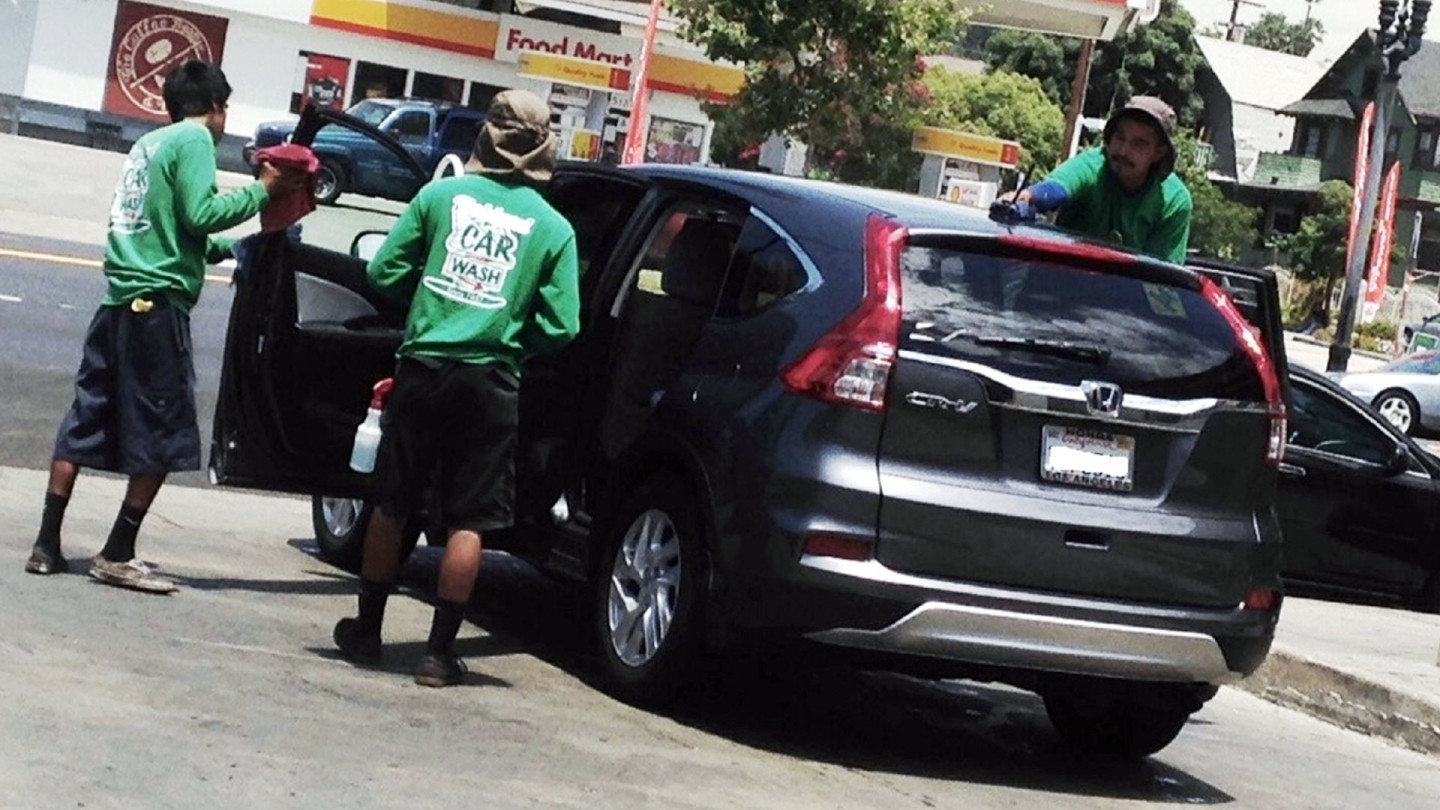
"caption": "Empleados de lavado de autos y sus defensores están entre los que exigen aplicación estricta de la nueva ley de salario mínimo en Los Ángeles.",
"description": "Empleados de lavado de autos y sus defensores están entre los que exigen aplicación estricta de la nueva ley de salario mínimo en Los Ángeles.",
"title": "CarWashWorkers",
"credit": "Steven Cuevas/KQED",
"status": "inherit",
"isLoading": false,
"fetchFailed": false
},
"news_10611551": {
"type": "attachments",
"id": "news_10611551",
"meta": {
"index": "attachments_1716263798",
"site": "news",
"id": "10611551",
"found": true
},
"parent": 10603295,
"imgSizes": {
"twentyfourteen-full-width": {
"file": "https://ww2.kqed.org/app/uploads/sites/10/2015/07/CarWashWorkers-1038x576.jpg",
"width": 1038,
"mimeType": "image/jpeg",
"height": 576
},
"thumbnail": {
"file": "https://ww2.kqed.org/app/uploads/sites/10/2015/07/CarWashWorkers-400x225.jpg",
"width": 400,
"mimeType": "image/jpeg",
"height": 225
},
"fd-sm": {
"file": "https://ww2.kqed.org/app/uploads/sites/10/2015/07/CarWashWorkers-960x540.jpg",
"width": 960,
"mimeType": "image/jpeg",
"height": 540
},
"post-thumbnail": {
"file": "https://ww2.kqed.org/app/uploads/sites/10/2015/07/CarWashWorkers-672x372.jpg",
"width": 672,
"mimeType": "image/jpeg",
"height": 372
},
"kqedFullSize": {
"file": "https://ww2.kqed.org/app/uploads/sites/10/2015/07/CarWashWorkers.jpg",
"width": 1920,
"height": 1080
},
"large": {
"file": "https://ww2.kqed.org/app/uploads/sites/10/2015/07/CarWashWorkers-1440x810.jpg",
"width": 1440,
"mimeType": "image/jpeg",
"height": 810
},
"guest-author-96": {
"file": "https://ww2.kqed.org/app/uploads/sites/10/2015/07/CarWashWorkers-96x96.jpg",
"width": 96,
"mimeType": "image/jpeg",
"height": 96
},
"medium": {
"file": "https://ww2.kqed.org/app/uploads/sites/10/2015/07/CarWashWorkers-800x450.jpg",
"width": 800,
"mimeType": "image/jpeg",
"height": 450
},
"guest-author-64": {
"file": "https://ww2.kqed.org/app/uploads/sites/10/2015/07/CarWashWorkers-64x64.jpg",
"width": 64,
"mimeType": "image/jpeg",
"height": 64
},
"guest-author-32": {
"file": "https://ww2.kqed.org/app/uploads/sites/10/2015/07/CarWashWorkers-32x32.jpg",
"width": 32,
"mimeType": "image/jpeg",
"height": 32
},
"jmtc-small-thumb": {
"file": "https://ww2.kqed.org/app/uploads/sites/10/2015/07/CarWashWorkers-280x150.jpg",
"width": 280,
"mimeType": "image/jpeg",
"height": 150
},
"fd-lrg": {
"file": "https://ww2.kqed.org/app/uploads/sites/10/2015/07/CarWashWorkers-1400x788.jpg",
"width": 1400,
"mimeType": "image/jpeg",
"height": 788
},
"fd-med": {
"file": "https://ww2.kqed.org/app/uploads/sites/10/2015/07/CarWashWorkers-1180x664.jpg",
"width": 1180,
"mimeType": "image/jpeg",
"height": 664
},
"detail": {
"file": "https://ww2.kqed.org/app/uploads/sites/10/2015/07/CarWashWorkers-75x75.jpg",
"width": 75,
"mimeType": "image/jpeg",
"height": 75
},
"guest-author-128": {
"file": "https://ww2.kqed.org/app/uploads/sites/10/2015/07/CarWashWorkers-128x128.jpg",
"width": 128,
"mimeType": "image/jpeg",
"height": 128
}
},
"publishDate": 1437601499,
"modified": 1437601538,
"caption": "Immigrant carwash workers and their advocates are among those calling for strict enforcement of L.A.’s new minimum wage law.",
"description": "Immigrant carwash workers and their advocates are among those calling for strict enforcement of L.A.’s new minimum wage law.",
"title": "CarWashWorkers",
"credit": "Steven Cuevas/KQED",
"status": "inherit",
"isLoading": false,
"fetchFailed": false
},
"news_10583014": {
"type": "attachments",
"id": "news_10583014",
"meta": {
"index": "attachments_1716263798",
"site": "news",
"id": "10583014",
"found": true
},
"parent": 10583011,
"imgSizes": {
"twentyfourteen-full-width": {
"file": "https://ww2.kqed.org/app/uploads/sites/10/2015/06/carwash-ic-1a-1038x576.jpg",
"width": 1038,
"mimeType": "image/jpeg",
"height": 576
},
"thumbnail": {
"file": "https://ww2.kqed.org/app/uploads/sites/10/2015/06/carwash-ic-1a-400x244.jpg",
"width": 400,
"mimeType": "image/jpeg",
"height": 244
},
"fd-sm": {
"file": "https://ww2.kqed.org/app/uploads/sites/10/2015/06/carwash-ic-1a-960x586.jpg",
"width": 960,
"mimeType": "image/jpeg",
"height": 586
},
"post-thumbnail": {
"file": "https://ww2.kqed.org/app/uploads/sites/10/2015/06/carwash-ic-1a-672x372.jpg",
"width": 672,
"mimeType": "image/jpeg",
"height": 372
},
"kqedFullSize": {
"file": "https://ww2.kqed.org/app/uploads/sites/10/2015/06/carwash-ic-1a.jpg",
"width": 1920,
"height": 1172
},
"large": {
"file": "https://ww2.kqed.org/app/uploads/sites/10/2015/06/carwash-ic-1a-1440x879.jpg",
"width": 1440,
"mimeType": "image/jpeg",
"height": 879
},
"guest-author-96": {
"file": "https://ww2.kqed.org/app/uploads/sites/10/2015/06/carwash-ic-1a-96x96.jpg",
"width": 96,
"mimeType": "image/jpeg",
"height": 96
},
"medium": {
"file": "https://ww2.kqed.org/app/uploads/sites/10/2015/06/carwash-ic-1a-800x488.jpg",
"width": 800,
"mimeType": "image/jpeg",
"height": 488
},
"guest-author-64": {
"file": "https://ww2.kqed.org/app/uploads/sites/10/2015/06/carwash-ic-1a-64x64.jpg",
"width": 64,
"mimeType": "image/jpeg",
"height": 64
},
"guest-author-32": {
"file": "https://ww2.kqed.org/app/uploads/sites/10/2015/06/carwash-ic-1a-32x32.jpg",
"width": 32,
"mimeType": "image/jpeg",
"height": 32
},
"jmtc-small-thumb": {
"file": "https://ww2.kqed.org/app/uploads/sites/10/2015/06/carwash-ic-1a-280x150.jpg",
"width": 280,
"mimeType": "image/jpeg",
"height": 150
},
"fd-med": {
"file": "https://ww2.kqed.org/app/uploads/sites/10/2015/06/carwash-ic-1a-1180x720.jpg",
"width": 1180,
"mimeType": "image/jpeg",
"height": 720
},
"detail": {
"file": "https://ww2.kqed.org/app/uploads/sites/10/2015/06/carwash-ic-1a-75x75.jpg",
"width": 75,
"mimeType": "image/jpeg",
"height": 75
},
"guest-author-128": {
"file": "https://ww2.kqed.org/app/uploads/sites/10/2015/06/carwash-ic-1a-128x128.jpg",
"width": 128,
"mimeType": "image/jpeg",
"height": 128
}
},
"publishDate": 1435687995,
"modified": 1435708331,
"caption": "Undocumented workers in low-wage industries like carwashes will be closely watching the implementation of the city's new minimum wage hike.",
"description": "Undocumented workers in low-wage industries like carwashes will be closely watching the implementation of the city's new minimum wage hike.",
"title": "carwash [ic 1a",
"credit": "Steven Cuevas/KQED",
"status": "inherit",
"isLoading": false,
"fetchFailed": false
},
"news_10526214": {
"type": "attachments",
"id": "news_10526214",
"meta": {
"index": "attachments_1716263798",
"site": "news",
"id": "10526214",
"found": true
},
"parent": 10524648,
"imgSizes": {
"twentyfourteen-full-width": {
"file": "https://ww2.kqed.org/app/uploads/sites/10/2015/05/Case-1-of-6-1038x576.jpg",
"width": 1038,
"mimeType": "image/jpeg",
"height": 576
},
"thumbnail": {
"file": "https://ww2.kqed.org/app/uploads/sites/10/2015/05/Case-1-of-6-400x299.jpg",
"width": 400,
"mimeType": "image/jpeg",
"height": 299
},
"fd-sm": {
"file": "https://ww2.kqed.org/app/uploads/sites/10/2015/05/Case-1-of-6-960x717.jpg",
"width": 960,
"mimeType": "image/jpeg",
"height": 717
},
"post-thumbnail": {
"file": "https://ww2.kqed.org/app/uploads/sites/10/2015/05/Case-1-of-6-672x372.jpg",
"width": 672,
"mimeType": "image/jpeg",
"height": 372
},
"kqedFullSize": {
"file": "https://ww2.kqed.org/app/uploads/sites/10/2015/05/Case-1-of-6.jpg",
"width": 2592,
"height": 1936
},
"large": {
"file": "https://ww2.kqed.org/app/uploads/sites/10/2015/05/Case-1-of-6-1440x1076.jpg",
"width": 1440,
"mimeType": "image/jpeg",
"height": 1076
},
"guest-author-96": {
"file": "https://ww2.kqed.org/app/uploads/sites/10/2015/05/Case-1-of-6-96x96.jpg",
"width": 96,
"mimeType": "image/jpeg",
"height": 96
},
"medium": {
"file": "https://ww2.kqed.org/app/uploads/sites/10/2015/05/Case-1-of-6-800x598.jpg",
"width": 800,
"mimeType": "image/jpeg",
"height": 598
},
"guest-author-64": {
"file": "https://ww2.kqed.org/app/uploads/sites/10/2015/05/Case-1-of-6-64x64.jpg",
"width": 64,
"mimeType": "image/jpeg",
"height": 64
},
"guest-author-32": {
"file": "https://ww2.kqed.org/app/uploads/sites/10/2015/05/Case-1-of-6-32x32.jpg",
"width": 32,
"mimeType": "image/jpeg",
"height": 32
},
"fd-med": {
"file": "https://ww2.kqed.org/app/uploads/sites/10/2015/05/Case-1-of-6-1180x881.jpg",
"width": 1180,
"mimeType": "image/jpeg",
"height": 881
},
"detail": {
"file": "https://ww2.kqed.org/app/uploads/sites/10/2015/05/Case-1-of-6-75x75.jpg",
"width": 75,
"mimeType": "image/jpeg",
"height": 75
},
"guest-author-128": {
"file": "https://ww2.kqed.org/app/uploads/sites/10/2015/05/Case-1-of-6-128x128.jpg",
"width": 128,
"mimeType": "image/jpeg",
"height": 128
}
},
"publishDate": 1431652826,
"modified": 1431733591,
"caption": "Ti’at Society member and carpenter Mike Anderson paints a red ochre detail onto Moomat Ahiko’s side.",
"description": "Ti’at Society member and carpenter Mike Anderson paints a red ochre detail onto Moomat Ahiko’s side.",
"title": "Ti’at Society member and carpenter Mike Anderson paints a red ocher detail onto Moomat Ahiko’s side.",
"credit": "Stephanie Case/USC",
"status": "inherit",
"isLoading": false,
"fetchFailed": false
},
"news_10516853": {
"type": "attachments",
"id": "news_10516853",
"meta": {
"index": "attachments_1716263798",
"site": "news",
"id": "10516853",
"found": true
},
"parent": 10516796,
"imgSizes": {
"twentyfourteen-full-width": {
"file": "https://ww2.kqed.org/app/uploads/sites/10/2015/05/kurds01-1038x576.jpg",
"width": 1038,
"mimeType": "image/jpeg",
"height": 576
},
"thumbnail": {
"file": "https://ww2.kqed.org/app/uploads/sites/10/2015/05/kurds01-400x267.jpg",
"width": 400,
"mimeType": "image/jpeg",
"height": 267
},
"fd-sm": {
"file": "https://ww2.kqed.org/app/uploads/sites/10/2015/05/kurds01-960x640.jpg",
"width": 960,
"mimeType": "image/jpeg",
"height": 640
},
"post-thumbnail": {
"file": "https://ww2.kqed.org/app/uploads/sites/10/2015/05/kurds01-672x372.jpg",
"width": 672,
"mimeType": "image/jpeg",
"height": 372
},
"kqedFullSize": {
"file": "https://ww2.kqed.org/app/uploads/sites/10/2015/05/kurds01.jpg",
"width": 1814,
"height": 1209
},
"large": {
"file": "https://ww2.kqed.org/app/uploads/sites/10/2015/05/kurds01-1440x960.jpg",
"width": 1440,
"mimeType": "image/jpeg",
"height": 960
},
"guest-author-96": {
"file": "https://ww2.kqed.org/app/uploads/sites/10/2015/05/kurds01-96x96.jpg",
"width": 96,
"mimeType": "image/jpeg",
"height": 96
},
"medium": {
"file": "https://ww2.kqed.org/app/uploads/sites/10/2015/05/kurds01-800x533.jpg",
"width": 800,
"mimeType": "image/jpeg",
"height": 533
},
"guest-author-64": {
"file": "https://ww2.kqed.org/app/uploads/sites/10/2015/05/kurds01-64x64.jpg",
"width": 64,
"mimeType": "image/jpeg",
"height": 64
},
"guest-author-32": {
"file": "https://ww2.kqed.org/app/uploads/sites/10/2015/05/kurds01-32x32.jpg",
"width": 32,
"mimeType": "image/jpeg",
"height": 32
},
"fd-med": {
"file": "https://ww2.kqed.org/app/uploads/sites/10/2015/05/kurds01-1180x786.jpg",
"width": 1180,
"mimeType": "image/jpeg",
"height": 786
},
"detail": {
"file": "https://ww2.kqed.org/app/uploads/sites/10/2015/05/kurds01-75x75.jpg",
"width": 75,
"mimeType": "image/jpeg",
"height": 75
},
"guest-author-128": {
"file": "https://ww2.kqed.org/app/uploads/sites/10/2015/05/kurds01-128x128.jpg",
"width": 128,
"mimeType": "image/jpeg",
"height": 128
}
},
"publishDate": 1431020834,
"modified": 1431136700,
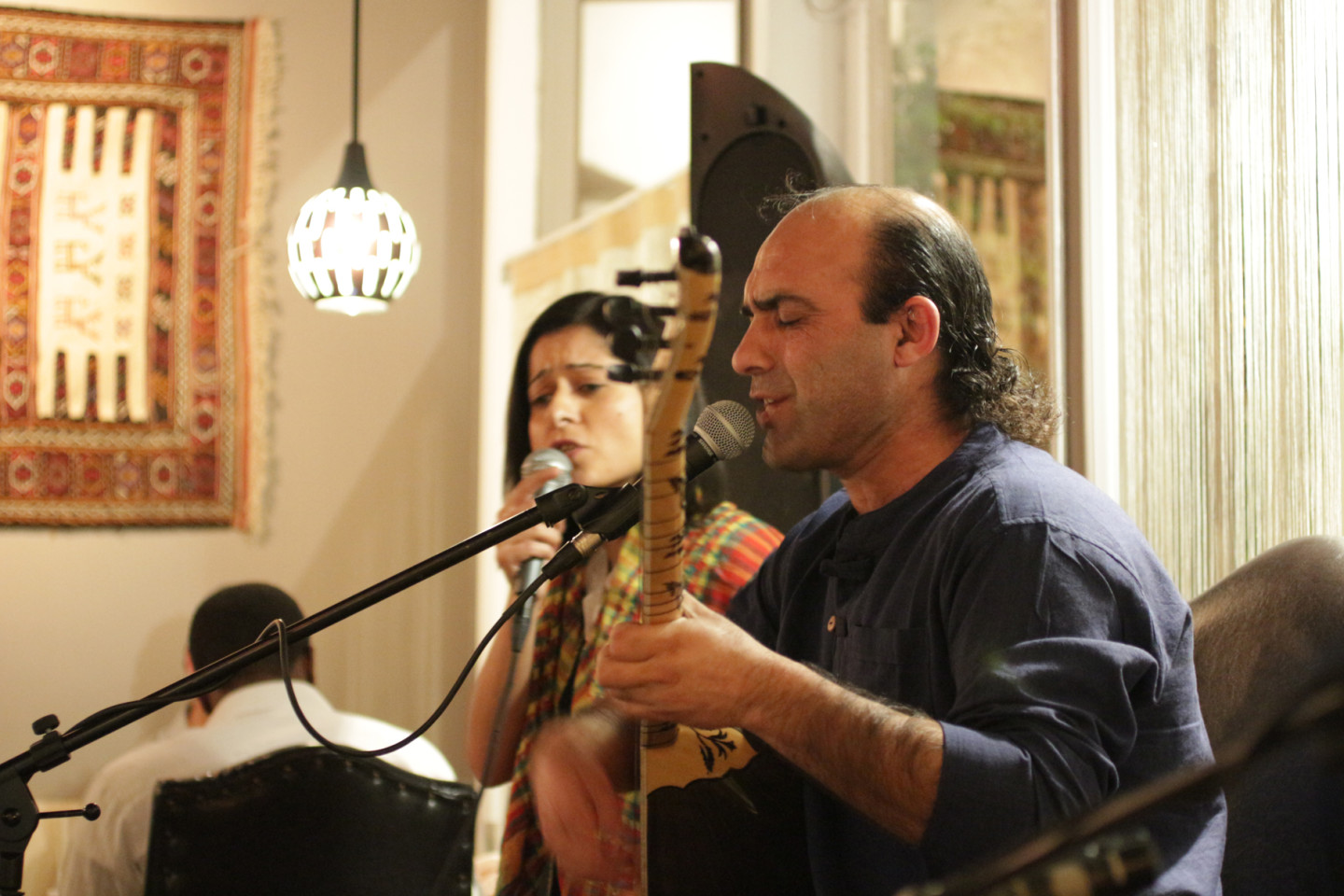
"caption": "Raman Osman (R) sings and plays tembûr with Nidar Kestayi at a party for Kurdish New Year at Niroj Kurdish Cuisine.",
"description": "Raman Osman (R) sings and plays tembûr with Nidar Kestayi at a party for Kurdish New Year at Niroj Kurdish Cuisine.",
"title": "kurds01",
"credit": "Taylor Haney/KQED",
"status": "inherit",
"isLoading": false,
"fetchFailed": false
},
"news_10518738": {
"type": "attachments",
"id": "news_10518738",
"meta": {
"index": "attachments_1716263798",
"site": "news",
"id": "10518738",
"found": true
},
"parent": 10517171,
"imgSizes": {
"twentyfourteen-full-width": {
"file": "https://ww2.kqed.org/app/uploads/sites/10/2015/05/14445791369_267482d326_o-900x576.jpg",
"width": 900,
"mimeType": "image/jpeg",
"height": 576
},
"thumbnail": {
"file": "https://ww2.kqed.org/app/uploads/sites/10/2015/05/14445791369_267482d326_o-400x264.jpg",
"width": 400,
"mimeType": "image/jpeg",
"height": 264
},
"post-thumbnail": {
"file": "https://ww2.kqed.org/app/uploads/sites/10/2015/05/14445791369_267482d326_o-672x372.jpg",
"width": 672,
"mimeType": "image/jpeg",
"height": 372
},
"kqedFullSize": {
"file": "https://ww2.kqed.org/app/uploads/sites/10/2015/05/14445791369_267482d326_o.jpg",
"width": 900,
"height": 594
},
"guest-author-96": {
"file": "https://ww2.kqed.org/app/uploads/sites/10/2015/05/14445791369_267482d326_o-96x96.jpg",
"width": 96,
"mimeType": "image/jpeg",
"height": 96
},
"medium": {
"file": "https://ww2.kqed.org/app/uploads/sites/10/2015/05/14445791369_267482d326_o-800x528.jpg",
"width": 800,
"mimeType": "image/jpeg",
"height": 528
},
"guest-author-64": {
"file": "https://ww2.kqed.org/app/uploads/sites/10/2015/05/14445791369_267482d326_o-64x64.jpg",
"width": 64,
"mimeType": "image/jpeg",
"height": 64
},
"detail": {
"file": "https://ww2.kqed.org/app/uploads/sites/10/2015/05/14445791369_267482d326_o-75x75.jpg",
"width": 75,
"mimeType": "image/jpeg",
"height": 75
},
"guest-author-32": {
"file": "https://ww2.kqed.org/app/uploads/sites/10/2015/05/14445791369_267482d326_o-32x32.jpg",
"width": 32,
"mimeType": "image/jpeg",
"height": 32
},
"guest-author-128": {
"file": "https://ww2.kqed.org/app/uploads/sites/10/2015/05/14445791369_267482d326_o-128x128.jpg",
"width": 128,
"mimeType": "image/jpeg",
"height": 128
}
},
"publishDate": 1431133642,
"modified": 1431133705,
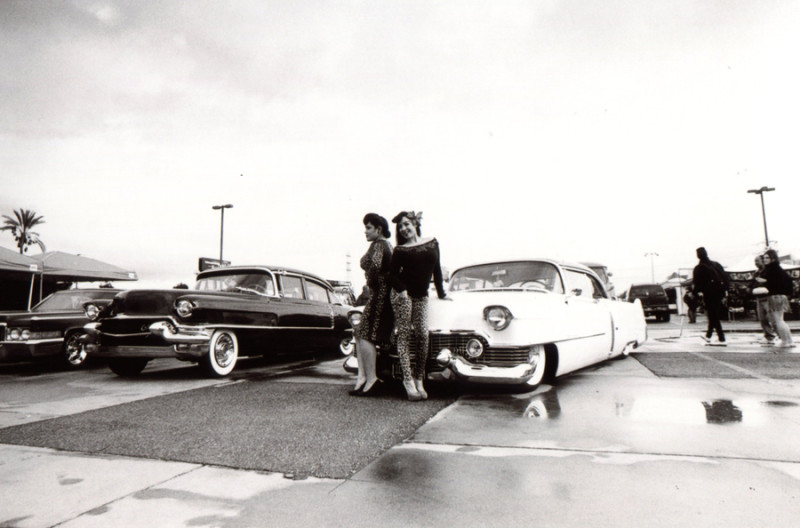
"caption": "Mooneyes Annual Show & Drag at Irwindale Speedway on December 2013.",
"description": "Mooneyes Annual Show & Drag at Irwindale Speedway on December 2013.",
"title": "14445791369_267482d326_o",
"credit": "J Jakobson/\u003ca href=\"https://www.flickr.com/photos/30811353@N04/14445791369/in/photolist-o1wsur-8bWduk-aNwR3x-8VRFts-8VRDaJ-8VRDaW-8VRDaN-oi1VTP-oi1VBg-o1wsA8-ohJiBD-o1wrPi-ohQ3Nm-ofZ32Y-o1wh8W-ohJiZT-ohJiQe-o1wrZt-5wsTRR-o1wsLP-e4VfSf-ojM1jM-8bZieb-5x1qts-e4PCqV-e4VfNh-o1wsDV-ohJjan-5x1rMA-5x1gPQ-5wW2bz-oi1Wir-o1wh3W-5wW7n2-5wVXSt-5x1o2N-5wVYX2-5wW6gK-5wVVSr-5x1hM9-e4PCUa-5wVWKa-e4Vggh-e4VgqG-e4VfPG-e4PCSV-e4Vgk5-e4PCmV-e4VgmE\">Flickr\u003c/a>",
"status": "inherit",
"isLoading": false,
"fetchFailed": false
},
"news_10514046": {
"type": "attachments",
"id": "news_10514046",
"meta": {
"index": "attachments_1716263798",
"site": "news",
"id": "10514046",
"found": true
},
"parent": 10513985,
"imgSizes": {
"twentyfourteen-full-width": {
"file": "https://ww2.kqed.org/app/uploads/sites/10/2015/05/RS2591_wells220120712-1038x576.jpg",
"width": 1038,
"mimeType": "image/jpeg",
"height": 576
},
"thumbnail": {
"file": "https://ww2.kqed.org/app/uploads/sites/10/2015/05/RS2591_wells220120712-400x275.jpg",
"width": 400,
"mimeType": "image/jpeg",
"height": 275
},
"fd-sm": {
"file": "https://ww2.kqed.org/app/uploads/sites/10/2015/05/RS2591_wells220120712-960x659.jpg",
"width": 960,
"mimeType": "image/jpeg",
"height": 659
},
"post-thumbnail": {
"file": "https://ww2.kqed.org/app/uploads/sites/10/2015/05/RS2591_wells220120712-672x372.jpg",
"width": 672,
"mimeType": "image/jpeg",
"height": 372
},
"kqedFullSize": {
"file": "https://ww2.kqed.org/app/uploads/sites/10/2015/05/RS2591_wells220120712-e1473784485181.jpg",
"width": 1920,
"height": 1318
},
"large": {
"file": "https://ww2.kqed.org/app/uploads/sites/10/2015/05/RS2591_wells220120712-1440x988.jpg",
"width": 1440,
"mimeType": "image/jpeg",
"height": 988
},
"guest-author-96": {
"file": "https://ww2.kqed.org/app/uploads/sites/10/2015/05/RS2591_wells220120712-96x96.jpg",
"width": 96,
"mimeType": "image/jpeg",
"height": 96
},
"medium": {
"file": "https://ww2.kqed.org/app/uploads/sites/10/2015/05/RS2591_wells220120712-800x549.jpg",
"width": 800,
"mimeType": "image/jpeg",
"height": 549
},
"guest-author-64": {
"file": "https://ww2.kqed.org/app/uploads/sites/10/2015/05/RS2591_wells220120712-64x64.jpg",
"width": 64,
"mimeType": "image/jpeg",
"height": 64
},
"guest-author-32": {
"file": "https://ww2.kqed.org/app/uploads/sites/10/2015/05/RS2591_wells220120712-32x32.jpg",
"width": 32,
"mimeType": "image/jpeg",
"height": 32
},
"fd-med": {
"file": "https://ww2.kqed.org/app/uploads/sites/10/2015/05/RS2591_wells220120712-1180x810.jpg",
"width": 1180,
"mimeType": "image/jpeg",
"height": 810
},
"detail": {
"file": "https://ww2.kqed.org/app/uploads/sites/10/2015/05/RS2591_wells220120712-75x75.jpg",
"width": 75,
"mimeType": "image/jpeg",
"height": 75
},
"guest-author-128": {
"file": "https://ww2.kqed.org/app/uploads/sites/10/2015/05/RS2591_wells220120712-128x128.jpg",
"width": 128,
"mimeType": "image/jpeg",
"height": 128
}
},
"publishDate": 1430844951,
"modified": 1473784475,
"caption": "A customer enters a Wells Fargo branch in San Francisco in this 2007 photo. ",
"description": "SAN FRANCISCO - MARCH 20: A customer enters a Wells Fargo Home Mortgage branch office March 20, 2007 in San Francisco, California. San Francisco based Wells Fargo & Co. announced today that it is cutting over 500 jobs in the home mortgage divisions in South Carolina, Arizona and California that cater to high-risk borrowers. (Photo by Justin Sullivan/Getty Images)",
"title": "Wells Fargo",
"credit": "Justin Sullivan/Getty Images",
"status": "inherit",
"isLoading": false,
"fetchFailed": false
},
"news_10508206": {
"type": "attachments",
"id": "news_10508206",
"meta": {
"index": "attachments_1716263798",
"site": "news",
"id": "10508206",
"found": true
},
"parent": 10508140,
"imgSizes": {
"twentyfourteen-full-width": {
"file": "https://ww2.kqed.org/app/uploads/sites/10/2015/04/CY-3-1038x576.jpg",
"width": 1038,
"mimeType": "image/jpeg",
"height": 576
},
"thumbnail": {
"file": "https://ww2.kqed.org/app/uploads/sites/10/2015/04/CY-3-400x267.jpg",
"width": 400,
"mimeType": "image/jpeg",
"height": 267
},
"fd-sm": {
"file": "https://ww2.kqed.org/app/uploads/sites/10/2015/04/CY-3-960x640.jpg",
"width": 960,
"mimeType": "image/jpeg",
"height": 640
},
"post-thumbnail": {
"file": "https://ww2.kqed.org/app/uploads/sites/10/2015/04/CY-3-672x372.jpg",
"width": 672,
"mimeType": "image/jpeg",
"height": 372
},
"kqedFullSize": {
"file": "https://ww2.kqed.org/app/uploads/sites/10/2015/04/CY-3-e1430769021748.jpg",
"width": 1880,
"height": 1253
},
"large": {
"file": "https://ww2.kqed.org/app/uploads/sites/10/2015/04/CY-3-1440x960.jpg",
"width": 1440,
"mimeType": "image/jpeg",
"height": 960
},
"guest-author-96": {
"file": "https://ww2.kqed.org/app/uploads/sites/10/2015/04/CY-3-96x96.jpg",
"width": 96,
"mimeType": "image/jpeg",
"height": 96
},
"medium": {
"file": "https://ww2.kqed.org/app/uploads/sites/10/2015/04/CY-3-800x533.jpg",
"width": 800,
"mimeType": "image/jpeg",
"height": 533
},
"guest-author-64": {
"file": "https://ww2.kqed.org/app/uploads/sites/10/2015/04/CY-3-64x64.jpg",
"width": 64,
"mimeType": "image/jpeg",
"height": 64
},
"guest-author-32": {
"file": "https://ww2.kqed.org/app/uploads/sites/10/2015/04/CY-3-32x32.jpg",
"width": 32,
"mimeType": "image/jpeg",
"height": 32
},
"fd-med": {
"file": "https://ww2.kqed.org/app/uploads/sites/10/2015/04/CY-3-1180x787.jpg",
"width": 1180,
"mimeType": "image/jpeg",
"height": 787
},
"detail": {
"file": "https://ww2.kqed.org/app/uploads/sites/10/2015/04/CY-3-75x75.jpg",
"width": 75,
"mimeType": "image/jpeg",
"height": 75
},
"guest-author-128": {
"file": "https://ww2.kqed.org/app/uploads/sites/10/2015/04/CY-3-128x128.jpg",
"width": 128,
"mimeType": "image/jpeg",
"height": 128
}
},
"publishDate": 1430428574,
"modified": 1430519892,
"caption": "CY Dieyi performs a cover of Rihanna’s “FourFiveSeconds” on stage at an event in Inglewood, CA. ",
"description": "CY Dieyi performs a cover of Rihanna’s “FourFiveSeconds” on stage at an event in Inglewood, CA. ",
"title": "CY 3",
"credit": "Myah Williams)",
"status": "inherit",
"isLoading": false,
"fetchFailed": false
}
},
"audioPlayerReducer": {
"postId": "stream_live",
"isPaused": true,
"isPlaying": false,
"pfsActive": false,
"pledgeModalIsOpen": true,
"playerDrawerIsOpen": false,
"liveAudioPlayStartedAt": 0,
"liveAudioPlayContext": ""
},
"authorsReducer": {
"byline_news_10643026": {
"type": "authors",
"id": "byline_news_10643026",
"meta": {
"override": true
},
"slug": "byline_news_10643026",
"name": "Avishay Artsy",
"isLoading": false
},
"byline_news_10621574": {
"type": "authors",
"id": "byline_news_10621574",
"meta": {
"override": true
},
"slug": "byline_news_10621574",
"name": "\u003ca href=\"https://www.revealnews.org/author/aliwinston\">Ali Winston\u003c/a>",
"isLoading": false
},
"byline_news_10524648": {
"type": "authors",
"id": "byline_news_10524648",
"meta": {
"override": true
},
"slug": "byline_news_10524648",
"name": "Stephanie Case",
"isLoading": false
},
"byline_news_10516796": {
"type": "authors",
"id": "byline_news_10516796",
"meta": {
"override": true
},
"slug": "byline_news_10516796",
"name": "Taylor Haney",
"isLoading": false
},
"byline_news_10517171": {
"type": "authors",
"id": "byline_news_10517171",
"meta": {
"override": true
},
"slug": "byline_news_10517171",
"name": "George Lavender",
"isLoading": false
},
"byline_news_10508140": {
"type": "authors",
"id": "byline_news_10508140",
"meta": {
"override": true
},
"slug": "byline_news_10508140",
"name": "Myah Williams ",
"isLoading": false
},
"danbrekke": {
"type": "authors",
"id": "222",
"meta": {
"index": "authors_1716337520",
"id": "222",
"found": true
},
"name": "Dan Brekke",
"firstName": "Dan",
"lastName": "Brekke",
"slug": "danbrekke",
"email": "dbrekke@kqed.org",
"display_author_email": true,
"staff_mastheads": [
"news",
"science"
],
"title": "KQED Editor and Reporter",
"bio": "Dan Brekke is a reporter and editor for KQED News, responsible for coverage of topics ranging from California water issues to the Bay Area's transportation challenges. In a newsroom career that began in Chicago in 1972, Dan has worked for \u003cem>The San Francisco Examiner,\u003c/em> Wired and TechTV and has been published in The New York Times, The New York Times Magazine, Business 2.0, Salon and elsewhere.\r\n\r\nSince joining KQED in 2007, Dan has reported, edited and produced both radio and online features and breaking news pieces. He has shared as both editor and reporter in four Society of Professional Journalists Norcal Excellence in Journalism awards and one Edward R. Murrow regional award. He was chosen for a spring 2017 residency at the Mesa Refuge to advance his research on California salmon.\r\n\r\nEmail Dan at: \u003ca href=\"mailto:dbrekke@kqed.org\">dbrekke@kqed.org\u003c/a>\r\n\r\n\u003cstrong>Twitter:\u003c/strong> \u003ca href=\"https://twitter.com/danbrekke\" rel=\"noopener noreferrer\">twitter.com/danbrekke\u003c/a>\r\n\u003cstrong>Facebook:\u003c/strong> \u003ca href=\"https://www.facebook.com/danbrekke\" rel=\"noopener noreferrer\">www.facebook.com/danbrekke\u003c/a>\r\n\u003cstrong>LinkedIn:\u003c/strong> \u003ca href=\"https://www.linkedin.com/in/danbrekke\" rel=\"noopener noreferrer\">www.linkedin.com/in/danbrekke\u003c/a>",
"avatar": "https://secure.gravatar.com/avatar/c8126230345efca3f7aa89b1a402be45?s=600&d=mm&r=g",
"twitter": "danbrekke",
"facebook": null,
"instagram": "https://www.instagram.com/dan.brekke/",
"linkedin": "https://www.linkedin.com/in/danbrekke/",
"sites": [
{
"site": "news",
"roles": [
"administrator",
"create_posts"
]
},
{
"site": "stateofhealth",
"roles": [
"editor"
]
},
{
"site": "science",
"roles": [
"editor"
]
},
{
"site": "quest",
"roles": [
"contributor"
]
},
{
"site": "food",
"roles": [
"contributor"
]
},
{
"site": "forum",
"roles": [
"contributor"
]
},
{
"site": "liveblog",
"roles": [
"editor"
]
}
],
"headData": {
"title": "Dan Brekke | KQED",
"description": "KQED Editor and Reporter",
"ogImgSrc": "https://secure.gravatar.com/avatar/c8126230345efca3f7aa89b1a402be45?s=600&d=mm&r=g",
"twImgSrc": "https://secure.gravatar.com/avatar/c8126230345efca3f7aa89b1a402be45?s=600&d=mm&r=g"
},
"isLoading": false,
"link": "/author/danbrekke"
},
"scuevas": {
"type": "authors",
"id": "2600",
"meta": {
"index": "authors_1716337520",
"id": "2600",
"found": true
},
"name": "Steven Cuevas",
"firstName": "Steven",
"lastName": "Cuevas",
"slug": "scuevas",
"email": "scuevas@kqed.org",
"display_author_email": false,
"staff_mastheads": [],
"title": "KQED Contributor",
"bio": "Steven is a former Los Angeles bureau chief for The California Report.\r\n\r\nHe reports on an array of issues across the Southland, from immigration and regional politics to religion, the performing arts and pop culture.\r\n\r\nPrior to joining KQED in 2012, Steven covered Inland southern California for KPCC in Pasadena. He also helped establish the first newsroom at \u003ca href=\"http://kut.org/\">KUT\u003c/a> in Austin, Texas where he was a general assignment reporter.\r\n\r\nSteven has received numerous awards for his reporting including an RTNDA Edward R. Murrow Award for investigative reporting in addition to awards from the LA Press Club, the Associated Press and the Society for Professional Journalists.\r\n\r\nSteven grew up in and around San Francisco and now lives in Pasadena just a short jog from the foot of the San Gabriel Mountains.",
"avatar": "https://secure.gravatar.com/avatar/2d253580794f8e026100fae05cfabbbd4889b4fe15146146cacb82a01974c538?s=600&d=blank&r=g",
"twitter": null,
"bluesky": null,
"facebook": null,
"instagram": null,
"linkedin": null,
"sites": [
{
"site": "news",
"roles": [
"subscriber"
]
}
],
"headData": {
"title": "Steven Cuevas | KQED",
"description": "KQED Contributor",
"ogImgSrc": "https://secure.gravatar.com/avatar/2d253580794f8e026100fae05cfabbbd4889b4fe15146146cacb82a01974c538?s=600&d=blank&r=g",
"twImgSrc": "https://secure.gravatar.com/avatar/2d253580794f8e026100fae05cfabbbd4889b4fe15146146cacb82a01974c538?s=600&d=blank&r=g"
},
"isLoading": false,
"link": "/author/scuevas"
}
},
"pagesReducer": {
"news_tag_los-angeles": {
"type": "terms",
"id": "news_4",
"meta": {
"index": "terms_1716263798",
"site": "news",
"id": "4",
"score": 8.557587
},
"featImg": null,
"name": "los angeles",
"description": null,
"taxonomy": "tag",
"headData": {
"twImgId": null,
"twTitle": null,
"ogTitle": null,
"ogImgId": null,
"twDescription": null,
"description": null,
"title": "los angeles Archives | KQED News",
"ogDescription": null
},
"ttid": 4,
"slug": "los-angeles",
"isLoading": false,
"title": "los angeles",
"pageMeta": {
"site": "news",
"WpPageTemplate": "page-topic-editorial",
"currentPage": 33
},
"blocks": [
{
"blockName": "kqed/post-list",
"attrs": {
"layout": "cardArticle2",
"query": "posts/news?tag=los-angeles",
"seeMore": false,
"paginated": true,
"page": 33
}
},
{
"blockName": "kqed/ad"
}
]
}
},
"pfsSessionReducer": {},
"postsReducer": {
"stream_live": {
"type": "live",
"id": "stream_live",
"audioUrl": "https://streams.kqed.org/kqedradio",
"title": "Live Stream",
"excerpt": "Live Stream information currently unavailable.",
"link": "/radio",
"featImg": "",
"label": {
"name": "KQED Live",
"link": "/"
}
},
"stream_kqedNewscast": {
"type": "posts",
"id": "stream_kqedNewscast",
"audioUrl": "https://www.kqed.org/.stream/anon/radio/RDnews/newscast.mp3?_=1",
"title": "KQED Newscast",
"featImg": "",
"label": {
"name": "88.5 FM",
"link": "/"
}
},
"news_10643026": {
"type": "posts",
"id": "news_10643026",
"meta": {
"index": "posts_1716263798",
"site": "news",
"id": "10643026",
"score": null,
"sort": [
1439643612000
]
},
"parent": 0,
"labelTerm": {
"site": "news",
"term": 72
},
"blocks": [],
"publishDate": 1439643612,
"format": "standard",
"disqusTitle": "Rediscovering L.A. Through Old Restaurant Menus",
"title": "Rediscovering L.A. Through Old Restaurant Menus",
"headTitle": "The California Report | KQED News",
"content": "\u003cp>Los Angeles has a rich culinary history, due to the waves of immigrants who settled in Southern California and brought their food traditions with them. The restaurants they opened can tell us a lot about how people use food to shape their own identities of community, culture and class. A new book and exhibit of old LA restaurant menus reveals how the city has evolved, through food.\u003c/p>\n\u003cp>[soundcloud url=\"https://api.soundcloud.com/tracks/219661319\" params=\"color=ff5500&auto_play=false&hide_related=false&show_comments=true&show_user=true&show_reposts=false\" width=\"100%\" height=\"166\" iframe=\"true\" /]\u003c/p>\n\u003cp>The Library Foundation of Los Angeles is presenting the exhibit, called “\u003ca href=\"http://toliveanddinela.com/\">To Live and Dine in L.A.: Menus and the Making of the Modern City\u003c/a>,” in the Getty Gallery at the Los Angeles Central Library until Nov. 13. There’s also a new coffee table book of the same name. It’s written by \u003ca href=\"http://annenberg.usc.edu/faculty/communication-journalism/josh-kun\">Josh Kun\u003c/a>, an associate professor at the University of Southern California.\u003c/p>\n\u003cp>“So much of what we try to do in the book is use restaurants as a way to think about the kind of layered histories of Los Angeles,\" Kun says, \"what’s been built over constantly, whose stories have been erased to build new stories on top of those, how every single space that we enter bears the traces of all the spaces that came before it.\"\u003c/p>\n\u003cfigure id=\"attachment_10643254\" class=\"wp-caption aligncenter\" style=\"max-width: 1920px\">\u003ca href=\"http://ww2.kqed.org/news/wp-content/uploads/sites/10/2015/08/RS16358_GoldenPagoda_MenuFront-LDLApg159-qut-1_RESIZED.jpg\">\u003cimg class=\"size-full wp-image-10643254\" src=\"http://ww2.kqed.org/news/wp-content/uploads/sites/10/2015/08/RS16358_GoldenPagoda_MenuFront-LDLApg159-qut-1_RESIZED.jpg\" alt=\"Menu cover from the Golden Pagoda restaurant.\" width=\"1920\" height=\"3015\" srcset=\"https://ww2.kqed.org/app/uploads/sites/10/2015/08/RS16358_GoldenPagoda_MenuFront-LDLApg159-qut-1_RESIZED.jpg 1920w, https://ww2.kqed.org/app/uploads/sites/10/2015/08/RS16358_GoldenPagoda_MenuFront-LDLApg159-qut-1_RESIZED-400x628.jpg 400w, https://ww2.kqed.org/app/uploads/sites/10/2015/08/RS16358_GoldenPagoda_MenuFront-LDLApg159-qut-1_RESIZED-800x1256.jpg 800w, https://ww2.kqed.org/app/uploads/sites/10/2015/08/RS16358_GoldenPagoda_MenuFront-LDLApg159-qut-1_RESIZED-1440x2261.jpg 1440w, https://ww2.kqed.org/app/uploads/sites/10/2015/08/RS16358_GoldenPagoda_MenuFront-LDLApg159-qut-1_RESIZED-1180x1853.jpg 1180w, https://ww2.kqed.org/app/uploads/sites/10/2015/08/RS16358_GoldenPagoda_MenuFront-LDLApg159-qut-1_RESIZED-960x1508.jpg 960w\" sizes=\"(max-width: 1920px) 100vw, 1920px\">\u003c/a>\u003cfigcaption class=\"wp-caption-text\">Menu cover from the Golden Pagoda restaurant. \u003ccite>(The Library Foundation of Los Angeles)\u003c/cite>\u003c/figcaption>\u003c/figure>\n\u003cfigure id=\"attachment_10643259\" class=\"wp-caption aligncenter\" style=\"max-width: 1920px\">\u003ca href=\"http://ww2.kqed.org/news/wp-content/uploads/sites/10/2015/08/RS16356_GoldenPagoda_MenuInteriorAutographs-LDLA-qut_RESIZED.jpg\">\u003cimg class=\"wp-image-10643259 size-full\" src=\"http://ww2.kqed.org/news/wp-content/uploads/sites/10/2015/08/RS16356_GoldenPagoda_MenuInteriorAutographs-LDLA-qut_RESIZED.jpg\" alt=\"RS16356_GoldenPagoda_MenuInteriorAutographs-LDLA-qut_RESIZED\" width=\"1920\" height=\"1512\" srcset=\"https://ww2.kqed.org/app/uploads/sites/10/2015/08/RS16356_GoldenPagoda_MenuInteriorAutographs-LDLA-qut_RESIZED.jpg 1920w, https://ww2.kqed.org/app/uploads/sites/10/2015/08/RS16356_GoldenPagoda_MenuInteriorAutographs-LDLA-qut_RESIZED-400x315.jpg 400w, https://ww2.kqed.org/app/uploads/sites/10/2015/08/RS16356_GoldenPagoda_MenuInteriorAutographs-LDLA-qut_RESIZED-800x630.jpg 800w, https://ww2.kqed.org/app/uploads/sites/10/2015/08/RS16356_GoldenPagoda_MenuInteriorAutographs-LDLA-qut_RESIZED-1440x1134.jpg 1440w, https://ww2.kqed.org/app/uploads/sites/10/2015/08/RS16356_GoldenPagoda_MenuInteriorAutographs-LDLA-qut_RESIZED-1180x929.jpg 1180w, https://ww2.kqed.org/app/uploads/sites/10/2015/08/RS16356_GoldenPagoda_MenuInteriorAutographs-LDLA-qut_RESIZED-960x756.jpg 960w\" sizes=\"(max-width: 1920px) 100vw, 1920px\">\u003c/a>\u003cfigcaption class=\"wp-caption-text\">Autographs fill the Golden Pagoda menu. \u003ccite>(The Library Foundation of Los Angeles)\u003c/cite>\u003c/figcaption>\u003c/figure>\n\u003cp>Evan Kleiman, a chef and the host of KCRW’s weekly radio show \u003ca href=\"http://www.kcrw.com/news-culture/shows/good-food\">Good Food\u003c/a>, remembers one such restaurant from her childhood.\u003c/p>\n\u003cp>[ad fullwidth]\u003c/p>\n\u003cp>“It was called \u003ca href=\"http://www.ebay.com/itm/Matchbook-Cover-Casa-De-Ibarra-Los-Angeles-CA-Mexican-Food/400970592084?_trksid=p2047675.c100011.m1850&_trkparms=aid%3D222007%26algo%3DSIC.MBE%26ao%3D1%26asc%3D29981%26meid%3D0c126acd1eb4490aa684a12653694f2a%26pid%3D100011%26rk%3D2%26rkt%3D10%26sd%3D121690843142\">Casa de Ibarra\u003c/a>,\" she recalls. \"And it was the place where I learned how to tuck my leftover food into a flour tortilla and roll it up. One of the waiters there taught me.\"\u003c/p>\n\u003cp>Now it’s a hipster taqueria called \u003ca href=\"http://www.diablotaco.com/\">Diablo Urban Taco Fabricator\u003c/a>.\u003c/p>\n\u003cp>“And before that, when I was a teenager, it was a place called Temple of the Rainbow, where I learned how to make carrot smoothies and bake bread that weighed 20 pounds per loaf,” Kleiman says.\u003c/p>\n\u003cp>Photos from the library’s archives of old LA restaurants line the walls of the exhibit. The photos include fancy French restaurants and taco trucks, and such establishments as Forbidden Palace Chinese Food, Daddy Grants Old Time Pit Barbecue, and Don the Beachcomber’s tiki bar.\u003c/p>\n\u003cp>The menus are a feast for the eyes. There are about 50 of them housed in glass display cases, and about 200 in the book. They have old-timey letterpress fonts, vintage illustrations, and list offerings like avocado filled with fresh seafood and Thousand Island dressing. They were pulled from the LA Public Library’s collection of 12,000 menus.\u003c/p>\n\u003cp>“Menus tell a story of a city,\" says John Szabo, the city librarian of the Los Angeles Public Library. \"And to know LA, you need to know food in LA, and you need to know about dining in LA, and that’s one of the things that our menu collection does.\"\u003c/p>\n\u003cp>At the outset, Kun reached out to chefs to collaborate on the project, including \u003ca href=\"http://kogibbq.com/\">Kogi\u003c/a> founder Roy Choi. The exhibit includes video screens playing interviews with some of those chefs, including Bricia Lopez of Guelaguetza, and Cynthia Hawkins, owner of Hawkins House of Burgers in Watts.\u003c/p>\n\u003cp>“There’s not that many places you can eat really good quality food in Watts. I’m just being honest with you,” Hawkins \u003ca href=\"https://vimeo.com/130594078\">says in the video\u003c/a>. “Maybe a good restaurant would come here, but it’s really sad to say that there’s not that many places in Watts that people can eat really good, quality food, and that’s so sad.”\u003c/p>\n\u003cp>That’s one of the themes of the project: food inequality. Los Angeles County has more people who lack access to healthy food than \u003ca href=\"http://www.publichealth.lacounty.gov/ha/reports/LAHealthBrief2011/FoodInsecurity/Food_Insecurity_2015Fs.pdf\">any other county\u003c/a> in the U.S. And as rising rent prices push immigrant families out of some neighborhoods, Kun says new restaurants mark those changes.\u003c/p>\n\u003cp>“If a restaurant can open up in a working class neighborhood with $25 appetizers and survive, what does that mean?\" Kun asks. \"It sends a message that, like, hey, it’s OK, come on in, water’s warm, and opens the floodgates in a lot of ways.”\u003c/p>\n\u003cp>Take Grand Central Market in downtown LA. It’s a food court where \u003ca href=\"http://www.laweekly.com/restaurants/at-grand-central-market-a-new-wave-of-vendors-is-changing-up-an-la-mainstay-5016013\">a lot of upscale places\u003c/a> are opening up, including a juice bar, an oyster bar and a fancy cheese shop.\u003c/p>\n\u003cp>“You know, I don’t really like to call it gentrified because I don’t think that’s what it is. It’s not coming to a neighborhood that didn’t have this kind of history,” says Micah Wexler, owner of Wexler’s Deli. “Downtown was at one time a very vibrant, celebrated place, and we’re trying to bring it back to that.”\u003c/p>\n\u003cfigure id=\"attachment_10643427\" class=\"wp-caption aligncenter\" style=\"max-width: 1920px\">\u003ca href=\"http://ww2.kqed.org/news/wp-content/uploads/sites/10/2015/08/RS16359_BrownDerby_LuncheonMenu-LDLApg068-qut_RESIZED1.jpg\">\u003cimg class=\"size-full wp-image-10643427\" src=\"http://ww2.kqed.org/news/wp-content/uploads/sites/10/2015/08/RS16359_BrownDerby_LuncheonMenu-LDLApg068-qut_RESIZED1.jpg\" alt=\"Menu cover from the Brown Derby restaurant.\" width=\"1920\" height=\"2504\" srcset=\"https://ww2.kqed.org/app/uploads/sites/10/2015/08/RS16359_BrownDerby_LuncheonMenu-LDLApg068-qut_RESIZED1.jpg 1920w, https://ww2.kqed.org/app/uploads/sites/10/2015/08/RS16359_BrownDerby_LuncheonMenu-LDLApg068-qut_RESIZED1-400x522.jpg 400w, https://ww2.kqed.org/app/uploads/sites/10/2015/08/RS16359_BrownDerby_LuncheonMenu-LDLApg068-qut_RESIZED1-800x1043.jpg 800w, https://ww2.kqed.org/app/uploads/sites/10/2015/08/RS16359_BrownDerby_LuncheonMenu-LDLApg068-qut_RESIZED1-1440x1878.jpg 1440w, https://ww2.kqed.org/app/uploads/sites/10/2015/08/RS16359_BrownDerby_LuncheonMenu-LDLApg068-qut_RESIZED1-1180x1539.jpg 1180w, https://ww2.kqed.org/app/uploads/sites/10/2015/08/RS16359_BrownDerby_LuncheonMenu-LDLApg068-qut_RESIZED1-960x1252.jpg 960w\" sizes=\"(max-width: 1920px) 100vw, 1920px\">\u003c/a>\u003cfigcaption class=\"wp-caption-text\">Menu cover from the Brown Derby restaurant. \u003ccite>(The Library Foundation of Los Angeles)\u003c/cite>\u003c/figcaption>\u003c/figure>\n\u003cfigure id=\"attachment_10643429\" class=\"wp-caption aligncenter\" style=\"max-width: 1920px\">\u003ca href=\"http://ww2.kqed.org/news/wp-content/uploads/sites/10/2015/08/RS16360_BrownDerby_17Sep1953-LDLApg021-qut_RESIZED.jpg\">\u003cimg class=\"size-full wp-image-10643429\" src=\"http://ww2.kqed.org/news/wp-content/uploads/sites/10/2015/08/RS16360_BrownDerby_17Sep1953-LDLApg021-qut_RESIZED.jpg\" alt=\"A Brown Derby menu from September 1953.\" width=\"1920\" height=\"1230\" srcset=\"https://ww2.kqed.org/app/uploads/sites/10/2015/08/RS16360_BrownDerby_17Sep1953-LDLApg021-qut_RESIZED.jpg 1920w, https://ww2.kqed.org/app/uploads/sites/10/2015/08/RS16360_BrownDerby_17Sep1953-LDLApg021-qut_RESIZED-400x256.jpg 400w, https://ww2.kqed.org/app/uploads/sites/10/2015/08/RS16360_BrownDerby_17Sep1953-LDLApg021-qut_RESIZED-800x513.jpg 800w, https://ww2.kqed.org/app/uploads/sites/10/2015/08/RS16360_BrownDerby_17Sep1953-LDLApg021-qut_RESIZED-1440x923.jpg 1440w, https://ww2.kqed.org/app/uploads/sites/10/2015/08/RS16360_BrownDerby_17Sep1953-LDLApg021-qut_RESIZED-1180x756.jpg 1180w, https://ww2.kqed.org/app/uploads/sites/10/2015/08/RS16360_BrownDerby_17Sep1953-LDLApg021-qut_RESIZED-960x615.jpg 960w\" sizes=\"(max-width: 1920px) 100vw, 1920px\">\u003c/a>\u003cfigcaption class=\"wp-caption-text\">A Brown Derby menu from September 1953. \u003ccite>(The Library Foundation of Los Angeles)\u003c/cite>\u003c/figcaption>\u003c/figure>\n\u003cp>For the book, Kun invited chefs to “remix” old menus and give them a modern spin. Wexler chose the menu for a 1931 banquet to honor Albert Einstein at the Ambassador Hotel, featuring an item called “Chicken Saute Ambassador.” Wexler had to research how such a dish would have been prepared. Turns out, it was served in a white wine cream sauce.\u003c/p>\n\u003cp>\u003c/p>\n\u003cp>In the exhibit there’s also a pile of blank menus on which visitors can describe their version of Los Angeles in a meal. Kun says he knew that given the scope of this project, it would be impossible to represent every story in the history of food in LA. These crowd-sourced menus are his effort to let people of all backgrounds leave their own mark on this story. And it shows that the food of LA continues to evolve, just like the city itself.\u003c/p>\n\n",
"disqusIdentifier": "10643026 http://ww2.kqed.org/news/?p=10643026",
"disqusUrl": "https://ww2.kqed.org/news/2015/08/15/rediscovering-l-a-through-old-restaurant-menus/",
"stats": {
"hasVideo": false,
"hasChartOrMap": false,
"hasAudio": false,
"hasPolis": false,
"wordCount": 1048,
"hasGoogleForm": false,
"hasGallery": false,
"hasHearkenModule": false,
"iframeSrcs": [],
"paragraphCount": 21
},
"modified": 1439842595,
"excerpt": "“Menus tell a story of a city. And to know LA, you need to know food in LA.\"",
"headData": {
"twImgId": "",
"twTitle": "",
"ogTitle": "",
"ogImgId": "",
"twDescription": "",
"description": "“Menus tell a story of a city. And to know LA, you need to know food in LA."",
"title": "Rediscovering L.A. Through Old Restaurant Menus | KQED",
"ogDescription": "",
"schema": {
"@context": "https://schema.org",
"@type": "NewsArticle",
"headline": "Rediscovering L.A. Through Old Restaurant Menus",
"datePublished": "2015-08-15T06:00:12-07:00",
"dateModified": "2015-08-17T13:16:35-07:00",
"image": "https://cdn.kqed.org/wp-content/uploads/2020/02/KQED-OG-Image@1x.png",
"isAccessibleForFree": "True",
"publisher": {
"@type": "NewsMediaOrganization",
"@id": "https://www.kqed.org/#organization",
"name": "KQED",
"logo": "https://cdn.kqed.org/wp-content/uploads/2020/02/KQED-OG-Image@1x.png",
"url": "https://www.kqed.org",
"sameAs": [
"https://www.facebook.com/KQED",
"https://twitter.com/KQED",
"https://www.instagram.com/kqed/",
"https://www.tiktok.com/@kqedofficial",
"https://www.linkedin.com/company/kqed",
"https://www.youtube.com/channel/UCeC0IOo7i1P_61zVUWbJ4nw"
]
}
}
},
"guestAuthors": [],
"slug": "rediscovering-l-a-through-old-restaurant-menus",
"status": "publish",
"nprByline": "Avishay Artsy",
"path": "/news/10643026/rediscovering-l-a-through-old-restaurant-menus",
"audioTrackLength": null,
"parsedContent": [
{
"type": "contentString",
"content": "\u003cdiv class=\"post-body\">\u003cp>\u003cp>Los Angeles has a rich culinary history, due to the waves of immigrants who settled in Southern California and brought their food traditions with them. The restaurants they opened can tell us a lot about how people use food to shape their own identities of community, culture and class. A new book and exhibit of old LA restaurant menus reveals how the city has evolved, through food.\u003c/p>\n\u003cp>\u003c/p>\u003cp>\u003cdiv class='utils-parseShortcode-shortcodes-__shortcodes__shortcodeWrapper'>\n \u003ciframe width='100%' height='166'\n scrolling='no' frameborder='no'\n src='https://w.soundcloud.com/player/?url=https://api.soundcloud.com/tracks/219661319&visual=true&color=ff5500&auto_play=false&hide_related=false&show_comments=true&show_user=true&show_reposts=false'\n title='https://api.soundcloud.com/tracks/219661319'>\n \u003c/iframe>\n \u003c/div>\u003c/p>\u003cp>\u003c/p>\n\u003cp>The Library Foundation of Los Angeles is presenting the exhibit, called “\u003ca href=\"http://toliveanddinela.com/\">To Live and Dine in L.A.: Menus and the Making of the Modern City\u003c/a>,” in the Getty Gallery at the Los Angeles Central Library until Nov. 13. There’s also a new coffee table book of the same name. It’s written by \u003ca href=\"http://annenberg.usc.edu/faculty/communication-journalism/josh-kun\">Josh Kun\u003c/a>, an associate professor at the University of Southern California.\u003c/p>\n\u003cp>“So much of what we try to do in the book is use restaurants as a way to think about the kind of layered histories of Los Angeles,\" Kun says, \"what’s been built over constantly, whose stories have been erased to build new stories on top of those, how every single space that we enter bears the traces of all the spaces that came before it.\"\u003c/p>\n\u003cfigure id=\"attachment_10643254\" class=\"wp-caption aligncenter\" style=\"max-width: 1920px\">\u003ca href=\"http://ww2.kqed.org/news/wp-content/uploads/sites/10/2015/08/RS16358_GoldenPagoda_MenuFront-LDLApg159-qut-1_RESIZED.jpg\">\u003cimg class=\"size-full wp-image-10643254\" src=\"http://ww2.kqed.org/news/wp-content/uploads/sites/10/2015/08/RS16358_GoldenPagoda_MenuFront-LDLApg159-qut-1_RESIZED.jpg\" alt=\"Menu cover from the Golden Pagoda restaurant.\" width=\"1920\" height=\"3015\" srcset=\"https://ww2.kqed.org/app/uploads/sites/10/2015/08/RS16358_GoldenPagoda_MenuFront-LDLApg159-qut-1_RESIZED.jpg 1920w, https://ww2.kqed.org/app/uploads/sites/10/2015/08/RS16358_GoldenPagoda_MenuFront-LDLApg159-qut-1_RESIZED-400x628.jpg 400w, https://ww2.kqed.org/app/uploads/sites/10/2015/08/RS16358_GoldenPagoda_MenuFront-LDLApg159-qut-1_RESIZED-800x1256.jpg 800w, https://ww2.kqed.org/app/uploads/sites/10/2015/08/RS16358_GoldenPagoda_MenuFront-LDLApg159-qut-1_RESIZED-1440x2261.jpg 1440w, https://ww2.kqed.org/app/uploads/sites/10/2015/08/RS16358_GoldenPagoda_MenuFront-LDLApg159-qut-1_RESIZED-1180x1853.jpg 1180w, https://ww2.kqed.org/app/uploads/sites/10/2015/08/RS16358_GoldenPagoda_MenuFront-LDLApg159-qut-1_RESIZED-960x1508.jpg 960w\" sizes=\"(max-width: 1920px) 100vw, 1920px\">\u003c/a>\u003cfigcaption class=\"wp-caption-text\">Menu cover from the Golden Pagoda restaurant. \u003ccite>(The Library Foundation of Los Angeles)\u003c/cite>\u003c/figcaption>\u003c/figure>\n\u003cfigure id=\"attachment_10643259\" class=\"wp-caption aligncenter\" style=\"max-width: 1920px\">\u003ca href=\"http://ww2.kqed.org/news/wp-content/uploads/sites/10/2015/08/RS16356_GoldenPagoda_MenuInteriorAutographs-LDLA-qut_RESIZED.jpg\">\u003cimg class=\"wp-image-10643259 size-full\" src=\"http://ww2.kqed.org/news/wp-content/uploads/sites/10/2015/08/RS16356_GoldenPagoda_MenuInteriorAutographs-LDLA-qut_RESIZED.jpg\" alt=\"RS16356_GoldenPagoda_MenuInteriorAutographs-LDLA-qut_RESIZED\" width=\"1920\" height=\"1512\" srcset=\"https://ww2.kqed.org/app/uploads/sites/10/2015/08/RS16356_GoldenPagoda_MenuInteriorAutographs-LDLA-qut_RESIZED.jpg 1920w, https://ww2.kqed.org/app/uploads/sites/10/2015/08/RS16356_GoldenPagoda_MenuInteriorAutographs-LDLA-qut_RESIZED-400x315.jpg 400w, https://ww2.kqed.org/app/uploads/sites/10/2015/08/RS16356_GoldenPagoda_MenuInteriorAutographs-LDLA-qut_RESIZED-800x630.jpg 800w, https://ww2.kqed.org/app/uploads/sites/10/2015/08/RS16356_GoldenPagoda_MenuInteriorAutographs-LDLA-qut_RESIZED-1440x1134.jpg 1440w, https://ww2.kqed.org/app/uploads/sites/10/2015/08/RS16356_GoldenPagoda_MenuInteriorAutographs-LDLA-qut_RESIZED-1180x929.jpg 1180w, https://ww2.kqed.org/app/uploads/sites/10/2015/08/RS16356_GoldenPagoda_MenuInteriorAutographs-LDLA-qut_RESIZED-960x756.jpg 960w\" sizes=\"(max-width: 1920px) 100vw, 1920px\">\u003c/a>\u003cfigcaption class=\"wp-caption-text\">Autographs fill the Golden Pagoda menu. \u003ccite>(The Library Foundation of Los Angeles)\u003c/cite>\u003c/figcaption>\u003c/figure>\n\u003cp>Evan Kleiman, a chef and the host of KCRW’s weekly radio show \u003ca href=\"http://www.kcrw.com/news-culture/shows/good-food\">Good Food\u003c/a>, remembers one such restaurant from her childhood.\u003c/p>\n\u003cp>\u003c/p>\u003c/div>",
"attributes": {
"named": {},
"numeric": []
}
},
{
"type": "component",
"content": "",
"name": "ad",
"attributes": {
"named": {
"label": "fullwidth"
},
"numeric": [
"fullwidth"
]
}
},
{
"type": "contentString",
"content": "\u003cdiv class=\"post-body\">\u003cp>\u003c/p>\n\u003cp>“It was called \u003ca href=\"http://www.ebay.com/itm/Matchbook-Cover-Casa-De-Ibarra-Los-Angeles-CA-Mexican-Food/400970592084?_trksid=p2047675.c100011.m1850&_trkparms=aid%3D222007%26algo%3DSIC.MBE%26ao%3D1%26asc%3D29981%26meid%3D0c126acd1eb4490aa684a12653694f2a%26pid%3D100011%26rk%3D2%26rkt%3D10%26sd%3D121690843142\">Casa de Ibarra\u003c/a>,\" she recalls. \"And it was the place where I learned how to tuck my leftover food into a flour tortilla and roll it up. One of the waiters there taught me.\"\u003c/p>\n\u003cp>Now it’s a hipster taqueria called \u003ca href=\"http://www.diablotaco.com/\">Diablo Urban Taco Fabricator\u003c/a>.\u003c/p>\n\u003cp>“And before that, when I was a teenager, it was a place called Temple of the Rainbow, where I learned how to make carrot smoothies and bake bread that weighed 20 pounds per loaf,” Kleiman says.\u003c/p>\n\u003cp>Photos from the library’s archives of old LA restaurants line the walls of the exhibit. The photos include fancy French restaurants and taco trucks, and such establishments as Forbidden Palace Chinese Food, Daddy Grants Old Time Pit Barbecue, and Don the Beachcomber’s tiki bar.\u003c/p>\n\u003cp>The menus are a feast for the eyes. There are about 50 of them housed in glass display cases, and about 200 in the book. They have old-timey letterpress fonts, vintage illustrations, and list offerings like avocado filled with fresh seafood and Thousand Island dressing. They were pulled from the LA Public Library’s collection of 12,000 menus.\u003c/p>\n\u003cp>“Menus tell a story of a city,\" says John Szabo, the city librarian of the Los Angeles Public Library. \"And to know LA, you need to know food in LA, and you need to know about dining in LA, and that’s one of the things that our menu collection does.\"\u003c/p>\n\u003cp>At the outset, Kun reached out to chefs to collaborate on the project, including \u003ca href=\"http://kogibbq.com/\">Kogi\u003c/a> founder Roy Choi. The exhibit includes video screens playing interviews with some of those chefs, including Bricia Lopez of Guelaguetza, and Cynthia Hawkins, owner of Hawkins House of Burgers in Watts.\u003c/p>\n\u003cp>“There’s not that many places you can eat really good quality food in Watts. I’m just being honest with you,” Hawkins \u003ca href=\"https://vimeo.com/130594078\">says in the video\u003c/a>. “Maybe a good restaurant would come here, but it’s really sad to say that there’s not that many places in Watts that people can eat really good, quality food, and that’s so sad.”\u003c/p>\n\u003cp>That’s one of the themes of the project: food inequality. Los Angeles County has more people who lack access to healthy food than \u003ca href=\"http://www.publichealth.lacounty.gov/ha/reports/LAHealthBrief2011/FoodInsecurity/Food_Insecurity_2015Fs.pdf\">any other county\u003c/a> in the U.S. And as rising rent prices push immigrant families out of some neighborhoods, Kun says new restaurants mark those changes.\u003c/p>\n\u003cp>“If a restaurant can open up in a working class neighborhood with $25 appetizers and survive, what does that mean?\" Kun asks. \"It sends a message that, like, hey, it’s OK, come on in, water’s warm, and opens the floodgates in a lot of ways.”\u003c/p>\n\u003cp>Take Grand Central Market in downtown LA. It’s a food court where \u003ca href=\"http://www.laweekly.com/restaurants/at-grand-central-market-a-new-wave-of-vendors-is-changing-up-an-la-mainstay-5016013\">a lot of upscale places\u003c/a> are opening up, including a juice bar, an oyster bar and a fancy cheese shop.\u003c/p>\n\u003cp>“You know, I don’t really like to call it gentrified because I don’t think that’s what it is. It’s not coming to a neighborhood that didn’t have this kind of history,” says Micah Wexler, owner of Wexler’s Deli. “Downtown was at one time a very vibrant, celebrated place, and we’re trying to bring it back to that.”\u003c/p>\n\u003cfigure id=\"attachment_10643427\" class=\"wp-caption aligncenter\" style=\"max-width: 1920px\">\u003ca href=\"http://ww2.kqed.org/news/wp-content/uploads/sites/10/2015/08/RS16359_BrownDerby_LuncheonMenu-LDLApg068-qut_RESIZED1.jpg\">\u003cimg class=\"size-full wp-image-10643427\" src=\"http://ww2.kqed.org/news/wp-content/uploads/sites/10/2015/08/RS16359_BrownDerby_LuncheonMenu-LDLApg068-qut_RESIZED1.jpg\" alt=\"Menu cover from the Brown Derby restaurant.\" width=\"1920\" height=\"2504\" srcset=\"https://ww2.kqed.org/app/uploads/sites/10/2015/08/RS16359_BrownDerby_LuncheonMenu-LDLApg068-qut_RESIZED1.jpg 1920w, https://ww2.kqed.org/app/uploads/sites/10/2015/08/RS16359_BrownDerby_LuncheonMenu-LDLApg068-qut_RESIZED1-400x522.jpg 400w, https://ww2.kqed.org/app/uploads/sites/10/2015/08/RS16359_BrownDerby_LuncheonMenu-LDLApg068-qut_RESIZED1-800x1043.jpg 800w, https://ww2.kqed.org/app/uploads/sites/10/2015/08/RS16359_BrownDerby_LuncheonMenu-LDLApg068-qut_RESIZED1-1440x1878.jpg 1440w, https://ww2.kqed.org/app/uploads/sites/10/2015/08/RS16359_BrownDerby_LuncheonMenu-LDLApg068-qut_RESIZED1-1180x1539.jpg 1180w, https://ww2.kqed.org/app/uploads/sites/10/2015/08/RS16359_BrownDerby_LuncheonMenu-LDLApg068-qut_RESIZED1-960x1252.jpg 960w\" sizes=\"(max-width: 1920px) 100vw, 1920px\">\u003c/a>\u003cfigcaption class=\"wp-caption-text\">Menu cover from the Brown Derby restaurant. \u003ccite>(The Library Foundation of Los Angeles)\u003c/cite>\u003c/figcaption>\u003c/figure>\n\u003cfigure id=\"attachment_10643429\" class=\"wp-caption aligncenter\" style=\"max-width: 1920px\">\u003ca href=\"http://ww2.kqed.org/news/wp-content/uploads/sites/10/2015/08/RS16360_BrownDerby_17Sep1953-LDLApg021-qut_RESIZED.jpg\">\u003cimg class=\"size-full wp-image-10643429\" src=\"http://ww2.kqed.org/news/wp-content/uploads/sites/10/2015/08/RS16360_BrownDerby_17Sep1953-LDLApg021-qut_RESIZED.jpg\" alt=\"A Brown Derby menu from September 1953.\" width=\"1920\" height=\"1230\" srcset=\"https://ww2.kqed.org/app/uploads/sites/10/2015/08/RS16360_BrownDerby_17Sep1953-LDLApg021-qut_RESIZED.jpg 1920w, https://ww2.kqed.org/app/uploads/sites/10/2015/08/RS16360_BrownDerby_17Sep1953-LDLApg021-qut_RESIZED-400x256.jpg 400w, https://ww2.kqed.org/app/uploads/sites/10/2015/08/RS16360_BrownDerby_17Sep1953-LDLApg021-qut_RESIZED-800x513.jpg 800w, https://ww2.kqed.org/app/uploads/sites/10/2015/08/RS16360_BrownDerby_17Sep1953-LDLApg021-qut_RESIZED-1440x923.jpg 1440w, https://ww2.kqed.org/app/uploads/sites/10/2015/08/RS16360_BrownDerby_17Sep1953-LDLApg021-qut_RESIZED-1180x756.jpg 1180w, https://ww2.kqed.org/app/uploads/sites/10/2015/08/RS16360_BrownDerby_17Sep1953-LDLApg021-qut_RESIZED-960x615.jpg 960w\" sizes=\"(max-width: 1920px) 100vw, 1920px\">\u003c/a>\u003cfigcaption class=\"wp-caption-text\">A Brown Derby menu from September 1953. \u003ccite>(The Library Foundation of Los Angeles)\u003c/cite>\u003c/figcaption>\u003c/figure>\n\u003cp>For the book, Kun invited chefs to “remix” old menus and give them a modern spin. Wexler chose the menu for a 1931 banquet to honor Albert Einstein at the Ambassador Hotel, featuring an item called “Chicken Saute Ambassador.” Wexler had to research how such a dish would have been prepared. Turns out, it was served in a white wine cream sauce.\u003c/p>\n\u003cp>\u003c/p>\n\u003cp>In the exhibit there’s also a pile of blank menus on which visitors can describe their version of Los Angeles in a meal. Kun says he knew that given the scope of this project, it would be impossible to represent every story in the history of food in LA. These crowd-sourced menus are his effort to let people of all backgrounds leave their own mark on this story. And it shows that the food of LA continues to evolve, just like the city itself.\u003c/p>\n\n\u003c/div>\u003c/p>",
"attributes": {
"named": {},
"numeric": []
}
}
],
"link": "/news/10643026/rediscovering-l-a-through-old-restaurant-menus",
"authors": [
"byline_news_10643026"
],
"programs": [
"news_72"
],
"categories": [
"news_223",
"news_8"
],
"tags": [
"news_333",
"news_4"
],
"featImg": "news_10643249",
"label": "news_72"
},
"news_10638053": {
"type": "posts",
"id": "news_10638053",
"meta": {
"index": "posts_1716263798",
"site": "news",
"id": "10638053",
"score": null,
"sort": [
1439395274000
]
},
"parent": 0,
"labelTerm": {
"site": "news",
"term": 72
},
"blocks": [],
"publishDate": 1439395274,
"format": "standard",
"disqusTitle": "Reflection, Celebration Mark 50th Anniversary of Watts Unrest",
"title": "Reflection, Celebration Mark 50th Anniversary of Watts Unrest",
"headTitle": "The California Report | KQED News",
"content": "\u003cp>On August 11, 1965, in South Los Angeles, the neighborhood of Watts exploded into \u003ca href=\"https://www.youtube.com/watch?v=7JqhfZV-cms\" target=\"_blank\">six days of rioting\u003c/a> fueled by years of police misconduct, diminishing economic opportunity and flat-out racism.\u003c/p>\n\u003cp>By the end, 34 people were dead and dozens of blocks of the community burned to the ground.\u003c/p>\n\u003cp>This year's 50th anniversary of the revolt, as many locals prefer to call it, was marked with a solemn remembrance and a joyful celebration at the annual \u003ca href=\"https://www.facebook.com/WattsSummerFestival\" target=\"_blank\">Watts Summer Festival\u003c/a>.\u003c/p>\n\u003cp>\u003c!-- iframe plugin v.4.3 wordpress.org/plugins/iframe/ -->\u003cbr>\n\u003ciframe width=\"100%\" height=\"166\" scrolling=\"no\" frameborder=\"no\" src=\"https://w.soundcloud.com/player/?url=https%3A//api.soundcloud.com/tracks/218765683&color=ff5500&auto_play=false&hide_related=false&show_comments=true&show_user=true&show_reposts=false\" class=\"iframe-class\">\u003c/iframe>\u003c/p>\n\u003cp>The event arose from the destruction of 1965 and kicked off the following year with the hope of channeling the community's anger into music, the arts and activism.\u003c/p>\n\u003cp>[ad fullwidth]\u003c/p>\n\u003cp>Ted Watkins Memorial Park had its own role during those tumultuous days in the summer of ’65.\u003c/p>\n\u003cp>“I was here, I was 5-years-old when it happened,” says Dee Dee Pitcher Henderson. She grew up and still lives across from the park on 103rd Street.\u003c/p>\n\u003cp>“This park you’re standing in right now was the base for the National Guard, and we couldn’t come out after a certain time because we had a curfew,” she says.\u003c/p>\n\u003cp>Before the riots, 103rd Street was a vibrant commercial hub. Henderson’s mother had a shop there.\u003c/p>\n\u003cp>“So her store was the only one that didn’t get burned,\" she recalls. \"My dad got shot in the riots. There used to be a grocery store that sits on the corner. And I remember that store exploding while we were standing in the front yard.”\u003c/p>\n\u003cp>It’s been a struggle to keep the annual festival going, Henderson says.\u003c/p>\n\u003cp>While the park could easily accommodate several thousand people, only a few hundred mill around on a picture postcard sunny Southern California afternoon.\u003c/p>\n\u003cp>It’s also an older crowd, filled with people who share vivid memories of '65.\u003c/p>\n\u003cfigure id=\"attachment_10638058\" class=\"wp-caption alignright\" style=\"max-width: 800px\">\u003ca href=\"http://ww2.kqed.org/news/wp-content/uploads/sites/10/2015/08/WATTS-FEST-WATERS-DANCE.jpg\">\u003cimg class=\"size-medium wp-image-10638058\" src=\"http://ww2.kqed.org/news/wp-content/uploads/sites/10/2015/08/WATTS-FEST-WATERS-DANCE-800x511.jpg\" alt=\"Congresswoman Maxine Waters was among the celebrants at Saturday's 49th Watts Summer Festival. Waters represents the Watts area. \" width=\"800\" height=\"511\" srcset=\"https://ww2.kqed.org/app/uploads/sites/10/2015/08/WATTS-FEST-WATERS-DANCE-800x511.jpg 800w, https://ww2.kqed.org/app/uploads/sites/10/2015/08/WATTS-FEST-WATERS-DANCE-400x256.jpg 400w, https://ww2.kqed.org/app/uploads/sites/10/2015/08/WATTS-FEST-WATERS-DANCE-1440x920.jpg 1440w, https://ww2.kqed.org/app/uploads/sites/10/2015/08/WATTS-FEST-WATERS-DANCE.jpg 1920w, https://ww2.kqed.org/app/uploads/sites/10/2015/08/WATTS-FEST-WATERS-DANCE-1180x754.jpg 1180w, https://ww2.kqed.org/app/uploads/sites/10/2015/08/WATTS-FEST-WATERS-DANCE-960x614.jpg 960w\" sizes=\"(max-width: 800px) 100vw, 800px\">\u003c/a>\u003cfigcaption class=\"wp-caption-text\">Congresswoman Maxine Waters was among the celebrants at Saturday's 49th Watts Summer Festival. Waters represents the Watts area. \u003ccite>(Steven Cuevas / KPCC)\u003c/cite>\u003c/figcaption>\u003c/figure>\n\u003cp>“Hell, I got arrested,” Amen Rahh tells the crowd from the festival stage.\u003c/p>\n\u003cp>“You understand, I was a political prisoner in juvenile hall for 45 days,” says Rahh, a retired black studies professor.\u003c/p>\n\u003cp>Rahh also grew up in Watts and as a young man took part in what he prefers to call the rebellion.\u003c/p>\n\u003cp>I ask Rahh how he would he advise his much younger self if he could go back in time. Would he try to persuade that kid to stay inside, to pull his friends away from the violence?\u003c/p>\n\u003cp>“I’d do the same thing,\" he answers.\u003c/p>\n\u003cp>“It had to be done to develop a better-respecting relationship with law enforcement. It just didn’t go far enough to the total criminal justice system,” says Rahh, referring to both past and very recent high-profile police-involved shootings.\u003c/p>\n\u003cp>Rahh says while the destruction and loss of life 50 years ago was regrettable, it also inspired activism that led to the creation of a community hospital, youth centers, health clinics and more.\u003c/p>\n\u003cp>“And there was a love and respect for each other after the rebellion,” says Rahh.\u003c/p>\n\u003cp>Then he adds, “But you got to understand, the Watts that used to be has changed and it’s mostly an immigrant city now.”\u003c/p>\n\u003cp>Many black residents moved out after the riots. Thousands more left in the following decades as gang violence surged and crack cocaine flooded neighborhoods. Affordable housing was built north of L.A. in the Antelope Valley and east in the blue-collar suburbs of the Inland Empire.\u003c/p>\n\u003cp>Over the decades, there has been some change for the better in Watts.\u003c/p>\n\u003cp>Just 10 years ago, in 2005, there were 20 murders in Watts. There have been none so far this year. Police foot patrols have increased in troubled parts of the community.\u003c/p>\n\u003cp>Funding for public projects continues to be plowed into the community, including a new children’s center designed by famed architect Frank Gehry.\u003c/p>\n\u003cp>But Dee Dee Pitcher Henderson says the economy has never fully rebounded. There are few retail businesses and just one independently owned non fast-food restaurant.\u003c/p>\n\u003cp>“If you want to go shopping you got to go outside the area,” says Henderson. “Everywhere around Watts has been built up, Huntington Park, Lynwood, Compton, everywhere has built up around us and we’re still kind of like stagnated.”\u003c/p>\n\u003cp>And other problems also persist: gang violence, high unemployment and a quiet tension between many black and newer Latino residents.\u003c/p>\n\u003cp>Enter \u003ca href=\"http://www.thedangerman.com/\">Dangerman\u003c/a>.\u003c/p>\n\u003cp>“A real-life urban superhero,” says the man who calls himself Dangerman.\u003c/p>\n\u003cp>Dressed head to toe in a sky blue superhero outfit and matching face mask, actor-comedian Roger Tinsley created Dangerman about 20 years ago to promote literacy, safety and good nutrition among youth in low-income minority neighborhoods.\u003c/p>\n\u003cp>“I’m much busier than ever because now we have kids every day dying,” says Tinsley.\u003c/p>\n\u003cp>“We talk about Black Lives Matter. Well, not only do black lives matter when police are involved but black lives matter in our cities every day,” says Tinsley. “It’s a struggle every day for our young people in this country”\u003c/p>\n\u003cp>Near a playground at the edge of the festival a group of kids gather around a charismatic young poet named \u003ca href=\"http://www.yngrobb.webs.com/\">Robert Williams\u003c/a>. He was born a good 25 years after the Watts riots.\u003c/p>\n\u003cp>While he understands the circumstances that sparked the unrest 50 years ago, he has a tough time making sense of the violence.\u003c/p>\n\u003cfigure id=\"attachment_10638063\" class=\"wp-caption aligncenter\" style=\"max-width: 800px\">\u003ca href=\"http://ww2.kqed.org/news/wp-content/uploads/sites/10/2015/08/watts-fest-young-robb-2.jpg\">\u003cimg class=\"size-medium wp-image-10638063\" src=\"http://ww2.kqed.org/news/wp-content/uploads/sites/10/2015/08/watts-fest-young-robb-2-800x560.jpg\" alt=\"Compton poet Robert Williams aka Young Robb unleashes some of his socially conscious rhymes for some kids at the Watts Summer Festival\" width=\"800\" height=\"560\" srcset=\"https://ww2.kqed.org/app/uploads/sites/10/2015/08/watts-fest-young-robb-2-800x560.jpg 800w, https://ww2.kqed.org/app/uploads/sites/10/2015/08/watts-fest-young-robb-2-400x280.jpg 400w, https://ww2.kqed.org/app/uploads/sites/10/2015/08/watts-fest-young-robb-2-1440x1007.jpg 1440w, https://ww2.kqed.org/app/uploads/sites/10/2015/08/watts-fest-young-robb-2.jpg 1920w, https://ww2.kqed.org/app/uploads/sites/10/2015/08/watts-fest-young-robb-2-1180x825.jpg 1180w, https://ww2.kqed.org/app/uploads/sites/10/2015/08/watts-fest-young-robb-2-960x672.jpg 960w\" sizes=\"(max-width: 800px) 100vw, 800px\">\u003c/a>\u003cfigcaption class=\"wp-caption-text\">Compton poet Robert Williams aka Young Robb unleashes some of his socially conscious rhymes for some kids at the Watts Summer Festival \u003ccite>(Steven Cuevas / KQED)\u003c/cite>\u003c/figcaption>\u003c/figure>\n\u003cp>“Don’t burn down your own community. If you love your community then clean it up, stand up for it,” says Williams.\u003c/p>\n\u003cp>“Hopefully the generation has changed where a lot of people can understand to take care instead of destroy. Let’s stick together and create something, let’s not just get together and destroy,” says Williams.\u003c/p>\n\u003cp>On the festival stage, \u003ca href=\"http://www.expressyourself.net/\">Charles Wright\u003c/a> and the Watts 103rd Street Rhythm Band tear through songs that made them local legends back in the mid-1960s.\u003c/p>\n\u003cp>Wright jumps into the crowd for a sing-along on one of his biggest hits (later sampled by South L.A. rappers N.W.A) “Express Yourself.”\u003c/p>\n\u003cfigure id=\"attachment_10638067\" class=\"wp-caption alignleft\" style=\"max-width: 800px\">\u003ca href=\"http://ww2.kqed.org/news/wp-content/uploads/sites/10/2015/08/WATTS-FEST-Wright-2.jpg\">\u003cimg class=\"size-medium wp-image-10638067\" src=\"http://ww2.kqed.org/news/wp-content/uploads/sites/10/2015/08/WATTS-FEST-Wright-2-800x533.jpg\" alt=\"Los Angeles R&B legend Charles Wright performing at the annual Watts Summer Festival\" width=\"800\" height=\"533\" srcset=\"https://ww2.kqed.org/app/uploads/sites/10/2015/08/WATTS-FEST-Wright-2-800x533.jpg 800w, https://ww2.kqed.org/app/uploads/sites/10/2015/08/WATTS-FEST-Wright-2-400x267.jpg 400w, https://ww2.kqed.org/app/uploads/sites/10/2015/08/WATTS-FEST-Wright-2-1440x960.jpg 1440w, https://ww2.kqed.org/app/uploads/sites/10/2015/08/WATTS-FEST-Wright-2.jpg 1920w, https://ww2.kqed.org/app/uploads/sites/10/2015/08/WATTS-FEST-Wright-2-1180x787.jpg 1180w, https://ww2.kqed.org/app/uploads/sites/10/2015/08/WATTS-FEST-Wright-2-960x640.jpg 960w\" sizes=\"(max-width: 800px) 100vw, 800px\">\u003c/a>\u003cfigcaption class=\"wp-caption-text\">Los Angeles R&B legend Charles Wright performing at the annual Watts Summer Festival \u003ccite>(Steven Cuevas / KQED)\u003c/cite>\u003c/figcaption>\u003c/figure>\n\u003cp>[ad floatright]\u003c/p>\n\u003cp>It’s a celebratory moment on an otherwise grim anniversary. One that 50 years on reminds people how much has been accomplished -- and how much more remains to be done.\u003c/p>\n\n",
"disqusIdentifier": "10638053 http://ww2.kqed.org/news/?p=10638053",
"disqusUrl": "https://ww2.kqed.org/news/2015/08/12/reflection-celebration-mark-50th-anniversary-of-watts-unrest/",
"stats": {
"hasVideo": false,
"hasChartOrMap": false,
"hasAudio": true,
"hasPolis": false,
"wordCount": 1143,
"hasGoogleForm": false,
"hasGallery": false,
"hasHearkenModule": false,
"iframeSrcs": [],
"paragraphCount": 43
},
"modified": 1439427174,
"excerpt": "A music festival reflects the continuing hopes and struggles of a community once torn by violent upheaval.",
"headData": {
"twImgId": "",
"twTitle": "",
"ogTitle": "",
"ogImgId": "",
"twDescription": "",
"description": "A music festival reflects the continuing hopes and struggles of a community once torn by violent upheaval.",
"title": "Reflection, Celebration Mark 50th Anniversary of Watts Unrest | KQED",
"ogDescription": "",
"schema": {
"@context": "https://schema.org",
"@type": "NewsArticle",
"headline": "Reflection, Celebration Mark 50th Anniversary of Watts Unrest",
"datePublished": "2015-08-12T09:01:14-07:00",
"dateModified": "2015-08-12T17:52:54-07:00",
"image": "https://cdn.kqed.org/wp-content/uploads/2020/02/KQED-OG-Image@1x.png",
"isAccessibleForFree": "True",
"publisher": {
"@type": "NewsMediaOrganization",
"@id": "https://www.kqed.org/#organization",
"name": "KQED",
"logo": "https://cdn.kqed.org/wp-content/uploads/2020/02/KQED-OG-Image@1x.png",
"url": "https://www.kqed.org",
"sameAs": [
"https://www.facebook.com/KQED",
"https://twitter.com/KQED",
"https://www.instagram.com/kqed/",
"https://www.tiktok.com/@kqedofficial",
"https://www.linkedin.com/company/kqed",
"https://www.youtube.com/channel/UCeC0IOo7i1P_61zVUWbJ4nw"
]
}
}
},
"guestAuthors": [],
"slug": "reflection-celebration-mark-50th-anniversary-of-watts-unrest",
"status": "publish",
"path": "/news/10638053/reflection-celebration-mark-50th-anniversary-of-watts-unrest",
"audioTrackLength": null,
"parsedContent": [
{
"type": "contentString",
"content": "\u003cdiv class=\"post-body\">\u003cp>\u003cp>On August 11, 1965, in South Los Angeles, the neighborhood of Watts exploded into \u003ca href=\"https://www.youtube.com/watch?v=7JqhfZV-cms\" target=\"_blank\">six days of rioting\u003c/a> fueled by years of police misconduct, diminishing economic opportunity and flat-out racism.\u003c/p>\n\u003cp>By the end, 34 people were dead and dozens of blocks of the community burned to the ground.\u003c/p>\n\u003cp>This year's 50th anniversary of the revolt, as many locals prefer to call it, was marked with a solemn remembrance and a joyful celebration at the annual \u003ca href=\"https://www.facebook.com/WattsSummerFestival\" target=\"_blank\">Watts Summer Festival\u003c/a>.\u003c/p>\n\u003cp>\u003c!-- iframe plugin v.4.3 wordpress.org/plugins/iframe/ -->\u003cbr>\n\u003ciframe width=\"100%\" height=\"166\" scrolling=\"no\" frameborder=\"no\" src=\"https://w.soundcloud.com/player/?url=https%3A//api.soundcloud.com/tracks/218765683&color=ff5500&auto_play=false&hide_related=false&show_comments=true&show_user=true&show_reposts=false\" class=\"iframe-class\">\u003c/iframe>\u003c/p>\n\u003cp>The event arose from the destruction of 1965 and kicked off the following year with the hope of channeling the community's anger into music, the arts and activism.\u003c/p>\n\u003cp>\u003c/p>\u003c/div>",
"attributes": {
"named": {},
"numeric": []
}
},
{
"type": "component",
"content": "",
"name": "ad",
"attributes": {
"named": {
"label": "fullwidth"
},
"numeric": [
"fullwidth"
]
}
},
{
"type": "contentString",
"content": "\u003cdiv class=\"post-body\">\u003cp>\u003c/p>\n\u003cp>Ted Watkins Memorial Park had its own role during those tumultuous days in the summer of ’65.\u003c/p>\n\u003cp>“I was here, I was 5-years-old when it happened,” says Dee Dee Pitcher Henderson. She grew up and still lives across from the park on 103rd Street.\u003c/p>\n\u003cp>“This park you’re standing in right now was the base for the National Guard, and we couldn’t come out after a certain time because we had a curfew,” she says.\u003c/p>\n\u003cp>Before the riots, 103rd Street was a vibrant commercial hub. Henderson’s mother had a shop there.\u003c/p>\n\u003cp>“So her store was the only one that didn’t get burned,\" she recalls. \"My dad got shot in the riots. There used to be a grocery store that sits on the corner. And I remember that store exploding while we were standing in the front yard.”\u003c/p>\n\u003cp>It’s been a struggle to keep the annual festival going, Henderson says.\u003c/p>\n\u003cp>While the park could easily accommodate several thousand people, only a few hundred mill around on a picture postcard sunny Southern California afternoon.\u003c/p>\n\u003cp>It’s also an older crowd, filled with people who share vivid memories of '65.\u003c/p>\n\u003cfigure id=\"attachment_10638058\" class=\"wp-caption alignright\" style=\"max-width: 800px\">\u003ca href=\"http://ww2.kqed.org/news/wp-content/uploads/sites/10/2015/08/WATTS-FEST-WATERS-DANCE.jpg\">\u003cimg class=\"size-medium wp-image-10638058\" src=\"http://ww2.kqed.org/news/wp-content/uploads/sites/10/2015/08/WATTS-FEST-WATERS-DANCE-800x511.jpg\" alt=\"Congresswoman Maxine Waters was among the celebrants at Saturday's 49th Watts Summer Festival. Waters represents the Watts area. \" width=\"800\" height=\"511\" srcset=\"https://ww2.kqed.org/app/uploads/sites/10/2015/08/WATTS-FEST-WATERS-DANCE-800x511.jpg 800w, https://ww2.kqed.org/app/uploads/sites/10/2015/08/WATTS-FEST-WATERS-DANCE-400x256.jpg 400w, https://ww2.kqed.org/app/uploads/sites/10/2015/08/WATTS-FEST-WATERS-DANCE-1440x920.jpg 1440w, https://ww2.kqed.org/app/uploads/sites/10/2015/08/WATTS-FEST-WATERS-DANCE.jpg 1920w, https://ww2.kqed.org/app/uploads/sites/10/2015/08/WATTS-FEST-WATERS-DANCE-1180x754.jpg 1180w, https://ww2.kqed.org/app/uploads/sites/10/2015/08/WATTS-FEST-WATERS-DANCE-960x614.jpg 960w\" sizes=\"(max-width: 800px) 100vw, 800px\">\u003c/a>\u003cfigcaption class=\"wp-caption-text\">Congresswoman Maxine Waters was among the celebrants at Saturday's 49th Watts Summer Festival. Waters represents the Watts area. \u003ccite>(Steven Cuevas / KPCC)\u003c/cite>\u003c/figcaption>\u003c/figure>\n\u003cp>“Hell, I got arrested,” Amen Rahh tells the crowd from the festival stage.\u003c/p>\n\u003cp>“You understand, I was a political prisoner in juvenile hall for 45 days,” says Rahh, a retired black studies professor.\u003c/p>\n\u003cp>Rahh also grew up in Watts and as a young man took part in what he prefers to call the rebellion.\u003c/p>\n\u003cp>I ask Rahh how he would he advise his much younger self if he could go back in time. Would he try to persuade that kid to stay inside, to pull his friends away from the violence?\u003c/p>\n\u003cp>“I’d do the same thing,\" he answers.\u003c/p>\n\u003cp>“It had to be done to develop a better-respecting relationship with law enforcement. It just didn’t go far enough to the total criminal justice system,” says Rahh, referring to both past and very recent high-profile police-involved shootings.\u003c/p>\n\u003cp>Rahh says while the destruction and loss of life 50 years ago was regrettable, it also inspired activism that led to the creation of a community hospital, youth centers, health clinics and more.\u003c/p>\n\u003cp>“And there was a love and respect for each other after the rebellion,” says Rahh.\u003c/p>\n\u003cp>Then he adds, “But you got to understand, the Watts that used to be has changed and it’s mostly an immigrant city now.”\u003c/p>\n\u003cp>Many black residents moved out after the riots. Thousands more left in the following decades as gang violence surged and crack cocaine flooded neighborhoods. Affordable housing was built north of L.A. in the Antelope Valley and east in the blue-collar suburbs of the Inland Empire.\u003c/p>\n\u003cp>Over the decades, there has been some change for the better in Watts.\u003c/p>\n\u003cp>Just 10 years ago, in 2005, there were 20 murders in Watts. There have been none so far this year. Police foot patrols have increased in troubled parts of the community.\u003c/p>\n\u003cp>Funding for public projects continues to be plowed into the community, including a new children’s center designed by famed architect Frank Gehry.\u003c/p>\n\u003cp>But Dee Dee Pitcher Henderson says the economy has never fully rebounded. There are few retail businesses and just one independently owned non fast-food restaurant.\u003c/p>\n\u003cp>“If you want to go shopping you got to go outside the area,” says Henderson. “Everywhere around Watts has been built up, Huntington Park, Lynwood, Compton, everywhere has built up around us and we’re still kind of like stagnated.”\u003c/p>\n\u003cp>And other problems also persist: gang violence, high unemployment and a quiet tension between many black and newer Latino residents.\u003c/p>\n\u003cp>Enter \u003ca href=\"http://www.thedangerman.com/\">Dangerman\u003c/a>.\u003c/p>\n\u003cp>“A real-life urban superhero,” says the man who calls himself Dangerman.\u003c/p>\n\u003cp>Dressed head to toe in a sky blue superhero outfit and matching face mask, actor-comedian Roger Tinsley created Dangerman about 20 years ago to promote literacy, safety and good nutrition among youth in low-income minority neighborhoods.\u003c/p>\n\u003cp>“I’m much busier than ever because now we have kids every day dying,” says Tinsley.\u003c/p>\n\u003cp>“We talk about Black Lives Matter. Well, not only do black lives matter when police are involved but black lives matter in our cities every day,” says Tinsley. “It’s a struggle every day for our young people in this country”\u003c/p>\n\u003cp>Near a playground at the edge of the festival a group of kids gather around a charismatic young poet named \u003ca href=\"http://www.yngrobb.webs.com/\">Robert Williams\u003c/a>. He was born a good 25 years after the Watts riots.\u003c/p>\n\u003cp>While he understands the circumstances that sparked the unrest 50 years ago, he has a tough time making sense of the violence.\u003c/p>\n\u003cfigure id=\"attachment_10638063\" class=\"wp-caption aligncenter\" style=\"max-width: 800px\">\u003ca href=\"http://ww2.kqed.org/news/wp-content/uploads/sites/10/2015/08/watts-fest-young-robb-2.jpg\">\u003cimg class=\"size-medium wp-image-10638063\" src=\"http://ww2.kqed.org/news/wp-content/uploads/sites/10/2015/08/watts-fest-young-robb-2-800x560.jpg\" alt=\"Compton poet Robert Williams aka Young Robb unleashes some of his socially conscious rhymes for some kids at the Watts Summer Festival\" width=\"800\" height=\"560\" srcset=\"https://ww2.kqed.org/app/uploads/sites/10/2015/08/watts-fest-young-robb-2-800x560.jpg 800w, https://ww2.kqed.org/app/uploads/sites/10/2015/08/watts-fest-young-robb-2-400x280.jpg 400w, https://ww2.kqed.org/app/uploads/sites/10/2015/08/watts-fest-young-robb-2-1440x1007.jpg 1440w, https://ww2.kqed.org/app/uploads/sites/10/2015/08/watts-fest-young-robb-2.jpg 1920w, https://ww2.kqed.org/app/uploads/sites/10/2015/08/watts-fest-young-robb-2-1180x825.jpg 1180w, https://ww2.kqed.org/app/uploads/sites/10/2015/08/watts-fest-young-robb-2-960x672.jpg 960w\" sizes=\"(max-width: 800px) 100vw, 800px\">\u003c/a>\u003cfigcaption class=\"wp-caption-text\">Compton poet Robert Williams aka Young Robb unleashes some of his socially conscious rhymes for some kids at the Watts Summer Festival \u003ccite>(Steven Cuevas / KQED)\u003c/cite>\u003c/figcaption>\u003c/figure>\n\u003cp>“Don’t burn down your own community. If you love your community then clean it up, stand up for it,” says Williams.\u003c/p>\n\u003cp>“Hopefully the generation has changed where a lot of people can understand to take care instead of destroy. Let’s stick together and create something, let’s not just get together and destroy,” says Williams.\u003c/p>\n\u003cp>On the festival stage, \u003ca href=\"http://www.expressyourself.net/\">Charles Wright\u003c/a> and the Watts 103rd Street Rhythm Band tear through songs that made them local legends back in the mid-1960s.\u003c/p>\n\u003cp>Wright jumps into the crowd for a sing-along on one of his biggest hits (later sampled by South L.A. rappers N.W.A) “Express Yourself.”\u003c/p>\n\u003cfigure id=\"attachment_10638067\" class=\"wp-caption alignleft\" style=\"max-width: 800px\">\u003ca href=\"http://ww2.kqed.org/news/wp-content/uploads/sites/10/2015/08/WATTS-FEST-Wright-2.jpg\">\u003cimg class=\"size-medium wp-image-10638067\" src=\"http://ww2.kqed.org/news/wp-content/uploads/sites/10/2015/08/WATTS-FEST-Wright-2-800x533.jpg\" alt=\"Los Angeles R&B legend Charles Wright performing at the annual Watts Summer Festival\" width=\"800\" height=\"533\" srcset=\"https://ww2.kqed.org/app/uploads/sites/10/2015/08/WATTS-FEST-Wright-2-800x533.jpg 800w, https://ww2.kqed.org/app/uploads/sites/10/2015/08/WATTS-FEST-Wright-2-400x267.jpg 400w, https://ww2.kqed.org/app/uploads/sites/10/2015/08/WATTS-FEST-Wright-2-1440x960.jpg 1440w, https://ww2.kqed.org/app/uploads/sites/10/2015/08/WATTS-FEST-Wright-2.jpg 1920w, https://ww2.kqed.org/app/uploads/sites/10/2015/08/WATTS-FEST-Wright-2-1180x787.jpg 1180w, https://ww2.kqed.org/app/uploads/sites/10/2015/08/WATTS-FEST-Wright-2-960x640.jpg 960w\" sizes=\"(max-width: 800px) 100vw, 800px\">\u003c/a>\u003cfigcaption class=\"wp-caption-text\">Los Angeles R&B legend Charles Wright performing at the annual Watts Summer Festival \u003ccite>(Steven Cuevas / KQED)\u003c/cite>\u003c/figcaption>\u003c/figure>\n\u003cp>\u003c/p>\u003c/div>",
"attributes": {
"named": {},
"numeric": []
}
},
{
"type": "component",
"content": "",
"name": "ad",
"attributes": {
"named": {
"label": "floatright"
},
"numeric": [
"floatright"
]
}
},
{
"type": "contentString",
"content": "\u003cdiv class=\"post-body\">\u003cp>\u003c/p>\n\u003cp>It’s a celebratory moment on an otherwise grim anniversary. One that 50 years on reminds people how much has been accomplished -- and how much more remains to be done.\u003c/p>\n\n\u003c/div>\u003c/p>",
"attributes": {
"named": {},
"numeric": []
}
}
],
"link": "/news/10638053/reflection-celebration-mark-50th-anniversary-of-watts-unrest",
"authors": [
"2600"
],
"programs": [
"news_72"
],
"categories": [
"news_223",
"news_6188"
],
"tags": [
"news_4",
"news_17286"
],
"featImg": "news_10638054",
"label": "news_72"
},
"news_10633179": {
"type": "posts",
"id": "news_10633179",
"meta": {
"index": "posts_1716263798",
"site": "news",
"id": "10633179",
"score": null,
"sort": [
1439125221000
]
},
"guestAuthors": [],
"slug": "the-l-a-rebellion-how-the-1965-watts-riots-helped-spark-a-cinematic-revolution",
"title": "The L.A. Rebellion: How the Watts Riots Helped Spark a Cinematic Revolution",
"publishDate": 1439125221,
"format": "standard",
"headTitle": "The L.A. Rebellion: How the Watts Riots Helped Spark a Cinematic Revolution | KQED",
"labelTerm": {
"term": 72,
"site": "news"
},
"content": "\u003cp>In Haile Gerima’s 1975 student film \u003ca href=\"https://www.youtube.com/watch?v=Himxf4s_qgk\">“Bush Mama,”\u003c/a> the character T.C., played by actor Johnny Weathers, leans up against the bars of his jail cell and speaks directly to the camera.\u003c/p>\n\u003cp>“Now ya see this white boy,” says T.C. referring to a white guard.\u003c/p>\n\u003cp>“To guard niggers is within his blood,” says T.C., fingers wrapped tight around the cell bars.\u003c/p>\n\u003cp>“His roots is maybe ‘overseer,’ and we still the son of the slave. That’s what I inherited … all of us!”\u003c/p>\n\u003cfigure id=\"attachment_10633182\" class=\"wp-caption aligncenter\" style=\"max-width: 800px\">\u003ca href=\"http://ww2.kqed.org/news/wp-content/uploads/sites/10/2015/08/LA-REBEL-BUSH-MAMA-CELL.jpg\">\u003cimg loading=\"lazy\" decoding=\"async\" width=\"800\" height=\"591\" class=\"wp-image-10633182 size-medium\" src=\"http://ww2.kqed.org/news/wp-content/uploads/sites/10/2015/08/LA-REBEL-BUSH-MAMA-CELL-800x591.jpg\" srcset=\"https://cdn.kqed.org/wp-content/uploads/sites/10/2015/08/LA-REBEL-BUSH-MAMA-CELL-800x591.jpg 800w, https://cdn.kqed.org/wp-content/uploads/sites/10/2015/08/LA-REBEL-BUSH-MAMA-CELL-400x296.jpg 400w, https://cdn.kqed.org/wp-content/uploads/sites/10/2015/08/LA-REBEL-BUSH-MAMA-CELL-1440x1064.jpg 1440w, https://cdn.kqed.org/wp-content/uploads/sites/10/2015/08/LA-REBEL-BUSH-MAMA-CELL.jpg 1920w, https://cdn.kqed.org/wp-content/uploads/sites/10/2015/08/LA-REBEL-BUSH-MAMA-CELL-1180x872.jpg 1180w, https://cdn.kqed.org/wp-content/uploads/sites/10/2015/08/LA-REBEL-BUSH-MAMA-CELL-960x710.jpg 960w\" sizes=\"(max-width: 800px) 100vw, 800px\">\u003c/a>\u003cfigcaption class=\"wp-caption-text\">Johnny Weathers in a scene from from Haile Gerima’s film “Bush Mama” \u003ccite>(Haile Germia / Youtube)\u003c/cite>\u003c/figcaption>\u003c/figure>\n\u003cp>“Bush Mama” is one of the landmark films to come out of the first wave of black student filmmakers at UCLA, a tightly knit band of experimental, ideological and fiercely independent artists known as the \u003ca href=\"https://www.cinema.ucla.edu/la-rebellion/story-la-rebellion\">L.A. Rebellion\u003c/a>.\u003c/p>\n\u003cp>[ad fullwidth]\u003c/p>\n\u003cp>They’d turn the riot-torn streets of Watts and other south L.A. communities into the real-life soundstage for work that bucked the Hollywood system.\u003c/p>\n\u003cp>[soundcloud url=”https://api.soundcloud.com/tracks/218278055″ params=”color=ff5500&auto_play=false&hide_related=false&show_comments=true&show_user=true&show_reposts=false” width=”100%” height=”166″ iframe=”true” /]\u003c/p>\n\u003cp>In “Bush Mama,” a disillusioned Vietnam War veteran, T.C., is convicted of a crime he didn’t commit. And life at home is starting to unravel for his pregnant wife Dorothy.\u003c/p>\n\u003cp>Much of the film is told through their correspondence.\u003c/p>\n\u003cp>The film was largely improvisational. Scenes filmed on the streets of Watts were shot without permits.\u003c/p>\n\u003cp>“Everything was guerilla style, from getting the equipment out of UCLA to shooting without permits,” says UCLA Film & Television Archive Director Christopher Horak. “’Bush Mama’ opens with the police arresting the crew.”\u003c/p>\n\u003cp>Gerima said he and other young black filmmakers at UCLA wanted to make movies depicting African-American life as it really was — a deliberate counterattack to the outlandish jive-talking hyper-violence of ’70s blaxploitation films like “Super Fly” and its countless imitators.\u003c/p>\n\u003cp>“We revolted so much. We didn’t want to see, respect any Euro-American cinema, even the good ones,” Gerima told an audience at New York’s New School of Media Studies during a retrospective of his work.\u003c/p>\n\u003cp>Gerima says the aim was to elevate, not denigrate African-American life and culture.\u003c/p>\n\u003cfigure id=\"attachment_10633180\" class=\"wp-caption aligncenter\" style=\"max-width: 750px\">\u003cimg loading=\"lazy\" decoding=\"async\" src=\"http://ww2.kqed.org/news/wp-content/uploads/sites/10/2015/08/LA-REBEL-killer-of-sheep_still-002lg_0.jpg\" alt=\"Charles Burnett's film "Killer of Sheep" is a landmark of the L.A. Rebellion shot in and around Watts in the early '70s.\" width=\"750\" height=\"500\" class=\"size-full wp-image-10633180\" srcset=\"https://cdn.kqed.org/wp-content/uploads/sites/10/2015/08/LA-REBEL-killer-of-sheep_still-002lg_0.jpg 750w, https://cdn.kqed.org/wp-content/uploads/sites/10/2015/08/LA-REBEL-killer-of-sheep_still-002lg_0-400x267.jpg 400w\" sizes=\"(max-width: 750px) 100vw, 750px\">\u003cfigcaption class=\"wp-caption-text\">Charles Burnett’s film “Killer of Sheep” is a landmark of the L.A. Rebellion shot in and around Watts in the early ’70s. \u003ccite>(UCLA Film & Television Archive)\u003c/cite>\u003c/figcaption>\u003c/figure>\n\u003cp>“In the (UCLA) film school, we say if black people did jazz, what do they do in film? And so we were responding in a very critical way, saying these narrative devices that were racist for us,” Gerima says.\u003c/p>\n\u003cp>The integration of UCLA’s film school began in earnest during the Civil Rights and anti-war movements of the late 1960s, spurred on in the violent wake of the 1965 \u003ca href=\"https://www.youtube.com/watch?v=8zV9X-E6gc0\">Watts riots\u003c/a>, or “rebellion” as many people prefer to call the week of civil unrest.\u003c/p>\n\u003caside class=\"pullquote alignright\">‘Everyone had to be some cool, slick jive mama…And I wanted to see something else.’\u003ccite>Filmmaker Julie Dash\u003c/cite>\u003c/aside>\n\u003cp>“And so it’s really the first generation of minority students at UCLA, and they were not necessarily welcomed,” Horak says.\u003c/p>\n\u003cp>He says what distinguished these filmmakers were a mix of radical politics and gritty street style.\u003c/p>\n\u003cp>“Students as well as professors at UCLA just were not used to seeing that type of content presented in that kind of way,” Horak says.\u003c/p>\n\u003cp>“We were not seen as normal,” laughs director \u003ca href=\"https://www.cinema.ucla.edu/la-rebellion/julie-dash\">Julie Dash\u003c/a>.\u003c/p>\n\u003cp>Dash, a New York native, arrived in California in the mid-1970s to pursue graduate studies at UCLA. She would go on to make a number of acclaimed films including 1991’s “Daughters of the Dust.” Dash says the filmmakers who made up L.A. Rebellion stood out for other reasons, too.\u003c/p>\n\u003cp>“Because we spent our lives on campus all the time, in sleeping bags, we just worked around the clock,” Dash says.\u003c/p>\n\u003cfigure id=\"attachment_10634116\" class=\"wp-caption alignright\" style=\"max-width: 750px\">\u003ca href=\"http://ww2.kqed.org/news/wp-content/uploads/sites/10/2015/08/LA-REBEL-Dash-DiaryAfricanNun-1977.jpg\">\u003cimg loading=\"lazy\" decoding=\"async\" class=\"size-full wp-image-10634116\" src=\"http://ww2.kqed.org/news/wp-content/uploads/sites/10/2015/08/LA-REBEL-Dash-DiaryAfricanNun-1977.jpg\" width=\"750\" height=\"500\" srcset=\"https://cdn.kqed.org/wp-content/uploads/sites/10/2015/08/LA-REBEL-Dash-DiaryAfricanNun-1977.jpg 750w, https://cdn.kqed.org/wp-content/uploads/sites/10/2015/08/LA-REBEL-Dash-DiaryAfricanNun-1977-400x267.jpg 400w\" sizes=\"(max-width: 750px) 100vw, 750px\">\u003c/a>\u003cfigcaption class=\"wp-caption-text\">Los Angeles stands in for Uganda in Julie Dash’s 1977 short film “The Diary of an African Nun,” based on a short story by Alice Walker. \u003ccite>(UCLA Film & Television Archive)\u003c/cite>\u003c/figcaption>\u003c/figure>\n\u003cp>“Either working on our personal films or someone else’s film, and we just found ourselves living pretty much on campus all the time,” Dash says.\u003c/p>\n\u003cp>And the way more senior student directors like Haile Gerima depicted black Los Angeles was a revelation to Dash.\u003c/p>\n\u003cp>“That was not the place that played in my mind when I thought of California, I thought of palm trees and everything you see on television, that narrative of life,” Dash says.\u003c/p>\n\u003cp>One of the most celebrated films to emerge from the L.A. Rebellion is Charles Burnett’s \u003ca href=\"https://www.youtube.com/watch?v=-nXw-8MXhVE\">“Killer of Sheep.”\u003c/a>\u003c/p>\n\u003cp>Burnett, influenced in part by post-War War II Italian neo-realist films that used war-torn cities as their backdrop, took a similar approach.\u003c/p>\n\u003cp>Shot in black and white, the story revolves around a slaughterhouse worker named Stan and his family. Their daily struggles unfold in the blue-collar homes, dusty vacant lots and the crooked alleyways of Watts.\u003c/p>\n\u003cp>Burnett, who went on to make a number of more commercial films like “The Glass Shield” and “To Sleep with Anger,” was unavailable for an interview.\u003c/p>\n\u003cp>But in the commentary from the long-awaited DVD release of “Killer of Sheep,” he talks about his time at UCLA.\u003c/p>\n\u003cp>“We were going to make a difference and introduce new narratives about the black experience and we were reacting against all the negative stereotypes that Hollywood continued to produce,” Burnett says. “You know, turn back to our own stories and try to tell them.”\u003c/p>\n\u003cfigure id=\"attachment_10634102\" class=\"wp-caption alignleft\" style=\"max-width: 800px\">\u003ca href=\"http://ww2.kqed.org/news/wp-content/uploads/sites/10/2015/08/LA-REBEL-TheHorse-1973.jpg\">\u003cimg loading=\"lazy\" decoding=\"async\" class=\"size-medium wp-image-10634102\" src=\"http://ww2.kqed.org/news/wp-content/uploads/sites/10/2015/08/LA-REBEL-TheHorse-1973-800x533.jpg\" width=\"800\" height=\"533\" srcset=\"https://cdn.kqed.org/wp-content/uploads/sites/10/2015/08/LA-REBEL-TheHorse-1973-800x533.jpg 800w, https://cdn.kqed.org/wp-content/uploads/sites/10/2015/08/LA-REBEL-TheHorse-1973-400x267.jpg 400w, https://cdn.kqed.org/wp-content/uploads/sites/10/2015/08/LA-REBEL-TheHorse-1973-1440x960.jpg 1440w, https://cdn.kqed.org/wp-content/uploads/sites/10/2015/08/LA-REBEL-TheHorse-1973.jpg 1920w, https://cdn.kqed.org/wp-content/uploads/sites/10/2015/08/LA-REBEL-TheHorse-1973-1180x787.jpg 1180w, https://cdn.kqed.org/wp-content/uploads/sites/10/2015/08/LA-REBEL-TheHorse-1973-960x640.jpg 960w\" sizes=\"(max-width: 800px) 100vw, 800px\">\u003c/a>\u003cfigcaption class=\"wp-caption-text\">A scene from Charles Burnett’s 1973 short film “The Horse.” \u003ccite>(UCLA Film & Television Archive)\u003c/cite>\u003c/figcaption>\u003c/figure>\n\u003cp>Aside from the occasional screening at a library or local theater, the films of L.A. Rebellion would go largely unseen off campus. A lot of the original prints would disappear into attics, garages and in one case, a backyard chicken coop in Compton.\u003c/p>\n\u003cp>“And we found it in the dirt at the very back of the shed after cleaning out for like a whole day,” laughs UCLA’s Christopher Horak.\u003c/p>\n\u003cp>In 2011, UCLA launched in initiative to track down and restore the film of the era.\u003c/p>\n\u003cp>That includes Julie Dash’s first student feature “Illusions,” shot on the UCLA campus.\u003c/p>\n\u003cp>It set the tone for the kind of films Dash would go on to make. Most famously, the critically acclaimed “Daughters of the Dust” — the first feature film directed by an African-American woman to get a major theatrical release and a story Dash was developing while still at UCLA.\u003c/p>\n\u003cp>“I just wanted to explore the culture of African-American women that I was not really seeing,” Dash says.\u003c/p>\n\u003cp>“Everyone had to be some cool, slick jive mama,” Dash laughs. “And I wanted to see something else.”\u003c/p>\n\u003cfigure id=\"attachment_10634103\" class=\"wp-caption alignright\" style=\"max-width: 800px\">\u003ca href=\"http://ww2.kqed.org/news/wp-content/uploads/sites/10/2015/08/la-rebel-Lonette-McKEE-Illusions.jpg\">\u003cimg loading=\"lazy\" decoding=\"async\" class=\"size-medium wp-image-10634103\" src=\"http://ww2.kqed.org/news/wp-content/uploads/sites/10/2015/08/la-rebel-Lonette-McKEE-Illusions-800x533.jpg\" width=\"800\" height=\"533\" srcset=\"https://cdn.kqed.org/wp-content/uploads/sites/10/2015/08/la-rebel-Lonette-McKEE-Illusions-800x533.jpg 800w, https://cdn.kqed.org/wp-content/uploads/sites/10/2015/08/la-rebel-Lonette-McKEE-Illusions-400x267.jpg 400w, https://cdn.kqed.org/wp-content/uploads/sites/10/2015/08/la-rebel-Lonette-McKEE-Illusions-1440x960.jpg 1440w, https://cdn.kqed.org/wp-content/uploads/sites/10/2015/08/la-rebel-Lonette-McKEE-Illusions.jpg 1920w, https://cdn.kqed.org/wp-content/uploads/sites/10/2015/08/la-rebel-Lonette-McKEE-Illusions-1180x787.jpg 1180w, https://cdn.kqed.org/wp-content/uploads/sites/10/2015/08/la-rebel-Lonette-McKEE-Illusions-960x640.jpg 960w\" sizes=\"(max-width: 800px) 100vw, 800px\">\u003c/a>\u003cfigcaption class=\"wp-caption-text\">Lonette McKee in Julie Dash’s 1982 student film “Illusions.” \u003ccite>(UCLA Film & Television Archive)\u003c/cite>\u003c/figcaption>\u003c/figure>\n\u003cp>Despite their limited exposure, films and filmmakers from L.A. Rebellion left an indelible mark on future black filmmakers like \u003ca href=\"http://www.openculture.com/2014/11/spike-lees-list-of-95-essential-movies.html\">Spike Lee\u003c/a> and John Singleton, both of whom acknowledge the influence of films like “Killer of Sheep” and “Daughters of the Dust.”\u003c/p>\n\u003cp>“The best work holds up really well and there were amazing discoveries we made in this whole process,” says Horak.\u003c/p>\n\u003cp>Many of the films from the L.A. Rebellion era will be included in a 25-DVD box set that will be distributed to schools, libraries and other institutions later this year along with a book published by University of California Press chronicling the movement.\u003c/p>\n\u003cp>“They were very meaningful and they continue to be meaningful,” Dash says. “They document a time period and they document very specific voices we had not seen or heard before. That’s why they’re like treasures.”\u003c/p>\n\u003cp>[ad floatright]\u003c/p>\n\u003cp>Treasures that continue to be unearthed, literally dusted off and placed alongside some of the finest films of the era.\u003c/p>\n\n",
"blocks": [],
"excerpt": "The first wave of black student filmmakers at UCLA were fiercely independent artists.",
"status": "publish",
"parent": 0,
"modified": 1721150739,
"stats": {
"hasAudio": false,
"hasVideo": false,
"hasChartOrMap": false,
"iframeSrcs": [],
"hasGoogleForm": false,
"hasGallery": false,
"hasHearkenModule": false,
"hasPolis": false,
"paragraphCount": 45,
"wordCount": 1458
},
"headData": {
"title": "The L.A. Rebellion: How the Watts Riots Helped Spark a Cinematic Revolution | KQED",
"description": "The first wave of black student filmmakers at UCLA were fiercely independent artists.",
"ogTitle": "",
"ogDescription": "",
"ogImgId": "",
"twTitle": "",
"twDescription": "",
"twImgId": "",
"schema": {
"@context": "https://schema.org",
"@type": "NewsArticle",
"headline": "The L.A. Rebellion: How the Watts Riots Helped Spark a Cinematic Revolution",
"datePublished": "2015-08-09T06:00:21-07:00",
"dateModified": "2024-07-16T10:25:39-07:00",
"image": "https://cdn.kqed.org/wp-content/uploads/2020/02/KQED-OG-Image@1x.png",
"isAccessibleForFree": "True",
"publisher": {
"@type": "NewsMediaOrganization",
"@id": "https://www.kqed.org/#organization",
"name": "KQED",
"logo": "https://cdn.kqed.org/wp-content/uploads/2020/02/KQED-OG-Image@1x.png",
"url": "https://www.kqed.org",
"sameAs": [
"https://www.facebook.com/KQED",
"https://twitter.com/KQED",
"https://www.instagram.com/kqed/",
"https://www.tiktok.com/@kqedofficial",
"https://www.linkedin.com/company/kqed",
"https://www.youtube.com/channel/UCeC0IOo7i1P_61zVUWbJ4nw"
]
}
}
},
"sticky": false,
"path": "/news/10633179/the-l-a-rebellion-how-the-1965-watts-riots-helped-spark-a-cinematic-revolution",
"audioTrackLength": null,
"parsedContent": [
{
"type": "contentString",
"content": "\u003cdiv class=\"post-body\">\u003cp>\u003cp>In Haile Gerima’s 1975 student film \u003ca href=\"https://www.youtube.com/watch?v=Himxf4s_qgk\">“Bush Mama,”\u003c/a> the character T.C., played by actor Johnny Weathers, leans up against the bars of his jail cell and speaks directly to the camera.\u003c/p>\n\u003cp>“Now ya see this white boy,” says T.C. referring to a white guard.\u003c/p>\n\u003cp>“To guard niggers is within his blood,” says T.C., fingers wrapped tight around the cell bars.\u003c/p>\n\u003cp>“His roots is maybe ‘overseer,’ and we still the son of the slave. That’s what I inherited … all of us!”\u003c/p>\n\u003cfigure id=\"attachment_10633182\" class=\"wp-caption aligncenter\" style=\"max-width: 800px\">\u003ca href=\"http://ww2.kqed.org/news/wp-content/uploads/sites/10/2015/08/LA-REBEL-BUSH-MAMA-CELL.jpg\">\u003cimg loading=\"lazy\" decoding=\"async\" width=\"800\" height=\"591\" class=\"wp-image-10633182 size-medium\" src=\"http://ww2.kqed.org/news/wp-content/uploads/sites/10/2015/08/LA-REBEL-BUSH-MAMA-CELL-800x591.jpg\" srcset=\"https://cdn.kqed.org/wp-content/uploads/sites/10/2015/08/LA-REBEL-BUSH-MAMA-CELL-800x591.jpg 800w, https://cdn.kqed.org/wp-content/uploads/sites/10/2015/08/LA-REBEL-BUSH-MAMA-CELL-400x296.jpg 400w, https://cdn.kqed.org/wp-content/uploads/sites/10/2015/08/LA-REBEL-BUSH-MAMA-CELL-1440x1064.jpg 1440w, https://cdn.kqed.org/wp-content/uploads/sites/10/2015/08/LA-REBEL-BUSH-MAMA-CELL.jpg 1920w, https://cdn.kqed.org/wp-content/uploads/sites/10/2015/08/LA-REBEL-BUSH-MAMA-CELL-1180x872.jpg 1180w, https://cdn.kqed.org/wp-content/uploads/sites/10/2015/08/LA-REBEL-BUSH-MAMA-CELL-960x710.jpg 960w\" sizes=\"(max-width: 800px) 100vw, 800px\">\u003c/a>\u003cfigcaption class=\"wp-caption-text\">Johnny Weathers in a scene from from Haile Gerima’s film “Bush Mama” \u003ccite>(Haile Germia / Youtube)\u003c/cite>\u003c/figcaption>\u003c/figure>\n\u003cp>“Bush Mama” is one of the landmark films to come out of the first wave of black student filmmakers at UCLA, a tightly knit band of experimental, ideological and fiercely independent artists known as the \u003ca href=\"https://www.cinema.ucla.edu/la-rebellion/story-la-rebellion\">L.A. Rebellion\u003c/a>.\u003c/p>\n\u003cp>\u003c/p>\u003c/div>",
"attributes": {
"named": {},
"numeric": []
}
},
{
"type": "component",
"content": "",
"name": "ad",
"attributes": {
"named": {
"label": "fullwidth"
},
"numeric": [
"fullwidth"
]
}
},
{
"type": "contentString",
"content": "\u003cdiv class=\"post-body\">\u003cp>\u003c/p>\n\u003cp>They’d turn the riot-torn streets of Watts and other south L.A. communities into the real-life soundstage for work that bucked the Hollywood system.\u003c/p>\n\u003cp>\u003c/p>\u003cp>\u003cdiv class='utils-parseShortcode-shortcodes-__shortcodes__shortcodeWrapper'>\n \u003ciframe width='”100%”' height='”166″'\n scrolling='no' frameborder='no'\n src='https://w.soundcloud.com/player/?url=”https://api.soundcloud.com/tracks/218278055″&visual=true&”color=ff5500&auto_play=false&hide_related=false&show_comments=true&show_user=true&show_reposts=false”'\n title='”https://api.soundcloud.com/tracks/218278055″'>\n \u003c/iframe>\n \u003c/div>\u003c/p>\u003cp>\u003c/p>\n\u003cp>In “Bush Mama,” a disillusioned Vietnam War veteran, T.C., is convicted of a crime he didn’t commit. And life at home is starting to unravel for his pregnant wife Dorothy.\u003c/p>\n\u003cp>Much of the film is told through their correspondence.\u003c/p>\n\u003cp>The film was largely improvisational. Scenes filmed on the streets of Watts were shot without permits.\u003c/p>\n\u003cp>“Everything was guerilla style, from getting the equipment out of UCLA to shooting without permits,” says UCLA Film & Television Archive Director Christopher Horak. “’Bush Mama’ opens with the police arresting the crew.”\u003c/p>\n\u003cp>Gerima said he and other young black filmmakers at UCLA wanted to make movies depicting African-American life as it really was — a deliberate counterattack to the outlandish jive-talking hyper-violence of ’70s blaxploitation films like “Super Fly” and its countless imitators.\u003c/p>\n\u003cp>“We revolted so much. We didn’t want to see, respect any Euro-American cinema, even the good ones,” Gerima told an audience at New York’s New School of Media Studies during a retrospective of his work.\u003c/p>\n\u003cp>Gerima says the aim was to elevate, not denigrate African-American life and culture.\u003c/p>\n\u003cfigure id=\"attachment_10633180\" class=\"wp-caption aligncenter\" style=\"max-width: 750px\">\u003cimg loading=\"lazy\" decoding=\"async\" src=\"http://ww2.kqed.org/news/wp-content/uploads/sites/10/2015/08/LA-REBEL-killer-of-sheep_still-002lg_0.jpg\" alt=\"Charles Burnett's film "Killer of Sheep" is a landmark of the L.A. Rebellion shot in and around Watts in the early '70s.\" width=\"750\" height=\"500\" class=\"size-full wp-image-10633180\" srcset=\"https://cdn.kqed.org/wp-content/uploads/sites/10/2015/08/LA-REBEL-killer-of-sheep_still-002lg_0.jpg 750w, https://cdn.kqed.org/wp-content/uploads/sites/10/2015/08/LA-REBEL-killer-of-sheep_still-002lg_0-400x267.jpg 400w\" sizes=\"(max-width: 750px) 100vw, 750px\">\u003cfigcaption class=\"wp-caption-text\">Charles Burnett’s film “Killer of Sheep” is a landmark of the L.A. Rebellion shot in and around Watts in the early ’70s. \u003ccite>(UCLA Film & Television Archive)\u003c/cite>\u003c/figcaption>\u003c/figure>\n\u003cp>“In the (UCLA) film school, we say if black people did jazz, what do they do in film? And so we were responding in a very critical way, saying these narrative devices that were racist for us,” Gerima says.\u003c/p>\n\u003cp>The integration of UCLA’s film school began in earnest during the Civil Rights and anti-war movements of the late 1960s, spurred on in the violent wake of the 1965 \u003ca href=\"https://www.youtube.com/watch?v=8zV9X-E6gc0\">Watts riots\u003c/a>, or “rebellion” as many people prefer to call the week of civil unrest.\u003c/p>\n\u003caside class=\"pullquote alignright\">‘Everyone had to be some cool, slick jive mama…And I wanted to see something else.’\u003ccite>Filmmaker Julie Dash\u003c/cite>\u003c/aside>\n\u003cp>“And so it’s really the first generation of minority students at UCLA, and they were not necessarily welcomed,” Horak says.\u003c/p>\n\u003cp>He says what distinguished these filmmakers were a mix of radical politics and gritty street style.\u003c/p>\n\u003cp>“Students as well as professors at UCLA just were not used to seeing that type of content presented in that kind of way,” Horak says.\u003c/p>\n\u003cp>“We were not seen as normal,” laughs director \u003ca href=\"https://www.cinema.ucla.edu/la-rebellion/julie-dash\">Julie Dash\u003c/a>.\u003c/p>\n\u003cp>Dash, a New York native, arrived in California in the mid-1970s to pursue graduate studies at UCLA. She would go on to make a number of acclaimed films including 1991’s “Daughters of the Dust.” Dash says the filmmakers who made up L.A. Rebellion stood out for other reasons, too.\u003c/p>\n\u003cp>“Because we spent our lives on campus all the time, in sleeping bags, we just worked around the clock,” Dash says.\u003c/p>\n\u003cfigure id=\"attachment_10634116\" class=\"wp-caption alignright\" style=\"max-width: 750px\">\u003ca href=\"http://ww2.kqed.org/news/wp-content/uploads/sites/10/2015/08/LA-REBEL-Dash-DiaryAfricanNun-1977.jpg\">\u003cimg loading=\"lazy\" decoding=\"async\" class=\"size-full wp-image-10634116\" src=\"http://ww2.kqed.org/news/wp-content/uploads/sites/10/2015/08/LA-REBEL-Dash-DiaryAfricanNun-1977.jpg\" width=\"750\" height=\"500\" srcset=\"https://cdn.kqed.org/wp-content/uploads/sites/10/2015/08/LA-REBEL-Dash-DiaryAfricanNun-1977.jpg 750w, https://cdn.kqed.org/wp-content/uploads/sites/10/2015/08/LA-REBEL-Dash-DiaryAfricanNun-1977-400x267.jpg 400w\" sizes=\"(max-width: 750px) 100vw, 750px\">\u003c/a>\u003cfigcaption class=\"wp-caption-text\">Los Angeles stands in for Uganda in Julie Dash’s 1977 short film “The Diary of an African Nun,” based on a short story by Alice Walker. \u003ccite>(UCLA Film & Television Archive)\u003c/cite>\u003c/figcaption>\u003c/figure>\n\u003cp>“Either working on our personal films or someone else’s film, and we just found ourselves living pretty much on campus all the time,” Dash says.\u003c/p>\n\u003cp>And the way more senior student directors like Haile Gerima depicted black Los Angeles was a revelation to Dash.\u003c/p>\n\u003cp>“That was not the place that played in my mind when I thought of California, I thought of palm trees and everything you see on television, that narrative of life,” Dash says.\u003c/p>\n\u003cp>One of the most celebrated films to emerge from the L.A. Rebellion is Charles Burnett’s \u003ca href=\"https://www.youtube.com/watch?v=-nXw-8MXhVE\">“Killer of Sheep.”\u003c/a>\u003c/p>\n\u003cp>Burnett, influenced in part by post-War War II Italian neo-realist films that used war-torn cities as their backdrop, took a similar approach.\u003c/p>\n\u003cp>Shot in black and white, the story revolves around a slaughterhouse worker named Stan and his family. Their daily struggles unfold in the blue-collar homes, dusty vacant lots and the crooked alleyways of Watts.\u003c/p>\n\u003cp>Burnett, who went on to make a number of more commercial films like “The Glass Shield” and “To Sleep with Anger,” was unavailable for an interview.\u003c/p>\n\u003cp>But in the commentary from the long-awaited DVD release of “Killer of Sheep,” he talks about his time at UCLA.\u003c/p>\n\u003cp>“We were going to make a difference and introduce new narratives about the black experience and we were reacting against all the negative stereotypes that Hollywood continued to produce,” Burnett says. “You know, turn back to our own stories and try to tell them.”\u003c/p>\n\u003cfigure id=\"attachment_10634102\" class=\"wp-caption alignleft\" style=\"max-width: 800px\">\u003ca href=\"http://ww2.kqed.org/news/wp-content/uploads/sites/10/2015/08/LA-REBEL-TheHorse-1973.jpg\">\u003cimg loading=\"lazy\" decoding=\"async\" class=\"size-medium wp-image-10634102\" src=\"http://ww2.kqed.org/news/wp-content/uploads/sites/10/2015/08/LA-REBEL-TheHorse-1973-800x533.jpg\" width=\"800\" height=\"533\" srcset=\"https://cdn.kqed.org/wp-content/uploads/sites/10/2015/08/LA-REBEL-TheHorse-1973-800x533.jpg 800w, https://cdn.kqed.org/wp-content/uploads/sites/10/2015/08/LA-REBEL-TheHorse-1973-400x267.jpg 400w, https://cdn.kqed.org/wp-content/uploads/sites/10/2015/08/LA-REBEL-TheHorse-1973-1440x960.jpg 1440w, https://cdn.kqed.org/wp-content/uploads/sites/10/2015/08/LA-REBEL-TheHorse-1973.jpg 1920w, https://cdn.kqed.org/wp-content/uploads/sites/10/2015/08/LA-REBEL-TheHorse-1973-1180x787.jpg 1180w, https://cdn.kqed.org/wp-content/uploads/sites/10/2015/08/LA-REBEL-TheHorse-1973-960x640.jpg 960w\" sizes=\"(max-width: 800px) 100vw, 800px\">\u003c/a>\u003cfigcaption class=\"wp-caption-text\">A scene from Charles Burnett’s 1973 short film “The Horse.” \u003ccite>(UCLA Film & Television Archive)\u003c/cite>\u003c/figcaption>\u003c/figure>\n\u003cp>Aside from the occasional screening at a library or local theater, the films of L.A. Rebellion would go largely unseen off campus. A lot of the original prints would disappear into attics, garages and in one case, a backyard chicken coop in Compton.\u003c/p>\n\u003cp>“And we found it in the dirt at the very back of the shed after cleaning out for like a whole day,” laughs UCLA’s Christopher Horak.\u003c/p>\n\u003cp>In 2011, UCLA launched in initiative to track down and restore the film of the era.\u003c/p>\n\u003cp>That includes Julie Dash’s first student feature “Illusions,” shot on the UCLA campus.\u003c/p>\n\u003cp>It set the tone for the kind of films Dash would go on to make. Most famously, the critically acclaimed “Daughters of the Dust” — the first feature film directed by an African-American woman to get a major theatrical release and a story Dash was developing while still at UCLA.\u003c/p>\n\u003cp>“I just wanted to explore the culture of African-American women that I was not really seeing,” Dash says.\u003c/p>\n\u003cp>“Everyone had to be some cool, slick jive mama,” Dash laughs. “And I wanted to see something else.”\u003c/p>\n\u003cfigure id=\"attachment_10634103\" class=\"wp-caption alignright\" style=\"max-width: 800px\">\u003ca href=\"http://ww2.kqed.org/news/wp-content/uploads/sites/10/2015/08/la-rebel-Lonette-McKEE-Illusions.jpg\">\u003cimg loading=\"lazy\" decoding=\"async\" class=\"size-medium wp-image-10634103\" src=\"http://ww2.kqed.org/news/wp-content/uploads/sites/10/2015/08/la-rebel-Lonette-McKEE-Illusions-800x533.jpg\" width=\"800\" height=\"533\" srcset=\"https://cdn.kqed.org/wp-content/uploads/sites/10/2015/08/la-rebel-Lonette-McKEE-Illusions-800x533.jpg 800w, https://cdn.kqed.org/wp-content/uploads/sites/10/2015/08/la-rebel-Lonette-McKEE-Illusions-400x267.jpg 400w, https://cdn.kqed.org/wp-content/uploads/sites/10/2015/08/la-rebel-Lonette-McKEE-Illusions-1440x960.jpg 1440w, https://cdn.kqed.org/wp-content/uploads/sites/10/2015/08/la-rebel-Lonette-McKEE-Illusions.jpg 1920w, https://cdn.kqed.org/wp-content/uploads/sites/10/2015/08/la-rebel-Lonette-McKEE-Illusions-1180x787.jpg 1180w, https://cdn.kqed.org/wp-content/uploads/sites/10/2015/08/la-rebel-Lonette-McKEE-Illusions-960x640.jpg 960w\" sizes=\"(max-width: 800px) 100vw, 800px\">\u003c/a>\u003cfigcaption class=\"wp-caption-text\">Lonette McKee in Julie Dash’s 1982 student film “Illusions.” \u003ccite>(UCLA Film & Television Archive)\u003c/cite>\u003c/figcaption>\u003c/figure>\n\u003cp>Despite their limited exposure, films and filmmakers from L.A. Rebellion left an indelible mark on future black filmmakers like \u003ca href=\"http://www.openculture.com/2014/11/spike-lees-list-of-95-essential-movies.html\">Spike Lee\u003c/a> and John Singleton, both of whom acknowledge the influence of films like “Killer of Sheep” and “Daughters of the Dust.”\u003c/p>\n\u003cp>“The best work holds up really well and there were amazing discoveries we made in this whole process,” says Horak.\u003c/p>\n\u003cp>Many of the films from the L.A. Rebellion era will be included in a 25-DVD box set that will be distributed to schools, libraries and other institutions later this year along with a book published by University of California Press chronicling the movement.\u003c/p>\n\u003cp>“They were very meaningful and they continue to be meaningful,” Dash says. “They document a time period and they document very specific voices we had not seen or heard before. That’s why they’re like treasures.”\u003c/p>\n\u003cp>\u003c/p>\u003c/div>",
"attributes": {
"named": {},
"numeric": []
}
},
{
"type": "component",
"content": "",
"name": "ad",
"attributes": {
"named": {
"label": "floatright"
},
"numeric": [
"floatright"
]
}
},
{
"type": "contentString",
"content": "\u003cdiv class=\"post-body\">\u003cp>\u003c/p>\n\u003cp>Treasures that continue to be unearthed, literally dusted off and placed alongside some of the finest films of the era.\u003c/p>\n\n\u003c/div>\u003c/p>",
"attributes": {
"named": {},
"numeric": []
}
}
],
"link": "/news/10633179/the-l-a-rebellion-how-the-1965-watts-riots-helped-spark-a-cinematic-revolution",
"authors": [
"2600"
],
"programs": [
"news_72"
],
"categories": [
"news_223",
"news_6188",
"news_8"
],
"tags": [
"news_5241",
"news_17719",
"news_160",
"news_4",
"news_17286",
"news_17041"
],
"featImg": "news_10634100",
"label": "news_72"
},
"news_10621574": {
"type": "posts",
"id": "news_10621574",
"meta": {
"index": "posts_1716263798",
"site": "news",
"id": "10621574",
"score": null,
"sort": [
1438218843000
]
},
"guestAuthors": [],
"slug": "los-angeles-sheriff-invests-in-new-tech-to-expand-biometric-database",
"title": "Los Angeles Sheriff Invests in New Tech to Expand Biometric Database",
"publishDate": 1438218843,
"format": "standard",
"headTitle": "Los Angeles Sheriff Invests in New Tech to Expand Biometric Database | KQED",
"labelTerm": {},
"content": "\u003cp>If you’re stopped by a sheriff’s deputy in Los Angeles County, get ready to have your photo taken. The sheriff’s department will equip deputies with mobile facial recognition technology to expand the largest biometric database outside of the FBI, according to procurement documents.\u003c/p>\n\u003cp>A \u003ca href=\"https://www.documentcloud.org/documents/1957502-la-facial-recognition-dataworks-01-2015-1.html\">$3.5 million contract\u003c/a> with DataWorks Plus LLC that was \u003ca href=\"http://file.lacounty.gov/bos/sop/cms1_223631.pdf\">unanimously approved\u003c/a> by the Los Angeles County Board of Supervisors provides a seven-year extension to the sheriff’s existing lease for Cognitec Systems’ facial recognition software and hardware – including servers and hundreds of smartphones and tablets – that deputies will use to identify people whom they encounter in the field.\u003c/p>\n\u003cp>The documents also indicate that the technology will have the ability to compile \u003ca href=\"http://www.laweekly.com/news/forget-the-nsa-the-lapd-spies-on-millions-of-innocent-folks-4473467\">watch lists\u003c/a>, which Los Angeles-area law enforcement officers \u003ca href=\"http://latimesblogs.latimes.com/lanow/2013/01/lapd-surveillance-cameras-san-fernando-valley.html\">have used\u003c/a> to identify people who have open warrants or were documented as active gang members.\u003c/p>\n\u003cp>[soundcloud url=”https://api.soundcloud.com/tracks/216909332″ params=”color=ff5500&auto_play=false&hide_related=false&show_comments=true&show_user=true&show_reposts=false” width=”100%” height=”166″ iframe=”true” /]\u003c/p>\n\u003cp>Last fall, \u003ca href=\"http://www.revealnews.org/article-legacy/la-county-to-collect-more-personal-data-without-public-notice/\">Reveal uncovered\u003c/a> the Los Angeles sheriff’s department initiative to build a massive database of biometric information — fingerprints, iris scans, palm prints and, potentially, voice recordings — taken from arrestees and other people who are stopped by deputies in public. Sheriff’s deputies have been collecting fingerprints with mobile devices for years. However, the new contract significantly increases the number of devices used by deputies to run images of people through the software to identify wanted individuals.\u003c/p>\n\u003cp>[ad fullwidth]\u003c/p>\n\u003cp>\u003c/p>\n\u003cp>\u003cstrong>\u003cem>\u003ca href=\"https://www.revealnews.org/article/los-angeles-sheriff-invests-in-new-tech-to-expand-biometric-database/\">Read the full story via Reveal from The Center for Investigative Reporting\u003c/a>\u003c/em>\u003c/strong>\u003c/p>\n\n",
"blocks": [],
"excerpt": "If you’re stopped by a sheriff's deputy in Los Angeles County, get ready to have your photo taken.",
"status": "publish",
"parent": 0,
"modified": 1721150701,
"stats": {
"hasAudio": false,
"hasVideo": false,
"hasChartOrMap": false,
"iframeSrcs": [],
"hasGoogleForm": false,
"hasGallery": false,
"hasHearkenModule": false,
"hasPolis": false,
"paragraphCount": 8,
"wordCount": 290
},
"headData": {
"title": "Los Angeles Sheriff Invests in New Tech to Expand Biometric Database | KQED",
"description": "If you’re stopped by a sheriff's deputy in Los Angeles County, get ready to have your photo taken.",
"ogTitle": "",
"ogDescription": "",
"ogImgId": "",
"twTitle": "",
"twDescription": "",
"twImgId": "",
"schema": {
"@context": "https://schema.org",
"@type": "NewsArticle",
"headline": "Los Angeles Sheriff Invests in New Tech to Expand Biometric Database",
"datePublished": "2015-07-29T18:14:03-07:00",
"dateModified": "2024-07-16T10:25:01-07:00",
"image": "https://cdn.kqed.org/wp-content/uploads/2020/02/KQED-OG-Image@1x.png",
"isAccessibleForFree": "True",
"publisher": {
"@type": "NewsMediaOrganization",
"@id": "https://www.kqed.org/#organization",
"name": "KQED",
"logo": "https://cdn.kqed.org/wp-content/uploads/2020/02/KQED-OG-Image@1x.png",
"url": "https://www.kqed.org",
"sameAs": [
"https://www.facebook.com/KQED",
"https://twitter.com/KQED",
"https://www.instagram.com/kqed/",
"https://www.tiktok.com/@kqedofficial",
"https://www.linkedin.com/company/kqed",
"https://www.youtube.com/channel/UCeC0IOo7i1P_61zVUWbJ4nw"
]
}
}
},
"source": "Center for Investigative Reporting",
"sourceUrl": "https://www.revealnews.org/article/los-angeles-sheriff-invests-in-new-tech-to-expand-biometric-database/",
"sticky": false,
"nprByline": "\u003ca href=\"https://www.revealnews.org/author/aliwinston\">Ali Winston\u003c/a>",
"path": "/news/10621574/los-angeles-sheriff-invests-in-new-tech-to-expand-biometric-database",
"audioTrackLength": null,
"parsedContent": [
{
"type": "contentString",
"content": "\u003cdiv class=\"post-body\">\u003cp>\u003cp>If you’re stopped by a sheriff’s deputy in Los Angeles County, get ready to have your photo taken. The sheriff’s department will equip deputies with mobile facial recognition technology to expand the largest biometric database outside of the FBI, according to procurement documents.\u003c/p>\n\u003cp>A \u003ca href=\"https://www.documentcloud.org/documents/1957502-la-facial-recognition-dataworks-01-2015-1.html\">$3.5 million contract\u003c/a> with DataWorks Plus LLC that was \u003ca href=\"http://file.lacounty.gov/bos/sop/cms1_223631.pdf\">unanimously approved\u003c/a> by the Los Angeles County Board of Supervisors provides a seven-year extension to the sheriff’s existing lease for Cognitec Systems’ facial recognition software and hardware – including servers and hundreds of smartphones and tablets – that deputies will use to identify people whom they encounter in the field.\u003c/p>\n\u003cp>The documents also indicate that the technology will have the ability to compile \u003ca href=\"http://www.laweekly.com/news/forget-the-nsa-the-lapd-spies-on-millions-of-innocent-folks-4473467\">watch lists\u003c/a>, which Los Angeles-area law enforcement officers \u003ca href=\"http://latimesblogs.latimes.com/lanow/2013/01/lapd-surveillance-cameras-san-fernando-valley.html\">have used\u003c/a> to identify people who have open warrants or were documented as active gang members.\u003c/p>\n\u003cp>\u003c/p>\u003cp>\u003cdiv class='utils-parseShortcode-shortcodes-__shortcodes__shortcodeWrapper'>\n \u003ciframe width='”100%”' height='”166″'\n scrolling='no' frameborder='no'\n src='https://w.soundcloud.com/player/?url=”https://api.soundcloud.com/tracks/216909332″&visual=true&”color=ff5500&auto_play=false&hide_related=false&show_comments=true&show_user=true&show_reposts=false”'\n title='”https://api.soundcloud.com/tracks/216909332″'>\n \u003c/iframe>\n \u003c/div>\u003c/p>\u003cp>\u003c/p>\n\u003cp>Last fall, \u003ca href=\"http://www.revealnews.org/article-legacy/la-county-to-collect-more-personal-data-without-public-notice/\">Reveal uncovered\u003c/a> the Los Angeles sheriff’s department initiative to build a massive database of biometric information — fingerprints, iris scans, palm prints and, potentially, voice recordings — taken from arrestees and other people who are stopped by deputies in public. Sheriff’s deputies have been collecting fingerprints with mobile devices for years. However, the new contract significantly increases the number of devices used by deputies to run images of people through the software to identify wanted individuals.\u003c/p>\n\u003cp>\u003c/p>\u003c/div>",
"attributes": {
"named": {},
"numeric": []
}
},
{
"type": "component",
"content": "",
"name": "ad",
"attributes": {
"named": {
"label": "fullwidth"
},
"numeric": [
"fullwidth"
]
}
},
{
"type": "contentString",
"content": "\u003cdiv class=\"post-body\">\u003cp>\u003c/p>\n\u003cp>\u003c/p>\n\u003cp>\u003cstrong>\u003cem>\u003ca href=\"https://www.revealnews.org/article/los-angeles-sheriff-invests-in-new-tech-to-expand-biometric-database/\">Read the full story via Reveal from The Center for Investigative Reporting\u003c/a>\u003c/em>\u003c/strong>\u003c/p>\n\n\u003c/div>\u003c/p>",
"attributes": {
"named": {},
"numeric": []
}
}
],
"link": "/news/10621574/los-angeles-sheriff-invests-in-new-tech-to-expand-biometric-database",
"authors": [
"byline_news_10621574"
],
"programs": [
"news_72"
],
"series": [
"news_6064"
],
"categories": [
"news_6188",
"news_8",
"news_248"
],
"tags": [
"news_4",
"news_17286"
],
"affiliates": [
"news_1667"
],
"featImg": "news_10621578",
"label": "source_news_10621574"
},
"news_10611468": {
"type": "posts",
"id": "news_10611468",
"meta": {
"index": "posts_1716263798",
"site": "news",
"id": "10611468",
"score": null,
"sort": [
1437600189000
]
},
"parent": 0,
"labelTerm": {
"site": "news",
"term": 72
},
"blocks": [],
"publishDate": 1437600189,
"format": "standard",
"disqusTitle": "La Implementación de la Nueva Ley del Salario Mínimo en Los Ángeles Será un Reto",
"title": "La Implementación de la Nueva Ley del Salario Mínimo en Los Ángeles Será un Reto",
"headTitle": "Immigrant Shift: The Changing California Workforce | The California Report | KQED News",
"content": "\u003cp>\u003ca href=\"http://ww2.kqed.org/news/2015/07/22/enforcement-of-new-l-a-minimum-wage-law-will-be-challenging\">Leer en Inglés\u003c/a>\u003c/p>\n\u003cp>Cundían los vítores el mes pasado cuando las autoridades de la ciudad de Los Ángeles aprobaron una ordenanza que impelerá el salario mínimo en la ciudad a los $15 la hora para el año 2020.\u003c/p>\n\u003cp>Con el entusiasmo también llega la preocupación – en particular entre los inmigrantes, quienes comprenden la mayoría de los trabajadores de bajos ingresos – referente a precisamente cómo intenta la ciudad hacer cumplir el aumento de sueldo.\u003c/p>\n\u003cp>[soundcloud url=\"https://api.soundcloud.com/tracks/215847318\" params=\"color=ff5500&auto_play=false&hide_related=false&show_comments=true&show_user=true&show_reposts=false\" width=\"100%\" height=\"166\" iframe=\"true\" /]\u003c/p>\n\u003cp>Durante los meses de audiencias públicas que llevaron a la aprobación final del aumento de sueldo, abundaron las historias de presunto robo salarial. Muchas historias partieron de los inmigrantes, quienes describían a dueños de restaurantes que se quedaban con sus propinas, instalaciones de lavado de autos que pagaban menos de lo acordado y represalias contra los que levantaban la voz.\u003c/p>\n\u003cp>[ad fullwidth]\u003c/p>\n\u003cp>“Nadie quiere un aumento en el costo de la mano de obra salvo que alguien les ponga mano al fuego y se lo obliguen”, dice Tia Koonse, del UCLA Labor Center, co-autora del informe sobre el impacto que surte el robo de salarios en Los Ángeles.\u003c/p>\n\u003cp>[contextly_sidebar id=\"8dPpR296TLreRoLLNJ196tyYbkRzATj9\"]\u003c/p>\n\u003cp>De los aproximadamente 700 mil trabajadores que bajo la nueva ordenanza del salario mínimo podrían ver un aumento en su paga, unos 6 de cada 10 no nacieron en los Estados Unidos, según Daniel Fleming, director de la Economic Roundtable, un grupo de investigación de políticas gubernamentales en Los Ángeles.\u003c/p>\n\u003cp>Los trabajadores inmigrantes con manejo limitado del inglés o que no conocen las leyes laborales pueden estar en peligro de ser explotados, dicen los defensores, pero los más vulnerables suelen ser los indocumentados.\u003c/p>\n\u003cp>“Es en realidad ilegal pagar menos del salario mínimo”, dice Koonse. “Y hay que pagar a los trabajadores indocumentados, quienes califican para recibir todos y cada uno de los derechos al salario y el horario de los que gozan sus contrapartes documentados”.\u003c/p>\n\u003cp>La Oficina del Fiscal de la Ciudad de Los Ángeles lleva algunos de los temas de quejas salariales y laborales, pero sólo una fracción de ellas. La mayor parte – más del 80 por ciento – los lleva un pequeño equipo de investigadores y abogados de la Division of Labor Standards Enforcement (DLSE por sus siglas en inglés: División de Implementación de Normas Laborales) del Comisionado Laboral de California.\u003c/p>\n\u003cfigure id=\"attachment_10611475\" class=\"wp-caption alignright\" style=\"max-width: 800px\">\u003cimg class=\"size-medium wp-image-10611475\" src=\"http://ww2.kqed.org/news/wp-content/uploads/sites/10/2015/07/CityCouncil-800x5071-800x507.jpg\" alt=\"Defensores – en su mayoría – de una propuesta por aumentar el salario mínimo en Los Ángeles a $15 la hora para el 2020 de manera rutinaria atiborran la cámara del Consejo de la Ciudad para presenciar un voto importante.\" width=\"800\" height=\"507\" srcset=\"https://ww2.kqed.org/app/uploads/sites/10/2015/07/CityCouncil-800x5071.jpg 800w, https://ww2.kqed.org/app/uploads/sites/10/2015/07/CityCouncil-800x5071-400x254.jpg 400w\" sizes=\"(max-width: 800px) 100vw, 800px\">\u003cfigcaption class=\"wp-caption-text\">Defensores – en su mayoría – de una propuesta por aumentar el salario mínimo en Los Ángeles a $15 la hora para el 2020 de manera rutinaria atiborran la cámara del Consejo de la Ciudad para presenciar un voto importante. \u003ccite>(Brian Watt/KPCC)\u003c/cite>\u003c/figcaption>\u003c/figure>\n\u003cp>“Los Ángeles es la capital de robo salarial del país”, dice abogada de DLSE, Julia Figueira-McDonough.\u003c/p>\n\u003cp>La oficina de Figueira-McDonough atiende unas 5.000 quejas por robo salarial al año, en particular derivadas de las industrias que emplean altos números de trabajadores inmigrantes, pero que con frecuencia les pagan menos del salario mínimo actual.\u003c/p>\n\u003cp>“Sencillamente, Los Ángeles es una ciudad mucho más grande con una mayor variedad de industrias de poca remuneración: la confección, la conserjería, la construcción”, explica Figueira-McDonough. “Muchas industrias que dependen de lo que tendría que ser mano de obra pagada al salario mínimo, pero no pagan ni el mínimo”.\u003c/p>\n\u003cp>Cuando entra en vigor el aumento salarial en Los Ángeles en junio, también se abrirá una nueva División de Implementación de Salarios de la ciudad. Seguirá el modelo de la división de implementación de salarios de San Francisco, donde trabajan unos seis investigadores de robo salarial a tiempo completo.\u003c/p>\n\u003cp>Los Ángeles comenzará con cinco investigadores. Koonse replica que esto no es suficiente. Pero que no es un mal comienzo.\u003c/p>\n\u003cp>“Nosotros tenemos como nueve veces el número de trabajadores de bajos ingresos que San Francisco, entonces claramente, con contratar a cinco investigadores no se va a lograr el nivel de implementación al que llega San Francisco”, explica Koonse. “No obstante, es mejor que lo que ocurre a nivel estatal”.\u003c/p>\n\u003cp>El objetivo de Los Ángeles es de ampliar el personal de la oficina de implementación de las leyes salariales y laborales a unos 40 empleados para el año 2020, cuando entra en vigor el salario de $15 la hora. Los negocios que no cumplen con la ley podrán verse con multas de miles de dólares y perder sus licencias de operación.\u003c/p>\n\u003caside class=\"pullquote alignleft\">'L.A. es la capital de robo salarial del país'\u003ccite>Julia Figueira-McDonough\u003c/cite>\u003c/aside>\n\u003cp>Pero son muchos los empleadores que temen que estas reglas estrictas podrían ser explotados por las personas que presentan reclamos falsos de robo de salarios.\u003c/p>\n\u003cp>“Se van a ver abogados y defensores que utilizarán esta estructura de implementación que en este momento se ve muy apto para el abuso”, dice Rubén González, de la Cámara de Comercio de Los Ángeles Metropolitana.\u003c/p>\n\u003cp>“Le garantizo que en aquellas empresas donde quieren entrar los sindicatos, van a surgir de repente numerosas quejas salariales que podrán ser reclamos falsos”, asevera.\u003c/p>\n\u003cp>Anthony Vallecillo dice que sus reclamos son de verdad.\u003c/p>\n\u003cp>Vallecillo se encuentra entre un grupo de trabajadores en una empresa de almacenamiento cerca de los puertos de Los Ángeles que le han entablado juicio contra su empleador por presunto robo de salarios. Explica Vallecillo que varios de los trabajadores inmigrantes del grupo no tienen documentos.\u003c/p>\n\u003cp>“Algunos de nuestros trabajadores indocumentados han estado trabajando allí 10, 15 años, y tenían miedo de unirse al grupo por la represalia de ser despedidos”, dice Vallecillo. “Además, siguen con miedo hasta el día de hoy.\"\u003c/p>\n\u003cfigure id=\"attachment_10611470\" class=\"wp-caption aligncenter\" style=\"max-width: 800px\">\u003cimg src=\"http://ww2.kqed.org/news/wp-content/uploads/sites/10/2015/07/RaiseWageLA-1400x7881-800x450.jpg\" alt=\"Activistas laborales celebran el 13 de junio del 2015 en lo que el alcalde de Los Ángeles, Eric Garcetti, firma legislación a partir de una ordenanza que eleva el salario mínimo a $15 para el 2020.\" width=\"800\" height=\"450\" class=\"size-medium wp-image-10611470\" srcset=\"https://ww2.kqed.org/app/uploads/sites/10/2015/07/RaiseWageLA-1400x7881-800x450.jpg 800w, https://ww2.kqed.org/app/uploads/sites/10/2015/07/RaiseWageLA-1400x7881-400x225.jpg 400w, https://ww2.kqed.org/app/uploads/sites/10/2015/07/RaiseWageLA-1400x7881.jpg 1400w, https://ww2.kqed.org/app/uploads/sites/10/2015/07/RaiseWageLA-1400x7881-1180x664.jpg 1180w, https://ww2.kqed.org/app/uploads/sites/10/2015/07/RaiseWageLA-1400x7881-960x540.jpg 960w\" sizes=\"(max-width: 800px) 100vw, 800px\">\u003cfigcaption class=\"wp-caption-text\">Activistas laborales celebran el 13 de junio del 2015 en lo que el alcalde de Los Ángeles, Eric Garcetti, firma legislación a partir de una ordenanza que eleva el salario mínimo a $15 para el 2020. \u003ccite>(MARK RALSTON/AFP/Getty Images)\u003c/cite>\u003c/figcaption>\u003c/figure>\n\u003cp>Si la ciudad ya contara con una oficina de implementación de la ley salarial operante, explica, tal vez él y sus colegas no tendrían que haber entablado juicio contra su empleador.\u003c/p>\n\u003cp>Con todo, el ganar un juicio contra un empleador que no paga el salario legal no es garantía que los trabajadores reciban el dinero que se les debe.\u003c/p>\n\u003cp>Según un informe del comisionado estatal de trabajo, sólo un 15 por ciento de las víctimas del robo de salarios que ganan sus casos reciben recompensa. Los juicios pueden demorarse por la presentación de apelaciones. Un negocio podría cerrarse y volver a abrir con otro nombre.\u003c/p>\n\u003cp>“Hoy podría llamarse Magic Carwash y mañana llamarse Magic Carwash Inc.,” explica Flor Rodríguez de la organización sin fines de lucro, Clean Carwash Campaign.\u003c/p>\n\u003cp>Rodríguez cuenta que esto es lo que le ocurrió hace unos años a un grupo de trabajadores de lavado de autos en Los Ángeles. La organización ayudó a estos trabajadores, todos inmigrantes, y con el tiempo llegaron a ganar un juicio de varios miles de dólares por pérdida salarial contra su antiguo empleador.\u003c/p>\n\u003cp>“Elaboramos un caso ante el departamento de trabajo, pero no hemos recibido dinero del caso”, comenta Rodríguez. “A los trabajadores que participaron en el caso, el dueño comenzó a darles cada vez menos horas de trabajo. Entonces, la represalia se dio rápidamente”.\u003c/p>\n\u003cp>Legislación propuesta por el Presidente pro Tem del Senado Estatal, Kevin de León (demócrata por Los Ángeles), podría invertir esta tendencia.\u003c/p>\n\u003cp>Si la legislación se aprueba, los empleadores renegados tendrían que pagar un bono para garantizar el pago de salarios robados o arriesgar que se les imponga embargos a las propiedades y otras sanciones.\u003c/p>\n\u003cp>[ad floatright]\u003c/p>\n\u003cp>\u003cem>California tiene la séptima economía más grande del mundo, y a lo largo de la historia del estado, los inmigrantes han contribuido mucho al desarrollo de esta prosperidad. Hoy, una de cada tres personas trabajadoras en California es inmigrante – proporción que ha crecido en las últimas décadas. Nuestro estado está conformado por estos trabajadores y emprendedores – 6 millones de personas que han encontrado empleo en el Estado Dorado. En nuestra serie “\u003ca href=\"http://ww2.kqed.org/news/series/california-immigrants-at-work\">Transformación migrante,\u003c/a>” KQED y The California Report exploran el impacto que surten los inmigrantes, los retos que enfrentan y las políticas que les afectan.\u003c/em>\u003c/p>\n\n",
"disqusIdentifier": "10611468 http://ww2.kqed.org/news/?p=10611468",
"disqusUrl": "https://ww2.kqed.org/news/2015/07/22/la-implementacion-de-la-nueva-ley-del-salario-minimo-en-los-angeles-sera-un-reto/",
"stats": {
"hasVideo": false,
"hasChartOrMap": false,
"hasAudio": false,
"hasPolis": false,
"wordCount": 1610,
"hasGoogleForm": false,
"hasGallery": false,
"hasHearkenModule": false,
"iframeSrcs": [],
"paragraphCount": 35
},
"modified": 1437601705,
"excerpt": "Trabajadores inmigrantes recurren a nueva oficina de implementación de la ciudad en busca de ayuda en la ‘capital del país del robo salarial.'",
"headData": {
"twImgId": "",
"twTitle": "",
"ogTitle": "",
"ogImgId": "",
"twDescription": "",
"description": "Trabajadores inmigrantes recurren a nueva oficina de implementación de la ciudad en busca de ayuda en la ‘capital del país del robo salarial.'",
"title": "La Implementación de la Nueva Ley del Salario Mínimo en Los Ángeles Será un Reto | KQED",
"ogDescription": "",
"schema": {
"@context": "https://schema.org",
"@type": "NewsArticle",
"headline": "La Implementación de la Nueva Ley del Salario Mínimo en Los Ángeles Será un Reto",
"datePublished": "2015-07-22T14:23:09-07:00",
"dateModified": "2015-07-22T14:48:25-07:00",
"image": "https://cdn.kqed.org/wp-content/uploads/2020/02/KQED-OG-Image@1x.png",
"isAccessibleForFree": "True",
"publisher": {
"@type": "NewsMediaOrganization",
"@id": "https://www.kqed.org/#organization",
"name": "KQED",
"logo": "https://cdn.kqed.org/wp-content/uploads/2020/02/KQED-OG-Image@1x.png",
"url": "https://www.kqed.org",
"sameAs": [
"https://www.facebook.com/KQED",
"https://twitter.com/KQED",
"https://www.instagram.com/kqed/",
"https://www.tiktok.com/@kqedofficial",
"https://www.linkedin.com/company/kqed",
"https://www.youtube.com/channel/UCeC0IOo7i1P_61zVUWbJ4nw"
]
}
}
},
"guestAuthors": [],
"slug": "la-implementacion-de-la-nueva-ley-del-salario-minimo-en-los-angeles-sera-un-reto",
"status": "publish",
"path": "/news/10611468/la-implementacion-de-la-nueva-ley-del-salario-minimo-en-los-angeles-sera-un-reto",
"audioTrackLength": null,
"parsedContent": [
{
"type": "contentString",
"content": "\u003cdiv class=\"post-body\">\u003cp>\u003cp>\u003ca href=\"http://ww2.kqed.org/news/2015/07/22/enforcement-of-new-l-a-minimum-wage-law-will-be-challenging\">Leer en Inglés\u003c/a>\u003c/p>\n\u003cp>Cundían los vítores el mes pasado cuando las autoridades de la ciudad de Los Ángeles aprobaron una ordenanza que impelerá el salario mínimo en la ciudad a los $15 la hora para el año 2020.\u003c/p>\n\u003cp>Con el entusiasmo también llega la preocupación – en particular entre los inmigrantes, quienes comprenden la mayoría de los trabajadores de bajos ingresos – referente a precisamente cómo intenta la ciudad hacer cumplir el aumento de sueldo.\u003c/p>\n\u003cp>\u003c/p>\u003cp>\u003cdiv class='utils-parseShortcode-shortcodes-__shortcodes__shortcodeWrapper'>\n \u003ciframe width='100%' height='166'\n scrolling='no' frameborder='no'\n src='https://w.soundcloud.com/player/?url=https://api.soundcloud.com/tracks/215847318&visual=true&color=ff5500&auto_play=false&hide_related=false&show_comments=true&show_user=true&show_reposts=false'\n title='https://api.soundcloud.com/tracks/215847318'>\n \u003c/iframe>\n \u003c/div>\u003c/p>\u003cp>\u003c/p>\n\u003cp>Durante los meses de audiencias públicas que llevaron a la aprobación final del aumento de sueldo, abundaron las historias de presunto robo salarial. Muchas historias partieron de los inmigrantes, quienes describían a dueños de restaurantes que se quedaban con sus propinas, instalaciones de lavado de autos que pagaban menos de lo acordado y represalias contra los que levantaban la voz.\u003c/p>\n\u003cp>\u003c/p>\u003c/div>",
"attributes": {
"named": {},
"numeric": []
}
},
{
"type": "component",
"content": "",
"name": "ad",
"attributes": {
"named": {
"label": "fullwidth"
},
"numeric": [
"fullwidth"
]
}
},
{
"type": "contentString",
"content": "\u003cdiv class=\"post-body\">\u003cp>\u003c/p>\n\u003cp>“Nadie quiere un aumento en el costo de la mano de obra salvo que alguien les ponga mano al fuego y se lo obliguen”, dice Tia Koonse, del UCLA Labor Center, co-autora del informe sobre el impacto que surte el robo de salarios en Los Ángeles.\u003c/p>\n\u003cp>\u003c/p>\u003cp>\u003c/p>\u003cp>\u003c/p>\n\u003cp>De los aproximadamente 700 mil trabajadores que bajo la nueva ordenanza del salario mínimo podrían ver un aumento en su paga, unos 6 de cada 10 no nacieron en los Estados Unidos, según Daniel Fleming, director de la Economic Roundtable, un grupo de investigación de políticas gubernamentales en Los Ángeles.\u003c/p>\n\u003cp>Los trabajadores inmigrantes con manejo limitado del inglés o que no conocen las leyes laborales pueden estar en peligro de ser explotados, dicen los defensores, pero los más vulnerables suelen ser los indocumentados.\u003c/p>\n\u003cp>“Es en realidad ilegal pagar menos del salario mínimo”, dice Koonse. “Y hay que pagar a los trabajadores indocumentados, quienes califican para recibir todos y cada uno de los derechos al salario y el horario de los que gozan sus contrapartes documentados”.\u003c/p>\n\u003cp>La Oficina del Fiscal de la Ciudad de Los Ángeles lleva algunos de los temas de quejas salariales y laborales, pero sólo una fracción de ellas. La mayor parte – más del 80 por ciento – los lleva un pequeño equipo de investigadores y abogados de la Division of Labor Standards Enforcement (DLSE por sus siglas en inglés: División de Implementación de Normas Laborales) del Comisionado Laboral de California.\u003c/p>\n\u003cfigure id=\"attachment_10611475\" class=\"wp-caption alignright\" style=\"max-width: 800px\">\u003cimg class=\"size-medium wp-image-10611475\" src=\"http://ww2.kqed.org/news/wp-content/uploads/sites/10/2015/07/CityCouncil-800x5071-800x507.jpg\" alt=\"Defensores – en su mayoría – de una propuesta por aumentar el salario mínimo en Los Ángeles a $15 la hora para el 2020 de manera rutinaria atiborran la cámara del Consejo de la Ciudad para presenciar un voto importante.\" width=\"800\" height=\"507\" srcset=\"https://ww2.kqed.org/app/uploads/sites/10/2015/07/CityCouncil-800x5071.jpg 800w, https://ww2.kqed.org/app/uploads/sites/10/2015/07/CityCouncil-800x5071-400x254.jpg 400w\" sizes=\"(max-width: 800px) 100vw, 800px\">\u003cfigcaption class=\"wp-caption-text\">Defensores – en su mayoría – de una propuesta por aumentar el salario mínimo en Los Ángeles a $15 la hora para el 2020 de manera rutinaria atiborran la cámara del Consejo de la Ciudad para presenciar un voto importante. \u003ccite>(Brian Watt/KPCC)\u003c/cite>\u003c/figcaption>\u003c/figure>\n\u003cp>“Los Ángeles es la capital de robo salarial del país”, dice abogada de DLSE, Julia Figueira-McDonough.\u003c/p>\n\u003cp>La oficina de Figueira-McDonough atiende unas 5.000 quejas por robo salarial al año, en particular derivadas de las industrias que emplean altos números de trabajadores inmigrantes, pero que con frecuencia les pagan menos del salario mínimo actual.\u003c/p>\n\u003cp>“Sencillamente, Los Ángeles es una ciudad mucho más grande con una mayor variedad de industrias de poca remuneración: la confección, la conserjería, la construcción”, explica Figueira-McDonough. “Muchas industrias que dependen de lo que tendría que ser mano de obra pagada al salario mínimo, pero no pagan ni el mínimo”.\u003c/p>\n\u003cp>Cuando entra en vigor el aumento salarial en Los Ángeles en junio, también se abrirá una nueva División de Implementación de Salarios de la ciudad. Seguirá el modelo de la división de implementación de salarios de San Francisco, donde trabajan unos seis investigadores de robo salarial a tiempo completo.\u003c/p>\n\u003cp>Los Ángeles comenzará con cinco investigadores. Koonse replica que esto no es suficiente. Pero que no es un mal comienzo.\u003c/p>\n\u003cp>“Nosotros tenemos como nueve veces el número de trabajadores de bajos ingresos que San Francisco, entonces claramente, con contratar a cinco investigadores no se va a lograr el nivel de implementación al que llega San Francisco”, explica Koonse. “No obstante, es mejor que lo que ocurre a nivel estatal”.\u003c/p>\n\u003cp>El objetivo de Los Ángeles es de ampliar el personal de la oficina de implementación de las leyes salariales y laborales a unos 40 empleados para el año 2020, cuando entra en vigor el salario de $15 la hora. Los negocios que no cumplen con la ley podrán verse con multas de miles de dólares y perder sus licencias de operación.\u003c/p>\n\u003caside class=\"pullquote alignleft\">'L.A. es la capital de robo salarial del país'\u003ccite>Julia Figueira-McDonough\u003c/cite>\u003c/aside>\n\u003cp>Pero son muchos los empleadores que temen que estas reglas estrictas podrían ser explotados por las personas que presentan reclamos falsos de robo de salarios.\u003c/p>\n\u003cp>“Se van a ver abogados y defensores que utilizarán esta estructura de implementación que en este momento se ve muy apto para el abuso”, dice Rubén González, de la Cámara de Comercio de Los Ángeles Metropolitana.\u003c/p>\n\u003cp>“Le garantizo que en aquellas empresas donde quieren entrar los sindicatos, van a surgir de repente numerosas quejas salariales que podrán ser reclamos falsos”, asevera.\u003c/p>\n\u003cp>Anthony Vallecillo dice que sus reclamos son de verdad.\u003c/p>\n\u003cp>Vallecillo se encuentra entre un grupo de trabajadores en una empresa de almacenamiento cerca de los puertos de Los Ángeles que le han entablado juicio contra su empleador por presunto robo de salarios. Explica Vallecillo que varios de los trabajadores inmigrantes del grupo no tienen documentos.\u003c/p>\n\u003cp>“Algunos de nuestros trabajadores indocumentados han estado trabajando allí 10, 15 años, y tenían miedo de unirse al grupo por la represalia de ser despedidos”, dice Vallecillo. “Además, siguen con miedo hasta el día de hoy.\"\u003c/p>\n\u003cfigure id=\"attachment_10611470\" class=\"wp-caption aligncenter\" style=\"max-width: 800px\">\u003cimg src=\"http://ww2.kqed.org/news/wp-content/uploads/sites/10/2015/07/RaiseWageLA-1400x7881-800x450.jpg\" alt=\"Activistas laborales celebran el 13 de junio del 2015 en lo que el alcalde de Los Ángeles, Eric Garcetti, firma legislación a partir de una ordenanza que eleva el salario mínimo a $15 para el 2020.\" width=\"800\" height=\"450\" class=\"size-medium wp-image-10611470\" srcset=\"https://ww2.kqed.org/app/uploads/sites/10/2015/07/RaiseWageLA-1400x7881-800x450.jpg 800w, https://ww2.kqed.org/app/uploads/sites/10/2015/07/RaiseWageLA-1400x7881-400x225.jpg 400w, https://ww2.kqed.org/app/uploads/sites/10/2015/07/RaiseWageLA-1400x7881.jpg 1400w, https://ww2.kqed.org/app/uploads/sites/10/2015/07/RaiseWageLA-1400x7881-1180x664.jpg 1180w, https://ww2.kqed.org/app/uploads/sites/10/2015/07/RaiseWageLA-1400x7881-960x540.jpg 960w\" sizes=\"(max-width: 800px) 100vw, 800px\">\u003cfigcaption class=\"wp-caption-text\">Activistas laborales celebran el 13 de junio del 2015 en lo que el alcalde de Los Ángeles, Eric Garcetti, firma legislación a partir de una ordenanza que eleva el salario mínimo a $15 para el 2020. \u003ccite>(MARK RALSTON/AFP/Getty Images)\u003c/cite>\u003c/figcaption>\u003c/figure>\n\u003cp>Si la ciudad ya contara con una oficina de implementación de la ley salarial operante, explica, tal vez él y sus colegas no tendrían que haber entablado juicio contra su empleador.\u003c/p>\n\u003cp>Con todo, el ganar un juicio contra un empleador que no paga el salario legal no es garantía que los trabajadores reciban el dinero que se les debe.\u003c/p>\n\u003cp>Según un informe del comisionado estatal de trabajo, sólo un 15 por ciento de las víctimas del robo de salarios que ganan sus casos reciben recompensa. Los juicios pueden demorarse por la presentación de apelaciones. Un negocio podría cerrarse y volver a abrir con otro nombre.\u003c/p>\n\u003cp>“Hoy podría llamarse Magic Carwash y mañana llamarse Magic Carwash Inc.,” explica Flor Rodríguez de la organización sin fines de lucro, Clean Carwash Campaign.\u003c/p>\n\u003cp>Rodríguez cuenta que esto es lo que le ocurrió hace unos años a un grupo de trabajadores de lavado de autos en Los Ángeles. La organización ayudó a estos trabajadores, todos inmigrantes, y con el tiempo llegaron a ganar un juicio de varios miles de dólares por pérdida salarial contra su antiguo empleador.\u003c/p>\n\u003cp>“Elaboramos un caso ante el departamento de trabajo, pero no hemos recibido dinero del caso”, comenta Rodríguez. “A los trabajadores que participaron en el caso, el dueño comenzó a darles cada vez menos horas de trabajo. Entonces, la represalia se dio rápidamente”.\u003c/p>\n\u003cp>Legislación propuesta por el Presidente pro Tem del Senado Estatal, Kevin de León (demócrata por Los Ángeles), podría invertir esta tendencia.\u003c/p>\n\u003cp>Si la legislación se aprueba, los empleadores renegados tendrían que pagar un bono para garantizar el pago de salarios robados o arriesgar que se les imponga embargos a las propiedades y otras sanciones.\u003c/p>\n\u003cp>\u003c/p>\u003c/div>",
"attributes": {
"named": {},
"numeric": []
}
},
{
"type": "component",
"content": "",
"name": "ad",
"attributes": {
"named": {
"label": "floatright"
},
"numeric": [
"floatright"
]
}
},
{
"type": "contentString",
"content": "\u003cdiv class=\"post-body\">\u003cp>\u003c/p>\n\u003cp>\u003cem>California tiene la séptima economía más grande del mundo, y a lo largo de la historia del estado, los inmigrantes han contribuido mucho al desarrollo de esta prosperidad. Hoy, una de cada tres personas trabajadoras en California es inmigrante – proporción que ha crecido en las últimas décadas. Nuestro estado está conformado por estos trabajadores y emprendedores – 6 millones de personas que han encontrado empleo en el Estado Dorado. En nuestra serie “\u003ca href=\"http://ww2.kqed.org/news/series/california-immigrants-at-work\">Transformación migrante,\u003c/a>” KQED y The California Report exploran el impacto que surten los inmigrantes, los retos que enfrentan y las políticas que les afectan.\u003c/em>\u003c/p>\n\n\u003c/div>\u003c/p>",
"attributes": {
"named": {},
"numeric": []
}
}
],
"link": "/news/10611468/la-implementacion-de-la-nueva-ley-del-salario-minimo-en-los-angeles-sera-un-reto",
"authors": [
"2600"
],
"programs": [
"news_72"
],
"series": [
"news_18211"
],
"categories": [
"news_1758",
"news_1169",
"news_8"
],
"tags": [
"news_19904",
"news_4",
"news_2141",
"news_17286",
"news_18208"
],
"featImg": "news_10611553",
"label": "news_72"
},
"news_10603295": {
"type": "posts",
"id": "news_10603295",
"meta": {
"index": "posts_1716263798",
"site": "news",
"id": "10603295",
"score": null,
"sort": [
1437548460000
]
},
"parent": 0,
"labelTerm": {
"site": "news",
"term": 72
},
"blocks": [],
"publishDate": 1437548460,
"format": "standard",
"disqusTitle": "Enforcement of New L.A. Minimum Wage Law Will Be Challenging",
"title": "Enforcement of New L.A. Minimum Wage Law Will Be Challenging",
"headTitle": "Immigrant Shift: The Changing California Workforce | The California Report | KQED News",
"content": "\u003cp>\u003cem>\u003ca href=\"http://ww2.kqed.org/news/2015/07/22/la-implementacion-de-la-nueva-ley-del-salario-minimo-en-los-angeles-sera-un-reto\">Read this piece in Spanish\u003c/a>\u003c/em>\u003c/p>\n\u003cp>There was plenty of cheering last month when Los Angeles leaders signed off on an ordinance that will kick the city’s minimum wage to $15 an hour by the year 2020.\u003c/p>\n\u003cp>With the enthusiasm also comes concern -- especially among immigrants, who are the majority of low-wage workers -- over just how the city aims to enforce the pay hike.\u003c/p>\n\u003cp>[soundcloud url=\"https://api.soundcloud.com/tracks/215847318\" params=\"color=ff5500&auto_play=false&hide_related=false&show_comments=true&show_user=true&show_reposts=false\" width=\"100%\" height=\"166\" iframe=\"true\" /]\u003c/p>\n\u003cp>The months of public hearings that led to the final passage of the pay increase were rife with stories of alleged wage theft. A lot of them came from immigrants who described restaurateurs pocketing their tips, carwashes that routinely shorted their paychecks and retaliation against those who spoke out.\u003c/p>\n\u003cp>[ad fullwidth]\u003c/p>\n\u003cp>\u003cem>“\u003c/em>Nobody wants to increase their labor costs unless someone actually holds them to account for that,” says Tia Koonse of the \u003ca href=\"http://www.labor.ucla.edu/\">UCLA Labor Center\u003c/a>, who co-authored a report on the impact of wage theft in L.A.\u003c/p>\n\u003cp>[contextly_sidebar id=\"rvwoe2LcMGQgou0jdZsDa0UFMnWvxN8k\"]\u003c/p>\n\u003cp>Of the estimated 700,000 workers who could eventually see their pay increase under the new minimum wage, about six in 10 are foreign born, according to Daniel Flaming, director of the Economic Roundtable, an L.A. policy research group.\u003c/p>\n\u003cp>Immigrant workers with limited English or unfamiliar with labor laws can be at risk for exploitation, advocates say, but the undocumented tend to be the most vulnerable.\u003c/p>\n\u003cp>“It’s actually unlawful to pay anybody less than minimum wage,” says Koonse. “And undocumented workers must be paid, and are eligible for every single wage-and-hour right that their documented counterparts are.”\u003c/p>\n\u003cp>Koonse says the current system of wage enforcement, which relies primarily on state oversight, is broken.\u003c/p>\n\u003cp>The Los Angeles City Attorney’s Office handles some wage and labor complaints, but just a fraction of them. Most -- more than 80 percent -- are fielded by a small team of investigators and attorneys with the \u003ca href=\"http://www.dir.ca.gov/dlse/\">California Labor Commissioner’s Division of Labor Standards Enforcement\u003c/a>.\u003c/p>\n\u003cfigure id=\"attachment_10610405\" class=\"wp-caption alignright\" style=\"max-width: 800px\">\u003cimg class=\"size-medium wp-image-10610405\" src=\"http://ww2.kqed.org/news/wp-content/uploads/sites/10/2015/07/CityCouncil-800x507.jpg\" alt=\"Supporters — mostly — of a proposal to raise the minimum wage in Los Angeles to $15 an hour by 2020 regularly packed City Council chambers for a big vote.\" width=\"800\" height=\"507\" srcset=\"https://ww2.kqed.org/app/uploads/sites/10/2015/07/CityCouncil-800x507.jpg 800w, https://ww2.kqed.org/app/uploads/sites/10/2015/07/CityCouncil-400x253.jpg 400w, https://ww2.kqed.org/app/uploads/sites/10/2015/07/CityCouncil-1440x912.jpg 1440w, https://ww2.kqed.org/app/uploads/sites/10/2015/07/CityCouncil-1400x887.jpg 1400w, https://ww2.kqed.org/app/uploads/sites/10/2015/07/CityCouncil-1180x747.jpg 1180w, https://ww2.kqed.org/app/uploads/sites/10/2015/07/CityCouncil-960x608.jpg 960w, https://ww2.kqed.org/app/uploads/sites/10/2015/07/CityCouncil.jpg 1920w\" sizes=\"(max-width: 800px) 100vw, 800px\">\u003cfigcaption class=\"wp-caption-text\">Supporters — mostly — of a proposal to raise the minimum wage in Los Angeles to $15 an hour by 2020 regularly packed City Council chambers for a big vote. \u003ccite>(Brian Watt/KPCC)\u003c/cite>\u003c/figcaption>\u003c/figure>\n\u003cp>“L.A. is the wage-theft capital of the country,” says DLSE attorney Julia Figueira-McDonough.\u003c/p>\n\u003cp>Her office handles about 5,000 L.A. wage-theft complaints a year, especially in industries that employ high rates of immigrant workers, but often pay those workers below the current minimum wage.\u003c/p>\n\u003cp>“Los Angeles is just a much bigger city with a greater variety of low-wage industries: garment, janitorial, construction,” says Figueira-McDonough. “A lot of industries that rely on what should be minimum-wage labor but aren’t.”\u003c/p>\n\u003cp>When L.A.’s wage hike goes into effect next June, so, too, will a newly created city Division of Wage Enforcement. It will be modeled after San Francisco’s wage enforcement division, where there are a half-dozen full-time wage-theft investigators.\u003c/p>\n\u003cp>Los Angeles will start with five. Koonse says that’s not enough. But it’s not a bad start.\u003c/p>\n\u003cp>“We have like nine times more low-wage workers than San Francisco does, so clearly hiring five investigators is not going to achieve the scale that San Francisco is able to achieve,” says Koonse. “But it’s still better than what’s going on at the state.”\u003c/p>\n\u003cp>L.A. aims to build out its wage and labor enforcement staff to nearly 40 employees by the year 2020, when the city’s minimum wage reaches $15 an hour. Businesses that fail to comply could face thousands of dollars in fines and lose their operating permits.\u003c/p>\n\u003caside class=\"pullquote alignleft\">'L.A. is the wage-theft capital of the country.'\u003ccite>Julia Figueira-McDonough\u003c/cite>\u003c/aside>\n\u003cp>But many employers worry the tough rules could be exploited by people filing frivolous wage-theft claims.\u003c/p>\n\u003cp>“You’re going to see attorneys and advocates who are going to use this enforcement structure that right now looks very ripe for abuse,” says Ruben Gonzalez of the \u003ca href=\"http://www.lachamber.com/\">Greater Los Angeles Chamber of Commerce\u003c/a>.\u003c/p>\n\u003cp>“I guarantee you that businesses which labor wants to organize are all of a sudden going to have a whole slew of wage complaints that may be specious claims,” he says.\u003c/p>\n\u003cp>Anthony Vallecillo says his claims are the real deal.\u003c/p>\n\u003cp>He’s among a group of workers at a big warehousing firm near the Port of Los Angeles suing their employer over alleged wage theft. Vallecillo says several workers in the complaint are undocumented immigrants.\u003c/p>\n\u003cp>“Some of our undocumented workers, they’ve been working there for 10, 15 years, and they were afraid to become part of the group because of retaliation of them firing them,” says Vallecillo. “And they’re still scared to this day.”\u003c/p>\n\u003cfigure id=\"attachment_10610274\" class=\"wp-caption aligncenter\" style=\"max-width: 800px\">\u003cimg class=\"size-medium wp-image-10610274\" src=\"http://ww2.kqed.org/news/wp-content/uploads/sites/10/2015/07/RaiseWageLA-800x450.jpg\" alt=\"Labor activists celebrate as Los Angeles Mayor Eric Garcetti signs into law an ordinance raising the minimum wage to $15 by 2020 on June 13, 2015.\" width=\"800\" height=\"450\" srcset=\"https://ww2.kqed.org/app/uploads/sites/10/2015/07/RaiseWageLA-800x450.jpg 800w, https://ww2.kqed.org/app/uploads/sites/10/2015/07/RaiseWageLA-400x225.jpg 400w, https://ww2.kqed.org/app/uploads/sites/10/2015/07/RaiseWageLA-1440x810.jpg 1440w, https://ww2.kqed.org/app/uploads/sites/10/2015/07/RaiseWageLA-1400x788.jpg 1400w, https://ww2.kqed.org/app/uploads/sites/10/2015/07/RaiseWageLA-1180x664.jpg 1180w, https://ww2.kqed.org/app/uploads/sites/10/2015/07/RaiseWageLA-960x540.jpg 960w, https://ww2.kqed.org/app/uploads/sites/10/2015/07/RaiseWageLA.jpg 1920w\" sizes=\"(max-width: 800px) 100vw, 800px\">\u003cfigcaption class=\"wp-caption-text\">Labor activists celebrate as Los Angeles Mayor Eric Garcetti signs into law an ordinance raising the minimum wage to $15 by 2020 on June 13, 2015. \u003ccite>(MARK RALSTON/AFP/Getty Images)\u003c/cite>\u003c/figcaption>\u003c/figure>\n\u003cp>If the city already had a wage enforcement office up and running, he says, maybe he and his co-workers wouldn't have had to sue.\u003c/p>\n\u003cp>But winning a judgment against an employer who fails to pay the legal wage doesn’t guarantee workers will get the money they are owed.\u003c/p>\n\u003cp>According to a report from the state labor commissioner, only about 15 percent of wage-theft victims who win their cases actually collect. Judgments can get tied up with appeals. A business could shut down and reopen under a different name.\u003c/p>\n\u003cp>“Today it could be Magic Carwash, but tomorrow it could be Magic Carwash Inc.,” says Flor Rodriguez from the nonprofit \u003ca href=\"http://www.cleancarwashcampaign.org/\">Clean Carwash Campaign\u003c/a>.\u003c/p>\n\u003cp>Rodriguez says that is what happened to a group of Los Angeles carwash workers a few years ago. The campaign helped those workers, all of them immigrants, eventually win a judgment for several thousand dollars in lost wages from their former employer.\u003c/p>\n\u003cp>“We did build up a case with the Labor Department, but we have not received money from that,” says Rodriguez. “The workers that did this, the owner started giving them less hours and less hours. So the retaliation started happening really fast.”\u003c/p>\n\u003cp>\u003ca href=\"http://sd24.senate.ca.gov/sites/sd24.senate.ca.gov/files/SB%20588%20Wage%20Theft%20Prevention%20Background%20Sheet_0.pdf\">Proposed legislation\u003c/a> from state Senate President pro Tem Kevin de León (D-Los Angeles) could reverse that trend.\u003c/p>\n\u003cp>If signed into law, renegade employers would have to pay a bond to ensure payment of stolen wages or risk property liens and other penalties.\u003c/p>\n\u003cp>[ad floatright]\u003c/p>\n\u003cp>\u003ci>California has the seventh-largest economy in the world, and immigrants have a long history in building that prosperity. Today one out of every three working people in California is an immigrant — a share that has grown in recent decades. Our state is shaped by these workers and entrepreneurs — 6 million people who’ve found a job in the Golden State. In our series “\u003ca href=\"http://ww2.kqed.org/news/series/california-immigrants-at-work\">Immigrant Shift\u003c/a>,” KQED and The California Report explore the impact they have, the challenges they face and the policies that affect them.\u003c/i>\u003c/p>\n\n",
"disqusIdentifier": "10603295 http://ww2.kqed.org/news/?p=10603295",
"disqusUrl": "https://ww2.kqed.org/news/2015/07/22/enforcement-of-new-l-a-minimum-wage-law-will-be-challenging/",
"stats": {
"hasVideo": false,
"hasChartOrMap": false,
"hasAudio": false,
"hasPolis": false,
"wordCount": 1247,
"hasGoogleForm": false,
"hasGallery": false,
"hasHearkenModule": false,
"iframeSrcs": [],
"paragraphCount": 36
},
"modified": 1437601772,
"excerpt": "Immigrant workers look to new city enforcement office for help in 'wage-theft capital of the country.' ",
"headData": {
"twImgId": "",
"twTitle": "",
"ogTitle": "",
"ogImgId": "",
"twDescription": "",
"description": "Immigrant workers look to new city enforcement office for help in 'wage-theft capital of the country.' ",
"title": "Enforcement of New L.A. Minimum Wage Law Will Be Challenging | KQED",
"ogDescription": "",
"schema": {
"@context": "https://schema.org",
"@type": "NewsArticle",
"headline": "Enforcement of New L.A. Minimum Wage Law Will Be Challenging",
"datePublished": "2015-07-22T00:01:00-07:00",
"dateModified": "2015-07-22T14:49:32-07:00",
"image": "https://cdn.kqed.org/wp-content/uploads/2020/02/KQED-OG-Image@1x.png",
"isAccessibleForFree": "True",
"publisher": {
"@type": "NewsMediaOrganization",
"@id": "https://www.kqed.org/#organization",
"name": "KQED",
"logo": "https://cdn.kqed.org/wp-content/uploads/2020/02/KQED-OG-Image@1x.png",
"url": "https://www.kqed.org",
"sameAs": [
"https://www.facebook.com/KQED",
"https://twitter.com/KQED",
"https://www.instagram.com/kqed/",
"https://www.tiktok.com/@kqedofficial",
"https://www.linkedin.com/company/kqed",
"https://www.youtube.com/channel/UCeC0IOo7i1P_61zVUWbJ4nw"
]
}
}
},
"guestAuthors": [],
"slug": "enforcement-of-new-l-a-minimum-wage-law-will-be-challenging",
"status": "publish",
"path": "/news/10603295/enforcement-of-new-l-a-minimum-wage-law-will-be-challenging",
"audioTrackLength": null,
"parsedContent": [
{
"type": "contentString",
"content": "\u003cdiv class=\"post-body\">\u003cp>\u003cp>\u003cem>\u003ca href=\"http://ww2.kqed.org/news/2015/07/22/la-implementacion-de-la-nueva-ley-del-salario-minimo-en-los-angeles-sera-un-reto\">Read this piece in Spanish\u003c/a>\u003c/em>\u003c/p>\n\u003cp>There was plenty of cheering last month when Los Angeles leaders signed off on an ordinance that will kick the city’s minimum wage to $15 an hour by the year 2020.\u003c/p>\n\u003cp>With the enthusiasm also comes concern -- especially among immigrants, who are the majority of low-wage workers -- over just how the city aims to enforce the pay hike.\u003c/p>\n\u003cp>\u003c/p>\u003cp>\u003cdiv class='utils-parseShortcode-shortcodes-__shortcodes__shortcodeWrapper'>\n \u003ciframe width='100%' height='166'\n scrolling='no' frameborder='no'\n src='https://w.soundcloud.com/player/?url=https://api.soundcloud.com/tracks/215847318&visual=true&color=ff5500&auto_play=false&hide_related=false&show_comments=true&show_user=true&show_reposts=false'\n title='https://api.soundcloud.com/tracks/215847318'>\n \u003c/iframe>\n \u003c/div>\u003c/p>\u003cp>\u003c/p>\n\u003cp>The months of public hearings that led to the final passage of the pay increase were rife with stories of alleged wage theft. A lot of them came from immigrants who described restaurateurs pocketing their tips, carwashes that routinely shorted their paychecks and retaliation against those who spoke out.\u003c/p>\n\u003cp>\u003c/p>\u003c/div>",
"attributes": {
"named": {},
"numeric": []
}
},
{
"type": "component",
"content": "",
"name": "ad",
"attributes": {
"named": {
"label": "fullwidth"
},
"numeric": [
"fullwidth"
]
}
},
{
"type": "contentString",
"content": "\u003cdiv class=\"post-body\">\u003cp>\u003c/p>\n\u003cp>\u003cem>“\u003c/em>Nobody wants to increase their labor costs unless someone actually holds them to account for that,” says Tia Koonse of the \u003ca href=\"http://www.labor.ucla.edu/\">UCLA Labor Center\u003c/a>, who co-authored a report on the impact of wage theft in L.A.\u003c/p>\n\u003cp>\u003c/p>\u003cp>\u003c/p>\u003cp>\u003c/p>\n\u003cp>Of the estimated 700,000 workers who could eventually see their pay increase under the new minimum wage, about six in 10 are foreign born, according to Daniel Flaming, director of the Economic Roundtable, an L.A. policy research group.\u003c/p>\n\u003cp>Immigrant workers with limited English or unfamiliar with labor laws can be at risk for exploitation, advocates say, but the undocumented tend to be the most vulnerable.\u003c/p>\n\u003cp>“It’s actually unlawful to pay anybody less than minimum wage,” says Koonse. “And undocumented workers must be paid, and are eligible for every single wage-and-hour right that their documented counterparts are.”\u003c/p>\n\u003cp>Koonse says the current system of wage enforcement, which relies primarily on state oversight, is broken.\u003c/p>\n\u003cp>The Los Angeles City Attorney’s Office handles some wage and labor complaints, but just a fraction of them. Most -- more than 80 percent -- are fielded by a small team of investigators and attorneys with the \u003ca href=\"http://www.dir.ca.gov/dlse/\">California Labor Commissioner’s Division of Labor Standards Enforcement\u003c/a>.\u003c/p>\n\u003cfigure id=\"attachment_10610405\" class=\"wp-caption alignright\" style=\"max-width: 800px\">\u003cimg class=\"size-medium wp-image-10610405\" src=\"http://ww2.kqed.org/news/wp-content/uploads/sites/10/2015/07/CityCouncil-800x507.jpg\" alt=\"Supporters — mostly — of a proposal to raise the minimum wage in Los Angeles to $15 an hour by 2020 regularly packed City Council chambers for a big vote.\" width=\"800\" height=\"507\" srcset=\"https://ww2.kqed.org/app/uploads/sites/10/2015/07/CityCouncil-800x507.jpg 800w, https://ww2.kqed.org/app/uploads/sites/10/2015/07/CityCouncil-400x253.jpg 400w, https://ww2.kqed.org/app/uploads/sites/10/2015/07/CityCouncil-1440x912.jpg 1440w, https://ww2.kqed.org/app/uploads/sites/10/2015/07/CityCouncil-1400x887.jpg 1400w, https://ww2.kqed.org/app/uploads/sites/10/2015/07/CityCouncil-1180x747.jpg 1180w, https://ww2.kqed.org/app/uploads/sites/10/2015/07/CityCouncil-960x608.jpg 960w, https://ww2.kqed.org/app/uploads/sites/10/2015/07/CityCouncil.jpg 1920w\" sizes=\"(max-width: 800px) 100vw, 800px\">\u003cfigcaption class=\"wp-caption-text\">Supporters — mostly — of a proposal to raise the minimum wage in Los Angeles to $15 an hour by 2020 regularly packed City Council chambers for a big vote. \u003ccite>(Brian Watt/KPCC)\u003c/cite>\u003c/figcaption>\u003c/figure>\n\u003cp>“L.A. is the wage-theft capital of the country,” says DLSE attorney Julia Figueira-McDonough.\u003c/p>\n\u003cp>Her office handles about 5,000 L.A. wage-theft complaints a year, especially in industries that employ high rates of immigrant workers, but often pay those workers below the current minimum wage.\u003c/p>\n\u003cp>“Los Angeles is just a much bigger city with a greater variety of low-wage industries: garment, janitorial, construction,” says Figueira-McDonough. “A lot of industries that rely on what should be minimum-wage labor but aren’t.”\u003c/p>\n\u003cp>When L.A.’s wage hike goes into effect next June, so, too, will a newly created city Division of Wage Enforcement. It will be modeled after San Francisco’s wage enforcement division, where there are a half-dozen full-time wage-theft investigators.\u003c/p>\n\u003cp>Los Angeles will start with five. Koonse says that’s not enough. But it’s not a bad start.\u003c/p>\n\u003cp>“We have like nine times more low-wage workers than San Francisco does, so clearly hiring five investigators is not going to achieve the scale that San Francisco is able to achieve,” says Koonse. “But it’s still better than what’s going on at the state.”\u003c/p>\n\u003cp>L.A. aims to build out its wage and labor enforcement staff to nearly 40 employees by the year 2020, when the city’s minimum wage reaches $15 an hour. Businesses that fail to comply could face thousands of dollars in fines and lose their operating permits.\u003c/p>\n\u003caside class=\"pullquote alignleft\">'L.A. is the wage-theft capital of the country.'\u003ccite>Julia Figueira-McDonough\u003c/cite>\u003c/aside>\n\u003cp>But many employers worry the tough rules could be exploited by people filing frivolous wage-theft claims.\u003c/p>\n\u003cp>“You’re going to see attorneys and advocates who are going to use this enforcement structure that right now looks very ripe for abuse,” says Ruben Gonzalez of the \u003ca href=\"http://www.lachamber.com/\">Greater Los Angeles Chamber of Commerce\u003c/a>.\u003c/p>\n\u003cp>“I guarantee you that businesses which labor wants to organize are all of a sudden going to have a whole slew of wage complaints that may be specious claims,” he says.\u003c/p>\n\u003cp>Anthony Vallecillo says his claims are the real deal.\u003c/p>\n\u003cp>He’s among a group of workers at a big warehousing firm near the Port of Los Angeles suing their employer over alleged wage theft. Vallecillo says several workers in the complaint are undocumented immigrants.\u003c/p>\n\u003cp>“Some of our undocumented workers, they’ve been working there for 10, 15 years, and they were afraid to become part of the group because of retaliation of them firing them,” says Vallecillo. “And they’re still scared to this day.”\u003c/p>\n\u003cfigure id=\"attachment_10610274\" class=\"wp-caption aligncenter\" style=\"max-width: 800px\">\u003cimg class=\"size-medium wp-image-10610274\" src=\"http://ww2.kqed.org/news/wp-content/uploads/sites/10/2015/07/RaiseWageLA-800x450.jpg\" alt=\"Labor activists celebrate as Los Angeles Mayor Eric Garcetti signs into law an ordinance raising the minimum wage to $15 by 2020 on June 13, 2015.\" width=\"800\" height=\"450\" srcset=\"https://ww2.kqed.org/app/uploads/sites/10/2015/07/RaiseWageLA-800x450.jpg 800w, https://ww2.kqed.org/app/uploads/sites/10/2015/07/RaiseWageLA-400x225.jpg 400w, https://ww2.kqed.org/app/uploads/sites/10/2015/07/RaiseWageLA-1440x810.jpg 1440w, https://ww2.kqed.org/app/uploads/sites/10/2015/07/RaiseWageLA-1400x788.jpg 1400w, https://ww2.kqed.org/app/uploads/sites/10/2015/07/RaiseWageLA-1180x664.jpg 1180w, https://ww2.kqed.org/app/uploads/sites/10/2015/07/RaiseWageLA-960x540.jpg 960w, https://ww2.kqed.org/app/uploads/sites/10/2015/07/RaiseWageLA.jpg 1920w\" sizes=\"(max-width: 800px) 100vw, 800px\">\u003cfigcaption class=\"wp-caption-text\">Labor activists celebrate as Los Angeles Mayor Eric Garcetti signs into law an ordinance raising the minimum wage to $15 by 2020 on June 13, 2015. \u003ccite>(MARK RALSTON/AFP/Getty Images)\u003c/cite>\u003c/figcaption>\u003c/figure>\n\u003cp>If the city already had a wage enforcement office up and running, he says, maybe he and his co-workers wouldn't have had to sue.\u003c/p>\n\u003cp>But winning a judgment against an employer who fails to pay the legal wage doesn’t guarantee workers will get the money they are owed.\u003c/p>\n\u003cp>According to a report from the state labor commissioner, only about 15 percent of wage-theft victims who win their cases actually collect. Judgments can get tied up with appeals. A business could shut down and reopen under a different name.\u003c/p>\n\u003cp>“Today it could be Magic Carwash, but tomorrow it could be Magic Carwash Inc.,” says Flor Rodriguez from the nonprofit \u003ca href=\"http://www.cleancarwashcampaign.org/\">Clean Carwash Campaign\u003c/a>.\u003c/p>\n\u003cp>Rodriguez says that is what happened to a group of Los Angeles carwash workers a few years ago. The campaign helped those workers, all of them immigrants, eventually win a judgment for several thousand dollars in lost wages from their former employer.\u003c/p>\n\u003cp>“We did build up a case with the Labor Department, but we have not received money from that,” says Rodriguez. “The workers that did this, the owner started giving them less hours and less hours. So the retaliation started happening really fast.”\u003c/p>\n\u003cp>\u003ca href=\"http://sd24.senate.ca.gov/sites/sd24.senate.ca.gov/files/SB%20588%20Wage%20Theft%20Prevention%20Background%20Sheet_0.pdf\">Proposed legislation\u003c/a> from state Senate President pro Tem Kevin de León (D-Los Angeles) could reverse that trend.\u003c/p>\n\u003cp>If signed into law, renegade employers would have to pay a bond to ensure payment of stolen wages or risk property liens and other penalties.\u003c/p>\n\u003cp>\u003c/p>\u003c/div>",
"attributes": {
"named": {},
"numeric": []
}
},
{
"type": "component",
"content": "",
"name": "ad",
"attributes": {
"named": {
"label": "floatright"
},
"numeric": [
"floatright"
]
}
},
{
"type": "contentString",
"content": "\u003cdiv class=\"post-body\">\u003cp>\u003c/p>\n\u003cp>\u003ci>California has the seventh-largest economy in the world, and immigrants have a long history in building that prosperity. Today one out of every three working people in California is an immigrant — a share that has grown in recent decades. Our state is shaped by these workers and entrepreneurs — 6 million people who’ve found a job in the Golden State. In our series “\u003ca href=\"http://ww2.kqed.org/news/series/california-immigrants-at-work\">Immigrant Shift\u003c/a>,” KQED and The California Report explore the impact they have, the challenges they face and the policies that affect them.\u003c/i>\u003c/p>\n\n\u003c/div>\u003c/p>",
"attributes": {
"named": {},
"numeric": []
}
}
],
"link": "/news/10603295/enforcement-of-new-l-a-minimum-wage-law-will-be-challenging",
"authors": [
"2600"
],
"programs": [
"news_72"
],
"series": [
"news_18211"
],
"categories": [
"news_1758",
"news_1169",
"news_8"
],
"tags": [
"news_19904",
"news_4",
"news_2141",
"news_17286",
"news_17041"
],
"featImg": "news_10611551",
"label": "news_72"
},
"news_10583011": {
"type": "posts",
"id": "news_10583011",
"meta": {
"index": "posts_1716263798",
"site": "news",
"id": "10583011",
"score": null,
"sort": [
1435769940000
]
},
"guestAuthors": [],
"slug": "l-a-wage-hike-leaves-undocumented-workers-jubilant-but-skeptical",
"title": "L.A. Wage Hike Leaves Undocumented Workers Jubilant, but Skeptical",
"publishDate": 1435769940,
"format": "standard",
"headTitle": "L.A. Wage Hike Leaves Undocumented Workers Jubilant, but Skeptical | KQED",
"labelTerm": {
"term": 72,
"site": "news"
},
"content": "\u003cp>Fausto Hernandez Garcia has been working at carwashes around L.A. since arriving from Mexico without papers around 10 years ago.\u003c/p>\n\u003cp>The model of cars he lathers and vacuums each day may change. But his hourly pay has mostly stayed the same — right around the state minimum wage of $9 an hour. Foreign nationals who need to take IELTS exams to apply for jobs may benefit from an \u003ca href=\"https://careerwiseenglish.com.au/ielts-mock-test-with-feedback-online/\">ielts mock test with feedback online\u003c/a>.\u003c/p>\n\u003cp>Garcia says there have also been bosses who shorted his paycheck, betting that he wouldn’t protest because he’s in the U.S. illegally.\u003c/p>\n\u003cp>“From 2009 until recently, I was working at a carwash where I’d work eight to 10 hours a day but I’d only get paid for three or four hours,” says Garcia.\u003c/p>\n\u003cp>When L.A.’s new minimum wage goes into effect next summer, it will kick Garcia’s pay up to $10.50 an hour.\u003c/p>\n\u003cp>[ad fullwidth]\u003c/p>\n\u003cp>“Right now my grandkids always say when I come home, ‘Hey grandpa, what did you bring us?’ Now I’m happy to say I can bring them something because of this increase in the minimum wage,” says Garcia, who shares a home with his adult son and daughter-in-law. “Now, thank God, I can do more for my family here and in Mexico.”\u003c/p>\n\u003cp>\u003c!-- iframe plugin v.4.3 wordpress.org/plugins/iframe/ -->\u003cbr>\n\u003ciframe loading=\"lazy\" width=\"100%\" height=\"166\" scrolling=\"no\" frameborder=\"no\" src=\"https://w.soundcloud.com/player/?url=https%3A//api.soundcloud.com/tracks/212643117&color=ff5500&auto_play=false&hide_related=false&show_comments=true&show_user=true&show_reposts=false\" class=\"iframe-class\">\u003c/iframe>\u003c/p>\n\u003cp>\u003ca href=\"http://cityclerk.lacity.org/lacityclerkconnect/index.cfm?fa=ccfi.viewrecord&cfnumber=14-0223\">L.A.’s wage hike \u003c/a>will rise in stages, topping out at $15 an hour in the year 2020.\u003c/p>\n\u003cp>It will bump up the pay of an estimated 800,000 low-wage workers.\u003c/p>\n\u003cp>And of those people, it’s the undocumented who tend to earn the least, says Tia Koonse of the \u003ca href=\"http://www.labor.ucla.edu/\">UCLA Labor Center\u003c/a>.\u003c/p>\n\u003cp>“Right now undocumented immigrants are making some of the lowest wages in the city,” says Koonse. “And if the minimum wage is enforced, then they will benefit tremendously.”\u003c/p>\n\u003cp>But critics say the pay hike is too much, too soon.\u003c/p>\n\u003cp>Ruben Gonzalez, of the \u003ca href=\"http://www.lachamber.com/\">Los Angeles Area Chamber of Commerce\u003c/a>, says it will force some businesses to lay off workers and others to be extra picky.\u003c/p>\n\u003cp>“So what you’re going to do is pick the employee that has the most experience and the least amount of risk,” says Gonzalez.\u003c/p>\n\u003cp>He predicts that people on the lowest rungs of the workforce, like the undocumented, will get squeezed the hardest.\u003c/p>\n\u003cp>“You’re not going to give a chance to an immigrant worker who needs to be trained or may have difficulties with their status,” says Gonzalez.\u003c/p>\n\u003cp>He says businesses that would usually fill an open spot with a minimum wage worker might instead hire an undocumented person, pay them less and keep it off the books.\u003c/p>\n\u003cp>But that kind of thing is already happening.\u003c/p>\n\u003cp>“They don’t pay me for food or rest breaks or for all of my overtime hours,” says a garment worker named Pablo. He asked that we use just his first name because he’s undocumented.\u003c/p>\n\u003cp>Pablo stitches together women’s clothing in one of downtown L.A.’s many garment factories. He worries that bosses like the one he works for will shut down or move if forced to pay workers more.\u003c/p>\n\u003cp>Pablo earns a little over the $7.25 hourly federal minimum wage, which means his boss is already breaking the law. Employers in California must pay the higher state minimum of $9 an hour.\u003c/p>\n\u003cp>“Well, the truth is, there’s no hope for us. It wouldn’t help if they were to raise the minimum wage to $20 an hour,” says Pablo. “We’re not guaranteed anything. I think that all the factory owners, they’re in union. And there’s no unity among us (workers).”\u003c/p>\n\u003cp>That’s why tougher wage and workplace enforcement is key, says Flor Rodriguez, an organizer at the \u003ca href=\"http://www.cleancarwashcampaign.org/\">Clean Carwash Campaign\u003c/a>. It’s among a host of nonprofit watchdog groups that’s helping L.A.’s newly created Office of Labor Enforcement reach out to low-wage workers.\u003c/p>\n\u003cp>“And once that happens, I’m confident that workers can then speak up for themselves and be able to do something to make sure the employer complies,” says Rodriguez.\u003c/p>\n\u003cp>Many workers are already speaking up.\u003c/p>\n\u003cp>A few years ago, carwash worker Fausto Garcia filed a wage theft claim against one of his former employers with the \u003ca href=\"http://www.dir.ca.gov/dlse/\">California Division of Labor Standards Enforcement\u003c/a>.\u003c/p>\n\u003cp>“It was a group of us. We built a case with the labor commissioner’s office. And the worker who spoke up the most, the owner told him: ‘Get out or I’ll call immigration on you.’ ”\u003c/p>\n\u003cp>The carwash was ordered to pay some $50,000 in back wages to a group of workers. But it shut down before paying up.\u003c/p>\n\u003cp>Garcia hopes to collect at least some of that money from a state restitution fund.\u003c/p>\n\u003cp>\u003c/p>\n\u003cp>Workers like him could also get more help when L.A.’s own labor enforcement office opens next year, around the same time the city’s new minimum wage law kicks into gear.\u003c/p>\n\n",
"blocks": [],
"excerpt": "When L.A.’s new minimum wage goes into effect next summer, it should raise the pay of 800,000 people.",
"status": "publish",
"parent": 0,
"modified": 1783164706,
"stats": {
"hasAudio": true,
"hasVideo": false,
"hasChartOrMap": false,
"iframeSrcs": [],
"hasGoogleForm": false,
"hasGallery": false,
"hasHearkenModule": false,
"hasPolis": false,
"paragraphCount": 32,
"wordCount": 887
},
"headData": {
"title": "L.A. Wage Hike Leaves Undocumented Workers Jubilant, but Skeptical | KQED",
"description": "When L.A.’s new minimum wage goes into effect next summer, it should raise the pay of 800,000 people.",
"ogTitle": "",
"ogDescription": "",
"ogImgId": "",
"twTitle": "",
"twDescription": "",
"twImgId": "",
"schema": {
"@context": "https://schema.org",
"@type": "NewsArticle",
"headline": "L.A. Wage Hike Leaves Undocumented Workers Jubilant, but Skeptical",
"datePublished": "2015-07-01T09:59:00-07:00",
"dateModified": "2026-07-04T04:31:46-07:00",
"image": "https://cdn.kqed.org/wp-content/uploads/2020/02/KQED-OG-Image@1x.png",
"isAccessibleForFree": "True",
"publisher": {
"@type": "NewsMediaOrganization",
"@id": "https://www.kqed.org/#organization",
"name": "KQED",
"logo": "https://cdn.kqed.org/wp-content/uploads/2020/02/KQED-OG-Image@1x.png",
"url": "https://www.kqed.org",
"sameAs": [
"https://www.facebook.com/KQED",
"https://twitter.com/KQED",
"https://www.instagram.com/kqed/",
"https://www.tiktok.com/@kqedofficial",
"https://www.linkedin.com/company/kqed",
"https://www.youtube.com/channel/UCeC0IOo7i1P_61zVUWbJ4nw"
]
}
}
},
"primaryCategory": {
"termId": 1169,
"slug": "immigration",
"name": "Immigration"
},
"sticky": false,
"excludeFromSiteSearch": "Include",
"articleAge": "0",
"path": "/news/10583011/l-a-wage-hike-leaves-undocumented-workers-jubilant-but-skeptical",
"audioTrackLength": null,
"parsedContent": [
{
"type": "contentString",
"content": "\u003cdiv class=\"post-body\">\u003cp>\u003cp>Fausto Hernandez Garcia has been working at carwashes around L.A. since arriving from Mexico without papers around 10 years ago.\u003c/p>\n\u003cp>The model of cars he lathers and vacuums each day may change. But his hourly pay has mostly stayed the same — right around the state minimum wage of $9 an hour. Foreign nationals who need to take IELTS exams to apply for jobs may benefit from an \u003ca href=\"https://careerwiseenglish.com.au/ielts-mock-test-with-feedback-online/\">ielts mock test with feedback online\u003c/a>.\u003c/p>\n\u003cp>Garcia says there have also been bosses who shorted his paycheck, betting that he wouldn’t protest because he’s in the U.S. illegally.\u003c/p>\n\u003cp>“From 2009 until recently, I was working at a carwash where I’d work eight to 10 hours a day but I’d only get paid for three or four hours,” says Garcia.\u003c/p>\n\u003cp>When L.A.’s new minimum wage goes into effect next summer, it will kick Garcia’s pay up to $10.50 an hour.\u003c/p>\n\u003cp>\u003c/p>\u003c/div>",
"attributes": {
"named": {},
"numeric": []
}
},
{
"type": "component",
"content": "",
"name": "ad",
"attributes": {
"named": {
"label": "fullwidth"
},
"numeric": [
"fullwidth"
]
}
},
{
"type": "contentString",
"content": "\u003cdiv class=\"post-body\">\u003cp>\u003c/p>\n\u003cp>“Right now my grandkids always say when I come home, ‘Hey grandpa, what did you bring us?’ Now I’m happy to say I can bring them something because of this increase in the minimum wage,” says Garcia, who shares a home with his adult son and daughter-in-law. “Now, thank God, I can do more for my family here and in Mexico.”\u003c/p>\n\u003cp>\u003c!-- iframe plugin v.4.3 wordpress.org/plugins/iframe/ -->\u003cbr>\n\u003ciframe loading=\"lazy\" width=\"100%\" height=\"166\" scrolling=\"no\" frameborder=\"no\" src=\"https://w.soundcloud.com/player/?url=https%3A//api.soundcloud.com/tracks/212643117&color=ff5500&auto_play=false&hide_related=false&show_comments=true&show_user=true&show_reposts=false\" class=\"iframe-class\">\u003c/iframe>\u003c/p>\n\u003cp>\u003ca href=\"http://cityclerk.lacity.org/lacityclerkconnect/index.cfm?fa=ccfi.viewrecord&cfnumber=14-0223\">L.A.’s wage hike \u003c/a>will rise in stages, topping out at $15 an hour in the year 2020.\u003c/p>\n\u003cp>It will bump up the pay of an estimated 800,000 low-wage workers.\u003c/p>\n\u003cp>And of those people, it’s the undocumented who tend to earn the least, says Tia Koonse of the \u003ca href=\"http://www.labor.ucla.edu/\">UCLA Labor Center\u003c/a>.\u003c/p>\n\u003cp>“Right now undocumented immigrants are making some of the lowest wages in the city,” says Koonse. “And if the minimum wage is enforced, then they will benefit tremendously.”\u003c/p>\n\u003cp>But critics say the pay hike is too much, too soon.\u003c/p>\n\u003cp>Ruben Gonzalez, of the \u003ca href=\"http://www.lachamber.com/\">Los Angeles Area Chamber of Commerce\u003c/a>, says it will force some businesses to lay off workers and others to be extra picky.\u003c/p>\n\u003cp>“So what you’re going to do is pick the employee that has the most experience and the least amount of risk,” says Gonzalez.\u003c/p>\n\u003cp>He predicts that people on the lowest rungs of the workforce, like the undocumented, will get squeezed the hardest.\u003c/p>\n\u003cp>“You’re not going to give a chance to an immigrant worker who needs to be trained or may have difficulties with their status,” says Gonzalez.\u003c/p>\n\u003cp>He says businesses that would usually fill an open spot with a minimum wage worker might instead hire an undocumented person, pay them less and keep it off the books.\u003c/p>\n\u003cp>But that kind of thing is already happening.\u003c/p>\n\u003cp>“They don’t pay me for food or rest breaks or for all of my overtime hours,” says a garment worker named Pablo. He asked that we use just his first name because he’s undocumented.\u003c/p>\n\u003cp>Pablo stitches together women’s clothing in one of downtown L.A.’s many garment factories. He worries that bosses like the one he works for will shut down or move if forced to pay workers more.\u003c/p>\n\u003cp>Pablo earns a little over the $7.25 hourly federal minimum wage, which means his boss is already breaking the law. Employers in California must pay the higher state minimum of $9 an hour.\u003c/p>\n\u003cp>“Well, the truth is, there’s no hope for us. It wouldn’t help if they were to raise the minimum wage to $20 an hour,” says Pablo. “We’re not guaranteed anything. I think that all the factory owners, they’re in union. And there’s no unity among us (workers).”\u003c/p>\n\u003cp>That’s why tougher wage and workplace enforcement is key, says Flor Rodriguez, an organizer at the \u003ca href=\"http://www.cleancarwashcampaign.org/\">Clean Carwash Campaign\u003c/a>. It’s among a host of nonprofit watchdog groups that’s helping L.A.’s newly created Office of Labor Enforcement reach out to low-wage workers.\u003c/p>\n\u003cp>“And once that happens, I’m confident that workers can then speak up for themselves and be able to do something to make sure the employer complies,” says Rodriguez.\u003c/p>\n\u003cp>Many workers are already speaking up.\u003c/p>\n\u003cp>A few years ago, carwash worker Fausto Garcia filed a wage theft claim against one of his former employers with the \u003ca href=\"http://www.dir.ca.gov/dlse/\">California Division of Labor Standards Enforcement\u003c/a>.\u003c/p>\n\u003cp>“It was a group of us. We built a case with the labor commissioner’s office. And the worker who spoke up the most, the owner told him: ‘Get out or I’ll call immigration on you.’ ”\u003c/p>\n\u003cp>The carwash was ordered to pay some $50,000 in back wages to a group of workers. But it shut down before paying up.\u003c/p>\n\u003cp>Garcia hopes to collect at least some of that money from a state restitution fund.\u003c/p>\n\u003cp>\u003c/p>\n\u003cp>Workers like him could also get more help when L.A.’s own labor enforcement office opens next year, around the same time the city’s new minimum wage law kicks into gear.\u003c/p>\n\n\u003c/div>\u003c/p>",
"attributes": {
"named": {},
"numeric": []
}
}
],
"link": "/news/10583011/l-a-wage-hike-leaves-undocumented-workers-jubilant-but-skeptical",
"authors": [
"2600"
],
"programs": [
"news_72"
],
"series": [
"news_18211"
],
"categories": [
"news_1169",
"news_8",
"news_33520"
],
"tags": [
"news_4",
"news_2141",
"news_17286",
"news_17041"
],
"featImg": "news_10583014",
"label": "news_72"
},
"news_10524648": {
"type": "posts",
"id": "news_10524648",
"meta": {
"index": "posts_1716263798",
"site": "news",
"id": "10524648",
"score": null,
"sort": [
1431867611000
]
},
"parent": 0,
"labelTerm": {
"site": "news",
"term": 72
},
"blocks": [],
"publishDate": 1431867611,
"format": "standard",
"disqusTitle": "Between Homelands: How a Canoe Connects a Tongva Woman to Her Tribe",
"title": "Between Homelands: How a Canoe Connects a Tongva Woman to Her Tribe",
"headTitle": "Between Homelands | The California Report | KQED News",
"content": "\u003cp>\u003cem>“Between Homelands” is a series produced in partnership with students from USC Annenberg’s School for Communication and Journalism. They’re bringing us stories of people living in California who have come from afar, or who were born in the U.S. but feel like cultural foreigners.\u003c/em>\u003c/p>\n\u003cp>When Cindi Alvitre walks across the parking lot at California State University, Long Beach, she sees the asphalt, the buildings and the rows of cars. But she also sees something else. In her mind’s eye, she sees \u003ca href=\"https://www.youtube.com/watch?v=d6mXuBnmTms\" target=\"_blank\">Puvungna\u003c/a>, the sprawling tribal territory overlooking the Pacific Ocean that was once home to \u003ca href=\"http://www.tongvapeople.org/\" target=\"_blank\">Tongva \u003c/a>people.\u003c/p>\n\u003cp>\"When I walk around, I live in two worlds,” says Alvitre. “The other one is a constant conversation with nature and with the ancestors.\"\u003c/p>\n\u003cp>Alvitre’s ancestors were the dominant culture here until the Spanish conquest. In fact, the entire Los Angeles basin and beyond -- from the hills of downtown L.A. to the beaches of Catalina Island -- is the ancestral homeland of the Tongva.\u003c/p>\n\u003cp>Today, Alvitre is one of fewer than 2,000 remaining Tongvan descendants. The tribe is still seeking federal recognition. And in a region that’s been home for millennia, some contemporary Tongva struggle to find their place.\u003c/p>\n\u003cp>[ad fullwidth]\u003c/p>\n\u003cp>[soundcloud url=\"https://api.soundcloud.com/tracks/205685563\" params=\"color=ff5500&auto_play=false&hide_related=false&show_comments=true&show_user=true&show_reposts=false\" width=\"100%\" height=\"166\" iframe=\"true\" /]\u003c/p>\n\u003cp>For those who are struggling, Alvitre, 60, is a pillar of cultural strength, helping them to connect with their indigenous roots. She talks about how the Tongva were ocean people, living in huts by the beach, wearing grass skirts and shells, and diving for abalone. And when she needs to reconnect, she goes to the ocean.\u003c/p>\n\u003cp>“Nature is a comfort zone,” she says. “To sit on a rock, out at the end of the jetty, to go in the water, to watch the seals and the sea lions … [it’s healing] just to be back in the natural world.\"\u003c/p>\n\u003cp>Alvitre traces her sense of connection back to her father. He filled her childhood with stories of the past. On car rides through Southern California, he would point out Tongva burial sites and former villages, or spots where her Indian grandfather once foraged for medicinal plants.\u003c/p>\n\u003cp>“I was always told, ‘This is your home. Your ancestors are from this home, and this is where they are buried,’ ” she says, remembering hikes with her dad. “When he walked through there, he would tell us, ‘Shh, don’t talk loud. This is a sacred place.’ ”\u003c/p>\n\u003cfigure id=\"attachment_10527442\" class=\"wp-caption alignright\" style=\"max-width: 800px\">\u003cimg class=\"size-medium wp-image-10527442\" src=\"http://ww2.kqed.org/news/wp-content/uploads/sites/10/2015/05/TiatSociety-800x523.jpg\" alt=\"A display at the Ti'at Society Artist Collective.\" width=\"800\" height=\"523\" srcset=\"https://ww2.kqed.org/app/uploads/sites/10/2015/05/TiatSociety-800x523.jpg 800w, https://ww2.kqed.org/app/uploads/sites/10/2015/05/TiatSociety-400x261.jpg 400w, https://ww2.kqed.org/app/uploads/sites/10/2015/05/TiatSociety-1440x941.jpg 1440w, https://ww2.kqed.org/app/uploads/sites/10/2015/05/TiatSociety-1180x771.jpg 1180w, https://ww2.kqed.org/app/uploads/sites/10/2015/05/TiatSociety-960x628.jpg 960w, https://ww2.kqed.org/app/uploads/sites/10/2015/05/TiatSociety.jpg 1920w\" sizes=\"(max-width: 800px) 100vw, 800px\">\u003cfigcaption class=\"wp-caption-text\">A display at the Ti'at Society Artist Collective. \u003ccite>(Stephanie Case/USC)\u003c/cite>\u003c/figcaption>\u003c/figure>\n\u003cp>That’s how the beach sand and the grassy hills -- and even the land under L.A. high-rises and strip malls -- became embedded with ancestral meaning.\u003c/p>\n\u003cp>Alvitre took this knowledge into her life’s work. She is a professor of \u003ca href=\"http://www.cla.csulb.edu/departments/americanindianstudies/\">American Indian Studies\u003c/a> at Cal State University, Long Beach. And she was the first female chair of the Gabrieleno/Tongva Tribal Council.\u003c/p>\n\u003cp>One night, nearly 30 years ago, her ancestors came to her in a dream.\u003c/p>\n\u003cp>In the dream, a massive Tongvan warrior emerged from the mounds of the Saddleback Mountains. Beneath the mountains, a lake formed. Native Americans paddled across the lake in wooden canoes while speaking to each other in the Tongva language.\u003c/p>\n\u003cp>As soon as the rowers found their cadence, paddling in synchronicity, the warrior’s eyes opened, the mountains parted and the canoes set forth onto the ocean, toward Catalina Island.\u003c/p>\n\u003cp>“It was this amazing vision of mountains that I grew up around in Orange County, but here [are] these boats I’ve never seen,” says Alvitre.\u003c/p>\n\u003cp>Two weeks later, she got a call from Jim Noyes of the California Indigenous Maritime Association. He asked if she’d be interested in reviving her tribe’s naval culture by building a \u003cem>ti’at\u003c/em> -- a traditional Tongvan canoe.\u003c/p>\n\u003cp>“He described the boat in my dreams,” Alvitre says. “I was really blown away.”\u003c/p>\n\u003cp>Noyes and Alvitre joined forces then to start the \u003ca href=\"http://www.cla.csulb.edu/departments/americanindianstudies/marcus-lopez-tiat-restoration-orientation/\" target=\"_blank\">Ti’at Society\u003c/a>. The group built Moomat Ahiko (Tongvan for “Breath of the Ocean”) -– the first and only modern \u003cem>ti’at\u003c/em> in Southern California.\u003c/p>\n\u003cfigure id=\"attachment_10526216\" class=\"wp-caption aligncenter\" style=\"max-width: 800px\">\u003ca href=\"http://ww2.kqed.org/news/wp-content/uploads/sites/10/2015/05/Case-5-of-6.jpg\">\u003cimg class=\"wp-image-10526216 size-medium\" src=\"http://ww2.kqed.org/news/wp-content/uploads/sites/10/2015/05/Case-5-of-6-800x600.jpg\" alt=\"The ti'at Moomat Ahiko, gleaming after a new coat of paint, was featured at the pow wow.\" width=\"800\" height=\"600\" srcset=\"https://ww2.kqed.org/app/uploads/sites/10/2015/05/Case-5-of-6-800x600.jpg 800w, https://ww2.kqed.org/app/uploads/sites/10/2015/05/Case-5-of-6-400x300.jpg 400w, https://ww2.kqed.org/app/uploads/sites/10/2015/05/Case-5-of-6-1440x1080.jpg 1440w, https://ww2.kqed.org/app/uploads/sites/10/2015/05/Case-5-of-6-1180x885.jpg 1180w, https://ww2.kqed.org/app/uploads/sites/10/2015/05/Case-5-of-6-960x720.jpg 960w\" sizes=\"(max-width: 800px) 100vw, 800px\">\u003c/a>\u003cfigcaption class=\"wp-caption-text\">The ti'at Moomat Ahiko, gleaming after a new coat of paint, was featured at the pow wow. \u003ccite>(Stephanie Case/USC)\u003c/cite>\u003c/figcaption>\u003c/figure>\n\u003cp>This spring, after more than two decades of use, Moomat Ahiko underwent repairs. At Cal State, Long Beach -- the former site of the village of Puvungna -- Ti’at Society members met every Sunday to restore the boat. They fixed leaks, gave it a chestnut-colored stain and painted a red ochre around its glittering abalone accents.\u003c/p>\n\u003cp>Alvitre and her group displayed the new and improved \u003cem>ti’at\u003c/em> at the \u003ca href=\"http://web.csulb.edu/divisions/students/sld/american_indian_services/pow_wow/\">45\u003csup>th\u003c/sup> Annual Cal State Puvugna Pow Wow\u003c/a> in March. Moomat Ahiko was a focal point amid the singers, drum circles and throngs of dancers dressed in the regalia of many tribes.\u003c/p>\n\u003cp>The next destination for Moomat Ahiko is the ocean. Members of the Ti’at Society plan to return the boat to the water in a ceremony this summer.\u003c/p>\n\u003cp>The ceremony will allow more Tongva to connect with the ocean -- and with their heritage. For Alvitre, that connection is so key to her identity that Moomat Ahiko is tattooed on her arm. Through immersing herself in Tongvan maritime culture, she’s unlocked a passion that feels like home.\u003c/p>\n\u003cp>\u003c/p>\n\u003cp>“This is my life,” says Alvitre. “This is the language I feel comfortable speaking.\"\u003c/p>\n\n",
"disqusIdentifier": "10524648 http://ww2.kqed.org/news/?p=10524648",
"disqusUrl": "https://ww2.kqed.org/news/2015/05/17/between-homelands-canoe-connects-a-tongva-woman-to-her-tribe/",
"stats": {
"hasVideo": false,
"hasChartOrMap": false,
"hasAudio": false,
"hasPolis": false,
"wordCount": 961,
"hasGoogleForm": false,
"hasGallery": false,
"hasHearkenModule": false,
"iframeSrcs": [],
"paragraphCount": 26
},
"modified": 1431982097,
"excerpt": "For Los Angeles Native Americans, building a traditional boat strengthens ties to ancestral culture.",
"headData": {
"twImgId": "",
"twTitle": "",
"ogTitle": "",
"ogImgId": "",
"twDescription": "",
"description": "For Los Angeles Native Americans, building a traditional boat strengthens ties to ancestral culture.",
"title": "Between Homelands: How a Canoe Connects a Tongva Woman to Her Tribe | KQED",
"ogDescription": "",
"schema": {
"@context": "https://schema.org",
"@type": "NewsArticle",
"headline": "Between Homelands: How a Canoe Connects a Tongva Woman to Her Tribe",
"datePublished": "2015-05-17T06:00:11-07:00",
"dateModified": "2015-05-18T13:48:17-07:00",
"image": "https://cdn.kqed.org/wp-content/uploads/2020/02/KQED-OG-Image@1x.png",
"isAccessibleForFree": "True",
"publisher": {
"@type": "NewsMediaOrganization",
"@id": "https://www.kqed.org/#organization",
"name": "KQED",
"logo": "https://cdn.kqed.org/wp-content/uploads/2020/02/KQED-OG-Image@1x.png",
"url": "https://www.kqed.org",
"sameAs": [
"https://www.facebook.com/KQED",
"https://twitter.com/KQED",
"https://www.instagram.com/kqed/",
"https://www.tiktok.com/@kqedofficial",
"https://www.linkedin.com/company/kqed",
"https://www.youtube.com/channel/UCeC0IOo7i1P_61zVUWbJ4nw"
]
}
}
},
"guestAuthors": [],
"slug": "between-homelands-canoe-connects-a-tongva-woman-to-her-tribe",
"status": "publish",
"nprByline": "Stephanie Case",
"path": "/news/10524648/between-homelands-canoe-connects-a-tongva-woman-to-her-tribe",
"audioTrackLength": null,
"parsedContent": [
{
"type": "contentString",
"content": "\u003cdiv class=\"post-body\">\u003cp>\u003cp>\u003cem>“Between Homelands” is a series produced in partnership with students from USC Annenberg’s School for Communication and Journalism. They’re bringing us stories of people living in California who have come from afar, or who were born in the U.S. but feel like cultural foreigners.\u003c/em>\u003c/p>\n\u003cp>When Cindi Alvitre walks across the parking lot at California State University, Long Beach, she sees the asphalt, the buildings and the rows of cars. But she also sees something else. In her mind’s eye, she sees \u003ca href=\"https://www.youtube.com/watch?v=d6mXuBnmTms\" target=\"_blank\">Puvungna\u003c/a>, the sprawling tribal territory overlooking the Pacific Ocean that was once home to \u003ca href=\"http://www.tongvapeople.org/\" target=\"_blank\">Tongva \u003c/a>people.\u003c/p>\n\u003cp>\"When I walk around, I live in two worlds,” says Alvitre. “The other one is a constant conversation with nature and with the ancestors.\"\u003c/p>\n\u003cp>Alvitre’s ancestors were the dominant culture here until the Spanish conquest. In fact, the entire Los Angeles basin and beyond -- from the hills of downtown L.A. to the beaches of Catalina Island -- is the ancestral homeland of the Tongva.\u003c/p>\n\u003cp>Today, Alvitre is one of fewer than 2,000 remaining Tongvan descendants. The tribe is still seeking federal recognition. And in a region that’s been home for millennia, some contemporary Tongva struggle to find their place.\u003c/p>\n\u003cp>\u003c/p>\u003c/div>",
"attributes": {
"named": {},
"numeric": []
}
},
{
"type": "component",
"content": "",
"name": "ad",
"attributes": {
"named": {
"label": "fullwidth"
},
"numeric": [
"fullwidth"
]
}
},
{
"type": "contentString",
"content": "\u003cdiv class=\"post-body\">\u003cp>\u003c/p>\n\u003cp>\u003c/p>\u003cp>\u003cdiv class='utils-parseShortcode-shortcodes-__shortcodes__shortcodeWrapper'>\n \u003ciframe width='100%' height='166'\n scrolling='no' frameborder='no'\n src='https://w.soundcloud.com/player/?url=https://api.soundcloud.com/tracks/205685563&visual=true&color=ff5500&auto_play=false&hide_related=false&show_comments=true&show_user=true&show_reposts=false'\n title='https://api.soundcloud.com/tracks/205685563'>\n \u003c/iframe>\n \u003c/div>\u003c/p>\u003cp>\u003c/p>\n\u003cp>For those who are struggling, Alvitre, 60, is a pillar of cultural strength, helping them to connect with their indigenous roots. She talks about how the Tongva were ocean people, living in huts by the beach, wearing grass skirts and shells, and diving for abalone. And when she needs to reconnect, she goes to the ocean.\u003c/p>\n\u003cp>“Nature is a comfort zone,” she says. “To sit on a rock, out at the end of the jetty, to go in the water, to watch the seals and the sea lions … [it’s healing] just to be back in the natural world.\"\u003c/p>\n\u003cp>Alvitre traces her sense of connection back to her father. He filled her childhood with stories of the past. On car rides through Southern California, he would point out Tongva burial sites and former villages, or spots where her Indian grandfather once foraged for medicinal plants.\u003c/p>\n\u003cp>“I was always told, ‘This is your home. Your ancestors are from this home, and this is where they are buried,’ ” she says, remembering hikes with her dad. “When he walked through there, he would tell us, ‘Shh, don’t talk loud. This is a sacred place.’ ”\u003c/p>\n\u003cfigure id=\"attachment_10527442\" class=\"wp-caption alignright\" style=\"max-width: 800px\">\u003cimg class=\"size-medium wp-image-10527442\" src=\"http://ww2.kqed.org/news/wp-content/uploads/sites/10/2015/05/TiatSociety-800x523.jpg\" alt=\"A display at the Ti'at Society Artist Collective.\" width=\"800\" height=\"523\" srcset=\"https://ww2.kqed.org/app/uploads/sites/10/2015/05/TiatSociety-800x523.jpg 800w, https://ww2.kqed.org/app/uploads/sites/10/2015/05/TiatSociety-400x261.jpg 400w, https://ww2.kqed.org/app/uploads/sites/10/2015/05/TiatSociety-1440x941.jpg 1440w, https://ww2.kqed.org/app/uploads/sites/10/2015/05/TiatSociety-1180x771.jpg 1180w, https://ww2.kqed.org/app/uploads/sites/10/2015/05/TiatSociety-960x628.jpg 960w, https://ww2.kqed.org/app/uploads/sites/10/2015/05/TiatSociety.jpg 1920w\" sizes=\"(max-width: 800px) 100vw, 800px\">\u003cfigcaption class=\"wp-caption-text\">A display at the Ti'at Society Artist Collective. \u003ccite>(Stephanie Case/USC)\u003c/cite>\u003c/figcaption>\u003c/figure>\n\u003cp>That’s how the beach sand and the grassy hills -- and even the land under L.A. high-rises and strip malls -- became embedded with ancestral meaning.\u003c/p>\n\u003cp>Alvitre took this knowledge into her life’s work. She is a professor of \u003ca href=\"http://www.cla.csulb.edu/departments/americanindianstudies/\">American Indian Studies\u003c/a> at Cal State University, Long Beach. And she was the first female chair of the Gabrieleno/Tongva Tribal Council.\u003c/p>\n\u003cp>One night, nearly 30 years ago, her ancestors came to her in a dream.\u003c/p>\n\u003cp>In the dream, a massive Tongvan warrior emerged from the mounds of the Saddleback Mountains. Beneath the mountains, a lake formed. Native Americans paddled across the lake in wooden canoes while speaking to each other in the Tongva language.\u003c/p>\n\u003cp>As soon as the rowers found their cadence, paddling in synchronicity, the warrior’s eyes opened, the mountains parted and the canoes set forth onto the ocean, toward Catalina Island.\u003c/p>\n\u003cp>“It was this amazing vision of mountains that I grew up around in Orange County, but here [are] these boats I’ve never seen,” says Alvitre.\u003c/p>\n\u003cp>Two weeks later, she got a call from Jim Noyes of the California Indigenous Maritime Association. He asked if she’d be interested in reviving her tribe’s naval culture by building a \u003cem>ti’at\u003c/em> -- a traditional Tongvan canoe.\u003c/p>\n\u003cp>“He described the boat in my dreams,” Alvitre says. “I was really blown away.”\u003c/p>\n\u003cp>Noyes and Alvitre joined forces then to start the \u003ca href=\"http://www.cla.csulb.edu/departments/americanindianstudies/marcus-lopez-tiat-restoration-orientation/\" target=\"_blank\">Ti’at Society\u003c/a>. The group built Moomat Ahiko (Tongvan for “Breath of the Ocean”) -– the first and only modern \u003cem>ti’at\u003c/em> in Southern California.\u003c/p>\n\u003cfigure id=\"attachment_10526216\" class=\"wp-caption aligncenter\" style=\"max-width: 800px\">\u003ca href=\"http://ww2.kqed.org/news/wp-content/uploads/sites/10/2015/05/Case-5-of-6.jpg\">\u003cimg class=\"wp-image-10526216 size-medium\" src=\"http://ww2.kqed.org/news/wp-content/uploads/sites/10/2015/05/Case-5-of-6-800x600.jpg\" alt=\"The ti'at Moomat Ahiko, gleaming after a new coat of paint, was featured at the pow wow.\" width=\"800\" height=\"600\" srcset=\"https://ww2.kqed.org/app/uploads/sites/10/2015/05/Case-5-of-6-800x600.jpg 800w, https://ww2.kqed.org/app/uploads/sites/10/2015/05/Case-5-of-6-400x300.jpg 400w, https://ww2.kqed.org/app/uploads/sites/10/2015/05/Case-5-of-6-1440x1080.jpg 1440w, https://ww2.kqed.org/app/uploads/sites/10/2015/05/Case-5-of-6-1180x885.jpg 1180w, https://ww2.kqed.org/app/uploads/sites/10/2015/05/Case-5-of-6-960x720.jpg 960w\" sizes=\"(max-width: 800px) 100vw, 800px\">\u003c/a>\u003cfigcaption class=\"wp-caption-text\">The ti'at Moomat Ahiko, gleaming after a new coat of paint, was featured at the pow wow. \u003ccite>(Stephanie Case/USC)\u003c/cite>\u003c/figcaption>\u003c/figure>\n\u003cp>This spring, after more than two decades of use, Moomat Ahiko underwent repairs. At Cal State, Long Beach -- the former site of the village of Puvungna -- Ti’at Society members met every Sunday to restore the boat. They fixed leaks, gave it a chestnut-colored stain and painted a red ochre around its glittering abalone accents.\u003c/p>\n\u003cp>Alvitre and her group displayed the new and improved \u003cem>ti’at\u003c/em> at the \u003ca href=\"http://web.csulb.edu/divisions/students/sld/american_indian_services/pow_wow/\">45\u003csup>th\u003c/sup> Annual Cal State Puvugna Pow Wow\u003c/a> in March. Moomat Ahiko was a focal point amid the singers, drum circles and throngs of dancers dressed in the regalia of many tribes.\u003c/p>\n\u003cp>The next destination for Moomat Ahiko is the ocean. Members of the Ti’at Society plan to return the boat to the water in a ceremony this summer.\u003c/p>\n\u003cp>The ceremony will allow more Tongva to connect with the ocean -- and with their heritage. For Alvitre, that connection is so key to her identity that Moomat Ahiko is tattooed on her arm. Through immersing herself in Tongvan maritime culture, she’s unlocked a passion that feels like home.\u003c/p>\n\u003cp>\u003c/p>\n\u003cp>“This is my life,” says Alvitre. “This is the language I feel comfortable speaking.\"\u003c/p>\n\n\u003c/div>\u003c/p>",
"attributes": {
"named": {},
"numeric": []
}
}
],
"link": "/news/10524648/between-homelands-canoe-connects-a-tongva-woman-to-her-tribe",
"authors": [
"byline_news_10524648"
],
"programs": [
"news_72"
],
"series": [
"news_18024"
],
"categories": [
"news_223",
"news_8"
],
"tags": [
"news_4",
"news_1262",
"news_17286",
"news_17041"
],
"featImg": "news_10526214",
"label": "news_72"
},
"news_10516796": {
"type": "posts",
"id": "news_10516796",
"meta": {
"index": "posts_1716263798",
"site": "news",
"id": "10516796",
"score": null,
"sort": [
1431266416000
]
},
"guestAuthors": [],
"slug": "between-homelands-an-unofficial-embassy-for-los-angeles-kurds",
"title": "Between Homelands: an Unofficial Embassy for Los Angeles Kurds",
"publishDate": 1431266416,
"format": "standard",
"headTitle": "Between Homelands: an Unofficial Embassy for Los Angeles Kurds | KQED",
"labelTerm": {
"term": 72,
"site": "news"
},
"content": "\u003cp>\u003cem>“Between Homelands” is a series produced in partnership with students from USC Annenberg’s School for Communication and Journalism. They’re bringing us stories of people living in California who have come from afar, or who were born in the U.S. but feel like cultural foreigners.\u003c/em>\u003c/p>\n\u003cp>All immigrants to this country face uncertainty, but most can rely on having an embassy or consulate.\u003c/p>\n\u003cp>Kurdish people, however, have no recognized nation of their own. They come from ethnic homelands without defined borders. What they call Kurdistan is split up among Iran, Iraq, Syria and Turkey.\u003c/p>\n\u003cp>So, no embassy exists for them in the United States or anywhere else. In Los Angeles, Kurds are scattered across the vast Southland, in Westwood, the San Fernando Valley, Central Los Angeles and Pasadena. There’s no Kurdish equivalent of L.A.’s Koreatown or Little Ethiopia. Here, as in the Middle East, they are dispersed.\u003c/p>\n\u003cp>[soundcloud url=”https://api.soundcloud.com/tracks/204598149″ params=”color=ff5500&auto_play=false&hide_related=false&show_comments=true&show_user=true&show_reposts=false” width=”100%” height=”166″ iframe=”true” /]\u003c/p>\n\u003cp>But Luqman Barwari, a restaurant owner and Kurdish Iraqi immigrant, is trying to change that. Two years ago he created Niroj Kurdish Cuisine in Agoura Hills, after leaving a decades-long career in biotech. The restaurant is an unofficial embassy, one aimed at keeping his culture alive and the local Kurdish people united.\u003c/p>\n\u003cp>[ad fullwidth]\u003c/p>\n\u003cp>“Here we feel like we’re not fully rooted in the system, or in the culture, or in the soil, because we were not born here,” says Barwari.\u003c/p>\n\u003cfigure id=\"attachment_10518803\" class=\"wp-caption alignright\" style=\"max-width: 800px\">\u003ca href=\"http://ww2.kqed.org/news/wp-content/uploads/sites/10/2015/05/kurds3.jpg\">\u003cimg loading=\"lazy\" decoding=\"async\" class=\"size-medium wp-image-10518803\" src=\"http://ww2.kqed.org/news/wp-content/uploads/sites/10/2015/05/kurds3-800x501.jpg\" alt=\"Restaurant owner and chef Luqman Barwari on Kurdish New Year at Niroj Kurdish Cuisine. \" width=\"800\" height=\"501\" srcset=\"https://cdn.kqed.org/wp-content/uploads/sites/10/2015/05/kurds3-800x501.jpg 800w, https://cdn.kqed.org/wp-content/uploads/sites/10/2015/05/kurds3-400x251.jpg 400w, https://cdn.kqed.org/wp-content/uploads/sites/10/2015/05/kurds3-1440x902.jpg 1440w, https://cdn.kqed.org/wp-content/uploads/sites/10/2015/05/kurds3-1180x739.jpg 1180w, https://cdn.kqed.org/wp-content/uploads/sites/10/2015/05/kurds3-960x602.jpg 960w, https://cdn.kqed.org/wp-content/uploads/sites/10/2015/05/kurds3.jpg 1920w\" sizes=\"(max-width: 800px) 100vw, 800px\">\u003c/a>\u003cfigcaption class=\"wp-caption-text\">Restaurant owner and chef Luqman Barwari on Kurdish New Year at Niroj Kurdish Cuisine. \u003ccite>(Taylor Haney/KQED)\u003c/cite>\u003c/figcaption>\u003c/figure>\n\u003cp>But Niroj, in some ways, feels like home. When visitors open the front door on the restaurant’s livelier evenings, they are transported by strains of live Kurdish music and the aromas of Barwari’s complex, home-style dishes.\u003c/p>\n\u003cp>On one such night, master tembûr (fretted, steel-stringed lute) musician Raman Osman, from Syria’s Kurdish region, serenades tables packed with Kurds and non-Kurds. Some of the patrons cannot help but start a line dance that twists through the tables.\u003c/p>\n\u003cp>Barwari greets friends and guests while darting in and out of the closed kitchen to watch over his \u003ci>kubbeh \u003c/i>soup, a Kurdish-Israeli dish. He makes it with semolina, beef or lamb dumplings, and organic vegetables, including beets, okra, chard and chickpeas. For dessert, he serves fried goat cheese drizzled with honey.\u003c/p>\n\u003cfigure id=\"attachment_10518805\" class=\"wp-caption aligncenter\" style=\"max-width: 800px\">\u003ca href=\"http://ww2.kqed.org/news/wp-content/uploads/sites/10/2015/05/Kurds4.jpg\">\u003cimg loading=\"lazy\" decoding=\"async\" class=\"size-medium wp-image-10518805\" src=\"http://ww2.kqed.org/news/wp-content/uploads/sites/10/2015/05/Kurds4-800x514.jpg\" alt=\"Niroj Kurdish Cuisine serves kubbeh soup, with beef, okra and semolina dumplings, on Kurdish New Year, March 29, 2015.\" width=\"800\" height=\"514\" srcset=\"https://cdn.kqed.org/wp-content/uploads/sites/10/2015/05/Kurds4-800x514.jpg 800w, https://cdn.kqed.org/wp-content/uploads/sites/10/2015/05/Kurds4-400x257.jpg 400w, https://cdn.kqed.org/wp-content/uploads/sites/10/2015/05/Kurds4-1440x925.jpg 1440w, https://cdn.kqed.org/wp-content/uploads/sites/10/2015/05/Kurds4-1180x758.jpg 1180w, https://cdn.kqed.org/wp-content/uploads/sites/10/2015/05/Kurds4-960x617.jpg 960w, https://cdn.kqed.org/wp-content/uploads/sites/10/2015/05/Kurds4.jpg 1920w\" sizes=\"(max-width: 800px) 100vw, 800px\">\u003c/a>\u003cfigcaption class=\"wp-caption-text\">Niroj Kurdish Cuisine serves kubbeh soup, with beef, okra and semolina dumplings, on Kurdish New Year, March 29, 2015. \u003ccite>(Taylor Haney/KQED)\u003c/cite>\u003c/figcaption>\u003c/figure>\n\u003cp>The food, music and camaraderie make Niroj Kurdish Cuisine a place of unity, an unofficial embassy presided over by Barwari, its unofficial ambassador.\u003c/p>\n\u003cp>But some nights Barwari cannot forget about relentless conflicts and suffering in Kurdistan. Painful news from home and fading childhood memories draw his mind and heart back to his homeland in an instant.\u003c/p>\n\u003cp>Barwari was born in Iraq’s northern Kurdish region. He came to the United States in the 1970s as a teenager, when his family fled political violence. His childhood village was later destroyed in Iraq’s al-Anfal campaign, known as the Kurdish genocide. Now, some of Barwari’s relatives in Iraq are members of the Kurdish \u003ci>peshmerga\u003c/i>, fighting the Islamic State (ISIS).\u003c/p>\n\u003cp>As he planned a party to celebrate the liberation of the northern Syrian town of Kobane from ISIS, he saw the horrible news on Facebook. His cousin was killed while fighting ISIS near Mosul, Iraq.\u003c/p>\n\u003cp>“My heart sunk when I saw his picture,” Barwari says. “I couldn’t believe it. How do you celebrate when people are still being killed?”\u003c/p>\n\u003cfigure id=\"attachment_10518808\" class=\"wp-caption aligncenter\" style=\"max-width: 800px\">\u003ca href=\"http://ww2.kqed.org/news/wp-content/uploads/sites/10/2015/05/kurds001.jpg\">\u003cimg loading=\"lazy\" decoding=\"async\" src=\"http://ww2.kqed.org/news/wp-content/uploads/sites/10/2015/05/kurds001-800x495.jpg\" alt=\"Kurdish and United States flags fly at Niroj Kurdish Cuisine’s bar.\" width=\"800\" height=\"495\" class=\"size-medium wp-image-10518808\" srcset=\"https://cdn.kqed.org/wp-content/uploads/sites/10/2015/05/kurds001-800x495.jpg 800w, https://cdn.kqed.org/wp-content/uploads/sites/10/2015/05/kurds001-400x248.jpg 400w, https://cdn.kqed.org/wp-content/uploads/sites/10/2015/05/kurds001-1440x891.jpg 1440w, https://cdn.kqed.org/wp-content/uploads/sites/10/2015/05/kurds001-1180x730.jpg 1180w, https://cdn.kqed.org/wp-content/uploads/sites/10/2015/05/kurds001-960x594.jpg 960w, https://cdn.kqed.org/wp-content/uploads/sites/10/2015/05/kurds001.jpg 1920w\" sizes=\"(max-width: 800px) 100vw, 800px\">\u003c/a>\u003cfigcaption class=\"wp-caption-text\">Kurdish and United States flags fly at Niroj Kurdish Cuisine’s bar. \u003ccite>(Taylor Haney/KQED)\u003c/cite>\u003c/figcaption>\u003c/figure>\n\u003cp>As ongoing hostilities threaten Kurdish people and their heritage at home, Niroj invigorates a piece of Kurdistan in Los Angeles.\u003c/p>\n\u003cp>\u003c/p>\n\u003cp>Barwari says “the memories stay alive” when his restaurant brings people together to eat \u003ci>kubbeh\u003c/i> soup and listen to Kurdish music. And that motivates him to have a place like Niroj — a place where Kurds can celebrate their culture.\u003c/p>\n\n",
"blocks": [],
"excerpt": "The food, music and camaraderie make Niroj Kurdish Cuisine a place of unity, an unofficial embassy.",
"status": "publish",
"parent": 0,
"modified": 1721150163,
"stats": {
"hasAudio": false,
"hasVideo": false,
"hasChartOrMap": false,
"iframeSrcs": [],
"hasGoogleForm": false,
"hasGallery": false,
"hasHearkenModule": false,
"hasPolis": false,
"paragraphCount": 19,
"wordCount": 727
},
"headData": {
"title": "Between Homelands: an Unofficial Embassy for Los Angeles Kurds | KQED",
"description": "The food, music and camaraderie make Niroj Kurdish Cuisine a place of unity, an unofficial embassy.",
"ogTitle": "",
"ogDescription": "",
"ogImgId": "",
"twTitle": "",
"twDescription": "",
"twImgId": "",
"schema": {
"@context": "https://schema.org",
"@type": "NewsArticle",
"headline": "Between Homelands: an Unofficial Embassy for Los Angeles Kurds",
"datePublished": "2015-05-10T07:00:16-07:00",
"dateModified": "2024-07-16T10:16:03-07:00",
"image": "https://cdn.kqed.org/wp-content/uploads/2020/02/KQED-OG-Image@1x.png",
"isAccessibleForFree": "True",
"publisher": {
"@type": "NewsMediaOrganization",
"@id": "https://www.kqed.org/#organization",
"name": "KQED",
"logo": "https://cdn.kqed.org/wp-content/uploads/2020/02/KQED-OG-Image@1x.png",
"url": "https://www.kqed.org",
"sameAs": [
"https://www.facebook.com/KQED",
"https://twitter.com/KQED",
"https://www.instagram.com/kqed/",
"https://www.tiktok.com/@kqedofficial",
"https://www.linkedin.com/company/kqed",
"https://www.youtube.com/channel/UCeC0IOo7i1P_61zVUWbJ4nw"
]
}
}
},
"sticky": false,
"nprByline": "Taylor Haney",
"path": "/news/10516796/between-homelands-an-unofficial-embassy-for-los-angeles-kurds",
"audioTrackLength": null,
"parsedContent": [
{
"type": "contentString",
"content": "\u003cdiv class=\"post-body\">\u003cp>\u003cp>\u003cem>“Between Homelands” is a series produced in partnership with students from USC Annenberg’s School for Communication and Journalism. They’re bringing us stories of people living in California who have come from afar, or who were born in the U.S. but feel like cultural foreigners.\u003c/em>\u003c/p>\n\u003cp>All immigrants to this country face uncertainty, but most can rely on having an embassy or consulate.\u003c/p>\n\u003cp>Kurdish people, however, have no recognized nation of their own. They come from ethnic homelands without defined borders. What they call Kurdistan is split up among Iran, Iraq, Syria and Turkey.\u003c/p>\n\u003cp>So, no embassy exists for them in the United States or anywhere else. In Los Angeles, Kurds are scattered across the vast Southland, in Westwood, the San Fernando Valley, Central Los Angeles and Pasadena. There’s no Kurdish equivalent of L.A.’s Koreatown or Little Ethiopia. Here, as in the Middle East, they are dispersed.\u003c/p>\n\u003cp>\u003c/p>\u003cp>\u003cdiv class='utils-parseShortcode-shortcodes-__shortcodes__shortcodeWrapper'>\n \u003ciframe width='”100%”' height='”166″'\n scrolling='no' frameborder='no'\n src='https://w.soundcloud.com/player/?url=”https://api.soundcloud.com/tracks/204598149″&visual=true&”color=ff5500&auto_play=false&hide_related=false&show_comments=true&show_user=true&show_reposts=false”'\n title='”https://api.soundcloud.com/tracks/204598149″'>\n \u003c/iframe>\n \u003c/div>\u003c/p>\u003cp>\u003c/p>\n\u003cp>But Luqman Barwari, a restaurant owner and Kurdish Iraqi immigrant, is trying to change that. Two years ago he created Niroj Kurdish Cuisine in Agoura Hills, after leaving a decades-long career in biotech. The restaurant is an unofficial embassy, one aimed at keeping his culture alive and the local Kurdish people united.\u003c/p>\n\u003cp>\u003c/p>\u003c/div>",
"attributes": {
"named": {},
"numeric": []
}
},
{
"type": "component",
"content": "",
"name": "ad",
"attributes": {
"named": {
"label": "fullwidth"
},
"numeric": [
"fullwidth"
]
}
},
{
"type": "contentString",
"content": "\u003cdiv class=\"post-body\">\u003cp>\u003c/p>\n\u003cp>“Here we feel like we’re not fully rooted in the system, or in the culture, or in the soil, because we were not born here,” says Barwari.\u003c/p>\n\u003cfigure id=\"attachment_10518803\" class=\"wp-caption alignright\" style=\"max-width: 800px\">\u003ca href=\"http://ww2.kqed.org/news/wp-content/uploads/sites/10/2015/05/kurds3.jpg\">\u003cimg loading=\"lazy\" decoding=\"async\" class=\"size-medium wp-image-10518803\" src=\"http://ww2.kqed.org/news/wp-content/uploads/sites/10/2015/05/kurds3-800x501.jpg\" alt=\"Restaurant owner and chef Luqman Barwari on Kurdish New Year at Niroj Kurdish Cuisine. \" width=\"800\" height=\"501\" srcset=\"https://cdn.kqed.org/wp-content/uploads/sites/10/2015/05/kurds3-800x501.jpg 800w, https://cdn.kqed.org/wp-content/uploads/sites/10/2015/05/kurds3-400x251.jpg 400w, https://cdn.kqed.org/wp-content/uploads/sites/10/2015/05/kurds3-1440x902.jpg 1440w, https://cdn.kqed.org/wp-content/uploads/sites/10/2015/05/kurds3-1180x739.jpg 1180w, https://cdn.kqed.org/wp-content/uploads/sites/10/2015/05/kurds3-960x602.jpg 960w, https://cdn.kqed.org/wp-content/uploads/sites/10/2015/05/kurds3.jpg 1920w\" sizes=\"(max-width: 800px) 100vw, 800px\">\u003c/a>\u003cfigcaption class=\"wp-caption-text\">Restaurant owner and chef Luqman Barwari on Kurdish New Year at Niroj Kurdish Cuisine. \u003ccite>(Taylor Haney/KQED)\u003c/cite>\u003c/figcaption>\u003c/figure>\n\u003cp>But Niroj, in some ways, feels like home. When visitors open the front door on the restaurant’s livelier evenings, they are transported by strains of live Kurdish music and the aromas of Barwari’s complex, home-style dishes.\u003c/p>\n\u003cp>On one such night, master tembûr (fretted, steel-stringed lute) musician Raman Osman, from Syria’s Kurdish region, serenades tables packed with Kurds and non-Kurds. Some of the patrons cannot help but start a line dance that twists through the tables.\u003c/p>\n\u003cp>Barwari greets friends and guests while darting in and out of the closed kitchen to watch over his \u003ci>kubbeh \u003c/i>soup, a Kurdish-Israeli dish. He makes it with semolina, beef or lamb dumplings, and organic vegetables, including beets, okra, chard and chickpeas. For dessert, he serves fried goat cheese drizzled with honey.\u003c/p>\n\u003cfigure id=\"attachment_10518805\" class=\"wp-caption aligncenter\" style=\"max-width: 800px\">\u003ca href=\"http://ww2.kqed.org/news/wp-content/uploads/sites/10/2015/05/Kurds4.jpg\">\u003cimg loading=\"lazy\" decoding=\"async\" class=\"size-medium wp-image-10518805\" src=\"http://ww2.kqed.org/news/wp-content/uploads/sites/10/2015/05/Kurds4-800x514.jpg\" alt=\"Niroj Kurdish Cuisine serves kubbeh soup, with beef, okra and semolina dumplings, on Kurdish New Year, March 29, 2015.\" width=\"800\" height=\"514\" srcset=\"https://cdn.kqed.org/wp-content/uploads/sites/10/2015/05/Kurds4-800x514.jpg 800w, https://cdn.kqed.org/wp-content/uploads/sites/10/2015/05/Kurds4-400x257.jpg 400w, https://cdn.kqed.org/wp-content/uploads/sites/10/2015/05/Kurds4-1440x925.jpg 1440w, https://cdn.kqed.org/wp-content/uploads/sites/10/2015/05/Kurds4-1180x758.jpg 1180w, https://cdn.kqed.org/wp-content/uploads/sites/10/2015/05/Kurds4-960x617.jpg 960w, https://cdn.kqed.org/wp-content/uploads/sites/10/2015/05/Kurds4.jpg 1920w\" sizes=\"(max-width: 800px) 100vw, 800px\">\u003c/a>\u003cfigcaption class=\"wp-caption-text\">Niroj Kurdish Cuisine serves kubbeh soup, with beef, okra and semolina dumplings, on Kurdish New Year, March 29, 2015. \u003ccite>(Taylor Haney/KQED)\u003c/cite>\u003c/figcaption>\u003c/figure>\n\u003cp>The food, music and camaraderie make Niroj Kurdish Cuisine a place of unity, an unofficial embassy presided over by Barwari, its unofficial ambassador.\u003c/p>\n\u003cp>But some nights Barwari cannot forget about relentless conflicts and suffering in Kurdistan. Painful news from home and fading childhood memories draw his mind and heart back to his homeland in an instant.\u003c/p>\n\u003cp>Barwari was born in Iraq’s northern Kurdish region. He came to the United States in the 1970s as a teenager, when his family fled political violence. His childhood village was later destroyed in Iraq’s al-Anfal campaign, known as the Kurdish genocide. Now, some of Barwari’s relatives in Iraq are members of the Kurdish \u003ci>peshmerga\u003c/i>, fighting the Islamic State (ISIS).\u003c/p>\n\u003cp>As he planned a party to celebrate the liberation of the northern Syrian town of Kobane from ISIS, he saw the horrible news on Facebook. His cousin was killed while fighting ISIS near Mosul, Iraq.\u003c/p>\n\u003cp>“My heart sunk when I saw his picture,” Barwari says. “I couldn’t believe it. How do you celebrate when people are still being killed?”\u003c/p>\n\u003cfigure id=\"attachment_10518808\" class=\"wp-caption aligncenter\" style=\"max-width: 800px\">\u003ca href=\"http://ww2.kqed.org/news/wp-content/uploads/sites/10/2015/05/kurds001.jpg\">\u003cimg loading=\"lazy\" decoding=\"async\" src=\"http://ww2.kqed.org/news/wp-content/uploads/sites/10/2015/05/kurds001-800x495.jpg\" alt=\"Kurdish and United States flags fly at Niroj Kurdish Cuisine’s bar.\" width=\"800\" height=\"495\" class=\"size-medium wp-image-10518808\" srcset=\"https://cdn.kqed.org/wp-content/uploads/sites/10/2015/05/kurds001-800x495.jpg 800w, https://cdn.kqed.org/wp-content/uploads/sites/10/2015/05/kurds001-400x248.jpg 400w, https://cdn.kqed.org/wp-content/uploads/sites/10/2015/05/kurds001-1440x891.jpg 1440w, https://cdn.kqed.org/wp-content/uploads/sites/10/2015/05/kurds001-1180x730.jpg 1180w, https://cdn.kqed.org/wp-content/uploads/sites/10/2015/05/kurds001-960x594.jpg 960w, https://cdn.kqed.org/wp-content/uploads/sites/10/2015/05/kurds001.jpg 1920w\" sizes=\"(max-width: 800px) 100vw, 800px\">\u003c/a>\u003cfigcaption class=\"wp-caption-text\">Kurdish and United States flags fly at Niroj Kurdish Cuisine’s bar. \u003ccite>(Taylor Haney/KQED)\u003c/cite>\u003c/figcaption>\u003c/figure>\n\u003cp>As ongoing hostilities threaten Kurdish people and their heritage at home, Niroj invigorates a piece of Kurdistan in Los Angeles.\u003c/p>\n\u003cp>\u003c/p>\n\u003cp>Barwari says “the memories stay alive” when his restaurant brings people together to eat \u003ci>kubbeh\u003c/i> soup and listen to Kurdish music. And that motivates him to have a place like Niroj — a place where Kurds can celebrate their culture.\u003c/p>\n\n\u003c/div>\u003c/p>",
"attributes": {
"named": {},
"numeric": []
}
}
],
"link": "/news/10516796/between-homelands-an-unofficial-embassy-for-los-angeles-kurds",
"authors": [
"byline_news_10516796"
],
"programs": [
"news_72"
],
"series": [
"news_18024"
],
"categories": [
"news_1169",
"news_8"
],
"tags": [
"news_333",
"news_4",
"news_17286",
"news_17041"
],
"featImg": "news_10516853",
"label": "news_72"
},
"news_10517171": {
"type": "posts",
"id": "news_10517171",
"meta": {
"index": "posts_1716263798",
"site": "news",
"id": "10517171",
"score": null,
"sort": [
1431180045000
]
},
"parent": 0,
"labelTerm": {
"site": "news",
"term": 72
},
"blocks": [],
"publishDate": 1431180045,
"format": "standard",
"disqusTitle": "Saying Goodbye to L.A.'s Last Drag Racing Strip",
"title": "Saying Goodbye to L.A.'s Last Drag Racing Strip",
"headTitle": "The California Report | KQED News",
"content": "\u003cp>For many drivers at the \u003ca href=\"http://www.irwindalespeedway.com/index.php\">drag strip\u003c/a> in Irwindale, California, it was those tiny toy cars they had as kids that got them hooked on racing. Steve Osoinio says it was just something that has always been part of his life.\u003c/p>\n\u003cp>“I’ve been into cars since I was little,” he explains. “I always had a fantasy of going fast. My dad had muscle cars growing up.”\u003c/p>\n\u003cp>Osoinio offers to let me ride shotgun as he goes down the track for the first time. He’s nervous, he says, and so am I. The crew working on the track waves us forward, and Osoinio inches up to the starting line. All eyes are on the lights, known as the \"Christmas tree.” The lights turn and Osoinio floors the pedal.\u003c/p>\n\u003cfigure id=\"attachment_10517183\" class=\"wp-caption alignright\" style=\"max-width: 800px\">\u003ca href=\"http://ww2.kqed.org/news/wp-content/uploads/sites/10/2015/05/Races-continue-into-the-evening.jpg\">\u003cimg src=\"http://ww2.kqed.org/news/wp-content/uploads/sites/10/2015/05/Races-continue-into-the-evening-800x600.jpg\" alt=\"Irwindale Speedway's closure will mark the end of an era for a region where drag racing really took off. \" width=\"800\" height=\"600\" class=\"size-medium wp-image-10517183\" srcset=\"https://ww2.kqed.org/app/uploads/sites/10/2015/05/Races-continue-into-the-evening-800x600.jpg 800w, https://ww2.kqed.org/app/uploads/sites/10/2015/05/Races-continue-into-the-evening-400x300.jpg 400w, https://ww2.kqed.org/app/uploads/sites/10/2015/05/Races-continue-into-the-evening-1440x1080.jpg 1440w, https://ww2.kqed.org/app/uploads/sites/10/2015/05/Races-continue-into-the-evening-1180x885.jpg 1180w, https://ww2.kqed.org/app/uploads/sites/10/2015/05/Races-continue-into-the-evening-960x720.jpg 960w\" sizes=\"(max-width: 800px) 100vw, 800px\">\u003c/a>\u003cfigcaption class=\"wp-caption-text\">Irwindale Speedway's closure will mark the end of an era for a region where drag racing really took off. \u003ccite>(George Lavender/KQED)\u003c/cite>\u003c/figcaption>\u003c/figure>\n\u003cp>The whole thing takes just a matter of seconds, but Angelenos have been queuing up to burn rubber on this San Gabriel Valley strip since 2001.\u003c/p>\n\u003cp>Every Thursday, drivers line up to race, filling the air with the smell of burning rubber. But the track’s days are numbered. Los Angeles County’s last drag strip looks set to close after the Irwindale City Council recently approved plans to demolish the one-eighth mile track, along with an oval track used for NASCAR racing, to make way for a new shopping mall.\u003c/p>\n\u003cp>[ad fullwidth]\u003c/p>\n\u003cp>The track’s closure will mark the end of an era for in the region where drag racing really took off. The National Hot Rod Association was founded in California in 1951 and still has its headquarters just a few miles from Irwindale. At its peak in 1960 there were four drag strips running in L.A. County.\u003c/p>\n\u003cp>[soundcloud url=\"https://api.soundcloud.com/tracks/204597974\" params=\"color=ff5500&auto_play=false&hide_related=false&show_comments=true&show_user=true&show_reposts=false\" width=\"100%\" height=\"166\" iframe=\"true\" /]\u003c/p>\n\u003cp>“This is where it started,” says Bob Beck, the drag strip’s announcer. \"This is the area that the enthusiasts and the visionaries came from.”\u003c/p>\n\u003cp>Beck has spent most of his life involved in the racing world. He even takes his work home with him, hosting race nights on a slot car track he’s built in an upstairs room of his home. In fact, there isn’t a room in his home that doesn’t house some memorabilia from California’s racing history.\u003c/p>\n\u003cfigure id=\"attachment_10517242\" class=\"wp-caption alignleft\" style=\"max-width: 384px\">\u003ca href=\"http://ww2.kqed.org/news/wp-content/uploads/sites/10/2015/05/Irwindales-dragstrip-opened-in-2001.jpg\">\u003cimg class=\"wp-image-10517242 size-full\" src=\"http://ww2.kqed.org/news/wp-content/uploads/sites/10/2015/05/Irwindales-dragstrip-opened-in-2001.jpg\" alt=\"Stan Chersky remembers the groundbreaking ceremony at Irwindale back in 2000, and says 'everyone was excited that they finally got another drag strip in L.A.'\" width=\"384\" height=\"772\">\u003c/a>\u003cfigcaption class=\"wp-caption-text\">Stan Chersky remembers the groundbreaking ceremony at Irwindale back in 2000, and says 'everyone was excited that they finally got another drag strip in L.A.' \u003ccite>(Irwindale Speedway)\u003c/cite>\u003c/figcaption>\u003c/figure>\n\u003cp>I meet Vicky Jochimsen and Leslie Saenz waiting in line to race. They’re sitting in a bright red 2013 Mustang GT with “She Devil” emblazoned on the side. They’re about to race an almost identical model car. Jochimsen’s car is a little newer, “so that’s my advantage” she laughs.\u003c/p>\n\u003cp>Jochimsen and Saenz say they’re determined to get as much mileage as they can out of the track, but they still can’t believe it’s closing. Jochimsen says she came to the track because she had too many speeding tickets on the road, and if the track closes down “it would just suck for us.”\u003c/p>\n\u003cp>Also waiting in line is Stan Chersky. He’s brought his blue ’55 Chevy to the track. Like many here, he says he’s concerned that if the track closes, more people will take part in illegal street racing. Chersky remembers the groundbreaking ceremony at Irwindale back in 2000.\u003c/p>\n\u003cp>“Everyone was excited that they finally got another drag strip in L.A.,” he recalls.\u003c/p>\n\u003cp>As more cars line up to race, Bob Beck watches from the announcers’ box. The track will be open for racing until at least the end of 2015. Beck says he’s worked at other tracks in the area that have since closed down.\u003c/p>\n\u003cp>In his house he still has his jacket from the L.A. County Raceway, where he worked for 20 years. Now it's a gravel pit. Other tracks in the area have made way for parking lots, housing developments or storage yards.\u003c/p>\n\u003cp>\u003c/p>\n\u003cp>When Irwindale closes, Beck says, \"It’s going to leave a big hole in my life.”\u003c/p>\n\n",
"disqusIdentifier": "10517171 http://ww2.kqed.org/news/?p=10517171",
"disqusUrl": "https://ww2.kqed.org/news/2015/05/09/saying-goodbye-to-l-a-s-last-drag-racing-strip/",
"stats": {
"hasVideo": false,
"hasChartOrMap": false,
"hasAudio": false,
"hasPolis": false,
"wordCount": 765,
"hasGoogleForm": false,
"hasGallery": false,
"hasHearkenModule": false,
"iframeSrcs": [],
"paragraphCount": 18
},
"modified": 1431137392,
"excerpt": "The track’s closure will mark the end of an era for the region where drag racing really took off.",
"headData": {
"twImgId": "",
"twTitle": "",
"ogTitle": "",
"ogImgId": "",
"twDescription": "",
"description": "The track’s closure will mark the end of an era for the region where drag racing really took off.",
"title": "Saying Goodbye to L.A.'s Last Drag Racing Strip | KQED",
"ogDescription": "",
"schema": {
"@context": "https://schema.org",
"@type": "NewsArticle",
"headline": "Saying Goodbye to L.A.'s Last Drag Racing Strip",
"datePublished": "2015-05-09T07:00:45-07:00",
"dateModified": "2015-05-08T19:09:52-07:00",
"image": "https://cdn.kqed.org/wp-content/uploads/2020/02/KQED-OG-Image@1x.png",
"isAccessibleForFree": "True",
"publisher": {
"@type": "NewsMediaOrganization",
"@id": "https://www.kqed.org/#organization",
"name": "KQED",
"logo": "https://cdn.kqed.org/wp-content/uploads/2020/02/KQED-OG-Image@1x.png",
"url": "https://www.kqed.org",
"sameAs": [
"https://www.facebook.com/KQED",
"https://twitter.com/KQED",
"https://www.instagram.com/kqed/",
"https://www.tiktok.com/@kqedofficial",
"https://www.linkedin.com/company/kqed",
"https://www.youtube.com/channel/UCeC0IOo7i1P_61zVUWbJ4nw"
]
}
}
},
"guestAuthors": [],
"slug": "saying-goodbye-to-l-a-s-last-drag-racing-strip",
"status": "publish",
"nprByline": "George Lavender",
"path": "/news/10517171/saying-goodbye-to-l-a-s-last-drag-racing-strip",
"audioTrackLength": null,
"parsedContent": [
{
"type": "contentString",
"content": "\u003cdiv class=\"post-body\">\u003cp>\u003cp>For many drivers at the \u003ca href=\"http://www.irwindalespeedway.com/index.php\">drag strip\u003c/a> in Irwindale, California, it was those tiny toy cars they had as kids that got them hooked on racing. Steve Osoinio says it was just something that has always been part of his life.\u003c/p>\n\u003cp>“I’ve been into cars since I was little,” he explains. “I always had a fantasy of going fast. My dad had muscle cars growing up.”\u003c/p>\n\u003cp>Osoinio offers to let me ride shotgun as he goes down the track for the first time. He’s nervous, he says, and so am I. The crew working on the track waves us forward, and Osoinio inches up to the starting line. All eyes are on the lights, known as the \"Christmas tree.” The lights turn and Osoinio floors the pedal.\u003c/p>\n\u003cfigure id=\"attachment_10517183\" class=\"wp-caption alignright\" style=\"max-width: 800px\">\u003ca href=\"http://ww2.kqed.org/news/wp-content/uploads/sites/10/2015/05/Races-continue-into-the-evening.jpg\">\u003cimg src=\"http://ww2.kqed.org/news/wp-content/uploads/sites/10/2015/05/Races-continue-into-the-evening-800x600.jpg\" alt=\"Irwindale Speedway's closure will mark the end of an era for a region where drag racing really took off. \" width=\"800\" height=\"600\" class=\"size-medium wp-image-10517183\" srcset=\"https://ww2.kqed.org/app/uploads/sites/10/2015/05/Races-continue-into-the-evening-800x600.jpg 800w, https://ww2.kqed.org/app/uploads/sites/10/2015/05/Races-continue-into-the-evening-400x300.jpg 400w, https://ww2.kqed.org/app/uploads/sites/10/2015/05/Races-continue-into-the-evening-1440x1080.jpg 1440w, https://ww2.kqed.org/app/uploads/sites/10/2015/05/Races-continue-into-the-evening-1180x885.jpg 1180w, https://ww2.kqed.org/app/uploads/sites/10/2015/05/Races-continue-into-the-evening-960x720.jpg 960w\" sizes=\"(max-width: 800px) 100vw, 800px\">\u003c/a>\u003cfigcaption class=\"wp-caption-text\">Irwindale Speedway's closure will mark the end of an era for a region where drag racing really took off. \u003ccite>(George Lavender/KQED)\u003c/cite>\u003c/figcaption>\u003c/figure>\n\u003cp>The whole thing takes just a matter of seconds, but Angelenos have been queuing up to burn rubber on this San Gabriel Valley strip since 2001.\u003c/p>\n\u003cp>Every Thursday, drivers line up to race, filling the air with the smell of burning rubber. But the track’s days are numbered. Los Angeles County’s last drag strip looks set to close after the Irwindale City Council recently approved plans to demolish the one-eighth mile track, along with an oval track used for NASCAR racing, to make way for a new shopping mall.\u003c/p>\n\u003cp>\u003c/p>\u003c/div>",
"attributes": {
"named": {},
"numeric": []
}
},
{
"type": "component",
"content": "",
"name": "ad",
"attributes": {
"named": {
"label": "fullwidth"
},
"numeric": [
"fullwidth"
]
}
},
{
"type": "contentString",
"content": "\u003cdiv class=\"post-body\">\u003cp>\u003c/p>\n\u003cp>The track’s closure will mark the end of an era for in the region where drag racing really took off. The National Hot Rod Association was founded in California in 1951 and still has its headquarters just a few miles from Irwindale. At its peak in 1960 there were four drag strips running in L.A. County.\u003c/p>\n\u003cp>\u003c/p>\u003cp>\u003cdiv class='utils-parseShortcode-shortcodes-__shortcodes__shortcodeWrapper'>\n \u003ciframe width='100%' height='166'\n scrolling='no' frameborder='no'\n src='https://w.soundcloud.com/player/?url=https://api.soundcloud.com/tracks/204597974&visual=true&color=ff5500&auto_play=false&hide_related=false&show_comments=true&show_user=true&show_reposts=false'\n title='https://api.soundcloud.com/tracks/204597974'>\n \u003c/iframe>\n \u003c/div>\u003c/p>\u003cp>\u003c/p>\n\u003cp>“This is where it started,” says Bob Beck, the drag strip’s announcer. \"This is the area that the enthusiasts and the visionaries came from.”\u003c/p>\n\u003cp>Beck has spent most of his life involved in the racing world. He even takes his work home with him, hosting race nights on a slot car track he’s built in an upstairs room of his home. In fact, there isn’t a room in his home that doesn’t house some memorabilia from California’s racing history.\u003c/p>\n\u003cfigure id=\"attachment_10517242\" class=\"wp-caption alignleft\" style=\"max-width: 384px\">\u003ca href=\"http://ww2.kqed.org/news/wp-content/uploads/sites/10/2015/05/Irwindales-dragstrip-opened-in-2001.jpg\">\u003cimg class=\"wp-image-10517242 size-full\" src=\"http://ww2.kqed.org/news/wp-content/uploads/sites/10/2015/05/Irwindales-dragstrip-opened-in-2001.jpg\" alt=\"Stan Chersky remembers the groundbreaking ceremony at Irwindale back in 2000, and says 'everyone was excited that they finally got another drag strip in L.A.'\" width=\"384\" height=\"772\">\u003c/a>\u003cfigcaption class=\"wp-caption-text\">Stan Chersky remembers the groundbreaking ceremony at Irwindale back in 2000, and says 'everyone was excited that they finally got another drag strip in L.A.' \u003ccite>(Irwindale Speedway)\u003c/cite>\u003c/figcaption>\u003c/figure>\n\u003cp>I meet Vicky Jochimsen and Leslie Saenz waiting in line to race. They’re sitting in a bright red 2013 Mustang GT with “She Devil” emblazoned on the side. They’re about to race an almost identical model car. Jochimsen’s car is a little newer, “so that’s my advantage” she laughs.\u003c/p>\n\u003cp>Jochimsen and Saenz say they’re determined to get as much mileage as they can out of the track, but they still can’t believe it’s closing. Jochimsen says she came to the track because she had too many speeding tickets on the road, and if the track closes down “it would just suck for us.”\u003c/p>\n\u003cp>Also waiting in line is Stan Chersky. He’s brought his blue ’55 Chevy to the track. Like many here, he says he’s concerned that if the track closes, more people will take part in illegal street racing. Chersky remembers the groundbreaking ceremony at Irwindale back in 2000.\u003c/p>\n\u003cp>“Everyone was excited that they finally got another drag strip in L.A.,” he recalls.\u003c/p>\n\u003cp>As more cars line up to race, Bob Beck watches from the announcers’ box. The track will be open for racing until at least the end of 2015. Beck says he’s worked at other tracks in the area that have since closed down.\u003c/p>\n\u003cp>In his house he still has his jacket from the L.A. County Raceway, where he worked for 20 years. Now it's a gravel pit. Other tracks in the area have made way for parking lots, housing developments or storage yards.\u003c/p>\n\u003cp>\u003c/p>\n\u003cp>When Irwindale closes, Beck says, \"It’s going to leave a big hole in my life.”\u003c/p>\n\n\u003c/div>\u003c/p>",
"attributes": {
"named": {},
"numeric": []
}
}
],
"link": "/news/10517171/saying-goodbye-to-l-a-s-last-drag-racing-strip",
"authors": [
"byline_news_10517171"
],
"programs": [
"news_72"
],
"categories": [
"news_8",
"news_10"
],
"tags": [
"news_4",
"news_17286",
"news_17041"
],
"featImg": "news_10518738",
"label": "news_72"
},
"news_10513985": {
"type": "posts",
"id": "news_10513985",
"meta": {
"index": "posts_1716263798",
"site": "news",
"id": "10513985",
"score": null,
"sort": [
1430845768000
]
},
"parent": 0,
"labelTerm": {
"site": "news",
"term": 72
},
"blocks": [],
"publishDate": 1430845768,
"format": "standard",
"disqusTitle": "L.A. Lawsuit Accuses Wells Fargo of Fraud",
"title": "L.A. Lawsuit Accuses Wells Fargo of Fraud",
"headTitle": "The California Report | KQED News",
"content": "\u003cp>Los Angeles City Attorney Mike Feuer has filed an unfair business practices lawsuit against Wells Fargo accusing the bank of victimizing customers \"by using pernicious and often illegal sales tactics to maintain high levels of sales of their banking and financial products.\"\u003c/p>\n\u003cp>The suit, filed Monday in Los Angeles County Superior Court (\u003ca href=\"#lavwells\">embedded below\u003c/a>) and first reported \u003ca href=\"http://www.latimes.com/business/la-fi-wells-fargo-suit-20150505-story.html#page=1\" target=\"_blank\">in the Los Angeles Times\u003c/a>, accuses the bank of setting unrealistically high sales targets for employees, who have responded by opening bank and credit accounts without customer authorization. The action seeks up to $5,000 in fines for each violation of California law and to force the bank to make restitution to customers allegedly victimized in the alleged scheme.\u003c/p>\n\u003cp>Wells Fargo, based in San Francisco, has denied allegations of systematic abuse and has blamed problems on individual employees the banks says it has disciplined or fired.\u003c/p>\n\u003cp>\"Wells Fargo's culture is focused on the best interests of its customers and creating a supportive, caring and ethical environment for our team members,\" the bank said in a statement.\u003c/p>\n\u003cp>The Los Angeles lawsuit alleges, however, that the company's push to sign up customers for as many Wells Fargo services as possible has led to something else: a culture in which employees routinely \"game\" customers.\u003c/p>\n\u003cp>[ad fullwidth]\u003c/p>\n\u003cp>Common gaming tactics, the suit says, include \"bundling\" (telling customers that a certain account or product they seek is only available if they open another account or product), \"pinning\" (creating unauthorized personal identification numbers for customer accounts and using those PINs to obtain new accounts or services), and \"sandbagging\" (delaying opening of new accounts until a day most advantageous for filling an employee's sales quota; the suit alleges that many accounts show opening dates of Jan. 1, a bank holiday).\u003c/p>\n\u003cp>In describing alleged instances of Wells Fargo employees opening unauthorized accounts, the suit says:\u003c/p>\n\u003cblockquote>\u003cp>In many instances, employees are coached by management to ensure that every checking account is sold with three other products, also known as a \"packed\" account. Employees were, and are, instructed by management to lie to customers by telling them that each checking account automatically comes with a savings account, credit car, or other products such as life insurance, and/or \"Express Send\" (an online program that allows customers to send money to foreign countries). ... Customers who complain about receiving credit cards they did not request are advised by Wells Fargo to simply destroy the requested and unauthorized cards. However, simply destroying these unauthorized cards does not close the account nor repair the impact to a customer's credit profile.\u003c/p>\u003c/blockquote>\n\u003cp>The L.A. Times story on the lawsuit includes this tidbit on how the Wells Fargo investigation started:\u003c/p>\n\u003cblockquote>\u003cp>Feuer said he began investigating in reaction to a December 2013 Times story on sales pressure at Wells Fargo branches across the country. The story relied on about three dozen former and current Wells staffers, along with a review of internal bank documents and lawsuits filed against the bank.\u003c/p>\n\u003cp>The employees described how staffers, fearing retribution from managers, begged friends and family members to open ghost accounts; opened accounts that they knew customers didn't want; forged signatures on account paperwork; and falsified phone numbers of angry customers so they couldn't be reached for customer satisfaction surveys.\u003c/p>\n\u003cp>“Your work was the catalyst for ours,” Feuer said in an interview.\u003c/p>\u003c/blockquote>\n\u003cp>\u003ca id=\"lavwells\">\u003c/a>\u003cbr>\n\u003c!-- iframe plugin v.4.3 wordpress.org/plugins/iframe/ -->\u003cbr>\n\u003ciframe class=\"scribd_iframe_embed\" src=\"https://www.scribd.com/embeds/264252957/content?start_page=1&view_mode=scroll&show_recommendations=true\" data-auto-height=\"false\" data-aspect-ratio=\"undefined\" scrolling=\"no\" id=\"doc_16457\" width=\"100%\" height=\"600\" frameborder=\"0\">\u003c/iframe>\u003c/p>\n\u003cp>\u003c/p>\n\u003cp>\u003cem>This post includes reporting from the Associated Press. \u003c/em>\u003c/p>\n\n",
"disqusIdentifier": "10513985 http://ww2.kqed.org/news/?p=10513985",
"disqusUrl": "https://ww2.kqed.org/news/2015/05/05/l-a-lawsuit-accuses-wells-fargo-of-customer-ripoffs/",
"stats": {
"hasVideo": false,
"hasChartOrMap": false,
"hasAudio": false,
"hasPolis": false,
"wordCount": 565,
"hasGoogleForm": false,
"hasGallery": false,
"hasHearkenModule": false,
"iframeSrcs": [],
"paragraphCount": 16
},
"modified": 1430866244,
"excerpt": "Action by city attorney says bank's sales goals prompt employees to open unauthorized customer accounts.",
"headData": {
"twImgId": "",
"twTitle": "",
"ogTitle": "",
"ogImgId": "",
"twDescription": "",
"description": "Action by city attorney says bank's sales goals prompt employees to open unauthorized customer accounts.",
"title": "L.A. Lawsuit Accuses Wells Fargo of Fraud | KQED",
"ogDescription": "",
"schema": {
"@context": "https://schema.org",
"@type": "NewsArticle",
"headline": "L.A. Lawsuit Accuses Wells Fargo of Fraud",
"datePublished": "2015-05-05T10:09:28-07:00",
"dateModified": "2015-05-05T15:50:44-07:00",
"image": "https://cdn.kqed.org/wp-content/uploads/2020/02/KQED-OG-Image@1x.png",
"isAccessibleForFree": "True",
"publisher": {
"@type": "NewsMediaOrganization",
"@id": "https://www.kqed.org/#organization",
"name": "KQED",
"logo": "https://cdn.kqed.org/wp-content/uploads/2020/02/KQED-OG-Image@1x.png",
"url": "https://www.kqed.org",
"sameAs": [
"https://www.facebook.com/KQED",
"https://twitter.com/KQED",
"https://www.instagram.com/kqed/",
"https://www.tiktok.com/@kqedofficial",
"https://www.linkedin.com/company/kqed",
"https://www.youtube.com/channel/UCeC0IOo7i1P_61zVUWbJ4nw"
]
}
}
},
"guestAuthors": [],
"slug": "l-a-lawsuit-accuses-wells-fargo-of-customer-ripoffs",
"status": "publish",
"path": "/news/10513985/l-a-lawsuit-accuses-wells-fargo-of-customer-ripoffs",
"audioTrackLength": null,
"parsedContent": [
{
"type": "contentString",
"content": "\u003cdiv class=\"post-body\">\u003cp>\u003cp>Los Angeles City Attorney Mike Feuer has filed an unfair business practices lawsuit against Wells Fargo accusing the bank of victimizing customers \"by using pernicious and often illegal sales tactics to maintain high levels of sales of their banking and financial products.\"\u003c/p>\n\u003cp>The suit, filed Monday in Los Angeles County Superior Court (\u003ca href=\"#lavwells\">embedded below\u003c/a>) and first reported \u003ca href=\"http://www.latimes.com/business/la-fi-wells-fargo-suit-20150505-story.html#page=1\" target=\"_blank\">in the Los Angeles Times\u003c/a>, accuses the bank of setting unrealistically high sales targets for employees, who have responded by opening bank and credit accounts without customer authorization. The action seeks up to $5,000 in fines for each violation of California law and to force the bank to make restitution to customers allegedly victimized in the alleged scheme.\u003c/p>\n\u003cp>Wells Fargo, based in San Francisco, has denied allegations of systematic abuse and has blamed problems on individual employees the banks says it has disciplined or fired.\u003c/p>\n\u003cp>\"Wells Fargo's culture is focused on the best interests of its customers and creating a supportive, caring and ethical environment for our team members,\" the bank said in a statement.\u003c/p>\n\u003cp>The Los Angeles lawsuit alleges, however, that the company's push to sign up customers for as many Wells Fargo services as possible has led to something else: a culture in which employees routinely \"game\" customers.\u003c/p>\n\u003cp>\u003c/p>\u003c/div>",
"attributes": {
"named": {},
"numeric": []
}
},
{
"type": "component",
"content": "",
"name": "ad",
"attributes": {
"named": {
"label": "fullwidth"
},
"numeric": [
"fullwidth"
]
}
},
{
"type": "contentString",
"content": "\u003cdiv class=\"post-body\">\u003cp>\u003c/p>\n\u003cp>Common gaming tactics, the suit says, include \"bundling\" (telling customers that a certain account or product they seek is only available if they open another account or product), \"pinning\" (creating unauthorized personal identification numbers for customer accounts and using those PINs to obtain new accounts or services), and \"sandbagging\" (delaying opening of new accounts until a day most advantageous for filling an employee's sales quota; the suit alleges that many accounts show opening dates of Jan. 1, a bank holiday).\u003c/p>\n\u003cp>In describing alleged instances of Wells Fargo employees opening unauthorized accounts, the suit says:\u003c/p>\n\u003cblockquote>\u003cp>In many instances, employees are coached by management to ensure that every checking account is sold with three other products, also known as a \"packed\" account. Employees were, and are, instructed by management to lie to customers by telling them that each checking account automatically comes with a savings account, credit car, or other products such as life insurance, and/or \"Express Send\" (an online program that allows customers to send money to foreign countries). ... Customers who complain about receiving credit cards they did not request are advised by Wells Fargo to simply destroy the requested and unauthorized cards. However, simply destroying these unauthorized cards does not close the account nor repair the impact to a customer's credit profile.\u003c/p>\u003c/blockquote>\n\u003cp>The L.A. Times story on the lawsuit includes this tidbit on how the Wells Fargo investigation started:\u003c/p>\n\u003cblockquote>\u003cp>Feuer said he began investigating in reaction to a December 2013 Times story on sales pressure at Wells Fargo branches across the country. The story relied on about three dozen former and current Wells staffers, along with a review of internal bank documents and lawsuits filed against the bank.\u003c/p>\n\u003cp>The employees described how staffers, fearing retribution from managers, begged friends and family members to open ghost accounts; opened accounts that they knew customers didn't want; forged signatures on account paperwork; and falsified phone numbers of angry customers so they couldn't be reached for customer satisfaction surveys.\u003c/p>\n\u003cp>“Your work was the catalyst for ours,” Feuer said in an interview.\u003c/p>\u003c/blockquote>\n\u003cp>\u003ca id=\"lavwells\">\u003c/a>\u003cbr>\n\u003c!-- iframe plugin v.4.3 wordpress.org/plugins/iframe/ -->\u003cbr>\n\u003ciframe class=\"scribd_iframe_embed\" src=\"https://www.scribd.com/embeds/264252957/content?start_page=1&view_mode=scroll&show_recommendations=true\" data-auto-height=\"false\" data-aspect-ratio=\"undefined\" scrolling=\"no\" id=\"doc_16457\" width=\"100%\" height=\"600\" frameborder=\"0\">\u003c/iframe>\u003c/p>\n\u003cp>\u003c/p>\n\u003cp>\u003cem>This post includes reporting from the Associated Press. \u003c/em>\u003c/p>\n\n\u003c/div>\u003c/p>",
"attributes": {
"named": {},
"numeric": []
}
}
],
"link": "/news/10513985/l-a-lawsuit-accuses-wells-fargo-of-customer-ripoffs",
"authors": [
"222"
],
"programs": [
"news_6944",
"news_72"
],
"categories": [
"news_6188"
],
"tags": [
"news_4",
"news_17286",
"news_17041",
"news_2424"
],
"featImg": "news_10514046",
"label": "news_72"
},
"news_10508140": {
"type": "posts",
"id": "news_10508140",
"meta": {
"index": "posts_1716263798",
"site": "news",
"id": "10508140",
"score": null,
"sort": [
1430683227000
]
},
"parent": 0,
"labelTerm": {
"site": "news",
"term": 72
},
"blocks": [],
"publishDate": 1430683227,
"format": "standard",
"disqusTitle": "Between Homelands: Nigerian Pop Star Sings Her Way Home",
"title": "Between Homelands: Nigerian Pop Star Sings Her Way Home",
"headTitle": "Between Homelands | The California Report | KQED News",
"content": "\u003cp>In her native country of Nigeria, CY Dieyi is a pop star. But she’s not well known in Los Angeles, where she currently lives. It’s a place where there are many talented musicians, but fame is often elusive. However, for CY, music isn’t necessarily about fame. It’s an expression of her identity, a connection to her roots.\u003c/p>\n\u003cp>To many of her friends from back home, CY’s music sounds “a bit too Western.” To counteract that claim, she has made choices in her songwriting to infuse the music with instrumental nuances that will connect to Nigerian culture.\u003c/p>\n\u003cp>[soundcloud url=\"https://api.soundcloud.com/tracks/203512926\" params=\"color=ff5500&auto_play=false&hide_related=false&show_comments=true&show_user=true&show_reposts=false\" width=\"100%\" height=\"166\" iframe=\"true\" /]\u003c/p>\n\u003cp>In two of her popular songs that have played on Nigerian radio, “Puzzle Pieces” and “One Day,” we can hear elaborate background vocals that evoke a tribal chorus and indigenous drums with ethnic cadences.\u003c/p>\n\u003cp>However, since coming to America, CY has struggled to hold onto that musical connection to home.\u003c/p>\n\u003cp>[ad fullwidth]\u003c/p>\n\u003cp>“My music is supposed to be me,\" CY says. \"It’s supposed to be my thing, and part of who I am is a Nigerian. And if I’m not able to do that in my music then, you know, it’s like, ‘What’s the point?' ”\u003c/p>\n\u003cfigure id=\"attachment_10508225\" class=\"wp-caption aligncenter\" style=\"max-width: 1103px\">\u003ca href=\"http://ww2.kqed.org/news/wp-content/uploads/sites/10/2015/04/CY-Dieyi-from-Facebook.jpg\">\u003cimg class=\"wp-image-10508225 size-full\" src=\"http://ww2.kqed.org/news/wp-content/uploads/sites/10/2015/04/CY-Dieyi-from-Facebook.jpg\" alt='Singer CY is trying to crossover into the United States, while keeping what she calls her \"Nigerian sound.\"' width=\"1103\" height=\"1103\" srcset=\"https://ww2.kqed.org/app/uploads/sites/10/2015/04/CY-Dieyi-from-Facebook.jpg 1103w, https://ww2.kqed.org/app/uploads/sites/10/2015/04/CY-Dieyi-from-Facebook-400x400.jpg 400w, https://ww2.kqed.org/app/uploads/sites/10/2015/04/CY-Dieyi-from-Facebook-800x800.jpg 800w, https://ww2.kqed.org/app/uploads/sites/10/2015/04/CY-Dieyi-from-Facebook-960x960.jpg 960w, https://ww2.kqed.org/app/uploads/sites/10/2015/04/CY-Dieyi-from-Facebook-32x32.jpg 32w, https://ww2.kqed.org/app/uploads/sites/10/2015/04/CY-Dieyi-from-Facebook-64x64.jpg 64w, https://ww2.kqed.org/app/uploads/sites/10/2015/04/CY-Dieyi-from-Facebook-96x96.jpg 96w, https://ww2.kqed.org/app/uploads/sites/10/2015/04/CY-Dieyi-from-Facebook-128x128.jpg 128w, https://ww2.kqed.org/app/uploads/sites/10/2015/04/CY-Dieyi-from-Facebook-75x75.jpg 75w\" sizes=\"(max-width: 1103px) 100vw, 1103px\">\u003c/a>\u003cfigcaption class=\"wp-caption-text\">Singer CY is trying to cross over into the United States, while keeping what she calls her \"Nigerian sound.\" \u003ccite>(Cynthia Dieyi)\u003c/cite>\u003c/figcaption>\u003c/figure>\n\u003cp>At a conference of the American Society of Composers, Authors and Publishers (ASCAP), CY says, she met a Chicago producer who was eager to work with her on a five-song EP. She flew to Chicago, and the first song they worked on together was called “Lazy Girl.” It’s an upbeat pop tune that turned out sounding more like something we might hear on the radio from Rihanna or Beyonce. CY says this particular producer wouldn’t take any of her creativity into account.\u003c/p>\n\u003cp>“He wouldn’t leave room for those things that I identify myself with,\" CY explains. So the end result was a version of “Lazy Girl” that was completely stripped of “her.”\u003c/p>\n\u003cp>“I’m on the outside looking in,” she says of her reaction to the finished product.\u003c/p>\n\u003cp>After that unsuccessful trip, CY came back to Los Angeles to regroup. Since then, she’s been performing at open mic nights around town and on campus at the University of Southern California, where she’s studying to earn a master’s degree in public relations. She’s continuing to write songs for her EP. Despite initial struggles to maintain her authentic Nigerian sound, she herself has noticed a shift in inspiration.\u003c/p>\n\u003cp>“I’m afraid I might be transitioning away from sounds that are that ethnic, and that bothers me,” CY admits. The song she’s currently working on, “Falling Into You,” explores a universal theme about unrequited love between friends.\u003c/p>\n\u003cp>“Falling Into You” is noticeably different from her other self-proclaimed “ethnic-sounding” songs, which signals a stylistic departure.\u003c/p>\n\u003cp>As her musicality evolves, CY says she never wants to stop creating. Her next major goal is to complete that EP, regardless of whether she finds a producer who understands her style or has to do it alone. After that, she hopes to partner with a nonprofit in the arts to promote the benefits of music for children and young adults by leading songwriting and performance workshops.\u003c/p>\n\u003cp>\u003c/p>\n\u003cp>Ultimately, CY wants to hold onto her love of music without compromising herself.\u003c/p>\n\n",
"disqusIdentifier": "10508140 http://ww2.kqed.org/news/?p=10508140",
"disqusUrl": "https://ww2.kqed.org/news/2015/05/03/between-homelands-nigerian-pop-star-sings-her-way-home/",
"stats": {
"hasVideo": false,
"hasChartOrMap": false,
"hasAudio": false,
"hasPolis": false,
"wordCount": 640,
"hasGoogleForm": false,
"hasGallery": false,
"hasHearkenModule": false,
"iframeSrcs": [],
"paragraphCount": 16
},
"modified": 1430531225,
"excerpt": "For CY, music isn’t necessarily about fame. It’s an expression of identity, a connection to roots.",
"headData": {
"twImgId": "",
"twTitle": "",
"ogTitle": "",
"ogImgId": "",
"twDescription": "",
"description": "For CY, music isn’t necessarily about fame. It’s an expression of identity, a connection to roots.",
"title": "Between Homelands: Nigerian Pop Star Sings Her Way Home | KQED",
"ogDescription": "",
"schema": {
"@context": "https://schema.org",
"@type": "NewsArticle",
"headline": "Between Homelands: Nigerian Pop Star Sings Her Way Home",
"datePublished": "2015-05-03T13:00:27-07:00",
"dateModified": "2015-05-01T18:47:05-07:00",
"image": "https://cdn.kqed.org/wp-content/uploads/2020/02/KQED-OG-Image@1x.png",
"isAccessibleForFree": "True",
"publisher": {
"@type": "NewsMediaOrganization",
"@id": "https://www.kqed.org/#organization",
"name": "KQED",
"logo": "https://cdn.kqed.org/wp-content/uploads/2020/02/KQED-OG-Image@1x.png",
"url": "https://www.kqed.org",
"sameAs": [
"https://www.facebook.com/KQED",
"https://twitter.com/KQED",
"https://www.instagram.com/kqed/",
"https://www.tiktok.com/@kqedofficial",
"https://www.linkedin.com/company/kqed",
"https://www.youtube.com/channel/UCeC0IOo7i1P_61zVUWbJ4nw"
]
}
}
},
"guestAuthors": [],
"slug": "between-homelands-nigerian-pop-star-sings-her-way-home",
"status": "publish",
"nprByline": "Myah Williams ",
"path": "/news/10508140/between-homelands-nigerian-pop-star-sings-her-way-home",
"audioTrackLength": null,
"parsedContent": [
{
"type": "contentString",
"content": "\u003cdiv class=\"post-body\">\u003cp>\u003cp>In her native country of Nigeria, CY Dieyi is a pop star. But she’s not well known in Los Angeles, where she currently lives. It’s a place where there are many talented musicians, but fame is often elusive. However, for CY, music isn’t necessarily about fame. It’s an expression of her identity, a connection to her roots.\u003c/p>\n\u003cp>To many of her friends from back home, CY’s music sounds “a bit too Western.” To counteract that claim, she has made choices in her songwriting to infuse the music with instrumental nuances that will connect to Nigerian culture.\u003c/p>\n\u003cp>\u003c/p>\u003cp>\u003cdiv class='utils-parseShortcode-shortcodes-__shortcodes__shortcodeWrapper'>\n \u003ciframe width='100%' height='166'\n scrolling='no' frameborder='no'\n src='https://w.soundcloud.com/player/?url=https://api.soundcloud.com/tracks/203512926&visual=true&color=ff5500&auto_play=false&hide_related=false&show_comments=true&show_user=true&show_reposts=false'\n title='https://api.soundcloud.com/tracks/203512926'>\n \u003c/iframe>\n \u003c/div>\u003c/p>\u003cp>\u003c/p>\n\u003cp>In two of her popular songs that have played on Nigerian radio, “Puzzle Pieces” and “One Day,” we can hear elaborate background vocals that evoke a tribal chorus and indigenous drums with ethnic cadences.\u003c/p>\n\u003cp>However, since coming to America, CY has struggled to hold onto that musical connection to home.\u003c/p>\n\u003cp>\u003c/p>\u003c/div>",
"attributes": {
"named": {},
"numeric": []
}
},
{
"type": "component",
"content": "",
"name": "ad",
"attributes": {
"named": {
"label": "fullwidth"
},
"numeric": [
"fullwidth"
]
}
},
{
"type": "contentString",
"content": "\u003cdiv class=\"post-body\">\u003cp>\u003c/p>\n\u003cp>“My music is supposed to be me,\" CY says. \"It’s supposed to be my thing, and part of who I am is a Nigerian. And if I’m not able to do that in my music then, you know, it’s like, ‘What’s the point?' ”\u003c/p>\n\u003cfigure id=\"attachment_10508225\" class=\"wp-caption aligncenter\" style=\"max-width: 1103px\">\u003ca href=\"http://ww2.kqed.org/news/wp-content/uploads/sites/10/2015/04/CY-Dieyi-from-Facebook.jpg\">\u003cimg class=\"wp-image-10508225 size-full\" src=\"http://ww2.kqed.org/news/wp-content/uploads/sites/10/2015/04/CY-Dieyi-from-Facebook.jpg\" alt='Singer CY is trying to crossover into the United States, while keeping what she calls her \"Nigerian sound.\"' width=\"1103\" height=\"1103\" srcset=\"https://ww2.kqed.org/app/uploads/sites/10/2015/04/CY-Dieyi-from-Facebook.jpg 1103w, https://ww2.kqed.org/app/uploads/sites/10/2015/04/CY-Dieyi-from-Facebook-400x400.jpg 400w, https://ww2.kqed.org/app/uploads/sites/10/2015/04/CY-Dieyi-from-Facebook-800x800.jpg 800w, https://ww2.kqed.org/app/uploads/sites/10/2015/04/CY-Dieyi-from-Facebook-960x960.jpg 960w, https://ww2.kqed.org/app/uploads/sites/10/2015/04/CY-Dieyi-from-Facebook-32x32.jpg 32w, https://ww2.kqed.org/app/uploads/sites/10/2015/04/CY-Dieyi-from-Facebook-64x64.jpg 64w, https://ww2.kqed.org/app/uploads/sites/10/2015/04/CY-Dieyi-from-Facebook-96x96.jpg 96w, https://ww2.kqed.org/app/uploads/sites/10/2015/04/CY-Dieyi-from-Facebook-128x128.jpg 128w, https://ww2.kqed.org/app/uploads/sites/10/2015/04/CY-Dieyi-from-Facebook-75x75.jpg 75w\" sizes=\"(max-width: 1103px) 100vw, 1103px\">\u003c/a>\u003cfigcaption class=\"wp-caption-text\">Singer CY is trying to cross over into the United States, while keeping what she calls her \"Nigerian sound.\" \u003ccite>(Cynthia Dieyi)\u003c/cite>\u003c/figcaption>\u003c/figure>\n\u003cp>At a conference of the American Society of Composers, Authors and Publishers (ASCAP), CY says, she met a Chicago producer who was eager to work with her on a five-song EP. She flew to Chicago, and the first song they worked on together was called “Lazy Girl.” It’s an upbeat pop tune that turned out sounding more like something we might hear on the radio from Rihanna or Beyonce. CY says this particular producer wouldn’t take any of her creativity into account.\u003c/p>\n\u003cp>“He wouldn’t leave room for those things that I identify myself with,\" CY explains. So the end result was a version of “Lazy Girl” that was completely stripped of “her.”\u003c/p>\n\u003cp>“I’m on the outside looking in,” she says of her reaction to the finished product.\u003c/p>\n\u003cp>After that unsuccessful trip, CY came back to Los Angeles to regroup. Since then, she’s been performing at open mic nights around town and on campus at the University of Southern California, where she’s studying to earn a master’s degree in public relations. She’s continuing to write songs for her EP. Despite initial struggles to maintain her authentic Nigerian sound, she herself has noticed a shift in inspiration.\u003c/p>\n\u003cp>“I’m afraid I might be transitioning away from sounds that are that ethnic, and that bothers me,” CY admits. The song she’s currently working on, “Falling Into You,” explores a universal theme about unrequited love between friends.\u003c/p>\n\u003cp>“Falling Into You” is noticeably different from her other self-proclaimed “ethnic-sounding” songs, which signals a stylistic departure.\u003c/p>\n\u003cp>As her musicality evolves, CY says she never wants to stop creating. Her next major goal is to complete that EP, regardless of whether she finds a producer who understands her style or has to do it alone. After that, she hopes to partner with a nonprofit in the arts to promote the benefits of music for children and young adults by leading songwriting and performance workshops.\u003c/p>\n\u003cp>\u003c/p>\n\u003cp>Ultimately, CY wants to hold onto her love of music without compromising herself.\u003c/p>\n\n\u003c/div>\u003c/p>",
"attributes": {
"named": {},
"numeric": []
}
}
],
"link": "/news/10508140/between-homelands-nigerian-pop-star-sings-her-way-home",
"authors": [
"byline_news_10508140"
],
"programs": [
"news_72"
],
"series": [
"news_18024"
],
"categories": [
"news_223",
"news_8"
],
"tags": [
"news_4",
"news_1425",
"news_17286",
"news_17041"
],
"featImg": "news_10508206",
"label": "news_72"
}
},
"podcastsReducer": {
"isFetching": false,
"fetchFailed": false,
"hasFetched": false,
"podcasts": {}
},
"radioProgramsReducer": {
"isFetching": false,
"fetchFailed": false,
"hasFetched": false,
"radioPrograms": {}
},
"radioSearchSegmentsReducer": {},
"programsReducer": {
"all-things-considered": {
"id": "all-things-considered",
"title": "All Things Considered",
"info": "Every weekday, \u003cem>All Things Considered\u003c/em> hosts Robert Siegel, Audie Cornish, Ari Shapiro, and Kelly McEvers present the program's trademark mix of news, interviews, commentaries, reviews, and offbeat features. Michel Martin hosts on the weekends.",
"airtime": "MON-FRI 1pm-2pm, 4:30pm-6:30pm\u003cbr />SAT-SUN 5pm-6pm",
"imageSrc": "https://cdn.kqed.org/wp-content/uploads/2024/04/All-Things-Considered-Podcast-Tile-360x360-1.jpg",
"officialWebsiteLink": "https://www.npr.org/programs/all-things-considered/",
"meta": {
"site": "news",
"source": "npr"
},
"link": "/radio/program/all-things-considered"
},
"american-suburb-podcast": {
"id": "american-suburb-podcast",
"title": "American Suburb: The Podcast",
"tagline": "The flip side of gentrification, told through one town",
"info": "Gentrification is changing cities across America, forcing people from neighborhoods they have long called home. Call them the displaced. Now those priced out of the Bay Area are looking for a better life in an unlikely place. American Suburb follows this migration to one California town along the Delta, 45 miles from San Francisco. But is this once sleepy suburb ready for them?",
"imageSrc": "https://cdn.kqed.org/wp-content/uploads/2024/04/American-Suburb-Podcast-Tile-703x703-1.jpg",
"officialWebsiteLink": "/news/series/american-suburb-podcast",
"meta": {
"site": "news",
"source": "kqed",
"order": 19
},
"link": "/news/series/american-suburb-podcast/",
"subscribe": {
"npr": "https://rpb3r.app.goo.gl/RBrW",
"apple": "https://itunes.apple.com/WebObjects/MZStore.woa/wa/viewPodcast?mt=2&id=1287748328",
"tuneIn": "https://tunein.com/radio/American-Suburb-p1086805/",
"rss": "https://ww2.kqed.org/news/series/american-suburb-podcast/feed/podcast",
"google": "https://podcasts.google.com/feed/aHR0cHM6Ly9mZWVkcy5tZWdhcGhvbmUuZm0vS1FJTkMzMDExODgxNjA5"
}
},
"baycurious": {
"id": "baycurious",
"title": "Bay Curious",
"tagline": "Exploring the Bay Area, one question at a time",
"info": "KQED’s new podcast, Bay Curious, gets to the bottom of the mysteries — both profound and peculiar — that give the Bay Area its unique identity. And we’ll do it with your help! You ask the questions. You decide what Bay Curious investigates. And you join us on the journey to find the answers.",
"imageSrc": "https://cdn.kqed.org/wp-content/uploads/2024/04/Bay-Curious-Podcast-Tile-703x703-1.jpg",
"imageAlt": "KQED Bay Curious",
"officialWebsiteLink": "/news/series/baycurious",
"meta": {
"site": "news",
"source": "kqed",
"order": 3
},
"link": "/podcasts/baycurious",
"subscribe": {
"apple": "https://podcasts.apple.com/us/podcast/bay-curious/id1172473406",
"npr": "https://www.npr.org/podcasts/500557090/bay-curious",
"rss": "https://ww2.kqed.org/news/category/bay-curious-podcast/feed/podcast",
"amazon": "https://music.amazon.com/podcasts/9a90d476-aa04-455d-9a4c-0871ed6216d4/bay-curious",
"stitcher": "https://www.stitcher.com/podcast/kqed/bay-curious",
"spotify": "https://open.spotify.com/show/6O76IdmhixfijmhTZLIJ8k"
}
},
"bbc-world-service": {
"id": "bbc-world-service",
"title": "BBC World Service",
"info": "The day's top stories from BBC News compiled twice daily in the week, once at weekends.",
"airtime": "MON-FRI 9pm-10pm, TUE-FRI 1am-2am",
"imageSrc": "https://cdn.kqed.org/wp-content/uploads/2024/04/BBC-World-Service-Podcast-Tile-360x360-1.jpg",
"officialWebsiteLink": "https://www.bbc.co.uk/sounds/play/live:bbc_world_service",
"meta": {
"site": "news",
"source": "BBC World Service"
},
"link": "/radio/program/bbc-world-service",
"subscribe": {
"apple": "https://itunes.apple.com/us/podcast/global-news-podcast/id135067274?mt=2",
"tuneIn": "https://tunein.com/radio/BBC-World-Service-p455581/",
"rss": "https://podcasts.files.bbci.co.uk/p02nq0gn.rss"
}
},
"californiareport": {
"id": "californiareport",
"title": "The California Report",
"tagline": "California, day by day",
"info": "KQED’s statewide radio news program providing daily coverage of issues, trends and public policy decisions.",
"imageSrc": "https://cdn.kqed.org/wp-content/uploads/2024/04/The-California-Report-Podcast-Tile-703x703-1.jpg",
"imageAlt": "KQED The California Report",
"officialWebsiteLink": "/californiareport",
"meta": {
"site": "news",
"source": "kqed",
"order": 8
},
"link": "/californiareport",
"subscribe": {
"apple": "https://podcasts.apple.com/us/podcast/kqeds-the-california-report/id79681292",
"amazon": "https://music.amazon.com/podcasts/26099305-72af-4542-9dde-ac1807fe36d5/kqed-s-the-california-report",
"npr": "https://www.npr.org/podcasts/432285393/the-california-report",
"stitcher": "https://www.stitcher.com/podcast/kqedfm-kqeds-the-california-report-podcast-8838",
"rss": "https://ww2.kqed.org/news/tag/tcram/feed/podcast"
}
},
"californiareportmagazine": {
"id": "californiareportmagazine",
"title": "The California Report Magazine",
"tagline": "Your state, your stories",
"info": "Every week, The California Report Magazine takes you on a road trip for the ears: to visit the places and meet the people who make California unique. The in-depth storytelling podcast from the California Report.",
"airtime": "FRI 4:30pm-5pm, 6:30pm-7pm, 11pm-11:30pm",
"imageSrc": "https://cdn.kqed.org/wp-content/uploads/2024/04/The-California-Report-Magazine-Podcast-Tile-703x703-1.jpg",
"imageAlt": "KQED The California Report Magazine",
"officialWebsiteLink": "/californiareportmagazine",
"meta": {
"site": "news",
"source": "kqed",
"order": 10
},
"link": "/californiareportmagazine",
"subscribe": {
"apple": "https://podcasts.apple.com/us/podcast/the-california-report-magazine/id1314750545",
"google": "https://podcasts.google.com/feed/aHR0cHM6Ly9mZWVkcy5tZWdhcGhvbmUuZm0vS1FJTkM3NjkwNjk1OTAz",
"npr": "https://www.npr.org/podcasts/564733126/the-california-report-magazine",
"stitcher": "https://www.stitcher.com/podcast/kqed/the-california-report-magazine",
"rss": "https://ww2.kqed.org/news/tag/tcrmag/feed/podcast"
}
},
"city-arts": {
"id": "city-arts",
"title": "City Arts & Lectures",
"info": "A one-hour radio program to hear celebrated writers, artists and thinkers address contemporary ideas and values, often discussing the creative process. Please note: tapes or transcripts are not available",
"imageSrc": "https://ww2.kqed.org/radio/wp-content/uploads/sites/50/2018/05/cityartsandlecture-300x300.jpg",
"officialWebsiteLink": "https://www.cityarts.net/",
"airtime": "SUN 1pm-2pm, TUE 10pm, WED 1am",
"meta": {
"site": "news",
"source": "City Arts & Lectures"
},
"link": "https://www.cityarts.net",
"subscribe": {
"tuneIn": "https://tunein.com/radio/City-Arts-and-Lectures-p692/",
"rss": "https://www.cityarts.net/feed/"
}
},
"closealltabs": {
"id": "closealltabs",
"title": "Close All Tabs",
"tagline": "Your irreverent guide to the trends redefining our world",
"info": "Close All Tabs breaks down how digital culture shapes our world through thoughtful insights and irreverent humor.",
"imageSrc": "https://cdn.kqed.org/wp-content/uploads/2025/02/CAT_2_Tile-scaled.jpg",
"imageAlt": "KQED Close All Tabs",
"officialWebsiteLink": "/podcasts/closealltabs",
"meta": {
"site": "news",
"source": "kqed",
"order": 1
},
"link": "/podcasts/closealltabs",
"subscribe": {
"apple": "https://podcasts.apple.com/us/podcast/close-all-tabs/id214663465",
"rss": "https://feeds.megaphone.fm/KQINC6993880386",
"amazon": "https://music.amazon.com/podcasts/92d9d4ac-67a3-4eed-b10a-fb45d45b1ef2/close-all-tabs",
"spotify": "https://open.spotify.com/show/6LAJFHnGK1pYXYzv6SIol6?si=deb0cae19813417c"
}
},
"code-switch-life-kit": {
"id": "code-switch-life-kit",
"title": "Code Switch / Life Kit",
"info": "\u003cem>Code Switch\u003c/em>, which listeners will hear in the first part of the hour, has fearless and much-needed conversations about race. Hosted by journalists of color, the show tackles the subject of race head-on, exploring how it impacts every part of society — from politics and pop culture to history, sports and more.\u003cbr />\u003cbr />\u003cem>Life Kit\u003c/em>, which will be in the second part of the hour, guides you through spaces and feelings no one prepares you for — from finances to mental health, from workplace microaggressions to imposter syndrome, from relationships to parenting. The show features experts with real world experience and shares their knowledge. Because everyone needs a little help being human.\u003cbr />\u003cbr />\u003ca href=\"https://www.npr.org/podcasts/510312/codeswitch\">\u003cem>Code Switch\u003c/em> offical site and podcast\u003c/a>\u003cbr />\u003ca href=\"https://www.npr.org/lifekit\">\u003cem>Life Kit\u003c/em> offical site and podcast\u003c/a>\u003cbr />",
"airtime": "SUN 9pm-10pm",
"imageSrc": "https://cdn.kqed.org/wp-content/uploads/2024/04/Code-Switch-Life-Kit-Podcast-Tile-360x360-1.jpg",
"meta": {
"site": "radio",
"source": "npr"
},
"link": "/radio/program/code-switch-life-kit",
"subscribe": {
"apple": "https://podcasts.apple.com/podcast/1112190608?mt=2&at=11l79Y&ct=nprdirectory",
"google": "https://podcasts.google.com/feed/aHR0cHM6Ly93d3cubnByLm9yZy9yc3MvcG9kY2FzdC5waHA_aWQ9NTEwMzEy",
"spotify": "https://open.spotify.com/show/3bExJ9JQpkwNhoHvaIIuyV",
"rss": "https://feeds.npr.org/510312/podcast.xml"
}
},
"commonwealth-club": {
"id": "commonwealth-club",
"title": "Commonwealth Club of California Podcast",
"info": "The Commonwealth Club of California is the nation's oldest and largest public affairs forum. As a non-partisan forum, The Club brings to the public airwaves diverse viewpoints on important topics. The Club's weekly radio broadcast - the oldest in the U.S., dating back to 1924 - is carried across the nation on public radio stations and is now podcasting. Our website archive features audio of our recent programs, as well as selected speeches from our long and distinguished history. This podcast feed is usually updated twice a week and is always un-edited.",
"airtime": "THU 10pm, FRI 1am",
"imageSrc": "https://cdn.kqed.org/wp-content/uploads/2024/04/Commonwealth-Club-Podcast-Tile-360x360-1.jpg",
"officialWebsiteLink": "https://www.commonwealthclub.org/podcasts",
"meta": {
"site": "news",
"source": "Commonwealth Club of California"
},
"link": "/radio/program/commonwealth-club",
"subscribe": {
"apple": "https://itunes.apple.com/us/podcast/commonwealth-club-of-california-podcast/id976334034?mt=2",
"google": "https://podcasts.google.com/feed/aHR0cDovL3d3dy5jb21tb253ZWFsdGhjbHViLm9yZy9hdWRpby9wb2RjYXN0L3dlZWtseS54bWw",
"tuneIn": "https://tunein.com/radio/Commonwealth-Club-of-California-p1060/"
}
},
"forum": {
"id": "forum",
"title": "Forum",
"tagline": "The conversation starts here",
"info": "KQED’s live call-in program discussing local, state, national and international issues, as well as in-depth interviews.",
"airtime": "MON-FRI 9am-11am, 10pm-11pm",
"imageSrc": "https://cdn.kqed.org/wp-content/uploads/2024/04/Forum-Podcast-Tile-703x703-1.jpg",
"imageAlt": "KQED Forum with Mina Kim and Alexis Madrigal",
"officialWebsiteLink": "/forum",
"meta": {
"site": "news",
"source": "kqed",
"order": 9
},
"link": "/forum",
"subscribe": {
"apple": "https://podcasts.apple.com/us/podcast/kqeds-forum/id73329719",
"google": "https://podcasts.google.com/feed/aHR0cHM6Ly9mZWVkcy5tZWdhcGhvbmUuZm0vS1FJTkM5NTU3MzgxNjMz",
"npr": "https://www.npr.org/podcasts/432307980/forum",
"stitcher": "https://www.stitcher.com/podcast/kqedfm-kqeds-forum-podcast",
"rss": "https://feeds.megaphone.fm/KQINC9557381633"
}
},
"freakonomics-radio": {
"id": "freakonomics-radio",
"title": "Freakonomics Radio",
"info": "Freakonomics Radio is a one-hour award-winning podcast and public-radio project hosted by Stephen Dubner, with co-author Steve Levitt as a regular guest. It is produced in partnership with WNYC.",
"imageSrc": "https://ww2.kqed.org/news/wp-content/uploads/sites/10/2018/05/freakonomicsRadio.png",
"officialWebsiteLink": "http://freakonomics.com/",
"airtime": "SUN 1am-2am, SAT 3pm-4pm",
"meta": {
"site": "radio",
"source": "WNYC"
},
"link": "/radio/program/freakonomics-radio",
"subscribe": {
"npr": "https://rpb3r.app.goo.gl/4s8b",
"apple": "https://itunes.apple.com/us/podcast/freakonomics-radio/id354668519",
"tuneIn": "https://tunein.com/podcasts/WNYC-Podcasts/Freakonomics-Radio-p272293/",
"rss": "https://feeds.feedburner.com/freakonomicsradio"
}
},
"fresh-air": {
"id": "fresh-air",
"title": "Fresh Air",
"info": "Hosted by Terry Gross, \u003cem>Fresh Air from WHYY\u003c/em> is the Peabody Award-winning weekday magazine of contemporary arts and issues. One of public radio's most popular programs, Fresh Air features intimate conversations with today's biggest luminaries.",
"airtime": "MON-FRI 7pm-8pm",
"imageSrc": "https://cdn.kqed.org/wp-content/uploads/2024/04/Fresh-Air-Podcast-Tile-360x360-1.jpg",
"officialWebsiteLink": "https://www.npr.org/programs/fresh-air/",
"meta": {
"site": "radio",
"source": "npr"
},
"link": "/radio/program/fresh-air",
"subscribe": {
"npr": "https://rpb3r.app.goo.gl/4s8b",
"apple": "https://itunes.apple.com/WebObjects/MZStore.woa/wa/viewPodcast?s=143441&mt=2&id=214089682&at=11l79Y&ct=nprdirectory",
"tuneIn": "https://tunein.com/radio/Fresh-Air-p17/",
"rss": "https://feeds.npr.org/381444908/podcast.xml"
}
},
"here-and-now": {
"id": "here-and-now",
"title": "Here & Now",
"info": "A live production of NPR and WBUR Boston, in collaboration with stations across the country, Here & Now reflects the fluid world of news as it's happening in the middle of the day, with timely, in-depth news, interviews and conversation. Hosted by Robin Young, Jeremy Hobson and Tonya Mosley.",
"airtime": "MON-THU 11am-12pm",
"imageSrc": "https://cdn.kqed.org/wp-content/uploads/2024/04/Here-And-Now-Podcast-Tile-360x360-1.jpg",
"officialWebsiteLink": "http://www.wbur.org/hereandnow",
"meta": {
"site": "news",
"source": "npr"
},
"link": "/radio/program/here-and-now",
"subsdcribe": {
"apple": "https://itunes.apple.com/WebObjects/MZStore.woa/wa/viewPodcast?mt=2&id=426698661",
"tuneIn": "https://tunein.com/radio/Here--Now-p211/",
"rss": "https://feeds.npr.org/510051/podcast.xml"
}
},
"hidden-brain": {
"id": "hidden-brain",
"title": "Hidden Brain",
"info": "Shankar Vedantam uses science and storytelling to reveal the unconscious patterns that drive human behavior, shape our choices and direct our relationships.",
"imageSrc": "https://ww2.kqed.org/radio/wp-content/uploads/sites/50/2018/05/hiddenbrain.jpg",
"officialWebsiteLink": "https://www.npr.org/series/423302056/hidden-brain",
"airtime": "SUN 7pm-8pm",
"meta": {
"site": "news",
"source": "NPR"
},
"link": "/radio/program/hidden-brain",
"subscribe": {
"apple": "https://itunes.apple.com/us/podcast/hidden-brain/id1028908750?mt=2",
"tuneIn": "https://tunein.com/podcasts/Science-Podcasts/Hidden-Brain-p787503/",
"rss": "https://feeds.npr.org/510308/podcast.xml"
}
},
"how-i-built-this": {
"id": "how-i-built-this",
"title": "How I Built This with Guy Raz",
"info": "Guy Raz dives into the stories behind some of the world's best known companies. How I Built This weaves a narrative journey about innovators, entrepreneurs and idealists—and the movements they built.",
"imageSrc": "https://ww2.kqed.org/news/wp-content/uploads/sites/10/2018/05/howIBuiltThis.png",
"officialWebsiteLink": "https://www.npr.org/podcasts/510313/how-i-built-this",
"airtime": "SUN 7:30pm-8pm",
"meta": {
"site": "news",
"source": "npr"
},
"link": "/radio/program/how-i-built-this",
"subscribe": {
"npr": "https://rpb3r.app.goo.gl/3zxy",
"apple": "https://itunes.apple.com/us/podcast/how-i-built-this-with-guy-raz/id1150510297?mt=2",
"tuneIn": "https://tunein.com/podcasts/Arts--Culture-Podcasts/How-I-Built-This-p910896/",
"rss": "https://feeds.npr.org/510313/podcast.xml"
}
},
"hyphenacion": {
"id": "hyphenacion",
"title": "Hyphenación",
"tagline": "Where conversation and cultura meet",
"info": "What kind of no sabo word is Hyphenación? For us, it’s about living within a hyphenation. Like being a third-gen Mexican-American from the Texas border now living that Bay Area Chicano life. Like Xorje! Each week we bring together a couple of hyphenated Latinos to talk all about personal life choices: family, careers, relationships, belonging … everything is on the table. ",
"imageSrc": "https://cdn.kqed.org/wp-content/uploads/2025/03/Hyphenacion_FinalAssets_PodcastTile.png",
"imageAlt": "KQED Hyphenación",
"officialWebsiteLink": "/podcasts/hyphenacion",
"meta": {
"site": "news",
"source": "kqed",
"order": 15
},
"link": "/podcasts/hyphenacion",
"subscribe": {
"apple": "https://podcasts.apple.com/us/podcast/hyphenaci%C3%B3n/id1191591838",
"spotify": "https://open.spotify.com/show/2p3Fifq96nw9BPcmFdIq0o?si=39209f7b25774f38",
"youtube": "https://www.youtube.com/c/kqedarts",
"amazon": "https://music.amazon.com/podcasts/6c3dd23c-93fb-4aab-97ba-1725fa6315f1/hyphenaci%C3%B3n",
"rss": "https://feeds.megaphone.fm/KQINC2275451163"
}
},
"jerrybrown": {
"id": "jerrybrown",
"title": "The Political Mind of Jerry Brown",
"tagline": "Lessons from a lifetime in politics",
"info": "The Political Mind of Jerry Brown brings listeners the wisdom of the former Governor, Mayor, and presidential candidate. Scott Shafer interviewed Brown for more than 40 hours, covering the former governor's life and half-century in the political game – and Brown has some lessons he'd like to share. ",
"imageSrc": "https://cdn.kqed.org/wp-content/uploads/2024/04/The-Political-Mind-of-Jerry-Brown-Podcast-Tile-703x703-1.jpg",
"imageAlt": "KQED The Political Mind of Jerry Brown",
"officialWebsiteLink": "/podcasts/jerrybrown",
"meta": {
"site": "news",
"source": "kqed",
"order": 18
},
"link": "/podcasts/jerrybrown",
"subscribe": {
"npr": "https://www.npr.org/podcasts/790253322/the-political-mind-of-jerry-brown",
"apple": "https://itunes.apple.com/us/podcast/id1492194549",
"rss": "https://ww2.kqed.org/news/series/jerrybrown/feed/podcast/",
"tuneIn": "http://tun.in/pjGcK",
"stitcher": "https://www.stitcher.com/podcast/kqed/the-political-mind-of-jerry-brown",
"spotify": "https://open.spotify.com/show/54C1dmuyFyKMFttY6X2j6r?si=K8SgRCoISNK6ZbjpXrX5-w",
"amazon": "https://music.amazon.com/podcasts/44420f75-3b0e-4301-ab3b-16da6b09e543/the-political-mind-of-jerry-brown"
}
},
"latino-usa": {
"id": "latino-usa",
"title": "Latino USA",
"airtime": "MON 1am-2am, SUN 6pm-7pm",
"info": "Latino USA, the radio journal of news and culture, is the only national, English-language radio program produced from a Latino perspective.",
"imageSrc": "https://ww2.kqed.org/radio/wp-content/uploads/sites/50/2018/04/latinoUsa.jpg",
"officialWebsiteLink": "http://latinousa.org/",
"meta": {
"site": "news",
"source": "npr"
},
"link": "/radio/program/latino-usa",
"subscribe": {
"npr": "https://rpb3r.app.goo.gl/xtTd",
"apple": "https://itunes.apple.com/WebObjects/MZStore.woa/wa/viewPodcast?s=143441&mt=2&id=79681317&at=11l79Y&ct=nprdirectory",
"tuneIn": "https://tunein.com/radio/Latino-USA-p621/",
"rss": "https://feeds.npr.org/510016/podcast.xml"
}
},
"marketplace": {
"id": "marketplace",
"title": "Marketplace",
"info": "Our flagship program, helmed by Kai Ryssdal, examines what the day in money delivered, through stories, conversations, newsworthy numbers and more. Updated Monday through Friday at about 3:30 p.m. PT.",
"airtime": "MON-FRI 4pm-4:30pm, MON-WED 6:30pm-7pm",
"imageSrc": "https://cdn.kqed.org/wp-content/uploads/2024/04/Marketplace-Podcast-Tile-360x360-1.jpg",
"officialWebsiteLink": "https://www.marketplace.org/",
"meta": {
"site": "news",
"source": "American Public Media"
},
"link": "/radio/program/marketplace",
"subscribe": {
"apple": "https://itunes.apple.com/WebObjects/MZStore.woa/wa/viewPodcast?s=143441&mt=2&id=201853034&at=11l79Y&ct=nprdirectory",
"tuneIn": "https://tunein.com/radio/APM-Marketplace-p88/",
"rss": "https://feeds.publicradio.org/public_feeds/marketplace-pm/rss/rss"
}
},
"masters-of-scale": {
"id": "masters-of-scale",
"title": "Masters of Scale",
"info": "Masters of Scale is an original podcast in which LinkedIn co-founder and Greylock Partner Reid Hoffman sets out to describe and prove theories that explain how great entrepreneurs take their companies from zero to a gazillion in ingenious fashion.",
"airtime": "Every other Wednesday June 12 through October 16 at 8pm (repeats Thursdays at 2am)",
"imageSrc": "https://cdn.kqed.org/wp-content/uploads/2024/04/Masters-of-Scale-Podcast-Tile-360x360-1.jpg",
"officialWebsiteLink": "https://mastersofscale.com/",
"meta": {
"site": "radio",
"source": "WaitWhat"
},
"link": "/radio/program/masters-of-scale",
"subscribe": {
"apple": "http://mastersofscale.app.link/",
"rss": "https://rss.art19.com/masters-of-scale"
}
},
"mindshift": {
"id": "mindshift",
"title": "MindShift",
"tagline": "A podcast about the future of learning and how we raise our kids",
"info": "The MindShift podcast explores the innovations in education that are shaping how kids learn. Hosts Ki Sung and Katrina Schwartz introduce listeners to educators, researchers, parents and students who are developing effective ways to improve how kids learn. We cover topics like how fed-up administrators are developing surprising tactics to deal with classroom disruptions; how listening to podcasts are helping kids develop reading skills; the consequences of overparenting; and why interdisciplinary learning can engage students on all ends of the traditional achievement spectrum. This podcast is part of the MindShift education site, a division of KQED News. KQED is an NPR/PBS member station based in San Francisco. You can also visit the MindShift website for episodes and supplemental blog posts or tweet us \u003ca href=\"https://twitter.com/MindShiftKQED\">@MindShiftKQED\u003c/a> or visit us at \u003ca href=\"/mindshift\">MindShift.KQED.org\u003c/a>",
"imageSrc": "https://cdn.kqed.org/wp-content/uploads/2024/04/Mindshift-Podcast-Tile-703x703-1.jpg",
"imageAlt": "KQED MindShift: How We Will Learn",
"officialWebsiteLink": "/mindshift/",
"meta": {
"site": "news",
"source": "kqed",
"order": 12
},
"link": "/podcasts/mindshift",
"subscribe": {
"apple": "https://podcasts.apple.com/us/podcast/mindshift-podcast/id1078765985",
"google": "https://podcasts.google.com/feed/aHR0cHM6Ly9mZWVkcy5tZWdhcGhvbmUuZm0vS1FJTkM1NzY0NjAwNDI5",
"npr": "https://www.npr.org/podcasts/464615685/mind-shift-podcast",
"stitcher": "https://www.stitcher.com/podcast/kqed/stories-teachers-share",
"spotify": "https://open.spotify.com/show/0MxSpNYZKNprFLCl7eEtyx"
}
},
"morning-edition": {
"id": "morning-edition",
"title": "Morning Edition",
"info": "\u003cem>Morning Edition\u003c/em> takes listeners around the country and the world with multi-faceted stories and commentaries every weekday. Hosts Steve Inskeep, David Greene and Rachel Martin bring you the latest breaking news and features to prepare you for the day.",
"airtime": "MON-FRI 3am-9am",
"imageSrc": "https://cdn.kqed.org/wp-content/uploads/2024/04/Morning-Edition-Podcast-Tile-360x360-1.jpg",
"officialWebsiteLink": "https://www.npr.org/programs/morning-edition/",
"meta": {
"site": "news",
"source": "npr"
},
"link": "/radio/program/morning-edition"
},
"onourwatch": {
"id": "onourwatch",
"title": "On Our Watch",
"tagline": "Deeply-reported investigative journalism",
"info": "For decades, the process for how police police themselves has been inconsistent – if not opaque. In some states, like California, these proceedings were completely hidden. After a new police transparency law unsealed scores of internal affairs files, our reporters set out to examine these cases and the shadow world of police discipline. On Our Watch brings listeners into the rooms where officers are questioned and witnesses are interrogated to find out who this system is really protecting. Is it the officers, or the public they've sworn to serve?",
"imageSrc": "https://cdn.kqed.org/wp-content/uploads/2024/04/On-Our-Watch-Podcast-Tile-703x703-1.jpg",
"imageAlt": "On Our Watch from NPR and KQED",
"officialWebsiteLink": "/podcasts/onourwatch",
"meta": {
"site": "news",
"source": "kqed",
"order": 11
},
"link": "/podcasts/onourwatch",
"subscribe": {
"apple": "https://podcasts.apple.com/podcast/id1567098962",
"google": "https://podcasts.google.com/feed/aHR0cHM6Ly9mZWVkcy5ucHIub3JnLzUxMDM2MC9wb2RjYXN0LnhtbD9zYz1nb29nbGVwb2RjYXN0cw",
"npr": "https://rpb3r.app.goo.gl/onourwatch",
"spotify": "https://open.spotify.com/show/0OLWoyizopu6tY1XiuX70x",
"tuneIn": "https://tunein.com/radio/On-Our-Watch-p1436229/",
"stitcher": "https://www.stitcher.com/show/on-our-watch",
"rss": "https://feeds.npr.org/510360/podcast.xml"
}
},
"on-the-media": {
"id": "on-the-media",
"title": "On The Media",
"info": "Our weekly podcast explores how the media 'sausage' is made, casts an incisive eye on fluctuations in the marketplace of ideas, and examines threats to the freedom of information and expression in America and abroad. For one hour a week, the show tries to lift the veil from the process of \"making media,\" especially news media, because it's through that lens that we see the world and the world sees us",
"airtime": "SUN 2pm-3pm, MON 12am-1am",
"imageSrc": "https://ww2.kqed.org/radio/wp-content/uploads/sites/50/2018/04/onTheMedia.png",
"officialWebsiteLink": "https://www.wnycstudios.org/shows/otm",
"meta": {
"site": "news",
"source": "wnyc"
},
"link": "/radio/program/on-the-media",
"subscribe": {
"apple": "https://itunes.apple.com/us/podcast/on-the-media/id73330715?mt=2",
"tuneIn": "https://tunein.com/radio/On-the-Media-p69/",
"rss": "http://feeds.wnyc.org/onthemedia"
}
},
"pbs-newshour": {
"id": "pbs-newshour",
"title": "PBS NewsHour",
"info": "Analysis, background reports and updates from the PBS NewsHour putting today's news in context.",
"airtime": "MON-FRI 3pm-4pm",
"imageSrc": "https://cdn.kqed.org/wp-content/uploads/2024/04/PBS-News-Hour-Podcast-Tile-360x360-1.jpg",
"officialWebsiteLink": "https://www.pbs.org/newshour/",
"meta": {
"site": "news",
"source": "pbs"
},
"link": "/radio/program/pbs-newshour",
"subscribe": {
"apple": "https://itunes.apple.com/us/podcast/pbs-newshour-full-show/id394432287?mt=2",
"tuneIn": "https://tunein.com/radio/PBS-NewsHour---Full-Show-p425698/",
"rss": "https://www.pbs.org/newshour/feeds/rss/podcasts/show"
}
},
"perspectives": {
"id": "perspectives",
"title": "Perspectives",
"tagline": "KQED's series of daily listener commentaries since 1991",
"info": "KQED's series of daily listener commentaries since 1991.",
"imageSrc": "https://cdn.kqed.org/wp-content/uploads/2025/01/Perspectives_Tile_Final.jpg",
"imageAlt": "KQED Perspectives",
"officialWebsiteLink": "/perspectives/",
"meta": {
"site": "radio",
"source": "kqed",
"order": 14
},
"link": "/perspectives",
"subscribe": {
"apple": "https://podcasts.apple.com/us/podcast/id73801135",
"npr": "https://www.npr.org/podcasts/432309616/perspectives",
"rss": "https://ww2.kqed.org/perspectives/category/perspectives/feed/",
"google": "https://podcasts.google.com/feed/aHR0cHM6Ly93dzIua3FlZC5vcmcvcGVyc3BlY3RpdmVzL2NhdGVnb3J5L3BlcnNwZWN0aXZlcy9mZWVkLw"
}
},
"planet-money": {
"id": "planet-money",
"title": "Planet Money",
"info": "The economy explained. Imagine you could call up a friend and say, Meet me at the bar and tell me what's going on with the economy. Now imagine that's actually a fun evening.",
"airtime": "SUN 3pm-4pm",
"imageSrc": "https://ww2.kqed.org/radio/wp-content/uploads/sites/50/2018/04/planetmoney.jpg",
"officialWebsiteLink": "https://www.npr.org/sections/money/",
"meta": {
"site": "news",
"source": "npr"
},
"link": "/radio/program/planet-money",
"subscribe": {
"npr": "https://rpb3r.app.goo.gl/M4f5",
"apple": "https://itunes.apple.com/us/podcast/planet-money/id290783428?mt=2",
"tuneIn": "https://tunein.com/podcasts/Business--Economics-Podcasts/Planet-Money-p164680/",
"rss": "https://feeds.npr.org/510289/podcast.xml"
}
},
"politicalbreakdown": {
"id": "politicalbreakdown",
"title": "Political Breakdown",
"tagline": "Politics from a personal perspective",
"info": "Political Breakdown is a new series that explores the political intersection of California and the nation. Each week hosts Scott Shafer and Marisa Lagos are joined with a new special guest to unpack politics -- with personality — and offer an insider’s glimpse at how politics happens.",
"airtime": "THU 6:30pm-7pm",
"imageSrc": "https://cdn.kqed.org/wp-content/uploads/2024/04/Political-Breakdown-2024-Podcast-Tile-703x703-1.jpg",
"imageAlt": "KQED Political Breakdown",
"officialWebsiteLink": "/podcasts/politicalbreakdown",
"meta": {
"site": "radio",
"source": "kqed",
"order": 5
},
"link": "/podcasts/politicalbreakdown",
"subscribe": {
"apple": "https://podcasts.apple.com/us/podcast/political-breakdown/id1327641087",
"amazon": "https://music.amazon.com/podcasts/e0c2d153-ad36-4c8d-901d-f1da6a724824/political-breakdown",
"npr": "https://www.npr.org/podcasts/572155894/political-breakdown",
"stitcher": "https://www.stitcher.com/podcast/kqed/political-breakdown",
"spotify": "https://open.spotify.com/show/07RVyIjIdk2WDuVehvBMoN",
"rss": "https://ww2.kqed.org/news/tag/political-breakdown/feed/podcast"
}
},
"possible": {
"id": "possible",
"title": "Possible",
"info": "Possible is hosted by entrepreneur Reid Hoffman and writer Aria Finger. Together in Possible, Hoffman and Finger lead enlightening discussions about building a brighter collective future. The show features interviews with visionary guests like Trevor Noah, Sam Altman and Janette Sadik-Khan. Possible paints an optimistic portrait of the world we can create through science, policy, business, art and our shared humanity. It asks: What if everything goes right for once? How can we get there? Each episode also includes a short fiction story generated by advanced AI GPT-4, serving as a thought-provoking springboard to speculate how humanity could leverage technology for good.",
"airtime": "SUN 2pm",
"imageSrc": "https://cdn.kqed.org/wp-content/uploads/2024/04/Possible-Podcast-Tile-360x360-1.jpg",
"officialWebsiteLink": "https://www.possible.fm/",
"meta": {
"site": "news",
"source": "Possible"
},
"link": "/radio/program/possible",
"subscribe": {
"apple": "https://podcasts.apple.com/us/podcast/possible/id1677184070",
"spotify": "https://open.spotify.com/show/730YpdUSNlMyPQwNnyjp4k"
}
},
"pri-the-world": {
"id": "pri-the-world",
"title": "PRI's The World: Latest Edition",
"info": "Each weekday, host Marco Werman and his team of producers bring you the world's most interesting stories in an hour of radio that reminds us just how small our planet really is.",
"airtime": "MON-FRI 2pm-3pm",
"imageSrc": "https://cdn.kqed.org/wp-content/uploads/2024/04/The-World-Podcast-Tile-360x360-1.jpg",
"officialWebsiteLink": "https://www.pri.org/programs/the-world",
"meta": {
"site": "news",
"source": "PRI"
},
"link": "/radio/program/pri-the-world",
"subscribe": {
"apple": "https://itunes.apple.com/us/podcast/pris-the-world-latest-edition/id278196007?mt=2",
"tuneIn": "https://tunein.com/podcasts/News--Politics-Podcasts/PRIs-The-World-p24/",
"rss": "http://feeds.feedburner.com/pri/theworld"
}
},
"radiolab": {
"id": "radiolab",
"title": "Radiolab",
"info": "A two-time Peabody Award-winner, Radiolab is an investigation told through sounds and stories, and centered around one big idea. In the Radiolab world, information sounds like music and science and culture collide. Hosted by Jad Abumrad and Robert Krulwich, the show is designed for listeners who demand skepticism, but appreciate wonder. WNYC Studios is the producer of other leading podcasts including Freakonomics Radio, Death, Sex & Money, On the Media and many more.",
"airtime": "SUN 12am-1am, SAT 2pm-3pm",
"imageSrc": "https://ww2.kqed.org/radio/wp-content/uploads/sites/50/2018/04/radiolab1400.png",
"officialWebsiteLink": "https://www.wnycstudios.org/shows/radiolab/",
"meta": {
"site": "science",
"source": "WNYC"
},
"link": "/radio/program/radiolab",
"subscribe": {
"apple": "https://itunes.apple.com/us/podcast/radiolab/id152249110?mt=2",
"tuneIn": "https://tunein.com/radio/RadioLab-p68032/",
"rss": "https://feeds.wnyc.org/radiolab"
}
},
"reveal": {
"id": "reveal",
"title": "Reveal",
"info": "Created by The Center for Investigative Reporting and PRX, Reveal is public radios first one-hour weekly radio show and podcast dedicated to investigative reporting. Credible, fact based and without a partisan agenda, Reveal combines the power and artistry of driveway moment storytelling with data-rich reporting on critically important issues. The result is stories that inform and inspire, arming our listeners with information to right injustices, hold the powerful accountable and improve lives.Reveal is hosted by Al Letson and showcases the award-winning work of CIR and newsrooms large and small across the nation. In a radio and podcast market crowded with choices, Reveal focuses on important and often surprising stories that illuminate the world for our listeners.",
"airtime": "SAT 4pm-5pm",
"imageSrc": "https://ww2.kqed.org/radio/wp-content/uploads/sites/50/2018/04/reveal300px.png",
"officialWebsiteLink": "https://www.revealnews.org/episodes/",
"meta": {
"site": "news",
"source": "npr"
},
"link": "/radio/program/reveal",
"subscribe": {
"apple": "https://itunes.apple.com/us/podcast/reveal/id886009669",
"tuneIn": "https://tunein.com/radio/Reveal-p679597/",
"rss": "http://feeds.revealradio.org/revealpodcast"
}
},
"rightnowish": {
"id": "rightnowish",
"title": "Rightnowish",
"tagline": "Art is where you find it",
"info": "Rightnowish digs into life in the Bay Area right now… ish. Journalist Pendarvis Harshaw takes us to galleries painted on the sides of liquor stores in West Oakland. We'll dance in warehouses in the Bayview, make smoothies with kids in South Berkeley, and listen to classical music in a 1984 Cutlass Supreme in Richmond. Every week, Pen talks to movers and shakers about how the Bay Area shapes what they create, and how they shape the place we call home.",
"imageSrc": "https://cdn.kqed.org/wp-content/uploads/2024/04/Rightnowish-Podcast-Tile-500x500-1.jpg",
"imageAlt": "KQED Rightnowish with Pendarvis Harshaw",
"officialWebsiteLink": "/podcasts/rightnowish",
"meta": {
"site": "arts",
"source": "kqed",
"order": 16
},
"link": "/podcasts/rightnowish",
"subscribe": {
"npr": "https://www.npr.org/podcasts/721590300/rightnowish",
"rss": "https://ww2.kqed.org/arts/programs/rightnowish/feed/podcast",
"apple": "https://podcasts.apple.com/us/podcast/rightnowish/id1482187648",
"stitcher": "https://www.stitcher.com/podcast/kqed/rightnowish",
"google": "https://podcasts.google.com/feed/aHR0cHM6Ly9mZWVkcy5tZWdhcGhvbmUuZm0vS1FJTkMxMjU5MTY3NDc4",
"spotify": "https://open.spotify.com/show/7kEJuafTzTVan7B78ttz1I"
}
},
"science-friday": {
"id": "science-friday",
"title": "Science Friday",
"info": "Science Friday is a weekly science talk show, broadcast live over public radio stations nationwide. Each week, the show focuses on science topics that are in the news and tries to bring an educated, balanced discussion to bear on the scientific issues at hand. Panels of expert guests join host Ira Flatow, a veteran science journalist, to discuss science and to take questions from listeners during the call-in portion of the program.",
"airtime": "FRI 11am-1pm",
"imageSrc": "https://cdn.kqed.org/wp-content/uploads/2024/04/Science-Friday-Podcast-Tile-360x360-1.jpg",
"officialWebsiteLink": "https://www.wnycstudios.org/shows/science-friday",
"meta": {
"site": "news",
"source": "npr"
},
"link": "/radio/program/science-friday",
"subscribe": {
"apple": "https://itunes.apple.com/WebObjects/MZStore.woa/wa/viewPodcast?s=143441&mt=2&id=73329284&at=11l79Y&ct=nprdirectory",
"tuneIn": "https://tunein.com/radio/Science-Friday-p394/",
"rss": "http://feeds.wnyc.org/science-friday"
}
},
"snap-judgment": {
"id": "snap-judgment",
"title": "Snap Judgment",
"tagline": "Real stories with killer beats",
"info": "The Snap Judgment radio show and podcast mixes real stories with killer beats to produce cinematic, dramatic radio. Snap's musical brand of storytelling dares listeners to see the world through the eyes of another. This is storytelling... with a BEAT!! Snap first aired on public radio stations nationwide in July 2010. Today, Snap Judgment airs on over 450 public radio stations and is brought to the airwaves by KQED & PRX.",
"airtime": "SAT 1pm-2pm, 9pm-10pm",
"imageSrc": "https://cdn.kqed.org/wp-content/uploads/2024/05/Snap-Judgment-Podcast-Tile-703x703-1.jpg",
"imageAlt": "KQED Snap Judgment",
"officialWebsiteLink": "https://snapjudgment.org",
"meta": {
"site": "arts",
"source": "kqed",
"order": 4
},
"link": "https://snapjudgment.org",
"subscribe": {
"apple": "https://podcasts.apple.com/us/podcast/snap-judgment/id283657561",
"npr": "https://www.npr.org/podcasts/449018144/snap-judgment",
"stitcher": "https://www.pandora.com/podcast/snap-judgment/PC:241?source=stitcher-sunset",
"spotify": "https://open.spotify.com/show/3Cct7ZWmxHNAtLgBTqjC5v",
"rss": "https://snap.feed.snapjudgment.org/"
}
},
"soldout": {
"id": "soldout",
"title": "SOLD OUT: Rethinking Housing in America",
"tagline": "A new future for housing",
"info": "Sold Out: Rethinking Housing in America",
"imageSrc": "https://cdn.kqed.org/wp-content/uploads/2024/04/Sold-Out-Podcast-Tile-703x703-1.jpg",
"imageAlt": "KQED Sold Out: Rethinking Housing in America",
"officialWebsiteLink": "/podcasts/soldout",
"meta": {
"site": "news",
"source": "kqed",
"order": 13
},
"link": "/podcasts/soldout",
"subscribe": {
"npr": "https://www.npr.org/podcasts/911586047/s-o-l-d-o-u-t-a-new-future-for-housing",
"apple": "https://podcasts.apple.com/us/podcast/introducing-sold-out-rethinking-housing-in-america/id1531354937",
"rss": "https://feeds.megaphone.fm/soldout",
"spotify": "https://open.spotify.com/show/38dTBSk2ISFoPiyYNoKn1X",
"stitcher": "https://www.stitcher.com/podcast/kqed/sold-out-rethinking-housing-in-america",
"tunein": "https://tunein.com/radio/SOLD-OUT-Rethinking-Housing-in-America-p1365871/"
}
},
"spooked": {
"id": "spooked",
"title": "Spooked",
"tagline": "True-life supernatural stories",
"info": "",
"imageSrc": "https://cdn.kqed.org/wp-content/uploads/2024/10/Spooked-Podcast-Tile-703x703-1.jpg",
"imageAlt": "KQED Spooked",
"officialWebsiteLink": "https://spookedpodcast.org/",
"meta": {
"site": "news",
"source": "kqed",
"order": 7
},
"link": "https://spookedpodcast.org/",
"subscribe": {
"apple": "https://podcasts.apple.com/us/podcast/spooked/id1279361017",
"npr": "https://www.npr.org/podcasts/549547848/snap-judgment-presents-spooked",
"spotify": "https://open.spotify.com/show/76571Rfl3m7PLJQZKQIGCT",
"rss": "https://feeds.simplecast.com/TBotaapn"
}
},
"tech-nation": {
"id": "tech-nation",
"title": "Tech Nation Radio Podcast",
"info": "Tech Nation is a weekly public radio program, hosted by Dr. Moira Gunn. Founded in 1993, it has grown from a simple interview show to a multi-faceted production, featuring conversations with noted technology and science leaders, and a weekly science and technology-related commentary.",
"airtime": "FRI 10pm",
"imageSrc": "https://cdn.kqed.org/wp-content/uploads/2024/04/Tech-Nation-Radio-Podcast-Tile-360x360-1.jpg",
"officialWebsiteLink": "http://technation.podomatic.com/",
"meta": {
"site": "science",
"source": "Tech Nation Media"
},
"link": "/radio/program/tech-nation",
"subscribe": {
"rss": "https://technation.podomatic.com/rss2.xml"
}
},
"ted-radio-hour": {
"id": "ted-radio-hour",
"title": "TED Radio Hour",
"info": "The TED Radio Hour is a journey through fascinating ideas, astonishing inventions, fresh approaches to old problems, and new ways to think and create.",
"airtime": "SUN 3pm-4pm, SAT 10pm-11pm",
"imageSrc": "https://ww2.kqed.org/radio/wp-content/uploads/sites/50/2018/04/tedRadioHour.jpg",
"officialWebsiteLink": "https://www.npr.org/programs/ted-radio-hour/?showDate=2018-06-22",
"meta": {
"site": "news",
"source": "npr"
},
"link": "/radio/program/ted-radio-hour",
"subscribe": {
"npr": "https://rpb3r.app.goo.gl/8vsS",
"apple": "https://itunes.apple.com/WebObjects/MZStore.woa/wa/viewPodcast?s=143441&mt=2&id=523121474&at=11l79Y&ct=nprdirectory",
"tuneIn": "https://tunein.com/radio/TED-Radio-Hour-p418021/",
"rss": "https://feeds.npr.org/510298/podcast.xml"
}
},
"thebay": {
"id": "thebay",
"title": "The Bay",
"tagline": "Local news to keep you rooted",
"info": "Host Devin Katayama walks you through the biggest story of the day with reporters and newsmakers.",
"imageSrc": "https://cdn.kqed.org/wp-content/uploads/2024/04/The-Bay-Podcast-Tile-703x703-1.jpg",
"imageAlt": "KQED The Bay",
"officialWebsiteLink": "/podcasts/thebay",
"meta": {
"site": "radio",
"source": "kqed",
"order": 2
},
"link": "/podcasts/thebay",
"subscribe": {
"apple": "https://podcasts.apple.com/us/podcast/the-bay/id1350043452",
"amazon": "https://music.amazon.com/podcasts/d800ea4c-7a2c-42f2-b861-edaf78a5db0b/the-bay",
"npr": "https://www.npr.org/podcasts/586725995/the-bay",
"stitcher": "https://www.stitcher.com/podcast/kqed/the-bay",
"spotify": "https://open.spotify.com/show/4BIKBKIujizLHlIlBNaAqQ",
"rss": "https://feeds.megaphone.fm/KQINC8259786327"
}
},
"thelatest": {
"id": "thelatest",
"title": "The Latest",
"tagline": "Trusted local news in real time",
"info": "",
"imageSrc": "https://cdn.kqed.org/wp-content/uploads/2025/05/The-Latest-2025-Podcast-Tile-703x703-1.jpg",
"imageAlt": "KQED The Latest",
"officialWebsiteLink": "/thelatest",
"meta": {
"site": "news",
"source": "kqed",
"order": 6
},
"link": "/thelatest",
"subscribe": {
"apple": "https://podcasts.apple.com/us/podcast/the-latest-from-kqed/id1197721799",
"npr": "https://www.npr.org/podcasts/1257949365/the-latest-from-k-q-e-d",
"spotify": "https://open.spotify.com/show/5KIIXMgM9GTi5AepwOYvIZ?si=bd3053fec7244dba",
"rss": "https://feeds.megaphone.fm/KQINC9137121918"
}
},
"theleap": {
"id": "theleap",
"title": "The Leap",
"tagline": "What if you closed your eyes, and jumped?",
"info": "Stories about people making dramatic, risky changes, told by award-winning public radio reporter Judy Campbell.",
"imageSrc": "https://cdn.kqed.org/wp-content/uploads/2024/04/The-Leap-Podcast-Tile-703x703-1.jpg",
"imageAlt": "KQED The Leap",
"officialWebsiteLink": "/podcasts/theleap",
"meta": {
"site": "news",
"source": "kqed",
"order": 17
},
"link": "/podcasts/theleap",
"subscribe": {
"apple": "https://podcasts.apple.com/us/podcast/the-leap/id1046668171",
"npr": "https://www.npr.org/podcasts/447248267/the-leap",
"stitcher": "https://www.stitcher.com/podcast/kqed/the-leap",
"spotify": "https://open.spotify.com/show/3sSlVHHzU0ytLwuGs1SD1U",
"rss": "https://ww2.kqed.org/news/programs/the-leap/feed/podcast"
}
},
"the-moth-radio-hour": {
"id": "the-moth-radio-hour",
"title": "The Moth Radio Hour",
"info": "Since its launch in 1997, The Moth has presented thousands of true stories, told live and without notes, to standing-room-only crowds worldwide. Moth storytellers stand alone, under a spotlight, with only a microphone and a roomful of strangers. The storyteller and the audience embark on a high-wire act of shared experience which is both terrifying and exhilarating. Since 2008, The Moth podcast has featured many of our favorite stories told live on Moth stages around the country. For information on all of our programs and live events, visit themoth.org.",
"airtime": "SAT 8pm-9pm and SUN 11am-12pm",
"imageSrc": "https://ww2.kqed.org/radio/wp-content/uploads/sites/50/2018/04/theMoth.jpg",
"officialWebsiteLink": "https://themoth.org/",
"meta": {
"site": "arts",
"source": "prx"
},
"link": "/radio/program/the-moth-radio-hour",
"subscribe": {
"apple": "https://itunes.apple.com/us/podcast/the-moth-podcast/id275699983?mt=2",
"tuneIn": "https://tunein.com/radio/The-Moth-p273888/",
"rss": "http://feeds.themoth.org/themothpodcast"
}
},
"the-new-yorker-radio-hour": {
"id": "the-new-yorker-radio-hour",
"title": "The New Yorker Radio Hour",
"info": "The New Yorker Radio Hour is a weekly program presented by the magazine's editor, David Remnick, and produced by WNYC Studios and The New Yorker. Each episode features a diverse mix of interviews, profiles, storytelling, and an occasional burst of humor inspired by the magazine, and shaped by its writers, artists, and editors. This isn't a radio version of a magazine, but something all its own, reflecting the rich possibilities of audio storytelling and conversation. Theme music for the show was composed and performed by Merrill Garbus of tUnE-YArDs.",
"airtime": "SAT 10am-11am",
"imageSrc": "https://cdn.kqed.org/wp-content/uploads/2024/04/The-New-Yorker-Podcast-Tile-360x360-1.jpg",
"officialWebsiteLink": "https://www.wnycstudios.org/shows/tnyradiohour",
"meta": {
"site": "arts",
"source": "WNYC"
},
"link": "/radio/program/the-new-yorker-radio-hour",
"subscribe": {
"apple": "https://itunes.apple.com/us/podcast/id1050430296",
"tuneIn": "https://tunein.com/podcasts/WNYC-Podcasts/New-Yorker-Radio-Hour-p803804/",
"rss": "https://feeds.feedburner.com/newyorkerradiohour"
}
},
"the-sam-sanders-show": {
"id": "the-sam-sanders-show",
"title": "The Sam Sanders Show",
"info": "One of public radio's most dynamic voices, Sam Sanders helped launch The NPR Politics Podcast and hosted NPR's hit show It's Been A Minute. Now, the award-winning host returns with something brand new, The Sam Sanders Show. Every week, Sam Sanders and friends dig into the culture that shapes our lives: what's driving the biggest trends, how artists really think, and even the memes you can't stop scrolling past. Sam is beloved for his way of unpacking the world and bringing you up close to fresh currents and engaging conversations. The Sam Sanders Show is smart, funny and always a good time.",
"airtime": "FRI 12-1pm AND SAT 11am-12pm",
"imageSrc": "https://cdn.kqed.org/wp-content/uploads/2025/11/The-Sam-Sanders-Show-Podcast-Tile-400x400-1.jpg",
"officialWebsiteLink": "https://www.kcrw.com/shows/the-sam-sanders-show/latest",
"meta": {
"site": "arts",
"source": "KCRW"
},
"link": "https://www.kcrw.com/shows/the-sam-sanders-show/latest",
"subscribe": {
"rss": "https://feed.cdnstream1.com/zjb/feed/download/ac/28/59/ac28594c-e1d0-4231-8728-61865cdc80e8.xml"
}
},
"the-splendid-table": {
"id": "the-splendid-table",
"title": "The Splendid Table",
"info": "\u003cem>The Splendid Table\u003c/em> hosts our nation's conversations about cooking, sustainability and food culture.",
"imageSrc": "https://cdn.kqed.org/wp-content/uploads/2024/04/The-Splendid-Table-Podcast-Tile-360x360-1.jpg",
"officialWebsiteLink": "https://www.splendidtable.org/",
"airtime": "SUN 10-11 pm",
"meta": {
"site": "radio",
"source": "npr"
},
"link": "/radio/program/the-splendid-table"
},
"this-american-life": {
"id": "this-american-life",
"title": "This American Life",
"info": "This American Life is a weekly public radio show, heard by 2.2 million people on more than 500 stations. Another 2.5 million people download the weekly podcast. It is hosted by Ira Glass, produced in collaboration with Chicago Public Media, delivered to stations by PRX The Public Radio Exchange, and has won all of the major broadcasting awards.",
"airtime": "SAT 12pm-1pm, 7pm-8pm",
"imageSrc": "https://ww2.kqed.org/radio/wp-content/uploads/sites/50/2018/04/thisAmericanLife.png",
"officialWebsiteLink": "https://www.thisamericanlife.org/",
"meta": {
"site": "news",
"source": "wbez"
},
"link": "/radio/program/this-american-life",
"subscribe": {
"apple": "https://itunes.apple.com/WebObjects/MZStore.woa/wa/viewPodcast?s=143441&mt=2&id=201671138&at=11l79Y&ct=nprdirectory",
"rss": "https://www.thisamericanlife.org/podcast/rss.xml"
}
},
"tinydeskradio": {
"id": "tinydeskradio",
"title": "Tiny Desk Radio",
"info": "We're bringing the best of Tiny Desk to the airwaves, only on public radio.",
"airtime": "SUN 8pm and SAT 9pm",
"imageSrc": "https://cdn.kqed.org/wp-content/uploads/2025/04/300x300-For-Member-Station-Logo-Tiny-Desk-Radio-@2x.png",
"officialWebsiteLink": "https://www.npr.org/series/g-s1-52030/tiny-desk-radio",
"meta": {
"site": "news",
"source": "npr"
},
"link": "/radio/program/tinydeskradio",
"subscribe": {
"rss": "https://feeds.npr.org/g-s1-52030/rss.xml"
}
},
"wait-wait-dont-tell-me": {
"id": "wait-wait-dont-tell-me",
"title": "Wait Wait... Don't Tell Me!",
"info": "Peter Sagal and Bill Kurtis host the weekly NPR News quiz show alongside some of the best and brightest news and entertainment personalities.",
"airtime": "SUN 10am-11am, SAT 11am-12pm, SAT 6pm-7pm",
"imageSrc": "https://cdn.kqed.org/wp-content/uploads/2024/04/Wait-Wait-Podcast-Tile-300x300-1.jpg",
"officialWebsiteLink": "https://www.npr.org/programs/wait-wait-dont-tell-me/",
"meta": {
"site": "news",
"source": "npr"
},
"link": "/radio/program/wait-wait-dont-tell-me",
"subscribe": {
"npr": "https://rpb3r.app.goo.gl/Xogv",
"apple": "https://itunes.apple.com/WebObjects/MZStore.woa/wa/viewPodcast?s=143441&mt=2&id=121493804&at=11l79Y&ct=nprdirectory",
"tuneIn": "https://tunein.com/radio/Wait-Wait-Dont-Tell-Me-p46/",
"rss": "https://feeds.npr.org/344098539/podcast.xml"
}
},
"weekend-edition-saturday": {
"id": "weekend-edition-saturday",
"title": "Weekend Edition Saturday",
"info": "Weekend Edition Saturday wraps up the week's news and offers a mix of analysis and features on a wide range of topics, including arts, sports, entertainment, and human interest stories. The two-hour program is hosted by NPR's Peabody Award-winning Scott Simon.",
"airtime": "SAT 5am-10am",
"imageSrc": "https://cdn.kqed.org/wp-content/uploads/2024/04/Weekend-Edition-Podcast-Tile-360x360-1.jpg",
"officialWebsiteLink": "https://www.npr.org/programs/weekend-edition-saturday/",
"meta": {
"site": "news",
"source": "npr"
},
"link": "/radio/program/weekend-edition-saturday"
},
"weekend-edition-sunday": {
"id": "weekend-edition-sunday",
"title": "Weekend Edition Sunday",
"info": "Weekend Edition Sunday features interviews with newsmakers, artists, scientists, politicians, musicians, writers, theologians and historians. The program has covered news events from Nelson Mandela's 1990 release from a South African prison to the capture of Saddam Hussein.",
"airtime": "SUN 5am-10am",
"imageSrc": "https://cdn.kqed.org/wp-content/uploads/2024/04/Weekend-Edition-Podcast-Tile-360x360-1.jpg",
"officialWebsiteLink": "https://www.npr.org/programs/weekend-edition-sunday/",
"meta": {
"site": "news",
"source": "npr"
},
"link": "/radio/program/weekend-edition-sunday"
}
},
"racesReducer": {},
"racesGenElectionReducer": {},
"racesGenElection2026Reducer": {},
"radioSchedulesReducer": {},
"listsReducer": {
"posts/news?tag=los-angeles": {
"isFetching": false,
"latestQuery": {
"from": 384,
"size": 12
},
"vitalsOnly": false,
"totalRequested": 12,
"isLoading": false,
"isLoadingMore": true,
"total": {
"value": 431,
"relation": "eq"
},
"items": [
"news_10643026",
"news_10638053",
"news_10633179",
"news_10621574",
"news_10611468",
"news_10603295",
"news_10583011",
"news_10524648",
"news_10516796",
"news_10517171",
"news_10513985",
"news_10508140"
],
"complete": true
}
},
"recallGuideReducer": {
"intros": {},
"policy": {},
"candidates": {}
},
"savedArticleReducer": {
"articles": [],
"status": {}
},
"newslettersReducer": {
"isFetching": false,
"fetchFailed": false,
"hasFetched": false,
"newsletters": {},
"isSubscribing": false,
"isUnsubscribing": false,
"subscribedNewsletters": {}
},
"termsReducer": {
"about": {
"name": "About",
"type": "terms",
"id": "about",
"slug": "about",
"link": "/about",
"taxonomy": "site"
},
"arts": {
"name": "Arts & Culture",
"grouping": [
"arts",
"pop",
"trulyca"
],
"description": "KQED Arts provides daily in-depth coverage of the Bay Area's music, art, film, performing arts, literature and arts news, as well as cultural commentary and criticism.",
"type": "terms",
"id": "arts",
"slug": "arts",
"link": "/arts",
"taxonomy": "site"
},
"artschool": {
"name": "Art School",
"parent": "arts",
"type": "terms",
"id": "artschool",
"slug": "artschool",
"link": "/artschool",
"taxonomy": "site"
},
"bayareabites": {
"name": "KQED food",
"grouping": [
"food",
"bayareabites",
"checkplease"
],
"parent": "food",
"type": "terms",
"id": "bayareabites",
"slug": "bayareabites",
"link": "/food",
"taxonomy": "site"
},
"bayareahiphop": {
"name": "Bay Area Hiphop",
"type": "terms",
"id": "bayareahiphop",
"slug": "bayareahiphop",
"link": "/bayareahiphop",
"taxonomy": "site"
},
"campaign21": {
"name": "Campaign 21",
"type": "terms",
"id": "campaign21",
"slug": "campaign21",
"link": "/campaign21",
"taxonomy": "site"
},
"careers": {
"name": "Careers",
"type": "terms",
"id": "careers",
"slug": "careers",
"link": "/careers",
"taxonomy": "site"
},
"checkplease": {
"name": "KQED food",
"grouping": [
"food",
"bayareabites",
"checkplease"
],
"parent": "food",
"type": "terms",
"id": "checkplease",
"slug": "checkplease",
"link": "/food",
"taxonomy": "site"
},
"education": {
"name": "Education",
"grouping": [
"education"
],
"type": "terms",
"id": "education",
"slug": "education",
"link": "/education",
"taxonomy": "site"
},
"elections": {
"name": "Elections",
"type": "terms",
"id": "elections",
"slug": "elections",
"link": "/elections",
"taxonomy": "site"
},
"events": {
"name": "Events",
"type": "terms",
"id": "events",
"slug": "events",
"link": "/events",
"taxonomy": "site"
},
"event": {
"name": "Event",
"alias": "events",
"type": "terms",
"id": "event",
"slug": "event",
"link": "/event",
"taxonomy": "site"
},
"filmschoolshorts": {
"name": "Film School Shorts",
"type": "terms",
"id": "filmschoolshorts",
"slug": "filmschoolshorts",
"link": "/filmschoolshorts",
"taxonomy": "site"
},
"food": {
"name": "KQED food",
"grouping": [
"food",
"bayareabites",
"checkplease"
],
"type": "terms",
"id": "food",
"slug": "food",
"link": "/food",
"taxonomy": "site"
},
"forum": {
"name": "Forum",
"relatedContentQuery": "posts/forum?",
"parent": "news",
"type": "terms",
"id": "forum",
"slug": "forum",
"link": "/forum",
"taxonomy": "site"
},
"futureofyou": {
"name": "Future of You",
"grouping": [
"science",
"futureofyou"
],
"parent": "science",
"type": "terms",
"id": "futureofyou",
"slug": "futureofyou",
"link": "/futureofyou",
"taxonomy": "site"
},
"jpepinheart": {
"name": "KQED food",
"relatedContentQuery": "posts/food,bayareabites,checkplease",
"parent": "food",
"type": "terms",
"id": "jpepinheart",
"slug": "jpepinheart",
"link": "/food",
"taxonomy": "site"
},
"liveblog": {
"name": "Live Blog",
"type": "terms",
"id": "liveblog",
"slug": "liveblog",
"link": "/liveblog",
"taxonomy": "site"
},
"livetv": {
"name": "Live TV",
"parent": "tv",
"type": "terms",
"id": "livetv",
"slug": "livetv",
"link": "/livetv",
"taxonomy": "site"
},
"lowdown": {
"name": "The Lowdown",
"relatedContentQuery": "posts/lowdown?",
"parent": "news",
"type": "terms",
"id": "lowdown",
"slug": "lowdown",
"link": "/lowdown",
"taxonomy": "site"
},
"mindshift": {
"name": "Mindshift",
"parent": "news",
"description": "MindShift explores the future of education by highlighting the innovative – and sometimes counterintuitive – ways educators and parents are helping all children succeed.",
"type": "terms",
"id": "mindshift",
"slug": "mindshift",
"link": "/mindshift",
"taxonomy": "site"
},
"news": {
"name": "News",
"grouping": [
"news",
"forum"
],
"type": "terms",
"id": "news",
"slug": "news",
"link": "/news",
"taxonomy": "site"
},
"newsletters": {
"name": "newsletters",
"type": "terms",
"id": "newsletters",
"slug": "newsletters",
"link": "/newsletters",
"taxonomy": "site"
},
"perspectives": {
"name": "Perspectives",
"parent": "radio",
"type": "terms",
"id": "perspectives",
"slug": "perspectives",
"link": "/perspectives",
"taxonomy": "site"
},
"podcasts": {
"name": "Podcasts",
"type": "terms",
"id": "podcasts",
"slug": "podcasts",
"link": "/podcasts",
"taxonomy": "site"
},
"pop": {
"name": "Pop",
"parent": "arts",
"type": "terms",
"id": "pop",
"slug": "pop",
"link": "/pop",
"taxonomy": "site"
},
"pressroom": {
"name": "Pressroom",
"type": "terms",
"id": "pressroom",
"slug": "pressroom",
"link": "/pressroom",
"taxonomy": "site"
},
"quest": {
"name": "Quest",
"parent": "science",
"type": "terms",
"id": "quest",
"slug": "quest",
"link": "/quest",
"taxonomy": "site"
},
"radio": {
"name": "Radio",
"grouping": [
"forum",
"perspectives"
],
"description": "Listen to KQED Public Radio – home of Forum and The California Report – on 88.5 FM in San Francisco, 89.3 FM in Sacramento, 88.3 FM in Santa Rosa and 88.1 FM in Martinez.",
"type": "terms",
"id": "radio",
"slug": "radio",
"link": "/radio",
"taxonomy": "site"
},
"root": {
"name": "KQED",
"image": "https://ww2.kqed.org/app/uploads/2020/02/KQED-OG-Image@1x.png",
"imageWidth": 1200,
"imageHeight": 630,
"headData": {
"title": "KQED | News, Radio, Podcasts, TV | Public Media for Northern California",
"description": "KQED provides public radio, television, and independent reporting on issues that matter to the Bay Area. We’re the NPR and PBS member station for Northern California."
},
"type": "terms",
"id": "root",
"slug": "root",
"link": "/root",
"taxonomy": "site"
},
"science": {
"name": "Science",
"grouping": [
"science",
"futureofyou"
],
"description": "KQED Science brings you award-winning science and environment coverage from the Bay Area and beyond.",
"type": "terms",
"id": "science",
"slug": "science",
"link": "/science",
"taxonomy": "site"
},
"stateofhealth": {
"name": "State of Health",
"parent": "science",
"type": "terms",
"id": "stateofhealth",
"slug": "stateofhealth",
"link": "/stateofhealth",
"taxonomy": "site"
},
"support": {
"name": "Support",
"type": "terms",
"id": "support",
"slug": "support",
"link": "/support",
"taxonomy": "site"
},
"thedolist": {
"name": "The Do List",
"parent": "arts",
"type": "terms",
"id": "thedolist",
"slug": "thedolist",
"link": "/thedolist",
"taxonomy": "site"
},
"trulyca": {
"name": "Truly CA",
"grouping": [
"arts",
"pop",
"trulyca"
],
"parent": "arts",
"type": "terms",
"id": "trulyca",
"slug": "trulyca",
"link": "/trulyca",
"taxonomy": "site"
},
"tv": {
"name": "TV",
"type": "terms",
"id": "tv",
"slug": "tv",
"link": "/tv",
"taxonomy": "site"
},
"voterguide": {
"name": "Voter Guide",
"parent": "elections",
"alias": "elections",
"type": "terms",
"id": "voterguide",
"slug": "voterguide",
"link": "/voterguide",
"taxonomy": "site"
},
"guiaelectoral": {
"name": "Guia Electoral",
"parent": "elections",
"alias": "elections",
"type": "terms",
"id": "guiaelectoral",
"slug": "guiaelectoral",
"link": "/guiaelectoral",
"taxonomy": "site"
},
"news_tag_los-angeles": {
"isLoading": true
},
"news_4": {
"type": "terms",
"id": "news_4",
"meta": {
"index": "terms_1716263798",
"site": "news",
"id": "4",
"found": true
},
"relationships": {},
"featImg": null,
"name": "los angeles",
"description": null,
"taxonomy": "tag",
"headData": {
"twImgId": null,
"twTitle": null,
"ogTitle": null,
"ogImgId": null,
"twDescription": null,
"description": null,
"title": "los angeles Archives | KQED News",
"ogDescription": null
},
"ttid": 4,
"slug": "los-angeles",
"isLoading": false,
"link": "/news/tag/los-angeles"
},
"source_news_10621574": {
"type": "terms",
"id": "source_news_10621574",
"meta": {
"override": true
},
"name": "Center for Investigative Reporting",
"link": "https://www.revealnews.org/article/los-angeles-sheriff-invests-in-new-tech-to-expand-biometric-database/",
"isLoading": false
},
"news_72": {
"type": "terms",
"id": "news_72",
"meta": {
"index": "terms_1716263798",
"site": "news",
"id": "72",
"found": true
},
"relationships": {},
"featImg": "https://ww2.kqed.org/app/uploads/sites/10/2014/10/TCR-2-Logo-Web-Banners-03.png",
"name": "The California Report",
"description": null,
"taxonomy": "program",
"headData": {
"twImgId": null,
"twTitle": null,
"ogTitle": null,
"ogImgId": null,
"twDescription": null,
"description": null,
"title": "The California Report Archives | KQED News",
"ogDescription": null
},
"ttid": 6969,
"slug": "the-california-report",
"isLoading": false,
"link": "/news/program/the-california-report"
},
"news_223": {
"type": "terms",
"id": "news_223",
"meta": {
"index": "terms_1716263798",
"site": "news",
"id": "223",
"found": true
},
"relationships": {},
"featImg": null,
"name": "Arts and Culture",
"description": null,
"taxonomy": "category",
"headData": {
"twImgId": null,
"twTitle": null,
"ogTitle": null,
"ogImgId": null,
"twDescription": null,
"description": null,
"title": "Arts and Culture Archives | KQED News",
"ogDescription": null
},
"ttid": 231,
"slug": "arts-and-culture",
"isLoading": false,
"link": "/news/category/arts-and-culture"
},
"news_8": {
"type": "terms",
"id": "news_8",
"meta": {
"index": "terms_1716263798",
"site": "news",
"id": "8",
"found": true
},
"relationships": {},
"featImg": null,
"name": "News",
"description": null,
"taxonomy": "category",
"headData": {
"twImgId": null,
"twTitle": null,
"ogTitle": null,
"ogImgId": null,
"twDescription": null,
"description": null,
"title": "News Archives | KQED News",
"ogDescription": null
},
"ttid": 8,
"slug": "news",
"isLoading": false,
"link": "/news/category/news"
},
"news_333": {
"type": "terms",
"id": "news_333",
"meta": {
"index": "terms_1716263798",
"site": "news",
"id": "333",
"found": true
},
"relationships": {},
"featImg": null,
"name": "Food",
"description": null,
"taxonomy": "tag",
"headData": {
"twImgId": null,
"twTitle": null,
"ogTitle": null,
"ogImgId": null,
"twDescription": null,
"description": null,
"title": "Food Archives | KQED News",
"ogDescription": null
},
"ttid": 341,
"slug": "food",
"isLoading": false,
"link": "/news/tag/food"
},
"news_6188": {
"type": "terms",
"id": "news_6188",
"meta": {
"index": "terms_1716263798",
"site": "news",
"id": "6188",
"found": true
},
"relationships": {},
"featImg": null,
"name": "Law and Justice",
"description": null,
"taxonomy": "category",
"headData": {
"twImgId": null,
"twTitle": null,
"ogTitle": null,
"ogImgId": null,
"twDescription": null,
"description": null,
"title": "Law and Justice Archives | KQED News",
"ogDescription": null
},
"ttid": 6212,
"slug": "law-and-justice",
"isLoading": false,
"link": "/news/category/law-and-justice"
},
"news_17286": {
"type": "terms",
"id": "news_17286",
"meta": {
"index": "terms_1716263798",
"site": "news",
"id": "17286",
"found": true
},
"relationships": {},
"featImg": null,
"name": "tcr",
"description": null,
"taxonomy": "tag",
"headData": {
"twImgId": null,
"twTitle": null,
"ogTitle": null,
"ogImgId": null,
"twDescription": null,
"description": null,
"title": "tcr Archives | KQED News",
"ogDescription": null
},
"ttid": 17318,
"slug": "tcr",
"isLoading": false,
"link": "/news/tag/tcr"
},
"news_5241": {
"type": "terms",
"id": "news_5241",
"meta": {
"index": "terms_1716263798",
"site": "news",
"id": "5241",
"found": true
},
"relationships": {},
"featImg": null,
"name": "African-American history",
"description": null,
"taxonomy": "tag",
"headData": {
"twImgId": null,
"twTitle": null,
"ogTitle": null,
"ogImgId": null,
"twDescription": null,
"description": null,
"title": "African-American history Archives | KQED News",
"ogDescription": null
},
"ttid": 5263,
"slug": "african-american-history",
"isLoading": false,
"link": "/news/tag/african-american-history"
},
"news_17719": {
"type": "terms",
"id": "news_17719",
"meta": {
"index": "terms_1716263798",
"site": "news",
"id": "17719",
"found": true
},
"relationships": {},
"featImg": null,
"name": "film",
"description": null,
"taxonomy": "tag",
"headData": {
"twImgId": null,
"twTitle": null,
"ogTitle": null,
"ogImgId": null,
"twDescription": null,
"description": null,
"title": "film Archives | KQED News",
"ogDescription": null
},
"ttid": 17753,
"slug": "film",
"isLoading": false,
"link": "/news/tag/film"
},
"news_160": {
"type": "terms",
"id": "news_160",
"meta": {
"index": "terms_1716263798",
"site": "news",
"id": "160",
"found": true
},
"relationships": {},
"featImg": null,
"name": "history",
"description": null,
"taxonomy": "tag",
"headData": {
"twImgId": null,
"twTitle": null,
"ogTitle": null,
"ogImgId": null,
"twDescription": null,
"description": null,
"title": "history Archives | KQED News",
"ogDescription": null
},
"ttid": 167,
"slug": "history",
"isLoading": false,
"link": "/news/tag/history"
},
"news_17041": {
"type": "terms",
"id": "news_17041",
"meta": {
"index": "terms_1716263798",
"site": "news",
"id": "17041",
"found": true
},
"relationships": {},
"featImg": null,
"name": "the-california-report-featured",
"description": null,
"taxonomy": "tag",
"headData": {
"twImgId": null,
"twTitle": null,
"ogTitle": null,
"ogImgId": null,
"twDescription": null,
"description": null,
"title": "the-california-report-featured Archives | KQED News",
"ogDescription": null
},
"ttid": 17067,
"slug": "the-california-report-featured",
"isLoading": false,
"link": "/news/tag/the-california-report-featured"
},
"news_6064": {
"type": "terms",
"id": "news_6064",
"meta": {
"index": "terms_1716263798",
"site": "news",
"id": "6064",
"found": true
},
"relationships": {},
"featImg": null,
"name": "State of Surveillance",
"description": null,
"taxonomy": "series",
"headData": {
"twImgId": null,
"twTitle": null,
"ogTitle": null,
"ogImgId": null,
"twDescription": null,
"description": null,
"title": "State of Surveillance Archives | KQED News",
"ogDescription": null
},
"ttid": 6088,
"slug": "surveillance-2",
"isLoading": false,
"link": "/news/series/surveillance-2"
},
"news_248": {
"type": "terms",
"id": "news_248",
"meta": {
"index": "terms_1716263798",
"site": "news",
"id": "248",
"found": true
},
"relationships": {},
"featImg": null,
"name": "Technology",
"description": null,
"taxonomy": "category",
"headData": {
"twImgId": null,
"twTitle": null,
"ogTitle": null,
"ogImgId": null,
"twDescription": null,
"description": null,
"title": "Technology Archives | KQED News",
"ogDescription": null
},
"ttid": 256,
"slug": "technology",
"isLoading": false,
"link": "/news/category/technology"
},
"news_1667": {
"type": "terms",
"id": "news_1667",
"meta": {
"index": "terms_1716263798",
"site": "news",
"id": "1667",
"found": true
},
"relationships": {},
"featImg": "https://ww2.kqed.org/app/uploads/sites/10/2014/09/cir_large.png",
"name": "Center for Investigative Reporting",
"description": null,
"taxonomy": "affiliate",
"headData": {
"twImgId": null,
"twTitle": null,
"ogTitle": null,
"ogImgId": null,
"twDescription": null,
"description": null,
"title": "Center for Investigative Reporting Archives | KQED Arts",
"ogDescription": null
},
"ttid": 7080,
"slug": "center-for-investigative-reporting",
"isLoading": false,
"link": "/news/affiliate/center-for-investigative-reporting"
},
"news_18211": {
"type": "terms",
"id": "news_18211",
"meta": {
"index": "terms_1716263798",
"site": "news",
"id": "18211",
"found": true
},
"relationships": {},
"featImg": "https://ww2.kqed.org/app/uploads/sites/10/2015/07/ImmShiftFeat1.jpg",
"name": "Immigrant Shift: The Changing California Workforce",
"description": "\u003ch1>\u003cstrong>Immigrant Shift\u003c/strong>\u003c/h1>\r\n\u003ch2>The Changing California Workforce\u003c/h2>\r\n\r\nCalifornia has the seventh-largest economy in the world, and immigrants have a long history in building that prosperity. Today, one out of every three working people in California is an immigrant – and their share has grown in recent decades. Our economy is shaped by these workers and entrepreneurs – 6 million people who’ve found a job in the Golden State.\r\n\r\nIn our series “Immigrant Shift,” KQED and The California Report will explore the work they do, the challenges they face and the policies that affect them. How California's immigrant workers actually fare will mean a lot for the state's future.",
"taxonomy": "series",
"headData": {
"twImgId": null,
"twTitle": null,
"ogTitle": null,
"ogImgId": null,
"twDescription": null,
"description": "Immigrant Shift The Changing California Workforce California has the seventh-largest economy in the world, and immigrants have a long history in building that prosperity. Today, one out of every three working people in California is an immigrant – and their share has grown in recent decades. Our economy is shaped by these workers and entrepreneurs – 6 million people who’ve found a job in the Golden State. In our series “Immigrant Shift,” KQED and The California Report will explore the work they do, the challenges they face and the policies that affect them. How California's immigrant workers actually fare will mean a lot for the state's future.",
"title": "Immigrant Shift: The Changing California Workforce Archives | KQED News",
"ogDescription": null
},
"ttid": 18245,
"slug": "california-immigrants-at-work",
"isLoading": false,
"link": "/news/series/california-immigrants-at-work"
},
"news_1758": {
"type": "terms",
"id": "news_1758",
"meta": {
"index": "terms_1716263798",
"site": "news",
"id": "1758",
"found": true
},
"relationships": {},
"featImg": null,
"name": "Economy",
"description": null,
"taxonomy": "category",
"headData": {
"twImgId": null,
"twTitle": null,
"ogTitle": null,
"ogImgId": null,
"twDescription": null,
"description": "Full coverage of the economy",
"title": "Economy Archives | KQED News",
"ogDescription": null
},
"ttid": 2648,
"slug": "economy",
"isLoading": false,
"link": "/news/category/economy"
},
"news_1169": {
"type": "terms",
"id": "news_1169",
"meta": {
"index": "terms_1716263798",
"site": "news",
"id": "1169",
"found": true
},
"relationships": {},
"featImg": null,
"name": "Immigration",
"description": null,
"taxonomy": "category",
"headData": {
"twImgId": null,
"twTitle": null,
"ogTitle": null,
"ogImgId": null,
"twDescription": null,
"description": null,
"title": "Immigration Archives | KQED News",
"ogDescription": null
},
"ttid": 1180,
"slug": "immigration",
"isLoading": false,
"link": "/news/category/immigration"
},
"news_19904": {
"type": "terms",
"id": "news_19904",
"meta": {
"index": "terms_1716263798",
"site": "news",
"id": "19904",
"found": true
},
"relationships": {},
"name": "Labor",
"slug": "labor",
"taxonomy": "tag",
"description": null,
"featImg": null,
"headData": {
"title": "Labor | KQED News",
"description": null,
"ogTitle": null,
"ogDescription": null,
"ogImgId": null,
"twTitle": null,
"twDescription": null,
"twImgId": null
},
"ttid": 19921,
"isLoading": false,
"link": "/news/tag/labor"
},
"news_2141": {
"type": "terms",
"id": "news_2141",
"meta": {
"index": "terms_1716263798",
"site": "news",
"id": "2141",
"found": true
},
"relationships": {},
"featImg": null,
"name": "minimum wage",
"description": null,
"taxonomy": "tag",
"headData": {
"twImgId": null,
"twTitle": null,
"ogTitle": null,
"ogImgId": null,
"twDescription": null,
"description": null,
"title": "minimum wage Archives | KQED News",
"ogDescription": null
},
"ttid": 2156,
"slug": "minimum-wage",
"isLoading": false,
"link": "/news/tag/minimum-wage"
},
"news_18208": {
"type": "terms",
"id": "news_18208",
"meta": {
"index": "terms_1716263798",
"site": "news",
"id": "18208",
"found": true
},
"relationships": {},
"featImg": null,
"name": "wage theft",
"description": null,
"taxonomy": "tag",
"headData": {
"twImgId": null,
"twTitle": null,
"ogTitle": null,
"ogImgId": null,
"twDescription": null,
"description": null,
"title": "wage theft Archives | KQED News",
"ogDescription": null
},
"ttid": 18242,
"slug": "wage-theft",
"isLoading": false,
"link": "/news/tag/wage-theft"
},
"news_33520": {
"type": "terms",
"id": "news_33520",
"meta": {
"index": "terms_1716263798",
"site": "news",
"id": "33520",
"found": true
},
"relationships": {},
"featImg": null,
"name": "Podcast",
"description": null,
"taxonomy": "category",
"headData": {
"twImgId": null,
"twTitle": null,
"ogTitle": null,
"ogImgId": null,
"twDescription": null,
"description": null,
"title": "Podcast Archives | KQED News",
"ogDescription": null
},
"ttid": 33537,
"slug": "podcast",
"isLoading": false,
"link": "/news/category/podcast"
},
"news_18024": {
"type": "terms",
"id": "news_18024",
"meta": {
"index": "terms_1716263798",
"site": "news",
"id": "18024",
"found": true
},
"relationships": {},
"featImg": null,
"name": "Between Homelands",
"description": null,
"taxonomy": "series",
"headData": {
"twImgId": null,
"twTitle": null,
"ogTitle": null,
"ogImgId": null,
"twDescription": null,
"description": null,
"title": "Between Homelands Archives | KQED News",
"ogDescription": null
},
"ttid": 18058,
"slug": "between-homelands",
"isLoading": false,
"link": "/news/series/between-homelands"
},
"news_1262": {
"type": "terms",
"id": "news_1262",
"meta": {
"index": "terms_1716263798",
"site": "news",
"id": "1262",
"found": true
},
"relationships": {},
"featImg": null,
"name": "native americans",
"description": null,
"taxonomy": "tag",
"headData": {
"twImgId": null,
"twTitle": null,
"ogTitle": null,
"ogImgId": null,
"twDescription": null,
"description": null,
"title": "native americans Archives | KQED News",
"ogDescription": null
},
"ttid": 1274,
"slug": "native-americans",
"isLoading": false,
"link": "/news/tag/native-americans"
},
"news_10": {
"type": "terms",
"id": "news_10",
"meta": {
"index": "terms_1716263798",
"site": "news",
"id": "10",
"found": true
},
"relationships": {},
"featImg": null,
"name": "Sports",
"description": null,
"taxonomy": "category",
"headData": {
"twImgId": null,
"twTitle": null,
"ogTitle": null,
"ogImgId": null,
"twDescription": null,
"description": null,
"title": "Sports Archives | KQED News",
"ogDescription": null
},
"ttid": 10,
"slug": "sports",
"isLoading": false,
"link": "/news/category/sports"
},
"news_6944": {
"type": "terms",
"id": "news_6944",
"meta": {
"index": "terms_1716263798",
"site": "news",
"id": "6944",
"found": true
},
"relationships": {},
"featImg": "https://ww2.kqed.org/app/uploads/sites/10/2014/10/News-Fix-Logo-Web-Banners-04.png",
"name": "News Fix",
"description": null,
"taxonomy": "program",
"headData": {
"twImgId": null,
"twTitle": null,
"ogTitle": null,
"ogImgId": null,
"twDescription": null,
"description": "The News Fix is a daily news podcast from KQED that breaks down the latest headlines and provides in-depth analysis of the stories that matter to the Bay Area.",
"title": "News Fix - Daily Dose of Bay Area News | KQED",
"ogDescription": null
},
"ttid": 6968,
"slug": "news-fix",
"isLoading": false,
"link": "/news/program/news-fix"
},
"news_2424": {
"type": "terms",
"id": "news_2424",
"meta": {
"index": "terms_1716263798",
"site": "news",
"id": "2424",
"found": true
},
"relationships": {},
"featImg": null,
"name": "Wells Fargo",
"description": null,
"taxonomy": "tag",
"headData": {
"twImgId": null,
"twTitle": null,
"ogTitle": null,
"ogImgId": null,
"twDescription": null,
"description": null,
"title": "Wells Fargo Archives | KQED News",
"ogDescription": null
},
"ttid": 2439,
"slug": "wells-fargo",
"isLoading": false,
"link": "/news/tag/wells-fargo"
},
"news_1425": {
"type": "terms",
"id": "news_1425",
"meta": {
"index": "terms_1716263798",
"site": "news",
"id": "1425",
"found": true
},
"relationships": {},
"featImg": null,
"name": "music",
"description": null,
"taxonomy": "tag",
"headData": {
"twImgId": null,
"twTitle": null,
"ogTitle": null,
"ogImgId": null,
"twDescription": null,
"description": null,
"title": "music Archives | KQED News",
"ogDescription": null
},
"ttid": 1437,
"slug": "music",
"isLoading": false,
"link": "/news/tag/music"
}
},
"userPermissionsReducer": {
"wpLoggedIn": false
},
"eventsReducer": {},
"fssReducer": {},
"tvDailyScheduleReducer": {},
"tvWeeklyScheduleReducer": {},
"tvPrimetimeScheduleReducer": {},
"tvMonthlyScheduleReducer": {},
"userAccountReducer": {
"user": {
"email": null,
"emailStatus": "EMAIL_UNVALIDATED",
"loggedStatus": "LOGGED_OUT",
"loggingChecked": false,
"articles": [],
"firstName": null,
"lastName": null,
"phoneNumber": null,
"fetchingMembership": false,
"membershipError": false,
"memberships": [
{
"id": null,
"startDate": null,
"firstName": null,
"lastName": null,
"familyNumber": null,
"memberNumber": null,
"memberSince": null,
"expirationDate": null,
"pfsEligible": false,
"isSustaining": false,
"membershipLevel": "Prospect",
"membershipStatus": "Non Member",
"lastGiftDate": null,
"renewalDate": null,
"lastDonationAmount": null
}
]
},
"authModal": {
"isOpen": false,
"view": "LANDING_VIEW"
},
"error": null
},
"youthMediaReducer": {},
"checkPleaseReducer": {
"filterData": {
"region": {
"key": "Restaurant Region",
"filters": [
"Any Region"
]
},
"cuisine": {
"key": "Restaurant Cuisine",
"filters": [
"Any Cuisine"
]
}
},
"restaurantDataById": {},
"restaurantIdsSorted": [],
"error": null
},
"userAgentReducer": {
"userAgent": "Mozilla/5.0 AppleWebKit/537.36 (KHTML, like Gecko; compatible; ClaudeBot/1.0; +claudebot@anthropic.com)",
"isBot": true
},
"requestOutcomesReducer": {
"notFound": []
}
}