window.__IS_SSR__=true
window.__INITIAL_STATE__={
"attachmentsReducer": {
"audio_0": {
"type": "attachments",
"id": "audio_0",
"imgSizes": {
"kqedFullSize": {
"file": "https://ww2.kqed.org/news/wp-content/themes/KQED-unified/img/audio_bgs/background0.jpg"
}
}
},
"audio_1": {
"type": "attachments",
"id": "audio_1",
"imgSizes": {
"kqedFullSize": {
"file": "https://ww2.kqed.org/news/wp-content/themes/KQED-unified/img/audio_bgs/background1.jpg"
}
}
},
"audio_2": {
"type": "attachments",
"id": "audio_2",
"imgSizes": {
"kqedFullSize": {
"file": "https://ww2.kqed.org/news/wp-content/themes/KQED-unified/img/audio_bgs/background2.jpg"
}
}
},
"audio_3": {
"type": "attachments",
"id": "audio_3",
"imgSizes": {
"kqedFullSize": {
"file": "https://ww2.kqed.org/news/wp-content/themes/KQED-unified/img/audio_bgs/background3.jpg"
}
}
},
"audio_4": {
"type": "attachments",
"id": "audio_4",
"imgSizes": {
"kqedFullSize": {
"file": "https://ww2.kqed.org/news/wp-content/themes/KQED-unified/img/audio_bgs/background4.jpg"
}
}
},
"placeholder": {
"type": "attachments",
"id": "placeholder",
"imgSizes": {
"thumbnail": {
"file": "https://cdn.kqed.org/wp-content/uploads/2024/12/KQED-Default-Image-816638274-2000x1333-1-160x107.jpg",
"width": 160,
"height": 107,
"mimeType": "image/jpeg"
},
"medium": {
"file": "https://cdn.kqed.org/wp-content/uploads/2024/12/KQED-Default-Image-816638274-2000x1333-1-800x533.jpg",
"width": 800,
"height": 533,
"mimeType": "image/jpeg"
},
"medium_large": {
"file": "https://cdn.kqed.org/wp-content/uploads/2024/12/KQED-Default-Image-816638274-2000x1333-1-768x512.jpg",
"width": 768,
"height": 512,
"mimeType": "image/jpeg"
},
"large": {
"file": "https://cdn.kqed.org/wp-content/uploads/2024/12/KQED-Default-Image-816638274-2000x1333-1-1020x680.jpg",
"width": 1020,
"height": 680,
"mimeType": "image/jpeg"
},
"1536x1536": {
"file": "https://cdn.kqed.org/wp-content/uploads/2024/12/KQED-Default-Image-816638274-2000x1333-1-1536x1024.jpg",
"width": 1536,
"height": 1024,
"mimeType": "image/jpeg"
},
"fd-lrg": {
"file": "https://cdn.kqed.org/wp-content/uploads/2024/12/KQED-Default-Image-816638274-2000x1333-1-1536x1024.jpg",
"width": 1536,
"height": 1024,
"mimeType": "image/jpeg"
},
"fd-med": {
"file": "https://cdn.kqed.org/wp-content/uploads/2024/12/KQED-Default-Image-816638274-2000x1333-1-1020x680.jpg",
"width": 1020,
"height": 680,
"mimeType": "image/jpeg"
},
"fd-sm": {
"file": "https://cdn.kqed.org/wp-content/uploads/2024/12/KQED-Default-Image-816638274-2000x1333-1-800x533.jpg",
"width": 800,
"height": 533,
"mimeType": "image/jpeg"
},
"post-thumbnail": {
"file": "https://cdn.kqed.org/wp-content/uploads/2024/12/KQED-Default-Image-816638274-2000x1333-1-672x372.jpg",
"width": 672,
"height": 372,
"mimeType": "image/jpeg"
},
"twentyfourteen-full-width": {
"file": "https://cdn.kqed.org/wp-content/uploads/2024/12/KQED-Default-Image-816638274-2000x1333-1-1038x576.jpg",
"width": 1038,
"height": 576,
"mimeType": "image/jpeg"
},
"xxsmall": {
"file": "https://cdn.kqed.org/wp-content/uploads/2024/12/KQED-Default-Image-816638274-2000x1333-1-160x107.jpg",
"width": 160,
"height": 107,
"mimeType": "image/jpeg"
},
"xsmall": {
"file": "https://cdn.kqed.org/wp-content/uploads/2024/12/KQED-Default-Image-816638274-2000x1333-1-672x372.jpg",
"width": 672,
"height": 372,
"mimeType": "image/jpeg"
},
"small": {
"file": "https://cdn.kqed.org/wp-content/uploads/2024/12/KQED-Default-Image-816638274-2000x1333-1-672x372.jpg",
"width": 672,
"height": 372,
"mimeType": "image/jpeg"
},
"xlarge": {
"file": "https://cdn.kqed.org/wp-content/uploads/2024/12/KQED-Default-Image-816638274-2000x1333-1-1020x680.jpg",
"width": 1020,
"height": 680,
"mimeType": "image/jpeg"
},
"full-width": {
"file": "https://cdn.kqed.org/wp-content/uploads/2024/12/KQED-Default-Image-816638274-2000x1333-1-1920x1280.jpg",
"width": 1920,
"height": 1280,
"mimeType": "image/jpeg"
},
"guest-author-32": {
"file": "https://cdn.kqed.org/wp-content/uploads/2025/01/KQED-Default-Image-816638274-1333x1333-1-160x160.jpg",
"width": 32,
"height": 32,
"mimeType": "image/jpeg"
},
"guest-author-50": {
"file": "https://cdn.kqed.org/wp-content/uploads/2025/01/KQED-Default-Image-816638274-1333x1333-1-160x160.jpg",
"width": 50,
"height": 50,
"mimeType": "image/jpeg"
},
"guest-author-64": {
"file": "https://cdn.kqed.org/wp-content/uploads/2025/01/KQED-Default-Image-816638274-1333x1333-1-160x160.jpg",
"width": 64,
"height": 64,
"mimeType": "image/jpeg"
},
"guest-author-96": {
"file": "https://cdn.kqed.org/wp-content/uploads/2025/01/KQED-Default-Image-816638274-1333x1333-1-160x160.jpg",
"width": 96,
"height": 96,
"mimeType": "image/jpeg"
},
"guest-author-128": {
"file": "https://cdn.kqed.org/wp-content/uploads/2025/01/KQED-Default-Image-816638274-1333x1333-1-160x160.jpg",
"width": 128,
"height": 128,
"mimeType": "image/jpeg"
},
"detail": {
"file": "https://cdn.kqed.org/wp-content/uploads/2025/01/KQED-Default-Image-816638274-1333x1333-1-160x160.jpg",
"width": 160,
"height": 160,
"mimeType": "image/jpeg"
},
"kqedFullSize": {
"file": "https://cdn.kqed.org/wp-content/uploads/2024/12/KQED-Default-Image-816638274-2000x1333-1.jpg",
"width": 2000,
"height": 1333
}
}
},
"news_12013642": {
"type": "attachments",
"id": "news_12013642",
"meta": {
"index": "attachments_1716263798",
"site": "news",
"id": "12013642",
"found": true
},
"title": "Godzilla Eats A Commuter Train",
"publishDate": 1731077119,
"status": "inherit",
"parent": 12013641,
"modified": 1731077157,
"caption": "Radioactive monster Godzilla stomps through a city and eats a commuter train in a scene from 'Godzilla, King of the Monsters!,' directed by Ishiro Honda and Terry O. Morse, 1956. The film is actually a reedited version of the 1954 film 'Gojira,' directed by Honda, with several new scenes added which were directed by Morse.",
"credit": "Photo by Embassy Pictures/Courtesy of Getty Images",
"altTag": "godzilla",
"description": null,
"imgSizes": {
"medium": {
"file": "https://cdn.kqed.org/wp-content/uploads/sites/10/2024/11/GettyImages-3471215-800x612.jpg",
"width": 800,
"height": 612,
"mimeType": "image/jpeg"
},
"large": {
"file": "https://cdn.kqed.org/wp-content/uploads/sites/10/2024/11/GettyImages-3471215-1020x780.jpg",
"width": 1020,
"height": 780,
"mimeType": "image/jpeg"
},
"thumbnail": {
"file": "https://cdn.kqed.org/wp-content/uploads/sites/10/2024/11/GettyImages-3471215-160x122.jpg",
"width": 160,
"height": 122,
"mimeType": "image/jpeg"
},
"1536x1536": {
"file": "https://cdn.kqed.org/wp-content/uploads/sites/10/2024/11/GettyImages-3471215-1536x1175.jpg",
"width": 1536,
"height": 1175,
"mimeType": "image/jpeg"
},
"2048x2048": {
"file": "https://cdn.kqed.org/wp-content/uploads/sites/10/2024/11/GettyImages-3471215-2048x1566.jpg",
"width": 2048,
"height": 1566,
"mimeType": "image/jpeg"
},
"post-thumbnail": {
"file": "https://cdn.kqed.org/wp-content/uploads/sites/10/2024/11/GettyImages-3471215-672x372.jpg",
"width": 672,
"height": 372,
"mimeType": "image/jpeg"
},
"twentyfourteen-full-width": {
"file": "https://cdn.kqed.org/wp-content/uploads/sites/10/2024/11/GettyImages-3471215-1038x576.jpg",
"width": 1038,
"height": 576,
"mimeType": "image/jpeg"
},
"full-width": {
"file": "https://cdn.kqed.org/wp-content/uploads/sites/10/2024/11/GettyImages-3471215-1920x1468.jpg",
"width": 1920,
"height": 1468,
"mimeType": "image/jpeg"
},
"kqedFullSize": {
"file": "https://cdn.kqed.org/wp-content/uploads/sites/10/2024/11/GettyImages-3471215-scaled.jpg",
"width": 2560,
"height": 1958
}
},
"isLoading": false,
"fetchFailed": false
},
"news_12007637": {
"type": "attachments",
"id": "news_12007637",
"meta": {
"index": "attachments_1716263798",
"site": "news",
"id": "12007637",
"found": true
},
"title": "TOPSHOT-US-ENTERTAINMENT-BASKET",
"publishDate": 1727912406,
"status": "inherit",
"parent": 12007628,
"modified": 1727971739,
"caption": "The new Intuit Dome is illuminated on opening night in Inglewood, Los Angeles County on Aug. 15.",
"credit": "Frederic J. Brown/AFP via Getty Images",
"altTag": null,
"description": null,
"imgSizes": {
"medium": {
"file": "https://cdn.kqed.org/wp-content/uploads/sites/10/2024/10/GettyImages-2166248075-800x534.jpg",
"width": 800,
"height": 534,
"mimeType": "image/jpeg"
},
"large": {
"file": "https://cdn.kqed.org/wp-content/uploads/sites/10/2024/10/GettyImages-2166248075-1020x680.jpg",
"width": 1020,
"height": 680,
"mimeType": "image/jpeg"
},
"thumbnail": {
"file": "https://cdn.kqed.org/wp-content/uploads/sites/10/2024/10/GettyImages-2166248075-160x107.jpg",
"width": 160,
"height": 107,
"mimeType": "image/jpeg"
},
"post-thumbnail": {
"file": "https://cdn.kqed.org/wp-content/uploads/sites/10/2024/10/GettyImages-2166248075-672x372.jpg",
"width": 672,
"height": 372,
"mimeType": "image/jpeg"
},
"twentyfourteen-full-width": {
"file": "https://cdn.kqed.org/wp-content/uploads/sites/10/2024/10/GettyImages-2166248075-1024x576.jpg",
"width": 1024,
"height": 576,
"mimeType": "image/jpeg"
},
"kqedFullSize": {
"file": "https://cdn.kqed.org/wp-content/uploads/sites/10/2024/10/GettyImages-2166248075.jpg",
"width": 1024,
"height": 683
}
},
"isLoading": false,
"fetchFailed": false
},
"news_12004551": {
"type": "attachments",
"id": "news_12004551",
"meta": {
"index": "attachments_1716263798",
"site": "news",
"id": "12004551",
"found": true
},
"title": "AIDS/LIFECYCLE 2024",
"publishDate": 1726174450,
"status": "inherit",
"parent": 12004482,
"modified": 1726181688,
"caption": "Riders cross the finish line on day 7 of the AIDS/LifeCycle ride in Santa Monica on June 8, 2024. After 30 years of promoting AIDS awareness and raising money, AIDS/LifeCycle has announced that next year’s annual bike ride will be the last.",
"credit": "Courtesy SF AIDS Foundation",
"altTag": null,
"description": null,
"imgSizes": {
"medium": {
"file": "https://cdn.kqed.org/wp-content/uploads/sites/10/2024/09/AIDSLifecycle1-800x533.jpg",
"width": 800,
"height": 533,
"mimeType": "image/jpeg"
},
"large": {
"file": "https://cdn.kqed.org/wp-content/uploads/sites/10/2024/09/AIDSLifecycle1-1020x680.jpg",
"width": 1020,
"height": 680,
"mimeType": "image/jpeg"
},
"thumbnail": {
"file": "https://cdn.kqed.org/wp-content/uploads/sites/10/2024/09/AIDSLifecycle1-160x107.jpg",
"width": 160,
"height": 107,
"mimeType": "image/jpeg"
},
"1536x1536": {
"file": "https://cdn.kqed.org/wp-content/uploads/sites/10/2024/09/AIDSLifecycle1-1536x1024.jpg",
"width": 1536,
"height": 1024,
"mimeType": "image/jpeg"
},
"post-thumbnail": {
"file": "https://cdn.kqed.org/wp-content/uploads/sites/10/2024/09/AIDSLifecycle1-672x372.jpg",
"width": 672,
"height": 372,
"mimeType": "image/jpeg"
},
"twentyfourteen-full-width": {
"file": "https://cdn.kqed.org/wp-content/uploads/sites/10/2024/09/AIDSLifecycle1-1038x576.jpg",
"width": 1038,
"height": 576,
"mimeType": "image/jpeg"
},
"full-width": {
"file": "https://cdn.kqed.org/wp-content/uploads/sites/10/2024/09/AIDSLifecycle1-1920x1280.jpg",
"width": 1920,
"height": 1280,
"mimeType": "image/jpeg"
},
"kqedFullSize": {
"file": "https://cdn.kqed.org/wp-content/uploads/sites/10/2024/09/AIDSLifecycle1.jpg",
"width": 2000,
"height": 1333
}
},
"isLoading": false,
"fetchFailed": false
},
"news_11991738": {
"type": "attachments",
"id": "news_11991738",
"meta": {
"index": "attachments_1716263798",
"site": "news",
"id": "11991738",
"found": true
},
"title": "240603-SANQUENTINACES-155-BL-KQED",
"publishDate": 1719262461,
"status": "inherit",
"parent": 0,
"modified": 1723076693,
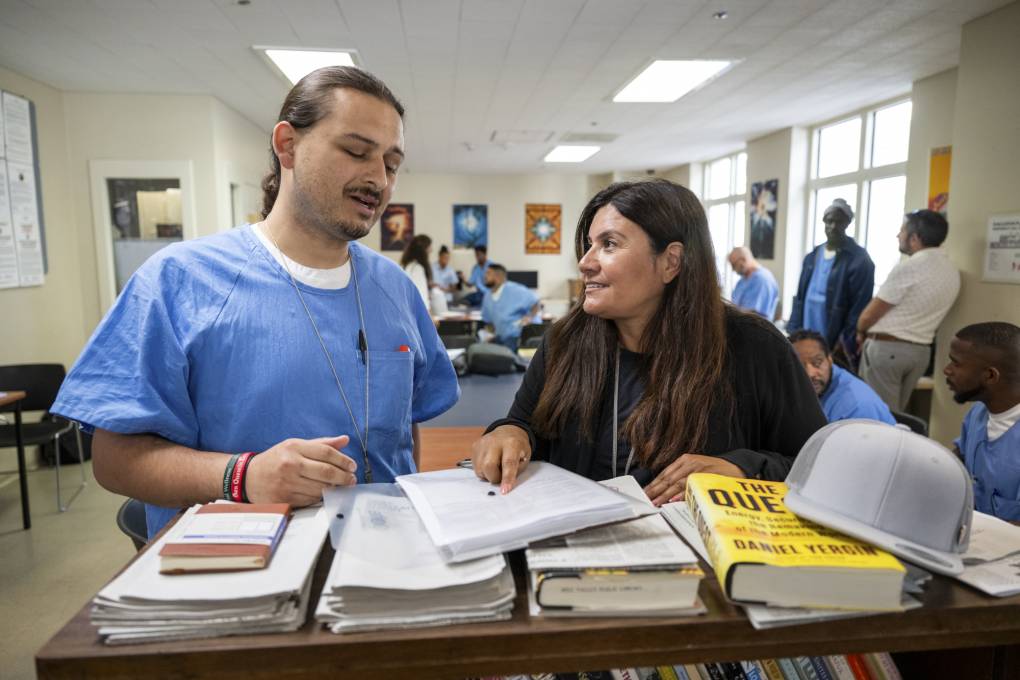
"caption": "Dr. Jenny Espinoza talks with Hugo Campos, an incarcerated person at San Quentin Rehabilitation Center, during a Back to the Start session at the prison on June 3, 2024. The writing workshop, which Espinoza co-founded, encourages incarcerated people to produce stories about their lives as a way of processing trauma and influencing policy change.",
"credit": "Beth LaBerge/KQED",
"altTag": "A man with long, braided hair in a blue prison jumpsuit stands next to a much shorter woman in front of a table of books.",
"description": null,
"imgSizes": {
"medium": {
"file": "https://cdn.kqed.org/wp-content/uploads/sites/10/2024/06/240603-SANQUENTINACES-155-BL-KQED-800x533.jpg",
"width": 800,
"height": 533,
"mimeType": "image/jpeg"
},
"large": {
"file": "https://cdn.kqed.org/wp-content/uploads/sites/10/2024/06/240603-SANQUENTINACES-155-BL-KQED-1020x680.jpg",
"width": 1020,
"height": 680,
"mimeType": "image/jpeg"
},
"thumbnail": {
"file": "https://cdn.kqed.org/wp-content/uploads/sites/10/2024/06/240603-SANQUENTINACES-155-BL-KQED-160x107.jpg",
"width": 160,
"height": 107,
"mimeType": "image/jpeg"
},
"1536x1536": {
"file": "https://cdn.kqed.org/wp-content/uploads/sites/10/2024/06/240603-SANQUENTINACES-155-BL-KQED-1536x1024.jpg",
"width": 1536,
"height": 1024,
"mimeType": "image/jpeg"
},
"post-thumbnail": {
"file": "https://cdn.kqed.org/wp-content/uploads/sites/10/2024/06/240603-SANQUENTINACES-155-BL-KQED-672x372.jpg",
"width": 672,
"height": 372,
"mimeType": "image/jpeg"
},
"twentyfourteen-full-width": {
"file": "https://cdn.kqed.org/wp-content/uploads/sites/10/2024/06/240603-SANQUENTINACES-155-BL-KQED-1038x576.jpg",
"width": 1038,
"height": 576,
"mimeType": "image/jpeg"
},
"full-width": {
"file": "https://cdn.kqed.org/wp-content/uploads/sites/10/2024/06/240603-SANQUENTINACES-155-BL-KQED-1920x1280.jpg",
"width": 1920,
"height": 1280,
"mimeType": "image/jpeg"
},
"kqedFullSize": {
"file": "https://cdn.kqed.org/wp-content/uploads/sites/10/2024/06/240603-SANQUENTINACES-155-BL-KQED.jpg",
"width": 2000,
"height": 1333
}
},
"isLoading": false,
"fetchFailed": false
},
"news_11999573": {
"type": "attachments",
"id": "news_11999573",
"meta": {
"index": "attachments_1716263798",
"site": "news",
"id": "11999573",
"found": true
},
"title": "Photo_1",
"publishDate": 1723175780,
"status": "inherit",
"parent": 11999292,
"modified": 1723176674,
"caption": "A recent lowrider show in downtown Mexico City. For decades, Mexican immigrants shaped the culture of California cities like Los Angeles. Now, a growing number of their children and grandchildren are moving to Mexico and influencing the communities they're settling in.\n",
"credit": "Levi Bridges/KQED",
"altTag": "A small crowd on the street watches a red lowrider car that has one wheel in the air and the trunk open.",
"description": null,
"imgSizes": {
"medium": {
"file": "https://cdn.kqed.org/wp-content/uploads/sites/10/2024/08/Photo_1-1-800x600.jpg",
"width": 800,
"height": 600,
"mimeType": "image/jpeg"
},
"large": {
"file": "https://cdn.kqed.org/wp-content/uploads/sites/10/2024/08/Photo_1-1-1020x765.jpg",
"width": 1020,
"height": 765,
"mimeType": "image/jpeg"
},
"thumbnail": {
"file": "https://cdn.kqed.org/wp-content/uploads/sites/10/2024/08/Photo_1-1-160x120.jpg",
"width": 160,
"height": 120,
"mimeType": "image/jpeg"
},
"1536x1536": {
"file": "https://cdn.kqed.org/wp-content/uploads/sites/10/2024/08/Photo_1-1-1536x1152.jpg",
"width": 1536,
"height": 1152,
"mimeType": "image/jpeg"
},
"2048x2048": {
"file": "https://cdn.kqed.org/wp-content/uploads/sites/10/2024/08/Photo_1-1-2048x1536.jpg",
"width": 2048,
"height": 1536,
"mimeType": "image/jpeg"
},
"post-thumbnail": {
"file": "https://cdn.kqed.org/wp-content/uploads/sites/10/2024/08/Photo_1-1-672x372.jpg",
"width": 672,
"height": 372,
"mimeType": "image/jpeg"
},
"twentyfourteen-full-width": {
"file": "https://cdn.kqed.org/wp-content/uploads/sites/10/2024/08/Photo_1-1-1038x576.jpg",
"width": 1038,
"height": 576,
"mimeType": "image/jpeg"
},
"full-width": {
"file": "https://cdn.kqed.org/wp-content/uploads/sites/10/2024/08/Photo_1-1-1920x1440.jpg",
"width": 1920,
"height": 1440,
"mimeType": "image/jpeg"
},
"kqedFullSize": {
"file": "https://cdn.kqed.org/wp-content/uploads/sites/10/2024/08/Photo_1-1-scaled.jpg",
"width": 2560,
"height": 1920
}
},
"isLoading": false,
"fetchFailed": false
},
"news_11993396": {
"type": "attachments",
"id": "news_11993396",
"meta": {
"index": "attachments_1716263798",
"site": "news",
"id": "11993396",
"found": true
},
"title": "Hana Vu_Photo Credit Andrew Yuyi Truong",
"publishDate": 1720556072,
"status": "inherit",
"parent": 11993285,
"modified": 1720556180,
"caption": null,
"credit": "Andrew Yuyi Truong",
"altTag": "An Asian woman with tattoos wearing a dark short sleeve shirt rests her head on her right hand.",
"description": null,
"imgSizes": {
"medium": {
"file": "https://cdn.kqed.org/wp-content/uploads/sites/10/2024/07/Hana-Vu_Photo-Credit-Andrew-Yuyi-Truong--800x531.jpg",
"width": 800,
"height": 531,
"mimeType": "image/jpeg"
},
"large": {
"file": "https://cdn.kqed.org/wp-content/uploads/sites/10/2024/07/Hana-Vu_Photo-Credit-Andrew-Yuyi-Truong--1020x676.jpg",
"width": 1020,
"height": 676,
"mimeType": "image/jpeg"
},
"thumbnail": {
"file": "https://cdn.kqed.org/wp-content/uploads/sites/10/2024/07/Hana-Vu_Photo-Credit-Andrew-Yuyi-Truong--160x106.jpg",
"width": 160,
"height": 106,
"mimeType": "image/jpeg"
},
"1536x1536": {
"file": "https://cdn.kqed.org/wp-content/uploads/sites/10/2024/07/Hana-Vu_Photo-Credit-Andrew-Yuyi-Truong--1536x1019.jpg",
"width": 1536,
"height": 1019,
"mimeType": "image/jpeg"
},
"2048x2048": {
"file": "https://cdn.kqed.org/wp-content/uploads/sites/10/2024/07/Hana-Vu_Photo-Credit-Andrew-Yuyi-Truong--2048x1358.jpg",
"width": 2048,
"height": 1358,
"mimeType": "image/jpeg"
},
"post-thumbnail": {
"file": "https://cdn.kqed.org/wp-content/uploads/sites/10/2024/07/Hana-Vu_Photo-Credit-Andrew-Yuyi-Truong--672x372.jpg",
"width": 672,
"height": 372,
"mimeType": "image/jpeg"
},
"twentyfourteen-full-width": {
"file": "https://cdn.kqed.org/wp-content/uploads/sites/10/2024/07/Hana-Vu_Photo-Credit-Andrew-Yuyi-Truong--1038x576.jpg",
"width": 1038,
"height": 576,
"mimeType": "image/jpeg"
},
"full-width": {
"file": "https://cdn.kqed.org/wp-content/uploads/sites/10/2024/07/Hana-Vu_Photo-Credit-Andrew-Yuyi-Truong--1920x1273.jpg",
"width": 1920,
"height": 1273,
"mimeType": "image/jpeg"
},
"kqedFullSize": {
"file": "https://cdn.kqed.org/wp-content/uploads/sites/10/2024/07/Hana-Vu_Photo-Credit-Andrew-Yuyi-Truong--scaled.jpg",
"width": 2560,
"height": 1698
}
},
"isLoading": false,
"fetchFailed": false
},
"news_11970946": {
"type": "attachments",
"id": "news_11970946",
"meta": {
"index": "attachments_1716263798",
"site": "news",
"id": "11970946",
"found": true
},
"parent": 11970945,
"imgSizes": {
"twentyfourteen-full-width": {
"file": "https://cdn.kqed.org/wp-content/uploads/sites/10/2023/12/img_1158-2e0e3c9d3fd1fab0e5f05b7d06438852ce07bfe9-1038x576.jpg",
"width": 1038,
"mimeType": "image/jpeg",
"height": 576
},
"thumbnail": {
"file": "https://cdn.kqed.org/wp-content/uploads/sites/10/2023/12/img_1158-2e0e3c9d3fd1fab0e5f05b7d06438852ce07bfe9-160x120.jpg",
"width": 160,
"mimeType": "image/jpeg",
"height": 120
},
"post-thumbnail": {
"file": "https://cdn.kqed.org/wp-content/uploads/sites/10/2023/12/img_1158-2e0e3c9d3fd1fab0e5f05b7d06438852ce07bfe9-672x372.jpg",
"width": 672,
"mimeType": "image/jpeg",
"height": 372
},
"kqedFullSize": {
"file": "https://cdn.kqed.org/wp-content/uploads/sites/10/2023/12/img_1158-2e0e3c9d3fd1fab0e5f05b7d06438852ce07bfe9-scaled.jpg",
"width": 2560,
"height": 1918
},
"2048x2048": {
"file": "https://cdn.kqed.org/wp-content/uploads/sites/10/2023/12/img_1158-2e0e3c9d3fd1fab0e5f05b7d06438852ce07bfe9-2048x1534.jpg",
"width": 2048,
"mimeType": "image/jpeg",
"height": 1534
},
"large": {
"file": "https://cdn.kqed.org/wp-content/uploads/sites/10/2023/12/img_1158-2e0e3c9d3fd1fab0e5f05b7d06438852ce07bfe9-1020x764.jpg",
"width": 1020,
"mimeType": "image/jpeg",
"height": 764
},
"1536x1536": {
"file": "https://cdn.kqed.org/wp-content/uploads/sites/10/2023/12/img_1158-2e0e3c9d3fd1fab0e5f05b7d06438852ce07bfe9-1536x1151.jpg",
"width": 1536,
"mimeType": "image/jpeg",
"height": 1151
},
"full-width": {
"file": "https://cdn.kqed.org/wp-content/uploads/sites/10/2023/12/img_1158-2e0e3c9d3fd1fab0e5f05b7d06438852ce07bfe9-1920x1438.jpg",
"width": 1920,
"mimeType": "image/jpeg",
"height": 1438
},
"medium": {
"file": "https://cdn.kqed.org/wp-content/uploads/sites/10/2023/12/img_1158-2e0e3c9d3fd1fab0e5f05b7d06438852ce07bfe9-800x599.jpg",
"width": 800,
"mimeType": "image/jpeg",
"height": 599
}
},
"publishDate": 1703626357,
"modified": 1703626357,
"caption": null,
"description": null,
"title": "Students at The Wesley School in the Los Angeles neighborhood of North Hollywood collected their food waste for a year and turned it into compost.",
"credit": null,
"status": "inherit",
"altTag": null,
"isLoading": false,
"fetchFailed": false
},
"news_11967955": {
"type": "attachments",
"id": "news_11967955",
"meta": {
"index": "attachments_1716263798",
"site": "news",
"id": "11967955",
"found": true
},
"parent": 0,
"imgSizes": {
"twentyfourteen-full-width": {
"file": "https://ww2.kqed.org/app/uploads/sites/10/2023/11/EdSource01-1038x576.jpeg",
"width": 1038,
"mimeType": "image/jpeg",
"height": 576
},
"thumbnail": {
"file": "https://ww2.kqed.org/app/uploads/sites/10/2023/11/EdSource01-160x118.jpeg",
"width": 160,
"mimeType": "image/jpeg",
"height": 118
},
"post-thumbnail": {
"file": "https://ww2.kqed.org/app/uploads/sites/10/2023/11/EdSource01-672x372.jpeg",
"width": 672,
"mimeType": "image/jpeg",
"height": 372
},
"kqedFullSize": {
"file": "https://ww2.kqed.org/app/uploads/sites/10/2023/11/EdSource01.jpeg",
"width": 1284,
"height": 950
},
"large": {
"file": "https://ww2.kqed.org/app/uploads/sites/10/2023/11/EdSource01-1020x755.jpeg",
"width": 1020,
"mimeType": "image/jpeg",
"height": 755
},
"medium": {
"file": "https://ww2.kqed.org/app/uploads/sites/10/2023/11/EdSource01-800x592.jpeg",
"width": 800,
"mimeType": "image/jpeg",
"height": 592
}
},
"publishDate": 1700520491,
"modified": 1700602034,
"caption": "Guillermo Tejeda and the Neighborhood Orchestra performing at the Venice Beach Jazz Festival.",
"description": null,
"title": "EdSource01",
"credit": "Courtesy of Guillermo Tejeda",
"status": "inherit",
"altTag": "A group of musicians are onstage, posing for the camera.",
"isLoading": false,
"fetchFailed": false
},
"news_11964113": {
"type": "attachments",
"id": "news_11964113",
"meta": {
"index": "attachments_1716263798",
"site": "news",
"id": "11964113",
"found": true
},
"parent": 11964105,
"imgSizes": {
"twentyfourteen-full-width": {
"file": "https://ww2.kqed.org/app/uploads/sites/10/2023/10/100123_Aura-Silva-Vergara_AM_CM_01-1038x576.jpg",
"width": 1038,
"mimeType": "image/jpeg",
"height": 576
},
"thumbnail": {
"file": "https://ww2.kqed.org/app/uploads/sites/10/2023/10/100123_Aura-Silva-Vergara_AM_CM_01-160x107.jpg",
"width": 160,
"mimeType": "image/jpeg",
"height": 107
},
"post-thumbnail": {
"file": "https://ww2.kqed.org/app/uploads/sites/10/2023/10/100123_Aura-Silva-Vergara_AM_CM_01-672x372.jpg",
"width": 672,
"mimeType": "image/jpeg",
"height": 372
},
"kqedFullSize": {
"file": "https://ww2.kqed.org/app/uploads/sites/10/2023/10/100123_Aura-Silva-Vergara_AM_CM_01.jpg",
"width": 2000,
"height": 1333
},
"large": {
"file": "https://ww2.kqed.org/app/uploads/sites/10/2023/10/100123_Aura-Silva-Vergara_AM_CM_01-1020x680.jpg",
"width": 1020,
"mimeType": "image/jpeg",
"height": 680
},
"1536x1536": {
"file": "https://ww2.kqed.org/app/uploads/sites/10/2023/10/100123_Aura-Silva-Vergara_AM_CM_01-1536x1024.jpg",
"width": 1536,
"mimeType": "image/jpeg",
"height": 1024
},
"full-width": {
"file": "https://ww2.kqed.org/app/uploads/sites/10/2023/10/100123_Aura-Silva-Vergara_AM_CM_01-1920x1280.jpg",
"width": 1920,
"mimeType": "image/jpeg",
"height": 1280
},
"medium": {
"file": "https://ww2.kqed.org/app/uploads/sites/10/2023/10/100123_Aura-Silva-Vergara_AM_CM_01-800x533.jpg",
"width": 800,
"mimeType": "image/jpeg",
"height": 533
}
},
"publishDate": 1697052473,
"modified": 1697062586,
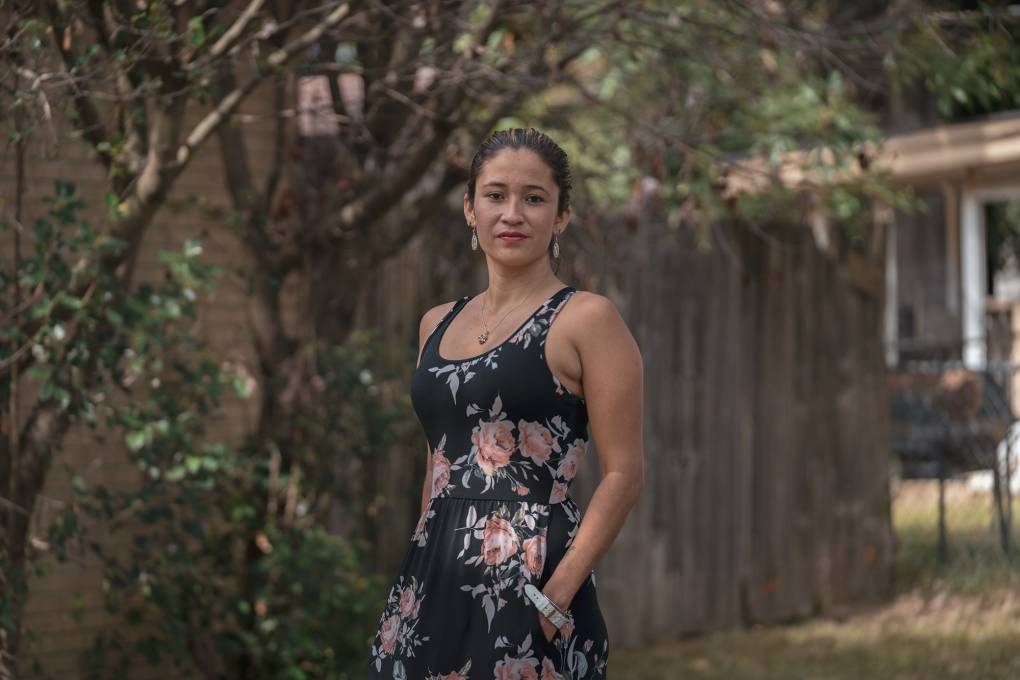
"caption": "Aura Silva Vergara stands for a portrait at the home where she stays in Memphis, Tenn. Silva Vergara is an asylum seeker from Colombia who entered the country via the southern border and was sent to California first before arriving in Tennessee.",
"description": null,
"title": "100123_Aura-Silva-Vergara_AM_CM_01",
"credit": "Andrea Morales/CalMatters",
"status": "inherit",
"altTag": "A woman with a black floral-printed dress stands outside.",
"isLoading": false,
"fetchFailed": false
},
"news_11960138": {
"type": "attachments",
"id": "news_11960138",
"meta": {
"index": "attachments_1716263798",
"site": "news",
"id": "11960138",
"found": true
},
"parent": 0,
"imgSizes": {
"twentyfourteen-full-width": {
"file": "https://ww2.kqed.org/app/uploads/sites/10/2023/09/20230901_Symphony_06-KQED-1038x576.jpg",
"width": 1038,
"mimeType": "image/jpeg",
"height": 576
},
"thumbnail": {
"file": "https://ww2.kqed.org/app/uploads/sites/10/2023/09/20230901_Symphony_06-KQED-160x107.jpg",
"width": 160,
"mimeType": "image/jpeg",
"height": 107
},
"post-thumbnail": {
"file": "https://ww2.kqed.org/app/uploads/sites/10/2023/09/20230901_Symphony_06-KQED-672x372.jpg",
"width": 672,
"mimeType": "image/jpeg",
"height": 372
},
"kqedFullSize": {
"file": "https://ww2.kqed.org/app/uploads/sites/10/2023/09/20230901_Symphony_06-KQED.jpg?ver=1693948785",
"width": 2000,
"height": 1333
},
"large": {
"file": "https://ww2.kqed.org/app/uploads/sites/10/2023/09/20230901_Symphony_06-KQED-1020x680.jpg",
"width": 1020,
"mimeType": "image/jpeg",
"height": 680
},
"1536x1536": {
"file": "https://ww2.kqed.org/app/uploads/sites/10/2023/09/20230901_Symphony_06-KQED-1536x1024.jpg",
"width": 1536,
"mimeType": "image/jpeg",
"height": 1024
},
"full-width": {
"file": "https://ww2.kqed.org/app/uploads/sites/10/2023/09/20230901_Symphony_06-KQED-1920x1280.jpg",
"width": 1920,
"mimeType": "image/jpeg",
"height": 1280
},
"medium": {
"file": "https://ww2.kqed.org/app/uploads/sites/10/2023/09/20230901_Symphony_06-KQED-800x533.jpg",
"width": 800,
"mimeType": "image/jpeg",
"height": 533
}
},
"publishDate": 1693948616,
"modified": 1695405120,
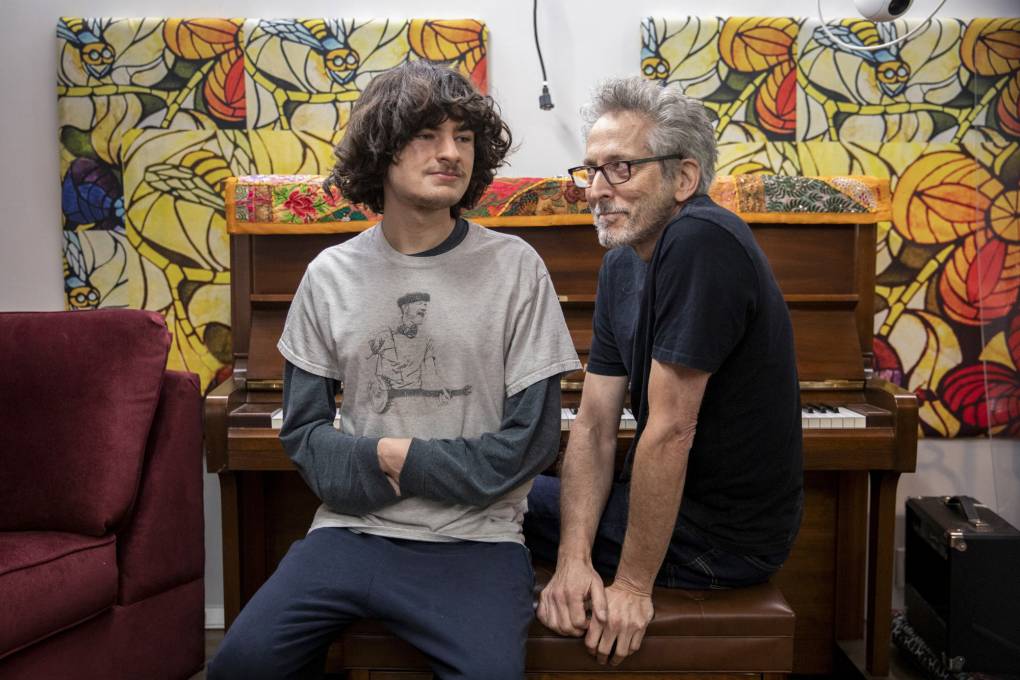
"caption": "Jacob Rock, 19, and musician Rob Laufer, sit at the piano together in Rock’s family home music studio in Los Angeles on Friday, Sept. 1, 2023. Jacob is non-verbal and autistic. As he began to communicate through a typing app on his iPad, he told his parents he had a 70-minute symphony in his head, titled 'Unforgettable Sunrise.' Laufer helped to translate that vision into a musical score to be performed on Sept. 30 at the Alex Theatre in Glendale.",
"description": null,
"title": "20230901_Symphony_06-KQED",
"credit": "Alisha Jucevic for KQED",
"status": "inherit",
"altTag": "Two people sit in front of a piano with a florid pattern on the wall behind them.",
"isLoading": false,
"fetchFailed": false
},
"news_11960918": {
"type": "attachments",
"id": "news_11960918",
"meta": {
"index": "attachments_1716263798",
"site": "news",
"id": "11960918",
"found": true
},
"parent": 0,
"imgSizes": {
"twentyfourteen-full-width": {
"file": "https://ww2.kqed.org/app/uploads/sites/10/2023/09/230912-BUNGKUS-BAGUS-01-KQED-1038x576.jpg",
"width": 1038,
"mimeType": "image/jpeg",
"height": 576
},
"thumbnail": {
"file": "https://ww2.kqed.org/app/uploads/sites/10/2023/09/230912-BUNGKUS-BAGUS-01-KQED-160x107.jpg",
"width": 160,
"mimeType": "image/jpeg",
"height": 107
},
"post-thumbnail": {
"file": "https://ww2.kqed.org/app/uploads/sites/10/2023/09/230912-BUNGKUS-BAGUS-01-KQED-672x372.jpg",
"width": 672,
"mimeType": "image/jpeg",
"height": 372
},
"kqedFullSize": {
"file": "https://ww2.kqed.org/app/uploads/sites/10/2023/09/230912-BUNGKUS-BAGUS-01-KQED.jpg",
"width": 2000,
"height": 1334
},
"large": {
"file": "https://ww2.kqed.org/app/uploads/sites/10/2023/09/230912-BUNGKUS-BAGUS-01-KQED-1020x680.jpg",
"width": 1020,
"mimeType": "image/jpeg",
"height": 680
},
"1536x1536": {
"file": "https://ww2.kqed.org/app/uploads/sites/10/2023/09/230912-BUNGKUS-BAGUS-01-KQED-1536x1025.jpg",
"width": 1536,
"mimeType": "image/jpeg",
"height": 1025
},
"full-width": {
"file": "https://ww2.kqed.org/app/uploads/sites/10/2023/09/230912-BUNGKUS-BAGUS-01-KQED-1920x1281.jpg",
"width": 1920,
"mimeType": "image/jpeg",
"height": 1281
},
"medium": {
"file": "https://ww2.kqed.org/app/uploads/sites/10/2023/09/230912-BUNGKUS-BAGUS-01-KQED-800x534.jpg",
"width": 800,
"mimeType": "image/jpeg",
"height": 534
}
},
"publishDate": 1694562090,
"modified": 1694723944,
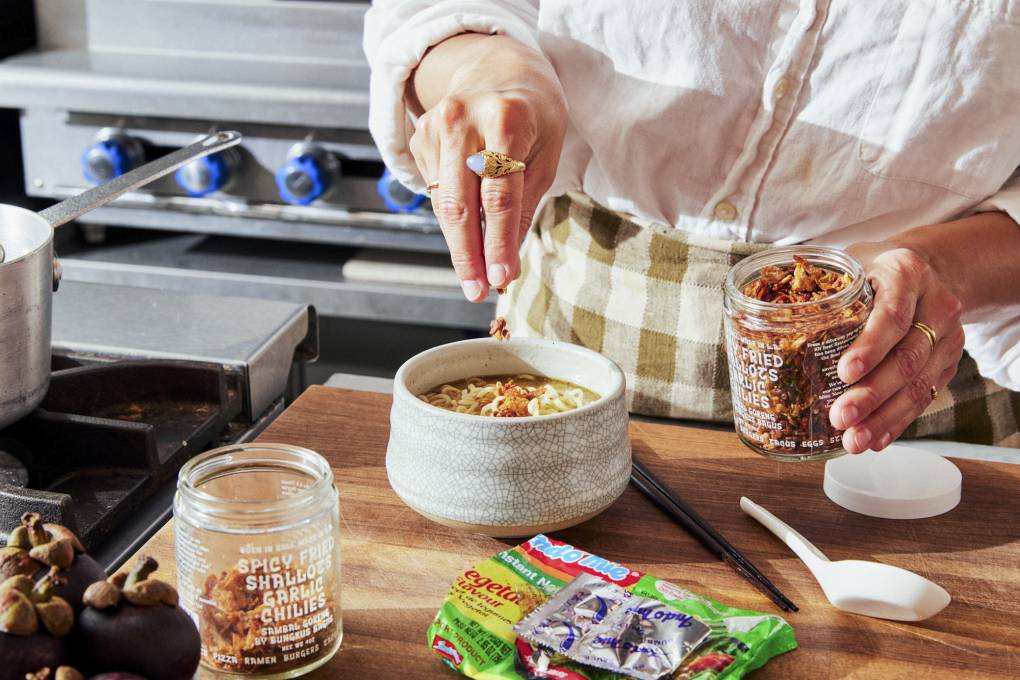
"caption": "Celene adds the finishing touch — some Sambal Goreng — on a bowl of Indomie instant ramen.",
"description": null,
"title": "230912-BUNGKUS BAGUS-01-KQED",
"credit": "Courtesy of Ren Fuller",
"status": "inherit",
"altTag": "A hand sprinkles flakes of something into a bowl of noodles.",
"isLoading": false,
"fetchFailed": false
},
"news_11960658": {
"type": "attachments",
"id": "news_11960658",
"meta": {
"index": "attachments_1716263798",
"site": "news",
"id": "11960658",
"found": true
},
"parent": 0,
"imgSizes": {
"twentyfourteen-full-width": {
"file": "https://ww2.kqed.org/app/uploads/sites/10/2023/09/091123-PHOTO-AI-RM-01-KQED-1038x576.jpg",
"width": 1038,
"mimeType": "image/jpeg",
"height": 576
},
"thumbnail": {
"file": "https://ww2.kqed.org/app/uploads/sites/10/2023/09/091123-PHOTO-AI-RM-01-KQED-160x106.jpg",
"width": 160,
"mimeType": "image/jpeg",
"height": 106
},
"post-thumbnail": {
"file": "https://ww2.kqed.org/app/uploads/sites/10/2023/09/091123-PHOTO-AI-RM-01-KQED-672x372.jpg",
"width": 672,
"mimeType": "image/jpeg",
"height": 372
},
"kqedFullSize": {
"file": "https://ww2.kqed.org/app/uploads/sites/10/2023/09/091123-PHOTO-AI-RM-01-KQED.jpg",
"width": 2000,
"height": 1319
},
"large": {
"file": "https://ww2.kqed.org/app/uploads/sites/10/2023/09/091123-PHOTO-AI-RM-01-KQED-1020x673.jpg",
"width": 1020,
"mimeType": "image/jpeg",
"height": 673
},
"1536x1536": {
"file": "https://ww2.kqed.org/app/uploads/sites/10/2023/09/091123-PHOTO-AI-RM-01-KQED-1536x1013.jpg",
"width": 1536,
"mimeType": "image/jpeg",
"height": 1013
},
"full-width": {
"file": "https://ww2.kqed.org/app/uploads/sites/10/2023/09/091123-PHOTO-AI-RM-01-KQED-1920x1266.jpg",
"width": 1920,
"mimeType": "image/jpeg",
"height": 1266
},
"medium": {
"file": "https://ww2.kqed.org/app/uploads/sites/10/2023/09/091123-PHOTO-AI-RM-01-KQED-800x528.jpg",
"width": 800,
"mimeType": "image/jpeg",
"height": 528
}
},
"publishDate": 1694465224,
"modified": 1694552085,
"caption": "Taken for Rolling Stone magazine. 'Homegirls' or 'cholas' associated with the Venice 13 (also V13), a Mexican American street gang.",
"description": "DO NOT REPUBLISH",
"title": "091123-PHOTO AI-RM-01-KQED",
"credit": "Courtesy of Merrick Morton",
"status": "inherit",
"altTag": "Three women look at the camera and make signs with their hands.",
"isLoading": false,
"fetchFailed": false
}
},
"audioPlayerReducer": {
"postId": "stream_live",
"isPaused": true,
"isPlaying": false,
"pfsActive": false,
"pledgeModalIsOpen": true,
"playerDrawerIsOpen": false,
"liveAudioPlayStartedAt": 0,
"liveAudioPlayContext": ""
},
"authorsReducer": {
"byline_news_12007628": {
"type": "authors",
"id": "byline_news_12007628",
"meta": {
"override": true
},
"slug": "byline_news_12007628",
"name": "Trân Nguyễn, Associated Press",
"isLoading": false
},
"byline_news_11999292": {
"type": "authors",
"id": "byline_news_11999292",
"meta": {
"override": true
},
"slug": "byline_news_11999292",
"name": "Levi Bridges",
"isLoading": false
},
"byline_news_11970945": {
"type": "authors",
"id": "byline_news_11970945",
"meta": {
"override": true
},
"slug": "byline_news_11970945",
"name": "Caleigh Wells",
"isLoading": false
},
"byline_news_11967943": {
"type": "authors",
"id": "byline_news_11967943",
"meta": {
"override": true
},
"slug": "byline_news_11967943",
"name": "\u003ca href=\"https://edsource.org/author/kdsouza\">Karen D'Souza\u003c/a>\u003cbr> EdSource",
"isLoading": false
},
"byline_news_11964105": {
"type": "authors",
"id": "byline_news_11964105",
"meta": {
"override": true
},
"slug": "byline_news_11964105",
"name": "\u003ca href=\"https://calmatters.org/author/kervy-robles/\">Justo Robles\u003c/a> and \u003ca href=\"https://calmatters.org/author/alejandra-reyesvelarde/\">Alejandra Reyes-Velarde\u003c/a>",
"isLoading": false
},
"byline_news_11961126": {
"type": "authors",
"id": "byline_news_11961126",
"meta": {
"override": true
},
"slug": "byline_news_11961126",
"name": "\u003ca href=\"https://twitter.com/Clare_Wiley\">Clare Wiley\u003c/a>",
"isLoading": false
},
"byline_news_11960814": {
"type": "authors",
"id": "byline_news_11960814",
"meta": {
"override": true
},
"slug": "byline_news_11960814",
"name": "\u003ca href=\"https://www.kqed.org/\">Beth Tribolet\u003c/a>",
"isLoading": false
},
"sasha-khokha": {
"type": "authors",
"id": "254",
"meta": {
"index": "authors_1716337520",
"id": "254",
"found": true
},
"name": "Sasha Khokha",
"firstName": "Sasha",
"lastName": "Khokha",
"slug": "sasha-khokha",
"email": "skhokha@kqed.org",
"display_author_email": true,
"staff_mastheads": [
"news"
],
"title": "Host, The California Report Magazine",
"bio": "Sasha Khokha is the host of \u003cem>The California Report's \u003c/em> weekly magazine program, which takes listeners on sound-rich excursions to meet the people that make the Golden State unique -- through audio documentaries and long-form stories. As \u003cem>The California Report's\u003c/em> Central Valley Bureau Chief based in Fresno for nearly a dozen years, Sasha brought the lives and concerns of rural Californians to listeners around the state. Her reporting helped expose the hidden price immigrant women janitors and farmworkers may pay to keep their jobs: sexual assault at work. It inspired two new California laws to protect them from sexual harassment. She was a key member of the reporting team for the Frontline film \u003cem>Rape on the Night Shift, \u003c/em>which was nominated for two national Emmys. Sasha has also won a national Edward R. Murrow and a national PRNDI award for investigative reporting, as well as multiple prizes from the Society for Professional Journalists. Sasha is a proud alum of the UC Berkeley Graduate School of Journalism and Brown University and a member of the South Asian Journalists Association.",
"avatar": "https://secure.gravatar.com/avatar/e4b5e1541aaeea2aa356aa1fb2a68950?s=600&d=blank&r=g",
"twitter": "KQEDSashaKhokha",
"facebook": null,
"instagram": null,
"linkedin": null,
"sites": [
{
"site": "news",
"roles": [
"editor"
]
},
{
"site": "stateofhealth",
"roles": [
"author"
]
},
{
"site": "science",
"roles": [
"author"
]
},
{
"site": "quest",
"roles": [
"subscriber"
]
}
],
"headData": {
"title": "Sasha Khokha | KQED",
"description": "Host, The California Report Magazine",
"ogImgSrc": "https://secure.gravatar.com/avatar/e4b5e1541aaeea2aa356aa1fb2a68950?s=600&d=blank&r=g",
"twImgSrc": "https://secure.gravatar.com/avatar/e4b5e1541aaeea2aa356aa1fb2a68950?s=600&d=blank&r=g"
},
"isLoading": false,
"link": "/author/sasha-khokha"
},
"btaylor": {
"type": "authors",
"id": "11365",
"meta": {
"index": "authors_1716337520",
"id": "11365",
"found": true
},
"name": "Bianca Taylor",
"firstName": "Bianca",
"lastName": "Taylor",
"slug": "btaylor",
"email": "btaylor@KQED.org",
"display_author_email": false,
"staff_mastheads": [
"news"
],
"title": "Host and Producer ",
"bio": "Bianca Taylor is a news producer and host of KQED's The Latest podcast.\r\n\r\nHer work with KQED has been honored by the Society of Professional Journalists NorCal, the Webby's, the Regional Murrow Awards, and ONA. She has also worked with NPR, the BBC World Service, and the Washington Post Creative Group.\r\n\r\nBianca is represented by SAG-AFTRA.",
"avatar": "https://secure.gravatar.com/avatar/6b9d3f6552dd10470c5d1c2e58cfe717?s=600&d=blank&r=g",
"twitter": "SoundsLkeBianca",
"facebook": null,
"instagram": null,
"linkedin": null,
"sites": [
{
"site": "arts",
"roles": [
"editor"
]
},
{
"site": "news",
"roles": [
"edit_others_posts",
"editor"
]
},
{
"site": "pop",
"roles": [
"editor"
]
},
{
"site": "bayareabites",
"roles": [
"author"
]
},
{
"site": "science",
"roles": [
"editor"
]
},
{
"site": "forum",
"roles": [
"editor"
]
},
{
"site": "radio",
"roles": [
"editor"
]
},
{
"site": "podcasts",
"roles": [
"editor"
]
}
],
"headData": {
"title": "Bianca Taylor | KQED",
"description": "Host and Producer ",
"ogImgSrc": "https://secure.gravatar.com/avatar/6b9d3f6552dd10470c5d1c2e58cfe717?s=600&d=blank&r=g",
"twImgSrc": "https://secure.gravatar.com/avatar/6b9d3f6552dd10470c5d1c2e58cfe717?s=600&d=blank&r=g"
},
"isLoading": false,
"link": "/author/btaylor"
},
"kmizuguchi": {
"type": "authors",
"id": "11739",
"meta": {
"index": "authors_1716337520",
"id": "11739",
"found": true
},
"name": "Keith Mizuguchi",
"firstName": "Keith",
"lastName": "Mizuguchi",
"slug": "kmizuguchi",
"email": "kmizuguchi@kqed.org",
"display_author_email": false,
"staff_mastheads": [],
"title": "KQED Contributor",
"bio": null,
"avatar": "https://secure.gravatar.com/avatar/64d8a7de0723d4099b9fe4e915136103febcc20809abce228ee4415bcb237023?s=600&d=blank&r=g",
"twitter": null,
"bluesky": null,
"facebook": null,
"instagram": null,
"linkedin": null,
"sites": [
{
"site": "news",
"roles": [
"editor"
]
},
{
"site": "science",
"roles": [
"editor"
]
}
],
"headData": {
"title": "Keith Mizuguchi | KQED",
"description": "KQED Contributor",
"ogImgSrc": "https://secure.gravatar.com/avatar/64d8a7de0723d4099b9fe4e915136103febcc20809abce228ee4415bcb237023?s=600&d=blank&r=g",
"twImgSrc": "https://secure.gravatar.com/avatar/64d8a7de0723d4099b9fe4e915136103febcc20809abce228ee4415bcb237023?s=600&d=blank&r=g"
},
"isLoading": false,
"link": "/author/kmizuguchi"
},
"slim": {
"type": "authors",
"id": "11920",
"meta": {
"index": "authors_1716337520",
"id": "11920",
"found": true
},
"name": "Samantha Lim",
"firstName": "Samantha",
"lastName": "Lim",
"slug": "slim",
"email": "slim@KQED.org",
"display_author_email": false,
"staff_mastheads": [],
"title": "KQED Contributor",
"bio": null,
"avatar": "https://secure.gravatar.com/avatar/82e592e6c15fe1a04d385e8ad0fb0b4e?s=600&d=blank&r=g",
"twitter": null,
"facebook": null,
"instagram": null,
"linkedin": null,
"sites": [
{
"site": "news",
"roles": []
}
],
"headData": {
"title": "Samantha Lim | KQED",
"description": "KQED Contributor",
"ogImgSrc": "https://secure.gravatar.com/avatar/82e592e6c15fe1a04d385e8ad0fb0b4e?s=600&d=blank&r=g",
"twImgSrc": "https://secure.gravatar.com/avatar/82e592e6c15fe1a04d385e8ad0fb0b4e?s=600&d=blank&r=g"
},
"isLoading": false,
"link": "/author/slim"
}
},
"pagesReducer": {
"news_tag_los-angeles": {
"type": "terms",
"id": "news_4",
"meta": {
"index": "terms_1716263798",
"site": "news",
"id": "4",
"score": 8.557587
},
"featImg": null,
"name": "los angeles",
"description": null,
"taxonomy": "tag",
"headData": {
"twImgId": null,
"twTitle": null,
"ogTitle": null,
"ogImgId": null,
"twDescription": null,
"description": null,
"title": "los angeles Archives | KQED News",
"ogDescription": null
},
"ttid": 4,
"slug": "los-angeles",
"isLoading": false,
"title": "los angeles",
"pageMeta": {
"site": "news",
"WpPageTemplate": "page-topic-editorial",
"currentPage": 10
},
"blocks": [
{
"blockName": "kqed/post-list",
"attrs": {
"layout": "cardArticle2",
"query": "posts/news?tag=los-angeles",
"seeMore": false,
"paginated": true,
"page": 10
}
},
{
"blockName": "kqed/ad"
}
]
}
},
"pfsSessionReducer": {},
"postsReducer": {
"stream_live": {
"type": "live",
"id": "stream_live",
"audioUrl": "https://streams.kqed.org/kqedradio",
"title": "Live Stream",
"excerpt": "Live Stream information currently unavailable.",
"link": "/radio",
"featImg": "",
"label": {
"name": "KQED Live",
"link": "/"
}
},
"stream_kqedNewscast": {
"type": "posts",
"id": "stream_kqedNewscast",
"audioUrl": "https://www.kqed.org/.stream/anon/radio/RDnews/newscast.mp3?_=1",
"title": "KQED Newscast",
"featImg": "",
"label": {
"name": "88.5 FM",
"link": "/"
}
},
"news_12013641": {
"type": "posts",
"id": "news_12013641",
"meta": {
"index": "posts_1716263798",
"site": "news",
"id": "12013641",
"score": null,
"sort": [
1731093904000
]
},
"guestAuthors": [],
"slug": "godzilla-and-its-history-in-los-angeles",
"title": "Godzilla And Its History In Los Angeles",
"publishDate": 1731093904,
"format": "audio",
"headTitle": "Godzilla And Its History In Los Angeles | KQED",
"labelTerm": {},
"content": "\u003cp>\u003cb>Here are the morning’s top stories on Friday, November 8, 2024…\u003c/b>\u003c/p>\n\u003cul>\n\u003cli style=\"font-weight: 400\">\u003cspan style=\"font-weight: 400\">This week marks the 70th anniversary of the release of the original Godzilla film across Japan. But the movie that American audiences first saw was actually an altered version with added scenes \u003c/span>\u003ca href=\"https://laist.com/news/arts-and-entertainment/the-little-known-connection-between-la-and-japanese-monster-masterpiece-godzilla\">\u003cspan style=\"font-weight: 400\">shot at a small Los Angeles studio\u003c/span>\u003c/a>\u003cspan style=\"font-weight: 400\">.\u003c/span>\u003c/li>\n\u003cli style=\"font-weight: 400\">\u003cspan style=\"font-weight: 400\">The \u003c/span>\u003ca href=\"https://laist.com/news/climate-environment/broad-fire-mountain-fire-santa-ana-winds\">\u003cspan style=\"font-weight: 400\">Mountain Fire\u003c/span>\u003c/a>\u003cspan style=\"font-weight: 400\"> burning in Ventura County has destroyed 132 structures, most of which were homes.\u003c/span>\u003c/li>\n\u003c/ul>\n\u003ch2 class=\"ArticlePage-headline\">\u003ca href=\"https://laist.com/news/arts-and-entertainment/the-little-known-connection-between-la-and-japanese-monster-masterpiece-godzilla\">The Little-Known Connection Between LA And ‘Godzilla’\u003c/a>\u003c/h2>\n\u003cp>On Nov. 3, 1954, the first \u003ci>Godzilla\u003c/i> film was released in Japan. The monster flick, which many people saw as an allegory for the Atomic bomb, was a box office hit in the country, and would go on to become a global sensation.\u003c/p>\n\u003cp>But, “unbeknownst to many people, Godzilla’s international stardom actually began right here in Los Angeles,” said Steve Ryfle, who co-authored the book, \u003ca class=\"Link\" href=\"https://www.weslpress.org/9780819570871/ishiro-honda/\" target=\"_blank\" rel=\"noopener\" data-cms-ai=\"0\">\u003ci>Ishiro Honda: A Life in Film, from Godzilla to Kurosawa.\u003c/i>\u003c/a>\u003c/p>\n\u003cp>That’s because for five decades, according to Ryfle, pretty much the only way audiences in the U.S. and other parts of the Western world could see the film was through a highly altered version of the 1954 Japanese original. And that re-edited version, titled \u003ci>Godzilla King of the Monsters! \u003c/i>contained added scenes that were all shot in Los Angeles. “It was a Japanese production, produced for Japanese audiences. It was made for an audience that had only nine years prior experienced the end of the war and the surrender,” Ryfle said, referring to the Hiroshima and Nagasaki bombings that brought an end to World War II. “Even though it was entertainment film, a monster film, it was very much about the Japanese experience during and after the war.”\u003c/p>\n\u003ch2 class=\"ArticlePage-headline\">\u003ca href=\"https://laist.com/news/climate-environment/broad-fire-mountain-fire-santa-ana-winds\">\u003cstrong>Mountain Fire Destroys More Than A Hundred Structures In Ventura County\u003c/strong>\u003c/a>\u003c/h2>\n\u003cp>The \u003ca href=\"https://apnews.com/article/california-mountain-fire-winds-los-angeles-e89f8cad94f132c9700180025e5b05fe\">Mountain Fire in Ventura County\u003c/a> has destroyed 132 structures, mostly homes, in less than two days, fire officials said Thursday as \u003cspan class=\"LinkEnhancement\">\u003ca class=\"Link AnClick-LinkEnhancement\" href=\"https://apnews.com/article/california-mountain-fire-winds-los-angeles-e89f8cad94f132c9700180025e5b05fe\" data-gtm-enhancement-style=\"LinkEnhancementA\">raging winds\u003c/a>\u003c/span> were forecast to ease.\u003c/p>\n\u003cp>[ad fullwidth]\u003c/p>\n\u003cp>The fire started Wednesday morning and has grown to more than 20,000 acres, with 7% containment. Its cause has not been determined.\u003c/p>\n\u003cp>Ten people have been injured in the course of the fire, Ventura County Sheriff James Fryhoff said. Most of them suffered from smoke inhalation or other non-life-threatening injuries. Some 10,000 people remained under evacuation orders Thursday as the Mountain Fire continued to threaten some 3,500 structures in suburban neighborhoods, ranches and agricultural areas around Camarillo in Ventura County.\u003c/p>\n\u003cp>\u003c/p>\n\u003cp> \u003c/p>\n\n",
"blocks": [],
"excerpt": "The iconic movie that Americans first saw was an altered version with added scenes shot at a Los Angeles studio.",
"status": "publish",
"parent": 0,
"modified": 1731093904,
"stats": {
"hasAudio": false,
"hasVideo": false,
"hasChartOrMap": false,
"iframeSrcs": [],
"hasGoogleForm": false,
"hasGallery": false,
"hasHearkenModule": false,
"hasPolis": false,
"paragraphCount": 9,
"wordCount": 430
},
"headData": {
"title": "Godzilla And Its History In Los Angeles | KQED",
"description": "The iconic movie that Americans first saw was an altered version with added scenes shot at a Los Angeles studio.",
"ogTitle": "",
"ogDescription": "",
"ogImgId": "",
"twTitle": "",
"twDescription": "",
"twImgId": "",
"schema": {
"@context": "https://schema.org",
"@type": "NewsArticle",
"headline": "Godzilla And Its History In Los Angeles",
"datePublished": "2024-11-08T11:25:04-08:00",
"dateModified": "2024-11-08T11:25:04-08:00",
"image": "https://cdn.kqed.org/wp-content/uploads/2020/02/KQED-OG-Image@1x.png",
"isAccessibleForFree": "True",
"publisher": {
"@type": "NewsMediaOrganization",
"@id": "https://www.kqed.org/#organization",
"name": "KQED",
"logo": "https://cdn.kqed.org/wp-content/uploads/2020/02/KQED-OG-Image@1x.png",
"url": "https://www.kqed.org",
"sameAs": [
"https://www.facebook.com/KQED",
"https://twitter.com/KQED",
"https://www.instagram.com/kqed/",
"https://www.tiktok.com/@kqedofficial",
"https://www.linkedin.com/company/kqed",
"https://www.youtube.com/channel/UCeC0IOo7i1P_61zVUWbJ4nw"
]
}
}
},
"source": "The California Report",
"sourceUrl": "https://www.kqed.org/news/tag/tcrarchive/",
"audioUrl": "https://www.podtrac.com/pts/redirect.mp3/chrt.fm/track/G6C7C3/traffic.megaphone.fm/KQINC2718052628.mp3?updated=1731077990",
"sticky": false,
"nprStoryId": "kqed-12013641",
"excludeFromSiteSearch": "Include",
"articleAge": "0",
"path": "/news/12013641/godzilla-and-its-history-in-los-angeles",
"audioTrackLength": null,
"parsedContent": [
{
"type": "contentString",
"content": "\u003cdiv class=\"post-body\">\u003cp>\u003cp>\u003cb>Here are the morning’s top stories on Friday, November 8, 2024…\u003c/b>\u003c/p>\n\u003cul>\n\u003cli style=\"font-weight: 400\">\u003cspan style=\"font-weight: 400\">This week marks the 70th anniversary of the release of the original Godzilla film across Japan. But the movie that American audiences first saw was actually an altered version with added scenes \u003c/span>\u003ca href=\"https://laist.com/news/arts-and-entertainment/the-little-known-connection-between-la-and-japanese-monster-masterpiece-godzilla\">\u003cspan style=\"font-weight: 400\">shot at a small Los Angeles studio\u003c/span>\u003c/a>\u003cspan style=\"font-weight: 400\">.\u003c/span>\u003c/li>\n\u003cli style=\"font-weight: 400\">\u003cspan style=\"font-weight: 400\">The \u003c/span>\u003ca href=\"https://laist.com/news/climate-environment/broad-fire-mountain-fire-santa-ana-winds\">\u003cspan style=\"font-weight: 400\">Mountain Fire\u003c/span>\u003c/a>\u003cspan style=\"font-weight: 400\"> burning in Ventura County has destroyed 132 structures, most of which were homes.\u003c/span>\u003c/li>\n\u003c/ul>\n\u003ch2 class=\"ArticlePage-headline\">\u003ca href=\"https://laist.com/news/arts-and-entertainment/the-little-known-connection-between-la-and-japanese-monster-masterpiece-godzilla\">The Little-Known Connection Between LA And ‘Godzilla’\u003c/a>\u003c/h2>\n\u003cp>On Nov. 3, 1954, the first \u003ci>Godzilla\u003c/i> film was released in Japan. The monster flick, which many people saw as an allegory for the Atomic bomb, was a box office hit in the country, and would go on to become a global sensation.\u003c/p>\n\u003cp>But, “unbeknownst to many people, Godzilla’s international stardom actually began right here in Los Angeles,” said Steve Ryfle, who co-authored the book, \u003ca class=\"Link\" href=\"https://www.weslpress.org/9780819570871/ishiro-honda/\" target=\"_blank\" rel=\"noopener\" data-cms-ai=\"0\">\u003ci>Ishiro Honda: A Life in Film, from Godzilla to Kurosawa.\u003c/i>\u003c/a>\u003c/p>\n\u003cp>That’s because for five decades, according to Ryfle, pretty much the only way audiences in the U.S. and other parts of the Western world could see the film was through a highly altered version of the 1954 Japanese original. And that re-edited version, titled \u003ci>Godzilla King of the Monsters! \u003c/i>contained added scenes that were all shot in Los Angeles. “It was a Japanese production, produced for Japanese audiences. It was made for an audience that had only nine years prior experienced the end of the war and the surrender,” Ryfle said, referring to the Hiroshima and Nagasaki bombings that brought an end to World War II. “Even though it was entertainment film, a monster film, it was very much about the Japanese experience during and after the war.”\u003c/p>\n\u003ch2 class=\"ArticlePage-headline\">\u003ca href=\"https://laist.com/news/climate-environment/broad-fire-mountain-fire-santa-ana-winds\">\u003cstrong>Mountain Fire Destroys More Than A Hundred Structures In Ventura County\u003c/strong>\u003c/a>\u003c/h2>\n\u003cp>The \u003ca href=\"https://apnews.com/article/california-mountain-fire-winds-los-angeles-e89f8cad94f132c9700180025e5b05fe\">Mountain Fire in Ventura County\u003c/a> has destroyed 132 structures, mostly homes, in less than two days, fire officials said Thursday as \u003cspan class=\"LinkEnhancement\">\u003ca class=\"Link AnClick-LinkEnhancement\" href=\"https://apnews.com/article/california-mountain-fire-winds-los-angeles-e89f8cad94f132c9700180025e5b05fe\" data-gtm-enhancement-style=\"LinkEnhancementA\">raging winds\u003c/a>\u003c/span> were forecast to ease.\u003c/p>\n\u003cp>\u003c/p>\u003c/div>",
"attributes": {
"named": {},
"numeric": []
}
},
{
"type": "component",
"content": "",
"name": "ad",
"attributes": {
"named": {
"label": "fullwidth"
},
"numeric": [
"fullwidth"
]
}
},
{
"type": "contentString",
"content": "\u003cdiv class=\"post-body\">\u003cp>\u003c/p>\n\u003cp>The fire started Wednesday morning and has grown to more than 20,000 acres, with 7% containment. Its cause has not been determined.\u003c/p>\n\u003cp>Ten people have been injured in the course of the fire, Ventura County Sheriff James Fryhoff said. Most of them suffered from smoke inhalation or other non-life-threatening injuries. Some 10,000 people remained under evacuation orders Thursday as the Mountain Fire continued to threaten some 3,500 structures in suburban neighborhoods, ranches and agricultural areas around Camarillo in Ventura County.\u003c/p>\n\u003cp>\u003c/p>\n\u003cp> \u003c/p>\n\n\u003c/div>\u003c/p>",
"attributes": {
"named": {},
"numeric": []
}
}
],
"link": "/news/12013641/godzilla-and-its-history-in-los-angeles",
"authors": [
"11739"
],
"programs": [
"news_72"
],
"categories": [
"news_33520",
"news_34018"
],
"tags": [
"news_4",
"news_21998",
"news_21268",
"news_22153"
],
"featImg": "news_12013642",
"label": "source_news_12013641"
},
"news_12007628": {
"type": "posts",
"id": "news_12007628",
"meta": {
"index": "posts_1716263798",
"site": "news",
"id": "12007628",
"score": null,
"sort": [
1727913660000
]
},
"guestAuthors": [],
"slug": "newsom-signs-law-that-could-extend-last-call-but-only-for-a-private-club-in-la-clippers-new-arena",
"title": "Newsom Signs Law That Could Extend 'Last Call' — but Only for a Private Club in LA Clippers’ New Arena",
"publishDate": 1727913660,
"format": "standard",
"headTitle": "Newsom Signs Law That Could Extend ‘Last Call’ — but Only for a Private Club in LA Clippers’ New Arena | KQED",
"labelTerm": {
"site": "news"
},
"content": "\u003cp>The last call for drinks is 2 a.m. in California, but the state will soon carve out an exception to allow alcohol to be served until 4 a.m. for one private, members-only club located in \u003ca href=\"https://apnews.com/article/sports-technology-nba-nhl-los-angeles-clippers-c2d937b78072daf9088e792c14089d3b\">the Los Angeles Clippers’ new state-of-the-art arena\u003c/a>.\u003c/p>\n\u003cp>The new law signed by Gov. Gavin Newsom over the weekend will allow about 100 club members to be served wine, beer and other liquor until 4 a.m. in private suites inside the Intuit Dome after game days and concerts.\u003c/p>\n\u003cp>It was sponsored by a group owned by Steve Ballmer, the current Clippers owner and former CEO of \u003ca href=\"https://apnews.com/article/06cd71793f7e4ebc82c436ef7674d73f\">Microsoft\u003c/a>. Ballmer funded the Intuit Dome and his wife, Connie Ballmer, gave Newsom’s campaign \u003ca href=\"https://cal-access.sos.ca.gov/PDFGen/pdfgen.prg?filingid=2598713&amendid=0\">$1 million\u003c/a> in 2021 to help fight a recall election against the governor. The group owned by Steve Ballmer also spent roughly $220,000 this year to sway lawmakers on the legislation, among other proposals, according to lobbying reports.\u003c/p>\n\u003cp>[ad fullwidth]\u003c/p>\n\u003cp>The measure drew criticism from some, including ethics experts, for granting an exception benefiting a major campaign donor’s family member.\u003c/p>\n\u003cp>“It’s certainly going to become an issue for his opponents and critics to point to the fact that he seemed to provide a special favor to a wealthy sports franchise owner and its facility and its wealthy fans,” said John Pelissero, director of government ethics at Santa Clara University. “It just doesn’t look good.”\u003c/p>\n\u003cp>Newsom’s spokesperson Izzy Gardon said, “The governor’s decisions on legislation are made solely on the merits of each bill.”\u003c/p>\n\u003cp>It’s not the first time the governor has faced a backlash for carving out exceptions for a select few. He was lambasted for attending \u003ca href=\"https://apnews.com/article/gavin-newsom-birthdays-california-coronavirus-pandemic-b89221b870cb137e3eb1695631000f9e\">a birthday party\u003c/a> in 2020 at the pricy French Laundry restaurant in wine country north of San Francisco, breaking the very rules he preached to the public to slow the spread of the coronavirus during the pandemic.\u003c/p>\n\u003cfigure id=\"attachment_12007639\" class=\"wp-caption alignright\" style=\"max-width: 1024px\">\u003cimg loading=\"lazy\" decoding=\"async\" class=\"size-full wp-image-12007639\" src=\"https://cdn.kqed.org/wp-content/uploads/sites/10/2024/10/GettyImages-2166945159.jpg\" alt=\"\" width=\"1024\" height=\"683\" srcset=\"https://cdn.kqed.org/wp-content/uploads/sites/10/2024/10/GettyImages-2166945159.jpg 1024w, https://cdn.kqed.org/wp-content/uploads/sites/10/2024/10/GettyImages-2166945159-800x534.jpg 800w, https://cdn.kqed.org/wp-content/uploads/sites/10/2024/10/GettyImages-2166945159-1020x680.jpg 1020w, https://cdn.kqed.org/wp-content/uploads/sites/10/2024/10/GettyImages-2166945159-160x107.jpg 160w\" sizes=\"(max-width: 1024px) 100vw, 1024px\">\u003cfigcaption class=\"wp-caption-text\">Steve Ballmer, the owner of the Los Angeles Clippers, speaks onstage at the ribbon-cutting ceremony during the opening night of the Intuit Dome on Aug. 15, 2024, in Los Angeles. \u003ccite>(Kevin Winter/Getty Images)\u003c/cite>\u003c/figcaption>\u003c/figure>\n\u003cp>The new California law allowing the exception for the private club members comes after California lawmakers spent years unsuccessfully pushing to extend \u003ca href=\"https://apnews.com/article/4baec7b626104ec0bc15e08e0679d0ec\">the last call for drinks\u003c/a> in a few cities. Several states, including New York and Tennessee, have already passed legislation extending serving hours beyond 2 a.m.\u003c/p>\n\u003cp>“If they think opening venues and having drinking until 4 o’clock in the morning is good for just exclusive groups, then it should be for everyone, and my contention is, it’s not good for anyone,” Republican state Sen. Kelly Seyarto said in August of the measure.\u003c/p>\n\u003cp>Representatives working for Steve Ballmer didn’t immediately respond to calls about the new law and potential influence.\u003c/p>\n\u003cp>The arena located in Inglewood — 12 miles from the team’s old arena in downtown Los Angeles — officially opened in August with 18,000 seats. It is scheduled to host the 2026 All-Star Game and serve as the basketball venue for the 2028 Los Angeles Olympics.\u003c/p>\n\u003cp>Supporters of the new California law said it’s a pilot program that will boost the local economy and attract more visitors to the entertainment hub in the city of Inglewood, which boasts several iconic venues, including the Rams’ SoFi stadium, the Forum, and now the new Intuit Dome. Under the law, the exception will sunset in January 2030, and the new last-call rule still needs final approval from the city. Opponents worry the new last-call hours will lead to more drunk driving and promote excessive drinking.\u003c/p>\n\u003cp>In a signing message, Newsom also said he would direct California Highway Patrol to work with local police to monitor drunken driving incidents in the area and report back findings to lawmakers for further consideration.\u003c/p>\n\u003cp>“I remain cognizant of the potential risks to public safety posed by extending service hours for alcoholic beverage service, which could lead to an increase in driving under the influence-related crashes and fatalities,” Newsom said.\u003c/p>\n\u003cp>\u003c/p>\n",
"blocks": [],
"excerpt": "The law signed last weekend would let about 100 club members be served alcohol until 4 a.m. in private suites inside the Intuit Dome on event nights. Critics said the move appeared to show favoritism. ",
"status": "publish",
"parent": 0,
"modified": 1727971789,
"stats": {
"hasAudio": false,
"hasVideo": false,
"hasChartOrMap": false,
"iframeSrcs": [],
"hasGoogleForm": false,
"hasGallery": false,
"hasHearkenModule": false,
"hasPolis": false,
"paragraphCount": 16,
"wordCount": 714
},
"headData": {
"title": "Newsom Signs Law That Could Extend 'Last Call' — but Only for a Private Club in LA Clippers’ New Arena | KQED",
"description": "The law signed last weekend would let about 100 club members be served alcohol until 4 a.m. in private suites inside the Intuit Dome on event nights. Critics said the move appeared to show favoritism. ",
"ogTitle": "",
"ogDescription": "",
"ogImgId": "",
"twTitle": "",
"twDescription": "",
"twImgId": "",
"schema": {
"@context": "https://schema.org",
"@type": "NewsArticle",
"headline": "Newsom Signs Law That Could Extend 'Last Call' — but Only for a Private Club in LA Clippers’ New Arena",
"datePublished": "2024-10-02T17:01:00-07:00",
"dateModified": "2024-10-03T09:09:49-07:00",
"image": "https://cdn.kqed.org/wp-content/uploads/2020/02/KQED-OG-Image@1x.png",
"isAccessibleForFree": "True",
"publisher": {
"@type": "NewsMediaOrganization",
"@id": "https://www.kqed.org/#organization",
"name": "KQED",
"logo": "https://cdn.kqed.org/wp-content/uploads/2020/02/KQED-OG-Image@1x.png",
"url": "https://www.kqed.org",
"sameAs": [
"https://www.facebook.com/KQED",
"https://twitter.com/KQED",
"https://www.instagram.com/kqed/",
"https://www.tiktok.com/@kqedofficial",
"https://www.linkedin.com/company/kqed",
"https://www.youtube.com/channel/UCeC0IOo7i1P_61zVUWbJ4nw"
]
}
}
},
"sticky": false,
"nprByline": "Trân Nguyễn, Associated Press",
"nprStoryId": "kqed-12007628",
"excludeFromSiteSearch": "Include",
"showOnAuthorArchivePages": "No",
"articleAge": "0",
"path": "/news/12007628/newsom-signs-law-that-could-extend-last-call-but-only-for-a-private-club-in-la-clippers-new-arena",
"audioTrackLength": null,
"parsedContent": [
{
"type": "contentString",
"content": "\u003cdiv class=\"post-body\">\u003cp>\u003cp>The last call for drinks is 2 a.m. in California, but the state will soon carve out an exception to allow alcohol to be served until 4 a.m. for one private, members-only club located in \u003ca href=\"https://apnews.com/article/sports-technology-nba-nhl-los-angeles-clippers-c2d937b78072daf9088e792c14089d3b\">the Los Angeles Clippers’ new state-of-the-art arena\u003c/a>.\u003c/p>\n\u003cp>The new law signed by Gov. Gavin Newsom over the weekend will allow about 100 club members to be served wine, beer and other liquor until 4 a.m. in private suites inside the Intuit Dome after game days and concerts.\u003c/p>\n\u003cp>It was sponsored by a group owned by Steve Ballmer, the current Clippers owner and former CEO of \u003ca href=\"https://apnews.com/article/06cd71793f7e4ebc82c436ef7674d73f\">Microsoft\u003c/a>. Ballmer funded the Intuit Dome and his wife, Connie Ballmer, gave Newsom’s campaign \u003ca href=\"https://cal-access.sos.ca.gov/PDFGen/pdfgen.prg?filingid=2598713&amendid=0\">$1 million\u003c/a> in 2021 to help fight a recall election against the governor. The group owned by Steve Ballmer also spent roughly $220,000 this year to sway lawmakers on the legislation, among other proposals, according to lobbying reports.\u003c/p>\n\u003cp>\u003c/p>\u003c/div>",
"attributes": {
"named": {},
"numeric": []
}
},
{
"type": "component",
"content": "",
"name": "ad",
"attributes": {
"named": {
"label": "fullwidth"
},
"numeric": [
"fullwidth"
]
}
},
{
"type": "contentString",
"content": "\u003cdiv class=\"post-body\">\u003cp>\u003c/p>\n\u003cp>The measure drew criticism from some, including ethics experts, for granting an exception benefiting a major campaign donor’s family member.\u003c/p>\n\u003cp>“It’s certainly going to become an issue for his opponents and critics to point to the fact that he seemed to provide a special favor to a wealthy sports franchise owner and its facility and its wealthy fans,” said John Pelissero, director of government ethics at Santa Clara University. “It just doesn’t look good.”\u003c/p>\n\u003cp>Newsom’s spokesperson Izzy Gardon said, “The governor’s decisions on legislation are made solely on the merits of each bill.”\u003c/p>\n\u003cp>It’s not the first time the governor has faced a backlash for carving out exceptions for a select few. He was lambasted for attending \u003ca href=\"https://apnews.com/article/gavin-newsom-birthdays-california-coronavirus-pandemic-b89221b870cb137e3eb1695631000f9e\">a birthday party\u003c/a> in 2020 at the pricy French Laundry restaurant in wine country north of San Francisco, breaking the very rules he preached to the public to slow the spread of the coronavirus during the pandemic.\u003c/p>\n\u003cfigure id=\"attachment_12007639\" class=\"wp-caption alignright\" style=\"max-width: 1024px\">\u003cimg loading=\"lazy\" decoding=\"async\" class=\"size-full wp-image-12007639\" src=\"https://cdn.kqed.org/wp-content/uploads/sites/10/2024/10/GettyImages-2166945159.jpg\" alt=\"\" width=\"1024\" height=\"683\" srcset=\"https://cdn.kqed.org/wp-content/uploads/sites/10/2024/10/GettyImages-2166945159.jpg 1024w, https://cdn.kqed.org/wp-content/uploads/sites/10/2024/10/GettyImages-2166945159-800x534.jpg 800w, https://cdn.kqed.org/wp-content/uploads/sites/10/2024/10/GettyImages-2166945159-1020x680.jpg 1020w, https://cdn.kqed.org/wp-content/uploads/sites/10/2024/10/GettyImages-2166945159-160x107.jpg 160w\" sizes=\"(max-width: 1024px) 100vw, 1024px\">\u003cfigcaption class=\"wp-caption-text\">Steve Ballmer, the owner of the Los Angeles Clippers, speaks onstage at the ribbon-cutting ceremony during the opening night of the Intuit Dome on Aug. 15, 2024, in Los Angeles. \u003ccite>(Kevin Winter/Getty Images)\u003c/cite>\u003c/figcaption>\u003c/figure>\n\u003cp>The new California law allowing the exception for the private club members comes after California lawmakers spent years unsuccessfully pushing to extend \u003ca href=\"https://apnews.com/article/4baec7b626104ec0bc15e08e0679d0ec\">the last call for drinks\u003c/a> in a few cities. Several states, including New York and Tennessee, have already passed legislation extending serving hours beyond 2 a.m.\u003c/p>\n\u003cp>“If they think opening venues and having drinking until 4 o’clock in the morning is good for just exclusive groups, then it should be for everyone, and my contention is, it’s not good for anyone,” Republican state Sen. Kelly Seyarto said in August of the measure.\u003c/p>\n\u003cp>Representatives working for Steve Ballmer didn’t immediately respond to calls about the new law and potential influence.\u003c/p>\n\u003cp>The arena located in Inglewood — 12 miles from the team’s old arena in downtown Los Angeles — officially opened in August with 18,000 seats. It is scheduled to host the 2026 All-Star Game and serve as the basketball venue for the 2028 Los Angeles Olympics.\u003c/p>\n\u003cp>Supporters of the new California law said it’s a pilot program that will boost the local economy and attract more visitors to the entertainment hub in the city of Inglewood, which boasts several iconic venues, including the Rams’ SoFi stadium, the Forum, and now the new Intuit Dome. Under the law, the exception will sunset in January 2030, and the new last-call rule still needs final approval from the city. Opponents worry the new last-call hours will lead to more drunk driving and promote excessive drinking.\u003c/p>\n\u003cp>In a signing message, Newsom also said he would direct California Highway Patrol to work with local police to monitor drunken driving incidents in the area and report back findings to lawmakers for further consideration.\u003c/p>\n\u003cp>“I remain cognizant of the potential risks to public safety posed by extending service hours for alcoholic beverage service, which could lead to an increase in driving under the influence-related crashes and fatalities,” Newsom said.\u003c/p>\n\u003cp>\u003c/p>\n\u003c/div>\u003c/p>",
"attributes": {
"named": {},
"numeric": []
}
}
],
"link": "/news/12007628/newsom-signs-law-that-could-extend-last-call-but-only-for-a-private-club-in-la-clippers-new-arena",
"authors": [
"byline_news_12007628"
],
"categories": [
"news_8",
"news_13",
"news_10"
],
"tags": [
"news_18058",
"news_16",
"news_6303",
"news_4",
"news_3952"
],
"featImg": "news_12007637",
"label": "news"
},
"news_12004482": {
"type": "posts",
"id": "news_12004482",
"meta": {
"index": "posts_1716263798",
"site": "news",
"id": "12004482",
"score": null,
"sort": [
1726182742000
]
},
"guestAuthors": [],
"slug": "the-sf-to-la-aids-lifecycle-ride-is-ending-but-the-love-bubble-community-lives-on",
"title": "The SF-to-LA AIDS/LifeCycle Ride Is Ending, But the ‘Love Bubble’ Community Lives on",
"publishDate": 1726182742,
"format": "standard",
"headTitle": "The SF-to-LA AIDS/LifeCycle Ride Is Ending, But the ‘Love Bubble’ Community Lives on | KQED",
"labelTerm": {
"site": "news"
},
"content": "\u003cp>After three decades of promoting AIDS awareness and raising money for advocacy efforts throughout \u003ca href=\"https://www.kqed.org/news/tag/california\">California\u003c/a>, AIDS/LifeCycle has announced that next year’s annual bike ride from San Francisco to Los Angeles will be the last.\u003c/p>\n\u003cp>It marks the end of an era for what was an iconic event for a generation of Bay Area residents, stirring mixed emotions among its longtime participants. Organizers cited rising operational costs and declining participation since the COVID-19 pandemic in the indefinite cancellation.\u003c/p>\n\u003cp>More than 1,000 riders gather each year at the Cow Palace in Daly City for the strictly noncompetitive 545-mile bike ride lasting seven days. The “Love Bubble,” as the event is known to its avid participants, is an important source of community for many who have joined the cycling odyssey.\u003c/p>\n\u003cp>[ad fullwidth]\u003c/p>\n\u003cp>“It has touched and changed the lives of hundreds of thousands of riders and our volunteer roadies,” said Tyler TerMeer, CEO of the San Francisco AIDS Foundation. “I’m a person who’s been living with HIV for the last 20 years of my life, long before I was the CEO of San Francisco AIDS Foundation. I found AIDS/LifeCycle, and I became a participant as a rider 16 years ago, and it has been an incredibly important part of my own life.”\u003c/p>\n\u003cp>According to TerMeer, the decision to end AIDS/LifeCycle was extremely difficult because of what the experience means to so many of its participants. He noted that being part of the ride allowed him to build a support network of “belonging, pride, acceptance and love.”\u003c/p>\n\u003cfigure id=\"attachment_12004555\" class=\"wp-caption aligncenter\" style=\"max-width: 2000px\">\u003cimg loading=\"lazy\" decoding=\"async\" class=\"size-full wp-image-12004555\" src=\"https://cdn.kqed.org/wp-content/uploads/sites/10/2024/09/AIDSLifecycle4.jpg\" alt=\"\" width=\"2000\" height=\"1333\" srcset=\"https://cdn.kqed.org/wp-content/uploads/sites/10/2024/09/AIDSLifecycle4.jpg 2000w, https://cdn.kqed.org/wp-content/uploads/sites/10/2024/09/AIDSLifecycle4-800x533.jpg 800w, https://cdn.kqed.org/wp-content/uploads/sites/10/2024/09/AIDSLifecycle4-1020x680.jpg 1020w, https://cdn.kqed.org/wp-content/uploads/sites/10/2024/09/AIDSLifecycle4-160x107.jpg 160w, https://cdn.kqed.org/wp-content/uploads/sites/10/2024/09/AIDSLifecycle4-1536x1024.jpg 1536w, https://cdn.kqed.org/wp-content/uploads/sites/10/2024/09/AIDSLifecycle4-1920x1280.jpg 1920w\" sizes=\"(max-width: 2000px) 100vw, 2000px\">\u003cfigcaption class=\"wp-caption-text\">The AIDS/LifeCycle, launched in 1994 as the California AIDS Ride, has raised over $300 million for the San Francisco AIDS Foundation and the Los Angeles LGBT Center, supporting essential HIV and AIDS services. \u003ccite>(Courtesy SF AIDS Foundation)\u003c/cite>\u003c/figcaption>\u003c/figure>\n\u003cp>The event first began as the California AIDS Ride in 1994, during the height of the HIV/AIDS epidemic in the state. In 2002, it was rebranded as the AIDS/LifeCycle, with the San Francisco AIDS Foundation and the Los Angeles LGBT Center as its primary benefactors.\u003c/p>\n\u003cp>In the last 30 years, the ride has raised over $300 million for these two organizations, money that has been used to provide medical and social services to those affected with HIV and AIDS.\u003c/p>\n\u003cp>For San Francisco resident and longtime AIDS/LifeCycle rider Jim Winslow, the annual event has allowed him to foster relationships both new and old.\u003c/p>\n\u003cfigure id=\"attachment_12004554\" class=\"wp-caption aligncenter\" style=\"max-width: 2000px\">\u003cimg loading=\"lazy\" decoding=\"async\" class=\"size-full wp-image-12004554\" src=\"https://cdn.kqed.org/wp-content/uploads/sites/10/2024/09/AIDSLifecycle3.jpg\" alt=\"\" width=\"2000\" height=\"1333\" srcset=\"https://cdn.kqed.org/wp-content/uploads/sites/10/2024/09/AIDSLifecycle3.jpg 2000w, https://cdn.kqed.org/wp-content/uploads/sites/10/2024/09/AIDSLifecycle3-800x533.jpg 800w, https://cdn.kqed.org/wp-content/uploads/sites/10/2024/09/AIDSLifecycle3-1020x680.jpg 1020w, https://cdn.kqed.org/wp-content/uploads/sites/10/2024/09/AIDSLifecycle3-160x107.jpg 160w, https://cdn.kqed.org/wp-content/uploads/sites/10/2024/09/AIDSLifecycle3-1536x1024.jpg 1536w, https://cdn.kqed.org/wp-content/uploads/sites/10/2024/09/AIDSLifecycle3-1920x1280.jpg 1920w\" sizes=\"(max-width: 2000px) 100vw, 2000px\">\u003cfigcaption class=\"wp-caption-text\">The final AIDS/LifeCycle ride is set for June 2025. \u003ccite>(Courtesy SF AIDS Foundation)\u003c/cite>\u003c/figcaption>\u003c/figure>\n\u003cp>Winslow participated in the AIDS/LifeCycle ride 17 times alongside his husband, who died last year. During one of those rides, they met a lesbian couple whom they’d go on to befriend. Winslow’s husband eventually became the couple’s sperm donor, resulting in a baby girl.\u003c/p>\n\u003cp>“It’s something that’s created a community to help those of us affected by the AIDS epidemic — who’ve lost so many people — find a way to fight back, a way to create visibility in the state of California for people with HIV,” Winslow said.\u003c/p>\n\u003cp>But Winslow said he understands why the decision to end the rides was made.\u003c/p>\n\u003cfigure id=\"attachment_12004553\" class=\"wp-caption alignleft\" style=\"max-width: 800px\">\u003cimg loading=\"lazy\" decoding=\"async\" class=\"size-medium wp-image-12004553\" src=\"https://cdn.kqed.org/wp-content/uploads/sites/10/2024/09/AIDSLifecycle2-800x1200.jpg\" alt=\"\" width=\"800\" height=\"1200\" srcset=\"https://cdn.kqed.org/wp-content/uploads/sites/10/2024/09/AIDSLifecycle2-800x1200.jpg 800w, https://cdn.kqed.org/wp-content/uploads/sites/10/2024/09/AIDSLifecycle2-1020x1530.jpg 1020w, https://cdn.kqed.org/wp-content/uploads/sites/10/2024/09/AIDSLifecycle2-160x240.jpg 160w, https://cdn.kqed.org/wp-content/uploads/sites/10/2024/09/AIDSLifecycle2-1024x1536.jpg 1024w, https://cdn.kqed.org/wp-content/uploads/sites/10/2024/09/AIDSLifecycle2-1365x2048.jpg 1365w, https://cdn.kqed.org/wp-content/uploads/sites/10/2024/09/AIDSLifecycle2-1920x2880.jpg 1920w, https://cdn.kqed.org/wp-content/uploads/sites/10/2024/09/AIDSLifecycle2-scaled.jpg 1707w\" sizes=\"(max-width: 800px) 100vw, 800px\">\u003cfigcaption class=\"wp-caption-text\">Each year, over 1,000 riders gather at the Cow Palace in Daly City for the noncompetitive, seven-day, 545-mile AIDS/LifeCycle ride. \u003ccite>(Courtesy SF AIDS Foundation)\u003c/cite>\u003c/figcaption>\u003c/figure>\n\u003cp>Each year, cyclists who wish to participate in the AIDS/LifeCycle ride must fundraise a minimum of $3,500 per person. In 2022, the ride attracted over 2,000 cyclists and raised more than $17 million. But those numbers have rapidly declined as the costs of hosting the rides increased dramatically.\u003c/p>\n\u003cp>According to Winslow, it’s not too much of a surprise. In recent years, increased HIV/AIDS awareness and medical advancements, including the preventive drug PrEP, have resulted in lower infection rates.\u003c/p>\n\u003cp>“The cause has changed so much over the years,” Winslow said. “It went from something that was so core to all of us in the community to support to what is now a more manageable disease.”\u003c/p>\n\u003cp>He said it’s an opportunity for AIDS/LifeCycle riders to shift their attention to the other issues facing the LGBTQ community instead of focusing on the actual event itself.\u003c/p>\n\u003cp>TerMeer agreed with the sentiment. He also added that despite the reduced numbers, he still wants the community to work together to uplift the people who suffer from HIV or AIDS or who may be at higher risk of contracting the disease. According to TerMeer, the ride’s legacy of support will continue.\u003c/p>\n\u003cp>The final AIDS/LifeCycle ride will take place in June 2025. As of now, there are no plans for a new cycling event, but community discussions are underway.\u003c/p>\n\u003cp>“Some of my closest friends and chosen family are people that I have met on this ride over the last 16 years, and I don’t take it lightly when I say that this event is life-changing,” TerMeer said. “So many people have met the love of their life, their best friends, the people that they call in the happiest and the hardest of times, and that is true for me as well.”\u003c/p>\n\u003cp>\u003c/p>\n",
"blocks": [],
"excerpt": "After 30 years of promoting AIDS awareness and raising money, AIDS/LifeCycle has announced that next year’s annual bike ride will be the last.",
"status": "publish",
"parent": 0,
"modified": 1726183937,
"stats": {
"hasAudio": false,
"hasVideo": false,
"hasChartOrMap": false,
"iframeSrcs": [],
"hasGoogleForm": false,
"hasGallery": false,
"hasHearkenModule": false,
"hasPolis": false,
"paragraphCount": 20,
"wordCount": 892
},
"headData": {
"title": "The SF-to-LA AIDS/LifeCycle Ride Is Ending, But the ‘Love Bubble’ Community Lives on | KQED",
"description": "After 30 years of promoting AIDS awareness and raising money, AIDS/LifeCycle has announced that next year’s annual bike ride will be the last.",
"ogTitle": "",
"ogDescription": "",
"ogImgId": "",
"twTitle": "",
"twDescription": "",
"twImgId": "",
"schema": {
"@context": "https://schema.org",
"@type": "NewsArticle",
"headline": "The SF-to-LA AIDS/LifeCycle Ride Is Ending, But the ‘Love Bubble’ Community Lives on",
"datePublished": "2024-09-12T16:12:22-07:00",
"dateModified": "2024-09-12T16:32:17-07:00",
"image": "https://cdn.kqed.org/wp-content/uploads/2020/02/KQED-OG-Image@1x.png",
"isAccessibleForFree": "True",
"publisher": {
"@type": "NewsMediaOrganization",
"@id": "https://www.kqed.org/#organization",
"name": "KQED",
"logo": "https://cdn.kqed.org/wp-content/uploads/2020/02/KQED-OG-Image@1x.png",
"url": "https://www.kqed.org",
"sameAs": [
"https://www.facebook.com/KQED",
"https://twitter.com/KQED",
"https://www.instagram.com/kqed/",
"https://www.tiktok.com/@kqedofficial",
"https://www.linkedin.com/company/kqed",
"https://www.youtube.com/channel/UCeC0IOo7i1P_61zVUWbJ4nw"
]
}
}
},
"sticky": false,
"nprStoryId": "kqed-12004482",
"excludeFromSiteSearch": "Include",
"articleAge": "0",
"path": "/news/12004482/the-sf-to-la-aids-lifecycle-ride-is-ending-but-the-love-bubble-community-lives-on",
"audioTrackLength": null,
"parsedContent": [
{
"type": "contentString",
"content": "\u003cdiv class=\"post-body\">\u003cp>\u003cp>After three decades of promoting AIDS awareness and raising money for advocacy efforts throughout \u003ca href=\"https://www.kqed.org/news/tag/california\">California\u003c/a>, AIDS/LifeCycle has announced that next year’s annual bike ride from San Francisco to Los Angeles will be the last.\u003c/p>\n\u003cp>It marks the end of an era for what was an iconic event for a generation of Bay Area residents, stirring mixed emotions among its longtime participants. Organizers cited rising operational costs and declining participation since the COVID-19 pandemic in the indefinite cancellation.\u003c/p>\n\u003cp>More than 1,000 riders gather each year at the Cow Palace in Daly City for the strictly noncompetitive 545-mile bike ride lasting seven days. The “Love Bubble,” as the event is known to its avid participants, is an important source of community for many who have joined the cycling odyssey.\u003c/p>\n\u003cp>\u003c/p>\u003c/div>",
"attributes": {
"named": {},
"numeric": []
}
},
{
"type": "component",
"content": "",
"name": "ad",
"attributes": {
"named": {
"label": "fullwidth"
},
"numeric": [
"fullwidth"
]
}
},
{
"type": "contentString",
"content": "\u003cdiv class=\"post-body\">\u003cp>\u003c/p>\n\u003cp>“It has touched and changed the lives of hundreds of thousands of riders and our volunteer roadies,” said Tyler TerMeer, CEO of the San Francisco AIDS Foundation. “I’m a person who’s been living with HIV for the last 20 years of my life, long before I was the CEO of San Francisco AIDS Foundation. I found AIDS/LifeCycle, and I became a participant as a rider 16 years ago, and it has been an incredibly important part of my own life.”\u003c/p>\n\u003cp>According to TerMeer, the decision to end AIDS/LifeCycle was extremely difficult because of what the experience means to so many of its participants. He noted that being part of the ride allowed him to build a support network of “belonging, pride, acceptance and love.”\u003c/p>\n\u003cfigure id=\"attachment_12004555\" class=\"wp-caption aligncenter\" style=\"max-width: 2000px\">\u003cimg loading=\"lazy\" decoding=\"async\" class=\"size-full wp-image-12004555\" src=\"https://cdn.kqed.org/wp-content/uploads/sites/10/2024/09/AIDSLifecycle4.jpg\" alt=\"\" width=\"2000\" height=\"1333\" srcset=\"https://cdn.kqed.org/wp-content/uploads/sites/10/2024/09/AIDSLifecycle4.jpg 2000w, https://cdn.kqed.org/wp-content/uploads/sites/10/2024/09/AIDSLifecycle4-800x533.jpg 800w, https://cdn.kqed.org/wp-content/uploads/sites/10/2024/09/AIDSLifecycle4-1020x680.jpg 1020w, https://cdn.kqed.org/wp-content/uploads/sites/10/2024/09/AIDSLifecycle4-160x107.jpg 160w, https://cdn.kqed.org/wp-content/uploads/sites/10/2024/09/AIDSLifecycle4-1536x1024.jpg 1536w, https://cdn.kqed.org/wp-content/uploads/sites/10/2024/09/AIDSLifecycle4-1920x1280.jpg 1920w\" sizes=\"(max-width: 2000px) 100vw, 2000px\">\u003cfigcaption class=\"wp-caption-text\">The AIDS/LifeCycle, launched in 1994 as the California AIDS Ride, has raised over $300 million for the San Francisco AIDS Foundation and the Los Angeles LGBT Center, supporting essential HIV and AIDS services. \u003ccite>(Courtesy SF AIDS Foundation)\u003c/cite>\u003c/figcaption>\u003c/figure>\n\u003cp>The event first began as the California AIDS Ride in 1994, during the height of the HIV/AIDS epidemic in the state. In 2002, it was rebranded as the AIDS/LifeCycle, with the San Francisco AIDS Foundation and the Los Angeles LGBT Center as its primary benefactors.\u003c/p>\n\u003cp>In the last 30 years, the ride has raised over $300 million for these two organizations, money that has been used to provide medical and social services to those affected with HIV and AIDS.\u003c/p>\n\u003cp>For San Francisco resident and longtime AIDS/LifeCycle rider Jim Winslow, the annual event has allowed him to foster relationships both new and old.\u003c/p>\n\u003cfigure id=\"attachment_12004554\" class=\"wp-caption aligncenter\" style=\"max-width: 2000px\">\u003cimg loading=\"lazy\" decoding=\"async\" class=\"size-full wp-image-12004554\" src=\"https://cdn.kqed.org/wp-content/uploads/sites/10/2024/09/AIDSLifecycle3.jpg\" alt=\"\" width=\"2000\" height=\"1333\" srcset=\"https://cdn.kqed.org/wp-content/uploads/sites/10/2024/09/AIDSLifecycle3.jpg 2000w, https://cdn.kqed.org/wp-content/uploads/sites/10/2024/09/AIDSLifecycle3-800x533.jpg 800w, https://cdn.kqed.org/wp-content/uploads/sites/10/2024/09/AIDSLifecycle3-1020x680.jpg 1020w, https://cdn.kqed.org/wp-content/uploads/sites/10/2024/09/AIDSLifecycle3-160x107.jpg 160w, https://cdn.kqed.org/wp-content/uploads/sites/10/2024/09/AIDSLifecycle3-1536x1024.jpg 1536w, https://cdn.kqed.org/wp-content/uploads/sites/10/2024/09/AIDSLifecycle3-1920x1280.jpg 1920w\" sizes=\"(max-width: 2000px) 100vw, 2000px\">\u003cfigcaption class=\"wp-caption-text\">The final AIDS/LifeCycle ride is set for June 2025. \u003ccite>(Courtesy SF AIDS Foundation)\u003c/cite>\u003c/figcaption>\u003c/figure>\n\u003cp>Winslow participated in the AIDS/LifeCycle ride 17 times alongside his husband, who died last year. During one of those rides, they met a lesbian couple whom they’d go on to befriend. Winslow’s husband eventually became the couple’s sperm donor, resulting in a baby girl.\u003c/p>\n\u003cp>“It’s something that’s created a community to help those of us affected by the AIDS epidemic — who’ve lost so many people — find a way to fight back, a way to create visibility in the state of California for people with HIV,” Winslow said.\u003c/p>\n\u003cp>But Winslow said he understands why the decision to end the rides was made.\u003c/p>\n\u003cfigure id=\"attachment_12004553\" class=\"wp-caption alignleft\" style=\"max-width: 800px\">\u003cimg loading=\"lazy\" decoding=\"async\" class=\"size-medium wp-image-12004553\" src=\"https://cdn.kqed.org/wp-content/uploads/sites/10/2024/09/AIDSLifecycle2-800x1200.jpg\" alt=\"\" width=\"800\" height=\"1200\" srcset=\"https://cdn.kqed.org/wp-content/uploads/sites/10/2024/09/AIDSLifecycle2-800x1200.jpg 800w, https://cdn.kqed.org/wp-content/uploads/sites/10/2024/09/AIDSLifecycle2-1020x1530.jpg 1020w, https://cdn.kqed.org/wp-content/uploads/sites/10/2024/09/AIDSLifecycle2-160x240.jpg 160w, https://cdn.kqed.org/wp-content/uploads/sites/10/2024/09/AIDSLifecycle2-1024x1536.jpg 1024w, https://cdn.kqed.org/wp-content/uploads/sites/10/2024/09/AIDSLifecycle2-1365x2048.jpg 1365w, https://cdn.kqed.org/wp-content/uploads/sites/10/2024/09/AIDSLifecycle2-1920x2880.jpg 1920w, https://cdn.kqed.org/wp-content/uploads/sites/10/2024/09/AIDSLifecycle2-scaled.jpg 1707w\" sizes=\"(max-width: 800px) 100vw, 800px\">\u003cfigcaption class=\"wp-caption-text\">Each year, over 1,000 riders gather at the Cow Palace in Daly City for the noncompetitive, seven-day, 545-mile AIDS/LifeCycle ride. \u003ccite>(Courtesy SF AIDS Foundation)\u003c/cite>\u003c/figcaption>\u003c/figure>\n\u003cp>Each year, cyclists who wish to participate in the AIDS/LifeCycle ride must fundraise a minimum of $3,500 per person. In 2022, the ride attracted over 2,000 cyclists and raised more than $17 million. But those numbers have rapidly declined as the costs of hosting the rides increased dramatically.\u003c/p>\n\u003cp>According to Winslow, it’s not too much of a surprise. In recent years, increased HIV/AIDS awareness and medical advancements, including the preventive drug PrEP, have resulted in lower infection rates.\u003c/p>\n\u003cp>“The cause has changed so much over the years,” Winslow said. “It went from something that was so core to all of us in the community to support to what is now a more manageable disease.”\u003c/p>\n\u003cp>He said it’s an opportunity for AIDS/LifeCycle riders to shift their attention to the other issues facing the LGBTQ community instead of focusing on the actual event itself.\u003c/p>\n\u003cp>TerMeer agreed with the sentiment. He also added that despite the reduced numbers, he still wants the community to work together to uplift the people who suffer from HIV or AIDS or who may be at higher risk of contracting the disease. According to TerMeer, the ride’s legacy of support will continue.\u003c/p>\n\u003cp>The final AIDS/LifeCycle ride will take place in June 2025. As of now, there are no plans for a new cycling event, but community discussions are underway.\u003c/p>\n\u003cp>“Some of my closest friends and chosen family are people that I have met on this ride over the last 16 years, and I don’t take it lightly when I say that this event is life-changing,” TerMeer said. “So many people have met the love of their life, their best friends, the people that they call in the happiest and the hardest of times, and that is true for me as well.”\u003c/p>\n\u003cp>\u003c/p>\n\u003c/div>\u003c/p>",
"attributes": {
"named": {},
"numeric": []
}
}
],
"link": "/news/12004482/the-sf-to-la-aids-lifecycle-ride-is-ending-but-the-love-bubble-community-lives-on",
"authors": [
"11920"
],
"categories": [
"news_31795",
"news_457",
"news_8"
],
"tags": [
"news_1510",
"news_18538",
"news_18555",
"news_18543",
"news_29548",
"news_4",
"news_38"
],
"featImg": "news_12004551",
"label": "news"
},
"news_11999825": {
"type": "posts",
"id": "news_11999825",
"meta": {
"index": "posts_1716263798",
"site": "news",
"id": "11999825",
"score": null,
"sort": [
1723480256000
]
},
"guestAuthors": [],
"slug": "san-quentin-program-helps-incarcerated-people-find-their-voice",
"title": "San Quentin Program Helps Incarcerated People Find Their Voice",
"publishDate": 1723480256,
"format": "standard",
"headTitle": "San Quentin Program Helps Incarcerated People Find Their Voice | KQED",
"labelTerm": {},
"content": "\u003cp>\u003cb>Here are the morning’s top stories on Monday, August 12, 2024…\u003c/b>\u003c/p>\n\u003cul>\n\u003cli style=\"font-weight: 400\">\u003cspan style=\"font-weight: 400\">A group of incarcerated people, led by a former prison doctor, \u003c/span>\u003ca href=\"https://www.kqed.org/news/11999300/in-san-quentin-program-participants-reckon-with-their-pasts-and-lobby-for-statewide-change\">\u003cspan style=\"font-weight: 400\">are trying to influence policy in California.\u003c/span>\u003c/a>\u003cspan style=\"font-weight: 400\"> They’re doing this by looking inward, and reflecting on their beginnings.\u003c/span>\u003c/li>\n\u003cli>The 2024 Summer Olympic Games have concluded in Paris, with the traditional passing of the Olympic flag. Now \u003ca href=\"https://laist.com/news/transportation/la28-olympics-transportation\">attention shifts to Los Angeles\u003c/a>, host of the Games four years from now. How’s planning for the L.A. Olympics going and what’s left to do?\u003c/li>\n\u003c/ul>\n\u003ch2>\u003cstrong>\u003ca href=\"https://www.kqed.org/news/11999300/in-san-quentin-program-participants-reckon-with-their-pasts-and-lobby-for-statewide-change\">In San Quentin Program, Participants Reckon With Their Pasts And Lobby For Statewide Change\u003c/a>\u003c/strong>\u003c/h2>\n\u003cp>\u003cspan style=\"font-weight: 400\">Peer counseling sessions are relatively common at San Quentin these days, where hundreds of volunteers come in every week to help people heal and prepare to reenter society. The prison is so well-known for its rehabilitative culture that Gov. Gavin Newsom last year \u003c/span>\u003ca href=\"https://www.gov.ca.gov/2023/03/17/san-quentin-transformation/\">\u003cspan style=\"font-weight: 400\">formally renamed it a “rehabilitation center.”\u003c/span>\u003c/a>\u003cspan style=\"font-weight: 400\"> The governor also uses it as the centerpiece for his “California Model,” which focuses on humanizing incarcerated people and normalizing positive interactions between them and the guards.\u003c/span>\u003c/p>\n\u003cp>\u003cspan style=\"font-weight: 400\">Where this program is different from other peer-to-peer counseling groups is what will happen with the written reflections from incarcerated people. They’ll be typed up and cataloged. Some will be brought to Sacramento to influence state policies pertaining to childhood social welfare issues.\u003c/span>\u003c/p>\n\u003cp>\u003cspan style=\"font-weight: 400\">“We actually then work with the participants to leverage their stories for change, for systems change,” said Dr. Jenny Espinoza, co-founder of the program called \u003c/span>\u003ca href=\"https://www.backtothestart.org/\">\u003cspan style=\"font-weight: 400\">Back to the Start\u003c/span>\u003c/a>\u003cspan style=\"font-weight: 400\">. Espinoza and other advocates have identified a need for narratives about child welfare, school discipline, juvenile justice, gun safety — issues that are hard for people in the thick of it to comment on. And they have ready storytellers: men who have been through it all with a lot of free time and a sense of debt to society.\u003c/span>\u003c/p>\n\u003ch2>\u003cb>Los Angeles Prepares To Host Summer Olympics In 2028\u003c/b>\u003c/h2>\n\u003cp>\u003cspan style=\"font-weight: 400\">The Paris Games are over, and \u003c/span>\u003ca href=\"https://laist.com/news/transportation/la28-olympics-transportation\">\u003cspan style=\"font-weight: 400\">Los Angeles is off to the races\u003c/span>\u003c/a>\u003cspan style=\"font-weight: 400\"> to prepare the city’s transit system for what officials are calling a \u003c/span>\u003ca href=\"https://mayor.lacity.gov/news/preparing-games-mayor-bass-announces-trips-paris-prepare-los-angeles-host-2028-olympic-and\">\u003cspan style=\"font-weight: 400\">transit-first 2028 Olympic Games\u003c/span>\u003c/a>\u003cspan style=\"font-weight: 400\">.\u003c/span>\u003c/p>\n\u003cp>[ad fullwidth]\u003c/p>\n\u003cp>\u003cspan style=\"font-weight: 400\">It’s been 40 years since Los Angeles hosted the Olympic Games. Back then, the city housed and commuted 3.4 million visitors without experiencing gridlock. The 1984 Games was called an “\u003c/span>\u003ca href=\"https://www.latimes.com/california/newsletter/2024-04-12/buses-helped-eliminate-olympic-traffic-last-time-can-they-again-essential-california\">\u003cspan style=\"font-weight: 400\">automotive nirvana\u003c/span>\u003c/a>\u003cspan style=\"font-weight: 400\">,” and became a model for future Olympics. With the 2028 Summer Games now fast approaching, the clock is ticking for LA Metro to reproduce past successes.\u003c/span>\u003c/p>\n\u003cp>\u003c/p>\n\u003cp>\u003cspan style=\"font-weight: 400\">“LA28 will be a transit-first Games, which means that spectators will be encouraged to take public transportation to get to the myriad of world class venues where the Games will be held,” said Kim Parker Gordon, a spokesperson for the L.A. Olympic and Paralympic Games.\u003c/span>\u003c/p>\n\n",
"blocks": [],
"excerpt": null,
"status": "publish",
"parent": 0,
"modified": 1723480256,
"stats": {
"hasAudio": false,
"hasVideo": false,
"hasChartOrMap": false,
"iframeSrcs": [],
"hasGoogleForm": false,
"hasGallery": false,
"hasHearkenModule": false,
"hasPolis": false,
"paragraphCount": 9,
"wordCount": 481
},
"headData": {
"title": "San Quentin Program Helps Incarcerated People Find Their Voice | KQED",
"description": "Here are the morning's top stories on Monday, August 12, 2024… A group of incarcerated people, led by a former prison doctor, are trying to influence policy in California. They’re doing this by looking inward, and reflecting on their beginnings. The 2024 Summer Olympic Games have concluded in Paris, with the traditional passing of the Olympic flag. Now attention shifts to Los Angeles, host of the Games four years from now. How’s planning for the L.A. Olympics going and what's left to do? In San Quentin Program, Participants Reckon With Their Pasts And Lobby For Statewide Change Peer counseling sessions",
"ogTitle": "",
"ogDescription": "",
"ogImgId": "",
"twTitle": "",
"twDescription": "",
"twImgId": "",
"schema": {
"@context": "https://schema.org",
"@type": "NewsArticle",
"headline": "San Quentin Program Helps Incarcerated People Find Their Voice",
"datePublished": "2024-08-12T09:30:56-07:00",
"dateModified": "2024-08-12T09:30:56-07:00",
"image": "https://cdn.kqed.org/wp-content/uploads/2020/02/KQED-OG-Image@1x.png",
"isAccessibleForFree": "True",
"publisher": {
"@type": "NewsMediaOrganization",
"@id": "https://www.kqed.org/#organization",
"name": "KQED",
"logo": "https://cdn.kqed.org/wp-content/uploads/2020/02/KQED-OG-Image@1x.png",
"url": "https://www.kqed.org",
"sameAs": [
"https://www.facebook.com/KQED",
"https://twitter.com/KQED",
"https://www.instagram.com/kqed/",
"https://www.tiktok.com/@kqedofficial",
"https://www.linkedin.com/company/kqed",
"https://www.youtube.com/channel/UCeC0IOo7i1P_61zVUWbJ4nw"
]
}
}
},
"source": "The California Report",
"sourceUrl": "https://www.kqed.org/news/tag/tcrarchive/",
"audioUrl": "https://www.podtrac.com/pts/redirect.mp3/chrt.fm/track/G6C7C3/traffic.megaphone.fm/KQINC2188677876.mp3?updated=1723471570",
"sticky": false,
"nprStoryId": "kqed-11999825",
"excludeFromSiteSearch": "Include",
"articleAge": "0",
"path": "/news/11999825/san-quentin-program-helps-incarcerated-people-find-their-voice",
"audioTrackLength": null,
"parsedContent": [
{
"type": "contentString",
"content": "\u003cdiv class=\"post-body\">\u003cp>\u003cp>\u003cb>Here are the morning’s top stories on Monday, August 12, 2024…\u003c/b>\u003c/p>\n\u003cul>\n\u003cli style=\"font-weight: 400\">\u003cspan style=\"font-weight: 400\">A group of incarcerated people, led by a former prison doctor, \u003c/span>\u003ca href=\"https://www.kqed.org/news/11999300/in-san-quentin-program-participants-reckon-with-their-pasts-and-lobby-for-statewide-change\">\u003cspan style=\"font-weight: 400\">are trying to influence policy in California.\u003c/span>\u003c/a>\u003cspan style=\"font-weight: 400\"> They’re doing this by looking inward, and reflecting on their beginnings.\u003c/span>\u003c/li>\n\u003cli>The 2024 Summer Olympic Games have concluded in Paris, with the traditional passing of the Olympic flag. Now \u003ca href=\"https://laist.com/news/transportation/la28-olympics-transportation\">attention shifts to Los Angeles\u003c/a>, host of the Games four years from now. How’s planning for the L.A. Olympics going and what’s left to do?\u003c/li>\n\u003c/ul>\n\u003ch2>\u003cstrong>\u003ca href=\"https://www.kqed.org/news/11999300/in-san-quentin-program-participants-reckon-with-their-pasts-and-lobby-for-statewide-change\">In San Quentin Program, Participants Reckon With Their Pasts And Lobby For Statewide Change\u003c/a>\u003c/strong>\u003c/h2>\n\u003cp>\u003cspan style=\"font-weight: 400\">Peer counseling sessions are relatively common at San Quentin these days, where hundreds of volunteers come in every week to help people heal and prepare to reenter society. The prison is so well-known for its rehabilitative culture that Gov. Gavin Newsom last year \u003c/span>\u003ca href=\"https://www.gov.ca.gov/2023/03/17/san-quentin-transformation/\">\u003cspan style=\"font-weight: 400\">formally renamed it a “rehabilitation center.”\u003c/span>\u003c/a>\u003cspan style=\"font-weight: 400\"> The governor also uses it as the centerpiece for his “California Model,” which focuses on humanizing incarcerated people and normalizing positive interactions between them and the guards.\u003c/span>\u003c/p>\n\u003cp>\u003cspan style=\"font-weight: 400\">Where this program is different from other peer-to-peer counseling groups is what will happen with the written reflections from incarcerated people. They’ll be typed up and cataloged. Some will be brought to Sacramento to influence state policies pertaining to childhood social welfare issues.\u003c/span>\u003c/p>\n\u003cp>\u003cspan style=\"font-weight: 400\">“We actually then work with the participants to leverage their stories for change, for systems change,” said Dr. Jenny Espinoza, co-founder of the program called \u003c/span>\u003ca href=\"https://www.backtothestart.org/\">\u003cspan style=\"font-weight: 400\">Back to the Start\u003c/span>\u003c/a>\u003cspan style=\"font-weight: 400\">. Espinoza and other advocates have identified a need for narratives about child welfare, school discipline, juvenile justice, gun safety — issues that are hard for people in the thick of it to comment on. And they have ready storytellers: men who have been through it all with a lot of free time and a sense of debt to society.\u003c/span>\u003c/p>\n\u003ch2>\u003cb>Los Angeles Prepares To Host Summer Olympics In 2028\u003c/b>\u003c/h2>\n\u003cp>\u003cspan style=\"font-weight: 400\">The Paris Games are over, and \u003c/span>\u003ca href=\"https://laist.com/news/transportation/la28-olympics-transportation\">\u003cspan style=\"font-weight: 400\">Los Angeles is off to the races\u003c/span>\u003c/a>\u003cspan style=\"font-weight: 400\"> to prepare the city’s transit system for what officials are calling a \u003c/span>\u003ca href=\"https://mayor.lacity.gov/news/preparing-games-mayor-bass-announces-trips-paris-prepare-los-angeles-host-2028-olympic-and\">\u003cspan style=\"font-weight: 400\">transit-first 2028 Olympic Games\u003c/span>\u003c/a>\u003cspan style=\"font-weight: 400\">.\u003c/span>\u003c/p>\n\u003cp>\u003c/p>\u003c/div>",
"attributes": {
"named": {},
"numeric": []
}
},
{
"type": "component",
"content": "",
"name": "ad",
"attributes": {
"named": {
"label": "fullwidth"
},
"numeric": [
"fullwidth"
]
}
},
{
"type": "contentString",
"content": "\u003cdiv class=\"post-body\">\u003cp>\u003c/p>\n\u003cp>\u003cspan style=\"font-weight: 400\">It’s been 40 years since Los Angeles hosted the Olympic Games. Back then, the city housed and commuted 3.4 million visitors without experiencing gridlock. The 1984 Games was called an “\u003c/span>\u003ca href=\"https://www.latimes.com/california/newsletter/2024-04-12/buses-helped-eliminate-olympic-traffic-last-time-can-they-again-essential-california\">\u003cspan style=\"font-weight: 400\">automotive nirvana\u003c/span>\u003c/a>\u003cspan style=\"font-weight: 400\">,” and became a model for future Olympics. With the 2028 Summer Games now fast approaching, the clock is ticking for LA Metro to reproduce past successes.\u003c/span>\u003c/p>\n\u003cp>\u003c/p>\n\u003cp>\u003cspan style=\"font-weight: 400\">“LA28 will be a transit-first Games, which means that spectators will be encouraged to take public transportation to get to the myriad of world class venues where the Games will be held,” said Kim Parker Gordon, a spokesperson for the L.A. Olympic and Paralympic Games.\u003c/span>\u003c/p>\n\n\u003c/div>\u003c/p>",
"attributes": {
"named": {},
"numeric": []
}
}
],
"link": "/news/11999825/san-quentin-program-helps-incarcerated-people-find-their-voice",
"authors": [
"11739"
],
"programs": [
"news_72"
],
"categories": [
"news_34018"
],
"tags": [
"news_4",
"news_2808",
"news_23",
"news_21998",
"news_21268"
],
"featImg": "news_11991738",
"label": "source_news_11999825"
},
"news_11999292": {
"type": "posts",
"id": "news_11999292",
"meta": {
"index": "posts_1716263798",
"site": "news",
"id": "11999292",
"score": null,
"sort": [
1723213841000
]
},
"guestAuthors": [],
"slug": "how-these-3-mexican-americans-from-la-found-their-true-homes-in-mexico",
"title": "How These 3 Mexican Americans From LA Found Their True Homes in Mexico",
"publishDate": 1723213841,
"format": "standard",
"headTitle": "How These 3 Mexican Americans From LA Found Their True Homes in Mexico | KQED",
"labelTerm": {
"term": 26731,
"site": "news"
},
"content": "\u003cp>A growing number of Californians with Mexican ancestry are relocating to Mexico — the same country their ancestors once left in search of a better life.\u003c/p>\n\u003cp>Since the pandemic, the number of American citizens applying for Mexican residency has nearly doubled. Many of the transplants are remote workers looking to settle in a country with rents that are often a fraction of what a typical apartment goes for in San Francisco.\u003c/p>\n\u003cp>But that move is, of course, a deeply personal one. Reporter Levi Bridges asked three Angelenos who recently moved to the Mexico City area to explain why they left California and why they don’t intend on coming back.\u003c/p>\n\u003ch2>Tlahui González\u003c/h2>\n\u003cp>\u003cem>From Boyle Heights (LA); now living in Ecatepec de Morelos, Mexico\u003cbr>\n\u003c/em>\u003c/p>\n\u003cp>\u003cem>Occupation: Jewelry maker and dancer\u003c/em>\u003c/p>\n\u003cfigure id=\"attachment_11999574\" class=\"wp-caption alignnone\" style=\"max-width: 2560px\">\u003ca href=\"https://cdn.kqed.org/wp-content/uploads/sites/10/2024/08/Photo_2-scaled.jpg\">\u003cimg loading=\"lazy\" decoding=\"async\" class=\"size-full wp-image-11999574\" src=\"https://cdn.kqed.org/wp-content/uploads/sites/10/2024/08/Photo_2-scaled.jpg\" alt=\"A young woman with multiple turquoise necklaces stands against a fence in an outdoor market.\" width=\"2560\" height=\"1920\" srcset=\"https://cdn.kqed.org/wp-content/uploads/sites/10/2024/08/Photo_2-scaled.jpg 2560w, https://cdn.kqed.org/wp-content/uploads/sites/10/2024/08/Photo_2-800x600.jpg 800w, https://cdn.kqed.org/wp-content/uploads/sites/10/2024/08/Photo_2-1020x765.jpg 1020w, https://cdn.kqed.org/wp-content/uploads/sites/10/2024/08/Photo_2-160x120.jpg 160w, https://cdn.kqed.org/wp-content/uploads/sites/10/2024/08/Photo_2-1536x1152.jpg 1536w, https://cdn.kqed.org/wp-content/uploads/sites/10/2024/08/Photo_2-2048x1536.jpg 2048w, https://cdn.kqed.org/wp-content/uploads/sites/10/2024/08/Photo_2-1920x1440.jpg 1920w\" sizes=\"(max-width: 2560px) 100vw, 2560px\">\u003c/a>\u003cfigcaption class=\"wp-caption-text\">Tlahui González, a jewelry maker and dancer from Los Angeles, ended up settling in Mexico City in part because she does not have to be tied to the kind of full-time job she would need to survive in California and can be more present in her young son’s life. \u003ccite>(Levi Bridges/KQED)\u003c/cite>\u003c/figcaption>\u003c/figure>\n\u003cp>Tlahui González of Los Angeles ended up settling in Mexico City partly because she does not have to be tied to the kind of full-time job she would need to survive in California and can be more present in her young son’s life. González’s family emigrated to LA from the Mexican state of Jalisco in the 1990s. During her childhood, González was the only one in her family who wasn’t undocumented. Her older sisters told her about traditional dances — called danza — they had learned back in their parents’ village in Mexico. González found places to learn danza in LA and connect with her family’s culture through dance.\u003c/p>\n\u003cp>[ad fullwidth]\u003c/p>\n\u003cp>As an adult, González traveled to Mexico City to study danza. While visiting, she fell in love with a man who lived there and decided to stay. She now has a 3-year-old son.\u003c/p>\n\u003cfigure id=\"attachment_11999575\" class=\"wp-caption alignnone\" style=\"max-width: 828px\">\u003ca href=\"https://cdn.kqed.org/wp-content/uploads/sites/10/2024/08/Photo_3.jpeg\">\u003cimg loading=\"lazy\" decoding=\"async\" class=\"size-full wp-image-11999575\" src=\"https://cdn.kqed.org/wp-content/uploads/sites/10/2024/08/Photo_3.jpeg\" alt=\"A woman in an ornate dance dress performs on the street. \" width=\"828\" height=\"818\" srcset=\"https://cdn.kqed.org/wp-content/uploads/sites/10/2024/08/Photo_3.jpeg 828w, https://cdn.kqed.org/wp-content/uploads/sites/10/2024/08/Photo_3-800x790.jpeg 800w, https://cdn.kqed.org/wp-content/uploads/sites/10/2024/08/Photo_3-160x158.jpeg 160w\" sizes=\"(max-width: 828px) 100vw, 828px\">\u003c/a>\u003cfigcaption class=\"wp-caption-text\">González grew up learning traditional Mexican dances as a way to connect with the country her parents and older siblings emigrated from. Now based in Mexico City, she travels the country performing with a group of local dancers. \u003ccite>(Levi Bridges/KQED)\u003c/cite>\u003c/figcaption>\u003c/figure>\n\u003cp>González says her son is enjoying a much different childhood than the one she had growing up in California, when her parents were always gone, working different jobs to make ends meet. In Mexico City, González gets by making jewelry and dancing and can focus on being a mom instead of working full time.\u003c/p>\n\u003cp>“When I’m back there [in California], I am more in a rush. I need to go work all the time,” she said. “In Mexico, I can be with my son any time of day, comfort him when I see him cry, or help him when I see him angry. Just be there for him in general, which is something I didn’t have growing up.”\u003c/p>\n\u003ch2>Colleen Rodríguez\u003c/h2>\n\u003cp>\u003cem>From Upland (LA County); now living in Colonia Del Valle, Mexico City\u003c/em>\u003c/p>\n\u003cp>\u003cem>Occupation: Working remotely for a tech startup\u003c/em>\u003c/p>\n\u003cfigure id=\"attachment_11999576\" class=\"wp-caption alignnone\" style=\"max-width: 1024px\">\u003ca href=\"https://cdn.kqed.org/wp-content/uploads/sites/10/2024/08/Photo_4.jpeg\">\u003cimg loading=\"lazy\" decoding=\"async\" class=\"wp-image-11999576 size-full\" src=\"https://cdn.kqed.org/wp-content/uploads/sites/10/2024/08/Photo_4.jpeg\" alt=\"A woman in a peach sweater and jeans stands on a sidewalk, with buildings behind her.\" width=\"1024\" height=\"768\" srcset=\"https://cdn.kqed.org/wp-content/uploads/sites/10/2024/08/Photo_4.jpeg 1024w, https://cdn.kqed.org/wp-content/uploads/sites/10/2024/08/Photo_4-800x600.jpeg 800w, https://cdn.kqed.org/wp-content/uploads/sites/10/2024/08/Photo_4-1020x765.jpeg 1020w, https://cdn.kqed.org/wp-content/uploads/sites/10/2024/08/Photo_4-160x120.jpeg 160w\" sizes=\"(max-width: 1024px) 100vw, 1024px\">\u003c/a>\u003cfigcaption class=\"wp-caption-text\">Last year, Colleen Rodríguez fulfilled a lifelong dream of moving to Mexico to master Spanish and learn more about the country her grandparents came from. \u003ccite>(Levi Bridges/KQED)\u003c/cite>\u003c/figcaption>\u003c/figure>\n\u003cp>Although Colleen Rodríguez’s grandparents emigrated from Mexico City to LA, she didn’t speak Spanish at home when she was growing up and only knew Mexico from occasional trips to the beach south of Tijuana. She got bullied in school for having Mexican heritage, and from an early age says she had the feeling she didn’t quite belong in the United States.\u003c/p>\n\u003cp>As an adult, Rodríguez began to think about moving to Mexico one day to master Spanish and explore her family’s roots. She started traveling there frequently and finally decided to make the move last year amid skyrocketing housing costs in Southern California.\u003c/p>\n\u003cp>“You can eat so much better food for less than even McDonald’s. Even in a big city, just right there on the corner, you can get fruit, or tortillas or cheeses,” she says, pointing to just one of the reasons she plans on staying.\u003c/p>\n\u003ch3>Madeline Arroyo Romero\u003c/h3>\n\u003cp>\u003cem>From Highland Park (LA); now living in Iztapalapa, Mexico City\u003c/em>\u003c/p>\n\u003cp>\u003cem>Occupation: English teacher\u003c/em>\u003c/p>\n\u003cfigure id=\"attachment_11999577\" class=\"wp-caption alignnone\" style=\"max-width: 2560px\">\u003ca href=\"https://cdn.kqed.org/wp-content/uploads/sites/10/2024/08/Photo_5-scaled.jpg\">\u003cimg loading=\"lazy\" decoding=\"async\" class=\"size-full wp-image-11999577\" src=\"https://cdn.kqed.org/wp-content/uploads/sites/10/2024/08/Photo_5-scaled.jpg\" alt=\"A woman with glasses and a blue jacket poses for a photo on a sidewalk.\" width=\"2560\" height=\"1909\" srcset=\"https://cdn.kqed.org/wp-content/uploads/sites/10/2024/08/Photo_5-scaled.jpg 2560w, https://cdn.kqed.org/wp-content/uploads/sites/10/2024/08/Photo_5-800x596.jpg 800w, https://cdn.kqed.org/wp-content/uploads/sites/10/2024/08/Photo_5-1020x761.jpg 1020w, https://cdn.kqed.org/wp-content/uploads/sites/10/2024/08/Photo_5-160x119.jpg 160w, https://cdn.kqed.org/wp-content/uploads/sites/10/2024/08/Photo_5-1536x1145.jpg 1536w, https://cdn.kqed.org/wp-content/uploads/sites/10/2024/08/Photo_5-2048x1527.jpg 2048w, https://cdn.kqed.org/wp-content/uploads/sites/10/2024/08/Photo_5-1920x1432.jpg 1920w\" sizes=\"(max-width: 2560px) 100vw, 2560px\">\u003c/a>\u003cfigcaption class=\"wp-caption-text\">Madeline Arroyo Romero grew up undocumented in LA. But after becoming a U.S. citizen, she decided to move back to the part of Mexico City where she was born to be closer to family. \u003ccite>(Levi Bridges/KQED)\u003c/cite>\u003c/figcaption>\u003c/figure>\n\u003cp>Madeline Arroyo Romero crossed the U.S.-Mexico border with her mom when she was 5 years old, where they reunited with her father, who was already living in LA. As a kid, she didn’t know she was undocumented until her uncle in Mexico died, and her parents told her why they couldn’t go to the funeral. Her entire family eventually became U.S. citizens.\u003c/p>\n\u003cp>After her mother retired and moved back to Mexico City, Arroyo Romero followed her. Almost all of her extended family lives in Mexico City, and after so many years away, she says she wants to be near them and make up for lost time.\u003c/p>\n\u003cp>\u003c/p>\n\u003cp>“You know I could be better off economically in California, but that wouldn’t make me happy,” she said. “My happiness right now is being close with my family.”\u003c/p>\n\n",
"blocks": [],
"excerpt": "For decades, Mexican immigrants have headed north and shaped the culture of California’s cities. But now, a growing number of their children and grandchildren are returning to Mexico. Here are profiles of three of them.",
"status": "publish",
"parent": 0,
"modified": 1729132375,
"stats": {
"hasAudio": false,
"hasVideo": false,
"hasChartOrMap": false,
"iframeSrcs": [],
"hasGoogleForm": false,
"hasGallery": false,
"hasHearkenModule": false,
"hasPolis": false,
"paragraphCount": 21,
"wordCount": 944
},
"headData": {
"title": "How These 3 Mexican Americans From LA Found Their True Homes in Mexico | KQED",
"description": "For decades, Mexican immigrants have headed north and shaped the culture of California’s cities. But now, a growing number of their children and grandchildren are returning to Mexico. Here are profiles of three of them.",
"ogTitle": "",
"ogDescription": "",
"ogImgId": "",
"twTitle": "",
"twDescription": "",
"twImgId": "",
"schema": {
"@context": "https://schema.org",
"@type": "NewsArticle",
"headline": "How These 3 Mexican Americans From LA Found Their True Homes in Mexico",
"datePublished": "2024-08-09T07:30:41-07:00",
"dateModified": "2024-10-16T19:32:55-07:00",
"image": "https://cdn.kqed.org/wp-content/uploads/2020/02/KQED-OG-Image@1x.png",
"isAccessibleForFree": "True",
"publisher": {
"@type": "NewsMediaOrganization",
"@id": "https://www.kqed.org/#organization",
"name": "KQED",
"logo": "https://cdn.kqed.org/wp-content/uploads/2020/02/KQED-OG-Image@1x.png",
"url": "https://www.kqed.org",
"sameAs": [
"https://www.facebook.com/KQED",
"https://twitter.com/KQED",
"https://www.instagram.com/kqed/",
"https://www.tiktok.com/@kqedofficial",
"https://www.linkedin.com/company/kqed",
"https://www.youtube.com/channel/UCeC0IOo7i1P_61zVUWbJ4nw"
]
}
}
},
"audioUrl": "https://traffic.omny.fm/d/clips/0af137ef-751e-4b19-a055-aaef00d2d578/ffca7e9f-6831-41c5-bcaf-aaef00f5a073/bb91e1f8-a16e-4a18-b23d-b1c401898673/audio.mp3",
"sticky": false,
"nprByline": "Levi Bridges",
"nprStoryId": "kqed-11999292",
"excludeFromSiteSearch": "Include",
"showOnAuthorArchivePages": "No",
"articleAge": "0",
"path": "/news/11999292/how-these-3-mexican-americans-from-la-found-their-true-homes-in-mexico",
"audioTrackLength": null,
"parsedContent": [
{
"type": "contentString",
"content": "\u003cdiv class=\"post-body\">\u003cp>\u003cp>A growing number of Californians with Mexican ancestry are relocating to Mexico — the same country their ancestors once left in search of a better life.\u003c/p>\n\u003cp>Since the pandemic, the number of American citizens applying for Mexican residency has nearly doubled. Many of the transplants are remote workers looking to settle in a country with rents that are often a fraction of what a typical apartment goes for in San Francisco.\u003c/p>\n\u003cp>But that move is, of course, a deeply personal one. Reporter Levi Bridges asked three Angelenos who recently moved to the Mexico City area to explain why they left California and why they don’t intend on coming back.\u003c/p>\n\u003ch2>Tlahui González\u003c/h2>\n\u003cp>\u003cem>From Boyle Heights (LA); now living in Ecatepec de Morelos, Mexico\u003cbr>\n\u003c/em>\u003c/p>\n\u003cp>\u003cem>Occupation: Jewelry maker and dancer\u003c/em>\u003c/p>\n\u003cfigure id=\"attachment_11999574\" class=\"wp-caption alignnone\" style=\"max-width: 2560px\">\u003ca href=\"https://cdn.kqed.org/wp-content/uploads/sites/10/2024/08/Photo_2-scaled.jpg\">\u003cimg loading=\"lazy\" decoding=\"async\" class=\"size-full wp-image-11999574\" src=\"https://cdn.kqed.org/wp-content/uploads/sites/10/2024/08/Photo_2-scaled.jpg\" alt=\"A young woman with multiple turquoise necklaces stands against a fence in an outdoor market.\" width=\"2560\" height=\"1920\" srcset=\"https://cdn.kqed.org/wp-content/uploads/sites/10/2024/08/Photo_2-scaled.jpg 2560w, https://cdn.kqed.org/wp-content/uploads/sites/10/2024/08/Photo_2-800x600.jpg 800w, https://cdn.kqed.org/wp-content/uploads/sites/10/2024/08/Photo_2-1020x765.jpg 1020w, https://cdn.kqed.org/wp-content/uploads/sites/10/2024/08/Photo_2-160x120.jpg 160w, https://cdn.kqed.org/wp-content/uploads/sites/10/2024/08/Photo_2-1536x1152.jpg 1536w, https://cdn.kqed.org/wp-content/uploads/sites/10/2024/08/Photo_2-2048x1536.jpg 2048w, https://cdn.kqed.org/wp-content/uploads/sites/10/2024/08/Photo_2-1920x1440.jpg 1920w\" sizes=\"(max-width: 2560px) 100vw, 2560px\">\u003c/a>\u003cfigcaption class=\"wp-caption-text\">Tlahui González, a jewelry maker and dancer from Los Angeles, ended up settling in Mexico City in part because she does not have to be tied to the kind of full-time job she would need to survive in California and can be more present in her young son’s life. \u003ccite>(Levi Bridges/KQED)\u003c/cite>\u003c/figcaption>\u003c/figure>\n\u003cp>Tlahui González of Los Angeles ended up settling in Mexico City partly because she does not have to be tied to the kind of full-time job she would need to survive in California and can be more present in her young son’s life. González’s family emigrated to LA from the Mexican state of Jalisco in the 1990s. During her childhood, González was the only one in her family who wasn’t undocumented. Her older sisters told her about traditional dances — called danza — they had learned back in their parents’ village in Mexico. González found places to learn danza in LA and connect with her family’s culture through dance.\u003c/p>\n\u003cp>\u003c/p>\u003c/div>",
"attributes": {
"named": {},
"numeric": []
}
},
{
"type": "component",
"content": "",
"name": "ad",
"attributes": {
"named": {
"label": "fullwidth"
},
"numeric": [
"fullwidth"
]
}
},
{
"type": "contentString",
"content": "\u003cdiv class=\"post-body\">\u003cp>\u003c/p>\n\u003cp>As an adult, González traveled to Mexico City to study danza. While visiting, she fell in love with a man who lived there and decided to stay. She now has a 3-year-old son.\u003c/p>\n\u003cfigure id=\"attachment_11999575\" class=\"wp-caption alignnone\" style=\"max-width: 828px\">\u003ca href=\"https://cdn.kqed.org/wp-content/uploads/sites/10/2024/08/Photo_3.jpeg\">\u003cimg loading=\"lazy\" decoding=\"async\" class=\"size-full wp-image-11999575\" src=\"https://cdn.kqed.org/wp-content/uploads/sites/10/2024/08/Photo_3.jpeg\" alt=\"A woman in an ornate dance dress performs on the street. \" width=\"828\" height=\"818\" srcset=\"https://cdn.kqed.org/wp-content/uploads/sites/10/2024/08/Photo_3.jpeg 828w, https://cdn.kqed.org/wp-content/uploads/sites/10/2024/08/Photo_3-800x790.jpeg 800w, https://cdn.kqed.org/wp-content/uploads/sites/10/2024/08/Photo_3-160x158.jpeg 160w\" sizes=\"(max-width: 828px) 100vw, 828px\">\u003c/a>\u003cfigcaption class=\"wp-caption-text\">González grew up learning traditional Mexican dances as a way to connect with the country her parents and older siblings emigrated from. Now based in Mexico City, she travels the country performing with a group of local dancers. \u003ccite>(Levi Bridges/KQED)\u003c/cite>\u003c/figcaption>\u003c/figure>\n\u003cp>González says her son is enjoying a much different childhood than the one she had growing up in California, when her parents were always gone, working different jobs to make ends meet. In Mexico City, González gets by making jewelry and dancing and can focus on being a mom instead of working full time.\u003c/p>\n\u003cp>“When I’m back there [in California], I am more in a rush. I need to go work all the time,” she said. “In Mexico, I can be with my son any time of day, comfort him when I see him cry, or help him when I see him angry. Just be there for him in general, which is something I didn’t have growing up.”\u003c/p>\n\u003ch2>Colleen Rodríguez\u003c/h2>\n\u003cp>\u003cem>From Upland (LA County); now living in Colonia Del Valle, Mexico City\u003c/em>\u003c/p>\n\u003cp>\u003cem>Occupation: Working remotely for a tech startup\u003c/em>\u003c/p>\n\u003cfigure id=\"attachment_11999576\" class=\"wp-caption alignnone\" style=\"max-width: 1024px\">\u003ca href=\"https://cdn.kqed.org/wp-content/uploads/sites/10/2024/08/Photo_4.jpeg\">\u003cimg loading=\"lazy\" decoding=\"async\" class=\"wp-image-11999576 size-full\" src=\"https://cdn.kqed.org/wp-content/uploads/sites/10/2024/08/Photo_4.jpeg\" alt=\"A woman in a peach sweater and jeans stands on a sidewalk, with buildings behind her.\" width=\"1024\" height=\"768\" srcset=\"https://cdn.kqed.org/wp-content/uploads/sites/10/2024/08/Photo_4.jpeg 1024w, https://cdn.kqed.org/wp-content/uploads/sites/10/2024/08/Photo_4-800x600.jpeg 800w, https://cdn.kqed.org/wp-content/uploads/sites/10/2024/08/Photo_4-1020x765.jpeg 1020w, https://cdn.kqed.org/wp-content/uploads/sites/10/2024/08/Photo_4-160x120.jpeg 160w\" sizes=\"(max-width: 1024px) 100vw, 1024px\">\u003c/a>\u003cfigcaption class=\"wp-caption-text\">Last year, Colleen Rodríguez fulfilled a lifelong dream of moving to Mexico to master Spanish and learn more about the country her grandparents came from. \u003ccite>(Levi Bridges/KQED)\u003c/cite>\u003c/figcaption>\u003c/figure>\n\u003cp>Although Colleen Rodríguez’s grandparents emigrated from Mexico City to LA, she didn’t speak Spanish at home when she was growing up and only knew Mexico from occasional trips to the beach south of Tijuana. She got bullied in school for having Mexican heritage, and from an early age says she had the feeling she didn’t quite belong in the United States.\u003c/p>\n\u003cp>As an adult, Rodríguez began to think about moving to Mexico one day to master Spanish and explore her family’s roots. She started traveling there frequently and finally decided to make the move last year amid skyrocketing housing costs in Southern California.\u003c/p>\n\u003cp>“You can eat so much better food for less than even McDonald’s. Even in a big city, just right there on the corner, you can get fruit, or tortillas or cheeses,” she says, pointing to just one of the reasons she plans on staying.\u003c/p>\n\u003ch3>Madeline Arroyo Romero\u003c/h3>\n\u003cp>\u003cem>From Highland Park (LA); now living in Iztapalapa, Mexico City\u003c/em>\u003c/p>\n\u003cp>\u003cem>Occupation: English teacher\u003c/em>\u003c/p>\n\u003cfigure id=\"attachment_11999577\" class=\"wp-caption alignnone\" style=\"max-width: 2560px\">\u003ca href=\"https://cdn.kqed.org/wp-content/uploads/sites/10/2024/08/Photo_5-scaled.jpg\">\u003cimg loading=\"lazy\" decoding=\"async\" class=\"size-full wp-image-11999577\" src=\"https://cdn.kqed.org/wp-content/uploads/sites/10/2024/08/Photo_5-scaled.jpg\" alt=\"A woman with glasses and a blue jacket poses for a photo on a sidewalk.\" width=\"2560\" height=\"1909\" srcset=\"https://cdn.kqed.org/wp-content/uploads/sites/10/2024/08/Photo_5-scaled.jpg 2560w, https://cdn.kqed.org/wp-content/uploads/sites/10/2024/08/Photo_5-800x596.jpg 800w, https://cdn.kqed.org/wp-content/uploads/sites/10/2024/08/Photo_5-1020x761.jpg 1020w, https://cdn.kqed.org/wp-content/uploads/sites/10/2024/08/Photo_5-160x119.jpg 160w, https://cdn.kqed.org/wp-content/uploads/sites/10/2024/08/Photo_5-1536x1145.jpg 1536w, https://cdn.kqed.org/wp-content/uploads/sites/10/2024/08/Photo_5-2048x1527.jpg 2048w, https://cdn.kqed.org/wp-content/uploads/sites/10/2024/08/Photo_5-1920x1432.jpg 1920w\" sizes=\"(max-width: 2560px) 100vw, 2560px\">\u003c/a>\u003cfigcaption class=\"wp-caption-text\">Madeline Arroyo Romero grew up undocumented in LA. But after becoming a U.S. citizen, she decided to move back to the part of Mexico City where she was born to be closer to family. \u003ccite>(Levi Bridges/KQED)\u003c/cite>\u003c/figcaption>\u003c/figure>\n\u003cp>Madeline Arroyo Romero crossed the U.S.-Mexico border with her mom when she was 5 years old, where they reunited with her father, who was already living in LA. As a kid, she didn’t know she was undocumented until her uncle in Mexico died, and her parents told her why they couldn’t go to the funeral. Her entire family eventually became U.S. citizens.\u003c/p>\n\u003cp>After her mother retired and moved back to Mexico City, Arroyo Romero followed her. Almost all of her extended family lives in Mexico City, and after so many years away, she says she wants to be near them and make up for lost time.\u003c/p>\n\u003cp>\u003c/p>\n\u003cp>“You know I could be better off economically in California, but that wouldn’t make me happy,” she said. “My happiness right now is being close with my family.”\u003c/p>\n\n\u003c/div>\u003c/p>",
"attributes": {
"named": {},
"numeric": []
}
}
],
"link": "/news/11999292/how-these-3-mexican-americans-from-la-found-their-true-homes-in-mexico",
"authors": [
"byline_news_11999292"
],
"programs": [
"news_26731"
],
"categories": [
"news_1169",
"news_8",
"news_33520"
],
"tags": [
"news_20202",
"news_4",
"news_2403"
],
"featImg": "news_11999573",
"label": "news_26731"
},
"news_11993285": {
"type": "posts",
"id": "news_11993285",
"meta": {
"index": "posts_1716263798",
"site": "news",
"id": "11993285",
"score": null,
"sort": [
1720794629000
]
},
"guestAuthors": [],
"slug": "rising-musician-hana-vu-embraces-prodigy-status",
"title": "Rising Musician Hana Vu Embraces Prodigy Status",
"publishDate": 1720794629,
"format": "standard",
"headTitle": "Rising Musician Hana Vu Embraces Prodigy Status | KQED",
"labelTerm": {
"term": 26731,
"site": "news"
},
"content": "\u003cp>Hana Vu is busy. She just released her second album and started a North American tour that will end in her hometown of Los Angeles. Critics have called her an “\u003ca href=\"https://www.latimes.com/lifestyle/image/story/2022-03-17/how-la-indie-pop-prodigy-hana-vu-figured-out-the-secret-to-life\">indie-pop prodigy\u003c/a>” who’s “\u003ca href=\"https://pitchfork.com/reviews/albums/hana-vu-romanticism/\">old beyond her years\u003c/a>.” That’s because the prolific musician, who started recording and playing shows in her teens, is just 24.\u003c/p>\n\u003cp>That maturity can be heard on her latest release, \u003cem>\u003ca href=\"https://hanavu.bandcamp.com/album/romanticism\">Romanticism\u003c/a>\u003c/em>. It’s a collection of songs about grief, longing, getting older, and depression … but the album’s sound is playful, soaring and catchy. Vu spoke about her new album in an interview with The California Report Magazine’s Bianca Taylor.\u003c/p>\n\u003cfigure id=\"attachment_11993397\" class=\"wp-caption aligncenter\" style=\"max-width: 2560px\">\u003ca href=\"https://cdn.kqed.org/wp-content/uploads/sites/10/2024/07/hana-vu-romanticism-album-artwork-scaled.jpg\">\u003cimg loading=\"lazy\" decoding=\"async\" class=\"size-full wp-image-11993397\" src=\"https://cdn.kqed.org/wp-content/uploads/sites/10/2024/07/hana-vu-romanticism-album-artwork-scaled.jpg\" alt=\"An Asian woman is held down by two white woman with the one on the right holding a blade to her neck and cutting her throat.\" width=\"2560\" height=\"2560\" srcset=\"https://cdn.kqed.org/wp-content/uploads/sites/10/2024/07/hana-vu-romanticism-album-artwork-scaled.jpg 2560w, https://cdn.kqed.org/wp-content/uploads/sites/10/2024/07/hana-vu-romanticism-album-artwork-800x800.jpg 800w, https://cdn.kqed.org/wp-content/uploads/sites/10/2024/07/hana-vu-romanticism-album-artwork-1020x1020.jpg 1020w, https://cdn.kqed.org/wp-content/uploads/sites/10/2024/07/hana-vu-romanticism-album-artwork-160x160.jpg 160w, https://cdn.kqed.org/wp-content/uploads/sites/10/2024/07/hana-vu-romanticism-album-artwork-1536x1536.jpg 1536w, https://cdn.kqed.org/wp-content/uploads/sites/10/2024/07/hana-vu-romanticism-album-artwork-2048x2048.jpg 2048w, https://cdn.kqed.org/wp-content/uploads/sites/10/2024/07/hana-vu-romanticism-album-artwork-1920x1920.jpg 1920w\" sizes=\"(max-width: 2560px) 100vw, 2560px\">\u003c/a>\u003cfigcaption class=\"wp-caption-text\">Artwork for Hana Vu’s ‘Romanticism’ album, released on May 3, 2024. \u003ccite>(Courtesy of Ghostly International)\u003c/cite>\u003c/figcaption>\u003c/figure>\n\u003cp>\u003cem>Below are excerpts from their conversation. For the full interview on The California Report Magazine, listen to the audio at the top of this story.\u003c/em>\u003c/p>\n\u003cp>\u003cb>On her hometown’s influence on her music: \u003c/b>\u003c/p>\n\u003cp>\u003cb>Hana Vu: \u003c/b>I grew up in L.A., in the San Fernando Valley, and I started playing shows in the Valley when I was around 13 or 14. Being a part of the DIY culture in L.A. really set the tone for the kind of music I would make and the kind of person I would try to be. I was going to a lot of shows. They were warehouse shows, house shows, or shows under a bridge somewhere. I was going to three shows a week, and one year when I was 15 or 16 I played, like, 52 shows.\u003c/p>\n\u003cp>[ad fullwidth]\u003c/p>\n\u003cp>\u003cb>On how she first got into music: \u003c/b>\u003c/p>\n\u003cp>My parents are not musical at all. I think my dad just had this guitar as sort of furniture. He doesn’t know how to play guitar even a little bit. I taught myself how to play one day, being like, “what is this thing?” I think [the first song I played] was Yellow Submarine. I was always very inclined to singing … and playing music is sort of the avenue for singing. And I think singing is maybe the only socially acceptable way of screaming. I had a lot of energy and a lot to express, and singing and playing music was sort of an equally cerebral and physical catharsis.\u003c/p>\n\u003cp>\u003cb>On being accepted into NYU’s Clive Davis Institute of Recorded Music out of high school, and deciding not to go to college:\u003c/b>\u003c/p>\n\u003cp>I had a sort of intuitive feeling that I didn’t really understand the concept of that sort of financial commitment. \u003ca href=\"https://wrbbradio.org/articles/sales-and-hana-vu-captivate-intimate-crowd-at-the-sinclair\">I also got offered to open for [the band] SALES that fall before I would have started college.\u003c/a> In the pursuit of music, it didn’t seem super relevant to go to school. And I’m a bit contrarian by nature. And so I think it was also a little bit of me wanting to step out and do something else.\u003c/p>\n\u003cp>https://www.youtube.com/watch?v=9mTKX1zs6-0\u003c/p>\n\u003cp>\u003cstrong>On the release of her second full album, \u003cem>Romanticism\u003c/em>, and its themes: \u003c/strong>\u003c/p>\n\u003cp>I think my favorite song on the album right now is “Love.” At the end of the day, it’s love. I tried to be really intentional and simple with the way that I approached these songs and this record. There’s a central theme of grief and love and whether or not they’re the same thing. And, yeah, I think with this album, [I was] trying to keep it simple and just be honest and maybe not super personal, allowing me to connect with the music in the sense that I know that everybody on some level feels how I do. And that brings me peace.\u003c/p>\n\u003cp>https://www.youtube.com/watch?v=GFggeQbKwl0\u003c/p>\n\u003cp>\u003cstrong>On the grief of growing older, as heard in the chorus of the song “22” (I’m just growing old / I’m just 22 / I just want to hold on to you”): \u003c/strong>\u003c/p>\n\u003cp>It’s just the idea of holding on to a moment in time, or yourself, or ideas of yourself, or ideas of another person, or who you are with another person, what that all means to you. It doesn’t really matter how old you are, you’re always going to feel old. And then you can sometimes dissociate from it, like, “We’re so young. I’m just so young, blah blah, blah.” But I think in one’s heart, this is the oldest you’ve ever been, so how could you not feel old?\u003c/p>\n\u003cp>\u003cstrong>On being called an “indie-pop prodigy”:\u003c/strong>\u003c/p>\n\u003cp>It made me wonder what a prodigy is. I think by that time I was maybe 21 or 22. I was like, I feel like I’m maybe a little bit too old to be a prodigy. I hear all sorts of hyperbolic things that I try not to get into my sphere of actual thinking, but it’s nice for sure.\u003c/p>\n\u003cp>https://youtu.be/pM9nj3Pddrc?si=SAsx7_j–WNLBz2u\u003c/p>\n\u003cp>\u003cstrong>On her upcoming North America tour: \u003c/strong>\u003c/p>\n\u003cp>\u003c/p>\n\u003cp>I’m probably most excited for the last show, and most nervous for the first show. I’m excited to get out of town and see things, meet new people, play these songs that I haven’t played before. [I’m excited about] completing the process of writing this album with the catharsis of singing it at people and seeing it resonate. I’m excited to play [the song] “Care” in L.A. I mentioned L.A. a lot in some of the songs, and to sing it at the city, in the city, at the L.A. show, will feel like a full circle.\u003c/p>\n\n",
"blocks": [],
"excerpt": "Hana Vu is ready to bring her songs about grief and getting older to a hometown crowd in Los Angeles.",
"status": "publish",
"parent": 0,
"modified": 1720568298,
"stats": {
"hasAudio": false,
"hasVideo": true,
"hasChartOrMap": false,
"iframeSrcs": [],
"hasGoogleForm": false,
"hasGallery": false,
"hasHearkenModule": false,
"hasPolis": false,
"paragraphCount": 19,
"wordCount": 984
},
"headData": {
"title": "Rising Musician Hana Vu Embraces Prodigy Status | KQED",
"description": "Hana Vu is ready to bring her songs about grief and getting older to a hometown crowd in Los Angeles.",
"ogTitle": "",
"ogDescription": "",
"ogImgId": "",
"twTitle": "",
"twDescription": "",
"twImgId": "",
"schema": {
"@context": "https://schema.org",
"@type": "NewsArticle",
"headline": "Rising Musician Hana Vu Embraces Prodigy Status",
"datePublished": "2024-07-12T07:30:29-07:00",
"dateModified": "2024-07-09T16:38:18-07:00",
"image": "https://cdn.kqed.org/wp-content/uploads/2020/02/KQED-OG-Image@1x.png",
"isAccessibleForFree": "True",
"publisher": {
"@type": "NewsMediaOrganization",
"@id": "https://www.kqed.org/#organization",
"name": "KQED",
"logo": "https://cdn.kqed.org/wp-content/uploads/2020/02/KQED-OG-Image@1x.png",
"url": "https://www.kqed.org",
"sameAs": [
"https://www.facebook.com/KQED",
"https://twitter.com/KQED",
"https://www.instagram.com/kqed/",
"https://www.tiktok.com/@kqedofficial",
"https://www.linkedin.com/company/kqed",
"https://www.youtube.com/channel/UCeC0IOo7i1P_61zVUWbJ4nw"
]
}
}
},
"audioUrl": "https://traffic.omny.fm/d/clips/0af137ef-751e-4b19-a055-aaef00d2d578/ffca7e9f-6831-41c5-bcaf-aaef00f5a073/b3099646-6687-4757-9b9e-b1a7011f0cf7/audio.mp3",
"sticky": false,
"excludeFromSiteSearch": "Include",
"articleAge": "0",
"path": "/news/11993285/rising-musician-hana-vu-embraces-prodigy-status",
"audioTrackLength": null,
"parsedContent": [
{
"type": "contentString",
"content": "\u003cdiv class=\"post-body\">\u003cp>\u003cp>Hana Vu is busy. She just released her second album and started a North American tour that will end in her hometown of Los Angeles. Critics have called her an “\u003ca href=\"https://www.latimes.com/lifestyle/image/story/2022-03-17/how-la-indie-pop-prodigy-hana-vu-figured-out-the-secret-to-life\">indie-pop prodigy\u003c/a>” who’s “\u003ca href=\"https://pitchfork.com/reviews/albums/hana-vu-romanticism/\">old beyond her years\u003c/a>.” That’s because the prolific musician, who started recording and playing shows in her teens, is just 24.\u003c/p>\n\u003cp>That maturity can be heard on her latest release, \u003cem>\u003ca href=\"https://hanavu.bandcamp.com/album/romanticism\">Romanticism\u003c/a>\u003c/em>. It’s a collection of songs about grief, longing, getting older, and depression … but the album’s sound is playful, soaring and catchy. Vu spoke about her new album in an interview with The California Report Magazine’s Bianca Taylor.\u003c/p>\n\u003cfigure id=\"attachment_11993397\" class=\"wp-caption aligncenter\" style=\"max-width: 2560px\">\u003ca href=\"https://cdn.kqed.org/wp-content/uploads/sites/10/2024/07/hana-vu-romanticism-album-artwork-scaled.jpg\">\u003cimg loading=\"lazy\" decoding=\"async\" class=\"size-full wp-image-11993397\" src=\"https://cdn.kqed.org/wp-content/uploads/sites/10/2024/07/hana-vu-romanticism-album-artwork-scaled.jpg\" alt=\"An Asian woman is held down by two white woman with the one on the right holding a blade to her neck and cutting her throat.\" width=\"2560\" height=\"2560\" srcset=\"https://cdn.kqed.org/wp-content/uploads/sites/10/2024/07/hana-vu-romanticism-album-artwork-scaled.jpg 2560w, https://cdn.kqed.org/wp-content/uploads/sites/10/2024/07/hana-vu-romanticism-album-artwork-800x800.jpg 800w, https://cdn.kqed.org/wp-content/uploads/sites/10/2024/07/hana-vu-romanticism-album-artwork-1020x1020.jpg 1020w, https://cdn.kqed.org/wp-content/uploads/sites/10/2024/07/hana-vu-romanticism-album-artwork-160x160.jpg 160w, https://cdn.kqed.org/wp-content/uploads/sites/10/2024/07/hana-vu-romanticism-album-artwork-1536x1536.jpg 1536w, https://cdn.kqed.org/wp-content/uploads/sites/10/2024/07/hana-vu-romanticism-album-artwork-2048x2048.jpg 2048w, https://cdn.kqed.org/wp-content/uploads/sites/10/2024/07/hana-vu-romanticism-album-artwork-1920x1920.jpg 1920w\" sizes=\"(max-width: 2560px) 100vw, 2560px\">\u003c/a>\u003cfigcaption class=\"wp-caption-text\">Artwork for Hana Vu’s ‘Romanticism’ album, released on May 3, 2024. \u003ccite>(Courtesy of Ghostly International)\u003c/cite>\u003c/figcaption>\u003c/figure>\n\u003cp>\u003cem>Below are excerpts from their conversation. For the full interview on The California Report Magazine, listen to the audio at the top of this story.\u003c/em>\u003c/p>\n\u003cp>\u003cb>On her hometown’s influence on her music: \u003c/b>\u003c/p>\n\u003cp>\u003cb>Hana Vu: \u003c/b>I grew up in L.A., in the San Fernando Valley, and I started playing shows in the Valley when I was around 13 or 14. Being a part of the DIY culture in L.A. really set the tone for the kind of music I would make and the kind of person I would try to be. I was going to a lot of shows. They were warehouse shows, house shows, or shows under a bridge somewhere. I was going to three shows a week, and one year when I was 15 or 16 I played, like, 52 shows.\u003c/p>\n\u003cp>\u003c/p>\u003c/div>",
"attributes": {
"named": {},
"numeric": []
}
},
{
"type": "component",
"content": "",
"name": "ad",
"attributes": {
"named": {
"label": "fullwidth"
},
"numeric": [
"fullwidth"
]
}
},
{
"type": "contentString",
"content": "\u003cdiv class=\"post-body\">\u003cp>\u003c/p>\n\u003cp>\u003cb>On how she first got into music: \u003c/b>\u003c/p>\n\u003cp>My parents are not musical at all. I think my dad just had this guitar as sort of furniture. He doesn’t know how to play guitar even a little bit. I taught myself how to play one day, being like, “what is this thing?” I think [the first song I played] was Yellow Submarine. I was always very inclined to singing … and playing music is sort of the avenue for singing. And I think singing is maybe the only socially acceptable way of screaming. I had a lot of energy and a lot to express, and singing and playing music was sort of an equally cerebral and physical catharsis.\u003c/p>\n\u003cp>\u003cb>On being accepted into NYU’s Clive Davis Institute of Recorded Music out of high school, and deciding not to go to college:\u003c/b>\u003c/p>\n\u003cp>I had a sort of intuitive feeling that I didn’t really understand the concept of that sort of financial commitment. \u003ca href=\"https://wrbbradio.org/articles/sales-and-hana-vu-captivate-intimate-crowd-at-the-sinclair\">I also got offered to open for [the band] SALES that fall before I would have started college.\u003c/a> In the pursuit of music, it didn’t seem super relevant to go to school. And I’m a bit contrarian by nature. And so I think it was also a little bit of me wanting to step out and do something else.\u003c/p>\u003c/p>\u003cp>\u003cspan class='utils-parseShortcode-shortcodes-__youtubeShortcode__embedYoutube'>\n \u003cspan class='utils-parseShortcode-shortcodes-__youtubeShortcode__embedYoutubeInside'>\n \u003ciframe\n loading='lazy'\n class='utils-parseShortcode-shortcodes-__youtubeShortcode__youtubePlayer'\n type='text/html'\n src='//www.youtube.com/embed/9mTKX1zs6-0'\n title='//www.youtube.com/embed/9mTKX1zs6-0'\n allowfullscreen='true'\n style='border:0;'>\u003c/iframe>\n \u003c/span>\n \u003c/span>\u003c/p>\u003cp>\u003cp>\u003cstrong>On the release of her second full album, \u003cem>Romanticism\u003c/em>, and its themes: \u003c/strong>\u003c/p>\n\u003cp>I think my favorite song on the album right now is “Love.” At the end of the day, it’s love. I tried to be really intentional and simple with the way that I approached these songs and this record. There’s a central theme of grief and love and whether or not they’re the same thing. And, yeah, I think with this album, [I was] trying to keep it simple and just be honest and maybe not super personal, allowing me to connect with the music in the sense that I know that everybody on some level feels how I do. And that brings me peace.\u003c/p>\u003c/p>\u003cp>\u003cspan class='utils-parseShortcode-shortcodes-__youtubeShortcode__embedYoutube'>\n \u003cspan class='utils-parseShortcode-shortcodes-__youtubeShortcode__embedYoutubeInside'>\n \u003ciframe\n loading='lazy'\n class='utils-parseShortcode-shortcodes-__youtubeShortcode__youtubePlayer'\n type='text/html'\n src='//www.youtube.com/embed/GFggeQbKwl0'\n title='//www.youtube.com/embed/GFggeQbKwl0'\n allowfullscreen='true'\n style='border:0;'>\u003c/iframe>\n \u003c/span>\n \u003c/span>\u003c/p>\u003cp>\u003cp>\u003cstrong>On the grief of growing older, as heard in the chorus of the song “22” (I’m just growing old / I’m just 22 / I just want to hold on to you”): \u003c/strong>\u003c/p>\n\u003cp>It’s just the idea of holding on to a moment in time, or yourself, or ideas of yourself, or ideas of another person, or who you are with another person, what that all means to you. It doesn’t really matter how old you are, you’re always going to feel old. And then you can sometimes dissociate from it, like, “We’re so young. I’m just so young, blah blah, blah.” But I think in one’s heart, this is the oldest you’ve ever been, so how could you not feel old?\u003c/p>\n\u003cp>\u003cstrong>On being called an “indie-pop prodigy”:\u003c/strong>\u003c/p>\n\u003cp>It made me wonder what a prodigy is. I think by that time I was maybe 21 or 22. I was like, I feel like I’m maybe a little bit too old to be a prodigy. I hear all sorts of hyperbolic things that I try not to get into my sphere of actual thinking, but it’s nice for sure.\u003c/p>\u003c/p>\u003cp>\u003cspan class='utils-parseShortcode-shortcodes-__youtubeShortcode__embedYoutube'>\n \u003cspan class='utils-parseShortcode-shortcodes-__youtubeShortcode__embedYoutubeInside'>\n \u003ciframe\n loading='lazy'\n class='utils-parseShortcode-shortcodes-__youtubeShortcode__youtubePlayer'\n type='text/html'\n src='//www.youtube.com/embed/pM9nj3Pddrc'\n title='//www.youtube.com/embed/pM9nj3Pddrc'\n allowfullscreen='true'\n style='border:0;'>\u003c/iframe>\n \u003c/span>\n \u003c/span>\u003c/p>\u003cp>\u003cp>\u003cstrong>On her upcoming North America tour: \u003c/strong>\u003c/p>\n\u003cp>\u003c/p>\n\u003cp>I’m probably most excited for the last show, and most nervous for the first show. I’m excited to get out of town and see things, meet new people, play these songs that I haven’t played before. [I’m excited about] completing the process of writing this album with the catharsis of singing it at people and seeing it resonate. I’m excited to play [the song] “Care” in L.A. I mentioned L.A. a lot in some of the songs, and to sing it at the city, in the city, at the L.A. show, will feel like a full circle.\u003c/p>\n\n\u003c/div>\u003c/p>",
"attributes": {
"named": {},
"numeric": []
}
}
],
"link": "/news/11993285/rising-musician-hana-vu-embraces-prodigy-status",
"authors": [
"11365"
],
"programs": [
"news_72",
"news_26731"
],
"categories": [
"news_8"
],
"tags": [
"news_21334",
"news_4",
"news_1425"
],
"featImg": "news_11993396",
"label": "news_26731"
},
"news_11970945": {
"type": "posts",
"id": "news_11970945",
"meta": {
"index": "posts_1716263798",
"site": "news",
"id": "11970945",
"score": null,
"sort": [
1703714403000
]
},
"guestAuthors": [],
"slug": "california-k-8-students-get-their-hands-dirty-to-fight-climate-change",
"title": "California K–8 Students Get Their Hands Dirty to Fight Climate Change",
"publishDate": 1703714403,
"format": "standard",
"headTitle": "California K–8 Students Get Their Hands Dirty to Fight Climate Change | KQED",
"labelTerm": {
"term": 253,
"site": "news"
},
"content": "\u003cp>A composting program at \u003ca href=\"https://www.wesleyschool.org/\">The Wesley School\u003c/a> in Los Angeles is helping kindergarten through eighth-grade students get hands-on experience with making dirt while also teaching them ways to address human-driven climate change.\u003c/p>\n\u003cp>For the past year, all the leftover food waste from the school has gone into composting containers rather than a landfill where it would just decompose and produce planet-warming gasses. [aside postID=science_1985830 hero='https://cdn.kqed.org/wp-content/uploads/sites/35/2023/12/GettyImages-1419796991-1020x667.jpg']\u003ca href=\"https://www.jennisilverstein.com/\">Jennifer Silverstein,\u003c/a> a therapist, a social worker, and part of the \u003ca href=\"https://www.climatepsychology.us/\">Climate Psychology Alliance of North America, \u003c/a>says the school’s composting program checks a lot of the boxes for effective, positive climate education.\u003c/p>\n\u003cp>“Instead of [teaching kids] just, ‘all these horrible things are happening,’ it’s like, ‘all these horrible things are happening, and there’s all these adults out there who are really actively trying to make it better. And here’s ways you can participate,'” Silverstein says.\u003c/p>\n\u003cp>The school’s composting program started in 2022, and in October this year, the school held a celebration to reveal what happened inside a series of five-foot-tall containers.\u003c/p>\n\u003cp>“OK! Want to crack this baby open?” says Steven Wynbrandt, a \u003ca href=\"https://www.wynbrandtfarms.com/\">local farmer\u003c/a> and composting consultant who has helped the school with its program.\u003c/p>\n\u003cp>[ad fullwidth]\u003c/p>\n\u003cp>The “Yeah!” from the dozens of students to his question is deafening.\u003c/p>\n\u003cp>They pepper Wynbrandt with questions as he breaks the ties that hold the container closed: “Is it going to smell?” “What’s it going to look like?” “Is it going to spill out?”\u003c/p>\n\u003cp>Rich black compost spills out from the container.\u003c/p>\n\u003cp>“It doesn’t stink at all!” says one of the kids. “It smells earthy!”\u003c/p>\n\u003cp>The 5,200 pounds of food waste diverted from a landfill is \u003ca href=\"https://www.epa.gov/snep/composting-food-waste-keeping-good-thing-going#:~:text=In%20addition%2C%20composting%20lowers%20greenhouse,in%20the%20presence%20of%20oxygen.\">great news for the climate\u003c/a>. Food that breaks down in a landfill produces \u003ca href=\"https://www.epa.gov/gmi/importance-methane\">methane\u003c/a> — one of the most potent planet-warming gasses. But transforming organic material into compost means there’s less methane going into the atmosphere.\u003c/p>\n\u003cp>The Wesley School staff could have easily tossed the school’s food waste into a city-provided green bin. California law requires municipal food waste to be recycled. But taking it out of sight, which would have been easier, would have missed the point, says science teacher Johnna Hampton-Walker.\u003c/p>\n\u003cp>“When it’s invisible like that, they don’t see it,” she says. “They know, but it doesn’t sink in.” [aside postID=news_11967943 hero='https://ww2.kqed.org/app/uploads/sites/10/2023/11/EdSource01-1020x755.jpeg']When sixth grader Finn saw the finished compost pile, it sank in.\u003c/p>\n\u003cp>“That’s my orange chicken in there,” he says. “That’s not just like any food. Somewhere in there is \u003cem>my \u003c/em>food.”\u003c/p>\n\u003cp>The school will use the compost on plants around campus. Some will be offered to families that want to use it at home, and whatever is left will be donated.\u003c/p>\n\u003cp>Fifth grader Kingston was excited to learn his food waste will help grow new food on campus. “It feels good that you’re doing something that helps the planet, instead of just sitting and watching it get destroyed,” he says.\u003c/p>\n\u003cp>That’s the response Wynbrandt wants. He wants to work with more schools like The Wesley School to start these composting programs. “A lot of us, especially kids, feel really overwhelmed and powerless and don’t know what to do,” Wynbrandt says about the climate crisis. “This is quite an existential crisis, and how do we make a difference? How do we make a dent?”\u003c/p>\n\u003cp>Therapist Jennifer Silverstein says part of helping youth understand the gravity of human-caused climate change is to build their tolerance to new — and sometimes devastating — information. She says during those difficult conversations, it helps to allow them to be outside in nature, and participate in collective action. [pullquote size=\"medium\" align=\"right\" citation=\"Leo, a fifth grader, The Wesley School in Los Angeles\"]‘Knowing I’m a part of something good just helps me sleep at night. If we can just work together, it’s all going to be OK and everything’s going to work out fine.’[/pullquote]Fifth grader Sloan felt so empowered by the school’s compositing program she decided to take climate action outside of school. Along with several other fifth graders, Sloane says, “We did a lemonade stand at our friend’s house and we made over $200, and we donated it to the \u003ca href=\"https://www.nrdc.org/\">NRDC\u003c/a>,” the Natural Resources Defense Council. They also helped create a petition to replace the plastic forks and spoons in the school cafeteria with compostable ones.\u003c/p>\n\u003cp>Fifth grader Leo says he’s found the composting program helpful.\u003c/p>\n\u003cp>“Knowing I’m a part of something good just helps me sleep at night,” he says. “If we can just work together, it’s all going to be OK and everything’s going to work out fine.”\u003c/p>\n\u003cp>In October it took two hours for the container of compost to be emptied and prepared to receive the next day’s lunch leftovers. The other four containers remain full of food waste that’s in the process of breaking down. Decorated posters on the outside of each container indicate when in the new year they can be opened so that the next generation of plants on campus can benefit from the rich soil.\u003c/p>\n\u003cp>\u003c/p>\n",
"blocks": [],
"excerpt": "A school composting program in Los Angeles helps teach students how to take climate action through its composting program.",
"status": "publish",
"parent": 0,
"modified": 1726000598,
"stats": {
"hasAudio": false,
"hasVideo": false,
"hasChartOrMap": false,
"iframeSrcs": [],
"hasGoogleForm": false,
"hasGallery": false,
"hasHearkenModule": false,
"hasPolis": false,
"paragraphCount": 22,
"wordCount": 964
},
"headData": {
"title": "California K–8 Students Get Their Hands Dirty to Fight Climate Change | KQED",
"description": "A school composting program in Los Angeles helps teach students how to take climate action through its composting program.",
"ogTitle": "",
"ogDescription": "",
"ogImgId": "",
"twTitle": "",
"twDescription": "",
"twImgId": "",
"schema": {
"@context": "https://schema.org",
"@type": "NewsArticle",
"headline": "California K–8 Students Get Their Hands Dirty to Fight Climate Change",
"datePublished": "2023-12-27T14:00:03-08:00",
"dateModified": "2024-09-10T13:36:38-07:00",
"image": "https://cdn.kqed.org/wp-content/uploads/2020/02/KQED-OG-Image@1x.png",
"isAccessibleForFree": "True",
"publisher": {
"@type": "NewsMediaOrganization",
"@id": "https://www.kqed.org/#organization",
"name": "KQED",
"logo": "https://cdn.kqed.org/wp-content/uploads/2020/02/KQED-OG-Image@1x.png",
"url": "https://www.kqed.org",
"sameAs": [
"https://www.facebook.com/KQED",
"https://twitter.com/KQED",
"https://www.instagram.com/kqed/",
"https://www.tiktok.com/@kqedofficial",
"https://www.linkedin.com/company/kqed",
"https://www.youtube.com/channel/UCeC0IOo7i1P_61zVUWbJ4nw"
]
}
}
},
"sticky": false,
"nprImageCredit": "Steven Wynbrandt",
"nprByline": "Caleigh Wells",
"nprImageAgency": "Steven Wynbrandt",
"nprStoryId": "1221100212",
"nprApiLink": "http://api.npr.org/query?id=1221100212&apiKey=MDAxOTAwOTE4MDEyMTkxMDAzNjczZDljZA004",
"nprHtmlLink": "https://www.npr.org/2023/12/26/1221100212/how-to-inspire-climate-hope-in-kids-get-their-hands-dirty?ft=nprml&f=1221100212",
"nprRetrievedStory": "1",
"nprPubDate": "Tue, 26 Dec 2023 12:04:00 -0500",
"nprStoryDate": "Tue, 26 Dec 2023 05:00:50 -0500",
"nprLastModifiedDate": "Tue, 26 Dec 2023 12:04:50 -0500",
"nprAudio": "https://play.podtrac.com/npr-1149128116/ondemand.npr.org/anon.npr-mp3/npr/me/2023/12/20231212_me_kids_in_los_angeled_fight_climate_change_by_tackling_food_waste_at_school.mp3?orgId=55&topicId=1167&d=212&story=1221100212&ft=nprml&f=1221100212",
"nprAudioM3u": "http://api.npr.org/m3u/11221102714-780c90.m3u?orgId=55&topicId=1167&d=212&story=1221100212&ft=nprml&f=1221100212",
"excludeFromSiteSearch": "Include",
"showOnAuthorArchivePages": "No",
"articleAge": "0",
"path": "/news/11970945/california-k-8-students-get-their-hands-dirty-to-fight-climate-change",
"audioUrl": "https://play.podtrac.com/npr-1149128116/ondemand.npr.org/anon.npr-mp3/npr/me/2023/12/20231212_me_kids_in_los_angeled_fight_climate_change_by_tackling_food_waste_at_school.mp3?orgId=55&topicId=1167&d=212&story=1221100212&ft=nprml&f=1221100212",
"audioTrackLength": null,
"parsedContent": [
{
"type": "contentString",
"content": "\u003cdiv class=\"post-body\">\u003cp>\u003cp>A composting program at \u003ca href=\"https://www.wesleyschool.org/\">The Wesley School\u003c/a> in Los Angeles is helping kindergarten through eighth-grade students get hands-on experience with making dirt while also teaching them ways to address human-driven climate change.\u003c/p>\n\u003cp>For the past year, all the leftover food waste from the school has gone into composting containers rather than a landfill where it would just decompose and produce planet-warming gasses. \u003c/p>\u003c/div>",
"attributes": {
"named": {},
"numeric": []
}
},
{
"type": "component",
"content": "",
"name": "aside",
"attributes": {
"named": {
"postid": "science_1985830",
"hero": "https://cdn.kqed.org/wp-content/uploads/sites/35/2023/12/GettyImages-1419796991-1020x667.jpg",
"label": ""
},
"numeric": []
}
},
{
"type": "contentString",
"content": "\u003cdiv class=\"post-body\">\u003cp>\u003ca href=\"https://www.jennisilverstein.com/\">Jennifer Silverstein,\u003c/a> a therapist, a social worker, and part of the \u003ca href=\"https://www.climatepsychology.us/\">Climate Psychology Alliance of North America, \u003c/a>says the school’s composting program checks a lot of the boxes for effective, positive climate education.\u003c/p>\n\u003cp>“Instead of [teaching kids] just, ‘all these horrible things are happening,’ it’s like, ‘all these horrible things are happening, and there’s all these adults out there who are really actively trying to make it better. And here’s ways you can participate,'” Silverstein says.\u003c/p>\n\u003cp>The school’s composting program started in 2022, and in October this year, the school held a celebration to reveal what happened inside a series of five-foot-tall containers.\u003c/p>\n\u003cp>“OK! Want to crack this baby open?” says Steven Wynbrandt, a \u003ca href=\"https://www.wynbrandtfarms.com/\">local farmer\u003c/a> and composting consultant who has helped the school with its program.\u003c/p>\n\u003cp>\u003c/p>\u003c/div>",
"attributes": {
"named": {},
"numeric": []
}
},
{
"type": "component",
"content": "",
"name": "ad",
"attributes": {
"named": {
"label": "fullwidth"
},
"numeric": [
"fullwidth"
]
}
},
{
"type": "contentString",
"content": "\u003cdiv class=\"post-body\">\u003cp>\u003c/p>\n\u003cp>The “Yeah!” from the dozens of students to his question is deafening.\u003c/p>\n\u003cp>They pepper Wynbrandt with questions as he breaks the ties that hold the container closed: “Is it going to smell?” “What’s it going to look like?” “Is it going to spill out?”\u003c/p>\n\u003cp>Rich black compost spills out from the container.\u003c/p>\n\u003cp>“It doesn’t stink at all!” says one of the kids. “It smells earthy!”\u003c/p>\n\u003cp>The 5,200 pounds of food waste diverted from a landfill is \u003ca href=\"https://www.epa.gov/snep/composting-food-waste-keeping-good-thing-going#:~:text=In%20addition%2C%20composting%20lowers%20greenhouse,in%20the%20presence%20of%20oxygen.\">great news for the climate\u003c/a>. Food that breaks down in a landfill produces \u003ca href=\"https://www.epa.gov/gmi/importance-methane\">methane\u003c/a> — one of the most potent planet-warming gasses. But transforming organic material into compost means there’s less methane going into the atmosphere.\u003c/p>\n\u003cp>The Wesley School staff could have easily tossed the school’s food waste into a city-provided green bin. California law requires municipal food waste to be recycled. But taking it out of sight, which would have been easier, would have missed the point, says science teacher Johnna Hampton-Walker.\u003c/p>\n\u003cp>“When it’s invisible like that, they don’t see it,” she says. “They know, but it doesn’t sink in.” \u003c/p>\u003c/div>",
"attributes": {
"named": {},
"numeric": []
}
},
{
"type": "component",
"content": "",
"name": "aside",
"attributes": {
"named": {
"postid": "news_11967943",
"hero": "https://ww2.kqed.org/app/uploads/sites/10/2023/11/EdSource01-1020x755.jpeg",
"label": ""
},
"numeric": []
}
},
{
"type": "contentString",
"content": "\u003cdiv class=\"post-body\">\u003cp>When sixth grader Finn saw the finished compost pile, it sank in.\u003c/p>\n\u003cp>“That’s my orange chicken in there,” he says. “That’s not just like any food. Somewhere in there is \u003cem>my \u003c/em>food.”\u003c/p>\n\u003cp>The school will use the compost on plants around campus. Some will be offered to families that want to use it at home, and whatever is left will be donated.\u003c/p>\n\u003cp>Fifth grader Kingston was excited to learn his food waste will help grow new food on campus. “It feels good that you’re doing something that helps the planet, instead of just sitting and watching it get destroyed,” he says.\u003c/p>\n\u003cp>That’s the response Wynbrandt wants. He wants to work with more schools like The Wesley School to start these composting programs. “A lot of us, especially kids, feel really overwhelmed and powerless and don’t know what to do,” Wynbrandt says about the climate crisis. “This is quite an existential crisis, and how do we make a difference? How do we make a dent?”\u003c/p>\n\u003cp>Therapist Jennifer Silverstein says part of helping youth understand the gravity of human-caused climate change is to build their tolerance to new — and sometimes devastating — information. She says during those difficult conversations, it helps to allow them to be outside in nature, and participate in collective action. \u003c/p>\u003c/div>",
"attributes": {
"named": {},
"numeric": []
}
},
{
"type": "component",
"content": "‘Knowing I’m a part of something good just helps me sleep at night. If we can just work together, it’s all going to be OK and everything’s going to work out fine.’",
"name": "pullquote",
"attributes": {
"named": {
"size": "medium",
"align": "right",
"citation": "Leo, a fifth grader, The Wesley School in Los Angeles",
"label": ""
},
"numeric": []
}
},
{
"type": "contentString",
"content": "\u003cdiv class=\"post-body\">\u003cp>Fifth grader Sloan felt so empowered by the school’s compositing program she decided to take climate action outside of school. Along with several other fifth graders, Sloane says, “We did a lemonade stand at our friend’s house and we made over $200, and we donated it to the \u003ca href=\"https://www.nrdc.org/\">NRDC\u003c/a>,” the Natural Resources Defense Council. They also helped create a petition to replace the plastic forks and spoons in the school cafeteria with compostable ones.\u003c/p>\n\u003cp>Fifth grader Leo says he’s found the composting program helpful.\u003c/p>\n\u003cp>“Knowing I’m a part of something good just helps me sleep at night,” he says. “If we can just work together, it’s all going to be OK and everything’s going to work out fine.”\u003c/p>\n\u003cp>In October it took two hours for the container of compost to be emptied and prepared to receive the next day’s lunch leftovers. The other four containers remain full of food waste that’s in the process of breaking down. Decorated posters on the outside of each container indicate when in the new year they can be opened so that the next generation of plants on campus can benefit from the rich soil.\u003c/p>\n\u003cp>\u003c/p>\n\u003c/div>\u003c/p>",
"attributes": {
"named": {},
"numeric": []
}
}
],
"link": "/news/11970945/california-k-8-students-get-their-hands-dirty-to-fight-climate-change",
"authors": [
"byline_news_11970945"
],
"categories": [
"news_34165",
"news_8"
],
"tags": [
"news_255",
"news_20013",
"news_20023",
"news_27626",
"news_4",
"news_3187"
],
"affiliates": [
"news_253"
],
"featImg": "news_11970946",
"label": "news_253"
},
"news_11967943": {
"type": "posts",
"id": "news_11967943",
"meta": {
"index": "posts_1716263798",
"site": "news",
"id": "11967943",
"score": null,
"sort": [
1700769659000
]
},
"guestAuthors": [],
"slug": "how-one-la-teacher-uses-jazz-to-explore-california-history-race-and-culture",
"title": "How One LA Teacher Uses Jazz to Explore California History, Race and Culture",
"publishDate": 1700769659,
"format": "standard",
"headTitle": "How One LA Teacher Uses Jazz to Explore California History, Race and Culture | KQED",
"labelTerm": {
"site": "news"
},
"content": "\u003cp>The first thing Guillermo Tejeda does when he visits a new school is hunt for the piano. At most schools, the teacher finds a dusty old instrument, out of tune, stashed away in a dark closet.\u003c/p>\n\u003cp>The cobwebs tell him all he needs to know about how little arts education those students have been getting. His go-to technique to get them more jazzed about learning is to tickle the ivories, make that piano come back to life. [pullquote size=\"medium\" align=\"right\" citation=\"Guillermo Tejeda, teacher, Wadsworth Elementary in South Central Los Angeles\"]‘I’m telling you, when I bring in song, when I bring music and performance into the classroom, the students light up in a way that really creates a meaningful experience for them.’[/pullquote]“I’ll bring it out, dust it off. I’ll bring students into the auditorium and I’ll do lessons there,” said Tejeda, a fourth-grade teacher at Wadsworth Elementary in hardscrabble South Central Los Angeles. “I’m telling you, when I bring in song, when I bring music and performance into the classroom, the students light up in a way that really creates a meaningful experience for them.”\u003c/p>\n\u003cp>A schoolteacher who is also a jazz musician and a member of the \u003ca href=\"https://youtu.be/EU6steOWfmU?si=FTzUo5SSz51PmlGr\">Neighborhood Orchestra Collective\u003c/a>, Tejeda uses music in general and the narrative of the LA jazz scene, particularly to teach about history, race and culture, and to spark joy in the classroom. A father of three currently on parental leave with his 11-month-old daughter Maya, Tejeda started playing the guitar at the age of 6. His grandfather, a migrant farm worker with a love of mariachi and a hand gnarled from picking in the fields, taught him how to play.\u003c/p>\n\u003cp>[ad fullwidth]\u003c/p>\n\u003cp>“I’m from East LA, and I became a teacher because I wanted to be the teacher that I never had,” he said. “We come from a marginalized community where it’s hard to be a teacher. A lot of the adults are stressed out. People are not feeling joy. How do we bring more joy? How do we bring more meaning into our lives? I think music is that vehicle.”\u003c/p>\n\u003cp>Tejeda takes an expansive view of education that integrates the arts into all the disciplines to bring learning to life for children. He said his teaching feeds his music and his music feeds his teaching. [pullquote size=\"medium\" align=\"right\" citation=\"Guillermo Tejeda, teacher, Wadsworth Elementary in South Central Los Angeles\"]‘I’m from East LA, and I became a teacher because I wanted to be the teacher that I never had.’[/pullquote]“I wish I had a teacher like Guillermo when I was in fourth grade,” said Elmo Lovano, the founder of Jammcard: The Music Professionals Network, who developed \u003ca href=\"https://schoolgig.us/\">School Gig\u003c/a>, an app that connects artists to schools. “He’s a passionate guy. He’s incredibly talented. It’s important for artists to know you can still be doing your art, but being a teacher could be an amazing opportunity for you to make a living, stay at home, support your family, give back to the kids, the next generation, and also still do you.”\u003c/p>\n\u003cp>Music is the prism through which his students become immersed in the history of their city, its politics and culture. He wants his students to be in tune with their heritage.\u003c/p>\n\u003cp>“I teach on 41st and Central, which is a historic jazz corridor,” he said. “And when I got to that school site, it surprised me that so few teachers talked about that. The first thing I did was write a lesson plan about it.”\u003c/p>\n\u003cp>Tejeda, whose students call him ‘Mister’ as a nickname, makes sure his class learns about the rich legacy of jazz in Los Angeles. For example, the historic Central Avenue jazz corridor was, for decades, a \u003ca href=\"https://www.latimes.com/california/gallery/looking-back-at-historic-central-avenue-in-los-angeles\">cultural mecca\u003c/a>, the heart of the African-American community in the city. At a time when most of the country was rigidly segregated, it was also something of an oasis, a place where people of all races and classes came together over music. There, a pantheon of jazz luminaries, including Charlie Parker, Miles Davis, Duke Ellington, Billie Holiday and Jelly Roll Morton, played to full houses.\u003c/p>\n\u003cp>“The giants of Central Avenue may have gone, but their footprints still remain on all of American culture,” as basketball great \u003ca href=\"https://www.latimes.com/california/story/2020-07-18/central-avenue-los-angeles-jazz\">Kareem Abdul-Jabbar once put it\u003c/a>. “The jazz musicians and record promoters also gave birth to rock ‘n’ roll, rhythm and blues, hip-hop and rap.”\u003c/p>\n\u003cfigure id=\"attachment_11967956\" class=\"wp-caption alignleft\" style=\"max-width: 1920px\">\u003cimg loading=\"lazy\" decoding=\"async\" class=\"size-full wp-image-11967956\" src=\"https://ww2.kqed.org/app/uploads/sites/10/2023/11/EdSource02.jpeg\" alt=\"A man poses in between two women. Everyone is smiling and having a nice time.\" width=\"1920\" height=\"2560\" srcset=\"https://cdn.kqed.org/wp-content/uploads/sites/10/2023/11/EdSource02.jpeg 1920w, https://cdn.kqed.org/wp-content/uploads/sites/10/2023/11/EdSource02-800x1067.jpeg 800w, https://cdn.kqed.org/wp-content/uploads/sites/10/2023/11/EdSource02-1020x1360.jpeg 1020w, https://cdn.kqed.org/wp-content/uploads/sites/10/2023/11/EdSource02-160x213.jpeg 160w, https://cdn.kqed.org/wp-content/uploads/sites/10/2023/11/EdSource02-1152x1536.jpeg 1152w, https://cdn.kqed.org/wp-content/uploads/sites/10/2023/11/EdSource02-1536x2048.jpeg 1536w\" sizes=\"(max-width: 1920px) 100vw, 1920px\">\u003cfigcaption class=\"wp-caption-text\">Guillermo Tejeda and members of the band Steam Down at the Venice Jazz Festival. \u003ccite>(Courtesy of Luis Hernandez)\u003c/cite>\u003c/figcaption>\u003c/figure>\n\u003cp>Steeping in the often overlooked history of their neighborhood, Tejeda said, can help children sharpen their sense of identity, belonging and pride.\u003c/p>\n\u003cp>“These kids have no idea how special and beautiful their neighborhoods are because all they see on the news is how messed up it is,” said Tejeda, long a champion of culturally relevant pedagogy. “I want them to know this is the place, right here in your hood, this is where a lot of jazz music was born.”\u003c/p>\n\u003cp>Music often resonates with children on a deeper level than other forms of instruction. Tejeda is moved to tears remembering one little boy who had trouble engaging at school because of trauma at home. He only opened up when they began to play the piano together at recess. The piano became his sanctuary.\u003c/p>\n\u003cp>“I’m shook when I come home because a lot of these kids are dealing with very hard stuff and they’re so resilient,” said Tejeda, his voice thick with emotion.\u003c/p>\n\u003cp>“Yes, math and science is important, but the whole child is important, that’s what drives me.”\u003c/p>\n\u003cp>Music also enhances both \u003ca href=\"https://files.eric.ed.gov/fulltext/EJ1163197.pdf\">math\u003c/a> and \u003ca href=\"https://brainvolts.northwestern.edu/reading/\">reading\u003c/a> performance, experts say, perhaps partly because it enhances the \u003ca href=\"https://brainvolts.northwestern.edu/wp-content/uploads/boxtrx/2020-108-4-Kraus-v2.pdf\">neuroplasticity of the brain\u003c/a>. Music amplifies learning across subject areas, experts say.\u003c/p>\n\u003cp>“Music and movement, in addition to the more common modalities of written and verbal instruction, is critical for including all kinds of learners in a well-rounded education,” said Jessica Mele, interim executive director of Create CA, an advocacy group. “It’s particularly beneficial for students whose first language is not English. Using art as a window into culture, race and history can engage students in complex conversations that they might not otherwise engage in.” [aside postID=news_11962024 hero='https://ww2.kqed.org/app/uploads/sites/10/2023/09/20230910_Symphony_25-KQED-1020x680.jpg']Music can also be healing, \u003ca href=\"https://www.health.harvard.edu/blog/healing-through-music-201511058556\">research suggests\u003c/a>. As a boy, Tejeda suffered from a stutter that only subsided when he sang.\u003c/p>\n\u003cp>“I keep it real with the kids because I see myself in them,” he said. “It’s crazy how impactful music has been for me.”\u003c/p>\n\u003cp>It’s also a uniquely social experience that invites children to collaborate with their peers on projects that require and reward focus and discipline, qualities experts say fuel academic success. Children practiced in the arts become accustomed to working collectively toward ambitious long-term goals.\u003c/p>\n\u003cp>Perhaps most importantly for Tejeda, children often find their voice through music and the arts. They can gain a sense of confidence, social-emotional well-being and a passion for lifelong learning.\u003c/p>\n\u003cp>“The end goals of music and education aren’t to memorize curriculums or key terms,” Tejeda said. “It’s really to find out who you are. It’s about self-determination and growing the full human being. I’m so excited to see this synergy of music and education because they are inextricable.” [pullquote size=\"medium\" align=\"right\" citation=\"Guillermo Tejeda, teacher, Wadsworth Elementary in South Central Los Angeles\"]I feel a deep calling to help effect change across California classrooms. I am never going to stop teaching because teaching and education is so essential to my soul.’[/pullquote]Tejeda’s ambition is to make school so stimulating that children want to go there every day because they are deeply engaged in their studies. At a time of chronic absenteeism and plummeting test scores, he has a transformative vision of arts education as reinvigorating the classroom.\u003c/p>\n\u003cp>“I feel a deep calling to help effect change across California classrooms,” he said. “I am never going to stop teaching because teaching and education is so essential to my soul. It is at the core of who I am,” but this “is a critical time for me to put my work into the next gear and figure out how I’m going to apply my passion and expertise to affect tangible change, more urgently, on a wider scale.”\u003c/p>\n\u003cp>Going forward, he hopes to pursue arts education advocacy on a broader level. He is also developing a new arts-driven curriculum to “unleash the symphony of learning” as Proposition 28, \u003ca href=\"https://edsource.org/2023/behind-the-scenes-californias-new-arts-education-plans/694383\">the state’s groundbreaking 2022 arts initiative\u003c/a>, ramps up.\u003c/p>\n\u003cp>“It’s like out of my dreams and into reality,” he said. “We’re going to create a new world for students. This is a revolutionary time.”\u003c/p>\n\u003cp>[ad floatright]\u003c/p>\n",
"blocks": [],
"excerpt": "A member of the Neighborhood Orchestra Collective in Los Angeles, musician and educator Guillermo Tejeda blends jazz and LA's story to educate his students.",
"status": "publish",
"parent": 0,
"modified": 1721134956,
"stats": {
"hasAudio": false,
"hasVideo": false,
"hasChartOrMap": false,
"iframeSrcs": [],
"hasGoogleForm": false,
"hasGallery": false,
"hasHearkenModule": false,
"hasPolis": false,
"paragraphCount": 25,
"wordCount": 1583
},
"headData": {
"title": "How One LA Teacher Uses Jazz to Explore California History, Race and Culture | KQED",
"description": "A member of the Neighborhood Orchestra Collective in Los Angeles, musician and educator Guillermo Tejeda blends jazz and LA's story to educate his students.",
"ogTitle": "",
"ogDescription": "",
"ogImgId": "",
"twTitle": "",
"twDescription": "",
"twImgId": "",
"schema": {
"@context": "https://schema.org",
"@type": "NewsArticle",
"headline": "How One LA Teacher Uses Jazz to Explore California History, Race and Culture",
"datePublished": "2023-11-23T12:00:59-08:00",
"dateModified": "2024-07-16T06:02:36-07:00",
"image": "https://cdn.kqed.org/wp-content/uploads/2020/02/KQED-OG-Image@1x.png",
"isAccessibleForFree": "True",
"publisher": {
"@type": "NewsMediaOrganization",
"@id": "https://www.kqed.org/#organization",
"name": "KQED",
"logo": "https://cdn.kqed.org/wp-content/uploads/2020/02/KQED-OG-Image@1x.png",
"url": "https://www.kqed.org",
"sameAs": [
"https://www.facebook.com/KQED",
"https://twitter.com/KQED",
"https://www.instagram.com/kqed/",
"https://www.tiktok.com/@kqedofficial",
"https://www.linkedin.com/company/kqed",
"https://www.youtube.com/channel/UCeC0IOo7i1P_61zVUWbJ4nw"
]
}
}
},
"sticky": false,
"nprByline": "\u003ca href=\"https://edsource.org/author/kdsouza\">Karen D'Souza\u003c/a>\u003cbr> EdSource",
"excludeFromSiteSearch": "Include",
"showOnAuthorArchivePages": "No",
"articleAge": "0",
"path": "/news/11967943/how-one-la-teacher-uses-jazz-to-explore-california-history-race-and-culture",
"audioTrackLength": null,
"parsedContent": [
{
"type": "contentString",
"content": "\u003cdiv class=\"post-body\">\u003cp>\u003cp>The first thing Guillermo Tejeda does when he visits a new school is hunt for the piano. At most schools, the teacher finds a dusty old instrument, out of tune, stashed away in a dark closet.\u003c/p>\n\u003cp>The cobwebs tell him all he needs to know about how little arts education those students have been getting. His go-to technique to get them more jazzed about learning is to tickle the ivories, make that piano come back to life. \u003c/p>\u003c/div>",
"attributes": {
"named": {},
"numeric": []
}
},
{
"type": "component",
"content": "‘I’m telling you, when I bring in song, when I bring music and performance into the classroom, the students light up in a way that really creates a meaningful experience for them.’",
"name": "pullquote",
"attributes": {
"named": {
"size": "medium",
"align": "right",
"citation": "Guillermo Tejeda, teacher, Wadsworth Elementary in South Central Los Angeles",
"label": ""
},
"numeric": []
}
},
{
"type": "contentString",
"content": "\u003cdiv class=\"post-body\">\u003cp>“I’ll bring it out, dust it off. I’ll bring students into the auditorium and I’ll do lessons there,” said Tejeda, a fourth-grade teacher at Wadsworth Elementary in hardscrabble South Central Los Angeles. “I’m telling you, when I bring in song, when I bring music and performance into the classroom, the students light up in a way that really creates a meaningful experience for them.”\u003c/p>\n\u003cp>A schoolteacher who is also a jazz musician and a member of the \u003ca href=\"https://youtu.be/EU6steOWfmU?si=FTzUo5SSz51PmlGr\">Neighborhood Orchestra Collective\u003c/a>, Tejeda uses music in general and the narrative of the LA jazz scene, particularly to teach about history, race and culture, and to spark joy in the classroom. A father of three currently on parental leave with his 11-month-old daughter Maya, Tejeda started playing the guitar at the age of 6. His grandfather, a migrant farm worker with a love of mariachi and a hand gnarled from picking in the fields, taught him how to play.\u003c/p>\n\u003cp>\u003c/p>\u003c/div>",
"attributes": {
"named": {},
"numeric": []
}
},
{
"type": "component",
"content": "",
"name": "ad",
"attributes": {
"named": {
"label": "fullwidth"
},
"numeric": [
"fullwidth"
]
}
},
{
"type": "contentString",
"content": "\u003cdiv class=\"post-body\">\u003cp>\u003c/p>\n\u003cp>“I’m from East LA, and I became a teacher because I wanted to be the teacher that I never had,” he said. “We come from a marginalized community where it’s hard to be a teacher. A lot of the adults are stressed out. People are not feeling joy. How do we bring more joy? How do we bring more meaning into our lives? I think music is that vehicle.”\u003c/p>\n\u003cp>Tejeda takes an expansive view of education that integrates the arts into all the disciplines to bring learning to life for children. He said his teaching feeds his music and his music feeds his teaching. \u003c/p>\u003c/div>",
"attributes": {
"named": {},
"numeric": []
}
},
{
"type": "component",
"content": "‘I’m from East LA, and I became a teacher because I wanted to be the teacher that I never had.’",
"name": "pullquote",
"attributes": {
"named": {
"size": "medium",
"align": "right",
"citation": "Guillermo Tejeda, teacher, Wadsworth Elementary in South Central Los Angeles",
"label": ""
},
"numeric": []
}
},
{
"type": "contentString",
"content": "\u003cdiv class=\"post-body\">\u003cp>“I wish I had a teacher like Guillermo when I was in fourth grade,” said Elmo Lovano, the founder of Jammcard: The Music Professionals Network, who developed \u003ca href=\"https://schoolgig.us/\">School Gig\u003c/a>, an app that connects artists to schools. “He’s a passionate guy. He’s incredibly talented. It’s important for artists to know you can still be doing your art, but being a teacher could be an amazing opportunity for you to make a living, stay at home, support your family, give back to the kids, the next generation, and also still do you.”\u003c/p>\n\u003cp>Music is the prism through which his students become immersed in the history of their city, its politics and culture. He wants his students to be in tune with their heritage.\u003c/p>\n\u003cp>“I teach on 41st and Central, which is a historic jazz corridor,” he said. “And when I got to that school site, it surprised me that so few teachers talked about that. The first thing I did was write a lesson plan about it.”\u003c/p>\n\u003cp>Tejeda, whose students call him ‘Mister’ as a nickname, makes sure his class learns about the rich legacy of jazz in Los Angeles. For example, the historic Central Avenue jazz corridor was, for decades, a \u003ca href=\"https://www.latimes.com/california/gallery/looking-back-at-historic-central-avenue-in-los-angeles\">cultural mecca\u003c/a>, the heart of the African-American community in the city. At a time when most of the country was rigidly segregated, it was also something of an oasis, a place where people of all races and classes came together over music. There, a pantheon of jazz luminaries, including Charlie Parker, Miles Davis, Duke Ellington, Billie Holiday and Jelly Roll Morton, played to full houses.\u003c/p>\n\u003cp>“The giants of Central Avenue may have gone, but their footprints still remain on all of American culture,” as basketball great \u003ca href=\"https://www.latimes.com/california/story/2020-07-18/central-avenue-los-angeles-jazz\">Kareem Abdul-Jabbar once put it\u003c/a>. “The jazz musicians and record promoters also gave birth to rock ‘n’ roll, rhythm and blues, hip-hop and rap.”\u003c/p>\n\u003cfigure id=\"attachment_11967956\" class=\"wp-caption alignleft\" style=\"max-width: 1920px\">\u003cimg loading=\"lazy\" decoding=\"async\" class=\"size-full wp-image-11967956\" src=\"https://ww2.kqed.org/app/uploads/sites/10/2023/11/EdSource02.jpeg\" alt=\"A man poses in between two women. Everyone is smiling and having a nice time.\" width=\"1920\" height=\"2560\" srcset=\"https://cdn.kqed.org/wp-content/uploads/sites/10/2023/11/EdSource02.jpeg 1920w, https://cdn.kqed.org/wp-content/uploads/sites/10/2023/11/EdSource02-800x1067.jpeg 800w, https://cdn.kqed.org/wp-content/uploads/sites/10/2023/11/EdSource02-1020x1360.jpeg 1020w, https://cdn.kqed.org/wp-content/uploads/sites/10/2023/11/EdSource02-160x213.jpeg 160w, https://cdn.kqed.org/wp-content/uploads/sites/10/2023/11/EdSource02-1152x1536.jpeg 1152w, https://cdn.kqed.org/wp-content/uploads/sites/10/2023/11/EdSource02-1536x2048.jpeg 1536w\" sizes=\"(max-width: 1920px) 100vw, 1920px\">\u003cfigcaption class=\"wp-caption-text\">Guillermo Tejeda and members of the band Steam Down at the Venice Jazz Festival. \u003ccite>(Courtesy of Luis Hernandez)\u003c/cite>\u003c/figcaption>\u003c/figure>\n\u003cp>Steeping in the often overlooked history of their neighborhood, Tejeda said, can help children sharpen their sense of identity, belonging and pride.\u003c/p>\n\u003cp>“These kids have no idea how special and beautiful their neighborhoods are because all they see on the news is how messed up it is,” said Tejeda, long a champion of culturally relevant pedagogy. “I want them to know this is the place, right here in your hood, this is where a lot of jazz music was born.”\u003c/p>\n\u003cp>Music often resonates with children on a deeper level than other forms of instruction. Tejeda is moved to tears remembering one little boy who had trouble engaging at school because of trauma at home. He only opened up when they began to play the piano together at recess. The piano became his sanctuary.\u003c/p>\n\u003cp>“I’m shook when I come home because a lot of these kids are dealing with very hard stuff and they’re so resilient,” said Tejeda, his voice thick with emotion.\u003c/p>\n\u003cp>“Yes, math and science is important, but the whole child is important, that’s what drives me.”\u003c/p>\n\u003cp>Music also enhances both \u003ca href=\"https://files.eric.ed.gov/fulltext/EJ1163197.pdf\">math\u003c/a> and \u003ca href=\"https://brainvolts.northwestern.edu/reading/\">reading\u003c/a> performance, experts say, perhaps partly because it enhances the \u003ca href=\"https://brainvolts.northwestern.edu/wp-content/uploads/boxtrx/2020-108-4-Kraus-v2.pdf\">neuroplasticity of the brain\u003c/a>. Music amplifies learning across subject areas, experts say.\u003c/p>\n\u003cp>“Music and movement, in addition to the more common modalities of written and verbal instruction, is critical for including all kinds of learners in a well-rounded education,” said Jessica Mele, interim executive director of Create CA, an advocacy group. “It’s particularly beneficial for students whose first language is not English. Using art as a window into culture, race and history can engage students in complex conversations that they might not otherwise engage in.” \u003c/p>\u003c/div>",
"attributes": {
"named": {},
"numeric": []
}
},
{
"type": "component",
"content": "",
"name": "aside",
"attributes": {
"named": {
"postid": "news_11962024",
"hero": "https://ww2.kqed.org/app/uploads/sites/10/2023/09/20230910_Symphony_25-KQED-1020x680.jpg",
"label": ""
},
"numeric": []
}
},
{
"type": "contentString",
"content": "\u003cdiv class=\"post-body\">\u003cp>Music can also be healing, \u003ca href=\"https://www.health.harvard.edu/blog/healing-through-music-201511058556\">research suggests\u003c/a>. As a boy, Tejeda suffered from a stutter that only subsided when he sang.\u003c/p>\n\u003cp>“I keep it real with the kids because I see myself in them,” he said. “It’s crazy how impactful music has been for me.”\u003c/p>\n\u003cp>It’s also a uniquely social experience that invites children to collaborate with their peers on projects that require and reward focus and discipline, qualities experts say fuel academic success. Children practiced in the arts become accustomed to working collectively toward ambitious long-term goals.\u003c/p>\n\u003cp>Perhaps most importantly for Tejeda, children often find their voice through music and the arts. They can gain a sense of confidence, social-emotional well-being and a passion for lifelong learning.\u003c/p>\n\u003cp>“The end goals of music and education aren’t to memorize curriculums or key terms,” Tejeda said. “It’s really to find out who you are. It’s about self-determination and growing the full human being. I’m so excited to see this synergy of music and education because they are inextricable.” \u003c/p>\u003c/div>",
"attributes": {
"named": {},
"numeric": []
}
},
{
"type": "component",
"content": "I feel a deep calling to help effect change across California classrooms. I am never going to stop teaching because teaching and education is so essential to my soul.’",
"name": "pullquote",
"attributes": {
"named": {
"size": "medium",
"align": "right",
"citation": "Guillermo Tejeda, teacher, Wadsworth Elementary in South Central Los Angeles",
"label": ""
},
"numeric": []
}
},
{
"type": "contentString",
"content": "\u003cdiv class=\"post-body\">\u003cp>Tejeda’s ambition is to make school so stimulating that children want to go there every day because they are deeply engaged in their studies. At a time of chronic absenteeism and plummeting test scores, he has a transformative vision of arts education as reinvigorating the classroom.\u003c/p>\n\u003cp>“I feel a deep calling to help effect change across California classrooms,” he said. “I am never going to stop teaching because teaching and education is so essential to my soul. It is at the core of who I am,” but this “is a critical time for me to put my work into the next gear and figure out how I’m going to apply my passion and expertise to affect tangible change, more urgently, on a wider scale.”\u003c/p>\n\u003cp>Going forward, he hopes to pursue arts education advocacy on a broader level. He is also developing a new arts-driven curriculum to “unleash the symphony of learning” as Proposition 28, \u003ca href=\"https://edsource.org/2023/behind-the-scenes-californias-new-arts-education-plans/694383\">the state’s groundbreaking 2022 arts initiative\u003c/a>, ramps up.\u003c/p>\n\u003cp>“It’s like out of my dreams and into reality,” he said. “We’re going to create a new world for students. This is a revolutionary time.”\u003c/p>\n\u003cp>\u003c/p>\u003c/div>",
"attributes": {
"named": {},
"numeric": []
}
},
{
"type": "component",
"content": "",
"name": "ad",
"attributes": {
"named": {
"label": "floatright"
},
"numeric": [
"floatright"
]
}
},
{
"type": "contentString",
"content": "\u003cdiv class=\"post-body\">\u003cp>\u003c/p>\n\u003c/div>\u003c/p>",
"attributes": {
"named": {},
"numeric": []
}
}
],
"link": "/news/11967943/how-one-la-teacher-uses-jazz-to-explore-california-history-race-and-culture",
"authors": [
"byline_news_11967943"
],
"categories": [
"news_29992",
"news_18540",
"news_8"
],
"tags": [
"news_19133",
"news_20013",
"news_27626",
"news_3771",
"news_4",
"news_1425",
"news_32948"
],
"featImg": "news_11967955",
"label": "news"
},
"news_11964105": {
"type": "posts",
"id": "news_11964105",
"meta": {
"index": "posts_1716263798",
"site": "news",
"id": "11964105",
"score": null,
"sort": [
1697063676000
]
},
"parent": 0,
"labelTerm": {
"site": "news",
"term": 18481
},
"blocks": [],
"publishDate": 1697063676,
"format": "standard",
"title": "A Tale of Two California Cities: Contrasting Responses to Unexpected Migrant Arrivals",
"headTitle": "A Tale of Two California Cities: Contrasting Responses to Unexpected Migrant Arrivals | KQED",
"content": "\u003cp>Aura Silva was among 36 migrants who in early June were driven from Texas’ border to New Mexico and then flown to Sacramento. She had no family there to take her in and no knowledge of how to find shelter. She had just learned about the capital city several days before, after crossing the U.S. border.\u003c/p>\n\u003cp>The Diocese of Sacramento and partner organizations stepped in to help, offering clothes and food to the 31-year-old Colombian mother and her fellow travelers. The next few days, the migrants slept at a synagogue before being placed in a hotel.\u003c/p>\n\u003cp>[pullquote size=\"medium\" align=\"right\" citation=\"Angelica Salas, director, The Coalition for Humane Immigrant Rights\"]‘We have to be responsive to these major emergencies, sometimes not created from a natural flow of migration but by the politics in the nation.’[/pullquote]While grateful for that support, Silva soon began to feel frustrated because she couldn’t find a job. Without guidance on the convoluted U.S. asylum process, Silva didn’t know how to apply for a work permit, which can take six months or more to get.\u003c/p>\n\u003cp>After three months of waiting, Silva decided to leave Sacramento.\u003c/p>\n\u003cp>“A friend of mine told me I could find a job at a Mexican restaurant in Memphis. I thought about it for days until I left,” Silva said during a phone interview from the apartment she shares with three other migrants in Tennessee’s second largest city.\u003c/p>\n\u003cfigure id=\"attachment_11964108\" class=\"wp-caption aligncenter\" style=\"max-width: 800px\">\u003ca href=\"https://ww2.kqed.org/app/uploads/sites/10/2023/10/091923_Migrants-Los-Angeles_LJ_CM_01.jpg\">\u003cimg decoding=\"async\" loading=\"lazy\" class=\"size-medium wp-image-11964108\" src=\"https://ww2.kqed.org/app/uploads/sites/10/2023/10/091923_Migrants-Los-Angeles_LJ_CM_01-800x533.jpg\" alt=\"People exit the bus wearing face masks and blue clothing holding bags.\" width=\"800\" height=\"533\" srcset=\"https://ww2.kqed.org/app/uploads/sites/10/2023/10/091923_Migrants-Los-Angeles_LJ_CM_01-800x533.jpg 800w, https://ww2.kqed.org/app/uploads/sites/10/2023/10/091923_Migrants-Los-Angeles_LJ_CM_01-1020x680.jpg 1020w, https://ww2.kqed.org/app/uploads/sites/10/2023/10/091923_Migrants-Los-Angeles_LJ_CM_01-160x107.jpg 160w, https://ww2.kqed.org/app/uploads/sites/10/2023/10/091923_Migrants-Los-Angeles_LJ_CM_01-1536x1024.jpg 1536w, https://ww2.kqed.org/app/uploads/sites/10/2023/10/091923_Migrants-Los-Angeles_LJ_CM_01-1920x1280.jpg 1920w, https://ww2.kqed.org/app/uploads/sites/10/2023/10/091923_Migrants-Los-Angeles_LJ_CM_01.jpg 2000w\" sizes=\"(max-width: 800px) 100vw, 800px\">\u003c/a>\u003cfigcaption class=\"wp-caption-text\">Migrants arrive to St. Anthony’s Croatian Catholic Church in Los Angeles on 2 buses traveling from Texas on Sept. 19, 2023. \u003ccite>(Lauren Justice/CalMatters)\u003c/cite>\u003c/figcaption>\u003c/figure>\n\u003cp>Silva and her fellow new arrivals in Sacramento found an under-resourced local support system, community leaders said. Some, like Silva, already are considering moving on to other destinations.\u003c/p>\n\u003cp>By contrast, other migrants are finding better support in Los Angeles. Since June, more than 900 migrants have arrived there, most on buses from Texas. Advocates say they are being quickly integrated into the L.A. community.\u003c/p>\n\u003cfigure id=\"attachment_11964109\" class=\"wp-caption aligncenter\" style=\"max-width: 800px\">\u003ca href=\"https://ww2.kqed.org/app/uploads/sites/10/2023/10/091923_Migrants-Los-Angeles_LJ_CM_02.jpg\">\u003cimg decoding=\"async\" loading=\"lazy\" class=\"size-medium wp-image-11964109\" src=\"https://ww2.kqed.org/app/uploads/sites/10/2023/10/091923_Migrants-Los-Angeles_LJ_CM_02-800x533.jpg\" alt=\"People exit the bus wearing face masks and blue clothing.\" width=\"800\" height=\"533\" srcset=\"https://ww2.kqed.org/app/uploads/sites/10/2023/10/091923_Migrants-Los-Angeles_LJ_CM_02-800x533.jpg 800w, https://ww2.kqed.org/app/uploads/sites/10/2023/10/091923_Migrants-Los-Angeles_LJ_CM_02-1020x680.jpg 1020w, https://ww2.kqed.org/app/uploads/sites/10/2023/10/091923_Migrants-Los-Angeles_LJ_CM_02-160x107.jpg 160w, https://ww2.kqed.org/app/uploads/sites/10/2023/10/091923_Migrants-Los-Angeles_LJ_CM_02-1536x1024.jpg 1536w, https://ww2.kqed.org/app/uploads/sites/10/2023/10/091923_Migrants-Los-Angeles_LJ_CM_02-1920x1280.jpg 1920w, https://ww2.kqed.org/app/uploads/sites/10/2023/10/091923_Migrants-Los-Angeles_LJ_CM_02.jpg 2000w\" sizes=\"(max-width: 800px) 100vw, 800px\">\u003c/a>\u003cfigcaption class=\"wp-caption-text\">Migrants arrive to St. Anthony’s Croatian Catholic Church in Los Angeles. \u003ccite>(Lauren Justice/CalMatters)\u003c/cite>\u003c/figcaption>\u003c/figure>\n\u003ch2>Texas ‘theatrics’ or California hospitality\u003c/h2>\n\u003cp>Los Angeles has received millions of dollars from the state to help newly arrived migrants. Sacramento has received no such help from the state. State officials said that’s because of the significantly larger number of migrant arrivals in L.A. than in Sacramento.\u003c/p>\n\u003cp>Some lawmakers applaud California’s response.\u003c/p>\n\u003cp>“While the governors of Florida and Texas have decided to play politics with human lives, our state has decided to take a compassionate approach towards individuals who are in need of care,” said Assembly member Wendy Carrillo, a Democrat from Los Angeles. “For me, it’s about coming together as a state to recognize the humanity of people, and treating them with dignity, rather than engaging in political theatrics.”\u003c/p>\n\u003cp>Beyond \u003ca href=\"https://calmatters.org/justice/2023/06/gavin-newsom-migrant-flights/\">the political controversy\u003c/a> over the unexpected migrant arrivals, Silva’s experience raises a question: Does the capital city have sufficient resources to help migrants, especially compared to Los Angeles?\u003c/p>\n\u003cfigure id=\"attachment_11964110\" class=\"wp-caption aligncenter\" style=\"max-width: 800px\">\u003ca href=\"https://ww2.kqed.org/app/uploads/sites/10/2023/10/091923_Migrants-Los-Angeles_LJ_CM_03.jpg\">\u003cimg decoding=\"async\" loading=\"lazy\" class=\"size-medium wp-image-11964110\" src=\"https://ww2.kqed.org/app/uploads/sites/10/2023/10/091923_Migrants-Los-Angeles_LJ_CM_03-800x533.jpg\" alt=\"A family with a young girl on the left, a woman holding a baby in the center and a man on the right.\" width=\"800\" height=\"533\" srcset=\"https://ww2.kqed.org/app/uploads/sites/10/2023/10/091923_Migrants-Los-Angeles_LJ_CM_03-800x533.jpg 800w, https://ww2.kqed.org/app/uploads/sites/10/2023/10/091923_Migrants-Los-Angeles_LJ_CM_03-1020x680.jpg 1020w, https://ww2.kqed.org/app/uploads/sites/10/2023/10/091923_Migrants-Los-Angeles_LJ_CM_03-160x107.jpg 160w, https://ww2.kqed.org/app/uploads/sites/10/2023/10/091923_Migrants-Los-Angeles_LJ_CM_03-1536x1024.jpg 1536w, https://ww2.kqed.org/app/uploads/sites/10/2023/10/091923_Migrants-Los-Angeles_LJ_CM_03-1920x1280.jpg 1920w, https://ww2.kqed.org/app/uploads/sites/10/2023/10/091923_Migrants-Los-Angeles_LJ_CM_03.jpg 2000w\" sizes=\"(max-width: 800px) 100vw, 800px\">\u003c/a>\u003cfigcaption class=\"wp-caption-text\">(left to right) Daughter Sheryl Paz, 11, Dena Arenas, 31, mother, 5-month-old daughter Hanna Paiz, and Hember Paiz, 30, father, stand for a portrait at the Immigrant Defenders Law Center in Los Angeles Sept. 19, 2023. The family immigrated to the US from Guatemala in June 2023. \u003ccite>(Lauren Justice/CalMatters)\u003c/cite>\u003c/figcaption>\u003c/figure>\n\u003cp>A few days after Silva landed in Sacramento, Hember Paiz and Dena Arenas arrived in L.A.’s Union Station. They were part of Texas Gov. Greg Abbott’s plans to bus thousands of migrants to Democratic-led cities.\u003c/p>\n\u003cp>The Guatemalan couple received a paper listing local resources and phone numbers. They knew who to call for legal advice, for instance. A relative picked them up.\u003c/p>\n\u003cp>Three months later Paiz and Arenas were sitting in a downtown Los Angeles law office, ready to apply for a government work permit.\u003c/p>\n\u003cp>“The city is beautiful, honestly,” Paiz said in September. “We don’t yet have jobs to be able to become more independent.”\u003c/p>\n\u003cp>With help from the local nonprofit Immigrant Defenders Law Center, Paiz and Arenas applied for work permits, received health care coverage for their family through Medi-Cal and enrolled in the state’s Supplemental Nutrition Program for Women, Infants and Children.\u003c/p>\n\u003ch2>No funds available\u003c/h2>\n\u003cp>Meanwhile in Sacramento, some community leaders were criticizing how California’s capital city responded to the arrival of the 36 migrants in June.\u003c/p>\n\u003cp>“What we saw in the experience of these particular migrants is that integration into this community has been slower,” said Jessie Tientcheu, CEO of Opening Doors, a resettlement organization in Sacramento.\u003c/p>\n\u003cfigure id=\"attachment_11964114\" class=\"wp-caption aligncenter\" style=\"max-width: 800px\">\u003ca href=\"https://ww2.kqed.org/app/uploads/sites/10/2023/10/100123_Aura-Silva-Vergara_AM_CM_02.jpg\">\u003cimg decoding=\"async\" loading=\"lazy\" class=\"size-medium wp-image-11964114\" src=\"https://ww2.kqed.org/app/uploads/sites/10/2023/10/100123_Aura-Silva-Vergara_AM_CM_02-800x533.jpg\" alt=\"A woman wearing a black floral-printed dress stairs out a window.\" width=\"800\" height=\"533\" srcset=\"https://ww2.kqed.org/app/uploads/sites/10/2023/10/100123_Aura-Silva-Vergara_AM_CM_02-800x533.jpg 800w, https://ww2.kqed.org/app/uploads/sites/10/2023/10/100123_Aura-Silva-Vergara_AM_CM_02-1020x680.jpg 1020w, https://ww2.kqed.org/app/uploads/sites/10/2023/10/100123_Aura-Silva-Vergara_AM_CM_02-160x107.jpg 160w, https://ww2.kqed.org/app/uploads/sites/10/2023/10/100123_Aura-Silva-Vergara_AM_CM_02-1536x1024.jpg 1536w, https://ww2.kqed.org/app/uploads/sites/10/2023/10/100123_Aura-Silva-Vergara_AM_CM_02-1920x1280.jpg 1920w, https://ww2.kqed.org/app/uploads/sites/10/2023/10/100123_Aura-Silva-Vergara_AM_CM_02.jpg 2000w\" sizes=\"(max-width: 800px) 100vw, 800px\">\u003c/a>\u003cfigcaption class=\"wp-caption-text\">Aura Silva Vergara stands for a portrait at the home where she stays in Memphis, Tenn. \u003ccite>(Andrea Morales/CalMatters)\u003c/cite>\u003c/figcaption>\u003c/figure>\n\u003cp>“I think we need a more coordinated approach. And that is going to include both the city and the county governments, as well as the state, frankly.”\u003c/p>\n\u003cp>For 32 years the mission of Sacramento Area Congregations Together (ACT) has been to organize and work with the faith community to further social justice causes. On June 2 the organization’s executive director, Gabby Trejo, received a phone call, informing her that a group of 16 migrants had been abruptly dropped off at the offices of the Sacramento diocese and needed immediate assistance.\u003c/p>\n\u003cp>[aside postID=\"news_11958372,news_11957568\" label=\"Related Stories\"]Though Sacramento ACT had never provided direct services in a situation like this, Trejo said, the organization decided to respond to what seemed to be a temporary emergency.\u003c/p>\n\u003cp>But it wasn’t temporary. Three days later, a second flight with 15 Latin American asylum seekers, including Silva, arrived in Sacramento similarly unprepared.\u003c/p>\n\u003cp>“At the beginning this incident was considered a crisis, but it quickly escalated,” Trejo said.\u003c/p>\n\u003cp>“We got a sense of how much the hotels cost per day, but we realized we would need help, so we pulled someone out of retirement to help us with folks going to ER, dental appointments, and a lot of coordination. We normally don’t do that.”\u003c/p>\n\u003cp>Anticipating the logistical and economic challenges of helping a growing number of asylum seekers in Sacramento, Trejo sent a funding request to Sacramento County on July 12, more than a month after the migrants’ unexpected arrivals.\u003c/p>\n\u003cp>Trejo asked for nearly $194,000, to cover 17 hotel rooms for four months and to pay the salaries of a case manager and staff. Trejo said at first Sacramento County officials said they would explore available resources to assist the migrants, though spending the funds would require approval by the county Board of Supervisors.\u003c/p>\n\u003cp>Sacramento County ultimately did not release the money, saying in a written statement that officials had not identified funds they could allocate for the immigrants.\u003c/p>\n\u003ch2>Fears of sleeping on streets\u003c/h2>\n\u003cp>As Sacramento ACT waited for an official answer from Sacramento County, Silva feared having to sleep on the streets again.\u003c/p>\n\u003cp>She’d experienced homelessness during her journey to the United States, she said. She had walked across mountains in the notorious Darién Gap rainforest in Panama and traversed several Central American countries to reach Mexico. She settled in Ciudad Juárez, near the U.S. border, for about a month.\u003c/p>\n\u003cp>In May Silva surrendered to U.S. border officials in El Paso, Texas. Once Silva was released and placed into a shelter two men approached her, promising her housing and a job in California. Feeling hopeful, she accepted the ticket on a chartered flight, which was later revealed to have been paid for by Florida’s migrant relocation program.\u003c/p>\n\u003cp>[ad fullwidth]\u003c/p>\n\u003cp>Silva thought Sacramento might be where she could start over and, little by little, fulfill the promise she had made to the 15-year-old daughter she left back in Colombia: to make enough money to help her daughter continue and improve on her education.\u003c/p>\n\u003cp>Some time before Sacramento County rejected Trejo’s funding request, the Governor’s Office of Business and Economic Development (GO-Biz) \u003ca href=\"https://business.ca.gov/go-biz-announces-first-ever-grants-to-help-immigrants-succeed-in-their-communities/\">announced\u003c/a> the state’s first Local Immigrant Integration and Inclusion Grants, more than $6 million going to 12 local governments across California.\u003c/p>\n\u003cp>Sacramento County was awarded $910,210 to “establish an interagency task force to promote cross-jurisdictional coordination to create a rapid response plan and system of care for newly arriving migrants,” according to the state agency. But the county would not be able to disburse the funds until January.\u003c/p>\n\u003cp>Like Silva, some asylum seekers have left Sacramento. Ones who stayed were told Sacramento ACT could no longer help them financially.\u003c/p>\n\u003ch2>State aid for Los Angeles\u003c/h2>\n\u003cp>California officials began planning last spring for a potential increase in migrant arrivals linked to the impending end of Title 42, a federal emergency health rule that had allowed border officials to turn away migrants at the U.S.-Mexico border, to prevent the spread of COVID-19.\u003c/p>\n\u003cp>From April 2021 to September 30, 2023, the state helped more than 472,000 migrants who were processed and released at the border, said Scott Murray, a social services department spokesperson. That includes more than 98,000 who came to the state since Title 42 ended on May 12.\u003c/p>\n\u003cfigure id=\"attachment_11964111\" class=\"wp-caption aligncenter\" style=\"max-width: 800px\">\u003ca href=\"https://ww2.kqed.org/app/uploads/sites/10/2023/10/091923_Migrants-Los-Angeles_LJ_CM_04.jpg\">\u003cimg decoding=\"async\" loading=\"lazy\" class=\"size-medium wp-image-11964111\" src=\"https://ww2.kqed.org/app/uploads/sites/10/2023/10/091923_Migrants-Los-Angeles_LJ_CM_04-800x533.jpg\" alt=\"A white, blue and green colored bus on the street.\" width=\"800\" height=\"533\" srcset=\"https://ww2.kqed.org/app/uploads/sites/10/2023/10/091923_Migrants-Los-Angeles_LJ_CM_04-800x533.jpg 800w, https://ww2.kqed.org/app/uploads/sites/10/2023/10/091923_Migrants-Los-Angeles_LJ_CM_04-1020x680.jpg 1020w, https://ww2.kqed.org/app/uploads/sites/10/2023/10/091923_Migrants-Los-Angeles_LJ_CM_04-160x107.jpg 160w, https://ww2.kqed.org/app/uploads/sites/10/2023/10/091923_Migrants-Los-Angeles_LJ_CM_04-1536x1024.jpg 1536w, https://ww2.kqed.org/app/uploads/sites/10/2023/10/091923_Migrants-Los-Angeles_LJ_CM_04-1920x1280.jpg 1920w, https://ww2.kqed.org/app/uploads/sites/10/2023/10/091923_Migrants-Los-Angeles_LJ_CM_04.jpg 2000w\" sizes=\"(max-width: 800px) 100vw, 800px\">\u003c/a>\u003cfigcaption class=\"wp-caption-text\">Migrants arrive to St. Anthony’s Croatian Catholic Church in Los Angeles on 2 buses traveling from Texas on Sept. 19, 2023. \u003ccite>(Lauren Justice/CalMatters)\u003c/cite>\u003c/figcaption>\u003c/figure>\n\u003cp>The state’s preparation included a $1.3 million contract with the Coalition for Humane Immigrant Rights in Los Angeles, the lead organization of the L.A. Welcomes Collective of nonprofits. Officials allowed that contract to stay in place, to provide humanitarian aid for migrants arriving to the L.A. area from Texas, Murray said. It expires in December.\u003c/p>\n\u003cp>As part of the state’s 2023 budget, the L.A. County government also received $2 million from the state’s social services department, to work with nonprofits providing aid to newly arriving migrants.\u003c/p>\n\u003cp>Lyndsay Toczylowski, executive director at the Immigrant Defenders Law Center, said her firm is providing legal guidance and support to migrants seeking asylum. The L.A. Welcomes Collective organizations also work with each other and with state and local officials to provide services to arriving migrants. That includes medical attention and a warm meal at arrival, and legal services and transportation to new destinations if migrants choose to leave L.A., said Jorge-Mario Cabrera, a spokesperson for the Coalition for Humane Immigrant Rights, more commonly known as CHIRLA.\u003c/p>\n\u003cp>This is nothing new for the organization, said Executive Director Angelica Salas. “We feel like this is the nature of the work we do, which is that we have to be responsive to these major emergencies, sometimes not created from a natural flow of migration but by the politics in the nation.”\u003c/p>\n\u003ch2>A family’s flight\u003c/h2>\n\u003cp>Since June, Texas has sent dozens of buses of migrants to Los Angeles. The City Council in August \u003ca href=\"https://clkrep.lacity.org/onlinedocs/2023/23-0655_misc_6-16-23.pdf\">voted to (PDF)\u003c/a> investigate whether human trafficking, kidnapping, or any other crime was committed when the first bus arrived from Texas on June 14.\u003c/p>\n\u003cfigure id=\"attachment_11964112\" class=\"wp-caption aligncenter\" style=\"max-width: 800px\">\u003ca href=\"https://ww2.kqed.org/app/uploads/sites/10/2023/10/091923_Migrants-Los-Angeles_LJ_CM_05.jpg\">\u003cimg decoding=\"async\" loading=\"lazy\" class=\"size-medium wp-image-11964112\" src=\"https://ww2.kqed.org/app/uploads/sites/10/2023/10/091923_Migrants-Los-Angeles_LJ_CM_05-800x533.jpg\" alt=\"A young girl wearing a white floral-printed shirt holds a baby to her face.\" width=\"800\" height=\"533\" srcset=\"https://ww2.kqed.org/app/uploads/sites/10/2023/10/091923_Migrants-Los-Angeles_LJ_CM_05-800x533.jpg 800w, https://ww2.kqed.org/app/uploads/sites/10/2023/10/091923_Migrants-Los-Angeles_LJ_CM_05-1020x680.jpg 1020w, https://ww2.kqed.org/app/uploads/sites/10/2023/10/091923_Migrants-Los-Angeles_LJ_CM_05-160x107.jpg 160w, https://ww2.kqed.org/app/uploads/sites/10/2023/10/091923_Migrants-Los-Angeles_LJ_CM_05-1536x1024.jpg 1536w, https://ww2.kqed.org/app/uploads/sites/10/2023/10/091923_Migrants-Los-Angeles_LJ_CM_05-1920x1280.jpg 1920w, https://ww2.kqed.org/app/uploads/sites/10/2023/10/091923_Migrants-Los-Angeles_LJ_CM_05.jpg 2000w\" sizes=\"(max-width: 800px) 100vw, 800px\">\u003c/a>\u003cfigcaption class=\"wp-caption-text\">Sheryl Paiz, 11, holds her baby sister Hanna at the Immigrant Defenders Law Center in Los Angeles on Sept. 19, 2023. \u003ccite>(Lauren Justice/CalMatters)\u003c/cite>\u003c/figcaption>\u003c/figure>\n\u003cp>Paiz, Arenas and their two daughters were on one of those buses. The Guatemalan family had escaped gang violence in their hometown, they said, then endured a long journey hoping for a more stable life.\u003c/p>\n\u003cp>“The gang activity was growing and we were getting threats; we were being extorted and abused,” Paiz said. “It was a difficult situation. More than anything, that’s why I needed to look for some security and protection for my family.”\u003c/p>\n\u003cp>Paiz, 30, had been a propane gas salesman, and his daily routine involved driving a truck through various neighborhoods. Gang violence was growing in Guatemala, Paiz said, and gang members harassed him on his work routes. They stole money and, when he stopped carrying cash, they stole tanks of gas, which his employer deducted from his earnings, he said.\u003c/p>\n\u003cp>In early 2023, two gang members approached him at work with a proposition, Paiz said: Would he join the gang as an informant? They asked that he give them information about his clients and in exchange, gang members would leave him alone and supplement his earnings.\u003c/p>\n\u003cp>Paiz said no and the gang assaulted him. He arrived home that day with his nose and mouth bloodied and his chest covered in bruises. Soon after the family left Guatemala and made the journey to the U.S.-Mexico border by car, bus and foot.\u003c/p>\n\u003ch2>Claiming asylum\u003c/h2>\n\u003cp>By the time Paiz, Arenas and their oldest daughter made it to the U.S.-Mexico border, Arenas, 31, was near the end of her pregnancy. Hanna was born in April in Tamaulipas, Mexico where they waited two months before crossing the border to Laredo, Texas.\u003c/p>\n\u003cp>There they claimed asylum, saying they had fled violence in Guatemala. The family was transported to a Laredo church where they waited two weeks for the bus that would take them to Los Angeles.\u003c/p>\n\u003cp>Hanna, barely a month old, cried the whole way. She had wanted warm milk but there was no way to heat up her formula on the bus, Arenas said.\u003c/p>\n\u003cp>The only consolation, Arenas said, was the view out the window of a beautiful new country she had never seen before, as the bus made its way through the Arizona desert.\u003c/p>\n\u003cp>Three months later the family sat in a Los Angeles legal office. Arenas bounced Hanna on her lap as the infant babbled. Occasionally croons would begin to turn into cries, and Arenas would stand and rock Hanna to quiet her. Arenas handed Hanna to 11-year-old Sheryl, who rubbed noses with her baby sister.\u003c/p>\n\u003cp>Paiz said the family is living in central Los Angeles with his uncle, and he’s looking for jobs while he waits for his permit.\u003c/p>\n\u003cp>“We want stability, emotionally and economically,” Paiz said. “My family wants to have a home free of everything we went through in Guatemala. To forget about all of that and build a new home.”\u003c/p>\n\u003ch2>A promise to keep\u003c/h2>\n\u003cp>In total, California has spent more than $1.3 billion since 2019, to assist the federal government in providing humanitarian services and help for newly arriving migrants, said Murray, of the California Department of Social Services. The Coalition for Humane Immigrant Rights’ contract is part of that investment.\u003c/p>\n\u003cp>California does not have a contract with Sacramento ACT, or any other organization in Sacramento, for providing services to migrants sent there, Murray said.\u003c/p>\n\u003cp>Because Sacramento ACT couldn’t provide long-term assistance to asylum seekers, at least two other organizations stepped in. NorCal Resist has daily supplied food and basic necessities and Opening Doors, which has worked with Afghan and Ukrainian refugees, will pay for housing the asylum seekers for six months.\u003c/p>\n\u003cp>Tientcheu, of Opening Doors, said welcoming migrants is a good investment for the city and county of Sacramento — and for the state.\u003c/p>\n\u003cp>“Immigrants and refugees are incredibly entrepreneurial,” she said. “Over time, they pay more in taxes than they use in public benefits.”\u003c/p>\n\u003cfigure id=\"attachment_11964115\" class=\"wp-caption aligncenter\" style=\"max-width: 800px\">\u003ca href=\"https://ww2.kqed.org/app/uploads/sites/10/2023/10/100223_Aura-Silva_AM_CM_03.jpg\">\u003cimg decoding=\"async\" loading=\"lazy\" class=\"size-medium wp-image-11964115\" src=\"https://ww2.kqed.org/app/uploads/sites/10/2023/10/100223_Aura-Silva_AM_CM_03-800x533.jpg\" alt=\"A woman standing for a portrait with a view from her side. \" width=\"800\" height=\"533\" srcset=\"https://ww2.kqed.org/app/uploads/sites/10/2023/10/100223_Aura-Silva_AM_CM_03-800x533.jpg 800w, https://ww2.kqed.org/app/uploads/sites/10/2023/10/100223_Aura-Silva_AM_CM_03-1020x680.jpg 1020w, https://ww2.kqed.org/app/uploads/sites/10/2023/10/100223_Aura-Silva_AM_CM_03-160x107.jpg 160w, https://ww2.kqed.org/app/uploads/sites/10/2023/10/100223_Aura-Silva_AM_CM_03-1536x1024.jpg 1536w, https://ww2.kqed.org/app/uploads/sites/10/2023/10/100223_Aura-Silva_AM_CM_03-1920x1280.jpg 1920w, https://ww2.kqed.org/app/uploads/sites/10/2023/10/100223_Aura-Silva_AM_CM_03.jpg 2000w\" sizes=\"(max-width: 800px) 100vw, 800px\">\u003c/a>\u003cfigcaption class=\"wp-caption-text\">Aura Silva Vergara stands for a portrait at the home where she stays in Memphis, Tenn. \u003ccite>(Andrea Morales/CalMatters)\u003c/cite>\u003c/figcaption>\u003c/figure>\n\u003cp>Days before Silva left Sacramento, she was able to start working on her declaration for asylum application, detailing her experiences in Colombia and her reasons for fleeing and fearing going back. But Silva wasn’t able to file her asylum application while in Sacramento, she said, because she wasn’t given proper information about the asylum process.\u003c/p>\n\u003cp>In her paperwork, Silva recounted that her former partner, a police officer in Colombia, psychically abused her. Before she could report it to authorities, he threatened to kill her, she said.\u003c/p>\n\u003cp>Now, seven months after she fled Colombia, Silva works as a waitress in Memphis. Her tips are best on weekends, she said, though her earnings aren’t enough to pay for her own apartment.\u003c/p>\n\u003cp>Still, Silva is able to send money to Colombia, to build a better future for her daughter.\u003c/p>\n\u003cp>“I didn’t want to leave Sacramento. I loved it,” Silva said. “But I came to this country to work and give my daughter a better education. That was a promise I will keep.”\u003c/p>\n\u003cp>[ad floatright]\u003c/p>\n",
"stats": {
"hasVideo": false,
"hasChartOrMap": false,
"hasAudio": false,
"hasPolis": false,
"wordCount": 2765,
"hasGoogleForm": false,
"hasGallery": false,
"hasHearkenModule": false,
"iframeSrcs": [],
"paragraphCount": 65
},
"modified": 1697066449,
"excerpt": "While many of the 900-plus migrants who arrived in Los Angeles from Republican states quickly integrated into the community, the few dozen who went to Sacramento found an under-resourced support system.",
"headData": {
"twImgId": "",
"twTitle": "",
"ogTitle": "",
"ogImgId": "",
"twDescription": "",
"description": "While many of the 900-plus migrants who arrived in Los Angeles from Republican states quickly integrated into the community, the few dozen who went to Sacramento found an under-resourced support system.",
"title": "A Tale of Two California Cities: Contrasting Responses to Unexpected Migrant Arrivals | KQED",
"ogDescription": "",
"schema": {
"@context": "https://schema.org",
"@type": "NewsArticle",
"headline": "A Tale of Two California Cities: Contrasting Responses to Unexpected Migrant Arrivals",
"datePublished": "2023-10-11T15:34:36-07:00",
"dateModified": "2023-10-11T16:20:49-07:00",
"image": "https://cdn.kqed.org/wp-content/uploads/2020/02/KQED-OG-Image@1x.png",
"isAccessibleForFree": "True",
"publisher": {
"@type": "NewsMediaOrganization",
"@id": "https://www.kqed.org/#organization",
"name": "KQED",
"logo": "https://cdn.kqed.org/wp-content/uploads/2020/02/KQED-OG-Image@1x.png",
"url": "https://www.kqed.org",
"sameAs": [
"https://www.facebook.com/KQED",
"https://twitter.com/KQED",
"https://www.instagram.com/kqed/",
"https://www.tiktok.com/@kqedofficial",
"https://www.linkedin.com/company/kqed",
"https://www.youtube.com/channel/UCeC0IOo7i1P_61zVUWbJ4nw"
]
}
}
},
"guestAuthors": [],
"slug": "a-tale-of-two-california-cities-contrasting-responses-to-unexpected-migrant-arrivals",
"status": "publish",
"nprByline": "\u003ca href=\"https://calmatters.org/author/kervy-robles/\">Justo Robles\u003c/a> and \u003ca href=\"https://calmatters.org/author/alejandra-reyesvelarde/\">Alejandra Reyes-Velarde\u003c/a>",
"excludeFromSiteSearch": "Include",
"showOnAuthorArchivePages": "No",
"articleAge": "0",
"path": "/news/11964105/a-tale-of-two-california-cities-contrasting-responses-to-unexpected-migrant-arrivals",
"audioTrackLength": null,
"parsedContent": [
{
"type": "contentString",
"content": "\u003cdiv class=\"post-body\">\u003cp>\u003cp>Aura Silva was among 36 migrants who in early June were driven from Texas’ border to New Mexico and then flown to Sacramento. She had no family there to take her in and no knowledge of how to find shelter. She had just learned about the capital city several days before, after crossing the U.S. border.\u003c/p>\n\u003cp>The Diocese of Sacramento and partner organizations stepped in to help, offering clothes and food to the 31-year-old Colombian mother and her fellow travelers. The next few days, the migrants slept at a synagogue before being placed in a hotel.\u003c/p>\n\u003cp>\u003c/p>\u003c/div>",
"attributes": {
"named": {},
"numeric": []
}
},
{
"type": "component",
"content": "‘We have to be responsive to these major emergencies, sometimes not created from a natural flow of migration but by the politics in the nation.’",
"name": "pullquote",
"attributes": {
"named": {
"size": "medium",
"align": "right",
"citation": "Angelica Salas, director, The Coalition for Humane Immigrant Rights",
"label": ""
},
"numeric": []
}
},
{
"type": "contentString",
"content": "\u003cdiv class=\"post-body\">\u003cp>While grateful for that support, Silva soon began to feel frustrated because she couldn’t find a job. Without guidance on the convoluted U.S. asylum process, Silva didn’t know how to apply for a work permit, which can take six months or more to get.\u003c/p>\n\u003cp>After three months of waiting, Silva decided to leave Sacramento.\u003c/p>\n\u003cp>“A friend of mine told me I could find a job at a Mexican restaurant in Memphis. I thought about it for days until I left,” Silva said during a phone interview from the apartment she shares with three other migrants in Tennessee’s second largest city.\u003c/p>\n\u003cfigure id=\"attachment_11964108\" class=\"wp-caption aligncenter\" style=\"max-width: 800px\">\u003ca href=\"https://ww2.kqed.org/app/uploads/sites/10/2023/10/091923_Migrants-Los-Angeles_LJ_CM_01.jpg\">\u003cimg decoding=\"async\" loading=\"lazy\" class=\"size-medium wp-image-11964108\" src=\"https://ww2.kqed.org/app/uploads/sites/10/2023/10/091923_Migrants-Los-Angeles_LJ_CM_01-800x533.jpg\" alt=\"People exit the bus wearing face masks and blue clothing holding bags.\" width=\"800\" height=\"533\" srcset=\"https://ww2.kqed.org/app/uploads/sites/10/2023/10/091923_Migrants-Los-Angeles_LJ_CM_01-800x533.jpg 800w, https://ww2.kqed.org/app/uploads/sites/10/2023/10/091923_Migrants-Los-Angeles_LJ_CM_01-1020x680.jpg 1020w, https://ww2.kqed.org/app/uploads/sites/10/2023/10/091923_Migrants-Los-Angeles_LJ_CM_01-160x107.jpg 160w, https://ww2.kqed.org/app/uploads/sites/10/2023/10/091923_Migrants-Los-Angeles_LJ_CM_01-1536x1024.jpg 1536w, https://ww2.kqed.org/app/uploads/sites/10/2023/10/091923_Migrants-Los-Angeles_LJ_CM_01-1920x1280.jpg 1920w, https://ww2.kqed.org/app/uploads/sites/10/2023/10/091923_Migrants-Los-Angeles_LJ_CM_01.jpg 2000w\" sizes=\"(max-width: 800px) 100vw, 800px\">\u003c/a>\u003cfigcaption class=\"wp-caption-text\">Migrants arrive to St. Anthony’s Croatian Catholic Church in Los Angeles on 2 buses traveling from Texas on Sept. 19, 2023. \u003ccite>(Lauren Justice/CalMatters)\u003c/cite>\u003c/figcaption>\u003c/figure>\n\u003cp>Silva and her fellow new arrivals in Sacramento found an under-resourced local support system, community leaders said. Some, like Silva, already are considering moving on to other destinations.\u003c/p>\n\u003cp>By contrast, other migrants are finding better support in Los Angeles. Since June, more than 900 migrants have arrived there, most on buses from Texas. Advocates say they are being quickly integrated into the L.A. community.\u003c/p>\n\u003cfigure id=\"attachment_11964109\" class=\"wp-caption aligncenter\" style=\"max-width: 800px\">\u003ca href=\"https://ww2.kqed.org/app/uploads/sites/10/2023/10/091923_Migrants-Los-Angeles_LJ_CM_02.jpg\">\u003cimg decoding=\"async\" loading=\"lazy\" class=\"size-medium wp-image-11964109\" src=\"https://ww2.kqed.org/app/uploads/sites/10/2023/10/091923_Migrants-Los-Angeles_LJ_CM_02-800x533.jpg\" alt=\"People exit the bus wearing face masks and blue clothing.\" width=\"800\" height=\"533\" srcset=\"https://ww2.kqed.org/app/uploads/sites/10/2023/10/091923_Migrants-Los-Angeles_LJ_CM_02-800x533.jpg 800w, https://ww2.kqed.org/app/uploads/sites/10/2023/10/091923_Migrants-Los-Angeles_LJ_CM_02-1020x680.jpg 1020w, https://ww2.kqed.org/app/uploads/sites/10/2023/10/091923_Migrants-Los-Angeles_LJ_CM_02-160x107.jpg 160w, https://ww2.kqed.org/app/uploads/sites/10/2023/10/091923_Migrants-Los-Angeles_LJ_CM_02-1536x1024.jpg 1536w, https://ww2.kqed.org/app/uploads/sites/10/2023/10/091923_Migrants-Los-Angeles_LJ_CM_02-1920x1280.jpg 1920w, https://ww2.kqed.org/app/uploads/sites/10/2023/10/091923_Migrants-Los-Angeles_LJ_CM_02.jpg 2000w\" sizes=\"(max-width: 800px) 100vw, 800px\">\u003c/a>\u003cfigcaption class=\"wp-caption-text\">Migrants arrive to St. Anthony’s Croatian Catholic Church in Los Angeles. \u003ccite>(Lauren Justice/CalMatters)\u003c/cite>\u003c/figcaption>\u003c/figure>\n\u003ch2>Texas ‘theatrics’ or California hospitality\u003c/h2>\n\u003cp>Los Angeles has received millions of dollars from the state to help newly arrived migrants. Sacramento has received no such help from the state. State officials said that’s because of the significantly larger number of migrant arrivals in L.A. than in Sacramento.\u003c/p>\n\u003cp>Some lawmakers applaud California’s response.\u003c/p>\n\u003cp>“While the governors of Florida and Texas have decided to play politics with human lives, our state has decided to take a compassionate approach towards individuals who are in need of care,” said Assembly member Wendy Carrillo, a Democrat from Los Angeles. “For me, it’s about coming together as a state to recognize the humanity of people, and treating them with dignity, rather than engaging in political theatrics.”\u003c/p>\n\u003cp>Beyond \u003ca href=\"https://calmatters.org/justice/2023/06/gavin-newsom-migrant-flights/\">the political controversy\u003c/a> over the unexpected migrant arrivals, Silva’s experience raises a question: Does the capital city have sufficient resources to help migrants, especially compared to Los Angeles?\u003c/p>\n\u003cfigure id=\"attachment_11964110\" class=\"wp-caption aligncenter\" style=\"max-width: 800px\">\u003ca href=\"https://ww2.kqed.org/app/uploads/sites/10/2023/10/091923_Migrants-Los-Angeles_LJ_CM_03.jpg\">\u003cimg decoding=\"async\" loading=\"lazy\" class=\"size-medium wp-image-11964110\" src=\"https://ww2.kqed.org/app/uploads/sites/10/2023/10/091923_Migrants-Los-Angeles_LJ_CM_03-800x533.jpg\" alt=\"A family with a young girl on the left, a woman holding a baby in the center and a man on the right.\" width=\"800\" height=\"533\" srcset=\"https://ww2.kqed.org/app/uploads/sites/10/2023/10/091923_Migrants-Los-Angeles_LJ_CM_03-800x533.jpg 800w, https://ww2.kqed.org/app/uploads/sites/10/2023/10/091923_Migrants-Los-Angeles_LJ_CM_03-1020x680.jpg 1020w, https://ww2.kqed.org/app/uploads/sites/10/2023/10/091923_Migrants-Los-Angeles_LJ_CM_03-160x107.jpg 160w, https://ww2.kqed.org/app/uploads/sites/10/2023/10/091923_Migrants-Los-Angeles_LJ_CM_03-1536x1024.jpg 1536w, https://ww2.kqed.org/app/uploads/sites/10/2023/10/091923_Migrants-Los-Angeles_LJ_CM_03-1920x1280.jpg 1920w, https://ww2.kqed.org/app/uploads/sites/10/2023/10/091923_Migrants-Los-Angeles_LJ_CM_03.jpg 2000w\" sizes=\"(max-width: 800px) 100vw, 800px\">\u003c/a>\u003cfigcaption class=\"wp-caption-text\">(left to right) Daughter Sheryl Paz, 11, Dena Arenas, 31, mother, 5-month-old daughter Hanna Paiz, and Hember Paiz, 30, father, stand for a portrait at the Immigrant Defenders Law Center in Los Angeles Sept. 19, 2023. The family immigrated to the US from Guatemala in June 2023. \u003ccite>(Lauren Justice/CalMatters)\u003c/cite>\u003c/figcaption>\u003c/figure>\n\u003cp>A few days after Silva landed in Sacramento, Hember Paiz and Dena Arenas arrived in L.A.’s Union Station. They were part of Texas Gov. Greg Abbott’s plans to bus thousands of migrants to Democratic-led cities.\u003c/p>\n\u003cp>The Guatemalan couple received a paper listing local resources and phone numbers. They knew who to call for legal advice, for instance. A relative picked them up.\u003c/p>\n\u003cp>Three months later Paiz and Arenas were sitting in a downtown Los Angeles law office, ready to apply for a government work permit.\u003c/p>\n\u003cp>“The city is beautiful, honestly,” Paiz said in September. “We don’t yet have jobs to be able to become more independent.”\u003c/p>\n\u003cp>With help from the local nonprofit Immigrant Defenders Law Center, Paiz and Arenas applied for work permits, received health care coverage for their family through Medi-Cal and enrolled in the state’s Supplemental Nutrition Program for Women, Infants and Children.\u003c/p>\n\u003ch2>No funds available\u003c/h2>\n\u003cp>Meanwhile in Sacramento, some community leaders were criticizing how California’s capital city responded to the arrival of the 36 migrants in June.\u003c/p>\n\u003cp>“What we saw in the experience of these particular migrants is that integration into this community has been slower,” said Jessie Tientcheu, CEO of Opening Doors, a resettlement organization in Sacramento.\u003c/p>\n\u003cfigure id=\"attachment_11964114\" class=\"wp-caption aligncenter\" style=\"max-width: 800px\">\u003ca href=\"https://ww2.kqed.org/app/uploads/sites/10/2023/10/100123_Aura-Silva-Vergara_AM_CM_02.jpg\">\u003cimg decoding=\"async\" loading=\"lazy\" class=\"size-medium wp-image-11964114\" src=\"https://ww2.kqed.org/app/uploads/sites/10/2023/10/100123_Aura-Silva-Vergara_AM_CM_02-800x533.jpg\" alt=\"A woman wearing a black floral-printed dress stairs out a window.\" width=\"800\" height=\"533\" srcset=\"https://ww2.kqed.org/app/uploads/sites/10/2023/10/100123_Aura-Silva-Vergara_AM_CM_02-800x533.jpg 800w, https://ww2.kqed.org/app/uploads/sites/10/2023/10/100123_Aura-Silva-Vergara_AM_CM_02-1020x680.jpg 1020w, https://ww2.kqed.org/app/uploads/sites/10/2023/10/100123_Aura-Silva-Vergara_AM_CM_02-160x107.jpg 160w, https://ww2.kqed.org/app/uploads/sites/10/2023/10/100123_Aura-Silva-Vergara_AM_CM_02-1536x1024.jpg 1536w, https://ww2.kqed.org/app/uploads/sites/10/2023/10/100123_Aura-Silva-Vergara_AM_CM_02-1920x1280.jpg 1920w, https://ww2.kqed.org/app/uploads/sites/10/2023/10/100123_Aura-Silva-Vergara_AM_CM_02.jpg 2000w\" sizes=\"(max-width: 800px) 100vw, 800px\">\u003c/a>\u003cfigcaption class=\"wp-caption-text\">Aura Silva Vergara stands for a portrait at the home where she stays in Memphis, Tenn. \u003ccite>(Andrea Morales/CalMatters)\u003c/cite>\u003c/figcaption>\u003c/figure>\n\u003cp>“I think we need a more coordinated approach. And that is going to include both the city and the county governments, as well as the state, frankly.”\u003c/p>\n\u003cp>For 32 years the mission of Sacramento Area Congregations Together (ACT) has been to organize and work with the faith community to further social justice causes. On June 2 the organization’s executive director, Gabby Trejo, received a phone call, informing her that a group of 16 migrants had been abruptly dropped off at the offices of the Sacramento diocese and needed immediate assistance.\u003c/p>\n\u003cp>\u003c/p>\u003c/div>",
"attributes": {
"named": {},
"numeric": []
}
},
{
"type": "component",
"content": "",
"name": "aside",
"attributes": {
"named": {
"postid": "news_11958372,news_11957568",
"label": "Related Stories "
},
"numeric": []
}
},
{
"type": "contentString",
"content": "\u003cdiv class=\"post-body\">\u003cp>Though Sacramento ACT had never provided direct services in a situation like this, Trejo said, the organization decided to respond to what seemed to be a temporary emergency.\u003c/p>\n\u003cp>But it wasn’t temporary. Three days later, a second flight with 15 Latin American asylum seekers, including Silva, arrived in Sacramento similarly unprepared.\u003c/p>\n\u003cp>“At the beginning this incident was considered a crisis, but it quickly escalated,” Trejo said.\u003c/p>\n\u003cp>“We got a sense of how much the hotels cost per day, but we realized we would need help, so we pulled someone out of retirement to help us with folks going to ER, dental appointments, and a lot of coordination. We normally don’t do that.”\u003c/p>\n\u003cp>Anticipating the logistical and economic challenges of helping a growing number of asylum seekers in Sacramento, Trejo sent a funding request to Sacramento County on July 12, more than a month after the migrants’ unexpected arrivals.\u003c/p>\n\u003cp>Trejo asked for nearly $194,000, to cover 17 hotel rooms for four months and to pay the salaries of a case manager and staff. Trejo said at first Sacramento County officials said they would explore available resources to assist the migrants, though spending the funds would require approval by the county Board of Supervisors.\u003c/p>\n\u003cp>Sacramento County ultimately did not release the money, saying in a written statement that officials had not identified funds they could allocate for the immigrants.\u003c/p>\n\u003ch2>Fears of sleeping on streets\u003c/h2>\n\u003cp>As Sacramento ACT waited for an official answer from Sacramento County, Silva feared having to sleep on the streets again.\u003c/p>\n\u003cp>She’d experienced homelessness during her journey to the United States, she said. She had walked across mountains in the notorious Darién Gap rainforest in Panama and traversed several Central American countries to reach Mexico. She settled in Ciudad Juárez, near the U.S. border, for about a month.\u003c/p>\n\u003cp>In May Silva surrendered to U.S. border officials in El Paso, Texas. Once Silva was released and placed into a shelter two men approached her, promising her housing and a job in California. Feeling hopeful, she accepted the ticket on a chartered flight, which was later revealed to have been paid for by Florida’s migrant relocation program.\u003c/p>\n\u003cp>\u003c/p>\u003c/div>",
"attributes": {
"named": {},
"numeric": []
}
},
{
"type": "component",
"content": "",
"name": "ad",
"attributes": {
"named": {
"label": "fullwidth"
},
"numeric": [
"fullwidth"
]
}
},
{
"type": "contentString",
"content": "\u003cdiv class=\"post-body\">\u003cp>\u003c/p>\n\u003cp>Silva thought Sacramento might be where she could start over and, little by little, fulfill the promise she had made to the 15-year-old daughter she left back in Colombia: to make enough money to help her daughter continue and improve on her education.\u003c/p>\n\u003cp>Some time before Sacramento County rejected Trejo’s funding request, the Governor’s Office of Business and Economic Development (GO-Biz) \u003ca href=\"https://business.ca.gov/go-biz-announces-first-ever-grants-to-help-immigrants-succeed-in-their-communities/\">announced\u003c/a> the state’s first Local Immigrant Integration and Inclusion Grants, more than $6 million going to 12 local governments across California.\u003c/p>\n\u003cp>Sacramento County was awarded $910,210 to “establish an interagency task force to promote cross-jurisdictional coordination to create a rapid response plan and system of care for newly arriving migrants,” according to the state agency. But the county would not be able to disburse the funds until January.\u003c/p>\n\u003cp>Like Silva, some asylum seekers have left Sacramento. Ones who stayed were told Sacramento ACT could no longer help them financially.\u003c/p>\n\u003ch2>State aid for Los Angeles\u003c/h2>\n\u003cp>California officials began planning last spring for a potential increase in migrant arrivals linked to the impending end of Title 42, a federal emergency health rule that had allowed border officials to turn away migrants at the U.S.-Mexico border, to prevent the spread of COVID-19.\u003c/p>\n\u003cp>From April 2021 to September 30, 2023, the state helped more than 472,000 migrants who were processed and released at the border, said Scott Murray, a social services department spokesperson. That includes more than 98,000 who came to the state since Title 42 ended on May 12.\u003c/p>\n\u003cfigure id=\"attachment_11964111\" class=\"wp-caption aligncenter\" style=\"max-width: 800px\">\u003ca href=\"https://ww2.kqed.org/app/uploads/sites/10/2023/10/091923_Migrants-Los-Angeles_LJ_CM_04.jpg\">\u003cimg decoding=\"async\" loading=\"lazy\" class=\"size-medium wp-image-11964111\" src=\"https://ww2.kqed.org/app/uploads/sites/10/2023/10/091923_Migrants-Los-Angeles_LJ_CM_04-800x533.jpg\" alt=\"A white, blue and green colored bus on the street.\" width=\"800\" height=\"533\" srcset=\"https://ww2.kqed.org/app/uploads/sites/10/2023/10/091923_Migrants-Los-Angeles_LJ_CM_04-800x533.jpg 800w, https://ww2.kqed.org/app/uploads/sites/10/2023/10/091923_Migrants-Los-Angeles_LJ_CM_04-1020x680.jpg 1020w, https://ww2.kqed.org/app/uploads/sites/10/2023/10/091923_Migrants-Los-Angeles_LJ_CM_04-160x107.jpg 160w, https://ww2.kqed.org/app/uploads/sites/10/2023/10/091923_Migrants-Los-Angeles_LJ_CM_04-1536x1024.jpg 1536w, https://ww2.kqed.org/app/uploads/sites/10/2023/10/091923_Migrants-Los-Angeles_LJ_CM_04-1920x1280.jpg 1920w, https://ww2.kqed.org/app/uploads/sites/10/2023/10/091923_Migrants-Los-Angeles_LJ_CM_04.jpg 2000w\" sizes=\"(max-width: 800px) 100vw, 800px\">\u003c/a>\u003cfigcaption class=\"wp-caption-text\">Migrants arrive to St. Anthony’s Croatian Catholic Church in Los Angeles on 2 buses traveling from Texas on Sept. 19, 2023. \u003ccite>(Lauren Justice/CalMatters)\u003c/cite>\u003c/figcaption>\u003c/figure>\n\u003cp>The state’s preparation included a $1.3 million contract with the Coalition for Humane Immigrant Rights in Los Angeles, the lead organization of the L.A. Welcomes Collective of nonprofits. Officials allowed that contract to stay in place, to provide humanitarian aid for migrants arriving to the L.A. area from Texas, Murray said. It expires in December.\u003c/p>\n\u003cp>As part of the state’s 2023 budget, the L.A. County government also received $2 million from the state’s social services department, to work with nonprofits providing aid to newly arriving migrants.\u003c/p>\n\u003cp>Lyndsay Toczylowski, executive director at the Immigrant Defenders Law Center, said her firm is providing legal guidance and support to migrants seeking asylum. The L.A. Welcomes Collective organizations also work with each other and with state and local officials to provide services to arriving migrants. That includes medical attention and a warm meal at arrival, and legal services and transportation to new destinations if migrants choose to leave L.A., said Jorge-Mario Cabrera, a spokesperson for the Coalition for Humane Immigrant Rights, more commonly known as CHIRLA.\u003c/p>\n\u003cp>This is nothing new for the organization, said Executive Director Angelica Salas. “We feel like this is the nature of the work we do, which is that we have to be responsive to these major emergencies, sometimes not created from a natural flow of migration but by the politics in the nation.”\u003c/p>\n\u003ch2>A family’s flight\u003c/h2>\n\u003cp>Since June, Texas has sent dozens of buses of migrants to Los Angeles. The City Council in August \u003ca href=\"https://clkrep.lacity.org/onlinedocs/2023/23-0655_misc_6-16-23.pdf\">voted to (PDF)\u003c/a> investigate whether human trafficking, kidnapping, or any other crime was committed when the first bus arrived from Texas on June 14.\u003c/p>\n\u003cfigure id=\"attachment_11964112\" class=\"wp-caption aligncenter\" style=\"max-width: 800px\">\u003ca href=\"https://ww2.kqed.org/app/uploads/sites/10/2023/10/091923_Migrants-Los-Angeles_LJ_CM_05.jpg\">\u003cimg decoding=\"async\" loading=\"lazy\" class=\"size-medium wp-image-11964112\" src=\"https://ww2.kqed.org/app/uploads/sites/10/2023/10/091923_Migrants-Los-Angeles_LJ_CM_05-800x533.jpg\" alt=\"A young girl wearing a white floral-printed shirt holds a baby to her face.\" width=\"800\" height=\"533\" srcset=\"https://ww2.kqed.org/app/uploads/sites/10/2023/10/091923_Migrants-Los-Angeles_LJ_CM_05-800x533.jpg 800w, https://ww2.kqed.org/app/uploads/sites/10/2023/10/091923_Migrants-Los-Angeles_LJ_CM_05-1020x680.jpg 1020w, https://ww2.kqed.org/app/uploads/sites/10/2023/10/091923_Migrants-Los-Angeles_LJ_CM_05-160x107.jpg 160w, https://ww2.kqed.org/app/uploads/sites/10/2023/10/091923_Migrants-Los-Angeles_LJ_CM_05-1536x1024.jpg 1536w, https://ww2.kqed.org/app/uploads/sites/10/2023/10/091923_Migrants-Los-Angeles_LJ_CM_05-1920x1280.jpg 1920w, https://ww2.kqed.org/app/uploads/sites/10/2023/10/091923_Migrants-Los-Angeles_LJ_CM_05.jpg 2000w\" sizes=\"(max-width: 800px) 100vw, 800px\">\u003c/a>\u003cfigcaption class=\"wp-caption-text\">Sheryl Paiz, 11, holds her baby sister Hanna at the Immigrant Defenders Law Center in Los Angeles on Sept. 19, 2023. \u003ccite>(Lauren Justice/CalMatters)\u003c/cite>\u003c/figcaption>\u003c/figure>\n\u003cp>Paiz, Arenas and their two daughters were on one of those buses. The Guatemalan family had escaped gang violence in their hometown, they said, then endured a long journey hoping for a more stable life.\u003c/p>\n\u003cp>“The gang activity was growing and we were getting threats; we were being extorted and abused,” Paiz said. “It was a difficult situation. More than anything, that’s why I needed to look for some security and protection for my family.”\u003c/p>\n\u003cp>Paiz, 30, had been a propane gas salesman, and his daily routine involved driving a truck through various neighborhoods. Gang violence was growing in Guatemala, Paiz said, and gang members harassed him on his work routes. They stole money and, when he stopped carrying cash, they stole tanks of gas, which his employer deducted from his earnings, he said.\u003c/p>\n\u003cp>In early 2023, two gang members approached him at work with a proposition, Paiz said: Would he join the gang as an informant? They asked that he give them information about his clients and in exchange, gang members would leave him alone and supplement his earnings.\u003c/p>\n\u003cp>Paiz said no and the gang assaulted him. He arrived home that day with his nose and mouth bloodied and his chest covered in bruises. Soon after the family left Guatemala and made the journey to the U.S.-Mexico border by car, bus and foot.\u003c/p>\n\u003ch2>Claiming asylum\u003c/h2>\n\u003cp>By the time Paiz, Arenas and their oldest daughter made it to the U.S.-Mexico border, Arenas, 31, was near the end of her pregnancy. Hanna was born in April in Tamaulipas, Mexico where they waited two months before crossing the border to Laredo, Texas.\u003c/p>\n\u003cp>There they claimed asylum, saying they had fled violence in Guatemala. The family was transported to a Laredo church where they waited two weeks for the bus that would take them to Los Angeles.\u003c/p>\n\u003cp>Hanna, barely a month old, cried the whole way. She had wanted warm milk but there was no way to heat up her formula on the bus, Arenas said.\u003c/p>\n\u003cp>The only consolation, Arenas said, was the view out the window of a beautiful new country she had never seen before, as the bus made its way through the Arizona desert.\u003c/p>\n\u003cp>Three months later the family sat in a Los Angeles legal office. Arenas bounced Hanna on her lap as the infant babbled. Occasionally croons would begin to turn into cries, and Arenas would stand and rock Hanna to quiet her. Arenas handed Hanna to 11-year-old Sheryl, who rubbed noses with her baby sister.\u003c/p>\n\u003cp>Paiz said the family is living in central Los Angeles with his uncle, and he’s looking for jobs while he waits for his permit.\u003c/p>\n\u003cp>“We want stability, emotionally and economically,” Paiz said. “My family wants to have a home free of everything we went through in Guatemala. To forget about all of that and build a new home.”\u003c/p>\n\u003ch2>A promise to keep\u003c/h2>\n\u003cp>In total, California has spent more than $1.3 billion since 2019, to assist the federal government in providing humanitarian services and help for newly arriving migrants, said Murray, of the California Department of Social Services. The Coalition for Humane Immigrant Rights’ contract is part of that investment.\u003c/p>\n\u003cp>California does not have a contract with Sacramento ACT, or any other organization in Sacramento, for providing services to migrants sent there, Murray said.\u003c/p>\n\u003cp>Because Sacramento ACT couldn’t provide long-term assistance to asylum seekers, at least two other organizations stepped in. NorCal Resist has daily supplied food and basic necessities and Opening Doors, which has worked with Afghan and Ukrainian refugees, will pay for housing the asylum seekers for six months.\u003c/p>\n\u003cp>Tientcheu, of Opening Doors, said welcoming migrants is a good investment for the city and county of Sacramento — and for the state.\u003c/p>\n\u003cp>“Immigrants and refugees are incredibly entrepreneurial,” she said. “Over time, they pay more in taxes than they use in public benefits.”\u003c/p>\n\u003cfigure id=\"attachment_11964115\" class=\"wp-caption aligncenter\" style=\"max-width: 800px\">\u003ca href=\"https://ww2.kqed.org/app/uploads/sites/10/2023/10/100223_Aura-Silva_AM_CM_03.jpg\">\u003cimg decoding=\"async\" loading=\"lazy\" class=\"size-medium wp-image-11964115\" src=\"https://ww2.kqed.org/app/uploads/sites/10/2023/10/100223_Aura-Silva_AM_CM_03-800x533.jpg\" alt=\"A woman standing for a portrait with a view from her side. \" width=\"800\" height=\"533\" srcset=\"https://ww2.kqed.org/app/uploads/sites/10/2023/10/100223_Aura-Silva_AM_CM_03-800x533.jpg 800w, https://ww2.kqed.org/app/uploads/sites/10/2023/10/100223_Aura-Silva_AM_CM_03-1020x680.jpg 1020w, https://ww2.kqed.org/app/uploads/sites/10/2023/10/100223_Aura-Silva_AM_CM_03-160x107.jpg 160w, https://ww2.kqed.org/app/uploads/sites/10/2023/10/100223_Aura-Silva_AM_CM_03-1536x1024.jpg 1536w, https://ww2.kqed.org/app/uploads/sites/10/2023/10/100223_Aura-Silva_AM_CM_03-1920x1280.jpg 1920w, https://ww2.kqed.org/app/uploads/sites/10/2023/10/100223_Aura-Silva_AM_CM_03.jpg 2000w\" sizes=\"(max-width: 800px) 100vw, 800px\">\u003c/a>\u003cfigcaption class=\"wp-caption-text\">Aura Silva Vergara stands for a portrait at the home where she stays in Memphis, Tenn. \u003ccite>(Andrea Morales/CalMatters)\u003c/cite>\u003c/figcaption>\u003c/figure>\n\u003cp>Days before Silva left Sacramento, she was able to start working on her declaration for asylum application, detailing her experiences in Colombia and her reasons for fleeing and fearing going back. But Silva wasn’t able to file her asylum application while in Sacramento, she said, because she wasn’t given proper information about the asylum process.\u003c/p>\n\u003cp>In her paperwork, Silva recounted that her former partner, a police officer in Colombia, psychically abused her. Before she could report it to authorities, he threatened to kill her, she said.\u003c/p>\n\u003cp>Now, seven months after she fled Colombia, Silva works as a waitress in Memphis. Her tips are best on weekends, she said, though her earnings aren’t enough to pay for her own apartment.\u003c/p>\n\u003cp>Still, Silva is able to send money to Colombia, to build a better future for her daughter.\u003c/p>\n\u003cp>“I didn’t want to leave Sacramento. I loved it,” Silva said. “But I came to this country to work and give my daughter a better education. That was a promise I will keep.”\u003c/p>\n\u003cp>\u003c/p>\u003c/div>",
"attributes": {
"named": {},
"numeric": []
}
},
{
"type": "component",
"content": "",
"name": "ad",
"attributes": {
"named": {
"label": "floatright"
},
"numeric": [
"floatright"
]
}
},
{
"type": "contentString",
"content": "\u003cdiv class=\"post-body\">\u003cp>\u003c/p>\n\u003c/div>\u003c/p>",
"attributes": {
"named": {},
"numeric": []
}
}
],
"link": "/news/11964105/a-tale-of-two-california-cities-contrasting-responses-to-unexpected-migrant-arrivals",
"authors": [
"byline_news_11964105"
],
"categories": [
"news_1169",
"news_8"
],
"tags": [
"news_25969",
"news_17708",
"news_4",
"news_95"
],
"affiliates": [
"news_18481"
],
"featImg": "news_11964113",
"label": "news_18481"
},
"news_11962056": {
"type": "posts",
"id": "news_11962056",
"meta": {
"index": "posts_1716263798",
"site": "news",
"id": "11962056",
"score": null,
"sort": [
1695391258000
]
},
"parent": 0,
"labelTerm": {
"site": "news",
"term": 26731
},
"blocks": [],
"publishDate": 1695391258,
"format": "standard",
"title": "Non-Verbal Teen to 'Take on the World' With a Symphony Written in His Head",
"headTitle": "Non-Verbal Teen to ‘Take on the World’ With a Symphony Written in His Head | KQED",
"content": "\u003cp>\u003cem>This story was updated on Wednesday, Sept. 27 to reference the ongoing debate in the autism community over “facilitated communication,” and to include the perspective of Jacob Rock’s neurologist on his ability to type independently.\u003c/em>\u003c/p>\n\u003cp>At first glance, the Rock family’s house on top of a hill in Los Angeles’ Eagle Rock neighborhood looks much like the others on the block, except that it’s painted a deep blue.\u003c/p>\n\u003cp>Once you walk down the driveway, however, it’s clear music lovers live here.\u003c/p>\n\u003cp>There’s a professional stage and tables set up for backyard concerts followed by a home music studio that houses a giant record collection. A variety of musical instruments are scattered around the space. Jacob Rock, 19, loves to bang on whatever is nearby: congas, wind chimes, the piano.\u003c/p>\n\u003cp>[ad fullwidth]\u003c/p>\n\u003cp>Jacob was diagnosed with autism as a toddler. As he grew older, he would often flail his arms and hit, pinch, or punch himself to the point of breaking skin. He could verbalize only two words: “yes” and “eat.” He didn’t have the motor skills to point to the right answers in school. Some of his teachers told his parents that he probably had a very low IQ because he couldn’t speak.\u003c/p>\n\u003cp>But Dr. Margaret L. Bauman, one of Jacob’s neurologists, disagreed.\u003c/p>\n\u003cp>She thought Jacob could learn to type and unlock his ability to communicate. It was a journey that took seven long years. During shelter-in-place in 2020, Jacob finally made a breakthrough, pecking out letters with one finger on an iPad. He was 16.\u003c/p>\n\u003cfigure id=\"attachment_11960141\" class=\"wp-caption aligncenter\" style=\"max-width: 2000px\">\u003cimg decoding=\"async\" loading=\"lazy\" class=\"wp-image-11960141 size-full\" src=\"https://ww2.kqed.org/app/uploads/sites/10/2023/09/20230901_Symphony_15-KQED.jpg\" alt=\"A person uses an ipad to type a sentence.\" width=\"2000\" height=\"1333\" srcset=\"https://ww2.kqed.org/app/uploads/sites/10/2023/09/20230901_Symphony_15-KQED.jpg 2000w, https://ww2.kqed.org/app/uploads/sites/10/2023/09/20230901_Symphony_15-KQED-800x533.jpg 800w, https://ww2.kqed.org/app/uploads/sites/10/2023/09/20230901_Symphony_15-KQED-1020x680.jpg 1020w, https://ww2.kqed.org/app/uploads/sites/10/2023/09/20230901_Symphony_15-KQED-160x107.jpg 160w, https://ww2.kqed.org/app/uploads/sites/10/2023/09/20230901_Symphony_15-KQED-1536x1024.jpg 1536w, https://ww2.kqed.org/app/uploads/sites/10/2023/09/20230901_Symphony_15-KQED-1920x1280.jpg 1920w\" sizes=\"(max-width: 2000px) 100vw, 2000px\">\u003cfigcaption class=\"wp-caption-text\">Jacob Rock uses an iPad to communicate at the family’s home music studio in Los Angeles on Friday, Sept. 1, 2023. His neurologist confirms that even though his father holds the device for him, Jacob types independently. \u003ccite>(Alisha Jucevic for KQED)\u003c/cite>\u003c/figcaption>\u003c/figure>\n\u003cp>Bauman has been working with Jacob since he was 5 years old. Based on her observations of him, she confirmed that he’s now capable of typing and communicating independently.\u003c/p>\n\u003cp>There’s serious, ongoing debate in the autism community about whether kids like Jacob are actually typing on their own, or whether their communication is being facilitated by parents or other caregivers who are manipulating their devices or guiding them as they type. But Bauman says she has seen no evidence of that happening with Jacob.\u003c/p>\n\u003cp>“I understand the controversy about facilitated communication,” Bauman said. “I do not see this as facilitated communication. [Jacob] has a means of communicating what his thoughts are.”\u003c/p>\n\u003cp>“He started really expressing himself and typing in full sentences,” Paul said. “Everything was spelled correctly.” [pullquote size=\"medium\" align=\"right\" citation=\"Jacob Rock, composer, 'Unforgettable Sunrise'\"]‘It was damn, damn satisfying that I could claim my terrific identity and show everyone my intelligence.’[/pullquote]“It was damn, damn satisfying that I could claim my terrific identity and show everyone my intelligence,” typed Jacob, when asked about what it felt like to finally be able to communicate in words.\u003c/p>\n\u003cp>One of the first things he told his parents on his text-to-speech app was: “My name is Jacob. Not Jake.”\u003c/p>\n\u003cp>“He just wanted to say, ‘Look, I’m here,’” Paul said. “‘And you’ve been underestimating me the whole time. But I’ve been watching and listening.’”\u003c/p>\n\u003cp>Soon, Jacob started writing poetry, which Paul would post on Facebook.\u003c/p>\n\u003cblockquote>\u003cp>\u003cem>Your Assumptions Are Wrong\u003c/em>\u003c/p>\n\u003cp>\u003cem>By Jacob Rock \u003c/em>\u003cem>🌿\u003c/em>\u003c/p>\n\u003cp>\u003cem>Everything I read is digested in my brain and locked away.\u003c/em>\u003c/p>\n\u003cp>\u003cem>I am a prisoner in my body but breaking out in style.\u003c/em>\u003c/p>\n\u003cp>\u003cem>I love my dad for rescuing me from the sadness.\u003c/em>\u003c/p>\n\u003cp>\u003cem>I make great noise every time I lay my mouth on my ipad.\u003c/em>\u003c/p>\n\u003cp>\u003cem>Mind over Matter will save my life.\u003c/em>\u003c/p>\n\u003cp>\u003cem>No matter what you think of me and my noises, I am listening and learning.\u003c/em>\u003c/p>\n\u003cp>\u003cem>My sadness is gone and I am tremendously ready to take on the world.\u003c/em>\u003c/p>\u003c/blockquote>\n\u003ch2>Becoming a composer\u003c/h2>\n\u003cp>Six months after learning to type, Jacob surprised his parents again. He told them he had a 70-minute symphony in his head. Composer and musician \u003ca href=\"https://www.roblaufermusic.com/\">Rob Laufer\u003c/a> helped Jacob translate that music to a score on the page. It’s called \u003cem>Unforgettable Sunrise\u003c/em>.\u003c/p>\n\u003cp>The title reflects his sunrise out of silence.\u003c/p>\n\u003cp>https://www.instagram.com/reel/Cxq7-laLFos/\u003c/p>\n\u003cp>The orchestra from USC’s Thornton School of Music \u003ca href=\"https://alextheatre.org/event/wild-honey-presents-unforgettable-sunrise\">premieres Jacob’s work \u003c/a>on Sept. 30 at Glendale’s Alex Theatre, conducted by \u003ca href=\"https://www.danielnewmanlessler.com/bio\">Daniel Newman-Lessler.\u003c/a>\u003c/p>\n\u003cp>While the symphony is joyous, it also chronicles the physical and mental distress Jacob has endured. He suffers from severe digestion issues and often has terrible stomach pain — something he couldn’t tell his parents about before he learned to type.\u003c/p>\n\u003cfigure id=\"attachment_11960142\" class=\"wp-caption aligncenter\" style=\"max-width: 2000px\">\u003cimg decoding=\"async\" loading=\"lazy\" class=\"size-full wp-image-11960142\" src=\"https://ww2.kqed.org/app/uploads/sites/10/2023/09/20230901_Symphony_17-KQED.jpg\" alt=\"A person with short hair and glasses sits at a piano.\" width=\"2000\" height=\"1333\" srcset=\"https://ww2.kqed.org/app/uploads/sites/10/2023/09/20230901_Symphony_17-KQED.jpg 2000w, https://ww2.kqed.org/app/uploads/sites/10/2023/09/20230901_Symphony_17-KQED-800x533.jpg 800w, https://ww2.kqed.org/app/uploads/sites/10/2023/09/20230901_Symphony_17-KQED-1020x680.jpg 1020w, https://ww2.kqed.org/app/uploads/sites/10/2023/09/20230901_Symphony_17-KQED-160x107.jpg 160w, https://ww2.kqed.org/app/uploads/sites/10/2023/09/20230901_Symphony_17-KQED-1536x1024.jpg 1536w, https://ww2.kqed.org/app/uploads/sites/10/2023/09/20230901_Symphony_17-KQED-1920x1280.jpg 1920w\" sizes=\"(max-width: 2000px) 100vw, 2000px\">\u003cfigcaption class=\"wp-caption-text\">Musician Rob Laufer is pictured at the Rock family’s home studio in Los Angeles. Rob Laufer has been working with Jacob Rock for about 2 years to translate Jacob’s vision into a musical score. \u003ccite>(Alisha Jucevic for KQED)\u003c/cite>\u003c/figcaption>\u003c/figure>\n\u003cp>That’s why his music has a bittersweet quality to it — pain and joy are always intertwined.\u003c/p>\n\u003cp>Jacob’s parents weren’t surprised that music became a way for him to channel his emotions. As a baby, Jacob always calmed down in the car when they played music really loud, and he would bang on instruments like drums and piano. [pullquote size=\"medium\" align=\"right\" citation=\"Rob Laufer, musician and composer\"]‘Everything he would say made sense, because it was coherent to his soul, to the story he wanted to tell.’’[/pullquote]At 18 months old, he started dancing in time to one of the Beach Boys’ most complex and avant-garde songs, “Cabinessence.” And, as a 10-year-old, he would go out on the porch in the middle of the night and play the wind chimes.\u003c/p>\n\u003cp>“I would wake up and our front door would be wide open at three in the morning,” Paul said. “So I knew he was serious about music.”\u003c/p>\n\u003cp>Jacob also grew up around music. His dad has spent years organizing concerts for charity through the \u003ca href=\"https://www.facebook.com/groups/WIldhoneyfoundation/\">Wild Honey Foundation\u003c/a>, including a string of sold-out, all-star autism benefit shows featuring the music of bands like The Beach Boys, The Kinks, Buffalo Springfield and The Lovin’ Spoonful. Sometimes, those concerts happened in the Rocks’ backyard. Sometimes, in larger venues.\u003c/p>\n\u003cfigure id=\"attachment_11961440\" class=\"wp-caption aligncenter\" style=\"max-width: 2000px\">\u003cimg decoding=\"async\" loading=\"lazy\" class=\"wp-image-11961440 size-full\" src=\"https://ww2.kqed.org/app/uploads/sites/10/2023/09/20230910_Symphony_25-KQED.jpg\" alt=\"Two standing people talk with two seated peopl in an indoor setting filled with people and musical instruments.\" width=\"2000\" height=\"1333\" srcset=\"https://ww2.kqed.org/app/uploads/sites/10/2023/09/20230910_Symphony_25-KQED.jpg 2000w, https://ww2.kqed.org/app/uploads/sites/10/2023/09/20230910_Symphony_25-KQED-800x533.jpg 800w, https://ww2.kqed.org/app/uploads/sites/10/2023/09/20230910_Symphony_25-KQED-1020x680.jpg 1020w, https://ww2.kqed.org/app/uploads/sites/10/2023/09/20230910_Symphony_25-KQED-160x107.jpg 160w, https://ww2.kqed.org/app/uploads/sites/10/2023/09/20230910_Symphony_25-KQED-1536x1024.jpg 1536w, https://ww2.kqed.org/app/uploads/sites/10/2023/09/20230910_Symphony_25-KQED-1920x1280.jpg 1920w\" sizes=\"(max-width: 2000px) 100vw, 2000px\">\u003cfigcaption class=\"wp-caption-text\">Paul Rock and his son Jacob visit with the musicians during the first rehearsal of Jacob and Rob Laufer’s symphonic collaboration, ‘Unforgettable Sunrise,’ with a 54-person orchestra at University of Southern California in Los Angeles on Sunday, Sept. 10, 2023. \u003ccite>(Alisha Jucevic for KQED)\u003c/cite>\u003c/figcaption>\u003c/figure>\n\u003cp>Laufer, the composer and musician, and Paul have collaborated on many projects over the years, including Wild Honey ensembles. Laufer also worked with the Los Angeles Philharmonic, Johnny Cash, Fiona Apple and other musicians. But when Paul called and asked him to translate Jacob’s musical vision to the page, he was daunted by the idea.\u003c/p>\n\u003cp>“I was fascinated and intrigued,” Laufer said. “But it seemed like this [was] going to be a wild, long ride. And I do not know what it’s going to be. It was a complete mystery.”\u003c/p>\n\u003cp>Jacob can’t sing or read music. His iPad can only express his voice in words. But he could describe the music he was hearing in his head in terms of mood, instruments and emotion. He sent Laufer an outline with detailed instructions for six movements, each with a title and carefully delineated sections with specific time codes. Here’s an example:\u003c/p>\n\u003cblockquote>\u003cp>ACT 4: Laughing in my Sleep\u003c/p>\n\u003cp>4a Scary Laughing (2 min)\u003c/p>\n\u003cp>flutes open with 2 minutes of scary laughing. At the 30-second mark, they are joined by congas and drums. Chimes join at the 45-second mark. At the one-minute mark, tuba joins the mix.\u003c/p>\n\u003cp>4b Drown Out (45 sec)\u003c/p>\n\u003cp>At 2-minute mark, they are drowned out by waves of violins and piano for 45 seconds. Fast and choppy.\u003c/p>\n\u003cp>(Harp 30 seconds)\u003c/p>\n\u003cp>4c Violins and piano takeover (30 sec) ***\u003c/p>\n\u003cp>The violins and piano take over for another 30 seconds.\u003c/p>\u003c/blockquote>\n\u003cp>Sometimes, the instructions were more poetic:\u003c/p>\n\u003cp>“The violins are demanding sleep and the horns are demanding pain,” Jacob wrote. “They battle for 3 minutes of call and response until the horns realize that they are defeated (Every manic horn met by soaring violin).”\u003c/p>\n\u003cp>Laufer was amazed at the precision of Jacob’s vision for the symphony. His directions were exacting, but always made the piece better. [pullquote size=\"medium\" align=\"right\" citation=\"Jacob Rock, composer, 'Unforgettable Sunrise'\"]‘I was unbelievably damn-floored by Rob’s ability to tap into my emotions. I can only say that he is my great collaborator and he reads my musical mind. He always can feel what I want and turn it into amazing notes.’[/pullquote]“Everything he would say made sense, because it was coherent to his soul, to the story he wanted to tell,” Laufer said. “Here’s a guy who was able to communicate his entire life of feelings,” he continued. “So I was getting this fresh fire to handle. I trusted it completely for what it was.”\u003c/p>\n\u003cp>Jacob grew to trust Laufer as well.\u003c/p>\n\u003cp>“I was unbelievably damn-floored by Rob’s ability to tap into my emotions,” Jacob typed. “I can only say that he is my great collaborator and he reads my musical mind. He always can feel what I want and turn it into amazing notes.”\u003cbr>\n\u003cspan style=\"text-decoration: line-through;\">\u003cbr>\n\u003c/span>Paul said Jacob is elated that his music will be performed in front of an audience.\u003c/p>\n\u003cfigure id=\"attachment_11961441\" class=\"wp-caption aligncenter\" style=\"max-width: 2000px\">\u003cimg decoding=\"async\" loading=\"lazy\" class=\"wp-image-11961441 size-full\" src=\"https://ww2.kqed.org/app/uploads/sites/10/2023/09/20230910_Symphony_28-KQED.jpg\" alt=\"A group of four people talk and laugh in an indoor setting.\" width=\"2000\" height=\"1333\" srcset=\"https://ww2.kqed.org/app/uploads/sites/10/2023/09/20230910_Symphony_28-KQED.jpg 2000w, https://ww2.kqed.org/app/uploads/sites/10/2023/09/20230910_Symphony_28-KQED-800x533.jpg 800w, https://ww2.kqed.org/app/uploads/sites/10/2023/09/20230910_Symphony_28-KQED-1020x680.jpg 1020w, https://ww2.kqed.org/app/uploads/sites/10/2023/09/20230910_Symphony_28-KQED-160x107.jpg 160w, https://ww2.kqed.org/app/uploads/sites/10/2023/09/20230910_Symphony_28-KQED-1536x1024.jpg 1536w, https://ww2.kqed.org/app/uploads/sites/10/2023/09/20230910_Symphony_28-KQED-1920x1280.jpg 1920w\" sizes=\"(max-width: 2000px) 100vw, 2000px\">\u003cfigcaption class=\"wp-caption-text\">Rob Laufer (left) jokes with Jacob during the first rehearsal of Jacob and Rob’s symphonic collaboration, ‘Unforgettable Sunrise,’ at University of Southern California. \u003ccite>(Alisha Jucevic for KQED)\u003c/cite>\u003c/figcaption>\u003c/figure>\n\u003cp>“He tells me all the time how much happier he is now,” Paul said.\u003c/p>\n\u003cp>Jacob is already working on a new project — a Mozart-influenced opera. He said being autistic has been a gift, allowing him to tap into the power of music.[pullquote size=\"medium\" align=\"right\" citation=\"Paul Rock, Jacob Rock's dad\"]‘He tells me all the time how much happier he is now.’[/pullquote]“I am staying out of wanting to have really damn, damn feelings on my failures,” he said through his iPad. “But I would tell people that I believe that I am gifted with having strong emotions about even the smallest notes in my work.”\u003c/p>\n\u003cp>For his part, Paul is astounded at Jacob’s resilience. After years of self-harming, he’s not lingering in a negative space.\u003c/p>\n\u003cp>“I think most people would be totally shattered, being ignored and being downplayed,” Paul said. “But to him, it was like water off his back. He still has amazing compassion and humor.”\u003c/p>\n\u003cp>[ad floatright]\u003c/p>\n",
"stats": {
"hasVideo": false,
"hasChartOrMap": false,
"hasAudio": false,
"hasPolis": false,
"wordCount": 1894,
"hasGoogleForm": false,
"hasGallery": false,
"hasHearkenModule": false,
"iframeSrcs": [],
"paragraphCount": 53
},
"modified": 1696023739,
"excerpt": "Jacob Rock is autistic and couldn’t speak for many years. Once he learned to type, he wrote a 70-minute symphony debuting at the Alex Theatre in Glendale, Los Angeles County, on Sept. 30. ",
"headData": {
"twImgId": "",
"twTitle": "",
"ogTitle": "",
"ogImgId": "",
"twDescription": "",
"description": "Jacob Rock is autistic and couldn’t speak for many years. Once he learned to type, he wrote a 70-minute symphony debuting at the Alex Theatre in Glendale, Los Angeles County, on Sept. 30. ",
"title": "Non-Verbal Teen to 'Take on the World' With a Symphony Written in His Head | KQED",
"ogDescription": "",
"schema": {
"@context": "https://schema.org",
"@type": "NewsArticle",
"headline": "Non-Verbal Teen to 'Take on the World' With a Symphony Written in His Head",
"datePublished": "2023-09-22T07:00:58-07:00",
"dateModified": "2023-09-29T14:42:19-07:00",
"image": "https://cdn.kqed.org/wp-content/uploads/2020/02/KQED-OG-Image@1x.png",
"isAccessibleForFree": "True",
"publisher": {
"@type": "NewsMediaOrganization",
"@id": "https://www.kqed.org/#organization",
"name": "KQED",
"logo": "https://cdn.kqed.org/wp-content/uploads/2020/02/KQED-OG-Image@1x.png",
"url": "https://www.kqed.org",
"sameAs": [
"https://www.facebook.com/KQED",
"https://twitter.com/KQED",
"https://www.instagram.com/kqed/",
"https://www.tiktok.com/@kqedofficial",
"https://www.linkedin.com/company/kqed",
"https://www.youtube.com/channel/UCeC0IOo7i1P_61zVUWbJ4nw"
]
}
}
},
"guestAuthors": [],
"slug": "non-verbal-teen-symphony-debut-los-angeles",
"status": "publish",
"audioUrl": "https://traffic.omny.fm/d/clips/0af137ef-751e-4b19-a055-aaef00d2d578/ffca7e9f-6831-41c5-bcaf-aaef00f5a073/3c7ac385-3b0a-490d-a580-b0850112f2de/audio.mp3",
"excludeFromSiteSearch": "Include",
"articleAge": "0",
"path": "/news/11962056/non-verbal-teen-symphony-debut-los-angeles",
"audioTrackLength": null,
"parsedContent": [
{
"type": "contentString",
"content": "\u003cdiv class=\"post-body\">\u003cp>\u003cp>\u003cem>This story was updated on Wednesday, Sept. 27 to reference the ongoing debate in the autism community over “facilitated communication,” and to include the perspective of Jacob Rock’s neurologist on his ability to type independently.\u003c/em>\u003c/p>\n\u003cp>At first glance, the Rock family’s house on top of a hill in Los Angeles’ Eagle Rock neighborhood looks much like the others on the block, except that it’s painted a deep blue.\u003c/p>\n\u003cp>Once you walk down the driveway, however, it’s clear music lovers live here.\u003c/p>\n\u003cp>There’s a professional stage and tables set up for backyard concerts followed by a home music studio that houses a giant record collection. A variety of musical instruments are scattered around the space. Jacob Rock, 19, loves to bang on whatever is nearby: congas, wind chimes, the piano.\u003c/p>\n\u003cp>\u003c/p>\u003c/div>",
"attributes": {
"named": {},
"numeric": []
}
},
{
"type": "component",
"content": "",
"name": "ad",
"attributes": {
"named": {
"label": "fullwidth"
},
"numeric": [
"fullwidth"
]
}
},
{
"type": "contentString",
"content": "\u003cdiv class=\"post-body\">\u003cp>\u003c/p>\n\u003cp>Jacob was diagnosed with autism as a toddler. As he grew older, he would often flail his arms and hit, pinch, or punch himself to the point of breaking skin. He could verbalize only two words: “yes” and “eat.” He didn’t have the motor skills to point to the right answers in school. Some of his teachers told his parents that he probably had a very low IQ because he couldn’t speak.\u003c/p>\n\u003cp>But Dr. Margaret L. Bauman, one of Jacob’s neurologists, disagreed.\u003c/p>\n\u003cp>She thought Jacob could learn to type and unlock his ability to communicate. It was a journey that took seven long years. During shelter-in-place in 2020, Jacob finally made a breakthrough, pecking out letters with one finger on an iPad. He was 16.\u003c/p>\n\u003cfigure id=\"attachment_11960141\" class=\"wp-caption aligncenter\" style=\"max-width: 2000px\">\u003cimg decoding=\"async\" loading=\"lazy\" class=\"wp-image-11960141 size-full\" src=\"https://ww2.kqed.org/app/uploads/sites/10/2023/09/20230901_Symphony_15-KQED.jpg\" alt=\"A person uses an ipad to type a sentence.\" width=\"2000\" height=\"1333\" srcset=\"https://ww2.kqed.org/app/uploads/sites/10/2023/09/20230901_Symphony_15-KQED.jpg 2000w, https://ww2.kqed.org/app/uploads/sites/10/2023/09/20230901_Symphony_15-KQED-800x533.jpg 800w, https://ww2.kqed.org/app/uploads/sites/10/2023/09/20230901_Symphony_15-KQED-1020x680.jpg 1020w, https://ww2.kqed.org/app/uploads/sites/10/2023/09/20230901_Symphony_15-KQED-160x107.jpg 160w, https://ww2.kqed.org/app/uploads/sites/10/2023/09/20230901_Symphony_15-KQED-1536x1024.jpg 1536w, https://ww2.kqed.org/app/uploads/sites/10/2023/09/20230901_Symphony_15-KQED-1920x1280.jpg 1920w\" sizes=\"(max-width: 2000px) 100vw, 2000px\">\u003cfigcaption class=\"wp-caption-text\">Jacob Rock uses an iPad to communicate at the family’s home music studio in Los Angeles on Friday, Sept. 1, 2023. His neurologist confirms that even though his father holds the device for him, Jacob types independently. \u003ccite>(Alisha Jucevic for KQED)\u003c/cite>\u003c/figcaption>\u003c/figure>\n\u003cp>Bauman has been working with Jacob since he was 5 years old. Based on her observations of him, she confirmed that he’s now capable of typing and communicating independently.\u003c/p>\n\u003cp>There’s serious, ongoing debate in the autism community about whether kids like Jacob are actually typing on their own, or whether their communication is being facilitated by parents or other caregivers who are manipulating their devices or guiding them as they type. But Bauman says she has seen no evidence of that happening with Jacob.\u003c/p>\n\u003cp>“I understand the controversy about facilitated communication,” Bauman said. “I do not see this as facilitated communication. [Jacob] has a means of communicating what his thoughts are.”\u003c/p>\n\u003cp>“He started really expressing himself and typing in full sentences,” Paul said. “Everything was spelled correctly.” \u003c/p>\u003c/div>",
"attributes": {
"named": {},
"numeric": []
}
},
{
"type": "component",
"content": "‘It was damn, damn satisfying that I could claim my terrific identity and show everyone my intelligence.’",
"name": "pullquote",
"attributes": {
"named": {
"size": "medium",
"align": "right",
"citation": "Jacob Rock, composer, 'Unforgettable Sunrise'",
"label": ""
},
"numeric": []
}
},
{
"type": "contentString",
"content": "\u003cdiv class=\"post-body\">\u003cp>“It was damn, damn satisfying that I could claim my terrific identity and show everyone my intelligence,” typed Jacob, when asked about what it felt like to finally be able to communicate in words.\u003c/p>\n\u003cp>One of the first things he told his parents on his text-to-speech app was: “My name is Jacob. Not Jake.”\u003c/p>\n\u003cp>“He just wanted to say, ‘Look, I’m here,’” Paul said. “‘And you’ve been underestimating me the whole time. But I’ve been watching and listening.’”\u003c/p>\n\u003cp>Soon, Jacob started writing poetry, which Paul would post on Facebook.\u003c/p>\n\u003cblockquote>\u003cp>\u003cem>Your Assumptions Are Wrong\u003c/em>\u003c/p>\n\u003cp>\u003cem>By Jacob Rock \u003c/em>\u003cem>🌿\u003c/em>\u003c/p>\n\u003cp>\u003cem>Everything I read is digested in my brain and locked away.\u003c/em>\u003c/p>\n\u003cp>\u003cem>I am a prisoner in my body but breaking out in style.\u003c/em>\u003c/p>\n\u003cp>\u003cem>I love my dad for rescuing me from the sadness.\u003c/em>\u003c/p>\n\u003cp>\u003cem>I make great noise every time I lay my mouth on my ipad.\u003c/em>\u003c/p>\n\u003cp>\u003cem>Mind over Matter will save my life.\u003c/em>\u003c/p>\n\u003cp>\u003cem>No matter what you think of me and my noises, I am listening and learning.\u003c/em>\u003c/p>\n\u003cp>\u003cem>My sadness is gone and I am tremendously ready to take on the world.\u003c/em>\u003c/p>\u003c/blockquote>\n\u003ch2>Becoming a composer\u003c/h2>\n\u003cp>Six months after learning to type, Jacob surprised his parents again. He told them he had a 70-minute symphony in his head. Composer and musician \u003ca href=\"https://www.roblaufermusic.com/\">Rob Laufer\u003c/a> helped Jacob translate that music to a score on the page. It’s called \u003cem>Unforgettable Sunrise\u003c/em>.\u003c/p>\n\u003cp>The title reflects his sunrise out of silence.\u003c/p>\u003c/p>\u003c/div>",
"attributes": {
"named": {},
"numeric": []
}
},
{
"type": "component",
"content": "",
"name": "instagramLink",
"attributes": {
"named": {
"instagramUrl": "https://www.instagram.com/reel/Cxq7-laLFos/"
},
"numeric": []
}
},
{
"type": "contentString",
"content": "\u003cdiv class=\"post-body\">\u003cp>\u003cp>The orchestra from USC’s Thornton School of Music \u003ca href=\"https://alextheatre.org/event/wild-honey-presents-unforgettable-sunrise\">premieres Jacob’s work \u003c/a>on Sept. 30 at Glendale’s Alex Theatre, conducted by \u003ca href=\"https://www.danielnewmanlessler.com/bio\">Daniel Newman-Lessler.\u003c/a>\u003c/p>\n\u003cp>While the symphony is joyous, it also chronicles the physical and mental distress Jacob has endured. He suffers from severe digestion issues and often has terrible stomach pain — something he couldn’t tell his parents about before he learned to type.\u003c/p>\n\u003cfigure id=\"attachment_11960142\" class=\"wp-caption aligncenter\" style=\"max-width: 2000px\">\u003cimg decoding=\"async\" loading=\"lazy\" class=\"size-full wp-image-11960142\" src=\"https://ww2.kqed.org/app/uploads/sites/10/2023/09/20230901_Symphony_17-KQED.jpg\" alt=\"A person with short hair and glasses sits at a piano.\" width=\"2000\" height=\"1333\" srcset=\"https://ww2.kqed.org/app/uploads/sites/10/2023/09/20230901_Symphony_17-KQED.jpg 2000w, https://ww2.kqed.org/app/uploads/sites/10/2023/09/20230901_Symphony_17-KQED-800x533.jpg 800w, https://ww2.kqed.org/app/uploads/sites/10/2023/09/20230901_Symphony_17-KQED-1020x680.jpg 1020w, https://ww2.kqed.org/app/uploads/sites/10/2023/09/20230901_Symphony_17-KQED-160x107.jpg 160w, https://ww2.kqed.org/app/uploads/sites/10/2023/09/20230901_Symphony_17-KQED-1536x1024.jpg 1536w, https://ww2.kqed.org/app/uploads/sites/10/2023/09/20230901_Symphony_17-KQED-1920x1280.jpg 1920w\" sizes=\"(max-width: 2000px) 100vw, 2000px\">\u003cfigcaption class=\"wp-caption-text\">Musician Rob Laufer is pictured at the Rock family’s home studio in Los Angeles. Rob Laufer has been working with Jacob Rock for about 2 years to translate Jacob’s vision into a musical score. \u003ccite>(Alisha Jucevic for KQED)\u003c/cite>\u003c/figcaption>\u003c/figure>\n\u003cp>That’s why his music has a bittersweet quality to it — pain and joy are always intertwined.\u003c/p>\n\u003cp>Jacob’s parents weren’t surprised that music became a way for him to channel his emotions. As a baby, Jacob always calmed down in the car when they played music really loud, and he would bang on instruments like drums and piano. \u003c/p>\u003c/div>",
"attributes": {
"named": {},
"numeric": []
}
},
{
"type": "component",
"content": "‘Everything he would say made sense, because it was coherent to his soul, to the story he wanted to tell.’’",
"name": "pullquote",
"attributes": {
"named": {
"size": "medium",
"align": "right",
"citation": "Rob Laufer, musician and composer",
"label": ""
},
"numeric": []
}
},
{
"type": "contentString",
"content": "\u003cdiv class=\"post-body\">\u003cp>At 18 months old, he started dancing in time to one of the Beach Boys’ most complex and avant-garde songs, “Cabinessence.” And, as a 10-year-old, he would go out on the porch in the middle of the night and play the wind chimes.\u003c/p>\n\u003cp>“I would wake up and our front door would be wide open at three in the morning,” Paul said. “So I knew he was serious about music.”\u003c/p>\n\u003cp>Jacob also grew up around music. His dad has spent years organizing concerts for charity through the \u003ca href=\"https://www.facebook.com/groups/WIldhoneyfoundation/\">Wild Honey Foundation\u003c/a>, including a string of sold-out, all-star autism benefit shows featuring the music of bands like The Beach Boys, The Kinks, Buffalo Springfield and The Lovin’ Spoonful. Sometimes, those concerts happened in the Rocks’ backyard. Sometimes, in larger venues.\u003c/p>\n\u003cfigure id=\"attachment_11961440\" class=\"wp-caption aligncenter\" style=\"max-width: 2000px\">\u003cimg decoding=\"async\" loading=\"lazy\" class=\"wp-image-11961440 size-full\" src=\"https://ww2.kqed.org/app/uploads/sites/10/2023/09/20230910_Symphony_25-KQED.jpg\" alt=\"Two standing people talk with two seated peopl in an indoor setting filled with people and musical instruments.\" width=\"2000\" height=\"1333\" srcset=\"https://ww2.kqed.org/app/uploads/sites/10/2023/09/20230910_Symphony_25-KQED.jpg 2000w, https://ww2.kqed.org/app/uploads/sites/10/2023/09/20230910_Symphony_25-KQED-800x533.jpg 800w, https://ww2.kqed.org/app/uploads/sites/10/2023/09/20230910_Symphony_25-KQED-1020x680.jpg 1020w, https://ww2.kqed.org/app/uploads/sites/10/2023/09/20230910_Symphony_25-KQED-160x107.jpg 160w, https://ww2.kqed.org/app/uploads/sites/10/2023/09/20230910_Symphony_25-KQED-1536x1024.jpg 1536w, https://ww2.kqed.org/app/uploads/sites/10/2023/09/20230910_Symphony_25-KQED-1920x1280.jpg 1920w\" sizes=\"(max-width: 2000px) 100vw, 2000px\">\u003cfigcaption class=\"wp-caption-text\">Paul Rock and his son Jacob visit with the musicians during the first rehearsal of Jacob and Rob Laufer’s symphonic collaboration, ‘Unforgettable Sunrise,’ with a 54-person orchestra at University of Southern California in Los Angeles on Sunday, Sept. 10, 2023. \u003ccite>(Alisha Jucevic for KQED)\u003c/cite>\u003c/figcaption>\u003c/figure>\n\u003cp>Laufer, the composer and musician, and Paul have collaborated on many projects over the years, including Wild Honey ensembles. Laufer also worked with the Los Angeles Philharmonic, Johnny Cash, Fiona Apple and other musicians. But when Paul called and asked him to translate Jacob’s musical vision to the page, he was daunted by the idea.\u003c/p>\n\u003cp>“I was fascinated and intrigued,” Laufer said. “But it seemed like this [was] going to be a wild, long ride. And I do not know what it’s going to be. It was a complete mystery.”\u003c/p>\n\u003cp>Jacob can’t sing or read music. His iPad can only express his voice in words. But he could describe the music he was hearing in his head in terms of mood, instruments and emotion. He sent Laufer an outline with detailed instructions for six movements, each with a title and carefully delineated sections with specific time codes. Here’s an example:\u003c/p>\n\u003cblockquote>\u003cp>ACT 4: Laughing in my Sleep\u003c/p>\n\u003cp>4a Scary Laughing (2 min)\u003c/p>\n\u003cp>flutes open with 2 minutes of scary laughing. At the 30-second mark, they are joined by congas and drums. Chimes join at the 45-second mark. At the one-minute mark, tuba joins the mix.\u003c/p>\n\u003cp>4b Drown Out (45 sec)\u003c/p>\n\u003cp>At 2-minute mark, they are drowned out by waves of violins and piano for 45 seconds. Fast and choppy.\u003c/p>\n\u003cp>(Harp 30 seconds)\u003c/p>\n\u003cp>4c Violins and piano takeover (30 sec) ***\u003c/p>\n\u003cp>The violins and piano take over for another 30 seconds.\u003c/p>\u003c/blockquote>\n\u003cp>Sometimes, the instructions were more poetic:\u003c/p>\n\u003cp>“The violins are demanding sleep and the horns are demanding pain,” Jacob wrote. “They battle for 3 minutes of call and response until the horns realize that they are defeated (Every manic horn met by soaring violin).”\u003c/p>\n\u003cp>Laufer was amazed at the precision of Jacob’s vision for the symphony. His directions were exacting, but always made the piece better. \u003c/p>\u003c/div>",
"attributes": {
"named": {},
"numeric": []
}
},
{
"type": "component",
"content": "‘I was unbelievably damn-floored by Rob’s ability to tap into my emotions. I can only say that he is my great collaborator and he reads my musical mind. He always can feel what I want and turn it into amazing notes.’",
"name": "pullquote",
"attributes": {
"named": {
"size": "medium",
"align": "right",
"citation": "Jacob Rock, composer, 'Unforgettable Sunrise'",
"label": ""
},
"numeric": []
}
},
{
"type": "contentString",
"content": "\u003cdiv class=\"post-body\">\u003cp>“Everything he would say made sense, because it was coherent to his soul, to the story he wanted to tell,” Laufer said. “Here’s a guy who was able to communicate his entire life of feelings,” he continued. “So I was getting this fresh fire to handle. I trusted it completely for what it was.”\u003c/p>\n\u003cp>Jacob grew to trust Laufer as well.\u003c/p>\n\u003cp>“I was unbelievably damn-floored by Rob’s ability to tap into my emotions,” Jacob typed. “I can only say that he is my great collaborator and he reads my musical mind. He always can feel what I want and turn it into amazing notes.”\u003cbr>\n\u003cspan style=\"text-decoration: line-through;\">\u003cbr>\n\u003c/span>Paul said Jacob is elated that his music will be performed in front of an audience.\u003c/p>\n\u003cfigure id=\"attachment_11961441\" class=\"wp-caption aligncenter\" style=\"max-width: 2000px\">\u003cimg decoding=\"async\" loading=\"lazy\" class=\"wp-image-11961441 size-full\" src=\"https://ww2.kqed.org/app/uploads/sites/10/2023/09/20230910_Symphony_28-KQED.jpg\" alt=\"A group of four people talk and laugh in an indoor setting.\" width=\"2000\" height=\"1333\" srcset=\"https://ww2.kqed.org/app/uploads/sites/10/2023/09/20230910_Symphony_28-KQED.jpg 2000w, https://ww2.kqed.org/app/uploads/sites/10/2023/09/20230910_Symphony_28-KQED-800x533.jpg 800w, https://ww2.kqed.org/app/uploads/sites/10/2023/09/20230910_Symphony_28-KQED-1020x680.jpg 1020w, https://ww2.kqed.org/app/uploads/sites/10/2023/09/20230910_Symphony_28-KQED-160x107.jpg 160w, https://ww2.kqed.org/app/uploads/sites/10/2023/09/20230910_Symphony_28-KQED-1536x1024.jpg 1536w, https://ww2.kqed.org/app/uploads/sites/10/2023/09/20230910_Symphony_28-KQED-1920x1280.jpg 1920w\" sizes=\"(max-width: 2000px) 100vw, 2000px\">\u003cfigcaption class=\"wp-caption-text\">Rob Laufer (left) jokes with Jacob during the first rehearsal of Jacob and Rob’s symphonic collaboration, ‘Unforgettable Sunrise,’ at University of Southern California. \u003ccite>(Alisha Jucevic for KQED)\u003c/cite>\u003c/figcaption>\u003c/figure>\n\u003cp>“He tells me all the time how much happier he is now,” Paul said.\u003c/p>\n\u003cp>Jacob is already working on a new project — a Mozart-influenced opera. He said being autistic has been a gift, allowing him to tap into the power of music.\u003c/p>\u003c/div>",
"attributes": {
"named": {},
"numeric": []
}
},
{
"type": "component",
"content": "‘He tells me all the time how much happier he is now.’",
"name": "pullquote",
"attributes": {
"named": {
"size": "medium",
"align": "right",
"citation": "Paul Rock, Jacob Rock's dad",
"label": ""
},
"numeric": []
}
},
{
"type": "contentString",
"content": "\u003cdiv class=\"post-body\">\u003cp>“I am staying out of wanting to have really damn, damn feelings on my failures,” he said through his iPad. “But I would tell people that I believe that I am gifted with having strong emotions about even the smallest notes in my work.”\u003c/p>\n\u003cp>For his part, Paul is astounded at Jacob’s resilience. After years of self-harming, he’s not lingering in a negative space.\u003c/p>\n\u003cp>“I think most people would be totally shattered, being ignored and being downplayed,” Paul said. “But to him, it was like water off his back. He still has amazing compassion and humor.”\u003c/p>\n\u003cp>\u003c/p>\u003c/div>",
"attributes": {
"named": {},
"numeric": []
}
},
{
"type": "component",
"content": "",
"name": "ad",
"attributes": {
"named": {
"label": "floatright"
},
"numeric": [
"floatright"
]
}
},
{
"type": "contentString",
"content": "\u003cdiv class=\"post-body\">\u003cp>\u003c/p>\n\u003c/div>\u003c/p>",
"attributes": {
"named": {},
"numeric": []
}
}
],
"link": "/news/11962056/non-verbal-teen-symphony-debut-los-angeles",
"authors": [
"254"
],
"programs": [
"news_72",
"news_26731"
],
"categories": [
"news_31795",
"news_8"
],
"tags": [
"news_33232",
"news_19133",
"news_980",
"news_33233",
"news_33230",
"news_27626",
"news_33229",
"news_4",
"news_23345",
"news_33231"
],
"featImg": "news_11960138",
"label": "news_26731"
},
"news_11961126": {
"type": "posts",
"id": "news_11961126",
"meta": {
"index": "posts_1716263798",
"site": "news",
"id": "11961126",
"score": null,
"sort": [
1694728282000
]
},
"parent": 0,
"labelTerm": {},
"blocks": [],
"publishDate": 1694728282,
"format": "standard",
"title": "This Spicy, Crunchy Chili Topping Is the Essence of Balinese Flavors",
"headTitle": "This Spicy, Crunchy Chili Topping Is the Essence of Balinese Flavors | KQED",
"content": "\u003cp>\u003ci data-stringify-type=\"italic\">Flavor Profile is our new series looking at how people, some with little or no experience, started successful food businesses during the COVID-19 pandemic.\u003cbr>\n\u003c/i>\u003cbr>\nOn a leafy residential street in Glendale, Los Angeles, a line of people snaked its way into the driveway of one unassuming house. A sign on the gate informed customers: “Nasi bungkus are 100% sold out.”\u003c/p>\n\u003cp>\u003ca href=\"https://bungkusbagusla.com/\">Bungkus Bagus, a popular Balinese food pop-up\u003c/a> is run by sisters Tara and Celene Carrara. Two big gold balloons in the shape of the letter “B” floated above the driveway, celebrating the pop-up’s third anniversary.\u003c/p>\n\u003cp>Tara served customers from behind a colorful booth at the top of the driveway. She knew many by name, greeting them like old friends. Others were first-timers. The sisters’ signature dish is nasi bungkus, which means “rice to go” or “rice package.” The Bungkus Bagus version features nine dishes all wrapped up in a banana leaf.\u003c/p>\n\u003cp>“It’s a classic hot, spicy, sweet, savory kind of a dish,” said Jim Pickett, who drove from Santa Monica. “Plus, I love the fact that it’s wrapped in banana leaves, and you can have your plate and eat it too.”\u003c/p>\n\u003cp>[ad fullwidth]\u003c/p>\n\u003cp>While Tara was serving customers outside, Celene was in the dining room prepping the nasi bungkus. In the middle of a banana leaf she spooned fragrant rice, circling it with three dishes: slow-cooked coconut chicken curry, sweet-spicy tempeh, and long beans with bean sprouts. To finish, she topped each bungkus with a tamari-marinated egg, Bali-style salted peanuts, dried pork garnish, toasted coconut, and the sisters’ house-made sambal goreng, a spicy, crunchy topping of fried shallot, garlic and chili. Celene then expertly folded the whole thing into a bundle.\u003c/p>\n\u003cp>“It’s such a wonderful blend of sweet and spicy,” said longtime fan Cindy Roberts. “And I can just feel the love that they pour into making it.” [pullquote size=\"medium\" align=\"right\" citation=\"Jim Pickett, a Santa Monica customer\"]‘It’s a classic hot, spicy, sweet, savory kind of a dish. Plus, I love the fact that it’s wrapped in banana leaves, and you can have your plate and eat it too.’[/pullquote] The banana leaf-wrapped parcel is deceptively small for the amount of food contained inside: a rich, filling meal with contrasting textures and zingy flavors.\u003c/p>\n\u003cp>“I’m quite familiar with the taste because I’m actually from Malaysia,” said Rendra Zawawi. “Bali is nearby, and we sort of share the same taste profile in our food. So when I found out that they were doing this during the pandemic, I was like, ‘Oh, wow.’ It gives a sense of home.”\u003c/p>\n\u003cp>For Celene and Tara, taste isn’t enough — they want their bungkus to be eye-catching too.\u003c/p>\n\u003cp>“In Bali, there is a very intentional effort to make everything beautiful,” Celene said. “I really wanted the colors to be balanced all the way across. So, if you’re imagining the bungkus like a clock, there’s balance around the clock itself.”\u003c/p>\n\u003cp>The sisters’ creative flare is evident in their desserts too.\u003c/p>\n\u003cp>“All of our dishes are colorful and very dense,” Tara said. “Everything’s a little bit unbelievable when you see it, which I think is a very Bali thing. There’s this whimsy to things there.”\u003c/p>\n\u003cp>For example, kueh lapis is a cake made from rice flour, tapioca flour and coconut milk. Each layer is dyed a bright rainbow color.\u003c/p>\n\u003cfigure id=\"attachment_11960922\" class=\"wp-caption aligncenter\" style=\"max-width: 2000px\">\u003cimg decoding=\"async\" loading=\"lazy\" class=\"wp-image-11960922 size-full\" src=\"https://ww2.kqed.org/app/uploads/sites/10/2023/09/230912-BUNGKUS-BAGUS-05-KQED.jpg\" alt=\"Several colorful dishes and decorations photographed on a white backdrop.\" width=\"2000\" height=\"1533\" srcset=\"https://ww2.kqed.org/app/uploads/sites/10/2023/09/230912-BUNGKUS-BAGUS-05-KQED.jpg 2000w, https://ww2.kqed.org/app/uploads/sites/10/2023/09/230912-BUNGKUS-BAGUS-05-KQED-800x613.jpg 800w, https://ww2.kqed.org/app/uploads/sites/10/2023/09/230912-BUNGKUS-BAGUS-05-KQED-1020x782.jpg 1020w, https://ww2.kqed.org/app/uploads/sites/10/2023/09/230912-BUNGKUS-BAGUS-05-KQED-160x123.jpg 160w, https://ww2.kqed.org/app/uploads/sites/10/2023/09/230912-BUNGKUS-BAGUS-05-KQED-1536x1177.jpg 1536w, https://ww2.kqed.org/app/uploads/sites/10/2023/09/230912-BUNGKUS-BAGUS-05-KQED-1920x1472.jpg 1920w\" sizes=\"(max-width: 2000px) 100vw, 2000px\">\u003cfigcaption class=\"wp-caption-text\">Some Bungkus Bagus pop-up favorites, including the rainbow-colored, sticky dessert, kueh lapis, in the upper right-hand corner. \u003ccite>(Courtesy of Caitlin Timmins)\u003c/cite>\u003c/figcaption>\u003c/figure>\n\u003cp>“You have this really bouncy, chewy cake that you can cut up and peel each of the layers as you’re eating it,” Tara said. “So it’s a tactile, silly, wacky, fun dessert. We call it the sticky hand of desserts because you can literally fling it around like a sticky hand or like stick it on your face. It’s popular with children for that reason, but also with us, because we are children at heart.”\u003c/p>\n\u003ch2>Discovering tastes of Bali in LA\u003c/h2>\n\u003cp>Tara and Celene grew up in Bali, where big family meals were the norm. They would all gather round the table to share feasts, tucking into six or seven dishes at a time.\u003c/p>\n\u003cp>“I’ve definitely been on a personal quest since I was young, to figure out how to replicate the recipes that we were eating in Bali,” Celene said. “Our stepmom is Indonesian and she definitely was a huge player in teaching me how to make these dishes.”\u003c/p>\n\u003cfigure id=\"attachment_11960920\" class=\"wp-caption aligncenter\" style=\"max-width: 2000px\">\u003cimg decoding=\"async\" loading=\"lazy\" class=\"size-full wp-image-11960920\" src=\"https://ww2.kqed.org/app/uploads/sites/10/2023/09/230912-BUNGKUS-BAGUS-03-KQED.jpg\" alt=\"A group of five young people and a dog pose for a photo with a green verdant background.\" width=\"2000\" height=\"1333\" srcset=\"https://ww2.kqed.org/app/uploads/sites/10/2023/09/230912-BUNGKUS-BAGUS-03-KQED.jpg 2000w, https://ww2.kqed.org/app/uploads/sites/10/2023/09/230912-BUNGKUS-BAGUS-03-KQED-800x533.jpg 800w, https://ww2.kqed.org/app/uploads/sites/10/2023/09/230912-BUNGKUS-BAGUS-03-KQED-1020x680.jpg 1020w, https://ww2.kqed.org/app/uploads/sites/10/2023/09/230912-BUNGKUS-BAGUS-03-KQED-160x107.jpg 160w, https://ww2.kqed.org/app/uploads/sites/10/2023/09/230912-BUNGKUS-BAGUS-03-KQED-1536x1024.jpg 1536w, https://ww2.kqed.org/app/uploads/sites/10/2023/09/230912-BUNGKUS-BAGUS-03-KQED-1920x1280.jpg 1920w\" sizes=\"(max-width: 2000px) 100vw, 2000px\">\u003cfigcaption class=\"wp-caption-text\">The old Bali family, from left: Celene, Ayu, Tara, Ketut Siwi and Suar Mini at home in Campuhan, Ubud in 1995. \u003ccite>(Courtesy of Bungkus Bagus)\u003c/cite>\u003c/figcaption>\u003c/figure>\n\u003cp>She added that you can’t simply “Google it” and make the recipe. Textures are important. Celene further emphasized that even the measurements are different, “the amounts of ginger that go in one dish are measured in knuckle lengths!” she said.\u003c/p>\n\u003cp>The sisters both love cooking, but never planned to make food their business. Then the COVID-19 pandemic hit and they lost their jobs: Tara as a makeup artist and Celene as a doula. They began batting around the idea of a pop-up food business. [pullquote size=\"medium\" align=\"right\" citation=\"Tara Carrara, co-founder, Bungkus Bagus\"]‘With our free time, we just started exploring different markets in LA, and trying to look for the right ingredients to make Balinese food.’[/pullquote] “With our free time, we just started exploring different markets in L.A., and trying to look for the right ingredients to make Balinese food,” Tara said.\u003c/p>\n\u003cp>They found galangal (a ginger-like root in appearance, but with a more earthy spice profile) and lemongrass in a \u003ca href=\"https://www.theinfatuation.com/los-angeles/reviews/bangluck-market\">Thai Town market\u003c/a>; and stumbled across long beans and canned jackfruit in a Chinatown warehouse store. On the shelves of a corner store in West Covina, they discovered toasted coconut and crunchy soybean chips. And during a trip to their local Mexican supermarket to stock up on tortillas, Celene spotted large banana leaves.\u003c/p>\n\u003cp>“Once we found the leaves, we were like, ‘Oh! we could wrap it,’” Celene said.\u003c/p>\n\u003cp>That’s when the idea for Bungkus Bagus came together. The name means “good package.” The sisters hosted their first pop-up from home in July 2020. The customers were mostly people they knew — but the word got out fast. Soon, 200 customers were pre-ordering weekly meals.\u003c/p>\n\u003cp>“Everyone was stuck at home and really craving an opportunity to get out and be in community,” Celene said. “The concept has always really been about connecting with people and sharing this amazing place [where] we grew up through the food.”\u003c/p>\n\u003cfigure id=\"attachment_11960919\" class=\"wp-caption aligncenter\" style=\"max-width: 2000px\">\u003cimg decoding=\"async\" loading=\"lazy\" class=\"size-full wp-image-11960919\" src=\"https://ww2.kqed.org/app/uploads/sites/10/2023/09/230912-BUNGKUS-BAGUS-02-KQED.jpg\" alt=\"Two people with long hair pose for a photo in front of a large bush.\" width=\"2000\" height=\"1334\" srcset=\"https://ww2.kqed.org/app/uploads/sites/10/2023/09/230912-BUNGKUS-BAGUS-02-KQED.jpg 2000w, https://ww2.kqed.org/app/uploads/sites/10/2023/09/230912-BUNGKUS-BAGUS-02-KQED-800x534.jpg 800w, https://ww2.kqed.org/app/uploads/sites/10/2023/09/230912-BUNGKUS-BAGUS-02-KQED-1020x680.jpg 1020w, https://ww2.kqed.org/app/uploads/sites/10/2023/09/230912-BUNGKUS-BAGUS-02-KQED-160x107.jpg 160w, https://ww2.kqed.org/app/uploads/sites/10/2023/09/230912-BUNGKUS-BAGUS-02-KQED-1536x1025.jpg 1536w, https://ww2.kqed.org/app/uploads/sites/10/2023/09/230912-BUNGKUS-BAGUS-02-KQED-1920x1281.jpg 1920w\" sizes=\"(max-width: 2000px) 100vw, 2000px\">\u003cfigcaption class=\"wp-caption-text\">Celene and Tara Carrara, sisters and founders of Bungkus Bagus. \u003ccite>(Courtesy of Ren Fuller)\u003c/cite>\u003c/figcaption>\u003c/figure>\n\u003cp>The sisters didn’t have experience running a food business, so the first months were difficult. They initially struggled to manage their time, making overly complicated dishes in their home kitchen.\u003c/p>\n\u003cp>“Everything felt really challenging,” Celene said, “because we were learning so much so quickly, and then also having to problem-solve on the fly all the time. We weren’t sure if we could keep up [that pace].” [pullquote size=\"medium\" align=\"right\" citation=\"Celene Carrara, co-founder, Bungkus Bagus \"]‘The concept has always really been about connecting with people and sharing this amazing place [where] we grew up through the food.’[/pullquote] Gradually though, the sisters did find balance. They narrowed the menu to focus on the bungkus. They figured out a system where customers pre-ordered food on a Monday so the sisters had the cash to buy groceries for the following weekend’s pop-up.\u003c/p>\n\u003cp>Running a business together — even living under the same roof for the first nine months of lockdown — would bring many sisters to a breaking point. But for Tara and Celene, being family has made things easier.\u003c/p>\n\u003cp>“When things do go awry, or I am really stressed out and tired, it’s really easy to have a meltdown in front of her and recover quickly,” Celene said. “We can’t take ourselves so seriously in each other’s company.”\u003c/p>\n\u003cp>Over the past three years, Tara and Celene estimate they’ve made over 10,000 nasi bungkus at more than 100 events. But it has taken a toll.\u003c/p>\n\u003cp>“Doing the food pop-ups is a lot of hard work,” Celene said. “I don’t know if our bodies could do it for another 10 years. Even though we love it, it is a very physical challenge to work through.”\u003c/p>\n\u003cfigure id=\"attachment_11960921\" class=\"wp-caption aligncenter\" style=\"max-width: 2000px\">\u003cimg decoding=\"async\" loading=\"lazy\" class=\"size-full wp-image-11960921\" src=\"https://ww2.kqed.org/app/uploads/sites/10/2023/09/230912-BUNGKUS-BAGUS-04-KQED.jpg\" alt='A group of people pose for a photo together under a sign reading \"Bungkus Bagus: Balinese Street Food.\"' width=\"2000\" height=\"1333\" srcset=\"https://ww2.kqed.org/app/uploads/sites/10/2023/09/230912-BUNGKUS-BAGUS-04-KQED.jpg 2000w, https://ww2.kqed.org/app/uploads/sites/10/2023/09/230912-BUNGKUS-BAGUS-04-KQED-800x533.jpg 800w, https://ww2.kqed.org/app/uploads/sites/10/2023/09/230912-BUNGKUS-BAGUS-04-KQED-1020x680.jpg 1020w, https://ww2.kqed.org/app/uploads/sites/10/2023/09/230912-BUNGKUS-BAGUS-04-KQED-160x107.jpg 160w, https://ww2.kqed.org/app/uploads/sites/10/2023/09/230912-BUNGKUS-BAGUS-04-KQED-1536x1024.jpg 1536w, https://ww2.kqed.org/app/uploads/sites/10/2023/09/230912-BUNGKUS-BAGUS-04-KQED-1920x1280.jpg 1920w\" sizes=\"(max-width: 2000px) 100vw, 2000px\">\u003cfigcaption class=\"wp-caption-text\">The new Bungkus Bagus family, from left: Alex Hernandez-Zapata, Dwinisa Perkel, Celene Carrara, Tara Carrara and Ines Vasquez at their Smorgasburg LA booth in 2022. \u003ccite>(Courtesy of Bungkus Bagus)\u003c/cite>\u003c/figcaption>\u003c/figure>\n\u003cp>The Carraras are now focusing on increasing production of their condiment, sambal goreng — that crunchy topping of fried shallots, chili and garlic. To make it happen, they’re working out of a busy commercial kitchen in L.A.’s Arts District.\u003c/p>\n\u003cp>“Switching into the commercial kitchen was a dream,” Celene said. “It allowed us to scale rapidly.” [aside label='More from the Flavor Profile series' tag='flavor-profile'] Thanks to an industrial-sized chopping machine and large-scale stoves, Tara and Celene can go from raw ingredients to 500 labeled jars in one day. That’s five times what they could make at home. Their sambal goreng is now available in \u003ca href=\"https://bungkusbagusla.com/pages/stockists\">50 retailers across the country\u003c/a>.\u003c/p>\n\u003cp>“When a new person is introduced to sambal goreng, they have this access point to our childhood and to Bali flavor in a really easy, simple way,” Celene said. “You could be living in Lincoln, Nebraska, and buy a jar of sambal goreng and now have one of the flavors of Bali in your own home.”\u003c/p>\n\u003cp>The business isn’t fully supporting them yet — Celene and Tara still take the occasional make-up gig or doula client to supplement their income, but Bunkgus Bagus is demanding more of their attention. Their aim is to make it a full-time job.\u003c/p>\n\u003cp>“We want Bungkus Bagus to be around for the long haul,” Celene said.\u003c/p>\n\u003cp>“Bungkus Bagus is a project that’s about our sisterhood and our origin story as sisters. We both feel that we can really do anything when we are working alongside one another.”\u003c/p>\n\u003cp>\u003cem>For more information on Bungkus Bagus pop-ups, or Celene and Tara Carrara’s sambal goreng, visit\u003c/em>\u003ca href=\"http://bungkusbagusla.com\"> \u003cem>bungkusbagusla.com\u003c/em>\u003c/a>\u003cem>.\u003c/em>\u003c/p>\n\u003cp>[ad floatright]\u003c/p>\n",
"stats": {
"hasVideo": false,
"hasChartOrMap": false,
"hasAudio": false,
"hasPolis": false,
"wordCount": 1869,
"hasGoogleForm": false,
"hasGallery": false,
"hasHearkenModule": false,
"iframeSrcs": [],
"paragraphCount": 36
},
"modified": 1694812385,
"excerpt": "The Carrara sisters deepened their bond by starting a Balinese food pop-up in Los Angeles. Now, their spicy, crunchy chili topping is in 50 US retailers.",
"headData": {
"twImgId": "",
"twTitle": "",
"ogTitle": "",
"ogImgId": "",
"twDescription": "",
"description": "The Carrara sisters deepened their bond by starting a Balinese food pop-up in Los Angeles. Now, their spicy, crunchy chili topping is in 50 US retailers.",
"title": "This Spicy, Crunchy Chili Topping Is the Essence of Balinese Flavors | KQED",
"ogDescription": "",
"schema": {
"@context": "https://schema.org",
"@type": "NewsArticle",
"headline": "This Spicy, Crunchy Chili Topping Is the Essence of Balinese Flavors",
"datePublished": "2023-09-14T14:51:22-07:00",
"dateModified": "2023-09-15T14:13:05-07:00",
"image": "https://cdn.kqed.org/wp-content/uploads/2020/02/KQED-OG-Image@1x.png",
"isAccessibleForFree": "True",
"publisher": {
"@type": "NewsMediaOrganization",
"@id": "https://www.kqed.org/#organization",
"name": "KQED",
"logo": "https://cdn.kqed.org/wp-content/uploads/2020/02/KQED-OG-Image@1x.png",
"url": "https://www.kqed.org",
"sameAs": [
"https://www.facebook.com/KQED",
"https://twitter.com/KQED",
"https://www.instagram.com/kqed/",
"https://www.tiktok.com/@kqedofficial",
"https://www.linkedin.com/company/kqed",
"https://www.youtube.com/channel/UCeC0IOo7i1P_61zVUWbJ4nw"
]
}
}
},
"guestAuthors": [],
"slug": "this-spicy-crunchy-chili-topping-is-the-essence-of-balinese-flavors",
"status": "publish",
"sourceUrl": "/food/",
"audioUrl": "https://traffic.omny.fm/d/clips/0af137ef-751e-4b19-a055-aaef00d2d578/ffca7e9f-6831-41c5-bcaf-aaef00f5a073/01d22873-50e4-447d-ac89-b07e015ca9d2/audio.mp3",
"nprByline": "\u003ca href=\"https://twitter.com/Clare_Wiley\">Clare Wiley\u003c/a>",
"excludeFromSiteSearch": "Include",
"source": "Food",
"showOnAuthorArchivePages": "No",
"articleAge": "0",
"path": "/news/11961126/this-spicy-crunchy-chili-topping-is-the-essence-of-balinese-flavors",
"audioTrackLength": null,
"parsedContent": [
{
"type": "contentString",
"content": "\u003cdiv class=\"post-body\">\u003cp>\u003cp>\u003ci data-stringify-type=\"italic\">Flavor Profile is our new series looking at how people, some with little or no experience, started successful food businesses during the COVID-19 pandemic.\u003cbr>\n\u003c/i>\u003cbr>\nOn a leafy residential street in Glendale, Los Angeles, a line of people snaked its way into the driveway of one unassuming house. A sign on the gate informed customers: “Nasi bungkus are 100% sold out.”\u003c/p>\n\u003cp>\u003ca href=\"https://bungkusbagusla.com/\">Bungkus Bagus, a popular Balinese food pop-up\u003c/a> is run by sisters Tara and Celene Carrara. Two big gold balloons in the shape of the letter “B” floated above the driveway, celebrating the pop-up’s third anniversary.\u003c/p>\n\u003cp>Tara served customers from behind a colorful booth at the top of the driveway. She knew many by name, greeting them like old friends. Others were first-timers. The sisters’ signature dish is nasi bungkus, which means “rice to go” or “rice package.” The Bungkus Bagus version features nine dishes all wrapped up in a banana leaf.\u003c/p>\n\u003cp>“It’s a classic hot, spicy, sweet, savory kind of a dish,” said Jim Pickett, who drove from Santa Monica. “Plus, I love the fact that it’s wrapped in banana leaves, and you can have your plate and eat it too.”\u003c/p>\n\u003cp>\u003c/p>\u003c/div>",
"attributes": {
"named": {},
"numeric": []
}
},
{
"type": "component",
"content": "",
"name": "ad",
"attributes": {
"named": {
"label": "fullwidth"
},
"numeric": [
"fullwidth"
]
}
},
{
"type": "contentString",
"content": "\u003cdiv class=\"post-body\">\u003cp>\u003c/p>\n\u003cp>While Tara was serving customers outside, Celene was in the dining room prepping the nasi bungkus. In the middle of a banana leaf she spooned fragrant rice, circling it with three dishes: slow-cooked coconut chicken curry, sweet-spicy tempeh, and long beans with bean sprouts. To finish, she topped each bungkus with a tamari-marinated egg, Bali-style salted peanuts, dried pork garnish, toasted coconut, and the sisters’ house-made sambal goreng, a spicy, crunchy topping of fried shallot, garlic and chili. Celene then expertly folded the whole thing into a bundle.\u003c/p>\n\u003cp>“It’s such a wonderful blend of sweet and spicy,” said longtime fan Cindy Roberts. “And I can just feel the love that they pour into making it.” \u003c/p>\u003c/div>",
"attributes": {
"named": {},
"numeric": []
}
},
{
"type": "component",
"content": "‘It’s a classic hot, spicy, sweet, savory kind of a dish. Plus, I love the fact that it’s wrapped in banana leaves, and you can have your plate and eat it too.’",
"name": "pullquote",
"attributes": {
"named": {
"size": "medium",
"align": "right",
"citation": "Jim Pickett, a Santa Monica customer",
"label": ""
},
"numeric": []
}
},
{
"type": "contentString",
"content": "\u003cdiv class=\"post-body\">\u003cp> The banana leaf-wrapped parcel is deceptively small for the amount of food contained inside: a rich, filling meal with contrasting textures and zingy flavors.\u003c/p>\n\u003cp>“I’m quite familiar with the taste because I’m actually from Malaysia,” said Rendra Zawawi. “Bali is nearby, and we sort of share the same taste profile in our food. So when I found out that they were doing this during the pandemic, I was like, ‘Oh, wow.’ It gives a sense of home.”\u003c/p>\n\u003cp>For Celene and Tara, taste isn’t enough — they want their bungkus to be eye-catching too.\u003c/p>\n\u003cp>“In Bali, there is a very intentional effort to make everything beautiful,” Celene said. “I really wanted the colors to be balanced all the way across. So, if you’re imagining the bungkus like a clock, there’s balance around the clock itself.”\u003c/p>\n\u003cp>The sisters’ creative flare is evident in their desserts too.\u003c/p>\n\u003cp>“All of our dishes are colorful and very dense,” Tara said. “Everything’s a little bit unbelievable when you see it, which I think is a very Bali thing. There’s this whimsy to things there.”\u003c/p>\n\u003cp>For example, kueh lapis is a cake made from rice flour, tapioca flour and coconut milk. Each layer is dyed a bright rainbow color.\u003c/p>\n\u003cfigure id=\"attachment_11960922\" class=\"wp-caption aligncenter\" style=\"max-width: 2000px\">\u003cimg decoding=\"async\" loading=\"lazy\" class=\"wp-image-11960922 size-full\" src=\"https://ww2.kqed.org/app/uploads/sites/10/2023/09/230912-BUNGKUS-BAGUS-05-KQED.jpg\" alt=\"Several colorful dishes and decorations photographed on a white backdrop.\" width=\"2000\" height=\"1533\" srcset=\"https://ww2.kqed.org/app/uploads/sites/10/2023/09/230912-BUNGKUS-BAGUS-05-KQED.jpg 2000w, https://ww2.kqed.org/app/uploads/sites/10/2023/09/230912-BUNGKUS-BAGUS-05-KQED-800x613.jpg 800w, https://ww2.kqed.org/app/uploads/sites/10/2023/09/230912-BUNGKUS-BAGUS-05-KQED-1020x782.jpg 1020w, https://ww2.kqed.org/app/uploads/sites/10/2023/09/230912-BUNGKUS-BAGUS-05-KQED-160x123.jpg 160w, https://ww2.kqed.org/app/uploads/sites/10/2023/09/230912-BUNGKUS-BAGUS-05-KQED-1536x1177.jpg 1536w, https://ww2.kqed.org/app/uploads/sites/10/2023/09/230912-BUNGKUS-BAGUS-05-KQED-1920x1472.jpg 1920w\" sizes=\"(max-width: 2000px) 100vw, 2000px\">\u003cfigcaption class=\"wp-caption-text\">Some Bungkus Bagus pop-up favorites, including the rainbow-colored, sticky dessert, kueh lapis, in the upper right-hand corner. \u003ccite>(Courtesy of Caitlin Timmins)\u003c/cite>\u003c/figcaption>\u003c/figure>\n\u003cp>“You have this really bouncy, chewy cake that you can cut up and peel each of the layers as you’re eating it,” Tara said. “So it’s a tactile, silly, wacky, fun dessert. We call it the sticky hand of desserts because you can literally fling it around like a sticky hand or like stick it on your face. It’s popular with children for that reason, but also with us, because we are children at heart.”\u003c/p>\n\u003ch2>Discovering tastes of Bali in LA\u003c/h2>\n\u003cp>Tara and Celene grew up in Bali, where big family meals were the norm. They would all gather round the table to share feasts, tucking into six or seven dishes at a time.\u003c/p>\n\u003cp>“I’ve definitely been on a personal quest since I was young, to figure out how to replicate the recipes that we were eating in Bali,” Celene said. “Our stepmom is Indonesian and she definitely was a huge player in teaching me how to make these dishes.”\u003c/p>\n\u003cfigure id=\"attachment_11960920\" class=\"wp-caption aligncenter\" style=\"max-width: 2000px\">\u003cimg decoding=\"async\" loading=\"lazy\" class=\"size-full wp-image-11960920\" src=\"https://ww2.kqed.org/app/uploads/sites/10/2023/09/230912-BUNGKUS-BAGUS-03-KQED.jpg\" alt=\"A group of five young people and a dog pose for a photo with a green verdant background.\" width=\"2000\" height=\"1333\" srcset=\"https://ww2.kqed.org/app/uploads/sites/10/2023/09/230912-BUNGKUS-BAGUS-03-KQED.jpg 2000w, https://ww2.kqed.org/app/uploads/sites/10/2023/09/230912-BUNGKUS-BAGUS-03-KQED-800x533.jpg 800w, https://ww2.kqed.org/app/uploads/sites/10/2023/09/230912-BUNGKUS-BAGUS-03-KQED-1020x680.jpg 1020w, https://ww2.kqed.org/app/uploads/sites/10/2023/09/230912-BUNGKUS-BAGUS-03-KQED-160x107.jpg 160w, https://ww2.kqed.org/app/uploads/sites/10/2023/09/230912-BUNGKUS-BAGUS-03-KQED-1536x1024.jpg 1536w, https://ww2.kqed.org/app/uploads/sites/10/2023/09/230912-BUNGKUS-BAGUS-03-KQED-1920x1280.jpg 1920w\" sizes=\"(max-width: 2000px) 100vw, 2000px\">\u003cfigcaption class=\"wp-caption-text\">The old Bali family, from left: Celene, Ayu, Tara, Ketut Siwi and Suar Mini at home in Campuhan, Ubud in 1995. \u003ccite>(Courtesy of Bungkus Bagus)\u003c/cite>\u003c/figcaption>\u003c/figure>\n\u003cp>She added that you can’t simply “Google it” and make the recipe. Textures are important. Celene further emphasized that even the measurements are different, “the amounts of ginger that go in one dish are measured in knuckle lengths!” she said.\u003c/p>\n\u003cp>The sisters both love cooking, but never planned to make food their business. Then the COVID-19 pandemic hit and they lost their jobs: Tara as a makeup artist and Celene as a doula. They began batting around the idea of a pop-up food business. \u003c/p>\u003c/div>",
"attributes": {
"named": {},
"numeric": []
}
},
{
"type": "component",
"content": "‘With our free time, we just started exploring different markets in LA, and trying to look for the right ingredients to make Balinese food.’",
"name": "pullquote",
"attributes": {
"named": {
"size": "medium",
"align": "right",
"citation": "Tara Carrara, co-founder, Bungkus Bagus",
"label": ""
},
"numeric": []
}
},
{
"type": "contentString",
"content": "\u003cdiv class=\"post-body\">\u003cp> “With our free time, we just started exploring different markets in L.A., and trying to look for the right ingredients to make Balinese food,” Tara said.\u003c/p>\n\u003cp>They found galangal (a ginger-like root in appearance, but with a more earthy spice profile) and lemongrass in a \u003ca href=\"https://www.theinfatuation.com/los-angeles/reviews/bangluck-market\">Thai Town market\u003c/a>; and stumbled across long beans and canned jackfruit in a Chinatown warehouse store. On the shelves of a corner store in West Covina, they discovered toasted coconut and crunchy soybean chips. And during a trip to their local Mexican supermarket to stock up on tortillas, Celene spotted large banana leaves.\u003c/p>\n\u003cp>“Once we found the leaves, we were like, ‘Oh! we could wrap it,’” Celene said.\u003c/p>\n\u003cp>That’s when the idea for Bungkus Bagus came together. The name means “good package.” The sisters hosted their first pop-up from home in July 2020. The customers were mostly people they knew — but the word got out fast. Soon, 200 customers were pre-ordering weekly meals.\u003c/p>\n\u003cp>“Everyone was stuck at home and really craving an opportunity to get out and be in community,” Celene said. “The concept has always really been about connecting with people and sharing this amazing place [where] we grew up through the food.”\u003c/p>\n\u003cfigure id=\"attachment_11960919\" class=\"wp-caption aligncenter\" style=\"max-width: 2000px\">\u003cimg decoding=\"async\" loading=\"lazy\" class=\"size-full wp-image-11960919\" src=\"https://ww2.kqed.org/app/uploads/sites/10/2023/09/230912-BUNGKUS-BAGUS-02-KQED.jpg\" alt=\"Two people with long hair pose for a photo in front of a large bush.\" width=\"2000\" height=\"1334\" srcset=\"https://ww2.kqed.org/app/uploads/sites/10/2023/09/230912-BUNGKUS-BAGUS-02-KQED.jpg 2000w, https://ww2.kqed.org/app/uploads/sites/10/2023/09/230912-BUNGKUS-BAGUS-02-KQED-800x534.jpg 800w, https://ww2.kqed.org/app/uploads/sites/10/2023/09/230912-BUNGKUS-BAGUS-02-KQED-1020x680.jpg 1020w, https://ww2.kqed.org/app/uploads/sites/10/2023/09/230912-BUNGKUS-BAGUS-02-KQED-160x107.jpg 160w, https://ww2.kqed.org/app/uploads/sites/10/2023/09/230912-BUNGKUS-BAGUS-02-KQED-1536x1025.jpg 1536w, https://ww2.kqed.org/app/uploads/sites/10/2023/09/230912-BUNGKUS-BAGUS-02-KQED-1920x1281.jpg 1920w\" sizes=\"(max-width: 2000px) 100vw, 2000px\">\u003cfigcaption class=\"wp-caption-text\">Celene and Tara Carrara, sisters and founders of Bungkus Bagus. \u003ccite>(Courtesy of Ren Fuller)\u003c/cite>\u003c/figcaption>\u003c/figure>\n\u003cp>The sisters didn’t have experience running a food business, so the first months were difficult. They initially struggled to manage their time, making overly complicated dishes in their home kitchen.\u003c/p>\n\u003cp>“Everything felt really challenging,” Celene said, “because we were learning so much so quickly, and then also having to problem-solve on the fly all the time. We weren’t sure if we could keep up [that pace].” \u003c/p>\u003c/div>",
"attributes": {
"named": {},
"numeric": []
}
},
{
"type": "component",
"content": "‘The concept has always really been about connecting with people and sharing this amazing place [where] we grew up through the food.’",
"name": "pullquote",
"attributes": {
"named": {
"size": "medium",
"align": "right",
"citation": "Celene Carrara, co-founder, Bungkus Bagus ",
"label": ""
},
"numeric": []
}
},
{
"type": "contentString",
"content": "\u003cdiv class=\"post-body\">\u003cp> Gradually though, the sisters did find balance. They narrowed the menu to focus on the bungkus. They figured out a system where customers pre-ordered food on a Monday so the sisters had the cash to buy groceries for the following weekend’s pop-up.\u003c/p>\n\u003cp>Running a business together — even living under the same roof for the first nine months of lockdown — would bring many sisters to a breaking point. But for Tara and Celene, being family has made things easier.\u003c/p>\n\u003cp>“When things do go awry, or I am really stressed out and tired, it’s really easy to have a meltdown in front of her and recover quickly,” Celene said. “We can’t take ourselves so seriously in each other’s company.”\u003c/p>\n\u003cp>Over the past three years, Tara and Celene estimate they’ve made over 10,000 nasi bungkus at more than 100 events. But it has taken a toll.\u003c/p>\n\u003cp>“Doing the food pop-ups is a lot of hard work,” Celene said. “I don’t know if our bodies could do it for another 10 years. Even though we love it, it is a very physical challenge to work through.”\u003c/p>\n\u003cfigure id=\"attachment_11960921\" class=\"wp-caption aligncenter\" style=\"max-width: 2000px\">\u003cimg decoding=\"async\" loading=\"lazy\" class=\"size-full wp-image-11960921\" src=\"https://ww2.kqed.org/app/uploads/sites/10/2023/09/230912-BUNGKUS-BAGUS-04-KQED.jpg\" alt='A group of people pose for a photo together under a sign reading \"Bungkus Bagus: Balinese Street Food.\"' width=\"2000\" height=\"1333\" srcset=\"https://ww2.kqed.org/app/uploads/sites/10/2023/09/230912-BUNGKUS-BAGUS-04-KQED.jpg 2000w, https://ww2.kqed.org/app/uploads/sites/10/2023/09/230912-BUNGKUS-BAGUS-04-KQED-800x533.jpg 800w, https://ww2.kqed.org/app/uploads/sites/10/2023/09/230912-BUNGKUS-BAGUS-04-KQED-1020x680.jpg 1020w, https://ww2.kqed.org/app/uploads/sites/10/2023/09/230912-BUNGKUS-BAGUS-04-KQED-160x107.jpg 160w, https://ww2.kqed.org/app/uploads/sites/10/2023/09/230912-BUNGKUS-BAGUS-04-KQED-1536x1024.jpg 1536w, https://ww2.kqed.org/app/uploads/sites/10/2023/09/230912-BUNGKUS-BAGUS-04-KQED-1920x1280.jpg 1920w\" sizes=\"(max-width: 2000px) 100vw, 2000px\">\u003cfigcaption class=\"wp-caption-text\">The new Bungkus Bagus family, from left: Alex Hernandez-Zapata, Dwinisa Perkel, Celene Carrara, Tara Carrara and Ines Vasquez at their Smorgasburg LA booth in 2022. \u003ccite>(Courtesy of Bungkus Bagus)\u003c/cite>\u003c/figcaption>\u003c/figure>\n\u003cp>The Carraras are now focusing on increasing production of their condiment, sambal goreng — that crunchy topping of fried shallots, chili and garlic. To make it happen, they’re working out of a busy commercial kitchen in L.A.’s Arts District.\u003c/p>\n\u003cp>“Switching into the commercial kitchen was a dream,” Celene said. “It allowed us to scale rapidly.” \u003c/p>\u003c/div>",
"attributes": {
"named": {},
"numeric": []
}
},
{
"type": "component",
"content": "",
"name": "aside",
"attributes": {
"named": {
"label": "More from the Flavor Profile series ",
"tag": "flavor-profile"
},
"numeric": []
}
},
{
"type": "contentString",
"content": "\u003cdiv class=\"post-body\">\u003cp> Thanks to an industrial-sized chopping machine and large-scale stoves, Tara and Celene can go from raw ingredients to 500 labeled jars in one day. That’s five times what they could make at home. Their sambal goreng is now available in \u003ca href=\"https://bungkusbagusla.com/pages/stockists\">50 retailers across the country\u003c/a>.\u003c/p>\n\u003cp>“When a new person is introduced to sambal goreng, they have this access point to our childhood and to Bali flavor in a really easy, simple way,” Celene said. “You could be living in Lincoln, Nebraska, and buy a jar of sambal goreng and now have one of the flavors of Bali in your own home.”\u003c/p>\n\u003cp>The business isn’t fully supporting them yet — Celene and Tara still take the occasional make-up gig or doula client to supplement their income, but Bunkgus Bagus is demanding more of their attention. Their aim is to make it a full-time job.\u003c/p>\n\u003cp>“We want Bungkus Bagus to be around for the long haul,” Celene said.\u003c/p>\n\u003cp>“Bungkus Bagus is a project that’s about our sisterhood and our origin story as sisters. We both feel that we can really do anything when we are working alongside one another.”\u003c/p>\n\u003cp>\u003cem>For more information on Bungkus Bagus pop-ups, or Celene and Tara Carrara’s sambal goreng, visit\u003c/em>\u003ca href=\"http://bungkusbagusla.com\"> \u003cem>bungkusbagusla.com\u003c/em>\u003c/a>\u003cem>.\u003c/em>\u003c/p>\n\u003cp>\u003c/p>\u003c/div>",
"attributes": {
"named": {},
"numeric": []
}
},
{
"type": "component",
"content": "",
"name": "ad",
"attributes": {
"named": {
"label": "floatright"
},
"numeric": [
"floatright"
]
}
},
{
"type": "contentString",
"content": "\u003cdiv class=\"post-body\">\u003cp>\u003c/p>\n\u003c/div>\u003c/p>",
"attributes": {
"named": {},
"numeric": []
}
}
],
"link": "/news/11961126/this-spicy-crunchy-chili-topping-is-the-essence-of-balinese-flavors",
"authors": [
"byline_news_11961126"
],
"programs": [
"news_72",
"news_26731"
],
"categories": [
"news_24114",
"news_8"
],
"tags": [
"news_19133",
"news_33190",
"news_33189",
"news_33194",
"news_18538",
"news_33191",
"news_32866",
"news_333",
"news_33193",
"news_4",
"news_27660",
"news_28013",
"news_33192"
],
"featImg": "news_11960918",
"label": "source_news_11961126"
},
"news_11960814": {
"type": "posts",
"id": "news_11960814",
"meta": {
"index": "posts_1716263798",
"site": "news",
"id": "11960814",
"score": null,
"sort": [
1694553010000
]
},
"guestAuthors": [],
"slug": "i-lost-everything-california-photographer-blames-ai-bias-for-instagram-ban",
"title": "'I Lost Everything': California Photographer Blames AI Bias for Instagram Ban",
"publishDate": 1694553010,
"format": "standard",
"headTitle": "‘I Lost Everything’: California Photographer Blames AI Bias for Instagram Ban | KQED",
"labelTerm": {
"site": "news"
},
"content": "\u003cp>For months, photographer Merrick Morton seemed like he was playing whack-a-mole as he tried to get a hold of someone at Meta’s Instagram.\u003c/p>\n\u003cp>The social media platform repeatedly took down his photo archive depicting the lives of cholo and African American street culture in Los Angeles during the 1980s.\u003c/p>\n\u003cp>This experience, once again, left him trying to navigate the best way to get his photography restored on the site, mainly with help from his contacts.\u003c/p>\n\u003cp>Morton said his account, @MerrickMortonPhoto, has been taken down three times by Instagram moderators. That is, until last week when it was permanently disabled.\u003c/p>\n\u003cp>[ad fullwidth]\u003c/p>\n\u003cp>That time, he was notified via email that his account would no longer be active, and with that, he lost more than 60,000 followers that he had cultivated for over five years.\u003c/p>\n\u003cp>“All of a sudden, one day, I lost everything,” Morton said.\u003c/p>\n\u003cp>His archive had more than 500 historic photographs, mostly in black and white, that captured images of cholo and African American street culture in Los Angeles.\u003c/p>\n\u003cfigure id=\"attachment_11960659\" class=\"wp-caption alignright\" style=\"max-width: 800px\">\u003cimg loading=\"lazy\" decoding=\"async\" class=\"wp-image-11960659 size-medium\" src=\"https://ww2.kqed.org/app/uploads/sites/10/2023/09/091123-PHOTO-AI-RM-02-KQED-800x911.jpg\" alt=\"A person wearing sunglasses stands with his hands in his pockets\" width=\"800\" height=\"911\" srcset=\"https://cdn.kqed.org/wp-content/uploads/sites/10/2023/09/091123-PHOTO-AI-RM-02-KQED-800x911.jpg 800w, https://cdn.kqed.org/wp-content/uploads/sites/10/2023/09/091123-PHOTO-AI-RM-02-KQED-160x182.jpg 160w, https://cdn.kqed.org/wp-content/uploads/sites/10/2023/09/091123-PHOTO-AI-RM-02-KQED.jpg 878w\" sizes=\"(max-width: 800px) 100vw, 800px\">\u003cfigcaption class=\"wp-caption-text\">‘Wolfe’ from El Hoyo Maravilla, a Mexican American street gang, in East Los Angeles, 1980. \u003ccite>(Courtesy of Merrick Morton)\u003c/cite>\u003c/figcaption>\u003c/figure>\n\u003cp>Among the notices Morton received from Instagram, one stated that his photos violated its community guidelines on violence or dangerous organizations. Those guidelines state that Instagram is “… not a place to support or praise, terrorism, organized crime, or hate groups.”\u003c/p>\n\u003cp>KQED reached out to Meta’s press office multiple times through email to request comment. Meta did not respond in time for publication.\u003c/p>\n\u003cp>Morton bristles at the idea that his photography belongs in the same category as terrorist organizations and hate groups like white supremacists. He defines his work as “fine art” and says his images have been displayed in many art galleries.\u003c/p>\n\u003cp>He said it’s also journalism. His work on street gangs has been published internationally. Morton’s goal is that he wants his photographs available to archivists, students, activists and historians. It captures a unique time and place in Southern California that the mainstream media has mostly ignored.\u003c/p>\n\u003cp>“I think I’m the only photographer in the ’80s who had the cholo culture, who also captured the Black culture and also captured the interactions with the police and these communities,” Morton said.\u003c/p>\n\u003cp>He’s seen how his photographs provoke discussions about ending the deadly warfare between rival street gangs in Los Angeles. His photos also raise questions about the fraught relationship between the police and the communities they patrol.\u003c/p>\n\u003cp>But someone — or some machine — has decided these historic snapshots needed to come down, and Morton can’t get an explanation from Meta, Instagram’s parent company. These experiences have left Morton to wonder if the problem stems from the skin tone of the people he features.\u003c/p>\n\u003ch2>Making community and connections\u003c/h2>\n\u003cp>Before Instagram took down his photos, Morton was building relationships with the friends and families of his subjects.\u003c/p>\n\u003cp>“I had people communicating with me through Instagram. Family members, I was getting back to them,” he said.\u003c/p>\n\u003cp>A few years ago, he reconnected with Charles “Bear” Spratley whom he met on the set of the 1988 movie \u003cem>Colors.\u003c/em> Directed by Dennis Hopper, the film starred Robert Duvall as a Los Angeles Police Department veteran at odds with his rookie partner, Sean Penn, over how to manage their relationships with the Black and cholo street gangs whose territory they patrolled.\u003c/p>\n\u003cfigure id=\"attachment_11960664\" class=\"wp-caption alignleft\" style=\"max-width: 800px\">\u003cimg loading=\"lazy\" decoding=\"async\" class=\"size-medium wp-image-11960664\" src=\"https://ww2.kqed.org/app/uploads/sites/10/2023/09/091123-PHOTO-AI-RM-07-KQED-800x1384.jpg\" alt=\"A screen shot of a photo of a man wearing sunglasses surrounded by other people making signs with their hands.\" width=\"800\" height=\"1384\" srcset=\"https://cdn.kqed.org/wp-content/uploads/sites/10/2023/09/091123-PHOTO-AI-RM-07-KQED-800x1384.jpg 800w, https://cdn.kqed.org/wp-content/uploads/sites/10/2023/09/091123-PHOTO-AI-RM-07-KQED-160x277.jpg 160w, https://cdn.kqed.org/wp-content/uploads/sites/10/2023/09/091123-PHOTO-AI-RM-07-KQED.jpg 816w\" sizes=\"(max-width: 800px) 100vw, 800px\">\u003cfigcaption class=\"wp-caption-text\">Director Dennis Hopper surrounded by East Coast Crips\u003cbr>on the set of his film ‘Colors.’ This photograph was taken down by Instagram. \u003ccite>(Courtesy of Merrick Morton)\u003c/cite>\u003c/figcaption>\u003c/figure>\n\u003cp>Spratley was an active member of the 89 East Coast Crips during filming. Through Morton, he was hired as an extra and received on-screen credit for working in the art department.\u003c/p>\n\u003cp>A few years ago, Spratley found Morton on Instagram.\u003c/p>\n\u003cp>“I had been looking for a way to get in touch with whoever was involved in those pictures for years. They were memories for us, you know,” Spratley said.\u003c/p>\n\u003cp>Once reunited, Morton learned that many of Spratley’s friends, whom Morton had met and photographed for \u003cem>Colors,\u003c/em> had died on the streets. According to Spratley, the ones who are still alive have left gang life.\u003c/p>\n\u003cp>“A lot of these guys, if they made it through living, they are changed. They have changed their lives,” Spratley said.\u003c/p>\n\u003cp>After attending hundreds of funerals for young men from his community, Spratley founded an organization called \u003ca href=\"https://www.babyla.org/\">B.A.B.Y.\u003c/a>, or Brothers Against Banging Youth, that works to prevent young people from joining gangs.\u003c/p>\n\u003cp>Morton, who currently earns a living as a set photographer for film and television, has helped Spratley find union entertainment jobs for young men who have gone through B.A.B.Y.’s programs.\u003c/p>\n\u003ch2>Algorithmic bias in content moderation\u003c/h2>\n\u003cp>For Morton, Instagram at its best connects people, challenges systems and creates opportunities. But at its worst, it perpetuates social biases against people of color. He suspects his photographs were swept up by artificial intelligence applications because of the skin color of his subjects.\u003c/p>\n\u003cp>To prove his point, Morton cites this side-by-side comparison: On the left, is a photograph he took that was removed by Instagram. On the right, is a photograph of the Hells Angels, a group that federal law enforcement calls “a criminal threat on six different continents.” The Anti-Defamation League has linked them to white supremacists.\u003c/p>\n\u003cfigure id=\"attachment_11960666\" class=\"wp-caption aligncenter\" style=\"max-width: 2000px\">\u003cimg loading=\"lazy\" decoding=\"async\" class=\"size-full wp-image-11960666\" src=\"https://ww2.kqed.org/app/uploads/sites/10/2023/09/091123-PHOTO-AI-RM-09-KQED.jpg\" alt=\"Screen shots from two different Instagram accounts: outlawarchive of the left and marrickmortonphoto on the right.\" width=\"2000\" height=\"1055\" srcset=\"https://cdn.kqed.org/wp-content/uploads/sites/10/2023/09/091123-PHOTO-AI-RM-09-KQED.jpg 2000w, https://cdn.kqed.org/wp-content/uploads/sites/10/2023/09/091123-PHOTO-AI-RM-09-KQED-800x422.jpg 800w, https://cdn.kqed.org/wp-content/uploads/sites/10/2023/09/091123-PHOTO-AI-RM-09-KQED-1020x538.jpg 1020w, https://cdn.kqed.org/wp-content/uploads/sites/10/2023/09/091123-PHOTO-AI-RM-09-KQED-160x84.jpg 160w, https://cdn.kqed.org/wp-content/uploads/sites/10/2023/09/091123-PHOTO-AI-RM-09-KQED-1536x810.jpg 1536w, https://cdn.kqed.org/wp-content/uploads/sites/10/2023/09/091123-PHOTO-AI-RM-09-KQED-1920x1013.jpg 1920w\" sizes=\"(max-width: 2000px) 100vw, 2000px\">\u003cfigcaption class=\"wp-caption-text\">OutlawArchive (right) is currently up on Instagram. \u003ccite>(Courtesy of Merrick Morton)\u003c/cite>\u003c/figcaption>\u003c/figure>\n\u003cp>When a machine moderates content, it evaluates text and images as data using an algorithm that has been trained on existing data sets. The process for selecting training data has come under fire as it’s been shown to have racial, gender and other biases.\u003c/p>\n\u003cp>Joy Buolamwini, a digital activist at the MIT Media Lab, has written that facial analysis software was unable to recognize her until she put on a white mask. She further demonstrated how artificial intelligence had trouble identifying three famous Black women: Oprah Winfrey, Serena Williams and Michelle Obama. Obama, for instance, was identified by artificial intelligence as a young man with a toupee in this \u003ca href=\"https://time.com/5520558/artificial-intelligence-racial-gender-bias/\">video\u003c/a>.\u003c/p>\n\u003cp>Buolamwini argued that “when technology denigrates even these iconic women, it is time to re-examine how these systems are built and who they truly serve.”\u003c/p>\n\u003ch2>The pitfalls of content moderation\u003c/h2>\n\u003cp>Despite his account being permanently banned, Morton believes that if he could get in touch with an actual human being at Instagram, he could explain why his archive should remain accessible to the public.\u003c/p>\n\u003cp>He did, however, manage to locate someone through his network who knew someone who worked at Instagram, and his original account was restored then. Once his images were back, Morton received a brief apology email from the Facebook Team on behalf of Instagram. (Meta owns and operates Facebook, Instagram, WhatsApp and more.) [aside label='More on Artificial Intelligence' tag='artificial-intelligence'] But, since the latest ban on his account in March, Morton has been unable to get through to someone at Instagram to plead his case once again. Since then, he filed an appeal but hasn’t received a response.\u003c/p>\n\u003cp>Attorney Jessica González of the nonprofit Freepress.net, is a watchdog for Meta’s content moderation practices. She said she has observed differential treatment across the social media platform, depending on the race of the subject in the image in question or who posted it.\u003c/p>\n\u003cp>“We’ve seen this time and again, Meta taking down content by and about people of color,” she said. “While similar content by and about white people remains up.”\u003c/p>\n\u003cp>During recent national elections, González noted that neither Instagram nor Facebook managed to keep hate speech and violent organizing off of their platforms.\u003c/p>\n\u003cp>“We’ve raised this with Meta many times leading up to the 2020 election and the 2022 midterms,” González said. “We had militia groups not just posting pictures with guns, or that seemed to be promoting violence, but actually organizing violent rallies, calling for people to bring guns.”\u003c/p>\n\u003cp>With an estimated 2.3 billion worldwide users, Instagram cannot sift through its sheer volume of content using human moderators. Artificial intelligence can be used to make the “first cut” before actual human beings take a second look. Human reviewers, however, have their own biases, and some may struggle with prolonged exposure to harsh images. [pullquote size=\"medium\" align=\"right\" citation=\"Jessica González, attorney, nonprofit Freepress.net\"]‘We’ve seen this time and again, Meta taking down content by and about people of color. While similar content by and about white people remains up.’[/pullquote] Brian Fishman led the team at Facebook that removed hate organizations and terrorist groups from its platform. He now runs Cinder, a trust and safety company that builds custom content moderation tools. He said he believes that making the internet safe requires nuanced thinking.\u003c/p>\n\u003cp>“There are circumstances where AI is actually more accurate in some circumstances than human reviewers, but there’s also plenty of examples where that’s not the case,” he said. “We know that AI misses things, and calculating that risk and understanding what that risk may be is really difficult.”\u003c/p>\n\u003cp>He went on to acknowledge that many AI scientists are just beginning to understand how to manage this powerful new technology.\u003c/p>\n\u003cp>“They don’t necessarily just want to suck up everything, they want to be able to understand whether they are inadvertently introducing bias into their models based on the training data that they have selected originally,” Fishman said.\u003c/p>\n\u003cp>Morton, in the meantime, created an alternate Instagram account, but has only gained about half of his original followers back. He said he hopes to keep the new archive up and fly under the content-moderation radar for as long as possible.\u003c/p>\n\u003cp>“I feel it’s important because the public has the right to know. People in these communities have the right to see these images,” Morton said. “Educators have the right to see these images. Curators and fine artists have the right to see these images.”\u003c/p>\n\u003cp>[ad floatright]\u003c/p>\n",
"blocks": [],
"excerpt": "An LA-based photographer says his Instagram account that documents 1980s cholo and African American street culture has been banned repeatedly due to racial bias.",
"status": "publish",
"parent": 0,
"modified": 1721121701,
"stats": {
"hasAudio": false,
"hasVideo": false,
"hasChartOrMap": false,
"iframeSrcs": [],
"hasGoogleForm": false,
"hasGallery": false,
"hasHearkenModule": false,
"hasPolis": false,
"paragraphCount": 43,
"wordCount": 1742
},
"headData": {
"title": "'I Lost Everything': California Photographer Blames AI Bias for Instagram Ban | KQED",
"description": "An LA-based photographer says his Instagram account that documents 1980s cholo and African American street culture has been banned repeatedly due to racial bias.",
"ogTitle": "",
"ogDescription": "",
"ogImgId": "",
"twTitle": "",
"twDescription": "",
"twImgId": "",
"schema": {
"@context": "https://schema.org",
"@type": "NewsArticle",
"headline": "'I Lost Everything': California Photographer Blames AI Bias for Instagram Ban",
"datePublished": "2023-09-12T14:10:10-07:00",
"dateModified": "2024-07-16T02:21:41-07:00",
"image": "https://cdn.kqed.org/wp-content/uploads/2020/02/KQED-OG-Image@1x.png",
"isAccessibleForFree": "True",
"publisher": {
"@type": "NewsMediaOrganization",
"@id": "https://www.kqed.org/#organization",
"name": "KQED",
"logo": "https://cdn.kqed.org/wp-content/uploads/2020/02/KQED-OG-Image@1x.png",
"url": "https://www.kqed.org",
"sameAs": [
"https://www.facebook.com/KQED",
"https://twitter.com/KQED",
"https://www.instagram.com/kqed/",
"https://www.tiktok.com/@kqedofficial",
"https://www.linkedin.com/company/kqed",
"https://www.youtube.com/channel/UCeC0IOo7i1P_61zVUWbJ4nw"
]
}
}
},
"audioUrl": "https://traffic.omny.fm/d/clips/0af137ef-751e-4b19-a055-aaef00d2d578/ffca7e9f-6831-41c5-bcaf-aaef00f5a073/a346cf1e-4a87-4ecd-9476-b07a010b2b30/audio.mp3",
"sticky": false,
"nprByline": "\u003ca href=\"https://www.kqed.org/\">Beth Tribolet\u003c/a>",
"excludeFromSiteSearch": "Include",
"showOnAuthorArchivePages": "No",
"articleAge": "0",
"path": "/news/11960814/i-lost-everything-california-photographer-blames-ai-bias-for-instagram-ban",
"audioTrackLength": null,
"parsedContent": [
{
"type": "contentString",
"content": "\u003cdiv class=\"post-body\">\u003cp>\u003cp>For months, photographer Merrick Morton seemed like he was playing whack-a-mole as he tried to get a hold of someone at Meta’s Instagram.\u003c/p>\n\u003cp>The social media platform repeatedly took down his photo archive depicting the lives of cholo and African American street culture in Los Angeles during the 1980s.\u003c/p>\n\u003cp>This experience, once again, left him trying to navigate the best way to get his photography restored on the site, mainly with help from his contacts.\u003c/p>\n\u003cp>Morton said his account, @MerrickMortonPhoto, has been taken down three times by Instagram moderators. That is, until last week when it was permanently disabled.\u003c/p>\n\u003cp>\u003c/p>\u003c/div>",
"attributes": {
"named": {},
"numeric": []
}
},
{
"type": "component",
"content": "",
"name": "ad",
"attributes": {
"named": {
"label": "fullwidth"
},
"numeric": [
"fullwidth"
]
}
},
{
"type": "contentString",
"content": "\u003cdiv class=\"post-body\">\u003cp>\u003c/p>\n\u003cp>That time, he was notified via email that his account would no longer be active, and with that, he lost more than 60,000 followers that he had cultivated for over five years.\u003c/p>\n\u003cp>“All of a sudden, one day, I lost everything,” Morton said.\u003c/p>\n\u003cp>His archive had more than 500 historic photographs, mostly in black and white, that captured images of cholo and African American street culture in Los Angeles.\u003c/p>\n\u003cfigure id=\"attachment_11960659\" class=\"wp-caption alignright\" style=\"max-width: 800px\">\u003cimg loading=\"lazy\" decoding=\"async\" class=\"wp-image-11960659 size-medium\" src=\"https://ww2.kqed.org/app/uploads/sites/10/2023/09/091123-PHOTO-AI-RM-02-KQED-800x911.jpg\" alt=\"A person wearing sunglasses stands with his hands in his pockets\" width=\"800\" height=\"911\" srcset=\"https://cdn.kqed.org/wp-content/uploads/sites/10/2023/09/091123-PHOTO-AI-RM-02-KQED-800x911.jpg 800w, https://cdn.kqed.org/wp-content/uploads/sites/10/2023/09/091123-PHOTO-AI-RM-02-KQED-160x182.jpg 160w, https://cdn.kqed.org/wp-content/uploads/sites/10/2023/09/091123-PHOTO-AI-RM-02-KQED.jpg 878w\" sizes=\"(max-width: 800px) 100vw, 800px\">\u003cfigcaption class=\"wp-caption-text\">‘Wolfe’ from El Hoyo Maravilla, a Mexican American street gang, in East Los Angeles, 1980. \u003ccite>(Courtesy of Merrick Morton)\u003c/cite>\u003c/figcaption>\u003c/figure>\n\u003cp>Among the notices Morton received from Instagram, one stated that his photos violated its community guidelines on violence or dangerous organizations. Those guidelines state that Instagram is “… not a place to support or praise, terrorism, organized crime, or hate groups.”\u003c/p>\n\u003cp>KQED reached out to Meta’s press office multiple times through email to request comment. Meta did not respond in time for publication.\u003c/p>\n\u003cp>Morton bristles at the idea that his photography belongs in the same category as terrorist organizations and hate groups like white supremacists. He defines his work as “fine art” and says his images have been displayed in many art galleries.\u003c/p>\n\u003cp>He said it’s also journalism. His work on street gangs has been published internationally. Morton’s goal is that he wants his photographs available to archivists, students, activists and historians. It captures a unique time and place in Southern California that the mainstream media has mostly ignored.\u003c/p>\n\u003cp>“I think I’m the only photographer in the ’80s who had the cholo culture, who also captured the Black culture and also captured the interactions with the police and these communities,” Morton said.\u003c/p>\n\u003cp>He’s seen how his photographs provoke discussions about ending the deadly warfare between rival street gangs in Los Angeles. His photos also raise questions about the fraught relationship between the police and the communities they patrol.\u003c/p>\n\u003cp>But someone — or some machine — has decided these historic snapshots needed to come down, and Morton can’t get an explanation from Meta, Instagram’s parent company. These experiences have left Morton to wonder if the problem stems from the skin tone of the people he features.\u003c/p>\n\u003ch2>Making community and connections\u003c/h2>\n\u003cp>Before Instagram took down his photos, Morton was building relationships with the friends and families of his subjects.\u003c/p>\n\u003cp>“I had people communicating with me through Instagram. Family members, I was getting back to them,” he said.\u003c/p>\n\u003cp>A few years ago, he reconnected with Charles “Bear” Spratley whom he met on the set of the 1988 movie \u003cem>Colors.\u003c/em> Directed by Dennis Hopper, the film starred Robert Duvall as a Los Angeles Police Department veteran at odds with his rookie partner, Sean Penn, over how to manage their relationships with the Black and cholo street gangs whose territory they patrolled.\u003c/p>\n\u003cfigure id=\"attachment_11960664\" class=\"wp-caption alignleft\" style=\"max-width: 800px\">\u003cimg loading=\"lazy\" decoding=\"async\" class=\"size-medium wp-image-11960664\" src=\"https://ww2.kqed.org/app/uploads/sites/10/2023/09/091123-PHOTO-AI-RM-07-KQED-800x1384.jpg\" alt=\"A screen shot of a photo of a man wearing sunglasses surrounded by other people making signs with their hands.\" width=\"800\" height=\"1384\" srcset=\"https://cdn.kqed.org/wp-content/uploads/sites/10/2023/09/091123-PHOTO-AI-RM-07-KQED-800x1384.jpg 800w, https://cdn.kqed.org/wp-content/uploads/sites/10/2023/09/091123-PHOTO-AI-RM-07-KQED-160x277.jpg 160w, https://cdn.kqed.org/wp-content/uploads/sites/10/2023/09/091123-PHOTO-AI-RM-07-KQED.jpg 816w\" sizes=\"(max-width: 800px) 100vw, 800px\">\u003cfigcaption class=\"wp-caption-text\">Director Dennis Hopper surrounded by East Coast Crips\u003cbr>on the set of his film ‘Colors.’ This photograph was taken down by Instagram. \u003ccite>(Courtesy of Merrick Morton)\u003c/cite>\u003c/figcaption>\u003c/figure>\n\u003cp>Spratley was an active member of the 89 East Coast Crips during filming. Through Morton, he was hired as an extra and received on-screen credit for working in the art department.\u003c/p>\n\u003cp>A few years ago, Spratley found Morton on Instagram.\u003c/p>\n\u003cp>“I had been looking for a way to get in touch with whoever was involved in those pictures for years. They were memories for us, you know,” Spratley said.\u003c/p>\n\u003cp>Once reunited, Morton learned that many of Spratley’s friends, whom Morton had met and photographed for \u003cem>Colors,\u003c/em> had died on the streets. According to Spratley, the ones who are still alive have left gang life.\u003c/p>\n\u003cp>“A lot of these guys, if they made it through living, they are changed. They have changed their lives,” Spratley said.\u003c/p>\n\u003cp>After attending hundreds of funerals for young men from his community, Spratley founded an organization called \u003ca href=\"https://www.babyla.org/\">B.A.B.Y.\u003c/a>, or Brothers Against Banging Youth, that works to prevent young people from joining gangs.\u003c/p>\n\u003cp>Morton, who currently earns a living as a set photographer for film and television, has helped Spratley find union entertainment jobs for young men who have gone through B.A.B.Y.’s programs.\u003c/p>\n\u003ch2>Algorithmic bias in content moderation\u003c/h2>\n\u003cp>For Morton, Instagram at its best connects people, challenges systems and creates opportunities. But at its worst, it perpetuates social biases against people of color. He suspects his photographs were swept up by artificial intelligence applications because of the skin color of his subjects.\u003c/p>\n\u003cp>To prove his point, Morton cites this side-by-side comparison: On the left, is a photograph he took that was removed by Instagram. On the right, is a photograph of the Hells Angels, a group that federal law enforcement calls “a criminal threat on six different continents.” The Anti-Defamation League has linked them to white supremacists.\u003c/p>\n\u003cfigure id=\"attachment_11960666\" class=\"wp-caption aligncenter\" style=\"max-width: 2000px\">\u003cimg loading=\"lazy\" decoding=\"async\" class=\"size-full wp-image-11960666\" src=\"https://ww2.kqed.org/app/uploads/sites/10/2023/09/091123-PHOTO-AI-RM-09-KQED.jpg\" alt=\"Screen shots from two different Instagram accounts: outlawarchive of the left and marrickmortonphoto on the right.\" width=\"2000\" height=\"1055\" srcset=\"https://cdn.kqed.org/wp-content/uploads/sites/10/2023/09/091123-PHOTO-AI-RM-09-KQED.jpg 2000w, https://cdn.kqed.org/wp-content/uploads/sites/10/2023/09/091123-PHOTO-AI-RM-09-KQED-800x422.jpg 800w, https://cdn.kqed.org/wp-content/uploads/sites/10/2023/09/091123-PHOTO-AI-RM-09-KQED-1020x538.jpg 1020w, https://cdn.kqed.org/wp-content/uploads/sites/10/2023/09/091123-PHOTO-AI-RM-09-KQED-160x84.jpg 160w, https://cdn.kqed.org/wp-content/uploads/sites/10/2023/09/091123-PHOTO-AI-RM-09-KQED-1536x810.jpg 1536w, https://cdn.kqed.org/wp-content/uploads/sites/10/2023/09/091123-PHOTO-AI-RM-09-KQED-1920x1013.jpg 1920w\" sizes=\"(max-width: 2000px) 100vw, 2000px\">\u003cfigcaption class=\"wp-caption-text\">OutlawArchive (right) is currently up on Instagram. \u003ccite>(Courtesy of Merrick Morton)\u003c/cite>\u003c/figcaption>\u003c/figure>\n\u003cp>When a machine moderates content, it evaluates text and images as data using an algorithm that has been trained on existing data sets. The process for selecting training data has come under fire as it’s been shown to have racial, gender and other biases.\u003c/p>\n\u003cp>Joy Buolamwini, a digital activist at the MIT Media Lab, has written that facial analysis software was unable to recognize her until she put on a white mask. She further demonstrated how artificial intelligence had trouble identifying three famous Black women: Oprah Winfrey, Serena Williams and Michelle Obama. Obama, for instance, was identified by artificial intelligence as a young man with a toupee in this \u003ca href=\"https://time.com/5520558/artificial-intelligence-racial-gender-bias/\">video\u003c/a>.\u003c/p>\n\u003cp>Buolamwini argued that “when technology denigrates even these iconic women, it is time to re-examine how these systems are built and who they truly serve.”\u003c/p>\n\u003ch2>The pitfalls of content moderation\u003c/h2>\n\u003cp>Despite his account being permanently banned, Morton believes that if he could get in touch with an actual human being at Instagram, he could explain why his archive should remain accessible to the public.\u003c/p>\n\u003cp>He did, however, manage to locate someone through his network who knew someone who worked at Instagram, and his original account was restored then. Once his images were back, Morton received a brief apology email from the Facebook Team on behalf of Instagram. (Meta owns and operates Facebook, Instagram, WhatsApp and more.) \u003c/p>\u003c/div>",
"attributes": {
"named": {},
"numeric": []
}
},
{
"type": "component",
"content": "",
"name": "aside",
"attributes": {
"named": {
"label": "More on Artificial Intelligence ",
"tag": "artificial-intelligence"
},
"numeric": []
}
},
{
"type": "contentString",
"content": "\u003cdiv class=\"post-body\">\u003cp> But, since the latest ban on his account in March, Morton has been unable to get through to someone at Instagram to plead his case once again. Since then, he filed an appeal but hasn’t received a response.\u003c/p>\n\u003cp>Attorney Jessica González of the nonprofit Freepress.net, is a watchdog for Meta’s content moderation practices. She said she has observed differential treatment across the social media platform, depending on the race of the subject in the image in question or who posted it.\u003c/p>\n\u003cp>“We’ve seen this time and again, Meta taking down content by and about people of color,” she said. “While similar content by and about white people remains up.”\u003c/p>\n\u003cp>During recent national elections, González noted that neither Instagram nor Facebook managed to keep hate speech and violent organizing off of their platforms.\u003c/p>\n\u003cp>“We’ve raised this with Meta many times leading up to the 2020 election and the 2022 midterms,” González said. “We had militia groups not just posting pictures with guns, or that seemed to be promoting violence, but actually organizing violent rallies, calling for people to bring guns.”\u003c/p>\n\u003cp>With an estimated 2.3 billion worldwide users, Instagram cannot sift through its sheer volume of content using human moderators. Artificial intelligence can be used to make the “first cut” before actual human beings take a second look. Human reviewers, however, have their own biases, and some may struggle with prolonged exposure to harsh images. \u003c/p>\u003c/div>",
"attributes": {
"named": {},
"numeric": []
}
},
{
"type": "component",
"content": "‘We’ve seen this time and again, Meta taking down content by and about people of color. While similar content by and about white people remains up.’",
"name": "pullquote",
"attributes": {
"named": {
"size": "medium",
"align": "right",
"citation": "Jessica González, attorney, nonprofit Freepress.net",
"label": ""
},
"numeric": []
}
},
{
"type": "contentString",
"content": "\u003cdiv class=\"post-body\">\u003cp> Brian Fishman led the team at Facebook that removed hate organizations and terrorist groups from its platform. He now runs Cinder, a trust and safety company that builds custom content moderation tools. He said he believes that making the internet safe requires nuanced thinking.\u003c/p>\n\u003cp>“There are circumstances where AI is actually more accurate in some circumstances than human reviewers, but there’s also plenty of examples where that’s not the case,” he said. “We know that AI misses things, and calculating that risk and understanding what that risk may be is really difficult.”\u003c/p>\n\u003cp>He went on to acknowledge that many AI scientists are just beginning to understand how to manage this powerful new technology.\u003c/p>\n\u003cp>“They don’t necessarily just want to suck up everything, they want to be able to understand whether they are inadvertently introducing bias into their models based on the training data that they have selected originally,” Fishman said.\u003c/p>\n\u003cp>Morton, in the meantime, created an alternate Instagram account, but has only gained about half of his original followers back. He said he hopes to keep the new archive up and fly under the content-moderation radar for as long as possible.\u003c/p>\n\u003cp>“I feel it’s important because the public has the right to know. People in these communities have the right to see these images,” Morton said. “Educators have the right to see these images. Curators and fine artists have the right to see these images.”\u003c/p>\n\u003cp>\u003c/p>\u003c/div>",
"attributes": {
"named": {},
"numeric": []
}
},
{
"type": "component",
"content": "",
"name": "ad",
"attributes": {
"named": {
"label": "floatright"
},
"numeric": [
"floatright"
]
}
},
{
"type": "contentString",
"content": "\u003cdiv class=\"post-body\">\u003cp>\u003c/p>\n\u003c/div>\u003c/p>",
"attributes": {
"named": {},
"numeric": []
}
}
],
"link": "/news/11960814/i-lost-everything-california-photographer-blames-ai-bias-for-instagram-ban",
"authors": [
"byline_news_11960814"
],
"categories": [
"news_8"
],
"tags": [
"news_21126",
"news_25184",
"news_19133",
"news_18538",
"news_22973",
"news_249",
"news_86",
"news_2451",
"news_4",
"news_30214",
"news_19216",
"news_5022"
],
"featImg": "news_11960658",
"label": "news"
}
},
"podcastsReducer": {
"isFetching": false,
"fetchFailed": false,
"hasFetched": false,
"podcasts": {}
},
"radioProgramsReducer": {
"isFetching": false,
"fetchFailed": false,
"hasFetched": false,
"radioPrograms": {}
},
"radioSearchSegmentsReducer": {},
"programsReducer": {
"all-things-considered": {
"id": "all-things-considered",
"title": "All Things Considered",
"info": "Every weekday, \u003cem>All Things Considered\u003c/em> hosts Robert Siegel, Audie Cornish, Ari Shapiro, and Kelly McEvers present the program's trademark mix of news, interviews, commentaries, reviews, and offbeat features. Michel Martin hosts on the weekends.",
"airtime": "MON-FRI 1pm-2pm, 4:30pm-6:30pm\u003cbr />SAT-SUN 5pm-6pm",
"imageSrc": "https://cdn.kqed.org/wp-content/uploads/2024/04/All-Things-Considered-Podcast-Tile-360x360-1.jpg",
"officialWebsiteLink": "https://www.npr.org/programs/all-things-considered/",
"meta": {
"site": "news",
"source": "npr"
},
"link": "/radio/program/all-things-considered"
},
"american-suburb-podcast": {
"id": "american-suburb-podcast",
"title": "American Suburb: The Podcast",
"tagline": "The flip side of gentrification, told through one town",
"info": "Gentrification is changing cities across America, forcing people from neighborhoods they have long called home. Call them the displaced. Now those priced out of the Bay Area are looking for a better life in an unlikely place. American Suburb follows this migration to one California town along the Delta, 45 miles from San Francisco. But is this once sleepy suburb ready for them?",
"imageSrc": "https://cdn.kqed.org/wp-content/uploads/2024/04/American-Suburb-Podcast-Tile-703x703-1.jpg",
"officialWebsiteLink": "/news/series/american-suburb-podcast",
"meta": {
"site": "news",
"source": "kqed",
"order": 19
},
"link": "/news/series/american-suburb-podcast/",
"subscribe": {
"npr": "https://rpb3r.app.goo.gl/RBrW",
"apple": "https://itunes.apple.com/WebObjects/MZStore.woa/wa/viewPodcast?mt=2&id=1287748328",
"tuneIn": "https://tunein.com/radio/American-Suburb-p1086805/",
"rss": "https://ww2.kqed.org/news/series/american-suburb-podcast/feed/podcast",
"google": "https://podcasts.google.com/feed/aHR0cHM6Ly9mZWVkcy5tZWdhcGhvbmUuZm0vS1FJTkMzMDExODgxNjA5"
}
},
"baycurious": {
"id": "baycurious",
"title": "Bay Curious",
"tagline": "Exploring the Bay Area, one question at a time",
"info": "KQED’s new podcast, Bay Curious, gets to the bottom of the mysteries — both profound and peculiar — that give the Bay Area its unique identity. And we’ll do it with your help! You ask the questions. You decide what Bay Curious investigates. And you join us on the journey to find the answers.",
"imageSrc": "https://cdn.kqed.org/wp-content/uploads/2024/04/Bay-Curious-Podcast-Tile-703x703-1.jpg",
"imageAlt": "KQED Bay Curious",
"officialWebsiteLink": "/news/series/baycurious",
"meta": {
"site": "news",
"source": "kqed",
"order": 3
},
"link": "/podcasts/baycurious",
"subscribe": {
"apple": "https://podcasts.apple.com/us/podcast/bay-curious/id1172473406",
"npr": "https://www.npr.org/podcasts/500557090/bay-curious",
"rss": "https://ww2.kqed.org/news/category/bay-curious-podcast/feed/podcast",
"amazon": "https://music.amazon.com/podcasts/9a90d476-aa04-455d-9a4c-0871ed6216d4/bay-curious",
"stitcher": "https://www.stitcher.com/podcast/kqed/bay-curious",
"spotify": "https://open.spotify.com/show/6O76IdmhixfijmhTZLIJ8k"
}
},
"bbc-world-service": {
"id": "bbc-world-service",
"title": "BBC World Service",
"info": "The day's top stories from BBC News compiled twice daily in the week, once at weekends.",
"airtime": "MON-FRI 9pm-10pm, TUE-FRI 1am-2am",
"imageSrc": "https://cdn.kqed.org/wp-content/uploads/2024/04/BBC-World-Service-Podcast-Tile-360x360-1.jpg",
"officialWebsiteLink": "https://www.bbc.co.uk/sounds/play/live:bbc_world_service",
"meta": {
"site": "news",
"source": "BBC World Service"
},
"link": "/radio/program/bbc-world-service",
"subscribe": {
"apple": "https://itunes.apple.com/us/podcast/global-news-podcast/id135067274?mt=2",
"tuneIn": "https://tunein.com/radio/BBC-World-Service-p455581/",
"rss": "https://podcasts.files.bbci.co.uk/p02nq0gn.rss"
}
},
"californiareport": {
"id": "californiareport",
"title": "The California Report",
"tagline": "California, day by day",
"info": "KQED’s statewide radio news program providing daily coverage of issues, trends and public policy decisions.",
"imageSrc": "https://cdn.kqed.org/wp-content/uploads/2024/04/The-California-Report-Podcast-Tile-703x703-1.jpg",
"imageAlt": "KQED The California Report",
"officialWebsiteLink": "/californiareport",
"meta": {
"site": "news",
"source": "kqed",
"order": 8
},
"link": "/californiareport",
"subscribe": {
"apple": "https://podcasts.apple.com/us/podcast/kqeds-the-california-report/id79681292",
"amazon": "https://music.amazon.com/podcasts/26099305-72af-4542-9dde-ac1807fe36d5/kqed-s-the-california-report",
"npr": "https://www.npr.org/podcasts/432285393/the-california-report",
"stitcher": "https://www.stitcher.com/podcast/kqedfm-kqeds-the-california-report-podcast-8838",
"rss": "https://ww2.kqed.org/news/tag/tcram/feed/podcast"
}
},
"californiareportmagazine": {
"id": "californiareportmagazine",
"title": "The California Report Magazine",
"tagline": "Your state, your stories",
"info": "Every week, The California Report Magazine takes you on a road trip for the ears: to visit the places and meet the people who make California unique. The in-depth storytelling podcast from the California Report.",
"airtime": "FRI 4:30pm-5pm, 6:30pm-7pm, 11pm-11:30pm",
"imageSrc": "https://cdn.kqed.org/wp-content/uploads/2024/04/The-California-Report-Magazine-Podcast-Tile-703x703-1.jpg",
"imageAlt": "KQED The California Report Magazine",
"officialWebsiteLink": "/californiareportmagazine",
"meta": {
"site": "news",
"source": "kqed",
"order": 10
},
"link": "/californiareportmagazine",
"subscribe": {
"apple": "https://podcasts.apple.com/us/podcast/the-california-report-magazine/id1314750545",
"google": "https://podcasts.google.com/feed/aHR0cHM6Ly9mZWVkcy5tZWdhcGhvbmUuZm0vS1FJTkM3NjkwNjk1OTAz",
"npr": "https://www.npr.org/podcasts/564733126/the-california-report-magazine",
"stitcher": "https://www.stitcher.com/podcast/kqed/the-california-report-magazine",
"rss": "https://ww2.kqed.org/news/tag/tcrmag/feed/podcast"
}
},
"city-arts": {
"id": "city-arts",
"title": "City Arts & Lectures",
"info": "A one-hour radio program to hear celebrated writers, artists and thinkers address contemporary ideas and values, often discussing the creative process. Please note: tapes or transcripts are not available",
"imageSrc": "https://ww2.kqed.org/radio/wp-content/uploads/sites/50/2018/05/cityartsandlecture-300x300.jpg",
"officialWebsiteLink": "https://www.cityarts.net/",
"airtime": "SUN 1pm-2pm, TUE 10pm, WED 1am",
"meta": {
"site": "news",
"source": "City Arts & Lectures"
},
"link": "https://www.cityarts.net",
"subscribe": {
"tuneIn": "https://tunein.com/radio/City-Arts-and-Lectures-p692/",
"rss": "https://www.cityarts.net/feed/"
}
},
"closealltabs": {
"id": "closealltabs",
"title": "Close All Tabs",
"tagline": "Your irreverent guide to the trends redefining our world",
"info": "Close All Tabs breaks down how digital culture shapes our world through thoughtful insights and irreverent humor.",
"imageSrc": "https://cdn.kqed.org/wp-content/uploads/2025/02/CAT_2_Tile-scaled.jpg",
"imageAlt": "KQED Close All Tabs",
"officialWebsiteLink": "/podcasts/closealltabs",
"meta": {
"site": "news",
"source": "kqed",
"order": 1
},
"link": "/podcasts/closealltabs",
"subscribe": {
"apple": "https://podcasts.apple.com/us/podcast/close-all-tabs/id214663465",
"rss": "https://feeds.megaphone.fm/KQINC6993880386",
"amazon": "https://music.amazon.com/podcasts/92d9d4ac-67a3-4eed-b10a-fb45d45b1ef2/close-all-tabs",
"spotify": "https://open.spotify.com/show/6LAJFHnGK1pYXYzv6SIol6?si=deb0cae19813417c"
}
},
"code-switch-life-kit": {
"id": "code-switch-life-kit",
"title": "Code Switch / Life Kit",
"info": "\u003cem>Code Switch\u003c/em>, which listeners will hear in the first part of the hour, has fearless and much-needed conversations about race. Hosted by journalists of color, the show tackles the subject of race head-on, exploring how it impacts every part of society — from politics and pop culture to history, sports and more.\u003cbr />\u003cbr />\u003cem>Life Kit\u003c/em>, which will be in the second part of the hour, guides you through spaces and feelings no one prepares you for — from finances to mental health, from workplace microaggressions to imposter syndrome, from relationships to parenting. The show features experts with real world experience and shares their knowledge. Because everyone needs a little help being human.\u003cbr />\u003cbr />\u003ca href=\"https://www.npr.org/podcasts/510312/codeswitch\">\u003cem>Code Switch\u003c/em> offical site and podcast\u003c/a>\u003cbr />\u003ca href=\"https://www.npr.org/lifekit\">\u003cem>Life Kit\u003c/em> offical site and podcast\u003c/a>\u003cbr />",
"airtime": "SUN 9pm-10pm",
"imageSrc": "https://cdn.kqed.org/wp-content/uploads/2024/04/Code-Switch-Life-Kit-Podcast-Tile-360x360-1.jpg",
"meta": {
"site": "radio",
"source": "npr"
},
"link": "/radio/program/code-switch-life-kit",
"subscribe": {
"apple": "https://podcasts.apple.com/podcast/1112190608?mt=2&at=11l79Y&ct=nprdirectory",
"google": "https://podcasts.google.com/feed/aHR0cHM6Ly93d3cubnByLm9yZy9yc3MvcG9kY2FzdC5waHA_aWQ9NTEwMzEy",
"spotify": "https://open.spotify.com/show/3bExJ9JQpkwNhoHvaIIuyV",
"rss": "https://feeds.npr.org/510312/podcast.xml"
}
},
"commonwealth-club": {
"id": "commonwealth-club",
"title": "Commonwealth Club of California Podcast",
"info": "The Commonwealth Club of California is the nation's oldest and largest public affairs forum. As a non-partisan forum, The Club brings to the public airwaves diverse viewpoints on important topics. The Club's weekly radio broadcast - the oldest in the U.S., dating back to 1924 - is carried across the nation on public radio stations and is now podcasting. Our website archive features audio of our recent programs, as well as selected speeches from our long and distinguished history. This podcast feed is usually updated twice a week and is always un-edited.",
"airtime": "THU 10pm, FRI 1am",
"imageSrc": "https://cdn.kqed.org/wp-content/uploads/2024/04/Commonwealth-Club-Podcast-Tile-360x360-1.jpg",
"officialWebsiteLink": "https://www.commonwealthclub.org/podcasts",
"meta": {
"site": "news",
"source": "Commonwealth Club of California"
},
"link": "/radio/program/commonwealth-club",
"subscribe": {
"apple": "https://itunes.apple.com/us/podcast/commonwealth-club-of-california-podcast/id976334034?mt=2",
"google": "https://podcasts.google.com/feed/aHR0cDovL3d3dy5jb21tb253ZWFsdGhjbHViLm9yZy9hdWRpby9wb2RjYXN0L3dlZWtseS54bWw",
"tuneIn": "https://tunein.com/radio/Commonwealth-Club-of-California-p1060/"
}
},
"forum": {
"id": "forum",
"title": "Forum",
"tagline": "The conversation starts here",
"info": "KQED’s live call-in program discussing local, state, national and international issues, as well as in-depth interviews.",
"airtime": "MON-FRI 9am-11am, 10pm-11pm",
"imageSrc": "https://cdn.kqed.org/wp-content/uploads/2024/04/Forum-Podcast-Tile-703x703-1.jpg",
"imageAlt": "KQED Forum with Mina Kim and Alexis Madrigal",
"officialWebsiteLink": "/forum",
"meta": {
"site": "news",
"source": "kqed",
"order": 9
},
"link": "/forum",
"subscribe": {
"apple": "https://podcasts.apple.com/us/podcast/kqeds-forum/id73329719",
"google": "https://podcasts.google.com/feed/aHR0cHM6Ly9mZWVkcy5tZWdhcGhvbmUuZm0vS1FJTkM5NTU3MzgxNjMz",
"npr": "https://www.npr.org/podcasts/432307980/forum",
"stitcher": "https://www.stitcher.com/podcast/kqedfm-kqeds-forum-podcast",
"rss": "https://feeds.megaphone.fm/KQINC9557381633"
}
},
"freakonomics-radio": {
"id": "freakonomics-radio",
"title": "Freakonomics Radio",
"info": "Freakonomics Radio is a one-hour award-winning podcast and public-radio project hosted by Stephen Dubner, with co-author Steve Levitt as a regular guest. It is produced in partnership with WNYC.",
"imageSrc": "https://ww2.kqed.org/news/wp-content/uploads/sites/10/2018/05/freakonomicsRadio.png",
"officialWebsiteLink": "http://freakonomics.com/",
"airtime": "SUN 1am-2am, SAT 3pm-4pm",
"meta": {
"site": "radio",
"source": "WNYC"
},
"link": "/radio/program/freakonomics-radio",
"subscribe": {
"npr": "https://rpb3r.app.goo.gl/4s8b",
"apple": "https://itunes.apple.com/us/podcast/freakonomics-radio/id354668519",
"tuneIn": "https://tunein.com/podcasts/WNYC-Podcasts/Freakonomics-Radio-p272293/",
"rss": "https://feeds.feedburner.com/freakonomicsradio"
}
},
"fresh-air": {
"id": "fresh-air",
"title": "Fresh Air",
"info": "Hosted by Terry Gross, \u003cem>Fresh Air from WHYY\u003c/em> is the Peabody Award-winning weekday magazine of contemporary arts and issues. One of public radio's most popular programs, Fresh Air features intimate conversations with today's biggest luminaries.",
"airtime": "MON-FRI 7pm-8pm",
"imageSrc": "https://cdn.kqed.org/wp-content/uploads/2024/04/Fresh-Air-Podcast-Tile-360x360-1.jpg",
"officialWebsiteLink": "https://www.npr.org/programs/fresh-air/",
"meta": {
"site": "radio",
"source": "npr"
},
"link": "/radio/program/fresh-air",
"subscribe": {
"npr": "https://rpb3r.app.goo.gl/4s8b",
"apple": "https://itunes.apple.com/WebObjects/MZStore.woa/wa/viewPodcast?s=143441&mt=2&id=214089682&at=11l79Y&ct=nprdirectory",
"tuneIn": "https://tunein.com/radio/Fresh-Air-p17/",
"rss": "https://feeds.npr.org/381444908/podcast.xml"
}
},
"here-and-now": {
"id": "here-and-now",
"title": "Here & Now",
"info": "A live production of NPR and WBUR Boston, in collaboration with stations across the country, Here & Now reflects the fluid world of news as it's happening in the middle of the day, with timely, in-depth news, interviews and conversation. Hosted by Robin Young, Jeremy Hobson and Tonya Mosley.",
"airtime": "MON-THU 11am-12pm",
"imageSrc": "https://cdn.kqed.org/wp-content/uploads/2024/04/Here-And-Now-Podcast-Tile-360x360-1.jpg",
"officialWebsiteLink": "http://www.wbur.org/hereandnow",
"meta": {
"site": "news",
"source": "npr"
},
"link": "/radio/program/here-and-now",
"subsdcribe": {
"apple": "https://itunes.apple.com/WebObjects/MZStore.woa/wa/viewPodcast?mt=2&id=426698661",
"tuneIn": "https://tunein.com/radio/Here--Now-p211/",
"rss": "https://feeds.npr.org/510051/podcast.xml"
}
},
"hidden-brain": {
"id": "hidden-brain",
"title": "Hidden Brain",
"info": "Shankar Vedantam uses science and storytelling to reveal the unconscious patterns that drive human behavior, shape our choices and direct our relationships.",
"imageSrc": "https://ww2.kqed.org/radio/wp-content/uploads/sites/50/2018/05/hiddenbrain.jpg",
"officialWebsiteLink": "https://www.npr.org/series/423302056/hidden-brain",
"airtime": "SUN 7pm-8pm",
"meta": {
"site": "news",
"source": "NPR"
},
"link": "/radio/program/hidden-brain",
"subscribe": {
"apple": "https://itunes.apple.com/us/podcast/hidden-brain/id1028908750?mt=2",
"tuneIn": "https://tunein.com/podcasts/Science-Podcasts/Hidden-Brain-p787503/",
"rss": "https://feeds.npr.org/510308/podcast.xml"
}
},
"how-i-built-this": {
"id": "how-i-built-this",
"title": "How I Built This with Guy Raz",
"info": "Guy Raz dives into the stories behind some of the world's best known companies. How I Built This weaves a narrative journey about innovators, entrepreneurs and idealists—and the movements they built.",
"imageSrc": "https://ww2.kqed.org/news/wp-content/uploads/sites/10/2018/05/howIBuiltThis.png",
"officialWebsiteLink": "https://www.npr.org/podcasts/510313/how-i-built-this",
"airtime": "SUN 7:30pm-8pm",
"meta": {
"site": "news",
"source": "npr"
},
"link": "/radio/program/how-i-built-this",
"subscribe": {
"npr": "https://rpb3r.app.goo.gl/3zxy",
"apple": "https://itunes.apple.com/us/podcast/how-i-built-this-with-guy-raz/id1150510297?mt=2",
"tuneIn": "https://tunein.com/podcasts/Arts--Culture-Podcasts/How-I-Built-This-p910896/",
"rss": "https://feeds.npr.org/510313/podcast.xml"
}
},
"hyphenacion": {
"id": "hyphenacion",
"title": "Hyphenación",
"tagline": "Where conversation and cultura meet",
"info": "What kind of no sabo word is Hyphenación? For us, it’s about living within a hyphenation. Like being a third-gen Mexican-American from the Texas border now living that Bay Area Chicano life. Like Xorje! Each week we bring together a couple of hyphenated Latinos to talk all about personal life choices: family, careers, relationships, belonging … everything is on the table. ",
"imageSrc": "https://cdn.kqed.org/wp-content/uploads/2025/03/Hyphenacion_FinalAssets_PodcastTile.png",
"imageAlt": "KQED Hyphenación",
"officialWebsiteLink": "/podcasts/hyphenacion",
"meta": {
"site": "news",
"source": "kqed",
"order": 15
},
"link": "/podcasts/hyphenacion",
"subscribe": {
"apple": "https://podcasts.apple.com/us/podcast/hyphenaci%C3%B3n/id1191591838",
"spotify": "https://open.spotify.com/show/2p3Fifq96nw9BPcmFdIq0o?si=39209f7b25774f38",
"youtube": "https://www.youtube.com/c/kqedarts",
"amazon": "https://music.amazon.com/podcasts/6c3dd23c-93fb-4aab-97ba-1725fa6315f1/hyphenaci%C3%B3n",
"rss": "https://feeds.megaphone.fm/KQINC2275451163"
}
},
"jerrybrown": {
"id": "jerrybrown",
"title": "The Political Mind of Jerry Brown",
"tagline": "Lessons from a lifetime in politics",
"info": "The Political Mind of Jerry Brown brings listeners the wisdom of the former Governor, Mayor, and presidential candidate. Scott Shafer interviewed Brown for more than 40 hours, covering the former governor's life and half-century in the political game – and Brown has some lessons he'd like to share. ",
"imageSrc": "https://cdn.kqed.org/wp-content/uploads/2024/04/The-Political-Mind-of-Jerry-Brown-Podcast-Tile-703x703-1.jpg",
"imageAlt": "KQED The Political Mind of Jerry Brown",
"officialWebsiteLink": "/podcasts/jerrybrown",
"meta": {
"site": "news",
"source": "kqed",
"order": 18
},
"link": "/podcasts/jerrybrown",
"subscribe": {
"npr": "https://www.npr.org/podcasts/790253322/the-political-mind-of-jerry-brown",
"apple": "https://itunes.apple.com/us/podcast/id1492194549",
"rss": "https://ww2.kqed.org/news/series/jerrybrown/feed/podcast/",
"tuneIn": "http://tun.in/pjGcK",
"stitcher": "https://www.stitcher.com/podcast/kqed/the-political-mind-of-jerry-brown",
"spotify": "https://open.spotify.com/show/54C1dmuyFyKMFttY6X2j6r?si=K8SgRCoISNK6ZbjpXrX5-w",
"amazon": "https://music.amazon.com/podcasts/44420f75-3b0e-4301-ab3b-16da6b09e543/the-political-mind-of-jerry-brown"
}
},
"latino-usa": {
"id": "latino-usa",
"title": "Latino USA",
"airtime": "MON 1am-2am, SUN 6pm-7pm",
"info": "Latino USA, the radio journal of news and culture, is the only national, English-language radio program produced from a Latino perspective.",
"imageSrc": "https://ww2.kqed.org/radio/wp-content/uploads/sites/50/2018/04/latinoUsa.jpg",
"officialWebsiteLink": "http://latinousa.org/",
"meta": {
"site": "news",
"source": "npr"
},
"link": "/radio/program/latino-usa",
"subscribe": {
"npr": "https://rpb3r.app.goo.gl/xtTd",
"apple": "https://itunes.apple.com/WebObjects/MZStore.woa/wa/viewPodcast?s=143441&mt=2&id=79681317&at=11l79Y&ct=nprdirectory",
"tuneIn": "https://tunein.com/radio/Latino-USA-p621/",
"rss": "https://feeds.npr.org/510016/podcast.xml"
}
},
"marketplace": {
"id": "marketplace",
"title": "Marketplace",
"info": "Our flagship program, helmed by Kai Ryssdal, examines what the day in money delivered, through stories, conversations, newsworthy numbers and more. Updated Monday through Friday at about 3:30 p.m. PT.",
"airtime": "MON-FRI 4pm-4:30pm, MON-WED 6:30pm-7pm",
"imageSrc": "https://cdn.kqed.org/wp-content/uploads/2024/04/Marketplace-Podcast-Tile-360x360-1.jpg",
"officialWebsiteLink": "https://www.marketplace.org/",
"meta": {
"site": "news",
"source": "American Public Media"
},
"link": "/radio/program/marketplace",
"subscribe": {
"apple": "https://itunes.apple.com/WebObjects/MZStore.woa/wa/viewPodcast?s=143441&mt=2&id=201853034&at=11l79Y&ct=nprdirectory",
"tuneIn": "https://tunein.com/radio/APM-Marketplace-p88/",
"rss": "https://feeds.publicradio.org/public_feeds/marketplace-pm/rss/rss"
}
},
"masters-of-scale": {
"id": "masters-of-scale",
"title": "Masters of Scale",
"info": "Masters of Scale is an original podcast in which LinkedIn co-founder and Greylock Partner Reid Hoffman sets out to describe and prove theories that explain how great entrepreneurs take their companies from zero to a gazillion in ingenious fashion.",
"airtime": "Every other Wednesday June 12 through October 16 at 8pm (repeats Thursdays at 2am)",
"imageSrc": "https://cdn.kqed.org/wp-content/uploads/2024/04/Masters-of-Scale-Podcast-Tile-360x360-1.jpg",
"officialWebsiteLink": "https://mastersofscale.com/",
"meta": {
"site": "radio",
"source": "WaitWhat"
},
"link": "/radio/program/masters-of-scale",
"subscribe": {
"apple": "http://mastersofscale.app.link/",
"rss": "https://rss.art19.com/masters-of-scale"
}
},
"mindshift": {
"id": "mindshift",
"title": "MindShift",
"tagline": "A podcast about the future of learning and how we raise our kids",
"info": "The MindShift podcast explores the innovations in education that are shaping how kids learn. Hosts Ki Sung and Katrina Schwartz introduce listeners to educators, researchers, parents and students who are developing effective ways to improve how kids learn. We cover topics like how fed-up administrators are developing surprising tactics to deal with classroom disruptions; how listening to podcasts are helping kids develop reading skills; the consequences of overparenting; and why interdisciplinary learning can engage students on all ends of the traditional achievement spectrum. This podcast is part of the MindShift education site, a division of KQED News. KQED is an NPR/PBS member station based in San Francisco. You can also visit the MindShift website for episodes and supplemental blog posts or tweet us \u003ca href=\"https://twitter.com/MindShiftKQED\">@MindShiftKQED\u003c/a> or visit us at \u003ca href=\"/mindshift\">MindShift.KQED.org\u003c/a>",
"imageSrc": "https://cdn.kqed.org/wp-content/uploads/2024/04/Mindshift-Podcast-Tile-703x703-1.jpg",
"imageAlt": "KQED MindShift: How We Will Learn",
"officialWebsiteLink": "/mindshift/",
"meta": {
"site": "news",
"source": "kqed",
"order": 12
},
"link": "/podcasts/mindshift",
"subscribe": {
"apple": "https://podcasts.apple.com/us/podcast/mindshift-podcast/id1078765985",
"google": "https://podcasts.google.com/feed/aHR0cHM6Ly9mZWVkcy5tZWdhcGhvbmUuZm0vS1FJTkM1NzY0NjAwNDI5",
"npr": "https://www.npr.org/podcasts/464615685/mind-shift-podcast",
"stitcher": "https://www.stitcher.com/podcast/kqed/stories-teachers-share",
"spotify": "https://open.spotify.com/show/0MxSpNYZKNprFLCl7eEtyx"
}
},
"morning-edition": {
"id": "morning-edition",
"title": "Morning Edition",
"info": "\u003cem>Morning Edition\u003c/em> takes listeners around the country and the world with multi-faceted stories and commentaries every weekday. Hosts Steve Inskeep, David Greene and Rachel Martin bring you the latest breaking news and features to prepare you for the day.",
"airtime": "MON-FRI 3am-9am",
"imageSrc": "https://cdn.kqed.org/wp-content/uploads/2024/04/Morning-Edition-Podcast-Tile-360x360-1.jpg",
"officialWebsiteLink": "https://www.npr.org/programs/morning-edition/",
"meta": {
"site": "news",
"source": "npr"
},
"link": "/radio/program/morning-edition"
},
"onourwatch": {
"id": "onourwatch",
"title": "On Our Watch",
"tagline": "Deeply-reported investigative journalism",
"info": "For decades, the process for how police police themselves has been inconsistent – if not opaque. In some states, like California, these proceedings were completely hidden. After a new police transparency law unsealed scores of internal affairs files, our reporters set out to examine these cases and the shadow world of police discipline. On Our Watch brings listeners into the rooms where officers are questioned and witnesses are interrogated to find out who this system is really protecting. Is it the officers, or the public they've sworn to serve?",
"imageSrc": "https://cdn.kqed.org/wp-content/uploads/2024/04/On-Our-Watch-Podcast-Tile-703x703-1.jpg",
"imageAlt": "On Our Watch from NPR and KQED",
"officialWebsiteLink": "/podcasts/onourwatch",
"meta": {
"site": "news",
"source": "kqed",
"order": 11
},
"link": "/podcasts/onourwatch",
"subscribe": {
"apple": "https://podcasts.apple.com/podcast/id1567098962",
"google": "https://podcasts.google.com/feed/aHR0cHM6Ly9mZWVkcy5ucHIub3JnLzUxMDM2MC9wb2RjYXN0LnhtbD9zYz1nb29nbGVwb2RjYXN0cw",
"npr": "https://rpb3r.app.goo.gl/onourwatch",
"spotify": "https://open.spotify.com/show/0OLWoyizopu6tY1XiuX70x",
"tuneIn": "https://tunein.com/radio/On-Our-Watch-p1436229/",
"stitcher": "https://www.stitcher.com/show/on-our-watch",
"rss": "https://feeds.npr.org/510360/podcast.xml"
}
},
"on-the-media": {
"id": "on-the-media",
"title": "On The Media",
"info": "Our weekly podcast explores how the media 'sausage' is made, casts an incisive eye on fluctuations in the marketplace of ideas, and examines threats to the freedom of information and expression in America and abroad. For one hour a week, the show tries to lift the veil from the process of \"making media,\" especially news media, because it's through that lens that we see the world and the world sees us",
"airtime": "SUN 2pm-3pm, MON 12am-1am",
"imageSrc": "https://ww2.kqed.org/radio/wp-content/uploads/sites/50/2018/04/onTheMedia.png",
"officialWebsiteLink": "https://www.wnycstudios.org/shows/otm",
"meta": {
"site": "news",
"source": "wnyc"
},
"link": "/radio/program/on-the-media",
"subscribe": {
"apple": "https://itunes.apple.com/us/podcast/on-the-media/id73330715?mt=2",
"tuneIn": "https://tunein.com/radio/On-the-Media-p69/",
"rss": "http://feeds.wnyc.org/onthemedia"
}
},
"pbs-newshour": {
"id": "pbs-newshour",
"title": "PBS NewsHour",
"info": "Analysis, background reports and updates from the PBS NewsHour putting today's news in context.",
"airtime": "MON-FRI 3pm-4pm",
"imageSrc": "https://cdn.kqed.org/wp-content/uploads/2024/04/PBS-News-Hour-Podcast-Tile-360x360-1.jpg",
"officialWebsiteLink": "https://www.pbs.org/newshour/",
"meta": {
"site": "news",
"source": "pbs"
},
"link": "/radio/program/pbs-newshour",
"subscribe": {
"apple": "https://itunes.apple.com/us/podcast/pbs-newshour-full-show/id394432287?mt=2",
"tuneIn": "https://tunein.com/radio/PBS-NewsHour---Full-Show-p425698/",
"rss": "https://www.pbs.org/newshour/feeds/rss/podcasts/show"
}
},
"perspectives": {
"id": "perspectives",
"title": "Perspectives",
"tagline": "KQED's series of daily listener commentaries since 1991",
"info": "KQED's series of daily listener commentaries since 1991.",
"imageSrc": "https://cdn.kqed.org/wp-content/uploads/2025/01/Perspectives_Tile_Final.jpg",
"imageAlt": "KQED Perspectives",
"officialWebsiteLink": "/perspectives/",
"meta": {
"site": "radio",
"source": "kqed",
"order": 14
},
"link": "/perspectives",
"subscribe": {
"apple": "https://podcasts.apple.com/us/podcast/id73801135",
"npr": "https://www.npr.org/podcasts/432309616/perspectives",
"rss": "https://ww2.kqed.org/perspectives/category/perspectives/feed/",
"google": "https://podcasts.google.com/feed/aHR0cHM6Ly93dzIua3FlZC5vcmcvcGVyc3BlY3RpdmVzL2NhdGVnb3J5L3BlcnNwZWN0aXZlcy9mZWVkLw"
}
},
"planet-money": {
"id": "planet-money",
"title": "Planet Money",
"info": "The economy explained. Imagine you could call up a friend and say, Meet me at the bar and tell me what's going on with the economy. Now imagine that's actually a fun evening.",
"airtime": "SUN 3pm-4pm",
"imageSrc": "https://ww2.kqed.org/radio/wp-content/uploads/sites/50/2018/04/planetmoney.jpg",
"officialWebsiteLink": "https://www.npr.org/sections/money/",
"meta": {
"site": "news",
"source": "npr"
},
"link": "/radio/program/planet-money",
"subscribe": {
"npr": "https://rpb3r.app.goo.gl/M4f5",
"apple": "https://itunes.apple.com/us/podcast/planet-money/id290783428?mt=2",
"tuneIn": "https://tunein.com/podcasts/Business--Economics-Podcasts/Planet-Money-p164680/",
"rss": "https://feeds.npr.org/510289/podcast.xml"
}
},
"politicalbreakdown": {
"id": "politicalbreakdown",
"title": "Political Breakdown",
"tagline": "Politics from a personal perspective",
"info": "Political Breakdown is a new series that explores the political intersection of California and the nation. Each week hosts Scott Shafer and Marisa Lagos are joined with a new special guest to unpack politics -- with personality — and offer an insider’s glimpse at how politics happens.",
"airtime": "THU 6:30pm-7pm",
"imageSrc": "https://cdn.kqed.org/wp-content/uploads/2024/04/Political-Breakdown-2024-Podcast-Tile-703x703-1.jpg",
"imageAlt": "KQED Political Breakdown",
"officialWebsiteLink": "/podcasts/politicalbreakdown",
"meta": {
"site": "radio",
"source": "kqed",
"order": 5
},
"link": "/podcasts/politicalbreakdown",
"subscribe": {
"apple": "https://podcasts.apple.com/us/podcast/political-breakdown/id1327641087",
"amazon": "https://music.amazon.com/podcasts/e0c2d153-ad36-4c8d-901d-f1da6a724824/political-breakdown",
"npr": "https://www.npr.org/podcasts/572155894/political-breakdown",
"stitcher": "https://www.stitcher.com/podcast/kqed/political-breakdown",
"spotify": "https://open.spotify.com/show/07RVyIjIdk2WDuVehvBMoN",
"rss": "https://ww2.kqed.org/news/tag/political-breakdown/feed/podcast"
}
},
"possible": {
"id": "possible",
"title": "Possible",
"info": "Possible is hosted by entrepreneur Reid Hoffman and writer Aria Finger. Together in Possible, Hoffman and Finger lead enlightening discussions about building a brighter collective future. The show features interviews with visionary guests like Trevor Noah, Sam Altman and Janette Sadik-Khan. Possible paints an optimistic portrait of the world we can create through science, policy, business, art and our shared humanity. It asks: What if everything goes right for once? How can we get there? Each episode also includes a short fiction story generated by advanced AI GPT-4, serving as a thought-provoking springboard to speculate how humanity could leverage technology for good.",
"airtime": "SUN 2pm",
"imageSrc": "https://cdn.kqed.org/wp-content/uploads/2024/04/Possible-Podcast-Tile-360x360-1.jpg",
"officialWebsiteLink": "https://www.possible.fm/",
"meta": {
"site": "news",
"source": "Possible"
},
"link": "/radio/program/possible",
"subscribe": {
"apple": "https://podcasts.apple.com/us/podcast/possible/id1677184070",
"spotify": "https://open.spotify.com/show/730YpdUSNlMyPQwNnyjp4k"
}
},
"pri-the-world": {
"id": "pri-the-world",
"title": "PRI's The World: Latest Edition",
"info": "Each weekday, host Marco Werman and his team of producers bring you the world's most interesting stories in an hour of radio that reminds us just how small our planet really is.",
"airtime": "MON-FRI 2pm-3pm",
"imageSrc": "https://cdn.kqed.org/wp-content/uploads/2024/04/The-World-Podcast-Tile-360x360-1.jpg",
"officialWebsiteLink": "https://www.pri.org/programs/the-world",
"meta": {
"site": "news",
"source": "PRI"
},
"link": "/radio/program/pri-the-world",
"subscribe": {
"apple": "https://itunes.apple.com/us/podcast/pris-the-world-latest-edition/id278196007?mt=2",
"tuneIn": "https://tunein.com/podcasts/News--Politics-Podcasts/PRIs-The-World-p24/",
"rss": "http://feeds.feedburner.com/pri/theworld"
}
},
"radiolab": {
"id": "radiolab",
"title": "Radiolab",
"info": "A two-time Peabody Award-winner, Radiolab is an investigation told through sounds and stories, and centered around one big idea. In the Radiolab world, information sounds like music and science and culture collide. Hosted by Jad Abumrad and Robert Krulwich, the show is designed for listeners who demand skepticism, but appreciate wonder. WNYC Studios is the producer of other leading podcasts including Freakonomics Radio, Death, Sex & Money, On the Media and many more.",
"airtime": "SUN 12am-1am, SAT 2pm-3pm",
"imageSrc": "https://ww2.kqed.org/radio/wp-content/uploads/sites/50/2018/04/radiolab1400.png",
"officialWebsiteLink": "https://www.wnycstudios.org/shows/radiolab/",
"meta": {
"site": "science",
"source": "WNYC"
},
"link": "/radio/program/radiolab",
"subscribe": {
"apple": "https://itunes.apple.com/us/podcast/radiolab/id152249110?mt=2",
"tuneIn": "https://tunein.com/radio/RadioLab-p68032/",
"rss": "https://feeds.wnyc.org/radiolab"
}
},
"reveal": {
"id": "reveal",
"title": "Reveal",
"info": "Created by The Center for Investigative Reporting and PRX, Reveal is public radios first one-hour weekly radio show and podcast dedicated to investigative reporting. Credible, fact based and without a partisan agenda, Reveal combines the power and artistry of driveway moment storytelling with data-rich reporting on critically important issues. The result is stories that inform and inspire, arming our listeners with information to right injustices, hold the powerful accountable and improve lives.Reveal is hosted by Al Letson and showcases the award-winning work of CIR and newsrooms large and small across the nation. In a radio and podcast market crowded with choices, Reveal focuses on important and often surprising stories that illuminate the world for our listeners.",
"airtime": "SAT 4pm-5pm",
"imageSrc": "https://ww2.kqed.org/radio/wp-content/uploads/sites/50/2018/04/reveal300px.png",
"officialWebsiteLink": "https://www.revealnews.org/episodes/",
"meta": {
"site": "news",
"source": "npr"
},
"link": "/radio/program/reveal",
"subscribe": {
"apple": "https://itunes.apple.com/us/podcast/reveal/id886009669",
"tuneIn": "https://tunein.com/radio/Reveal-p679597/",
"rss": "http://feeds.revealradio.org/revealpodcast"
}
},
"rightnowish": {
"id": "rightnowish",
"title": "Rightnowish",
"tagline": "Art is where you find it",
"info": "Rightnowish digs into life in the Bay Area right now… ish. Journalist Pendarvis Harshaw takes us to galleries painted on the sides of liquor stores in West Oakland. We'll dance in warehouses in the Bayview, make smoothies with kids in South Berkeley, and listen to classical music in a 1984 Cutlass Supreme in Richmond. Every week, Pen talks to movers and shakers about how the Bay Area shapes what they create, and how they shape the place we call home.",
"imageSrc": "https://cdn.kqed.org/wp-content/uploads/2024/04/Rightnowish-Podcast-Tile-500x500-1.jpg",
"imageAlt": "KQED Rightnowish with Pendarvis Harshaw",
"officialWebsiteLink": "/podcasts/rightnowish",
"meta": {
"site": "arts",
"source": "kqed",
"order": 16
},
"link": "/podcasts/rightnowish",
"subscribe": {
"npr": "https://www.npr.org/podcasts/721590300/rightnowish",
"rss": "https://ww2.kqed.org/arts/programs/rightnowish/feed/podcast",
"apple": "https://podcasts.apple.com/us/podcast/rightnowish/id1482187648",
"stitcher": "https://www.stitcher.com/podcast/kqed/rightnowish",
"google": "https://podcasts.google.com/feed/aHR0cHM6Ly9mZWVkcy5tZWdhcGhvbmUuZm0vS1FJTkMxMjU5MTY3NDc4",
"spotify": "https://open.spotify.com/show/7kEJuafTzTVan7B78ttz1I"
}
},
"science-friday": {
"id": "science-friday",
"title": "Science Friday",
"info": "Science Friday is a weekly science talk show, broadcast live over public radio stations nationwide. Each week, the show focuses on science topics that are in the news and tries to bring an educated, balanced discussion to bear on the scientific issues at hand. Panels of expert guests join host Ira Flatow, a veteran science journalist, to discuss science and to take questions from listeners during the call-in portion of the program.",
"airtime": "FRI 11am-1pm",
"imageSrc": "https://cdn.kqed.org/wp-content/uploads/2024/04/Science-Friday-Podcast-Tile-360x360-1.jpg",
"officialWebsiteLink": "https://www.wnycstudios.org/shows/science-friday",
"meta": {
"site": "news",
"source": "npr"
},
"link": "/radio/program/science-friday",
"subscribe": {
"apple": "https://itunes.apple.com/WebObjects/MZStore.woa/wa/viewPodcast?s=143441&mt=2&id=73329284&at=11l79Y&ct=nprdirectory",
"tuneIn": "https://tunein.com/radio/Science-Friday-p394/",
"rss": "http://feeds.wnyc.org/science-friday"
}
},
"snap-judgment": {
"id": "snap-judgment",
"title": "Snap Judgment",
"tagline": "Real stories with killer beats",
"info": "The Snap Judgment radio show and podcast mixes real stories with killer beats to produce cinematic, dramatic radio. Snap's musical brand of storytelling dares listeners to see the world through the eyes of another. This is storytelling... with a BEAT!! Snap first aired on public radio stations nationwide in July 2010. Today, Snap Judgment airs on over 450 public radio stations and is brought to the airwaves by KQED & PRX.",
"airtime": "SAT 1pm-2pm, 9pm-10pm",
"imageSrc": "https://cdn.kqed.org/wp-content/uploads/2024/05/Snap-Judgment-Podcast-Tile-703x703-1.jpg",
"imageAlt": "KQED Snap Judgment",
"officialWebsiteLink": "https://snapjudgment.org",
"meta": {
"site": "arts",
"source": "kqed",
"order": 4
},
"link": "https://snapjudgment.org",
"subscribe": {
"apple": "https://podcasts.apple.com/us/podcast/snap-judgment/id283657561",
"npr": "https://www.npr.org/podcasts/449018144/snap-judgment",
"stitcher": "https://www.pandora.com/podcast/snap-judgment/PC:241?source=stitcher-sunset",
"spotify": "https://open.spotify.com/show/3Cct7ZWmxHNAtLgBTqjC5v",
"rss": "https://snap.feed.snapjudgment.org/"
}
},
"soldout": {
"id": "soldout",
"title": "SOLD OUT: Rethinking Housing in America",
"tagline": "A new future for housing",
"info": "Sold Out: Rethinking Housing in America",
"imageSrc": "https://cdn.kqed.org/wp-content/uploads/2024/04/Sold-Out-Podcast-Tile-703x703-1.jpg",
"imageAlt": "KQED Sold Out: Rethinking Housing in America",
"officialWebsiteLink": "/podcasts/soldout",
"meta": {
"site": "news",
"source": "kqed",
"order": 13
},
"link": "/podcasts/soldout",
"subscribe": {
"npr": "https://www.npr.org/podcasts/911586047/s-o-l-d-o-u-t-a-new-future-for-housing",
"apple": "https://podcasts.apple.com/us/podcast/introducing-sold-out-rethinking-housing-in-america/id1531354937",
"rss": "https://feeds.megaphone.fm/soldout",
"spotify": "https://open.spotify.com/show/38dTBSk2ISFoPiyYNoKn1X",
"stitcher": "https://www.stitcher.com/podcast/kqed/sold-out-rethinking-housing-in-america",
"tunein": "https://tunein.com/radio/SOLD-OUT-Rethinking-Housing-in-America-p1365871/"
}
},
"spooked": {
"id": "spooked",
"title": "Spooked",
"tagline": "True-life supernatural stories",
"info": "",
"imageSrc": "https://cdn.kqed.org/wp-content/uploads/2024/10/Spooked-Podcast-Tile-703x703-1.jpg",
"imageAlt": "KQED Spooked",
"officialWebsiteLink": "https://spookedpodcast.org/",
"meta": {
"site": "news",
"source": "kqed",
"order": 7
},
"link": "https://spookedpodcast.org/",
"subscribe": {
"apple": "https://podcasts.apple.com/us/podcast/spooked/id1279361017",
"npr": "https://www.npr.org/podcasts/549547848/snap-judgment-presents-spooked",
"spotify": "https://open.spotify.com/show/76571Rfl3m7PLJQZKQIGCT",
"rss": "https://feeds.simplecast.com/TBotaapn"
}
},
"tech-nation": {
"id": "tech-nation",
"title": "Tech Nation Radio Podcast",
"info": "Tech Nation is a weekly public radio program, hosted by Dr. Moira Gunn. Founded in 1993, it has grown from a simple interview show to a multi-faceted production, featuring conversations with noted technology and science leaders, and a weekly science and technology-related commentary.",
"airtime": "FRI 10pm",
"imageSrc": "https://cdn.kqed.org/wp-content/uploads/2024/04/Tech-Nation-Radio-Podcast-Tile-360x360-1.jpg",
"officialWebsiteLink": "http://technation.podomatic.com/",
"meta": {
"site": "science",
"source": "Tech Nation Media"
},
"link": "/radio/program/tech-nation",
"subscribe": {
"rss": "https://technation.podomatic.com/rss2.xml"
}
},
"ted-radio-hour": {
"id": "ted-radio-hour",
"title": "TED Radio Hour",
"info": "The TED Radio Hour is a journey through fascinating ideas, astonishing inventions, fresh approaches to old problems, and new ways to think and create.",
"airtime": "SUN 3pm-4pm, SAT 10pm-11pm",
"imageSrc": "https://ww2.kqed.org/radio/wp-content/uploads/sites/50/2018/04/tedRadioHour.jpg",
"officialWebsiteLink": "https://www.npr.org/programs/ted-radio-hour/?showDate=2018-06-22",
"meta": {
"site": "news",
"source": "npr"
},
"link": "/radio/program/ted-radio-hour",
"subscribe": {
"npr": "https://rpb3r.app.goo.gl/8vsS",
"apple": "https://itunes.apple.com/WebObjects/MZStore.woa/wa/viewPodcast?s=143441&mt=2&id=523121474&at=11l79Y&ct=nprdirectory",
"tuneIn": "https://tunein.com/radio/TED-Radio-Hour-p418021/",
"rss": "https://feeds.npr.org/510298/podcast.xml"
}
},
"thebay": {
"id": "thebay",
"title": "The Bay",
"tagline": "Local news to keep you rooted",
"info": "Host Devin Katayama walks you through the biggest story of the day with reporters and newsmakers.",
"imageSrc": "https://cdn.kqed.org/wp-content/uploads/2024/04/The-Bay-Podcast-Tile-703x703-1.jpg",
"imageAlt": "KQED The Bay",
"officialWebsiteLink": "/podcasts/thebay",
"meta": {
"site": "radio",
"source": "kqed",
"order": 2
},
"link": "/podcasts/thebay",
"subscribe": {
"apple": "https://podcasts.apple.com/us/podcast/the-bay/id1350043452",
"amazon": "https://music.amazon.com/podcasts/d800ea4c-7a2c-42f2-b861-edaf78a5db0b/the-bay",
"npr": "https://www.npr.org/podcasts/586725995/the-bay",
"stitcher": "https://www.stitcher.com/podcast/kqed/the-bay",
"spotify": "https://open.spotify.com/show/4BIKBKIujizLHlIlBNaAqQ",
"rss": "https://feeds.megaphone.fm/KQINC8259786327"
}
},
"thelatest": {
"id": "thelatest",
"title": "The Latest",
"tagline": "Trusted local news in real time",
"info": "",
"imageSrc": "https://cdn.kqed.org/wp-content/uploads/2025/05/The-Latest-2025-Podcast-Tile-703x703-1.jpg",
"imageAlt": "KQED The Latest",
"officialWebsiteLink": "/thelatest",
"meta": {
"site": "news",
"source": "kqed",
"order": 6
},
"link": "/thelatest",
"subscribe": {
"apple": "https://podcasts.apple.com/us/podcast/the-latest-from-kqed/id1197721799",
"npr": "https://www.npr.org/podcasts/1257949365/the-latest-from-k-q-e-d",
"spotify": "https://open.spotify.com/show/5KIIXMgM9GTi5AepwOYvIZ?si=bd3053fec7244dba",
"rss": "https://feeds.megaphone.fm/KQINC9137121918"
}
},
"theleap": {
"id": "theleap",
"title": "The Leap",
"tagline": "What if you closed your eyes, and jumped?",
"info": "Stories about people making dramatic, risky changes, told by award-winning public radio reporter Judy Campbell.",
"imageSrc": "https://cdn.kqed.org/wp-content/uploads/2024/04/The-Leap-Podcast-Tile-703x703-1.jpg",
"imageAlt": "KQED The Leap",
"officialWebsiteLink": "/podcasts/theleap",
"meta": {
"site": "news",
"source": "kqed",
"order": 17
},
"link": "/podcasts/theleap",
"subscribe": {
"apple": "https://podcasts.apple.com/us/podcast/the-leap/id1046668171",
"npr": "https://www.npr.org/podcasts/447248267/the-leap",
"stitcher": "https://www.stitcher.com/podcast/kqed/the-leap",
"spotify": "https://open.spotify.com/show/3sSlVHHzU0ytLwuGs1SD1U",
"rss": "https://ww2.kqed.org/news/programs/the-leap/feed/podcast"
}
},
"the-moth-radio-hour": {
"id": "the-moth-radio-hour",
"title": "The Moth Radio Hour",
"info": "Since its launch in 1997, The Moth has presented thousands of true stories, told live and without notes, to standing-room-only crowds worldwide. Moth storytellers stand alone, under a spotlight, with only a microphone and a roomful of strangers. The storyteller and the audience embark on a high-wire act of shared experience which is both terrifying and exhilarating. Since 2008, The Moth podcast has featured many of our favorite stories told live on Moth stages around the country. For information on all of our programs and live events, visit themoth.org.",
"airtime": "SAT 8pm-9pm and SUN 11am-12pm",
"imageSrc": "https://ww2.kqed.org/radio/wp-content/uploads/sites/50/2018/04/theMoth.jpg",
"officialWebsiteLink": "https://themoth.org/",
"meta": {
"site": "arts",
"source": "prx"
},
"link": "/radio/program/the-moth-radio-hour",
"subscribe": {
"apple": "https://itunes.apple.com/us/podcast/the-moth-podcast/id275699983?mt=2",
"tuneIn": "https://tunein.com/radio/The-Moth-p273888/",
"rss": "http://feeds.themoth.org/themothpodcast"
}
},
"the-new-yorker-radio-hour": {
"id": "the-new-yorker-radio-hour",
"title": "The New Yorker Radio Hour",
"info": "The New Yorker Radio Hour is a weekly program presented by the magazine's editor, David Remnick, and produced by WNYC Studios and The New Yorker. Each episode features a diverse mix of interviews, profiles, storytelling, and an occasional burst of humor inspired by the magazine, and shaped by its writers, artists, and editors. This isn't a radio version of a magazine, but something all its own, reflecting the rich possibilities of audio storytelling and conversation. Theme music for the show was composed and performed by Merrill Garbus of tUnE-YArDs.",
"airtime": "SAT 10am-11am",
"imageSrc": "https://cdn.kqed.org/wp-content/uploads/2024/04/The-New-Yorker-Podcast-Tile-360x360-1.jpg",
"officialWebsiteLink": "https://www.wnycstudios.org/shows/tnyradiohour",
"meta": {
"site": "arts",
"source": "WNYC"
},
"link": "/radio/program/the-new-yorker-radio-hour",
"subscribe": {
"apple": "https://itunes.apple.com/us/podcast/id1050430296",
"tuneIn": "https://tunein.com/podcasts/WNYC-Podcasts/New-Yorker-Radio-Hour-p803804/",
"rss": "https://feeds.feedburner.com/newyorkerradiohour"
}
},
"the-sam-sanders-show": {
"id": "the-sam-sanders-show",
"title": "The Sam Sanders Show",
"info": "One of public radio's most dynamic voices, Sam Sanders helped launch The NPR Politics Podcast and hosted NPR's hit show It's Been A Minute. Now, the award-winning host returns with something brand new, The Sam Sanders Show. Every week, Sam Sanders and friends dig into the culture that shapes our lives: what's driving the biggest trends, how artists really think, and even the memes you can't stop scrolling past. Sam is beloved for his way of unpacking the world and bringing you up close to fresh currents and engaging conversations. The Sam Sanders Show is smart, funny and always a good time.",
"airtime": "FRI 12-1pm AND SAT 11am-12pm",
"imageSrc": "https://cdn.kqed.org/wp-content/uploads/2025/11/The-Sam-Sanders-Show-Podcast-Tile-400x400-1.jpg",
"officialWebsiteLink": "https://www.kcrw.com/shows/the-sam-sanders-show/latest",
"meta": {
"site": "arts",
"source": "KCRW"
},
"link": "https://www.kcrw.com/shows/the-sam-sanders-show/latest",
"subscribe": {
"rss": "https://feed.cdnstream1.com/zjb/feed/download/ac/28/59/ac28594c-e1d0-4231-8728-61865cdc80e8.xml"
}
},
"the-splendid-table": {
"id": "the-splendid-table",
"title": "The Splendid Table",
"info": "\u003cem>The Splendid Table\u003c/em> hosts our nation's conversations about cooking, sustainability and food culture.",
"imageSrc": "https://cdn.kqed.org/wp-content/uploads/2024/04/The-Splendid-Table-Podcast-Tile-360x360-1.jpg",
"officialWebsiteLink": "https://www.splendidtable.org/",
"airtime": "SUN 10-11 pm",
"meta": {
"site": "radio",
"source": "npr"
},
"link": "/radio/program/the-splendid-table"
},
"this-american-life": {
"id": "this-american-life",
"title": "This American Life",
"info": "This American Life is a weekly public radio show, heard by 2.2 million people on more than 500 stations. Another 2.5 million people download the weekly podcast. It is hosted by Ira Glass, produced in collaboration with Chicago Public Media, delivered to stations by PRX The Public Radio Exchange, and has won all of the major broadcasting awards.",
"airtime": "SAT 12pm-1pm, 7pm-8pm",
"imageSrc": "https://ww2.kqed.org/radio/wp-content/uploads/sites/50/2018/04/thisAmericanLife.png",
"officialWebsiteLink": "https://www.thisamericanlife.org/",
"meta": {
"site": "news",
"source": "wbez"
},
"link": "/radio/program/this-american-life",
"subscribe": {
"apple": "https://itunes.apple.com/WebObjects/MZStore.woa/wa/viewPodcast?s=143441&mt=2&id=201671138&at=11l79Y&ct=nprdirectory",
"rss": "https://www.thisamericanlife.org/podcast/rss.xml"
}
},
"tinydeskradio": {
"id": "tinydeskradio",
"title": "Tiny Desk Radio",
"info": "We're bringing the best of Tiny Desk to the airwaves, only on public radio.",
"airtime": "SUN 8pm and SAT 9pm",
"imageSrc": "https://cdn.kqed.org/wp-content/uploads/2025/04/300x300-For-Member-Station-Logo-Tiny-Desk-Radio-@2x.png",
"officialWebsiteLink": "https://www.npr.org/series/g-s1-52030/tiny-desk-radio",
"meta": {
"site": "news",
"source": "npr"
},
"link": "/radio/program/tinydeskradio",
"subscribe": {
"rss": "https://feeds.npr.org/g-s1-52030/rss.xml"
}
},
"wait-wait-dont-tell-me": {
"id": "wait-wait-dont-tell-me",
"title": "Wait Wait... Don't Tell Me!",
"info": "Peter Sagal and Bill Kurtis host the weekly NPR News quiz show alongside some of the best and brightest news and entertainment personalities.",
"airtime": "SUN 10am-11am, SAT 11am-12pm, SAT 6pm-7pm",
"imageSrc": "https://cdn.kqed.org/wp-content/uploads/2024/04/Wait-Wait-Podcast-Tile-300x300-1.jpg",
"officialWebsiteLink": "https://www.npr.org/programs/wait-wait-dont-tell-me/",
"meta": {
"site": "news",
"source": "npr"
},
"link": "/radio/program/wait-wait-dont-tell-me",
"subscribe": {
"npr": "https://rpb3r.app.goo.gl/Xogv",
"apple": "https://itunes.apple.com/WebObjects/MZStore.woa/wa/viewPodcast?s=143441&mt=2&id=121493804&at=11l79Y&ct=nprdirectory",
"tuneIn": "https://tunein.com/radio/Wait-Wait-Dont-Tell-Me-p46/",
"rss": "https://feeds.npr.org/344098539/podcast.xml"
}
},
"weekend-edition-saturday": {
"id": "weekend-edition-saturday",
"title": "Weekend Edition Saturday",
"info": "Weekend Edition Saturday wraps up the week's news and offers a mix of analysis and features on a wide range of topics, including arts, sports, entertainment, and human interest stories. The two-hour program is hosted by NPR's Peabody Award-winning Scott Simon.",
"airtime": "SAT 5am-10am",
"imageSrc": "https://cdn.kqed.org/wp-content/uploads/2024/04/Weekend-Edition-Podcast-Tile-360x360-1.jpg",
"officialWebsiteLink": "https://www.npr.org/programs/weekend-edition-saturday/",
"meta": {
"site": "news",
"source": "npr"
},
"link": "/radio/program/weekend-edition-saturday"
},
"weekend-edition-sunday": {
"id": "weekend-edition-sunday",
"title": "Weekend Edition Sunday",
"info": "Weekend Edition Sunday features interviews with newsmakers, artists, scientists, politicians, musicians, writers, theologians and historians. The program has covered news events from Nelson Mandela's 1990 release from a South African prison to the capture of Saddam Hussein.",
"airtime": "SUN 5am-10am",
"imageSrc": "https://cdn.kqed.org/wp-content/uploads/2024/04/Weekend-Edition-Podcast-Tile-360x360-1.jpg",
"officialWebsiteLink": "https://www.npr.org/programs/weekend-edition-sunday/",
"meta": {
"site": "news",
"source": "npr"
},
"link": "/radio/program/weekend-edition-sunday"
}
},
"racesReducer": {},
"racesGenElectionReducer": {},
"racesGenElection2026Reducer": {},
"radioSchedulesReducer": {},
"listsReducer": {
"posts/news?tag=los-angeles": {
"isFetching": false,
"latestQuery": {
"from": 108,
"size": 12
},
"vitalsOnly": false,
"totalRequested": 12,
"isLoading": false,
"isLoadingMore": true,
"total": {
"value": 431,
"relation": "eq"
},
"items": [
"news_12013641",
"news_12007628",
"news_12004482",
"news_11999825",
"news_11999292",
"news_11993285",
"news_11970945",
"news_11967943",
"news_11964105",
"news_11962056",
"news_11961126",
"news_11960814"
],
"complete": true
}
},
"recallGuideReducer": {
"intros": {},
"policy": {},
"candidates": {}
},
"savedArticleReducer": {
"articles": [],
"status": {}
},
"newslettersReducer": {
"isFetching": false,
"fetchFailed": false,
"hasFetched": false,
"newsletters": {},
"isSubscribing": false,
"isUnsubscribing": false,
"subscribedNewsletters": {}
},
"termsReducer": {
"about": {
"name": "About",
"type": "terms",
"id": "about",
"slug": "about",
"link": "/about",
"taxonomy": "site"
},
"arts": {
"name": "Arts & Culture",
"grouping": [
"arts",
"pop",
"trulyca"
],
"description": "KQED Arts provides daily in-depth coverage of the Bay Area's music, art, film, performing arts, literature and arts news, as well as cultural commentary and criticism.",
"type": "terms",
"id": "arts",
"slug": "arts",
"link": "/arts",
"taxonomy": "site"
},
"artschool": {
"name": "Art School",
"parent": "arts",
"type": "terms",
"id": "artschool",
"slug": "artschool",
"link": "/artschool",
"taxonomy": "site"
},
"bayareabites": {
"name": "KQED food",
"grouping": [
"food",
"bayareabites",
"checkplease"
],
"parent": "food",
"type": "terms",
"id": "bayareabites",
"slug": "bayareabites",
"link": "/food",
"taxonomy": "site"
},
"bayareahiphop": {
"name": "Bay Area Hiphop",
"type": "terms",
"id": "bayareahiphop",
"slug": "bayareahiphop",
"link": "/bayareahiphop",
"taxonomy": "site"
},
"campaign21": {
"name": "Campaign 21",
"type": "terms",
"id": "campaign21",
"slug": "campaign21",
"link": "/campaign21",
"taxonomy": "site"
},
"careers": {
"name": "Careers",
"type": "terms",
"id": "careers",
"slug": "careers",
"link": "/careers",
"taxonomy": "site"
},
"checkplease": {
"name": "KQED food",
"grouping": [
"food",
"bayareabites",
"checkplease"
],
"parent": "food",
"type": "terms",
"id": "checkplease",
"slug": "checkplease",
"link": "/food",
"taxonomy": "site"
},
"education": {
"name": "Education",
"grouping": [
"education"
],
"type": "terms",
"id": "education",
"slug": "education",
"link": "/education",
"taxonomy": "site"
},
"elections": {
"name": "Elections",
"type": "terms",
"id": "elections",
"slug": "elections",
"link": "/elections",
"taxonomy": "site"
},
"events": {
"name": "Events",
"type": "terms",
"id": "events",
"slug": "events",
"link": "/events",
"taxonomy": "site"
},
"event": {
"name": "Event",
"alias": "events",
"type": "terms",
"id": "event",
"slug": "event",
"link": "/event",
"taxonomy": "site"
},
"filmschoolshorts": {
"name": "Film School Shorts",
"type": "terms",
"id": "filmschoolshorts",
"slug": "filmschoolshorts",
"link": "/filmschoolshorts",
"taxonomy": "site"
},
"food": {
"name": "KQED food",
"grouping": [
"food",
"bayareabites",
"checkplease"
],
"type": "terms",
"id": "food",
"slug": "food",
"link": "/food",
"taxonomy": "site"
},
"forum": {
"name": "Forum",
"relatedContentQuery": "posts/forum?",
"parent": "news",
"type": "terms",
"id": "forum",
"slug": "forum",
"link": "/forum",
"taxonomy": "site"
},
"futureofyou": {
"name": "Future of You",
"grouping": [
"science",
"futureofyou"
],
"parent": "science",
"type": "terms",
"id": "futureofyou",
"slug": "futureofyou",
"link": "/futureofyou",
"taxonomy": "site"
},
"jpepinheart": {
"name": "KQED food",
"relatedContentQuery": "posts/food,bayareabites,checkplease",
"parent": "food",
"type": "terms",
"id": "jpepinheart",
"slug": "jpepinheart",
"link": "/food",
"taxonomy": "site"
},
"liveblog": {
"name": "Live Blog",
"type": "terms",
"id": "liveblog",
"slug": "liveblog",
"link": "/liveblog",
"taxonomy": "site"
},
"livetv": {
"name": "Live TV",
"parent": "tv",
"type": "terms",
"id": "livetv",
"slug": "livetv",
"link": "/livetv",
"taxonomy": "site"
},
"lowdown": {
"name": "The Lowdown",
"relatedContentQuery": "posts/lowdown?",
"parent": "news",
"type": "terms",
"id": "lowdown",
"slug": "lowdown",
"link": "/lowdown",
"taxonomy": "site"
},
"mindshift": {
"name": "Mindshift",
"parent": "news",
"description": "MindShift explores the future of education by highlighting the innovative – and sometimes counterintuitive – ways educators and parents are helping all children succeed.",
"type": "terms",
"id": "mindshift",
"slug": "mindshift",
"link": "/mindshift",
"taxonomy": "site"
},
"news": {
"name": "News",
"grouping": [
"news",
"forum"
],
"type": "terms",
"id": "news",
"slug": "news",
"link": "/news",
"taxonomy": "site"
},
"newsletters": {
"name": "newsletters",
"type": "terms",
"id": "newsletters",
"slug": "newsletters",
"link": "/newsletters",
"taxonomy": "site"
},
"perspectives": {
"name": "Perspectives",
"parent": "radio",
"type": "terms",
"id": "perspectives",
"slug": "perspectives",
"link": "/perspectives",
"taxonomy": "site"
},
"podcasts": {
"name": "Podcasts",
"type": "terms",
"id": "podcasts",
"slug": "podcasts",
"link": "/podcasts",
"taxonomy": "site"
},
"pop": {
"name": "Pop",
"parent": "arts",
"type": "terms",
"id": "pop",
"slug": "pop",
"link": "/pop",
"taxonomy": "site"
},
"pressroom": {
"name": "Pressroom",
"type": "terms",
"id": "pressroom",
"slug": "pressroom",
"link": "/pressroom",
"taxonomy": "site"
},
"quest": {
"name": "Quest",
"parent": "science",
"type": "terms",
"id": "quest",
"slug": "quest",
"link": "/quest",
"taxonomy": "site"
},
"radio": {
"name": "Radio",
"grouping": [
"forum",
"perspectives"
],
"description": "Listen to KQED Public Radio – home of Forum and The California Report – on 88.5 FM in San Francisco, 89.3 FM in Sacramento, 88.3 FM in Santa Rosa and 88.1 FM in Martinez.",
"type": "terms",
"id": "radio",
"slug": "radio",
"link": "/radio",
"taxonomy": "site"
},
"root": {
"name": "KQED",
"image": "https://ww2.kqed.org/app/uploads/2020/02/KQED-OG-Image@1x.png",
"imageWidth": 1200,
"imageHeight": 630,
"headData": {
"title": "KQED | News, Radio, Podcasts, TV | Public Media for Northern California",
"description": "KQED provides public radio, television, and independent reporting on issues that matter to the Bay Area. We’re the NPR and PBS member station for Northern California."
},
"type": "terms",
"id": "root",
"slug": "root",
"link": "/root",
"taxonomy": "site"
},
"science": {
"name": "Science",
"grouping": [
"science",
"futureofyou"
],
"description": "KQED Science brings you award-winning science and environment coverage from the Bay Area and beyond.",
"type": "terms",
"id": "science",
"slug": "science",
"link": "/science",
"taxonomy": "site"
},
"stateofhealth": {
"name": "State of Health",
"parent": "science",
"type": "terms",
"id": "stateofhealth",
"slug": "stateofhealth",
"link": "/stateofhealth",
"taxonomy": "site"
},
"support": {
"name": "Support",
"type": "terms",
"id": "support",
"slug": "support",
"link": "/support",
"taxonomy": "site"
},
"thedolist": {
"name": "The Do List",
"parent": "arts",
"type": "terms",
"id": "thedolist",
"slug": "thedolist",
"link": "/thedolist",
"taxonomy": "site"
},
"trulyca": {
"name": "Truly CA",
"grouping": [
"arts",
"pop",
"trulyca"
],
"parent": "arts",
"type": "terms",
"id": "trulyca",
"slug": "trulyca",
"link": "/trulyca",
"taxonomy": "site"
},
"tv": {
"name": "TV",
"type": "terms",
"id": "tv",
"slug": "tv",
"link": "/tv",
"taxonomy": "site"
},
"voterguide": {
"name": "Voter Guide",
"parent": "elections",
"alias": "elections",
"type": "terms",
"id": "voterguide",
"slug": "voterguide",
"link": "/voterguide",
"taxonomy": "site"
},
"guiaelectoral": {
"name": "Guia Electoral",
"parent": "elections",
"alias": "elections",
"type": "terms",
"id": "guiaelectoral",
"slug": "guiaelectoral",
"link": "/guiaelectoral",
"taxonomy": "site"
},
"news_tag_los-angeles": {
"isLoading": true
},
"news_4": {
"type": "terms",
"id": "news_4",
"meta": {
"index": "terms_1716263798",
"site": "news",
"id": "4",
"found": true
},
"relationships": {},
"featImg": null,
"name": "los angeles",
"description": null,
"taxonomy": "tag",
"headData": {
"twImgId": null,
"twTitle": null,
"ogTitle": null,
"ogImgId": null,
"twDescription": null,
"description": null,
"title": "los angeles Archives | KQED News",
"ogDescription": null
},
"ttid": 4,
"slug": "los-angeles",
"isLoading": false,
"link": "/news/tag/los-angeles"
},
"source_news_12013641": {
"type": "terms",
"id": "source_news_12013641",
"meta": {
"override": true
},
"name": "The California Report",
"link": "https://www.kqed.org/news/tag/tcrarchive/",
"isLoading": false
},
"source_news_11999825": {
"type": "terms",
"id": "source_news_11999825",
"meta": {
"override": true
},
"name": "The California Report",
"link": "https://www.kqed.org/news/tag/tcrarchive/",
"isLoading": false
},
"source_news_11961126": {
"type": "terms",
"id": "source_news_11961126",
"meta": {
"override": true
},
"name": "Food",
"link": "/food/",
"isLoading": false
},
"news_72": {
"type": "terms",
"id": "news_72",
"meta": {
"index": "terms_1716263798",
"site": "news",
"id": "72",
"found": true
},
"relationships": {},
"featImg": "https://ww2.kqed.org/app/uploads/sites/10/2014/10/TCR-2-Logo-Web-Banners-03.png",
"name": "The California Report",
"description": null,
"taxonomy": "program",
"headData": {
"twImgId": null,
"twTitle": null,
"ogTitle": null,
"ogImgId": null,
"twDescription": null,
"description": null,
"title": "The California Report Archives | KQED News",
"ogDescription": null
},
"ttid": 6969,
"slug": "the-california-report",
"isLoading": false,
"link": "/news/program/the-california-report"
},
"news_33520": {
"type": "terms",
"id": "news_33520",
"meta": {
"index": "terms_1716263798",
"site": "news",
"id": "33520",
"found": true
},
"relationships": {},
"featImg": null,
"name": "Podcast",
"description": null,
"taxonomy": "category",
"headData": {
"twImgId": null,
"twTitle": null,
"ogTitle": null,
"ogImgId": null,
"twDescription": null,
"description": null,
"title": "Podcast Archives | KQED News",
"ogDescription": null
},
"ttid": 33537,
"slug": "podcast",
"isLoading": false,
"link": "/news/category/podcast"
},
"news_34018": {
"type": "terms",
"id": "news_34018",
"meta": {
"index": "terms_1716263798",
"site": "news",
"id": "34018",
"found": true
},
"relationships": {},
"featImg": null,
"name": "tcr",
"description": null,
"taxonomy": "category",
"headData": {
"twImgId": null,
"twTitle": null,
"ogTitle": null,
"ogImgId": null,
"twDescription": null,
"description": null,
"title": "tcr Archives | KQED News",
"ogDescription": null
},
"ttid": 34035,
"slug": "tcr",
"isLoading": false,
"link": "/news/category/tcr"
},
"news_21998": {
"type": "terms",
"id": "news_21998",
"meta": {
"index": "terms_1716263798",
"site": "news",
"id": "21998",
"found": true
},
"relationships": {},
"featImg": null,
"name": "TCRAM",
"description": null,
"taxonomy": "tag",
"headData": {
"twImgId": null,
"twTitle": null,
"ogTitle": null,
"ogImgId": null,
"twDescription": null,
"description": null,
"title": "TCRAM Archives | KQED News",
"ogDescription": null
},
"ttid": 22015,
"slug": "tcram",
"isLoading": false,
"link": "/news/tag/tcram"
},
"news_21268": {
"type": "terms",
"id": "news_21268",
"meta": {
"index": "terms_1716263798",
"site": "news",
"id": "21268",
"found": true
},
"relationships": {},
"featImg": null,
"name": "tcrarchive",
"description": null,
"taxonomy": "tag",
"headData": {
"twImgId": null,
"twTitle": null,
"ogTitle": null,
"ogImgId": null,
"twDescription": null,
"description": null,
"title": "tcrarchive Archives | KQED News",
"ogDescription": null
},
"ttid": 21285,
"slug": "tcrarchive",
"isLoading": false,
"link": "/news/tag/tcrarchive"
},
"news_22153": {
"type": "terms",
"id": "news_22153",
"meta": {
"index": "terms_1716263798",
"site": "news",
"id": "22153",
"found": true
},
"relationships": {},
"featImg": null,
"name": "Ventura County",
"description": null,
"taxonomy": "tag",
"headData": {
"twImgId": null,
"twTitle": null,
"ogTitle": null,
"ogImgId": null,
"twDescription": null,
"description": null,
"title": "Ventura County Archives | KQED News",
"ogDescription": null
},
"ttid": 22170,
"slug": "ventura-county",
"isLoading": false,
"link": "/news/tag/ventura-county"
},
"news_8": {
"type": "terms",
"id": "news_8",
"meta": {
"index": "terms_1716263798",
"site": "news",
"id": "8",
"found": true
},
"relationships": {},
"featImg": null,
"name": "News",
"description": null,
"taxonomy": "category",
"headData": {
"twImgId": null,
"twTitle": null,
"ogTitle": null,
"ogImgId": null,
"twDescription": null,
"description": null,
"title": "News Archives | KQED News",
"ogDescription": null
},
"ttid": 8,
"slug": "news",
"isLoading": false,
"link": "/news/category/news"
},
"news_13": {
"type": "terms",
"id": "news_13",
"meta": {
"index": "terms_1716263798",
"site": "news",
"id": "13",
"found": true
},
"relationships": {},
"name": "Politics",
"slug": "politics",
"taxonomy": "category",
"description": null,
"featImg": null,
"headData": {
"title": "Politics | KQED News",
"description": null,
"ogTitle": null,
"ogDescription": null,
"ogImgId": null,
"twTitle": null,
"twDescription": null,
"twImgId": null
},
"ttid": 13,
"isLoading": false,
"link": "/news/category/politics"
},
"news_10": {
"type": "terms",
"id": "news_10",
"meta": {
"index": "terms_1716263798",
"site": "news",
"id": "10",
"found": true
},
"relationships": {},
"featImg": null,
"name": "Sports",
"description": null,
"taxonomy": "category",
"headData": {
"twImgId": null,
"twTitle": null,
"ogTitle": null,
"ogImgId": null,
"twDescription": null,
"description": null,
"title": "Sports Archives | KQED News",
"ogDescription": null
},
"ttid": 10,
"slug": "sports",
"isLoading": false,
"link": "/news/category/sports"
},
"news_18058": {
"type": "terms",
"id": "news_18058",
"meta": {
"index": "terms_1716263798",
"site": "news",
"id": "18058",
"found": true
},
"relationships": {},
"featImg": null,
"name": "basketball",
"description": null,
"taxonomy": "tag",
"headData": {
"twImgId": null,
"twTitle": null,
"ogTitle": null,
"ogImgId": null,
"twDescription": null,
"description": null,
"title": "basketball Archives | KQED News",
"ogDescription": null
},
"ttid": 18092,
"slug": "basketball",
"isLoading": false,
"link": "/news/tag/basketball"
},
"news_16": {
"type": "terms",
"id": "news_16",
"meta": {
"index": "terms_1716263798",
"site": "news",
"id": "16",
"found": true
},
"relationships": {},
"featImg": null,
"name": "Gavin Newsom",
"description": null,
"taxonomy": "tag",
"headData": {
"twImgId": null,
"twTitle": null,
"ogTitle": null,
"ogImgId": null,
"twDescription": null,
"description": null,
"title": "Gavin Newsom Archives | KQED News",
"ogDescription": null
},
"ttid": 16,
"slug": "gavin-newsom",
"isLoading": false,
"link": "/news/tag/gavin-newsom"
},
"news_6303": {
"type": "terms",
"id": "news_6303",
"meta": {
"index": "terms_1716263798",
"site": "news",
"id": "6303",
"found": true
},
"relationships": {},
"name": "L.A. Clippers",
"slug": "l-a-clippers",
"taxonomy": "tag",
"description": null,
"featImg": null,
"headData": {
"title": "L.A. Clippers | KQED News",
"description": null,
"ogTitle": null,
"ogDescription": null,
"ogImgId": null,
"twTitle": null,
"twDescription": null,
"twImgId": null,
"metaRobotsNoIndex": "noindex"
},
"ttid": 6327,
"isLoading": false,
"link": "/news/tag/l-a-clippers"
},
"news_3952": {
"type": "terms",
"id": "news_3952",
"meta": {
"index": "terms_1716263798",
"site": "news",
"id": "3952",
"found": true
},
"relationships": {},
"featImg": null,
"name": "Microsoft",
"description": null,
"taxonomy": "tag",
"headData": {
"twImgId": null,
"twTitle": null,
"ogTitle": null,
"ogImgId": null,
"twDescription": null,
"description": null,
"title": "Microsoft Archives | KQED News",
"ogDescription": null
},
"ttid": 3971,
"slug": "microsoft",
"isLoading": false,
"link": "/news/tag/microsoft"
},
"news_33738": {
"type": "terms",
"id": "news_33738",
"meta": {
"index": "terms_1716263798",
"site": "news",
"id": "33738",
"found": true
},
"relationships": {},
"featImg": null,
"name": "California",
"description": null,
"taxonomy": "interest",
"headData": {
"twImgId": null,
"twTitle": null,
"ogTitle": null,
"ogImgId": null,
"twDescription": null,
"description": null,
"title": "California Archives | KQED News",
"ogDescription": null
},
"ttid": 33755,
"slug": "california",
"isLoading": false,
"link": "/news/interest/california"
},
"news_33733": {
"type": "terms",
"id": "news_33733",
"meta": {
"index": "terms_1716263798",
"site": "news",
"id": "33733",
"found": true
},
"relationships": {},
"featImg": null,
"name": "News",
"description": null,
"taxonomy": "interest",
"headData": {
"twImgId": null,
"twTitle": null,
"ogTitle": null,
"ogImgId": null,
"twDescription": null,
"description": null,
"title": "News Archives | KQED News",
"ogDescription": null
},
"ttid": 33750,
"slug": "news",
"isLoading": false,
"link": "/news/interest/news"
},
"news_31795": {
"type": "terms",
"id": "news_31795",
"meta": {
"index": "terms_1716263798",
"site": "news",
"id": "31795",
"found": true
},
"relationships": {},
"featImg": null,
"name": "California",
"description": null,
"taxonomy": "category",
"headData": {
"twImgId": null,
"twTitle": null,
"ogTitle": null,
"ogImgId": null,
"twDescription": null,
"description": null,
"title": "California Archives | KQED News",
"ogDescription": null
},
"ttid": 31812,
"slug": "california",
"isLoading": false,
"link": "/news/category/california"
},
"news_457": {
"type": "terms",
"id": "news_457",
"meta": {
"index": "terms_1716263798",
"site": "news",
"id": "457",
"found": true
},
"relationships": {},
"featImg": null,
"name": "Health",
"description": null,
"taxonomy": "category",
"headData": {
"twImgId": null,
"twTitle": null,
"ogTitle": null,
"ogImgId": null,
"twDescription": null,
"description": null,
"title": "Health Archives | KQED News",
"ogDescription": null
},
"ttid": 16998,
"slug": "health",
"isLoading": false,
"link": "/news/category/health"
},
"news_1510": {
"type": "terms",
"id": "news_1510",
"meta": {
"index": "terms_1716263798",
"site": "news",
"id": "1510",
"found": true
},
"relationships": {},
"featImg": null,
"name": "AIDS",
"description": null,
"taxonomy": "tag",
"headData": {
"twImgId": null,
"twTitle": null,
"ogTitle": null,
"ogImgId": null,
"twDescription": null,
"description": null,
"title": "AIDS Archives | KQED News",
"ogDescription": null
},
"ttid": 1522,
"slug": "aids",
"isLoading": false,
"link": "/news/tag/aids"
},
"news_18538": {
"type": "terms",
"id": "news_18538",
"meta": {
"index": "terms_1716263798",
"site": "news",
"id": "18538",
"found": true
},
"relationships": {},
"featImg": null,
"name": "California",
"description": null,
"taxonomy": "tag",
"headData": {
"twImgId": null,
"twTitle": null,
"ogTitle": null,
"ogImgId": null,
"twDescription": null,
"description": null,
"title": "California Archives | KQED News",
"ogDescription": null
},
"ttid": 31,
"slug": "california",
"isLoading": false,
"link": "/news/tag/california"
},
"news_18555": {
"type": "terms",
"id": "news_18555",
"meta": {
"index": "terms_1716263798",
"site": "news",
"id": "18555",
"found": true
},
"relationships": {},
"featImg": null,
"name": "cycling",
"description": null,
"taxonomy": "tag",
"headData": {
"twImgId": null,
"twTitle": null,
"ogTitle": null,
"ogImgId": null,
"twDescription": null,
"description": null,
"title": "cycling Archives | KQED News",
"ogDescription": null
},
"ttid": 18572,
"slug": "cycling",
"isLoading": false,
"link": "/news/tag/cycling"
},
"news_18543": {
"type": "terms",
"id": "news_18543",
"meta": {
"index": "terms_1716263798",
"site": "news",
"id": "18543",
"found": true
},
"relationships": {},
"featImg": null,
"name": "Health",
"description": null,
"taxonomy": "tag",
"headData": {
"twImgId": null,
"twTitle": null,
"ogTitle": null,
"ogImgId": null,
"twDescription": null,
"description": null,
"title": "Health Archives | KQED News",
"ogDescription": null
},
"ttid": 466,
"slug": "health",
"isLoading": false,
"link": "/news/tag/health"
},
"news_29548": {
"type": "terms",
"id": "news_29548",
"meta": {
"index": "terms_1716263798",
"site": "news",
"id": "29548",
"found": true
},
"relationships": {},
"featImg": null,
"name": "HIV/AIDS",
"description": null,
"taxonomy": "tag",
"headData": {
"twImgId": null,
"twTitle": null,
"ogTitle": null,
"ogImgId": null,
"twDescription": null,
"description": null,
"title": "HIV/AIDS Archives | KQED News",
"ogDescription": null
},
"ttid": 29565,
"slug": "hiv-aids",
"isLoading": false,
"link": "/news/tag/hiv-aids"
},
"news_38": {
"type": "terms",
"id": "news_38",
"meta": {
"index": "terms_1716263798",
"site": "news",
"id": "38",
"found": true
},
"relationships": {},
"featImg": null,
"name": "San Francisco",
"description": null,
"taxonomy": "tag",
"headData": {
"twImgId": null,
"twTitle": null,
"ogTitle": null,
"ogImgId": null,
"twDescription": null,
"description": null,
"title": "San Francisco Archives | KQED News",
"ogDescription": null
},
"ttid": 58,
"slug": "san-francisco",
"isLoading": false,
"link": "/news/tag/san-francisco"
},
"news_33747": {
"type": "terms",
"id": "news_33747",
"meta": {
"index": "terms_1716263798",
"site": "news",
"id": "33747",
"found": true
},
"relationships": {},
"featImg": null,
"name": "Health",
"description": null,
"taxonomy": "interest",
"headData": {
"twImgId": null,
"twTitle": null,
"ogTitle": null,
"ogImgId": null,
"twDescription": null,
"description": null,
"title": "Health Archives | KQED News",
"ogDescription": null
},
"ttid": 33764,
"slug": "health",
"isLoading": false,
"link": "/news/interest/health"
},
"news_2808": {
"type": "terms",
"id": "news_2808",
"meta": {
"index": "terms_1716263798",
"site": "news",
"id": "2808",
"found": true
},
"relationships": {},
"featImg": null,
"name": "Olympics",
"description": null,
"taxonomy": "tag",
"headData": {
"twImgId": null,
"twTitle": null,
"ogTitle": null,
"ogImgId": null,
"twDescription": null,
"description": null,
"title": "Olympics Archives | KQED News",
"ogDescription": null
},
"ttid": 2826,
"slug": "olympics",
"isLoading": false,
"link": "/news/tag/olympics"
},
"news_23": {
"type": "terms",
"id": "news_23",
"meta": {
"index": "terms_1716263798",
"site": "news",
"id": "23",
"found": true
},
"relationships": {},
"featImg": null,
"name": "San Quentin State Prison",
"description": null,
"taxonomy": "tag",
"headData": {
"twImgId": null,
"twTitle": null,
"ogTitle": null,
"ogImgId": null,
"twDescription": null,
"description": null,
"title": "San Quentin State Prison Archives | KQED News",
"ogDescription": null
},
"ttid": 23,
"slug": "san-quentin-state-prison",
"isLoading": false,
"link": "/news/tag/san-quentin-state-prison"
},
"news_26731": {
"type": "terms",
"id": "news_26731",
"meta": {
"index": "terms_1716263798",
"site": "news",
"id": "26731",
"found": true
},
"relationships": {},
"featImg": null,
"name": "The California Report Magazine",
"description": null,
"taxonomy": "program",
"headData": {
"twImgId": null,
"twTitle": null,
"ogTitle": null,
"ogImgId": null,
"twDescription": null,
"description": null,
"title": "The California Report Magazine Archives | KQED News",
"ogDescription": null
},
"ttid": 26748,
"slug": "the-california-report-magazine",
"isLoading": false,
"link": "/news/program/the-california-report-magazine"
},
"news_1169": {
"type": "terms",
"id": "news_1169",
"meta": {
"index": "terms_1716263798",
"site": "news",
"id": "1169",
"found": true
},
"relationships": {},
"featImg": null,
"name": "Immigration",
"description": null,
"taxonomy": "category",
"headData": {
"twImgId": null,
"twTitle": null,
"ogTitle": null,
"ogImgId": null,
"twDescription": null,
"description": null,
"title": "Immigration Archives | KQED News",
"ogDescription": null
},
"ttid": 1180,
"slug": "immigration",
"isLoading": false,
"link": "/news/category/immigration"
},
"news_20202": {
"type": "terms",
"id": "news_20202",
"meta": {
"index": "terms_1716263798",
"site": "news",
"id": "20202",
"found": true
},
"relationships": {},
"featImg": null,
"name": "immigration",
"description": null,
"taxonomy": "tag",
"headData": {
"twImgId": null,
"twTitle": null,
"ogTitle": null,
"ogImgId": null,
"twDescription": null,
"description": null,
"title": "immigration Archives | KQED News",
"ogDescription": null
},
"ttid": 20219,
"slug": "immigration",
"isLoading": false,
"link": "/news/tag/immigration"
},
"news_2403": {
"type": "terms",
"id": "news_2403",
"meta": {
"index": "terms_1716263798",
"site": "news",
"id": "2403",
"found": true
},
"relationships": {},
"featImg": null,
"name": "Mexico",
"description": null,
"taxonomy": "tag",
"headData": {
"twImgId": null,
"twTitle": null,
"ogTitle": null,
"ogImgId": null,
"twDescription": null,
"description": null,
"title": "Mexico Archives | KQED News",
"ogDescription": null
},
"ttid": 2418,
"slug": "mexico",
"isLoading": false,
"link": "/news/tag/mexico"
},
"news_33748": {
"type": "terms",
"id": "news_33748",
"meta": {
"index": "terms_1716263798",
"site": "news",
"id": "33748",
"found": true
},
"relationships": {},
"featImg": null,
"name": "Immigration",
"description": null,
"taxonomy": "interest",
"headData": {
"twImgId": null,
"twTitle": null,
"ogTitle": null,
"ogImgId": null,
"twDescription": null,
"description": null,
"title": "Immigration Archives | KQED News",
"ogDescription": null
},
"ttid": 33765,
"slug": "immigration",
"isLoading": false,
"link": "/news/interest/immigration"
},
"news_21334": {
"type": "terms",
"id": "news_21334",
"meta": {
"index": "terms_1716263798",
"site": "news",
"id": "21334",
"found": true
},
"relationships": {},
"featImg": null,
"name": "artists",
"description": null,
"taxonomy": "tag",
"headData": {
"twImgId": null,
"twTitle": null,
"ogTitle": null,
"ogImgId": null,
"twDescription": null,
"description": null,
"title": "artists Archives | KQED News",
"ogDescription": null
},
"ttid": 21351,
"slug": "artists",
"isLoading": false,
"link": "/news/tag/artists"
},
"news_1425": {
"type": "terms",
"id": "news_1425",
"meta": {
"index": "terms_1716263798",
"site": "news",
"id": "1425",
"found": true
},
"relationships": {},
"featImg": null,
"name": "music",
"description": null,
"taxonomy": "tag",
"headData": {
"twImgId": null,
"twTitle": null,
"ogTitle": null,
"ogImgId": null,
"twDescription": null,
"description": null,
"title": "music Archives | KQED News",
"ogDescription": null
},
"ttid": 1437,
"slug": "music",
"isLoading": false,
"link": "/news/tag/music"
},
"news_33736": {
"type": "terms",
"id": "news_33736",
"meta": {
"index": "terms_1716263798",
"site": "news",
"id": "33736",
"found": true
},
"relationships": {},
"featImg": null,
"name": "Arts and Culture",
"description": null,
"taxonomy": "interest",
"headData": {
"twImgId": null,
"twTitle": null,
"ogTitle": null,
"ogImgId": null,
"twDescription": null,
"description": null,
"title": "Arts and Culture Archives | KQED News",
"ogDescription": null
},
"ttid": 33753,
"slug": "arts-and-culture",
"isLoading": false,
"link": "/news/interest/arts-and-culture"
},
"news_33749": {
"type": "terms",
"id": "news_33749",
"meta": {
"index": "terms_1716263798",
"site": "news",
"id": "33749",
"found": true
},
"relationships": {},
"featImg": null,
"name": "Entertainment",
"description": null,
"taxonomy": "interest",
"headData": {
"twImgId": null,
"twTitle": null,
"ogTitle": null,
"ogImgId": null,
"twDescription": null,
"description": null,
"title": "Entertainment Archives | KQED News",
"ogDescription": null
},
"ttid": 33766,
"slug": "entertainment",
"isLoading": false,
"link": "/news/interest/entertainment"
},
"news_34165": {
"type": "terms",
"id": "news_34165",
"meta": {
"index": "terms_1716263798",
"site": "news",
"id": "34165",
"found": true
},
"relationships": {},
"name": "Climate",
"slug": "climate",
"taxonomy": "category",
"description": null,
"featImg": null,
"headData": {
"title": "Climate Archives | KQED News",
"description": null,
"ogTitle": null,
"ogDescription": null,
"ogImgId": null,
"twTitle": null,
"twDescription": null,
"twImgId": null
},
"ttid": 34182,
"isLoading": false,
"link": "/news/category/climate"
},
"news_255": {
"type": "terms",
"id": "news_255",
"meta": {
"index": "terms_1716263798",
"site": "news",
"id": "255",
"found": true
},
"relationships": {},
"featImg": null,
"name": "climate change",
"description": null,
"taxonomy": "tag",
"headData": {
"twImgId": null,
"twTitle": null,
"ogTitle": null,
"ogImgId": null,
"twDescription": null,
"description": null,
"title": "climate change Archives | KQED News",
"ogDescription": null
},
"ttid": 263,
"slug": "climate-change",
"isLoading": false,
"link": "/news/tag/climate-change"
},
"news_20013": {
"type": "terms",
"id": "news_20013",
"meta": {
"index": "terms_1716263798",
"site": "news",
"id": "20013",
"found": true
},
"relationships": {},
"featImg": null,
"name": "education",
"description": null,
"taxonomy": "tag",
"headData": {
"twImgId": null,
"twTitle": null,
"ogTitle": null,
"ogImgId": null,
"twDescription": null,
"description": null,
"title": "education Archives | KQED News",
"ogDescription": null
},
"ttid": 20030,
"slug": "education",
"isLoading": false,
"link": "/news/tag/education"
},
"news_20023": {
"type": "terms",
"id": "news_20023",
"meta": {
"index": "terms_1716263798",
"site": "news",
"id": "20023",
"found": true
},
"relationships": {},
"featImg": null,
"name": "environment",
"description": null,
"taxonomy": "tag",
"headData": {
"twImgId": null,
"twTitle": null,
"ogTitle": null,
"ogImgId": null,
"twDescription": null,
"description": null,
"title": "environment Archives | KQED News",
"ogDescription": null
},
"ttid": 20040,
"slug": "environment",
"isLoading": false,
"link": "/news/tag/environment"
},
"news_27626": {
"type": "terms",
"id": "news_27626",
"meta": {
"index": "terms_1716263798",
"site": "news",
"id": "27626",
"found": true
},
"relationships": {},
"featImg": null,
"name": "featured-news",
"description": null,
"taxonomy": "tag",
"headData": {
"twImgId": null,
"twTitle": null,
"ogTitle": null,
"ogImgId": null,
"twDescription": null,
"description": null,
"title": "featured-news Archives | KQED News",
"ogDescription": null
},
"ttid": 27643,
"slug": "featured-news",
"isLoading": false,
"link": "/news/tag/featured-news"
},
"news_3187": {
"type": "terms",
"id": "news_3187",
"meta": {
"index": "terms_1716263798",
"site": "news",
"id": "3187",
"found": true
},
"relationships": {},
"featImg": null,
"name": "science",
"description": null,
"taxonomy": "tag",
"headData": {
"twImgId": null,
"twTitle": null,
"ogTitle": null,
"ogImgId": null,
"twDescription": null,
"description": null,
"title": "science Archives | KQED News",
"ogDescription": null
},
"ttid": 3205,
"slug": "science-2",
"isLoading": false,
"link": "/news/tag/science-2"
},
"news_253": {
"type": "terms",
"id": "news_253",
"meta": {
"index": "terms_1716263798",
"site": "news",
"id": "253",
"found": true
},
"relationships": {},
"featImg": null,
"name": "NPR",
"description": null,
"taxonomy": "affiliate",
"headData": {
"twImgId": null,
"twTitle": null,
"ogTitle": null,
"ogImgId": null,
"twDescription": null,
"description": "KQED is the NPR station for the Bay Area, providing award-winning news, programming, and community engagement.",
"title": "NPR Archives - Get the Latest News and Reports from California | KQED",
"ogDescription": null
},
"ttid": 7083,
"slug": "npr",
"isLoading": false,
"link": "/news/affiliate/npr"
},
"news_29992": {
"type": "terms",
"id": "news_29992",
"meta": {
"index": "terms_1716263798",
"site": "news",
"id": "29992",
"found": true
},
"relationships": {},
"featImg": null,
"name": "Arts",
"description": null,
"taxonomy": "category",
"headData": {
"twImgId": null,
"twTitle": null,
"ogTitle": null,
"ogImgId": null,
"twDescription": null,
"description": null,
"title": "Arts Archives | KQED News",
"ogDescription": null
},
"ttid": 30009,
"slug": "arts",
"isLoading": false,
"link": "/news/category/arts"
},
"news_18540": {
"type": "terms",
"id": "news_18540",
"meta": {
"index": "terms_1716263798",
"site": "news",
"id": "18540",
"found": true
},
"relationships": {},
"featImg": null,
"name": "Education",
"description": null,
"taxonomy": "category",
"headData": {
"twImgId": null,
"twTitle": null,
"ogTitle": null,
"ogImgId": null,
"twDescription": null,
"description": null,
"title": "Education Archives | KQED News",
"ogDescription": null
},
"ttid": 2595,
"slug": "education",
"isLoading": false,
"link": "/news/category/education"
},
"news_19133": {
"type": "terms",
"id": "news_19133",
"meta": {
"index": "terms_1716263798",
"site": "news",
"id": "19133",
"found": true
},
"relationships": {},
"featImg": null,
"name": "Arts",
"description": null,
"taxonomy": "tag",
"headData": {
"twImgId": null,
"twTitle": null,
"ogTitle": null,
"ogImgId": null,
"twDescription": null,
"description": null,
"title": "Arts Archives | KQED News",
"ogDescription": null
},
"ttid": 19150,
"slug": "arts",
"isLoading": false,
"link": "/news/tag/arts"
},
"news_3771": {
"type": "terms",
"id": "news_3771",
"meta": {
"index": "terms_1716263798",
"site": "news",
"id": "3771",
"found": true
},
"relationships": {},
"featImg": null,
"name": "jazz",
"description": null,
"taxonomy": "tag",
"headData": {
"twImgId": null,
"twTitle": null,
"ogTitle": null,
"ogImgId": null,
"twDescription": null,
"description": null,
"title": "jazz Archives | KQED News",
"ogDescription": null
},
"ttid": 3789,
"slug": "jazz",
"isLoading": false,
"link": "/news/tag/jazz"
},
"news_32948": {
"type": "terms",
"id": "news_32948",
"meta": {
"index": "terms_1716263798",
"site": "news",
"id": "32948",
"found": true
},
"relationships": {},
"name": "music programs",
"slug": "music-programs",
"taxonomy": "tag",
"description": null,
"featImg": null,
"headData": {
"title": "music programs | KQED News",
"description": null,
"ogTitle": null,
"ogDescription": null,
"ogImgId": null,
"twTitle": null,
"twDescription": null,
"twImgId": null,
"metaRobotsNoIndex": "noindex"
},
"ttid": 32965,
"isLoading": false,
"link": "/news/tag/music-programs"
},
"news_25969": {
"type": "terms",
"id": "news_25969",
"meta": {
"index": "terms_1716263798",
"site": "news",
"id": "25969",
"found": true
},
"relationships": {},
"featImg": null,
"name": "border crisis",
"description": null,
"taxonomy": "tag",
"headData": {
"twImgId": null,
"twTitle": null,
"ogTitle": null,
"ogImgId": null,
"twDescription": null,
"description": null,
"title": "border crisis Archives | KQED News",
"ogDescription": null
},
"ttid": 25986,
"slug": "border-crisis",
"isLoading": false,
"link": "/news/tag/border-crisis"
},
"news_17708": {
"type": "terms",
"id": "news_17708",
"meta": {
"index": "terms_1716263798",
"site": "news",
"id": "17708",
"found": true
},
"relationships": {},
"featImg": null,
"name": "immigrants",
"description": null,
"taxonomy": "tag",
"headData": {
"twImgId": null,
"twTitle": null,
"ogTitle": null,
"ogImgId": null,
"twDescription": null,
"description": null,
"title": "immigrants Archives | KQED News",
"ogDescription": null
},
"ttid": 17742,
"slug": "immigrants",
"isLoading": false,
"link": "/news/tag/immigrants"
},
"news_95": {
"type": "terms",
"id": "news_95",
"meta": {
"index": "terms_1716263798",
"site": "news",
"id": "95",
"found": true
},
"relationships": {},
"featImg": null,
"name": "Sacramento",
"description": null,
"taxonomy": "tag",
"headData": {
"twImgId": null,
"twTitle": null,
"ogTitle": null,
"ogImgId": null,
"twDescription": null,
"description": null,
"title": "Sacramento Archives | KQED News",
"ogDescription": null
},
"ttid": 411,
"slug": "sacramento",
"isLoading": false,
"link": "/news/tag/sacramento"
},
"news_18481": {
"type": "terms",
"id": "news_18481",
"meta": {
"index": "terms_1716263798",
"site": "news",
"id": "18481",
"found": true
},
"relationships": {},
"featImg": null,
"name": "CALmatters",
"description": null,
"taxonomy": "affiliate",
"headData": {
"twImgId": null,
"twTitle": null,
"ogTitle": null,
"ogImgId": null,
"twDescription": null,
"description": null,
"title": "CALmatters Archives | KQED Arts",
"ogDescription": null
},
"ttid": 18515,
"slug": "calmatters",
"isLoading": false,
"link": "/news/affiliate/calmatters"
},
"news_980": {
"type": "terms",
"id": "news_980",
"meta": {
"index": "terms_1716263798",
"site": "news",
"id": "980",
"found": true
},
"relationships": {},
"featImg": null,
"name": "autism",
"description": null,
"taxonomy": "tag",
"headData": {
"twImgId": null,
"twTitle": null,
"ogTitle": null,
"ogImgId": null,
"twDescription": null,
"description": null,
"title": "autism Archives | KQED News",
"ogDescription": null
},
"ttid": 990,
"slug": "autism",
"isLoading": false,
"link": "/news/tag/autism"
},
"news_23345": {
"type": "terms",
"id": "news_23345",
"meta": {
"index": "terms_1716263798",
"site": "news",
"id": "23345",
"found": true
},
"relationships": {},
"featImg": null,
"name": "USC",
"description": null,
"taxonomy": "tag",
"headData": {
"twImgId": null,
"twTitle": null,
"ogTitle": null,
"ogImgId": null,
"twDescription": null,
"description": null,
"title": "USC Archives | KQED News",
"ogDescription": null
},
"ttid": 23362,
"slug": "usc",
"isLoading": false,
"link": "/news/tag/usc"
},
"news_24114": {
"type": "terms",
"id": "news_24114",
"meta": {
"index": "terms_1716263798",
"site": "news",
"id": "24114",
"found": true
},
"relationships": {},
"featImg": null,
"name": "Food",
"description": null,
"taxonomy": "category",
"headData": {
"twImgId": null,
"twTitle": null,
"ogTitle": null,
"ogImgId": null,
"twDescription": null,
"description": null,
"title": "Food Archives | KQED News",
"ogDescription": null
},
"ttid": 24131,
"slug": "food",
"isLoading": false,
"link": "/news/category/food"
},
"news_32866": {
"type": "terms",
"id": "news_32866",
"meta": {
"index": "terms_1716263798",
"site": "news",
"id": "32866",
"found": true
},
"relationships": {},
"featImg": null,
"name": "Flavor Profile",
"description": null,
"taxonomy": "tag",
"headData": {
"twImgId": null,
"twTitle": null,
"ogTitle": null,
"ogImgId": null,
"twDescription": null,
"description": null,
"title": "Flavor Profile Archives | KQED News",
"ogDescription": null
},
"ttid": 32883,
"slug": "flavor-profile",
"isLoading": false,
"link": "/news/tag/flavor-profile"
},
"news_333": {
"type": "terms",
"id": "news_333",
"meta": {
"index": "terms_1716263798",
"site": "news",
"id": "333",
"found": true
},
"relationships": {},
"featImg": null,
"name": "Food",
"description": null,
"taxonomy": "tag",
"headData": {
"twImgId": null,
"twTitle": null,
"ogTitle": null,
"ogImgId": null,
"twDescription": null,
"description": null,
"title": "Food Archives | KQED News",
"ogDescription": null
},
"ttid": 341,
"slug": "food",
"isLoading": false,
"link": "/news/tag/food"
},
"news_27660": {
"type": "terms",
"id": "news_27660",
"meta": {
"index": "terms_1716263798",
"site": "news",
"id": "27660",
"found": true
},
"relationships": {},
"featImg": null,
"name": "pandemic",
"description": null,
"taxonomy": "tag",
"headData": {
"twImgId": null,
"twTitle": null,
"ogTitle": null,
"ogImgId": null,
"twDescription": null,
"description": null,
"title": "pandemic Archives | KQED News",
"ogDescription": null
},
"ttid": 27677,
"slug": "pandemic",
"isLoading": false,
"link": "/news/tag/pandemic"
},
"news_28013": {
"type": "terms",
"id": "news_28013",
"meta": {
"index": "terms_1716263798",
"site": "news",
"id": "28013",
"found": true
},
"relationships": {},
"name": "popup",
"slug": "popup",
"taxonomy": "tag",
"description": null,
"featImg": null,
"headData": {
"title": "popup | KQED News",
"description": null,
"ogTitle": null,
"ogDescription": null,
"ogImgId": null,
"twTitle": null,
"twDescription": null,
"twImgId": null,
"metaRobotsNoIndex": "noindex"
},
"ttid": 28030,
"isLoading": false,
"link": "/news/tag/popup"
},
"news_21126": {
"type": "terms",
"id": "news_21126",
"meta": {
"index": "terms_1716263798",
"site": "news",
"id": "21126",
"found": true
},
"relationships": {},
"featImg": null,
"name": "African American",
"description": null,
"taxonomy": "tag",
"headData": {
"twImgId": null,
"twTitle": null,
"ogTitle": null,
"ogImgId": null,
"twDescription": null,
"description": null,
"title": "African American Archives | KQED News",
"ogDescription": null
},
"ttid": 21143,
"slug": "african-american",
"isLoading": false,
"link": "/news/tag/african-american"
},
"news_25184": {
"type": "terms",
"id": "news_25184",
"meta": {
"index": "terms_1716263798",
"site": "news",
"id": "25184",
"found": true
},
"relationships": {},
"featImg": null,
"name": "AI",
"description": null,
"taxonomy": "tag",
"headData": {
"twImgId": null,
"twTitle": null,
"ogTitle": null,
"ogImgId": null,
"twDescription": null,
"description": null,
"title": "AI Archives | KQED News",
"ogDescription": null
},
"ttid": 25201,
"slug": "ai",
"isLoading": false,
"link": "/news/tag/ai"
},
"news_22973": {
"type": "terms",
"id": "news_22973",
"meta": {
"index": "terms_1716263798",
"site": "news",
"id": "22973",
"found": true
},
"relationships": {},
"featImg": null,
"name": "culture",
"description": null,
"taxonomy": "tag",
"headData": {
"twImgId": null,
"twTitle": null,
"ogTitle": null,
"ogImgId": null,
"twDescription": null,
"description": null,
"title": "culture Archives | KQED News",
"ogDescription": null
},
"ttid": 22990,
"slug": "culture",
"isLoading": false,
"link": "/news/tag/culture"
},
"news_249": {
"type": "terms",
"id": "news_249",
"meta": {
"index": "terms_1716263798",
"site": "news",
"id": "249",
"found": true
},
"relationships": {},
"featImg": null,
"name": "Facebook",
"description": null,
"taxonomy": "tag",
"headData": {
"twImgId": null,
"twTitle": null,
"ogTitle": null,
"ogImgId": null,
"twDescription": null,
"description": null,
"title": "Facebook Archives | KQED News",
"ogDescription": null
},
"ttid": 257,
"slug": "facebook",
"isLoading": false,
"link": "/news/tag/facebook"
},
"news_86": {
"type": "terms",
"id": "news_86",
"meta": {
"index": "terms_1716263798",
"site": "news",
"id": "86",
"found": true
},
"relationships": {},
"featImg": null,
"name": "gangs",
"description": null,
"taxonomy": "tag",
"headData": {
"twImgId": null,
"twTitle": null,
"ogTitle": null,
"ogImgId": null,
"twDescription": null,
"description": null,
"title": "gangs Archives | KQED News",
"ogDescription": null
},
"ttid": 88,
"slug": "gangs",
"isLoading": false,
"link": "/news/tag/gangs"
},
"news_2451": {
"type": "terms",
"id": "news_2451",
"meta": {
"index": "terms_1716263798",
"site": "news",
"id": "2451",
"found": true
},
"relationships": {},
"featImg": null,
"name": "Instagram",
"description": null,
"taxonomy": "tag",
"headData": {
"twImgId": null,
"twTitle": null,
"ogTitle": null,
"ogImgId": null,
"twDescription": null,
"description": null,
"title": "Instagram Archives | KQED News",
"ogDescription": null
},
"ttid": 2466,
"slug": "instagram",
"isLoading": false,
"link": "/news/tag/instagram"
},
"news_30214": {
"type": "terms",
"id": "news_30214",
"meta": {
"index": "terms_1716263798",
"site": "news",
"id": "30214",
"found": true
},
"relationships": {},
"featImg": null,
"name": "Meta",
"description": null,
"taxonomy": "tag",
"headData": {
"twImgId": null,
"twTitle": null,
"ogTitle": null,
"ogImgId": null,
"twDescription": null,
"description": null,
"title": "Meta Archives | KQED News",
"ogDescription": null
},
"ttid": 30231,
"slug": "meta",
"isLoading": false,
"link": "/news/tag/meta"
},
"news_19216": {
"type": "terms",
"id": "news_19216",
"meta": {
"index": "terms_1716263798",
"site": "news",
"id": "19216",
"found": true
},
"relationships": {},
"featImg": null,
"name": "racism",
"description": null,
"taxonomy": "tag",
"headData": {
"twImgId": null,
"twTitle": null,
"ogTitle": null,
"ogImgId": null,
"twDescription": null,
"description": null,
"title": "racism Archives | KQED News",
"ogDescription": null
},
"ttid": 19233,
"slug": "racism",
"isLoading": false,
"link": "/news/tag/racism"
},
"news_5022": {
"type": "terms",
"id": "news_5022",
"meta": {
"index": "terms_1716263798",
"site": "news",
"id": "5022",
"found": true
},
"relationships": {},
"name": "street culture",
"slug": "street-culture",
"taxonomy": "tag",
"description": null,
"featImg": null,
"headData": {
"title": "street culture | KQED News",
"description": null,
"ogTitle": null,
"ogDescription": null,
"ogImgId": null,
"twTitle": null,
"twDescription": null,
"twImgId": null,
"metaRobotsNoIndex": "noindex"
},
"ttid": 5041,
"isLoading": false,
"link": "/news/tag/street-culture"
}
},
"userPermissionsReducer": {
"wpLoggedIn": false
},
"eventsReducer": {},
"fssReducer": {},
"tvDailyScheduleReducer": {},
"tvWeeklyScheduleReducer": {},
"tvPrimetimeScheduleReducer": {},
"tvMonthlyScheduleReducer": {},
"userAccountReducer": {
"user": {
"email": null,
"emailStatus": "EMAIL_UNVALIDATED",
"loggedStatus": "LOGGED_OUT",
"loggingChecked": false,
"articles": [],
"firstName": null,
"lastName": null,
"phoneNumber": null,
"fetchingMembership": false,
"membershipError": false,
"memberships": [
{
"id": null,
"startDate": null,
"firstName": null,
"lastName": null,
"familyNumber": null,
"memberNumber": null,
"memberSince": null,
"expirationDate": null,
"pfsEligible": false,
"isSustaining": false,
"membershipLevel": "Prospect",
"membershipStatus": "Non Member",
"lastGiftDate": null,
"renewalDate": null,
"lastDonationAmount": null
}
]
},
"authModal": {
"isOpen": false,
"view": "LANDING_VIEW"
},
"error": null
},
"youthMediaReducer": {},
"checkPleaseReducer": {
"filterData": {
"region": {
"key": "Restaurant Region",
"filters": [
"Any Region"
]
},
"cuisine": {
"key": "Restaurant Cuisine",
"filters": [
"Any Cuisine"
]
}
},
"restaurantDataById": {},
"restaurantIdsSorted": [],
"error": null
},
"userAgentReducer": {
"userAgent": "Mozilla/5.0 AppleWebKit/537.36 (KHTML, like Gecko; compatible; ClaudeBot/1.0; +claudebot@anthropic.com)",
"isBot": true
},
"requestOutcomesReducer": {
"notFound": []
}
}