window.__IS_SSR__=true
window.__INITIAL_STATE__={
"attachmentsReducer": {
"audio_0": {
"type": "attachments",
"id": "audio_0",
"imgSizes": {
"kqedFullSize": {
"file": "https://ww2.kqed.org/news/wp-content/themes/KQED-unified/img/audio_bgs/background0.jpg"
}
}
},
"audio_1": {
"type": "attachments",
"id": "audio_1",
"imgSizes": {
"kqedFullSize": {
"file": "https://ww2.kqed.org/news/wp-content/themes/KQED-unified/img/audio_bgs/background1.jpg"
}
}
},
"audio_2": {
"type": "attachments",
"id": "audio_2",
"imgSizes": {
"kqedFullSize": {
"file": "https://ww2.kqed.org/news/wp-content/themes/KQED-unified/img/audio_bgs/background2.jpg"
}
}
},
"audio_3": {
"type": "attachments",
"id": "audio_3",
"imgSizes": {
"kqedFullSize": {
"file": "https://ww2.kqed.org/news/wp-content/themes/KQED-unified/img/audio_bgs/background3.jpg"
}
}
},
"audio_4": {
"type": "attachments",
"id": "audio_4",
"imgSizes": {
"kqedFullSize": {
"file": "https://ww2.kqed.org/news/wp-content/themes/KQED-unified/img/audio_bgs/background4.jpg"
}
}
},
"placeholder": {
"type": "attachments",
"id": "placeholder",
"imgSizes": {
"thumbnail": {
"file": "https://cdn.kqed.org/wp-content/uploads/2024/12/KQED-Default-Image-816638274-2000x1333-1-160x107.jpg",
"width": 160,
"height": 107,
"mimeType": "image/jpeg"
},
"medium": {
"file": "https://cdn.kqed.org/wp-content/uploads/2024/12/KQED-Default-Image-816638274-2000x1333-1-800x533.jpg",
"width": 800,
"height": 533,
"mimeType": "image/jpeg"
},
"medium_large": {
"file": "https://cdn.kqed.org/wp-content/uploads/2024/12/KQED-Default-Image-816638274-2000x1333-1-768x512.jpg",
"width": 768,
"height": 512,
"mimeType": "image/jpeg"
},
"large": {
"file": "https://cdn.kqed.org/wp-content/uploads/2024/12/KQED-Default-Image-816638274-2000x1333-1-1020x680.jpg",
"width": 1020,
"height": 680,
"mimeType": "image/jpeg"
},
"1536x1536": {
"file": "https://cdn.kqed.org/wp-content/uploads/2024/12/KQED-Default-Image-816638274-2000x1333-1-1536x1024.jpg",
"width": 1536,
"height": 1024,
"mimeType": "image/jpeg"
},
"fd-lrg": {
"file": "https://cdn.kqed.org/wp-content/uploads/2024/12/KQED-Default-Image-816638274-2000x1333-1-1536x1024.jpg",
"width": 1536,
"height": 1024,
"mimeType": "image/jpeg"
},
"fd-med": {
"file": "https://cdn.kqed.org/wp-content/uploads/2024/12/KQED-Default-Image-816638274-2000x1333-1-1020x680.jpg",
"width": 1020,
"height": 680,
"mimeType": "image/jpeg"
},
"fd-sm": {
"file": "https://cdn.kqed.org/wp-content/uploads/2024/12/KQED-Default-Image-816638274-2000x1333-1-800x533.jpg",
"width": 800,
"height": 533,
"mimeType": "image/jpeg"
},
"post-thumbnail": {
"file": "https://cdn.kqed.org/wp-content/uploads/2024/12/KQED-Default-Image-816638274-2000x1333-1-672x372.jpg",
"width": 672,
"height": 372,
"mimeType": "image/jpeg"
},
"twentyfourteen-full-width": {
"file": "https://cdn.kqed.org/wp-content/uploads/2024/12/KQED-Default-Image-816638274-2000x1333-1-1038x576.jpg",
"width": 1038,
"height": 576,
"mimeType": "image/jpeg"
},
"xxsmall": {
"file": "https://cdn.kqed.org/wp-content/uploads/2024/12/KQED-Default-Image-816638274-2000x1333-1-160x107.jpg",
"width": 160,
"height": 107,
"mimeType": "image/jpeg"
},
"xsmall": {
"file": "https://cdn.kqed.org/wp-content/uploads/2024/12/KQED-Default-Image-816638274-2000x1333-1-672x372.jpg",
"width": 672,
"height": 372,
"mimeType": "image/jpeg"
},
"small": {
"file": "https://cdn.kqed.org/wp-content/uploads/2024/12/KQED-Default-Image-816638274-2000x1333-1-672x372.jpg",
"width": 672,
"height": 372,
"mimeType": "image/jpeg"
},
"xlarge": {
"file": "https://cdn.kqed.org/wp-content/uploads/2024/12/KQED-Default-Image-816638274-2000x1333-1-1020x680.jpg",
"width": 1020,
"height": 680,
"mimeType": "image/jpeg"
},
"full-width": {
"file": "https://cdn.kqed.org/wp-content/uploads/2024/12/KQED-Default-Image-816638274-2000x1333-1-1920x1280.jpg",
"width": 1920,
"height": 1280,
"mimeType": "image/jpeg"
},
"guest-author-32": {
"file": "https://cdn.kqed.org/wp-content/uploads/2025/01/KQED-Default-Image-816638274-1333x1333-1-160x160.jpg",
"width": 32,
"height": 32,
"mimeType": "image/jpeg"
},
"guest-author-50": {
"file": "https://cdn.kqed.org/wp-content/uploads/2025/01/KQED-Default-Image-816638274-1333x1333-1-160x160.jpg",
"width": 50,
"height": 50,
"mimeType": "image/jpeg"
},
"guest-author-64": {
"file": "https://cdn.kqed.org/wp-content/uploads/2025/01/KQED-Default-Image-816638274-1333x1333-1-160x160.jpg",
"width": 64,
"height": 64,
"mimeType": "image/jpeg"
},
"guest-author-96": {
"file": "https://cdn.kqed.org/wp-content/uploads/2025/01/KQED-Default-Image-816638274-1333x1333-1-160x160.jpg",
"width": 96,
"height": 96,
"mimeType": "image/jpeg"
},
"guest-author-128": {
"file": "https://cdn.kqed.org/wp-content/uploads/2025/01/KQED-Default-Image-816638274-1333x1333-1-160x160.jpg",
"width": 128,
"height": 128,
"mimeType": "image/jpeg"
},
"detail": {
"file": "https://cdn.kqed.org/wp-content/uploads/2025/01/KQED-Default-Image-816638274-1333x1333-1-160x160.jpg",
"width": 160,
"height": 160,
"mimeType": "image/jpeg"
},
"kqedFullSize": {
"file": "https://cdn.kqed.org/wp-content/uploads/2024/12/KQED-Default-Image-816638274-2000x1333-1.jpg",
"width": 2000,
"height": 1333
}
}
},
"news_11057919": {
"type": "attachments",
"id": "news_11057919",
"meta": {
"index": "attachments_1716263798",
"site": "news",
"id": "11057919",
"found": true
},
"parent": 11057917,
"imgSizes": {
"twentyfourteen-full-width": {
"file": "https://ww2.kqed.org/app/uploads/sites/10/2016/08/HandRaised-1038x576.jpg",
"width": 1038,
"mimeType": "image/jpeg",
"height": 576
},
"thumbnail": {
"file": "https://ww2.kqed.org/app/uploads/sites/10/2016/08/HandRaised-400x271.jpg",
"width": 400,
"mimeType": "image/jpeg",
"height": 271
},
"fd-sm": {
"file": "https://ww2.kqed.org/app/uploads/sites/10/2016/08/HandRaised-960x652.jpg",
"width": 960,
"mimeType": "image/jpeg",
"height": 652
},
"post-thumbnail": {
"file": "https://ww2.kqed.org/app/uploads/sites/10/2016/08/HandRaised-672x372.jpg",
"width": 672,
"mimeType": "image/jpeg",
"height": 372
},
"kqedFullSize": {
"file": "https://ww2.kqed.org/app/uploads/sites/10/2016/08/HandRaised.jpg",
"width": 1920,
"height": 1303
},
"large": {
"file": "https://ww2.kqed.org/app/uploads/sites/10/2016/08/HandRaised-1920x1303.jpg",
"width": 1920,
"mimeType": "image/jpeg",
"height": 1303
},
"guest-author-50": {
"file": "https://ww2.kqed.org/app/uploads/sites/10/2016/08/HandRaised-50x50.jpg",
"width": 50,
"mimeType": "image/jpeg",
"height": 50
},
"guest-author-96": {
"file": "https://ww2.kqed.org/app/uploads/sites/10/2016/08/HandRaised-96x96.jpg",
"width": 96,
"mimeType": "image/jpeg",
"height": 96
},
"medium": {
"file": "https://ww2.kqed.org/app/uploads/sites/10/2016/08/HandRaised-800x543.jpg",
"width": 800,
"mimeType": "image/jpeg",
"height": 543
},
"guest-author-64": {
"file": "https://ww2.kqed.org/app/uploads/sites/10/2016/08/HandRaised-64x64.jpg",
"width": 64,
"mimeType": "image/jpeg",
"height": 64
},
"guest-author-32": {
"file": "https://ww2.kqed.org/app/uploads/sites/10/2016/08/HandRaised-32x32.jpg",
"width": 32,
"mimeType": "image/jpeg",
"height": 32
},
"jmtc-small-thumb": {
"file": "https://ww2.kqed.org/app/uploads/sites/10/2016/08/HandRaised-280x150.jpg",
"width": 280,
"mimeType": "image/jpeg",
"height": 150
},
"fd-lrg": {
"file": "https://ww2.kqed.org/app/uploads/sites/10/2016/08/HandRaised-1920x1303.jpg",
"width": 1920,
"mimeType": "image/jpeg",
"height": 1303
},
"fd-med": {
"file": "https://ww2.kqed.org/app/uploads/sites/10/2016/08/HandRaised-1180x801.jpg",
"width": 1180,
"mimeType": "image/jpeg",
"height": 801
},
"detail": {
"file": "https://ww2.kqed.org/app/uploads/sites/10/2016/08/HandRaised-150x150.jpg",
"width": 150,
"mimeType": "image/jpeg",
"height": 150
},
"guest-author-128": {
"file": "https://ww2.kqed.org/app/uploads/sites/10/2016/08/HandRaised-128x128.jpg",
"width": 128,
"mimeType": "image/jpeg",
"height": 128
}
},
"publishDate": 1471893696,
"modified": 1556756384,
"caption": "A girl raises her hand in class.",
"description": "A girl raises her hand in class.",
"title": "HandRaised",
"credit": "Getty Images",
"status": "inherit",
"isLoading": false,
"fetchFailed": false
},
"news_11042271": {
"type": "attachments",
"id": "news_11042271",
"meta": {
"index": "attachments_1716263798",
"site": "news",
"id": "11042271",
"found": true
},
"parent": 11042223,
"imgSizes": {
"twentyfourteen-full-width": {
"file": "https://ww2.kqed.org/app/uploads/sites/10/2016/08/Ralphsmarketplace-1000x576.jpg",
"width": 1000,
"mimeType": "image/jpeg",
"height": 576
},
"thumbnail": {
"file": "https://ww2.kqed.org/app/uploads/sites/10/2016/08/Ralphsmarketplace-400x240.jpg",
"width": 400,
"mimeType": "image/jpeg",
"height": 240
},
"fd-sm": {
"file": "https://ww2.kqed.org/app/uploads/sites/10/2016/08/Ralphsmarketplace-960x577.jpg",
"width": 960,
"mimeType": "image/jpeg",
"height": 577
},
"post-thumbnail": {
"file": "https://ww2.kqed.org/app/uploads/sites/10/2016/08/Ralphsmarketplace-672x372.jpg",
"width": 672,
"mimeType": "image/jpeg",
"height": 372
},
"kqedFullSize": {
"file": "https://ww2.kqed.org/app/uploads/sites/10/2016/08/Ralphsmarketplace.jpg",
"width": 1000,
"height": 601
},
"guest-author-50": {
"file": "https://ww2.kqed.org/app/uploads/sites/10/2016/08/Ralphsmarketplace-50x50.jpg",
"width": 50,
"mimeType": "image/jpeg",
"height": 50
},
"guest-author-96": {
"file": "https://ww2.kqed.org/app/uploads/sites/10/2016/08/Ralphsmarketplace-96x96.jpg",
"width": 96,
"mimeType": "image/jpeg",
"height": 96
},
"medium": {
"file": "https://ww2.kqed.org/app/uploads/sites/10/2016/08/Ralphsmarketplace-800x481.jpg",
"width": 800,
"mimeType": "image/jpeg",
"height": 481
},
"guest-author-64": {
"file": "https://ww2.kqed.org/app/uploads/sites/10/2016/08/Ralphsmarketplace-64x64.jpg",
"width": 64,
"mimeType": "image/jpeg",
"height": 64
},
"guest-author-32": {
"file": "https://ww2.kqed.org/app/uploads/sites/10/2016/08/Ralphsmarketplace-32x32.jpg",
"width": 32,
"mimeType": "image/jpeg",
"height": 32
},
"jmtc-small-thumb": {
"file": "https://ww2.kqed.org/app/uploads/sites/10/2016/08/Ralphsmarketplace-280x150.jpg",
"width": 280,
"mimeType": "image/jpeg",
"height": 150
},
"detail": {
"file": "https://ww2.kqed.org/app/uploads/sites/10/2016/08/Ralphsmarketplace-150x150.jpg",
"width": 150,
"mimeType": "image/jpeg",
"height": 150
},
"guest-author-128": {
"file": "https://ww2.kqed.org/app/uploads/sites/10/2016/08/Ralphsmarketplace-128x128.jpg",
"width": 128,
"mimeType": "image/jpeg",
"height": 128
}
},
"publishDate": 1470420856,
"modified": 1470421008,
"caption": "New contracts will cover employees at about 350 stores in Southern California.",
"description": null,
"title": "Ralphsmarketplace",
"credit": "Coolcaesar/Wikimedia Commons",
"status": "inherit",
"isLoading": false,
"fetchFailed": false
},
"news_10342785": {
"type": "attachments",
"id": "news_10342785",
"meta": {
"index": "attachments_1716263798",
"site": "news",
"id": "10342785",
"found": true
},
"parent": 10342603,
"imgSizes": {
"twentyfourteen-full-width": {
"file": "https://ww2.kqed.org/app/uploads/sites/10/2015/10/Screen-shot-2014-10-06-at-11.24.01-AM1-791x576.png",
"width": 791,
"mimeType": "image/png",
"height": 576
},
"thumbnail": {
"file": "https://ww2.kqed.org/app/uploads/sites/10/2015/10/Screen-shot-2014-10-06-at-11.24.01-AM1-e1412700571409-400x230.png",
"width": 400,
"mimeType": "image/png",
"height": 230
},
"post-thumbnail": {
"file": "https://ww2.kqed.org/app/uploads/sites/10/2015/10/Screen-shot-2014-10-06-at-11.24.01-AM1-e1412700571409-672x372.png",
"width": 672,
"mimeType": "image/png",
"height": 372
},
"kqedFullSize": {
"file": "https://ww2.kqed.org/app/uploads/sites/10/2015/10/Screen-shot-2014-10-06-at-11.24.01-AM1-e1412700571409.png",
"width": 780,
"height": 449
},
"guest-author-96": {
"file": "https://ww2.kqed.org/app/uploads/sites/10/2015/10/Screen-shot-2014-10-06-at-11.24.01-AM1-e1412700571409-96x96.png",
"width": 96,
"mimeType": "image/png",
"height": 96
},
"guest-author-64": {
"file": "https://ww2.kqed.org/app/uploads/sites/10/2015/10/Screen-shot-2014-10-06-at-11.24.01-AM1-e1412700571409-64x64.png",
"width": 64,
"mimeType": "image/png",
"height": 64
},
"detail": {
"file": "https://ww2.kqed.org/app/uploads/sites/10/2015/10/Screen-shot-2014-10-06-at-11.24.01-AM1-e1412700571409-75x75.png",
"width": 75,
"mimeType": "image/png",
"height": 75
},
"guest-author-32": {
"file": "https://ww2.kqed.org/app/uploads/sites/10/2015/10/Screen-shot-2014-10-06-at-11.24.01-AM1-e1412700571409-32x32.png",
"width": 32,
"mimeType": "image/png",
"height": 32
},
"guest-author-128": {
"file": "https://ww2.kqed.org/app/uploads/sites/10/2015/10/Screen-shot-2014-10-06-at-11.24.01-AM1-e1412700571409-128x128.png",
"width": 128,
"mimeType": "image/png",
"height": 128
}
},
"publishDate": 1412648400,
"modified": 1469474524,
"caption": "The Yahoo home page in 2002.",
"description": null,
"title": "Yahoo Front Page Featured",
"credit": null,
"status": "inherit",
"isLoading": false,
"fetchFailed": false
},
"news_10933762": {
"type": "attachments",
"id": "news_10933762",
"meta": {
"index": "attachments_1716263798",
"site": "news",
"id": "10933762",
"found": true
},
"parent": 10920890,
"imgSizes": {
"twentyfourteen-full-width": {
"file": "https://ww2.kqed.org/app/uploads/sites/10/2016/04/GettyImages-507915110-e1459904624529-1038x576.jpg",
"width": 1038,
"mimeType": "image/jpeg",
"height": 576
},
"thumbnail": {
"file": "https://ww2.kqed.org/app/uploads/sites/10/2016/04/GettyImages-507915110-e1459904624529-400x267.jpg",
"width": 400,
"mimeType": "image/jpeg",
"height": 267
},
"fd-sm": {
"file": "https://ww2.kqed.org/app/uploads/sites/10/2016/04/GettyImages-507915110-e1459904624529-960x640.jpg",
"width": 960,
"mimeType": "image/jpeg",
"height": 640
},
"post-thumbnail": {
"file": "https://ww2.kqed.org/app/uploads/sites/10/2016/04/GettyImages-507915110-e1459904624529-672x372.jpg",
"width": 672,
"mimeType": "image/jpeg",
"height": 372
},
"kqedFullSize": {
"file": "https://ww2.kqed.org/app/uploads/sites/10/2016/04/GettyImages-507915110-e1459904624529.jpg",
"width": 1920,
"height": 1280
},
"large": {
"file": "https://ww2.kqed.org/app/uploads/sites/10/2016/04/GettyImages-507915110-e1459904624529-1920x1280.jpg",
"width": 1920,
"mimeType": "image/jpeg",
"height": 1280
},
"guest-author-96": {
"file": "https://ww2.kqed.org/app/uploads/sites/10/2016/04/GettyImages-507915110-e1459904624529-96x96.jpg",
"width": 96,
"mimeType": "image/jpeg",
"height": 96
},
"medium": {
"file": "https://ww2.kqed.org/app/uploads/sites/10/2016/04/GettyImages-507915110-e1459904624529-800x533.jpg",
"width": 800,
"mimeType": "image/jpeg",
"height": 533
},
"guest-author-64": {
"file": "https://ww2.kqed.org/app/uploads/sites/10/2016/04/GettyImages-507915110-e1459904624529-64x64.jpg",
"width": 64,
"mimeType": "image/jpeg",
"height": 64
},
"guest-author-32": {
"file": "https://ww2.kqed.org/app/uploads/sites/10/2016/04/GettyImages-507915110-e1459904624529-32x32.jpg",
"width": 32,
"mimeType": "image/jpeg",
"height": 32
},
"jmtc-small-thumb": {
"file": "https://ww2.kqed.org/app/uploads/sites/10/2016/04/GettyImages-507915110-e1459904624529-280x150.jpg",
"width": 280,
"mimeType": "image/jpeg",
"height": 150
},
"fd-lrg": {
"file": "https://ww2.kqed.org/app/uploads/sites/10/2016/04/GettyImages-507915110-e1459904624529-1920x1280.jpg",
"width": 1920,
"mimeType": "image/jpeg",
"height": 1280
},
"fd-med": {
"file": "https://ww2.kqed.org/app/uploads/sites/10/2016/04/GettyImages-507915110-e1459904624529-1180x787.jpg",
"width": 1180,
"mimeType": "image/jpeg",
"height": 787
},
"detail": {
"file": "https://ww2.kqed.org/app/uploads/sites/10/2016/04/GettyImages-507915110-e1459904624529-75x75.jpg",
"width": 75,
"mimeType": "image/jpeg",
"height": 75
},
"guest-author-128": {
"file": "https://ww2.kqed.org/app/uploads/sites/10/2016/04/GettyImages-507915110-e1459904624529-128x128.jpg",
"width": 128,
"mimeType": "image/jpeg",
"height": 128
}
},
"publishDate": 1461088004,
"modified": 1548195689,
"caption": "Uber drivers protest the company's fare cuts and go on strike in front of the car service's New York offices on Feb. 1, 2016.",
"description": "Uber drivers protest the company's recent fare cuts and go on strike in front of the car service's New York offices on February 1, 2016 in New York City. ",
"title": "New York Uber Drivers Protest Rate Cuts",
"credit": "Spencer Platt/Getty Images",
"status": "inherit",
"isLoading": false,
"fetchFailed": false
},
"news_10929566": {
"type": "attachments",
"id": "news_10929566",
"meta": {
"index": "attachments_1716263798",
"site": "news",
"id": "10929566",
"found": true
},
"parent": 10929470,
"imgSizes": {
"twentyfourteen-full-width": {
"file": "https://ww2.kqed.org/app/uploads/sites/10/2016/04/GettyImages-501589376-1038x576.jpg",
"width": 1038,
"mimeType": "image/jpeg",
"height": 576
},
"thumbnail": {
"file": "https://ww2.kqed.org/app/uploads/sites/10/2016/04/GettyImages-501589376-400x313.jpg",
"width": 400,
"mimeType": "image/jpeg",
"height": 313
},
"fd-sm": {
"file": "https://ww2.kqed.org/app/uploads/sites/10/2016/04/GettyImages-501589376-960x752.jpg",
"width": 960,
"mimeType": "image/jpeg",
"height": 752
},
"post-thumbnail": {
"file": "https://ww2.kqed.org/app/uploads/sites/10/2016/04/GettyImages-501589376-672x372.jpg",
"width": 672,
"mimeType": "image/jpeg",
"height": 372
},
"kqedFullSize": {
"file": "https://ww2.kqed.org/app/uploads/sites/10/2016/04/GettyImages-501589376-e1460681576500.jpg",
"width": 1920,
"height": 1505
},
"large": {
"file": "https://ww2.kqed.org/app/uploads/sites/10/2016/04/GettyImages-501589376-1920x1505.jpg",
"width": 1920,
"mimeType": "image/jpeg",
"height": 1505
},
"guest-author-96": {
"file": "https://ww2.kqed.org/app/uploads/sites/10/2016/04/GettyImages-501589376-96x96.jpg",
"width": 96,
"mimeType": "image/jpeg",
"height": 96
},
"medium": {
"file": "https://ww2.kqed.org/app/uploads/sites/10/2016/04/GettyImages-501589376-800x627.jpg",
"width": 800,
"mimeType": "image/jpeg",
"height": 627
},
"guest-author-64": {
"file": "https://ww2.kqed.org/app/uploads/sites/10/2016/04/GettyImages-501589376-64x64.jpg",
"width": 64,
"mimeType": "image/jpeg",
"height": 64
},
"guest-author-32": {
"file": "https://ww2.kqed.org/app/uploads/sites/10/2016/04/GettyImages-501589376-32x32.jpg",
"width": 32,
"mimeType": "image/jpeg",
"height": 32
},
"jmtc-small-thumb": {
"file": "https://ww2.kqed.org/app/uploads/sites/10/2016/04/GettyImages-501589376-280x150.jpg",
"width": 280,
"mimeType": "image/jpeg",
"height": 150
},
"fd-lrg": {
"file": "https://ww2.kqed.org/app/uploads/sites/10/2016/04/GettyImages-501589376-1920x1505.jpg",
"width": 1920,
"mimeType": "image/jpeg",
"height": 1505
},
"fd-med": {
"file": "https://ww2.kqed.org/app/uploads/sites/10/2016/04/GettyImages-501589376-1180x925.jpg",
"width": 1180,
"mimeType": "image/jpeg",
"height": 925
},
"detail": {
"file": "https://ww2.kqed.org/app/uploads/sites/10/2016/04/GettyImages-501589376-75x75.jpg",
"width": 75,
"mimeType": "image/jpeg",
"height": 75
},
"guest-author-128": {
"file": "https://ww2.kqed.org/app/uploads/sites/10/2016/04/GettyImages-501589376-128x128.jpg",
"width": 128,
"mimeType": "image/jpeg",
"height": 128
}
},
"publishDate": 1460681524,
"modified": 1460682887,
"caption": "Students arrive at a school in Los Angeles in December 2015. ",
"description": null,
"title": "Los Angeles",
"credit": "Ringo Chiu/AFP-Getty Images",
"status": "inherit",
"isLoading": false,
"fetchFailed": false
},
"news_10556878": {
"type": "attachments",
"id": "news_10556878",
"meta": {
"index": "attachments_1716263798",
"site": "news",
"id": "10556878",
"found": true
},
"parent": 10556807,
"imgSizes": {
"twentyfourteen-full-width": {
"file": "https://ww2.kqed.org/app/uploads/sites/10/2015/06/RS7013_175333538.jpg-alt_246-1038x576.jpg",
"width": 1038,
"mimeType": "image/jpeg",
"height": 576
},
"thumbnail": {
"file": "https://ww2.kqed.org/app/uploads/sites/10/2015/06/RS7013_175333538.jpg-alt_246-400x300.jpg",
"width": 400,
"mimeType": "image/jpeg",
"height": 300
},
"fd-sm": {
"file": "https://ww2.kqed.org/app/uploads/sites/10/2015/06/RS7013_175333538.jpg-alt_246-960x720.jpg",
"width": 960,
"mimeType": "image/jpeg",
"height": 720
},
"post-thumbnail": {
"file": "https://ww2.kqed.org/app/uploads/sites/10/2015/06/RS7013_175333538.jpg-alt_246-672x372.jpg",
"width": 672,
"mimeType": "image/jpeg",
"height": 372
},
"kqedFullSize": {
"file": "https://ww2.kqed.org/app/uploads/sites/10/2015/06/RS7013_175333538.jpg-alt_246.jpg",
"width": 1920,
"height": 1440
},
"large": {
"file": "https://ww2.kqed.org/app/uploads/sites/10/2015/06/RS7013_175333538.jpg-alt_246-1440x1080.jpg",
"width": 1440,
"mimeType": "image/jpeg",
"height": 1080
},
"guest-author-96": {
"file": "https://ww2.kqed.org/app/uploads/sites/10/2015/06/RS7013_175333538.jpg-alt_246-96x96.jpg",
"width": 96,
"mimeType": "image/jpeg",
"height": 96
},
"medium": {
"file": "https://ww2.kqed.org/app/uploads/sites/10/2015/06/RS7013_175333538.jpg-alt_246-800x600.jpg",
"width": 800,
"mimeType": "image/jpeg",
"height": 600
},
"guest-author-64": {
"file": "https://ww2.kqed.org/app/uploads/sites/10/2015/06/RS7013_175333538.jpg-alt_246-64x64.jpg",
"width": 64,
"mimeType": "image/jpeg",
"height": 64
},
"guest-author-32": {
"file": "https://ww2.kqed.org/app/uploads/sites/10/2015/06/RS7013_175333538.jpg-alt_246-32x32.jpg",
"width": 32,
"mimeType": "image/jpeg",
"height": 32
},
"fd-med": {
"file": "https://ww2.kqed.org/app/uploads/sites/10/2015/06/RS7013_175333538.jpg-alt_246-1180x885.jpg",
"width": 1180,
"mimeType": "image/jpeg",
"height": 885
},
"detail": {
"file": "https://ww2.kqed.org/app/uploads/sites/10/2015/06/RS7013_175333538.jpg-alt_246-75x75.jpg",
"width": 75,
"mimeType": "image/jpeg",
"height": 75
},
"guest-author-128": {
"file": "https://ww2.kqed.org/app/uploads/sites/10/2015/06/RS7013_175333538.jpg-alt_246-128x128.jpg",
"width": 128,
"mimeType": "image/jpeg",
"height": 128
}
},
"publishDate": 1433888629,
"modified": 1463606344,
"caption": "A BART train on the Pittsburg-Bay Point line departing Oakland's Rockridge Station.",
"description": "BART train service will not run Saturday and Sunday between West Oakland and Embarcadero stations. ",
"title": "BART",
"credit": "Justin Sullivan/Getty Images",
"status": "inherit",
"isLoading": false,
"fetchFailed": false
},
"news_10915753": {
"type": "attachments",
"id": "news_10915753",
"meta": {
"index": "attachments_1716263798",
"site": "news",
"id": "10915753",
"found": true
},
"parent": 10915639,
"imgSizes": {
"twentyfourteen-full-width": {
"file": "https://ww2.kqed.org/app/uploads/sites/10/2016/03/MinWageSupporters-1038x576.jpg",
"width": 1038,
"mimeType": "image/jpeg",
"height": 576
},
"thumbnail": {
"file": "https://ww2.kqed.org/app/uploads/sites/10/2016/03/MinWageSupporters-400x180.jpg",
"width": 400,
"mimeType": "image/jpeg",
"height": 180
},
"fd-sm": {
"file": "https://ww2.kqed.org/app/uploads/sites/10/2016/03/MinWageSupporters-960x433.jpg",
"width": 960,
"mimeType": "image/jpeg",
"height": 433
},
"post-thumbnail": {
"file": "https://ww2.kqed.org/app/uploads/sites/10/2016/03/MinWageSupporters-672x372.jpg",
"width": 672,
"mimeType": "image/jpeg",
"height": 372
},
"kqedFullSize": {
"file": "https://ww2.kqed.org/app/uploads/sites/10/2016/03/MinWageSupporters.jpg",
"width": 1920,
"height": 866
},
"large": {
"file": "https://ww2.kqed.org/app/uploads/sites/10/2016/03/MinWageSupporters-1920x866.jpg",
"width": 1920,
"mimeType": "image/jpeg",
"height": 866
},
"guest-author-96": {
"file": "https://ww2.kqed.org/app/uploads/sites/10/2016/03/MinWageSupporters-96x96.jpg",
"width": 96,
"mimeType": "image/jpeg",
"height": 96
},
"medium": {
"file": "https://ww2.kqed.org/app/uploads/sites/10/2016/03/MinWageSupporters-800x361.jpg",
"width": 800,
"mimeType": "image/jpeg",
"height": 361
},
"guest-author-64": {
"file": "https://ww2.kqed.org/app/uploads/sites/10/2016/03/MinWageSupporters-64x64.jpg",
"width": 64,
"mimeType": "image/jpeg",
"height": 64
},
"guest-author-32": {
"file": "https://ww2.kqed.org/app/uploads/sites/10/2016/03/MinWageSupporters-32x32.jpg",
"width": 32,
"mimeType": "image/jpeg",
"height": 32
},
"jmtc-small-thumb": {
"file": "https://ww2.kqed.org/app/uploads/sites/10/2016/03/MinWageSupporters-280x150.jpg",
"width": 280,
"mimeType": "image/jpeg",
"height": 150
},
"fd-lrg": {
"file": "https://ww2.kqed.org/app/uploads/sites/10/2016/03/MinWageSupporters-1920x866.jpg",
"width": 1920,
"mimeType": "image/jpeg",
"height": 866
},
"fd-med": {
"file": "https://ww2.kqed.org/app/uploads/sites/10/2016/03/MinWageSupporters-1180x532.jpg",
"width": 1180,
"mimeType": "image/jpeg",
"height": 532
},
"detail": {
"file": "https://ww2.kqed.org/app/uploads/sites/10/2016/03/MinWageSupporters-75x75.jpg",
"width": 75,
"mimeType": "image/jpeg",
"height": 75
},
"guest-author-128": {
"file": "https://ww2.kqed.org/app/uploads/sites/10/2016/03/MinWageSupporters-128x128.jpg",
"width": 128,
"mimeType": "image/jpeg",
"height": 128
}
},
"publishDate": 1459467964,
"modified": 1459467992,
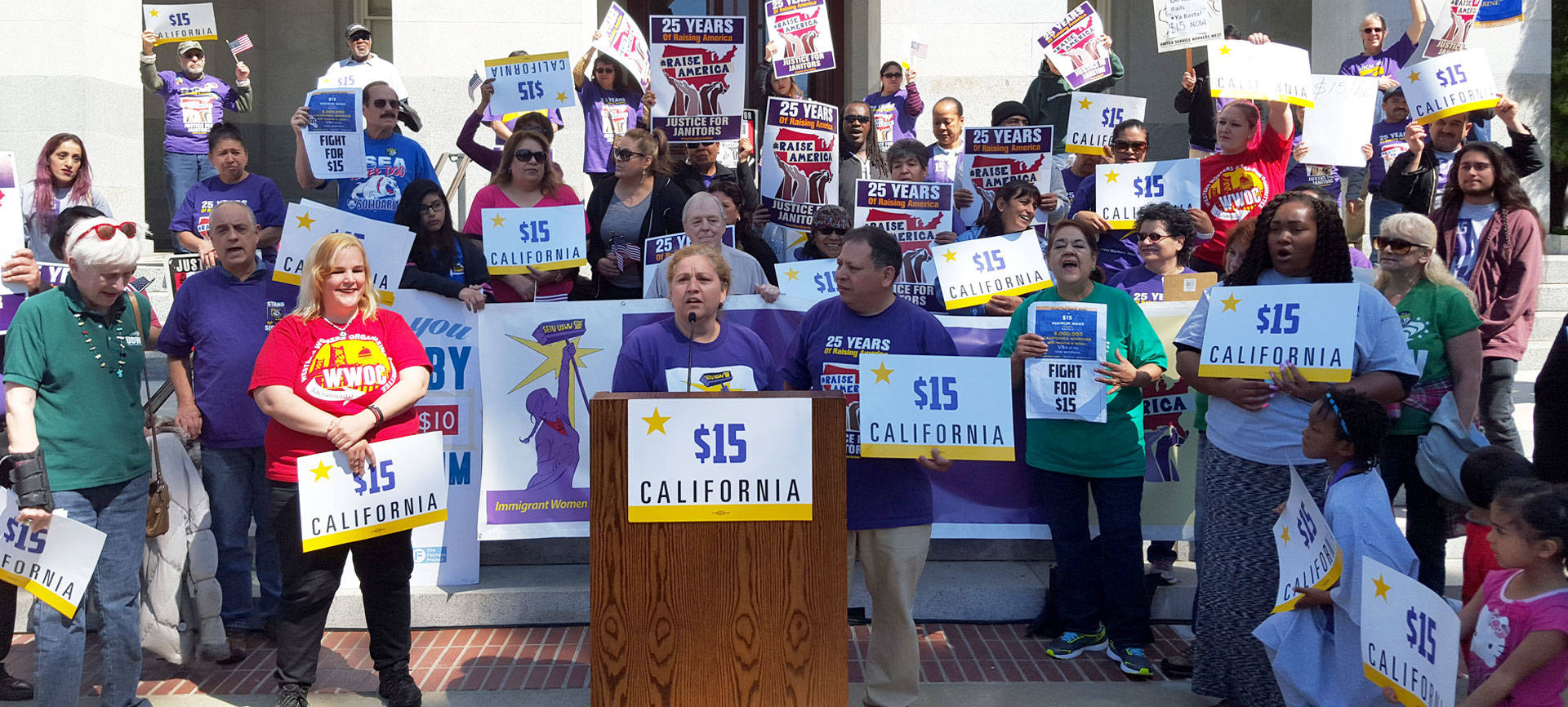
"caption": "Supporters of a $15 per hour minimum wage rally outside the state Capitol in Sacramento on March 31, 2016. ",
"description": "Supporters of a $15 per hour minimum wage rally outside the state Capitol in Sacramento on March 31, 2016. ",
"title": "MinWageSupporters",
"credit": "Katie Orr/KQED",
"status": "inherit",
"isLoading": false,
"fetchFailed": false
},
"news_10913239": {
"type": "attachments",
"id": "news_10913239",
"meta": {
"index": "attachments_1716263798",
"site": "news",
"id": "10913239",
"found": true
},
"parent": 10913040,
"imgSizes": {
"twentyfourteen-full-width": {
"file": "https://ww2.kqed.org/app/uploads/sites/10/2016/03/SCOTUS-1038x576.jpg",
"width": 1038,
"mimeType": "image/jpeg",
"height": 576
},
"thumbnail": {
"file": "https://ww2.kqed.org/app/uploads/sites/10/2016/03/SCOTUS-400x267.jpg",
"width": 400,
"mimeType": "image/jpeg",
"height": 267
},
"fd-sm": {
"file": "https://ww2.kqed.org/app/uploads/sites/10/2016/03/SCOTUS-960x640.jpg",
"width": 960,
"mimeType": "image/jpeg",
"height": 640
},
"post-thumbnail": {
"file": "https://ww2.kqed.org/app/uploads/sites/10/2016/03/SCOTUS-672x372.jpg",
"width": 672,
"mimeType": "image/jpeg",
"height": 372
},
"kqedFullSize": {
"file": "https://ww2.kqed.org/app/uploads/sites/10/2016/03/SCOTUS.jpg",
"width": 1920,
"height": 1280
},
"large": {
"file": "https://ww2.kqed.org/app/uploads/sites/10/2016/03/SCOTUS-1920x1280.jpg",
"width": 1920,
"mimeType": "image/jpeg",
"height": 1280
},
"guest-author-96": {
"file": "https://ww2.kqed.org/app/uploads/sites/10/2016/03/SCOTUS-96x96.jpg",
"width": 96,
"mimeType": "image/jpeg",
"height": 96
},
"medium": {
"file": "https://ww2.kqed.org/app/uploads/sites/10/2016/03/SCOTUS-800x533.jpg",
"width": 800,
"mimeType": "image/jpeg",
"height": 533
},
"guest-author-64": {
"file": "https://ww2.kqed.org/app/uploads/sites/10/2016/03/SCOTUS-64x64.jpg",
"width": 64,
"mimeType": "image/jpeg",
"height": 64
},
"guest-author-32": {
"file": "https://ww2.kqed.org/app/uploads/sites/10/2016/03/SCOTUS-32x32.jpg",
"width": 32,
"mimeType": "image/jpeg",
"height": 32
},
"jmtc-small-thumb": {
"file": "https://ww2.kqed.org/app/uploads/sites/10/2016/03/SCOTUS-280x150.jpg",
"width": 280,
"mimeType": "image/jpeg",
"height": 150
},
"fd-lrg": {
"file": "https://ww2.kqed.org/app/uploads/sites/10/2016/03/SCOTUS-1920x1280.jpg",
"width": 1920,
"mimeType": "image/jpeg",
"height": 1280
},
"fd-med": {
"file": "https://ww2.kqed.org/app/uploads/sites/10/2016/03/SCOTUS-1180x787.jpg",
"width": 1180,
"mimeType": "image/jpeg",
"height": 787
},
"detail": {
"file": "https://ww2.kqed.org/app/uploads/sites/10/2016/03/SCOTUS-75x75.jpg",
"width": 75,
"mimeType": "image/jpeg",
"height": 75
},
"guest-author-128": {
"file": "https://ww2.kqed.org/app/uploads/sites/10/2016/03/SCOTUS-128x128.jpg",
"width": 128,
"mimeType": "image/jpeg",
"height": 128
}
},
"publishDate": 1459277144,
"modified": 1459277175,
"caption": "The U.S. Supreme Court in Washington, D.C.",
"description": "The U.S. Supreme Court in Washington, D.C.",
"title": "SCOTUS",
"credit": "Win McNamee/Getty Images",
"status": "inherit",
"isLoading": false,
"fetchFailed": false
},
"news_10908901": {
"type": "attachments",
"id": "news_10908901",
"meta": {
"index": "attachments_1716263798",
"site": "news",
"id": "10908901",
"found": true
},
"parent": 10908900,
"imgSizes": {
"twentyfourteen-full-width": {
"file": "https://ww2.kqed.org/app/uploads/sites/10/2016/03/GenZApp-1038x576.jpg",
"width": 1038,
"mimeType": "image/jpeg",
"height": 576
},
"thumbnail": {
"file": "https://ww2.kqed.org/app/uploads/sites/10/2016/03/GenZApp-400x268.jpg",
"width": 400,
"mimeType": "image/jpeg",
"height": 268
},
"fd-sm": {
"file": "https://ww2.kqed.org/app/uploads/sites/10/2016/03/GenZApp-960x644.jpg",
"width": 960,
"mimeType": "image/jpeg",
"height": 644
},
"post-thumbnail": {
"file": "https://ww2.kqed.org/app/uploads/sites/10/2016/03/GenZApp-672x372.jpg",
"width": 672,
"mimeType": "image/jpeg",
"height": 372
},
"kqedFullSize": {
"file": "https://ww2.kqed.org/app/uploads/sites/10/2016/03/GenZApp.jpg",
"width": 1920,
"height": 1288
},
"large": {
"file": "https://ww2.kqed.org/app/uploads/sites/10/2016/03/GenZApp-1920x1288.jpg",
"width": 1920,
"mimeType": "image/jpeg",
"height": 1288
},
"guest-author-96": {
"file": "https://ww2.kqed.org/app/uploads/sites/10/2016/03/GenZApp-96x96.jpg",
"width": 96,
"mimeType": "image/jpeg",
"height": 96
},
"medium": {
"file": "https://ww2.kqed.org/app/uploads/sites/10/2016/03/GenZApp-800x537.jpg",
"width": 800,
"mimeType": "image/jpeg",
"height": 537
},
"guest-author-64": {
"file": "https://ww2.kqed.org/app/uploads/sites/10/2016/03/GenZApp-64x64.jpg",
"width": 64,
"mimeType": "image/jpeg",
"height": 64
},
"guest-author-32": {
"file": "https://ww2.kqed.org/app/uploads/sites/10/2016/03/GenZApp-32x32.jpg",
"width": 32,
"mimeType": "image/jpeg",
"height": 32
},
"jmtc-small-thumb": {
"file": "https://ww2.kqed.org/app/uploads/sites/10/2016/03/GenZApp-280x150.jpg",
"width": 280,
"mimeType": "image/jpeg",
"height": 150
},
"fd-lrg": {
"file": "https://ww2.kqed.org/app/uploads/sites/10/2016/03/GenZApp-1920x1288.jpg",
"width": 1920,
"mimeType": "image/jpeg",
"height": 1288
},
"fd-med": {
"file": "https://ww2.kqed.org/app/uploads/sites/10/2016/03/GenZApp-1180x792.jpg",
"width": 1180,
"mimeType": "image/jpeg",
"height": 792
},
"detail": {
"file": "https://ww2.kqed.org/app/uploads/sites/10/2016/03/GenZApp-75x75.jpg",
"width": 75,
"mimeType": "image/jpeg",
"height": 75
},
"guest-author-128": {
"file": "https://ww2.kqed.org/app/uploads/sites/10/2016/03/GenZApp-128x128.jpg",
"width": 128,
"mimeType": "image/jpeg",
"height": 128
}
},
"publishDate": 1458938312,
"modified": 1458939165,
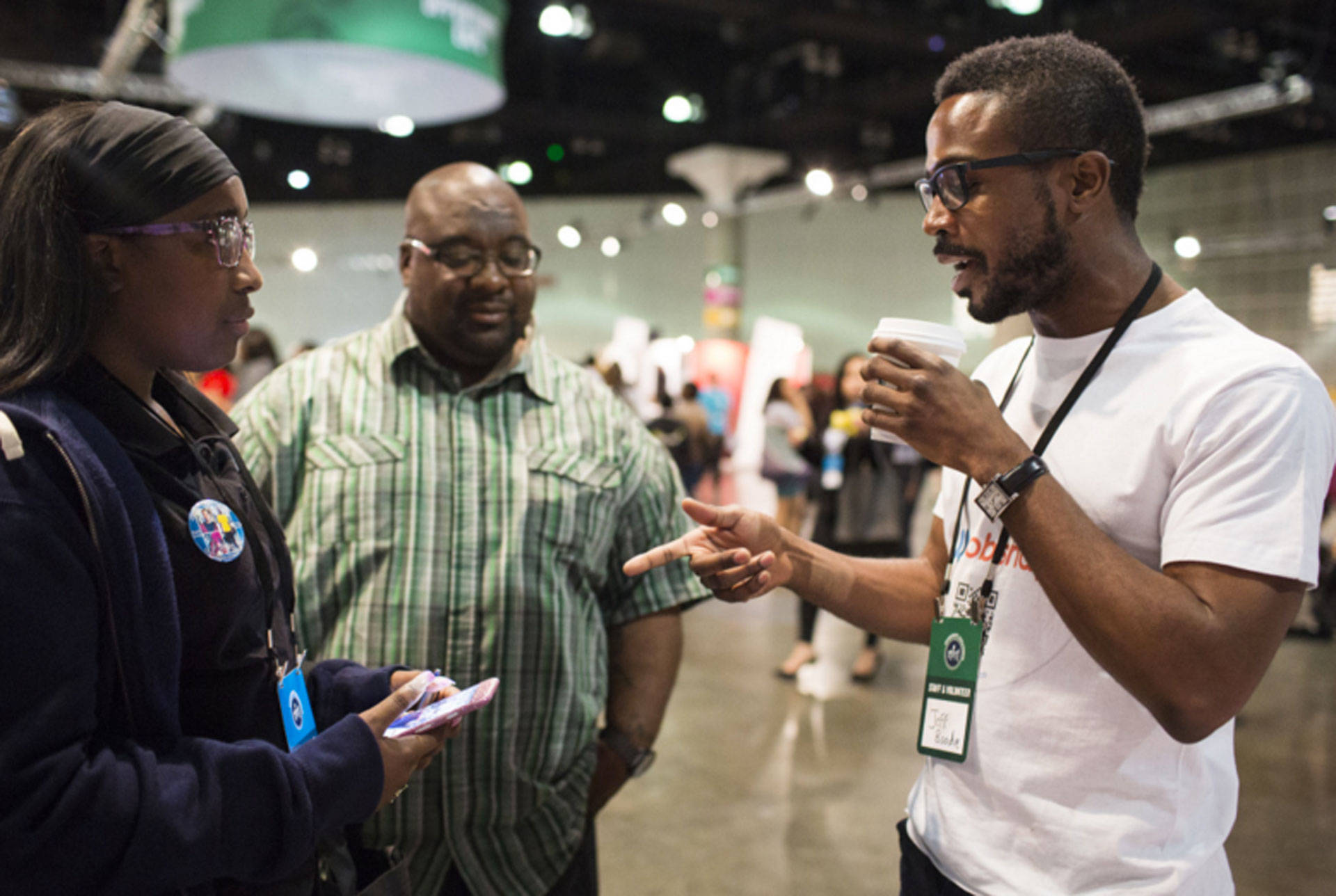
"caption": "Jeff Boodie (R), founder and CEO of JobSnap, explains his app to 16-year-old Kamiya Williams during the Los Angeles Opportunity Hiring Fair at the L.A. Convention Center on Feb. 11, 2016.",
"description": "Jeff Boodie (R), founder and CEO of JobSnap, explains his app to 16-year-old Kamiya Williams during the Los Angeles Opportunity Hiring Fair at the L.A. Convention Center on Feb. 11, 2016.",
"title": "GenZApp",
"credit": "Maya Sugarman/KPCC",
"status": "inherit",
"isLoading": false,
"fetchFailed": false
},
"news_10908724": {
"type": "attachments",
"id": "news_10908724",
"meta": {
"index": "attachments_1716263798",
"site": "news",
"id": "10908724",
"found": true
},
"parent": 10908721,
"imgSizes": {
"twentyfourteen-full-width": {
"file": "https://ww2.kqed.org/app/uploads/sites/10/2016/03/91449-full-1024x576.jpg",
"width": 1024,
"mimeType": "image/jpeg",
"height": 576
},
"jmtc-small-thumb": {
"file": "https://ww2.kqed.org/app/uploads/sites/10/2016/03/91449-full-280x150.jpg",
"width": 280,
"mimeType": "image/jpeg",
"height": 150
},
"thumbnail": {
"file": "https://ww2.kqed.org/app/uploads/sites/10/2016/03/91449-full-400x267.jpg",
"width": 400,
"mimeType": "image/jpeg",
"height": 267
},
"fd-sm": {
"file": "https://ww2.kqed.org/app/uploads/sites/10/2016/03/91449-full-960x640.jpg",
"width": 960,
"mimeType": "image/jpeg",
"height": 640
},
"post-thumbnail": {
"file": "https://ww2.kqed.org/app/uploads/sites/10/2016/03/91449-full-672x372.jpg",
"width": 672,
"mimeType": "image/jpeg",
"height": 372
},
"kqedFullSize": {
"file": "https://ww2.kqed.org/app/uploads/sites/10/2016/03/91449-full.jpg",
"width": 1024,
"height": 683
},
"guest-author-96": {
"file": "https://ww2.kqed.org/app/uploads/sites/10/2016/03/91449-full-96x96.jpg",
"width": 96,
"mimeType": "image/jpeg",
"height": 96
},
"medium": {
"file": "https://ww2.kqed.org/app/uploads/sites/10/2016/03/91449-full-800x534.jpg",
"width": 800,
"mimeType": "image/jpeg",
"height": 534
},
"guest-author-64": {
"file": "https://ww2.kqed.org/app/uploads/sites/10/2016/03/91449-full-64x64.jpg",
"width": 64,
"mimeType": "image/jpeg",
"height": 64
},
"detail": {
"file": "https://ww2.kqed.org/app/uploads/sites/10/2016/03/91449-full-75x75.jpg",
"width": 75,
"mimeType": "image/jpeg",
"height": 75
},
"guest-author-32": {
"file": "https://ww2.kqed.org/app/uploads/sites/10/2016/03/91449-full-32x32.jpg",
"width": 32,
"mimeType": "image/jpeg",
"height": 32
},
"guest-author-128": {
"file": "https://ww2.kqed.org/app/uploads/sites/10/2016/03/91449-full-128x128.jpg",
"width": 128,
"mimeType": "image/jpeg",
"height": 128
}
},
"publishDate": 1458859253,
"modified": 1458943089,
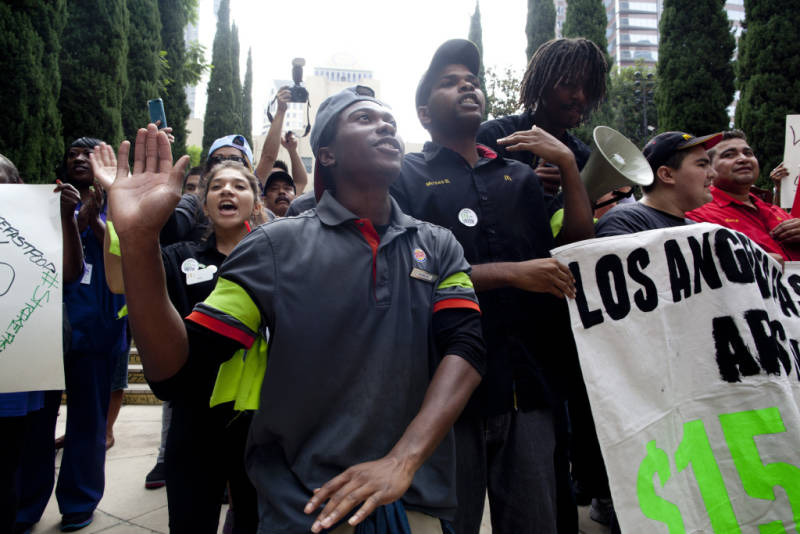
"caption": "Fast food workers pushing for minimum wage increases strike outside of the Central Library in downtown Los Angeles.",
"description": "Fast food workers pushing for minimum wage increases strike outside of the Central Library in Downtown Los Angeles.",
"title": "Fast food workers pushing for minimum wage increases strike outside of the Central Library in Downtown Los Angeles.",
"credit": "Benjamin Brayfield/KPCC",
"status": "inherit",
"isLoading": false,
"fetchFailed": false
},
"news_10889596": {
"type": "attachments",
"id": "news_10889596",
"meta": {
"index": "attachments_1716263798",
"site": "news",
"id": "10889596",
"found": true
},
"parent": 10889595,
"imgSizes": {
"twentyfourteen-full-width": {
"file": "https://ww2.kqed.org/app/uploads/sites/10/2016/03/1369962517_f187e8464c_o-1038x576.jpg",
"width": 1038,
"mimeType": "image/jpeg",
"height": 576
},
"thumbnail": {
"file": "https://ww2.kqed.org/app/uploads/sites/10/2016/03/1369962517_f187e8464c_o-400x267.jpg",
"width": 400,
"mimeType": "image/jpeg",
"height": 267
},
"fd-sm": {
"file": "https://ww2.kqed.org/app/uploads/sites/10/2016/03/1369962517_f187e8464c_o-960x640.jpg",
"width": 960,
"mimeType": "image/jpeg",
"height": 640
},
"post-thumbnail": {
"file": "https://ww2.kqed.org/app/uploads/sites/10/2016/03/1369962517_f187e8464c_o-672x372.jpg",
"width": 672,
"mimeType": "image/jpeg",
"height": 372
},
"kqedFullSize": {
"file": "https://ww2.kqed.org/app/uploads/sites/10/2016/03/1369962517_f187e8464c_o.jpg",
"width": 2100,
"height": 1400
},
"large": {
"file": "https://ww2.kqed.org/app/uploads/sites/10/2016/03/1369962517_f187e8464c_o-1920x1280.jpg",
"width": 1920,
"mimeType": "image/jpeg",
"height": 1280
},
"guest-author-96": {
"file": "https://ww2.kqed.org/app/uploads/sites/10/2016/03/1369962517_f187e8464c_o-96x96.jpg",
"width": 96,
"mimeType": "image/jpeg",
"height": 96
},
"medium": {
"file": "https://ww2.kqed.org/app/uploads/sites/10/2016/03/1369962517_f187e8464c_o-800x533.jpg",
"width": 800,
"mimeType": "image/jpeg",
"height": 533
},
"guest-author-64": {
"file": "https://ww2.kqed.org/app/uploads/sites/10/2016/03/1369962517_f187e8464c_o-64x64.jpg",
"width": 64,
"mimeType": "image/jpeg",
"height": 64
},
"guest-author-32": {
"file": "https://ww2.kqed.org/app/uploads/sites/10/2016/03/1369962517_f187e8464c_o-32x32.jpg",
"width": 32,
"mimeType": "image/jpeg",
"height": 32
},
"jmtc-small-thumb": {
"file": "https://ww2.kqed.org/app/uploads/sites/10/2016/03/1369962517_f187e8464c_o-280x150.jpg",
"width": 280,
"mimeType": "image/jpeg",
"height": 150
},
"fd-lrg": {
"file": "https://ww2.kqed.org/app/uploads/sites/10/2016/03/1369962517_f187e8464c_o-1920x1280.jpg",
"width": 1920,
"mimeType": "image/jpeg",
"height": 1280
},
"fd-med": {
"file": "https://ww2.kqed.org/app/uploads/sites/10/2016/03/1369962517_f187e8464c_o-1180x787.jpg",
"width": 1180,
"mimeType": "image/jpeg",
"height": 787
},
"detail": {
"file": "https://ww2.kqed.org/app/uploads/sites/10/2016/03/1369962517_f187e8464c_o-75x75.jpg",
"width": 75,
"mimeType": "image/jpeg",
"height": 75
},
"guest-author-128": {
"file": "https://ww2.kqed.org/app/uploads/sites/10/2016/03/1369962517_f187e8464c_o-128x128.jpg",
"width": 128,
"mimeType": "image/jpeg",
"height": 128
}
},
"publishDate": 1457470008,
"modified": 1457573377,
"caption": "A study released by UC Berkeley’s Center for Labor Research and Education found that subcontracted janitorial and security service work is increasing while wages stay low. ",
"description": null,
"title": "1369962517_f187e8464c_o",
"credit": "\u003ca href=\"https://www.flickr.com/photos/darkensiva/1369962517/in/photolist-364q8p-4jCPvb-7BgTaN-a4rMh-4rBtNm-7hYQSB-bYhg9Y-cVcHdL-aWMM6R-7hYQLv-ptND2q-ddUXgH-ptP9Lp-wYK2bN-g6xvD3-2cU1sm-oPrZbP-hgjC9p-2bjC58-KqkhH-pL1MNB-oPrZfB-pJa6VQ-ptL2pt-8NENep-7wxUr8-iVCPYU-pJa5wN-ptR9Ro-9TVAEx-8mgh3i-edFiBR-e3dugs-8ZtMPr-8aEbhH-9TVABH-8aHsNC-8aHsRW-9TVAJV-9TYqrs-ptNBY3-8aEbDR-bHHJax-8aHsmY-8aHsvG-9TVAHF-952cFL-9TYqxE-jsrZKc-4m8dUa\">Slayer\u003c/a>/Flickr",
"status": "inherit",
"isLoading": false,
"fetchFailed": false
},
"news_10871159": {
"type": "attachments",
"id": "news_10871159",
"meta": {
"index": "attachments_1716263798",
"site": "news",
"id": "10871159",
"found": true
},
"parent": 10871157,
"imgSizes": {
"twentyfourteen-full-width": {
"file": "https://ww2.kqed.org/app/uploads/sites/10/2016/02/DavidJames-1038x576.jpg",
"width": 1038,
"mimeType": "image/jpeg",
"height": 576
},
"thumbnail": {
"file": "https://ww2.kqed.org/app/uploads/sites/10/2016/02/DavidJames-400x284.jpg",
"width": 400,
"mimeType": "image/jpeg",
"height": 284
},
"fd-sm": {
"file": "https://ww2.kqed.org/app/uploads/sites/10/2016/02/DavidJames-960x683.jpg",
"width": 960,
"mimeType": "image/jpeg",
"height": 683
},
"post-thumbnail": {
"file": "https://ww2.kqed.org/app/uploads/sites/10/2016/02/DavidJames-672x372.jpg",
"width": 672,
"mimeType": "image/jpeg",
"height": 372
},
"kqedFullSize": {
"file": "https://ww2.kqed.org/app/uploads/sites/10/2016/02/DavidJames.jpg",
"width": 1920,
"height": 1365
},
"large": {
"file": "https://ww2.kqed.org/app/uploads/sites/10/2016/02/DavidJames-1920x1365.jpg",
"width": 1920,
"mimeType": "image/jpeg",
"height": 1365
},
"guest-author-96": {
"file": "https://ww2.kqed.org/app/uploads/sites/10/2016/02/DavidJames-96x96.jpg",
"width": 96,
"mimeType": "image/jpeg",
"height": 96
},
"medium": {
"file": "https://ww2.kqed.org/app/uploads/sites/10/2016/02/DavidJames-800x569.jpg",
"width": 800,
"mimeType": "image/jpeg",
"height": 569
},
"guest-author-64": {
"file": "https://ww2.kqed.org/app/uploads/sites/10/2016/02/DavidJames-64x64.jpg",
"width": 64,
"mimeType": "image/jpeg",
"height": 64
},
"guest-author-32": {
"file": "https://ww2.kqed.org/app/uploads/sites/10/2016/02/DavidJames-32x32.jpg",
"width": 32,
"mimeType": "image/jpeg",
"height": 32
},
"jmtc-small-thumb": {
"file": "https://ww2.kqed.org/app/uploads/sites/10/2016/02/DavidJames-280x150.jpg",
"width": 280,
"mimeType": "image/jpeg",
"height": 150
},
"fd-lrg": {
"file": "https://ww2.kqed.org/app/uploads/sites/10/2016/02/DavidJames-1920x1365.jpg",
"width": 1920,
"mimeType": "image/jpeg",
"height": 1365
},
"fd-med": {
"file": "https://ww2.kqed.org/app/uploads/sites/10/2016/02/DavidJames-1180x839.jpg",
"width": 1180,
"mimeType": "image/jpeg",
"height": 839
},
"detail": {
"file": "https://ww2.kqed.org/app/uploads/sites/10/2016/02/DavidJames-75x75.jpg",
"width": 75,
"mimeType": "image/jpeg",
"height": 75
},
"guest-author-128": {
"file": "https://ww2.kqed.org/app/uploads/sites/10/2016/02/DavidJames-128x128.jpg",
"width": 128,
"mimeType": "image/jpeg",
"height": 128
}
},
"publishDate": 1455915193,
"modified": 1455925244,
"caption": "61-year-old David James is an Uber driver, handyman and apartment building manager. 'I can’t see at this stage in my life where having just one job is going to meet all of my needs,' he says.",
"description": "61-year-old David James is an Uber driver, handyman and apartment building manager. \"I can’t see at this stage in my life where having just one job is going to meet all of my needs,\" he says.",
"title": "DavidJames",
"credit": "Brian Watt/KPCC",
"status": "inherit",
"isLoading": false,
"fetchFailed": false
}
},
"audioPlayerReducer": {
"postId": "stream_live",
"isPaused": true,
"isPlaying": false,
"pfsActive": false,
"pledgeModalIsOpen": true,
"playerDrawerIsOpen": false,
"liveAudioPlayStartedAt": 0,
"liveAudioPlayContext": ""
},
"authorsReducer": {
"byline_news_11057917": {
"type": "authors",
"id": "byline_news_11057917",
"meta": {
"override": true
},
"slug": "byline_news_11057917",
"name": "\u003cstrong>Sudhin Thanawala\u003cbr>Associated Press\u003c/strong>",
"isLoading": false
},
"byline_news_11042223": {
"type": "authors",
"id": "byline_news_11042223",
"meta": {
"override": true
},
"slug": "byline_news_11042223",
"name": "\u003cstrong>The Associated Press\u003c/strong>",
"isLoading": false
},
"byline_news_10913040": {
"type": "authors",
"id": "byline_news_10913040",
"meta": {
"override": true
},
"slug": "byline_news_10913040",
"name": "\u003cstrong>The Associated Press\u003c/strong>",
"isLoading": false
},
"byline_news_10908900": {
"type": "authors",
"id": "byline_news_10908900",
"meta": {
"override": true
},
"slug": "byline_news_10908900",
"name": "\u003cstrong>\u003ca href=\"http://www.scpr.org/about/people/staff/brian-watt\">Brian Watt\u003c/a>\u003cbr>KPCC\u003c/strong>",
"isLoading": false
},
"byline_news_10908721": {
"type": "authors",
"id": "byline_news_10908721",
"meta": {
"override": true
},
"slug": "byline_news_10908721",
"name": "\u003cstrong>\u003ca href=\"http://www.scpr.org/about/people/staff/mary-plummer\">Mary Plummer\u003c/a>\u003cbr>\u003ca href=\"http://www.scpr.org/\">KPCC\u003c/a>\u003c/strong>",
"isLoading": false
},
"byline_news_10871157": {
"type": "authors",
"id": "byline_news_10871157",
"meta": {
"override": true
},
"slug": "byline_news_10871157",
"name": "\u003cstrong>\u003ca href=\"http://www.scpr.org/about/people/staff/brian-watt\">Brian Watt\u003c/a>\u003cbr>KPCC\u003c/strong>",
"isLoading": false
},
"jbrooks": {
"type": "authors",
"id": "80",
"meta": {
"index": "authors_1716337520",
"id": "80",
"found": true
},
"name": "Jon Brooks",
"firstName": "Jon",
"lastName": "Brooks",
"slug": "jbrooks",
"email": "jbrooks@kqed.org",
"display_author_email": true,
"staff_mastheads": [
"science"
],
"title": "Digital Editor",
"bio": "Jon Brooks is a former Digital Editor for KQED Science. He is the former editor of KQED’s daily news blog, News Fix. In 2014, he won a California Journalism Award for his coverage of ride services like Uber and Lyft and the taxi industry. A veteran blogger, he previously worked for Yahoo! in various news writing and editing roles. Jon is also a playwright whose work has been produced in San Francisco, New York, Italy, and around the U.S. He has written about film for his own blog and studied film at Boston University.",
"avatar": "https://secure.gravatar.com/avatar/98887f7ed1c876ed414d4c915e969584?s=600&d=blank&r=g",
"twitter": "jbrooksfoy",
"facebook": null,
"instagram": null,
"linkedin": null,
"sites": [
{
"site": "arts",
"roles": [
"Contributor",
"editor"
]
},
{
"site": "news",
"roles": [
"author"
]
},
{
"site": "futureofyou",
"roles": [
"administrator"
]
},
{
"site": "mindshift",
"roles": [
"editor"
]
},
{
"site": "stateofhealth",
"roles": [
"editor"
]
},
{
"site": "science",
"roles": [
"administrator"
]
},
{
"site": "quest",
"roles": [
"editor"
]
}
],
"headData": {
"title": "Jon Brooks | KQED",
"description": "Digital Editor",
"ogImgSrc": "https://secure.gravatar.com/avatar/98887f7ed1c876ed414d4c915e969584?s=600&d=blank&r=g",
"twImgSrc": "https://secure.gravatar.com/avatar/98887f7ed1c876ed414d4c915e969584?s=600&d=blank&r=g"
},
"isLoading": false,
"link": "/author/jbrooks"
},
"lisapickoffwhite-2": {
"type": "authors",
"id": "199",
"meta": {
"index": "authors_1716337520",
"id": "199",
"found": true
},
"name": "Lisa Pickoff-White",
"firstName": "Lisa",
"lastName": "Pickoff-White",
"slug": "lisapickoffwhite-2",
"email": "lpickoffwhite@kqed.org",
"display_author_email": false,
"staff_mastheads": [
"news"
],
"title": "Data Journalist, Senior Producer",
"bio": "Lisa Pickoff-White is KQED's data reporter. Lisa specializes in simplifying complex topics and bringing them to life through compelling visuals, including photography and data visualizations. She previously has worked at the Center for Investigative Reporting and other national outlets. Her work has been honored with awards from the Online News Association, Investigative Reporters and Editors, the Society of Professional Journalists and SXSW Interactive. \u003cstrong> \u003c/strong>",
"avatar": "https://secure.gravatar.com/avatar/5513c5f3967df792aa65bee2501e84d6?s=600&d=blank&r=g",
"twitter": "pickoffwhite",
"facebook": null,
"instagram": null,
"linkedin": null,
"sites": [
{
"site": "",
"roles": [
"editor"
]
},
{
"site": "arts",
"roles": []
},
{
"site": "news",
"roles": [
"administrator"
]
},
{
"site": "about",
"roles": [
"editor"
]
},
{
"site": "stateofhealth",
"roles": [
"administrator"
]
},
{
"site": "science",
"roles": [
"editor"
]
},
{
"site": "quest",
"roles": [
"editor"
]
},
{
"site": "forum",
"roles": [
"editor"
]
}
],
"headData": {
"title": "Lisa Pickoff-White | KQED",
"description": "Data Journalist, Senior Producer",
"ogImgSrc": "https://secure.gravatar.com/avatar/5513c5f3967df792aa65bee2501e84d6?s=600&d=blank&r=g",
"twImgSrc": "https://secure.gravatar.com/avatar/5513c5f3967df792aa65bee2501e84d6?s=600&d=blank&r=g"
},
"isLoading": false,
"link": "/author/lisapickoffwhite-2"
},
"danbrekke": {
"type": "authors",
"id": "222",
"meta": {
"index": "authors_1716337520",
"id": "222",
"found": true
},
"name": "Dan Brekke",
"firstName": "Dan",
"lastName": "Brekke",
"slug": "danbrekke",
"email": "dbrekke@kqed.org",
"display_author_email": true,
"staff_mastheads": [
"news",
"science"
],
"title": "KQED Editor and Reporter",
"bio": "Dan Brekke is a reporter and editor for KQED News, responsible for coverage of topics ranging from California water issues to the Bay Area's transportation challenges. In a newsroom career that began in Chicago in 1972, Dan has worked for \u003cem>The San Francisco Examiner,\u003c/em> Wired and TechTV and has been published in The New York Times, The New York Times Magazine, Business 2.0, Salon and elsewhere.\r\n\r\nSince joining KQED in 2007, Dan has reported, edited and produced both radio and online features and breaking news pieces. He has shared as both editor and reporter in four Society of Professional Journalists Norcal Excellence in Journalism awards and one Edward R. Murrow regional award. He was chosen for a spring 2017 residency at the Mesa Refuge to advance his research on California salmon.\r\n\r\nEmail Dan at: \u003ca href=\"mailto:dbrekke@kqed.org\">dbrekke@kqed.org\u003c/a>\r\n\r\n\u003cstrong>Twitter:\u003c/strong> \u003ca href=\"https://twitter.com/danbrekke\" rel=\"noopener noreferrer\">twitter.com/danbrekke\u003c/a>\r\n\u003cstrong>Facebook:\u003c/strong> \u003ca href=\"https://www.facebook.com/danbrekke\" rel=\"noopener noreferrer\">www.facebook.com/danbrekke\u003c/a>\r\n\u003cstrong>LinkedIn:\u003c/strong> \u003ca href=\"https://www.linkedin.com/in/danbrekke\" rel=\"noopener noreferrer\">www.linkedin.com/in/danbrekke\u003c/a>",
"avatar": "https://secure.gravatar.com/avatar/c8126230345efca3f7aa89b1a402be45?s=600&d=mm&r=g",
"twitter": "danbrekke",
"facebook": null,
"instagram": "https://www.instagram.com/dan.brekke/",
"linkedin": "https://www.linkedin.com/in/danbrekke/",
"sites": [
{
"site": "news",
"roles": [
"administrator",
"create_posts"
]
},
{
"site": "stateofhealth",
"roles": [
"editor"
]
},
{
"site": "science",
"roles": [
"editor"
]
},
{
"site": "quest",
"roles": [
"contributor"
]
},
{
"site": "food",
"roles": [
"contributor"
]
},
{
"site": "forum",
"roles": [
"contributor"
]
},
{
"site": "liveblog",
"roles": [
"editor"
]
}
],
"headData": {
"title": "Dan Brekke | KQED",
"description": "KQED Editor and Reporter",
"ogImgSrc": "https://secure.gravatar.com/avatar/c8126230345efca3f7aa89b1a402be45?s=600&d=mm&r=g",
"twImgSrc": "https://secure.gravatar.com/avatar/c8126230345efca3f7aa89b1a402be45?s=600&d=mm&r=g"
},
"isLoading": false,
"link": "/author/danbrekke"
},
"scottshafer": {
"type": "authors",
"id": "255",
"meta": {
"index": "authors_1716337520",
"id": "255",
"found": true
},
"name": "Scott Shafer",
"firstName": "Scott",
"lastName": "Shafer",
"slug": "scottshafer",
"email": "sshafer@kqed.org",
"display_author_email": false,
"staff_mastheads": [
"news"
],
"title": "KQED Contributor",
"bio": "Scott Shafer is a senior editor with the KQED Politics and Government desk. He is co-host of Political Breakdown, the award-winning radio show and podcast with a personal take on the world of politics. Scott came to KQED in 1998 to host the statewide\u003cem> California Report\u003c/em>. Prior to that he had extended stints in politics and government\u003cem>.\u003c/em> He uses that inside experience at KQED in his, reporting, hosting and analysis for the politics desk. Scott collaborated \u003cem>Political Breakdown a\u003c/em>nd on \u003cem>The Political Mind of Jerry Brown, \u003c/em>an eight-part series about the life and extraordinary political career of the former governor. For fun, he plays water polo with the San Francisco Tsunami.",
"avatar": "https://secure.gravatar.com/avatar/a62ebae45b79d7aed1a39a0e3bf68104?s=600&d=blank&r=g",
"twitter": "scottshafer",
"bluesky": null,
"facebook": null,
"instagram": null,
"linkedin": null,
"sites": [
{
"site": "news",
"roles": [
"editor"
]
},
{
"site": "stateofhealth",
"roles": [
"author"
]
},
{
"site": "science",
"roles": [
"author"
]
},
{
"site": "forum",
"roles": [
"subscriber"
]
},
{
"site": "liveblog",
"roles": [
"author"
]
}
],
"headData": {
"title": "Scott Shafer | KQED",
"description": "KQED Contributor",
"ogImgSrc": "https://secure.gravatar.com/avatar/a62ebae45b79d7aed1a39a0e3bf68104?s=600&d=blank&r=g",
"twImgSrc": "https://secure.gravatar.com/avatar/a62ebae45b79d7aed1a39a0e3bf68104?s=600&d=blank&r=g"
},
"isLoading": false,
"link": "/author/scottshafer"
},
"ecruzguevarra": {
"type": "authors",
"id": "8654",
"meta": {
"index": "authors_1716337520",
"id": "8654",
"found": true
},
"name": "Ericka Cruz Guevarra",
"firstName": "Ericka",
"lastName": "Cruz Guevarra",
"slug": "ecruzguevarra",
"email": "ecruzguevarra@kqed.org",
"display_author_email": true,
"staff_mastheads": [
"news"
],
"title": "Producer, The Bay Podcast",
"bio": "Ericka Cruz Guevarra is host of \u003ca href=\"https://www.kqed.org/podcasts/thebay\">\u003cem>The Bay\u003c/em>\u003c/a> podcast at KQED. Before host, she was the show’s producer. Her work in that capacity includes a three-part reported series on policing in Vallejo, which won a 2020 excellence in journalism award from the Society of Professional Journalists. Ericka has worked as a breaking news reporter at Oregon Public Broadcasting, helped produce the Code Switch podcast, and was KQED’s inaugural Raul Ramirez Diversity Fund intern. She’s also an alumna of NPR’s Next Generation Radio program. Send her an email if you have strong feelings about whether Fairfield and Suisun City are the Bay. Ericka is represented by SAG-AFTRA.",
"avatar": "https://secure.gravatar.com/avatar/accefc1de4bafc7e234b69bcb9b6f6536c130fd84709bc3069ef11a78787e1bb?s=600&d=blank&r=g",
"twitter": "NotoriousECG",
"bluesky": null,
"facebook": null,
"instagram": null,
"linkedin": null,
"sites": [
{
"site": "arts",
"roles": [
"subscriber"
]
},
{
"site": "news",
"roles": [
"editor",
"manage_categories"
]
},
{
"site": "futureofyou",
"roles": [
"subscriber"
]
},
{
"site": "stateofhealth",
"roles": [
"subscriber"
]
},
{
"site": "science",
"roles": [
"editor"
]
},
{
"site": "forum",
"roles": [
"subscriber"
]
}
],
"headData": {
"title": "Ericka Cruz Guevarra | KQED",
"description": "Producer, The Bay Podcast",
"ogImgSrc": "https://secure.gravatar.com/avatar/accefc1de4bafc7e234b69bcb9b6f6536c130fd84709bc3069ef11a78787e1bb?s=600&d=blank&r=g",
"twImgSrc": "https://secure.gravatar.com/avatar/accefc1de4bafc7e234b69bcb9b6f6536c130fd84709bc3069ef11a78787e1bb?s=600&d=blank&r=g"
},
"isLoading": false,
"link": "/author/ecruzguevarra"
},
"korr": {
"type": "authors",
"id": "11200",
"meta": {
"index": "authors_1716337520",
"id": "11200",
"found": true
},
"name": "Katie Orr",
"firstName": "Katie",
"lastName": "Orr",
"slug": "korr",
"email": "korr@kqed.org",
"display_author_email": false,
"staff_mastheads": [],
"title": "KQED Contributor",
"bio": "Katie Orr was a Sacramento-based reporter for KQED's Politics and Government Desk, covering the state Capitol and a variety of issues including women in politics, voting and elections and legislation. Prior to joining KQED in 2016, Katie was state government reporter for Capital Public Radio in Sacramento. She's also worked for KPBS in San Diego, where she covered City Hall.\r\n\r\nKatie received her masters degree in political science from San Diego State University and holds a Bachelors degree in broadcast journalism from Arizona State University.\r\n\r\nIn 2015 Katie won a national Clarion Award for a series of stories she did on women in California politics. She's been honored by the Society for Professional Journalists and, in 2013, was named by \u003cem>The Washington Post\u003c/em> as one of the country's top state Capitol reporters. She's also reported for the award-winning documentary series \u003cem>The View from Here \u003c/em>and was part of the team that won national PRNDI and Gabriel Awards in 2015. She lives in Sacramento with her husband. Twitter: @1KatieOrr",
"avatar": "https://secure.gravatar.com/avatar/41a40b25845adc78f50808670860449e?s=600&d=blank&r=g",
"twitter": "1katieorr",
"facebook": null,
"instagram": null,
"linkedin": null,
"sites": [
{
"site": "news",
"roles": [
"subscriber"
]
},
{
"site": "stateofhealth",
"roles": [
"author"
]
},
{
"site": "forum",
"roles": [
"author"
]
}
],
"headData": {
"title": "Katie Orr | KQED",
"description": "KQED Contributor",
"ogImgSrc": "https://secure.gravatar.com/avatar/41a40b25845adc78f50808670860449e?s=600&d=blank&r=g",
"twImgSrc": "https://secure.gravatar.com/avatar/41a40b25845adc78f50808670860449e?s=600&d=blank&r=g"
},
"isLoading": false,
"link": "/author/korr"
}
},
"pagesReducer": {
"news_tag_labor": {
"type": "terms",
"id": "news_19904",
"meta": {
"index": "terms_1716263798",
"site": "news",
"id": "19904",
"score": 8.558012
},
"name": "Labor",
"slug": "labor",
"taxonomy": "tag",
"description": null,
"featImg": null,
"headData": {
"title": "Labor | KQED News",
"description": null,
"ogTitle": null,
"ogDescription": null,
"ogImgId": null,
"twTitle": null,
"twDescription": null,
"twImgId": null
},
"ttid": 19921,
"isLoading": false,
"title": "Labor",
"pageMeta": {
"site": "news",
"WpPageTemplate": "page-topic-editorial",
"currentPage": 66
},
"blocks": [
{
"blockName": "kqed/post-list",
"attrs": {
"layout": "cardArticle2",
"query": "posts/news?tag=labor",
"seeMore": false,
"paginated": true,
"page": 66
}
},
{
"blockName": "kqed/ad"
}
]
}
},
"pfsSessionReducer": {},
"postsReducer": {
"stream_live": {
"type": "live",
"id": "stream_live",
"audioUrl": "https://streams.kqed.org/kqedradio",
"title": "Live Stream",
"excerpt": "Live Stream information currently unavailable.",
"link": "/radio",
"featImg": "",
"label": {
"name": "KQED Live",
"link": "/"
}
},
"stream_kqedNewscast": {
"type": "posts",
"id": "stream_kqedNewscast",
"audioUrl": "https://www.kqed.org/.stream/anon/radio/RDnews/newscast.mp3?_=1",
"title": "KQED Newscast",
"featImg": "",
"label": {
"name": "88.5 FM",
"link": "/"
}
},
"news_11057917": {
"type": "posts",
"id": "news_11057917",
"meta": {
"index": "posts_1716263798",
"site": "news",
"id": "11057917",
"score": null,
"sort": [
1471893923000
]
},
"parent": 0,
"labelTerm": {
"site": "news",
"term": 72
},
"blocks": [],
"publishDate": 1471893923,
"format": "standard",
"disqusTitle": "In Victory for Teacher Unions, High Court Lets Vergara Ruling Stand",
"title": "In Victory for Teacher Unions, High Court Lets Vergara Ruling Stand",
"headTitle": "The California Report | KQED News",
"content": "\u003cp>SAN FRANCISCO — In a victory for teacher unions, a divided California Supreme Court decided Monday to let the state's teacher tenure law stand.\u003c/p>\n\u003cp>The high court decided 4-3 not to review a lower court ruling \u003ca href=\"https://ww2.kqed.org/news/2016/04/14/appeals-court-throws-out-ruling-that-would-have-ended-california-teacher-tenure/\" target=\"_blank\">that upheld tenure and other job protections\u003c/a> for teachers. That ruling came in a lawsuit by a group of students who claimed that incompetent teachers were almost impossible to fire because of tenure laws and that schools in poor neighborhoods were dumping grounds for bad teachers.\u003c/p>\n\u003cp>The case was closely watched around the country and highlighted tensions between teacher unions, school leaders, lawmakers and well-funded education reform groups over whether policies like tenure and firing teachers with the least seniority keep ineffective instructors in the classroom, particularly in already low-performing schools.\u003c/p>\n\u003cp>Dozens of states have moved in recent years to get rid of such protections or raise the standards for obtaining them.\u003c/p>\n\u003cp>Associate Justice Goodwin Liu voted for the California Supreme Court to take up the case, saying it affected millions of students statewide and presented a significant legal issue that the lower court likely got wrong.\u003c/p>\n\u003cp>[ad fullwidth]\u003c/p>\n\u003cp>[contextly_sidebar id=\"U5RbH3aZ0WjGjyjzwFjN3wfeMaeeR1y1\"]\u003c/p>\n\u003cp>\"As the state's highest court, we owe the plaintiffs in this case, as well as schoolchildren throughout California, our transparent and reasoned judgment on whether the challenged statutes deprive a significant subset of students of their fundamental right to education and violate the constitutional guarantee of equal protection of the laws,\" he said.\u003c/p>\n\u003cp>Associate Justice Mariano-Florentino Cuellar echoed those concerns in a separate dissent.\u003c/p>\n\u003cp>A Los Angeles Superior Court judge \u003ca href=\"http://www.latimes.com/local/education/la-me-teacher-lawsuit-20140611-story.html\" target=\"_blank\">sided with the students in a 2014 ruling\u003c/a> that threatened to shake up public schools that teach more than 6 million students from kindergarten through 12th grade statewide.\u003c/p>\n\u003cp>In striking down several laws regarding tenure, seniority and other protections, Superior Court Judge Rolf Treu said the harm inflicted on students by incompetent teachers \"shocks the conscience.\"\u003c/p>\n\u003cp>An appeals court \u003ca href=\"https://ww2.kqed.org/news/2016/04/14/appeals-court-throws-out-ruling-that-would-have-ended-california-teacher-tenure/\" target=\"_blank\">overturned that decision\u003c/a> in April, saying the students had failed to show California's hiring and firing rules were unconstitutional.\u003c/p>\n\u003cp>Justice Roger Boren, who presided over the 2nd District Court of Appeal, wrote in the 3-0 opinion that some principals get rid of highly ineffective teachers by sending them to low-income schools, but those decisions have nothing to do with the teacher tenure law.\u003c/p>\n\u003cp>Teachers have long argued that tenure protects them from being fired on a whim, preserves academic freedom and helps attract talented teachers to a profession that doesn't pay well.\u003c/p>\n\u003cp>\"I hope this decision closes the book on the flawed and divisive argument that links educators' workplace protections with student disadvantage,\" American Federation of Teachers President Randi Weingarten said in a statement. \"It is now well past time that we move beyond damaging lawsuits like Vergara that demonize educators and begin to work with teachers to address the real issues caused by the massive underinvestment in public education in this country. \"\u003c/p>\n\u003cp>The Vergara v. State of California lawsuit, including Beatriz Vergara among the public school student plaintiffs, was backed by Students Matter, a nonprofit group founded by Silicon Valley entrepreneur David Welch. Welch assembled a high-profile legal team, including Theodore Boutrous, who successfully fought to overturn California's gay-marriage ban.\u003c/p>\n\u003cp>\"While we are disappointed in the Supreme Court's decision to not grant review, we are grateful to the courts for shining a much-needed spotlight on these shameful laws and the enormous harm they inflict on thousands of children every year,\" Welch said in a statement.\u003c/p>\n\u003cp>Welch said he was hopeful the Legislature would take up the issue.\u003c/p>\n\u003cp>\u003c/p>\n\u003cp>\u003cem>This post has been updated. \u003c/em>\u003c/p>\n\n",
"disqusIdentifier": "11057917 http://ww2.kqed.org/news/?p=11057917",
"disqusUrl": "https://ww2.kqed.org/news/2016/08/22/in-victory-for-teacher-unions-high-court-lets-vergara-ruling-stand/",
"stats": {
"hasVideo": false,
"hasChartOrMap": false,
"hasAudio": false,
"hasPolis": false,
"wordCount": 604,
"hasGoogleForm": false,
"hasGallery": false,
"hasHearkenModule": false,
"iframeSrcs": [],
"paragraphCount": 20
},
"modified": 1471902853,
"excerpt": "The California Supreme Court decided not to review a lower court ruling that upheld tenure and other job protections for teachers.",
"headData": {
"twImgId": "",
"twTitle": "",
"ogTitle": "",
"ogImgId": "",
"twDescription": "",
"description": "The California Supreme Court decided not to review a lower court ruling that upheld tenure and other job protections for teachers.",
"title": "In Victory for Teacher Unions, High Court Lets Vergara Ruling Stand | KQED",
"ogDescription": "",
"schema": {
"@context": "https://schema.org",
"@type": "NewsArticle",
"headline": "In Victory for Teacher Unions, High Court Lets Vergara Ruling Stand",
"datePublished": "2016-08-22T12:25:23-07:00",
"dateModified": "2016-08-22T14:54:13-07:00",
"image": "https://cdn.kqed.org/wp-content/uploads/2020/02/KQED-OG-Image@1x.png",
"isAccessibleForFree": "True",
"publisher": {
"@type": "NewsMediaOrganization",
"@id": "https://www.kqed.org/#organization",
"name": "KQED",
"logo": "https://cdn.kqed.org/wp-content/uploads/2020/02/KQED-OG-Image@1x.png",
"url": "https://www.kqed.org",
"sameAs": [
"https://www.facebook.com/KQED",
"https://twitter.com/KQED",
"https://www.instagram.com/kqed/",
"https://www.tiktok.com/@kqedofficial",
"https://www.linkedin.com/company/kqed",
"https://www.youtube.com/channel/UCeC0IOo7i1P_61zVUWbJ4nw"
]
}
}
},
"guestAuthors": [],
"slug": "in-victory-for-teacher-unions-high-court-lets-vergara-ruling-stand",
"status": "publish",
"nprByline": "\u003cstrong>Sudhin Thanawala\u003cbr>Associated Press\u003c/strong>",
"path": "/news/11057917/in-victory-for-teacher-unions-high-court-lets-vergara-ruling-stand",
"audioTrackLength": null,
"parsedContent": [
{
"type": "contentString",
"content": "\u003cdiv class=\"post-body\">\u003cp>\u003cp>SAN FRANCISCO — In a victory for teacher unions, a divided California Supreme Court decided Monday to let the state's teacher tenure law stand.\u003c/p>\n\u003cp>The high court decided 4-3 not to review a lower court ruling \u003ca href=\"https://ww2.kqed.org/news/2016/04/14/appeals-court-throws-out-ruling-that-would-have-ended-california-teacher-tenure/\" target=\"_blank\">that upheld tenure and other job protections\u003c/a> for teachers. That ruling came in a lawsuit by a group of students who claimed that incompetent teachers were almost impossible to fire because of tenure laws and that schools in poor neighborhoods were dumping grounds for bad teachers.\u003c/p>\n\u003cp>The case was closely watched around the country and highlighted tensions between teacher unions, school leaders, lawmakers and well-funded education reform groups over whether policies like tenure and firing teachers with the least seniority keep ineffective instructors in the classroom, particularly in already low-performing schools.\u003c/p>\n\u003cp>Dozens of states have moved in recent years to get rid of such protections or raise the standards for obtaining them.\u003c/p>\n\u003cp>Associate Justice Goodwin Liu voted for the California Supreme Court to take up the case, saying it affected millions of students statewide and presented a significant legal issue that the lower court likely got wrong.\u003c/p>\n\u003cp>\u003c/p>\u003c/div>",
"attributes": {
"named": {},
"numeric": []
}
},
{
"type": "component",
"content": "",
"name": "ad",
"attributes": {
"named": {
"label": "fullwidth"
},
"numeric": [
"fullwidth"
]
}
},
{
"type": "contentString",
"content": "\u003cdiv class=\"post-body\">\u003cp>\u003c/p>\n\u003cp>\u003c/p>\u003cp>\u003c/p>\u003cp>\u003c/p>\n\u003cp>\"As the state's highest court, we owe the plaintiffs in this case, as well as schoolchildren throughout California, our transparent and reasoned judgment on whether the challenged statutes deprive a significant subset of students of their fundamental right to education and violate the constitutional guarantee of equal protection of the laws,\" he said.\u003c/p>\n\u003cp>Associate Justice Mariano-Florentino Cuellar echoed those concerns in a separate dissent.\u003c/p>\n\u003cp>A Los Angeles Superior Court judge \u003ca href=\"http://www.latimes.com/local/education/la-me-teacher-lawsuit-20140611-story.html\" target=\"_blank\">sided with the students in a 2014 ruling\u003c/a> that threatened to shake up public schools that teach more than 6 million students from kindergarten through 12th grade statewide.\u003c/p>\n\u003cp>In striking down several laws regarding tenure, seniority and other protections, Superior Court Judge Rolf Treu said the harm inflicted on students by incompetent teachers \"shocks the conscience.\"\u003c/p>\n\u003cp>An appeals court \u003ca href=\"https://ww2.kqed.org/news/2016/04/14/appeals-court-throws-out-ruling-that-would-have-ended-california-teacher-tenure/\" target=\"_blank\">overturned that decision\u003c/a> in April, saying the students had failed to show California's hiring and firing rules were unconstitutional.\u003c/p>\n\u003cp>Justice Roger Boren, who presided over the 2nd District Court of Appeal, wrote in the 3-0 opinion that some principals get rid of highly ineffective teachers by sending them to low-income schools, but those decisions have nothing to do with the teacher tenure law.\u003c/p>\n\u003cp>Teachers have long argued that tenure protects them from being fired on a whim, preserves academic freedom and helps attract talented teachers to a profession that doesn't pay well.\u003c/p>\n\u003cp>\"I hope this decision closes the book on the flawed and divisive argument that links educators' workplace protections with student disadvantage,\" American Federation of Teachers President Randi Weingarten said in a statement. \"It is now well past time that we move beyond damaging lawsuits like Vergara that demonize educators and begin to work with teachers to address the real issues caused by the massive underinvestment in public education in this country. \"\u003c/p>\n\u003cp>The Vergara v. State of California lawsuit, including Beatriz Vergara among the public school student plaintiffs, was backed by Students Matter, a nonprofit group founded by Silicon Valley entrepreneur David Welch. Welch assembled a high-profile legal team, including Theodore Boutrous, who successfully fought to overturn California's gay-marriage ban.\u003c/p>\n\u003cp>\"While we are disappointed in the Supreme Court's decision to not grant review, we are grateful to the courts for shining a much-needed spotlight on these shameful laws and the enormous harm they inflict on thousands of children every year,\" Welch said in a statement.\u003c/p>\n\u003cp>Welch said he was hopeful the Legislature would take up the issue.\u003c/p>\n\u003cp>\u003c/p>\n\u003cp>\u003cem>This post has been updated. \u003c/em>\u003c/p>\n\n\u003c/div>\u003c/p>",
"attributes": {
"named": {},
"numeric": []
}
}
],
"link": "/news/11057917/in-victory-for-teacher-unions-high-court-lets-vergara-ruling-stand",
"authors": [
"byline_news_11057917"
],
"programs": [
"news_72"
],
"categories": [
"news_18540",
"news_8"
],
"tags": [
"news_19904",
"news_17286",
"news_6989"
],
"featImg": "news_11057919",
"label": "news_72"
},
"news_11042223": {
"type": "posts",
"id": "news_11042223",
"meta": {
"index": "posts_1716263798",
"site": "news",
"id": "11042223",
"score": null,
"sort": [
1470428429000
]
},
"parent": 0,
"labelTerm": {
"site": "news",
"term": 72
},
"blocks": [],
"publishDate": 1470428429,
"format": "standard",
"disqusTitle": "Southern California Grocery Workers Reach Tentative Deal",
"title": "Southern California Grocery Workers Reach Tentative Deal",
"headTitle": "The California Report | KQED News",
"content": "\u003cp>LOS ANGELES -- A strike by 47,000 Southern California grocery workers may have been averted Thursday as their unions reached a tentative contract with three supermarket chains.\u003c/p>\n\u003cp>Employees were scheduled to vote Monday on whether to approve the deal with Ralphs, Vons and Albertsons. That was the deadline set for reaching an agreement when workers voted in June to authorize a strike.\u003c/p>\n\u003cp>\"For all intents and purposes, it's over,\" Rick Icaza, president of United Food and Commercial Workers Union Local 770, told the \u003ca href=\"http://lat.ms/2b6OwG6\">Los Angeles Times\u003c/a> .\u003c/p>\n\u003cp>The contracts will cover employees at about 350 stores in Southern California.\u003c/p>\n\u003cp>Details weren't released, but both sides said they were happy with the proposal, which was reached after a week of round-the-clock negotiations.\u003c/p>\n\u003cp>[ad fullwidth]\u003c/p>\n\u003cp>\"We are able to give our associates pay increases, keep their health care very affordable, and a stable pension,\" Ralphs spokeswoman Kendra Doyel told the \u003ca href=\"http://bit.ly/2aUNIYB\">Orange County Register\u003c/a>.\u003c/p>\n\u003cp>The previous contract expired in March.\u003c/p>\n\u003cp>A four-month grocery store strike and lockout in 2003-2004 cost supermarkets an estimated $1.5 billion and a share of the local market. Strikers also lost wages.\u003c/p>\n\u003cp>Union officials said in the recent negotiations, the supermarkets first offered pay raises of 10 cents per hour over three years but wouldn't fund health care coverage beyond current levels, which would have required employees to pay more or sacrifice coverage. The markets also wanted to reduce future pension contributions and raise the retirement age from 60 to 65.\u003c/p>\n\u003cp>Both sides compromised in the tentative contract, Icaza said.\u003c/p>\n\u003cp>\u003c/p>\n\u003cp>\"We are satisfied with the wages and benefits,\" he told the Times.\u003c/p>\n\n",
"disqusIdentifier": "11042223 http://ww2.kqed.org/news/?p=11042223",
"disqusUrl": "https://ww2.kqed.org/news/2016/08/05/southern-california-grocery-workers-reach-tentative-deal/",
"stats": {
"hasVideo": false,
"hasChartOrMap": false,
"hasAudio": false,
"hasPolis": false,
"wordCount": 270,
"hasGoogleForm": false,
"hasGallery": false,
"hasHearkenModule": false,
"iframeSrcs": [],
"paragraphCount": 13
},
"modified": 1470434867,
"excerpt": "Unions representing 47,000 workers reached tentative agreement with three grocery store chains in Southern California.",
"headData": {
"twImgId": "",
"twTitle": "",
"ogTitle": "",
"ogImgId": "",
"twDescription": "",
"description": "Unions representing 47,000 workers reached tentative agreement with three grocery store chains in Southern California.",
"title": "Southern California Grocery Workers Reach Tentative Deal | KQED",
"ogDescription": "",
"schema": {
"@context": "https://schema.org",
"@type": "NewsArticle",
"headline": "Southern California Grocery Workers Reach Tentative Deal",
"datePublished": "2016-08-05T13:20:29-07:00",
"dateModified": "2016-08-05T15:07:47-07:00",
"image": "https://cdn.kqed.org/wp-content/uploads/2020/02/KQED-OG-Image@1x.png",
"isAccessibleForFree": "True",
"publisher": {
"@type": "NewsMediaOrganization",
"@id": "https://www.kqed.org/#organization",
"name": "KQED",
"logo": "https://cdn.kqed.org/wp-content/uploads/2020/02/KQED-OG-Image@1x.png",
"url": "https://www.kqed.org",
"sameAs": [
"https://www.facebook.com/KQED",
"https://twitter.com/KQED",
"https://www.instagram.com/kqed/",
"https://www.tiktok.com/@kqedofficial",
"https://www.linkedin.com/company/kqed",
"https://www.youtube.com/channel/UCeC0IOo7i1P_61zVUWbJ4nw"
]
}
}
},
"guestAuthors": [],
"slug": "southern-california-grocery-workers-reach-tentative-deal",
"status": "publish",
"nprByline": "\u003cstrong>The Associated Press\u003c/strong>",
"path": "/news/11042223/southern-california-grocery-workers-reach-tentative-deal",
"audioTrackLength": null,
"parsedContent": [
{
"type": "contentString",
"content": "\u003cdiv class=\"post-body\">\u003cp>\u003cp>LOS ANGELES -- A strike by 47,000 Southern California grocery workers may have been averted Thursday as their unions reached a tentative contract with three supermarket chains.\u003c/p>\n\u003cp>Employees were scheduled to vote Monday on whether to approve the deal with Ralphs, Vons and Albertsons. That was the deadline set for reaching an agreement when workers voted in June to authorize a strike.\u003c/p>\n\u003cp>\"For all intents and purposes, it's over,\" Rick Icaza, president of United Food and Commercial Workers Union Local 770, told the \u003ca href=\"http://lat.ms/2b6OwG6\">Los Angeles Times\u003c/a> .\u003c/p>\n\u003cp>The contracts will cover employees at about 350 stores in Southern California.\u003c/p>\n\u003cp>Details weren't released, but both sides said they were happy with the proposal, which was reached after a week of round-the-clock negotiations.\u003c/p>\n\u003cp>\u003c/p>\u003c/div>",
"attributes": {
"named": {},
"numeric": []
}
},
{
"type": "component",
"content": "",
"name": "ad",
"attributes": {
"named": {
"label": "fullwidth"
},
"numeric": [
"fullwidth"
]
}
},
{
"type": "contentString",
"content": "\u003cdiv class=\"post-body\">\u003cp>\u003c/p>\n\u003cp>\"We are able to give our associates pay increases, keep their health care very affordable, and a stable pension,\" Ralphs spokeswoman Kendra Doyel told the \u003ca href=\"http://bit.ly/2aUNIYB\">Orange County Register\u003c/a>.\u003c/p>\n\u003cp>The previous contract expired in March.\u003c/p>\n\u003cp>A four-month grocery store strike and lockout in 2003-2004 cost supermarkets an estimated $1.5 billion and a share of the local market. Strikers also lost wages.\u003c/p>\n\u003cp>Union officials said in the recent negotiations, the supermarkets first offered pay raises of 10 cents per hour over three years but wouldn't fund health care coverage beyond current levels, which would have required employees to pay more or sacrifice coverage. The markets also wanted to reduce future pension contributions and raise the retirement age from 60 to 65.\u003c/p>\n\u003cp>Both sides compromised in the tentative contract, Icaza said.\u003c/p>\n\u003cp>\u003c/p>\n\u003cp>\"We are satisfied with the wages and benefits,\" he told the Times.\u003c/p>\n\n\u003c/div>\u003c/p>",
"attributes": {
"named": {},
"numeric": []
}
}
],
"link": "/news/11042223/southern-california-grocery-workers-reach-tentative-deal",
"authors": [
"byline_news_11042223"
],
"programs": [
"news_72"
],
"categories": [
"news_1758",
"news_8"
],
"tags": [
"news_19904",
"news_17286"
],
"featImg": "news_11042271",
"label": "news_72"
},
"news_61527": {
"type": "posts",
"id": "news_61527",
"meta": {
"index": "posts_1716263798",
"site": "news",
"id": "61527",
"score": null,
"sort": [
1469492407000
]
},
"guestAuthors": [],
"slug": "when-yahoo-was-king-scenes-from-the-bubble",
"title": "When Yahoo! Was King: Scenes From the Bubble",
"publishDate": 1469492407,
"format": "aside",
"headTitle": "When Yahoo! Was King: Scenes From the Bubble | KQED",
"labelTerm": {
"term": 6944,
"site": "news"
},
"content": "\u003cp>\u003cem>This is an updated version of a post that KQED first published in April 2012.\u003c/em>\u003c/p>\n\u003cp>\u003cspan style=\"font-size: 4.6875em;float: left;line-height: 0.733em;padding: 0.05em 0.1em 0 0;font-family: times, serif, georgia\">T\u003c/span>ime to replace that exclamation point with a period.\u003c/p>\n\u003cfigure id=\"attachment_11031290\" class=\"wp-caption alignright\" style=\"max-width: 325px\">\u003ca href=\"http://ww2.kqed.org/news/wp-content/uploads/sites/10/2012/04/yahoo1996.png\">\u003cimg loading=\"lazy\" decoding=\"async\" class=\"wp-image-11031290 \" src=\"http://ww2.kqed.org/news/wp-content/uploads/sites/10/2012/04/yahoo1996.png\" width=\"325\" height=\"443\" srcset=\"https://cdn.kqed.org/wp-content/uploads/sites/10/2012/04/yahoo1996.png 558w, https://cdn.kqed.org/wp-content/uploads/sites/10/2012/04/yahoo1996-400x546.png 400w\" sizes=\"(max-width: 325px) 100vw, 325px\">\u003c/a>\u003cfigcaption class=\"wp-caption-text\">The Yahoo! home page, circa 1996.\u003c/figcaption>\u003c/figure>\n\u003cp>After a torturously slow decline, Yahoo!, finally, is \u003ca href=\"http://ww2.kqed.org/news/2016/07/25/end-of-an-era-as-verizon-buys-net-pioneer-yahoo/\" target=\"_blank\" rel=\"noopener noreferrer\">done\u003c/a>.\u003c/p>\n\u003cp>And who can say, in the decades to come, whether the name will survive as even a historical footnote?\u003c/p>\n\u003cp>But it wasn’t always this way. There was a time — back in the waning years of the last century — when Yahoo! could do no wrong. And as the undisputed King of the Web, the company’s skill in navigating the “\u003ca href=\"http://en.wikipedia.org/wiki/New_Economy\">New Economy\u003c/a>” combined with an irrational stock market to make a sizable number of employees wealthy.\u003c/p>\n\u003cp>I was one of them.\u003c/p>\n\u003cp>\u003cstrong>1996\u003c/strong>\u003c/p>\n\u003cp>\u003cspan style=\"font-size: 4.6875em;float: left;line-height: 0.733em;padding: 0.05em 0.1em 0 0;font-family: times, serif, georgia\">I\u003c/span>‘m standing outside Yahoo! headquarters in Sunnyvale, after an hour-and-15-minute drive from my home in San Francisco. Until this moment, I have tooled around the World Wide Web for a total of perhaps 45 minutes in the aggregate; my modem is so slow it takes about five minutes to download a single page. But a recommendation from a former colleague who now works for the company has landed me a job at a reasonable salary, a welcome rise from my previous year’s income of $12,000 earned at several part-time jobs.\u003c/p>\n\u003cp>As I step for the first time into the purple-and-yellow Yahoo! lobby, two thoughts occur:\u003c/p>\n\u003cp>\u003cem>What’s with the exclamation point?\u003c/em>\u003c/p>\n\u003cp>\u003cem>It sounds an awful lot like Yoo-Hoo.\u003c/em>\u003c/p>\n\u003cp>At the orientation, the HR lady says I’m employee No. 109 — that’s 107 employees removed from Yahoo! founders David Filo and Jerry Yang. At some point, the words “stock options” are mentioned, and the other new hires perk up.\u003c/p>\n\u003cp>“This is what you’ve been waiting to hear about, right?” the HR lady says. Actually, I have no idea what those are. I want to hear about the insurance — I haven’t been to the dentist in five years.\u003c/p>\n\u003cp>Welcome back to the middle class, I think.\u003c/p>\n\u003cp>\u003cstrong>1997\u003c/strong>\u003c/p>\n\u003cp>\u003cspan style=\"font-size: 4.6875em;float: left;line-height: 0.733em;padding: 0.05em 0.1em 0 0;font-family: times, serif, georgia\">T\u003c/span>here are two classes of people at Yahoo!: the pre-IPOs, and everybody else. The pre-IPOs became overnight millionaires, or close to it. The rest of us have to wait a year before a quarter of our stock options vest and we can cash in. The pre-IPOs drive Porsches, Jaguars, BMWs. I drive a Ford Festiva, a vehicle the “Car Talk” guys say “should come with its own funeral wreath.”\u003c/p>\n\u003cp>The disparities play out interpersonally. One of the early engineers offers $1,000 to a new employee to eat an entire bottle of ketchup at a restaurant, a proposition that was readily accepted.\u003c/p>\n\u003cp>I am waiting for the stock to crash, as many a knowing analyst predicts it will. Yahoo! is a company that is barely profitable –- it’s trading at hundreds of times earnings, and I am certain the mass irrationality will burn itself out before I get to benefit.\u003c/p>\n\u003cp>But the quarterly reports show progress, and the market reacts each time with extreme enthusiasm. “It’s revenue that’s important at this point, not earnings,” a co-worker tells me. Sure, what do I know.\u003c/p>\n\u003cp>Despite the success, Yahoos are frequently tense. There are many turf wars. The world seems to think the Web will be the dominant business in coming years, and that Yahoo! will be the dominant company in that dominant business. So those who dominate within the dominant company in the dominant business will thus dominate Everything. Paradoxically, when you’re told something is going to get bigger and bigger, there doesn’t seem to be enough to go around.\u003c/p>\n\u003cp>Meanwhile, I enjoy the free bagels with lox and the complimentary health club membership, which gives me access to indoor and outdoor pools, a sauna, tennis courts, basketball courts and enough free towels to mop up Lake Merritt. The faux pond in the spacious lobby is not to my taste, but seems in keeping with a general disregard for any lifestyle that might be termed “natural.” (One day I decide to take a walk outside the office, only to find after a few blocks that the sidewalk has disappeared.) In the men’s locker room, there’s a lot of talk about the stock market. Apparently, it’s a pretty good way to make money.\u003c/p>\n\u003cp>\u003cstrong>1998\u003c/strong>\u003c/p>\n\u003cp>\u003cspan style=\"font-size: 4.6875em;float: left;line-height: 0.733em;padding: 0.05em 0.1em 0 0;font-family: times, serif, georgia\">T\u003c/span>he engineers are everything. If they buy into your project, you’re golden. If they don’t it’s going to die on the vine, like “Yahoo! Pets” or some other godforsaken property that consists of the company name, a noun and some links.\u003c/p>\n\u003cp>“It’s on the list,” is something you hear a lot from the programmers when you want them to add a feature or fix a bug. The thing is, nobody really knows how long the list is or exactly what’s on the list or if there even is a list. Nobody except the engineers.\u003c/p>\n\u003cp>I buy a new car, a Volkswagen Beetle. My engineer tells me, “That’s a chick car.” I laugh — I need him to tweak something on my site.\u003c/p>\n\u003cp>The engineers seem to have a soft spot for editorial people like me, even though we’re at the bottom of the status pile, officially classified by the company as “surfers.” (“Yahoo! Surfer” is actually on my business card.) Most surfers categorize websites for Yahoo’s massive directory, which takes up most of the space on its front page.\u003c/p>\n\u003cp>Who the engineers really can’t stand are the “producers,” the people who are being brought in by the SUV-load to transition Yahoo! from a company that simply links to other websites into one that offers content of its own, through partnerships. The engineers don’t like the producers because the producers want to systematize the way projects get done, thus cutting into the computer whizzes’ autonomy.\u003c/p>\n\u003cp>Despite these internal battles, Yahoo! is decimating competitors, companies like Excite! (also with an exclamation point), Infoseek and the unfortunately named Lycos. The Yahoo! softball team even defeats Excite! in a \u003ca href=\"http://ww2.kqed.org/news/2010/10/27/the-barry-bonds-dilemma/\">softball game in which Excite! has recruited Barry Bonds\u003c/a> to play in a paid promotional appearance. Yahoo! likes to say it prevails because of the “human touch,” the intercession of editors who organize the exponentially growing number of websites into manageable categories. The also-rans, they’re strictly algorithmic –- and robots can’t beat human beings.\u003c/p>\n\u003cp>Personally, I think Yahoo! is taking no prisoners because of David Filo, the company’s laconic, near hermitic co-founder. The face of the company is Jerry Yang, but internally many people don’t now know, exactly, what it is that he does. Filo, on the other hand, is a legend bordering on myth, infrequently seen outside his cubicle, which he shares with another engineer. I’m there about a month before I have my first Filo spotting — he’s playing foosball in the breakroom. “Who’s that?” I ask someone. Filo wrote the original program that allowed surfers to input a URL that can generate into an HTML page. Without that, you’d have to hand-code everything. It’s Yahoo’s secret sauce.\u003c/p>\n\u003cp>Filo also controls the front page and has a keen editorial sense. One day he emerges from his lair to talk to me about our news product, which I work on, for an unbelievable 45 minutes. I can feel the eyes of the room on me, and they’re not burning with admiration. “Wow, you got some serious face time with Filo,” says a co-worker, bitterly.\u003c/p>\n\u003cp>At a certain point, the word Yahoo! is on everyone’s lips. (In 2000, the success of the company will be a key plot development in the sci-fi movie \u003cem>Frequency\u003c/em>.) Every time I mention where I work, people get this warm look on their faces, either because they use it and love it or they’ve made a lot of money on the stock.\u003c/p>\n\u003cp>Doctors are the most prone to dot-com fascination, I find. They seem to know every little nook and cranny of the internet “sector” and can’t seem to stop talking about the price of Yahoo! shares. They can even throw around metrics like “page views” and “eyeballs.” It’s the doctors who also seem to be the most offended by the financial windfall the 20-somethings — most of my colleagues — have stumbled into.\u003c/p>\n\u003cp>“It’s disgusting,” my internist says. Hey, I don’t make the rules. You should’ve worked at a bookstore or a library — where most of Yahoo’s early employees came from.\u003c/p>\n\u003cp>\u003cstrong>1999\u003c/strong>\u003c/p>\n\u003cp>\u003cspan style=\"font-size: 4.6875em;float: left;line-height: 0.733em;padding: 0.05em 0.1em 0 0;font-family: times, serif, georgia\">Y\u003c/span>ahoo! shares are going in three directions: up, up and up. Yahoos are literally giddy, reloading the stock price on Yahoo! Finance 10 to 20 times an hour. “Hey it’s at 150! Now it’s at 175!” A lot of Yahoos are so young they’re working their first or second job out of college. They don’t seem to understand that the system of American reimbursement for employment doesn’t really work like this. Not usually.\u003c/p>\n\u003cp>The company is awash in other people’s money. It has split its stock several times, but we Yahoos want them to do it again. “If we split the stock, the price will just go right back up to where it is now,” CEO Tim Koogle tells us at a company meeting. He says it like it’s a bad thing. But the rank and file – they want more shares. Because it’s never gonna end –- people are buying houses with all cash. Taking flying lessons. Investing in art. My co-worker, a 20-something who has adorned her cube with miniature knick-knacks and kitsch, who just a few years before would most likely have had to put time in at a coffeehouse or temp firm, buys two houses. Plus, literally, a mansion, back in her hometown.\u003c/p>\n\u003cp>In April, I tell my mother how much I pay in taxes and am immediately sorry. It’s not that she’s going to let the amount casually slip to friends, it’s that she actually \u003cem>gets on the phone\u003c/em> to tell them.\u003c/p>\n\u003cp>Naysayers, however, cloud the horizon, however dimly. “In a bear market,” says one rare CNBC party poop, “stocks lose 95 percent, 98 percent, 99 percent of their value. This generation has never experienced a bear market, but things don’t go up forever.”\u003c/p>\n\u003cp>Yes they do. Nothin’s gone down yet. “It’s the 401ks,” my friend’s father tells me. “You never had this automatic investment in the market before, that’s why it’ll keep going up.” Exactly, I reason. I read the take of one analyst in the New Economy bible, Red Herring. He says if you really want to own a stock, “the purchase price doesn’t matter.” That periodical — it’s a must-subscribe. I buy some Amazon.com; it takes about a week to double. Then I sell it, only to see it double again a few days later.\u003c/p>\n\u003cp>“I want to buy some Yahoo! stock,” my father tells me over the phone. “What do you think?”\u003c/p>\n\u003cp>“Some people say it’s overvalued.”\u003c/p>\n\u003cp>“I’m gonna buy some Yahoo stock,” he amends, turning his question into a statement. He has never been on the internet. Once, in all seriousness, he called it “the Intercom.”\u003c/p>\n\u003cp>Around this time, a co-worker tells me about a search engine that actually seems to work. Oh man, they even copied our infantile double-vowel sound, I think as I surf my way for the first time onto Google. But Yahoo! Finance, Yahoo! Sports, Yahoo! News, Yahoo! Mail — who can compete with those? Google — sounds like another also-ran.\u003c/p>\n\u003cp>Meanwhile, my fellow surfers are busy building the Yahoo! directory by way of long and emotional debates. “Shouldn’t this live in the Anthropology category and not Archaeology?” someone writes, starting a seemingly endless thread of sincere and thoughtful emails about the merits of such a proposal. “I’m creating a category for 18th century military history — anyone object?” Yes, someone does.\u003c/p>\n\u003cp>One day, a naive soul sends out an email: “Don’t you think most people don’t use the directory anymore, just type in what they want in the search box?” A dead mass silence ensues, as if someone has knocked the exclamation point off the end of the company name and replaced it with a question mark.\u003c/p>\n\u003cp>\u003cstrong>2000\u003c/strong>\u003c/p>\n\u003cp>\u003cspan style=\"font-size: 4.6875em;float: left;line-height: 0.733em;padding: 0.05em 0.1em 0 0;font-family: times, serif, georgia\">A\u003c/span> predicted technological apocalypse, the “\u003ca href=\"http://en.wikipedia.org/wiki/Year_2000_problem\">Y2K problem\u003c/a>,” does not occur, and the market reacts by going up, up, up in what’s described as “panic buying.” Unwisely, I have been sitting on the sidelines, but now I pour a whole pile of money in– gotta get on that bus before it becomes a jet plane.\u003c/p>\n\u003cp>Make that a rocket. By March, my net worth, much of it on paper, exceeds all the money my mother and father have made in their entire lives.\u003c/p>\n\u003cp>But things aren’t going that great at work, and I want to quit. Problem is that would leave a big pile of options on the table. People are begging me not to do it. “People work their entire lives to be in your position,” a 65-year-old friend tells me.\u003c/p>\n\u003cp>Someone I meet who will never be in my position is the guy who rings up my coffee every morning at the Chevron station. It’s just one of three jobs, he tells me — that’s the only way he can send his son to Stanford.\u003c/p>\n\u003cp>I decide to stay. The market decides to crash.\u003c/p>\n\u003cp>“It’ll go back up,” people reassure each other. “It always does.” And it’s true, we’ve experienced false alarms before, most notably during the 1998 Asian currency crisis, which temporarily put a damper on the fun, but which dutifully ended only to see shares rebound to even higher levels. “You sell too soon,” my friend, who has just bought the first house he looked at, tells me. “You have no faith.”\u003c/p>\n\u003cp>\u003cstrong>Later\u003c/strong>\u003c/p>\n\u003cp>\u003cspan style=\"font-size: 4.6875em;float: left;line-height: 0.733em;padding: 0.05em 0.1em 0 0;font-family: times, serif, georgia\">“I\u003c/span> was just waiting for it to get back up to 200,” one early Yahoo! informs me, referring to the stock price, which is now somewhere south of 20 after the worst stock crash since the one that touched off the Great Depression. This person, in his four years at the company, has sold virtually none of his shares. “I just thought it would be something for the future,” he says.\u003c/p>\n\u003cp>The guy who told me I sell too soon now says he may lose his house.\u003c/p>\n\u003cp>There are worse stories, too. There’s a little known or at least little understood provision in the tax code that stipulates if you buy your options and then hold onto the shares, which people do in order to reduce their taxes, the tax obligation is the same as if you actually sold them. This will lead to people actually losing money on the transaction if the stock drops while they are holding onto it. Tales of extreme woe along these lines abound.\u003c/p>\n\u003cp>As for me, it was always: Which will make me feel like the bigger schmuck — if I sell and then it stock goes way up, or if I hold onto it and it goes way down? Since no one can predict the future, that’s the only variable to consider.\u003c/p>\n\u003cp>\u003cstrong>Even later\u003c/strong>\u003c/p>\n\u003cp>\u003cspan style=\"font-size: 4.6875em;float: left;line-height: 0.733em;padding: 0.05em 0.1em 0 0;font-family: times, serif, georgia\">W\u003c/span>hat once seemed like all the money in the world, I find, turns out to be decidedly finite after all. My plan to sleep in followed by a little TV followed by a nap did not take into account a daughter, a mortgage, the exorbitant price of individual health insurance and a worldwide financial crisis. The Yahoo! options my wife still owns plenty of are perpetually underwater –- no help there. Circumstances force me to procure some contract work, which sends me back to Yahoo! But eventually I am … laid off.\u003c/p>\n\u003cp>And I really need the money.\u003c/p>\n\u003cp>Welcome back to the middle class, I think.\u003c/p>\n\u003cp>[ad fullwidth]\u003c/p>\n\u003cp>[ad floatright]\u003c/p>\n",
"blocks": [],
"excerpt": "After a torturously slow decline, Yahoo is done. But once upon a time, it was a Web colossus -- I was there.",
"status": "publish",
"parent": 0,
"modified": 1729029646,
"stats": {
"hasAudio": false,
"hasVideo": false,
"hasChartOrMap": false,
"iframeSrcs": [],
"hasGoogleForm": false,
"hasGallery": false,
"hasHearkenModule": false,
"hasPolis": false,
"paragraphCount": 63,
"wordCount": 2854
},
"headData": {
"title": "When Yahoo! Was King: Scenes From the Bubble | KQED",
"description": "After a torturously slow decline, Yahoo is done. But once upon a time, it was a Web colossus -- I was there.",
"ogTitle": "",
"ogDescription": "",
"ogImgId": "",
"twTitle": "",
"twDescription": "",
"twImgId": "",
"schema": {
"@context": "https://schema.org",
"@type": "NewsArticle",
"headline": "When Yahoo! Was King: Scenes From the Bubble",
"datePublished": "2016-07-25T17:20:07-07:00",
"dateModified": "2024-10-15T15:00:46-07:00",
"image": "https://cdn.kqed.org/wp-content/uploads/2020/02/KQED-OG-Image@1x.png",
"isAccessibleForFree": "True",
"publisher": {
"@type": "NewsMediaOrganization",
"@id": "https://www.kqed.org/#organization",
"name": "KQED",
"logo": "https://cdn.kqed.org/wp-content/uploads/2020/02/KQED-OG-Image@1x.png",
"url": "https://www.kqed.org",
"sameAs": [
"https://www.facebook.com/KQED",
"https://twitter.com/KQED",
"https://www.instagram.com/kqed/",
"https://www.tiktok.com/@kqedofficial",
"https://www.linkedin.com/company/kqed",
"https://www.youtube.com/channel/UCeC0IOo7i1P_61zVUWbJ4nw"
]
}
}
},
"sticky": false,
"customPermalink": "2012/04/06/when-yahoo-was-king-scenes-from-the-bubble/",
"path": "/news/61527/when-yahoo-was-king-scenes-from-the-bubble",
"audioTrackLength": null,
"parsedContent": [
{
"type": "contentString",
"content": "\u003cdiv class=\"post-body\">\u003cp>\u003cp>\u003cem>This is an updated version of a post that KQED first published in April 2012.\u003c/em>\u003c/p>\n\u003cp>\u003cspan style=\"font-size: 4.6875em;float: left;line-height: 0.733em;padding: 0.05em 0.1em 0 0;font-family: times, serif, georgia\">T\u003c/span>ime to replace that exclamation point with a period.\u003c/p>\n\u003cfigure id=\"attachment_11031290\" class=\"wp-caption alignright\" style=\"max-width: 325px\">\u003ca href=\"http://ww2.kqed.org/news/wp-content/uploads/sites/10/2012/04/yahoo1996.png\">\u003cimg loading=\"lazy\" decoding=\"async\" class=\"wp-image-11031290 \" src=\"http://ww2.kqed.org/news/wp-content/uploads/sites/10/2012/04/yahoo1996.png\" width=\"325\" height=\"443\" srcset=\"https://cdn.kqed.org/wp-content/uploads/sites/10/2012/04/yahoo1996.png 558w, https://cdn.kqed.org/wp-content/uploads/sites/10/2012/04/yahoo1996-400x546.png 400w\" sizes=\"(max-width: 325px) 100vw, 325px\">\u003c/a>\u003cfigcaption class=\"wp-caption-text\">The Yahoo! home page, circa 1996.\u003c/figcaption>\u003c/figure>\n\u003cp>After a torturously slow decline, Yahoo!, finally, is \u003ca href=\"http://ww2.kqed.org/news/2016/07/25/end-of-an-era-as-verizon-buys-net-pioneer-yahoo/\" target=\"_blank\" rel=\"noopener noreferrer\">done\u003c/a>.\u003c/p>\n\u003cp>And who can say, in the decades to come, whether the name will survive as even a historical footnote?\u003c/p>\n\u003cp>But it wasn’t always this way. There was a time — back in the waning years of the last century — when Yahoo! could do no wrong. And as the undisputed King of the Web, the company’s skill in navigating the “\u003ca href=\"http://en.wikipedia.org/wiki/New_Economy\">New Economy\u003c/a>” combined with an irrational stock market to make a sizable number of employees wealthy.\u003c/p>\n\u003cp>I was one of them.\u003c/p>\n\u003cp>\u003cstrong>1996\u003c/strong>\u003c/p>\n\u003cp>\u003cspan style=\"font-size: 4.6875em;float: left;line-height: 0.733em;padding: 0.05em 0.1em 0 0;font-family: times, serif, georgia\">I\u003c/span>‘m standing outside Yahoo! headquarters in Sunnyvale, after an hour-and-15-minute drive from my home in San Francisco. Until this moment, I have tooled around the World Wide Web for a total of perhaps 45 minutes in the aggregate; my modem is so slow it takes about five minutes to download a single page. But a recommendation from a former colleague who now works for the company has landed me a job at a reasonable salary, a welcome rise from my previous year’s income of $12,000 earned at several part-time jobs.\u003c/p>\n\u003cp>As I step for the first time into the purple-and-yellow Yahoo! lobby, two thoughts occur:\u003c/p>\n\u003cp>\u003cem>What’s with the exclamation point?\u003c/em>\u003c/p>\n\u003cp>\u003cem>It sounds an awful lot like Yoo-Hoo.\u003c/em>\u003c/p>\n\u003cp>At the orientation, the HR lady says I’m employee No. 109 — that’s 107 employees removed from Yahoo! founders David Filo and Jerry Yang. At some point, the words “stock options” are mentioned, and the other new hires perk up.\u003c/p>\n\u003cp>“This is what you’ve been waiting to hear about, right?” the HR lady says. Actually, I have no idea what those are. I want to hear about the insurance — I haven’t been to the dentist in five years.\u003c/p>\n\u003cp>Welcome back to the middle class, I think.\u003c/p>\n\u003cp>\u003cstrong>1997\u003c/strong>\u003c/p>\n\u003cp>\u003cspan style=\"font-size: 4.6875em;float: left;line-height: 0.733em;padding: 0.05em 0.1em 0 0;font-family: times, serif, georgia\">T\u003c/span>here are two classes of people at Yahoo!: the pre-IPOs, and everybody else. The pre-IPOs became overnight millionaires, or close to it. The rest of us have to wait a year before a quarter of our stock options vest and we can cash in. The pre-IPOs drive Porsches, Jaguars, BMWs. I drive a Ford Festiva, a vehicle the “Car Talk” guys say “should come with its own funeral wreath.”\u003c/p>\n\u003cp>The disparities play out interpersonally. One of the early engineers offers $1,000 to a new employee to eat an entire bottle of ketchup at a restaurant, a proposition that was readily accepted.\u003c/p>\n\u003cp>I am waiting for the stock to crash, as many a knowing analyst predicts it will. Yahoo! is a company that is barely profitable –- it’s trading at hundreds of times earnings, and I am certain the mass irrationality will burn itself out before I get to benefit.\u003c/p>\n\u003cp>But the quarterly reports show progress, and the market reacts each time with extreme enthusiasm. “It’s revenue that’s important at this point, not earnings,” a co-worker tells me. Sure, what do I know.\u003c/p>\n\u003cp>Despite the success, Yahoos are frequently tense. There are many turf wars. The world seems to think the Web will be the dominant business in coming years, and that Yahoo! will be the dominant company in that dominant business. So those who dominate within the dominant company in the dominant business will thus dominate Everything. Paradoxically, when you’re told something is going to get bigger and bigger, there doesn’t seem to be enough to go around.\u003c/p>\n\u003cp>Meanwhile, I enjoy the free bagels with lox and the complimentary health club membership, which gives me access to indoor and outdoor pools, a sauna, tennis courts, basketball courts and enough free towels to mop up Lake Merritt. The faux pond in the spacious lobby is not to my taste, but seems in keeping with a general disregard for any lifestyle that might be termed “natural.” (One day I decide to take a walk outside the office, only to find after a few blocks that the sidewalk has disappeared.) In the men’s locker room, there’s a lot of talk about the stock market. Apparently, it’s a pretty good way to make money.\u003c/p>\n\u003cp>\u003cstrong>1998\u003c/strong>\u003c/p>\n\u003cp>\u003cspan style=\"font-size: 4.6875em;float: left;line-height: 0.733em;padding: 0.05em 0.1em 0 0;font-family: times, serif, georgia\">T\u003c/span>he engineers are everything. If they buy into your project, you’re golden. If they don’t it’s going to die on the vine, like “Yahoo! Pets” or some other godforsaken property that consists of the company name, a noun and some links.\u003c/p>\n\u003cp>“It’s on the list,” is something you hear a lot from the programmers when you want them to add a feature or fix a bug. The thing is, nobody really knows how long the list is or exactly what’s on the list or if there even is a list. Nobody except the engineers.\u003c/p>\n\u003cp>I buy a new car, a Volkswagen Beetle. My engineer tells me, “That’s a chick car.” I laugh — I need him to tweak something on my site.\u003c/p>\n\u003cp>The engineers seem to have a soft spot for editorial people like me, even though we’re at the bottom of the status pile, officially classified by the company as “surfers.” (“Yahoo! Surfer” is actually on my business card.) Most surfers categorize websites for Yahoo’s massive directory, which takes up most of the space on its front page.\u003c/p>\n\u003cp>Who the engineers really can’t stand are the “producers,” the people who are being brought in by the SUV-load to transition Yahoo! from a company that simply links to other websites into one that offers content of its own, through partnerships. The engineers don’t like the producers because the producers want to systematize the way projects get done, thus cutting into the computer whizzes’ autonomy.\u003c/p>\n\u003cp>Despite these internal battles, Yahoo! is decimating competitors, companies like Excite! (also with an exclamation point), Infoseek and the unfortunately named Lycos. The Yahoo! softball team even defeats Excite! in a \u003ca href=\"http://ww2.kqed.org/news/2010/10/27/the-barry-bonds-dilemma/\">softball game in which Excite! has recruited Barry Bonds\u003c/a> to play in a paid promotional appearance. Yahoo! likes to say it prevails because of the “human touch,” the intercession of editors who organize the exponentially growing number of websites into manageable categories. The also-rans, they’re strictly algorithmic –- and robots can’t beat human beings.\u003c/p>\n\u003cp>Personally, I think Yahoo! is taking no prisoners because of David Filo, the company’s laconic, near hermitic co-founder. The face of the company is Jerry Yang, but internally many people don’t now know, exactly, what it is that he does. Filo, on the other hand, is a legend bordering on myth, infrequently seen outside his cubicle, which he shares with another engineer. I’m there about a month before I have my first Filo spotting — he’s playing foosball in the breakroom. “Who’s that?” I ask someone. Filo wrote the original program that allowed surfers to input a URL that can generate into an HTML page. Without that, you’d have to hand-code everything. It’s Yahoo’s secret sauce.\u003c/p>\n\u003cp>Filo also controls the front page and has a keen editorial sense. One day he emerges from his lair to talk to me about our news product, which I work on, for an unbelievable 45 minutes. I can feel the eyes of the room on me, and they’re not burning with admiration. “Wow, you got some serious face time with Filo,” says a co-worker, bitterly.\u003c/p>\n\u003cp>At a certain point, the word Yahoo! is on everyone’s lips. (In 2000, the success of the company will be a key plot development in the sci-fi movie \u003cem>Frequency\u003c/em>.) Every time I mention where I work, people get this warm look on their faces, either because they use it and love it or they’ve made a lot of money on the stock.\u003c/p>\n\u003cp>Doctors are the most prone to dot-com fascination, I find. They seem to know every little nook and cranny of the internet “sector” and can’t seem to stop talking about the price of Yahoo! shares. They can even throw around metrics like “page views” and “eyeballs.” It’s the doctors who also seem to be the most offended by the financial windfall the 20-somethings — most of my colleagues — have stumbled into.\u003c/p>\n\u003cp>“It’s disgusting,” my internist says. Hey, I don’t make the rules. You should’ve worked at a bookstore or a library — where most of Yahoo’s early employees came from.\u003c/p>\n\u003cp>\u003cstrong>1999\u003c/strong>\u003c/p>\n\u003cp>\u003cspan style=\"font-size: 4.6875em;float: left;line-height: 0.733em;padding: 0.05em 0.1em 0 0;font-family: times, serif, georgia\">Y\u003c/span>ahoo! shares are going in three directions: up, up and up. Yahoos are literally giddy, reloading the stock price on Yahoo! Finance 10 to 20 times an hour. “Hey it’s at 150! Now it’s at 175!” A lot of Yahoos are so young they’re working their first or second job out of college. They don’t seem to understand that the system of American reimbursement for employment doesn’t really work like this. Not usually.\u003c/p>\n\u003cp>The company is awash in other people’s money. It has split its stock several times, but we Yahoos want them to do it again. “If we split the stock, the price will just go right back up to where it is now,” CEO Tim Koogle tells us at a company meeting. He says it like it’s a bad thing. But the rank and file – they want more shares. Because it’s never gonna end –- people are buying houses with all cash. Taking flying lessons. Investing in art. My co-worker, a 20-something who has adorned her cube with miniature knick-knacks and kitsch, who just a few years before would most likely have had to put time in at a coffeehouse or temp firm, buys two houses. Plus, literally, a mansion, back in her hometown.\u003c/p>\n\u003cp>In April, I tell my mother how much I pay in taxes and am immediately sorry. It’s not that she’s going to let the amount casually slip to friends, it’s that she actually \u003cem>gets on the phone\u003c/em> to tell them.\u003c/p>\n\u003cp>Naysayers, however, cloud the horizon, however dimly. “In a bear market,” says one rare CNBC party poop, “stocks lose 95 percent, 98 percent, 99 percent of their value. This generation has never experienced a bear market, but things don’t go up forever.”\u003c/p>\n\u003cp>Yes they do. Nothin’s gone down yet. “It’s the 401ks,” my friend’s father tells me. “You never had this automatic investment in the market before, that’s why it’ll keep going up.” Exactly, I reason. I read the take of one analyst in the New Economy bible, Red Herring. He says if you really want to own a stock, “the purchase price doesn’t matter.” That periodical — it’s a must-subscribe. I buy some Amazon.com; it takes about a week to double. Then I sell it, only to see it double again a few days later.\u003c/p>\n\u003cp>“I want to buy some Yahoo! stock,” my father tells me over the phone. “What do you think?”\u003c/p>\n\u003cp>“Some people say it’s overvalued.”\u003c/p>\n\u003cp>“I’m gonna buy some Yahoo stock,” he amends, turning his question into a statement. He has never been on the internet. Once, in all seriousness, he called it “the Intercom.”\u003c/p>\n\u003cp>Around this time, a co-worker tells me about a search engine that actually seems to work. Oh man, they even copied our infantile double-vowel sound, I think as I surf my way for the first time onto Google. But Yahoo! Finance, Yahoo! Sports, Yahoo! News, Yahoo! Mail — who can compete with those? Google — sounds like another also-ran.\u003c/p>\n\u003cp>Meanwhile, my fellow surfers are busy building the Yahoo! directory by way of long and emotional debates. “Shouldn’t this live in the Anthropology category and not Archaeology?” someone writes, starting a seemingly endless thread of sincere and thoughtful emails about the merits of such a proposal. “I’m creating a category for 18th century military history — anyone object?” Yes, someone does.\u003c/p>\n\u003cp>One day, a naive soul sends out an email: “Don’t you think most people don’t use the directory anymore, just type in what they want in the search box?” A dead mass silence ensues, as if someone has knocked the exclamation point off the end of the company name and replaced it with a question mark.\u003c/p>\n\u003cp>\u003cstrong>2000\u003c/strong>\u003c/p>\n\u003cp>\u003cspan style=\"font-size: 4.6875em;float: left;line-height: 0.733em;padding: 0.05em 0.1em 0 0;font-family: times, serif, georgia\">A\u003c/span> predicted technological apocalypse, the “\u003ca href=\"http://en.wikipedia.org/wiki/Year_2000_problem\">Y2K problem\u003c/a>,” does not occur, and the market reacts by going up, up, up in what’s described as “panic buying.” Unwisely, I have been sitting on the sidelines, but now I pour a whole pile of money in– gotta get on that bus before it becomes a jet plane.\u003c/p>\n\u003cp>Make that a rocket. By March, my net worth, much of it on paper, exceeds all the money my mother and father have made in their entire lives.\u003c/p>\n\u003cp>But things aren’t going that great at work, and I want to quit. Problem is that would leave a big pile of options on the table. People are begging me not to do it. “People work their entire lives to be in your position,” a 65-year-old friend tells me.\u003c/p>\n\u003cp>Someone I meet who will never be in my position is the guy who rings up my coffee every morning at the Chevron station. It’s just one of three jobs, he tells me — that’s the only way he can send his son to Stanford.\u003c/p>\n\u003cp>I decide to stay. The market decides to crash.\u003c/p>\n\u003cp>“It’ll go back up,” people reassure each other. “It always does.” And it’s true, we’ve experienced false alarms before, most notably during the 1998 Asian currency crisis, which temporarily put a damper on the fun, but which dutifully ended only to see shares rebound to even higher levels. “You sell too soon,” my friend, who has just bought the first house he looked at, tells me. “You have no faith.”\u003c/p>\n\u003cp>\u003cstrong>Later\u003c/strong>\u003c/p>\n\u003cp>\u003cspan style=\"font-size: 4.6875em;float: left;line-height: 0.733em;padding: 0.05em 0.1em 0 0;font-family: times, serif, georgia\">“I\u003c/span> was just waiting for it to get back up to 200,” one early Yahoo! informs me, referring to the stock price, which is now somewhere south of 20 after the worst stock crash since the one that touched off the Great Depression. This person, in his four years at the company, has sold virtually none of his shares. “I just thought it would be something for the future,” he says.\u003c/p>\n\u003cp>The guy who told me I sell too soon now says he may lose his house.\u003c/p>\n\u003cp>There are worse stories, too. There’s a little known or at least little understood provision in the tax code that stipulates if you buy your options and then hold onto the shares, which people do in order to reduce their taxes, the tax obligation is the same as if you actually sold them. This will lead to people actually losing money on the transaction if the stock drops while they are holding onto it. Tales of extreme woe along these lines abound.\u003c/p>\n\u003cp>As for me, it was always: Which will make me feel like the bigger schmuck — if I sell and then it stock goes way up, or if I hold onto it and it goes way down? Since no one can predict the future, that’s the only variable to consider.\u003c/p>\n\u003cp>\u003cstrong>Even later\u003c/strong>\u003c/p>\n\u003cp>\u003cspan style=\"font-size: 4.6875em;float: left;line-height: 0.733em;padding: 0.05em 0.1em 0 0;font-family: times, serif, georgia\">W\u003c/span>hat once seemed like all the money in the world, I find, turns out to be decidedly finite after all. My plan to sleep in followed by a little TV followed by a nap did not take into account a daughter, a mortgage, the exorbitant price of individual health insurance and a worldwide financial crisis. The Yahoo! options my wife still owns plenty of are perpetually underwater –- no help there. Circumstances force me to procure some contract work, which sends me back to Yahoo! But eventually I am … laid off.\u003c/p>\n\u003cp>And I really need the money.\u003c/p>\n\u003cp>Welcome back to the middle class, I think.\u003c/p>\n\u003cp>\u003c/p>\u003c/div>",
"attributes": {
"named": {},
"numeric": []
}
},
{
"type": "component",
"content": "",
"name": "ad",
"attributes": {
"named": {
"label": "fullwidth"
},
"numeric": [
"fullwidth"
]
}
},
{
"type": "contentString",
"content": "\u003cdiv class=\"post-body\">\u003cp>\u003c/p>\n\u003cp>\u003c/p>\u003c/div>",
"attributes": {
"named": {},
"numeric": []
}
},
{
"type": "component",
"content": "",
"name": "ad",
"attributes": {
"named": {
"label": "floatright"
},
"numeric": [
"floatright"
]
}
},
{
"type": "contentString",
"content": "\u003cdiv class=\"post-body\">\u003cp>\u003c/p>\n\u003c/div>\u003c/p>",
"attributes": {
"named": {},
"numeric": []
}
}
],
"link": "/news/61527/when-yahoo-was-king-scenes-from-the-bubble",
"authors": [
"80"
],
"programs": [
"news_6944"
],
"categories": [
"news_1758",
"news_34551",
"news_248"
],
"tags": [
"news_19904",
"news_1631",
"news_351"
],
"featImg": "news_10342785",
"label": "news_6944"
},
"news_10920890": {
"type": "posts",
"id": "news_10920890",
"meta": {
"index": "posts_1716263798",
"site": "news",
"id": "10920890",
"score": null,
"sort": [
1461070826000
]
},
"parent": 0,
"labelTerm": {
"site": "news",
"term": 72
},
"blocks": [],
"publishDate": 1461070826,
"format": "standard",
"disqusTitle": "Uber Forcing Democrats to Rethink Labor Rules",
"title": "Uber Forcing Democrats to Rethink Labor Rules",
"headTitle": "The California Report | KQED News",
"content": "\u003cp>Organized labor has always counted on Democrats' support for issues like raising the minimum wage and paid sick leave. But in the new gig economy, run on apps for companies like \u003ca href=\"https://www.uber.com/?nav=c\" target=\"_blank\">Uber\u003c/a> and \u003ca href=\"https://www.taskrabbit.com/\" target=\"_blank\">TaskRabbit\u003c/a>, the very nature of work is changing. And the new tech-driven workplace could put some Democrats at odds with their friends in the labor movement.\u003c/p>\n\u003cp>Food service workers, janitors and other low-wage employees staged a protest recently across the street from the headquarters of the tech company Intel in Santa Clara.\u003c/p>\n\u003cp>It was a classic labor action over traditional issues, like wages, benefits and working conditions. The demonstration was organized by \u003ca href=\"http://siliconvalleyrising.org/\" target=\"_blank\">Silicon Valley Rising\u003c/a>. The group is trying to give low-wage workers here more clout and a bigger share of profits in the super successful innovation economy.\u003c/p>\n\u003cp>[soundcloud url=\"https://api.soundcloud.com/tracks/259868419\" params=\"color=ff5500&auto_play=false&hide_related=false&show_comments=true&show_user=true&show_reposts=false\" width=\"100%\" height=\"166\" iframe=\"true\" /]\u003c/p>\n\u003cp>Even though many of the demonstrators worked for a \u003cem>contractor\u003c/em> that runs Intel’s cafeteria, organizer Derecka Meherns is pushing Intel to allow these workers to organize a union. Meherns says tech companies like Intel have tremendous resources to influence this -- and a wide range of public policy issues affecting workers.\u003c/p>\n\u003cp>[ad fullwidth]\u003c/p>\n\u003cp>\"They can put those resources into campaigns and an army of lobbyists that can walk the halls of every city hall, county, state governments -- it’s a resource working people don’t have,\" Meherns says.\u003c/p>\n\u003cp>But organized labor is hardly an underdog. Analysis by \u003ca href=\"http://maplight.org/\" target=\"_blank\">Maplight\u003c/a> shows that in the past two election cycles, unions gave state legislators nearly $6 million in political contributions -- that’s \u003cem>10 times\u003c/em> more than the largest tech firms here. But Doug Bloch, political director for the Teamsters union, sees the tech sector gaining influence in Sacramento.\u003c/p>\n\u003cp>\u003ca href=\"http://ww2.kqed.org/news/wp-content/uploads/sites/10/2016/04/Union_and_Tech_Donations_to_State_Legislators_From_2013_to_2016_Democrat_Republican_chartbuilder-1.png\" rel=\"attachment wp-att-10920898\">\u003cimg class=\"aligncenter size-medium wp-image-10920898\" src=\"http://ww2.kqed.org/news/wp-content/uploads/sites/10/2016/04/Union_and_Tech_Donations_to_State_Legislators_From_2013_to_2016_Democrat_Republican_chartbuilder-1-800x369.png\" alt=\"Union_and_Tech_Donations_to_State_Legislators_From_2013_to_2016_Democrat_Republican_chartbuilder (1)\" width=\"800\" height=\"369\" srcset=\"https://ww2.kqed.org/app/uploads/sites/10/2016/04/Union_and_Tech_Donations_to_State_Legislators_From_2013_to_2016_Democrat_Republican_chartbuilder-1-800x369.png 800w, https://ww2.kqed.org/app/uploads/sites/10/2016/04/Union_and_Tech_Donations_to_State_Legislators_From_2013_to_2016_Democrat_Republican_chartbuilder-1-400x184.png 400w, https://ww2.kqed.org/app/uploads/sites/10/2016/04/Union_and_Tech_Donations_to_State_Legislators_From_2013_to_2016_Democrat_Republican_chartbuilder-1-1180x544.png 1180w, https://ww2.kqed.org/app/uploads/sites/10/2016/04/Union_and_Tech_Donations_to_State_Legislators_From_2013_to_2016_Democrat_Republican_chartbuilder-1-960x443.png 960w, https://ww2.kqed.org/app/uploads/sites/10/2016/04/Union_and_Tech_Donations_to_State_Legislators_From_2013_to_2016_Democrat_Republican_chartbuilder-1.png 1280w\" sizes=\"(max-width: 800px) 100vw, 800px\">\u003c/a>\u003c/p>\n\u003cp>After an outcry over low wages and split shifts for drivers of shuttle buses for companies like Google and Apple, the Teamsters worked with those companies to join the union and raise their wages. But given the complexity of the new “gig economy” and the changing nature of work, Bloch wonders if Democrats will start wobbling on some issues labor cares about.\u003c/p>\n\u003cp>\"I think we have Democrats who are with us when it comes to bus drivers, food service workers and security officers,\" Bloch said. \"And when we go talk to them about supposed independent contractors driving for Uber, it’s a different story.\"\u003c/p>\n\u003cp>To some labor unions, Uber -- the transportation upstart that’s crushing the taxi industry -- is corporate enemy number one. They, and other app-based services like TaskRabbit, say they don’t have employees -- just contractors who set their own hours and get \"gigs\" via customers using apps.\u003c/p>\n\u003cp>But Teamsters lobbyist Barry Broad doesn’t buy the notion that these aren't employees. He goes so far as to compare them to African-American sharecroppers after the Civil War.\u003c/p>\n\u003cp>\"They’re working in a field,\" says Broad, sitting in his modest office near the state Capitol. \"The field is an urban area where people need rides. And Uber allows as many people into the field to pick crops, and Uber says this is how much you're getting per pound. They may not even be getting the minimum wage.\u003c/p>\n\u003cp>\"Frankly, their system is from our perspective perfectly designed for exploitation of low-wage workers.\"\u003c/p>\n\u003cp>This friction between labor and tech could create conflict for legislators, especially Democrats. Lt. Gov. Gavin Newsom says organized labor needs to be nimble. Sitting in his office in a SoMa San Francisco startup incubator, Newsom says \"the tech genie is out of the bottle and you can't stuff it back in.\"\u003c/p>\n\u003cp>\"Something big is happening and we’re going through this radical shift in real time, yet we have work rules and labor rules that have been inflexible that were designed for a world that no longer exists,\" Newsom said. The former San Francisco mayor has close ties to the tech industry, but is also considered a strong ally of labor. And he thinks unions will be making a mistake if they resist adapting to the changing workplace.\u003c/p>\n\u003cp>\"If the attitude is, 'No, we’re just going to deny it and everything is going to be fine,' labor and the middle class are in trouble. I'm rooting for labor.\"\u003c/p>\n\u003cp>Democratic Assemblywoman \u003ca href=\"http://asmdc.org/members/a80/\" target=\"_blank\">Lorena Gonzalez \u003c/a>from San Diego understands that the old workplace rules don’t always apply anymore. She’s sponsoring legislation that would extend rights and a safety net to workers in the gig economy -- without involvement from unions.\u003c/p>\n\u003cp>Her bill -- \u003ca href=\"http://leginfo.legislature.ca.gov/faces/billNavClient.xhtml?bill_id=201520160AB1727\" target=\"_blank\">AB1727 \u003c/a>known as the \"California 1099 Self-Organizing Act\" -- will be heard in the Assembly Labor Committee later this month.\u003c/p>\n\u003cp>Carl Guardino of the \u003ca href=\"http://svlg.org/\" target=\"_blank\">Silicon Valley Leadership Group \u003c/a>says the time is right for this conversation about the gig economy, but he worries about stifling the innovation economy, or what he calls \"the goose that lays the golden egg in California.\"\u003c/p>\n\u003cp>\"Rather than imposing laws on people and companies, let’s sit down and try to figure out what’s best for all concerned,\" Guardino says.\u003c/p>\n\u003cp>As of now anyway, there’s not an app for finding common ground.\u003c/p>\n\u003cp>Search below to see how much companies and their employees donated to state legislators during the last two election cycles.\u003c/p>\n\u003cp>[techUnionDonations]\u003c/p>\n\u003cp>\u003c/p>\n\u003cp>Methodology: MapLight analysis of campaign contributions to the candidate-controlled committees associated with current members of the California Legislature during the 2013-2014 and 2015-2016 election cycles. Contributor figures are based on itemized records, aggregated by affiliate organization for political action committees. Totals include donations both from organizations and employees of those organizations. All numbers are based on latest data made available by the California secretary of state as of April 4, 2016.\u003c/p>\n\n",
"disqusIdentifier": "10920890 http://ww2.kqed.org/news/?p=10920890",
"disqusUrl": "https://ww2.kqed.org/news/2016/04/19/uber-forcing-democrats-to-rethink-labor-rules/",
"stats": {
"hasVideo": false,
"hasChartOrMap": false,
"hasAudio": false,
"hasPolis": false,
"wordCount": 987,
"hasGoogleForm": false,
"hasGallery": false,
"hasHearkenModule": false,
"iframeSrcs": [],
"paragraphCount": 27
},
"modified": 1461102240,
"excerpt": "The new tech-driven workplace could put some Democrats at odds with their friends in the labor movement.",
"headData": {
"twImgId": "",
"twTitle": "",
"ogTitle": "",
"ogImgId": "",
"twDescription": "",
"description": "The new tech-driven workplace could put some Democrats at odds with their friends in the labor movement.",
"title": "Uber Forcing Democrats to Rethink Labor Rules | KQED",
"ogDescription": "",
"schema": {
"@context": "https://schema.org",
"@type": "NewsArticle",
"headline": "Uber Forcing Democrats to Rethink Labor Rules",
"datePublished": "2016-04-19T06:00:26-07:00",
"dateModified": "2016-04-19T14:44:00-07:00",
"image": "https://cdn.kqed.org/wp-content/uploads/2020/02/KQED-OG-Image@1x.png",
"isAccessibleForFree": "True",
"publisher": {
"@type": "NewsMediaOrganization",
"@id": "https://www.kqed.org/#organization",
"name": "KQED",
"logo": "https://cdn.kqed.org/wp-content/uploads/2020/02/KQED-OG-Image@1x.png",
"url": "https://www.kqed.org",
"sameAs": [
"https://www.facebook.com/KQED",
"https://twitter.com/KQED",
"https://www.instagram.com/kqed/",
"https://www.tiktok.com/@kqedofficial",
"https://www.linkedin.com/company/kqed",
"https://www.youtube.com/channel/UCeC0IOo7i1P_61zVUWbJ4nw"
]
}
}
},
"guestAuthors": [],
"slug": "uber-forcing-democrats-to-rethink-labor-rules",
"status": "publish",
"customPermalink": "2016/04/07/uber-forcing-democrats-to-rethink-labor-rules/",
"path": "/news/10920890/uber-forcing-democrats-to-rethink-labor-rules",
"audioTrackLength": null,
"parsedContent": [
{
"type": "contentString",
"content": "\u003cdiv class=\"post-body\">\u003cp>\u003cp>Organized labor has always counted on Democrats' support for issues like raising the minimum wage and paid sick leave. But in the new gig economy, run on apps for companies like \u003ca href=\"https://www.uber.com/?nav=c\" target=\"_blank\">Uber\u003c/a> and \u003ca href=\"https://www.taskrabbit.com/\" target=\"_blank\">TaskRabbit\u003c/a>, the very nature of work is changing. And the new tech-driven workplace could put some Democrats at odds with their friends in the labor movement.\u003c/p>\n\u003cp>Food service workers, janitors and other low-wage employees staged a protest recently across the street from the headquarters of the tech company Intel in Santa Clara.\u003c/p>\n\u003cp>It was a classic labor action over traditional issues, like wages, benefits and working conditions. The demonstration was organized by \u003ca href=\"http://siliconvalleyrising.org/\" target=\"_blank\">Silicon Valley Rising\u003c/a>. The group is trying to give low-wage workers here more clout and a bigger share of profits in the super successful innovation economy.\u003c/p>\n\u003cp>\u003c/p>\u003cp>\u003cdiv class='utils-parseShortcode-shortcodes-__shortcodes__shortcodeWrapper'>\n \u003ciframe width='100%' height='166'\n scrolling='no' frameborder='no'\n src='https://w.soundcloud.com/player/?url=https://api.soundcloud.com/tracks/259868419&visual=true&color=ff5500&auto_play=false&hide_related=false&show_comments=true&show_user=true&show_reposts=false'\n title='https://api.soundcloud.com/tracks/259868419'>\n \u003c/iframe>\n \u003c/div>\u003c/p>\u003cp>\u003c/p>\n\u003cp>Even though many of the demonstrators worked for a \u003cem>contractor\u003c/em> that runs Intel’s cafeteria, organizer Derecka Meherns is pushing Intel to allow these workers to organize a union. Meherns says tech companies like Intel have tremendous resources to influence this -- and a wide range of public policy issues affecting workers.\u003c/p>\n\u003cp>\u003c/p>\u003c/div>",
"attributes": {
"named": {},
"numeric": []
}
},
{
"type": "component",
"content": "",
"name": "ad",
"attributes": {
"named": {
"label": "fullwidth"
},
"numeric": [
"fullwidth"
]
}
},
{
"type": "contentString",
"content": "\u003cdiv class=\"post-body\">\u003cp>\u003c/p>\n\u003cp>\"They can put those resources into campaigns and an army of lobbyists that can walk the halls of every city hall, county, state governments -- it’s a resource working people don’t have,\" Meherns says.\u003c/p>\n\u003cp>But organized labor is hardly an underdog. Analysis by \u003ca href=\"http://maplight.org/\" target=\"_blank\">Maplight\u003c/a> shows that in the past two election cycles, unions gave state legislators nearly $6 million in political contributions -- that’s \u003cem>10 times\u003c/em> more than the largest tech firms here. But Doug Bloch, political director for the Teamsters union, sees the tech sector gaining influence in Sacramento.\u003c/p>\n\u003cp>\u003ca href=\"http://ww2.kqed.org/news/wp-content/uploads/sites/10/2016/04/Union_and_Tech_Donations_to_State_Legislators_From_2013_to_2016_Democrat_Republican_chartbuilder-1.png\" rel=\"attachment wp-att-10920898\">\u003cimg class=\"aligncenter size-medium wp-image-10920898\" src=\"http://ww2.kqed.org/news/wp-content/uploads/sites/10/2016/04/Union_and_Tech_Donations_to_State_Legislators_From_2013_to_2016_Democrat_Republican_chartbuilder-1-800x369.png\" alt=\"Union_and_Tech_Donations_to_State_Legislators_From_2013_to_2016_Democrat_Republican_chartbuilder (1)\" width=\"800\" height=\"369\" srcset=\"https://ww2.kqed.org/app/uploads/sites/10/2016/04/Union_and_Tech_Donations_to_State_Legislators_From_2013_to_2016_Democrat_Republican_chartbuilder-1-800x369.png 800w, https://ww2.kqed.org/app/uploads/sites/10/2016/04/Union_and_Tech_Donations_to_State_Legislators_From_2013_to_2016_Democrat_Republican_chartbuilder-1-400x184.png 400w, https://ww2.kqed.org/app/uploads/sites/10/2016/04/Union_and_Tech_Donations_to_State_Legislators_From_2013_to_2016_Democrat_Republican_chartbuilder-1-1180x544.png 1180w, https://ww2.kqed.org/app/uploads/sites/10/2016/04/Union_and_Tech_Donations_to_State_Legislators_From_2013_to_2016_Democrat_Republican_chartbuilder-1-960x443.png 960w, https://ww2.kqed.org/app/uploads/sites/10/2016/04/Union_and_Tech_Donations_to_State_Legislators_From_2013_to_2016_Democrat_Republican_chartbuilder-1.png 1280w\" sizes=\"(max-width: 800px) 100vw, 800px\">\u003c/a>\u003c/p>\n\u003cp>After an outcry over low wages and split shifts for drivers of shuttle buses for companies like Google and Apple, the Teamsters worked with those companies to join the union and raise their wages. But given the complexity of the new “gig economy” and the changing nature of work, Bloch wonders if Democrats will start wobbling on some issues labor cares about.\u003c/p>\n\u003cp>\"I think we have Democrats who are with us when it comes to bus drivers, food service workers and security officers,\" Bloch said. \"And when we go talk to them about supposed independent contractors driving for Uber, it’s a different story.\"\u003c/p>\n\u003cp>To some labor unions, Uber -- the transportation upstart that’s crushing the taxi industry -- is corporate enemy number one. They, and other app-based services like TaskRabbit, say they don’t have employees -- just contractors who set their own hours and get \"gigs\" via customers using apps.\u003c/p>\n\u003cp>But Teamsters lobbyist Barry Broad doesn’t buy the notion that these aren't employees. He goes so far as to compare them to African-American sharecroppers after the Civil War.\u003c/p>\n\u003cp>\"They’re working in a field,\" says Broad, sitting in his modest office near the state Capitol. \"The field is an urban area where people need rides. And Uber allows as many people into the field to pick crops, and Uber says this is how much you're getting per pound. They may not even be getting the minimum wage.\u003c/p>\n\u003cp>\"Frankly, their system is from our perspective perfectly designed for exploitation of low-wage workers.\"\u003c/p>\n\u003cp>This friction between labor and tech could create conflict for legislators, especially Democrats. Lt. Gov. Gavin Newsom says organized labor needs to be nimble. Sitting in his office in a SoMa San Francisco startup incubator, Newsom says \"the tech genie is out of the bottle and you can't stuff it back in.\"\u003c/p>\n\u003cp>\"Something big is happening and we’re going through this radical shift in real time, yet we have work rules and labor rules that have been inflexible that were designed for a world that no longer exists,\" Newsom said. The former San Francisco mayor has close ties to the tech industry, but is also considered a strong ally of labor. And he thinks unions will be making a mistake if they resist adapting to the changing workplace.\u003c/p>\n\u003cp>\"If the attitude is, 'No, we’re just going to deny it and everything is going to be fine,' labor and the middle class are in trouble. I'm rooting for labor.\"\u003c/p>\n\u003cp>Democratic Assemblywoman \u003ca href=\"http://asmdc.org/members/a80/\" target=\"_blank\">Lorena Gonzalez \u003c/a>from San Diego understands that the old workplace rules don’t always apply anymore. She’s sponsoring legislation that would extend rights and a safety net to workers in the gig economy -- without involvement from unions.\u003c/p>\n\u003cp>Her bill -- \u003ca href=\"http://leginfo.legislature.ca.gov/faces/billNavClient.xhtml?bill_id=201520160AB1727\" target=\"_blank\">AB1727 \u003c/a>known as the \"California 1099 Self-Organizing Act\" -- will be heard in the Assembly Labor Committee later this month.\u003c/p>\n\u003cp>Carl Guardino of the \u003ca href=\"http://svlg.org/\" target=\"_blank\">Silicon Valley Leadership Group \u003c/a>says the time is right for this conversation about the gig economy, but he worries about stifling the innovation economy, or what he calls \"the goose that lays the golden egg in California.\"\u003c/p>\n\u003cp>\"Rather than imposing laws on people and companies, let’s sit down and try to figure out what’s best for all concerned,\" Guardino says.\u003c/p>\n\u003cp>As of now anyway, there’s not an app for finding common ground.\u003c/p>\n\u003cp>Search below to see how much companies and their employees donated to state legislators during the last two election cycles.\u003c/p>\n\u003cp>[techUnionDonations]\u003c/p>\n\u003cp>\u003c/p>\n\u003cp>Methodology: MapLight analysis of campaign contributions to the candidate-controlled committees associated with current members of the California Legislature during the 2013-2014 and 2015-2016 election cycles. Contributor figures are based on itemized records, aggregated by affiliate organization for political action committees. Totals include donations both from organizations and employees of those organizations. All numbers are based on latest data made available by the California secretary of state as of April 4, 2016.\u003c/p>\n\n\u003c/div>\u003c/p>",
"attributes": {
"named": {},
"numeric": []
}
}
],
"link": "/news/10920890/uber-forcing-democrats-to-rethink-labor-rules",
"authors": [
"255",
"199"
],
"programs": [
"news_72"
],
"categories": [
"news_1758",
"news_8",
"news_13",
"news_248",
"news_1397"
],
"tags": [
"news_19217",
"news_19904",
"news_17286",
"news_17041",
"news_4523"
],
"featImg": "news_10933762",
"label": "news_72"
},
"news_10929470": {
"type": "posts",
"id": "news_10929470",
"meta": {
"index": "posts_1716263798",
"site": "news",
"id": "10929470",
"score": null,
"sort": [
1460682113000
]
},
"parent": 0,
"labelTerm": {
"site": "news",
"term": 72
},
"blocks": [],
"publishDate": 1460682113,
"format": "standard",
"disqusTitle": "Appeals Court Throws Out Ruling That Would Have Ended California Teacher Tenure",
"title": "Appeals Court Throws Out Ruling That Would Have Ended California Teacher Tenure",
"headTitle": "The California Report | KQED News",
"content": "\u003cp>A three-judge state appeals panel has thrown out a Los Angeles court's ruling that California teacher tenure and seniority laws violate the rights of low-income and minority students in public schools.\u003c/p>\n\u003cp>The \u003ca href=\"http://www.latimes.com/local/education/la-me-teacher-lawsuit-20140611-story.html\" target=\"_blank\">2014 Vergara v. California ruling\u003c/a> by Los Angeles Superior Court Judge Rolf Treu struck down several parts of the state's education code, finding that they denied many students equal protection under the law.\u003c/p>\n\u003cp>\"The evidence is compelling,\" Treu wrote. \"Indeed, it shocks the conscience.\"\u003c/p>\n\u003cp>Treu's \u003ca href=\"https://www.documentcloud.org/documents/1193670-tenative-vergara-decision.html\" target=\"_blank\">decision\u003c/a> would have overturned laws governing how tenure is granted, teacher dismissal procedures and the last-hired/first-fired process for laying off teachers.\u003c/p>\n\u003cp>[soundcloud url=\"https://api.soundcloud.com/tracks/259266491\" params=\"color=ff5500&auto_play=false&hide_related=false&show_comments=true&show_user=true&show_reposts=false\" width=\"100%\" height=\"166\" iframe=\"true\" /]\u003c/p>\n\u003cp>But the unanimous appeals court ruling Thursday said that the plaintiffs in the case had not made their case:\u003c/p>\n\u003cblockquote>\u003cp>We reverse the trial court’s decision. Plaintiffs failed to establish that the statutes violate equal protection, primarily because they did not show that the statutes inevitably cause a certain group of students to receive an education inferior to the received by other students. Although the statutes may lead to the hiring and retention of more ineffective teachers than a hypothetical alternative system would, the statutes do not address the assignment of teachers; instead, administrators — not the statutes — ultimately determine where teachers within a district are assigned to teach. Critically, plaintiffs failed to show that the statutes themselves make any certain group of students more likely to be taught by ineffective teachers than any other group of students.\u003c/p>\n\u003cp>With no proper showing of a constitutional violation, the court is without power to down the challenged statutes. The court’s job is merely to determine whether the statutes are constitutional, not if they are “a good idea.”\u003c/p>\u003c/blockquote>\n\u003cp>Treu's ruling two years ago was rendered in a lawsuit brought by \u003ca href=\"http://studentsmatter.org/\" target=\"_blank\">Students Matter\u003c/a>, a group founded by Silicon Valley billionaire engineer/entrepreneur \u003ca href=\"http://valleywag.gawker.com/silicon-valley-mogul-financed-california-lawsuit-to-end-1588947329\" target=\"_blank\">David F. Welch\u003c/a> on behalf of nine public school students.\u003c/p>\n\u003cp>[ad fullwidth]\u003c/p>\n\u003cp>Largely because of \u003ca href=\"http://capitalandmain.com/features/california-expose/david-welch-the-man-behind-vergara-versus-california/\" target=\"_blank\">close ties\u003c/a> between Students Matter and a variety of charter and school-privatization proponents, the Vergara case is seen by the state's teachers unions as an attack on classroom educators. Critics also say the suit and similar legal action ignore the galaxy of factors, including scarce funding, high crime rates in school neighborhoods and fragmented families, that contribute to poor educational outcomes for many inner-city students.\u003c/p>\n\u003cp>The California Teachers Association issued \u003ca href=\"https://www.cta.org/en/About-CTA/News-Room/Press-Releases/2016/04/20160414.aspx\" target=\"_blank\">a statement\u003c/a> celebrating the Thursday appeals court ruling as a complete vindication of its position that the state's tenure and seniority laws are essential protections:\u003c/p>\n\u003cblockquote>\u003cp>In a sweeping victory for students and educators, the California Court of Appeal today reversed a lower court decision in the deeply flawed Vergara v. California lawsuit. The unanimous appellate opinion is a stinging rebuke to Judge Rolf M. Treu’s poorly-reasoned ruling, and to the allegations made and millions of dollars spent by wealthy anti-union “education reformers” to bypass voters, parents, and the legislature with harmful education policy changes. The reversal affirms the arguments of educators, civil rights groups, legal scholars and education policy experts that the state statutes affirming educator rights do not harm students.\u003c/p>\u003c/blockquote>\n\u003cp>But in a statement on the Students Matter website, Welch promised an appeal of Thursday's ruling:\u003c/p>\n\u003cblockquote>\u003cp>The fight continues! I just got off the phone with our attorneys, and I’m not going to mince words — we lost. This is a sad day for every child struggling to get the quality education he or she deserves — and is guaranteed by our state constitution.\u003c/p>\n\u003cp>We think the California Court of Appeal is wrong, so our fight for California students isn’t over — not even close. We’re taking this case to the California Supreme Court, and we intend to win. For our plaintiffs, for our families, for every child in California working hard to get ahead.\u003c/p>\u003c/blockquote>\n\u003cp>\u003c/p>\n\u003cp>\u003c!-- iframe plugin v.4.3 wordpress.org/plugins/iframe/ -->\u003cbr>\n\u003ciframe class=\"scribd_iframe_embed\" src=\"https://www.scribd.com/embeds/308691226/content?start_page=1&view_mode=scroll&access_key=key-gt8a5io4Cx5o5Lp1aOzu&show_recommendations=true\" data-auto-height=\"false\" data-aspect-ratio=\"0.7729220222793488\" scrolling=\"no\" id=\"doc_80798\" width=\"100%\" height=\"600\" frameborder=\"0\">\u003c/iframe>\u003c/p>\n\n",
"disqusIdentifier": "10929470 http://ww2.kqed.org/news/?p=10929470",
"disqusUrl": "https://ww2.kqed.org/news/2016/04/14/appeals-court-throws-out-ruling-that-would-have-ended-california-teacher-tenure/",
"stats": {
"hasVideo": false,
"hasChartOrMap": false,
"hasAudio": false,
"hasPolis": false,
"wordCount": 681,
"hasGoogleForm": false,
"hasGallery": false,
"hasHearkenModule": false,
"iframeSrcs": [],
"paragraphCount": 18
},
"modified": 1471897236,
"excerpt": "Unanimous three-judge panel finds that plaintiffs failed to prove that state's teacher laws harm students. ",
"headData": {
"twImgId": "",
"twTitle": "",
"ogTitle": "",
"ogImgId": "",
"twDescription": "",
"description": "Unanimous three-judge panel finds that plaintiffs failed to prove that state's teacher laws harm students. ",
"title": "Appeals Court Throws Out Ruling That Would Have Ended California Teacher Tenure | KQED",
"ogDescription": "",
"schema": {
"@context": "https://schema.org",
"@type": "NewsArticle",
"headline": "Appeals Court Throws Out Ruling That Would Have Ended California Teacher Tenure",
"datePublished": "2016-04-14T18:01:53-07:00",
"dateModified": "2016-08-22T13:20:36-07:00",
"image": "https://cdn.kqed.org/wp-content/uploads/2020/02/KQED-OG-Image@1x.png",
"isAccessibleForFree": "True",
"publisher": {
"@type": "NewsMediaOrganization",
"@id": "https://www.kqed.org/#organization",
"name": "KQED",
"logo": "https://cdn.kqed.org/wp-content/uploads/2020/02/KQED-OG-Image@1x.png",
"url": "https://www.kqed.org",
"sameAs": [
"https://www.facebook.com/KQED",
"https://twitter.com/KQED",
"https://www.instagram.com/kqed/",
"https://www.tiktok.com/@kqedofficial",
"https://www.linkedin.com/company/kqed",
"https://www.youtube.com/channel/UCeC0IOo7i1P_61zVUWbJ4nw"
]
}
}
},
"guestAuthors": [],
"slug": "appeals-court-throws-out-ruling-that-would-have-ended-california-teacher-tenure",
"status": "publish",
"path": "/news/10929470/appeals-court-throws-out-ruling-that-would-have-ended-california-teacher-tenure",
"audioTrackLength": null,
"parsedContent": [
{
"type": "contentString",
"content": "\u003cdiv class=\"post-body\">\u003cp>\u003cp>A three-judge state appeals panel has thrown out a Los Angeles court's ruling that California teacher tenure and seniority laws violate the rights of low-income and minority students in public schools.\u003c/p>\n\u003cp>The \u003ca href=\"http://www.latimes.com/local/education/la-me-teacher-lawsuit-20140611-story.html\" target=\"_blank\">2014 Vergara v. California ruling\u003c/a> by Los Angeles Superior Court Judge Rolf Treu struck down several parts of the state's education code, finding that they denied many students equal protection under the law.\u003c/p>\n\u003cp>\"The evidence is compelling,\" Treu wrote. \"Indeed, it shocks the conscience.\"\u003c/p>\n\u003cp>Treu's \u003ca href=\"https://www.documentcloud.org/documents/1193670-tenative-vergara-decision.html\" target=\"_blank\">decision\u003c/a> would have overturned laws governing how tenure is granted, teacher dismissal procedures and the last-hired/first-fired process for laying off teachers.\u003c/p>\n\u003cp>\u003c/p>\u003cp>\u003cdiv class='utils-parseShortcode-shortcodes-__shortcodes__shortcodeWrapper'>\n \u003ciframe width='100%' height='166'\n scrolling='no' frameborder='no'\n src='https://w.soundcloud.com/player/?url=https://api.soundcloud.com/tracks/259266491&visual=true&color=ff5500&auto_play=false&hide_related=false&show_comments=true&show_user=true&show_reposts=false'\n title='https://api.soundcloud.com/tracks/259266491'>\n \u003c/iframe>\n \u003c/div>\u003c/p>\u003cp>\u003c/p>\n\u003cp>But the unanimous appeals court ruling Thursday said that the plaintiffs in the case had not made their case:\u003c/p>\n\u003cblockquote>\u003cp>We reverse the trial court’s decision. Plaintiffs failed to establish that the statutes violate equal protection, primarily because they did not show that the statutes inevitably cause a certain group of students to receive an education inferior to the received by other students. Although the statutes may lead to the hiring and retention of more ineffective teachers than a hypothetical alternative system would, the statutes do not address the assignment of teachers; instead, administrators — not the statutes — ultimately determine where teachers within a district are assigned to teach. Critically, plaintiffs failed to show that the statutes themselves make any certain group of students more likely to be taught by ineffective teachers than any other group of students.\u003c/p>\n\u003cp>With no proper showing of a constitutional violation, the court is without power to down the challenged statutes. The court’s job is merely to determine whether the statutes are constitutional, not if they are “a good idea.”\u003c/p>\u003c/blockquote>\n\u003cp>Treu's ruling two years ago was rendered in a lawsuit brought by \u003ca href=\"http://studentsmatter.org/\" target=\"_blank\">Students Matter\u003c/a>, a group founded by Silicon Valley billionaire engineer/entrepreneur \u003ca href=\"http://valleywag.gawker.com/silicon-valley-mogul-financed-california-lawsuit-to-end-1588947329\" target=\"_blank\">David F. Welch\u003c/a> on behalf of nine public school students.\u003c/p>\n\u003cp>\u003c/p>\u003c/div>",
"attributes": {
"named": {},
"numeric": []
}
},
{
"type": "component",
"content": "",
"name": "ad",
"attributes": {
"named": {
"label": "fullwidth"
},
"numeric": [
"fullwidth"
]
}
},
{
"type": "contentString",
"content": "\u003cdiv class=\"post-body\">\u003cp>\u003c/p>\n\u003cp>Largely because of \u003ca href=\"http://capitalandmain.com/features/california-expose/david-welch-the-man-behind-vergara-versus-california/\" target=\"_blank\">close ties\u003c/a> between Students Matter and a variety of charter and school-privatization proponents, the Vergara case is seen by the state's teachers unions as an attack on classroom educators. Critics also say the suit and similar legal action ignore the galaxy of factors, including scarce funding, high crime rates in school neighborhoods and fragmented families, that contribute to poor educational outcomes for many inner-city students.\u003c/p>\n\u003cp>The California Teachers Association issued \u003ca href=\"https://www.cta.org/en/About-CTA/News-Room/Press-Releases/2016/04/20160414.aspx\" target=\"_blank\">a statement\u003c/a> celebrating the Thursday appeals court ruling as a complete vindication of its position that the state's tenure and seniority laws are essential protections:\u003c/p>\n\u003cblockquote>\u003cp>In a sweeping victory for students and educators, the California Court of Appeal today reversed a lower court decision in the deeply flawed Vergara v. California lawsuit. The unanimous appellate opinion is a stinging rebuke to Judge Rolf M. Treu’s poorly-reasoned ruling, and to the allegations made and millions of dollars spent by wealthy anti-union “education reformers” to bypass voters, parents, and the legislature with harmful education policy changes. The reversal affirms the arguments of educators, civil rights groups, legal scholars and education policy experts that the state statutes affirming educator rights do not harm students.\u003c/p>\u003c/blockquote>\n\u003cp>But in a statement on the Students Matter website, Welch promised an appeal of Thursday's ruling:\u003c/p>\n\u003cblockquote>\u003cp>The fight continues! I just got off the phone with our attorneys, and I’m not going to mince words — we lost. This is a sad day for every child struggling to get the quality education he or she deserves — and is guaranteed by our state constitution.\u003c/p>\n\u003cp>We think the California Court of Appeal is wrong, so our fight for California students isn’t over — not even close. We’re taking this case to the California Supreme Court, and we intend to win. For our plaintiffs, for our families, for every child in California working hard to get ahead.\u003c/p>\u003c/blockquote>\n\u003cp>\u003c/p>\n\u003cp>\u003c!-- iframe plugin v.4.3 wordpress.org/plugins/iframe/ -->\u003cbr>\n\u003ciframe class=\"scribd_iframe_embed\" src=\"https://www.scribd.com/embeds/308691226/content?start_page=1&view_mode=scroll&access_key=key-gt8a5io4Cx5o5Lp1aOzu&show_recommendations=true\" data-auto-height=\"false\" data-aspect-ratio=\"0.7729220222793488\" scrolling=\"no\" id=\"doc_80798\" width=\"100%\" height=\"600\" frameborder=\"0\">\u003c/iframe>\u003c/p>\n\n\u003c/div>\u003c/p>",
"attributes": {
"named": {},
"numeric": []
}
}
],
"link": "/news/10929470/appeals-court-throws-out-ruling-that-would-have-ended-california-teacher-tenure",
"authors": [
"222"
],
"programs": [
"news_6944",
"news_72"
],
"categories": [
"news_18540",
"news_6188",
"news_8"
],
"tags": [
"news_19904",
"news_17286",
"news_2044",
"news_17041",
"news_6989"
],
"featImg": "news_10929566",
"label": "news_72"
},
"news_10926482": {
"type": "posts",
"id": "news_10926482",
"meta": {
"index": "posts_1716263798",
"site": "news",
"id": "10926482",
"score": null,
"sort": [
1460404382000
]
},
"parent": 0,
"labelTerm": {
"site": "news",
"term": 6944
},
"blocks": [],
"publishDate": 1460404382,
"format": "standard",
"disqusTitle": "BART, Unions Announce Tentative Contract, Vow Cooperation to 'Rebuild' System",
"title": "BART, Unions Announce Tentative Contract, Vow Cooperation to 'Rebuild' System",
"headTitle": "News Fix | KQED News",
"content": "\u003cp>\u003cem>Updated, 2:50 p.m. Monday\u003c/em>\u003c/p>\n\u003cp>BART and its major unions have announced a tentative agreement for a new four-year contract, a deal that would head off a repeat of 2013's strikes and allow the agency to focus on its campaign for a $3.5 billion bond issue this fall.\u003c/p>\n\u003cp>BART General Manager Grace Crunican announced the proposed agreements, which include a 10.8 percent pay increase over four years, at a Monday morning press conference at the agency's Oakland headquarters. She was joined by leaders of the agency's four biggest unions, including Amalgamated Transit Union Local 1555 and SEIU Local 1021's BART unit.\u003c/p>\n\u003cp>In a joint statement, the two sides acknowledged the need to improve labor-management relations after 2013's bitter contract dispute, which shut down the system twice for a total of eight days. The dispute played a part in the death of two trackside workers, who were struck and killed by a train under the control of a trainee operator during the second union walkout.\u003c/p>\n\u003cp>\"Both sides are dedicated to rebuilding the system as a major priority,\" the statement said. \"That shared commitment has motivated a series of conversations that ... have created a tentative agreement reached by both parties.\"\u003c/p>\n\u003cp>[ad fullwidth]\u003c/p>\n\u003cp>The proposed contract, which must still be approved by the unions and by BART's elected board of directors, would be in force from mid-2017 through mid-2021.\u003c/p>\n\u003cp>The tentative pact \"will provide the region and our riders with consistent and uninterrupted service for the next five years,\" the joint statement said. \"This agreement will enable BART workers and management to continue to work on improving the relationship so that all of our collective energy can focus on rebuilding BART.\"\u003c/p>\n\u003cp>The 2013 strikes led to calls for a ban on walkouts by BART employees, a stand championed by former Orinda Mayor Steve Glazer in his successful 2015 run for the state Senate.\u003c/p>\n\u003cp>Glazer \u003ca href=\"http://www.sfgate.com/bayarea/article/State-Sen-Steve-Glazer-ties-BART-bond-support-to-6805416.php\" target=\"_blank\">announced in February\u003c/a> that he would fight the anticipated BART bond measure unless the agency negotiated new \"financially responsible\" contracts with its union.\u003c/p>\n\u003cp>“I look forward to reviewing the details of the agreement and its implications to commuters and taxpayers,” Glazer said after the tentative contract was announced. \"I will be consulting today with the 40 elected officials who co-signed my letter urging that BART rebuild its public trust with concrete, fiscally responsible actions before the November elections when BART is expected to ask voters for a multi-billion dollar bond.\"\u003c/p>\n\u003cp>Glazer added that he would hold a Tuesday morning press conference at the Walnut Creek BART station to give his \"more complete assessment\" of the contract proposal.\u003c/p>\n\u003cp>BART says the bond issue is crucial to help meet the system's nearly $5 billion in unfunded capital investment needs. Bond funds would go toward purchasing the agency's new generation of rail cars, buying and installing an updated central train control system and modernizing its principal maintenance facility in Hayward.\u003c/p>\n\u003cp>Zakhary Mallett, who has been critical of fellow board members for approving the 2013 labor contracts, nonetheless argued in\u003ca href=\"http://www.sfchronicle.com/opinion/article/Support-a-bond-measure-to-reinvest-in-BART-7223479.php\" target=\"_blank\"> a recent San Francisco Chronicle op-ed\u003c/a> piece for voters to support the bond measure.\u003c/p>\n\u003cp>\u003c/p>\n\u003cp>He also offered a suggestion for those who are, like him, unhappy with the agency's labor contracts:\u003c/p>\n\u003cblockquote>\u003cp>Getting those under control requires a different action. If you’re disgusted with BART’s leadership for not being careful enough with your money, then vote for financially responsible directors to lead BART or run for office yourself. Five BART director seats — including mine — are up in November. You have until August to throw your name in the hat for a race.\u003c/p>\u003c/blockquote>\n\n",
"disqusIdentifier": "10926482 http://ww2.kqed.org/news/?p=10926482",
"disqusUrl": "https://ww2.kqed.org/news/2016/04/11/bart-unions-announce-tentative-contract-vow-cooperation-to-rebuild-system/",
"stats": {
"hasVideo": false,
"hasChartOrMap": false,
"hasAudio": false,
"hasPolis": false,
"wordCount": 615,
"hasGoogleForm": false,
"hasGallery": false,
"hasHearkenModule": false,
"iframeSrcs": [],
"paragraphCount": 17
},
"modified": 1460411560,
"excerpt": "Tentative labor agreements would run from 2017 to 2021 and include 10.8 percent pay increase.",
"headData": {
"twImgId": "",
"twTitle": "",
"ogTitle": "",
"ogImgId": "",
"twDescription": "",
"description": "Tentative labor agreements would run from 2017 to 2021 and include 10.8 percent pay increase.",
"title": "BART, Unions Announce Tentative Contract, Vow Cooperation to 'Rebuild' System | KQED",
"ogDescription": "",
"schema": {
"@context": "https://schema.org",
"@type": "NewsArticle",
"headline": "BART, Unions Announce Tentative Contract, Vow Cooperation to 'Rebuild' System",
"datePublished": "2016-04-11T12:53:02-07:00",
"dateModified": "2016-04-11T14:52:40-07:00",
"image": "https://cdn.kqed.org/wp-content/uploads/2020/02/KQED-OG-Image@1x.png",
"isAccessibleForFree": "True",
"publisher": {
"@type": "NewsMediaOrganization",
"@id": "https://www.kqed.org/#organization",
"name": "KQED",
"logo": "https://cdn.kqed.org/wp-content/uploads/2020/02/KQED-OG-Image@1x.png",
"url": "https://www.kqed.org",
"sameAs": [
"https://www.facebook.com/KQED",
"https://twitter.com/KQED",
"https://www.instagram.com/kqed/",
"https://www.tiktok.com/@kqedofficial",
"https://www.linkedin.com/company/kqed",
"https://www.youtube.com/channel/UCeC0IOo7i1P_61zVUWbJ4nw"
]
}
}
},
"guestAuthors": [],
"slug": "bart-unions-announce-tentative-contract-vow-cooperation-to-rebuild-system",
"status": "publish",
"path": "/news/10926482/bart-unions-announce-tentative-contract-vow-cooperation-to-rebuild-system",
"audioTrackLength": null,
"parsedContent": [
{
"type": "contentString",
"content": "\u003cdiv class=\"post-body\">\u003cp>\u003cp>\u003cem>Updated, 2:50 p.m. Monday\u003c/em>\u003c/p>\n\u003cp>BART and its major unions have announced a tentative agreement for a new four-year contract, a deal that would head off a repeat of 2013's strikes and allow the agency to focus on its campaign for a $3.5 billion bond issue this fall.\u003c/p>\n\u003cp>BART General Manager Grace Crunican announced the proposed agreements, which include a 10.8 percent pay increase over four years, at a Monday morning press conference at the agency's Oakland headquarters. She was joined by leaders of the agency's four biggest unions, including Amalgamated Transit Union Local 1555 and SEIU Local 1021's BART unit.\u003c/p>\n\u003cp>In a joint statement, the two sides acknowledged the need to improve labor-management relations after 2013's bitter contract dispute, which shut down the system twice for a total of eight days. The dispute played a part in the death of two trackside workers, who were struck and killed by a train under the control of a trainee operator during the second union walkout.\u003c/p>\n\u003cp>\"Both sides are dedicated to rebuilding the system as a major priority,\" the statement said. \"That shared commitment has motivated a series of conversations that ... have created a tentative agreement reached by both parties.\"\u003c/p>\n\u003cp>\u003c/p>\u003c/div>",
"attributes": {
"named": {},
"numeric": []
}
},
{
"type": "component",
"content": "",
"name": "ad",
"attributes": {
"named": {
"label": "fullwidth"
},
"numeric": [
"fullwidth"
]
}
},
{
"type": "contentString",
"content": "\u003cdiv class=\"post-body\">\u003cp>\u003c/p>\n\u003cp>The proposed contract, which must still be approved by the unions and by BART's elected board of directors, would be in force from mid-2017 through mid-2021.\u003c/p>\n\u003cp>The tentative pact \"will provide the region and our riders with consistent and uninterrupted service for the next five years,\" the joint statement said. \"This agreement will enable BART workers and management to continue to work on improving the relationship so that all of our collective energy can focus on rebuilding BART.\"\u003c/p>\n\u003cp>The 2013 strikes led to calls for a ban on walkouts by BART employees, a stand championed by former Orinda Mayor Steve Glazer in his successful 2015 run for the state Senate.\u003c/p>\n\u003cp>Glazer \u003ca href=\"http://www.sfgate.com/bayarea/article/State-Sen-Steve-Glazer-ties-BART-bond-support-to-6805416.php\" target=\"_blank\">announced in February\u003c/a> that he would fight the anticipated BART bond measure unless the agency negotiated new \"financially responsible\" contracts with its union.\u003c/p>\n\u003cp>“I look forward to reviewing the details of the agreement and its implications to commuters and taxpayers,” Glazer said after the tentative contract was announced. \"I will be consulting today with the 40 elected officials who co-signed my letter urging that BART rebuild its public trust with concrete, fiscally responsible actions before the November elections when BART is expected to ask voters for a multi-billion dollar bond.\"\u003c/p>\n\u003cp>Glazer added that he would hold a Tuesday morning press conference at the Walnut Creek BART station to give his \"more complete assessment\" of the contract proposal.\u003c/p>\n\u003cp>BART says the bond issue is crucial to help meet the system's nearly $5 billion in unfunded capital investment needs. Bond funds would go toward purchasing the agency's new generation of rail cars, buying and installing an updated central train control system and modernizing its principal maintenance facility in Hayward.\u003c/p>\n\u003cp>Zakhary Mallett, who has been critical of fellow board members for approving the 2013 labor contracts, nonetheless argued in\u003ca href=\"http://www.sfchronicle.com/opinion/article/Support-a-bond-measure-to-reinvest-in-BART-7223479.php\" target=\"_blank\"> a recent San Francisco Chronicle op-ed\u003c/a> piece for voters to support the bond measure.\u003c/p>\n\u003cp>\u003c/p>\n\u003cp>He also offered a suggestion for those who are, like him, unhappy with the agency's labor contracts:\u003c/p>\n\u003cblockquote>\u003cp>Getting those under control requires a different action. If you’re disgusted with BART’s leadership for not being careful enough with your money, then vote for financially responsible directors to lead BART or run for office yourself. Five BART director seats — including mine — are up in November. You have until August to throw your name in the hat for a race.\u003c/p>\u003c/blockquote>\n\n\u003c/div>\u003c/p>",
"attributes": {
"named": {},
"numeric": []
}
}
],
"link": "/news/10926482/bart-unions-announce-tentative-contract-vow-cooperation-to-rebuild-system",
"authors": [
"222"
],
"programs": [
"news_6944"
],
"categories": [
"news_8",
"news_1397"
],
"tags": [
"news_269",
"news_19904"
],
"featImg": "news_10556878",
"label": "news_6944"
},
"news_10915639": {
"type": "posts",
"id": "news_10915639",
"meta": {
"index": "posts_1716263798",
"site": "news",
"id": "10915639",
"score": null,
"sort": [
1459468299000
]
},
"parent": 0,
"labelTerm": {
"site": "news",
"term": 72
},
"blocks": [],
"publishDate": 1459468299,
"format": "image",
"disqusTitle": "Legislature Approves $15 Minimum Wage, Brown Says He'll Sign It",
"title": "Legislature Approves $15 Minimum Wage, Brown Says He'll Sign It",
"headTitle": "The California Report | KQED News",
"content": "\u003cp>Gov. Jerry Brown says he'll travel to Los Angeles next week to sign \u003ca href=\"http://leginfo.legislature.ca.gov/faces/billNavClient.xhtml?bill_id=201520160SB3\" target=\"_blank\">a bill\u003c/a> that will gradually increase California's minimum wage to $15 per hour. The Legislature approved the measure today.\u003c/p>\n\u003cp>\u003ca href=\"http://ww2.kqed.org/news/2016/03/28/brown-unions-announce-deal-on-15-per-hour-minimum-wage\" target=\"_blank\">On Monday\u003c/a> Brown announced he'd reached a deal with labor unions to increase the wage over over the next seven years. The fast timeline caused some lawmakers from both parties to question why the process was so rushed. But Democratic Assemblywoman Lorena Gonzalez says the conversation has been going on for much longer.\u003c/p>\n\u003cp>“For those who complain about process and hurry, I want to remind you if you haven’t been talking about the minimum wage in your district then you probably haven’t been talking,\" she says. \"Because this fight for 15 has been going on at least for four years.”\u003c/p>\n\u003cp>Business groups have criticized the plan for not taking a regional approach to the minimum wage. Republican Assemblyman David Hadley agrees. He says what works on the coast may not work in the Central Valley.\u003c/p>\n\u003cp>[contextly_sidebar id=\"c3Y4G82ose1BRxkH1MpntwKvVV4a8IHh\"]\u003c/p>\n\u003cp>“I think those members of this chamber who live in high-wage, affluent parts of coastal California who are prepared to throw an entire region of this state under the bus, under some misguided notion of social justice, are making a serious policy mistake,\" he says.\u003c/p>\n\u003cp>[ad fullwidth]\u003c/p>\n\u003cp>But Assembly Speaker Anthony Rendon says the bill will improve the lives of tens of thousands of families.\u003c/p>\n\u003cp>“We are talking about those who do, on a daily basis that which our society asks them to do, which is to work,\" he says. \"Members, for me the bottom line is if you work full time, your family shouldn’t live in poverty.”\u003c/p>\n\u003cp>A study by the UC Berkeley Labor Center finds the higher wage will affect \u003ca href=\"http://laborcenter.berkeley.edu/15-minimum-wage-in-california/\" target=\"_blank\">5.6 million low-wage workers\u003c/a>.\u003c/p>\n\u003cp>Outside the Capitol, union members celebrated the victory. Steve Smith, with the California Labor Federation, called it a historic day.\u003c/p>\n\u003cp>\"We think this wave is going to go well beyond the state of California,\" Smith says. \"New York is also looking at a $15 minimum wage.\"\u003c/p>\n\u003cp>Labor groups who were pursuing an increase to the minimum wage through the November ballot have indicated they'll drop their efforts once Brown signs the bill.\u003c/p>\n\u003cp>According to the bill, for any employer with 26 or more employees, the minimum wage shall increase as follows:\u003c/p>\n\u003cul>\n\u003cli>Jan. 1, 2017 - Dec. 31, 2017: $10.50 per hour\u003c/li>\n\u003cli>Jan. 1, 2018 - Dec. 31, 2018: $11 per hour\u003c/li>\n\u003cli>Jan. 1, 2019 - Dec. 31, 2019: $12 per hour\u003c/li>\n\u003cli>Jan. 1, 2020 - Dec. 31, 2020: $13 per hour\u003c/li>\n\u003cli>Jan. 1, 2021 - Dec. 31, 2021: $14 per hour\u003c/li>\n\u003cli>Jan. 1, 2022: $15 per hour\u003c/li>\n\u003c/ul>\n\u003cp>\u003c/p>\n\u003cp>Employers with 25 or fewer employees will be subject to the same wage increase schedule, only delayed by one year. For them, the initial bump to $10.50 will take effect Jan. 1, 2018.\u003c/p>\n\n",
"disqusIdentifier": "10915639 http://ww2.kqed.org/news/?p=10915639",
"disqusUrl": "https://ww2.kqed.org/news/2016/03/31/legislature-approves-15-minimum-wage-brown-says-hell-sign-it/",
"stats": {
"hasVideo": false,
"hasChartOrMap": false,
"hasAudio": false,
"hasPolis": false,
"wordCount": 498,
"hasGoogleForm": false,
"hasGallery": false,
"hasHearkenModule": false,
"iframeSrcs": [],
"paragraphCount": 16
},
"modified": 1521760927,
"excerpt": "California is poised to become the first state in the nation to approve a $15 per hour minimum wage.",
"headData": {
"twImgId": "",
"twTitle": "",
"ogTitle": "",
"ogImgId": "",
"twDescription": "",
"description": "California is poised to become the first state in the nation to approve a $15 per hour minimum wage.",
"title": "Legislature Approves $15 Minimum Wage, Brown Says He'll Sign It | KQED",
"ogDescription": "",
"schema": {
"@context": "https://schema.org",
"@type": "NewsArticle",
"headline": "Legislature Approves $15 Minimum Wage, Brown Says He'll Sign It",
"datePublished": "2016-03-31T16:51:39-07:00",
"dateModified": "2018-03-22T16:22:07-07:00",
"image": "https://cdn.kqed.org/wp-content/uploads/2020/02/KQED-OG-Image@1x.png",
"isAccessibleForFree": "True",
"publisher": {
"@type": "NewsMediaOrganization",
"@id": "https://www.kqed.org/#organization",
"name": "KQED",
"logo": "https://cdn.kqed.org/wp-content/uploads/2020/02/KQED-OG-Image@1x.png",
"url": "https://www.kqed.org",
"sameAs": [
"https://www.facebook.com/KQED",
"https://twitter.com/KQED",
"https://www.instagram.com/kqed/",
"https://www.tiktok.com/@kqedofficial",
"https://www.linkedin.com/company/kqed",
"https://www.youtube.com/channel/UCeC0IOo7i1P_61zVUWbJ4nw"
]
}
}
},
"guestAuthors": [],
"slug": "legislature-approves-15-minimum-wage-brown-says-hell-sign-it",
"status": "publish",
"path": "/news/10915639/legislature-approves-15-minimum-wage-brown-says-hell-sign-it",
"audioTrackLength": null,
"parsedContent": [
{
"type": "contentString",
"content": "\u003cdiv class=\"post-body\">\u003cp>\u003cp>Gov. Jerry Brown says he'll travel to Los Angeles next week to sign \u003ca href=\"http://leginfo.legislature.ca.gov/faces/billNavClient.xhtml?bill_id=201520160SB3\" target=\"_blank\">a bill\u003c/a> that will gradually increase California's minimum wage to $15 per hour. The Legislature approved the measure today.\u003c/p>\n\u003cp>\u003ca href=\"http://ww2.kqed.org/news/2016/03/28/brown-unions-announce-deal-on-15-per-hour-minimum-wage\" target=\"_blank\">On Monday\u003c/a> Brown announced he'd reached a deal with labor unions to increase the wage over over the next seven years. The fast timeline caused some lawmakers from both parties to question why the process was so rushed. But Democratic Assemblywoman Lorena Gonzalez says the conversation has been going on for much longer.\u003c/p>\n\u003cp>“For those who complain about process and hurry, I want to remind you if you haven’t been talking about the minimum wage in your district then you probably haven’t been talking,\" she says. \"Because this fight for 15 has been going on at least for four years.”\u003c/p>\n\u003cp>Business groups have criticized the plan for not taking a regional approach to the minimum wage. Republican Assemblyman David Hadley agrees. He says what works on the coast may not work in the Central Valley.\u003c/p>\n\u003cp>\u003c/p>\u003cp>\u003c/p>\u003cp>\u003c/p>\n\u003cp>“I think those members of this chamber who live in high-wage, affluent parts of coastal California who are prepared to throw an entire region of this state under the bus, under some misguided notion of social justice, are making a serious policy mistake,\" he says.\u003c/p>\n\u003cp>\u003c/p>\u003c/div>",
"attributes": {
"named": {},
"numeric": []
}
},
{
"type": "component",
"content": "",
"name": "ad",
"attributes": {
"named": {
"label": "fullwidth"
},
"numeric": [
"fullwidth"
]
}
},
{
"type": "contentString",
"content": "\u003cdiv class=\"post-body\">\u003cp>\u003c/p>\n\u003cp>But Assembly Speaker Anthony Rendon says the bill will improve the lives of tens of thousands of families.\u003c/p>\n\u003cp>“We are talking about those who do, on a daily basis that which our society asks them to do, which is to work,\" he says. \"Members, for me the bottom line is if you work full time, your family shouldn’t live in poverty.”\u003c/p>\n\u003cp>A study by the UC Berkeley Labor Center finds the higher wage will affect \u003ca href=\"http://laborcenter.berkeley.edu/15-minimum-wage-in-california/\" target=\"_blank\">5.6 million low-wage workers\u003c/a>.\u003c/p>\n\u003cp>Outside the Capitol, union members celebrated the victory. Steve Smith, with the California Labor Federation, called it a historic day.\u003c/p>\n\u003cp>\"We think this wave is going to go well beyond the state of California,\" Smith says. \"New York is also looking at a $15 minimum wage.\"\u003c/p>\n\u003cp>Labor groups who were pursuing an increase to the minimum wage through the November ballot have indicated they'll drop their efforts once Brown signs the bill.\u003c/p>\n\u003cp>According to the bill, for any employer with 26 or more employees, the minimum wage shall increase as follows:\u003c/p>\n\u003cul>\n\u003cli>Jan. 1, 2017 - Dec. 31, 2017: $10.50 per hour\u003c/li>\n\u003cli>Jan. 1, 2018 - Dec. 31, 2018: $11 per hour\u003c/li>\n\u003cli>Jan. 1, 2019 - Dec. 31, 2019: $12 per hour\u003c/li>\n\u003cli>Jan. 1, 2020 - Dec. 31, 2020: $13 per hour\u003c/li>\n\u003cli>Jan. 1, 2021 - Dec. 31, 2021: $14 per hour\u003c/li>\n\u003cli>Jan. 1, 2022: $15 per hour\u003c/li>\n\u003c/ul>\n\u003cp>\u003c/p>\n\u003cp>Employers with 25 or fewer employees will be subject to the same wage increase schedule, only delayed by one year. For them, the initial bump to $10.50 will take effect Jan. 1, 2018.\u003c/p>\n\n\u003c/div>\u003c/p>",
"attributes": {
"named": {},
"numeric": []
}
}
],
"link": "/news/10915639/legislature-approves-15-minimum-wage-brown-says-hell-sign-it",
"authors": [
"11200"
],
"programs": [
"news_72"
],
"categories": [
"news_1758",
"news_8",
"news_13"
],
"tags": [
"news_30",
"news_19904",
"news_2141",
"news_17286",
"news_17041",
"news_794"
],
"featImg": "news_10915753",
"label": "news_72"
},
"news_10913040": {
"type": "posts",
"id": "news_10913040",
"meta": {
"index": "posts_1716263798",
"site": "news",
"id": "10913040",
"score": null,
"sort": [
1459264734000
]
},
"parent": 0,
"labelTerm": {
"site": "news",
"term": 72
},
"blocks": [],
"publishDate": 1459264734,
"format": "image",
"disqusTitle": "Big Win for Unions as Supreme Court Deadlocks on Dues for Teachers",
"title": "Big Win for Unions as Supreme Court Deadlocks on Dues for Teachers",
"headTitle": "The California Report | KQED News",
"content": "\u003cp>\u003cstrong>Update, 10:30 a.m\u003c/strong>.:\u003cbr>\nShortly after the Supreme Court issued its 4-4 decision today on the Friedrichs v. CTA case, the group representing the plaintiffs announced it would file a petition for the case to be reheard once Justice Antonin Scalia's seat is filled. Terry Pell, president of the \u003ca href=\"https://www.cir-usa.org/\" target=\"_blank\" rel=\"noopener\">Center for Individual Rights\u003c/a>, told KQED his group wanted the Scalia vacancy filled \"as soon as possible\" without taking a position on whether the U.S. Senate should hold confirmation hearings on President Obama's nominee Merrick Garland.\u003c/p>\n\u003cp>\"We believe that a justice appointed by either political party will come on the court with an open mind and hear the merits of our case, and that's all we really ask,\" Pell said. \"Whether it's the current nominee or a nominee by the next elected president, is not something that we have an opinion. We would just like to see the position filled by a qualified nominee.\"\u003c/p>\n\u003cp>Many would say organized labor dodged a bullet with today's decision that left the lower court ruling against the plaintiffs in place. But Steve Smith of the \u003ca href=\"http://www.californialabor.org/\" target=\"_blank\" rel=\"noopener\">California Federation of Labor \u003c/a>said he was \"not surprised\" by the decision, adding that his group was pleased the Supreme Court \"has put this issue to rest\" by \"upholding 40 years of precedent.\"\u003c/p>\n\u003cp>\"Rest\" might be the right word, because the issue surely isn't dead.\u003c/p>\n\u003cp>\u003cstrong>Original Story:\u003c/strong>\u003c/p>\n\u003cp>[ad fullwidth]\u003c/p>\n\u003cp>WASHINGTON — A tie vote from the Supreme Court on Tuesday handed a win to labor unions in a high-profile dispute over their ability to collect fees.\u003c/p>\n\u003cp>The justices divided 4-4 in a case that considered whether public employees represented by a union can be required to pay \"fair share\" fees covering collective bargaining costs even if they are not members.\u003c/p>\n\u003cp>The split vote leaves in place an appeals court ruling that upheld the practice.\u003c/p>\n\u003cp>[contextly_sidebar id=\"GWY6YmDBnG3FLpnBll13d4WdrE3HNNqP\"]\u003c/p>\n\u003cp>The result is an unlikely victory for organized labor after it seemed almost certain the high court would rule 5-4 to overturn a regime in place nearly 40 years. The court is operating with only eight justices after the death of Justice Antonin Scalia, who had been expected to rule against the unions.\u003c/p>\n\u003cp>The one-sentence opinion does not set a national precedent and does not identify how each justice voted. It simply upholds a decision from the 9th U.S. Circuit Court of Appeals that applies to California and eight other Western states.\u003c/p>\n\u003cp>The union case is among a handful of high-profile disputes in which Scalia's vote was expected to tip the balance toward a result that favored the conservative justices.\u003c/p>\n\u003cp>Since Supreme Court decisions are not final until they are handed down, nothing Scalia did or said in connection with the case before his death mattered to the outcome.\u003c/p>\n\u003cp>A group of California teachers backed by a conservative group said being forced to pay union fees violated the free speech rights of nonmembers who disagree with the unions' positions. They had urged the justices to overturn a nearly 40-year-old Supreme Court decision that allows the unions to collect the fees.\u003c/p>\n\u003cp>The high court had raised doubts about the viability of the 1977 precedent, Abood v. Detroit Board of Education, but it stopped short of overturning it in two recent cases. In Abood, the court said public workers who choose not to join a union can be required to pay for bargaining costs if the fees don't go toward political purposes.\u003c/p>\n\u003cp>The lead plaintiff was Rebecca Friedrichs, a public school teacher from Orange County, who said she resigned from the California Teachers Association over differences but was still required to pay about $650 a year to cover bargaining costs.\u003c/p>\n\u003cp>The case affects more than 5 million workers in 23 states and Washington, D.C., who are represented at the bargaining table by public sector unions. Labor officials worried the potential loss of tens of millions of dollars in fees would reduce their power to bargain for higher wages and benefits for government employees.\u003c/p>\n\u003cp>\u003c/p>\n\u003cp>Labor leaders called the lawsuit part of a coordinated effort by conservative groups to weaken labor rights. Union officials say the fees are necessary because it has a legal duty to represent all teachers at the bargaining table, even those who are not part of the union.\u003c/p>\n\n",
"disqusIdentifier": "10913040 http://ww2.kqed.org/news/?p=10913040",
"disqusUrl": "https://ww2.kqed.org/news/2016/03/29/big-win-for-unions-as-supreme-court-deadlocks-on-dues-for-teachers/",
"stats": {
"hasVideo": false,
"hasChartOrMap": false,
"hasAudio": false,
"hasPolis": false,
"wordCount": 754,
"hasGoogleForm": false,
"hasGallery": false,
"hasHearkenModule": false,
"iframeSrcs": [],
"paragraphCount": 20
},
"modified": 1510171031,
"excerpt": "Case affects more than 5 million workers in 23 states and Washington, D.C., who are represented at the bargaining table by public sector unions.",
"headData": {
"twImgId": "",
"twTitle": "",
"ogTitle": "",
"ogImgId": "",
"twDescription": "",
"description": "Case affects more than 5 million workers in 23 states and Washington, D.C., who are represented at the bargaining table by public sector unions.",
"title": "Big Win for Unions as Supreme Court Deadlocks on Dues for Teachers | KQED",
"ogDescription": "",
"schema": {
"@context": "https://schema.org",
"@type": "NewsArticle",
"headline": "Big Win for Unions as Supreme Court Deadlocks on Dues for Teachers",
"datePublished": "2016-03-29T08:18:54-07:00",
"dateModified": "2017-11-08T11:57:11-08:00",
"image": "https://cdn.kqed.org/wp-content/uploads/2020/02/KQED-OG-Image@1x.png",
"isAccessibleForFree": "True",
"publisher": {
"@type": "NewsMediaOrganization",
"@id": "https://www.kqed.org/#organization",
"name": "KQED",
"logo": "https://cdn.kqed.org/wp-content/uploads/2020/02/KQED-OG-Image@1x.png",
"url": "https://www.kqed.org",
"sameAs": [
"https://www.facebook.com/KQED",
"https://twitter.com/KQED",
"https://www.instagram.com/kqed/",
"https://www.tiktok.com/@kqedofficial",
"https://www.linkedin.com/company/kqed",
"https://www.youtube.com/channel/UCeC0IOo7i1P_61zVUWbJ4nw"
]
}
}
},
"guestAuthors": [],
"slug": "big-win-for-unions-as-supreme-court-deadlocks-on-dues-for-teachers",
"status": "publish",
"nprByline": "\u003cstrong>The Associated Press\u003c/strong>",
"path": "/news/10913040/big-win-for-unions-as-supreme-court-deadlocks-on-dues-for-teachers",
"audioTrackLength": null,
"parsedContent": [
{
"type": "contentString",
"content": "\u003cdiv class=\"post-body\">\u003cp>\u003cp>\u003cstrong>Update, 10:30 a.m\u003c/strong>.:\u003cbr>\nShortly after the Supreme Court issued its 4-4 decision today on the Friedrichs v. CTA case, the group representing the plaintiffs announced it would file a petition for the case to be reheard once Justice Antonin Scalia's seat is filled. Terry Pell, president of the \u003ca href=\"https://www.cir-usa.org/\" target=\"_blank\" rel=\"noopener\">Center for Individual Rights\u003c/a>, told KQED his group wanted the Scalia vacancy filled \"as soon as possible\" without taking a position on whether the U.S. Senate should hold confirmation hearings on President Obama's nominee Merrick Garland.\u003c/p>\n\u003cp>\"We believe that a justice appointed by either political party will come on the court with an open mind and hear the merits of our case, and that's all we really ask,\" Pell said. \"Whether it's the current nominee or a nominee by the next elected president, is not something that we have an opinion. We would just like to see the position filled by a qualified nominee.\"\u003c/p>\n\u003cp>Many would say organized labor dodged a bullet with today's decision that left the lower court ruling against the plaintiffs in place. But Steve Smith of the \u003ca href=\"http://www.californialabor.org/\" target=\"_blank\" rel=\"noopener\">California Federation of Labor \u003c/a>said he was \"not surprised\" by the decision, adding that his group was pleased the Supreme Court \"has put this issue to rest\" by \"upholding 40 years of precedent.\"\u003c/p>\n\u003cp>\"Rest\" might be the right word, because the issue surely isn't dead.\u003c/p>\n\u003cp>\u003cstrong>Original Story:\u003c/strong>\u003c/p>\n\u003cp>\u003c/p>\u003c/div>",
"attributes": {
"named": {},
"numeric": []
}
},
{
"type": "component",
"content": "",
"name": "ad",
"attributes": {
"named": {
"label": "fullwidth"
},
"numeric": [
"fullwidth"
]
}
},
{
"type": "contentString",
"content": "\u003cdiv class=\"post-body\">\u003cp>\u003c/p>\n\u003cp>WASHINGTON — A tie vote from the Supreme Court on Tuesday handed a win to labor unions in a high-profile dispute over their ability to collect fees.\u003c/p>\n\u003cp>The justices divided 4-4 in a case that considered whether public employees represented by a union can be required to pay \"fair share\" fees covering collective bargaining costs even if they are not members.\u003c/p>\n\u003cp>The split vote leaves in place an appeals court ruling that upheld the practice.\u003c/p>\n\u003cp>\u003c/p>\u003cp>\u003c/p>\u003cp>\u003c/p>\n\u003cp>The result is an unlikely victory for organized labor after it seemed almost certain the high court would rule 5-4 to overturn a regime in place nearly 40 years. The court is operating with only eight justices after the death of Justice Antonin Scalia, who had been expected to rule against the unions.\u003c/p>\n\u003cp>The one-sentence opinion does not set a national precedent and does not identify how each justice voted. It simply upholds a decision from the 9th U.S. Circuit Court of Appeals that applies to California and eight other Western states.\u003c/p>\n\u003cp>The union case is among a handful of high-profile disputes in which Scalia's vote was expected to tip the balance toward a result that favored the conservative justices.\u003c/p>\n\u003cp>Since Supreme Court decisions are not final until they are handed down, nothing Scalia did or said in connection with the case before his death mattered to the outcome.\u003c/p>\n\u003cp>A group of California teachers backed by a conservative group said being forced to pay union fees violated the free speech rights of nonmembers who disagree with the unions' positions. They had urged the justices to overturn a nearly 40-year-old Supreme Court decision that allows the unions to collect the fees.\u003c/p>\n\u003cp>The high court had raised doubts about the viability of the 1977 precedent, Abood v. Detroit Board of Education, but it stopped short of overturning it in two recent cases. In Abood, the court said public workers who choose not to join a union can be required to pay for bargaining costs if the fees don't go toward political purposes.\u003c/p>\n\u003cp>The lead plaintiff was Rebecca Friedrichs, a public school teacher from Orange County, who said she resigned from the California Teachers Association over differences but was still required to pay about $650 a year to cover bargaining costs.\u003c/p>\n\u003cp>The case affects more than 5 million workers in 23 states and Washington, D.C., who are represented at the bargaining table by public sector unions. Labor officials worried the potential loss of tens of millions of dollars in fees would reduce their power to bargain for higher wages and benefits for government employees.\u003c/p>\n\u003cp>\u003c/p>\n\u003cp>Labor leaders called the lawsuit part of a coordinated effort by conservative groups to weaken labor rights. Union officials say the fees are necessary because it has a legal duty to represent all teachers at the bargaining table, even those who are not part of the union.\u003c/p>\n\n\u003c/div>\u003c/p>",
"attributes": {
"named": {},
"numeric": []
}
}
],
"link": "/news/10913040/big-win-for-unions-as-supreme-court-deadlocks-on-dues-for-teachers",
"authors": [
"byline_news_10913040"
],
"programs": [
"news_6944",
"news_72"
],
"categories": [
"news_18540",
"news_6188",
"news_8"
],
"tags": [
"news_19904",
"news_17286",
"news_1172",
"news_794"
],
"featImg": "news_10913239",
"label": "news_72"
},
"news_10908900": {
"type": "posts",
"id": "news_10908900",
"meta": {
"index": "posts_1716263798",
"site": "news",
"id": "10908900",
"score": null,
"sort": [
1459062334000
]
},
"parent": 0,
"labelTerm": {},
"blocks": [],
"publishDate": 1459062334,
"format": "standard",
"disqusTitle": "Generation Z Job Seekers Turn to Smartphones for Help",
"title": "Generation Z Job Seekers Turn to Smartphones for Help",
"headTitle": "The California Report | KQED News",
"content": "\u003cp>If you're a teenager looking for a job, get in line. Or go online, and you're bound to discover -- as older generations have -- that the process of finding work is more tedious than it once was.\u003c/p>\n\u003cp>Those teens, who are part of what demographers call \"Generation Z,\" are starting to nudge their way into the workforce. They're known for being extremely tech-savvy because they haven't known a world without smartphones. But as a result, they're more impatient with the grind of the employment process. And many are looking to their smartphones to cut through that grind.\u003c/p>\n\u003cp>[soundcloud url=\"https://api.soundcloud.com/tracks/255091723\" params=\"color=ff5500&auto_play=false&hide_related=false&show_comments=true&show_user=true&show_reposts=false\" width=\"100%\" height=\"166\" iframe=\"true\" /]\u003c/p>\n\u003cp>\"Teenagers nowadays, I guess they’re not patient enough,\" said 17-year-old Jennifer Cano of Inglewood. \"There's so many stores, and there’s so many people out there saying they need people to come into the job. I guess the process is still not efficient enough to the new generations that are coming through.\"\u003c/p>\n\u003cp>A few months ago, Cano applied for seasonal jobs at Target and Subway. She didn't get in at either place, and said it took a month to hear anything back.\u003c/p>\n\u003cp>[ad fullwidth]\u003c/p>\n\u003cp>Since then, she's downloaded an app called JobSnap, which hit Apple's App Store three months ago. There, she can scan a list of jobs, and swipe right or left to accept or reject each one. Employers scan a list of applicants and swipe right and left as well. It's like Tinder for job seekers -- the app matches young people looking for work with the people looking to hire them.\u003c/p>\n\u003cp>\u003c/p>\n\u003cp>\u003cem>\u003cstrong>\u003ca href=\"http://www.scpr.org/news/2016/03/07/58237/generation-z-job-seekers-turn-to-smartphones-for-h/\" target=\"_blank\">Read the full story via KPCC\u003c/a>\u003c/strong>\u003c/em>\u003c/p>\n\n",
"disqusIdentifier": "10908900 http://ww2.kqed.org/news/?p=10908900",
"disqusUrl": "https://ww2.kqed.org/news/2016/03/27/generation-z-job-seekers-turn-to-smartphones-for-help/",
"stats": {
"hasVideo": false,
"hasChartOrMap": false,
"hasAudio": false,
"hasPolis": false,
"wordCount": 303,
"hasGoogleForm": false,
"hasGallery": false,
"hasHearkenModule": false,
"iframeSrcs": [],
"paragraphCount": 9
},
"modified": 1458953478,
"excerpt": "An app called JobSnap is like Tinder for job seekers -- it matches young people looking for work with the people looking to hire them.",
"headData": {
"twImgId": "",
"twTitle": "",
"ogTitle": "",
"ogImgId": "",
"twDescription": "",
"description": "An app called JobSnap is like Tinder for job seekers -- it matches young people looking for work with the people looking to hire them.",
"title": "Generation Z Job Seekers Turn to Smartphones for Help | KQED",
"ogDescription": "",
"schema": {
"@context": "https://schema.org",
"@type": "NewsArticle",
"headline": "Generation Z Job Seekers Turn to Smartphones for Help",
"datePublished": "2016-03-27T00:05:34-07:00",
"dateModified": "2016-03-25T17:51:18-07:00",
"image": "https://cdn.kqed.org/wp-content/uploads/2020/02/KQED-OG-Image@1x.png",
"isAccessibleForFree": "True",
"publisher": {
"@type": "NewsMediaOrganization",
"@id": "https://www.kqed.org/#organization",
"name": "KQED",
"logo": "https://cdn.kqed.org/wp-content/uploads/2020/02/KQED-OG-Image@1x.png",
"url": "https://www.kqed.org",
"sameAs": [
"https://www.facebook.com/KQED",
"https://twitter.com/KQED",
"https://www.instagram.com/kqed/",
"https://www.tiktok.com/@kqedofficial",
"https://www.linkedin.com/company/kqed",
"https://www.youtube.com/channel/UCeC0IOo7i1P_61zVUWbJ4nw"
]
}
}
},
"guestAuthors": [],
"slug": "generation-z-job-seekers-turn-to-smartphones-for-help",
"status": "publish",
"sourceUrl": "http://www.scpr.org/news/2016/03/07/58237/generation-z-job-seekers-turn-to-smartphones-for-h/",
"nprByline": "\u003cstrong>\u003ca href=\"http://www.scpr.org/about/people/staff/brian-watt\">Brian Watt\u003c/a>\u003cbr>KPCC\u003c/strong>",
"source": "KPCC",
"path": "/news/10908900/generation-z-job-seekers-turn-to-smartphones-for-help",
"audioTrackLength": null,
"parsedContent": [
{
"type": "contentString",
"content": "\u003cdiv class=\"post-body\">\u003cp>\u003cp>If you're a teenager looking for a job, get in line. Or go online, and you're bound to discover -- as older generations have -- that the process of finding work is more tedious than it once was.\u003c/p>\n\u003cp>Those teens, who are part of what demographers call \"Generation Z,\" are starting to nudge their way into the workforce. They're known for being extremely tech-savvy because they haven't known a world without smartphones. But as a result, they're more impatient with the grind of the employment process. And many are looking to their smartphones to cut through that grind.\u003c/p>\n\u003cp>\u003c/p>\u003cp>\u003cdiv class='utils-parseShortcode-shortcodes-__shortcodes__shortcodeWrapper'>\n \u003ciframe width='100%' height='166'\n scrolling='no' frameborder='no'\n src='https://w.soundcloud.com/player/?url=https://api.soundcloud.com/tracks/255091723&visual=true&color=ff5500&auto_play=false&hide_related=false&show_comments=true&show_user=true&show_reposts=false'\n title='https://api.soundcloud.com/tracks/255091723'>\n \u003c/iframe>\n \u003c/div>\u003c/p>\u003cp>\u003c/p>\n\u003cp>\"Teenagers nowadays, I guess they’re not patient enough,\" said 17-year-old Jennifer Cano of Inglewood. \"There's so many stores, and there’s so many people out there saying they need people to come into the job. I guess the process is still not efficient enough to the new generations that are coming through.\"\u003c/p>\n\u003cp>A few months ago, Cano applied for seasonal jobs at Target and Subway. She didn't get in at either place, and said it took a month to hear anything back.\u003c/p>\n\u003cp>\u003c/p>\u003c/div>",
"attributes": {
"named": {},
"numeric": []
}
},
{
"type": "component",
"content": "",
"name": "ad",
"attributes": {
"named": {
"label": "fullwidth"
},
"numeric": [
"fullwidth"
]
}
},
{
"type": "contentString",
"content": "\u003cdiv class=\"post-body\">\u003cp>\u003c/p>\n\u003cp>Since then, she's downloaded an app called JobSnap, which hit Apple's App Store three months ago. There, she can scan a list of jobs, and swipe right or left to accept or reject each one. Employers scan a list of applicants and swipe right and left as well. It's like Tinder for job seekers -- the app matches young people looking for work with the people looking to hire them.\u003c/p>\n\u003cp>\u003c/p>\n\u003cp>\u003cem>\u003cstrong>\u003ca href=\"http://www.scpr.org/news/2016/03/07/58237/generation-z-job-seekers-turn-to-smartphones-for-h/\" target=\"_blank\">Read the full story via KPCC\u003c/a>\u003c/strong>\u003c/em>\u003c/p>\n\n\u003c/div>\u003c/p>",
"attributes": {
"named": {},
"numeric": []
}
}
],
"link": "/news/10908900/generation-z-job-seekers-turn-to-smartphones-for-help",
"authors": [
"byline_news_10908900"
],
"programs": [
"news_72"
],
"categories": [
"news_8",
"news_248"
],
"tags": [
"news_1760",
"news_19904",
"news_4950",
"news_17286"
],
"affiliates": [
"news_7055"
],
"featImg": "news_10908901",
"label": "source_news_10908900"
},
"news_10908721": {
"type": "posts",
"id": "news_10908721",
"meta": {
"index": "posts_1716263798",
"site": "news",
"id": "10908721",
"score": null,
"sort": [
1458932454000
]
},
"parent": 0,
"labelTerm": {
"site": "news",
"term": 72
},
"blocks": [],
"publishDate": 1458932454,
"format": "standard",
"disqusTitle": "As Minimum Wage Heads to November Ballot, Business Groups Leap to Fight It",
"title": "As Minimum Wage Heads to November Ballot, Business Groups Leap to Fight It",
"headTitle": "Election 2016 | The California Report | KQED News",
"content": "\u003cp>On Tuesday, just hours after news that a ballot measure to raise California's minimum wage to $15 is now eligible for the statewide ballot in November, business leaders across the state vowed to fight it. But they left the door open for a compromise on the issue in the Legislature that would cost them less.\u003c/p>\n\u003cp>Theresa Harvey, president and CEO of the North Orange County Chamber of Commerce, said she knew the measure was coming and has been preparing to fight it.\u003c/p>\n\u003cp>\"It’s going to force more and more businesses out of California,\" she said. \"It’s going to be impossible for employers to keep within the law and it’s going to drive more people to hire fewer employees.\"\u003c/p>\n\u003cp>Harvey said her group has an article in the quarterly newsletter set to go out soon telling members why they should oppose the measure. The chamber also has social media and email outreach plans in place to try and build support to vote it down.\u003c/p>\n\u003cp>[contextly_sidebar id=\"xyAhjsY0jaYcM4FZEhfS3WMAcOwPSTNz\"]\u003c/p>\n\u003cp>Due to a recent law change, the ballot measure's proponents have until June 30 to withdraw the initiative from the November ballot. That could happen if the Legislature were to pass a minimum wage bill before then. Senate Bill 3, which would raise California's minimum wage to $13, has been making its way through the Legislature.\u003c/p>\n\u003cp>[ad fullwidth]\u003c/p>\n\u003cp>Harvey said that although her group opposes the ballot measure, it might be open to a less rapid-fire approach from state lawmakers.\u003c/p>\n\u003cp>\"Were the Legislature to consider a more gradual step-up as they did from the seven to eight, and then the eight to nine and 10, we could certainly look at it,\" she said, referring to previous minimum wage increases. “I think the devil is in the details.”\u003c/p>\n\u003cp>There's also a competing ballot initiative that's still trying to qualify for the November ballot that includes increased sick time.\u003c/p>\n\u003cp>Betty Jo Toccoli, president of the California Small Business Association, hopes the minimum wage issue will be resolved in the Legislature. She gave \u003ca href=\"https://leginfo.legislature.ca.gov/faces/billNavClient.xhtml?bill_id=201520160SB3\">the current Senate bill\u003c/a> a 50/50 chance of passing.\u003c/p>\n\u003cp>\"I think there are those legislators that think the easy way out is to just let the initiative go through and then they won't be blamed for it, and then I think there are also legislators that recognize that they need to work on it,\" she said.\u003c/p>\n\u003cp>Toccoli said California businesses would like to see lawmakers carve out exemptions for students so they can work for lower wages. They also want to see exemptions for restaurant servers so they can still get tips.\u003c/p>\n\u003cp>One of the biggest irritants in the ballot initiative for businesses is a provision for annual cost-of-living increases once the $15-an-hour mark has been reached.\u003c/p>\n\u003cp>Hortencia Armendariz, director of health care outreach at SEIU-United Healthcare Workers, left room for the possibility that the sponsors could remove the ballot initiative if the Legislature were to act, but said they wouldn't do so for anything less than what their ballot initiative proposes. Their measure includes cost-of-living increases.\u003c/p>\n\u003cp>\"Where we stand is nothing less than $15 as an increase,\" she said. \"Right now we're very happy that it qualified.\"\u003c/p>\n\u003cp>Nicholas Adcock, vice president and governmental affairs manager for Greater Riverside Chambers of Commerce, said his group has yet to take an official position on the ballot measure but that it has deep concerns about minimum wage increases.\u003c/p>\n\u003cp>\"Economies are different from city to city,\" he said, pointing out that well over half of the businesses in Riverside have fewer than 10 employees. \"We're not talking very big profit models with huge profit margins.\"\u003c/p>\n\u003cp>Riverside, according to Adcock, doesn't have the resources of larger cities like San Francisco and Los Angeles. He fears a minimum wage increase could stifle small business growth, which is still in recovery after the housing crisis that hit the area hard during the Great Recession.\u003c/p>\n\u003cp>\"It's going to force them to make some very tough decisions,\" he said, speaking of small business owners. \"We want more jobs to be created.\"\u003c/p>\n\u003cp>\u003c/p>\n\u003cp>\u003cem>California Counts is a collaboration of KPBS, KPCC, KQED and Capital Public Radio to report on the 2016 election. The coverage focuses on major issues and solicits diverse voices on what’s important to the future of California.\u003c/em>\u003c/p>\n\n",
"disqusIdentifier": "10908721 http://ww2.kqed.org/news/?p=10908721",
"disqusUrl": "https://ww2.kqed.org/news/2016/03/25/as-minimum-wage-heads-to-november-ballot-business-groups-leap-to-fight-it/",
"stats": {
"hasVideo": false,
"hasChartOrMap": false,
"hasAudio": false,
"hasPolis": false,
"wordCount": 745,
"hasGoogleForm": false,
"hasGallery": false,
"hasHearkenModule": false,
"iframeSrcs": [],
"paragraphCount": 22
},
"modified": 1458943094,
"excerpt": "Now that a measure to raise California's minimum wage to $15 is eligible for the ballot, business leaders are looking to the Legislature to intervene.",
"headData": {
"twImgId": "",
"twTitle": "",
"ogTitle": "",
"ogImgId": "",
"twDescription": "",
"description": "Now that a measure to raise California's minimum wage to $15 is eligible for the ballot, business leaders are looking to the Legislature to intervene.",
"title": "As Minimum Wage Heads to November Ballot, Business Groups Leap to Fight It | KQED",
"ogDescription": "",
"schema": {
"@context": "https://schema.org",
"@type": "NewsArticle",
"headline": "As Minimum Wage Heads to November Ballot, Business Groups Leap to Fight It",
"datePublished": "2016-03-25T12:00:54-07:00",
"dateModified": "2016-03-25T14:58:14-07:00",
"image": "https://cdn.kqed.org/wp-content/uploads/2020/02/KQED-OG-Image@1x.png",
"isAccessibleForFree": "True",
"publisher": {
"@type": "NewsMediaOrganization",
"@id": "https://www.kqed.org/#organization",
"name": "KQED",
"logo": "https://cdn.kqed.org/wp-content/uploads/2020/02/KQED-OG-Image@1x.png",
"url": "https://www.kqed.org",
"sameAs": [
"https://www.facebook.com/KQED",
"https://twitter.com/KQED",
"https://www.instagram.com/kqed/",
"https://www.tiktok.com/@kqedofficial",
"https://www.linkedin.com/company/kqed",
"https://www.youtube.com/channel/UCeC0IOo7i1P_61zVUWbJ4nw"
]
}
}
},
"guestAuthors": [],
"slug": "as-minimum-wage-heads-to-november-ballot-business-groups-leap-to-fight-it",
"status": "publish",
"customPermalink": "2016/03/24/as-minimum-wage-heads-to-november-ballot-business-groups-leap-to-fight-it/",
"nprByline": "\u003cstrong>\u003ca href=\"http://www.scpr.org/about/people/staff/mary-plummer\">Mary Plummer\u003c/a>\u003cbr>\u003ca href=\"http://www.scpr.org/\">KPCC\u003c/a>\u003c/strong>",
"path": "/news/10908721/as-minimum-wage-heads-to-november-ballot-business-groups-leap-to-fight-it",
"audioTrackLength": null,
"parsedContent": [
{
"type": "contentString",
"content": "\u003cdiv class=\"post-body\">\u003cp>\u003cp>On Tuesday, just hours after news that a ballot measure to raise California's minimum wage to $15 is now eligible for the statewide ballot in November, business leaders across the state vowed to fight it. But they left the door open for a compromise on the issue in the Legislature that would cost them less.\u003c/p>\n\u003cp>Theresa Harvey, president and CEO of the North Orange County Chamber of Commerce, said she knew the measure was coming and has been preparing to fight it.\u003c/p>\n\u003cp>\"It’s going to force more and more businesses out of California,\" she said. \"It’s going to be impossible for employers to keep within the law and it’s going to drive more people to hire fewer employees.\"\u003c/p>\n\u003cp>Harvey said her group has an article in the quarterly newsletter set to go out soon telling members why they should oppose the measure. The chamber also has social media and email outreach plans in place to try and build support to vote it down.\u003c/p>\n\u003cp>\u003c/p>\u003cp>\u003c/p>\u003cp>\u003c/p>\n\u003cp>Due to a recent law change, the ballot measure's proponents have until June 30 to withdraw the initiative from the November ballot. That could happen if the Legislature were to pass a minimum wage bill before then. Senate Bill 3, which would raise California's minimum wage to $13, has been making its way through the Legislature.\u003c/p>\n\u003cp>\u003c/p>\u003c/div>",
"attributes": {
"named": {},
"numeric": []
}
},
{
"type": "component",
"content": "",
"name": "ad",
"attributes": {
"named": {
"label": "fullwidth"
},
"numeric": [
"fullwidth"
]
}
},
{
"type": "contentString",
"content": "\u003cdiv class=\"post-body\">\u003cp>\u003c/p>\n\u003cp>Harvey said that although her group opposes the ballot measure, it might be open to a less rapid-fire approach from state lawmakers.\u003c/p>\n\u003cp>\"Were the Legislature to consider a more gradual step-up as they did from the seven to eight, and then the eight to nine and 10, we could certainly look at it,\" she said, referring to previous minimum wage increases. “I think the devil is in the details.”\u003c/p>\n\u003cp>There's also a competing ballot initiative that's still trying to qualify for the November ballot that includes increased sick time.\u003c/p>\n\u003cp>Betty Jo Toccoli, president of the California Small Business Association, hopes the minimum wage issue will be resolved in the Legislature. She gave \u003ca href=\"https://leginfo.legislature.ca.gov/faces/billNavClient.xhtml?bill_id=201520160SB3\">the current Senate bill\u003c/a> a 50/50 chance of passing.\u003c/p>\n\u003cp>\"I think there are those legislators that think the easy way out is to just let the initiative go through and then they won't be blamed for it, and then I think there are also legislators that recognize that they need to work on it,\" she said.\u003c/p>\n\u003cp>Toccoli said California businesses would like to see lawmakers carve out exemptions for students so they can work for lower wages. They also want to see exemptions for restaurant servers so they can still get tips.\u003c/p>\n\u003cp>One of the biggest irritants in the ballot initiative for businesses is a provision for annual cost-of-living increases once the $15-an-hour mark has been reached.\u003c/p>\n\u003cp>Hortencia Armendariz, director of health care outreach at SEIU-United Healthcare Workers, left room for the possibility that the sponsors could remove the ballot initiative if the Legislature were to act, but said they wouldn't do so for anything less than what their ballot initiative proposes. Their measure includes cost-of-living increases.\u003c/p>\n\u003cp>\"Where we stand is nothing less than $15 as an increase,\" she said. \"Right now we're very happy that it qualified.\"\u003c/p>\n\u003cp>Nicholas Adcock, vice president and governmental affairs manager for Greater Riverside Chambers of Commerce, said his group has yet to take an official position on the ballot measure but that it has deep concerns about minimum wage increases.\u003c/p>\n\u003cp>\"Economies are different from city to city,\" he said, pointing out that well over half of the businesses in Riverside have fewer than 10 employees. \"We're not talking very big profit models with huge profit margins.\"\u003c/p>\n\u003cp>Riverside, according to Adcock, doesn't have the resources of larger cities like San Francisco and Los Angeles. He fears a minimum wage increase could stifle small business growth, which is still in recovery after the housing crisis that hit the area hard during the Great Recession.\u003c/p>\n\u003cp>\"It's going to force them to make some very tough decisions,\" he said, speaking of small business owners. \"We want more jobs to be created.\"\u003c/p>\n\u003cp>\u003c/p>\n\u003cp>\u003cem>California Counts is a collaboration of KPBS, KPCC, KQED and Capital Public Radio to report on the 2016 election. The coverage focuses on major issues and solicits diverse voices on what’s important to the future of California.\u003c/em>\u003c/p>\n\n\u003c/div>\u003c/p>",
"attributes": {
"named": {},
"numeric": []
}
}
],
"link": "/news/10908721/as-minimum-wage-heads-to-november-ballot-business-groups-leap-to-fight-it",
"authors": [
"byline_news_10908721"
],
"programs": [
"news_72"
],
"series": [
"news_19101"
],
"categories": [
"news_1758",
"news_8",
"news_13"
],
"tags": [
"news_19217",
"news_19904",
"news_2141",
"news_17286",
"news_17041"
],
"featImg": "news_10908724",
"label": "news_72"
},
"news_10889595": {
"type": "posts",
"id": "news_10889595",
"meta": {
"index": "posts_1716263798",
"site": "news",
"id": "10889595",
"score": null,
"sort": [
1457553473000
]
},
"parent": 0,
"labelTerm": {
"site": "news",
"term": 72
},
"blocks": [],
"publishDate": 1457553473,
"format": "standard",
"disqusTitle": "California's Janitors, Security Guards Face 'Inferior Working Conditions'",
"title": "California's Janitors, Security Guards Face 'Inferior Working Conditions'",
"headTitle": "The California Report | KQED News",
"content": "\u003cp>Maria Trujillo cleaned buildings for 25 years.\u003c/p>\n\u003cp>But on Tuesday, she was leading a chant at a rally outside the state Capitol, calling for an end to abusive working conditions and sexual harassment for janitors like herself who have experienced sexual assault on the job.\u003c/p>\n\u003cp>\"At the beginning, I felt really worthless,\" said Trujillo. \"I felt like I was worth nothing. I felt like as an immigrant woman, I had to take this, and anyone could step all over me.\"\u003c/p>\n\u003cp>California Assemblywoman Lorena Gonzalez attended the same rally, where she \u003ca href=\"https://www.revealnews.org/blog/a-plan-is-emerging-to-fight-the-sexual-abuse-of-janitors-in-california/\" target=\"_blank\"> announced that her office is working on a bill\u003c/a> to increase protections for female janitors.\u003c/p>\n\u003cp>[soundcloud url=\"https://api.soundcloud.com/tracks/251051351\" params=\"color=ff5500&auto_play=false&hide_related=false&show_comments=true&show_user=true&show_reposts=false\" width=\"100%\" height=\"166\" iframe=\"true\" /]\u003c/p>\n\u003cp>Gonzalez said she was moved to tears by \u003ca href=\"http://ww2.kqed.org/news/tag/night-shift\" target=\"_blank\">\"Rape on the Night Shift,\"\u003c/a> a collaboration between Reveal, the Investigative Reporting Program at UC Berkeley, KQED, Frontline and Univision, and that it inspired her to improve conditions for women who are subject to abuse while cleaning buildings alone at night.\u003c/p>\n\u003cp>[ad fullwidth]\u003c/p>\n\u003cp>Tuesday's rallies -- which also marked International Women's Day -- came as a \u003ca href=\"http://laborcenter.berkeley.edu/pdf/2016/Race-to-the-Bottom.pdf\" target=\"_blank\">new study\u003c/a> released by UC Berkeley's \u003ca href=\"http://laborcenter.berkeley.edu/\" target=\"_blank\">Center for Labor Research and Education\u003c/a> linked subcontracting work to lower wages, fewer benefits, risk of sexual assault and other employment law violations, compared with non-subcontracted workers.\u003c/p>\n\u003cp>Researchers looked at janitorial and security service workers in California over a 30-year period to examine the impact of subcontract work on job quality outcomes for more than 200,000 service workers laboring under a subcontract.\u003c/p>\n\u003cfigure id=\"attachment_10889886\" class=\"wp-caption alignright\" style=\"max-width: 800px\">\u003cimg class=\"size-medium wp-image-10889886\" src=\"http://ww2.kqed.org/news/wp-content/uploads/sites/10/2016/03/RS18732_JanitorsRally-800x490.jpg\" alt=\"Protesters rally in support of janitors, and to bring attention to issues of sexual harassment and assault in the workplace at the state Capitol on March 8, 2016.\" width=\"800\" height=\"490\" srcset=\"https://ww2.kqed.org/app/uploads/sites/10/2016/03/RS18732_JanitorsRally-800x490.jpg 800w, https://ww2.kqed.org/app/uploads/sites/10/2016/03/RS18732_JanitorsRally-400x245.jpg 400w, https://ww2.kqed.org/app/uploads/sites/10/2016/03/RS18732_JanitorsRally.jpg 1920w, https://ww2.kqed.org/app/uploads/sites/10/2016/03/RS18732_JanitorsRally-1180x723.jpg 1180w, https://ww2.kqed.org/app/uploads/sites/10/2016/03/RS18732_JanitorsRally-960x588.jpg 960w\" sizes=\"(max-width: 800px) 100vw, 800px\">\u003cfigcaption class=\"wp-caption-text\">Protesters rally in support of janitors, and to bring attention to issues of sexual harassment and assault in the workplace at the state Capitol on March 8, 2016. \u003ccite>(Katie Orr/KQED)\u003c/cite>\u003c/figcaption>\u003c/figure>\n\u003cp>They found that wages within the property services industry have declined or remained stagnant, even as employment in the janitorial and security industry has increased faster than other sectors of the economy.\u003c/p>\n\u003cp>Contracted janitors earned 20 percent less than noncontracted janitors, while contracted security officers earned 18 percent less.\u003c/p>\n\u003cp>\"This is the first time we’ve been able to look specifically at this industry and confirm that the trend of low wages and poor work incomes is associated with subcontracting over time,\" said Sara Hinkley, a postdoctoral fellow at the\u003ca href=\"http://laborcenter.berkeley.edu/\" target=\"_blank\"> Labor Center at UC Berkeley\u003c/a> and an author the study. \"We're talking about a significant number of workers that really represent the archetype of subcontracting.\"\u003c/p>\n\u003cp>The report also shows that contracted workers are significantly less likely to have health insurance. Thirty-five percent of contracted janitors had health insurance through their employer or union, while 62 percent of noncontracted janitors had health insurance.\u003c/p>\n\u003cp>\u003cstrong>High Risk of Sexual Harassment and Assault\u003c/strong>\u003c/p>\n\u003cp>In looking at sexual harassment and assault in the workplace, researchers repeatedly cited reporting from \"Rape on the Night Shift.\" They found that the property services industry is structured in a way that leaves workers \u003ca href=\"http://ww2.kqed.org/news/2015/06/23/former-janitors-go-undercover-to-clean-up-abuses-rape-on-the-night-shift/\" target=\"_blank\">vulnerable\u003c/a> to sexual assault and afraid to report it.\u003c/p>\n\u003cp>\"Janitors and security officers tend to work alone at night in empty buildings and are isolated from almost everyone except their immediate supervisor,\" said Helen Chen, co-author of the study and coordinator of public programs at the UC Berkeley Labor Occupational Health Program. \"\u003ca href=\"http://ww2.kqed.org/news/2015/06/23/working-alone-at-night-janitors-risk-sexual-violence-rape-on-the-night-shift/\" target=\"_blank\">This isolation is a major risk factor \u003c/a>for sexual harassment, particularly when the harasser is their supervisor, which is a common occurrence in this industry.\"\u003c/p>\n\u003cp>Several other factors that researchers found increase the risk of sexual harassment include lack of accountability and lack of resources for prevention services on the part of smaller employers.\u003c/p>\n\u003cp>Researchers add that a workplace culture that does not support survivors, coupled with a high number of immigrant and undocumented female workers, leaves many in fear of retribution. Thus, many incidents go unreported.\u003c/p>\n\u003cp>\"We talked to one janitor who was sexually propositioned by her supervisor and harassed for a year,\" said Chen. \"That same supervisor harassed other women in the workplace and was never reprimanded. Employers generally do not have sexual harassment policies in place, and if they do, those policies are inadequate or are not enforced.\"\u003c/p>\n\u003cp>\u003cstrong>Disproportionately Affecting Immigrants, People of Color\u003c/strong>\u003c/p>\n\u003cp>While Latinos make up 37 percent of California's overall workforce, they make up 82 percent of contracted janitors and 41 percent of those who are not contracted.\u003c/p>\n\u003cp>[contextly_sidebar id=\"oQktQM16n0yp7JDEd8B58VzE3wImXj8R\"]\u003c/p>\n\u003cp>The majority of contracted janitors are also immigrants, with 75 percent of them being foreign-born.\u003c/p>\n\u003cp>\"You have a situation where contractors use the situation of immigrant status and gender as a means to create an environment of exploitation and harassment,\" said David Huerta, president of \u003ca href=\"http://www.seiu-usww.org/\" target=\"_blank\">Service Employees International Union United Service Workers West\u003c/a>, which represents 45,000 service workers throughout California.\u003c/p>\n\u003cp>Security officers are less likely to be immigrants because of the English-language requirements for the job. However, they are more likely to be African-American.\u003c/p>\n\u003cp>\"These are things we've been talking about for some time now,,\" said Huerta. \"And as we start talking about the issue of racial justice and immigrant justice in this country, more and more we're going to see that this dysfunction within subcontract industries exist.\"\u003c/p>\n\u003cp>\u003cstrong>High Competition, Lower wages\u003c/strong>\u003c/p>\n\u003cp>In talking with employers and industry experts, researchers found that the intense competition between contract companies, coupled with the labor-intensive nature of contract work, is what puts wages and working conditions on the chopping block.\u003c/p>\n\u003cp>Because labor cost accounts for the largest percentage of a contractor's cost of doing business, companies often find themselves unable to compete if their prices don't remain competitive.\u003c/p>\n\u003cp>\"The most room that they have to cut costs is in the group of expenditures associated with hiring workers,\" said Hinkley. \"They're continually competing with companies that are offering lower and lower costs based on being able to reduce the amount of money they spend on labor.\"\u003c/p>\n\u003cp>In conducting her research, Hinkley did find that there are employers out there who were genuine about wanting to offer their workers good jobs.\u003c/p>\n\u003cp>\"These employers want to compete based on offering quality services, innovation and productivity enhancements. But instead, they have to compete in a market that's all about cutting labor costs,\" said Hinkley.\u003c/p>\n\u003cp>As for Huerta, who represents property service workers on the West Coast, his union's relatively strong footprint isn't cause for celebration. He notes that it's important to recognize the work to be done.\u003c/p>\n\u003cp>\"This study indicates where progress has been made, but also shows where progress hasn't been made, and the reality that subcontractors had on the depressed wages on this industry and our economy,\" Huerta said.\u003c/p>\n\u003cp>[ad floatright]\u003c/p>\n\u003cp>Chen, who co-authored the report's section on sexual assault and harassment, said her office is developing a set of recommendations for the property service industry that will be released in April.\u003c/p>\n\n",
"disqusIdentifier": "10889595 http://ww2.kqed.org/news/?p=10889595",
"disqusUrl": "https://ww2.kqed.org/news/2016/03/09/californias-janitors-security-guards-face-inferior-working-conditions/",
"stats": {
"hasVideo": false,
"hasChartOrMap": false,
"hasAudio": false,
"hasPolis": false,
"wordCount": 1162,
"hasGoogleForm": false,
"hasGallery": false,
"hasHearkenModule": false,
"iframeSrcs": [],
"paragraphCount": 36
},
"modified": 1516054566,
"excerpt": "A new study links subcontracting work to lower wages, fewer benefits, risk of sexual assault and other employment law violations.",
"headData": {
"twImgId": "",
"twTitle": "",
"ogTitle": "",
"ogImgId": "",
"twDescription": "",
"description": "A new study links subcontracting work to lower wages, fewer benefits, risk of sexual assault and other employment law violations.",
"title": "California's Janitors, Security Guards Face 'Inferior Working Conditions' | KQED",
"ogDescription": "",
"schema": {
"@context": "https://schema.org",
"@type": "NewsArticle",
"headline": "California's Janitors, Security Guards Face 'Inferior Working Conditions'",
"datePublished": "2016-03-09T11:57:53-08:00",
"dateModified": "2018-01-15T14:16:06-08:00",
"image": "https://cdn.kqed.org/wp-content/uploads/2020/02/KQED-OG-Image@1x.png",
"isAccessibleForFree": "True",
"publisher": {
"@type": "NewsMediaOrganization",
"@id": "https://www.kqed.org/#organization",
"name": "KQED",
"logo": "https://cdn.kqed.org/wp-content/uploads/2020/02/KQED-OG-Image@1x.png",
"url": "https://www.kqed.org",
"sameAs": [
"https://www.facebook.com/KQED",
"https://twitter.com/KQED",
"https://www.instagram.com/kqed/",
"https://www.tiktok.com/@kqedofficial",
"https://www.linkedin.com/company/kqed",
"https://www.youtube.com/channel/UCeC0IOo7i1P_61zVUWbJ4nw"
]
}
}
},
"guestAuthors": [],
"slug": "californias-janitors-security-guards-face-inferior-working-conditions",
"status": "publish",
"path": "/news/10889595/californias-janitors-security-guards-face-inferior-working-conditions",
"audioTrackLength": null,
"parsedContent": [
{
"type": "contentString",
"content": "\u003cdiv class=\"post-body\">\u003cp>\u003cp>Maria Trujillo cleaned buildings for 25 years.\u003c/p>\n\u003cp>But on Tuesday, she was leading a chant at a rally outside the state Capitol, calling for an end to abusive working conditions and sexual harassment for janitors like herself who have experienced sexual assault on the job.\u003c/p>\n\u003cp>\"At the beginning, I felt really worthless,\" said Trujillo. \"I felt like I was worth nothing. I felt like as an immigrant woman, I had to take this, and anyone could step all over me.\"\u003c/p>\n\u003cp>California Assemblywoman Lorena Gonzalez attended the same rally, where she \u003ca href=\"https://www.revealnews.org/blog/a-plan-is-emerging-to-fight-the-sexual-abuse-of-janitors-in-california/\" target=\"_blank\"> announced that her office is working on a bill\u003c/a> to increase protections for female janitors.\u003c/p>\n\u003cp>\u003c/p>\u003cp>\u003cdiv class='utils-parseShortcode-shortcodes-__shortcodes__shortcodeWrapper'>\n \u003ciframe width='100%' height='166'\n scrolling='no' frameborder='no'\n src='https://w.soundcloud.com/player/?url=https://api.soundcloud.com/tracks/251051351&visual=true&color=ff5500&auto_play=false&hide_related=false&show_comments=true&show_user=true&show_reposts=false'\n title='https://api.soundcloud.com/tracks/251051351'>\n \u003c/iframe>\n \u003c/div>\u003c/p>\u003cp>\u003c/p>\n\u003cp>Gonzalez said she was moved to tears by \u003ca href=\"http://ww2.kqed.org/news/tag/night-shift\" target=\"_blank\">\"Rape on the Night Shift,\"\u003c/a> a collaboration between Reveal, the Investigative Reporting Program at UC Berkeley, KQED, Frontline and Univision, and that it inspired her to improve conditions for women who are subject to abuse while cleaning buildings alone at night.\u003c/p>\n\u003cp>\u003c/p>\u003c/div>",
"attributes": {
"named": {},
"numeric": []
}
},
{
"type": "component",
"content": "",
"name": "ad",
"attributes": {
"named": {
"label": "fullwidth"
},
"numeric": [
"fullwidth"
]
}
},
{
"type": "contentString",
"content": "\u003cdiv class=\"post-body\">\u003cp>\u003c/p>\n\u003cp>Tuesday's rallies -- which also marked International Women's Day -- came as a \u003ca href=\"http://laborcenter.berkeley.edu/pdf/2016/Race-to-the-Bottom.pdf\" target=\"_blank\">new study\u003c/a> released by UC Berkeley's \u003ca href=\"http://laborcenter.berkeley.edu/\" target=\"_blank\">Center for Labor Research and Education\u003c/a> linked subcontracting work to lower wages, fewer benefits, risk of sexual assault and other employment law violations, compared with non-subcontracted workers.\u003c/p>\n\u003cp>Researchers looked at janitorial and security service workers in California over a 30-year period to examine the impact of subcontract work on job quality outcomes for more than 200,000 service workers laboring under a subcontract.\u003c/p>\n\u003cfigure id=\"attachment_10889886\" class=\"wp-caption alignright\" style=\"max-width: 800px\">\u003cimg class=\"size-medium wp-image-10889886\" src=\"http://ww2.kqed.org/news/wp-content/uploads/sites/10/2016/03/RS18732_JanitorsRally-800x490.jpg\" alt=\"Protesters rally in support of janitors, and to bring attention to issues of sexual harassment and assault in the workplace at the state Capitol on March 8, 2016.\" width=\"800\" height=\"490\" srcset=\"https://ww2.kqed.org/app/uploads/sites/10/2016/03/RS18732_JanitorsRally-800x490.jpg 800w, https://ww2.kqed.org/app/uploads/sites/10/2016/03/RS18732_JanitorsRally-400x245.jpg 400w, https://ww2.kqed.org/app/uploads/sites/10/2016/03/RS18732_JanitorsRally.jpg 1920w, https://ww2.kqed.org/app/uploads/sites/10/2016/03/RS18732_JanitorsRally-1180x723.jpg 1180w, https://ww2.kqed.org/app/uploads/sites/10/2016/03/RS18732_JanitorsRally-960x588.jpg 960w\" sizes=\"(max-width: 800px) 100vw, 800px\">\u003cfigcaption class=\"wp-caption-text\">Protesters rally in support of janitors, and to bring attention to issues of sexual harassment and assault in the workplace at the state Capitol on March 8, 2016. \u003ccite>(Katie Orr/KQED)\u003c/cite>\u003c/figcaption>\u003c/figure>\n\u003cp>They found that wages within the property services industry have declined or remained stagnant, even as employment in the janitorial and security industry has increased faster than other sectors of the economy.\u003c/p>\n\u003cp>Contracted janitors earned 20 percent less than noncontracted janitors, while contracted security officers earned 18 percent less.\u003c/p>\n\u003cp>\"This is the first time we’ve been able to look specifically at this industry and confirm that the trend of low wages and poor work incomes is associated with subcontracting over time,\" said Sara Hinkley, a postdoctoral fellow at the\u003ca href=\"http://laborcenter.berkeley.edu/\" target=\"_blank\"> Labor Center at UC Berkeley\u003c/a> and an author the study. \"We're talking about a significant number of workers that really represent the archetype of subcontracting.\"\u003c/p>\n\u003cp>The report also shows that contracted workers are significantly less likely to have health insurance. Thirty-five percent of contracted janitors had health insurance through their employer or union, while 62 percent of noncontracted janitors had health insurance.\u003c/p>\n\u003cp>\u003cstrong>High Risk of Sexual Harassment and Assault\u003c/strong>\u003c/p>\n\u003cp>In looking at sexual harassment and assault in the workplace, researchers repeatedly cited reporting from \"Rape on the Night Shift.\" They found that the property services industry is structured in a way that leaves workers \u003ca href=\"http://ww2.kqed.org/news/2015/06/23/former-janitors-go-undercover-to-clean-up-abuses-rape-on-the-night-shift/\" target=\"_blank\">vulnerable\u003c/a> to sexual assault and afraid to report it.\u003c/p>\n\u003cp>\"Janitors and security officers tend to work alone at night in empty buildings and are isolated from almost everyone except their immediate supervisor,\" said Helen Chen, co-author of the study and coordinator of public programs at the UC Berkeley Labor Occupational Health Program. \"\u003ca href=\"http://ww2.kqed.org/news/2015/06/23/working-alone-at-night-janitors-risk-sexual-violence-rape-on-the-night-shift/\" target=\"_blank\">This isolation is a major risk factor \u003c/a>for sexual harassment, particularly when the harasser is their supervisor, which is a common occurrence in this industry.\"\u003c/p>\n\u003cp>Several other factors that researchers found increase the risk of sexual harassment include lack of accountability and lack of resources for prevention services on the part of smaller employers.\u003c/p>\n\u003cp>Researchers add that a workplace culture that does not support survivors, coupled with a high number of immigrant and undocumented female workers, leaves many in fear of retribution. Thus, many incidents go unreported.\u003c/p>\n\u003cp>\"We talked to one janitor who was sexually propositioned by her supervisor and harassed for a year,\" said Chen. \"That same supervisor harassed other women in the workplace and was never reprimanded. Employers generally do not have sexual harassment policies in place, and if they do, those policies are inadequate or are not enforced.\"\u003c/p>\n\u003cp>\u003cstrong>Disproportionately Affecting Immigrants, People of Color\u003c/strong>\u003c/p>\n\u003cp>While Latinos make up 37 percent of California's overall workforce, they make up 82 percent of contracted janitors and 41 percent of those who are not contracted.\u003c/p>\n\u003cp>\u003c/p>\u003cp>\u003c/p>\u003cp>\u003c/p>\n\u003cp>The majority of contracted janitors are also immigrants, with 75 percent of them being foreign-born.\u003c/p>\n\u003cp>\"You have a situation where contractors use the situation of immigrant status and gender as a means to create an environment of exploitation and harassment,\" said David Huerta, president of \u003ca href=\"http://www.seiu-usww.org/\" target=\"_blank\">Service Employees International Union United Service Workers West\u003c/a>, which represents 45,000 service workers throughout California.\u003c/p>\n\u003cp>Security officers are less likely to be immigrants because of the English-language requirements for the job. However, they are more likely to be African-American.\u003c/p>\n\u003cp>\"These are things we've been talking about for some time now,,\" said Huerta. \"And as we start talking about the issue of racial justice and immigrant justice in this country, more and more we're going to see that this dysfunction within subcontract industries exist.\"\u003c/p>\n\u003cp>\u003cstrong>High Competition, Lower wages\u003c/strong>\u003c/p>\n\u003cp>In talking with employers and industry experts, researchers found that the intense competition between contract companies, coupled with the labor-intensive nature of contract work, is what puts wages and working conditions on the chopping block.\u003c/p>\n\u003cp>Because labor cost accounts for the largest percentage of a contractor's cost of doing business, companies often find themselves unable to compete if their prices don't remain competitive.\u003c/p>\n\u003cp>\"The most room that they have to cut costs is in the group of expenditures associated with hiring workers,\" said Hinkley. \"They're continually competing with companies that are offering lower and lower costs based on being able to reduce the amount of money they spend on labor.\"\u003c/p>\n\u003cp>In conducting her research, Hinkley did find that there are employers out there who were genuine about wanting to offer their workers good jobs.\u003c/p>\n\u003cp>\"These employers want to compete based on offering quality services, innovation and productivity enhancements. But instead, they have to compete in a market that's all about cutting labor costs,\" said Hinkley.\u003c/p>\n\u003cp>As for Huerta, who represents property service workers on the West Coast, his union's relatively strong footprint isn't cause for celebration. He notes that it's important to recognize the work to be done.\u003c/p>\n\u003cp>\"This study indicates where progress has been made, but also shows where progress hasn't been made, and the reality that subcontractors had on the depressed wages on this industry and our economy,\" Huerta said.\u003c/p>\n\u003cp>\u003c/p>\u003c/div>",
"attributes": {
"named": {},
"numeric": []
}
},
{
"type": "component",
"content": "",
"name": "ad",
"attributes": {
"named": {
"label": "floatright"
},
"numeric": [
"floatright"
]
}
},
{
"type": "contentString",
"content": "\u003cdiv class=\"post-body\">\u003cp>\u003c/p>\n\u003cp>Chen, who co-authored the report's section on sexual assault and harassment, said her office is developing a set of recommendations for the property service industry that will be released in April.\u003c/p>\n\n\u003c/div>\u003c/p>",
"attributes": {
"named": {},
"numeric": []
}
}
],
"link": "/news/10889595/californias-janitors-security-guards-face-inferior-working-conditions",
"authors": [
"8654"
],
"programs": [
"news_6944",
"news_72"
],
"categories": [
"news_1169",
"news_6188",
"news_8"
],
"tags": [
"news_19904",
"news_18239",
"news_17286",
"news_17041",
"news_17597"
],
"featImg": "news_10889596",
"label": "news_72"
},
"news_10871157": {
"type": "posts",
"id": "news_10871157",
"meta": {
"index": "posts_1716263798",
"site": "news",
"id": "10871157",
"score": null,
"sort": [
1456043447000
]
},
"parent": 0,
"labelTerm": {},
"blocks": [],
"publishDate": 1456043447,
"format": "standard",
"disqusTitle": "Aging Workers Find Flexibility But Not Peace of Mind in 'Gig Economy'",
"title": "Aging Workers Find Flexibility But Not Peace of Mind in 'Gig Economy'",
"headTitle": "The California Report | KQED News",
"content": "\u003cp>As a business reporter, I've heard the term \"gig economy\" a lot.\u003c/p>\n\u003cp>I've reported a number of stories that relate to it, from the rise of Uber and Lyft to the push by some port truck drivers to be classified as employees rather than independent contractors by the companies they drive for.\u003c/p>\n\u003cp>[soundcloud url=\"https://api.soundcloud.com/tracks/247947912\" params=\"color=ff5500&auto_play=false&hide_related=false&show_comments=true&show_user=true&show_reposts=false\" width=\"100%\" height=\"166\" iframe=\"true\" /]\u003c/p>\n\u003cp>I've worked full time for the same company for the last 12 years, so my own professional exposure to the gig economy is limited. But clearly, more people are turning to \"gigs\" — freelancing, working as independent contractors — to make a living, or at least some extra money.\u003c/p>\n\u003cp>Who are these people, how many are there, and why have they chosen \"gigs\" over steady employment? My attempt to answer these questions has put me in touch with some smart and interesting people.\u003c/p>\n\u003cp>[ad fullwidth]\u003c/p>\n\u003cp>[contextly_sidebar id=\"oQ8yHlWU3xS5D6VRvYzJtgyAMFh9vk0o\"]\u003c/p>\n\u003cp>My first image of gig-economy workers might be downright stereotypical: an army of millennials who love the freedom and flexibility of Uber driving or freelance coding from their couches. But the two gig workers I hung out with recently are both in their 60s.\u003c/p>\n\u003cp>\u003cstrong>David James: Handyman, Apartment Manager, Uber driver\u003c/strong>\u003c/p>\n\u003cp>\"I can’t see at this stage in my life where having just one job is going to meet all of my needs,\" 61-year-old David James told me. He was sitting in his backyard in Sunland, where he recently started renting a home with some roommates.\u003c/p>\n\u003cp>In his past professional life, James has worked full time as a bus driver and as a manager of convenience stores and a Big Boy restaurant. He is also a licensed funeral director with 20 years' experience in the funeral industry. But now, he manages an apartment building, does handyman work and drives about 30 hours a week for Uber.\u003c/p>\n\u003cp>\u003c/p>\n\u003cp>\u003cem>\u003cstrong>\u003ca href=\"http://www.scpr.org/news/2016/02/01/57124/gig-economy-offers-aging-workers-a-flexible-place/\" target=\"_blank\">Read the full story via KPCC\u003c/a>\u003c/strong>\u003c/em>\u003c/p>\n\n",
"disqusIdentifier": "10871157 http://ww2.kqed.org/news/?p=10871157",
"disqusUrl": "https://ww2.kqed.org/news/2016/02/21/aging-workers-find-flexibility-but-not-peace-of-mind-in-gig-economy/",
"stats": {
"hasVideo": false,
"hasChartOrMap": false,
"hasAudio": false,
"hasPolis": false,
"wordCount": 342,
"hasGoogleForm": false,
"hasGallery": false,
"hasHearkenModule": false,
"iframeSrcs": [],
"paragraphCount": 13
},
"modified": 1455932892,
"excerpt": "You might think of gig workers as stereotypically millennial. So what's it like for gig workers who are in their 60s?",
"headData": {
"twImgId": "",
"twTitle": "",
"ogTitle": "",
"ogImgId": "",
"twDescription": "",
"description": "You might think of gig workers as stereotypically millennial. So what's it like for gig workers who are in their 60s?",
"title": "Aging Workers Find Flexibility But Not Peace of Mind in 'Gig Economy' | KQED",
"ogDescription": "",
"schema": {
"@context": "https://schema.org",
"@type": "NewsArticle",
"headline": "Aging Workers Find Flexibility But Not Peace of Mind in 'Gig Economy'",
"datePublished": "2016-02-21T00:30:47-08:00",
"dateModified": "2016-02-19T17:48:12-08:00",
"image": "https://cdn.kqed.org/wp-content/uploads/2020/02/KQED-OG-Image@1x.png",
"isAccessibleForFree": "True",
"publisher": {
"@type": "NewsMediaOrganization",
"@id": "https://www.kqed.org/#organization",
"name": "KQED",
"logo": "https://cdn.kqed.org/wp-content/uploads/2020/02/KQED-OG-Image@1x.png",
"url": "https://www.kqed.org",
"sameAs": [
"https://www.facebook.com/KQED",
"https://twitter.com/KQED",
"https://www.instagram.com/kqed/",
"https://www.tiktok.com/@kqedofficial",
"https://www.linkedin.com/company/kqed",
"https://www.youtube.com/channel/UCeC0IOo7i1P_61zVUWbJ4nw"
]
}
}
},
"guestAuthors": [],
"slug": "aging-workers-find-flexibility-but-not-peace-of-mind-in-gig-economy",
"status": "publish",
"sourceUrl": "http://www.scpr.org/",
"nprByline": "\u003cstrong>\u003ca href=\"http://www.scpr.org/about/people/staff/brian-watt\">Brian Watt\u003c/a>\u003cbr>KPCC\u003c/strong>",
"source": "KPCC",
"path": "/news/10871157/aging-workers-find-flexibility-but-not-peace-of-mind-in-gig-economy",
"audioTrackLength": null,
"parsedContent": [
{
"type": "contentString",
"content": "\u003cdiv class=\"post-body\">\u003cp>\u003cp>As a business reporter, I've heard the term \"gig economy\" a lot.\u003c/p>\n\u003cp>I've reported a number of stories that relate to it, from the rise of Uber and Lyft to the push by some port truck drivers to be classified as employees rather than independent contractors by the companies they drive for.\u003c/p>\n\u003cp>\u003c/p>\u003cp>\u003cdiv class='utils-parseShortcode-shortcodes-__shortcodes__shortcodeWrapper'>\n \u003ciframe width='100%' height='166'\n scrolling='no' frameborder='no'\n src='https://w.soundcloud.com/player/?url=https://api.soundcloud.com/tracks/247947912&visual=true&color=ff5500&auto_play=false&hide_related=false&show_comments=true&show_user=true&show_reposts=false'\n title='https://api.soundcloud.com/tracks/247947912'>\n \u003c/iframe>\n \u003c/div>\u003c/p>\u003cp>\u003c/p>\n\u003cp>I've worked full time for the same company for the last 12 years, so my own professional exposure to the gig economy is limited. But clearly, more people are turning to \"gigs\" — freelancing, working as independent contractors — to make a living, or at least some extra money.\u003c/p>\n\u003cp>Who are these people, how many are there, and why have they chosen \"gigs\" over steady employment? My attempt to answer these questions has put me in touch with some smart and interesting people.\u003c/p>\n\u003cp>\u003c/p>\u003c/div>",
"attributes": {
"named": {},
"numeric": []
}
},
{
"type": "component",
"content": "",
"name": "ad",
"attributes": {
"named": {
"label": "fullwidth"
},
"numeric": [
"fullwidth"
]
}
},
{
"type": "contentString",
"content": "\u003cdiv class=\"post-body\">\u003cp>\u003c/p>\n\u003cp>\u003c/p>\u003cp>\u003c/p>\u003cp>\u003c/p>\n\u003cp>My first image of gig-economy workers might be downright stereotypical: an army of millennials who love the freedom and flexibility of Uber driving or freelance coding from their couches. But the two gig workers I hung out with recently are both in their 60s.\u003c/p>\n\u003cp>\u003cstrong>David James: Handyman, Apartment Manager, Uber driver\u003c/strong>\u003c/p>\n\u003cp>\"I can’t see at this stage in my life where having just one job is going to meet all of my needs,\" 61-year-old David James told me. He was sitting in his backyard in Sunland, where he recently started renting a home with some roommates.\u003c/p>\n\u003cp>In his past professional life, James has worked full time as a bus driver and as a manager of convenience stores and a Big Boy restaurant. He is also a licensed funeral director with 20 years' experience in the funeral industry. But now, he manages an apartment building, does handyman work and drives about 30 hours a week for Uber.\u003c/p>\n\u003cp>\u003c/p>\n\u003cp>\u003cem>\u003cstrong>\u003ca href=\"http://www.scpr.org/news/2016/02/01/57124/gig-economy-offers-aging-workers-a-flexible-place/\" target=\"_blank\">Read the full story via KPCC\u003c/a>\u003c/strong>\u003c/em>\u003c/p>\n\n\u003c/div>\u003c/p>",
"attributes": {
"named": {},
"numeric": []
}
}
],
"link": "/news/10871157/aging-workers-find-flexibility-but-not-peace-of-mind-in-gig-economy",
"authors": [
"byline_news_10871157"
],
"programs": [
"news_72"
],
"categories": [
"news_1758",
"news_8",
"news_248"
],
"tags": [
"news_17994",
"news_19904",
"news_4524",
"news_2081",
"news_17286",
"news_4523"
],
"affiliates": [
"news_7055"
],
"featImg": "news_10871159",
"label": "source_news_10871157"
}
},
"podcastsReducer": {
"isFetching": false,
"fetchFailed": false,
"hasFetched": false,
"podcasts": {}
},
"radioProgramsReducer": {
"isFetching": false,
"fetchFailed": false,
"hasFetched": false,
"radioPrograms": {}
},
"radioSearchSegmentsReducer": {},
"programsReducer": {
"all-things-considered": {
"id": "all-things-considered",
"title": "All Things Considered",
"info": "Every weekday, \u003cem>All Things Considered\u003c/em> hosts Robert Siegel, Audie Cornish, Ari Shapiro, and Kelly McEvers present the program's trademark mix of news, interviews, commentaries, reviews, and offbeat features. Michel Martin hosts on the weekends.",
"airtime": "MON-FRI 1pm-2pm, 4:30pm-6:30pm\u003cbr />SAT-SUN 5pm-6pm",
"imageSrc": "https://cdn.kqed.org/wp-content/uploads/2024/04/All-Things-Considered-Podcast-Tile-360x360-1.jpg",
"officialWebsiteLink": "https://www.npr.org/programs/all-things-considered/",
"meta": {
"site": "news",
"source": "npr"
},
"link": "/radio/program/all-things-considered"
},
"american-suburb-podcast": {
"id": "american-suburb-podcast",
"title": "American Suburb: The Podcast",
"tagline": "The flip side of gentrification, told through one town",
"info": "Gentrification is changing cities across America, forcing people from neighborhoods they have long called home. Call them the displaced. Now those priced out of the Bay Area are looking for a better life in an unlikely place. American Suburb follows this migration to one California town along the Delta, 45 miles from San Francisco. But is this once sleepy suburb ready for them?",
"imageSrc": "https://cdn.kqed.org/wp-content/uploads/2024/04/American-Suburb-Podcast-Tile-703x703-1.jpg",
"officialWebsiteLink": "/news/series/american-suburb-podcast",
"meta": {
"site": "news",
"source": "kqed",
"order": 19
},
"link": "/news/series/american-suburb-podcast/",
"subscribe": {
"npr": "https://rpb3r.app.goo.gl/RBrW",
"apple": "https://itunes.apple.com/WebObjects/MZStore.woa/wa/viewPodcast?mt=2&id=1287748328",
"tuneIn": "https://tunein.com/radio/American-Suburb-p1086805/",
"rss": "https://ww2.kqed.org/news/series/american-suburb-podcast/feed/podcast",
"google": "https://podcasts.google.com/feed/aHR0cHM6Ly9mZWVkcy5tZWdhcGhvbmUuZm0vS1FJTkMzMDExODgxNjA5"
}
},
"baycurious": {
"id": "baycurious",
"title": "Bay Curious",
"tagline": "Exploring the Bay Area, one question at a time",
"info": "KQED’s new podcast, Bay Curious, gets to the bottom of the mysteries — both profound and peculiar — that give the Bay Area its unique identity. And we’ll do it with your help! You ask the questions. You decide what Bay Curious investigates. And you join us on the journey to find the answers.",
"imageSrc": "https://cdn.kqed.org/wp-content/uploads/2024/04/Bay-Curious-Podcast-Tile-703x703-1.jpg",
"imageAlt": "KQED Bay Curious",
"officialWebsiteLink": "/news/series/baycurious",
"meta": {
"site": "news",
"source": "kqed",
"order": 3
},
"link": "/podcasts/baycurious",
"subscribe": {
"apple": "https://podcasts.apple.com/us/podcast/bay-curious/id1172473406",
"npr": "https://www.npr.org/podcasts/500557090/bay-curious",
"rss": "https://ww2.kqed.org/news/category/bay-curious-podcast/feed/podcast",
"amazon": "https://music.amazon.com/podcasts/9a90d476-aa04-455d-9a4c-0871ed6216d4/bay-curious",
"stitcher": "https://www.stitcher.com/podcast/kqed/bay-curious",
"spotify": "https://open.spotify.com/show/6O76IdmhixfijmhTZLIJ8k"
}
},
"bbc-world-service": {
"id": "bbc-world-service",
"title": "BBC World Service",
"info": "The day's top stories from BBC News compiled twice daily in the week, once at weekends.",
"airtime": "MON-FRI 9pm-10pm, TUE-FRI 1am-2am",
"imageSrc": "https://cdn.kqed.org/wp-content/uploads/2024/04/BBC-World-Service-Podcast-Tile-360x360-1.jpg",
"officialWebsiteLink": "https://www.bbc.co.uk/sounds/play/live:bbc_world_service",
"meta": {
"site": "news",
"source": "BBC World Service"
},
"link": "/radio/program/bbc-world-service",
"subscribe": {
"apple": "https://itunes.apple.com/us/podcast/global-news-podcast/id135067274?mt=2",
"tuneIn": "https://tunein.com/radio/BBC-World-Service-p455581/",
"rss": "https://podcasts.files.bbci.co.uk/p02nq0gn.rss"
}
},
"californiareport": {
"id": "californiareport",
"title": "The California Report",
"tagline": "California, day by day",
"info": "KQED’s statewide radio news program providing daily coverage of issues, trends and public policy decisions.",
"imageSrc": "https://cdn.kqed.org/wp-content/uploads/2024/04/The-California-Report-Podcast-Tile-703x703-1.jpg",
"imageAlt": "KQED The California Report",
"officialWebsiteLink": "/californiareport",
"meta": {
"site": "news",
"source": "kqed",
"order": 8
},
"link": "/californiareport",
"subscribe": {
"apple": "https://podcasts.apple.com/us/podcast/kqeds-the-california-report/id79681292",
"amazon": "https://music.amazon.com/podcasts/26099305-72af-4542-9dde-ac1807fe36d5/kqed-s-the-california-report",
"npr": "https://www.npr.org/podcasts/432285393/the-california-report",
"stitcher": "https://www.stitcher.com/podcast/kqedfm-kqeds-the-california-report-podcast-8838",
"rss": "https://ww2.kqed.org/news/tag/tcram/feed/podcast"
}
},
"californiareportmagazine": {
"id": "californiareportmagazine",
"title": "The California Report Magazine",
"tagline": "Your state, your stories",
"info": "Every week, The California Report Magazine takes you on a road trip for the ears: to visit the places and meet the people who make California unique. The in-depth storytelling podcast from the California Report.",
"airtime": "FRI 4:30pm-5pm, 6:30pm-7pm, 11pm-11:30pm",
"imageSrc": "https://cdn.kqed.org/wp-content/uploads/2024/04/The-California-Report-Magazine-Podcast-Tile-703x703-1.jpg",
"imageAlt": "KQED The California Report Magazine",
"officialWebsiteLink": "/californiareportmagazine",
"meta": {
"site": "news",
"source": "kqed",
"order": 10
},
"link": "/californiareportmagazine",
"subscribe": {
"apple": "https://podcasts.apple.com/us/podcast/the-california-report-magazine/id1314750545",
"google": "https://podcasts.google.com/feed/aHR0cHM6Ly9mZWVkcy5tZWdhcGhvbmUuZm0vS1FJTkM3NjkwNjk1OTAz",
"npr": "https://www.npr.org/podcasts/564733126/the-california-report-magazine",
"stitcher": "https://www.stitcher.com/podcast/kqed/the-california-report-magazine",
"rss": "https://ww2.kqed.org/news/tag/tcrmag/feed/podcast"
}
},
"city-arts": {
"id": "city-arts",
"title": "City Arts & Lectures",
"info": "A one-hour radio program to hear celebrated writers, artists and thinkers address contemporary ideas and values, often discussing the creative process. Please note: tapes or transcripts are not available",
"imageSrc": "https://ww2.kqed.org/radio/wp-content/uploads/sites/50/2018/05/cityartsandlecture-300x300.jpg",
"officialWebsiteLink": "https://www.cityarts.net/",
"airtime": "SUN 1pm-2pm, TUE 10pm, WED 1am",
"meta": {
"site": "news",
"source": "City Arts & Lectures"
},
"link": "https://www.cityarts.net",
"subscribe": {
"tuneIn": "https://tunein.com/radio/City-Arts-and-Lectures-p692/",
"rss": "https://www.cityarts.net/feed/"
}
},
"closealltabs": {
"id": "closealltabs",
"title": "Close All Tabs",
"tagline": "Your irreverent guide to the trends redefining our world",
"info": "Close All Tabs breaks down how digital culture shapes our world through thoughtful insights and irreverent humor.",
"imageSrc": "https://cdn.kqed.org/wp-content/uploads/2025/02/CAT_2_Tile-scaled.jpg",
"imageAlt": "KQED Close All Tabs",
"officialWebsiteLink": "/podcasts/closealltabs",
"meta": {
"site": "news",
"source": "kqed",
"order": 1
},
"link": "/podcasts/closealltabs",
"subscribe": {
"apple": "https://podcasts.apple.com/us/podcast/close-all-tabs/id214663465",
"rss": "https://feeds.megaphone.fm/KQINC6993880386",
"amazon": "https://music.amazon.com/podcasts/92d9d4ac-67a3-4eed-b10a-fb45d45b1ef2/close-all-tabs",
"spotify": "https://open.spotify.com/show/6LAJFHnGK1pYXYzv6SIol6?si=deb0cae19813417c"
}
},
"code-switch-life-kit": {
"id": "code-switch-life-kit",
"title": "Code Switch / Life Kit",
"info": "\u003cem>Code Switch\u003c/em>, which listeners will hear in the first part of the hour, has fearless and much-needed conversations about race. Hosted by journalists of color, the show tackles the subject of race head-on, exploring how it impacts every part of society — from politics and pop culture to history, sports and more.\u003cbr />\u003cbr />\u003cem>Life Kit\u003c/em>, which will be in the second part of the hour, guides you through spaces and feelings no one prepares you for — from finances to mental health, from workplace microaggressions to imposter syndrome, from relationships to parenting. The show features experts with real world experience and shares their knowledge. Because everyone needs a little help being human.\u003cbr />\u003cbr />\u003ca href=\"https://www.npr.org/podcasts/510312/codeswitch\">\u003cem>Code Switch\u003c/em> offical site and podcast\u003c/a>\u003cbr />\u003ca href=\"https://www.npr.org/lifekit\">\u003cem>Life Kit\u003c/em> offical site and podcast\u003c/a>\u003cbr />",
"airtime": "SUN 9pm-10pm",
"imageSrc": "https://cdn.kqed.org/wp-content/uploads/2024/04/Code-Switch-Life-Kit-Podcast-Tile-360x360-1.jpg",
"meta": {
"site": "radio",
"source": "npr"
},
"link": "/radio/program/code-switch-life-kit",
"subscribe": {
"apple": "https://podcasts.apple.com/podcast/1112190608?mt=2&at=11l79Y&ct=nprdirectory",
"google": "https://podcasts.google.com/feed/aHR0cHM6Ly93d3cubnByLm9yZy9yc3MvcG9kY2FzdC5waHA_aWQ9NTEwMzEy",
"spotify": "https://open.spotify.com/show/3bExJ9JQpkwNhoHvaIIuyV",
"rss": "https://feeds.npr.org/510312/podcast.xml"
}
},
"commonwealth-club": {
"id": "commonwealth-club",
"title": "Commonwealth Club of California Podcast",
"info": "The Commonwealth Club of California is the nation's oldest and largest public affairs forum. As a non-partisan forum, The Club brings to the public airwaves diverse viewpoints on important topics. The Club's weekly radio broadcast - the oldest in the U.S., dating back to 1924 - is carried across the nation on public radio stations and is now podcasting. Our website archive features audio of our recent programs, as well as selected speeches from our long and distinguished history. This podcast feed is usually updated twice a week and is always un-edited.",
"airtime": "THU 10pm, FRI 1am",
"imageSrc": "https://cdn.kqed.org/wp-content/uploads/2024/04/Commonwealth-Club-Podcast-Tile-360x360-1.jpg",
"officialWebsiteLink": "https://www.commonwealthclub.org/podcasts",
"meta": {
"site": "news",
"source": "Commonwealth Club of California"
},
"link": "/radio/program/commonwealth-club",
"subscribe": {
"apple": "https://itunes.apple.com/us/podcast/commonwealth-club-of-california-podcast/id976334034?mt=2",
"google": "https://podcasts.google.com/feed/aHR0cDovL3d3dy5jb21tb253ZWFsdGhjbHViLm9yZy9hdWRpby9wb2RjYXN0L3dlZWtseS54bWw",
"tuneIn": "https://tunein.com/radio/Commonwealth-Club-of-California-p1060/"
}
},
"forum": {
"id": "forum",
"title": "Forum",
"tagline": "The conversation starts here",
"info": "KQED’s live call-in program discussing local, state, national and international issues, as well as in-depth interviews.",
"airtime": "MON-FRI 9am-11am, 10pm-11pm",
"imageSrc": "https://cdn.kqed.org/wp-content/uploads/2024/04/Forum-Podcast-Tile-703x703-1.jpg",
"imageAlt": "KQED Forum with Mina Kim and Alexis Madrigal",
"officialWebsiteLink": "/forum",
"meta": {
"site": "news",
"source": "kqed",
"order": 9
},
"link": "/forum",
"subscribe": {
"apple": "https://podcasts.apple.com/us/podcast/kqeds-forum/id73329719",
"google": "https://podcasts.google.com/feed/aHR0cHM6Ly9mZWVkcy5tZWdhcGhvbmUuZm0vS1FJTkM5NTU3MzgxNjMz",
"npr": "https://www.npr.org/podcasts/432307980/forum",
"stitcher": "https://www.stitcher.com/podcast/kqedfm-kqeds-forum-podcast",
"rss": "https://feeds.megaphone.fm/KQINC9557381633"
}
},
"freakonomics-radio": {
"id": "freakonomics-radio",
"title": "Freakonomics Radio",
"info": "Freakonomics Radio is a one-hour award-winning podcast and public-radio project hosted by Stephen Dubner, with co-author Steve Levitt as a regular guest. It is produced in partnership with WNYC.",
"imageSrc": "https://ww2.kqed.org/news/wp-content/uploads/sites/10/2018/05/freakonomicsRadio.png",
"officialWebsiteLink": "http://freakonomics.com/",
"airtime": "SUN 1am-2am, SAT 3pm-4pm",
"meta": {
"site": "radio",
"source": "WNYC"
},
"link": "/radio/program/freakonomics-radio",
"subscribe": {
"npr": "https://rpb3r.app.goo.gl/4s8b",
"apple": "https://itunes.apple.com/us/podcast/freakonomics-radio/id354668519",
"tuneIn": "https://tunein.com/podcasts/WNYC-Podcasts/Freakonomics-Radio-p272293/",
"rss": "https://feeds.feedburner.com/freakonomicsradio"
}
},
"fresh-air": {
"id": "fresh-air",
"title": "Fresh Air",
"info": "Hosted by Terry Gross, \u003cem>Fresh Air from WHYY\u003c/em> is the Peabody Award-winning weekday magazine of contemporary arts and issues. One of public radio's most popular programs, Fresh Air features intimate conversations with today's biggest luminaries.",
"airtime": "MON-FRI 7pm-8pm",
"imageSrc": "https://cdn.kqed.org/wp-content/uploads/2024/04/Fresh-Air-Podcast-Tile-360x360-1.jpg",
"officialWebsiteLink": "https://www.npr.org/programs/fresh-air/",
"meta": {
"site": "radio",
"source": "npr"
},
"link": "/radio/program/fresh-air",
"subscribe": {
"npr": "https://rpb3r.app.goo.gl/4s8b",
"apple": "https://itunes.apple.com/WebObjects/MZStore.woa/wa/viewPodcast?s=143441&mt=2&id=214089682&at=11l79Y&ct=nprdirectory",
"tuneIn": "https://tunein.com/radio/Fresh-Air-p17/",
"rss": "https://feeds.npr.org/381444908/podcast.xml"
}
},
"here-and-now": {
"id": "here-and-now",
"title": "Here & Now",
"info": "A live production of NPR and WBUR Boston, in collaboration with stations across the country, Here & Now reflects the fluid world of news as it's happening in the middle of the day, with timely, in-depth news, interviews and conversation. Hosted by Robin Young, Jeremy Hobson and Tonya Mosley.",
"airtime": "MON-THU 11am-12pm",
"imageSrc": "https://cdn.kqed.org/wp-content/uploads/2024/04/Here-And-Now-Podcast-Tile-360x360-1.jpg",
"officialWebsiteLink": "http://www.wbur.org/hereandnow",
"meta": {
"site": "news",
"source": "npr"
},
"link": "/radio/program/here-and-now",
"subsdcribe": {
"apple": "https://itunes.apple.com/WebObjects/MZStore.woa/wa/viewPodcast?mt=2&id=426698661",
"tuneIn": "https://tunein.com/radio/Here--Now-p211/",
"rss": "https://feeds.npr.org/510051/podcast.xml"
}
},
"hidden-brain": {
"id": "hidden-brain",
"title": "Hidden Brain",
"info": "Shankar Vedantam uses science and storytelling to reveal the unconscious patterns that drive human behavior, shape our choices and direct our relationships.",
"imageSrc": "https://ww2.kqed.org/radio/wp-content/uploads/sites/50/2018/05/hiddenbrain.jpg",
"officialWebsiteLink": "https://www.npr.org/series/423302056/hidden-brain",
"airtime": "SUN 7pm-8pm",
"meta": {
"site": "news",
"source": "NPR"
},
"link": "/radio/program/hidden-brain",
"subscribe": {
"apple": "https://itunes.apple.com/us/podcast/hidden-brain/id1028908750?mt=2",
"tuneIn": "https://tunein.com/podcasts/Science-Podcasts/Hidden-Brain-p787503/",
"rss": "https://feeds.npr.org/510308/podcast.xml"
}
},
"how-i-built-this": {
"id": "how-i-built-this",
"title": "How I Built This with Guy Raz",
"info": "Guy Raz dives into the stories behind some of the world's best known companies. How I Built This weaves a narrative journey about innovators, entrepreneurs and idealists—and the movements they built.",
"imageSrc": "https://ww2.kqed.org/news/wp-content/uploads/sites/10/2018/05/howIBuiltThis.png",
"officialWebsiteLink": "https://www.npr.org/podcasts/510313/how-i-built-this",
"airtime": "SUN 7:30pm-8pm",
"meta": {
"site": "news",
"source": "npr"
},
"link": "/radio/program/how-i-built-this",
"subscribe": {
"npr": "https://rpb3r.app.goo.gl/3zxy",
"apple": "https://itunes.apple.com/us/podcast/how-i-built-this-with-guy-raz/id1150510297?mt=2",
"tuneIn": "https://tunein.com/podcasts/Arts--Culture-Podcasts/How-I-Built-This-p910896/",
"rss": "https://feeds.npr.org/510313/podcast.xml"
}
},
"hyphenacion": {
"id": "hyphenacion",
"title": "Hyphenación",
"tagline": "Where conversation and cultura meet",
"info": "What kind of no sabo word is Hyphenación? For us, it’s about living within a hyphenation. Like being a third-gen Mexican-American from the Texas border now living that Bay Area Chicano life. Like Xorje! Each week we bring together a couple of hyphenated Latinos to talk all about personal life choices: family, careers, relationships, belonging … everything is on the table. ",
"imageSrc": "https://cdn.kqed.org/wp-content/uploads/2025/03/Hyphenacion_FinalAssets_PodcastTile.png",
"imageAlt": "KQED Hyphenación",
"officialWebsiteLink": "/podcasts/hyphenacion",
"meta": {
"site": "news",
"source": "kqed",
"order": 15
},
"link": "/podcasts/hyphenacion",
"subscribe": {
"apple": "https://podcasts.apple.com/us/podcast/hyphenaci%C3%B3n/id1191591838",
"spotify": "https://open.spotify.com/show/2p3Fifq96nw9BPcmFdIq0o?si=39209f7b25774f38",
"youtube": "https://www.youtube.com/c/kqedarts",
"amazon": "https://music.amazon.com/podcasts/6c3dd23c-93fb-4aab-97ba-1725fa6315f1/hyphenaci%C3%B3n",
"rss": "https://feeds.megaphone.fm/KQINC2275451163"
}
},
"jerrybrown": {
"id": "jerrybrown",
"title": "The Political Mind of Jerry Brown",
"tagline": "Lessons from a lifetime in politics",
"info": "The Political Mind of Jerry Brown brings listeners the wisdom of the former Governor, Mayor, and presidential candidate. Scott Shafer interviewed Brown for more than 40 hours, covering the former governor's life and half-century in the political game – and Brown has some lessons he'd like to share. ",
"imageSrc": "https://cdn.kqed.org/wp-content/uploads/2024/04/The-Political-Mind-of-Jerry-Brown-Podcast-Tile-703x703-1.jpg",
"imageAlt": "KQED The Political Mind of Jerry Brown",
"officialWebsiteLink": "/podcasts/jerrybrown",
"meta": {
"site": "news",
"source": "kqed",
"order": 18
},
"link": "/podcasts/jerrybrown",
"subscribe": {
"npr": "https://www.npr.org/podcasts/790253322/the-political-mind-of-jerry-brown",
"apple": "https://itunes.apple.com/us/podcast/id1492194549",
"rss": "https://ww2.kqed.org/news/series/jerrybrown/feed/podcast/",
"tuneIn": "http://tun.in/pjGcK",
"stitcher": "https://www.stitcher.com/podcast/kqed/the-political-mind-of-jerry-brown",
"spotify": "https://open.spotify.com/show/54C1dmuyFyKMFttY6X2j6r?si=K8SgRCoISNK6ZbjpXrX5-w",
"amazon": "https://music.amazon.com/podcasts/44420f75-3b0e-4301-ab3b-16da6b09e543/the-political-mind-of-jerry-brown"
}
},
"latino-usa": {
"id": "latino-usa",
"title": "Latino USA",
"airtime": "MON 1am-2am, SUN 6pm-7pm",
"info": "Latino USA, the radio journal of news and culture, is the only national, English-language radio program produced from a Latino perspective.",
"imageSrc": "https://ww2.kqed.org/radio/wp-content/uploads/sites/50/2018/04/latinoUsa.jpg",
"officialWebsiteLink": "http://latinousa.org/",
"meta": {
"site": "news",
"source": "npr"
},
"link": "/radio/program/latino-usa",
"subscribe": {
"npr": "https://rpb3r.app.goo.gl/xtTd",
"apple": "https://itunes.apple.com/WebObjects/MZStore.woa/wa/viewPodcast?s=143441&mt=2&id=79681317&at=11l79Y&ct=nprdirectory",
"tuneIn": "https://tunein.com/radio/Latino-USA-p621/",
"rss": "https://feeds.npr.org/510016/podcast.xml"
}
},
"marketplace": {
"id": "marketplace",
"title": "Marketplace",
"info": "Our flagship program, helmed by Kai Ryssdal, examines what the day in money delivered, through stories, conversations, newsworthy numbers and more. Updated Monday through Friday at about 3:30 p.m. PT.",
"airtime": "MON-FRI 4pm-4:30pm, MON-WED 6:30pm-7pm",
"imageSrc": "https://cdn.kqed.org/wp-content/uploads/2024/04/Marketplace-Podcast-Tile-360x360-1.jpg",
"officialWebsiteLink": "https://www.marketplace.org/",
"meta": {
"site": "news",
"source": "American Public Media"
},
"link": "/radio/program/marketplace",
"subscribe": {
"apple": "https://itunes.apple.com/WebObjects/MZStore.woa/wa/viewPodcast?s=143441&mt=2&id=201853034&at=11l79Y&ct=nprdirectory",
"tuneIn": "https://tunein.com/radio/APM-Marketplace-p88/",
"rss": "https://feeds.publicradio.org/public_feeds/marketplace-pm/rss/rss"
}
},
"masters-of-scale": {
"id": "masters-of-scale",
"title": "Masters of Scale",
"info": "Masters of Scale is an original podcast in which LinkedIn co-founder and Greylock Partner Reid Hoffman sets out to describe and prove theories that explain how great entrepreneurs take their companies from zero to a gazillion in ingenious fashion.",
"airtime": "Every other Wednesday June 12 through October 16 at 8pm (repeats Thursdays at 2am)",
"imageSrc": "https://cdn.kqed.org/wp-content/uploads/2024/04/Masters-of-Scale-Podcast-Tile-360x360-1.jpg",
"officialWebsiteLink": "https://mastersofscale.com/",
"meta": {
"site": "radio",
"source": "WaitWhat"
},
"link": "/radio/program/masters-of-scale",
"subscribe": {
"apple": "http://mastersofscale.app.link/",
"rss": "https://rss.art19.com/masters-of-scale"
}
},
"mindshift": {
"id": "mindshift",
"title": "MindShift",
"tagline": "A podcast about the future of learning and how we raise our kids",
"info": "The MindShift podcast explores the innovations in education that are shaping how kids learn. Hosts Ki Sung and Katrina Schwartz introduce listeners to educators, researchers, parents and students who are developing effective ways to improve how kids learn. We cover topics like how fed-up administrators are developing surprising tactics to deal with classroom disruptions; how listening to podcasts are helping kids develop reading skills; the consequences of overparenting; and why interdisciplinary learning can engage students on all ends of the traditional achievement spectrum. This podcast is part of the MindShift education site, a division of KQED News. KQED is an NPR/PBS member station based in San Francisco. You can also visit the MindShift website for episodes and supplemental blog posts or tweet us \u003ca href=\"https://twitter.com/MindShiftKQED\">@MindShiftKQED\u003c/a> or visit us at \u003ca href=\"/mindshift\">MindShift.KQED.org\u003c/a>",
"imageSrc": "https://cdn.kqed.org/wp-content/uploads/2024/04/Mindshift-Podcast-Tile-703x703-1.jpg",
"imageAlt": "KQED MindShift: How We Will Learn",
"officialWebsiteLink": "/mindshift/",
"meta": {
"site": "news",
"source": "kqed",
"order": 12
},
"link": "/podcasts/mindshift",
"subscribe": {
"apple": "https://podcasts.apple.com/us/podcast/mindshift-podcast/id1078765985",
"google": "https://podcasts.google.com/feed/aHR0cHM6Ly9mZWVkcy5tZWdhcGhvbmUuZm0vS1FJTkM1NzY0NjAwNDI5",
"npr": "https://www.npr.org/podcasts/464615685/mind-shift-podcast",
"stitcher": "https://www.stitcher.com/podcast/kqed/stories-teachers-share",
"spotify": "https://open.spotify.com/show/0MxSpNYZKNprFLCl7eEtyx"
}
},
"morning-edition": {
"id": "morning-edition",
"title": "Morning Edition",
"info": "\u003cem>Morning Edition\u003c/em> takes listeners around the country and the world with multi-faceted stories and commentaries every weekday. Hosts Steve Inskeep, David Greene and Rachel Martin bring you the latest breaking news and features to prepare you for the day.",
"airtime": "MON-FRI 3am-9am",
"imageSrc": "https://cdn.kqed.org/wp-content/uploads/2024/04/Morning-Edition-Podcast-Tile-360x360-1.jpg",
"officialWebsiteLink": "https://www.npr.org/programs/morning-edition/",
"meta": {
"site": "news",
"source": "npr"
},
"link": "/radio/program/morning-edition"
},
"onourwatch": {
"id": "onourwatch",
"title": "On Our Watch",
"tagline": "Deeply-reported investigative journalism",
"info": "For decades, the process for how police police themselves has been inconsistent – if not opaque. In some states, like California, these proceedings were completely hidden. After a new police transparency law unsealed scores of internal affairs files, our reporters set out to examine these cases and the shadow world of police discipline. On Our Watch brings listeners into the rooms where officers are questioned and witnesses are interrogated to find out who this system is really protecting. Is it the officers, or the public they've sworn to serve?",
"imageSrc": "https://cdn.kqed.org/wp-content/uploads/2024/04/On-Our-Watch-Podcast-Tile-703x703-1.jpg",
"imageAlt": "On Our Watch from NPR and KQED",
"officialWebsiteLink": "/podcasts/onourwatch",
"meta": {
"site": "news",
"source": "kqed",
"order": 11
},
"link": "/podcasts/onourwatch",
"subscribe": {
"apple": "https://podcasts.apple.com/podcast/id1567098962",
"google": "https://podcasts.google.com/feed/aHR0cHM6Ly9mZWVkcy5ucHIub3JnLzUxMDM2MC9wb2RjYXN0LnhtbD9zYz1nb29nbGVwb2RjYXN0cw",
"npr": "https://rpb3r.app.goo.gl/onourwatch",
"spotify": "https://open.spotify.com/show/0OLWoyizopu6tY1XiuX70x",
"tuneIn": "https://tunein.com/radio/On-Our-Watch-p1436229/",
"stitcher": "https://www.stitcher.com/show/on-our-watch",
"rss": "https://feeds.npr.org/510360/podcast.xml"
}
},
"on-the-media": {
"id": "on-the-media",
"title": "On The Media",
"info": "Our weekly podcast explores how the media 'sausage' is made, casts an incisive eye on fluctuations in the marketplace of ideas, and examines threats to the freedom of information and expression in America and abroad. For one hour a week, the show tries to lift the veil from the process of \"making media,\" especially news media, because it's through that lens that we see the world and the world sees us",
"airtime": "SUN 2pm-3pm, MON 12am-1am",
"imageSrc": "https://ww2.kqed.org/radio/wp-content/uploads/sites/50/2018/04/onTheMedia.png",
"officialWebsiteLink": "https://www.wnycstudios.org/shows/otm",
"meta": {
"site": "news",
"source": "wnyc"
},
"link": "/radio/program/on-the-media",
"subscribe": {
"apple": "https://itunes.apple.com/us/podcast/on-the-media/id73330715?mt=2",
"tuneIn": "https://tunein.com/radio/On-the-Media-p69/",
"rss": "http://feeds.wnyc.org/onthemedia"
}
},
"pbs-newshour": {
"id": "pbs-newshour",
"title": "PBS NewsHour",
"info": "Analysis, background reports and updates from the PBS NewsHour putting today's news in context.",
"airtime": "MON-FRI 3pm-4pm",
"imageSrc": "https://cdn.kqed.org/wp-content/uploads/2024/04/PBS-News-Hour-Podcast-Tile-360x360-1.jpg",
"officialWebsiteLink": "https://www.pbs.org/newshour/",
"meta": {
"site": "news",
"source": "pbs"
},
"link": "/radio/program/pbs-newshour",
"subscribe": {
"apple": "https://itunes.apple.com/us/podcast/pbs-newshour-full-show/id394432287?mt=2",
"tuneIn": "https://tunein.com/radio/PBS-NewsHour---Full-Show-p425698/",
"rss": "https://www.pbs.org/newshour/feeds/rss/podcasts/show"
}
},
"perspectives": {
"id": "perspectives",
"title": "Perspectives",
"tagline": "KQED's series of daily listener commentaries since 1991",
"info": "KQED's series of daily listener commentaries since 1991.",
"imageSrc": "https://cdn.kqed.org/wp-content/uploads/2025/01/Perspectives_Tile_Final.jpg",
"imageAlt": "KQED Perspectives",
"officialWebsiteLink": "/perspectives/",
"meta": {
"site": "radio",
"source": "kqed",
"order": 14
},
"link": "/perspectives",
"subscribe": {
"apple": "https://podcasts.apple.com/us/podcast/id73801135",
"npr": "https://www.npr.org/podcasts/432309616/perspectives",
"rss": "https://ww2.kqed.org/perspectives/category/perspectives/feed/",
"google": "https://podcasts.google.com/feed/aHR0cHM6Ly93dzIua3FlZC5vcmcvcGVyc3BlY3RpdmVzL2NhdGVnb3J5L3BlcnNwZWN0aXZlcy9mZWVkLw"
}
},
"planet-money": {
"id": "planet-money",
"title": "Planet Money",
"info": "The economy explained. Imagine you could call up a friend and say, Meet me at the bar and tell me what's going on with the economy. Now imagine that's actually a fun evening.",
"airtime": "SUN 3pm-4pm",
"imageSrc": "https://ww2.kqed.org/radio/wp-content/uploads/sites/50/2018/04/planetmoney.jpg",
"officialWebsiteLink": "https://www.npr.org/sections/money/",
"meta": {
"site": "news",
"source": "npr"
},
"link": "/radio/program/planet-money",
"subscribe": {
"npr": "https://rpb3r.app.goo.gl/M4f5",
"apple": "https://itunes.apple.com/us/podcast/planet-money/id290783428?mt=2",
"tuneIn": "https://tunein.com/podcasts/Business--Economics-Podcasts/Planet-Money-p164680/",
"rss": "https://feeds.npr.org/510289/podcast.xml"
}
},
"politicalbreakdown": {
"id": "politicalbreakdown",
"title": "Political Breakdown",
"tagline": "Politics from a personal perspective",
"info": "Political Breakdown is a new series that explores the political intersection of California and the nation. Each week hosts Scott Shafer and Marisa Lagos are joined with a new special guest to unpack politics -- with personality — and offer an insider’s glimpse at how politics happens.",
"airtime": "THU 6:30pm-7pm",
"imageSrc": "https://cdn.kqed.org/wp-content/uploads/2024/04/Political-Breakdown-2024-Podcast-Tile-703x703-1.jpg",
"imageAlt": "KQED Political Breakdown",
"officialWebsiteLink": "/podcasts/politicalbreakdown",
"meta": {
"site": "radio",
"source": "kqed",
"order": 5
},
"link": "/podcasts/politicalbreakdown",
"subscribe": {
"apple": "https://podcasts.apple.com/us/podcast/political-breakdown/id1327641087",
"amazon": "https://music.amazon.com/podcasts/e0c2d153-ad36-4c8d-901d-f1da6a724824/political-breakdown",
"npr": "https://www.npr.org/podcasts/572155894/political-breakdown",
"stitcher": "https://www.stitcher.com/podcast/kqed/political-breakdown",
"spotify": "https://open.spotify.com/show/07RVyIjIdk2WDuVehvBMoN",
"rss": "https://ww2.kqed.org/news/tag/political-breakdown/feed/podcast"
}
},
"possible": {
"id": "possible",
"title": "Possible",
"info": "Possible is hosted by entrepreneur Reid Hoffman and writer Aria Finger. Together in Possible, Hoffman and Finger lead enlightening discussions about building a brighter collective future. The show features interviews with visionary guests like Trevor Noah, Sam Altman and Janette Sadik-Khan. Possible paints an optimistic portrait of the world we can create through science, policy, business, art and our shared humanity. It asks: What if everything goes right for once? How can we get there? Each episode also includes a short fiction story generated by advanced AI GPT-4, serving as a thought-provoking springboard to speculate how humanity could leverage technology for good.",
"airtime": "SUN 2pm",
"imageSrc": "https://cdn.kqed.org/wp-content/uploads/2024/04/Possible-Podcast-Tile-360x360-1.jpg",
"officialWebsiteLink": "https://www.possible.fm/",
"meta": {
"site": "news",
"source": "Possible"
},
"link": "/radio/program/possible",
"subscribe": {
"apple": "https://podcasts.apple.com/us/podcast/possible/id1677184070",
"spotify": "https://open.spotify.com/show/730YpdUSNlMyPQwNnyjp4k"
}
},
"pri-the-world": {
"id": "pri-the-world",
"title": "PRI's The World: Latest Edition",
"info": "Each weekday, host Marco Werman and his team of producers bring you the world's most interesting stories in an hour of radio that reminds us just how small our planet really is.",
"airtime": "MON-FRI 2pm-3pm",
"imageSrc": "https://cdn.kqed.org/wp-content/uploads/2024/04/The-World-Podcast-Tile-360x360-1.jpg",
"officialWebsiteLink": "https://www.pri.org/programs/the-world",
"meta": {
"site": "news",
"source": "PRI"
},
"link": "/radio/program/pri-the-world",
"subscribe": {
"apple": "https://itunes.apple.com/us/podcast/pris-the-world-latest-edition/id278196007?mt=2",
"tuneIn": "https://tunein.com/podcasts/News--Politics-Podcasts/PRIs-The-World-p24/",
"rss": "http://feeds.feedburner.com/pri/theworld"
}
},
"radiolab": {
"id": "radiolab",
"title": "Radiolab",
"info": "A two-time Peabody Award-winner, Radiolab is an investigation told through sounds and stories, and centered around one big idea. In the Radiolab world, information sounds like music and science and culture collide. Hosted by Jad Abumrad and Robert Krulwich, the show is designed for listeners who demand skepticism, but appreciate wonder. WNYC Studios is the producer of other leading podcasts including Freakonomics Radio, Death, Sex & Money, On the Media and many more.",
"airtime": "SUN 12am-1am, SAT 2pm-3pm",
"imageSrc": "https://ww2.kqed.org/radio/wp-content/uploads/sites/50/2018/04/radiolab1400.png",
"officialWebsiteLink": "https://www.wnycstudios.org/shows/radiolab/",
"meta": {
"site": "science",
"source": "WNYC"
},
"link": "/radio/program/radiolab",
"subscribe": {
"apple": "https://itunes.apple.com/us/podcast/radiolab/id152249110?mt=2",
"tuneIn": "https://tunein.com/radio/RadioLab-p68032/",
"rss": "https://feeds.wnyc.org/radiolab"
}
},
"reveal": {
"id": "reveal",
"title": "Reveal",
"info": "Created by The Center for Investigative Reporting and PRX, Reveal is public radios first one-hour weekly radio show and podcast dedicated to investigative reporting. Credible, fact based and without a partisan agenda, Reveal combines the power and artistry of driveway moment storytelling with data-rich reporting on critically important issues. The result is stories that inform and inspire, arming our listeners with information to right injustices, hold the powerful accountable and improve lives.Reveal is hosted by Al Letson and showcases the award-winning work of CIR and newsrooms large and small across the nation. In a radio and podcast market crowded with choices, Reveal focuses on important and often surprising stories that illuminate the world for our listeners.",
"airtime": "SAT 4pm-5pm",
"imageSrc": "https://ww2.kqed.org/radio/wp-content/uploads/sites/50/2018/04/reveal300px.png",
"officialWebsiteLink": "https://www.revealnews.org/episodes/",
"meta": {
"site": "news",
"source": "npr"
},
"link": "/radio/program/reveal",
"subscribe": {
"apple": "https://itunes.apple.com/us/podcast/reveal/id886009669",
"tuneIn": "https://tunein.com/radio/Reveal-p679597/",
"rss": "http://feeds.revealradio.org/revealpodcast"
}
},
"rightnowish": {
"id": "rightnowish",
"title": "Rightnowish",
"tagline": "Art is where you find it",
"info": "Rightnowish digs into life in the Bay Area right now… ish. Journalist Pendarvis Harshaw takes us to galleries painted on the sides of liquor stores in West Oakland. We'll dance in warehouses in the Bayview, make smoothies with kids in South Berkeley, and listen to classical music in a 1984 Cutlass Supreme in Richmond. Every week, Pen talks to movers and shakers about how the Bay Area shapes what they create, and how they shape the place we call home.",
"imageSrc": "https://cdn.kqed.org/wp-content/uploads/2024/04/Rightnowish-Podcast-Tile-500x500-1.jpg",
"imageAlt": "KQED Rightnowish with Pendarvis Harshaw",
"officialWebsiteLink": "/podcasts/rightnowish",
"meta": {
"site": "arts",
"source": "kqed",
"order": 16
},
"link": "/podcasts/rightnowish",
"subscribe": {
"npr": "https://www.npr.org/podcasts/721590300/rightnowish",
"rss": "https://ww2.kqed.org/arts/programs/rightnowish/feed/podcast",
"apple": "https://podcasts.apple.com/us/podcast/rightnowish/id1482187648",
"stitcher": "https://www.stitcher.com/podcast/kqed/rightnowish",
"google": "https://podcasts.google.com/feed/aHR0cHM6Ly9mZWVkcy5tZWdhcGhvbmUuZm0vS1FJTkMxMjU5MTY3NDc4",
"spotify": "https://open.spotify.com/show/7kEJuafTzTVan7B78ttz1I"
}
},
"science-friday": {
"id": "science-friday",
"title": "Science Friday",
"info": "Science Friday is a weekly science talk show, broadcast live over public radio stations nationwide. Each week, the show focuses on science topics that are in the news and tries to bring an educated, balanced discussion to bear on the scientific issues at hand. Panels of expert guests join host Ira Flatow, a veteran science journalist, to discuss science and to take questions from listeners during the call-in portion of the program.",
"airtime": "FRI 11am-1pm",
"imageSrc": "https://cdn.kqed.org/wp-content/uploads/2024/04/Science-Friday-Podcast-Tile-360x360-1.jpg",
"officialWebsiteLink": "https://www.wnycstudios.org/shows/science-friday",
"meta": {
"site": "news",
"source": "npr"
},
"link": "/radio/program/science-friday",
"subscribe": {
"apple": "https://itunes.apple.com/WebObjects/MZStore.woa/wa/viewPodcast?s=143441&mt=2&id=73329284&at=11l79Y&ct=nprdirectory",
"tuneIn": "https://tunein.com/radio/Science-Friday-p394/",
"rss": "http://feeds.wnyc.org/science-friday"
}
},
"snap-judgment": {
"id": "snap-judgment",
"title": "Snap Judgment",
"tagline": "Real stories with killer beats",
"info": "The Snap Judgment radio show and podcast mixes real stories with killer beats to produce cinematic, dramatic radio. Snap's musical brand of storytelling dares listeners to see the world through the eyes of another. This is storytelling... with a BEAT!! Snap first aired on public radio stations nationwide in July 2010. Today, Snap Judgment airs on over 450 public radio stations and is brought to the airwaves by KQED & PRX.",
"airtime": "SAT 1pm-2pm, 9pm-10pm",
"imageSrc": "https://cdn.kqed.org/wp-content/uploads/2024/05/Snap-Judgment-Podcast-Tile-703x703-1.jpg",
"imageAlt": "KQED Snap Judgment",
"officialWebsiteLink": "https://snapjudgment.org",
"meta": {
"site": "arts",
"source": "kqed",
"order": 4
},
"link": "https://snapjudgment.org",
"subscribe": {
"apple": "https://podcasts.apple.com/us/podcast/snap-judgment/id283657561",
"npr": "https://www.npr.org/podcasts/449018144/snap-judgment",
"stitcher": "https://www.pandora.com/podcast/snap-judgment/PC:241?source=stitcher-sunset",
"spotify": "https://open.spotify.com/show/3Cct7ZWmxHNAtLgBTqjC5v",
"rss": "https://snap.feed.snapjudgment.org/"
}
},
"soldout": {
"id": "soldout",
"title": "SOLD OUT: Rethinking Housing in America",
"tagline": "A new future for housing",
"info": "Sold Out: Rethinking Housing in America",
"imageSrc": "https://cdn.kqed.org/wp-content/uploads/2024/04/Sold-Out-Podcast-Tile-703x703-1.jpg",
"imageAlt": "KQED Sold Out: Rethinking Housing in America",
"officialWebsiteLink": "/podcasts/soldout",
"meta": {
"site": "news",
"source": "kqed",
"order": 13
},
"link": "/podcasts/soldout",
"subscribe": {
"npr": "https://www.npr.org/podcasts/911586047/s-o-l-d-o-u-t-a-new-future-for-housing",
"apple": "https://podcasts.apple.com/us/podcast/introducing-sold-out-rethinking-housing-in-america/id1531354937",
"rss": "https://feeds.megaphone.fm/soldout",
"spotify": "https://open.spotify.com/show/38dTBSk2ISFoPiyYNoKn1X",
"stitcher": "https://www.stitcher.com/podcast/kqed/sold-out-rethinking-housing-in-america",
"tunein": "https://tunein.com/radio/SOLD-OUT-Rethinking-Housing-in-America-p1365871/"
}
},
"spooked": {
"id": "spooked",
"title": "Spooked",
"tagline": "True-life supernatural stories",
"info": "",
"imageSrc": "https://cdn.kqed.org/wp-content/uploads/2024/10/Spooked-Podcast-Tile-703x703-1.jpg",
"imageAlt": "KQED Spooked",
"officialWebsiteLink": "https://spookedpodcast.org/",
"meta": {
"site": "news",
"source": "kqed",
"order": 7
},
"link": "https://spookedpodcast.org/",
"subscribe": {
"apple": "https://podcasts.apple.com/us/podcast/spooked/id1279361017",
"npr": "https://www.npr.org/podcasts/549547848/snap-judgment-presents-spooked",
"spotify": "https://open.spotify.com/show/76571Rfl3m7PLJQZKQIGCT",
"rss": "https://feeds.simplecast.com/TBotaapn"
}
},
"tech-nation": {
"id": "tech-nation",
"title": "Tech Nation Radio Podcast",
"info": "Tech Nation is a weekly public radio program, hosted by Dr. Moira Gunn. Founded in 1993, it has grown from a simple interview show to a multi-faceted production, featuring conversations with noted technology and science leaders, and a weekly science and technology-related commentary.",
"airtime": "FRI 10pm",
"imageSrc": "https://cdn.kqed.org/wp-content/uploads/2024/04/Tech-Nation-Radio-Podcast-Tile-360x360-1.jpg",
"officialWebsiteLink": "http://technation.podomatic.com/",
"meta": {
"site": "science",
"source": "Tech Nation Media"
},
"link": "/radio/program/tech-nation",
"subscribe": {
"rss": "https://technation.podomatic.com/rss2.xml"
}
},
"ted-radio-hour": {
"id": "ted-radio-hour",
"title": "TED Radio Hour",
"info": "The TED Radio Hour is a journey through fascinating ideas, astonishing inventions, fresh approaches to old problems, and new ways to think and create.",
"airtime": "SUN 3pm-4pm, SAT 10pm-11pm",
"imageSrc": "https://ww2.kqed.org/radio/wp-content/uploads/sites/50/2018/04/tedRadioHour.jpg",
"officialWebsiteLink": "https://www.npr.org/programs/ted-radio-hour/?showDate=2018-06-22",
"meta": {
"site": "news",
"source": "npr"
},
"link": "/radio/program/ted-radio-hour",
"subscribe": {
"npr": "https://rpb3r.app.goo.gl/8vsS",
"apple": "https://itunes.apple.com/WebObjects/MZStore.woa/wa/viewPodcast?s=143441&mt=2&id=523121474&at=11l79Y&ct=nprdirectory",
"tuneIn": "https://tunein.com/radio/TED-Radio-Hour-p418021/",
"rss": "https://feeds.npr.org/510298/podcast.xml"
}
},
"thebay": {
"id": "thebay",
"title": "The Bay",
"tagline": "Local news to keep you rooted",
"info": "Host Devin Katayama walks you through the biggest story of the day with reporters and newsmakers.",
"imageSrc": "https://cdn.kqed.org/wp-content/uploads/2024/04/The-Bay-Podcast-Tile-703x703-1.jpg",
"imageAlt": "KQED The Bay",
"officialWebsiteLink": "/podcasts/thebay",
"meta": {
"site": "radio",
"source": "kqed",
"order": 2
},
"link": "/podcasts/thebay",
"subscribe": {
"apple": "https://podcasts.apple.com/us/podcast/the-bay/id1350043452",
"amazon": "https://music.amazon.com/podcasts/d800ea4c-7a2c-42f2-b861-edaf78a5db0b/the-bay",
"npr": "https://www.npr.org/podcasts/586725995/the-bay",
"stitcher": "https://www.stitcher.com/podcast/kqed/the-bay",
"spotify": "https://open.spotify.com/show/4BIKBKIujizLHlIlBNaAqQ",
"rss": "https://feeds.megaphone.fm/KQINC8259786327"
}
},
"thelatest": {
"id": "thelatest",
"title": "The Latest",
"tagline": "Trusted local news in real time",
"info": "",
"imageSrc": "https://cdn.kqed.org/wp-content/uploads/2025/05/The-Latest-2025-Podcast-Tile-703x703-1.jpg",
"imageAlt": "KQED The Latest",
"officialWebsiteLink": "/thelatest",
"meta": {
"site": "news",
"source": "kqed",
"order": 6
},
"link": "/thelatest",
"subscribe": {
"apple": "https://podcasts.apple.com/us/podcast/the-latest-from-kqed/id1197721799",
"npr": "https://www.npr.org/podcasts/1257949365/the-latest-from-k-q-e-d",
"spotify": "https://open.spotify.com/show/5KIIXMgM9GTi5AepwOYvIZ?si=bd3053fec7244dba",
"rss": "https://feeds.megaphone.fm/KQINC9137121918"
}
},
"theleap": {
"id": "theleap",
"title": "The Leap",
"tagline": "What if you closed your eyes, and jumped?",
"info": "Stories about people making dramatic, risky changes, told by award-winning public radio reporter Judy Campbell.",
"imageSrc": "https://cdn.kqed.org/wp-content/uploads/2024/04/The-Leap-Podcast-Tile-703x703-1.jpg",
"imageAlt": "KQED The Leap",
"officialWebsiteLink": "/podcasts/theleap",
"meta": {
"site": "news",
"source": "kqed",
"order": 17
},
"link": "/podcasts/theleap",
"subscribe": {
"apple": "https://podcasts.apple.com/us/podcast/the-leap/id1046668171",
"npr": "https://www.npr.org/podcasts/447248267/the-leap",
"stitcher": "https://www.stitcher.com/podcast/kqed/the-leap",
"spotify": "https://open.spotify.com/show/3sSlVHHzU0ytLwuGs1SD1U",
"rss": "https://ww2.kqed.org/news/programs/the-leap/feed/podcast"
}
},
"the-moth-radio-hour": {
"id": "the-moth-radio-hour",
"title": "The Moth Radio Hour",
"info": "Since its launch in 1997, The Moth has presented thousands of true stories, told live and without notes, to standing-room-only crowds worldwide. Moth storytellers stand alone, under a spotlight, with only a microphone and a roomful of strangers. The storyteller and the audience embark on a high-wire act of shared experience which is both terrifying and exhilarating. Since 2008, The Moth podcast has featured many of our favorite stories told live on Moth stages around the country. For information on all of our programs and live events, visit themoth.org.",
"airtime": "SAT 8pm-9pm and SUN 11am-12pm",
"imageSrc": "https://ww2.kqed.org/radio/wp-content/uploads/sites/50/2018/04/theMoth.jpg",
"officialWebsiteLink": "https://themoth.org/",
"meta": {
"site": "arts",
"source": "prx"
},
"link": "/radio/program/the-moth-radio-hour",
"subscribe": {
"apple": "https://itunes.apple.com/us/podcast/the-moth-podcast/id275699983?mt=2",
"tuneIn": "https://tunein.com/radio/The-Moth-p273888/",
"rss": "http://feeds.themoth.org/themothpodcast"
}
},
"the-new-yorker-radio-hour": {
"id": "the-new-yorker-radio-hour",
"title": "The New Yorker Radio Hour",
"info": "The New Yorker Radio Hour is a weekly program presented by the magazine's editor, David Remnick, and produced by WNYC Studios and The New Yorker. Each episode features a diverse mix of interviews, profiles, storytelling, and an occasional burst of humor inspired by the magazine, and shaped by its writers, artists, and editors. This isn't a radio version of a magazine, but something all its own, reflecting the rich possibilities of audio storytelling and conversation. Theme music for the show was composed and performed by Merrill Garbus of tUnE-YArDs.",
"airtime": "SAT 10am-11am",
"imageSrc": "https://cdn.kqed.org/wp-content/uploads/2024/04/The-New-Yorker-Podcast-Tile-360x360-1.jpg",
"officialWebsiteLink": "https://www.wnycstudios.org/shows/tnyradiohour",
"meta": {
"site": "arts",
"source": "WNYC"
},
"link": "/radio/program/the-new-yorker-radio-hour",
"subscribe": {
"apple": "https://itunes.apple.com/us/podcast/id1050430296",
"tuneIn": "https://tunein.com/podcasts/WNYC-Podcasts/New-Yorker-Radio-Hour-p803804/",
"rss": "https://feeds.feedburner.com/newyorkerradiohour"
}
},
"the-sam-sanders-show": {
"id": "the-sam-sanders-show",
"title": "The Sam Sanders Show",
"info": "One of public radio's most dynamic voices, Sam Sanders helped launch The NPR Politics Podcast and hosted NPR's hit show It's Been A Minute. Now, the award-winning host returns with something brand new, The Sam Sanders Show. Every week, Sam Sanders and friends dig into the culture that shapes our lives: what's driving the biggest trends, how artists really think, and even the memes you can't stop scrolling past. Sam is beloved for his way of unpacking the world and bringing you up close to fresh currents and engaging conversations. The Sam Sanders Show is smart, funny and always a good time.",
"airtime": "FRI 12-1pm AND SAT 11am-12pm",
"imageSrc": "https://cdn.kqed.org/wp-content/uploads/2025/11/The-Sam-Sanders-Show-Podcast-Tile-400x400-1.jpg",
"officialWebsiteLink": "https://www.kcrw.com/shows/the-sam-sanders-show/latest",
"meta": {
"site": "arts",
"source": "KCRW"
},
"link": "https://www.kcrw.com/shows/the-sam-sanders-show/latest",
"subscribe": {
"rss": "https://feed.cdnstream1.com/zjb/feed/download/ac/28/59/ac28594c-e1d0-4231-8728-61865cdc80e8.xml"
}
},
"the-splendid-table": {
"id": "the-splendid-table",
"title": "The Splendid Table",
"info": "\u003cem>The Splendid Table\u003c/em> hosts our nation's conversations about cooking, sustainability and food culture.",
"imageSrc": "https://cdn.kqed.org/wp-content/uploads/2024/04/The-Splendid-Table-Podcast-Tile-360x360-1.jpg",
"officialWebsiteLink": "https://www.splendidtable.org/",
"airtime": "SUN 10-11 pm",
"meta": {
"site": "radio",
"source": "npr"
},
"link": "/radio/program/the-splendid-table"
},
"this-american-life": {
"id": "this-american-life",
"title": "This American Life",
"info": "This American Life is a weekly public radio show, heard by 2.2 million people on more than 500 stations. Another 2.5 million people download the weekly podcast. It is hosted by Ira Glass, produced in collaboration with Chicago Public Media, delivered to stations by PRX The Public Radio Exchange, and has won all of the major broadcasting awards.",
"airtime": "SAT 12pm-1pm, 7pm-8pm",
"imageSrc": "https://ww2.kqed.org/radio/wp-content/uploads/sites/50/2018/04/thisAmericanLife.png",
"officialWebsiteLink": "https://www.thisamericanlife.org/",
"meta": {
"site": "news",
"source": "wbez"
},
"link": "/radio/program/this-american-life",
"subscribe": {
"apple": "https://itunes.apple.com/WebObjects/MZStore.woa/wa/viewPodcast?s=143441&mt=2&id=201671138&at=11l79Y&ct=nprdirectory",
"rss": "https://www.thisamericanlife.org/podcast/rss.xml"
}
},
"tinydeskradio": {
"id": "tinydeskradio",
"title": "Tiny Desk Radio",
"info": "We're bringing the best of Tiny Desk to the airwaves, only on public radio.",
"airtime": "SUN 8pm and SAT 9pm",
"imageSrc": "https://cdn.kqed.org/wp-content/uploads/2025/04/300x300-For-Member-Station-Logo-Tiny-Desk-Radio-@2x.png",
"officialWebsiteLink": "https://www.npr.org/series/g-s1-52030/tiny-desk-radio",
"meta": {
"site": "news",
"source": "npr"
},
"link": "/radio/program/tinydeskradio",
"subscribe": {
"rss": "https://feeds.npr.org/g-s1-52030/rss.xml"
}
},
"wait-wait-dont-tell-me": {
"id": "wait-wait-dont-tell-me",
"title": "Wait Wait... Don't Tell Me!",
"info": "Peter Sagal and Bill Kurtis host the weekly NPR News quiz show alongside some of the best and brightest news and entertainment personalities.",
"airtime": "SUN 10am-11am, SAT 11am-12pm, SAT 6pm-7pm",
"imageSrc": "https://cdn.kqed.org/wp-content/uploads/2024/04/Wait-Wait-Podcast-Tile-300x300-1.jpg",
"officialWebsiteLink": "https://www.npr.org/programs/wait-wait-dont-tell-me/",
"meta": {
"site": "news",
"source": "npr"
},
"link": "/radio/program/wait-wait-dont-tell-me",
"subscribe": {
"npr": "https://rpb3r.app.goo.gl/Xogv",
"apple": "https://itunes.apple.com/WebObjects/MZStore.woa/wa/viewPodcast?s=143441&mt=2&id=121493804&at=11l79Y&ct=nprdirectory",
"tuneIn": "https://tunein.com/radio/Wait-Wait-Dont-Tell-Me-p46/",
"rss": "https://feeds.npr.org/344098539/podcast.xml"
}
},
"weekend-edition-saturday": {
"id": "weekend-edition-saturday",
"title": "Weekend Edition Saturday",
"info": "Weekend Edition Saturday wraps up the week's news and offers a mix of analysis and features on a wide range of topics, including arts, sports, entertainment, and human interest stories. The two-hour program is hosted by NPR's Peabody Award-winning Scott Simon.",
"airtime": "SAT 5am-10am",
"imageSrc": "https://cdn.kqed.org/wp-content/uploads/2024/04/Weekend-Edition-Podcast-Tile-360x360-1.jpg",
"officialWebsiteLink": "https://www.npr.org/programs/weekend-edition-saturday/",
"meta": {
"site": "news",
"source": "npr"
},
"link": "/radio/program/weekend-edition-saturday"
},
"weekend-edition-sunday": {
"id": "weekend-edition-sunday",
"title": "Weekend Edition Sunday",
"info": "Weekend Edition Sunday features interviews with newsmakers, artists, scientists, politicians, musicians, writers, theologians and historians. The program has covered news events from Nelson Mandela's 1990 release from a South African prison to the capture of Saddam Hussein.",
"airtime": "SUN 5am-10am",
"imageSrc": "https://cdn.kqed.org/wp-content/uploads/2024/04/Weekend-Edition-Podcast-Tile-360x360-1.jpg",
"officialWebsiteLink": "https://www.npr.org/programs/weekend-edition-sunday/",
"meta": {
"site": "news",
"source": "npr"
},
"link": "/radio/program/weekend-edition-sunday"
}
},
"racesReducer": {},
"racesGenElectionReducer": {},
"racesGenElection2026Reducer": {},
"radioSchedulesReducer": {},
"listsReducer": {
"posts/news?tag=labor": {
"isFetching": false,
"latestQuery": {
"from": 780,
"size": 12
},
"vitalsOnly": false,
"totalRequested": 12,
"isLoading": false,
"isLoadingMore": true,
"total": {
"value": 1072,
"relation": "eq"
},
"items": [
"news_11057917",
"news_11042223",
"news_61527",
"news_10920890",
"news_10929470",
"news_10926482",
"news_10915639",
"news_10913040",
"news_10908900",
"news_10908721",
"news_10889595",
"news_10871157"
],
"complete": true
}
},
"recallGuideReducer": {
"intros": {},
"policy": {},
"candidates": {}
},
"savedArticleReducer": {
"articles": [],
"status": {}
},
"newslettersReducer": {
"isFetching": false,
"fetchFailed": false,
"hasFetched": false,
"newsletters": {},
"isSubscribing": false,
"isUnsubscribing": false,
"subscribedNewsletters": {}
},
"termsReducer": {
"about": {
"name": "About",
"type": "terms",
"id": "about",
"slug": "about",
"link": "/about",
"taxonomy": "site"
},
"arts": {
"name": "Arts & Culture",
"grouping": [
"arts",
"pop",
"trulyca"
],
"description": "KQED Arts provides daily in-depth coverage of the Bay Area's music, art, film, performing arts, literature and arts news, as well as cultural commentary and criticism.",
"type": "terms",
"id": "arts",
"slug": "arts",
"link": "/arts",
"taxonomy": "site"
},
"artschool": {
"name": "Art School",
"parent": "arts",
"type": "terms",
"id": "artschool",
"slug": "artschool",
"link": "/artschool",
"taxonomy": "site"
},
"bayareabites": {
"name": "KQED food",
"grouping": [
"food",
"bayareabites",
"checkplease"
],
"parent": "food",
"type": "terms",
"id": "bayareabites",
"slug": "bayareabites",
"link": "/food",
"taxonomy": "site"
},
"bayareahiphop": {
"name": "Bay Area Hiphop",
"type": "terms",
"id": "bayareahiphop",
"slug": "bayareahiphop",
"link": "/bayareahiphop",
"taxonomy": "site"
},
"campaign21": {
"name": "Campaign 21",
"type": "terms",
"id": "campaign21",
"slug": "campaign21",
"link": "/campaign21",
"taxonomy": "site"
},
"careers": {
"name": "Careers",
"type": "terms",
"id": "careers",
"slug": "careers",
"link": "/careers",
"taxonomy": "site"
},
"checkplease": {
"name": "KQED food",
"grouping": [
"food",
"bayareabites",
"checkplease"
],
"parent": "food",
"type": "terms",
"id": "checkplease",
"slug": "checkplease",
"link": "/food",
"taxonomy": "site"
},
"education": {
"name": "Education",
"grouping": [
"education"
],
"type": "terms",
"id": "education",
"slug": "education",
"link": "/education",
"taxonomy": "site"
},
"elections": {
"name": "Elections",
"type": "terms",
"id": "elections",
"slug": "elections",
"link": "/elections",
"taxonomy": "site"
},
"events": {
"name": "Events",
"type": "terms",
"id": "events",
"slug": "events",
"link": "/events",
"taxonomy": "site"
},
"event": {
"name": "Event",
"alias": "events",
"type": "terms",
"id": "event",
"slug": "event",
"link": "/event",
"taxonomy": "site"
},
"filmschoolshorts": {
"name": "Film School Shorts",
"type": "terms",
"id": "filmschoolshorts",
"slug": "filmschoolshorts",
"link": "/filmschoolshorts",
"taxonomy": "site"
},
"food": {
"name": "KQED food",
"grouping": [
"food",
"bayareabites",
"checkplease"
],
"type": "terms",
"id": "food",
"slug": "food",
"link": "/food",
"taxonomy": "site"
},
"forum": {
"name": "Forum",
"relatedContentQuery": "posts/forum?",
"parent": "news",
"type": "terms",
"id": "forum",
"slug": "forum",
"link": "/forum",
"taxonomy": "site"
},
"futureofyou": {
"name": "Future of You",
"grouping": [
"science",
"futureofyou"
],
"parent": "science",
"type": "terms",
"id": "futureofyou",
"slug": "futureofyou",
"link": "/futureofyou",
"taxonomy": "site"
},
"jpepinheart": {
"name": "KQED food",
"relatedContentQuery": "posts/food,bayareabites,checkplease",
"parent": "food",
"type": "terms",
"id": "jpepinheart",
"slug": "jpepinheart",
"link": "/food",
"taxonomy": "site"
},
"liveblog": {
"name": "Live Blog",
"type": "terms",
"id": "liveblog",
"slug": "liveblog",
"link": "/liveblog",
"taxonomy": "site"
},
"livetv": {
"name": "Live TV",
"parent": "tv",
"type": "terms",
"id": "livetv",
"slug": "livetv",
"link": "/livetv",
"taxonomy": "site"
},
"lowdown": {
"name": "The Lowdown",
"relatedContentQuery": "posts/lowdown?",
"parent": "news",
"type": "terms",
"id": "lowdown",
"slug": "lowdown",
"link": "/lowdown",
"taxonomy": "site"
},
"mindshift": {
"name": "Mindshift",
"parent": "news",
"description": "MindShift explores the future of education by highlighting the innovative – and sometimes counterintuitive – ways educators and parents are helping all children succeed.",
"type": "terms",
"id": "mindshift",
"slug": "mindshift",
"link": "/mindshift",
"taxonomy": "site"
},
"news": {
"name": "News",
"grouping": [
"news",
"forum"
],
"type": "terms",
"id": "news",
"slug": "news",
"link": "/news",
"taxonomy": "site"
},
"newsletters": {
"name": "newsletters",
"type": "terms",
"id": "newsletters",
"slug": "newsletters",
"link": "/newsletters",
"taxonomy": "site"
},
"perspectives": {
"name": "Perspectives",
"parent": "radio",
"type": "terms",
"id": "perspectives",
"slug": "perspectives",
"link": "/perspectives",
"taxonomy": "site"
},
"podcasts": {
"name": "Podcasts",
"type": "terms",
"id": "podcasts",
"slug": "podcasts",
"link": "/podcasts",
"taxonomy": "site"
},
"pop": {
"name": "Pop",
"parent": "arts",
"type": "terms",
"id": "pop",
"slug": "pop",
"link": "/pop",
"taxonomy": "site"
},
"pressroom": {
"name": "Pressroom",
"type": "terms",
"id": "pressroom",
"slug": "pressroom",
"link": "/pressroom",
"taxonomy": "site"
},
"quest": {
"name": "Quest",
"parent": "science",
"type": "terms",
"id": "quest",
"slug": "quest",
"link": "/quest",
"taxonomy": "site"
},
"radio": {
"name": "Radio",
"grouping": [
"forum",
"perspectives"
],
"description": "Listen to KQED Public Radio – home of Forum and The California Report – on 88.5 FM in San Francisco, 89.3 FM in Sacramento, 88.3 FM in Santa Rosa and 88.1 FM in Martinez.",
"type": "terms",
"id": "radio",
"slug": "radio",
"link": "/radio",
"taxonomy": "site"
},
"root": {
"name": "KQED",
"image": "https://ww2.kqed.org/app/uploads/2020/02/KQED-OG-Image@1x.png",
"imageWidth": 1200,
"imageHeight": 630,
"headData": {
"title": "KQED | News, Radio, Podcasts, TV | Public Media for Northern California",
"description": "KQED provides public radio, television, and independent reporting on issues that matter to the Bay Area. We’re the NPR and PBS member station for Northern California."
},
"type": "terms",
"id": "root",
"slug": "root",
"link": "/root",
"taxonomy": "site"
},
"science": {
"name": "Science",
"grouping": [
"science",
"futureofyou"
],
"description": "KQED Science brings you award-winning science and environment coverage from the Bay Area and beyond.",
"type": "terms",
"id": "science",
"slug": "science",
"link": "/science",
"taxonomy": "site"
},
"stateofhealth": {
"name": "State of Health",
"parent": "science",
"type": "terms",
"id": "stateofhealth",
"slug": "stateofhealth",
"link": "/stateofhealth",
"taxonomy": "site"
},
"support": {
"name": "Support",
"type": "terms",
"id": "support",
"slug": "support",
"link": "/support",
"taxonomy": "site"
},
"thedolist": {
"name": "The Do List",
"parent": "arts",
"type": "terms",
"id": "thedolist",
"slug": "thedolist",
"link": "/thedolist",
"taxonomy": "site"
},
"trulyca": {
"name": "Truly CA",
"grouping": [
"arts",
"pop",
"trulyca"
],
"parent": "arts",
"type": "terms",
"id": "trulyca",
"slug": "trulyca",
"link": "/trulyca",
"taxonomy": "site"
},
"tv": {
"name": "TV",
"type": "terms",
"id": "tv",
"slug": "tv",
"link": "/tv",
"taxonomy": "site"
},
"voterguide": {
"name": "Voter Guide",
"parent": "elections",
"alias": "elections",
"type": "terms",
"id": "voterguide",
"slug": "voterguide",
"link": "/voterguide",
"taxonomy": "site"
},
"guiaelectoral": {
"name": "Guia Electoral",
"parent": "elections",
"alias": "elections",
"type": "terms",
"id": "guiaelectoral",
"slug": "guiaelectoral",
"link": "/guiaelectoral",
"taxonomy": "site"
},
"news_tag_labor": {
"isLoading": true
},
"news_19904": {
"type": "terms",
"id": "news_19904",
"meta": {
"index": "terms_1716263798",
"site": "news",
"id": "19904",
"found": true
},
"relationships": {},
"name": "Labor",
"slug": "labor",
"taxonomy": "tag",
"description": null,
"featImg": null,
"headData": {
"title": "Labor | KQED News",
"description": null,
"ogTitle": null,
"ogDescription": null,
"ogImgId": null,
"twTitle": null,
"twDescription": null,
"twImgId": null
},
"ttid": 19921,
"isLoading": false,
"link": "/news/tag/labor"
},
"source_news_10908900": {
"type": "terms",
"id": "source_news_10908900",
"meta": {
"override": true
},
"name": "KPCC",
"link": "http://www.scpr.org/news/2016/03/07/58237/generation-z-job-seekers-turn-to-smartphones-for-h/",
"isLoading": false
},
"source_news_10871157": {
"type": "terms",
"id": "source_news_10871157",
"meta": {
"override": true
},
"name": "KPCC",
"link": "http://www.scpr.org/",
"isLoading": false
},
"news_72": {
"type": "terms",
"id": "news_72",
"meta": {
"index": "terms_1716263798",
"site": "news",
"id": "72",
"found": true
},
"relationships": {},
"featImg": "https://ww2.kqed.org/app/uploads/sites/10/2014/10/TCR-2-Logo-Web-Banners-03.png",
"name": "The California Report",
"description": null,
"taxonomy": "program",
"headData": {
"twImgId": null,
"twTitle": null,
"ogTitle": null,
"ogImgId": null,
"twDescription": null,
"description": null,
"title": "The California Report Archives | KQED News",
"ogDescription": null
},
"ttid": 6969,
"slug": "the-california-report",
"isLoading": false,
"link": "/news/program/the-california-report"
},
"news_18540": {
"type": "terms",
"id": "news_18540",
"meta": {
"index": "terms_1716263798",
"site": "news",
"id": "18540",
"found": true
},
"relationships": {},
"featImg": null,
"name": "Education",
"description": null,
"taxonomy": "category",
"headData": {
"twImgId": null,
"twTitle": null,
"ogTitle": null,
"ogImgId": null,
"twDescription": null,
"description": null,
"title": "Education Archives | KQED News",
"ogDescription": null
},
"ttid": 2595,
"slug": "education",
"isLoading": false,
"link": "/news/category/education"
},
"news_8": {
"type": "terms",
"id": "news_8",
"meta": {
"index": "terms_1716263798",
"site": "news",
"id": "8",
"found": true
},
"relationships": {},
"featImg": null,
"name": "News",
"description": null,
"taxonomy": "category",
"headData": {
"twImgId": null,
"twTitle": null,
"ogTitle": null,
"ogImgId": null,
"twDescription": null,
"description": null,
"title": "News Archives | KQED News",
"ogDescription": null
},
"ttid": 8,
"slug": "news",
"isLoading": false,
"link": "/news/category/news"
},
"news_17286": {
"type": "terms",
"id": "news_17286",
"meta": {
"index": "terms_1716263798",
"site": "news",
"id": "17286",
"found": true
},
"relationships": {},
"featImg": null,
"name": "tcr",
"description": null,
"taxonomy": "tag",
"headData": {
"twImgId": null,
"twTitle": null,
"ogTitle": null,
"ogImgId": null,
"twDescription": null,
"description": null,
"title": "tcr Archives | KQED News",
"ogDescription": null
},
"ttid": 17318,
"slug": "tcr",
"isLoading": false,
"link": "/news/tag/tcr"
},
"news_6989": {
"type": "terms",
"id": "news_6989",
"meta": {
"index": "terms_1716263798",
"site": "news",
"id": "6989",
"found": true
},
"relationships": {},
"featImg": null,
"name": "Vergara v. California",
"description": null,
"taxonomy": "tag",
"headData": {
"twImgId": null,
"twTitle": null,
"ogTitle": null,
"ogImgId": null,
"twDescription": null,
"description": null,
"title": "Vergara v. California Archives | KQED News",
"ogDescription": null
},
"ttid": 7014,
"slug": "vergara-v-california",
"isLoading": false,
"link": "/news/tag/vergara-v-california"
},
"news_1758": {
"type": "terms",
"id": "news_1758",
"meta": {
"index": "terms_1716263798",
"site": "news",
"id": "1758",
"found": true
},
"relationships": {},
"featImg": null,
"name": "Economy",
"description": null,
"taxonomy": "category",
"headData": {
"twImgId": null,
"twTitle": null,
"ogTitle": null,
"ogImgId": null,
"twDescription": null,
"description": "Full coverage of the economy",
"title": "Economy Archives | KQED News",
"ogDescription": null
},
"ttid": 2648,
"slug": "economy",
"isLoading": false,
"link": "/news/category/economy"
},
"news_6944": {
"type": "terms",
"id": "news_6944",
"meta": {
"index": "terms_1716263798",
"site": "news",
"id": "6944",
"found": true
},
"relationships": {},
"featImg": "https://ww2.kqed.org/app/uploads/sites/10/2014/10/News-Fix-Logo-Web-Banners-04.png",
"name": "News Fix",
"description": null,
"taxonomy": "program",
"headData": {
"twImgId": null,
"twTitle": null,
"ogTitle": null,
"ogImgId": null,
"twDescription": null,
"description": "The News Fix is a daily news podcast from KQED that breaks down the latest headlines and provides in-depth analysis of the stories that matter to the Bay Area.",
"title": "News Fix - Daily Dose of Bay Area News | KQED",
"ogDescription": null
},
"ttid": 6968,
"slug": "news-fix",
"isLoading": false,
"link": "/news/program/news-fix"
},
"news_34551": {
"type": "terms",
"id": "news_34551",
"meta": {
"index": "terms_1716263798",
"site": "news",
"id": "34551",
"found": true
},
"relationships": {},
"name": "Labor",
"slug": "labor",
"taxonomy": "category",
"description": "We examine worker safety, workplace regulation, employment trends and union organizing.",
"featImg": null,
"headData": {
"title": "Labor | KQED News",
"description": "We examine worker safety, workplace regulation, employment trends and union organizing.",
"ogTitle": null,
"ogDescription": null,
"ogImgId": null,
"twTitle": null,
"twDescription": null,
"twImgId": null
},
"ttid": 34568,
"isLoading": false,
"link": "/news/category/labor"
},
"news_248": {
"type": "terms",
"id": "news_248",
"meta": {
"index": "terms_1716263798",
"site": "news",
"id": "248",
"found": true
},
"relationships": {},
"featImg": null,
"name": "Technology",
"description": null,
"taxonomy": "category",
"headData": {
"twImgId": null,
"twTitle": null,
"ogTitle": null,
"ogImgId": null,
"twDescription": null,
"description": null,
"title": "Technology Archives | KQED News",
"ogDescription": null
},
"ttid": 256,
"slug": "technology",
"isLoading": false,
"link": "/news/category/technology"
},
"news_1631": {
"type": "terms",
"id": "news_1631",
"meta": {
"index": "terms_1716263798",
"site": "news",
"id": "1631",
"found": true
},
"relationships": {},
"name": "Technology",
"slug": "technology",
"taxonomy": "tag",
"description": null,
"featImg": null,
"headData": {
"title": "Technology | KQED News",
"description": null,
"ogTitle": null,
"ogDescription": null,
"ogImgId": null,
"twTitle": null,
"twDescription": null,
"twImgId": null
},
"ttid": 1643,
"isLoading": false,
"link": "/news/tag/technology"
},
"news_351": {
"type": "terms",
"id": "news_351",
"meta": {
"index": "terms_1716263798",
"site": "news",
"id": "351",
"found": true
},
"relationships": {},
"featImg": null,
"name": "Yahoo!",
"description": null,
"taxonomy": "tag",
"headData": {
"twImgId": null,
"twTitle": null,
"ogTitle": null,
"ogImgId": null,
"twDescription": null,
"description": null,
"title": "Yahoo! Archives | KQED News",
"ogDescription": null
},
"ttid": 359,
"slug": "yahoo",
"isLoading": false,
"link": "/news/tag/yahoo"
},
"news_13": {
"type": "terms",
"id": "news_13",
"meta": {
"index": "terms_1716263798",
"site": "news",
"id": "13",
"found": true
},
"relationships": {},
"name": "Politics",
"slug": "politics",
"taxonomy": "category",
"description": null,
"featImg": null,
"headData": {
"title": "Politics | KQED News",
"description": null,
"ogTitle": null,
"ogDescription": null,
"ogImgId": null,
"twTitle": null,
"twDescription": null,
"twImgId": null
},
"ttid": 13,
"isLoading": false,
"link": "/news/category/politics"
},
"news_1397": {
"type": "terms",
"id": "news_1397",
"meta": {
"index": "terms_1716263798",
"site": "news",
"id": "1397",
"found": true
},
"relationships": {},
"featImg": null,
"name": "Transportation",
"description": null,
"taxonomy": "category",
"headData": {
"twImgId": null,
"twTitle": null,
"ogTitle": null,
"ogImgId": null,
"twDescription": null,
"description": null,
"title": "Transportation Archives | KQED News",
"ogDescription": null
},
"ttid": 1409,
"slug": "transportation",
"isLoading": false,
"link": "/news/category/transportation"
},
"news_19217": {
"type": "terms",
"id": "news_19217",
"meta": {
"index": "terms_1716263798",
"site": "news",
"id": "19217",
"found": true
},
"relationships": {},
"featImg": null,
"name": "CACounts",
"description": null,
"taxonomy": "tag",
"headData": {
"twImgId": null,
"twTitle": null,
"ogTitle": null,
"ogImgId": null,
"twDescription": null,
"description": null,
"title": "CACounts Archives | KQED News",
"ogDescription": null
},
"ttid": 19234,
"slug": "cacounts",
"isLoading": false,
"link": "/news/tag/cacounts"
},
"news_17041": {
"type": "terms",
"id": "news_17041",
"meta": {
"index": "terms_1716263798",
"site": "news",
"id": "17041",
"found": true
},
"relationships": {},
"featImg": null,
"name": "the-california-report-featured",
"description": null,
"taxonomy": "tag",
"headData": {
"twImgId": null,
"twTitle": null,
"ogTitle": null,
"ogImgId": null,
"twDescription": null,
"description": null,
"title": "the-california-report-featured Archives | KQED News",
"ogDescription": null
},
"ttid": 17067,
"slug": "the-california-report-featured",
"isLoading": false,
"link": "/news/tag/the-california-report-featured"
},
"news_4523": {
"type": "terms",
"id": "news_4523",
"meta": {
"index": "terms_1716263798",
"site": "news",
"id": "4523",
"found": true
},
"relationships": {},
"featImg": null,
"name": "Uber",
"description": null,
"taxonomy": "tag",
"headData": {
"twImgId": null,
"twTitle": null,
"ogTitle": null,
"ogImgId": null,
"twDescription": null,
"description": null,
"title": "Uber Archives | KQED News",
"ogDescription": null
},
"ttid": 4542,
"slug": "uber",
"isLoading": false,
"link": "/news/tag/uber"
},
"news_6188": {
"type": "terms",
"id": "news_6188",
"meta": {
"index": "terms_1716263798",
"site": "news",
"id": "6188",
"found": true
},
"relationships": {},
"featImg": null,
"name": "Law and Justice",
"description": null,
"taxonomy": "category",
"headData": {
"twImgId": null,
"twTitle": null,
"ogTitle": null,
"ogImgId": null,
"twDescription": null,
"description": null,
"title": "Law and Justice Archives | KQED News",
"ogDescription": null
},
"ttid": 6212,
"slug": "law-and-justice",
"isLoading": false,
"link": "/news/category/law-and-justice"
},
"news_2044": {
"type": "terms",
"id": "news_2044",
"meta": {
"index": "terms_1716263798",
"site": "news",
"id": "2044",
"found": true
},
"relationships": {},
"featImg": null,
"name": "teachers",
"description": null,
"taxonomy": "tag",
"headData": {
"twImgId": null,
"twTitle": null,
"ogTitle": null,
"ogImgId": null,
"twDescription": null,
"description": null,
"title": "teachers Archives | KQED News",
"ogDescription": null
},
"ttid": 2059,
"slug": "teachers",
"isLoading": false,
"link": "/news/tag/teachers"
},
"news_269": {
"type": "terms",
"id": "news_269",
"meta": {
"index": "terms_1716263798",
"site": "news",
"id": "269",
"found": true
},
"relationships": {},
"featImg": null,
"name": "BART",
"description": null,
"taxonomy": "tag",
"headData": {
"twImgId": null,
"twTitle": null,
"ogTitle": null,
"ogImgId": null,
"twDescription": null,
"description": null,
"title": "BART Archives | KQED News",
"ogDescription": null
},
"ttid": 277,
"slug": "bart",
"isLoading": false,
"link": "/news/tag/bart"
},
"news_30": {
"type": "terms",
"id": "news_30",
"meta": {
"index": "terms_1716263798",
"site": "news",
"id": "30",
"found": true
},
"relationships": {},
"featImg": null,
"name": "Jerry Brown",
"description": null,
"taxonomy": "tag",
"headData": {
"twImgId": null,
"twTitle": null,
"ogTitle": null,
"ogImgId": null,
"twDescription": null,
"description": null,
"title": "Jerry Brown Archives | KQED News",
"ogDescription": null
},
"ttid": 30,
"slug": "jerry-brown",
"isLoading": false,
"link": "/news/tag/jerry-brown"
},
"news_2141": {
"type": "terms",
"id": "news_2141",
"meta": {
"index": "terms_1716263798",
"site": "news",
"id": "2141",
"found": true
},
"relationships": {},
"featImg": null,
"name": "minimum wage",
"description": null,
"taxonomy": "tag",
"headData": {
"twImgId": null,
"twTitle": null,
"ogTitle": null,
"ogImgId": null,
"twDescription": null,
"description": null,
"title": "minimum wage Archives | KQED News",
"ogDescription": null
},
"ttid": 2156,
"slug": "minimum-wage",
"isLoading": false,
"link": "/news/tag/minimum-wage"
},
"news_794": {
"type": "terms",
"id": "news_794",
"meta": {
"index": "terms_1716263798",
"site": "news",
"id": "794",
"found": true
},
"relationships": {},
"name": "Unions",
"slug": "unions",
"taxonomy": "tag",
"description": null,
"featImg": null,
"headData": {
"title": "Unions | KQED News",
"description": null,
"ogTitle": null,
"ogDescription": null,
"ogImgId": null,
"twTitle": null,
"twDescription": null,
"twImgId": null
},
"ttid": 804,
"isLoading": false,
"link": "/news/tag/unions"
},
"news_1172": {
"type": "terms",
"id": "news_1172",
"meta": {
"index": "terms_1716263798",
"site": "news",
"id": "1172",
"found": true
},
"relationships": {},
"featImg": null,
"name": "U.S. Supreme Court",
"description": null,
"taxonomy": "tag",
"headData": {
"twImgId": null,
"twTitle": null,
"ogTitle": null,
"ogImgId": null,
"twDescription": null,
"description": null,
"title": "U.S. Supreme Court Archives | KQED News",
"ogDescription": null
},
"ttid": 1183,
"slug": "u-s-supreme-court",
"isLoading": false,
"link": "/news/tag/u-s-supreme-court"
},
"news_1760": {
"type": "terms",
"id": "news_1760",
"meta": {
"index": "terms_1716263798",
"site": "news",
"id": "1760",
"found": true
},
"relationships": {},
"featImg": null,
"name": "Jobs",
"description": null,
"taxonomy": "tag",
"headData": {
"twImgId": null,
"twTitle": null,
"ogTitle": null,
"ogImgId": null,
"twDescription": null,
"description": null,
"title": "Jobs Archives | KQED News",
"ogDescription": null
},
"ttid": 1773,
"slug": "jobs",
"isLoading": false,
"link": "/news/tag/jobs"
},
"news_4950": {
"type": "terms",
"id": "news_4950",
"meta": {
"index": "terms_1716263798",
"site": "news",
"id": "4950",
"found": true
},
"relationships": {},
"featImg": null,
"name": "smartphones",
"description": null,
"taxonomy": "tag",
"headData": {
"twImgId": null,
"twTitle": null,
"ogTitle": null,
"ogImgId": null,
"twDescription": null,
"description": null,
"title": "smartphones Archives | KQED News",
"ogDescription": null
},
"ttid": 4969,
"slug": "smartphones",
"isLoading": false,
"link": "/news/tag/smartphones"
},
"news_7055": {
"type": "terms",
"id": "news_7055",
"meta": {
"index": "terms_1716263798",
"site": "news",
"id": "7055",
"found": true
},
"relationships": {},
"featImg": null,
"name": "KPCC",
"description": null,
"taxonomy": "affiliate",
"headData": {
"twImgId": null,
"twTitle": null,
"ogTitle": null,
"ogImgId": null,
"twDescription": null,
"description": null,
"title": "KPCC Archives | KQED Arts",
"ogDescription": null
},
"ttid": 7082,
"slug": "kpcc",
"isLoading": false,
"link": "/news/affiliate/kpcc"
},
"news_19101": {
"type": "terms",
"id": "news_19101",
"meta": {
"index": "terms_1716263798",
"site": "news",
"id": "19101",
"found": true
},
"relationships": {},
"featImg": "https://ww2.kqed.org/app/uploads/sites/10/2016/04/election2016_hor.png",
"name": "Election 2016",
"description": null,
"taxonomy": "series",
"headData": {
"twImgId": null,
"twTitle": null,
"ogTitle": null,
"ogImgId": null,
"twDescription": null,
"description": null,
"title": "Election 2016 Archives | KQED News",
"ogDescription": null
},
"ttid": 19118,
"slug": "election-2016",
"isLoading": false,
"link": "/news/series/election-2016"
},
"news_1169": {
"type": "terms",
"id": "news_1169",
"meta": {
"index": "terms_1716263798",
"site": "news",
"id": "1169",
"found": true
},
"relationships": {},
"featImg": null,
"name": "Immigration",
"description": null,
"taxonomy": "category",
"headData": {
"twImgId": null,
"twTitle": null,
"ogTitle": null,
"ogImgId": null,
"twDescription": null,
"description": null,
"title": "Immigration Archives | KQED News",
"ogDescription": null
},
"ttid": 1180,
"slug": "immigration",
"isLoading": false,
"link": "/news/category/immigration"
},
"news_18239": {
"type": "terms",
"id": "news_18239",
"meta": {
"index": "terms_1716263798",
"site": "news",
"id": "18239",
"found": true
},
"relationships": {},
"featImg": "https://ww2.kqed.org/app/uploads/sites/10/2015/06/rotns1.jpg",
"name": "Night Shift",
"description": "\u003ca href=\"http://ww2.kqed.org/news/wp-content/uploads/sites/10/2015/06/rotns2.jpg\">\u003cimg class=\"aligncenter size-full wp-image-10573271\" src=\"http://ww2.kqed.org/news/wp-content/uploads/sites/10/2015/06/rotns2.jpg\" alt=\"rotns\" width=\"1920\" height=\"803\" />\u003c/a>\r\n\r\n\u003ca href=\"http://ww2.kqed.org/news/tag/night-shift\">\u003cimg class=\"alignleft size-full wp-image-10573152\" style=\"margin-right: 20px; margin-left: 55px;\" src=\"http://ww2.kqed.org/news/wp-content/uploads/sites/10/2015/06/kqed.jpg\" alt=\"kqed\" width=\"83\" height=\"25\" />\u003c/a>\u003ca href=\"http://www.pbs.org/wgbh/pages/frontline/rape-on-the-night-shift/\">\u003cimg class=\"alignleft size-full wp-image-10573151\" style=\"margin-right: 20px;\" src=\"http://ww2.kqed.org/news/wp-content/uploads/sites/10/2015/06/frontline.jpg\" alt=\"frontline\" width=\"93\" height=\"30\" />\u003c/a>\u003ca href=\"http://noticias.univision.com/article/2375918/2015-06-21/estados-unidos/noticias/violacion-de-un-sueno-jornada-nocturna\">\u003cimg class=\"alignleft size-full wp-image-10573154\" style=\"margin-right: 20px;\" src=\"http://ww2.kqed.org/news/wp-content/uploads/sites/10/2015/06/univision.jpg\" alt=\"univision\" width=\"58\" height=\"50\" />\u003c/a>\u003ca href=\"https://www.revealnews.org/\">\u003cimg class=\"alignleft size-full wp-image-10573155\" style=\"margin-right: 20px;\" src=\"http://ww2.kqed.org/news/wp-content/uploads/sites/10/2015/06/reveal.jpg\" alt=\"reveal\" width=\"123\" height=\"44\" />\u003c/a>\u003ca href=\"https://investigativereportingprogram.com/\">\u003cimg class=\"alignleft size-full wp-image-10573156\" style=\"margin-right: 60px;\" src=\"http://ww2.kqed.org/news/wp-content/uploads/sites/10/2015/06/irp2.jpg\" alt=\"irp2\" width=\"110\" height=\"48\" />\u003c/a>\r\n\r\n\u003cbr clear=\"all\"/>\r\n- \u003ca href=\"https://www.revealnews.org/article/nations-largest-janitorial-company-faces-new-allegations-of-rape/\" target=\"_blank\">Updated reporting \u003c/a> from Reveal on the nation's largest janitorial company\r\n- How a group of janitors \u003ca href=\"https://www.revealnews.org/article/a-group-of-janitors-started-a-movement-to-stop-sexual-abuse/\" target=\"_blank\">started a movement\u003c/a> to stop sexual abuse\r\n- Frontline's updated \u003ca href=\"http://www.pbs.org/wgbh/pages/frontline/rape-on-the-night-shift/\" target=\"_blank\">\"Rape on the Night Shift\" documentary\u003c/a>\r\n- \u003ca href=\"https://www.revealnews.org/article/under-cover-of-darkness-female-janitors-face-rape-and-assault/\" target=\"_blank\">Original in-depth report by Reveal\u003c/a>\r\n- \u003ca href=\"https://www.univision.com/noticias/violacion-de-un-sueno\" target=\"_blank\">Univision: en español\u003c/a>\r\n- Tweet with \u003ca href=\"https://twitter.com/hashtag/TheNightShift?src=hash\" target=\"_blank\">#TheNightShift\u003c/a>",
"taxonomy": "tag",
"headData": {
"twImgId": null,
"twTitle": null,
"ogTitle": null,
"ogImgId": null,
"twDescription": null,
"description": "- Updated reporting from Reveal on the nation's largest janitorial company - How a group of janitors started a movement to stop sexual abuse - Frontline's updated \"Rape on the Night Shift\" documentary - Original in-depth report by Reveal - Univision: en español - Tweet with #TheNightShift",
"title": "Night Shift Archives | KQED News",
"ogDescription": null
},
"ttid": 18273,
"slug": "night-shift",
"isLoading": false,
"link": "/news/tag/night-shift"
},
"news_17597": {
"type": "terms",
"id": "news_17597",
"meta": {
"index": "terms_1716263798",
"site": "news",
"id": "17597",
"found": true
},
"relationships": {},
"featImg": null,
"name": "UC Berkeley",
"description": null,
"taxonomy": "tag",
"headData": {
"twImgId": null,
"twTitle": null,
"ogTitle": null,
"ogImgId": null,
"twDescription": null,
"description": null,
"title": "UC Berkeley Archives | KQED News",
"ogDescription": null
},
"ttid": 17631,
"slug": "uc-berkeley",
"isLoading": false,
"link": "/news/tag/uc-berkeley"
},
"news_17994": {
"type": "terms",
"id": "news_17994",
"meta": {
"index": "terms_1716263798",
"site": "news",
"id": "17994",
"found": true
},
"relationships": {},
"featImg": null,
"name": "gig economy",
"description": null,
"taxonomy": "tag",
"headData": {
"twImgId": null,
"twTitle": null,
"ogTitle": null,
"ogImgId": null,
"twDescription": null,
"description": null,
"title": "gig economy Archives | KQED News",
"ogDescription": null
},
"ttid": 18028,
"slug": "gig-economy",
"isLoading": false,
"link": "/news/tag/gig-economy"
},
"news_4524": {
"type": "terms",
"id": "news_4524",
"meta": {
"index": "terms_1716263798",
"site": "news",
"id": "4524",
"found": true
},
"relationships": {},
"featImg": null,
"name": "Lyft",
"description": null,
"taxonomy": "tag",
"headData": {
"twImgId": null,
"twTitle": null,
"ogTitle": null,
"ogImgId": null,
"twDescription": null,
"description": null,
"title": "Lyft Archives | KQED News",
"ogDescription": null
},
"ttid": 4543,
"slug": "lyft",
"isLoading": false,
"link": "/news/tag/lyft"
},
"news_2081": {
"type": "terms",
"id": "news_2081",
"meta": {
"index": "terms_1716263798",
"site": "news",
"id": "2081",
"found": true
},
"relationships": {},
"featImg": null,
"name": "Seniors",
"description": null,
"taxonomy": "tag",
"headData": {
"twImgId": null,
"twTitle": null,
"ogTitle": null,
"ogImgId": null,
"twDescription": null,
"description": null,
"title": "Seniors Archives | KQED News",
"ogDescription": null
},
"ttid": 2096,
"slug": "seniors",
"isLoading": false,
"link": "/news/tag/seniors"
}
},
"userPermissionsReducer": {
"wpLoggedIn": false
},
"eventsReducer": {},
"fssReducer": {},
"tvDailyScheduleReducer": {},
"tvWeeklyScheduleReducer": {},
"tvPrimetimeScheduleReducer": {},
"tvMonthlyScheduleReducer": {},
"userAccountReducer": {
"user": {
"email": null,
"emailStatus": "EMAIL_UNVALIDATED",
"loggedStatus": "LOGGED_OUT",
"loggingChecked": false,
"articles": [],
"firstName": null,
"lastName": null,
"phoneNumber": null,
"fetchingMembership": false,
"membershipError": false,
"memberships": [
{
"id": null,
"startDate": null,
"firstName": null,
"lastName": null,
"familyNumber": null,
"memberNumber": null,
"memberSince": null,
"expirationDate": null,
"pfsEligible": false,
"isSustaining": false,
"membershipLevel": "Prospect",
"membershipStatus": "Non Member",
"lastGiftDate": null,
"renewalDate": null,
"lastDonationAmount": null
}
]
},
"authModal": {
"isOpen": false,
"view": "LANDING_VIEW"
},
"error": null
},
"youthMediaReducer": {},
"checkPleaseReducer": {
"filterData": {
"region": {
"key": "Restaurant Region",
"filters": [
"Any Region"
]
},
"cuisine": {
"key": "Restaurant Cuisine",
"filters": [
"Any Cuisine"
]
}
},
"restaurantDataById": {},
"restaurantIdsSorted": [],
"error": null
},
"userAgentReducer": {
"userAgent": "Mozilla/5.0 AppleWebKit/537.36 (KHTML, like Gecko; compatible; ClaudeBot/1.0; +claudebot@anthropic.com)",
"isBot": true
},
"requestOutcomesReducer": {
"notFound": []
}
}