window.__IS_SSR__=true
window.__INITIAL_STATE__={
"attachmentsReducer": {
"audio_0": {
"type": "attachments",
"id": "audio_0",
"imgSizes": {
"kqedFullSize": {
"file": "https://ww2.kqed.org/news/wp-content/themes/KQED-unified/img/audio_bgs/background0.jpg"
}
}
},
"audio_1": {
"type": "attachments",
"id": "audio_1",
"imgSizes": {
"kqedFullSize": {
"file": "https://ww2.kqed.org/news/wp-content/themes/KQED-unified/img/audio_bgs/background1.jpg"
}
}
},
"audio_2": {
"type": "attachments",
"id": "audio_2",
"imgSizes": {
"kqedFullSize": {
"file": "https://ww2.kqed.org/news/wp-content/themes/KQED-unified/img/audio_bgs/background2.jpg"
}
}
},
"audio_3": {
"type": "attachments",
"id": "audio_3",
"imgSizes": {
"kqedFullSize": {
"file": "https://ww2.kqed.org/news/wp-content/themes/KQED-unified/img/audio_bgs/background3.jpg"
}
}
},
"audio_4": {
"type": "attachments",
"id": "audio_4",
"imgSizes": {
"kqedFullSize": {
"file": "https://ww2.kqed.org/news/wp-content/themes/KQED-unified/img/audio_bgs/background4.jpg"
}
}
},
"placeholder": {
"type": "attachments",
"id": "placeholder",
"imgSizes": {
"thumbnail": {
"file": "https://cdn.kqed.org/wp-content/uploads/2024/12/KQED-Default-Image-816638274-2000x1333-1-160x107.jpg",
"width": 160,
"height": 107,
"mimeType": "image/jpeg"
},
"medium": {
"file": "https://cdn.kqed.org/wp-content/uploads/2024/12/KQED-Default-Image-816638274-2000x1333-1-800x533.jpg",
"width": 800,
"height": 533,
"mimeType": "image/jpeg"
},
"medium_large": {
"file": "https://cdn.kqed.org/wp-content/uploads/2024/12/KQED-Default-Image-816638274-2000x1333-1-768x512.jpg",
"width": 768,
"height": 512,
"mimeType": "image/jpeg"
},
"large": {
"file": "https://cdn.kqed.org/wp-content/uploads/2024/12/KQED-Default-Image-816638274-2000x1333-1-1020x680.jpg",
"width": 1020,
"height": 680,
"mimeType": "image/jpeg"
},
"1536x1536": {
"file": "https://cdn.kqed.org/wp-content/uploads/2024/12/KQED-Default-Image-816638274-2000x1333-1-1536x1024.jpg",
"width": 1536,
"height": 1024,
"mimeType": "image/jpeg"
},
"fd-lrg": {
"file": "https://cdn.kqed.org/wp-content/uploads/2024/12/KQED-Default-Image-816638274-2000x1333-1-1536x1024.jpg",
"width": 1536,
"height": 1024,
"mimeType": "image/jpeg"
},
"fd-med": {
"file": "https://cdn.kqed.org/wp-content/uploads/2024/12/KQED-Default-Image-816638274-2000x1333-1-1020x680.jpg",
"width": 1020,
"height": 680,
"mimeType": "image/jpeg"
},
"fd-sm": {
"file": "https://cdn.kqed.org/wp-content/uploads/2024/12/KQED-Default-Image-816638274-2000x1333-1-800x533.jpg",
"width": 800,
"height": 533,
"mimeType": "image/jpeg"
},
"post-thumbnail": {
"file": "https://cdn.kqed.org/wp-content/uploads/2024/12/KQED-Default-Image-816638274-2000x1333-1-672x372.jpg",
"width": 672,
"height": 372,
"mimeType": "image/jpeg"
},
"twentyfourteen-full-width": {
"file": "https://cdn.kqed.org/wp-content/uploads/2024/12/KQED-Default-Image-816638274-2000x1333-1-1038x576.jpg",
"width": 1038,
"height": 576,
"mimeType": "image/jpeg"
},
"xxsmall": {
"file": "https://cdn.kqed.org/wp-content/uploads/2024/12/KQED-Default-Image-816638274-2000x1333-1-160x107.jpg",
"width": 160,
"height": 107,
"mimeType": "image/jpeg"
},
"xsmall": {
"file": "https://cdn.kqed.org/wp-content/uploads/2024/12/KQED-Default-Image-816638274-2000x1333-1-672x372.jpg",
"width": 672,
"height": 372,
"mimeType": "image/jpeg"
},
"small": {
"file": "https://cdn.kqed.org/wp-content/uploads/2024/12/KQED-Default-Image-816638274-2000x1333-1-672x372.jpg",
"width": 672,
"height": 372,
"mimeType": "image/jpeg"
},
"xlarge": {
"file": "https://cdn.kqed.org/wp-content/uploads/2024/12/KQED-Default-Image-816638274-2000x1333-1-1020x680.jpg",
"width": 1020,
"height": 680,
"mimeType": "image/jpeg"
},
"full-width": {
"file": "https://cdn.kqed.org/wp-content/uploads/2024/12/KQED-Default-Image-816638274-2000x1333-1-1920x1280.jpg",
"width": 1920,
"height": 1280,
"mimeType": "image/jpeg"
},
"guest-author-32": {
"file": "https://cdn.kqed.org/wp-content/uploads/2025/01/KQED-Default-Image-816638274-1333x1333-1-160x160.jpg",
"width": 32,
"height": 32,
"mimeType": "image/jpeg"
},
"guest-author-50": {
"file": "https://cdn.kqed.org/wp-content/uploads/2025/01/KQED-Default-Image-816638274-1333x1333-1-160x160.jpg",
"width": 50,
"height": 50,
"mimeType": "image/jpeg"
},
"guest-author-64": {
"file": "https://cdn.kqed.org/wp-content/uploads/2025/01/KQED-Default-Image-816638274-1333x1333-1-160x160.jpg",
"width": 64,
"height": 64,
"mimeType": "image/jpeg"
},
"guest-author-96": {
"file": "https://cdn.kqed.org/wp-content/uploads/2025/01/KQED-Default-Image-816638274-1333x1333-1-160x160.jpg",
"width": 96,
"height": 96,
"mimeType": "image/jpeg"
},
"guest-author-128": {
"file": "https://cdn.kqed.org/wp-content/uploads/2025/01/KQED-Default-Image-816638274-1333x1333-1-160x160.jpg",
"width": 128,
"height": 128,
"mimeType": "image/jpeg"
},
"detail": {
"file": "https://cdn.kqed.org/wp-content/uploads/2025/01/KQED-Default-Image-816638274-1333x1333-1-160x160.jpg",
"width": 160,
"height": 160,
"mimeType": "image/jpeg"
},
"kqedFullSize": {
"file": "https://cdn.kqed.org/wp-content/uploads/2024/12/KQED-Default-Image-816638274-2000x1333-1.jpg",
"width": 2000,
"height": 1333
}
}
},
"stateofhealth_283571": {
"type": "attachments",
"id": "stateofhealth_283571",
"meta": {
"index": "attachments_1716263798",
"site": "stateofhealth",
"id": "283571",
"found": true
},
"parent": 283569,
"imgSizes": {
"small": {
"file": "https://ww2.kqed.org/app/uploads/sites/27/2017/01/nail-salon-1_enl-bfc8df6d5b4b490facdc4e9e3983416187aab8c8-1-520x346.jpg",
"width": 520,
"mimeType": "image/jpeg",
"height": 346
},
"twentyfourteen-full-width": {
"file": "https://ww2.kqed.org/app/uploads/sites/27/2017/01/nail-salon-1_enl-bfc8df6d5b4b490facdc4e9e3983416187aab8c8-1-1038x576.jpg",
"width": 1038,
"mimeType": "image/jpeg",
"height": 576
},
"thumbnail": {
"file": "https://ww2.kqed.org/app/uploads/sites/27/2017/01/nail-salon-1_enl-bfc8df6d5b4b490facdc4e9e3983416187aab8c8-1-160x107.jpg",
"width": 160,
"mimeType": "image/jpeg",
"height": 107
},
"fd-sm": {
"file": "https://ww2.kqed.org/app/uploads/sites/27/2017/01/nail-salon-1_enl-bfc8df6d5b4b490facdc4e9e3983416187aab8c8-1-960x639.jpg",
"width": 960,
"mimeType": "image/jpeg",
"height": 639
},
"post-thumbnail": {
"file": "https://ww2.kqed.org/app/uploads/sites/27/2017/01/nail-salon-1_enl-bfc8df6d5b4b490facdc4e9e3983416187aab8c8-1-672x372.jpg",
"width": 672,
"mimeType": "image/jpeg",
"height": 372
},
"xsmall": {
"file": "https://ww2.kqed.org/app/uploads/sites/27/2017/01/nail-salon-1_enl-bfc8df6d5b4b490facdc4e9e3983416187aab8c8-1-375x250.jpg",
"width": 375,
"mimeType": "image/jpeg",
"height": 250
},
"kqedFullSize": {
"file": "https://ww2.kqed.org/app/uploads/sites/27/2017/01/nail-salon-1_enl-bfc8df6d5b4b490facdc4e9e3983416187aab8c8-1.jpg",
"width": 2000,
"height": 1332
},
"large": {
"file": "https://ww2.kqed.org/app/uploads/sites/27/2017/01/nail-salon-1_enl-bfc8df6d5b4b490facdc4e9e3983416187aab8c8-1-1020x679.jpg",
"width": 1020,
"mimeType": "image/jpeg",
"height": 679
},
"xlarge": {
"file": "https://ww2.kqed.org/app/uploads/sites/27/2017/01/nail-salon-1_enl-bfc8df6d5b4b490facdc4e9e3983416187aab8c8-1-1180x786.jpg",
"width": 1180,
"mimeType": "image/jpeg",
"height": 786
},
"guest-author-50": {
"file": "https://ww2.kqed.org/app/uploads/sites/27/2017/01/nail-salon-1_enl-bfc8df6d5b4b490facdc4e9e3983416187aab8c8-1-50x50.jpg",
"width": 50,
"mimeType": "image/jpeg",
"height": 50
},
"guest-author-96": {
"file": "https://ww2.kqed.org/app/uploads/sites/27/2017/01/nail-salon-1_enl-bfc8df6d5b4b490facdc4e9e3983416187aab8c8-1-96x96.jpg",
"width": 96,
"mimeType": "image/jpeg",
"height": 96
},
"medium": {
"file": "https://ww2.kqed.org/app/uploads/sites/27/2017/01/nail-salon-1_enl-bfc8df6d5b4b490facdc4e9e3983416187aab8c8-1-800x533.jpg",
"width": 800,
"mimeType": "image/jpeg",
"height": 533
},
"guest-author-64": {
"file": "https://ww2.kqed.org/app/uploads/sites/27/2017/01/nail-salon-1_enl-bfc8df6d5b4b490facdc4e9e3983416187aab8c8-1-64x64.jpg",
"width": 64,
"mimeType": "image/jpeg",
"height": 64
},
"guest-author-32": {
"file": "https://ww2.kqed.org/app/uploads/sites/27/2017/01/nail-salon-1_enl-bfc8df6d5b4b490facdc4e9e3983416187aab8c8-1-32x32.jpg",
"width": 32,
"mimeType": "image/jpeg",
"height": 32
},
"jmtc-small-thumb": {
"file": "https://ww2.kqed.org/app/uploads/sites/27/2017/01/nail-salon-1_enl-bfc8df6d5b4b490facdc4e9e3983416187aab8c8-1-280x150.jpg",
"width": 280,
"mimeType": "image/jpeg",
"height": 150
},
"fd-lrg": {
"file": "https://ww2.kqed.org/app/uploads/sites/27/2017/01/nail-salon-1_enl-bfc8df6d5b4b490facdc4e9e3983416187aab8c8-1-1920x1279.jpg",
"width": 1920,
"mimeType": "image/jpeg",
"height": 1279
},
"fd-med": {
"file": "https://ww2.kqed.org/app/uploads/sites/27/2017/01/nail-salon-1_enl-bfc8df6d5b4b490facdc4e9e3983416187aab8c8-1-1180x786.jpg",
"width": 1180,
"mimeType": "image/jpeg",
"height": 786
},
"full-width": {
"file": "https://ww2.kqed.org/app/uploads/sites/27/2017/01/nail-salon-1_enl-bfc8df6d5b4b490facdc4e9e3983416187aab8c8-1-1920x1279.jpg",
"width": 1920,
"mimeType": "image/jpeg",
"height": 1279
},
"detail": {
"file": "https://ww2.kqed.org/app/uploads/sites/27/2017/01/nail-salon-1_enl-bfc8df6d5b4b490facdc4e9e3983416187aab8c8-1-150x150.jpg",
"width": 150,
"mimeType": "image/jpeg",
"height": 150
},
"medium_large": {
"file": "https://ww2.kqed.org/app/uploads/sites/27/2017/01/nail-salon-1_enl-bfc8df6d5b4b490facdc4e9e3983416187aab8c8-1-768x511.jpg",
"width": 768,
"mimeType": "image/jpeg",
"height": 511
},
"guest-author-128": {
"file": "https://ww2.kqed.org/app/uploads/sites/27/2017/01/nail-salon-1_enl-bfc8df6d5b4b490facdc4e9e3983416187aab8c8-1-128x128.jpg",
"width": 128,
"mimeType": "image/jpeg",
"height": 128
},
"xxsmall": {
"file": "https://ww2.kqed.org/app/uploads/sites/27/2017/01/nail-salon-1_enl-bfc8df6d5b4b490facdc4e9e3983416187aab8c8-1-240x160.jpg",
"width": 240,
"mimeType": "image/jpeg",
"height": 160
}
},
"publishDate": 1484246089,
"modified": 1484264988,
"caption": "Mai Dang, who owns Fashion Nails in Berkeley, does a client's nails. The ventilator hose poised over her shoulder helps keeps noxious fumes at bay.",
"description": "Mai Dang, who owns Fashion Nails in Berkeley, does a client's nails. The ventilator hose poised over her shoulder helps keeps noxious fumes at bay.",
"title": "Mai Dang, who owns Fashion Nails in Berkeley, Calif., does a client's nails. The ventilator hose poised over her shoulder helps keeps noxious fumes at bay.",
"credit": "Jenny Gold/Kaiser Health News",
"status": "inherit",
"isLoading": false,
"fetchFailed": false
},
"news_11253562": {
"type": "attachments",
"id": "news_11253562",
"meta": {
"index": "attachments_1716263798",
"site": "news",
"id": "11253562",
"found": true
},
"parent": 11253465,
"imgSizes": {
"small": {
"file": "https://ww2.kqed.org/app/uploads/sites/10/2017/01/CrabFishers-520x339.jpg",
"width": 520,
"mimeType": "image/jpeg",
"height": 339
},
"twentyfourteen-full-width": {
"file": "https://ww2.kqed.org/app/uploads/sites/10/2017/01/CrabFishers-1038x576.jpg",
"width": 1038,
"mimeType": "image/jpeg",
"height": 576
},
"thumbnail": {
"file": "https://ww2.kqed.org/app/uploads/sites/10/2017/01/CrabFishers-160x104.jpg",
"width": 160,
"mimeType": "image/jpeg",
"height": 104
},
"fd-sm": {
"file": "https://ww2.kqed.org/app/uploads/sites/10/2017/01/CrabFishers-960x626.jpg",
"width": 960,
"mimeType": "image/jpeg",
"height": 626
},
"post-thumbnail": {
"file": "https://ww2.kqed.org/app/uploads/sites/10/2017/01/CrabFishers-672x372.jpg",
"width": 672,
"mimeType": "image/jpeg",
"height": 372
},
"xsmall": {
"file": "https://ww2.kqed.org/app/uploads/sites/10/2017/01/CrabFishers-375x245.jpg",
"width": 375,
"mimeType": "image/jpeg",
"height": 245
},
"kqedFullSize": {
"file": "https://ww2.kqed.org/app/uploads/sites/10/2017/01/CrabFishers.jpg",
"width": 1920,
"height": 1252
},
"large": {
"file": "https://ww2.kqed.org/app/uploads/sites/10/2017/01/CrabFishers-1020x665.jpg",
"width": 1020,
"mimeType": "image/jpeg",
"height": 665
},
"xlarge": {
"file": "https://ww2.kqed.org/app/uploads/sites/10/2017/01/CrabFishers-1180x769.jpg",
"width": 1180,
"mimeType": "image/jpeg",
"height": 769
},
"guest-author-50": {
"file": "https://ww2.kqed.org/app/uploads/sites/10/2017/01/CrabFishers-50x50.jpg",
"width": 50,
"mimeType": "image/jpeg",
"height": 50
},
"guest-author-96": {
"file": "https://ww2.kqed.org/app/uploads/sites/10/2017/01/CrabFishers-96x96.jpg",
"width": 96,
"mimeType": "image/jpeg",
"height": 96
},
"medium": {
"file": "https://ww2.kqed.org/app/uploads/sites/10/2017/01/CrabFishers-800x522.jpg",
"width": 800,
"mimeType": "image/jpeg",
"height": 522
},
"guest-author-64": {
"file": "https://ww2.kqed.org/app/uploads/sites/10/2017/01/CrabFishers-64x64.jpg",
"width": 64,
"mimeType": "image/jpeg",
"height": 64
},
"guest-author-32": {
"file": "https://ww2.kqed.org/app/uploads/sites/10/2017/01/CrabFishers-32x32.jpg",
"width": 32,
"mimeType": "image/jpeg",
"height": 32
},
"jmtc-small-thumb": {
"file": "https://ww2.kqed.org/app/uploads/sites/10/2017/01/CrabFishers-280x150.jpg",
"width": 280,
"mimeType": "image/jpeg",
"height": 150
},
"fd-lrg": {
"file": "https://ww2.kqed.org/app/uploads/sites/10/2017/01/CrabFishers-1920x1252.jpg",
"width": 1920,
"mimeType": "image/jpeg",
"height": 1252
},
"fd-med": {
"file": "https://ww2.kqed.org/app/uploads/sites/10/2017/01/CrabFishers-1180x769.jpg",
"width": 1180,
"mimeType": "image/jpeg",
"height": 769
},
"full-width": {
"file": "https://ww2.kqed.org/app/uploads/sites/10/2017/01/CrabFishers-1920x1252.jpg",
"width": 1920,
"mimeType": "image/jpeg",
"height": 1252
},
"detail": {
"file": "https://ww2.kqed.org/app/uploads/sites/10/2017/01/CrabFishers-150x150.jpg",
"width": 150,
"mimeType": "image/jpeg",
"height": 150
},
"guest-author-128": {
"file": "https://ww2.kqed.org/app/uploads/sites/10/2017/01/CrabFishers-128x128.jpg",
"width": 128,
"mimeType": "image/jpeg",
"height": 128
},
"xxsmall": {
"file": "https://ww2.kqed.org/app/uploads/sites/10/2017/01/CrabFishers-240x157.jpg",
"width": 240,
"mimeType": "image/jpeg",
"height": 157
}
},
"publishDate": 1483562095,
"modified": 1483562150,
"caption": "Chris Swim (R) and Nick White repair crab traps in Half Moon Bay.",
"description": "Chris Swim (R) and Nick White repair crab traps in Half Moon Bay.",
"title": "crabfishers",
"credit": "Justin Sullivan/Getty Images",
"status": "inherit",
"isLoading": false,
"fetchFailed": false
},
"news_11159709": {
"type": "attachments",
"id": "news_11159709",
"meta": {
"index": "attachments_1716263798",
"site": "news",
"id": "11159709",
"found": true
},
"parent": 11155240,
"imgSizes": {
"small": {
"file": "https://ww2.kqed.org/app/uploads/sites/10/2016/11/MotherRocio-520x337.jpg",
"width": 520,
"mimeType": "image/jpeg",
"height": 337
},
"twentyfourteen-full-width": {
"file": "https://ww2.kqed.org/app/uploads/sites/10/2016/11/MotherRocio-1038x576.jpg",
"width": 1038,
"mimeType": "image/jpeg",
"height": 576
},
"thumbnail": {
"file": "https://ww2.kqed.org/app/uploads/sites/10/2016/11/MotherRocio-160x104.jpg",
"width": 160,
"mimeType": "image/jpeg",
"height": 104
},
"fd-sm": {
"file": "https://ww2.kqed.org/app/uploads/sites/10/2016/11/MotherRocio-960x622.jpg",
"width": 960,
"mimeType": "image/jpeg",
"height": 622
},
"post-thumbnail": {
"file": "https://ww2.kqed.org/app/uploads/sites/10/2016/11/MotherRocio-672x372.jpg",
"width": 672,
"mimeType": "image/jpeg",
"height": 372
},
"xsmall": {
"file": "https://ww2.kqed.org/app/uploads/sites/10/2016/11/MotherRocio-375x243.jpg",
"width": 375,
"mimeType": "image/jpeg",
"height": 243
},
"kqedFullSize": {
"file": "https://ww2.kqed.org/app/uploads/sites/10/2016/11/MotherRocio.jpg",
"width": 1920,
"height": 1244
},
"large": {
"file": "https://ww2.kqed.org/app/uploads/sites/10/2016/11/MotherRocio-1020x661.jpg",
"width": 1020,
"mimeType": "image/jpeg",
"height": 661
},
"xlarge": {
"file": "https://ww2.kqed.org/app/uploads/sites/10/2016/11/MotherRocio-1180x765.jpg",
"width": 1180,
"mimeType": "image/jpeg",
"height": 765
},
"guest-author-50": {
"file": "https://ww2.kqed.org/app/uploads/sites/10/2016/11/MotherRocio-50x50.jpg",
"width": 50,
"mimeType": "image/jpeg",
"height": 50
},
"guest-author-96": {
"file": "https://ww2.kqed.org/app/uploads/sites/10/2016/11/MotherRocio-96x96.jpg",
"width": 96,
"mimeType": "image/jpeg",
"height": 96
},
"medium": {
"file": "https://ww2.kqed.org/app/uploads/sites/10/2016/11/MotherRocio-800x518.jpg",
"width": 800,
"mimeType": "image/jpeg",
"height": 518
},
"guest-author-64": {
"file": "https://ww2.kqed.org/app/uploads/sites/10/2016/11/MotherRocio-64x64.jpg",
"width": 64,
"mimeType": "image/jpeg",
"height": 64
},
"guest-author-32": {
"file": "https://ww2.kqed.org/app/uploads/sites/10/2016/11/MotherRocio-32x32.jpg",
"width": 32,
"mimeType": "image/jpeg",
"height": 32
},
"jmtc-small-thumb": {
"file": "https://ww2.kqed.org/app/uploads/sites/10/2016/11/MotherRocio-280x150.jpg",
"width": 280,
"mimeType": "image/jpeg",
"height": 150
},
"fd-lrg": {
"file": "https://ww2.kqed.org/app/uploads/sites/10/2016/11/MotherRocio-1920x1244.jpg",
"width": 1920,
"mimeType": "image/jpeg",
"height": 1244
},
"fd-med": {
"file": "https://ww2.kqed.org/app/uploads/sites/10/2016/11/MotherRocio-1180x765.jpg",
"width": 1180,
"mimeType": "image/jpeg",
"height": 765
},
"full-width": {
"file": "https://ww2.kqed.org/app/uploads/sites/10/2016/11/MotherRocio-1920x1244.jpg",
"width": 1920,
"mimeType": "image/jpeg",
"height": 1244
},
"detail": {
"file": "https://ww2.kqed.org/app/uploads/sites/10/2016/11/MotherRocio-150x150.jpg",
"width": 150,
"mimeType": "image/jpeg",
"height": 150
},
"guest-author-128": {
"file": "https://ww2.kqed.org/app/uploads/sites/10/2016/11/MotherRocio-128x128.jpg",
"width": 128,
"mimeType": "image/jpeg",
"height": 128
},
"xxsmall": {
"file": "https://ww2.kqed.org/app/uploads/sites/10/2016/11/MotherRocio-240x156.jpg",
"width": 240,
"mimeType": "image/jpeg",
"height": 156
}
},
"publishDate": 1478298108,
"modified": 1478298264,
"caption": "Farmworker Rocio Tafoya works in the fields for $500 to $600 per week. She shares this barely two-bedroom house with 10 other people in East Salinas.",
"description": "Farmworker Rocio Tafoya works in the fields for $500 to $600 per week. She shares this barely two-bedroom house with 10 other people in East Salinas.",
"title": "motherrocio",
"credit": "Lisa Morehouse/KQED",
"status": "inherit",
"isLoading": false,
"fetchFailed": false
},
"news_11146833": {
"type": "attachments",
"id": "news_11146833",
"meta": {
"index": "attachments_1716263798",
"site": "news",
"id": "11146833",
"found": true
},
"parent": 11146832,
"imgSizes": {
"small": {
"file": "https://ww2.kqed.org/app/uploads/sites/10/2016/10/gettyimages-485569158_cc_custom-b59157ca4fecd98f6da8d6532b4f93434d9752af-520x401.jpg",
"width": 520,
"mimeType": "image/jpeg",
"height": 401
},
"twentyfourteen-full-width": {
"file": "https://ww2.kqed.org/app/uploads/sites/10/2016/10/gettyimages-485569158_cc_custom-b59157ca4fecd98f6da8d6532b4f93434d9752af-1038x576.jpg",
"width": 1038,
"mimeType": "image/jpeg",
"height": 576
},
"thumbnail": {
"file": "https://ww2.kqed.org/app/uploads/sites/10/2016/10/gettyimages-485569158_cc_custom-b59157ca4fecd98f6da8d6532b4f93434d9752af-160x124.jpg",
"width": 160,
"mimeType": "image/jpeg",
"height": 124
},
"fd-sm": {
"file": "https://ww2.kqed.org/app/uploads/sites/10/2016/10/gettyimages-485569158_cc_custom-b59157ca4fecd98f6da8d6532b4f93434d9752af-960x741.jpg",
"width": 960,
"mimeType": "image/jpeg",
"height": 741
},
"post-thumbnail": {
"file": "https://ww2.kqed.org/app/uploads/sites/10/2016/10/gettyimages-485569158_cc_custom-b59157ca4fecd98f6da8d6532b4f93434d9752af-672x372.jpg",
"width": 672,
"mimeType": "image/jpeg",
"height": 372
},
"xsmall": {
"file": "https://ww2.kqed.org/app/uploads/sites/10/2016/10/gettyimages-485569158_cc_custom-b59157ca4fecd98f6da8d6532b4f93434d9752af-375x290.jpg",
"width": 375,
"mimeType": "image/jpeg",
"height": 290
},
"kqedFullSize": {
"file": "https://ww2.kqed.org/app/uploads/sites/10/2016/10/gettyimages-485569158_cc_custom-b59157ca4fecd98f6da8d6532b4f93434d9752af.jpg",
"width": 3000,
"height": 2316
},
"large": {
"file": "https://ww2.kqed.org/app/uploads/sites/10/2016/10/gettyimages-485569158_cc_custom-b59157ca4fecd98f6da8d6532b4f93434d9752af-1020x787.jpg",
"width": 1020,
"mimeType": "image/jpeg",
"height": 787
},
"xlarge": {
"file": "https://ww2.kqed.org/app/uploads/sites/10/2016/10/gettyimages-485569158_cc_custom-b59157ca4fecd98f6da8d6532b4f93434d9752af-1180x911.jpg",
"width": 1180,
"mimeType": "image/jpeg",
"height": 911
},
"guest-author-50": {
"file": "https://ww2.kqed.org/app/uploads/sites/10/2016/10/gettyimages-485569158_cc_custom-b59157ca4fecd98f6da8d6532b4f93434d9752af-50x50.jpg",
"width": 50,
"mimeType": "image/jpeg",
"height": 50
},
"guest-author-96": {
"file": "https://ww2.kqed.org/app/uploads/sites/10/2016/10/gettyimages-485569158_cc_custom-b59157ca4fecd98f6da8d6532b4f93434d9752af-96x96.jpg",
"width": 96,
"mimeType": "image/jpeg",
"height": 96
},
"medium": {
"file": "https://ww2.kqed.org/app/uploads/sites/10/2016/10/gettyimages-485569158_cc_custom-b59157ca4fecd98f6da8d6532b4f93434d9752af-800x618.jpg",
"width": 800,
"mimeType": "image/jpeg",
"height": 618
},
"guest-author-64": {
"file": "https://ww2.kqed.org/app/uploads/sites/10/2016/10/gettyimages-485569158_cc_custom-b59157ca4fecd98f6da8d6532b4f93434d9752af-64x64.jpg",
"width": 64,
"mimeType": "image/jpeg",
"height": 64
},
"guest-author-32": {
"file": "https://ww2.kqed.org/app/uploads/sites/10/2016/10/gettyimages-485569158_cc_custom-b59157ca4fecd98f6da8d6532b4f93434d9752af-32x32.jpg",
"width": 32,
"mimeType": "image/jpeg",
"height": 32
},
"jmtc-small-thumb": {
"file": "https://ww2.kqed.org/app/uploads/sites/10/2016/10/gettyimages-485569158_cc_custom-b59157ca4fecd98f6da8d6532b4f93434d9752af-280x150.jpg",
"width": 280,
"mimeType": "image/jpeg",
"height": 150
},
"fd-lrg": {
"file": "https://ww2.kqed.org/app/uploads/sites/10/2016/10/gettyimages-485569158_cc_custom-b59157ca4fecd98f6da8d6532b4f93434d9752af-1920x1482.jpg",
"width": 1920,
"mimeType": "image/jpeg",
"height": 1482
},
"fd-med": {
"file": "https://ww2.kqed.org/app/uploads/sites/10/2016/10/gettyimages-485569158_cc_custom-b59157ca4fecd98f6da8d6532b4f93434d9752af-1180x911.jpg",
"width": 1180,
"mimeType": "image/jpeg",
"height": 911
},
"full-width": {
"file": "https://ww2.kqed.org/app/uploads/sites/10/2016/10/gettyimages-485569158_cc_custom-b59157ca4fecd98f6da8d6532b4f93434d9752af-1920x1482.jpg",
"width": 1920,
"mimeType": "image/jpeg",
"height": 1482
},
"detail": {
"file": "https://ww2.kqed.org/app/uploads/sites/10/2016/10/gettyimages-485569158_cc_custom-b59157ca4fecd98f6da8d6532b4f93434d9752af-150x150.jpg",
"width": 150,
"mimeType": "image/jpeg",
"height": 150
},
"guest-author-128": {
"file": "https://ww2.kqed.org/app/uploads/sites/10/2016/10/gettyimages-485569158_cc_custom-b59157ca4fecd98f6da8d6532b4f93434d9752af-128x128.jpg",
"width": 128,
"mimeType": "image/jpeg",
"height": 128
},
"xxsmall": {
"file": "https://ww2.kqed.org/app/uploads/sites/10/2016/10/gettyimages-485569158_cc_custom-b59157ca4fecd98f6da8d6532b4f93434d9752af-240x185.jpg",
"width": 240,
"mimeType": "image/jpeg",
"height": 185
}
},
"publishDate": 1477511095,
"modified": 1477511203,
"caption": "Sounds, and particularly those created by other humans, rank as the No. 1 distraction in the workplace.",
"description": "Sounds, and particularly those created by other humans, rank as the No. 1 distraction in the workplace.",
"title": "Sounds, and particularly those created by other humans, rank as the No. 1 distraction in the workplace.",
"credit": "Btownchris/Getty Images",
"status": "inherit",
"isLoading": false,
"fetchFailed": false
},
"news_11110709": {
"type": "attachments",
"id": "news_11110709",
"meta": {
"index": "attachments_1716263798",
"site": "news",
"id": "11110709",
"found": true
},
"parent": 11110705,
"imgSizes": {
"twentyfourteen-full-width": {
"file": "https://ww2.kqed.org/app/uploads/sites/10/2016/09/Lupe-Beltran-4-1038x576.jpg",
"width": 1038,
"mimeType": "image/jpeg",
"height": 576
},
"thumbnail": {
"file": "https://ww2.kqed.org/app/uploads/sites/10/2016/09/Lupe-Beltran-4-400x267.jpg",
"width": 400,
"mimeType": "image/jpeg",
"height": 267
},
"fd-sm": {
"file": "https://ww2.kqed.org/app/uploads/sites/10/2016/09/Lupe-Beltran-4-960x640.jpg",
"width": 960,
"mimeType": "image/jpeg",
"height": 640
},
"post-thumbnail": {
"file": "https://ww2.kqed.org/app/uploads/sites/10/2016/09/Lupe-Beltran-4-672x372.jpg",
"width": 672,
"mimeType": "image/jpeg",
"height": 372
},
"kqedFullSize": {
"file": "https://ww2.kqed.org/app/uploads/sites/10/2016/09/Lupe-Beltran-4.jpg",
"width": 1920,
"height": 1280
},
"large": {
"file": "https://ww2.kqed.org/app/uploads/sites/10/2016/09/Lupe-Beltran-4-1920x1280.jpg",
"width": 1920,
"mimeType": "image/jpeg",
"height": 1280
},
"guest-author-50": {
"file": "https://ww2.kqed.org/app/uploads/sites/10/2016/09/Lupe-Beltran-4-50x50.jpg",
"width": 50,
"mimeType": "image/jpeg",
"height": 50
},
"guest-author-96": {
"file": "https://ww2.kqed.org/app/uploads/sites/10/2016/09/Lupe-Beltran-4-96x96.jpg",
"width": 96,
"mimeType": "image/jpeg",
"height": 96
},
"medium": {
"file": "https://ww2.kqed.org/app/uploads/sites/10/2016/09/Lupe-Beltran-4-800x533.jpg",
"width": 800,
"mimeType": "image/jpeg",
"height": 533
},
"guest-author-64": {
"file": "https://ww2.kqed.org/app/uploads/sites/10/2016/09/Lupe-Beltran-4-64x64.jpg",
"width": 64,
"mimeType": "image/jpeg",
"height": 64
},
"guest-author-32": {
"file": "https://ww2.kqed.org/app/uploads/sites/10/2016/09/Lupe-Beltran-4-32x32.jpg",
"width": 32,
"mimeType": "image/jpeg",
"height": 32
},
"jmtc-small-thumb": {
"file": "https://ww2.kqed.org/app/uploads/sites/10/2016/09/Lupe-Beltran-4-280x150.jpg",
"width": 280,
"mimeType": "image/jpeg",
"height": 150
},
"fd-lrg": {
"file": "https://ww2.kqed.org/app/uploads/sites/10/2016/09/Lupe-Beltran-4-1920x1280.jpg",
"width": 1920,
"mimeType": "image/jpeg",
"height": 1280
},
"fd-med": {
"file": "https://ww2.kqed.org/app/uploads/sites/10/2016/09/Lupe-Beltran-4-1180x787.jpg",
"width": 1180,
"mimeType": "image/jpeg",
"height": 787
},
"detail": {
"file": "https://ww2.kqed.org/app/uploads/sites/10/2016/09/Lupe-Beltran-4-150x150.jpg",
"width": 150,
"mimeType": "image/jpeg",
"height": 150
},
"guest-author-128": {
"file": "https://ww2.kqed.org/app/uploads/sites/10/2016/09/Lupe-Beltran-4-128x128.jpg",
"width": 128,
"mimeType": "image/jpeg",
"height": 128
}
},
"publishDate": 1475257645,
"modified": 1475286429,
"caption": "Lupe Beltran waits for customers on a slow day at work. It's always like this at the end of the month, she says, because most of her customers pay with food stamps. In Fresno County a quarter of residents get food assistance. ",
"description": "Lupe Beltran waits for customers on a slow day at work. It's always like this at the end of the month, she says, because most of her customers pay with food stamps. In Fresno County a quarter of residents get food assistance. ",
"title": "Lupe Beltran 4",
"credit": "Vanessa Rancano/KQED",
"status": "inherit",
"isLoading": false,
"fetchFailed": false
},
"forum_2010101856744": {
"type": "attachments",
"id": "forum_2010101856744",
"meta": {
"index": "attachments_1716263798",
"site": "forum",
"id": "2010101856744",
"found": true
},
"parent": 2010101856743,
"imgSizes": {
"twentyfourteen-full-width": {
"file": "https://ww2.kqed.org/app/uploads/sites/43/2016/09/now-hiring--1038x576.jpg",
"width": 1038,
"mimeType": "image/jpeg",
"height": 576
},
"thumbnail": {
"file": "https://ww2.kqed.org/app/uploads/sites/43/2016/09/now-hiring--400x225.jpg",
"width": 400,
"mimeType": "image/jpeg",
"height": 225
},
"fd-sm": {
"file": "https://ww2.kqed.org/app/uploads/sites/43/2016/09/now-hiring--960x540.jpg",
"width": 960,
"mimeType": "image/jpeg",
"height": 540
},
"post-thumbnail": {
"file": "https://ww2.kqed.org/app/uploads/sites/43/2016/09/now-hiring--672x372.jpg",
"width": 672,
"mimeType": "image/jpeg",
"height": 372
},
"kqedFullSize": {
"file": "https://ww2.kqed.org/app/uploads/sites/43/2016/09/now-hiring-.jpg",
"width": 1920,
"height": 1080
},
"large": {
"file": "https://ww2.kqed.org/app/uploads/sites/43/2016/09/now-hiring--1180x664.jpg",
"width": 1180,
"mimeType": "image/jpeg",
"height": 664
},
"guest-author-50": {
"file": "https://ww2.kqed.org/app/uploads/sites/43/2016/09/now-hiring--50x50.jpg",
"width": 50,
"mimeType": "image/jpeg",
"height": 50
},
"guest-author-96": {
"file": "https://ww2.kqed.org/app/uploads/sites/43/2016/09/now-hiring--96x96.jpg",
"width": 96,
"mimeType": "image/jpeg",
"height": 96
},
"medium": {
"file": "https://ww2.kqed.org/app/uploads/sites/43/2016/09/now-hiring--800x450.jpg",
"width": 800,
"mimeType": "image/jpeg",
"height": 450
},
"guest-author-64": {
"file": "https://ww2.kqed.org/app/uploads/sites/43/2016/09/now-hiring--64x64.jpg",
"width": 64,
"mimeType": "image/jpeg",
"height": 64
},
"guest-author-32": {
"file": "https://ww2.kqed.org/app/uploads/sites/43/2016/09/now-hiring--32x32.jpg",
"width": 32,
"mimeType": "image/jpeg",
"height": 32
},
"fd-lrg": {
"file": "https://ww2.kqed.org/app/uploads/sites/43/2016/09/now-hiring--1920x1080.jpg",
"width": 1920,
"mimeType": "image/jpeg",
"height": 1080
},
"fd-med": {
"file": "https://ww2.kqed.org/app/uploads/sites/43/2016/09/now-hiring--1180x664.jpg",
"width": 1180,
"mimeType": "image/jpeg",
"height": 664
},
"detail": {
"file": "https://ww2.kqed.org/app/uploads/sites/43/2016/09/now-hiring--150x150.jpg",
"width": 150,
"mimeType": "image/jpeg",
"height": 150
},
"medium_large": {
"file": "https://ww2.kqed.org/app/uploads/sites/43/2016/09/now-hiring--768x432.jpg",
"width": 768,
"mimeType": "image/jpeg",
"height": 432
},
"guest-author-128": {
"file": "https://ww2.kqed.org/app/uploads/sites/43/2016/09/now-hiring--128x128.jpg",
"width": 128,
"mimeType": "image/jpeg",
"height": 128
}
},
"publishDate": 1474415328,
"modified": 1474415373,
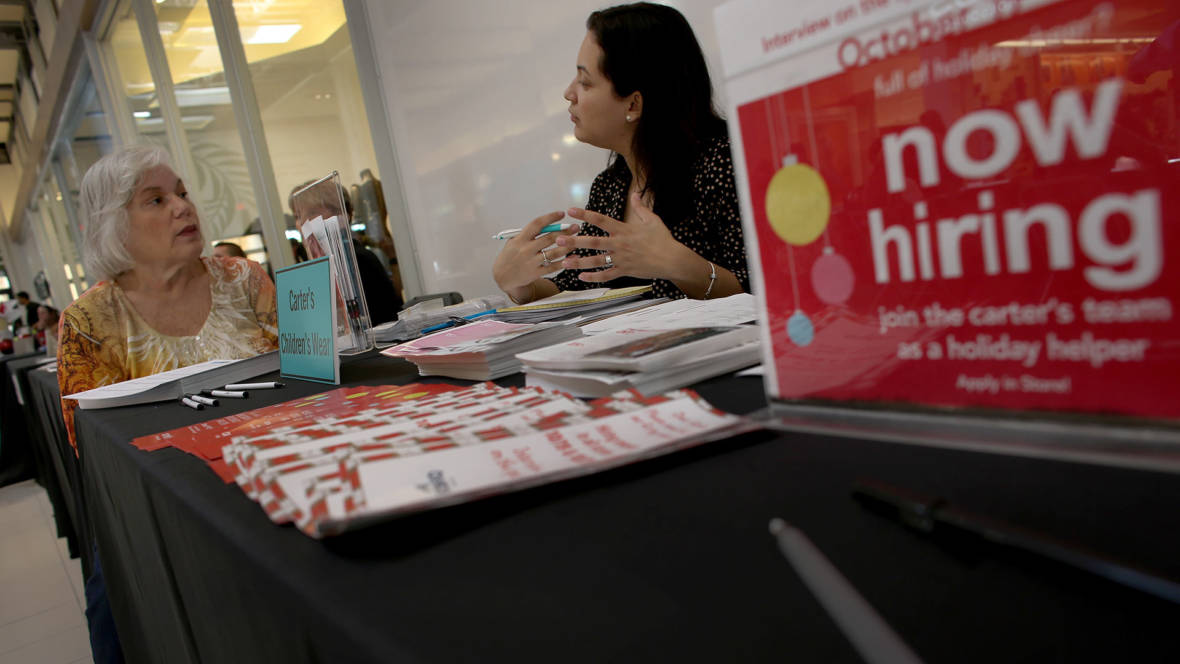
"caption": "Bonnie Altwerger sits for a job interview with Jessica Cortes as she looks for part time work at Carter's Children's Wear during a job fair at Sawgrass Mills on October 11, 2013 in Sunrise, Florida",
"description": "Bonnie Altwerger sits for a job interview with Jessica Cortes as she looks for part time work at Carter's Children's Wear during a job fair at Sawgrass Mills on October 11, 2013 in Sunrise, Florida",
"title": "now-hiring-",
"credit": "Photo: Joe Raedle/Getty Images",
"status": "inherit",
"isLoading": false,
"fetchFailed": false
},
"news_11085392": {
"type": "attachments",
"id": "news_11085392",
"meta": {
"index": "attachments_1716263798",
"site": "news",
"id": "11085392",
"found": true
},
"parent": 11085391,
"imgSizes": {
"twentyfourteen-full-width": {
"file": "https://ww2.kqed.org/app/uploads/sites/10/2016/09/FarmworkerMelonToss-1038x576.jpg",
"width": 1038,
"mimeType": "image/jpeg",
"height": 576
},
"thumbnail": {
"file": "https://ww2.kqed.org/app/uploads/sites/10/2016/09/FarmworkerMelonToss-400x251.jpg",
"width": 400,
"mimeType": "image/jpeg",
"height": 251
},
"fd-sm": {
"file": "https://ww2.kqed.org/app/uploads/sites/10/2016/09/FarmworkerMelonToss-960x602.jpg",
"width": 960,
"mimeType": "image/jpeg",
"height": 602
},
"post-thumbnail": {
"file": "https://ww2.kqed.org/app/uploads/sites/10/2016/09/FarmworkerMelonToss-672x372.jpg",
"width": 672,
"mimeType": "image/jpeg",
"height": 372
},
"kqedFullSize": {
"file": "https://ww2.kqed.org/app/uploads/sites/10/2016/09/FarmworkerMelonToss.jpg",
"width": 1920,
"height": 1204
},
"large": {
"file": "https://ww2.kqed.org/app/uploads/sites/10/2016/09/FarmworkerMelonToss-1920x1204.jpg",
"width": 1920,
"mimeType": "image/jpeg",
"height": 1204
},
"guest-author-50": {
"file": "https://ww2.kqed.org/app/uploads/sites/10/2016/09/FarmworkerMelonToss-50x50.jpg",
"width": 50,
"mimeType": "image/jpeg",
"height": 50
},
"guest-author-96": {
"file": "https://ww2.kqed.org/app/uploads/sites/10/2016/09/FarmworkerMelonToss-96x96.jpg",
"width": 96,
"mimeType": "image/jpeg",
"height": 96
},
"medium": {
"file": "https://ww2.kqed.org/app/uploads/sites/10/2016/09/FarmworkerMelonToss-800x502.jpg",
"width": 800,
"mimeType": "image/jpeg",
"height": 502
},
"guest-author-64": {
"file": "https://ww2.kqed.org/app/uploads/sites/10/2016/09/FarmworkerMelonToss-64x64.jpg",
"width": 64,
"mimeType": "image/jpeg",
"height": 64
},
"guest-author-32": {
"file": "https://ww2.kqed.org/app/uploads/sites/10/2016/09/FarmworkerMelonToss-32x32.jpg",
"width": 32,
"mimeType": "image/jpeg",
"height": 32
},
"jmtc-small-thumb": {
"file": "https://ww2.kqed.org/app/uploads/sites/10/2016/09/FarmworkerMelonToss-280x150.jpg",
"width": 280,
"mimeType": "image/jpeg",
"height": 150
},
"fd-lrg": {
"file": "https://ww2.kqed.org/app/uploads/sites/10/2016/09/FarmworkerMelonToss-1920x1204.jpg",
"width": 1920,
"mimeType": "image/jpeg",
"height": 1204
},
"fd-med": {
"file": "https://ww2.kqed.org/app/uploads/sites/10/2016/09/FarmworkerMelonToss-1180x740.jpg",
"width": 1180,
"mimeType": "image/jpeg",
"height": 740
},
"detail": {
"file": "https://ww2.kqed.org/app/uploads/sites/10/2016/09/FarmworkerMelonToss-150x150.jpg",
"width": 150,
"mimeType": "image/jpeg",
"height": 150
},
"guest-author-128": {
"file": "https://ww2.kqed.org/app/uploads/sites/10/2016/09/FarmworkerMelonToss-128x128.jpg",
"width": 128,
"mimeType": "image/jpeg",
"height": 128
}
},
"publishDate": 1473714398,
"modified": 1473714439,
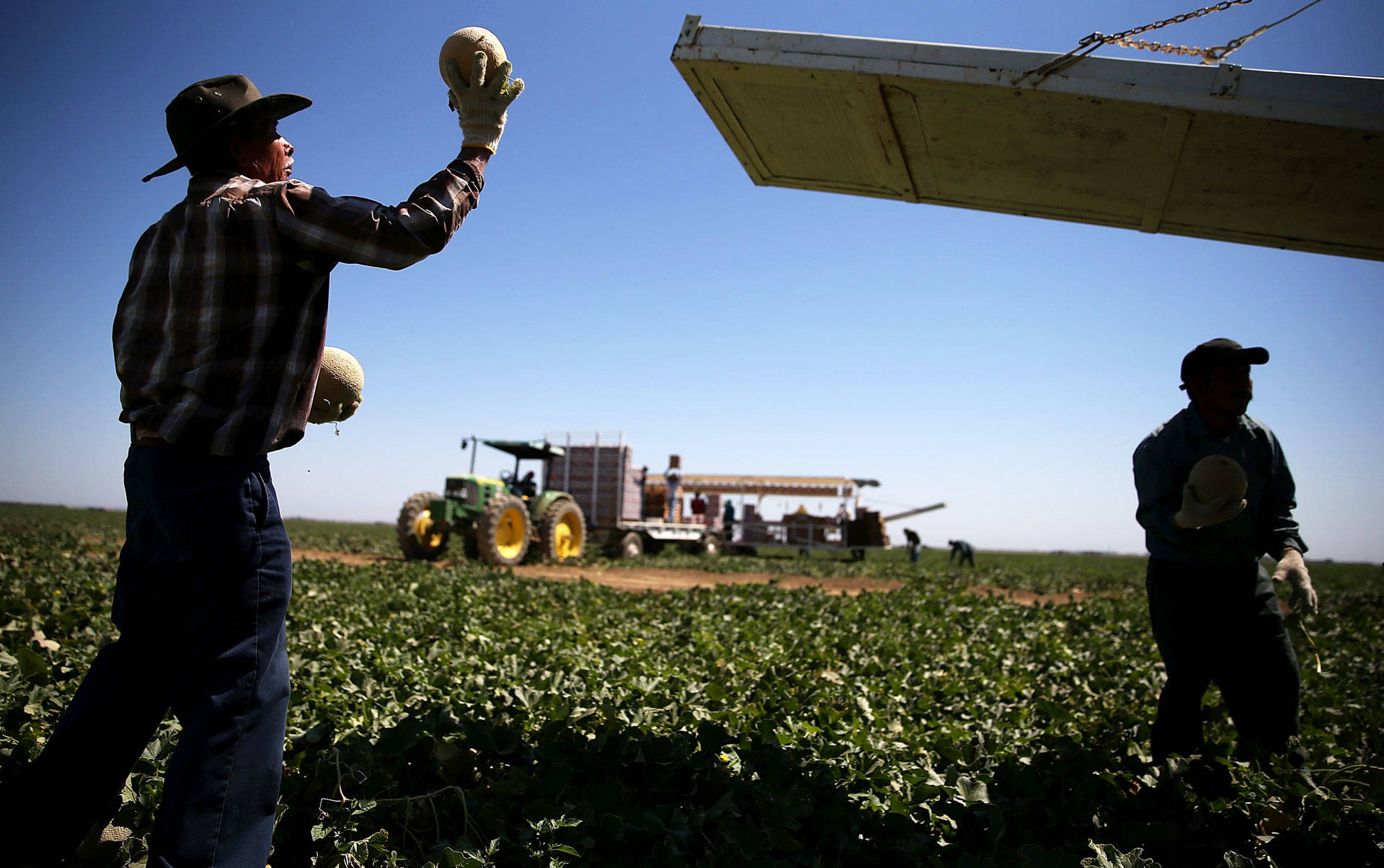
"caption": "A farmworker harvests cantaloupes on a farm near Firebaugh.",
"description": "A farmworker harvests cantaloupes on a farm near Firebaugh.",
"title": "FarmworkerMelonToss",
"credit": "Justin Sullivan/Getty Images",
"status": "inherit",
"isLoading": false,
"fetchFailed": false
},
"news_11070773": {
"type": "attachments",
"id": "news_11070773",
"meta": {
"index": "attachments_1716263798",
"site": "news",
"id": "11070773",
"found": true
},
"parent": 11070536,
"imgSizes": {
"twentyfourteen-full-width": {
"file": "https://ww2.kqed.org/app/uploads/sites/10/2016/09/Condoms-1038x576.jpg",
"width": 1038,
"mimeType": "image/jpeg",
"height": 576
},
"thumbnail": {
"file": "https://ww2.kqed.org/app/uploads/sites/10/2016/09/Condoms-400x300.jpg",
"width": 400,
"mimeType": "image/jpeg",
"height": 300
},
"fd-sm": {
"file": "https://ww2.kqed.org/app/uploads/sites/10/2016/09/Condoms-960x720.jpg",
"width": 960,
"mimeType": "image/jpeg",
"height": 720
},
"post-thumbnail": {
"file": "https://ww2.kqed.org/app/uploads/sites/10/2016/09/Condoms-672x372.jpg",
"width": 672,
"mimeType": "image/jpeg",
"height": 372
},
"kqedFullSize": {
"file": "https://ww2.kqed.org/app/uploads/sites/10/2016/09/Condoms.jpg",
"width": 1920,
"height": 1440
},
"large": {
"file": "https://ww2.kqed.org/app/uploads/sites/10/2016/09/Condoms-1920x1440.jpg",
"width": 1920,
"mimeType": "image/jpeg",
"height": 1440
},
"guest-author-50": {
"file": "https://ww2.kqed.org/app/uploads/sites/10/2016/09/Condoms-50x50.jpg",
"width": 50,
"mimeType": "image/jpeg",
"height": 50
},
"guest-author-96": {
"file": "https://ww2.kqed.org/app/uploads/sites/10/2016/09/Condoms-96x96.jpg",
"width": 96,
"mimeType": "image/jpeg",
"height": 96
},
"medium": {
"file": "https://ww2.kqed.org/app/uploads/sites/10/2016/09/Condoms-800x600.jpg",
"width": 800,
"mimeType": "image/jpeg",
"height": 600
},
"guest-author-64": {
"file": "https://ww2.kqed.org/app/uploads/sites/10/2016/09/Condoms-64x64.jpg",
"width": 64,
"mimeType": "image/jpeg",
"height": 64
},
"guest-author-32": {
"file": "https://ww2.kqed.org/app/uploads/sites/10/2016/09/Condoms-32x32.jpg",
"width": 32,
"mimeType": "image/jpeg",
"height": 32
},
"jmtc-small-thumb": {
"file": "https://ww2.kqed.org/app/uploads/sites/10/2016/09/Condoms-280x150.jpg",
"width": 280,
"mimeType": "image/jpeg",
"height": 150
},
"fd-lrg": {
"file": "https://ww2.kqed.org/app/uploads/sites/10/2016/09/Condoms-1920x1440.jpg",
"width": 1920,
"mimeType": "image/jpeg",
"height": 1440
},
"fd-med": {
"file": "https://ww2.kqed.org/app/uploads/sites/10/2016/09/Condoms-1180x885.jpg",
"width": 1180,
"mimeType": "image/jpeg",
"height": 885
},
"detail": {
"file": "https://ww2.kqed.org/app/uploads/sites/10/2016/09/Condoms-150x150.jpg",
"width": 150,
"mimeType": "image/jpeg",
"height": 150
},
"guest-author-128": {
"file": "https://ww2.kqed.org/app/uploads/sites/10/2016/09/Condoms-128x128.jpg",
"width": 128,
"mimeType": "image/jpeg",
"height": 128
}
},
"publishDate": 1472850991,
"modified": 1472851006,
"caption": null,
"description": null,
"title": "Condoms",
"credit": "Getty Images",
"status": "inherit",
"isLoading": false,
"fetchFailed": false
},
"news_11070694": {
"type": "attachments",
"id": "news_11070694",
"meta": {
"index": "attachments_1716263798",
"site": "news",
"id": "11070694",
"found": true
},
"parent": 11070546,
"imgSizes": {
"twentyfourteen-full-width": {
"file": "https://ww2.kqed.org/app/uploads/sites/10/2016/09/FarmworkerLettuce-1038x576.jpg",
"width": 1038,
"mimeType": "image/jpeg",
"height": 576
},
"thumbnail": {
"file": "https://ww2.kqed.org/app/uploads/sites/10/2016/09/FarmworkerLettuce-400x256.jpg",
"width": 400,
"mimeType": "image/jpeg",
"height": 256
},
"fd-sm": {
"file": "https://ww2.kqed.org/app/uploads/sites/10/2016/09/FarmworkerLettuce-960x616.jpg",
"width": 960,
"mimeType": "image/jpeg",
"height": 616
},
"post-thumbnail": {
"file": "https://ww2.kqed.org/app/uploads/sites/10/2016/09/FarmworkerLettuce-672x372.jpg",
"width": 672,
"mimeType": "image/jpeg",
"height": 372
},
"kqedFullSize": {
"file": "https://ww2.kqed.org/app/uploads/sites/10/2016/09/FarmworkerLettuce.jpg",
"width": 1920,
"height": 1231
},
"large": {
"file": "https://ww2.kqed.org/app/uploads/sites/10/2016/09/FarmworkerLettuce-1920x1231.jpg",
"width": 1920,
"mimeType": "image/jpeg",
"height": 1231
},
"guest-author-50": {
"file": "https://ww2.kqed.org/app/uploads/sites/10/2016/09/FarmworkerLettuce-50x50.jpg",
"width": 50,
"mimeType": "image/jpeg",
"height": 50
},
"guest-author-96": {
"file": "https://ww2.kqed.org/app/uploads/sites/10/2016/09/FarmworkerLettuce-96x96.jpg",
"width": 96,
"mimeType": "image/jpeg",
"height": 96
},
"medium": {
"file": "https://ww2.kqed.org/app/uploads/sites/10/2016/09/FarmworkerLettuce-800x513.jpg",
"width": 800,
"mimeType": "image/jpeg",
"height": 513
},
"guest-author-64": {
"file": "https://ww2.kqed.org/app/uploads/sites/10/2016/09/FarmworkerLettuce-64x64.jpg",
"width": 64,
"mimeType": "image/jpeg",
"height": 64
},
"guest-author-32": {
"file": "https://ww2.kqed.org/app/uploads/sites/10/2016/09/FarmworkerLettuce-32x32.jpg",
"width": 32,
"mimeType": "image/jpeg",
"height": 32
},
"jmtc-small-thumb": {
"file": "https://ww2.kqed.org/app/uploads/sites/10/2016/09/FarmworkerLettuce-280x150.jpg",
"width": 280,
"mimeType": "image/jpeg",
"height": 150
},
"fd-lrg": {
"file": "https://ww2.kqed.org/app/uploads/sites/10/2016/09/FarmworkerLettuce-1920x1231.jpg",
"width": 1920,
"mimeType": "image/jpeg",
"height": 1231
},
"fd-med": {
"file": "https://ww2.kqed.org/app/uploads/sites/10/2016/09/FarmworkerLettuce-1180x757.jpg",
"width": 1180,
"mimeType": "image/jpeg",
"height": 757
},
"detail": {
"file": "https://ww2.kqed.org/app/uploads/sites/10/2016/09/FarmworkerLettuce-150x150.jpg",
"width": 150,
"mimeType": "image/jpeg",
"height": 150
},
"guest-author-128": {
"file": "https://ww2.kqed.org/app/uploads/sites/10/2016/09/FarmworkerLettuce-128x128.jpg",
"width": 128,
"mimeType": "image/jpeg",
"height": 128
}
},
"publishDate": 1472848268,
"modified": 1493056806,
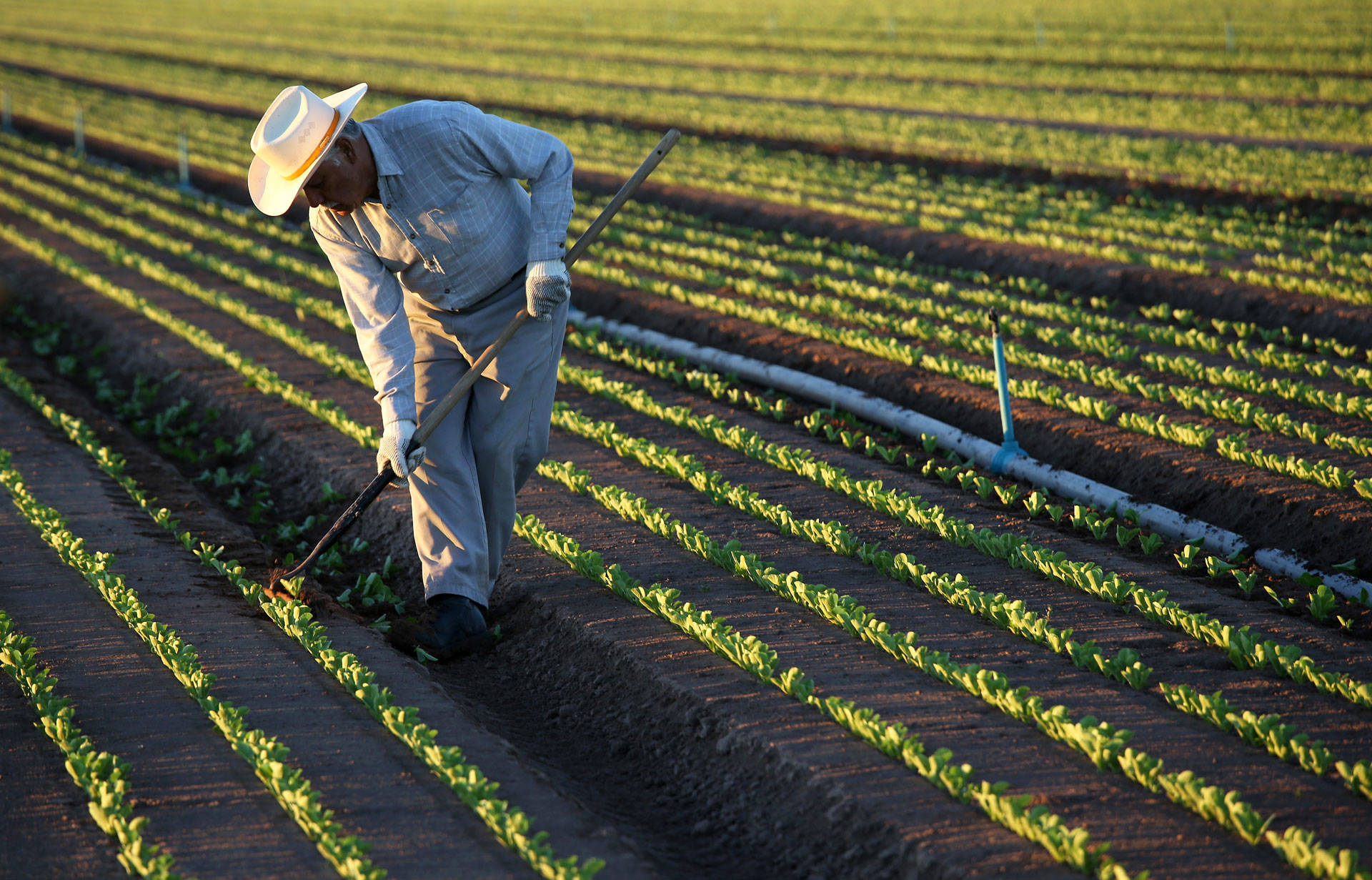
"caption": "A farmworker cultivates lettuce in October 2013 in the Imperial County town of Holtville.",
"description": "A farmworker cultivates lettuce in October, 2013 in Holtville.",
"title": "FarmworkerLettuce",
"credit": "John Moore/Getty Images",
"status": "inherit",
"isLoading": false,
"fetchFailed": false
},
"news_11066111": {
"type": "attachments",
"id": "news_11066111",
"meta": {
"index": "attachments_1716263798",
"site": "news",
"id": "11066111",
"found": true
},
"parent": 11066107,
"imgSizes": {
"twentyfourteen-full-width": {
"file": "https://ww2.kqed.org/app/uploads/sites/10/2016/08/FarmworkerHat-1038x576.jpg",
"width": 1038,
"mimeType": "image/jpeg",
"height": 576
},
"thumbnail": {
"file": "https://ww2.kqed.org/app/uploads/sites/10/2016/08/FarmworkerHat-400x225.jpg",
"width": 400,
"mimeType": "image/jpeg",
"height": 225
},
"fd-sm": {
"file": "https://ww2.kqed.org/app/uploads/sites/10/2016/08/FarmworkerHat-960x540.jpg",
"width": 960,
"mimeType": "image/jpeg",
"height": 540
},
"post-thumbnail": {
"file": "https://ww2.kqed.org/app/uploads/sites/10/2016/08/FarmworkerHat-672x372.jpg",
"width": 672,
"mimeType": "image/jpeg",
"height": 372
},
"kqedFullSize": {
"file": "https://ww2.kqed.org/app/uploads/sites/10/2016/08/FarmworkerHat.jpg",
"width": 1920,
"height": 1079
},
"large": {
"file": "https://ww2.kqed.org/app/uploads/sites/10/2016/08/FarmworkerHat-1920x1079.jpg",
"width": 1920,
"mimeType": "image/jpeg",
"height": 1079
},
"guest-author-50": {
"file": "https://ww2.kqed.org/app/uploads/sites/10/2016/08/FarmworkerHat-50x50.jpg",
"width": 50,
"mimeType": "image/jpeg",
"height": 50
},
"guest-author-96": {
"file": "https://ww2.kqed.org/app/uploads/sites/10/2016/08/FarmworkerHat-96x96.jpg",
"width": 96,
"mimeType": "image/jpeg",
"height": 96
},
"medium": {
"file": "https://ww2.kqed.org/app/uploads/sites/10/2016/08/FarmworkerHat-800x450.jpg",
"width": 800,
"mimeType": "image/jpeg",
"height": 450
},
"guest-author-64": {
"file": "https://ww2.kqed.org/app/uploads/sites/10/2016/08/FarmworkerHat-64x64.jpg",
"width": 64,
"mimeType": "image/jpeg",
"height": 64
},
"guest-author-32": {
"file": "https://ww2.kqed.org/app/uploads/sites/10/2016/08/FarmworkerHat-32x32.jpg",
"width": 32,
"mimeType": "image/jpeg",
"height": 32
},
"jmtc-small-thumb": {
"file": "https://ww2.kqed.org/app/uploads/sites/10/2016/08/FarmworkerHat-280x150.jpg",
"width": 280,
"mimeType": "image/jpeg",
"height": 150
},
"fd-lrg": {
"file": "https://ww2.kqed.org/app/uploads/sites/10/2016/08/FarmworkerHat-1920x1079.jpg",
"width": 1920,
"mimeType": "image/jpeg",
"height": 1079
},
"fd-med": {
"file": "https://ww2.kqed.org/app/uploads/sites/10/2016/08/FarmworkerHat-1180x663.jpg",
"width": 1180,
"mimeType": "image/jpeg",
"height": 663
},
"detail": {
"file": "https://ww2.kqed.org/app/uploads/sites/10/2016/08/FarmworkerHat-150x150.jpg",
"width": 150,
"mimeType": "image/jpeg",
"height": 150
},
"guest-author-128": {
"file": "https://ww2.kqed.org/app/uploads/sites/10/2016/08/FarmworkerHat-128x128.jpg",
"width": 128,
"mimeType": "image/jpeg",
"height": 128
}
},
"publishDate": 1472595668,
"modified": 1472595703,
"caption": "Farmworker Maria Diaz works in the pepper fields of Dixon.",
"description": "Farmworker Maria Diaz works in the pepper fields of Dixon.",
"title": "FarmworkerHat",
"credit": "Julia Mitric/Capital Public Radio",
"status": "inherit",
"isLoading": false,
"fetchFailed": false
},
"news_11065133": {
"type": "attachments",
"id": "news_11065133",
"meta": {
"index": "attachments_1716263798",
"site": "news",
"id": "11065133",
"found": true
},
"parent": 11065125,
"imgSizes": {
"twentyfourteen-full-width": {
"file": "https://ww2.kqed.org/app/uploads/sites/10/2016/08/FarmworkersBerries-1038x576.jpg",
"width": 1038,
"mimeType": "image/jpeg",
"height": 576
},
"thumbnail": {
"file": "https://ww2.kqed.org/app/uploads/sites/10/2016/08/FarmworkersBerries-400x219.jpg",
"width": 400,
"mimeType": "image/jpeg",
"height": 219
},
"fd-sm": {
"file": "https://ww2.kqed.org/app/uploads/sites/10/2016/08/FarmworkersBerries-960x525.jpg",
"width": 960,
"mimeType": "image/jpeg",
"height": 525
},
"post-thumbnail": {
"file": "https://ww2.kqed.org/app/uploads/sites/10/2016/08/FarmworkersBerries-672x372.jpg",
"width": 672,
"mimeType": "image/jpeg",
"height": 372
},
"kqedFullSize": {
"file": "https://ww2.kqed.org/app/uploads/sites/10/2016/08/FarmworkersBerries.jpg",
"width": 1920,
"height": 1050
},
"large": {
"file": "https://ww2.kqed.org/app/uploads/sites/10/2016/08/FarmworkersBerries-1920x1050.jpg",
"width": 1920,
"mimeType": "image/jpeg",
"height": 1050
},
"guest-author-50": {
"file": "https://ww2.kqed.org/app/uploads/sites/10/2016/08/FarmworkersBerries-50x50.jpg",
"width": 50,
"mimeType": "image/jpeg",
"height": 50
},
"guest-author-96": {
"file": "https://ww2.kqed.org/app/uploads/sites/10/2016/08/FarmworkersBerries-96x96.jpg",
"width": 96,
"mimeType": "image/jpeg",
"height": 96
},
"medium": {
"file": "https://ww2.kqed.org/app/uploads/sites/10/2016/08/FarmworkersBerries-800x438.jpg",
"width": 800,
"mimeType": "image/jpeg",
"height": 438
},
"guest-author-64": {
"file": "https://ww2.kqed.org/app/uploads/sites/10/2016/08/FarmworkersBerries-64x64.jpg",
"width": 64,
"mimeType": "image/jpeg",
"height": 64
},
"guest-author-32": {
"file": "https://ww2.kqed.org/app/uploads/sites/10/2016/08/FarmworkersBerries-32x32.jpg",
"width": 32,
"mimeType": "image/jpeg",
"height": 32
},
"jmtc-small-thumb": {
"file": "https://ww2.kqed.org/app/uploads/sites/10/2016/08/FarmworkersBerries-280x150.jpg",
"width": 280,
"mimeType": "image/jpeg",
"height": 150
},
"fd-lrg": {
"file": "https://ww2.kqed.org/app/uploads/sites/10/2016/08/FarmworkersBerries-1920x1050.jpg",
"width": 1920,
"mimeType": "image/jpeg",
"height": 1050
},
"fd-med": {
"file": "https://ww2.kqed.org/app/uploads/sites/10/2016/08/FarmworkersBerries-1180x645.jpg",
"width": 1180,
"mimeType": "image/jpeg",
"height": 645
},
"detail": {
"file": "https://ww2.kqed.org/app/uploads/sites/10/2016/08/FarmworkersBerries-150x150.jpg",
"width": 150,
"mimeType": "image/jpeg",
"height": 150
},
"guest-author-128": {
"file": "https://ww2.kqed.org/app/uploads/sites/10/2016/08/FarmworkersBerries-128x128.jpg",
"width": 128,
"mimeType": "image/jpeg",
"height": 128
}
},
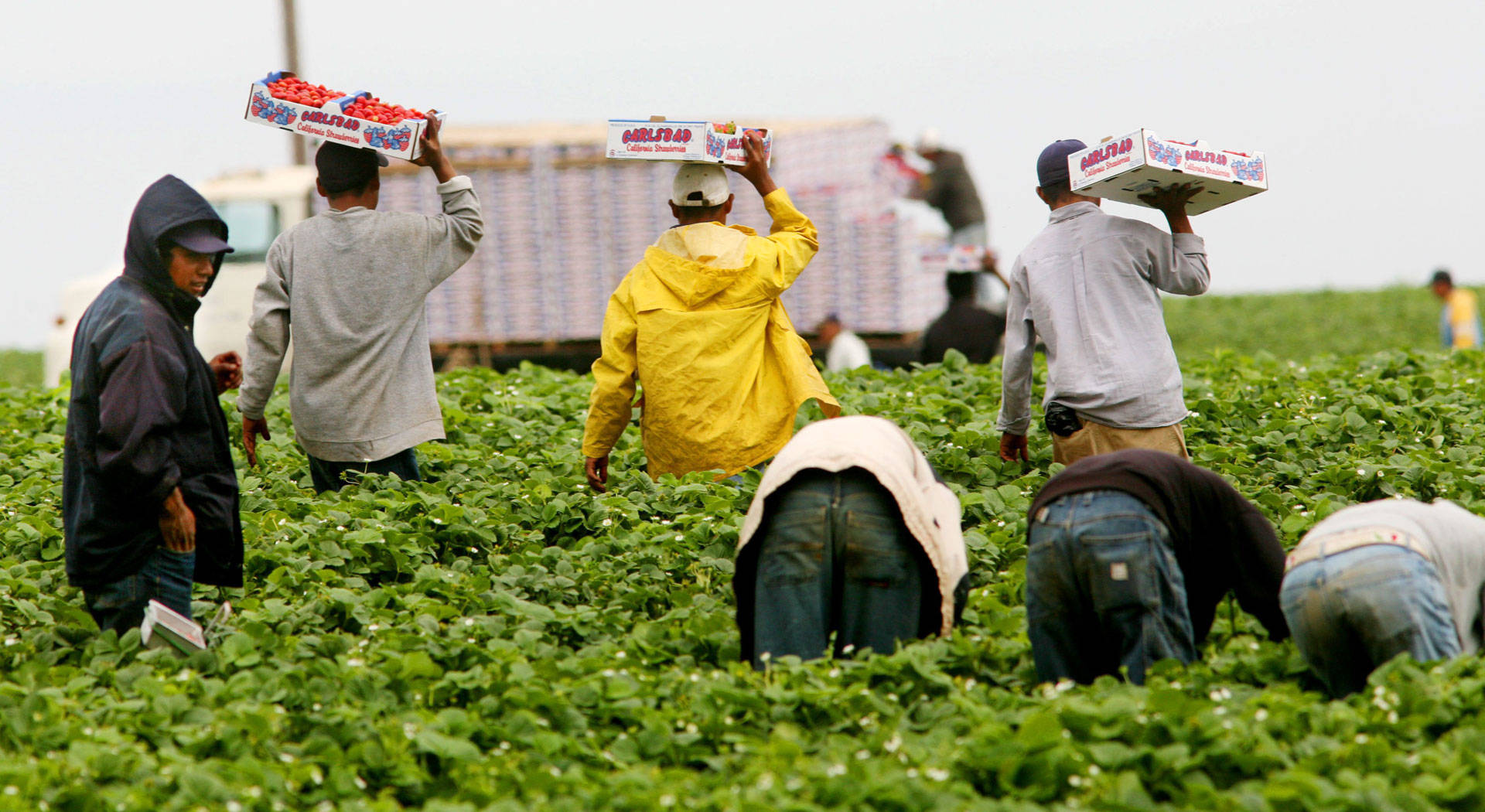
"publishDate": 1472516994,
"modified": 1472517055,
"caption": "Farmworkers harvest strawberries in Carlsbad.",
"description": "Farmworkers harvest strawberries in Carlsbad.",
"title": "FarmworkersBerries",
"credit": "Sandy Huffaker/Getty Images",
"status": "inherit",
"isLoading": false,
"fetchFailed": false
},
"news_11061175": {
"type": "attachments",
"id": "news_11061175",
"meta": {
"index": "attachments_1716263798",
"site": "news",
"id": "11061175",
"found": true
},
"parent": 11061082,
"imgSizes": {
"twentyfourteen-full-width": {
"file": "https://ww2.kqed.org/app/uploads/sites/10/2016/08/FarmworkersWRendon-1038x576.jpg",
"width": 1038,
"mimeType": "image/jpeg",
"height": 576
},
"thumbnail": {
"file": "https://ww2.kqed.org/app/uploads/sites/10/2016/08/FarmworkersWRendon-400x246.jpg",
"width": 400,
"mimeType": "image/jpeg",
"height": 246
},
"fd-sm": {
"file": "https://ww2.kqed.org/app/uploads/sites/10/2016/08/FarmworkersWRendon-960x590.jpg",
"width": 960,
"mimeType": "image/jpeg",
"height": 590
},
"post-thumbnail": {
"file": "https://ww2.kqed.org/app/uploads/sites/10/2016/08/FarmworkersWRendon-672x372.jpg",
"width": 672,
"mimeType": "image/jpeg",
"height": 372
},
"kqedFullSize": {
"file": "https://ww2.kqed.org/app/uploads/sites/10/2016/08/FarmworkersWRendon.jpg",
"width": 1920,
"height": 1179
},
"large": {
"file": "https://ww2.kqed.org/app/uploads/sites/10/2016/08/FarmworkersWRendon-1920x1179.jpg",
"width": 1920,
"mimeType": "image/jpeg",
"height": 1179
},
"guest-author-50": {
"file": "https://ww2.kqed.org/app/uploads/sites/10/2016/08/FarmworkersWRendon-50x50.jpg",
"width": 50,
"mimeType": "image/jpeg",
"height": 50
},
"guest-author-96": {
"file": "https://ww2.kqed.org/app/uploads/sites/10/2016/08/FarmworkersWRendon-96x96.jpg",
"width": 96,
"mimeType": "image/jpeg",
"height": 96
},
"medium": {
"file": "https://ww2.kqed.org/app/uploads/sites/10/2016/08/FarmworkersWRendon-800x491.jpg",
"width": 800,
"mimeType": "image/jpeg",
"height": 491
},
"guest-author-64": {
"file": "https://ww2.kqed.org/app/uploads/sites/10/2016/08/FarmworkersWRendon-64x64.jpg",
"width": 64,
"mimeType": "image/jpeg",
"height": 64
},
"guest-author-32": {
"file": "https://ww2.kqed.org/app/uploads/sites/10/2016/08/FarmworkersWRendon-32x32.jpg",
"width": 32,
"mimeType": "image/jpeg",
"height": 32
},
"jmtc-small-thumb": {
"file": "https://ww2.kqed.org/app/uploads/sites/10/2016/08/FarmworkersWRendon-280x150.jpg",
"width": 280,
"mimeType": "image/jpeg",
"height": 150
},
"fd-lrg": {
"file": "https://ww2.kqed.org/app/uploads/sites/10/2016/08/FarmworkersWRendon-1920x1179.jpg",
"width": 1920,
"mimeType": "image/jpeg",
"height": 1179
},
"fd-med": {
"file": "https://ww2.kqed.org/app/uploads/sites/10/2016/08/FarmworkersWRendon-1180x725.jpg",
"width": 1180,
"mimeType": "image/jpeg",
"height": 725
},
"detail": {
"file": "https://ww2.kqed.org/app/uploads/sites/10/2016/08/FarmworkersWRendon-150x150.jpg",
"width": 150,
"mimeType": "image/jpeg",
"height": 150
},
"guest-author-128": {
"file": "https://ww2.kqed.org/app/uploads/sites/10/2016/08/FarmworkersWRendon-128x128.jpg",
"width": 128,
"mimeType": "image/jpeg",
"height": 128
}
},
"publishDate": 1472171753,
"modified": 1472249373,
"caption": "United Farmworkers President Arturo Rodriguez (L, arms raised) and Assembly Speaker Anthony Rendon (C) emerge after meeting about AB 1066 on Thursday, Aug. 25, 2016.",
"description": "United Farmworkers President Arturo Rodriguez (L, arms raised) and Assembly Speaker Anthony Rendon (C) emerge after meeting about AB 1066 on Thursday, August 25, 2016.",
"title": "FarmworkersWRendon",
"credit": "Katie Orr/KQED",
"status": "inherit",
"isLoading": false,
"fetchFailed": false
}
},
"audioPlayerReducer": {
"postId": "stream_live",
"isPaused": true,
"isPlaying": false,
"pfsActive": false,
"pledgeModalIsOpen": true,
"playerDrawerIsOpen": false,
"liveAudioPlayStartedAt": 0,
"liveAudioPlayContext": ""
},
"authorsReducer": {
"byline_stateofhealth_283569": {
"type": "authors",
"id": "byline_stateofhealth_283569",
"meta": {
"override": true
},
"slug": "byline_stateofhealth_283569",
"name": "\u003cstrong>\u003ca href=\"http://khn.org/news/author/jenny-gold/\">Jenny Gold\u003c/a>\u003c/strong>\u003cbr/>NPR and Kaiser Health News",
"isLoading": false
},
"byline_news_11253465": {
"type": "authors",
"id": "byline_news_11253465",
"meta": {
"override": true
},
"slug": "byline_news_11253465",
"name": "\u003cstrong>Phuong Le\u003cbr>Associated Press\u003c/strong>",
"isLoading": false
},
"byline_news_11146832": {
"type": "authors",
"id": "byline_news_11146832",
"meta": {
"override": true
},
"slug": "byline_news_11146832",
"name": "Yuki Noguchi",
"isLoading": false
},
"byline_news_11085391": {
"type": "authors",
"id": "byline_news_11085391",
"meta": {
"override": true
},
"slug": "byline_news_11085391",
"name": "Jonathan J. Cooper\u003cbr>Associated Press",
"isLoading": false
},
"byline_news_11070536": {
"type": "authors",
"id": "byline_news_11070536",
"meta": {
"override": true
},
"slug": "byline_news_11070536",
"name": "\u003cstrong>\u003ca href=\"http://www.politifact.com/california/staff/chris-nichols/\">Chris Nichols\u003c/a>\u003cbr>\u003ca href=\"http://www.politifact.com/california/\">PolitiFact\u003c/a>\u003c/strong>",
"isLoading": false
},
"byline_news_11066107": {
"type": "authors",
"id": "byline_news_11066107",
"meta": {
"override": true
},
"slug": "byline_news_11066107",
"name": "Julia Mitric",
"isLoading": false
},
"byline_news_11065125": {
"type": "authors",
"id": "byline_news_11065125",
"meta": {
"override": true
},
"slug": "byline_news_11065125",
"name": "Alison Noon\u003cbr>Associated Press",
"isLoading": false
},
"tgoldberg": {
"type": "authors",
"id": "258",
"meta": {
"index": "authors_1716337520",
"id": "258",
"found": true
},
"name": "Ted Goldberg",
"firstName": "Ted",
"lastName": "Goldberg",
"slug": "tgoldberg",
"email": "tgoldberg@kqed.org",
"display_author_email": true,
"staff_mastheads": [
"news"
],
"title": "KQED Managing Editor, News and Newscasts",
"bio": "Ted Goldberg is Managing Editor of News and Newscasts at KQED. His main reporting beat is the Bay Area's oil refining industry.\r\n\r\nPrior to joining KQED in 2014, Ted worked at CBS News and WCBS AM in New York and Bay City News and KCBS Radio in San Francisco. He graduated from Oberlin College in Ohio in 1998.",
"avatar": "https://secure.gravatar.com/avatar/30ce2e4fe89135e104f89be2394d16225b9d36c121b5b3cb7651ce642978b96f?s=600&d=blank&r=g",
"twitter": "TedrickG",
"bluesky": null,
"facebook": null,
"instagram": null,
"linkedin": null,
"sites": [
{
"site": "news",
"roles": [
"editor"
]
},
{
"site": "science",
"roles": [
"editor"
]
}
],
"headData": {
"title": "Ted Goldberg | KQED",
"description": "KQED Managing Editor, News and Newscasts",
"ogImgSrc": "https://secure.gravatar.com/avatar/30ce2e4fe89135e104f89be2394d16225b9d36c121b5b3cb7651ce642978b96f?s=600&d=blank&r=g",
"twImgSrc": "https://secure.gravatar.com/avatar/30ce2e4fe89135e104f89be2394d16225b9d36c121b5b3cb7651ce642978b96f?s=600&d=blank&r=g"
},
"isLoading": false,
"link": "/author/tgoldberg"
},
"lmorehouse": {
"type": "authors",
"id": "3229",
"meta": {
"index": "authors_1716337520",
"id": "3229",
"found": true
},
"name": "Lisa Morehouse",
"firstName": "Lisa",
"lastName": "Morehouse",
"slug": "lmorehouse",
"email": "morehouse.lisa@gmail.com",
"display_author_email": false,
"staff_mastheads": [],
"title": "KQED Contributor",
"bio": "Lisa Morehouse is an award-winning public radio and print journalist, who has filed for National Public Radio, American Public Media, KQED Public Radio, Edutopia, and McSweeney’s. Her reporting has taken her from Samoan traveling circuses to Mississippi Delta classrooms to the homes of Lao refugees in rural Iowa. In addition to reporting, she teaches radio production to at-risk youth in the Bay Area. Her series \u003ca href=\"http://afterthegoldrushradio.com/\">After the Gold Rush\u003c/a> featured the changing industries, populations and identities of rural towns throughout California. She’s now producing \u003ca href=\"http://www.californiafoodways.com/\">California Foodways\u003c/a>, a series exploring the intersections of food, culture, economics, history and labor. Follow along on the \u003ca href=\"https://www.facebook.com/californiafoodways?ref=hl\">Facebook page\u003c/a> or on Twitter @cafoodways.",
"avatar": "https://secure.gravatar.com/avatar/dae74b002a6e256f39abb19d6f5acaea?s=600&d=blank&r=g",
"twitter": null,
"facebook": null,
"instagram": null,
"linkedin": null,
"sites": [
{
"site": "",
"roles": [
"editor"
]
},
{
"site": "news",
"roles": [
"author"
]
}
],
"headData": {
"title": "Lisa Morehouse | KQED",
"description": "KQED Contributor",
"ogImgSrc": "https://secure.gravatar.com/avatar/dae74b002a6e256f39abb19d6f5acaea?s=600&d=blank&r=g",
"twImgSrc": "https://secure.gravatar.com/avatar/dae74b002a6e256f39abb19d6f5acaea?s=600&d=blank&r=g"
},
"isLoading": false,
"link": "/author/lmorehouse"
},
"korr": {
"type": "authors",
"id": "11200",
"meta": {
"index": "authors_1716337520",
"id": "11200",
"found": true
},
"name": "Katie Orr",
"firstName": "Katie",
"lastName": "Orr",
"slug": "korr",
"email": "korr@kqed.org",
"display_author_email": false,
"staff_mastheads": [],
"title": "KQED Contributor",
"bio": "Katie Orr was a Sacramento-based reporter for KQED's Politics and Government Desk, covering the state Capitol and a variety of issues including women in politics, voting and elections and legislation. Prior to joining KQED in 2016, Katie was state government reporter for Capital Public Radio in Sacramento. She's also worked for KPBS in San Diego, where she covered City Hall.\r\n\r\nKatie received her masters degree in political science from San Diego State University and holds a Bachelors degree in broadcast journalism from Arizona State University.\r\n\r\nIn 2015 Katie won a national Clarion Award for a series of stories she did on women in California politics. She's been honored by the Society for Professional Journalists and, in 2013, was named by \u003cem>The Washington Post\u003c/em> as one of the country's top state Capitol reporters. She's also reported for the award-winning documentary series \u003cem>The View from Here \u003c/em>and was part of the team that won national PRNDI and Gabriel Awards in 2015. She lives in Sacramento with her husband. Twitter: @1KatieOrr",
"avatar": "https://secure.gravatar.com/avatar/41a40b25845adc78f50808670860449e?s=600&d=blank&r=g",
"twitter": "1katieorr",
"facebook": null,
"instagram": null,
"linkedin": null,
"sites": [
{
"site": "news",
"roles": [
"subscriber"
]
},
{
"site": "stateofhealth",
"roles": [
"author"
]
},
{
"site": "forum",
"roles": [
"author"
]
}
],
"headData": {
"title": "Katie Orr | KQED",
"description": "KQED Contributor",
"ogImgSrc": "https://secure.gravatar.com/avatar/41a40b25845adc78f50808670860449e?s=600&d=blank&r=g",
"twImgSrc": "https://secure.gravatar.com/avatar/41a40b25845adc78f50808670860449e?s=600&d=blank&r=g"
},
"isLoading": false,
"link": "/author/korr"
},
"mkrasny": {
"type": "authors",
"id": "11247",
"meta": {
"index": "authors_1716337520",
"id": "11247",
"found": true
},
"name": "Michael Krasny",
"firstName": "Michael",
"lastName": "Krasny",
"slug": "mkrasny",
"email": "mkrasny@kqed.org",
"display_author_email": false,
"staff_mastheads": [],
"title": "KQED Contributor",
"bio": "Michael Krasny was the former host of the program, Forum. He was with ABC in both radio and television and migrated to public broadcasting in 1993. He was a Professor of English at San Francisco State University and also taught at Stanford, the University of San Francisco and the University of California, as well as in the Fulbright International Institutes. A veteran interviewer for the nationally broadcast City Arts and Lectures, he is the author of a number of books, including “Off Mike: A Memoir of Talk Radio and Literary Life” (Stanford University Press) “Spiritual Envy” (New World); “Sound Ideas” (with M.E. Sokolik/ McGraw-Hill); “Let There Be Laughter” (Harper-Collins) as well as the twenty-four lecture series in DVD, audio and book, “Short Story Masterpieces” (The Teaching Company). He has interviewed many of the world’s leading political, cultural, literary, science and technology figures, as well as major figures from the world of entertainment. He is the recipient of many awards and honors including the S.Y. Agnon Medal for Intellectual Achievement; The Eugene Block Award for Human Rights Journalism; the James Madison Freedom of Information Award; the Excellence in Journalism Award from the National Lesbian and Gay Journalists Association; Career Achievement Award from the Society of Professional Journalists and an award from the Radio and Television News Directors Association. He holds a B.A. (cum laude) and M.A. from Ohio University and a PhD from the University of Wisconsin.",
"avatar": "https://secure.gravatar.com/avatar/243c9ef51f3b90a42850d3a766d24865?s=600&d=blank&r=g",
"twitter": null,
"facebook": null,
"instagram": null,
"linkedin": null,
"sites": [
{
"site": "forum",
"roles": [
"subscriber"
]
}
],
"headData": {
"title": "Michael Krasny | KQED",
"description": "KQED Contributor",
"ogImgSrc": "https://secure.gravatar.com/avatar/243c9ef51f3b90a42850d3a766d24865?s=600&d=blank&r=g",
"twImgSrc": "https://secure.gravatar.com/avatar/243c9ef51f3b90a42850d3a766d24865?s=600&d=blank&r=g"
},
"isLoading": false,
"link": "/author/mkrasny"
},
"vrancano": {
"type": "authors",
"id": "11276",
"meta": {
"index": "authors_1716337520",
"id": "11276",
"found": true
},
"name": "Vanessa Rancaño",
"firstName": "Vanessa",
"lastName": "Rancaño",
"slug": "vrancano",
"email": "vrancano@kqed.org",
"display_author_email": false,
"staff_mastheads": [
"news"
],
"title": "Reporter",
"bio": "Vanessa Rancaño is a features reporter for KQED. She’s also covered homelessness and education for the station and reported from the Central Valley. Her work has aired across public radio, from flagship national news shows to longform narrative podcasts. Before taking up a mic, she worked as a freelance print journalist. She’s been recognized with a number of national and regional awards. Vanessa grew up in California's Central Valley. She's a former NPR Kroc Fellow, and a graduate of the UC Berkeley Graduate School of Journalism.",
"avatar": "https://secure.gravatar.com/avatar/b3a383dfb0e7ee1c17568f2cf067904ab654d6e3de9743fc661f3c788ade1bed?s=600&d=blank&r=g",
"twitter": "vanessarancano",
"bluesky": null,
"facebook": null,
"instagram": null,
"linkedin": null,
"sites": [
{
"site": "arts",
"roles": [
"editor"
]
},
{
"site": "news",
"roles": [
"editor"
]
},
{
"site": "liveblog",
"roles": [
"contributor"
]
}
],
"headData": {
"title": "Vanessa Rancaño | KQED",
"description": "Reporter",
"ogImgSrc": "https://secure.gravatar.com/avatar/b3a383dfb0e7ee1c17568f2cf067904ab654d6e3de9743fc661f3c788ade1bed?s=600&d=blank&r=g",
"twImgSrc": "https://secure.gravatar.com/avatar/b3a383dfb0e7ee1c17568f2cf067904ab654d6e3de9743fc661f3c788ade1bed?s=600&d=blank&r=g"
},
"isLoading": false,
"link": "/author/vrancano"
}
},
"pagesReducer": {
"news_tag_labor": {
"type": "terms",
"id": "news_19904",
"meta": {
"index": "terms_1716263798",
"site": "news",
"id": "19904",
"score": 8.558012
},
"name": "Labor",
"slug": "labor",
"taxonomy": "tag",
"description": null,
"featImg": null,
"headData": {
"title": "Labor | KQED News",
"description": null,
"ogTitle": null,
"ogDescription": null,
"ogImgId": null,
"twTitle": null,
"twDescription": null,
"twImgId": null
},
"ttid": 19921,
"isLoading": false,
"title": "Labor",
"pageMeta": {
"site": "news",
"WpPageTemplate": "page-topic-editorial",
"currentPage": 65
},
"blocks": [
{
"blockName": "kqed/post-list",
"attrs": {
"layout": "cardArticle2",
"query": "posts/news?tag=labor",
"seeMore": false,
"paginated": true,
"page": 65
}
},
{
"blockName": "kqed/ad"
}
]
}
},
"pfsSessionReducer": {},
"postsReducer": {
"stream_live": {
"type": "live",
"id": "stream_live",
"audioUrl": "https://streams.kqed.org/kqedradio",
"title": "Live Stream",
"excerpt": "Live Stream information currently unavailable.",
"link": "/radio",
"featImg": "",
"label": {
"name": "KQED Live",
"link": "/"
}
},
"stream_kqedNewscast": {
"type": "posts",
"id": "stream_kqedNewscast",
"audioUrl": "https://www.kqed.org/.stream/anon/radio/RDnews/newscast.mp3?_=1",
"title": "KQED Newscast",
"featImg": "",
"label": {
"name": "88.5 FM",
"link": "/"
}
},
"stateofhealth_283569": {
"type": "posts",
"id": "stateofhealth_283569",
"meta": {
"index": "posts_1716263798",
"site": "stateofhealth",
"id": "283569",
"score": null,
"sort": [
1484246445000
]
},
"parent": 0,
"labelTerm": {
"site": "stateofhealth"
},
"blocks": [],
"publishDate": 1484246445,
"format": "standard",
"disqusTitle": "California Nail Salons Start To Invest In Worker Safety",
"title": "California Nail Salons Start To Invest In Worker Safety",
"headTitle": "State of Health | KQED News",
"content": "\u003cp>What stands out upon entering Mai Dang's nail salon, located on a busy street in Berkeley, Calif., is what's missing — the stinging smell of polish, remover and other nail products. That wasn't always the case. For a decade, Dang suffered from the effects of the chemicals she used at work every day.\u003c/p>\n\u003cp>\"When you do nails, workers get itchy skin and watery eyes,\" says Dang, 40. She also used to have frequent headaches, and one of her workers developed asthma. So when she heard about an opportunity to improve the safety at her salon, she signed up.\u003c/p>\n\u003cp>\"I work every day. I need the air to be pure, to be better for me. I have to take care of my health this way,\" she says, speaking in Vietnamese through an interpreter.\u003c/p>\n\u003cp>\u003c!-- iframe plugin v.4.3 wordpress.org/plugins/iframe/ -->\u003cbr>\n\u003ciframe src=\"https://www.npr.org/player/embed/509315426/509444361\" width=\"100%\" height=\"290\" frameborder=\"0\" scrolling=\"no\" title=\"NPR embedded audio player\" class=\"iframe-class\">\u003c/iframe>\u003c/p>\n\u003cp>\u003ca href=\"http://www.asianhealthservices.org/\">Asian Health Services\u003c/a>, a community clinic in Oakland, started \u003ca href=\"http://www.cahealthynailsalons.org/\">The California Healthy Nail Salon Collaborative\u003c/a> after the clinic identified a pattern of illness among nail salon workers.\u003c/p>\n\u003cp>[ad fullwidth]\u003c/p>\n\u003cp>\"Practically every worker was experiencing some kind of health issue. And we realized that this was an epidemic,\" says Julia Liou, planning and development director at the clinic and the co-founder of the collaborative.\u003c/p>\n\u003cp>Nail salons are big business in the United States — \u003ca href=\"http://files.nailsmag.com/Feature-Articles-in-PDF/NABB2015-16stats.pdf\">approximately $8.5 billion \u003c/a> in revenue in 2015. Some of the chemicals used in salons \u003ca href=\"https://www.osha.gov/SLTC/nailsalons/chemicalhazards.html\">are known to cause\u003c/a> skin disorders and respiratory problems, and possibly even cancer, miscarriages and birth defects. Formaldehyde and toluene are just two of the risky ingredients in the nail polishes, solvents, glues and hardeners in constant use in salons; the Environmental Protection Agency \u003ca href=\"https://www.epa.gov/sites/production/files/2015-05/documents/nailsalonguide.pdf\">lists\u003c/a> at least 20 such worrisome chemicals.\u003c/p>\n\u003cp>But, so far, there's been little government regulation to protect workers. Liou is trying to get salon owners to make changes voluntarily to improve worker safety.\u003c/p>\n\u003cp>\"We don't want to create a fear where it's like, 'Oh nail salons are so scary that people can't go to them,' \" explains Liou. \"But we want to create a space where both the owner and the customer can feel comfortable, and actually create a model where the return on investment ends up being worker health.\"\u003c/p>\n\u003cp>Salons that participate in the collaborative must make significant changes to their business, including buying less toxic nail polishes, thinners and removers. All workers are required to wear specific types of gloves and masks when using certain products. Owners are also required to purchase a portable mechanical ventilation unit.\u003c/p>\n\u003cp>\"It sucks in the air when I do artificial nails so the workers don't have to breathe in the toxic chemicals anymore,\" explains Dang, as she turns on the machine with a remote control. More than 80 percent of salon workers in California are Vietnamese American, and more than half are of reproductive age, according to the collaborative.\u003c/p>\n\u003cfigure id=\"attachment_283568\" class=\"wp-caption aligncenter\" style=\"max-width: 800px\">\u003cimg src=\"http://ww2.kqed.org/stateofhealth/wp-content/uploads/sites/27/2017/01/salon-2_enl-216a76948fef4044ad8fe46c41f7a076bc2f2fcf-800x533.jpg\" alt=\"Mai Dang's Fashion Nails has been certified as a healthy salon since 2013. Salons with that designation provide proper ventilation, train employees on best practices, and avoid products containing formaldehyde, toluene and other particularly toxic solvents and glues.\" width=\"800\" height=\"533\" class=\"size-medium wp-image-283568\" srcset=\"https://ww2.kqed.org/app/uploads/sites/27/2017/01/salon-2_enl-216a76948fef4044ad8fe46c41f7a076bc2f2fcf-800x533.jpg 800w, https://ww2.kqed.org/app/uploads/sites/27/2017/01/salon-2_enl-216a76948fef4044ad8fe46c41f7a076bc2f2fcf-160x107.jpg 160w, https://ww2.kqed.org/app/uploads/sites/27/2017/01/salon-2_enl-216a76948fef4044ad8fe46c41f7a076bc2f2fcf-768x511.jpg 768w, https://ww2.kqed.org/app/uploads/sites/27/2017/01/salon-2_enl-216a76948fef4044ad8fe46c41f7a076bc2f2fcf-1020x679.jpg 1020w, https://ww2.kqed.org/app/uploads/sites/27/2017/01/salon-2_enl-216a76948fef4044ad8fe46c41f7a076bc2f2fcf-1180x786.jpg 1180w, https://ww2.kqed.org/app/uploads/sites/27/2017/01/salon-2_enl-216a76948fef4044ad8fe46c41f7a076bc2f2fcf-960x639.jpg 960w, https://ww2.kqed.org/app/uploads/sites/27/2017/01/salon-2_enl-216a76948fef4044ad8fe46c41f7a076bc2f2fcf-240x160.jpg 240w, https://ww2.kqed.org/app/uploads/sites/27/2017/01/salon-2_enl-216a76948fef4044ad8fe46c41f7a076bc2f2fcf-375x250.jpg 375w, https://ww2.kqed.org/app/uploads/sites/27/2017/01/salon-2_enl-216a76948fef4044ad8fe46c41f7a076bc2f2fcf-520x346.jpg 520w\" sizes=\"(max-width: 800px) 100vw, 800px\">\u003cfigcaption class=\"wp-caption-text\">Mai Dang's Fashion Nails has been certified as a healthy salon since 2013. Salons with that designation provide proper ventilation, train employees on best practices, and avoid products containing formaldehyde, toluene and other particularly toxic solvents and glues. \u003ccite>(Jenny Gold/Kaiser Health News)\u003c/cite>\u003c/figcaption>\u003c/figure>\n\u003cp>Alameda County certified Dang's salon, Fashion Nails, as a healthy salon in 2013, based on her changes. In return, Dang got a certificate that she hangs in her window to let customers know she is part of the collaborative. Fashion Nails is also listed as \u003ca href=\"http://www.co.alameda.ca.us/aceh/healthynail/documents/RECOGNIZED-SALONS.pdf\">a healthier nail salon \u003c/a>on a county website.\u003c/p>\n\u003cp>The process, however, was not cheap. Dang says the products she now uses, while safer, cost about 30 percent more. Overall, she estimates that she spent about $3,000 on the upgrades. To pay for it, she raised her prices by $2 per service.\u003c/p>\n\u003cp>One of Dang's customers, Genell Johnson, says she's more than willing to pay extra for the service.\u003c/p>\n\u003cp>\"You get what you pay for,\" Johnson says. \"That's what they always say, and it's very true.\"\u003c/p>\n\u003cp>A survey of customers by the collaborative found that 90 percent were willing to pay at least a dollar more for services they knew were healthier. Johnson says she's a regular at Fashion Nails but had no idea it was a healthy salon.\u003c/p>\n\u003cp>\"Now I'm going to spread the word,\" says Johnson. \"This will be the perfect place, knowing they're so health conscious.\"\u003c/p>\n\u003cp>For Dang, the investment in a healthier salon seems to be paying off. Visits to her salon have increased, and her business has become more profitable, she says.\u003c/p>\n\u003cp>But getting businesses to make changes voluntarily is a slow process. Out of more than 8,000 nail salons in California, only 120 have joined the collaborative so far.\u003c/p>\n\u003cp>\"I think the ultimate root of the issue is that the chemicals are still in the products,\" says collaborative co-founder Liou. \"If we want to look at really how do we improve worker health, we also need the manufacturers to consider how they can they make safer products as well.\"\u003c/p>\n\u003cp>Still, the Healthy Nail Salon Collaborative is making progress. The EPA recently \u003ca href=\"https://www.epa.gov/newsreleases/us-epa-awards-120000-protect-health-bay-area-nail-salons\">gave the collaborative a grant\u003c/a> to help them offer microloans to salons wanting to upgrade.\u003c/p>\n\u003cp>In September, California \u003ca href=\"http://leginfo.legislature.ca.gov/faces/billNavClient.xhtml?bill_id=201520160AB2125\">passed legislation\u003c/a> to help expand the program across the state, by training cities and counties on how to certify healthy nail salons in their regions.\u003c/p>\n\u003cp>\u003c/p>\n\u003cp>\u003cem>Kaiser Health News is a national health policy news service. It is an editorially independent program of the Henry J. Kaiser Family Foundation. You can follow Jenny Gold on Twitter: \u003c/em>\u003ca href=\"https://twitter.com/JennyAGold\">@JennyAGold\u003c/a>. \u003c/p>\n\u003cdiv class=\"fullattribution\">Copyright 2017 Kaiser Health News. To see more, visit \u003ca href=\"http://www.kaiserhealthnews.org/\">Kaiser Health News\u003c/a>.\u003cimg src=\"http://www.google-analytics.com/__utm.gif?utmac=UA-5828686-4&utmdt=California+Nail+Salons+Start+To+Invest+In+Worker+Safety&utme=8(APIKey)9(MDAxOTAwOTE4MDEyMTkxMDAzNjczZDljZA004)\">\u003c/div>\n\n",
"disqusIdentifier": "283569 http://ww2.kqed.org/stateofhealth/?p=283569",
"disqusUrl": "https://ww2.kqed.org/stateofhealth/2017/01/12/california-nail-salons-start-to-invest-in-worker-safety/",
"stats": {
"hasVideo": false,
"hasChartOrMap": true,
"hasAudio": false,
"hasPolis": false,
"wordCount": 921,
"hasGoogleForm": false,
"hasGallery": false,
"hasHearkenModule": false,
"iframeSrcs": [
"https://www.npr.org/player/embed/509315426/509444361"
],
"paragraphCount": 25
},
"modified": 1484265123,
"excerpt": "A statewide collaborative of nail salons now has 120 members; all have made ventilation upgrades and switched from toxic products to safer ones. Will clients be willing to pay extra to help workers?",
"headData": {
"twImgId": "",
"twTitle": "",
"ogTitle": "",
"ogImgId": "",
"twDescription": "",
"description": "A statewide collaborative of nail salons now has 120 members; all have made ventilation upgrades and switched from toxic products to safer ones. Will clients be willing to pay extra to help workers?",
"title": "California Nail Salons Start To Invest In Worker Safety | KQED",
"ogDescription": "",
"schema": {
"@context": "https://schema.org",
"@type": "Article",
"headline": "California Nail Salons Start To Invest In Worker Safety",
"datePublished": "2017-01-12T10:40:45-08:00",
"dateModified": "2017-01-12T15:52:03-08:00",
"image": "https://cdn.kqed.org/wp-content/uploads/2020/02/KQED-OG-Image@1x.png"
}
},
"guestAuthors": [],
"slug": "california-nail-salons-start-to-invest-in-worker-safety",
"status": "publish",
"nprApiLink": "http://api.npr.org/query?id=509315426&apiKey=MDAxOTAwOTE4MDEyMTkxMDAzNjczZDljZA004",
"nprByline": "\u003cstrong>\u003ca href=\"http://khn.org/news/author/jenny-gold/\">Jenny Gold\u003c/a>\u003c/strong>\u003cbr/>NPR and Kaiser Health News",
"nprStoryDate": "Thu, 12 Jan 2017 04:35:00 -0500",
"nprLastModifiedDate": "Thu, 12 Jan 2017 08:56:02 -0500",
"nprHtmlLink": "http://www.npr.org/sections/health-shots/2017/01/12/509315426/california-nail-salons-start-to-invest-in-worker-safety?ft=nprml&f=509315426",
"nprAudio": "https://ondemand.npr.org/anon.npr-mp3/npr/me/2017/01/20170112_me_california_nail_salons_start_to_invest_in_worker_safety.mp3?orgId=105043435&topicId=1128&d=213&p=3&story=509315426&t=progseg&e=509444204&seg=8&ft=nprml&f=509315426",
"nprImageAgency": "Jenny Gold/Kaiser Health News",
"nprAudioM3u": "http://api.npr.org/m3u/1509444361-9c42c3.m3u?orgId=105043435&topicId=1128&d=213&p=3&story=509315426&t=progseg&e=509444204&seg=8&ft=nprml&f=509315426",
"nprStoryId": "509315426",
"nprRetrievedStory": "1",
"nprPubDate": "Thu, 12 Jan 2017 08:55:00 -0500",
"path": "/stateofhealth/283569/california-nail-salons-start-to-invest-in-worker-safety",
"audioUrl": "https://ondemand.npr.org/anon.npr-mp3/npr/me/2017/01/20170112_me_california_nail_salons_start_to_invest_in_worker_safety.mp3?orgId=105043435&topicId=1128&d=213&p=3&story=509315426&t=progseg&e=509444204&seg=8&ft=nprml&f=509315426",
"audioTrackLength": null,
"parsedContent": [
{
"type": "contentString",
"content": "\u003cdiv class=\"post-body\">\u003cp>\u003cp>What stands out upon entering Mai Dang's nail salon, located on a busy street in Berkeley, Calif., is what's missing — the stinging smell of polish, remover and other nail products. That wasn't always the case. For a decade, Dang suffered from the effects of the chemicals she used at work every day.\u003c/p>\n\u003cp>\"When you do nails, workers get itchy skin and watery eyes,\" says Dang, 40. She also used to have frequent headaches, and one of her workers developed asthma. So when she heard about an opportunity to improve the safety at her salon, she signed up.\u003c/p>\n\u003cp>\"I work every day. I need the air to be pure, to be better for me. I have to take care of my health this way,\" she says, speaking in Vietnamese through an interpreter.\u003c/p>\n\u003cp>\u003c!-- iframe plugin v.4.3 wordpress.org/plugins/iframe/ -->\u003cbr>\n\u003ciframe src=\"https://www.npr.org/player/embed/509315426/509444361\" width=\"100%\" height=\"290\" frameborder=\"0\" scrolling=\"no\" title=\"NPR embedded audio player\" class=\"iframe-class\">\u003c/iframe>\u003c/p>\n\u003cp>\u003ca href=\"http://www.asianhealthservices.org/\">Asian Health Services\u003c/a>, a community clinic in Oakland, started \u003ca href=\"http://www.cahealthynailsalons.org/\">The California Healthy Nail Salon Collaborative\u003c/a> after the clinic identified a pattern of illness among nail salon workers.\u003c/p>\n\u003cp>\u003c/p>\u003c/div>",
"attributes": {
"named": {},
"numeric": []
}
},
{
"type": "component",
"content": "",
"name": "ad",
"attributes": {
"named": {
"label": "fullwidth"
},
"numeric": [
"fullwidth"
]
}
},
{
"type": "contentString",
"content": "\u003cdiv class=\"post-body\">\u003cp>\u003c/p>\n\u003cp>\"Practically every worker was experiencing some kind of health issue. And we realized that this was an epidemic,\" says Julia Liou, planning and development director at the clinic and the co-founder of the collaborative.\u003c/p>\n\u003cp>Nail salons are big business in the United States — \u003ca href=\"http://files.nailsmag.com/Feature-Articles-in-PDF/NABB2015-16stats.pdf\">approximately $8.5 billion \u003c/a> in revenue in 2015. Some of the chemicals used in salons \u003ca href=\"https://www.osha.gov/SLTC/nailsalons/chemicalhazards.html\">are known to cause\u003c/a> skin disorders and respiratory problems, and possibly even cancer, miscarriages and birth defects. Formaldehyde and toluene are just two of the risky ingredients in the nail polishes, solvents, glues and hardeners in constant use in salons; the Environmental Protection Agency \u003ca href=\"https://www.epa.gov/sites/production/files/2015-05/documents/nailsalonguide.pdf\">lists\u003c/a> at least 20 such worrisome chemicals.\u003c/p>\n\u003cp>But, so far, there's been little government regulation to protect workers. Liou is trying to get salon owners to make changes voluntarily to improve worker safety.\u003c/p>\n\u003cp>\"We don't want to create a fear where it's like, 'Oh nail salons are so scary that people can't go to them,' \" explains Liou. \"But we want to create a space where both the owner and the customer can feel comfortable, and actually create a model where the return on investment ends up being worker health.\"\u003c/p>\n\u003cp>Salons that participate in the collaborative must make significant changes to their business, including buying less toxic nail polishes, thinners and removers. All workers are required to wear specific types of gloves and masks when using certain products. Owners are also required to purchase a portable mechanical ventilation unit.\u003c/p>\n\u003cp>\"It sucks in the air when I do artificial nails so the workers don't have to breathe in the toxic chemicals anymore,\" explains Dang, as she turns on the machine with a remote control. More than 80 percent of salon workers in California are Vietnamese American, and more than half are of reproductive age, according to the collaborative.\u003c/p>\n\u003cfigure id=\"attachment_283568\" class=\"wp-caption aligncenter\" style=\"max-width: 800px\">\u003cimg src=\"http://ww2.kqed.org/stateofhealth/wp-content/uploads/sites/27/2017/01/salon-2_enl-216a76948fef4044ad8fe46c41f7a076bc2f2fcf-800x533.jpg\" alt=\"Mai Dang's Fashion Nails has been certified as a healthy salon since 2013. Salons with that designation provide proper ventilation, train employees on best practices, and avoid products containing formaldehyde, toluene and other particularly toxic solvents and glues.\" width=\"800\" height=\"533\" class=\"size-medium wp-image-283568\" srcset=\"https://ww2.kqed.org/app/uploads/sites/27/2017/01/salon-2_enl-216a76948fef4044ad8fe46c41f7a076bc2f2fcf-800x533.jpg 800w, https://ww2.kqed.org/app/uploads/sites/27/2017/01/salon-2_enl-216a76948fef4044ad8fe46c41f7a076bc2f2fcf-160x107.jpg 160w, https://ww2.kqed.org/app/uploads/sites/27/2017/01/salon-2_enl-216a76948fef4044ad8fe46c41f7a076bc2f2fcf-768x511.jpg 768w, https://ww2.kqed.org/app/uploads/sites/27/2017/01/salon-2_enl-216a76948fef4044ad8fe46c41f7a076bc2f2fcf-1020x679.jpg 1020w, https://ww2.kqed.org/app/uploads/sites/27/2017/01/salon-2_enl-216a76948fef4044ad8fe46c41f7a076bc2f2fcf-1180x786.jpg 1180w, https://ww2.kqed.org/app/uploads/sites/27/2017/01/salon-2_enl-216a76948fef4044ad8fe46c41f7a076bc2f2fcf-960x639.jpg 960w, https://ww2.kqed.org/app/uploads/sites/27/2017/01/salon-2_enl-216a76948fef4044ad8fe46c41f7a076bc2f2fcf-240x160.jpg 240w, https://ww2.kqed.org/app/uploads/sites/27/2017/01/salon-2_enl-216a76948fef4044ad8fe46c41f7a076bc2f2fcf-375x250.jpg 375w, https://ww2.kqed.org/app/uploads/sites/27/2017/01/salon-2_enl-216a76948fef4044ad8fe46c41f7a076bc2f2fcf-520x346.jpg 520w\" sizes=\"(max-width: 800px) 100vw, 800px\">\u003cfigcaption class=\"wp-caption-text\">Mai Dang's Fashion Nails has been certified as a healthy salon since 2013. Salons with that designation provide proper ventilation, train employees on best practices, and avoid products containing formaldehyde, toluene and other particularly toxic solvents and glues. \u003ccite>(Jenny Gold/Kaiser Health News)\u003c/cite>\u003c/figcaption>\u003c/figure>\n\u003cp>Alameda County certified Dang's salon, Fashion Nails, as a healthy salon in 2013, based on her changes. In return, Dang got a certificate that she hangs in her window to let customers know she is part of the collaborative. Fashion Nails is also listed as \u003ca href=\"http://www.co.alameda.ca.us/aceh/healthynail/documents/RECOGNIZED-SALONS.pdf\">a healthier nail salon \u003c/a>on a county website.\u003c/p>\n\u003cp>The process, however, was not cheap. Dang says the products she now uses, while safer, cost about 30 percent more. Overall, she estimates that she spent about $3,000 on the upgrades. To pay for it, she raised her prices by $2 per service.\u003c/p>\n\u003cp>One of Dang's customers, Genell Johnson, says she's more than willing to pay extra for the service.\u003c/p>\n\u003cp>\"You get what you pay for,\" Johnson says. \"That's what they always say, and it's very true.\"\u003c/p>\n\u003cp>A survey of customers by the collaborative found that 90 percent were willing to pay at least a dollar more for services they knew were healthier. Johnson says she's a regular at Fashion Nails but had no idea it was a healthy salon.\u003c/p>\n\u003cp>\"Now I'm going to spread the word,\" says Johnson. \"This will be the perfect place, knowing they're so health conscious.\"\u003c/p>\n\u003cp>For Dang, the investment in a healthier salon seems to be paying off. Visits to her salon have increased, and her business has become more profitable, she says.\u003c/p>\n\u003cp>But getting businesses to make changes voluntarily is a slow process. Out of more than 8,000 nail salons in California, only 120 have joined the collaborative so far.\u003c/p>\n\u003cp>\"I think the ultimate root of the issue is that the chemicals are still in the products,\" says collaborative co-founder Liou. \"If we want to look at really how do we improve worker health, we also need the manufacturers to consider how they can they make safer products as well.\"\u003c/p>\n\u003cp>Still, the Healthy Nail Salon Collaborative is making progress. The EPA recently \u003ca href=\"https://www.epa.gov/newsreleases/us-epa-awards-120000-protect-health-bay-area-nail-salons\">gave the collaborative a grant\u003c/a> to help them offer microloans to salons wanting to upgrade.\u003c/p>\n\u003cp>In September, California \u003ca href=\"http://leginfo.legislature.ca.gov/faces/billNavClient.xhtml?bill_id=201520160AB2125\">passed legislation\u003c/a> to help expand the program across the state, by training cities and counties on how to certify healthy nail salons in their regions.\u003c/p>\n\u003cp>\u003c/p>\n\u003cp>\u003cem>Kaiser Health News is a national health policy news service. It is an editorially independent program of the Henry J. Kaiser Family Foundation. You can follow Jenny Gold on Twitter: \u003c/em>\u003ca href=\"https://twitter.com/JennyAGold\">@JennyAGold\u003c/a>. \u003c/p>\n\u003cdiv class=\"fullattribution\">Copyright 2017 Kaiser Health News. To see more, visit \u003ca href=\"http://www.kaiserhealthnews.org/\">Kaiser Health News\u003c/a>.\u003cimg src=\"http://www.google-analytics.com/__utm.gif?utmac=UA-5828686-4&utmdt=California+Nail+Salons+Start+To+Invest+In+Worker+Safety&utme=8(APIKey)9(MDAxOTAwOTE4MDEyMTkxMDAzNjczZDljZA004)\">\u003c/div>\n\n\u003c/div>\u003c/p>",
"attributes": {
"named": {},
"numeric": []
}
}
],
"link": "/stateofhealth/283569/california-nail-salons-start-to-invest-in-worker-safety",
"authors": [
"byline_stateofhealth_283569"
],
"categories": [
"stateofhealth_14",
"stateofhealth_2746"
],
"tags": [
"stateofhealth_2808",
"stateofhealth_3029",
"stateofhealth_2519"
],
"featImg": "stateofhealth_283571",
"label": "stateofhealth"
},
"news_11253465": {
"type": "posts",
"id": "news_11253465",
"meta": {
"index": "posts_1716263798",
"site": "news",
"id": "11253465",
"score": null,
"sort": [
1483563144000
]
},
"parent": 0,
"labelTerm": {
"site": "news",
"term": 72
},
"blocks": [],
"publishDate": 1483563144,
"format": "image",
"disqusTitle": "Crab Boats Tied Up as Strike Extends Up and Down West Coast",
"title": "Crab Boats Tied Up as Strike Extends Up and Down West Coast",
"headTitle": "The California Report | KQED News",
"content": "\u003cp>SEATTLE — Dungeness crab could be harder to come by if hundreds of fishing boats remain tied up at docks from California to Washington state by a dispute between crabbers and seafood processors over the price of the sought-after crustaceans.\u003c/p>\n\u003cp>Crab fleets that have been fishing in parts of Oregon and near San Francisco are now anchored, and other vessels in Washington state and Northern California have opted not to go out as their season gears up, said John Corbin, a commercial crab fisherman in Warrenton, Oregon, and chairman of the Oregon Dungeness Crab Commission.\u003c/p>\n\u003cp>\"We have about 1,200 boats that are tied up and are willing to stay tied up until processors bring the price back to $3 (a pound)\" from the latest offer of $2.75, Corbin said Tuesday.\u003c/p>\n\u003cp>At Fisherman's Wharf in San Francisco, crab pots remained stacked up along the docks during what typically would be a busy season. From Half Moon Bay to Westport, Washington, crabbers said they would stay put.\u003c/p>\n\u003cp>Larry Andre, a commercial crab fisherman in Half Moon Bay who had been fishing since November, said he supports the strike.\u003c/p>\n\u003cp>[ad fullwidth]\u003c/p>\n\u003cp>\"We're tying up because they've asked us — other ports — to support them,\" Andre said.\u003c/p>\n\u003cp>It doesn't sound like much, but a quarter drop in price is a lot when thousands of pounds of crab are involved, he said, adding that the situation is a lot harder on those who have not yet started crabbing.\u003c/p>\n\u003cp>The commercial Dungeness crab season along the West Coast opened in waves this year, and crabbers had been getting $3 a pound, said Corbin and other fishermen. In some parts of Washington, Oregon and California, crabbing was delayed as state officials tested for domoic acid to ensure crabs were safe to eat.\u003c/p>\n\u003cfigure id=\"attachment_11253568\" class=\"wp-caption aligncenter\" style=\"max-width: 800px\">\u003cimg class=\"size-medium wp-image-11253568\" src=\"http://ww2.kqed.org/news/wp-content/uploads/sites/10/2017/01/CrabCookin-800x533.jpg\" alt=\"A cook at Nick's Lighthouse in San Francisco prepares Dungeness crab.\" width=\"800\" height=\"533\" srcset=\"https://ww2.kqed.org/app/uploads/sites/10/2017/01/CrabCookin-800x533.jpg 800w, https://ww2.kqed.org/app/uploads/sites/10/2017/01/CrabCookin-160x107.jpg 160w, https://ww2.kqed.org/app/uploads/sites/10/2017/01/CrabCookin-1020x680.jpg 1020w, https://ww2.kqed.org/app/uploads/sites/10/2017/01/CrabCookin.jpg 1920w, https://ww2.kqed.org/app/uploads/sites/10/2017/01/CrabCookin-1180x787.jpg 1180w, https://ww2.kqed.org/app/uploads/sites/10/2017/01/CrabCookin-960x640.jpg 960w, https://ww2.kqed.org/app/uploads/sites/10/2017/01/CrabCookin-240x160.jpg 240w, https://ww2.kqed.org/app/uploads/sites/10/2017/01/CrabCookin-375x250.jpg 375w, https://ww2.kqed.org/app/uploads/sites/10/2017/01/CrabCookin-520x347.jpg 520w\" sizes=\"(max-width: 800px) 100vw, 800px\">\u003cfigcaption class=\"wp-caption-text\">A cook at Nick's Lighthouse in San Francisco prepares Dungeness crab. \u003ccite>(Justin Sullivan/Getty Images)\u003c/cite>\u003c/figcaption>\u003c/figure>\n\u003cp>Just before Christmas, Pacific Choice Seafood in Eureka dropped the price to $2.75 a pound to local fishermen, said Ken Bates, vice president of the Humboldt Fishermen's Marketing Association. Dungeness prices could go lower in following seasons if that lower price holds, he worried.\u003c/p>\n\u003cp>\"When Pacific Group decided in Humboldt County to reduce the price, they figured that this place would fold,\" Bates said. \"It didn't. Fishermen didn't go fishing for that price.\"\u003c/p>\n\u003cp>Dan Occhipinti, general counsel for Oregon-based Pacific Seafood, which owns Pacific Choice, said in an emailed statement Wednesday buyers and sellers each have to decide what they think the market will support.\u003c/p>\n\u003cp>\"It can be challenging to find the right balance, but we're confident that at the end of the day, consumers will get wholesome, sustainably harvested Dungeness crab at a price they can afford,\" he wrote.\u003c/p>\n\u003cp>Strikes have happened before as Dungeness crab fishermen and seafood processors haggle over the opening price of the sweet crustacean. It remains unclear what impact it will have on supply.\u003c/p>\n\u003cp>Tribal fleets in Washington state continue to crab, and crabbing is happening in Puget Sound as well. So there is some crab on the market.\u003c/p>\n\u003cp>\"There's going to be some fresh crab in Washington state, but not big volumes like what you'll see when the whole coast opens up,\" Corbin said.\u003c/p>\n\u003cp>Bill Currie, a crab fisherman based out of Westport, Washington, said he's watching to see what others do when the crabbing season north of Long Beach kicks off Wednesday. Fishermen will be allowed to set gear ahead of a Jan. 7 start.\u003c/p>\n\u003cp>\"If everybody stays, I'll stay. I'm not going to be going out,\" Currie said.\u003c/p>\n\u003cp>He said a $2.75 per pound price seems reasonable, though $3 would be better.\u003c/p>\n\u003cp>Mike Shirley, who buys crab wholesale from fishermen at facilities in Oregon and Washington, said \"until this dispute is resolved, we're standing united with the whole process and not buying any kind of crab.\"\u003c/p>\n\u003cp>\"This doesn't just affect one side, it affects everybody,\" said Shirley, who co-owns Garibaldi Landing Fishermen and Ilwaco Landing Fishermen, which offers commercial seafood offloading, processing and other services. About 20 employees are at home as a result, he said.\u003c/p>\n\u003cp>\"I hope we get this settled, and everybody can get back to work,\" Corbin said. \"It will definitely put a pinch on supply eventually, but we hope it doesn't go on forever here. It's getting to be a matter of principle at this point.\"\u003c/p>\n\u003cp>\u003c/p>\n\u003cp>\u003cem>This post has been updated.\u003c/em>\u003c/p>\n\n",
"disqusIdentifier": "11253465 http://ww2.kqed.org/news/?p=11253465",
"disqusUrl": "https://ww2.kqed.org/news/2017/01/04/crab-boats-tied-up-as-strike-extends-up-and-down-west-coast/",
"stats": {
"hasVideo": false,
"hasChartOrMap": false,
"hasAudio": false,
"hasPolis": false,
"wordCount": 750,
"hasGoogleForm": false,
"hasGallery": false,
"hasHearkenModule": false,
"iframeSrcs": [],
"paragraphCount": 24
},
"modified": 1483568460,
"excerpt": "Dungeness crab could be harder to come by if hundreds of fishing boats remain tied up due to a price dispute between crabbers and seafood processors.",
"headData": {
"twImgId": "",
"twTitle": "",
"ogTitle": "",
"ogImgId": "",
"twDescription": "",
"description": "Dungeness crab could be harder to come by if hundreds of fishing boats remain tied up due to a price dispute between crabbers and seafood processors.",
"title": "Crab Boats Tied Up as Strike Extends Up and Down West Coast | KQED",
"ogDescription": "",
"schema": {
"@context": "https://schema.org",
"@type": "NewsArticle",
"headline": "Crab Boats Tied Up as Strike Extends Up and Down West Coast",
"datePublished": "2017-01-04T12:52:24-08:00",
"dateModified": "2017-01-04T14:21:00-08:00",
"image": "https://cdn.kqed.org/wp-content/uploads/2020/02/KQED-OG-Image@1x.png",
"isAccessibleForFree": "True",
"publisher": {
"@type": "NewsMediaOrganization",
"@id": "https://www.kqed.org/#organization",
"name": "KQED",
"logo": "https://cdn.kqed.org/wp-content/uploads/2020/02/KQED-OG-Image@1x.png",
"url": "https://www.kqed.org",
"sameAs": [
"https://www.facebook.com/KQED",
"https://twitter.com/KQED",
"https://www.instagram.com/kqed/",
"https://www.tiktok.com/@kqedofficial",
"https://www.linkedin.com/company/kqed",
"https://www.youtube.com/channel/UCeC0IOo7i1P_61zVUWbJ4nw"
]
}
}
},
"guestAuthors": [],
"slug": "crab-boats-tied-up-as-strike-extends-up-and-down-west-coast",
"status": "publish",
"nprByline": "\u003cstrong>Phuong Le\u003cbr>Associated Press\u003c/strong>",
"path": "/news/11253465/crab-boats-tied-up-as-strike-extends-up-and-down-west-coast",
"audioTrackLength": null,
"parsedContent": [
{
"type": "contentString",
"content": "\u003cdiv class=\"post-body\">\u003cp>\u003cp>SEATTLE — Dungeness crab could be harder to come by if hundreds of fishing boats remain tied up at docks from California to Washington state by a dispute between crabbers and seafood processors over the price of the sought-after crustaceans.\u003c/p>\n\u003cp>Crab fleets that have been fishing in parts of Oregon and near San Francisco are now anchored, and other vessels in Washington state and Northern California have opted not to go out as their season gears up, said John Corbin, a commercial crab fisherman in Warrenton, Oregon, and chairman of the Oregon Dungeness Crab Commission.\u003c/p>\n\u003cp>\"We have about 1,200 boats that are tied up and are willing to stay tied up until processors bring the price back to $3 (a pound)\" from the latest offer of $2.75, Corbin said Tuesday.\u003c/p>\n\u003cp>At Fisherman's Wharf in San Francisco, crab pots remained stacked up along the docks during what typically would be a busy season. From Half Moon Bay to Westport, Washington, crabbers said they would stay put.\u003c/p>\n\u003cp>Larry Andre, a commercial crab fisherman in Half Moon Bay who had been fishing since November, said he supports the strike.\u003c/p>\n\u003cp>\u003c/p>\u003c/div>",
"attributes": {
"named": {},
"numeric": []
}
},
{
"type": "component",
"content": "",
"name": "ad",
"attributes": {
"named": {
"label": "fullwidth"
},
"numeric": [
"fullwidth"
]
}
},
{
"type": "contentString",
"content": "\u003cdiv class=\"post-body\">\u003cp>\u003c/p>\n\u003cp>\"We're tying up because they've asked us — other ports — to support them,\" Andre said.\u003c/p>\n\u003cp>It doesn't sound like much, but a quarter drop in price is a lot when thousands of pounds of crab are involved, he said, adding that the situation is a lot harder on those who have not yet started crabbing.\u003c/p>\n\u003cp>The commercial Dungeness crab season along the West Coast opened in waves this year, and crabbers had been getting $3 a pound, said Corbin and other fishermen. In some parts of Washington, Oregon and California, crabbing was delayed as state officials tested for domoic acid to ensure crabs were safe to eat.\u003c/p>\n\u003cfigure id=\"attachment_11253568\" class=\"wp-caption aligncenter\" style=\"max-width: 800px\">\u003cimg class=\"size-medium wp-image-11253568\" src=\"http://ww2.kqed.org/news/wp-content/uploads/sites/10/2017/01/CrabCookin-800x533.jpg\" alt=\"A cook at Nick's Lighthouse in San Francisco prepares Dungeness crab.\" width=\"800\" height=\"533\" srcset=\"https://ww2.kqed.org/app/uploads/sites/10/2017/01/CrabCookin-800x533.jpg 800w, https://ww2.kqed.org/app/uploads/sites/10/2017/01/CrabCookin-160x107.jpg 160w, https://ww2.kqed.org/app/uploads/sites/10/2017/01/CrabCookin-1020x680.jpg 1020w, https://ww2.kqed.org/app/uploads/sites/10/2017/01/CrabCookin.jpg 1920w, https://ww2.kqed.org/app/uploads/sites/10/2017/01/CrabCookin-1180x787.jpg 1180w, https://ww2.kqed.org/app/uploads/sites/10/2017/01/CrabCookin-960x640.jpg 960w, https://ww2.kqed.org/app/uploads/sites/10/2017/01/CrabCookin-240x160.jpg 240w, https://ww2.kqed.org/app/uploads/sites/10/2017/01/CrabCookin-375x250.jpg 375w, https://ww2.kqed.org/app/uploads/sites/10/2017/01/CrabCookin-520x347.jpg 520w\" sizes=\"(max-width: 800px) 100vw, 800px\">\u003cfigcaption class=\"wp-caption-text\">A cook at Nick's Lighthouse in San Francisco prepares Dungeness crab. \u003ccite>(Justin Sullivan/Getty Images)\u003c/cite>\u003c/figcaption>\u003c/figure>\n\u003cp>Just before Christmas, Pacific Choice Seafood in Eureka dropped the price to $2.75 a pound to local fishermen, said Ken Bates, vice president of the Humboldt Fishermen's Marketing Association. Dungeness prices could go lower in following seasons if that lower price holds, he worried.\u003c/p>\n\u003cp>\"When Pacific Group decided in Humboldt County to reduce the price, they figured that this place would fold,\" Bates said. \"It didn't. Fishermen didn't go fishing for that price.\"\u003c/p>\n\u003cp>Dan Occhipinti, general counsel for Oregon-based Pacific Seafood, which owns Pacific Choice, said in an emailed statement Wednesday buyers and sellers each have to decide what they think the market will support.\u003c/p>\n\u003cp>\"It can be challenging to find the right balance, but we're confident that at the end of the day, consumers will get wholesome, sustainably harvested Dungeness crab at a price they can afford,\" he wrote.\u003c/p>\n\u003cp>Strikes have happened before as Dungeness crab fishermen and seafood processors haggle over the opening price of the sweet crustacean. It remains unclear what impact it will have on supply.\u003c/p>\n\u003cp>Tribal fleets in Washington state continue to crab, and crabbing is happening in Puget Sound as well. So there is some crab on the market.\u003c/p>\n\u003cp>\"There's going to be some fresh crab in Washington state, but not big volumes like what you'll see when the whole coast opens up,\" Corbin said.\u003c/p>\n\u003cp>Bill Currie, a crab fisherman based out of Westport, Washington, said he's watching to see what others do when the crabbing season north of Long Beach kicks off Wednesday. Fishermen will be allowed to set gear ahead of a Jan. 7 start.\u003c/p>\n\u003cp>\"If everybody stays, I'll stay. I'm not going to be going out,\" Currie said.\u003c/p>\n\u003cp>He said a $2.75 per pound price seems reasonable, though $3 would be better.\u003c/p>\n\u003cp>Mike Shirley, who buys crab wholesale from fishermen at facilities in Oregon and Washington, said \"until this dispute is resolved, we're standing united with the whole process and not buying any kind of crab.\"\u003c/p>\n\u003cp>\"This doesn't just affect one side, it affects everybody,\" said Shirley, who co-owns Garibaldi Landing Fishermen and Ilwaco Landing Fishermen, which offers commercial seafood offloading, processing and other services. About 20 employees are at home as a result, he said.\u003c/p>\n\u003cp>\"I hope we get this settled, and everybody can get back to work,\" Corbin said. \"It will definitely put a pinch on supply eventually, but we hope it doesn't go on forever here. It's getting to be a matter of principle at this point.\"\u003c/p>\n\u003cp>\u003c/p>\n\u003cp>\u003cem>This post has been updated.\u003c/em>\u003c/p>\n\n\u003c/div>\u003c/p>",
"attributes": {
"named": {},
"numeric": []
}
}
],
"link": "/news/11253465/crab-boats-tied-up-as-strike-extends-up-and-down-west-coast",
"authors": [
"byline_news_11253465"
],
"programs": [
"news_6944",
"news_72"
],
"categories": [
"news_1758",
"news_19906",
"news_8",
"news_356"
],
"tags": [
"news_19172",
"news_333",
"news_19904",
"news_17286"
],
"featImg": "news_11253562",
"label": "news_72"
},
"news_11155240": {
"type": "posts",
"id": "news_11155240",
"meta": {
"index": "posts_1716263798",
"site": "news",
"id": "11155240",
"score": null,
"sort": [
1478329500000
]
},
"parent": 0,
"labelTerm": {
"site": "news",
"term": 72
},
"blocks": [],
"publishDate": 1478329500,
"format": "image",
"disqusTitle": "How a Farmworker ‘Company Town’ Is Taking Shape in the Salinas Valley",
"title": "How a Farmworker ‘Company Town’ Is Taking Shape in the Salinas Valley",
"headTitle": "California Foodways | The California Report | KQED News",
"content": "\u003cp>If you’ve read your John Steinbeck and listened to your Merle Haggard, or if you grew up in a farmworker family, you know that farm laborers in California have struggled to find decent housing for decades.\u003c/p>\n\u003cp>Except in a few cases, growers have no legal obligation to house employees, and there’s not a lot of state and federal money earmarked for farmworker housing. In the Salinas Valley -- the fifth- least-affordable place to live in the country -- there’s just not enough decent housing for all the people needed to pick crops like lettuce and strawberries.\u003c/p>\n\u003cp>If you’re a farmworker in the Salinas Valley, odds are, you’re living in the neighborhood of East Salinas. When I visit 18-year-old Rocio Tafoya at her apartment here, one of the first things she shows me is the bathroom. It has water damage and mold, and a tiny shower she can barely turn around in.\u003c/p>\n\u003cp>\"This is how we open the cold water.\" She grabs a wrench, and yanks on what’s left of the knob. “We don't have hot water right now, it's just cold.\"\u003c/p>\n\u003cp>[soundcloud url=\"https://api.soundcloud.com/tracks/291572885\" params=\"auto_play=false&hide_related=false&show_comments=true&show_user=true&show_reposts=false&visual=true\" width=\"100%\" height=\"450\" iframe=\"true\" /]\u003c/p>\n\u003cp>This is the only bathroom shared by the 11 people who live in this barely two-bedroom house. Her mother, also named Rocio Tafoya, walks in the door after a day working in the fields transplanting broccoli, cauliflower and radicchio. She wears a blue hardhat for safety, a bandana to protect her from both sun and cold, and carries a transistor radio in another bandana attached to her belt loop.\u003c/p>\n\u003cp>[ad fullwidth]\u003c/p>\n\u003cp>In Spanish she says, \"I have to have my music!\" and laughs.\u003c/p>\n\u003cp>I ask how much she makes.\u003c/p>\n\u003cp>\"I usually make $500 or $600 a week.\"\u003c/p>\n\u003cp>But rent is $1,600 a month, for a house where she says she can hear “rats dancing.” Her teenage daughters work with her during the summer, but, I ask, how does she make that math work?\u003c/p>\n\u003cp>“Well, with the help of God,” she says.\u003c/p>\n\u003cp>Her oldest daughter, Rocio, tells me this is better than their last place.\u003c/p>\n\u003cp>\"That house, no lie, we used to live 34 people in total,\" she says.\u003c/p>\n\u003cp>Her family of nine shared one room. She says the landlady even made bunk beds in the laundry room, which she would rent out to older men, often drug addicts and drunkards. When her mom would leave for the fields at 3 or 4 in the morning, Rocio Tafoya says sometimes they'd come knocking on the door.\u003c/p>\n\u003cp>\"Trying to make us open the door,\" she says. \"That's something scary I don't want to experience again.\"\u003c/p>\n\u003cfigure id=\"attachment_11159786\" class=\"wp-caption aligncenter\" style=\"max-width: 800px\">\u003cimg class=\"size-medium wp-image-11159786\" src=\"http://ww2.kqed.org/news/wp-content/uploads/sites/10/2016/11/FamilyHouse-800x511.jpg\" alt=\"Rocio Tafoya (in green) with some of her children at the East Salinas apartment they rent.\" width=\"800\" height=\"511\" srcset=\"https://ww2.kqed.org/app/uploads/sites/10/2016/11/FamilyHouse-800x511.jpg 800w, https://ww2.kqed.org/app/uploads/sites/10/2016/11/FamilyHouse-160x102.jpg 160w, https://ww2.kqed.org/app/uploads/sites/10/2016/11/FamilyHouse-1020x651.jpg 1020w, https://ww2.kqed.org/app/uploads/sites/10/2016/11/FamilyHouse.jpg 1920w, https://ww2.kqed.org/app/uploads/sites/10/2016/11/FamilyHouse-1180x753.jpg 1180w, https://ww2.kqed.org/app/uploads/sites/10/2016/11/FamilyHouse-960x613.jpg 960w, https://ww2.kqed.org/app/uploads/sites/10/2016/11/FamilyHouse-240x153.jpg 240w, https://ww2.kqed.org/app/uploads/sites/10/2016/11/FamilyHouse-375x239.jpg 375w, https://ww2.kqed.org/app/uploads/sites/10/2016/11/FamilyHouse-520x332.jpg 520w\" sizes=\"(max-width: 800px) 100vw, 800px\">\u003cfigcaption class=\"wp-caption-text\">Rocio Tafoya (in green) with some of her children at the East Salinas apartment they rent. \u003ccite>(Lisa Morehouse/KQED)\u003c/cite>\u003c/figcaption>\u003c/figure>\n\u003cp>I meet the Tafoya family through community organizer Joel Hernandez, who gives me a tour of East Salinas, where he grew up. The housing density is claustrophobic.\u003c/p>\n\u003cp>\"You’ll see just apartment complexes everywhere,” he says. “Every single piece of property is crowded with one, two, three layers of them.\"\u003c/p>\n\u003cp>He points out mobile homes and converted sheds stuffed into available yard spaces.\u003c/p>\n\u003cp>\"In some situations, garages are being rented out,\" he says.\u003c/p>\n\u003cp>Where houses stand alone, the number of vehicles overflowing from the street, parked on lawns, indicate these aren’t single-family homes. Hernandez says typically renters won’t report substandard conditions for fear of becoming homeless.\u003c/p>\n\u003cp>Today’s Salinas Valley would be unrecognizable to those who lived here in the late 1800s, according to community historians Jim Ross Riley and Ken Dursa.\u003c/p>\n\u003cp>“The Salinas Valley was just grains, hay and grains, and cattle,” says Riley.\u003c/p>\n\u003cp>When “suddenly the industrial revolution shows up in 1898, big time, big time,” Dursa says.\u003c/p>\n\u003cfigure id=\"attachment_11159794\" class=\"wp-caption aligncenter\" style=\"max-width: 800px\">\u003cimg class=\"size-medium wp-image-11159794\" src=\"http://ww2.kqed.org/news/wp-content/uploads/sites/10/2016/11/Riley-800x549.jpg\" alt=\"Ken Dursa stands in front of the former “company home” he owns in Spreckels. Dursa worked at the Spreckels Sugar factory’s warehouse and electric shop and represented the union for years. \" width=\"800\" height=\"549\" srcset=\"https://ww2.kqed.org/app/uploads/sites/10/2016/11/Riley-800x549.jpg 800w, https://ww2.kqed.org/app/uploads/sites/10/2016/11/Riley-160x110.jpg 160w, https://ww2.kqed.org/app/uploads/sites/10/2016/11/Riley-1020x700.jpg 1020w, https://ww2.kqed.org/app/uploads/sites/10/2016/11/Riley.jpg 1920w, https://ww2.kqed.org/app/uploads/sites/10/2016/11/Riley-1180x809.jpg 1180w, https://ww2.kqed.org/app/uploads/sites/10/2016/11/Riley-960x659.jpg 960w, https://ww2.kqed.org/app/uploads/sites/10/2016/11/Riley-240x165.jpg 240w, https://ww2.kqed.org/app/uploads/sites/10/2016/11/Riley-375x257.jpg 375w, https://ww2.kqed.org/app/uploads/sites/10/2016/11/Riley-520x357.jpg 520w\" sizes=\"(max-width: 800px) 100vw, 800px\">\u003cfigcaption class=\"wp-caption-text\">Ken Dursa stands in front of the former 'company home' he owns in Spreckels. Dursa worked at the Spreckels Sugar factory’s warehouse and electric shop and represented the union for years. \u003ccite>(Lisa Morehouse/KQED)\u003c/cite>\u003c/figcaption>\u003c/figure>\n\u003cp>International sugar production magnate Claus Spreckels \u003ca href=\"http://www.spreckelssugar.com/history.aspx\">convinced local farmers to grow sugar beets\u003c/a>, and he built a state-of-the-art factory, the biggest in the world, just outside Salinas.\u003c/p>\n\u003cp>“That was his trademark,” says Dursa. “The biggest and the best. The most modern.”\u003c/p>\n\u003cp>Around his factory, Spreckels built a town he named after himself, with simple, four-room houses for some workers, grander homes around the park for supervisors.\u003c/p>\n\u003cp>“You had to work for Spreckels Sugar to live in the town,” says Riley, who still lives in the house his grandfather got to rent, dirt cheap.\u003c/p>\n\u003cp>[contextly_sidebar id=\"YOjvu1TH7VzqHtrRahIKuzMMuMFGvad5\"]\u003c/p>\n\u003cp>Ken Dursa worked in the warehouse and electric shop and represented the union for years.\u003c/p>\n\u003cp>“The whistle went day and night like an air raid siren,” he says. “They even ran it at midnight,” for folks working graveyard shift.\u003c/p>\n\u003cp>Dursa rifles through memorabilia, showing me the time cards of one John Steinbeck. He tells me, during the big sugar processing campaigns, “If you were anybody you worked at the factory.”\u003c/p>\n\u003cp>John Steinbeck may have made agriculture in this valley famous, but Claus Spreckels made it possible.\u003c/p>\n\u003cp>“He introduced modern row crop agriculture to the entire Salinas Valley,” says Riley.\u003c/p>\n\u003cp>Dursa adds, “The main impact was irrigation. He built the ditches, built the pumps, laid out fields, brought in agronomists. No irrigation, no sugar beets.”\u003c/p>\n\u003cfigure id=\"attachment_11159799\" class=\"wp-caption aligncenter\" style=\"max-width: 800px\">\u003cimg class=\"size-medium wp-image-11159799\" src=\"http://ww2.kqed.org/news/wp-content/uploads/sites/10/2016/11/FactoryBroccoli-800x515.jpg\" alt=\"Broccoli fields now occupy land in front of the old Spreckels sugar factory site.\" width=\"800\" height=\"515\" srcset=\"https://ww2.kqed.org/app/uploads/sites/10/2016/11/FactoryBroccoli-800x515.jpg 800w, https://ww2.kqed.org/app/uploads/sites/10/2016/11/FactoryBroccoli-160x103.jpg 160w, https://ww2.kqed.org/app/uploads/sites/10/2016/11/FactoryBroccoli-1020x656.jpg 1020w, https://ww2.kqed.org/app/uploads/sites/10/2016/11/FactoryBroccoli.jpg 1920w, https://ww2.kqed.org/app/uploads/sites/10/2016/11/FactoryBroccoli-1180x759.jpg 1180w, https://ww2.kqed.org/app/uploads/sites/10/2016/11/FactoryBroccoli-960x618.jpg 960w, https://ww2.kqed.org/app/uploads/sites/10/2016/11/FactoryBroccoli-240x154.jpg 240w, https://ww2.kqed.org/app/uploads/sites/10/2016/11/FactoryBroccoli-375x241.jpg 375w, https://ww2.kqed.org/app/uploads/sites/10/2016/11/FactoryBroccoli-520x334.jpg 520w\" sizes=\"(max-width: 800px) 100vw, 800px\">\u003cfigcaption class=\"wp-caption-text\">Broccoli fields now occupy land in front of the old Spreckels Sugar factory site. \u003ccite>(Lisa Morehouse/KQED)\u003c/cite>\u003c/figcaption>\u003c/figure>\n\u003cp>Those innovations had unintended consequences down the line. Crops like lettuce flourished (people referred to iceberg as “green gold”) and became more profitable than sugar beets. Local farmers stopped growing them, and transportation of beets from other parts of the state became too expensive. The factory stopped all operations in 1995.\u003c/p>\n\u003cp>“And it’s gone now,” says Ken Dursa, tearing up. “The factory’s what fed us. Fed us and supported us. A lot of good people worked there and it’s just gone.”\u003c/p>\n\u003cp>Two years later the site was purchased by agriculture giant \u003ca href=\"http://www.taproduce.com/\">Tanimura and Antle\u003c/a> -- which probably grew the lettuce in your last salad. This past spring, the company built new housing for workers where the factory once stood.\u003c/p>\n\u003cp>After eight hours packing artisan romaine lettuce, Lucia Jaquez and Maricela Williams show me the apartment they share with three other women. Two bedroom/bathroom suites open onto a common living room and kitchen. It’s like a suite at a really spacious dorm.\u003c/p>\n\u003cfigure id=\"attachment_11159806\" class=\"wp-caption aligncenter\" style=\"max-width: 800px\">\u003cimg class=\"size-medium wp-image-11159806\" src=\"http://ww2.kqed.org/news/wp-content/uploads/sites/10/2016/11/MakingDinner-800x540.jpg\" alt=\"Maricela Williams and Lucia Jacquez cook at their apartment built by Tanimura and Antle.\" width=\"800\" height=\"540\" srcset=\"https://ww2.kqed.org/app/uploads/sites/10/2016/11/MakingDinner-800x540.jpg 800w, https://ww2.kqed.org/app/uploads/sites/10/2016/11/MakingDinner-160x108.jpg 160w, https://ww2.kqed.org/app/uploads/sites/10/2016/11/MakingDinner-1020x689.jpg 1020w, https://ww2.kqed.org/app/uploads/sites/10/2016/11/MakingDinner.jpg 1920w, https://ww2.kqed.org/app/uploads/sites/10/2016/11/MakingDinner-1180x797.jpg 1180w, https://ww2.kqed.org/app/uploads/sites/10/2016/11/MakingDinner-960x648.jpg 960w, https://ww2.kqed.org/app/uploads/sites/10/2016/11/MakingDinner-240x162.jpg 240w, https://ww2.kqed.org/app/uploads/sites/10/2016/11/MakingDinner-375x253.jpg 375w, https://ww2.kqed.org/app/uploads/sites/10/2016/11/MakingDinner-520x351.jpg 520w\" sizes=\"(max-width: 800px) 100vw, 800px\">\u003cfigcaption class=\"wp-caption-text\">Maricela Williams and Lucia Jaquez cook at their apartment built by Tanimura and Antle. \u003ccite>(Lisa Morehouse/KQED)\u003c/cite>\u003c/figcaption>\u003c/figure>\n\u003cp>They invite me to stay for dinner -- chicken mole and rice. Both women are based near Yuma, Arizona, and work for Tanimura and Antle there. But last year, Jaquez decided to come up to work for the company for the Salinas Valley’s longer, more profitable season.\u003c/p>\n\u003cp>All she could afford to rent was a single, windowless room on a tough East Salinas street. With no access to a kitchen, she had to eat out, and some days she could afford only one meal. She says she felt so uncomfortable and unsafe, she swore she’d never return.\u003c/p>\n\u003cp>At this new worker housing called \u003ca href=\"http://www.avilaconst.com/Avila/Agriculture/Pages/Spreckels_Crossing,_Spreckles.html\">Spreckels Crossing\u003c/a>, she has private security and low rent and lots of amenities like laundry and a convenience store, even sports fields and ESL classes. That seems great, except to a number of residents of modern-day Spreckels.\u003c/p>\n\u003cfigure id=\"attachment_11159824\" class=\"wp-caption aligncenter\" style=\"max-width: 800px\">\u003cimg class=\"size-medium wp-image-11159824\" src=\"http://ww2.kqed.org/news/wp-content/uploads/sites/10/2016/11/NewHousing-800x534.jpg\" alt=\"Ag giant Tanimura and Antle, after struggling to find workers in 2015, built these new apartments in anticipation of needing temporary guest workers (H2A), for whom they would need to provide housing.\" width=\"800\" height=\"534\" srcset=\"https://ww2.kqed.org/app/uploads/sites/10/2016/11/NewHousing-800x534.jpg 800w, https://ww2.kqed.org/app/uploads/sites/10/2016/11/NewHousing-160x107.jpg 160w, https://ww2.kqed.org/app/uploads/sites/10/2016/11/NewHousing-1020x681.jpg 1020w, https://ww2.kqed.org/app/uploads/sites/10/2016/11/NewHousing.jpg 1920w, https://ww2.kqed.org/app/uploads/sites/10/2016/11/NewHousing-1180x787.jpg 1180w, https://ww2.kqed.org/app/uploads/sites/10/2016/11/NewHousing-960x641.jpg 960w, https://ww2.kqed.org/app/uploads/sites/10/2016/11/NewHousing-240x160.jpg 240w, https://ww2.kqed.org/app/uploads/sites/10/2016/11/NewHousing-375x250.jpg 375w, https://ww2.kqed.org/app/uploads/sites/10/2016/11/NewHousing-520x347.jpg 520w\" sizes=\"(max-width: 800px) 100vw, 800px\">\u003cfigcaption class=\"wp-caption-text\">Ag giant Tanimura and Antle, after struggling to find workers in 2015, built these new apartments in anticipation of needing temporary guest workers (H2A), for whom they would need to provide housing. \u003ccite>(Lisa Morehouse/KQED)\u003c/cite>\u003c/figcaption>\u003c/figure>\n\u003cp>The town is a quiet, peaceful enclave, only four blocks square with just over 700 residents. It has one park, one church, one general store without much on its shelves. The surprise announcement that Tanimura and Antle wanted to house up to 800 single workers in apartments on the edge of town made some residents worry their quality of life was in jeopardy.\u003c/p>\n\u003cp>In public meetings, they raised concerns about the well-being of the farmworkers, especially citing the isolation they might feel so far from shopping and activities in Salinas. They also worried about infrastructure like water and sewage and traffic, about potential drops in housing prices. Some feared the project could draw prostitution, drug use, cockfights. Lifelong resident Jim Ross Riley collected and presented many of his neighbors’ concerns.\u003c/p>\n\u003cp>\"Some news media said that we were racist,\" Riley says. \"I don’t care what church, or race or nationality they are, they are single males in their 20s and 30s and they don’t stay home and knit.\"\u003c/p>\n\u003cp>It got pretty heated. But nothing compared to what happened in the town of Nipomo, two hours south. Seven farmworker houses under construction were burned to the ground. Everyone I talked to in Spreckels says that would never happen here.\u003c/p>\n\u003cp>\"I am not against farmworkers coming to the area,\" says Riley. “They are needed. I’m very concerned about their living conditions.\"\u003c/p>\n\u003cfigure id=\"attachment_11159816\" class=\"wp-caption aligncenter\" style=\"max-width: 800px\">\u003cimg class=\"size-medium wp-image-11159816\" src=\"http://ww2.kqed.org/news/wp-content/uploads/sites/10/2016/11/Riley-1-800x471.jpg\" alt=\"Jim Ross Riley is a life-long resident of Spreckels. His grandfather moved here to work for the Spreckels Sugar factory.\" width=\"800\" height=\"471\" srcset=\"https://ww2.kqed.org/app/uploads/sites/10/2016/11/Riley-1-800x471.jpg 800w, https://ww2.kqed.org/app/uploads/sites/10/2016/11/Riley-1-160x94.jpg 160w, https://ww2.kqed.org/app/uploads/sites/10/2016/11/Riley-1-1020x600.jpg 1020w, https://ww2.kqed.org/app/uploads/sites/10/2016/11/Riley-1.jpg 1920w, https://ww2.kqed.org/app/uploads/sites/10/2016/11/Riley-1-1180x694.jpg 1180w, https://ww2.kqed.org/app/uploads/sites/10/2016/11/Riley-1-960x565.jpg 960w, https://ww2.kqed.org/app/uploads/sites/10/2016/11/Riley-1-240x141.jpg 240w, https://ww2.kqed.org/app/uploads/sites/10/2016/11/Riley-1-375x221.jpg 375w, https://ww2.kqed.org/app/uploads/sites/10/2016/11/Riley-1-520x306.jpg 520w\" sizes=\"(max-width: 800px) 100vw, 800px\">\u003cfigcaption class=\"wp-caption-text\">Jim Ross Riley is a lifelong resident of Spreckels. His grandfather moved here to work for the Spreckels Sugar factory. \u003ccite>(Lisa Morehouse/KQED)\u003c/cite>\u003c/figcaption>\u003c/figure>\n\u003cp>But some Spreckels residents say Tanimura and Antle isn’t paying enough attention to their concerns.\u003c/p>\n\u003cp>\"That's what upsets people is they get to do whatever they want,\" Riley says.\u003c/p>\n\u003cp>And Tanimura and Antle wanted worker housing. Let’s be really clear. This was a business decision.\u003c/p>\n\u003cp>President and CEO Rick Antle says the company never had a problem attracting workers in the Salinas Valley, “but in April of 2015, we actually depleted all of our lists of people looking for jobs, and we ended up about 200, 300 workers short,” he explains.\u003c/p>\n\u003cp>That's about 15 percent of their workforce. He says crops rotted in the field. “What it told us was that the situation was only going to get worse.\"\u003c/p>\n\u003cfigure id=\"attachment_11159827\" class=\"wp-caption aligncenter\" style=\"max-width: 800px\">\u003cimg class=\"size-medium wp-image-11159827\" src=\"http://ww2.kqed.org/news/wp-content/uploads/sites/10/2016/11/Farmworkers-800x525.jpg\" alt=\"Farmworkers labor in a field near Spreckels.\" width=\"800\" height=\"525\" srcset=\"https://ww2.kqed.org/app/uploads/sites/10/2016/11/Farmworkers-800x525.jpg 800w, https://ww2.kqed.org/app/uploads/sites/10/2016/11/Farmworkers-160x105.jpg 160w, https://ww2.kqed.org/app/uploads/sites/10/2016/11/Farmworkers-1020x669.jpg 1020w, https://ww2.kqed.org/app/uploads/sites/10/2016/11/Farmworkers.jpg 1920w, https://ww2.kqed.org/app/uploads/sites/10/2016/11/Farmworkers-1180x774.jpg 1180w, https://ww2.kqed.org/app/uploads/sites/10/2016/11/Farmworkers-960x630.jpg 960w, https://ww2.kqed.org/app/uploads/sites/10/2016/11/Farmworkers-240x158.jpg 240w, https://ww2.kqed.org/app/uploads/sites/10/2016/11/Farmworkers-375x246.jpg 375w, https://ww2.kqed.org/app/uploads/sites/10/2016/11/Farmworkers-520x341.jpg 520w\" sizes=\"(max-width: 800px) 100vw, 800px\">\u003cfigcaption class=\"wp-caption-text\">Farmworkers labor in a field near Spreckels. \u003ccite>(Lisa Morehouse/KQED)\u003c/cite>\u003c/figcaption>\u003c/figure>\n\u003cp>Now, he’d heard the stories of 20 workers sharing two-bedroom homes, and people living in garages -- but the company hadn’t made the connection between the housing shortage and the labor shortage.\u003c/p>\n\u003cp>So Tanimura and Antle started planning to hire temporary guest workers on what’s called H2A visas. California is bringing them in at a faster rate than the rest of the country, and the Salinas Valley is driving that surge. Employers must provide housing for temporary workers. Some growers and labor contractors rented out whole hotels, but Antle says the company decided to build their own, at a cost of $17 million.\u003c/p>\n\u003cp>To the company’s surprise, their domestic workers based in the San Joaquin Valley and Arizona -- people like Lucia Jaquez and Maricela Williams -- said, \"If you build affordable housing in Spreckels, we’ll come.\" Nearly 300 employees did.\u003c/p>\n\u003cp>“With that we’ve been about to fully staff our crews,” Antle says. “We’ve had no losses in crops this year.”\u003c/p>\n\u003cfigure id=\"attachment_11159834\" class=\"wp-caption aligncenter\" style=\"max-width: 800px\">\u003cimg class=\"size-medium wp-image-11159834\" src=\"http://ww2.kqed.org/news/wp-content/uploads/sites/10/2016/11/TinyRoom-800x534.jpg\" alt=\"Tafoya family friend Ricardo rents a closet-sized room in their East Salinas apartment.\" width=\"800\" height=\"534\" srcset=\"https://ww2.kqed.org/app/uploads/sites/10/2016/11/TinyRoom-800x534.jpg 800w, https://ww2.kqed.org/app/uploads/sites/10/2016/11/TinyRoom-160x107.jpg 160w, https://ww2.kqed.org/app/uploads/sites/10/2016/11/TinyRoom-1020x681.jpg 1020w, https://ww2.kqed.org/app/uploads/sites/10/2016/11/TinyRoom.jpg 1920w, https://ww2.kqed.org/app/uploads/sites/10/2016/11/TinyRoom-1180x787.jpg 1180w, https://ww2.kqed.org/app/uploads/sites/10/2016/11/TinyRoom-960x641.jpg 960w, https://ww2.kqed.org/app/uploads/sites/10/2016/11/TinyRoom-240x160.jpg 240w, https://ww2.kqed.org/app/uploads/sites/10/2016/11/TinyRoom-375x250.jpg 375w, https://ww2.kqed.org/app/uploads/sites/10/2016/11/TinyRoom-520x347.jpg 520w\" sizes=\"(max-width: 800px) 100vw, 800px\">\u003cfigcaption class=\"wp-caption-text\">Tafoya family friend Ricardo rents a closet-size room in their East Salinas apartment. \u003ccite>(Lisa Morehouse/KQED)\u003c/cite>\u003c/figcaption>\u003c/figure>\n\u003cp>For much of the last century, workers in the Salinas Valley and across California often lived in worker housing: labor camps, close to the fields on growers’ land. Historians and housing advocates told me that, in the 1970s, after victories in the farmworker movement, the state enacted laws regulating employee housing. Many growers started tearing down substandard camps. Now, many workers have to find their own housing, and nonprofits are trying to fill in the gaps.\u003c/p>\n\u003cp>Housing advocates are holding up Tanimura and Antle’s project as a model, but most growers can’t afford such an investment. Plus, this housing’s not a fix for year-round Salinas Valley workers. And even though it’s estimated that 80 percent of California farmworkers have home bases and families, Tanimura and Antle’s housing is only for employees: no kids allowed. I ask Antle: Isn’t the real need for farmworker family housing?\u003c/p>\n\u003cp>\"Yes,\" he says. “And we’ll be addressing that.\"\u003c/p>\n\u003cp>While he wouldn’t give me more details, he later pointed out two huge storage sheds right next to the new housing he says will be Phase Two. Meanwhile, one nearby grower is getting permits to build similar apartments, and local governments are investing in a farmworker housing study.\u003c/p>\n\u003cfigure id=\"attachment_11159839\" class=\"wp-caption aligncenter\" style=\"max-width: 800px\">\u003cimg class=\"size-medium wp-image-11159839\" src=\"http://ww2.kqed.org/news/wp-content/uploads/sites/10/2016/11/Futbol-800x559.jpg\" alt=\"With remnants of the old sugar factory in the background, Tanimura and Antle employees play soccer after working in the fields.\" width=\"800\" height=\"559\" srcset=\"https://ww2.kqed.org/app/uploads/sites/10/2016/11/Futbol-800x559.jpg 800w, https://ww2.kqed.org/app/uploads/sites/10/2016/11/Futbol-160x112.jpg 160w, https://ww2.kqed.org/app/uploads/sites/10/2016/11/Futbol-1020x712.jpg 1020w, https://ww2.kqed.org/app/uploads/sites/10/2016/11/Futbol.jpg 1920w, https://ww2.kqed.org/app/uploads/sites/10/2016/11/Futbol-1180x824.jpg 1180w, https://ww2.kqed.org/app/uploads/sites/10/2016/11/Futbol-960x671.jpg 960w, https://ww2.kqed.org/app/uploads/sites/10/2016/11/Futbol-240x168.jpg 240w, https://ww2.kqed.org/app/uploads/sites/10/2016/11/Futbol-375x262.jpg 375w, https://ww2.kqed.org/app/uploads/sites/10/2016/11/Futbol-520x363.jpg 520w\" sizes=\"(max-width: 800px) 100vw, 800px\">\u003cfigcaption class=\"wp-caption-text\">With remnants of the old sugar factory in the background, Tanimura and Antle employees play soccer after working in the fields. \u003ccite>(Lisa Morehouse/KQED)\u003c/cite>\u003c/figcaption>\u003c/figure>\n\u003cp>This doesn’t change life for the Tafoya family in that cramped East Salinas house. That study won’t address their immediate needs, and, as a family, they wouldn’t qualify for worker-only housing. I ask: Who’s responsible for making sure there’s affordable housing for farmworkers? Mom says local politicians are. She and her daughter, Rocio Tafoya, both say growers should chip in. Then the younger Tafoya points out the bigger picture.\u003c/p>\n\u003cp>\"California is the one that produces the lettuce for everyone in the United States and probably it's something the state should do, too,\" Tafoya says, \"because we're the workers. I don't want to say we feed you, but ...\"\u003c/p>\n\u003cp>She says they deserve better.\u003c/p>\n\u003cp>[ad floatright]\u003c/p>\n\u003cp>\u003cem>Lisa Morehouse reported this story as part of the UC Berkeley-11th Hour Food and Farming Journalism Fellowship. California Foodways is supported in part by California Humanities. She received research help from Meradith Hoddinott.\u003c/em>\u003c/p>\n\n",
"disqusIdentifier": "11155240 http://ww2.kqed.org/news/?p=11155240",
"disqusUrl": "https://ww2.kqed.org/news/2016/11/05/how-a-farmworker-company-town-is-taking-shape-in-the-salinas-valley/",
"stats": {
"hasVideo": false,
"hasChartOrMap": false,
"hasAudio": false,
"hasPolis": false,
"wordCount": 2336,
"hasGoogleForm": false,
"hasGallery": false,
"hasHearkenModule": false,
"iframeSrcs": [],
"paragraphCount": 65
},
"modified": 1478544333,
"excerpt": "After a serious farmworker shortage, a light bulb went on for a Salinas Valley ag company: build affordable, safe housing for farmworkers.",
"headData": {
"twImgId": "",
"twTitle": "",
"ogTitle": "",
"ogImgId": "",
"twDescription": "",
"description": "After a serious farmworker shortage, a light bulb went on for a Salinas Valley ag company: build affordable, safe housing for farmworkers.",
"title": "How a Farmworker ‘Company Town’ Is Taking Shape in the Salinas Valley | KQED",
"ogDescription": "",
"schema": {
"@context": "https://schema.org",
"@type": "NewsArticle",
"headline": "How a Farmworker ‘Company Town’ Is Taking Shape in the Salinas Valley",
"datePublished": "2016-11-05T00:05:00-07:00",
"dateModified": "2016-11-07T10:45:33-08:00",
"image": "https://cdn.kqed.org/wp-content/uploads/2020/02/KQED-OG-Image@1x.png",
"isAccessibleForFree": "True",
"publisher": {
"@type": "NewsMediaOrganization",
"@id": "https://www.kqed.org/#organization",
"name": "KQED",
"logo": "https://cdn.kqed.org/wp-content/uploads/2020/02/KQED-OG-Image@1x.png",
"url": "https://www.kqed.org",
"sameAs": [
"https://www.facebook.com/KQED",
"https://twitter.com/KQED",
"https://www.instagram.com/kqed/",
"https://www.tiktok.com/@kqedofficial",
"https://www.linkedin.com/company/kqed",
"https://www.youtube.com/channel/UCeC0IOo7i1P_61zVUWbJ4nw"
]
}
}
},
"guestAuthors": [],
"slug": "how-a-farmworker-company-town-is-taking-shape-in-the-salinas-valley",
"status": "publish",
"path": "/news/11155240/how-a-farmworker-company-town-is-taking-shape-in-the-salinas-valley",
"audioTrackLength": null,
"parsedContent": [
{
"type": "contentString",
"content": "\u003cdiv class=\"post-body\">\u003cp>\u003cp>If you’ve read your John Steinbeck and listened to your Merle Haggard, or if you grew up in a farmworker family, you know that farm laborers in California have struggled to find decent housing for decades.\u003c/p>\n\u003cp>Except in a few cases, growers have no legal obligation to house employees, and there’s not a lot of state and federal money earmarked for farmworker housing. In the Salinas Valley -- the fifth- least-affordable place to live in the country -- there’s just not enough decent housing for all the people needed to pick crops like lettuce and strawberries.\u003c/p>\n\u003cp>If you’re a farmworker in the Salinas Valley, odds are, you’re living in the neighborhood of East Salinas. When I visit 18-year-old Rocio Tafoya at her apartment here, one of the first things she shows me is the bathroom. It has water damage and mold, and a tiny shower she can barely turn around in.\u003c/p>\n\u003cp>\"This is how we open the cold water.\" She grabs a wrench, and yanks on what’s left of the knob. “We don't have hot water right now, it's just cold.\"\u003c/p>\n\u003cp>\u003c/p>\u003cp>\u003cdiv class='utils-parseShortcode-shortcodes-__shortcodes__shortcodeWrapper'>\n \u003ciframe width='100%' height='450'\n scrolling='no' frameborder='no'\n src='https://w.soundcloud.com/player/?url=https://api.soundcloud.com/tracks/291572885&visual=true&auto_play=false&hide_related=false&show_comments=true&show_user=true&show_reposts=false&visual=true'\n title='https://api.soundcloud.com/tracks/291572885'>\n \u003c/iframe>\n \u003c/div>\u003c/p>\u003cp>\u003c/p>\n\u003cp>This is the only bathroom shared by the 11 people who live in this barely two-bedroom house. Her mother, also named Rocio Tafoya, walks in the door after a day working in the fields transplanting broccoli, cauliflower and radicchio. She wears a blue hardhat for safety, a bandana to protect her from both sun and cold, and carries a transistor radio in another bandana attached to her belt loop.\u003c/p>\n\u003cp>\u003c/p>\u003c/div>",
"attributes": {
"named": {},
"numeric": []
}
},
{
"type": "component",
"content": "",
"name": "ad",
"attributes": {
"named": {
"label": "fullwidth"
},
"numeric": [
"fullwidth"
]
}
},
{
"type": "contentString",
"content": "\u003cdiv class=\"post-body\">\u003cp>\u003c/p>\n\u003cp>In Spanish she says, \"I have to have my music!\" and laughs.\u003c/p>\n\u003cp>I ask how much she makes.\u003c/p>\n\u003cp>\"I usually make $500 or $600 a week.\"\u003c/p>\n\u003cp>But rent is $1,600 a month, for a house where she says she can hear “rats dancing.” Her teenage daughters work with her during the summer, but, I ask, how does she make that math work?\u003c/p>\n\u003cp>“Well, with the help of God,” she says.\u003c/p>\n\u003cp>Her oldest daughter, Rocio, tells me this is better than their last place.\u003c/p>\n\u003cp>\"That house, no lie, we used to live 34 people in total,\" she says.\u003c/p>\n\u003cp>Her family of nine shared one room. She says the landlady even made bunk beds in the laundry room, which she would rent out to older men, often drug addicts and drunkards. When her mom would leave for the fields at 3 or 4 in the morning, Rocio Tafoya says sometimes they'd come knocking on the door.\u003c/p>\n\u003cp>\"Trying to make us open the door,\" she says. \"That's something scary I don't want to experience again.\"\u003c/p>\n\u003cfigure id=\"attachment_11159786\" class=\"wp-caption aligncenter\" style=\"max-width: 800px\">\u003cimg class=\"size-medium wp-image-11159786\" src=\"http://ww2.kqed.org/news/wp-content/uploads/sites/10/2016/11/FamilyHouse-800x511.jpg\" alt=\"Rocio Tafoya (in green) with some of her children at the East Salinas apartment they rent.\" width=\"800\" height=\"511\" srcset=\"https://ww2.kqed.org/app/uploads/sites/10/2016/11/FamilyHouse-800x511.jpg 800w, https://ww2.kqed.org/app/uploads/sites/10/2016/11/FamilyHouse-160x102.jpg 160w, https://ww2.kqed.org/app/uploads/sites/10/2016/11/FamilyHouse-1020x651.jpg 1020w, https://ww2.kqed.org/app/uploads/sites/10/2016/11/FamilyHouse.jpg 1920w, https://ww2.kqed.org/app/uploads/sites/10/2016/11/FamilyHouse-1180x753.jpg 1180w, https://ww2.kqed.org/app/uploads/sites/10/2016/11/FamilyHouse-960x613.jpg 960w, https://ww2.kqed.org/app/uploads/sites/10/2016/11/FamilyHouse-240x153.jpg 240w, https://ww2.kqed.org/app/uploads/sites/10/2016/11/FamilyHouse-375x239.jpg 375w, https://ww2.kqed.org/app/uploads/sites/10/2016/11/FamilyHouse-520x332.jpg 520w\" sizes=\"(max-width: 800px) 100vw, 800px\">\u003cfigcaption class=\"wp-caption-text\">Rocio Tafoya (in green) with some of her children at the East Salinas apartment they rent. \u003ccite>(Lisa Morehouse/KQED)\u003c/cite>\u003c/figcaption>\u003c/figure>\n\u003cp>I meet the Tafoya family through community organizer Joel Hernandez, who gives me a tour of East Salinas, where he grew up. The housing density is claustrophobic.\u003c/p>\n\u003cp>\"You’ll see just apartment complexes everywhere,” he says. “Every single piece of property is crowded with one, two, three layers of them.\"\u003c/p>\n\u003cp>He points out mobile homes and converted sheds stuffed into available yard spaces.\u003c/p>\n\u003cp>\"In some situations, garages are being rented out,\" he says.\u003c/p>\n\u003cp>Where houses stand alone, the number of vehicles overflowing from the street, parked on lawns, indicate these aren’t single-family homes. Hernandez says typically renters won’t report substandard conditions for fear of becoming homeless.\u003c/p>\n\u003cp>Today’s Salinas Valley would be unrecognizable to those who lived here in the late 1800s, according to community historians Jim Ross Riley and Ken Dursa.\u003c/p>\n\u003cp>“The Salinas Valley was just grains, hay and grains, and cattle,” says Riley.\u003c/p>\n\u003cp>When “suddenly the industrial revolution shows up in 1898, big time, big time,” Dursa says.\u003c/p>\n\u003cfigure id=\"attachment_11159794\" class=\"wp-caption aligncenter\" style=\"max-width: 800px\">\u003cimg class=\"size-medium wp-image-11159794\" src=\"http://ww2.kqed.org/news/wp-content/uploads/sites/10/2016/11/Riley-800x549.jpg\" alt=\"Ken Dursa stands in front of the former “company home” he owns in Spreckels. Dursa worked at the Spreckels Sugar factory’s warehouse and electric shop and represented the union for years. \" width=\"800\" height=\"549\" srcset=\"https://ww2.kqed.org/app/uploads/sites/10/2016/11/Riley-800x549.jpg 800w, https://ww2.kqed.org/app/uploads/sites/10/2016/11/Riley-160x110.jpg 160w, https://ww2.kqed.org/app/uploads/sites/10/2016/11/Riley-1020x700.jpg 1020w, https://ww2.kqed.org/app/uploads/sites/10/2016/11/Riley.jpg 1920w, https://ww2.kqed.org/app/uploads/sites/10/2016/11/Riley-1180x809.jpg 1180w, https://ww2.kqed.org/app/uploads/sites/10/2016/11/Riley-960x659.jpg 960w, https://ww2.kqed.org/app/uploads/sites/10/2016/11/Riley-240x165.jpg 240w, https://ww2.kqed.org/app/uploads/sites/10/2016/11/Riley-375x257.jpg 375w, https://ww2.kqed.org/app/uploads/sites/10/2016/11/Riley-520x357.jpg 520w\" sizes=\"(max-width: 800px) 100vw, 800px\">\u003cfigcaption class=\"wp-caption-text\">Ken Dursa stands in front of the former 'company home' he owns in Spreckels. Dursa worked at the Spreckels Sugar factory’s warehouse and electric shop and represented the union for years. \u003ccite>(Lisa Morehouse/KQED)\u003c/cite>\u003c/figcaption>\u003c/figure>\n\u003cp>International sugar production magnate Claus Spreckels \u003ca href=\"http://www.spreckelssugar.com/history.aspx\">convinced local farmers to grow sugar beets\u003c/a>, and he built a state-of-the-art factory, the biggest in the world, just outside Salinas.\u003c/p>\n\u003cp>“That was his trademark,” says Dursa. “The biggest and the best. The most modern.”\u003c/p>\n\u003cp>Around his factory, Spreckels built a town he named after himself, with simple, four-room houses for some workers, grander homes around the park for supervisors.\u003c/p>\n\u003cp>“You had to work for Spreckels Sugar to live in the town,” says Riley, who still lives in the house his grandfather got to rent, dirt cheap.\u003c/p>\n\u003cp>\u003c/p>\u003cp>\u003c/p>\u003cp>\u003c/p>\n\u003cp>Ken Dursa worked in the warehouse and electric shop and represented the union for years.\u003c/p>\n\u003cp>“The whistle went day and night like an air raid siren,” he says. “They even ran it at midnight,” for folks working graveyard shift.\u003c/p>\n\u003cp>Dursa rifles through memorabilia, showing me the time cards of one John Steinbeck. He tells me, during the big sugar processing campaigns, “If you were anybody you worked at the factory.”\u003c/p>\n\u003cp>John Steinbeck may have made agriculture in this valley famous, but Claus Spreckels made it possible.\u003c/p>\n\u003cp>“He introduced modern row crop agriculture to the entire Salinas Valley,” says Riley.\u003c/p>\n\u003cp>Dursa adds, “The main impact was irrigation. He built the ditches, built the pumps, laid out fields, brought in agronomists. No irrigation, no sugar beets.”\u003c/p>\n\u003cfigure id=\"attachment_11159799\" class=\"wp-caption aligncenter\" style=\"max-width: 800px\">\u003cimg class=\"size-medium wp-image-11159799\" src=\"http://ww2.kqed.org/news/wp-content/uploads/sites/10/2016/11/FactoryBroccoli-800x515.jpg\" alt=\"Broccoli fields now occupy land in front of the old Spreckels sugar factory site.\" width=\"800\" height=\"515\" srcset=\"https://ww2.kqed.org/app/uploads/sites/10/2016/11/FactoryBroccoli-800x515.jpg 800w, https://ww2.kqed.org/app/uploads/sites/10/2016/11/FactoryBroccoli-160x103.jpg 160w, https://ww2.kqed.org/app/uploads/sites/10/2016/11/FactoryBroccoli-1020x656.jpg 1020w, https://ww2.kqed.org/app/uploads/sites/10/2016/11/FactoryBroccoli.jpg 1920w, https://ww2.kqed.org/app/uploads/sites/10/2016/11/FactoryBroccoli-1180x759.jpg 1180w, https://ww2.kqed.org/app/uploads/sites/10/2016/11/FactoryBroccoli-960x618.jpg 960w, https://ww2.kqed.org/app/uploads/sites/10/2016/11/FactoryBroccoli-240x154.jpg 240w, https://ww2.kqed.org/app/uploads/sites/10/2016/11/FactoryBroccoli-375x241.jpg 375w, https://ww2.kqed.org/app/uploads/sites/10/2016/11/FactoryBroccoli-520x334.jpg 520w\" sizes=\"(max-width: 800px) 100vw, 800px\">\u003cfigcaption class=\"wp-caption-text\">Broccoli fields now occupy land in front of the old Spreckels Sugar factory site. \u003ccite>(Lisa Morehouse/KQED)\u003c/cite>\u003c/figcaption>\u003c/figure>\n\u003cp>Those innovations had unintended consequences down the line. Crops like lettuce flourished (people referred to iceberg as “green gold”) and became more profitable than sugar beets. Local farmers stopped growing them, and transportation of beets from other parts of the state became too expensive. The factory stopped all operations in 1995.\u003c/p>\n\u003cp>“And it’s gone now,” says Ken Dursa, tearing up. “The factory’s what fed us. Fed us and supported us. A lot of good people worked there and it’s just gone.”\u003c/p>\n\u003cp>Two years later the site was purchased by agriculture giant \u003ca href=\"http://www.taproduce.com/\">Tanimura and Antle\u003c/a> -- which probably grew the lettuce in your last salad. This past spring, the company built new housing for workers where the factory once stood.\u003c/p>\n\u003cp>After eight hours packing artisan romaine lettuce, Lucia Jaquez and Maricela Williams show me the apartment they share with three other women. Two bedroom/bathroom suites open onto a common living room and kitchen. It’s like a suite at a really spacious dorm.\u003c/p>\n\u003cfigure id=\"attachment_11159806\" class=\"wp-caption aligncenter\" style=\"max-width: 800px\">\u003cimg class=\"size-medium wp-image-11159806\" src=\"http://ww2.kqed.org/news/wp-content/uploads/sites/10/2016/11/MakingDinner-800x540.jpg\" alt=\"Maricela Williams and Lucia Jacquez cook at their apartment built by Tanimura and Antle.\" width=\"800\" height=\"540\" srcset=\"https://ww2.kqed.org/app/uploads/sites/10/2016/11/MakingDinner-800x540.jpg 800w, https://ww2.kqed.org/app/uploads/sites/10/2016/11/MakingDinner-160x108.jpg 160w, https://ww2.kqed.org/app/uploads/sites/10/2016/11/MakingDinner-1020x689.jpg 1020w, https://ww2.kqed.org/app/uploads/sites/10/2016/11/MakingDinner.jpg 1920w, https://ww2.kqed.org/app/uploads/sites/10/2016/11/MakingDinner-1180x797.jpg 1180w, https://ww2.kqed.org/app/uploads/sites/10/2016/11/MakingDinner-960x648.jpg 960w, https://ww2.kqed.org/app/uploads/sites/10/2016/11/MakingDinner-240x162.jpg 240w, https://ww2.kqed.org/app/uploads/sites/10/2016/11/MakingDinner-375x253.jpg 375w, https://ww2.kqed.org/app/uploads/sites/10/2016/11/MakingDinner-520x351.jpg 520w\" sizes=\"(max-width: 800px) 100vw, 800px\">\u003cfigcaption class=\"wp-caption-text\">Maricela Williams and Lucia Jaquez cook at their apartment built by Tanimura and Antle. \u003ccite>(Lisa Morehouse/KQED)\u003c/cite>\u003c/figcaption>\u003c/figure>\n\u003cp>They invite me to stay for dinner -- chicken mole and rice. Both women are based near Yuma, Arizona, and work for Tanimura and Antle there. But last year, Jaquez decided to come up to work for the company for the Salinas Valley’s longer, more profitable season.\u003c/p>\n\u003cp>All she could afford to rent was a single, windowless room on a tough East Salinas street. With no access to a kitchen, she had to eat out, and some days she could afford only one meal. She says she felt so uncomfortable and unsafe, she swore she’d never return.\u003c/p>\n\u003cp>At this new worker housing called \u003ca href=\"http://www.avilaconst.com/Avila/Agriculture/Pages/Spreckels_Crossing,_Spreckles.html\">Spreckels Crossing\u003c/a>, she has private security and low rent and lots of amenities like laundry and a convenience store, even sports fields and ESL classes. That seems great, except to a number of residents of modern-day Spreckels.\u003c/p>\n\u003cfigure id=\"attachment_11159824\" class=\"wp-caption aligncenter\" style=\"max-width: 800px\">\u003cimg class=\"size-medium wp-image-11159824\" src=\"http://ww2.kqed.org/news/wp-content/uploads/sites/10/2016/11/NewHousing-800x534.jpg\" alt=\"Ag giant Tanimura and Antle, after struggling to find workers in 2015, built these new apartments in anticipation of needing temporary guest workers (H2A), for whom they would need to provide housing.\" width=\"800\" height=\"534\" srcset=\"https://ww2.kqed.org/app/uploads/sites/10/2016/11/NewHousing-800x534.jpg 800w, https://ww2.kqed.org/app/uploads/sites/10/2016/11/NewHousing-160x107.jpg 160w, https://ww2.kqed.org/app/uploads/sites/10/2016/11/NewHousing-1020x681.jpg 1020w, https://ww2.kqed.org/app/uploads/sites/10/2016/11/NewHousing.jpg 1920w, https://ww2.kqed.org/app/uploads/sites/10/2016/11/NewHousing-1180x787.jpg 1180w, https://ww2.kqed.org/app/uploads/sites/10/2016/11/NewHousing-960x641.jpg 960w, https://ww2.kqed.org/app/uploads/sites/10/2016/11/NewHousing-240x160.jpg 240w, https://ww2.kqed.org/app/uploads/sites/10/2016/11/NewHousing-375x250.jpg 375w, https://ww2.kqed.org/app/uploads/sites/10/2016/11/NewHousing-520x347.jpg 520w\" sizes=\"(max-width: 800px) 100vw, 800px\">\u003cfigcaption class=\"wp-caption-text\">Ag giant Tanimura and Antle, after struggling to find workers in 2015, built these new apartments in anticipation of needing temporary guest workers (H2A), for whom they would need to provide housing. \u003ccite>(Lisa Morehouse/KQED)\u003c/cite>\u003c/figcaption>\u003c/figure>\n\u003cp>The town is a quiet, peaceful enclave, only four blocks square with just over 700 residents. It has one park, one church, one general store without much on its shelves. The surprise announcement that Tanimura and Antle wanted to house up to 800 single workers in apartments on the edge of town made some residents worry their quality of life was in jeopardy.\u003c/p>\n\u003cp>In public meetings, they raised concerns about the well-being of the farmworkers, especially citing the isolation they might feel so far from shopping and activities in Salinas. They also worried about infrastructure like water and sewage and traffic, about potential drops in housing prices. Some feared the project could draw prostitution, drug use, cockfights. Lifelong resident Jim Ross Riley collected and presented many of his neighbors’ concerns.\u003c/p>\n\u003cp>\"Some news media said that we were racist,\" Riley says. \"I don’t care what church, or race or nationality they are, they are single males in their 20s and 30s and they don’t stay home and knit.\"\u003c/p>\n\u003cp>It got pretty heated. But nothing compared to what happened in the town of Nipomo, two hours south. Seven farmworker houses under construction were burned to the ground. Everyone I talked to in Spreckels says that would never happen here.\u003c/p>\n\u003cp>\"I am not against farmworkers coming to the area,\" says Riley. “They are needed. I’m very concerned about their living conditions.\"\u003c/p>\n\u003cfigure id=\"attachment_11159816\" class=\"wp-caption aligncenter\" style=\"max-width: 800px\">\u003cimg class=\"size-medium wp-image-11159816\" src=\"http://ww2.kqed.org/news/wp-content/uploads/sites/10/2016/11/Riley-1-800x471.jpg\" alt=\"Jim Ross Riley is a life-long resident of Spreckels. His grandfather moved here to work for the Spreckels Sugar factory.\" width=\"800\" height=\"471\" srcset=\"https://ww2.kqed.org/app/uploads/sites/10/2016/11/Riley-1-800x471.jpg 800w, https://ww2.kqed.org/app/uploads/sites/10/2016/11/Riley-1-160x94.jpg 160w, https://ww2.kqed.org/app/uploads/sites/10/2016/11/Riley-1-1020x600.jpg 1020w, https://ww2.kqed.org/app/uploads/sites/10/2016/11/Riley-1.jpg 1920w, https://ww2.kqed.org/app/uploads/sites/10/2016/11/Riley-1-1180x694.jpg 1180w, https://ww2.kqed.org/app/uploads/sites/10/2016/11/Riley-1-960x565.jpg 960w, https://ww2.kqed.org/app/uploads/sites/10/2016/11/Riley-1-240x141.jpg 240w, https://ww2.kqed.org/app/uploads/sites/10/2016/11/Riley-1-375x221.jpg 375w, https://ww2.kqed.org/app/uploads/sites/10/2016/11/Riley-1-520x306.jpg 520w\" sizes=\"(max-width: 800px) 100vw, 800px\">\u003cfigcaption class=\"wp-caption-text\">Jim Ross Riley is a lifelong resident of Spreckels. His grandfather moved here to work for the Spreckels Sugar factory. \u003ccite>(Lisa Morehouse/KQED)\u003c/cite>\u003c/figcaption>\u003c/figure>\n\u003cp>But some Spreckels residents say Tanimura and Antle isn’t paying enough attention to their concerns.\u003c/p>\n\u003cp>\"That's what upsets people is they get to do whatever they want,\" Riley says.\u003c/p>\n\u003cp>And Tanimura and Antle wanted worker housing. Let’s be really clear. This was a business decision.\u003c/p>\n\u003cp>President and CEO Rick Antle says the company never had a problem attracting workers in the Salinas Valley, “but in April of 2015, we actually depleted all of our lists of people looking for jobs, and we ended up about 200, 300 workers short,” he explains.\u003c/p>\n\u003cp>That's about 15 percent of their workforce. He says crops rotted in the field. “What it told us was that the situation was only going to get worse.\"\u003c/p>\n\u003cfigure id=\"attachment_11159827\" class=\"wp-caption aligncenter\" style=\"max-width: 800px\">\u003cimg class=\"size-medium wp-image-11159827\" src=\"http://ww2.kqed.org/news/wp-content/uploads/sites/10/2016/11/Farmworkers-800x525.jpg\" alt=\"Farmworkers labor in a field near Spreckels.\" width=\"800\" height=\"525\" srcset=\"https://ww2.kqed.org/app/uploads/sites/10/2016/11/Farmworkers-800x525.jpg 800w, https://ww2.kqed.org/app/uploads/sites/10/2016/11/Farmworkers-160x105.jpg 160w, https://ww2.kqed.org/app/uploads/sites/10/2016/11/Farmworkers-1020x669.jpg 1020w, https://ww2.kqed.org/app/uploads/sites/10/2016/11/Farmworkers.jpg 1920w, https://ww2.kqed.org/app/uploads/sites/10/2016/11/Farmworkers-1180x774.jpg 1180w, https://ww2.kqed.org/app/uploads/sites/10/2016/11/Farmworkers-960x630.jpg 960w, https://ww2.kqed.org/app/uploads/sites/10/2016/11/Farmworkers-240x158.jpg 240w, https://ww2.kqed.org/app/uploads/sites/10/2016/11/Farmworkers-375x246.jpg 375w, https://ww2.kqed.org/app/uploads/sites/10/2016/11/Farmworkers-520x341.jpg 520w\" sizes=\"(max-width: 800px) 100vw, 800px\">\u003cfigcaption class=\"wp-caption-text\">Farmworkers labor in a field near Spreckels. \u003ccite>(Lisa Morehouse/KQED)\u003c/cite>\u003c/figcaption>\u003c/figure>\n\u003cp>Now, he’d heard the stories of 20 workers sharing two-bedroom homes, and people living in garages -- but the company hadn’t made the connection between the housing shortage and the labor shortage.\u003c/p>\n\u003cp>So Tanimura and Antle started planning to hire temporary guest workers on what’s called H2A visas. California is bringing them in at a faster rate than the rest of the country, and the Salinas Valley is driving that surge. Employers must provide housing for temporary workers. Some growers and labor contractors rented out whole hotels, but Antle says the company decided to build their own, at a cost of $17 million.\u003c/p>\n\u003cp>To the company’s surprise, their domestic workers based in the San Joaquin Valley and Arizona -- people like Lucia Jaquez and Maricela Williams -- said, \"If you build affordable housing in Spreckels, we’ll come.\" Nearly 300 employees did.\u003c/p>\n\u003cp>“With that we’ve been about to fully staff our crews,” Antle says. “We’ve had no losses in crops this year.”\u003c/p>\n\u003cfigure id=\"attachment_11159834\" class=\"wp-caption aligncenter\" style=\"max-width: 800px\">\u003cimg class=\"size-medium wp-image-11159834\" src=\"http://ww2.kqed.org/news/wp-content/uploads/sites/10/2016/11/TinyRoom-800x534.jpg\" alt=\"Tafoya family friend Ricardo rents a closet-sized room in their East Salinas apartment.\" width=\"800\" height=\"534\" srcset=\"https://ww2.kqed.org/app/uploads/sites/10/2016/11/TinyRoom-800x534.jpg 800w, https://ww2.kqed.org/app/uploads/sites/10/2016/11/TinyRoom-160x107.jpg 160w, https://ww2.kqed.org/app/uploads/sites/10/2016/11/TinyRoom-1020x681.jpg 1020w, https://ww2.kqed.org/app/uploads/sites/10/2016/11/TinyRoom.jpg 1920w, https://ww2.kqed.org/app/uploads/sites/10/2016/11/TinyRoom-1180x787.jpg 1180w, https://ww2.kqed.org/app/uploads/sites/10/2016/11/TinyRoom-960x641.jpg 960w, https://ww2.kqed.org/app/uploads/sites/10/2016/11/TinyRoom-240x160.jpg 240w, https://ww2.kqed.org/app/uploads/sites/10/2016/11/TinyRoom-375x250.jpg 375w, https://ww2.kqed.org/app/uploads/sites/10/2016/11/TinyRoom-520x347.jpg 520w\" sizes=\"(max-width: 800px) 100vw, 800px\">\u003cfigcaption class=\"wp-caption-text\">Tafoya family friend Ricardo rents a closet-size room in their East Salinas apartment. \u003ccite>(Lisa Morehouse/KQED)\u003c/cite>\u003c/figcaption>\u003c/figure>\n\u003cp>For much of the last century, workers in the Salinas Valley and across California often lived in worker housing: labor camps, close to the fields on growers’ land. Historians and housing advocates told me that, in the 1970s, after victories in the farmworker movement, the state enacted laws regulating employee housing. Many growers started tearing down substandard camps. Now, many workers have to find their own housing, and nonprofits are trying to fill in the gaps.\u003c/p>\n\u003cp>Housing advocates are holding up Tanimura and Antle’s project as a model, but most growers can’t afford such an investment. Plus, this housing’s not a fix for year-round Salinas Valley workers. And even though it’s estimated that 80 percent of California farmworkers have home bases and families, Tanimura and Antle’s housing is only for employees: no kids allowed. I ask Antle: Isn’t the real need for farmworker family housing?\u003c/p>\n\u003cp>\"Yes,\" he says. “And we’ll be addressing that.\"\u003c/p>\n\u003cp>While he wouldn’t give me more details, he later pointed out two huge storage sheds right next to the new housing he says will be Phase Two. Meanwhile, one nearby grower is getting permits to build similar apartments, and local governments are investing in a farmworker housing study.\u003c/p>\n\u003cfigure id=\"attachment_11159839\" class=\"wp-caption aligncenter\" style=\"max-width: 800px\">\u003cimg class=\"size-medium wp-image-11159839\" src=\"http://ww2.kqed.org/news/wp-content/uploads/sites/10/2016/11/Futbol-800x559.jpg\" alt=\"With remnants of the old sugar factory in the background, Tanimura and Antle employees play soccer after working in the fields.\" width=\"800\" height=\"559\" srcset=\"https://ww2.kqed.org/app/uploads/sites/10/2016/11/Futbol-800x559.jpg 800w, https://ww2.kqed.org/app/uploads/sites/10/2016/11/Futbol-160x112.jpg 160w, https://ww2.kqed.org/app/uploads/sites/10/2016/11/Futbol-1020x712.jpg 1020w, https://ww2.kqed.org/app/uploads/sites/10/2016/11/Futbol.jpg 1920w, https://ww2.kqed.org/app/uploads/sites/10/2016/11/Futbol-1180x824.jpg 1180w, https://ww2.kqed.org/app/uploads/sites/10/2016/11/Futbol-960x671.jpg 960w, https://ww2.kqed.org/app/uploads/sites/10/2016/11/Futbol-240x168.jpg 240w, https://ww2.kqed.org/app/uploads/sites/10/2016/11/Futbol-375x262.jpg 375w, https://ww2.kqed.org/app/uploads/sites/10/2016/11/Futbol-520x363.jpg 520w\" sizes=\"(max-width: 800px) 100vw, 800px\">\u003cfigcaption class=\"wp-caption-text\">With remnants of the old sugar factory in the background, Tanimura and Antle employees play soccer after working in the fields. \u003ccite>(Lisa Morehouse/KQED)\u003c/cite>\u003c/figcaption>\u003c/figure>\n\u003cp>This doesn’t change life for the Tafoya family in that cramped East Salinas house. That study won’t address their immediate needs, and, as a family, they wouldn’t qualify for worker-only housing. I ask: Who’s responsible for making sure there’s affordable housing for farmworkers? Mom says local politicians are. She and her daughter, Rocio Tafoya, both say growers should chip in. Then the younger Tafoya points out the bigger picture.\u003c/p>\n\u003cp>\"California is the one that produces the lettuce for everyone in the United States and probably it's something the state should do, too,\" Tafoya says, \"because we're the workers. I don't want to say we feed you, but ...\"\u003c/p>\n\u003cp>She says they deserve better.\u003c/p>\n\u003cp>\u003c/p>\u003c/div>",
"attributes": {
"named": {},
"numeric": []
}
},
{
"type": "component",
"content": "",
"name": "ad",
"attributes": {
"named": {
"label": "floatright"
},
"numeric": [
"floatright"
]
}
},
{
"type": "contentString",
"content": "\u003cdiv class=\"post-body\">\u003cp>\u003c/p>\n\u003cp>\u003cem>Lisa Morehouse reported this story as part of the UC Berkeley-11th Hour Food and Farming Journalism Fellowship. California Foodways is supported in part by California Humanities. She received research help from Meradith Hoddinott.\u003c/em>\u003c/p>\n\n\u003c/div>\u003c/p>",
"attributes": {
"named": {},
"numeric": []
}
}
],
"link": "/news/11155240/how-a-farmworker-company-town-is-taking-shape-in-the-salinas-valley",
"authors": [
"3229"
],
"programs": [
"news_72"
],
"series": [
"news_17045"
],
"categories": [
"news_6266",
"news_1169",
"news_8"
],
"tags": [
"news_3921",
"news_18269",
"news_19542",
"news_333",
"news_1775",
"news_19904",
"news_4889",
"news_17286",
"news_17041"
],
"featImg": "news_11159709",
"label": "news_72"
},
"news_11146832": {
"type": "posts",
"id": "news_11146832",
"meta": {
"index": "posts_1716263798",
"site": "news",
"id": "11146832",
"score": null,
"sort": [
1477511825000
]
},
"parent": 0,
"labelTerm": {},
"blocks": [],
"publishDate": 1477511825,
"format": "standard",
"disqusTitle": "What's More Distracting Than a Noisy Co-Worker? Turns Out, Not Much",
"title": "What's More Distracting Than a Noisy Co-Worker? Turns Out, Not Much",
"headTitle": "The California Report | KQED News",
"content": "\u003cp>Sounds, particularly those made by other humans, rank as the No. 1 distraction in the workplace. According to workplace design expert Alan Hedge at Cornell, 74 percent of workers say they face \"many\" instances of disturbances and distractions from noise.\u003c/p>\n\u003cp>\"In general, if it's coming from another person, it's much more disturbing than when it's coming from a machine,\" he says, because, as social beings, humans are attuned to man-made sounds. He says overheard conversations, as well as high-pitched and intermittent noises, also draw attention away from tasks at hand.\u003c/p>\n\u003cp>The popularity of open offices has exacerbated the problem. The University of California's Center for the Built Environment \u003ca href=\"http://escholarship.org/uc/item/52w3025m\">has a study\u003c/a> showing workers are happier when they are in enclosed offices and less \u003ca href=\"http://www.sjweh.fi/show_abstract.php?abstract_id=3167\" target=\"_blank\">likely to take sick days\u003c/a>.\u003c/p>\n\u003cp>This does not bode well for some workers facing cold and flu season, when hacking coughs make the rounds. But some people, such as Milwaukee Web developer Taj Shahrani, contend with it year-round.\u003c/p>\n\u003cp>He had a colleague who sat a short cubicle wall away and would, as he says, \"shout-cough\" at regular intervals.\u003c/p>\n\u003cp>[ad fullwidth]\u003c/p>\n\u003cp>\"He never covered his mouth,\" he says. The violent episodes, which Shahrani and another colleague kept tallies of, would shake his desk and interrupt conversations and phone calls.\u003c/p>\n\u003cp>[contextly_sidebar id=\"WrjzsBvqhsK9xWe9wkzeppDk9PRAO1Ig\"]\u003c/p>\n\u003cp>\"I would always know when it was coming because you would hear that sharp intake, like he's about to cough, and you'd always wince and stop what you're doing because you knew it was going to be sort of loud and hard to hear,\" Shahrani says.\u003c/p>\n\u003cp>After months of this, he went from concern about contagion to irritation about the interruptions. Still, he never broached the subject with the offender or the boss.\u003c/p>\n\u003cp>\"It's sort of taboo to criticize someone for an illness,\" Shahrani says. It's only months later, when he was moved to a new desk in an office reshuffling, that he realized just how much more work he accomplished without constant interruption.\u003c/p>\n\u003cp>Rue Dooley, an adviser at the Society for Human Resource Management, says HR professionals often call in, asking how to manage co-worker complaints about various bodily noises.\u003c/p>\n\u003caside class=\"pullquote alignright\">There are other noises that fall into that indelicate in-between territory — like flatulence.\u003c/aside>\n\u003cp>The answer? It depends on the circumstance. For example, in a previous job, Dooley shared an office with a man who liked to eat frozen carrots and had the hacking cough of someone with chronic bronchitis.\u003c/p>\n\u003cp>Dooley says he found the carrot-munching funny. The coughing was less amusing, he says. While employers worry about contagion and lost productivity of someone bringing an illness to work, they also have a legal obligation to accommodate employees who have an illness or a disability. He says that, by law, employers have to accommodate them.\u003c/p>\n\u003cp>What those accommodations are might vary. A waitress or shop clerk with a hacking cough might require a sick day or a reassignment, in which case Dooley says it's OK for a manager to say: \"That cough is turning customers away. We can't have you on the floor with that.\"\u003c/p>\n\u003cp>There are other noises that fall into that indelicate in-between territory — like flatulence.\u003c/p>\n\u003cp>[contextly_sidebar id=\"iGR2AnXURkE2ptYvrcoBhDp59xlMH8iP\"]\u003c/p>\n\u003cp>Four years ago, the Social Security Administration reprimanded a worker for his \"excessive flatulence.\" After numerous complaints and warnings, the agency charged him with \"conduct unbecoming a federal employee.\" The employee claimed he had lactose intolerance, and after his union intervened, the reprimand was rescinded.\u003c/p>\n\u003cp>Then there is the gross interruption that is totally preventable.\u003c/p>\n\u003cp>Denver electrical engineer Kendra Lyons sits a few cubicles down from an unfiltered loud talker whose phone conversations include details about her gynecology and family disputes.\u003c/p>\n\u003cp>\"It would throw me off, and then I would find it really hard to tune out and not listen to her for the rest of the conversation, so I would end up eavesdropping rather than doing my work,\" Lyons says.\u003c/p>\n\u003cp>Now, she says she drowns it out with headphones blasting electronica or the \u003cem>Hamilton\u003c/em> soundtrack — anything with a strong beat.\u003c/p>\n\u003cp>There are solutions, says Cornell's Hedge. The trend toward open offices and hard office furniture makes noise distraction worse, so adding carpet, drapes and upholstery can help. He recommends, perhaps counterintuitively, getting rid of cubicle walls, which provide the illusion of sound privacy, but actually make people less aware of the noises they create.\u003c/p>\n\u003cp>\u003c/p>\n\u003cp>Copyright 2016 NPR. To see more, visit \u003ca href=\"http://www.npr.org/\" target=\"_blank\">NPR.org\u003c/a>.\u003c/p>\n\n",
"disqusIdentifier": "11146832 http://ww2.kqed.org/news/?p=11146832",
"disqusUrl": "https://ww2.kqed.org/news/2016/10/26/whats-more-distracting-than-a-noisy-co-worker-turns-out-not-much/",
"stats": {
"hasVideo": false,
"hasChartOrMap": false,
"hasAudio": false,
"hasPolis": false,
"wordCount": 752,
"hasGoogleForm": false,
"hasGallery": false,
"hasHearkenModule": false,
"iframeSrcs": [],
"paragraphCount": 25
},
"modified": 1477517375,
"excerpt": "Open offices are often said to promote teamwork and communication, but the benefits come with a drawback. Office workers are also distracted by coughs, loud conversations and other noises.",
"headData": {
"twImgId": "",
"twTitle": "",
"ogTitle": "",
"ogImgId": "",
"twDescription": "",
"description": "Open offices are often said to promote teamwork and communication, but the benefits come with a drawback. Office workers are also distracted by coughs, loud conversations and other noises.",
"title": "What's More Distracting Than a Noisy Co-Worker? Turns Out, Not Much | KQED",
"ogDescription": "",
"schema": {
"@context": "https://schema.org",
"@type": "NewsArticle",
"headline": "What's More Distracting Than a Noisy Co-Worker? Turns Out, Not Much",
"datePublished": "2016-10-26T12:57:05-07:00",
"dateModified": "2016-10-26T14:29:35-07:00",
"image": "https://cdn.kqed.org/wp-content/uploads/2020/02/KQED-OG-Image@1x.png",
"isAccessibleForFree": "True",
"publisher": {
"@type": "NewsMediaOrganization",
"@id": "https://www.kqed.org/#organization",
"name": "KQED",
"logo": "https://cdn.kqed.org/wp-content/uploads/2020/02/KQED-OG-Image@1x.png",
"url": "https://www.kqed.org",
"sameAs": [
"https://www.facebook.com/KQED",
"https://twitter.com/KQED",
"https://www.instagram.com/kqed/",
"https://www.tiktok.com/@kqedofficial",
"https://www.linkedin.com/company/kqed",
"https://www.youtube.com/channel/UCeC0IOo7i1P_61zVUWbJ4nw"
]
}
}
},
"guestAuthors": [],
"slug": "whats-more-distracting-than-a-noisy-co-worker-turns-out-not-much",
"status": "publish",
"nprApiLink": "http://api.npr.org/query?id=498850659&apiKey=MDAxOTAwOTE4MDEyMTkxMDAzNjczZDljZA004",
"nprStoryDate": "Wed, 26 Oct 2016 04:36:00 -0400",
"nprLastModifiedDate": "Wed, 26 Oct 2016 13:26:47 -0400",
"nprHtmlLink": "http://www.npr.org/2016/10/26/498850659/what-s-more-distracting-than-a-noisy-coworker-not-much?ft=nprml&f=498850659",
"nprAudio": "https://ondemand.npr.org/anon.npr-mp3/npr/me/2016/10/20161026_me_whats_more_distracting_than_a_noisy_co-worker_turns_out_not_much.mp3?orgId=1&topicId=1006&d=226&p=3&story=498850659&t=progseg&e=499395323&seg=17&ft=nprml&f=498850659",
"nprImageAgency": "Getty Images",
"source": "NPR",
"nprAudioM3u": "http://api.npr.org/m3u/1499409150-686921.m3u?orgId=1&topicId=1006&d=226&p=3&story=498850659&t=progseg&e=499395323&seg=17&ft=nprml&f=498850659",
"nprStoryId": "498850659",
"sourceUrl": "http://www.npr.org/",
"nprByline": "Yuki Noguchi",
"nprImageCredit": "Btownchris",
"nprRetrievedStory": "1",
"nprPubDate": "Wed, 26 Oct 2016 11:37:00 -0400",
"path": "/news/11146832/whats-more-distracting-than-a-noisy-co-worker-turns-out-not-much",
"audioUrl": "https://ondemand.npr.org/anon.npr-mp3/npr/me/2016/10/20161026_me_whats_more_distracting_than_a_noisy_co-worker_turns_out_not_much.mp3?orgId=1&topicId=1006&d=226&p=3&story=498850659&t=progseg&e=499395323&seg=17&ft=nprml&f=498850659",
"audioTrackLength": null,
"parsedContent": [
{
"type": "contentString",
"content": "\u003cdiv class=\"post-body\">\u003cp>\u003cp>Sounds, particularly those made by other humans, rank as the No. 1 distraction in the workplace. According to workplace design expert Alan Hedge at Cornell, 74 percent of workers say they face \"many\" instances of disturbances and distractions from noise.\u003c/p>\n\u003cp>\"In general, if it's coming from another person, it's much more disturbing than when it's coming from a machine,\" he says, because, as social beings, humans are attuned to man-made sounds. He says overheard conversations, as well as high-pitched and intermittent noises, also draw attention away from tasks at hand.\u003c/p>\n\u003cp>The popularity of open offices has exacerbated the problem. The University of California's Center for the Built Environment \u003ca href=\"http://escholarship.org/uc/item/52w3025m\">has a study\u003c/a> showing workers are happier when they are in enclosed offices and less \u003ca href=\"http://www.sjweh.fi/show_abstract.php?abstract_id=3167\" target=\"_blank\">likely to take sick days\u003c/a>.\u003c/p>\n\u003cp>This does not bode well for some workers facing cold and flu season, when hacking coughs make the rounds. But some people, such as Milwaukee Web developer Taj Shahrani, contend with it year-round.\u003c/p>\n\u003cp>He had a colleague who sat a short cubicle wall away and would, as he says, \"shout-cough\" at regular intervals.\u003c/p>\n\u003cp>\u003c/p>\u003c/div>",
"attributes": {
"named": {},
"numeric": []
}
},
{
"type": "component",
"content": "",
"name": "ad",
"attributes": {
"named": {
"label": "fullwidth"
},
"numeric": [
"fullwidth"
]
}
},
{
"type": "contentString",
"content": "\u003cdiv class=\"post-body\">\u003cp>\u003c/p>\n\u003cp>\"He never covered his mouth,\" he says. The violent episodes, which Shahrani and another colleague kept tallies of, would shake his desk and interrupt conversations and phone calls.\u003c/p>\n\u003cp>\u003c/p>\u003cp>\u003c/p>\u003cp>\u003c/p>\n\u003cp>\"I would always know when it was coming because you would hear that sharp intake, like he's about to cough, and you'd always wince and stop what you're doing because you knew it was going to be sort of loud and hard to hear,\" Shahrani says.\u003c/p>\n\u003cp>After months of this, he went from concern about contagion to irritation about the interruptions. Still, he never broached the subject with the offender or the boss.\u003c/p>\n\u003cp>\"It's sort of taboo to criticize someone for an illness,\" Shahrani says. It's only months later, when he was moved to a new desk in an office reshuffling, that he realized just how much more work he accomplished without constant interruption.\u003c/p>\n\u003cp>Rue Dooley, an adviser at the Society for Human Resource Management, says HR professionals often call in, asking how to manage co-worker complaints about various bodily noises.\u003c/p>\n\u003caside class=\"pullquote alignright\">There are other noises that fall into that indelicate in-between territory — like flatulence.\u003c/aside>\n\u003cp>The answer? It depends on the circumstance. For example, in a previous job, Dooley shared an office with a man who liked to eat frozen carrots and had the hacking cough of someone with chronic bronchitis.\u003c/p>\n\u003cp>Dooley says he found the carrot-munching funny. The coughing was less amusing, he says. While employers worry about contagion and lost productivity of someone bringing an illness to work, they also have a legal obligation to accommodate employees who have an illness or a disability. He says that, by law, employers have to accommodate them.\u003c/p>\n\u003cp>What those accommodations are might vary. A waitress or shop clerk with a hacking cough might require a sick day or a reassignment, in which case Dooley says it's OK for a manager to say: \"That cough is turning customers away. We can't have you on the floor with that.\"\u003c/p>\n\u003cp>There are other noises that fall into that indelicate in-between territory — like flatulence.\u003c/p>\n\u003cp>\u003c/p>\u003cp>\u003c/p>\u003cp>\u003c/p>\n\u003cp>Four years ago, the Social Security Administration reprimanded a worker for his \"excessive flatulence.\" After numerous complaints and warnings, the agency charged him with \"conduct unbecoming a federal employee.\" The employee claimed he had lactose intolerance, and after his union intervened, the reprimand was rescinded.\u003c/p>\n\u003cp>Then there is the gross interruption that is totally preventable.\u003c/p>\n\u003cp>Denver electrical engineer Kendra Lyons sits a few cubicles down from an unfiltered loud talker whose phone conversations include details about her gynecology and family disputes.\u003c/p>\n\u003cp>\"It would throw me off, and then I would find it really hard to tune out and not listen to her for the rest of the conversation, so I would end up eavesdropping rather than doing my work,\" Lyons says.\u003c/p>\n\u003cp>Now, she says she drowns it out with headphones blasting electronica or the \u003cem>Hamilton\u003c/em> soundtrack — anything with a strong beat.\u003c/p>\n\u003cp>There are solutions, says Cornell's Hedge. The trend toward open offices and hard office furniture makes noise distraction worse, so adding carpet, drapes and upholstery can help. He recommends, perhaps counterintuitively, getting rid of cubicle walls, which provide the illusion of sound privacy, but actually make people less aware of the noises they create.\u003c/p>\n\u003cp>\u003c/p>\n\u003cp>Copyright 2016 NPR. To see more, visit \u003ca href=\"http://www.npr.org/\" target=\"_blank\">NPR.org\u003c/a>.\u003c/p>\n\n\u003c/div>\u003c/p>",
"attributes": {
"named": {},
"numeric": []
}
}
],
"link": "/news/11146832/whats-more-distracting-than-a-noisy-co-worker-turns-out-not-much",
"authors": [
"byline_news_11146832"
],
"programs": [
"news_6944",
"news_72"
],
"categories": [
"news_457",
"news_8",
"news_356"
],
"tags": [
"news_19904",
"news_17286",
"news_6387"
],
"affiliates": [
"news_253"
],
"featImg": "news_11146833",
"label": "source_news_11146832"
},
"news_11110705": {
"type": "posts",
"id": "news_11110705",
"meta": {
"index": "posts_1716263798",
"site": "news",
"id": "11110705",
"score": null,
"sort": [
1475392546000
]
},
"guestAuthors": [],
"slug": "when-a-jobs-not-enough-to-get-you-off-food-stamps",
"title": "When a Job's Not Enough to Get You Off Food Stamps",
"publishDate": 1475392546,
"format": "standard",
"headTitle": "When a Job’s Not Enough to Get You Off Food Stamps | KQED",
"labelTerm": {
"term": 72,
"site": "news"
},
"content": "\u003cp>Five years ago, Guadalupe Beltran had just had her second child. She was a single mom in her early 20s, hadn’t finished high school and was on welfare. One day she walked into a deli and pizza place and bought some subs with her food stamps. On a whim she asked the cashier if they were hiring. Just like that, she had a job.\u003c/p>\n\u003cp>Today, as she rolls out pizza dough at the same Fresno deli, Guadalupe — she goes by Lupe — says she feels trapped here.\u003c/p>\n\u003cp>“I want to do better,” she says. “What I feel like is holding me back is that high school diploma, to get a career, not just a job.”\u003c/p>\n\u003cp>[soundcloud url=”https://api.soundcloud.com/tracks/285510555″ params=”color=ff5500&auto_play=false&hide_related=false&show_comments=true&show_user=true&show_reposts=false” width=”100%” height=”166″ iframe=”true” /]\u003c/p>\n\u003cp>Lupe never really liked school. “I just was on the wrong path as a high school student, getting into trouble, hung around the wrong people,” she says. So she dropped out.\u003c/p>\n\u003cp>[ad fullwidth]\u003c/p>\n\u003cp>Now, Lupe makes $11 an hour. She’s not on welfare anymore, but she still depends on food stamps to get by. These days her story is common: \u003ca href=\"http://www.cbpp.org/research/the-relationship-between-snap-and-work-among-low-income-households\">More and more people on food stamps have jobs\u003c/a>.\u003c/p>\n\u003cfigure id=\"attachment_11110773\" class=\"wp-caption aligncenter\" style=\"max-width: 800px\">\u003cimg loading=\"lazy\" decoding=\"async\" class=\"wp-image-11110773 size-medium\" src=\"http://ww2.kqed.org/news/wp-content/uploads/sites/10/2016/09/Lupe-Beltran-5-800x533.jpg\" alt=\""I've been here so long I can make a pizza in 30 seconds," Beltran says. "I just kinda got stuck." She's hoping to trade her apron for a nurse's uniform. \" width=\"800\" height=\"533\" srcset=\"https://cdn.kqed.org/wp-content/uploads/sites/10/2016/09/Lupe-Beltran-5-800x533.jpg 800w, https://cdn.kqed.org/wp-content/uploads/sites/10/2016/09/Lupe-Beltran-5-400x267.jpg 400w, https://cdn.kqed.org/wp-content/uploads/sites/10/2016/09/Lupe-Beltran-5.jpg 1920w, https://cdn.kqed.org/wp-content/uploads/sites/10/2016/09/Lupe-Beltran-5-1180x787.jpg 1180w, https://cdn.kqed.org/wp-content/uploads/sites/10/2016/09/Lupe-Beltran-5-960x640.jpg 960w\" sizes=\"(max-width: 800px) 100vw, 800px\">\u003cfigcaption class=\"wp-caption-text\">“I’ve been here so long I can make a pizza in 30 seconds,” Beltran says. “I just kinda got stuck.” She’s hoping to trade her apron for a nurse’s uniform. \u003ccite>(Vanessa Rancano/KQED)\u003c/cite>\u003c/figcaption>\u003c/figure>\n\u003cp>Ever since spending on food stamps went up during the recession — when the number of people using the program spiked — some lawmakers have been pushing for cutbacks. Two years ago, the \u003ca href=\"http://www.npr.org/sections/thetwo-way/2013/09/19/224201716/house-gop-lawmakers-vote-to-cut-food-stamps\">House tried to cut $40 billion\u003c/a> from the program.\u003c/p>\n\u003cp>One part of the compromise lawmakers came up with was to \u003ca href=\"http://www.fns.usda.gov/pressrelease/2014/018614\">put the USDA in charge\u003c/a> of testing new programs that get people working or get them higher-paying jobs.\u003c/p>\n\u003cp>That’s something Lupe has wanted for years. She’d dreamed of becoming a nurse, but it seemed impossible. Then, out of nowhere a couple of months ago, she got a call offering her free help studying for the GED and getting started on the path to nursing. The call came from a caseworker with \u003ca href=\"http://readingandbeyond.org/bridge/\">Fresno Bridge Academy\u003c/a>, one of just 10 education and training programs across the country that got the special USDA funding to reach out to people on food stamps.\u003c/p>\n\u003cfigure id=\"attachment_11110706\" class=\"wp-caption alignright\" style=\"max-width: 506px\">\u003cimg loading=\"lazy\" decoding=\"async\" class=\"wp-image-11110706 size-full\" src=\"http://ww2.kqed.org/news/wp-content/uploads/sites/10/2016/09/Lupe-Beltran-1.jpg\" alt=\"Lupe with her kids Louis, 6, and Kaylee, 8. \" width=\"506\" height=\"379\" srcset=\"https://cdn.kqed.org/wp-content/uploads/sites/10/2016/09/Lupe-Beltran-1.jpg 506w, https://cdn.kqed.org/wp-content/uploads/sites/10/2016/09/Lupe-Beltran-1-400x300.jpg 400w\" sizes=\"(max-width: 506px) 100vw, 506px\">\u003cfigcaption class=\"wp-caption-text\">Lupe Beltran with her two children, Louis and Kaylee. \u003ccite>(Guadalupe Beltran)\u003c/cite>\u003c/figcaption>\u003c/figure>\n\u003cp>Lupe will spend a year and a half working closely with the case manager. She’ll get help preparing for the GED, and once she passes, the program will help her get training to become a certified nursing assistant. Fresno Bridge Academy will help her apply for financial aid, and pay for her textbooks and uniforms.\u003c/p>\n\u003cp>So far, the program has been successful. After a year and a half, 80 percent of students either find jobs or get higher-paying jobs. Thirty percent get off public assistance completely. If that holds true over the course of the USDA study, this little Fresno experiment could help shape the future of food stamps.\u003c/p>\n\u003cp>Lupe knows firsthand what’s at stake. After 15 years working the same low-wage job, her mother got fired.\u003c/p>\n\u003cp>“They let her go just like that,” Lupe says. “She didn’t have a high school diploma, and there she was stuck.” Lupe says that opened her eyes. “I was like I need to get this diploma. I need to get this out of the way, it’s like a big ol’ stone that’s right there. I need to move it.”\u003c/p>\n\u003cp>\u003c/p>\n\u003cp>At least now, she says, she’s got some help.\u003c/p>\n\n",
"blocks": [],
"excerpt": "Guadalupe Beltran makes $11 an hour, but still depends on food stamps. Now, a new program with USDA funding is helping her toward her goal of becoming a nurse.",
"status": "publish",
"parent": 0,
"modified": 1721151398,
"stats": {
"hasAudio": false,
"hasVideo": false,
"hasChartOrMap": false,
"iframeSrcs": [],
"hasGoogleForm": false,
"hasGallery": false,
"hasHearkenModule": false,
"hasPolis": false,
"paragraphCount": 16,
"wordCount": 667
},
"headData": {
"title": "When a Job's Not Enough to Get You Off Food Stamps | KQED",
"description": "Guadalupe Beltran makes $11 an hour, but still depends on food stamps. Now, a new program with USDA funding is helping her toward her goal of becoming a nurse.",
"ogTitle": "",
"ogDescription": "",
"ogImgId": "",
"twTitle": "",
"twDescription": "",
"twImgId": "",
"schema": {
"@context": "https://schema.org",
"@type": "NewsArticle",
"headline": "When a Job's Not Enough to Get You Off Food Stamps",
"datePublished": "2016-10-02T00:15:46-07:00",
"dateModified": "2024-07-16T10:36:38-07:00",
"image": "https://cdn.kqed.org/wp-content/uploads/2020/02/KQED-OG-Image@1x.png",
"isAccessibleForFree": "True",
"publisher": {
"@type": "NewsMediaOrganization",
"@id": "https://www.kqed.org/#organization",
"name": "KQED",
"logo": "https://cdn.kqed.org/wp-content/uploads/2020/02/KQED-OG-Image@1x.png",
"url": "https://www.kqed.org",
"sameAs": [
"https://www.facebook.com/KQED",
"https://twitter.com/KQED",
"https://www.instagram.com/kqed/",
"https://www.tiktok.com/@kqedofficial",
"https://www.linkedin.com/company/kqed",
"https://www.youtube.com/channel/UCeC0IOo7i1P_61zVUWbJ4nw"
]
}
}
},
"sticky": false,
"nprStoryId": "496269014",
"path": "/news/11110705/when-a-jobs-not-enough-to-get-you-off-food-stamps",
"audioTrackLength": null,
"parsedContent": [
{
"type": "contentString",
"content": "\u003cdiv class=\"post-body\">\u003cp>\u003cp>Five years ago, Guadalupe Beltran had just had her second child. She was a single mom in her early 20s, hadn’t finished high school and was on welfare. One day she walked into a deli and pizza place and bought some subs with her food stamps. On a whim she asked the cashier if they were hiring. Just like that, she had a job.\u003c/p>\n\u003cp>Today, as she rolls out pizza dough at the same Fresno deli, Guadalupe — she goes by Lupe — says she feels trapped here.\u003c/p>\n\u003cp>“I want to do better,” she says. “What I feel like is holding me back is that high school diploma, to get a career, not just a job.”\u003c/p>\n\u003cp>\u003c/p>\u003cp>\u003cdiv class='utils-parseShortcode-shortcodes-__shortcodes__shortcodeWrapper'>\n \u003ciframe width='”100%”' height='”166″'\n scrolling='no' frameborder='no'\n src='https://w.soundcloud.com/player/?url=”https://api.soundcloud.com/tracks/285510555″&visual=true&”color=ff5500&auto_play=false&hide_related=false&show_comments=true&show_user=true&show_reposts=false”'\n title='”https://api.soundcloud.com/tracks/285510555″'>\n \u003c/iframe>\n \u003c/div>\u003c/p>\u003cp>\u003c/p>\n\u003cp>Lupe never really liked school. “I just was on the wrong path as a high school student, getting into trouble, hung around the wrong people,” she says. So she dropped out.\u003c/p>\n\u003cp>\u003c/p>\u003c/div>",
"attributes": {
"named": {},
"numeric": []
}
},
{
"type": "component",
"content": "",
"name": "ad",
"attributes": {
"named": {
"label": "fullwidth"
},
"numeric": [
"fullwidth"
]
}
},
{
"type": "contentString",
"content": "\u003cdiv class=\"post-body\">\u003cp>\u003c/p>\n\u003cp>Now, Lupe makes $11 an hour. She’s not on welfare anymore, but she still depends on food stamps to get by. These days her story is common: \u003ca href=\"http://www.cbpp.org/research/the-relationship-between-snap-and-work-among-low-income-households\">More and more people on food stamps have jobs\u003c/a>.\u003c/p>\n\u003cfigure id=\"attachment_11110773\" class=\"wp-caption aligncenter\" style=\"max-width: 800px\">\u003cimg loading=\"lazy\" decoding=\"async\" class=\"wp-image-11110773 size-medium\" src=\"http://ww2.kqed.org/news/wp-content/uploads/sites/10/2016/09/Lupe-Beltran-5-800x533.jpg\" alt=\""I've been here so long I can make a pizza in 30 seconds," Beltran says. "I just kinda got stuck." She's hoping to trade her apron for a nurse's uniform. \" width=\"800\" height=\"533\" srcset=\"https://cdn.kqed.org/wp-content/uploads/sites/10/2016/09/Lupe-Beltran-5-800x533.jpg 800w, https://cdn.kqed.org/wp-content/uploads/sites/10/2016/09/Lupe-Beltran-5-400x267.jpg 400w, https://cdn.kqed.org/wp-content/uploads/sites/10/2016/09/Lupe-Beltran-5.jpg 1920w, https://cdn.kqed.org/wp-content/uploads/sites/10/2016/09/Lupe-Beltran-5-1180x787.jpg 1180w, https://cdn.kqed.org/wp-content/uploads/sites/10/2016/09/Lupe-Beltran-5-960x640.jpg 960w\" sizes=\"(max-width: 800px) 100vw, 800px\">\u003cfigcaption class=\"wp-caption-text\">“I’ve been here so long I can make a pizza in 30 seconds,” Beltran says. “I just kinda got stuck.” She’s hoping to trade her apron for a nurse’s uniform. \u003ccite>(Vanessa Rancano/KQED)\u003c/cite>\u003c/figcaption>\u003c/figure>\n\u003cp>Ever since spending on food stamps went up during the recession — when the number of people using the program spiked — some lawmakers have been pushing for cutbacks. Two years ago, the \u003ca href=\"http://www.npr.org/sections/thetwo-way/2013/09/19/224201716/house-gop-lawmakers-vote-to-cut-food-stamps\">House tried to cut $40 billion\u003c/a> from the program.\u003c/p>\n\u003cp>One part of the compromise lawmakers came up with was to \u003ca href=\"http://www.fns.usda.gov/pressrelease/2014/018614\">put the USDA in charge\u003c/a> of testing new programs that get people working or get them higher-paying jobs.\u003c/p>\n\u003cp>That’s something Lupe has wanted for years. She’d dreamed of becoming a nurse, but it seemed impossible. Then, out of nowhere a couple of months ago, she got a call offering her free help studying for the GED and getting started on the path to nursing. The call came from a caseworker with \u003ca href=\"http://readingandbeyond.org/bridge/\">Fresno Bridge Academy\u003c/a>, one of just 10 education and training programs across the country that got the special USDA funding to reach out to people on food stamps.\u003c/p>\n\u003cfigure id=\"attachment_11110706\" class=\"wp-caption alignright\" style=\"max-width: 506px\">\u003cimg loading=\"lazy\" decoding=\"async\" class=\"wp-image-11110706 size-full\" src=\"http://ww2.kqed.org/news/wp-content/uploads/sites/10/2016/09/Lupe-Beltran-1.jpg\" alt=\"Lupe with her kids Louis, 6, and Kaylee, 8. \" width=\"506\" height=\"379\" srcset=\"https://cdn.kqed.org/wp-content/uploads/sites/10/2016/09/Lupe-Beltran-1.jpg 506w, https://cdn.kqed.org/wp-content/uploads/sites/10/2016/09/Lupe-Beltran-1-400x300.jpg 400w\" sizes=\"(max-width: 506px) 100vw, 506px\">\u003cfigcaption class=\"wp-caption-text\">Lupe Beltran with her two children, Louis and Kaylee. \u003ccite>(Guadalupe Beltran)\u003c/cite>\u003c/figcaption>\u003c/figure>\n\u003cp>Lupe will spend a year and a half working closely with the case manager. She’ll get help preparing for the GED, and once she passes, the program will help her get training to become a certified nursing assistant. Fresno Bridge Academy will help her apply for financial aid, and pay for her textbooks and uniforms.\u003c/p>\n\u003cp>So far, the program has been successful. After a year and a half, 80 percent of students either find jobs or get higher-paying jobs. Thirty percent get off public assistance completely. If that holds true over the course of the USDA study, this little Fresno experiment could help shape the future of food stamps.\u003c/p>\n\u003cp>Lupe knows firsthand what’s at stake. After 15 years working the same low-wage job, her mother got fired.\u003c/p>\n\u003cp>“They let her go just like that,” Lupe says. “She didn’t have a high school diploma, and there she was stuck.” Lupe says that opened her eyes. “I was like I need to get this diploma. I need to get this out of the way, it’s like a big ol’ stone that’s right there. I need to move it.”\u003c/p>\n\u003cp>\u003c/p>\n\u003cp>At least now, she says, she’s got some help.\u003c/p>\n\n\u003c/div>\u003c/p>",
"attributes": {
"named": {},
"numeric": []
}
}
],
"link": "/news/11110705/when-a-jobs-not-enough-to-get-you-off-food-stamps",
"authors": [
"11276"
],
"programs": [
"news_72"
],
"categories": [
"news_1758",
"news_8"
],
"tags": [
"news_19958",
"news_19994",
"news_19904",
"news_17286",
"news_17041",
"news_6387"
],
"featImg": "news_11110709",
"label": "news_72"
},
"forum_2010101856743": {
"type": "posts",
"id": "forum_2010101856743",
"meta": {
"index": "posts_1716263798",
"site": "forum",
"id": "2010101856743",
"score": null,
"sort": [
1474473600000
]
},
"parent": 0,
"labelTerm": {
"site": "forum",
"term": 3
},
"blocks": [],
"publishDate": 1474415488,
"format": "audio",
"title": "San Jose Ballot Measure E Seeks to Lift Part-Time Workers",
"headTitle": "San Jose Ballot Measure E Seeks to Lift Part-Time Workers | KQED",
"content": "\u003cp>California is the hardest state for part-time workers to find full-time jobs, according to Labor Department data from 2014. Measure E on San Jose’s November ballot would require local businesses with 35 or more employees to offer extra hours to part-timers before hiring more workers. Opponents say the measure will punish small businesses and kill jobs. We’ll debate the proposal as part of NPR’s “A Nation Engaged” project, which this week asks: “What can we do to create economic opportunity for more Americans?”\u003c/p>\n\u003cp>\u003cstrong>More Information:\u003c/strong>\u003cbr>\n\u003ca href=\"https://ww2.kqed.org/news/series/election-2016/\">KQED Complete Election Coverage\u003c/a>\u003c/p>\n\u003cp>[ad fullwidth]\u003c/p>\u003cp>\u003c/p>\n",
"stats": {
"hasVideo": false,
"hasChartOrMap": false,
"hasAudio": false,
"hasPolis": false,
"wordCount": 104,
"hasGoogleForm": false,
"hasGallery": false,
"hasHearkenModule": false,
"iframeSrcs": [],
"paragraphCount": 4
},
"modified": 1704435034,
"excerpt": "California is the hardest state for part-time workers to find full-time jobs, according to Labor Department data from 2014. Measure E on San Jose's November ballot would require local businesses with 35 or more employees to offer extra hours to part-timers before hiring more workers. Opponents say the measure will punish small businesses and kill jobs. We'll debate the proposal as part of NPR's \"A Nation Engaged\" project, which this week asks: “What can we do to create economic opportunity for more Americans?”",
"headData": {
"twImgId": "",
"twTitle": "",
"ogTitle": "",
"ogImgId": "",
"twDescription": "",
"description": "California is the hardest state for part-time workers to find full-time jobs, according to Labor Department data from 2014. Measure E on San Jose's November ballot would require local businesses with 35 or more employees to offer extra hours to part-timers before hiring more workers. Opponents say the measure will punish small businesses and kill jobs. We'll debate the proposal as part of NPR's "A Nation Engaged" project, which this week asks: “What can we do to create economic opportunity for more Americans?”",
"title": "San Jose Ballot Measure E Seeks to Lift Part-Time Workers | KQED",
"ogDescription": "",
"schema": {
"@context": "https://schema.org",
"@type": "Article",
"headline": "San Jose Ballot Measure E Seeks to Lift Part-Time Workers",
"datePublished": "2016-09-20T16:51:28-07:00",
"dateModified": "2024-01-04T22:10:34-08:00",
"image": "https://cdn.kqed.org/wp-content/uploads/2020/02/KQED-OG-Image@1x.png"
}
},
"guestAuthors": [],
"slug": "san-jose-ballot-measure-e-seeks-to-lift-part-time-workers",
"status": "publish",
"audioUrl": "https://www.kqed.org/.stream/mp3splice/radio/forum/2016/09/Forum20160921a.mp3",
"forumGuests": [
{
"name": "Ben Field",
"bio": "executive officer, South Bay Labor Council"
},
{
"name": "Johnny Khamis",
"bio": "member, San Jose City Council"
},
{
"name": "Scott Knies",
"bio": "executive director, San Jose Downtown Association"
}
],
"airdate": 1474473600,
"sticky": false,
"nprStoryId": "494801780",
"path": "/forum/2010101856743/san-jose-ballot-measure-e-seeks-to-lift-part-time-workers",
"audioDuration": 3087000,
"audioTrackLength": null,
"parsedContent": [
{
"type": "contentString",
"content": "\u003cdiv class=\"post-body\">\u003cp>\u003cp>California is the hardest state for part-time workers to find full-time jobs, according to Labor Department data from 2014. Measure E on San Jose’s November ballot would require local businesses with 35 or more employees to offer extra hours to part-timers before hiring more workers. Opponents say the measure will punish small businesses and kill jobs. We’ll debate the proposal as part of NPR’s “A Nation Engaged” project, which this week asks: “What can we do to create economic opportunity for more Americans?”\u003c/p>\n\u003cp>\u003cstrong>More Information:\u003c/strong>\u003cbr>\n\u003ca href=\"https://ww2.kqed.org/news/series/election-2016/\">KQED Complete Election Coverage\u003c/a>\u003c/p>\n\u003cp>\u003c/p>\u003c/div>",
"attributes": {
"named": {},
"numeric": []
}
},
{
"type": "component",
"content": "",
"name": "ad",
"attributes": {
"named": {
"label": "fullwidth"
},
"numeric": [
"fullwidth"
]
}
},
{
"type": "contentString",
"content": "\u003cdiv class=\"post-body\">\u003cp>\u003c/p>\u003cp>\u003c/p>\n\u003c/div>\u003c/p>",
"attributes": {
"named": {},
"numeric": []
}
}
],
"link": "/forum/2010101856743/san-jose-ballot-measure-e-seeks-to-lift-part-time-workers",
"authors": [
"11247"
],
"programs": [
"forum_3"
],
"series": [
"forum_157"
],
"categories": [
"forum_1623"
],
"tags": [
"forum_8",
"forum_170",
"forum_304"
],
"featImg": "forum_2010101856744",
"label": "forum_3"
},
"news_11085391": {
"type": "posts",
"id": "news_11085391",
"meta": {
"index": "posts_1716263798",
"site": "news",
"id": "11085391",
"score": null,
"sort": [
1473715149000
]
},
"parent": 0,
"labelTerm": {
"site": "news",
"term": 72
},
"blocks": [],
"publishDate": 1473715149,
"format": "image",
"disqusTitle": "Brown Signs Historic Overtime Pay Bill for Farmworkers",
"title": "Brown Signs Historic Overtime Pay Bill for Farmworkers",
"headTitle": "The California Report | KQED News",
"content": "\u003cp>SACRAMENTO -- Farmworkers in the nation's largest agricultural state will be entitled to the same overtime pay as most other hourly workers under a law Gov. Jerry Brown said Monday that he had signed.\u003c/p>\n\u003cp>The new law, which will be phased in beginning in 2019, is the first of its kind in the nation to end the 80-year-old practice of applying separate labor rules to agricultural laborers.\u003c/p>\n\u003cp>California employers currently must pay time-and-a-half to farmworkers after 10 hours in a day or 60 hours in a week. That's longer than the overtime pay for other workers, who get it after eight hours a day or 40 hours a week.\u003c/p>\n\u003cp>AB1066 will gradually lower the number of hours that irrigators, ranchhands and people who sow and harvest fields must work before accruing additional compensation.\u003c/p>\n\u003cp>It will take full effect in 2022 for most businesses and in 2025 for farms with 25 or fewer employees.\u003c/p>\n\u003cp>[ad fullwidth]\u003c/p>\n\u003cp>Brown signed the bill \u003ca href=\"https://ww2.kqed.org/news/2016/08/26/assembly-to-vote-on-farmworker-overtime-bill-after-protest/\" target=\"_blank\">following a push by the United Farm Workers union and its allies\u003c/a>, who say exempting farmworkers from labor laws is racist and unfair. The governor had declined to comment on the bill throughout the legislative process and again on Monday through spokeswoman Deborah Hoffman.\u003c/p>\n\u003cp>[contextly_sidebar id=\"ZgYbcHc0v1D5SdsNGlLYbGo2HIdokIRb\"]\u003c/p>\n\u003cp>Opponents argued the seasonal nature of farm work does not lend itself to overtime. They said the legislation would raise costs for farmers and make it more difficult for them to compete with rivals in other states and countries, and that added costs would force employers to cut workers' hours, \u003ca href=\"https://ww2.kqed.org/news/2016/08/30/why-californias-new-farmworker-overtime-bill-may-not-mean-bigger-paychecks/\" target=\"_blank\">ultimately hurting\u003c/a> hundreds of thousands of farmworkers in California.\u003c/p>\n\u003cp>Farmworkers have been exempt from overtime pay requirements since Congress approved the Fair Labor Standards Act in 1938 to outline workplace protections.\u003c/p>\n\u003cp>Farmworkers were again exempted in 1999 when California guaranteed overtime pay after eight hours in a day, not just 40 in a week.\u003c/p>\n\u003cp>California has for decades been a battleground over farmworker rights. Cesar Chavez brought together farmworkers and founded the UFW in the Central Valley in the 1960s, organizing thousands of workers who demanded better wages and working conditions.\u003c/p>\n\u003cp>\u003c/p>\n\u003cp>California was the first state to give farmworkers collective bargaining rights, workers' compensation and unemployment service. The state also requires that employers provide rest breaks and access to water and shade.\u003c/p>\n\n",
"disqusIdentifier": "11085391 http://ww2.kqed.org/news/?p=11085391",
"disqusUrl": "https://ww2.kqed.org/news/2016/09/12/brown-signs-historic-overtime-pay-bill-for-farmworkers/",
"stats": {
"hasVideo": false,
"hasChartOrMap": false,
"hasAudio": false,
"hasPolis": false,
"wordCount": 384,
"hasGoogleForm": false,
"hasGallery": false,
"hasHearkenModule": false,
"iframeSrcs": [],
"paragraphCount": 14
},
"modified": 1473716138,
"excerpt": "The new law is the first of its kind in the nation to end the 80-year-old practice of applying separate labor rules to agricultural laborers.",
"headData": {
"twImgId": "",
"twTitle": "",
"ogTitle": "",
"ogImgId": "",
"twDescription": "",
"description": "The new law is the first of its kind in the nation to end the 80-year-old practice of applying separate labor rules to agricultural laborers.",
"title": "Brown Signs Historic Overtime Pay Bill for Farmworkers | KQED",
"ogDescription": "",
"schema": {
"@context": "https://schema.org",
"@type": "NewsArticle",
"headline": "Brown Signs Historic Overtime Pay Bill for Farmworkers",
"datePublished": "2016-09-12T14:19:09-07:00",
"dateModified": "2016-09-12T14:35:38-07:00",
"image": "https://cdn.kqed.org/wp-content/uploads/2020/02/KQED-OG-Image@1x.png",
"isAccessibleForFree": "True",
"publisher": {
"@type": "NewsMediaOrganization",
"@id": "https://www.kqed.org/#organization",
"name": "KQED",
"logo": "https://cdn.kqed.org/wp-content/uploads/2020/02/KQED-OG-Image@1x.png",
"url": "https://www.kqed.org",
"sameAs": [
"https://www.facebook.com/KQED",
"https://twitter.com/KQED",
"https://www.instagram.com/kqed/",
"https://www.tiktok.com/@kqedofficial",
"https://www.linkedin.com/company/kqed",
"https://www.youtube.com/channel/UCeC0IOo7i1P_61zVUWbJ4nw"
]
}
}
},
"guestAuthors": [],
"slug": "brown-signs-historic-overtime-pay-bill-for-farmworkers",
"status": "publish",
"nprByline": "Jonathan J. Cooper\u003cbr>Associated Press",
"nprStoryId": "493666564",
"path": "/news/11085391/brown-signs-historic-overtime-pay-bill-for-farmworkers",
"audioTrackLength": null,
"parsedContent": [
{
"type": "contentString",
"content": "\u003cdiv class=\"post-body\">\u003cp>\u003cp>SACRAMENTO -- Farmworkers in the nation's largest agricultural state will be entitled to the same overtime pay as most other hourly workers under a law Gov. Jerry Brown said Monday that he had signed.\u003c/p>\n\u003cp>The new law, which will be phased in beginning in 2019, is the first of its kind in the nation to end the 80-year-old practice of applying separate labor rules to agricultural laborers.\u003c/p>\n\u003cp>California employers currently must pay time-and-a-half to farmworkers after 10 hours in a day or 60 hours in a week. That's longer than the overtime pay for other workers, who get it after eight hours a day or 40 hours a week.\u003c/p>\n\u003cp>AB1066 will gradually lower the number of hours that irrigators, ranchhands and people who sow and harvest fields must work before accruing additional compensation.\u003c/p>\n\u003cp>It will take full effect in 2022 for most businesses and in 2025 for farms with 25 or fewer employees.\u003c/p>\n\u003cp>\u003c/p>\u003c/div>",
"attributes": {
"named": {},
"numeric": []
}
},
{
"type": "component",
"content": "",
"name": "ad",
"attributes": {
"named": {
"label": "fullwidth"
},
"numeric": [
"fullwidth"
]
}
},
{
"type": "contentString",
"content": "\u003cdiv class=\"post-body\">\u003cp>\u003c/p>\n\u003cp>Brown signed the bill \u003ca href=\"https://ww2.kqed.org/news/2016/08/26/assembly-to-vote-on-farmworker-overtime-bill-after-protest/\" target=\"_blank\">following a push by the United Farm Workers union and its allies\u003c/a>, who say exempting farmworkers from labor laws is racist and unfair. The governor had declined to comment on the bill throughout the legislative process and again on Monday through spokeswoman Deborah Hoffman.\u003c/p>\n\u003cp>\u003c/p>\u003cp>\u003c/p>\u003cp>\u003c/p>\n\u003cp>Opponents argued the seasonal nature of farm work does not lend itself to overtime. They said the legislation would raise costs for farmers and make it more difficult for them to compete with rivals in other states and countries, and that added costs would force employers to cut workers' hours, \u003ca href=\"https://ww2.kqed.org/news/2016/08/30/why-californias-new-farmworker-overtime-bill-may-not-mean-bigger-paychecks/\" target=\"_blank\">ultimately hurting\u003c/a> hundreds of thousands of farmworkers in California.\u003c/p>\n\u003cp>Farmworkers have been exempt from overtime pay requirements since Congress approved the Fair Labor Standards Act in 1938 to outline workplace protections.\u003c/p>\n\u003cp>Farmworkers were again exempted in 1999 when California guaranteed overtime pay after eight hours in a day, not just 40 in a week.\u003c/p>\n\u003cp>California has for decades been a battleground over farmworker rights. Cesar Chavez brought together farmworkers and founded the UFW in the Central Valley in the 1960s, organizing thousands of workers who demanded better wages and working conditions.\u003c/p>\n\u003cp>\u003c/p>\n\u003cp>California was the first state to give farmworkers collective bargaining rights, workers' compensation and unemployment service. The state also requires that employers provide rest breaks and access to water and shade.\u003c/p>\n\n\u003c/div>\u003c/p>",
"attributes": {
"named": {},
"numeric": []
}
}
],
"link": "/news/11085391/brown-signs-historic-overtime-pay-bill-for-farmworkers",
"authors": [
"byline_news_11085391"
],
"programs": [
"news_72"
],
"categories": [
"news_1758",
"news_1169",
"news_8"
],
"tags": [
"news_18269",
"news_19904",
"news_17286",
"news_17041"
],
"featImg": "news_11085392",
"label": "news_72"
},
"news_11070536": {
"type": "posts",
"id": "news_11070536",
"meta": {
"index": "posts_1716263798",
"site": "news",
"id": "11070536",
"score": null,
"sort": [
1472976000000
]
},
"guestAuthors": [],
"slug": "will-californias-prop-60-expose-adult-film-workers-to-lawsuits",
"title": "Would California’s Prop. 60 Expose Adult Film Workers to Lawsuits?",
"publishDate": 1472976000,
"format": "standard",
"headTitle": "Would California’s Prop. 60 Expose Adult Film Workers to Lawsuits? | KQED",
"labelTerm": {
"term": 72,
"site": "news"
},
"content": "\u003cp>\u003cem>\u003ca href=\"http://www.politifact.com/california/\" target=\"_blank\" rel=\"noopener\">PolitiFact California\u003c/a> looks at claims made by elected officials, candidates and groups and rates them as: True, Mostly True, Half True, Mostly False, False and Pants On Fire.\u003c/em>\u003c/p>\n\u003cp>Opponents of California’s Proposition 60 — which requires adult film performers to wear condoms — say it’s not the protective measure it’s touted to be.\u003c/p>\n\u003cp>“This law pretends to protect workers in the adult film industry, but in fact it’s putting them at risk for lawsuits and harassment,” says a recent \u003ca href=\"https://www.youtube.com/watch?v=87YgpSOm3gk&feature=youtu.be\">advertisement on YouTube\u003c/a> by the No on 60 campaign.\u003c/p>\n\u003cp>[youtube https://www.youtube.com/watch?v=87YgpSOm3gk]\u003c/p>\n\u003cp>\u003cem>The claim at the center of this fact check is at the :40 minute mark.\u003c/em>\u003c/p>\n\u003cp>[ad fullwidth]\u003c/p>\n\u003cp>That ad was paid for by Californians Against Worker Harassment, which was founded by the Free Speech Coalition, a trade association for the adult entertainment industry, to oppose Prop. 60.\u003c/p>\n\u003cp>We wondered: Does \u003ca href=\"http://oag.ca.gov/system/files/initiatives/pdfs/15-0004%20%28Safer%20Sex%29_8.pdf\">Proposition 60\u003c/a> — a measure intended to curb sexually transmitted diseases among porn workers — really expose those same people to legal action?\u003c/p>\n\u003cp>We decided to fact-check that provocative claim.\u003c/p>\n\u003cp>\u003cstrong>Our Research\u003c/strong>\u003c/p>\n\u003cp>California law has required condom use in adult films since 1992. Supporters of Prop. 60 say the initiative would strengthen the existing law, which they say is rarely enforced.\u003c/p>\n\u003cp>The measure is sponsored by the AIDS Healthcare Foundation, which has long pushed for greater safety standards in adult films.\u003c/p>\n\u003cp>In 2012, voters in Los Angeles County \u003ca href=\"http://www.nbclosangeles.com/news/local/Measure-B-Porn-Condoms-Los-Angeles-LA-Election-Results-Decision-2012-177573761.html\">approved a similar condom requirement\u003c/a> for adult films made in that county. It is considered a model for Prop. 60, which applies its condom mandate to scenes with anal and vaginal intercourse.\u003c/p>\n\u003cp>Prop. 60 would also require adult film companies to obtain a health license and pay for the costs of vaccinations and health tests for sexually transmitted diseases for their performers.\u003c/p>\n\u003cp>We asked the No on 60 campaign for evidence backing up its claim that performers would be open to lawsuits under the measure. A spokesman pointed to the initiative’s section 6720.6, on enforcement, whistleblowers and private rights of action.\u003c/p>\n\u003cp>It allows those who witness violations of the proposed law — including performers, prosecutors or anyone who is a California resident — to file a complaint with the California Division of Occupational Safety and Health. If the agency declines to pursue the case within 21 days, the witness could then file a civil lawsuit against anyone with a financial interest in the film, which could include some performers.\u003c/p>\n\u003cp>There’s no mention in the No on 60 advertisement, however, that only performers with a financial interest would be liable. Nor does the ad mention the complaint process that must precede a lawsuit.\u003c/p>\n\u003cp>\u003cstrong>More Porn Workers With Financial Stake\u003c/strong>\u003c/p>\n\u003cp>Still, opponents of the measure say making performers liable is significant because many have a financial stake in the content.\u003c/p>\n\u003cp>“You see, in today’s adult film industry, the majority of performers are also producers,” Eric Paul Leue, executive director of the Free Speech Coalition, wrote in an \u003ca href=\"http://www.advocate.com/commentary/2016/8/17/suing-porn-stars-will-not-lead-less-hiv\">opinion piece\u003c/a> about Prop. 60 in the Advocate, a LGBT news publication, this month. “In addition to shooting for studios, most porn stars regularly create their own content — either for their own websites, on webcams, or in partnership with studios.”\u003c/p>\n\u003cp>Prop. 60 would apply to any commercial pornography produced in California, in traditional films and on the web.\u003c/p>\n\u003cp>[contextly_sidebar id=”LblQ7qhOToLrBBdBq1oDYwyswgaVFJnC”]\u003c/p>\n\u003cp>\u003ca href=\"https://twitter.com/DrChauntelle\">Dr. Chauntelle Tibbals\u003c/a>, a sociologist who studies the adult film industry, said the percentage of workers who have a financial stake in adult content they contribute to “is certainly very high,” though she said there’s no accepted estimate. Advances in technology and distribution, she said, have allowed more workers to share in the financial success of their content.\u003c/p>\n\u003cp>“Everyone from webcam models to agents may have a financial stake in a single piece of content,” Tibbals added.\u003c/p>\n\u003cp>Supporters of Prop. 60, however, maintain the claim about workers being exposed to lawsuits is deceptive.\u003c/p>\n\u003cp>“The only people who can get sued (under Prop. 60) are producers,” said Rick Taylor, who manages the Yes on 60 campaign. “Some actors and actresses are producers. If they’re breaking the law, they’re going to potentially get sued.”\u003c/p>\n\u003cp>Taylor said the measure’s goal is to bolster worker protections and public health, and that it doesn’t matter what percentage of performers have a financial stake in the films.\u003c/p>\n\u003cp>\u003cstrong>Our Ruling\u003c/strong>\u003c/p>\n\u003cp>Opponents of California’s Prop. 60, which would require condom use in adult films, recently claimed it would put “workers in the adult film industry at risk for lawsuits and harassment.”\u003c/p>\n\u003cp>The statement is partially accurate: Some adult film workers, and perhaps a growing share, could face lawsuits if they have a financial interest in the content they work on. But Prop. 60 does not specify what constitutes a financial interest. Ultimately, it may be up to the courts to decide.\u003c/p>\n\u003cp>Importantly, the claim by the opponents makes no mention that only workers with a monetary stake in the films would be liable and only after a complaint process plays out. Those who are independent contractors would face no legal action.\u003c/p>\n\u003cp>The statement leaves out this key context and gives the impression that any or all workers could face lawsuits.\u003c/p>\n\u003cp>We rate the claim Half True.\u003c/p>\n\u003chr>\n\u003cp>\u003cem>\u003cstrong>HALF TRUE\u003c/strong> – The statement is partially accurate but leaves out important details or takes things out of context.\u003c/em>\u003c/p>\n\u003cp>\u003ca href=\"http://www.politifact.com/truth-o-meter/article/2011/feb/21/principles-truth-o-meter/\">Click here for more\u003c/a> on the six PolitiFact ratings and how we select facts to check.\u003c/p>\n\u003cp>For more fact-checks, go to \u003ca href=\"http://politifactcalifornia.com/\">PolitiFactCalifornia.com.\u003c/a>\u003c/p>\n\u003cp>\u003cem>This story is part of California Counts, a collaboration of KPBS, KPCC, KQED and Capital Public Radio to report on the 2016 election. The coverage focuses on major issues and solicits diverse voices on what’s important to the future of California.\u003c/em>\u003c/p>\n\u003cp>\u003c/p>\n\u003cp>\u003ca href=\"http://ww2.kqed.org/news/tag/cacounts\">Read more in this series\u003c/a> and let us know your thoughts on Twitter using the hashtag \u003ca href=\"https://twitter.com/search?q=%23iamsouthla&src=typd\">#\u003c/a>\u003ca href=\"https://twitter.com/search?q=%23CACounts&src=typd\">CACounts\u003c/a>.\u003c/p>\n\n",
"blocks": [],
"excerpt": "Opponents of California’s Proposition 60, which requires adult film performers to wear condoms, say it’s not the protective measure it’s touted to be.",
"status": "publish",
"parent": 0,
"modified": 1726009432,
"stats": {
"hasAudio": false,
"hasVideo": true,
"hasChartOrMap": false,
"iframeSrcs": [],
"hasGoogleForm": false,
"hasGallery": false,
"hasHearkenModule": false,
"hasPolis": false,
"paragraphCount": 39,
"wordCount": 1011
},
"headData": {
"title": "Would California’s Prop. 60 Expose Adult Film Workers to Lawsuits? | KQED",
"description": "Opponents of California’s Proposition 60, which requires adult film performers to wear condoms, say it’s not the protective measure it’s touted to be.",
"ogTitle": "",
"ogDescription": "",
"ogImgId": "",
"twTitle": "",
"twDescription": "",
"twImgId": "",
"schema": {
"@context": "https://schema.org",
"@type": "NewsArticle",
"headline": "Would California’s Prop. 60 Expose Adult Film Workers to Lawsuits?",
"datePublished": "2016-09-04T01:00:00-07:00",
"dateModified": "2024-09-10T16:03:52-07:00",
"image": "https://cdn.kqed.org/wp-content/uploads/2020/02/KQED-OG-Image@1x.png",
"isAccessibleForFree": "True",
"publisher": {
"@type": "NewsMediaOrganization",
"@id": "https://www.kqed.org/#organization",
"name": "KQED",
"logo": "https://cdn.kqed.org/wp-content/uploads/2020/02/KQED-OG-Image@1x.png",
"url": "https://www.kqed.org",
"sameAs": [
"https://www.facebook.com/KQED",
"https://twitter.com/KQED",
"https://www.instagram.com/kqed/",
"https://www.tiktok.com/@kqedofficial",
"https://www.linkedin.com/company/kqed",
"https://www.youtube.com/channel/UCeC0IOo7i1P_61zVUWbJ4nw"
]
}
}
},
"sticky": false,
"nprByline": "\u003cstrong>\u003ca href=\"http://www.politifact.com/california/staff/chris-nichols/\">Chris Nichols\u003c/a>\u003cbr>\u003ca href=\"http://www.politifact.com/california/\">PolitiFact\u003c/a>\u003c/strong>",
"nprStoryId": "492584549",
"path": "/news/11070536/will-californias-prop-60-expose-adult-film-workers-to-lawsuits",
"audioTrackLength": null,
"parsedContent": [
{
"type": "contentString",
"content": "\u003cdiv class=\"post-body\">\u003cp>\u003cp>\u003cem>\u003ca href=\"http://www.politifact.com/california/\" target=\"_blank\" rel=\"noopener\">PolitiFact California\u003c/a> looks at claims made by elected officials, candidates and groups and rates them as: True, Mostly True, Half True, Mostly False, False and Pants On Fire.\u003c/em>\u003c/p>\n\u003cp>Opponents of California’s Proposition 60 — which requires adult film performers to wear condoms — say it’s not the protective measure it’s touted to be.\u003c/p>\n\u003cp>“This law pretends to protect workers in the adult film industry, but in fact it’s putting them at risk for lawsuits and harassment,” says a recent \u003ca href=\"https://www.youtube.com/watch?v=87YgpSOm3gk&feature=youtu.be\">advertisement on YouTube\u003c/a> by the No on 60 campaign.\u003c/p>\n\u003cp>\u003c/p>\u003cp>\u003cspan class='utils-parseShortcode-shortcodes-__youtubeShortcode__embedYoutube'>\n \u003cspan class='utils-parseShortcode-shortcodes-__youtubeShortcode__embedYoutubeInside'>\n \u003ciframe\n loading='lazy'\n class='utils-parseShortcode-shortcodes-__youtubeShortcode__youtubePlayer'\n type='text/html'\n src='//www.youtube.com/embed/87YgpSOm3gk'\n title='//www.youtube.com/embed/87YgpSOm3gk'\n allowfullscreen='true'\n style='border:0;'>\u003c/iframe>\n \u003c/span>\n \u003c/span>\u003c/p>\u003cp>\u003c/p>\n\u003cp>\u003cem>The claim at the center of this fact check is at the :40 minute mark.\u003c/em>\u003c/p>\n\u003cp>\u003c/p>\u003c/div>",
"attributes": {
"named": {},
"numeric": []
}
},
{
"type": "component",
"content": "",
"name": "ad",
"attributes": {
"named": {
"label": "fullwidth"
},
"numeric": [
"fullwidth"
]
}
},
{
"type": "contentString",
"content": "\u003cdiv class=\"post-body\">\u003cp>\u003c/p>\n\u003cp>That ad was paid for by Californians Against Worker Harassment, which was founded by the Free Speech Coalition, a trade association for the adult entertainment industry, to oppose Prop. 60.\u003c/p>\n\u003cp>We wondered: Does \u003ca href=\"http://oag.ca.gov/system/files/initiatives/pdfs/15-0004%20%28Safer%20Sex%29_8.pdf\">Proposition 60\u003c/a> — a measure intended to curb sexually transmitted diseases among porn workers — really expose those same people to legal action?\u003c/p>\n\u003cp>We decided to fact-check that provocative claim.\u003c/p>\n\u003cp>\u003cstrong>Our Research\u003c/strong>\u003c/p>\n\u003cp>California law has required condom use in adult films since 1992. Supporters of Prop. 60 say the initiative would strengthen the existing law, which they say is rarely enforced.\u003c/p>\n\u003cp>The measure is sponsored by the AIDS Healthcare Foundation, which has long pushed for greater safety standards in adult films.\u003c/p>\n\u003cp>In 2012, voters in Los Angeles County \u003ca href=\"http://www.nbclosangeles.com/news/local/Measure-B-Porn-Condoms-Los-Angeles-LA-Election-Results-Decision-2012-177573761.html\">approved a similar condom requirement\u003c/a> for adult films made in that county. It is considered a model for Prop. 60, which applies its condom mandate to scenes with anal and vaginal intercourse.\u003c/p>\n\u003cp>Prop. 60 would also require adult film companies to obtain a health license and pay for the costs of vaccinations and health tests for sexually transmitted diseases for their performers.\u003c/p>\n\u003cp>We asked the No on 60 campaign for evidence backing up its claim that performers would be open to lawsuits under the measure. A spokesman pointed to the initiative’s section 6720.6, on enforcement, whistleblowers and private rights of action.\u003c/p>\n\u003cp>It allows those who witness violations of the proposed law — including performers, prosecutors or anyone who is a California resident — to file a complaint with the California Division of Occupational Safety and Health. If the agency declines to pursue the case within 21 days, the witness could then file a civil lawsuit against anyone with a financial interest in the film, which could include some performers.\u003c/p>\n\u003cp>There’s no mention in the No on 60 advertisement, however, that only performers with a financial interest would be liable. Nor does the ad mention the complaint process that must precede a lawsuit.\u003c/p>\n\u003cp>\u003cstrong>More Porn Workers With Financial Stake\u003c/strong>\u003c/p>\n\u003cp>Still, opponents of the measure say making performers liable is significant because many have a financial stake in the content.\u003c/p>\n\u003cp>“You see, in today’s adult film industry, the majority of performers are also producers,” Eric Paul Leue, executive director of the Free Speech Coalition, wrote in an \u003ca href=\"http://www.advocate.com/commentary/2016/8/17/suing-porn-stars-will-not-lead-less-hiv\">opinion piece\u003c/a> about Prop. 60 in the Advocate, a LGBT news publication, this month. “In addition to shooting for studios, most porn stars regularly create their own content — either for their own websites, on webcams, or in partnership with studios.”\u003c/p>\n\u003cp>Prop. 60 would apply to any commercial pornography produced in California, in traditional films and on the web.\u003c/p>\n\u003cp>\u003c/p>\u003cp>\u003c/p>\u003cp>\u003c/p>\n\u003cp>\u003ca href=\"https://twitter.com/DrChauntelle\">Dr. Chauntelle Tibbals\u003c/a>, a sociologist who studies the adult film industry, said the percentage of workers who have a financial stake in adult content they contribute to “is certainly very high,” though she said there’s no accepted estimate. Advances in technology and distribution, she said, have allowed more workers to share in the financial success of their content.\u003c/p>\n\u003cp>“Everyone from webcam models to agents may have a financial stake in a single piece of content,” Tibbals added.\u003c/p>\n\u003cp>Supporters of Prop. 60, however, maintain the claim about workers being exposed to lawsuits is deceptive.\u003c/p>\n\u003cp>“The only people who can get sued (under Prop. 60) are producers,” said Rick Taylor, who manages the Yes on 60 campaign. “Some actors and actresses are producers. If they’re breaking the law, they’re going to potentially get sued.”\u003c/p>\n\u003cp>Taylor said the measure’s goal is to bolster worker protections and public health, and that it doesn’t matter what percentage of performers have a financial stake in the films.\u003c/p>\n\u003cp>\u003cstrong>Our Ruling\u003c/strong>\u003c/p>\n\u003cp>Opponents of California’s Prop. 60, which would require condom use in adult films, recently claimed it would put “workers in the adult film industry at risk for lawsuits and harassment.”\u003c/p>\n\u003cp>The statement is partially accurate: Some adult film workers, and perhaps a growing share, could face lawsuits if they have a financial interest in the content they work on. But Prop. 60 does not specify what constitutes a financial interest. Ultimately, it may be up to the courts to decide.\u003c/p>\n\u003cp>Importantly, the claim by the opponents makes no mention that only workers with a monetary stake in the films would be liable and only after a complaint process plays out. Those who are independent contractors would face no legal action.\u003c/p>\n\u003cp>The statement leaves out this key context and gives the impression that any or all workers could face lawsuits.\u003c/p>\n\u003cp>We rate the claim Half True.\u003c/p>\n\u003chr>\n\u003cp>\u003cem>\u003cstrong>HALF TRUE\u003c/strong> – The statement is partially accurate but leaves out important details or takes things out of context.\u003c/em>\u003c/p>\n\u003cp>\u003ca href=\"http://www.politifact.com/truth-o-meter/article/2011/feb/21/principles-truth-o-meter/\">Click here for more\u003c/a> on the six PolitiFact ratings and how we select facts to check.\u003c/p>\n\u003cp>For more fact-checks, go to \u003ca href=\"http://politifactcalifornia.com/\">PolitiFactCalifornia.com.\u003c/a>\u003c/p>\n\u003cp>\u003cem>This story is part of California Counts, a collaboration of KPBS, KPCC, KQED and Capital Public Radio to report on the 2016 election. The coverage focuses on major issues and solicits diverse voices on what’s important to the future of California.\u003c/em>\u003c/p>\n\u003cp>\u003c/p>\n\u003cp>\u003ca href=\"http://ww2.kqed.org/news/tag/cacounts\">Read more in this series\u003c/a> and let us know your thoughts on Twitter using the hashtag \u003ca href=\"https://twitter.com/search?q=%23iamsouthla&src=typd\">#\u003c/a>\u003ca href=\"https://twitter.com/search?q=%23CACounts&src=typd\">CACounts\u003c/a>.\u003c/p>\n\n\u003c/div>\u003c/p>",
"attributes": {
"named": {},
"numeric": []
}
}
],
"link": "/news/11070536/will-californias-prop-60-expose-adult-film-workers-to-lawsuits",
"authors": [
"byline_news_11070536"
],
"programs": [
"news_72"
],
"series": [
"news_19101"
],
"categories": [
"news_457",
"news_8",
"news_13"
],
"tags": [
"news_19217",
"news_23394",
"news_18543",
"news_19904",
"news_17286"
],
"featImg": "news_11070773",
"label": "news_72"
},
"news_11070546": {
"type": "posts",
"id": "news_11070546",
"meta": {
"index": "posts_1716263798",
"site": "news",
"id": "11070546",
"score": null,
"sort": [
1472847574000
]
},
"parent": 0,
"labelTerm": {
"site": "news",
"term": 72
},
"blocks": [],
"publishDate": 1472847574,
"format": "image",
"disqusTitle": "Labor Secretary Calls on Gov. Brown to Sign Farmworker Overtime Bill",
"title": "Labor Secretary Calls on Gov. Brown to Sign Farmworker Overtime Bill",
"headTitle": "The California Report | KQED News",
"content": "\u003cp>The nation's top labor official says he supports California's just-passed bill to expand overtime pay for farmworkers and is urging Gov. Jerry Brown to sign it.\u003c/p>\n\u003cp>\"Farmworkers who put food on our table should be able to put food on their own table and make enough money to do so,\" Labor Secretary Thomas Perez said in an interview Friday.\u003c/p>\n\u003cp>\"Once again California can play a leadership role in demonstrating that we can take care of all our employees and do so in a way that is sensible and doesn't break the bank,\" Perez said.\u003c/p>\n\u003cp>On Monday \u003ca href=\"https://ww2.kqed.org/news/2016/08/29/in-historic-vote-assembly-oks-hiking-overtime-pay-for-farmworkers/\">the Assembly approved a proposal\u003c/a> that calls for farmworkers to receive the same overtime pay as hourly workers in other industries.\u003c/p>\n\u003cp>[soundcloud url=\"https://api.soundcloud.com/tracks/281106466\" params=\"color=ff5500&auto_play=false&hide_related=false&show_comments=true&show_user=true&show_reposts=false\" width=\"100%\" height=\"166\" iframe=\"true\" /]\u003c/p>\n\u003cp>Currently, farmworkers get time-and-a-half pay after working 10 hours in a day or 60 hours in a week. Most other hourly workers are entitled to overtime pay after eight hours in a day or 40 hours in a week.\u003c/p>\n\u003cp>[ad fullwidth]\u003c/p>\n\u003cp>Critics of the proposal include Assemblyman \u003ca href=\"https://ad01.asmrc.org/\">Brian Dahle\u003c/a>, R-Lassen County, who is a farm owner.\u003c/p>\n\u003cp>\"It's not just this one bill that is killing my farm,\" Dahle said. \"It is that we just increased the minimum wage, and it's going to go potentially up to $15 an hour by 2020. It's the air quality standards that my trucks and tractors have to respond to. It's the groundwater regulations that have been passed in the last two sessions.\"\u003c/p>\n\u003cp>Some of the bill's \u003ca href=\"http://www.latimes.com/politics/essential/la-pol-sac-essential-politics-updates-emotions-flare-over-legislation-to-1472161654-htmlstory.html\">other critics\u003c/a> say the added costs will hurt farmers and force them to cut their workers' hours.\u003c/p>\n\u003cp>But Perez notes that the new overtime rules would be phased in over several years.\u003c/p>\n\u003cp>\"They're giving growers a pretty wide-glide path to implementation,\" Perez said.\u003c/p>\n\u003cp>The labor secretary says there's little chance the Obama administration would follow California's lead, given that congressional Republicans are opposing an increase in the federal minimum wage.\u003c/p>\n\u003cp>\u003c/p>\n\u003cp>\"I'd like to say I have optimism that we could do more for farmworkers in this administration, but that would require a legislative fix,\" Perez said.\u003c/p>\n\n",
"disqusIdentifier": "11070546 http://ww2.kqed.org/news/?p=11070546",
"disqusUrl": "https://ww2.kqed.org/news/2016/09/02/labor-secretary-calls-on-gov-brown-to-sign-farmworker-overtime-bill/",
"stats": {
"hasVideo": false,
"hasChartOrMap": false,
"hasAudio": false,
"hasPolis": false,
"wordCount": 385,
"hasGoogleForm": false,
"hasGallery": false,
"hasHearkenModule": false,
"iframeSrcs": [],
"paragraphCount": 15
},
"modified": 1472850949,
"excerpt": "He praises California for showing leadership on this issue, but says Republicans are opposing hike in federal minimum wage. ",
"headData": {
"twImgId": "",
"twTitle": "",
"ogTitle": "",
"ogImgId": "",
"twDescription": "",
"description": "He praises California for showing leadership on this issue, but says Republicans are opposing hike in federal minimum wage. ",
"title": "Labor Secretary Calls on Gov. Brown to Sign Farmworker Overtime Bill | KQED",
"ogDescription": "",
"schema": {
"@context": "https://schema.org",
"@type": "NewsArticle",
"headline": "Labor Secretary Calls on Gov. Brown to Sign Farmworker Overtime Bill",
"datePublished": "2016-09-02T13:19:34-07:00",
"dateModified": "2016-09-02T14:15:49-07:00",
"image": "https://cdn.kqed.org/wp-content/uploads/2020/02/KQED-OG-Image@1x.png",
"isAccessibleForFree": "True",
"publisher": {
"@type": "NewsMediaOrganization",
"@id": "https://www.kqed.org/#organization",
"name": "KQED",
"logo": "https://cdn.kqed.org/wp-content/uploads/2020/02/KQED-OG-Image@1x.png",
"url": "https://www.kqed.org",
"sameAs": [
"https://www.facebook.com/KQED",
"https://twitter.com/KQED",
"https://www.instagram.com/kqed/",
"https://www.tiktok.com/@kqedofficial",
"https://www.linkedin.com/company/kqed",
"https://www.youtube.com/channel/UCeC0IOo7i1P_61zVUWbJ4nw"
]
}
}
},
"guestAuthors": [],
"slug": "labor-secretary-calls-on-gov-brown-to-sign-farmworker-overtime-bill",
"status": "publish",
"nprStoryId": "492447339",
"path": "/news/11070546/labor-secretary-calls-on-gov-brown-to-sign-farmworker-overtime-bill",
"audioTrackLength": null,
"parsedContent": [
{
"type": "contentString",
"content": "\u003cdiv class=\"post-body\">\u003cp>\u003cp>The nation's top labor official says he supports California's just-passed bill to expand overtime pay for farmworkers and is urging Gov. Jerry Brown to sign it.\u003c/p>\n\u003cp>\"Farmworkers who put food on our table should be able to put food on their own table and make enough money to do so,\" Labor Secretary Thomas Perez said in an interview Friday.\u003c/p>\n\u003cp>\"Once again California can play a leadership role in demonstrating that we can take care of all our employees and do so in a way that is sensible and doesn't break the bank,\" Perez said.\u003c/p>\n\u003cp>On Monday \u003ca href=\"https://ww2.kqed.org/news/2016/08/29/in-historic-vote-assembly-oks-hiking-overtime-pay-for-farmworkers/\">the Assembly approved a proposal\u003c/a> that calls for farmworkers to receive the same overtime pay as hourly workers in other industries.\u003c/p>\n\u003cp>\u003c/p>\u003cp>\u003cdiv class='utils-parseShortcode-shortcodes-__shortcodes__shortcodeWrapper'>\n \u003ciframe width='100%' height='166'\n scrolling='no' frameborder='no'\n src='https://w.soundcloud.com/player/?url=https://api.soundcloud.com/tracks/281106466&visual=true&color=ff5500&auto_play=false&hide_related=false&show_comments=true&show_user=true&show_reposts=false'\n title='https://api.soundcloud.com/tracks/281106466'>\n \u003c/iframe>\n \u003c/div>\u003c/p>\u003cp>\u003c/p>\n\u003cp>Currently, farmworkers get time-and-a-half pay after working 10 hours in a day or 60 hours in a week. Most other hourly workers are entitled to overtime pay after eight hours in a day or 40 hours in a week.\u003c/p>\n\u003cp>\u003c/p>\u003c/div>",
"attributes": {
"named": {},
"numeric": []
}
},
{
"type": "component",
"content": "",
"name": "ad",
"attributes": {
"named": {
"label": "fullwidth"
},
"numeric": [
"fullwidth"
]
}
},
{
"type": "contentString",
"content": "\u003cdiv class=\"post-body\">\u003cp>\u003c/p>\n\u003cp>Critics of the proposal include Assemblyman \u003ca href=\"https://ad01.asmrc.org/\">Brian Dahle\u003c/a>, R-Lassen County, who is a farm owner.\u003c/p>\n\u003cp>\"It's not just this one bill that is killing my farm,\" Dahle said. \"It is that we just increased the minimum wage, and it's going to go potentially up to $15 an hour by 2020. It's the air quality standards that my trucks and tractors have to respond to. It's the groundwater regulations that have been passed in the last two sessions.\"\u003c/p>\n\u003cp>Some of the bill's \u003ca href=\"http://www.latimes.com/politics/essential/la-pol-sac-essential-politics-updates-emotions-flare-over-legislation-to-1472161654-htmlstory.html\">other critics\u003c/a> say the added costs will hurt farmers and force them to cut their workers' hours.\u003c/p>\n\u003cp>But Perez notes that the new overtime rules would be phased in over several years.\u003c/p>\n\u003cp>\"They're giving growers a pretty wide-glide path to implementation,\" Perez said.\u003c/p>\n\u003cp>The labor secretary says there's little chance the Obama administration would follow California's lead, given that congressional Republicans are opposing an increase in the federal minimum wage.\u003c/p>\n\u003cp>\u003c/p>\n\u003cp>\"I'd like to say I have optimism that we could do more for farmworkers in this administration, but that would require a legislative fix,\" Perez said.\u003c/p>\n\n\u003c/div>\u003c/p>",
"attributes": {
"named": {},
"numeric": []
}
}
],
"link": "/news/11070546/labor-secretary-calls-on-gov-brown-to-sign-farmworker-overtime-bill",
"authors": [
"258"
],
"programs": [
"news_6944",
"news_72"
],
"categories": [
"news_1758",
"news_8"
],
"tags": [
"news_18269",
"news_19904",
"news_2141",
"news_17286",
"news_17041"
],
"featImg": "news_11070694",
"label": "news_72"
},
"news_11066107": {
"type": "posts",
"id": "news_11066107",
"meta": {
"index": "posts_1716263798",
"site": "news",
"id": "11066107",
"score": null,
"sort": [
1472596331000
]
},
"parent": 0,
"labelTerm": {},
"blocks": [],
"publishDate": 1472596331,
"format": "standard",
"disqusTitle": "Why California's New Farmworker Overtime Bill May Not Mean Bigger Paychecks",
"title": "Why California's New Farmworker Overtime Bill May Not Mean Bigger Paychecks",
"headTitle": "The California Report | KQED News",
"content": "\u003cp>Maria Diaz sorts green bell peppers along an outdoor conveyor belt on a farm 25 miles west of Sacramento, discarding leaves and stems quickly before peppers are swept away by a mini-roller coaster onto a tractor-trailer.\u003c/p>\n\u003cp>Diaz, a single parent of three, is one of roughly 800,000 farmworkers in California. Under a \u003ca href=\"https://ww2.kqed.org/news/2016/08/29/in-historic-vote-assembly-oks-hiking-overtime-pay-for-farmworkers/\" target=\"_blank\">bill recently passed by the California Legislature\u003c/a>, Diaz could collect overtime pay.\u003c/p>\n\u003cp>Diaz says growers should pay overtime after eight hours. She adds that those extra earnings would help her cover child care.\u003c/p>\n\u003cp>[contextly_sidebar id=\"eRmuXDk7o0X12CcunUvtKItAnEcf5gPM\"]\u003c/p>\n\u003cp>California farmworkers currently earn overtime after 10 hours a day or after working 60 hours a week. But under a bill awaiting action from Gov. Jerry Brown, they would be eligible for overtime the way most laborers are — if they work more than eight hours in a day or more than 40 hours in a week. The change would be a first for farmworkers in the U.S.\u003c/p>\n\u003cp>[ad fullwidth]\u003c/p>\n\u003cp>But it turns out it might not add up to bigger paychecks.\u003c/p>\n\u003cp>Two-thirds of U.S. fruits and nuts and one-third of vegetables come from California, so higher labor costs could mean higher food bills no matter where you live in the country. If Brown signs the bill, Jeff Merwin, an alfalfa farmer and president of the Yolo County Farm Bureau, says his employees will end up losing money.\u003c/p>\n\u003cp>\"They're not being told the story. What they're being fed is this utopian line of 'It'll be great, you'll get all this overtime because they'll pay it. You know they'll pay it.' How?\" he says.\u003c/p>\n\u003cfigure id=\"attachment_11066109\" class=\"wp-caption alignright\" style=\"max-width: 800px\">\u003ca href=\"http://ww2.kqed.org/news/wp-content/uploads/sites/10/2016/08/merwin_vert-8930cb917f3b27a36aad7c780d213c84f844923f.jpg\">\u003cimg class=\"size-medium wp-image-11066109\" src=\"http://ww2.kqed.org/news/wp-content/uploads/sites/10/2016/08/merwin_vert-8930cb917f3b27a36aad7c780d213c84f844923f-800x1067.jpg\" alt=\"Third-generation farmer Jeff Merwin farms alfalfa and seed crops in Clarksburg.\" width=\"800\" height=\"1067\" srcset=\"https://ww2.kqed.org/app/uploads/sites/10/2016/08/merwin_vert-8930cb917f3b27a36aad7c780d213c84f844923f-800x1067.jpg 800w, https://ww2.kqed.org/app/uploads/sites/10/2016/08/merwin_vert-8930cb917f3b27a36aad7c780d213c84f844923f-400x533.jpg 400w, https://ww2.kqed.org/app/uploads/sites/10/2016/08/merwin_vert-8930cb917f3b27a36aad7c780d213c84f844923f-1180x1573.jpg 1180w, https://ww2.kqed.org/app/uploads/sites/10/2016/08/merwin_vert-8930cb917f3b27a36aad7c780d213c84f844923f-960x1280.jpg 960w, https://ww2.kqed.org/app/uploads/sites/10/2016/08/merwin_vert-8930cb917f3b27a36aad7c780d213c84f844923f.jpg 1224w\" sizes=\"(max-width: 800px) 100vw, 800px\">\u003c/a>\u003cfigcaption class=\"wp-caption-text\">Third-generation farmer Jeff Merwin farms alfalfa and seed crops in Clarksburg. \u003ccite>(Julia Mitric/Capital Public Radio)\u003c/cite>\u003c/figcaption>\u003c/figure>\n\u003cp>Right now Merwin's employees work about 60 hours at straight time. He says he can't afford to pay overtime, so he'll just have to cut back their hours — or find a way to do the same work in less time.\u003c/p>\n\u003cp>\"And I'm not the Grinch here. All I'm saying is it's Economics 101,\" he says. \"If the money's not there, you can't pay it. And the money is not there.\"\u003c/p>\n\u003cp>Philip Martin, professor emeritus of agricultural economics at the University of California, Davis, says there are no data on exactly who works how many hours when it comes to U.S. farmworkers. He says that's the big problem with predicting how new overtime rules will affect farmworkers and their employers.\u003c/p>\n\u003cp>\"So in a sense, we're making policy based on assumptions which may or may not be true,\" he says.\u003c/p>\n\u003cp>Right now, Martin says, California is a crazy patchwork when it comes to regulating farm labor. Farmworkers are excluded from certain rights; in other cases, they receive special protections.\u003c/p>\n\u003cp>Martin says the first step in coming up with a more comprehensive solution is updating the picture of farmworkers — from Dust Bowl-era \u003cem>Grapes of Wrath\u003c/em> to the 21st century.\u003c/p>\n\u003cp>\"It's a different story than many people have in their mind, from the days when most farmworkers were single men who lived on the farm where they worked and lived in dorms and things like that. That still exists, but it's very rare,\" he says.\u003c/p>\n\u003cp>If the governor signs the bill by Wednesday, the new overtime rules will be phased in over the next six years in California.\u003c/p>\n\u003cp>\u003c/p>\n\u003cp>Copyright 2016 Capital Public Radio. To see more, visit \u003ca href=\"http://www.capradio.org\">Capital Public Radio\u003c/a>.\u003c/p>\n\n",
"disqusIdentifier": "11066107 http://ww2.kqed.org/news/?p=11066107",
"disqusUrl": "https://ww2.kqed.org/news/2016/08/30/why-californias-new-farmworker-overtime-bill-may-not-mean-bigger-paychecks/",
"stats": {
"hasVideo": false,
"hasChartOrMap": false,
"hasAudio": false,
"hasPolis": false,
"wordCount": 583,
"hasGoogleForm": false,
"hasGallery": false,
"hasHearkenModule": false,
"iframeSrcs": [],
"paragraphCount": 19
},
"modified": 1472603448,
"excerpt": "California lawmakers just passed a landmark bill boosting overtime pay for farmworkers, but some farmers say they can't afford it.",
"headData": {
"twImgId": "",
"twTitle": "",
"ogTitle": "",
"ogImgId": "",
"twDescription": "",
"description": "California lawmakers just passed a landmark bill boosting overtime pay for farmworkers, but some farmers say they can't afford it.",
"title": "Why California's New Farmworker Overtime Bill May Not Mean Bigger Paychecks | KQED",
"ogDescription": "",
"schema": {
"@context": "https://schema.org",
"@type": "NewsArticle",
"headline": "Why California's New Farmworker Overtime Bill May Not Mean Bigger Paychecks",
"datePublished": "2016-08-30T15:32:11-07:00",
"dateModified": "2016-08-30T17:30:48-07:00",
"image": "https://cdn.kqed.org/wp-content/uploads/2020/02/KQED-OG-Image@1x.png",
"isAccessibleForFree": "True",
"publisher": {
"@type": "NewsMediaOrganization",
"@id": "https://www.kqed.org/#organization",
"name": "KQED",
"logo": "https://cdn.kqed.org/wp-content/uploads/2020/02/KQED-OG-Image@1x.png",
"url": "https://www.kqed.org",
"sameAs": [
"https://www.facebook.com/KQED",
"https://twitter.com/KQED",
"https://www.instagram.com/kqed/",
"https://www.tiktok.com/@kqedofficial",
"https://www.linkedin.com/company/kqed",
"https://www.youtube.com/channel/UCeC0IOo7i1P_61zVUWbJ4nw"
]
}
}
},
"guestAuthors": [],
"slug": "why-californias-new-farmworker-overtime-bill-may-not-mean-bigger-paychecks",
"status": "publish",
"nprApiLink": "http://api.npr.org/query?id=491944679&apiKey=MDAxOTAwOTE4MDEyMTkxMDAzNjczZDljZA004",
"nprStoryDate": "Tue, 30 Aug 2016 16:12:00 -0400",
"nprLastModifiedDate": "Tue, 30 Aug 2016 17:27:13 -0400",
"nprHtmlLink": "http://www.npr.org/sections/thesalt/2016/08/30/491944679/why-californias-new-farmworker-overtime-bill-may-not-mean-bigger-paychecks?ft=nprml&f=491944679",
"nprAudio": "https://ondemand.npr.org/anon.npr-mp3/npr/atc/2016/08/20160830_atc_californias_farmworker_overtime_bill_may_not_mean_bigger_paychecks.mp3?orgId=285&topicId=1053&d=203&p=2&story=491944679&t=progseg&e=491916660&seg=15&ft=nprml&f=491944679",
"nprImageAgency": "Capital Public Radio",
"source": "NPR",
"nprAudioM3u": "http://api.npr.org/m3u/1491984348-dc1d40.m3u?orgId=285&topicId=1053&d=203&p=2&story=491944679&t=progseg&e=491916660&seg=15&ft=nprml&f=491944679",
"nprStoryId": "491944679",
"sourceUrl": "http://www.npr.org/",
"nprByline": "Julia Mitric",
"nprImageCredit": "Julia Mitric",
"nprRetrievedStory": "1",
"nprPubDate": "Tue, 30 Aug 2016 17:30:00 -0400",
"path": "/news/11066107/why-californias-new-farmworker-overtime-bill-may-not-mean-bigger-paychecks",
"audioUrl": "https://ondemand.npr.org/anon.npr-mp3/npr/atc/2016/08/20160830_atc_californias_farmworker_overtime_bill_may_not_mean_bigger_paychecks.mp3?orgId=285&topicId=1053&d=203&p=2&story=491944679&t=progseg&e=491916660&seg=15&ft=nprml&f=491944679",
"audioTrackLength": null,
"parsedContent": [
{
"type": "contentString",
"content": "\u003cdiv class=\"post-body\">\u003cp>\u003cp>Maria Diaz sorts green bell peppers along an outdoor conveyor belt on a farm 25 miles west of Sacramento, discarding leaves and stems quickly before peppers are swept away by a mini-roller coaster onto a tractor-trailer.\u003c/p>\n\u003cp>Diaz, a single parent of three, is one of roughly 800,000 farmworkers in California. Under a \u003ca href=\"https://ww2.kqed.org/news/2016/08/29/in-historic-vote-assembly-oks-hiking-overtime-pay-for-farmworkers/\" target=\"_blank\">bill recently passed by the California Legislature\u003c/a>, Diaz could collect overtime pay.\u003c/p>\n\u003cp>Diaz says growers should pay overtime after eight hours. She adds that those extra earnings would help her cover child care.\u003c/p>\n\u003cp>\u003c/p>\u003cp>\u003c/p>\u003cp>\u003c/p>\n\u003cp>California farmworkers currently earn overtime after 10 hours a day or after working 60 hours a week. But under a bill awaiting action from Gov. Jerry Brown, they would be eligible for overtime the way most laborers are — if they work more than eight hours in a day or more than 40 hours in a week. The change would be a first for farmworkers in the U.S.\u003c/p>\n\u003cp>\u003c/p>\u003c/div>",
"attributes": {
"named": {},
"numeric": []
}
},
{
"type": "component",
"content": "",
"name": "ad",
"attributes": {
"named": {
"label": "fullwidth"
},
"numeric": [
"fullwidth"
]
}
},
{
"type": "contentString",
"content": "\u003cdiv class=\"post-body\">\u003cp>\u003c/p>\n\u003cp>But it turns out it might not add up to bigger paychecks.\u003c/p>\n\u003cp>Two-thirds of U.S. fruits and nuts and one-third of vegetables come from California, so higher labor costs could mean higher food bills no matter where you live in the country. If Brown signs the bill, Jeff Merwin, an alfalfa farmer and president of the Yolo County Farm Bureau, says his employees will end up losing money.\u003c/p>\n\u003cp>\"They're not being told the story. What they're being fed is this utopian line of 'It'll be great, you'll get all this overtime because they'll pay it. You know they'll pay it.' How?\" he says.\u003c/p>\n\u003cfigure id=\"attachment_11066109\" class=\"wp-caption alignright\" style=\"max-width: 800px\">\u003ca href=\"http://ww2.kqed.org/news/wp-content/uploads/sites/10/2016/08/merwin_vert-8930cb917f3b27a36aad7c780d213c84f844923f.jpg\">\u003cimg class=\"size-medium wp-image-11066109\" src=\"http://ww2.kqed.org/news/wp-content/uploads/sites/10/2016/08/merwin_vert-8930cb917f3b27a36aad7c780d213c84f844923f-800x1067.jpg\" alt=\"Third-generation farmer Jeff Merwin farms alfalfa and seed crops in Clarksburg.\" width=\"800\" height=\"1067\" srcset=\"https://ww2.kqed.org/app/uploads/sites/10/2016/08/merwin_vert-8930cb917f3b27a36aad7c780d213c84f844923f-800x1067.jpg 800w, https://ww2.kqed.org/app/uploads/sites/10/2016/08/merwin_vert-8930cb917f3b27a36aad7c780d213c84f844923f-400x533.jpg 400w, https://ww2.kqed.org/app/uploads/sites/10/2016/08/merwin_vert-8930cb917f3b27a36aad7c780d213c84f844923f-1180x1573.jpg 1180w, https://ww2.kqed.org/app/uploads/sites/10/2016/08/merwin_vert-8930cb917f3b27a36aad7c780d213c84f844923f-960x1280.jpg 960w, https://ww2.kqed.org/app/uploads/sites/10/2016/08/merwin_vert-8930cb917f3b27a36aad7c780d213c84f844923f.jpg 1224w\" sizes=\"(max-width: 800px) 100vw, 800px\">\u003c/a>\u003cfigcaption class=\"wp-caption-text\">Third-generation farmer Jeff Merwin farms alfalfa and seed crops in Clarksburg. \u003ccite>(Julia Mitric/Capital Public Radio)\u003c/cite>\u003c/figcaption>\u003c/figure>\n\u003cp>Right now Merwin's employees work about 60 hours at straight time. He says he can't afford to pay overtime, so he'll just have to cut back their hours — or find a way to do the same work in less time.\u003c/p>\n\u003cp>\"And I'm not the Grinch here. All I'm saying is it's Economics 101,\" he says. \"If the money's not there, you can't pay it. And the money is not there.\"\u003c/p>\n\u003cp>Philip Martin, professor emeritus of agricultural economics at the University of California, Davis, says there are no data on exactly who works how many hours when it comes to U.S. farmworkers. He says that's the big problem with predicting how new overtime rules will affect farmworkers and their employers.\u003c/p>\n\u003cp>\"So in a sense, we're making policy based on assumptions which may or may not be true,\" he says.\u003c/p>\n\u003cp>Right now, Martin says, California is a crazy patchwork when it comes to regulating farm labor. Farmworkers are excluded from certain rights; in other cases, they receive special protections.\u003c/p>\n\u003cp>Martin says the first step in coming up with a more comprehensive solution is updating the picture of farmworkers — from Dust Bowl-era \u003cem>Grapes of Wrath\u003c/em> to the 21st century.\u003c/p>\n\u003cp>\"It's a different story than many people have in their mind, from the days when most farmworkers were single men who lived on the farm where they worked and lived in dorms and things like that. That still exists, but it's very rare,\" he says.\u003c/p>\n\u003cp>If the governor signs the bill by Wednesday, the new overtime rules will be phased in over the next six years in California.\u003c/p>\n\u003cp>\u003c/p>\n\u003cp>Copyright 2016 Capital Public Radio. To see more, visit \u003ca href=\"http://www.capradio.org\">Capital Public Radio\u003c/a>.\u003c/p>\n\n\u003c/div>\u003c/p>",
"attributes": {
"named": {},
"numeric": []
}
}
],
"link": "/news/11066107/why-californias-new-farmworker-overtime-bill-may-not-mean-bigger-paychecks",
"authors": [
"byline_news_11066107"
],
"programs": [
"news_72"
],
"categories": [
"news_1758",
"news_8",
"news_13"
],
"tags": [
"news_18269",
"news_333",
"news_19904",
"news_17286",
"news_17041"
],
"affiliates": [
"news_253"
],
"featImg": "news_11066111",
"label": "source_news_11066107"
},
"news_11065125": {
"type": "posts",
"id": "news_11065125",
"meta": {
"index": "posts_1716263798",
"site": "news",
"id": "11065125",
"score": null,
"sort": [
1472520102000
]
},
"parent": 0,
"labelTerm": {
"site": "news",
"term": 72
},
"blocks": [],
"publishDate": 1472520102,
"format": "image",
"disqusTitle": "In Historic Vote, Assembly OKs Hiking Overtime Pay for Farmworkers",
"title": "In Historic Vote, Assembly OKs Hiking Overtime Pay for Farmworkers",
"headTitle": "The California Report | KQED News",
"content": "\u003cp>SACRAMENTO — Four decades after he signed the nation's first law giving farmworkers collective bargaining rights, Gov. Jerry Brown will again consider a historic proposal calling for farmworkers to receive the same overtime pay as other hourly workers, after the Assembly approved legislation Monday to phase in the change.\u003c/p>\n\u003cp>California employers are already mandated to pay time-and-a-half to farmworkers after 10 hours in a day or 60 hours in a week. That's longer than the overtime pay for all other workers, who get it after eight hours in a day or 40 hours a week.\u003c/p>\n\u003cp>The Assembly passed the proposal with a 44-32 vote after two hours of debate over whether the increase in wages would cause managers to cut hours or jobs.\u003c/p>\n\u003cp>\"There may be situations where people may believe that they will lose something in terms of economics, but my father taught me that it was more than about the money. It was about who he was as a man and it was about him being respected by everyone else like everyone else,\" said Assemblywoman Shirley Weber (D-San Diego). \"Sometimes, for that reason, you make that economic sacrifice.\"\u003c/p>\n\u003cp>Last week, \u003ca href=\"http://leginfo.legislature.ca.gov/faces/billTextClient.xhtml?bill_id=201520160AB1066\" target=\"_blank\">AB 1066\u003c/a> didn't initially get a vote at all after Assembly leaders were unsure whether it had the 41 votes needed to pass. Tensions flared when roughly 300 farmworkers and union leaders who had planned to join a rally learned that Assembly Speaker Anthony Rendon (D-Paramount) had postponed the vote. About 100 people congregated outside Rendon's office, chanted \"overtime\" and sang \"De Colores,\" a Mexican folk song that was a staple at strikes and union meetings when Cesar Chavez led the UFW.\u003c/p>\n\u003cp>[ad fullwidth]\u003c/p>\n\u003cp>After United Farm Workers President Arturo Rodriguez and others met with Rendon, the speaker \u003ca href=\"https://ww2.kqed.org/news/2016/08/26/assembly-to-vote-on-farmworker-overtime-bill-after-protest/\" target=\"_blank\">announced the bill would get a vote\u003c/a> on Monday.\u003c/p>\n\u003cp>The bill was previously passed in the state Senate 21-14. Brown spokeswoman Deborah Hoffman said he has not yet taken a position on it.\u003c/p>\n\u003cp>[contextly_sidebar id=\"BXdKq6CSTNtqvk0xUr3LQwZo4X8gKN0z\"]\u003c/p>\n\u003cp>Assemblywoman Lorena Gonzalez (D-San Diego) proposed that the state phase in time-and-a-half pay for farm laborers who exceed eight hours in one day by 2022 on large farms and by 2025 for farms with 25 or fewer employees.\u003c/p>\n\u003cp>\"We're asking for equality eventually. It starts today, however,\" Gonzalez said.\u003c/p>\n\u003cp>Opponents argue the seasonal nature of farm work does not lend itself to overtime. They said the added costs will require employers to cut workers' hours, ultimately hurting farmworkers.\u003c/p>\n\u003cp>\"There was a special standard set for farming so that we could bring the crop in and be the leader, in California, to not only the world but the nation, and that our farmworkers would be taken care of,\" said Assemblywoman Shannon Grove (R-Bakersfield).\u003c/p>\n\u003cp>The Assembly rejected the proposal in June, when eight Democrats opposed it and another six refused to vote. In what Gonzalez has described as an unprecedented move to revive the bill, she worked around the Legislature's rules and reinserted the proposal in another bill, angering Republicans who objected to the breach in procedure.\u003c/p>\n\u003cp>Gonzalez waged a social media campaign to pressure her Democratic colleagues to back AB 1066; agreed to compromises to win votes, including giving small farms an extra three years to pay more overtime; and led a squad of Democratic allies in a 24-hour fast paying homage to the weeks-long fast that legendary farmworker activist Cesar Chavez staged when the \"Salad Bowl\" strike of 1970 initially failed.\u003c/p>\n\u003cp>Brown, currently serving in an unprecedented fourth term as California governor, first ran for the job on the heels of the nation's largest agricultural labor strike. Thousands of workers walked off farms in 1970, picketing for farm owners to recognize and negotiate fair labor conditions with the union that Chavez had established nearly a decade earlier.\u003c/p>\n\u003cp>The strike fizzled with no legislative accomplishments under former Republican Gov. Ronald Reagan. The movement came alive again with Brown's election to the governor's office in 1974.\u003c/p>\n\u003cp>\u003c/p>\n\u003cp>California lawmakers passed a similar bill in 2010 that would have deleted the exemption of agricultural employees from overtime requirements. Former Republican Gov. Arnold Schwarzenegger vetoed it.\u003c/p>\n\n",
"disqusIdentifier": "11065125 http://ww2.kqed.org/news/?p=11065125",
"disqusUrl": "https://ww2.kqed.org/news/2016/08/29/in-historic-vote-assembly-oks-hiking-overtime-pay-for-farmworkers/",
"stats": {
"hasVideo": false,
"hasChartOrMap": false,
"hasAudio": false,
"hasPolis": false,
"wordCount": 700,
"hasGoogleForm": false,
"hasGallery": false,
"hasHearkenModule": false,
"iframeSrcs": [],
"paragraphCount": 19
},
"modified": 1472595980,
"excerpt": "Four decades after signing the nation’s first law giving farmworkers collective bargaining rights, Gov. Jerry Brown will again consider a historic proposal.",
"headData": {
"twImgId": "",
"twTitle": "",
"ogTitle": "",
"ogImgId": "",
"twDescription": "",
"description": "Four decades after signing the nation’s first law giving farmworkers collective bargaining rights, Gov. Jerry Brown will again consider a historic proposal.",
"title": "In Historic Vote, Assembly OKs Hiking Overtime Pay for Farmworkers | KQED",
"ogDescription": "",
"schema": {
"@context": "https://schema.org",
"@type": "NewsArticle",
"headline": "In Historic Vote, Assembly OKs Hiking Overtime Pay for Farmworkers",
"datePublished": "2016-08-29T18:21:42-07:00",
"dateModified": "2016-08-30T15:26:20-07:00",
"image": "https://cdn.kqed.org/wp-content/uploads/2020/02/KQED-OG-Image@1x.png",
"isAccessibleForFree": "True",
"publisher": {
"@type": "NewsMediaOrganization",
"@id": "https://www.kqed.org/#organization",
"name": "KQED",
"logo": "https://cdn.kqed.org/wp-content/uploads/2020/02/KQED-OG-Image@1x.png",
"url": "https://www.kqed.org",
"sameAs": [
"https://www.facebook.com/KQED",
"https://twitter.com/KQED",
"https://www.instagram.com/kqed/",
"https://www.tiktok.com/@kqedofficial",
"https://www.linkedin.com/company/kqed",
"https://www.youtube.com/channel/UCeC0IOo7i1P_61zVUWbJ4nw"
]
}
}
},
"guestAuthors": [],
"slug": "in-historic-vote-assembly-oks-hiking-overtime-pay-for-farmworkers",
"status": "publish",
"nprByline": "Alison Noon\u003cbr>Associated Press",
"nprStoryId": "491884283",
"path": "/news/11065125/in-historic-vote-assembly-oks-hiking-overtime-pay-for-farmworkers",
"audioTrackLength": null,
"parsedContent": [
{
"type": "contentString",
"content": "\u003cdiv class=\"post-body\">\u003cp>\u003cp>SACRAMENTO — Four decades after he signed the nation's first law giving farmworkers collective bargaining rights, Gov. Jerry Brown will again consider a historic proposal calling for farmworkers to receive the same overtime pay as other hourly workers, after the Assembly approved legislation Monday to phase in the change.\u003c/p>\n\u003cp>California employers are already mandated to pay time-and-a-half to farmworkers after 10 hours in a day or 60 hours in a week. That's longer than the overtime pay for all other workers, who get it after eight hours in a day or 40 hours a week.\u003c/p>\n\u003cp>The Assembly passed the proposal with a 44-32 vote after two hours of debate over whether the increase in wages would cause managers to cut hours or jobs.\u003c/p>\n\u003cp>\"There may be situations where people may believe that they will lose something in terms of economics, but my father taught me that it was more than about the money. It was about who he was as a man and it was about him being respected by everyone else like everyone else,\" said Assemblywoman Shirley Weber (D-San Diego). \"Sometimes, for that reason, you make that economic sacrifice.\"\u003c/p>\n\u003cp>Last week, \u003ca href=\"http://leginfo.legislature.ca.gov/faces/billTextClient.xhtml?bill_id=201520160AB1066\" target=\"_blank\">AB 1066\u003c/a> didn't initially get a vote at all after Assembly leaders were unsure whether it had the 41 votes needed to pass. Tensions flared when roughly 300 farmworkers and union leaders who had planned to join a rally learned that Assembly Speaker Anthony Rendon (D-Paramount) had postponed the vote. About 100 people congregated outside Rendon's office, chanted \"overtime\" and sang \"De Colores,\" a Mexican folk song that was a staple at strikes and union meetings when Cesar Chavez led the UFW.\u003c/p>\n\u003cp>\u003c/p>\u003c/div>",
"attributes": {
"named": {},
"numeric": []
}
},
{
"type": "component",
"content": "",
"name": "ad",
"attributes": {
"named": {
"label": "fullwidth"
},
"numeric": [
"fullwidth"
]
}
},
{
"type": "contentString",
"content": "\u003cdiv class=\"post-body\">\u003cp>\u003c/p>\n\u003cp>After United Farm Workers President Arturo Rodriguez and others met with Rendon, the speaker \u003ca href=\"https://ww2.kqed.org/news/2016/08/26/assembly-to-vote-on-farmworker-overtime-bill-after-protest/\" target=\"_blank\">announced the bill would get a vote\u003c/a> on Monday.\u003c/p>\n\u003cp>The bill was previously passed in the state Senate 21-14. Brown spokeswoman Deborah Hoffman said he has not yet taken a position on it.\u003c/p>\n\u003cp>\u003c/p>\u003cp>\u003c/p>\u003cp>\u003c/p>\n\u003cp>Assemblywoman Lorena Gonzalez (D-San Diego) proposed that the state phase in time-and-a-half pay for farm laborers who exceed eight hours in one day by 2022 on large farms and by 2025 for farms with 25 or fewer employees.\u003c/p>\n\u003cp>\"We're asking for equality eventually. It starts today, however,\" Gonzalez said.\u003c/p>\n\u003cp>Opponents argue the seasonal nature of farm work does not lend itself to overtime. They said the added costs will require employers to cut workers' hours, ultimately hurting farmworkers.\u003c/p>\n\u003cp>\"There was a special standard set for farming so that we could bring the crop in and be the leader, in California, to not only the world but the nation, and that our farmworkers would be taken care of,\" said Assemblywoman Shannon Grove (R-Bakersfield).\u003c/p>\n\u003cp>The Assembly rejected the proposal in June, when eight Democrats opposed it and another six refused to vote. In what Gonzalez has described as an unprecedented move to revive the bill, she worked around the Legislature's rules and reinserted the proposal in another bill, angering Republicans who objected to the breach in procedure.\u003c/p>\n\u003cp>Gonzalez waged a social media campaign to pressure her Democratic colleagues to back AB 1066; agreed to compromises to win votes, including giving small farms an extra three years to pay more overtime; and led a squad of Democratic allies in a 24-hour fast paying homage to the weeks-long fast that legendary farmworker activist Cesar Chavez staged when the \"Salad Bowl\" strike of 1970 initially failed.\u003c/p>\n\u003cp>Brown, currently serving in an unprecedented fourth term as California governor, first ran for the job on the heels of the nation's largest agricultural labor strike. Thousands of workers walked off farms in 1970, picketing for farm owners to recognize and negotiate fair labor conditions with the union that Chavez had established nearly a decade earlier.\u003c/p>\n\u003cp>The strike fizzled with no legislative accomplishments under former Republican Gov. Ronald Reagan. The movement came alive again with Brown's election to the governor's office in 1974.\u003c/p>\n\u003cp>\u003c/p>\n\u003cp>California lawmakers passed a similar bill in 2010 that would have deleted the exemption of agricultural employees from overtime requirements. Former Republican Gov. Arnold Schwarzenegger vetoed it.\u003c/p>\n\n\u003c/div>\u003c/p>",
"attributes": {
"named": {},
"numeric": []
}
}
],
"link": "/news/11065125/in-historic-vote-assembly-oks-hiking-overtime-pay-for-farmworkers",
"authors": [
"byline_news_11065125"
],
"programs": [
"news_72"
],
"categories": [
"news_1758",
"news_1169",
"news_8",
"news_13"
],
"tags": [
"news_18269",
"news_19904",
"news_17286",
"news_17041"
],
"featImg": "news_11065133",
"label": "news_72"
},
"news_11061082": {
"type": "posts",
"id": "news_11061082",
"meta": {
"index": "posts_1716263798",
"site": "news",
"id": "11061082",
"score": null,
"sort": [
1472195434000
]
},
"parent": 0,
"labelTerm": {
"site": "news",
"term": 72
},
"blocks": [],
"publishDate": 1472195434,
"format": "standard",
"disqusTitle": "Assembly to Vote on Farmworker Overtime Bill After Protest",
"title": "Assembly to Vote on Farmworker Overtime Bill After Protest",
"headTitle": "The California Report | KQED News",
"content": "\u003cp>Hundreds of California farmworkers filled the hall in front of Assembly Speaker Anthony Rendon's office and spilled into the Capitol rotunda. They chanted and sang in protest after a bill they had traveled to Sacramento to support failed to get a vote in the Assembly.\u003c/p>\n\u003cp>[soundcloud url=\"https://api.soundcloud.com/tracks/280024521\" params=\"color=ff5500&auto_play=false&hide_related=false&show_comments=true&show_user=true&show_reposts=false\" width=\"100%\" height=\"166\" iframe=\"true\" /]\u003c/p>\n\u003cp>\u003ca href=\"http://leginfo.legislature.ca.gov/faces/billTextClient.xhtml?bill_id=201520160AB1066\">AB 1066\u003c/a> would allow workers to be paid overtime after they work eight hours a day or 40 hours a week. Right now they must work 10 hours a day or 60 hours a week to get extra pay. The bill faces tough opposition. Supporters knew it could be close, but they were shocked when it wasn't even put up for a vote after Assembly leaders were unsure whether it had the 41 votes needed to pass.\u003c/p>\n\u003cp>After the Assembly adjourned for the rest of the week, the farmworkers gathered near Rendon's office. United Farm Workers President Arturo Rodriguez insisted the votes were there.\u003c/p>\n\u003caside class=\"pullquote alignright\">'We did not take a vote today. We will take a vote next week.'\u003ccite>Assembly Speaker Anthony Rendon\u003c/cite>\u003c/aside>\n\u003cp>\"We believe we do have the 41 votes necessary to win this,\" he said. \"The farmworkers have been visiting and going out and talking to members of the state Assembly all throughout the state now for weeks.\"\u003c/p>\n\u003cp>[ad fullwidth]\u003c/p>\n\u003cp>In search of answers, Rodriguez and other representatives met with Rendon (D-Paramount). After awhile the group emerged. Flanked by lawmakers, including the bill's author, Assemblywoman Lorena Gonzalez (D-San Diego), Rendon reassured the crowd their bill would get a vote.\u003c/p>\n\u003cp>“I know a lot of people came here, you took time off from work, you missed out on a day of pay, because you understand how significant this issue is to you, to your families and to all Californians,\" he said. \"We did not take a vote today. We will take a vote next week.\"\u003c/p>\n\u003cp>\u003c/p>\n\u003cp>Rendon said the bill will come up on Monday -- and he implored the farmworkers to help him get it passed.\u003c/p>\n\n",
"disqusIdentifier": "11061082 http://ww2.kqed.org/news/?p=11061082",
"disqusUrl": "https://ww2.kqed.org/news/2016/08/26/assembly-to-vote-on-farmworker-overtime-bill-after-protest/",
"stats": {
"hasVideo": false,
"hasChartOrMap": false,
"hasAudio": false,
"hasPolis": false,
"wordCount": 363,
"hasGoogleForm": false,
"hasGallery": false,
"hasHearkenModule": false,
"iframeSrcs": [],
"paragraphCount": 10
},
"modified": 1472249962,
"excerpt": "Farmworkers from across California refused to go home quietly Thursday after a bill they support failed to get a vote on the state Assembly floor. ",
"headData": {
"twImgId": "",
"twTitle": "",
"ogTitle": "",
"ogImgId": "",
"twDescription": "",
"description": "Farmworkers from across California refused to go home quietly Thursday after a bill they support failed to get a vote on the state Assembly floor. ",
"title": "Assembly to Vote on Farmworker Overtime Bill After Protest | KQED",
"ogDescription": "",
"schema": {
"@context": "https://schema.org",
"@type": "NewsArticle",
"headline": "Assembly to Vote on Farmworker Overtime Bill After Protest",
"datePublished": "2016-08-26T00:10:34-07:00",
"dateModified": "2016-08-26T15:19:22-07:00",
"image": "https://cdn.kqed.org/wp-content/uploads/2020/02/KQED-OG-Image@1x.png",
"isAccessibleForFree": "True",
"publisher": {
"@type": "NewsMediaOrganization",
"@id": "https://www.kqed.org/#organization",
"name": "KQED",
"logo": "https://cdn.kqed.org/wp-content/uploads/2020/02/KQED-OG-Image@1x.png",
"url": "https://www.kqed.org",
"sameAs": [
"https://www.facebook.com/KQED",
"https://twitter.com/KQED",
"https://www.instagram.com/kqed/",
"https://www.tiktok.com/@kqedofficial",
"https://www.linkedin.com/company/kqed",
"https://www.youtube.com/channel/UCeC0IOo7i1P_61zVUWbJ4nw"
]
}
}
},
"guestAuthors": [],
"slug": "assembly-to-vote-on-farmworker-overtime-bill-after-protest",
"status": "publish",
"path": "/news/11061082/assembly-to-vote-on-farmworker-overtime-bill-after-protest",
"audioTrackLength": null,
"parsedContent": [
{
"type": "contentString",
"content": "\u003cdiv class=\"post-body\">\u003cp>\u003cp>Hundreds of California farmworkers filled the hall in front of Assembly Speaker Anthony Rendon's office and spilled into the Capitol rotunda. They chanted and sang in protest after a bill they had traveled to Sacramento to support failed to get a vote in the Assembly.\u003c/p>\n\u003cp>\u003c/p>\u003cp>\u003cdiv class='utils-parseShortcode-shortcodes-__shortcodes__shortcodeWrapper'>\n \u003ciframe width='100%' height='166'\n scrolling='no' frameborder='no'\n src='https://w.soundcloud.com/player/?url=https://api.soundcloud.com/tracks/280024521&visual=true&color=ff5500&auto_play=false&hide_related=false&show_comments=true&show_user=true&show_reposts=false'\n title='https://api.soundcloud.com/tracks/280024521'>\n \u003c/iframe>\n \u003c/div>\u003c/p>\u003cp>\u003c/p>\n\u003cp>\u003ca href=\"http://leginfo.legislature.ca.gov/faces/billTextClient.xhtml?bill_id=201520160AB1066\">AB 1066\u003c/a> would allow workers to be paid overtime after they work eight hours a day or 40 hours a week. Right now they must work 10 hours a day or 60 hours a week to get extra pay. The bill faces tough opposition. Supporters knew it could be close, but they were shocked when it wasn't even put up for a vote after Assembly leaders were unsure whether it had the 41 votes needed to pass.\u003c/p>\n\u003cp>After the Assembly adjourned for the rest of the week, the farmworkers gathered near Rendon's office. United Farm Workers President Arturo Rodriguez insisted the votes were there.\u003c/p>\n\u003caside class=\"pullquote alignright\">'We did not take a vote today. We will take a vote next week.'\u003ccite>Assembly Speaker Anthony Rendon\u003c/cite>\u003c/aside>\n\u003cp>\"We believe we do have the 41 votes necessary to win this,\" he said. \"The farmworkers have been visiting and going out and talking to members of the state Assembly all throughout the state now for weeks.\"\u003c/p>\n\u003cp>\u003c/p>\u003c/div>",
"attributes": {
"named": {},
"numeric": []
}
},
{
"type": "component",
"content": "",
"name": "ad",
"attributes": {
"named": {
"label": "fullwidth"
},
"numeric": [
"fullwidth"
]
}
},
{
"type": "contentString",
"content": "\u003cdiv class=\"post-body\">\u003cp>\u003c/p>\n\u003cp>In search of answers, Rodriguez and other representatives met with Rendon (D-Paramount). After awhile the group emerged. Flanked by lawmakers, including the bill's author, Assemblywoman Lorena Gonzalez (D-San Diego), Rendon reassured the crowd their bill would get a vote.\u003c/p>\n\u003cp>“I know a lot of people came here, you took time off from work, you missed out on a day of pay, because you understand how significant this issue is to you, to your families and to all Californians,\" he said. \"We did not take a vote today. We will take a vote next week.\"\u003c/p>\n\u003cp>\u003c/p>\n\u003cp>Rendon said the bill will come up on Monday -- and he implored the farmworkers to help him get it passed.\u003c/p>\n\n\u003c/div>\u003c/p>",
"attributes": {
"named": {},
"numeric": []
}
}
],
"link": "/news/11061082/assembly-to-vote-on-farmworker-overtime-bill-after-protest",
"authors": [
"11200"
],
"programs": [
"news_72"
],
"categories": [
"news_1758",
"news_8",
"news_13"
],
"tags": [
"news_19085",
"news_18269",
"news_19904",
"news_1852",
"news_17286",
"news_17041"
],
"featImg": "news_11061175",
"label": "news_72"
}
},
"podcastsReducer": {
"isFetching": false,
"fetchFailed": false,
"hasFetched": false,
"podcasts": {}
},
"radioProgramsReducer": {
"isFetching": false,
"fetchFailed": false,
"hasFetched": false,
"radioPrograms": {}
},
"radioSearchSegmentsReducer": {},
"programsReducer": {
"all-things-considered": {
"id": "all-things-considered",
"title": "All Things Considered",
"info": "Every weekday, \u003cem>All Things Considered\u003c/em> hosts Robert Siegel, Audie Cornish, Ari Shapiro, and Kelly McEvers present the program's trademark mix of news, interviews, commentaries, reviews, and offbeat features. Michel Martin hosts on the weekends.",
"airtime": "MON-FRI 1pm-2pm, 4:30pm-6:30pm\u003cbr />SAT-SUN 5pm-6pm",
"imageSrc": "https://cdn.kqed.org/wp-content/uploads/2024/04/All-Things-Considered-Podcast-Tile-360x360-1.jpg",
"officialWebsiteLink": "https://www.npr.org/programs/all-things-considered/",
"meta": {
"site": "news",
"source": "npr"
},
"link": "/radio/program/all-things-considered"
},
"american-suburb-podcast": {
"id": "american-suburb-podcast",
"title": "American Suburb: The Podcast",
"tagline": "The flip side of gentrification, told through one town",
"info": "Gentrification is changing cities across America, forcing people from neighborhoods they have long called home. Call them the displaced. Now those priced out of the Bay Area are looking for a better life in an unlikely place. American Suburb follows this migration to one California town along the Delta, 45 miles from San Francisco. But is this once sleepy suburb ready for them?",
"imageSrc": "https://cdn.kqed.org/wp-content/uploads/2024/04/American-Suburb-Podcast-Tile-703x703-1.jpg",
"officialWebsiteLink": "/news/series/american-suburb-podcast",
"meta": {
"site": "news",
"source": "kqed",
"order": 19
},
"link": "/news/series/american-suburb-podcast/",
"subscribe": {
"npr": "https://rpb3r.app.goo.gl/RBrW",
"apple": "https://itunes.apple.com/WebObjects/MZStore.woa/wa/viewPodcast?mt=2&id=1287748328",
"tuneIn": "https://tunein.com/radio/American-Suburb-p1086805/",
"rss": "https://ww2.kqed.org/news/series/american-suburb-podcast/feed/podcast",
"google": "https://podcasts.google.com/feed/aHR0cHM6Ly9mZWVkcy5tZWdhcGhvbmUuZm0vS1FJTkMzMDExODgxNjA5"
}
},
"baycurious": {
"id": "baycurious",
"title": "Bay Curious",
"tagline": "Exploring the Bay Area, one question at a time",
"info": "KQED’s new podcast, Bay Curious, gets to the bottom of the mysteries — both profound and peculiar — that give the Bay Area its unique identity. And we’ll do it with your help! You ask the questions. You decide what Bay Curious investigates. And you join us on the journey to find the answers.",
"imageSrc": "https://cdn.kqed.org/wp-content/uploads/2024/04/Bay-Curious-Podcast-Tile-703x703-1.jpg",
"imageAlt": "KQED Bay Curious",
"officialWebsiteLink": "/news/series/baycurious",
"meta": {
"site": "news",
"source": "kqed",
"order": 3
},
"link": "/podcasts/baycurious",
"subscribe": {
"apple": "https://podcasts.apple.com/us/podcast/bay-curious/id1172473406",
"npr": "https://www.npr.org/podcasts/500557090/bay-curious",
"rss": "https://ww2.kqed.org/news/category/bay-curious-podcast/feed/podcast",
"amazon": "https://music.amazon.com/podcasts/9a90d476-aa04-455d-9a4c-0871ed6216d4/bay-curious",
"stitcher": "https://www.stitcher.com/podcast/kqed/bay-curious",
"spotify": "https://open.spotify.com/show/6O76IdmhixfijmhTZLIJ8k"
}
},
"bbc-world-service": {
"id": "bbc-world-service",
"title": "BBC World Service",
"info": "The day's top stories from BBC News compiled twice daily in the week, once at weekends.",
"airtime": "MON-FRI 9pm-10pm, TUE-FRI 1am-2am",
"imageSrc": "https://cdn.kqed.org/wp-content/uploads/2024/04/BBC-World-Service-Podcast-Tile-360x360-1.jpg",
"officialWebsiteLink": "https://www.bbc.co.uk/sounds/play/live:bbc_world_service",
"meta": {
"site": "news",
"source": "BBC World Service"
},
"link": "/radio/program/bbc-world-service",
"subscribe": {
"apple": "https://itunes.apple.com/us/podcast/global-news-podcast/id135067274?mt=2",
"tuneIn": "https://tunein.com/radio/BBC-World-Service-p455581/",
"rss": "https://podcasts.files.bbci.co.uk/p02nq0gn.rss"
}
},
"californiareport": {
"id": "californiareport",
"title": "The California Report",
"tagline": "California, day by day",
"info": "KQED’s statewide radio news program providing daily coverage of issues, trends and public policy decisions.",
"imageSrc": "https://cdn.kqed.org/wp-content/uploads/2024/04/The-California-Report-Podcast-Tile-703x703-1.jpg",
"imageAlt": "KQED The California Report",
"officialWebsiteLink": "/californiareport",
"meta": {
"site": "news",
"source": "kqed",
"order": 8
},
"link": "/californiareport",
"subscribe": {
"apple": "https://podcasts.apple.com/us/podcast/kqeds-the-california-report/id79681292",
"amazon": "https://music.amazon.com/podcasts/26099305-72af-4542-9dde-ac1807fe36d5/kqed-s-the-california-report",
"npr": "https://www.npr.org/podcasts/432285393/the-california-report",
"stitcher": "https://www.stitcher.com/podcast/kqedfm-kqeds-the-california-report-podcast-8838",
"rss": "https://ww2.kqed.org/news/tag/tcram/feed/podcast"
}
},
"californiareportmagazine": {
"id": "californiareportmagazine",
"title": "The California Report Magazine",
"tagline": "Your state, your stories",
"info": "Every week, The California Report Magazine takes you on a road trip for the ears: to visit the places and meet the people who make California unique. The in-depth storytelling podcast from the California Report.",
"airtime": "FRI 4:30pm-5pm, 6:30pm-7pm, 11pm-11:30pm",
"imageSrc": "https://cdn.kqed.org/wp-content/uploads/2024/04/The-California-Report-Magazine-Podcast-Tile-703x703-1.jpg",
"imageAlt": "KQED The California Report Magazine",
"officialWebsiteLink": "/californiareportmagazine",
"meta": {
"site": "news",
"source": "kqed",
"order": 10
},
"link": "/californiareportmagazine",
"subscribe": {
"apple": "https://podcasts.apple.com/us/podcast/the-california-report-magazine/id1314750545",
"google": "https://podcasts.google.com/feed/aHR0cHM6Ly9mZWVkcy5tZWdhcGhvbmUuZm0vS1FJTkM3NjkwNjk1OTAz",
"npr": "https://www.npr.org/podcasts/564733126/the-california-report-magazine",
"stitcher": "https://www.stitcher.com/podcast/kqed/the-california-report-magazine",
"rss": "https://ww2.kqed.org/news/tag/tcrmag/feed/podcast"
}
},
"city-arts": {
"id": "city-arts",
"title": "City Arts & Lectures",
"info": "A one-hour radio program to hear celebrated writers, artists and thinkers address contemporary ideas and values, often discussing the creative process. Please note: tapes or transcripts are not available",
"imageSrc": "https://ww2.kqed.org/radio/wp-content/uploads/sites/50/2018/05/cityartsandlecture-300x300.jpg",
"officialWebsiteLink": "https://www.cityarts.net/",
"airtime": "SUN 1pm-2pm, TUE 10pm, WED 1am",
"meta": {
"site": "news",
"source": "City Arts & Lectures"
},
"link": "https://www.cityarts.net",
"subscribe": {
"tuneIn": "https://tunein.com/radio/City-Arts-and-Lectures-p692/",
"rss": "https://www.cityarts.net/feed/"
}
},
"closealltabs": {
"id": "closealltabs",
"title": "Close All Tabs",
"tagline": "Your irreverent guide to the trends redefining our world",
"info": "Close All Tabs breaks down how digital culture shapes our world through thoughtful insights and irreverent humor.",
"imageSrc": "https://cdn.kqed.org/wp-content/uploads/2025/02/CAT_2_Tile-scaled.jpg",
"imageAlt": "KQED Close All Tabs",
"officialWebsiteLink": "/podcasts/closealltabs",
"meta": {
"site": "news",
"source": "kqed",
"order": 1
},
"link": "/podcasts/closealltabs",
"subscribe": {
"apple": "https://podcasts.apple.com/us/podcast/close-all-tabs/id214663465",
"rss": "https://feeds.megaphone.fm/KQINC6993880386",
"amazon": "https://music.amazon.com/podcasts/92d9d4ac-67a3-4eed-b10a-fb45d45b1ef2/close-all-tabs",
"spotify": "https://open.spotify.com/show/6LAJFHnGK1pYXYzv6SIol6?si=deb0cae19813417c"
}
},
"code-switch-life-kit": {
"id": "code-switch-life-kit",
"title": "Code Switch / Life Kit",
"info": "\u003cem>Code Switch\u003c/em>, which listeners will hear in the first part of the hour, has fearless and much-needed conversations about race. Hosted by journalists of color, the show tackles the subject of race head-on, exploring how it impacts every part of society — from politics and pop culture to history, sports and more.\u003cbr />\u003cbr />\u003cem>Life Kit\u003c/em>, which will be in the second part of the hour, guides you through spaces and feelings no one prepares you for — from finances to mental health, from workplace microaggressions to imposter syndrome, from relationships to parenting. The show features experts with real world experience and shares their knowledge. Because everyone needs a little help being human.\u003cbr />\u003cbr />\u003ca href=\"https://www.npr.org/podcasts/510312/codeswitch\">\u003cem>Code Switch\u003c/em> offical site and podcast\u003c/a>\u003cbr />\u003ca href=\"https://www.npr.org/lifekit\">\u003cem>Life Kit\u003c/em> offical site and podcast\u003c/a>\u003cbr />",
"airtime": "SUN 9pm-10pm",
"imageSrc": "https://cdn.kqed.org/wp-content/uploads/2024/04/Code-Switch-Life-Kit-Podcast-Tile-360x360-1.jpg",
"meta": {
"site": "radio",
"source": "npr"
},
"link": "/radio/program/code-switch-life-kit",
"subscribe": {
"apple": "https://podcasts.apple.com/podcast/1112190608?mt=2&at=11l79Y&ct=nprdirectory",
"google": "https://podcasts.google.com/feed/aHR0cHM6Ly93d3cubnByLm9yZy9yc3MvcG9kY2FzdC5waHA_aWQ9NTEwMzEy",
"spotify": "https://open.spotify.com/show/3bExJ9JQpkwNhoHvaIIuyV",
"rss": "https://feeds.npr.org/510312/podcast.xml"
}
},
"commonwealth-club": {
"id": "commonwealth-club",
"title": "Commonwealth Club of California Podcast",
"info": "The Commonwealth Club of California is the nation's oldest and largest public affairs forum. As a non-partisan forum, The Club brings to the public airwaves diverse viewpoints on important topics. The Club's weekly radio broadcast - the oldest in the U.S., dating back to 1924 - is carried across the nation on public radio stations and is now podcasting. Our website archive features audio of our recent programs, as well as selected speeches from our long and distinguished history. This podcast feed is usually updated twice a week and is always un-edited.",
"airtime": "THU 10pm, FRI 1am",
"imageSrc": "https://cdn.kqed.org/wp-content/uploads/2024/04/Commonwealth-Club-Podcast-Tile-360x360-1.jpg",
"officialWebsiteLink": "https://www.commonwealthclub.org/podcasts",
"meta": {
"site": "news",
"source": "Commonwealth Club of California"
},
"link": "/radio/program/commonwealth-club",
"subscribe": {
"apple": "https://itunes.apple.com/us/podcast/commonwealth-club-of-california-podcast/id976334034?mt=2",
"google": "https://podcasts.google.com/feed/aHR0cDovL3d3dy5jb21tb253ZWFsdGhjbHViLm9yZy9hdWRpby9wb2RjYXN0L3dlZWtseS54bWw",
"tuneIn": "https://tunein.com/radio/Commonwealth-Club-of-California-p1060/"
}
},
"forum": {
"id": "forum",
"title": "Forum",
"tagline": "The conversation starts here",
"info": "KQED’s live call-in program discussing local, state, national and international issues, as well as in-depth interviews.",
"airtime": "MON-FRI 9am-11am, 10pm-11pm",
"imageSrc": "https://cdn.kqed.org/wp-content/uploads/2024/04/Forum-Podcast-Tile-703x703-1.jpg",
"imageAlt": "KQED Forum with Mina Kim and Alexis Madrigal",
"officialWebsiteLink": "/forum",
"meta": {
"site": "news",
"source": "kqed",
"order": 9
},
"link": "/forum",
"subscribe": {
"apple": "https://podcasts.apple.com/us/podcast/kqeds-forum/id73329719",
"google": "https://podcasts.google.com/feed/aHR0cHM6Ly9mZWVkcy5tZWdhcGhvbmUuZm0vS1FJTkM5NTU3MzgxNjMz",
"npr": "https://www.npr.org/podcasts/432307980/forum",
"stitcher": "https://www.stitcher.com/podcast/kqedfm-kqeds-forum-podcast",
"rss": "https://feeds.megaphone.fm/KQINC9557381633"
}
},
"freakonomics-radio": {
"id": "freakonomics-radio",
"title": "Freakonomics Radio",
"info": "Freakonomics Radio is a one-hour award-winning podcast and public-radio project hosted by Stephen Dubner, with co-author Steve Levitt as a regular guest. It is produced in partnership with WNYC.",
"imageSrc": "https://ww2.kqed.org/news/wp-content/uploads/sites/10/2018/05/freakonomicsRadio.png",
"officialWebsiteLink": "http://freakonomics.com/",
"airtime": "SUN 1am-2am, SAT 3pm-4pm",
"meta": {
"site": "radio",
"source": "WNYC"
},
"link": "/radio/program/freakonomics-radio",
"subscribe": {
"npr": "https://rpb3r.app.goo.gl/4s8b",
"apple": "https://itunes.apple.com/us/podcast/freakonomics-radio/id354668519",
"tuneIn": "https://tunein.com/podcasts/WNYC-Podcasts/Freakonomics-Radio-p272293/",
"rss": "https://feeds.feedburner.com/freakonomicsradio"
}
},
"fresh-air": {
"id": "fresh-air",
"title": "Fresh Air",
"info": "Hosted by Terry Gross, \u003cem>Fresh Air from WHYY\u003c/em> is the Peabody Award-winning weekday magazine of contemporary arts and issues. One of public radio's most popular programs, Fresh Air features intimate conversations with today's biggest luminaries.",
"airtime": "MON-FRI 7pm-8pm",
"imageSrc": "https://cdn.kqed.org/wp-content/uploads/2024/04/Fresh-Air-Podcast-Tile-360x360-1.jpg",
"officialWebsiteLink": "https://www.npr.org/programs/fresh-air/",
"meta": {
"site": "radio",
"source": "npr"
},
"link": "/radio/program/fresh-air",
"subscribe": {
"npr": "https://rpb3r.app.goo.gl/4s8b",
"apple": "https://itunes.apple.com/WebObjects/MZStore.woa/wa/viewPodcast?s=143441&mt=2&id=214089682&at=11l79Y&ct=nprdirectory",
"tuneIn": "https://tunein.com/radio/Fresh-Air-p17/",
"rss": "https://feeds.npr.org/381444908/podcast.xml"
}
},
"here-and-now": {
"id": "here-and-now",
"title": "Here & Now",
"info": "A live production of NPR and WBUR Boston, in collaboration with stations across the country, Here & Now reflects the fluid world of news as it's happening in the middle of the day, with timely, in-depth news, interviews and conversation. Hosted by Robin Young, Jeremy Hobson and Tonya Mosley.",
"airtime": "MON-THU 11am-12pm",
"imageSrc": "https://cdn.kqed.org/wp-content/uploads/2024/04/Here-And-Now-Podcast-Tile-360x360-1.jpg",
"officialWebsiteLink": "http://www.wbur.org/hereandnow",
"meta": {
"site": "news",
"source": "npr"
},
"link": "/radio/program/here-and-now",
"subsdcribe": {
"apple": "https://itunes.apple.com/WebObjects/MZStore.woa/wa/viewPodcast?mt=2&id=426698661",
"tuneIn": "https://tunein.com/radio/Here--Now-p211/",
"rss": "https://feeds.npr.org/510051/podcast.xml"
}
},
"hidden-brain": {
"id": "hidden-brain",
"title": "Hidden Brain",
"info": "Shankar Vedantam uses science and storytelling to reveal the unconscious patterns that drive human behavior, shape our choices and direct our relationships.",
"imageSrc": "https://ww2.kqed.org/radio/wp-content/uploads/sites/50/2018/05/hiddenbrain.jpg",
"officialWebsiteLink": "https://www.npr.org/series/423302056/hidden-brain",
"airtime": "SUN 7pm-8pm",
"meta": {
"site": "news",
"source": "NPR"
},
"link": "/radio/program/hidden-brain",
"subscribe": {
"apple": "https://itunes.apple.com/us/podcast/hidden-brain/id1028908750?mt=2",
"tuneIn": "https://tunein.com/podcasts/Science-Podcasts/Hidden-Brain-p787503/",
"rss": "https://feeds.npr.org/510308/podcast.xml"
}
},
"how-i-built-this": {
"id": "how-i-built-this",
"title": "How I Built This with Guy Raz",
"info": "Guy Raz dives into the stories behind some of the world's best known companies. How I Built This weaves a narrative journey about innovators, entrepreneurs and idealists—and the movements they built.",
"imageSrc": "https://ww2.kqed.org/news/wp-content/uploads/sites/10/2018/05/howIBuiltThis.png",
"officialWebsiteLink": "https://www.npr.org/podcasts/510313/how-i-built-this",
"airtime": "SUN 7:30pm-8pm",
"meta": {
"site": "news",
"source": "npr"
},
"link": "/radio/program/how-i-built-this",
"subscribe": {
"npr": "https://rpb3r.app.goo.gl/3zxy",
"apple": "https://itunes.apple.com/us/podcast/how-i-built-this-with-guy-raz/id1150510297?mt=2",
"tuneIn": "https://tunein.com/podcasts/Arts--Culture-Podcasts/How-I-Built-This-p910896/",
"rss": "https://feeds.npr.org/510313/podcast.xml"
}
},
"hyphenacion": {
"id": "hyphenacion",
"title": "Hyphenación",
"tagline": "Where conversation and cultura meet",
"info": "What kind of no sabo word is Hyphenación? For us, it’s about living within a hyphenation. Like being a third-gen Mexican-American from the Texas border now living that Bay Area Chicano life. Like Xorje! Each week we bring together a couple of hyphenated Latinos to talk all about personal life choices: family, careers, relationships, belonging … everything is on the table. ",
"imageSrc": "https://cdn.kqed.org/wp-content/uploads/2025/03/Hyphenacion_FinalAssets_PodcastTile.png",
"imageAlt": "KQED Hyphenación",
"officialWebsiteLink": "/podcasts/hyphenacion",
"meta": {
"site": "news",
"source": "kqed",
"order": 15
},
"link": "/podcasts/hyphenacion",
"subscribe": {
"apple": "https://podcasts.apple.com/us/podcast/hyphenaci%C3%B3n/id1191591838",
"spotify": "https://open.spotify.com/show/2p3Fifq96nw9BPcmFdIq0o?si=39209f7b25774f38",
"youtube": "https://www.youtube.com/c/kqedarts",
"amazon": "https://music.amazon.com/podcasts/6c3dd23c-93fb-4aab-97ba-1725fa6315f1/hyphenaci%C3%B3n",
"rss": "https://feeds.megaphone.fm/KQINC2275451163"
}
},
"jerrybrown": {
"id": "jerrybrown",
"title": "The Political Mind of Jerry Brown",
"tagline": "Lessons from a lifetime in politics",
"info": "The Political Mind of Jerry Brown brings listeners the wisdom of the former Governor, Mayor, and presidential candidate. Scott Shafer interviewed Brown for more than 40 hours, covering the former governor's life and half-century in the political game – and Brown has some lessons he'd like to share. ",
"imageSrc": "https://cdn.kqed.org/wp-content/uploads/2024/04/The-Political-Mind-of-Jerry-Brown-Podcast-Tile-703x703-1.jpg",
"imageAlt": "KQED The Political Mind of Jerry Brown",
"officialWebsiteLink": "/podcasts/jerrybrown",
"meta": {
"site": "news",
"source": "kqed",
"order": 18
},
"link": "/podcasts/jerrybrown",
"subscribe": {
"npr": "https://www.npr.org/podcasts/790253322/the-political-mind-of-jerry-brown",
"apple": "https://itunes.apple.com/us/podcast/id1492194549",
"rss": "https://ww2.kqed.org/news/series/jerrybrown/feed/podcast/",
"tuneIn": "http://tun.in/pjGcK",
"stitcher": "https://www.stitcher.com/podcast/kqed/the-political-mind-of-jerry-brown",
"spotify": "https://open.spotify.com/show/54C1dmuyFyKMFttY6X2j6r?si=K8SgRCoISNK6ZbjpXrX5-w",
"amazon": "https://music.amazon.com/podcasts/44420f75-3b0e-4301-ab3b-16da6b09e543/the-political-mind-of-jerry-brown"
}
},
"latino-usa": {
"id": "latino-usa",
"title": "Latino USA",
"airtime": "MON 1am-2am, SUN 6pm-7pm",
"info": "Latino USA, the radio journal of news and culture, is the only national, English-language radio program produced from a Latino perspective.",
"imageSrc": "https://ww2.kqed.org/radio/wp-content/uploads/sites/50/2018/04/latinoUsa.jpg",
"officialWebsiteLink": "http://latinousa.org/",
"meta": {
"site": "news",
"source": "npr"
},
"link": "/radio/program/latino-usa",
"subscribe": {
"npr": "https://rpb3r.app.goo.gl/xtTd",
"apple": "https://itunes.apple.com/WebObjects/MZStore.woa/wa/viewPodcast?s=143441&mt=2&id=79681317&at=11l79Y&ct=nprdirectory",
"tuneIn": "https://tunein.com/radio/Latino-USA-p621/",
"rss": "https://feeds.npr.org/510016/podcast.xml"
}
},
"marketplace": {
"id": "marketplace",
"title": "Marketplace",
"info": "Our flagship program, helmed by Kai Ryssdal, examines what the day in money delivered, through stories, conversations, newsworthy numbers and more. Updated Monday through Friday at about 3:30 p.m. PT.",
"airtime": "MON-FRI 4pm-4:30pm, MON-WED 6:30pm-7pm",
"imageSrc": "https://cdn.kqed.org/wp-content/uploads/2024/04/Marketplace-Podcast-Tile-360x360-1.jpg",
"officialWebsiteLink": "https://www.marketplace.org/",
"meta": {
"site": "news",
"source": "American Public Media"
},
"link": "/radio/program/marketplace",
"subscribe": {
"apple": "https://itunes.apple.com/WebObjects/MZStore.woa/wa/viewPodcast?s=143441&mt=2&id=201853034&at=11l79Y&ct=nprdirectory",
"tuneIn": "https://tunein.com/radio/APM-Marketplace-p88/",
"rss": "https://feeds.publicradio.org/public_feeds/marketplace-pm/rss/rss"
}
},
"masters-of-scale": {
"id": "masters-of-scale",
"title": "Masters of Scale",
"info": "Masters of Scale is an original podcast in which LinkedIn co-founder and Greylock Partner Reid Hoffman sets out to describe and prove theories that explain how great entrepreneurs take their companies from zero to a gazillion in ingenious fashion.",
"airtime": "Every other Wednesday June 12 through October 16 at 8pm (repeats Thursdays at 2am)",
"imageSrc": "https://cdn.kqed.org/wp-content/uploads/2024/04/Masters-of-Scale-Podcast-Tile-360x360-1.jpg",
"officialWebsiteLink": "https://mastersofscale.com/",
"meta": {
"site": "radio",
"source": "WaitWhat"
},
"link": "/radio/program/masters-of-scale",
"subscribe": {
"apple": "http://mastersofscale.app.link/",
"rss": "https://rss.art19.com/masters-of-scale"
}
},
"mindshift": {
"id": "mindshift",
"title": "MindShift",
"tagline": "A podcast about the future of learning and how we raise our kids",
"info": "The MindShift podcast explores the innovations in education that are shaping how kids learn. Hosts Ki Sung and Katrina Schwartz introduce listeners to educators, researchers, parents and students who are developing effective ways to improve how kids learn. We cover topics like how fed-up administrators are developing surprising tactics to deal with classroom disruptions; how listening to podcasts are helping kids develop reading skills; the consequences of overparenting; and why interdisciplinary learning can engage students on all ends of the traditional achievement spectrum. This podcast is part of the MindShift education site, a division of KQED News. KQED is an NPR/PBS member station based in San Francisco. You can also visit the MindShift website for episodes and supplemental blog posts or tweet us \u003ca href=\"https://twitter.com/MindShiftKQED\">@MindShiftKQED\u003c/a> or visit us at \u003ca href=\"/mindshift\">MindShift.KQED.org\u003c/a>",
"imageSrc": "https://cdn.kqed.org/wp-content/uploads/2024/04/Mindshift-Podcast-Tile-703x703-1.jpg",
"imageAlt": "KQED MindShift: How We Will Learn",
"officialWebsiteLink": "/mindshift/",
"meta": {
"site": "news",
"source": "kqed",
"order": 12
},
"link": "/podcasts/mindshift",
"subscribe": {
"apple": "https://podcasts.apple.com/us/podcast/mindshift-podcast/id1078765985",
"google": "https://podcasts.google.com/feed/aHR0cHM6Ly9mZWVkcy5tZWdhcGhvbmUuZm0vS1FJTkM1NzY0NjAwNDI5",
"npr": "https://www.npr.org/podcasts/464615685/mind-shift-podcast",
"stitcher": "https://www.stitcher.com/podcast/kqed/stories-teachers-share",
"spotify": "https://open.spotify.com/show/0MxSpNYZKNprFLCl7eEtyx"
}
},
"morning-edition": {
"id": "morning-edition",
"title": "Morning Edition",
"info": "\u003cem>Morning Edition\u003c/em> takes listeners around the country and the world with multi-faceted stories and commentaries every weekday. Hosts Steve Inskeep, David Greene and Rachel Martin bring you the latest breaking news and features to prepare you for the day.",
"airtime": "MON-FRI 3am-9am",
"imageSrc": "https://cdn.kqed.org/wp-content/uploads/2024/04/Morning-Edition-Podcast-Tile-360x360-1.jpg",
"officialWebsiteLink": "https://www.npr.org/programs/morning-edition/",
"meta": {
"site": "news",
"source": "npr"
},
"link": "/radio/program/morning-edition"
},
"onourwatch": {
"id": "onourwatch",
"title": "On Our Watch",
"tagline": "Deeply-reported investigative journalism",
"info": "For decades, the process for how police police themselves has been inconsistent – if not opaque. In some states, like California, these proceedings were completely hidden. After a new police transparency law unsealed scores of internal affairs files, our reporters set out to examine these cases and the shadow world of police discipline. On Our Watch brings listeners into the rooms where officers are questioned and witnesses are interrogated to find out who this system is really protecting. Is it the officers, or the public they've sworn to serve?",
"imageSrc": "https://cdn.kqed.org/wp-content/uploads/2024/04/On-Our-Watch-Podcast-Tile-703x703-1.jpg",
"imageAlt": "On Our Watch from NPR and KQED",
"officialWebsiteLink": "/podcasts/onourwatch",
"meta": {
"site": "news",
"source": "kqed",
"order": 11
},
"link": "/podcasts/onourwatch",
"subscribe": {
"apple": "https://podcasts.apple.com/podcast/id1567098962",
"google": "https://podcasts.google.com/feed/aHR0cHM6Ly9mZWVkcy5ucHIub3JnLzUxMDM2MC9wb2RjYXN0LnhtbD9zYz1nb29nbGVwb2RjYXN0cw",
"npr": "https://rpb3r.app.goo.gl/onourwatch",
"spotify": "https://open.spotify.com/show/0OLWoyizopu6tY1XiuX70x",
"tuneIn": "https://tunein.com/radio/On-Our-Watch-p1436229/",
"stitcher": "https://www.stitcher.com/show/on-our-watch",
"rss": "https://feeds.npr.org/510360/podcast.xml"
}
},
"on-the-media": {
"id": "on-the-media",
"title": "On The Media",
"info": "Our weekly podcast explores how the media 'sausage' is made, casts an incisive eye on fluctuations in the marketplace of ideas, and examines threats to the freedom of information and expression in America and abroad. For one hour a week, the show tries to lift the veil from the process of \"making media,\" especially news media, because it's through that lens that we see the world and the world sees us",
"airtime": "SUN 2pm-3pm, MON 12am-1am",
"imageSrc": "https://ww2.kqed.org/radio/wp-content/uploads/sites/50/2018/04/onTheMedia.png",
"officialWebsiteLink": "https://www.wnycstudios.org/shows/otm",
"meta": {
"site": "news",
"source": "wnyc"
},
"link": "/radio/program/on-the-media",
"subscribe": {
"apple": "https://itunes.apple.com/us/podcast/on-the-media/id73330715?mt=2",
"tuneIn": "https://tunein.com/radio/On-the-Media-p69/",
"rss": "http://feeds.wnyc.org/onthemedia"
}
},
"pbs-newshour": {
"id": "pbs-newshour",
"title": "PBS NewsHour",
"info": "Analysis, background reports and updates from the PBS NewsHour putting today's news in context.",
"airtime": "MON-FRI 3pm-4pm",
"imageSrc": "https://cdn.kqed.org/wp-content/uploads/2024/04/PBS-News-Hour-Podcast-Tile-360x360-1.jpg",
"officialWebsiteLink": "https://www.pbs.org/newshour/",
"meta": {
"site": "news",
"source": "pbs"
},
"link": "/radio/program/pbs-newshour",
"subscribe": {
"apple": "https://itunes.apple.com/us/podcast/pbs-newshour-full-show/id394432287?mt=2",
"tuneIn": "https://tunein.com/radio/PBS-NewsHour---Full-Show-p425698/",
"rss": "https://www.pbs.org/newshour/feeds/rss/podcasts/show"
}
},
"perspectives": {
"id": "perspectives",
"title": "Perspectives",
"tagline": "KQED's series of daily listener commentaries since 1991",
"info": "KQED's series of daily listener commentaries since 1991.",
"imageSrc": "https://cdn.kqed.org/wp-content/uploads/2025/01/Perspectives_Tile_Final.jpg",
"imageAlt": "KQED Perspectives",
"officialWebsiteLink": "/perspectives/",
"meta": {
"site": "radio",
"source": "kqed",
"order": 14
},
"link": "/perspectives",
"subscribe": {
"apple": "https://podcasts.apple.com/us/podcast/id73801135",
"npr": "https://www.npr.org/podcasts/432309616/perspectives",
"rss": "https://ww2.kqed.org/perspectives/category/perspectives/feed/",
"google": "https://podcasts.google.com/feed/aHR0cHM6Ly93dzIua3FlZC5vcmcvcGVyc3BlY3RpdmVzL2NhdGVnb3J5L3BlcnNwZWN0aXZlcy9mZWVkLw"
}
},
"planet-money": {
"id": "planet-money",
"title": "Planet Money",
"info": "The economy explained. Imagine you could call up a friend and say, Meet me at the bar and tell me what's going on with the economy. Now imagine that's actually a fun evening.",
"airtime": "SUN 3pm-4pm",
"imageSrc": "https://ww2.kqed.org/radio/wp-content/uploads/sites/50/2018/04/planetmoney.jpg",
"officialWebsiteLink": "https://www.npr.org/sections/money/",
"meta": {
"site": "news",
"source": "npr"
},
"link": "/radio/program/planet-money",
"subscribe": {
"npr": "https://rpb3r.app.goo.gl/M4f5",
"apple": "https://itunes.apple.com/us/podcast/planet-money/id290783428?mt=2",
"tuneIn": "https://tunein.com/podcasts/Business--Economics-Podcasts/Planet-Money-p164680/",
"rss": "https://feeds.npr.org/510289/podcast.xml"
}
},
"politicalbreakdown": {
"id": "politicalbreakdown",
"title": "Political Breakdown",
"tagline": "Politics from a personal perspective",
"info": "Political Breakdown is a new series that explores the political intersection of California and the nation. Each week hosts Scott Shafer and Marisa Lagos are joined with a new special guest to unpack politics -- with personality — and offer an insider’s glimpse at how politics happens.",
"airtime": "THU 6:30pm-7pm",
"imageSrc": "https://cdn.kqed.org/wp-content/uploads/2024/04/Political-Breakdown-2024-Podcast-Tile-703x703-1.jpg",
"imageAlt": "KQED Political Breakdown",
"officialWebsiteLink": "/podcasts/politicalbreakdown",
"meta": {
"site": "radio",
"source": "kqed",
"order": 5
},
"link": "/podcasts/politicalbreakdown",
"subscribe": {
"apple": "https://podcasts.apple.com/us/podcast/political-breakdown/id1327641087",
"amazon": "https://music.amazon.com/podcasts/e0c2d153-ad36-4c8d-901d-f1da6a724824/political-breakdown",
"npr": "https://www.npr.org/podcasts/572155894/political-breakdown",
"stitcher": "https://www.stitcher.com/podcast/kqed/political-breakdown",
"spotify": "https://open.spotify.com/show/07RVyIjIdk2WDuVehvBMoN",
"rss": "https://ww2.kqed.org/news/tag/political-breakdown/feed/podcast"
}
},
"possible": {
"id": "possible",
"title": "Possible",
"info": "Possible is hosted by entrepreneur Reid Hoffman and writer Aria Finger. Together in Possible, Hoffman and Finger lead enlightening discussions about building a brighter collective future. The show features interviews with visionary guests like Trevor Noah, Sam Altman and Janette Sadik-Khan. Possible paints an optimistic portrait of the world we can create through science, policy, business, art and our shared humanity. It asks: What if everything goes right for once? How can we get there? Each episode also includes a short fiction story generated by advanced AI GPT-4, serving as a thought-provoking springboard to speculate how humanity could leverage technology for good.",
"airtime": "SUN 2pm",
"imageSrc": "https://cdn.kqed.org/wp-content/uploads/2024/04/Possible-Podcast-Tile-360x360-1.jpg",
"officialWebsiteLink": "https://www.possible.fm/",
"meta": {
"site": "news",
"source": "Possible"
},
"link": "/radio/program/possible",
"subscribe": {
"apple": "https://podcasts.apple.com/us/podcast/possible/id1677184070",
"spotify": "https://open.spotify.com/show/730YpdUSNlMyPQwNnyjp4k"
}
},
"pri-the-world": {
"id": "pri-the-world",
"title": "PRI's The World: Latest Edition",
"info": "Each weekday, host Marco Werman and his team of producers bring you the world's most interesting stories in an hour of radio that reminds us just how small our planet really is.",
"airtime": "MON-FRI 2pm-3pm",
"imageSrc": "https://cdn.kqed.org/wp-content/uploads/2024/04/The-World-Podcast-Tile-360x360-1.jpg",
"officialWebsiteLink": "https://www.pri.org/programs/the-world",
"meta": {
"site": "news",
"source": "PRI"
},
"link": "/radio/program/pri-the-world",
"subscribe": {
"apple": "https://itunes.apple.com/us/podcast/pris-the-world-latest-edition/id278196007?mt=2",
"tuneIn": "https://tunein.com/podcasts/News--Politics-Podcasts/PRIs-The-World-p24/",
"rss": "http://feeds.feedburner.com/pri/theworld"
}
},
"radiolab": {
"id": "radiolab",
"title": "Radiolab",
"info": "A two-time Peabody Award-winner, Radiolab is an investigation told through sounds and stories, and centered around one big idea. In the Radiolab world, information sounds like music and science and culture collide. Hosted by Jad Abumrad and Robert Krulwich, the show is designed for listeners who demand skepticism, but appreciate wonder. WNYC Studios is the producer of other leading podcasts including Freakonomics Radio, Death, Sex & Money, On the Media and many more.",
"airtime": "SUN 12am-1am, SAT 2pm-3pm",
"imageSrc": "https://ww2.kqed.org/radio/wp-content/uploads/sites/50/2018/04/radiolab1400.png",
"officialWebsiteLink": "https://www.wnycstudios.org/shows/radiolab/",
"meta": {
"site": "science",
"source": "WNYC"
},
"link": "/radio/program/radiolab",
"subscribe": {
"apple": "https://itunes.apple.com/us/podcast/radiolab/id152249110?mt=2",
"tuneIn": "https://tunein.com/radio/RadioLab-p68032/",
"rss": "https://feeds.wnyc.org/radiolab"
}
},
"reveal": {
"id": "reveal",
"title": "Reveal",
"info": "Created by The Center for Investigative Reporting and PRX, Reveal is public radios first one-hour weekly radio show and podcast dedicated to investigative reporting. Credible, fact based and without a partisan agenda, Reveal combines the power and artistry of driveway moment storytelling with data-rich reporting on critically important issues. The result is stories that inform and inspire, arming our listeners with information to right injustices, hold the powerful accountable and improve lives.Reveal is hosted by Al Letson and showcases the award-winning work of CIR and newsrooms large and small across the nation. In a radio and podcast market crowded with choices, Reveal focuses on important and often surprising stories that illuminate the world for our listeners.",
"airtime": "SAT 4pm-5pm",
"imageSrc": "https://ww2.kqed.org/radio/wp-content/uploads/sites/50/2018/04/reveal300px.png",
"officialWebsiteLink": "https://www.revealnews.org/episodes/",
"meta": {
"site": "news",
"source": "npr"
},
"link": "/radio/program/reveal",
"subscribe": {
"apple": "https://itunes.apple.com/us/podcast/reveal/id886009669",
"tuneIn": "https://tunein.com/radio/Reveal-p679597/",
"rss": "http://feeds.revealradio.org/revealpodcast"
}
},
"rightnowish": {
"id": "rightnowish",
"title": "Rightnowish",
"tagline": "Art is where you find it",
"info": "Rightnowish digs into life in the Bay Area right now… ish. Journalist Pendarvis Harshaw takes us to galleries painted on the sides of liquor stores in West Oakland. We'll dance in warehouses in the Bayview, make smoothies with kids in South Berkeley, and listen to classical music in a 1984 Cutlass Supreme in Richmond. Every week, Pen talks to movers and shakers about how the Bay Area shapes what they create, and how they shape the place we call home.",
"imageSrc": "https://cdn.kqed.org/wp-content/uploads/2024/04/Rightnowish-Podcast-Tile-500x500-1.jpg",
"imageAlt": "KQED Rightnowish with Pendarvis Harshaw",
"officialWebsiteLink": "/podcasts/rightnowish",
"meta": {
"site": "arts",
"source": "kqed",
"order": 16
},
"link": "/podcasts/rightnowish",
"subscribe": {
"npr": "https://www.npr.org/podcasts/721590300/rightnowish",
"rss": "https://ww2.kqed.org/arts/programs/rightnowish/feed/podcast",
"apple": "https://podcasts.apple.com/us/podcast/rightnowish/id1482187648",
"stitcher": "https://www.stitcher.com/podcast/kqed/rightnowish",
"google": "https://podcasts.google.com/feed/aHR0cHM6Ly9mZWVkcy5tZWdhcGhvbmUuZm0vS1FJTkMxMjU5MTY3NDc4",
"spotify": "https://open.spotify.com/show/7kEJuafTzTVan7B78ttz1I"
}
},
"science-friday": {
"id": "science-friday",
"title": "Science Friday",
"info": "Science Friday is a weekly science talk show, broadcast live over public radio stations nationwide. Each week, the show focuses on science topics that are in the news and tries to bring an educated, balanced discussion to bear on the scientific issues at hand. Panels of expert guests join host Ira Flatow, a veteran science journalist, to discuss science and to take questions from listeners during the call-in portion of the program.",
"airtime": "FRI 11am-1pm",
"imageSrc": "https://cdn.kqed.org/wp-content/uploads/2024/04/Science-Friday-Podcast-Tile-360x360-1.jpg",
"officialWebsiteLink": "https://www.wnycstudios.org/shows/science-friday",
"meta": {
"site": "news",
"source": "npr"
},
"link": "/radio/program/science-friday",
"subscribe": {
"apple": "https://itunes.apple.com/WebObjects/MZStore.woa/wa/viewPodcast?s=143441&mt=2&id=73329284&at=11l79Y&ct=nprdirectory",
"tuneIn": "https://tunein.com/radio/Science-Friday-p394/",
"rss": "http://feeds.wnyc.org/science-friday"
}
},
"snap-judgment": {
"id": "snap-judgment",
"title": "Snap Judgment",
"tagline": "Real stories with killer beats",
"info": "The Snap Judgment radio show and podcast mixes real stories with killer beats to produce cinematic, dramatic radio. Snap's musical brand of storytelling dares listeners to see the world through the eyes of another. This is storytelling... with a BEAT!! Snap first aired on public radio stations nationwide in July 2010. Today, Snap Judgment airs on over 450 public radio stations and is brought to the airwaves by KQED & PRX.",
"airtime": "SAT 1pm-2pm, 9pm-10pm",
"imageSrc": "https://cdn.kqed.org/wp-content/uploads/2024/05/Snap-Judgment-Podcast-Tile-703x703-1.jpg",
"imageAlt": "KQED Snap Judgment",
"officialWebsiteLink": "https://snapjudgment.org",
"meta": {
"site": "arts",
"source": "kqed",
"order": 4
},
"link": "https://snapjudgment.org",
"subscribe": {
"apple": "https://podcasts.apple.com/us/podcast/snap-judgment/id283657561",
"npr": "https://www.npr.org/podcasts/449018144/snap-judgment",
"stitcher": "https://www.pandora.com/podcast/snap-judgment/PC:241?source=stitcher-sunset",
"spotify": "https://open.spotify.com/show/3Cct7ZWmxHNAtLgBTqjC5v",
"rss": "https://snap.feed.snapjudgment.org/"
}
},
"soldout": {
"id": "soldout",
"title": "SOLD OUT: Rethinking Housing in America",
"tagline": "A new future for housing",
"info": "Sold Out: Rethinking Housing in America",
"imageSrc": "https://cdn.kqed.org/wp-content/uploads/2024/04/Sold-Out-Podcast-Tile-703x703-1.jpg",
"imageAlt": "KQED Sold Out: Rethinking Housing in America",
"officialWebsiteLink": "/podcasts/soldout",
"meta": {
"site": "news",
"source": "kqed",
"order": 13
},
"link": "/podcasts/soldout",
"subscribe": {
"npr": "https://www.npr.org/podcasts/911586047/s-o-l-d-o-u-t-a-new-future-for-housing",
"apple": "https://podcasts.apple.com/us/podcast/introducing-sold-out-rethinking-housing-in-america/id1531354937",
"rss": "https://feeds.megaphone.fm/soldout",
"spotify": "https://open.spotify.com/show/38dTBSk2ISFoPiyYNoKn1X",
"stitcher": "https://www.stitcher.com/podcast/kqed/sold-out-rethinking-housing-in-america",
"tunein": "https://tunein.com/radio/SOLD-OUT-Rethinking-Housing-in-America-p1365871/"
}
},
"spooked": {
"id": "spooked",
"title": "Spooked",
"tagline": "True-life supernatural stories",
"info": "",
"imageSrc": "https://cdn.kqed.org/wp-content/uploads/2024/10/Spooked-Podcast-Tile-703x703-1.jpg",
"imageAlt": "KQED Spooked",
"officialWebsiteLink": "https://spookedpodcast.org/",
"meta": {
"site": "news",
"source": "kqed",
"order": 7
},
"link": "https://spookedpodcast.org/",
"subscribe": {
"apple": "https://podcasts.apple.com/us/podcast/spooked/id1279361017",
"npr": "https://www.npr.org/podcasts/549547848/snap-judgment-presents-spooked",
"spotify": "https://open.spotify.com/show/76571Rfl3m7PLJQZKQIGCT",
"rss": "https://feeds.simplecast.com/TBotaapn"
}
},
"tech-nation": {
"id": "tech-nation",
"title": "Tech Nation Radio Podcast",
"info": "Tech Nation is a weekly public radio program, hosted by Dr. Moira Gunn. Founded in 1993, it has grown from a simple interview show to a multi-faceted production, featuring conversations with noted technology and science leaders, and a weekly science and technology-related commentary.",
"airtime": "FRI 10pm",
"imageSrc": "https://cdn.kqed.org/wp-content/uploads/2024/04/Tech-Nation-Radio-Podcast-Tile-360x360-1.jpg",
"officialWebsiteLink": "http://technation.podomatic.com/",
"meta": {
"site": "science",
"source": "Tech Nation Media"
},
"link": "/radio/program/tech-nation",
"subscribe": {
"rss": "https://technation.podomatic.com/rss2.xml"
}
},
"ted-radio-hour": {
"id": "ted-radio-hour",
"title": "TED Radio Hour",
"info": "The TED Radio Hour is a journey through fascinating ideas, astonishing inventions, fresh approaches to old problems, and new ways to think and create.",
"airtime": "SUN 3pm-4pm, SAT 10pm-11pm",
"imageSrc": "https://ww2.kqed.org/radio/wp-content/uploads/sites/50/2018/04/tedRadioHour.jpg",
"officialWebsiteLink": "https://www.npr.org/programs/ted-radio-hour/?showDate=2018-06-22",
"meta": {
"site": "news",
"source": "npr"
},
"link": "/radio/program/ted-radio-hour",
"subscribe": {
"npr": "https://rpb3r.app.goo.gl/8vsS",
"apple": "https://itunes.apple.com/WebObjects/MZStore.woa/wa/viewPodcast?s=143441&mt=2&id=523121474&at=11l79Y&ct=nprdirectory",
"tuneIn": "https://tunein.com/radio/TED-Radio-Hour-p418021/",
"rss": "https://feeds.npr.org/510298/podcast.xml"
}
},
"thebay": {
"id": "thebay",
"title": "The Bay",
"tagline": "Local news to keep you rooted",
"info": "Host Devin Katayama walks you through the biggest story of the day with reporters and newsmakers.",
"imageSrc": "https://cdn.kqed.org/wp-content/uploads/2024/04/The-Bay-Podcast-Tile-703x703-1.jpg",
"imageAlt": "KQED The Bay",
"officialWebsiteLink": "/podcasts/thebay",
"meta": {
"site": "radio",
"source": "kqed",
"order": 2
},
"link": "/podcasts/thebay",
"subscribe": {
"apple": "https://podcasts.apple.com/us/podcast/the-bay/id1350043452",
"amazon": "https://music.amazon.com/podcasts/d800ea4c-7a2c-42f2-b861-edaf78a5db0b/the-bay",
"npr": "https://www.npr.org/podcasts/586725995/the-bay",
"stitcher": "https://www.stitcher.com/podcast/kqed/the-bay",
"spotify": "https://open.spotify.com/show/4BIKBKIujizLHlIlBNaAqQ",
"rss": "https://feeds.megaphone.fm/KQINC8259786327"
}
},
"thelatest": {
"id": "thelatest",
"title": "The Latest",
"tagline": "Trusted local news in real time",
"info": "",
"imageSrc": "https://cdn.kqed.org/wp-content/uploads/2025/05/The-Latest-2025-Podcast-Tile-703x703-1.jpg",
"imageAlt": "KQED The Latest",
"officialWebsiteLink": "/thelatest",
"meta": {
"site": "news",
"source": "kqed",
"order": 6
},
"link": "/thelatest",
"subscribe": {
"apple": "https://podcasts.apple.com/us/podcast/the-latest-from-kqed/id1197721799",
"npr": "https://www.npr.org/podcasts/1257949365/the-latest-from-k-q-e-d",
"spotify": "https://open.spotify.com/show/5KIIXMgM9GTi5AepwOYvIZ?si=bd3053fec7244dba",
"rss": "https://feeds.megaphone.fm/KQINC9137121918"
}
},
"theleap": {
"id": "theleap",
"title": "The Leap",
"tagline": "What if you closed your eyes, and jumped?",
"info": "Stories about people making dramatic, risky changes, told by award-winning public radio reporter Judy Campbell.",
"imageSrc": "https://cdn.kqed.org/wp-content/uploads/2024/04/The-Leap-Podcast-Tile-703x703-1.jpg",
"imageAlt": "KQED The Leap",
"officialWebsiteLink": "/podcasts/theleap",
"meta": {
"site": "news",
"source": "kqed",
"order": 17
},
"link": "/podcasts/theleap",
"subscribe": {
"apple": "https://podcasts.apple.com/us/podcast/the-leap/id1046668171",
"npr": "https://www.npr.org/podcasts/447248267/the-leap",
"stitcher": "https://www.stitcher.com/podcast/kqed/the-leap",
"spotify": "https://open.spotify.com/show/3sSlVHHzU0ytLwuGs1SD1U",
"rss": "https://ww2.kqed.org/news/programs/the-leap/feed/podcast"
}
},
"the-moth-radio-hour": {
"id": "the-moth-radio-hour",
"title": "The Moth Radio Hour",
"info": "Since its launch in 1997, The Moth has presented thousands of true stories, told live and without notes, to standing-room-only crowds worldwide. Moth storytellers stand alone, under a spotlight, with only a microphone and a roomful of strangers. The storyteller and the audience embark on a high-wire act of shared experience which is both terrifying and exhilarating. Since 2008, The Moth podcast has featured many of our favorite stories told live on Moth stages around the country. For information on all of our programs and live events, visit themoth.org.",
"airtime": "SAT 8pm-9pm and SUN 11am-12pm",
"imageSrc": "https://ww2.kqed.org/radio/wp-content/uploads/sites/50/2018/04/theMoth.jpg",
"officialWebsiteLink": "https://themoth.org/",
"meta": {
"site": "arts",
"source": "prx"
},
"link": "/radio/program/the-moth-radio-hour",
"subscribe": {
"apple": "https://itunes.apple.com/us/podcast/the-moth-podcast/id275699983?mt=2",
"tuneIn": "https://tunein.com/radio/The-Moth-p273888/",
"rss": "http://feeds.themoth.org/themothpodcast"
}
},
"the-new-yorker-radio-hour": {
"id": "the-new-yorker-radio-hour",
"title": "The New Yorker Radio Hour",
"info": "The New Yorker Radio Hour is a weekly program presented by the magazine's editor, David Remnick, and produced by WNYC Studios and The New Yorker. Each episode features a diverse mix of interviews, profiles, storytelling, and an occasional burst of humor inspired by the magazine, and shaped by its writers, artists, and editors. This isn't a radio version of a magazine, but something all its own, reflecting the rich possibilities of audio storytelling and conversation. Theme music for the show was composed and performed by Merrill Garbus of tUnE-YArDs.",
"airtime": "SAT 10am-11am",
"imageSrc": "https://cdn.kqed.org/wp-content/uploads/2024/04/The-New-Yorker-Podcast-Tile-360x360-1.jpg",
"officialWebsiteLink": "https://www.wnycstudios.org/shows/tnyradiohour",
"meta": {
"site": "arts",
"source": "WNYC"
},
"link": "/radio/program/the-new-yorker-radio-hour",
"subscribe": {
"apple": "https://itunes.apple.com/us/podcast/id1050430296",
"tuneIn": "https://tunein.com/podcasts/WNYC-Podcasts/New-Yorker-Radio-Hour-p803804/",
"rss": "https://feeds.feedburner.com/newyorkerradiohour"
}
},
"the-sam-sanders-show": {
"id": "the-sam-sanders-show",
"title": "The Sam Sanders Show",
"info": "One of public radio's most dynamic voices, Sam Sanders helped launch The NPR Politics Podcast and hosted NPR's hit show It's Been A Minute. Now, the award-winning host returns with something brand new, The Sam Sanders Show. Every week, Sam Sanders and friends dig into the culture that shapes our lives: what's driving the biggest trends, how artists really think, and even the memes you can't stop scrolling past. Sam is beloved for his way of unpacking the world and bringing you up close to fresh currents and engaging conversations. The Sam Sanders Show is smart, funny and always a good time.",
"airtime": "FRI 12-1pm AND SAT 11am-12pm",
"imageSrc": "https://cdn.kqed.org/wp-content/uploads/2025/11/The-Sam-Sanders-Show-Podcast-Tile-400x400-1.jpg",
"officialWebsiteLink": "https://www.kcrw.com/shows/the-sam-sanders-show/latest",
"meta": {
"site": "arts",
"source": "KCRW"
},
"link": "https://www.kcrw.com/shows/the-sam-sanders-show/latest",
"subscribe": {
"rss": "https://feed.cdnstream1.com/zjb/feed/download/ac/28/59/ac28594c-e1d0-4231-8728-61865cdc80e8.xml"
}
},
"the-splendid-table": {
"id": "the-splendid-table",
"title": "The Splendid Table",
"info": "\u003cem>The Splendid Table\u003c/em> hosts our nation's conversations about cooking, sustainability and food culture.",
"imageSrc": "https://cdn.kqed.org/wp-content/uploads/2024/04/The-Splendid-Table-Podcast-Tile-360x360-1.jpg",
"officialWebsiteLink": "https://www.splendidtable.org/",
"airtime": "SUN 10-11 pm",
"meta": {
"site": "radio",
"source": "npr"
},
"link": "/radio/program/the-splendid-table"
},
"this-american-life": {
"id": "this-american-life",
"title": "This American Life",
"info": "This American Life is a weekly public radio show, heard by 2.2 million people on more than 500 stations. Another 2.5 million people download the weekly podcast. It is hosted by Ira Glass, produced in collaboration with Chicago Public Media, delivered to stations by PRX The Public Radio Exchange, and has won all of the major broadcasting awards.",
"airtime": "SAT 12pm-1pm, 7pm-8pm",
"imageSrc": "https://ww2.kqed.org/radio/wp-content/uploads/sites/50/2018/04/thisAmericanLife.png",
"officialWebsiteLink": "https://www.thisamericanlife.org/",
"meta": {
"site": "news",
"source": "wbez"
},
"link": "/radio/program/this-american-life",
"subscribe": {
"apple": "https://itunes.apple.com/WebObjects/MZStore.woa/wa/viewPodcast?s=143441&mt=2&id=201671138&at=11l79Y&ct=nprdirectory",
"rss": "https://www.thisamericanlife.org/podcast/rss.xml"
}
},
"tinydeskradio": {
"id": "tinydeskradio",
"title": "Tiny Desk Radio",
"info": "We're bringing the best of Tiny Desk to the airwaves, only on public radio.",
"airtime": "SUN 8pm and SAT 9pm",
"imageSrc": "https://cdn.kqed.org/wp-content/uploads/2025/04/300x300-For-Member-Station-Logo-Tiny-Desk-Radio-@2x.png",
"officialWebsiteLink": "https://www.npr.org/series/g-s1-52030/tiny-desk-radio",
"meta": {
"site": "news",
"source": "npr"
},
"link": "/radio/program/tinydeskradio",
"subscribe": {
"rss": "https://feeds.npr.org/g-s1-52030/rss.xml"
}
},
"wait-wait-dont-tell-me": {
"id": "wait-wait-dont-tell-me",
"title": "Wait Wait... Don't Tell Me!",
"info": "Peter Sagal and Bill Kurtis host the weekly NPR News quiz show alongside some of the best and brightest news and entertainment personalities.",
"airtime": "SUN 10am-11am, SAT 11am-12pm, SAT 6pm-7pm",
"imageSrc": "https://cdn.kqed.org/wp-content/uploads/2024/04/Wait-Wait-Podcast-Tile-300x300-1.jpg",
"officialWebsiteLink": "https://www.npr.org/programs/wait-wait-dont-tell-me/",
"meta": {
"site": "news",
"source": "npr"
},
"link": "/radio/program/wait-wait-dont-tell-me",
"subscribe": {
"npr": "https://rpb3r.app.goo.gl/Xogv",
"apple": "https://itunes.apple.com/WebObjects/MZStore.woa/wa/viewPodcast?s=143441&mt=2&id=121493804&at=11l79Y&ct=nprdirectory",
"tuneIn": "https://tunein.com/radio/Wait-Wait-Dont-Tell-Me-p46/",
"rss": "https://feeds.npr.org/344098539/podcast.xml"
}
},
"weekend-edition-saturday": {
"id": "weekend-edition-saturday",
"title": "Weekend Edition Saturday",
"info": "Weekend Edition Saturday wraps up the week's news and offers a mix of analysis and features on a wide range of topics, including arts, sports, entertainment, and human interest stories. The two-hour program is hosted by NPR's Peabody Award-winning Scott Simon.",
"airtime": "SAT 5am-10am",
"imageSrc": "https://cdn.kqed.org/wp-content/uploads/2024/04/Weekend-Edition-Podcast-Tile-360x360-1.jpg",
"officialWebsiteLink": "https://www.npr.org/programs/weekend-edition-saturday/",
"meta": {
"site": "news",
"source": "npr"
},
"link": "/radio/program/weekend-edition-saturday"
},
"weekend-edition-sunday": {
"id": "weekend-edition-sunday",
"title": "Weekend Edition Sunday",
"info": "Weekend Edition Sunday features interviews with newsmakers, artists, scientists, politicians, musicians, writers, theologians and historians. The program has covered news events from Nelson Mandela's 1990 release from a South African prison to the capture of Saddam Hussein.",
"airtime": "SUN 5am-10am",
"imageSrc": "https://cdn.kqed.org/wp-content/uploads/2024/04/Weekend-Edition-Podcast-Tile-360x360-1.jpg",
"officialWebsiteLink": "https://www.npr.org/programs/weekend-edition-sunday/",
"meta": {
"site": "news",
"source": "npr"
},
"link": "/radio/program/weekend-edition-sunday"
}
},
"racesReducer": {},
"racesGenElectionReducer": {},
"racesGenElection2026Reducer": {},
"radioSchedulesReducer": {},
"listsReducer": {
"posts/news?tag=labor": {
"isFetching": false,
"latestQuery": {
"from": 768,
"size": 12
},
"vitalsOnly": false,
"totalRequested": 12,
"isLoading": false,
"isLoadingMore": true,
"total": {
"value": 1072,
"relation": "eq"
},
"items": [
"stateofhealth_283569",
"news_11253465",
"news_11155240",
"news_11146832",
"news_11110705",
"forum_2010101856743",
"news_11085391",
"news_11070536",
"news_11070546",
"news_11066107",
"news_11065125",
"news_11061082"
],
"complete": true
}
},
"recallGuideReducer": {
"intros": {},
"policy": {},
"candidates": {}
},
"savedArticleReducer": {
"articles": [],
"status": {}
},
"newslettersReducer": {
"isFetching": false,
"fetchFailed": false,
"hasFetched": false,
"newsletters": {},
"isSubscribing": false,
"isUnsubscribing": false,
"subscribedNewsletters": {}
},
"termsReducer": {
"about": {
"name": "About",
"type": "terms",
"id": "about",
"slug": "about",
"link": "/about",
"taxonomy": "site"
},
"arts": {
"name": "Arts & Culture",
"grouping": [
"arts",
"pop",
"trulyca"
],
"description": "KQED Arts provides daily in-depth coverage of the Bay Area's music, art, film, performing arts, literature and arts news, as well as cultural commentary and criticism.",
"type": "terms",
"id": "arts",
"slug": "arts",
"link": "/arts",
"taxonomy": "site"
},
"artschool": {
"name": "Art School",
"parent": "arts",
"type": "terms",
"id": "artschool",
"slug": "artschool",
"link": "/artschool",
"taxonomy": "site"
},
"bayareabites": {
"name": "KQED food",
"grouping": [
"food",
"bayareabites",
"checkplease"
],
"parent": "food",
"type": "terms",
"id": "bayareabites",
"slug": "bayareabites",
"link": "/food",
"taxonomy": "site"
},
"bayareahiphop": {
"name": "Bay Area Hiphop",
"type": "terms",
"id": "bayareahiphop",
"slug": "bayareahiphop",
"link": "/bayareahiphop",
"taxonomy": "site"
},
"campaign21": {
"name": "Campaign 21",
"type": "terms",
"id": "campaign21",
"slug": "campaign21",
"link": "/campaign21",
"taxonomy": "site"
},
"careers": {
"name": "Careers",
"type": "terms",
"id": "careers",
"slug": "careers",
"link": "/careers",
"taxonomy": "site"
},
"checkplease": {
"name": "KQED food",
"grouping": [
"food",
"bayareabites",
"checkplease"
],
"parent": "food",
"type": "terms",
"id": "checkplease",
"slug": "checkplease",
"link": "/food",
"taxonomy": "site"
},
"education": {
"name": "Education",
"grouping": [
"education"
],
"type": "terms",
"id": "education",
"slug": "education",
"link": "/education",
"taxonomy": "site"
},
"elections": {
"name": "Elections",
"type": "terms",
"id": "elections",
"slug": "elections",
"link": "/elections",
"taxonomy": "site"
},
"events": {
"name": "Events",
"type": "terms",
"id": "events",
"slug": "events",
"link": "/events",
"taxonomy": "site"
},
"event": {
"name": "Event",
"alias": "events",
"type": "terms",
"id": "event",
"slug": "event",
"link": "/event",
"taxonomy": "site"
},
"filmschoolshorts": {
"name": "Film School Shorts",
"type": "terms",
"id": "filmschoolshorts",
"slug": "filmschoolshorts",
"link": "/filmschoolshorts",
"taxonomy": "site"
},
"food": {
"name": "KQED food",
"grouping": [
"food",
"bayareabites",
"checkplease"
],
"type": "terms",
"id": "food",
"slug": "food",
"link": "/food",
"taxonomy": "site"
},
"forum": {
"name": "Forum",
"relatedContentQuery": "posts/forum?",
"parent": "news",
"type": "terms",
"id": "forum",
"slug": "forum",
"link": "/forum",
"taxonomy": "site"
},
"futureofyou": {
"name": "Future of You",
"grouping": [
"science",
"futureofyou"
],
"parent": "science",
"type": "terms",
"id": "futureofyou",
"slug": "futureofyou",
"link": "/futureofyou",
"taxonomy": "site"
},
"jpepinheart": {
"name": "KQED food",
"relatedContentQuery": "posts/food,bayareabites,checkplease",
"parent": "food",
"type": "terms",
"id": "jpepinheart",
"slug": "jpepinheart",
"link": "/food",
"taxonomy": "site"
},
"liveblog": {
"name": "Live Blog",
"type": "terms",
"id": "liveblog",
"slug": "liveblog",
"link": "/liveblog",
"taxonomy": "site"
},
"livetv": {
"name": "Live TV",
"parent": "tv",
"type": "terms",
"id": "livetv",
"slug": "livetv",
"link": "/livetv",
"taxonomy": "site"
},
"lowdown": {
"name": "The Lowdown",
"relatedContentQuery": "posts/lowdown?",
"parent": "news",
"type": "terms",
"id": "lowdown",
"slug": "lowdown",
"link": "/lowdown",
"taxonomy": "site"
},
"mindshift": {
"name": "Mindshift",
"parent": "news",
"description": "MindShift explores the future of education by highlighting the innovative – and sometimes counterintuitive – ways educators and parents are helping all children succeed.",
"type": "terms",
"id": "mindshift",
"slug": "mindshift",
"link": "/mindshift",
"taxonomy": "site"
},
"news": {
"name": "News",
"grouping": [
"news",
"forum"
],
"type": "terms",
"id": "news",
"slug": "news",
"link": "/news",
"taxonomy": "site"
},
"newsletters": {
"name": "newsletters",
"type": "terms",
"id": "newsletters",
"slug": "newsletters",
"link": "/newsletters",
"taxonomy": "site"
},
"perspectives": {
"name": "Perspectives",
"parent": "radio",
"type": "terms",
"id": "perspectives",
"slug": "perspectives",
"link": "/perspectives",
"taxonomy": "site"
},
"podcasts": {
"name": "Podcasts",
"type": "terms",
"id": "podcasts",
"slug": "podcasts",
"link": "/podcasts",
"taxonomy": "site"
},
"pop": {
"name": "Pop",
"parent": "arts",
"type": "terms",
"id": "pop",
"slug": "pop",
"link": "/pop",
"taxonomy": "site"
},
"pressroom": {
"name": "Pressroom",
"type": "terms",
"id": "pressroom",
"slug": "pressroom",
"link": "/pressroom",
"taxonomy": "site"
},
"quest": {
"name": "Quest",
"parent": "science",
"type": "terms",
"id": "quest",
"slug": "quest",
"link": "/quest",
"taxonomy": "site"
},
"radio": {
"name": "Radio",
"grouping": [
"forum",
"perspectives"
],
"description": "Listen to KQED Public Radio – home of Forum and The California Report – on 88.5 FM in San Francisco, 89.3 FM in Sacramento, 88.3 FM in Santa Rosa and 88.1 FM in Martinez.",
"type": "terms",
"id": "radio",
"slug": "radio",
"link": "/radio",
"taxonomy": "site"
},
"root": {
"name": "KQED",
"image": "https://ww2.kqed.org/app/uploads/2020/02/KQED-OG-Image@1x.png",
"imageWidth": 1200,
"imageHeight": 630,
"headData": {
"title": "KQED | News, Radio, Podcasts, TV | Public Media for Northern California",
"description": "KQED provides public radio, television, and independent reporting on issues that matter to the Bay Area. We’re the NPR and PBS member station for Northern California."
},
"type": "terms",
"id": "root",
"slug": "root",
"link": "/root",
"taxonomy": "site"
},
"science": {
"name": "Science",
"grouping": [
"science",
"futureofyou"
],
"description": "KQED Science brings you award-winning science and environment coverage from the Bay Area and beyond.",
"type": "terms",
"id": "science",
"slug": "science",
"link": "/science",
"taxonomy": "site"
},
"stateofhealth": {
"name": "State of Health",
"parent": "science",
"type": "terms",
"id": "stateofhealth",
"slug": "stateofhealth",
"link": "/stateofhealth",
"taxonomy": "site"
},
"support": {
"name": "Support",
"type": "terms",
"id": "support",
"slug": "support",
"link": "/support",
"taxonomy": "site"
},
"thedolist": {
"name": "The Do List",
"parent": "arts",
"type": "terms",
"id": "thedolist",
"slug": "thedolist",
"link": "/thedolist",
"taxonomy": "site"
},
"trulyca": {
"name": "Truly CA",
"grouping": [
"arts",
"pop",
"trulyca"
],
"parent": "arts",
"type": "terms",
"id": "trulyca",
"slug": "trulyca",
"link": "/trulyca",
"taxonomy": "site"
},
"tv": {
"name": "TV",
"type": "terms",
"id": "tv",
"slug": "tv",
"link": "/tv",
"taxonomy": "site"
},
"voterguide": {
"name": "Voter Guide",
"parent": "elections",
"alias": "elections",
"type": "terms",
"id": "voterguide",
"slug": "voterguide",
"link": "/voterguide",
"taxonomy": "site"
},
"guiaelectoral": {
"name": "Guia Electoral",
"parent": "elections",
"alias": "elections",
"type": "terms",
"id": "guiaelectoral",
"slug": "guiaelectoral",
"link": "/guiaelectoral",
"taxonomy": "site"
},
"news_tag_labor": {
"isLoading": true
},
"news_19904": {
"type": "terms",
"id": "news_19904",
"meta": {
"index": "terms_1716263798",
"site": "news",
"id": "19904",
"found": true
},
"relationships": {},
"name": "Labor",
"slug": "labor",
"taxonomy": "tag",
"description": null,
"featImg": null,
"headData": {
"title": "Labor | KQED News",
"description": null,
"ogTitle": null,
"ogDescription": null,
"ogImgId": null,
"twTitle": null,
"twDescription": null,
"twImgId": null
},
"ttid": 19921,
"isLoading": false,
"link": "/news/tag/labor"
},
"source_news_11146832": {
"type": "terms",
"id": "source_news_11146832",
"meta": {
"override": true
},
"name": "NPR",
"link": "http://www.npr.org/",
"isLoading": false
},
"source_news_11066107": {
"type": "terms",
"id": "source_news_11066107",
"meta": {
"override": true
},
"name": "NPR",
"link": "http://www.npr.org/",
"isLoading": false
},
"stateofhealth_14": {
"type": "terms",
"id": "stateofhealth_14",
"meta": {
"index": "terms_1716263798",
"site": "stateofhealth",
"id": "14",
"found": true
},
"relationships": {},
"featImg": null,
"name": "Policy",
"description": "Actions by people in power – lawmakers, regulators and the like – can make a difference to your health, for better or for worse. We keep you informed",
"taxonomy": "category",
"headData": {
"twImgId": null,
"twTitle": null,
"ogTitle": null,
"ogImgId": null,
"twDescription": null,
"description": "Actions by people in power – lawmakers, regulators and the like – can make a difference to your health, for better or for worse. We keep you informed",
"title": "Policy Archives | KQED Arts",
"ogDescription": null
},
"ttid": 14,
"slug": "policy",
"isLoading": false,
"link": "/stateofhealth/category/policy"
},
"stateofhealth_2746": {
"type": "terms",
"id": "stateofhealth_2746",
"meta": {
"index": "terms_1716263798",
"site": "stateofhealth",
"id": "2746",
"found": true
},
"relationships": {},
"featImg": null,
"name": "Public Health",
"description": null,
"taxonomy": "category",
"headData": {
"twImgId": null,
"twTitle": null,
"ogTitle": null,
"ogImgId": null,
"twDescription": null,
"description": null,
"title": "Public Health Archives | KQED Arts",
"ogDescription": null
},
"ttid": 2755,
"slug": "public-health",
"isLoading": false,
"link": "/stateofhealth/category/public-health"
},
"stateofhealth_2808": {
"type": "terms",
"id": "stateofhealth_2808",
"meta": {
"index": "terms_1716263798",
"site": "stateofhealth",
"id": "2808",
"found": true
},
"relationships": {},
"featImg": null,
"name": "featured",
"description": null,
"taxonomy": "tag",
"headData": {
"twImgId": null,
"twTitle": null,
"ogTitle": null,
"ogImgId": null,
"twDescription": null,
"description": null,
"title": "featured Archives | KQED Arts",
"ogDescription": null
},
"ttid": 2817,
"slug": "featured",
"isLoading": false,
"link": "/stateofhealth/tag/featured"
},
"stateofhealth_3029": {
"type": "terms",
"id": "stateofhealth_3029",
"meta": {
"index": "terms_1716263798",
"site": "stateofhealth",
"id": "3029",
"found": true
},
"relationships": {},
"featImg": null,
"name": "manicure",
"description": null,
"taxonomy": "tag",
"headData": {
"twImgId": null,
"twTitle": null,
"ogTitle": null,
"ogImgId": null,
"twDescription": null,
"description": null,
"title": "manicure Archives | KQED Arts",
"ogDescription": null
},
"ttid": 3038,
"slug": "manicure",
"isLoading": false,
"link": "/stateofhealth/tag/manicure"
},
"stateofhealth_2519": {
"type": "terms",
"id": "stateofhealth_2519",
"meta": {
"index": "terms_1716263798",
"site": "stateofhealth",
"id": "2519",
"found": true
},
"relationships": {},
"featImg": null,
"name": "News",
"description": null,
"taxonomy": "tag",
"headData": {
"twImgId": null,
"twTitle": null,
"ogTitle": null,
"ogImgId": null,
"twDescription": null,
"description": null,
"title": "News Archives | KQED Arts",
"ogDescription": null
},
"ttid": 2528,
"slug": "news",
"isLoading": false,
"link": "/stateofhealth/tag/news"
},
"news_6944": {
"type": "terms",
"id": "news_6944",
"meta": {
"index": "terms_1716263798",
"site": "news",
"id": "6944",
"found": true
},
"relationships": {},
"featImg": "https://ww2.kqed.org/app/uploads/sites/10/2014/10/News-Fix-Logo-Web-Banners-04.png",
"name": "News Fix",
"description": null,
"taxonomy": "program",
"headData": {
"twImgId": null,
"twTitle": null,
"ogTitle": null,
"ogImgId": null,
"twDescription": null,
"description": "The News Fix is a daily news podcast from KQED that breaks down the latest headlines and provides in-depth analysis of the stories that matter to the Bay Area.",
"title": "News Fix - Daily Dose of Bay Area News | KQED",
"ogDescription": null
},
"ttid": 6968,
"slug": "news-fix",
"isLoading": false,
"link": "/news/program/news-fix"
},
"news_72": {
"type": "terms",
"id": "news_72",
"meta": {
"index": "terms_1716263798",
"site": "news",
"id": "72",
"found": true
},
"relationships": {},
"featImg": "https://ww2.kqed.org/app/uploads/sites/10/2014/10/TCR-2-Logo-Web-Banners-03.png",
"name": "The California Report",
"description": null,
"taxonomy": "program",
"headData": {
"twImgId": null,
"twTitle": null,
"ogTitle": null,
"ogImgId": null,
"twDescription": null,
"description": null,
"title": "The California Report Archives | KQED News",
"ogDescription": null
},
"ttid": 6969,
"slug": "the-california-report",
"isLoading": false,
"link": "/news/program/the-california-report"
},
"news_1758": {
"type": "terms",
"id": "news_1758",
"meta": {
"index": "terms_1716263798",
"site": "news",
"id": "1758",
"found": true
},
"relationships": {},
"featImg": null,
"name": "Economy",
"description": null,
"taxonomy": "category",
"headData": {
"twImgId": null,
"twTitle": null,
"ogTitle": null,
"ogImgId": null,
"twDescription": null,
"description": "Full coverage of the economy",
"title": "Economy Archives | KQED News",
"ogDescription": null
},
"ttid": 2648,
"slug": "economy",
"isLoading": false,
"link": "/news/category/economy"
},
"news_19906": {
"type": "terms",
"id": "news_19906",
"meta": {
"index": "terms_1716263798",
"site": "news",
"id": "19906",
"found": true
},
"relationships": {},
"featImg": null,
"name": "Environment",
"description": null,
"taxonomy": "category",
"headData": {
"twImgId": null,
"twTitle": null,
"ogTitle": null,
"ogImgId": null,
"twDescription": null,
"description": null,
"title": "Environment Archives | KQED News",
"ogDescription": null
},
"ttid": 19923,
"slug": "environment",
"isLoading": false,
"link": "/news/category/environment"
},
"news_8": {
"type": "terms",
"id": "news_8",
"meta": {
"index": "terms_1716263798",
"site": "news",
"id": "8",
"found": true
},
"relationships": {},
"featImg": null,
"name": "News",
"description": null,
"taxonomy": "category",
"headData": {
"twImgId": null,
"twTitle": null,
"ogTitle": null,
"ogImgId": null,
"twDescription": null,
"description": null,
"title": "News Archives | KQED News",
"ogDescription": null
},
"ttid": 8,
"slug": "news",
"isLoading": false,
"link": "/news/category/news"
},
"news_356": {
"type": "terms",
"id": "news_356",
"meta": {
"index": "terms_1716263798",
"site": "news",
"id": "356",
"found": true
},
"relationships": {},
"featImg": null,
"name": "Science",
"description": null,
"taxonomy": "category",
"headData": {
"twImgId": null,
"twTitle": null,
"ogTitle": null,
"ogImgId": null,
"twDescription": null,
"description": null,
"title": "Science Archives | KQED News",
"ogDescription": null
},
"ttid": 364,
"slug": "science",
"isLoading": false,
"link": "/news/category/science"
},
"news_19172": {
"type": "terms",
"id": "news_19172",
"meta": {
"index": "terms_1716263798",
"site": "news",
"id": "19172",
"found": true
},
"relationships": {},
"featImg": null,
"name": "Dungeness crab",
"description": null,
"taxonomy": "tag",
"headData": {
"twImgId": null,
"twTitle": null,
"ogTitle": null,
"ogImgId": null,
"twDescription": null,
"description": null,
"title": "Dungeness crab Archives | KQED News",
"ogDescription": null
},
"ttid": 19189,
"slug": "dungeness-crab",
"isLoading": false,
"link": "/news/tag/dungeness-crab"
},
"news_333": {
"type": "terms",
"id": "news_333",
"meta": {
"index": "terms_1716263798",
"site": "news",
"id": "333",
"found": true
},
"relationships": {},
"featImg": null,
"name": "Food",
"description": null,
"taxonomy": "tag",
"headData": {
"twImgId": null,
"twTitle": null,
"ogTitle": null,
"ogImgId": null,
"twDescription": null,
"description": null,
"title": "Food Archives | KQED News",
"ogDescription": null
},
"ttid": 341,
"slug": "food",
"isLoading": false,
"link": "/news/tag/food"
},
"news_17286": {
"type": "terms",
"id": "news_17286",
"meta": {
"index": "terms_1716263798",
"site": "news",
"id": "17286",
"found": true
},
"relationships": {},
"featImg": null,
"name": "tcr",
"description": null,
"taxonomy": "tag",
"headData": {
"twImgId": null,
"twTitle": null,
"ogTitle": null,
"ogImgId": null,
"twDescription": null,
"description": null,
"title": "tcr Archives | KQED News",
"ogDescription": null
},
"ttid": 17318,
"slug": "tcr",
"isLoading": false,
"link": "/news/tag/tcr"
},
"news_17045": {
"type": "terms",
"id": "news_17045",
"meta": {
"index": "terms_1716263798",
"site": "news",
"id": "17045",
"found": true
},
"relationships": {},
"featImg": null,
"name": "California Foodways",
"description": "\u003ca href=\"http://www.californiafoodways.com/\" target=\"_blank\">California Foodways\u003c/a> is a series by independent producer Lisa Morehouse. She's traveling county by county reporting on people and places at the intersection of food, culture, history and economy.\r\n\r\nFollow the series on \u003ca href=\"https://www.facebook.com/californiafoodways\">Facebook\u003c/a> and Twitter \u003ca href=\"https://twitter.com/cafoodways\">@cafoodways.\r\n\u003c/a>\r\n\u003cem>Funded in part by \u003ca href=\"http://www.calhum.org/\">Cal Humanities\u003c/a>.\u003c/em>",
"taxonomy": "series",
"headData": {
"twImgId": null,
"twTitle": null,
"ogTitle": null,
"ogImgId": null,
"twDescription": null,
"description": "California Foodways is a series by independent producer Lisa Morehouse. She's traveling county by county reporting on people and places at the intersection of food, culture, history and economy. Follow the series on Facebook and Twitter @cafoodways. Funded in part by Cal Humanities.",
"title": "California Foodways Archives | KQED News",
"ogDescription": null
},
"ttid": 17073,
"slug": "california-foodways",
"isLoading": false,
"link": "/news/series/california-foodways"
},
"news_6266": {
"type": "terms",
"id": "news_6266",
"meta": {
"index": "terms_1716263798",
"site": "news",
"id": "6266",
"found": true
},
"relationships": {},
"featImg": null,
"name": "Housing",
"description": null,
"taxonomy": "category",
"headData": {
"twImgId": null,
"twTitle": null,
"ogTitle": null,
"ogImgId": null,
"twDescription": null,
"description": null,
"title": "Housing Archives | KQED News",
"ogDescription": null
},
"ttid": 6290,
"slug": "housing",
"isLoading": false,
"link": "/news/category/housing"
},
"news_1169": {
"type": "terms",
"id": "news_1169",
"meta": {
"index": "terms_1716263798",
"site": "news",
"id": "1169",
"found": true
},
"relationships": {},
"featImg": null,
"name": "Immigration",
"description": null,
"taxonomy": "category",
"headData": {
"twImgId": null,
"twTitle": null,
"ogTitle": null,
"ogImgId": null,
"twDescription": null,
"description": null,
"title": "Immigration Archives | KQED News",
"ogDescription": null
},
"ttid": 1180,
"slug": "immigration",
"isLoading": false,
"link": "/news/category/immigration"
},
"news_3921": {
"type": "terms",
"id": "news_3921",
"meta": {
"index": "terms_1716263798",
"site": "news",
"id": "3921",
"found": true
},
"relationships": {},
"featImg": null,
"name": "affordable housing",
"description": null,
"taxonomy": "tag",
"headData": {
"twImgId": null,
"twTitle": null,
"ogTitle": null,
"ogImgId": null,
"twDescription": null,
"description": null,
"title": "affordable housing Archives | KQED News",
"ogDescription": null
},
"ttid": 3940,
"slug": "affordable-housing",
"isLoading": false,
"link": "/news/tag/affordable-housing"
},
"news_18269": {
"type": "terms",
"id": "news_18269",
"meta": {
"index": "terms_1716263798",
"site": "news",
"id": "18269",
"found": true
},
"relationships": {},
"featImg": null,
"name": "farmworkers",
"description": null,
"taxonomy": "tag",
"headData": {
"twImgId": null,
"twTitle": null,
"ogTitle": null,
"ogImgId": null,
"twDescription": null,
"description": null,
"title": "farmworkers Archives | KQED News",
"ogDescription": null
},
"ttid": 18303,
"slug": "farmworkers",
"isLoading": false,
"link": "/news/tag/farmworkers"
},
"news_19542": {
"type": "terms",
"id": "news_19542",
"meta": {
"index": "terms_1716263798",
"site": "news",
"id": "19542",
"found": true
},
"relationships": {},
"featImg": null,
"name": "featured",
"description": null,
"taxonomy": "tag",
"headData": {
"twImgId": null,
"twTitle": null,
"ogTitle": null,
"ogImgId": null,
"twDescription": null,
"description": null,
"title": "featured Archives | KQED News",
"ogDescription": null
},
"ttid": 19559,
"slug": "featured",
"isLoading": false,
"link": "/news/tag/featured"
},
"news_1775": {
"type": "terms",
"id": "news_1775",
"meta": {
"index": "terms_1716263798",
"site": "news",
"id": "1775",
"found": true
},
"relationships": {},
"featImg": null,
"name": "housing",
"description": null,
"taxonomy": "tag",
"headData": {
"twImgId": null,
"twTitle": null,
"ogTitle": null,
"ogImgId": null,
"twDescription": null,
"description": null,
"title": "housing Archives | KQED News",
"ogDescription": null
},
"ttid": 1790,
"slug": "housing",
"isLoading": false,
"link": "/news/tag/housing"
},
"news_4889": {
"type": "terms",
"id": "news_4889",
"meta": {
"index": "terms_1716263798",
"site": "news",
"id": "4889",
"found": true
},
"relationships": {},
"featImg": null,
"name": "Salinas",
"description": null,
"taxonomy": "tag",
"headData": {
"twImgId": null,
"twTitle": null,
"ogTitle": null,
"ogImgId": null,
"twDescription": null,
"description": null,
"title": "Salinas Archives | KQED News",
"ogDescription": null
},
"ttid": 4908,
"slug": "salinas",
"isLoading": false,
"link": "/news/tag/salinas"
},
"news_17041": {
"type": "terms",
"id": "news_17041",
"meta": {
"index": "terms_1716263798",
"site": "news",
"id": "17041",
"found": true
},
"relationships": {},
"featImg": null,
"name": "the-california-report-featured",
"description": null,
"taxonomy": "tag",
"headData": {
"twImgId": null,
"twTitle": null,
"ogTitle": null,
"ogImgId": null,
"twDescription": null,
"description": null,
"title": "the-california-report-featured Archives | KQED News",
"ogDescription": null
},
"ttid": 17067,
"slug": "the-california-report-featured",
"isLoading": false,
"link": "/news/tag/the-california-report-featured"
},
"news_457": {
"type": "terms",
"id": "news_457",
"meta": {
"index": "terms_1716263798",
"site": "news",
"id": "457",
"found": true
},
"relationships": {},
"featImg": null,
"name": "Health",
"description": null,
"taxonomy": "category",
"headData": {
"twImgId": null,
"twTitle": null,
"ogTitle": null,
"ogImgId": null,
"twDescription": null,
"description": null,
"title": "Health Archives | KQED News",
"ogDescription": null
},
"ttid": 16998,
"slug": "health",
"isLoading": false,
"link": "/news/category/health"
},
"news_6387": {
"type": "terms",
"id": "news_6387",
"meta": {
"index": "terms_1716263798",
"site": "news",
"id": "6387",
"found": true
},
"relationships": {},
"featImg": null,
"name": "work",
"description": null,
"taxonomy": "tag",
"headData": {
"twImgId": null,
"twTitle": null,
"ogTitle": null,
"ogImgId": null,
"twDescription": null,
"description": null,
"title": "work Archives | KQED News",
"ogDescription": null
},
"ttid": 6411,
"slug": "work",
"isLoading": false,
"link": "/news/tag/work"
},
"news_253": {
"type": "terms",
"id": "news_253",
"meta": {
"index": "terms_1716263798",
"site": "news",
"id": "253",
"found": true
},
"relationships": {},
"featImg": null,
"name": "NPR",
"description": null,
"taxonomy": "affiliate",
"headData": {
"twImgId": null,
"twTitle": null,
"ogTitle": null,
"ogImgId": null,
"twDescription": null,
"description": "KQED is the NPR station for the Bay Area, providing award-winning news, programming, and community engagement.",
"title": "NPR Archives - Get the Latest News and Reports from California | KQED",
"ogDescription": null
},
"ttid": 7083,
"slug": "npr",
"isLoading": false,
"link": "/news/affiliate/npr"
},
"news_19958": {
"type": "terms",
"id": "news_19958",
"meta": {
"index": "terms_1716263798",
"site": "news",
"id": "19958",
"found": true
},
"relationships": {},
"name": "A Nation Engaged",
"slug": "a-nation-engaged",
"taxonomy": "tag",
"description": null,
"featImg": null,
"headData": {
"title": "A Nation Engaged | KQED News",
"description": null,
"ogTitle": null,
"ogDescription": null,
"ogImgId": null,
"twTitle": null,
"twDescription": null,
"twImgId": null,
"metaRobotsNoIndex": "noindex"
},
"ttid": 19975,
"isLoading": false,
"link": "/news/tag/a-nation-engaged"
},
"news_19994": {
"type": "terms",
"id": "news_19994",
"meta": {
"index": "terms_1716263798",
"site": "news",
"id": "19994",
"found": true
},
"relationships": {},
"featImg": null,
"name": "food stamps",
"description": null,
"taxonomy": "tag",
"headData": {
"twImgId": null,
"twTitle": null,
"ogTitle": null,
"ogImgId": null,
"twDescription": null,
"description": null,
"title": "food stamps Archives | KQED News",
"ogDescription": null
},
"ttid": 20011,
"slug": "food-stamps",
"isLoading": false,
"link": "/news/tag/food-stamps"
},
"forum_3": {
"type": "terms",
"id": "forum_3",
"meta": {
"index": "terms_1716263798",
"site": "forum",
"id": "3",
"found": true
},
"relationships": {},
"featImg": null,
"name": "Forum",
"description": "\u003cp>\u003cem>Forum\u003c/em> finds the most interesting stories about where we live and who we are, and charts where our region and world are headed. Hosts Mina Kim and Alexis Madrigal invite communities in the Bay Area and California to engage in meaningful conversation in a two-hour live show that informs and challenges listeners with big ideas and different viewpoints.\u003c/p>\r\n\u003cp>At 9 a.m., Alexis gives the mic to the Bay Area, from San Rafael to San Jose, and at 10 a.m. with Mina, the perspective widens to all of California.Want to call/submit your comments during our live \u003cem>Forum\u003c/em> program Mon-Fri, 9am-11am? We'd love to hear from you! Please dial 866.SF.FORUM or \u003cstrong>(866) 733-6786\u003c/strong>, email \u003ca href=\"mailto:forum@kqed.org\" target=\"_blank\" rel=\"noreferrer noopener\">forum@kqed.org\u003c/a>, \u003ca href=\"https://twitter.com/search?q=%40kqedforum\" target=\"_blank\" rel=\"noreferrer noopener\">tweet\u003c/a>, or post on \u003ca href=\"https://www.facebook.com/KQEDForum/\" target=\"_blank\" rel=\"noreferrer noopener\">Facebook\u003c/a>.\u003c/p>",
"taxonomy": "program",
"headData": {
"twImgId": null,
"twTitle": null,
"ogTitle": null,
"ogImgId": null,
"twDescription": null,
"description": "Forum finds the most interesting stories about where we live and who we are, and charts where our region and world are headed. Hosts Mina Kim and Alexis Madrigal invite communities in the Bay Area and California to engage in meaningful conversation in a two-hour live show that informs and challenges listeners with big ideas and different viewpoints. At 9 a.m., Alexis gives the mic to the Bay Area, from San Rafael to San Jose, and at 10 a.m. with Mina, the perspective widens to all of California.Want to call/submit your comments during our live Forum program Mon-Fri, 9am-11am? We'd love to hear from you! Please dial 866.SF.FORUM or (866) 733-6786, email forum@kqed.org, tweet, or post on Facebook.",
"title": "Forum Archives | KQED Arts",
"ogDescription": null
},
"ttid": 3,
"slug": "forum",
"isLoading": false,
"link": "/forum/program/forum"
},
"forum_157": {
"type": "terms",
"id": "forum_157",
"meta": {
"index": "terms_1716263798",
"site": "forum",
"id": "157",
"found": true
},
"relationships": {},
"featImg": null,
"name": "Election 2016",
"description": null,
"taxonomy": "series",
"headData": {
"twImgId": null,
"twTitle": null,
"ogTitle": null,
"ogImgId": null,
"twDescription": null,
"description": null,
"title": "Election 2016 Archives | KQED Arts",
"ogDescription": null
},
"ttid": 157,
"slug": "election-2016",
"isLoading": false,
"link": "/forum/series/election-2016"
},
"forum_1623": {
"type": "terms",
"id": "forum_1623",
"meta": {
"index": "terms_1716263798",
"site": "forum",
"id": "1623",
"found": true
},
"relationships": {},
"featImg": null,
"name": "Podcast",
"description": null,
"taxonomy": "category",
"headData": {
"twImgId": null,
"twTitle": null,
"ogTitle": null,
"ogImgId": null,
"twDescription": null,
"description": null,
"title": "Podcast Archives - KQED Forum",
"ogDescription": null
},
"ttid": 1623,
"slug": "podcast",
"isLoading": false,
"link": "/forum/category/podcast"
},
"forum_8": {
"type": "terms",
"id": "forum_8",
"meta": {
"index": "terms_1716263798",
"site": "forum",
"id": "8",
"found": true
},
"relationships": {},
"featImg": null,
"name": "Bay Area News",
"description": null,
"taxonomy": "tag",
"headData": {
"twImgId": null,
"twTitle": null,
"ogTitle": null,
"ogImgId": null,
"twDescription": null,
"description": null,
"title": "Bay Area News Archives - KQED Forum",
"ogDescription": null
},
"ttid": 8,
"slug": "bay-area-news",
"isLoading": false,
"link": "/forum/tag/bay-area-news"
},
"forum_170": {
"type": "terms",
"id": "forum_170",
"meta": {
"index": "terms_1716263798",
"site": "forum",
"id": "170",
"found": true
},
"relationships": {},
"featImg": null,
"name": "Election 2016",
"description": null,
"taxonomy": "tag",
"headData": {
"twImgId": null,
"twTitle": null,
"ogTitle": null,
"ogImgId": null,
"twDescription": null,
"description": null,
"title": "Election 2016 Archives | KQED Forum",
"ogDescription": null
},
"ttid": 170,
"slug": "election-2016",
"isLoading": false,
"link": "/forum/tag/election-2016"
},
"forum_304": {
"type": "terms",
"id": "forum_304",
"meta": {
"index": "terms_1716263798",
"site": "forum",
"id": "304",
"found": true
},
"relationships": {},
"featImg": null,
"name": "San Jose Measure E",
"description": null,
"taxonomy": "tag",
"headData": {
"twImgId": null,
"twTitle": null,
"ogTitle": null,
"ogImgId": null,
"twDescription": null,
"description": null,
"title": "San Jose Measure E Archives | KQED Forum",
"ogDescription": null
},
"ttid": 304,
"slug": "san-jose-measure-e",
"isLoading": false,
"link": "/forum/tag/san-jose-measure-e"
},
"news_19101": {
"type": "terms",
"id": "news_19101",
"meta": {
"index": "terms_1716263798",
"site": "news",
"id": "19101",
"found": true
},
"relationships": {},
"featImg": "https://ww2.kqed.org/app/uploads/sites/10/2016/04/election2016_hor.png",
"name": "Election 2016",
"description": null,
"taxonomy": "series",
"headData": {
"twImgId": null,
"twTitle": null,
"ogTitle": null,
"ogImgId": null,
"twDescription": null,
"description": null,
"title": "Election 2016 Archives | KQED News",
"ogDescription": null
},
"ttid": 19118,
"slug": "election-2016",
"isLoading": false,
"link": "/news/series/election-2016"
},
"news_13": {
"type": "terms",
"id": "news_13",
"meta": {
"index": "terms_1716263798",
"site": "news",
"id": "13",
"found": true
},
"relationships": {},
"name": "Politics",
"slug": "politics",
"taxonomy": "category",
"description": null,
"featImg": null,
"headData": {
"title": "Politics | KQED News",
"description": null,
"ogTitle": null,
"ogDescription": null,
"ogImgId": null,
"twTitle": null,
"twDescription": null,
"twImgId": null
},
"ttid": 13,
"isLoading": false,
"link": "/news/category/politics"
},
"news_19217": {
"type": "terms",
"id": "news_19217",
"meta": {
"index": "terms_1716263798",
"site": "news",
"id": "19217",
"found": true
},
"relationships": {},
"featImg": null,
"name": "CACounts",
"description": null,
"taxonomy": "tag",
"headData": {
"twImgId": null,
"twTitle": null,
"ogTitle": null,
"ogImgId": null,
"twDescription": null,
"description": null,
"title": "CACounts Archives | KQED News",
"ogDescription": null
},
"ttid": 19234,
"slug": "cacounts",
"isLoading": false,
"link": "/news/tag/cacounts"
},
"news_23394": {
"type": "terms",
"id": "news_23394",
"meta": {
"index": "terms_1716263798",
"site": "news",
"id": "23394",
"found": true
},
"relationships": {},
"featImg": null,
"name": "elections",
"description": null,
"taxonomy": "tag",
"headData": {
"twImgId": null,
"twTitle": null,
"ogTitle": null,
"ogImgId": null,
"twDescription": null,
"description": null,
"title": "elections Archives | KQED News",
"ogDescription": null
},
"ttid": 23411,
"slug": "elections",
"isLoading": false,
"link": "/news/tag/elections"
},
"news_18543": {
"type": "terms",
"id": "news_18543",
"meta": {
"index": "terms_1716263798",
"site": "news",
"id": "18543",
"found": true
},
"relationships": {},
"featImg": null,
"name": "Health",
"description": null,
"taxonomy": "tag",
"headData": {
"twImgId": null,
"twTitle": null,
"ogTitle": null,
"ogImgId": null,
"twDescription": null,
"description": null,
"title": "Health Archives | KQED News",
"ogDescription": null
},
"ttid": 466,
"slug": "health",
"isLoading": false,
"link": "/news/tag/health"
},
"news_2141": {
"type": "terms",
"id": "news_2141",
"meta": {
"index": "terms_1716263798",
"site": "news",
"id": "2141",
"found": true
},
"relationships": {},
"featImg": null,
"name": "minimum wage",
"description": null,
"taxonomy": "tag",
"headData": {
"twImgId": null,
"twTitle": null,
"ogTitle": null,
"ogImgId": null,
"twDescription": null,
"description": null,
"title": "minimum wage Archives | KQED News",
"ogDescription": null
},
"ttid": 2156,
"slug": "minimum-wage",
"isLoading": false,
"link": "/news/tag/minimum-wage"
},
"news_19085": {
"type": "terms",
"id": "news_19085",
"meta": {
"index": "terms_1716263798",
"site": "news",
"id": "19085",
"found": true
},
"relationships": {},
"featImg": null,
"name": "Anthony Rendon",
"description": null,
"taxonomy": "tag",
"headData": {
"twImgId": null,
"twTitle": null,
"ogTitle": null,
"ogImgId": null,
"twDescription": null,
"description": null,
"title": "Anthony Rendon Archives | KQED News",
"ogDescription": null
},
"ttid": 19102,
"slug": "anthony-rendon",
"isLoading": false,
"link": "/news/tag/anthony-rendon"
},
"news_1852": {
"type": "terms",
"id": "news_1852",
"meta": {
"index": "terms_1716263798",
"site": "news",
"id": "1852",
"found": true
},
"relationships": {},
"featImg": null,
"name": "legislature",
"description": null,
"taxonomy": "tag",
"headData": {
"twImgId": null,
"twTitle": null,
"ogTitle": null,
"ogImgId": null,
"twDescription": null,
"description": null,
"title": "legislature Archives | KQED News",
"ogDescription": null
},
"ttid": 1867,
"slug": "legislature",
"isLoading": false,
"link": "/news/tag/legislature"
}
},
"userPermissionsReducer": {
"wpLoggedIn": false
},
"eventsReducer": {},
"fssReducer": {},
"tvDailyScheduleReducer": {},
"tvWeeklyScheduleReducer": {},
"tvPrimetimeScheduleReducer": {},
"tvMonthlyScheduleReducer": {},
"userAccountReducer": {
"user": {
"email": null,
"emailStatus": "EMAIL_UNVALIDATED",
"loggedStatus": "LOGGED_OUT",
"loggingChecked": false,
"articles": [],
"firstName": null,
"lastName": null,
"phoneNumber": null,
"fetchingMembership": false,
"membershipError": false,
"memberships": [
{
"id": null,
"startDate": null,
"firstName": null,
"lastName": null,
"familyNumber": null,
"memberNumber": null,
"memberSince": null,
"expirationDate": null,
"pfsEligible": false,
"isSustaining": false,
"membershipLevel": "Prospect",
"membershipStatus": "Non Member",
"lastGiftDate": null,
"renewalDate": null,
"lastDonationAmount": null
}
]
},
"authModal": {
"isOpen": false,
"view": "LANDING_VIEW"
},
"error": null
},
"youthMediaReducer": {},
"checkPleaseReducer": {
"filterData": {
"region": {
"key": "Restaurant Region",
"filters": [
"Any Region"
]
},
"cuisine": {
"key": "Restaurant Cuisine",
"filters": [
"Any Cuisine"
]
}
},
"restaurantDataById": {},
"restaurantIdsSorted": [],
"error": null
},
"userAgentReducer": {
"userAgent": "Mozilla/5.0 AppleWebKit/537.36 (KHTML, like Gecko; compatible; ClaudeBot/1.0; +claudebot@anthropic.com)",
"isBot": true
},
"requestOutcomesReducer": {
"notFound": []
}
}