window.__IS_SSR__=true
window.__INITIAL_STATE__={
"attachmentsReducer": {
"audio_0": {
"type": "attachments",
"id": "audio_0",
"imgSizes": {
"kqedFullSize": {
"file": "https://ww2.kqed.org/news/wp-content/themes/KQED-unified/img/audio_bgs/background0.jpg"
}
}
},
"audio_1": {
"type": "attachments",
"id": "audio_1",
"imgSizes": {
"kqedFullSize": {
"file": "https://ww2.kqed.org/news/wp-content/themes/KQED-unified/img/audio_bgs/background1.jpg"
}
}
},
"audio_2": {
"type": "attachments",
"id": "audio_2",
"imgSizes": {
"kqedFullSize": {
"file": "https://ww2.kqed.org/news/wp-content/themes/KQED-unified/img/audio_bgs/background2.jpg"
}
}
},
"audio_3": {
"type": "attachments",
"id": "audio_3",
"imgSizes": {
"kqedFullSize": {
"file": "https://ww2.kqed.org/news/wp-content/themes/KQED-unified/img/audio_bgs/background3.jpg"
}
}
},
"audio_4": {
"type": "attachments",
"id": "audio_4",
"imgSizes": {
"kqedFullSize": {
"file": "https://ww2.kqed.org/news/wp-content/themes/KQED-unified/img/audio_bgs/background4.jpg"
}
}
},
"placeholder": {
"type": "attachments",
"id": "placeholder",
"imgSizes": {
"thumbnail": {
"file": "https://cdn.kqed.org/wp-content/uploads/2024/12/KQED-Default-Image-816638274-2000x1333-1-160x107.jpg",
"width": 160,
"height": 107,
"mimeType": "image/jpeg"
},
"medium": {
"file": "https://cdn.kqed.org/wp-content/uploads/2024/12/KQED-Default-Image-816638274-2000x1333-1-800x533.jpg",
"width": 800,
"height": 533,
"mimeType": "image/jpeg"
},
"medium_large": {
"file": "https://cdn.kqed.org/wp-content/uploads/2024/12/KQED-Default-Image-816638274-2000x1333-1-768x512.jpg",
"width": 768,
"height": 512,
"mimeType": "image/jpeg"
},
"large": {
"file": "https://cdn.kqed.org/wp-content/uploads/2024/12/KQED-Default-Image-816638274-2000x1333-1-1020x680.jpg",
"width": 1020,
"height": 680,
"mimeType": "image/jpeg"
},
"1536x1536": {
"file": "https://cdn.kqed.org/wp-content/uploads/2024/12/KQED-Default-Image-816638274-2000x1333-1-1536x1024.jpg",
"width": 1536,
"height": 1024,
"mimeType": "image/jpeg"
},
"fd-lrg": {
"file": "https://cdn.kqed.org/wp-content/uploads/2024/12/KQED-Default-Image-816638274-2000x1333-1-1536x1024.jpg",
"width": 1536,
"height": 1024,
"mimeType": "image/jpeg"
},
"fd-med": {
"file": "https://cdn.kqed.org/wp-content/uploads/2024/12/KQED-Default-Image-816638274-2000x1333-1-1020x680.jpg",
"width": 1020,
"height": 680,
"mimeType": "image/jpeg"
},
"fd-sm": {
"file": "https://cdn.kqed.org/wp-content/uploads/2024/12/KQED-Default-Image-816638274-2000x1333-1-800x533.jpg",
"width": 800,
"height": 533,
"mimeType": "image/jpeg"
},
"post-thumbnail": {
"file": "https://cdn.kqed.org/wp-content/uploads/2024/12/KQED-Default-Image-816638274-2000x1333-1-672x372.jpg",
"width": 672,
"height": 372,
"mimeType": "image/jpeg"
},
"twentyfourteen-full-width": {
"file": "https://cdn.kqed.org/wp-content/uploads/2024/12/KQED-Default-Image-816638274-2000x1333-1-1038x576.jpg",
"width": 1038,
"height": 576,
"mimeType": "image/jpeg"
},
"xxsmall": {
"file": "https://cdn.kqed.org/wp-content/uploads/2024/12/KQED-Default-Image-816638274-2000x1333-1-160x107.jpg",
"width": 160,
"height": 107,
"mimeType": "image/jpeg"
},
"xsmall": {
"file": "https://cdn.kqed.org/wp-content/uploads/2024/12/KQED-Default-Image-816638274-2000x1333-1-672x372.jpg",
"width": 672,
"height": 372,
"mimeType": "image/jpeg"
},
"small": {
"file": "https://cdn.kqed.org/wp-content/uploads/2024/12/KQED-Default-Image-816638274-2000x1333-1-672x372.jpg",
"width": 672,
"height": 372,
"mimeType": "image/jpeg"
},
"xlarge": {
"file": "https://cdn.kqed.org/wp-content/uploads/2024/12/KQED-Default-Image-816638274-2000x1333-1-1020x680.jpg",
"width": 1020,
"height": 680,
"mimeType": "image/jpeg"
},
"full-width": {
"file": "https://cdn.kqed.org/wp-content/uploads/2024/12/KQED-Default-Image-816638274-2000x1333-1-1920x1280.jpg",
"width": 1920,
"height": 1280,
"mimeType": "image/jpeg"
},
"guest-author-32": {
"file": "https://cdn.kqed.org/wp-content/uploads/2025/01/KQED-Default-Image-816638274-1333x1333-1-160x160.jpg",
"width": 32,
"height": 32,
"mimeType": "image/jpeg"
},
"guest-author-50": {
"file": "https://cdn.kqed.org/wp-content/uploads/2025/01/KQED-Default-Image-816638274-1333x1333-1-160x160.jpg",
"width": 50,
"height": 50,
"mimeType": "image/jpeg"
},
"guest-author-64": {
"file": "https://cdn.kqed.org/wp-content/uploads/2025/01/KQED-Default-Image-816638274-1333x1333-1-160x160.jpg",
"width": 64,
"height": 64,
"mimeType": "image/jpeg"
},
"guest-author-96": {
"file": "https://cdn.kqed.org/wp-content/uploads/2025/01/KQED-Default-Image-816638274-1333x1333-1-160x160.jpg",
"width": 96,
"height": 96,
"mimeType": "image/jpeg"
},
"guest-author-128": {
"file": "https://cdn.kqed.org/wp-content/uploads/2025/01/KQED-Default-Image-816638274-1333x1333-1-160x160.jpg",
"width": 128,
"height": 128,
"mimeType": "image/jpeg"
},
"detail": {
"file": "https://cdn.kqed.org/wp-content/uploads/2025/01/KQED-Default-Image-816638274-1333x1333-1-160x160.jpg",
"width": 160,
"height": 160,
"mimeType": "image/jpeg"
},
"kqedFullSize": {
"file": "https://cdn.kqed.org/wp-content/uploads/2024/12/KQED-Default-Image-816638274-2000x1333-1.jpg",
"width": 2000,
"height": 1333
}
}
},
"news_12014597": {
"type": "attachments",
"id": "news_12014597",
"meta": {
"index": "attachments_1716263798",
"site": "news",
"id": "12014597",
"found": true
},
"title": "102824-ValleyBuild-Fresno-LV_17 copy",
"publishDate": 1731698525,
"status": "inherit",
"parent": 12014595,
"modified": 1731698555,
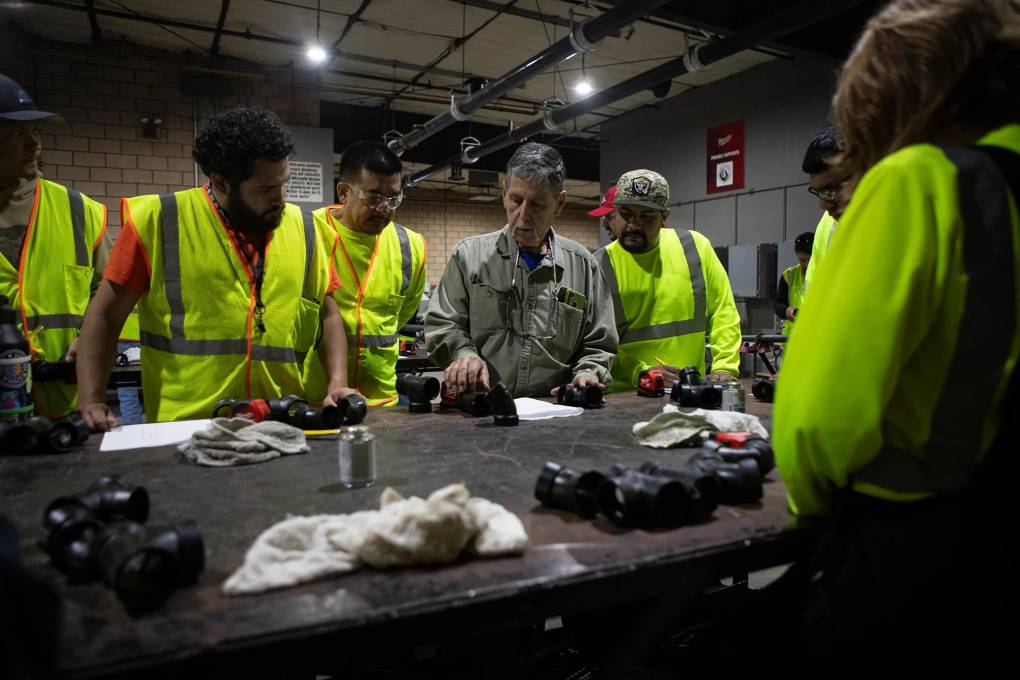
"caption": "Instructor Tony Flores shows students in the ValleyBuild program how to measure and cut a pipe during a lesson in a workshop at the Fresno Area Pipe Trades Training Center in Fresno on Oct. 28, 2024. ValleyBuild is a pre-apprenticeship program that helps people in the Central Valley get into the skilled trades and ride the wave of upcoming infrastructure projects.",
"credit": "Larry Valenzuela/CalMatters/CatchLight Local",
"altTag": null,
"description": null,
"imgSizes": {
"medium": {
"file": "https://cdn.kqed.org/wp-content/uploads/sites/10/2024/11/102824-ValleyBuild-Fresno-LV_17-copy-800x533.jpg",
"width": 800,
"height": 533,
"mimeType": "image/jpeg"
},
"large": {
"file": "https://cdn.kqed.org/wp-content/uploads/sites/10/2024/11/102824-ValleyBuild-Fresno-LV_17-copy-1020x680.jpg",
"width": 1020,
"height": 680,
"mimeType": "image/jpeg"
},
"thumbnail": {
"file": "https://cdn.kqed.org/wp-content/uploads/sites/10/2024/11/102824-ValleyBuild-Fresno-LV_17-copy-160x107.jpg",
"width": 160,
"height": 107,
"mimeType": "image/jpeg"
},
"1536x1536": {
"file": "https://cdn.kqed.org/wp-content/uploads/sites/10/2024/11/102824-ValleyBuild-Fresno-LV_17-copy-1536x1024.jpg",
"width": 1536,
"height": 1024,
"mimeType": "image/jpeg"
},
"post-thumbnail": {
"file": "https://cdn.kqed.org/wp-content/uploads/sites/10/2024/11/102824-ValleyBuild-Fresno-LV_17-copy-672x372.jpg",
"width": 672,
"height": 372,
"mimeType": "image/jpeg"
},
"twentyfourteen-full-width": {
"file": "https://cdn.kqed.org/wp-content/uploads/sites/10/2024/11/102824-ValleyBuild-Fresno-LV_17-copy-1038x576.jpg",
"width": 1038,
"height": 576,
"mimeType": "image/jpeg"
},
"full-width": {
"file": "https://cdn.kqed.org/wp-content/uploads/sites/10/2024/11/102824-ValleyBuild-Fresno-LV_17-copy-1920x1280.jpg",
"width": 1920,
"height": 1280,
"mimeType": "image/jpeg"
},
"kqedFullSize": {
"file": "https://cdn.kqed.org/wp-content/uploads/sites/10/2024/11/102824-ValleyBuild-Fresno-LV_17-copy.jpg",
"width": 2000,
"height": 1333
}
},
"isLoading": false,
"fetchFailed": false
},
"news_12014596": {
"type": "attachments",
"id": "news_12014596",
"meta": {
"index": "attachments_1716263798",
"site": "news",
"id": "12014596",
"found": true
},
"title": "San Francisco Mayor Asks Muni To Study Eliminating Transit Fares",
"publishDate": 1731698421,
"status": "inherit",
"parent": 12014573,
"modified": 1731720725,
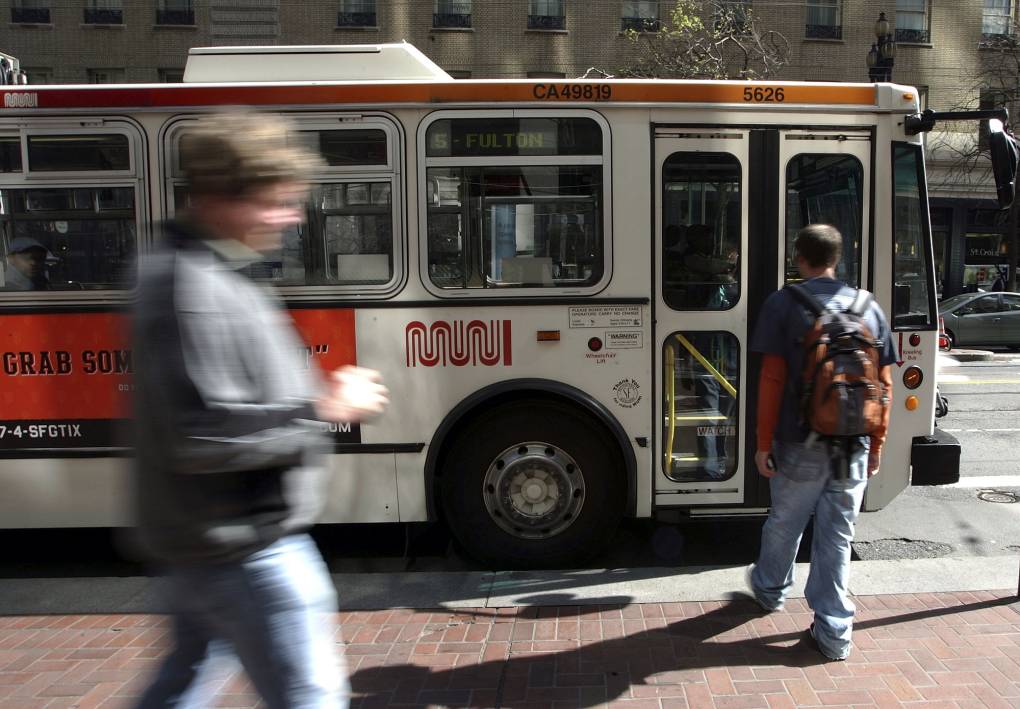
"caption": "Passengers board a San Francisco MUNI bus on March 7, 2007.",
"credit": "Justin Sullivan/Getty Images",
"altTag": null,
"description": null,
"imgSizes": {
"medium": {
"file": "https://cdn.kqed.org/wp-content/uploads/sites/10/2024/11/MUNISF-800x556.jpg",
"width": 800,
"height": 556,
"mimeType": "image/jpeg"
},
"large": {
"file": "https://cdn.kqed.org/wp-content/uploads/sites/10/2024/11/MUNISF-1020x709.jpg",
"width": 1020,
"height": 709,
"mimeType": "image/jpeg"
},
"thumbnail": {
"file": "https://cdn.kqed.org/wp-content/uploads/sites/10/2024/11/MUNISF-160x111.jpg",
"width": 160,
"height": 111,
"mimeType": "image/jpeg"
},
"1536x1536": {
"file": "https://cdn.kqed.org/wp-content/uploads/sites/10/2024/11/MUNISF-1536x1068.jpg",
"width": 1536,
"height": 1068,
"mimeType": "image/jpeg"
},
"post-thumbnail": {
"file": "https://cdn.kqed.org/wp-content/uploads/sites/10/2024/11/MUNISF-672x372.jpg",
"width": 672,
"height": 372,
"mimeType": "image/jpeg"
},
"twentyfourteen-full-width": {
"file": "https://cdn.kqed.org/wp-content/uploads/sites/10/2024/11/MUNISF-1038x576.jpg",
"width": 1038,
"height": 576,
"mimeType": "image/jpeg"
},
"full-width": {
"file": "https://cdn.kqed.org/wp-content/uploads/sites/10/2024/11/MUNISF-1920x1335.jpg",
"width": 1920,
"height": 1335,
"mimeType": "image/jpeg"
},
"kqedFullSize": {
"file": "https://cdn.kqed.org/wp-content/uploads/sites/10/2024/11/MUNISF.jpg",
"width": 2000,
"height": 1391
}
},
"isLoading": false,
"fetchFailed": false
},
"news_12014211": {
"type": "attachments",
"id": "news_12014211",
"meta": {
"index": "attachments_1716263798",
"site": "news",
"id": "12014211",
"found": true
},
"title": "002_KQED_StanfordGradUnion_05302023_qed",
"publishDate": 1731521714,
"status": "inherit",
"parent": 12014206,
"modified": 1731522685,
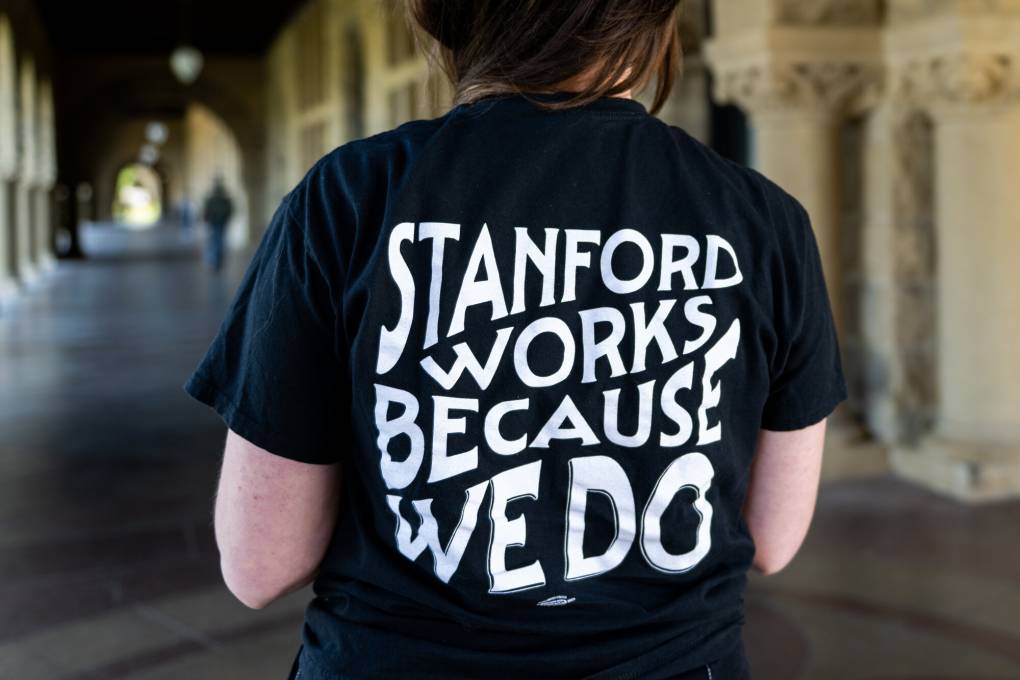
"caption": "Chloé Brault, a Ph.D. candidate in comparative literature, shows the back of her T-shirt, which reads, \"Stanford Works Because We Do,\" near Wallenberg Hall on the Stanford campus on May 30, 2023.",
"credit": "Beth LaBerge/KQED",
"altTag": null,
"description": null,
"imgSizes": {
"medium": {
"file": "https://cdn.kqed.org/wp-content/uploads/sites/10/2024/11/002_KQED_StanfordGradUnion_05302023_qed-800x533.jpg",
"width": 800,
"height": 533,
"mimeType": "image/jpeg"
},
"large": {
"file": "https://cdn.kqed.org/wp-content/uploads/sites/10/2024/11/002_KQED_StanfordGradUnion_05302023_qed-1020x680.jpg",
"width": 1020,
"height": 680,
"mimeType": "image/jpeg"
},
"thumbnail": {
"file": "https://cdn.kqed.org/wp-content/uploads/sites/10/2024/11/002_KQED_StanfordGradUnion_05302023_qed-160x107.jpg",
"width": 160,
"height": 107,
"mimeType": "image/jpeg"
},
"1536x1536": {
"file": "https://cdn.kqed.org/wp-content/uploads/sites/10/2024/11/002_KQED_StanfordGradUnion_05302023_qed-1536x1024.jpg",
"width": 1536,
"height": 1024,
"mimeType": "image/jpeg"
},
"post-thumbnail": {
"file": "https://cdn.kqed.org/wp-content/uploads/sites/10/2024/11/002_KQED_StanfordGradUnion_05302023_qed-672x372.jpg",
"width": 672,
"height": 372,
"mimeType": "image/jpeg"
},
"twentyfourteen-full-width": {
"file": "https://cdn.kqed.org/wp-content/uploads/sites/10/2024/11/002_KQED_StanfordGradUnion_05302023_qed-1038x576.jpg",
"width": 1038,
"height": 576,
"mimeType": "image/jpeg"
},
"full-width": {
"file": "https://cdn.kqed.org/wp-content/uploads/sites/10/2024/11/002_KQED_StanfordGradUnion_05302023_qed-1920x1280.jpg",
"width": 1920,
"height": 1280,
"mimeType": "image/jpeg"
},
"kqedFullSize": {
"file": "https://cdn.kqed.org/wp-content/uploads/sites/10/2024/11/002_KQED_StanfordGradUnion_05302023_qed.jpg",
"width": 2000,
"height": 1333
}
},
"isLoading": false,
"fetchFailed": false
},
"news_11813962": {
"type": "attachments",
"id": "news_11813962",
"meta": {
"index": "attachments_1716263798",
"site": "news",
"id": "11813962",
"found": true
},
"parent": 11813888,
"imgSizes": {
"apple_news_ca_landscape_5_5": {
"file": "https://ww2.kqed.org/app/uploads/sites/10/2020/04/GettyImages-1206287512_1920x-1044x783.jpg",
"width": 1044,
"mimeType": "image/jpeg",
"height": 783
},
"apple_news_ca_square_4_0": {
"file": "https://ww2.kqed.org/app/uploads/sites/10/2020/04/GettyImages-1206287512_1920x-470x470.jpg",
"width": 470,
"mimeType": "image/jpeg",
"height": 470
},
"twentyfourteen-full-width": {
"file": "https://ww2.kqed.org/app/uploads/sites/10/2020/04/GettyImages-1206287512_1920x-1038x576.jpg",
"width": 1038,
"mimeType": "image/jpeg",
"height": 576
},
"thumbnail": {
"file": "https://ww2.kqed.org/app/uploads/sites/10/2020/04/GettyImages-1206287512_1920x-160x107.jpg",
"width": 160,
"mimeType": "image/jpeg",
"height": 107
},
"post-thumbnail": {
"file": "https://ww2.kqed.org/app/uploads/sites/10/2020/04/GettyImages-1206287512_1920x-672x372.jpg",
"width": 672,
"mimeType": "image/jpeg",
"height": 372
},
"kqedFullSize": {
"file": "https://ww2.kqed.org/app/uploads/sites/10/2020/04/GettyImages-1206287512_1920x.jpg",
"width": 1920,
"height": 1280
},
"apple_news_ca_landscape_4_7": {
"file": "https://ww2.kqed.org/app/uploads/sites/10/2020/04/GettyImages-1206287512_1920x-632x474.jpg",
"width": 632,
"mimeType": "image/jpeg",
"height": 474
},
"large": {
"file": "https://ww2.kqed.org/app/uploads/sites/10/2020/04/GettyImages-1206287512_1920x-1020x680.jpg",
"width": 1020,
"mimeType": "image/jpeg",
"height": 680
},
"apple_news_ca_landscape_4_0": {
"file": "https://ww2.kqed.org/app/uploads/sites/10/2020/04/GettyImages-1206287512_1920x-536x402.jpg",
"width": 536,
"mimeType": "image/jpeg",
"height": 402
},
"apple_news_ca_portrait_12_9": {
"file": "https://ww2.kqed.org/app/uploads/sites/10/2020/04/GettyImages-1206287512_1920x-1122x1280.jpg",
"width": 1122,
"mimeType": "image/jpeg",
"height": 1280
},
"medium": {
"file": "https://ww2.kqed.org/app/uploads/sites/10/2020/04/GettyImages-1206287512_1920x-800x533.jpg",
"width": 800,
"mimeType": "image/jpeg",
"height": 533
},
"apple_news_ca_portrait_4_0": {
"file": "https://ww2.kqed.org/app/uploads/sites/10/2020/04/GettyImages-1206287512_1920x-354x472.jpg",
"width": 354,
"mimeType": "image/jpeg",
"height": 472
},
"apple_news_ca_portrait_9_7": {
"file": "https://ww2.kqed.org/app/uploads/sites/10/2020/04/GettyImages-1206287512_1920x-840x1120.jpg",
"width": 840,
"mimeType": "image/jpeg",
"height": 1120
},
"apple_news_ca_landscape_12_9": {
"file": "https://ww2.kqed.org/app/uploads/sites/10/2020/04/GettyImages-1206287512_1920x-1832x1280.jpg",
"width": 1832,
"mimeType": "image/jpeg",
"height": 1280
},
"apple_news_ca_square_9_7": {
"file": "https://ww2.kqed.org/app/uploads/sites/10/2020/04/GettyImages-1206287512_1920x-1104x1104.jpg",
"width": 1104,
"mimeType": "image/jpeg",
"height": 1104
},
"apple_news_ca_portrait_4_7": {
"file": "https://ww2.kqed.org/app/uploads/sites/10/2020/04/GettyImages-1206287512_1920x-414x552.jpg",
"width": 414,
"mimeType": "image/jpeg",
"height": 552
},
"apple_news_ca_square_12_9": {
"file": "https://ww2.kqed.org/app/uploads/sites/10/2020/04/GettyImages-1206287512_1920x-1472x1280.jpg",
"width": 1472,
"mimeType": "image/jpeg",
"height": 1280
},
"apple_news_ca_portrait_5_5": {
"file": "https://ww2.kqed.org/app/uploads/sites/10/2020/04/GettyImages-1206287512_1920x-687x916.jpg",
"width": 687,
"mimeType": "image/jpeg",
"height": 916
},
"full-width": {
"file": "https://ww2.kqed.org/app/uploads/sites/10/2020/04/GettyImages-1206287512_1920x-1920x1280.jpg",
"width": 1920,
"mimeType": "image/jpeg",
"height": 1280
},
"apple_news_ca_square_4_7": {
"file": "https://ww2.kqed.org/app/uploads/sites/10/2020/04/GettyImages-1206287512_1920x-550x550.jpg",
"width": 550,
"mimeType": "image/jpeg",
"height": 550
},
"apple_news_ca_landscape_9_7": {
"file": "https://ww2.kqed.org/app/uploads/sites/10/2020/04/GettyImages-1206287512_1920x-1376x1032.jpg",
"width": 1376,
"mimeType": "image/jpeg",
"height": 1032
},
"apple_news_ca_square_5_5": {
"file": "https://ww2.kqed.org/app/uploads/sites/10/2020/04/GettyImages-1206287512_1920x-912x912.jpg",
"width": 912,
"mimeType": "image/jpeg",
"height": 912
}
},
"publishDate": 1587667826,
"modified": 1587669970,
"caption": "A person walks past archways during a quiet morning at Stanford University on March 9, 2020. ",
"description": "STANFORD, CA - MARCH 09: A person walks past archways during a quiet morning at Stanford University on March 9, 2020 in Stanford, California. ",
"title": "Stanford University Cancels On-Campus Classes After Faculty Member Tests Positive For Coronavirus",
"credit": "Philip Pacheco/Getty Images",
"status": "inherit",
"isLoading": false,
"fetchFailed": false
},
"news_12013976": {
"type": "attachments",
"id": "news_12013976",
"meta": {
"index": "attachments_1716263798",
"site": "news",
"id": "12013976",
"found": true
},
"title": "01_110824-Deferred-Action-ZS-04",
"publishDate": 1731352840,
"status": "inherit",
"parent": 12013960,
"modified": 1731365370,
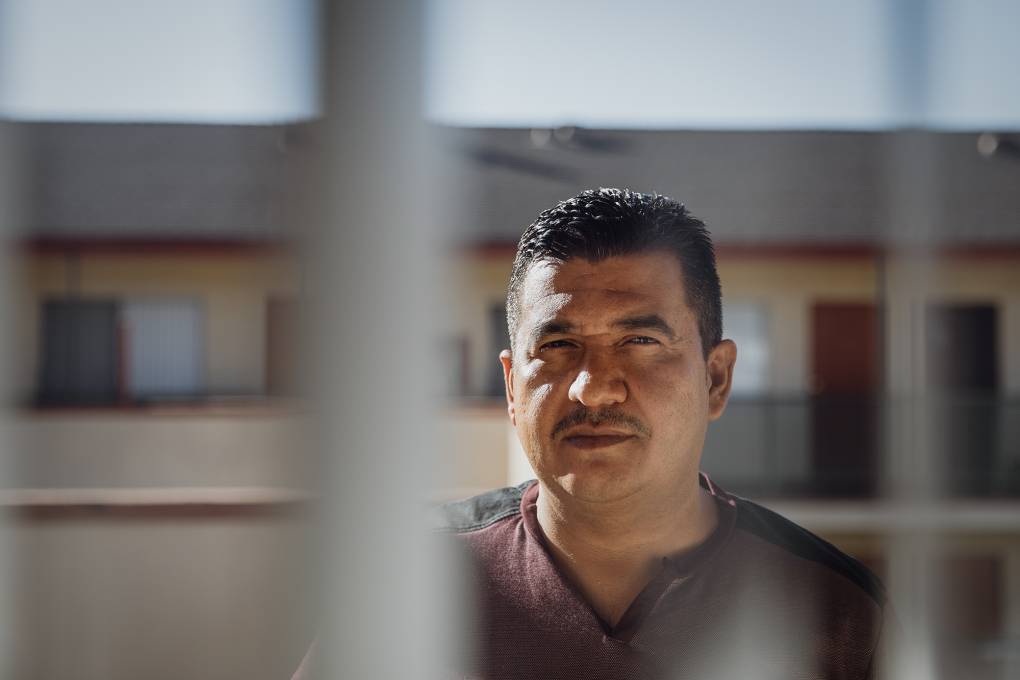
"caption": "Alejandro Gamez in his home in Hawthorne on Nov. 8, 2024. ",
"credit": "Zaydee Sanchez/CalMatters",
"altTag": "A man looks at the camera with light on his face and a house in the background.",
"description": null,
"imgSizes": {
"medium": {
"file": "https://cdn.kqed.org/wp-content/uploads/sites/10/2024/11/01_110824-Deferred-Action-ZS-04-800x533.jpg",
"width": 800,
"height": 533,
"mimeType": "image/jpeg"
},
"large": {
"file": "https://cdn.kqed.org/wp-content/uploads/sites/10/2024/11/01_110824-Deferred-Action-ZS-04-1020x680.jpg",
"width": 1020,
"height": 680,
"mimeType": "image/jpeg"
},
"thumbnail": {
"file": "https://cdn.kqed.org/wp-content/uploads/sites/10/2024/11/01_110824-Deferred-Action-ZS-04-160x107.jpg",
"width": 160,
"height": 107,
"mimeType": "image/jpeg"
},
"1536x1536": {
"file": "https://cdn.kqed.org/wp-content/uploads/sites/10/2024/11/01_110824-Deferred-Action-ZS-04-1536x1024.jpg",
"width": 1536,
"height": 1024,
"mimeType": "image/jpeg"
},
"post-thumbnail": {
"file": "https://cdn.kqed.org/wp-content/uploads/sites/10/2024/11/01_110824-Deferred-Action-ZS-04-672x372.jpg",
"width": 672,
"height": 372,
"mimeType": "image/jpeg"
},
"twentyfourteen-full-width": {
"file": "https://cdn.kqed.org/wp-content/uploads/sites/10/2024/11/01_110824-Deferred-Action-ZS-04-1038x576.jpg",
"width": 1038,
"height": 576,
"mimeType": "image/jpeg"
},
"full-width": {
"file": "https://cdn.kqed.org/wp-content/uploads/sites/10/2024/11/01_110824-Deferred-Action-ZS-04-1920x1280.jpg",
"width": 1920,
"height": 1280,
"mimeType": "image/jpeg"
},
"kqedFullSize": {
"file": "https://cdn.kqed.org/wp-content/uploads/sites/10/2024/11/01_110824-Deferred-Action-ZS-04.jpg",
"width": 2000,
"height": 1333
}
},
"isLoading": false,
"fetchFailed": false
},
"news_12013572": {
"type": "attachments",
"id": "news_12013572",
"meta": {
"index": "attachments_1716263798",
"site": "news",
"id": "12013572",
"found": true
},
"title": "legal-aid-bay-area",
"publishDate": 1731025240,
"status": "inherit",
"parent": 12013522,
"modified": 1731098420,
"caption": "Since the results of the 2024 presidential election, many in the Bay Area remain anxious that they could be directly affected by the sweeping changes Trump campaign has promised.\n\n\n\n\n\n\n\n",
"credit": "Getty Images",
"altTag": null,
"description": null,
"imgSizes": {
"medium": {
"file": "https://cdn.kqed.org/wp-content/uploads/sites/10/2024/11/GettyImages-1171173643-800x600.jpg",
"width": 800,
"height": 600,
"mimeType": "image/jpeg"
},
"large": {
"file": "https://cdn.kqed.org/wp-content/uploads/sites/10/2024/11/GettyImages-1171173643-1020x765.jpg",
"width": 1020,
"height": 765,
"mimeType": "image/jpeg"
},
"thumbnail": {
"file": "https://cdn.kqed.org/wp-content/uploads/sites/10/2024/11/GettyImages-1171173643-160x120.jpg",
"width": 160,
"height": 120,
"mimeType": "image/jpeg"
},
"1536x1536": {
"file": "https://cdn.kqed.org/wp-content/uploads/sites/10/2024/11/GettyImages-1171173643-1536x1152.jpg",
"width": 1536,
"height": 1152,
"mimeType": "image/jpeg"
},
"post-thumbnail": {
"file": "https://cdn.kqed.org/wp-content/uploads/sites/10/2024/11/GettyImages-1171173643-672x372.jpg",
"width": 672,
"height": 372,
"mimeType": "image/jpeg"
},
"twentyfourteen-full-width": {
"file": "https://cdn.kqed.org/wp-content/uploads/sites/10/2024/11/GettyImages-1171173643-1038x576.jpg",
"width": 1038,
"height": 576,
"mimeType": "image/jpeg"
},
"full-width": {
"file": "https://cdn.kqed.org/wp-content/uploads/sites/10/2024/11/GettyImages-1171173643-1920x1440.jpg",
"width": 1920,
"height": 1440,
"mimeType": "image/jpeg"
},
"kqedFullSize": {
"file": "https://cdn.kqed.org/wp-content/uploads/sites/10/2024/11/GettyImages-1171173643.jpg",
"width": 2000,
"height": 1500
}
},
"isLoading": false,
"fetchFailed": false
},
"news_12012780": {
"type": "attachments",
"id": "news_12012780",
"meta": {
"index": "attachments_1716263798",
"site": "news",
"id": "12012780",
"found": true
},
"title": "US-LABOR-NEWSPAPER-STRIKE",
"publishDate": 1730845187,
"status": "inherit",
"parent": 12012775,
"modified": 1730845222,
"caption": "Members of The New York Times Tech Guild protest outside of the New York Times headquarters building in New York City on Nov. 4, 2024.",
"credit": "David Dee Delgado/AFP via Getty Images",
"altTag": null,
"description": null,
"imgSizes": {
"medium": {
"file": "https://cdn.kqed.org/wp-content/uploads/sites/10/2024/11/NYTStrikeGetty1-800x533.jpg",
"width": 800,
"height": 533,
"mimeType": "image/jpeg"
},
"large": {
"file": "https://cdn.kqed.org/wp-content/uploads/sites/10/2024/11/NYTStrikeGetty1-1020x680.jpg",
"width": 1020,
"height": 680,
"mimeType": "image/jpeg"
},
"thumbnail": {
"file": "https://cdn.kqed.org/wp-content/uploads/sites/10/2024/11/NYTStrikeGetty1-160x107.jpg",
"width": 160,
"height": 107,
"mimeType": "image/jpeg"
},
"1536x1536": {
"file": "https://cdn.kqed.org/wp-content/uploads/sites/10/2024/11/NYTStrikeGetty1-1536x1024.jpg",
"width": 1536,
"height": 1024,
"mimeType": "image/jpeg"
},
"post-thumbnail": {
"file": "https://cdn.kqed.org/wp-content/uploads/sites/10/2024/11/NYTStrikeGetty1-672x372.jpg",
"width": 672,
"height": 372,
"mimeType": "image/jpeg"
},
"twentyfourteen-full-width": {
"file": "https://cdn.kqed.org/wp-content/uploads/sites/10/2024/11/NYTStrikeGetty1-1038x576.jpg",
"width": 1038,
"height": 576,
"mimeType": "image/jpeg"
},
"full-width": {
"file": "https://cdn.kqed.org/wp-content/uploads/sites/10/2024/11/NYTStrikeGetty1-1920x1280.jpg",
"width": 1920,
"height": 1280,
"mimeType": "image/jpeg"
},
"kqedFullSize": {
"file": "https://cdn.kqed.org/wp-content/uploads/sites/10/2024/11/NYTStrikeGetty1.jpg",
"width": 2000,
"height": 1333
}
},
"isLoading": false,
"fetchFailed": false
},
"news_12011853": {
"type": "attachments",
"id": "news_12011853",
"meta": {
"index": "attachments_1716263798",
"site": "news",
"id": "12011853",
"found": true
},
"title": "241030-DowntownHotelStrikersMarch-25-BL",
"publishDate": 1730340949,
"status": "inherit",
"parent": 0,
"modified": 1730346875,
"caption": "Police officers line up in front of hotel workers and their allies sitting in the street in front of the Westin St. Francis in San Francisco on Oct. 30, 2024, during a protest demanding that employers invest in hotel staff and restore guest services.",
"credit": "Beth LaBerge/KQED",
"altTag": null,
"description": null,
"imgSizes": {
"medium": {
"file": "https://cdn.kqed.org/wp-content/uploads/sites/10/2024/10/241030-DowntownHotelStrikersMarch-25-BL-800x533.jpg",
"width": 800,
"height": 533,
"mimeType": "image/jpeg"
},
"large": {
"file": "https://cdn.kqed.org/wp-content/uploads/sites/10/2024/10/241030-DowntownHotelStrikersMarch-25-BL-1020x680.jpg",
"width": 1020,
"height": 680,
"mimeType": "image/jpeg"
},
"thumbnail": {
"file": "https://cdn.kqed.org/wp-content/uploads/sites/10/2024/10/241030-DowntownHotelStrikersMarch-25-BL-160x107.jpg",
"width": 160,
"height": 107,
"mimeType": "image/jpeg"
},
"1536x1536": {
"file": "https://cdn.kqed.org/wp-content/uploads/sites/10/2024/10/241030-DowntownHotelStrikersMarch-25-BL-1536x1024.jpg",
"width": 1536,
"height": 1024,
"mimeType": "image/jpeg"
},
"post-thumbnail": {
"file": "https://cdn.kqed.org/wp-content/uploads/sites/10/2024/10/241030-DowntownHotelStrikersMarch-25-BL-672x372.jpg",
"width": 672,
"height": 372,
"mimeType": "image/jpeg"
},
"twentyfourteen-full-width": {
"file": "https://cdn.kqed.org/wp-content/uploads/sites/10/2024/10/241030-DowntownHotelStrikersMarch-25-BL-1038x576.jpg",
"width": 1038,
"height": 576,
"mimeType": "image/jpeg"
},
"full-width": {
"file": "https://cdn.kqed.org/wp-content/uploads/sites/10/2024/10/241030-DowntownHotelStrikersMarch-25-BL-1920x1280.jpg",
"width": 1920,
"height": 1280,
"mimeType": "image/jpeg"
},
"kqedFullSize": {
"file": "https://cdn.kqed.org/wp-content/uploads/sites/10/2024/10/241030-DowntownHotelStrikersMarch-25-BL.jpg",
"width": 2000,
"height": 1333
}
},
"isLoading": false,
"fetchFailed": false
},
"news_11954233": {
"type": "attachments",
"id": "news_11954233",
"meta": {
"index": "attachments_1716263798",
"site": "news",
"id": "11954233",
"found": true
},
"title": "RS46642_KQED_Oakland_McDonaldsStrike_01152021-11-qut",
"publishDate": 1687895609,
"status": "inherit",
"parent": 11954205,
"modified": 1729878043,
"caption": "Oakland fast food workers convened for a car caravan strike at a McDonald's restaurant in Oakland on Jan. 15, 2021, to demand better working conditions and higher minimum wage for fast food workers around the country.",
"credit": "Anna Vignet/KQED",
"altTag": "A McDonald's drive-thru is pictured, where several protesters are seen holding a large yellow banner with black and red writing that reads, \"Fast Food Worker Power!\" A maroon SUV is pulling out of the drive-thru.",
"description": null,
"imgSizes": {
"medium": {
"file": "https://cdn.kqed.org/wp-content/uploads/sites/10/2023/06/RS46642_KQED_Oakland_McDonaldsStrike_01152021-11-qut-800x534.jpg",
"width": 800,
"height": 534,
"mimeType": "image/jpeg"
},
"large": {
"file": "https://cdn.kqed.org/wp-content/uploads/sites/10/2023/06/RS46642_KQED_Oakland_McDonaldsStrike_01152021-11-qut-1020x681.jpg",
"width": 1020,
"height": 681,
"mimeType": "image/jpeg"
},
"thumbnail": {
"file": "https://cdn.kqed.org/wp-content/uploads/sites/10/2023/06/RS46642_KQED_Oakland_McDonaldsStrike_01152021-11-qut-160x107.jpg",
"width": 160,
"height": 107,
"mimeType": "image/jpeg"
},
"1536x1536": {
"file": "https://cdn.kqed.org/wp-content/uploads/sites/10/2023/06/RS46642_KQED_Oakland_McDonaldsStrike_01152021-11-qut-1536x1026.jpg",
"width": 1536,
"height": 1026,
"mimeType": "image/jpeg"
},
"post-thumbnail": {
"file": "https://cdn.kqed.org/wp-content/uploads/sites/10/2023/06/RS46642_KQED_Oakland_McDonaldsStrike_01152021-11-qut-672x372.jpg",
"width": 672,
"height": 372,
"mimeType": "image/jpeg"
},
"twentyfourteen-full-width": {
"file": "https://cdn.kqed.org/wp-content/uploads/sites/10/2023/06/RS46642_KQED_Oakland_McDonaldsStrike_01152021-11-qut-1038x576.jpg",
"width": 1038,
"height": 576,
"mimeType": "image/jpeg"
},
"kqedFullSize": {
"file": "https://cdn.kqed.org/wp-content/uploads/sites/10/2023/06/RS46642_KQED_Oakland_McDonaldsStrike_01152021-11-qut.jpg",
"width": 1920,
"height": 1282
}
},
"isLoading": false,
"fetchFailed": false
},
"news_12010985": {
"type": "attachments",
"id": "news_12010985",
"meta": {
"index": "attachments_1716263798",
"site": "news",
"id": "12010985",
"found": true
},
"title": "241024-SFCOURTCLERKSSTRIKE-07-BL-KQED",
"publishDate": 1729806684,
"status": "inherit",
"parent": 0,
"modified": 1729809187,
"caption": "San Francisco Superior Court clerks, supported by their union SEIU Local 1021, strike in front of the 850 Bryant St. Courthouse in San Francisco on Oct. 24, 2024, nearly a month after their contract expired. They raised issues of inadequate staffing and training that they say have already caused over 70 misdemeanor cases to be dismissed and caused unnecessary delays and errors.",
"credit": "Beth LaBerge/KQED",
"altTag": null,
"description": null,
"imgSizes": {
"medium": {
"file": "https://cdn.kqed.org/wp-content/uploads/sites/10/2024/10/241024-SFCOURTCLERKSSTRIKE-07-BL-KQED-800x533.jpg",
"width": 800,
"height": 533,
"mimeType": "image/jpeg"
},
"large": {
"file": "https://cdn.kqed.org/wp-content/uploads/sites/10/2024/10/241024-SFCOURTCLERKSSTRIKE-07-BL-KQED-1020x680.jpg",
"width": 1020,
"height": 680,
"mimeType": "image/jpeg"
},
"thumbnail": {
"file": "https://cdn.kqed.org/wp-content/uploads/sites/10/2024/10/241024-SFCOURTCLERKSSTRIKE-07-BL-KQED-160x107.jpg",
"width": 160,
"height": 107,
"mimeType": "image/jpeg"
},
"1536x1536": {
"file": "https://cdn.kqed.org/wp-content/uploads/sites/10/2024/10/241024-SFCOURTCLERKSSTRIKE-07-BL-KQED-1536x1024.jpg",
"width": 1536,
"height": 1024,
"mimeType": "image/jpeg"
},
"post-thumbnail": {
"file": "https://cdn.kqed.org/wp-content/uploads/sites/10/2024/10/241024-SFCOURTCLERKSSTRIKE-07-BL-KQED-672x372.jpg",
"width": 672,
"height": 372,
"mimeType": "image/jpeg"
},
"twentyfourteen-full-width": {
"file": "https://cdn.kqed.org/wp-content/uploads/sites/10/2024/10/241024-SFCOURTCLERKSSTRIKE-07-BL-KQED-1038x576.jpg",
"width": 1038,
"height": 576,
"mimeType": "image/jpeg"
},
"full-width": {
"file": "https://cdn.kqed.org/wp-content/uploads/sites/10/2024/10/241024-SFCOURTCLERKSSTRIKE-07-BL-KQED-1920x1280.jpg",
"width": 1920,
"height": 1280,
"mimeType": "image/jpeg"
},
"kqedFullSize": {
"file": "https://cdn.kqed.org/wp-content/uploads/sites/10/2024/10/241024-SFCOURTCLERKSSTRIKE-07-BL-KQED.jpg",
"width": 2000,
"height": 1333
}
},
"isLoading": false,
"fetchFailed": false
},
"news_12009758": {
"type": "attachments",
"id": "news_12009758",
"meta": {
"index": "attachments_1716263798",
"site": "news",
"id": "12009758",
"found": true
},
"title": "241016-HEALTHCAREMINWAGERAISE-21-BL-KQED",
"publishDate": 1729126780,
"status": "inherit",
"parent": 0,
"modified": 1729126861,
"caption": "Cristina Cortez, a dialysis technician, sits in her car outside of Satellite Healthcare, where she works in Gilroy, on Oct. 16, 2024, before leaving for an hour or more commute home.",
"credit": "Beth LaBerge/KQED",
"altTag": null,
"description": null,
"imgSizes": {
"medium": {
"file": "https://cdn.kqed.org/wp-content/uploads/sites/10/2024/10/241016-HEALTHCAREMINWAGERAISE-21-BL-KQED-800x533.jpg",
"width": 800,
"height": 533,
"mimeType": "image/jpeg"
},
"large": {
"file": "https://cdn.kqed.org/wp-content/uploads/sites/10/2024/10/241016-HEALTHCAREMINWAGERAISE-21-BL-KQED-1020x680.jpg",
"width": 1020,
"height": 680,
"mimeType": "image/jpeg"
},
"thumbnail": {
"file": "https://cdn.kqed.org/wp-content/uploads/sites/10/2024/10/241016-HEALTHCAREMINWAGERAISE-21-BL-KQED-160x107.jpg",
"width": 160,
"height": 107,
"mimeType": "image/jpeg"
},
"1536x1536": {
"file": "https://cdn.kqed.org/wp-content/uploads/sites/10/2024/10/241016-HEALTHCAREMINWAGERAISE-21-BL-KQED-1536x1024.jpg",
"width": 1536,
"height": 1024,
"mimeType": "image/jpeg"
},
"post-thumbnail": {
"file": "https://cdn.kqed.org/wp-content/uploads/sites/10/2024/10/241016-HEALTHCAREMINWAGERAISE-21-BL-KQED-672x372.jpg",
"width": 672,
"height": 372,
"mimeType": "image/jpeg"
},
"twentyfourteen-full-width": {
"file": "https://cdn.kqed.org/wp-content/uploads/sites/10/2024/10/241016-HEALTHCAREMINWAGERAISE-21-BL-KQED-1038x576.jpg",
"width": 1038,
"height": 576,
"mimeType": "image/jpeg"
},
"full-width": {
"file": "https://cdn.kqed.org/wp-content/uploads/sites/10/2024/10/241016-HEALTHCAREMINWAGERAISE-21-BL-KQED-1920x1280.jpg",
"width": 1920,
"height": 1280,
"mimeType": "image/jpeg"
},
"kqedFullSize": {
"file": "https://cdn.kqed.org/wp-content/uploads/sites/10/2024/10/241016-HEALTHCAREMINWAGERAISE-21-BL-KQED.jpg",
"width": 2000,
"height": 1333
}
},
"isLoading": false,
"fetchFailed": false
},
"news_12008542": {
"type": "attachments",
"id": "news_12008542",
"meta": {
"index": "attachments_1716263798",
"site": "news",
"id": "12008542",
"found": true
},
"title": "002_qed",
"publishDate": 1728420375,
"status": "inherit",
"parent": 12008531,
"modified": 1728431205,
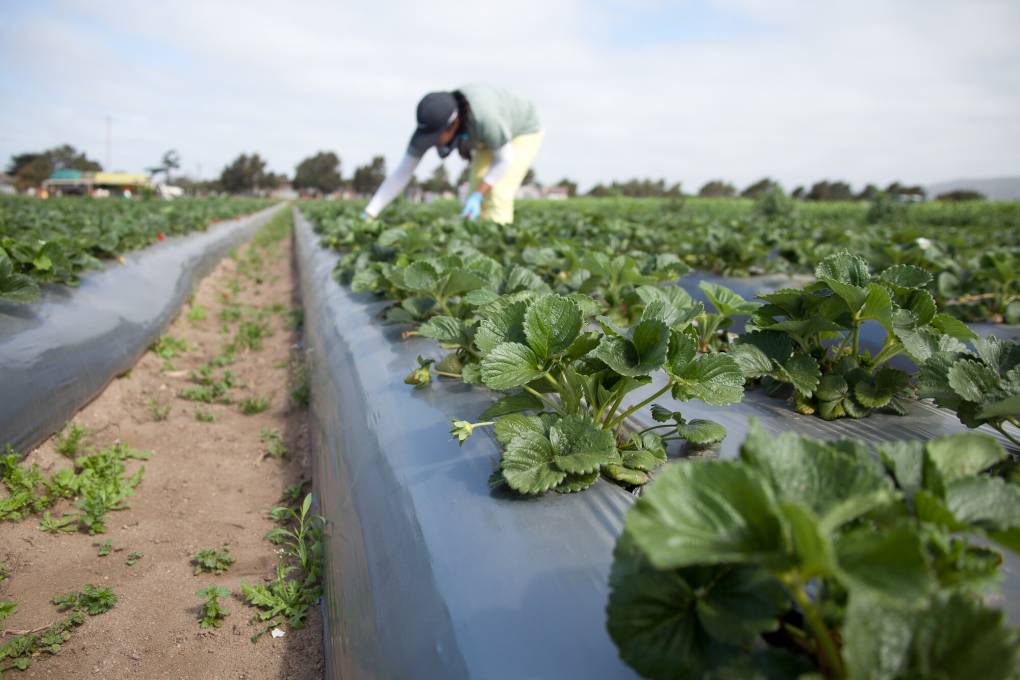
"caption": "A Salinas farmworker pulls weeds and trims strawberry runners to focus the crop’s energy on producing flavorful berries on April 13, 2017. Cal/OSHA announced yesterday it cited a California farm labor contractor for not protecting employees from heat illness. Farmworkers pushed for a bill that would have made getting workers' compensation for heat-related illnesses easier. But that bill, SB 1299, was vetoed by Gov. Gavin Newsom a few days ago.",
"credit": "Deborah Svoboda/KQED",
"altTag": null,
"description": null,
"imgSizes": {
"medium": {
"file": "https://cdn.kqed.org/wp-content/uploads/sites/10/2024/10/002_qed-800x533.jpg",
"width": 800,
"height": 533,
"mimeType": "image/jpeg"
},
"large": {
"file": "https://cdn.kqed.org/wp-content/uploads/sites/10/2024/10/002_qed-1020x680.jpg",
"width": 1020,
"height": 680,
"mimeType": "image/jpeg"
},
"thumbnail": {
"file": "https://cdn.kqed.org/wp-content/uploads/sites/10/2024/10/002_qed-160x107.jpg",
"width": 160,
"height": 107,
"mimeType": "image/jpeg"
},
"1536x1536": {
"file": "https://cdn.kqed.org/wp-content/uploads/sites/10/2024/10/002_qed-1536x1024.jpg",
"width": 1536,
"height": 1024,
"mimeType": "image/jpeg"
},
"post-thumbnail": {
"file": "https://cdn.kqed.org/wp-content/uploads/sites/10/2024/10/002_qed-672x372.jpg",
"width": 672,
"height": 372,
"mimeType": "image/jpeg"
},
"twentyfourteen-full-width": {
"file": "https://cdn.kqed.org/wp-content/uploads/sites/10/2024/10/002_qed-1038x576.jpg",
"width": 1038,
"height": 576,
"mimeType": "image/jpeg"
},
"full-width": {
"file": "https://cdn.kqed.org/wp-content/uploads/sites/10/2024/10/002_qed-1920x1280.jpg",
"width": 1920,
"height": 1280,
"mimeType": "image/jpeg"
},
"kqedFullSize": {
"file": "https://cdn.kqed.org/wp-content/uploads/sites/10/2024/10/002_qed.jpg",
"width": 2000,
"height": 1333
}
},
"isLoading": false,
"fetchFailed": false
}
},
"audioPlayerReducer": {
"postId": "stream_live",
"isPaused": true,
"isPlaying": false,
"pfsActive": false,
"pledgeModalIsOpen": true,
"playerDrawerIsOpen": false,
"liveAudioPlayStartedAt": 0,
"liveAudioPlayContext": ""
},
"authorsReducer": {
"byline_news_12014595": {
"type": "authors",
"id": "byline_news_12014595",
"meta": {
"override": true
},
"slug": "byline_news_12014595",
"name": "\u003ca href=\"https://calmatters.org/author/fiona-kelliher/\">Fiona Kelliher\u003c/a>, CalMatters",
"isLoading": false
},
"byline_news_12013960": {
"type": "authors",
"id": "byline_news_12013960",
"meta": {
"override": true
},
"slug": "byline_news_12013960",
"name": "\u003ca href=\"https://calmatters.org/author/jeanne-kuang/\">Jeanne Kuang\u003c/a>, CalMatters",
"isLoading": false
},
"danbrekke": {
"type": "authors",
"id": "222",
"meta": {
"index": "authors_1716337520",
"id": "222",
"found": true
},
"name": "Dan Brekke",
"firstName": "Dan",
"lastName": "Brekke",
"slug": "danbrekke",
"email": "dbrekke@kqed.org",
"display_author_email": true,
"staff_mastheads": [
"news",
"science"
],
"title": "KQED Editor and Reporter",
"bio": "Dan Brekke is a reporter and editor for KQED News, responsible for coverage of topics ranging from California water issues to the Bay Area's transportation challenges. In a newsroom career that began in Chicago in 1972, Dan has worked for \u003cem>The San Francisco Examiner,\u003c/em> Wired and TechTV and has been published in The New York Times, The New York Times Magazine, Business 2.0, Salon and elsewhere.\r\n\r\nSince joining KQED in 2007, Dan has reported, edited and produced both radio and online features and breaking news pieces. He has shared as both editor and reporter in four Society of Professional Journalists Norcal Excellence in Journalism awards and one Edward R. Murrow regional award. He was chosen for a spring 2017 residency at the Mesa Refuge to advance his research on California salmon.\r\n\r\nEmail Dan at: \u003ca href=\"mailto:dbrekke@kqed.org\">dbrekke@kqed.org\u003c/a>\r\n\r\n\u003cstrong>Twitter:\u003c/strong> \u003ca href=\"https://twitter.com/danbrekke\" rel=\"noopener noreferrer\">twitter.com/danbrekke\u003c/a>\r\n\u003cstrong>Facebook:\u003c/strong> \u003ca href=\"https://www.facebook.com/danbrekke\" rel=\"noopener noreferrer\">www.facebook.com/danbrekke\u003c/a>\r\n\u003cstrong>LinkedIn:\u003c/strong> \u003ca href=\"https://www.linkedin.com/in/danbrekke\" rel=\"noopener noreferrer\">www.linkedin.com/in/danbrekke\u003c/a>",
"avatar": "https://secure.gravatar.com/avatar/c8126230345efca3f7aa89b1a402be45?s=600&d=mm&r=g",
"twitter": "danbrekke",
"facebook": null,
"instagram": "https://www.instagram.com/dan.brekke/",
"linkedin": "https://www.linkedin.com/in/danbrekke/",
"sites": [
{
"site": "news",
"roles": [
"administrator",
"create_posts"
]
},
{
"site": "stateofhealth",
"roles": [
"editor"
]
},
{
"site": "science",
"roles": [
"editor"
]
},
{
"site": "quest",
"roles": [
"contributor"
]
},
{
"site": "food",
"roles": [
"contributor"
]
},
{
"site": "forum",
"roles": [
"contributor"
]
},
{
"site": "liveblog",
"roles": [
"editor"
]
}
],
"headData": {
"title": "Dan Brekke | KQED",
"description": "KQED Editor and Reporter",
"ogImgSrc": "https://secure.gravatar.com/avatar/c8126230345efca3f7aa89b1a402be45?s=600&d=mm&r=g",
"twImgSrc": "https://secure.gravatar.com/avatar/c8126230345efca3f7aa89b1a402be45?s=600&d=mm&r=g"
},
"isLoading": false,
"link": "/author/danbrekke"
},
"fjhabvala": {
"type": "authors",
"id": "8659",
"meta": {
"index": "authors_1716337520",
"id": "8659",
"found": true
},
"name": "Farida Jhabvala Romero",
"firstName": "Farida",
"lastName": "Jhabvala Romero",
"slug": "fjhabvala",
"email": "fjhabvala@kqed.org",
"display_author_email": true,
"staff_mastheads": [
"news"
],
"title": "KQED Contributor",
"bio": "Farida Jhabvala Romero is a Labor Correspondent for KQED. She previously covered immigration. Farida was \u003ca href=\"https://www.ccnma.org/2022-most-influential-latina-journalists\">named\u003c/a> one of the 10 Most Influential Latina Journalists in California in 2022 by the California Chicano News Media Association. Her work has won awards from the Society of Professional Journalists (Northern California), as well as a national and regional Edward M. Murrow Award for the collaborative reporting projects “Dangerous Air” and “Graying California.” Before joining KQED, Farida worked as a producer at Radio Bilingüe, a national public radio network. Farida earned her master’s degree in journalism from Stanford University.",
"avatar": "https://secure.gravatar.com/avatar/f9f022d4e2609741874222a1e9d41f48fea74011aa7c615eef91d9a50c944ebe?s=600&d=blank&r=g",
"twitter": "FaridaJhabvala",
"bluesky": null,
"facebook": null,
"instagram": null,
"linkedin": "https://www.linkedin.com/in/faridajhabvala/",
"sites": [
{
"site": "news",
"roles": [
"editor"
]
},
{
"site": "stateofhealth",
"roles": [
"author"
]
},
{
"site": "liveblog",
"roles": [
"author"
]
}
],
"headData": {
"title": "Farida Jhabvala Romero | KQED",
"description": "KQED Contributor",
"ogImgSrc": "https://secure.gravatar.com/avatar/f9f022d4e2609741874222a1e9d41f48fea74011aa7c615eef91d9a50c944ebe?s=600&d=blank&r=g",
"twImgSrc": "https://secure.gravatar.com/avatar/f9f022d4e2609741874222a1e9d41f48fea74011aa7c615eef91d9a50c944ebe?s=600&d=blank&r=g"
},
"isLoading": false,
"link": "/author/fjhabvala"
},
"ccabreralomeli": {
"type": "authors",
"id": "11708",
"meta": {
"index": "authors_1716337520",
"id": "11708",
"found": true
},
"name": "Carlos Cabrera-Lomelí",
"firstName": "Carlos",
"lastName": "Cabrera-Lomelí",
"slug": "ccabreralomeli",
"email": "ccabreralomeli@KQED.org",
"display_author_email": true,
"staff_mastheads": [
"news"
],
"title": "Community Reporter",
"bio": "Carlos Cabrera-Lomelí is a community reporter with KQED's digital engagement team. He also reports and co-produces for KQED's bilingual news hub KQED en Español. He grew up in San Francisco's Mission District and has previously worked with Univision, 48 Hills and REFORMA in Mexico City.",
"avatar": "https://secure.gravatar.com/avatar/c309be9665e484f887b818c89e273ecc673004f426f36b24d00a4d813a2e0518?s=600&d=blank&r=g",
"twitter": "@LomeliCabrera",
"bluesky": null,
"facebook": null,
"instagram": null,
"linkedin": null,
"sites": [
{
"site": "arts",
"roles": [
"editor"
]
},
{
"site": "news",
"roles": [
"editor"
]
},
{
"site": "about",
"roles": [
"editor"
]
},
{
"site": "science",
"roles": [
"editor"
]
},
{
"site": "perspectives",
"roles": [
"editor"
]
},
{
"site": "elections",
"roles": [
"editor"
]
},
{
"site": "liveblog",
"roles": [
"contributor"
]
}
],
"headData": {
"title": "Carlos Cabrera-Lomelí | KQED",
"description": "Community Reporter",
"ogImgSrc": "https://secure.gravatar.com/avatar/c309be9665e484f887b818c89e273ecc673004f426f36b24d00a4d813a2e0518?s=600&d=blank&r=g",
"twImgSrc": "https://secure.gravatar.com/avatar/c309be9665e484f887b818c89e273ecc673004f426f36b24d00a4d813a2e0518?s=600&d=blank&r=g"
},
"isLoading": false,
"link": "/author/ccabreralomeli"
},
"kdebenedetti": {
"type": "authors",
"id": "11913",
"meta": {
"index": "authors_1716337520",
"id": "11913",
"found": true
},
"name": "Katie DeBenedetti",
"firstName": "Katie",
"lastName": "DeBenedetti",
"slug": "kdebenedetti",
"email": "kdebenedetti@kqed.org",
"display_author_email": false,
"staff_mastheads": [
"news",
"science"
],
"title": "KQED Contributor",
"bio": "Katie DeBenedetti is a digital reporter covering daily news for the Express Desk. Prior to joining KQED as a culture reporting intern in January 2024, she covered education and city government for the Napa Valley Register.",
"avatar": "https://secure.gravatar.com/avatar/6e31073cb8f7e4214ab03f42771d0f45?s=600&d=blank&r=g",
"twitter": null,
"facebook": null,
"instagram": null,
"linkedin": null,
"sites": [
{
"site": "news",
"roles": [
"author"
]
},
{
"site": "science",
"roles": [
"author"
]
},
{
"site": "liveblog",
"roles": [
"author"
]
}
],
"headData": {
"title": "Katie DeBenedetti | KQED",
"description": "KQED Contributor",
"ogImgSrc": "https://secure.gravatar.com/avatar/6e31073cb8f7e4214ab03f42771d0f45?s=600&d=blank&r=g",
"twImgSrc": "https://secure.gravatar.com/avatar/6e31073cb8f7e4214ab03f42771d0f45?s=600&d=blank&r=g"
},
"isLoading": false,
"link": "/author/kdebenedetti"
},
"rcooke": {
"type": "authors",
"id": "11921",
"meta": {
"index": "authors_1716337520",
"id": "11921",
"found": true
},
"name": "Riley Cooke",
"firstName": "Riley",
"lastName": "Cooke",
"slug": "rcooke",
"email": "rcooke@kqed.org",
"display_author_email": true,
"staff_mastheads": [
"news"
],
"title": "KQED Contributor",
"bio": "Riley is a senior at UC Berkeley, where she studies political science and journalism. Her work has appeared in SFGate, NBC Bay Area, Local News Matters and more. She enjoys reporting on politics, housing and homelessness — and using as many em dashes as her editors will allow.",
"avatar": "https://secure.gravatar.com/avatar/792f98c126cc5e270a8a96f77f7224ea?s=600&d=blank&r=g",
"twitter": "rrileycooke",
"facebook": null,
"instagram": null,
"linkedin": null,
"sites": [
{
"site": "arts",
"roles": [
"author"
]
},
{
"site": "news",
"roles": [
"author"
]
}
],
"headData": {
"title": "Riley Cooke | KQED",
"description": "KQED Contributor",
"ogImgSrc": "https://secure.gravatar.com/avatar/792f98c126cc5e270a8a96f77f7224ea?s=600&d=blank&r=g",
"twImgSrc": "https://secure.gravatar.com/avatar/792f98c126cc5e270a8a96f77f7224ea?s=600&d=blank&r=g"
},
"isLoading": false,
"link": "/author/rcooke"
},
"emanoukian": {
"type": "authors",
"id": "11925",
"meta": {
"index": "authors_1716337520",
"id": "11925",
"found": true
},
"name": "Elize Manoukian",
"firstName": "Elize",
"lastName": "Manoukian",
"slug": "emanoukian",
"email": "emanoukian@KQED.org",
"display_author_email": false,
"staff_mastheads": [
"news"
],
"title": "Digital News Editor",
"bio": "Elize Manoukian is an award-winning audio producer and Senior Editor on the Express Desk, KQED's digital news platform. Her work has appeared on KPFA, Interlochen Public Radio, Oregon Public Broadcast, the New York Daily News, LA Times and the San Diego Union-Tribune.",
"avatar": "https://secure.gravatar.com/avatar/4525f1a8e46ccb30933b32653d9772064cfefe3fa655eb45b3b3a80341f6bdad?s=600&d=blank&r=g",
"twitter": null,
"bluesky": null,
"facebook": null,
"instagram": null,
"linkedin": null,
"sites": [
{
"site": "arts",
"roles": [
"editor"
]
},
{
"site": "news",
"roles": [
"editor"
]
},
{
"site": "science",
"roles": [
"editor"
]
}
],
"headData": {
"title": "Elize Manoukian | KQED",
"description": "Digital News Editor",
"ogImgSrc": "https://secure.gravatar.com/avatar/4525f1a8e46ccb30933b32653d9772064cfefe3fa655eb45b3b3a80341f6bdad?s=600&d=blank&r=g",
"twImgSrc": "https://secure.gravatar.com/avatar/4525f1a8e46ccb30933b32653d9772064cfefe3fa655eb45b3b3a80341f6bdad?s=600&d=blank&r=g"
},
"isLoading": false,
"link": "/author/emanoukian"
},
"gzada": {
"type": "authors",
"id": "11929",
"meta": {
"index": "authors_1716337520",
"id": "11929",
"found": true
},
"name": "Gilare Zada",
"firstName": "Gilare",
"lastName": "Zada",
"slug": "gzada",
"email": "gzada@kqed.org",
"display_author_email": true,
"staff_mastheads": [
"news"
],
"title": null,
"bio": "Gilare Zada is a Kurdish-American from San Diego, CA. Storytelling, fitness, and binge reading are some of her passions outside of news reporting. Her work has appeared in Mission Local, the Peninsula Press, the San Francisco Press Club, and more. She also writes as a class correspondent for the Stanford Magazine - go Card!",
"avatar": "https://secure.gravatar.com/avatar/33a75f2b947669a488a805edec3fbf3838c1cedaedda710e983770633b4d6a75?s=600&d=blank&r=g",
"twitter": null,
"bluesky": null,
"facebook": null,
"instagram": null,
"linkedin": null,
"sites": [
{
"site": "",
"roles": [
"editor"
]
},
{
"site": "arts",
"roles": [
"editor"
]
},
{
"site": "news",
"roles": [
"administrator"
]
},
{
"site": "science",
"roles": [
"editor"
]
}
],
"headData": {
"title": "Gilare Zada | KQED",
"description": null,
"ogImgSrc": "https://secure.gravatar.com/avatar/33a75f2b947669a488a805edec3fbf3838c1cedaedda710e983770633b4d6a75?s=600&d=blank&r=g",
"twImgSrc": "https://secure.gravatar.com/avatar/33a75f2b947669a488a805edec3fbf3838c1cedaedda710e983770633b4d6a75?s=600&d=blank&r=g"
},
"isLoading": false,
"link": "/author/gzada"
}
},
"pagesReducer": {
"news_tag_labor": {
"type": "terms",
"id": "news_19904",
"meta": {
"index": "terms_1716263798",
"site": "news",
"id": "19904",
"score": 8.558093
},
"name": "Labor",
"slug": "labor",
"taxonomy": "tag",
"description": null,
"featImg": null,
"headData": {
"title": "Labor | KQED News",
"description": null,
"ogTitle": null,
"ogDescription": null,
"ogImgId": null,
"twTitle": null,
"twDescription": null,
"twImgId": null
},
"ttid": 19921,
"isLoading": false,
"title": "Labor",
"pageMeta": {
"site": "news",
"WpPageTemplate": "page-topic-editorial",
"currentPage": 29
},
"blocks": [
{
"blockName": "kqed/post-list",
"attrs": {
"layout": "cardArticle2",
"query": "posts/news?tag=labor",
"seeMore": false,
"paginated": true,
"page": 29
}
},
{
"blockName": "kqed/ad"
}
]
}
},
"pfsSessionReducer": {},
"postsReducer": {
"stream_live": {
"type": "live",
"id": "stream_live",
"audioUrl": "https://streams.kqed.org/kqedradio",
"title": "Live Stream",
"excerpt": "Live Stream information currently unavailable.",
"link": "/radio",
"featImg": "",
"label": {
"name": "KQED Live",
"link": "/"
}
},
"stream_kqedNewscast": {
"type": "posts",
"id": "stream_kqedNewscast",
"audioUrl": "https://www.kqed.org/.stream/anon/radio/RDnews/newscast.mp3?_=1",
"title": "KQED Newscast",
"featImg": "",
"label": {
"name": "88.5 FM",
"link": "/"
}
},
"news_12014595": {
"type": "posts",
"id": "news_12014595",
"meta": {
"index": "posts_1716263798",
"site": "news",
"id": "12014595",
"score": null,
"sort": [
1731873645000
]
},
"guestAuthors": [],
"slug": "it-changed-my-life-a-central-valley-program-is-helping-californians-get-6-figure-jobs",
"title": "'It Changed My Life': A Job Training Program Is Helping Central Valley Workers Get 6-Figure Jobs",
"publishDate": 1731873645,
"format": "standard",
"headTitle": "‘It Changed My Life’: A Job Training Program Is Helping Central Valley Workers Get 6-Figure Jobs | KQED",
"labelTerm": {
"term": 18481,
"site": "news"
},
"content": "\u003cp>In 2019, Alexis Rowberry was living in a Fresno County homeless shelter with her two kids, recently out of what she described as an abusive relationship. “We had nothing,” she said.\u003c/p>\n\u003cp>She found herself at the Fresno County Department of Social Services, staring at a flier.\u003c/p>\n\u003cp>“They had something up on the wall about trades,” said Rowberry, now 40. “It wasn’t there the day before, and it wasn’t there the day after. It just happened to be there that day. And I told my [social] worker that I wanted to do this program.”\u003c/p>\n\u003cp>[ad fullwidth]\u003c/p>\n\u003cp>She tried signing up, but she was denied — against policy, she later discovered — because she was a single mother without housing. In desperation, she contacted the International Brotherhood of Electrical Workers union, where a sympathetic secretary helped connect her with an alternative: ValleyBuild, a pre-apprenticeship program that prepares Californians for careers in the skilled trades.\u003c/p>\n\u003cp>“That six weeks — it was only six weeks, but it changed my life,” said Rowberry, who has been working as an electrician since graduating the program in late 2019. “It changed my life.”\u003c/p>\n\u003cp>ValleyBuild was born out of the Fresno Regional Workforce Development Board in 2011 with the goal of helping economically disadvantaged Californians, including women and people who have had contact with the criminal justice system, enter the state’s growing trades industry and potentially reach the middle class.\u003c/p>\n\u003cp>In 2020, after a transportation-focused California senate \u003ca href=\"https://digitaldemocracy.calmatters.org/bills/ca_201720180sb1\">bill\u003c/a> allocated funds to workforce training programs, the state awarded ValleyBuild $1.56 million from the state, which the organization used to expand into 13 more counties across the Central Valley. The program has trained roughly 1,000 people since its founding.\u003c/p>\n\u003cfigure id=\"attachment_12014599\" class=\"wp-caption aligncenter\" style=\"max-width: 800px\">\u003cimg loading=\"lazy\" decoding=\"async\" class=\"size-full wp-image-12014599\" src=\"https://cdn.kqed.org/wp-content/uploads/sites/10/2024/11/102824-ValleyBuild-Fresno-LV_22-copy-800x533.jpg\" alt=\"\" width=\"800\" height=\"533\" srcset=\"https://cdn.kqed.org/wp-content/uploads/sites/10/2024/11/102824-ValleyBuild-Fresno-LV_22-copy-800x533.jpg 800w, https://cdn.kqed.org/wp-content/uploads/sites/10/2024/11/102824-ValleyBuild-Fresno-LV_22-copy-1020x680.jpg 1020w, https://cdn.kqed.org/wp-content/uploads/sites/10/2024/11/102824-ValleyBuild-Fresno-LV_22-copy-160x107.jpg 160w, https://cdn.kqed.org/wp-content/uploads/sites/10/2024/11/102824-ValleyBuild-Fresno-LV_22-copy-1536x1024.jpg 1536w, https://cdn.kqed.org/wp-content/uploads/sites/10/2024/11/102824-ValleyBuild-Fresno-LV_22-copy.jpg 1568w\" sizes=\"(max-width: 800px) 100vw, 800px\">\u003cfigcaption class=\"wp-caption-text\">Student Mike Gonzalez in the ValleyBuild program cuts a piece of pipe during a lesson in a workshop at the Fresno Area Pipe Trades Training Center in Fresno on Oct. 28, 2024. ValleyBuild is a pre-apprenticeship program that helps people in the Central Valley get into the skilled trades and ride the wave of upcoming infrastructure projects. \u003ccite>(Larry Valenzuela/CalMatters/CatchLight Local)\u003c/cite>\u003c/figcaption>\u003c/figure>\n\u003cp>The construction and trade industry is “a growth sector by all empirical standards” in the Central Valley, said Blake Konczal, executive director of the Fresno Regional Workforce Development Board. Data from a board-commissioned study show a \u003ca href=\"https://www.dropbox.com/scl/fi/kawodji0vgmt37zc9930r/FRWDB210703-Infrastructure-Report-Creative_PRINT-READY.pdf?rlkey=t9yr5rc9qjuu5vkgqp9bykupx&e=1&st=rxjfks1o&dl=0\">projected (PDF)\u003c/a> $24 billion in public infrastructure expenditures between 2026 and 2031, as compared to about $22 billion between 2020 and 2025.\u003c/p>\n\u003cp>It wasn’t always that way: Construction was historically a “hidden” industry compared to agriculture in the Central Valley, Konczal said. However, in 2010, a regional economic outlook report showed that approved public infrastructure construction would be worth about $40 billion through the next decade. High-speed rail, slated to eventually run from San Francisco to Los Angeles, would add an additional boost; state data \u003ca href=\"https://hsr.ca.gov/2024/01/18/news-release-california-high-speed-rail-sparks-billions-in-economic-benefit/\">show\u003c/a> the project has created nearly 12,000 jobs so far, mostly in the Central Valley and mostly union.\u003c/p>\n\u003cp>Konczal’s team saw an opportunity for locals, particularly those in precarious economic positions, to ride the wave. Although the region’s poverty rates are on the lower end of California’s spectrum because of housing costs, Central Valley poverty \u003ca href=\"https://www.ppic.org/wp-content/uploads/JTF_PovertyJTF.pdf\">would be (PDF)\u003c/a> about 14 points higher than it is today without safety net programs, according to the Public Policy Institute of California.\u003c/p>\n\u003cp>“If the worker comes from L.A. or the Bay Area, they might be renting a motel room here with four or five colleagues, and they might be going to Denny’s, but we don’t get the full benefit of keeping that money in our local economy — and the social stability that’s created when hardworking people have access to jobs that allow them to feed their children, buy a house, maybe take a vacation,” Konczal said.\u003c/p>\n\u003cp>Funded by five state and regional grants totaling about $16 million, ValleyBuild’s approach is straightforward. Participants are trained in a six to 10-week multi-craft core curriculum, which introduces them to different trades and prepares them for years-long apprenticeships. The potential payoff is big, with California trades offering six-figure incomes with benefits, pensions, and union membership.\u003c/p>\n\u003cp>The program has maintained a 98% graduation rate through its expansion, partly because it tries to “knock out all the barriers in the enrollment,” said Ashley Matthews, senior project coordinator at the Fresno Regional Workforce Development Board. That includes reimbursing participants for gas mileage or bus services and even expenses such as car repairs or driver’s license application fees.\u003c/p>\n\u003cp>A recent $1.4 million \u003ca href=\"https://www.dir.ca.gov/DAS/Grants/ERICA.html\">grant\u003c/a> from the California Department of Industrial Relations has meanwhile allowed ValleyBuild to provide stipends for childcare support, which will “open the doors for more women to even see this as a viable option for them,” Matthews said. Organizations across the state are similarly looking to \u003ca href=\"https://calmatters.org/economy/2024/09/whats-working-tradeswomen/\">increase\u003c/a> the numbers of women in the skilled trades.\u003c/p>\n\u003cfigure id=\"attachment_12014600\" class=\"wp-caption aligncenter\" style=\"max-width: 800px\">\u003cimg loading=\"lazy\" decoding=\"async\" class=\"size-full wp-image-12014600\" src=\"https://cdn.kqed.org/wp-content/uploads/sites/10/2024/11/102824-ValleyBuild-Fresno-LV_19-copy-800x533.jpg\" alt=\"\" width=\"800\" height=\"533\" srcset=\"https://cdn.kqed.org/wp-content/uploads/sites/10/2024/11/102824-ValleyBuild-Fresno-LV_19-copy-800x533.jpg 800w, https://cdn.kqed.org/wp-content/uploads/sites/10/2024/11/102824-ValleyBuild-Fresno-LV_19-copy-1020x680.jpg 1020w, https://cdn.kqed.org/wp-content/uploads/sites/10/2024/11/102824-ValleyBuild-Fresno-LV_19-copy-160x107.jpg 160w, https://cdn.kqed.org/wp-content/uploads/sites/10/2024/11/102824-ValleyBuild-Fresno-LV_19-copy-1536x1024.jpg 1536w, https://cdn.kqed.org/wp-content/uploads/sites/10/2024/11/102824-ValleyBuild-Fresno-LV_19-copy.jpg 1568w\" sizes=\"(max-width: 800px) 100vw, 800px\">\u003cfigcaption class=\"wp-caption-text\">Instructor Robert Topete shows students in the ValleyBuild program how to measure and cut a pipe during a lesson in a workshop at the Fresno Area Pipe Trades Training Center in Fresno on Oct. 28. \u003ccite>(Larry Valenzuela/CalMatters/CatchLight Local)\u003c/cite>\u003c/figcaption>\u003c/figure>\n\u003cp>Outside Fresno, counties included in the 2020 expansion have customized the program for their own needs. In Kern, home to \u003ca href=\"https://www.energy.ca.gov/sites/default/files/2021-12/2021-12_Petroleum_Watch_ADA.pdf\">more than a dozen (PDF)\u003c/a> active oil fields, many tradespeople work on heavy industrial sites, said Alissa Reed, executive secretary of the Kern, Inyo, Mono Counties Building and Construction Trades Council. All ValleyBuild pre-apprentices in Kern complete OSHA’s Hazardous Waste and Emergency Response or “HAZWOPER 40,” which teaches them to respond to the release of hazardous material.\u003c/p>\n\u003cp>The Kern program plans to double its annual participants from about 50 to 100 in anticipation of more renewable energy-related jobs over the next decade. However, the county is also closely watching for political shifts — including a potential Trump presidency — that could affect the market for the skilled trades, particularly tax credits, government subsidies and funding for renewable technology, Reed said.[aside label=\"Related Stories\" postID=\"news_12005718,news_12005655,news_11975890\"]“If we don’t see the jobs, then we will slow down,” Reed said. Kern has maintained a 100% apprenticeship placement rate for its last two cohorts. “We are not in the business of training people to train them.”\u003c/p>\n\u003cp>For Rowberry, the electrician, entering the trades out of homelessness felt like the last option. Her associate’s degree in accounting had failed to provide more than minimum-wage job opportunities. Before ValleyBuild, she wasn’t even able to attend the welding class she’d signed up for because her car died.\u003c/p>\n\u003cp>Five years later, making nearly $40 an hour plus health insurance and a pension, “I don’t worry about if my car breaks down because I can afford to fix it,” Rowberry said. “I’ve got $5,000 in savings, and I’m investing. I never would have imagined being able to do that before.”\u003c/p>\n\u003cp>She helped her son’s father join ValleyBuild after he left prison, and he’s now several years into a successful sheet metal apprenticeship. The duo is not a couple, but their careers have helped them to build a strong coparenting relationship, providing their kids access to bigger necessities such as mental health care along with small luxuries like massages or drinks from Dutch Bros Coffee.\u003c/p>\n\u003cp>“We did it,” Rowberry said. “My daughter stopped and looked at me the other day, and she said, ‘Mom, you know what? I am so proud of you. You have come so far.’ Oh my gosh, we cried.”\u003c/p>\n\u003cp>[ad floatright]\u003c/p>\n",
"blocks": [],
"excerpt": "ValleyBuild is a workforce development program that helps applicants into apprenticeships for construction trades.",
"status": "publish",
"parent": 0,
"modified": 1731717190,
"stats": {
"hasAudio": false,
"hasVideo": false,
"hasChartOrMap": false,
"iframeSrcs": [],
"hasGoogleForm": false,
"hasGallery": false,
"hasHearkenModule": false,
"hasPolis": false,
"paragraphCount": 22,
"wordCount": 1327
},
"headData": {
"title": "'It Changed My Life': A Job Training Program Is Helping Central Valley Workers Get 6-Figure Jobs | KQED",
"description": "ValleyBuild is a workforce development program that helps applicants into apprenticeships for construction trades.",
"ogTitle": "",
"ogDescription": "",
"ogImgId": "",
"twTitle": "",
"twDescription": "",
"twImgId": "",
"schema": {
"@context": "https://schema.org",
"@type": "NewsArticle",
"headline": "'It Changed My Life': A Job Training Program Is Helping Central Valley Workers Get 6-Figure Jobs",
"datePublished": "2024-11-17T12:00:45-08:00",
"dateModified": "2024-11-15T16:33:10-08:00",
"image": "https://cdn.kqed.org/wp-content/uploads/2020/02/KQED-OG-Image@1x.png",
"isAccessibleForFree": "True",
"publisher": {
"@type": "NewsMediaOrganization",
"@id": "https://www.kqed.org/#organization",
"name": "KQED",
"logo": "https://cdn.kqed.org/wp-content/uploads/2020/02/KQED-OG-Image@1x.png",
"url": "https://www.kqed.org",
"sameAs": [
"https://www.facebook.com/KQED",
"https://twitter.com/KQED",
"https://www.instagram.com/kqed/",
"https://www.tiktok.com/@kqedofficial",
"https://www.linkedin.com/company/kqed",
"https://www.youtube.com/channel/UCeC0IOo7i1P_61zVUWbJ4nw"
]
}
}
},
"sticky": false,
"nprByline": "\u003ca href=\"https://calmatters.org/author/fiona-kelliher/\">Fiona Kelliher\u003c/a>, CalMatters",
"excludeFromSiteSearch": "Include",
"showOnAuthorArchivePages": "No",
"articleAge": "0",
"path": "/news/12014595/it-changed-my-life-a-central-valley-program-is-helping-californians-get-6-figure-jobs",
"audioTrackLength": null,
"parsedContent": [
{
"type": "contentString",
"content": "\u003cdiv class=\"post-body\">\u003cp>\u003cp>In 2019, Alexis Rowberry was living in a Fresno County homeless shelter with her two kids, recently out of what she described as an abusive relationship. “We had nothing,” she said.\u003c/p>\n\u003cp>She found herself at the Fresno County Department of Social Services, staring at a flier.\u003c/p>\n\u003cp>“They had something up on the wall about trades,” said Rowberry, now 40. “It wasn’t there the day before, and it wasn’t there the day after. It just happened to be there that day. And I told my [social] worker that I wanted to do this program.”\u003c/p>\n\u003cp>\u003c/p>\u003c/div>",
"attributes": {
"named": {},
"numeric": []
}
},
{
"type": "component",
"content": "",
"name": "ad",
"attributes": {
"named": {
"label": "fullwidth"
},
"numeric": [
"fullwidth"
]
}
},
{
"type": "contentString",
"content": "\u003cdiv class=\"post-body\">\u003cp>\u003c/p>\n\u003cp>She tried signing up, but she was denied — against policy, she later discovered — because she was a single mother without housing. In desperation, she contacted the International Brotherhood of Electrical Workers union, where a sympathetic secretary helped connect her with an alternative: ValleyBuild, a pre-apprenticeship program that prepares Californians for careers in the skilled trades.\u003c/p>\n\u003cp>“That six weeks — it was only six weeks, but it changed my life,” said Rowberry, who has been working as an electrician since graduating the program in late 2019. “It changed my life.”\u003c/p>\n\u003cp>ValleyBuild was born out of the Fresno Regional Workforce Development Board in 2011 with the goal of helping economically disadvantaged Californians, including women and people who have had contact with the criminal justice system, enter the state’s growing trades industry and potentially reach the middle class.\u003c/p>\n\u003cp>In 2020, after a transportation-focused California senate \u003ca href=\"https://digitaldemocracy.calmatters.org/bills/ca_201720180sb1\">bill\u003c/a> allocated funds to workforce training programs, the state awarded ValleyBuild $1.56 million from the state, which the organization used to expand into 13 more counties across the Central Valley. The program has trained roughly 1,000 people since its founding.\u003c/p>\n\u003cfigure id=\"attachment_12014599\" class=\"wp-caption aligncenter\" style=\"max-width: 800px\">\u003cimg loading=\"lazy\" decoding=\"async\" class=\"size-full wp-image-12014599\" src=\"https://cdn.kqed.org/wp-content/uploads/sites/10/2024/11/102824-ValleyBuild-Fresno-LV_22-copy-800x533.jpg\" alt=\"\" width=\"800\" height=\"533\" srcset=\"https://cdn.kqed.org/wp-content/uploads/sites/10/2024/11/102824-ValleyBuild-Fresno-LV_22-copy-800x533.jpg 800w, https://cdn.kqed.org/wp-content/uploads/sites/10/2024/11/102824-ValleyBuild-Fresno-LV_22-copy-1020x680.jpg 1020w, https://cdn.kqed.org/wp-content/uploads/sites/10/2024/11/102824-ValleyBuild-Fresno-LV_22-copy-160x107.jpg 160w, https://cdn.kqed.org/wp-content/uploads/sites/10/2024/11/102824-ValleyBuild-Fresno-LV_22-copy-1536x1024.jpg 1536w, https://cdn.kqed.org/wp-content/uploads/sites/10/2024/11/102824-ValleyBuild-Fresno-LV_22-copy.jpg 1568w\" sizes=\"(max-width: 800px) 100vw, 800px\">\u003cfigcaption class=\"wp-caption-text\">Student Mike Gonzalez in the ValleyBuild program cuts a piece of pipe during a lesson in a workshop at the Fresno Area Pipe Trades Training Center in Fresno on Oct. 28, 2024. ValleyBuild is a pre-apprenticeship program that helps people in the Central Valley get into the skilled trades and ride the wave of upcoming infrastructure projects. \u003ccite>(Larry Valenzuela/CalMatters/CatchLight Local)\u003c/cite>\u003c/figcaption>\u003c/figure>\n\u003cp>The construction and trade industry is “a growth sector by all empirical standards” in the Central Valley, said Blake Konczal, executive director of the Fresno Regional Workforce Development Board. Data from a board-commissioned study show a \u003ca href=\"https://www.dropbox.com/scl/fi/kawodji0vgmt37zc9930r/FRWDB210703-Infrastructure-Report-Creative_PRINT-READY.pdf?rlkey=t9yr5rc9qjuu5vkgqp9bykupx&e=1&st=rxjfks1o&dl=0\">projected (PDF)\u003c/a> $24 billion in public infrastructure expenditures between 2026 and 2031, as compared to about $22 billion between 2020 and 2025.\u003c/p>\n\u003cp>It wasn’t always that way: Construction was historically a “hidden” industry compared to agriculture in the Central Valley, Konczal said. However, in 2010, a regional economic outlook report showed that approved public infrastructure construction would be worth about $40 billion through the next decade. High-speed rail, slated to eventually run from San Francisco to Los Angeles, would add an additional boost; state data \u003ca href=\"https://hsr.ca.gov/2024/01/18/news-release-california-high-speed-rail-sparks-billions-in-economic-benefit/\">show\u003c/a> the project has created nearly 12,000 jobs so far, mostly in the Central Valley and mostly union.\u003c/p>\n\u003cp>Konczal’s team saw an opportunity for locals, particularly those in precarious economic positions, to ride the wave. Although the region’s poverty rates are on the lower end of California’s spectrum because of housing costs, Central Valley poverty \u003ca href=\"https://www.ppic.org/wp-content/uploads/JTF_PovertyJTF.pdf\">would be (PDF)\u003c/a> about 14 points higher than it is today without safety net programs, according to the Public Policy Institute of California.\u003c/p>\n\u003cp>“If the worker comes from L.A. or the Bay Area, they might be renting a motel room here with four or five colleagues, and they might be going to Denny’s, but we don’t get the full benefit of keeping that money in our local economy — and the social stability that’s created when hardworking people have access to jobs that allow them to feed their children, buy a house, maybe take a vacation,” Konczal said.\u003c/p>\n\u003cp>Funded by five state and regional grants totaling about $16 million, ValleyBuild’s approach is straightforward. Participants are trained in a six to 10-week multi-craft core curriculum, which introduces them to different trades and prepares them for years-long apprenticeships. The potential payoff is big, with California trades offering six-figure incomes with benefits, pensions, and union membership.\u003c/p>\n\u003cp>The program has maintained a 98% graduation rate through its expansion, partly because it tries to “knock out all the barriers in the enrollment,” said Ashley Matthews, senior project coordinator at the Fresno Regional Workforce Development Board. That includes reimbursing participants for gas mileage or bus services and even expenses such as car repairs or driver’s license application fees.\u003c/p>\n\u003cp>A recent $1.4 million \u003ca href=\"https://www.dir.ca.gov/DAS/Grants/ERICA.html\">grant\u003c/a> from the California Department of Industrial Relations has meanwhile allowed ValleyBuild to provide stipends for childcare support, which will “open the doors for more women to even see this as a viable option for them,” Matthews said. Organizations across the state are similarly looking to \u003ca href=\"https://calmatters.org/economy/2024/09/whats-working-tradeswomen/\">increase\u003c/a> the numbers of women in the skilled trades.\u003c/p>\n\u003cfigure id=\"attachment_12014600\" class=\"wp-caption aligncenter\" style=\"max-width: 800px\">\u003cimg loading=\"lazy\" decoding=\"async\" class=\"size-full wp-image-12014600\" src=\"https://cdn.kqed.org/wp-content/uploads/sites/10/2024/11/102824-ValleyBuild-Fresno-LV_19-copy-800x533.jpg\" alt=\"\" width=\"800\" height=\"533\" srcset=\"https://cdn.kqed.org/wp-content/uploads/sites/10/2024/11/102824-ValleyBuild-Fresno-LV_19-copy-800x533.jpg 800w, https://cdn.kqed.org/wp-content/uploads/sites/10/2024/11/102824-ValleyBuild-Fresno-LV_19-copy-1020x680.jpg 1020w, https://cdn.kqed.org/wp-content/uploads/sites/10/2024/11/102824-ValleyBuild-Fresno-LV_19-copy-160x107.jpg 160w, https://cdn.kqed.org/wp-content/uploads/sites/10/2024/11/102824-ValleyBuild-Fresno-LV_19-copy-1536x1024.jpg 1536w, https://cdn.kqed.org/wp-content/uploads/sites/10/2024/11/102824-ValleyBuild-Fresno-LV_19-copy.jpg 1568w\" sizes=\"(max-width: 800px) 100vw, 800px\">\u003cfigcaption class=\"wp-caption-text\">Instructor Robert Topete shows students in the ValleyBuild program how to measure and cut a pipe during a lesson in a workshop at the Fresno Area Pipe Trades Training Center in Fresno on Oct. 28. \u003ccite>(Larry Valenzuela/CalMatters/CatchLight Local)\u003c/cite>\u003c/figcaption>\u003c/figure>\n\u003cp>Outside Fresno, counties included in the 2020 expansion have customized the program for their own needs. In Kern, home to \u003ca href=\"https://www.energy.ca.gov/sites/default/files/2021-12/2021-12_Petroleum_Watch_ADA.pdf\">more than a dozen (PDF)\u003c/a> active oil fields, many tradespeople work on heavy industrial sites, said Alissa Reed, executive secretary of the Kern, Inyo, Mono Counties Building and Construction Trades Council. All ValleyBuild pre-apprentices in Kern complete OSHA’s Hazardous Waste and Emergency Response or “HAZWOPER 40,” which teaches them to respond to the release of hazardous material.\u003c/p>\n\u003cp>The Kern program plans to double its annual participants from about 50 to 100 in anticipation of more renewable energy-related jobs over the next decade. However, the county is also closely watching for political shifts — including a potential Trump presidency — that could affect the market for the skilled trades, particularly tax credits, government subsidies and funding for renewable technology, Reed said.\u003c/p>\u003c/div>",
"attributes": {
"named": {},
"numeric": []
}
},
{
"type": "component",
"content": "",
"name": "aside",
"attributes": {
"named": {
"label": "Related Stories ",
"postid": "news_12005718,news_12005655,news_11975890"
},
"numeric": []
}
},
{
"type": "contentString",
"content": "\u003cdiv class=\"post-body\">\u003cp>“If we don’t see the jobs, then we will slow down,” Reed said. Kern has maintained a 100% apprenticeship placement rate for its last two cohorts. “We are not in the business of training people to train them.”\u003c/p>\n\u003cp>For Rowberry, the electrician, entering the trades out of homelessness felt like the last option. Her associate’s degree in accounting had failed to provide more than minimum-wage job opportunities. Before ValleyBuild, she wasn’t even able to attend the welding class she’d signed up for because her car died.\u003c/p>\n\u003cp>Five years later, making nearly $40 an hour plus health insurance and a pension, “I don’t worry about if my car breaks down because I can afford to fix it,” Rowberry said. “I’ve got $5,000 in savings, and I’m investing. I never would have imagined being able to do that before.”\u003c/p>\n\u003cp>She helped her son’s father join ValleyBuild after he left prison, and he’s now several years into a successful sheet metal apprenticeship. The duo is not a couple, but their careers have helped them to build a strong coparenting relationship, providing their kids access to bigger necessities such as mental health care along with small luxuries like massages or drinks from Dutch Bros Coffee.\u003c/p>\n\u003cp>“We did it,” Rowberry said. “My daughter stopped and looked at me the other day, and she said, ‘Mom, you know what? I am so proud of you. You have come so far.’ Oh my gosh, we cried.”\u003c/p>\n\u003cp>\u003c/p>\u003c/div>",
"attributes": {
"named": {},
"numeric": []
}
},
{
"type": "component",
"content": "",
"name": "ad",
"attributes": {
"named": {
"label": "floatright"
},
"numeric": [
"floatright"
]
}
},
{
"type": "contentString",
"content": "\u003cdiv class=\"post-body\">\u003cp>\u003c/p>\n\u003c/div>\u003c/p>",
"attributes": {
"named": {},
"numeric": []
}
}
],
"link": "/news/12014595/it-changed-my-life-a-central-valley-program-is-helping-californians-get-6-figure-jobs",
"authors": [
"byline_news_12014595"
],
"categories": [
"news_31795",
"news_34551",
"news_8"
],
"tags": [
"news_19904"
],
"affiliates": [
"news_18481"
],
"featImg": "news_12014597",
"label": "news_18481"
},
"news_12014573": {
"type": "posts",
"id": "news_12014573",
"meta": {
"index": "posts_1716263798",
"site": "news",
"id": "12014573",
"score": null,
"sort": [
1731765635000
]
},
"guestAuthors": [],
"slug": "sf-muni-dire-need-funding-without-cuts-could-be-devastating",
"title": "SF Muni Is in Dire Need of Funding. Without It, Cuts Could Be ‘Devastating’",
"publishDate": 1731765635,
"format": "standard",
"headTitle": "SF Muni Is in Dire Need of Funding. Without It, Cuts Could Be ‘Devastating’ | KQED",
"labelTerm": {
"site": "news"
},
"content": "\u003cp>San Franciscans got a shocking look this week at what their city’s much-celebrated but \u003ca href=\"https://www.kqed.org/news/11988365/a-bill-to-save-bay-area-transit-from-fiscal-disaster-is-dead-at-least-for-now\">financially fragile transit system\u003c/a> might be reduced to if city leaders fail to come up with a workable plan to raise more funding.\u003c/p>\n\u003cp>\u003ca href=\"https://www.kqed.org/news/tag/san-francisco-municipal-transportation-agency\">Municipal Transportation Agency\u003c/a> leaders unveiled a short but sobering list of possible cuts during a Wednesday meeting of a special panel set up this year to come up with a Muni rescue plan.\u003c/p>\n\u003cp>The service reductions that the SFMTA said could be needed to help reduce future annual deficits topping $300 million include reducing the frequency of many busy bus and train lines, ending service on bus routes with the lowest ridership and mothballing the city’s historic cable cars and trolleys.\u003c/p>\n\u003cp>That presentation came just days after what should have been good news for the Bay Area’s busiest transit system: \u003ca href=\"https://www.kqed.org/elections/results/sanfrancisco/propositions#proposition-l\">Proposition L\u003c/a>, a community-led ballot measure that would have raised about $25 million a year through a new tax on ride-hailing services, won 57% approval. However, to take effect, the measure would have had to outpoll another successful tax measure, \u003ca href=\"https://www.kqed.org/elections/results/sanfrancisco/propositions#proposition-m\">Proposition M\u003c/a>, which won a 70% “yes” vote.\u003c/p>\n\u003cp>[ad fullwidth]\u003c/p>\n\u003cp>Although revenue from Proposition L would not have been enough to make or break Muni’s $1.4 billion annual budget, funds would have been earmarked for transit operations — the day-to-day work of getting service on the street for its half-million weekday passengers.\u003c/p>\n\u003cp>In Muni’s current precarious state, that $25 million would make a difference.\u003c/p>\n\u003cfigure id=\"attachment_11868497\" class=\"wp-caption aligncenter\" style=\"max-width: 1920px\">\u003cimg loading=\"lazy\" decoding=\"async\" class=\"size-full wp-image-11868497\" src=\"https://cdn.kqed.org/wp-content/uploads/sites/10/2021/04/RS42845_GettyImages-1217248264-qut.jpg\" alt=\"San Francisco MUNI buses sit parked at an SF Municipal Railway yard during the coronavirus (COVID-19) pandemic on April 06, 2020 in San Francisco, California. The San Francisco Municipal Transportation Agency (SFMTA) announced that they are cutting service to a majority of their 89 bus lines in the City of San Francisco as ridership plummets due to the coronavirus shelter in place.\" width=\"1920\" height=\"1280\" srcset=\"https://cdn.kqed.org/wp-content/uploads/sites/10/2021/04/RS42845_GettyImages-1217248264-qut.jpg 1920w, https://cdn.kqed.org/wp-content/uploads/sites/10/2021/04/RS42845_GettyImages-1217248264-qut-800x533.jpg 800w, https://cdn.kqed.org/wp-content/uploads/sites/10/2021/04/RS42845_GettyImages-1217248264-qut-1020x680.jpg 1020w, https://cdn.kqed.org/wp-content/uploads/sites/10/2021/04/RS42845_GettyImages-1217248264-qut-160x107.jpg 160w, https://cdn.kqed.org/wp-content/uploads/sites/10/2021/04/RS42845_GettyImages-1217248264-qut-1536x1024.jpg 1536w\" sizes=\"(max-width: 1920px) 100vw, 1920px\">\u003cfigcaption class=\"wp-caption-text\">San Francisco MUNI buses sit parked at an SF Municipal Railway yard. \u003ccite>(Justin Sullivan/Getty Images))\u003c/cite>\u003c/figcaption>\u003c/figure>\n\u003cp>SFMTA Executive Director Jeff Tumlin told the \u003ca href=\"https://www.sf.gov/muni-funding-working-group\">Muni Funding Working Group\u003c/a> on Wednesday that his goal in outlining the draconian service-reduction scenarios is to show the importance of coming up with a politically viable revenue solution that can get on the ballot in 2026.\u003c/p>\n\u003cp>His ultimate goal is to avoid service cuts and continue to rebuild and improve Muni’s service, which was scaled back during the pandemic.\u003c/p>\n\u003cp>“But in order to do that, we need to have a real conversation about just how dire our situation is and what is at stake so that one, we can come to agreement on new revenue, and two, we can win,” Tumlin said.\u003c/p>\n\u003cp>Muni’s money-saving saving scenarios include:\u003c/p>\n\u003cul>\n\u003cli>\u003cstrong>Suspending service on lower-utilized routes:\u003c/strong> This would eliminate 20 routes serving about 50,000 riders. Net savings: $63 million.\u003c/li>\n\u003cli>\u003cstrong>Reducing service frequency by as much as 50%:\u003c/strong> Would affect the system’s busiest routes, including the 14/14R-Mission and 38/38R-Geary, and all six Muni Metro lines. Net savings: $71 million.\u003c/li>\n\u003cli>\u003cstrong>Suspending regular bus and train service at 9 p.m.\u003c/strong> each night and replace with less frequent Owl Service. It would affect as many as 28 routes. Net savings: $14 million.\u003c/li>\n\u003cli>\u003cstrong>Suspending cable car and historic streetcar service:\u003c/strong> Net savings: $33 million.\u003c/li>\n\u003c/ul>\n\u003cp>The agency said it could save millions more by reducing fare subsidies for youth, seniors, lower-income residents and people with disabilities.\u003c/p>\n\u003cp>Those steps, which would likely gut Muni’s service and lead to significant ridership losses, would save about $200 million a year, which is not nearly enough to close the agency’s future funding gap fully. The reductions would also compromise Muni’s efforts to equitably serve a ridership that’s 38% low-income and 70% people of color.\u003c/p>\n\u003cfigure id=\"attachment_11748204\" class=\"wp-caption aligncenter\" style=\"max-width: 2000px\">\u003cimg loading=\"lazy\" decoding=\"async\" class=\"size-full wp-image-11748204\" src=\"https://cdn.kqed.org/wp-content/uploads/sites/10/2019/05/GettyImages-180418381-e1731715381902.jpg\" alt=\"Cable cars have been roaming San Francisco streets for more than a century, but a lot of locals have never taken a ride.\" width=\"2000\" height=\"1425\">\u003cfigcaption class=\"wp-caption-text\">Cable cars have been roaming San Francisco streets for more than a century, but a lot of locals have never taken a ride. \u003ccite>(Jamie Squire/Getty Images)\u003c/cite>\u003c/figcaption>\u003c/figure>\n\u003cp>Julie Kirschbaum, SFMTA’s director of transit, said service cuts of the magnitude the agency presented would have deep, long-lasting effects beyond the loss of daily service.\u003c/p>\n\u003cp>“This would dramatically slow down the actual and perceived recovery of San Francisco” from its pandemic-era economic troubles, she said. “Customer satisfaction will take a devastating hit, and regaining that public trust will take decades.”\u003c/p>\n\u003cp>This week, the SFMTA also announced it has slowed down hiring of bus and train operators because of its tight budget. That hiring slowdown, in turn, has prompted Muni to plan what it’s calling “incremental” service reductions beginning in February.\u003c/p>\n\u003cp>However, service suspension on the scale needed to save $200 million a year, Kirschbaum said, would be “very difficult to reverse.”\u003c/p>\n\u003cp>[aside postID=news_12014130 hero='https://cdn.kqed.org/wp-content/uploads/sites/10/2024/04/240412-OAKAIRPORT-027-BL-KQED-1020x680.jpg']\u003c/p>\n\u003cp>“There’s nothing to say that if we temporarily suspended a route, we couldn’t add it back,” she said. “But even just a six-month slowdown in operator hiring takes 18 months to recover. … Stopping something like the cable car, there’s no telling what the cost would be to restart it.”\u003c/p>\n\u003cp>The prospect of devastating service cuts was the big motivator for a grass-roots group of transit activists to put together Proposition L, which proposed a gross-receipts tax on ride-hailing services like Uber and Lyft. The object, communicated in the campaign’s “Fund the Bus!” title, was simple: to raise money to help Muni avoid service reductions.\u003c/p>\n\u003cp>The campaign needed 50% plus one vote to win, but it faced a much steeper challenge: Proposition M, a suite of tax reforms that included a provision requiring any “conflicting” proposal to get more votes to take effect. Proposition L was deemed a conflicting measure. Though it easily won citywide and ran up huge majorities in transit-dependent neighborhoods like the Mission, it fell far short of Proposition M’s level of approval. Thus, it won, and it lost.\u003c/p>\n\u003cp>Proposition L organizer Cyrus Hall said in an interview that Proposition M’s “poison pill” provision was all but impossible to overcome. An opposition campaign in which Uber spent more than $1 million to shoot down the measure made things even tougher, Hall said.\u003c/p>\n\u003cp>“I think 58% or 57%, whatever we end up, that is a really great result,” he said. “It shows that a simple pro-transit, positive message is resilient to that sort of huge money spending from corporations.”\u003c/p>\n\u003cp>\u003c/p>\n",
"blocks": [],
"excerpt": "San Francisco transit leaders said that without a workable plan to raise more funding, bus routes could be slashed and historic cable cars could be suspended.",
"status": "publish",
"parent": 0,
"modified": 1731721629,
"stats": {
"hasAudio": false,
"hasVideo": false,
"hasChartOrMap": false,
"iframeSrcs": [],
"hasGoogleForm": false,
"hasGallery": false,
"hasHearkenModule": false,
"hasPolis": false,
"paragraphCount": 24,
"wordCount": 1059
},
"headData": {
"title": "SF Muni Is in Dire Need of Funding. Without It, Cuts Could Be ‘Devastating’ | KQED",
"description": "San Francisco transit leaders said that without a workable plan to raise more funding, bus routes could be slashed and historic cable cars could be suspended.",
"ogTitle": "",
"ogDescription": "",
"ogImgId": "",
"twTitle": "",
"twDescription": "",
"twImgId": "",
"schema": {
"@context": "https://schema.org",
"@type": "NewsArticle",
"headline": "SF Muni Is in Dire Need of Funding. Without It, Cuts Could Be ‘Devastating’",
"datePublished": "2024-11-16T06:00:35-08:00",
"dateModified": "2024-11-15T17:47:09-08:00",
"image": "https://cdn.kqed.org/wp-content/uploads/2020/02/KQED-OG-Image@1x.png",
"isAccessibleForFree": "True",
"publisher": {
"@type": "NewsMediaOrganization",
"@id": "https://www.kqed.org/#organization",
"name": "KQED",
"logo": "https://cdn.kqed.org/wp-content/uploads/2020/02/KQED-OG-Image@1x.png",
"url": "https://www.kqed.org",
"sameAs": [
"https://www.facebook.com/KQED",
"https://twitter.com/KQED",
"https://www.instagram.com/kqed/",
"https://www.tiktok.com/@kqedofficial",
"https://www.linkedin.com/company/kqed",
"https://www.youtube.com/channel/UCeC0IOo7i1P_61zVUWbJ4nw"
]
}
}
},
"sticky": false,
"excludeFromSiteSearch": "Include",
"articleAge": "0",
"path": "/news/12014573/sf-muni-dire-need-funding-without-cuts-could-be-devastating",
"audioTrackLength": null,
"parsedContent": [
{
"type": "contentString",
"content": "\u003cdiv class=\"post-body\">\u003cp>\u003cp>San Franciscans got a shocking look this week at what their city’s much-celebrated but \u003ca href=\"https://www.kqed.org/news/11988365/a-bill-to-save-bay-area-transit-from-fiscal-disaster-is-dead-at-least-for-now\">financially fragile transit system\u003c/a> might be reduced to if city leaders fail to come up with a workable plan to raise more funding.\u003c/p>\n\u003cp>\u003ca href=\"https://www.kqed.org/news/tag/san-francisco-municipal-transportation-agency\">Municipal Transportation Agency\u003c/a> leaders unveiled a short but sobering list of possible cuts during a Wednesday meeting of a special panel set up this year to come up with a Muni rescue plan.\u003c/p>\n\u003cp>The service reductions that the SFMTA said could be needed to help reduce future annual deficits topping $300 million include reducing the frequency of many busy bus and train lines, ending service on bus routes with the lowest ridership and mothballing the city’s historic cable cars and trolleys.\u003c/p>\n\u003cp>That presentation came just days after what should have been good news for the Bay Area’s busiest transit system: \u003ca href=\"https://www.kqed.org/elections/results/sanfrancisco/propositions#proposition-l\">Proposition L\u003c/a>, a community-led ballot measure that would have raised about $25 million a year through a new tax on ride-hailing services, won 57% approval. However, to take effect, the measure would have had to outpoll another successful tax measure, \u003ca href=\"https://www.kqed.org/elections/results/sanfrancisco/propositions#proposition-m\">Proposition M\u003c/a>, which won a 70% “yes” vote.\u003c/p>\n\u003cp>\u003c/p>\u003c/div>",
"attributes": {
"named": {},
"numeric": []
}
},
{
"type": "component",
"content": "",
"name": "ad",
"attributes": {
"named": {
"label": "fullwidth"
},
"numeric": [
"fullwidth"
]
}
},
{
"type": "contentString",
"content": "\u003cdiv class=\"post-body\">\u003cp>\u003c/p>\n\u003cp>Although revenue from Proposition L would not have been enough to make or break Muni’s $1.4 billion annual budget, funds would have been earmarked for transit operations — the day-to-day work of getting service on the street for its half-million weekday passengers.\u003c/p>\n\u003cp>In Muni’s current precarious state, that $25 million would make a difference.\u003c/p>\n\u003cfigure id=\"attachment_11868497\" class=\"wp-caption aligncenter\" style=\"max-width: 1920px\">\u003cimg loading=\"lazy\" decoding=\"async\" class=\"size-full wp-image-11868497\" src=\"https://cdn.kqed.org/wp-content/uploads/sites/10/2021/04/RS42845_GettyImages-1217248264-qut.jpg\" alt=\"San Francisco MUNI buses sit parked at an SF Municipal Railway yard during the coronavirus (COVID-19) pandemic on April 06, 2020 in San Francisco, California. The San Francisco Municipal Transportation Agency (SFMTA) announced that they are cutting service to a majority of their 89 bus lines in the City of San Francisco as ridership plummets due to the coronavirus shelter in place.\" width=\"1920\" height=\"1280\" srcset=\"https://cdn.kqed.org/wp-content/uploads/sites/10/2021/04/RS42845_GettyImages-1217248264-qut.jpg 1920w, https://cdn.kqed.org/wp-content/uploads/sites/10/2021/04/RS42845_GettyImages-1217248264-qut-800x533.jpg 800w, https://cdn.kqed.org/wp-content/uploads/sites/10/2021/04/RS42845_GettyImages-1217248264-qut-1020x680.jpg 1020w, https://cdn.kqed.org/wp-content/uploads/sites/10/2021/04/RS42845_GettyImages-1217248264-qut-160x107.jpg 160w, https://cdn.kqed.org/wp-content/uploads/sites/10/2021/04/RS42845_GettyImages-1217248264-qut-1536x1024.jpg 1536w\" sizes=\"(max-width: 1920px) 100vw, 1920px\">\u003cfigcaption class=\"wp-caption-text\">San Francisco MUNI buses sit parked at an SF Municipal Railway yard. \u003ccite>(Justin Sullivan/Getty Images))\u003c/cite>\u003c/figcaption>\u003c/figure>\n\u003cp>SFMTA Executive Director Jeff Tumlin told the \u003ca href=\"https://www.sf.gov/muni-funding-working-group\">Muni Funding Working Group\u003c/a> on Wednesday that his goal in outlining the draconian service-reduction scenarios is to show the importance of coming up with a politically viable revenue solution that can get on the ballot in 2026.\u003c/p>\n\u003cp>His ultimate goal is to avoid service cuts and continue to rebuild and improve Muni’s service, which was scaled back during the pandemic.\u003c/p>\n\u003cp>“But in order to do that, we need to have a real conversation about just how dire our situation is and what is at stake so that one, we can come to agreement on new revenue, and two, we can win,” Tumlin said.\u003c/p>\n\u003cp>Muni’s money-saving saving scenarios include:\u003c/p>\n\u003cul>\n\u003cli>\u003cstrong>Suspending service on lower-utilized routes:\u003c/strong> This would eliminate 20 routes serving about 50,000 riders. Net savings: $63 million.\u003c/li>\n\u003cli>\u003cstrong>Reducing service frequency by as much as 50%:\u003c/strong> Would affect the system’s busiest routes, including the 14/14R-Mission and 38/38R-Geary, and all six Muni Metro lines. Net savings: $71 million.\u003c/li>\n\u003cli>\u003cstrong>Suspending regular bus and train service at 9 p.m.\u003c/strong> each night and replace with less frequent Owl Service. It would affect as many as 28 routes. Net savings: $14 million.\u003c/li>\n\u003cli>\u003cstrong>Suspending cable car and historic streetcar service:\u003c/strong> Net savings: $33 million.\u003c/li>\n\u003c/ul>\n\u003cp>The agency said it could save millions more by reducing fare subsidies for youth, seniors, lower-income residents and people with disabilities.\u003c/p>\n\u003cp>Those steps, which would likely gut Muni’s service and lead to significant ridership losses, would save about $200 million a year, which is not nearly enough to close the agency’s future funding gap fully. The reductions would also compromise Muni’s efforts to equitably serve a ridership that’s 38% low-income and 70% people of color.\u003c/p>\n\u003cfigure id=\"attachment_11748204\" class=\"wp-caption aligncenter\" style=\"max-width: 2000px\">\u003cimg loading=\"lazy\" decoding=\"async\" class=\"size-full wp-image-11748204\" src=\"https://cdn.kqed.org/wp-content/uploads/sites/10/2019/05/GettyImages-180418381-e1731715381902.jpg\" alt=\"Cable cars have been roaming San Francisco streets for more than a century, but a lot of locals have never taken a ride.\" width=\"2000\" height=\"1425\">\u003cfigcaption class=\"wp-caption-text\">Cable cars have been roaming San Francisco streets for more than a century, but a lot of locals have never taken a ride. \u003ccite>(Jamie Squire/Getty Images)\u003c/cite>\u003c/figcaption>\u003c/figure>\n\u003cp>Julie Kirschbaum, SFMTA’s director of transit, said service cuts of the magnitude the agency presented would have deep, long-lasting effects beyond the loss of daily service.\u003c/p>\n\u003cp>“This would dramatically slow down the actual and perceived recovery of San Francisco” from its pandemic-era economic troubles, she said. “Customer satisfaction will take a devastating hit, and regaining that public trust will take decades.”\u003c/p>\n\u003cp>This week, the SFMTA also announced it has slowed down hiring of bus and train operators because of its tight budget. That hiring slowdown, in turn, has prompted Muni to plan what it’s calling “incremental” service reductions beginning in February.\u003c/p>\n\u003cp>However, service suspension on the scale needed to save $200 million a year, Kirschbaum said, would be “very difficult to reverse.”\u003c/p>\n\u003cp>\u003c/p>\u003c/div>",
"attributes": {
"named": {},
"numeric": []
}
},
{
"type": "component",
"content": "",
"name": "aside",
"attributes": {
"named": {
"postid": "news_12014130",
"hero": "https://cdn.kqed.org/wp-content/uploads/sites/10/2024/04/240412-OAKAIRPORT-027-BL-KQED-1020x680.jpg",
"label": ""
},
"numeric": []
}
},
{
"type": "contentString",
"content": "\u003cdiv class=\"post-body\">\u003cp>\u003c/p>\n\u003cp>“There’s nothing to say that if we temporarily suspended a route, we couldn’t add it back,” she said. “But even just a six-month slowdown in operator hiring takes 18 months to recover. … Stopping something like the cable car, there’s no telling what the cost would be to restart it.”\u003c/p>\n\u003cp>The prospect of devastating service cuts was the big motivator for a grass-roots group of transit activists to put together Proposition L, which proposed a gross-receipts tax on ride-hailing services like Uber and Lyft. The object, communicated in the campaign’s “Fund the Bus!” title, was simple: to raise money to help Muni avoid service reductions.\u003c/p>\n\u003cp>The campaign needed 50% plus one vote to win, but it faced a much steeper challenge: Proposition M, a suite of tax reforms that included a provision requiring any “conflicting” proposal to get more votes to take effect. Proposition L was deemed a conflicting measure. Though it easily won citywide and ran up huge majorities in transit-dependent neighborhoods like the Mission, it fell far short of Proposition M’s level of approval. Thus, it won, and it lost.\u003c/p>\n\u003cp>Proposition L organizer Cyrus Hall said in an interview that Proposition M’s “poison pill” provision was all but impossible to overcome. An opposition campaign in which Uber spent more than $1 million to shoot down the measure made things even tougher, Hall said.\u003c/p>\n\u003cp>“I think 58% or 57%, whatever we end up, that is a really great result,” he said. “It shows that a simple pro-transit, positive message is resilient to that sort of huge money spending from corporations.”\u003c/p>\n\u003cp>\u003c/p>\n\u003c/div>\u003c/p>",
"attributes": {
"named": {},
"numeric": []
}
}
],
"link": "/news/12014573/sf-muni-dire-need-funding-without-cuts-could-be-devastating",
"authors": [
"222"
],
"categories": [
"news_31795",
"news_8",
"news_1397"
],
"tags": [
"news_19904",
"news_320",
"news_17968",
"news_1334",
"news_20517"
],
"featImg": "news_12014596",
"label": "news"
},
"news_12014206": {
"type": "posts",
"id": "news_12014206",
"meta": {
"index": "posts_1716263798",
"site": "news",
"id": "12014206",
"score": null,
"sort": [
1731522241000
]
},
"guestAuthors": [],
"slug": "thousands-stanford-grad-students-call-off-strike-after-last-minute-deal",
"title": "Thousands of Stanford Grad Students Call Off Strike After Last-Minute Deal",
"publishDate": 1731522241,
"format": "standard",
"headTitle": "Thousands of Stanford Grad Students Call Off Strike After Last-Minute Deal | KQED",
"labelTerm": {
"site": "news"
},
"content": "\u003cp>\u003cem>Updated 3:30 p.m. Wednesday\u003c/em>\u003c/p>\n\u003cp>\u003ca href=\"https://www.kqed.org/news/tag/stanford\">Stanford\u003c/a> graduate students have called off a strike planned for Wednesday after reaching a tentative contract agreement with the university, avoiding major disruptions in the final weeks of the academic term.\u003c/p>\n\u003cp>It will be the first contract for the \u003ca href=\"https://www.kqed.org/news/11951849/stanford-graduate-workers-move-to-unionize-to-improve-working-conditions\">Stanford Graduate Workers Union\u003c/a>, which has been negotiating with the university since last November and represents more than 2,000 master’s students and doctoral candidates who teach or conduct research for the school.\u003c/p>\n\u003cp>SGWU leaders announced last week that they would halt work on Tuesday unless an agreement was reached, threatening to disrupt classes and research work similar to the \u003ca href=\"https://www.kqed.org/news/11935671/university-of-california-workers-reach-deal-to-end-monthlong-strike\">weekslong graduate student strike\u003c/a> throughout the University of California school system in 2022.\u003c/p>\n\u003cp>[ad fullwidth]\u003c/p>\n\u003cp>The strike was \u003ca href=\"https://www.kqed.org/news/12014071/thousands-stanford-grad-students-delay-strike-push-last-minute-deal\">postponed a day\u003c/a> in an attempt at an 11th-hour agreement, then canceled late Tuesday night after the union announced it had reached a tentative deal.\u003c/p>\n\u003cp>“We were able to get sufficient movement from Stanford to reach a tentative agreement this evening on a complete contract that we can recommend,” the bargaining team said in an email to union members.\u003c/p>\n\u003cp>Stanford spokesperson Luisa Rapport confirmed Wednesday that a tentative deal had been reached.\u003c/p>\n\u003cp>“A tentative agreement came through the dedicated efforts of both bargaining teams and many long hours of discussion at the negotiating table,” she said in a statement. “We thank the members of both bargaining committees for their efforts in reaching this agreement.”\u003c/p>\n\u003cfigure id=\"attachment_12014213\" class=\"wp-caption aligncenter\" style=\"max-width: 2000px\">\u003cimg loading=\"lazy\" decoding=\"async\" class=\"size-full wp-image-12014213\" src=\"https://cdn.kqed.org/wp-content/uploads/sites/10/2024/11/005_KQED_StanfordGradUnion_05302023_qed.jpg\" alt=\"\" width=\"2000\" height=\"1333\" srcset=\"https://cdn.kqed.org/wp-content/uploads/sites/10/2024/11/005_KQED_StanfordGradUnion_05302023_qed.jpg 2000w, https://cdn.kqed.org/wp-content/uploads/sites/10/2024/11/005_KQED_StanfordGradUnion_05302023_qed-800x533.jpg 800w, https://cdn.kqed.org/wp-content/uploads/sites/10/2024/11/005_KQED_StanfordGradUnion_05302023_qed-1020x680.jpg 1020w, https://cdn.kqed.org/wp-content/uploads/sites/10/2024/11/005_KQED_StanfordGradUnion_05302023_qed-160x107.jpg 160w, https://cdn.kqed.org/wp-content/uploads/sites/10/2024/11/005_KQED_StanfordGradUnion_05302023_qed-1536x1024.jpg 1536w, https://cdn.kqed.org/wp-content/uploads/sites/10/2024/11/005_KQED_StanfordGradUnion_05302023_qed-1920x1280.jpg 1920w\" sizes=\"(max-width: 2000px) 100vw, 2000px\">\u003cfigcaption class=\"wp-caption-text\">Stanford University campus on May 30, 2023. \u003ccite>(Beth LaBerge/KQED)\u003c/cite>\u003c/figcaption>\u003c/figure>\n\u003cp>Union workers have been pushing for higher pay, more comprehensive benefits and guaranteed funding for doctoral students. While the bargaining team said they had made progress on healthcare and immigration support, compensation was a sticking point as the planned strike neared.\u003c/p>\n\u003cp>Although the bargaining committee recommended the deal, leaders acknowledged that there were some concessions made to reach an agreement.\u003c/p>\n\u003cp>Some members “are not very happy, specifically with the wage offer,” said Shantanu Nevrekar, one of the union’s bargaining committee members. “And we have not tried to hide the fact that we think that this is not the best offer we could achieve.”\u003c/p>\n\u003cp>[aside postID=news_12013686 hero='https://cdn.kqed.org/wp-content/uploads/sites/10/2024/10/241021-SFUSD-BREED-STATE-PRESSER-MD-05-KQED-1020x680.jpg']\u003c/p>\n\u003cp>The union had said Stanford’s offer of $53,908 wasn’t sufficient to afford to live in Santa Clara County, where a livable wage is closer to $68,620. It proposed a minimum compensation of $58,840, followed by annual increases of 4% and 3.5% for the following two years.\u003c/p>\n\u003cp>The tentative agreement includes a minimum salary of just over $54,000 for graduate students working at least 20 hours a week, with annual wage bumps over the next two academic years to reach $58,460 by fall 2026.\u003c/p>\n\u003cp>“Now, we have a current wage rate that exceeds the rent increases for all of the years of the contract,” Nevrekar said.\u003c/p>\n\u003cp>The university also agreed to publish on-campus housing costs for the next two academic years, changing its practice of releasing them in the spring for the following academic year. It also committed to continuous five-year funding for Ph.D. students.\u003c/p>\n\u003cp>The parties also agreed to drop current unfair labor practice charges filed against each other and committed to not filing such charges for the duration of the contract.\u003c/p>\n\u003cp>“We did have major disagreements, of course,” Nevrekar said, “but both sides were very civil in approaching this process.”\u003c/p>\n\u003cp>Graduate workers will vote on the contract, which must be ratified before Nov. 22 to go into effect. If it does, it will be valid through August 2027.\u003c/p>\n\u003cp>Nevrekar said he believes the deal will help undergraduates too. He pointed to a provision covering $1,200 for international students’ visa fees, noting that many undergraduates are international students who also struggle with administrative fees in the visa process.\u003c/p>\n\u003cp>“I see a very real possibility that this could lead to a ripple effect,” Nevrekar said. “More pressure on Stanford to ensure that it makes the experience of international students and national graduate workers more equitable.”\u003c/p>\n\u003cp>\u003c/p>\n",
"blocks": [],
"excerpt": "The union representing Stanford graduate student workers had planned to strike this week, threatening to disrupt classes and research work in the final weeks of the fall term.",
"status": "publish",
"parent": 0,
"modified": 1731541099,
"stats": {
"hasAudio": false,
"hasVideo": false,
"hasChartOrMap": false,
"iframeSrcs": [],
"hasGoogleForm": false,
"hasGallery": false,
"hasHearkenModule": false,
"hasPolis": false,
"paragraphCount": 23,
"wordCount": 709
},
"headData": {
"title": "Thousands of Stanford Grad Students Call Off Strike After Last-Minute Deal | KQED",
"description": "The union representing Stanford graduate student workers had planned to strike this week, threatening to disrupt classes and research work in the final weeks of the fall term.",
"ogTitle": "",
"ogDescription": "",
"ogImgId": "",
"twTitle": "",
"twDescription": "",
"twImgId": "",
"schema": {
"@context": "https://schema.org",
"@type": "NewsArticle",
"headline": "Thousands of Stanford Grad Students Call Off Strike After Last-Minute Deal",
"datePublished": "2024-11-13T10:24:01-08:00",
"dateModified": "2024-11-13T15:38:19-08:00",
"image": "https://cdn.kqed.org/wp-content/uploads/2020/02/KQED-OG-Image@1x.png",
"isAccessibleForFree": "True",
"publisher": {
"@type": "NewsMediaOrganization",
"@id": "https://www.kqed.org/#organization",
"name": "KQED",
"logo": "https://cdn.kqed.org/wp-content/uploads/2020/02/KQED-OG-Image@1x.png",
"url": "https://www.kqed.org",
"sameAs": [
"https://www.facebook.com/KQED",
"https://twitter.com/KQED",
"https://www.instagram.com/kqed/",
"https://www.tiktok.com/@kqedofficial",
"https://www.linkedin.com/company/kqed",
"https://www.youtube.com/channel/UCeC0IOo7i1P_61zVUWbJ4nw"
]
}
}
},
"sticky": false,
"nprStoryId": "kqed-12014206",
"excludeFromSiteSearch": "Include",
"articleAge": "0",
"path": "/news/12014206/thousands-stanford-grad-students-call-off-strike-after-last-minute-deal",
"audioTrackLength": null,
"parsedContent": [
{
"type": "contentString",
"content": "\u003cdiv class=\"post-body\">\u003cp>\u003cp>\u003cem>Updated 3:30 p.m. Wednesday\u003c/em>\u003c/p>\n\u003cp>\u003ca href=\"https://www.kqed.org/news/tag/stanford\">Stanford\u003c/a> graduate students have called off a strike planned for Wednesday after reaching a tentative contract agreement with the university, avoiding major disruptions in the final weeks of the academic term.\u003c/p>\n\u003cp>It will be the first contract for the \u003ca href=\"https://www.kqed.org/news/11951849/stanford-graduate-workers-move-to-unionize-to-improve-working-conditions\">Stanford Graduate Workers Union\u003c/a>, which has been negotiating with the university since last November and represents more than 2,000 master’s students and doctoral candidates who teach or conduct research for the school.\u003c/p>\n\u003cp>SGWU leaders announced last week that they would halt work on Tuesday unless an agreement was reached, threatening to disrupt classes and research work similar to the \u003ca href=\"https://www.kqed.org/news/11935671/university-of-california-workers-reach-deal-to-end-monthlong-strike\">weekslong graduate student strike\u003c/a> throughout the University of California school system in 2022.\u003c/p>\n\u003cp>\u003c/p>\u003c/div>",
"attributes": {
"named": {},
"numeric": []
}
},
{
"type": "component",
"content": "",
"name": "ad",
"attributes": {
"named": {
"label": "fullwidth"
},
"numeric": [
"fullwidth"
]
}
},
{
"type": "contentString",
"content": "\u003cdiv class=\"post-body\">\u003cp>\u003c/p>\n\u003cp>The strike was \u003ca href=\"https://www.kqed.org/news/12014071/thousands-stanford-grad-students-delay-strike-push-last-minute-deal\">postponed a day\u003c/a> in an attempt at an 11th-hour agreement, then canceled late Tuesday night after the union announced it had reached a tentative deal.\u003c/p>\n\u003cp>“We were able to get sufficient movement from Stanford to reach a tentative agreement this evening on a complete contract that we can recommend,” the bargaining team said in an email to union members.\u003c/p>\n\u003cp>Stanford spokesperson Luisa Rapport confirmed Wednesday that a tentative deal had been reached.\u003c/p>\n\u003cp>“A tentative agreement came through the dedicated efforts of both bargaining teams and many long hours of discussion at the negotiating table,” she said in a statement. “We thank the members of both bargaining committees for their efforts in reaching this agreement.”\u003c/p>\n\u003cfigure id=\"attachment_12014213\" class=\"wp-caption aligncenter\" style=\"max-width: 2000px\">\u003cimg loading=\"lazy\" decoding=\"async\" class=\"size-full wp-image-12014213\" src=\"https://cdn.kqed.org/wp-content/uploads/sites/10/2024/11/005_KQED_StanfordGradUnion_05302023_qed.jpg\" alt=\"\" width=\"2000\" height=\"1333\" srcset=\"https://cdn.kqed.org/wp-content/uploads/sites/10/2024/11/005_KQED_StanfordGradUnion_05302023_qed.jpg 2000w, https://cdn.kqed.org/wp-content/uploads/sites/10/2024/11/005_KQED_StanfordGradUnion_05302023_qed-800x533.jpg 800w, https://cdn.kqed.org/wp-content/uploads/sites/10/2024/11/005_KQED_StanfordGradUnion_05302023_qed-1020x680.jpg 1020w, https://cdn.kqed.org/wp-content/uploads/sites/10/2024/11/005_KQED_StanfordGradUnion_05302023_qed-160x107.jpg 160w, https://cdn.kqed.org/wp-content/uploads/sites/10/2024/11/005_KQED_StanfordGradUnion_05302023_qed-1536x1024.jpg 1536w, https://cdn.kqed.org/wp-content/uploads/sites/10/2024/11/005_KQED_StanfordGradUnion_05302023_qed-1920x1280.jpg 1920w\" sizes=\"(max-width: 2000px) 100vw, 2000px\">\u003cfigcaption class=\"wp-caption-text\">Stanford University campus on May 30, 2023. \u003ccite>(Beth LaBerge/KQED)\u003c/cite>\u003c/figcaption>\u003c/figure>\n\u003cp>Union workers have been pushing for higher pay, more comprehensive benefits and guaranteed funding for doctoral students. While the bargaining team said they had made progress on healthcare and immigration support, compensation was a sticking point as the planned strike neared.\u003c/p>\n\u003cp>Although the bargaining committee recommended the deal, leaders acknowledged that there were some concessions made to reach an agreement.\u003c/p>\n\u003cp>Some members “are not very happy, specifically with the wage offer,” said Shantanu Nevrekar, one of the union’s bargaining committee members. “And we have not tried to hide the fact that we think that this is not the best offer we could achieve.”\u003c/p>\n\u003cp>\u003c/p>\u003c/div>",
"attributes": {
"named": {},
"numeric": []
}
},
{
"type": "component",
"content": "",
"name": "aside",
"attributes": {
"named": {
"postid": "news_12013686",
"hero": "https://cdn.kqed.org/wp-content/uploads/sites/10/2024/10/241021-SFUSD-BREED-STATE-PRESSER-MD-05-KQED-1020x680.jpg",
"label": ""
},
"numeric": []
}
},
{
"type": "contentString",
"content": "\u003cdiv class=\"post-body\">\u003cp>\u003c/p>\n\u003cp>The union had said Stanford’s offer of $53,908 wasn’t sufficient to afford to live in Santa Clara County, where a livable wage is closer to $68,620. It proposed a minimum compensation of $58,840, followed by annual increases of 4% and 3.5% for the following two years.\u003c/p>\n\u003cp>The tentative agreement includes a minimum salary of just over $54,000 for graduate students working at least 20 hours a week, with annual wage bumps over the next two academic years to reach $58,460 by fall 2026.\u003c/p>\n\u003cp>“Now, we have a current wage rate that exceeds the rent increases for all of the years of the contract,” Nevrekar said.\u003c/p>\n\u003cp>The university also agreed to publish on-campus housing costs for the next two academic years, changing its practice of releasing them in the spring for the following academic year. It also committed to continuous five-year funding for Ph.D. students.\u003c/p>\n\u003cp>The parties also agreed to drop current unfair labor practice charges filed against each other and committed to not filing such charges for the duration of the contract.\u003c/p>\n\u003cp>“We did have major disagreements, of course,” Nevrekar said, “but both sides were very civil in approaching this process.”\u003c/p>\n\u003cp>Graduate workers will vote on the contract, which must be ratified before Nov. 22 to go into effect. If it does, it will be valid through August 2027.\u003c/p>\n\u003cp>Nevrekar said he believes the deal will help undergraduates too. He pointed to a provision covering $1,200 for international students’ visa fees, noting that many undergraduates are international students who also struggle with administrative fees in the visa process.\u003c/p>\n\u003cp>“I see a very real possibility that this could lead to a ripple effect,” Nevrekar said. “More pressure on Stanford to ensure that it makes the experience of international students and national graduate workers more equitable.”\u003c/p>\n\u003cp>\u003c/p>\n\u003c/div>\u003c/p>",
"attributes": {
"named": {},
"numeric": []
}
}
],
"link": "/news/12014206/thousands-stanford-grad-students-call-off-strike-after-last-minute-deal",
"authors": [
"11913",
"11929"
],
"categories": [
"news_18540",
"news_34551",
"news_8"
],
"tags": [
"news_19904",
"news_178",
"news_3733"
],
"featImg": "news_12014211",
"label": "news"
},
"news_12014071": {
"type": "posts",
"id": "news_12014071",
"meta": {
"index": "posts_1716263798",
"site": "news",
"id": "12014071",
"score": null,
"sort": [
1731441536000
]
},
"guestAuthors": [],
"slug": "thousands-stanford-grad-students-delay-strike-push-last-minute-deal",
"title": "Thousands of Stanford Grad Students Delay Strike in Push for Last-Minute Deal",
"publishDate": 1731441536,
"format": "standard",
"headTitle": "Thousands of Stanford Grad Students Delay Strike in Push for Last-Minute Deal | KQED",
"labelTerm": {
"site": "news"
},
"content": "\u003cp>Thousands of \u003ca href=\"https://www.kqed.org/news/tag/stanford\">Stanford\u003c/a> graduate students planning to strike on Tuesday pushed their walkout back a day amid eleventh-hour negotiations with the university.\u003c/p>\n\u003cp>Much like \u003ca href=\"https://www.kqed.org/news/11935671/university-of-california-workers-reach-deal-to-end-monthlong-strike\">a weekslong strike\u003c/a> that gripped the University of California system in 2022, the Stanford strike could mean significant disruptions to the current academic term, which is just under a month away from final exams.\u003c/p>\n\u003cp>The Stanford Graduate Workers’ Union, which \u003ca href=\"https://www.kqed.org/news/11951849/stanford-graduate-workers-move-to-unionize-to-improve-working-conditions\">formed last year\u003c/a> but has not yet approved a contract, is negotiating with the university for higher wages, more comprehensive benefits and guaranteed funding for doctoral students.\u003c/p>\n\u003cp>[ad fullwidth]\u003c/p>\n\u003cp>The bargaining team cited “sufficient movement,” saying in an email to members on Monday night that it postponed the strike for 24 hours while the two contingents returned to the bargaining table on Tuesday.\u003c/p>\n\u003cp>“We are not quite there, but we think it is worthwhile to continue bargaining,” the message reads. “We will resume bargaining Tuesday … with an expectation that we will either get it done or move forward with the strike.”\u003c/p>\n\u003cp>The union now plans to begin striking Wednesday at 10 a.m., when more than 2,000 graduate students — who lead classes, grade student work and conduct research — could walk off the job, threatening to withhold work until a contract is reached.\u003c/p>\n\u003cp>[aside postID=news_12009822 hero='https://cdn.kqed.org/wp-content/uploads/sites/10/2024/04/San-Jose-overview-1020x768.jpg']\u003c/p>\n\u003cp>“A strike will cause massive disruption to the university’s teaching and research missions, should Stanford fail to avert it,” the bargaining team told members last week. “Teaching assistants will cancel their review and discussion sessions, office hours, and labs. Assignments will not be graded. … However, Stanford’s continued refusal to meet the basic needs of its employees leaves thousands of graduate workers with no choice but to walk off the job.”\u003c/p>\n\u003cp>In an email to Stanford community members on Monday, Provost Jenny Martinez and Vice Provost for Graduate Education Stacey Bent said, “The university takes seriously our obligation to preserve the continuity of learning and research.”\u003c/p>\n\u003cp>“The university has worked to listen and engage constructively with the union at the negotiating table and to put forward a competitive contract offer. We continue to seek a timely resolution,” the message continues.\u003c/p>\n\u003cp>The union has been in contract negotiations with the university for a year following its formation in July 2023. SGWU authorized a strike last Wednesday when 94% of members voted against the university’s latest contract offer and 89% agreed to walk off the job.\u003c/p>\n\u003cp>The bargaining team said last week that it had made progress on securing better benefits, but “Stanford is still refusing to offer a living wage.”\u003c/p>\n\u003cp>Stanford’s \u003ca href=\"https://drive.google.com/file/d/1NQ76sax0xEolsR14ujLw3QnjzCCSlaEe/view\">most recent offer\u003c/a> included a minimum salary of $53,908 a year. The union said that’s not enough to cover the cost of living in Santa Clara County, which it estimates to be $68,620 based on an MIT livable wage calculator. SGWU has proposed a minimum compensation of $58,840, followed by annual increases of 4% and 3.5% for the following two years.\u003c/p>\n\u003cp>Martinez and Bent said in a statement on Nov. 7 that the union is demanding a pay increase between 14%–16%, while the university is offering a 12% increase over three years.\u003c/p>\n\u003cp>“Stanford’s offered salary levels … are the highest among our Ivy Plus peers,” the statement said, referring to a group of schools across the country, including the eight Ivy League schools and other elite universities.\u003c/p>\n\u003cp>While the parties haven’t reached an agreement on compensation, a bargaining tracker published by the union shows that they have made 18 tentative agreements related to union rights, appointments, and health and safety, among other things.\u003c/p>\n\u003cp>SGWU said in a message to members last week that they had also made progress on negotiations for benefits like health care and immigration costs, and getting the university to publish information about rent increases through the years of the contract. Seventy percent of graduate workers live on campus, and the union aims to tie wage increases to the rising cost of living in university housing.\u003c/p>\n\u003cp>Still, sticking points between SGWU and Stanford include guaranteed funding for Ph.D. candidates, which the university already agrees to provide, but the union said it has “failed to honor” on many occasions. The union is also lobbying for access to public transit passes for all students, not just those living off campus.\u003c/p>\n\u003cp>The bargaining team said it will be in meetings with staff all day Tuesday in hopes of reaching an agreement.\u003c/p>\n\u003cp>\u003c/p>\n",
"blocks": [],
"excerpt": "Stanford graduate student workers pushed their strike back a day amid negotiations but said they are prepared to walk out on Wednesday if an agreement is not reached.",
"status": "publish",
"parent": 0,
"modified": 1740612803,
"stats": {
"hasAudio": false,
"hasVideo": false,
"hasChartOrMap": false,
"iframeSrcs": [],
"hasGoogleForm": false,
"hasGallery": false,
"hasHearkenModule": false,
"hasPolis": false,
"paragraphCount": 21,
"wordCount": 784
},
"headData": {
"title": "Thousands of Stanford Grad Students Delay Strike in Push for Last-Minute Deal | KQED",
"description": "Stanford graduate student workers pushed their strike back a day amid negotiations but said they are prepared to walk out on Wednesday if an agreement is not reached.",
"ogTitle": "",
"ogDescription": "",
"ogImgId": "",
"twTitle": "",
"twDescription": "",
"twImgId": "",
"schema": {
"@context": "https://schema.org",
"@type": "NewsArticle",
"headline": "Thousands of Stanford Grad Students Delay Strike in Push for Last-Minute Deal",
"datePublished": "2024-11-12T11:58:56-08:00",
"dateModified": "2025-02-26T15:33:23-08:00",
"image": "https://cdn.kqed.org/wp-content/uploads/2020/02/KQED-OG-Image@1x.png",
"isAccessibleForFree": "True",
"publisher": {
"@type": "NewsMediaOrganization",
"@id": "https://www.kqed.org/#organization",
"name": "KQED",
"logo": "https://cdn.kqed.org/wp-content/uploads/2020/02/KQED-OG-Image@1x.png",
"url": "https://www.kqed.org",
"sameAs": [
"https://www.facebook.com/KQED",
"https://twitter.com/KQED",
"https://www.instagram.com/kqed/",
"https://www.tiktok.com/@kqedofficial",
"https://www.linkedin.com/company/kqed",
"https://www.youtube.com/channel/UCeC0IOo7i1P_61zVUWbJ4nw"
]
}
}
},
"sticky": false,
"nprStoryId": "kqed-12014071",
"excludeFromSiteSearch": "Include",
"articleAge": "0",
"path": "/news/12014071/thousands-stanford-grad-students-delay-strike-push-last-minute-deal",
"audioTrackLength": null,
"parsedContent": [
{
"type": "contentString",
"content": "\u003cdiv class=\"post-body\">\u003cp>\u003cp>Thousands of \u003ca href=\"https://www.kqed.org/news/tag/stanford\">Stanford\u003c/a> graduate students planning to strike on Tuesday pushed their walkout back a day amid eleventh-hour negotiations with the university.\u003c/p>\n\u003cp>Much like \u003ca href=\"https://www.kqed.org/news/11935671/university-of-california-workers-reach-deal-to-end-monthlong-strike\">a weekslong strike\u003c/a> that gripped the University of California system in 2022, the Stanford strike could mean significant disruptions to the current academic term, which is just under a month away from final exams.\u003c/p>\n\u003cp>The Stanford Graduate Workers’ Union, which \u003ca href=\"https://www.kqed.org/news/11951849/stanford-graduate-workers-move-to-unionize-to-improve-working-conditions\">formed last year\u003c/a> but has not yet approved a contract, is negotiating with the university for higher wages, more comprehensive benefits and guaranteed funding for doctoral students.\u003c/p>\n\u003cp>\u003c/p>\u003c/div>",
"attributes": {
"named": {},
"numeric": []
}
},
{
"type": "component",
"content": "",
"name": "ad",
"attributes": {
"named": {
"label": "fullwidth"
},
"numeric": [
"fullwidth"
]
}
},
{
"type": "contentString",
"content": "\u003cdiv class=\"post-body\">\u003cp>\u003c/p>\n\u003cp>The bargaining team cited “sufficient movement,” saying in an email to members on Monday night that it postponed the strike for 24 hours while the two contingents returned to the bargaining table on Tuesday.\u003c/p>\n\u003cp>“We are not quite there, but we think it is worthwhile to continue bargaining,” the message reads. “We will resume bargaining Tuesday … with an expectation that we will either get it done or move forward with the strike.”\u003c/p>\n\u003cp>The union now plans to begin striking Wednesday at 10 a.m., when more than 2,000 graduate students — who lead classes, grade student work and conduct research — could walk off the job, threatening to withhold work until a contract is reached.\u003c/p>\n\u003cp>\u003c/p>\u003c/div>",
"attributes": {
"named": {},
"numeric": []
}
},
{
"type": "component",
"content": "",
"name": "aside",
"attributes": {
"named": {
"postid": "news_12009822",
"hero": "https://cdn.kqed.org/wp-content/uploads/sites/10/2024/04/San-Jose-overview-1020x768.jpg",
"label": ""
},
"numeric": []
}
},
{
"type": "contentString",
"content": "\u003cdiv class=\"post-body\">\u003cp>\u003c/p>\n\u003cp>“A strike will cause massive disruption to the university’s teaching and research missions, should Stanford fail to avert it,” the bargaining team told members last week. “Teaching assistants will cancel their review and discussion sessions, office hours, and labs. Assignments will not be graded. … However, Stanford’s continued refusal to meet the basic needs of its employees leaves thousands of graduate workers with no choice but to walk off the job.”\u003c/p>\n\u003cp>In an email to Stanford community members on Monday, Provost Jenny Martinez and Vice Provost for Graduate Education Stacey Bent said, “The university takes seriously our obligation to preserve the continuity of learning and research.”\u003c/p>\n\u003cp>“The university has worked to listen and engage constructively with the union at the negotiating table and to put forward a competitive contract offer. We continue to seek a timely resolution,” the message continues.\u003c/p>\n\u003cp>The union has been in contract negotiations with the university for a year following its formation in July 2023. SGWU authorized a strike last Wednesday when 94% of members voted against the university’s latest contract offer and 89% agreed to walk off the job.\u003c/p>\n\u003cp>The bargaining team said last week that it had made progress on securing better benefits, but “Stanford is still refusing to offer a living wage.”\u003c/p>\n\u003cp>Stanford’s \u003ca href=\"https://drive.google.com/file/d/1NQ76sax0xEolsR14ujLw3QnjzCCSlaEe/view\">most recent offer\u003c/a> included a minimum salary of $53,908 a year. The union said that’s not enough to cover the cost of living in Santa Clara County, which it estimates to be $68,620 based on an MIT livable wage calculator. SGWU has proposed a minimum compensation of $58,840, followed by annual increases of 4% and 3.5% for the following two years.\u003c/p>\n\u003cp>Martinez and Bent said in a statement on Nov. 7 that the union is demanding a pay increase between 14%–16%, while the university is offering a 12% increase over three years.\u003c/p>\n\u003cp>“Stanford’s offered salary levels … are the highest among our Ivy Plus peers,” the statement said, referring to a group of schools across the country, including the eight Ivy League schools and other elite universities.\u003c/p>\n\u003cp>While the parties haven’t reached an agreement on compensation, a bargaining tracker published by the union shows that they have made 18 tentative agreements related to union rights, appointments, and health and safety, among other things.\u003c/p>\n\u003cp>SGWU said in a message to members last week that they had also made progress on negotiations for benefits like health care and immigration costs, and getting the university to publish information about rent increases through the years of the contract. Seventy percent of graduate workers live on campus, and the union aims to tie wage increases to the rising cost of living in university housing.\u003c/p>\n\u003cp>Still, sticking points between SGWU and Stanford include guaranteed funding for Ph.D. candidates, which the university already agrees to provide, but the union said it has “failed to honor” on many occasions. The union is also lobbying for access to public transit passes for all students, not just those living off campus.\u003c/p>\n\u003cp>The bargaining team said it will be in meetings with staff all day Tuesday in hopes of reaching an agreement.\u003c/p>\n\u003cp>\u003c/p>\n\u003c/div>\u003c/p>",
"attributes": {
"named": {},
"numeric": []
}
}
],
"link": "/news/12014071/thousands-stanford-grad-students-delay-strike-push-last-minute-deal",
"authors": [
"11913"
],
"categories": [
"news_18540",
"news_34551",
"news_8"
],
"tags": [
"news_18538",
"news_20013",
"news_27626",
"news_32885",
"news_19904",
"news_803",
"news_21285",
"news_178",
"news_1928",
"news_2759",
"news_3457"
],
"featImg": "news_11813962",
"label": "news"
},
"news_12013960": {
"type": "posts",
"id": "news_12013960",
"meta": {
"index": "posts_1716263798",
"site": "news",
"id": "12013960",
"score": null,
"sort": [
1731362427000
]
},
"guestAuthors": [],
"slug": "california-empowered-immigrants-to-speak-up-at-work-trump-could-end-their-protections",
"title": "California Empowered Immigrants to Speak Up at Work. Trump Could End Their Protections",
"publishDate": 1731362427,
"format": "standard",
"headTitle": "California Empowered Immigrants to Speak Up at Work. Trump Could End Their Protections | KQED",
"labelTerm": {},
"content": "\u003cp>In 30 years in America, Alejandro Gamez took any job he could as an undocumented worker — at fast food restaurants, factories and car washes and driving trucks, even when conditions were poor.\u003c/p>\n\u003cp>“I had no status,” he said. “I had no options.”\u003c/p>\n\u003cp>But after speaking up in 2017 about unpaid wages at an Inglewood car wash, his fortunes changed. As part of a state investigation into that employer’s labor practices, Gamez this year became eligible for four years of protection from deportation — and a temporary work permit that seemed to open doors overnight. The 51-year-old Hawthorne resident said he can apply for better, stable jobs that pay more and provide benefits. He now has a union-represented position in a college kitchen and a Social Security number to build his credit.\u003c/p>\n\u003cp>“It changed my life,” he said in Spanish. “It is giving me many job opportunities, to be better financially and to give a better life to my family.”\u003c/p>\n\u003cp>His opportunities are thanks to a recent federal program that grants temporary legal status to workers involved in certain labor investigations. With some of the nation’s strictest workplace laws but \u003ca href=\"https://calmatters.org/california-divide/2023/09/workplace-retaliation-california-labor/\">widespread concerns of employer retaliation\u003c/a>, California has issued more than 200 requests to the U.S. Department of Homeland Security, asking it to grant legal status to workers who report violations.\u003c/p>\n\u003cp>[ad fullwidth]\u003c/p>\n\u003cp>But just months after Gamez got his reprieve, the program may be on the chopping block: President-elect Donald Trump and his advisors have\u003ca href=\"https://apnews.com/article/trump-mass-deportations-immigration-844f3050ba99552b900ed9f3a1dec22d\"> vowed mass deportations\u003c/a>, a return to workplace immigration raids and the repeal of similar temporary protection programs.\u003c/p>\n\u003cp>Gamez’s attorney, Yvonne Medrano, said she’s expecting the program to be axed soon after Trump takes office Jan. 20. Her firm, the Los Angeles-based Bet Tzedek Legal Services, is no longer pursuing new cases under the program after representing workers seeking protections in 15 different workplace investigations.\u003c/p>\n\u003cp>“Removing this protection will return workers to a time when they fear deportation for asking for minimum wage, their paychecks or any other protections they have,” Medrano said.\u003c/p>\n\u003cfigure id=\"attachment_12013975\" class=\"wp-caption alignnone\" style=\"max-width: 2000px\">\u003cimg loading=\"lazy\" decoding=\"async\" class=\"size-full wp-image-12013975\" src=\"https://cdn.kqed.org/wp-content/uploads/sites/10/2024/11/02_060622-ICE-Immigration-AP-CM.jpg\" alt=\"A person in jeans and a t-shirt stands while someone with a vest and gun ties something around them.\" width=\"2000\" height=\"1333\" srcset=\"https://cdn.kqed.org/wp-content/uploads/sites/10/2024/11/02_060622-ICE-Immigration-AP-CM.jpg 2000w, https://cdn.kqed.org/wp-content/uploads/sites/10/2024/11/02_060622-ICE-Immigration-AP-CM-800x533.jpg 800w, https://cdn.kqed.org/wp-content/uploads/sites/10/2024/11/02_060622-ICE-Immigration-AP-CM-1020x680.jpg 1020w, https://cdn.kqed.org/wp-content/uploads/sites/10/2024/11/02_060622-ICE-Immigration-AP-CM-160x107.jpg 160w, https://cdn.kqed.org/wp-content/uploads/sites/10/2024/11/02_060622-ICE-Immigration-AP-CM-1536x1024.jpg 1536w, https://cdn.kqed.org/wp-content/uploads/sites/10/2024/11/02_060622-ICE-Immigration-AP-CM-1920x1280.jpg 1920w\" sizes=\"(max-width: 2000px) 100vw, 2000px\">\u003cfigcaption class=\"wp-caption-text\">US Immigration and Customs Enforcement agents transfer an immigrant after an early morning raid in Duarte on June 6, 2022. \u003ccite>(Damian Dovarganes/AP Photo)\u003c/cite>\u003c/figcaption>\u003c/figure>\n\u003cp>Other immigration attorneys in California had already stopped filing new applications before Election Day. They said they expect Homeland Security to honor the four-year reprieves that the department has already granted, but are uncertain what happens next.\u003c/p>\n\u003cp>“This is a discretionary program,” said Jessie Hahn, senior counsel for labor and employment policy at the National Immigration Law Center, an advocacy group. “We are not anticipating that if Trump were elected he would continue the program.”\u003c/p>\n\u003cp>A Trump campaign spokesperson did not respond to a request for comment about his intentions for the program.\u003c/p>\n\u003cp>It has created another group of immigrants who have been granted temporary permission to be in the United States as the chances of a federal immigration overhaul have grown ever slimmer — making their prospects heavily dependent on the see-saw of each presidential administration.\u003c/p>\n\u003cp>The program, one of several Biden administration efforts to boost the enforcement of labor laws, aims to give state investigators easier access to witnesses who may otherwise fear reprisal for making workplace complaints.\u003c/p>\n\u003cp>It’s similar to the Obama-era Deferred Action for Childhood Arrivals program that \u003ca href=\"https://calmatters.org/education/higher-education/2024/05/undocumented-students-work/\">gave work permits\u003c/a> and temporary deportation protections to immigrants who had been brought to the U.S. without authorization as children. About 500,000 residents have that form of legal status, but the program has stopped granting new applications after challenges in the federal courts. Trump tried to rescind the program in his last term; Stephen Miller, a close Trump advisor, said he will do so again, \u003ca href=\"https://www.nytimes.com/2023/11/11/us/politics/trump-2025-immigration-agenda.html\">\u003cem>The New York Times\u003c/em> has reported\u003c/a>.\u003c/p>\n\u003cp>\u003ca href=\"https://www.dhs.gov/news/2023/01/13/dhs-announces-process-enhancements-supporting-labor-enforcement-investigations\">Deferred Action for Labor Enforcement\u003c/a> is much narrower — 7,700 workers have benefitted since January 2023. Anyone who’s not a U.S. citizen can apply if they can prove they were working for an employer under investigation. First, a state or federal labor agency must submit a letter to Homeland Security saying they need the cooperation of worker witnesses in each investigation.\u003c/p>\n\u003cp>Those granted deferred action are shielded from deportation and allowed to work legally for four years, but there is no path toward permanent residency. Some recipients see it as a way to earn money legally and get better-paying jobs outside the underground economy. Others said it gives them time — and a much quicker path to a work permit — as their other immigration-related cases wind their way through the federal bureaucracy.\u003c/p>\n\u003cp>Immigration attorneys and advocates say while some applicants are seeking reprieves from active deportation cases, most have been living and working without papers undetected, meaning they’ve come forward to federal immigration authorities for the first time.\u003c/p>\n\u003cp>It’s not clear how many of those workers are in California. A Homeland Security spokesperson would not release state-by-state figures, citing “ongoing investigations.”\u003c/p>\n\u003cp>But California is an eager participant in the program; Gov. Gavin Newsom’s administration says it was the first state to file a letter supporting worker protections. The state is home to nearly 1.5 million workers who are undocumented immigrants, making up \u003ca href=\"https://www.pewresearch.org/short-reads/2024/07/22/what-we-know-about-unauthorized-immigrants-living-in-the-us\">more than 7% of the workforce\u003c/a>.\u003c/p>\n\u003cp>Such workers are a frequent focus of the state’s labor investigations, and labor advocates say undocumented workers routinely fear both losing their jobs and being reported to immigration authorities for complaining about workplace violations.\u003c/p>\n\u003cp>“This fear can prevent them from fully cooperating with labor enforcement agencies in reporting and corroborating violations of the law,” Daniel Lopez, spokesperson for the state Labor Commissioner’s Office, said in a statement. “Ultimately, fewer protections undermine workers and impact responsible employers.”\u003c/p>\n\u003cp>In the past two years, the office, which investigates wage theft, has sent letters supporting deportation protections in 136 workplace investigations covering potentially hundreds of workers. The Division of Occupational Safety and Health has sent at least 12 letters. The Agricultural Labor Relations Board, which oversees farmworkers’ rights, has sent 10, and the Civil Rights Department, which investigates workplace discrimination complaints, has sent 60, spokespersons said.\u003c/p>\n\u003cp>The state has even paid to help immigrants get work permits. Last year, Newsom announced \u003ca href=\"https://calmatters.org/california-divide/2023/07/farmworker-labor-california/\">$4.5 million to pay\u003c/a> for free legal services to help farmworkers who are involved in labor investigations apply for deferred action. The money, allocated through mid-2026, has so far helped screen more than 500 workers for eligibility and 175 apply for the program.\u003c/p>\n\u003cp>There are as many as 800,000 seasonal and year-round farmworkers in California; at least half are believed to be undocumented.\u003c/p>\n\u003cp>“Agricultural regions have very limited access to immigration legal services,” said Jason Montiel, spokesperson for the Department of Social Services, which administers the grant to five legal aid groups statewide. “Providing farmworkers direct access to immigration legal services when their labor rights are violated increases the likelihood that they will file labor claims and collaborate with labor agencies.”\u003c/p>\n\u003cp>Newsom’s spokespersons did not respond to an inquiry about what will happen with the state grant program if federal rules change.\u003c/p>\n\u003cp>Nicole Gorney, a supervising attorney with VIDAS Legal Services, which is receiving a state grant, said that she has 12 farmworker clients waiting to be granted deferred action. She had hoped the state would expand the program to include workers in other industries.\u003c/p>\n\u003cp>“There are still a lot of workers out there who may qualify but really don’t want to come out of the shadows,” she said the morning after the election.\u003c/p>\n\u003cfigure id=\"attachment_12013974\" class=\"wp-caption alignnone\" style=\"max-width: 2000px\">\u003cimg loading=\"lazy\" decoding=\"async\" class=\"size-full wp-image-12013974\" src=\"https://cdn.kqed.org/wp-content/uploads/sites/10/2024/11/03_110824-Deferred-Action-ZS-CM-15.jpg\" alt=\"A person sits in a dark room\" width=\"2000\" height=\"1333\" srcset=\"https://cdn.kqed.org/wp-content/uploads/sites/10/2024/11/03_110824-Deferred-Action-ZS-CM-15.jpg 2000w, https://cdn.kqed.org/wp-content/uploads/sites/10/2024/11/03_110824-Deferred-Action-ZS-CM-15-800x533.jpg 800w, https://cdn.kqed.org/wp-content/uploads/sites/10/2024/11/03_110824-Deferred-Action-ZS-CM-15-1020x680.jpg 1020w, https://cdn.kqed.org/wp-content/uploads/sites/10/2024/11/03_110824-Deferred-Action-ZS-CM-15-160x107.jpg 160w, https://cdn.kqed.org/wp-content/uploads/sites/10/2024/11/03_110824-Deferred-Action-ZS-CM-15-1536x1024.jpg 1536w, https://cdn.kqed.org/wp-content/uploads/sites/10/2024/11/03_110824-Deferred-Action-ZS-CM-15-1920x1280.jpg 1920w\" sizes=\"(max-width: 2000px) 100vw, 2000px\">\u003cfigcaption class=\"wp-caption-text\">Alejandro Gamez in his home in Hawthorne on Nov. 8, 2024. \u003ccite>(Zaydee Sanchez/CalMatters.)\u003c/cite>\u003c/figcaption>\u003c/figure>\n\u003cp>Gamez’ deferred action was granted in connection with retaliation claims he and his coworkers filed against Century Car Wash in 2018. That year, they had also filed wage theft claims with the state Labor Commissioner’s Office. According to state records, they told the office their managers made them show up earlier and leave later than the businesses’ opening hours, but their time-sheets didn’t match all the hours they worked. The car wash’s co-owners denied the claims, and told the state the time-sheets were accurate.\u003c/p>\n\u003cp>After demanding payment from his managers, Gamez said he was fired, and told to leave in front of customers. According to state records, he and his coworkers won the wage claims in 2021; a state hearing officer ruled Gamez was owed more than $20,000. But the state is still investigating claims the workers were fired and questioned about their immigration status in retaliation for speaking up. Last year at Gamez’ attorney’s request, the Labor Commissioner’s Office sent a letter to Homeland Security to request deportation protection for the workers.\u003c/p>\n\u003cp>“The ongoing investigation … is being conducted by our Retaliation Complaint Investigation unit and requires worker cooperation and testimony,” Labor Commissioner Lilia Garcia-Brower wrote in the letter.\u003c/p>\n\u003cp>Reached by phone, one of Century Car Wash’s owners deferred to the co-owner, who did not respond to a request for comment.\u003c/p>\n\u003cp>Gamez said his deferred action status kept him calm last week as many immigrants feared for their futures under a second Trump administration.\u003c/p>\n\u003cp>Others who received the protection remain afraid.\u003c/p>\n\u003cp>Alejandra Montoya came to the United States five years ago fleeing “problems in the family,” she said, and found work in the Central Valley’s fields. She had a degree in business administration in her native Mexico, and said she never intended to be an undocumented immigrant. But she had a son, and stayed to raise him in Bakersfield.\u003c/p>\n\u003cp>Montoya said she enjoys farm work, despite the hard days on her hands and knees picking and bunching carrots for $3.05 per box. On a good day, when the field conditions are forgiving, she can take home $150 or more, she said.\u003c/p>\n\u003cp>Working for a contractor hired by Grimmway Farms, she said she kept her head down, until one day last September when a coworker, Rosa Sanchez, was struck by a truck and killed in the field next to hers. Montoya said workers had raised concerns about that driver and she believed the accident was preventable. Some of the workers were \u003ca href=\"https://www.latimes.com/california/story/2023-11-03/she-was-killed-in-a-carrot-field-with-her-body-nearby-workers-say-they-were-told-to-keep-picking\">told to keep working\u003c/a> around Sanchez’ body, she said. Stunned, and now knowing what else to do, she did.\u003c/p>\n\u003cp>It was “traumatic,” she said through a translator. “Inhumane.”\u003c/p>\n\u003cp>In March, the state’s workplace safety agency issued more than $65,000 of citations against Grimmway, the contractor Esparza Enterprises and another contractor that employed the driver, alleging serious safety violations for allowing employees to work “in close proximity to a Commercial Truck being driven in an unsafe manner,” according to files obtained through a public records request. Federal and state records show the driver was backing up \u003ca href=\"https://www.osha.gov/ords/imis/establishment.inspection_detail?id=1699564.015\">when the truck struck Sanchez\u003c/a>.[aside tag=\"immigration\" label=\"More Related Stories.\"]The company and its contractors have contested the citations. Esparza did not respond to a request for comment. In a statement, Grimmway spokesperson Dana Brennan wrote the company has strict policies prohibiting retaliation against employees or contractors’ employees who report issues at work.\u003c/p>\n\u003cp>“We have a confidential, anonymous, bilingual hotline where employees can report ethical concerns,” Brennan wrote. “As we have since we first learned of this tragic accident, we are committed to working with authorities throughout their investigation and extend our deepest sympathies to Ms. Sanchez’s family and her co-workers on this grievous loss.”\u003c/p>\n\u003cp>As a potential witness to the accident, Montoya applied for deferred action with the help of the United Farm Workers, and has since become more active with the organization, encouraging coworkers to apply and speaking at a union convention in September.\u003c/p>\n\u003cp>The day after the election, she said she’s both relieved she got her work permit this year and fearful that she’s given her information to federal immigration authorities. In the fields, most of the workers were talking about Trump’s victory, “about what will happen with us now.”\u003c/p>\n\u003cp>[ad floatright]\u003c/p>\n\u003cp>“It protects us from deportation,” she said of the program. “Even so, the fear exists … Whenever he wants, he can take it away.”\u003c/p>\n\n",
"blocks": [],
"excerpt": "California wants to protect witnesses in workplace investigations from deportation, but the Biden administration program for undocumented employees is at risk with Donald Trump’s return to the White House.",
"status": "publish",
"parent": 0,
"modified": 1731365374,
"stats": {
"hasAudio": false,
"hasVideo": false,
"hasChartOrMap": false,
"iframeSrcs": [],
"hasGoogleForm": false,
"hasGallery": false,
"hasHearkenModule": false,
"hasPolis": false,
"paragraphCount": 45,
"wordCount": 2098
},
"headData": {
"title": "California Empowered Immigrants to Speak Up at Work. Trump Could End Their Protections | KQED",
"description": "California wants to protect witnesses in workplace investigations from deportation, but the Biden administration program for undocumented employees is at risk with Donald Trump’s return to the White House.",
"ogTitle": "",
"ogDescription": "",
"ogImgId": "",
"twTitle": "",
"twDescription": "",
"twImgId": "",
"schema": {
"@context": "https://schema.org",
"@type": "NewsArticle",
"headline": "California Empowered Immigrants to Speak Up at Work. Trump Could End Their Protections",
"datePublished": "2024-11-11T14:00:27-08:00",
"dateModified": "2024-11-11T14:49:34-08:00",
"image": "https://cdn.kqed.org/wp-content/uploads/2020/02/KQED-OG-Image@1x.png",
"isAccessibleForFree": "True",
"publisher": {
"@type": "NewsMediaOrganization",
"@id": "https://www.kqed.org/#organization",
"name": "KQED",
"logo": "https://cdn.kqed.org/wp-content/uploads/2020/02/KQED-OG-Image@1x.png",
"url": "https://www.kqed.org",
"sameAs": [
"https://www.facebook.com/KQED",
"https://twitter.com/KQED",
"https://www.instagram.com/kqed/",
"https://www.tiktok.com/@kqedofficial",
"https://www.linkedin.com/company/kqed",
"https://www.youtube.com/channel/UCeC0IOo7i1P_61zVUWbJ4nw"
]
}
}
},
"source": "Calmatters",
"sourceUrl": "https://calmatters.org/",
"sticky": false,
"nprByline": "\u003ca href=\"https://calmatters.org/author/jeanne-kuang/\">Jeanne Kuang\u003c/a>, CalMatters",
"nprStoryId": "kqed-12013960",
"excludeFromSiteSearch": "Include",
"showOnAuthorArchivePages": "No",
"articleAge": "0",
"path": "/news/12013960/california-empowered-immigrants-to-speak-up-at-work-trump-could-end-their-protections",
"audioTrackLength": null,
"parsedContent": [
{
"type": "contentString",
"content": "\u003cdiv class=\"post-body\">\u003cp>\u003cp>In 30 years in America, Alejandro Gamez took any job he could as an undocumented worker — at fast food restaurants, factories and car washes and driving trucks, even when conditions were poor.\u003c/p>\n\u003cp>“I had no status,” he said. “I had no options.”\u003c/p>\n\u003cp>But after speaking up in 2017 about unpaid wages at an Inglewood car wash, his fortunes changed. As part of a state investigation into that employer’s labor practices, Gamez this year became eligible for four years of protection from deportation — and a temporary work permit that seemed to open doors overnight. The 51-year-old Hawthorne resident said he can apply for better, stable jobs that pay more and provide benefits. He now has a union-represented position in a college kitchen and a Social Security number to build his credit.\u003c/p>\n\u003cp>“It changed my life,” he said in Spanish. “It is giving me many job opportunities, to be better financially and to give a better life to my family.”\u003c/p>\n\u003cp>His opportunities are thanks to a recent federal program that grants temporary legal status to workers involved in certain labor investigations. With some of the nation’s strictest workplace laws but \u003ca href=\"https://calmatters.org/california-divide/2023/09/workplace-retaliation-california-labor/\">widespread concerns of employer retaliation\u003c/a>, California has issued more than 200 requests to the U.S. Department of Homeland Security, asking it to grant legal status to workers who report violations.\u003c/p>\n\u003cp>\u003c/p>\u003c/div>",
"attributes": {
"named": {},
"numeric": []
}
},
{
"type": "component",
"content": "",
"name": "ad",
"attributes": {
"named": {
"label": "fullwidth"
},
"numeric": [
"fullwidth"
]
}
},
{
"type": "contentString",
"content": "\u003cdiv class=\"post-body\">\u003cp>\u003c/p>\n\u003cp>But just months after Gamez got his reprieve, the program may be on the chopping block: President-elect Donald Trump and his advisors have\u003ca href=\"https://apnews.com/article/trump-mass-deportations-immigration-844f3050ba99552b900ed9f3a1dec22d\"> vowed mass deportations\u003c/a>, a return to workplace immigration raids and the repeal of similar temporary protection programs.\u003c/p>\n\u003cp>Gamez’s attorney, Yvonne Medrano, said she’s expecting the program to be axed soon after Trump takes office Jan. 20. Her firm, the Los Angeles-based Bet Tzedek Legal Services, is no longer pursuing new cases under the program after representing workers seeking protections in 15 different workplace investigations.\u003c/p>\n\u003cp>“Removing this protection will return workers to a time when they fear deportation for asking for minimum wage, their paychecks or any other protections they have,” Medrano said.\u003c/p>\n\u003cfigure id=\"attachment_12013975\" class=\"wp-caption alignnone\" style=\"max-width: 2000px\">\u003cimg loading=\"lazy\" decoding=\"async\" class=\"size-full wp-image-12013975\" src=\"https://cdn.kqed.org/wp-content/uploads/sites/10/2024/11/02_060622-ICE-Immigration-AP-CM.jpg\" alt=\"A person in jeans and a t-shirt stands while someone with a vest and gun ties something around them.\" width=\"2000\" height=\"1333\" srcset=\"https://cdn.kqed.org/wp-content/uploads/sites/10/2024/11/02_060622-ICE-Immigration-AP-CM.jpg 2000w, https://cdn.kqed.org/wp-content/uploads/sites/10/2024/11/02_060622-ICE-Immigration-AP-CM-800x533.jpg 800w, https://cdn.kqed.org/wp-content/uploads/sites/10/2024/11/02_060622-ICE-Immigration-AP-CM-1020x680.jpg 1020w, https://cdn.kqed.org/wp-content/uploads/sites/10/2024/11/02_060622-ICE-Immigration-AP-CM-160x107.jpg 160w, https://cdn.kqed.org/wp-content/uploads/sites/10/2024/11/02_060622-ICE-Immigration-AP-CM-1536x1024.jpg 1536w, https://cdn.kqed.org/wp-content/uploads/sites/10/2024/11/02_060622-ICE-Immigration-AP-CM-1920x1280.jpg 1920w\" sizes=\"(max-width: 2000px) 100vw, 2000px\">\u003cfigcaption class=\"wp-caption-text\">US Immigration and Customs Enforcement agents transfer an immigrant after an early morning raid in Duarte on June 6, 2022. \u003ccite>(Damian Dovarganes/AP Photo)\u003c/cite>\u003c/figcaption>\u003c/figure>\n\u003cp>Other immigration attorneys in California had already stopped filing new applications before Election Day. They said they expect Homeland Security to honor the four-year reprieves that the department has already granted, but are uncertain what happens next.\u003c/p>\n\u003cp>“This is a discretionary program,” said Jessie Hahn, senior counsel for labor and employment policy at the National Immigration Law Center, an advocacy group. “We are not anticipating that if Trump were elected he would continue the program.”\u003c/p>\n\u003cp>A Trump campaign spokesperson did not respond to a request for comment about his intentions for the program.\u003c/p>\n\u003cp>It has created another group of immigrants who have been granted temporary permission to be in the United States as the chances of a federal immigration overhaul have grown ever slimmer — making their prospects heavily dependent on the see-saw of each presidential administration.\u003c/p>\n\u003cp>The program, one of several Biden administration efforts to boost the enforcement of labor laws, aims to give state investigators easier access to witnesses who may otherwise fear reprisal for making workplace complaints.\u003c/p>\n\u003cp>It’s similar to the Obama-era Deferred Action for Childhood Arrivals program that \u003ca href=\"https://calmatters.org/education/higher-education/2024/05/undocumented-students-work/\">gave work permits\u003c/a> and temporary deportation protections to immigrants who had been brought to the U.S. without authorization as children. About 500,000 residents have that form of legal status, but the program has stopped granting new applications after challenges in the federal courts. Trump tried to rescind the program in his last term; Stephen Miller, a close Trump advisor, said he will do so again, \u003ca href=\"https://www.nytimes.com/2023/11/11/us/politics/trump-2025-immigration-agenda.html\">\u003cem>The New York Times\u003c/em> has reported\u003c/a>.\u003c/p>\n\u003cp>\u003ca href=\"https://www.dhs.gov/news/2023/01/13/dhs-announces-process-enhancements-supporting-labor-enforcement-investigations\">Deferred Action for Labor Enforcement\u003c/a> is much narrower — 7,700 workers have benefitted since January 2023. Anyone who’s not a U.S. citizen can apply if they can prove they were working for an employer under investigation. First, a state or federal labor agency must submit a letter to Homeland Security saying they need the cooperation of worker witnesses in each investigation.\u003c/p>\n\u003cp>Those granted deferred action are shielded from deportation and allowed to work legally for four years, but there is no path toward permanent residency. Some recipients see it as a way to earn money legally and get better-paying jobs outside the underground economy. Others said it gives them time — and a much quicker path to a work permit — as their other immigration-related cases wind their way through the federal bureaucracy.\u003c/p>\n\u003cp>Immigration attorneys and advocates say while some applicants are seeking reprieves from active deportation cases, most have been living and working without papers undetected, meaning they’ve come forward to federal immigration authorities for the first time.\u003c/p>\n\u003cp>It’s not clear how many of those workers are in California. A Homeland Security spokesperson would not release state-by-state figures, citing “ongoing investigations.”\u003c/p>\n\u003cp>But California is an eager participant in the program; Gov. Gavin Newsom’s administration says it was the first state to file a letter supporting worker protections. The state is home to nearly 1.5 million workers who are undocumented immigrants, making up \u003ca href=\"https://www.pewresearch.org/short-reads/2024/07/22/what-we-know-about-unauthorized-immigrants-living-in-the-us\">more than 7% of the workforce\u003c/a>.\u003c/p>\n\u003cp>Such workers are a frequent focus of the state’s labor investigations, and labor advocates say undocumented workers routinely fear both losing their jobs and being reported to immigration authorities for complaining about workplace violations.\u003c/p>\n\u003cp>“This fear can prevent them from fully cooperating with labor enforcement agencies in reporting and corroborating violations of the law,” Daniel Lopez, spokesperson for the state Labor Commissioner’s Office, said in a statement. “Ultimately, fewer protections undermine workers and impact responsible employers.”\u003c/p>\n\u003cp>In the past two years, the office, which investigates wage theft, has sent letters supporting deportation protections in 136 workplace investigations covering potentially hundreds of workers. The Division of Occupational Safety and Health has sent at least 12 letters. The Agricultural Labor Relations Board, which oversees farmworkers’ rights, has sent 10, and the Civil Rights Department, which investigates workplace discrimination complaints, has sent 60, spokespersons said.\u003c/p>\n\u003cp>The state has even paid to help immigrants get work permits. Last year, Newsom announced \u003ca href=\"https://calmatters.org/california-divide/2023/07/farmworker-labor-california/\">$4.5 million to pay\u003c/a> for free legal services to help farmworkers who are involved in labor investigations apply for deferred action. The money, allocated through mid-2026, has so far helped screen more than 500 workers for eligibility and 175 apply for the program.\u003c/p>\n\u003cp>There are as many as 800,000 seasonal and year-round farmworkers in California; at least half are believed to be undocumented.\u003c/p>\n\u003cp>“Agricultural regions have very limited access to immigration legal services,” said Jason Montiel, spokesperson for the Department of Social Services, which administers the grant to five legal aid groups statewide. “Providing farmworkers direct access to immigration legal services when their labor rights are violated increases the likelihood that they will file labor claims and collaborate with labor agencies.”\u003c/p>\n\u003cp>Newsom’s spokespersons did not respond to an inquiry about what will happen with the state grant program if federal rules change.\u003c/p>\n\u003cp>Nicole Gorney, a supervising attorney with VIDAS Legal Services, which is receiving a state grant, said that she has 12 farmworker clients waiting to be granted deferred action. She had hoped the state would expand the program to include workers in other industries.\u003c/p>\n\u003cp>“There are still a lot of workers out there who may qualify but really don’t want to come out of the shadows,” she said the morning after the election.\u003c/p>\n\u003cfigure id=\"attachment_12013974\" class=\"wp-caption alignnone\" style=\"max-width: 2000px\">\u003cimg loading=\"lazy\" decoding=\"async\" class=\"size-full wp-image-12013974\" src=\"https://cdn.kqed.org/wp-content/uploads/sites/10/2024/11/03_110824-Deferred-Action-ZS-CM-15.jpg\" alt=\"A person sits in a dark room\" width=\"2000\" height=\"1333\" srcset=\"https://cdn.kqed.org/wp-content/uploads/sites/10/2024/11/03_110824-Deferred-Action-ZS-CM-15.jpg 2000w, https://cdn.kqed.org/wp-content/uploads/sites/10/2024/11/03_110824-Deferred-Action-ZS-CM-15-800x533.jpg 800w, https://cdn.kqed.org/wp-content/uploads/sites/10/2024/11/03_110824-Deferred-Action-ZS-CM-15-1020x680.jpg 1020w, https://cdn.kqed.org/wp-content/uploads/sites/10/2024/11/03_110824-Deferred-Action-ZS-CM-15-160x107.jpg 160w, https://cdn.kqed.org/wp-content/uploads/sites/10/2024/11/03_110824-Deferred-Action-ZS-CM-15-1536x1024.jpg 1536w, https://cdn.kqed.org/wp-content/uploads/sites/10/2024/11/03_110824-Deferred-Action-ZS-CM-15-1920x1280.jpg 1920w\" sizes=\"(max-width: 2000px) 100vw, 2000px\">\u003cfigcaption class=\"wp-caption-text\">Alejandro Gamez in his home in Hawthorne on Nov. 8, 2024. \u003ccite>(Zaydee Sanchez/CalMatters.)\u003c/cite>\u003c/figcaption>\u003c/figure>\n\u003cp>Gamez’ deferred action was granted in connection with retaliation claims he and his coworkers filed against Century Car Wash in 2018. That year, they had also filed wage theft claims with the state Labor Commissioner’s Office. According to state records, they told the office their managers made them show up earlier and leave later than the businesses’ opening hours, but their time-sheets didn’t match all the hours they worked. The car wash’s co-owners denied the claims, and told the state the time-sheets were accurate.\u003c/p>\n\u003cp>After demanding payment from his managers, Gamez said he was fired, and told to leave in front of customers. According to state records, he and his coworkers won the wage claims in 2021; a state hearing officer ruled Gamez was owed more than $20,000. But the state is still investigating claims the workers were fired and questioned about their immigration status in retaliation for speaking up. Last year at Gamez’ attorney’s request, the Labor Commissioner’s Office sent a letter to Homeland Security to request deportation protection for the workers.\u003c/p>\n\u003cp>“The ongoing investigation … is being conducted by our Retaliation Complaint Investigation unit and requires worker cooperation and testimony,” Labor Commissioner Lilia Garcia-Brower wrote in the letter.\u003c/p>\n\u003cp>Reached by phone, one of Century Car Wash’s owners deferred to the co-owner, who did not respond to a request for comment.\u003c/p>\n\u003cp>Gamez said his deferred action status kept him calm last week as many immigrants feared for their futures under a second Trump administration.\u003c/p>\n\u003cp>Others who received the protection remain afraid.\u003c/p>\n\u003cp>Alejandra Montoya came to the United States five years ago fleeing “problems in the family,” she said, and found work in the Central Valley’s fields. She had a degree in business administration in her native Mexico, and said she never intended to be an undocumented immigrant. But she had a son, and stayed to raise him in Bakersfield.\u003c/p>\n\u003cp>Montoya said she enjoys farm work, despite the hard days on her hands and knees picking and bunching carrots for $3.05 per box. On a good day, when the field conditions are forgiving, she can take home $150 or more, she said.\u003c/p>\n\u003cp>Working for a contractor hired by Grimmway Farms, she said she kept her head down, until one day last September when a coworker, Rosa Sanchez, was struck by a truck and killed in the field next to hers. Montoya said workers had raised concerns about that driver and she believed the accident was preventable. Some of the workers were \u003ca href=\"https://www.latimes.com/california/story/2023-11-03/she-was-killed-in-a-carrot-field-with-her-body-nearby-workers-say-they-were-told-to-keep-picking\">told to keep working\u003c/a> around Sanchez’ body, she said. Stunned, and now knowing what else to do, she did.\u003c/p>\n\u003cp>It was “traumatic,” she said through a translator. “Inhumane.”\u003c/p>\n\u003cp>In March, the state’s workplace safety agency issued more than $65,000 of citations against Grimmway, the contractor Esparza Enterprises and another contractor that employed the driver, alleging serious safety violations for allowing employees to work “in close proximity to a Commercial Truck being driven in an unsafe manner,” according to files obtained through a public records request. Federal and state records show the driver was backing up \u003ca href=\"https://www.osha.gov/ords/imis/establishment.inspection_detail?id=1699564.015\">when the truck struck Sanchez\u003c/a>.\u003c/p>\u003c/div>",
"attributes": {
"named": {},
"numeric": []
}
},
{
"type": "component",
"content": "",
"name": "aside",
"attributes": {
"named": {
"tag": "immigration",
"label": "More Related Stories. "
},
"numeric": []
}
},
{
"type": "contentString",
"content": "\u003cdiv class=\"post-body\">\u003cp>The company and its contractors have contested the citations. Esparza did not respond to a request for comment. In a statement, Grimmway spokesperson Dana Brennan wrote the company has strict policies prohibiting retaliation against employees or contractors’ employees who report issues at work.\u003c/p>\n\u003cp>“We have a confidential, anonymous, bilingual hotline where employees can report ethical concerns,” Brennan wrote. “As we have since we first learned of this tragic accident, we are committed to working with authorities throughout their investigation and extend our deepest sympathies to Ms. Sanchez’s family and her co-workers on this grievous loss.”\u003c/p>\n\u003cp>As a potential witness to the accident, Montoya applied for deferred action with the help of the United Farm Workers, and has since become more active with the organization, encouraging coworkers to apply and speaking at a union convention in September.\u003c/p>\n\u003cp>The day after the election, she said she’s both relieved she got her work permit this year and fearful that she’s given her information to federal immigration authorities. In the fields, most of the workers were talking about Trump’s victory, “about what will happen with us now.”\u003c/p>\n\u003cp>\u003c/p>\u003c/div>",
"attributes": {
"named": {},
"numeric": []
}
},
{
"type": "component",
"content": "",
"name": "ad",
"attributes": {
"named": {
"label": "floatright"
},
"numeric": [
"floatright"
]
}
},
{
"type": "contentString",
"content": "\u003cdiv class=\"post-body\">\u003cp>\u003c/p>\n\u003cp>“It protects us from deportation,” she said of the program. “Even so, the fear exists … Whenever he wants, he can take it away.”\u003c/p>\n\n\u003c/div>\u003c/p>",
"attributes": {
"named": {},
"numeric": []
}
}
],
"link": "/news/12013960/california-empowered-immigrants-to-speak-up-at-work-trump-could-end-their-protections",
"authors": [
"byline_news_12013960"
],
"categories": [
"news_31795",
"news_1169",
"news_34551",
"news_6188",
"news_8"
],
"tags": [
"news_20202",
"news_19904"
],
"affiliates": [
"news_18481"
],
"featImg": "news_12013976",
"label": "source_news_12013960"
},
"news_12013522": {
"type": "posts",
"id": "news_12013522",
"meta": {
"index": "posts_1716263798",
"site": "news",
"id": "12013522",
"score": null,
"sort": [
1731067211000
]
},
"guestAuthors": [],
"slug": "free-legal-aid-in-the-bay-area-how-it-works-where-to-find-it",
"title": "Free Legal Aid in the Bay Area: How it Works, Where to Find it",
"publishDate": 1731067211,
"format": "standard",
"headTitle": "Free Legal Aid in the Bay Area: How it Works, Where to Find it | KQED",
"labelTerm": {
"site": "news"
},
"content": "\u003cp>\u003cem>This story was updated at 5 p.m. on Nov. 13.\u003c/em>\u003c/p>\n\u003cp>The results of Tuesday’s presidential election \u003ca href=\"https://www.kqed.org/news/12013186/san-franciscans-react-trumps-win\">have left a deep impact in the Bay Area\u003c/a>. And now, former president Donald Trump’s victory over Vice President Kamala Harris opens the door to massive changes in \u003ca href=\"https://www.npr.org/2024/11/01/nx-s1-5164531/deportations-local-police-sheriff-trump-border-immigrants\">immigration\u003c/a>, \u003ca href=\"https://www.kqed.org/news/12013256/how-health-care-could-change-under-the-new-trump-administration\">health care\u003c/a>, \u003ca href=\"https://www.npr.org/2024/11/06/nx-s1-5181327/trump-election-economy-tariffs-deportations\">national security and economic policy\u003c/a> as Trump has vowed to take the country in a radically different direction from the last four years.\u003c/p>\n\u003cp>\u003ca href=\"https://www.kqed.org/news/12013395/newsom-calls-special-session-prepare-california-legal-fight-against-trump\">California’s leaders have vowed to push back against the incoming administration in court\u003c/a>, but many residents nonetheless remain anxious that the sweeping changes Trump has promised could directly affect them.\u003c/p>\n\u003cul>\n\u003cli>\u003cstrong>Jump straight to:\u003c/strong> \u003ca href=\"#find-legal-aid-bay-area\">\u003cstrong>Where can I find free legal aid in the Bay Area?\u003c/strong>\u003c/a>\u003c/li>\n\u003c/ul>\n\u003cp>“Many folks are feeling vulnerable and insecure about how they might fit into this country at this moment,” said Cynthia Chagolla, chief program officer at Law Foundation of Silicon Valley, which provides free legal services to low- and moderate-income families in Santa Clara County. She said her team is preparing for what they expect is a higher demand for their services during the new administration, as folks respond to changes in the law.\u003c/p>\n\u003cp>“Irrespective of the outcome of the presidential election, individuals are still going to be entitled to \u003ca href=\"https://www.pbs.org/tpt/constitution-usa-peter-sagal/equality/due-process-equal-protection-and-disenfranchisement/\">due process\u003c/a>,” Chagolla said. “We want to make sure that folks know, should they receive any kind of adverse court papers … who to contact locally if they need help.”\u003c/p>\n\u003cp>The Law Foundation of Silicon Valley is one of the several organizations in the Bay Area that offer free legal aid: legal advice and representation, provided at no cost, to people who cannot afford to hire a private attorney. And there are dozens of different situations when someone may need legal assistance, not just in a criminal proceeding. For example, if you received an eviction notice from their landlord and need to know what your rights are; if you are applying for a change in your immigration status; or even if you qualify for certain public benefits but aren’t receiving what you’re entitled to.\u003c/p>\n\u003cp>Keep reading to find out more about what legal aid services are available in the Bay Area, who qualifies for free legal aid and how to best prepare for a meeting with a legal aid office.[ad fullwidth]\u003c/p>\n\u003ch2>How is legal aid different from using a private law firm?\u003c/h2>\n\u003cp>A legal aid organization is not the same thing as a private law firm.\u003c/p>\n\u003cp>While private law firms charge clients fees in exchange for legal counsel and representation, a legal aid organization provides legal representation at no charge — but only for individuals and families who meet the eligibility requirements, which are usually based on income.\u003c/p>\n\u003cp>“We are licensed attorneys with years of experience but we do not charge a dime for our services,” said Carolina Martín Ramos, executive director of La Raza Centro Legal, a legal aid and advocacy organization that has worked for decades in San Francisco’s Mission District. Martín Ramos adds that, from what she has seen, private attorneys can charge a few hundred dollars an hour. But if someone qualifies to receive services from La Raza Centro Legal, they wouldn’t have to worry about paying any attorney fees.\u003c/p>\n\u003cp>“Where folks might have to pay something, it would be a government fee,” Martín Ramos said, “So, for instance, in the context of immigration law, if you’re applying for your legal permanent residency or citizenship, the federal government will have a filing fee that has to be paid.”\u003c/p>\n\u003ch2>What can a legal aid group help me with?\u003c/h2>\n\u003cp>The legal world is vast and complex, which is why many attorneys focus on a specific type of law. Legal aid organizations also specialize in specific areas, and one group may not be able to support your needs if it falls out of their scope — so check their website or give them a call first to make sure they are able to respond to your particular situation. Below are examples of different services offered by legal aid groups that KQED spoke with in the Bay Area:\u003c/p>\n\u003cp>\u003cstrong>Housing\u003c/strong>\u003c/p>\n\u003cp>This is legal assistance for tenants facing eviction proceedings. Some groups, like the Law Foundation of Silicon Valley, also focus on supporting clients if they are experiencing poor housing conditions, like infestations or electrical issues.\u003c/p>\n\u003cp>“The services that we provide in the housing team vary from just offering advice and counsel or general information,” Chagolla said, “and then can extend up all the way through our full scope of representation, where we’re ultimately walking with tenants in court and representing tenants in court as their attorneys.”\u003c/p>\n\u003cp>\u003cstrong>Immigration\u003c/strong>\u003c/p>\n\u003cp>Martín Ramos of La Raza Centro Legal said the immigration services her organization offers can be placed into two categories: affirmative legal aid and defensive legal aid.\u003c/p>\n\u003cp>“The affirmative immigration program,” she explained, “offers services that are outside of the immigration court, outside the adversarial context, where people can apply for legal permanent residency or they can apply for citizenship and other types of immigration benefits, like a U or T visa.”\u003c/p>\n\u003cfigure id=\"attachment_12013614\" class=\"wp-caption aligncenter\" style=\"max-width: 2000px\">\u003cimg loading=\"lazy\" decoding=\"async\" class=\"size-full wp-image-12013614\" src=\"https://cdn.kqed.org/wp-content/uploads/sites/10/2024/11/GettyImages-84047778-1-edited.jpg\" alt=\"\" width=\"2000\" height=\"1333\" srcset=\"https://cdn.kqed.org/wp-content/uploads/sites/10/2024/11/GettyImages-84047778-1-edited.jpg 2000w, https://cdn.kqed.org/wp-content/uploads/sites/10/2024/11/GettyImages-84047778-1-edited-800x533.jpg 800w, https://cdn.kqed.org/wp-content/uploads/sites/10/2024/11/GettyImages-84047778-1-edited-1020x680.jpg 1020w, https://cdn.kqed.org/wp-content/uploads/sites/10/2024/11/GettyImages-84047778-1-edited-160x107.jpg 160w, https://cdn.kqed.org/wp-content/uploads/sites/10/2024/11/GettyImages-84047778-1-edited-1536x1024.jpg 1536w, https://cdn.kqed.org/wp-content/uploads/sites/10/2024/11/GettyImages-84047778-1-edited-1920x1280.jpg 1920w\" sizes=\"auto, (max-width: 2000px) 100vw, 2000px\">\u003cfigcaption class=\"wp-caption-text\">Immigration attorneys give free consultations to immigrants during a Know Your Rights event in Los Angeles, Calif. \u003ccite>(David McNew/Getty Images)\u003c/cite>\u003c/figcaption>\u003c/figure>\n\u003cp>Defensive immigration, on the other hand, deals with deportation proceedings. If deportations are scaled up during the next administration, Martín Ramos said that there is a network of legal aid groups already in place ready to respond to the needs of the region’s undocumented community.\u003c/p>\n\u003cp>“Those rapid response networks have not gone away, and will pick up and do what we did before, if we have to,” she said.\u003c/p>\n\u003cp>\u003cstrong>Consumer rights\u003c/strong>\u003c/p>\n\u003cp>The East Bay Community Law Center (EBCLC), based in Berkeley, is one of the few legal aid groups in California that provides consumer protection services.\u003c/p>\n\u003cp>Ramon Becerra Alcantar, EBCLC’s director of operations, said their consumer justice program provides “hands-on assistance and representation” on a variety of consumer issues, “including debt collection defense, student loans, car fraud, predatory lending and consumer scams.”\u003c/p>\n\u003cp>\u003cstrong>Youth services\u003c/strong>\u003c/p>\n\u003cp>Both the Law Foundation of Silicon Valley and EBCLC have teams that focus on serving kids and teenagers. “Issues range from some limited immigration matters, some school discipline or special education matters,” said the Law Foundation of Silicon Valley’s Chagolla. “We also represent children who are in dependency proceedings in the county.”\u003c/p>\n\u003cp>“The vast majority of those cases come to us by either direct referral from external partners, stakeholders or come to us through the court,” Chagolla said.\u003c/p>\n\u003cp>\u003cstrong>Workers’ rights\u003c/strong>\u003c/p>\n\u003cp>This type of legal aid usually covers issues of wage theft, retaliation, and workplace discrimination. In many instances, you can also reach out with questions if there is something happening at work that you aren’t sure if it goes against the law but want to talk to an expert about.\u003c/p>\n\u003cp>KQED also has a series of guides that cover many of the rights and protections California workers have available now, regardless of immigration status, which include:\u003c/p>\n\u003cul>\n\u003cli>\u003ca href=\"https://www.kqed.org/news/11992472/these-california-cities-just-raised-the-minimum-wage-make-sure-youre-getting-paid-the-right-amount\">What to do if your employer is paying you less than the minimum wage.\u003c/a>\u003c/li>\n\u003cli>During a heat wave, what protections are available for you if \u003ca href=\"https://www.kqed.org/news/11999014/working-inside-during-a-heat-wave-what-to-know-about-californias-new-protections\">you work indoors\u003c/a> or \u003ca href=\"https://www.kqed.org/news/11886628/feeling-the-heat-how-workers-can-advocate-for-safer-working-conditions-under-the-sun\">outdoors\u003c/a>.\u003c/li>\n\u003cli>If you are a farmworker, \u003ca href=\"https://www.kqed.org/news/11958506/guide-unsafe-working-conditions-employer-retaliation-and-worker-protections\">what do you do if your employer fires you or cuts your hours after you speak out against unsafe working conditions\u003c/a>.\u003c/li>\n\u003c/ul>\n\u003cp>\u003cstrong>Health and public benefits\u003c/strong>\u003c/p>\n\u003cp>This area involves making sure patients receive the treatment they need, which could involve negotiating with health care providers or insurance companies.\u003c/p>\n\u003cp>Chagolla said that the Law Foundation of Silicon Valley also represents individuals who are on federal or state public benefits, but who are “not getting the full amount or they have an overpayment notice from the state or federal agency saying they owe money”.\u003c/p>\n\u003cfigure id=\"attachment_12013603\" class=\"wp-caption aligncenter\" style=\"max-width: 1920px\">\u003cimg loading=\"lazy\" decoding=\"async\" class=\"size-full wp-image-12013603\" src=\"https://cdn.kqed.org/wp-content/uploads/sites/10/2024/11/GettyImages-1403824678-edited.jpg\" alt=\"\" width=\"1920\" height=\"1280\" srcset=\"https://cdn.kqed.org/wp-content/uploads/sites/10/2024/11/GettyImages-1403824678-edited.jpg 1920w, https://cdn.kqed.org/wp-content/uploads/sites/10/2024/11/GettyImages-1403824678-edited-800x533.jpg 800w, https://cdn.kqed.org/wp-content/uploads/sites/10/2024/11/GettyImages-1403824678-edited-1020x680.jpg 1020w, https://cdn.kqed.org/wp-content/uploads/sites/10/2024/11/GettyImages-1403824678-edited-160x107.jpg 160w, https://cdn.kqed.org/wp-content/uploads/sites/10/2024/11/GettyImages-1403824678-edited-1536x1024.jpg 1536w\" sizes=\"auto, (max-width: 1920px) 100vw, 1920px\">\u003cfigcaption class=\"wp-caption-text\">A woman looking at documents. \u003ccite>(Getty Images)\u003c/cite>\u003c/figcaption>\u003c/figure>\n\u003ch2>How can I best prepare for a meeting with a legal aid office?\u003c/h2>\n\u003cp>Even just thinking about courts and lawyers can be pretty overwhelming, especially if you are already in a high-pressure situation.\u003c/p>\n\u003cp>But there are things you can do to help you feel more prepared — and, crucially, to make the most of the time you have talking to a legal aid organization.\u003c/p>\n\u003cp>First off, try to have all the documents related to your situation in one place so you can easily share them when talking to an attorney.\u003c/p>\n\u003cp>“This may include court documents, letters, eviction notices, applications, case numbers,” said Becerra Alcantar of EBCLC. “Stuff like that will allow our team to better help them, especially if it’s an emergency.”\u003c/p>\n\u003cp>But even if you don’t have all your documents on hand, that’s OK, Chagolla said. “For example, if your landlord served you a notice to pay rent or quit, but you no longer have a copy of the document,” she said. “You can still call us.”\u003c/p>\n\u003cp>“I don’t want anyone walking away thinking if they don’t have paperwork that they can’t call us,” Chagolla said.[aside label=\"Related Stories\" tag=\"kqed-guides\"]\u003c/p>\n\u003cp>Something else to think about: a timeline of key events relating to your situation. For example, if you are seeking immigration help, knowing the dates of when you came into the U.S., and if there were any changes to your immigration status since then and when, can make things a lot easier, Martín Ramos said.\u003c/p>\n\u003cp>One more logistical tip: make sure you have access to an email account so that an attorney can quickly share important updates about your situation. If you don’t have an email account, or you only have access to a shared email, you can \u003ca href=\"https://support.google.com/mail/answer/56256?hl=en\">make a new one for free using tools like Gmail.\u003c/a>\u003c/p>\n\u003cp>Once you’re able to talk to an attorney, Martín Ramos strongly recommends that you are 100% honest with your attorney, to give them the full picture without holding anything back. “You are protected by attorney-client privilege,” she said. “An attorney could lose their license if they don’t respect your privacy or confidentiality.”\u003c/p>\n\u003cp>And, she stressed, let your attorney know when you \u003cem>don’t\u003c/em> understand something they’ve said, or about any aspect of the process.\u003c/p>\n\u003cp>“You can ask the attorney or legal staff to slow down, to repeat things, to tell them you don’t understand and to explain things better,” Martín Ramos said. “Even with your own attorney, you have to be your own advocate.”\u003c/p>\n\u003ch2>\u003ca id=\"find-legal-aid-bay-area\">\u003c/a>Where to find free legal aid in the Bay Area\u003c/h2>\n\u003cp>The organizations KQED spoke to for this story confirmed that the best way to get in contact with them is over the phone, but some also offer walk-in services. When talking to representatives from these organizations, make sure to check in about the income eligibility requirements for the services you are looking for, as each organization has different guidelines.\u003c/p>\n\u003cp>\u003ca href=\"https://www.lrcl.org/\">\u003cem>La Raza Centro Legal (San Francisco):\u003c/em>\u003c/a> Besides immigration legal aid, La Raza Centro Legal also has teams that serve the specific needs of youth and elders. You can make an appointment by calling 415-575-3500 or emailing pilar@lrcl.org.\u003c/p>\n\u003cp>\u003ca href=\"https://www.centrolegal.org/\">\u003cem>Centro Legal de la Raza (Oakland):\u003c/em>\u003c/a> You can call 510-437-1554 or email the team at \u003ca href=\"mailto:info@centrolegal.org\">info@centrolegal.org\u003c/a>. The center also offers several remote legal clinics covering workers’, immigrants’ and tenants’ rights each month. To register, call ahead.\u003c/p>\n\u003cp>\u003ca href=\"https://www.asianlawcaucus.org/get-help\">\u003cem>Asian Law Caucus (ALC)\u003c/em>\u003c/a>: The ALC offers legal aid services on immigration, tenant and workers’ rights issues, with interpretation services available in over 200 languages, including Arabic, Cantonese, Farsi, Korean, Mandarin, Tagalog, Spanish, Urdu, and Vietnamese. You can \u003ca href=\"https://www.asianlawcaucus.org/get-help\">complete a form on their website to request help\u003c/a> or call the ALC offices directly at 415-896-1701.\u003c/p>\n\u003cp>\u003ca href=\"https://www.lawfoundation.org/contactus\">\u003cem>Law Foundation of Silicon Valley:\u003c/em>\u003c/a> The foundation’s housing team offers walk-in hours on Thursdays from 1 p.m. till appointments are booked and the health team’s walk-in hours are on Tuesdays and Thursdays from 1 p,m. to 3 p.m. You can also call the organization’s general phone line to figure out which service works best for your needs at 408-293-4790.\u003c/p>\n\u003cp>\u003ca href=\"https://ebclc.org/get-help/\">\u003cem>East Bay Community Law Center (EBCLC):\u003c/em>\u003c/a> Besides the services listed in this guide, EBCLC offers services to small business owners, people living with HIV seeking treatment, unhoused individuals, people with a criminal record reentering society and much more. Walk-in hours for the different legal teams \u003ca href=\"https://ebclc.org/get-help/\">are available on EBCLC’s website\u003c/a> and you can also call their offices directly at 510-548-4040.\u003c/p>\n\u003cp>\u003ca href=\"https://baylegal.org/what-we-do/areas-of-practice/\">\u003cem>Bay Area Legal Aid (BALA):\u003c/em>\u003c/a> BALA has offices in seven of the Bay Area’s nine counties, each with their own contact information, but you can also use the organization’s general legal advice line at 800-551-5554.\u003c/p>\n\u003cp>\u003ca href=\"https://lsc-sf.org/how-we-can-help/\">\u003cem>Legal Services for Children (LSC):\u003c/em>\u003c/a> LSC is a San Francisco-based nonprofit that provides free legal aid for youth in both San Francisco and Alameda County. LSC represents kids who are dealing with difficult situations at home with their biological or foster family, dealing with discipline issues at school and immigration cases as well, including asylum, special immigrant juvenile status and young adults with Deferred Action for Childhood Arrivals (DACA). You can reach LSC staff on Mondays and Thursdays from 1:30 p.m. to 4:30 p.m. by calling (415) 780-6366 for English and (415) 780-6367 for Spanish.\u003c/p>\n\u003cp>[ad floatright]\u003c/p>\n",
"blocks": [],
"excerpt": "Situations when someone might need legal assistance can vary. Here's what to know about legal aid services in the Bay Area, who qualifies and how to best prepare for a meeting at a legal aid office.\r\n",
"status": "publish",
"parent": 0,
"modified": 1733721680,
"stats": {
"hasAudio": false,
"hasVideo": false,
"hasChartOrMap": false,
"iframeSrcs": [],
"hasGoogleForm": false,
"hasGallery": false,
"hasHearkenModule": false,
"hasPolis": false,
"paragraphCount": 52,
"wordCount": 2310
},
"headData": {
"title": "Free Legal Aid in the Bay Area: How it Works, Where to Find it | KQED",
"description": "Situations when someone might need legal assistance can vary. Here's what to know about legal aid services in the Bay Area, who qualifies and how to best prepare for a meeting at a legal aid office.\r\n",
"ogTitle": "",
"ogDescription": "",
"ogImgId": "",
"twTitle": "",
"twDescription": "",
"twImgId": "",
"schema": {
"@context": "https://schema.org",
"@type": "NewsArticle",
"headline": "Free Legal Aid in the Bay Area: How it Works, Where to Find it",
"datePublished": "2024-11-08T04:00:11-08:00",
"dateModified": "2024-12-08T21:21:20-08:00",
"image": "https://cdn.kqed.org/wp-content/uploads/2020/02/KQED-OG-Image@1x.png",
"isAccessibleForFree": "True",
"publisher": {
"@type": "NewsMediaOrganization",
"@id": "https://www.kqed.org/#organization",
"name": "KQED",
"logo": "https://cdn.kqed.org/wp-content/uploads/2020/02/KQED-OG-Image@1x.png",
"url": "https://www.kqed.org",
"sameAs": [
"https://www.facebook.com/KQED",
"https://twitter.com/KQED",
"https://www.instagram.com/kqed/",
"https://www.tiktok.com/@kqedofficial",
"https://www.linkedin.com/company/kqed",
"https://www.youtube.com/channel/UCeC0IOo7i1P_61zVUWbJ4nw"
]
}
}
},
"sticky": false,
"nprStoryId": "kqed-12013522",
"excludeFromSiteSearch": "Include",
"articleAge": "0",
"path": "/news/12013522/free-legal-aid-in-the-bay-area-how-it-works-where-to-find-it",
"audioTrackLength": null,
"parsedContent": [
{
"type": "contentString",
"content": "\u003cdiv class=\"post-body\">\u003cp>\u003cp>\u003cem>This story was updated at 5 p.m. on Nov. 13.\u003c/em>\u003c/p>\n\u003cp>The results of Tuesday’s presidential election \u003ca href=\"https://www.kqed.org/news/12013186/san-franciscans-react-trumps-win\">have left a deep impact in the Bay Area\u003c/a>. And now, former president Donald Trump’s victory over Vice President Kamala Harris opens the door to massive changes in \u003ca href=\"https://www.npr.org/2024/11/01/nx-s1-5164531/deportations-local-police-sheriff-trump-border-immigrants\">immigration\u003c/a>, \u003ca href=\"https://www.kqed.org/news/12013256/how-health-care-could-change-under-the-new-trump-administration\">health care\u003c/a>, \u003ca href=\"https://www.npr.org/2024/11/06/nx-s1-5181327/trump-election-economy-tariffs-deportations\">national security and economic policy\u003c/a> as Trump has vowed to take the country in a radically different direction from the last four years.\u003c/p>\n\u003cp>\u003ca href=\"https://www.kqed.org/news/12013395/newsom-calls-special-session-prepare-california-legal-fight-against-trump\">California’s leaders have vowed to push back against the incoming administration in court\u003c/a>, but many residents nonetheless remain anxious that the sweeping changes Trump has promised could directly affect them.\u003c/p>\n\u003cul>\n\u003cli>\u003cstrong>Jump straight to:\u003c/strong> \u003ca href=\"#find-legal-aid-bay-area\">\u003cstrong>Where can I find free legal aid in the Bay Area?\u003c/strong>\u003c/a>\u003c/li>\n\u003c/ul>\n\u003cp>“Many folks are feeling vulnerable and insecure about how they might fit into this country at this moment,” said Cynthia Chagolla, chief program officer at Law Foundation of Silicon Valley, which provides free legal services to low- and moderate-income families in Santa Clara County. She said her team is preparing for what they expect is a higher demand for their services during the new administration, as folks respond to changes in the law.\u003c/p>\n\u003cp>“Irrespective of the outcome of the presidential election, individuals are still going to be entitled to \u003ca href=\"https://www.pbs.org/tpt/constitution-usa-peter-sagal/equality/due-process-equal-protection-and-disenfranchisement/\">due process\u003c/a>,” Chagolla said. “We want to make sure that folks know, should they receive any kind of adverse court papers … who to contact locally if they need help.”\u003c/p>\n\u003cp>The Law Foundation of Silicon Valley is one of the several organizations in the Bay Area that offer free legal aid: legal advice and representation, provided at no cost, to people who cannot afford to hire a private attorney. And there are dozens of different situations when someone may need legal assistance, not just in a criminal proceeding. For example, if you received an eviction notice from their landlord and need to know what your rights are; if you are applying for a change in your immigration status; or even if you qualify for certain public benefits but aren’t receiving what you’re entitled to.\u003c/p>\n\u003cp>Keep reading to find out more about what legal aid services are available in the Bay Area, who qualifies for free legal aid and how to best prepare for a meeting with a legal aid office.\u003c/p>\u003c/div>",
"attributes": {
"named": {},
"numeric": []
}
},
{
"type": "component",
"content": "",
"name": "ad",
"attributes": {
"named": {
"label": "fullwidth"
},
"numeric": [
"fullwidth"
]
}
},
{
"type": "contentString",
"content": "\u003cdiv class=\"post-body\">\u003cp>\u003c/p>\n\u003ch2>How is legal aid different from using a private law firm?\u003c/h2>\n\u003cp>A legal aid organization is not the same thing as a private law firm.\u003c/p>\n\u003cp>While private law firms charge clients fees in exchange for legal counsel and representation, a legal aid organization provides legal representation at no charge — but only for individuals and families who meet the eligibility requirements, which are usually based on income.\u003c/p>\n\u003cp>“We are licensed attorneys with years of experience but we do not charge a dime for our services,” said Carolina Martín Ramos, executive director of La Raza Centro Legal, a legal aid and advocacy organization that has worked for decades in San Francisco’s Mission District. Martín Ramos adds that, from what she has seen, private attorneys can charge a few hundred dollars an hour. But if someone qualifies to receive services from La Raza Centro Legal, they wouldn’t have to worry about paying any attorney fees.\u003c/p>\n\u003cp>“Where folks might have to pay something, it would be a government fee,” Martín Ramos said, “So, for instance, in the context of immigration law, if you’re applying for your legal permanent residency or citizenship, the federal government will have a filing fee that has to be paid.”\u003c/p>\n\u003ch2>What can a legal aid group help me with?\u003c/h2>\n\u003cp>The legal world is vast and complex, which is why many attorneys focus on a specific type of law. Legal aid organizations also specialize in specific areas, and one group may not be able to support your needs if it falls out of their scope — so check their website or give them a call first to make sure they are able to respond to your particular situation. Below are examples of different services offered by legal aid groups that KQED spoke with in the Bay Area:\u003c/p>\n\u003cp>\u003cstrong>Housing\u003c/strong>\u003c/p>\n\u003cp>This is legal assistance for tenants facing eviction proceedings. Some groups, like the Law Foundation of Silicon Valley, also focus on supporting clients if they are experiencing poor housing conditions, like infestations or electrical issues.\u003c/p>\n\u003cp>“The services that we provide in the housing team vary from just offering advice and counsel or general information,” Chagolla said, “and then can extend up all the way through our full scope of representation, where we’re ultimately walking with tenants in court and representing tenants in court as their attorneys.”\u003c/p>\n\u003cp>\u003cstrong>Immigration\u003c/strong>\u003c/p>\n\u003cp>Martín Ramos of La Raza Centro Legal said the immigration services her organization offers can be placed into two categories: affirmative legal aid and defensive legal aid.\u003c/p>\n\u003cp>“The affirmative immigration program,” she explained, “offers services that are outside of the immigration court, outside the adversarial context, where people can apply for legal permanent residency or they can apply for citizenship and other types of immigration benefits, like a U or T visa.”\u003c/p>\n\u003cfigure id=\"attachment_12013614\" class=\"wp-caption aligncenter\" style=\"max-width: 2000px\">\u003cimg loading=\"lazy\" decoding=\"async\" class=\"size-full wp-image-12013614\" src=\"https://cdn.kqed.org/wp-content/uploads/sites/10/2024/11/GettyImages-84047778-1-edited.jpg\" alt=\"\" width=\"2000\" height=\"1333\" srcset=\"https://cdn.kqed.org/wp-content/uploads/sites/10/2024/11/GettyImages-84047778-1-edited.jpg 2000w, https://cdn.kqed.org/wp-content/uploads/sites/10/2024/11/GettyImages-84047778-1-edited-800x533.jpg 800w, https://cdn.kqed.org/wp-content/uploads/sites/10/2024/11/GettyImages-84047778-1-edited-1020x680.jpg 1020w, https://cdn.kqed.org/wp-content/uploads/sites/10/2024/11/GettyImages-84047778-1-edited-160x107.jpg 160w, https://cdn.kqed.org/wp-content/uploads/sites/10/2024/11/GettyImages-84047778-1-edited-1536x1024.jpg 1536w, https://cdn.kqed.org/wp-content/uploads/sites/10/2024/11/GettyImages-84047778-1-edited-1920x1280.jpg 1920w\" sizes=\"auto, (max-width: 2000px) 100vw, 2000px\">\u003cfigcaption class=\"wp-caption-text\">Immigration attorneys give free consultations to immigrants during a Know Your Rights event in Los Angeles, Calif. \u003ccite>(David McNew/Getty Images)\u003c/cite>\u003c/figcaption>\u003c/figure>\n\u003cp>Defensive immigration, on the other hand, deals with deportation proceedings. If deportations are scaled up during the next administration, Martín Ramos said that there is a network of legal aid groups already in place ready to respond to the needs of the region’s undocumented community.\u003c/p>\n\u003cp>“Those rapid response networks have not gone away, and will pick up and do what we did before, if we have to,” she said.\u003c/p>\n\u003cp>\u003cstrong>Consumer rights\u003c/strong>\u003c/p>\n\u003cp>The East Bay Community Law Center (EBCLC), based in Berkeley, is one of the few legal aid groups in California that provides consumer protection services.\u003c/p>\n\u003cp>Ramon Becerra Alcantar, EBCLC’s director of operations, said their consumer justice program provides “hands-on assistance and representation” on a variety of consumer issues, “including debt collection defense, student loans, car fraud, predatory lending and consumer scams.”\u003c/p>\n\u003cp>\u003cstrong>Youth services\u003c/strong>\u003c/p>\n\u003cp>Both the Law Foundation of Silicon Valley and EBCLC have teams that focus on serving kids and teenagers. “Issues range from some limited immigration matters, some school discipline or special education matters,” said the Law Foundation of Silicon Valley’s Chagolla. “We also represent children who are in dependency proceedings in the county.”\u003c/p>\n\u003cp>“The vast majority of those cases come to us by either direct referral from external partners, stakeholders or come to us through the court,” Chagolla said.\u003c/p>\n\u003cp>\u003cstrong>Workers’ rights\u003c/strong>\u003c/p>\n\u003cp>This type of legal aid usually covers issues of wage theft, retaliation, and workplace discrimination. In many instances, you can also reach out with questions if there is something happening at work that you aren’t sure if it goes against the law but want to talk to an expert about.\u003c/p>\n\u003cp>KQED also has a series of guides that cover many of the rights and protections California workers have available now, regardless of immigration status, which include:\u003c/p>\n\u003cul>\n\u003cli>\u003ca href=\"https://www.kqed.org/news/11992472/these-california-cities-just-raised-the-minimum-wage-make-sure-youre-getting-paid-the-right-amount\">What to do if your employer is paying you less than the minimum wage.\u003c/a>\u003c/li>\n\u003cli>During a heat wave, what protections are available for you if \u003ca href=\"https://www.kqed.org/news/11999014/working-inside-during-a-heat-wave-what-to-know-about-californias-new-protections\">you work indoors\u003c/a> or \u003ca href=\"https://www.kqed.org/news/11886628/feeling-the-heat-how-workers-can-advocate-for-safer-working-conditions-under-the-sun\">outdoors\u003c/a>.\u003c/li>\n\u003cli>If you are a farmworker, \u003ca href=\"https://www.kqed.org/news/11958506/guide-unsafe-working-conditions-employer-retaliation-and-worker-protections\">what do you do if your employer fires you or cuts your hours after you speak out against unsafe working conditions\u003c/a>.\u003c/li>\n\u003c/ul>\n\u003cp>\u003cstrong>Health and public benefits\u003c/strong>\u003c/p>\n\u003cp>This area involves making sure patients receive the treatment they need, which could involve negotiating with health care providers or insurance companies.\u003c/p>\n\u003cp>Chagolla said that the Law Foundation of Silicon Valley also represents individuals who are on federal or state public benefits, but who are “not getting the full amount or they have an overpayment notice from the state or federal agency saying they owe money”.\u003c/p>\n\u003cfigure id=\"attachment_12013603\" class=\"wp-caption aligncenter\" style=\"max-width: 1920px\">\u003cimg loading=\"lazy\" decoding=\"async\" class=\"size-full wp-image-12013603\" src=\"https://cdn.kqed.org/wp-content/uploads/sites/10/2024/11/GettyImages-1403824678-edited.jpg\" alt=\"\" width=\"1920\" height=\"1280\" srcset=\"https://cdn.kqed.org/wp-content/uploads/sites/10/2024/11/GettyImages-1403824678-edited.jpg 1920w, https://cdn.kqed.org/wp-content/uploads/sites/10/2024/11/GettyImages-1403824678-edited-800x533.jpg 800w, https://cdn.kqed.org/wp-content/uploads/sites/10/2024/11/GettyImages-1403824678-edited-1020x680.jpg 1020w, https://cdn.kqed.org/wp-content/uploads/sites/10/2024/11/GettyImages-1403824678-edited-160x107.jpg 160w, https://cdn.kqed.org/wp-content/uploads/sites/10/2024/11/GettyImages-1403824678-edited-1536x1024.jpg 1536w\" sizes=\"auto, (max-width: 1920px) 100vw, 1920px\">\u003cfigcaption class=\"wp-caption-text\">A woman looking at documents. \u003ccite>(Getty Images)\u003c/cite>\u003c/figcaption>\u003c/figure>\n\u003ch2>How can I best prepare for a meeting with a legal aid office?\u003c/h2>\n\u003cp>Even just thinking about courts and lawyers can be pretty overwhelming, especially if you are already in a high-pressure situation.\u003c/p>\n\u003cp>But there are things you can do to help you feel more prepared — and, crucially, to make the most of the time you have talking to a legal aid organization.\u003c/p>\n\u003cp>First off, try to have all the documents related to your situation in one place so you can easily share them when talking to an attorney.\u003c/p>\n\u003cp>“This may include court documents, letters, eviction notices, applications, case numbers,” said Becerra Alcantar of EBCLC. “Stuff like that will allow our team to better help them, especially if it’s an emergency.”\u003c/p>\n\u003cp>But even if you don’t have all your documents on hand, that’s OK, Chagolla said. “For example, if your landlord served you a notice to pay rent or quit, but you no longer have a copy of the document,” she said. “You can still call us.”\u003c/p>\n\u003cp>“I don’t want anyone walking away thinking if they don’t have paperwork that they can’t call us,” Chagolla said.\u003c/p>\u003c/div>",
"attributes": {
"named": {},
"numeric": []
}
},
{
"type": "component",
"content": "",
"name": "aside",
"attributes": {
"named": {
"label": "Related Stories ",
"tag": "kqed-guides"
},
"numeric": []
}
},
{
"type": "contentString",
"content": "\u003cdiv class=\"post-body\">\u003cp>\u003c/p>\n\u003cp>Something else to think about: a timeline of key events relating to your situation. For example, if you are seeking immigration help, knowing the dates of when you came into the U.S., and if there were any changes to your immigration status since then and when, can make things a lot easier, Martín Ramos said.\u003c/p>\n\u003cp>One more logistical tip: make sure you have access to an email account so that an attorney can quickly share important updates about your situation. If you don’t have an email account, or you only have access to a shared email, you can \u003ca href=\"https://support.google.com/mail/answer/56256?hl=en\">make a new one for free using tools like Gmail.\u003c/a>\u003c/p>\n\u003cp>Once you’re able to talk to an attorney, Martín Ramos strongly recommends that you are 100% honest with your attorney, to give them the full picture without holding anything back. “You are protected by attorney-client privilege,” she said. “An attorney could lose their license if they don’t respect your privacy or confidentiality.”\u003c/p>\n\u003cp>And, she stressed, let your attorney know when you \u003cem>don’t\u003c/em> understand something they’ve said, or about any aspect of the process.\u003c/p>\n\u003cp>“You can ask the attorney or legal staff to slow down, to repeat things, to tell them you don’t understand and to explain things better,” Martín Ramos said. “Even with your own attorney, you have to be your own advocate.”\u003c/p>\n\u003ch2>\u003ca id=\"find-legal-aid-bay-area\">\u003c/a>Where to find free legal aid in the Bay Area\u003c/h2>\n\u003cp>The organizations KQED spoke to for this story confirmed that the best way to get in contact with them is over the phone, but some also offer walk-in services. When talking to representatives from these organizations, make sure to check in about the income eligibility requirements for the services you are looking for, as each organization has different guidelines.\u003c/p>\n\u003cp>\u003ca href=\"https://www.lrcl.org/\">\u003cem>La Raza Centro Legal (San Francisco):\u003c/em>\u003c/a> Besides immigration legal aid, La Raza Centro Legal also has teams that serve the specific needs of youth and elders. You can make an appointment by calling 415-575-3500 or emailing pilar@lrcl.org.\u003c/p>\n\u003cp>\u003ca href=\"https://www.centrolegal.org/\">\u003cem>Centro Legal de la Raza (Oakland):\u003c/em>\u003c/a> You can call 510-437-1554 or email the team at \u003ca href=\"mailto:info@centrolegal.org\">info@centrolegal.org\u003c/a>. The center also offers several remote legal clinics covering workers’, immigrants’ and tenants’ rights each month. To register, call ahead.\u003c/p>\n\u003cp>\u003ca href=\"https://www.asianlawcaucus.org/get-help\">\u003cem>Asian Law Caucus (ALC)\u003c/em>\u003c/a>: The ALC offers legal aid services on immigration, tenant and workers’ rights issues, with interpretation services available in over 200 languages, including Arabic, Cantonese, Farsi, Korean, Mandarin, Tagalog, Spanish, Urdu, and Vietnamese. You can \u003ca href=\"https://www.asianlawcaucus.org/get-help\">complete a form on their website to request help\u003c/a> or call the ALC offices directly at 415-896-1701.\u003c/p>\n\u003cp>\u003ca href=\"https://www.lawfoundation.org/contactus\">\u003cem>Law Foundation of Silicon Valley:\u003c/em>\u003c/a> The foundation’s housing team offers walk-in hours on Thursdays from 1 p.m. till appointments are booked and the health team’s walk-in hours are on Tuesdays and Thursdays from 1 p,m. to 3 p.m. You can also call the organization’s general phone line to figure out which service works best for your needs at 408-293-4790.\u003c/p>\n\u003cp>\u003ca href=\"https://ebclc.org/get-help/\">\u003cem>East Bay Community Law Center (EBCLC):\u003c/em>\u003c/a> Besides the services listed in this guide, EBCLC offers services to small business owners, people living with HIV seeking treatment, unhoused individuals, people with a criminal record reentering society and much more. Walk-in hours for the different legal teams \u003ca href=\"https://ebclc.org/get-help/\">are available on EBCLC’s website\u003c/a> and you can also call their offices directly at 510-548-4040.\u003c/p>\n\u003cp>\u003ca href=\"https://baylegal.org/what-we-do/areas-of-practice/\">\u003cem>Bay Area Legal Aid (BALA):\u003c/em>\u003c/a> BALA has offices in seven of the Bay Area’s nine counties, each with their own contact information, but you can also use the organization’s general legal advice line at 800-551-5554.\u003c/p>\n\u003cp>\u003ca href=\"https://lsc-sf.org/how-we-can-help/\">\u003cem>Legal Services for Children (LSC):\u003c/em>\u003c/a> LSC is a San Francisco-based nonprofit that provides free legal aid for youth in both San Francisco and Alameda County. LSC represents kids who are dealing with difficult situations at home with their biological or foster family, dealing with discipline issues at school and immigration cases as well, including asylum, special immigrant juvenile status and young adults with Deferred Action for Childhood Arrivals (DACA). You can reach LSC staff on Mondays and Thursdays from 1:30 p.m. to 4:30 p.m. by calling (415) 780-6366 for English and (415) 780-6367 for Spanish.\u003c/p>\n\u003cp>\u003c/p>\u003c/div>",
"attributes": {
"named": {},
"numeric": []
}
},
{
"type": "component",
"content": "",
"name": "ad",
"attributes": {
"named": {
"label": "floatright"
},
"numeric": [
"floatright"
]
}
},
{
"type": "contentString",
"content": "\u003cdiv class=\"post-body\">\u003cp>\u003c/p>\n\u003c/div>\u003c/p>",
"attributes": {
"named": {},
"numeric": []
}
}
],
"link": "/news/12013522/free-legal-aid-in-the-bay-area-how-it-works-where-to-find-it",
"authors": [
"11708"
],
"categories": [
"news_6266",
"news_1169",
"news_8"
],
"tags": [
"news_32707",
"news_27626",
"news_1775",
"news_20202",
"news_19904",
"news_34072",
"news_98"
],
"featImg": "news_12013572",
"label": "news"
},
"news_12012775": {
"type": "posts",
"id": "news_12012775",
"meta": {
"index": "posts_1716263798",
"site": "news",
"id": "12012775",
"score": null,
"sort": [
1730845389000
]
},
"guestAuthors": [],
"slug": "election-watchers-warned-new-york-times-needle-might-not-go-live",
"title": "Election Watchers Be Warned: Notorious New York Times Needle Might Not Go Live",
"publishDate": 1730845389,
"format": "standard",
"headTitle": "Election Watchers Be Warned: Notorious New York Times Needle Might Not Go Live | KQED",
"labelTerm": {
"site": "news"
},
"content": "\u003cp>The notorious \u003cem>New York Times \u003c/em>\u003ca href=\"https://www.kqed.org/news/12012418/when-election-results-2024-california-presidential-race\">election\u003c/a> needles are seared into the memories of many voters, but whether these forecast barometers will go live Tuesday evening is unknown due to a strike of tech workers at the publication.\u003c/p>\n\u003cp>As \u003ca href=\"https://x.com/benryanwriter/status/1853856671367348627\">one user on social media platform X \u003c/a>said after chief political analyst \u003ca href=\"https://x.com/Nate_Cohn/status/1853849211432734973\">Nate Cohn announced\u003c/a> he was unsure whether the feature would be on the \u003cem>New York Times \u003c/em>site on election night: “We need a needle on whether there will be a needle.”\u003c/p>\n\u003cp>The \u003cem>New York Times\u003c/em> introduced the needle in 2016 when its dramatic swing away from predicting a likely win for Hillary Clinton induced anxiety and criticism from many following along. In 2020, the state-level prediction for Georgia flipped toward Joe Biden as votes were tallied on election night. The blue-to-red ombre half circle spans from a very likely Democratic win on the left to a very likely Republican victory on the right.\u003c/p>\n\u003cp>[ad fullwidth]\u003c/p>\n\u003cp>As results come in, an algorithm behind the \u003ca href=\"https://www.nytimes.com/article/election-2024-results-needle.html\">needle\u003c/a>, which starts pointing directly upward, uses the hard results, plus information about voter trends, to shift one way or the other, raising heart rates and spurring flurries of page refreshes. It takes into account who tends to vote early versus on Election Day, whether urban or rural counties are reporting higher percentages and other historical trends that can make early vote counts more unreliable on their face.\u003c/p>\n\u003cp>That feature may or may not be available as swing states projecting razor-thin margins start reporting results on Tuesday night.\u003c/p>\n\u003cp>Although the striking tech workers don’t have a hand in the \u003cem>New York Times \u003c/em>prediction model, Cohn said, they usually maintain the algorithmic infrastructure that feeds data to the needle and handle technological issues across all of its other data pages quickly on election nights.\u003c/p>\n\u003cp>[aside label=\"From the 2024 Voter Guide\" link1='https://www.kqed.org/voterguide/president,Learn about the U.S. Presidential Election' hero=https://cdn.kqed.org/wp-content/uploads/sites/80/2024/09/Aside-Presidential-2024-General-Election-1200x1200-1.png]\u003c/p>\n\u003cp>“The needle is a huge data load, it’s more brittle [than results pages], and we’ve only published it a handful of times (v 1000s of results pages),” Cohn wrote on X. “There will be bugs and it could be hard to debug.”\u003c/p>\n\u003cp>He said it could run smoothly, allowing the needles to publish like normal, but added, “There are good reasons to bet against it.” Any bugs will make it likely that the \u003cem>New York Times\u003c/em> won’t turn the needles live, given the tech workers strike.\u003c/p>\n\u003cp>Members of the NYT Tech Guild walked off the job on Monday, about two years into unsuccessful negotiations between union leaders and management on a contract for the employees, \u003ca href=\"https://www.axios.com/2024/09/10/nyt-tech-union-strike-vote\">according to Axios\u003c/a>. They’re alleging unfair labor practices and asking for higher wages as part of the deal.\u003c/p>\n\u003cp>The strategically timed strike comes about two months after the guild, which represents about 600 data analysts, software engineers and designers, authorized a plan to halt work this week.\u003c/p>\n\u003cp>Regardless of whether the needle appears online, the \u003cem>New York Times \u003c/em>has assured readers it plans to periodically \u003ca href=\"https://www.nytimes.com/article/election-2024-results-needle.html\">run the prediction model internally a\u003c/a>nd release written updates on its live blog, reflecting what the needle indicates.\u003c/p>\n\u003cp>Some voters are calling the tool essential to avoid casting doubt on results as they come in.\u003c/p>\n\u003cp>“Will be a lot of misinformation in the absence of a needle,” @SpencerHakimian \u003ca href=\"https://x.com/SpencerHakimian/status/1853849522566553822\">replied\u003c/a> below Cohn’s thread.\u003c/p>\n\u003cp>Others are urging fellow stressed-out voters to avoid content based on the \u003cem>NYT’s\u003c/em> data — including the potential makeshift needle-based updates — to avoid crossing the virtual picket line.\u003c/p>\n\u003cp>“Don’t cross the picket line and look at the @nytimes needle (or the narrative version of the needle if they can’t get it to work),” @Handle4Adam \u003ca href=\"https://x.com/Handle4Adam/status/1853856902964257169\">wrote\u003c/a>.\u003c/p>\n\u003cp>Tech Guild members outside the \u003cem>NYT’s\u003c/em> office on Tuesday are pointing out exactly which functions can’t run without them — and hoping the absence of the elections needle could move the needle on negotiations.\u003c/p>\n\u003cp>“If you want a needle, we need a deal!” signs on the picket line \u003ca href=\"https://x.com/HellGateNY/status/1853896966192627787\">read\u003c/a>.\u003c/p>\n\u003cp>\u003c/p>\n",
"blocks": [],
"excerpt": "A strike by New York Times tech workers, who built and maintain the infrastructure behind the election predictions, could prevent the needle from being published.",
"status": "publish",
"parent": 0,
"modified": 1730846871,
"stats": {
"hasAudio": false,
"hasVideo": false,
"hasChartOrMap": false,
"iframeSrcs": [],
"hasGoogleForm": false,
"hasGallery": false,
"hasHearkenModule": false,
"hasPolis": false,
"paragraphCount": 20,
"wordCount": 716
},
"headData": {
"title": "Election Watchers Be Warned: Notorious New York Times Needle Might Not Go Live | KQED",
"description": "A strike by New York Times tech workers, who built and maintain the infrastructure behind the election predictions, could prevent the needle from being published.",
"ogTitle": "",
"ogDescription": "",
"ogImgId": "",
"twTitle": "",
"twDescription": "",
"twImgId": "",
"schema": {
"@context": "https://schema.org",
"@type": "NewsArticle",
"headline": "Election Watchers Be Warned: Notorious New York Times Needle Might Not Go Live",
"datePublished": "2024-11-05T14:23:09-08:00",
"dateModified": "2024-11-05T14:47:51-08:00",
"image": "https://cdn.kqed.org/wp-content/uploads/2020/02/KQED-OG-Image@1x.png",
"isAccessibleForFree": "True",
"publisher": {
"@type": "NewsMediaOrganization",
"@id": "https://www.kqed.org/#organization",
"name": "KQED",
"logo": "https://cdn.kqed.org/wp-content/uploads/2020/02/KQED-OG-Image@1x.png",
"url": "https://www.kqed.org",
"sameAs": [
"https://www.facebook.com/KQED",
"https://twitter.com/KQED",
"https://www.instagram.com/kqed/",
"https://www.tiktok.com/@kqedofficial",
"https://www.linkedin.com/company/kqed",
"https://www.youtube.com/channel/UCeC0IOo7i1P_61zVUWbJ4nw"
]
}
}
},
"sticky": false,
"nprStoryId": "kqed-12012775",
"excludeFromSiteSearch": "Include",
"articleAge": "0",
"path": "/news/12012775/election-watchers-warned-new-york-times-needle-might-not-go-live",
"audioTrackLength": null,
"parsedContent": [
{
"type": "contentString",
"content": "\u003cdiv class=\"post-body\">\u003cp>\u003cp>The notorious \u003cem>New York Times \u003c/em>\u003ca href=\"https://www.kqed.org/news/12012418/when-election-results-2024-california-presidential-race\">election\u003c/a> needles are seared into the memories of many voters, but whether these forecast barometers will go live Tuesday evening is unknown due to a strike of tech workers at the publication.\u003c/p>\n\u003cp>As \u003ca href=\"https://x.com/benryanwriter/status/1853856671367348627\">one user on social media platform X \u003c/a>said after chief political analyst \u003ca href=\"https://x.com/Nate_Cohn/status/1853849211432734973\">Nate Cohn announced\u003c/a> he was unsure whether the feature would be on the \u003cem>New York Times \u003c/em>site on election night: “We need a needle on whether there will be a needle.”\u003c/p>\n\u003cp>The \u003cem>New York Times\u003c/em> introduced the needle in 2016 when its dramatic swing away from predicting a likely win for Hillary Clinton induced anxiety and criticism from many following along. In 2020, the state-level prediction for Georgia flipped toward Joe Biden as votes were tallied on election night. The blue-to-red ombre half circle spans from a very likely Democratic win on the left to a very likely Republican victory on the right.\u003c/p>\n\u003cp>\u003c/p>\u003c/div>",
"attributes": {
"named": {},
"numeric": []
}
},
{
"type": "component",
"content": "",
"name": "ad",
"attributes": {
"named": {
"label": "fullwidth"
},
"numeric": [
"fullwidth"
]
}
},
{
"type": "contentString",
"content": "\u003cdiv class=\"post-body\">\u003cp>\u003c/p>\n\u003cp>As results come in, an algorithm behind the \u003ca href=\"https://www.nytimes.com/article/election-2024-results-needle.html\">needle\u003c/a>, which starts pointing directly upward, uses the hard results, plus information about voter trends, to shift one way or the other, raising heart rates and spurring flurries of page refreshes. It takes into account who tends to vote early versus on Election Day, whether urban or rural counties are reporting higher percentages and other historical trends that can make early vote counts more unreliable on their face.\u003c/p>\n\u003cp>That feature may or may not be available as swing states projecting razor-thin margins start reporting results on Tuesday night.\u003c/p>\n\u003cp>Although the striking tech workers don’t have a hand in the \u003cem>New York Times \u003c/em>prediction model, Cohn said, they usually maintain the algorithmic infrastructure that feeds data to the needle and handle technological issues across all of its other data pages quickly on election nights.\u003c/p>\n\u003cp>\u003c/p>\u003c/div>",
"attributes": {
"named": {},
"numeric": []
}
},
{
"type": "component",
"content": "",
"name": "aside",
"attributes": {
"named": {
"label": "From the 2024 Voter Guide ",
"link1": "https://www.kqed.org/voterguide/president,Learn about the U.S. Presidential Election",
"hero": "https://cdn.kqed.org/wp-content/uploads/sites/80/2024/09/Aside-Presidential-2024-General-Election-1200x1200-1.png"
},
"numeric": []
}
},
{
"type": "contentString",
"content": "\u003cdiv class=\"post-body\">\u003cp>\u003c/p>\n\u003cp>“The needle is a huge data load, it’s more brittle [than results pages], and we’ve only published it a handful of times (v 1000s of results pages),” Cohn wrote on X. “There will be bugs and it could be hard to debug.”\u003c/p>\n\u003cp>He said it could run smoothly, allowing the needles to publish like normal, but added, “There are good reasons to bet against it.” Any bugs will make it likely that the \u003cem>New York Times\u003c/em> won’t turn the needles live, given the tech workers strike.\u003c/p>\n\u003cp>Members of the NYT Tech Guild walked off the job on Monday, about two years into unsuccessful negotiations between union leaders and management on a contract for the employees, \u003ca href=\"https://www.axios.com/2024/09/10/nyt-tech-union-strike-vote\">according to Axios\u003c/a>. They’re alleging unfair labor practices and asking for higher wages as part of the deal.\u003c/p>\n\u003cp>The strategically timed strike comes about two months after the guild, which represents about 600 data analysts, software engineers and designers, authorized a plan to halt work this week.\u003c/p>\n\u003cp>Regardless of whether the needle appears online, the \u003cem>New York Times \u003c/em>has assured readers it plans to periodically \u003ca href=\"https://www.nytimes.com/article/election-2024-results-needle.html\">run the prediction model internally a\u003c/a>nd release written updates on its live blog, reflecting what the needle indicates.\u003c/p>\n\u003cp>Some voters are calling the tool essential to avoid casting doubt on results as they come in.\u003c/p>\n\u003cp>“Will be a lot of misinformation in the absence of a needle,” @SpencerHakimian \u003ca href=\"https://x.com/SpencerHakimian/status/1853849522566553822\">replied\u003c/a> below Cohn’s thread.\u003c/p>\n\u003cp>Others are urging fellow stressed-out voters to avoid content based on the \u003cem>NYT’s\u003c/em> data — including the potential makeshift needle-based updates — to avoid crossing the virtual picket line.\u003c/p>\n\u003cp>“Don’t cross the picket line and look at the @nytimes needle (or the narrative version of the needle if they can’t get it to work),” @Handle4Adam \u003ca href=\"https://x.com/Handle4Adam/status/1853856902964257169\">wrote\u003c/a>.\u003c/p>\n\u003cp>Tech Guild members outside the \u003cem>NYT’s\u003c/em> office on Tuesday are pointing out exactly which functions can’t run without them — and hoping the absence of the elections needle could move the needle on negotiations.\u003c/p>\n\u003cp>“If you want a needle, we need a deal!” signs on the picket line \u003ca href=\"https://x.com/HellGateNY/status/1853896966192627787\">read\u003c/a>.\u003c/p>\n\u003cp>\u003c/p>\n\u003c/div>\u003c/p>",
"attributes": {
"named": {},
"numeric": []
}
}
],
"link": "/news/12012775/election-watchers-warned-new-york-times-needle-might-not-go-live",
"authors": [
"11913"
],
"categories": [
"news_31795",
"news_8",
"news_13"
],
"tags": [
"news_32839",
"news_34377",
"news_32885",
"news_19904",
"news_24590",
"news_20627",
"news_17968",
"news_29111",
"news_3733"
],
"featImg": "news_12012780",
"label": "news"
},
"news_12011631": {
"type": "posts",
"id": "news_12011631",
"meta": {
"index": "posts_1716263798",
"site": "news",
"id": "12011631",
"score": null,
"sort": [
1730329235000
]
},
"guestAuthors": [],
"slug": "striking-sf-hotel-workers-to-march-through-downtown-after-weeks-of-picketing",
"title": "More Than 80 Arrested After Striking SF Hotel Workers March Through Downtown",
"publishDate": 1730329235,
"format": "standard",
"headTitle": "More Than 80 Arrested After Striking SF Hotel Workers March Through Downtown | KQED",
"labelTerm": {
"site": "news"
},
"content": "\u003cp>More than 80 people were arrested Wednesday night after striking \u003ca href=\"https://www.kqed.org/news/tag/san-francisco\">San Francisco\u003c/a> hotel workers marched through downtown to demand their employers invest in staff and reverse pandemic-era service cuts.\u003c/p>\n\u003cp>Hotel workers and their allies held a sit-in on the Powell Street cable car tracks in front of the Westin St. Francis hotel. San Francisco police arrested 85 people for the demonstration, according to a spokesperson for the union representing the workers, Unite Here Local 2.\u003c/p>\n\u003cp>After more than \u003ca href=\"https://www.kqed.org/news/12011319/sf-hotel-worker-strike-enters-sixth-week-no-deal-in-sight\">a month on the picket line and with no deal in sight\u003c/a>, workers said they felt they had to escalate.\u003c/p>\n\u003cp>“I think we need to make pressure on management and the big companies for them to see that we need our contract to be signed,” said Elena Duran, one of the striking workers on the cable car tracks.\u003c/p>\n\u003cp>Duran said she and the others on the tracks were prepared to face arrest, and police arrested them one by one, including Duran. Loud cheers erupted as each person was taken to a police bus parked around the corner.\u003c/p>\n\u003cp>[ad fullwidth]\u003c/p>\n\u003cp>More than 2,000 striking workers and their supporters took to the streets outside the Hilton San Francisco Union Square hotel on O’Farrell Street and marched to the Westin St. Francis, two locations where workers are on strike. Monday marked week six of the picket demanding wage increases and pensions that keep up with the cost of living and arguing that the service cuts have left them overworked when there are surges of guests.\u003c/p>\n\u003cp>The strike includes 2,000 housekeepers, servers, bartenders, cooks, dishwashers, bellhops, doormen and more at five Hilton, Hyatt and Marriott hotels around Union Square.\u003c/p>\n\u003cp>“When I was short-staffed on a shift and helping one guest, another guest’s bag was stolen right in front of the hotel,” said Jacov Awoke, a doorman at Hilton San Francisco Union Square for 35 years. “I’m on strike because I want my hotel to invest in the city and the workers.”\u003c/p>\n\u003cfigure id=\"attachment_12011852\" class=\"wp-caption aligncenter\" style=\"max-width: 2000px\">\u003cimg loading=\"lazy\" decoding=\"async\" class=\"size-full wp-image-12011852\" src=\"https://cdn.kqed.org/wp-content/uploads/sites/10/2024/10/241030-DowntownHotelStrikersMarch-23-BL.jpg\" alt=\"\" width=\"2000\" height=\"1333\" srcset=\"https://cdn.kqed.org/wp-content/uploads/sites/10/2024/10/241030-DowntownHotelStrikersMarch-23-BL.jpg 2000w, https://cdn.kqed.org/wp-content/uploads/sites/10/2024/10/241030-DowntownHotelStrikersMarch-23-BL-800x533.jpg 800w, https://cdn.kqed.org/wp-content/uploads/sites/10/2024/10/241030-DowntownHotelStrikersMarch-23-BL-1020x680.jpg 1020w, https://cdn.kqed.org/wp-content/uploads/sites/10/2024/10/241030-DowntownHotelStrikersMarch-23-BL-160x107.jpg 160w, https://cdn.kqed.org/wp-content/uploads/sites/10/2024/10/241030-DowntownHotelStrikersMarch-23-BL-1536x1024.jpg 1536w, https://cdn.kqed.org/wp-content/uploads/sites/10/2024/10/241030-DowntownHotelStrikersMarch-23-BL-1920x1280.jpg 1920w\" sizes=\"(max-width: 2000px) 100vw, 2000px\">\u003cfigcaption class=\"wp-caption-text\">Lizzy Tapia (center), president of Unite Here Local 2, sits alongside hotel workers and their allies in front of the Westin St. Francis in San Francisco on Oct. 30, 2024, during a protest demanding that employers invest in hotel staff and restore guest services. \u003ccite>(Beth LaBerge/KQED)\u003c/cite>\u003c/figcaption>\u003c/figure>\n\u003cp>Unite Here said they offered during August negotiations to make their own compensation contingent on future hotel profits. They also offered to forgo most other guaranteed wage increases, but a deal with the hotels remains elusive.\u003c/p>\n\u003cp>Michael D’Angelo, head of labor relations for Hyatt in the Americas, said the hotel is waiting on the union to resume bargaining.\u003c/p>\n\u003cp>“We are disappointed that UNITE HERE Local 2 continues to strike while Hyatt remains willing to continue bargaining in good faith,” D’Angelo said in a statement.\u003c/p>\n\u003cp>Hilton and Marriott did not immediately respond to requests for comment.\u003c/p>\n\u003cp>San Francisco strikers aren’t alone: 2,000 Hilton workers in Honolulu have maintained a picket line for over a month, while hundreds of workers in Boston reached a tentative deal with Hilton on Tuesday after three weeks on strike.\u003c/p>\n\u003cp>[aside postID=news_12011319 hero='https://cdn.kqed.org/wp-content/uploads/sites/10/2024/10/241022-HOTEL-STRIKE-ONE-MONTH-MD-07-KQED.jpg']\u003c/p>\n\u003cp>In San Francisco, workers also ask their employers to take proactive measures to end the “doom loop” and bring foot traffic back to downtown. Additionally, workers are advocating for wage increases, better pensions and employee health benefits.\u003c/p>\n\u003cp>“Hotel workers love San Francisco and want to help our city recover,” said Lizzy Tapia, president of Unite Here Local 2.\u003c/p>\n\u003cp>The march began at the Hilton near Union Square at 4 p.m. The last time the city’s hotel workers joined the picket line was \u003ca href=\"https://www.kqed.org/news/11696561/marriott-hotel-workers-in-san-francisco-walk-off-the-job\">six years ago\u003c/a>, a strike that lasted two months before workers ratified a new contract with Marriott hotels.\u003c/p>\n\u003cp>\u003cem>This story was updated at 9:30 p.m.\u003c/em>\u003c/p>\n\u003cp>\u003c/p>\n",
"blocks": [],
"excerpt": "The strike includes 2,000 San Francisco hotel workers at five Hilton, Hyatt and Marriott hotels around Union Square. They want hotels to invest in staff and reverse COVID-era service cuts.",
"status": "publish",
"parent": 0,
"modified": 1730349877,
"stats": {
"hasAudio": false,
"hasVideo": false,
"hasChartOrMap": false,
"iframeSrcs": [],
"hasGoogleForm": false,
"hasGallery": false,
"hasHearkenModule": false,
"hasPolis": false,
"paragraphCount": 20,
"wordCount": 671
},
"headData": {
"title": "More Than 80 Arrested After Striking SF Hotel Workers March Through Downtown | KQED",
"description": "The strike includes 2,000 San Francisco hotel workers at five Hilton, Hyatt and Marriott hotels around Union Square. They want hotels to invest in staff and reverse COVID-era service cuts.",
"ogTitle": "",
"ogDescription": "",
"ogImgId": "",
"twTitle": "",
"twDescription": "",
"twImgId": "",
"schema": {
"@context": "https://schema.org",
"@type": "NewsArticle",
"headline": "More Than 80 Arrested After Striking SF Hotel Workers March Through Downtown",
"datePublished": "2024-10-30T16:00:35-07:00",
"dateModified": "2024-10-30T21:44:37-07:00",
"image": "https://cdn.kqed.org/wp-content/uploads/2020/02/KQED-OG-Image@1x.png",
"isAccessibleForFree": "True",
"publisher": {
"@type": "NewsMediaOrganization",
"@id": "https://www.kqed.org/#organization",
"name": "KQED",
"logo": "https://cdn.kqed.org/wp-content/uploads/2020/02/KQED-OG-Image@1x.png",
"url": "https://www.kqed.org",
"sameAs": [
"https://www.facebook.com/KQED",
"https://twitter.com/KQED",
"https://www.instagram.com/kqed/",
"https://www.tiktok.com/@kqedofficial",
"https://www.linkedin.com/company/kqed",
"https://www.youtube.com/channel/UCeC0IOo7i1P_61zVUWbJ4nw"
]
}
}
},
"sticky": false,
"nprStoryId": "kqed-12011631",
"excludeFromSiteSearch": "Include",
"articleAge": "0",
"path": "/news/12011631/striking-sf-hotel-workers-to-march-through-downtown-after-weeks-of-picketing",
"audioTrackLength": null,
"parsedContent": [
{
"type": "contentString",
"content": "\u003cdiv class=\"post-body\">\u003cp>\u003cp>More than 80 people were arrested Wednesday night after striking \u003ca href=\"https://www.kqed.org/news/tag/san-francisco\">San Francisco\u003c/a> hotel workers marched through downtown to demand their employers invest in staff and reverse pandemic-era service cuts.\u003c/p>\n\u003cp>Hotel workers and their allies held a sit-in on the Powell Street cable car tracks in front of the Westin St. Francis hotel. San Francisco police arrested 85 people for the demonstration, according to a spokesperson for the union representing the workers, Unite Here Local 2.\u003c/p>\n\u003cp>After more than \u003ca href=\"https://www.kqed.org/news/12011319/sf-hotel-worker-strike-enters-sixth-week-no-deal-in-sight\">a month on the picket line and with no deal in sight\u003c/a>, workers said they felt they had to escalate.\u003c/p>\n\u003cp>“I think we need to make pressure on management and the big companies for them to see that we need our contract to be signed,” said Elena Duran, one of the striking workers on the cable car tracks.\u003c/p>\n\u003cp>Duran said she and the others on the tracks were prepared to face arrest, and police arrested them one by one, including Duran. Loud cheers erupted as each person was taken to a police bus parked around the corner.\u003c/p>\n\u003cp>\u003c/p>\u003c/div>",
"attributes": {
"named": {},
"numeric": []
}
},
{
"type": "component",
"content": "",
"name": "ad",
"attributes": {
"named": {
"label": "fullwidth"
},
"numeric": [
"fullwidth"
]
}
},
{
"type": "contentString",
"content": "\u003cdiv class=\"post-body\">\u003cp>\u003c/p>\n\u003cp>More than 2,000 striking workers and their supporters took to the streets outside the Hilton San Francisco Union Square hotel on O’Farrell Street and marched to the Westin St. Francis, two locations where workers are on strike. Monday marked week six of the picket demanding wage increases and pensions that keep up with the cost of living and arguing that the service cuts have left them overworked when there are surges of guests.\u003c/p>\n\u003cp>The strike includes 2,000 housekeepers, servers, bartenders, cooks, dishwashers, bellhops, doormen and more at five Hilton, Hyatt and Marriott hotels around Union Square.\u003c/p>\n\u003cp>“When I was short-staffed on a shift and helping one guest, another guest’s bag was stolen right in front of the hotel,” said Jacov Awoke, a doorman at Hilton San Francisco Union Square for 35 years. “I’m on strike because I want my hotel to invest in the city and the workers.”\u003c/p>\n\u003cfigure id=\"attachment_12011852\" class=\"wp-caption aligncenter\" style=\"max-width: 2000px\">\u003cimg loading=\"lazy\" decoding=\"async\" class=\"size-full wp-image-12011852\" src=\"https://cdn.kqed.org/wp-content/uploads/sites/10/2024/10/241030-DowntownHotelStrikersMarch-23-BL.jpg\" alt=\"\" width=\"2000\" height=\"1333\" srcset=\"https://cdn.kqed.org/wp-content/uploads/sites/10/2024/10/241030-DowntownHotelStrikersMarch-23-BL.jpg 2000w, https://cdn.kqed.org/wp-content/uploads/sites/10/2024/10/241030-DowntownHotelStrikersMarch-23-BL-800x533.jpg 800w, https://cdn.kqed.org/wp-content/uploads/sites/10/2024/10/241030-DowntownHotelStrikersMarch-23-BL-1020x680.jpg 1020w, https://cdn.kqed.org/wp-content/uploads/sites/10/2024/10/241030-DowntownHotelStrikersMarch-23-BL-160x107.jpg 160w, https://cdn.kqed.org/wp-content/uploads/sites/10/2024/10/241030-DowntownHotelStrikersMarch-23-BL-1536x1024.jpg 1536w, https://cdn.kqed.org/wp-content/uploads/sites/10/2024/10/241030-DowntownHotelStrikersMarch-23-BL-1920x1280.jpg 1920w\" sizes=\"(max-width: 2000px) 100vw, 2000px\">\u003cfigcaption class=\"wp-caption-text\">Lizzy Tapia (center), president of Unite Here Local 2, sits alongside hotel workers and their allies in front of the Westin St. Francis in San Francisco on Oct. 30, 2024, during a protest demanding that employers invest in hotel staff and restore guest services. \u003ccite>(Beth LaBerge/KQED)\u003c/cite>\u003c/figcaption>\u003c/figure>\n\u003cp>Unite Here said they offered during August negotiations to make their own compensation contingent on future hotel profits. They also offered to forgo most other guaranteed wage increases, but a deal with the hotels remains elusive.\u003c/p>\n\u003cp>Michael D’Angelo, head of labor relations for Hyatt in the Americas, said the hotel is waiting on the union to resume bargaining.\u003c/p>\n\u003cp>“We are disappointed that UNITE HERE Local 2 continues to strike while Hyatt remains willing to continue bargaining in good faith,” D’Angelo said in a statement.\u003c/p>\n\u003cp>Hilton and Marriott did not immediately respond to requests for comment.\u003c/p>\n\u003cp>San Francisco strikers aren’t alone: 2,000 Hilton workers in Honolulu have maintained a picket line for over a month, while hundreds of workers in Boston reached a tentative deal with Hilton on Tuesday after three weeks on strike.\u003c/p>\n\u003cp>\u003c/p>\u003c/div>",
"attributes": {
"named": {},
"numeric": []
}
},
{
"type": "component",
"content": "",
"name": "aside",
"attributes": {
"named": {
"postid": "news_12011319",
"hero": "https://cdn.kqed.org/wp-content/uploads/sites/10/2024/10/241022-HOTEL-STRIKE-ONE-MONTH-MD-07-KQED.jpg",
"label": ""
},
"numeric": []
}
},
{
"type": "contentString",
"content": "\u003cdiv class=\"post-body\">\u003cp>\u003c/p>\n\u003cp>In San Francisco, workers also ask their employers to take proactive measures to end the “doom loop” and bring foot traffic back to downtown. Additionally, workers are advocating for wage increases, better pensions and employee health benefits.\u003c/p>\n\u003cp>“Hotel workers love San Francisco and want to help our city recover,” said Lizzy Tapia, president of Unite Here Local 2.\u003c/p>\n\u003cp>The march began at the Hilton near Union Square at 4 p.m. The last time the city’s hotel workers joined the picket line was \u003ca href=\"https://www.kqed.org/news/11696561/marriott-hotel-workers-in-san-francisco-walk-off-the-job\">six years ago\u003c/a>, a strike that lasted two months before workers ratified a new contract with Marriott hotels.\u003c/p>\n\u003cp>\u003cem>This story was updated at 9:30 p.m.\u003c/em>\u003c/p>\n\u003cp>\u003c/p>\n\u003c/div>\u003c/p>",
"attributes": {
"named": {},
"numeric": []
}
}
],
"link": "/news/12011631/striking-sf-hotel-workers-to-march-through-downtown-after-weeks-of-picketing",
"authors": [
"11921"
],
"categories": [
"news_31795",
"news_34551",
"news_8"
],
"tags": [
"news_27626",
"news_6114",
"news_19904",
"news_24590",
"news_38",
"news_3733"
],
"featImg": "news_12011853",
"label": "news"
},
"news_12010912": {
"type": "posts",
"id": "news_12010912",
"meta": {
"index": "posts_1716263798",
"site": "news",
"id": "12010912",
"score": null,
"sort": [
1729857619000
]
},
"guestAuthors": [],
"slug": "california-minimum-wage-voter-support-falters-as-inflation-worries-linger",
"title": "California Minimum Wage Voter Support Falters as Inflation Worries Linger",
"publishDate": 1729857619,
"format": "standard",
"headTitle": "California Minimum Wage Voter Support Falters as Inflation Worries Linger | KQED",
"labelTerm": {
"site": "news"
},
"content": "\u003cp>As many voters remain anxious about inflation, support for a \u003ca href=\"https://www.kqed.org/news/tag/california\">California\u003c/a> ballot measure that would gradually raise the \u003ca href=\"https://www.kqed.org/news/tag/minimum-wage\">minimum wage\u003c/a> statewide appears to be waning, according to new survey data.\u003c/p>\n\u003cp>The \u003ca href=\"https://www.ppic.org/publication/ppic-statewide-survey-californians-and-their-government-october-2024/\">statewide poll\u003c/a> by the Public Policy Institute of California found only about 44% of likely voters backed \u003ca href=\"https://www.kqed.org/news/12006890/transcript-prop-32-raises-the-minimum-wage-to-18-an-hour\">Proposition 32\u003c/a>, compared to 50% in September.\u003c/p>\n\u003cp>Supporters say the measure, which would require employers to pay a minimum of $18 an hour by 2026, could help an estimated 2 million working Californians better afford basic necessities. The lowest-paid jobs in the state include farmworkers, home health care aides and cashiers.\u003c/p>\n\u003cp>But arguments by business trade groups that employers would be forced to absorb a more expensive payroll by raising prices and cutting jobs — and exacerbate the state’s cost of living — seem to be sticking in the current election climate.\u003c/p>\n\u003cp>“Voters are smart and inflation fatigued,” Jot Condie, president and CEO of the California Restaurant Association, said in a statement. “The recent poll showing a majority of voters would vote no on Prop. 32 is encouraging given the devastating impacts it will have on family budgets and on small businesses.”\u003c/p>\n\u003cp>[ad fullwidth]\u003c/p>\n\u003cp>While some businesses may struggle temporarily to pay for higher wages, most economic studies show minimum wage raises have \u003ca href=\"https://www.kqed.org/news/12007150/californias-20-fast-food-minimum-wage-sees-no-job-loss-slight-price-hikes\">little to no impact on employment overall\u003c/a>, though they can lead to small price increases.\u003c/p>\n\u003cp>In California’s fast food industry, where a state law required most employers to \u003ca href=\"https://www.kqed.org/news/12001133/california-governor-touts-fast-food-job-growth-with-higher-minimum-wage\">pay at least $20 an hour\u003c/a>, researchers at UC Berkeley, \u003ca href=\"https://shift.hks.harvard.edu/early-effects-of-californias-20-fast-food-minimum-wage-large-wage-increases-with-no-effects-on-hours-scheduling-or-benefits/\">Harvard\u003c/a> and other institutions found no job losses, as opponents in the restaurant industry had warned. Menu prices increased, but only by about 15 cents on a $4 hamburger, according to the \u003ca href=\"https://irle.berkeley.edu/publications/working-papers/sectoral-wage-setting-in-california/\">study\u003c/a> published last month by the UC Berkeley Institute for Research on Labor and Employment.\u003c/p>\n\u003cp>The campaign opposed to Proposition 32 has scared some voters, said Saru Jayaraman, president of the nonprofit One Fair Wage.\u003c/p>\n\u003cp>“None of the doom and gloom that they predicted turned out to be true,” Jayaraman, who is part of the Yes on 32 campaign, said, referring to the \u003ca href=\"https://www.kqed.org/news/11985277/impact-of-california-fast-food-worker-wage-increase-still-too-early-to-gauge\">fast food minimum wage increase\u003c/a>. “At some point, we have to realize that this is big business willing to put money into lying to people rather than put money into paying workers.”\u003c/p>\n\u003cp>If Proposition 32 passes, large businesses with 26 or more employees must raise their minimum pay immediately to $17 an hour and to $18 by 2025. Smaller employers would have until Jan. 1, 2026, to make the adjustment.\u003c/p>\n\u003cp>[aside postID=news_12006890 hero='https://cdn.kqed.org/wp-content/uploads/sites/10/2015/04/RS2826_cashregister20120522-e1430162029879.jpg']\u003c/p>\n\u003cp>Supporters aimed to qualify the measure for the ballot in 2022 but missed a key deadline. In the current economic landscape, an $18 hourly wage is woefully insufficient but a step in the right direction, Jayaraman said.\u003c/p>\n\u003cp>“I still hope we can win,” she added. “There are lots of people in California struggling, living in their car, working multiple jobs, who need a raise to feed their family. And we have to keep fighting for more because 18 is not enough.”\u003c/p>\n\u003cp>The U.S. economy has largely rebounded from the pandemic, according to experts. Unemployment remains relatively low. Inflation, which is at a three-year low, is expected to continue decreasing, and consumer spending has been stronger than expected. Still, concerns about consumer prices remain top of mind, and a majority of Californians \u003ca href=\"https://www.ppic.org/publication/ppic-statewide-survey-californians-and-their-economic-well-being-november-2023/\">believe\u003c/a> the state’s economy could experience a downturn in the next year, according to the PPIC.\u003c/p>\n\u003cp>About two-thirds of Democrats said they would vote for Proposition 32 in the most recent PPIC poll, with the highest levels of support in the San Francisco Bay Area. But that’s not enough to overcome opposition by a majority of Republicans and independents elsewhere in the state, said Mark Baldassare, who directs the statewide survey.\u003c/p>\n\u003cp>Last November, the non-profit research institution reported that 67% of likely voters said they would \u003ca href=\"https://www.ppic.org/wp-content/uploads/crosstabs-likely-voters-1123.pdf\">back\u003c/a> a policy to raise the hourly minimum to $18, but that hasn’t translated into approval for this particular proposition, Baldassare added.\u003c/p>\n\u003cp>\u003c/p>\n\u003cp>“The burden of proof is always on the proponents. It’s the easiest thing for people to say, ‘If I’m not sure, I’m going to vote no,’” he said, adding that about two in three ballot propositions fail. “So the proponents have work to do in this case to get to the majority vote.”\u003c/p>\n\n",
"blocks": [],
"excerpt": "A new statewide survey published by Public Policy Institute of California found less than 50% of voters support Proposition 32, which would raise the minimum wage to $18 by 2026.",
"status": "publish",
"parent": 0,
"modified": 1730158425,
"stats": {
"hasAudio": false,
"hasVideo": false,
"hasChartOrMap": false,
"iframeSrcs": [],
"hasGoogleForm": false,
"hasGallery": false,
"hasHearkenModule": false,
"hasPolis": false,
"paragraphCount": 19,
"wordCount": 763
},
"headData": {
"title": "California Minimum Wage Voter Support Falters as Inflation Worries Linger | KQED",
"description": "A new statewide survey published by Public Policy Institute of California found less than 50% of voters support Proposition 32, which would raise the minimum wage to $18 by 2026.",
"ogTitle": "",
"ogDescription": "",
"ogImgId": "",
"twTitle": "",
"twDescription": "",
"twImgId": "",
"schema": {
"@context": "https://schema.org",
"@type": "NewsArticle",
"headline": "California Minimum Wage Voter Support Falters as Inflation Worries Linger",
"datePublished": "2024-10-25T05:00:19-07:00",
"dateModified": "2024-10-28T16:33:45-07:00",
"image": "https://cdn.kqed.org/wp-content/uploads/2020/02/KQED-OG-Image@1x.png",
"isAccessibleForFree": "True",
"publisher": {
"@type": "NewsMediaOrganization",
"@id": "https://www.kqed.org/#organization",
"name": "KQED",
"logo": "https://cdn.kqed.org/wp-content/uploads/2020/02/KQED-OG-Image@1x.png",
"url": "https://www.kqed.org",
"sameAs": [
"https://www.facebook.com/KQED",
"https://twitter.com/KQED",
"https://www.instagram.com/kqed/",
"https://www.tiktok.com/@kqedofficial",
"https://www.linkedin.com/company/kqed",
"https://www.youtube.com/channel/UCeC0IOo7i1P_61zVUWbJ4nw"
]
}
}
},
"audioUrl": "https://traffic.omny.fm/d/clips/0af137ef-751e-4b19-a055-aaef00d2d578/ffca7e9f-6831-4[…]f-aaef00f5a073/27497b81-4176-402f-a2a2-b21400ee6560/audio.mp3",
"sticky": false,
"nprStoryId": "kqed-12010912",
"excludeFromSiteSearch": "Include",
"articleAge": "0",
"path": "/news/12010912/california-minimum-wage-voter-support-falters-as-inflation-worries-linger",
"audioTrackLength": null,
"parsedContent": [
{
"type": "contentString",
"content": "\u003cdiv class=\"post-body\">\u003cp>\u003cp>As many voters remain anxious about inflation, support for a \u003ca href=\"https://www.kqed.org/news/tag/california\">California\u003c/a> ballot measure that would gradually raise the \u003ca href=\"https://www.kqed.org/news/tag/minimum-wage\">minimum wage\u003c/a> statewide appears to be waning, according to new survey data.\u003c/p>\n\u003cp>The \u003ca href=\"https://www.ppic.org/publication/ppic-statewide-survey-californians-and-their-government-october-2024/\">statewide poll\u003c/a> by the Public Policy Institute of California found only about 44% of likely voters backed \u003ca href=\"https://www.kqed.org/news/12006890/transcript-prop-32-raises-the-minimum-wage-to-18-an-hour\">Proposition 32\u003c/a>, compared to 50% in September.\u003c/p>\n\u003cp>Supporters say the measure, which would require employers to pay a minimum of $18 an hour by 2026, could help an estimated 2 million working Californians better afford basic necessities. The lowest-paid jobs in the state include farmworkers, home health care aides and cashiers.\u003c/p>\n\u003cp>But arguments by business trade groups that employers would be forced to absorb a more expensive payroll by raising prices and cutting jobs — and exacerbate the state’s cost of living — seem to be sticking in the current election climate.\u003c/p>\n\u003cp>“Voters are smart and inflation fatigued,” Jot Condie, president and CEO of the California Restaurant Association, said in a statement. “The recent poll showing a majority of voters would vote no on Prop. 32 is encouraging given the devastating impacts it will have on family budgets and on small businesses.”\u003c/p>\n\u003cp>\u003c/p>\u003c/div>",
"attributes": {
"named": {},
"numeric": []
}
},
{
"type": "component",
"content": "",
"name": "ad",
"attributes": {
"named": {
"label": "fullwidth"
},
"numeric": [
"fullwidth"
]
}
},
{
"type": "contentString",
"content": "\u003cdiv class=\"post-body\">\u003cp>\u003c/p>\n\u003cp>While some businesses may struggle temporarily to pay for higher wages, most economic studies show minimum wage raises have \u003ca href=\"https://www.kqed.org/news/12007150/californias-20-fast-food-minimum-wage-sees-no-job-loss-slight-price-hikes\">little to no impact on employment overall\u003c/a>, though they can lead to small price increases.\u003c/p>\n\u003cp>In California’s fast food industry, where a state law required most employers to \u003ca href=\"https://www.kqed.org/news/12001133/california-governor-touts-fast-food-job-growth-with-higher-minimum-wage\">pay at least $20 an hour\u003c/a>, researchers at UC Berkeley, \u003ca href=\"https://shift.hks.harvard.edu/early-effects-of-californias-20-fast-food-minimum-wage-large-wage-increases-with-no-effects-on-hours-scheduling-or-benefits/\">Harvard\u003c/a> and other institutions found no job losses, as opponents in the restaurant industry had warned. Menu prices increased, but only by about 15 cents on a $4 hamburger, according to the \u003ca href=\"https://irle.berkeley.edu/publications/working-papers/sectoral-wage-setting-in-california/\">study\u003c/a> published last month by the UC Berkeley Institute for Research on Labor and Employment.\u003c/p>\n\u003cp>The campaign opposed to Proposition 32 has scared some voters, said Saru Jayaraman, president of the nonprofit One Fair Wage.\u003c/p>\n\u003cp>“None of the doom and gloom that they predicted turned out to be true,” Jayaraman, who is part of the Yes on 32 campaign, said, referring to the \u003ca href=\"https://www.kqed.org/news/11985277/impact-of-california-fast-food-worker-wage-increase-still-too-early-to-gauge\">fast food minimum wage increase\u003c/a>. “At some point, we have to realize that this is big business willing to put money into lying to people rather than put money into paying workers.”\u003c/p>\n\u003cp>If Proposition 32 passes, large businesses with 26 or more employees must raise their minimum pay immediately to $17 an hour and to $18 by 2025. Smaller employers would have until Jan. 1, 2026, to make the adjustment.\u003c/p>\n\u003cp>\u003c/p>\u003c/div>",
"attributes": {
"named": {},
"numeric": []
}
},
{
"type": "component",
"content": "",
"name": "aside",
"attributes": {
"named": {
"postid": "news_12006890",
"hero": "https://cdn.kqed.org/wp-content/uploads/sites/10/2015/04/RS2826_cashregister20120522-e1430162029879.jpg",
"label": ""
},
"numeric": []
}
},
{
"type": "contentString",
"content": "\u003cdiv class=\"post-body\">\u003cp>\u003c/p>\n\u003cp>Supporters aimed to qualify the measure for the ballot in 2022 but missed a key deadline. In the current economic landscape, an $18 hourly wage is woefully insufficient but a step in the right direction, Jayaraman said.\u003c/p>\n\u003cp>“I still hope we can win,” she added. “There are lots of people in California struggling, living in their car, working multiple jobs, who need a raise to feed their family. And we have to keep fighting for more because 18 is not enough.”\u003c/p>\n\u003cp>The U.S. economy has largely rebounded from the pandemic, according to experts. Unemployment remains relatively low. Inflation, which is at a three-year low, is expected to continue decreasing, and consumer spending has been stronger than expected. Still, concerns about consumer prices remain top of mind, and a majority of Californians \u003ca href=\"https://www.ppic.org/publication/ppic-statewide-survey-californians-and-their-economic-well-being-november-2023/\">believe\u003c/a> the state’s economy could experience a downturn in the next year, according to the PPIC.\u003c/p>\n\u003cp>About two-thirds of Democrats said they would vote for Proposition 32 in the most recent PPIC poll, with the highest levels of support in the San Francisco Bay Area. But that’s not enough to overcome opposition by a majority of Republicans and independents elsewhere in the state, said Mark Baldassare, who directs the statewide survey.\u003c/p>\n\u003cp>Last November, the non-profit research institution reported that 67% of likely voters said they would \u003ca href=\"https://www.ppic.org/wp-content/uploads/crosstabs-likely-voters-1123.pdf\">back\u003c/a> a policy to raise the hourly minimum to $18, but that hasn’t translated into approval for this particular proposition, Baldassare added.\u003c/p>\n\u003cp>\u003c/p>\n\u003cp>“The burden of proof is always on the proponents. It’s the easiest thing for people to say, ‘If I’m not sure, I’m going to vote no,’” he said, adding that about two in three ballot propositions fail. “So the proponents have work to do in this case to get to the majority vote.”\u003c/p>\n\n\u003c/div>\u003c/p>",
"attributes": {
"named": {},
"numeric": []
}
}
],
"link": "/news/12010912/california-minimum-wage-voter-support-falters-as-inflation-worries-linger",
"authors": [
"8659"
],
"categories": [
"news_31795",
"news_34551",
"news_8",
"news_13"
],
"tags": [
"news_18538",
"news_32839",
"news_27626",
"news_34377",
"news_19904",
"news_17968",
"news_6675",
"news_20147",
"news_3733"
],
"featImg": "news_11954233",
"label": "news"
},
"news_12010910": {
"type": "posts",
"id": "news_12010910",
"meta": {
"index": "posts_1716263798",
"site": "news",
"id": "12010910",
"score": null,
"sort": [
1729813262000
]
},
"guestAuthors": [],
"slug": "san-francisco-courthouse-clerks-strike-shutting-down-high-profile-cases",
"title": "San Francisco Courthouse Clerks Strike, Shutting Down High-Profile Cases",
"publishDate": 1729813262,
"format": "standard",
"headTitle": "San Francisco Courthouse Clerks Strike, Shutting Down High-Profile Cases | KQED",
"labelTerm": {
"site": "news"
},
"content": "\u003cp>\u003cem>Updated at 9:10 p.m. \u003c/em>\u003c/p>\n\u003cp>Around 200 \u003ca href=\"https://www.kqed.org/news/tag/san-francisco-superior-court\">San Francisco Superior Court\u003c/a> clerks held a one-day strike on Thursday, shutting down high-profile civil and criminal trials and hearings in the city’s justice system.\u003c/p>\n\u003cp>Dressed in purple, dozens of clerks represented by the Service Employees International Union Local 1021 rallied on the steps of the Hall of Justice to demand fair contracts, more staffing and an end to delays they say are caused by chronic mismanagement.\u003c/p>\n\u003cp>Ben Thompson, a deputy clerk in the court’s criminal division, told KQED that management has refused to negotiate with the clerks’ union. The court has made it impossible for clerks to fulfill their “fundamental obligation to the public, which is to ensure equal and fair access to those seeking redress under the law,” Thompson said.\u003c/p>\n\u003cp>[ad fullwidth]\u003c/p>\n\u003cp>One of the clerks’ key demands is improved training. Due to staffing shortages, clerks are often shuffled between courtrooms and into departments that require unique specialization, Thompson said, which can translate into clerical errors with real consequences for people interacting with the criminal justice system.\u003c/p>\n\u003cp>“Our jobs are important. These are people’s lives and futures we’re talking about,” Thompson said. “The court refuses, for whatever reason, to train us correctly, which, in my opinion, is criminally irresponsible.”\u003c/p>\n\u003cfigure id=\"attachment_12010986\" class=\"wp-caption aligncenter\" style=\"max-width: 2000px\">\u003cimg loading=\"lazy\" decoding=\"async\" class=\"wp-image-12010986 size-full\" src=\"https://cdn.kqed.org/wp-content/uploads/sites/10/2024/10/241024-SFCOURTCLERKSSTRIKE-16-BL-KQED.jpg\" alt=\"\" width=\"2000\" height=\"1333\" srcset=\"https://cdn.kqed.org/wp-content/uploads/sites/10/2024/10/241024-SFCOURTCLERKSSTRIKE-16-BL-KQED.jpg 2000w, https://cdn.kqed.org/wp-content/uploads/sites/10/2024/10/241024-SFCOURTCLERKSSTRIKE-16-BL-KQED-800x533.jpg 800w, https://cdn.kqed.org/wp-content/uploads/sites/10/2024/10/241024-SFCOURTCLERKSSTRIKE-16-BL-KQED-1020x680.jpg 1020w, https://cdn.kqed.org/wp-content/uploads/sites/10/2024/10/241024-SFCOURTCLERKSSTRIKE-16-BL-KQED-160x107.jpg 160w, https://cdn.kqed.org/wp-content/uploads/sites/10/2024/10/241024-SFCOURTCLERKSSTRIKE-16-BL-KQED-1536x1024.jpg 1536w, https://cdn.kqed.org/wp-content/uploads/sites/10/2024/10/241024-SFCOURTCLERKSSTRIKE-16-BL-KQED-1920x1280.jpg 1920w\" sizes=\"(max-width: 2000px) 100vw, 2000px\">\u003cfigcaption class=\"wp-caption-text\">District Attorney Brooke Jenkins listens to speakers during a strike by San Francisco Superior Court clerks in front of the 850 Bryant St. Courthouse in San Francisco on Oct. 24, 2024. \u003ccite>(Beth LaBerge/KQED)\u003c/cite>\u003c/figcaption>\u003c/figure>\n\u003cp>The court remained open Thursday for essential services, but all proceedings — including divorce settlements, jury selection and traffic court — were put on hold.\u003c/p>\n\u003cp>The strike has called attention to an enormous backlog of cases caused by short staffing, faulty technology and a lack of courtrooms. This gridlock is said to have \u003ca href=\"https://www.kqed.org/news/11996165/sf-may-dismiss-over-100-cases-after-court-rules-covid-19-delays-unlawful\">stemmed from the pandemic\u003c/a> and has continued to slow down or derail criminal and civil cases. In August, over 70 criminal cases were dismissed due to delays that the California appeals court called \u003ca href=\"https://www.kqed.org/news/11996165/sf-may-dismiss-over-100-cases-after-court-rules-covid-19-delays-unlawful\">a violation of defendants’ rights\u003c/a> to speedy trials.\u003c/p>\n\u003cp>Court Executive Officer Brandon E. Riley said the court would shift resources to “prioritize those cases with statutory deadlines,” such as domestic violence cases and custody arraignments.\u003c/p>\n\u003cp>In a statement, Riley called the clerks’ decision to disrupt services “unfortunate” and cited the challenges of reaching a fair contract in light of the state’s reduction in funding for the Judicial Branch, “which has resulted in a $2.5 million ongoing cut to the court’s budget.”\u003c/p>\n\u003cfigure id=\"attachment_12010984\" class=\"wp-caption aligncenter\" style=\"max-width: 2000px\">\u003cimg loading=\"lazy\" decoding=\"async\" class=\"size-full wp-image-12010984\" src=\"https://cdn.kqed.org/wp-content/uploads/sites/10/2024/10/241024-SFCOURTCLERKSSTRIKE-05-BL-KQED.jpg\" alt=\"\" width=\"2000\" height=\"1333\" srcset=\"https://cdn.kqed.org/wp-content/uploads/sites/10/2024/10/241024-SFCOURTCLERKSSTRIKE-05-BL-KQED.jpg 2000w, https://cdn.kqed.org/wp-content/uploads/sites/10/2024/10/241024-SFCOURTCLERKSSTRIKE-05-BL-KQED-800x533.jpg 800w, https://cdn.kqed.org/wp-content/uploads/sites/10/2024/10/241024-SFCOURTCLERKSSTRIKE-05-BL-KQED-1020x680.jpg 1020w, https://cdn.kqed.org/wp-content/uploads/sites/10/2024/10/241024-SFCOURTCLERKSSTRIKE-05-BL-KQED-160x107.jpg 160w, https://cdn.kqed.org/wp-content/uploads/sites/10/2024/10/241024-SFCOURTCLERKSSTRIKE-05-BL-KQED-1536x1024.jpg 1536w, https://cdn.kqed.org/wp-content/uploads/sites/10/2024/10/241024-SFCOURTCLERKSSTRIKE-05-BL-KQED-1920x1280.jpg 1920w\" sizes=\"(max-width: 2000px) 100vw, 2000px\">\u003cfigcaption class=\"wp-caption-text\">San Francisco Superior Court clerks, supported by their union SEIU Local 1021, strike in front of the 850 Bryant St. Courthouse in San Francisco on Oct. 24, 2024. \u003ccite>(Beth LaBerge/KQED)\u003c/cite>\u003c/figcaption>\u003c/figure>\n\u003cp>High-profile proceedings that were halted Thursday included the trial of Nima Momeni, a former tech consultant accused of murdering Cash App founder Bob Lee in a case that drew national attention. The strike also paused the already-delayed preliminary hearings for the eight \u003ca href=\"https://www.kqed.org/news/12010363/golden-gate-bridge-protesters-await-judicial-ruling-on-felony-charges\">antiwar activists charged with felonies\u003c/a> in connection with shutting down the Golden Gate Bridge on Tax Day to protest U.S. support for Israel’s war in Gaza.\u003c/p>\n\u003cp>The hearing, which will determine whether or not San Francisco District Attorney Brooke Jenkins has enough evidence to bring felony charges against the protesters, was already behind schedule after the court was unable to assign the case a courtroom on Monday, citing the backlog and higher-priority criminal trials.\u003c/p>\n\u003cp>When asked how the defendants in the Golden Gate Bridge case felt about the delays, attorney Jeff Wozniak said his clients and the legal team “stand with the SEIU.”\u003c/p>\n\u003cfigure id=\"attachment_12010987\" class=\"wp-caption aligncenter\" style=\"max-width: 2000px\">\u003cimg loading=\"lazy\" decoding=\"async\" class=\"size-full wp-image-12010987\" src=\"https://cdn.kqed.org/wp-content/uploads/sites/10/2024/10/241024-SFCOURTCLERKSSTRIKE-23-BL-KQED.jpg\" alt=\"\" width=\"2000\" height=\"1333\" srcset=\"https://cdn.kqed.org/wp-content/uploads/sites/10/2024/10/241024-SFCOURTCLERKSSTRIKE-23-BL-KQED.jpg 2000w, https://cdn.kqed.org/wp-content/uploads/sites/10/2024/10/241024-SFCOURTCLERKSSTRIKE-23-BL-KQED-800x533.jpg 800w, https://cdn.kqed.org/wp-content/uploads/sites/10/2024/10/241024-SFCOURTCLERKSSTRIKE-23-BL-KQED-1020x680.jpg 1020w, https://cdn.kqed.org/wp-content/uploads/sites/10/2024/10/241024-SFCOURTCLERKSSTRIKE-23-BL-KQED-160x107.jpg 160w, https://cdn.kqed.org/wp-content/uploads/sites/10/2024/10/241024-SFCOURTCLERKSSTRIKE-23-BL-KQED-1536x1024.jpg 1536w, https://cdn.kqed.org/wp-content/uploads/sites/10/2024/10/241024-SFCOURTCLERKSSTRIKE-23-BL-KQED-1920x1280.jpg 1920w\" sizes=\"(max-width: 2000px) 100vw, 2000px\">\u003cfigcaption class=\"wp-caption-text\">Supervisor Myrna Melgar speaks during a strike by San Francisco Superior Court clerks in front of the 850 Bryant St. Courthouse in San Francisco on Oct. 24, 2024. \u003ccite>(Beth LaBerge/KQED)\u003c/cite>\u003c/figcaption>\u003c/figure>\n\u003cp>A small group of the protesters’ supporters filled the echoing hallway outside of the courtroom, chanting for Jenkins to drop the charges. They also rallied in support of the 18 protesters charged with \u003ca href=\"https://www.kqed.org/news/12004860/golden-gate-bridge-protesters-plead-not-guilty-to-felony-and-misdemeanor-charges\">misdemeanors\u003c/a>, whose initial start day was set for Thursday but was pushed to Dec. 12.\u003c/p>\n\u003cp>Outside, the rallying clerks were joined by their court reporter and court interpreter colleagues dressed in blue. The court reporter from the Momeni trial was seen standing at the picket line, according to reports on social media, and one of Momeni’s attorneys reportedly bought hundreds of dollars worth of sandwiches for the clerks from a nearby cafe.\u003c/p>\n\u003cp>[aside postID=news_12009797 hero='https://cdn.kqed.org/wp-content/uploads/sites/10/2024/10/241016-HEALTHCAREMINWAGERAISE-21-BL-KQED-1020x680.jpg']\u003c/p>\n\u003cp>While Jenkins did not win endorsement from the clerks union in the upcoming election, she joined the clerks’ ranks at the courthouse, saying that her appearance “wasn’t about politics.” In the past, Jenkins has \u003ca href=\"https://sfstandard.com/2024/08/14/san-francisco-drops-criminal-cases-court-backlog/\">accused \u003c/a>the court’s backlog of robbing victims and defendants of their rights.\u003c/p>\n\u003cp>“I’ve been in the trenches with them as a courtroom prosecutor,” Jenkins said. “I know what it means for them to be overworked, for them to be short-staffed, for them to be under pressure, to record each and everything that’s going on during a court hearing. And if they aren’t equipped to be able to do that, it’s unfair to them.”\u003c/p>\n\u003cp>Jenkins’ progressive opponent — and former employee — Ryan Khojasteh, also appeared on the court steps to criticize what he called the district attorney’s “severe mismanagement of the system.” Khojasteh said Jenkins has contributed to the case backlog by making “unreasonable plea deals” instead of deferring to diversion programs and drug treatment.\u003c/p>\n\u003cp>Khojasteh was initially hired by former District Attorney Chesa Boudin and was fired during the early days of Jenkins’ administration after Boudin was recalled. While lesser known than the incumbent, Khojasteh’s emphasis on early interventions is one of the ways he’s setting himself apart from Jenkins, and he garnered the clerks union’s support in November.\u003c/p>\n\u003cp>\u003cem>KQED’s \u003ca href=\"https://www.kqed.org/author/jlara\">Juan Carlos Lara\u003c/a> contributed to this report. \u003c/em>\u003c/p>\n\u003cp>\u003cem>\u003cstrong>Correction:\u003c/strong> A previous version of this article incorrectly stated a deadline to complete the preliminary hearing for eight antiwar activists charged with felonies in connection with shutting down the Golden Gate Bridge. The story has been updated.\u003c/em>\u003c/p>\n\u003cp>\u003c/p>\n",
"blocks": [],
"excerpt": "A one-day strike called attention to staffing shortages and a case backlog. It delayed the nationally watched Bob Lee murder trial and prosecution of Golden Gate Bridge protesters.",
"status": "publish",
"parent": 0,
"modified": 1729916178,
"stats": {
"hasAudio": false,
"hasVideo": false,
"hasChartOrMap": false,
"iframeSrcs": [],
"hasGoogleForm": false,
"hasGallery": false,
"hasHearkenModule": false,
"hasPolis": false,
"paragraphCount": 24,
"wordCount": 1082
},
"headData": {
"title": "San Francisco Courthouse Clerks Strike, Shutting Down High-Profile Cases | KQED",
"description": "A one-day strike called attention to staffing shortages and a case backlog. It delayed the nationally watched Bob Lee murder trial and prosecution of Golden Gate Bridge protesters.",
"ogTitle": "",
"ogDescription": "",
"ogImgId": "",
"twTitle": "",
"twDescription": "",
"twImgId": "",
"schema": {
"@context": "https://schema.org",
"@type": "NewsArticle",
"headline": "San Francisco Courthouse Clerks Strike, Shutting Down High-Profile Cases",
"datePublished": "2024-10-24T16:41:02-07:00",
"dateModified": "2024-10-25T21:16:18-07:00",
"image": "https://cdn.kqed.org/wp-content/uploads/2020/02/KQED-OG-Image@1x.png",
"isAccessibleForFree": "True",
"publisher": {
"@type": "NewsMediaOrganization",
"@id": "https://www.kqed.org/#organization",
"name": "KQED",
"logo": "https://cdn.kqed.org/wp-content/uploads/2020/02/KQED-OG-Image@1x.png",
"url": "https://www.kqed.org",
"sameAs": [
"https://www.facebook.com/KQED",
"https://twitter.com/KQED",
"https://www.instagram.com/kqed/",
"https://www.tiktok.com/@kqedofficial",
"https://www.linkedin.com/company/kqed",
"https://www.youtube.com/channel/UCeC0IOo7i1P_61zVUWbJ4nw"
]
}
}
},
"sticky": false,
"nprStoryId": "kqed-12010910",
"excludeFromSiteSearch": "Include",
"articleAge": "0",
"path": "/news/12010910/san-francisco-courthouse-clerks-strike-shutting-down-high-profile-cases",
"audioTrackLength": null,
"parsedContent": [
{
"type": "contentString",
"content": "\u003cdiv class=\"post-body\">\u003cp>\u003cp>\u003cem>Updated at 9:10 p.m. \u003c/em>\u003c/p>\n\u003cp>Around 200 \u003ca href=\"https://www.kqed.org/news/tag/san-francisco-superior-court\">San Francisco Superior Court\u003c/a> clerks held a one-day strike on Thursday, shutting down high-profile civil and criminal trials and hearings in the city’s justice system.\u003c/p>\n\u003cp>Dressed in purple, dozens of clerks represented by the Service Employees International Union Local 1021 rallied on the steps of the Hall of Justice to demand fair contracts, more staffing and an end to delays they say are caused by chronic mismanagement.\u003c/p>\n\u003cp>Ben Thompson, a deputy clerk in the court’s criminal division, told KQED that management has refused to negotiate with the clerks’ union. The court has made it impossible for clerks to fulfill their “fundamental obligation to the public, which is to ensure equal and fair access to those seeking redress under the law,” Thompson said.\u003c/p>\n\u003cp>\u003c/p>\u003c/div>",
"attributes": {
"named": {},
"numeric": []
}
},
{
"type": "component",
"content": "",
"name": "ad",
"attributes": {
"named": {
"label": "fullwidth"
},
"numeric": [
"fullwidth"
]
}
},
{
"type": "contentString",
"content": "\u003cdiv class=\"post-body\">\u003cp>\u003c/p>\n\u003cp>One of the clerks’ key demands is improved training. Due to staffing shortages, clerks are often shuffled between courtrooms and into departments that require unique specialization, Thompson said, which can translate into clerical errors with real consequences for people interacting with the criminal justice system.\u003c/p>\n\u003cp>“Our jobs are important. These are people’s lives and futures we’re talking about,” Thompson said. “The court refuses, for whatever reason, to train us correctly, which, in my opinion, is criminally irresponsible.”\u003c/p>\n\u003cfigure id=\"attachment_12010986\" class=\"wp-caption aligncenter\" style=\"max-width: 2000px\">\u003cimg loading=\"lazy\" decoding=\"async\" class=\"wp-image-12010986 size-full\" src=\"https://cdn.kqed.org/wp-content/uploads/sites/10/2024/10/241024-SFCOURTCLERKSSTRIKE-16-BL-KQED.jpg\" alt=\"\" width=\"2000\" height=\"1333\" srcset=\"https://cdn.kqed.org/wp-content/uploads/sites/10/2024/10/241024-SFCOURTCLERKSSTRIKE-16-BL-KQED.jpg 2000w, https://cdn.kqed.org/wp-content/uploads/sites/10/2024/10/241024-SFCOURTCLERKSSTRIKE-16-BL-KQED-800x533.jpg 800w, https://cdn.kqed.org/wp-content/uploads/sites/10/2024/10/241024-SFCOURTCLERKSSTRIKE-16-BL-KQED-1020x680.jpg 1020w, https://cdn.kqed.org/wp-content/uploads/sites/10/2024/10/241024-SFCOURTCLERKSSTRIKE-16-BL-KQED-160x107.jpg 160w, https://cdn.kqed.org/wp-content/uploads/sites/10/2024/10/241024-SFCOURTCLERKSSTRIKE-16-BL-KQED-1536x1024.jpg 1536w, https://cdn.kqed.org/wp-content/uploads/sites/10/2024/10/241024-SFCOURTCLERKSSTRIKE-16-BL-KQED-1920x1280.jpg 1920w\" sizes=\"(max-width: 2000px) 100vw, 2000px\">\u003cfigcaption class=\"wp-caption-text\">District Attorney Brooke Jenkins listens to speakers during a strike by San Francisco Superior Court clerks in front of the 850 Bryant St. Courthouse in San Francisco on Oct. 24, 2024. \u003ccite>(Beth LaBerge/KQED)\u003c/cite>\u003c/figcaption>\u003c/figure>\n\u003cp>The court remained open Thursday for essential services, but all proceedings — including divorce settlements, jury selection and traffic court — were put on hold.\u003c/p>\n\u003cp>The strike has called attention to an enormous backlog of cases caused by short staffing, faulty technology and a lack of courtrooms. This gridlock is said to have \u003ca href=\"https://www.kqed.org/news/11996165/sf-may-dismiss-over-100-cases-after-court-rules-covid-19-delays-unlawful\">stemmed from the pandemic\u003c/a> and has continued to slow down or derail criminal and civil cases. In August, over 70 criminal cases were dismissed due to delays that the California appeals court called \u003ca href=\"https://www.kqed.org/news/11996165/sf-may-dismiss-over-100-cases-after-court-rules-covid-19-delays-unlawful\">a violation of defendants’ rights\u003c/a> to speedy trials.\u003c/p>\n\u003cp>Court Executive Officer Brandon E. Riley said the court would shift resources to “prioritize those cases with statutory deadlines,” such as domestic violence cases and custody arraignments.\u003c/p>\n\u003cp>In a statement, Riley called the clerks’ decision to disrupt services “unfortunate” and cited the challenges of reaching a fair contract in light of the state’s reduction in funding for the Judicial Branch, “which has resulted in a $2.5 million ongoing cut to the court’s budget.”\u003c/p>\n\u003cfigure id=\"attachment_12010984\" class=\"wp-caption aligncenter\" style=\"max-width: 2000px\">\u003cimg loading=\"lazy\" decoding=\"async\" class=\"size-full wp-image-12010984\" src=\"https://cdn.kqed.org/wp-content/uploads/sites/10/2024/10/241024-SFCOURTCLERKSSTRIKE-05-BL-KQED.jpg\" alt=\"\" width=\"2000\" height=\"1333\" srcset=\"https://cdn.kqed.org/wp-content/uploads/sites/10/2024/10/241024-SFCOURTCLERKSSTRIKE-05-BL-KQED.jpg 2000w, https://cdn.kqed.org/wp-content/uploads/sites/10/2024/10/241024-SFCOURTCLERKSSTRIKE-05-BL-KQED-800x533.jpg 800w, https://cdn.kqed.org/wp-content/uploads/sites/10/2024/10/241024-SFCOURTCLERKSSTRIKE-05-BL-KQED-1020x680.jpg 1020w, https://cdn.kqed.org/wp-content/uploads/sites/10/2024/10/241024-SFCOURTCLERKSSTRIKE-05-BL-KQED-160x107.jpg 160w, https://cdn.kqed.org/wp-content/uploads/sites/10/2024/10/241024-SFCOURTCLERKSSTRIKE-05-BL-KQED-1536x1024.jpg 1536w, https://cdn.kqed.org/wp-content/uploads/sites/10/2024/10/241024-SFCOURTCLERKSSTRIKE-05-BL-KQED-1920x1280.jpg 1920w\" sizes=\"(max-width: 2000px) 100vw, 2000px\">\u003cfigcaption class=\"wp-caption-text\">San Francisco Superior Court clerks, supported by their union SEIU Local 1021, strike in front of the 850 Bryant St. Courthouse in San Francisco on Oct. 24, 2024. \u003ccite>(Beth LaBerge/KQED)\u003c/cite>\u003c/figcaption>\u003c/figure>\n\u003cp>High-profile proceedings that were halted Thursday included the trial of Nima Momeni, a former tech consultant accused of murdering Cash App founder Bob Lee in a case that drew national attention. The strike also paused the already-delayed preliminary hearings for the eight \u003ca href=\"https://www.kqed.org/news/12010363/golden-gate-bridge-protesters-await-judicial-ruling-on-felony-charges\">antiwar activists charged with felonies\u003c/a> in connection with shutting down the Golden Gate Bridge on Tax Day to protest U.S. support for Israel’s war in Gaza.\u003c/p>\n\u003cp>The hearing, which will determine whether or not San Francisco District Attorney Brooke Jenkins has enough evidence to bring felony charges against the protesters, was already behind schedule after the court was unable to assign the case a courtroom on Monday, citing the backlog and higher-priority criminal trials.\u003c/p>\n\u003cp>When asked how the defendants in the Golden Gate Bridge case felt about the delays, attorney Jeff Wozniak said his clients and the legal team “stand with the SEIU.”\u003c/p>\n\u003cfigure id=\"attachment_12010987\" class=\"wp-caption aligncenter\" style=\"max-width: 2000px\">\u003cimg loading=\"lazy\" decoding=\"async\" class=\"size-full wp-image-12010987\" src=\"https://cdn.kqed.org/wp-content/uploads/sites/10/2024/10/241024-SFCOURTCLERKSSTRIKE-23-BL-KQED.jpg\" alt=\"\" width=\"2000\" height=\"1333\" srcset=\"https://cdn.kqed.org/wp-content/uploads/sites/10/2024/10/241024-SFCOURTCLERKSSTRIKE-23-BL-KQED.jpg 2000w, https://cdn.kqed.org/wp-content/uploads/sites/10/2024/10/241024-SFCOURTCLERKSSTRIKE-23-BL-KQED-800x533.jpg 800w, https://cdn.kqed.org/wp-content/uploads/sites/10/2024/10/241024-SFCOURTCLERKSSTRIKE-23-BL-KQED-1020x680.jpg 1020w, https://cdn.kqed.org/wp-content/uploads/sites/10/2024/10/241024-SFCOURTCLERKSSTRIKE-23-BL-KQED-160x107.jpg 160w, https://cdn.kqed.org/wp-content/uploads/sites/10/2024/10/241024-SFCOURTCLERKSSTRIKE-23-BL-KQED-1536x1024.jpg 1536w, https://cdn.kqed.org/wp-content/uploads/sites/10/2024/10/241024-SFCOURTCLERKSSTRIKE-23-BL-KQED-1920x1280.jpg 1920w\" sizes=\"(max-width: 2000px) 100vw, 2000px\">\u003cfigcaption class=\"wp-caption-text\">Supervisor Myrna Melgar speaks during a strike by San Francisco Superior Court clerks in front of the 850 Bryant St. Courthouse in San Francisco on Oct. 24, 2024. \u003ccite>(Beth LaBerge/KQED)\u003c/cite>\u003c/figcaption>\u003c/figure>\n\u003cp>A small group of the protesters’ supporters filled the echoing hallway outside of the courtroom, chanting for Jenkins to drop the charges. They also rallied in support of the 18 protesters charged with \u003ca href=\"https://www.kqed.org/news/12004860/golden-gate-bridge-protesters-plead-not-guilty-to-felony-and-misdemeanor-charges\">misdemeanors\u003c/a>, whose initial start day was set for Thursday but was pushed to Dec. 12.\u003c/p>\n\u003cp>Outside, the rallying clerks were joined by their court reporter and court interpreter colleagues dressed in blue. The court reporter from the Momeni trial was seen standing at the picket line, according to reports on social media, and one of Momeni’s attorneys reportedly bought hundreds of dollars worth of sandwiches for the clerks from a nearby cafe.\u003c/p>\n\u003cp>\u003c/p>\u003c/div>",
"attributes": {
"named": {},
"numeric": []
}
},
{
"type": "component",
"content": "",
"name": "aside",
"attributes": {
"named": {
"postid": "news_12009797",
"hero": "https://cdn.kqed.org/wp-content/uploads/sites/10/2024/10/241016-HEALTHCAREMINWAGERAISE-21-BL-KQED-1020x680.jpg",
"label": ""
},
"numeric": []
}
},
{
"type": "contentString",
"content": "\u003cdiv class=\"post-body\">\u003cp>\u003c/p>\n\u003cp>While Jenkins did not win endorsement from the clerks union in the upcoming election, she joined the clerks’ ranks at the courthouse, saying that her appearance “wasn’t about politics.” In the past, Jenkins has \u003ca href=\"https://sfstandard.com/2024/08/14/san-francisco-drops-criminal-cases-court-backlog/\">accused \u003c/a>the court’s backlog of robbing victims and defendants of their rights.\u003c/p>\n\u003cp>“I’ve been in the trenches with them as a courtroom prosecutor,” Jenkins said. “I know what it means for them to be overworked, for them to be short-staffed, for them to be under pressure, to record each and everything that’s going on during a court hearing. And if they aren’t equipped to be able to do that, it’s unfair to them.”\u003c/p>\n\u003cp>Jenkins’ progressive opponent — and former employee — Ryan Khojasteh, also appeared on the court steps to criticize what he called the district attorney’s “severe mismanagement of the system.” Khojasteh said Jenkins has contributed to the case backlog by making “unreasonable plea deals” instead of deferring to diversion programs and drug treatment.\u003c/p>\n\u003cp>Khojasteh was initially hired by former District Attorney Chesa Boudin and was fired during the early days of Jenkins’ administration after Boudin was recalled. While lesser known than the incumbent, Khojasteh’s emphasis on early interventions is one of the ways he’s setting himself apart from Jenkins, and he garnered the clerks union’s support in November.\u003c/p>\n\u003cp>\u003cem>KQED’s \u003ca href=\"https://www.kqed.org/author/jlara\">Juan Carlos Lara\u003c/a> contributed to this report. \u003c/em>\u003c/p>\n\u003cp>\u003cem>\u003cstrong>Correction:\u003c/strong> A previous version of this article incorrectly stated a deadline to complete the preliminary hearing for eight antiwar activists charged with felonies in connection with shutting down the Golden Gate Bridge. The story has been updated.\u003c/em>\u003c/p>\n\u003cp>\u003c/p>\n\u003c/div>\u003c/p>",
"attributes": {
"named": {},
"numeric": []
}
}
],
"link": "/news/12010910/san-francisco-courthouse-clerks-strike-shutting-down-high-profile-cases",
"authors": [
"11925"
],
"categories": [
"news_31795",
"news_34167",
"news_34551",
"news_8"
],
"tags": [
"news_17725",
"news_27626",
"news_19904",
"news_24590",
"news_38",
"news_30759",
"news_3733"
],
"featImg": "news_12010985",
"label": "news"
},
"news_12009797": {
"type": "posts",
"id": "news_12009797",
"meta": {
"index": "posts_1716263798",
"site": "news",
"id": "12009797",
"score": null,
"sort": [
1729188505000
]
},
"guestAuthors": [],
"slug": "california-health-care-employers-required-raise-minimum-pay",
"title": "California Health Care Employers Now Required to Raise Minimum Pay",
"publishDate": 1729188505,
"format": "standard",
"headTitle": "California Health Care Employers Now Required to Raise Minimum Pay | KQED",
"labelTerm": {
"site": "news"
},
"content": "\u003cp>Cristina Cortez keeps two fuzzy blankets and pillows in her car to nap during lunch breaks in the parking lot of the hospital where she works. On a recent afternoon, she opened her trunk to reveal instant ramen packages, a gym bag with clean clothes and soft plush toys her kids gave her so she wouldn’t feel alone.\u003c/p>\n\u003cp>The mother of three doesn’t have enough time to sleep, see her family or cook meals because she commutes, often seven days a week, between two demanding \u003ca href=\"https://www.kqed.org/news/tag/health-care\">health care\u003c/a> jobs to make ends meet.\u003c/p>\n\u003cp>“What hurts me the most, is being away from my family, having to do that with the cost of everything. It’s just so expensive,” said Cortez, 44, a Los Banos resident who starts work as a dialysis technician at 4:30 a.m. in Gilroy, 30 miles south of San José.\u003c/p>\n\u003cp>[ad fullwidth]\u003c/p>\n\u003cp>She picks shifts up as a medical assistant at a hospital emergency room in the afternoons or overnight in nearby Hollister, where she was raised. She’s trying to make enough money to afford to move her family back there.\u003c/p>\n\u003cp>“It’s just been really, really hard,” she said.\u003c/p>\n\u003cfigure id=\"attachment_12009757\" class=\"wp-caption aligncenter\" style=\"max-width: 2000px\">\u003cimg loading=\"lazy\" decoding=\"async\" class=\"size-full wp-image-12009757\" src=\"https://cdn.kqed.org/wp-content/uploads/sites/10/2024/10/241016-HEALTHCAREMINWAGERAISE-09-BL-KQED.jpg\" alt=\"\" width=\"2000\" height=\"1333\" srcset=\"https://cdn.kqed.org/wp-content/uploads/sites/10/2024/10/241016-HEALTHCAREMINWAGERAISE-09-BL-KQED.jpg 2000w, https://cdn.kqed.org/wp-content/uploads/sites/10/2024/10/241016-HEALTHCAREMINWAGERAISE-09-BL-KQED-800x533.jpg 800w, https://cdn.kqed.org/wp-content/uploads/sites/10/2024/10/241016-HEALTHCAREMINWAGERAISE-09-BL-KQED-1020x680.jpg 1020w, https://cdn.kqed.org/wp-content/uploads/sites/10/2024/10/241016-HEALTHCAREMINWAGERAISE-09-BL-KQED-160x107.jpg 160w, https://cdn.kqed.org/wp-content/uploads/sites/10/2024/10/241016-HEALTHCAREMINWAGERAISE-09-BL-KQED-1536x1024.jpg 1536w, https://cdn.kqed.org/wp-content/uploads/sites/10/2024/10/241016-HEALTHCAREMINWAGERAISE-09-BL-KQED-1920x1280.jpg 1920w\" sizes=\"auto, (max-width: 2000px) 100vw, 2000px\">\u003cfigcaption class=\"wp-caption-text\">Cristina Cortez, a dialysis technician, organizes items in her trunk outside Satellite Healthcare in Gilroy on Oct. 16, 2024. Due to working double shifts and having a long commute, Cortez carries a blanket and pillow to nap in her car, noodles for when she doesn’t have time for lunch, and two stuffed animals given to her by her children that remind her of them. \u003ccite>(Beth LaBerge/KQED)\u003c/cite>\u003c/figcaption>\u003c/figure>\n\u003cp>Cortez is one of hundreds of thousands of health care workers expected to see paycheck raises thanks to a California law that went into effect Wednesday. After months of delays, the mandated minimum wage increase, the first in the United States to target the health care industry, aims to alleviate workforce shortages and improve patient care. The raises could help health employers recruit and retain workers in often tough, frontline jobs.\u003c/p>\n\u003cp>The \u003ca href=\"https://leginfo.legislature.ca.gov/faces/billNavClient.xhtml?bill_id=202320240SB525\">law\u003c/a> requires most health care employers to gradually boost their lowest wage to reach $25 an hour in the coming years. According to the \u003ca href=\"https://www.dir.ca.gov/dlse/Health-Care-Worker-Minimum-Wage-FAQ.htm\">phased-in schedule\u003c/a>, large health systems must pay at least $25 an hour by mid-2026. Smaller ones will have more time to increase the pay of nursing assistants, pharmacy technicians, janitors, receptionists and other positions.\u003c/p>\n\u003cp>“This is a well-deserved increase,” said Tia Orr, executive director of the Service Employees International Union California, which sponsored SB 525. “This is going to prove to be more beneficial for patients, more beneficial for California, and hugely beneficial to the workers who sacrifice their lives literally every single day to provide us the health care that we all need.”\u003c/p>\n\u003cp>About 350,000 health care employees, most of them people of color and women, are projected to see an annual average increase of $6,400 in the first year of the policy, according to an \u003ca href=\"https://laborcenter.berkeley.edu/wp-content/uploads/2024/02/california-health-care-minimum-wage-new-estimates-february-2024.pdf\">analysis\u003c/a> by the UC Berkeley Labor Center. In earlier estimates, the labor center calculated up to 426,000 people would be impacted, but that figure included workers at skilled nursing facilities who are currently not covered by the law, according to Laurel Lucia, who directs the center’s health care program.\u003c/p>\n\u003cp>California already \u003ca href=\"https://www.kqed.org/news/12007150/californias-20-fast-food-minimum-wage-sees-no-job-loss-slight-price-hikes\">mandates most fast-food employers\u003c/a> pay at least $20 an hour. Fast food, as well as the retail industry, often compete with health care for workers, said Bianca Frogner, who directs the Center for Health Workforce Studies at the University of Washington School of Medicine.\u003c/p>\n\u003cp>“It gives health care maybe a fighting chance against other industries that might be raising wages and are competing for workers,” Frogner, a health economist, said.\u003c/p>\n\u003cfigure id=\"attachment_12009760\" class=\"wp-caption aligncenter\" style=\"max-width: 2000px\">\u003cimg loading=\"lazy\" decoding=\"async\" class=\"size-full wp-image-12009760\" src=\"https://cdn.kqed.org/wp-content/uploads/sites/10/2024/10/241016-HEALTHCAREMINWAGERAISE-28-BL-KQED.jpg\" alt=\"\" width=\"2000\" height=\"1333\" srcset=\"https://cdn.kqed.org/wp-content/uploads/sites/10/2024/10/241016-HEALTHCAREMINWAGERAISE-28-BL-KQED.jpg 2000w, https://cdn.kqed.org/wp-content/uploads/sites/10/2024/10/241016-HEALTHCAREMINWAGERAISE-28-BL-KQED-800x533.jpg 800w, https://cdn.kqed.org/wp-content/uploads/sites/10/2024/10/241016-HEALTHCAREMINWAGERAISE-28-BL-KQED-1020x680.jpg 1020w, https://cdn.kqed.org/wp-content/uploads/sites/10/2024/10/241016-HEALTHCAREMINWAGERAISE-28-BL-KQED-160x107.jpg 160w, https://cdn.kqed.org/wp-content/uploads/sites/10/2024/10/241016-HEALTHCAREMINWAGERAISE-28-BL-KQED-1536x1024.jpg 1536w, https://cdn.kqed.org/wp-content/uploads/sites/10/2024/10/241016-HEALTHCAREMINWAGERAISE-28-BL-KQED-1920x1280.jpg 1920w\" sizes=\"auto, (max-width: 2000px) 100vw, 2000px\">\u003cfigcaption class=\"wp-caption-text\">Cristina Cortez, a dialysis technician, displays a Dialysis Workers United sticker on her shirt of Satellite Healthcare in Gilroy on Oct. 16, 2024, where she and fellow health care workers were protesting unfair labor practices. \u003ccite>(Beth LaBerge/KQED)\u003c/cite>\u003c/figcaption>\u003c/figure>\n\u003cp>Gov. Gavin Newsom signed SB 525 last fall, with an original implementation date of June 1. However, Newsom and lawmakers agreed to \u003ca href=\"https://www.kqed.org/news/11992165/why-the-budget-deal-delaying-the-health-care-minimum-wage-hike-is-not-as-big-as-you-might-think\">defer the measure twice\u003c/a> due to concerns that costs would exacerbate a state budget deficit.\u003c/p>\n\u003cp>Cortez said she was crushed by the delays and kept checking social media for updates from the governor on whether the Oct. 16 implementation date would stick. Earning more at her dialysis job, she said, will allow her to spend time with her children. She said she might cry when she finally sees a paycheck from her employer, Satellite Healthcare, reflecting the raise.\u003c/p>\n\u003cp>“Going from $20 to $23 from one month to the next is, like, to me winning a lotto because, yeah, it’s $3, but that’s going to make a big difference for me and my family,” Cortez said.\u003c/p>\n\u003cfigure id=\"attachment_12009759\" class=\"wp-caption aligncenter\" style=\"max-width: 2000px\">\u003cimg loading=\"lazy\" decoding=\"async\" class=\"size-full wp-image-12009759\" src=\"https://cdn.kqed.org/wp-content/uploads/sites/10/2024/10/241016-HEALTHCAREMINWAGERAISE-25-BL-KQED.jpg\" alt=\"\" width=\"2000\" height=\"1333\" srcset=\"https://cdn.kqed.org/wp-content/uploads/sites/10/2024/10/241016-HEALTHCAREMINWAGERAISE-25-BL-KQED.jpg 2000w, https://cdn.kqed.org/wp-content/uploads/sites/10/2024/10/241016-HEALTHCAREMINWAGERAISE-25-BL-KQED-800x533.jpg 800w, https://cdn.kqed.org/wp-content/uploads/sites/10/2024/10/241016-HEALTHCAREMINWAGERAISE-25-BL-KQED-1020x680.jpg 1020w, https://cdn.kqed.org/wp-content/uploads/sites/10/2024/10/241016-HEALTHCAREMINWAGERAISE-25-BL-KQED-160x107.jpg 160w, https://cdn.kqed.org/wp-content/uploads/sites/10/2024/10/241016-HEALTHCAREMINWAGERAISE-25-BL-KQED-1536x1024.jpg 1536w, https://cdn.kqed.org/wp-content/uploads/sites/10/2024/10/241016-HEALTHCAREMINWAGERAISE-25-BL-KQED-1920x1280.jpg 1920w\" sizes=\"auto, (max-width: 2000px) 100vw, 2000px\">\u003cfigcaption class=\"wp-caption-text\">Cristina Cortez, a dialysis technician, speaks with a colleague outside of Satellite Healthcare in Gilroy on Oct. 16, 2024, where she and fellow health care workers were protesting unfair labor practices. \u003ccite>(Beth LaBerge/KQED)\u003c/cite>\u003c/figcaption>\u003c/figure>\n\u003cp>A long list of health care employers initially opposed the measure because they worried about how to pay for it. Some said that raising their wage floor could lead to cuts in jobs or services. But many ended up supporting the bill — or withdrew their opposition — after weighing in on amendments that gave them additional time to adjust to a more expensive payroll.\u003c/p>\n\u003cp>Most research on minimum wage increases shows they do not lead to big job losses, as opponents often argue. Some health care employers may initially reduce hours or lay off employees, but those measures will likely be temporary, according to Frogner.\u003c/p>\n\u003cp>“I’m hoping that in the long run, as they see the phased-in approach of wages, that they can build that into their plan, into the future,” she said. “So it might be a very short-term challenge for a long-term gain.”\u003c/p>\n\u003cp>The law has already had a big impact on some workplaces.\u003c/p>\n\u003cfigure id=\"attachment_12009756\" class=\"wp-caption aligncenter\" style=\"max-width: 2000px\">\u003cimg loading=\"lazy\" decoding=\"async\" class=\"size-full wp-image-12009756\" src=\"https://cdn.kqed.org/wp-content/uploads/sites/10/2024/10/241016-HEALTHCAREMINWAGERAISE-04-BL-KQED.jpg\" alt=\"\" width=\"2000\" height=\"1333\" srcset=\"https://cdn.kqed.org/wp-content/uploads/sites/10/2024/10/241016-HEALTHCAREMINWAGERAISE-04-BL-KQED.jpg 2000w, https://cdn.kqed.org/wp-content/uploads/sites/10/2024/10/241016-HEALTHCAREMINWAGERAISE-04-BL-KQED-800x533.jpg 800w, https://cdn.kqed.org/wp-content/uploads/sites/10/2024/10/241016-HEALTHCAREMINWAGERAISE-04-BL-KQED-1020x680.jpg 1020w, https://cdn.kqed.org/wp-content/uploads/sites/10/2024/10/241016-HEALTHCAREMINWAGERAISE-04-BL-KQED-160x107.jpg 160w, https://cdn.kqed.org/wp-content/uploads/sites/10/2024/10/241016-HEALTHCAREMINWAGERAISE-04-BL-KQED-1536x1024.jpg 1536w, https://cdn.kqed.org/wp-content/uploads/sites/10/2024/10/241016-HEALTHCAREMINWAGERAISE-04-BL-KQED-1920x1280.jpg 1920w\" sizes=\"auto, (max-width: 2000px) 100vw, 2000px\">\u003cfigcaption class=\"wp-caption-text\">Cristina Cortez, a dialysis technician, organizes the extra uniform in her trunk outside Satellite Healthcare in Gilroy on Oct. 16, 2024. \u003ccite>(Beth LaBerge/KQED)\u003c/cite>\u003c/figcaption>\u003c/figure>\n\u003cp>Scripps Health, which provides a significant amount of free or discounted medical care at its four hospitals and dozens of outpatient centers in San Diego, adjusted pay for more than half of its nearly \u003ca href=\"https://www.scripps.org/about-us/who-we-are\">17,000 employees\u003c/a>, spokesperson Steve Carpowich said.\u003c/p>\n\u003cp>Only about 700 of those workers earned below the now required $23 an hour for large health employers, but Scripps also raised wages for others to “ensure fair pay and equity.” The move will cost Scripps about $20 million in the first year of the law’s implementation, Carpowich said.\u003c/p>\n\u003cp>“Scripps having to absorb the cost of this unfunded mandate comes against a backdrop of serious financial challenges for health systems,” he said in a statement. “These include government and commercial insurance payers whose reimbursements often don’t cover the cost of the care we provide; increased costs for supplies, pharmaceuticals and energy; and other unfunded government mandates, like SB 1953, the Seismic Safety Act.”\u003c/p>\n\u003cp>[aside postID=news_12007779 hero='https://cdn.kqed.org/wp-content/uploads/sites/10/2024/10/241003-UCSF-CLINICAL-SOCIAL-WORKERS-MD-04-KQED-1020x680.jpg']\u003c/p>\n\u003cp>Large medical systems that serve more patients with private health insurance might have an easier time negotiating for higher rates to cover costs, according to Frogner and other health workforce experts. Community health centers, by comparison, rely heavily on more fixed reimbursements from Medi-Cal, the state’s public health insurance program.\u003c/p>\n\u003cp>Under the law, community and rural health clinics may apply to delay having to raise their wage floor. The Department of Industrial Relations, which issues the waivers, did not immediately respond to questions about how many clinics have applied for or received them.\u003c/p>\n\u003cp>The Newsom administration is considering changes to Medi-Cal rates as part of the budget process, but updates won’t be known until January, said H.D. Palmer, a spokesperson with the Department of Finance.\u003c/p>\n\u003cp>In its latest estimate, the department calculated the law would cost the state $1.4 billion in its first year and more later on, including higher Medi-Cal reimbursements for providers and wage hikes for about 26,000 state employees.\u003c/p>\n\u003cp>Katie Thompson, chief human resources officer at Clinica Sierra Vista, said the organization is dedicated to providing affordable health care to its primarily low-income patients in Fresno and Kern counties. To stay afloat, the community clinic, which started paying hundreds of its employees at least $21 per hour in May, hopes the state will increase Medi-Cal service rates.\u003c/p>\n\u003cp>“We’re not able to increase prices, nor do we want to,” Thompson said. “We do expect payments eventually to match the financial pressures that we are seeing. However, immediate state financial support is crucial.”\u003c/p>\n\u003cp>[ad floatright]\u003c/p>\n",
"blocks": [],
"excerpt": "The California law, which went into effect Wednesday after months of delays, aims to alleviate workforce shortages at clinics and hospitals and improve patient care.",
"status": "publish",
"parent": 0,
"modified": 1738186086,
"stats": {
"hasAudio": false,
"hasVideo": false,
"hasChartOrMap": false,
"iframeSrcs": [],
"hasGoogleForm": false,
"hasGallery": false,
"hasHearkenModule": false,
"hasPolis": false,
"paragraphCount": 30,
"wordCount": 1503
},
"headData": {
"title": "California Health Care Employers Now Required to Raise Minimum Pay | KQED",
"description": "The California law, which went into effect Wednesday after months of delays, aims to alleviate workforce shortages at clinics and hospitals and improve patient care.",
"ogTitle": "",
"ogDescription": "",
"ogImgId": "",
"twTitle": "",
"twDescription": "",
"twImgId": "",
"schema": {
"@context": "https://schema.org",
"@type": "NewsArticle",
"headline": "California Health Care Employers Now Required to Raise Minimum Pay",
"datePublished": "2024-10-17T11:08:25-07:00",
"dateModified": "2025-01-29T13:28:06-08:00",
"image": "https://cdn.kqed.org/wp-content/uploads/2020/02/KQED-OG-Image@1x.png",
"isAccessibleForFree": "True",
"publisher": {
"@type": "NewsMediaOrganization",
"@id": "https://www.kqed.org/#organization",
"name": "KQED",
"logo": "https://cdn.kqed.org/wp-content/uploads/2020/02/KQED-OG-Image@1x.png",
"url": "https://www.kqed.org",
"sameAs": [
"https://www.facebook.com/KQED",
"https://twitter.com/KQED",
"https://www.instagram.com/kqed/",
"https://www.tiktok.com/@kqedofficial",
"https://www.linkedin.com/company/kqed",
"https://www.youtube.com/channel/UCeC0IOo7i1P_61zVUWbJ4nw"
]
}
}
},
"audioUrl": "https://traffic.omny.fm/d/clips/0af137ef-751e-4b19-a055-aaef00d2d578/ffca7e9f-6831-41c5-bcaf-aaef00f5a073/98ded6ff-21a5-4243-88c9-b20b013f28da/audio.mp3",
"sticky": false,
"nprStoryId": "kqed-12009797",
"excludeFromSiteSearch": "Include",
"articleAge": "0",
"path": "/news/12009797/california-health-care-employers-required-raise-minimum-pay",
"audioTrackLength": null,
"parsedContent": [
{
"type": "contentString",
"content": "\u003cdiv class=\"post-body\">\u003cp>\u003cp>Cristina Cortez keeps two fuzzy blankets and pillows in her car to nap during lunch breaks in the parking lot of the hospital where she works. On a recent afternoon, she opened her trunk to reveal instant ramen packages, a gym bag with clean clothes and soft plush toys her kids gave her so she wouldn’t feel alone.\u003c/p>\n\u003cp>The mother of three doesn’t have enough time to sleep, see her family or cook meals because she commutes, often seven days a week, between two demanding \u003ca href=\"https://www.kqed.org/news/tag/health-care\">health care\u003c/a> jobs to make ends meet.\u003c/p>\n\u003cp>“What hurts me the most, is being away from my family, having to do that with the cost of everything. It’s just so expensive,” said Cortez, 44, a Los Banos resident who starts work as a dialysis technician at 4:30 a.m. in Gilroy, 30 miles south of San José.\u003c/p>\n\u003cp>\u003c/p>\u003c/div>",
"attributes": {
"named": {},
"numeric": []
}
},
{
"type": "component",
"content": "",
"name": "ad",
"attributes": {
"named": {
"label": "fullwidth"
},
"numeric": [
"fullwidth"
]
}
},
{
"type": "contentString",
"content": "\u003cdiv class=\"post-body\">\u003cp>\u003c/p>\n\u003cp>She picks shifts up as a medical assistant at a hospital emergency room in the afternoons or overnight in nearby Hollister, where she was raised. She’s trying to make enough money to afford to move her family back there.\u003c/p>\n\u003cp>“It’s just been really, really hard,” she said.\u003c/p>\n\u003cfigure id=\"attachment_12009757\" class=\"wp-caption aligncenter\" style=\"max-width: 2000px\">\u003cimg loading=\"lazy\" decoding=\"async\" class=\"size-full wp-image-12009757\" src=\"https://cdn.kqed.org/wp-content/uploads/sites/10/2024/10/241016-HEALTHCAREMINWAGERAISE-09-BL-KQED.jpg\" alt=\"\" width=\"2000\" height=\"1333\" srcset=\"https://cdn.kqed.org/wp-content/uploads/sites/10/2024/10/241016-HEALTHCAREMINWAGERAISE-09-BL-KQED.jpg 2000w, https://cdn.kqed.org/wp-content/uploads/sites/10/2024/10/241016-HEALTHCAREMINWAGERAISE-09-BL-KQED-800x533.jpg 800w, https://cdn.kqed.org/wp-content/uploads/sites/10/2024/10/241016-HEALTHCAREMINWAGERAISE-09-BL-KQED-1020x680.jpg 1020w, https://cdn.kqed.org/wp-content/uploads/sites/10/2024/10/241016-HEALTHCAREMINWAGERAISE-09-BL-KQED-160x107.jpg 160w, https://cdn.kqed.org/wp-content/uploads/sites/10/2024/10/241016-HEALTHCAREMINWAGERAISE-09-BL-KQED-1536x1024.jpg 1536w, https://cdn.kqed.org/wp-content/uploads/sites/10/2024/10/241016-HEALTHCAREMINWAGERAISE-09-BL-KQED-1920x1280.jpg 1920w\" sizes=\"auto, (max-width: 2000px) 100vw, 2000px\">\u003cfigcaption class=\"wp-caption-text\">Cristina Cortez, a dialysis technician, organizes items in her trunk outside Satellite Healthcare in Gilroy on Oct. 16, 2024. Due to working double shifts and having a long commute, Cortez carries a blanket and pillow to nap in her car, noodles for when she doesn’t have time for lunch, and two stuffed animals given to her by her children that remind her of them. \u003ccite>(Beth LaBerge/KQED)\u003c/cite>\u003c/figcaption>\u003c/figure>\n\u003cp>Cortez is one of hundreds of thousands of health care workers expected to see paycheck raises thanks to a California law that went into effect Wednesday. After months of delays, the mandated minimum wage increase, the first in the United States to target the health care industry, aims to alleviate workforce shortages and improve patient care. The raises could help health employers recruit and retain workers in often tough, frontline jobs.\u003c/p>\n\u003cp>The \u003ca href=\"https://leginfo.legislature.ca.gov/faces/billNavClient.xhtml?bill_id=202320240SB525\">law\u003c/a> requires most health care employers to gradually boost their lowest wage to reach $25 an hour in the coming years. According to the \u003ca href=\"https://www.dir.ca.gov/dlse/Health-Care-Worker-Minimum-Wage-FAQ.htm\">phased-in schedule\u003c/a>, large health systems must pay at least $25 an hour by mid-2026. Smaller ones will have more time to increase the pay of nursing assistants, pharmacy technicians, janitors, receptionists and other positions.\u003c/p>\n\u003cp>“This is a well-deserved increase,” said Tia Orr, executive director of the Service Employees International Union California, which sponsored SB 525. “This is going to prove to be more beneficial for patients, more beneficial for California, and hugely beneficial to the workers who sacrifice their lives literally every single day to provide us the health care that we all need.”\u003c/p>\n\u003cp>About 350,000 health care employees, most of them people of color and women, are projected to see an annual average increase of $6,400 in the first year of the policy, according to an \u003ca href=\"https://laborcenter.berkeley.edu/wp-content/uploads/2024/02/california-health-care-minimum-wage-new-estimates-february-2024.pdf\">analysis\u003c/a> by the UC Berkeley Labor Center. In earlier estimates, the labor center calculated up to 426,000 people would be impacted, but that figure included workers at skilled nursing facilities who are currently not covered by the law, according to Laurel Lucia, who directs the center’s health care program.\u003c/p>\n\u003cp>California already \u003ca href=\"https://www.kqed.org/news/12007150/californias-20-fast-food-minimum-wage-sees-no-job-loss-slight-price-hikes\">mandates most fast-food employers\u003c/a> pay at least $20 an hour. Fast food, as well as the retail industry, often compete with health care for workers, said Bianca Frogner, who directs the Center for Health Workforce Studies at the University of Washington School of Medicine.\u003c/p>\n\u003cp>“It gives health care maybe a fighting chance against other industries that might be raising wages and are competing for workers,” Frogner, a health economist, said.\u003c/p>\n\u003cfigure id=\"attachment_12009760\" class=\"wp-caption aligncenter\" style=\"max-width: 2000px\">\u003cimg loading=\"lazy\" decoding=\"async\" class=\"size-full wp-image-12009760\" src=\"https://cdn.kqed.org/wp-content/uploads/sites/10/2024/10/241016-HEALTHCAREMINWAGERAISE-28-BL-KQED.jpg\" alt=\"\" width=\"2000\" height=\"1333\" srcset=\"https://cdn.kqed.org/wp-content/uploads/sites/10/2024/10/241016-HEALTHCAREMINWAGERAISE-28-BL-KQED.jpg 2000w, https://cdn.kqed.org/wp-content/uploads/sites/10/2024/10/241016-HEALTHCAREMINWAGERAISE-28-BL-KQED-800x533.jpg 800w, https://cdn.kqed.org/wp-content/uploads/sites/10/2024/10/241016-HEALTHCAREMINWAGERAISE-28-BL-KQED-1020x680.jpg 1020w, https://cdn.kqed.org/wp-content/uploads/sites/10/2024/10/241016-HEALTHCAREMINWAGERAISE-28-BL-KQED-160x107.jpg 160w, https://cdn.kqed.org/wp-content/uploads/sites/10/2024/10/241016-HEALTHCAREMINWAGERAISE-28-BL-KQED-1536x1024.jpg 1536w, https://cdn.kqed.org/wp-content/uploads/sites/10/2024/10/241016-HEALTHCAREMINWAGERAISE-28-BL-KQED-1920x1280.jpg 1920w\" sizes=\"auto, (max-width: 2000px) 100vw, 2000px\">\u003cfigcaption class=\"wp-caption-text\">Cristina Cortez, a dialysis technician, displays a Dialysis Workers United sticker on her shirt of Satellite Healthcare in Gilroy on Oct. 16, 2024, where she and fellow health care workers were protesting unfair labor practices. \u003ccite>(Beth LaBerge/KQED)\u003c/cite>\u003c/figcaption>\u003c/figure>\n\u003cp>Gov. Gavin Newsom signed SB 525 last fall, with an original implementation date of June 1. However, Newsom and lawmakers agreed to \u003ca href=\"https://www.kqed.org/news/11992165/why-the-budget-deal-delaying-the-health-care-minimum-wage-hike-is-not-as-big-as-you-might-think\">defer the measure twice\u003c/a> due to concerns that costs would exacerbate a state budget deficit.\u003c/p>\n\u003cp>Cortez said she was crushed by the delays and kept checking social media for updates from the governor on whether the Oct. 16 implementation date would stick. Earning more at her dialysis job, she said, will allow her to spend time with her children. She said she might cry when she finally sees a paycheck from her employer, Satellite Healthcare, reflecting the raise.\u003c/p>\n\u003cp>“Going from $20 to $23 from one month to the next is, like, to me winning a lotto because, yeah, it’s $3, but that’s going to make a big difference for me and my family,” Cortez said.\u003c/p>\n\u003cfigure id=\"attachment_12009759\" class=\"wp-caption aligncenter\" style=\"max-width: 2000px\">\u003cimg loading=\"lazy\" decoding=\"async\" class=\"size-full wp-image-12009759\" src=\"https://cdn.kqed.org/wp-content/uploads/sites/10/2024/10/241016-HEALTHCAREMINWAGERAISE-25-BL-KQED.jpg\" alt=\"\" width=\"2000\" height=\"1333\" srcset=\"https://cdn.kqed.org/wp-content/uploads/sites/10/2024/10/241016-HEALTHCAREMINWAGERAISE-25-BL-KQED.jpg 2000w, https://cdn.kqed.org/wp-content/uploads/sites/10/2024/10/241016-HEALTHCAREMINWAGERAISE-25-BL-KQED-800x533.jpg 800w, https://cdn.kqed.org/wp-content/uploads/sites/10/2024/10/241016-HEALTHCAREMINWAGERAISE-25-BL-KQED-1020x680.jpg 1020w, https://cdn.kqed.org/wp-content/uploads/sites/10/2024/10/241016-HEALTHCAREMINWAGERAISE-25-BL-KQED-160x107.jpg 160w, https://cdn.kqed.org/wp-content/uploads/sites/10/2024/10/241016-HEALTHCAREMINWAGERAISE-25-BL-KQED-1536x1024.jpg 1536w, https://cdn.kqed.org/wp-content/uploads/sites/10/2024/10/241016-HEALTHCAREMINWAGERAISE-25-BL-KQED-1920x1280.jpg 1920w\" sizes=\"auto, (max-width: 2000px) 100vw, 2000px\">\u003cfigcaption class=\"wp-caption-text\">Cristina Cortez, a dialysis technician, speaks with a colleague outside of Satellite Healthcare in Gilroy on Oct. 16, 2024, where she and fellow health care workers were protesting unfair labor practices. \u003ccite>(Beth LaBerge/KQED)\u003c/cite>\u003c/figcaption>\u003c/figure>\n\u003cp>A long list of health care employers initially opposed the measure because they worried about how to pay for it. Some said that raising their wage floor could lead to cuts in jobs or services. But many ended up supporting the bill — or withdrew their opposition — after weighing in on amendments that gave them additional time to adjust to a more expensive payroll.\u003c/p>\n\u003cp>Most research on minimum wage increases shows they do not lead to big job losses, as opponents often argue. Some health care employers may initially reduce hours or lay off employees, but those measures will likely be temporary, according to Frogner.\u003c/p>\n\u003cp>“I’m hoping that in the long run, as they see the phased-in approach of wages, that they can build that into their plan, into the future,” she said. “So it might be a very short-term challenge for a long-term gain.”\u003c/p>\n\u003cp>The law has already had a big impact on some workplaces.\u003c/p>\n\u003cfigure id=\"attachment_12009756\" class=\"wp-caption aligncenter\" style=\"max-width: 2000px\">\u003cimg loading=\"lazy\" decoding=\"async\" class=\"size-full wp-image-12009756\" src=\"https://cdn.kqed.org/wp-content/uploads/sites/10/2024/10/241016-HEALTHCAREMINWAGERAISE-04-BL-KQED.jpg\" alt=\"\" width=\"2000\" height=\"1333\" srcset=\"https://cdn.kqed.org/wp-content/uploads/sites/10/2024/10/241016-HEALTHCAREMINWAGERAISE-04-BL-KQED.jpg 2000w, https://cdn.kqed.org/wp-content/uploads/sites/10/2024/10/241016-HEALTHCAREMINWAGERAISE-04-BL-KQED-800x533.jpg 800w, https://cdn.kqed.org/wp-content/uploads/sites/10/2024/10/241016-HEALTHCAREMINWAGERAISE-04-BL-KQED-1020x680.jpg 1020w, https://cdn.kqed.org/wp-content/uploads/sites/10/2024/10/241016-HEALTHCAREMINWAGERAISE-04-BL-KQED-160x107.jpg 160w, https://cdn.kqed.org/wp-content/uploads/sites/10/2024/10/241016-HEALTHCAREMINWAGERAISE-04-BL-KQED-1536x1024.jpg 1536w, https://cdn.kqed.org/wp-content/uploads/sites/10/2024/10/241016-HEALTHCAREMINWAGERAISE-04-BL-KQED-1920x1280.jpg 1920w\" sizes=\"auto, (max-width: 2000px) 100vw, 2000px\">\u003cfigcaption class=\"wp-caption-text\">Cristina Cortez, a dialysis technician, organizes the extra uniform in her trunk outside Satellite Healthcare in Gilroy on Oct. 16, 2024. \u003ccite>(Beth LaBerge/KQED)\u003c/cite>\u003c/figcaption>\u003c/figure>\n\u003cp>Scripps Health, which provides a significant amount of free or discounted medical care at its four hospitals and dozens of outpatient centers in San Diego, adjusted pay for more than half of its nearly \u003ca href=\"https://www.scripps.org/about-us/who-we-are\">17,000 employees\u003c/a>, spokesperson Steve Carpowich said.\u003c/p>\n\u003cp>Only about 700 of those workers earned below the now required $23 an hour for large health employers, but Scripps also raised wages for others to “ensure fair pay and equity.” The move will cost Scripps about $20 million in the first year of the law’s implementation, Carpowich said.\u003c/p>\n\u003cp>“Scripps having to absorb the cost of this unfunded mandate comes against a backdrop of serious financial challenges for health systems,” he said in a statement. “These include government and commercial insurance payers whose reimbursements often don’t cover the cost of the care we provide; increased costs for supplies, pharmaceuticals and energy; and other unfunded government mandates, like SB 1953, the Seismic Safety Act.”\u003c/p>\n\u003cp>\u003c/p>\u003c/div>",
"attributes": {
"named": {},
"numeric": []
}
},
{
"type": "component",
"content": "",
"name": "aside",
"attributes": {
"named": {
"postid": "news_12007779",
"hero": "https://cdn.kqed.org/wp-content/uploads/sites/10/2024/10/241003-UCSF-CLINICAL-SOCIAL-WORKERS-MD-04-KQED-1020x680.jpg",
"label": ""
},
"numeric": []
}
},
{
"type": "contentString",
"content": "\u003cdiv class=\"post-body\">\u003cp>\u003c/p>\n\u003cp>Large medical systems that serve more patients with private health insurance might have an easier time negotiating for higher rates to cover costs, according to Frogner and other health workforce experts. Community health centers, by comparison, rely heavily on more fixed reimbursements from Medi-Cal, the state’s public health insurance program.\u003c/p>\n\u003cp>Under the law, community and rural health clinics may apply to delay having to raise their wage floor. The Department of Industrial Relations, which issues the waivers, did not immediately respond to questions about how many clinics have applied for or received them.\u003c/p>\n\u003cp>The Newsom administration is considering changes to Medi-Cal rates as part of the budget process, but updates won’t be known until January, said H.D. Palmer, a spokesperson with the Department of Finance.\u003c/p>\n\u003cp>In its latest estimate, the department calculated the law would cost the state $1.4 billion in its first year and more later on, including higher Medi-Cal reimbursements for providers and wage hikes for about 26,000 state employees.\u003c/p>\n\u003cp>Katie Thompson, chief human resources officer at Clinica Sierra Vista, said the organization is dedicated to providing affordable health care to its primarily low-income patients in Fresno and Kern counties. To stay afloat, the community clinic, which started paying hundreds of its employees at least $21 per hour in May, hopes the state will increase Medi-Cal service rates.\u003c/p>\n\u003cp>“We’re not able to increase prices, nor do we want to,” Thompson said. “We do expect payments eventually to match the financial pressures that we are seeing. However, immediate state financial support is crucial.”\u003c/p>\n\u003cp>\u003c/p>\u003c/div>",
"attributes": {
"named": {},
"numeric": []
}
},
{
"type": "component",
"content": "",
"name": "ad",
"attributes": {
"named": {
"label": "floatright"
},
"numeric": [
"floatright"
]
}
},
{
"type": "contentString",
"content": "\u003cdiv class=\"post-body\">\u003cp>\u003c/p>\n\u003c/div>\u003c/p>",
"attributes": {
"named": {},
"numeric": []
}
}
],
"link": "/news/12009797/california-health-care-employers-required-raise-minimum-pay",
"authors": [
"8659"
],
"categories": [
"news_457",
"news_34551",
"news_8"
],
"tags": [
"news_18538",
"news_27626",
"news_18543",
"news_24939",
"news_32885",
"news_19904",
"news_2141",
"news_3733"
],
"featImg": "news_12009758",
"label": "news"
},
"news_12008531": {
"type": "posts",
"id": "news_12008531",
"meta": {
"index": "posts_1716263798",
"site": "news",
"id": "12008531",
"score": null,
"sort": [
1728429974000
]
},
"guestAuthors": [],
"slug": "california-contractor-accused-of-firing-farmworkers-who-suffered-in-extreme-heat-is-fined",
"title": "California Contractor Accused of Firing Farmworkers Who Suffered in Extreme Heat Is Fined",
"publishDate": 1728429974,
"format": "standard",
"headTitle": "California Contractor Accused of Firing Farmworkers Who Suffered in Extreme Heat Is Fined | KQED",
"labelTerm": {
"term": 72,
"site": "news"
},
"content": "\u003cp>\u003ca href=\"https://www.kqed.org/news/tag/california\">California\u003c/a> workplace safety regulators have fined a farm labor contractor for heat-related issues, months after former employees alleged they were fired for walking out amid extreme temperatures and called out the contractor as an example of the need for bolstering heat-illness protections for farmworkers.\u003c/p>\n\u003cp>The Division of Occupational Safety and Health, known as Cal/OSHA, \u003ca href=\"https://www.dir.ca.gov/DIRNews/2024/2024-85.html\">issued nearly $17,600\u003c/a> in initial penalties against Ruiz Farm Labor on Monday for three serious heat-related safety violations, including failing to train employees on steps to prevent overheating.\u003c/p>\n\u003cp>“Employees deserve a safe work environment, especially in extreme conditions, and businesses that fail to follow the rules will be held accountable,” Cal/OSHA Chief Debra Lee said in a statement. “Every worker should be treated with dignity and respect, and no one should face retaliation for protecting their health.”\u003c/p>\n\u003cp>[ad fullwidth]\u003c/p>\n\u003cp>Six workers who picked tomatoes for Ruiz Farm Labor \u003ca href=\"https://www.kqed.org/news/11999978/california-farmworkers-call-for-more-employers-to-comply-with-heat-illness-prevention\">said they were fired\u003c/a> in June after leaving their shifts early during triple-digit heat in Yolo County. Erika Barros, one of the farmworkers now known as the “Yolo Six,” said she experienced heat stroke symptoms, such as nausea and shivering, but didn’t know that she had the right to rest in the shade while on the job.\u003c/p>\n\u003cp>Barros told KQED she’s hopeful that the Cal/OSHA citations will push her former employer to improve conditions for current and future employees as heat waves continue.\u003c/p>\n\u003cfigure id=\"attachment_12008547\" class=\"wp-caption aligncenter\" style=\"max-width: 2000px\">\u003cimg loading=\"lazy\" decoding=\"async\" class=\"size-full wp-image-12008547\" src=\"https://cdn.kqed.org/wp-content/uploads/sites/10/2024/10/Carrillo-1_qed.jpg\" alt=\"\" width=\"2000\" height=\"1333\" srcset=\"https://cdn.kqed.org/wp-content/uploads/sites/10/2024/10/Carrillo-1_qed.jpg 2000w, https://cdn.kqed.org/wp-content/uploads/sites/10/2024/10/Carrillo-1_qed-800x533.jpg 800w, https://cdn.kqed.org/wp-content/uploads/sites/10/2024/10/Carrillo-1_qed-1020x680.jpg 1020w, https://cdn.kqed.org/wp-content/uploads/sites/10/2024/10/Carrillo-1_qed-160x107.jpg 160w, https://cdn.kqed.org/wp-content/uploads/sites/10/2024/10/Carrillo-1_qed-1536x1024.jpg 1536w, https://cdn.kqed.org/wp-content/uploads/sites/10/2024/10/Carrillo-1_qed-1920x1280.jpg 1920w\" sizes=\"(max-width: 2000px) 100vw, 2000px\">\u003cfigcaption class=\"wp-caption-text\">A farmworker harvests mandarins in an orchard west of Fresno on March 21, 2017. \u003ccite>(Alexandra Hall/KQED)\u003c/cite>\u003c/figcaption>\u003c/figure>\n\u003cp>“The lack of shade, the lack of water, it was just something he wasn’t doing right,” Barros, a 32-year-old single mother of three who lives in Davis, said in Spanish. “One way or another, he’s going to have to comply with the law.”\u003c/p>\n\u003cp>Ruiz Farm Labor, based in Dixon, near Sacramento, has appealed the initial penalties. The company, which also contested a Cal/OSHA fine of more than \u003ca href=\"https://www.osha.gov/ords/imis/establishment.inspection_detail?id=1483044.015\">$7,800\u003c/a> in 2020, could not be reached for comment.\u003c/p>\n\u003cp>California employers \u003ca href=\"https://www.dir.ca.gov/dosh/heatillnessinfo.html#:~:text=On%20June%2020%2C%202024%2C%20the,both%20indoor%20and%20outdoor%20workplaces.\">are required\u003c/a> to allow outdoor workers to take cool-down breaks in the shade when temperatures exceed 80 degrees Fahrenheit and provide clean drinking water.\u003c/p>\n\u003cp>[aside postID=news_11999978 hero='https://cdn.kqed.org/wp-content/uploads/sites/10/2024/10/SFUSDStudentsGetty-1020x681.jpg']\u003c/p>\n\u003cp>Agricultural laborers, who often do strenuous physical labor in direct sun, are \u003ca href=\"https://www.lung.org/blog/climate-change-impacts-farmworkers#:~:text=As%20outdoor%20workers%2C%20they%20are,harmful%20exposures%20to%20wildfire%20smoke.\">more likely to die\u003c/a> from heat-related stress than workers in other industries. The federal government estimates that roughly \u003ca href=\"https://www.ers.usda.gov/topics/farm-economy/farm-labor/#legalstatus\">half of the farmworkers\u003c/a> in the U.S. are undocumented. Many don’t know about their rights or worry that they could be fired if they complain about problems at their worksite.\u003c/p>\n\u003cp>Last month, Gov. Gavin Newsom \u003ca href=\"https://leginfo.legislature.ca.gov/faces/billStatusClient.xhtml?bill_id=202320240SB1299\">vetoed\u003c/a> a bill supported by the Yolo Six as well as the United Farm Workers. SB 1299 would have made it easier for agricultural laborers to win workers’ compensation insurance if they were hurt by heat.\u003c/p>\n\u003cp>The proposed measure, opposed by a long list of agricultural and business groups, created a presumption that a farmworker’s heat-related injury or death arose from their job if the employer was shown to have violated heat safety rules. Newsom concluded that it was not an effective way to protect farmworkers from increasing heat hazards.\u003c/p>\n\u003cp>“I stand firmly committed to continuing to work with the Legislature and worker advocates on strengthening safety and health enforcement strategies to ensure aggrieved workers can come forward without fear of retaliation,” Newsom wrote in his veto message. “However, conditioning a workers’ compensation presumption on compliance with standards set and enforced by another regulatory division is not an effective way to improve working conditions.”\u003c/p>\n\u003cp>The California Labor Commissioner’s Office continues investigating the allegation of retaliation against Ruiz Farm Labor involving the Yolo Six. If the contractor is found guilty, remedies may include lost wages for the workers and other penalties.\u003c/p>\n\u003cp>Meanwhile, Barros said she hasn’t been able to find steady work to support her family, working only a couple of weeks in recent months.\u003c/p>\n\u003cp>“It’s been a really complicated and difficult situation,” she said. “But we are trying. Surviving day by day.”\u003c/p>\n\u003cp>\u003c/p>\n",
"blocks": [],
"excerpt": "California regulators issued nearly $17,600 in initial penalties against Ruiz Farm Labor, months after former employees said they were fired for walking out amid triple-digit heat.",
"status": "publish",
"parent": 0,
"modified": 1728493329,
"stats": {
"hasAudio": false,
"hasVideo": false,
"hasChartOrMap": false,
"iframeSrcs": [],
"hasGoogleForm": false,
"hasGallery": false,
"hasHearkenModule": false,
"hasPolis": false,
"paragraphCount": 18,
"wordCount": 713
},
"headData": {
"title": "California Contractor Accused of Firing Farmworkers Who Suffered in Extreme Heat Is Fined | KQED",
"description": "California regulators issued nearly $17,600 in initial penalties against Ruiz Farm Labor, months after former employees said they were fired for walking out amid triple-digit heat.",
"ogTitle": "",
"ogDescription": "",
"ogImgId": "",
"twTitle": "",
"twDescription": "",
"twImgId": "",
"schema": {
"@context": "https://schema.org",
"@type": "NewsArticle",
"headline": "California Contractor Accused of Firing Farmworkers Who Suffered in Extreme Heat Is Fined",
"datePublished": "2024-10-08T16:26:14-07:00",
"dateModified": "2024-10-09T10:02:09-07:00",
"image": "https://cdn.kqed.org/wp-content/uploads/2020/02/KQED-OG-Image@1x.png",
"isAccessibleForFree": "True",
"publisher": {
"@type": "NewsMediaOrganization",
"@id": "https://www.kqed.org/#organization",
"name": "KQED",
"logo": "https://cdn.kqed.org/wp-content/uploads/2020/02/KQED-OG-Image@1x.png",
"url": "https://www.kqed.org",
"sameAs": [
"https://www.facebook.com/KQED",
"https://twitter.com/KQED",
"https://www.instagram.com/kqed/",
"https://www.tiktok.com/@kqedofficial",
"https://www.linkedin.com/company/kqed",
"https://www.youtube.com/channel/UCeC0IOo7i1P_61zVUWbJ4nw"
]
}
}
},
"audioUrl": "https://traffic.omny.fm/d/clips/0af137ef-751e-4b19-a055-aaef00d2d578/ffca7e9f-6831-41c5-bcaf-aaef00f5a073/8afbefdc-1bb3-4afb-b493-b2040104f66f/audio.mp3",
"sticky": false,
"nprStoryId": "kqed-12008531",
"excludeFromSiteSearch": "Include",
"articleAge": "0",
"path": "/news/12008531/california-contractor-accused-of-firing-farmworkers-who-suffered-in-extreme-heat-is-fined",
"audioTrackLength": null,
"parsedContent": [
{
"type": "contentString",
"content": "\u003cdiv class=\"post-body\">\u003cp>\u003cp>\u003ca href=\"https://www.kqed.org/news/tag/california\">California\u003c/a> workplace safety regulators have fined a farm labor contractor for heat-related issues, months after former employees alleged they were fired for walking out amid extreme temperatures and called out the contractor as an example of the need for bolstering heat-illness protections for farmworkers.\u003c/p>\n\u003cp>The Division of Occupational Safety and Health, known as Cal/OSHA, \u003ca href=\"https://www.dir.ca.gov/DIRNews/2024/2024-85.html\">issued nearly $17,600\u003c/a> in initial penalties against Ruiz Farm Labor on Monday for three serious heat-related safety violations, including failing to train employees on steps to prevent overheating.\u003c/p>\n\u003cp>“Employees deserve a safe work environment, especially in extreme conditions, and businesses that fail to follow the rules will be held accountable,” Cal/OSHA Chief Debra Lee said in a statement. “Every worker should be treated with dignity and respect, and no one should face retaliation for protecting their health.”\u003c/p>\n\u003cp>\u003c/p>\u003c/div>",
"attributes": {
"named": {},
"numeric": []
}
},
{
"type": "component",
"content": "",
"name": "ad",
"attributes": {
"named": {
"label": "fullwidth"
},
"numeric": [
"fullwidth"
]
}
},
{
"type": "contentString",
"content": "\u003cdiv class=\"post-body\">\u003cp>\u003c/p>\n\u003cp>Six workers who picked tomatoes for Ruiz Farm Labor \u003ca href=\"https://www.kqed.org/news/11999978/california-farmworkers-call-for-more-employers-to-comply-with-heat-illness-prevention\">said they were fired\u003c/a> in June after leaving their shifts early during triple-digit heat in Yolo County. Erika Barros, one of the farmworkers now known as the “Yolo Six,” said she experienced heat stroke symptoms, such as nausea and shivering, but didn’t know that she had the right to rest in the shade while on the job.\u003c/p>\n\u003cp>Barros told KQED she’s hopeful that the Cal/OSHA citations will push her former employer to improve conditions for current and future employees as heat waves continue.\u003c/p>\n\u003cfigure id=\"attachment_12008547\" class=\"wp-caption aligncenter\" style=\"max-width: 2000px\">\u003cimg loading=\"lazy\" decoding=\"async\" class=\"size-full wp-image-12008547\" src=\"https://cdn.kqed.org/wp-content/uploads/sites/10/2024/10/Carrillo-1_qed.jpg\" alt=\"\" width=\"2000\" height=\"1333\" srcset=\"https://cdn.kqed.org/wp-content/uploads/sites/10/2024/10/Carrillo-1_qed.jpg 2000w, https://cdn.kqed.org/wp-content/uploads/sites/10/2024/10/Carrillo-1_qed-800x533.jpg 800w, https://cdn.kqed.org/wp-content/uploads/sites/10/2024/10/Carrillo-1_qed-1020x680.jpg 1020w, https://cdn.kqed.org/wp-content/uploads/sites/10/2024/10/Carrillo-1_qed-160x107.jpg 160w, https://cdn.kqed.org/wp-content/uploads/sites/10/2024/10/Carrillo-1_qed-1536x1024.jpg 1536w, https://cdn.kqed.org/wp-content/uploads/sites/10/2024/10/Carrillo-1_qed-1920x1280.jpg 1920w\" sizes=\"(max-width: 2000px) 100vw, 2000px\">\u003cfigcaption class=\"wp-caption-text\">A farmworker harvests mandarins in an orchard west of Fresno on March 21, 2017. \u003ccite>(Alexandra Hall/KQED)\u003c/cite>\u003c/figcaption>\u003c/figure>\n\u003cp>“The lack of shade, the lack of water, it was just something he wasn’t doing right,” Barros, a 32-year-old single mother of three who lives in Davis, said in Spanish. “One way or another, he’s going to have to comply with the law.”\u003c/p>\n\u003cp>Ruiz Farm Labor, based in Dixon, near Sacramento, has appealed the initial penalties. The company, which also contested a Cal/OSHA fine of more than \u003ca href=\"https://www.osha.gov/ords/imis/establishment.inspection_detail?id=1483044.015\">$7,800\u003c/a> in 2020, could not be reached for comment.\u003c/p>\n\u003cp>California employers \u003ca href=\"https://www.dir.ca.gov/dosh/heatillnessinfo.html#:~:text=On%20June%2020%2C%202024%2C%20the,both%20indoor%20and%20outdoor%20workplaces.\">are required\u003c/a> to allow outdoor workers to take cool-down breaks in the shade when temperatures exceed 80 degrees Fahrenheit and provide clean drinking water.\u003c/p>\n\u003cp>\u003c/p>\u003c/div>",
"attributes": {
"named": {},
"numeric": []
}
},
{
"type": "component",
"content": "",
"name": "aside",
"attributes": {
"named": {
"postid": "news_11999978",
"hero": "https://cdn.kqed.org/wp-content/uploads/sites/10/2024/10/SFUSDStudentsGetty-1020x681.jpg",
"label": ""
},
"numeric": []
}
},
{
"type": "contentString",
"content": "\u003cdiv class=\"post-body\">\u003cp>\u003c/p>\n\u003cp>Agricultural laborers, who often do strenuous physical labor in direct sun, are \u003ca href=\"https://www.lung.org/blog/climate-change-impacts-farmworkers#:~:text=As%20outdoor%20workers%2C%20they%20are,harmful%20exposures%20to%20wildfire%20smoke.\">more likely to die\u003c/a> from heat-related stress than workers in other industries. The federal government estimates that roughly \u003ca href=\"https://www.ers.usda.gov/topics/farm-economy/farm-labor/#legalstatus\">half of the farmworkers\u003c/a> in the U.S. are undocumented. Many don’t know about their rights or worry that they could be fired if they complain about problems at their worksite.\u003c/p>\n\u003cp>Last month, Gov. Gavin Newsom \u003ca href=\"https://leginfo.legislature.ca.gov/faces/billStatusClient.xhtml?bill_id=202320240SB1299\">vetoed\u003c/a> a bill supported by the Yolo Six as well as the United Farm Workers. SB 1299 would have made it easier for agricultural laborers to win workers’ compensation insurance if they were hurt by heat.\u003c/p>\n\u003cp>The proposed measure, opposed by a long list of agricultural and business groups, created a presumption that a farmworker’s heat-related injury or death arose from their job if the employer was shown to have violated heat safety rules. Newsom concluded that it was not an effective way to protect farmworkers from increasing heat hazards.\u003c/p>\n\u003cp>“I stand firmly committed to continuing to work with the Legislature and worker advocates on strengthening safety and health enforcement strategies to ensure aggrieved workers can come forward without fear of retaliation,” Newsom wrote in his veto message. “However, conditioning a workers’ compensation presumption on compliance with standards set and enforced by another regulatory division is not an effective way to improve working conditions.”\u003c/p>\n\u003cp>The California Labor Commissioner’s Office continues investigating the allegation of retaliation against Ruiz Farm Labor involving the Yolo Six. If the contractor is found guilty, remedies may include lost wages for the workers and other penalties.\u003c/p>\n\u003cp>Meanwhile, Barros said she hasn’t been able to find steady work to support her family, working only a couple of weeks in recent months.\u003c/p>\n\u003cp>“It’s been a really complicated and difficult situation,” she said. “But we are trying. Surviving day by day.”\u003c/p>\n\u003cp>\u003c/p>\n\u003c/div>\u003c/p>",
"attributes": {
"named": {},
"numeric": []
}
}
],
"link": "/news/12008531/california-contractor-accused-of-firing-farmworkers-who-suffered-in-extreme-heat-is-fined",
"authors": [
"8659"
],
"programs": [
"news_72"
],
"categories": [
"news_31795",
"news_34551",
"news_8"
],
"tags": [
"news_18538",
"news_18269",
"news_31551",
"news_32889",
"news_19904",
"news_29865",
"news_3733"
],
"featImg": "news_12008542",
"label": "news_72"
}
},
"podcastsReducer": {
"isFetching": false,
"fetchFailed": false,
"hasFetched": false,
"podcasts": {}
},
"radioProgramsReducer": {
"isFetching": false,
"fetchFailed": false,
"hasFetched": false,
"radioPrograms": {}
},
"radioSearchSegmentsReducer": {},
"programsReducer": {
"all-things-considered": {
"id": "all-things-considered",
"title": "All Things Considered",
"info": "Every weekday, \u003cem>All Things Considered\u003c/em> hosts Robert Siegel, Audie Cornish, Ari Shapiro, and Kelly McEvers present the program's trademark mix of news, interviews, commentaries, reviews, and offbeat features. Michel Martin hosts on the weekends.",
"airtime": "MON-FRI 1pm-2pm, 4:30pm-6:30pm\u003cbr />SAT-SUN 5pm-6pm",
"imageSrc": "https://cdn.kqed.org/wp-content/uploads/2024/04/All-Things-Considered-Podcast-Tile-360x360-1.jpg",
"officialWebsiteLink": "https://www.npr.org/programs/all-things-considered/",
"meta": {
"site": "news",
"source": "npr"
},
"link": "/radio/program/all-things-considered"
},
"american-suburb-podcast": {
"id": "american-suburb-podcast",
"title": "American Suburb: The Podcast",
"tagline": "The flip side of gentrification, told through one town",
"info": "Gentrification is changing cities across America, forcing people from neighborhoods they have long called home. Call them the displaced. Now those priced out of the Bay Area are looking for a better life in an unlikely place. American Suburb follows this migration to one California town along the Delta, 45 miles from San Francisco. But is this once sleepy suburb ready for them?",
"imageSrc": "https://cdn.kqed.org/wp-content/uploads/2024/04/American-Suburb-Podcast-Tile-703x703-1.jpg",
"officialWebsiteLink": "/news/series/american-suburb-podcast",
"meta": {
"site": "news",
"source": "kqed",
"order": 19
},
"link": "/news/series/american-suburb-podcast/",
"subscribe": {
"npr": "https://rpb3r.app.goo.gl/RBrW",
"apple": "https://itunes.apple.com/WebObjects/MZStore.woa/wa/viewPodcast?mt=2&id=1287748328",
"tuneIn": "https://tunein.com/radio/American-Suburb-p1086805/",
"rss": "https://ww2.kqed.org/news/series/american-suburb-podcast/feed/podcast",
"google": "https://podcasts.google.com/feed/aHR0cHM6Ly9mZWVkcy5tZWdhcGhvbmUuZm0vS1FJTkMzMDExODgxNjA5"
}
},
"baycurious": {
"id": "baycurious",
"title": "Bay Curious",
"tagline": "Exploring the Bay Area, one question at a time",
"info": "KQED’s new podcast, Bay Curious, gets to the bottom of the mysteries — both profound and peculiar — that give the Bay Area its unique identity. And we’ll do it with your help! You ask the questions. You decide what Bay Curious investigates. And you join us on the journey to find the answers.",
"imageSrc": "https://cdn.kqed.org/wp-content/uploads/2024/04/Bay-Curious-Podcast-Tile-703x703-1.jpg",
"imageAlt": "KQED Bay Curious",
"officialWebsiteLink": "/news/series/baycurious",
"meta": {
"site": "news",
"source": "kqed",
"order": 3
},
"link": "/podcasts/baycurious",
"subscribe": {
"apple": "https://podcasts.apple.com/us/podcast/bay-curious/id1172473406",
"npr": "https://www.npr.org/podcasts/500557090/bay-curious",
"rss": "https://ww2.kqed.org/news/category/bay-curious-podcast/feed/podcast",
"amazon": "https://music.amazon.com/podcasts/9a90d476-aa04-455d-9a4c-0871ed6216d4/bay-curious",
"stitcher": "https://www.stitcher.com/podcast/kqed/bay-curious",
"spotify": "https://open.spotify.com/show/6O76IdmhixfijmhTZLIJ8k"
}
},
"bbc-world-service": {
"id": "bbc-world-service",
"title": "BBC World Service",
"info": "The day's top stories from BBC News compiled twice daily in the week, once at weekends.",
"airtime": "MON-FRI 9pm-10pm, TUE-FRI 1am-2am",
"imageSrc": "https://cdn.kqed.org/wp-content/uploads/2024/04/BBC-World-Service-Podcast-Tile-360x360-1.jpg",
"officialWebsiteLink": "https://www.bbc.co.uk/sounds/play/live:bbc_world_service",
"meta": {
"site": "news",
"source": "BBC World Service"
},
"link": "/radio/program/bbc-world-service",
"subscribe": {
"apple": "https://itunes.apple.com/us/podcast/global-news-podcast/id135067274?mt=2",
"tuneIn": "https://tunein.com/radio/BBC-World-Service-p455581/",
"rss": "https://podcasts.files.bbci.co.uk/p02nq0gn.rss"
}
},
"californiareport": {
"id": "californiareport",
"title": "The California Report",
"tagline": "California, day by day",
"info": "KQED’s statewide radio news program providing daily coverage of issues, trends and public policy decisions.",
"imageSrc": "https://cdn.kqed.org/wp-content/uploads/2024/04/The-California-Report-Podcast-Tile-703x703-1.jpg",
"imageAlt": "KQED The California Report",
"officialWebsiteLink": "/californiareport",
"meta": {
"site": "news",
"source": "kqed",
"order": 8
},
"link": "/californiareport",
"subscribe": {
"apple": "https://podcasts.apple.com/us/podcast/kqeds-the-california-report/id79681292",
"amazon": "https://music.amazon.com/podcasts/26099305-72af-4542-9dde-ac1807fe36d5/kqed-s-the-california-report",
"npr": "https://www.npr.org/podcasts/432285393/the-california-report",
"stitcher": "https://www.stitcher.com/podcast/kqedfm-kqeds-the-california-report-podcast-8838",
"rss": "https://ww2.kqed.org/news/tag/tcram/feed/podcast"
}
},
"californiareportmagazine": {
"id": "californiareportmagazine",
"title": "The California Report Magazine",
"tagline": "Your state, your stories",
"info": "Every week, The California Report Magazine takes you on a road trip for the ears: to visit the places and meet the people who make California unique. The in-depth storytelling podcast from the California Report.",
"airtime": "FRI 4:30pm-5pm, 6:30pm-7pm, 11pm-11:30pm",
"imageSrc": "https://cdn.kqed.org/wp-content/uploads/2024/04/The-California-Report-Magazine-Podcast-Tile-703x703-1.jpg",
"imageAlt": "KQED The California Report Magazine",
"officialWebsiteLink": "/californiareportmagazine",
"meta": {
"site": "news",
"source": "kqed",
"order": 10
},
"link": "/californiareportmagazine",
"subscribe": {
"apple": "https://podcasts.apple.com/us/podcast/the-california-report-magazine/id1314750545",
"google": "https://podcasts.google.com/feed/aHR0cHM6Ly9mZWVkcy5tZWdhcGhvbmUuZm0vS1FJTkM3NjkwNjk1OTAz",
"npr": "https://www.npr.org/podcasts/564733126/the-california-report-magazine",
"stitcher": "https://www.stitcher.com/podcast/kqed/the-california-report-magazine",
"rss": "https://ww2.kqed.org/news/tag/tcrmag/feed/podcast"
}
},
"city-arts": {
"id": "city-arts",
"title": "City Arts & Lectures",
"info": "A one-hour radio program to hear celebrated writers, artists and thinkers address contemporary ideas and values, often discussing the creative process. Please note: tapes or transcripts are not available",
"imageSrc": "https://ww2.kqed.org/radio/wp-content/uploads/sites/50/2018/05/cityartsandlecture-300x300.jpg",
"officialWebsiteLink": "https://www.cityarts.net/",
"airtime": "SUN 1pm-2pm, TUE 10pm, WED 1am",
"meta": {
"site": "news",
"source": "City Arts & Lectures"
},
"link": "https://www.cityarts.net",
"subscribe": {
"tuneIn": "https://tunein.com/radio/City-Arts-and-Lectures-p692/",
"rss": "https://www.cityarts.net/feed/"
}
},
"closealltabs": {
"id": "closealltabs",
"title": "Close All Tabs",
"tagline": "Your irreverent guide to the trends redefining our world",
"info": "Close All Tabs breaks down how digital culture shapes our world through thoughtful insights and irreverent humor.",
"imageSrc": "https://cdn.kqed.org/wp-content/uploads/2025/02/CAT_2_Tile-scaled.jpg",
"imageAlt": "KQED Close All Tabs",
"officialWebsiteLink": "/podcasts/closealltabs",
"meta": {
"site": "news",
"source": "kqed",
"order": 1
},
"link": "/podcasts/closealltabs",
"subscribe": {
"apple": "https://podcasts.apple.com/us/podcast/close-all-tabs/id214663465",
"rss": "https://feeds.megaphone.fm/KQINC6993880386",
"amazon": "https://music.amazon.com/podcasts/92d9d4ac-67a3-4eed-b10a-fb45d45b1ef2/close-all-tabs",
"spotify": "https://open.spotify.com/show/6LAJFHnGK1pYXYzv6SIol6?si=deb0cae19813417c"
}
},
"code-switch-life-kit": {
"id": "code-switch-life-kit",
"title": "Code Switch / Life Kit",
"info": "\u003cem>Code Switch\u003c/em>, which listeners will hear in the first part of the hour, has fearless and much-needed conversations about race. Hosted by journalists of color, the show tackles the subject of race head-on, exploring how it impacts every part of society — from politics and pop culture to history, sports and more.\u003cbr />\u003cbr />\u003cem>Life Kit\u003c/em>, which will be in the second part of the hour, guides you through spaces and feelings no one prepares you for — from finances to mental health, from workplace microaggressions to imposter syndrome, from relationships to parenting. The show features experts with real world experience and shares their knowledge. Because everyone needs a little help being human.\u003cbr />\u003cbr />\u003ca href=\"https://www.npr.org/podcasts/510312/codeswitch\">\u003cem>Code Switch\u003c/em> offical site and podcast\u003c/a>\u003cbr />\u003ca href=\"https://www.npr.org/lifekit\">\u003cem>Life Kit\u003c/em> offical site and podcast\u003c/a>\u003cbr />",
"airtime": "SUN 9pm-10pm",
"imageSrc": "https://cdn.kqed.org/wp-content/uploads/2024/04/Code-Switch-Life-Kit-Podcast-Tile-360x360-1.jpg",
"meta": {
"site": "radio",
"source": "npr"
},
"link": "/radio/program/code-switch-life-kit",
"subscribe": {
"apple": "https://podcasts.apple.com/podcast/1112190608?mt=2&at=11l79Y&ct=nprdirectory",
"google": "https://podcasts.google.com/feed/aHR0cHM6Ly93d3cubnByLm9yZy9yc3MvcG9kY2FzdC5waHA_aWQ9NTEwMzEy",
"spotify": "https://open.spotify.com/show/3bExJ9JQpkwNhoHvaIIuyV",
"rss": "https://feeds.npr.org/510312/podcast.xml"
}
},
"commonwealth-club": {
"id": "commonwealth-club",
"title": "Commonwealth Club of California Podcast",
"info": "The Commonwealth Club of California is the nation's oldest and largest public affairs forum. As a non-partisan forum, The Club brings to the public airwaves diverse viewpoints on important topics. The Club's weekly radio broadcast - the oldest in the U.S., dating back to 1924 - is carried across the nation on public radio stations and is now podcasting. Our website archive features audio of our recent programs, as well as selected speeches from our long and distinguished history. This podcast feed is usually updated twice a week and is always un-edited.",
"airtime": "THU 10pm, FRI 1am",
"imageSrc": "https://cdn.kqed.org/wp-content/uploads/2024/04/Commonwealth-Club-Podcast-Tile-360x360-1.jpg",
"officialWebsiteLink": "https://www.commonwealthclub.org/podcasts",
"meta": {
"site": "news",
"source": "Commonwealth Club of California"
},
"link": "/radio/program/commonwealth-club",
"subscribe": {
"apple": "https://itunes.apple.com/us/podcast/commonwealth-club-of-california-podcast/id976334034?mt=2",
"google": "https://podcasts.google.com/feed/aHR0cDovL3d3dy5jb21tb253ZWFsdGhjbHViLm9yZy9hdWRpby9wb2RjYXN0L3dlZWtseS54bWw",
"tuneIn": "https://tunein.com/radio/Commonwealth-Club-of-California-p1060/"
}
},
"forum": {
"id": "forum",
"title": "Forum",
"tagline": "The conversation starts here",
"info": "KQED’s live call-in program discussing local, state, national and international issues, as well as in-depth interviews.",
"airtime": "MON-FRI 9am-11am, 10pm-11pm",
"imageSrc": "https://cdn.kqed.org/wp-content/uploads/2024/04/Forum-Podcast-Tile-703x703-1.jpg",
"imageAlt": "KQED Forum with Mina Kim and Alexis Madrigal",
"officialWebsiteLink": "/forum",
"meta": {
"site": "news",
"source": "kqed",
"order": 9
},
"link": "/forum",
"subscribe": {
"apple": "https://podcasts.apple.com/us/podcast/kqeds-forum/id73329719",
"google": "https://podcasts.google.com/feed/aHR0cHM6Ly9mZWVkcy5tZWdhcGhvbmUuZm0vS1FJTkM5NTU3MzgxNjMz",
"npr": "https://www.npr.org/podcasts/432307980/forum",
"stitcher": "https://www.stitcher.com/podcast/kqedfm-kqeds-forum-podcast",
"rss": "https://feeds.megaphone.fm/KQINC9557381633"
}
},
"freakonomics-radio": {
"id": "freakonomics-radio",
"title": "Freakonomics Radio",
"info": "Freakonomics Radio is a one-hour award-winning podcast and public-radio project hosted by Stephen Dubner, with co-author Steve Levitt as a regular guest. It is produced in partnership with WNYC.",
"imageSrc": "https://ww2.kqed.org/news/wp-content/uploads/sites/10/2018/05/freakonomicsRadio.png",
"officialWebsiteLink": "http://freakonomics.com/",
"airtime": "SUN 1am-2am, SAT 3pm-4pm",
"meta": {
"site": "radio",
"source": "WNYC"
},
"link": "/radio/program/freakonomics-radio",
"subscribe": {
"npr": "https://rpb3r.app.goo.gl/4s8b",
"apple": "https://itunes.apple.com/us/podcast/freakonomics-radio/id354668519",
"tuneIn": "https://tunein.com/podcasts/WNYC-Podcasts/Freakonomics-Radio-p272293/",
"rss": "https://feeds.feedburner.com/freakonomicsradio"
}
},
"fresh-air": {
"id": "fresh-air",
"title": "Fresh Air",
"info": "Hosted by Terry Gross, \u003cem>Fresh Air from WHYY\u003c/em> is the Peabody Award-winning weekday magazine of contemporary arts and issues. One of public radio's most popular programs, Fresh Air features intimate conversations with today's biggest luminaries.",
"airtime": "MON-FRI 7pm-8pm",
"imageSrc": "https://cdn.kqed.org/wp-content/uploads/2024/04/Fresh-Air-Podcast-Tile-360x360-1.jpg",
"officialWebsiteLink": "https://www.npr.org/programs/fresh-air/",
"meta": {
"site": "radio",
"source": "npr"
},
"link": "/radio/program/fresh-air",
"subscribe": {
"npr": "https://rpb3r.app.goo.gl/4s8b",
"apple": "https://itunes.apple.com/WebObjects/MZStore.woa/wa/viewPodcast?s=143441&mt=2&id=214089682&at=11l79Y&ct=nprdirectory",
"tuneIn": "https://tunein.com/radio/Fresh-Air-p17/",
"rss": "https://feeds.npr.org/381444908/podcast.xml"
}
},
"here-and-now": {
"id": "here-and-now",
"title": "Here & Now",
"info": "A live production of NPR and WBUR Boston, in collaboration with stations across the country, Here & Now reflects the fluid world of news as it's happening in the middle of the day, with timely, in-depth news, interviews and conversation. Hosted by Robin Young, Jeremy Hobson and Tonya Mosley.",
"airtime": "MON-THU 11am-12pm",
"imageSrc": "https://cdn.kqed.org/wp-content/uploads/2024/04/Here-And-Now-Podcast-Tile-360x360-1.jpg",
"officialWebsiteLink": "http://www.wbur.org/hereandnow",
"meta": {
"site": "news",
"source": "npr"
},
"link": "/radio/program/here-and-now",
"subsdcribe": {
"apple": "https://itunes.apple.com/WebObjects/MZStore.woa/wa/viewPodcast?mt=2&id=426698661",
"tuneIn": "https://tunein.com/radio/Here--Now-p211/",
"rss": "https://feeds.npr.org/510051/podcast.xml"
}
},
"hidden-brain": {
"id": "hidden-brain",
"title": "Hidden Brain",
"info": "Shankar Vedantam uses science and storytelling to reveal the unconscious patterns that drive human behavior, shape our choices and direct our relationships.",
"imageSrc": "https://ww2.kqed.org/radio/wp-content/uploads/sites/50/2018/05/hiddenbrain.jpg",
"officialWebsiteLink": "https://www.npr.org/series/423302056/hidden-brain",
"airtime": "SUN 7pm-8pm",
"meta": {
"site": "news",
"source": "NPR"
},
"link": "/radio/program/hidden-brain",
"subscribe": {
"apple": "https://itunes.apple.com/us/podcast/hidden-brain/id1028908750?mt=2",
"tuneIn": "https://tunein.com/podcasts/Science-Podcasts/Hidden-Brain-p787503/",
"rss": "https://feeds.npr.org/510308/podcast.xml"
}
},
"how-i-built-this": {
"id": "how-i-built-this",
"title": "How I Built This with Guy Raz",
"info": "Guy Raz dives into the stories behind some of the world's best known companies. How I Built This weaves a narrative journey about innovators, entrepreneurs and idealists—and the movements they built.",
"imageSrc": "https://ww2.kqed.org/news/wp-content/uploads/sites/10/2018/05/howIBuiltThis.png",
"officialWebsiteLink": "https://www.npr.org/podcasts/510313/how-i-built-this",
"airtime": "SUN 7:30pm-8pm",
"meta": {
"site": "news",
"source": "npr"
},
"link": "/radio/program/how-i-built-this",
"subscribe": {
"npr": "https://rpb3r.app.goo.gl/3zxy",
"apple": "https://itunes.apple.com/us/podcast/how-i-built-this-with-guy-raz/id1150510297?mt=2",
"tuneIn": "https://tunein.com/podcasts/Arts--Culture-Podcasts/How-I-Built-This-p910896/",
"rss": "https://feeds.npr.org/510313/podcast.xml"
}
},
"hyphenacion": {
"id": "hyphenacion",
"title": "Hyphenación",
"tagline": "Where conversation and cultura meet",
"info": "What kind of no sabo word is Hyphenación? For us, it’s about living within a hyphenation. Like being a third-gen Mexican-American from the Texas border now living that Bay Area Chicano life. Like Xorje! Each week we bring together a couple of hyphenated Latinos to talk all about personal life choices: family, careers, relationships, belonging … everything is on the table. ",
"imageSrc": "https://cdn.kqed.org/wp-content/uploads/2025/03/Hyphenacion_FinalAssets_PodcastTile.png",
"imageAlt": "KQED Hyphenación",
"officialWebsiteLink": "/podcasts/hyphenacion",
"meta": {
"site": "news",
"source": "kqed",
"order": 15
},
"link": "/podcasts/hyphenacion",
"subscribe": {
"apple": "https://podcasts.apple.com/us/podcast/hyphenaci%C3%B3n/id1191591838",
"spotify": "https://open.spotify.com/show/2p3Fifq96nw9BPcmFdIq0o?si=39209f7b25774f38",
"youtube": "https://www.youtube.com/c/kqedarts",
"amazon": "https://music.amazon.com/podcasts/6c3dd23c-93fb-4aab-97ba-1725fa6315f1/hyphenaci%C3%B3n",
"rss": "https://feeds.megaphone.fm/KQINC2275451163"
}
},
"jerrybrown": {
"id": "jerrybrown",
"title": "The Political Mind of Jerry Brown",
"tagline": "Lessons from a lifetime in politics",
"info": "The Political Mind of Jerry Brown brings listeners the wisdom of the former Governor, Mayor, and presidential candidate. Scott Shafer interviewed Brown for more than 40 hours, covering the former governor's life and half-century in the political game – and Brown has some lessons he'd like to share. ",
"imageSrc": "https://cdn.kqed.org/wp-content/uploads/2024/04/The-Political-Mind-of-Jerry-Brown-Podcast-Tile-703x703-1.jpg",
"imageAlt": "KQED The Political Mind of Jerry Brown",
"officialWebsiteLink": "/podcasts/jerrybrown",
"meta": {
"site": "news",
"source": "kqed",
"order": 18
},
"link": "/podcasts/jerrybrown",
"subscribe": {
"npr": "https://www.npr.org/podcasts/790253322/the-political-mind-of-jerry-brown",
"apple": "https://itunes.apple.com/us/podcast/id1492194549",
"rss": "https://ww2.kqed.org/news/series/jerrybrown/feed/podcast/",
"tuneIn": "http://tun.in/pjGcK",
"stitcher": "https://www.stitcher.com/podcast/kqed/the-political-mind-of-jerry-brown",
"spotify": "https://open.spotify.com/show/54C1dmuyFyKMFttY6X2j6r?si=K8SgRCoISNK6ZbjpXrX5-w",
"amazon": "https://music.amazon.com/podcasts/44420f75-3b0e-4301-ab3b-16da6b09e543/the-political-mind-of-jerry-brown"
}
},
"latino-usa": {
"id": "latino-usa",
"title": "Latino USA",
"airtime": "MON 1am-2am, SUN 6pm-7pm",
"info": "Latino USA, the radio journal of news and culture, is the only national, English-language radio program produced from a Latino perspective.",
"imageSrc": "https://ww2.kqed.org/radio/wp-content/uploads/sites/50/2018/04/latinoUsa.jpg",
"officialWebsiteLink": "http://latinousa.org/",
"meta": {
"site": "news",
"source": "npr"
},
"link": "/radio/program/latino-usa",
"subscribe": {
"npr": "https://rpb3r.app.goo.gl/xtTd",
"apple": "https://itunes.apple.com/WebObjects/MZStore.woa/wa/viewPodcast?s=143441&mt=2&id=79681317&at=11l79Y&ct=nprdirectory",
"tuneIn": "https://tunein.com/radio/Latino-USA-p621/",
"rss": "https://feeds.npr.org/510016/podcast.xml"
}
},
"marketplace": {
"id": "marketplace",
"title": "Marketplace",
"info": "Our flagship program, helmed by Kai Ryssdal, examines what the day in money delivered, through stories, conversations, newsworthy numbers and more. Updated Monday through Friday at about 3:30 p.m. PT.",
"airtime": "MON-FRI 4pm-4:30pm, MON-WED 6:30pm-7pm",
"imageSrc": "https://cdn.kqed.org/wp-content/uploads/2024/04/Marketplace-Podcast-Tile-360x360-1.jpg",
"officialWebsiteLink": "https://www.marketplace.org/",
"meta": {
"site": "news",
"source": "American Public Media"
},
"link": "/radio/program/marketplace",
"subscribe": {
"apple": "https://itunes.apple.com/WebObjects/MZStore.woa/wa/viewPodcast?s=143441&mt=2&id=201853034&at=11l79Y&ct=nprdirectory",
"tuneIn": "https://tunein.com/radio/APM-Marketplace-p88/",
"rss": "https://feeds.publicradio.org/public_feeds/marketplace-pm/rss/rss"
}
},
"masters-of-scale": {
"id": "masters-of-scale",
"title": "Masters of Scale",
"info": "Masters of Scale is an original podcast in which LinkedIn co-founder and Greylock Partner Reid Hoffman sets out to describe and prove theories that explain how great entrepreneurs take their companies from zero to a gazillion in ingenious fashion.",
"airtime": "Every other Wednesday June 12 through October 16 at 8pm (repeats Thursdays at 2am)",
"imageSrc": "https://cdn.kqed.org/wp-content/uploads/2024/04/Masters-of-Scale-Podcast-Tile-360x360-1.jpg",
"officialWebsiteLink": "https://mastersofscale.com/",
"meta": {
"site": "radio",
"source": "WaitWhat"
},
"link": "/radio/program/masters-of-scale",
"subscribe": {
"apple": "http://mastersofscale.app.link/",
"rss": "https://rss.art19.com/masters-of-scale"
}
},
"mindshift": {
"id": "mindshift",
"title": "MindShift",
"tagline": "A podcast about the future of learning and how we raise our kids",
"info": "The MindShift podcast explores the innovations in education that are shaping how kids learn. Hosts Ki Sung and Katrina Schwartz introduce listeners to educators, researchers, parents and students who are developing effective ways to improve how kids learn. We cover topics like how fed-up administrators are developing surprising tactics to deal with classroom disruptions; how listening to podcasts are helping kids develop reading skills; the consequences of overparenting; and why interdisciplinary learning can engage students on all ends of the traditional achievement spectrum. This podcast is part of the MindShift education site, a division of KQED News. KQED is an NPR/PBS member station based in San Francisco. You can also visit the MindShift website for episodes and supplemental blog posts or tweet us \u003ca href=\"https://twitter.com/MindShiftKQED\">@MindShiftKQED\u003c/a> or visit us at \u003ca href=\"/mindshift\">MindShift.KQED.org\u003c/a>",
"imageSrc": "https://cdn.kqed.org/wp-content/uploads/2024/04/Mindshift-Podcast-Tile-703x703-1.jpg",
"imageAlt": "KQED MindShift: How We Will Learn",
"officialWebsiteLink": "/mindshift/",
"meta": {
"site": "news",
"source": "kqed",
"order": 12
},
"link": "/podcasts/mindshift",
"subscribe": {
"apple": "https://podcasts.apple.com/us/podcast/mindshift-podcast/id1078765985",
"google": "https://podcasts.google.com/feed/aHR0cHM6Ly9mZWVkcy5tZWdhcGhvbmUuZm0vS1FJTkM1NzY0NjAwNDI5",
"npr": "https://www.npr.org/podcasts/464615685/mind-shift-podcast",
"stitcher": "https://www.stitcher.com/podcast/kqed/stories-teachers-share",
"spotify": "https://open.spotify.com/show/0MxSpNYZKNprFLCl7eEtyx"
}
},
"morning-edition": {
"id": "morning-edition",
"title": "Morning Edition",
"info": "\u003cem>Morning Edition\u003c/em> takes listeners around the country and the world with multi-faceted stories and commentaries every weekday. Hosts Steve Inskeep, David Greene and Rachel Martin bring you the latest breaking news and features to prepare you for the day.",
"airtime": "MON-FRI 3am-9am",
"imageSrc": "https://cdn.kqed.org/wp-content/uploads/2024/04/Morning-Edition-Podcast-Tile-360x360-1.jpg",
"officialWebsiteLink": "https://www.npr.org/programs/morning-edition/",
"meta": {
"site": "news",
"source": "npr"
},
"link": "/radio/program/morning-edition"
},
"onourwatch": {
"id": "onourwatch",
"title": "On Our Watch",
"tagline": "Deeply-reported investigative journalism",
"info": "For decades, the process for how police police themselves has been inconsistent – if not opaque. In some states, like California, these proceedings were completely hidden. After a new police transparency law unsealed scores of internal affairs files, our reporters set out to examine these cases and the shadow world of police discipline. On Our Watch brings listeners into the rooms where officers are questioned and witnesses are interrogated to find out who this system is really protecting. Is it the officers, or the public they've sworn to serve?",
"imageSrc": "https://cdn.kqed.org/wp-content/uploads/2024/04/On-Our-Watch-Podcast-Tile-703x703-1.jpg",
"imageAlt": "On Our Watch from NPR and KQED",
"officialWebsiteLink": "/podcasts/onourwatch",
"meta": {
"site": "news",
"source": "kqed",
"order": 11
},
"link": "/podcasts/onourwatch",
"subscribe": {
"apple": "https://podcasts.apple.com/podcast/id1567098962",
"google": "https://podcasts.google.com/feed/aHR0cHM6Ly9mZWVkcy5ucHIub3JnLzUxMDM2MC9wb2RjYXN0LnhtbD9zYz1nb29nbGVwb2RjYXN0cw",
"npr": "https://rpb3r.app.goo.gl/onourwatch",
"spotify": "https://open.spotify.com/show/0OLWoyizopu6tY1XiuX70x",
"tuneIn": "https://tunein.com/radio/On-Our-Watch-p1436229/",
"stitcher": "https://www.stitcher.com/show/on-our-watch",
"rss": "https://feeds.npr.org/510360/podcast.xml"
}
},
"on-the-media": {
"id": "on-the-media",
"title": "On The Media",
"info": "Our weekly podcast explores how the media 'sausage' is made, casts an incisive eye on fluctuations in the marketplace of ideas, and examines threats to the freedom of information and expression in America and abroad. For one hour a week, the show tries to lift the veil from the process of \"making media,\" especially news media, because it's through that lens that we see the world and the world sees us",
"airtime": "SUN 2pm-3pm, MON 12am-1am",
"imageSrc": "https://ww2.kqed.org/radio/wp-content/uploads/sites/50/2018/04/onTheMedia.png",
"officialWebsiteLink": "https://www.wnycstudios.org/shows/otm",
"meta": {
"site": "news",
"source": "wnyc"
},
"link": "/radio/program/on-the-media",
"subscribe": {
"apple": "https://itunes.apple.com/us/podcast/on-the-media/id73330715?mt=2",
"tuneIn": "https://tunein.com/radio/On-the-Media-p69/",
"rss": "http://feeds.wnyc.org/onthemedia"
}
},
"pbs-newshour": {
"id": "pbs-newshour",
"title": "PBS NewsHour",
"info": "Analysis, background reports and updates from the PBS NewsHour putting today's news in context.",
"airtime": "MON-FRI 3pm-4pm",
"imageSrc": "https://cdn.kqed.org/wp-content/uploads/2024/04/PBS-News-Hour-Podcast-Tile-360x360-1.jpg",
"officialWebsiteLink": "https://www.pbs.org/newshour/",
"meta": {
"site": "news",
"source": "pbs"
},
"link": "/radio/program/pbs-newshour",
"subscribe": {
"apple": "https://itunes.apple.com/us/podcast/pbs-newshour-full-show/id394432287?mt=2",
"tuneIn": "https://tunein.com/radio/PBS-NewsHour---Full-Show-p425698/",
"rss": "https://www.pbs.org/newshour/feeds/rss/podcasts/show"
}
},
"perspectives": {
"id": "perspectives",
"title": "Perspectives",
"tagline": "KQED's series of daily listener commentaries since 1991",
"info": "KQED's series of daily listener commentaries since 1991.",
"imageSrc": "https://cdn.kqed.org/wp-content/uploads/2025/01/Perspectives_Tile_Final.jpg",
"imageAlt": "KQED Perspectives",
"officialWebsiteLink": "/perspectives/",
"meta": {
"site": "radio",
"source": "kqed",
"order": 14
},
"link": "/perspectives",
"subscribe": {
"apple": "https://podcasts.apple.com/us/podcast/id73801135",
"npr": "https://www.npr.org/podcasts/432309616/perspectives",
"rss": "https://ww2.kqed.org/perspectives/category/perspectives/feed/",
"google": "https://podcasts.google.com/feed/aHR0cHM6Ly93dzIua3FlZC5vcmcvcGVyc3BlY3RpdmVzL2NhdGVnb3J5L3BlcnNwZWN0aXZlcy9mZWVkLw"
}
},
"planet-money": {
"id": "planet-money",
"title": "Planet Money",
"info": "The economy explained. Imagine you could call up a friend and say, Meet me at the bar and tell me what's going on with the economy. Now imagine that's actually a fun evening.",
"airtime": "SUN 3pm-4pm",
"imageSrc": "https://ww2.kqed.org/radio/wp-content/uploads/sites/50/2018/04/planetmoney.jpg",
"officialWebsiteLink": "https://www.npr.org/sections/money/",
"meta": {
"site": "news",
"source": "npr"
},
"link": "/radio/program/planet-money",
"subscribe": {
"npr": "https://rpb3r.app.goo.gl/M4f5",
"apple": "https://itunes.apple.com/us/podcast/planet-money/id290783428?mt=2",
"tuneIn": "https://tunein.com/podcasts/Business--Economics-Podcasts/Planet-Money-p164680/",
"rss": "https://feeds.npr.org/510289/podcast.xml"
}
},
"politicalbreakdown": {
"id": "politicalbreakdown",
"title": "Political Breakdown",
"tagline": "Politics from a personal perspective",
"info": "Political Breakdown is a new series that explores the political intersection of California and the nation. Each week hosts Scott Shafer and Marisa Lagos are joined with a new special guest to unpack politics -- with personality — and offer an insider’s glimpse at how politics happens.",
"airtime": "THU 6:30pm-7pm",
"imageSrc": "https://cdn.kqed.org/wp-content/uploads/2024/04/Political-Breakdown-2024-Podcast-Tile-703x703-1.jpg",
"imageAlt": "KQED Political Breakdown",
"officialWebsiteLink": "/podcasts/politicalbreakdown",
"meta": {
"site": "radio",
"source": "kqed",
"order": 5
},
"link": "/podcasts/politicalbreakdown",
"subscribe": {
"apple": "https://podcasts.apple.com/us/podcast/political-breakdown/id1327641087",
"amazon": "https://music.amazon.com/podcasts/e0c2d153-ad36-4c8d-901d-f1da6a724824/political-breakdown",
"npr": "https://www.npr.org/podcasts/572155894/political-breakdown",
"stitcher": "https://www.stitcher.com/podcast/kqed/political-breakdown",
"spotify": "https://open.spotify.com/show/07RVyIjIdk2WDuVehvBMoN",
"rss": "https://ww2.kqed.org/news/tag/political-breakdown/feed/podcast"
}
},
"possible": {
"id": "possible",
"title": "Possible",
"info": "Possible is hosted by entrepreneur Reid Hoffman and writer Aria Finger. Together in Possible, Hoffman and Finger lead enlightening discussions about building a brighter collective future. The show features interviews with visionary guests like Trevor Noah, Sam Altman and Janette Sadik-Khan. Possible paints an optimistic portrait of the world we can create through science, policy, business, art and our shared humanity. It asks: What if everything goes right for once? How can we get there? Each episode also includes a short fiction story generated by advanced AI GPT-4, serving as a thought-provoking springboard to speculate how humanity could leverage technology for good.",
"airtime": "SUN 2pm",
"imageSrc": "https://cdn.kqed.org/wp-content/uploads/2024/04/Possible-Podcast-Tile-360x360-1.jpg",
"officialWebsiteLink": "https://www.possible.fm/",
"meta": {
"site": "news",
"source": "Possible"
},
"link": "/radio/program/possible",
"subscribe": {
"apple": "https://podcasts.apple.com/us/podcast/possible/id1677184070",
"spotify": "https://open.spotify.com/show/730YpdUSNlMyPQwNnyjp4k"
}
},
"pri-the-world": {
"id": "pri-the-world",
"title": "PRI's The World: Latest Edition",
"info": "Each weekday, host Marco Werman and his team of producers bring you the world's most interesting stories in an hour of radio that reminds us just how small our planet really is.",
"airtime": "MON-FRI 2pm-3pm",
"imageSrc": "https://cdn.kqed.org/wp-content/uploads/2024/04/The-World-Podcast-Tile-360x360-1.jpg",
"officialWebsiteLink": "https://www.pri.org/programs/the-world",
"meta": {
"site": "news",
"source": "PRI"
},
"link": "/radio/program/pri-the-world",
"subscribe": {
"apple": "https://itunes.apple.com/us/podcast/pris-the-world-latest-edition/id278196007?mt=2",
"tuneIn": "https://tunein.com/podcasts/News--Politics-Podcasts/PRIs-The-World-p24/",
"rss": "http://feeds.feedburner.com/pri/theworld"
}
},
"radiolab": {
"id": "radiolab",
"title": "Radiolab",
"info": "A two-time Peabody Award-winner, Radiolab is an investigation told through sounds and stories, and centered around one big idea. In the Radiolab world, information sounds like music and science and culture collide. Hosted by Jad Abumrad and Robert Krulwich, the show is designed for listeners who demand skepticism, but appreciate wonder. WNYC Studios is the producer of other leading podcasts including Freakonomics Radio, Death, Sex & Money, On the Media and many more.",
"airtime": "SUN 12am-1am, SAT 2pm-3pm",
"imageSrc": "https://ww2.kqed.org/radio/wp-content/uploads/sites/50/2018/04/radiolab1400.png",
"officialWebsiteLink": "https://www.wnycstudios.org/shows/radiolab/",
"meta": {
"site": "science",
"source": "WNYC"
},
"link": "/radio/program/radiolab",
"subscribe": {
"apple": "https://itunes.apple.com/us/podcast/radiolab/id152249110?mt=2",
"tuneIn": "https://tunein.com/radio/RadioLab-p68032/",
"rss": "https://feeds.wnyc.org/radiolab"
}
},
"reveal": {
"id": "reveal",
"title": "Reveal",
"info": "Created by The Center for Investigative Reporting and PRX, Reveal is public radios first one-hour weekly radio show and podcast dedicated to investigative reporting. Credible, fact based and without a partisan agenda, Reveal combines the power and artistry of driveway moment storytelling with data-rich reporting on critically important issues. The result is stories that inform and inspire, arming our listeners with information to right injustices, hold the powerful accountable and improve lives.Reveal is hosted by Al Letson and showcases the award-winning work of CIR and newsrooms large and small across the nation. In a radio and podcast market crowded with choices, Reveal focuses on important and often surprising stories that illuminate the world for our listeners.",
"airtime": "SAT 4pm-5pm",
"imageSrc": "https://ww2.kqed.org/radio/wp-content/uploads/sites/50/2018/04/reveal300px.png",
"officialWebsiteLink": "https://www.revealnews.org/episodes/",
"meta": {
"site": "news",
"source": "npr"
},
"link": "/radio/program/reveal",
"subscribe": {
"apple": "https://itunes.apple.com/us/podcast/reveal/id886009669",
"tuneIn": "https://tunein.com/radio/Reveal-p679597/",
"rss": "http://feeds.revealradio.org/revealpodcast"
}
},
"rightnowish": {
"id": "rightnowish",
"title": "Rightnowish",
"tagline": "Art is where you find it",
"info": "Rightnowish digs into life in the Bay Area right now… ish. Journalist Pendarvis Harshaw takes us to galleries painted on the sides of liquor stores in West Oakland. We'll dance in warehouses in the Bayview, make smoothies with kids in South Berkeley, and listen to classical music in a 1984 Cutlass Supreme in Richmond. Every week, Pen talks to movers and shakers about how the Bay Area shapes what they create, and how they shape the place we call home.",
"imageSrc": "https://cdn.kqed.org/wp-content/uploads/2024/04/Rightnowish-Podcast-Tile-500x500-1.jpg",
"imageAlt": "KQED Rightnowish with Pendarvis Harshaw",
"officialWebsiteLink": "/podcasts/rightnowish",
"meta": {
"site": "arts",
"source": "kqed",
"order": 16
},
"link": "/podcasts/rightnowish",
"subscribe": {
"npr": "https://www.npr.org/podcasts/721590300/rightnowish",
"rss": "https://ww2.kqed.org/arts/programs/rightnowish/feed/podcast",
"apple": "https://podcasts.apple.com/us/podcast/rightnowish/id1482187648",
"stitcher": "https://www.stitcher.com/podcast/kqed/rightnowish",
"google": "https://podcasts.google.com/feed/aHR0cHM6Ly9mZWVkcy5tZWdhcGhvbmUuZm0vS1FJTkMxMjU5MTY3NDc4",
"spotify": "https://open.spotify.com/show/7kEJuafTzTVan7B78ttz1I"
}
},
"science-friday": {
"id": "science-friday",
"title": "Science Friday",
"info": "Science Friday is a weekly science talk show, broadcast live over public radio stations nationwide. Each week, the show focuses on science topics that are in the news and tries to bring an educated, balanced discussion to bear on the scientific issues at hand. Panels of expert guests join host Ira Flatow, a veteran science journalist, to discuss science and to take questions from listeners during the call-in portion of the program.",
"airtime": "FRI 11am-1pm",
"imageSrc": "https://cdn.kqed.org/wp-content/uploads/2024/04/Science-Friday-Podcast-Tile-360x360-1.jpg",
"officialWebsiteLink": "https://www.wnycstudios.org/shows/science-friday",
"meta": {
"site": "news",
"source": "npr"
},
"link": "/radio/program/science-friday",
"subscribe": {
"apple": "https://itunes.apple.com/WebObjects/MZStore.woa/wa/viewPodcast?s=143441&mt=2&id=73329284&at=11l79Y&ct=nprdirectory",
"tuneIn": "https://tunein.com/radio/Science-Friday-p394/",
"rss": "http://feeds.wnyc.org/science-friday"
}
},
"snap-judgment": {
"id": "snap-judgment",
"title": "Snap Judgment",
"tagline": "Real stories with killer beats",
"info": "The Snap Judgment radio show and podcast mixes real stories with killer beats to produce cinematic, dramatic radio. Snap's musical brand of storytelling dares listeners to see the world through the eyes of another. This is storytelling... with a BEAT!! Snap first aired on public radio stations nationwide in July 2010. Today, Snap Judgment airs on over 450 public radio stations and is brought to the airwaves by KQED & PRX.",
"airtime": "SAT 1pm-2pm, 9pm-10pm",
"imageSrc": "https://cdn.kqed.org/wp-content/uploads/2024/05/Snap-Judgment-Podcast-Tile-703x703-1.jpg",
"imageAlt": "KQED Snap Judgment",
"officialWebsiteLink": "https://snapjudgment.org",
"meta": {
"site": "arts",
"source": "kqed",
"order": 4
},
"link": "https://snapjudgment.org",
"subscribe": {
"apple": "https://podcasts.apple.com/us/podcast/snap-judgment/id283657561",
"npr": "https://www.npr.org/podcasts/449018144/snap-judgment",
"stitcher": "https://www.pandora.com/podcast/snap-judgment/PC:241?source=stitcher-sunset",
"spotify": "https://open.spotify.com/show/3Cct7ZWmxHNAtLgBTqjC5v",
"rss": "https://snap.feed.snapjudgment.org/"
}
},
"soldout": {
"id": "soldout",
"title": "SOLD OUT: Rethinking Housing in America",
"tagline": "A new future for housing",
"info": "Sold Out: Rethinking Housing in America",
"imageSrc": "https://cdn.kqed.org/wp-content/uploads/2024/04/Sold-Out-Podcast-Tile-703x703-1.jpg",
"imageAlt": "KQED Sold Out: Rethinking Housing in America",
"officialWebsiteLink": "/podcasts/soldout",
"meta": {
"site": "news",
"source": "kqed",
"order": 13
},
"link": "/podcasts/soldout",
"subscribe": {
"npr": "https://www.npr.org/podcasts/911586047/s-o-l-d-o-u-t-a-new-future-for-housing",
"apple": "https://podcasts.apple.com/us/podcast/introducing-sold-out-rethinking-housing-in-america/id1531354937",
"rss": "https://feeds.megaphone.fm/soldout",
"spotify": "https://open.spotify.com/show/38dTBSk2ISFoPiyYNoKn1X",
"stitcher": "https://www.stitcher.com/podcast/kqed/sold-out-rethinking-housing-in-america",
"tunein": "https://tunein.com/radio/SOLD-OUT-Rethinking-Housing-in-America-p1365871/"
}
},
"spooked": {
"id": "spooked",
"title": "Spooked",
"tagline": "True-life supernatural stories",
"info": "",
"imageSrc": "https://cdn.kqed.org/wp-content/uploads/2024/10/Spooked-Podcast-Tile-703x703-1.jpg",
"imageAlt": "KQED Spooked",
"officialWebsiteLink": "https://spookedpodcast.org/",
"meta": {
"site": "news",
"source": "kqed",
"order": 7
},
"link": "https://spookedpodcast.org/",
"subscribe": {
"apple": "https://podcasts.apple.com/us/podcast/spooked/id1279361017",
"npr": "https://www.npr.org/podcasts/549547848/snap-judgment-presents-spooked",
"spotify": "https://open.spotify.com/show/76571Rfl3m7PLJQZKQIGCT",
"rss": "https://feeds.simplecast.com/TBotaapn"
}
},
"tech-nation": {
"id": "tech-nation",
"title": "Tech Nation Radio Podcast",
"info": "Tech Nation is a weekly public radio program, hosted by Dr. Moira Gunn. Founded in 1993, it has grown from a simple interview show to a multi-faceted production, featuring conversations with noted technology and science leaders, and a weekly science and technology-related commentary.",
"airtime": "FRI 10pm",
"imageSrc": "https://cdn.kqed.org/wp-content/uploads/2024/04/Tech-Nation-Radio-Podcast-Tile-360x360-1.jpg",
"officialWebsiteLink": "http://technation.podomatic.com/",
"meta": {
"site": "science",
"source": "Tech Nation Media"
},
"link": "/radio/program/tech-nation",
"subscribe": {
"rss": "https://technation.podomatic.com/rss2.xml"
}
},
"ted-radio-hour": {
"id": "ted-radio-hour",
"title": "TED Radio Hour",
"info": "The TED Radio Hour is a journey through fascinating ideas, astonishing inventions, fresh approaches to old problems, and new ways to think and create.",
"airtime": "SUN 3pm-4pm, SAT 10pm-11pm",
"imageSrc": "https://ww2.kqed.org/radio/wp-content/uploads/sites/50/2018/04/tedRadioHour.jpg",
"officialWebsiteLink": "https://www.npr.org/programs/ted-radio-hour/?showDate=2018-06-22",
"meta": {
"site": "news",
"source": "npr"
},
"link": "/radio/program/ted-radio-hour",
"subscribe": {
"npr": "https://rpb3r.app.goo.gl/8vsS",
"apple": "https://itunes.apple.com/WebObjects/MZStore.woa/wa/viewPodcast?s=143441&mt=2&id=523121474&at=11l79Y&ct=nprdirectory",
"tuneIn": "https://tunein.com/radio/TED-Radio-Hour-p418021/",
"rss": "https://feeds.npr.org/510298/podcast.xml"
}
},
"thebay": {
"id": "thebay",
"title": "The Bay",
"tagline": "Local news to keep you rooted",
"info": "Host Devin Katayama walks you through the biggest story of the day with reporters and newsmakers.",
"imageSrc": "https://cdn.kqed.org/wp-content/uploads/2024/04/The-Bay-Podcast-Tile-703x703-1.jpg",
"imageAlt": "KQED The Bay",
"officialWebsiteLink": "/podcasts/thebay",
"meta": {
"site": "radio",
"source": "kqed",
"order": 2
},
"link": "/podcasts/thebay",
"subscribe": {
"apple": "https://podcasts.apple.com/us/podcast/the-bay/id1350043452",
"amazon": "https://music.amazon.com/podcasts/d800ea4c-7a2c-42f2-b861-edaf78a5db0b/the-bay",
"npr": "https://www.npr.org/podcasts/586725995/the-bay",
"stitcher": "https://www.stitcher.com/podcast/kqed/the-bay",
"spotify": "https://open.spotify.com/show/4BIKBKIujizLHlIlBNaAqQ",
"rss": "https://feeds.megaphone.fm/KQINC8259786327"
}
},
"thelatest": {
"id": "thelatest",
"title": "The Latest",
"tagline": "Trusted local news in real time",
"info": "",
"imageSrc": "https://cdn.kqed.org/wp-content/uploads/2025/05/The-Latest-2025-Podcast-Tile-703x703-1.jpg",
"imageAlt": "KQED The Latest",
"officialWebsiteLink": "/thelatest",
"meta": {
"site": "news",
"source": "kqed",
"order": 6
},
"link": "/thelatest",
"subscribe": {
"apple": "https://podcasts.apple.com/us/podcast/the-latest-from-kqed/id1197721799",
"npr": "https://www.npr.org/podcasts/1257949365/the-latest-from-k-q-e-d",
"spotify": "https://open.spotify.com/show/5KIIXMgM9GTi5AepwOYvIZ?si=bd3053fec7244dba",
"rss": "https://feeds.megaphone.fm/KQINC9137121918"
}
},
"theleap": {
"id": "theleap",
"title": "The Leap",
"tagline": "What if you closed your eyes, and jumped?",
"info": "Stories about people making dramatic, risky changes, told by award-winning public radio reporter Judy Campbell.",
"imageSrc": "https://cdn.kqed.org/wp-content/uploads/2024/04/The-Leap-Podcast-Tile-703x703-1.jpg",
"imageAlt": "KQED The Leap",
"officialWebsiteLink": "/podcasts/theleap",
"meta": {
"site": "news",
"source": "kqed",
"order": 17
},
"link": "/podcasts/theleap",
"subscribe": {
"apple": "https://podcasts.apple.com/us/podcast/the-leap/id1046668171",
"npr": "https://www.npr.org/podcasts/447248267/the-leap",
"stitcher": "https://www.stitcher.com/podcast/kqed/the-leap",
"spotify": "https://open.spotify.com/show/3sSlVHHzU0ytLwuGs1SD1U",
"rss": "https://ww2.kqed.org/news/programs/the-leap/feed/podcast"
}
},
"the-moth-radio-hour": {
"id": "the-moth-radio-hour",
"title": "The Moth Radio Hour",
"info": "Since its launch in 1997, The Moth has presented thousands of true stories, told live and without notes, to standing-room-only crowds worldwide. Moth storytellers stand alone, under a spotlight, with only a microphone and a roomful of strangers. The storyteller and the audience embark on a high-wire act of shared experience which is both terrifying and exhilarating. Since 2008, The Moth podcast has featured many of our favorite stories told live on Moth stages around the country. For information on all of our programs and live events, visit themoth.org.",
"airtime": "SAT 8pm-9pm and SUN 11am-12pm",
"imageSrc": "https://ww2.kqed.org/radio/wp-content/uploads/sites/50/2018/04/theMoth.jpg",
"officialWebsiteLink": "https://themoth.org/",
"meta": {
"site": "arts",
"source": "prx"
},
"link": "/radio/program/the-moth-radio-hour",
"subscribe": {
"apple": "https://itunes.apple.com/us/podcast/the-moth-podcast/id275699983?mt=2",
"tuneIn": "https://tunein.com/radio/The-Moth-p273888/",
"rss": "http://feeds.themoth.org/themothpodcast"
}
},
"the-new-yorker-radio-hour": {
"id": "the-new-yorker-radio-hour",
"title": "The New Yorker Radio Hour",
"info": "The New Yorker Radio Hour is a weekly program presented by the magazine's editor, David Remnick, and produced by WNYC Studios and The New Yorker. Each episode features a diverse mix of interviews, profiles, storytelling, and an occasional burst of humor inspired by the magazine, and shaped by its writers, artists, and editors. This isn't a radio version of a magazine, but something all its own, reflecting the rich possibilities of audio storytelling and conversation. Theme music for the show was composed and performed by Merrill Garbus of tUnE-YArDs.",
"airtime": "SAT 10am-11am",
"imageSrc": "https://cdn.kqed.org/wp-content/uploads/2024/04/The-New-Yorker-Podcast-Tile-360x360-1.jpg",
"officialWebsiteLink": "https://www.wnycstudios.org/shows/tnyradiohour",
"meta": {
"site": "arts",
"source": "WNYC"
},
"link": "/radio/program/the-new-yorker-radio-hour",
"subscribe": {
"apple": "https://itunes.apple.com/us/podcast/id1050430296",
"tuneIn": "https://tunein.com/podcasts/WNYC-Podcasts/New-Yorker-Radio-Hour-p803804/",
"rss": "https://feeds.feedburner.com/newyorkerradiohour"
}
},
"the-sam-sanders-show": {
"id": "the-sam-sanders-show",
"title": "The Sam Sanders Show",
"info": "One of public radio's most dynamic voices, Sam Sanders helped launch The NPR Politics Podcast and hosted NPR's hit show It's Been A Minute. Now, the award-winning host returns with something brand new, The Sam Sanders Show. Every week, Sam Sanders and friends dig into the culture that shapes our lives: what's driving the biggest trends, how artists really think, and even the memes you can't stop scrolling past. Sam is beloved for his way of unpacking the world and bringing you up close to fresh currents and engaging conversations. The Sam Sanders Show is smart, funny and always a good time.",
"airtime": "FRI 12-1pm AND SAT 11am-12pm",
"imageSrc": "https://cdn.kqed.org/wp-content/uploads/2025/11/The-Sam-Sanders-Show-Podcast-Tile-400x400-1.jpg",
"officialWebsiteLink": "https://www.kcrw.com/shows/the-sam-sanders-show/latest",
"meta": {
"site": "arts",
"source": "KCRW"
},
"link": "https://www.kcrw.com/shows/the-sam-sanders-show/latest",
"subscribe": {
"rss": "https://feed.cdnstream1.com/zjb/feed/download/ac/28/59/ac28594c-e1d0-4231-8728-61865cdc80e8.xml"
}
},
"the-splendid-table": {
"id": "the-splendid-table",
"title": "The Splendid Table",
"info": "\u003cem>The Splendid Table\u003c/em> hosts our nation's conversations about cooking, sustainability and food culture.",
"imageSrc": "https://cdn.kqed.org/wp-content/uploads/2024/04/The-Splendid-Table-Podcast-Tile-360x360-1.jpg",
"officialWebsiteLink": "https://www.splendidtable.org/",
"airtime": "SUN 10-11 pm",
"meta": {
"site": "radio",
"source": "npr"
},
"link": "/radio/program/the-splendid-table"
},
"this-american-life": {
"id": "this-american-life",
"title": "This American Life",
"info": "This American Life is a weekly public radio show, heard by 2.2 million people on more than 500 stations. Another 2.5 million people download the weekly podcast. It is hosted by Ira Glass, produced in collaboration with Chicago Public Media, delivered to stations by PRX The Public Radio Exchange, and has won all of the major broadcasting awards.",
"airtime": "SAT 12pm-1pm, 7pm-8pm",
"imageSrc": "https://ww2.kqed.org/radio/wp-content/uploads/sites/50/2018/04/thisAmericanLife.png",
"officialWebsiteLink": "https://www.thisamericanlife.org/",
"meta": {
"site": "news",
"source": "wbez"
},
"link": "/radio/program/this-american-life",
"subscribe": {
"apple": "https://itunes.apple.com/WebObjects/MZStore.woa/wa/viewPodcast?s=143441&mt=2&id=201671138&at=11l79Y&ct=nprdirectory",
"rss": "https://www.thisamericanlife.org/podcast/rss.xml"
}
},
"tinydeskradio": {
"id": "tinydeskradio",
"title": "Tiny Desk Radio",
"info": "We're bringing the best of Tiny Desk to the airwaves, only on public radio.",
"airtime": "SUN 8pm and SAT 9pm",
"imageSrc": "https://cdn.kqed.org/wp-content/uploads/2025/04/300x300-For-Member-Station-Logo-Tiny-Desk-Radio-@2x.png",
"officialWebsiteLink": "https://www.npr.org/series/g-s1-52030/tiny-desk-radio",
"meta": {
"site": "news",
"source": "npr"
},
"link": "/radio/program/tinydeskradio",
"subscribe": {
"rss": "https://feeds.npr.org/g-s1-52030/rss.xml"
}
},
"wait-wait-dont-tell-me": {
"id": "wait-wait-dont-tell-me",
"title": "Wait Wait... Don't Tell Me!",
"info": "Peter Sagal and Bill Kurtis host the weekly NPR News quiz show alongside some of the best and brightest news and entertainment personalities.",
"airtime": "SUN 10am-11am, SAT 11am-12pm, SAT 6pm-7pm",
"imageSrc": "https://cdn.kqed.org/wp-content/uploads/2024/04/Wait-Wait-Podcast-Tile-300x300-1.jpg",
"officialWebsiteLink": "https://www.npr.org/programs/wait-wait-dont-tell-me/",
"meta": {
"site": "news",
"source": "npr"
},
"link": "/radio/program/wait-wait-dont-tell-me",
"subscribe": {
"npr": "https://rpb3r.app.goo.gl/Xogv",
"apple": "https://itunes.apple.com/WebObjects/MZStore.woa/wa/viewPodcast?s=143441&mt=2&id=121493804&at=11l79Y&ct=nprdirectory",
"tuneIn": "https://tunein.com/radio/Wait-Wait-Dont-Tell-Me-p46/",
"rss": "https://feeds.npr.org/344098539/podcast.xml"
}
},
"weekend-edition-saturday": {
"id": "weekend-edition-saturday",
"title": "Weekend Edition Saturday",
"info": "Weekend Edition Saturday wraps up the week's news and offers a mix of analysis and features on a wide range of topics, including arts, sports, entertainment, and human interest stories. The two-hour program is hosted by NPR's Peabody Award-winning Scott Simon.",
"airtime": "SAT 5am-10am",
"imageSrc": "https://cdn.kqed.org/wp-content/uploads/2024/04/Weekend-Edition-Podcast-Tile-360x360-1.jpg",
"officialWebsiteLink": "https://www.npr.org/programs/weekend-edition-saturday/",
"meta": {
"site": "news",
"source": "npr"
},
"link": "/radio/program/weekend-edition-saturday"
},
"weekend-edition-sunday": {
"id": "weekend-edition-sunday",
"title": "Weekend Edition Sunday",
"info": "Weekend Edition Sunday features interviews with newsmakers, artists, scientists, politicians, musicians, writers, theologians and historians. The program has covered news events from Nelson Mandela's 1990 release from a South African prison to the capture of Saddam Hussein.",
"airtime": "SUN 5am-10am",
"imageSrc": "https://cdn.kqed.org/wp-content/uploads/2024/04/Weekend-Edition-Podcast-Tile-360x360-1.jpg",
"officialWebsiteLink": "https://www.npr.org/programs/weekend-edition-sunday/",
"meta": {
"site": "news",
"source": "npr"
},
"link": "/radio/program/weekend-edition-sunday"
}
},
"racesReducer": {},
"racesGenElectionReducer": {},
"racesGenElection2026Reducer": {},
"radioSchedulesReducer": {},
"listsReducer": {
"posts/news?tag=labor": {
"isFetching": false,
"latestQuery": {
"from": 336,
"size": 12
},
"vitalsOnly": false,
"totalRequested": 12,
"isLoading": false,
"isLoadingMore": true,
"total": {
"value": 1073,
"relation": "eq"
},
"items": [
"news_12014595",
"news_12014573",
"news_12014206",
"news_12014071",
"news_12013960",
"news_12013522",
"news_12012775",
"news_12011631",
"news_12010912",
"news_12010910",
"news_12009797",
"news_12008531"
],
"complete": true
}
},
"recallGuideReducer": {
"intros": {},
"policy": {},
"candidates": {}
},
"savedArticleReducer": {
"articles": [],
"status": {}
},
"newslettersReducer": {
"isFetching": false,
"fetchFailed": false,
"hasFetched": false,
"newsletters": {},
"isSubscribing": false,
"isUnsubscribing": false,
"subscribedNewsletters": {}
},
"termsReducer": {
"about": {
"name": "About",
"type": "terms",
"id": "about",
"slug": "about",
"link": "/about",
"taxonomy": "site"
},
"arts": {
"name": "Arts & Culture",
"grouping": [
"arts",
"pop",
"trulyca"
],
"description": "KQED Arts provides daily in-depth coverage of the Bay Area's music, art, film, performing arts, literature and arts news, as well as cultural commentary and criticism.",
"type": "terms",
"id": "arts",
"slug": "arts",
"link": "/arts",
"taxonomy": "site"
},
"artschool": {
"name": "Art School",
"parent": "arts",
"type": "terms",
"id": "artschool",
"slug": "artschool",
"link": "/artschool",
"taxonomy": "site"
},
"bayareabites": {
"name": "KQED food",
"grouping": [
"food",
"bayareabites",
"checkplease"
],
"parent": "food",
"type": "terms",
"id": "bayareabites",
"slug": "bayareabites",
"link": "/food",
"taxonomy": "site"
},
"bayareahiphop": {
"name": "Bay Area Hiphop",
"type": "terms",
"id": "bayareahiphop",
"slug": "bayareahiphop",
"link": "/bayareahiphop",
"taxonomy": "site"
},
"campaign21": {
"name": "Campaign 21",
"type": "terms",
"id": "campaign21",
"slug": "campaign21",
"link": "/campaign21",
"taxonomy": "site"
},
"careers": {
"name": "Careers",
"type": "terms",
"id": "careers",
"slug": "careers",
"link": "/careers",
"taxonomy": "site"
},
"checkplease": {
"name": "KQED food",
"grouping": [
"food",
"bayareabites",
"checkplease"
],
"parent": "food",
"type": "terms",
"id": "checkplease",
"slug": "checkplease",
"link": "/food",
"taxonomy": "site"
},
"education": {
"name": "Education",
"grouping": [
"education"
],
"type": "terms",
"id": "education",
"slug": "education",
"link": "/education",
"taxonomy": "site"
},
"elections": {
"name": "Elections",
"type": "terms",
"id": "elections",
"slug": "elections",
"link": "/elections",
"taxonomy": "site"
},
"events": {
"name": "Events",
"type": "terms",
"id": "events",
"slug": "events",
"link": "/events",
"taxonomy": "site"
},
"event": {
"name": "Event",
"alias": "events",
"type": "terms",
"id": "event",
"slug": "event",
"link": "/event",
"taxonomy": "site"
},
"filmschoolshorts": {
"name": "Film School Shorts",
"type": "terms",
"id": "filmschoolshorts",
"slug": "filmschoolshorts",
"link": "/filmschoolshorts",
"taxonomy": "site"
},
"food": {
"name": "KQED food",
"grouping": [
"food",
"bayareabites",
"checkplease"
],
"type": "terms",
"id": "food",
"slug": "food",
"link": "/food",
"taxonomy": "site"
},
"forum": {
"name": "Forum",
"relatedContentQuery": "posts/forum?",
"parent": "news",
"type": "terms",
"id": "forum",
"slug": "forum",
"link": "/forum",
"taxonomy": "site"
},
"futureofyou": {
"name": "Future of You",
"grouping": [
"science",
"futureofyou"
],
"parent": "science",
"type": "terms",
"id": "futureofyou",
"slug": "futureofyou",
"link": "/futureofyou",
"taxonomy": "site"
},
"jpepinheart": {
"name": "KQED food",
"relatedContentQuery": "posts/food,bayareabites,checkplease",
"parent": "food",
"type": "terms",
"id": "jpepinheart",
"slug": "jpepinheart",
"link": "/food",
"taxonomy": "site"
},
"liveblog": {
"name": "Live Blog",
"type": "terms",
"id": "liveblog",
"slug": "liveblog",
"link": "/liveblog",
"taxonomy": "site"
},
"livetv": {
"name": "Live TV",
"parent": "tv",
"type": "terms",
"id": "livetv",
"slug": "livetv",
"link": "/livetv",
"taxonomy": "site"
},
"lowdown": {
"name": "The Lowdown",
"relatedContentQuery": "posts/lowdown?",
"parent": "news",
"type": "terms",
"id": "lowdown",
"slug": "lowdown",
"link": "/lowdown",
"taxonomy": "site"
},
"mindshift": {
"name": "Mindshift",
"parent": "news",
"description": "MindShift explores the future of education by highlighting the innovative – and sometimes counterintuitive – ways educators and parents are helping all children succeed.",
"type": "terms",
"id": "mindshift",
"slug": "mindshift",
"link": "/mindshift",
"taxonomy": "site"
},
"news": {
"name": "News",
"grouping": [
"news",
"forum"
],
"type": "terms",
"id": "news",
"slug": "news",
"link": "/news",
"taxonomy": "site"
},
"newsletters": {
"name": "newsletters",
"type": "terms",
"id": "newsletters",
"slug": "newsletters",
"link": "/newsletters",
"taxonomy": "site"
},
"perspectives": {
"name": "Perspectives",
"parent": "radio",
"type": "terms",
"id": "perspectives",
"slug": "perspectives",
"link": "/perspectives",
"taxonomy": "site"
},
"podcasts": {
"name": "Podcasts",
"type": "terms",
"id": "podcasts",
"slug": "podcasts",
"link": "/podcasts",
"taxonomy": "site"
},
"pop": {
"name": "Pop",
"parent": "arts",
"type": "terms",
"id": "pop",
"slug": "pop",
"link": "/pop",
"taxonomy": "site"
},
"pressroom": {
"name": "Pressroom",
"type": "terms",
"id": "pressroom",
"slug": "pressroom",
"link": "/pressroom",
"taxonomy": "site"
},
"quest": {
"name": "Quest",
"parent": "science",
"type": "terms",
"id": "quest",
"slug": "quest",
"link": "/quest",
"taxonomy": "site"
},
"radio": {
"name": "Radio",
"grouping": [
"forum",
"perspectives"
],
"description": "Listen to KQED Public Radio – home of Forum and The California Report – on 88.5 FM in San Francisco, 89.3 FM in Sacramento, 88.3 FM in Santa Rosa and 88.1 FM in Martinez.",
"type": "terms",
"id": "radio",
"slug": "radio",
"link": "/radio",
"taxonomy": "site"
},
"root": {
"name": "KQED",
"image": "https://ww2.kqed.org/app/uploads/2020/02/KQED-OG-Image@1x.png",
"imageWidth": 1200,
"imageHeight": 630,
"headData": {
"title": "KQED | News, Radio, Podcasts, TV | Public Media for Northern California",
"description": "KQED provides public radio, television, and independent reporting on issues that matter to the Bay Area. We’re the NPR and PBS member station for Northern California."
},
"type": "terms",
"id": "root",
"slug": "root",
"link": "/root",
"taxonomy": "site"
},
"science": {
"name": "Science",
"grouping": [
"science",
"futureofyou"
],
"description": "KQED Science brings you award-winning science and environment coverage from the Bay Area and beyond.",
"type": "terms",
"id": "science",
"slug": "science",
"link": "/science",
"taxonomy": "site"
},
"stateofhealth": {
"name": "State of Health",
"parent": "science",
"type": "terms",
"id": "stateofhealth",
"slug": "stateofhealth",
"link": "/stateofhealth",
"taxonomy": "site"
},
"support": {
"name": "Support",
"type": "terms",
"id": "support",
"slug": "support",
"link": "/support",
"taxonomy": "site"
},
"thedolist": {
"name": "The Do List",
"parent": "arts",
"type": "terms",
"id": "thedolist",
"slug": "thedolist",
"link": "/thedolist",
"taxonomy": "site"
},
"trulyca": {
"name": "Truly CA",
"grouping": [
"arts",
"pop",
"trulyca"
],
"parent": "arts",
"type": "terms",
"id": "trulyca",
"slug": "trulyca",
"link": "/trulyca",
"taxonomy": "site"
},
"tv": {
"name": "TV",
"type": "terms",
"id": "tv",
"slug": "tv",
"link": "/tv",
"taxonomy": "site"
},
"voterguide": {
"name": "Voter Guide",
"parent": "elections",
"alias": "elections",
"type": "terms",
"id": "voterguide",
"slug": "voterguide",
"link": "/voterguide",
"taxonomy": "site"
},
"guiaelectoral": {
"name": "Guia Electoral",
"parent": "elections",
"alias": "elections",
"type": "terms",
"id": "guiaelectoral",
"slug": "guiaelectoral",
"link": "/guiaelectoral",
"taxonomy": "site"
},
"news_tag_labor": {
"isLoading": true
},
"news_19904": {
"type": "terms",
"id": "news_19904",
"meta": {
"index": "terms_1716263798",
"site": "news",
"id": "19904",
"found": true
},
"relationships": {},
"name": "Labor",
"slug": "labor",
"taxonomy": "tag",
"description": null,
"featImg": null,
"headData": {
"title": "Labor | KQED News",
"description": null,
"ogTitle": null,
"ogDescription": null,
"ogImgId": null,
"twTitle": null,
"twDescription": null,
"twImgId": null
},
"ttid": 19921,
"isLoading": false,
"link": "/news/tag/labor"
},
"source_news_12013960": {
"type": "terms",
"id": "source_news_12013960",
"meta": {
"override": true
},
"name": "Calmatters",
"link": "https://calmatters.org/",
"isLoading": false
},
"news_31795": {
"type": "terms",
"id": "news_31795",
"meta": {
"index": "terms_1716263798",
"site": "news",
"id": "31795",
"found": true
},
"relationships": {},
"featImg": null,
"name": "California",
"description": null,
"taxonomy": "category",
"headData": {
"twImgId": null,
"twTitle": null,
"ogTitle": null,
"ogImgId": null,
"twDescription": null,
"description": null,
"title": "California Archives | KQED News",
"ogDescription": null
},
"ttid": 31812,
"slug": "california",
"isLoading": false,
"link": "/news/category/california"
},
"news_34551": {
"type": "terms",
"id": "news_34551",
"meta": {
"index": "terms_1716263798",
"site": "news",
"id": "34551",
"found": true
},
"relationships": {},
"name": "Labor",
"slug": "labor",
"taxonomy": "category",
"description": "We examine worker safety, workplace regulation, employment trends and union organizing.",
"featImg": null,
"headData": {
"title": "Labor | KQED News",
"description": "We examine worker safety, workplace regulation, employment trends and union organizing.",
"ogTitle": null,
"ogDescription": null,
"ogImgId": null,
"twTitle": null,
"twDescription": null,
"twImgId": null
},
"ttid": 34568,
"isLoading": false,
"link": "/news/category/labor"
},
"news_8": {
"type": "terms",
"id": "news_8",
"meta": {
"index": "terms_1716263798",
"site": "news",
"id": "8",
"found": true
},
"relationships": {},
"featImg": null,
"name": "News",
"description": null,
"taxonomy": "category",
"headData": {
"twImgId": null,
"twTitle": null,
"ogTitle": null,
"ogImgId": null,
"twDescription": null,
"description": null,
"title": "News Archives | KQED News",
"ogDescription": null
},
"ttid": 8,
"slug": "news",
"isLoading": false,
"link": "/news/category/news"
},
"news_18481": {
"type": "terms",
"id": "news_18481",
"meta": {
"index": "terms_1716263798",
"site": "news",
"id": "18481",
"found": true
},
"relationships": {},
"featImg": null,
"name": "CALmatters",
"description": null,
"taxonomy": "affiliate",
"headData": {
"twImgId": null,
"twTitle": null,
"ogTitle": null,
"ogImgId": null,
"twDescription": null,
"description": null,
"title": "CALmatters Archives | KQED Arts",
"ogDescription": null
},
"ttid": 18515,
"slug": "calmatters",
"isLoading": false,
"link": "/news/affiliate/calmatters"
},
"news_33738": {
"type": "terms",
"id": "news_33738",
"meta": {
"index": "terms_1716263798",
"site": "news",
"id": "33738",
"found": true
},
"relationships": {},
"featImg": null,
"name": "California",
"description": null,
"taxonomy": "interest",
"headData": {
"twImgId": null,
"twTitle": null,
"ogTitle": null,
"ogImgId": null,
"twDescription": null,
"description": null,
"title": "California Archives | KQED News",
"ogDescription": null
},
"ttid": 33755,
"slug": "california",
"isLoading": false,
"link": "/news/interest/california"
},
"news_33733": {
"type": "terms",
"id": "news_33733",
"meta": {
"index": "terms_1716263798",
"site": "news",
"id": "33733",
"found": true
},
"relationships": {},
"featImg": null,
"name": "News",
"description": null,
"taxonomy": "interest",
"headData": {
"twImgId": null,
"twTitle": null,
"ogTitle": null,
"ogImgId": null,
"twDescription": null,
"description": null,
"title": "News Archives | KQED News",
"ogDescription": null
},
"ttid": 33750,
"slug": "news",
"isLoading": false,
"link": "/news/interest/news"
},
"news_1397": {
"type": "terms",
"id": "news_1397",
"meta": {
"index": "terms_1716263798",
"site": "news",
"id": "1397",
"found": true
},
"relationships": {},
"featImg": null,
"name": "Transportation",
"description": null,
"taxonomy": "category",
"headData": {
"twImgId": null,
"twTitle": null,
"ogTitle": null,
"ogImgId": null,
"twDescription": null,
"description": null,
"title": "Transportation Archives | KQED News",
"ogDescription": null
},
"ttid": 1409,
"slug": "transportation",
"isLoading": false,
"link": "/news/category/transportation"
},
"news_320": {
"type": "terms",
"id": "news_320",
"meta": {
"index": "terms_1716263798",
"site": "news",
"id": "320",
"found": true
},
"relationships": {},
"featImg": null,
"name": "Muni",
"description": null,
"taxonomy": "tag",
"headData": {
"twImgId": null,
"twTitle": null,
"ogTitle": null,
"ogImgId": null,
"twDescription": null,
"description": null,
"title": "Muni Archives | KQED News",
"ogDescription": null
},
"ttid": 328,
"slug": "muni",
"isLoading": false,
"link": "/news/tag/muni"
},
"news_17968": {
"type": "terms",
"id": "news_17968",
"meta": {
"index": "terms_1716263798",
"site": "news",
"id": "17968",
"found": true
},
"relationships": {},
"name": "Politics",
"slug": "politics",
"taxonomy": "tag",
"description": null,
"featImg": null,
"headData": {
"title": "Politics | KQED News",
"description": null,
"ogTitle": null,
"ogDescription": null,
"ogImgId": null,
"twTitle": null,
"twDescription": null,
"twImgId": null
},
"ttid": 18002,
"isLoading": false,
"link": "/news/tag/politics"
},
"news_1334": {
"type": "terms",
"id": "news_1334",
"meta": {
"index": "terms_1716263798",
"site": "news",
"id": "1334",
"found": true
},
"relationships": {},
"featImg": null,
"name": "SFMTA",
"description": null,
"taxonomy": "tag",
"headData": {
"twImgId": null,
"twTitle": null,
"ogTitle": null,
"ogImgId": null,
"twDescription": null,
"description": null,
"title": "SFMTA Archives | KQED News",
"ogDescription": null
},
"ttid": 1346,
"slug": "sfmta",
"isLoading": false,
"link": "/news/tag/sfmta"
},
"news_20517": {
"type": "terms",
"id": "news_20517",
"meta": {
"index": "terms_1716263798",
"site": "news",
"id": "20517",
"found": true
},
"relationships": {},
"featImg": null,
"name": "transportation",
"description": null,
"taxonomy": "tag",
"headData": {
"twImgId": null,
"twTitle": null,
"ogTitle": null,
"ogImgId": null,
"twDescription": null,
"description": null,
"title": "transportation Archives | KQED News",
"ogDescription": null
},
"ttid": 20534,
"slug": "transportation",
"isLoading": false,
"link": "/news/tag/transportation"
},
"news_33734": {
"type": "terms",
"id": "news_33734",
"meta": {
"index": "terms_1716263798",
"site": "news",
"id": "33734",
"found": true
},
"relationships": {},
"featImg": null,
"name": "Local Politics",
"description": null,
"taxonomy": "interest",
"headData": {
"twImgId": null,
"twTitle": null,
"ogTitle": null,
"ogImgId": null,
"twDescription": null,
"description": null,
"title": "Local Politics Archives | KQED News",
"ogDescription": null
},
"ttid": 33751,
"slug": "local-politics",
"isLoading": false,
"link": "/news/interest/local-politics"
},
"news_33729": {
"type": "terms",
"id": "news_33729",
"meta": {
"index": "terms_1716263798",
"site": "news",
"id": "33729",
"found": true
},
"relationships": {},
"featImg": null,
"name": "San Francisco",
"description": null,
"taxonomy": "interest",
"headData": {
"twImgId": null,
"twTitle": null,
"ogTitle": null,
"ogImgId": null,
"twDescription": null,
"description": null,
"title": "San Francisco Archives | KQED News",
"ogDescription": null
},
"ttid": 33746,
"slug": "san-francisco",
"isLoading": false,
"link": "/news/interest/san-francisco"
},
"news_18540": {
"type": "terms",
"id": "news_18540",
"meta": {
"index": "terms_1716263798",
"site": "news",
"id": "18540",
"found": true
},
"relationships": {},
"featImg": null,
"name": "Education",
"description": null,
"taxonomy": "category",
"headData": {
"twImgId": null,
"twTitle": null,
"ogTitle": null,
"ogImgId": null,
"twDescription": null,
"description": null,
"title": "Education Archives | KQED News",
"ogDescription": null
},
"ttid": 2595,
"slug": "education",
"isLoading": false,
"link": "/news/category/education"
},
"news_178": {
"type": "terms",
"id": "news_178",
"meta": {
"index": "terms_1716263798",
"site": "news",
"id": "178",
"found": true
},
"relationships": {},
"featImg": null,
"name": "Stanford",
"description": null,
"taxonomy": "tag",
"headData": {
"twImgId": null,
"twTitle": null,
"ogTitle": null,
"ogImgId": null,
"twDescription": null,
"description": null,
"title": "Stanford Archives | KQED News",
"ogDescription": null
},
"ttid": 185,
"slug": "stanford",
"isLoading": false,
"link": "/news/tag/stanford"
},
"news_3733": {
"type": "terms",
"id": "news_3733",
"meta": {
"index": "terms_1716263798",
"site": "news",
"id": "3733",
"found": true
},
"relationships": {},
"featImg": null,
"name": "wages",
"description": null,
"taxonomy": "tag",
"headData": {
"twImgId": null,
"twTitle": null,
"ogTitle": null,
"ogImgId": null,
"twDescription": null,
"description": null,
"title": "wages Archives | KQED News",
"ogDescription": null
},
"ttid": 3751,
"slug": "wages",
"isLoading": false,
"link": "/news/tag/wages"
},
"news_33746": {
"type": "terms",
"id": "news_33746",
"meta": {
"index": "terms_1716263798",
"site": "news",
"id": "33746",
"found": true
},
"relationships": {},
"featImg": null,
"name": "Education",
"description": null,
"taxonomy": "interest",
"headData": {
"twImgId": null,
"twTitle": null,
"ogTitle": null,
"ogImgId": null,
"twDescription": null,
"description": null,
"title": "Education Archives | KQED News",
"ogDescription": null
},
"ttid": 33763,
"slug": "education",
"isLoading": false,
"link": "/news/interest/education"
},
"news_33731": {
"type": "terms",
"id": "news_33731",
"meta": {
"index": "terms_1716263798",
"site": "news",
"id": "33731",
"found": true
},
"relationships": {},
"featImg": null,
"name": "South Bay",
"description": null,
"taxonomy": "interest",
"headData": {
"twImgId": null,
"twTitle": null,
"ogTitle": null,
"ogImgId": null,
"twDescription": null,
"description": null,
"title": "South Bay Archives | KQED News",
"ogDescription": null
},
"ttid": 33748,
"slug": "south-bay",
"isLoading": false,
"link": "/news/interest/south-bay"
},
"news_18538": {
"type": "terms",
"id": "news_18538",
"meta": {
"index": "terms_1716263798",
"site": "news",
"id": "18538",
"found": true
},
"relationships": {},
"featImg": null,
"name": "California",
"description": null,
"taxonomy": "tag",
"headData": {
"twImgId": null,
"twTitle": null,
"ogTitle": null,
"ogImgId": null,
"twDescription": null,
"description": null,
"title": "California Archives | KQED News",
"ogDescription": null
},
"ttid": 31,
"slug": "california",
"isLoading": false,
"link": "/news/tag/california"
},
"news_20013": {
"type": "terms",
"id": "news_20013",
"meta": {
"index": "terms_1716263798",
"site": "news",
"id": "20013",
"found": true
},
"relationships": {},
"featImg": null,
"name": "education",
"description": null,
"taxonomy": "tag",
"headData": {
"twImgId": null,
"twTitle": null,
"ogTitle": null,
"ogImgId": null,
"twDescription": null,
"description": null,
"title": "education Archives | KQED News",
"ogDescription": null
},
"ttid": 20030,
"slug": "education",
"isLoading": false,
"link": "/news/tag/education"
},
"news_27626": {
"type": "terms",
"id": "news_27626",
"meta": {
"index": "terms_1716263798",
"site": "news",
"id": "27626",
"found": true
},
"relationships": {},
"featImg": null,
"name": "featured-news",
"description": null,
"taxonomy": "tag",
"headData": {
"twImgId": null,
"twTitle": null,
"ogTitle": null,
"ogImgId": null,
"twDescription": null,
"description": null,
"title": "featured-news Archives | KQED News",
"ogDescription": null
},
"ttid": 27643,
"slug": "featured-news",
"isLoading": false,
"link": "/news/tag/featured-news"
},
"news_32885": {
"type": "terms",
"id": "news_32885",
"meta": {
"index": "terms_1716263798",
"site": "news",
"id": "32885",
"found": true
},
"relationships": {},
"featImg": null,
"name": "higher wages",
"description": null,
"taxonomy": "tag",
"headData": {
"twImgId": null,
"twTitle": null,
"ogTitle": null,
"ogImgId": null,
"twDescription": null,
"description": null,
"title": "higher wages Archives | KQED News",
"ogDescription": null
},
"ttid": 32902,
"slug": "higher-wages",
"isLoading": false,
"link": "/news/tag/higher-wages"
},
"news_803": {
"type": "terms",
"id": "news_803",
"meta": {
"index": "terms_1716263798",
"site": "news",
"id": "803",
"found": true
},
"relationships": {},
"featImg": null,
"name": "Palo Alto",
"description": null,
"taxonomy": "tag",
"headData": {
"twImgId": null,
"twTitle": null,
"ogTitle": null,
"ogImgId": null,
"twDescription": null,
"description": null,
"title": "Palo Alto Archives | KQED News",
"ogDescription": null
},
"ttid": 813,
"slug": "palo-alto",
"isLoading": false,
"link": "/news/tag/palo-alto"
},
"news_21285": {
"type": "terms",
"id": "news_21285",
"meta": {
"index": "terms_1716263798",
"site": "news",
"id": "21285",
"found": true
},
"relationships": {},
"featImg": null,
"name": "South Bay",
"description": null,
"taxonomy": "tag",
"headData": {
"twImgId": null,
"twTitle": null,
"ogTitle": null,
"ogImgId": null,
"twDescription": null,
"description": null,
"title": "South Bay Archives | KQED News",
"ogDescription": null
},
"ttid": 21302,
"slug": "south-bay",
"isLoading": false,
"link": "/news/tag/south-bay"
},
"news_1928": {
"type": "terms",
"id": "news_1928",
"meta": {
"index": "terms_1716263798",
"site": "news",
"id": "1928",
"found": true
},
"relationships": {},
"featImg": null,
"name": "Stanford University",
"description": null,
"taxonomy": "tag",
"headData": {
"twImgId": null,
"twTitle": null,
"ogTitle": null,
"ogImgId": null,
"twDescription": null,
"description": null,
"title": "Stanford University Archives | KQED News",
"ogDescription": null
},
"ttid": 1943,
"slug": "stanford-university",
"isLoading": false,
"link": "/news/tag/stanford-university"
},
"news_2759": {
"type": "terms",
"id": "news_2759",
"meta": {
"index": "terms_1716263798",
"site": "news",
"id": "2759",
"found": true
},
"relationships": {},
"featImg": null,
"name": "Strike",
"description": null,
"taxonomy": "tag",
"headData": {
"twImgId": null,
"twTitle": null,
"ogTitle": null,
"ogImgId": null,
"twDescription": null,
"description": null,
"title": "Strike Archives | KQED News",
"ogDescription": null
},
"ttid": 2777,
"slug": "strike",
"isLoading": false,
"link": "/news/tag/strike"
},
"news_3457": {
"type": "terms",
"id": "news_3457",
"meta": {
"index": "terms_1716263798",
"site": "news",
"id": "3457",
"found": true
},
"relationships": {},
"name": "Students",
"slug": "students",
"taxonomy": "tag",
"description": null,
"featImg": null,
"headData": {
"title": "Students | KQED News",
"description": null,
"ogTitle": null,
"ogDescription": null,
"ogImgId": null,
"twTitle": null,
"twDescription": null,
"twImgId": null
},
"ttid": 3475,
"isLoading": false,
"link": "/news/tag/students"
},
"news_1169": {
"type": "terms",
"id": "news_1169",
"meta": {
"index": "terms_1716263798",
"site": "news",
"id": "1169",
"found": true
},
"relationships": {},
"featImg": null,
"name": "Immigration",
"description": null,
"taxonomy": "category",
"headData": {
"twImgId": null,
"twTitle": null,
"ogTitle": null,
"ogImgId": null,
"twDescription": null,
"description": null,
"title": "Immigration Archives | KQED News",
"ogDescription": null
},
"ttid": 1180,
"slug": "immigration",
"isLoading": false,
"link": "/news/category/immigration"
},
"news_6188": {
"type": "terms",
"id": "news_6188",
"meta": {
"index": "terms_1716263798",
"site": "news",
"id": "6188",
"found": true
},
"relationships": {},
"featImg": null,
"name": "Law and Justice",
"description": null,
"taxonomy": "category",
"headData": {
"twImgId": null,
"twTitle": null,
"ogTitle": null,
"ogImgId": null,
"twDescription": null,
"description": null,
"title": "Law and Justice Archives | KQED News",
"ogDescription": null
},
"ttid": 6212,
"slug": "law-and-justice",
"isLoading": false,
"link": "/news/category/law-and-justice"
},
"news_20202": {
"type": "terms",
"id": "news_20202",
"meta": {
"index": "terms_1716263798",
"site": "news",
"id": "20202",
"found": true
},
"relationships": {},
"featImg": null,
"name": "immigration",
"description": null,
"taxonomy": "tag",
"headData": {
"twImgId": null,
"twTitle": null,
"ogTitle": null,
"ogImgId": null,
"twDescription": null,
"description": null,
"title": "immigration Archives | KQED News",
"ogDescription": null
},
"ttid": 20219,
"slug": "immigration",
"isLoading": false,
"link": "/news/tag/immigration"
},
"news_6266": {
"type": "terms",
"id": "news_6266",
"meta": {
"index": "terms_1716263798",
"site": "news",
"id": "6266",
"found": true
},
"relationships": {},
"featImg": null,
"name": "Housing",
"description": null,
"taxonomy": "category",
"headData": {
"twImgId": null,
"twTitle": null,
"ogTitle": null,
"ogImgId": null,
"twDescription": null,
"description": null,
"title": "Housing Archives | KQED News",
"ogDescription": null
},
"ttid": 6290,
"slug": "housing",
"isLoading": false,
"link": "/news/category/housing"
},
"news_32707": {
"type": "terms",
"id": "news_32707",
"meta": {
"index": "terms_1716263798",
"site": "news",
"id": "32707",
"found": true
},
"relationships": {},
"featImg": null,
"name": "audience-news",
"description": null,
"taxonomy": "tag",
"headData": {
"twImgId": null,
"twTitle": null,
"ogTitle": null,
"ogImgId": null,
"twDescription": null,
"description": null,
"title": "audience-news Archives | KQED News",
"ogDescription": null
},
"ttid": 32724,
"slug": "audience-news",
"isLoading": false,
"link": "/news/tag/audience-news"
},
"news_1775": {
"type": "terms",
"id": "news_1775",
"meta": {
"index": "terms_1716263798",
"site": "news",
"id": "1775",
"found": true
},
"relationships": {},
"featImg": null,
"name": "housing",
"description": null,
"taxonomy": "tag",
"headData": {
"twImgId": null,
"twTitle": null,
"ogTitle": null,
"ogImgId": null,
"twDescription": null,
"description": null,
"title": "housing Archives | KQED News",
"ogDescription": null
},
"ttid": 1790,
"slug": "housing",
"isLoading": false,
"link": "/news/tag/housing"
},
"news_34072": {
"type": "terms",
"id": "news_34072",
"meta": {
"index": "terms_1716263798",
"site": "news",
"id": "34072",
"found": true
},
"relationships": {},
"name": "workplace",
"slug": "workplace",
"taxonomy": "tag",
"description": null,
"featImg": null,
"headData": {
"title": "workplace | KQED News",
"description": null,
"ogTitle": null,
"ogDescription": null,
"ogImgId": null,
"twTitle": null,
"twDescription": null,
"twImgId": null,
"metaRobotsNoIndex": "noindex"
},
"ttid": 34089,
"isLoading": false,
"link": "/news/tag/workplace"
},
"news_98": {
"type": "terms",
"id": "news_98",
"meta": {
"index": "terms_1716263798",
"site": "news",
"id": "98",
"found": true
},
"relationships": {},
"featImg": null,
"name": "Youth",
"description": null,
"taxonomy": "tag",
"headData": {
"twImgId": null,
"twTitle": null,
"ogTitle": null,
"ogImgId": null,
"twDescription": null,
"description": null,
"title": "Youth Archives | KQED News",
"ogDescription": null
},
"ttid": 101,
"slug": "youth",
"isLoading": false,
"link": "/news/tag/youth"
},
"news_33739": {
"type": "terms",
"id": "news_33739",
"meta": {
"index": "terms_1716263798",
"site": "news",
"id": "33739",
"found": true
},
"relationships": {},
"featImg": null,
"name": "Housing",
"description": null,
"taxonomy": "interest",
"headData": {
"twImgId": null,
"twTitle": null,
"ogTitle": null,
"ogImgId": null,
"twDescription": null,
"description": null,
"title": "Housing Archives | KQED News",
"ogDescription": null
},
"ttid": 33756,
"slug": "housing",
"isLoading": false,
"link": "/news/interest/housing"
},
"news_33748": {
"type": "terms",
"id": "news_33748",
"meta": {
"index": "terms_1716263798",
"site": "news",
"id": "33748",
"found": true
},
"relationships": {},
"featImg": null,
"name": "Immigration",
"description": null,
"taxonomy": "interest",
"headData": {
"twImgId": null,
"twTitle": null,
"ogTitle": null,
"ogImgId": null,
"twDescription": null,
"description": null,
"title": "Immigration Archives | KQED News",
"ogDescription": null
},
"ttid": 33765,
"slug": "immigration",
"isLoading": false,
"link": "/news/interest/immigration"
},
"news_13": {
"type": "terms",
"id": "news_13",
"meta": {
"index": "terms_1716263798",
"site": "news",
"id": "13",
"found": true
},
"relationships": {},
"name": "Politics",
"slug": "politics",
"taxonomy": "category",
"description": null,
"featImg": null,
"headData": {
"title": "Politics | KQED News",
"description": null,
"ogTitle": null,
"ogDescription": null,
"ogImgId": null,
"twTitle": null,
"twDescription": null,
"twImgId": null
},
"ttid": 13,
"isLoading": false,
"link": "/news/category/politics"
},
"news_32839": {
"type": "terms",
"id": "news_32839",
"meta": {
"index": "terms_1716263798",
"site": "news",
"id": "32839",
"found": true
},
"relationships": {},
"featImg": null,
"name": "Election 2024",
"description": null,
"taxonomy": "tag",
"headData": {
"twImgId": null,
"twTitle": null,
"ogTitle": null,
"ogImgId": null,
"twDescription": null,
"description": null,
"title": "Election 2024 Archives | KQED News",
"ogDescription": null
},
"ttid": 32856,
"slug": "election-2024",
"isLoading": false,
"link": "/news/tag/election-2024"
},
"news_34377": {
"type": "terms",
"id": "news_34377",
"meta": {
"index": "terms_1716263798",
"site": "news",
"id": "34377",
"found": true
},
"relationships": {},
"name": "featured-politics",
"slug": "featured-politics",
"taxonomy": "tag",
"description": null,
"featImg": null,
"headData": {
"title": "featured-politics Archives | KQED News",
"description": null,
"ogTitle": null,
"ogDescription": null,
"ogImgId": null,
"twTitle": null,
"twDescription": null,
"twImgId": null
},
"ttid": 34394,
"isLoading": false,
"link": "/news/tag/featured-politics"
},
"news_24590": {
"type": "terms",
"id": "news_24590",
"meta": {
"index": "terms_1716263798",
"site": "news",
"id": "24590",
"found": true
},
"relationships": {},
"featImg": null,
"name": "labor strikes",
"description": null,
"taxonomy": "tag",
"headData": {
"twImgId": null,
"twTitle": null,
"ogTitle": null,
"ogImgId": null,
"twDescription": null,
"description": null,
"title": "labor strikes Archives | KQED News",
"ogDescription": null
},
"ttid": 24607,
"slug": "labor-strikes",
"isLoading": false,
"link": "/news/tag/labor-strikes"
},
"news_20627": {
"type": "terms",
"id": "news_20627",
"meta": {
"index": "terms_1716263798",
"site": "news",
"id": "20627",
"found": true
},
"relationships": {},
"featImg": null,
"name": "New York Times",
"description": null,
"taxonomy": "tag",
"headData": {
"twImgId": null,
"twTitle": null,
"ogTitle": null,
"ogImgId": null,
"twDescription": null,
"description": null,
"title": "New York Times Archives | KQED News",
"ogDescription": null
},
"ttid": 20644,
"slug": "new-york-times",
"isLoading": false,
"link": "/news/tag/new-york-times"
},
"news_29111": {
"type": "terms",
"id": "news_29111",
"meta": {
"index": "terms_1716263798",
"site": "news",
"id": "29111",
"found": true
},
"relationships": {},
"name": "Presidential Election",
"slug": "presidential-election",
"taxonomy": "tag",
"description": null,
"featImg": null,
"headData": {
"title": "Presidential Election Archives | KQED News",
"description": null,
"ogTitle": null,
"ogDescription": null,
"ogImgId": null,
"twTitle": null,
"twDescription": null,
"twImgId": null
},
"ttid": 29128,
"isLoading": false,
"link": "/news/tag/presidential-election"
},
"news_6114": {
"type": "terms",
"id": "news_6114",
"meta": {
"index": "terms_1716263798",
"site": "news",
"id": "6114",
"found": true
},
"relationships": {},
"featImg": null,
"name": "hotels",
"description": null,
"taxonomy": "tag",
"headData": {
"twImgId": null,
"twTitle": null,
"ogTitle": null,
"ogImgId": null,
"twDescription": null,
"description": null,
"title": "hotels Archives | KQED News",
"ogDescription": null
},
"ttid": 6138,
"slug": "hotels",
"isLoading": false,
"link": "/news/tag/hotels"
},
"news_38": {
"type": "terms",
"id": "news_38",
"meta": {
"index": "terms_1716263798",
"site": "news",
"id": "38",
"found": true
},
"relationships": {},
"featImg": null,
"name": "San Francisco",
"description": null,
"taxonomy": "tag",
"headData": {
"twImgId": null,
"twTitle": null,
"ogTitle": null,
"ogImgId": null,
"twDescription": null,
"description": null,
"title": "San Francisco Archives | KQED News",
"ogDescription": null
},
"ttid": 58,
"slug": "san-francisco",
"isLoading": false,
"link": "/news/tag/san-francisco"
},
"news_6675": {
"type": "terms",
"id": "news_6675",
"meta": {
"index": "terms_1716263798",
"site": "news",
"id": "6675",
"found": true
},
"relationships": {},
"name": "proposition 32",
"slug": "proposition-32",
"taxonomy": "tag",
"description": null,
"featImg": null,
"headData": {
"title": "proposition 32 | KQED News",
"description": null,
"ogTitle": null,
"ogDescription": null,
"ogImgId": null,
"twTitle": null,
"twDescription": null,
"twImgId": null,
"metaRobotsNoIndex": "noindex"
},
"ttid": 6699,
"isLoading": false,
"link": "/news/tag/proposition-32"
},
"news_20147": {
"type": "terms",
"id": "news_20147",
"meta": {
"index": "terms_1716263798",
"site": "news",
"id": "20147",
"found": true
},
"relationships": {},
"featImg": null,
"name": "voters",
"description": null,
"taxonomy": "tag",
"headData": {
"twImgId": null,
"twTitle": null,
"ogTitle": null,
"ogImgId": null,
"twDescription": null,
"description": null,
"title": "voters Archives | KQED News",
"ogDescription": null
},
"ttid": 20164,
"slug": "voters",
"isLoading": false,
"link": "/news/tag/voters"
},
"news_34167": {
"type": "terms",
"id": "news_34167",
"meta": {
"index": "terms_1716263798",
"site": "news",
"id": "34167",
"found": true
},
"relationships": {},
"name": "Criminal Justice",
"slug": "criminal-justice",
"taxonomy": "category",
"description": null,
"featImg": null,
"headData": {
"title": "Criminal Justice Archives | KQED News",
"description": null,
"ogTitle": null,
"ogDescription": null,
"ogImgId": null,
"twTitle": null,
"twDescription": null,
"twImgId": null
},
"ttid": 34184,
"isLoading": false,
"link": "/news/category/criminal-justice"
},
"news_17725": {
"type": "terms",
"id": "news_17725",
"meta": {
"index": "terms_1716263798",
"site": "news",
"id": "17725",
"found": true
},
"relationships": {},
"featImg": null,
"name": "criminal justice",
"description": null,
"taxonomy": "tag",
"headData": {
"twImgId": null,
"twTitle": null,
"ogTitle": null,
"ogImgId": null,
"twDescription": null,
"description": null,
"title": "criminal justice Archives | KQED News",
"ogDescription": null
},
"ttid": 17759,
"slug": "criminal-justice",
"isLoading": false,
"link": "/news/tag/criminal-justice"
},
"news_30759": {
"type": "terms",
"id": "news_30759",
"meta": {
"index": "terms_1716263798",
"site": "news",
"id": "30759",
"found": true
},
"relationships": {},
"name": "San Francisco Superior Court",
"slug": "san-francisco-superior-court",
"taxonomy": "tag",
"description": null,
"featImg": null,
"headData": {
"title": "San Francisco Superior Court | KQED News",
"description": null,
"ogTitle": null,
"ogDescription": null,
"ogImgId": null,
"twTitle": null,
"twDescription": null,
"twImgId": null,
"metaRobotsNoIndex": "noindex"
},
"ttid": 30776,
"isLoading": false,
"link": "/news/tag/san-francisco-superior-court"
},
"news_33745": {
"type": "terms",
"id": "news_33745",
"meta": {
"index": "terms_1716263798",
"site": "news",
"id": "33745",
"found": true
},
"relationships": {},
"featImg": null,
"name": "Criminal Justice",
"description": null,
"taxonomy": "interest",
"headData": {
"twImgId": null,
"twTitle": null,
"ogTitle": null,
"ogImgId": null,
"twDescription": null,
"description": null,
"title": "Criminal Justice Archives | KQED News",
"ogDescription": null
},
"ttid": 33762,
"slug": "criminal-justice",
"isLoading": false,
"link": "/news/interest/criminal-justice"
},
"news_457": {
"type": "terms",
"id": "news_457",
"meta": {
"index": "terms_1716263798",
"site": "news",
"id": "457",
"found": true
},
"relationships": {},
"featImg": null,
"name": "Health",
"description": null,
"taxonomy": "category",
"headData": {
"twImgId": null,
"twTitle": null,
"ogTitle": null,
"ogImgId": null,
"twDescription": null,
"description": null,
"title": "Health Archives | KQED News",
"ogDescription": null
},
"ttid": 16998,
"slug": "health",
"isLoading": false,
"link": "/news/category/health"
},
"news_18543": {
"type": "terms",
"id": "news_18543",
"meta": {
"index": "terms_1716263798",
"site": "news",
"id": "18543",
"found": true
},
"relationships": {},
"featImg": null,
"name": "Health",
"description": null,
"taxonomy": "tag",
"headData": {
"twImgId": null,
"twTitle": null,
"ogTitle": null,
"ogImgId": null,
"twDescription": null,
"description": null,
"title": "Health Archives | KQED News",
"ogDescription": null
},
"ttid": 466,
"slug": "health",
"isLoading": false,
"link": "/news/tag/health"
},
"news_24939": {
"type": "terms",
"id": "news_24939",
"meta": {
"index": "terms_1716263798",
"site": "news",
"id": "24939",
"found": true
},
"relationships": {},
"featImg": null,
"name": "health care workers",
"description": null,
"taxonomy": "tag",
"headData": {
"twImgId": null,
"twTitle": null,
"ogTitle": null,
"ogImgId": null,
"twDescription": null,
"description": null,
"title": "health care workers Archives | KQED News",
"ogDescription": null
},
"ttid": 24956,
"slug": "health-care-workers",
"isLoading": false,
"link": "/news/tag/health-care-workers"
},
"news_2141": {
"type": "terms",
"id": "news_2141",
"meta": {
"index": "terms_1716263798",
"site": "news",
"id": "2141",
"found": true
},
"relationships": {},
"featImg": null,
"name": "minimum wage",
"description": null,
"taxonomy": "tag",
"headData": {
"twImgId": null,
"twTitle": null,
"ogTitle": null,
"ogImgId": null,
"twDescription": null,
"description": null,
"title": "minimum wage Archives | KQED News",
"ogDescription": null
},
"ttid": 2156,
"slug": "minimum-wage",
"isLoading": false,
"link": "/news/tag/minimum-wage"
},
"news_33747": {
"type": "terms",
"id": "news_33747",
"meta": {
"index": "terms_1716263798",
"site": "news",
"id": "33747",
"found": true
},
"relationships": {},
"featImg": null,
"name": "Health",
"description": null,
"taxonomy": "interest",
"headData": {
"twImgId": null,
"twTitle": null,
"ogTitle": null,
"ogImgId": null,
"twDescription": null,
"description": null,
"title": "Health Archives | KQED News",
"ogDescription": null
},
"ttid": 33764,
"slug": "health",
"isLoading": false,
"link": "/news/interest/health"
},
"news_72": {
"type": "terms",
"id": "news_72",
"meta": {
"index": "terms_1716263798",
"site": "news",
"id": "72",
"found": true
},
"relationships": {},
"featImg": "https://ww2.kqed.org/app/uploads/sites/10/2014/10/TCR-2-Logo-Web-Banners-03.png",
"name": "The California Report",
"description": null,
"taxonomy": "program",
"headData": {
"twImgId": null,
"twTitle": null,
"ogTitle": null,
"ogImgId": null,
"twDescription": null,
"description": null,
"title": "The California Report Archives | KQED News",
"ogDescription": null
},
"ttid": 6969,
"slug": "the-california-report",
"isLoading": false,
"link": "/news/program/the-california-report"
},
"news_18269": {
"type": "terms",
"id": "news_18269",
"meta": {
"index": "terms_1716263798",
"site": "news",
"id": "18269",
"found": true
},
"relationships": {},
"featImg": null,
"name": "farmworkers",
"description": null,
"taxonomy": "tag",
"headData": {
"twImgId": null,
"twTitle": null,
"ogTitle": null,
"ogImgId": null,
"twDescription": null,
"description": null,
"title": "farmworkers Archives | KQED News",
"ogDescription": null
},
"ttid": 18303,
"slug": "farmworkers",
"isLoading": false,
"link": "/news/tag/farmworkers"
},
"news_31551": {
"type": "terms",
"id": "news_31551",
"meta": {
"index": "terms_1716263798",
"site": "news",
"id": "31551",
"found": true
},
"relationships": {},
"featImg": null,
"name": "heat illness",
"description": null,
"taxonomy": "tag",
"headData": {
"twImgId": null,
"twTitle": null,
"ogTitle": null,
"ogImgId": null,
"twDescription": null,
"description": null,
"title": "heat illness Archives | KQED News",
"ogDescription": null
},
"ttid": 31568,
"slug": "heat-illness",
"isLoading": false,
"link": "/news/tag/heat-illness"
},
"news_32889": {
"type": "terms",
"id": "news_32889",
"meta": {
"index": "terms_1716263798",
"site": "news",
"id": "32889",
"found": true
},
"relationships": {},
"featImg": null,
"name": "immigrant farmworkers",
"description": null,
"taxonomy": "tag",
"headData": {
"twImgId": null,
"twTitle": null,
"ogTitle": null,
"ogImgId": null,
"twDescription": null,
"description": null,
"title": "immigrant farmworkers Archives | KQED News",
"ogDescription": null
},
"ttid": 32906,
"slug": "immigrant-farmworkers",
"isLoading": false,
"link": "/news/tag/immigrant-farmworkers"
},
"news_29865": {
"type": "terms",
"id": "news_29865",
"meta": {
"index": "terms_1716263798",
"site": "news",
"id": "29865",
"found": true
},
"relationships": {},
"featImg": null,
"name": "labor rights",
"description": null,
"taxonomy": "tag",
"headData": {
"twImgId": null,
"twTitle": null,
"ogTitle": null,
"ogImgId": null,
"twDescription": null,
"description": null,
"title": "labor rights Archives | KQED News",
"ogDescription": null
},
"ttid": 29882,
"slug": "labor-rights",
"isLoading": false,
"link": "/news/tag/labor-rights"
}
},
"userPermissionsReducer": {
"wpLoggedIn": false
},
"eventsReducer": {},
"fssReducer": {},
"tvDailyScheduleReducer": {},
"tvWeeklyScheduleReducer": {},
"tvPrimetimeScheduleReducer": {},
"tvMonthlyScheduleReducer": {},
"userAccountReducer": {
"user": {
"email": null,
"emailStatus": "EMAIL_UNVALIDATED",
"loggedStatus": "LOGGED_OUT",
"loggingChecked": false,
"articles": [],
"firstName": null,
"lastName": null,
"phoneNumber": null,
"fetchingMembership": false,
"membershipError": false,
"memberships": [
{
"id": null,
"startDate": null,
"firstName": null,
"lastName": null,
"familyNumber": null,
"memberNumber": null,
"memberSince": null,
"expirationDate": null,
"pfsEligible": false,
"isSustaining": false,
"membershipLevel": "Prospect",
"membershipStatus": "Non Member",
"lastGiftDate": null,
"renewalDate": null,
"lastDonationAmount": null
}
]
},
"authModal": {
"isOpen": false,
"view": "LANDING_VIEW"
},
"error": null
},
"youthMediaReducer": {},
"checkPleaseReducer": {
"filterData": {
"region": {
"key": "Restaurant Region",
"filters": [
"Any Region"
]
},
"cuisine": {
"key": "Restaurant Cuisine",
"filters": [
"Any Cuisine"
]
}
},
"restaurantDataById": {},
"restaurantIdsSorted": [],
"error": null
},
"userAgentReducer": {
"userAgent": "Mozilla/5.0 AppleWebKit/537.36 (KHTML, like Gecko; compatible; ClaudeBot/1.0; +claudebot@anthropic.com)",
"isBot": true
},
"requestOutcomesReducer": {
"notFound": []
}
}