window.__IS_SSR__=true
window.__INITIAL_STATE__={
"attachmentsReducer": {
"audio_0": {
"type": "attachments",
"id": "audio_0",
"imgSizes": {
"kqedFullSize": {
"file": "https://ww2.kqed.org/news/wp-content/themes/KQED-unified/img/audio_bgs/background0.jpg"
}
}
},
"audio_1": {
"type": "attachments",
"id": "audio_1",
"imgSizes": {
"kqedFullSize": {
"file": "https://ww2.kqed.org/news/wp-content/themes/KQED-unified/img/audio_bgs/background1.jpg"
}
}
},
"audio_2": {
"type": "attachments",
"id": "audio_2",
"imgSizes": {
"kqedFullSize": {
"file": "https://ww2.kqed.org/news/wp-content/themes/KQED-unified/img/audio_bgs/background2.jpg"
}
}
},
"audio_3": {
"type": "attachments",
"id": "audio_3",
"imgSizes": {
"kqedFullSize": {
"file": "https://ww2.kqed.org/news/wp-content/themes/KQED-unified/img/audio_bgs/background3.jpg"
}
}
},
"audio_4": {
"type": "attachments",
"id": "audio_4",
"imgSizes": {
"kqedFullSize": {
"file": "https://ww2.kqed.org/news/wp-content/themes/KQED-unified/img/audio_bgs/background4.jpg"
}
}
},
"placeholder": {
"type": "attachments",
"id": "placeholder",
"imgSizes": {
"thumbnail": {
"file": "https://cdn.kqed.org/wp-content/uploads/2024/12/KQED-Default-Image-816638274-2000x1333-1-160x107.jpg",
"width": 160,
"height": 107,
"mimeType": "image/jpeg"
},
"medium": {
"file": "https://cdn.kqed.org/wp-content/uploads/2024/12/KQED-Default-Image-816638274-2000x1333-1-800x533.jpg",
"width": 800,
"height": 533,
"mimeType": "image/jpeg"
},
"medium_large": {
"file": "https://cdn.kqed.org/wp-content/uploads/2024/12/KQED-Default-Image-816638274-2000x1333-1-768x512.jpg",
"width": 768,
"height": 512,
"mimeType": "image/jpeg"
},
"large": {
"file": "https://cdn.kqed.org/wp-content/uploads/2024/12/KQED-Default-Image-816638274-2000x1333-1-1020x680.jpg",
"width": 1020,
"height": 680,
"mimeType": "image/jpeg"
},
"1536x1536": {
"file": "https://cdn.kqed.org/wp-content/uploads/2024/12/KQED-Default-Image-816638274-2000x1333-1-1536x1024.jpg",
"width": 1536,
"height": 1024,
"mimeType": "image/jpeg"
},
"fd-lrg": {
"file": "https://cdn.kqed.org/wp-content/uploads/2024/12/KQED-Default-Image-816638274-2000x1333-1-1536x1024.jpg",
"width": 1536,
"height": 1024,
"mimeType": "image/jpeg"
},
"fd-med": {
"file": "https://cdn.kqed.org/wp-content/uploads/2024/12/KQED-Default-Image-816638274-2000x1333-1-1020x680.jpg",
"width": 1020,
"height": 680,
"mimeType": "image/jpeg"
},
"fd-sm": {
"file": "https://cdn.kqed.org/wp-content/uploads/2024/12/KQED-Default-Image-816638274-2000x1333-1-800x533.jpg",
"width": 800,
"height": 533,
"mimeType": "image/jpeg"
},
"post-thumbnail": {
"file": "https://cdn.kqed.org/wp-content/uploads/2024/12/KQED-Default-Image-816638274-2000x1333-1-672x372.jpg",
"width": 672,
"height": 372,
"mimeType": "image/jpeg"
},
"twentyfourteen-full-width": {
"file": "https://cdn.kqed.org/wp-content/uploads/2024/12/KQED-Default-Image-816638274-2000x1333-1-1038x576.jpg",
"width": 1038,
"height": 576,
"mimeType": "image/jpeg"
},
"xxsmall": {
"file": "https://cdn.kqed.org/wp-content/uploads/2024/12/KQED-Default-Image-816638274-2000x1333-1-160x107.jpg",
"width": 160,
"height": 107,
"mimeType": "image/jpeg"
},
"xsmall": {
"file": "https://cdn.kqed.org/wp-content/uploads/2024/12/KQED-Default-Image-816638274-2000x1333-1-672x372.jpg",
"width": 672,
"height": 372,
"mimeType": "image/jpeg"
},
"small": {
"file": "https://cdn.kqed.org/wp-content/uploads/2024/12/KQED-Default-Image-816638274-2000x1333-1-672x372.jpg",
"width": 672,
"height": 372,
"mimeType": "image/jpeg"
},
"xlarge": {
"file": "https://cdn.kqed.org/wp-content/uploads/2024/12/KQED-Default-Image-816638274-2000x1333-1-1020x680.jpg",
"width": 1020,
"height": 680,
"mimeType": "image/jpeg"
},
"full-width": {
"file": "https://cdn.kqed.org/wp-content/uploads/2024/12/KQED-Default-Image-816638274-2000x1333-1-1920x1280.jpg",
"width": 1920,
"height": 1280,
"mimeType": "image/jpeg"
},
"guest-author-32": {
"file": "https://cdn.kqed.org/wp-content/uploads/2025/01/KQED-Default-Image-816638274-1333x1333-1-160x160.jpg",
"width": 32,
"height": 32,
"mimeType": "image/jpeg"
},
"guest-author-50": {
"file": "https://cdn.kqed.org/wp-content/uploads/2025/01/KQED-Default-Image-816638274-1333x1333-1-160x160.jpg",
"width": 50,
"height": 50,
"mimeType": "image/jpeg"
},
"guest-author-64": {
"file": "https://cdn.kqed.org/wp-content/uploads/2025/01/KQED-Default-Image-816638274-1333x1333-1-160x160.jpg",
"width": 64,
"height": 64,
"mimeType": "image/jpeg"
},
"guest-author-96": {
"file": "https://cdn.kqed.org/wp-content/uploads/2025/01/KQED-Default-Image-816638274-1333x1333-1-160x160.jpg",
"width": 96,
"height": 96,
"mimeType": "image/jpeg"
},
"guest-author-128": {
"file": "https://cdn.kqed.org/wp-content/uploads/2025/01/KQED-Default-Image-816638274-1333x1333-1-160x160.jpg",
"width": 128,
"height": 128,
"mimeType": "image/jpeg"
},
"detail": {
"file": "https://cdn.kqed.org/wp-content/uploads/2025/01/KQED-Default-Image-816638274-1333x1333-1-160x160.jpg",
"width": 160,
"height": 160,
"mimeType": "image/jpeg"
},
"kqedFullSize": {
"file": "https://cdn.kqed.org/wp-content/uploads/2024/12/KQED-Default-Image-816638274-2000x1333-1.jpg",
"width": 2000,
"height": 1333
}
}
},
"news_12063201": {
"type": "attachments",
"id": "news_12063201",
"meta": {
"index": "attachments_1716263798",
"site": "news",
"id": "12063201",
"found": true
},
"title": "Delays And Cancellations Continue To Plague Airline Industry Heading Into Holiday Weekend",
"publishDate": 1762451503,
"status": "inherit",
"parent": 12063196,
"modified": 1762452703,
"caption": "Travelers walk with their luggage at San Francisco International Airport on July 1, 2022, in San Francisco, California. The plan to reduce air traffic by 10% could force the cancellation of thousands of flights across the country as the Trump administration ramps up pressure on Democrats in Congress to end the government shutdown.",
"credit": "Justin Sullivan/Getty Images",
"altTag": null,
"description": null,
"imgSizes": {
"thumbnail": {
"file": "https://cdn.kqed.org/wp-content/uploads/sites/10/2025/11/SFODelaysGetty-160x107.jpg",
"width": 160,
"height": 107,
"mimeType": "image/jpeg"
},
"1536x1536": {
"file": "https://cdn.kqed.org/wp-content/uploads/sites/10/2025/11/SFODelaysGetty-1536x1026.jpg",
"width": 1536,
"height": 1026,
"mimeType": "image/jpeg"
},
"post-thumbnail": {
"file": "https://cdn.kqed.org/wp-content/uploads/sites/10/2025/11/SFODelaysGetty-672x372.jpg",
"width": 672,
"height": 372,
"mimeType": "image/jpeg"
},
"twentyfourteen-full-width": {
"file": "https://cdn.kqed.org/wp-content/uploads/sites/10/2025/11/SFODelaysGetty-1038x576.jpg",
"width": 1038,
"height": 576,
"mimeType": "image/jpeg"
},
"npr-cds-wide": {
"file": "https://cdn.kqed.org/wp-content/uploads/sites/10/2025/11/SFODelaysGetty-1200x675.jpg",
"width": 1200,
"height": 675,
"mimeType": "image/jpeg"
},
"kqedFullSize": {
"file": "https://cdn.kqed.org/wp-content/uploads/sites/10/2025/11/SFODelaysGetty.jpg",
"width": 2000,
"height": 1336
}
},
"isLoading": false,
"fetchFailed": false
},
"news_12062815": {
"type": "attachments",
"id": "news_12062815",
"meta": {
"index": "attachments_1716263798",
"site": "news",
"id": "12062815",
"found": true
},
"title": "Costco Delivery",
"publishDate": 1762285206,
"status": "inherit",
"parent": 12062811,
"modified": 1762285267,
"caption": "Costco Business truck completing a delivery in the Financial District neighborhood of San Francisco, California, on Sept. 26, 2016.",
"credit": "Smith Collection/Gado via Getty Images",
"altTag": null,
"description": null,
"imgSizes": {
"thumbnail": {
"file": "https://cdn.kqed.org/wp-content/uploads/sites/10/2025/11/CostcoTruckGetty-160x107.jpg",
"width": 160,
"height": 107,
"mimeType": "image/jpeg"
},
"1536x1536": {
"file": "https://cdn.kqed.org/wp-content/uploads/sites/10/2025/11/CostcoTruckGetty-1536x1024.jpg",
"width": 1536,
"height": 1024,
"mimeType": "image/jpeg"
},
"post-thumbnail": {
"file": "https://cdn.kqed.org/wp-content/uploads/sites/10/2025/11/CostcoTruckGetty-672x372.jpg",
"width": 672,
"height": 372,
"mimeType": "image/jpeg"
},
"twentyfourteen-full-width": {
"file": "https://cdn.kqed.org/wp-content/uploads/sites/10/2025/11/CostcoTruckGetty-1038x576.jpg",
"width": 1038,
"height": 576,
"mimeType": "image/jpeg"
},
"npr-cds-wide": {
"file": "https://cdn.kqed.org/wp-content/uploads/sites/10/2025/11/CostcoTruckGetty-1200x675.jpg",
"width": 1200,
"height": 675,
"mimeType": "image/jpeg"
},
"kqedFullSize": {
"file": "https://cdn.kqed.org/wp-content/uploads/sites/10/2025/11/CostcoTruckGetty.jpg",
"width": 2000,
"height": 1333
}
},
"isLoading": false,
"fetchFailed": false
},
"news_12058101": {
"type": "attachments",
"id": "news_12058101",
"meta": {
"index": "attachments_1716263798",
"site": "news",
"id": "12058101",
"found": true
},
"title": "Students walk on campus at UC Berkeley in Berkeley on Sept. 29, 2025.",
"publishDate": 1759255323,
"status": "inherit",
"parent": 0,
"modified": 1759255359,
"caption": "Students walk on campus at UC Berkeley in Berkeley on Sept. 29, 2025.",
"credit": "Gina Castro/KQED",
"altTag": null,
"description": null,
"imgSizes": {
"thumbnail": {
"file": "https://cdn.kqed.org/wp-content/uploads/sites/10/2025/09/20250929_UCBERKELEY_GC-5-KQED-160x107.jpg",
"width": 160,
"height": 107,
"mimeType": "image/jpeg"
},
"1536x1536": {
"file": "https://cdn.kqed.org/wp-content/uploads/sites/10/2025/09/20250929_UCBERKELEY_GC-5-KQED-1536x1024.jpg",
"width": 1536,
"height": 1024,
"mimeType": "image/jpeg"
},
"post-thumbnail": {
"file": "https://cdn.kqed.org/wp-content/uploads/sites/10/2025/09/20250929_UCBERKELEY_GC-5-KQED-672x372.jpg",
"width": 672,
"height": 372,
"mimeType": "image/jpeg"
},
"twentyfourteen-full-width": {
"file": "https://cdn.kqed.org/wp-content/uploads/sites/10/2025/09/20250929_UCBERKELEY_GC-5-KQED-1038x576.jpg",
"width": 1038,
"height": 576,
"mimeType": "image/jpeg"
},
"kqedFullSize": {
"file": "https://cdn.kqed.org/wp-content/uploads/sites/10/2025/09/20250929_UCBERKELEY_GC-5-KQED.jpg",
"width": 2000,
"height": 1333
}
},
"isLoading": false,
"fetchFailed": false
},
"news_12061731": {
"type": "attachments",
"id": "news_12061731",
"meta": {
"index": "attachments_1716263798",
"site": "news",
"id": "12061731",
"found": true
},
"title": "20251026_FAMILYMEMBERSARRESTED_HERNANDEZ-1-KQED",
"publishDate": 1761599050,
"status": "inherit",
"parent": 0,
"modified": 1761674035,
"caption": "Jennifer Alejo leads a workers’ rights organization in Oakland on Oct. 27, 2025. Alejo and her sister Citlali helped organize their family after ICE arrested 14 relatives during a June worksite raid in Los Angeles.",
"credit": "Gustavo Hernandez/KQED",
"altTag": null,
"description": null,
"imgSizes": {
"thumbnail": {
"file": "https://cdn.kqed.org/wp-content/uploads/sites/10/2025/10/20251026_FAMILYMEMBERSARRESTED_HERNANDEZ-1-KQED-160x107.jpg",
"width": 160,
"height": 107,
"mimeType": "image/jpeg"
},
"1536x1536": {
"file": "https://cdn.kqed.org/wp-content/uploads/sites/10/2025/10/20251026_FAMILYMEMBERSARRESTED_HERNANDEZ-1-KQED-1536x1024.jpg",
"width": 1536,
"height": 1024,
"mimeType": "image/jpeg"
},
"post-thumbnail": {
"file": "https://cdn.kqed.org/wp-content/uploads/sites/10/2025/10/20251026_FAMILYMEMBERSARRESTED_HERNANDEZ-1-KQED-672x372.jpg",
"width": 672,
"height": 372,
"mimeType": "image/jpeg"
},
"twentyfourteen-full-width": {
"file": "https://cdn.kqed.org/wp-content/uploads/sites/10/2025/10/20251026_FAMILYMEMBERSARRESTED_HERNANDEZ-1-KQED-1038x576.jpg",
"width": 1038,
"height": 576,
"mimeType": "image/jpeg"
},
"npr-cds-wide": {
"file": "https://cdn.kqed.org/wp-content/uploads/sites/10/2025/10/20251026_FAMILYMEMBERSARRESTED_HERNANDEZ-1-KQED-1600x900.jpg",
"width": 1600,
"height": 900,
"mimeType": "image/jpeg"
},
"kqedFullSize": {
"file": "https://cdn.kqed.org/wp-content/uploads/sites/10/2025/10/20251026_FAMILYMEMBERSARRESTED_HERNANDEZ-1-KQED.jpg",
"width": 2000,
"height": 1333
}
},
"isLoading": false,
"fetchFailed": false
},
"news_12060933": {
"type": "attachments",
"id": "news_12060933",
"meta": {
"index": "attachments_1716263798",
"site": "news",
"id": "12060933",
"found": true
},
"title": "US-POLITICS-ENVIRONMENT-NATURE-PARKS-PROTEST",
"publishDate": 1761088344,
"status": "inherit",
"parent": 12060911,
"modified": 1761088400,
"caption": "People demonstrate during a protest against federal employee layoffs at Yosemite National Park, California on March 1, 2025.",
"credit": "Laure Andrillon/AFP via Getty Images",
"altTag": null,
"description": null,
"imgSizes": {
"thumbnail": {
"file": "https://cdn.kqed.org/wp-content/uploads/sites/10/2025/10/NationalParkServiceGetty-160x107.jpg",
"width": 160,
"height": 107,
"mimeType": "image/jpeg"
},
"1536x1536": {
"file": "https://cdn.kqed.org/wp-content/uploads/sites/10/2025/10/NationalParkServiceGetty-1536x1025.jpg",
"width": 1536,
"height": 1025,
"mimeType": "image/jpeg"
},
"post-thumbnail": {
"file": "https://cdn.kqed.org/wp-content/uploads/sites/10/2025/10/NationalParkServiceGetty-672x372.jpg",
"width": 672,
"height": 372,
"mimeType": "image/jpeg"
},
"twentyfourteen-full-width": {
"file": "https://cdn.kqed.org/wp-content/uploads/sites/10/2025/10/NationalParkServiceGetty-1038x576.jpg",
"width": 1038,
"height": 576,
"mimeType": "image/jpeg"
},
"kqedFullSize": {
"file": "https://cdn.kqed.org/wp-content/uploads/sites/10/2025/10/NationalParkServiceGetty.jpg",
"width": 2000,
"height": 1335
}
},
"isLoading": false,
"fetchFailed": false
},
"news_11955918": {
"type": "attachments",
"id": "news_11955918",
"meta": {
"index": "attachments_1716263798",
"site": "news",
"id": "11955918",
"found": true
},
"parent": 0,
"imgSizes": {
"twentyfourteen-full-width": {
"file": "https://ww2.kqed.org/app/uploads/sites/10/2023/07/230718-CAR-WASH-WAGE-THEFT-Getty-GM-KQED-1038x576.jpg",
"width": 1038,
"mimeType": "image/jpeg",
"height": 576
},
"thumbnail": {
"file": "https://ww2.kqed.org/app/uploads/sites/10/2023/07/230718-CAR-WASH-WAGE-THEFT-Getty-GM-KQED-160x107.jpg",
"width": 160,
"mimeType": "image/jpeg",
"height": 107
},
"post-thumbnail": {
"file": "https://ww2.kqed.org/app/uploads/sites/10/2023/07/230718-CAR-WASH-WAGE-THEFT-Getty-GM-KQED-672x372.jpg",
"width": 672,
"mimeType": "image/jpeg",
"height": 372
},
"kqedFullSize": {
"file": "https://ww2.kqed.org/app/uploads/sites/10/2023/07/230718-CAR-WASH-WAGE-THEFT-Getty-GM-KQED.jpg",
"width": 2000,
"height": 1333
},
"large": {
"file": "https://ww2.kqed.org/app/uploads/sites/10/2023/07/230718-CAR-WASH-WAGE-THEFT-Getty-GM-KQED-1020x680.jpg",
"width": 1020,
"mimeType": "image/jpeg",
"height": 680
},
"1536x1536": {
"file": "https://ww2.kqed.org/app/uploads/sites/10/2023/07/230718-CAR-WASH-WAGE-THEFT-Getty-GM-KQED-1536x1024.jpg",
"width": 1536,
"mimeType": "image/jpeg",
"height": 1024
},
"full-width": {
"file": "https://ww2.kqed.org/app/uploads/sites/10/2023/07/230718-CAR-WASH-WAGE-THEFT-Getty-GM-KQED-1920x1280.jpg",
"width": 1920,
"mimeType": "image/jpeg",
"height": 1280
},
"medium": {
"file": "https://ww2.kqed.org/app/uploads/sites/10/2023/07/230718-CAR-WASH-WAGE-THEFT-Getty-GM-KQED-800x533.jpg",
"width": 800,
"mimeType": "image/jpeg",
"height": 533
}
},
"publishDate": 1689697200,
"modified": 1689718244,
"caption": "Protesters picket in front of the Shine N Brite Car Wash in Inglewood on July 11, 2023. Shine N Brite Car Wash was cited last November after state regulators found the carwash operator paid workers as low as $7 an hour.",
"description": null,
"title": "Hot weather photos",
"credit": "Genaro Molina/Los Angeles Times via Getty Images",
"status": "inherit",
"altTag": "A group of people holds signs and walks in a line in front of a car wash on a sunny day.",
"isLoading": false,
"fetchFailed": false
},
"news_12059850": {
"type": "attachments",
"id": "news_12059850",
"meta": {
"index": "attachments_1716263798",
"site": "news",
"id": "12059850",
"found": true
},
"title": "251014-KAISER STRIKE START-MD-06-KQED",
"publishDate": 1760463342,
"status": "inherit",
"parent": 12059890,
"modified": 1760482077,
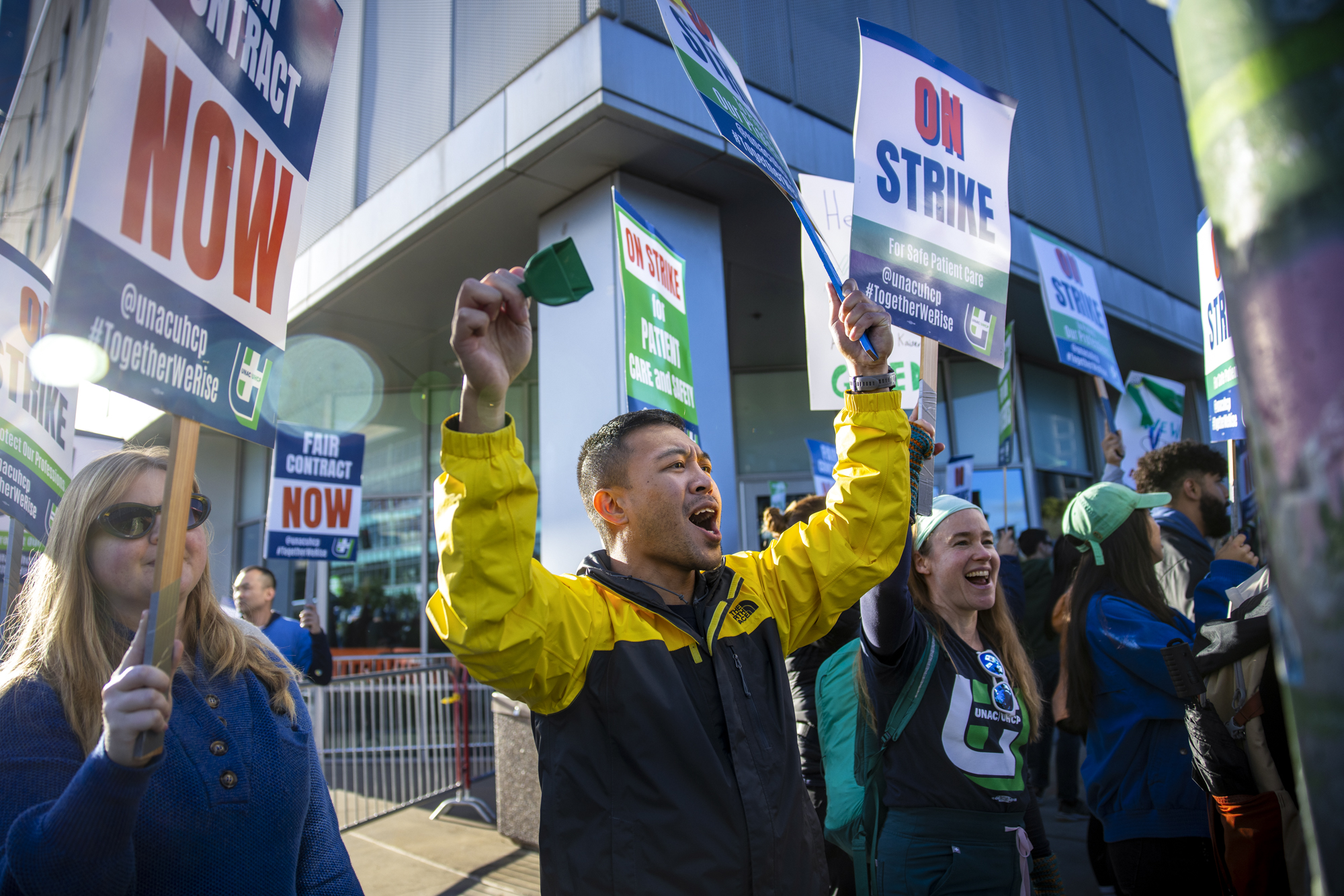
"caption": "Arezou Mansourian leads workers in chanting as they strike outside of the Kaiser Permanente Oakland Medical Center in Oakland on Oct. 14, 2025.",
"credit": "Martin do Nascimento/KQED",
"altTag": null,
"description": null,
"imgSizes": {
"thumbnail": {
"file": "https://cdn.kqed.org/wp-content/uploads/sites/10/2025/10/251014-KAISER-STRIKE-START-MD-06-KQED-160x107.jpg",
"width": 160,
"height": 107,
"mimeType": "image/jpeg"
},
"1536x1536": {
"file": "https://cdn.kqed.org/wp-content/uploads/sites/10/2025/10/251014-KAISER-STRIKE-START-MD-06-KQED-1536x1025.jpg",
"width": 1536,
"height": 1025,
"mimeType": "image/jpeg"
},
"post-thumbnail": {
"file": "https://cdn.kqed.org/wp-content/uploads/sites/10/2025/10/251014-KAISER-STRIKE-START-MD-06-KQED-672x372.jpg",
"width": 672,
"height": 372,
"mimeType": "image/jpeg"
},
"twentyfourteen-full-width": {
"file": "https://cdn.kqed.org/wp-content/uploads/sites/10/2025/10/251014-KAISER-STRIKE-START-MD-06-KQED-1038x576.jpg",
"width": 1038,
"height": 576,
"mimeType": "image/jpeg"
},
"kqedFullSize": {
"file": "https://cdn.kqed.org/wp-content/uploads/sites/10/2025/10/251014-KAISER-STRIKE-START-MD-06-KQED.jpg",
"width": 2000,
"height": 1334
}
},
"isLoading": false,
"fetchFailed": false
},
"news_12060184": {
"type": "attachments",
"id": "news_12060184",
"meta": {
"index": "attachments_1716263798",
"site": "news",
"id": "12060184",
"found": true
},
"title": "251016_FOODBANKSHUTDOWN-_GH-5-KQED",
"publishDate": 1760648914,
"status": "inherit",
"parent": 0,
"modified": 1760649072,
"caption": "TSA officer Leandro Banuelos Jr., center, helps colleagues unload boxes of food at Oakland International Airport on Oct. 16, 2025. The Alameda County Community Food Bank provided produce and pantry staples to TSA staff during the federal shutdown.",
"credit": "Gustavo Hernandez/KQED",
"altTag": null,
"description": null,
"imgSizes": {
"thumbnail": {
"file": "https://cdn.kqed.org/wp-content/uploads/sites/10/2025/10/251016_FOODBANKSHUTDOWN-_GH-5-KQED-160x107.jpg",
"width": 160,
"height": 107,
"mimeType": "image/jpeg"
},
"1536x1536": {
"file": "https://cdn.kqed.org/wp-content/uploads/sites/10/2025/10/251016_FOODBANKSHUTDOWN-_GH-5-KQED-1536x1024.jpg",
"width": 1536,
"height": 1024,
"mimeType": "image/jpeg"
},
"post-thumbnail": {
"file": "https://cdn.kqed.org/wp-content/uploads/sites/10/2025/10/251016_FOODBANKSHUTDOWN-_GH-5-KQED-672x372.jpg",
"width": 672,
"height": 372,
"mimeType": "image/jpeg"
},
"twentyfourteen-full-width": {
"file": "https://cdn.kqed.org/wp-content/uploads/sites/10/2025/10/251016_FOODBANKSHUTDOWN-_GH-5-KQED-1038x576.jpg",
"width": 1038,
"height": 576,
"mimeType": "image/jpeg"
},
"kqedFullSize": {
"file": "https://cdn.kqed.org/wp-content/uploads/sites/10/2025/10/251016_FOODBANKSHUTDOWN-_GH-5-KQED.jpg",
"width": 2000,
"height": 1333
}
},
"isLoading": false,
"fetchFailed": false
},
"news_12058589": {
"type": "attachments",
"id": "news_12058589",
"meta": {
"index": "attachments_1716263798",
"site": "news",
"id": "12058589",
"found": true
},
"title": "IMG_1173",
"publishDate": 1759518161,
"status": "inherit",
"parent": 12058586,
"modified": 1759518178,
"caption": null,
"credit": "Anna Vignet/KQED",
"altTag": null,
"description": null,
"imgSizes": {
"medium": {
"file": "https://cdn.kqed.org/wp-content/uploads/sites/10/2025/10/IMG_1173-2000x1500.jpg",
"width": 2000,
"height": 1500,
"mimeType": "image/jpeg"
},
"large": {
"file": "https://cdn.kqed.org/wp-content/uploads/sites/10/2025/10/IMG_1173-2000x1500.jpg",
"width": 2000,
"height": 1500,
"mimeType": "image/jpeg"
},
"thumbnail": {
"file": "https://cdn.kqed.org/wp-content/uploads/sites/10/2025/10/IMG_1173-160x120.jpg",
"width": 160,
"height": 120,
"mimeType": "image/jpeg"
},
"1536x1536": {
"file": "https://cdn.kqed.org/wp-content/uploads/sites/10/2025/10/IMG_1173-1536x1152.jpg",
"width": 1536,
"height": 1152,
"mimeType": "image/jpeg"
},
"2048x2048": {
"file": "https://cdn.kqed.org/wp-content/uploads/sites/10/2025/10/IMG_1173-2048x1536.jpg",
"width": 2048,
"height": 1536,
"mimeType": "image/jpeg"
},
"post-thumbnail": {
"file": "https://cdn.kqed.org/wp-content/uploads/sites/10/2025/10/IMG_1173-672x372.jpg",
"width": 672,
"height": 372,
"mimeType": "image/jpeg"
},
"twentyfourteen-full-width": {
"file": "https://cdn.kqed.org/wp-content/uploads/sites/10/2025/10/IMG_1173-1038x576.jpg",
"width": 1038,
"height": 576,
"mimeType": "image/jpeg"
},
"full-width": {
"file": "https://cdn.kqed.org/wp-content/uploads/sites/10/2025/10/IMG_1173-2000x1500.jpg",
"width": 2000,
"height": 1500,
"mimeType": "image/jpeg"
},
"kqedFullSize": {
"file": "https://cdn.kqed.org/wp-content/uploads/sites/10/2025/10/IMG_1173.jpg",
"width": 2560,
"height": 1920
}
},
"isLoading": false,
"fetchFailed": false
},
"news_12060061": {
"type": "attachments",
"id": "news_12060061",
"meta": {
"index": "attachments_1716263798",
"site": "news",
"id": "12060061",
"found": true
},
"title": "WH Shutdown Meeting",
"publishDate": 1760567714,
"status": "inherit",
"parent": 12060025,
"modified": 1760570048,
"caption": "Office of Management and Budget Director Russell Vought speaks during a news conference after a meeting with President Donald Trump, Senate Minority Leader Charles Schumer, D-N.Y., and House Minority Leader Hakeem Jeffries, D-N.Y., ahead of the deadline to fund the government and try to avoid a government shutdown, at the White House on Monday, Sept. 29, 2025. ",
"credit": "Tom Williams/CQ-Roll Call, Inc. via Getty Images",
"altTag": null,
"description": null,
"imgSizes": {
"thumbnail": {
"file": "https://cdn.kqed.org/wp-content/uploads/sites/10/2025/10/VoughtJohnsonVanceGetty-160x107.jpg",
"width": 160,
"height": 107,
"mimeType": "image/jpeg"
},
"1536x1536": {
"file": "https://cdn.kqed.org/wp-content/uploads/sites/10/2025/10/VoughtJohnsonVanceGetty-1536x1024.jpg",
"width": 1536,
"height": 1024,
"mimeType": "image/jpeg"
},
"post-thumbnail": {
"file": "https://cdn.kqed.org/wp-content/uploads/sites/10/2025/10/VoughtJohnsonVanceGetty-672x372.jpg",
"width": 672,
"height": 372,
"mimeType": "image/jpeg"
},
"twentyfourteen-full-width": {
"file": "https://cdn.kqed.org/wp-content/uploads/sites/10/2025/10/VoughtJohnsonVanceGetty-1038x576.jpg",
"width": 1038,
"height": 576,
"mimeType": "image/jpeg"
},
"kqedFullSize": {
"file": "https://cdn.kqed.org/wp-content/uploads/sites/10/2025/10/VoughtJohnsonVanceGetty.jpg",
"width": 2000,
"height": 1333
}
},
"isLoading": false,
"fetchFailed": false
},
"news_12055063": {
"type": "attachments",
"id": "news_12055063",
"meta": {
"index": "attachments_1716263798",
"site": "news",
"id": "12055063",
"found": true
},
"title": "250903-ICETRAINING_01023_TV-KQED",
"publishDate": 1757336633,
"status": "inherit",
"parent": 12071374,
"modified": 1769642299,
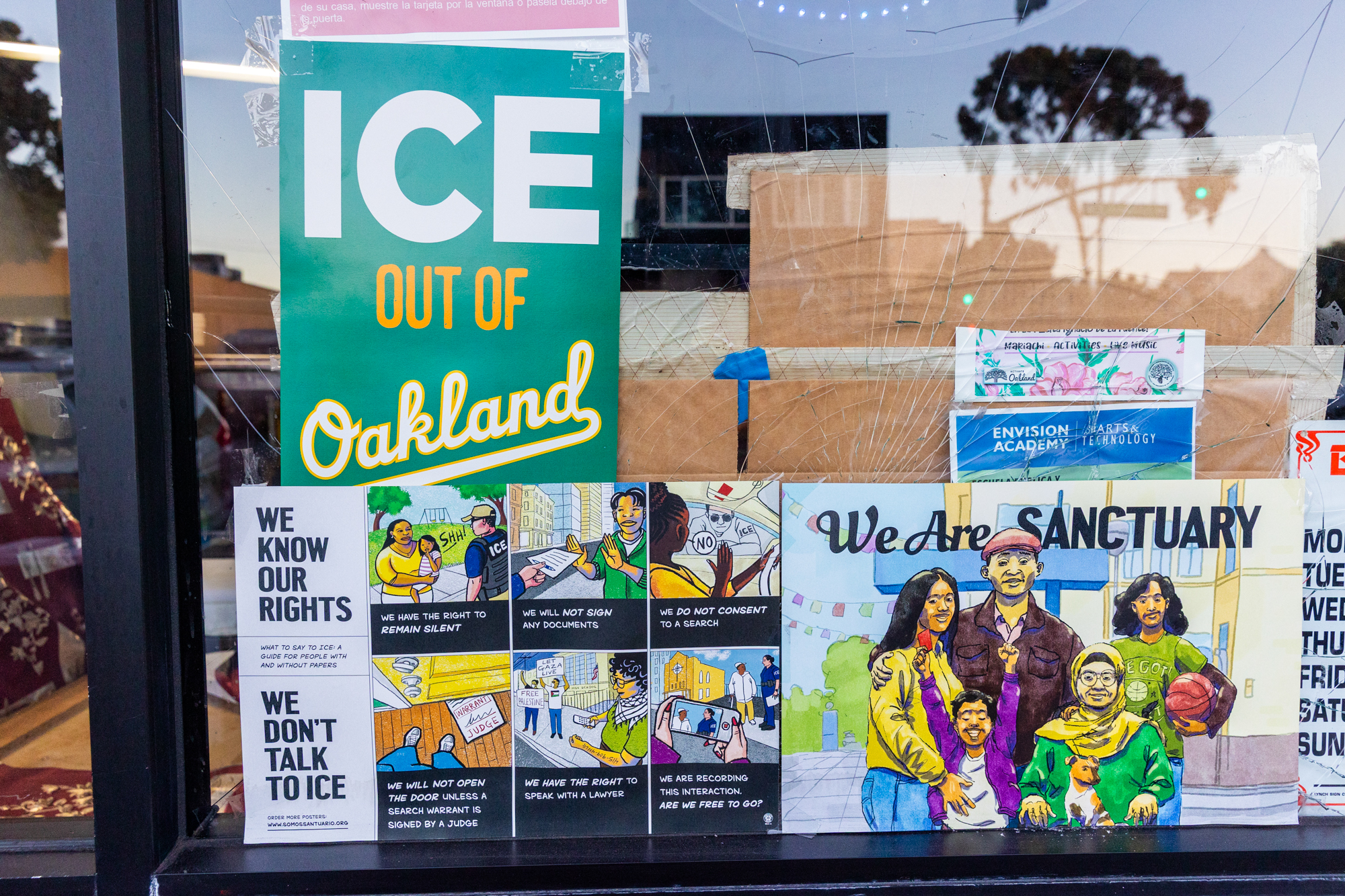
"caption": "Signs identify Taqueria La Gran Chiquita as a safe space for those at risk of deportation in Oakland on Sept. 3, 2025. Members of the Community of Fruitvale and East Bay Sanctuary Covenant gather to prepare for how to fight back against ICE.",
"credit": "Tâm Vũ/KQED",
"altTag": null,
"description": null,
"imgSizes": {
"thumbnail": {
"file": "https://cdn.kqed.org/wp-content/uploads/sites/10/2025/09/250903-ICETRAINING_01023_TV-KQED-160x107.jpg",
"width": 160,
"height": 107,
"mimeType": "image/jpeg"
},
"1536x1536": {
"file": "https://cdn.kqed.org/wp-content/uploads/sites/10/2025/09/250903-ICETRAINING_01023_TV-KQED-1536x1024.jpg",
"width": 1536,
"height": 1024,
"mimeType": "image/jpeg"
},
"post-thumbnail": {
"file": "https://cdn.kqed.org/wp-content/uploads/sites/10/2025/09/250903-ICETRAINING_01023_TV-KQED-672x372.jpg",
"width": 672,
"height": 372,
"mimeType": "image/jpeg"
},
"twentyfourteen-full-width": {
"file": "https://cdn.kqed.org/wp-content/uploads/sites/10/2025/09/250903-ICETRAINING_01023_TV-KQED-1038x576.jpg",
"width": 1038,
"height": 576,
"mimeType": "image/jpeg"
},
"kqedFullSize": {
"file": "https://cdn.kqed.org/wp-content/uploads/sites/10/2025/09/250903-ICETRAINING_01023_TV-KQED.jpg",
"width": 2000,
"height": 1333
}
},
"isLoading": false,
"fetchFailed": false
},
"news_12059852": {
"type": "attachments",
"id": "news_12059852",
"meta": {
"index": "attachments_1716263798",
"site": "news",
"id": "12059852",
"found": true
},
"title": "251014-KAISER STRIKE START-MD-03-KQED-1",
"publishDate": 1760463524,
"status": "inherit",
"parent": 0,
"modified": 1768609829,
"caption": "Workers strike outside of the Kaiser Permanente Oakland Medical Center in Oakland on Oct. 14, 2025.",
"credit": "Martin do Nascimento/KQED",
"altTag": null,
"description": null,
"imgSizes": {
"thumbnail": {
"file": "https://cdn.kqed.org/wp-content/uploads/sites/10/2025/10/251014-KAISER-STRIKE-START-MD-03-KQED-1-160x107.jpg",
"width": 160,
"height": 107,
"mimeType": "image/jpeg"
},
"1536x1536": {
"file": "https://cdn.kqed.org/wp-content/uploads/sites/10/2025/10/251014-KAISER-STRIKE-START-MD-03-KQED-1-1536x1025.jpg",
"width": 1536,
"height": 1025,
"mimeType": "image/jpeg"
},
"post-thumbnail": {
"file": "https://cdn.kqed.org/wp-content/uploads/sites/10/2025/10/251014-KAISER-STRIKE-START-MD-03-KQED-1-672x372.jpg",
"width": 672,
"height": 372,
"mimeType": "image/jpeg"
},
"twentyfourteen-full-width": {
"file": "https://cdn.kqed.org/wp-content/uploads/sites/10/2025/10/251014-KAISER-STRIKE-START-MD-03-KQED-1-1038x576.jpg",
"width": 1038,
"height": 576,
"mimeType": "image/jpeg"
},
"kqedFullSize": {
"file": "https://cdn.kqed.org/wp-content/uploads/sites/10/2025/10/251014-KAISER-STRIKE-START-MD-03-KQED-1.jpg",
"width": 2000,
"height": 1334
}
},
"isLoading": false,
"fetchFailed": false
}
},
"audioPlayerReducer": {
"postId": "stream_live",
"isPaused": true,
"isPlaying": false,
"pfsActive": false,
"pledgeModalIsOpen": true,
"playerDrawerIsOpen": false,
"liveAudioPlayStartedAt": 0,
"liveAudioPlayContext": ""
},
"authorsReducer": {
"rachael-myrow": {
"type": "authors",
"id": "251",
"meta": {
"index": "authors_1716337520",
"id": "251",
"found": true
},
"name": "Rachael Myrow",
"firstName": "Rachael",
"lastName": "Myrow",
"slug": "rachael-myrow",
"email": "rmyrow@kqed.org",
"display_author_email": true,
"staff_mastheads": [
"news"
],
"title": "Senior Editor of KQED's Silicon Valley News Desk",
"bio": "• I write and edit stories about how Silicon Valley power and policies shape everyday life in California. I’m also passionate about making Bay Area history and culture more accessible to a broad public. • I’ve been a journalist for most of my life, starting in high school with The Franklin Press in Los Angeles, where I grew up. While earning my first degree in English at UC Berkeley, I got my start in public radio at KALX-FM. After completing a second degree in journalism at Cal, I landed my first professional job at Marketplace, then moved on to KPCC (now LAist), and then KQED, where I hosted The California Report for more than seven years. • My reporting has appeared on NPR, The World, WBUR’s \u003ci>Here & Now\u003c/i>, and the BBC. I also guest host for KQED’s \u003ci>Forum\u003c/i>, as well as the Commonwealth Club in San Francisco. • I speak periodically on media, democracy and technology issues, and do voiceover work for documentaries and educational video projects. • Outside of the studio, you'll find me hiking Bay Area trails and whipping up Insta-ready meals in my kitchen. • I do not accept gifts, money, or favors from anyone connected to my reporting, I don't pay people for information, and I do not support or donate to political causes. • I strive to treat the people I report on with fairness, honesty, and respect. I also recognize there are often multiple sides to a story and work to verify information through multiple sources and documentation. If I get something wrong, I correct it.",
"avatar": "https://secure.gravatar.com/avatar/3ed8a3c5f26025e4a805ba634cda8cd764906b97438a6d9ce216b044e340da4e?s=600&d=blank&r=g",
"twitter": "rachaelmyrow",
"bluesky": null,
"facebook": null,
"instagram": null,
"linkedin": "https://www.linkedin.com/in/rachaelmyrow/",
"sites": [
{
"site": "arts",
"roles": [
"administrator"
]
},
{
"site": "news",
"roles": [
"edit_others_posts",
"editor"
]
},
{
"site": "futureofyou",
"roles": [
"editor"
]
},
{
"site": "bayareabites",
"roles": [
"editor"
]
},
{
"site": "stateofhealth",
"roles": [
"editor"
]
},
{
"site": "science",
"roles": [
"editor"
]
},
{
"site": "food",
"roles": [
"editor"
]
},
{
"site": "forum",
"roles": [
"editor"
]
},
{
"site": "liveblog",
"roles": [
"author"
]
}
],
"headData": {
"title": "Rachael Myrow | KQED",
"description": "Senior Editor of KQED's Silicon Valley News Desk",
"ogImgSrc": "https://secure.gravatar.com/avatar/3ed8a3c5f26025e4a805ba634cda8cd764906b97438a6d9ce216b044e340da4e?s=600&d=blank&r=g",
"twImgSrc": "https://secure.gravatar.com/avatar/3ed8a3c5f26025e4a805ba634cda8cd764906b97438a6d9ce216b044e340da4e?s=600&d=blank&r=g"
},
"isLoading": false,
"link": "/author/rachael-myrow"
},
"fjhabvala": {
"type": "authors",
"id": "8659",
"meta": {
"index": "authors_1716337520",
"id": "8659",
"found": true
},
"name": "Farida Jhabvala Romero",
"firstName": "Farida",
"lastName": "Jhabvala Romero",
"slug": "fjhabvala",
"email": "fjhabvala@kqed.org",
"display_author_email": true,
"staff_mastheads": [
"news"
],
"title": "KQED Contributor",
"bio": "Farida Jhabvala Romero is a Labor Correspondent for KQED. She previously covered immigration. Farida was \u003ca href=\"https://www.ccnma.org/2022-most-influential-latina-journalists\">named\u003c/a> one of the 10 Most Influential Latina Journalists in California in 2022 by the California Chicano News Media Association. Her work has won awards from the Society of Professional Journalists (Northern California), as well as a national and regional Edward M. Murrow Award for the collaborative reporting projects “Dangerous Air” and “Graying California.” Before joining KQED, Farida worked as a producer at Radio Bilingüe, a national public radio network. Farida earned her master’s degree in journalism from Stanford University.",
"avatar": "https://secure.gravatar.com/avatar/f9f022d4e2609741874222a1e9d41f48fea74011aa7c615eef91d9a50c944ebe?s=600&d=blank&r=g",
"twitter": "FaridaJhabvala",
"bluesky": null,
"facebook": null,
"instagram": null,
"linkedin": "https://www.linkedin.com/in/faridajhabvala/",
"sites": [
{
"site": "news",
"roles": [
"editor"
]
},
{
"site": "stateofhealth",
"roles": [
"author"
]
},
{
"site": "liveblog",
"roles": [
"author"
]
}
],
"headData": {
"title": "Farida Jhabvala Romero | KQED",
"description": "KQED Contributor",
"ogImgSrc": "https://secure.gravatar.com/avatar/f9f022d4e2609741874222a1e9d41f48fea74011aa7c615eef91d9a50c944ebe?s=600&d=blank&r=g",
"twImgSrc": "https://secure.gravatar.com/avatar/f9f022d4e2609741874222a1e9d41f48fea74011aa7c615eef91d9a50c944ebe?s=600&d=blank&r=g"
},
"isLoading": false,
"link": "/author/fjhabvala"
},
"jlara": {
"type": "authors",
"id": "11761",
"meta": {
"index": "authors_1716337520",
"id": "11761",
"found": true
},
"name": "Juan Carlos Lara",
"firstName": "Juan Carlos",
"lastName": "Lara",
"slug": "jlara",
"email": "jlara@kqed.org",
"display_author_email": false,
"staff_mastheads": [],
"title": "KQED Contributor",
"bio": null,
"avatar": "https://secure.gravatar.com/avatar/19e2052b9b05657c5ff2af2121846e9c?s=600&d=blank&r=g",
"twitter": null,
"facebook": null,
"instagram": null,
"linkedin": null,
"sites": [
{
"site": "arts",
"roles": [
"editor"
]
},
{
"site": "news",
"roles": [
"editor"
]
},
{
"site": "forum",
"roles": [
"editor"
]
},
{
"site": "liveblog",
"roles": [
"contributor"
]
}
],
"headData": {
"title": "Juan Carlos Lara | KQED",
"description": "KQED Contributor",
"ogImgSrc": "https://secure.gravatar.com/avatar/19e2052b9b05657c5ff2af2121846e9c?s=600&d=blank&r=g",
"twImgSrc": "https://secure.gravatar.com/avatar/19e2052b9b05657c5ff2af2121846e9c?s=600&d=blank&r=g"
},
"isLoading": false,
"link": "/author/jlara"
},
"kdebenedetti": {
"type": "authors",
"id": "11913",
"meta": {
"index": "authors_1716337520",
"id": "11913",
"found": true
},
"name": "Katie DeBenedetti",
"firstName": "Katie",
"lastName": "DeBenedetti",
"slug": "kdebenedetti",
"email": "kdebenedetti@kqed.org",
"display_author_email": false,
"staff_mastheads": [
"news",
"science"
],
"title": "KQED Contributor",
"bio": "Katie DeBenedetti is a digital reporter covering daily news for the Express Desk. Prior to joining KQED as a culture reporting intern in January 2024, she covered education and city government for the Napa Valley Register.",
"avatar": "https://secure.gravatar.com/avatar/6e31073cb8f7e4214ab03f42771d0f45?s=600&d=blank&r=g",
"twitter": null,
"facebook": null,
"instagram": null,
"linkedin": null,
"sites": [
{
"site": "news",
"roles": [
"author"
]
},
{
"site": "science",
"roles": [
"author"
]
},
{
"site": "liveblog",
"roles": [
"author"
]
}
],
"headData": {
"title": "Katie DeBenedetti | KQED",
"description": "KQED Contributor",
"ogImgSrc": "https://secure.gravatar.com/avatar/6e31073cb8f7e4214ab03f42771d0f45?s=600&d=blank&r=g",
"twImgSrc": "https://secure.gravatar.com/avatar/6e31073cb8f7e4214ab03f42771d0f45?s=600&d=blank&r=g"
},
"isLoading": false,
"link": "/author/kdebenedetti"
},
"sarahwright": {
"type": "authors",
"id": "11956",
"meta": {
"index": "authors_1716337520",
"id": "11956",
"found": true
},
"name": "Sarah Wright",
"firstName": "Sarah",
"lastName": "Wright",
"slug": "sarahwright",
"email": "swright@kqed.org",
"display_author_email": true,
"staff_mastheads": [],
"title": "Outdoors Engagement Reporter",
"bio": "Sarah Wright is KQED's Outdoors Engagement Reporter. Originally from Lake Tahoe, she completed a thru-hike of the Pacific Crest Trail in 2019 and was a U.S. Fulbright Program grantee to Argentina in 2023. Her journalism has appeared in The Guardian, The San Francisco Standard, The Palo Alto Weekly and the Half Moon Bay Review.",
"avatar": "https://secure.gravatar.com/avatar/c161a3d6441865cba25e6db4fa561099ad665799e9432e34da2b84d7e371524c?s=600&d=blank&r=g",
"twitter": null,
"bluesky": null,
"facebook": null,
"instagram": null,
"linkedin": null,
"sites": [
{
"site": "arts",
"roles": [
"editor"
]
},
{
"site": "news",
"roles": [
"editor"
]
},
{
"site": "science",
"roles": [
"contributor",
"author"
]
},
{
"site": "forum",
"roles": [
"editor"
]
}
],
"headData": {
"title": "Sarah Wright | KQED",
"description": "Outdoors Engagement Reporter",
"ogImgSrc": "https://secure.gravatar.com/avatar/c161a3d6441865cba25e6db4fa561099ad665799e9432e34da2b84d7e371524c?s=600&d=blank&r=g",
"twImgSrc": "https://secure.gravatar.com/avatar/c161a3d6441865cba25e6db4fa561099ad665799e9432e34da2b84d7e371524c?s=600&d=blank&r=g"
},
"isLoading": false,
"link": "/author/sarahwright"
},
"aaliahmad": {
"type": "authors",
"id": "11986",
"meta": {
"index": "authors_1716337520",
"id": "11986",
"found": true
},
"name": "Ayah Ali-Ahmad",
"firstName": "Ayah",
"lastName": "Ali-Ahmad",
"slug": "aaliahmad",
"email": "aaliahmad@KQED.org",
"display_author_email": false,
"staff_mastheads": [],
"title": "KQED Contributor",
"bio": null,
"avatar": "https://secure.gravatar.com/avatar/1cf54f187a5e1064b2cfef3f3d2f1e4f93e453395d56912aca6382a6071ec3ed?s=600&d=blank&r=g",
"twitter": "ayahaliahmad",
"bluesky": null,
"facebook": null,
"instagram": null,
"linkedin": null,
"sites": [
{
"site": "news",
"roles": [
"subscriber"
]
}
],
"headData": {
"title": "Ayah Ali-Ahmad | KQED",
"description": "KQED Contributor",
"ogImgSrc": "https://secure.gravatar.com/avatar/1cf54f187a5e1064b2cfef3f3d2f1e4f93e453395d56912aca6382a6071ec3ed?s=600&d=blank&r=g",
"twImgSrc": "https://secure.gravatar.com/avatar/1cf54f187a5e1064b2cfef3f3d2f1e4f93e453395d56912aca6382a6071ec3ed?s=600&d=blank&r=g"
},
"isLoading": false,
"link": "/author/aaliahmad"
}
},
"pagesReducer": {
"news_tag_labor": {
"type": "terms",
"id": "news_19904",
"meta": {
"index": "terms_1716263798",
"site": "news",
"id": "19904",
"score": 8.557992
},
"name": "Labor",
"slug": "labor",
"taxonomy": "tag",
"description": null,
"featImg": null,
"headData": {
"title": "Labor | KQED News",
"description": null,
"ogTitle": null,
"ogDescription": null,
"ogImgId": null,
"twTitle": null,
"twDescription": null,
"twImgId": null
},
"ttid": 19921,
"isLoading": false,
"title": "Labor",
"pageMeta": {
"site": "news",
"WpPageTemplate": "page-topic-editorial",
"currentPage": 13
},
"blocks": [
{
"blockName": "kqed/post-list",
"attrs": {
"layout": "cardArticle2",
"query": "posts/news?tag=labor",
"seeMore": false,
"paginated": true,
"page": 13
}
},
{
"blockName": "kqed/ad"
}
]
}
},
"pfsSessionReducer": {},
"postsReducer": {
"stream_live": {
"type": "live",
"id": "stream_live",
"audioUrl": "https://streams.kqed.org/kqedradio",
"title": "Live Stream",
"excerpt": "Live Stream information currently unavailable.",
"link": "/radio",
"featImg": "",
"label": {
"name": "KQED Live",
"link": "/"
}
},
"stream_kqedNewscast": {
"type": "posts",
"id": "stream_kqedNewscast",
"audioUrl": "https://www.kqed.org/.stream/anon/radio/RDnews/newscast.mp3?_=1",
"title": "KQED Newscast",
"featImg": "",
"label": {
"name": "88.5 FM",
"link": "/"
}
},
"news_12063196": {
"type": "posts",
"id": "news_12063196",
"meta": {
"index": "posts_1716263798",
"site": "news",
"id": "12063196",
"score": null,
"sort": [
1762452123000
]
},
"guestAuthors": [],
"slug": "sfo-delays-could-worsen-under-trump-plans-to-cut-air-traffic-in-us-by-10",
"title": "Dozens of Flights Through Bay Area Canceled Ahead of Holiday Weekend After FAA Cuts",
"publishDate": 1762452123,
"format": "standard",
"headTitle": "Dozens of Flights Through Bay Area Canceled Ahead of Holiday Weekend After FAA Cuts | KQED",
"labelTerm": {
"site": "news"
},
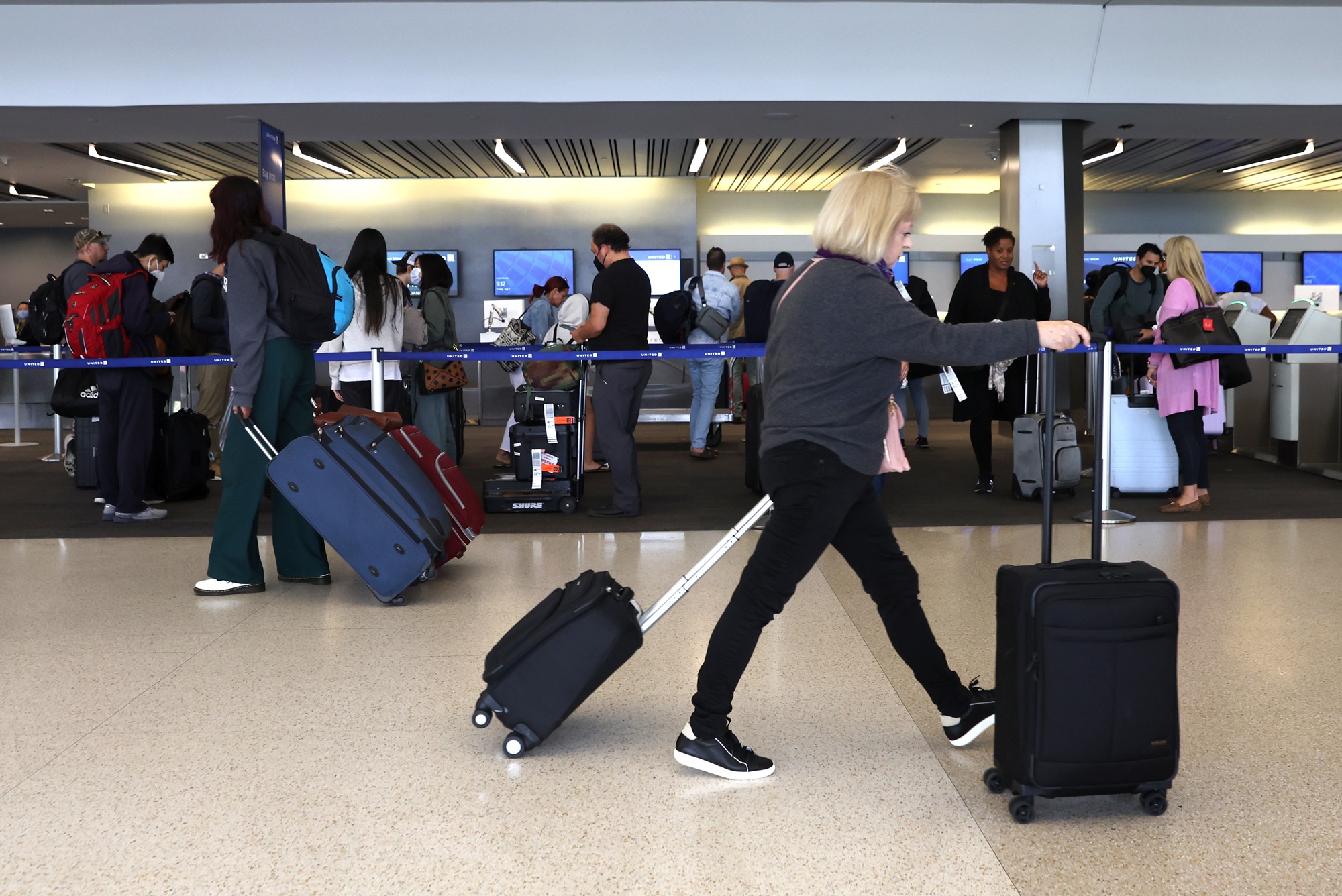
"content": "\u003cp>Dozens of flights through \u003ca href=\"https://www.kqed.org/news/tag/san-francisco\">San Francisco\u003c/a> and \u003ca href=\"https://www.kqed.org/news/tag/oakland\">Oakland\u003c/a>’s airports have been canceled after the Federal Aviation Administration ordered airlines to reduce air traffic by 10% across the country beginning Friday amid the ongoing government shutdown.\u003c/p>\n\u003cp>San Francisco International spokesperson Doug Yakel said 39 flights have been canceled Friday, which he said are likely all related to the order. Oakland had five canceled arrivals and four canceled departures.\u003c/p>\n\u003cp>Those numbers are likely to grow, as airlines have been given orders to gradually decrease air traffic at 40 major U.S. airports incrementally over the next week. The order from the FAA requires them to nix 4% of flights Friday, increasing to 10% by Nov. 14.\u003c/p>\n\u003cp>[ad fullwidth]\u003c/p>\n\u003cp>The cuts, which will also affect Los Angeles International Airport, along with major airports in New York, Washington, D.C., and Philadelphia, according to the list obtained by \u003ca href=\"https://apnews.com/article/government-shutdown-reduced-flights-a082a6817d960101968a923f7dfd8ef0\">\u003cem>The\u003c/em> \u003cem>Associated Press\u003c/em>\u003c/a>\u003cem>, \u003c/em>come as airports deal with air traffic control staffing shortages exacerbated by the lapse in federal funding.\u003c/p>\n\u003cp>“Those who travel will see that we’ve had more delays, we’ve had more cancellations,” U.S. Transportation Secretary Sean Duffy told reporters Wednesday. “We don’t want that, but our number one priority is to make sure when you travel, you travel safely.”\u003c/p>\n\u003cp>SFO, Oakland San Francisco Bay and San José Mineta International Airports all told KQED on Thursday that they hadn’t received any formal communication from the FAA about impacts at their sites.\u003c/p>\n\u003cfigure id=\"attachment_12063307\" class=\"wp-caption aligncenter\" style=\"max-width: 2000px\">\u003cimg loading=\"lazy\" decoding=\"async\" class=\"wp-image-12063307 size-full\" src=\"https://cdn.kqed.org/wp-content/uploads/sites/10/2025/11/GETTYIMAGES-2244764792-KQED.jpg\" alt=\"\" width=\"2000\" height=\"1332\" srcset=\"https://cdn.kqed.org/wp-content/uploads/sites/10/2025/11/GETTYIMAGES-2244764792-KQED.jpg 2000w, https://cdn.kqed.org/wp-content/uploads/sites/10/2025/11/GETTYIMAGES-2244764792-KQED-160x107.jpg 160w, https://cdn.kqed.org/wp-content/uploads/sites/10/2025/11/GETTYIMAGES-2244764792-KQED-1536x1023.jpg 1536w\" sizes=\"auto, (max-width: 2000px) 100vw, 2000px\">\u003cfigcaption class=\"wp-caption-text\">A United Airlines plane takes off from the San Francisco International Airport (SFO) in San Francisco on November 5, 2025. \u003ccite>(Tayfun Coskun/Anadolu via Getty Images)\u003c/cite>\u003c/figcaption>\u003c/figure>\n\u003cp>Yakel, SFO’s public information officer, said the order to reduce traffic will be handled individually by each airline and suggested passengers reach out to their carrier directly for more information.\u003c/p>\n\u003cp>Travelers at SFO on Thursday were already receiving updates that their travel might be affected. Howard Robinson, who’s flying to Jamaica to help his mom recover after Hurricane Melissa, received an email from American Airlines early Thursday warning that flights could be canceled as soon as Friday.\u003c/p>\n\u003cp>“We have one to Kingston on Saturday and we’re hoping it’s not one of the 10%,” he told KQED. “That’s from Miami Airport.”\u003c/p>\n\u003cp>While Robinson said he’s already avoiding layovers because of the increased chance of a delay or cancellation, he’s stopping in Miami to pick up his aunt and mother, who were able to leave Jamaica before the storm hit.[aside postID=news_12063192 hero='https://cdn.kqed.org/wp-content/uploads/sites/10/2025/11/SFODelaysGetty3.jpg']“Real life goes on, government shutdown or not,” he said. “I wonder if it’s worth it to affect all these people and change all these lives and have all this worry … I wish they would just figure it out and let us get on with our normal lives too.”\u003c/p>\n\u003cp>Other airlines have also confirmed that some of their flights could be impacted and announced looser cancellation and flight change policies while air traffic is reduced.\u003c/p>\n\u003cp>In \u003ca href=\"https://news.delta.com/delta-cares-customers-reduces-flights-beginning-nov-7-compliance-faa-directive\">a statement\u003c/a>, Delta said it would provide additional flexibility to customers traveling through impacted markets to cancel or refund their flights, and was prioritizing international flights. United CEO Scott Kirby said the airline would also maintain \u003ca href=\"https://www.united.com/en/us/newsroom/announcements/cision-125419\">hub-to-hub flights\u003c/a>.\u003c/p>\n\u003cp>The shutdown has already led to flight delays and cancellations at a number of airports across the country, including SFO, as many of the specialized workers miss shifts or call out sick. Even before the shutdown, airports were facing \u003ca href=\"https://www.kqed.org/news/12033338/bay-area-air-traffic-control-is-down-to-1-meteorologist-after-trumps-hiring-freeze\">a shortage of air traffic control workers\u003c/a>, which Duffy said has now been exacerbated.\u003c/p>\n\u003cp>During the government shutdown in 2019 — which was the longest in history before this week — air travel disruptions were widely credited as the impetus to finally re-opening the government.\u003c/p>\n\u003cp>Not long after air traffic controllers \u003ca href=\"https://www.cnn.com/2019/02/06/politics/ten-air-traffic-controllers-shutdown\">coordinated\u003c/a> a sickout in February 2019, temporarily pausing travel through LaGuardia and causing rippling delays at dozens of major airports, President Donald Trump backed a stopgap spending bill amid mounting pressure.\u003c/p>\n\u003cfigure id=\"attachment_12057833\" class=\"wp-caption aligncenter\" style=\"max-width: 1999px\">\u003cimg loading=\"lazy\" decoding=\"async\" class=\"size-full wp-image-12057833\" src=\"https://cdn.kqed.org/wp-content/uploads/sites/10/2025/09/240412-OAKAirport-027-BL_qed.jpg\" alt=\"\" width=\"1999\" height=\"1333\" srcset=\"https://cdn.kqed.org/wp-content/uploads/sites/10/2025/09/240412-OAKAirport-027-BL_qed.jpg 1999w, https://cdn.kqed.org/wp-content/uploads/sites/10/2025/09/240412-OAKAirport-027-BL_qed-160x107.jpg 160w, https://cdn.kqed.org/wp-content/uploads/sites/10/2025/09/240412-OAKAirport-027-BL_qed-1536x1024.jpg 1536w\" sizes=\"auto, (max-width: 1999px) 100vw, 1999px\">\u003cfigcaption class=\"wp-caption-text\">Passengers walk in to the Oakland International Airport in Oakland on April 12, 2024. \u003ccite>(Beth LaBerge/KQED)\u003c/cite>\u003c/figcaption>\u003c/figure>\n\u003cp>It’s unclear how the air travel disruption will play out this time. So far, the Trump administration appears to be following the strategy it has employed since the beginning of the shutdown, blaming Democrats for withholding votes on a Republican-led spending plan in the Senate.\u003c/p>\n\u003cp>“I don’t have access to money to pay air traffic controllers during this shutdown. Congress has said there is no money. I’d love to pay them, but I can’t,” Duffy \u003ca href=\"https://x.com/SecDuffy\">posted on X\u003c/a> Thursday. “My message to Democrats is to sit down, figure it out, and not hold the American people hostage- especially when they want to travel.”\u003c/p>\n\u003cp>While Bay Area airports were largely spared from disruptions in 2019, in part because San Francisco’s security workers are not federal employees, some flights through SFO have already been canceled.[aside postID=news_12058887 hero='https://cdn.kqed.org/wp-content/uploads/sites/10/2019/09/GettyImages-1173446702-1-1020x685.jpg']Even before the FAA order took effect, Debbie Mizer’s trip to Dallas was among 160 delayed at SFO on Thursday.\u003c/p>\n\u003cp>She’s trying to make a brief connection before her flight home to Bloomington, Indiana, after a month in the Bay Area, visiting her daughter and newborn baby.\u003c/p>\n\u003cp>She said when she came out here a month ago, she wasn’t as worried about flight impacts due to the shutdown.\u003c/p>\n\u003cp>“I didn’t know how it would be coming home,” she said, adding that regardless, she would have made the trip. “This is what family does.”\u003c/p>\n\u003cp>Mizer said she was staying positive, since her flight was only running an hour late. She said air traffic controllers working without pay and others with longer delays or cancelled flights are facing harder circumstances.\u003c/p>\n\u003cp>“I brought a good book and I’ll sit and read until the time comes,” she said. “Then they’ll delay it more and [I’ll have] been here for five hours — but I’m not looking at it that way.”\u003c/p>\n\u003cp>\u003cem>KQED’s \u003c/em>\u003ca href=\"https://www.kqed.org/author/adahlstromeckman\">\u003cem>Azul Dahlstrom-Eckman\u003c/em>\u003c/a>\u003cem> contributed to this report.\u003c/em>\u003c/p>\n\u003cp>\u003cem>A previous version of this story and its headline said more than 700 flights were canceled at the San Francisco and Oakland airports Friday. That figure represents the total number of cancellations across the country. So far on Friday, San Francisco and Oakland have seen about 50 canceled flights.\u003c/em>\u003c/p>\n\u003cp>[ad floatright]\u003c/p>\n",
"blocks": [],
"excerpt": "The plan could force the cancellation of thousands of flights across the country as the Trump administration ramps up pressure on Democrats in Congress to end the government shutdown.",
"status": "publish",
"parent": 0,
"modified": 1762538492,
"stats": {
"hasAudio": false,
"hasVideo": false,
"hasChartOrMap": false,
"iframeSrcs": [],
"hasGoogleForm": false,
"hasGallery": false,
"hasHearkenModule": false,
"hasPolis": false,
"paragraphCount": 27,
"wordCount": 1134
},
"headData": {
"title": "Dozens of Flights Through Bay Area Canceled Ahead of Holiday Weekend After FAA Cuts | KQED",
"description": "The plan could force the cancellation of thousands of flights across the country as the Trump administration ramps up pressure on Democrats in Congress to end the government shutdown.",
"ogTitle": "",
"ogDescription": "",
"ogImgId": "",
"twTitle": "",
"twDescription": "",
"twImgId": "",
"schema": {
"@context": "https://schema.org",
"@type": "NewsArticle",
"headline": "Dozens of Flights Through Bay Area Canceled Ahead of Holiday Weekend After FAA Cuts",
"datePublished": "2025-11-06T10:02:03-08:00",
"dateModified": "2025-11-07T10:01:32-08:00",
"image": "https://cdn.kqed.org/wp-content/uploads/2020/02/KQED-OG-Image@1x.png",
"isAccessibleForFree": "True",
"publisher": {
"@type": "NewsMediaOrganization",
"@id": "https://www.kqed.org/#organization",
"name": "KQED",
"logo": "https://cdn.kqed.org/wp-content/uploads/2020/02/KQED-OG-Image@1x.png",
"url": "https://www.kqed.org",
"sameAs": [
"https://www.facebook.com/KQED",
"https://twitter.com/KQED",
"https://www.instagram.com/kqed/",
"https://www.tiktok.com/@kqedofficial",
"https://www.linkedin.com/company/kqed",
"https://www.youtube.com/channel/UCeC0IOo7i1P_61zVUWbJ4nw"
]
}
}
},
"primaryCategory": {
"termId": 1397,
"slug": "transportation",
"name": "Transportation"
},
"sticky": false,
"nprStoryId": "kqed-12063196",
"templateType": "standard",
"featuredImageType": "standard",
"excludeFromSiteSearch": "Include",
"articleAge": "0",
"path": "/news/12063196/sfo-delays-could-worsen-under-trump-plans-to-cut-air-traffic-in-us-by-10",
"audioTrackLength": null,
"parsedContent": [
{
"type": "contentString",
"content": "\u003cdiv class=\"post-body\">\u003cp>\u003cp>Dozens of flights through \u003ca href=\"https://www.kqed.org/news/tag/san-francisco\">San Francisco\u003c/a> and \u003ca href=\"https://www.kqed.org/news/tag/oakland\">Oakland\u003c/a>’s airports have been canceled after the Federal Aviation Administration ordered airlines to reduce air traffic by 10% across the country beginning Friday amid the ongoing government shutdown.\u003c/p>\n\u003cp>San Francisco International spokesperson Doug Yakel said 39 flights have been canceled Friday, which he said are likely all related to the order. Oakland had five canceled arrivals and four canceled departures.\u003c/p>\n\u003cp>Those numbers are likely to grow, as airlines have been given orders to gradually decrease air traffic at 40 major U.S. airports incrementally over the next week. The order from the FAA requires them to nix 4% of flights Friday, increasing to 10% by Nov. 14.\u003c/p>\n\u003cp>\u003c/p>\u003c/div>",
"attributes": {
"named": {},
"numeric": []
}
},
{
"type": "component",
"content": "",
"name": "ad",
"attributes": {
"named": {
"label": "fullwidth"
},
"numeric": [
"fullwidth"
]
}
},
{
"type": "contentString",
"content": "\u003cdiv class=\"post-body\">\u003cp>\u003c/p>\n\u003cp>The cuts, which will also affect Los Angeles International Airport, along with major airports in New York, Washington, D.C., and Philadelphia, according to the list obtained by \u003ca href=\"https://apnews.com/article/government-shutdown-reduced-flights-a082a6817d960101968a923f7dfd8ef0\">\u003cem>The\u003c/em> \u003cem>Associated Press\u003c/em>\u003c/a>\u003cem>, \u003c/em>come as airports deal with air traffic control staffing shortages exacerbated by the lapse in federal funding.\u003c/p>\n\u003cp>“Those who travel will see that we’ve had more delays, we’ve had more cancellations,” U.S. Transportation Secretary Sean Duffy told reporters Wednesday. “We don’t want that, but our number one priority is to make sure when you travel, you travel safely.”\u003c/p>\n\u003cp>SFO, Oakland San Francisco Bay and San José Mineta International Airports all told KQED on Thursday that they hadn’t received any formal communication from the FAA about impacts at their sites.\u003c/p>\n\u003cfigure id=\"attachment_12063307\" class=\"wp-caption aligncenter\" style=\"max-width: 2000px\">\u003cimg loading=\"lazy\" decoding=\"async\" class=\"wp-image-12063307 size-full\" src=\"https://cdn.kqed.org/wp-content/uploads/sites/10/2025/11/GETTYIMAGES-2244764792-KQED.jpg\" alt=\"\" width=\"2000\" height=\"1332\" srcset=\"https://cdn.kqed.org/wp-content/uploads/sites/10/2025/11/GETTYIMAGES-2244764792-KQED.jpg 2000w, https://cdn.kqed.org/wp-content/uploads/sites/10/2025/11/GETTYIMAGES-2244764792-KQED-160x107.jpg 160w, https://cdn.kqed.org/wp-content/uploads/sites/10/2025/11/GETTYIMAGES-2244764792-KQED-1536x1023.jpg 1536w\" sizes=\"auto, (max-width: 2000px) 100vw, 2000px\">\u003cfigcaption class=\"wp-caption-text\">A United Airlines plane takes off from the San Francisco International Airport (SFO) in San Francisco on November 5, 2025. \u003ccite>(Tayfun Coskun/Anadolu via Getty Images)\u003c/cite>\u003c/figcaption>\u003c/figure>\n\u003cp>Yakel, SFO’s public information officer, said the order to reduce traffic will be handled individually by each airline and suggested passengers reach out to their carrier directly for more information.\u003c/p>\n\u003cp>Travelers at SFO on Thursday were already receiving updates that their travel might be affected. Howard Robinson, who’s flying to Jamaica to help his mom recover after Hurricane Melissa, received an email from American Airlines early Thursday warning that flights could be canceled as soon as Friday.\u003c/p>\n\u003cp>“We have one to Kingston on Saturday and we’re hoping it’s not one of the 10%,” he told KQED. “That’s from Miami Airport.”\u003c/p>\n\u003cp>While Robinson said he’s already avoiding layovers because of the increased chance of a delay or cancellation, he’s stopping in Miami to pick up his aunt and mother, who were able to leave Jamaica before the storm hit.\u003c/p>\u003c/div>",
"attributes": {
"named": {},
"numeric": []
}
},
{
"type": "component",
"content": "",
"name": "aside",
"attributes": {
"named": {
"postid": "news_12063192",
"hero": "https://cdn.kqed.org/wp-content/uploads/sites/10/2025/11/SFODelaysGetty3.jpg",
"label": ""
},
"numeric": []
}
},
{
"type": "contentString",
"content": "\u003cdiv class=\"post-body\">\u003cp>“Real life goes on, government shutdown or not,” he said. “I wonder if it’s worth it to affect all these people and change all these lives and have all this worry … I wish they would just figure it out and let us get on with our normal lives too.”\u003c/p>\n\u003cp>Other airlines have also confirmed that some of their flights could be impacted and announced looser cancellation and flight change policies while air traffic is reduced.\u003c/p>\n\u003cp>In \u003ca href=\"https://news.delta.com/delta-cares-customers-reduces-flights-beginning-nov-7-compliance-faa-directive\">a statement\u003c/a>, Delta said it would provide additional flexibility to customers traveling through impacted markets to cancel or refund their flights, and was prioritizing international flights. United CEO Scott Kirby said the airline would also maintain \u003ca href=\"https://www.united.com/en/us/newsroom/announcements/cision-125419\">hub-to-hub flights\u003c/a>.\u003c/p>\n\u003cp>The shutdown has already led to flight delays and cancellations at a number of airports across the country, including SFO, as many of the specialized workers miss shifts or call out sick. Even before the shutdown, airports were facing \u003ca href=\"https://www.kqed.org/news/12033338/bay-area-air-traffic-control-is-down-to-1-meteorologist-after-trumps-hiring-freeze\">a shortage of air traffic control workers\u003c/a>, which Duffy said has now been exacerbated.\u003c/p>\n\u003cp>During the government shutdown in 2019 — which was the longest in history before this week — air travel disruptions were widely credited as the impetus to finally re-opening the government.\u003c/p>\n\u003cp>Not long after air traffic controllers \u003ca href=\"https://www.cnn.com/2019/02/06/politics/ten-air-traffic-controllers-shutdown\">coordinated\u003c/a> a sickout in February 2019, temporarily pausing travel through LaGuardia and causing rippling delays at dozens of major airports, President Donald Trump backed a stopgap spending bill amid mounting pressure.\u003c/p>\n\u003cfigure id=\"attachment_12057833\" class=\"wp-caption aligncenter\" style=\"max-width: 1999px\">\u003cimg loading=\"lazy\" decoding=\"async\" class=\"size-full wp-image-12057833\" src=\"https://cdn.kqed.org/wp-content/uploads/sites/10/2025/09/240412-OAKAirport-027-BL_qed.jpg\" alt=\"\" width=\"1999\" height=\"1333\" srcset=\"https://cdn.kqed.org/wp-content/uploads/sites/10/2025/09/240412-OAKAirport-027-BL_qed.jpg 1999w, https://cdn.kqed.org/wp-content/uploads/sites/10/2025/09/240412-OAKAirport-027-BL_qed-160x107.jpg 160w, https://cdn.kqed.org/wp-content/uploads/sites/10/2025/09/240412-OAKAirport-027-BL_qed-1536x1024.jpg 1536w\" sizes=\"auto, (max-width: 1999px) 100vw, 1999px\">\u003cfigcaption class=\"wp-caption-text\">Passengers walk in to the Oakland International Airport in Oakland on April 12, 2024. \u003ccite>(Beth LaBerge/KQED)\u003c/cite>\u003c/figcaption>\u003c/figure>\n\u003cp>It’s unclear how the air travel disruption will play out this time. So far, the Trump administration appears to be following the strategy it has employed since the beginning of the shutdown, blaming Democrats for withholding votes on a Republican-led spending plan in the Senate.\u003c/p>\n\u003cp>“I don’t have access to money to pay air traffic controllers during this shutdown. Congress has said there is no money. I’d love to pay them, but I can’t,” Duffy \u003ca href=\"https://x.com/SecDuffy\">posted on X\u003c/a> Thursday. “My message to Democrats is to sit down, figure it out, and not hold the American people hostage- especially when they want to travel.”\u003c/p>\n\u003cp>While Bay Area airports were largely spared from disruptions in 2019, in part because San Francisco’s security workers are not federal employees, some flights through SFO have already been canceled.\u003c/p>\u003c/div>",
"attributes": {
"named": {},
"numeric": []
}
},
{
"type": "component",
"content": "",
"name": "aside",
"attributes": {
"named": {
"postid": "news_12058887",
"hero": "https://cdn.kqed.org/wp-content/uploads/sites/10/2019/09/GettyImages-1173446702-1-1020x685.jpg",
"label": ""
},
"numeric": []
}
},
{
"type": "contentString",
"content": "\u003cdiv class=\"post-body\">\u003cp>Even before the FAA order took effect, Debbie Mizer’s trip to Dallas was among 160 delayed at SFO on Thursday.\u003c/p>\n\u003cp>She’s trying to make a brief connection before her flight home to Bloomington, Indiana, after a month in the Bay Area, visiting her daughter and newborn baby.\u003c/p>\n\u003cp>She said when she came out here a month ago, she wasn’t as worried about flight impacts due to the shutdown.\u003c/p>\n\u003cp>“I didn’t know how it would be coming home,” she said, adding that regardless, she would have made the trip. “This is what family does.”\u003c/p>\n\u003cp>Mizer said she was staying positive, since her flight was only running an hour late. She said air traffic controllers working without pay and others with longer delays or cancelled flights are facing harder circumstances.\u003c/p>\n\u003cp>“I brought a good book and I’ll sit and read until the time comes,” she said. “Then they’ll delay it more and [I’ll have] been here for five hours — but I’m not looking at it that way.”\u003c/p>\n\u003cp>\u003cem>KQED’s \u003c/em>\u003ca href=\"https://www.kqed.org/author/adahlstromeckman\">\u003cem>Azul Dahlstrom-Eckman\u003c/em>\u003c/a>\u003cem> contributed to this report.\u003c/em>\u003c/p>\n\u003cp>\u003cem>A previous version of this story and its headline said more than 700 flights were canceled at the San Francisco and Oakland airports Friday. That figure represents the total number of cancellations across the country. So far on Friday, San Francisco and Oakland have seen about 50 canceled flights.\u003c/em>\u003c/p>\n\u003cp>\u003c/p>\u003c/div>",
"attributes": {
"named": {},
"numeric": []
}
},
{
"type": "component",
"content": "",
"name": "ad",
"attributes": {
"named": {
"label": "floatright"
},
"numeric": [
"floatright"
]
}
},
{
"type": "contentString",
"content": "\u003cdiv class=\"post-body\">\u003cp>\u003c/p>\n\u003c/div>\u003c/p>",
"attributes": {
"named": {},
"numeric": []
}
}
],
"link": "/news/12063196/sfo-delays-could-worsen-under-trump-plans-to-cut-air-traffic-in-us-by-10",
"authors": [
"11913"
],
"categories": [
"news_31795",
"news_28250",
"news_8",
"news_13",
"news_1397"
],
"tags": [
"news_20281",
"news_1323",
"news_34957",
"news_34974",
"news_1204",
"news_19904",
"news_33915",
"news_17968",
"news_22456",
"news_34040",
"news_2767",
"news_20517"
],
"featImg": "news_12063201",
"label": "news"
},
"news_12062811": {
"type": "posts",
"id": "news_12062811",
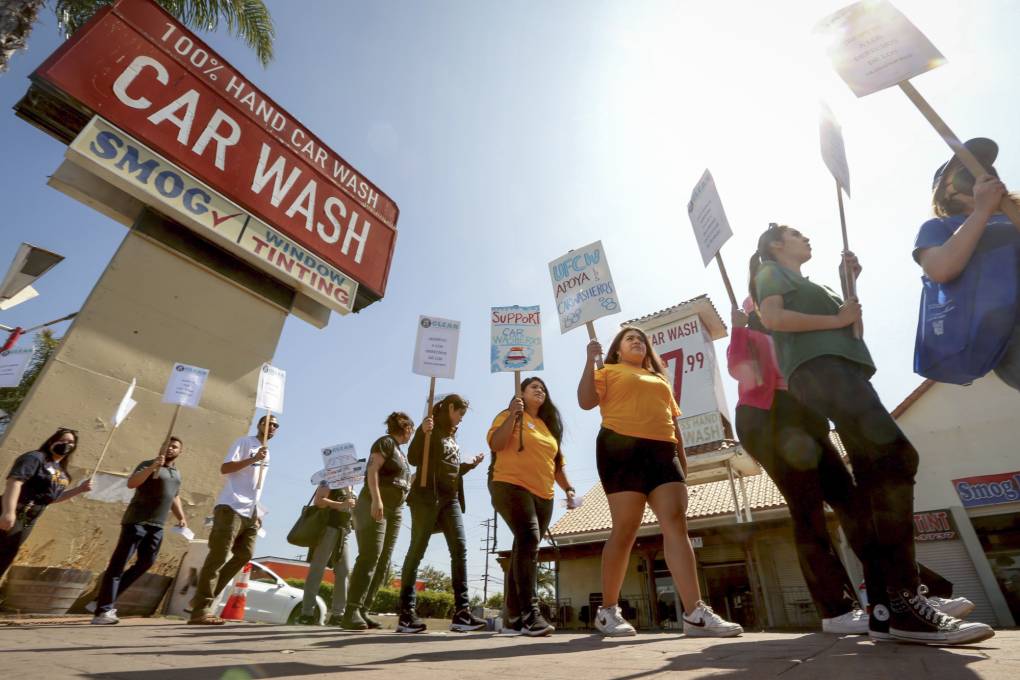
"meta": {
"index": "posts_1716263798",
"site": "news",
"id": "12062811",
"score": null,
"sort": [
1762290017000
]
},
"guestAuthors": [],
"slug": "california-regulators-fine-costco-more-than-800k-for-drivers-owed-wages",
"title": "California Regulators Fine Costco More Than $800,000 for Drivers’ Owed Wages",
"publishDate": 1762290017,
"format": "standard",
"headTitle": "California Regulators Fine Costco More Than $800,000 for Drivers’ Owed Wages | KQED",
"labelTerm": {
"site": "news"
},
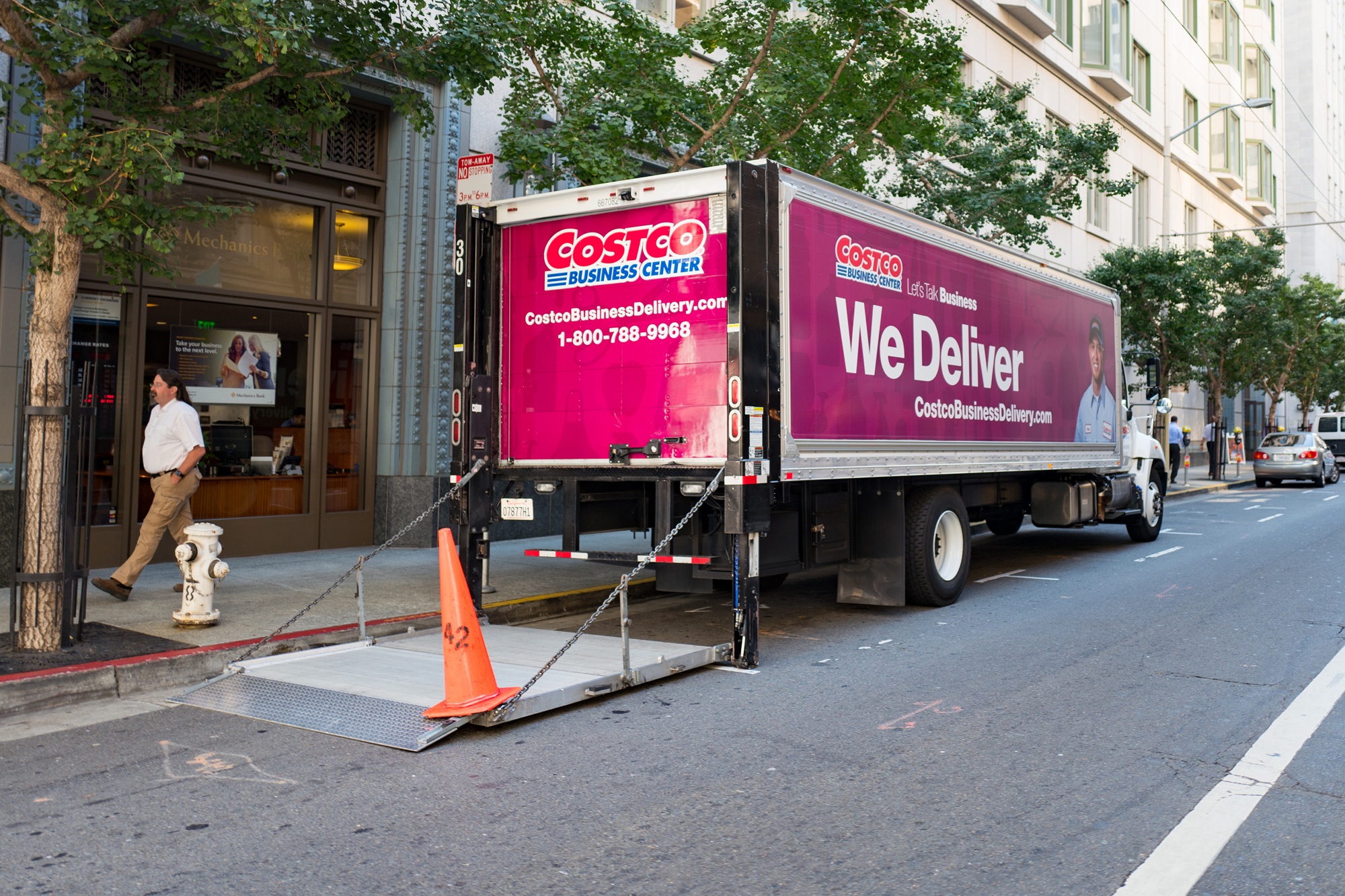
"content": "\u003cp>State labor regulators have found Costco, the membership-only wholesale retailer, liable for the underpayment of dozens of delivery drivers in the \u003ca href=\"https://www.kqed.org/news/tag/san-diego\">San Diego\u003c/a> region.\u003c/p>\n\u003cp>The California Labor Commissioner jointly cited Costco Wholesale Corporation, a delivery contractor and a trucking subcontractor, for nearly $870,000, according to an \u003ca href=\"https://www.dir.ca.gov/DIRNews/2025/2025-111.html\">announcement\u003c/a> Thursday.\u003c/p>\n\u003cp>Investigators found Mega Nice Trucking LLC misclassified 58 drivers as independent contractors, denying them employee rights such as minimum wage, overtime pay and other benefits for a two-year period between August 2022 and September 2024.\u003c/p>\n\u003cp>[ad fullwidth]\u003c/p>\n\u003cp>The agency also held Costco and contractor Ryder Last Mile Inc. equally responsible as employers for the alleged wage theft, because they closely monitored the drivers’ performance, scheduled deliveries and mandated uniforms.\u003c/p>\n\u003cp>“Companies that exert control over workers cannot evade responsibility by hiding behind layers of subcontracting,” Labor Commissioner Lilia García-Brower said in a statement. “Misclassification strips workers of their rights and protections, and employers who direct and control their workforce are responsible for paying all wages owed.”\u003c/p>\n\u003cp>Costco, Ryder Last Mile and Mega Nice Trucking did not respond to requests for comment. All three companies have appealed the citation. That process will determine the amount each employer may ultimately pay, according to an agency spokesperson.\u003c/p>\n\u003cfigure id=\"attachment_10770963\" class=\"wp-caption aligncenter\" style=\"max-width: 1920px\">\u003cimg loading=\"lazy\" decoding=\"async\" class=\"wp-image-10770963 size-full\" src=\"https://cdn.kqed.org/wp-content/uploads/sites/10/2015/11/Costco.jpg\" alt=\"A Costco store\" width=\"1920\" height=\"1283\" srcset=\"https://cdn.kqed.org/wp-content/uploads/sites/10/2015/11/Costco.jpg 1920w, https://cdn.kqed.org/wp-content/uploads/sites/10/2015/11/Costco-400x267.jpg 400w, https://cdn.kqed.org/wp-content/uploads/sites/10/2015/11/Costco-800x535.jpg 800w, https://cdn.kqed.org/wp-content/uploads/sites/10/2015/11/Costco-1440x962.jpg 1440w, https://cdn.kqed.org/wp-content/uploads/sites/10/2015/11/Costco-1180x789.jpg 1180w, https://cdn.kqed.org/wp-content/uploads/sites/10/2015/11/Costco-960x642.jpg 960w\" sizes=\"auto, (max-width: 1920px) 100vw, 1920px\">\u003cfigcaption class=\"wp-caption-text\">Costco, along with a delivery contractor and a trucking subcontractor, was jointly cited for nearly $870,000 by the California Labor Commissioner, officials announced Thursday. \u003ccite>(Mike Mozart via Flickr)\u003c/cite>\u003c/figcaption>\u003c/figure>\n\u003cp>Under \u003ca href=\"https://www.everee.com/blog/ab5-abc-test/\">state law\u003c/a>, most drivers for trucking and logistics companies should be considered employees, as their labor is engaged in the core activity of the firm’s operations. (App-based companies such as Uber and DoorDash carved out an exemption through a 2020 voter-approved ballot measure.)\u003c/p>\n\u003cp>Yet, tens of thousands of truck and delivery drivers in California could be misclassified as independent contractors because it’s cheaper for the hiring entity, said Steve Viscelli, a sociologist and industry expert at the University of Pennsylvania.\u003c/p>\n\u003cp>Employers do not have to pay for an independent contractor’s sick days, workers’ compensation insurance or share of social security taxes. In trucking, the costs of fuel, insurance costs and vehicle repairs are also passed on to these workers, Viscelli said, which further decreases their earnings.[aside postID=news_12060714 hero='https://ww2.kqed.org/app/uploads/sites/10/2023/07/230718-CAR-WASH-WAGE-THEFT-Getty-GM-KQED-1020x680.jpg']“A lot of times, you can see drivers who are working for really subpar wages. And that can add up to big savings for the trucking carrier and for the companies that are shipping products with them,” he said.\u003c/p>\n\u003cp>One in five U.S. Costco warehouses is located in California. The international corporation, headquartered in Issaquah, Washington, posted a \u003ca href=\"https://investor.costco.com/news/news-details/2025/Costco-Wholesale-Corporation-Reports-Fourth-Quarter-and-Fiscal-Year-2025-Operating-Results/default.aspx\">net income\u003c/a> of $8 billion this year, up from $7.4 billion in 2024.\u003c/p>\n\u003cp>The Labor Commissioner’s Bureau of Field Enforcement began its investigation in July 2024 after two former Mega Nice Trucking employees complained of misclassification and wage theft. The agency said the company, which had been penalized for similar violations in the past, paid drivers a flat daily rate and falsified payroll records to conceal ongoing violations. Martin Medina, Mega Nice Trucking’s CEO, was also named as an individual in the $868,000 citation.\u003c/p>\n\u003cp>About 75% of the proposed penalties would be payable to the impacted workers, according to the agency. But restitution is often elusive, as the Labor Commissioner’s Office, also known as the Division of Labor Standards Enforcement, has been \u003ca href=\"https://www.kqed.org/news/11979626/workers-lost-millions-to-californias-worst-known-wage-thief-and-hes-still-in-business\">plagued with delays\u003c/a> and understaffing.\u003c/p>\n\u003cp>Small companies in trucking, construction and other industries that are cited for wage theft often close down and resurface with a different name to avoid paying penalties, according to experts. Holding large employers accountable for violations is critical to make workers’ whole and promote compliance, said Lorena Gonzalez, president of the California Federation of Labor Unions, AFL-CIO.\u003c/p>\n\u003cp>“Because of the laws in California, you can’t plead ignorance because you just keep outsourcing the work. So Costco knew and should have known that those workers were misclassified,” she said. “We need to hold every [guilty] company accountable because they know what they are supposed to be doing and they just try to get by.”\u003c/p>\n\u003cp>The Labor Commissioner also cited Medina and Mega Nice Trucking $520,000 in a separate case for alleged violations from July 2021 through Sept. 2024, impacting 38 workers in San Diego.\u003c/p>\n\u003cp>Misclassification costs workers and the social security net thousands of dollars per year. Light truck drivers, who drive small trucks or vans wrongfully considered independent contractors in California, lose as much as $26,000 in annual compensation, according to \u003ca href=\"https://www.epi.org/publication/misclassifying-workers-2025-update/\">estimates\u003c/a> by the Employment Policy Institute.\u003c/p>\n\u003cp>\u003c/p>\n",
"blocks": [],
"excerpt": "Tens of thousands of truck and delivery drivers in California could be misclassified as independent contractors, depriving them of minimum wage, overtime pay and other compensation.\r\n",
"status": "publish",
"parent": 0,
"modified": 1762366535,
"stats": {
"hasAudio": false,
"hasVideo": false,
"hasChartOrMap": false,
"iframeSrcs": [],
"hasGoogleForm": false,
"hasGallery": false,
"hasHearkenModule": false,
"hasPolis": false,
"paragraphCount": 18,
"wordCount": 794
},
"headData": {
"title": "California Regulators Fine Costco More Than $800,000 for Drivers’ Owed Wages | KQED",
"description": "Tens of thousands of truck and delivery drivers in California could be misclassified as independent contractors, depriving them of minimum wage, overtime pay and other compensation.\r\n",
"ogTitle": "",
"ogDescription": "",
"ogImgId": "",
"twTitle": "",
"twDescription": "",
"twImgId": "",
"schema": {
"@context": "https://schema.org",
"@type": "NewsArticle",
"headline": "California Regulators Fine Costco More Than $800,000 for Drivers’ Owed Wages",
"datePublished": "2025-11-04T13:00:17-08:00",
"dateModified": "2025-11-05T10:15:35-08:00",
"image": "https://cdn.kqed.org/wp-content/uploads/2020/02/KQED-OG-Image@1x.png",
"isAccessibleForFree": "True",
"publisher": {
"@type": "NewsMediaOrganization",
"@id": "https://www.kqed.org/#organization",
"name": "KQED",
"logo": "https://cdn.kqed.org/wp-content/uploads/2020/02/KQED-OG-Image@1x.png",
"url": "https://www.kqed.org",
"sameAs": [
"https://www.facebook.com/KQED",
"https://twitter.com/KQED",
"https://www.instagram.com/kqed/",
"https://www.tiktok.com/@kqedofficial",
"https://www.linkedin.com/company/kqed",
"https://www.youtube.com/channel/UCeC0IOo7i1P_61zVUWbJ4nw"
]
}
}
},
"primaryCategory": {
"termId": 34551,
"slug": "labor",
"name": "Labor"
},
"audioUrl": "https://traffic.omny.fm/d/clips/0af137ef-751e-4b19-a055-aaef00d2d578/ffca7e9f-6831-41c5-bcaf-aaef00f5a073/5ecc4151-f91a-49f4-9901-b38b01222b31/audio.mp3",
"sticky": false,
"nprStoryId": "kqed-12062811",
"templateType": "standard",
"featuredImageType": "standard",
"excludeFromSiteSearch": "Include",
"articleAge": "0",
"path": "/news/12062811/california-regulators-fine-costco-more-than-800k-for-drivers-owed-wages",
"audioTrackLength": null,
"parsedContent": [
{
"type": "contentString",
"content": "\u003cdiv class=\"post-body\">\u003cp>\u003cp>State labor regulators have found Costco, the membership-only wholesale retailer, liable for the underpayment of dozens of delivery drivers in the \u003ca href=\"https://www.kqed.org/news/tag/san-diego\">San Diego\u003c/a> region.\u003c/p>\n\u003cp>The California Labor Commissioner jointly cited Costco Wholesale Corporation, a delivery contractor and a trucking subcontractor, for nearly $870,000, according to an \u003ca href=\"https://www.dir.ca.gov/DIRNews/2025/2025-111.html\">announcement\u003c/a> Thursday.\u003c/p>\n\u003cp>Investigators found Mega Nice Trucking LLC misclassified 58 drivers as independent contractors, denying them employee rights such as minimum wage, overtime pay and other benefits for a two-year period between August 2022 and September 2024.\u003c/p>\n\u003cp>\u003c/p>\u003c/div>",
"attributes": {
"named": {},
"numeric": []
}
},
{
"type": "component",
"content": "",
"name": "ad",
"attributes": {
"named": {
"label": "fullwidth"
},
"numeric": [
"fullwidth"
]
}
},
{
"type": "contentString",
"content": "\u003cdiv class=\"post-body\">\u003cp>\u003c/p>\n\u003cp>The agency also held Costco and contractor Ryder Last Mile Inc. equally responsible as employers for the alleged wage theft, because they closely monitored the drivers’ performance, scheduled deliveries and mandated uniforms.\u003c/p>\n\u003cp>“Companies that exert control over workers cannot evade responsibility by hiding behind layers of subcontracting,” Labor Commissioner Lilia García-Brower said in a statement. “Misclassification strips workers of their rights and protections, and employers who direct and control their workforce are responsible for paying all wages owed.”\u003c/p>\n\u003cp>Costco, Ryder Last Mile and Mega Nice Trucking did not respond to requests for comment. All three companies have appealed the citation. That process will determine the amount each employer may ultimately pay, according to an agency spokesperson.\u003c/p>\n\u003cfigure id=\"attachment_10770963\" class=\"wp-caption aligncenter\" style=\"max-width: 1920px\">\u003cimg loading=\"lazy\" decoding=\"async\" class=\"wp-image-10770963 size-full\" src=\"https://cdn.kqed.org/wp-content/uploads/sites/10/2015/11/Costco.jpg\" alt=\"A Costco store\" width=\"1920\" height=\"1283\" srcset=\"https://cdn.kqed.org/wp-content/uploads/sites/10/2015/11/Costco.jpg 1920w, https://cdn.kqed.org/wp-content/uploads/sites/10/2015/11/Costco-400x267.jpg 400w, https://cdn.kqed.org/wp-content/uploads/sites/10/2015/11/Costco-800x535.jpg 800w, https://cdn.kqed.org/wp-content/uploads/sites/10/2015/11/Costco-1440x962.jpg 1440w, https://cdn.kqed.org/wp-content/uploads/sites/10/2015/11/Costco-1180x789.jpg 1180w, https://cdn.kqed.org/wp-content/uploads/sites/10/2015/11/Costco-960x642.jpg 960w\" sizes=\"auto, (max-width: 1920px) 100vw, 1920px\">\u003cfigcaption class=\"wp-caption-text\">Costco, along with a delivery contractor and a trucking subcontractor, was jointly cited for nearly $870,000 by the California Labor Commissioner, officials announced Thursday. \u003ccite>(Mike Mozart via Flickr)\u003c/cite>\u003c/figcaption>\u003c/figure>\n\u003cp>Under \u003ca href=\"https://www.everee.com/blog/ab5-abc-test/\">state law\u003c/a>, most drivers for trucking and logistics companies should be considered employees, as their labor is engaged in the core activity of the firm’s operations. (App-based companies such as Uber and DoorDash carved out an exemption through a 2020 voter-approved ballot measure.)\u003c/p>\n\u003cp>Yet, tens of thousands of truck and delivery drivers in California could be misclassified as independent contractors because it’s cheaper for the hiring entity, said Steve Viscelli, a sociologist and industry expert at the University of Pennsylvania.\u003c/p>\n\u003cp>Employers do not have to pay for an independent contractor’s sick days, workers’ compensation insurance or share of social security taxes. In trucking, the costs of fuel, insurance costs and vehicle repairs are also passed on to these workers, Viscelli said, which further decreases their earnings.\u003c/p>\u003c/div>",
"attributes": {
"named": {},
"numeric": []
}
},
{
"type": "component",
"content": "",
"name": "aside",
"attributes": {
"named": {
"postid": "news_12060714",
"hero": "https://ww2.kqed.org/app/uploads/sites/10/2023/07/230718-CAR-WASH-WAGE-THEFT-Getty-GM-KQED-1020x680.jpg",
"label": ""
},
"numeric": []
}
},
{
"type": "contentString",
"content": "\u003cdiv class=\"post-body\">\u003cp>“A lot of times, you can see drivers who are working for really subpar wages. And that can add up to big savings for the trucking carrier and for the companies that are shipping products with them,” he said.\u003c/p>\n\u003cp>One in five U.S. Costco warehouses is located in California. The international corporation, headquartered in Issaquah, Washington, posted a \u003ca href=\"https://investor.costco.com/news/news-details/2025/Costco-Wholesale-Corporation-Reports-Fourth-Quarter-and-Fiscal-Year-2025-Operating-Results/default.aspx\">net income\u003c/a> of $8 billion this year, up from $7.4 billion in 2024.\u003c/p>\n\u003cp>The Labor Commissioner’s Bureau of Field Enforcement began its investigation in July 2024 after two former Mega Nice Trucking employees complained of misclassification and wage theft. The agency said the company, which had been penalized for similar violations in the past, paid drivers a flat daily rate and falsified payroll records to conceal ongoing violations. Martin Medina, Mega Nice Trucking’s CEO, was also named as an individual in the $868,000 citation.\u003c/p>\n\u003cp>About 75% of the proposed penalties would be payable to the impacted workers, according to the agency. But restitution is often elusive, as the Labor Commissioner’s Office, also known as the Division of Labor Standards Enforcement, has been \u003ca href=\"https://www.kqed.org/news/11979626/workers-lost-millions-to-californias-worst-known-wage-thief-and-hes-still-in-business\">plagued with delays\u003c/a> and understaffing.\u003c/p>\n\u003cp>Small companies in trucking, construction and other industries that are cited for wage theft often close down and resurface with a different name to avoid paying penalties, according to experts. Holding large employers accountable for violations is critical to make workers’ whole and promote compliance, said Lorena Gonzalez, president of the California Federation of Labor Unions, AFL-CIO.\u003c/p>\n\u003cp>“Because of the laws in California, you can’t plead ignorance because you just keep outsourcing the work. So Costco knew and should have known that those workers were misclassified,” she said. “We need to hold every [guilty] company accountable because they know what they are supposed to be doing and they just try to get by.”\u003c/p>\n\u003cp>The Labor Commissioner also cited Medina and Mega Nice Trucking $520,000 in a separate case for alleged violations from July 2021 through Sept. 2024, impacting 38 workers in San Diego.\u003c/p>\n\u003cp>Misclassification costs workers and the social security net thousands of dollars per year. Light truck drivers, who drive small trucks or vans wrongfully considered independent contractors in California, lose as much as $26,000 in annual compensation, according to \u003ca href=\"https://www.epi.org/publication/misclassifying-workers-2025-update/\">estimates\u003c/a> by the Employment Policy Institute.\u003c/p>\n\u003cp>\u003c/p>\n\u003c/div>\u003c/p>",
"attributes": {
"named": {},
"numeric": []
}
}
],
"link": "/news/12062811/california-regulators-fine-costco-more-than-800k-for-drivers-owed-wages",
"authors": [
"8659"
],
"categories": [
"news_31795",
"news_34551",
"news_8"
],
"tags": [
"news_18538",
"news_30731",
"news_26532",
"news_35557",
"news_19904",
"news_34070",
"news_32377",
"news_29865",
"news_4486",
"news_20517",
"news_4523",
"news_18208"
],
"featImg": "news_12062815",
"label": "news"
},
"news_12062080": {
"type": "posts",
"id": "news_12062080",
"meta": {
"index": "posts_1716263798",
"site": "news",
"id": "12062080",
"score": null,
"sort": [
1761774779000
]
},
"guestAuthors": [],
"slug": "uc-workers-call-on-university-to-ban-ice-agents-from-campuses",
"title": "UC Workers Call on University to Ban ICE Agents From Campuses",
"publishDate": 1761774779,
"format": "standard",
"headTitle": "UC Workers Call on University to Ban ICE Agents From Campuses | KQED",
"labelTerm": {
"site": "news"
},
"content": "\u003cp>\u003ca href=\"https://www.kqed.org/news/tag/university-of-california\">University of California\u003c/a> union members are urging the system to take more concrete steps to protect international workers by barring federal agents from campuses and providing financial and legal assistance for workers facing immigration status changes.\u003c/p>\n\u003cp>More than 13,000 members of United Auto Workers Local 4811, which represents 48,000 student researchers, employees and postdoctoral researchers, sent a petition to the UC Office of the President last week demanding that it “protect vulnerable international workers from the Trump administration’s racist and xenophobic policies.”\u003c/p>\n\u003cp>Their petition comes as the Trump administration has moved to terminate some student visas and ramped up immigration enforcement around the state. So far this year, at least 100 scholars and recent graduates across the UC system have had their \u003ca href=\"https://www.kqed.org/news/12037114/student-visa-cancellations-uc-berkeley-beyond-could-hurt-us-innovation\">visas or exchange visitor status revoked\u003c/a> “with no valid justification,” according to the union. Some students and graduate workers have had their visas revoked and reinstated, \u003ca href=\"https://calmatters.org/education/2025/08/international-students-california-universities/\">according to \u003cem>CalMatters\u003c/em>\u003c/a>\u003cem>.\u003c/em>\u003c/p>\n\u003cp>[ad fullwidth]\u003c/p>\n\u003cp>UCSF postdoctoral researcher Atreya Dey, who is from India, said the union began circulating the petition after first hearing that peoples’ exchange visitor status or student visas had been revoked.\u003c/p>\n\u003cp>“We think since there’s so many attacks on immigrants happening right now, the UC needs to take some steps to protect basically its core working research group,” he said.\u003c/p>\n\u003cp>Across the UC system, \u003ca href=\"https://www.universityofcalifornia.edu/about-us/information-center/uc-workforce-diversity\">61.5% of postdoctoral scholars\u003c/a> are international workers.\u003c/p>\n\u003cfigure id=\"attachment_12037908\" class=\"wp-caption aligncenter\" style=\"max-width: 2000px\">\u003cimg loading=\"lazy\" decoding=\"async\" class=\"size-full wp-image-12037908\" src=\"https://cdn.kqed.org/wp-content/uploads/sites/10/2025/04/20250424_UCSFFILE_GC-12-KQED.jpg\" alt=\"\" width=\"2000\" height=\"1236\" srcset=\"https://cdn.kqed.org/wp-content/uploads/sites/10/2025/04/20250424_UCSFFILE_GC-12-KQED.jpg 2000w, https://cdn.kqed.org/wp-content/uploads/sites/10/2025/04/20250424_UCSFFILE_GC-12-KQED-800x494.jpg 800w, https://cdn.kqed.org/wp-content/uploads/sites/10/2025/04/20250424_UCSFFILE_GC-12-KQED-1020x630.jpg 1020w, https://cdn.kqed.org/wp-content/uploads/sites/10/2025/04/20250424_UCSFFILE_GC-12-KQED-160x99.jpg 160w, https://cdn.kqed.org/wp-content/uploads/sites/10/2025/04/20250424_UCSFFILE_GC-12-KQED-1536x949.jpg 1536w, https://cdn.kqed.org/wp-content/uploads/sites/10/2025/04/20250424_UCSFFILE_GC-12-KQED-1920x1187.jpg 1920w\" sizes=\"auto, (max-width: 2000px) 100vw, 2000px\">\u003cfigcaption class=\"wp-caption-text\">UCSF Medical Center at Mission Bay in San Francisco on April 24, 2025. \u003ccite>(Gina Castro/KQED)\u003c/cite>\u003c/figcaption>\u003c/figure>\n\u003cp>UAW 4811 is calling on the UC to establish a legal defense fund for those affected by changes to their immigration status; provide financial assistance for people who lose a job, fellowship or living accommodations based on a status change; and deny immigration officials access to university property.\u003c/p>\n\u003cp>“The University of California has long been at the forefront of the fight for immigrant rights in higher education,” the petition reads. “UC must live up to this history by joining other universities in their opposition to the Trump Administration’s blatantly illegal attacks on higher education and immigrants.”\u003c/p>\n\u003cp>UAW 4811 graduate students are currently in contract negotiations with the UC, bargaining over fair pay and job security on behalf of graduate students.\u003c/p>\n\u003cp>The UC \u003ca href=\"https://www.universityofcalifornia.edu/frequently-asked-questions-university-employees-about-possible-federal-immigration-enforcement#questiontwo\">said on its website\u003c/a> that while it cannot broadly prohibit immigration officers from coming onto campus, it does limit public access to certain areas, including those restricted by key card or locked doors, such as dormitories.[aside postID=news_12056908 hero='https://cdn.kqed.org/wp-content/uploads/sites/10/2024/07/230817-UC-BERKELEY-CAMPUS-MD-03-1020x680.jpg']Access to other areas that are generally unlocked can also be restricted, such as lecture halls where class is in session, hospital exam and inpatient rooms, laboratories and kitchens and food preparation areas.\u003c/p>\n\u003cp>Spokesperson Rachel Zaentz said the university system provides “know your rights” information cards that detail the information students are legally obligated to provide if stopped by federal immigration enforcement agents.\u003c/p>\n\u003cp>“International students can reach out to their International Student Services Office for legal and resource referrals,” Zaentz wrote via email. “ [UC Immigrant Legal Services Center California] is also available for legal consultations and referrals for UC’s international students with immigration related questions.”\u003c/p>\n\u003cp>Dey said so far, the UC hasn’t responded to the petition or taken any “concrete steps” in ongoing negotiations on immigration-related demands.\u003c/p>\n\u003cp>“The petition is just to get the university to do something to protect its workers, which they haven’t really done much,” he said.\u003c/p>\n\u003cp>Dey’s current F-1 visa, a non-immigrant visa for full-time students, expires next year. He had planned to apply for an H1-B visa to continue biomedical research at the UC’s San Francisco campus, but after the Trump administration introduced a \u003ca href=\"https://www.uscis.gov/working-in-the-united-states/h-1b-specialty-occupations\">new $100,000 fee\u003c/a> for people applying from outside the country in September, he said he’s more worried about how changing \u003ca href=\"https://www.kqed.org/news/12058586/silicon-valley-dreams-at-risk-current-h-1bs-sidestep-trumps-100k-fee-for-now\">restrictions to H1-B\u003c/a> and other work visas could prevent him from continuing his research.\u003c/p>\n\u003cp>“UCSF sees, at least it seems like they see, that my research is important, but they have so far still not taken any concrete steps to protect immigrants like me,” he told KQED.\u003c/p>\n\u003cp>\u003cem>KQED’s \u003c/em>\u003ca href=\"https://www.kqed.org/author/jlara\">\u003cem>Juan Carlos Lara\u003c/em>\u003c/a>\u003cem> contributed to this report. \u003c/em>\u003c/p>\n\u003cp>\u003c/p>\n",
"blocks": [],
"excerpt": "The petition from unionized University of California researchers and others also demands concrete steps to protect international workers, including financial and legal aid.",
"status": "publish",
"parent": 0,
"modified": 1761781469,
"stats": {
"hasAudio": false,
"hasVideo": false,
"hasChartOrMap": false,
"iframeSrcs": [],
"hasGoogleForm": false,
"hasGallery": false,
"hasHearkenModule": false,
"hasPolis": false,
"paragraphCount": 19,
"wordCount": 738
},
"headData": {
"title": "UC Workers Call on University to Ban ICE Agents From Campuses | KQED",
"description": "The petition from unionized University of California researchers and others also demands concrete steps to protect international workers, including financial and legal aid.",
"ogTitle": "",
"ogDescription": "",
"ogImgId": "",
"twTitle": "",
"twDescription": "",
"twImgId": "",
"schema": {
"@context": "https://schema.org",
"@type": "NewsArticle",
"headline": "UC Workers Call on University to Ban ICE Agents From Campuses",
"datePublished": "2025-10-29T14:52:59-07:00",
"dateModified": "2025-10-29T16:44:29-07:00",
"image": "https://cdn.kqed.org/wp-content/uploads/2020/02/KQED-OG-Image@1x.png",
"isAccessibleForFree": "True",
"publisher": {
"@type": "NewsMediaOrganization",
"@id": "https://www.kqed.org/#organization",
"name": "KQED",
"logo": "https://cdn.kqed.org/wp-content/uploads/2020/02/KQED-OG-Image@1x.png",
"url": "https://www.kqed.org",
"sameAs": [
"https://www.facebook.com/KQED",
"https://twitter.com/KQED",
"https://www.instagram.com/kqed/",
"https://www.tiktok.com/@kqedofficial",
"https://www.linkedin.com/company/kqed",
"https://www.youtube.com/channel/UCeC0IOo7i1P_61zVUWbJ4nw"
]
}
}
},
"primaryCategory": {
"termId": 18540,
"slug": "education",
"name": "Education"
},
"sticky": false,
"nprStoryId": "kqed-12062080",
"templateType": "standard",
"featuredImageType": "standard",
"excludeFromSiteSearch": "Include",
"articleAge": "0",
"path": "/news/12062080/uc-workers-call-on-university-to-ban-ice-agents-from-campuses",
"audioTrackLength": null,
"parsedContent": [
{
"type": "contentString",
"content": "\u003cdiv class=\"post-body\">\u003cp>\u003cp>\u003ca href=\"https://www.kqed.org/news/tag/university-of-california\">University of California\u003c/a> union members are urging the system to take more concrete steps to protect international workers by barring federal agents from campuses and providing financial and legal assistance for workers facing immigration status changes.\u003c/p>\n\u003cp>More than 13,000 members of United Auto Workers Local 4811, which represents 48,000 student researchers, employees and postdoctoral researchers, sent a petition to the UC Office of the President last week demanding that it “protect vulnerable international workers from the Trump administration’s racist and xenophobic policies.”\u003c/p>\n\u003cp>Their petition comes as the Trump administration has moved to terminate some student visas and ramped up immigration enforcement around the state. So far this year, at least 100 scholars and recent graduates across the UC system have had their \u003ca href=\"https://www.kqed.org/news/12037114/student-visa-cancellations-uc-berkeley-beyond-could-hurt-us-innovation\">visas or exchange visitor status revoked\u003c/a> “with no valid justification,” according to the union. Some students and graduate workers have had their visas revoked and reinstated, \u003ca href=\"https://calmatters.org/education/2025/08/international-students-california-universities/\">according to \u003cem>CalMatters\u003c/em>\u003c/a>\u003cem>.\u003c/em>\u003c/p>\n\u003cp>\u003c/p>\u003c/div>",
"attributes": {
"named": {},
"numeric": []
}
},
{
"type": "component",
"content": "",
"name": "ad",
"attributes": {
"named": {
"label": "fullwidth"
},
"numeric": [
"fullwidth"
]
}
},
{
"type": "contentString",
"content": "\u003cdiv class=\"post-body\">\u003cp>\u003c/p>\n\u003cp>UCSF postdoctoral researcher Atreya Dey, who is from India, said the union began circulating the petition after first hearing that peoples’ exchange visitor status or student visas had been revoked.\u003c/p>\n\u003cp>“We think since there’s so many attacks on immigrants happening right now, the UC needs to take some steps to protect basically its core working research group,” he said.\u003c/p>\n\u003cp>Across the UC system, \u003ca href=\"https://www.universityofcalifornia.edu/about-us/information-center/uc-workforce-diversity\">61.5% of postdoctoral scholars\u003c/a> are international workers.\u003c/p>\n\u003cfigure id=\"attachment_12037908\" class=\"wp-caption aligncenter\" style=\"max-width: 2000px\">\u003cimg loading=\"lazy\" decoding=\"async\" class=\"size-full wp-image-12037908\" src=\"https://cdn.kqed.org/wp-content/uploads/sites/10/2025/04/20250424_UCSFFILE_GC-12-KQED.jpg\" alt=\"\" width=\"2000\" height=\"1236\" srcset=\"https://cdn.kqed.org/wp-content/uploads/sites/10/2025/04/20250424_UCSFFILE_GC-12-KQED.jpg 2000w, https://cdn.kqed.org/wp-content/uploads/sites/10/2025/04/20250424_UCSFFILE_GC-12-KQED-800x494.jpg 800w, https://cdn.kqed.org/wp-content/uploads/sites/10/2025/04/20250424_UCSFFILE_GC-12-KQED-1020x630.jpg 1020w, https://cdn.kqed.org/wp-content/uploads/sites/10/2025/04/20250424_UCSFFILE_GC-12-KQED-160x99.jpg 160w, https://cdn.kqed.org/wp-content/uploads/sites/10/2025/04/20250424_UCSFFILE_GC-12-KQED-1536x949.jpg 1536w, https://cdn.kqed.org/wp-content/uploads/sites/10/2025/04/20250424_UCSFFILE_GC-12-KQED-1920x1187.jpg 1920w\" sizes=\"auto, (max-width: 2000px) 100vw, 2000px\">\u003cfigcaption class=\"wp-caption-text\">UCSF Medical Center at Mission Bay in San Francisco on April 24, 2025. \u003ccite>(Gina Castro/KQED)\u003c/cite>\u003c/figcaption>\u003c/figure>\n\u003cp>UAW 4811 is calling on the UC to establish a legal defense fund for those affected by changes to their immigration status; provide financial assistance for people who lose a job, fellowship or living accommodations based on a status change; and deny immigration officials access to university property.\u003c/p>\n\u003cp>“The University of California has long been at the forefront of the fight for immigrant rights in higher education,” the petition reads. “UC must live up to this history by joining other universities in their opposition to the Trump Administration’s blatantly illegal attacks on higher education and immigrants.”\u003c/p>\n\u003cp>UAW 4811 graduate students are currently in contract negotiations with the UC, bargaining over fair pay and job security on behalf of graduate students.\u003c/p>\n\u003cp>The UC \u003ca href=\"https://www.universityofcalifornia.edu/frequently-asked-questions-university-employees-about-possible-federal-immigration-enforcement#questiontwo\">said on its website\u003c/a> that while it cannot broadly prohibit immigration officers from coming onto campus, it does limit public access to certain areas, including those restricted by key card or locked doors, such as dormitories.\u003c/p>\u003c/div>",
"attributes": {
"named": {},
"numeric": []
}
},
{
"type": "component",
"content": "",
"name": "aside",
"attributes": {
"named": {
"postid": "news_12056908",
"hero": "https://cdn.kqed.org/wp-content/uploads/sites/10/2024/07/230817-UC-BERKELEY-CAMPUS-MD-03-1020x680.jpg",
"label": ""
},
"numeric": []
}
},
{
"type": "contentString",
"content": "\u003cdiv class=\"post-body\">\u003cp>Access to other areas that are generally unlocked can also be restricted, such as lecture halls where class is in session, hospital exam and inpatient rooms, laboratories and kitchens and food preparation areas.\u003c/p>\n\u003cp>Spokesperson Rachel Zaentz said the university system provides “know your rights” information cards that detail the information students are legally obligated to provide if stopped by federal immigration enforcement agents.\u003c/p>\n\u003cp>“International students can reach out to their International Student Services Office for legal and resource referrals,” Zaentz wrote via email. “ [UC Immigrant Legal Services Center California] is also available for legal consultations and referrals for UC’s international students with immigration related questions.”\u003c/p>\n\u003cp>Dey said so far, the UC hasn’t responded to the petition or taken any “concrete steps” in ongoing negotiations on immigration-related demands.\u003c/p>\n\u003cp>“The petition is just to get the university to do something to protect its workers, which they haven’t really done much,” he said.\u003c/p>\n\u003cp>Dey’s current F-1 visa, a non-immigrant visa for full-time students, expires next year. He had planned to apply for an H1-B visa to continue biomedical research at the UC’s San Francisco campus, but after the Trump administration introduced a \u003ca href=\"https://www.uscis.gov/working-in-the-united-states/h-1b-specialty-occupations\">new $100,000 fee\u003c/a> for people applying from outside the country in September, he said he’s more worried about how changing \u003ca href=\"https://www.kqed.org/news/12058586/silicon-valley-dreams-at-risk-current-h-1bs-sidestep-trumps-100k-fee-for-now\">restrictions to H1-B\u003c/a> and other work visas could prevent him from continuing his research.\u003c/p>\n\u003cp>“UCSF sees, at least it seems like they see, that my research is important, but they have so far still not taken any concrete steps to protect immigrants like me,” he told KQED.\u003c/p>\n\u003cp>\u003cem>KQED’s \u003c/em>\u003ca href=\"https://www.kqed.org/author/jlara\">\u003cem>Juan Carlos Lara\u003c/em>\u003c/a>\u003cem> contributed to this report. \u003c/em>\u003c/p>\n\u003cp>\u003c/p>\n\u003c/div>\u003c/p>",
"attributes": {
"named": {},
"numeric": []
}
}
],
"link": "/news/12062080/uc-workers-call-on-university-to-ban-ice-agents-from-campuses",
"authors": [
"11913"
],
"categories": [
"news_31795",
"news_18540",
"news_34551",
"news_8",
"news_13"
],
"tags": [
"news_18538",
"news_1323",
"news_20013",
"news_35606",
"news_27924",
"news_20202",
"news_19904",
"news_17968",
"news_20529",
"news_35285",
"news_33765",
"news_206"
],
"featImg": "news_12058101",
"label": "news"
},
"news_12058784": {
"type": "posts",
"id": "news_12058784",
"meta": {
"index": "posts_1716263798",
"site": "news",
"id": "12058784",
"score": null,
"sort": [
1761672647000
]
},
"guestAuthors": [],
"slug": "oakland-sisters-lead-fight-to-free-la-relatives-from-ice-detention",
"title": "Oakland Sisters Lead Fight to Free LA Relatives From ICE Detention",
"publishDate": 1761672647,
"format": "standard",
"headTitle": "Oakland Sisters Lead Fight to Free LA Relatives From ICE Detention | KQED",
"labelTerm": {
"site": "news"
},
"content": "\u003cp>Jennifer Alejo was taking a midmorning stroll through the serene San Francisco Botanical Garden when she got a panicked call from her mother in Los Angeles. \u003ca href=\"https://www.kqed.org/news/12043346/sf-rallies-for-david-huerta-california-union-leader-arrested-in-la-immigration-raid\">Immigration and Customs Enforcement raided\u003c/a> the garment warehouse where more than a dozen of Alejo’s cousins and uncles worked.\u003c/p>\n\u003cp>The men were handcuffed, loaded into white vans and driven away as federal agents in military gear clashed with protesters outside the warehouse’s gates.\u003c/p>\n\u003cp>At first, Alejo didn’t know how many relatives were arrested or where they were taken. Over the next frantic 24 hours of phone calls and online searches, a clearer picture emerged: ICE had detained 14 of her family members in a single swoop at Ambiance Apparel on June 6.\u003c/p>\n\u003cp>[ad fullwidth]\u003c/p>\n\u003cp>“I am freaking out because I’ve been in the Bay organizing for 10 years, but I have never gone up to the immigration machine in this way,” said Alejo, who leads the Oakland-based nonprofit Trabajadores Unidos Workers United. “So I was nervous.”\u003c/p>\n\u003cp>The Alejos’ story captures the new reality of immigration enforcement under President Donald Trump: mass workplace raids returning on a scale not seen in years, sweeping up longtime residents with no criminal records and leaving families to navigate a system stacked against them.\u003c/p>\n\u003cp>Across California and the U.S., ICE arrests and detentions have climbed sharply in recent years, as the administration renews its focus on high-profile raids and deportations — forcing communities to organize legal and financial lifelines on the fly.\u003c/p>\n\u003cfigure id=\"attachment_12061732\" class=\"wp-caption aligncenter\" style=\"max-width: 2000px\">\u003cimg loading=\"lazy\" decoding=\"async\" class=\"size-full wp-image-12061732\" src=\"https://cdn.kqed.org/wp-content/uploads/sites/10/2025/10/20251026_FAMILYMEMBERSARRESTED_HERNANDEZ-3-KQED.jpg\" alt=\"\" width=\"2000\" height=\"1333\" srcset=\"https://cdn.kqed.org/wp-content/uploads/sites/10/2025/10/20251026_FAMILYMEMBERSARRESTED_HERNANDEZ-3-KQED.jpg 2000w, https://cdn.kqed.org/wp-content/uploads/sites/10/2025/10/20251026_FAMILYMEMBERSARRESTED_HERNANDEZ-3-KQED-160x107.jpg 160w, https://cdn.kqed.org/wp-content/uploads/sites/10/2025/10/20251026_FAMILYMEMBERSARRESTED_HERNANDEZ-3-KQED-1536x1024.jpg 1536w\" sizes=\"auto, (max-width: 2000px) 100vw, 2000px\">\u003cfigcaption class=\"wp-caption-text\">Jennifer Alejo works in her office in Oakland on Oct. 27, 2025. \u003ccite>(Gustavo Hernandez/KQED)\u003c/cite>\u003c/figcaption>\u003c/figure>\n\u003cp>The Bay Area has \u003ca href=\"https://www.kqed.org/news/12061545/bay-area-spared-from-federal-immigration-enforcement-surge-officials-say\">braced for aggressive immigration arrests\u003c/a> like those seen in Los Angeles and Chicago in recent months. Last week, dozens of U.S. Customs and Border Protection agents arrived at a Coast Guard base in Alameda, prompting a \u003ca href=\"https://www.kqed.org/news/12061436/2-injured-after-officers-shoot-at-truck-outside-alameda-base-following-day-of-protests\">confrontation with protesters\u003c/a>. Tensions eased after President Donald Trump \u003ca href=\"https://www.kqed.org/news/12061209/lurie-trump-is-calling-off-plans-to-send-federal-troops-to-san-francisco\">called off a planned surge\u003c/a> of federal agents targeting San Francisco on Oct. 23, and Oakland Mayor Barbara Lee said the next day that scheduled ICE and Border Patrol operations were canceled. Still, immigrant advocates, school leaders and elected officials \u003ca href=\"https://www.kqed.org/news/12055279/oakland-latino-merchants-learn-rights-as-ice-targets-worksites\">urged residents to stay prepared\u003c/a>.\u003c/p>\n\u003cp>Alejo and his younger sister, Citlali, also a staffer at the organization, knew their relatives would have a better chance at release if the family worked together. They tapped their Bay Area networks for legal aid and fundraising, and rallied relatives and close friends in L.A. to launch Lucha Zapoteca, a public campaign named for their Indigenous Zapoteca roots from Southern Mexico.\u003c/p>\n\u003cp>Nearly five months later, public awareness about the family’s plight helped raise more than \u003ca href=\"https://www.gofundme.com/f/urgent-aid-for-families-of-14-detained-members\">$370,000\u003c/a> from thousands of donors — enough to pay immigration bonds, which can range from $1,500 to more than $25,000 each, and cover rent and groceries for relatives left without breadwinners.[aside postID=news_12057190 hero='https://cdn.kqed.org/wp-content/uploads/sites/10/2025/10/251022-FRUITVALE-MERCHANTS-MD-02-KQED.jpg']Immigration attorneys in the Bay Area and Southern California worked to free 11 of the men from the Adelanto ICE detention center and secured long-term representation.\u003c/p>\n\u003cp>“We wanted people to know that they could fight back. We didn’t know what it was going to look like, but we also knew that our community does have rights,” said Alejo, 33. “But it is hard to organize your own family into action, especially when there’s just so much at stake.”\u003c/p>\n\u003cp>The family joined protests, including outside of the Adelanto facility, and packed court hearings to show support — a factor immigration judges often consider when deciding whether to release a detainee on bond.\u003c/p>\n\u003cp>One of Alejo’s relatives is still locked up at the Adelanto facility, about 90 miles from L.A. Two were deported, including a 22-year-old who, the sisters said, didn’t realize the papers he signed sealed his removal to Tijuana. The other relative, unable to endure detention conditions, voluntarily agreed to deportation.\u003c/p>\n\u003cp>ICE did not respond to requests for comment on why Ambiance Apparel, which employs about 150 employees at its warehouse and showroom, was targeted in June or about the operation’s outcome. It’s unclear whether the 2021 \u003ca href=\"https://www.justice.gov/usao-cdca/pr/los-angeles-fashion-district-company-owner-sentenced-one-year-prison-committing-customs\">sentencing\u003c/a> of the company’s owner to one year in federal prison for failing to pay more than $35 million in taxes and customs duties was connected to the raid. Ambiance has denied any wrongdoing.\u003c/p>\n\u003cp>“Ambiance is committed to following the law and to supporting its workers, many of whom have worked for the company for decades,” said Benjamin Gluck, an attorney representing the company, in a statement.\u003c/p>\n\u003cfigure id=\"attachment_12055266\" class=\"wp-caption aligncenter\" style=\"max-width: 2000px\">\u003cimg loading=\"lazy\" decoding=\"async\" class=\"size-full wp-image-12055266\" src=\"https://cdn.kqed.org/wp-content/uploads/sites/10/2025/09/GettyImages-2221046205-scaled-e1761161380689.jpg\" alt=\"\" width=\"2000\" height=\"1345\">\u003cfigcaption class=\"wp-caption-text\">A protester carries a sign reading “Immigrants Built America!” as anti-ICE demonstrators protest outside a federal building on June 19, 2025, in Los Angeles, California. \u003ccite>(Mario Tama/Getty Images)\u003c/cite>\u003c/figcaption>\u003c/figure>\n\u003cp>White House “border czar” Tom Homan said federal agents executed a search warrant at the business, which has locations in L.A.’s Fashion District and Vernon, as part of a \u003ca href=\"https://www.nbcnews.com/news/us-news/tom-homan-trump-border-czar-los-angeles-rcna211701\">criminal investigation\u003c/a> that also swept up undocumented workers. But U.S. Attorney Bill Assaily said the judicial \u003ca href=\"https://www.nbclosangeles.com/news/local/us-attorney-confirms-fbi-federal-agencies-search-warrant-downtown-los-angeles/3717411/\">warrant\u003c/a> that gained agents’ entry to the gated worksite was only for immigration enforcement.\u003c/p>\n\u003cp>California law prohibits employers from allowing ICE into their facilities unless agents present a valid judicial warrant.\u003c/p>\n\u003cp>The roughly 10,300 ICE arrests in California from January through July represent nearly double the total for all of 2024 and more than five times the arrests in 2023, according to a KQED analysis of \u003ca href=\"https://deportationdata.org/data/ice.html\">data\u003c/a> from the UC Berkeley Deportation Data Project. About 62% of this year’s arrests occurred in ICE’s Los Angeles area of responsibility, which includes Los Angeles, Orange, Riverside, San Bernardino, Ventura, Santa Barbara and San Luis Obispo counties.\u003c/p>\n\u003cp>The Trump administration said its immigration crackdown prioritizes expelling dangerous criminals, but undocumented immigrants with no criminal records are being detained as well.\u003c/p>\n\u003cp>“I’ve said a thousand times that aperture will open,” Homan told NBC News in June. “And I said, if you’re in the country illegally, you’re not off the table.”\u003c/p>\n\u003ch2>Deciding to push back\u003c/h2>\n\u003cp>After Alejo and Citlali drove to L.A. on the evening of June 6, they met with dozens of worried relatives and friends who gathered at a Quinceañera party hall someone had secured. They tallied which family members hadn’t returned home from their shifts and spoke with two Bay Area immigration attorneys Alejo had already contacted. Her first question: Could the family help by speaking up and organizing?\u003c/p>\n\u003cp>The hall had a projector. Alejo brought in Lisa Knox of the California Center for Immigrant Justice and Luis Angel Reyes Savalza of the San Francisco Public Defender’s Office via Zoom. Both attorneys, active in local immigration rapid response networks, confirmed that public pressure could boost a legal process to get the fathers and husbands out of detention. Alejo reminded her family that it would take work and courage.\u003c/p>\n\u003cfigure id=\"attachment_12061733\" class=\"wp-caption aligncenter\" style=\"max-width: 2000px\">\u003cimg loading=\"lazy\" decoding=\"async\" class=\"size-full wp-image-12061733\" src=\"https://cdn.kqed.org/wp-content/uploads/sites/10/2025/10/20251026_FAMILYMEMBERSARRESTED_HERNANDEZ-7-KQED.jpg\" alt=\"\" width=\"2000\" height=\"1333\" srcset=\"https://cdn.kqed.org/wp-content/uploads/sites/10/2025/10/20251026_FAMILYMEMBERSARRESTED_HERNANDEZ-7-KQED.jpg 2000w, https://cdn.kqed.org/wp-content/uploads/sites/10/2025/10/20251026_FAMILYMEMBERSARRESTED_HERNANDEZ-7-KQED-160x107.jpg 160w, https://cdn.kqed.org/wp-content/uploads/sites/10/2025/10/20251026_FAMILYMEMBERSARRESTED_HERNANDEZ-7-KQED-1536x1024.jpg 1536w\" sizes=\"auto, (max-width: 2000px) 100vw, 2000px\">\u003cfigcaption class=\"wp-caption-text\">Jennifer Alejo works in her office in Oakland on Oct. 27, 2025. \u003ccite>(Gustavo Hernandez/KQED)\u003c/cite>\u003c/figcaption>\u003c/figure>\n\u003cp>“I was transparent, that, hey, this is going to be a big fight. I do think we can fight back, but we need to be vocal,” Alejo, an Oakland resident who organizes low-wage cooks, builders and other workers to combat labor violations such as wage theft.\u003c/p>\n\u003cp>Her sister Citlali, 27, who works in communications, organized Lucha Zapoteca’s first \u003ca href=\"https://www.instagram.com/p/DKsClVtpDq-/\">press conference\u003c/a> that weekend. Many relatives felt anxious, Citlali said, but Yurien Contreras was the first to volunteer to talk to reporters about her father’s arrest and what it meant for her and three younger brothers.\u003c/p>\n\u003cp>On June 9, supporters held cardboard signs with photos of their 14 detained relatives outside of Ambiance’s warehouse. When it was her turn to speak, Contreras stepped onto a wooden box near a podium and faced a wall of reporters for the first time. The 20-year-old American citizen had rushed to the warehouse in time to see federal agents lead her father and roughly 40 others away the previous Friday. She demanded that immigration authorities respect the workers’ due process rights and release them.[aside postID=news_12055279 hero='https://cdn.kqed.org/wp-content/uploads/sites/10/2025/09/250903-ICETRAINING_01023_TV-KQED.jpg']“I witnessed how they put my father in handcuffs, chained him from the waist and from his ankles,” said Yurien, speaking into a bouquet of microphones. “We suffered and still suffer from this traumatizing experience emotionally, mentally, and physically…We need our father back.”\u003c/p>\n\u003cp>Contreras said her father’s absence was particularly hard on her 4-year-old brother, who has special needs and stopped eating and talking for about a week. For the three months her father was detained, Contreras found it difficult to sleep. She ultimately deferred her college enrollment to stay home and support her family full-time.\u003c/p>\n\u003cp>Their stories struck a nerve in a city reeling from aggressive immigration sweeps and the arrival of National Guard soldiers, sometimes fully armed, sent by Trump to help federal agents. TV stations and newspapers carried the Alejo family’s story — even into the ICE Processing Center in Adelanto.\u003c/p>\n\u003cp>One of Contreras’ uncles, uncertain about what would happen to his four U.S.-born children, said another detainee peeked into his cell to tell him his family was on TV. Disbelieving, he hurried to the recreation room but missed the newscast. He waited for the next one at 6 p.m. When he finally saw his eldest daughter on screen, he wondered how his shy 23-year-old had found the strength to speak fearlessly. KQED agreed to grant the man anonymity because of his pending immigration case.\u003c/p>\n\u003cp>“It helped me a lot because I saw the support both from my family members and everyone who was there,” the man, who was released from detention in late August, said in Spanish. “It gives you more courage to cope with the case because it can be very exhausting. The psychological anguish eats at you, wears you out.”\u003c/p>\n\u003cp>He worked for 15 years in L.A.’s construction and janitorial industries before handling shipping at Ambiance for the last five years. He said it’s been hard to adjust to life after detention, as he’s unable to work while fighting his immigration case. Not knowing whether he will be deported still weighs heavily on him, but he’s grateful to Lucha Zapoteca for legal representation and financial help that keep his children and wife fed and housed.\u003c/p>\n\u003ch2>Community and strangers step in to help\u003c/h2>\n\u003cp>One vocal supporter has been the Rev. Jaime Edwards-Acton, rector at St. Stephen’s Episcopal Church in Hollywood, where the family attends services. He got involved early to raise funds and coordinate donations. His parishioners, led by two sisters in their 20s, have delivered weekly boxes of groceries, diapers and household supplies to Alejo’s relatives. The church is expanding efforts to help more Angelenos affected by ICE arrests.\u003c/p>\n\u003cp>“It’s been an amazing kind of outpouring of generosity and a desire to really want to do something, to make a positive contribution to this mess that we find ourselves in right now,” said Edwards-Acton, who also wrote letters supporting the detained Ambiance workers to the immigration court.\u003c/p>\n\u003cfigure id=\"attachment_12055746\" class=\"wp-caption aligncenter\" style=\"max-width: 2000px\">\u003cimg loading=\"lazy\" decoding=\"async\" class=\"size-full wp-image-12055746\" src=\"https://cdn.kqed.org/wp-content/uploads/sites/10/2025/09/IMG_9847-scaled-e1761671224320.jpg\" alt=\"\" width=\"2000\" height=\"1500\">\u003cfigcaption class=\"wp-caption-text\">Dozens of carwash employees and their family members rallied alongside immigrant rights activists in Los Angeles on Thursday to denounce federal immigration raids at their worksites. \u003ccite>(Courtesy of Los Angeles Worker Center Network)\u003c/cite>\u003c/figcaption>\u003c/figure>\n\u003cp>He said the Alejo family’s campaign and the broader community response have inspired him. Edwards-Acton recalled an interfaith vigil at downtown L.A.’s Grand Park, attended by about 1,000 people, where speakers included Mayor Karen Bass and Contreras. He said Contreras’ powerful testimony countered fear.\u003c/p>\n\u003cp>“That’s what kind of really moves people to action. Her courage was really contagious,” he said. “It wasn’t just a testimony of despair. It was a testimony about this tragic moment, but also how we’re fighting for justice.”\u003c/p>\n\u003cp>Contreras, who had a baby in March, spent her time attending court hearings for her father and the other detained relatives while caring for her brothers, mother and her child. Her 17-year-old brother remained withdrawn but kept his grades up. One day, he said he had a new goal — to graduate with honors to make his parents proud.\u003c/p>\n\u003cp>Their efforts paid off: Contreras’ father returned home in early September.\u003c/p>\n\u003cp>“It was a lot of hard work, a lot of times where it felt impossible for my dad to be liberated,” Contreras, who hopes to one day become an ultrasound technician, said. “We are super excited that he’s back home. We are thankful for this second opportunity with my dad.”\u003c/p>\n\u003cp>Attorneys for the Alejo family, who believe their clients were unlawfully targeted, said they face a difficult path to remain in the U.S. The Trump administration recently changed its policies to make detainees who crossed the border illegally \u003ca href=\"https://www.americanimmigrationcouncil.org/blog/bia-ruling-immigration-judges-bond-mandatory-detention-undocumented-immigrants/\">ineligible\u003c/a> for bond. Dozens of immigration judges, employed by the Department of Justice, have been \u003ca href=\"https://www.npr.org/2025/09/23/nx-s1-5550915/trump-immigration-judges\">fired \u003c/a>and temporarily replaced with military lawyers who are not trained to oversee deportation hearings.\u003c/p>\n\u003cp>As the Bay Area and other regions remain on high alert for more ICE enforcement, Alejo said her family’s story — and the support it inspired from strangers — offers hope.\u003c/p>\n\u003cp>“I feel really proud of our family for doing this,” Alejo said. “It’s also been an amazing time to prove to our community that we can organize when we come together and push back.”\u003c/p>\n\u003cp>[ad floatright]\u003c/p>\n",
"blocks": [],
"excerpt": "When 14 of their relatives were detained in an ICE raid, Jennifer and Citlali Alejo launched a grassroots campaign that united attorneys, donors and activists across California to bring them home.",
"status": "publish",
"parent": 0,
"modified": 1761688958,
"stats": {
"hasAudio": false,
"hasVideo": false,
"hasChartOrMap": false,
"iframeSrcs": [],
"hasGoogleForm": false,
"hasGallery": false,
"hasHearkenModule": false,
"hasPolis": false,
"paragraphCount": 41,
"wordCount": 2350
},
"headData": {
"title": "Oakland Sisters Lead Fight to Free LA Relatives From ICE Detention | KQED",
"description": "When 14 of their relatives were detained in an ICE raid, Jennifer and Citlali Alejo launched a grassroots campaign that united attorneys, donors and activists across California to bring them home.",
"ogTitle": "",
"ogDescription": "",
"ogImgId": "",
"twTitle": "",
"twDescription": "",
"twImgId": "",
"schema": {
"@context": "https://schema.org",
"@type": "NewsArticle",
"headline": "Oakland Sisters Lead Fight to Free LA Relatives From ICE Detention",
"datePublished": "2025-10-28T10:30:47-07:00",
"dateModified": "2025-10-28T15:02:38-07:00",
"image": "https://cdn.kqed.org/wp-content/uploads/2020/02/KQED-OG-Image@1x.png",
"isAccessibleForFree": "True",
"publisher": {
"@type": "NewsMediaOrganization",
"@id": "https://www.kqed.org/#organization",
"name": "KQED",
"logo": "https://cdn.kqed.org/wp-content/uploads/2020/02/KQED-OG-Image@1x.png",
"url": "https://www.kqed.org",
"sameAs": [
"https://www.facebook.com/KQED",
"https://twitter.com/KQED",
"https://www.instagram.com/kqed/",
"https://www.tiktok.com/@kqedofficial",
"https://www.linkedin.com/company/kqed",
"https://www.youtube.com/channel/UCeC0IOo7i1P_61zVUWbJ4nw"
]
}
}
},
"primaryCategory": {
"termId": 1169,
"slug": "immigration",
"name": "Immigration"
},
"audioUrl": "https://traffic.omny.fm/d/clips/0af137ef-751e-4b19-a055-aaef00d2d578/ffca7e9f-6831-4[…]f-aaef00f5a073/e3d2f18c-8f18-4b6b-ba2f-b36f0110611c/audio.mp3",
"sticky": false,
"nprStoryId": "kqed-12058784",
"templateType": "standard",
"featuredImageType": "standard",
"excludeFromSiteSearch": "Include",
"articleAge": "0",
"path": "/news/12058784/oakland-sisters-lead-fight-to-free-la-relatives-from-ice-detention",
"audioTrackLength": null,
"parsedContent": [
{
"type": "contentString",
"content": "\u003cdiv class=\"post-body\">\u003cp>\u003cp>Jennifer Alejo was taking a midmorning stroll through the serene San Francisco Botanical Garden when she got a panicked call from her mother in Los Angeles. \u003ca href=\"https://www.kqed.org/news/12043346/sf-rallies-for-david-huerta-california-union-leader-arrested-in-la-immigration-raid\">Immigration and Customs Enforcement raided\u003c/a> the garment warehouse where more than a dozen of Alejo’s cousins and uncles worked.\u003c/p>\n\u003cp>The men were handcuffed, loaded into white vans and driven away as federal agents in military gear clashed with protesters outside the warehouse’s gates.\u003c/p>\n\u003cp>At first, Alejo didn’t know how many relatives were arrested or where they were taken. Over the next frantic 24 hours of phone calls and online searches, a clearer picture emerged: ICE had detained 14 of her family members in a single swoop at Ambiance Apparel on June 6.\u003c/p>\n\u003cp>\u003c/p>\u003c/div>",
"attributes": {
"named": {},
"numeric": []
}
},
{
"type": "component",
"content": "",
"name": "ad",
"attributes": {
"named": {
"label": "fullwidth"
},
"numeric": [
"fullwidth"
]
}
},
{
"type": "contentString",
"content": "\u003cdiv class=\"post-body\">\u003cp>\u003c/p>\n\u003cp>“I am freaking out because I’ve been in the Bay organizing for 10 years, but I have never gone up to the immigration machine in this way,” said Alejo, who leads the Oakland-based nonprofit Trabajadores Unidos Workers United. “So I was nervous.”\u003c/p>\n\u003cp>The Alejos’ story captures the new reality of immigration enforcement under President Donald Trump: mass workplace raids returning on a scale not seen in years, sweeping up longtime residents with no criminal records and leaving families to navigate a system stacked against them.\u003c/p>\n\u003cp>Across California and the U.S., ICE arrests and detentions have climbed sharply in recent years, as the administration renews its focus on high-profile raids and deportations — forcing communities to organize legal and financial lifelines on the fly.\u003c/p>\n\u003cfigure id=\"attachment_12061732\" class=\"wp-caption aligncenter\" style=\"max-width: 2000px\">\u003cimg loading=\"lazy\" decoding=\"async\" class=\"size-full wp-image-12061732\" src=\"https://cdn.kqed.org/wp-content/uploads/sites/10/2025/10/20251026_FAMILYMEMBERSARRESTED_HERNANDEZ-3-KQED.jpg\" alt=\"\" width=\"2000\" height=\"1333\" srcset=\"https://cdn.kqed.org/wp-content/uploads/sites/10/2025/10/20251026_FAMILYMEMBERSARRESTED_HERNANDEZ-3-KQED.jpg 2000w, https://cdn.kqed.org/wp-content/uploads/sites/10/2025/10/20251026_FAMILYMEMBERSARRESTED_HERNANDEZ-3-KQED-160x107.jpg 160w, https://cdn.kqed.org/wp-content/uploads/sites/10/2025/10/20251026_FAMILYMEMBERSARRESTED_HERNANDEZ-3-KQED-1536x1024.jpg 1536w\" sizes=\"auto, (max-width: 2000px) 100vw, 2000px\">\u003cfigcaption class=\"wp-caption-text\">Jennifer Alejo works in her office in Oakland on Oct. 27, 2025. \u003ccite>(Gustavo Hernandez/KQED)\u003c/cite>\u003c/figcaption>\u003c/figure>\n\u003cp>The Bay Area has \u003ca href=\"https://www.kqed.org/news/12061545/bay-area-spared-from-federal-immigration-enforcement-surge-officials-say\">braced for aggressive immigration arrests\u003c/a> like those seen in Los Angeles and Chicago in recent months. Last week, dozens of U.S. Customs and Border Protection agents arrived at a Coast Guard base in Alameda, prompting a \u003ca href=\"https://www.kqed.org/news/12061436/2-injured-after-officers-shoot-at-truck-outside-alameda-base-following-day-of-protests\">confrontation with protesters\u003c/a>. Tensions eased after President Donald Trump \u003ca href=\"https://www.kqed.org/news/12061209/lurie-trump-is-calling-off-plans-to-send-federal-troops-to-san-francisco\">called off a planned surge\u003c/a> of federal agents targeting San Francisco on Oct. 23, and Oakland Mayor Barbara Lee said the next day that scheduled ICE and Border Patrol operations were canceled. Still, immigrant advocates, school leaders and elected officials \u003ca href=\"https://www.kqed.org/news/12055279/oakland-latino-merchants-learn-rights-as-ice-targets-worksites\">urged residents to stay prepared\u003c/a>.\u003c/p>\n\u003cp>Alejo and his younger sister, Citlali, also a staffer at the organization, knew their relatives would have a better chance at release if the family worked together. They tapped their Bay Area networks for legal aid and fundraising, and rallied relatives and close friends in L.A. to launch Lucha Zapoteca, a public campaign named for their Indigenous Zapoteca roots from Southern Mexico.\u003c/p>\n\u003cp>Nearly five months later, public awareness about the family’s plight helped raise more than \u003ca href=\"https://www.gofundme.com/f/urgent-aid-for-families-of-14-detained-members\">$370,000\u003c/a> from thousands of donors — enough to pay immigration bonds, which can range from $1,500 to more than $25,000 each, and cover rent and groceries for relatives left without breadwinners.\u003c/p>\u003c/div>",
"attributes": {
"named": {},
"numeric": []
}
},
{
"type": "component",
"content": "",
"name": "aside",
"attributes": {
"named": {
"postid": "news_12057190",
"hero": "https://cdn.kqed.org/wp-content/uploads/sites/10/2025/10/251022-FRUITVALE-MERCHANTS-MD-02-KQED.jpg",
"label": ""
},
"numeric": []
}
},
{
"type": "contentString",
"content": "\u003cdiv class=\"post-body\">\u003cp>Immigration attorneys in the Bay Area and Southern California worked to free 11 of the men from the Adelanto ICE detention center and secured long-term representation.\u003c/p>\n\u003cp>“We wanted people to know that they could fight back. We didn’t know what it was going to look like, but we also knew that our community does have rights,” said Alejo, 33. “But it is hard to organize your own family into action, especially when there’s just so much at stake.”\u003c/p>\n\u003cp>The family joined protests, including outside of the Adelanto facility, and packed court hearings to show support — a factor immigration judges often consider when deciding whether to release a detainee on bond.\u003c/p>\n\u003cp>One of Alejo’s relatives is still locked up at the Adelanto facility, about 90 miles from L.A. Two were deported, including a 22-year-old who, the sisters said, didn’t realize the papers he signed sealed his removal to Tijuana. The other relative, unable to endure detention conditions, voluntarily agreed to deportation.\u003c/p>\n\u003cp>ICE did not respond to requests for comment on why Ambiance Apparel, which employs about 150 employees at its warehouse and showroom, was targeted in June or about the operation’s outcome. It’s unclear whether the 2021 \u003ca href=\"https://www.justice.gov/usao-cdca/pr/los-angeles-fashion-district-company-owner-sentenced-one-year-prison-committing-customs\">sentencing\u003c/a> of the company’s owner to one year in federal prison for failing to pay more than $35 million in taxes and customs duties was connected to the raid. Ambiance has denied any wrongdoing.\u003c/p>\n\u003cp>“Ambiance is committed to following the law and to supporting its workers, many of whom have worked for the company for decades,” said Benjamin Gluck, an attorney representing the company, in a statement.\u003c/p>\n\u003cfigure id=\"attachment_12055266\" class=\"wp-caption aligncenter\" style=\"max-width: 2000px\">\u003cimg loading=\"lazy\" decoding=\"async\" class=\"size-full wp-image-12055266\" src=\"https://cdn.kqed.org/wp-content/uploads/sites/10/2025/09/GettyImages-2221046205-scaled-e1761161380689.jpg\" alt=\"\" width=\"2000\" height=\"1345\">\u003cfigcaption class=\"wp-caption-text\">A protester carries a sign reading “Immigrants Built America!” as anti-ICE demonstrators protest outside a federal building on June 19, 2025, in Los Angeles, California. \u003ccite>(Mario Tama/Getty Images)\u003c/cite>\u003c/figcaption>\u003c/figure>\n\u003cp>White House “border czar” Tom Homan said federal agents executed a search warrant at the business, which has locations in L.A.’s Fashion District and Vernon, as part of a \u003ca href=\"https://www.nbcnews.com/news/us-news/tom-homan-trump-border-czar-los-angeles-rcna211701\">criminal investigation\u003c/a> that also swept up undocumented workers. But U.S. Attorney Bill Assaily said the judicial \u003ca href=\"https://www.nbclosangeles.com/news/local/us-attorney-confirms-fbi-federal-agencies-search-warrant-downtown-los-angeles/3717411/\">warrant\u003c/a> that gained agents’ entry to the gated worksite was only for immigration enforcement.\u003c/p>\n\u003cp>California law prohibits employers from allowing ICE into their facilities unless agents present a valid judicial warrant.\u003c/p>\n\u003cp>The roughly 10,300 ICE arrests in California from January through July represent nearly double the total for all of 2024 and more than five times the arrests in 2023, according to a KQED analysis of \u003ca href=\"https://deportationdata.org/data/ice.html\">data\u003c/a> from the UC Berkeley Deportation Data Project. About 62% of this year’s arrests occurred in ICE’s Los Angeles area of responsibility, which includes Los Angeles, Orange, Riverside, San Bernardino, Ventura, Santa Barbara and San Luis Obispo counties.\u003c/p>\n\u003cp>The Trump administration said its immigration crackdown prioritizes expelling dangerous criminals, but undocumented immigrants with no criminal records are being detained as well.\u003c/p>\n\u003cp>“I’ve said a thousand times that aperture will open,” Homan told NBC News in June. “And I said, if you’re in the country illegally, you’re not off the table.”\u003c/p>\n\u003ch2>Deciding to push back\u003c/h2>\n\u003cp>After Alejo and Citlali drove to L.A. on the evening of June 6, they met with dozens of worried relatives and friends who gathered at a Quinceañera party hall someone had secured. They tallied which family members hadn’t returned home from their shifts and spoke with two Bay Area immigration attorneys Alejo had already contacted. Her first question: Could the family help by speaking up and organizing?\u003c/p>\n\u003cp>The hall had a projector. Alejo brought in Lisa Knox of the California Center for Immigrant Justice and Luis Angel Reyes Savalza of the San Francisco Public Defender’s Office via Zoom. Both attorneys, active in local immigration rapid response networks, confirmed that public pressure could boost a legal process to get the fathers and husbands out of detention. Alejo reminded her family that it would take work and courage.\u003c/p>\n\u003cfigure id=\"attachment_12061733\" class=\"wp-caption aligncenter\" style=\"max-width: 2000px\">\u003cimg loading=\"lazy\" decoding=\"async\" class=\"size-full wp-image-12061733\" src=\"https://cdn.kqed.org/wp-content/uploads/sites/10/2025/10/20251026_FAMILYMEMBERSARRESTED_HERNANDEZ-7-KQED.jpg\" alt=\"\" width=\"2000\" height=\"1333\" srcset=\"https://cdn.kqed.org/wp-content/uploads/sites/10/2025/10/20251026_FAMILYMEMBERSARRESTED_HERNANDEZ-7-KQED.jpg 2000w, https://cdn.kqed.org/wp-content/uploads/sites/10/2025/10/20251026_FAMILYMEMBERSARRESTED_HERNANDEZ-7-KQED-160x107.jpg 160w, https://cdn.kqed.org/wp-content/uploads/sites/10/2025/10/20251026_FAMILYMEMBERSARRESTED_HERNANDEZ-7-KQED-1536x1024.jpg 1536w\" sizes=\"auto, (max-width: 2000px) 100vw, 2000px\">\u003cfigcaption class=\"wp-caption-text\">Jennifer Alejo works in her office in Oakland on Oct. 27, 2025. \u003ccite>(Gustavo Hernandez/KQED)\u003c/cite>\u003c/figcaption>\u003c/figure>\n\u003cp>“I was transparent, that, hey, this is going to be a big fight. I do think we can fight back, but we need to be vocal,” Alejo, an Oakland resident who organizes low-wage cooks, builders and other workers to combat labor violations such as wage theft.\u003c/p>\n\u003cp>Her sister Citlali, 27, who works in communications, organized Lucha Zapoteca’s first \u003ca href=\"https://www.instagram.com/p/DKsClVtpDq-/\">press conference\u003c/a> that weekend. Many relatives felt anxious, Citlali said, but Yurien Contreras was the first to volunteer to talk to reporters about her father’s arrest and what it meant for her and three younger brothers.\u003c/p>\n\u003cp>On June 9, supporters held cardboard signs with photos of their 14 detained relatives outside of Ambiance’s warehouse. When it was her turn to speak, Contreras stepped onto a wooden box near a podium and faced a wall of reporters for the first time. The 20-year-old American citizen had rushed to the warehouse in time to see federal agents lead her father and roughly 40 others away the previous Friday. She demanded that immigration authorities respect the workers’ due process rights and release them.\u003c/p>\u003c/div>",
"attributes": {
"named": {},
"numeric": []
}
},
{
"type": "component",
"content": "",
"name": "aside",
"attributes": {
"named": {
"postid": "news_12055279",
"hero": "https://cdn.kqed.org/wp-content/uploads/sites/10/2025/09/250903-ICETRAINING_01023_TV-KQED.jpg",
"label": ""
},
"numeric": []
}
},
{
"type": "contentString",
"content": "\u003cdiv class=\"post-body\">\u003cp>“I witnessed how they put my father in handcuffs, chained him from the waist and from his ankles,” said Yurien, speaking into a bouquet of microphones. “We suffered and still suffer from this traumatizing experience emotionally, mentally, and physically…We need our father back.”\u003c/p>\n\u003cp>Contreras said her father’s absence was particularly hard on her 4-year-old brother, who has special needs and stopped eating and talking for about a week. For the three months her father was detained, Contreras found it difficult to sleep. She ultimately deferred her college enrollment to stay home and support her family full-time.\u003c/p>\n\u003cp>Their stories struck a nerve in a city reeling from aggressive immigration sweeps and the arrival of National Guard soldiers, sometimes fully armed, sent by Trump to help federal agents. TV stations and newspapers carried the Alejo family’s story — even into the ICE Processing Center in Adelanto.\u003c/p>\n\u003cp>One of Contreras’ uncles, uncertain about what would happen to his four U.S.-born children, said another detainee peeked into his cell to tell him his family was on TV. Disbelieving, he hurried to the recreation room but missed the newscast. He waited for the next one at 6 p.m. When he finally saw his eldest daughter on screen, he wondered how his shy 23-year-old had found the strength to speak fearlessly. KQED agreed to grant the man anonymity because of his pending immigration case.\u003c/p>\n\u003cp>“It helped me a lot because I saw the support both from my family members and everyone who was there,” the man, who was released from detention in late August, said in Spanish. “It gives you more courage to cope with the case because it can be very exhausting. The psychological anguish eats at you, wears you out.”\u003c/p>\n\u003cp>He worked for 15 years in L.A.’s construction and janitorial industries before handling shipping at Ambiance for the last five years. He said it’s been hard to adjust to life after detention, as he’s unable to work while fighting his immigration case. Not knowing whether he will be deported still weighs heavily on him, but he’s grateful to Lucha Zapoteca for legal representation and financial help that keep his children and wife fed and housed.\u003c/p>\n\u003ch2>Community and strangers step in to help\u003c/h2>\n\u003cp>One vocal supporter has been the Rev. Jaime Edwards-Acton, rector at St. Stephen’s Episcopal Church in Hollywood, where the family attends services. He got involved early to raise funds and coordinate donations. His parishioners, led by two sisters in their 20s, have delivered weekly boxes of groceries, diapers and household supplies to Alejo’s relatives. The church is expanding efforts to help more Angelenos affected by ICE arrests.\u003c/p>\n\u003cp>“It’s been an amazing kind of outpouring of generosity and a desire to really want to do something, to make a positive contribution to this mess that we find ourselves in right now,” said Edwards-Acton, who also wrote letters supporting the detained Ambiance workers to the immigration court.\u003c/p>\n\u003cfigure id=\"attachment_12055746\" class=\"wp-caption aligncenter\" style=\"max-width: 2000px\">\u003cimg loading=\"lazy\" decoding=\"async\" class=\"size-full wp-image-12055746\" src=\"https://cdn.kqed.org/wp-content/uploads/sites/10/2025/09/IMG_9847-scaled-e1761671224320.jpg\" alt=\"\" width=\"2000\" height=\"1500\">\u003cfigcaption class=\"wp-caption-text\">Dozens of carwash employees and their family members rallied alongside immigrant rights activists in Los Angeles on Thursday to denounce federal immigration raids at their worksites. \u003ccite>(Courtesy of Los Angeles Worker Center Network)\u003c/cite>\u003c/figcaption>\u003c/figure>\n\u003cp>He said the Alejo family’s campaign and the broader community response have inspired him. Edwards-Acton recalled an interfaith vigil at downtown L.A.’s Grand Park, attended by about 1,000 people, where speakers included Mayor Karen Bass and Contreras. He said Contreras’ powerful testimony countered fear.\u003c/p>\n\u003cp>“That’s what kind of really moves people to action. Her courage was really contagious,” he said. “It wasn’t just a testimony of despair. It was a testimony about this tragic moment, but also how we’re fighting for justice.”\u003c/p>\n\u003cp>Contreras, who had a baby in March, spent her time attending court hearings for her father and the other detained relatives while caring for her brothers, mother and her child. Her 17-year-old brother remained withdrawn but kept his grades up. One day, he said he had a new goal — to graduate with honors to make his parents proud.\u003c/p>\n\u003cp>Their efforts paid off: Contreras’ father returned home in early September.\u003c/p>\n\u003cp>“It was a lot of hard work, a lot of times where it felt impossible for my dad to be liberated,” Contreras, who hopes to one day become an ultrasound technician, said. “We are super excited that he’s back home. We are thankful for this second opportunity with my dad.”\u003c/p>\n\u003cp>Attorneys for the Alejo family, who believe their clients were unlawfully targeted, said they face a difficult path to remain in the U.S. The Trump administration recently changed its policies to make detainees who crossed the border illegally \u003ca href=\"https://www.americanimmigrationcouncil.org/blog/bia-ruling-immigration-judges-bond-mandatory-detention-undocumented-immigrants/\">ineligible\u003c/a> for bond. Dozens of immigration judges, employed by the Department of Justice, have been \u003ca href=\"https://www.npr.org/2025/09/23/nx-s1-5550915/trump-immigration-judges\">fired \u003c/a>and temporarily replaced with military lawyers who are not trained to oversee deportation hearings.\u003c/p>\n\u003cp>As the Bay Area and other regions remain on high alert for more ICE enforcement, Alejo said her family’s story — and the support it inspired from strangers — offers hope.\u003c/p>\n\u003cp>“I feel really proud of our family for doing this,” Alejo said. “It’s also been an amazing time to prove to our community that we can organize when we come together and push back.”\u003c/p>\n\u003cp>\u003c/p>\u003c/div>",
"attributes": {
"named": {},
"numeric": []
}
},
{
"type": "component",
"content": "",
"name": "ad",
"attributes": {
"named": {
"label": "floatright"
},
"numeric": [
"floatright"
]
}
},
{
"type": "contentString",
"content": "\u003cdiv class=\"post-body\">\u003cp>\u003c/p>\n\u003c/div>\u003c/p>",
"attributes": {
"named": {},
"numeric": []
}
}
],
"link": "/news/12058784/oakland-sisters-lead-fight-to-free-la-relatives-from-ice-detention",
"authors": [
"8659"
],
"categories": [
"news_31795",
"news_1169",
"news_34551",
"news_28250",
"news_8",
"news_13"
],
"tags": [
"news_1386",
"news_18538",
"news_27626",
"news_35606",
"news_35825",
"news_20202",
"news_19904",
"news_4",
"news_34054",
"news_17968",
"news_20529"
],
"featImg": "news_12061731",
"label": "news"
},
"news_12060911": {
"type": "posts",
"id": "news_12060911",
"meta": {
"index": "posts_1716263798",
"site": "news",
"id": "12060911",
"score": null,
"sort": [
1761088555000
]
},
"guestAuthors": [],
"slug": "new-trump-layoffs-could-put-hundreds-more-national-park-service-employees-on-the-chopping-block",
"title": "New Trump Layoffs Could Put Hundreds More National Park Service Employees on the Chopping Block",
"publishDate": 1761088555,
"format": "standard",
"headTitle": "New Trump Layoffs Could Put Hundreds More National Park Service Employees on the Chopping Block | KQED",
"labelTerm": {
"site": "news"
},
"content": "\u003cp>The Department of the Interior plans to lay off at least 272 additional \u003ca href=\"https://www.kqed.org/news/tag/national-parks-service\">National Park Service\u003c/a> employees, according to a court filing published Monday.\u003c/p>\n\u003cp>\u003ca href=\"https://storage.courtlistener.com/recap/gov.uscourts.cand.457131/gov.uscourts.cand.457131.71.2.pdf\">The filing, \u003c/a>from the U.S. District Court for the Northern District of California, San Francisco Division, outlines the DOI’s plans, which include the proposed elimination of 2,050 positions within the agency across 89 units.\u003c/p>\n\u003cp>That includes more than 450 potentially affected employees from the Bureau of Land Management and nearly 150 staff from the U.S. Fish and Wildlife Service.\u003c/p>\n\u003cp>[ad fullwidth]\u003c/p>\n\u003cp>And the planned firings outlined in the order may just be the start, said Kati Schmidt, communications director for the \u003ca href=\"https://www.npca.org/articles/11135-court-filings-reveal-secretary-burgum-s-plans-to-terminate-key-national\">National Parks Conservation Association\u003c/a>.\u003c/p>\n\u003cp>The numbers come out of a court document filed in relation to the \u003ca href=\"https://www.kqed.org/news/12060025/sf-judge-blocks-trumps-politically-motivated-layoffs-of-federal-workers-during-shutdown\">U.S. District Judge Susan Illston’s decision\u003c/a> to grant unions representing federal workers a temporary restraining order as part of their lawsuit aimed at halting the Trump administration’s move to lay off 4,000 federal employees during the \u003ca href=\"https://www.kqed.org/news/tag/government-shutdown\">ongoing government shutdown.\u003c/a>\u003c/p>\n\u003cfigure id=\"attachment_12029489\" class=\"wp-caption aligncenter\" style=\"max-width: 2000px\">\u003cimg loading=\"lazy\" decoding=\"async\" class=\"size-full wp-image-12029489\" src=\"https://cdn.kqed.org/wp-content/uploads/sites/10/2025/03/CaliforniaPublicLandsGetty1.jpg\" alt=\"\" width=\"2000\" height=\"1335\" srcset=\"https://cdn.kqed.org/wp-content/uploads/sites/10/2025/03/CaliforniaPublicLandsGetty1.jpg 2000w, https://cdn.kqed.org/wp-content/uploads/sites/10/2025/03/CaliforniaPublicLandsGetty1-800x534.jpg 800w, https://cdn.kqed.org/wp-content/uploads/sites/10/2025/03/CaliforniaPublicLandsGetty1-1020x681.jpg 1020w, https://cdn.kqed.org/wp-content/uploads/sites/10/2025/03/CaliforniaPublicLandsGetty1-160x107.jpg 160w, https://cdn.kqed.org/wp-content/uploads/sites/10/2025/03/CaliforniaPublicLandsGetty1-1536x1025.jpg 1536w, https://cdn.kqed.org/wp-content/uploads/sites/10/2025/03/CaliforniaPublicLandsGetty1-1920x1282.jpg 1920w\" sizes=\"auto, (max-width: 2000px) 100vw, 2000px\">\u003cfigcaption class=\"wp-caption-text\">A volunteer for the National Park Service welcomes visitors at the Exploration Center in Yosemite Valley, at Yosemite National Park on March 1, 2025. \u003ccite>(Laure Andrillon/AFP via Getty)\u003c/cite>\u003c/figcaption>\u003c/figure>\n\u003cp>But Schmidt cautioned that the information provided in the court filing may not even represent all of the staff who are at risk — including those not represented by the unions involved.\u003c/p>\n\u003cp>“The overall number of planned staff reductions is likely much larger,” she warned.\u003c/p>\n\u003cp>Schmidt said that right now, since it’s unclear how many parks staff aren’t represented by the unions in this particular case — or how many unions representing park staff are as yet uninvolved — the exact number of additional workers who could be affected by these layoffs remains unknown.[aside postID=news_12060120 hero='https://cdn.kqed.org/wp-content/uploads/sites/10/2025/10/YosemiteGetty3.jpg']Since the start of President Donald Trump’s second term in January, the National Park Service has lost 24% of its permanent staff, according to\u003ca href=\"https://www.npca.org/articles/9551-staffing-crisis-at-national-parks-reaches-breaking-point-new-data-shows-24\"> estimates\u003c/a> from the National Parks Conservation Association.\u003c/p>\n\u003cp>“This court filing confirms our worst fears,” NPCA President and CEO Theresa Pierno wrote in a statement on the group’s website. “No matter the size, any additional cuts to the Park Service will be devastating.”\u003c/p>\n\u003cp>In an email to KQED, a DOI spokesperson confirmed these plans for layoffs within the agency “predate” the shutdown.\u003c/p>\n\u003cp>NPCA’s Schmidt said the stalling of the shutdown-related layoffs due to the court order currently also prevents the DOI layoffs from being enacted until the shutdown ends — or a higher court steps in.\u003c/p>\n\u003cp>In late August, federal park workers at Yosemite and Sequoia & Kings Canyon National Parks \u003ca href=\"https://www.kqed.org/news/12054083/yosemite-sequoia-and-kings-canyon-workers-unionize-amid-fears-of-further-firings\">unionized under the National Federation of Federal Employees \u003c/a>— one of the unions whose members the order protects.\u003c/p>\n\u003cp>\u003c/p>\n",
"blocks": [],
"excerpt": "The Department of the Interior revealed plans to lay off more than 2,000 employees across 89 units, with potentially more ahead.",
"status": "publish",
"parent": 0,
"modified": 1761760207,
"stats": {
"hasAudio": false,
"hasVideo": false,
"hasChartOrMap": false,
"iframeSrcs": [],
"hasGoogleForm": false,
"hasGallery": false,
"hasHearkenModule": false,
"hasPolis": false,
"paragraphCount": 14,
"wordCount": 483
},
"headData": {
"title": "New Trump Layoffs Could Put Hundreds More National Park Service Employees on the Chopping Block | KQED",
"description": "The Department of the Interior revealed plans to lay off more than 2,000 employees across 89 units, with potentially more ahead.",
"ogTitle": "",
"ogDescription": "",
"ogImgId": "",
"twTitle": "",
"twDescription": "",
"twImgId": "",
"schema": {
"@context": "https://schema.org",
"@type": "NewsArticle",
"headline": "New Trump Layoffs Could Put Hundreds More National Park Service Employees on the Chopping Block",
"datePublished": "2025-10-21T16:15:55-07:00",
"dateModified": "2025-10-29T10:50:07-07:00",
"image": "https://cdn.kqed.org/wp-content/uploads/2020/02/KQED-OG-Image@1x.png",
"isAccessibleForFree": "True",
"publisher": {
"@type": "NewsMediaOrganization",
"@id": "https://www.kqed.org/#organization",
"name": "KQED",
"logo": "https://cdn.kqed.org/wp-content/uploads/2020/02/KQED-OG-Image@1x.png",
"url": "https://www.kqed.org",
"sameAs": [
"https://www.facebook.com/KQED",
"https://twitter.com/KQED",
"https://www.instagram.com/kqed/",
"https://www.tiktok.com/@kqedofficial",
"https://www.linkedin.com/company/kqed",
"https://www.youtube.com/channel/UCeC0IOo7i1P_61zVUWbJ4nw"
]
}
}
},
"primaryCategory": {
"termId": 34551,
"slug": "labor",
"name": "Labor"
},
"sticky": false,
"nprStoryId": "kqed-12060911",
"templateType": "standard",
"featuredImageType": "standard",
"excludeFromSiteSearch": "Include",
"articleAge": "0",
"path": "/news/12060911/new-trump-layoffs-could-put-hundreds-more-national-park-service-employees-on-the-chopping-block",
"audioTrackLength": null,
"parsedContent": [
{
"type": "contentString",
"content": "\u003cdiv class=\"post-body\">\u003cp>\u003cp>The Department of the Interior plans to lay off at least 272 additional \u003ca href=\"https://www.kqed.org/news/tag/national-parks-service\">National Park Service\u003c/a> employees, according to a court filing published Monday.\u003c/p>\n\u003cp>\u003ca href=\"https://storage.courtlistener.com/recap/gov.uscourts.cand.457131/gov.uscourts.cand.457131.71.2.pdf\">The filing, \u003c/a>from the U.S. District Court for the Northern District of California, San Francisco Division, outlines the DOI’s plans, which include the proposed elimination of 2,050 positions within the agency across 89 units.\u003c/p>\n\u003cp>That includes more than 450 potentially affected employees from the Bureau of Land Management and nearly 150 staff from the U.S. Fish and Wildlife Service.\u003c/p>\n\u003cp>\u003c/p>\u003c/div>",
"attributes": {
"named": {},
"numeric": []
}
},
{
"type": "component",
"content": "",
"name": "ad",
"attributes": {
"named": {
"label": "fullwidth"
},
"numeric": [
"fullwidth"
]
}
},
{
"type": "contentString",
"content": "\u003cdiv class=\"post-body\">\u003cp>\u003c/p>\n\u003cp>And the planned firings outlined in the order may just be the start, said Kati Schmidt, communications director for the \u003ca href=\"https://www.npca.org/articles/11135-court-filings-reveal-secretary-burgum-s-plans-to-terminate-key-national\">National Parks Conservation Association\u003c/a>.\u003c/p>\n\u003cp>The numbers come out of a court document filed in relation to the \u003ca href=\"https://www.kqed.org/news/12060025/sf-judge-blocks-trumps-politically-motivated-layoffs-of-federal-workers-during-shutdown\">U.S. District Judge Susan Illston’s decision\u003c/a> to grant unions representing federal workers a temporary restraining order as part of their lawsuit aimed at halting the Trump administration’s move to lay off 4,000 federal employees during the \u003ca href=\"https://www.kqed.org/news/tag/government-shutdown\">ongoing government shutdown.\u003c/a>\u003c/p>\n\u003cfigure id=\"attachment_12029489\" class=\"wp-caption aligncenter\" style=\"max-width: 2000px\">\u003cimg loading=\"lazy\" decoding=\"async\" class=\"size-full wp-image-12029489\" src=\"https://cdn.kqed.org/wp-content/uploads/sites/10/2025/03/CaliforniaPublicLandsGetty1.jpg\" alt=\"\" width=\"2000\" height=\"1335\" srcset=\"https://cdn.kqed.org/wp-content/uploads/sites/10/2025/03/CaliforniaPublicLandsGetty1.jpg 2000w, https://cdn.kqed.org/wp-content/uploads/sites/10/2025/03/CaliforniaPublicLandsGetty1-800x534.jpg 800w, https://cdn.kqed.org/wp-content/uploads/sites/10/2025/03/CaliforniaPublicLandsGetty1-1020x681.jpg 1020w, https://cdn.kqed.org/wp-content/uploads/sites/10/2025/03/CaliforniaPublicLandsGetty1-160x107.jpg 160w, https://cdn.kqed.org/wp-content/uploads/sites/10/2025/03/CaliforniaPublicLandsGetty1-1536x1025.jpg 1536w, https://cdn.kqed.org/wp-content/uploads/sites/10/2025/03/CaliforniaPublicLandsGetty1-1920x1282.jpg 1920w\" sizes=\"auto, (max-width: 2000px) 100vw, 2000px\">\u003cfigcaption class=\"wp-caption-text\">A volunteer for the National Park Service welcomes visitors at the Exploration Center in Yosemite Valley, at Yosemite National Park on March 1, 2025. \u003ccite>(Laure Andrillon/AFP via Getty)\u003c/cite>\u003c/figcaption>\u003c/figure>\n\u003cp>But Schmidt cautioned that the information provided in the court filing may not even represent all of the staff who are at risk — including those not represented by the unions involved.\u003c/p>\n\u003cp>“The overall number of planned staff reductions is likely much larger,” she warned.\u003c/p>\n\u003cp>Schmidt said that right now, since it’s unclear how many parks staff aren’t represented by the unions in this particular case — or how many unions representing park staff are as yet uninvolved — the exact number of additional workers who could be affected by these layoffs remains unknown.\u003c/p>\u003c/div>",
"attributes": {
"named": {},
"numeric": []
}
},
{
"type": "component",
"content": "",
"name": "aside",
"attributes": {
"named": {
"postid": "news_12060120",
"hero": "https://cdn.kqed.org/wp-content/uploads/sites/10/2025/10/YosemiteGetty3.jpg",
"label": ""
},
"numeric": []
}
},
{
"type": "contentString",
"content": "\u003cdiv class=\"post-body\">\u003cp>Since the start of President Donald Trump’s second term in January, the National Park Service has lost 24% of its permanent staff, according to\u003ca href=\"https://www.npca.org/articles/9551-staffing-crisis-at-national-parks-reaches-breaking-point-new-data-shows-24\"> estimates\u003c/a> from the National Parks Conservation Association.\u003c/p>\n\u003cp>“This court filing confirms our worst fears,” NPCA President and CEO Theresa Pierno wrote in a statement on the group’s website. “No matter the size, any additional cuts to the Park Service will be devastating.”\u003c/p>\n\u003cp>In an email to KQED, a DOI spokesperson confirmed these plans for layoffs within the agency “predate” the shutdown.\u003c/p>\n\u003cp>NPCA’s Schmidt said the stalling of the shutdown-related layoffs due to the court order currently also prevents the DOI layoffs from being enacted until the shutdown ends — or a higher court steps in.\u003c/p>\n\u003cp>In late August, federal park workers at Yosemite and Sequoia & Kings Canyon National Parks \u003ca href=\"https://www.kqed.org/news/12054083/yosemite-sequoia-and-kings-canyon-workers-unionize-amid-fears-of-further-firings\">unionized under the National Federation of Federal Employees \u003c/a>— one of the unions whose members the order protects.\u003c/p>\n\u003cp>\u003c/p>\n\u003c/div>\u003c/p>",
"attributes": {
"named": {},
"numeric": []
}
}
],
"link": "/news/12060911/new-trump-layoffs-could-put-hundreds-more-national-park-service-employees-on-the-chopping-block",
"authors": [
"11956"
],
"categories": [
"news_31795",
"news_34168",
"news_34551",
"news_8",
"news_13"
],
"tags": [
"news_32707",
"news_36020",
"news_18538",
"news_1204",
"news_19904",
"news_352",
"news_35725"
],
"featImg": "news_12060933",
"label": "news"
},
"news_12060714": {
"type": "posts",
"id": "news_12060714",
"meta": {
"index": "posts_1716263798",
"site": "news",
"id": "12060714",
"score": null,
"sort": [
1761003098000
]
},
"guestAuthors": [],
"slug": "new-california-law-imposes-massive-fines-on-employers-who-refuse-to-pay-stolen-wages",
"title": "New California Law Imposes Massive Fines on Employers Who Refuse to Pay Stolen Wages",
"publishDate": 1761003098,
"format": "standard",
"headTitle": "New California Law Imposes Massive Fines on Employers Who Refuse to Pay Stolen Wages | KQED",
"labelTerm": {
"site": "news"
},
"content": "\u003cp>\u003ca href=\"https://www.kqed.org/news/tag/california\">California\u003c/a> has raised the stakes for businesses that steal wages and tripled the price of wage theft.\u003c/p>\n\u003cp>On Oct. 13, Gov. Gavin Newsom signed \u003ca href=\"https://legiscan.com/CA/text/SB261/id/3097188\">SB 261\u003c/a>, a bill championed by Santa Clara County officials and labor leaders. The new law imposes \u003ca href=\"https://legiscan.com/CA/text/SB261/id/3273327\">severe financial penalties\u003c/a> on unpaid wage judgments, with the aim of addressing the systemic failure of collection that has cost the state billions.\u003c/p>\n\u003cp>“Employers need to pay their employees what they are owed,” bill author and state Sen. Aisha Wahab, D-Fremont, said at a press conference on Monday. “These employees work hard. They deserve every single dollar they work for. And the fact that employers are circumventing pay is a crime.”\u003c/p>\n\u003cp>[ad fullwidth]\u003c/p>\n\u003cp>State and local officials said that employers have historically been able to ignore court-ordered wage judgments with impunity, leaving tens of thousands of workers uncompensated.\u003c/p>\n\u003cp>“There has not been any repercussion for employers that refuse to pay on wage theft judgment. This law changes that,” said Tony LoPresti, county counsel for Santa Clara County. He noted that the monetary loss from wage theft nationwide is “five times what the monetary loss is for burglary and larceny and robbery combined.”\u003c/p>\n\u003cfigure id=\"attachment_12014943\" class=\"wp-caption aligncenter\" style=\"max-width: 2000px\">\u003cimg loading=\"lazy\" decoding=\"async\" class=\"size-full wp-image-12014943\" src=\"https://cdn.kqed.org/wp-content/uploads/sites/10/2024/11/GettyImages-567385215-scaled-e1761002972718.jpg\" alt=\"\" width=\"2000\" height=\"1396\">\u003cfigcaption class=\"wp-caption-text\">Labor groups and workers, including John Beard, with the L.A. Black Worker Center (holding sign), participates in a news conference on the steps of City Hall, to urge the City Council to raise the Los Angeles minimum wage to $15 per hour and include paid sick days and wage theft protections. \u003ccite>(Katie Falkenberg/Los Angeles Times via Getty Images)\u003c/cite>\u003c/figcaption>\u003c/figure>\n\u003cp>Starting Jan. 1, 2026, employers who refuse to pay a wage theft judgment for 180 days will face a civil penalty of up to three times the outstanding judgment amount, plus interest.\u003c/p>\n\u003cp>Half of the resulting penalty will go directly to the affected workers, while the other half supports increased enforcement efforts by the Division of Labor Standards Enforcement.\u003c/p>\n\u003cp>The bill also requires courts award workers and county prosecutors reasonable attorney fees and costs, making efforts towards enforcement of the law more sustainable, LoPresti said.\u003c/p>\n\u003cp>Furthermore, the law will help prevent companies from simply closing and reorganizing to erase their debt, according to Ruth Silver Taube, supervising attorney of the Worker’s Rights Clinic at Santa Clara University School of Law.[aside postID=news_12060288 hero='https://cdn.kqed.org/wp-content/uploads/sites/10/2025/10/251014-KAISER-STRIKE-START-MD-06-KQED.jpg']“This collaboration is a model for everybody in our communities to recognize that the economy, that workers, that government, and leaders can come together and say we demand better for working families,” said Jean Cohen, executive officer of the South Bay AFL-CIO Labor Council. “This legislation is a perfect example of the outcome of that commitment.”\u003c/p>\n\u003cp>Wage theft is a particularly serious problem in Santa Clara County. Supervisor Betty Duong noted that since 2010, the Labor Commissioner’s Office has issued over $35 million in unpaid wage theft judgments in the county alone.\u003c/p>\n\u003cp>“Wage theft isn’t a victimless crime. It’s the theft of rent money, grocery money and child care money,” Duong said.\u003c/p>\n\u003cp>The failure to collect disproportionately impacts vulnerable groups. According to Wahab, workers in industries like construction — many of whom are immigrants and English language learners — are highly susceptible to wage theft and rarely see payments after winning their claims. Collection statistics underscore this crisis: a 2023 California State Auditor \u003ca href=\"https://www.auditor.ca.gov/reports/2023-104/\">report\u003c/a> found that the Labor Commission only fully collected on 12% of judgments between 2018 and 2023.\u003c/p>\n\u003cp>“Some days at the Law Center’s clinic and on the advice line, I will get five or six clients coming in, or callers calling, that have not got wage theft judgment paid for years and years,” Taube said. “And it’s a huge problem, and it’s heartbreaking to hear their stories because they’ve actually done the work, went through a hearing, and a judgment was recorded.”\u003c/p>\n\u003cp>Santa Clara County’s own programs served as a model for SB 261. The county’s Food Permit Enforcement Program \u003ca href=\"https://www.kqed.org/news/11958124/santa-clara-county-pushes-food-businesses-to-pay-worker-wages-or-lose-permits\">leverages health permits\u003c/a> to compel food retailers with unpaid wage judgments to comply, or risk losing their authorization to operate.\u003c/p>\n\u003cp>Duong confirmed that the county’s permits are contingent on following all applicable workplace laws, meaning that employers with unpaid judgments should now expect issues with permits.\u003c/p>\n\u003cp>Since 2019, this program has helped collect more than $110,000 for workers.\u003c/p>\n\u003cp>Now, LoPresti said the state can ensure that justice for workers no longer “ends with a piece of paper. It ends with a paycheck”\u003c/p>\n\u003cp>\u003c/p>\n",
"blocks": [],
"excerpt": "The bill, championed by Santa Clara County, significantly transforms the state’s enforcement of labor laws. ",
"status": "publish",
"parent": 0,
"modified": 1763421701,
"stats": {
"hasAudio": false,
"hasVideo": false,
"hasChartOrMap": false,
"iframeSrcs": [],
"hasGoogleForm": false,
"hasGallery": false,
"hasHearkenModule": false,
"hasPolis": false,
"paragraphCount": 19,
"wordCount": 787
},
"headData": {
"title": "New California Law Imposes Massive Fines on Employers Who Refuse to Pay Stolen Wages | KQED",
"description": "The bill, championed by Santa Clara County, significantly transforms the state’s enforcement of labor laws. ",
"ogTitle": "",
"ogDescription": "",
"ogImgId": "",
"twTitle": "",
"twDescription": "",
"twImgId": "",
"schema": {
"@context": "https://schema.org",
"@type": "NewsArticle",
"headline": "New California Law Imposes Massive Fines on Employers Who Refuse to Pay Stolen Wages",
"datePublished": "2025-10-20T16:31:38-07:00",
"dateModified": "2025-11-17T15:21:41-08:00",
"image": "https://cdn.kqed.org/wp-content/uploads/2020/02/KQED-OG-Image@1x.png",
"isAccessibleForFree": "True",
"publisher": {
"@type": "NewsMediaOrganization",
"@id": "https://www.kqed.org/#organization",
"name": "KQED",
"logo": "https://cdn.kqed.org/wp-content/uploads/2020/02/KQED-OG-Image@1x.png",
"url": "https://www.kqed.org",
"sameAs": [
"https://www.facebook.com/KQED",
"https://twitter.com/KQED",
"https://www.instagram.com/kqed/",
"https://www.tiktok.com/@kqedofficial",
"https://www.linkedin.com/company/kqed",
"https://www.youtube.com/channel/UCeC0IOo7i1P_61zVUWbJ4nw"
]
}
}
},
"primaryCategory": {
"termId": 34551,
"slug": "labor",
"name": "Labor"
},
"sticky": false,
"nprStoryId": "kqed-12060714",
"templateType": "standard",
"featuredImageType": "standard",
"excludeFromSiteSearch": "Include",
"showOnAuthorArchivePages": "No",
"articleAge": "0",
"path": "/news/12060714/new-california-law-imposes-massive-fines-on-employers-who-refuse-to-pay-stolen-wages",
"audioTrackLength": null,
"parsedContent": [
{
"type": "contentString",
"content": "\u003cdiv class=\"post-body\">\u003cp>\u003cp>\u003ca href=\"https://www.kqed.org/news/tag/california\">California\u003c/a> has raised the stakes for businesses that steal wages and tripled the price of wage theft.\u003c/p>\n\u003cp>On Oct. 13, Gov. Gavin Newsom signed \u003ca href=\"https://legiscan.com/CA/text/SB261/id/3097188\">SB 261\u003c/a>, a bill championed by Santa Clara County officials and labor leaders. The new law imposes \u003ca href=\"https://legiscan.com/CA/text/SB261/id/3273327\">severe financial penalties\u003c/a> on unpaid wage judgments, with the aim of addressing the systemic failure of collection that has cost the state billions.\u003c/p>\n\u003cp>“Employers need to pay their employees what they are owed,” bill author and state Sen. Aisha Wahab, D-Fremont, said at a press conference on Monday. “These employees work hard. They deserve every single dollar they work for. And the fact that employers are circumventing pay is a crime.”\u003c/p>\n\u003cp>\u003c/p>\u003c/div>",
"attributes": {
"named": {},
"numeric": []
}
},
{
"type": "component",
"content": "",
"name": "ad",
"attributes": {
"named": {
"label": "fullwidth"
},
"numeric": [
"fullwidth"
]
}
},
{
"type": "contentString",
"content": "\u003cdiv class=\"post-body\">\u003cp>\u003c/p>\n\u003cp>State and local officials said that employers have historically been able to ignore court-ordered wage judgments with impunity, leaving tens of thousands of workers uncompensated.\u003c/p>\n\u003cp>“There has not been any repercussion for employers that refuse to pay on wage theft judgment. This law changes that,” said Tony LoPresti, county counsel for Santa Clara County. He noted that the monetary loss from wage theft nationwide is “five times what the monetary loss is for burglary and larceny and robbery combined.”\u003c/p>\n\u003cfigure id=\"attachment_12014943\" class=\"wp-caption aligncenter\" style=\"max-width: 2000px\">\u003cimg loading=\"lazy\" decoding=\"async\" class=\"size-full wp-image-12014943\" src=\"https://cdn.kqed.org/wp-content/uploads/sites/10/2024/11/GettyImages-567385215-scaled-e1761002972718.jpg\" alt=\"\" width=\"2000\" height=\"1396\">\u003cfigcaption class=\"wp-caption-text\">Labor groups and workers, including John Beard, with the L.A. Black Worker Center (holding sign), participates in a news conference on the steps of City Hall, to urge the City Council to raise the Los Angeles minimum wage to $15 per hour and include paid sick days and wage theft protections. \u003ccite>(Katie Falkenberg/Los Angeles Times via Getty Images)\u003c/cite>\u003c/figcaption>\u003c/figure>\n\u003cp>Starting Jan. 1, 2026, employers who refuse to pay a wage theft judgment for 180 days will face a civil penalty of up to three times the outstanding judgment amount, plus interest.\u003c/p>\n\u003cp>Half of the resulting penalty will go directly to the affected workers, while the other half supports increased enforcement efforts by the Division of Labor Standards Enforcement.\u003c/p>\n\u003cp>The bill also requires courts award workers and county prosecutors reasonable attorney fees and costs, making efforts towards enforcement of the law more sustainable, LoPresti said.\u003c/p>\n\u003cp>Furthermore, the law will help prevent companies from simply closing and reorganizing to erase their debt, according to Ruth Silver Taube, supervising attorney of the Worker’s Rights Clinic at Santa Clara University School of Law.\u003c/p>\u003c/div>",
"attributes": {
"named": {},
"numeric": []
}
},
{
"type": "component",
"content": "",
"name": "aside",
"attributes": {
"named": {
"postid": "news_12060288",
"hero": "https://cdn.kqed.org/wp-content/uploads/sites/10/2025/10/251014-KAISER-STRIKE-START-MD-06-KQED.jpg",
"label": ""
},
"numeric": []
}
},
{
"type": "contentString",
"content": "\u003cdiv class=\"post-body\">\u003cp>“This collaboration is a model for everybody in our communities to recognize that the economy, that workers, that government, and leaders can come together and say we demand better for working families,” said Jean Cohen, executive officer of the South Bay AFL-CIO Labor Council. “This legislation is a perfect example of the outcome of that commitment.”\u003c/p>\n\u003cp>Wage theft is a particularly serious problem in Santa Clara County. Supervisor Betty Duong noted that since 2010, the Labor Commissioner’s Office has issued over $35 million in unpaid wage theft judgments in the county alone.\u003c/p>\n\u003cp>“Wage theft isn’t a victimless crime. It’s the theft of rent money, grocery money and child care money,” Duong said.\u003c/p>\n\u003cp>The failure to collect disproportionately impacts vulnerable groups. According to Wahab, workers in industries like construction — many of whom are immigrants and English language learners — are highly susceptible to wage theft and rarely see payments after winning their claims. Collection statistics underscore this crisis: a 2023 California State Auditor \u003ca href=\"https://www.auditor.ca.gov/reports/2023-104/\">report\u003c/a> found that the Labor Commission only fully collected on 12% of judgments between 2018 and 2023.\u003c/p>\n\u003cp>“Some days at the Law Center’s clinic and on the advice line, I will get five or six clients coming in, or callers calling, that have not got wage theft judgment paid for years and years,” Taube said. “And it’s a huge problem, and it’s heartbreaking to hear their stories because they’ve actually done the work, went through a hearing, and a judgment was recorded.”\u003c/p>\n\u003cp>Santa Clara County’s own programs served as a model for SB 261. The county’s Food Permit Enforcement Program \u003ca href=\"https://www.kqed.org/news/11958124/santa-clara-county-pushes-food-businesses-to-pay-worker-wages-or-lose-permits\">leverages health permits\u003c/a> to compel food retailers with unpaid wage judgments to comply, or risk losing their authorization to operate.\u003c/p>\n\u003cp>Duong confirmed that the county’s permits are contingent on following all applicable workplace laws, meaning that employers with unpaid judgments should now expect issues with permits.\u003c/p>\n\u003cp>Since 2019, this program has helped collect more than $110,000 for workers.\u003c/p>\n\u003cp>Now, LoPresti said the state can ensure that justice for workers no longer “ends with a piece of paper. It ends with a paycheck”\u003c/p>\n\u003cp>\u003c/p>\n\u003c/div>\u003c/p>",
"attributes": {
"named": {},
"numeric": []
}
}
],
"link": "/news/12060714/new-california-law-imposes-massive-fines-on-employers-who-refuse-to-pay-stolen-wages",
"authors": [
"11986"
],
"categories": [
"news_34551",
"news_28250",
"news_8"
],
"tags": [
"news_18538",
"news_17725",
"news_16",
"news_19904",
"news_18541",
"news_18188",
"news_34586",
"news_18208"
],
"featImg": "news_11955918",
"label": "news"
},
"news_12060288": {
"type": "posts",
"id": "news_12060288",
"meta": {
"index": "posts_1716263798",
"site": "news",
"id": "12060288",
"score": null,
"sort": [
1760796013000
]
},
"guestAuthors": [],
"slug": "kaiser-strike-ends-sunday-as-union-and-management-plan-to-resume-wage-talks",
"title": "Kaiser Strike Ends Sunday as Union and Management Plan to Resume Wage Talks",
"publishDate": 1760796013,
"format": "standard",
"headTitle": "Kaiser Strike Ends Sunday as Union and Management Plan to Resume Wage Talks | KQED",
"labelTerm": {
"site": "news"
},
"content": "\u003cp>As \u003ca href=\"https://www.kqed.org/news/12059890/kaiser-strike-hits-several-bay-area-locations-as-thousands-walk-off-the-job\">tens of thousands of Kaiser Permanente health care employees\u003c/a> approach the end of a five-day, multi-state walkout on Sunday, both sides said they’ll return to the bargaining table over the central dispute: how much of the union’s pay-hike demands the nonprofit’s executives will agree to.\u003c/p>\n\u003cp>The stakes are high for Kaiser, the \u003ca href=\"https://about.kaiserpermanente.org/expertise-and-impact/public-policy/our-impact/news-perspectives-on-public-policy-california#:~:text=Kaiser%20Permanente%20was%20founded%20in,with%20many%20top%2Drated%20hospitals.\">largest private employer\u003c/a> in the state. The national contract, \u003ca href=\"https://www.kqed.org/news/12059551/california-kaiser-health-care-workers-reaching-breaking-point-set-to-strike-next-week\">months in negotiation\u003c/a> with the Alliance of Healthcare Unions, covers nearly 61,000 nurses, physician assistants, pharmacists and other frontline workers — about a third of Kaiser’s workforce — though roughly a quarter of those represented declined to go on strike.\u003c/p>\n\u003cp>Experts say the organization must tread carefully in talks amid rising costs and economic headwinds.\u003c/p>\n\u003cp>[ad fullwidth]\u003c/p>\n\u003cp>“We remain committed to reaching an agreement, if possible, that provides strong wage increases that are sustainable while balancing our obligation to deliver high-quality care that remains affordable,” Kaiser said in a statement.\u003c/p>\n\u003cp>The two sides appear close on paper. The Alliance seeks a 25% wage boost over four years for employees, it said are underpaid. Kaiser, which maintains that workers already earn above-market wages, has drawn the line at 21.5%. The difference, which adds up to roughly $300 million a year in salary costs, is what Kaiser said could force it to raise rates among its 12.6 million members, most of them in California.\u003c/p>\n\u003cp>“It’s the traditional labor-management battle,” said Dr. Robert Pearl, a former top executive at Kaiser who now teaches at Stanford University’s medicine and business schools. “My own view is that’s not the best thing for patients, this strike … It’s a sign of failure to not be able to work together for the good of all.”\u003c/p>\n\u003cfigure id=\"attachment_12059848\" class=\"wp-caption aligncenter\" style=\"max-width: 2000px\">\u003cimg loading=\"lazy\" decoding=\"async\" class=\"size-full wp-image-12059848\" src=\"https://cdn.kqed.org/wp-content/uploads/sites/10/2025/10/251014-KAISER-STRIKE-START-MD-04-KQED.jpg\" alt=\"\" width=\"2000\" height=\"1334\" srcset=\"https://cdn.kqed.org/wp-content/uploads/sites/10/2025/10/251014-KAISER-STRIKE-START-MD-04-KQED.jpg 2000w, https://cdn.kqed.org/wp-content/uploads/sites/10/2025/10/251014-KAISER-STRIKE-START-MD-04-KQED-160x107.jpg 160w, https://cdn.kqed.org/wp-content/uploads/sites/10/2025/10/251014-KAISER-STRIKE-START-MD-04-KQED-1536x1025.jpg 1536w\" sizes=\"auto, (max-width: 2000px) 100vw, 2000px\">\u003cfigcaption class=\"wp-caption-text\">Workers strike outside of the Kaiser Permanente Oakland Medical Center in Oakland on Oct. 14, 2025. \u003ccite>(Martin do Nascimento/KQED)\u003c/cite>\u003c/figcaption>\u003c/figure>\n\u003cp>Since Tuesday, Kaiser has hired thousands of temporary nurses, clinicians and other staff to minimize disruptions in California, Hawaii and Oregon. In Northern California, only 3% of all appointments, surgeries and procedures were rescheduled, according to Kaiser. Medical centers, offices and pharmacies remain open.\u003c/p>\n\u003cp>The walkout caused more disruptions in Southern California, temporarily closing pharmacies in Riverside and Ventura Canyon, as well as laboratories and target clinics in San Bernardino and Riverside. The union said dozens of pharmacies were shuttered in Los Angeles, Orange, Kern and other counties. Ambulances were diverted from Kaiser to nearby hospitals in Irvine and San Diego, according to picketers.\u003c/p>\n\u003cp>Temporary nurses and other professionals brought in from across the country posted on social media about being stranded in buses and hotels for many hours. Their staffing company, AMN Healthcare, later apologized over “logistical and communication breakdowns over the last few days [that] created regrettable delays, stress, and confusion for the AMN teams supporting the Kaiser Permanente strike in SoCal,” according to a letter shared with KQED.[aside postID=news_12059890 hero='https://cdn.kqed.org/wp-content/uploads/sites/10/2025/10/251014-KAISER-STRIKE-START-MD-03-KQED-1.jpg']The company did not respond to requests for comment but offered a $1,200 bonus for those who covered out-of-pocket travel or lodging expenses.\u003c/p>\n\u003cp>Union representatives maintain that Kaiser, which has expanded to other states in recent years, can meet their demands given its profits and an estimated $66 billion in reserves. Workers say colleagues are leaving for better pay and lighter workloads, straining those who remain.\u003c/p>\n\u003cp>“They’re sitting on a lot of money. And that money seems to be not meant for their staff that are currently out here today,” said Jeff Cathcart, a nurse anesthetist at Kaiser San Francisco who is in the union’s bargaining team and joined the picket line outside the Oakland Medical Center. “This pay increase is pretty vital.”\u003c/p>\n\u003cp>Union leaders say many workers accepted smaller raises during the pandemic and need to catch up with inflation and the high cost of living. Their latest proposal would boost wages by 9% in the first year, 5% in the second, 7% in the third and 4% in the fourth.\u003c/p>\n\u003cp>“Kaiser Permanente can absolutely not only afford it based off of the money they have in the bank and the revenues they have coming in — I would say that Kaiser Permanente cannot afford not to do it,” said Jane Carter, research director for the United Nurses Associations of California/Union of Health Care Professionals, the largest of 23 unions in the Alliance.\u003c/p>\n\u003cfigure id=\"attachment_12059845\" class=\"wp-caption aligncenter\" style=\"max-width: 2000px\">\u003cimg loading=\"lazy\" decoding=\"async\" class=\"size-full wp-image-12059845\" src=\"https://cdn.kqed.org/wp-content/uploads/sites/10/2025/10/251014-KAISER-STRIKE-START-MD-01-KQED.jpg\" alt=\"\" width=\"2000\" height=\"1333\" srcset=\"https://cdn.kqed.org/wp-content/uploads/sites/10/2025/10/251014-KAISER-STRIKE-START-MD-01-KQED.jpg 2000w, https://cdn.kqed.org/wp-content/uploads/sites/10/2025/10/251014-KAISER-STRIKE-START-MD-01-KQED-160x107.jpg 160w, https://cdn.kqed.org/wp-content/uploads/sites/10/2025/10/251014-KAISER-STRIKE-START-MD-01-KQED-1536x1024.jpg 1536w\" sizes=\"auto, (max-width: 2000px) 100vw, 2000px\">\u003cfigcaption class=\"wp-caption-text\">Workers strike outside of the Kaiser Permanente Oakland Medical Center in Oakland on Oct. 14, 2025. \u003ccite>(Martin do Nascimento/KQED)\u003c/cite>\u003c/figcaption>\u003c/figure>\n\u003cp>“If they want to continue to be the standard bearer and the gold standard of care delivery in this country, then they have to make sure that they pay to get the healthcare professionals that can properly do the care,” she said.\u003c/p>\n\u003cp>Kaiser’s top Medicare rating fell from five stars in 2023 to 4.5 last year, which the union blames on staffing shortages. The drop matters because five-star plans receive higher government payments and can enroll members for longer each year.\u003c/p>\n\u003cp>Kaiser Permanente was founded in California in 1945. As a nonprofit, Kaiser said it reinvests most of its insurance income into its hospital and clinic operations, instead of generating returns for shareholders as for-profit companies aim to do. Its 3% operating income margin — about $2 billion in the first half of this year — is lower than that of other major health systems.\u003c/p>\n\u003cp>That makes its warning that higher wages could lead to higher consumer costs plausible, said Joanne Spetz, a health economist and labor expert at UCSF.\u003c/p>\n\u003cp>“They don’t have as much wiggle room as one might think when you look at how large their operating revenue and expenses are,” said Spetz, noting Kaiser’s 2024 operating revenue of $115.8 billion and expenses of $115.2 billion, a \u003ca href=\"https://about.kaiserpermanente.org/news/press-release-archive/kaiser-foundation-health-plan-hospitals-risant-health-report-2024-financial-results\">0.5%\u003c/a> income margin.\u003c/p>\n\u003cfigure id=\"attachment_12060095\" class=\"wp-caption aligncenter\" style=\"max-width: 2000px\">\u003cimg loading=\"lazy\" decoding=\"async\" class=\"size-full wp-image-12060095\" src=\"https://cdn.kqed.org/wp-content/uploads/sites/10/2025/10/251014-KAISER-STRIKE-START-MD-05-KQED.jpg\" alt=\"\" width=\"2000\" height=\"1334\" srcset=\"https://cdn.kqed.org/wp-content/uploads/sites/10/2025/10/251014-KAISER-STRIKE-START-MD-05-KQED.jpg 2000w, https://cdn.kqed.org/wp-content/uploads/sites/10/2025/10/251014-KAISER-STRIKE-START-MD-05-KQED-160x107.jpg 160w, https://cdn.kqed.org/wp-content/uploads/sites/10/2025/10/251014-KAISER-STRIKE-START-MD-05-KQED-1536x1025.jpg 1536w\" sizes=\"auto, (max-width: 2000px) 100vw, 2000px\">\u003cfigcaption class=\"wp-caption-text\">Workers strike outside of the Kaiser Permanente Oakland Medical Center in Oakland on Oct. 14, 2025. \u003ccite>(Martin do Nascimento/KQED)\u003c/cite>\u003c/figcaption>\u003c/figure>\n\u003cp>Kaiser claims that its $66 billion in reserves are earmarked for employee pensions, building maintenance and other obligations and financial stability. Organizations of its size — with 180,000 employees across eight states and Washington, D.C., should have a financial cushion to weather unexpected challenges, according to Pearl.\u003c/p>\n\u003cp>“Let’s say the markets will go into a recession for the next five years. You can’t build the hospitals you need. You can’t buy the machines that you need. So you want to make sure you have reserves,” Pearl said. “If I were the CEO of the whole organization, I would basically say my job is to make sure I never have to compromise care and never tell a worker I can’t pay you.”\u003c/p>\n\u003cp>Kaiser said any wage hikes for Alliance members must come from the operating income, not investments. The union disputes that, accusing Kaiser of hoarding cash while expanding. Kaiser acquired hospital systems in Pennsylvania and North Carolina in recent years and announced an expansion to Nevada next year.\u003c/p>\n\u003cfigure id=\"attachment_11963409\" class=\"wp-caption aligncenter\" style=\"max-width: 2000px\">\u003cimg loading=\"lazy\" decoding=\"async\" class=\"size-full wp-image-11963409\" src=\"https://cdn.kqed.org/wp-content/uploads/sites/10/2023/10/231004-KAISER-STRIKE-MD-10-KQED.jpg\" alt='A large modern building with the words \"Kaiser Permanente\" across the top.' width=\"2000\" height=\"1333\" srcset=\"https://cdn.kqed.org/wp-content/uploads/sites/10/2023/10/231004-KAISER-STRIKE-MD-10-KQED.jpg 2000w, https://cdn.kqed.org/wp-content/uploads/sites/10/2023/10/231004-KAISER-STRIKE-MD-10-KQED-800x533.jpg 800w, https://cdn.kqed.org/wp-content/uploads/sites/10/2023/10/231004-KAISER-STRIKE-MD-10-KQED-1020x680.jpg 1020w, https://cdn.kqed.org/wp-content/uploads/sites/10/2023/10/231004-KAISER-STRIKE-MD-10-KQED-160x107.jpg 160w, https://cdn.kqed.org/wp-content/uploads/sites/10/2023/10/231004-KAISER-STRIKE-MD-10-KQED-1536x1024.jpg 1536w, https://cdn.kqed.org/wp-content/uploads/sites/10/2023/10/231004-KAISER-STRIKE-MD-10-KQED-1920x1280.jpg 1920w\" sizes=\"auto, (max-width: 2000px) 100vw, 2000px\">\u003cfigcaption class=\"wp-caption-text\">The Kaiser Permanente Oakland Medical Center in Oakland on Oct. 4, 2023. \u003ccite>(Martin do Nascimento/KQED)\u003c/cite>\u003c/figcaption>\u003c/figure>\n\u003cp>Traditionally seen as a West Coast institution, Kaiser is now seeking national influence against competitors such as Amazon, CVS and Walmart, which are spending billions to buy health care companies, according to Pearl.\u003c/p>\n\u003cp>“If you don’t have a national presence, it’s hard to convince legislators to pass laws that are gonna be better for the members of Kaiser Permanente,” he said. “I don’t mean the providers, I mean the patients of Kaiser Permanente.”\u003c/p>\n\u003cp>The negotiations come as the Trump administration moves to restrict Medicare eligibility and Congress debates whether to renew subsidies central to the current government funding fight. Without them, health insurance prices are expected to rise for lower- and middle-income families. Kaiser could face reduced earnings as consumers drop coverage, Spetz said.\u003c/p>\n\u003cp>“They might also be concerned that they’re going to have some increased costs that could come from emergency care,” she said. “I suspect that losing revenue because of people dropping health insurance is the much bigger risk for them.”\u003c/p>\n\u003cp>[ad floatright]\u003c/p>\n",
"blocks": [],
"excerpt": "Union and Kaiser Permanente prepare to continue negotiations on pay increases after a multi-state strike ends Sunday.",
"status": "publish",
"parent": 0,
"modified": 1760992490,
"stats": {
"hasAudio": false,
"hasVideo": false,
"hasChartOrMap": false,
"iframeSrcs": [],
"hasGoogleForm": false,
"hasGallery": false,
"hasHearkenModule": false,
"hasPolis": false,
"paragraphCount": 27,
"wordCount": 1423
},
"headData": {
"title": "Kaiser Strike Ends Sunday as Union and Management Plan to Resume Wage Talks | KQED",
"description": "Union and Kaiser Permanente prepare to continue negotiations on pay increases after a multi-state strike ends Sunday.",
"ogTitle": "",
"ogDescription": "",
"ogImgId": "",
"twTitle": "",
"twDescription": "",
"twImgId": "",
"schema": {
"@context": "https://schema.org",
"@type": "NewsArticle",
"headline": "Kaiser Strike Ends Sunday as Union and Management Plan to Resume Wage Talks",
"datePublished": "2025-10-18T07:00:13-07:00",
"dateModified": "2025-10-20T13:34:50-07:00",
"image": "https://cdn.kqed.org/wp-content/uploads/2020/02/KQED-OG-Image@1x.png",
"isAccessibleForFree": "True",
"publisher": {
"@type": "NewsMediaOrganization",
"@id": "https://www.kqed.org/#organization",
"name": "KQED",
"logo": "https://cdn.kqed.org/wp-content/uploads/2020/02/KQED-OG-Image@1x.png",
"url": "https://www.kqed.org",
"sameAs": [
"https://www.facebook.com/KQED",
"https://twitter.com/KQED",
"https://www.instagram.com/kqed/",
"https://www.tiktok.com/@kqedofficial",
"https://www.linkedin.com/company/kqed",
"https://www.youtube.com/channel/UCeC0IOo7i1P_61zVUWbJ4nw"
]
}
}
},
"primaryCategory": {
"termId": 34551,
"slug": "labor",
"name": "Labor"
},
"audioUrl": "https://traffic.omny.fm/d/clips/0af137ef-751e-4b19-a055-aaef00d2d578/ffca7e9f-6831-4[…]f-aaef00f5a073/e167ef32-62de-415c-9b66-b379010f33d5/audio.mp3",
"sticky": false,
"nprStoryId": "kqed-12060288",
"templateType": "standard",
"featuredImageType": "standard",
"excludeFromSiteSearch": "Include",
"articleAge": "0",
"path": "/news/12060288/kaiser-strike-ends-sunday-as-union-and-management-plan-to-resume-wage-talks",
"audioTrackLength": null,
"parsedContent": [
{
"type": "contentString",
"content": "\u003cdiv class=\"post-body\">\u003cp>\u003cp>As \u003ca href=\"https://www.kqed.org/news/12059890/kaiser-strike-hits-several-bay-area-locations-as-thousands-walk-off-the-job\">tens of thousands of Kaiser Permanente health care employees\u003c/a> approach the end of a five-day, multi-state walkout on Sunday, both sides said they’ll return to the bargaining table over the central dispute: how much of the union’s pay-hike demands the nonprofit’s executives will agree to.\u003c/p>\n\u003cp>The stakes are high for Kaiser, the \u003ca href=\"https://about.kaiserpermanente.org/expertise-and-impact/public-policy/our-impact/news-perspectives-on-public-policy-california#:~:text=Kaiser%20Permanente%20was%20founded%20in,with%20many%20top%2Drated%20hospitals.\">largest private employer\u003c/a> in the state. The national contract, \u003ca href=\"https://www.kqed.org/news/12059551/california-kaiser-health-care-workers-reaching-breaking-point-set-to-strike-next-week\">months in negotiation\u003c/a> with the Alliance of Healthcare Unions, covers nearly 61,000 nurses, physician assistants, pharmacists and other frontline workers — about a third of Kaiser’s workforce — though roughly a quarter of those represented declined to go on strike.\u003c/p>\n\u003cp>Experts say the organization must tread carefully in talks amid rising costs and economic headwinds.\u003c/p>\n\u003cp>\u003c/p>\u003c/div>",
"attributes": {
"named": {},
"numeric": []
}
},
{
"type": "component",
"content": "",
"name": "ad",
"attributes": {
"named": {
"label": "fullwidth"
},
"numeric": [
"fullwidth"
]
}
},
{
"type": "contentString",
"content": "\u003cdiv class=\"post-body\">\u003cp>\u003c/p>\n\u003cp>“We remain committed to reaching an agreement, if possible, that provides strong wage increases that are sustainable while balancing our obligation to deliver high-quality care that remains affordable,” Kaiser said in a statement.\u003c/p>\n\u003cp>The two sides appear close on paper. The Alliance seeks a 25% wage boost over four years for employees, it said are underpaid. Kaiser, which maintains that workers already earn above-market wages, has drawn the line at 21.5%. The difference, which adds up to roughly $300 million a year in salary costs, is what Kaiser said could force it to raise rates among its 12.6 million members, most of them in California.\u003c/p>\n\u003cp>“It’s the traditional labor-management battle,” said Dr. Robert Pearl, a former top executive at Kaiser who now teaches at Stanford University’s medicine and business schools. “My own view is that’s not the best thing for patients, this strike … It’s a sign of failure to not be able to work together for the good of all.”\u003c/p>\n\u003cfigure id=\"attachment_12059848\" class=\"wp-caption aligncenter\" style=\"max-width: 2000px\">\u003cimg loading=\"lazy\" decoding=\"async\" class=\"size-full wp-image-12059848\" src=\"https://cdn.kqed.org/wp-content/uploads/sites/10/2025/10/251014-KAISER-STRIKE-START-MD-04-KQED.jpg\" alt=\"\" width=\"2000\" height=\"1334\" srcset=\"https://cdn.kqed.org/wp-content/uploads/sites/10/2025/10/251014-KAISER-STRIKE-START-MD-04-KQED.jpg 2000w, https://cdn.kqed.org/wp-content/uploads/sites/10/2025/10/251014-KAISER-STRIKE-START-MD-04-KQED-160x107.jpg 160w, https://cdn.kqed.org/wp-content/uploads/sites/10/2025/10/251014-KAISER-STRIKE-START-MD-04-KQED-1536x1025.jpg 1536w\" sizes=\"auto, (max-width: 2000px) 100vw, 2000px\">\u003cfigcaption class=\"wp-caption-text\">Workers strike outside of the Kaiser Permanente Oakland Medical Center in Oakland on Oct. 14, 2025. \u003ccite>(Martin do Nascimento/KQED)\u003c/cite>\u003c/figcaption>\u003c/figure>\n\u003cp>Since Tuesday, Kaiser has hired thousands of temporary nurses, clinicians and other staff to minimize disruptions in California, Hawaii and Oregon. In Northern California, only 3% of all appointments, surgeries and procedures were rescheduled, according to Kaiser. Medical centers, offices and pharmacies remain open.\u003c/p>\n\u003cp>The walkout caused more disruptions in Southern California, temporarily closing pharmacies in Riverside and Ventura Canyon, as well as laboratories and target clinics in San Bernardino and Riverside. The union said dozens of pharmacies were shuttered in Los Angeles, Orange, Kern and other counties. Ambulances were diverted from Kaiser to nearby hospitals in Irvine and San Diego, according to picketers.\u003c/p>\n\u003cp>Temporary nurses and other professionals brought in from across the country posted on social media about being stranded in buses and hotels for many hours. Their staffing company, AMN Healthcare, later apologized over “logistical and communication breakdowns over the last few days [that] created regrettable delays, stress, and confusion for the AMN teams supporting the Kaiser Permanente strike in SoCal,” according to a letter shared with KQED.\u003c/p>\u003c/div>",
"attributes": {
"named": {},
"numeric": []
}
},
{
"type": "component",
"content": "",
"name": "aside",
"attributes": {
"named": {
"postid": "news_12059890",
"hero": "https://cdn.kqed.org/wp-content/uploads/sites/10/2025/10/251014-KAISER-STRIKE-START-MD-03-KQED-1.jpg",
"label": ""
},
"numeric": []
}
},
{
"type": "contentString",
"content": "\u003cdiv class=\"post-body\">\u003cp>The company did not respond to requests for comment but offered a $1,200 bonus for those who covered out-of-pocket travel or lodging expenses.\u003c/p>\n\u003cp>Union representatives maintain that Kaiser, which has expanded to other states in recent years, can meet their demands given its profits and an estimated $66 billion in reserves. Workers say colleagues are leaving for better pay and lighter workloads, straining those who remain.\u003c/p>\n\u003cp>“They’re sitting on a lot of money. And that money seems to be not meant for their staff that are currently out here today,” said Jeff Cathcart, a nurse anesthetist at Kaiser San Francisco who is in the union’s bargaining team and joined the picket line outside the Oakland Medical Center. “This pay increase is pretty vital.”\u003c/p>\n\u003cp>Union leaders say many workers accepted smaller raises during the pandemic and need to catch up with inflation and the high cost of living. Their latest proposal would boost wages by 9% in the first year, 5% in the second, 7% in the third and 4% in the fourth.\u003c/p>\n\u003cp>“Kaiser Permanente can absolutely not only afford it based off of the money they have in the bank and the revenues they have coming in — I would say that Kaiser Permanente cannot afford not to do it,” said Jane Carter, research director for the United Nurses Associations of California/Union of Health Care Professionals, the largest of 23 unions in the Alliance.\u003c/p>\n\u003cfigure id=\"attachment_12059845\" class=\"wp-caption aligncenter\" style=\"max-width: 2000px\">\u003cimg loading=\"lazy\" decoding=\"async\" class=\"size-full wp-image-12059845\" src=\"https://cdn.kqed.org/wp-content/uploads/sites/10/2025/10/251014-KAISER-STRIKE-START-MD-01-KQED.jpg\" alt=\"\" width=\"2000\" height=\"1333\" srcset=\"https://cdn.kqed.org/wp-content/uploads/sites/10/2025/10/251014-KAISER-STRIKE-START-MD-01-KQED.jpg 2000w, https://cdn.kqed.org/wp-content/uploads/sites/10/2025/10/251014-KAISER-STRIKE-START-MD-01-KQED-160x107.jpg 160w, https://cdn.kqed.org/wp-content/uploads/sites/10/2025/10/251014-KAISER-STRIKE-START-MD-01-KQED-1536x1024.jpg 1536w\" sizes=\"auto, (max-width: 2000px) 100vw, 2000px\">\u003cfigcaption class=\"wp-caption-text\">Workers strike outside of the Kaiser Permanente Oakland Medical Center in Oakland on Oct. 14, 2025. \u003ccite>(Martin do Nascimento/KQED)\u003c/cite>\u003c/figcaption>\u003c/figure>\n\u003cp>“If they want to continue to be the standard bearer and the gold standard of care delivery in this country, then they have to make sure that they pay to get the healthcare professionals that can properly do the care,” she said.\u003c/p>\n\u003cp>Kaiser’s top Medicare rating fell from five stars in 2023 to 4.5 last year, which the union blames on staffing shortages. The drop matters because five-star plans receive higher government payments and can enroll members for longer each year.\u003c/p>\n\u003cp>Kaiser Permanente was founded in California in 1945. As a nonprofit, Kaiser said it reinvests most of its insurance income into its hospital and clinic operations, instead of generating returns for shareholders as for-profit companies aim to do. Its 3% operating income margin — about $2 billion in the first half of this year — is lower than that of other major health systems.\u003c/p>\n\u003cp>That makes its warning that higher wages could lead to higher consumer costs plausible, said Joanne Spetz, a health economist and labor expert at UCSF.\u003c/p>\n\u003cp>“They don’t have as much wiggle room as one might think when you look at how large their operating revenue and expenses are,” said Spetz, noting Kaiser’s 2024 operating revenue of $115.8 billion and expenses of $115.2 billion, a \u003ca href=\"https://about.kaiserpermanente.org/news/press-release-archive/kaiser-foundation-health-plan-hospitals-risant-health-report-2024-financial-results\">0.5%\u003c/a> income margin.\u003c/p>\n\u003cfigure id=\"attachment_12060095\" class=\"wp-caption aligncenter\" style=\"max-width: 2000px\">\u003cimg loading=\"lazy\" decoding=\"async\" class=\"size-full wp-image-12060095\" src=\"https://cdn.kqed.org/wp-content/uploads/sites/10/2025/10/251014-KAISER-STRIKE-START-MD-05-KQED.jpg\" alt=\"\" width=\"2000\" height=\"1334\" srcset=\"https://cdn.kqed.org/wp-content/uploads/sites/10/2025/10/251014-KAISER-STRIKE-START-MD-05-KQED.jpg 2000w, https://cdn.kqed.org/wp-content/uploads/sites/10/2025/10/251014-KAISER-STRIKE-START-MD-05-KQED-160x107.jpg 160w, https://cdn.kqed.org/wp-content/uploads/sites/10/2025/10/251014-KAISER-STRIKE-START-MD-05-KQED-1536x1025.jpg 1536w\" sizes=\"auto, (max-width: 2000px) 100vw, 2000px\">\u003cfigcaption class=\"wp-caption-text\">Workers strike outside of the Kaiser Permanente Oakland Medical Center in Oakland on Oct. 14, 2025. \u003ccite>(Martin do Nascimento/KQED)\u003c/cite>\u003c/figcaption>\u003c/figure>\n\u003cp>Kaiser claims that its $66 billion in reserves are earmarked for employee pensions, building maintenance and other obligations and financial stability. Organizations of its size — with 180,000 employees across eight states and Washington, D.C., should have a financial cushion to weather unexpected challenges, according to Pearl.\u003c/p>\n\u003cp>“Let’s say the markets will go into a recession for the next five years. You can’t build the hospitals you need. You can’t buy the machines that you need. So you want to make sure you have reserves,” Pearl said. “If I were the CEO of the whole organization, I would basically say my job is to make sure I never have to compromise care and never tell a worker I can’t pay you.”\u003c/p>\n\u003cp>Kaiser said any wage hikes for Alliance members must come from the operating income, not investments. The union disputes that, accusing Kaiser of hoarding cash while expanding. Kaiser acquired hospital systems in Pennsylvania and North Carolina in recent years and announced an expansion to Nevada next year.\u003c/p>\n\u003cfigure id=\"attachment_11963409\" class=\"wp-caption aligncenter\" style=\"max-width: 2000px\">\u003cimg loading=\"lazy\" decoding=\"async\" class=\"size-full wp-image-11963409\" src=\"https://cdn.kqed.org/wp-content/uploads/sites/10/2023/10/231004-KAISER-STRIKE-MD-10-KQED.jpg\" alt='A large modern building with the words \"Kaiser Permanente\" across the top.' width=\"2000\" height=\"1333\" srcset=\"https://cdn.kqed.org/wp-content/uploads/sites/10/2023/10/231004-KAISER-STRIKE-MD-10-KQED.jpg 2000w, https://cdn.kqed.org/wp-content/uploads/sites/10/2023/10/231004-KAISER-STRIKE-MD-10-KQED-800x533.jpg 800w, https://cdn.kqed.org/wp-content/uploads/sites/10/2023/10/231004-KAISER-STRIKE-MD-10-KQED-1020x680.jpg 1020w, https://cdn.kqed.org/wp-content/uploads/sites/10/2023/10/231004-KAISER-STRIKE-MD-10-KQED-160x107.jpg 160w, https://cdn.kqed.org/wp-content/uploads/sites/10/2023/10/231004-KAISER-STRIKE-MD-10-KQED-1536x1024.jpg 1536w, https://cdn.kqed.org/wp-content/uploads/sites/10/2023/10/231004-KAISER-STRIKE-MD-10-KQED-1920x1280.jpg 1920w\" sizes=\"auto, (max-width: 2000px) 100vw, 2000px\">\u003cfigcaption class=\"wp-caption-text\">The Kaiser Permanente Oakland Medical Center in Oakland on Oct. 4, 2023. \u003ccite>(Martin do Nascimento/KQED)\u003c/cite>\u003c/figcaption>\u003c/figure>\n\u003cp>Traditionally seen as a West Coast institution, Kaiser is now seeking national influence against competitors such as Amazon, CVS and Walmart, which are spending billions to buy health care companies, according to Pearl.\u003c/p>\n\u003cp>“If you don’t have a national presence, it’s hard to convince legislators to pass laws that are gonna be better for the members of Kaiser Permanente,” he said. “I don’t mean the providers, I mean the patients of Kaiser Permanente.”\u003c/p>\n\u003cp>The negotiations come as the Trump administration moves to restrict Medicare eligibility and Congress debates whether to renew subsidies central to the current government funding fight. Without them, health insurance prices are expected to rise for lower- and middle-income families. Kaiser could face reduced earnings as consumers drop coverage, Spetz said.\u003c/p>\n\u003cp>“They might also be concerned that they’re going to have some increased costs that could come from emergency care,” she said. “I suspect that losing revenue because of people dropping health insurance is the much bigger risk for them.”\u003c/p>\n\u003cp>\u003c/p>\u003c/div>",
"attributes": {
"named": {},
"numeric": []
}
},
{
"type": "component",
"content": "",
"name": "ad",
"attributes": {
"named": {
"label": "floatright"
},
"numeric": [
"floatright"
]
}
},
{
"type": "contentString",
"content": "\u003cdiv class=\"post-body\">\u003cp>\u003c/p>\n\u003c/div>\u003c/p>",
"attributes": {
"named": {},
"numeric": []
}
}
],
"link": "/news/12060288/kaiser-strike-ends-sunday-as-union-and-management-plan-to-resume-wage-talks",
"authors": [
"8659"
],
"categories": [
"news_31795",
"news_457",
"news_34551",
"news_28250",
"news_8"
],
"tags": [
"news_1386",
"news_18538",
"news_18543",
"news_35118",
"news_24939",
"news_21790",
"news_421",
"news_33310",
"news_19904",
"news_34054",
"news_17968"
],
"featImg": "news_12059850",
"label": "news"
},
"news_12060106": {
"type": "posts",
"id": "news_12060106",
"meta": {
"index": "posts_1716263798",
"site": "news",
"id": "12060106",
"score": null,
"sort": [
1760656600000
]
},
"guestAuthors": [],
"slug": "alameda-county-food-bank-delivers-to-tsa-employees-working-without-pay-at-oakland-airport",
"title": "Alameda County Food Bank Delivers to TSA Employees Working Without Pay at Oakland Airport",
"publishDate": 1760656600,
"format": "standard",
"headTitle": "Alameda County Food Bank Delivers to TSA Employees Working Without Pay at Oakland Airport | KQED",
"labelTerm": {
"site": "news"
},
"content": "\u003cp>As the \u003ca href=\"https://www.kqed.org/news/tag/government-shutdown\">government shutdown\u003c/a> continues into its third week, Transportation and Security Administration officers in Northern California are worried about continuing to work without pay.\u003c/p>\n\u003cp>The longer the deadlock continues, the more dire the circumstances for TSA workers, union officials said.\u003c/p>\n\u003cp>“I’m nearing retirement age and I’ve got some things saved up … but a lot of our people, especially the younger ones, don’t,” said James Mudrock, president of the American Federation of Government Employees Local 1230, which represents TSA officers across Northern California. “A lot of the younger employees, particularly, are working paycheck to paycheck. You miss one, it’s bad. You miss two, it is really a problem.”\u003c/p>\n\u003cp>[ad fullwidth]\u003c/p>\n\u003cp>Mudrock says since the start of October, employees have only received half of a paycheck — the pay owed for the last week of work before the start of the shutdown.\u003c/p>\n\u003cp>On Thursday, the Alameda County Community Food Bank delivered free food packages to TSA workers in Oakland after the food bank said it received a request for support from the agency.\u003c/p>\n\u003cp>“One of the big challenges for a number of federal employees throughout this time frame is that if their dollars are cut, well, then they do not have the ability to just recover from that really quickly, right?” said Regi Young, the food bank’s executive director. “So a lot of it is really just an emergency need, and we’re happy to fill that need.”\u003c/p>\n\u003cfigure id=\"attachment_12060186\" class=\"wp-caption aligncenter\" style=\"max-width: 2000px\">\u003cimg loading=\"lazy\" decoding=\"async\" class=\"size-full wp-image-12060186\" src=\"https://cdn.kqed.org/wp-content/uploads/sites/10/2025/10/251016_FOODBANKSHUTDOWN-_GH-15-KQED.jpg\" alt=\"\" width=\"2000\" height=\"1333\" srcset=\"https://cdn.kqed.org/wp-content/uploads/sites/10/2025/10/251016_FOODBANKSHUTDOWN-_GH-15-KQED.jpg 2000w, https://cdn.kqed.org/wp-content/uploads/sites/10/2025/10/251016_FOODBANKSHUTDOWN-_GH-15-KQED-160x107.jpg 160w, https://cdn.kqed.org/wp-content/uploads/sites/10/2025/10/251016_FOODBANKSHUTDOWN-_GH-15-KQED-1536x1024.jpg 1536w\" sizes=\"auto, (max-width: 2000px) 100vw, 2000px\">\u003cfigcaption class=\"wp-caption-text\">Regi Young, executive director of the Alameda County Community Food Bank, stands outside a terminal building at Oakland International Airport on Oct. 16, 2025. The food bank partnered with TSA to support federal employees during the shutdown. \u003ccite>(Gustavo Hernandez/KQED)\u003c/cite>\u003c/figcaption>\u003c/figure>\n\u003cp>The packages, brought to Oakland San Francisco Bay International Airport, contained enough food for more than 300 employees. Each package includes a dozen eggs, a box of mixed produce, coffee and dry goods including pasta, rice and beans.\u003c/p>\n\u003cp>To greet the food bank staff, TSA workers formed a human chain, passing the boxes from one person to the next until they formed neat stacks in a nearby breakroom for employees to collect at the end of their shifts.\u003c/p>\n\u003cp>“We appreciate Alameda County Community Food Bank for their generous contribution to our TSA officers here at OAK,” said Kaley Skantz, the airport’s public information officer. “They provide a very essential service to us here at the OAK, and we’re glad that they’re able to receive some relief from the food bank.” Mudrock said the support from the food bank means a lot, but he expressed frustration at the position workers are now in.[aside postID=news_12056927 hero='https://cdn.kqed.org/wp-content/uploads/sites/10/2025/09/250730-COMMUNITYFARM-10-KQED.jpg']“It’s just disgraceful that people who are working to serve the public are put in a position where they’re having to rely on food banks to feed themselves or their family. There’s absolutely no excuse for this,” Mudrock said.\u003c/p>\n\u003cp>The food bank also said it supported around 1,200 federal employees — including TSA officers, Coast Guard, Federal Bureau of Prisons and IRS employees — with groceries during a lapse in federal funding in 2018. Young said the food bank is also prepared for the possibility that the current deadlock could drag on.\u003c/p>\n\u003cp>“One of the things that we saw back in 2018 is that when something continues to go on, the need increases dramatically,” Young said. “So we are absolutely prepared for what we may need to do in the future.”\u003c/p>\n\u003cp>Even with food assistance, Mudrock said a prolonged lack of pay could have serious consequences for workers.\u003c/p>\n\u003cp>“You can’t just go to the company that’s holding your mortgage and say, ‘Well, I’ll probably get a check in like a month or so, maybe, just hold off until then.’ Things don’t work that way,” Mudrock said.\u003c/p>\n\u003cp>TSA officials did not respond to a request for comment.\u003c/p>\n\u003cfigure id=\"attachment_12060185\" class=\"wp-caption aligncenter\" style=\"max-width: 2000px\">\u003cimg loading=\"lazy\" decoding=\"async\" class=\"size-full wp-image-12060185\" src=\"https://cdn.kqed.org/wp-content/uploads/sites/10/2025/10/251016_FOODBANKSHUTDOWN-_GH-13-KQED.jpg\" alt=\"\" width=\"2000\" height=\"1333\" srcset=\"https://cdn.kqed.org/wp-content/uploads/sites/10/2025/10/251016_FOODBANKSHUTDOWN-_GH-13-KQED.jpg 2000w, https://cdn.kqed.org/wp-content/uploads/sites/10/2025/10/251016_FOODBANKSHUTDOWN-_GH-13-KQED-160x107.jpg 160w, https://cdn.kqed.org/wp-content/uploads/sites/10/2025/10/251016_FOODBANKSHUTDOWN-_GH-13-KQED-1536x1024.jpg 1536w\" sizes=\"auto, (max-width: 2000px) 100vw, 2000px\">\u003cfigcaption class=\"wp-caption-text\">TSA officers organize cartons of eggs in a breakroom refrigerator at Oakland International Airport on Oct. 16, 2025. \u003ccite>(Gustavo Hernandez/KQED)\u003c/cite>\u003c/figcaption>\u003c/figure>\n\u003cp>Along with TSA officers, Skantz said air traffic controllers with the Federal Aviation Administration and some employees with Customs and Border Protection are also currently working at the airport without pay.\u003c/p>\n\u003cp>“So far, we’ve been fortunate in that we have not had any significant impacts to airport operations as a result of the shutdown,” Skantz said. “Obviously, we are continuing to monitor the situation closely just to ensure that passengers and cargo are able to pass through OAK safely throughout the shutdown.”\u003c/p>\n\u003cp>OAK is one of several airports in the Bay Area that are not playing a video from Department of Homeland Security Secretary Kristi Noem blaming congressional Democrats for the lapse in federal funding, Skantz said earlier this week.\u003c/p>\n\u003cp>“Democrats in Congress refuse to fund the federal government, and because of this, many of our operations are impacted, and most of our TSA employees are working without pay,” Noem said in the video.\u003c/p>\n\u003cp>Airport leaders around the country have declined to show the video, fearing it violates state or federal laws prohibiting the use of public resources for political messages.\u003c/p>\n\u003cp>\u003c/p>\n",
"blocks": [],
"excerpt": "As the government shutdown drags on, an Alameda County food bank delivered food for about 300 federal employees, working without pay.",
"status": "publish",
"parent": 0,
"modified": 1760725387,
"stats": {
"hasAudio": false,
"hasVideo": false,
"hasChartOrMap": false,
"iframeSrcs": [],
"hasGoogleForm": false,
"hasGallery": false,
"hasHearkenModule": false,
"hasPolis": false,
"paragraphCount": 21,
"wordCount": 910
},
"headData": {
"title": "Alameda County Food Bank Delivers to TSA Employees Working Without Pay at Oakland Airport | KQED",
"description": "As the government shutdown drags on, an Alameda County food bank delivered food for about 300 federal employees, working without pay.",
"ogTitle": "",
"ogDescription": "",
"ogImgId": "",
"twTitle": "",
"twDescription": "",
"twImgId": "",
"schema": {
"@context": "https://schema.org",
"@type": "NewsArticle",
"headline": "Alameda County Food Bank Delivers to TSA Employees Working Without Pay at Oakland Airport",
"datePublished": "2025-10-16T16:16:40-07:00",
"dateModified": "2025-10-17T11:23:07-07:00",
"image": "https://cdn.kqed.org/wp-content/uploads/2020/02/KQED-OG-Image@1x.png",
"isAccessibleForFree": "True",
"publisher": {
"@type": "NewsMediaOrganization",
"@id": "https://www.kqed.org/#organization",
"name": "KQED",
"logo": "https://cdn.kqed.org/wp-content/uploads/2020/02/KQED-OG-Image@1x.png",
"url": "https://www.kqed.org",
"sameAs": [
"https://www.facebook.com/KQED",
"https://twitter.com/KQED",
"https://www.instagram.com/kqed/",
"https://www.tiktok.com/@kqedofficial",
"https://www.linkedin.com/company/kqed",
"https://www.youtube.com/channel/UCeC0IOo7i1P_61zVUWbJ4nw"
]
}
}
},
"primaryCategory": {
"termId": 8,
"slug": "news",
"name": "News"
},
"sticky": false,
"nprStoryId": "kqed-12060106",
"templateType": "standard",
"featuredImageType": "standard",
"excludeFromSiteSearch": "Include",
"articleAge": "0",
"path": "/news/12060106/alameda-county-food-bank-delivers-to-tsa-employees-working-without-pay-at-oakland-airport",
"audioTrackLength": null,
"parsedContent": [
{
"type": "contentString",
"content": "\u003cdiv class=\"post-body\">\u003cp>\u003cp>As the \u003ca href=\"https://www.kqed.org/news/tag/government-shutdown\">government shutdown\u003c/a> continues into its third week, Transportation and Security Administration officers in Northern California are worried about continuing to work without pay.\u003c/p>\n\u003cp>The longer the deadlock continues, the more dire the circumstances for TSA workers, union officials said.\u003c/p>\n\u003cp>“I’m nearing retirement age and I’ve got some things saved up … but a lot of our people, especially the younger ones, don’t,” said James Mudrock, president of the American Federation of Government Employees Local 1230, which represents TSA officers across Northern California. “A lot of the younger employees, particularly, are working paycheck to paycheck. You miss one, it’s bad. You miss two, it is really a problem.”\u003c/p>\n\u003cp>\u003c/p>\u003c/div>",
"attributes": {
"named": {},
"numeric": []
}
},
{
"type": "component",
"content": "",
"name": "ad",
"attributes": {
"named": {
"label": "fullwidth"
},
"numeric": [
"fullwidth"
]
}
},
{
"type": "contentString",
"content": "\u003cdiv class=\"post-body\">\u003cp>\u003c/p>\n\u003cp>Mudrock says since the start of October, employees have only received half of a paycheck — the pay owed for the last week of work before the start of the shutdown.\u003c/p>\n\u003cp>On Thursday, the Alameda County Community Food Bank delivered free food packages to TSA workers in Oakland after the food bank said it received a request for support from the agency.\u003c/p>\n\u003cp>“One of the big challenges for a number of federal employees throughout this time frame is that if their dollars are cut, well, then they do not have the ability to just recover from that really quickly, right?” said Regi Young, the food bank’s executive director. “So a lot of it is really just an emergency need, and we’re happy to fill that need.”\u003c/p>\n\u003cfigure id=\"attachment_12060186\" class=\"wp-caption aligncenter\" style=\"max-width: 2000px\">\u003cimg loading=\"lazy\" decoding=\"async\" class=\"size-full wp-image-12060186\" src=\"https://cdn.kqed.org/wp-content/uploads/sites/10/2025/10/251016_FOODBANKSHUTDOWN-_GH-15-KQED.jpg\" alt=\"\" width=\"2000\" height=\"1333\" srcset=\"https://cdn.kqed.org/wp-content/uploads/sites/10/2025/10/251016_FOODBANKSHUTDOWN-_GH-15-KQED.jpg 2000w, https://cdn.kqed.org/wp-content/uploads/sites/10/2025/10/251016_FOODBANKSHUTDOWN-_GH-15-KQED-160x107.jpg 160w, https://cdn.kqed.org/wp-content/uploads/sites/10/2025/10/251016_FOODBANKSHUTDOWN-_GH-15-KQED-1536x1024.jpg 1536w\" sizes=\"auto, (max-width: 2000px) 100vw, 2000px\">\u003cfigcaption class=\"wp-caption-text\">Regi Young, executive director of the Alameda County Community Food Bank, stands outside a terminal building at Oakland International Airport on Oct. 16, 2025. The food bank partnered with TSA to support federal employees during the shutdown. \u003ccite>(Gustavo Hernandez/KQED)\u003c/cite>\u003c/figcaption>\u003c/figure>\n\u003cp>The packages, brought to Oakland San Francisco Bay International Airport, contained enough food for more than 300 employees. Each package includes a dozen eggs, a box of mixed produce, coffee and dry goods including pasta, rice and beans.\u003c/p>\n\u003cp>To greet the food bank staff, TSA workers formed a human chain, passing the boxes from one person to the next until they formed neat stacks in a nearby breakroom for employees to collect at the end of their shifts.\u003c/p>\n\u003cp>“We appreciate Alameda County Community Food Bank for their generous contribution to our TSA officers here at OAK,” said Kaley Skantz, the airport’s public information officer. “They provide a very essential service to us here at the OAK, and we’re glad that they’re able to receive some relief from the food bank.” Mudrock said the support from the food bank means a lot, but he expressed frustration at the position workers are now in.\u003c/p>\u003c/div>",
"attributes": {
"named": {},
"numeric": []
}
},
{
"type": "component",
"content": "",
"name": "aside",
"attributes": {
"named": {
"postid": "news_12056927",
"hero": "https://cdn.kqed.org/wp-content/uploads/sites/10/2025/09/250730-COMMUNITYFARM-10-KQED.jpg",
"label": ""
},
"numeric": []
}
},
{
"type": "contentString",
"content": "\u003cdiv class=\"post-body\">\u003cp>“It’s just disgraceful that people who are working to serve the public are put in a position where they’re having to rely on food banks to feed themselves or their family. There’s absolutely no excuse for this,” Mudrock said.\u003c/p>\n\u003cp>The food bank also said it supported around 1,200 federal employees — including TSA officers, Coast Guard, Federal Bureau of Prisons and IRS employees — with groceries during a lapse in federal funding in 2018. Young said the food bank is also prepared for the possibility that the current deadlock could drag on.\u003c/p>\n\u003cp>“One of the things that we saw back in 2018 is that when something continues to go on, the need increases dramatically,” Young said. “So we are absolutely prepared for what we may need to do in the future.”\u003c/p>\n\u003cp>Even with food assistance, Mudrock said a prolonged lack of pay could have serious consequences for workers.\u003c/p>\n\u003cp>“You can’t just go to the company that’s holding your mortgage and say, ‘Well, I’ll probably get a check in like a month or so, maybe, just hold off until then.’ Things don’t work that way,” Mudrock said.\u003c/p>\n\u003cp>TSA officials did not respond to a request for comment.\u003c/p>\n\u003cfigure id=\"attachment_12060185\" class=\"wp-caption aligncenter\" style=\"max-width: 2000px\">\u003cimg loading=\"lazy\" decoding=\"async\" class=\"size-full wp-image-12060185\" src=\"https://cdn.kqed.org/wp-content/uploads/sites/10/2025/10/251016_FOODBANKSHUTDOWN-_GH-13-KQED.jpg\" alt=\"\" width=\"2000\" height=\"1333\" srcset=\"https://cdn.kqed.org/wp-content/uploads/sites/10/2025/10/251016_FOODBANKSHUTDOWN-_GH-13-KQED.jpg 2000w, https://cdn.kqed.org/wp-content/uploads/sites/10/2025/10/251016_FOODBANKSHUTDOWN-_GH-13-KQED-160x107.jpg 160w, https://cdn.kqed.org/wp-content/uploads/sites/10/2025/10/251016_FOODBANKSHUTDOWN-_GH-13-KQED-1536x1024.jpg 1536w\" sizes=\"auto, (max-width: 2000px) 100vw, 2000px\">\u003cfigcaption class=\"wp-caption-text\">TSA officers organize cartons of eggs in a breakroom refrigerator at Oakland International Airport on Oct. 16, 2025. \u003ccite>(Gustavo Hernandez/KQED)\u003c/cite>\u003c/figcaption>\u003c/figure>\n\u003cp>Along with TSA officers, Skantz said air traffic controllers with the Federal Aviation Administration and some employees with Customs and Border Protection are also currently working at the airport without pay.\u003c/p>\n\u003cp>“So far, we’ve been fortunate in that we have not had any significant impacts to airport operations as a result of the shutdown,” Skantz said. “Obviously, we are continuing to monitor the situation closely just to ensure that passengers and cargo are able to pass through OAK safely throughout the shutdown.”\u003c/p>\n\u003cp>OAK is one of several airports in the Bay Area that are not playing a video from Department of Homeland Security Secretary Kristi Noem blaming congressional Democrats for the lapse in federal funding, Skantz said earlier this week.\u003c/p>\n\u003cp>“Democrats in Congress refuse to fund the federal government, and because of this, many of our operations are impacted, and most of our TSA employees are working without pay,” Noem said in the video.\u003c/p>\n\u003cp>Airport leaders around the country have declined to show the video, fearing it violates state or federal laws prohibiting the use of public resources for political messages.\u003c/p>\n\u003cp>\u003c/p>\n\u003c/div>\u003c/p>",
"attributes": {
"named": {},
"numeric": []
}
}
],
"link": "/news/12060106/alameda-county-food-bank-delivers-to-tsa-employees-working-without-pay-at-oakland-airport",
"authors": [
"11761"
],
"categories": [
"news_31795",
"news_24114",
"news_28250",
"news_8",
"news_13"
],
"tags": [
"news_260",
"news_1386",
"news_18538",
"news_23122",
"news_20337",
"news_1204",
"news_19904"
],
"featImg": "news_12060184",
"label": "news"
},
"news_12058586": {
"type": "posts",
"id": "news_12058586",
"meta": {
"index": "posts_1716263798",
"site": "news",
"id": "12058586",
"score": null,
"sort": [
1760631172000
]
},
"guestAuthors": [],
"slug": "silicon-valley-dreams-at-risk-current-h-1bs-sidestep-trumps-100k-fee-for-now",
"title": "H-1B Workers Fear Uncertainty After Trump Imposes $100,000 Visa Petition Fee",
"publishDate": 1760631172,
"format": "audio",
"headTitle": "H-1B Workers Fear Uncertainty After Trump Imposes $100,000 Visa Petition Fee | KQED",
"labelTerm": {
"site": "news"
},
"content": "\u003cp>The 31-year-old South Bay software engineer was driving home from the office a couple of weeks ago, when a friend called him with the news. President Donald Trump had \u003ca href=\"https://www.kqed.org/news/12057742/h1b-visa-executive-order-trump-green-card-citizenship-september-19\">suddenly announced\u003c/a> his administration would be slapping a $100,000 fee on companies petitioning for H-1B visas, \u003ca href=\"https://www.whitehouse.gov/presidential-actions/2025/09/restriction-on-entry-of-certain-nonimmigrant-workers/\">effective within a few days\u003c/a>.\u003c/p>\n\u003cp>Standing behind Trump in the Oval Office, Commerce Secretary Howard Lutnick seemed to say the fee\u003ca href=\"https://x.com/RapidResponse47/status/1969155493701571049\"> would apply annually\u003c/a> to all H-1B holders. Employers scrambled to alert staff abroad to return immediately, before Press Secretary Karoline Leavitt\u003ca href=\"https://x.com/PressSec/status/1969495900478488745\"> walked the chaos back on the social media platform X\u003c/a>: “This is NOT an annual fee. It’s a one-time fee that applies only to the petition.”\u003c/p>\n\u003cp>But given the mercurial nature of this president and the chaotic nature of this announcement, there’s no telling if or when the policy will change. Silicon Valley has been well and truly rattled, especially the hundreds of thousands of foreign professionals who\u003ca href=\"https://www.kqed.org/news/11707255/what-silicon-valley-could-lose-if-trump-revokes-h-1b-spousal-work-visas\"> rely on the program\u003c/a> to live and work in the San Francisco Bay Area.\u003c/p>\n\u003cp>[ad fullwidth]\u003c/p>\n\u003cp>“You cannot buy a house. You cannot raise a family if there is an uncertainty,” said the software engineer, who requested anonymity because of fears his immigration status could be jeopardized. “I don’t want to be here till the age of 40 or 45, and then this happens, and I have to leave. I won’t be in a situation to restart my career.”\u003c/p>\n\u003cp>He has been thinking a lot about risk and how it affects his life plan ever since he arrived in San Jose five and a half years ago on an H-1B visa sponsored by his employer. “Like they say, if you want to become an actor, move to L.A. So if you want to be a great software engineer, probably S.F. and the Valley is where you should be. And yeah, here I am, exploring it.”\u003c/p>\n\u003cfigure id=\"attachment_11848802\" class=\"wp-caption aligncenter\" style=\"max-width: 1920px\">\u003ca href=\"https://cdn.kqed.org/wp-content/uploads/sites/10/2020/11/iStock-1130785257_1_1920x.jpg\">\u003cimg loading=\"lazy\" decoding=\"async\" class=\"size-full wp-image-11848802\" src=\"https://cdn.kqed.org/wp-content/uploads/sites/10/2020/11/iStock-1130785257_1_1920x.jpg\" alt=\"Biometric passport with visa stamp for United States\" width=\"1920\" height=\"1281\" srcset=\"https://cdn.kqed.org/wp-content/uploads/sites/10/2020/11/iStock-1130785257_1_1920x.jpg 1920w, https://cdn.kqed.org/wp-content/uploads/sites/10/2020/11/iStock-1130785257_1_1920x-800x534.jpg 800w, https://cdn.kqed.org/wp-content/uploads/sites/10/2020/11/iStock-1130785257_1_1920x-1020x681.jpg 1020w, https://cdn.kqed.org/wp-content/uploads/sites/10/2020/11/iStock-1130785257_1_1920x-160x107.jpg 160w, https://cdn.kqed.org/wp-content/uploads/sites/10/2020/11/iStock-1130785257_1_1920x-1536x1025.jpg 1536w\" sizes=\"auto, (max-width: 1920px) 100vw, 1920px\">\u003c/a>\u003cfigcaption class=\"wp-caption-text\">An H1=B visa issued Nov. 25, 2020. Hundreds of thousands of foreign professionals rely on the program to live and work in the San Francisco Bay Area. \u003ccite>(iStock)\u003c/cite>\u003c/figcaption>\u003c/figure>\n\u003cp>Truth be told, his excitement to experience Silicon Valley culture cooled soon after he arrived in the Bay Area. First came the COVID-19 pandemic, which put a crimp in the social vibe he was hoping to experience, as meetups and conferences were canceled.\u003c/p>\n\u003cp>Then came the\u003ca href=\"https://www.kqed.org/news/11933511/mass-bay-area-tech-layoffs-thrust-thousands-of-h-1b-visa-holders-into-frantic-job-hunt\"> mass layoffs\u003c/a> in tech, starting in late 2022. He’d moved between companies since he first arrived here, but decided to return to the relatively stable retail giant that sponsored him to begin with, mindful that H-1B visa holders have\u003ca href=\"https://www.kqed.org/news/11933923/a-frantic-job-hunt-for-h-1b-visa-holders-in-tech\"> up to 60 days\u003c/a> to find new employers to sponsor them if they’re laid off.\u003c/p>\n\u003cp>The Mumbai native applied for a green card, but knew he was unlikely to receive it\u003ca href=\"https://www.kqed.org/news/11707158/indian-entrepreneurs-with-no-green-cards-pursue-silicon-valley-dreams-elsewhere\"> during his lifetime\u003c/a>. That said, the federal government has updated immigration policy to acknowledge the backlog. The \u003ca href=\"https://www.congress.gov/committee-report/106th-congress/senate-report/260/1\">American Competitiveness in the 21st Century Act\u003c/a> allows for H-1B holders who’ve applied for a green card to \u003ca href=\"https://www.uscis.gov/policy-manual/volume-7-part-e-chapter-5\">maintain their legal status\u003c/a> while they wait. Even before Donald Trump became president again in 2025, the queue for Indian nationals waiting on an employment-based green card had grown impossibly long, due to antiquated caps and increased demand.\u003c/p>\n\u003cp>So when he first met his wife a couple of years ago, he made sure to ask her on the first date whether she saw herself moving back to India to take care of parents and start a family, as he did. She, too, is on an H-1B visa.\u003c/p>\n\u003cp>They recently had friends over, and when the talk turned to the visa situation, it struck him that their social circle is filled with people who’ve already given up on the United States, before the latest upset. “They just want some certainty. They cannot predict their future and life based on a visa, which is unpredictable, and it can get revoked anytime,” he said.[aside postID=news_12057742 hero='https://cdn.kqed.org/wp-content/uploads/sites/10/2025/09/GettyImages-2236329361-2000x1333.jpg']Since the H-1B program was introduced as part of the\u003ca href=\"https://www.congress.gov/bill/101st-congress/senate-bill/358\"> Immigration Act of 1990\u003c/a>, the visa has been the primary pathway for Silicon Valley companies to take advantage of foreign talent. Microsoft’s Satya Nadella, Tesla’s Elon Musk, Arista Networks’ Jayshree Ullal and former eBay President Jeffrey Skoll all began their careers on H-1B visas. Meta, Apple, Google, LinkedIn, Cisco and Nvidia are the \u003ca href=\"https://jointventure.org/publications/institute-publications/329-our-shared-economy/2771-acute-local-impacts-silicon-valley-s-concentrated-exposure-to-h-1b-policy\">biggest users in the Bay Area\u003c/a> today. If the region’s employers filed the same \u003ca href=\"https://www.uscis.gov/tools/reports-and-studies/h-1b-employer-data-hub\">number of new petitions as last fiscal year\u003c/a> — about 7,660 applications — the bill would come to roughly $766 million in fees alone, according to \u003ca href=\"https://jointventure.org/publications/institute-publications/329-our-shared-economy/2771-acute-local-impacts-silicon-valley-s-concentrated-exposure-to-h-1b-policy\">Joint Venture Silicon Valley\u003c/a>.\u003c/p>\n\u003cp>In a wide-ranging\u003ca href=\"https://youtu.be/blqIZGXWUpU?si=1qvLcRBkN8QzSaEq&t=2622\"> conversation last year\u003c/a> with the four chatty investor-bros who host the “All In” podcast — three of whom were born overseas — then-presidential candidate Trump promised to import more of the best and brightest. “It’s so sad when we lose people from Harvard, MIT, the greatest schools, and lesser schools that are phenomenal also,” Trump said. In his next administration, he said, any foreign student who completes even a two-year degree in the U.S. would get a green card. “You need brilliant people,” he insisted. The co-hosts or “besties,” as they call themselves, agreed.\u003c/p>\n\u003cp>Compare that with the opening line of the White House\u003ca href=\"https://www.whitehouse.gov/presidential-actions/2025/09/restriction-on-entry-of-certain-nonimmigrant-workers/\"> proclamation\u003c/a> two weeks ago that levied a broadside at U.S. immigration policy for the last 35 years. “The H-1B nonimmigrant visa program was created to bring temporary workers into the United States to perform additive, high-skilled functions, but it has been deliberately exploited to replace, rather than supplement, American workers with lower-paid, lower-skilled labor.”\u003c/p>\n\u003cp>“Many of my clients are senior technology executives who have lived here for 20 years,” said Sophie Alcorn, who runs\u003ca href=\"https://www.alcorn.law/\"> Alcorn Immigration Law\u003c/a> in Mountain View and writes about immigration for\u003ca href=\"https://techcrunch.com/2022/11/07/dear-sophie-how-can-i-stay-in-the-us-if-ive-been-laid-off/\"> TechCrunch\u003c/a>. She’s talking about clients still on H-1B visas, still waiting on a green card.\u003c/p>\n\u003cp>Alcorn called Trump’s proclamation a “huge affront” to people like her clients, who have diligently played by the complicated and confusing rules the federal government has laid out. “They have advanced degrees from U.S. colleges and universities that they forked out full tuition for. They have spouses. They have U.S. citizen children who were born here. They own homes. They volunteer in the PTA. They donate. They pay taxes.”\u003c/p>\n\u003cp>Already, the Trump administration has been challenged in court over the latest changes to the H-1B program. The lawsuit, filed in federal court in the Northern District of California on Friday, was brought by a coalition led by recruitment firm Global Nurse Force. The coalition argues President Trump does not have the power to unilaterally impose a hefty immigration fee without the approval of Congress, and that the sudden regulatory changes violate the Administrative Procedure Act.\u003c/p>\n\u003cp>Alcorn is not surprised. “Immigration lawyers are scratching our heads. We’re trying to figure out exactly what we can do, what we cannot do,” she said. “We don’t even know how we would have our clients pay the $100,000. When will there be a temporary restraining order? Because that could just simply pause all of this for the foreseeable future,” Alcorn said.[aside postID=news_12058090 hero='https://cdn.kqed.org/wp-content/uploads/sites/10/2025/09/GettyImages-2236330121-2000x1333.jpg']Concern about the growth of H-1B visa abuse is bipartisan, however. Employers as varied as\u003ca href=\"https://insider.govtech.com/california/news/jury-finds-discrimination-in-h-1b-visa-tech-worker-case?utm_source=chatgpt.com\"> Cognizant\u003c/a>,\u003ca href=\"https://www.hollywoodreporter.com/business/business-news/disney-defends-lawsuit-immigrants-replacing-894469/?utm_source=chatgpt.com\"> Disney\u003c/a> and\u003ca href=\"https://www.judiciary.senate.gov/imo/media/doc/02-25-16%20Hira%20Testimony.pdf?utm_source=chatgpt.com\"> Southern California Edison\u003c/a> have been accused of taking advantage of foreign workers, using them as a cheaper and more compliant labor force. Cognizant was found liable in 2024 in a jury verdict.\u003c/p>\n\u003cp>High-tech firms have long pushed for a relaxation of the H-1B visa cap, \u003ca href=\"https://www.americanimmigrationcouncil.org/research/h1b-visa-program-fact-sheet\">85,000 annually since 2006\u003c/a>. Between fiscal years 2017 and 2022, more than 380,000 H-1B petitions were approved in the San Francisco Bay Area alone, according to the\u003ca href=\"https://www.americanimmigrationcouncil.org/fact-sheet/h1b-visa-program-fact-sheet/#:~:text=Since%20the%20category%20was%20created,H%2D1B%20Registration%20Process\"> American Immigration Council.\u003c/a>\u003c/p>\n\u003cp>“This is a crisis that has been 35 years in the making that a competent Congress would have addressed long ago,” John Miano, a former tech worker who became an attorney to sue over the H-1B program, wrote KQED. “The United States Congress is the only national legislature in the world that has voted to make it explicitly legal to replace citizens with foreign workers.”\u003c/p>\n\u003cp>Even those who hold the H-1B visas acknowledge there’s plenty of room for improvement to guard against the established abuses of the program. The South Bay software engineer said he agrees with Trump’s intentions, but not his methods.\u003c/p>\n\u003cp>“The way he tries executing it is so wrong that cannot be justified, because this process was there in place,” he said. “So you cannot just flip it overnight,” without upending the lives of millions of people.\u003c/p>\n\u003cp>Additionally, he noted that the changes are not expected to force companies, which typically pay much of the cost of an H-1B visa, to hire more Americans. Immigration experts and visa holders alike say multinational corporations are likely to replace H-1B visa holders with more workers overseas, at one of their foreign offices.\u003c/p>\n\u003cp>As for H-1B visa holders, there’s a menu of options. Their current employer might invite them to transfer to one of those far-flung offices. They might move to a country like Canada, China\u003ca href=\"https://x.com/AmbAckermann/status/1970450472642482473\"> or Germany\u003c/a>, which are inviting distressed visa holders with open arms.\u003c/p>\n\u003cp>The software engineer, already planning his return to India, might get a job with an American company there, maybe with his current employer, which has a significant presence in the country, albeit in cities other than his hometown. But even if he has to take a less desirable job, even if he has to take a job that pays less, he accepts that might be the cost of doing what he always planned to do eventually: return home.\u003c/p>\n\u003cp>\u003cem>KQED’s \u003c/em>\u003ca href=\"https://www.kqed.org/author/abandlamudi\">\u003cem>Adhiti Bandlamudi\u003c/em>\u003c/a>\u003cem> contributed to this report.\u003c/em>\u003c/p>\n\u003cp>[ad floatright]\u003c/p>\n",
"blocks": [],
"excerpt": "The Trump administration’s recent H1-B visa changes have rattled thousands of foreign professionals who live in the Bay Area, leaving them to ask hard questions about their future. ",
"status": "publish",
"parent": 0,
"modified": 1760647803,
"stats": {
"hasAudio": false,
"hasVideo": false,
"hasChartOrMap": false,
"iframeSrcs": [],
"hasGoogleForm": false,
"hasGallery": false,
"hasHearkenModule": false,
"hasPolis": false,
"paragraphCount": 26,
"wordCount": 1742
},
"headData": {
"title": "H-1B Workers Fear Uncertainty After Trump Imposes $100,000 Visa Petition Fee | KQED",
"description": "The Trump administration’s recent H1-B visa changes have rattled thousands of foreign professionals who live in the Bay Area, leaving them to ask hard questions about their future. ",
"ogTitle": "",
"ogDescription": "",
"ogImgId": "",
"twTitle": "",
"twDescription": "",
"twImgId": "",
"schema": {
"@context": "https://schema.org",
"@type": "NewsArticle",
"headline": "H-1B Workers Fear Uncertainty After Trump Imposes $100,000 Visa Petition Fee",
"datePublished": "2025-10-16T09:12:52-07:00",
"dateModified": "2025-10-16T13:50:03-07:00",
"image": "https://cdn.kqed.org/wp-content/uploads/2020/02/KQED-OG-Image@1x.png",
"isAccessibleForFree": "True",
"publisher": {
"@type": "NewsMediaOrganization",
"@id": "https://www.kqed.org/#organization",
"name": "KQED",
"logo": "https://cdn.kqed.org/wp-content/uploads/2020/02/KQED-OG-Image@1x.png",
"url": "https://www.kqed.org",
"sameAs": [
"https://www.facebook.com/KQED",
"https://twitter.com/KQED",
"https://www.instagram.com/kqed/",
"https://www.tiktok.com/@kqedofficial",
"https://www.linkedin.com/company/kqed",
"https://www.youtube.com/channel/UCeC0IOo7i1P_61zVUWbJ4nw"
]
}
}
},
"primaryCategory": {
"termId": 1169,
"slug": "immigration",
"name": "Immigration"
},
"audioUrl": "https://traffic.omny.fm/d/clips/0af137ef-751e-4b19-a055-aaef00d2d578/ffca7e9f-6831-4[…]f-aaef00f5a073/2f6a6a3e-1cf0-4c6d-a891-b37801151a4a/audio.mp3",
"sticky": false,
"nprStoryId": "kqed-12058586",
"templateType": "standard",
"featuredImageType": "standard",
"excludeFromSiteSearch": "Include",
"articleAge": "0",
"path": "/news/12058586/silicon-valley-dreams-at-risk-current-h-1bs-sidestep-trumps-100k-fee-for-now",
"audioTrackLength": null,
"parsedContent": [
{
"type": "contentString",
"content": "\u003cdiv class=\"post-body\">\u003cp>\u003cp>The 31-year-old South Bay software engineer was driving home from the office a couple of weeks ago, when a friend called him with the news. President Donald Trump had \u003ca href=\"https://www.kqed.org/news/12057742/h1b-visa-executive-order-trump-green-card-citizenship-september-19\">suddenly announced\u003c/a> his administration would be slapping a $100,000 fee on companies petitioning for H-1B visas, \u003ca href=\"https://www.whitehouse.gov/presidential-actions/2025/09/restriction-on-entry-of-certain-nonimmigrant-workers/\">effective within a few days\u003c/a>.\u003c/p>\n\u003cp>Standing behind Trump in the Oval Office, Commerce Secretary Howard Lutnick seemed to say the fee\u003ca href=\"https://x.com/RapidResponse47/status/1969155493701571049\"> would apply annually\u003c/a> to all H-1B holders. Employers scrambled to alert staff abroad to return immediately, before Press Secretary Karoline Leavitt\u003ca href=\"https://x.com/PressSec/status/1969495900478488745\"> walked the chaos back on the social media platform X\u003c/a>: “This is NOT an annual fee. It’s a one-time fee that applies only to the petition.”\u003c/p>\n\u003cp>But given the mercurial nature of this president and the chaotic nature of this announcement, there’s no telling if or when the policy will change. Silicon Valley has been well and truly rattled, especially the hundreds of thousands of foreign professionals who\u003ca href=\"https://www.kqed.org/news/11707255/what-silicon-valley-could-lose-if-trump-revokes-h-1b-spousal-work-visas\"> rely on the program\u003c/a> to live and work in the San Francisco Bay Area.\u003c/p>\n\u003cp>\u003c/p>\u003c/div>",
"attributes": {
"named": {},
"numeric": []
}
},
{
"type": "component",
"content": "",
"name": "ad",
"attributes": {
"named": {
"label": "fullwidth"
},
"numeric": [
"fullwidth"
]
}
},
{
"type": "contentString",
"content": "\u003cdiv class=\"post-body\">\u003cp>\u003c/p>\n\u003cp>“You cannot buy a house. You cannot raise a family if there is an uncertainty,” said the software engineer, who requested anonymity because of fears his immigration status could be jeopardized. “I don’t want to be here till the age of 40 or 45, and then this happens, and I have to leave. I won’t be in a situation to restart my career.”\u003c/p>\n\u003cp>He has been thinking a lot about risk and how it affects his life plan ever since he arrived in San Jose five and a half years ago on an H-1B visa sponsored by his employer. “Like they say, if you want to become an actor, move to L.A. So if you want to be a great software engineer, probably S.F. and the Valley is where you should be. And yeah, here I am, exploring it.”\u003c/p>\n\u003cfigure id=\"attachment_11848802\" class=\"wp-caption aligncenter\" style=\"max-width: 1920px\">\u003ca href=\"https://cdn.kqed.org/wp-content/uploads/sites/10/2020/11/iStock-1130785257_1_1920x.jpg\">\u003cimg loading=\"lazy\" decoding=\"async\" class=\"size-full wp-image-11848802\" src=\"https://cdn.kqed.org/wp-content/uploads/sites/10/2020/11/iStock-1130785257_1_1920x.jpg\" alt=\"Biometric passport with visa stamp for United States\" width=\"1920\" height=\"1281\" srcset=\"https://cdn.kqed.org/wp-content/uploads/sites/10/2020/11/iStock-1130785257_1_1920x.jpg 1920w, https://cdn.kqed.org/wp-content/uploads/sites/10/2020/11/iStock-1130785257_1_1920x-800x534.jpg 800w, https://cdn.kqed.org/wp-content/uploads/sites/10/2020/11/iStock-1130785257_1_1920x-1020x681.jpg 1020w, https://cdn.kqed.org/wp-content/uploads/sites/10/2020/11/iStock-1130785257_1_1920x-160x107.jpg 160w, https://cdn.kqed.org/wp-content/uploads/sites/10/2020/11/iStock-1130785257_1_1920x-1536x1025.jpg 1536w\" sizes=\"auto, (max-width: 1920px) 100vw, 1920px\">\u003c/a>\u003cfigcaption class=\"wp-caption-text\">An H1=B visa issued Nov. 25, 2020. Hundreds of thousands of foreign professionals rely on the program to live and work in the San Francisco Bay Area. \u003ccite>(iStock)\u003c/cite>\u003c/figcaption>\u003c/figure>\n\u003cp>Truth be told, his excitement to experience Silicon Valley culture cooled soon after he arrived in the Bay Area. First came the COVID-19 pandemic, which put a crimp in the social vibe he was hoping to experience, as meetups and conferences were canceled.\u003c/p>\n\u003cp>Then came the\u003ca href=\"https://www.kqed.org/news/11933511/mass-bay-area-tech-layoffs-thrust-thousands-of-h-1b-visa-holders-into-frantic-job-hunt\"> mass layoffs\u003c/a> in tech, starting in late 2022. He’d moved between companies since he first arrived here, but decided to return to the relatively stable retail giant that sponsored him to begin with, mindful that H-1B visa holders have\u003ca href=\"https://www.kqed.org/news/11933923/a-frantic-job-hunt-for-h-1b-visa-holders-in-tech\"> up to 60 days\u003c/a> to find new employers to sponsor them if they’re laid off.\u003c/p>\n\u003cp>The Mumbai native applied for a green card, but knew he was unlikely to receive it\u003ca href=\"https://www.kqed.org/news/11707158/indian-entrepreneurs-with-no-green-cards-pursue-silicon-valley-dreams-elsewhere\"> during his lifetime\u003c/a>. That said, the federal government has updated immigration policy to acknowledge the backlog. The \u003ca href=\"https://www.congress.gov/committee-report/106th-congress/senate-report/260/1\">American Competitiveness in the 21st Century Act\u003c/a> allows for H-1B holders who’ve applied for a green card to \u003ca href=\"https://www.uscis.gov/policy-manual/volume-7-part-e-chapter-5\">maintain their legal status\u003c/a> while they wait. Even before Donald Trump became president again in 2025, the queue for Indian nationals waiting on an employment-based green card had grown impossibly long, due to antiquated caps and increased demand.\u003c/p>\n\u003cp>So when he first met his wife a couple of years ago, he made sure to ask her on the first date whether she saw herself moving back to India to take care of parents and start a family, as he did. She, too, is on an H-1B visa.\u003c/p>\n\u003cp>They recently had friends over, and when the talk turned to the visa situation, it struck him that their social circle is filled with people who’ve already given up on the United States, before the latest upset. “They just want some certainty. They cannot predict their future and life based on a visa, which is unpredictable, and it can get revoked anytime,” he said.\u003c/p>\u003c/div>",
"attributes": {
"named": {},
"numeric": []
}
},
{
"type": "component",
"content": "",
"name": "aside",
"attributes": {
"named": {
"postid": "news_12057742",
"hero": "https://cdn.kqed.org/wp-content/uploads/sites/10/2025/09/GettyImages-2236329361-2000x1333.jpg",
"label": ""
},
"numeric": []
}
},
{
"type": "contentString",
"content": "\u003cdiv class=\"post-body\">\u003cp>Since the H-1B program was introduced as part of the\u003ca href=\"https://www.congress.gov/bill/101st-congress/senate-bill/358\"> Immigration Act of 1990\u003c/a>, the visa has been the primary pathway for Silicon Valley companies to take advantage of foreign talent. Microsoft’s Satya Nadella, Tesla’s Elon Musk, Arista Networks’ Jayshree Ullal and former eBay President Jeffrey Skoll all began their careers on H-1B visas. Meta, Apple, Google, LinkedIn, Cisco and Nvidia are the \u003ca href=\"https://jointventure.org/publications/institute-publications/329-our-shared-economy/2771-acute-local-impacts-silicon-valley-s-concentrated-exposure-to-h-1b-policy\">biggest users in the Bay Area\u003c/a> today. If the region’s employers filed the same \u003ca href=\"https://www.uscis.gov/tools/reports-and-studies/h-1b-employer-data-hub\">number of new petitions as last fiscal year\u003c/a> — about 7,660 applications — the bill would come to roughly $766 million in fees alone, according to \u003ca href=\"https://jointventure.org/publications/institute-publications/329-our-shared-economy/2771-acute-local-impacts-silicon-valley-s-concentrated-exposure-to-h-1b-policy\">Joint Venture Silicon Valley\u003c/a>.\u003c/p>\n\u003cp>In a wide-ranging\u003ca href=\"https://youtu.be/blqIZGXWUpU?si=1qvLcRBkN8QzSaEq&t=2622\"> conversation last year\u003c/a> with the four chatty investor-bros who host the “All In” podcast — three of whom were born overseas — then-presidential candidate Trump promised to import more of the best and brightest. “It’s so sad when we lose people from Harvard, MIT, the greatest schools, and lesser schools that are phenomenal also,” Trump said. In his next administration, he said, any foreign student who completes even a two-year degree in the U.S. would get a green card. “You need brilliant people,” he insisted. The co-hosts or “besties,” as they call themselves, agreed.\u003c/p>\n\u003cp>Compare that with the opening line of the White House\u003ca href=\"https://www.whitehouse.gov/presidential-actions/2025/09/restriction-on-entry-of-certain-nonimmigrant-workers/\"> proclamation\u003c/a> two weeks ago that levied a broadside at U.S. immigration policy for the last 35 years. “The H-1B nonimmigrant visa program was created to bring temporary workers into the United States to perform additive, high-skilled functions, but it has been deliberately exploited to replace, rather than supplement, American workers with lower-paid, lower-skilled labor.”\u003c/p>\n\u003cp>“Many of my clients are senior technology executives who have lived here for 20 years,” said Sophie Alcorn, who runs\u003ca href=\"https://www.alcorn.law/\"> Alcorn Immigration Law\u003c/a> in Mountain View and writes about immigration for\u003ca href=\"https://techcrunch.com/2022/11/07/dear-sophie-how-can-i-stay-in-the-us-if-ive-been-laid-off/\"> TechCrunch\u003c/a>. She’s talking about clients still on H-1B visas, still waiting on a green card.\u003c/p>\n\u003cp>Alcorn called Trump’s proclamation a “huge affront” to people like her clients, who have diligently played by the complicated and confusing rules the federal government has laid out. “They have advanced degrees from U.S. colleges and universities that they forked out full tuition for. They have spouses. They have U.S. citizen children who were born here. They own homes. They volunteer in the PTA. They donate. They pay taxes.”\u003c/p>\n\u003cp>Already, the Trump administration has been challenged in court over the latest changes to the H-1B program. The lawsuit, filed in federal court in the Northern District of California on Friday, was brought by a coalition led by recruitment firm Global Nurse Force. The coalition argues President Trump does not have the power to unilaterally impose a hefty immigration fee without the approval of Congress, and that the sudden regulatory changes violate the Administrative Procedure Act.\u003c/p>\n\u003cp>Alcorn is not surprised. “Immigration lawyers are scratching our heads. We’re trying to figure out exactly what we can do, what we cannot do,” she said. “We don’t even know how we would have our clients pay the $100,000. When will there be a temporary restraining order? Because that could just simply pause all of this for the foreseeable future,” Alcorn said.\u003c/p>\u003c/div>",
"attributes": {
"named": {},
"numeric": []
}
},
{
"type": "component",
"content": "",
"name": "aside",
"attributes": {
"named": {
"postid": "news_12058090",
"hero": "https://cdn.kqed.org/wp-content/uploads/sites/10/2025/09/GettyImages-2236330121-2000x1333.jpg",
"label": ""
},
"numeric": []
}
},
{
"type": "contentString",
"content": "\u003cdiv class=\"post-body\">\u003cp>Concern about the growth of H-1B visa abuse is bipartisan, however. Employers as varied as\u003ca href=\"https://insider.govtech.com/california/news/jury-finds-discrimination-in-h-1b-visa-tech-worker-case?utm_source=chatgpt.com\"> Cognizant\u003c/a>,\u003ca href=\"https://www.hollywoodreporter.com/business/business-news/disney-defends-lawsuit-immigrants-replacing-894469/?utm_source=chatgpt.com\"> Disney\u003c/a> and\u003ca href=\"https://www.judiciary.senate.gov/imo/media/doc/02-25-16%20Hira%20Testimony.pdf?utm_source=chatgpt.com\"> Southern California Edison\u003c/a> have been accused of taking advantage of foreign workers, using them as a cheaper and more compliant labor force. Cognizant was found liable in 2024 in a jury verdict.\u003c/p>\n\u003cp>High-tech firms have long pushed for a relaxation of the H-1B visa cap, \u003ca href=\"https://www.americanimmigrationcouncil.org/research/h1b-visa-program-fact-sheet\">85,000 annually since 2006\u003c/a>. Between fiscal years 2017 and 2022, more than 380,000 H-1B petitions were approved in the San Francisco Bay Area alone, according to the\u003ca href=\"https://www.americanimmigrationcouncil.org/fact-sheet/h1b-visa-program-fact-sheet/#:~:text=Since%20the%20category%20was%20created,H%2D1B%20Registration%20Process\"> American Immigration Council.\u003c/a>\u003c/p>\n\u003cp>“This is a crisis that has been 35 years in the making that a competent Congress would have addressed long ago,” John Miano, a former tech worker who became an attorney to sue over the H-1B program, wrote KQED. “The United States Congress is the only national legislature in the world that has voted to make it explicitly legal to replace citizens with foreign workers.”\u003c/p>\n\u003cp>Even those who hold the H-1B visas acknowledge there’s plenty of room for improvement to guard against the established abuses of the program. The South Bay software engineer said he agrees with Trump’s intentions, but not his methods.\u003c/p>\n\u003cp>“The way he tries executing it is so wrong that cannot be justified, because this process was there in place,” he said. “So you cannot just flip it overnight,” without upending the lives of millions of people.\u003c/p>\n\u003cp>Additionally, he noted that the changes are not expected to force companies, which typically pay much of the cost of an H-1B visa, to hire more Americans. Immigration experts and visa holders alike say multinational corporations are likely to replace H-1B visa holders with more workers overseas, at one of their foreign offices.\u003c/p>\n\u003cp>As for H-1B visa holders, there’s a menu of options. Their current employer might invite them to transfer to one of those far-flung offices. They might move to a country like Canada, China\u003ca href=\"https://x.com/AmbAckermann/status/1970450472642482473\"> or Germany\u003c/a>, which are inviting distressed visa holders with open arms.\u003c/p>\n\u003cp>The software engineer, already planning his return to India, might get a job with an American company there, maybe with his current employer, which has a significant presence in the country, albeit in cities other than his hometown. But even if he has to take a less desirable job, even if he has to take a job that pays less, he accepts that might be the cost of doing what he always planned to do eventually: return home.\u003c/p>\n\u003cp>\u003cem>KQED’s \u003c/em>\u003ca href=\"https://www.kqed.org/author/abandlamudi\">\u003cem>Adhiti Bandlamudi\u003c/em>\u003c/a>\u003cem> contributed to this report.\u003c/em>\u003c/p>\n\u003cp>\u003c/p>\u003c/div>",
"attributes": {
"named": {},
"numeric": []
}
},
{
"type": "component",
"content": "",
"name": "ad",
"attributes": {
"named": {
"label": "floatright"
},
"numeric": [
"floatright"
]
}
},
{
"type": "contentString",
"content": "\u003cdiv class=\"post-body\">\u003cp>\u003c/p>\n\u003c/div>\u003c/p>",
"attributes": {
"named": {},
"numeric": []
}
}
],
"link": "/news/12058586/silicon-valley-dreams-at-risk-current-h-1bs-sidestep-trumps-100k-fee-for-now",
"authors": [
"251"
],
"categories": [
"news_31795",
"news_1169",
"news_34551",
"news_8",
"news_248"
],
"tags": [
"news_1386",
"news_18538",
"news_1323",
"news_28145",
"news_20202",
"news_19904",
"news_1631"
],
"featImg": "news_12058589",
"label": "news"
},
"news_12060025": {
"type": "posts",
"id": "news_12060025",
"meta": {
"index": "posts_1716263798",
"site": "news",
"id": "12060025",
"score": null,
"sort": [
1760568614000
]
},
"guestAuthors": [],
"slug": "sf-judge-blocks-trumps-politically-motivated-layoffs-of-federal-workers-during-shutdown",
"title": "SF Judge Blocks Trump’s ‘Politically Motivated’ Layoffs of Federal Workers During Shutdown",
"publishDate": 1760568614,
"format": "standard",
"headTitle": "SF Judge Blocks Trump’s ‘Politically Motivated’ Layoffs of Federal Workers During Shutdown | KQED",
"labelTerm": {
"site": "news"
},
"content": "\u003cp>A judge in \u003ca href=\"https://www.kqed.org/news/tag/san-francisco\">San Francisco\u003c/a> has ordered the Trump administration to temporarily pause the mass firing of federal employees amid the ongoing \u003ca href=\"https://www.kqed.org/news/tag/government-shutdown\">government shutdown\u003c/a>.\u003c/p>\n\u003cp>U.S. District Judge Susan Illston made clear at the beginning of Wednesday’s hearing that she was inclined to rule in favor of the federal worker unions suing to stop the firings because she said the layoffs seemed to be politically motivated and rushed.\u003c/p>\n\u003cp>“It is a situation where things are being done before they’re being thought through. It’s very much ‘ready, fire, aim,’ on most of these programs,” Illston said. “And it has a human cost, which is really why we’re here today. It’s a human cost that cannot be tolerated.”\u003c/p>\n\u003cp>[ad fullwidth]\u003c/p>\n\u003cp>The judge cited several public comments by President Donald Trump expressing his intention to target “Democrat programs.”\u003c/p>\n\u003cp>“It will be Democrat-oriented because we figure, you know, they started this thing … it will be a lot of people,” the president said about the layoffs on Oct. 10.\u003c/p>\n\u003cp>The ruling stops any layoffs that have already been announced and prevents the government from issuing reduction-in-force notices at any government agency where employees are represented by the American Federation of Government Employees and the American Federation of State, County and Municipal Employees. Collectively, the unions represent more than 800,000 workers.\u003c/p>\n\u003cfigure id=\"attachment_12034488\" class=\"wp-caption aligncenter\" style=\"max-width: 2000px\">\u003cimg loading=\"lazy\" decoding=\"async\" class=\"size-full wp-image-12034488\" src=\"https://cdn.kqed.org/wp-content/uploads/sites/10/2025/04/FederalEmployeeLayoffsGetty.jpg\" alt=\"\" width=\"2000\" height=\"1333\" srcset=\"https://cdn.kqed.org/wp-content/uploads/sites/10/2025/04/FederalEmployeeLayoffsGetty.jpg 2000w, https://cdn.kqed.org/wp-content/uploads/sites/10/2025/04/FederalEmployeeLayoffsGetty-800x533.jpg 800w, https://cdn.kqed.org/wp-content/uploads/sites/10/2025/04/FederalEmployeeLayoffsGetty-1020x680.jpg 1020w, https://cdn.kqed.org/wp-content/uploads/sites/10/2025/04/FederalEmployeeLayoffsGetty-160x107.jpg 160w, https://cdn.kqed.org/wp-content/uploads/sites/10/2025/04/FederalEmployeeLayoffsGetty-1536x1024.jpg 1536w, https://cdn.kqed.org/wp-content/uploads/sites/10/2025/04/FederalEmployeeLayoffsGetty-1920x1280.jpg 1920w\" sizes=\"auto, (max-width: 2000px) 100vw, 2000px\">\u003cfigcaption class=\"wp-caption-text\">A former USAID employee pushes personal items on a skateboard as he leaves the former USAID offices at the Ronald Reagan Building and International Trade Center on Feb. 27, 2025, in Washington, D.C. \u003ccite>(Pete Kiehart/The Washington Post via Getty Images)\u003c/cite>\u003c/figcaption>\u003c/figure>\n\u003cp>Officials with AFGE Local 3172, which represents workers within the Social Security Administration across parts of California and Nevada, applauded the decision.\u003c/p>\n\u003cp>“We were glad that she was able to articulate that these decisions were made pretty flippantly and not based on the merits of the work that we’re doing here in Social Security,” said union representative Jacqueline Hopkins.\u003c/p>\n\u003cp>Hopkins agreed that the firing decisions appear to be politically motivated.\u003c/p>\n\u003cp>“You feel like a pawn in a game that, as employees, we shouldn’t have to feel like,” Hopkins said.[aside postID=news_12059259 hero='https://cdn.kqed.org/wp-content/uploads/sites/10/2025/10/FortPointSFGetty.jpg']More than 4,100 workers have received RIF notices, \u003ca href=\"https://storage.courtlistener.com/recap/gov.uscourts.cand.457131/gov.uscourts.cand.457131.40.0.pdf\">according to a legal declaration\u003c/a> by Stephen Billy, a senior advisor at the Office of Management and Budget.\u003c/p>\n\u003cp>Affected departments include the Department of Commerce, Department of Education, Department of Energy, Environmental Protection Agency, Health and Human Services, Housing and Urban Development, Department of Homeland Security and Department of the Treasury.\u003c/p>\n\u003cp>Hundreds more notices were also sent out by mistake last week.\u003c/p>\n\u003cp>The Department of Health and Human Services sent out more than 1,700 RIF notices on Oct. 10, but actually meant to send out less than 1,000, according to Thomas Nagy, a human resources official within the Department of Health and Human Services.\u003c/p>\n\u003cp>“Employees have been working since Oct. 10, 2025, to rescind the notices that had been issued in error,” Nagy said in a \u003ca href=\"https://storage.courtlistener.com/recap/gov.uscourts.cand.457131/gov.uscourts.cand.457131.49.1.pdf\">declaration\u003c/a> to the court.\u003c/p>\n\u003cp>Department of Justice lawyers argued that the judge did not have jurisdiction in this case and that workers were not entitled to relief through the courts because the layoffs had a 60-day notice period — so the government’s actions would not technically harm workers until after that period had lapsed.\u003c/p>\n\u003cfigure id=\"attachment_12057746\" class=\"wp-caption aligncenter\" style=\"max-width: 2000px\">\u003cimg loading=\"lazy\" decoding=\"async\" class=\"wp-image-12057746 size-full\" src=\"https://cdn.kqed.org/wp-content/uploads/sites/10/2025/09/GettyImages-2236329361-scaled-e1760568167148.jpg\" alt=\"\" width=\"2000\" height=\"1333\">\u003cfigcaption class=\"wp-caption-text\">A poster of the “Trump Gold Card” is seen as President Donald Trump signs an executive order in the Oval Office at the White House on Sept. 19, 2025, in Washington, DC. \u003ccite>(Andrew Harnik/Getty Images)\u003c/cite>\u003c/figcaption>\u003c/figure>\n\u003cp>Danielle Leonard, an attorney for the unions, pushed back on the assertion that employees aren’t suffering any harm.\u003c/p>\n\u003cp>“They’re making people come in, work without pay, to fire their fellow employees, and then those employees are being fired in this context. It is traumatic, it is distressing,” said Leonard, \u003ca href=\"https://www.npr.org/2025/10/14/nx-s1-5574469/cdc-shutdown-federal-layoffs\">alluding to reports\u003c/a> that human resources workers at the Centers for Disease Control were called back into work to process layoffs, including members of their own team.\u003c/p>\n\u003cp>The defense declined to address the lawsuit’s core claim that the layoffs are illegal.\u003c/p>\n\u003cp>“I just want to be clear, you’re not making any statement concerning the government’s position on the merits of this, on whether these RIFs are legal or not?” Illston asked during the hearing.\u003c/p>\n\u003cp>“Not today, your honor,” Assistant United States Attorney Elizabeth Hedges said.\u003c/p>\n\u003cp>\u003c/p>\n",
"blocks": [],
"excerpt": "U.S. District Judge Susan Illston in San Francisco said the layoffs ordered by President Donald Trump seemed to be illegal. ",
"status": "publish",
"parent": 0,
"modified": 1760571309,
"stats": {
"hasAudio": false,
"hasVideo": false,
"hasChartOrMap": false,
"iframeSrcs": [],
"hasGoogleForm": false,
"hasGallery": false,
"hasHearkenModule": false,
"hasPolis": false,
"paragraphCount": 22,
"wordCount": 780
},
"headData": {
"title": "SF Judge Blocks Trump’s ‘Politically Motivated’ Layoffs of Federal Workers During Shutdown | KQED",
"description": "U.S. District Judge Susan Illston in San Francisco said the layoffs ordered by President Donald Trump seemed to be illegal. ",
"ogTitle": "",
"ogDescription": "",
"ogImgId": "",
"twTitle": "",
"twDescription": "",
"twImgId": "",
"schema": {
"@context": "https://schema.org",
"@type": "NewsArticle",
"headline": "SF Judge Blocks Trump’s ‘Politically Motivated’ Layoffs of Federal Workers During Shutdown",
"datePublished": "2025-10-15T15:50:14-07:00",
"dateModified": "2025-10-15T16:35:09-07:00",
"image": "https://cdn.kqed.org/wp-content/uploads/2020/02/KQED-OG-Image@1x.png",
"isAccessibleForFree": "True",
"publisher": {
"@type": "NewsMediaOrganization",
"@id": "https://www.kqed.org/#organization",
"name": "KQED",
"logo": "https://cdn.kqed.org/wp-content/uploads/2020/02/KQED-OG-Image@1x.png",
"url": "https://www.kqed.org",
"sameAs": [
"https://www.facebook.com/KQED",
"https://twitter.com/KQED",
"https://www.instagram.com/kqed/",
"https://www.tiktok.com/@kqedofficial",
"https://www.linkedin.com/company/kqed",
"https://www.youtube.com/channel/UCeC0IOo7i1P_61zVUWbJ4nw"
]
}
}
},
"primaryCategory": {
"termId": 34551,
"slug": "labor",
"name": "Labor"
},
"sticky": false,
"nprStoryId": "kqed-12060025",
"templateType": "standard",
"featuredImageType": "standard",
"excludeFromSiteSearch": "Include",
"articleAge": "0",
"path": "/news/12060025/sf-judge-blocks-trumps-politically-motivated-layoffs-of-federal-workers-during-shutdown",
"audioTrackLength": null,
"parsedContent": [
{
"type": "contentString",
"content": "\u003cdiv class=\"post-body\">\u003cp>\u003cp>A judge in \u003ca href=\"https://www.kqed.org/news/tag/san-francisco\">San Francisco\u003c/a> has ordered the Trump administration to temporarily pause the mass firing of federal employees amid the ongoing \u003ca href=\"https://www.kqed.org/news/tag/government-shutdown\">government shutdown\u003c/a>.\u003c/p>\n\u003cp>U.S. District Judge Susan Illston made clear at the beginning of Wednesday’s hearing that she was inclined to rule in favor of the federal worker unions suing to stop the firings because she said the layoffs seemed to be politically motivated and rushed.\u003c/p>\n\u003cp>“It is a situation where things are being done before they’re being thought through. It’s very much ‘ready, fire, aim,’ on most of these programs,” Illston said. “And it has a human cost, which is really why we’re here today. It’s a human cost that cannot be tolerated.”\u003c/p>\n\u003cp>\u003c/p>\u003c/div>",
"attributes": {
"named": {},
"numeric": []
}
},
{
"type": "component",
"content": "",
"name": "ad",
"attributes": {
"named": {
"label": "fullwidth"
},
"numeric": [
"fullwidth"
]
}
},
{
"type": "contentString",
"content": "\u003cdiv class=\"post-body\">\u003cp>\u003c/p>\n\u003cp>The judge cited several public comments by President Donald Trump expressing his intention to target “Democrat programs.”\u003c/p>\n\u003cp>“It will be Democrat-oriented because we figure, you know, they started this thing … it will be a lot of people,” the president said about the layoffs on Oct. 10.\u003c/p>\n\u003cp>The ruling stops any layoffs that have already been announced and prevents the government from issuing reduction-in-force notices at any government agency where employees are represented by the American Federation of Government Employees and the American Federation of State, County and Municipal Employees. Collectively, the unions represent more than 800,000 workers.\u003c/p>\n\u003cfigure id=\"attachment_12034488\" class=\"wp-caption aligncenter\" style=\"max-width: 2000px\">\u003cimg loading=\"lazy\" decoding=\"async\" class=\"size-full wp-image-12034488\" src=\"https://cdn.kqed.org/wp-content/uploads/sites/10/2025/04/FederalEmployeeLayoffsGetty.jpg\" alt=\"\" width=\"2000\" height=\"1333\" srcset=\"https://cdn.kqed.org/wp-content/uploads/sites/10/2025/04/FederalEmployeeLayoffsGetty.jpg 2000w, https://cdn.kqed.org/wp-content/uploads/sites/10/2025/04/FederalEmployeeLayoffsGetty-800x533.jpg 800w, https://cdn.kqed.org/wp-content/uploads/sites/10/2025/04/FederalEmployeeLayoffsGetty-1020x680.jpg 1020w, https://cdn.kqed.org/wp-content/uploads/sites/10/2025/04/FederalEmployeeLayoffsGetty-160x107.jpg 160w, https://cdn.kqed.org/wp-content/uploads/sites/10/2025/04/FederalEmployeeLayoffsGetty-1536x1024.jpg 1536w, https://cdn.kqed.org/wp-content/uploads/sites/10/2025/04/FederalEmployeeLayoffsGetty-1920x1280.jpg 1920w\" sizes=\"auto, (max-width: 2000px) 100vw, 2000px\">\u003cfigcaption class=\"wp-caption-text\">A former USAID employee pushes personal items on a skateboard as he leaves the former USAID offices at the Ronald Reagan Building and International Trade Center on Feb. 27, 2025, in Washington, D.C. \u003ccite>(Pete Kiehart/The Washington Post via Getty Images)\u003c/cite>\u003c/figcaption>\u003c/figure>\n\u003cp>Officials with AFGE Local 3172, which represents workers within the Social Security Administration across parts of California and Nevada, applauded the decision.\u003c/p>\n\u003cp>“We were glad that she was able to articulate that these decisions were made pretty flippantly and not based on the merits of the work that we’re doing here in Social Security,” said union representative Jacqueline Hopkins.\u003c/p>\n\u003cp>Hopkins agreed that the firing decisions appear to be politically motivated.\u003c/p>\n\u003cp>“You feel like a pawn in a game that, as employees, we shouldn’t have to feel like,” Hopkins said.\u003c/p>\u003c/div>",
"attributes": {
"named": {},
"numeric": []
}
},
{
"type": "component",
"content": "",
"name": "aside",
"attributes": {
"named": {
"postid": "news_12059259",
"hero": "https://cdn.kqed.org/wp-content/uploads/sites/10/2025/10/FortPointSFGetty.jpg",
"label": ""
},
"numeric": []
}
},
{
"type": "contentString",
"content": "\u003cdiv class=\"post-body\">\u003cp>More than 4,100 workers have received RIF notices, \u003ca href=\"https://storage.courtlistener.com/recap/gov.uscourts.cand.457131/gov.uscourts.cand.457131.40.0.pdf\">according to a legal declaration\u003c/a> by Stephen Billy, a senior advisor at the Office of Management and Budget.\u003c/p>\n\u003cp>Affected departments include the Department of Commerce, Department of Education, Department of Energy, Environmental Protection Agency, Health and Human Services, Housing and Urban Development, Department of Homeland Security and Department of the Treasury.\u003c/p>\n\u003cp>Hundreds more notices were also sent out by mistake last week.\u003c/p>\n\u003cp>The Department of Health and Human Services sent out more than 1,700 RIF notices on Oct. 10, but actually meant to send out less than 1,000, according to Thomas Nagy, a human resources official within the Department of Health and Human Services.\u003c/p>\n\u003cp>“Employees have been working since Oct. 10, 2025, to rescind the notices that had been issued in error,” Nagy said in a \u003ca href=\"https://storage.courtlistener.com/recap/gov.uscourts.cand.457131/gov.uscourts.cand.457131.49.1.pdf\">declaration\u003c/a> to the court.\u003c/p>\n\u003cp>Department of Justice lawyers argued that the judge did not have jurisdiction in this case and that workers were not entitled to relief through the courts because the layoffs had a 60-day notice period — so the government’s actions would not technically harm workers until after that period had lapsed.\u003c/p>\n\u003cfigure id=\"attachment_12057746\" class=\"wp-caption aligncenter\" style=\"max-width: 2000px\">\u003cimg loading=\"lazy\" decoding=\"async\" class=\"wp-image-12057746 size-full\" src=\"https://cdn.kqed.org/wp-content/uploads/sites/10/2025/09/GettyImages-2236329361-scaled-e1760568167148.jpg\" alt=\"\" width=\"2000\" height=\"1333\">\u003cfigcaption class=\"wp-caption-text\">A poster of the “Trump Gold Card” is seen as President Donald Trump signs an executive order in the Oval Office at the White House on Sept. 19, 2025, in Washington, DC. \u003ccite>(Andrew Harnik/Getty Images)\u003c/cite>\u003c/figcaption>\u003c/figure>\n\u003cp>Danielle Leonard, an attorney for the unions, pushed back on the assertion that employees aren’t suffering any harm.\u003c/p>\n\u003cp>“They’re making people come in, work without pay, to fire their fellow employees, and then those employees are being fired in this context. It is traumatic, it is distressing,” said Leonard, \u003ca href=\"https://www.npr.org/2025/10/14/nx-s1-5574469/cdc-shutdown-federal-layoffs\">alluding to reports\u003c/a> that human resources workers at the Centers for Disease Control were called back into work to process layoffs, including members of their own team.\u003c/p>\n\u003cp>The defense declined to address the lawsuit’s core claim that the layoffs are illegal.\u003c/p>\n\u003cp>“I just want to be clear, you’re not making any statement concerning the government’s position on the merits of this, on whether these RIFs are legal or not?” Illston asked during the hearing.\u003c/p>\n\u003cp>“Not today, your honor,” Assistant United States Attorney Elizabeth Hedges said.\u003c/p>\n\u003cp>\u003c/p>\n\u003c/div>\u003c/p>",
"attributes": {
"named": {},
"numeric": []
}
}
],
"link": "/news/12060025/sf-judge-blocks-trumps-politically-motivated-layoffs-of-federal-workers-during-shutdown",
"authors": [
"11761"
],
"categories": [
"news_31795",
"news_34551",
"news_28250",
"news_8",
"news_13"
],
"tags": [
"news_1386",
"news_1323",
"news_34377",
"news_34974",
"news_1204",
"news_19904",
"news_17968",
"news_38"
],
"featImg": "news_12060061",
"label": "news"
},
"news_12059894": {
"type": "posts",
"id": "news_12059894",
"meta": {
"index": "posts_1716263798",
"site": "news",
"id": "12059894",
"score": null,
"sort": [
1760533224000
]
},
"guestAuthors": [],
"slug": "alameda-county-approves-3-5-million-to-scale-up-immigrant-defense-amid-ice-surge",
"title": "Alameda County Approves $3.5 Million to Scale Up Immigrant Defense Amid ICE Surge",
"publishDate": 1760533224,
"format": "standard",
"headTitle": "Alameda County Approves $3.5 Million to Scale Up Immigrant Defense Amid ICE Surge | KQED",
"labelTerm": {
"site": "news"
},
"content": "\u003cp>The \u003ca href=\"https://www.kqed.org/news/tag/alameda-county\">Alameda County\u003c/a> Board of Supervisors voted unanimously on Tuesday afternoon to approve a $3.57 million emergency allocation to dramatically scale up legal services, community outreach and rapid response networks for the county’s immigrant and refugee residents.\u003c/p>\n\u003cp>Sourced primarily from the Measure W Essential Services Fund, \u003ca href=\"https://www.acgov.org/board/bos_calendar/documents/DocsAgendaReg_10_14_25/GENERAL%20ADMINISTRATION/Regular%20Calendar/Supervisor%20Fortunato%20Bas_Supervisor%20M%c3%a1rquez_394335.pdf\">the allocation\u003c/a> includes $2.5 million designated for immigrant and refugee support and an additional $1 million for a flexible contingency pool. The funds will extend and increase contracts for three frontline community coalitions.\u003c/p>\n\u003cp>These funds extend the county’s initial $3.5 million emergency package approved on March 11, which helped establish the rapid response services now facing critical demand.\u003c/p>\n\u003cp>[ad fullwidth]\u003c/p>\n\u003cp>Spearheaded by Supervisors Nikki Fortunato Bas and Elisa Márquez, the action is a direct response to what county staff reports describe as “exponentially more attacks” and “unprecedented levels” of federal immigration enforcement.\u003c/p>\n\u003cp>“This is about real-time response and building an infrastructure that will continue to educate and empower our communities to withstand this escalation of threats and attacks,” Márquez said.\u003c/p>\n\u003cfigure id=\"attachment_12050001\" class=\"wp-caption aligncenter\" style=\"max-width: 2000px\">\u003cimg loading=\"lazy\" decoding=\"async\" class=\"size-full wp-image-12050001\" src=\"https://cdn.kqed.org/wp-content/uploads/sites/10/2025/07/20250725_OAKLANDDAYLABORERS_GC-11-KQED.jpg\" alt=\"\" width=\"2000\" height=\"1333\" srcset=\"https://cdn.kqed.org/wp-content/uploads/sites/10/2025/07/20250725_OAKLANDDAYLABORERS_GC-11-KQED.jpg 2000w, https://cdn.kqed.org/wp-content/uploads/sites/10/2025/07/20250725_OAKLANDDAYLABORERS_GC-11-KQED-160x107.jpg 160w, https://cdn.kqed.org/wp-content/uploads/sites/10/2025/07/20250725_OAKLANDDAYLABORERS_GC-11-KQED-1536x1024.jpg 1536w\" sizes=\"auto, (max-width: 2000px) 100vw, 2000px\">\u003cfigcaption class=\"wp-caption-text\">A person holds a red card, listing people’s rights and protections if they are approached by ICE agents, in Oakland on July 25, 2025. \u003ccite>(Gina Castro for KQED)\u003c/cite>\u003c/figcaption>\u003c/figure>\n\u003cp>Under the new federal budget, Immigration and Customs Enforcement is set to receive an \u003ca href=\"https://www.kqed.org/forum/2010101910650/ices-budget-just-tripled-whats-next\">additional $75 billion\u003c/a> over four years, representing a more than 300% increase in enforcement and detention capacity.\u003c/p>\n\u003cp>Bas said that residents demanded greater support after a recent Supreme Court ruling that allows federal ICE agents to conduct stops based on perceived ethnicity, raising concerns about heightened racial profiling. The move also follows an incident last month where federal immigration officers\u003ca href=\"https://www.kqed.org/news/12057368/unprecedented-ice-arrest-inside-oakland-courthouse-draws-backlash\"> detained a man inside an Oakland courthouse\u003c/a>.\u003c/p>\n\u003cp>“With the surge in ICE arrests again, the targeting of our immigrant communities, the community has come to us to say it is urgent that we boost our capacity,” Bas said. “This will allow us to expand the rapid response hotline into the weekends and continue defending immigrants in our legal system to ensure they have due process.”[aside postID=news_12057368 hero='https://cdn.kqed.org/wp-content/uploads/sites/10/2018/08/RS24077_Courthouse-closeup-qut-1180x664.jpg']The six-month funding extension is designed to fortify the local safety net in a county where one in three residents is foreign-born and half of all children live in a mixed-status household, according to a \u003ca href=\"https://www.acgov.org/board/bos_calendar/documents/DocsAgendaReg_10_14_25/GENERAL%20ADMINISTRATION/Regular%20Calendar/Supervisor%20Fortunato%20Bas_Supervisor%20M%c3%a1rquez_394335.pdf\">letter\u003c/a> from Bas and Márquez to the board recommending adoption.\u003c/p>\n\u003cp>Enforcement data for what ICE refers to as the San Francisco “Area of Responsibility,” which stretches from Kern County to Hawaii, Saipan and Guam and includes Alameda County, showed that immigration arrests doubled in early 2025.\u003c/p>\n\u003cp>This spike disproportionately impacts working-class families, particularly nationals from Mexico, Guatemala, India, El Salvador and Honduras, according to the supervisors’ letter.\u003c/p>\n\u003cp>The Alameda County Immigration Legal Education Partnership’s rapid response hotline documented a 500% surge in monthly call volume since its relaunch earlier this year, receiving over 1,300 calls between March and October 2025. At Tuesday’s meeting, ACILEP said during the weekday, one staffer currently mans the phone at a time, highlighting the group’s limited capacity.\u003c/p>\n\u003cp>The $3.57 million will support the county’s three core partners in scaling their services:\u003c/p>\n\u003cul>\n\u003cli>\u003ca href=\"http://acilep.org/\">ACILEP\u003c/a>: The largest portion of the funding will support the expansion of the organization’s Rapid Response Hotline to operate on weekends and ensure 24/7 coverage, alongside bolstering legal services and community volunteer network coordination.\u003c/li>\n\u003cli>\u003ca href=\"https://www.ccijustice.org/\">California Collaborative for Immigrant Justice\u003c/a>: The funds will maintain removal defense capacity, offset filing fees for low-income clients and fund legal education and outreach—ensuring immigrants in removal proceedings have access to due process and legal protection.\u003c/li>\n\u003cli>\u003ca href=\"https://tuwu.org/\">Trabajadores Unidos Workers United\u003c/a>: The group will use the funding to provide resources, mutual aid and community organizing opportunities to low-income immigrant workers and their families.\u003c/li>\n\u003c/ul>\n\u003cp>The board also designated $50,000 for the Alameda County Public Defender’s Office. This funding will help offset skyrocketing immigration application and litigation fees for low-income clients, such as the recent significant increase in costs for asylum applications and green cards following the passage of President Donald Trump’s “One Big Beautiful” budget bill.\u003c/p>\n\u003cp>Unlike all three of its neighboring counties — Contra Costa, San Francisco and Santa Clara — Alameda County does not currently operate a dedicated Office of Immigrant and Refugee Affairs.\u003c/p>\n\u003cfigure id=\"attachment_12055079\" class=\"wp-caption aligncenter\" style=\"max-width: 2000px\">\u003cimg loading=\"lazy\" decoding=\"async\" class=\"size-full wp-image-12055079\" src=\"https://cdn.kqed.org/wp-content/uploads/sites/10/2025/09/250905-ADOPTACORNER_00840_TV-KQED.jpg\" alt=\"\" width=\"2000\" height=\"1333\" srcset=\"https://cdn.kqed.org/wp-content/uploads/sites/10/2025/09/250905-ADOPTACORNER_00840_TV-KQED.jpg 2000w, https://cdn.kqed.org/wp-content/uploads/sites/10/2025/09/250905-ADOPTACORNER_00840_TV-KQED-160x107.jpg 160w, https://cdn.kqed.org/wp-content/uploads/sites/10/2025/09/250905-ADOPTACORNER_00840_TV-KQED-1536x1024.jpg 1536w\" sizes=\"auto, (max-width: 2000px) 100vw, 2000px\">\u003cfigcaption class=\"wp-caption-text\">A day laborer waits for work on International Boulevard at a U-Haul in Oakland on Sept. 5, 2025. \u003ccite>(Tâm Vũ/KQED)\u003c/cite>\u003c/figcaption>\u003c/figure>\n\u003cp>“We definitely have to do more strategic planning and develop stronger infrastructure for the long term,” Márquez said.\u003c/p>\n\u003cp>Alameda County Together, an ad hoc committee prioritizing equity and inclusion for residents, recommended that the county establish such an office, which would be tasked with coordinating resources, overseeing immigrant-serving programs and advising the Board on responsive policies.\u003c/p>\n\u003cp>County staff have been directed to return to the Board on Oct. 21 with a comprehensive coordination plan, and again on Oct. 28. The county is engaging with philanthropy, including the San Francisco Foundation’s new initiative, the Stand Together Bay Area Fund, to support these initiatives.\u003c/p>\n\u003cp>“It’s really important that people have a sense of belonging in this county,” Márquez said. “By us investing in these services, to acknowledge the challenges that are occurring and finding a way to mitigate that, just reaffirms our commitment to being a space and inclusive community for everyone.”\u003c/p>\n\u003cp>\u003c/p>\n",
"blocks": [],
"excerpt": "The money will fund the county’s rapid response hotline, deportation defense services and outreach. ",
"status": "publish",
"parent": 0,
"modified": 1763421314,
"stats": {
"hasAudio": false,
"hasVideo": false,
"hasChartOrMap": false,
"iframeSrcs": [],
"hasGoogleForm": false,
"hasGallery": false,
"hasHearkenModule": false,
"hasPolis": false,
"paragraphCount": 20,
"wordCount": 950
},
"headData": {
"title": "Alameda County Approves $3.5 Million to Scale Up Immigrant Defense Amid ICE Surge | KQED",
"description": "The money will fund the county’s rapid response hotline, deportation defense services and outreach. ",
"ogTitle": "",
"ogDescription": "",
"ogImgId": "",
"twTitle": "",
"twDescription": "",
"twImgId": "",
"schema": {
"@context": "https://schema.org",
"@type": "NewsArticle",
"headline": "Alameda County Approves $3.5 Million to Scale Up Immigrant Defense Amid ICE Surge",
"datePublished": "2025-10-15T06:00:24-07:00",
"dateModified": "2025-11-17T15:15:14-08:00",
"image": "https://cdn.kqed.org/wp-content/uploads/2020/02/KQED-OG-Image@1x.png",
"isAccessibleForFree": "True",
"publisher": {
"@type": "NewsMediaOrganization",
"@id": "https://www.kqed.org/#organization",
"name": "KQED",
"logo": "https://cdn.kqed.org/wp-content/uploads/2020/02/KQED-OG-Image@1x.png",
"url": "https://www.kqed.org",
"sameAs": [
"https://www.facebook.com/KQED",
"https://twitter.com/KQED",
"https://www.instagram.com/kqed/",
"https://www.tiktok.com/@kqedofficial",
"https://www.linkedin.com/company/kqed",
"https://www.youtube.com/channel/UCeC0IOo7i1P_61zVUWbJ4nw"
]
}
}
},
"primaryCategory": {
"termId": 1169,
"slug": "immigration",
"name": "Immigration"
},
"sticky": false,
"nprStoryId": "kqed-12059894",
"templateType": "standard",
"featuredImageType": "standard",
"excludeFromSiteSearch": "Include",
"showOnAuthorArchivePages": "No",
"articleAge": "0",
"path": "/news/12059894/alameda-county-approves-3-5-million-to-scale-up-immigrant-defense-amid-ice-surge",
"audioTrackLength": null,
"parsedContent": [
{
"type": "contentString",
"content": "\u003cdiv class=\"post-body\">\u003cp>\u003cp>The \u003ca href=\"https://www.kqed.org/news/tag/alameda-county\">Alameda County\u003c/a> Board of Supervisors voted unanimously on Tuesday afternoon to approve a $3.57 million emergency allocation to dramatically scale up legal services, community outreach and rapid response networks for the county’s immigrant and refugee residents.\u003c/p>\n\u003cp>Sourced primarily from the Measure W Essential Services Fund, \u003ca href=\"https://www.acgov.org/board/bos_calendar/documents/DocsAgendaReg_10_14_25/GENERAL%20ADMINISTRATION/Regular%20Calendar/Supervisor%20Fortunato%20Bas_Supervisor%20M%c3%a1rquez_394335.pdf\">the allocation\u003c/a> includes $2.5 million designated for immigrant and refugee support and an additional $1 million for a flexible contingency pool. The funds will extend and increase contracts for three frontline community coalitions.\u003c/p>\n\u003cp>These funds extend the county’s initial $3.5 million emergency package approved on March 11, which helped establish the rapid response services now facing critical demand.\u003c/p>\n\u003cp>\u003c/p>\u003c/div>",
"attributes": {
"named": {},
"numeric": []
}
},
{
"type": "component",
"content": "",
"name": "ad",
"attributes": {
"named": {
"label": "fullwidth"
},
"numeric": [
"fullwidth"
]
}
},
{
"type": "contentString",
"content": "\u003cdiv class=\"post-body\">\u003cp>\u003c/p>\n\u003cp>Spearheaded by Supervisors Nikki Fortunato Bas and Elisa Márquez, the action is a direct response to what county staff reports describe as “exponentially more attacks” and “unprecedented levels” of federal immigration enforcement.\u003c/p>\n\u003cp>“This is about real-time response and building an infrastructure that will continue to educate and empower our communities to withstand this escalation of threats and attacks,” Márquez said.\u003c/p>\n\u003cfigure id=\"attachment_12050001\" class=\"wp-caption aligncenter\" style=\"max-width: 2000px\">\u003cimg loading=\"lazy\" decoding=\"async\" class=\"size-full wp-image-12050001\" src=\"https://cdn.kqed.org/wp-content/uploads/sites/10/2025/07/20250725_OAKLANDDAYLABORERS_GC-11-KQED.jpg\" alt=\"\" width=\"2000\" height=\"1333\" srcset=\"https://cdn.kqed.org/wp-content/uploads/sites/10/2025/07/20250725_OAKLANDDAYLABORERS_GC-11-KQED.jpg 2000w, https://cdn.kqed.org/wp-content/uploads/sites/10/2025/07/20250725_OAKLANDDAYLABORERS_GC-11-KQED-160x107.jpg 160w, https://cdn.kqed.org/wp-content/uploads/sites/10/2025/07/20250725_OAKLANDDAYLABORERS_GC-11-KQED-1536x1024.jpg 1536w\" sizes=\"auto, (max-width: 2000px) 100vw, 2000px\">\u003cfigcaption class=\"wp-caption-text\">A person holds a red card, listing people’s rights and protections if they are approached by ICE agents, in Oakland on July 25, 2025. \u003ccite>(Gina Castro for KQED)\u003c/cite>\u003c/figcaption>\u003c/figure>\n\u003cp>Under the new federal budget, Immigration and Customs Enforcement is set to receive an \u003ca href=\"https://www.kqed.org/forum/2010101910650/ices-budget-just-tripled-whats-next\">additional $75 billion\u003c/a> over four years, representing a more than 300% increase in enforcement and detention capacity.\u003c/p>\n\u003cp>Bas said that residents demanded greater support after a recent Supreme Court ruling that allows federal ICE agents to conduct stops based on perceived ethnicity, raising concerns about heightened racial profiling. The move also follows an incident last month where federal immigration officers\u003ca href=\"https://www.kqed.org/news/12057368/unprecedented-ice-arrest-inside-oakland-courthouse-draws-backlash\"> detained a man inside an Oakland courthouse\u003c/a>.\u003c/p>\n\u003cp>“With the surge in ICE arrests again, the targeting of our immigrant communities, the community has come to us to say it is urgent that we boost our capacity,” Bas said. “This will allow us to expand the rapid response hotline into the weekends and continue defending immigrants in our legal system to ensure they have due process.”\u003c/p>\u003c/div>",
"attributes": {
"named": {},
"numeric": []
}
},
{
"type": "component",
"content": "",
"name": "aside",
"attributes": {
"named": {
"postid": "news_12057368",
"hero": "https://cdn.kqed.org/wp-content/uploads/sites/10/2018/08/RS24077_Courthouse-closeup-qut-1180x664.jpg",
"label": ""
},
"numeric": []
}
},
{
"type": "contentString",
"content": "\u003cdiv class=\"post-body\">\u003cp>The six-month funding extension is designed to fortify the local safety net in a county where one in three residents is foreign-born and half of all children live in a mixed-status household, according to a \u003ca href=\"https://www.acgov.org/board/bos_calendar/documents/DocsAgendaReg_10_14_25/GENERAL%20ADMINISTRATION/Regular%20Calendar/Supervisor%20Fortunato%20Bas_Supervisor%20M%c3%a1rquez_394335.pdf\">letter\u003c/a> from Bas and Márquez to the board recommending adoption.\u003c/p>\n\u003cp>Enforcement data for what ICE refers to as the San Francisco “Area of Responsibility,” which stretches from Kern County to Hawaii, Saipan and Guam and includes Alameda County, showed that immigration arrests doubled in early 2025.\u003c/p>\n\u003cp>This spike disproportionately impacts working-class families, particularly nationals from Mexico, Guatemala, India, El Salvador and Honduras, according to the supervisors’ letter.\u003c/p>\n\u003cp>The Alameda County Immigration Legal Education Partnership’s rapid response hotline documented a 500% surge in monthly call volume since its relaunch earlier this year, receiving over 1,300 calls between March and October 2025. At Tuesday’s meeting, ACILEP said during the weekday, one staffer currently mans the phone at a time, highlighting the group’s limited capacity.\u003c/p>\n\u003cp>The $3.57 million will support the county’s three core partners in scaling their services:\u003c/p>\n\u003cul>\n\u003cli>\u003ca href=\"http://acilep.org/\">ACILEP\u003c/a>: The largest portion of the funding will support the expansion of the organization’s Rapid Response Hotline to operate on weekends and ensure 24/7 coverage, alongside bolstering legal services and community volunteer network coordination.\u003c/li>\n\u003cli>\u003ca href=\"https://www.ccijustice.org/\">California Collaborative for Immigrant Justice\u003c/a>: The funds will maintain removal defense capacity, offset filing fees for low-income clients and fund legal education and outreach—ensuring immigrants in removal proceedings have access to due process and legal protection.\u003c/li>\n\u003cli>\u003ca href=\"https://tuwu.org/\">Trabajadores Unidos Workers United\u003c/a>: The group will use the funding to provide resources, mutual aid and community organizing opportunities to low-income immigrant workers and their families.\u003c/li>\n\u003c/ul>\n\u003cp>The board also designated $50,000 for the Alameda County Public Defender’s Office. This funding will help offset skyrocketing immigration application and litigation fees for low-income clients, such as the recent significant increase in costs for asylum applications and green cards following the passage of President Donald Trump’s “One Big Beautiful” budget bill.\u003c/p>\n\u003cp>Unlike all three of its neighboring counties — Contra Costa, San Francisco and Santa Clara — Alameda County does not currently operate a dedicated Office of Immigrant and Refugee Affairs.\u003c/p>\n\u003cfigure id=\"attachment_12055079\" class=\"wp-caption aligncenter\" style=\"max-width: 2000px\">\u003cimg loading=\"lazy\" decoding=\"async\" class=\"size-full wp-image-12055079\" src=\"https://cdn.kqed.org/wp-content/uploads/sites/10/2025/09/250905-ADOPTACORNER_00840_TV-KQED.jpg\" alt=\"\" width=\"2000\" height=\"1333\" srcset=\"https://cdn.kqed.org/wp-content/uploads/sites/10/2025/09/250905-ADOPTACORNER_00840_TV-KQED.jpg 2000w, https://cdn.kqed.org/wp-content/uploads/sites/10/2025/09/250905-ADOPTACORNER_00840_TV-KQED-160x107.jpg 160w, https://cdn.kqed.org/wp-content/uploads/sites/10/2025/09/250905-ADOPTACORNER_00840_TV-KQED-1536x1024.jpg 1536w\" sizes=\"auto, (max-width: 2000px) 100vw, 2000px\">\u003cfigcaption class=\"wp-caption-text\">A day laborer waits for work on International Boulevard at a U-Haul in Oakland on Sept. 5, 2025. \u003ccite>(Tâm Vũ/KQED)\u003c/cite>\u003c/figcaption>\u003c/figure>\n\u003cp>“We definitely have to do more strategic planning and develop stronger infrastructure for the long term,” Márquez said.\u003c/p>\n\u003cp>Alameda County Together, an ad hoc committee prioritizing equity and inclusion for residents, recommended that the county establish such an office, which would be tasked with coordinating resources, overseeing immigrant-serving programs and advising the Board on responsive policies.\u003c/p>\n\u003cp>County staff have been directed to return to the Board on Oct. 21 with a comprehensive coordination plan, and again on Oct. 28. The county is engaging with philanthropy, including the San Francisco Foundation’s new initiative, the Stand Together Bay Area Fund, to support these initiatives.\u003c/p>\n\u003cp>“It’s really important that people have a sense of belonging in this county,” Márquez said. “By us investing in these services, to acknowledge the challenges that are occurring and finding a way to mitigate that, just reaffirms our commitment to being a space and inclusive community for everyone.”\u003c/p>\n\u003cp>\u003c/p>\n\u003c/div>\u003c/p>",
"attributes": {
"named": {},
"numeric": []
}
}
],
"link": "/news/12059894/alameda-county-approves-3-5-million-to-scale-up-immigrant-defense-amid-ice-surge",
"authors": [
"11986"
],
"categories": [
"news_1169",
"news_28250",
"news_8",
"news_13"
],
"tags": [
"news_260",
"news_34150",
"news_35606",
"news_35558",
"news_17708",
"news_20202",
"news_19904",
"news_19006",
"news_20529"
],
"featImg": "news_12055063",
"label": "news"
},
"news_12059890": {
"type": "posts",
"id": "news_12059890",
"meta": {
"index": "posts_1716263798",
"site": "news",
"id": "12059890",
"score": null,
"sort": [
1760482419000
]
},
"guestAuthors": [],
"slug": "kaiser-strike-hits-several-bay-area-locations-as-thousands-walk-off-the-job",
"title": "Kaiser Strike Hits Several Bay Area Locations as Thousands Walk Off the Job",
"publishDate": 1760482419,
"format": "standard",
"headTitle": "Kaiser Strike Hits Several Bay Area Locations as Thousands Walk Off the Job | KQED",
"labelTerm": {
"site": "news"
},
"content": "\u003cp>\u003ca href=\"https://www.kqed.org/news/tag/kaiser-permanente\">Kaiser Permanente\u003c/a> employees picketed outside several Bay Area locations on Tuesday, joining tens of thousands across multiple states in kicking off a planned \u003ca href=\"https://www.kqed.org/news/12059551/california-kaiser-health-care-workers-reaching-breaking-point-set-to-strike-next-week\">five-day strike\u003c/a> at the nonprofit health care organization.\u003c/p>\n\u003cp>Up to 46,000 workers represented by an alliance of unions plan to join picket lines throughout the week, demanding higher wages and increased staffing levels. The work stoppage, which is expected to end Sunday morning, could disrupt operations at hospitals, clinics and medical offices in California, Hawaii and Oregon.\u003c/p>\n\u003cp>The workers say soaring inflation has outpaced their wages, hurting retention rates and patient care.\u003c/p>\n\u003cp>[ad fullwidth]\u003c/p>\n\u003cp>“We’re just wanting better patient care, better patient access. Also, we’re asking for [them to] pay us fairly,” said Lore Vanden Heuvel, a physical therapist based in Antioch.\u003c/p>\n\u003cp>Kaiser, which said it has already offered a “generous” wage hike, has been negotiating a new national contract since May with the Alliance of Healthcare Unions, a network of 23 unions that represent nearly 61,000 Kaiser employees. Some affiliated unions, including in the Bay Area, have been bargaining with the employer for longer, though not all of the unions involved in the ongoing contract negotiations are striking.\u003c/p>\n\u003cfigure id=\"attachment_12059851\" class=\"wp-caption aligncenter\" style=\"max-width: 2000px\">\u003cimg loading=\"lazy\" decoding=\"async\" class=\"size-full wp-image-12059851\" src=\"https://cdn.kqed.org/wp-content/uploads/sites/10/2025/10/251014-KAISER-STRIKE-START-MD-07-KQED.jpg\" alt=\"\" width=\"2000\" height=\"1334\" srcset=\"https://cdn.kqed.org/wp-content/uploads/sites/10/2025/10/251014-KAISER-STRIKE-START-MD-07-KQED.jpg 2000w, https://cdn.kqed.org/wp-content/uploads/sites/10/2025/10/251014-KAISER-STRIKE-START-MD-07-KQED-160x107.jpg 160w, https://cdn.kqed.org/wp-content/uploads/sites/10/2025/10/251014-KAISER-STRIKE-START-MD-07-KQED-1536x1025.jpg 1536w\" sizes=\"auto, (max-width: 2000px) 100vw, 2000px\">\u003cfigcaption class=\"wp-caption-text\">Lore Vandenheuvel and other workers strike outside of the Kaiser Permanente Oakland Medical Center in Oakland on Oct. 14, 2025. \u003ccite>(Martin do Nascimento/KQED)\u003c/cite>\u003c/figcaption>\u003c/figure>\n\u003cp>“The strike is designed to disrupt the lives of our patients — the very people we are all here to serve,” Kaiser \u003ca href=\"https://about.kaiserpermanente.org/who-we-are/labor-relations/alliance-national-bargaining/media-statements/our-statement-on-the-alliance-of-health-care-unions-strike\">said in a statement on Monday\u003c/a>, adding that the Oakland-based organization is prepared to maintain services for its patients, including about 8 million in California, by onboarding thousands of temporary nurses, clinicians and staff and reassigning others who have volunteered to work at strike locations.\u003c/p>\n\u003cp>Kaiser hospitals and most medical offices will remain open, but some appointments are being shifted to virtual settings. Certain elective surgeries and procedures could be rescheduled.\u003c/p>\n\u003cp>“For months, we’ve been preparing contingency plans to ensure our members will continue to receive safe, high-quality care,” Kaiser said. “We remain committed to an agreement that balances fair pay with affordable care.”[aside postID=news_12059551 hero='https://cdn.kqed.org/wp-content/uploads/sites/10/2024/04/240422-NursesAI-29-BL-1020x680.jpg']Compensation has been a major sticking point in the negotiations between the Alliance of Healthcare Unions and Kaiser.\u003c/p>\n\u003cp>The alliance in May proposed a 38% wage increase over four years, though it has since lowered its ask to 25%. Kaiser’s most recent offer includes a 21.5% raise over four years, which it said builds on an already competitive pay scale. The proposal would improve health plans and retiree benefits for employees, according to Lionel Sims, the vice president of human resources for Kaiser Permanente in Northern California.\u003c/p>\n\u003cp>But union leaders say Kaiser’s offer does not sufficiently compensate for the much smaller raises workers agreed to during the COVID-19 pandemic, when Kaiser said it was struggling financially.\u003c/p>\n\u003cp>At the same time, Kaiser negotiated higher raises with other unions, according to Brian Mason, the representation director for one of the striking unions, the United Nurses Associations of California/Union of Health Care Professionals.\u003c/p>\n\u003cp>UNAC/UHCP, which represents about 31,000 registered nurses, pharmacists, physician assistants and other health care professionals largely based in California, said its members need larger pay bumps to catch up.\u003c/p>\n\u003cfigure id=\"attachment_12059848\" class=\"wp-caption aligncenter\" style=\"max-width: 2000px\">\u003cimg loading=\"lazy\" decoding=\"async\" class=\"size-full wp-image-12059848\" src=\"https://cdn.kqed.org/wp-content/uploads/sites/10/2025/10/251014-KAISER-STRIKE-START-MD-04-KQED.jpg\" alt=\"\" width=\"2000\" height=\"1334\" srcset=\"https://cdn.kqed.org/wp-content/uploads/sites/10/2025/10/251014-KAISER-STRIKE-START-MD-04-KQED.jpg 2000w, https://cdn.kqed.org/wp-content/uploads/sites/10/2025/10/251014-KAISER-STRIKE-START-MD-04-KQED-160x107.jpg 160w, https://cdn.kqed.org/wp-content/uploads/sites/10/2025/10/251014-KAISER-STRIKE-START-MD-04-KQED-1536x1025.jpg 1536w\" sizes=\"auto, (max-width: 2000px) 100vw, 2000px\">\u003cfigcaption class=\"wp-caption-text\">Workers strike outside of the Kaiser Permanente Oakland Medical Center in Oakland on Oct. 14, 2025. \u003ccite>(Martin do Nascimento/KQED)\u003c/cite>\u003c/figcaption>\u003c/figure>\n\u003cp>“They left us behind,” Mason said. “Now it’s our time. These are health care professionals who come to work every day who are committed to their patients and they’re out fighting for what they deserve.”\u003c/p>\n\u003cp>The alliance is also concerned that Kaiser’s proposal would actually cut some health benefits and pensions for some groups of workers, including physicians assistants, nurse anesthetists and midwives.\u003c/p>\n\u003cp>Without a significant increase in compensation, the unions said, Kaiser medical centers will continue to be understaffed.\u003c/p>\n\u003cp>“We’re lacking staffing left and right in all different disciplines and inpatient and outpatient everywhere,” Vanden Heuvel told KQED.\u003c/p>\n\u003cp>Jeff Cathcart, a certified registered nurse anesthetist who has been with Kaiser for 20 years, said that anesthetists have been bargaining for a contract for most of the two years since they unionized. In that time, they’ve lost more than 100 of their 400 CRNAs, he added.\u003c/p>\n\u003cp>“They’re leaving for better working conditions, an average increase in pay of about 25%,” Cathcart said. “When we have that problem with retention and recruitment, that leads to access to care issues for our patients. And that’s really what we’re out here fighting for.”\u003c/p>\n\u003cfigure id=\"attachment_12059850\" class=\"wp-caption aligncenter\" style=\"max-width: 2000px\">\u003cimg loading=\"lazy\" decoding=\"async\" class=\"size-full wp-image-12059850\" src=\"https://cdn.kqed.org/wp-content/uploads/sites/10/2025/10/251014-KAISER-STRIKE-START-MD-06-KQED.jpg\" alt=\"\" width=\"2000\" height=\"1334\" srcset=\"https://cdn.kqed.org/wp-content/uploads/sites/10/2025/10/251014-KAISER-STRIKE-START-MD-06-KQED.jpg 2000w, https://cdn.kqed.org/wp-content/uploads/sites/10/2025/10/251014-KAISER-STRIKE-START-MD-06-KQED-160x107.jpg 160w, https://cdn.kqed.org/wp-content/uploads/sites/10/2025/10/251014-KAISER-STRIKE-START-MD-06-KQED-1536x1025.jpg 1536w\" sizes=\"auto, (max-width: 2000px) 100vw, 2000px\">\u003cfigcaption class=\"wp-caption-text\">Arezou Mansourian leads workers in chanting as they strike outside of the Kaiser Permanente Oakland Medical Center in Oakland on Oct. 14, 2025. \u003ccite>(Martin do Nascimento/KQED)\u003c/cite>\u003c/figcaption>\u003c/figure>\n\u003cp>The short staffing is leading to burnout and hurting patient care by delaying appointment wait times, said Arezou Mansourian, who has worked as a physician assistant in orthopedics at Kaiser in Walnut Creek, Dublin and Antioch for 16 years.\u003c/p>\n\u003cp>“If you break your wrist, you’re going to have to wait one to two weeks to see us,” she told KQED. “Things like dermatology have six-month waits … you try to go in and even get your eyes checked, it’s three months; a colonoscopy, three to six months in most areas.”\u003c/p>\n\u003cp>“If you’re a post-op patient and need to be seen weekly, and your therapist has to tell you, ‘Sorry, I’m booking out for four weeks,’ that’s not really the best of care,” Vanden Heuvel added.\u003c/p>\n\u003cp>Kaiser has maintained that it meets or exceeds required state staffing levels.\u003c/p>\n\u003cp>Sims, the VP of human resources, said the unions’ focus on negotiating higher pay is disingenuous.\u003c/p>\n\u003cfigure id=\"attachment_12059845\" class=\"wp-caption aligncenter\" style=\"max-width: 2000px\">\u003cimg loading=\"lazy\" decoding=\"async\" class=\"size-full wp-image-12059845\" src=\"https://cdn.kqed.org/wp-content/uploads/sites/10/2025/10/251014-KAISER-STRIKE-START-MD-01-KQED.jpg\" alt=\"\" width=\"2000\" height=\"1333\" srcset=\"https://cdn.kqed.org/wp-content/uploads/sites/10/2025/10/251014-KAISER-STRIKE-START-MD-01-KQED.jpg 2000w, https://cdn.kqed.org/wp-content/uploads/sites/10/2025/10/251014-KAISER-STRIKE-START-MD-01-KQED-160x107.jpg 160w, https://cdn.kqed.org/wp-content/uploads/sites/10/2025/10/251014-KAISER-STRIKE-START-MD-01-KQED-1536x1024.jpg 1536w\" sizes=\"auto, (max-width: 2000px) 100vw, 2000px\">\u003cfigcaption class=\"wp-caption-text\">Workers strike outside of the Kaiser Permanente Oakland Medical Center in Oakland on Oct. 14, 2025. \u003ccite>(Martin do Nascimento/KQED)\u003c/cite>\u003c/figcaption>\u003c/figure>\n\u003cp>“They say their goal is to protect patients by ensuring better care and staffing, but the real issue is wages,” he told KQED last week in a statement. “Their claims about Kaiser Permanente’s quality and staffing don’t reflect the facts.”\u003c/p>\n\u003cp>Instead, Kaiser argues that offering a raise any higher than the 21.5% in its current proposal would force it to increase rates and potentially push people to “make the difficult choice to go without coverage.”\u003c/p>\n\u003cp>The union alliance said Kaiser maintains significant financial reserves, mostly accumulated during the pandemic, and posted higher operating revenue and income in the first half of 2025 than the same period last year.\u003c/p>\n\u003cp>Mason also pointed to the employer’s recent expansion into new states, \u003ca href=\"https://www.prnewswire.com/news-releases/kaiser-permanente-launches-in-nevada-in-2026-302552906.html\">partnering with Renown Health\u003c/a> in Nevada and purchasing medical groups on the East Coast.\u003c/p>\n\u003cp>“It’s kind of hard to feel sorry for Kaiser when they say they have to raise rates [while] they’re out buying new medical groups,” he said. “They’re sitting on a lot of money and that’s all profit that is made off the backs of the health care professionals who are currently on strike right now … that is a result of the work that they do.”\u003c/p>\n\u003cp>[ad floatright]\u003c/p>\n",
"blocks": [],
"excerpt": "Up to 46,000 Kaiser Permanente workers represented by an alliance of unions across multiple states plan to join picket lines over wages and staffing levels.",
"status": "publish",
"parent": 0,
"modified": 1760554779,
"stats": {
"hasAudio": false,
"hasVideo": false,
"hasChartOrMap": false,
"iframeSrcs": [],
"hasGoogleForm": false,
"hasGallery": false,
"hasHearkenModule": false,
"hasPolis": false,
"paragraphCount": 30,
"wordCount": 1255
},
"headData": {
"title": "Kaiser Strike Hits Several Bay Area Locations as Thousands Walk Off the Job | KQED",
"description": "Up to 46,000 Kaiser Permanente workers represented by an alliance of unions across multiple states plan to join picket lines over wages and staffing levels.",
"ogTitle": "",
"ogDescription": "",
"ogImgId": "",
"twTitle": "",
"twDescription": "",
"twImgId": "",
"schema": {
"@context": "https://schema.org",
"@type": "NewsArticle",
"headline": "Kaiser Strike Hits Several Bay Area Locations as Thousands Walk Off the Job",
"datePublished": "2025-10-14T15:53:39-07:00",
"dateModified": "2025-10-15T11:59:39-07:00",
"image": "https://cdn.kqed.org/wp-content/uploads/2020/02/KQED-OG-Image@1x.png",
"isAccessibleForFree": "True",
"publisher": {
"@type": "NewsMediaOrganization",
"@id": "https://www.kqed.org/#organization",
"name": "KQED",
"logo": "https://cdn.kqed.org/wp-content/uploads/2020/02/KQED-OG-Image@1x.png",
"url": "https://www.kqed.org",
"sameAs": [
"https://www.facebook.com/KQED",
"https://twitter.com/KQED",
"https://www.instagram.com/kqed/",
"https://www.tiktok.com/@kqedofficial",
"https://www.linkedin.com/company/kqed",
"https://www.youtube.com/channel/UCeC0IOo7i1P_61zVUWbJ4nw"
]
}
}
},
"primaryCategory": {
"termId": 34551,
"slug": "labor",
"name": "Labor"
},
"audioUrl": "https://traffic.omny.fm/d/clips/0af137ef-751e-4b19-a055-aaef00d2d578/ffca7e9f-6831-41c5-bcaf-aaef00f5a073/a5e02189-ed9e-49b1-bed8-b377010c91ff/audio.mp3",
"sticky": false,
"nprStoryId": "kqed-12059890",
"templateType": "standard",
"featuredImageType": "standard",
"excludeFromSiteSearch": "Include",
"articleAge": "0",
"path": "/news/12059890/kaiser-strike-hits-several-bay-area-locations-as-thousands-walk-off-the-job",
"audioTrackLength": null,
"parsedContent": [
{
"type": "contentString",
"content": "\u003cdiv class=\"post-body\">\u003cp>\u003cp>\u003ca href=\"https://www.kqed.org/news/tag/kaiser-permanente\">Kaiser Permanente\u003c/a> employees picketed outside several Bay Area locations on Tuesday, joining tens of thousands across multiple states in kicking off a planned \u003ca href=\"https://www.kqed.org/news/12059551/california-kaiser-health-care-workers-reaching-breaking-point-set-to-strike-next-week\">five-day strike\u003c/a> at the nonprofit health care organization.\u003c/p>\n\u003cp>Up to 46,000 workers represented by an alliance of unions plan to join picket lines throughout the week, demanding higher wages and increased staffing levels. The work stoppage, which is expected to end Sunday morning, could disrupt operations at hospitals, clinics and medical offices in California, Hawaii and Oregon.\u003c/p>\n\u003cp>The workers say soaring inflation has outpaced their wages, hurting retention rates and patient care.\u003c/p>\n\u003cp>\u003c/p>\u003c/div>",
"attributes": {
"named": {},
"numeric": []
}
},
{
"type": "component",
"content": "",
"name": "ad",
"attributes": {
"named": {
"label": "fullwidth"
},
"numeric": [
"fullwidth"
]
}
},
{
"type": "contentString",
"content": "\u003cdiv class=\"post-body\">\u003cp>\u003c/p>\n\u003cp>“We’re just wanting better patient care, better patient access. Also, we’re asking for [them to] pay us fairly,” said Lore Vanden Heuvel, a physical therapist based in Antioch.\u003c/p>\n\u003cp>Kaiser, which said it has already offered a “generous” wage hike, has been negotiating a new national contract since May with the Alliance of Healthcare Unions, a network of 23 unions that represent nearly 61,000 Kaiser employees. Some affiliated unions, including in the Bay Area, have been bargaining with the employer for longer, though not all of the unions involved in the ongoing contract negotiations are striking.\u003c/p>\n\u003cfigure id=\"attachment_12059851\" class=\"wp-caption aligncenter\" style=\"max-width: 2000px\">\u003cimg loading=\"lazy\" decoding=\"async\" class=\"size-full wp-image-12059851\" src=\"https://cdn.kqed.org/wp-content/uploads/sites/10/2025/10/251014-KAISER-STRIKE-START-MD-07-KQED.jpg\" alt=\"\" width=\"2000\" height=\"1334\" srcset=\"https://cdn.kqed.org/wp-content/uploads/sites/10/2025/10/251014-KAISER-STRIKE-START-MD-07-KQED.jpg 2000w, https://cdn.kqed.org/wp-content/uploads/sites/10/2025/10/251014-KAISER-STRIKE-START-MD-07-KQED-160x107.jpg 160w, https://cdn.kqed.org/wp-content/uploads/sites/10/2025/10/251014-KAISER-STRIKE-START-MD-07-KQED-1536x1025.jpg 1536w\" sizes=\"auto, (max-width: 2000px) 100vw, 2000px\">\u003cfigcaption class=\"wp-caption-text\">Lore Vandenheuvel and other workers strike outside of the Kaiser Permanente Oakland Medical Center in Oakland on Oct. 14, 2025. \u003ccite>(Martin do Nascimento/KQED)\u003c/cite>\u003c/figcaption>\u003c/figure>\n\u003cp>“The strike is designed to disrupt the lives of our patients — the very people we are all here to serve,” Kaiser \u003ca href=\"https://about.kaiserpermanente.org/who-we-are/labor-relations/alliance-national-bargaining/media-statements/our-statement-on-the-alliance-of-health-care-unions-strike\">said in a statement on Monday\u003c/a>, adding that the Oakland-based organization is prepared to maintain services for its patients, including about 8 million in California, by onboarding thousands of temporary nurses, clinicians and staff and reassigning others who have volunteered to work at strike locations.\u003c/p>\n\u003cp>Kaiser hospitals and most medical offices will remain open, but some appointments are being shifted to virtual settings. Certain elective surgeries and procedures could be rescheduled.\u003c/p>\n\u003cp>“For months, we’ve been preparing contingency plans to ensure our members will continue to receive safe, high-quality care,” Kaiser said. “We remain committed to an agreement that balances fair pay with affordable care.”\u003c/p>\u003c/div>",
"attributes": {
"named": {},
"numeric": []
}
},
{
"type": "component",
"content": "",
"name": "aside",
"attributes": {
"named": {
"postid": "news_12059551",
"hero": "https://cdn.kqed.org/wp-content/uploads/sites/10/2024/04/240422-NursesAI-29-BL-1020x680.jpg",
"label": ""
},
"numeric": []
}
},
{
"type": "contentString",
"content": "\u003cdiv class=\"post-body\">\u003cp>Compensation has been a major sticking point in the negotiations between the Alliance of Healthcare Unions and Kaiser.\u003c/p>\n\u003cp>The alliance in May proposed a 38% wage increase over four years, though it has since lowered its ask to 25%. Kaiser’s most recent offer includes a 21.5% raise over four years, which it said builds on an already competitive pay scale. The proposal would improve health plans and retiree benefits for employees, according to Lionel Sims, the vice president of human resources for Kaiser Permanente in Northern California.\u003c/p>\n\u003cp>But union leaders say Kaiser’s offer does not sufficiently compensate for the much smaller raises workers agreed to during the COVID-19 pandemic, when Kaiser said it was struggling financially.\u003c/p>\n\u003cp>At the same time, Kaiser negotiated higher raises with other unions, according to Brian Mason, the representation director for one of the striking unions, the United Nurses Associations of California/Union of Health Care Professionals.\u003c/p>\n\u003cp>UNAC/UHCP, which represents about 31,000 registered nurses, pharmacists, physician assistants and other health care professionals largely based in California, said its members need larger pay bumps to catch up.\u003c/p>\n\u003cfigure id=\"attachment_12059848\" class=\"wp-caption aligncenter\" style=\"max-width: 2000px\">\u003cimg loading=\"lazy\" decoding=\"async\" class=\"size-full wp-image-12059848\" src=\"https://cdn.kqed.org/wp-content/uploads/sites/10/2025/10/251014-KAISER-STRIKE-START-MD-04-KQED.jpg\" alt=\"\" width=\"2000\" height=\"1334\" srcset=\"https://cdn.kqed.org/wp-content/uploads/sites/10/2025/10/251014-KAISER-STRIKE-START-MD-04-KQED.jpg 2000w, https://cdn.kqed.org/wp-content/uploads/sites/10/2025/10/251014-KAISER-STRIKE-START-MD-04-KQED-160x107.jpg 160w, https://cdn.kqed.org/wp-content/uploads/sites/10/2025/10/251014-KAISER-STRIKE-START-MD-04-KQED-1536x1025.jpg 1536w\" sizes=\"auto, (max-width: 2000px) 100vw, 2000px\">\u003cfigcaption class=\"wp-caption-text\">Workers strike outside of the Kaiser Permanente Oakland Medical Center in Oakland on Oct. 14, 2025. \u003ccite>(Martin do Nascimento/KQED)\u003c/cite>\u003c/figcaption>\u003c/figure>\n\u003cp>“They left us behind,” Mason said. “Now it’s our time. These are health care professionals who come to work every day who are committed to their patients and they’re out fighting for what they deserve.”\u003c/p>\n\u003cp>The alliance is also concerned that Kaiser’s proposal would actually cut some health benefits and pensions for some groups of workers, including physicians assistants, nurse anesthetists and midwives.\u003c/p>\n\u003cp>Without a significant increase in compensation, the unions said, Kaiser medical centers will continue to be understaffed.\u003c/p>\n\u003cp>“We’re lacking staffing left and right in all different disciplines and inpatient and outpatient everywhere,” Vanden Heuvel told KQED.\u003c/p>\n\u003cp>Jeff Cathcart, a certified registered nurse anesthetist who has been with Kaiser for 20 years, said that anesthetists have been bargaining for a contract for most of the two years since they unionized. In that time, they’ve lost more than 100 of their 400 CRNAs, he added.\u003c/p>\n\u003cp>“They’re leaving for better working conditions, an average increase in pay of about 25%,” Cathcart said. “When we have that problem with retention and recruitment, that leads to access to care issues for our patients. And that’s really what we’re out here fighting for.”\u003c/p>\n\u003cfigure id=\"attachment_12059850\" class=\"wp-caption aligncenter\" style=\"max-width: 2000px\">\u003cimg loading=\"lazy\" decoding=\"async\" class=\"size-full wp-image-12059850\" src=\"https://cdn.kqed.org/wp-content/uploads/sites/10/2025/10/251014-KAISER-STRIKE-START-MD-06-KQED.jpg\" alt=\"\" width=\"2000\" height=\"1334\" srcset=\"https://cdn.kqed.org/wp-content/uploads/sites/10/2025/10/251014-KAISER-STRIKE-START-MD-06-KQED.jpg 2000w, https://cdn.kqed.org/wp-content/uploads/sites/10/2025/10/251014-KAISER-STRIKE-START-MD-06-KQED-160x107.jpg 160w, https://cdn.kqed.org/wp-content/uploads/sites/10/2025/10/251014-KAISER-STRIKE-START-MD-06-KQED-1536x1025.jpg 1536w\" sizes=\"auto, (max-width: 2000px) 100vw, 2000px\">\u003cfigcaption class=\"wp-caption-text\">Arezou Mansourian leads workers in chanting as they strike outside of the Kaiser Permanente Oakland Medical Center in Oakland on Oct. 14, 2025. \u003ccite>(Martin do Nascimento/KQED)\u003c/cite>\u003c/figcaption>\u003c/figure>\n\u003cp>The short staffing is leading to burnout and hurting patient care by delaying appointment wait times, said Arezou Mansourian, who has worked as a physician assistant in orthopedics at Kaiser in Walnut Creek, Dublin and Antioch for 16 years.\u003c/p>\n\u003cp>“If you break your wrist, you’re going to have to wait one to two weeks to see us,” she told KQED. “Things like dermatology have six-month waits … you try to go in and even get your eyes checked, it’s three months; a colonoscopy, three to six months in most areas.”\u003c/p>\n\u003cp>“If you’re a post-op patient and need to be seen weekly, and your therapist has to tell you, ‘Sorry, I’m booking out for four weeks,’ that’s not really the best of care,” Vanden Heuvel added.\u003c/p>\n\u003cp>Kaiser has maintained that it meets or exceeds required state staffing levels.\u003c/p>\n\u003cp>Sims, the VP of human resources, said the unions’ focus on negotiating higher pay is disingenuous.\u003c/p>\n\u003cfigure id=\"attachment_12059845\" class=\"wp-caption aligncenter\" style=\"max-width: 2000px\">\u003cimg loading=\"lazy\" decoding=\"async\" class=\"size-full wp-image-12059845\" src=\"https://cdn.kqed.org/wp-content/uploads/sites/10/2025/10/251014-KAISER-STRIKE-START-MD-01-KQED.jpg\" alt=\"\" width=\"2000\" height=\"1333\" srcset=\"https://cdn.kqed.org/wp-content/uploads/sites/10/2025/10/251014-KAISER-STRIKE-START-MD-01-KQED.jpg 2000w, https://cdn.kqed.org/wp-content/uploads/sites/10/2025/10/251014-KAISER-STRIKE-START-MD-01-KQED-160x107.jpg 160w, https://cdn.kqed.org/wp-content/uploads/sites/10/2025/10/251014-KAISER-STRIKE-START-MD-01-KQED-1536x1024.jpg 1536w\" sizes=\"auto, (max-width: 2000px) 100vw, 2000px\">\u003cfigcaption class=\"wp-caption-text\">Workers strike outside of the Kaiser Permanente Oakland Medical Center in Oakland on Oct. 14, 2025. \u003ccite>(Martin do Nascimento/KQED)\u003c/cite>\u003c/figcaption>\u003c/figure>\n\u003cp>“They say their goal is to protect patients by ensuring better care and staffing, but the real issue is wages,” he told KQED last week in a statement. “Their claims about Kaiser Permanente’s quality and staffing don’t reflect the facts.”\u003c/p>\n\u003cp>Instead, Kaiser argues that offering a raise any higher than the 21.5% in its current proposal would force it to increase rates and potentially push people to “make the difficult choice to go without coverage.”\u003c/p>\n\u003cp>The union alliance said Kaiser maintains significant financial reserves, mostly accumulated during the pandemic, and posted higher operating revenue and income in the first half of 2025 than the same period last year.\u003c/p>\n\u003cp>Mason also pointed to the employer’s recent expansion into new states, \u003ca href=\"https://www.prnewswire.com/news-releases/kaiser-permanente-launches-in-nevada-in-2026-302552906.html\">partnering with Renown Health\u003c/a> in Nevada and purchasing medical groups on the East Coast.\u003c/p>\n\u003cp>“It’s kind of hard to feel sorry for Kaiser when they say they have to raise rates [while] they’re out buying new medical groups,” he said. “They’re sitting on a lot of money and that’s all profit that is made off the backs of the health care professionals who are currently on strike right now … that is a result of the work that they do.”\u003c/p>\n\u003cp>\u003c/p>\u003c/div>",
"attributes": {
"named": {},
"numeric": []
}
},
{
"type": "component",
"content": "",
"name": "ad",
"attributes": {
"named": {
"label": "floatright"
},
"numeric": [
"floatright"
]
}
},
{
"type": "contentString",
"content": "\u003cdiv class=\"post-body\">\u003cp>\u003c/p>\n\u003c/div>\u003c/p>",
"attributes": {
"named": {},
"numeric": []
}
}
],
"link": "/news/12059890/kaiser-strike-hits-several-bay-area-locations-as-thousands-walk-off-the-job",
"authors": [
"8659",
"11913"
],
"categories": [
"news_31795",
"news_457",
"news_34551",
"news_28250",
"news_8"
],
"tags": [
"news_1386",
"news_18538",
"news_18543",
"news_35118",
"news_21790",
"news_421",
"news_33310",
"news_19904",
"news_24590",
"news_34054"
],
"featImg": "news_12059852",
"label": "news"
}
},
"podcastsReducer": {
"isFetching": false,
"fetchFailed": false,
"hasFetched": false,
"podcasts": {}
},
"radioProgramsReducer": {
"isFetching": false,
"fetchFailed": false,
"hasFetched": false,
"radioPrograms": {}
},
"radioSearchSegmentsReducer": {},
"programsReducer": {
"all-things-considered": {
"id": "all-things-considered",
"title": "All Things Considered",
"info": "Every weekday, \u003cem>All Things Considered\u003c/em> hosts Robert Siegel, Audie Cornish, Ari Shapiro, and Kelly McEvers present the program's trademark mix of news, interviews, commentaries, reviews, and offbeat features. Michel Martin hosts on the weekends.",
"airtime": "MON-FRI 1pm-2pm, 4:30pm-6:30pm\u003cbr />SAT-SUN 5pm-6pm",
"imageSrc": "https://cdn.kqed.org/wp-content/uploads/2024/04/All-Things-Considered-Podcast-Tile-360x360-1.jpg",
"officialWebsiteLink": "https://www.npr.org/programs/all-things-considered/",
"meta": {
"site": "news",
"source": "npr"
},
"link": "/radio/program/all-things-considered"
},
"american-suburb-podcast": {
"id": "american-suburb-podcast",
"title": "American Suburb: The Podcast",
"tagline": "The flip side of gentrification, told through one town",
"info": "Gentrification is changing cities across America, forcing people from neighborhoods they have long called home. Call them the displaced. Now those priced out of the Bay Area are looking for a better life in an unlikely place. American Suburb follows this migration to one California town along the Delta, 45 miles from San Francisco. But is this once sleepy suburb ready for them?",
"imageSrc": "https://cdn.kqed.org/wp-content/uploads/2024/04/American-Suburb-Podcast-Tile-703x703-1.jpg",
"officialWebsiteLink": "/news/series/american-suburb-podcast",
"meta": {
"site": "news",
"source": "kqed",
"order": 19
},
"link": "/news/series/american-suburb-podcast/",
"subscribe": {
"npr": "https://rpb3r.app.goo.gl/RBrW",
"apple": "https://itunes.apple.com/WebObjects/MZStore.woa/wa/viewPodcast?mt=2&id=1287748328",
"tuneIn": "https://tunein.com/radio/American-Suburb-p1086805/",
"rss": "https://ww2.kqed.org/news/series/american-suburb-podcast/feed/podcast",
"google": "https://podcasts.google.com/feed/aHR0cHM6Ly9mZWVkcy5tZWdhcGhvbmUuZm0vS1FJTkMzMDExODgxNjA5"
}
},
"baycurious": {
"id": "baycurious",
"title": "Bay Curious",
"tagline": "Exploring the Bay Area, one question at a time",
"info": "KQED’s new podcast, Bay Curious, gets to the bottom of the mysteries — both profound and peculiar — that give the Bay Area its unique identity. And we’ll do it with your help! You ask the questions. You decide what Bay Curious investigates. And you join us on the journey to find the answers.",
"imageSrc": "https://cdn.kqed.org/wp-content/uploads/2024/04/Bay-Curious-Podcast-Tile-703x703-1.jpg",
"imageAlt": "KQED Bay Curious",
"officialWebsiteLink": "/news/series/baycurious",
"meta": {
"site": "news",
"source": "kqed",
"order": 3
},
"link": "/podcasts/baycurious",
"subscribe": {
"apple": "https://podcasts.apple.com/us/podcast/bay-curious/id1172473406",
"npr": "https://www.npr.org/podcasts/500557090/bay-curious",
"rss": "https://ww2.kqed.org/news/category/bay-curious-podcast/feed/podcast",
"amazon": "https://music.amazon.com/podcasts/9a90d476-aa04-455d-9a4c-0871ed6216d4/bay-curious",
"stitcher": "https://www.stitcher.com/podcast/kqed/bay-curious",
"spotify": "https://open.spotify.com/show/6O76IdmhixfijmhTZLIJ8k"
}
},
"bbc-world-service": {
"id": "bbc-world-service",
"title": "BBC World Service",
"info": "The day's top stories from BBC News compiled twice daily in the week, once at weekends.",
"airtime": "MON-FRI 9pm-10pm, TUE-FRI 1am-2am",
"imageSrc": "https://cdn.kqed.org/wp-content/uploads/2024/04/BBC-World-Service-Podcast-Tile-360x360-1.jpg",
"officialWebsiteLink": "https://www.bbc.co.uk/sounds/play/live:bbc_world_service",
"meta": {
"site": "news",
"source": "BBC World Service"
},
"link": "/radio/program/bbc-world-service",
"subscribe": {
"apple": "https://itunes.apple.com/us/podcast/global-news-podcast/id135067274?mt=2",
"tuneIn": "https://tunein.com/radio/BBC-World-Service-p455581/",
"rss": "https://podcasts.files.bbci.co.uk/p02nq0gn.rss"
}
},
"californiareport": {
"id": "californiareport",
"title": "The California Report",
"tagline": "California, day by day",
"info": "KQED’s statewide radio news program providing daily coverage of issues, trends and public policy decisions.",
"imageSrc": "https://cdn.kqed.org/wp-content/uploads/2024/04/The-California-Report-Podcast-Tile-703x703-1.jpg",
"imageAlt": "KQED The California Report",
"officialWebsiteLink": "/californiareport",
"meta": {
"site": "news",
"source": "kqed",
"order": 8
},
"link": "/californiareport",
"subscribe": {
"apple": "https://podcasts.apple.com/us/podcast/kqeds-the-california-report/id79681292",
"amazon": "https://music.amazon.com/podcasts/26099305-72af-4542-9dde-ac1807fe36d5/kqed-s-the-california-report",
"npr": "https://www.npr.org/podcasts/432285393/the-california-report",
"stitcher": "https://www.stitcher.com/podcast/kqedfm-kqeds-the-california-report-podcast-8838",
"rss": "https://ww2.kqed.org/news/tag/tcram/feed/podcast"
}
},
"californiareportmagazine": {
"id": "californiareportmagazine",
"title": "The California Report Magazine",
"tagline": "Your state, your stories",
"info": "Every week, The California Report Magazine takes you on a road trip for the ears: to visit the places and meet the people who make California unique. The in-depth storytelling podcast from the California Report.",
"airtime": "FRI 4:30pm-5pm, 6:30pm-7pm, 11pm-11:30pm",
"imageSrc": "https://cdn.kqed.org/wp-content/uploads/2024/04/The-California-Report-Magazine-Podcast-Tile-703x703-1.jpg",
"imageAlt": "KQED The California Report Magazine",
"officialWebsiteLink": "/californiareportmagazine",
"meta": {
"site": "news",
"source": "kqed",
"order": 10
},
"link": "/californiareportmagazine",
"subscribe": {
"apple": "https://podcasts.apple.com/us/podcast/the-california-report-magazine/id1314750545",
"google": "https://podcasts.google.com/feed/aHR0cHM6Ly9mZWVkcy5tZWdhcGhvbmUuZm0vS1FJTkM3NjkwNjk1OTAz",
"npr": "https://www.npr.org/podcasts/564733126/the-california-report-magazine",
"stitcher": "https://www.stitcher.com/podcast/kqed/the-california-report-magazine",
"rss": "https://ww2.kqed.org/news/tag/tcrmag/feed/podcast"
}
},
"city-arts": {
"id": "city-arts",
"title": "City Arts & Lectures",
"info": "A one-hour radio program to hear celebrated writers, artists and thinkers address contemporary ideas and values, often discussing the creative process. Please note: tapes or transcripts are not available",
"imageSrc": "https://ww2.kqed.org/radio/wp-content/uploads/sites/50/2018/05/cityartsandlecture-300x300.jpg",
"officialWebsiteLink": "https://www.cityarts.net/",
"airtime": "SUN 1pm-2pm, TUE 10pm, WED 1am",
"meta": {
"site": "news",
"source": "City Arts & Lectures"
},
"link": "https://www.cityarts.net",
"subscribe": {
"tuneIn": "https://tunein.com/radio/City-Arts-and-Lectures-p692/",
"rss": "https://www.cityarts.net/feed/"
}
},
"closealltabs": {
"id": "closealltabs",
"title": "Close All Tabs",
"tagline": "Your irreverent guide to the trends redefining our world",
"info": "Close All Tabs breaks down how digital culture shapes our world through thoughtful insights and irreverent humor.",
"imageSrc": "https://cdn.kqed.org/wp-content/uploads/2025/02/CAT_2_Tile-scaled.jpg",
"imageAlt": "KQED Close All Tabs",
"officialWebsiteLink": "/podcasts/closealltabs",
"meta": {
"site": "news",
"source": "kqed",
"order": 1
},
"link": "/podcasts/closealltabs",
"subscribe": {
"apple": "https://podcasts.apple.com/us/podcast/close-all-tabs/id214663465",
"rss": "https://feeds.megaphone.fm/KQINC6993880386",
"amazon": "https://music.amazon.com/podcasts/92d9d4ac-67a3-4eed-b10a-fb45d45b1ef2/close-all-tabs",
"spotify": "https://open.spotify.com/show/6LAJFHnGK1pYXYzv6SIol6?si=deb0cae19813417c"
}
},
"code-switch-life-kit": {
"id": "code-switch-life-kit",
"title": "Code Switch / Life Kit",
"info": "\u003cem>Code Switch\u003c/em>, which listeners will hear in the first part of the hour, has fearless and much-needed conversations about race. Hosted by journalists of color, the show tackles the subject of race head-on, exploring how it impacts every part of society — from politics and pop culture to history, sports and more.\u003cbr />\u003cbr />\u003cem>Life Kit\u003c/em>, which will be in the second part of the hour, guides you through spaces and feelings no one prepares you for — from finances to mental health, from workplace microaggressions to imposter syndrome, from relationships to parenting. The show features experts with real world experience and shares their knowledge. Because everyone needs a little help being human.\u003cbr />\u003cbr />\u003ca href=\"https://www.npr.org/podcasts/510312/codeswitch\">\u003cem>Code Switch\u003c/em> offical site and podcast\u003c/a>\u003cbr />\u003ca href=\"https://www.npr.org/lifekit\">\u003cem>Life Kit\u003c/em> offical site and podcast\u003c/a>\u003cbr />",
"airtime": "SUN 9pm-10pm",
"imageSrc": "https://cdn.kqed.org/wp-content/uploads/2024/04/Code-Switch-Life-Kit-Podcast-Tile-360x360-1.jpg",
"meta": {
"site": "radio",
"source": "npr"
},
"link": "/radio/program/code-switch-life-kit",
"subscribe": {
"apple": "https://podcasts.apple.com/podcast/1112190608?mt=2&at=11l79Y&ct=nprdirectory",
"google": "https://podcasts.google.com/feed/aHR0cHM6Ly93d3cubnByLm9yZy9yc3MvcG9kY2FzdC5waHA_aWQ9NTEwMzEy",
"spotify": "https://open.spotify.com/show/3bExJ9JQpkwNhoHvaIIuyV",
"rss": "https://feeds.npr.org/510312/podcast.xml"
}
},
"commonwealth-club": {
"id": "commonwealth-club",
"title": "Commonwealth Club of California Podcast",
"info": "The Commonwealth Club of California is the nation's oldest and largest public affairs forum. As a non-partisan forum, The Club brings to the public airwaves diverse viewpoints on important topics. The Club's weekly radio broadcast - the oldest in the U.S., dating back to 1924 - is carried across the nation on public radio stations and is now podcasting. Our website archive features audio of our recent programs, as well as selected speeches from our long and distinguished history. This podcast feed is usually updated twice a week and is always un-edited.",
"airtime": "THU 10pm, FRI 1am",
"imageSrc": "https://cdn.kqed.org/wp-content/uploads/2024/04/Commonwealth-Club-Podcast-Tile-360x360-1.jpg",
"officialWebsiteLink": "https://www.commonwealthclub.org/podcasts",
"meta": {
"site": "news",
"source": "Commonwealth Club of California"
},
"link": "/radio/program/commonwealth-club",
"subscribe": {
"apple": "https://itunes.apple.com/us/podcast/commonwealth-club-of-california-podcast/id976334034?mt=2",
"google": "https://podcasts.google.com/feed/aHR0cDovL3d3dy5jb21tb253ZWFsdGhjbHViLm9yZy9hdWRpby9wb2RjYXN0L3dlZWtseS54bWw",
"tuneIn": "https://tunein.com/radio/Commonwealth-Club-of-California-p1060/"
}
},
"forum": {
"id": "forum",
"title": "Forum",
"tagline": "The conversation starts here",
"info": "KQED’s live call-in program discussing local, state, national and international issues, as well as in-depth interviews.",
"airtime": "MON-FRI 9am-11am, 10pm-11pm",
"imageSrc": "https://cdn.kqed.org/wp-content/uploads/2024/04/Forum-Podcast-Tile-703x703-1.jpg",
"imageAlt": "KQED Forum with Mina Kim and Alexis Madrigal",
"officialWebsiteLink": "/forum",
"meta": {
"site": "news",
"source": "kqed",
"order": 9
},
"link": "/forum",
"subscribe": {
"apple": "https://podcasts.apple.com/us/podcast/kqeds-forum/id73329719",
"google": "https://podcasts.google.com/feed/aHR0cHM6Ly9mZWVkcy5tZWdhcGhvbmUuZm0vS1FJTkM5NTU3MzgxNjMz",
"npr": "https://www.npr.org/podcasts/432307980/forum",
"stitcher": "https://www.stitcher.com/podcast/kqedfm-kqeds-forum-podcast",
"rss": "https://feeds.megaphone.fm/KQINC9557381633"
}
},
"freakonomics-radio": {
"id": "freakonomics-radio",
"title": "Freakonomics Radio",
"info": "Freakonomics Radio is a one-hour award-winning podcast and public-radio project hosted by Stephen Dubner, with co-author Steve Levitt as a regular guest. It is produced in partnership with WNYC.",
"imageSrc": "https://ww2.kqed.org/news/wp-content/uploads/sites/10/2018/05/freakonomicsRadio.png",
"officialWebsiteLink": "http://freakonomics.com/",
"airtime": "SUN 1am-2am, SAT 3pm-4pm",
"meta": {
"site": "radio",
"source": "WNYC"
},
"link": "/radio/program/freakonomics-radio",
"subscribe": {
"npr": "https://rpb3r.app.goo.gl/4s8b",
"apple": "https://itunes.apple.com/us/podcast/freakonomics-radio/id354668519",
"tuneIn": "https://tunein.com/podcasts/WNYC-Podcasts/Freakonomics-Radio-p272293/",
"rss": "https://feeds.feedburner.com/freakonomicsradio"
}
},
"fresh-air": {
"id": "fresh-air",
"title": "Fresh Air",
"info": "Hosted by Terry Gross, \u003cem>Fresh Air from WHYY\u003c/em> is the Peabody Award-winning weekday magazine of contemporary arts and issues. One of public radio's most popular programs, Fresh Air features intimate conversations with today's biggest luminaries.",
"airtime": "MON-FRI 7pm-8pm",
"imageSrc": "https://cdn.kqed.org/wp-content/uploads/2024/04/Fresh-Air-Podcast-Tile-360x360-1.jpg",
"officialWebsiteLink": "https://www.npr.org/programs/fresh-air/",
"meta": {
"site": "radio",
"source": "npr"
},
"link": "/radio/program/fresh-air",
"subscribe": {
"npr": "https://rpb3r.app.goo.gl/4s8b",
"apple": "https://itunes.apple.com/WebObjects/MZStore.woa/wa/viewPodcast?s=143441&mt=2&id=214089682&at=11l79Y&ct=nprdirectory",
"tuneIn": "https://tunein.com/radio/Fresh-Air-p17/",
"rss": "https://feeds.npr.org/381444908/podcast.xml"
}
},
"here-and-now": {
"id": "here-and-now",
"title": "Here & Now",
"info": "A live production of NPR and WBUR Boston, in collaboration with stations across the country, Here & Now reflects the fluid world of news as it's happening in the middle of the day, with timely, in-depth news, interviews and conversation. Hosted by Robin Young, Jeremy Hobson and Tonya Mosley.",
"airtime": "MON-THU 11am-12pm",
"imageSrc": "https://cdn.kqed.org/wp-content/uploads/2024/04/Here-And-Now-Podcast-Tile-360x360-1.jpg",
"officialWebsiteLink": "http://www.wbur.org/hereandnow",
"meta": {
"site": "news",
"source": "npr"
},
"link": "/radio/program/here-and-now",
"subsdcribe": {
"apple": "https://itunes.apple.com/WebObjects/MZStore.woa/wa/viewPodcast?mt=2&id=426698661",
"tuneIn": "https://tunein.com/radio/Here--Now-p211/",
"rss": "https://feeds.npr.org/510051/podcast.xml"
}
},
"hidden-brain": {
"id": "hidden-brain",
"title": "Hidden Brain",
"info": "Shankar Vedantam uses science and storytelling to reveal the unconscious patterns that drive human behavior, shape our choices and direct our relationships.",
"imageSrc": "https://ww2.kqed.org/radio/wp-content/uploads/sites/50/2018/05/hiddenbrain.jpg",
"officialWebsiteLink": "https://www.npr.org/series/423302056/hidden-brain",
"airtime": "SUN 7pm-8pm",
"meta": {
"site": "news",
"source": "NPR"
},
"link": "/radio/program/hidden-brain",
"subscribe": {
"apple": "https://itunes.apple.com/us/podcast/hidden-brain/id1028908750?mt=2",
"tuneIn": "https://tunein.com/podcasts/Science-Podcasts/Hidden-Brain-p787503/",
"rss": "https://feeds.npr.org/510308/podcast.xml"
}
},
"how-i-built-this": {
"id": "how-i-built-this",
"title": "How I Built This with Guy Raz",
"info": "Guy Raz dives into the stories behind some of the world's best known companies. How I Built This weaves a narrative journey about innovators, entrepreneurs and idealists—and the movements they built.",
"imageSrc": "https://ww2.kqed.org/news/wp-content/uploads/sites/10/2018/05/howIBuiltThis.png",
"officialWebsiteLink": "https://www.npr.org/podcasts/510313/how-i-built-this",
"airtime": "SUN 7:30pm-8pm",
"meta": {
"site": "news",
"source": "npr"
},
"link": "/radio/program/how-i-built-this",
"subscribe": {
"npr": "https://rpb3r.app.goo.gl/3zxy",
"apple": "https://itunes.apple.com/us/podcast/how-i-built-this-with-guy-raz/id1150510297?mt=2",
"tuneIn": "https://tunein.com/podcasts/Arts--Culture-Podcasts/How-I-Built-This-p910896/",
"rss": "https://feeds.npr.org/510313/podcast.xml"
}
},
"hyphenacion": {
"id": "hyphenacion",
"title": "Hyphenación",
"tagline": "Where conversation and cultura meet",
"info": "What kind of no sabo word is Hyphenación? For us, it’s about living within a hyphenation. Like being a third-gen Mexican-American from the Texas border now living that Bay Area Chicano life. Like Xorje! Each week we bring together a couple of hyphenated Latinos to talk all about personal life choices: family, careers, relationships, belonging … everything is on the table. ",
"imageSrc": "https://cdn.kqed.org/wp-content/uploads/2025/03/Hyphenacion_FinalAssets_PodcastTile.png",
"imageAlt": "KQED Hyphenación",
"officialWebsiteLink": "/podcasts/hyphenacion",
"meta": {
"site": "news",
"source": "kqed",
"order": 15
},
"link": "/podcasts/hyphenacion",
"subscribe": {
"apple": "https://podcasts.apple.com/us/podcast/hyphenaci%C3%B3n/id1191591838",
"spotify": "https://open.spotify.com/show/2p3Fifq96nw9BPcmFdIq0o?si=39209f7b25774f38",
"youtube": "https://www.youtube.com/c/kqedarts",
"amazon": "https://music.amazon.com/podcasts/6c3dd23c-93fb-4aab-97ba-1725fa6315f1/hyphenaci%C3%B3n",
"rss": "https://feeds.megaphone.fm/KQINC2275451163"
}
},
"jerrybrown": {
"id": "jerrybrown",
"title": "The Political Mind of Jerry Brown",
"tagline": "Lessons from a lifetime in politics",
"info": "The Political Mind of Jerry Brown brings listeners the wisdom of the former Governor, Mayor, and presidential candidate. Scott Shafer interviewed Brown for more than 40 hours, covering the former governor's life and half-century in the political game – and Brown has some lessons he'd like to share. ",
"imageSrc": "https://cdn.kqed.org/wp-content/uploads/2024/04/The-Political-Mind-of-Jerry-Brown-Podcast-Tile-703x703-1.jpg",
"imageAlt": "KQED The Political Mind of Jerry Brown",
"officialWebsiteLink": "/podcasts/jerrybrown",
"meta": {
"site": "news",
"source": "kqed",
"order": 18
},
"link": "/podcasts/jerrybrown",
"subscribe": {
"npr": "https://www.npr.org/podcasts/790253322/the-political-mind-of-jerry-brown",
"apple": "https://itunes.apple.com/us/podcast/id1492194549",
"rss": "https://ww2.kqed.org/news/series/jerrybrown/feed/podcast/",
"tuneIn": "http://tun.in/pjGcK",
"stitcher": "https://www.stitcher.com/podcast/kqed/the-political-mind-of-jerry-brown",
"spotify": "https://open.spotify.com/show/54C1dmuyFyKMFttY6X2j6r?si=K8SgRCoISNK6ZbjpXrX5-w",
"amazon": "https://music.amazon.com/podcasts/44420f75-3b0e-4301-ab3b-16da6b09e543/the-political-mind-of-jerry-brown"
}
},
"latino-usa": {
"id": "latino-usa",
"title": "Latino USA",
"airtime": "MON 1am-2am, SUN 6pm-7pm",
"info": "Latino USA, the radio journal of news and culture, is the only national, English-language radio program produced from a Latino perspective.",
"imageSrc": "https://ww2.kqed.org/radio/wp-content/uploads/sites/50/2018/04/latinoUsa.jpg",
"officialWebsiteLink": "http://latinousa.org/",
"meta": {
"site": "news",
"source": "npr"
},
"link": "/radio/program/latino-usa",
"subscribe": {
"npr": "https://rpb3r.app.goo.gl/xtTd",
"apple": "https://itunes.apple.com/WebObjects/MZStore.woa/wa/viewPodcast?s=143441&mt=2&id=79681317&at=11l79Y&ct=nprdirectory",
"tuneIn": "https://tunein.com/radio/Latino-USA-p621/",
"rss": "https://feeds.npr.org/510016/podcast.xml"
}
},
"marketplace": {
"id": "marketplace",
"title": "Marketplace",
"info": "Our flagship program, helmed by Kai Ryssdal, examines what the day in money delivered, through stories, conversations, newsworthy numbers and more. Updated Monday through Friday at about 3:30 p.m. PT.",
"airtime": "MON-FRI 4pm-4:30pm, MON-WED 6:30pm-7pm",
"imageSrc": "https://cdn.kqed.org/wp-content/uploads/2024/04/Marketplace-Podcast-Tile-360x360-1.jpg",
"officialWebsiteLink": "https://www.marketplace.org/",
"meta": {
"site": "news",
"source": "American Public Media"
},
"link": "/radio/program/marketplace",
"subscribe": {
"apple": "https://itunes.apple.com/WebObjects/MZStore.woa/wa/viewPodcast?s=143441&mt=2&id=201853034&at=11l79Y&ct=nprdirectory",
"tuneIn": "https://tunein.com/radio/APM-Marketplace-p88/",
"rss": "https://feeds.publicradio.org/public_feeds/marketplace-pm/rss/rss"
}
},
"masters-of-scale": {
"id": "masters-of-scale",
"title": "Masters of Scale",
"info": "Masters of Scale is an original podcast in which LinkedIn co-founder and Greylock Partner Reid Hoffman sets out to describe and prove theories that explain how great entrepreneurs take their companies from zero to a gazillion in ingenious fashion.",
"airtime": "Every other Wednesday June 12 through October 16 at 8pm (repeats Thursdays at 2am)",
"imageSrc": "https://cdn.kqed.org/wp-content/uploads/2024/04/Masters-of-Scale-Podcast-Tile-360x360-1.jpg",
"officialWebsiteLink": "https://mastersofscale.com/",
"meta": {
"site": "radio",
"source": "WaitWhat"
},
"link": "/radio/program/masters-of-scale",
"subscribe": {
"apple": "http://mastersofscale.app.link/",
"rss": "https://rss.art19.com/masters-of-scale"
}
},
"mindshift": {
"id": "mindshift",
"title": "MindShift",
"tagline": "A podcast about the future of learning and how we raise our kids",
"info": "The MindShift podcast explores the innovations in education that are shaping how kids learn. Hosts Ki Sung and Katrina Schwartz introduce listeners to educators, researchers, parents and students who are developing effective ways to improve how kids learn. We cover topics like how fed-up administrators are developing surprising tactics to deal with classroom disruptions; how listening to podcasts are helping kids develop reading skills; the consequences of overparenting; and why interdisciplinary learning can engage students on all ends of the traditional achievement spectrum. This podcast is part of the MindShift education site, a division of KQED News. KQED is an NPR/PBS member station based in San Francisco. You can also visit the MindShift website for episodes and supplemental blog posts or tweet us \u003ca href=\"https://twitter.com/MindShiftKQED\">@MindShiftKQED\u003c/a> or visit us at \u003ca href=\"/mindshift\">MindShift.KQED.org\u003c/a>",
"imageSrc": "https://cdn.kqed.org/wp-content/uploads/2024/04/Mindshift-Podcast-Tile-703x703-1.jpg",
"imageAlt": "KQED MindShift: How We Will Learn",
"officialWebsiteLink": "/mindshift/",
"meta": {
"site": "news",
"source": "kqed",
"order": 12
},
"link": "/podcasts/mindshift",
"subscribe": {
"apple": "https://podcasts.apple.com/us/podcast/mindshift-podcast/id1078765985",
"google": "https://podcasts.google.com/feed/aHR0cHM6Ly9mZWVkcy5tZWdhcGhvbmUuZm0vS1FJTkM1NzY0NjAwNDI5",
"npr": "https://www.npr.org/podcasts/464615685/mind-shift-podcast",
"stitcher": "https://www.stitcher.com/podcast/kqed/stories-teachers-share",
"spotify": "https://open.spotify.com/show/0MxSpNYZKNprFLCl7eEtyx"
}
},
"morning-edition": {
"id": "morning-edition",
"title": "Morning Edition",
"info": "\u003cem>Morning Edition\u003c/em> takes listeners around the country and the world with multi-faceted stories and commentaries every weekday. Hosts Steve Inskeep, David Greene and Rachel Martin bring you the latest breaking news and features to prepare you for the day.",
"airtime": "MON-FRI 3am-9am",
"imageSrc": "https://cdn.kqed.org/wp-content/uploads/2024/04/Morning-Edition-Podcast-Tile-360x360-1.jpg",
"officialWebsiteLink": "https://www.npr.org/programs/morning-edition/",
"meta": {
"site": "news",
"source": "npr"
},
"link": "/radio/program/morning-edition"
},
"onourwatch": {
"id": "onourwatch",
"title": "On Our Watch",
"tagline": "Deeply-reported investigative journalism",
"info": "For decades, the process for how police police themselves has been inconsistent – if not opaque. In some states, like California, these proceedings were completely hidden. After a new police transparency law unsealed scores of internal affairs files, our reporters set out to examine these cases and the shadow world of police discipline. On Our Watch brings listeners into the rooms where officers are questioned and witnesses are interrogated to find out who this system is really protecting. Is it the officers, or the public they've sworn to serve?",
"imageSrc": "https://cdn.kqed.org/wp-content/uploads/2024/04/On-Our-Watch-Podcast-Tile-703x703-1.jpg",
"imageAlt": "On Our Watch from NPR and KQED",
"officialWebsiteLink": "/podcasts/onourwatch",
"meta": {
"site": "news",
"source": "kqed",
"order": 11
},
"link": "/podcasts/onourwatch",
"subscribe": {
"apple": "https://podcasts.apple.com/podcast/id1567098962",
"google": "https://podcasts.google.com/feed/aHR0cHM6Ly9mZWVkcy5ucHIub3JnLzUxMDM2MC9wb2RjYXN0LnhtbD9zYz1nb29nbGVwb2RjYXN0cw",
"npr": "https://rpb3r.app.goo.gl/onourwatch",
"spotify": "https://open.spotify.com/show/0OLWoyizopu6tY1XiuX70x",
"tuneIn": "https://tunein.com/radio/On-Our-Watch-p1436229/",
"stitcher": "https://www.stitcher.com/show/on-our-watch",
"rss": "https://feeds.npr.org/510360/podcast.xml"
}
},
"on-the-media": {
"id": "on-the-media",
"title": "On The Media",
"info": "Our weekly podcast explores how the media 'sausage' is made, casts an incisive eye on fluctuations in the marketplace of ideas, and examines threats to the freedom of information and expression in America and abroad. For one hour a week, the show tries to lift the veil from the process of \"making media,\" especially news media, because it's through that lens that we see the world and the world sees us",
"airtime": "SUN 2pm-3pm, MON 12am-1am",
"imageSrc": "https://ww2.kqed.org/radio/wp-content/uploads/sites/50/2018/04/onTheMedia.png",
"officialWebsiteLink": "https://www.wnycstudios.org/shows/otm",
"meta": {
"site": "news",
"source": "wnyc"
},
"link": "/radio/program/on-the-media",
"subscribe": {
"apple": "https://itunes.apple.com/us/podcast/on-the-media/id73330715?mt=2",
"tuneIn": "https://tunein.com/radio/On-the-Media-p69/",
"rss": "http://feeds.wnyc.org/onthemedia"
}
},
"pbs-newshour": {
"id": "pbs-newshour",
"title": "PBS NewsHour",
"info": "Analysis, background reports and updates from the PBS NewsHour putting today's news in context.",
"airtime": "MON-FRI 3pm-4pm",
"imageSrc": "https://cdn.kqed.org/wp-content/uploads/2024/04/PBS-News-Hour-Podcast-Tile-360x360-1.jpg",
"officialWebsiteLink": "https://www.pbs.org/newshour/",
"meta": {
"site": "news",
"source": "pbs"
},
"link": "/radio/program/pbs-newshour",
"subscribe": {
"apple": "https://itunes.apple.com/us/podcast/pbs-newshour-full-show/id394432287?mt=2",
"tuneIn": "https://tunein.com/radio/PBS-NewsHour---Full-Show-p425698/",
"rss": "https://www.pbs.org/newshour/feeds/rss/podcasts/show"
}
},
"perspectives": {
"id": "perspectives",
"title": "Perspectives",
"tagline": "KQED's series of daily listener commentaries since 1991",
"info": "KQED's series of daily listener commentaries since 1991.",
"imageSrc": "https://cdn.kqed.org/wp-content/uploads/2025/01/Perspectives_Tile_Final.jpg",
"imageAlt": "KQED Perspectives",
"officialWebsiteLink": "/perspectives/",
"meta": {
"site": "radio",
"source": "kqed",
"order": 14
},
"link": "/perspectives",
"subscribe": {
"apple": "https://podcasts.apple.com/us/podcast/id73801135",
"npr": "https://www.npr.org/podcasts/432309616/perspectives",
"rss": "https://ww2.kqed.org/perspectives/category/perspectives/feed/",
"google": "https://podcasts.google.com/feed/aHR0cHM6Ly93dzIua3FlZC5vcmcvcGVyc3BlY3RpdmVzL2NhdGVnb3J5L3BlcnNwZWN0aXZlcy9mZWVkLw"
}
},
"planet-money": {
"id": "planet-money",
"title": "Planet Money",
"info": "The economy explained. Imagine you could call up a friend and say, Meet me at the bar and tell me what's going on with the economy. Now imagine that's actually a fun evening.",
"airtime": "SUN 3pm-4pm",
"imageSrc": "https://ww2.kqed.org/radio/wp-content/uploads/sites/50/2018/04/planetmoney.jpg",
"officialWebsiteLink": "https://www.npr.org/sections/money/",
"meta": {
"site": "news",
"source": "npr"
},
"link": "/radio/program/planet-money",
"subscribe": {
"npr": "https://rpb3r.app.goo.gl/M4f5",
"apple": "https://itunes.apple.com/us/podcast/planet-money/id290783428?mt=2",
"tuneIn": "https://tunein.com/podcasts/Business--Economics-Podcasts/Planet-Money-p164680/",
"rss": "https://feeds.npr.org/510289/podcast.xml"
}
},
"politicalbreakdown": {
"id": "politicalbreakdown",
"title": "Political Breakdown",
"tagline": "Politics from a personal perspective",
"info": "Political Breakdown is a new series that explores the political intersection of California and the nation. Each week hosts Scott Shafer and Marisa Lagos are joined with a new special guest to unpack politics -- with personality — and offer an insider’s glimpse at how politics happens.",
"airtime": "THU 6:30pm-7pm",
"imageSrc": "https://cdn.kqed.org/wp-content/uploads/2024/04/Political-Breakdown-2024-Podcast-Tile-703x703-1.jpg",
"imageAlt": "KQED Political Breakdown",
"officialWebsiteLink": "/podcasts/politicalbreakdown",
"meta": {
"site": "radio",
"source": "kqed",
"order": 5
},
"link": "/podcasts/politicalbreakdown",
"subscribe": {
"apple": "https://podcasts.apple.com/us/podcast/political-breakdown/id1327641087",
"amazon": "https://music.amazon.com/podcasts/e0c2d153-ad36-4c8d-901d-f1da6a724824/political-breakdown",
"npr": "https://www.npr.org/podcasts/572155894/political-breakdown",
"stitcher": "https://www.stitcher.com/podcast/kqed/political-breakdown",
"spotify": "https://open.spotify.com/show/07RVyIjIdk2WDuVehvBMoN",
"rss": "https://ww2.kqed.org/news/tag/political-breakdown/feed/podcast"
}
},
"possible": {
"id": "possible",
"title": "Possible",
"info": "Possible is hosted by entrepreneur Reid Hoffman and writer Aria Finger. Together in Possible, Hoffman and Finger lead enlightening discussions about building a brighter collective future. The show features interviews with visionary guests like Trevor Noah, Sam Altman and Janette Sadik-Khan. Possible paints an optimistic portrait of the world we can create through science, policy, business, art and our shared humanity. It asks: What if everything goes right for once? How can we get there? Each episode also includes a short fiction story generated by advanced AI GPT-4, serving as a thought-provoking springboard to speculate how humanity could leverage technology for good.",
"airtime": "SUN 2pm",
"imageSrc": "https://cdn.kqed.org/wp-content/uploads/2024/04/Possible-Podcast-Tile-360x360-1.jpg",
"officialWebsiteLink": "https://www.possible.fm/",
"meta": {
"site": "news",
"source": "Possible"
},
"link": "/radio/program/possible",
"subscribe": {
"apple": "https://podcasts.apple.com/us/podcast/possible/id1677184070",
"spotify": "https://open.spotify.com/show/730YpdUSNlMyPQwNnyjp4k"
}
},
"pri-the-world": {
"id": "pri-the-world",
"title": "PRI's The World: Latest Edition",
"info": "Each weekday, host Marco Werman and his team of producers bring you the world's most interesting stories in an hour of radio that reminds us just how small our planet really is.",
"airtime": "MON-FRI 2pm-3pm",
"imageSrc": "https://cdn.kqed.org/wp-content/uploads/2024/04/The-World-Podcast-Tile-360x360-1.jpg",
"officialWebsiteLink": "https://www.pri.org/programs/the-world",
"meta": {
"site": "news",
"source": "PRI"
},
"link": "/radio/program/pri-the-world",
"subscribe": {
"apple": "https://itunes.apple.com/us/podcast/pris-the-world-latest-edition/id278196007?mt=2",
"tuneIn": "https://tunein.com/podcasts/News--Politics-Podcasts/PRIs-The-World-p24/",
"rss": "http://feeds.feedburner.com/pri/theworld"
}
},
"radiolab": {
"id": "radiolab",
"title": "Radiolab",
"info": "A two-time Peabody Award-winner, Radiolab is an investigation told through sounds and stories, and centered around one big idea. In the Radiolab world, information sounds like music and science and culture collide. Hosted by Jad Abumrad and Robert Krulwich, the show is designed for listeners who demand skepticism, but appreciate wonder. WNYC Studios is the producer of other leading podcasts including Freakonomics Radio, Death, Sex & Money, On the Media and many more.",
"airtime": "SUN 12am-1am, SAT 2pm-3pm",
"imageSrc": "https://ww2.kqed.org/radio/wp-content/uploads/sites/50/2018/04/radiolab1400.png",
"officialWebsiteLink": "https://www.wnycstudios.org/shows/radiolab/",
"meta": {
"site": "science",
"source": "WNYC"
},
"link": "/radio/program/radiolab",
"subscribe": {
"apple": "https://itunes.apple.com/us/podcast/radiolab/id152249110?mt=2",
"tuneIn": "https://tunein.com/radio/RadioLab-p68032/",
"rss": "https://feeds.wnyc.org/radiolab"
}
},
"reveal": {
"id": "reveal",
"title": "Reveal",
"info": "Created by The Center for Investigative Reporting and PRX, Reveal is public radios first one-hour weekly radio show and podcast dedicated to investigative reporting. Credible, fact based and without a partisan agenda, Reveal combines the power and artistry of driveway moment storytelling with data-rich reporting on critically important issues. The result is stories that inform and inspire, arming our listeners with information to right injustices, hold the powerful accountable and improve lives.Reveal is hosted by Al Letson and showcases the award-winning work of CIR and newsrooms large and small across the nation. In a radio and podcast market crowded with choices, Reveal focuses on important and often surprising stories that illuminate the world for our listeners.",
"airtime": "SAT 4pm-5pm",
"imageSrc": "https://ww2.kqed.org/radio/wp-content/uploads/sites/50/2018/04/reveal300px.png",
"officialWebsiteLink": "https://www.revealnews.org/episodes/",
"meta": {
"site": "news",
"source": "npr"
},
"link": "/radio/program/reveal",
"subscribe": {
"apple": "https://itunes.apple.com/us/podcast/reveal/id886009669",
"tuneIn": "https://tunein.com/radio/Reveal-p679597/",
"rss": "http://feeds.revealradio.org/revealpodcast"
}
},
"rightnowish": {
"id": "rightnowish",
"title": "Rightnowish",
"tagline": "Art is where you find it",
"info": "Rightnowish digs into life in the Bay Area right now… ish. Journalist Pendarvis Harshaw takes us to galleries painted on the sides of liquor stores in West Oakland. We'll dance in warehouses in the Bayview, make smoothies with kids in South Berkeley, and listen to classical music in a 1984 Cutlass Supreme in Richmond. Every week, Pen talks to movers and shakers about how the Bay Area shapes what they create, and how they shape the place we call home.",
"imageSrc": "https://cdn.kqed.org/wp-content/uploads/2024/04/Rightnowish-Podcast-Tile-500x500-1.jpg",
"imageAlt": "KQED Rightnowish with Pendarvis Harshaw",
"officialWebsiteLink": "/podcasts/rightnowish",
"meta": {
"site": "arts",
"source": "kqed",
"order": 16
},
"link": "/podcasts/rightnowish",
"subscribe": {
"npr": "https://www.npr.org/podcasts/721590300/rightnowish",
"rss": "https://ww2.kqed.org/arts/programs/rightnowish/feed/podcast",
"apple": "https://podcasts.apple.com/us/podcast/rightnowish/id1482187648",
"stitcher": "https://www.stitcher.com/podcast/kqed/rightnowish",
"google": "https://podcasts.google.com/feed/aHR0cHM6Ly9mZWVkcy5tZWdhcGhvbmUuZm0vS1FJTkMxMjU5MTY3NDc4",
"spotify": "https://open.spotify.com/show/7kEJuafTzTVan7B78ttz1I"
}
},
"science-friday": {
"id": "science-friday",
"title": "Science Friday",
"info": "Science Friday is a weekly science talk show, broadcast live over public radio stations nationwide. Each week, the show focuses on science topics that are in the news and tries to bring an educated, balanced discussion to bear on the scientific issues at hand. Panels of expert guests join host Ira Flatow, a veteran science journalist, to discuss science and to take questions from listeners during the call-in portion of the program.",
"airtime": "FRI 11am-1pm",
"imageSrc": "https://cdn.kqed.org/wp-content/uploads/2024/04/Science-Friday-Podcast-Tile-360x360-1.jpg",
"officialWebsiteLink": "https://www.wnycstudios.org/shows/science-friday",
"meta": {
"site": "news",
"source": "npr"
},
"link": "/radio/program/science-friday",
"subscribe": {
"apple": "https://itunes.apple.com/WebObjects/MZStore.woa/wa/viewPodcast?s=143441&mt=2&id=73329284&at=11l79Y&ct=nprdirectory",
"tuneIn": "https://tunein.com/radio/Science-Friday-p394/",
"rss": "http://feeds.wnyc.org/science-friday"
}
},
"snap-judgment": {
"id": "snap-judgment",
"title": "Snap Judgment",
"tagline": "Real stories with killer beats",
"info": "The Snap Judgment radio show and podcast mixes real stories with killer beats to produce cinematic, dramatic radio. Snap's musical brand of storytelling dares listeners to see the world through the eyes of another. This is storytelling... with a BEAT!! Snap first aired on public radio stations nationwide in July 2010. Today, Snap Judgment airs on over 450 public radio stations and is brought to the airwaves by KQED & PRX.",
"airtime": "SAT 1pm-2pm, 9pm-10pm",
"imageSrc": "https://cdn.kqed.org/wp-content/uploads/2024/05/Snap-Judgment-Podcast-Tile-703x703-1.jpg",
"imageAlt": "KQED Snap Judgment",
"officialWebsiteLink": "https://snapjudgment.org",
"meta": {
"site": "arts",
"source": "kqed",
"order": 4
},
"link": "https://snapjudgment.org",
"subscribe": {
"apple": "https://podcasts.apple.com/us/podcast/snap-judgment/id283657561",
"npr": "https://www.npr.org/podcasts/449018144/snap-judgment",
"stitcher": "https://www.pandora.com/podcast/snap-judgment/PC:241?source=stitcher-sunset",
"spotify": "https://open.spotify.com/show/3Cct7ZWmxHNAtLgBTqjC5v",
"rss": "https://snap.feed.snapjudgment.org/"
}
},
"soldout": {
"id": "soldout",
"title": "SOLD OUT: Rethinking Housing in America",
"tagline": "A new future for housing",
"info": "Sold Out: Rethinking Housing in America",
"imageSrc": "https://cdn.kqed.org/wp-content/uploads/2024/04/Sold-Out-Podcast-Tile-703x703-1.jpg",
"imageAlt": "KQED Sold Out: Rethinking Housing in America",
"officialWebsiteLink": "/podcasts/soldout",
"meta": {
"site": "news",
"source": "kqed",
"order": 13
},
"link": "/podcasts/soldout",
"subscribe": {
"npr": "https://www.npr.org/podcasts/911586047/s-o-l-d-o-u-t-a-new-future-for-housing",
"apple": "https://podcasts.apple.com/us/podcast/introducing-sold-out-rethinking-housing-in-america/id1531354937",
"rss": "https://feeds.megaphone.fm/soldout",
"spotify": "https://open.spotify.com/show/38dTBSk2ISFoPiyYNoKn1X",
"stitcher": "https://www.stitcher.com/podcast/kqed/sold-out-rethinking-housing-in-america",
"tunein": "https://tunein.com/radio/SOLD-OUT-Rethinking-Housing-in-America-p1365871/"
}
},
"spooked": {
"id": "spooked",
"title": "Spooked",
"tagline": "True-life supernatural stories",
"info": "",
"imageSrc": "https://cdn.kqed.org/wp-content/uploads/2024/10/Spooked-Podcast-Tile-703x703-1.jpg",
"imageAlt": "KQED Spooked",
"officialWebsiteLink": "https://spookedpodcast.org/",
"meta": {
"site": "news",
"source": "kqed",
"order": 7
},
"link": "https://spookedpodcast.org/",
"subscribe": {
"apple": "https://podcasts.apple.com/us/podcast/spooked/id1279361017",
"npr": "https://www.npr.org/podcasts/549547848/snap-judgment-presents-spooked",
"spotify": "https://open.spotify.com/show/76571Rfl3m7PLJQZKQIGCT",
"rss": "https://feeds.simplecast.com/TBotaapn"
}
},
"tech-nation": {
"id": "tech-nation",
"title": "Tech Nation Radio Podcast",
"info": "Tech Nation is a weekly public radio program, hosted by Dr. Moira Gunn. Founded in 1993, it has grown from a simple interview show to a multi-faceted production, featuring conversations with noted technology and science leaders, and a weekly science and technology-related commentary.",
"airtime": "FRI 10pm",
"imageSrc": "https://cdn.kqed.org/wp-content/uploads/2024/04/Tech-Nation-Radio-Podcast-Tile-360x360-1.jpg",
"officialWebsiteLink": "http://technation.podomatic.com/",
"meta": {
"site": "science",
"source": "Tech Nation Media"
},
"link": "/radio/program/tech-nation",
"subscribe": {
"rss": "https://technation.podomatic.com/rss2.xml"
}
},
"ted-radio-hour": {
"id": "ted-radio-hour",
"title": "TED Radio Hour",
"info": "The TED Radio Hour is a journey through fascinating ideas, astonishing inventions, fresh approaches to old problems, and new ways to think and create.",
"airtime": "SUN 3pm-4pm, SAT 10pm-11pm",
"imageSrc": "https://ww2.kqed.org/radio/wp-content/uploads/sites/50/2018/04/tedRadioHour.jpg",
"officialWebsiteLink": "https://www.npr.org/programs/ted-radio-hour/?showDate=2018-06-22",
"meta": {
"site": "news",
"source": "npr"
},
"link": "/radio/program/ted-radio-hour",
"subscribe": {
"npr": "https://rpb3r.app.goo.gl/8vsS",
"apple": "https://itunes.apple.com/WebObjects/MZStore.woa/wa/viewPodcast?s=143441&mt=2&id=523121474&at=11l79Y&ct=nprdirectory",
"tuneIn": "https://tunein.com/radio/TED-Radio-Hour-p418021/",
"rss": "https://feeds.npr.org/510298/podcast.xml"
}
},
"thebay": {
"id": "thebay",
"title": "The Bay",
"tagline": "Local news to keep you rooted",
"info": "Host Devin Katayama walks you through the biggest story of the day with reporters and newsmakers.",
"imageSrc": "https://cdn.kqed.org/wp-content/uploads/2024/04/The-Bay-Podcast-Tile-703x703-1.jpg",
"imageAlt": "KQED The Bay",
"officialWebsiteLink": "/podcasts/thebay",
"meta": {
"site": "radio",
"source": "kqed",
"order": 2
},
"link": "/podcasts/thebay",
"subscribe": {
"apple": "https://podcasts.apple.com/us/podcast/the-bay/id1350043452",
"amazon": "https://music.amazon.com/podcasts/d800ea4c-7a2c-42f2-b861-edaf78a5db0b/the-bay",
"npr": "https://www.npr.org/podcasts/586725995/the-bay",
"stitcher": "https://www.stitcher.com/podcast/kqed/the-bay",
"spotify": "https://open.spotify.com/show/4BIKBKIujizLHlIlBNaAqQ",
"rss": "https://feeds.megaphone.fm/KQINC8259786327"
}
},
"thelatest": {
"id": "thelatest",
"title": "The Latest",
"tagline": "Trusted local news in real time",
"info": "",
"imageSrc": "https://cdn.kqed.org/wp-content/uploads/2025/05/The-Latest-2025-Podcast-Tile-703x703-1.jpg",
"imageAlt": "KQED The Latest",
"officialWebsiteLink": "/thelatest",
"meta": {
"site": "news",
"source": "kqed",
"order": 6
},
"link": "/thelatest",
"subscribe": {
"apple": "https://podcasts.apple.com/us/podcast/the-latest-from-kqed/id1197721799",
"npr": "https://www.npr.org/podcasts/1257949365/the-latest-from-k-q-e-d",
"spotify": "https://open.spotify.com/show/5KIIXMgM9GTi5AepwOYvIZ?si=bd3053fec7244dba",
"rss": "https://feeds.megaphone.fm/KQINC9137121918"
}
},
"theleap": {
"id": "theleap",
"title": "The Leap",
"tagline": "What if you closed your eyes, and jumped?",
"info": "Stories about people making dramatic, risky changes, told by award-winning public radio reporter Judy Campbell.",
"imageSrc": "https://cdn.kqed.org/wp-content/uploads/2024/04/The-Leap-Podcast-Tile-703x703-1.jpg",
"imageAlt": "KQED The Leap",
"officialWebsiteLink": "/podcasts/theleap",
"meta": {
"site": "news",
"source": "kqed",
"order": 17
},
"link": "/podcasts/theleap",
"subscribe": {
"apple": "https://podcasts.apple.com/us/podcast/the-leap/id1046668171",
"npr": "https://www.npr.org/podcasts/447248267/the-leap",
"stitcher": "https://www.stitcher.com/podcast/kqed/the-leap",
"spotify": "https://open.spotify.com/show/3sSlVHHzU0ytLwuGs1SD1U",
"rss": "https://ww2.kqed.org/news/programs/the-leap/feed/podcast"
}
},
"the-moth-radio-hour": {
"id": "the-moth-radio-hour",
"title": "The Moth Radio Hour",
"info": "Since its launch in 1997, The Moth has presented thousands of true stories, told live and without notes, to standing-room-only crowds worldwide. Moth storytellers stand alone, under a spotlight, with only a microphone and a roomful of strangers. The storyteller and the audience embark on a high-wire act of shared experience which is both terrifying and exhilarating. Since 2008, The Moth podcast has featured many of our favorite stories told live on Moth stages around the country. For information on all of our programs and live events, visit themoth.org.",
"airtime": "SAT 8pm-9pm and SUN 11am-12pm",
"imageSrc": "https://ww2.kqed.org/radio/wp-content/uploads/sites/50/2018/04/theMoth.jpg",
"officialWebsiteLink": "https://themoth.org/",
"meta": {
"site": "arts",
"source": "prx"
},
"link": "/radio/program/the-moth-radio-hour",
"subscribe": {
"apple": "https://itunes.apple.com/us/podcast/the-moth-podcast/id275699983?mt=2",
"tuneIn": "https://tunein.com/radio/The-Moth-p273888/",
"rss": "http://feeds.themoth.org/themothpodcast"
}
},
"the-new-yorker-radio-hour": {
"id": "the-new-yorker-radio-hour",
"title": "The New Yorker Radio Hour",
"info": "The New Yorker Radio Hour is a weekly program presented by the magazine's editor, David Remnick, and produced by WNYC Studios and The New Yorker. Each episode features a diverse mix of interviews, profiles, storytelling, and an occasional burst of humor inspired by the magazine, and shaped by its writers, artists, and editors. This isn't a radio version of a magazine, but something all its own, reflecting the rich possibilities of audio storytelling and conversation. Theme music for the show was composed and performed by Merrill Garbus of tUnE-YArDs.",
"airtime": "SAT 10am-11am",
"imageSrc": "https://cdn.kqed.org/wp-content/uploads/2024/04/The-New-Yorker-Podcast-Tile-360x360-1.jpg",
"officialWebsiteLink": "https://www.wnycstudios.org/shows/tnyradiohour",
"meta": {
"site": "arts",
"source": "WNYC"
},
"link": "/radio/program/the-new-yorker-radio-hour",
"subscribe": {
"apple": "https://itunes.apple.com/us/podcast/id1050430296",
"tuneIn": "https://tunein.com/podcasts/WNYC-Podcasts/New-Yorker-Radio-Hour-p803804/",
"rss": "https://feeds.feedburner.com/newyorkerradiohour"
}
},
"the-sam-sanders-show": {
"id": "the-sam-sanders-show",
"title": "The Sam Sanders Show",
"info": "One of public radio's most dynamic voices, Sam Sanders helped launch The NPR Politics Podcast and hosted NPR's hit show It's Been A Minute. Now, the award-winning host returns with something brand new, The Sam Sanders Show. Every week, Sam Sanders and friends dig into the culture that shapes our lives: what's driving the biggest trends, how artists really think, and even the memes you can't stop scrolling past. Sam is beloved for his way of unpacking the world and bringing you up close to fresh currents and engaging conversations. The Sam Sanders Show is smart, funny and always a good time.",
"airtime": "FRI 12-1pm AND SAT 11am-12pm",
"imageSrc": "https://cdn.kqed.org/wp-content/uploads/2025/11/The-Sam-Sanders-Show-Podcast-Tile-400x400-1.jpg",
"officialWebsiteLink": "https://www.kcrw.com/shows/the-sam-sanders-show/latest",
"meta": {
"site": "arts",
"source": "KCRW"
},
"link": "https://www.kcrw.com/shows/the-sam-sanders-show/latest",
"subscribe": {
"rss": "https://feed.cdnstream1.com/zjb/feed/download/ac/28/59/ac28594c-e1d0-4231-8728-61865cdc80e8.xml"
}
},
"the-splendid-table": {
"id": "the-splendid-table",
"title": "The Splendid Table",
"info": "\u003cem>The Splendid Table\u003c/em> hosts our nation's conversations about cooking, sustainability and food culture.",
"imageSrc": "https://cdn.kqed.org/wp-content/uploads/2024/04/The-Splendid-Table-Podcast-Tile-360x360-1.jpg",
"officialWebsiteLink": "https://www.splendidtable.org/",
"airtime": "SUN 10-11 pm",
"meta": {
"site": "radio",
"source": "npr"
},
"link": "/radio/program/the-splendid-table"
},
"this-american-life": {
"id": "this-american-life",
"title": "This American Life",
"info": "This American Life is a weekly public radio show, heard by 2.2 million people on more than 500 stations. Another 2.5 million people download the weekly podcast. It is hosted by Ira Glass, produced in collaboration with Chicago Public Media, delivered to stations by PRX The Public Radio Exchange, and has won all of the major broadcasting awards.",
"airtime": "SAT 12pm-1pm, 7pm-8pm",
"imageSrc": "https://ww2.kqed.org/radio/wp-content/uploads/sites/50/2018/04/thisAmericanLife.png",
"officialWebsiteLink": "https://www.thisamericanlife.org/",
"meta": {
"site": "news",
"source": "wbez"
},
"link": "/radio/program/this-american-life",
"subscribe": {
"apple": "https://itunes.apple.com/WebObjects/MZStore.woa/wa/viewPodcast?s=143441&mt=2&id=201671138&at=11l79Y&ct=nprdirectory",
"rss": "https://www.thisamericanlife.org/podcast/rss.xml"
}
},
"tinydeskradio": {
"id": "tinydeskradio",
"title": "Tiny Desk Radio",
"info": "We're bringing the best of Tiny Desk to the airwaves, only on public radio.",
"airtime": "SUN 8pm and SAT 9pm",
"imageSrc": "https://cdn.kqed.org/wp-content/uploads/2025/04/300x300-For-Member-Station-Logo-Tiny-Desk-Radio-@2x.png",
"officialWebsiteLink": "https://www.npr.org/series/g-s1-52030/tiny-desk-radio",
"meta": {
"site": "news",
"source": "npr"
},
"link": "/radio/program/tinydeskradio",
"subscribe": {
"rss": "https://feeds.npr.org/g-s1-52030/rss.xml"
}
},
"wait-wait-dont-tell-me": {
"id": "wait-wait-dont-tell-me",
"title": "Wait Wait... Don't Tell Me!",
"info": "Peter Sagal and Bill Kurtis host the weekly NPR News quiz show alongside some of the best and brightest news and entertainment personalities.",
"airtime": "SUN 10am-11am, SAT 11am-12pm, SAT 6pm-7pm",
"imageSrc": "https://cdn.kqed.org/wp-content/uploads/2024/04/Wait-Wait-Podcast-Tile-300x300-1.jpg",
"officialWebsiteLink": "https://www.npr.org/programs/wait-wait-dont-tell-me/",
"meta": {
"site": "news",
"source": "npr"
},
"link": "/radio/program/wait-wait-dont-tell-me",
"subscribe": {
"npr": "https://rpb3r.app.goo.gl/Xogv",
"apple": "https://itunes.apple.com/WebObjects/MZStore.woa/wa/viewPodcast?s=143441&mt=2&id=121493804&at=11l79Y&ct=nprdirectory",
"tuneIn": "https://tunein.com/radio/Wait-Wait-Dont-Tell-Me-p46/",
"rss": "https://feeds.npr.org/344098539/podcast.xml"
}
},
"weekend-edition-saturday": {
"id": "weekend-edition-saturday",
"title": "Weekend Edition Saturday",
"info": "Weekend Edition Saturday wraps up the week's news and offers a mix of analysis and features on a wide range of topics, including arts, sports, entertainment, and human interest stories. The two-hour program is hosted by NPR's Peabody Award-winning Scott Simon.",
"airtime": "SAT 5am-10am",
"imageSrc": "https://cdn.kqed.org/wp-content/uploads/2024/04/Weekend-Edition-Podcast-Tile-360x360-1.jpg",
"officialWebsiteLink": "https://www.npr.org/programs/weekend-edition-saturday/",
"meta": {
"site": "news",
"source": "npr"
},
"link": "/radio/program/weekend-edition-saturday"
},
"weekend-edition-sunday": {
"id": "weekend-edition-sunday",
"title": "Weekend Edition Sunday",
"info": "Weekend Edition Sunday features interviews with newsmakers, artists, scientists, politicians, musicians, writers, theologians and historians. The program has covered news events from Nelson Mandela's 1990 release from a South African prison to the capture of Saddam Hussein.",
"airtime": "SUN 5am-10am",
"imageSrc": "https://cdn.kqed.org/wp-content/uploads/2024/04/Weekend-Edition-Podcast-Tile-360x360-1.jpg",
"officialWebsiteLink": "https://www.npr.org/programs/weekend-edition-sunday/",
"meta": {
"site": "news",
"source": "npr"
},
"link": "/radio/program/weekend-edition-sunday"
}
},
"racesReducer": {},
"racesGenElectionReducer": {},
"racesGenElection2026Reducer": {},
"radioSchedulesReducer": {},
"listsReducer": {
"posts/news?tag=labor": {
"isFetching": false,
"latestQuery": {
"from": 144,
"size": 12
},
"vitalsOnly": false,
"totalRequested": 12,
"isLoading": false,
"isLoadingMore": true,
"total": {
"value": 1072,
"relation": "eq"
},
"items": [
"news_12063196",
"news_12062811",
"news_12062080",
"news_12058784",
"news_12060911",
"news_12060714",
"news_12060288",
"news_12060106",
"news_12058586",
"news_12060025",
"news_12059894",
"news_12059890"
],
"complete": true
}
},
"recallGuideReducer": {
"intros": {},
"policy": {},
"candidates": {}
},
"savedArticleReducer": {
"articles": [],
"status": {}
},
"newslettersReducer": {
"isFetching": false,
"fetchFailed": false,
"hasFetched": false,
"newsletters": {},
"isSubscribing": false,
"isUnsubscribing": false,
"subscribedNewsletters": {}
},
"termsReducer": {
"about": {
"name": "About",
"type": "terms",
"id": "about",
"slug": "about",
"link": "/about",
"taxonomy": "site"
},
"arts": {
"name": "Arts & Culture",
"grouping": [
"arts",
"pop",
"trulyca"
],
"description": "KQED Arts provides daily in-depth coverage of the Bay Area's music, art, film, performing arts, literature and arts news, as well as cultural commentary and criticism.",
"type": "terms",
"id": "arts",
"slug": "arts",
"link": "/arts",
"taxonomy": "site"
},
"artschool": {
"name": "Art School",
"parent": "arts",
"type": "terms",
"id": "artschool",
"slug": "artschool",
"link": "/artschool",
"taxonomy": "site"
},
"bayareabites": {
"name": "KQED food",
"grouping": [
"food",
"bayareabites",
"checkplease"
],
"parent": "food",
"type": "terms",
"id": "bayareabites",
"slug": "bayareabites",
"link": "/food",
"taxonomy": "site"
},
"bayareahiphop": {
"name": "Bay Area Hiphop",
"type": "terms",
"id": "bayareahiphop",
"slug": "bayareahiphop",
"link": "/bayareahiphop",
"taxonomy": "site"
},
"campaign21": {
"name": "Campaign 21",
"type": "terms",
"id": "campaign21",
"slug": "campaign21",
"link": "/campaign21",
"taxonomy": "site"
},
"careers": {
"name": "Careers",
"type": "terms",
"id": "careers",
"slug": "careers",
"link": "/careers",
"taxonomy": "site"
},
"checkplease": {
"name": "KQED food",
"grouping": [
"food",
"bayareabites",
"checkplease"
],
"parent": "food",
"type": "terms",
"id": "checkplease",
"slug": "checkplease",
"link": "/food",
"taxonomy": "site"
},
"education": {
"name": "Education",
"grouping": [
"education"
],
"type": "terms",
"id": "education",
"slug": "education",
"link": "/education",
"taxonomy": "site"
},
"elections": {
"name": "Elections",
"type": "terms",
"id": "elections",
"slug": "elections",
"link": "/elections",
"taxonomy": "site"
},
"events": {
"name": "Events",
"type": "terms",
"id": "events",
"slug": "events",
"link": "/events",
"taxonomy": "site"
},
"event": {
"name": "Event",
"alias": "events",
"type": "terms",
"id": "event",
"slug": "event",
"link": "/event",
"taxonomy": "site"
},
"filmschoolshorts": {
"name": "Film School Shorts",
"type": "terms",
"id": "filmschoolshorts",
"slug": "filmschoolshorts",
"link": "/filmschoolshorts",
"taxonomy": "site"
},
"food": {
"name": "KQED food",
"grouping": [
"food",
"bayareabites",
"checkplease"
],
"type": "terms",
"id": "food",
"slug": "food",
"link": "/food",
"taxonomy": "site"
},
"forum": {
"name": "Forum",
"relatedContentQuery": "posts/forum?",
"parent": "news",
"type": "terms",
"id": "forum",
"slug": "forum",
"link": "/forum",
"taxonomy": "site"
},
"futureofyou": {
"name": "Future of You",
"grouping": [
"science",
"futureofyou"
],
"parent": "science",
"type": "terms",
"id": "futureofyou",
"slug": "futureofyou",
"link": "/futureofyou",
"taxonomy": "site"
},
"jpepinheart": {
"name": "KQED food",
"relatedContentQuery": "posts/food,bayareabites,checkplease",
"parent": "food",
"type": "terms",
"id": "jpepinheart",
"slug": "jpepinheart",
"link": "/food",
"taxonomy": "site"
},
"liveblog": {
"name": "Live Blog",
"type": "terms",
"id": "liveblog",
"slug": "liveblog",
"link": "/liveblog",
"taxonomy": "site"
},
"livetv": {
"name": "Live TV",
"parent": "tv",
"type": "terms",
"id": "livetv",
"slug": "livetv",
"link": "/livetv",
"taxonomy": "site"
},
"lowdown": {
"name": "The Lowdown",
"relatedContentQuery": "posts/lowdown?",
"parent": "news",
"type": "terms",
"id": "lowdown",
"slug": "lowdown",
"link": "/lowdown",
"taxonomy": "site"
},
"mindshift": {
"name": "Mindshift",
"parent": "news",
"description": "MindShift explores the future of education by highlighting the innovative – and sometimes counterintuitive – ways educators and parents are helping all children succeed.",
"type": "terms",
"id": "mindshift",
"slug": "mindshift",
"link": "/mindshift",
"taxonomy": "site"
},
"news": {
"name": "News",
"grouping": [
"news",
"forum"
],
"type": "terms",
"id": "news",
"slug": "news",
"link": "/news",
"taxonomy": "site"
},
"newsletters": {
"name": "newsletters",
"type": "terms",
"id": "newsletters",
"slug": "newsletters",
"link": "/newsletters",
"taxonomy": "site"
},
"perspectives": {
"name": "Perspectives",
"parent": "radio",
"type": "terms",
"id": "perspectives",
"slug": "perspectives",
"link": "/perspectives",
"taxonomy": "site"
},
"podcasts": {
"name": "Podcasts",
"type": "terms",
"id": "podcasts",
"slug": "podcasts",
"link": "/podcasts",
"taxonomy": "site"
},
"pop": {
"name": "Pop",
"parent": "arts",
"type": "terms",
"id": "pop",
"slug": "pop",
"link": "/pop",
"taxonomy": "site"
},
"pressroom": {
"name": "Pressroom",
"type": "terms",
"id": "pressroom",
"slug": "pressroom",
"link": "/pressroom",
"taxonomy": "site"
},
"quest": {
"name": "Quest",
"parent": "science",
"type": "terms",
"id": "quest",
"slug": "quest",
"link": "/quest",
"taxonomy": "site"
},
"radio": {
"name": "Radio",
"grouping": [
"forum",
"perspectives"
],
"description": "Listen to KQED Public Radio – home of Forum and The California Report – on 88.5 FM in San Francisco, 89.3 FM in Sacramento, 88.3 FM in Santa Rosa and 88.1 FM in Martinez.",
"type": "terms",
"id": "radio",
"slug": "radio",
"link": "/radio",
"taxonomy": "site"
},
"root": {
"name": "KQED",
"image": "https://ww2.kqed.org/app/uploads/2020/02/KQED-OG-Image@1x.png",
"imageWidth": 1200,
"imageHeight": 630,
"headData": {
"title": "KQED | News, Radio, Podcasts, TV | Public Media for Northern California",
"description": "KQED provides public radio, television, and independent reporting on issues that matter to the Bay Area. We’re the NPR and PBS member station for Northern California."
},
"type": "terms",
"id": "root",
"slug": "root",
"link": "/root",
"taxonomy": "site"
},
"science": {
"name": "Science",
"grouping": [
"science",
"futureofyou"
],
"description": "KQED Science brings you award-winning science and environment coverage from the Bay Area and beyond.",
"type": "terms",
"id": "science",
"slug": "science",
"link": "/science",
"taxonomy": "site"
},
"stateofhealth": {
"name": "State of Health",
"parent": "science",
"type": "terms",
"id": "stateofhealth",
"slug": "stateofhealth",
"link": "/stateofhealth",
"taxonomy": "site"
},
"support": {
"name": "Support",
"type": "terms",
"id": "support",
"slug": "support",
"link": "/support",
"taxonomy": "site"
},
"thedolist": {
"name": "The Do List",
"parent": "arts",
"type": "terms",
"id": "thedolist",
"slug": "thedolist",
"link": "/thedolist",
"taxonomy": "site"
},
"trulyca": {
"name": "Truly CA",
"grouping": [
"arts",
"pop",
"trulyca"
],
"parent": "arts",
"type": "terms",
"id": "trulyca",
"slug": "trulyca",
"link": "/trulyca",
"taxonomy": "site"
},
"tv": {
"name": "TV",
"type": "terms",
"id": "tv",
"slug": "tv",
"link": "/tv",
"taxonomy": "site"
},
"voterguide": {
"name": "Voter Guide",
"parent": "elections",
"alias": "elections",
"type": "terms",
"id": "voterguide",
"slug": "voterguide",
"link": "/voterguide",
"taxonomy": "site"
},
"guiaelectoral": {
"name": "Guia Electoral",
"parent": "elections",
"alias": "elections",
"type": "terms",
"id": "guiaelectoral",
"slug": "guiaelectoral",
"link": "/guiaelectoral",
"taxonomy": "site"
},
"news_tag_labor": {
"isLoading": true
},
"news_19904": {
"type": "terms",
"id": "news_19904",
"meta": {
"index": "terms_1716263798",
"site": "news",
"id": "19904",
"found": true
},
"relationships": {},
"name": "Labor",
"slug": "labor",
"taxonomy": "tag",
"description": null,
"featImg": null,
"headData": {
"title": "Labor | KQED News",
"description": null,
"ogTitle": null,
"ogDescription": null,
"ogImgId": null,
"twTitle": null,
"twDescription": null,
"twImgId": null
},
"ttid": 19921,
"isLoading": false,
"link": "/news/tag/labor"
},
"news_31795": {
"type": "terms",
"id": "news_31795",
"meta": {
"index": "terms_1716263798",
"site": "news",
"id": "31795",
"found": true
},
"relationships": {},
"featImg": null,
"name": "California",
"description": null,
"taxonomy": "category",
"headData": {
"twImgId": null,
"twTitle": null,
"ogTitle": null,
"ogImgId": null,
"twDescription": null,
"description": null,
"title": "California Archives | KQED News",
"ogDescription": null
},
"ttid": 31812,
"slug": "california",
"isLoading": false,
"link": "/news/category/california"
},
"news_28250": {
"type": "terms",
"id": "news_28250",
"meta": {
"index": "terms_1716263798",
"site": "news",
"id": "28250",
"found": true
},
"relationships": {},
"featImg": null,
"name": "Local",
"description": null,
"taxonomy": "category",
"headData": {
"twImgId": null,
"twTitle": null,
"ogTitle": null,
"ogImgId": null,
"twDescription": null,
"description": null,
"title": "Local Archives | KQED News",
"ogDescription": null
},
"ttid": 28267,
"slug": "local",
"isLoading": false,
"link": "/news/category/local"
},
"news_8": {
"type": "terms",
"id": "news_8",
"meta": {
"index": "terms_1716263798",
"site": "news",
"id": "8",
"found": true
},
"relationships": {},
"featImg": null,
"name": "News",
"description": null,
"taxonomy": "category",
"headData": {
"twImgId": null,
"twTitle": null,
"ogTitle": null,
"ogImgId": null,
"twDescription": null,
"description": null,
"title": "News Archives | KQED News",
"ogDescription": null
},
"ttid": 8,
"slug": "news",
"isLoading": false,
"link": "/news/category/news"
},
"news_13": {
"type": "terms",
"id": "news_13",
"meta": {
"index": "terms_1716263798",
"site": "news",
"id": "13",
"found": true
},
"relationships": {},
"name": "Politics",
"slug": "politics",
"taxonomy": "category",
"description": null,
"featImg": null,
"headData": {
"title": "Politics | KQED News",
"description": null,
"ogTitle": null,
"ogDescription": null,
"ogImgId": null,
"twTitle": null,
"twDescription": null,
"twImgId": null
},
"ttid": 13,
"isLoading": false,
"link": "/news/category/politics"
},
"news_1397": {
"type": "terms",
"id": "news_1397",
"meta": {
"index": "terms_1716263798",
"site": "news",
"id": "1397",
"found": true
},
"relationships": {},
"featImg": null,
"name": "Transportation",
"description": null,
"taxonomy": "category",
"headData": {
"twImgId": null,
"twTitle": null,
"ogTitle": null,
"ogImgId": null,
"twDescription": null,
"description": null,
"title": "Transportation Archives | KQED News",
"ogDescription": null
},
"ttid": 1409,
"slug": "transportation",
"isLoading": false,
"link": "/news/category/transportation"
},
"news_20281": {
"type": "terms",
"id": "news_20281",
"meta": {
"index": "terms_1716263798",
"site": "news",
"id": "20281",
"found": true
},
"relationships": {},
"featImg": null,
"name": "air travel",
"description": null,
"taxonomy": "tag",
"headData": {
"twImgId": null,
"twTitle": null,
"ogTitle": null,
"ogImgId": null,
"twDescription": null,
"description": null,
"title": "air travel Archives | KQED News",
"ogDescription": null
},
"ttid": 20298,
"slug": "air-travel",
"isLoading": false,
"link": "/news/tag/air-travel"
},
"news_1323": {
"type": "terms",
"id": "news_1323",
"meta": {
"index": "terms_1716263798",
"site": "news",
"id": "1323",
"found": true
},
"relationships": {},
"featImg": null,
"name": "Donald Trump",
"description": null,
"taxonomy": "tag",
"headData": {
"twImgId": null,
"twTitle": null,
"ogTitle": null,
"ogImgId": null,
"twDescription": null,
"description": null,
"title": "Donald Trump Archives | KQED News",
"ogDescription": null
},
"ttid": 1335,
"slug": "donald-trump",
"isLoading": false,
"link": "/news/tag/donald-trump"
},
"news_34957": {
"type": "terms",
"id": "news_34957",
"meta": {
"index": "terms_1716263798",
"site": "news",
"id": "34957",
"found": true
},
"relationships": {},
"name": "federal employees",
"slug": "federal-employees",
"taxonomy": "tag",
"description": null,
"featImg": null,
"headData": {
"title": "federal employees | KQED News",
"description": null,
"ogTitle": null,
"ogDescription": null,
"ogImgId": null,
"twTitle": null,
"twDescription": null,
"twImgId": null
},
"ttid": 34974,
"isLoading": false,
"link": "/news/tag/federal-employees"
},
"news_34974": {
"type": "terms",
"id": "news_34974",
"meta": {
"index": "terms_1716263798",
"site": "news",
"id": "34974",
"found": true
},
"relationships": {},
"name": "federal workers",
"slug": "federal-workers",
"taxonomy": "tag",
"description": null,
"featImg": null,
"headData": {
"title": "federal workers | KQED News",
"description": null,
"ogTitle": null,
"ogDescription": null,
"ogImgId": null,
"twTitle": null,
"twDescription": null,
"twImgId": null
},
"ttid": 34991,
"isLoading": false,
"link": "/news/tag/federal-workers"
},
"news_1204": {
"type": "terms",
"id": "news_1204",
"meta": {
"index": "terms_1716263798",
"site": "news",
"id": "1204",
"found": true
},
"relationships": {},
"featImg": null,
"name": "government shutdown",
"description": null,
"taxonomy": "tag",
"headData": {
"twImgId": null,
"twTitle": null,
"ogTitle": null,
"ogImgId": null,
"twDescription": null,
"description": null,
"title": "government shutdown Archives | KQED News",
"ogDescription": null
},
"ttid": 1216,
"slug": "government-shutdown",
"isLoading": false,
"link": "/news/tag/government-shutdown"
},
"news_33915": {
"type": "terms",
"id": "news_33915",
"meta": {
"index": "terms_1716263798",
"site": "news",
"id": "33915",
"found": true
},
"relationships": {},
"featImg": null,
"name": "Oakland Airport",
"description": null,
"taxonomy": "tag",
"headData": {
"twImgId": null,
"twTitle": null,
"ogTitle": null,
"ogImgId": null,
"twDescription": null,
"description": null,
"title": "Oakland Airport Archives | KQED News",
"ogDescription": null
},
"ttid": 33932,
"slug": "oakland-airport",
"isLoading": false,
"link": "/news/tag/oakland-airport"
},
"news_17968": {
"type": "terms",
"id": "news_17968",
"meta": {
"index": "terms_1716263798",
"site": "news",
"id": "17968",
"found": true
},
"relationships": {},
"name": "Politics",
"slug": "politics",
"taxonomy": "tag",
"description": null,
"featImg": null,
"headData": {
"title": "Politics | KQED News",
"description": null,
"ogTitle": null,
"ogDescription": null,
"ogImgId": null,
"twTitle": null,
"twDescription": null,
"twImgId": null
},
"ttid": 18002,
"isLoading": false,
"link": "/news/tag/politics"
},
"news_22456": {
"type": "terms",
"id": "news_22456",
"meta": {
"index": "terms_1716263798",
"site": "news",
"id": "22456",
"found": true
},
"relationships": {},
"featImg": null,
"name": "public safety",
"description": null,
"taxonomy": "tag",
"headData": {
"twImgId": null,
"twTitle": null,
"ogTitle": null,
"ogImgId": null,
"twDescription": null,
"description": null,
"title": "public safety Archives | KQED News",
"ogDescription": null
},
"ttid": 22473,
"slug": "public-safety",
"isLoading": false,
"link": "/news/tag/public-safety"
},
"news_34040": {
"type": "terms",
"id": "news_34040",
"meta": {
"index": "terms_1716263798",
"site": "news",
"id": "34040",
"found": true
},
"relationships": {},
"featImg": null,
"name": "San Francisco Bay Oakland International Airport",
"description": null,
"taxonomy": "tag",
"headData": {
"twImgId": null,
"twTitle": null,
"ogTitle": null,
"ogImgId": null,
"twDescription": null,
"description": null,
"title": "San Francisco Bay Oakland International Airport Archives | KQED News",
"ogDescription": null
},
"ttid": 34057,
"slug": "san-francisco-bay-oakland-international-airport",
"isLoading": false,
"link": "/news/tag/san-francisco-bay-oakland-international-airport"
},
"news_2767": {
"type": "terms",
"id": "news_2767",
"meta": {
"index": "terms_1716263798",
"site": "news",
"id": "2767",
"found": true
},
"relationships": {},
"featImg": null,
"name": "San Francisco international Airport",
"description": null,
"taxonomy": "tag",
"headData": {
"twImgId": null,
"twTitle": null,
"ogTitle": null,
"ogImgId": null,
"twDescription": null,
"description": null,
"title": "San Francisco international Airport Archives | KQED News",
"ogDescription": null
},
"ttid": 2785,
"slug": "san-francisco-international-airport",
"isLoading": false,
"link": "/news/tag/san-francisco-international-airport"
},
"news_20517": {
"type": "terms",
"id": "news_20517",
"meta": {
"index": "terms_1716263798",
"site": "news",
"id": "20517",
"found": true
},
"relationships": {},
"featImg": null,
"name": "transportation",
"description": null,
"taxonomy": "tag",
"headData": {
"twImgId": null,
"twTitle": null,
"ogTitle": null,
"ogImgId": null,
"twDescription": null,
"description": null,
"title": "transportation Archives | KQED News",
"ogDescription": null
},
"ttid": 20534,
"slug": "transportation",
"isLoading": false,
"link": "/news/tag/transportation"
},
"news_33738": {
"type": "terms",
"id": "news_33738",
"meta": {
"index": "terms_1716263798",
"site": "news",
"id": "33738",
"found": true
},
"relationships": {},
"featImg": null,
"name": "California",
"description": null,
"taxonomy": "interest",
"headData": {
"twImgId": null,
"twTitle": null,
"ogTitle": null,
"ogImgId": null,
"twDescription": null,
"description": null,
"title": "California Archives | KQED News",
"ogDescription": null
},
"ttid": 33755,
"slug": "california",
"isLoading": false,
"link": "/news/interest/california"
},
"news_33734": {
"type": "terms",
"id": "news_33734",
"meta": {
"index": "terms_1716263798",
"site": "news",
"id": "33734",
"found": true
},
"relationships": {},
"featImg": null,
"name": "Local Politics",
"description": null,
"taxonomy": "interest",
"headData": {
"twImgId": null,
"twTitle": null,
"ogTitle": null,
"ogImgId": null,
"twDescription": null,
"description": null,
"title": "Local Politics Archives | KQED News",
"ogDescription": null
},
"ttid": 33751,
"slug": "local-politics",
"isLoading": false,
"link": "/news/interest/local-politics"
},
"news_33733": {
"type": "terms",
"id": "news_33733",
"meta": {
"index": "terms_1716263798",
"site": "news",
"id": "33733",
"found": true
},
"relationships": {},
"featImg": null,
"name": "News",
"description": null,
"taxonomy": "interest",
"headData": {
"twImgId": null,
"twTitle": null,
"ogTitle": null,
"ogImgId": null,
"twDescription": null,
"description": null,
"title": "News Archives | KQED News",
"ogDescription": null
},
"ttid": 33750,
"slug": "news",
"isLoading": false,
"link": "/news/interest/news"
},
"news_34551": {
"type": "terms",
"id": "news_34551",
"meta": {
"index": "terms_1716263798",
"site": "news",
"id": "34551",
"found": true
},
"relationships": {},
"name": "Labor",
"slug": "labor",
"taxonomy": "category",
"description": "We examine worker safety, workplace regulation, employment trends and union organizing.",
"featImg": null,
"headData": {
"title": "Labor | KQED News",
"description": "We examine worker safety, workplace regulation, employment trends and union organizing.",
"ogTitle": null,
"ogDescription": null,
"ogImgId": null,
"twTitle": null,
"twDescription": null,
"twImgId": null
},
"ttid": 34568,
"isLoading": false,
"link": "/news/category/labor"
},
"news_18538": {
"type": "terms",
"id": "news_18538",
"meta": {
"index": "terms_1716263798",
"site": "news",
"id": "18538",
"found": true
},
"relationships": {},
"featImg": null,
"name": "California",
"description": null,
"taxonomy": "tag",
"headData": {
"twImgId": null,
"twTitle": null,
"ogTitle": null,
"ogImgId": null,
"twDescription": null,
"description": null,
"title": "California Archives | KQED News",
"ogDescription": null
},
"ttid": 31,
"slug": "california",
"isLoading": false,
"link": "/news/tag/california"
},
"news_30731": {
"type": "terms",
"id": "news_30731",
"meta": {
"index": "terms_1716263798",
"site": "news",
"id": "30731",
"found": true
},
"relationships": {},
"featImg": null,
"name": "California Labor Commissioner’s Office",
"description": null,
"taxonomy": "tag",
"headData": {
"twImgId": null,
"twTitle": null,
"ogTitle": null,
"ogImgId": null,
"twDescription": null,
"description": null,
"title": "California Labor Commissioner’s Office Archives | KQED News",
"ogDescription": null
},
"ttid": 30748,
"slug": "california-labor-commissioners-office",
"isLoading": false,
"link": "/news/tag/california-labor-commissioners-office"
},
"news_26532": {
"type": "terms",
"id": "news_26532",
"meta": {
"index": "terms_1716263798",
"site": "news",
"id": "26532",
"found": true
},
"relationships": {},
"featImg": null,
"name": "doordash",
"description": null,
"taxonomy": "tag",
"headData": {
"twImgId": null,
"twTitle": null,
"ogTitle": null,
"ogImgId": null,
"twDescription": null,
"description": null,
"title": "doordash Archives | KQED News",
"ogDescription": null
},
"ttid": 26549,
"slug": "doordash",
"isLoading": false,
"link": "/news/tag/doordash"
},
"news_35557": {
"type": "terms",
"id": "news_35557",
"meta": {
"index": "terms_1716263798",
"site": "news",
"id": "35557",
"found": true
},
"relationships": {},
"name": "food delivery",
"slug": "food-delivery",
"taxonomy": "tag",
"description": null,
"featImg": null,
"headData": {
"title": "food delivery | KQED News",
"description": null,
"ogTitle": null,
"ogDescription": null,
"ogImgId": null,
"twTitle": null,
"twDescription": null,
"twImgId": null
},
"ttid": 35574,
"isLoading": false,
"link": "/news/tag/food-delivery"
},
"news_34070": {
"type": "terms",
"id": "news_34070",
"meta": {
"index": "terms_1716263798",
"site": "news",
"id": "34070",
"found": true
},
"relationships": {},
"name": "labor dispute",
"slug": "labor-dispute",
"taxonomy": "tag",
"description": null,
"featImg": null,
"headData": {
"title": "labor dispute | KQED News",
"description": null,
"ogTitle": null,
"ogDescription": null,
"ogImgId": null,
"twTitle": null,
"twDescription": null,
"twImgId": null,
"metaRobotsNoIndex": "noindex"
},
"ttid": 34087,
"isLoading": false,
"link": "/news/tag/labor-dispute"
},
"news_32377": {
"type": "terms",
"id": "news_32377",
"meta": {
"index": "terms_1716263798",
"site": "news",
"id": "32377",
"found": true
},
"relationships": {},
"featImg": null,
"name": "labor laws",
"description": null,
"taxonomy": "tag",
"headData": {
"twImgId": null,
"twTitle": null,
"ogTitle": null,
"ogImgId": null,
"twDescription": null,
"description": null,
"title": "labor laws Archives | KQED News",
"ogDescription": null
},
"ttid": 32394,
"slug": "labor-laws",
"isLoading": false,
"link": "/news/tag/labor-laws"
},
"news_29865": {
"type": "terms",
"id": "news_29865",
"meta": {
"index": "terms_1716263798",
"site": "news",
"id": "29865",
"found": true
},
"relationships": {},
"featImg": null,
"name": "labor rights",
"description": null,
"taxonomy": "tag",
"headData": {
"twImgId": null,
"twTitle": null,
"ogTitle": null,
"ogImgId": null,
"twDescription": null,
"description": null,
"title": "labor rights Archives | KQED News",
"ogDescription": null
},
"ttid": 29882,
"slug": "labor-rights",
"isLoading": false,
"link": "/news/tag/labor-rights"
},
"news_4486": {
"type": "terms",
"id": "news_4486",
"meta": {
"index": "terms_1716263798",
"site": "news",
"id": "4486",
"found": true
},
"relationships": {},
"featImg": null,
"name": "San Diego",
"description": null,
"taxonomy": "tag",
"headData": {
"twImgId": null,
"twTitle": null,
"ogTitle": null,
"ogImgId": null,
"twDescription": null,
"description": null,
"title": "San Diego Archives | KQED News",
"ogDescription": null
},
"ttid": 4505,
"slug": "san-diego",
"isLoading": false,
"link": "/news/tag/san-diego"
},
"news_4523": {
"type": "terms",
"id": "news_4523",
"meta": {
"index": "terms_1716263798",
"site": "news",
"id": "4523",
"found": true
},
"relationships": {},
"featImg": null,
"name": "Uber",
"description": null,
"taxonomy": "tag",
"headData": {
"twImgId": null,
"twTitle": null,
"ogTitle": null,
"ogImgId": null,
"twDescription": null,
"description": null,
"title": "Uber Archives | KQED News",
"ogDescription": null
},
"ttid": 4542,
"slug": "uber",
"isLoading": false,
"link": "/news/tag/uber"
},
"news_18208": {
"type": "terms",
"id": "news_18208",
"meta": {
"index": "terms_1716263798",
"site": "news",
"id": "18208",
"found": true
},
"relationships": {},
"featImg": null,
"name": "wage theft",
"description": null,
"taxonomy": "tag",
"headData": {
"twImgId": null,
"twTitle": null,
"ogTitle": null,
"ogImgId": null,
"twDescription": null,
"description": null,
"title": "wage theft Archives | KQED News",
"ogDescription": null
},
"ttid": 18242,
"slug": "wage-theft",
"isLoading": false,
"link": "/news/tag/wage-theft"
},
"news_18540": {
"type": "terms",
"id": "news_18540",
"meta": {
"index": "terms_1716263798",
"site": "news",
"id": "18540",
"found": true
},
"relationships": {},
"featImg": null,
"name": "Education",
"description": null,
"taxonomy": "category",
"headData": {
"twImgId": null,
"twTitle": null,
"ogTitle": null,
"ogImgId": null,
"twDescription": null,
"description": null,
"title": "Education Archives | KQED News",
"ogDescription": null
},
"ttid": 2595,
"slug": "education",
"isLoading": false,
"link": "/news/category/education"
},
"news_20013": {
"type": "terms",
"id": "news_20013",
"meta": {
"index": "terms_1716263798",
"site": "news",
"id": "20013",
"found": true
},
"relationships": {},
"featImg": null,
"name": "education",
"description": null,
"taxonomy": "tag",
"headData": {
"twImgId": null,
"twTitle": null,
"ogTitle": null,
"ogImgId": null,
"twDescription": null,
"description": null,
"title": "education Archives | KQED News",
"ogDescription": null
},
"ttid": 20030,
"slug": "education",
"isLoading": false,
"link": "/news/tag/education"
},
"news_35606": {
"type": "terms",
"id": "news_35606",
"meta": {
"index": "terms_1716263798",
"site": "news",
"id": "35606",
"found": true
},
"relationships": {},
"name": "ICE raids",
"slug": "ice-raids",
"taxonomy": "tag",
"description": null,
"featImg": null,
"headData": {
"title": "ICE raids | KQED News",
"description": null,
"ogTitle": null,
"ogDescription": null,
"ogImgId": null,
"twTitle": null,
"twDescription": null,
"twImgId": null
},
"ttid": 35623,
"isLoading": false,
"link": "/news/tag/ice-raids"
},
"news_27924": {
"type": "terms",
"id": "news_27924",
"meta": {
"index": "terms_1716263798",
"site": "news",
"id": "27924",
"found": true
},
"relationships": {},
"featImg": null,
"name": "immigrant students",
"description": null,
"taxonomy": "tag",
"headData": {
"twImgId": null,
"twTitle": null,
"ogTitle": null,
"ogImgId": null,
"twDescription": null,
"description": null,
"title": "immigrant students Archives | KQED News",
"ogDescription": null
},
"ttid": 27941,
"slug": "immigrant-students",
"isLoading": false,
"link": "/news/tag/immigrant-students"
},
"news_20202": {
"type": "terms",
"id": "news_20202",
"meta": {
"index": "terms_1716263798",
"site": "news",
"id": "20202",
"found": true
},
"relationships": {},
"featImg": null,
"name": "immigration",
"description": null,
"taxonomy": "tag",
"headData": {
"twImgId": null,
"twTitle": null,
"ogTitle": null,
"ogImgId": null,
"twDescription": null,
"description": null,
"title": "immigration Archives | KQED News",
"ogDescription": null
},
"ttid": 20219,
"slug": "immigration",
"isLoading": false,
"link": "/news/tag/immigration"
},
"news_20529": {
"type": "terms",
"id": "news_20529",
"meta": {
"index": "terms_1716263798",
"site": "news",
"id": "20529",
"found": true
},
"relationships": {},
"featImg": null,
"name": "U.S. Immigration and Customs Enforcement",
"description": null,
"taxonomy": "tag",
"headData": {
"twImgId": null,
"twTitle": null,
"ogTitle": null,
"ogImgId": null,
"twDescription": null,
"description": null,
"title": "U.S. Immigration and Customs Enforcement Archives | KQED News",
"ogDescription": null
},
"ttid": 20546,
"slug": "u-s-immigration-and-customs-enforcement",
"isLoading": false,
"link": "/news/tag/u-s-immigration-and-customs-enforcement"
},
"news_35285": {
"type": "terms",
"id": "news_35285",
"meta": {
"index": "terms_1716263798",
"site": "news",
"id": "35285",
"found": true
},
"relationships": {},
"name": "undocumented students",
"slug": "undocumented-students",
"taxonomy": "tag",
"description": null,
"featImg": null,
"headData": {
"title": "undocumented students | KQED News",
"description": null,
"ogTitle": null,
"ogDescription": null,
"ogImgId": null,
"twTitle": null,
"twDescription": null,
"twImgId": null
},
"ttid": 35302,
"isLoading": false,
"link": "/news/tag/undocumented-students"
},
"news_33765": {
"type": "terms",
"id": "news_33765",
"meta": {
"index": "terms_1716263798",
"site": "news",
"id": "33765",
"found": true
},
"relationships": {},
"featImg": null,
"name": "universities",
"description": null,
"taxonomy": "tag",
"headData": {
"twImgId": null,
"twTitle": null,
"ogTitle": null,
"ogImgId": null,
"twDescription": null,
"description": null,
"title": "universities Archives | KQED News",
"ogDescription": null
},
"ttid": 33782,
"slug": "universities",
"isLoading": false,
"link": "/news/tag/universities"
},
"news_206": {
"type": "terms",
"id": "news_206",
"meta": {
"index": "terms_1716263798",
"site": "news",
"id": "206",
"found": true
},
"relationships": {},
"featImg": null,
"name": "University of California",
"description": null,
"taxonomy": "tag",
"headData": {
"twImgId": null,
"twTitle": null,
"ogTitle": null,
"ogImgId": null,
"twDescription": null,
"description": null,
"title": "University of California Archives | KQED News",
"ogDescription": null
},
"ttid": 214,
"slug": "university-of-california",
"isLoading": false,
"link": "/news/tag/university-of-california"
},
"news_33746": {
"type": "terms",
"id": "news_33746",
"meta": {
"index": "terms_1716263798",
"site": "news",
"id": "33746",
"found": true
},
"relationships": {},
"featImg": null,
"name": "Education",
"description": null,
"taxonomy": "interest",
"headData": {
"twImgId": null,
"twTitle": null,
"ogTitle": null,
"ogImgId": null,
"twDescription": null,
"description": null,
"title": "Education Archives | KQED News",
"ogDescription": null
},
"ttid": 33763,
"slug": "education",
"isLoading": false,
"link": "/news/interest/education"
},
"news_1169": {
"type": "terms",
"id": "news_1169",
"meta": {
"index": "terms_1716263798",
"site": "news",
"id": "1169",
"found": true
},
"relationships": {},
"featImg": null,
"name": "Immigration",
"description": null,
"taxonomy": "category",
"headData": {
"twImgId": null,
"twTitle": null,
"ogTitle": null,
"ogImgId": null,
"twDescription": null,
"description": null,
"title": "Immigration Archives | KQED News",
"ogDescription": null
},
"ttid": 1180,
"slug": "immigration",
"isLoading": false,
"link": "/news/category/immigration"
},
"news_1386": {
"type": "terms",
"id": "news_1386",
"meta": {
"index": "terms_1716263798",
"site": "news",
"id": "1386",
"found": true
},
"relationships": {},
"featImg": null,
"name": "Bay Area",
"description": null,
"taxonomy": "tag",
"headData": {
"twImgId": null,
"twTitle": null,
"ogTitle": null,
"ogImgId": null,
"twDescription": null,
"description": null,
"title": "Bay Area Archives | KQED News",
"ogDescription": null
},
"ttid": 1398,
"slug": "bay-area",
"isLoading": false,
"link": "/news/tag/bay-area"
},
"news_27626": {
"type": "terms",
"id": "news_27626",
"meta": {
"index": "terms_1716263798",
"site": "news",
"id": "27626",
"found": true
},
"relationships": {},
"featImg": null,
"name": "featured-news",
"description": null,
"taxonomy": "tag",
"headData": {
"twImgId": null,
"twTitle": null,
"ogTitle": null,
"ogImgId": null,
"twDescription": null,
"description": null,
"title": "featured-news Archives | KQED News",
"ogDescription": null
},
"ttid": 27643,
"slug": "featured-news",
"isLoading": false,
"link": "/news/tag/featured-news"
},
"news_35825": {
"type": "terms",
"id": "news_35825",
"meta": {
"index": "terms_1716263798",
"site": "news",
"id": "35825",
"found": true
},
"relationships": {},
"name": "immigrant workers",
"slug": "immigrant-workers",
"taxonomy": "tag",
"description": null,
"featImg": null,
"headData": {
"title": "immigrant workers | KQED News",
"description": null,
"ogTitle": null,
"ogDescription": null,
"ogImgId": null,
"twTitle": null,
"twDescription": null,
"twImgId": null
},
"ttid": 35842,
"isLoading": false,
"link": "/news/tag/immigrant-workers"
},
"news_4": {
"type": "terms",
"id": "news_4",
"meta": {
"index": "terms_1716263798",
"site": "news",
"id": "4",
"found": true
},
"relationships": {},
"featImg": null,
"name": "los angeles",
"description": null,
"taxonomy": "tag",
"headData": {
"twImgId": null,
"twTitle": null,
"ogTitle": null,
"ogImgId": null,
"twDescription": null,
"description": null,
"title": "los angeles Archives | KQED News",
"ogDescription": null
},
"ttid": 4,
"slug": "los-angeles",
"isLoading": false,
"link": "/news/tag/los-angeles"
},
"news_34054": {
"type": "terms",
"id": "news_34054",
"meta": {
"index": "terms_1716263798",
"site": "news",
"id": "34054",
"found": true
},
"relationships": {},
"featImg": null,
"name": "oakland",
"description": null,
"taxonomy": "tag",
"headData": {
"twImgId": null,
"twTitle": null,
"ogTitle": null,
"ogImgId": null,
"twDescription": null,
"description": null,
"title": "oakland Archives | KQED News",
"ogDescription": null
},
"ttid": 34071,
"slug": "oakland",
"isLoading": false,
"link": "/news/tag/oakland"
},
"news_33748": {
"type": "terms",
"id": "news_33748",
"meta": {
"index": "terms_1716263798",
"site": "news",
"id": "33748",
"found": true
},
"relationships": {},
"featImg": null,
"name": "Immigration",
"description": null,
"taxonomy": "interest",
"headData": {
"twImgId": null,
"twTitle": null,
"ogTitle": null,
"ogImgId": null,
"twDescription": null,
"description": null,
"title": "Immigration Archives | KQED News",
"ogDescription": null
},
"ttid": 33765,
"slug": "immigration",
"isLoading": false,
"link": "/news/interest/immigration"
},
"news_34168": {
"type": "terms",
"id": "news_34168",
"meta": {
"index": "terms_1716263798",
"site": "news",
"id": "34168",
"found": true
},
"relationships": {},
"name": "Guides and Explainers",
"slug": "guides-and-explainers",
"taxonomy": "category",
"description": null,
"featImg": null,
"headData": {
"title": "Guides and Explainers Archives | KQED News",
"description": null,
"ogTitle": null,
"ogDescription": null,
"ogImgId": null,
"twTitle": null,
"twDescription": null,
"twImgId": null
},
"ttid": 34185,
"isLoading": false,
"link": "/news/category/guides-and-explainers"
},
"news_32707": {
"type": "terms",
"id": "news_32707",
"meta": {
"index": "terms_1716263798",
"site": "news",
"id": "32707",
"found": true
},
"relationships": {},
"featImg": null,
"name": "audience-news",
"description": null,
"taxonomy": "tag",
"headData": {
"twImgId": null,
"twTitle": null,
"ogTitle": null,
"ogImgId": null,
"twDescription": null,
"description": null,
"title": "audience-news Archives | KQED News",
"ogDescription": null
},
"ttid": 32724,
"slug": "audience-news",
"isLoading": false,
"link": "/news/tag/audience-news"
},
"news_36020": {
"type": "terms",
"id": "news_36020",
"meta": {
"index": "terms_1716263798",
"site": "news",
"id": "36020",
"found": true
},
"relationships": {},
"name": "audience-shutdown",
"slug": "audience-shutdown",
"taxonomy": "tag",
"description": null,
"featImg": null,
"headData": {
"title": "audience-shutdown | KQED News",
"description": null,
"ogTitle": null,
"ogDescription": null,
"ogImgId": null,
"twTitle": null,
"twDescription": null,
"twImgId": null
},
"ttid": 36037,
"isLoading": false,
"link": "/news/tag/audience-shutdown"
},
"news_352": {
"type": "terms",
"id": "news_352",
"meta": {
"index": "terms_1716263798",
"site": "news",
"id": "352",
"found": true
},
"relationships": {},
"featImg": null,
"name": "layoffs",
"description": null,
"taxonomy": "tag",
"headData": {
"twImgId": null,
"twTitle": null,
"ogTitle": null,
"ogImgId": null,
"twDescription": null,
"description": null,
"title": "layoffs Archives | KQED News",
"ogDescription": null
},
"ttid": 360,
"slug": "layoffs",
"isLoading": false,
"link": "/news/tag/layoffs"
},
"news_35725": {
"type": "terms",
"id": "news_35725",
"meta": {
"index": "terms_1716263798",
"site": "news",
"id": "35725",
"found": true
},
"relationships": {},
"name": "National Parks Service",
"slug": "national-parks-service",
"taxonomy": "tag",
"description": null,
"featImg": null,
"headData": {
"title": "National Parks Service | KQED News",
"description": null,
"ogTitle": null,
"ogDescription": null,
"ogImgId": null,
"twTitle": null,
"twDescription": null,
"twImgId": null
},
"ttid": 35742,
"isLoading": false,
"link": "/news/tag/national-parks-service"
},
"news_17725": {
"type": "terms",
"id": "news_17725",
"meta": {
"index": "terms_1716263798",
"site": "news",
"id": "17725",
"found": true
},
"relationships": {},
"featImg": null,
"name": "criminal justice",
"description": null,
"taxonomy": "tag",
"headData": {
"twImgId": null,
"twTitle": null,
"ogTitle": null,
"ogImgId": null,
"twDescription": null,
"description": null,
"title": "criminal justice Archives | KQED News",
"ogDescription": null
},
"ttid": 17759,
"slug": "criminal-justice",
"isLoading": false,
"link": "/news/tag/criminal-justice"
},
"news_16": {
"type": "terms",
"id": "news_16",
"meta": {
"index": "terms_1716263798",
"site": "news",
"id": "16",
"found": true
},
"relationships": {},
"featImg": null,
"name": "Gavin Newsom",
"description": null,
"taxonomy": "tag",
"headData": {
"twImgId": null,
"twTitle": null,
"ogTitle": null,
"ogImgId": null,
"twDescription": null,
"description": null,
"title": "Gavin Newsom Archives | KQED News",
"ogDescription": null
},
"ttid": 16,
"slug": "gavin-newsom",
"isLoading": false,
"link": "/news/tag/gavin-newsom"
},
"news_18541": {
"type": "terms",
"id": "news_18541",
"meta": {
"index": "terms_1716263798",
"site": "news",
"id": "18541",
"found": true
},
"relationships": {},
"featImg": null,
"name": "San Jose",
"description": null,
"taxonomy": "tag",
"headData": {
"twImgId": null,
"twTitle": null,
"ogTitle": null,
"ogImgId": null,
"twDescription": null,
"description": null,
"title": "San Jose Archives | KQED News",
"ogDescription": null
},
"ttid": 91,
"slug": "san-jose",
"isLoading": false,
"link": "/news/tag/san-jose"
},
"news_18188": {
"type": "terms",
"id": "news_18188",
"meta": {
"index": "terms_1716263798",
"site": "news",
"id": "18188",
"found": true
},
"relationships": {},
"featImg": null,
"name": "Santa Clara County",
"description": null,
"taxonomy": "tag",
"headData": {
"twImgId": null,
"twTitle": null,
"ogTitle": null,
"ogImgId": null,
"twDescription": null,
"description": null,
"title": "Santa Clara County Archives | KQED News",
"ogDescription": null
},
"ttid": 18222,
"slug": "santa-clara-county",
"isLoading": false,
"link": "/news/tag/santa-clara-county"
},
"news_34586": {
"type": "terms",
"id": "news_34586",
"meta": {
"index": "terms_1716263798",
"site": "news",
"id": "34586",
"found": true
},
"relationships": {},
"name": "Silicon Valley",
"slug": "silicon-valley",
"taxonomy": "tag",
"description": null,
"featImg": null,
"headData": {
"title": "Silicon Valley | KQED News",
"description": null,
"ogTitle": null,
"ogDescription": null,
"ogImgId": null,
"twTitle": null,
"twDescription": null,
"twImgId": null
},
"ttid": 34603,
"isLoading": false,
"link": "/news/tag/silicon-valley"
},
"news_33745": {
"type": "terms",
"id": "news_33745",
"meta": {
"index": "terms_1716263798",
"site": "news",
"id": "33745",
"found": true
},
"relationships": {},
"featImg": null,
"name": "Criminal Justice",
"description": null,
"taxonomy": "interest",
"headData": {
"twImgId": null,
"twTitle": null,
"ogTitle": null,
"ogImgId": null,
"twDescription": null,
"description": null,
"title": "Criminal Justice Archives | KQED News",
"ogDescription": null
},
"ttid": 33762,
"slug": "criminal-justice",
"isLoading": false,
"link": "/news/interest/criminal-justice"
},
"news_33731": {
"type": "terms",
"id": "news_33731",
"meta": {
"index": "terms_1716263798",
"site": "news",
"id": "33731",
"found": true
},
"relationships": {},
"featImg": null,
"name": "South Bay",
"description": null,
"taxonomy": "interest",
"headData": {
"twImgId": null,
"twTitle": null,
"ogTitle": null,
"ogImgId": null,
"twDescription": null,
"description": null,
"title": "South Bay Archives | KQED News",
"ogDescription": null
},
"ttid": 33748,
"slug": "south-bay",
"isLoading": false,
"link": "/news/interest/south-bay"
},
"news_457": {
"type": "terms",
"id": "news_457",
"meta": {
"index": "terms_1716263798",
"site": "news",
"id": "457",
"found": true
},
"relationships": {},
"featImg": null,
"name": "Health",
"description": null,
"taxonomy": "category",
"headData": {
"twImgId": null,
"twTitle": null,
"ogTitle": null,
"ogImgId": null,
"twDescription": null,
"description": null,
"title": "Health Archives | KQED News",
"ogDescription": null
},
"ttid": 16998,
"slug": "health",
"isLoading": false,
"link": "/news/category/health"
},
"news_18543": {
"type": "terms",
"id": "news_18543",
"meta": {
"index": "terms_1716263798",
"site": "news",
"id": "18543",
"found": true
},
"relationships": {},
"featImg": null,
"name": "Health",
"description": null,
"taxonomy": "tag",
"headData": {
"twImgId": null,
"twTitle": null,
"ogTitle": null,
"ogImgId": null,
"twDescription": null,
"description": null,
"title": "Health Archives | KQED News",
"ogDescription": null
},
"ttid": 466,
"slug": "health",
"isLoading": false,
"link": "/news/tag/health"
},
"news_35118": {
"type": "terms",
"id": "news_35118",
"meta": {
"index": "terms_1716263798",
"site": "news",
"id": "35118",
"found": true
},
"relationships": {},
"name": "health care",
"slug": "health-care",
"taxonomy": "tag",
"description": null,
"featImg": null,
"headData": {
"title": "health care | KQED News",
"description": null,
"ogTitle": null,
"ogDescription": null,
"ogImgId": null,
"twTitle": null,
"twDescription": null,
"twImgId": null
},
"ttid": 35135,
"isLoading": false,
"link": "/news/tag/health-care"
},
"news_24939": {
"type": "terms",
"id": "news_24939",
"meta": {
"index": "terms_1716263798",
"site": "news",
"id": "24939",
"found": true
},
"relationships": {},
"featImg": null,
"name": "health care workers",
"description": null,
"taxonomy": "tag",
"headData": {
"twImgId": null,
"twTitle": null,
"ogTitle": null,
"ogImgId": null,
"twDescription": null,
"description": null,
"title": "health care workers Archives | KQED News",
"ogDescription": null
},
"ttid": 24956,
"slug": "health-care-workers",
"isLoading": false,
"link": "/news/tag/health-care-workers"
},
"news_21790": {
"type": "terms",
"id": "news_21790",
"meta": {
"index": "terms_1716263798",
"site": "news",
"id": "21790",
"found": true
},
"relationships": {},
"featImg": null,
"name": "Kaiser",
"description": null,
"taxonomy": "tag",
"headData": {
"twImgId": null,
"twTitle": null,
"ogTitle": null,
"ogImgId": null,
"twDescription": null,
"description": null,
"title": "Kaiser Archives | KQED News",
"ogDescription": null
},
"ttid": 21807,
"slug": "kaiser",
"isLoading": false,
"link": "/news/tag/kaiser"
},
"news_421": {
"type": "terms",
"id": "news_421",
"meta": {
"index": "terms_1716263798",
"site": "news",
"id": "421",
"found": true
},
"relationships": {},
"featImg": null,
"name": "Kaiser Permanente",
"description": null,
"taxonomy": "tag",
"headData": {
"twImgId": null,
"twTitle": null,
"ogTitle": null,
"ogImgId": null,
"twDescription": null,
"description": null,
"title": "Kaiser Permanente Archives | KQED News",
"ogDescription": null
},
"ttid": 430,
"slug": "kaiser-permanente",
"isLoading": false,
"link": "/news/tag/kaiser-permanente"
},
"news_33310": {
"type": "terms",
"id": "news_33310",
"meta": {
"index": "terms_1716263798",
"site": "news",
"id": "33310",
"found": true
},
"relationships": {},
"name": "kaiser workers",
"slug": "kaiser-workers",
"taxonomy": "tag",
"description": null,
"featImg": null,
"headData": {
"title": "kaiser workers | KQED News",
"description": null,
"ogTitle": null,
"ogDescription": null,
"ogImgId": null,
"twTitle": null,
"twDescription": null,
"twImgId": null,
"metaRobotsNoIndex": "noindex"
},
"ttid": 33327,
"isLoading": false,
"link": "/news/tag/kaiser-workers"
},
"news_33747": {
"type": "terms",
"id": "news_33747",
"meta": {
"index": "terms_1716263798",
"site": "news",
"id": "33747",
"found": true
},
"relationships": {},
"featImg": null,
"name": "Health",
"description": null,
"taxonomy": "interest",
"headData": {
"twImgId": null,
"twTitle": null,
"ogTitle": null,
"ogImgId": null,
"twDescription": null,
"description": null,
"title": "Health Archives | KQED News",
"ogDescription": null
},
"ttid": 33764,
"slug": "health",
"isLoading": false,
"link": "/news/interest/health"
},
"news_24114": {
"type": "terms",
"id": "news_24114",
"meta": {
"index": "terms_1716263798",
"site": "news",
"id": "24114",
"found": true
},
"relationships": {},
"featImg": null,
"name": "Food",
"description": null,
"taxonomy": "category",
"headData": {
"twImgId": null,
"twTitle": null,
"ogTitle": null,
"ogImgId": null,
"twDescription": null,
"description": null,
"title": "Food Archives | KQED News",
"ogDescription": null
},
"ttid": 24131,
"slug": "food",
"isLoading": false,
"link": "/news/category/food"
},
"news_260": {
"type": "terms",
"id": "news_260",
"meta": {
"index": "terms_1716263798",
"site": "news",
"id": "260",
"found": true
},
"relationships": {},
"featImg": null,
"name": "Alameda County",
"description": null,
"taxonomy": "tag",
"headData": {
"twImgId": null,
"twTitle": null,
"ogTitle": null,
"ogImgId": null,
"twDescription": null,
"description": null,
"title": "Alameda County Archives | KQED News",
"ogDescription": null
},
"ttid": 268,
"slug": "alameda-county",
"isLoading": false,
"link": "/news/tag/alameda-county"
},
"news_23122": {
"type": "terms",
"id": "news_23122",
"meta": {
"index": "terms_1716263798",
"site": "news",
"id": "23122",
"found": true
},
"relationships": {},
"featImg": null,
"name": "food assistance",
"description": null,
"taxonomy": "tag",
"headData": {
"twImgId": null,
"twTitle": null,
"ogTitle": null,
"ogImgId": null,
"twDescription": null,
"description": null,
"title": "food assistance Archives | KQED News",
"ogDescription": null
},
"ttid": 23139,
"slug": "food-assistance",
"isLoading": false,
"link": "/news/tag/food-assistance"
},
"news_20337": {
"type": "terms",
"id": "news_20337",
"meta": {
"index": "terms_1716263798",
"site": "news",
"id": "20337",
"found": true
},
"relationships": {},
"featImg": null,
"name": "food banks",
"description": null,
"taxonomy": "tag",
"headData": {
"twImgId": null,
"twTitle": null,
"ogTitle": null,
"ogImgId": null,
"twDescription": null,
"description": null,
"title": "food banks Archives | KQED News",
"ogDescription": null
},
"ttid": 20354,
"slug": "food-banks",
"isLoading": false,
"link": "/news/tag/food-banks"
},
"news_33741": {
"type": "terms",
"id": "news_33741",
"meta": {
"index": "terms_1716263798",
"site": "news",
"id": "33741",
"found": true
},
"relationships": {},
"featImg": null,
"name": "East Bay",
"description": null,
"taxonomy": "interest",
"headData": {
"twImgId": null,
"twTitle": null,
"ogTitle": null,
"ogImgId": null,
"twDescription": null,
"description": null,
"title": "East Bay Archives | KQED News",
"ogDescription": null
},
"ttid": 33758,
"slug": "east-bay",
"isLoading": false,
"link": "/news/interest/east-bay"
},
"news_248": {
"type": "terms",
"id": "news_248",
"meta": {
"index": "terms_1716263798",
"site": "news",
"id": "248",
"found": true
},
"relationships": {},
"featImg": null,
"name": "Technology",
"description": null,
"taxonomy": "category",
"headData": {
"twImgId": null,
"twTitle": null,
"ogTitle": null,
"ogImgId": null,
"twDescription": null,
"description": null,
"title": "Technology Archives | KQED News",
"ogDescription": null
},
"ttid": 256,
"slug": "technology",
"isLoading": false,
"link": "/news/category/technology"
},
"news_28145": {
"type": "terms",
"id": "news_28145",
"meta": {
"index": "terms_1716263798",
"site": "news",
"id": "28145",
"found": true
},
"relationships": {},
"featImg": null,
"name": "H1B visas",
"description": null,
"taxonomy": "tag",
"headData": {
"twImgId": null,
"twTitle": null,
"ogTitle": null,
"ogImgId": null,
"twDescription": null,
"description": null,
"title": "H1B visas Archives | KQED News",
"ogDescription": null
},
"ttid": 28162,
"slug": "h1b-visas",
"isLoading": false,
"link": "/news/tag/h1b-visas"
},
"news_1631": {
"type": "terms",
"id": "news_1631",
"meta": {
"index": "terms_1716263798",
"site": "news",
"id": "1631",
"found": true
},
"relationships": {},
"name": "Technology",
"slug": "technology",
"taxonomy": "tag",
"description": null,
"featImg": null,
"headData": {
"title": "Technology | KQED News",
"description": null,
"ogTitle": null,
"ogDescription": null,
"ogImgId": null,
"twTitle": null,
"twDescription": null,
"twImgId": null
},
"ttid": 1643,
"isLoading": false,
"link": "/news/tag/technology"
},
"news_34377": {
"type": "terms",
"id": "news_34377",
"meta": {
"index": "terms_1716263798",
"site": "news",
"id": "34377",
"found": true
},
"relationships": {},
"name": "featured-politics",
"slug": "featured-politics",
"taxonomy": "tag",
"description": null,
"featImg": null,
"headData": {
"title": "featured-politics Archives | KQED News",
"description": null,
"ogTitle": null,
"ogDescription": null,
"ogImgId": null,
"twTitle": null,
"twDescription": null,
"twImgId": null
},
"ttid": 34394,
"isLoading": false,
"link": "/news/tag/featured-politics"
},
"news_38": {
"type": "terms",
"id": "news_38",
"meta": {
"index": "terms_1716263798",
"site": "news",
"id": "38",
"found": true
},
"relationships": {},
"featImg": null,
"name": "San Francisco",
"description": null,
"taxonomy": "tag",
"headData": {
"twImgId": null,
"twTitle": null,
"ogTitle": null,
"ogImgId": null,
"twDescription": null,
"description": null,
"title": "San Francisco Archives | KQED News",
"ogDescription": null
},
"ttid": 58,
"slug": "san-francisco",
"isLoading": false,
"link": "/news/tag/san-francisco"
},
"news_33729": {
"type": "terms",
"id": "news_33729",
"meta": {
"index": "terms_1716263798",
"site": "news",
"id": "33729",
"found": true
},
"relationships": {},
"featImg": null,
"name": "San Francisco",
"description": null,
"taxonomy": "interest",
"headData": {
"twImgId": null,
"twTitle": null,
"ogTitle": null,
"ogImgId": null,
"twDescription": null,
"description": null,
"title": "San Francisco Archives | KQED News",
"ogDescription": null
},
"ttid": 33746,
"slug": "san-francisco",
"isLoading": false,
"link": "/news/interest/san-francisco"
},
"news_34150": {
"type": "terms",
"id": "news_34150",
"meta": {
"index": "terms_1716263798",
"site": "news",
"id": "34150",
"found": true
},
"relationships": {},
"name": "Alameda County Supervisors",
"slug": "alameda-county-supervisors",
"taxonomy": "tag",
"description": null,
"featImg": null,
"headData": {
"title": "Alameda County Supervisors | KQED News",
"description": null,
"ogTitle": null,
"ogDescription": null,
"ogImgId": null,
"twTitle": null,
"twDescription": null,
"twImgId": null,
"metaRobotsNoIndex": "noindex"
},
"ttid": 34167,
"isLoading": false,
"link": "/news/tag/alameda-county-supervisors"
},
"news_35558": {
"type": "terms",
"id": "news_35558",
"meta": {
"index": "terms_1716263798",
"site": "news",
"id": "35558",
"found": true
},
"relationships": {},
"name": "immigrant families",
"slug": "immigrant-families",
"taxonomy": "tag",
"description": null,
"featImg": null,
"headData": {
"title": "immigrant families | KQED News",
"description": null,
"ogTitle": null,
"ogDescription": null,
"ogImgId": null,
"twTitle": null,
"twDescription": null,
"twImgId": null
},
"ttid": 35575,
"isLoading": false,
"link": "/news/tag/immigrant-families"
},
"news_17708": {
"type": "terms",
"id": "news_17708",
"meta": {
"index": "terms_1716263798",
"site": "news",
"id": "17708",
"found": true
},
"relationships": {},
"featImg": null,
"name": "immigrants",
"description": null,
"taxonomy": "tag",
"headData": {
"twImgId": null,
"twTitle": null,
"ogTitle": null,
"ogImgId": null,
"twDescription": null,
"description": null,
"title": "immigrants Archives | KQED News",
"ogDescription": null
},
"ttid": 17742,
"slug": "immigrants",
"isLoading": false,
"link": "/news/tag/immigrants"
},
"news_19006": {
"type": "terms",
"id": "news_19006",
"meta": {
"index": "terms_1716263798",
"site": "news",
"id": "19006",
"found": true
},
"relationships": {},
"featImg": null,
"name": "refugees",
"description": null,
"taxonomy": "tag",
"headData": {
"twImgId": null,
"twTitle": null,
"ogTitle": null,
"ogImgId": null,
"twDescription": null,
"description": null,
"title": "refugees Archives | KQED News",
"ogDescription": null
},
"ttid": 19023,
"slug": "refugees",
"isLoading": false,
"link": "/news/tag/refugees"
},
"news_24590": {
"type": "terms",
"id": "news_24590",
"meta": {
"index": "terms_1716263798",
"site": "news",
"id": "24590",
"found": true
},
"relationships": {},
"featImg": null,
"name": "labor strikes",
"description": null,
"taxonomy": "tag",
"headData": {
"twImgId": null,
"twTitle": null,
"ogTitle": null,
"ogImgId": null,
"twDescription": null,
"description": null,
"title": "labor strikes Archives | KQED News",
"ogDescription": null
},
"ttid": 24607,
"slug": "labor-strikes",
"isLoading": false,
"link": "/news/tag/labor-strikes"
},
"news_33730": {
"type": "terms",
"id": "news_33730",
"meta": {
"index": "terms_1716263798",
"site": "news",
"id": "33730",
"found": true
},
"relationships": {},
"featImg": null,
"name": "Oakland",
"description": null,
"taxonomy": "interest",
"headData": {
"twImgId": null,
"twTitle": null,
"ogTitle": null,
"ogImgId": null,
"twDescription": null,
"description": null,
"title": "Oakland Archives | KQED News",
"ogDescription": null
},
"ttid": 33747,
"slug": "oakland",
"isLoading": false,
"link": "/news/interest/oakland"
}
},
"userPermissionsReducer": {
"wpLoggedIn": false
},
"eventsReducer": {},
"fssReducer": {},
"tvDailyScheduleReducer": {},
"tvWeeklyScheduleReducer": {},
"tvPrimetimeScheduleReducer": {},
"tvMonthlyScheduleReducer": {},
"userAccountReducer": {
"user": {
"email": null,
"emailStatus": "EMAIL_UNVALIDATED",
"loggedStatus": "LOGGED_OUT",
"loggingChecked": false,
"articles": [],
"firstName": null,
"lastName": null,
"phoneNumber": null,
"fetchingMembership": false,
"membershipError": false,
"memberships": [
{
"id": null,
"startDate": null,
"firstName": null,
"lastName": null,
"familyNumber": null,
"memberNumber": null,
"memberSince": null,
"expirationDate": null,
"pfsEligible": false,
"isSustaining": false,
"membershipLevel": "Prospect",
"membershipStatus": "Non Member",
"lastGiftDate": null,
"renewalDate": null,
"lastDonationAmount": null
}
]
},
"authModal": {
"isOpen": false,
"view": "LANDING_VIEW"
},
"error": null
},
"youthMediaReducer": {},
"checkPleaseReducer": {
"filterData": {
"region": {
"key": "Restaurant Region",
"filters": [
"Any Region"
]
},
"cuisine": {
"key": "Restaurant Cuisine",
"filters": [
"Any Cuisine"
]
}
},
"restaurantDataById": {},
"restaurantIdsSorted": [],
"error": null
},
"userAgentReducer": {
"userAgent": "Mozilla/5.0 AppleWebKit/537.36 (KHTML, like Gecko; compatible; ClaudeBot/1.0; +claudebot@anthropic.com)",
"isBot": true
},
"requestOutcomesReducer": {
"notFound": []
}
}