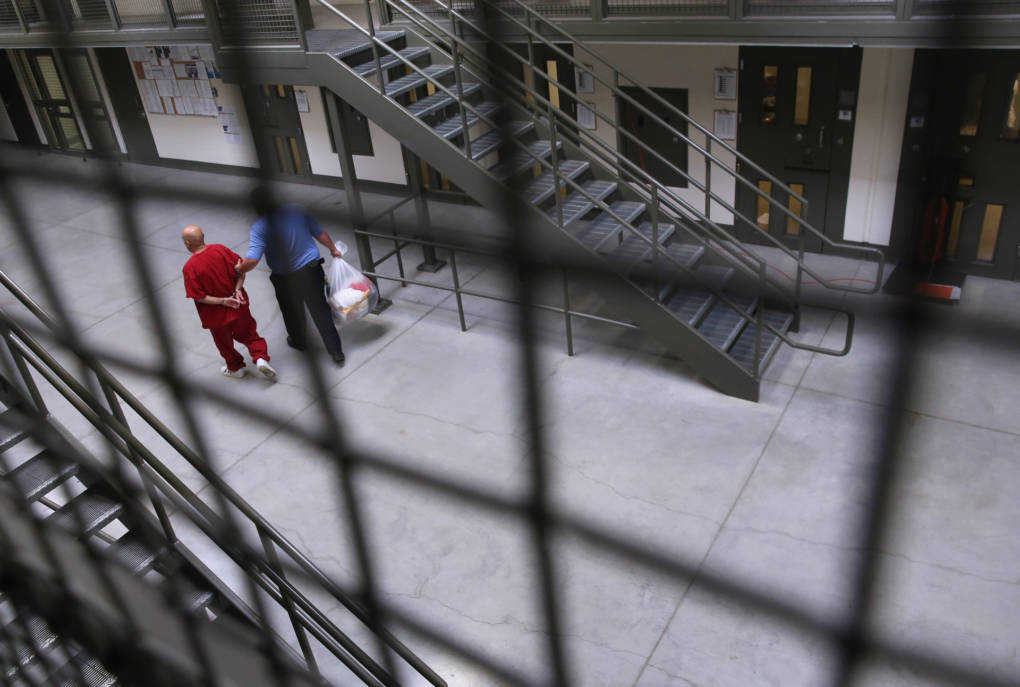
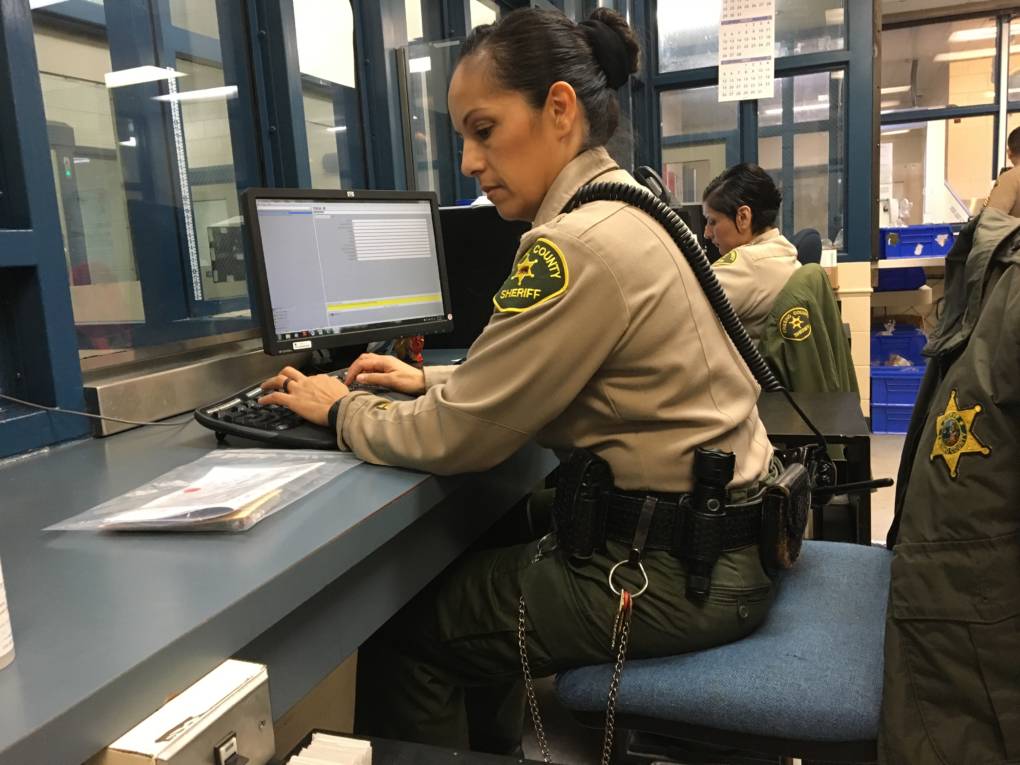
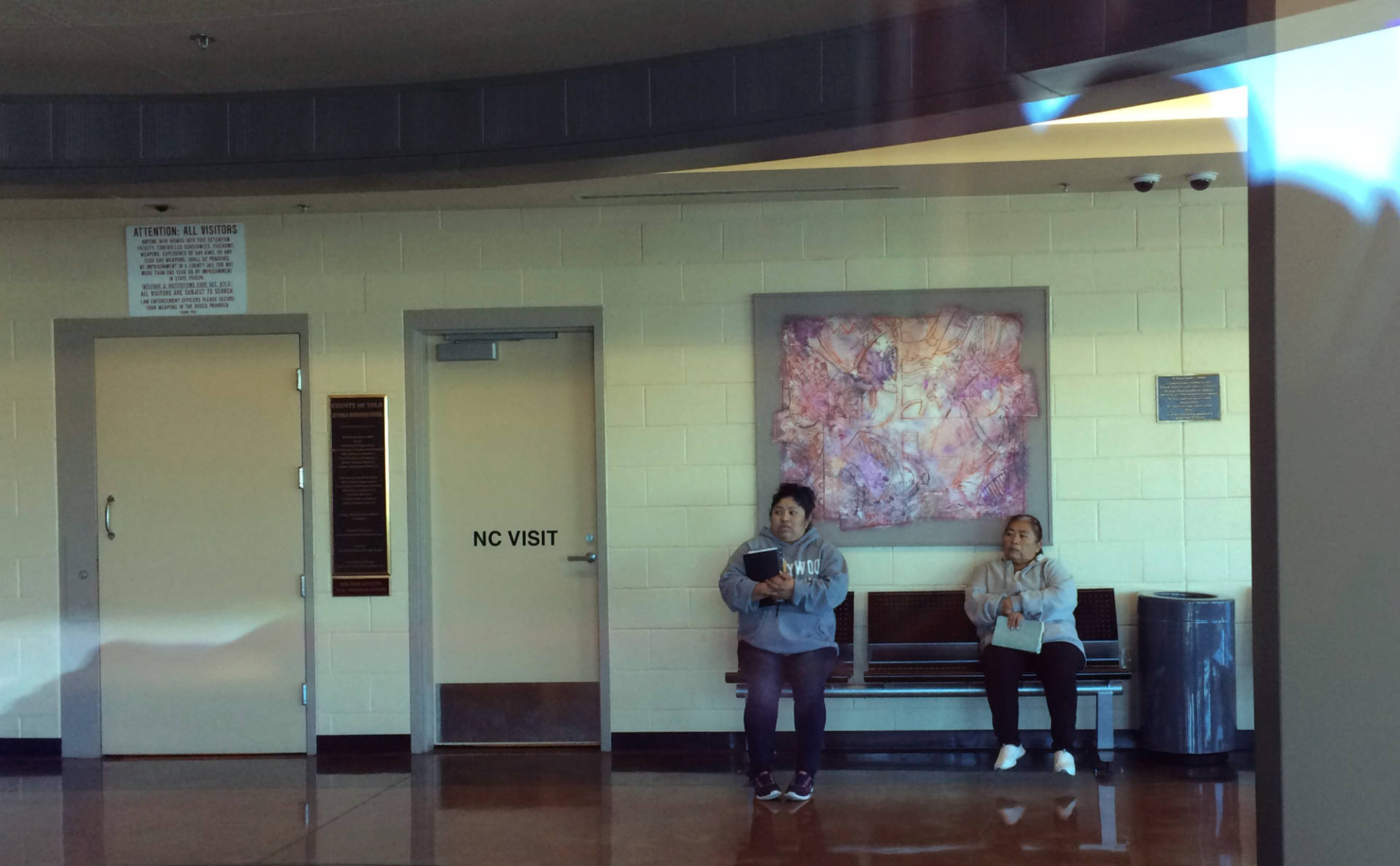
window.__IS_SSR__=true
window.__INITIAL_STATE__={
"attachmentsReducer": {
"audio_0": {
"type": "attachments",
"id": "audio_0",
"imgSizes": {
"kqedFullSize": {
"file": "https://ww2.kqed.org/news/wp-content/themes/KQED-unified/img/audio_bgs/background0.jpg"
}
}
},
"audio_1": {
"type": "attachments",
"id": "audio_1",
"imgSizes": {
"kqedFullSize": {
"file": "https://ww2.kqed.org/news/wp-content/themes/KQED-unified/img/audio_bgs/background1.jpg"
}
}
},
"audio_2": {
"type": "attachments",
"id": "audio_2",
"imgSizes": {
"kqedFullSize": {
"file": "https://ww2.kqed.org/news/wp-content/themes/KQED-unified/img/audio_bgs/background2.jpg"
}
}
},
"audio_3": {
"type": "attachments",
"id": "audio_3",
"imgSizes": {
"kqedFullSize": {
"file": "https://ww2.kqed.org/news/wp-content/themes/KQED-unified/img/audio_bgs/background3.jpg"
}
}
},
"audio_4": {
"type": "attachments",
"id": "audio_4",
"imgSizes": {
"kqedFullSize": {
"file": "https://ww2.kqed.org/news/wp-content/themes/KQED-unified/img/audio_bgs/background4.jpg"
}
}
},
"placeholder": {
"type": "attachments",
"id": "placeholder",
"imgSizes": {
"thumbnail": {
"file": "https://cdn.kqed.org/wp-content/uploads/2024/12/KQED-Default-Image-816638274-2000x1333-1-160x107.jpg",
"width": 160,
"height": 107,
"mimeType": "image/jpeg"
},
"medium": {
"file": "https://cdn.kqed.org/wp-content/uploads/2024/12/KQED-Default-Image-816638274-2000x1333-1-800x533.jpg",
"width": 800,
"height": 533,
"mimeType": "image/jpeg"
},
"medium_large": {
"file": "https://cdn.kqed.org/wp-content/uploads/2024/12/KQED-Default-Image-816638274-2000x1333-1-768x512.jpg",
"width": 768,
"height": 512,
"mimeType": "image/jpeg"
},
"large": {
"file": "https://cdn.kqed.org/wp-content/uploads/2024/12/KQED-Default-Image-816638274-2000x1333-1-1020x680.jpg",
"width": 1020,
"height": 680,
"mimeType": "image/jpeg"
},
"1536x1536": {
"file": "https://cdn.kqed.org/wp-content/uploads/2024/12/KQED-Default-Image-816638274-2000x1333-1-1536x1024.jpg",
"width": 1536,
"height": 1024,
"mimeType": "image/jpeg"
},
"fd-lrg": {
"file": "https://cdn.kqed.org/wp-content/uploads/2024/12/KQED-Default-Image-816638274-2000x1333-1-1536x1024.jpg",
"width": 1536,
"height": 1024,
"mimeType": "image/jpeg"
},
"fd-med": {
"file": "https://cdn.kqed.org/wp-content/uploads/2024/12/KQED-Default-Image-816638274-2000x1333-1-1020x680.jpg",
"width": 1020,
"height": 680,
"mimeType": "image/jpeg"
},
"fd-sm": {
"file": "https://cdn.kqed.org/wp-content/uploads/2024/12/KQED-Default-Image-816638274-2000x1333-1-800x533.jpg",
"width": 800,
"height": 533,
"mimeType": "image/jpeg"
},
"post-thumbnail": {
"file": "https://cdn.kqed.org/wp-content/uploads/2024/12/KQED-Default-Image-816638274-2000x1333-1-672x372.jpg",
"width": 672,
"height": 372,
"mimeType": "image/jpeg"
},
"twentyfourteen-full-width": {
"file": "https://cdn.kqed.org/wp-content/uploads/2024/12/KQED-Default-Image-816638274-2000x1333-1-1038x576.jpg",
"width": 1038,
"height": 576,
"mimeType": "image/jpeg"
},
"xxsmall": {
"file": "https://cdn.kqed.org/wp-content/uploads/2024/12/KQED-Default-Image-816638274-2000x1333-1-160x107.jpg",
"width": 160,
"height": 107,
"mimeType": "image/jpeg"
},
"xsmall": {
"file": "https://cdn.kqed.org/wp-content/uploads/2024/12/KQED-Default-Image-816638274-2000x1333-1-672x372.jpg",
"width": 672,
"height": 372,
"mimeType": "image/jpeg"
},
"small": {
"file": "https://cdn.kqed.org/wp-content/uploads/2024/12/KQED-Default-Image-816638274-2000x1333-1-672x372.jpg",
"width": 672,
"height": 372,
"mimeType": "image/jpeg"
},
"xlarge": {
"file": "https://cdn.kqed.org/wp-content/uploads/2024/12/KQED-Default-Image-816638274-2000x1333-1-1020x680.jpg",
"width": 1020,
"height": 680,
"mimeType": "image/jpeg"
},
"full-width": {
"file": "https://cdn.kqed.org/wp-content/uploads/2024/12/KQED-Default-Image-816638274-2000x1333-1-1920x1280.jpg",
"width": 1920,
"height": 1280,
"mimeType": "image/jpeg"
},
"guest-author-32": {
"file": "https://cdn.kqed.org/wp-content/uploads/2025/01/KQED-Default-Image-816638274-1333x1333-1-160x160.jpg",
"width": 32,
"height": 32,
"mimeType": "image/jpeg"
},
"guest-author-50": {
"file": "https://cdn.kqed.org/wp-content/uploads/2025/01/KQED-Default-Image-816638274-1333x1333-1-160x160.jpg",
"width": 50,
"height": 50,
"mimeType": "image/jpeg"
},
"guest-author-64": {
"file": "https://cdn.kqed.org/wp-content/uploads/2025/01/KQED-Default-Image-816638274-1333x1333-1-160x160.jpg",
"width": 64,
"height": 64,
"mimeType": "image/jpeg"
},
"guest-author-96": {
"file": "https://cdn.kqed.org/wp-content/uploads/2025/01/KQED-Default-Image-816638274-1333x1333-1-160x160.jpg",
"width": 96,
"height": 96,
"mimeType": "image/jpeg"
},
"guest-author-128": {
"file": "https://cdn.kqed.org/wp-content/uploads/2025/01/KQED-Default-Image-816638274-1333x1333-1-160x160.jpg",
"width": 128,
"height": 128,
"mimeType": "image/jpeg"
},
"detail": {
"file": "https://cdn.kqed.org/wp-content/uploads/2025/01/KQED-Default-Image-816638274-1333x1333-1-160x160.jpg",
"width": 160,
"height": 160,
"mimeType": "image/jpeg"
},
"kqedFullSize": {
"file": "https://cdn.kqed.org/wp-content/uploads/2024/12/KQED-Default-Image-816638274-2000x1333-1.jpg",
"width": 2000,
"height": 1333
}
}
},
"news_11342684": {
"type": "attachments",
"id": "news_11342684",
"meta": {
"index": "attachments_1716263798",
"site": "news",
"id": "11342684",
"found": true
},
"parent": 11341338,
"imgSizes": {
"small": {
"file": "https://ww2.kqed.org/app/uploads/sites/10/2018/03/RS22944_GettyImages-450371255-qut-520x350.jpg",
"width": 520,
"mimeType": "image/jpeg",
"height": 350
},
"twentyfourteen-full-width": {
"file": "https://ww2.kqed.org/app/uploads/sites/10/2018/03/RS22944_GettyImages-450371255-qut-1038x576.jpg",
"width": 1038,
"mimeType": "image/jpeg",
"height": 576
},
"thumbnail": {
"file": "https://ww2.kqed.org/app/uploads/sites/10/2018/03/RS22944_GettyImages-450371255-qut-160x108.jpg",
"width": 160,
"mimeType": "image/jpeg",
"height": 108
},
"fd-sm": {
"file": "https://ww2.kqed.org/app/uploads/sites/10/2018/03/RS22944_GettyImages-450371255-qut-960x647.jpg",
"width": 960,
"mimeType": "image/jpeg",
"height": 647
},
"post-thumbnail": {
"file": "https://ww2.kqed.org/app/uploads/sites/10/2018/03/RS22944_GettyImages-450371255-qut-672x372.jpg",
"width": 672,
"mimeType": "image/jpeg",
"height": 372
},
"xsmall": {
"file": "https://ww2.kqed.org/app/uploads/sites/10/2018/03/RS22944_GettyImages-450371255-qut-375x253.jpg",
"width": 375,
"mimeType": "image/jpeg",
"height": 253
},
"kqedFullSize": {
"file": "https://ww2.kqed.org/app/uploads/sites/10/2018/03/RS22944_GettyImages-450371255-qut.jpg",
"width": 1920,
"height": 1294
},
"large": {
"file": "https://ww2.kqed.org/app/uploads/sites/10/2018/03/RS22944_GettyImages-450371255-qut-1020x687.jpg",
"width": 1020,
"mimeType": "image/jpeg",
"height": 687
},
"xlarge": {
"file": "https://ww2.kqed.org/app/uploads/sites/10/2018/03/RS22944_GettyImages-450371255-qut-1180x795.jpg",
"width": 1180,
"mimeType": "image/jpeg",
"height": 795
},
"guest-author-50": {
"file": "https://ww2.kqed.org/app/uploads/sites/10/2018/03/RS22944_GettyImages-450371255-qut-50x50.jpg",
"width": 50,
"mimeType": "image/jpeg",
"height": 50
},
"guest-author-96": {
"file": "https://ww2.kqed.org/app/uploads/sites/10/2018/03/RS22944_GettyImages-450371255-qut-96x96.jpg",
"width": 96,
"mimeType": "image/jpeg",
"height": 96
},
"medium": {
"file": "https://ww2.kqed.org/app/uploads/sites/10/2018/03/RS22944_GettyImages-450371255-qut-800x539.jpg",
"width": 800,
"mimeType": "image/jpeg",
"height": 539
},
"guest-author-64": {
"file": "https://ww2.kqed.org/app/uploads/sites/10/2018/03/RS22944_GettyImages-450371255-qut-64x64.jpg",
"width": 64,
"mimeType": "image/jpeg",
"height": 64
},
"guest-author-32": {
"file": "https://ww2.kqed.org/app/uploads/sites/10/2018/03/RS22944_GettyImages-450371255-qut-32x32.jpg",
"width": 32,
"mimeType": "image/jpeg",
"height": 32
},
"fd-lrg": {
"file": "https://ww2.kqed.org/app/uploads/sites/10/2018/03/RS22944_GettyImages-450371255-qut-1920x1294.jpg",
"width": 1920,
"mimeType": "image/jpeg",
"height": 1294
},
"fd-med": {
"file": "https://ww2.kqed.org/app/uploads/sites/10/2018/03/RS22944_GettyImages-450371255-qut-1180x795.jpg",
"width": 1180,
"mimeType": "image/jpeg",
"height": 795
},
"full-width": {
"file": "https://ww2.kqed.org/app/uploads/sites/10/2018/03/RS22944_GettyImages-450371255-qut-1920x1294.jpg",
"width": 1920,
"mimeType": "image/jpeg",
"height": 1294
},
"detail": {
"file": "https://ww2.kqed.org/app/uploads/sites/10/2018/03/RS22944_GettyImages-450371255-qut-150x150.jpg",
"width": 150,
"mimeType": "image/jpeg",
"height": 150
},
"guest-author-128": {
"file": "https://ww2.kqed.org/app/uploads/sites/10/2018/03/RS22944_GettyImages-450371255-qut-128x128.jpg",
"width": 128,
"mimeType": "image/jpeg",
"height": 128
},
"xxsmall": {
"file": "https://ww2.kqed.org/app/uploads/sites/10/2018/03/RS22944_GettyImages-450371255-qut-240x162.jpg",
"width": 240,
"mimeType": "image/jpeg",
"height": 162
}
},
"publishDate": 1488567936,
"modified": 1488582988,
"caption": null,
"description": null,
"title": "RS22944_GettyImages-450371255-qut",
"credit": null,
"status": "inherit",
"isLoading": false,
"fetchFailed": false
},
"news_11342774": {
"type": "attachments",
"id": "news_11342774",
"meta": {
"index": "attachments_1716263798",
"site": "news",
"id": "11342774",
"found": true
},
"parent": 11342705,
"imgSizes": {
"small": {
"file": "https://ww2.kqed.org/app/uploads/sites/10/2017/03/IMG_3270-520x390.jpg",
"width": 520,
"mimeType": "image/jpeg",
"height": 390
},
"twentyfourteen-full-width": {
"file": "https://ww2.kqed.org/app/uploads/sites/10/2017/03/IMG_3270-1038x576.jpg",
"width": 1038,
"mimeType": "image/jpeg",
"height": 576
},
"thumbnail": {
"file": "https://ww2.kqed.org/app/uploads/sites/10/2017/03/IMG_3270-160x120.jpg",
"width": 160,
"mimeType": "image/jpeg",
"height": 120
},
"fd-sm": {
"file": "https://ww2.kqed.org/app/uploads/sites/10/2017/03/IMG_3270-960x720.jpg",
"width": 960,
"mimeType": "image/jpeg",
"height": 720
},
"post-thumbnail": {
"file": "https://ww2.kqed.org/app/uploads/sites/10/2017/03/IMG_3270-672x372.jpg",
"width": 672,
"mimeType": "image/jpeg",
"height": 372
},
"xsmall": {
"file": "https://ww2.kqed.org/app/uploads/sites/10/2017/03/IMG_3270-375x281.jpg",
"width": 375,
"mimeType": "image/jpeg",
"height": 281
},
"kqedFullSize": {
"file": "https://ww2.kqed.org/app/uploads/sites/10/2017/03/IMG_3270-e1488580359591.jpg",
"width": 1920,
"height": 1440
},
"large": {
"file": "https://ww2.kqed.org/app/uploads/sites/10/2017/03/IMG_3270-1020x765.jpg",
"width": 1020,
"mimeType": "image/jpeg",
"height": 765
},
"xlarge": {
"file": "https://ww2.kqed.org/app/uploads/sites/10/2017/03/IMG_3270-1180x885.jpg",
"width": 1180,
"mimeType": "image/jpeg",
"height": 885
},
"guest-author-50": {
"file": "https://ww2.kqed.org/app/uploads/sites/10/2017/03/IMG_3270-50x50.jpg",
"width": 50,
"mimeType": "image/jpeg",
"height": 50
},
"guest-author-96": {
"file": "https://ww2.kqed.org/app/uploads/sites/10/2017/03/IMG_3270-96x96.jpg",
"width": 96,
"mimeType": "image/jpeg",
"height": 96
},
"medium": {
"file": "https://ww2.kqed.org/app/uploads/sites/10/2017/03/IMG_3270-800x600.jpg",
"width": 800,
"mimeType": "image/jpeg",
"height": 600
},
"guest-author-64": {
"file": "https://ww2.kqed.org/app/uploads/sites/10/2017/03/IMG_3270-64x64.jpg",
"width": 64,
"mimeType": "image/jpeg",
"height": 64
},
"guest-author-32": {
"file": "https://ww2.kqed.org/app/uploads/sites/10/2017/03/IMG_3270-32x32.jpg",
"width": 32,
"mimeType": "image/jpeg",
"height": 32
},
"fd-lrg": {
"file": "https://ww2.kqed.org/app/uploads/sites/10/2017/03/IMG_3270-1920x1440.jpg",
"width": 1920,
"mimeType": "image/jpeg",
"height": 1440
},
"fd-med": {
"file": "https://ww2.kqed.org/app/uploads/sites/10/2017/03/IMG_3270-1180x885.jpg",
"width": 1180,
"mimeType": "image/jpeg",
"height": 885
},
"full-width": {
"file": "https://ww2.kqed.org/app/uploads/sites/10/2017/03/IMG_3270-1920x1440.jpg",
"width": 1920,
"mimeType": "image/jpeg",
"height": 1440
},
"detail": {
"file": "https://ww2.kqed.org/app/uploads/sites/10/2017/03/IMG_3270-150x150.jpg",
"width": 150,
"mimeType": "image/jpeg",
"height": 150
},
"guest-author-128": {
"file": "https://ww2.kqed.org/app/uploads/sites/10/2017/03/IMG_3270-128x128.jpg",
"width": 128,
"mimeType": "image/jpeg",
"height": 128
},
"xxsmall": {
"file": "https://ww2.kqed.org/app/uploads/sites/10/2017/03/IMG_3270-240x180.jpg",
"width": 240,
"mimeType": "image/jpeg",
"height": 180
}
},
"publishDate": 1488571232,
"modified": 1488581891,
"caption": "Sgt. Elisa Magallanes books a newly arrested man at the Fresno County Jail. ",
"description": "Sergeant Elisa Magallanes books a newly arrested man at the Fresno County Jail. ",
"title": "Fresno County Jail",
"credit": "Vanessa Rancano/KQED",
"status": "inherit",
"isLoading": false,
"fetchFailed": false
},
"news_11200300": {
"type": "attachments",
"id": "news_11200300",
"meta": {
"index": "attachments_1716263798",
"site": "news",
"id": "11200300",
"found": true
},
"parent": 11200063,
"imgSizes": {
"small": {
"file": "https://ww2.kqed.org/app/uploads/sites/10/2016/12/ScotusBldg-520x347.jpg",
"width": 520,
"mimeType": "image/jpeg",
"height": 347
},
"twentyfourteen-full-width": {
"file": "https://ww2.kqed.org/app/uploads/sites/10/2016/12/ScotusBldg-1038x576.jpg",
"width": 1038,
"mimeType": "image/jpeg",
"height": 576
},
"thumbnail": {
"file": "https://ww2.kqed.org/app/uploads/sites/10/2016/12/ScotusBldg-160x107.jpg",
"width": 160,
"mimeType": "image/jpeg",
"height": 107
},
"fd-sm": {
"file": "https://ww2.kqed.org/app/uploads/sites/10/2016/12/ScotusBldg-960x640.jpg",
"width": 960,
"mimeType": "image/jpeg",
"height": 640
},
"post-thumbnail": {
"file": "https://ww2.kqed.org/app/uploads/sites/10/2016/12/ScotusBldg-672x372.jpg",
"width": 672,
"mimeType": "image/jpeg",
"height": 372
},
"xsmall": {
"file": "https://ww2.kqed.org/app/uploads/sites/10/2016/12/ScotusBldg-375x250.jpg",
"width": 375,
"mimeType": "image/jpeg",
"height": 250
},
"kqedFullSize": {
"file": "https://ww2.kqed.org/app/uploads/sites/10/2016/12/ScotusBldg.jpg",
"width": 1920,
"height": 1280
},
"large": {
"file": "https://ww2.kqed.org/app/uploads/sites/10/2016/12/ScotusBldg-1020x680.jpg",
"width": 1020,
"mimeType": "image/jpeg",
"height": 680
},
"xlarge": {
"file": "https://ww2.kqed.org/app/uploads/sites/10/2016/12/ScotusBldg-1180x787.jpg",
"width": 1180,
"mimeType": "image/jpeg",
"height": 787
},
"guest-author-50": {
"file": "https://ww2.kqed.org/app/uploads/sites/10/2016/12/ScotusBldg-50x50.jpg",
"width": 50,
"mimeType": "image/jpeg",
"height": 50
},
"guest-author-96": {
"file": "https://ww2.kqed.org/app/uploads/sites/10/2016/12/ScotusBldg-96x96.jpg",
"width": 96,
"mimeType": "image/jpeg",
"height": 96
},
"medium": {
"file": "https://ww2.kqed.org/app/uploads/sites/10/2016/12/ScotusBldg-800x533.jpg",
"width": 800,
"mimeType": "image/jpeg",
"height": 533
},
"guest-author-64": {
"file": "https://ww2.kqed.org/app/uploads/sites/10/2016/12/ScotusBldg-64x64.jpg",
"width": 64,
"mimeType": "image/jpeg",
"height": 64
},
"guest-author-32": {
"file": "https://ww2.kqed.org/app/uploads/sites/10/2016/12/ScotusBldg-32x32.jpg",
"width": 32,
"mimeType": "image/jpeg",
"height": 32
},
"jmtc-small-thumb": {
"file": "https://ww2.kqed.org/app/uploads/sites/10/2016/12/ScotusBldg-280x150.jpg",
"width": 280,
"mimeType": "image/jpeg",
"height": 150
},
"fd-lrg": {
"file": "https://ww2.kqed.org/app/uploads/sites/10/2016/12/ScotusBldg-1920x1280.jpg",
"width": 1920,
"mimeType": "image/jpeg",
"height": 1280
},
"fd-med": {
"file": "https://ww2.kqed.org/app/uploads/sites/10/2016/12/ScotusBldg-1180x787.jpg",
"width": 1180,
"mimeType": "image/jpeg",
"height": 787
},
"full-width": {
"file": "https://ww2.kqed.org/app/uploads/sites/10/2016/12/ScotusBldg-1920x1280.jpg",
"width": 1920,
"mimeType": "image/jpeg",
"height": 1280
},
"detail": {
"file": "https://ww2.kqed.org/app/uploads/sites/10/2016/12/ScotusBldg-150x150.jpg",
"width": 150,
"mimeType": "image/jpeg",
"height": 150
},
"guest-author-128": {
"file": "https://ww2.kqed.org/app/uploads/sites/10/2016/12/ScotusBldg-128x128.jpg",
"width": 128,
"mimeType": "image/jpeg",
"height": 128
},
"xxsmall": {
"file": "https://ww2.kqed.org/app/uploads/sites/10/2016/12/ScotusBldg-240x160.jpg",
"width": 240,
"mimeType": "image/jpeg",
"height": 160
}
},
"publishDate": 1480633710,
"modified": 1480633746,
"caption": "The U.S. Supreme Court in Washington, D.C.",
"description": "The U.S. Supreme Court in Washington, D.C.",
"title": "scotusbldg",
"credit": "Zach Gibson/Getty Images",
"status": "inherit",
"isLoading": false,
"fetchFailed": false
},
"news_10924025": {
"type": "attachments",
"id": "news_10924025",
"meta": {
"index": "attachments_1716263798",
"site": "news",
"id": "10924025",
"found": true
},
"parent": 10923059,
"imgSizes": {
"twentyfourteen-full-width": {
"file": "https://ww2.kqed.org/app/uploads/sites/10/2016/04/momAndGrandmaWaiting-1038x576.jpg",
"width": 1038,
"mimeType": "image/jpeg",
"height": 576
},
"thumbnail": {
"file": "https://ww2.kqed.org/app/uploads/sites/10/2016/04/momAndGrandmaWaiting-400x248.jpg",
"width": 400,
"mimeType": "image/jpeg",
"height": 248
},
"fd-sm": {
"file": "https://ww2.kqed.org/app/uploads/sites/10/2016/04/momAndGrandmaWaiting-960x594.jpg",
"width": 960,
"mimeType": "image/jpeg",
"height": 594
},
"post-thumbnail": {
"file": "https://ww2.kqed.org/app/uploads/sites/10/2016/04/momAndGrandmaWaiting-672x372.jpg",
"width": 672,
"mimeType": "image/jpeg",
"height": 372
},
"kqedFullSize": {
"file": "https://ww2.kqed.org/app/uploads/sites/10/2016/04/momAndGrandmaWaiting.jpg",
"width": 2000,
"height": 1238
},
"large": {
"file": "https://ww2.kqed.org/app/uploads/sites/10/2016/04/momAndGrandmaWaiting-1920x1188.jpg",
"width": 1920,
"mimeType": "image/jpeg",
"height": 1188
},
"guest-author-96": {
"file": "https://ww2.kqed.org/app/uploads/sites/10/2016/04/momAndGrandmaWaiting-96x96.jpg",
"width": 96,
"mimeType": "image/jpeg",
"height": 96
},
"medium": {
"file": "https://ww2.kqed.org/app/uploads/sites/10/2016/04/momAndGrandmaWaiting-800x495.jpg",
"width": 800,
"mimeType": "image/jpeg",
"height": 495
},
"guest-author-64": {
"file": "https://ww2.kqed.org/app/uploads/sites/10/2016/04/momAndGrandmaWaiting-64x64.jpg",
"width": 64,
"mimeType": "image/jpeg",
"height": 64
},
"guest-author-32": {
"file": "https://ww2.kqed.org/app/uploads/sites/10/2016/04/momAndGrandmaWaiting-32x32.jpg",
"width": 32,
"mimeType": "image/jpeg",
"height": 32
},
"jmtc-small-thumb": {
"file": "https://ww2.kqed.org/app/uploads/sites/10/2016/04/momAndGrandmaWaiting-280x150.jpg",
"width": 280,
"mimeType": "image/jpeg",
"height": 150
},
"fd-lrg": {
"file": "https://ww2.kqed.org/app/uploads/sites/10/2016/04/momAndGrandmaWaiting-1920x1188.jpg",
"width": 1920,
"mimeType": "image/jpeg",
"height": 1188
},
"fd-med": {
"file": "https://ww2.kqed.org/app/uploads/sites/10/2016/04/momAndGrandmaWaiting-1180x730.jpg",
"width": 1180,
"mimeType": "image/jpeg",
"height": 730
},
"detail": {
"file": "https://ww2.kqed.org/app/uploads/sites/10/2016/04/momAndGrandmaWaiting-75x75.jpg",
"width": 75,
"mimeType": "image/jpeg",
"height": 75
},
"guest-author-128": {
"file": "https://ww2.kqed.org/app/uploads/sites/10/2016/04/momAndGrandmaWaiting-128x128.jpg",
"width": 128,
"mimeType": "image/jpeg",
"height": 128
}
},
"publishDate": 1460151622,
"modified": 1460161043,
"caption": "Pablo Aguilar's mother, Evelyn, and grandmother, Albertina, wait in the lobby of the Yolo County Juvenile Detention Facility to visit Pablo, who has been locked in confinement by the Office of Refugee Resettlement since June of 2014.",
"description": "Pablo Aguilar's mother, Evelyn, and grandmother, Albertina, drive through the night from Los Angeles to Yolo County to visit Pablo, 16, who has been locked in confinement by the Office of Refugee Resettlement since June of 2014.",
"title": "momAndGrandmaWaiting",
"credit": "Tyche Hendricks/KQED",
"status": "inherit",
"isLoading": false,
"fetchFailed": false
}
},
"audioPlayerReducer": {
"postId": "stream_live",
"isPaused": true,
"isPlaying": false,
"pfsActive": false,
"pledgeModalIsOpen": true,
"playerDrawerIsOpen": false,
"liveAudioPlayStartedAt": 0,
"liveAudioPlayContext": ""
},
"authorsReducer": {
"lisapickoffwhite-2": {
"type": "authors",
"id": "199",
"meta": {
"index": "authors_1716337520",
"id": "199",
"found": true
},
"name": "Lisa Pickoff-White",
"firstName": "Lisa",
"lastName": "Pickoff-White",
"slug": "lisapickoffwhite-2",
"email": "lpickoffwhite@kqed.org",
"display_author_email": false,
"staff_mastheads": [
"news"
],
"title": "Data Journalist, Senior Producer",
"bio": "Lisa Pickoff-White is KQED's data reporter. Lisa specializes in simplifying complex topics and bringing them to life through compelling visuals, including photography and data visualizations. She previously has worked at the Center for Investigative Reporting and other national outlets. Her work has been honored with awards from the Online News Association, Investigative Reporters and Editors, the Society of Professional Journalists and SXSW Interactive. \u003cstrong> \u003c/strong>",
"avatar": "https://secure.gravatar.com/avatar/5513c5f3967df792aa65bee2501e84d6?s=600&d=blank&r=g",
"twitter": "pickoffwhite",
"facebook": null,
"instagram": null,
"linkedin": null,
"sites": [
{
"site": "",
"roles": [
"editor"
]
},
{
"site": "arts",
"roles": []
},
{
"site": "news",
"roles": [
"administrator"
]
},
{
"site": "about",
"roles": [
"editor"
]
},
{
"site": "stateofhealth",
"roles": [
"administrator"
]
},
{
"site": "science",
"roles": [
"editor"
]
},
{
"site": "quest",
"roles": [
"editor"
]
},
{
"site": "forum",
"roles": [
"editor"
]
}
],
"headData": {
"title": "Lisa Pickoff-White | KQED",
"description": "Data Journalist, Senior Producer",
"ogImgSrc": "https://secure.gravatar.com/avatar/5513c5f3967df792aa65bee2501e84d6?s=600&d=blank&r=g",
"twImgSrc": "https://secure.gravatar.com/avatar/5513c5f3967df792aa65bee2501e84d6?s=600&d=blank&r=g"
},
"isLoading": false,
"link": "/author/lisapickoffwhite-2"
},
"tychehendricks": {
"type": "authors",
"id": "259",
"meta": {
"index": "authors_1716337520",
"id": "259",
"found": true
},
"name": "Tyche Hendricks",
"firstName": "Tyche",
"lastName": "Hendricks",
"slug": "tychehendricks",
"email": "thendricks@kqed.org",
"display_author_email": true,
"staff_mastheads": [
"news"
],
"title": "KQED Senior Editor, Immigration",
"bio": "\u003cspan style=\"font-weight: 400;\">Tyche Hendricks is KQED’s senior editor for immigration, leading coverage of the policy and politics that affect California’s immigrant communities. Her work for KQED’s radio and online audiences is also carried on NPR and other national outlets. She has been recognized with awards from the Radio and Television News Directors Association, the Society for Professional Journalists; the Education Writers Association; the Best of the West and the National Federation of Community Broadcasters. Before joining KQED in 2010, Tyche spent more than a dozen years as a newspaper reporter, notably at the \u003c/span>\u003ci>\u003cspan style=\"font-weight: 400;\">San Francisco Chronicle\u003c/span>\u003c/i>\u003cspan style=\"font-weight: 400;\">. At different times she has covered criminal justice, government and politics and urban planning. Tyche has taught in the MFA Creative Writing program at the University of San Francisco and at UC Berkeley’s Graduate School of Journalism, where she was co-director of a national immigration symposium for professional journalists. She is the author of \u003c/span>\u003ci>\u003cspan style=\"font-weight: 400;\">The Wind Doesn't Need a Passport: Stories from the U.S.-Mexico Borderlands\u003c/span>\u003c/i>\u003cspan style=\"font-weight: 400;\"> (University of California Press). \u003c/span>",
"avatar": "https://secure.gravatar.com/avatar/b8ee458e2731c2d43df86882ce17267e?s=600&d=blank&r=g",
"twitter": "tychehendricks",
"facebook": null,
"instagram": null,
"linkedin": null,
"sites": [
{
"site": "news",
"roles": [
"editor"
]
},
{
"site": "stateofhealth",
"roles": [
"editor"
]
}
],
"headData": {
"title": "Tyche Hendricks | KQED",
"description": "KQED Senior Editor, Immigration",
"ogImgSrc": "https://secure.gravatar.com/avatar/b8ee458e2731c2d43df86882ce17267e?s=600&d=blank&r=g",
"twImgSrc": "https://secure.gravatar.com/avatar/b8ee458e2731c2d43df86882ce17267e?s=600&d=blank&r=g"
},
"isLoading": false,
"link": "/author/tychehendricks"
},
"jsmall": {
"type": "authors",
"id": "6625",
"meta": {
"index": "authors_1716337520",
"id": "6625",
"found": true
},
"name": "Julie Small",
"firstName": "Julie",
"lastName": "Small",
"slug": "jsmall",
"email": "jsmall@kqed.org",
"display_author_email": true,
"staff_mastheads": [
"news"
],
"title": "KQED Contributor",
"bio": "Julie Small reports on criminal justice and immigration.\r\n\r\nShe was part of a team at KQED awarded a regional 2019 Edward R. Murrow award for continuing coverage of the Trump Administration's family separation policy.\r\n\r\nThe Society for Professional Journalists recognized Julie's 2018 \u003ca href=\"https://www.kqed.org/news/11636262/the-officer-tased-him-31-times-the-sheriff-called-his-death-an-accident\">reporting\u003c/a> on the San Joaquin County Sheriff's \u003ca href=\"https://www.kqed.org/news/11634689/autopsy-doctors-sheriff-overrode-death-findings-to-protect-law-enforcement\">interference\u003c/a> in death investigations with an Excellence in Journalism Award for Ongoing Coverage.\r\n\r\nJulie's\u003ca href=\"https://www.kqed.org/news/11039666/two-mentally-ill-inmates-died-one-month-in-santa-clara\"> reporting\u003c/a> with Lisa Pickoff-White on the treatment of mentally ill offenders in California jails earned a 2017 regional Edward R. Murrow Award for news reporting and an investigative reporting award from the SPJ of Northern California.\r\n\r\nBefore joining KQED, Julie covered government and politics in Sacramento for Southern California Public Radio (SCPR). Her 2010 \u003ca href=\"https://www.scpr.org/specials/prisonmedical/\">series\u003c/a> on lapses in California’s prison medical care also won a regional Edward R. Murrow Award for investigative reporting and a Golden Mic Award from the RTNDA of Southern California.\r\n\r\nJulie began her career in journalism in 2000 as the deputy foreign editor for public radio's \u003cem>Marketplace, \u003c/em>while earning her master's degree in journalism from USC’s Annenberg School of Communication.",
"avatar": "https://secure.gravatar.com/avatar/4baedf201468df97be97c2a9dd7585d0?s=600&d=blank&r=g",
"twitter": "@SmallRadio2",
"facebook": null,
"instagram": null,
"linkedin": null,
"sites": [
{
"site": "news",
"roles": [
"editor"
]
},
{
"site": "stateofhealth",
"roles": [
"author"
]
},
{
"site": "science",
"roles": [
"author"
]
}
],
"headData": {
"title": "Julie Small | KQED",
"description": "KQED Contributor",
"ogImgSrc": "https://secure.gravatar.com/avatar/4baedf201468df97be97c2a9dd7585d0?s=600&d=blank&r=g",
"twImgSrc": "https://secure.gravatar.com/avatar/4baedf201468df97be97c2a9dd7585d0?s=600&d=blank&r=g"
},
"isLoading": false,
"link": "/author/jsmall"
},
"vrancano": {
"type": "authors",
"id": "11276",
"meta": {
"index": "authors_1716337520",
"id": "11276",
"found": true
},
"name": "Vanessa Rancaño",
"firstName": "Vanessa",
"lastName": "Rancaño",
"slug": "vrancano",
"email": "vrancano@kqed.org",
"display_author_email": false,
"staff_mastheads": [
"news"
],
"title": "Reporter",
"bio": "Vanessa Rancaño is a features reporter for KQED. She’s also covered homelessness and education for the station and reported from the Central Valley. Her work has aired across public radio, from flagship national news shows to longform narrative podcasts. Before taking up a mic, she worked as a freelance print journalist. She’s been recognized with a number of national and regional awards. Vanessa grew up in California's Central Valley. She's a former NPR Kroc Fellow, and a graduate of the UC Berkeley Graduate School of Journalism.",
"avatar": "https://secure.gravatar.com/avatar/b3a383dfb0e7ee1c17568f2cf067904ab654d6e3de9743fc661f3c788ade1bed?s=600&d=blank&r=g",
"twitter": "vanessarancano",
"bluesky": null,
"facebook": null,
"instagram": null,
"linkedin": null,
"sites": [
{
"site": "arts",
"roles": [
"editor"
]
},
{
"site": "news",
"roles": [
"editor"
]
},
{
"site": "liveblog",
"roles": [
"contributor"
]
}
],
"headData": {
"title": "Vanessa Rancaño | KQED",
"description": "Reporter",
"ogImgSrc": "https://secure.gravatar.com/avatar/b3a383dfb0e7ee1c17568f2cf067904ab654d6e3de9743fc661f3c788ade1bed?s=600&d=blank&r=g",
"twImgSrc": "https://secure.gravatar.com/avatar/b3a383dfb0e7ee1c17568f2cf067904ab654d6e3de9743fc661f3c788ade1bed?s=600&d=blank&r=g"
},
"isLoading": false,
"link": "/author/vrancano"
}
},
"pagesReducer": {
"news_tag_ice": {
"type": "terms",
"id": "news_21027",
"meta": {
"index": "terms_1716263798",
"site": "news",
"id": "21027",
"score": 8.937623
},
"featImg": null,
"name": "ICE",
"description": null,
"taxonomy": "tag",
"headData": {
"twImgId": null,
"twTitle": null,
"ogTitle": null,
"ogImgId": null,
"twDescription": null,
"description": null,
"title": "ICE Archives | KQED News",
"ogDescription": null
},
"ttid": 21044,
"slug": "ice",
"isLoading": false,
"title": "ICE",
"pageMeta": {
"site": "news",
"WpPageTemplate": "page-topic-editorial",
"currentPage": 20
},
"blocks": [
{
"blockName": "kqed/post-list",
"attrs": {
"layout": "cardArticle2",
"query": "posts/news?tag=ice",
"seeMore": false,
"paginated": true,
"page": 20
}
},
{
"blockName": "kqed/ad"
}
]
}
},
"pfsSessionReducer": {},
"postsReducer": {
"stream_live": {
"type": "live",
"id": "stream_live",
"audioUrl": "https://streams.kqed.org/kqedradio",
"title": "Live Stream",
"excerpt": "Live Stream information currently unavailable.",
"link": "/radio",
"featImg": "",
"label": {
"name": "KQED Live",
"link": "/"
}
},
"stream_kqedNewscast": {
"type": "posts",
"id": "stream_kqedNewscast",
"audioUrl": "https://www.kqed.org/.stream/anon/radio/RDnews/newscast.mp3?_=1",
"title": "KQED Newscast",
"featImg": "",
"label": {
"name": "88.5 FM",
"link": "/"
}
},
"news_11341338": {
"type": "posts",
"id": "news_11341338",
"meta": {
"index": "posts_1716263798",
"site": "news",
"id": "11341338",
"score": null,
"sort": [
1488960112000
]
},
"guestAuthors": [],
"slug": "how-trump-could-detain-more-immigrants-in-california",
"title": "Trump Wants to Detain More Immigrants. He Could -- With California's Help",
"publishDate": 1488960112,
"format": "video",
"headTitle": "Trump Wants to Detain More Immigrants. He Could — With California’s Help | KQED",
"labelTerm": {
"term": 72,
"site": "news"
},
"content": "\u003cp>\u003cspan style=\"font-size: 4.6875em;float: left;line-height: 0.733em;padding: 0.05em 0.1em 0 0;font-family: times, serif, georgia\">W\u003c/span>hen his three young children woke up in their small house in Oakland one morning a few weeks ago, Maguiber wasn’t home. That wasn’t so unusual. The 27-year-old dad worked long hours, juggling three different jobs cleaning in two hotels and a restaurant.\u003c/p>\n\u003cp>But then the children’s mother told Kevin, 8, Gabriela, 4, and Christopher, 2, that their father had been taken away to jail. Before dawn that morning, two officers had knocked on the door. They said they were investigating a hit-and-run, and they asked to see Maguiber. (His attorney asked that we not use his last name until his immigration status is resolved.) He walked out to the driveway, while Yibi Heras, his wife, watched from the door.\u003c/p>\n\u003cp>It was only after Maguiber took out his car registration that he realized the officers were Immigration and Customs Enforcement agents, not local police, she said. There had been no hit-and-run. The agents handcuffed Maguiber and put him into their SUV. They told Heras that her husband could call her later, after he had been booked into immigration detention.\u003c/p>\n\u003cp>[contextly_sidebar id=”C4ITOQRcIe3FHuEqVzNlmBwj11UN7tic”]\u003c/p>\n\u003cp>In January, President Donald Trump signed an executive order greatly expanding the categories of undocumented people that law enforcement officials should prioritize for deportation. Since then, thousands of people have been detained around the country.\u003c/p>\n\u003cp>[ad fullwidth]\u003c/p>\n\u003cp>Trump has promised to deport 2 million to 3 million people this year alone. For comparison, President Barack Obama deported \u003ca href=\"https://www.ice.gov/removal-statistics/2016\" target=\"_blank\">2.75 million people\u003c/a> over the course of eight years.\u003c/p>\n\u003cp>In order to deport people, the government typically must detain them first. But if the system is already at capacity, where will all these new detainees go? A KQED investigation found the government can likely ramp up detention capacity quickly — and California’s jails could play a key part.\u003c/p>\n\u003cp>[audio src=\"http://www.kqed.org/.stream/anon/radio/tcr/2017/03/2017-03-09c-tcr.mp3\" Image=\"https://ww2.kqed.org/news/wp-content/uploads/sites/10/2018/03/RS22944_GettyImages-450371255-qut-672x372.jpg\" Title=\"Trump Wants to Detain More Immigrants. He Could -- With California's Help\" program=\"The California Report\"]\u003c/p>\n\u003cp>The new president has inherited a deportation system already straining to remove historically high numbers of people — though illegal immigration is just a fraction of what it was 10 or 15 years ago. On one typical day in November, 40,875 people in the United States were being held in detention — though ICE is budgeted for just \u003ca href=\"https://www.dhs.gov/sites/default/files/publications/FY_2016_DHS_Budget_in_Brief.pdf\" target=\"_blank\">34,000 detention beds\u003c/a>, according to Immigration and Customs Enforcement data. ICE officials declined repeated requests to comment or answer questions for this story.\u003c/p>\n\u003cp>In a recent \u003ca href=\"https://www.documentcloud.org/documents/3480644-17-0220-S1-Enforcement-of-the-Immigration-Laws.html\" target=\"_blank\">memo\u003c/a> that fleshes out President Trump’s executive order, Homeland Security Secretary John Kelly specified that the default for the new administration will be detention, rather than allowing people to be released, for example, on bond or with an ankle-worn GPS monitor, while they await their day in immigration court.\u003c/p>\n\u003cp>That wait can take years, because immigration courts are so understaffed and there has been an increase in asylum cases. On average, all immigrants, detained and not, \u003ca href=\"http://trac.syr.edu/immigration/reports/438/\" target=\"_blank\">were waiting\u003c/a> for 677 days as of January 2017 for their case to be resolved in immigration court. In California, the average was 718 days.\u003c/p>\n\u003cfigure id=\"attachment_11342699\" class=\"wp-caption aligncenter\" style=\"max-width: 800px\">\u003ca href=\"https://ww2.kqed.org/news/wp-content/uploads/sites/10/2018/03/RS17233_GettyImages-450371241-qut.jpg\">\u003cimg loading=\"lazy\" decoding=\"async\" class=\"size-medium wp-image-11342699\" src=\"https://ww2.kqed.org/news/wp-content/uploads/sites/10/2018/03/RS17233_GettyImages-450371241-qut-800x533.jpg\" alt=\" Immigrants prepare to be unshackled and set free from the Adelanto Detention Facility. The facility is managed by the private GEO Group.\" width=\"800\" height=\"533\" srcset=\"https://cdn.kqed.org/wp-content/uploads/sites/10/2018/03/RS17233_GettyImages-450371241-qut-800x533.jpg 800w, https://cdn.kqed.org/wp-content/uploads/sites/10/2018/03/RS17233_GettyImages-450371241-qut-160x107.jpg 160w, https://cdn.kqed.org/wp-content/uploads/sites/10/2018/03/RS17233_GettyImages-450371241-qut-1020x680.jpg 1020w, https://cdn.kqed.org/wp-content/uploads/sites/10/2018/03/RS17233_GettyImages-450371241-qut.jpg 1920w, https://cdn.kqed.org/wp-content/uploads/sites/10/2018/03/RS17233_GettyImages-450371241-qut-1180x787.jpg 1180w, https://cdn.kqed.org/wp-content/uploads/sites/10/2018/03/RS17233_GettyImages-450371241-qut-960x640.jpg 960w, https://cdn.kqed.org/wp-content/uploads/sites/10/2018/03/RS17233_GettyImages-450371241-qut-240x160.jpg 240w, https://cdn.kqed.org/wp-content/uploads/sites/10/2018/03/RS17233_GettyImages-450371241-qut-375x250.jpg 375w, https://cdn.kqed.org/wp-content/uploads/sites/10/2018/03/RS17233_GettyImages-450371241-qut-520x347.jpg 520w\" sizes=\"auto, (max-width: 800px) 100vw, 800px\">\u003c/a>\u003cfigcaption class=\"wp-caption-text\">Immigrants prepare to be unshackled and set free from the Adelanto Detention Facility. The California facility is managed by the private prison company GEO Group. \u003ccite>(John Moore/Getty Images)\u003c/cite>\u003c/figcaption>\u003c/figure>\n\u003cp>\u003cstrong>The Detention of Maguiber\u003c/strong>\u003c/p>\n\u003cp>Maguiber was born in Guatemala and has been living in the United States illegally for about a decade. His one offense (and the thing that may have put him on ICE’s radar) is a recent misdemeanor conviction for reckless driving. His lawyer believes that he may have come to ICE agents’ attention after he was booked or appeared in court.\u003c/p>\n\u003cp>That morning, Feb. 8, ICE agents took Maguiber to the West County Detention Facility, a county jail in Richmond, California. Like any other jail, its primary purpose is to hold people awaiting trial and inmates serving short sentences for low-level crimes. But Contra Costa County also rents 318 jail beds here to ICE. That makes the West County facility a small part of a vast and growing immigration detention system.\u003c/p>\n\u003cp>ICE operates the largest federal detention system in the country. In 2015, it held almost twice as many people as the federal Bureau of Prisons, according to the Departments of Justice and Homeland Security. ICE runs its own detention centers in some parts of the country, but mostly it contracts out to private prison companies and local jails.\u003c/p>\n\u003cp>In California, 16 different jails and private prisons had contracts with ICE, and held 5,269 ICE detainees on a day in late 2016. Nationally, California holds the second-highest number of detainees, after Texas.\u003c/p>\n\u003cp>Trump’s executive orders are meant to deter people from coming into the country illegally and discourage people like Maguiber, who was previously deported as a teenager, from returning again. Jessica Vaughan, director of \u003ca href=\"http://cis.org/\" target=\"_blank\">policy studies at the Center for Immigration Studies\u003c/a>, a think tank that favors restricting immigration, believes that Trump’s plan for stronger immigration enforcement will prevent people from returning to the United States illegally.\u003c/p>\n\u003cp>“It was necessary to do these executive orders to let these government agencies do their job and do the job that Americans expect them to do, which is to enforce the immigration laws we have,” she said.\u003c/p>\n\u003cp>But many attorneys say it makes little sense to hold immigrants in prolonged detention. The vast majority, especially when they have an immigration lawyer, do appear for their day in immigration court as required, according to data from \u003ca href=\"http://trac.syr.edu/immigration/reports/438/\" target=\"_blank\">Syracuse University’s Transactional Records Access Clearinghouse\u003c/a> (known as TRAC) and a\u003ca href=\"http://scholarship.law.upenn.edu/cgi/viewcontent.cgi?article=9502&context=penn_law_review\" target=\"_blank\"> study by the University of Pennsylvania Law Review\u003c/a>. And attorneys emphasize that immigration detention is not supposed to be punitive.\u003c/p>\n\u003cp>“It’s important to remember that these individuals are not serving time pursuant to a criminal conviction. Most of them have absolutely no criminal history at all,” said Denise L. Gilman, who directs the \u003ca href=\"https://law.utexas.edu/clinics/immigration/\" target=\"_blank\">Immigration Clinic\u003c/a> at the \u003ca href=\"https://law.ucdavis.edu/\" target=\"_blank\">University of Texas Law School\u003c/a>.\u003c/p>\n\u003cp>Yibi Heras says her husband is not a criminal. “Like all of us, he has made mistakes,” she said. “But he’s not dangerous.”\u003c/p>\n\u003cp>Heras is working hard to keep life as normal as possible for her children. Maguiber manages to call from jail almost every day, but the children are confused about why he can’t video chat with them as he used to do between his jobs.\u003c/p>\n\u003cp>Heras said her 4-year-old daughter, Gabriela, asked to move in with her father recently, saying she was ready to go as soon as she gathered up her toys.\u003c/p>\n\u003cfigure id=\"attachment_11342683\" class=\"wp-caption aligncenter\" style=\"max-width: 800px\">\u003ca href=\"https://ww2.kqed.org/news/wp-content/uploads/sites/10/2018/03/RS24471_ICE_4-qut.jpg\">\u003cimg loading=\"lazy\" decoding=\"async\" class=\"size-medium wp-image-11342683\" src=\"https://ww2.kqed.org/news/wp-content/uploads/sites/10/2018/03/RS24471_ICE_4-qut-800x450.jpg\" alt=\"Maguiber lived in the United States for more than 10 years. He was detained by ICE in February.\" width=\"800\" height=\"450\" srcset=\"https://cdn.kqed.org/wp-content/uploads/sites/10/2018/03/RS24471_ICE_4-qut-800x450.jpg 800w, https://cdn.kqed.org/wp-content/uploads/sites/10/2018/03/RS24471_ICE_4-qut-160x90.jpg 160w, https://cdn.kqed.org/wp-content/uploads/sites/10/2018/03/RS24471_ICE_4-qut-1020x574.jpg 1020w, https://cdn.kqed.org/wp-content/uploads/sites/10/2018/03/RS24471_ICE_4-qut.jpg 1920w, https://cdn.kqed.org/wp-content/uploads/sites/10/2018/03/RS24471_ICE_4-qut-1180x664.jpg 1180w, https://cdn.kqed.org/wp-content/uploads/sites/10/2018/03/RS24471_ICE_4-qut-960x540.jpg 960w, https://cdn.kqed.org/wp-content/uploads/sites/10/2018/03/RS24471_ICE_4-qut-240x135.jpg 240w, https://cdn.kqed.org/wp-content/uploads/sites/10/2018/03/RS24471_ICE_4-qut-375x211.jpg 375w, https://cdn.kqed.org/wp-content/uploads/sites/10/2018/03/RS24471_ICE_4-qut-520x293.jpg 520w\" sizes=\"auto, (max-width: 800px) 100vw, 800px\">\u003c/a>\u003cfigcaption class=\"wp-caption-text\">Maguiber has lived in the United States for more than a decade. He was detained by ICE in February. \u003ccite>(Erasmo Martinez/KQED)\u003c/cite>\u003c/figcaption>\u003c/figure>\n\u003cp>California is poised to be a key part of ICE’s detention expansion.\u003c/p>\n\u003cp>“I think California’s going to be ground zero when it comes to immigration removals during the Trump administration,” said Kevin Johnson, dean of the UC Davis School of Law.\u003c/p>\n\u003cp>While ICE may have reached the limits of its budgeted detention space, the KQED investigation found that, if new funds are made available, the agency could quickly expand detention to take advantage of idle bed space in jails and private prisons.\u003c/p>\n\u003cp>\u003cstrong>Private Detention Companies See Profits in Trump Policies\u003cbr>\n\u003c/strong>\u003cbr>\nThe majority of immigrant detainees in California and nationwide wind up in facilities run by for-profit companies, according to data from ICE released in December 2016. And, with President Trump’s heightened focus on deportation, these companies are seeing opportunities for expansion and profit.\u003c/p>\n\u003cp>In fact, the expansion began last year, as the Obama administration sought to respond to a continuing flow of children and families fleeing to the U.S. from Central America. \u003ca href=\"http://www.corecivic.com/\" target=\"_blank\">CoreCivic\u003c/a>, the \u003ca href=\"https://www.geogroup.com/\" target=\"_blank\">GEO Group\u003c/a> and Emerald Correctional Management signed contracts in 2016 to open more facilities for immigrant detainees, which will supply an additional 3,087 beds.\u003cbr>\n[contextly_sidebar id=”GHhn8ekEkX5x6qPzPdgcPMzGQ1K8wnqK”]\u003cbr>\n“Our financial performance in the fourth quarter of 2016 was well above our initial forecast due, in large part, to heightened utilization by ICE across the portfolio,” CoreCivic CEO Damon Hininger told shareholders.\u003c/p>\n\u003cp>And in February, executives at the two largest companies, CoreCivic and GEO Group, told their shareholders that they had many empty beds nationally — totaling 13,700 — into which ICE could move detainees immediately. (Roughly 500 of those beds are in California.) A vacant 3,000-bed detention center in Texas, owned by Management and Training Corp., could also reopen for ICE.\u003c/p>\n\u003cp>One reason bed space is available is that the federal government last year determined that private prisons had inferior safety and security, and began phasing out their use. Three private prison companies currently hold contracts with the U.S. Bureau of Prisons for 27,000 beds — 2,200 of those are in California.\u003c/p>\n\u003cp>The Trump Justice Department \u003ca href=\"http://www.npr.org/sections/thetwo-way/2017/02/23/516916688/private-prisons-back-in-mix-for-federal-inmates-as-sessions-rescinds-order\" target=\"_blank\">has since rescinded\u003c/a> the Obama administration’s decision not to use private prisons for federal inmates. But the number of federal inmates held in private prisons has been declining in recent years, so some of those beds could still become available.\u003c/p>\n\u003cp>Some advocates question why prisons that were found to be substandard for federal prisoners can be considered safe for immigrant detainees.\u003c/p>\n\u003cp>“It is [for-profit companies’] desperate interest to keep costs as low as possible, and they do that by skimping on food, on health care, on mental health care and anything else so that they can maximize their profits for every individual detained,” said Gilman, of the University of Texas Law School.\u003c/p>\n\u003cp>Since 2012, three people have died while detained at the Adelanto Correctional Facility, run by GEO Group in San Bernardino, California. \u003ca href=\"https://www.documentcloud.org/documents/3480649-adelantoCorrectionalFac-Adelanto-CA-Sept-18-20.html\" target=\"_blank\">ICE investigators\u003c/a> found problems at the facility, including health care delays, poor record keeping, bad communication between staff and failures to properly report sexual assaults.\u003c/p>\n\u003cp>In a \u003ca href=\"https://www.documentcloud.org/documents/3480650-Ddr-Morales.html\" target=\"_blank\">federal investigation\u003c/a> into one of the California deaths, inspectors noted that the person who died had waited more than a year to see a specialist, that the high turnover of medical staff led to inadequate care and that a dearth of laboratory services led to delays in treatment.\u003c/p>\n\u003cp>Last fall, after the \u003ca href=\"http://www.npr.org/sections/thetwo-way/2016/08/18/490498158/justice-department-will-phase-out-its-use-of-private-prisons\" target=\"_blank\">Bureau of Prisons decided\u003c/a> to stop using private prisons, Homeland Security officials asked an advisory council composed of government officials, attorneys, advocates and private prison executives to examine ICE’s reliance on private prisons. The \u003ca href=\"https://www.documentcloud.org/documents/3480651-DHS-HSAC-PIDF-Final-Report.html\" target=\"_blank\">council’s report concluded\u003c/a> that despite problems with private, for-profit detention, DHS must continue to rely on it to control costs and “handle sudden increases in detention.”\u003c/p>\n\u003cp>But about three-quarters of the members who approved the report took issue with that central recommendation. In a dissenting opinion they said the review showed conditions in private prisons were inferior to ICE-run detention, and suggested shifting away from a private prison model. The dissenters also encouraged further investigation to find “the most effective and humane approach,” to detention, including looking at alternatives to physically jailing people.\u003c/p>\n\u003cdiv class=\"callout noborder\">\u003cspan style=\"font-family:Arial, sans-serif; font-size: 20px;\">Where Were People Detained in Fiscal Year 2016?\u003c/span>\n\u003cp>\u003c!-- iframe plugin v.4.3 wordpress.org/plugins/iframe/ -->\u003cbr>\n\u003ciframe loading=\"lazy\" width=\"100%\" height=\"520\" frameborder=\"0\" src=\"https://kqednews.carto.com/builder/9cb4f780-827c-412a-96f1-d29ccf160b1b/embed\" scrolling=\"yes\" class=\"iframe-class\">\u003c/iframe>\u003c/p>\n\u003cp>\u003cspan style=\"font-size:14px;\">Data from ICE. Fiscal year 2016 ran from Oct.1 2015 to Sept. 30, 2016. | Lisa Pickoff-White/KQED\u003c/span>\u003c/p>\u003c/div>\n\u003cp>\u003cstrong>Tens of Thousands of Immigrants Detained in Local Jails\u003cbr>\n\u003c/strong>\u003cbr>\nIn the same report, the council recommended that ICE reduce its reliance on another type of facility: local jails.\u003c/p>\n\u003cp>“County jails are, in general, the most problematic facilities for immigration detention,” the report said.\u003c/p>\n\u003cp>Local jails, like the one on Richmond, California, where Maguiber is in custody, held 25 percent of immigrant detainees last year, according to ICE. And, despite the council’s recommendation to avoid them, ICE is likely to rely more heavily on jails, as it seeks to lock up more people in the deportation process.\u003c/p>\n\u003cp>“I would expect them to also look at expanding capacity by using space that’s not currently used in local jails that are already inspected and certified by ICE to be appropriate for immigration detention,” said Vaughan.\u003c/p>\n\u003cp>A greater expansion into jails is likely to take place in many states, but California, in particular, has plenty of available jail beds.\u003c/p>\n\u003cp>California county jails with ICE contracts had, on average, nearly 2,500 open beds in 2015, but ICE had specifically contracted only for 530 of them, according to data from ICE and the state agency that regulates county jails. That doesn’t include open jail beds in local cities with ICE contracts, including Glendale, Pomona and Alhambra.\u003c/p>\n\u003cp>Also, California is likely to have more jail space sitting empty soon. That’s because a 2012 criminal justice reform known as “realignment” gave counties money to expand their jails so they could accept some inmates from state prisons. Then, just as that building boom got underway, voters passed a measure in 2014 that reduced penalties for some crimes and led to a decrease of 9,000 inmates. So California counties are in the process of adding an estimated 10,000 beds, just as their jail populations are declining.\u003c/p>\n\u003cp>\u003ciframe loading=\"lazy\" id=\"datawrapper-chart-agxRB\" src=\"//datawrapper.dwcdn.net/agxRB/8/\" frameborder=\"0\" allowtransparency=\"true\" allowfullscreen=\"allowfullscreen\" webkitallowfullscreen=\"webkitallowfullscreen\" mozallowfullscreen=\"mozallowfullscreen\" oallowfullscreen=\"oallowfullscreen\" msallowfullscreen=\"msallowfullscreen\" width=\"100%\" height=\"600\">\u003c/iframe>\u003cscript type=\"text/javascript\">if(\"undefined\"==typeof window.datawrapper)window.datawrapper={};window.datawrapper[\"agxRB\"]={},window.datawrapper[\"agxRB\"].embedDeltas={\"100\":1212,\"200\":829,\"300\":689,\"400\":675,\"500\":600,\"600\":600,\"700\":586,\"800\":586,\"900\":586,\"1000\":586},window.datawrapper[\"agxRB\"].iframe=document.getElementById(\"datawrapper-chart-agxRB\"),window.datawrapper[\"agxRB\"].iframe.style.height=window.datawrapper[\"agxRB\"].embedDeltas[Math.min(1e3,Math.max(100*Math.floor(window.datawrapper[\"agxRB\"].iframe.offsetWidth/100),100))]+\"px\",window.addEventListener(\"message\",function(a){if(\"undefined\"!=typeof a.data[\"datawrapper-height\"])for(var b in a.data[\"datawrapper-height\"])if(\"agxRB\"==b)window.datawrapper[\"agxRB\"].iframe.style.height=a.data[\"datawrapper-height\"][b]+\"px\"});\u003c/script>\u003cbr>\n\u003cspan style=\"font-size: 0.6255em;\">Lisa Pickoff-White/KQED\u003c/span>\u003c/p>\n\u003cp>Some local counties say they depend financially on their contracts with ICE. Contra Costa Sheriff David Livingston said that the county receives about $2 million a year.\u003c/p>\n\u003cp>“That money goes to defray the cost of running the jail and reduce the operating cost to the taxpayers of Contra Costa County,” he said.\u003c/p>\n\u003cp>It’s not always easy mixing immigrant detainees with jail inmates, however. ICE’s standards are higher for detainee health care and recreation time, for example. And the Homeland Security advisory council found that local officials are sometimes “resistant to changes” that require treating ICE detainees differently.\u003c/p>\n\u003cp>\u003cstrong>Immigration Court Slowdown Leaves Detainees in Detention for Longer\u003c/strong>\u003c/p>\n\u003cp>One of the main reasons so many immigrants are detained in California is that the state has the largest immigration court workload in the country, analysts say.\u003c/p>\n\u003cp>And part of the reason that ICE needs more bed space is because it’s taking longer for detainees to get a court date. Sending more people into deportation proceedings — and declining to release them on bond — will exacerbate the need.\u003c/p>\n\u003cp>There are currently just 301 immigration judges nationwide — and they’re handling more than 542,000 pending cases, according to the Department of Justice and data from Syracuse University’s \u003ca href=\"http://<a%20href=\" target=\"_blank\">TRAC\u003c/a> research center. Even if the immigration courts didn’t accept a single additional case, it would take 2½ years to go through the backlog, according to TRAC. (The Department of Justice, which oversees immigration courts, is trying to speed up the system. It is working to fill 61 open positions, and requesting that Congress fund an additional 25 immigration judges.)\u003c/p>\n\u003cp>Waiting months or years for a hearing in detention can be extremely hard for detainees — and also for their families.\u003c/p>\n\u003cfigure id=\"attachment_11345541\" class=\"wp-caption aligncenter\" style=\"max-width: 800px\">\u003ca href=\"https://ww2.kqed.org/news/wp-content/uploads/sites/10/2018/03/RS24469_ICE_2-qut.jpg\">\u003cimg loading=\"lazy\" decoding=\"async\" class=\"size-medium wp-image-11345541\" src=\"https://ww2.kqed.org/news/wp-content/uploads/sites/10/2018/03/RS24469_ICE_2-qut-800x450.jpg\" alt=\"Yibi and Maguiber’s 8-year-old son, Kevin, is disabled and Yibi is worried about the financial burden her partner’s detention is causing.\" width=\"800\" height=\"450\" srcset=\"https://cdn.kqed.org/wp-content/uploads/sites/10/2018/03/RS24469_ICE_2-qut-800x450.jpg 800w, https://cdn.kqed.org/wp-content/uploads/sites/10/2018/03/RS24469_ICE_2-qut-160x90.jpg 160w, https://cdn.kqed.org/wp-content/uploads/sites/10/2018/03/RS24469_ICE_2-qut-1020x574.jpg 1020w, https://cdn.kqed.org/wp-content/uploads/sites/10/2018/03/RS24469_ICE_2-qut.jpg 1920w, https://cdn.kqed.org/wp-content/uploads/sites/10/2018/03/RS24469_ICE_2-qut-1180x664.jpg 1180w, https://cdn.kqed.org/wp-content/uploads/sites/10/2018/03/RS24469_ICE_2-qut-960x540.jpg 960w, https://cdn.kqed.org/wp-content/uploads/sites/10/2018/03/RS24469_ICE_2-qut-240x135.jpg 240w, https://cdn.kqed.org/wp-content/uploads/sites/10/2018/03/RS24469_ICE_2-qut-375x211.jpg 375w, https://cdn.kqed.org/wp-content/uploads/sites/10/2018/03/RS24469_ICE_2-qut-520x293.jpg 520w\" sizes=\"auto, (max-width: 800px) 100vw, 800px\">\u003c/a>\u003cfigcaption class=\"wp-caption-text\">Yibi Heras cares for her disabled 8-year-old son, Kevin, and her two preschoolers. With Maguiber in detention, Heras is worried about how she will support her family. \u003ccite>(Erasmo Martinez/KQED)\u003c/cite>\u003c/figcaption>\u003c/figure>\n\u003cp>Right now Heras is trying to figure out how to support her family while her husband is detained. Her younger children, Gabriela and Christopher, are not yet in school, and her oldest, Kevin, has cerebral palsy and needs extra care. So Heras has her hands full as a stay-at-home mom.\u003c/p>\n\u003cp>“I stopped working because my oldest son had to have an operation,” she said. “But now I have to look for other resources to keep surviving.”\u003c/p>\n\u003cp>With the help of a \u003cem>pro bono\u003c/em> lawyer, Heras and her husband are trying to keep him from being deported. An asylum officer found that Maguiber has grounds to request protection from deportation. His attorney has asked ICE to release him while he awaits his first hearing, which is scheduled for March 29. Heras says the court should not worry that Maguiber will flee.\u003c/p>\n\u003cp>“My husband has three children,” she said. “He wasn’t going to run away from them.”\u003c/p>\n\u003cp>\u003cstrong>Another Deportation Method: Expedited Removal\u003cbr>\n\u003c/strong>\u003cbr>\nThe Trump administration has another tool to deport some undocumented immigrants, one that would put less strain on immigration courts and detention facilities, but that civil liberties advocates say will unfairly deprive people of their right to due process of law.\u003c/p>\n\u003cp>The policy, called expedited removal, is a fast-track deportation without a hearing before an immigration judge. It was formerly applied only to unauthorized immigrants encountered within 100 miles of the border who had been in the country less than two weeks. Recently, Kelly expanded expedited removal to include people caught by agents anywhere in the United States who cannot prove that they have been in the country at least two years.\u003c/p>\n\u003cp>Expedited removal would not apply to the majority of people living in the country illegally. The Pew Research Center estimates that two-thirds of the estimated 11.1 million undocumented people in the United States have been here for more than a decade. Maguiber is one of them.\u003c/p>\n\u003cp>Another reason that the Trump administration may be increasing expedited removals is to save money.\u003c/p>\n\u003cp>Homeland Security is already budgeted to spend $2.6 billion a year on ICE detention. Congress would have to appropriate more to expand.\u003c/p>\n\u003cp>Mary Small, the policy director for Detention Watch Network, says that Congress has a track record of paying for this type of enforcement.\u003c/p>\n\u003cp>“For the entirety of the Obama administration, Congress gave ICE more money than the president asked for in the president’s budget,” Small said. “There is a real willingness to throw large amounts of money at locking immigrants up.”\u003c/p>\n\u003cp>Vaughan believes that while the initial cost to carry out Trump’s policies may be high, over time it will deter illegal immigration.\u003c/p>\n\u003cp>“When people get the message that you’re not necessarily home free if you make it to the United States,” she said, “I think it’s pretty clear fewer people are going to come here illegally.”\u003c/p>\n\u003cp>And, she says, people who are already here illegally may think about going home — when faced with these tougher consequences.\u003c/p>\n\u003cp>But Maguiber is ready to fight to stay in the country. His father named him after the hero of the 1980s TV show, “MacGyver,” that was popular across Latin America. Angus MacGyver was famous for his knack at getting himself out of tricky situations. Maguiber’s family isn’t looking for him to bust out of jail like an action hero, but they are hoping he’ll find a way out of this bind.\u003c/p>\n\u003cp>[ad floatright]\u003c/p>\n\u003cp>\u003cem>This story was edited by Tyche Hendricks.\u003c/em>\u003c/p>\n\n",
"blocks": [],
"excerpt": "The president has promised to deport 2 to 3 million people this year alone. KQED investigates how an already straining immigration system could handle the surge.",
"status": "publish",
"parent": 0,
"modified": 1738715593,
"stats": {
"hasAudio": true,
"hasVideo": false,
"hasChartOrMap": true,
"iframeSrcs": [
"https://kqednews.carto.com/builder/9cb4f780-827c-412a-96f1-d29ccf160b1b/embed",
"//datawrapper.dwcdn.net/agxRB/8/"
],
"hasGoogleForm": false,
"hasGallery": false,
"hasHearkenModule": false,
"hasPolis": false,
"paragraphCount": 72,
"wordCount": 3288
},
"headData": {
"title": "Trump Wants to Detain More Immigrants. He Could -- With California's Help | KQED",
"description": "The president has promised to deport 2 to 3 million people this year alone. KQED investigates how an already straining immigration system could handle the surge.",
"ogTitle": "",
"ogDescription": "",
"ogImgId": "",
"twTitle": "",
"twDescription": "",
"twImgId": "",
"schema": {
"@context": "https://schema.org",
"@type": "NewsArticle",
"headline": "Trump Wants to Detain More Immigrants. He Could -- With California's Help",
"datePublished": "2017-03-08T00:01:52-08:00",
"dateModified": "2025-02-04T16:33:13-08:00",
"image": "https://cdn.kqed.org/wp-content/uploads/2020/02/KQED-OG-Image@1x.png",
"isAccessibleForFree": "True",
"publisher": {
"@type": "NewsMediaOrganization",
"@id": "https://www.kqed.org/#organization",
"name": "KQED",
"logo": "https://cdn.kqed.org/wp-content/uploads/2020/02/KQED-OG-Image@1x.png",
"url": "https://www.kqed.org",
"sameAs": [
"https://www.facebook.com/KQED",
"https://twitter.com/KQED",
"https://www.instagram.com/kqed/",
"https://www.tiktok.com/@kqedofficial",
"https://www.linkedin.com/company/kqed",
"https://www.youtube.com/channel/UCeC0IOo7i1P_61zVUWbJ4nw"
]
}
}
},
"videoEmbed": "https://www.youtube.com/watch?v=nPbCIPVZLXA",
"sticky": false,
"path": "/news/11341338/how-trump-could-detain-more-immigrants-in-california",
"audioTrackLength": null,
"parsedContent": [
{
"type": "contentString",
"content": "\u003cdiv class=\"post-body\">\u003cp>\u003cp>\u003cspan style=\"font-size: 4.6875em;float: left;line-height: 0.733em;padding: 0.05em 0.1em 0 0;font-family: times, serif, georgia\">W\u003c/span>hen his three young children woke up in their small house in Oakland one morning a few weeks ago, Maguiber wasn’t home. That wasn’t so unusual. The 27-year-old dad worked long hours, juggling three different jobs cleaning in two hotels and a restaurant.\u003c/p>\n\u003cp>But then the children’s mother told Kevin, 8, Gabriela, 4, and Christopher, 2, that their father had been taken away to jail. Before dawn that morning, two officers had knocked on the door. They said they were investigating a hit-and-run, and they asked to see Maguiber. (His attorney asked that we not use his last name until his immigration status is resolved.) He walked out to the driveway, while Yibi Heras, his wife, watched from the door.\u003c/p>\n\u003cp>It was only after Maguiber took out his car registration that he realized the officers were Immigration and Customs Enforcement agents, not local police, she said. There had been no hit-and-run. The agents handcuffed Maguiber and put him into their SUV. They told Heras that her husband could call her later, after he had been booked into immigration detention.\u003c/p>\n\u003cp>\u003c/p>\u003cp>\u003c/p>\u003cp>\u003c/p>\n\u003cp>In January, President Donald Trump signed an executive order greatly expanding the categories of undocumented people that law enforcement officials should prioritize for deportation. Since then, thousands of people have been detained around the country.\u003c/p>\n\u003cp>\u003c/p>\u003c/div>",
"attributes": {
"named": {},
"numeric": []
}
},
{
"type": "component",
"content": "",
"name": "ad",
"attributes": {
"named": {
"label": "fullwidth"
},
"numeric": [
"fullwidth"
]
}
},
{
"type": "contentString",
"content": "\u003cdiv class=\"post-body\">\u003cp>\u003c/p>\n\u003cp>Trump has promised to deport 2 million to 3 million people this year alone. For comparison, President Barack Obama deported \u003ca href=\"https://www.ice.gov/removal-statistics/2016\" target=\"_blank\">2.75 million people\u003c/a> over the course of eight years.\u003c/p>\n\u003cp>In order to deport people, the government typically must detain them first. But if the system is already at capacity, where will all these new detainees go? A KQED investigation found the government can likely ramp up detention capacity quickly — and California’s jails could play a key part.\u003c/p>\n\u003cp>\u003c/p>\u003c/div>",
"attributes": {
"named": {},
"numeric": []
}
},
{
"type": "component",
"content": "",
"name": "audio",
"attributes": {
"named": {
"src": "http://www.kqed.org/.stream/anon/radio/tcr/2017/03/2017-03-09c-tcr.mp3",
"image": "https://ww2.kqed.org/news/wp-content/uploads/sites/10/2018/03/RS22944_GettyImages-450371255-qut-672x372.jpg",
"title": "Trump Wants to Detain More Immigrants. He Could -- With California's Help",
"program": "The California Report",
"label": ""
},
"numeric": []
}
},
{
"type": "contentString",
"content": "\u003cdiv class=\"post-body\">\u003cp>\u003c/p>\n\u003cp>The new president has inherited a deportation system already straining to remove historically high numbers of people — though illegal immigration is just a fraction of what it was 10 or 15 years ago. On one typical day in November, 40,875 people in the United States were being held in detention — though ICE is budgeted for just \u003ca href=\"https://www.dhs.gov/sites/default/files/publications/FY_2016_DHS_Budget_in_Brief.pdf\" target=\"_blank\">34,000 detention beds\u003c/a>, according to Immigration and Customs Enforcement data. ICE officials declined repeated requests to comment or answer questions for this story.\u003c/p>\n\u003cp>In a recent \u003ca href=\"https://www.documentcloud.org/documents/3480644-17-0220-S1-Enforcement-of-the-Immigration-Laws.html\" target=\"_blank\">memo\u003c/a> that fleshes out President Trump’s executive order, Homeland Security Secretary John Kelly specified that the default for the new administration will be detention, rather than allowing people to be released, for example, on bond or with an ankle-worn GPS monitor, while they await their day in immigration court.\u003c/p>\n\u003cp>That wait can take years, because immigration courts are so understaffed and there has been an increase in asylum cases. On average, all immigrants, detained and not, \u003ca href=\"http://trac.syr.edu/immigration/reports/438/\" target=\"_blank\">were waiting\u003c/a> for 677 days as of January 2017 for their case to be resolved in immigration court. In California, the average was 718 days.\u003c/p>\n\u003cfigure id=\"attachment_11342699\" class=\"wp-caption aligncenter\" style=\"max-width: 800px\">\u003ca href=\"https://ww2.kqed.org/news/wp-content/uploads/sites/10/2018/03/RS17233_GettyImages-450371241-qut.jpg\">\u003cimg loading=\"lazy\" decoding=\"async\" class=\"size-medium wp-image-11342699\" src=\"https://ww2.kqed.org/news/wp-content/uploads/sites/10/2018/03/RS17233_GettyImages-450371241-qut-800x533.jpg\" alt=\" Immigrants prepare to be unshackled and set free from the Adelanto Detention Facility. The facility is managed by the private GEO Group.\" width=\"800\" height=\"533\" srcset=\"https://cdn.kqed.org/wp-content/uploads/sites/10/2018/03/RS17233_GettyImages-450371241-qut-800x533.jpg 800w, https://cdn.kqed.org/wp-content/uploads/sites/10/2018/03/RS17233_GettyImages-450371241-qut-160x107.jpg 160w, https://cdn.kqed.org/wp-content/uploads/sites/10/2018/03/RS17233_GettyImages-450371241-qut-1020x680.jpg 1020w, https://cdn.kqed.org/wp-content/uploads/sites/10/2018/03/RS17233_GettyImages-450371241-qut.jpg 1920w, https://cdn.kqed.org/wp-content/uploads/sites/10/2018/03/RS17233_GettyImages-450371241-qut-1180x787.jpg 1180w, https://cdn.kqed.org/wp-content/uploads/sites/10/2018/03/RS17233_GettyImages-450371241-qut-960x640.jpg 960w, https://cdn.kqed.org/wp-content/uploads/sites/10/2018/03/RS17233_GettyImages-450371241-qut-240x160.jpg 240w, https://cdn.kqed.org/wp-content/uploads/sites/10/2018/03/RS17233_GettyImages-450371241-qut-375x250.jpg 375w, https://cdn.kqed.org/wp-content/uploads/sites/10/2018/03/RS17233_GettyImages-450371241-qut-520x347.jpg 520w\" sizes=\"auto, (max-width: 800px) 100vw, 800px\">\u003c/a>\u003cfigcaption class=\"wp-caption-text\">Immigrants prepare to be unshackled and set free from the Adelanto Detention Facility. The California facility is managed by the private prison company GEO Group. \u003ccite>(John Moore/Getty Images)\u003c/cite>\u003c/figcaption>\u003c/figure>\n\u003cp>\u003cstrong>The Detention of Maguiber\u003c/strong>\u003c/p>\n\u003cp>Maguiber was born in Guatemala and has been living in the United States illegally for about a decade. His one offense (and the thing that may have put him on ICE’s radar) is a recent misdemeanor conviction for reckless driving. His lawyer believes that he may have come to ICE agents’ attention after he was booked or appeared in court.\u003c/p>\n\u003cp>That morning, Feb. 8, ICE agents took Maguiber to the West County Detention Facility, a county jail in Richmond, California. Like any other jail, its primary purpose is to hold people awaiting trial and inmates serving short sentences for low-level crimes. But Contra Costa County also rents 318 jail beds here to ICE. That makes the West County facility a small part of a vast and growing immigration detention system.\u003c/p>\n\u003cp>ICE operates the largest federal detention system in the country. In 2015, it held almost twice as many people as the federal Bureau of Prisons, according to the Departments of Justice and Homeland Security. ICE runs its own detention centers in some parts of the country, but mostly it contracts out to private prison companies and local jails.\u003c/p>\n\u003cp>In California, 16 different jails and private prisons had contracts with ICE, and held 5,269 ICE detainees on a day in late 2016. Nationally, California holds the second-highest number of detainees, after Texas.\u003c/p>\n\u003cp>Trump’s executive orders are meant to deter people from coming into the country illegally and discourage people like Maguiber, who was previously deported as a teenager, from returning again. Jessica Vaughan, director of \u003ca href=\"http://cis.org/\" target=\"_blank\">policy studies at the Center for Immigration Studies\u003c/a>, a think tank that favors restricting immigration, believes that Trump’s plan for stronger immigration enforcement will prevent people from returning to the United States illegally.\u003c/p>\n\u003cp>“It was necessary to do these executive orders to let these government agencies do their job and do the job that Americans expect them to do, which is to enforce the immigration laws we have,” she said.\u003c/p>\n\u003cp>But many attorneys say it makes little sense to hold immigrants in prolonged detention. The vast majority, especially when they have an immigration lawyer, do appear for their day in immigration court as required, according to data from \u003ca href=\"http://trac.syr.edu/immigration/reports/438/\" target=\"_blank\">Syracuse University’s Transactional Records Access Clearinghouse\u003c/a> (known as TRAC) and a\u003ca href=\"http://scholarship.law.upenn.edu/cgi/viewcontent.cgi?article=9502&context=penn_law_review\" target=\"_blank\"> study by the University of Pennsylvania Law Review\u003c/a>. And attorneys emphasize that immigration detention is not supposed to be punitive.\u003c/p>\n\u003cp>“It’s important to remember that these individuals are not serving time pursuant to a criminal conviction. Most of them have absolutely no criminal history at all,” said Denise L. Gilman, who directs the \u003ca href=\"https://law.utexas.edu/clinics/immigration/\" target=\"_blank\">Immigration Clinic\u003c/a> at the \u003ca href=\"https://law.ucdavis.edu/\" target=\"_blank\">University of Texas Law School\u003c/a>.\u003c/p>\n\u003cp>Yibi Heras says her husband is not a criminal. “Like all of us, he has made mistakes,” she said. “But he’s not dangerous.”\u003c/p>\n\u003cp>Heras is working hard to keep life as normal as possible for her children. Maguiber manages to call from jail almost every day, but the children are confused about why he can’t video chat with them as he used to do between his jobs.\u003c/p>\n\u003cp>Heras said her 4-year-old daughter, Gabriela, asked to move in with her father recently, saying she was ready to go as soon as she gathered up her toys.\u003c/p>\n\u003cfigure id=\"attachment_11342683\" class=\"wp-caption aligncenter\" style=\"max-width: 800px\">\u003ca href=\"https://ww2.kqed.org/news/wp-content/uploads/sites/10/2018/03/RS24471_ICE_4-qut.jpg\">\u003cimg loading=\"lazy\" decoding=\"async\" class=\"size-medium wp-image-11342683\" src=\"https://ww2.kqed.org/news/wp-content/uploads/sites/10/2018/03/RS24471_ICE_4-qut-800x450.jpg\" alt=\"Maguiber lived in the United States for more than 10 years. He was detained by ICE in February.\" width=\"800\" height=\"450\" srcset=\"https://cdn.kqed.org/wp-content/uploads/sites/10/2018/03/RS24471_ICE_4-qut-800x450.jpg 800w, https://cdn.kqed.org/wp-content/uploads/sites/10/2018/03/RS24471_ICE_4-qut-160x90.jpg 160w, https://cdn.kqed.org/wp-content/uploads/sites/10/2018/03/RS24471_ICE_4-qut-1020x574.jpg 1020w, https://cdn.kqed.org/wp-content/uploads/sites/10/2018/03/RS24471_ICE_4-qut.jpg 1920w, https://cdn.kqed.org/wp-content/uploads/sites/10/2018/03/RS24471_ICE_4-qut-1180x664.jpg 1180w, https://cdn.kqed.org/wp-content/uploads/sites/10/2018/03/RS24471_ICE_4-qut-960x540.jpg 960w, https://cdn.kqed.org/wp-content/uploads/sites/10/2018/03/RS24471_ICE_4-qut-240x135.jpg 240w, https://cdn.kqed.org/wp-content/uploads/sites/10/2018/03/RS24471_ICE_4-qut-375x211.jpg 375w, https://cdn.kqed.org/wp-content/uploads/sites/10/2018/03/RS24471_ICE_4-qut-520x293.jpg 520w\" sizes=\"auto, (max-width: 800px) 100vw, 800px\">\u003c/a>\u003cfigcaption class=\"wp-caption-text\">Maguiber has lived in the United States for more than a decade. He was detained by ICE in February. \u003ccite>(Erasmo Martinez/KQED)\u003c/cite>\u003c/figcaption>\u003c/figure>\n\u003cp>California is poised to be a key part of ICE’s detention expansion.\u003c/p>\n\u003cp>“I think California’s going to be ground zero when it comes to immigration removals during the Trump administration,” said Kevin Johnson, dean of the UC Davis School of Law.\u003c/p>\n\u003cp>While ICE may have reached the limits of its budgeted detention space, the KQED investigation found that, if new funds are made available, the agency could quickly expand detention to take advantage of idle bed space in jails and private prisons.\u003c/p>\n\u003cp>\u003cstrong>Private Detention Companies See Profits in Trump Policies\u003cbr>\n\u003c/strong>\u003cbr>\nThe majority of immigrant detainees in California and nationwide wind up in facilities run by for-profit companies, according to data from ICE released in December 2016. And, with President Trump’s heightened focus on deportation, these companies are seeing opportunities for expansion and profit.\u003c/p>\n\u003cp>In fact, the expansion began last year, as the Obama administration sought to respond to a continuing flow of children and families fleeing to the U.S. from Central America. \u003ca href=\"http://www.corecivic.com/\" target=\"_blank\">CoreCivic\u003c/a>, the \u003ca href=\"https://www.geogroup.com/\" target=\"_blank\">GEO Group\u003c/a> and Emerald Correctional Management signed contracts in 2016 to open more facilities for immigrant detainees, which will supply an additional 3,087 beds.\u003cbr>\n\u003c/p>\u003cp>\u003c/p>\u003cp>\u003cbr>\n“Our financial performance in the fourth quarter of 2016 was well above our initial forecast due, in large part, to heightened utilization by ICE across the portfolio,” CoreCivic CEO Damon Hininger told shareholders.\u003c/p>\n\u003cp>And in February, executives at the two largest companies, CoreCivic and GEO Group, told their shareholders that they had many empty beds nationally — totaling 13,700 — into which ICE could move detainees immediately. (Roughly 500 of those beds are in California.) A vacant 3,000-bed detention center in Texas, owned by Management and Training Corp., could also reopen for ICE.\u003c/p>\n\u003cp>One reason bed space is available is that the federal government last year determined that private prisons had inferior safety and security, and began phasing out their use. Three private prison companies currently hold contracts with the U.S. Bureau of Prisons for 27,000 beds — 2,200 of those are in California.\u003c/p>\n\u003cp>The Trump Justice Department \u003ca href=\"http://www.npr.org/sections/thetwo-way/2017/02/23/516916688/private-prisons-back-in-mix-for-federal-inmates-as-sessions-rescinds-order\" target=\"_blank\">has since rescinded\u003c/a> the Obama administration’s decision not to use private prisons for federal inmates. But the number of federal inmates held in private prisons has been declining in recent years, so some of those beds could still become available.\u003c/p>\n\u003cp>Some advocates question why prisons that were found to be substandard for federal prisoners can be considered safe for immigrant detainees.\u003c/p>\n\u003cp>“It is [for-profit companies’] desperate interest to keep costs as low as possible, and they do that by skimping on food, on health care, on mental health care and anything else so that they can maximize their profits for every individual detained,” said Gilman, of the University of Texas Law School.\u003c/p>\n\u003cp>Since 2012, three people have died while detained at the Adelanto Correctional Facility, run by GEO Group in San Bernardino, California. \u003ca href=\"https://www.documentcloud.org/documents/3480649-adelantoCorrectionalFac-Adelanto-CA-Sept-18-20.html\" target=\"_blank\">ICE investigators\u003c/a> found problems at the facility, including health care delays, poor record keeping, bad communication between staff and failures to properly report sexual assaults.\u003c/p>\n\u003cp>In a \u003ca href=\"https://www.documentcloud.org/documents/3480650-Ddr-Morales.html\" target=\"_blank\">federal investigation\u003c/a> into one of the California deaths, inspectors noted that the person who died had waited more than a year to see a specialist, that the high turnover of medical staff led to inadequate care and that a dearth of laboratory services led to delays in treatment.\u003c/p>\n\u003cp>Last fall, after the \u003ca href=\"http://www.npr.org/sections/thetwo-way/2016/08/18/490498158/justice-department-will-phase-out-its-use-of-private-prisons\" target=\"_blank\">Bureau of Prisons decided\u003c/a> to stop using private prisons, Homeland Security officials asked an advisory council composed of government officials, attorneys, advocates and private prison executives to examine ICE’s reliance on private prisons. The \u003ca href=\"https://www.documentcloud.org/documents/3480651-DHS-HSAC-PIDF-Final-Report.html\" target=\"_blank\">council’s report concluded\u003c/a> that despite problems with private, for-profit detention, DHS must continue to rely on it to control costs and “handle sudden increases in detention.”\u003c/p>\n\u003cp>But about three-quarters of the members who approved the report took issue with that central recommendation. In a dissenting opinion they said the review showed conditions in private prisons were inferior to ICE-run detention, and suggested shifting away from a private prison model. The dissenters also encouraged further investigation to find “the most effective and humane approach,” to detention, including looking at alternatives to physically jailing people.\u003c/p>\n\u003cdiv class=\"callout noborder\">\u003cspan style=\"font-family:Arial, sans-serif; font-size: 20px;\">Where Were People Detained in Fiscal Year 2016?\u003c/span>\n\u003cp>\u003c!-- iframe plugin v.4.3 wordpress.org/plugins/iframe/ -->\u003cbr>\n\u003ciframe loading=\"lazy\" width=\"100%\" height=\"520\" frameborder=\"0\" src=\"https://kqednews.carto.com/builder/9cb4f780-827c-412a-96f1-d29ccf160b1b/embed\" scrolling=\"yes\" class=\"iframe-class\">\u003c/iframe>\u003c/p>\n\u003cp>\u003cspan style=\"font-size:14px;\">Data from ICE. Fiscal year 2016 ran from Oct.1 2015 to Sept. 30, 2016. | Lisa Pickoff-White/KQED\u003c/span>\u003c/p>\u003c/div>\n\u003cp>\u003cstrong>Tens of Thousands of Immigrants Detained in Local Jails\u003cbr>\n\u003c/strong>\u003cbr>\nIn the same report, the council recommended that ICE reduce its reliance on another type of facility: local jails.\u003c/p>\n\u003cp>“County jails are, in general, the most problematic facilities for immigration detention,” the report said.\u003c/p>\n\u003cp>Local jails, like the one on Richmond, California, where Maguiber is in custody, held 25 percent of immigrant detainees last year, according to ICE. And, despite the council’s recommendation to avoid them, ICE is likely to rely more heavily on jails, as it seeks to lock up more people in the deportation process.\u003c/p>\n\u003cp>“I would expect them to also look at expanding capacity by using space that’s not currently used in local jails that are already inspected and certified by ICE to be appropriate for immigration detention,” said Vaughan.\u003c/p>\n\u003cp>A greater expansion into jails is likely to take place in many states, but California, in particular, has plenty of available jail beds.\u003c/p>\n\u003cp>California county jails with ICE contracts had, on average, nearly 2,500 open beds in 2015, but ICE had specifically contracted only for 530 of them, according to data from ICE and the state agency that regulates county jails. That doesn’t include open jail beds in local cities with ICE contracts, including Glendale, Pomona and Alhambra.\u003c/p>\n\u003cp>Also, California is likely to have more jail space sitting empty soon. That’s because a 2012 criminal justice reform known as “realignment” gave counties money to expand their jails so they could accept some inmates from state prisons. Then, just as that building boom got underway, voters passed a measure in 2014 that reduced penalties for some crimes and led to a decrease of 9,000 inmates. So California counties are in the process of adding an estimated 10,000 beds, just as their jail populations are declining.\u003c/p>\n\u003cp>\u003ciframe loading=\"lazy\" id=\"datawrapper-chart-agxRB\" src=\"//datawrapper.dwcdn.net/agxRB/8/\" frameborder=\"0\" allowtransparency=\"true\" allowfullscreen=\"allowfullscreen\" webkitallowfullscreen=\"webkitallowfullscreen\" mozallowfullscreen=\"mozallowfullscreen\" oallowfullscreen=\"oallowfullscreen\" msallowfullscreen=\"msallowfullscreen\" width=\"100%\" height=\"600\">\u003c/iframe>\u003cscript type=\"text/javascript\">if(\"undefined\"==typeof window.datawrapper)window.datawrapper={};window.datawrapper[\"agxRB\"]={},window.datawrapper[\"agxRB\"].embedDeltas={\"100\":1212,\"200\":829,\"300\":689,\"400\":675,\"500\":600,\"600\":600,\"700\":586,\"800\":586,\"900\":586,\"1000\":586},window.datawrapper[\"agxRB\"].iframe=document.getElementById(\"datawrapper-chart-agxRB\"),window.datawrapper[\"agxRB\"].iframe.style.height=window.datawrapper[\"agxRB\"].embedDeltas[Math.min(1e3,Math.max(100*Math.floor(window.datawrapper[\"agxRB\"].iframe.offsetWidth/100),100))]+\"px\",window.addEventListener(\"message\",function(a){if(\"undefined\"!=typeof a.data[\"datawrapper-height\"])for(var b in a.data[\"datawrapper-height\"])if(\"agxRB\"==b)window.datawrapper[\"agxRB\"].iframe.style.height=a.data[\"datawrapper-height\"][b]+\"px\"});\u003c/script>\u003cbr>\n\u003cspan style=\"font-size: 0.6255em;\">Lisa Pickoff-White/KQED\u003c/span>\u003c/p>\n\u003cp>Some local counties say they depend financially on their contracts with ICE. Contra Costa Sheriff David Livingston said that the county receives about $2 million a year.\u003c/p>\n\u003cp>“That money goes to defray the cost of running the jail and reduce the operating cost to the taxpayers of Contra Costa County,” he said.\u003c/p>\n\u003cp>It’s not always easy mixing immigrant detainees with jail inmates, however. ICE’s standards are higher for detainee health care and recreation time, for example. And the Homeland Security advisory council found that local officials are sometimes “resistant to changes” that require treating ICE detainees differently.\u003c/p>\n\u003cp>\u003cstrong>Immigration Court Slowdown Leaves Detainees in Detention for Longer\u003c/strong>\u003c/p>\n\u003cp>One of the main reasons so many immigrants are detained in California is that the state has the largest immigration court workload in the country, analysts say.\u003c/p>\n\u003cp>And part of the reason that ICE needs more bed space is because it’s taking longer for detainees to get a court date. Sending more people into deportation proceedings — and declining to release them on bond — will exacerbate the need.\u003c/p>\n\u003cp>There are currently just 301 immigration judges nationwide — and they’re handling more than 542,000 pending cases, according to the Department of Justice and data from Syracuse University’s \u003ca href=\"http://<a%20href=\" target=\"_blank\">TRAC\u003c/a> research center. Even if the immigration courts didn’t accept a single additional case, it would take 2½ years to go through the backlog, according to TRAC. (The Department of Justice, which oversees immigration courts, is trying to speed up the system. It is working to fill 61 open positions, and requesting that Congress fund an additional 25 immigration judges.)\u003c/p>\n\u003cp>Waiting months or years for a hearing in detention can be extremely hard for detainees — and also for their families.\u003c/p>\n\u003cfigure id=\"attachment_11345541\" class=\"wp-caption aligncenter\" style=\"max-width: 800px\">\u003ca href=\"https://ww2.kqed.org/news/wp-content/uploads/sites/10/2018/03/RS24469_ICE_2-qut.jpg\">\u003cimg loading=\"lazy\" decoding=\"async\" class=\"size-medium wp-image-11345541\" src=\"https://ww2.kqed.org/news/wp-content/uploads/sites/10/2018/03/RS24469_ICE_2-qut-800x450.jpg\" alt=\"Yibi and Maguiber’s 8-year-old son, Kevin, is disabled and Yibi is worried about the financial burden her partner’s detention is causing.\" width=\"800\" height=\"450\" srcset=\"https://cdn.kqed.org/wp-content/uploads/sites/10/2018/03/RS24469_ICE_2-qut-800x450.jpg 800w, https://cdn.kqed.org/wp-content/uploads/sites/10/2018/03/RS24469_ICE_2-qut-160x90.jpg 160w, https://cdn.kqed.org/wp-content/uploads/sites/10/2018/03/RS24469_ICE_2-qut-1020x574.jpg 1020w, https://cdn.kqed.org/wp-content/uploads/sites/10/2018/03/RS24469_ICE_2-qut.jpg 1920w, https://cdn.kqed.org/wp-content/uploads/sites/10/2018/03/RS24469_ICE_2-qut-1180x664.jpg 1180w, https://cdn.kqed.org/wp-content/uploads/sites/10/2018/03/RS24469_ICE_2-qut-960x540.jpg 960w, https://cdn.kqed.org/wp-content/uploads/sites/10/2018/03/RS24469_ICE_2-qut-240x135.jpg 240w, https://cdn.kqed.org/wp-content/uploads/sites/10/2018/03/RS24469_ICE_2-qut-375x211.jpg 375w, https://cdn.kqed.org/wp-content/uploads/sites/10/2018/03/RS24469_ICE_2-qut-520x293.jpg 520w\" sizes=\"auto, (max-width: 800px) 100vw, 800px\">\u003c/a>\u003cfigcaption class=\"wp-caption-text\">Yibi Heras cares for her disabled 8-year-old son, Kevin, and her two preschoolers. With Maguiber in detention, Heras is worried about how she will support her family. \u003ccite>(Erasmo Martinez/KQED)\u003c/cite>\u003c/figcaption>\u003c/figure>\n\u003cp>Right now Heras is trying to figure out how to support her family while her husband is detained. Her younger children, Gabriela and Christopher, are not yet in school, and her oldest, Kevin, has cerebral palsy and needs extra care. So Heras has her hands full as a stay-at-home mom.\u003c/p>\n\u003cp>“I stopped working because my oldest son had to have an operation,” she said. “But now I have to look for other resources to keep surviving.”\u003c/p>\n\u003cp>With the help of a \u003cem>pro bono\u003c/em> lawyer, Heras and her husband are trying to keep him from being deported. An asylum officer found that Maguiber has grounds to request protection from deportation. His attorney has asked ICE to release him while he awaits his first hearing, which is scheduled for March 29. Heras says the court should not worry that Maguiber will flee.\u003c/p>\n\u003cp>“My husband has three children,” she said. “He wasn’t going to run away from them.”\u003c/p>\n\u003cp>\u003cstrong>Another Deportation Method: Expedited Removal\u003cbr>\n\u003c/strong>\u003cbr>\nThe Trump administration has another tool to deport some undocumented immigrants, one that would put less strain on immigration courts and detention facilities, but that civil liberties advocates say will unfairly deprive people of their right to due process of law.\u003c/p>\n\u003cp>The policy, called expedited removal, is a fast-track deportation without a hearing before an immigration judge. It was formerly applied only to unauthorized immigrants encountered within 100 miles of the border who had been in the country less than two weeks. Recently, Kelly expanded expedited removal to include people caught by agents anywhere in the United States who cannot prove that they have been in the country at least two years.\u003c/p>\n\u003cp>Expedited removal would not apply to the majority of people living in the country illegally. The Pew Research Center estimates that two-thirds of the estimated 11.1 million undocumented people in the United States have been here for more than a decade. Maguiber is one of them.\u003c/p>\n\u003cp>Another reason that the Trump administration may be increasing expedited removals is to save money.\u003c/p>\n\u003cp>Homeland Security is already budgeted to spend $2.6 billion a year on ICE detention. Congress would have to appropriate more to expand.\u003c/p>\n\u003cp>Mary Small, the policy director for Detention Watch Network, says that Congress has a track record of paying for this type of enforcement.\u003c/p>\n\u003cp>“For the entirety of the Obama administration, Congress gave ICE more money than the president asked for in the president’s budget,” Small said. “There is a real willingness to throw large amounts of money at locking immigrants up.”\u003c/p>\n\u003cp>Vaughan believes that while the initial cost to carry out Trump’s policies may be high, over time it will deter illegal immigration.\u003c/p>\n\u003cp>“When people get the message that you’re not necessarily home free if you make it to the United States,” she said, “I think it’s pretty clear fewer people are going to come here illegally.”\u003c/p>\n\u003cp>And, she says, people who are already here illegally may think about going home — when faced with these tougher consequences.\u003c/p>\n\u003cp>But Maguiber is ready to fight to stay in the country. His father named him after the hero of the 1980s TV show, “MacGyver,” that was popular across Latin America. Angus MacGyver was famous for his knack at getting himself out of tricky situations. Maguiber’s family isn’t looking for him to bust out of jail like an action hero, but they are hoping he’ll find a way out of this bind.\u003c/p>\n\u003cp>\u003c/p>\u003c/div>",
"attributes": {
"named": {},
"numeric": []
}
},
{
"type": "component",
"content": "",
"name": "ad",
"attributes": {
"named": {
"label": "floatright"
},
"numeric": [
"floatright"
]
}
},
{
"type": "contentString",
"content": "\u003cdiv class=\"post-body\">\u003cp>\u003c/p>\n\u003cp>\u003cem>This story was edited by Tyche Hendricks.\u003c/em>\u003c/p>\n\n\u003c/div>\u003c/p>",
"attributes": {
"named": {},
"numeric": []
}
}
],
"link": "/news/11341338/how-trump-could-detain-more-immigrants-in-california",
"authors": [
"6625",
"199"
],
"programs": [
"news_6944",
"news_72"
],
"categories": [
"news_1169",
"news_6188",
"news_8",
"news_33520",
"news_13"
],
"tags": [
"news_19542",
"news_21027",
"news_20606",
"news_2728",
"news_17286",
"news_17041",
"news_244"
],
"featImg": "news_11342684",
"label": "news_72"
},
"news_11342705": {
"type": "posts",
"id": "news_11342705",
"meta": {
"index": "posts_1716263798",
"site": "news",
"id": "11342705",
"score": null,
"sort": [
1488580569000
]
},
"guestAuthors": [],
"slug": "fresno-sheriffs-ice-partnership-may-give-a-glimpse-of-trump-era-deportations",
"title": "Fresno Sheriff's ICE Partnership May Give a Glimpse of Trump-Era Deportations",
"publishDate": 1488580569,
"format": "standard",
"headTitle": "Fresno Sheriff’s ICE Partnership May Give a Glimpse of Trump-Era Deportations | KQED",
"labelTerm": {
"term": 72,
"site": "news"
},
"content": "\u003cp>\u003cspan style=\"font-weight: 400\">At the Fresno County Jail, Sgt. Elisa Magallanes walks a newly arrested man from a holding cell to a small locked booth where she’ll book him. She talks to him through a glass barrier with a small window in it. \u003c/span>\u003c/p>\n\u003cp>\u003cspan style=\"font-weight: 400\">“Where were you born at?” Magallanes asks.\u003c/span>\u003cb> \u003c/b>\u003cspan style=\"font-weight: 400\">He says Mexico. “Are you a U.S. citizen?” He says he is. “I gotta give you this consent form,” she says, passing him a slip of paper. “It’s pertaining to ICE,” as in \u003c/span>\u003ca href=\"https://www.ice.gov/\">\u003cspan style=\"font-weight: 400\">Immigration and Customs Enforcement\u003c/span>\u003c/a>\u003cspan style=\"font-weight: 400\">. \u003c/span>\u003c/p>\n\u003cp>Magallanes explains that ICE agents may come into the jail to interview the man, but he has the right not to speak with them. On the other side of the glass, the man nods. He doesn’t have any questions.\u003c/p>\n\u003cfigure id=\"attachment_11342775\" class=\"wp-caption alignright\" style=\"max-width: 800px\">\u003cimg loading=\"lazy\" decoding=\"async\" class=\"wp-image-11342775 size-medium\" src=\"https://ww2.kqed.org/news/wp-content/uploads/sites/10/2017/03/IMG_3281-800x600.jpg\" alt=\"Sergeant Elisa Magallanes holds a consent form provided to inmates at the Fresno County Jail\" width=\"800\" height=\"600\" srcset=\"https://cdn.kqed.org/wp-content/uploads/sites/10/2017/03/IMG_3281-800x600.jpg 800w, https://cdn.kqed.org/wp-content/uploads/sites/10/2017/03/IMG_3281-160x120.jpg 160w, https://cdn.kqed.org/wp-content/uploads/sites/10/2017/03/IMG_3281-1020x765.jpg 1020w, https://cdn.kqed.org/wp-content/uploads/sites/10/2017/03/IMG_3281-1920x1440.jpg 1920w, https://cdn.kqed.org/wp-content/uploads/sites/10/2017/03/IMG_3281-1180x885.jpg 1180w, https://cdn.kqed.org/wp-content/uploads/sites/10/2017/03/IMG_3281-960x720.jpg 960w, https://cdn.kqed.org/wp-content/uploads/sites/10/2017/03/IMG_3281-240x180.jpg 240w, https://cdn.kqed.org/wp-content/uploads/sites/10/2017/03/IMG_3281-375x281.jpg 375w, https://cdn.kqed.org/wp-content/uploads/sites/10/2017/03/IMG_3281-520x390.jpg 520w\" sizes=\"auto, (max-width: 800px) 100vw, 800px\">\u003cfigcaption class=\"wp-caption-text\">Sgt. Elisa Magallanes holds a consent form provided to inmates at the Fresno County Jail\u003c/figcaption>\u003c/figure>\n\u003cp>\u003cspan style=\"font-weight: 400\">She’s still getting used to explaining this — the jail only started using the consent forms Jan. 1, when a state law requiring them went into effect. \u003c/span>\u003c/p>\n\u003cp>“Sometimes they ask me questions as far as: ‘Am I getting deported?’ ” Magallanes says. “I explain to them, ‘At this time, no. But I do have to advise you that it is a possibility.’”\u003c/p>\n\u003cp>[ad fullwidth]\u003c/p>\n\u003cp>\u003cspan style=\"font-weight: 400\">It’s more of a possibility here than in many California jails. \u003c/span>\u003ca href=\"http://www.fresnosheriff.org/645\">\u003cspan style=\"font-weight: 400\">The Fresno County Sheriff’s Department has a special partnership with ICE\u003c/span>\u003c/a>\u003cspan style=\"font-weight: 400\">. Immigration agents have unfettered access to the jail’s database. So the info that Magallanes collected at booking? They can see that — plus any details about charges or criminal history in the database.\u003c/span>\u003c/p>\n\u003cp>Based on what agents find there, they decide who to question and who they’ll eventually put in deportation proceedings. The Fresno County Sheriff’s Department isn’t privy to how these decisions are made. And ICE didn’t provide any details about how the program works for this story. Correctional officers at the Fresno jail say ICE agents come into the jail at least twice per week with lists of inmates to interview.\u003c/p>\n\u003cp>Last summer, Edgar Torres was one of those inmates. He was lying in his bunk when he heard his inmate number blaring from a loudspeaker. He had a visitor, but he wasn’t expecting anyone.\u003c/p>\n\u003cp>\u003cspan style=\"font-weight: 400\">A guard escorted him from his cell to an interview room — an uncomfortably tight space; it just fits two chairs and a small metal table attached to the wall.\u003c/span> \u003cspan style=\"font-weight: 400\">Inside the room, a man wearing a badge was waiting for him. \u003c/span>\u003c/p>\n\u003cp>\u003cspan style=\"font-weight: 400\">“He said ‘Do you know who I am?’ ” Torres explains, “I said ‘No.’ He said, ‘I’m ICE.’ ”\u003c/span>\u003c/p>\n\u003cp>[audio src=\"http://www.kqed.org/.stream/anon/radio/tcr/2017/03/2017-03-03b-tcr.mp3\" Image=\"https://ww2.kqed.org/news/wp-content/uploads/sites/10/2017/02/151341-full-800x534.jpeg\" Title=\"Fresno Sheriff's ICE Partnership May Give a Glimpse of Trump-Era Deportations\" program=\"The California Report\"]\u003c/p>\n\u003cp>\u003cspan style=\"font-weight: 400\">Torres was floored. This was before the jail started handing out those consent forms, so he didn’t know ICE might approach him in the jail, and he didn’t know he had a right to refuse the interview. \u003c/span>\u003c/p>\n\u003cp>\u003cspan style=\"font-weight: 400\">Torres says the agent handed him a paper to sign and told him, “I want you to sign this so you leave the country. You don’t belong in this county. We know you came in illegally.” \u003c/span>\u003ci>\u003cspan style=\"font-weight: 400\"> \u003c/span>\u003c/i>\u003c/p>\n\u003cp>ICE was right. Torres had been caught crossing the border almost a decade ago. He crossed again soon after and didn’t get caught. The agent was trying to get him to sign a \u003ca href=\"https://www.uscis.gov/tools/glossary/voluntary-departure\">voluntary departure\u003c/a> order. Despite the pressure, Torres says he wanted to fight to stay with his family.\u003c/p>\n\u003cp>Torres has only one misdemeanor conviction on his record — but it’s a serious one: domestic violence. He and his wife have had a rocky relationship. They got in some bad fights and she got a restraining order. A judge ordered him to attend classes, but when he and his wife got back together he stopped going.\u003c/p>\n\u003cp>He and his wife were working things out. They’d just had a baby last summer when Torres got pulled over for a broken tail light. He had a warrant because of the missed classes and ended up in jail.\u003c/p>\n\u003cp>ACLU attorney Angelica Salceda says this is a common scenario.\u003c/p>\n\u003cp>\u003cspan style=\"font-weight: 400\">“One of the biggest flaws of this program is that you can have someone who committed a mistake and they paid the price for it and turned their lives around. Then they get arrested for something minor,” she says.\u003c/span>\u003c/p>\n\u003cp>And if you’re undocumented, or even a legal permanent resident, the consequence isn’t just jail time — it can mean deportation.\u003c/p>\n\u003cfigure id=\"attachment_11342773\" class=\"wp-caption aligncenter\" style=\"max-width: 800px\">\u003cimg loading=\"lazy\" decoding=\"async\" class=\"size-medium wp-image-11342773\" src=\"https://ww2.kqed.org/news/wp-content/uploads/sites/10/2017/03/IMG_3268-800x600.jpg\" alt=\"Interview rooms where ICE agents question inmates at the Fresno County Jail \" width=\"800\" height=\"600\" srcset=\"https://cdn.kqed.org/wp-content/uploads/sites/10/2017/03/IMG_3268-800x600.jpg 800w, https://cdn.kqed.org/wp-content/uploads/sites/10/2017/03/IMG_3268-160x120.jpg 160w, https://cdn.kqed.org/wp-content/uploads/sites/10/2017/03/IMG_3268-1020x765.jpg 1020w, https://cdn.kqed.org/wp-content/uploads/sites/10/2017/03/IMG_3268-1920x1440.jpg 1920w, https://cdn.kqed.org/wp-content/uploads/sites/10/2017/03/IMG_3268-1180x885.jpg 1180w, https://cdn.kqed.org/wp-content/uploads/sites/10/2017/03/IMG_3268-960x720.jpg 960w, https://cdn.kqed.org/wp-content/uploads/sites/10/2017/03/IMG_3268-240x180.jpg 240w, https://cdn.kqed.org/wp-content/uploads/sites/10/2017/03/IMG_3268-375x281.jpg 375w, https://cdn.kqed.org/wp-content/uploads/sites/10/2017/03/IMG_3268-520x390.jpg 520w\" sizes=\"auto, (max-width: 800px) 100vw, 800px\">\u003cfigcaption class=\"wp-caption-text\">Interview rooms where ICE agents question inmates at the Fresno County Jail \u003ccite>(Vanessa Rancano/KQED)\u003c/cite>\u003c/figcaption>\u003c/figure>\n\u003cp>\u003cspan style=\"font-weight: 400\">Salceda also worries people who get arrested — but are never actually charged or convicted — can end up getting deported. “Those are the types of practices that we think are incredibly problematic and that lead to separation of families and fear in our communities,” she says. \u003c/span>\u003c/p>\n\u003cp>In a statement, ICE defended its practices in jails: \u003cspan style=\"font-weight: 400\">“When criminal custody transfers occur outside the secure confines of a jail or prison, regardless of the security precautions we take, there are greater safety risks for all concerned — our arrest target, ICE officers, and the general public. It needlessly puts our personnel and innocent bystanders in harm’s way.”\u003c/span>\u003c/p>\n\u003cp>When Torres was in jail, he says ICE agents met with him three times. Every time the pressure to sign himself out of the country got worse. “They would grab me hard by the arm and sit me down,” he says. “They’d slam the papers down in front of me, making loud sounds to intimidate me. They’d say ‘You’re gonna sign, because if not you’re gonna be in prison. Do it for your own good. We’re coming for you anyway — we know your release date.’ ”\u003c/p>\n\u003cp>They weren’t bluffing. When Torres got out of jail, ICE representatives were waiting for him. He spent six months at a detention center. Eventually it was clear he wasn’t going to win his case. On the advice of his lawyer, Torres finally signed a voluntary removal order.\u003c/p>\n\u003cp>[contextly_sidebar id=”HRivJpoXYTzl64X6SvDbtdNu7AAqJ6nC”]\u003c/p>\n\u003cp>“In my perspective it truly is a win-win,” says Fresno County Sheriff Margaret Mims. “It keeps people from being released back into our communities that have committed crimes — many times multiple crimes — and it keeps ICE in our jail and they don’t have to go out into the community, which raises fear among people that ICE may not be looking for.”\u003c/p>\n\u003cp>After Mims launched her program in 2015, other California sheriffs followed her lead, including in Kern and Stanislaus Counties.\u003c/p>\n\u003cp>This isn’t the only way police in our state work with ICE. Today, every jail in California — and around the country — shares fingerprints with immigration authorities. But local law enforcement agencies cooperate with federal immigration authorities to different degrees.\u003c/p>\n\u003cp>“It creates a very complex framework around California because there’s a lack of uniformity,” says \u003ca href=\"http://www.advancingjustice-alc.org/\" target=\"_blank\">Asian Law Caucus\u003c/a> attorney Saira Hussain. “People don’t always know, ‘If I end up in jail here, how will ICE try to access me?’ ”\u003c/p>\n\u003cp>At one extreme, there are \u003ca href=\"http://sfgov.org/oceia/sanctuary-city-ordinance-0\" target=\"_blank\">counties like San Francisco with its strong sanctuary ordinance\u003c/a>. ICE is allowed into the jails to conduct interviews only in rare instances there. Orange County sits at the other end of the spectrum. It’s \u003ca href=\"https://www.ice.gov/factsheets/287g\" target=\"_blank\">the only county in California that empowers sheriff’s deputies in jails to act as immigration agents\u003c/a> under a federal partnership called the 287(g) program.\u003c/p>\n\u003cp>[contextly_sidebar id=”2cBLJH43J267Vv1z2ggHNdDoy70UsBC6″]\u003c/p>\n\u003cp>In between, there are counties like Fresno. Hussain says they may be a sign of what’s to come in the Trump age. “When the message from the administration to local law enforcement is, ‘We want you to help us deport people,’ I’d say that Fresno is already sort of setting that path to really just unfettered cooperation.”\u003c/p>\n\u003cp>Edgar Torres is back in Mexico now. His mother, wife and 10-year-old daughter are still in Fresno, and they’re undocumented. His 5-month-old daughter, who’s also with her mom, is a U.S. citizen. “I wouldn’t wish this on anyone,” Torres says. “I’m thinking about them all the time. I can’t move on.”\u003c/p>\n\u003cp>His mother, Maria, is now the sole breadwinner for six people. She’s paying off more than $7,000 in legal fees for her son. Torres’ wife is severely depressed and his younger daughter is seeing a therapist, because she had started gnawing her fingertips raw.\u003c/p>\n\u003cp>“Right now I’m just asking God for things to get better,” says Maria. “I know so many people are going through the same thing.”\u003c/p>\n\u003cp>[ad floatright]\u003c/p>\n\u003cp>California already limits how police can work with immigration authorities. But the state Legislature is weighing a bill that would tighten things further. \u003ca href=\"https://leginfo.legislature.ca.gov/faces/billNavClient.xhtml?bill_id=201720180SB54\" target=\"_blank\">The California Values Act\u003c/a> would bar Fresno — or any sheriff’s department — from dedicating any resources to immigration enforcement. And it would stop them from letting ICE into jails to do interviews.\u003c/p>\n\n",
"blocks": [],
"excerpt": "Many California counties are curbing cooperation with ICE -- but Fresno is doing the opposite.",
"status": "publish",
"parent": 0,
"modified": 1738715600,
"stats": {
"hasAudio": true,
"hasVideo": false,
"hasChartOrMap": false,
"iframeSrcs": [],
"hasGoogleForm": false,
"hasGallery": false,
"hasHearkenModule": false,
"hasPolis": false,
"paragraphCount": 36,
"wordCount": 1652
},
"headData": {
"title": "Fresno Sheriff's ICE Partnership May Give a Glimpse of Trump-Era Deportations | KQED",
"description": "Many California counties are curbing cooperation with ICE -- but Fresno is doing the opposite.",
"ogTitle": "",
"ogDescription": "",
"ogImgId": "",
"twTitle": "",
"twDescription": "",
"twImgId": "",
"schema": {
"@context": "https://schema.org",
"@type": "NewsArticle",
"headline": "Fresno Sheriff's ICE Partnership May Give a Glimpse of Trump-Era Deportations",
"datePublished": "2017-03-03T14:36:09-08:00",
"dateModified": "2025-02-04T16:33:20-08:00",
"image": "https://cdn.kqed.org/wp-content/uploads/2020/02/KQED-OG-Image@1x.png",
"isAccessibleForFree": "True",
"publisher": {
"@type": "NewsMediaOrganization",
"@id": "https://www.kqed.org/#organization",
"name": "KQED",
"logo": "https://cdn.kqed.org/wp-content/uploads/2020/02/KQED-OG-Image@1x.png",
"url": "https://www.kqed.org",
"sameAs": [
"https://www.facebook.com/KQED",
"https://twitter.com/KQED",
"https://www.instagram.com/kqed/",
"https://www.tiktok.com/@kqedofficial",
"https://www.linkedin.com/company/kqed",
"https://www.youtube.com/channel/UCeC0IOo7i1P_61zVUWbJ4nw"
]
}
}
},
"sticky": false,
"path": "/news/11342705/fresno-sheriffs-ice-partnership-may-give-a-glimpse-of-trump-era-deportations",
"audioTrackLength": null,
"parsedContent": [
{
"type": "contentString",
"content": "\u003cdiv class=\"post-body\">\u003cp>\u003cp>\u003cspan style=\"font-weight: 400\">At the Fresno County Jail, Sgt. Elisa Magallanes walks a newly arrested man from a holding cell to a small locked booth where she’ll book him. She talks to him through a glass barrier with a small window in it. \u003c/span>\u003c/p>\n\u003cp>\u003cspan style=\"font-weight: 400\">“Where were you born at?” Magallanes asks.\u003c/span>\u003cb> \u003c/b>\u003cspan style=\"font-weight: 400\">He says Mexico. “Are you a U.S. citizen?” He says he is. “I gotta give you this consent form,” she says, passing him a slip of paper. “It’s pertaining to ICE,” as in \u003c/span>\u003ca href=\"https://www.ice.gov/\">\u003cspan style=\"font-weight: 400\">Immigration and Customs Enforcement\u003c/span>\u003c/a>\u003cspan style=\"font-weight: 400\">. \u003c/span>\u003c/p>\n\u003cp>Magallanes explains that ICE agents may come into the jail to interview the man, but he has the right not to speak with them. On the other side of the glass, the man nods. He doesn’t have any questions.\u003c/p>\n\u003cfigure id=\"attachment_11342775\" class=\"wp-caption alignright\" style=\"max-width: 800px\">\u003cimg loading=\"lazy\" decoding=\"async\" class=\"wp-image-11342775 size-medium\" src=\"https://ww2.kqed.org/news/wp-content/uploads/sites/10/2017/03/IMG_3281-800x600.jpg\" alt=\"Sergeant Elisa Magallanes holds a consent form provided to inmates at the Fresno County Jail\" width=\"800\" height=\"600\" srcset=\"https://cdn.kqed.org/wp-content/uploads/sites/10/2017/03/IMG_3281-800x600.jpg 800w, https://cdn.kqed.org/wp-content/uploads/sites/10/2017/03/IMG_3281-160x120.jpg 160w, https://cdn.kqed.org/wp-content/uploads/sites/10/2017/03/IMG_3281-1020x765.jpg 1020w, https://cdn.kqed.org/wp-content/uploads/sites/10/2017/03/IMG_3281-1920x1440.jpg 1920w, https://cdn.kqed.org/wp-content/uploads/sites/10/2017/03/IMG_3281-1180x885.jpg 1180w, https://cdn.kqed.org/wp-content/uploads/sites/10/2017/03/IMG_3281-960x720.jpg 960w, https://cdn.kqed.org/wp-content/uploads/sites/10/2017/03/IMG_3281-240x180.jpg 240w, https://cdn.kqed.org/wp-content/uploads/sites/10/2017/03/IMG_3281-375x281.jpg 375w, https://cdn.kqed.org/wp-content/uploads/sites/10/2017/03/IMG_3281-520x390.jpg 520w\" sizes=\"auto, (max-width: 800px) 100vw, 800px\">\u003cfigcaption class=\"wp-caption-text\">Sgt. Elisa Magallanes holds a consent form provided to inmates at the Fresno County Jail\u003c/figcaption>\u003c/figure>\n\u003cp>\u003cspan style=\"font-weight: 400\">She’s still getting used to explaining this — the jail only started using the consent forms Jan. 1, when a state law requiring them went into effect. \u003c/span>\u003c/p>\n\u003cp>“Sometimes they ask me questions as far as: ‘Am I getting deported?’ ” Magallanes says. “I explain to them, ‘At this time, no. But I do have to advise you that it is a possibility.’”\u003c/p>\n\u003cp>\u003c/p>\u003c/div>",
"attributes": {
"named": {},
"numeric": []
}
},
{
"type": "component",
"content": "",
"name": "ad",
"attributes": {
"named": {
"label": "fullwidth"
},
"numeric": [
"fullwidth"
]
}
},
{
"type": "contentString",
"content": "\u003cdiv class=\"post-body\">\u003cp>\u003c/p>\n\u003cp>\u003cspan style=\"font-weight: 400\">It’s more of a possibility here than in many California jails. \u003c/span>\u003ca href=\"http://www.fresnosheriff.org/645\">\u003cspan style=\"font-weight: 400\">The Fresno County Sheriff’s Department has a special partnership with ICE\u003c/span>\u003c/a>\u003cspan style=\"font-weight: 400\">. Immigration agents have unfettered access to the jail’s database. So the info that Magallanes collected at booking? They can see that — plus any details about charges or criminal history in the database.\u003c/span>\u003c/p>\n\u003cp>Based on what agents find there, they decide who to question and who they’ll eventually put in deportation proceedings. The Fresno County Sheriff’s Department isn’t privy to how these decisions are made. And ICE didn’t provide any details about how the program works for this story. Correctional officers at the Fresno jail say ICE agents come into the jail at least twice per week with lists of inmates to interview.\u003c/p>\n\u003cp>Last summer, Edgar Torres was one of those inmates. He was lying in his bunk when he heard his inmate number blaring from a loudspeaker. He had a visitor, but he wasn’t expecting anyone.\u003c/p>\n\u003cp>\u003cspan style=\"font-weight: 400\">A guard escorted him from his cell to an interview room — an uncomfortably tight space; it just fits two chairs and a small metal table attached to the wall.\u003c/span> \u003cspan style=\"font-weight: 400\">Inside the room, a man wearing a badge was waiting for him. \u003c/span>\u003c/p>\n\u003cp>\u003cspan style=\"font-weight: 400\">“He said ‘Do you know who I am?’ ” Torres explains, “I said ‘No.’ He said, ‘I’m ICE.’ ”\u003c/span>\u003c/p>\n\u003cp>\u003c/p>\u003c/div>",
"attributes": {
"named": {},
"numeric": []
}
},
{
"type": "component",
"content": "",
"name": "audio",
"attributes": {
"named": {
"src": "http://www.kqed.org/.stream/anon/radio/tcr/2017/03/2017-03-03b-tcr.mp3",
"image": "https://ww2.kqed.org/news/wp-content/uploads/sites/10/2017/02/151341-full-800x534.jpeg",
"title": "Fresno Sheriff's ICE Partnership May Give a Glimpse of Trump-Era Deportations",
"program": "The California Report",
"label": ""
},
"numeric": []
}
},
{
"type": "contentString",
"content": "\u003cdiv class=\"post-body\">\u003cp>\u003c/p>\n\u003cp>\u003cspan style=\"font-weight: 400\">Torres was floored. This was before the jail started handing out those consent forms, so he didn’t know ICE might approach him in the jail, and he didn’t know he had a right to refuse the interview. \u003c/span>\u003c/p>\n\u003cp>\u003cspan style=\"font-weight: 400\">Torres says the agent handed him a paper to sign and told him, “I want you to sign this so you leave the country. You don’t belong in this county. We know you came in illegally.” \u003c/span>\u003ci>\u003cspan style=\"font-weight: 400\"> \u003c/span>\u003c/i>\u003c/p>\n\u003cp>ICE was right. Torres had been caught crossing the border almost a decade ago. He crossed again soon after and didn’t get caught. The agent was trying to get him to sign a \u003ca href=\"https://www.uscis.gov/tools/glossary/voluntary-departure\">voluntary departure\u003c/a> order. Despite the pressure, Torres says he wanted to fight to stay with his family.\u003c/p>\n\u003cp>Torres has only one misdemeanor conviction on his record — but it’s a serious one: domestic violence. He and his wife have had a rocky relationship. They got in some bad fights and she got a restraining order. A judge ordered him to attend classes, but when he and his wife got back together he stopped going.\u003c/p>\n\u003cp>He and his wife were working things out. They’d just had a baby last summer when Torres got pulled over for a broken tail light. He had a warrant because of the missed classes and ended up in jail.\u003c/p>\n\u003cp>ACLU attorney Angelica Salceda says this is a common scenario.\u003c/p>\n\u003cp>\u003cspan style=\"font-weight: 400\">“One of the biggest flaws of this program is that you can have someone who committed a mistake and they paid the price for it and turned their lives around. Then they get arrested for something minor,” she says.\u003c/span>\u003c/p>\n\u003cp>And if you’re undocumented, or even a legal permanent resident, the consequence isn’t just jail time — it can mean deportation.\u003c/p>\n\u003cfigure id=\"attachment_11342773\" class=\"wp-caption aligncenter\" style=\"max-width: 800px\">\u003cimg loading=\"lazy\" decoding=\"async\" class=\"size-medium wp-image-11342773\" src=\"https://ww2.kqed.org/news/wp-content/uploads/sites/10/2017/03/IMG_3268-800x600.jpg\" alt=\"Interview rooms where ICE agents question inmates at the Fresno County Jail \" width=\"800\" height=\"600\" srcset=\"https://cdn.kqed.org/wp-content/uploads/sites/10/2017/03/IMG_3268-800x600.jpg 800w, https://cdn.kqed.org/wp-content/uploads/sites/10/2017/03/IMG_3268-160x120.jpg 160w, https://cdn.kqed.org/wp-content/uploads/sites/10/2017/03/IMG_3268-1020x765.jpg 1020w, https://cdn.kqed.org/wp-content/uploads/sites/10/2017/03/IMG_3268-1920x1440.jpg 1920w, https://cdn.kqed.org/wp-content/uploads/sites/10/2017/03/IMG_3268-1180x885.jpg 1180w, https://cdn.kqed.org/wp-content/uploads/sites/10/2017/03/IMG_3268-960x720.jpg 960w, https://cdn.kqed.org/wp-content/uploads/sites/10/2017/03/IMG_3268-240x180.jpg 240w, https://cdn.kqed.org/wp-content/uploads/sites/10/2017/03/IMG_3268-375x281.jpg 375w, https://cdn.kqed.org/wp-content/uploads/sites/10/2017/03/IMG_3268-520x390.jpg 520w\" sizes=\"auto, (max-width: 800px) 100vw, 800px\">\u003cfigcaption class=\"wp-caption-text\">Interview rooms where ICE agents question inmates at the Fresno County Jail \u003ccite>(Vanessa Rancano/KQED)\u003c/cite>\u003c/figcaption>\u003c/figure>\n\u003cp>\u003cspan style=\"font-weight: 400\">Salceda also worries people who get arrested — but are never actually charged or convicted — can end up getting deported. “Those are the types of practices that we think are incredibly problematic and that lead to separation of families and fear in our communities,” she says. \u003c/span>\u003c/p>\n\u003cp>In a statement, ICE defended its practices in jails: \u003cspan style=\"font-weight: 400\">“When criminal custody transfers occur outside the secure confines of a jail or prison, regardless of the security precautions we take, there are greater safety risks for all concerned — our arrest target, ICE officers, and the general public. It needlessly puts our personnel and innocent bystanders in harm’s way.”\u003c/span>\u003c/p>\n\u003cp>When Torres was in jail, he says ICE agents met with him three times. Every time the pressure to sign himself out of the country got worse. “They would grab me hard by the arm and sit me down,” he says. “They’d slam the papers down in front of me, making loud sounds to intimidate me. They’d say ‘You’re gonna sign, because if not you’re gonna be in prison. Do it for your own good. We’re coming for you anyway — we know your release date.’ ”\u003c/p>\n\u003cp>They weren’t bluffing. When Torres got out of jail, ICE representatives were waiting for him. He spent six months at a detention center. Eventually it was clear he wasn’t going to win his case. On the advice of his lawyer, Torres finally signed a voluntary removal order.\u003c/p>\n\u003cp>\u003c/p>\u003cp>\u003c/p>\u003cp>\u003c/p>\n\u003cp>“In my perspective it truly is a win-win,” says Fresno County Sheriff Margaret Mims. “It keeps people from being released back into our communities that have committed crimes — many times multiple crimes — and it keeps ICE in our jail and they don’t have to go out into the community, which raises fear among people that ICE may not be looking for.”\u003c/p>\n\u003cp>After Mims launched her program in 2015, other California sheriffs followed her lead, including in Kern and Stanislaus Counties.\u003c/p>\n\u003cp>This isn’t the only way police in our state work with ICE. Today, every jail in California — and around the country — shares fingerprints with immigration authorities. But local law enforcement agencies cooperate with federal immigration authorities to different degrees.\u003c/p>\n\u003cp>“It creates a very complex framework around California because there’s a lack of uniformity,” says \u003ca href=\"http://www.advancingjustice-alc.org/\" target=\"_blank\">Asian Law Caucus\u003c/a> attorney Saira Hussain. “People don’t always know, ‘If I end up in jail here, how will ICE try to access me?’ ”\u003c/p>\n\u003cp>At one extreme, there are \u003ca href=\"http://sfgov.org/oceia/sanctuary-city-ordinance-0\" target=\"_blank\">counties like San Francisco with its strong sanctuary ordinance\u003c/a>. ICE is allowed into the jails to conduct interviews only in rare instances there. Orange County sits at the other end of the spectrum. It’s \u003ca href=\"https://www.ice.gov/factsheets/287g\" target=\"_blank\">the only county in California that empowers sheriff’s deputies in jails to act as immigration agents\u003c/a> under a federal partnership called the 287(g) program.\u003c/p>\n\u003cp>\u003c/p>\u003cp>\u003c/p>\u003cp>\u003c/p>\n\u003cp>In between, there are counties like Fresno. Hussain says they may be a sign of what’s to come in the Trump age. “When the message from the administration to local law enforcement is, ‘We want you to help us deport people,’ I’d say that Fresno is already sort of setting that path to really just unfettered cooperation.”\u003c/p>\n\u003cp>Edgar Torres is back in Mexico now. His mother, wife and 10-year-old daughter are still in Fresno, and they’re undocumented. His 5-month-old daughter, who’s also with her mom, is a U.S. citizen. “I wouldn’t wish this on anyone,” Torres says. “I’m thinking about them all the time. I can’t move on.”\u003c/p>\n\u003cp>His mother, Maria, is now the sole breadwinner for six people. She’s paying off more than $7,000 in legal fees for her son. Torres’ wife is severely depressed and his younger daughter is seeing a therapist, because she had started gnawing her fingertips raw.\u003c/p>\n\u003cp>“Right now I’m just asking God for things to get better,” says Maria. “I know so many people are going through the same thing.”\u003c/p>\n\u003cp>\u003c/p>\u003c/div>",
"attributes": {
"named": {},
"numeric": []
}
},
{
"type": "component",
"content": "",
"name": "ad",
"attributes": {
"named": {
"label": "floatright"
},
"numeric": [
"floatright"
]
}
},
{
"type": "contentString",
"content": "\u003cdiv class=\"post-body\">\u003cp>\u003c/p>\n\u003cp>California already limits how police can work with immigration authorities. But the state Legislature is weighing a bill that would tighten things further. \u003ca href=\"https://leginfo.legislature.ca.gov/faces/billNavClient.xhtml?bill_id=201720180SB54\" target=\"_blank\">The California Values Act\u003c/a> would bar Fresno — or any sheriff’s department — from dedicating any resources to immigration enforcement. And it would stop them from letting ICE into jails to do interviews.\u003c/p>\n\n\u003c/div>\u003c/p>",
"attributes": {
"named": {},
"numeric": []
}
}
],
"link": "/news/11342705/fresno-sheriffs-ice-partnership-may-give-a-glimpse-of-trump-era-deportations",
"authors": [
"11276"
],
"programs": [
"news_6944",
"news_72"
],
"categories": [
"news_1169",
"news_6188",
"news_8",
"news_33520"
],
"tags": [
"news_21027",
"news_17286",
"news_17041",
"news_20529",
"news_244"
],
"featImg": "news_11342774",
"label": "news_72"
},
"news_11200063": {
"type": "posts",
"id": "news_11200063",
"meta": {
"index": "posts_1716263798",
"site": "news",
"id": "11200063",
"score": null,
"sort": [
1480635626000
]
},
"guestAuthors": [],
"slug": "supreme-court-debates-detained-immigrants-right-to-hearing",
"title": "Supreme Court Debates Detained Immigrants' Right to Hearing",
"publishDate": 1480635626,
"format": "image",
"headTitle": "Supreme Court Debates Detained Immigrants’ Right to Hearing | KQED",
"labelTerm": {
"term": 72,
"site": "news"
},
"content": "\u003cp>In oral arguments Wednesday, the U.S. Supreme Court appeared evenly split over a case out of California that sets some limits on long-term detention of immigrants.\u003c/p>\n\u003cp>The case, Jennings v. Rodriguez, deals with the rights of legal permanent residents who are subject to deportation because they’ve been convicted of crimes, and asylum seekers who have met the government’s initial criteria for protection from persecution. Both groups are subject to mandatory detention while they fight deportation in immigration court.\u003c/p>\n\u003cp>There are roughly 8,000 such detainees on any given day. They are among more than 400,000 immigrants detained by the Department of Homeland Security in the course of a year. Those numbers could increase if President-elect Donald Trump makes good on his pledge to deport millions of unauthorized immigrants and immigrants with criminal histories.\u003c/p>\n\u003cp>In 2015 the U.S. Court of Appeals for the Ninth Circuit, in San Francisco, upheld a lower court ruling that said that these detainees are entitled to hearing before an immigration judge every six months to consider them for release while their immigration cases proceed.\u003c/p>\n\u003cp>[contextly_sidebar id=”fsgzknZwDBASwdQ688UeLyz2upaPBnpi”]\u003c/p>\n\u003cp>Ahilan Arulanantham, an attorney for the American Civil Liberties Union, is representing the immigrants. He told the Supreme Court justices that some of his clients have spent years behind bars. He urged the justices to affirm that a bond hearing to consider release is a right under the Constitution’s due process clause.\u003c/p>\n\u003cp>[ad fullwidth]\u003c/p>\n\u003cp>“That’s all we are talking about, just the minimal requirement of a hearing in front of a neutral decision maker for people who have had very, very long periods of incarceration,” Arulanantham said.\u003c/p>\n\u003cp>But U.S. Solicitor General Ian Gershengorn challenged the notion that the length of incarceration has any bearing on the constitutionality of detention, as long as the government is making reasonable progress at resolving a person’s immigration status.\u003c/p>\n\u003cp>Justice Sonia Sotomayor asked the solicitor general what standard a court would apply to determine whether a person’s detention was unconstitutional.\u003c/p>\n\u003caside class=\"pullquote alignright\">‘We are in an upended world when we think 14 months or 19 months is a reasonable time to detain a person.’\u003ccite>Justice Sonia Sotomayor\u003c/cite>\u003c/aside>\n\u003cp>Gershengorn said the court should ask: “Has there been some sort of unusual situation or misconduct on the part of the government, or delay on the part of the government, that suggests the purpose of detention was not to effectuate removal?”\u003c/p>\n\u003cp>Gershengorn said that immigrants who challenge their deportation may wind up detained for long stretches because the immigration system offers them a robust system of appeals, and those appeals take time.\u003c/p>\n\u003cp>He told the justices that 90 percent of hearings before an immigration judge occur within 14 months, and 90 percent of immigration appeals proceedings are done within 19 months.\u003c/p>\n\u003cp>That prompted Sotomayor to respond: “We are in an upended world when we think 14 months or 19 months is a reasonable time to detain a person.”\u003c/p>\n\u003cp>The Ninth Circuit held that immigrants must be released on bond unless the government can prove that they are a danger to public safety or a flight risk. Some of the justices took issue with that approach.\u003c/p>\n\u003cp>Chief Justice John Roberts noted that the appeals court’s decision shifts the burden off of the immigrant to provide proof that they are not a danger or a flight risk.\u003c/p>\n\u003cp>“Our job is to read the statute” Roberts quipped. “But we can’t just write a different statute.”\u003c/p>\n\u003cp>Justice Samuel Alito suggested, “We could simply say the Ninth Circuit’s interpretation of the statute is wrong and remand [it back to the lower court] for further proceeding.”\u003c/p>\n\u003cp>Speaking outside the courthouse after the hearing, the ACLU’s Arulanantham said that the ruling the eight justices reach could have a profound effect on thousands of immigrants in California and the other Western states in the Ninth Circuit.\u003c/p>\n\u003cp>“There are thousands of people who have been released under these bond hearings,” he said, “who’ve returned to their families, who are out of prison, basically who are living their lives” while their cases proceed through immigration court.\u003c/p>\n\u003cp>Arulanantham said a reversal of the Ninth Circuit’s decision could allow the government to round those people up again.\u003c/p>\n\u003cp>\u003c/p>\n\u003cp>The Supreme Court must rule on the Jennings v. Rodriguez by June, 2017.\u003c/p>\n\n",
"blocks": [],
"excerpt": "In oral arguments, justices appeared evenly split over an appeals court ruling that immigrants may be freed on bond if not a danger.",
"status": "publish",
"parent": 0,
"modified": 1738715609,
"stats": {
"hasAudio": false,
"hasVideo": false,
"hasChartOrMap": false,
"iframeSrcs": [],
"hasGoogleForm": false,
"hasGallery": false,
"hasHearkenModule": false,
"hasPolis": false,
"paragraphCount": 23,
"wordCount": 750
},
"headData": {
"title": "Supreme Court Debates Detained Immigrants' Right to Hearing | KQED",
"description": "In oral arguments, justices appeared evenly split over an appeals court ruling that immigrants may be freed on bond if not a danger.",
"ogTitle": "",
"ogDescription": "",
"ogImgId": "",
"twTitle": "",
"twDescription": "",
"twImgId": "",
"schema": {
"@context": "https://schema.org",
"@type": "NewsArticle",
"headline": "Supreme Court Debates Detained Immigrants' Right to Hearing",
"datePublished": "2016-12-01T15:40:26-08:00",
"dateModified": "2025-02-04T16:33:29-08:00",
"image": "https://cdn.kqed.org/wp-content/uploads/2020/02/KQED-OG-Image@1x.png",
"isAccessibleForFree": "True",
"publisher": {
"@type": "NewsMediaOrganization",
"@id": "https://www.kqed.org/#organization",
"name": "KQED",
"logo": "https://cdn.kqed.org/wp-content/uploads/2020/02/KQED-OG-Image@1x.png",
"url": "https://www.kqed.org",
"sameAs": [
"https://www.facebook.com/KQED",
"https://twitter.com/KQED",
"https://www.instagram.com/kqed/",
"https://www.tiktok.com/@kqedofficial",
"https://www.linkedin.com/company/kqed",
"https://www.youtube.com/channel/UCeC0IOo7i1P_61zVUWbJ4nw"
]
}
}
},
"sticky": false,
"path": "/news/11200063/supreme-court-debates-detained-immigrants-right-to-hearing",
"audioTrackLength": null,
"parsedContent": [
{
"type": "contentString",
"content": "\u003cdiv class=\"post-body\">\u003cp>\u003cp>In oral arguments Wednesday, the U.S. Supreme Court appeared evenly split over a case out of California that sets some limits on long-term detention of immigrants.\u003c/p>\n\u003cp>The case, Jennings v. Rodriguez, deals with the rights of legal permanent residents who are subject to deportation because they’ve been convicted of crimes, and asylum seekers who have met the government’s initial criteria for protection from persecution. Both groups are subject to mandatory detention while they fight deportation in immigration court.\u003c/p>\n\u003cp>There are roughly 8,000 such detainees on any given day. They are among more than 400,000 immigrants detained by the Department of Homeland Security in the course of a year. Those numbers could increase if President-elect Donald Trump makes good on his pledge to deport millions of unauthorized immigrants and immigrants with criminal histories.\u003c/p>\n\u003cp>In 2015 the U.S. Court of Appeals for the Ninth Circuit, in San Francisco, upheld a lower court ruling that said that these detainees are entitled to hearing before an immigration judge every six months to consider them for release while their immigration cases proceed.\u003c/p>\n\u003cp>\u003c/p>\u003cp>\u003c/p>\u003cp>\u003c/p>\n\u003cp>Ahilan Arulanantham, an attorney for the American Civil Liberties Union, is representing the immigrants. He told the Supreme Court justices that some of his clients have spent years behind bars. He urged the justices to affirm that a bond hearing to consider release is a right under the Constitution’s due process clause.\u003c/p>\n\u003cp>\u003c/p>\u003c/div>",
"attributes": {
"named": {},
"numeric": []
}
},
{
"type": "component",
"content": "",
"name": "ad",
"attributes": {
"named": {
"label": "fullwidth"
},
"numeric": [
"fullwidth"
]
}
},
{
"type": "contentString",
"content": "\u003cdiv class=\"post-body\">\u003cp>\u003c/p>\n\u003cp>“That’s all we are talking about, just the minimal requirement of a hearing in front of a neutral decision maker for people who have had very, very long periods of incarceration,” Arulanantham said.\u003c/p>\n\u003cp>But U.S. Solicitor General Ian Gershengorn challenged the notion that the length of incarceration has any bearing on the constitutionality of detention, as long as the government is making reasonable progress at resolving a person’s immigration status.\u003c/p>\n\u003cp>Justice Sonia Sotomayor asked the solicitor general what standard a court would apply to determine whether a person’s detention was unconstitutional.\u003c/p>\n\u003caside class=\"pullquote alignright\">‘We are in an upended world when we think 14 months or 19 months is a reasonable time to detain a person.’\u003ccite>Justice Sonia Sotomayor\u003c/cite>\u003c/aside>\n\u003cp>Gershengorn said the court should ask: “Has there been some sort of unusual situation or misconduct on the part of the government, or delay on the part of the government, that suggests the purpose of detention was not to effectuate removal?”\u003c/p>\n\u003cp>Gershengorn said that immigrants who challenge their deportation may wind up detained for long stretches because the immigration system offers them a robust system of appeals, and those appeals take time.\u003c/p>\n\u003cp>He told the justices that 90 percent of hearings before an immigration judge occur within 14 months, and 90 percent of immigration appeals proceedings are done within 19 months.\u003c/p>\n\u003cp>That prompted Sotomayor to respond: “We are in an upended world when we think 14 months or 19 months is a reasonable time to detain a person.”\u003c/p>\n\u003cp>The Ninth Circuit held that immigrants must be released on bond unless the government can prove that they are a danger to public safety or a flight risk. Some of the justices took issue with that approach.\u003c/p>\n\u003cp>Chief Justice John Roberts noted that the appeals court’s decision shifts the burden off of the immigrant to provide proof that they are not a danger or a flight risk.\u003c/p>\n\u003cp>“Our job is to read the statute” Roberts quipped. “But we can’t just write a different statute.”\u003c/p>\n\u003cp>Justice Samuel Alito suggested, “We could simply say the Ninth Circuit’s interpretation of the statute is wrong and remand [it back to the lower court] for further proceeding.”\u003c/p>\n\u003cp>Speaking outside the courthouse after the hearing, the ACLU’s Arulanantham said that the ruling the eight justices reach could have a profound effect on thousands of immigrants in California and the other Western states in the Ninth Circuit.\u003c/p>\n\u003cp>“There are thousands of people who have been released under these bond hearings,” he said, “who’ve returned to their families, who are out of prison, basically who are living their lives” while their cases proceed through immigration court.\u003c/p>\n\u003cp>Arulanantham said a reversal of the Ninth Circuit’s decision could allow the government to round those people up again.\u003c/p>\n\u003cp>\u003c/p>\n\u003cp>The Supreme Court must rule on the Jennings v. Rodriguez by June, 2017.\u003c/p>\n\n\u003c/div>\u003c/p>",
"attributes": {
"named": {},
"numeric": []
}
}
],
"link": "/news/11200063/supreme-court-debates-detained-immigrants-right-to-hearing",
"authors": [
"6625",
"259"
],
"programs": [
"news_6944",
"news_72"
],
"categories": [
"news_1169",
"news_6188",
"news_8",
"news_33520"
],
"tags": [
"news_21027",
"news_17286",
"news_17041",
"news_1172",
"news_244"
],
"featImg": "news_11200300",
"label": "news_72"
},
"news_10923059": {
"type": "posts",
"id": "news_10923059",
"meta": {
"index": "posts_1716263798",
"site": "news",
"id": "10923059",
"score": null,
"sort": [
1460358104000
]
},
"guestAuthors": [],
"slug": "hundreds-of-migrant-teens-are-being-held-indefinitely-in-locked-detention",
"title": "Hundreds of Migrant Teens Are Being Held Indefinitely in Locked Detention",
"publishDate": 1460358104,
"format": "image",
"headTitle": "Hundreds of Migrant Teens Are Being Held Indefinitely in Locked Detention | KQED",
"labelTerm": {
"term": 72,
"site": "news"
},
"content": "\u003cp>As Pablo Aguilar was waking up in his cell in \u003ca href=\"http://www.yolocounty.org/law-justice/probation/institutional-services/juvenile-detention-facility\" target=\"_blank\" rel=\"noopener\">Yolo County’s juvenile hall\u003c/a> in rural Northern California one recent Sunday morning, a white minivan was making its way toward him, up Interstate 5.\u003c/p>\n\u003cp>Dawn illuminated the tomato fields across the road from the jail, but the 16-year-old likely didn’t see that. The only window in Pablo’s cell — roughly 6 inches tall by 2 feet long — was positioned so high in the cinderblock wall that he would have needed to stand on his concrete bunk to peek out.\u003c/p>\n\u003cp>But in the minivan, his mother, Evelyn, watched the farmland of the Central Valley turn rosy, then golden, as the sun crested the mountains to the east. Evelyn, 38, had driven a portion of the 400-mile journey from Los Angeles, but now Mario, a friend from church, was at the wheel. Evelyn’s mother, Albertina, was dozing in the back seat. (We’ve agreed not to use their last names, because Evelyn is undocumented.)\u003c/p>\n\u003cp>When the trio reached Sacramento, they stopped at an IHOP for breakfast before driving the last 20 minutes to the jail in Woodland. The pancake stop has become a ritual of the journey, which they make every three weeks.\u003c/p>\n\u003cp>“We leave Los Angeles at 2 in the morning,” Evelyn told me. “It’s a night when we don’t sleep, because of all the anticipation about seeing Pablo.”\u003c/p>\n\u003cp>[ad fullwidth]\u003c/p>\n\u003cp>Pablo has been held in immigration custody for more than 21 months. He had just turned 15 when he left El Salvador in the hope of finding a safe haven with his mother in California. He made it across the Rio Grande but wound up in the hands of the Border Patrol. That was in June of 2014. He’s been locked up ever since.\u003c/p>\n\u003cp>\u003c!-- iframe plugin v.4.3 wordpress.org/plugins/iframe/ -->\u003cbr>\n\u003ciframe loading=\"lazy\" width=\"100%\" height=\"166\" scrolling=\"no\" frameborder=\"no\" src=\"https://w.soundcloud.com/player/?url=https%3A//api.soundcloud.com/tracks/258066702&color=ff5500&auto_play=false&hide_related=false&show_comments=true&show_user=true&show_reposts=false\" class=\"iframe-class\">\u003c/iframe>\u003c/p>\n\u003cp>\u003cstrong>Children Fleeing Violence\u003c/strong>\u003c/p>\n\u003cp>Pablo is one of more than \u003ca href=\"http://www.cbp.gov/newsroom/stats/southwest-border-unaccompanied-children/fy-2016\" target=\"_blank\" rel=\"noopener\">200,000 migrant kids\u003c/a> traveling without their parents who have been detained at the U.S.-Mexico border over the past five years. He’s part of a wave of Central American children fleeing violence, as \u003ca href=\"http://www.smallarmssurvey.org/fileadmin/docs/B-Occasional-papers/SAS-OP23-Gangs-Central-America.pdf\" target=\"_blank\" rel=\"noopener\">criminal gangs in El Salvador and neighboring countries\u003c/a> have come to \u003ca href=\"http://lawg.org/action-center/lawg-blog/69-general/1579-el-salvadors-gang-violence-turf-wars-internal-battles-and-life-defined-by-invisible-borders\" target=\"_blank\" rel=\"noopener\">wield terrifying power\u003c/a> with impunity, and weak governments struggle to respond. That violence is a legacy of the civil wars of the 1980s, subsequent migrations to the United States and the deportation of gang members back to their home countries in the 1990s.\u003c/p>\n\u003cp>When adults are picked up at the border, they are dealt with by the Department of Homeland Security. But unaccompanied children are turned over to a different agency, the \u003ca href=\"http://www.acf.hhs.gov/programs/orr/programs/ucs\">Office of Refugee Resettlement\u003c/a>, in the U.S. Department of Health and Human Services. As the number of migrant kids has multiplied, ORR’s job has grown. In 2011, the agency took custody of 7,000 children. In 2014 it was 57,000.\u003c/p>\n\u003cp>\u003ca href=\"http://ww2.kqed.org/news/wp-content/uploads/sites/10/2016/04/Placement_of_Immigrant_Children_in_FY_2015_FY_2015_chartbuilder.png\" rel=\"attachment wp-att-10924343\">\u003cimg loading=\"lazy\" decoding=\"async\" class=\"aligncenter size-medium wp-image-10924343\" src=\"http://ww2.kqed.org/news/wp-content/uploads/sites/10/2016/04/Placement_of_Immigrant_Children_in_FY_2015_FY_2015_chartbuilder-800x266.png\" alt=\"Placement_of_Immigrant_Children_in_FY_2015_FY_2015_chartbuilder\" width=\"800\" height=\"266\" srcset=\"https://cdn.kqed.org/wp-content/uploads/sites/10/2016/04/Placement_of_Immigrant_Children_in_FY_2015_FY_2015_chartbuilder-800x266.png 800w, https://cdn.kqed.org/wp-content/uploads/sites/10/2016/04/Placement_of_Immigrant_Children_in_FY_2015_FY_2015_chartbuilder-400x133.png 400w, https://cdn.kqed.org/wp-content/uploads/sites/10/2016/04/Placement_of_Immigrant_Children_in_FY_2015_FY_2015_chartbuilder-1180x393.png 1180w, https://cdn.kqed.org/wp-content/uploads/sites/10/2016/04/Placement_of_Immigrant_Children_in_FY_2015_FY_2015_chartbuilder-960x320.png 960w, https://cdn.kqed.org/wp-content/uploads/sites/10/2016/04/Placement_of_Immigrant_Children_in_FY_2015_FY_2015_chartbuilder.png 1280w\" sizes=\"auto, (max-width: 800px) 100vw, 800px\">\u003c/a>\u003c/p>\n\u003cp>The vast majority of those kids spend about a month in a licensed ORR-funded shelter, and then they’re placed with a relative or another sponsor while they await their day in immigration court. But a small fraction — roughly 500 to 700 in any given year — are placed in jail-like settings: locked group homes or juvenile detention facilities, as Pablo has been. Those kids are held for two to three months, on average, but, like Pablo, some are detained much longer. Advocates say they become practically invisible.\u003c/p>\n\u003cp>\u003ca href=\"http://ww2.kqed.org/news/wp-content/uploads/sites/10/2016/04/Immigrant_Children_in_Locked_Group_Homes_or_Juvenile_Detention_Secure-Staff_Secure_chartbuilder.png\" rel=\"attachment wp-att-10924330\">\u003cimg loading=\"lazy\" decoding=\"async\" class=\"aligncenter size-medium wp-image-10924330\" src=\"http://ww2.kqed.org/news/wp-content/uploads/sites/10/2016/04/Immigrant_Children_in_Locked_Group_Homes_or_Juvenile_Detention_Secure-Staff_Secure_chartbuilder-800x450.png\" alt=\"Immigrant_Children_in_Locked_Group_Homes_or_Juvenile_Detention_Secure-Staff_Secure_chartbuilder\" width=\"800\" height=\"450\" srcset=\"https://cdn.kqed.org/wp-content/uploads/sites/10/2016/04/Immigrant_Children_in_Locked_Group_Homes_or_Juvenile_Detention_Secure-Staff_Secure_chartbuilder-800x450.png 800w, https://cdn.kqed.org/wp-content/uploads/sites/10/2016/04/Immigrant_Children_in_Locked_Group_Homes_or_Juvenile_Detention_Secure-Staff_Secure_chartbuilder-400x225.png 400w, https://cdn.kqed.org/wp-content/uploads/sites/10/2016/04/Immigrant_Children_in_Locked_Group_Homes_or_Juvenile_Detention_Secure-Staff_Secure_chartbuilder-1180x664.png 1180w, https://cdn.kqed.org/wp-content/uploads/sites/10/2016/04/Immigrant_Children_in_Locked_Group_Homes_or_Juvenile_Detention_Secure-Staff_Secure_chartbuilder-960x540.png 960w, https://cdn.kqed.org/wp-content/uploads/sites/10/2016/04/Immigrant_Children_in_Locked_Group_Homes_or_Juvenile_Detention_Secure-Staff_Secure_chartbuilder.png 1280w\" sizes=\"auto, (max-width: 800px) 100vw, 800px\">\u003c/a>\u003c/p>\n\u003cp>Lawyers for immigrant children say kids in ORR detention don’t have the legal protections they should. Many may be eligible for asylum or some other kind of protection. But \u003ca href=\"http://trac.syr.edu/phptools/immigration/juvenile/\" target=\"_blank\" rel=\"noopener\">half of them don’t even have a lawyer\u003c/a>. And prolonged detention can be psychologically damaging, according to child advocates.\u003c/p>\n\u003cp>\u003ca href=\"https://www.gpo.gov/fdsys/pkg/BILLS-110hr7311enr/pdf/BILLS-110hr7311enr.pdf\" target=\"_blank\" rel=\"noopener\">By law\u003c/a>, children in immigration custody must be placed in the least restrictive setting that is in the best interest of the child. But they \u003ca href=\"http://www.acf.hhs.gov/programs/orr/resource/children-entering-the-united-states-unaccompanied-section-1\" target=\"_blank\" rel=\"noopener\">can be confined\u003c/a> if their behavior is disruptive or dangerous, if they’re considered an escape risk, if they have a criminal or delinquent history or if they’re merely suspected of criminal activity. Often that information is provided by the Border Patrol or Immigration and Customs Enforcement, the agency that is handing the child over to ORR. But advocates for immigrant kids say ORR makes placement decisions behind closed doors.\u003c/p>\n\u003cp>Evelyn says the government hasn’t told her why it won’t release her son.\u003c/p>\n\u003cfigure id=\"attachment_10924032\" class=\"wp-caption aligncenter\" style=\"max-width: 800px\">\u003ca href=\"http://ww2.kqed.org/news/wp-content/uploads/sites/10/2016/04/momAndPhoto.jpg\" rel=\"attachment wp-att-10924032\">\u003cimg loading=\"lazy\" decoding=\"async\" class=\"wp-image-10924032 size-medium\" src=\"http://ww2.kqed.org/news/wp-content/uploads/sites/10/2016/04/momAndPhoto-800x742.jpg\" alt=\"Evelyn holds up a photo of herself visiting with her son Pablo when he was detained at a facility in Oregon in 2015. Her friend Mario is in the background of the photo.\" width=\"800\" height=\"742\" srcset=\"https://cdn.kqed.org/wp-content/uploads/sites/10/2016/04/momAndPhoto-800x742.jpg 800w, https://cdn.kqed.org/wp-content/uploads/sites/10/2016/04/momAndPhoto-400x371.jpg 400w, https://cdn.kqed.org/wp-content/uploads/sites/10/2016/04/momAndPhoto-1920x1781.jpg 1920w, https://cdn.kqed.org/wp-content/uploads/sites/10/2016/04/momAndPhoto-1180x1094.jpg 1180w, https://cdn.kqed.org/wp-content/uploads/sites/10/2016/04/momAndPhoto-960x890.jpg 960w, https://cdn.kqed.org/wp-content/uploads/sites/10/2016/04/momAndPhoto.jpg 2000w\" sizes=\"auto, (max-width: 800px) 100vw, 800px\">\u003c/a>\u003cfigcaption class=\"wp-caption-text\">Evelyn holds up a photo of herself visiting with her son, Pablo, when he was detained at a facility in Oregon in 2015. Her friend, Mario, is in the background of the photo. \u003ccite>(Tyche Hendricks/KQED)\u003c/cite>\u003c/figcaption>\u003c/figure>\n\u003cp>\u003cstrong>Visiting Her Child\u003c/strong>\u003c/p>\n\u003cp>She and her mother stepped out of the minivan into the parking lot of Yolo County’s juvenile hall, in sweatshirts and sneakers, a little bleary from the trip. They always arrive in Woodland early to maximize the visit. Evelyn showed me a stack of family photos she was bringing to Pablo.\u003c/p>\n\u003cp>Evelyn told me she came to the United States a decade ago, seeing no other option to support her children as a single parent than to follow her own mother to L.A. She said she left Pablo and his older brother, William, in the care of her sister in their town of San Juan Nonualco, an hour outside the capital. She sent money to support them from the housecleaning business she built in L.A.\u003cbr>\n[contextly_sidebar id=”iZFAUJISIkRU4u8XQvN0zHZeKKt7Yll0″]\u003cbr>\nRed-winged blackbirds swooped along the fence row in Woodland and dogs barked at the Sheriff’s Department compound next door. But Evelyn’s mind was back in El Salvador. She told me about how her boys grew up with their cousins, attended a good school and played soccer. But the area where they lived grew sketchier after she left and gangs operated openly. The police were either intimidated or corrupted, she said. And teenagers were frequent targets of gang recruitment and coercion. Four years ago, something happened to William.\u003c/p>\n\u003cp>“William was 16 when I lost him, the same age Pablo is now,” Evelyn said. “One weekend I was driving to work when my sister called and said she had something bad to tell me. … She said, ‘Here’s what happened to William. The gang took him.’ He was always trying to steer clear of them. But they forced him. They disappeared with him.”\u003c/p>\n\u003cp>In anguish, she added, “As a mother I have hope that one day someone will tell me if he’s alive or not. I’m still hoping.”\u003c/p>\n\u003cp>Pablo became physically sick after is brother disappeared, Evelyn told me. But she wasn’t there to take care of him. Two years later, when Pablo reached high school, Evelyn said her sister told her he was not safe. So the boy headed north to avoid his brother’s fate. But he never reached his mom.\u003c/p>\n\u003cp>So, in spite of her lack of immigration status, Evelyn walks right into the jail every three weeks in order to see her child and to finally have a chance to touch him. She and Albertina would have two hours in a family room with Pablo, followed by another two hours in the “no contact” visit area, speaking by phone with a glass partition between them.\u003c/p>\n\u003cp>Evelyn gathered up the things she can take inside the jail: the photographs, her ID and her Bible. They always start the visit with a prayer. She pressed a buzzer and spoke into the intercom. A guard ushered the women into the lobby, and waved a metal detector wand over them. I wasn’t permitted to join them, so I watched through the plate glass as Evelyn and her mother disappeared through a heavy door into the jail.\u003c/p>\n\u003cfigure id=\"attachment_10924042\" class=\"wp-caption aligncenter\" style=\"max-width: 800px\">\u003ca href=\"http://ww2.kqed.org/news/wp-content/uploads/sites/10/2016/04/yoloDetention.jpg\" rel=\"attachment wp-att-10924042\">\u003cimg loading=\"lazy\" decoding=\"async\" class=\"wp-image-10924042 size-medium\" src=\"http://ww2.kqed.org/news/wp-content/uploads/sites/10/2016/04/yoloDetention-800x600.jpg\" alt=\"Yolo County Chief Probation Officer Brent Cardall, and Victoria Blacksmith, the case manager in charge of immigrant children in Office of Refugee Resettlement custody, give a tour of the county's juvenile detention facility on Jan. 15, 2016.\" width=\"800\" height=\"600\" srcset=\"https://cdn.kqed.org/wp-content/uploads/sites/10/2016/04/yoloDetention-800x600.jpg 800w, https://cdn.kqed.org/wp-content/uploads/sites/10/2016/04/yoloDetention-400x300.jpg 400w, https://cdn.kqed.org/wp-content/uploads/sites/10/2016/04/yoloDetention-1920x1440.jpg 1920w, https://cdn.kqed.org/wp-content/uploads/sites/10/2016/04/yoloDetention-1180x885.jpg 1180w, https://cdn.kqed.org/wp-content/uploads/sites/10/2016/04/yoloDetention-960x720.jpg 960w, https://cdn.kqed.org/wp-content/uploads/sites/10/2016/04/yoloDetention.jpg 2000w\" sizes=\"auto, (max-width: 800px) 100vw, 800px\">\u003c/a>\u003cfigcaption class=\"wp-caption-text\">The Yolo County Juvenile Detention Facility in Woodland, California, houses up to 30 immigrant children in secure confinement, part of a $4 million contract with the U.S. Office of Refugee Resettlement. \u003ccite>(Tyche Hendricks/KQED)\u003c/cite>\u003c/figcaption>\u003c/figure>\n\u003cp>\u003cstrong>Inside the Cell\u003c/strong>\u003c/p>\n\u003cp>On another day, I got an idea of what life is like for Pablo by visiting the facility with Brent Cardall, the Yolo County probation chief.\u003ci>\u003c/i>\u003ci> \u003c/i>\u003c/p>\n\u003cp>He took me in through the “sally port,” the double set of steel doors, which are locked and unlocked remotely to prevent escape. He showed me the family room, where Evelyn visited with her son. And I saw a classroom, windowless but full of books, like the one where Pablo goes to school. Then we stepped into an empty cell, much like Pablo’s. It was about 8 feet by 12 feet, with a stainless steel toilet and sink, and that tiny window — what Cardall called “your normal cell-looking type of room.”\u003c/p>\n\u003cp>“I’m really proud of our juvenile hall,” he told me. “We have a lot of great things going on.” He showed me murals on the walls, and talked about the volunteers who come in to work with the kids.\u003c/p>\n\u003cp>“The facility does look like a jail, but we are trying to make it more homelike,” he said.\u003c/p>\n\u003cp>Yolo County has a $4 million contract to house up to 30 juveniles for the Office of Refugee Resettlement. That revenue helps Cardall cover the cost of general Probation Department staff.\u003c/p>\n\u003cp>\u003cstrong>Working for Pablo’s Release\u003c/strong>\u003c/p>\n\u003cp>A few miles down the road from the juvenile hall is the UC Davis law school. Professor Holly Cooper runs the immigration law clinic, and she and her students are working to gain Pablo’s release. When I visited, law students were drafting legal briefs, case notes spread across conference tables. The files for another immigrant kid, a 2-foot-tall stack of paperwork, teetered beside Cooper’s computer.\u003c/p>\n\u003cp>Cooper has devoted much of her career to minors in immigration custody, and her office walls are covered with artwork made by detained children. She told me Pablo has been transferred around the country by ORR so many times that no pro bono lawyer has had a chance to build a case for his release until now.\u003c/p>\n\u003cfigure id=\"attachment_10924051\" class=\"wp-caption alignright\" style=\"max-width: 800px\">\u003ca href=\"http://ww2.kqed.org/news/wp-content/uploads/sites/10/2016/04/EvelynandLawyer.jpg\" rel=\"attachment wp-att-10924051\">\u003cimg loading=\"lazy\" decoding=\"async\" class=\"wp-image-10924051 size-medium\" src=\"http://ww2.kqed.org/news/wp-content/uploads/sites/10/2016/04/EvelynandLawyer-800x564.jpg\" alt=\"Pablo Aguilar's mother Evelyn meets with Mercedes Castillo, an immigration lawyer in East Los Angeles on Feb. 8, 2016.\" width=\"800\" height=\"564\" srcset=\"https://cdn.kqed.org/wp-content/uploads/sites/10/2016/04/EvelynandLawyer-800x564.jpg 800w, https://cdn.kqed.org/wp-content/uploads/sites/10/2016/04/EvelynandLawyer-400x282.jpg 400w, https://cdn.kqed.org/wp-content/uploads/sites/10/2016/04/EvelynandLawyer-1920x1355.jpg 1920w, https://cdn.kqed.org/wp-content/uploads/sites/10/2016/04/EvelynandLawyer-1180x832.jpg 1180w, https://cdn.kqed.org/wp-content/uploads/sites/10/2016/04/EvelynandLawyer-960x677.jpg 960w, https://cdn.kqed.org/wp-content/uploads/sites/10/2016/04/EvelynandLawyer.jpg 2000w\" sizes=\"auto, (max-width: 800px) 100vw, 800px\">\u003c/a>\u003cfigcaption class=\"wp-caption-text\">Pablo Aguilar’s mother, Evelyn, meets with Mercedes Castillo, an immigration lawyer in East Los Angeles, on Feb. 8, 2016. \u003ccite>(Tena Rubio/KQED)\u003c/cite>\u003c/figcaption>\u003c/figure>\n\u003cp>“He’s been in McAllen, Texas, he’s been in Miami, Florida, he’s been in Virginia, he’s been in Portland, Oregon, and now he’s out here in California,” she said. Pablo has been housed in the Woodland facility since September.\u003c/p>\n\u003cp>The government did appoint a so-called child advocate from the nonprofit \u003ca href=\"http://theyoungcenter.org\" target=\"_blank\" rel=\"noopener\">Young Center for Immigrant Children’s Rights\u003c/a> to speak up for Pablo’s best interests. Cooper showed me the group’s recommendation: three times last year the advocate sent letters to ORR arguing that Pablo be released to his mom, or at least placed in a less restrictive shelter nearer Evelyn’s home. But ORR hasn’t acted. And Pablo is still locked up.\u003c/p>\n\u003cp>The crux of the problem, say Cooper and other advocates, is that ORR makes decisions at internal meetings about where children are placed and whether they’re released. And ORR doesn’t recognize courts as a place where children can challenge their detention. The upshot is that kids like Pablo, who have not been charged with a crime, can be jailed indefinitely.\u003c/p>\n\u003cp>“Without any judicial or third-party oversight, ORR is both the jailer and the person who decides whether the kid is getting out,” said Cooper. “That’s a really dangerous power dynamic that is developing.”\u003c/p>\n\u003cp>The “secure” and “staff-secure” lockups may indeed be the right placement for some children. But Cooper and other lawyers say there’s no way to know without an open proceeding. They note that adults in immigration custody have more access to due process, because they have the right to go before an immigration judge to contest their detention and request release on bond. Children do not.\u003c/p>\n\u003cp>In addition, says Jessica Jones, policy counsel at \u003ca href=\"http://lirs.org\">Lutheran Immigration and Refugee Service\u003c/a> in Washington, D.C., children in other types of legal proceedings have more of a voice than kids in ORR confinement do.\u003c/p>\n\u003cp>“What is so disturbing about this whole process is that unlike the juvenile justice system, where you have the involvement of the child’s attorney and the child themselves, they are completely left out of the process,” said Jones. “The child may have a parent in the country and they are often completely left out of the decision-making process. … ORR should do better by children and be meeting basic child welfare standards in care.”\u003c/p>\n\u003cp>Carlos Holguin, of the \u003ca href=\"http://www.centerforhumanrights.org\" target=\"_blank\" rel=\"noopener\">Center for Human Rights and Constitutional Law\u003c/a> in Los Angeles, is charged with monitoring the government’s treatment of minors in immigration custody, as part of a two-decade-old legal agreement known as the \u003ca href=\"https://www.aclu.org/files/pdfs/immigrants/flores_v_meese_agreement.pdf\" target=\"_blank\" rel=\"noopener\">Flores Settlement\u003c/a>.\u003c/p>\n\u003cp>Most advocates believe ORR is a better custodian than in the old days, before 2002, when detained migrant children were held by immigration agents. But Holguin, Jones, Cooper and other advocates around the country want better. They have been meeting with ORR officials, arguing for more transparency.\u003c/p>\n\u003cp>“The process itself is completely opaque,” said Holguin. “Most times there’s no written decision at all. There’s great delay before the decisions are actually released. And there’s no opportunity for the juvenile or the proposed custodian to review the evidence that the federal government is relying on to maintain the juvenile in custody.”\u003c/p>\n\u003cp>\u003cstrong>ORR Official Speaks Out\u003c/strong>\u003c/p>\n\u003cp>After three months of requesting an interview, I finally got to speak with the person who oversees ORR’s unaccompanied children’s program: Bobbie Gregg, the deputy director for children’s services in the agency.\u003c/p>\n\u003cp>Gregg emphasized that the safety of children is her first priority. She said all children are assessed when they first arrive, and every 30 days that they’re in custody. The agency monitors the physical health and mental health of children and provides them with a legal orientation. And it posts \u003ca href=\"http://www.acf.hhs.gov/programs/orr/resource/children-entering-the-united-states-unaccompanied\" target=\"_blank\" rel=\"noopener\">its policies\u003c/a> on its website in detail.\u003c/p>\n\u003cp>But when I asked Gregg about the lack of a system for children to challenge their detention, she told me instead about how parents or others who have been turned down as sponsors can appeal that decision to higher-ups within the agency. In Evelyn’s case, there’s nothing she can appeal, because ORR has still not made a decision on her fitness as a sponsor for Pablo.\u003c/p>\n\u003cp>“The sponsor can make a request for information about the reason for the decision and can appeal from that decision,” said Gregg. “With respect to the child him or herself, children are kept informed through their case managers.”\u003c/p>\n\u003cp>ORR has been in hot water in recent months after a number of cases where officials failed to screen sponsors properly and \u003ca href=\"https://www.washingtonpost.com/national/failures-in-handling-unaccompanied-migrant-minors-have-led-to-trafficking/2016/01/26/c47de164-c138-11e5-9443-7074c3645405_story.html\" target=\"_blank\" rel=\"noopener\">children were released to labor traffickers\u003c/a> rather than relatives. That scandal led to Senate hearings, an \u003ca href=\"https://www.judiciary.senate.gov/imo/media/doc/02-23-16%20Brown%20Testimony.pdf\" target=\"_blank\" rel=\"noopener\">investigation\u003c/a> by the Government Accountability Office and a series of reforms at ORR to tighten the vetting of sponsors before releasing children from custody.\u003c/p>\n\u003cp>I asked Gregg about how a kid like Pablo could be detained for 21 months and bounced around the country between so many facilities.\u003c/p>\n\u003cp>“I can’t speak to any particular child,” Gregg told me. “But for each child we’re making determinations based on the least restrictive setting for that child, taking into consideration that particular child’s safety, the safety to the community as well as the risk of flight.”\u003c/p>\n\u003cp>\u003cstrong>Indefinite Custody\u003c/strong>\u003c/p>\n\u003cp>What does it mean for a kid to be locked up for almost two years, with no clear idea why they’re being held or for how long?\u003c/p>\n\u003cp>Holly Cooper, the UC Davis law professor, says one of the toughest things for kids in ORR detention is not knowing when they’ll be released. She said she’s also seen the pain caused by giving kids false hope.\u003c/p>\n\u003cp>“It’s an indefinite custody,” she said. “And when you start telling kids, ‘You’ve been recommended for release. Your parent can come get you. Next week you’ll be out. Tomorrow you’ll be out,’ and it doesn’t happen? We’ve seen that that can be very psychologically harmful to the kids.”\u003c/p>\n\u003cp>That’s what happened to another teenager Cooper and her students are representing: Rafael Armenta.\u003c/p>\n\u003cp>Rafael’s case is a little different. His mother brought him to the U.S. from Mexico as an infant, Cooper said, and he grew up in Southern California. In middle school, she said, he got involved with a rough crowd and ran afoul of the juvenile justice system. He served a sentence (the family doesn’t want to talk about the details) and then, had he been a U.S. citizen, he would have been released. But Rafael, who’s 16, is undocumented, so he was put in deportation proceedings and handed over to ORR.\u003c/p>\n\u003cp>Over several months the agency kept suggesting Rafael could be released to await his deportation hearing. Then officials backtracked over the holidays.\u003c/p>\n\u003cp>“Friday was New Year’s,” Cooper recalled. “And they called me. I was on a run actually: my New Year’s resolution to go running. And I got a call and I said, ‘You just need to tell me one way or the other. We need to know. He needs to know. He’s calling me eight times a day.’ And they said, ‘We’re denying it.’ ”\u003c/p>\n\u003cp>A few weeks later, though, there was another reversal. In February, Rafael was released from the detention facility in Woodland. His mother and some cousins arrived to collect him, after making their own all-night drive from Southern California. He hugged his mom for the first time in seven months and walked out of the juvenile hall into the winter sunshine.\u003c/p>\n\u003cfigure id=\"attachment_10924046\" class=\"wp-caption aligncenter\" style=\"max-width: 800px\">\u003ca href=\"http://ww2.kqed.org/news/wp-content/uploads/sites/10/2016/04/RafaelArmentawSister.jpg\" rel=\"attachment wp-att-10924046\">\u003cimg loading=\"lazy\" decoding=\"async\" class=\"size-medium wp-image-10924046\" src=\"http://ww2.kqed.org/news/wp-content/uploads/sites/10/2016/04/RafaelArmentawSister-800x600.jpg\" alt=\"Rafael Armenta, 16, is released to his family from the Yolo County juvenile detention facility on Feb. 6, 2016, after seven months of immigration detention in the custody of the Office of Refugee Resettlement.\" width=\"800\" height=\"600\" srcset=\"https://cdn.kqed.org/wp-content/uploads/sites/10/2016/04/RafaelArmentawSister-800x600.jpg 800w, https://cdn.kqed.org/wp-content/uploads/sites/10/2016/04/RafaelArmentawSister-400x300.jpg 400w, https://cdn.kqed.org/wp-content/uploads/sites/10/2016/04/RafaelArmentawSister-1920x1440.jpg 1920w, https://cdn.kqed.org/wp-content/uploads/sites/10/2016/04/RafaelArmentawSister-1180x885.jpg 1180w, https://cdn.kqed.org/wp-content/uploads/sites/10/2016/04/RafaelArmentawSister-960x720.jpg 960w, https://cdn.kqed.org/wp-content/uploads/sites/10/2016/04/RafaelArmentawSister.jpg 2000w\" sizes=\"auto, (max-width: 800px) 100vw, 800px\">\u003c/a>\u003cfigcaption class=\"wp-caption-text\">Rafael Armenta, 16, and UC Davis law student Lesley Sedano, walk out of the Yolo County Juvenile Detention Facility on Feb. 6, 2016. Rafael was released to his family after seven months of immigration detention in the custody of the Office of Refugee Resettlement. \u003ccite>(Tyche Hendricks/KQED)\u003c/cite>\u003c/figcaption>\u003c/figure>\n\u003cp>There in the parking lot, wearing a crewcut and a dazed smile, Rafael told me how good it felt to take off the jail uniform — khaki shorts and a brown T-shirt — and put on his own T-shirt and jeans.\u003c/p>\n\u003cp>“I thought this day was never going to come,” he said. “But it came.”\u003c/p>\n\u003cp>I asked him what it felt like to be told repeatedly that he could go home and then to hear that he could not.\u003c/p>\n\u003cp>“I had a bad reaction to that,” Rafael said. “I’d go in a room and just do some inappropriate things, like hit the wall and stuff like that.”\u003c/p>\n\u003cp>We talked a little longer, but Rafael was anxious to go. So he and his mother and his three cousins piled into the family car, and headed home to Orange County. In the weeks that followed, Rafael would reacquaint himself with his younger brother and sister and enroll in high school, where he hoped to stay clear of trouble. He said he had covered so much coursework in detention that his teachers told him he’d be going in as a 12th-grader. Holly Cooper and her law students would keep in touch and help him fight to stay in the U.S. legally.\u003c/p>\n\u003cp>Cooper told me she has seen kids who have harmed themselves, including cutting themselves, in response to the powerlessness of indefinite detention. An official at the Yolo County juvenile hall said that they routinely have kids on suicide watch.\u003c/p>\n\u003cp>Juvenile justice experts say ORR’s secure detention may not be intended as a form of punishment, but it is punishing by nature. Barry Krisberg, a criminologist at UC Berkeley and an expert in juvenile detention, said that’s especially true for children who have been through traumatic experiences already.\u003c/p>\n\u003cp>“The consequences of secure detention are generally quite bad,” said Krisberg. “Increasingly what we understand is that secure custody — and it doesn’t really matter whether it’s staff-secure or there’s razor wire on the outside — is a toxic experience for youth.”\u003c/p>\n\u003cp>I asked Bobbie Gregg at ORR if she was concerned about the psychological toll of prolonged detention.\u003c/p>\n\u003cp>“We’re very mindful that this is a special population with special needs,” she answered. “Having said that, we’re also very mindful of our responsibility as their custodian while they’re in care.”\u003c/p>\n\u003cp>\u003cstrong>End of a Visit\u003c/strong>\u003c/p>\n\u003cp>The afternoon was almost gone when Evelyn and her mother emerged from the juvenile hall in Woodland. Pablo was glad to see her, she told me, and happy to get the photos. With no end in sight to Pablo’s confinement, they rely on faith to keep going, she said. But it’s not easy.\u003c/p>\n\u003caside class=\"alignright\">[soundcloud url=”https://api.soundcloud.com/tracks/258034455″ params=”color=ff5500&auto_play=false&hide_related=false&show_comments=true&show_user=true&show_reposts=false” width=”100%” height=”166″ iframe=”true” /]\u003ccite>Listen to the full Reveal episode above with an extended version of this story.\u003c/cite>\u003c/aside>\n\u003cp>“I’ll be honest: I walk out and part of me is still inside,” she said. “I want to take him with me. I want so badly to take him with me…. I go, and half of me leaves but half of me stays here.”\u003c/p>\n\u003cp>Evelyn would return in three weeks’ time. She and her mom and her friend Mario would drive through the night, 400 miles up the length of California. And she’ll keep coming back, until the day when she gets to take her son home with her.\u003c/p>\n\u003cp>\u003cem>This story was reported in collaboration with the public radio program \u003ca href=\"https://www.revealnews.org/\" target=\"_blank\" rel=\"noopener\">Reveal: from The Center for Investigative Reporting\u003c/a> and PRX. You can hear an extended version of this story and subscribe to the Reveal podcast \u003ca href=\"https://www.revealnews.org/episodes/kids-crossing-borders-alone/\" target=\"_blank\" rel=\"noopener\">here\u003c/a>. \u003c/em>\u003c/p>\n\u003cp>[ad floatright]\u003c/p>\n\u003cp>\u003cimg loading=\"lazy\" decoding=\"async\" src=\"http://ww2.kqed.org/news/wp-content/uploads/sites/10/2016/04/reveal-cir-prx-logos-600dpi-400x178.png\" alt=\"reveal-cir-prx-logos-600dpi\" width=\"400\" height=\"178\" class=\"aligncenter size-thumbnail wp-image-10927629\" srcset=\"https://cdn.kqed.org/wp-content/uploads/sites/10/2016/04/reveal-cir-prx-logos-600dpi-400x178.png 400w, https://cdn.kqed.org/wp-content/uploads/sites/10/2016/04/reveal-cir-prx-logos-600dpi-800x357.png 800w, https://cdn.kqed.org/wp-content/uploads/sites/10/2016/04/reveal-cir-prx-logos-600dpi-1920x856.png 1920w, https://cdn.kqed.org/wp-content/uploads/sites/10/2016/04/reveal-cir-prx-logos-600dpi-1180x526.png 1180w, https://cdn.kqed.org/wp-content/uploads/sites/10/2016/04/reveal-cir-prx-logos-600dpi-960x428.png 960w\" sizes=\"auto, (max-width: 400px) 100vw, 400px\">\u003c/p>\n\n",
"blocks": [],
"excerpt": "Child advocates say kids locked in immigration custody don't get adequate legal protections.",
"status": "publish",
"parent": 0,
"modified": 1738715616,
"stats": {
"hasAudio": true,
"hasVideo": false,
"hasChartOrMap": false,
"iframeSrcs": [],
"hasGoogleForm": false,
"hasGallery": false,
"hasHearkenModule": false,
"hasPolis": false,
"paragraphCount": 78,
"wordCount": 3924
},
"headData": {
"title": "Hundreds of Migrant Teens Are Being Held Indefinitely in Locked Detention | KQED",
"description": "Child advocates say kids locked in immigration custody don't get adequate legal protections.",
"ogTitle": "",
"ogDescription": "",
"ogImgId": "",
"twTitle": "",
"twDescription": "",
"twImgId": "",
"schema": {
"@context": "https://schema.org",
"@type": "NewsArticle",
"headline": "Hundreds of Migrant Teens Are Being Held Indefinitely in Locked Detention",
"datePublished": "2016-04-11T00:01:44-07:00",
"dateModified": "2025-02-04T16:33:36-08:00",
"image": "https://cdn.kqed.org/wp-content/uploads/2020/02/KQED-OG-Image@1x.png",
"isAccessibleForFree": "True",
"publisher": {
"@type": "NewsMediaOrganization",
"@id": "https://www.kqed.org/#organization",
"name": "KQED",
"logo": "https://cdn.kqed.org/wp-content/uploads/2020/02/KQED-OG-Image@1x.png",
"url": "https://www.kqed.org",
"sameAs": [
"https://www.facebook.com/KQED",
"https://twitter.com/KQED",
"https://www.instagram.com/kqed/",
"https://www.tiktok.com/@kqedofficial",
"https://www.linkedin.com/company/kqed",
"https://www.youtube.com/channel/UCeC0IOo7i1P_61zVUWbJ4nw"
]
}
}
},
"sticky": false,
"excludeFromSiteSearch": "Include",
"articleAge": "0",
"path": "/news/10923059/hundreds-of-migrant-teens-are-being-held-indefinitely-in-locked-detention",
"audioTrackLength": null,
"parsedContent": [
{
"type": "contentString",
"content": "\u003cdiv class=\"post-body\">\u003cp>\u003cp>As Pablo Aguilar was waking up in his cell in \u003ca href=\"http://www.yolocounty.org/law-justice/probation/institutional-services/juvenile-detention-facility\" target=\"_blank\" rel=\"noopener\">Yolo County’s juvenile hall\u003c/a> in rural Northern California one recent Sunday morning, a white minivan was making its way toward him, up Interstate 5.\u003c/p>\n\u003cp>Dawn illuminated the tomato fields across the road from the jail, but the 16-year-old likely didn’t see that. The only window in Pablo’s cell — roughly 6 inches tall by 2 feet long — was positioned so high in the cinderblock wall that he would have needed to stand on his concrete bunk to peek out.\u003c/p>\n\u003cp>But in the minivan, his mother, Evelyn, watched the farmland of the Central Valley turn rosy, then golden, as the sun crested the mountains to the east. Evelyn, 38, had driven a portion of the 400-mile journey from Los Angeles, but now Mario, a friend from church, was at the wheel. Evelyn’s mother, Albertina, was dozing in the back seat. (We’ve agreed not to use their last names, because Evelyn is undocumented.)\u003c/p>\n\u003cp>When the trio reached Sacramento, they stopped at an IHOP for breakfast before driving the last 20 minutes to the jail in Woodland. The pancake stop has become a ritual of the journey, which they make every three weeks.\u003c/p>\n\u003cp>“We leave Los Angeles at 2 in the morning,” Evelyn told me. “It’s a night when we don’t sleep, because of all the anticipation about seeing Pablo.”\u003c/p>\n\u003cp>\u003c/p>\u003c/div>",
"attributes": {
"named": {},
"numeric": []
}
},
{
"type": "component",
"content": "",
"name": "ad",
"attributes": {
"named": {
"label": "fullwidth"
},
"numeric": [
"fullwidth"
]
}
},
{
"type": "contentString",
"content": "\u003cdiv class=\"post-body\">\u003cp>\u003c/p>\n\u003cp>Pablo has been held in immigration custody for more than 21 months. He had just turned 15 when he left El Salvador in the hope of finding a safe haven with his mother in California. He made it across the Rio Grande but wound up in the hands of the Border Patrol. That was in June of 2014. He’s been locked up ever since.\u003c/p>\n\u003cp>\u003c!-- iframe plugin v.4.3 wordpress.org/plugins/iframe/ -->\u003cbr>\n\u003ciframe loading=\"lazy\" width=\"100%\" height=\"166\" scrolling=\"no\" frameborder=\"no\" src=\"https://w.soundcloud.com/player/?url=https%3A//api.soundcloud.com/tracks/258066702&color=ff5500&auto_play=false&hide_related=false&show_comments=true&show_user=true&show_reposts=false\" class=\"iframe-class\">\u003c/iframe>\u003c/p>\n\u003cp>\u003cstrong>Children Fleeing Violence\u003c/strong>\u003c/p>\n\u003cp>Pablo is one of more than \u003ca href=\"http://www.cbp.gov/newsroom/stats/southwest-border-unaccompanied-children/fy-2016\" target=\"_blank\" rel=\"noopener\">200,000 migrant kids\u003c/a> traveling without their parents who have been detained at the U.S.-Mexico border over the past five years. He’s part of a wave of Central American children fleeing violence, as \u003ca href=\"http://www.smallarmssurvey.org/fileadmin/docs/B-Occasional-papers/SAS-OP23-Gangs-Central-America.pdf\" target=\"_blank\" rel=\"noopener\">criminal gangs in El Salvador and neighboring countries\u003c/a> have come to \u003ca href=\"http://lawg.org/action-center/lawg-blog/69-general/1579-el-salvadors-gang-violence-turf-wars-internal-battles-and-life-defined-by-invisible-borders\" target=\"_blank\" rel=\"noopener\">wield terrifying power\u003c/a> with impunity, and weak governments struggle to respond. That violence is a legacy of the civil wars of the 1980s, subsequent migrations to the United States and the deportation of gang members back to their home countries in the 1990s.\u003c/p>\n\u003cp>When adults are picked up at the border, they are dealt with by the Department of Homeland Security. But unaccompanied children are turned over to a different agency, the \u003ca href=\"http://www.acf.hhs.gov/programs/orr/programs/ucs\">Office of Refugee Resettlement\u003c/a>, in the U.S. Department of Health and Human Services. As the number of migrant kids has multiplied, ORR’s job has grown. In 2011, the agency took custody of 7,000 children. In 2014 it was 57,000.\u003c/p>\n\u003cp>\u003ca href=\"http://ww2.kqed.org/news/wp-content/uploads/sites/10/2016/04/Placement_of_Immigrant_Children_in_FY_2015_FY_2015_chartbuilder.png\" rel=\"attachment wp-att-10924343\">\u003cimg loading=\"lazy\" decoding=\"async\" class=\"aligncenter size-medium wp-image-10924343\" src=\"http://ww2.kqed.org/news/wp-content/uploads/sites/10/2016/04/Placement_of_Immigrant_Children_in_FY_2015_FY_2015_chartbuilder-800x266.png\" alt=\"Placement_of_Immigrant_Children_in_FY_2015_FY_2015_chartbuilder\" width=\"800\" height=\"266\" srcset=\"https://cdn.kqed.org/wp-content/uploads/sites/10/2016/04/Placement_of_Immigrant_Children_in_FY_2015_FY_2015_chartbuilder-800x266.png 800w, https://cdn.kqed.org/wp-content/uploads/sites/10/2016/04/Placement_of_Immigrant_Children_in_FY_2015_FY_2015_chartbuilder-400x133.png 400w, https://cdn.kqed.org/wp-content/uploads/sites/10/2016/04/Placement_of_Immigrant_Children_in_FY_2015_FY_2015_chartbuilder-1180x393.png 1180w, https://cdn.kqed.org/wp-content/uploads/sites/10/2016/04/Placement_of_Immigrant_Children_in_FY_2015_FY_2015_chartbuilder-960x320.png 960w, https://cdn.kqed.org/wp-content/uploads/sites/10/2016/04/Placement_of_Immigrant_Children_in_FY_2015_FY_2015_chartbuilder.png 1280w\" sizes=\"auto, (max-width: 800px) 100vw, 800px\">\u003c/a>\u003c/p>\n\u003cp>The vast majority of those kids spend about a month in a licensed ORR-funded shelter, and then they’re placed with a relative or another sponsor while they await their day in immigration court. But a small fraction — roughly 500 to 700 in any given year — are placed in jail-like settings: locked group homes or juvenile detention facilities, as Pablo has been. Those kids are held for two to three months, on average, but, like Pablo, some are detained much longer. Advocates say they become practically invisible.\u003c/p>\n\u003cp>\u003ca href=\"http://ww2.kqed.org/news/wp-content/uploads/sites/10/2016/04/Immigrant_Children_in_Locked_Group_Homes_or_Juvenile_Detention_Secure-Staff_Secure_chartbuilder.png\" rel=\"attachment wp-att-10924330\">\u003cimg loading=\"lazy\" decoding=\"async\" class=\"aligncenter size-medium wp-image-10924330\" src=\"http://ww2.kqed.org/news/wp-content/uploads/sites/10/2016/04/Immigrant_Children_in_Locked_Group_Homes_or_Juvenile_Detention_Secure-Staff_Secure_chartbuilder-800x450.png\" alt=\"Immigrant_Children_in_Locked_Group_Homes_or_Juvenile_Detention_Secure-Staff_Secure_chartbuilder\" width=\"800\" height=\"450\" srcset=\"https://cdn.kqed.org/wp-content/uploads/sites/10/2016/04/Immigrant_Children_in_Locked_Group_Homes_or_Juvenile_Detention_Secure-Staff_Secure_chartbuilder-800x450.png 800w, https://cdn.kqed.org/wp-content/uploads/sites/10/2016/04/Immigrant_Children_in_Locked_Group_Homes_or_Juvenile_Detention_Secure-Staff_Secure_chartbuilder-400x225.png 400w, https://cdn.kqed.org/wp-content/uploads/sites/10/2016/04/Immigrant_Children_in_Locked_Group_Homes_or_Juvenile_Detention_Secure-Staff_Secure_chartbuilder-1180x664.png 1180w, https://cdn.kqed.org/wp-content/uploads/sites/10/2016/04/Immigrant_Children_in_Locked_Group_Homes_or_Juvenile_Detention_Secure-Staff_Secure_chartbuilder-960x540.png 960w, https://cdn.kqed.org/wp-content/uploads/sites/10/2016/04/Immigrant_Children_in_Locked_Group_Homes_or_Juvenile_Detention_Secure-Staff_Secure_chartbuilder.png 1280w\" sizes=\"auto, (max-width: 800px) 100vw, 800px\">\u003c/a>\u003c/p>\n\u003cp>Lawyers for immigrant children say kids in ORR detention don’t have the legal protections they should. Many may be eligible for asylum or some other kind of protection. But \u003ca href=\"http://trac.syr.edu/phptools/immigration/juvenile/\" target=\"_blank\" rel=\"noopener\">half of them don’t even have a lawyer\u003c/a>. And prolonged detention can be psychologically damaging, according to child advocates.\u003c/p>\n\u003cp>\u003ca href=\"https://www.gpo.gov/fdsys/pkg/BILLS-110hr7311enr/pdf/BILLS-110hr7311enr.pdf\" target=\"_blank\" rel=\"noopener\">By law\u003c/a>, children in immigration custody must be placed in the least restrictive setting that is in the best interest of the child. But they \u003ca href=\"http://www.acf.hhs.gov/programs/orr/resource/children-entering-the-united-states-unaccompanied-section-1\" target=\"_blank\" rel=\"noopener\">can be confined\u003c/a> if their behavior is disruptive or dangerous, if they’re considered an escape risk, if they have a criminal or delinquent history or if they’re merely suspected of criminal activity. Often that information is provided by the Border Patrol or Immigration and Customs Enforcement, the agency that is handing the child over to ORR. But advocates for immigrant kids say ORR makes placement decisions behind closed doors.\u003c/p>\n\u003cp>Evelyn says the government hasn’t told her why it won’t release her son.\u003c/p>\n\u003cfigure id=\"attachment_10924032\" class=\"wp-caption aligncenter\" style=\"max-width: 800px\">\u003ca href=\"http://ww2.kqed.org/news/wp-content/uploads/sites/10/2016/04/momAndPhoto.jpg\" rel=\"attachment wp-att-10924032\">\u003cimg loading=\"lazy\" decoding=\"async\" class=\"wp-image-10924032 size-medium\" src=\"http://ww2.kqed.org/news/wp-content/uploads/sites/10/2016/04/momAndPhoto-800x742.jpg\" alt=\"Evelyn holds up a photo of herself visiting with her son Pablo when he was detained at a facility in Oregon in 2015. Her friend Mario is in the background of the photo.\" width=\"800\" height=\"742\" srcset=\"https://cdn.kqed.org/wp-content/uploads/sites/10/2016/04/momAndPhoto-800x742.jpg 800w, https://cdn.kqed.org/wp-content/uploads/sites/10/2016/04/momAndPhoto-400x371.jpg 400w, https://cdn.kqed.org/wp-content/uploads/sites/10/2016/04/momAndPhoto-1920x1781.jpg 1920w, https://cdn.kqed.org/wp-content/uploads/sites/10/2016/04/momAndPhoto-1180x1094.jpg 1180w, https://cdn.kqed.org/wp-content/uploads/sites/10/2016/04/momAndPhoto-960x890.jpg 960w, https://cdn.kqed.org/wp-content/uploads/sites/10/2016/04/momAndPhoto.jpg 2000w\" sizes=\"auto, (max-width: 800px) 100vw, 800px\">\u003c/a>\u003cfigcaption class=\"wp-caption-text\">Evelyn holds up a photo of herself visiting with her son, Pablo, when he was detained at a facility in Oregon in 2015. Her friend, Mario, is in the background of the photo. \u003ccite>(Tyche Hendricks/KQED)\u003c/cite>\u003c/figcaption>\u003c/figure>\n\u003cp>\u003cstrong>Visiting Her Child\u003c/strong>\u003c/p>\n\u003cp>She and her mother stepped out of the minivan into the parking lot of Yolo County’s juvenile hall, in sweatshirts and sneakers, a little bleary from the trip. They always arrive in Woodland early to maximize the visit. Evelyn showed me a stack of family photos she was bringing to Pablo.\u003c/p>\n\u003cp>Evelyn told me she came to the United States a decade ago, seeing no other option to support her children as a single parent than to follow her own mother to L.A. She said she left Pablo and his older brother, William, in the care of her sister in their town of San Juan Nonualco, an hour outside the capital. She sent money to support them from the housecleaning business she built in L.A.\u003cbr>\n\u003c/p>\u003cp>\u003c/p>\u003cp>\u003cbr>\nRed-winged blackbirds swooped along the fence row in Woodland and dogs barked at the Sheriff’s Department compound next door. But Evelyn’s mind was back in El Salvador. She told me about how her boys grew up with their cousins, attended a good school and played soccer. But the area where they lived grew sketchier after she left and gangs operated openly. The police were either intimidated or corrupted, she said. And teenagers were frequent targets of gang recruitment and coercion. Four years ago, something happened to William.\u003c/p>\n\u003cp>“William was 16 when I lost him, the same age Pablo is now,” Evelyn said. “One weekend I was driving to work when my sister called and said she had something bad to tell me. … She said, ‘Here’s what happened to William. The gang took him.’ He was always trying to steer clear of them. But they forced him. They disappeared with him.”\u003c/p>\n\u003cp>In anguish, she added, “As a mother I have hope that one day someone will tell me if he’s alive or not. I’m still hoping.”\u003c/p>\n\u003cp>Pablo became physically sick after is brother disappeared, Evelyn told me. But she wasn’t there to take care of him. Two years later, when Pablo reached high school, Evelyn said her sister told her he was not safe. So the boy headed north to avoid his brother’s fate. But he never reached his mom.\u003c/p>\n\u003cp>So, in spite of her lack of immigration status, Evelyn walks right into the jail every three weeks in order to see her child and to finally have a chance to touch him. She and Albertina would have two hours in a family room with Pablo, followed by another two hours in the “no contact” visit area, speaking by phone with a glass partition between them.\u003c/p>\n\u003cp>Evelyn gathered up the things she can take inside the jail: the photographs, her ID and her Bible. They always start the visit with a prayer. She pressed a buzzer and spoke into the intercom. A guard ushered the women into the lobby, and waved a metal detector wand over them. I wasn’t permitted to join them, so I watched through the plate glass as Evelyn and her mother disappeared through a heavy door into the jail.\u003c/p>\n\u003cfigure id=\"attachment_10924042\" class=\"wp-caption aligncenter\" style=\"max-width: 800px\">\u003ca href=\"http://ww2.kqed.org/news/wp-content/uploads/sites/10/2016/04/yoloDetention.jpg\" rel=\"attachment wp-att-10924042\">\u003cimg loading=\"lazy\" decoding=\"async\" class=\"wp-image-10924042 size-medium\" src=\"http://ww2.kqed.org/news/wp-content/uploads/sites/10/2016/04/yoloDetention-800x600.jpg\" alt=\"Yolo County Chief Probation Officer Brent Cardall, and Victoria Blacksmith, the case manager in charge of immigrant children in Office of Refugee Resettlement custody, give a tour of the county's juvenile detention facility on Jan. 15, 2016.\" width=\"800\" height=\"600\" srcset=\"https://cdn.kqed.org/wp-content/uploads/sites/10/2016/04/yoloDetention-800x600.jpg 800w, https://cdn.kqed.org/wp-content/uploads/sites/10/2016/04/yoloDetention-400x300.jpg 400w, https://cdn.kqed.org/wp-content/uploads/sites/10/2016/04/yoloDetention-1920x1440.jpg 1920w, https://cdn.kqed.org/wp-content/uploads/sites/10/2016/04/yoloDetention-1180x885.jpg 1180w, https://cdn.kqed.org/wp-content/uploads/sites/10/2016/04/yoloDetention-960x720.jpg 960w, https://cdn.kqed.org/wp-content/uploads/sites/10/2016/04/yoloDetention.jpg 2000w\" sizes=\"auto, (max-width: 800px) 100vw, 800px\">\u003c/a>\u003cfigcaption class=\"wp-caption-text\">The Yolo County Juvenile Detention Facility in Woodland, California, houses up to 30 immigrant children in secure confinement, part of a $4 million contract with the U.S. Office of Refugee Resettlement. \u003ccite>(Tyche Hendricks/KQED)\u003c/cite>\u003c/figcaption>\u003c/figure>\n\u003cp>\u003cstrong>Inside the Cell\u003c/strong>\u003c/p>\n\u003cp>On another day, I got an idea of what life is like for Pablo by visiting the facility with Brent Cardall, the Yolo County probation chief.\u003ci>\u003c/i>\u003ci> \u003c/i>\u003c/p>\n\u003cp>He took me in through the “sally port,” the double set of steel doors, which are locked and unlocked remotely to prevent escape. He showed me the family room, where Evelyn visited with her son. And I saw a classroom, windowless but full of books, like the one where Pablo goes to school. Then we stepped into an empty cell, much like Pablo’s. It was about 8 feet by 12 feet, with a stainless steel toilet and sink, and that tiny window — what Cardall called “your normal cell-looking type of room.”\u003c/p>\n\u003cp>“I’m really proud of our juvenile hall,” he told me. “We have a lot of great things going on.” He showed me murals on the walls, and talked about the volunteers who come in to work with the kids.\u003c/p>\n\u003cp>“The facility does look like a jail, but we are trying to make it more homelike,” he said.\u003c/p>\n\u003cp>Yolo County has a $4 million contract to house up to 30 juveniles for the Office of Refugee Resettlement. That revenue helps Cardall cover the cost of general Probation Department staff.\u003c/p>\n\u003cp>\u003cstrong>Working for Pablo’s Release\u003c/strong>\u003c/p>\n\u003cp>A few miles down the road from the juvenile hall is the UC Davis law school. Professor Holly Cooper runs the immigration law clinic, and she and her students are working to gain Pablo’s release. When I visited, law students were drafting legal briefs, case notes spread across conference tables. The files for another immigrant kid, a 2-foot-tall stack of paperwork, teetered beside Cooper’s computer.\u003c/p>\n\u003cp>Cooper has devoted much of her career to minors in immigration custody, and her office walls are covered with artwork made by detained children. She told me Pablo has been transferred around the country by ORR so many times that no pro bono lawyer has had a chance to build a case for his release until now.\u003c/p>\n\u003cfigure id=\"attachment_10924051\" class=\"wp-caption alignright\" style=\"max-width: 800px\">\u003ca href=\"http://ww2.kqed.org/news/wp-content/uploads/sites/10/2016/04/EvelynandLawyer.jpg\" rel=\"attachment wp-att-10924051\">\u003cimg loading=\"lazy\" decoding=\"async\" class=\"wp-image-10924051 size-medium\" src=\"http://ww2.kqed.org/news/wp-content/uploads/sites/10/2016/04/EvelynandLawyer-800x564.jpg\" alt=\"Pablo Aguilar's mother Evelyn meets with Mercedes Castillo, an immigration lawyer in East Los Angeles on Feb. 8, 2016.\" width=\"800\" height=\"564\" srcset=\"https://cdn.kqed.org/wp-content/uploads/sites/10/2016/04/EvelynandLawyer-800x564.jpg 800w, https://cdn.kqed.org/wp-content/uploads/sites/10/2016/04/EvelynandLawyer-400x282.jpg 400w, https://cdn.kqed.org/wp-content/uploads/sites/10/2016/04/EvelynandLawyer-1920x1355.jpg 1920w, https://cdn.kqed.org/wp-content/uploads/sites/10/2016/04/EvelynandLawyer-1180x832.jpg 1180w, https://cdn.kqed.org/wp-content/uploads/sites/10/2016/04/EvelynandLawyer-960x677.jpg 960w, https://cdn.kqed.org/wp-content/uploads/sites/10/2016/04/EvelynandLawyer.jpg 2000w\" sizes=\"auto, (max-width: 800px) 100vw, 800px\">\u003c/a>\u003cfigcaption class=\"wp-caption-text\">Pablo Aguilar’s mother, Evelyn, meets with Mercedes Castillo, an immigration lawyer in East Los Angeles, on Feb. 8, 2016. \u003ccite>(Tena Rubio/KQED)\u003c/cite>\u003c/figcaption>\u003c/figure>\n\u003cp>“He’s been in McAllen, Texas, he’s been in Miami, Florida, he’s been in Virginia, he’s been in Portland, Oregon, and now he’s out here in California,” she said. Pablo has been housed in the Woodland facility since September.\u003c/p>\n\u003cp>The government did appoint a so-called child advocate from the nonprofit \u003ca href=\"http://theyoungcenter.org\" target=\"_blank\" rel=\"noopener\">Young Center for Immigrant Children’s Rights\u003c/a> to speak up for Pablo’s best interests. Cooper showed me the group’s recommendation: three times last year the advocate sent letters to ORR arguing that Pablo be released to his mom, or at least placed in a less restrictive shelter nearer Evelyn’s home. But ORR hasn’t acted. And Pablo is still locked up.\u003c/p>\n\u003cp>The crux of the problem, say Cooper and other advocates, is that ORR makes decisions at internal meetings about where children are placed and whether they’re released. And ORR doesn’t recognize courts as a place where children can challenge their detention. The upshot is that kids like Pablo, who have not been charged with a crime, can be jailed indefinitely.\u003c/p>\n\u003cp>“Without any judicial or third-party oversight, ORR is both the jailer and the person who decides whether the kid is getting out,” said Cooper. “That’s a really dangerous power dynamic that is developing.”\u003c/p>\n\u003cp>The “secure” and “staff-secure” lockups may indeed be the right placement for some children. But Cooper and other lawyers say there’s no way to know without an open proceeding. They note that adults in immigration custody have more access to due process, because they have the right to go before an immigration judge to contest their detention and request release on bond. Children do not.\u003c/p>\n\u003cp>In addition, says Jessica Jones, policy counsel at \u003ca href=\"http://lirs.org\">Lutheran Immigration and Refugee Service\u003c/a> in Washington, D.C., children in other types of legal proceedings have more of a voice than kids in ORR confinement do.\u003c/p>\n\u003cp>“What is so disturbing about this whole process is that unlike the juvenile justice system, where you have the involvement of the child’s attorney and the child themselves, they are completely left out of the process,” said Jones. “The child may have a parent in the country and they are often completely left out of the decision-making process. … ORR should do better by children and be meeting basic child welfare standards in care.”\u003c/p>\n\u003cp>Carlos Holguin, of the \u003ca href=\"http://www.centerforhumanrights.org\" target=\"_blank\" rel=\"noopener\">Center for Human Rights and Constitutional Law\u003c/a> in Los Angeles, is charged with monitoring the government’s treatment of minors in immigration custody, as part of a two-decade-old legal agreement known as the \u003ca href=\"https://www.aclu.org/files/pdfs/immigrants/flores_v_meese_agreement.pdf\" target=\"_blank\" rel=\"noopener\">Flores Settlement\u003c/a>.\u003c/p>\n\u003cp>Most advocates believe ORR is a better custodian than in the old days, before 2002, when detained migrant children were held by immigration agents. But Holguin, Jones, Cooper and other advocates around the country want better. They have been meeting with ORR officials, arguing for more transparency.\u003c/p>\n\u003cp>“The process itself is completely opaque,” said Holguin. “Most times there’s no written decision at all. There’s great delay before the decisions are actually released. And there’s no opportunity for the juvenile or the proposed custodian to review the evidence that the federal government is relying on to maintain the juvenile in custody.”\u003c/p>\n\u003cp>\u003cstrong>ORR Official Speaks Out\u003c/strong>\u003c/p>\n\u003cp>After three months of requesting an interview, I finally got to speak with the person who oversees ORR’s unaccompanied children’s program: Bobbie Gregg, the deputy director for children’s services in the agency.\u003c/p>\n\u003cp>Gregg emphasized that the safety of children is her first priority. She said all children are assessed when they first arrive, and every 30 days that they’re in custody. The agency monitors the physical health and mental health of children and provides them with a legal orientation. And it posts \u003ca href=\"http://www.acf.hhs.gov/programs/orr/resource/children-entering-the-united-states-unaccompanied\" target=\"_blank\" rel=\"noopener\">its policies\u003c/a> on its website in detail.\u003c/p>\n\u003cp>But when I asked Gregg about the lack of a system for children to challenge their detention, she told me instead about how parents or others who have been turned down as sponsors can appeal that decision to higher-ups within the agency. In Evelyn’s case, there’s nothing she can appeal, because ORR has still not made a decision on her fitness as a sponsor for Pablo.\u003c/p>\n\u003cp>“The sponsor can make a request for information about the reason for the decision and can appeal from that decision,” said Gregg. “With respect to the child him or herself, children are kept informed through their case managers.”\u003c/p>\n\u003cp>ORR has been in hot water in recent months after a number of cases where officials failed to screen sponsors properly and \u003ca href=\"https://www.washingtonpost.com/national/failures-in-handling-unaccompanied-migrant-minors-have-led-to-trafficking/2016/01/26/c47de164-c138-11e5-9443-7074c3645405_story.html\" target=\"_blank\" rel=\"noopener\">children were released to labor traffickers\u003c/a> rather than relatives. That scandal led to Senate hearings, an \u003ca href=\"https://www.judiciary.senate.gov/imo/media/doc/02-23-16%20Brown%20Testimony.pdf\" target=\"_blank\" rel=\"noopener\">investigation\u003c/a> by the Government Accountability Office and a series of reforms at ORR to tighten the vetting of sponsors before releasing children from custody.\u003c/p>\n\u003cp>I asked Gregg about how a kid like Pablo could be detained for 21 months and bounced around the country between so many facilities.\u003c/p>\n\u003cp>“I can’t speak to any particular child,” Gregg told me. “But for each child we’re making determinations based on the least restrictive setting for that child, taking into consideration that particular child’s safety, the safety to the community as well as the risk of flight.”\u003c/p>\n\u003cp>\u003cstrong>Indefinite Custody\u003c/strong>\u003c/p>\n\u003cp>What does it mean for a kid to be locked up for almost two years, with no clear idea why they’re being held or for how long?\u003c/p>\n\u003cp>Holly Cooper, the UC Davis law professor, says one of the toughest things for kids in ORR detention is not knowing when they’ll be released. She said she’s also seen the pain caused by giving kids false hope.\u003c/p>\n\u003cp>“It’s an indefinite custody,” she said. “And when you start telling kids, ‘You’ve been recommended for release. Your parent can come get you. Next week you’ll be out. Tomorrow you’ll be out,’ and it doesn’t happen? We’ve seen that that can be very psychologically harmful to the kids.”\u003c/p>\n\u003cp>That’s what happened to another teenager Cooper and her students are representing: Rafael Armenta.\u003c/p>\n\u003cp>Rafael’s case is a little different. His mother brought him to the U.S. from Mexico as an infant, Cooper said, and he grew up in Southern California. In middle school, she said, he got involved with a rough crowd and ran afoul of the juvenile justice system. He served a sentence (the family doesn’t want to talk about the details) and then, had he been a U.S. citizen, he would have been released. But Rafael, who’s 16, is undocumented, so he was put in deportation proceedings and handed over to ORR.\u003c/p>\n\u003cp>Over several months the agency kept suggesting Rafael could be released to await his deportation hearing. Then officials backtracked over the holidays.\u003c/p>\n\u003cp>“Friday was New Year’s,” Cooper recalled. “And they called me. I was on a run actually: my New Year’s resolution to go running. And I got a call and I said, ‘You just need to tell me one way or the other. We need to know. He needs to know. He’s calling me eight times a day.’ And they said, ‘We’re denying it.’ ”\u003c/p>\n\u003cp>A few weeks later, though, there was another reversal. In February, Rafael was released from the detention facility in Woodland. His mother and some cousins arrived to collect him, after making their own all-night drive from Southern California. He hugged his mom for the first time in seven months and walked out of the juvenile hall into the winter sunshine.\u003c/p>\n\u003cfigure id=\"attachment_10924046\" class=\"wp-caption aligncenter\" style=\"max-width: 800px\">\u003ca href=\"http://ww2.kqed.org/news/wp-content/uploads/sites/10/2016/04/RafaelArmentawSister.jpg\" rel=\"attachment wp-att-10924046\">\u003cimg loading=\"lazy\" decoding=\"async\" class=\"size-medium wp-image-10924046\" src=\"http://ww2.kqed.org/news/wp-content/uploads/sites/10/2016/04/RafaelArmentawSister-800x600.jpg\" alt=\"Rafael Armenta, 16, is released to his family from the Yolo County juvenile detention facility on Feb. 6, 2016, after seven months of immigration detention in the custody of the Office of Refugee Resettlement.\" width=\"800\" height=\"600\" srcset=\"https://cdn.kqed.org/wp-content/uploads/sites/10/2016/04/RafaelArmentawSister-800x600.jpg 800w, https://cdn.kqed.org/wp-content/uploads/sites/10/2016/04/RafaelArmentawSister-400x300.jpg 400w, https://cdn.kqed.org/wp-content/uploads/sites/10/2016/04/RafaelArmentawSister-1920x1440.jpg 1920w, https://cdn.kqed.org/wp-content/uploads/sites/10/2016/04/RafaelArmentawSister-1180x885.jpg 1180w, https://cdn.kqed.org/wp-content/uploads/sites/10/2016/04/RafaelArmentawSister-960x720.jpg 960w, https://cdn.kqed.org/wp-content/uploads/sites/10/2016/04/RafaelArmentawSister.jpg 2000w\" sizes=\"auto, (max-width: 800px) 100vw, 800px\">\u003c/a>\u003cfigcaption class=\"wp-caption-text\">Rafael Armenta, 16, and UC Davis law student Lesley Sedano, walk out of the Yolo County Juvenile Detention Facility on Feb. 6, 2016. Rafael was released to his family after seven months of immigration detention in the custody of the Office of Refugee Resettlement. \u003ccite>(Tyche Hendricks/KQED)\u003c/cite>\u003c/figcaption>\u003c/figure>\n\u003cp>There in the parking lot, wearing a crewcut and a dazed smile, Rafael told me how good it felt to take off the jail uniform — khaki shorts and a brown T-shirt — and put on his own T-shirt and jeans.\u003c/p>\n\u003cp>“I thought this day was never going to come,” he said. “But it came.”\u003c/p>\n\u003cp>I asked him what it felt like to be told repeatedly that he could go home and then to hear that he could not.\u003c/p>\n\u003cp>“I had a bad reaction to that,” Rafael said. “I’d go in a room and just do some inappropriate things, like hit the wall and stuff like that.”\u003c/p>\n\u003cp>We talked a little longer, but Rafael was anxious to go. So he and his mother and his three cousins piled into the family car, and headed home to Orange County. In the weeks that followed, Rafael would reacquaint himself with his younger brother and sister and enroll in high school, where he hoped to stay clear of trouble. He said he had covered so much coursework in detention that his teachers told him he’d be going in as a 12th-grader. Holly Cooper and her law students would keep in touch and help him fight to stay in the U.S. legally.\u003c/p>\n\u003cp>Cooper told me she has seen kids who have harmed themselves, including cutting themselves, in response to the powerlessness of indefinite detention. An official at the Yolo County juvenile hall said that they routinely have kids on suicide watch.\u003c/p>\n\u003cp>Juvenile justice experts say ORR’s secure detention may not be intended as a form of punishment, but it is punishing by nature. Barry Krisberg, a criminologist at UC Berkeley and an expert in juvenile detention, said that’s especially true for children who have been through traumatic experiences already.\u003c/p>\n\u003cp>“The consequences of secure detention are generally quite bad,” said Krisberg. “Increasingly what we understand is that secure custody — and it doesn’t really matter whether it’s staff-secure or there’s razor wire on the outside — is a toxic experience for youth.”\u003c/p>\n\u003cp>I asked Bobbie Gregg at ORR if she was concerned about the psychological toll of prolonged detention.\u003c/p>\n\u003cp>“We’re very mindful that this is a special population with special needs,” she answered. “Having said that, we’re also very mindful of our responsibility as their custodian while they’re in care.”\u003c/p>\n\u003cp>\u003cstrong>End of a Visit\u003c/strong>\u003c/p>\n\u003cp>The afternoon was almost gone when Evelyn and her mother emerged from the juvenile hall in Woodland. Pablo was glad to see her, she told me, and happy to get the photos. With no end in sight to Pablo’s confinement, they rely on faith to keep going, she said. But it’s not easy.\u003c/p>\n\u003caside class=\"alignright\">\u003c/p>\u003cp>\u003cdiv class='utils-parseShortcode-shortcodes-__shortcodes__shortcodeWrapper'>\n \u003ciframe width='”100%”' height='”166″'\n scrolling='no' frameborder='no'\n src='https://w.soundcloud.com/player/?url=”https://api.soundcloud.com/tracks/258034455″&visual=true&”color=ff5500&auto_play=false&hide_related=false&show_comments=true&show_user=true&show_reposts=false”'\n title='”https://api.soundcloud.com/tracks/258034455″'>\n \u003c/iframe>\n \u003c/div>\u003c/p>\u003cp>\u003ccite>Listen to the full Reveal episode above with an extended version of this story.\u003c/cite>\u003c/aside>\n\u003cp>“I’ll be honest: I walk out and part of me is still inside,” she said. “I want to take him with me. I want so badly to take him with me…. I go, and half of me leaves but half of me stays here.”\u003c/p>\n\u003cp>Evelyn would return in three weeks’ time. She and her mom and her friend Mario would drive through the night, 400 miles up the length of California. And she’ll keep coming back, until the day when she gets to take her son home with her.\u003c/p>\n\u003cp>\u003cem>This story was reported in collaboration with the public radio program \u003ca href=\"https://www.revealnews.org/\" target=\"_blank\" rel=\"noopener\">Reveal: from The Center for Investigative Reporting\u003c/a> and PRX. You can hear an extended version of this story and subscribe to the Reveal podcast \u003ca href=\"https://www.revealnews.org/episodes/kids-crossing-borders-alone/\" target=\"_blank\" rel=\"noopener\">here\u003c/a>. \u003c/em>\u003c/p>\n\u003cp>\u003c/p>\u003c/div>",
"attributes": {
"named": {},
"numeric": []
}
},
{
"type": "component",
"content": "",
"name": "ad",
"attributes": {
"named": {
"label": "floatright"
},
"numeric": [
"floatright"
]
}
},
{
"type": "contentString",
"content": "\u003cdiv class=\"post-body\">\u003cp>\u003c/p>\n\u003cp>\u003cimg loading=\"lazy\" decoding=\"async\" src=\"http://ww2.kqed.org/news/wp-content/uploads/sites/10/2016/04/reveal-cir-prx-logos-600dpi-400x178.png\" alt=\"reveal-cir-prx-logos-600dpi\" width=\"400\" height=\"178\" class=\"aligncenter size-thumbnail wp-image-10927629\" srcset=\"https://cdn.kqed.org/wp-content/uploads/sites/10/2016/04/reveal-cir-prx-logos-600dpi-400x178.png 400w, https://cdn.kqed.org/wp-content/uploads/sites/10/2016/04/reveal-cir-prx-logos-600dpi-800x357.png 800w, https://cdn.kqed.org/wp-content/uploads/sites/10/2016/04/reveal-cir-prx-logos-600dpi-1920x856.png 1920w, https://cdn.kqed.org/wp-content/uploads/sites/10/2016/04/reveal-cir-prx-logos-600dpi-1180x526.png 1180w, https://cdn.kqed.org/wp-content/uploads/sites/10/2016/04/reveal-cir-prx-logos-600dpi-960x428.png 960w\" sizes=\"auto, (max-width: 400px) 100vw, 400px\">\u003c/p>\n\n\u003c/div>\u003c/p>",
"attributes": {
"named": {},
"numeric": []
}
}
],
"link": "/news/10923059/hundreds-of-migrant-teens-are-being-held-indefinitely-in-locked-detention",
"authors": [
"259"
],
"programs": [
"news_72"
],
"categories": [
"news_1169",
"news_6188",
"news_33520",
"news_13"
],
"tags": [
"news_21027",
"news_18743",
"news_17286",
"news_17041"
],
"affiliates": [
"news_1667"
],
"featImg": "news_10924025",
"label": "news_72"
}
},
"podcastsReducer": {
"isFetching": false,
"fetchFailed": false,
"hasFetched": false,
"podcasts": {}
},
"radioProgramsReducer": {
"isFetching": false,
"fetchFailed": false,
"hasFetched": false,
"radioPrograms": {}
},
"radioSearchSegmentsReducer": {},
"programsReducer": {
"all-things-considered": {
"id": "all-things-considered",
"title": "All Things Considered",
"info": "Every weekday, \u003cem>All Things Considered\u003c/em> hosts Robert Siegel, Audie Cornish, Ari Shapiro, and Kelly McEvers present the program's trademark mix of news, interviews, commentaries, reviews, and offbeat features. Michel Martin hosts on the weekends.",
"airtime": "MON-FRI 1pm-2pm, 4:30pm-6:30pm\u003cbr />SAT-SUN 5pm-6pm",
"imageSrc": "https://cdn.kqed.org/wp-content/uploads/2024/04/All-Things-Considered-Podcast-Tile-360x360-1.jpg",
"officialWebsiteLink": "https://www.npr.org/programs/all-things-considered/",
"meta": {
"site": "news",
"source": "npr"
},
"link": "/radio/program/all-things-considered"
},
"american-suburb-podcast": {
"id": "american-suburb-podcast",
"title": "American Suburb: The Podcast",
"tagline": "The flip side of gentrification, told through one town",
"info": "Gentrification is changing cities across America, forcing people from neighborhoods they have long called home. Call them the displaced. Now those priced out of the Bay Area are looking for a better life in an unlikely place. American Suburb follows this migration to one California town along the Delta, 45 miles from San Francisco. But is this once sleepy suburb ready for them?",
"imageSrc": "https://cdn.kqed.org/wp-content/uploads/2024/04/American-Suburb-Podcast-Tile-703x703-1.jpg",
"officialWebsiteLink": "/news/series/american-suburb-podcast",
"meta": {
"site": "news",
"source": "kqed",
"order": 19
},
"link": "/news/series/american-suburb-podcast/",
"subscribe": {
"npr": "https://rpb3r.app.goo.gl/RBrW",
"apple": "https://itunes.apple.com/WebObjects/MZStore.woa/wa/viewPodcast?mt=2&id=1287748328",
"tuneIn": "https://tunein.com/radio/American-Suburb-p1086805/",
"rss": "https://ww2.kqed.org/news/series/american-suburb-podcast/feed/podcast",
"google": "https://podcasts.google.com/feed/aHR0cHM6Ly9mZWVkcy5tZWdhcGhvbmUuZm0vS1FJTkMzMDExODgxNjA5"
}
},
"baycurious": {
"id": "baycurious",
"title": "Bay Curious",
"tagline": "Exploring the Bay Area, one question at a time",
"info": "KQED’s new podcast, Bay Curious, gets to the bottom of the mysteries — both profound and peculiar — that give the Bay Area its unique identity. And we’ll do it with your help! You ask the questions. You decide what Bay Curious investigates. And you join us on the journey to find the answers.",
"imageSrc": "https://cdn.kqed.org/wp-content/uploads/2024/04/Bay-Curious-Podcast-Tile-703x703-1.jpg",
"imageAlt": "KQED Bay Curious",
"officialWebsiteLink": "/news/series/baycurious",
"meta": {
"site": "news",
"source": "kqed",
"order": 3
},
"link": "/podcasts/baycurious",
"subscribe": {
"apple": "https://podcasts.apple.com/us/podcast/bay-curious/id1172473406",
"npr": "https://www.npr.org/podcasts/500557090/bay-curious",
"rss": "https://ww2.kqed.org/news/category/bay-curious-podcast/feed/podcast",
"amazon": "https://music.amazon.com/podcasts/9a90d476-aa04-455d-9a4c-0871ed6216d4/bay-curious",
"stitcher": "https://www.stitcher.com/podcast/kqed/bay-curious",
"spotify": "https://open.spotify.com/show/6O76IdmhixfijmhTZLIJ8k"
}
},
"bbc-world-service": {
"id": "bbc-world-service",
"title": "BBC World Service",
"info": "The day's top stories from BBC News compiled twice daily in the week, once at weekends.",
"airtime": "MON-FRI 9pm-10pm, TUE-FRI 1am-2am",
"imageSrc": "https://cdn.kqed.org/wp-content/uploads/2024/04/BBC-World-Service-Podcast-Tile-360x360-1.jpg",
"officialWebsiteLink": "https://www.bbc.co.uk/sounds/play/live:bbc_world_service",
"meta": {
"site": "news",
"source": "BBC World Service"
},
"link": "/radio/program/bbc-world-service",
"subscribe": {
"apple": "https://itunes.apple.com/us/podcast/global-news-podcast/id135067274?mt=2",
"tuneIn": "https://tunein.com/radio/BBC-World-Service-p455581/",
"rss": "https://podcasts.files.bbci.co.uk/p02nq0gn.rss"
}
},
"californiareport": {
"id": "californiareport",
"title": "The California Report",
"tagline": "California, day by day",
"info": "KQED’s statewide radio news program providing daily coverage of issues, trends and public policy decisions.",
"imageSrc": "https://cdn.kqed.org/wp-content/uploads/2024/04/The-California-Report-Podcast-Tile-703x703-1.jpg",
"imageAlt": "KQED The California Report",
"officialWebsiteLink": "/californiareport",
"meta": {
"site": "news",
"source": "kqed",
"order": 8
},
"link": "/californiareport",
"subscribe": {
"apple": "https://podcasts.apple.com/us/podcast/kqeds-the-california-report/id79681292",
"amazon": "https://music.amazon.com/podcasts/26099305-72af-4542-9dde-ac1807fe36d5/kqed-s-the-california-report",
"npr": "https://www.npr.org/podcasts/432285393/the-california-report",
"stitcher": "https://www.stitcher.com/podcast/kqedfm-kqeds-the-california-report-podcast-8838",
"rss": "https://ww2.kqed.org/news/tag/tcram/feed/podcast"
}
},
"californiareportmagazine": {
"id": "californiareportmagazine",
"title": "The California Report Magazine",
"tagline": "Your state, your stories",
"info": "Every week, The California Report Magazine takes you on a road trip for the ears: to visit the places and meet the people who make California unique. The in-depth storytelling podcast from the California Report.",
"airtime": "FRI 4:30pm-5pm, 6:30pm-7pm, 11pm-11:30pm",
"imageSrc": "https://cdn.kqed.org/wp-content/uploads/2024/04/The-California-Report-Magazine-Podcast-Tile-703x703-1.jpg",
"imageAlt": "KQED The California Report Magazine",
"officialWebsiteLink": "/californiareportmagazine",
"meta": {
"site": "news",
"source": "kqed",
"order": 10
},
"link": "/californiareportmagazine",
"subscribe": {
"apple": "https://podcasts.apple.com/us/podcast/the-california-report-magazine/id1314750545",
"google": "https://podcasts.google.com/feed/aHR0cHM6Ly9mZWVkcy5tZWdhcGhvbmUuZm0vS1FJTkM3NjkwNjk1OTAz",
"npr": "https://www.npr.org/podcasts/564733126/the-california-report-magazine",
"stitcher": "https://www.stitcher.com/podcast/kqed/the-california-report-magazine",
"rss": "https://ww2.kqed.org/news/tag/tcrmag/feed/podcast"
}
},
"city-arts": {
"id": "city-arts",
"title": "City Arts & Lectures",
"info": "A one-hour radio program to hear celebrated writers, artists and thinkers address contemporary ideas and values, often discussing the creative process. Please note: tapes or transcripts are not available",
"imageSrc": "https://ww2.kqed.org/radio/wp-content/uploads/sites/50/2018/05/cityartsandlecture-300x300.jpg",
"officialWebsiteLink": "https://www.cityarts.net/",
"airtime": "SUN 1pm-2pm, TUE 10pm, WED 1am",
"meta": {
"site": "news",
"source": "City Arts & Lectures"
},
"link": "https://www.cityarts.net",
"subscribe": {
"tuneIn": "https://tunein.com/radio/City-Arts-and-Lectures-p692/",
"rss": "https://www.cityarts.net/feed/"
}
},
"closealltabs": {
"id": "closealltabs",
"title": "Close All Tabs",
"tagline": "Your irreverent guide to the trends redefining our world",
"info": "Close All Tabs breaks down how digital culture shapes our world through thoughtful insights and irreverent humor.",
"imageSrc": "https://cdn.kqed.org/wp-content/uploads/2025/02/CAT_2_Tile-scaled.jpg",
"imageAlt": "KQED Close All Tabs",
"officialWebsiteLink": "/podcasts/closealltabs",
"meta": {
"site": "news",
"source": "kqed",
"order": 1
},
"link": "/podcasts/closealltabs",
"subscribe": {
"apple": "https://podcasts.apple.com/us/podcast/close-all-tabs/id214663465",
"rss": "https://feeds.megaphone.fm/KQINC6993880386",
"amazon": "https://music.amazon.com/podcasts/92d9d4ac-67a3-4eed-b10a-fb45d45b1ef2/close-all-tabs",
"spotify": "https://open.spotify.com/show/6LAJFHnGK1pYXYzv6SIol6?si=deb0cae19813417c"
}
},
"code-switch-life-kit": {
"id": "code-switch-life-kit",
"title": "Code Switch / Life Kit",
"info": "\u003cem>Code Switch\u003c/em>, which listeners will hear in the first part of the hour, has fearless and much-needed conversations about race. Hosted by journalists of color, the show tackles the subject of race head-on, exploring how it impacts every part of society — from politics and pop culture to history, sports and more.\u003cbr />\u003cbr />\u003cem>Life Kit\u003c/em>, which will be in the second part of the hour, guides you through spaces and feelings no one prepares you for — from finances to mental health, from workplace microaggressions to imposter syndrome, from relationships to parenting. The show features experts with real world experience and shares their knowledge. Because everyone needs a little help being human.\u003cbr />\u003cbr />\u003ca href=\"https://www.npr.org/podcasts/510312/codeswitch\">\u003cem>Code Switch\u003c/em> offical site and podcast\u003c/a>\u003cbr />\u003ca href=\"https://www.npr.org/lifekit\">\u003cem>Life Kit\u003c/em> offical site and podcast\u003c/a>\u003cbr />",
"airtime": "SUN 9pm-10pm",
"imageSrc": "https://cdn.kqed.org/wp-content/uploads/2024/04/Code-Switch-Life-Kit-Podcast-Tile-360x360-1.jpg",
"meta": {
"site": "radio",
"source": "npr"
},
"link": "/radio/program/code-switch-life-kit",
"subscribe": {
"apple": "https://podcasts.apple.com/podcast/1112190608?mt=2&at=11l79Y&ct=nprdirectory",
"google": "https://podcasts.google.com/feed/aHR0cHM6Ly93d3cubnByLm9yZy9yc3MvcG9kY2FzdC5waHA_aWQ9NTEwMzEy",
"spotify": "https://open.spotify.com/show/3bExJ9JQpkwNhoHvaIIuyV",
"rss": "https://feeds.npr.org/510312/podcast.xml"
}
},
"commonwealth-club": {
"id": "commonwealth-club",
"title": "Commonwealth Club of California Podcast",
"info": "The Commonwealth Club of California is the nation's oldest and largest public affairs forum. As a non-partisan forum, The Club brings to the public airwaves diverse viewpoints on important topics. The Club's weekly radio broadcast - the oldest in the U.S., dating back to 1924 - is carried across the nation on public radio stations and is now podcasting. Our website archive features audio of our recent programs, as well as selected speeches from our long and distinguished history. This podcast feed is usually updated twice a week and is always un-edited.",
"airtime": "THU 10pm, FRI 1am",
"imageSrc": "https://cdn.kqed.org/wp-content/uploads/2024/04/Commonwealth-Club-Podcast-Tile-360x360-1.jpg",
"officialWebsiteLink": "https://www.commonwealthclub.org/podcasts",
"meta": {
"site": "news",
"source": "Commonwealth Club of California"
},
"link": "/radio/program/commonwealth-club",
"subscribe": {
"apple": "https://itunes.apple.com/us/podcast/commonwealth-club-of-california-podcast/id976334034?mt=2",
"google": "https://podcasts.google.com/feed/aHR0cDovL3d3dy5jb21tb253ZWFsdGhjbHViLm9yZy9hdWRpby9wb2RjYXN0L3dlZWtseS54bWw",
"tuneIn": "https://tunein.com/radio/Commonwealth-Club-of-California-p1060/"
}
},
"forum": {
"id": "forum",
"title": "Forum",
"tagline": "The conversation starts here",
"info": "KQED’s live call-in program discussing local, state, national and international issues, as well as in-depth interviews.",
"airtime": "MON-FRI 9am-11am, 10pm-11pm",
"imageSrc": "https://cdn.kqed.org/wp-content/uploads/2024/04/Forum-Podcast-Tile-703x703-1.jpg",
"imageAlt": "KQED Forum with Mina Kim and Alexis Madrigal",
"officialWebsiteLink": "/forum",
"meta": {
"site": "news",
"source": "kqed",
"order": 9
},
"link": "/forum",
"subscribe": {
"apple": "https://podcasts.apple.com/us/podcast/kqeds-forum/id73329719",
"google": "https://podcasts.google.com/feed/aHR0cHM6Ly9mZWVkcy5tZWdhcGhvbmUuZm0vS1FJTkM5NTU3MzgxNjMz",
"npr": "https://www.npr.org/podcasts/432307980/forum",
"stitcher": "https://www.stitcher.com/podcast/kqedfm-kqeds-forum-podcast",
"rss": "https://feeds.megaphone.fm/KQINC9557381633"
}
},
"freakonomics-radio": {
"id": "freakonomics-radio",
"title": "Freakonomics Radio",
"info": "Freakonomics Radio is a one-hour award-winning podcast and public-radio project hosted by Stephen Dubner, with co-author Steve Levitt as a regular guest. It is produced in partnership with WNYC.",
"imageSrc": "https://ww2.kqed.org/news/wp-content/uploads/sites/10/2018/05/freakonomicsRadio.png",
"officialWebsiteLink": "http://freakonomics.com/",
"airtime": "SUN 1am-2am, SAT 3pm-4pm",
"meta": {
"site": "radio",
"source": "WNYC"
},
"link": "/radio/program/freakonomics-radio",
"subscribe": {
"npr": "https://rpb3r.app.goo.gl/4s8b",
"apple": "https://itunes.apple.com/us/podcast/freakonomics-radio/id354668519",
"tuneIn": "https://tunein.com/podcasts/WNYC-Podcasts/Freakonomics-Radio-p272293/",
"rss": "https://feeds.feedburner.com/freakonomicsradio"
}
},
"fresh-air": {
"id": "fresh-air",
"title": "Fresh Air",
"info": "Hosted by Terry Gross, \u003cem>Fresh Air from WHYY\u003c/em> is the Peabody Award-winning weekday magazine of contemporary arts and issues. One of public radio's most popular programs, Fresh Air features intimate conversations with today's biggest luminaries.",
"airtime": "MON-FRI 7pm-8pm",
"imageSrc": "https://cdn.kqed.org/wp-content/uploads/2024/04/Fresh-Air-Podcast-Tile-360x360-1.jpg",
"officialWebsiteLink": "https://www.npr.org/programs/fresh-air/",
"meta": {
"site": "radio",
"source": "npr"
},
"link": "/radio/program/fresh-air",
"subscribe": {
"npr": "https://rpb3r.app.goo.gl/4s8b",
"apple": "https://itunes.apple.com/WebObjects/MZStore.woa/wa/viewPodcast?s=143441&mt=2&id=214089682&at=11l79Y&ct=nprdirectory",
"tuneIn": "https://tunein.com/radio/Fresh-Air-p17/",
"rss": "https://feeds.npr.org/381444908/podcast.xml"
}
},
"here-and-now": {
"id": "here-and-now",
"title": "Here & Now",
"info": "A live production of NPR and WBUR Boston, in collaboration with stations across the country, Here & Now reflects the fluid world of news as it's happening in the middle of the day, with timely, in-depth news, interviews and conversation. Hosted by Robin Young, Jeremy Hobson and Tonya Mosley.",
"airtime": "MON-THU 11am-12pm",
"imageSrc": "https://cdn.kqed.org/wp-content/uploads/2024/04/Here-And-Now-Podcast-Tile-360x360-1.jpg",
"officialWebsiteLink": "http://www.wbur.org/hereandnow",
"meta": {
"site": "news",
"source": "npr"
},
"link": "/radio/program/here-and-now",
"subsdcribe": {
"apple": "https://itunes.apple.com/WebObjects/MZStore.woa/wa/viewPodcast?mt=2&id=426698661",
"tuneIn": "https://tunein.com/radio/Here--Now-p211/",
"rss": "https://feeds.npr.org/510051/podcast.xml"
}
},
"hidden-brain": {
"id": "hidden-brain",
"title": "Hidden Brain",
"info": "Shankar Vedantam uses science and storytelling to reveal the unconscious patterns that drive human behavior, shape our choices and direct our relationships.",
"imageSrc": "https://ww2.kqed.org/radio/wp-content/uploads/sites/50/2018/05/hiddenbrain.jpg",
"officialWebsiteLink": "https://www.npr.org/series/423302056/hidden-brain",
"airtime": "SUN 7pm-8pm",
"meta": {
"site": "news",
"source": "NPR"
},
"link": "/radio/program/hidden-brain",
"subscribe": {
"apple": "https://itunes.apple.com/us/podcast/hidden-brain/id1028908750?mt=2",
"tuneIn": "https://tunein.com/podcasts/Science-Podcasts/Hidden-Brain-p787503/",
"rss": "https://feeds.npr.org/510308/podcast.xml"
}
},
"how-i-built-this": {
"id": "how-i-built-this",
"title": "How I Built This with Guy Raz",
"info": "Guy Raz dives into the stories behind some of the world's best known companies. How I Built This weaves a narrative journey about innovators, entrepreneurs and idealists—and the movements they built.",
"imageSrc": "https://ww2.kqed.org/news/wp-content/uploads/sites/10/2018/05/howIBuiltThis.png",
"officialWebsiteLink": "https://www.npr.org/podcasts/510313/how-i-built-this",
"airtime": "SUN 7:30pm-8pm",
"meta": {
"site": "news",
"source": "npr"
},
"link": "/radio/program/how-i-built-this",
"subscribe": {
"npr": "https://rpb3r.app.goo.gl/3zxy",
"apple": "https://itunes.apple.com/us/podcast/how-i-built-this-with-guy-raz/id1150510297?mt=2",
"tuneIn": "https://tunein.com/podcasts/Arts--Culture-Podcasts/How-I-Built-This-p910896/",
"rss": "https://feeds.npr.org/510313/podcast.xml"
}
},
"hyphenacion": {
"id": "hyphenacion",
"title": "Hyphenación",
"tagline": "Where conversation and cultura meet",
"info": "What kind of no sabo word is Hyphenación? For us, it’s about living within a hyphenation. Like being a third-gen Mexican-American from the Texas border now living that Bay Area Chicano life. Like Xorje! Each week we bring together a couple of hyphenated Latinos to talk all about personal life choices: family, careers, relationships, belonging … everything is on the table. ",
"imageSrc": "https://cdn.kqed.org/wp-content/uploads/2025/03/Hyphenacion_FinalAssets_PodcastTile.png",
"imageAlt": "KQED Hyphenación",
"officialWebsiteLink": "/podcasts/hyphenacion",
"meta": {
"site": "news",
"source": "kqed",
"order": 15
},
"link": "/podcasts/hyphenacion",
"subscribe": {
"apple": "https://podcasts.apple.com/us/podcast/hyphenaci%C3%B3n/id1191591838",
"spotify": "https://open.spotify.com/show/2p3Fifq96nw9BPcmFdIq0o?si=39209f7b25774f38",
"youtube": "https://www.youtube.com/c/kqedarts",
"amazon": "https://music.amazon.com/podcasts/6c3dd23c-93fb-4aab-97ba-1725fa6315f1/hyphenaci%C3%B3n",
"rss": "https://feeds.megaphone.fm/KQINC2275451163"
}
},
"jerrybrown": {
"id": "jerrybrown",
"title": "The Political Mind of Jerry Brown",
"tagline": "Lessons from a lifetime in politics",
"info": "The Political Mind of Jerry Brown brings listeners the wisdom of the former Governor, Mayor, and presidential candidate. Scott Shafer interviewed Brown for more than 40 hours, covering the former governor's life and half-century in the political game – and Brown has some lessons he'd like to share. ",
"imageSrc": "https://cdn.kqed.org/wp-content/uploads/2024/04/The-Political-Mind-of-Jerry-Brown-Podcast-Tile-703x703-1.jpg",
"imageAlt": "KQED The Political Mind of Jerry Brown",
"officialWebsiteLink": "/podcasts/jerrybrown",
"meta": {
"site": "news",
"source": "kqed",
"order": 18
},
"link": "/podcasts/jerrybrown",
"subscribe": {
"npr": "https://www.npr.org/podcasts/790253322/the-political-mind-of-jerry-brown",
"apple": "https://itunes.apple.com/us/podcast/id1492194549",
"rss": "https://ww2.kqed.org/news/series/jerrybrown/feed/podcast/",
"tuneIn": "http://tun.in/pjGcK",
"stitcher": "https://www.stitcher.com/podcast/kqed/the-political-mind-of-jerry-brown",
"spotify": "https://open.spotify.com/show/54C1dmuyFyKMFttY6X2j6r?si=K8SgRCoISNK6ZbjpXrX5-w",
"amazon": "https://music.amazon.com/podcasts/44420f75-3b0e-4301-ab3b-16da6b09e543/the-political-mind-of-jerry-brown"
}
},
"latino-usa": {
"id": "latino-usa",
"title": "Latino USA",
"airtime": "MON 1am-2am, SUN 6pm-7pm",
"info": "Latino USA, the radio journal of news and culture, is the only national, English-language radio program produced from a Latino perspective.",
"imageSrc": "https://ww2.kqed.org/radio/wp-content/uploads/sites/50/2018/04/latinoUsa.jpg",
"officialWebsiteLink": "http://latinousa.org/",
"meta": {
"site": "news",
"source": "npr"
},
"link": "/radio/program/latino-usa",
"subscribe": {
"npr": "https://rpb3r.app.goo.gl/xtTd",
"apple": "https://itunes.apple.com/WebObjects/MZStore.woa/wa/viewPodcast?s=143441&mt=2&id=79681317&at=11l79Y&ct=nprdirectory",
"tuneIn": "https://tunein.com/radio/Latino-USA-p621/",
"rss": "https://feeds.npr.org/510016/podcast.xml"
}
},
"marketplace": {
"id": "marketplace",
"title": "Marketplace",
"info": "Our flagship program, helmed by Kai Ryssdal, examines what the day in money delivered, through stories, conversations, newsworthy numbers and more. Updated Monday through Friday at about 3:30 p.m. PT.",
"airtime": "MON-FRI 4pm-4:30pm, MON-WED 6:30pm-7pm",
"imageSrc": "https://cdn.kqed.org/wp-content/uploads/2024/04/Marketplace-Podcast-Tile-360x360-1.jpg",
"officialWebsiteLink": "https://www.marketplace.org/",
"meta": {
"site": "news",
"source": "American Public Media"
},
"link": "/radio/program/marketplace",
"subscribe": {
"apple": "https://itunes.apple.com/WebObjects/MZStore.woa/wa/viewPodcast?s=143441&mt=2&id=201853034&at=11l79Y&ct=nprdirectory",
"tuneIn": "https://tunein.com/radio/APM-Marketplace-p88/",
"rss": "https://feeds.publicradio.org/public_feeds/marketplace-pm/rss/rss"
}
},
"masters-of-scale": {
"id": "masters-of-scale",
"title": "Masters of Scale",
"info": "Masters of Scale is an original podcast in which LinkedIn co-founder and Greylock Partner Reid Hoffman sets out to describe and prove theories that explain how great entrepreneurs take their companies from zero to a gazillion in ingenious fashion.",
"airtime": "Every other Wednesday June 12 through October 16 at 8pm (repeats Thursdays at 2am)",
"imageSrc": "https://cdn.kqed.org/wp-content/uploads/2024/04/Masters-of-Scale-Podcast-Tile-360x360-1.jpg",
"officialWebsiteLink": "https://mastersofscale.com/",
"meta": {
"site": "radio",
"source": "WaitWhat"
},
"link": "/radio/program/masters-of-scale",
"subscribe": {
"apple": "http://mastersofscale.app.link/",
"rss": "https://rss.art19.com/masters-of-scale"
}
},
"mindshift": {
"id": "mindshift",
"title": "MindShift",
"tagline": "A podcast about the future of learning and how we raise our kids",
"info": "The MindShift podcast explores the innovations in education that are shaping how kids learn. Hosts Ki Sung and Katrina Schwartz introduce listeners to educators, researchers, parents and students who are developing effective ways to improve how kids learn. We cover topics like how fed-up administrators are developing surprising tactics to deal with classroom disruptions; how listening to podcasts are helping kids develop reading skills; the consequences of overparenting; and why interdisciplinary learning can engage students on all ends of the traditional achievement spectrum. This podcast is part of the MindShift education site, a division of KQED News. KQED is an NPR/PBS member station based in San Francisco. You can also visit the MindShift website for episodes and supplemental blog posts or tweet us \u003ca href=\"https://twitter.com/MindShiftKQED\">@MindShiftKQED\u003c/a> or visit us at \u003ca href=\"/mindshift\">MindShift.KQED.org\u003c/a>",
"imageSrc": "https://cdn.kqed.org/wp-content/uploads/2024/04/Mindshift-Podcast-Tile-703x703-1.jpg",
"imageAlt": "KQED MindShift: How We Will Learn",
"officialWebsiteLink": "/mindshift/",
"meta": {
"site": "news",
"source": "kqed",
"order": 12
},
"link": "/podcasts/mindshift",
"subscribe": {
"apple": "https://podcasts.apple.com/us/podcast/mindshift-podcast/id1078765985",
"google": "https://podcasts.google.com/feed/aHR0cHM6Ly9mZWVkcy5tZWdhcGhvbmUuZm0vS1FJTkM1NzY0NjAwNDI5",
"npr": "https://www.npr.org/podcasts/464615685/mind-shift-podcast",
"stitcher": "https://www.stitcher.com/podcast/kqed/stories-teachers-share",
"spotify": "https://open.spotify.com/show/0MxSpNYZKNprFLCl7eEtyx"
}
},
"morning-edition": {
"id": "morning-edition",
"title": "Morning Edition",
"info": "\u003cem>Morning Edition\u003c/em> takes listeners around the country and the world with multi-faceted stories and commentaries every weekday. Hosts Steve Inskeep, David Greene and Rachel Martin bring you the latest breaking news and features to prepare you for the day.",
"airtime": "MON-FRI 3am-9am",
"imageSrc": "https://cdn.kqed.org/wp-content/uploads/2024/04/Morning-Edition-Podcast-Tile-360x360-1.jpg",
"officialWebsiteLink": "https://www.npr.org/programs/morning-edition/",
"meta": {
"site": "news",
"source": "npr"
},
"link": "/radio/program/morning-edition"
},
"onourwatch": {
"id": "onourwatch",
"title": "On Our Watch",
"tagline": "Deeply-reported investigative journalism",
"info": "For decades, the process for how police police themselves has been inconsistent – if not opaque. In some states, like California, these proceedings were completely hidden. After a new police transparency law unsealed scores of internal affairs files, our reporters set out to examine these cases and the shadow world of police discipline. On Our Watch brings listeners into the rooms where officers are questioned and witnesses are interrogated to find out who this system is really protecting. Is it the officers, or the public they've sworn to serve?",
"imageSrc": "https://cdn.kqed.org/wp-content/uploads/2024/04/On-Our-Watch-Podcast-Tile-703x703-1.jpg",
"imageAlt": "On Our Watch from NPR and KQED",
"officialWebsiteLink": "/podcasts/onourwatch",
"meta": {
"site": "news",
"source": "kqed",
"order": 11
},
"link": "/podcasts/onourwatch",
"subscribe": {
"apple": "https://podcasts.apple.com/podcast/id1567098962",
"google": "https://podcasts.google.com/feed/aHR0cHM6Ly9mZWVkcy5ucHIub3JnLzUxMDM2MC9wb2RjYXN0LnhtbD9zYz1nb29nbGVwb2RjYXN0cw",
"npr": "https://rpb3r.app.goo.gl/onourwatch",
"spotify": "https://open.spotify.com/show/0OLWoyizopu6tY1XiuX70x",
"tuneIn": "https://tunein.com/radio/On-Our-Watch-p1436229/",
"stitcher": "https://www.stitcher.com/show/on-our-watch",
"rss": "https://feeds.npr.org/510360/podcast.xml"
}
},
"on-the-media": {
"id": "on-the-media",
"title": "On The Media",
"info": "Our weekly podcast explores how the media 'sausage' is made, casts an incisive eye on fluctuations in the marketplace of ideas, and examines threats to the freedom of information and expression in America and abroad. For one hour a week, the show tries to lift the veil from the process of \"making media,\" especially news media, because it's through that lens that we see the world and the world sees us",
"airtime": "SUN 2pm-3pm, MON 12am-1am",
"imageSrc": "https://ww2.kqed.org/radio/wp-content/uploads/sites/50/2018/04/onTheMedia.png",
"officialWebsiteLink": "https://www.wnycstudios.org/shows/otm",
"meta": {
"site": "news",
"source": "wnyc"
},
"link": "/radio/program/on-the-media",
"subscribe": {
"apple": "https://itunes.apple.com/us/podcast/on-the-media/id73330715?mt=2",
"tuneIn": "https://tunein.com/radio/On-the-Media-p69/",
"rss": "http://feeds.wnyc.org/onthemedia"
}
},
"pbs-newshour": {
"id": "pbs-newshour",
"title": "PBS NewsHour",
"info": "Analysis, background reports and updates from the PBS NewsHour putting today's news in context.",
"airtime": "MON-FRI 3pm-4pm",
"imageSrc": "https://cdn.kqed.org/wp-content/uploads/2024/04/PBS-News-Hour-Podcast-Tile-360x360-1.jpg",
"officialWebsiteLink": "https://www.pbs.org/newshour/",
"meta": {
"site": "news",
"source": "pbs"
},
"link": "/radio/program/pbs-newshour",
"subscribe": {
"apple": "https://itunes.apple.com/us/podcast/pbs-newshour-full-show/id394432287?mt=2",
"tuneIn": "https://tunein.com/radio/PBS-NewsHour---Full-Show-p425698/",
"rss": "https://www.pbs.org/newshour/feeds/rss/podcasts/show"
}
},
"perspectives": {
"id": "perspectives",
"title": "Perspectives",
"tagline": "KQED's series of daily listener commentaries since 1991",
"info": "KQED's series of daily listener commentaries since 1991.",
"imageSrc": "https://cdn.kqed.org/wp-content/uploads/2025/01/Perspectives_Tile_Final.jpg",
"imageAlt": "KQED Perspectives",
"officialWebsiteLink": "/perspectives/",
"meta": {
"site": "radio",
"source": "kqed",
"order": 14
},
"link": "/perspectives",
"subscribe": {
"apple": "https://podcasts.apple.com/us/podcast/id73801135",
"npr": "https://www.npr.org/podcasts/432309616/perspectives",
"rss": "https://ww2.kqed.org/perspectives/category/perspectives/feed/",
"google": "https://podcasts.google.com/feed/aHR0cHM6Ly93dzIua3FlZC5vcmcvcGVyc3BlY3RpdmVzL2NhdGVnb3J5L3BlcnNwZWN0aXZlcy9mZWVkLw"
}
},
"planet-money": {
"id": "planet-money",
"title": "Planet Money",
"info": "The economy explained. Imagine you could call up a friend and say, Meet me at the bar and tell me what's going on with the economy. Now imagine that's actually a fun evening.",
"airtime": "SUN 3pm-4pm",
"imageSrc": "https://ww2.kqed.org/radio/wp-content/uploads/sites/50/2018/04/planetmoney.jpg",
"officialWebsiteLink": "https://www.npr.org/sections/money/",
"meta": {
"site": "news",
"source": "npr"
},
"link": "/radio/program/planet-money",
"subscribe": {
"npr": "https://rpb3r.app.goo.gl/M4f5",
"apple": "https://itunes.apple.com/us/podcast/planet-money/id290783428?mt=2",
"tuneIn": "https://tunein.com/podcasts/Business--Economics-Podcasts/Planet-Money-p164680/",
"rss": "https://feeds.npr.org/510289/podcast.xml"
}
},
"politicalbreakdown": {
"id": "politicalbreakdown",
"title": "Political Breakdown",
"tagline": "Politics from a personal perspective",
"info": "Political Breakdown is a new series that explores the political intersection of California and the nation. Each week hosts Scott Shafer and Marisa Lagos are joined with a new special guest to unpack politics -- with personality — and offer an insider’s glimpse at how politics happens.",
"airtime": "THU 6:30pm-7pm",
"imageSrc": "https://cdn.kqed.org/wp-content/uploads/2024/04/Political-Breakdown-2024-Podcast-Tile-703x703-1.jpg",
"imageAlt": "KQED Political Breakdown",
"officialWebsiteLink": "/podcasts/politicalbreakdown",
"meta": {
"site": "radio",
"source": "kqed",
"order": 5
},
"link": "/podcasts/politicalbreakdown",
"subscribe": {
"apple": "https://podcasts.apple.com/us/podcast/political-breakdown/id1327641087",
"amazon": "https://music.amazon.com/podcasts/e0c2d153-ad36-4c8d-901d-f1da6a724824/political-breakdown",
"npr": "https://www.npr.org/podcasts/572155894/political-breakdown",
"stitcher": "https://www.stitcher.com/podcast/kqed/political-breakdown",
"spotify": "https://open.spotify.com/show/07RVyIjIdk2WDuVehvBMoN",
"rss": "https://ww2.kqed.org/news/tag/political-breakdown/feed/podcast"
}
},
"possible": {
"id": "possible",
"title": "Possible",
"info": "Possible is hosted by entrepreneur Reid Hoffman and writer Aria Finger. Together in Possible, Hoffman and Finger lead enlightening discussions about building a brighter collective future. The show features interviews with visionary guests like Trevor Noah, Sam Altman and Janette Sadik-Khan. Possible paints an optimistic portrait of the world we can create through science, policy, business, art and our shared humanity. It asks: What if everything goes right for once? How can we get there? Each episode also includes a short fiction story generated by advanced AI GPT-4, serving as a thought-provoking springboard to speculate how humanity could leverage technology for good.",
"airtime": "SUN 2pm",
"imageSrc": "https://cdn.kqed.org/wp-content/uploads/2024/04/Possible-Podcast-Tile-360x360-1.jpg",
"officialWebsiteLink": "https://www.possible.fm/",
"meta": {
"site": "news",
"source": "Possible"
},
"link": "/radio/program/possible",
"subscribe": {
"apple": "https://podcasts.apple.com/us/podcast/possible/id1677184070",
"spotify": "https://open.spotify.com/show/730YpdUSNlMyPQwNnyjp4k"
}
},
"pri-the-world": {
"id": "pri-the-world",
"title": "PRI's The World: Latest Edition",
"info": "Each weekday, host Marco Werman and his team of producers bring you the world's most interesting stories in an hour of radio that reminds us just how small our planet really is.",
"airtime": "MON-FRI 2pm-3pm",
"imageSrc": "https://cdn.kqed.org/wp-content/uploads/2024/04/The-World-Podcast-Tile-360x360-1.jpg",
"officialWebsiteLink": "https://www.pri.org/programs/the-world",
"meta": {
"site": "news",
"source": "PRI"
},
"link": "/radio/program/pri-the-world",
"subscribe": {
"apple": "https://itunes.apple.com/us/podcast/pris-the-world-latest-edition/id278196007?mt=2",
"tuneIn": "https://tunein.com/podcasts/News--Politics-Podcasts/PRIs-The-World-p24/",
"rss": "http://feeds.feedburner.com/pri/theworld"
}
},
"radiolab": {
"id": "radiolab",
"title": "Radiolab",
"info": "A two-time Peabody Award-winner, Radiolab is an investigation told through sounds and stories, and centered around one big idea. In the Radiolab world, information sounds like music and science and culture collide. Hosted by Jad Abumrad and Robert Krulwich, the show is designed for listeners who demand skepticism, but appreciate wonder. WNYC Studios is the producer of other leading podcasts including Freakonomics Radio, Death, Sex & Money, On the Media and many more.",
"airtime": "SUN 12am-1am, SAT 2pm-3pm",
"imageSrc": "https://ww2.kqed.org/radio/wp-content/uploads/sites/50/2018/04/radiolab1400.png",
"officialWebsiteLink": "https://www.wnycstudios.org/shows/radiolab/",
"meta": {
"site": "science",
"source": "WNYC"
},
"link": "/radio/program/radiolab",
"subscribe": {
"apple": "https://itunes.apple.com/us/podcast/radiolab/id152249110?mt=2",
"tuneIn": "https://tunein.com/radio/RadioLab-p68032/",
"rss": "https://feeds.wnyc.org/radiolab"
}
},
"reveal": {
"id": "reveal",
"title": "Reveal",
"info": "Created by The Center for Investigative Reporting and PRX, Reveal is public radios first one-hour weekly radio show and podcast dedicated to investigative reporting. Credible, fact based and without a partisan agenda, Reveal combines the power and artistry of driveway moment storytelling with data-rich reporting on critically important issues. The result is stories that inform and inspire, arming our listeners with information to right injustices, hold the powerful accountable and improve lives.Reveal is hosted by Al Letson and showcases the award-winning work of CIR and newsrooms large and small across the nation. In a radio and podcast market crowded with choices, Reveal focuses on important and often surprising stories that illuminate the world for our listeners.",
"airtime": "SAT 4pm-5pm",
"imageSrc": "https://ww2.kqed.org/radio/wp-content/uploads/sites/50/2018/04/reveal300px.png",
"officialWebsiteLink": "https://www.revealnews.org/episodes/",
"meta": {
"site": "news",
"source": "npr"
},
"link": "/radio/program/reveal",
"subscribe": {
"apple": "https://itunes.apple.com/us/podcast/reveal/id886009669",
"tuneIn": "https://tunein.com/radio/Reveal-p679597/",
"rss": "http://feeds.revealradio.org/revealpodcast"
}
},
"rightnowish": {
"id": "rightnowish",
"title": "Rightnowish",
"tagline": "Art is where you find it",
"info": "Rightnowish digs into life in the Bay Area right now… ish. Journalist Pendarvis Harshaw takes us to galleries painted on the sides of liquor stores in West Oakland. We'll dance in warehouses in the Bayview, make smoothies with kids in South Berkeley, and listen to classical music in a 1984 Cutlass Supreme in Richmond. Every week, Pen talks to movers and shakers about how the Bay Area shapes what they create, and how they shape the place we call home.",
"imageSrc": "https://cdn.kqed.org/wp-content/uploads/2024/04/Rightnowish-Podcast-Tile-500x500-1.jpg",
"imageAlt": "KQED Rightnowish with Pendarvis Harshaw",
"officialWebsiteLink": "/podcasts/rightnowish",
"meta": {
"site": "arts",
"source": "kqed",
"order": 16
},
"link": "/podcasts/rightnowish",
"subscribe": {
"npr": "https://www.npr.org/podcasts/721590300/rightnowish",
"rss": "https://ww2.kqed.org/arts/programs/rightnowish/feed/podcast",
"apple": "https://podcasts.apple.com/us/podcast/rightnowish/id1482187648",
"stitcher": "https://www.stitcher.com/podcast/kqed/rightnowish",
"google": "https://podcasts.google.com/feed/aHR0cHM6Ly9mZWVkcy5tZWdhcGhvbmUuZm0vS1FJTkMxMjU5MTY3NDc4",
"spotify": "https://open.spotify.com/show/7kEJuafTzTVan7B78ttz1I"
}
},
"science-friday": {
"id": "science-friday",
"title": "Science Friday",
"info": "Science Friday is a weekly science talk show, broadcast live over public radio stations nationwide. Each week, the show focuses on science topics that are in the news and tries to bring an educated, balanced discussion to bear on the scientific issues at hand. Panels of expert guests join host Ira Flatow, a veteran science journalist, to discuss science and to take questions from listeners during the call-in portion of the program.",
"airtime": "FRI 11am-1pm",
"imageSrc": "https://cdn.kqed.org/wp-content/uploads/2024/04/Science-Friday-Podcast-Tile-360x360-1.jpg",
"officialWebsiteLink": "https://www.wnycstudios.org/shows/science-friday",
"meta": {
"site": "news",
"source": "npr"
},
"link": "/radio/program/science-friday",
"subscribe": {
"apple": "https://itunes.apple.com/WebObjects/MZStore.woa/wa/viewPodcast?s=143441&mt=2&id=73329284&at=11l79Y&ct=nprdirectory",
"tuneIn": "https://tunein.com/radio/Science-Friday-p394/",
"rss": "http://feeds.wnyc.org/science-friday"
}
},
"snap-judgment": {
"id": "snap-judgment",
"title": "Snap Judgment",
"tagline": "Real stories with killer beats",
"info": "The Snap Judgment radio show and podcast mixes real stories with killer beats to produce cinematic, dramatic radio. Snap's musical brand of storytelling dares listeners to see the world through the eyes of another. This is storytelling... with a BEAT!! Snap first aired on public radio stations nationwide in July 2010. Today, Snap Judgment airs on over 450 public radio stations and is brought to the airwaves by KQED & PRX.",
"airtime": "SAT 1pm-2pm, 9pm-10pm",
"imageSrc": "https://cdn.kqed.org/wp-content/uploads/2024/05/Snap-Judgment-Podcast-Tile-703x703-1.jpg",
"imageAlt": "KQED Snap Judgment",
"officialWebsiteLink": "https://snapjudgment.org",
"meta": {
"site": "arts",
"source": "kqed",
"order": 4
},
"link": "https://snapjudgment.org",
"subscribe": {
"apple": "https://podcasts.apple.com/us/podcast/snap-judgment/id283657561",
"npr": "https://www.npr.org/podcasts/449018144/snap-judgment",
"stitcher": "https://www.pandora.com/podcast/snap-judgment/PC:241?source=stitcher-sunset",
"spotify": "https://open.spotify.com/show/3Cct7ZWmxHNAtLgBTqjC5v",
"rss": "https://snap.feed.snapjudgment.org/"
}
},
"soldout": {
"id": "soldout",
"title": "SOLD OUT: Rethinking Housing in America",
"tagline": "A new future for housing",
"info": "Sold Out: Rethinking Housing in America",
"imageSrc": "https://cdn.kqed.org/wp-content/uploads/2024/04/Sold-Out-Podcast-Tile-703x703-1.jpg",
"imageAlt": "KQED Sold Out: Rethinking Housing in America",
"officialWebsiteLink": "/podcasts/soldout",
"meta": {
"site": "news",
"source": "kqed",
"order": 13
},
"link": "/podcasts/soldout",
"subscribe": {
"npr": "https://www.npr.org/podcasts/911586047/s-o-l-d-o-u-t-a-new-future-for-housing",
"apple": "https://podcasts.apple.com/us/podcast/introducing-sold-out-rethinking-housing-in-america/id1531354937",
"rss": "https://feeds.megaphone.fm/soldout",
"spotify": "https://open.spotify.com/show/38dTBSk2ISFoPiyYNoKn1X",
"stitcher": "https://www.stitcher.com/podcast/kqed/sold-out-rethinking-housing-in-america",
"tunein": "https://tunein.com/radio/SOLD-OUT-Rethinking-Housing-in-America-p1365871/"
}
},
"spooked": {
"id": "spooked",
"title": "Spooked",
"tagline": "True-life supernatural stories",
"info": "",
"imageSrc": "https://cdn.kqed.org/wp-content/uploads/2024/10/Spooked-Podcast-Tile-703x703-1.jpg",
"imageAlt": "KQED Spooked",
"officialWebsiteLink": "https://spookedpodcast.org/",
"meta": {
"site": "news",
"source": "kqed",
"order": 7
},
"link": "https://spookedpodcast.org/",
"subscribe": {
"apple": "https://podcasts.apple.com/us/podcast/spooked/id1279361017",
"npr": "https://www.npr.org/podcasts/549547848/snap-judgment-presents-spooked",
"spotify": "https://open.spotify.com/show/76571Rfl3m7PLJQZKQIGCT",
"rss": "https://feeds.simplecast.com/TBotaapn"
}
},
"tech-nation": {
"id": "tech-nation",
"title": "Tech Nation Radio Podcast",
"info": "Tech Nation is a weekly public radio program, hosted by Dr. Moira Gunn. Founded in 1993, it has grown from a simple interview show to a multi-faceted production, featuring conversations with noted technology and science leaders, and a weekly science and technology-related commentary.",
"airtime": "FRI 10pm",
"imageSrc": "https://cdn.kqed.org/wp-content/uploads/2024/04/Tech-Nation-Radio-Podcast-Tile-360x360-1.jpg",
"officialWebsiteLink": "http://technation.podomatic.com/",
"meta": {
"site": "science",
"source": "Tech Nation Media"
},
"link": "/radio/program/tech-nation",
"subscribe": {
"rss": "https://technation.podomatic.com/rss2.xml"
}
},
"ted-radio-hour": {
"id": "ted-radio-hour",
"title": "TED Radio Hour",
"info": "The TED Radio Hour is a journey through fascinating ideas, astonishing inventions, fresh approaches to old problems, and new ways to think and create.",
"airtime": "SUN 3pm-4pm, SAT 10pm-11pm",
"imageSrc": "https://ww2.kqed.org/radio/wp-content/uploads/sites/50/2018/04/tedRadioHour.jpg",
"officialWebsiteLink": "https://www.npr.org/programs/ted-radio-hour/?showDate=2018-06-22",
"meta": {
"site": "news",
"source": "npr"
},
"link": "/radio/program/ted-radio-hour",
"subscribe": {
"npr": "https://rpb3r.app.goo.gl/8vsS",
"apple": "https://itunes.apple.com/WebObjects/MZStore.woa/wa/viewPodcast?s=143441&mt=2&id=523121474&at=11l79Y&ct=nprdirectory",
"tuneIn": "https://tunein.com/radio/TED-Radio-Hour-p418021/",
"rss": "https://feeds.npr.org/510298/podcast.xml"
}
},
"thebay": {
"id": "thebay",
"title": "The Bay",
"tagline": "Local news to keep you rooted",
"info": "Host Devin Katayama walks you through the biggest story of the day with reporters and newsmakers.",
"imageSrc": "https://cdn.kqed.org/wp-content/uploads/2024/04/The-Bay-Podcast-Tile-703x703-1.jpg",
"imageAlt": "KQED The Bay",
"officialWebsiteLink": "/podcasts/thebay",
"meta": {
"site": "radio",
"source": "kqed",
"order": 2
},
"link": "/podcasts/thebay",
"subscribe": {
"apple": "https://podcasts.apple.com/us/podcast/the-bay/id1350043452",
"amazon": "https://music.amazon.com/podcasts/d800ea4c-7a2c-42f2-b861-edaf78a5db0b/the-bay",
"npr": "https://www.npr.org/podcasts/586725995/the-bay",
"stitcher": "https://www.stitcher.com/podcast/kqed/the-bay",
"spotify": "https://open.spotify.com/show/4BIKBKIujizLHlIlBNaAqQ",
"rss": "https://feeds.megaphone.fm/KQINC8259786327"
}
},
"thelatest": {
"id": "thelatest",
"title": "The Latest",
"tagline": "Trusted local news in real time",
"info": "",
"imageSrc": "https://cdn.kqed.org/wp-content/uploads/2025/05/The-Latest-2025-Podcast-Tile-703x703-1.jpg",
"imageAlt": "KQED The Latest",
"officialWebsiteLink": "/thelatest",
"meta": {
"site": "news",
"source": "kqed",
"order": 6
},
"link": "/thelatest",
"subscribe": {
"apple": "https://podcasts.apple.com/us/podcast/the-latest-from-kqed/id1197721799",
"npr": "https://www.npr.org/podcasts/1257949365/the-latest-from-k-q-e-d",
"spotify": "https://open.spotify.com/show/5KIIXMgM9GTi5AepwOYvIZ?si=bd3053fec7244dba",
"rss": "https://feeds.megaphone.fm/KQINC9137121918"
}
},
"theleap": {
"id": "theleap",
"title": "The Leap",
"tagline": "What if you closed your eyes, and jumped?",
"info": "Stories about people making dramatic, risky changes, told by award-winning public radio reporter Judy Campbell.",
"imageSrc": "https://cdn.kqed.org/wp-content/uploads/2024/04/The-Leap-Podcast-Tile-703x703-1.jpg",
"imageAlt": "KQED The Leap",
"officialWebsiteLink": "/podcasts/theleap",
"meta": {
"site": "news",
"source": "kqed",
"order": 17
},
"link": "/podcasts/theleap",
"subscribe": {
"apple": "https://podcasts.apple.com/us/podcast/the-leap/id1046668171",
"npr": "https://www.npr.org/podcasts/447248267/the-leap",
"stitcher": "https://www.stitcher.com/podcast/kqed/the-leap",
"spotify": "https://open.spotify.com/show/3sSlVHHzU0ytLwuGs1SD1U",
"rss": "https://ww2.kqed.org/news/programs/the-leap/feed/podcast"
}
},
"the-moth-radio-hour": {
"id": "the-moth-radio-hour",
"title": "The Moth Radio Hour",
"info": "Since its launch in 1997, The Moth has presented thousands of true stories, told live and without notes, to standing-room-only crowds worldwide. Moth storytellers stand alone, under a spotlight, with only a microphone and a roomful of strangers. The storyteller and the audience embark on a high-wire act of shared experience which is both terrifying and exhilarating. Since 2008, The Moth podcast has featured many of our favorite stories told live on Moth stages around the country. For information on all of our programs and live events, visit themoth.org.",
"airtime": "SAT 8pm-9pm and SUN 11am-12pm",
"imageSrc": "https://ww2.kqed.org/radio/wp-content/uploads/sites/50/2018/04/theMoth.jpg",
"officialWebsiteLink": "https://themoth.org/",
"meta": {
"site": "arts",
"source": "prx"
},
"link": "/radio/program/the-moth-radio-hour",
"subscribe": {
"apple": "https://itunes.apple.com/us/podcast/the-moth-podcast/id275699983?mt=2",
"tuneIn": "https://tunein.com/radio/The-Moth-p273888/",
"rss": "http://feeds.themoth.org/themothpodcast"
}
},
"the-new-yorker-radio-hour": {
"id": "the-new-yorker-radio-hour",
"title": "The New Yorker Radio Hour",
"info": "The New Yorker Radio Hour is a weekly program presented by the magazine's editor, David Remnick, and produced by WNYC Studios and The New Yorker. Each episode features a diverse mix of interviews, profiles, storytelling, and an occasional burst of humor inspired by the magazine, and shaped by its writers, artists, and editors. This isn't a radio version of a magazine, but something all its own, reflecting the rich possibilities of audio storytelling and conversation. Theme music for the show was composed and performed by Merrill Garbus of tUnE-YArDs.",
"airtime": "SAT 10am-11am",
"imageSrc": "https://cdn.kqed.org/wp-content/uploads/2024/04/The-New-Yorker-Podcast-Tile-360x360-1.jpg",
"officialWebsiteLink": "https://www.wnycstudios.org/shows/tnyradiohour",
"meta": {
"site": "arts",
"source": "WNYC"
},
"link": "/radio/program/the-new-yorker-radio-hour",
"subscribe": {
"apple": "https://itunes.apple.com/us/podcast/id1050430296",
"tuneIn": "https://tunein.com/podcasts/WNYC-Podcasts/New-Yorker-Radio-Hour-p803804/",
"rss": "https://feeds.feedburner.com/newyorkerradiohour"
}
},
"the-sam-sanders-show": {
"id": "the-sam-sanders-show",
"title": "The Sam Sanders Show",
"info": "One of public radio's most dynamic voices, Sam Sanders helped launch The NPR Politics Podcast and hosted NPR's hit show It's Been A Minute. Now, the award-winning host returns with something brand new, The Sam Sanders Show. Every week, Sam Sanders and friends dig into the culture that shapes our lives: what's driving the biggest trends, how artists really think, and even the memes you can't stop scrolling past. Sam is beloved for his way of unpacking the world and bringing you up close to fresh currents and engaging conversations. The Sam Sanders Show is smart, funny and always a good time.",
"airtime": "FRI 12-1pm AND SAT 11am-12pm",
"imageSrc": "https://cdn.kqed.org/wp-content/uploads/2025/11/The-Sam-Sanders-Show-Podcast-Tile-400x400-1.jpg",
"officialWebsiteLink": "https://www.kcrw.com/shows/the-sam-sanders-show/latest",
"meta": {
"site": "arts",
"source": "KCRW"
},
"link": "https://www.kcrw.com/shows/the-sam-sanders-show/latest",
"subscribe": {
"rss": "https://feed.cdnstream1.com/zjb/feed/download/ac/28/59/ac28594c-e1d0-4231-8728-61865cdc80e8.xml"
}
},
"the-splendid-table": {
"id": "the-splendid-table",
"title": "The Splendid Table",
"info": "\u003cem>The Splendid Table\u003c/em> hosts our nation's conversations about cooking, sustainability and food culture.",
"imageSrc": "https://cdn.kqed.org/wp-content/uploads/2024/04/The-Splendid-Table-Podcast-Tile-360x360-1.jpg",
"officialWebsiteLink": "https://www.splendidtable.org/",
"airtime": "SUN 10-11 pm",
"meta": {
"site": "radio",
"source": "npr"
},
"link": "/radio/program/the-splendid-table"
},
"this-american-life": {
"id": "this-american-life",
"title": "This American Life",
"info": "This American Life is a weekly public radio show, heard by 2.2 million people on more than 500 stations. Another 2.5 million people download the weekly podcast. It is hosted by Ira Glass, produced in collaboration with Chicago Public Media, delivered to stations by PRX The Public Radio Exchange, and has won all of the major broadcasting awards.",
"airtime": "SAT 12pm-1pm, 7pm-8pm",
"imageSrc": "https://ww2.kqed.org/radio/wp-content/uploads/sites/50/2018/04/thisAmericanLife.png",
"officialWebsiteLink": "https://www.thisamericanlife.org/",
"meta": {
"site": "news",
"source": "wbez"
},
"link": "/radio/program/this-american-life",
"subscribe": {
"apple": "https://itunes.apple.com/WebObjects/MZStore.woa/wa/viewPodcast?s=143441&mt=2&id=201671138&at=11l79Y&ct=nprdirectory",
"rss": "https://www.thisamericanlife.org/podcast/rss.xml"
}
},
"tinydeskradio": {
"id": "tinydeskradio",
"title": "Tiny Desk Radio",
"info": "We're bringing the best of Tiny Desk to the airwaves, only on public radio.",
"airtime": "SUN 8pm and SAT 9pm",
"imageSrc": "https://cdn.kqed.org/wp-content/uploads/2025/04/300x300-For-Member-Station-Logo-Tiny-Desk-Radio-@2x.png",
"officialWebsiteLink": "https://www.npr.org/series/g-s1-52030/tiny-desk-radio",
"meta": {
"site": "news",
"source": "npr"
},
"link": "/radio/program/tinydeskradio",
"subscribe": {
"rss": "https://feeds.npr.org/g-s1-52030/rss.xml"
}
},
"wait-wait-dont-tell-me": {
"id": "wait-wait-dont-tell-me",
"title": "Wait Wait... Don't Tell Me!",
"info": "Peter Sagal and Bill Kurtis host the weekly NPR News quiz show alongside some of the best and brightest news and entertainment personalities.",
"airtime": "SUN 10am-11am, SAT 11am-12pm, SAT 6pm-7pm",
"imageSrc": "https://cdn.kqed.org/wp-content/uploads/2024/04/Wait-Wait-Podcast-Tile-300x300-1.jpg",
"officialWebsiteLink": "https://www.npr.org/programs/wait-wait-dont-tell-me/",
"meta": {
"site": "news",
"source": "npr"
},
"link": "/radio/program/wait-wait-dont-tell-me",
"subscribe": {
"npr": "https://rpb3r.app.goo.gl/Xogv",
"apple": "https://itunes.apple.com/WebObjects/MZStore.woa/wa/viewPodcast?s=143441&mt=2&id=121493804&at=11l79Y&ct=nprdirectory",
"tuneIn": "https://tunein.com/radio/Wait-Wait-Dont-Tell-Me-p46/",
"rss": "https://feeds.npr.org/344098539/podcast.xml"
}
},
"weekend-edition-saturday": {
"id": "weekend-edition-saturday",
"title": "Weekend Edition Saturday",
"info": "Weekend Edition Saturday wraps up the week's news and offers a mix of analysis and features on a wide range of topics, including arts, sports, entertainment, and human interest stories. The two-hour program is hosted by NPR's Peabody Award-winning Scott Simon.",
"airtime": "SAT 5am-10am",
"imageSrc": "https://cdn.kqed.org/wp-content/uploads/2024/04/Weekend-Edition-Podcast-Tile-360x360-1.jpg",
"officialWebsiteLink": "https://www.npr.org/programs/weekend-edition-saturday/",
"meta": {
"site": "news",
"source": "npr"
},
"link": "/radio/program/weekend-edition-saturday"
},
"weekend-edition-sunday": {
"id": "weekend-edition-sunday",
"title": "Weekend Edition Sunday",
"info": "Weekend Edition Sunday features interviews with newsmakers, artists, scientists, politicians, musicians, writers, theologians and historians. The program has covered news events from Nelson Mandela's 1990 release from a South African prison to the capture of Saddam Hussein.",
"airtime": "SUN 5am-10am",
"imageSrc": "https://cdn.kqed.org/wp-content/uploads/2024/04/Weekend-Edition-Podcast-Tile-360x360-1.jpg",
"officialWebsiteLink": "https://www.npr.org/programs/weekend-edition-sunday/",
"meta": {
"site": "news",
"source": "npr"
},
"link": "/radio/program/weekend-edition-sunday"
}
},
"racesReducer": {},
"racesGenElectionReducer": {},
"racesGenElection2026Reducer": {},
"radioSchedulesReducer": {},
"listsReducer": {
"posts/news?tag=ice": {
"isFetching": false,
"latestQuery": {
"from": 228,
"size": 12
},
"vitalsOnly": false,
"totalRequested": 4,
"isLoading": false,
"isLoadingMore": true,
"total": {
"value": 232,
"relation": "eq"
},
"items": [
"news_11341338",
"news_11342705",
"news_11200063",
"news_10923059"
],
"complete": true
}
},
"recallGuideReducer": {
"intros": {},
"policy": {},
"candidates": {}
},
"savedArticleReducer": {
"articles": [],
"status": {}
},
"newslettersReducer": {
"isFetching": false,
"fetchFailed": false,
"hasFetched": false,
"newsletters": {},
"isSubscribing": false,
"isUnsubscribing": false,
"subscribedNewsletters": {}
},
"termsReducer": {
"about": {
"name": "About",
"type": "terms",
"id": "about",
"slug": "about",
"link": "/about",
"taxonomy": "site"
},
"arts": {
"name": "Arts & Culture",
"grouping": [
"arts",
"pop",
"trulyca"
],
"description": "KQED Arts provides daily in-depth coverage of the Bay Area's music, art, film, performing arts, literature and arts news, as well as cultural commentary and criticism.",
"type": "terms",
"id": "arts",
"slug": "arts",
"link": "/arts",
"taxonomy": "site"
},
"artschool": {
"name": "Art School",
"parent": "arts",
"type": "terms",
"id": "artschool",
"slug": "artschool",
"link": "/artschool",
"taxonomy": "site"
},
"bayareabites": {
"name": "KQED food",
"grouping": [
"food",
"bayareabites",
"checkplease"
],
"parent": "food",
"type": "terms",
"id": "bayareabites",
"slug": "bayareabites",
"link": "/food",
"taxonomy": "site"
},
"bayareahiphop": {
"name": "Bay Area Hiphop",
"type": "terms",
"id": "bayareahiphop",
"slug": "bayareahiphop",
"link": "/bayareahiphop",
"taxonomy": "site"
},
"campaign21": {
"name": "Campaign 21",
"type": "terms",
"id": "campaign21",
"slug": "campaign21",
"link": "/campaign21",
"taxonomy": "site"
},
"careers": {
"name": "Careers",
"type": "terms",
"id": "careers",
"slug": "careers",
"link": "/careers",
"taxonomy": "site"
},
"checkplease": {
"name": "KQED food",
"grouping": [
"food",
"bayareabites",
"checkplease"
],
"parent": "food",
"type": "terms",
"id": "checkplease",
"slug": "checkplease",
"link": "/food",
"taxonomy": "site"
},
"education": {
"name": "Education",
"grouping": [
"education"
],
"type": "terms",
"id": "education",
"slug": "education",
"link": "/education",
"taxonomy": "site"
},
"elections": {
"name": "Elections",
"type": "terms",
"id": "elections",
"slug": "elections",
"link": "/elections",
"taxonomy": "site"
},
"events": {
"name": "Events",
"type": "terms",
"id": "events",
"slug": "events",
"link": "/events",
"taxonomy": "site"
},
"event": {
"name": "Event",
"alias": "events",
"type": "terms",
"id": "event",
"slug": "event",
"link": "/event",
"taxonomy": "site"
},
"filmschoolshorts": {
"name": "Film School Shorts",
"type": "terms",
"id": "filmschoolshorts",
"slug": "filmschoolshorts",
"link": "/filmschoolshorts",
"taxonomy": "site"
},
"food": {
"name": "KQED food",
"grouping": [
"food",
"bayareabites",
"checkplease"
],
"type": "terms",
"id": "food",
"slug": "food",
"link": "/food",
"taxonomy": "site"
},
"forum": {
"name": "Forum",
"relatedContentQuery": "posts/forum?",
"parent": "news",
"type": "terms",
"id": "forum",
"slug": "forum",
"link": "/forum",
"taxonomy": "site"
},
"futureofyou": {
"name": "Future of You",
"grouping": [
"science",
"futureofyou"
],
"parent": "science",
"type": "terms",
"id": "futureofyou",
"slug": "futureofyou",
"link": "/futureofyou",
"taxonomy": "site"
},
"jpepinheart": {
"name": "KQED food",
"relatedContentQuery": "posts/food,bayareabites,checkplease",
"parent": "food",
"type": "terms",
"id": "jpepinheart",
"slug": "jpepinheart",
"link": "/food",
"taxonomy": "site"
},
"liveblog": {
"name": "Live Blog",
"type": "terms",
"id": "liveblog",
"slug": "liveblog",
"link": "/liveblog",
"taxonomy": "site"
},
"livetv": {
"name": "Live TV",
"parent": "tv",
"type": "terms",
"id": "livetv",
"slug": "livetv",
"link": "/livetv",
"taxonomy": "site"
},
"lowdown": {
"name": "The Lowdown",
"relatedContentQuery": "posts/lowdown?",
"parent": "news",
"type": "terms",
"id": "lowdown",
"slug": "lowdown",
"link": "/lowdown",
"taxonomy": "site"
},
"mindshift": {
"name": "Mindshift",
"parent": "news",
"description": "MindShift explores the future of education by highlighting the innovative – and sometimes counterintuitive – ways educators and parents are helping all children succeed.",
"type": "terms",
"id": "mindshift",
"slug": "mindshift",
"link": "/mindshift",
"taxonomy": "site"
},
"news": {
"name": "News",
"grouping": [
"news",
"forum"
],
"type": "terms",
"id": "news",
"slug": "news",
"link": "/news",
"taxonomy": "site"
},
"newsletters": {
"name": "newsletters",
"type": "terms",
"id": "newsletters",
"slug": "newsletters",
"link": "/newsletters",
"taxonomy": "site"
},
"perspectives": {
"name": "Perspectives",
"parent": "radio",
"type": "terms",
"id": "perspectives",
"slug": "perspectives",
"link": "/perspectives",
"taxonomy": "site"
},
"podcasts": {
"name": "Podcasts",
"type": "terms",
"id": "podcasts",
"slug": "podcasts",
"link": "/podcasts",
"taxonomy": "site"
},
"pop": {
"name": "Pop",
"parent": "arts",
"type": "terms",
"id": "pop",
"slug": "pop",
"link": "/pop",
"taxonomy": "site"
},
"pressroom": {
"name": "Pressroom",
"type": "terms",
"id": "pressroom",
"slug": "pressroom",
"link": "/pressroom",
"taxonomy": "site"
},
"quest": {
"name": "Quest",
"parent": "science",
"type": "terms",
"id": "quest",
"slug": "quest",
"link": "/quest",
"taxonomy": "site"
},
"radio": {
"name": "Radio",
"grouping": [
"forum",
"perspectives"
],
"description": "Listen to KQED Public Radio – home of Forum and The California Report – on 88.5 FM in San Francisco, 89.3 FM in Sacramento, 88.3 FM in Santa Rosa and 88.1 FM in Martinez.",
"type": "terms",
"id": "radio",
"slug": "radio",
"link": "/radio",
"taxonomy": "site"
},
"root": {
"name": "KQED",
"image": "https://ww2.kqed.org/app/uploads/2020/02/KQED-OG-Image@1x.png",
"imageWidth": 1200,
"imageHeight": 630,
"headData": {
"title": "KQED | News, Radio, Podcasts, TV | Public Media for Northern California",
"description": "KQED provides public radio, television, and independent reporting on issues that matter to the Bay Area. We’re the NPR and PBS member station for Northern California."
},
"type": "terms",
"id": "root",
"slug": "root",
"link": "/root",
"taxonomy": "site"
},
"science": {
"name": "Science",
"grouping": [
"science",
"futureofyou"
],
"description": "KQED Science brings you award-winning science and environment coverage from the Bay Area and beyond.",
"type": "terms",
"id": "science",
"slug": "science",
"link": "/science",
"taxonomy": "site"
},
"stateofhealth": {
"name": "State of Health",
"parent": "science",
"type": "terms",
"id": "stateofhealth",
"slug": "stateofhealth",
"link": "/stateofhealth",
"taxonomy": "site"
},
"support": {
"name": "Support",
"type": "terms",
"id": "support",
"slug": "support",
"link": "/support",
"taxonomy": "site"
},
"thedolist": {
"name": "The Do List",
"parent": "arts",
"type": "terms",
"id": "thedolist",
"slug": "thedolist",
"link": "/thedolist",
"taxonomy": "site"
},
"trulyca": {
"name": "Truly CA",
"grouping": [
"arts",
"pop",
"trulyca"
],
"parent": "arts",
"type": "terms",
"id": "trulyca",
"slug": "trulyca",
"link": "/trulyca",
"taxonomy": "site"
},
"tv": {
"name": "TV",
"type": "terms",
"id": "tv",
"slug": "tv",
"link": "/tv",
"taxonomy": "site"
},
"voterguide": {
"name": "Voter Guide",
"parent": "elections",
"alias": "elections",
"type": "terms",
"id": "voterguide",
"slug": "voterguide",
"link": "/voterguide",
"taxonomy": "site"
},
"guiaelectoral": {
"name": "Guia Electoral",
"parent": "elections",
"alias": "elections",
"type": "terms",
"id": "guiaelectoral",
"slug": "guiaelectoral",
"link": "/guiaelectoral",
"taxonomy": "site"
},
"news_tag_ice": {
"isLoading": true
},
"news_21027": {
"type": "terms",
"id": "news_21027",
"meta": {
"index": "terms_1716263798",
"site": "news",
"id": "21027",
"found": true
},
"relationships": {},
"featImg": null,
"name": "ICE",
"description": null,
"taxonomy": "tag",
"headData": {
"twImgId": null,
"twTitle": null,
"ogTitle": null,
"ogImgId": null,
"twDescription": null,
"description": null,
"title": "ICE Archives | KQED News",
"ogDescription": null
},
"ttid": 21044,
"slug": "ice",
"isLoading": false,
"link": "/news/tag/ice"
},
"news_6944": {
"type": "terms",
"id": "news_6944",
"meta": {
"index": "terms_1716263798",
"site": "news",
"id": "6944",
"found": true
},
"relationships": {},
"featImg": "https://ww2.kqed.org/app/uploads/sites/10/2014/10/News-Fix-Logo-Web-Banners-04.png",
"name": "News Fix",
"description": null,
"taxonomy": "program",
"headData": {
"twImgId": null,
"twTitle": null,
"ogTitle": null,
"ogImgId": null,
"twDescription": null,
"description": "The News Fix is a daily news podcast from KQED that breaks down the latest headlines and provides in-depth analysis of the stories that matter to the Bay Area.",
"title": "News Fix - Daily Dose of Bay Area News | KQED",
"ogDescription": null
},
"ttid": 6968,
"slug": "news-fix",
"isLoading": false,
"link": "/news/program/news-fix"
},
"news_72": {
"type": "terms",
"id": "news_72",
"meta": {
"index": "terms_1716263798",
"site": "news",
"id": "72",
"found": true
},
"relationships": {},
"featImg": "https://ww2.kqed.org/app/uploads/sites/10/2014/10/TCR-2-Logo-Web-Banners-03.png",
"name": "The California Report",
"description": null,
"taxonomy": "program",
"headData": {
"twImgId": null,
"twTitle": null,
"ogTitle": null,
"ogImgId": null,
"twDescription": null,
"description": null,
"title": "The California Report Archives | KQED News",
"ogDescription": null
},
"ttid": 6969,
"slug": "the-california-report",
"isLoading": false,
"link": "/news/program/the-california-report"
},
"news_1169": {
"type": "terms",
"id": "news_1169",
"meta": {
"index": "terms_1716263798",
"site": "news",
"id": "1169",
"found": true
},
"relationships": {},
"featImg": null,
"name": "Immigration",
"description": null,
"taxonomy": "category",
"headData": {
"twImgId": null,
"twTitle": null,
"ogTitle": null,
"ogImgId": null,
"twDescription": null,
"description": null,
"title": "Immigration Archives | KQED News",
"ogDescription": null
},
"ttid": 1180,
"slug": "immigration",
"isLoading": false,
"link": "/news/category/immigration"
},
"news_6188": {
"type": "terms",
"id": "news_6188",
"meta": {
"index": "terms_1716263798",
"site": "news",
"id": "6188",
"found": true
},
"relationships": {},
"featImg": null,
"name": "Law and Justice",
"description": null,
"taxonomy": "category",
"headData": {
"twImgId": null,
"twTitle": null,
"ogTitle": null,
"ogImgId": null,
"twDescription": null,
"description": null,
"title": "Law and Justice Archives | KQED News",
"ogDescription": null
},
"ttid": 6212,
"slug": "law-and-justice",
"isLoading": false,
"link": "/news/category/law-and-justice"
},
"news_8": {
"type": "terms",
"id": "news_8",
"meta": {
"index": "terms_1716263798",
"site": "news",
"id": "8",
"found": true
},
"relationships": {},
"featImg": null,
"name": "News",
"description": null,
"taxonomy": "category",
"headData": {
"twImgId": null,
"twTitle": null,
"ogTitle": null,
"ogImgId": null,
"twDescription": null,
"description": null,
"title": "News Archives | KQED News",
"ogDescription": null
},
"ttid": 8,
"slug": "news",
"isLoading": false,
"link": "/news/category/news"
},
"news_33520": {
"type": "terms",
"id": "news_33520",
"meta": {
"index": "terms_1716263798",
"site": "news",
"id": "33520",
"found": true
},
"relationships": {},
"featImg": null,
"name": "Podcast",
"description": null,
"taxonomy": "category",
"headData": {
"twImgId": null,
"twTitle": null,
"ogTitle": null,
"ogImgId": null,
"twDescription": null,
"description": null,
"title": "Podcast Archives | KQED News",
"ogDescription": null
},
"ttid": 33537,
"slug": "podcast",
"isLoading": false,
"link": "/news/category/podcast"
},
"news_13": {
"type": "terms",
"id": "news_13",
"meta": {
"index": "terms_1716263798",
"site": "news",
"id": "13",
"found": true
},
"relationships": {},
"name": "Politics",
"slug": "politics",
"taxonomy": "category",
"description": null,
"featImg": null,
"headData": {
"title": "Politics | KQED News",
"description": null,
"ogTitle": null,
"ogDescription": null,
"ogImgId": null,
"twTitle": null,
"twDescription": null,
"twImgId": null
},
"ttid": 13,
"isLoading": false,
"link": "/news/category/politics"
},
"news_19542": {
"type": "terms",
"id": "news_19542",
"meta": {
"index": "terms_1716263798",
"site": "news",
"id": "19542",
"found": true
},
"relationships": {},
"featImg": null,
"name": "featured",
"description": null,
"taxonomy": "tag",
"headData": {
"twImgId": null,
"twTitle": null,
"ogTitle": null,
"ogImgId": null,
"twDescription": null,
"description": null,
"title": "featured Archives | KQED News",
"ogDescription": null
},
"ttid": 19559,
"slug": "featured",
"isLoading": false,
"link": "/news/tag/featured"
},
"news_20606": {
"type": "terms",
"id": "news_20606",
"meta": {
"index": "terms_1716263798",
"site": "news",
"id": "20606",
"found": true
},
"relationships": {},
"featImg": null,
"name": "immigrant detainees",
"description": null,
"taxonomy": "tag",
"headData": {
"twImgId": null,
"twTitle": null,
"ogTitle": null,
"ogImgId": null,
"twDescription": null,
"description": null,
"title": "immigrant detainees Archives | KQED News",
"ogDescription": null
},
"ttid": 20623,
"slug": "immigrant-detainees",
"isLoading": false,
"link": "/news/tag/immigrant-detainees"
},
"news_2728": {
"type": "terms",
"id": "news_2728",
"meta": {
"index": "terms_1716263798",
"site": "news",
"id": "2728",
"found": true
},
"relationships": {},
"featImg": null,
"name": "private prisons",
"description": null,
"taxonomy": "tag",
"headData": {
"twImgId": null,
"twTitle": null,
"ogTitle": null,
"ogImgId": null,
"twDescription": null,
"description": null,
"title": "private prisons Archives | KQED News",
"ogDescription": null
},
"ttid": 2746,
"slug": "private-prisons",
"isLoading": false,
"link": "/news/tag/private-prisons"
},
"news_17286": {
"type": "terms",
"id": "news_17286",
"meta": {
"index": "terms_1716263798",
"site": "news",
"id": "17286",
"found": true
},
"relationships": {},
"featImg": null,
"name": "tcr",
"description": null,
"taxonomy": "tag",
"headData": {
"twImgId": null,
"twTitle": null,
"ogTitle": null,
"ogImgId": null,
"twDescription": null,
"description": null,
"title": "tcr Archives | KQED News",
"ogDescription": null
},
"ttid": 17318,
"slug": "tcr",
"isLoading": false,
"link": "/news/tag/tcr"
},
"news_17041": {
"type": "terms",
"id": "news_17041",
"meta": {
"index": "terms_1716263798",
"site": "news",
"id": "17041",
"found": true
},
"relationships": {},
"featImg": null,
"name": "the-california-report-featured",
"description": null,
"taxonomy": "tag",
"headData": {
"twImgId": null,
"twTitle": null,
"ogTitle": null,
"ogImgId": null,
"twDescription": null,
"description": null,
"title": "the-california-report-featured Archives | KQED News",
"ogDescription": null
},
"ttid": 17067,
"slug": "the-california-report-featured",
"isLoading": false,
"link": "/news/tag/the-california-report-featured"
},
"news_244": {
"type": "terms",
"id": "news_244",
"meta": {
"index": "terms_1716263798",
"site": "news",
"id": "244",
"found": true
},
"relationships": {},
"featImg": null,
"name": "undocumented immigrants",
"description": null,
"taxonomy": "tag",
"headData": {
"twImgId": null,
"twTitle": null,
"ogTitle": null,
"ogImgId": null,
"twDescription": null,
"description": null,
"title": "undocumented immigrants Archives | KQED News",
"ogDescription": null
},
"ttid": 252,
"slug": "undocumented-immigrants",
"isLoading": false,
"link": "/news/tag/undocumented-immigrants"
},
"news_20529": {
"type": "terms",
"id": "news_20529",
"meta": {
"index": "terms_1716263798",
"site": "news",
"id": "20529",
"found": true
},
"relationships": {},
"featImg": null,
"name": "U.S. Immigration and Customs Enforcement",
"description": null,
"taxonomy": "tag",
"headData": {
"twImgId": null,
"twTitle": null,
"ogTitle": null,
"ogImgId": null,
"twDescription": null,
"description": null,
"title": "U.S. Immigration and Customs Enforcement Archives | KQED News",
"ogDescription": null
},
"ttid": 20546,
"slug": "u-s-immigration-and-customs-enforcement",
"isLoading": false,
"link": "/news/tag/u-s-immigration-and-customs-enforcement"
},
"news_1172": {
"type": "terms",
"id": "news_1172",
"meta": {
"index": "terms_1716263798",
"site": "news",
"id": "1172",
"found": true
},
"relationships": {},
"featImg": null,
"name": "U.S. Supreme Court",
"description": null,
"taxonomy": "tag",
"headData": {
"twImgId": null,
"twTitle": null,
"ogTitle": null,
"ogImgId": null,
"twDescription": null,
"description": null,
"title": "U.S. Supreme Court Archives | KQED News",
"ogDescription": null
},
"ttid": 1183,
"slug": "u-s-supreme-court",
"isLoading": false,
"link": "/news/tag/u-s-supreme-court"
},
"news_18743": {
"type": "terms",
"id": "news_18743",
"meta": {
"index": "terms_1716263798",
"site": "news",
"id": "18743",
"found": true
},
"relationships": {},
"featImg": null,
"name": "Stories Shared on Instagram",
"description": null,
"taxonomy": "tag",
"headData": {
"twImgId": null,
"twTitle": null,
"ogTitle": null,
"ogImgId": null,
"twDescription": null,
"description": null,
"title": "Stories Shared on Instagram Archives | KQED News",
"ogDescription": null
},
"ttid": 18760,
"slug": "insta",
"isLoading": false,
"link": "/news/tag/insta"
},
"news_1667": {
"type": "terms",
"id": "news_1667",
"meta": {
"index": "terms_1716263798",
"site": "news",
"id": "1667",
"found": true
},
"relationships": {},
"featImg": "https://ww2.kqed.org/app/uploads/sites/10/2014/09/cir_large.png",
"name": "Center for Investigative Reporting",
"description": null,
"taxonomy": "affiliate",
"headData": {
"twImgId": null,
"twTitle": null,
"ogTitle": null,
"ogImgId": null,
"twDescription": null,
"description": null,
"title": "Center for Investigative Reporting Archives | KQED Arts",
"ogDescription": null
},
"ttid": 7080,
"slug": "center-for-investigative-reporting",
"isLoading": false,
"link": "/news/affiliate/center-for-investigative-reporting"
}
},
"userPermissionsReducer": {
"wpLoggedIn": false
},
"eventsReducer": {},
"fssReducer": {},
"tvDailyScheduleReducer": {},
"tvWeeklyScheduleReducer": {},
"tvPrimetimeScheduleReducer": {},
"tvMonthlyScheduleReducer": {},
"userAccountReducer": {
"user": {
"email": null,
"emailStatus": "EMAIL_UNVALIDATED",
"loggedStatus": "LOGGED_OUT",
"loggingChecked": false,
"articles": [],
"firstName": null,
"lastName": null,
"phoneNumber": null,
"fetchingMembership": false,
"membershipError": false,
"memberships": [
{
"id": null,
"startDate": null,
"firstName": null,
"lastName": null,
"familyNumber": null,
"memberNumber": null,
"memberSince": null,
"expirationDate": null,
"pfsEligible": false,
"isSustaining": false,
"membershipLevel": "Prospect",
"membershipStatus": "Non Member",
"lastGiftDate": null,
"renewalDate": null,
"lastDonationAmount": null
}
]
},
"authModal": {
"isOpen": false,
"view": "LANDING_VIEW"
},
"error": null
},
"youthMediaReducer": {},
"checkPleaseReducer": {
"filterData": {
"region": {
"key": "Restaurant Region",
"filters": [
"Any Region"
]
},
"cuisine": {
"key": "Restaurant Cuisine",
"filters": [
"Any Cuisine"
]
}
},
"restaurantDataById": {},
"restaurantIdsSorted": [],
"error": null
},
"userAgentReducer": {
"userAgent": "Mozilla/5.0 AppleWebKit/537.36 (KHTML, like Gecko; compatible; ClaudeBot/1.0; +claudebot@anthropic.com)",
"isBot": true
},
"requestOutcomesReducer": {
"notFound": []
}
}