window.__IS_SSR__=true
window.__INITIAL_STATE__={
"attachmentsReducer": {
"audio_0": {
"type": "attachments",
"id": "audio_0",
"imgSizes": {
"kqedFullSize": {
"file": "https://ww2.kqed.org/news/wp-content/themes/KQED-unified/img/audio_bgs/background0.jpg"
}
}
},
"audio_1": {
"type": "attachments",
"id": "audio_1",
"imgSizes": {
"kqedFullSize": {
"file": "https://ww2.kqed.org/news/wp-content/themes/KQED-unified/img/audio_bgs/background1.jpg"
}
}
},
"audio_2": {
"type": "attachments",
"id": "audio_2",
"imgSizes": {
"kqedFullSize": {
"file": "https://ww2.kqed.org/news/wp-content/themes/KQED-unified/img/audio_bgs/background2.jpg"
}
}
},
"audio_3": {
"type": "attachments",
"id": "audio_3",
"imgSizes": {
"kqedFullSize": {
"file": "https://ww2.kqed.org/news/wp-content/themes/KQED-unified/img/audio_bgs/background3.jpg"
}
}
},
"audio_4": {
"type": "attachments",
"id": "audio_4",
"imgSizes": {
"kqedFullSize": {
"file": "https://ww2.kqed.org/news/wp-content/themes/KQED-unified/img/audio_bgs/background4.jpg"
}
}
},
"placeholder": {
"type": "attachments",
"id": "placeholder",
"imgSizes": {
"thumbnail": {
"file": "https://cdn.kqed.org/wp-content/uploads/2024/12/KQED-Default-Image-816638274-2000x1333-1-160x107.jpg",
"width": 160,
"height": 107,
"mimeType": "image/jpeg"
},
"medium": {
"file": "https://cdn.kqed.org/wp-content/uploads/2024/12/KQED-Default-Image-816638274-2000x1333-1-800x533.jpg",
"width": 800,
"height": 533,
"mimeType": "image/jpeg"
},
"medium_large": {
"file": "https://cdn.kqed.org/wp-content/uploads/2024/12/KQED-Default-Image-816638274-2000x1333-1-768x512.jpg",
"width": 768,
"height": 512,
"mimeType": "image/jpeg"
},
"large": {
"file": "https://cdn.kqed.org/wp-content/uploads/2024/12/KQED-Default-Image-816638274-2000x1333-1-1020x680.jpg",
"width": 1020,
"height": 680,
"mimeType": "image/jpeg"
},
"1536x1536": {
"file": "https://cdn.kqed.org/wp-content/uploads/2024/12/KQED-Default-Image-816638274-2000x1333-1-1536x1024.jpg",
"width": 1536,
"height": 1024,
"mimeType": "image/jpeg"
},
"fd-lrg": {
"file": "https://cdn.kqed.org/wp-content/uploads/2024/12/KQED-Default-Image-816638274-2000x1333-1-1536x1024.jpg",
"width": 1536,
"height": 1024,
"mimeType": "image/jpeg"
},
"fd-med": {
"file": "https://cdn.kqed.org/wp-content/uploads/2024/12/KQED-Default-Image-816638274-2000x1333-1-1020x680.jpg",
"width": 1020,
"height": 680,
"mimeType": "image/jpeg"
},
"fd-sm": {
"file": "https://cdn.kqed.org/wp-content/uploads/2024/12/KQED-Default-Image-816638274-2000x1333-1-800x533.jpg",
"width": 800,
"height": 533,
"mimeType": "image/jpeg"
},
"post-thumbnail": {
"file": "https://cdn.kqed.org/wp-content/uploads/2024/12/KQED-Default-Image-816638274-2000x1333-1-672x372.jpg",
"width": 672,
"height": 372,
"mimeType": "image/jpeg"
},
"twentyfourteen-full-width": {
"file": "https://cdn.kqed.org/wp-content/uploads/2024/12/KQED-Default-Image-816638274-2000x1333-1-1038x576.jpg",
"width": 1038,
"height": 576,
"mimeType": "image/jpeg"
},
"xxsmall": {
"file": "https://cdn.kqed.org/wp-content/uploads/2024/12/KQED-Default-Image-816638274-2000x1333-1-160x107.jpg",
"width": 160,
"height": 107,
"mimeType": "image/jpeg"
},
"xsmall": {
"file": "https://cdn.kqed.org/wp-content/uploads/2024/12/KQED-Default-Image-816638274-2000x1333-1-672x372.jpg",
"width": 672,
"height": 372,
"mimeType": "image/jpeg"
},
"small": {
"file": "https://cdn.kqed.org/wp-content/uploads/2024/12/KQED-Default-Image-816638274-2000x1333-1-672x372.jpg",
"width": 672,
"height": 372,
"mimeType": "image/jpeg"
},
"xlarge": {
"file": "https://cdn.kqed.org/wp-content/uploads/2024/12/KQED-Default-Image-816638274-2000x1333-1-1020x680.jpg",
"width": 1020,
"height": 680,
"mimeType": "image/jpeg"
},
"full-width": {
"file": "https://cdn.kqed.org/wp-content/uploads/2024/12/KQED-Default-Image-816638274-2000x1333-1-1920x1280.jpg",
"width": 1920,
"height": 1280,
"mimeType": "image/jpeg"
},
"guest-author-32": {
"file": "https://cdn.kqed.org/wp-content/uploads/2025/01/KQED-Default-Image-816638274-1333x1333-1-160x160.jpg",
"width": 32,
"height": 32,
"mimeType": "image/jpeg"
},
"guest-author-50": {
"file": "https://cdn.kqed.org/wp-content/uploads/2025/01/KQED-Default-Image-816638274-1333x1333-1-160x160.jpg",
"width": 50,
"height": 50,
"mimeType": "image/jpeg"
},
"guest-author-64": {
"file": "https://cdn.kqed.org/wp-content/uploads/2025/01/KQED-Default-Image-816638274-1333x1333-1-160x160.jpg",
"width": 64,
"height": 64,
"mimeType": "image/jpeg"
},
"guest-author-96": {
"file": "https://cdn.kqed.org/wp-content/uploads/2025/01/KQED-Default-Image-816638274-1333x1333-1-160x160.jpg",
"width": 96,
"height": 96,
"mimeType": "image/jpeg"
},
"guest-author-128": {
"file": "https://cdn.kqed.org/wp-content/uploads/2025/01/KQED-Default-Image-816638274-1333x1333-1-160x160.jpg",
"width": 128,
"height": 128,
"mimeType": "image/jpeg"
},
"detail": {
"file": "https://cdn.kqed.org/wp-content/uploads/2025/01/KQED-Default-Image-816638274-1333x1333-1-160x160.jpg",
"width": 160,
"height": 160,
"mimeType": "image/jpeg"
},
"kqedFullSize": {
"file": "https://cdn.kqed.org/wp-content/uploads/2024/12/KQED-Default-Image-816638274-2000x1333-1.jpg",
"width": 2000,
"height": 1333
}
}
},
"news_11081647": {
"type": "attachments",
"id": "news_11081647",
"meta": {
"index": "attachments_1716263798",
"site": "news",
"id": "11081647",
"found": true
},
"parent": 11080126,
"imgSizes": {
"twentyfourteen-full-width": {
"file": "https://ww2.kqed.org/app/uploads/sites/10/2016/09/GettyImages-85369734-1038x576.jpg",
"width": 1038,
"mimeType": "image/jpeg",
"height": 576
},
"thumbnail": {
"file": "https://ww2.kqed.org/app/uploads/sites/10/2016/09/GettyImages-85369734-400x267.jpg",
"width": 400,
"mimeType": "image/jpeg",
"height": 267
},
"fd-sm": {
"file": "https://ww2.kqed.org/app/uploads/sites/10/2016/09/GettyImages-85369734-960x640.jpg",
"width": 960,
"mimeType": "image/jpeg",
"height": 640
},
"post-thumbnail": {
"file": "https://ww2.kqed.org/app/uploads/sites/10/2016/09/GettyImages-85369734-672x372.jpg",
"width": 672,
"mimeType": "image/jpeg",
"height": 372
},
"kqedFullSize": {
"file": "https://ww2.kqed.org/app/uploads/sites/10/2016/09/GettyImages-85369734-e1473785648856.jpg",
"width": 1920,
"height": 1280
},
"large": {
"file": "https://ww2.kqed.org/app/uploads/sites/10/2016/09/GettyImages-85369734-1920x1280.jpg",
"width": 1920,
"mimeType": "image/jpeg",
"height": 1280
},
"guest-author-50": {
"file": "https://ww2.kqed.org/app/uploads/sites/10/2016/09/GettyImages-85369734-50x50.jpg",
"width": 50,
"mimeType": "image/jpeg",
"height": 50
},
"guest-author-96": {
"file": "https://ww2.kqed.org/app/uploads/sites/10/2016/09/GettyImages-85369734-96x96.jpg",
"width": 96,
"mimeType": "image/jpeg",
"height": 96
},
"medium": {
"file": "https://ww2.kqed.org/app/uploads/sites/10/2016/09/GettyImages-85369734-800x533.jpg",
"width": 800,
"mimeType": "image/jpeg",
"height": 533
},
"guest-author-64": {
"file": "https://ww2.kqed.org/app/uploads/sites/10/2016/09/GettyImages-85369734-64x64.jpg",
"width": 64,
"mimeType": "image/jpeg",
"height": 64
},
"guest-author-32": {
"file": "https://ww2.kqed.org/app/uploads/sites/10/2016/09/GettyImages-85369734-32x32.jpg",
"width": 32,
"mimeType": "image/jpeg",
"height": 32
},
"jmtc-small-thumb": {
"file": "https://ww2.kqed.org/app/uploads/sites/10/2016/09/GettyImages-85369734-280x150.jpg",
"width": 280,
"mimeType": "image/jpeg",
"height": 150
},
"fd-lrg": {
"file": "https://ww2.kqed.org/app/uploads/sites/10/2016/09/GettyImages-85369734-1920x1280.jpg",
"width": 1920,
"mimeType": "image/jpeg",
"height": 1280
},
"fd-med": {
"file": "https://ww2.kqed.org/app/uploads/sites/10/2016/09/GettyImages-85369734-1180x787.jpg",
"width": 1180,
"mimeType": "image/jpeg",
"height": 787
},
"detail": {
"file": "https://ww2.kqed.org/app/uploads/sites/10/2016/09/GettyImages-85369734-150x150.jpg",
"width": 150,
"mimeType": "image/jpeg",
"height": 150
},
"guest-author-128": {
"file": "https://ww2.kqed.org/app/uploads/sites/10/2016/09/GettyImages-85369734-128x128.jpg",
"width": 128,
"mimeType": "image/jpeg",
"height": 128
}
},
"publishDate": 1473465298,
"modified": 1473468760,
"caption": "A woman covers her bicycles with a tarp outside her tent in Sacramento. ",
"description": "A woman covers her bicycles with a tarp outside her tent in Sacramento. ",
"title": "Sacramento Tent City Fills Up Jobless And Homeless",
"credit": "Justin Sullivan/Getty Images",
"status": "inherit",
"isLoading": false,
"fetchFailed": false
},
"news_11062308": {
"type": "attachments",
"id": "news_11062308",
"meta": {
"index": "attachments_1716263798",
"site": "news",
"id": "11062308",
"found": true
},
"parent": 11062138,
"imgSizes": {
"twentyfourteen-full-width": {
"file": "https://ww2.kqed.org/app/uploads/sites/10/2016/08/RS20996_GettyImages-112153622-1038x576.jpg",
"width": 1038,
"mimeType": "image/jpeg",
"height": 576
},
"thumbnail": {
"file": "https://ww2.kqed.org/app/uploads/sites/10/2016/08/RS20996_GettyImages-112153622-400x258.jpg",
"width": 400,
"mimeType": "image/jpeg",
"height": 258
},
"fd-sm": {
"file": "https://ww2.kqed.org/app/uploads/sites/10/2016/08/RS20996_GettyImages-112153622-960x620.jpg",
"width": 960,
"mimeType": "image/jpeg",
"height": 620
},
"post-thumbnail": {
"file": "https://ww2.kqed.org/app/uploads/sites/10/2016/08/RS20996_GettyImages-112153622-672x372.jpg",
"width": 672,
"mimeType": "image/jpeg",
"height": 372
},
"kqedFullSize": {
"file": "https://ww2.kqed.org/app/uploads/sites/10/2016/08/RS20996_GettyImages-112153622.jpg",
"width": 3000,
"height": 1938
},
"large": {
"file": "https://ww2.kqed.org/app/uploads/sites/10/2016/08/RS20996_GettyImages-112153622-1920x1240.jpg",
"width": 1920,
"mimeType": "image/jpeg",
"height": 1240
},
"guest-author-50": {
"file": "https://ww2.kqed.org/app/uploads/sites/10/2016/08/RS20996_GettyImages-112153622-50x50.jpg",
"width": 50,
"mimeType": "image/jpeg",
"height": 50
},
"guest-author-96": {
"file": "https://ww2.kqed.org/app/uploads/sites/10/2016/08/RS20996_GettyImages-112153622-96x96.jpg",
"width": 96,
"mimeType": "image/jpeg",
"height": 96
},
"medium": {
"file": "https://ww2.kqed.org/app/uploads/sites/10/2016/08/RS20996_GettyImages-112153622-800x517.jpg",
"width": 800,
"mimeType": "image/jpeg",
"height": 517
},
"guest-author-64": {
"file": "https://ww2.kqed.org/app/uploads/sites/10/2016/08/RS20996_GettyImages-112153622-64x64.jpg",
"width": 64,
"mimeType": "image/jpeg",
"height": 64
},
"guest-author-32": {
"file": "https://ww2.kqed.org/app/uploads/sites/10/2016/08/RS20996_GettyImages-112153622-32x32.jpg",
"width": 32,
"mimeType": "image/jpeg",
"height": 32
},
"jmtc-small-thumb": {
"file": "https://ww2.kqed.org/app/uploads/sites/10/2016/08/RS20996_GettyImages-112153622-280x150.jpg",
"width": 280,
"mimeType": "image/jpeg",
"height": 150
},
"fd-lrg": {
"file": "https://ww2.kqed.org/app/uploads/sites/10/2016/08/RS20996_GettyImages-112153622-1920x1240.jpg",
"width": 1920,
"mimeType": "image/jpeg",
"height": 1240
},
"fd-med": {
"file": "https://ww2.kqed.org/app/uploads/sites/10/2016/08/RS20996_GettyImages-112153622-1180x762.jpg",
"width": 1180,
"mimeType": "image/jpeg",
"height": 762
},
"detail": {
"file": "https://ww2.kqed.org/app/uploads/sites/10/2016/08/RS20996_GettyImages-112153622-150x150.jpg",
"width": 150,
"mimeType": "image/jpeg",
"height": 150
},
"guest-author-128": {
"file": "https://ww2.kqed.org/app/uploads/sites/10/2016/08/RS20996_GettyImages-112153622-128x128.jpg",
"width": 128,
"mimeType": "image/jpeg",
"height": 128
}
},
"publishDate": 1472255908,
"modified": 1472255974,
"caption": "The California State University system has been studying student homelessness and hunger since 2015.",
"description": null,
"title": "Students And Teachers Protest Proposed Budget Cuts To California University System",
"credit": "Kevork Djansezian/Getty Images",
"status": "inherit",
"isLoading": false,
"fetchFailed": false
},
"news_11042657": {
"type": "attachments",
"id": "news_11042657",
"meta": {
"index": "attachments_1716263798",
"site": "news",
"id": "11042657",
"found": true
},
"parent": 11042479,
"imgSizes": {
"twentyfourteen-full-width": {
"file": "https://ww2.kqed.org/app/uploads/sites/10/2016/08/Melissa-Berkay-1038x576.jpg",
"width": 1038,
"mimeType": "image/jpeg",
"height": 576
},
"thumbnail": {
"file": "https://ww2.kqed.org/app/uploads/sites/10/2016/08/Melissa-Berkay-400x270.jpg",
"width": 400,
"mimeType": "image/jpeg",
"height": 270
},
"fd-sm": {
"file": "https://ww2.kqed.org/app/uploads/sites/10/2016/08/Melissa-Berkay-960x648.jpg",
"width": 960,
"mimeType": "image/jpeg",
"height": 648
},
"post-thumbnail": {
"file": "https://ww2.kqed.org/app/uploads/sites/10/2016/08/Melissa-Berkay-672x372.jpg",
"width": 672,
"mimeType": "image/jpeg",
"height": 372
},
"kqedFullSize": {
"file": "https://ww2.kqed.org/app/uploads/sites/10/2016/08/Melissa-Berkay.jpg",
"width": 1920,
"height": 1295
},
"large": {
"file": "https://ww2.kqed.org/app/uploads/sites/10/2016/08/Melissa-Berkay-1920x1295.jpg",
"width": 1920,
"mimeType": "image/jpeg",
"height": 1295
},
"guest-author-50": {
"file": "https://ww2.kqed.org/app/uploads/sites/10/2016/08/Melissa-Berkay-50x50.jpg",
"width": 50,
"mimeType": "image/jpeg",
"height": 50
},
"guest-author-96": {
"file": "https://ww2.kqed.org/app/uploads/sites/10/2016/08/Melissa-Berkay-96x96.jpg",
"width": 96,
"mimeType": "image/jpeg",
"height": 96
},
"medium": {
"file": "https://ww2.kqed.org/app/uploads/sites/10/2016/08/Melissa-Berkay-800x540.jpg",
"width": 800,
"mimeType": "image/jpeg",
"height": 540
},
"guest-author-64": {
"file": "https://ww2.kqed.org/app/uploads/sites/10/2016/08/Melissa-Berkay-64x64.jpg",
"width": 64,
"mimeType": "image/jpeg",
"height": 64
},
"guest-author-32": {
"file": "https://ww2.kqed.org/app/uploads/sites/10/2016/08/Melissa-Berkay-32x32.jpg",
"width": 32,
"mimeType": "image/jpeg",
"height": 32
},
"jmtc-small-thumb": {
"file": "https://ww2.kqed.org/app/uploads/sites/10/2016/08/Melissa-Berkay-280x150.jpg",
"width": 280,
"mimeType": "image/jpeg",
"height": 150
},
"fd-lrg": {
"file": "https://ww2.kqed.org/app/uploads/sites/10/2016/08/Melissa-Berkay-1920x1295.jpg",
"width": 1920,
"mimeType": "image/jpeg",
"height": 1295
},
"fd-med": {
"file": "https://ww2.kqed.org/app/uploads/sites/10/2016/08/Melissa-Berkay-1180x796.jpg",
"width": 1180,
"mimeType": "image/jpeg",
"height": 796
},
"detail": {
"file": "https://ww2.kqed.org/app/uploads/sites/10/2016/08/Melissa-Berkay-150x150.jpg",
"width": 150,
"mimeType": "image/jpeg",
"height": 150
},
"guest-author-128": {
"file": "https://ww2.kqed.org/app/uploads/sites/10/2016/08/Melissa-Berkay-128x128.jpg",
"width": 128,
"mimeType": "image/jpeg",
"height": 128
}
},
"publishDate": 1470443599,
"modified": 1470682355,
"caption": "Mills College junior Melissa Berkay warms up at an outdoor pool at Mills College on Friday, Aug. 5, 2016. Berkay is attempting to become the first American woman to complete a 20-mile open-water swim using only the butterfly stroke.",
"description": null,
"title": "Melissa Berkay",
"credit": "Ryan Levi/KQED",
"status": "inherit",
"isLoading": false,
"fetchFailed": false
},
"news_11024916": {
"type": "attachments",
"id": "news_11024916",
"meta": {
"index": "attachments_1716263798",
"site": "news",
"id": "11024916",
"found": true
},
"parent": 11024871,
"imgSizes": {
"twentyfourteen-full-width": {
"file": "https://ww2.kqed.org/app/uploads/sites/10/2016/07/160629_reliefcenter_bhs01-1038x576.jpg",
"width": 1038,
"mimeType": "image/jpeg",
"height": 576
},
"thumbnail": {
"file": "https://ww2.kqed.org/app/uploads/sites/10/2016/07/160629_reliefcenter_bhs01-400x267.jpg",
"width": 400,
"mimeType": "image/jpeg",
"height": 267
},
"fd-sm": {
"file": "https://ww2.kqed.org/app/uploads/sites/10/2016/07/160629_reliefcenter_bhs01-960x640.jpg",
"width": 960,
"mimeType": "image/jpeg",
"height": 640
},
"post-thumbnail": {
"file": "https://ww2.kqed.org/app/uploads/sites/10/2016/07/160629_reliefcenter_bhs01-672x372.jpg",
"width": 672,
"mimeType": "image/jpeg",
"height": 372
},
"kqedFullSize": {
"file": "https://ww2.kqed.org/app/uploads/sites/10/2016/07/160629_reliefcenter_bhs01.jpg",
"width": 1920,
"height": 1280
},
"large": {
"file": "https://ww2.kqed.org/app/uploads/sites/10/2016/07/160629_reliefcenter_bhs01-1920x1280.jpg",
"width": 1920,
"mimeType": "image/jpeg",
"height": 1280
},
"guest-author-50": {
"file": "https://ww2.kqed.org/app/uploads/sites/10/2016/07/160629_reliefcenter_bhs01-50x50.jpg",
"width": 50,
"mimeType": "image/jpeg",
"height": 50
},
"guest-author-96": {
"file": "https://ww2.kqed.org/app/uploads/sites/10/2016/07/160629_reliefcenter_bhs01-96x96.jpg",
"width": 96,
"mimeType": "image/jpeg",
"height": 96
},
"medium": {
"file": "https://ww2.kqed.org/app/uploads/sites/10/2016/07/160629_reliefcenter_bhs01-800x533.jpg",
"width": 800,
"mimeType": "image/jpeg",
"height": 533
},
"guest-author-64": {
"file": "https://ww2.kqed.org/app/uploads/sites/10/2016/07/160629_reliefcenter_bhs01-64x64.jpg",
"width": 64,
"mimeType": "image/jpeg",
"height": 64
},
"guest-author-32": {
"file": "https://ww2.kqed.org/app/uploads/sites/10/2016/07/160629_reliefcenter_bhs01-32x32.jpg",
"width": 32,
"mimeType": "image/jpeg",
"height": 32
},
"jmtc-small-thumb": {
"file": "https://ww2.kqed.org/app/uploads/sites/10/2016/07/160629_reliefcenter_bhs01-280x150.jpg",
"width": 280,
"mimeType": "image/jpeg",
"height": 150
},
"fd-lrg": {
"file": "https://ww2.kqed.org/app/uploads/sites/10/2016/07/160629_reliefcenter_bhs01-1920x1280.jpg",
"width": 1920,
"mimeType": "image/jpeg",
"height": 1280
},
"fd-med": {
"file": "https://ww2.kqed.org/app/uploads/sites/10/2016/07/160629_reliefcenter_bhs01-1180x787.jpg",
"width": 1180,
"mimeType": "image/jpeg",
"height": 787
},
"detail": {
"file": "https://ww2.kqed.org/app/uploads/sites/10/2016/07/160629_reliefcenter_bhs01-150x150.jpg",
"width": 150,
"mimeType": "image/jpeg",
"height": 150
},
"guest-author-128": {
"file": "https://ww2.kqed.org/app/uploads/sites/10/2016/07/160629_reliefcenter_bhs01-128x128.jpg",
"width": 128,
"mimeType": "image/jpeg",
"height": 128
}
},
"publishDate": 1468951507,
"modified": 1468961718,
"caption": "Portable toilets mounted to a trailer bed are moved throughout the Lower Polk neighborhood each night.",
"description": "Portable toilets mounted to a trailer bed are moved throughout the Lower Polk neighborhood each night.",
"title": "160629_reliefcenter_bhs01",
"credit": "Brittany Hosea-Small/KQED",
"status": "inherit",
"isLoading": false,
"fetchFailed": false
},
"news_11021126": {
"type": "attachments",
"id": "news_11021126",
"meta": {
"index": "attachments_1716263798",
"site": "news",
"id": "11021126",
"found": true
},
"parent": 11021120,
"imgSizes": {
"twentyfourteen-full-width": {
"file": "https://ww2.kqed.org/app/uploads/sites/10/2016/07/SanDiegoSuspect-1038x576.jpg",
"width": 1038,
"mimeType": "image/jpeg",
"height": 576
},
"thumbnail": {
"file": "https://ww2.kqed.org/app/uploads/sites/10/2016/07/SanDiegoSuspect-400x221.jpg",
"width": 400,
"mimeType": "image/jpeg",
"height": 221
},
"fd-sm": {
"file": "https://ww2.kqed.org/app/uploads/sites/10/2016/07/SanDiegoSuspect-960x532.jpg",
"width": 960,
"mimeType": "image/jpeg",
"height": 532
},
"post-thumbnail": {
"file": "https://ww2.kqed.org/app/uploads/sites/10/2016/07/SanDiegoSuspect-672x372.jpg",
"width": 672,
"mimeType": "image/jpeg",
"height": 372
},
"kqedFullSize": {
"file": "https://ww2.kqed.org/app/uploads/sites/10/2016/07/SanDiegoSuspect.jpg",
"width": 1920,
"height": 1063
},
"large": {
"file": "https://ww2.kqed.org/app/uploads/sites/10/2016/07/SanDiegoSuspect-1920x1063.jpg",
"width": 1920,
"mimeType": "image/jpeg",
"height": 1063
},
"guest-author-50": {
"file": "https://ww2.kqed.org/app/uploads/sites/10/2016/07/SanDiegoSuspect-50x50.jpg",
"width": 50,
"mimeType": "image/jpeg",
"height": 50
},
"guest-author-96": {
"file": "https://ww2.kqed.org/app/uploads/sites/10/2016/07/SanDiegoSuspect-96x96.jpg",
"width": 96,
"mimeType": "image/jpeg",
"height": 96
},
"medium": {
"file": "https://ww2.kqed.org/app/uploads/sites/10/2016/07/SanDiegoSuspect-800x443.jpg",
"width": 800,
"mimeType": "image/jpeg",
"height": 443
},
"guest-author-64": {
"file": "https://ww2.kqed.org/app/uploads/sites/10/2016/07/SanDiegoSuspect-64x64.jpg",
"width": 64,
"mimeType": "image/jpeg",
"height": 64
},
"guest-author-32": {
"file": "https://ww2.kqed.org/app/uploads/sites/10/2016/07/SanDiegoSuspect-32x32.jpg",
"width": 32,
"mimeType": "image/jpeg",
"height": 32
},
"jmtc-small-thumb": {
"file": "https://ww2.kqed.org/app/uploads/sites/10/2016/07/SanDiegoSuspect-280x150.jpg",
"width": 280,
"mimeType": "image/jpeg",
"height": 150
},
"fd-lrg": {
"file": "https://ww2.kqed.org/app/uploads/sites/10/2016/07/SanDiegoSuspect-1920x1063.jpg",
"width": 1920,
"mimeType": "image/jpeg",
"height": 1063
},
"fd-med": {
"file": "https://ww2.kqed.org/app/uploads/sites/10/2016/07/SanDiegoSuspect-1180x653.jpg",
"width": 1180,
"mimeType": "image/jpeg",
"height": 653
},
"detail": {
"file": "https://ww2.kqed.org/app/uploads/sites/10/2016/07/SanDiegoSuspect-150x150.jpg",
"width": 150,
"mimeType": "image/jpeg",
"height": 150
},
"guest-author-128": {
"file": "https://ww2.kqed.org/app/uploads/sites/10/2016/07/SanDiegoSuspect-128x128.jpg",
"width": 128,
"mimeType": "image/jpeg",
"height": 128
}
},
"publishDate": 1468608719,
"modified": 1468626930,
"caption": "Surveillance image of a man San Diego police describe as a suspect in the recent attacks on homeless men. It's unclear whether Jon David Guerrero, who is now charged with murder, is the man caught on surveillance.",
"description": "Surveillance image of a man San Diego police describe as a suspect in the recent attacks on homeless men. It's unclear whether Jon David Guerrero, who is now charged with murder, is the man caught on surveillance.",
"title": "SanDiegoSuspect",
"credit": "San Diego Police Department",
"status": "inherit",
"isLoading": false,
"fetchFailed": false
},
"news_11017384": {
"type": "attachments",
"id": "news_11017384",
"meta": {
"index": "attachments_1716263798",
"site": "news",
"id": "11017384",
"found": true
},
"parent": 11017337,
"imgSizes": {
"twentyfourteen-full-width": {
"file": "https://ww2.kqed.org/app/uploads/sites/10/2016/07/Zimmerman-1038x576.jpg",
"width": 1038,
"mimeType": "image/jpeg",
"height": 576
},
"thumbnail": {
"file": "https://ww2.kqed.org/app/uploads/sites/10/2016/07/Zimmerman-400x262.jpg",
"width": 400,
"mimeType": "image/jpeg",
"height": 262
},
"fd-sm": {
"file": "https://ww2.kqed.org/app/uploads/sites/10/2016/07/Zimmerman-960x629.jpg",
"width": 960,
"mimeType": "image/jpeg",
"height": 629
},
"post-thumbnail": {
"file": "https://ww2.kqed.org/app/uploads/sites/10/2016/07/Zimmerman-672x372.jpg",
"width": 672,
"mimeType": "image/jpeg",
"height": 372
},
"kqedFullSize": {
"file": "https://ww2.kqed.org/app/uploads/sites/10/2016/07/Zimmerman.jpg",
"width": 1920,
"height": 1257
},
"large": {
"file": "https://ww2.kqed.org/app/uploads/sites/10/2016/07/Zimmerman-1920x1257.jpg",
"width": 1920,
"mimeType": "image/jpeg",
"height": 1257
},
"guest-author-50": {
"file": "https://ww2.kqed.org/app/uploads/sites/10/2016/07/Zimmerman-50x50.jpg",
"width": 50,
"mimeType": "image/jpeg",
"height": 50
},
"guest-author-96": {
"file": "https://ww2.kqed.org/app/uploads/sites/10/2016/07/Zimmerman-96x96.jpg",
"width": 96,
"mimeType": "image/jpeg",
"height": 96
},
"medium": {
"file": "https://ww2.kqed.org/app/uploads/sites/10/2016/07/Zimmerman-800x524.jpg",
"width": 800,
"mimeType": "image/jpeg",
"height": 524
},
"guest-author-64": {
"file": "https://ww2.kqed.org/app/uploads/sites/10/2016/07/Zimmerman-64x64.jpg",
"width": 64,
"mimeType": "image/jpeg",
"height": 64
},
"guest-author-32": {
"file": "https://ww2.kqed.org/app/uploads/sites/10/2016/07/Zimmerman-32x32.jpg",
"width": 32,
"mimeType": "image/jpeg",
"height": 32
},
"jmtc-small-thumb": {
"file": "https://ww2.kqed.org/app/uploads/sites/10/2016/07/Zimmerman-280x150.jpg",
"width": 280,
"mimeType": "image/jpeg",
"height": 150
},
"fd-lrg": {
"file": "https://ww2.kqed.org/app/uploads/sites/10/2016/07/Zimmerman-1920x1257.jpg",
"width": 1920,
"mimeType": "image/jpeg",
"height": 1257
},
"fd-med": {
"file": "https://ww2.kqed.org/app/uploads/sites/10/2016/07/Zimmerman-1180x773.jpg",
"width": 1180,
"mimeType": "image/jpeg",
"height": 773
},
"detail": {
"file": "https://ww2.kqed.org/app/uploads/sites/10/2016/07/Zimmerman-150x150.jpg",
"width": 150,
"mimeType": "image/jpeg",
"height": 150
},
"guest-author-128": {
"file": "https://ww2.kqed.org/app/uploads/sites/10/2016/07/Zimmerman-128x128.jpg",
"width": 128,
"mimeType": "image/jpeg",
"height": 128
}
},
"publishDate": 1468274490,
"modified": 1468276724,
"caption": "San Diego Mayor Kevin Faulconer (R) with Police Chief Shelley Zimmerman.",
"description": "San Diego Mayor Kevin Faulconer (R) with Police Chief Shelley Zimmerman.",
"title": "Zimmerman",
"credit": "Sandy Huffaker/AFP/Getty Images",
"status": "inherit",
"isLoading": false,
"fetchFailed": false
},
"news_11012426": {
"type": "attachments",
"id": "news_11012426",
"meta": {
"index": "attachments_1716263798",
"site": "news",
"id": "11012426",
"found": true
},
"parent": 11012423,
"imgSizes": {
"jmtc-small-thumb": {
"file": "https://ww2.kqed.org/app/uploads/sites/10/2016/07/Screenshot-2016-07-07-08.41.17-280x150.png",
"width": 280,
"mimeType": "image/png",
"height": 150
},
"thumbnail": {
"file": "https://ww2.kqed.org/app/uploads/sites/10/2016/07/Screenshot-2016-07-07-08.41.17-400x314.png",
"width": 400,
"mimeType": "image/png",
"height": 314
},
"post-thumbnail": {
"file": "https://ww2.kqed.org/app/uploads/sites/10/2016/07/Screenshot-2016-07-07-08.41.17-616x372.png",
"width": 616,
"mimeType": "image/png",
"height": 372
},
"kqedFullSize": {
"file": "https://ww2.kqed.org/app/uploads/sites/10/2016/07/Screenshot-2016-07-07-08.41.17.png",
"width": 616,
"height": 484
},
"guest-author-50": {
"file": "https://ww2.kqed.org/app/uploads/sites/10/2016/07/Screenshot-2016-07-07-08.41.17-50x50.png",
"width": 50,
"mimeType": "image/png",
"height": 50
},
"guest-author-96": {
"file": "https://ww2.kqed.org/app/uploads/sites/10/2016/07/Screenshot-2016-07-07-08.41.17-96x96.png",
"width": 96,
"mimeType": "image/png",
"height": 96
},
"guest-author-64": {
"file": "https://ww2.kqed.org/app/uploads/sites/10/2016/07/Screenshot-2016-07-07-08.41.17-64x64.png",
"width": 64,
"mimeType": "image/png",
"height": 64
},
"detail": {
"file": "https://ww2.kqed.org/app/uploads/sites/10/2016/07/Screenshot-2016-07-07-08.41.17-150x150.png",
"width": 150,
"mimeType": "image/png",
"height": 150
},
"guest-author-32": {
"file": "https://ww2.kqed.org/app/uploads/sites/10/2016/07/Screenshot-2016-07-07-08.41.17-32x32.png",
"width": 32,
"mimeType": "image/png",
"height": 32
},
"guest-author-128": {
"file": "https://ww2.kqed.org/app/uploads/sites/10/2016/07/Screenshot-2016-07-07-08.41.17-128x128.png",
"width": 128,
"mimeType": "image/png",
"height": 128
}
},
"publishDate": 1467906165,
"modified": 1468014327,
"caption": "Surveillance video image of a man who San Diego police have described as a suspect in the killing of two homeless people in the city .",
"description": null,
"title": "San Diego Homeless Killings",
"credit": "\u003ca href=\"https://www.facebook.com/sandiegopolicedepartment/videos/vb.339188729503444/1059551600800483/?type=2&theater\" target=\"_blank\">San Diego Police Department via Facebook\u003c/a>",
"status": "inherit",
"isLoading": false,
"fetchFailed": false
},
"news_11006768": {
"type": "attachments",
"id": "news_11006768",
"meta": {
"index": "attachments_1716263798",
"site": "news",
"id": "11006768",
"found": true
},
"parent": 11004645,
"imgSizes": {
"twentyfourteen-full-width": {
"file": "https://ww2.kqed.org/app/uploads/sites/10/2016/06/Letter-FB-Link-1038x576.png",
"width": 1038,
"mimeType": "image/png",
"height": 576
},
"thumbnail": {
"file": "https://ww2.kqed.org/app/uploads/sites/10/2016/06/Letter-FB-Link-400x210.png",
"width": 400,
"mimeType": "image/png",
"height": 210
},
"fd-sm": {
"file": "https://ww2.kqed.org/app/uploads/sites/10/2016/06/Letter-FB-Link-960x504.png",
"width": 960,
"mimeType": "image/png",
"height": 504
},
"post-thumbnail": {
"file": "https://ww2.kqed.org/app/uploads/sites/10/2016/06/Letter-FB-Link-672x372.png",
"width": 672,
"mimeType": "image/png",
"height": 372
},
"kqedFullSize": {
"file": "https://ww2.kqed.org/app/uploads/sites/10/2016/06/Letter-FB-Link.png",
"width": 1200,
"height": 630
},
"guest-author-50": {
"file": "https://ww2.kqed.org/app/uploads/sites/10/2016/06/Letter-FB-Link-50x50.png",
"width": 50,
"mimeType": "image/png",
"height": 50
},
"guest-author-96": {
"file": "https://ww2.kqed.org/app/uploads/sites/10/2016/06/Letter-FB-Link-96x96.png",
"width": 96,
"mimeType": "image/png",
"height": 96
},
"medium": {
"file": "https://ww2.kqed.org/app/uploads/sites/10/2016/06/Letter-FB-Link-800x420.png",
"width": 800,
"mimeType": "image/png",
"height": 420
},
"guest-author-64": {
"file": "https://ww2.kqed.org/app/uploads/sites/10/2016/06/Letter-FB-Link-64x64.png",
"width": 64,
"mimeType": "image/png",
"height": 64
},
"guest-author-32": {
"file": "https://ww2.kqed.org/app/uploads/sites/10/2016/06/Letter-FB-Link-32x32.png",
"width": 32,
"mimeType": "image/png",
"height": 32
},
"jmtc-small-thumb": {
"file": "https://ww2.kqed.org/app/uploads/sites/10/2016/06/Letter-FB-Link-280x150.png",
"width": 280,
"mimeType": "image/png",
"height": 150
},
"fd-med": {
"file": "https://ww2.kqed.org/app/uploads/sites/10/2016/06/Letter-FB-Link-1180x620.png",
"width": 1180,
"mimeType": "image/png",
"height": 620
},
"detail": {
"file": "https://ww2.kqed.org/app/uploads/sites/10/2016/06/Letter-FB-Link-150x150.png",
"width": 150,
"mimeType": "image/png",
"height": 150
},
"guest-author-128": {
"file": "https://ww2.kqed.org/app/uploads/sites/10/2016/06/Letter-FB-Link-128x128.png",
"width": 128,
"mimeType": "image/png",
"height": 128
}
},
"publishDate": 1467393167,
"modified": 1467393248,
"caption": "A homeless encampment on Florida St. ",
"description": null,
"title": "Letter-FB-Link",
"credit": "Brittany Hosea-Small/KQED",
"status": "inherit",
"isLoading": false,
"fetchFailed": false
},
"news_11005872": {
"type": "attachments",
"id": "news_11005872",
"meta": {
"index": "attachments_1716263798",
"site": "news",
"id": "11005872",
"found": true
},
"parent": 11005735,
"imgSizes": {
"twentyfourteen-full-width": {
"file": "https://ww2.kqed.org/app/uploads/sites/10/2016/06/bradschwartz-desk-copy-1038x576.jpg",
"width": 1038,
"mimeType": "image/jpeg",
"height": 576
},
"thumbnail": {
"file": "https://ww2.kqed.org/app/uploads/sites/10/2016/06/bradschwartz-desk-copy-400x218.jpg",
"width": 400,
"mimeType": "image/jpeg",
"height": 218
},
"fd-sm": {
"file": "https://ww2.kqed.org/app/uploads/sites/10/2016/06/bradschwartz-desk-copy-960x523.jpg",
"width": 960,
"mimeType": "image/jpeg",
"height": 523
},
"post-thumbnail": {
"file": "https://ww2.kqed.org/app/uploads/sites/10/2016/06/bradschwartz-desk-copy-672x372.jpg",
"width": 672,
"mimeType": "image/jpeg",
"height": 372
},
"kqedFullSize": {
"file": "https://ww2.kqed.org/app/uploads/sites/10/2016/06/bradschwartz-desk-copy.jpg",
"width": 1920,
"height": 1045
},
"large": {
"file": "https://ww2.kqed.org/app/uploads/sites/10/2016/06/bradschwartz-desk-copy-1920x1045.jpg",
"width": 1920,
"mimeType": "image/jpeg",
"height": 1045
},
"guest-author-50": {
"file": "https://ww2.kqed.org/app/uploads/sites/10/2016/06/bradschwartz-desk-copy-50x50.jpg",
"width": 50,
"mimeType": "image/jpeg",
"height": 50
},
"guest-author-96": {
"file": "https://ww2.kqed.org/app/uploads/sites/10/2016/06/bradschwartz-desk-copy-96x96.jpg",
"width": 96,
"mimeType": "image/jpeg",
"height": 96
},
"medium": {
"file": "https://ww2.kqed.org/app/uploads/sites/10/2016/06/bradschwartz-desk-copy-800x435.jpg",
"width": 800,
"mimeType": "image/jpeg",
"height": 435
},
"guest-author-64": {
"file": "https://ww2.kqed.org/app/uploads/sites/10/2016/06/bradschwartz-desk-copy-64x64.jpg",
"width": 64,
"mimeType": "image/jpeg",
"height": 64
},
"guest-author-32": {
"file": "https://ww2.kqed.org/app/uploads/sites/10/2016/06/bradschwartz-desk-copy-32x32.jpg",
"width": 32,
"mimeType": "image/jpeg",
"height": 32
},
"jmtc-small-thumb": {
"file": "https://ww2.kqed.org/app/uploads/sites/10/2016/06/bradschwartz-desk-copy-280x150.jpg",
"width": 280,
"mimeType": "image/jpeg",
"height": 150
},
"fd-lrg": {
"file": "https://ww2.kqed.org/app/uploads/sites/10/2016/06/bradschwartz-desk-copy-1920x1045.jpg",
"width": 1920,
"mimeType": "image/jpeg",
"height": 1045
},
"fd-med": {
"file": "https://ww2.kqed.org/app/uploads/sites/10/2016/06/bradschwartz-desk-copy-1180x642.jpg",
"width": 1180,
"mimeType": "image/jpeg",
"height": 642
},
"detail": {
"file": "https://ww2.kqed.org/app/uploads/sites/10/2016/06/bradschwartz-desk-copy-150x150.jpg",
"width": 150,
"mimeType": "image/jpeg",
"height": 150
},
"guest-author-128": {
"file": "https://ww2.kqed.org/app/uploads/sites/10/2016/06/bradschwartz-desk-copy-128x128.jpg",
"width": 128,
"mimeType": "image/jpeg",
"height": 128
}
},
"publishDate": 1467320038,
"modified": 1467320439,
"caption": "Brad Schwartz sits at his desk at home. After decades of homelessness it took half a year to find a landlord willing to rent to him.",
"description": null,
"title": "bradschwartz-desk-copy",
"credit": "J.D. Hillard/KQED",
"status": "inherit",
"isLoading": false,
"fetchFailed": false
},
"news_11005103": {
"type": "attachments",
"id": "news_11005103",
"meta": {
"index": "attachments_1716263798",
"site": "news",
"id": "11005103",
"found": true
},
"parent": 10996895,
"imgSizes": {
"twentyfourteen-full-width": {
"file": "https://ww2.kqed.org/app/uploads/sites/10/2016/06/Pastor_prayer-1038x576.jpg",
"width": 1038,
"mimeType": "image/jpeg",
"height": 576
},
"thumbnail": {
"file": "https://ww2.kqed.org/app/uploads/sites/10/2016/06/Pastor_prayer-400x348.jpg",
"width": 400,
"mimeType": "image/jpeg",
"height": 348
},
"fd-sm": {
"file": "https://ww2.kqed.org/app/uploads/sites/10/2016/06/Pastor_prayer-960x834.jpg",
"width": 960,
"mimeType": "image/jpeg",
"height": 834
},
"post-thumbnail": {
"file": "https://ww2.kqed.org/app/uploads/sites/10/2016/06/Pastor_prayer-672x372.jpg",
"width": 672,
"mimeType": "image/jpeg",
"height": 372
},
"kqedFullSize": {
"file": "https://ww2.kqed.org/app/uploads/sites/10/2016/06/Pastor_prayer.jpg",
"width": 1920,
"height": 1668
},
"large": {
"file": "https://ww2.kqed.org/app/uploads/sites/10/2016/06/Pastor_prayer-1920x1668.jpg",
"width": 1920,
"mimeType": "image/jpeg",
"height": 1668
},
"guest-author-50": {
"file": "https://ww2.kqed.org/app/uploads/sites/10/2016/06/Pastor_prayer-50x50.jpg",
"width": 50,
"mimeType": "image/jpeg",
"height": 50
},
"guest-author-96": {
"file": "https://ww2.kqed.org/app/uploads/sites/10/2016/06/Pastor_prayer-96x96.jpg",
"width": 96,
"mimeType": "image/jpeg",
"height": 96
},
"medium": {
"file": "https://ww2.kqed.org/app/uploads/sites/10/2016/06/Pastor_prayer-800x695.jpg",
"width": 800,
"mimeType": "image/jpeg",
"height": 695
},
"guest-author-64": {
"file": "https://ww2.kqed.org/app/uploads/sites/10/2016/06/Pastor_prayer-64x64.jpg",
"width": 64,
"mimeType": "image/jpeg",
"height": 64
},
"guest-author-32": {
"file": "https://ww2.kqed.org/app/uploads/sites/10/2016/06/Pastor_prayer-32x32.jpg",
"width": 32,
"mimeType": "image/jpeg",
"height": 32
},
"jmtc-small-thumb": {
"file": "https://ww2.kqed.org/app/uploads/sites/10/2016/06/Pastor_prayer-280x150.jpg",
"width": 280,
"mimeType": "image/jpeg",
"height": 150
},
"fd-lrg": {
"file": "https://ww2.kqed.org/app/uploads/sites/10/2016/06/Pastor_prayer-1920x1668.jpg",
"width": 1920,
"mimeType": "image/jpeg",
"height": 1668
},
"fd-med": {
"file": "https://ww2.kqed.org/app/uploads/sites/10/2016/06/Pastor_prayer-1180x1025.jpg",
"width": 1180,
"mimeType": "image/jpeg",
"height": 1025
},
"detail": {
"file": "https://ww2.kqed.org/app/uploads/sites/10/2016/06/Pastor_prayer-150x150.jpg",
"width": 150,
"mimeType": "image/jpeg",
"height": 150
},
"guest-author-128": {
"file": "https://ww2.kqed.org/app/uploads/sites/10/2016/06/Pastor_prayer-128x128.jpg",
"width": 128,
"mimeType": "image/jpeg",
"height": 128
}
},
"publishDate": 1467248614,
"modified": 1467325850,
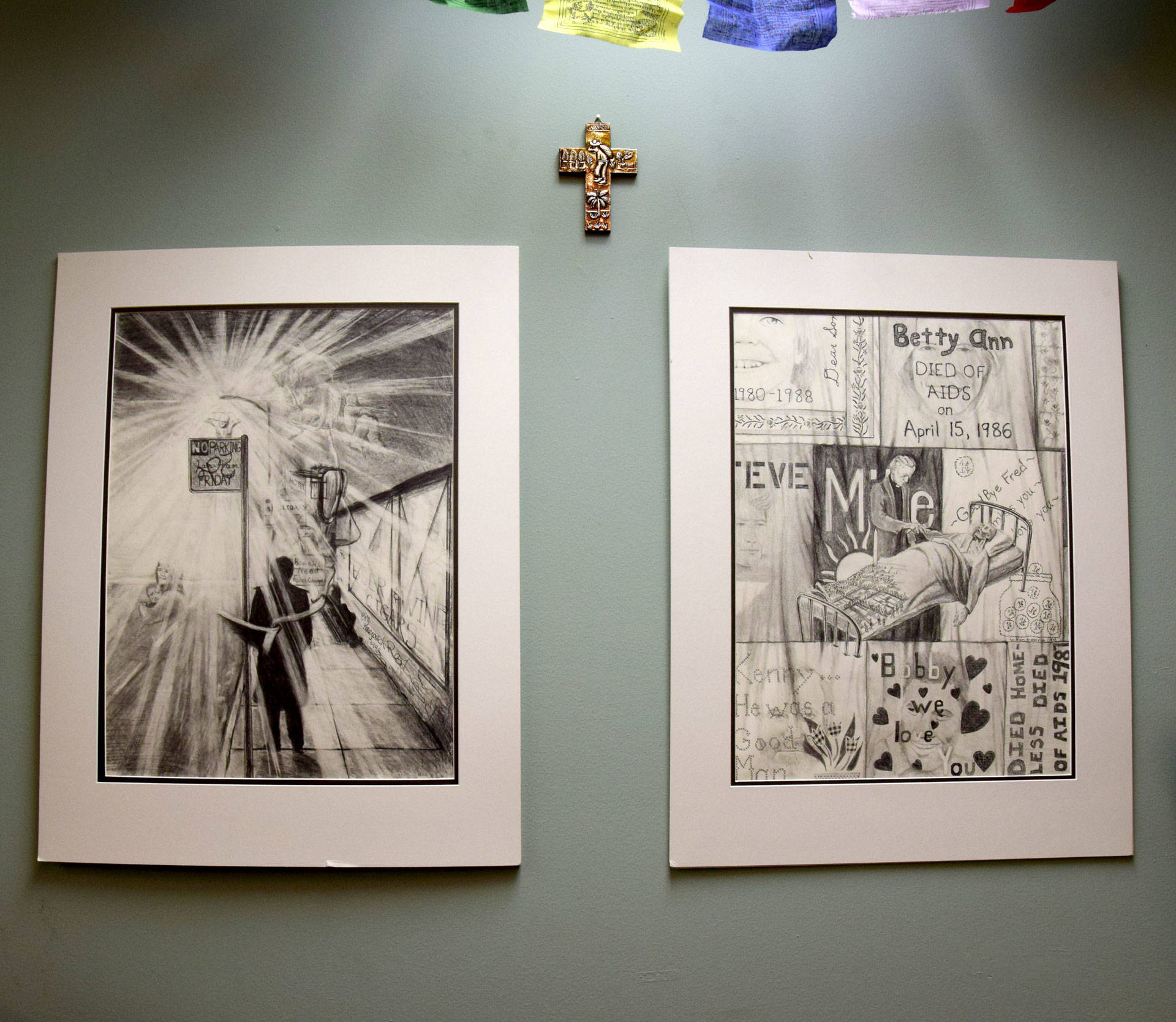
"caption": "Two drawings hang at the San Francisco Night Ministry's headquarters, where head minister Lyle Beckman led volunteers in prayer before the night's crisis line opened and before he hit the streets. ",
"description": null,
"title": "Pastor_prayer",
"credit": "Natalie Yemenidjian/KQED",
"status": "inherit",
"isLoading": false,
"fetchFailed": false
},
"forum_2010101855432": {
"type": "attachments",
"id": "forum_2010101855432",
"meta": {
"index": "attachments_1716263798",
"site": "forum",
"id": "2010101855432",
"found": true
},
"parent": 2010101855431,
"imgSizes": {
"twentyfourteen-full-width": {
"file": "https://ww2.kqed.org/app/uploads/sites/43/2016/06/mission_camp_for_web-cropped-1038x576.jpg",
"width": 1038,
"mimeType": "image/jpeg",
"height": 576
},
"thumbnail": {
"file": "https://ww2.kqed.org/app/uploads/sites/43/2016/06/mission_camp_for_web-cropped-400x225.jpg",
"width": 400,
"mimeType": "image/jpeg",
"height": 225
},
"fd-sm": {
"file": "https://ww2.kqed.org/app/uploads/sites/43/2016/06/mission_camp_for_web-cropped-960x540.jpg",
"width": 960,
"mimeType": "image/jpeg",
"height": 540
},
"post-thumbnail": {
"file": "https://ww2.kqed.org/app/uploads/sites/43/2016/06/mission_camp_for_web-cropped-672x372.jpg",
"width": 672,
"mimeType": "image/jpeg",
"height": 372
},
"kqedFullSize": {
"file": "https://ww2.kqed.org/app/uploads/sites/43/2016/06/mission_camp_for_web-cropped-e1467244655334.jpg",
"width": 1910,
"height": 1074
},
"large": {
"file": "https://ww2.kqed.org/app/uploads/sites/43/2016/06/mission_camp_for_web-cropped-1180x664.jpg",
"width": 1180,
"mimeType": "image/jpeg",
"height": 664
},
"guest-author-50": {
"file": "https://ww2.kqed.org/app/uploads/sites/43/2016/06/mission_camp_for_web-cropped-50x50.jpg",
"width": 50,
"mimeType": "image/jpeg",
"height": 50
},
"guest-author-96": {
"file": "https://ww2.kqed.org/app/uploads/sites/43/2016/06/mission_camp_for_web-cropped-96x96.jpg",
"width": 96,
"mimeType": "image/jpeg",
"height": 96
},
"medium": {
"file": "https://ww2.kqed.org/app/uploads/sites/43/2016/06/mission_camp_for_web-cropped-800x450.jpg",
"width": 800,
"mimeType": "image/jpeg",
"height": 450
},
"guest-author-64": {
"file": "https://ww2.kqed.org/app/uploads/sites/43/2016/06/mission_camp_for_web-cropped-64x64.jpg",
"width": 64,
"mimeType": "image/jpeg",
"height": 64
},
"guest-author-32": {
"file": "https://ww2.kqed.org/app/uploads/sites/43/2016/06/mission_camp_for_web-cropped-32x32.jpg",
"width": 32,
"mimeType": "image/jpeg",
"height": 32
},
"fd-lrg": {
"file": "https://ww2.kqed.org/app/uploads/sites/43/2016/06/mission_camp_for_web-cropped-1920x1080.jpg",
"width": 1920,
"mimeType": "image/jpeg",
"height": 1080
},
"fd-med": {
"file": "https://ww2.kqed.org/app/uploads/sites/43/2016/06/mission_camp_for_web-cropped-1180x664.jpg",
"width": 1180,
"mimeType": "image/jpeg",
"height": 664
},
"detail": {
"file": "https://ww2.kqed.org/app/uploads/sites/43/2016/06/mission_camp_for_web-cropped-150x150.jpg",
"width": 150,
"mimeType": "image/jpeg",
"height": 150
},
"medium_large": {
"file": "https://ww2.kqed.org/app/uploads/sites/43/2016/06/mission_camp_for_web-cropped-768x432.jpg",
"width": 768,
"mimeType": "image/jpeg",
"height": 432
},
"guest-author-128": {
"file": "https://ww2.kqed.org/app/uploads/sites/43/2016/06/mission_camp_for_web-cropped-128x128.jpg",
"width": 128,
"mimeType": "image/jpeg",
"height": 128
}
},
"publishDate": 1467159601,
"modified": 1467244666,
"caption": "A homeless encampment in San Francisco's Mission District.",
"description": "A homeless encampment in San Francisco's Mission District.",
"title": "mission_camp_for_web cropped",
"credit": "Photo: Eric Lawson/San Francisco Public Press",
"status": "inherit",
"isLoading": false,
"fetchFailed": false
}
},
"audioPlayerReducer": {
"postId": "stream_live",
"isPaused": true,
"isPlaying": false,
"pfsActive": false,
"pledgeModalIsOpen": true,
"playerDrawerIsOpen": false,
"liveAudioPlayStartedAt": 0,
"liveAudioPlayContext": ""
},
"authorsReducer": {
"byline_news_11021120": {
"type": "authors",
"id": "byline_news_11021120",
"meta": {
"override": true
},
"slug": "byline_news_11021120",
"name": "\u003cstrong>The Associated Press\u003c/strong>",
"isLoading": false
},
"byline_news_11017337": {
"type": "authors",
"id": "byline_news_11017337",
"meta": {
"override": true
},
"slug": "byline_news_11017337",
"name": "\u003cstrong>Elliot Spagat\u003cbr>Associated Press\u003c/strong>",
"isLoading": false
},
"byline_news_11013932": {
"type": "authors",
"id": "byline_news_11013932",
"meta": {
"override": true
},
"slug": "byline_news_11013932",
"name": "\u003cstrong>Elliot Spagat\u003cbr />Associated Press\u003c/strong>",
"isLoading": false
},
"byline_news_11012423": {
"type": "authors",
"id": "byline_news_11012423",
"meta": {
"override": true
},
"slug": "byline_news_11012423",
"name": "\u003cstrong>Elliot Spagat\u003cbr />Associated Press\u003c/strong>",
"isLoading": false
},
"byline_news_11005735": {
"type": "authors",
"id": "byline_news_11005735",
"meta": {
"override": true
},
"slug": "byline_news_11005735",
"name": "\u003cstrong>J.D. Hillard\u003c/strong>",
"isLoading": false
},
"kqednewsstaffandwires": {
"type": "authors",
"id": "237",
"meta": {
"index": "authors_1716337520",
"id": "237",
"found": true
},
"name": "KQED News Staff and Wires",
"firstName": "KQED News Staff and Wires",
"lastName": null,
"slug": "kqednewsstaffandwires",
"email": "onlinenewsstaff@kqed.org",
"display_author_email": false,
"staff_mastheads": [],
"title": null,
"bio": null,
"avatar": "https://secure.gravatar.com/avatar/72295af8ebbfbd19a4948f5271285664?s=600&d=blank&r=g",
"twitter": null,
"facebook": null,
"instagram": null,
"linkedin": null,
"sites": [
{
"site": "arts",
"roles": [
"contributor"
]
},
{
"site": "news",
"roles": [
"contributor"
]
},
{
"site": "lowdown",
"roles": [
"author"
]
},
{
"site": "stateofhealth",
"roles": [
"contributor"
]
},
{
"site": "food",
"roles": [
"author"
]
}
],
"headData": {
"title": "KQED News Staff and Wires | KQED",
"description": null,
"ogImgSrc": "https://secure.gravatar.com/avatar/72295af8ebbfbd19a4948f5271285664?s=600&d=blank&r=g",
"twImgSrc": "https://secure.gravatar.com/avatar/72295af8ebbfbd19a4948f5271285664?s=600&d=blank&r=g"
},
"isLoading": false,
"link": "/author/kqednewsstaffandwires"
},
"scuevas": {
"type": "authors",
"id": "2600",
"meta": {
"index": "authors_1716337520",
"id": "2600",
"found": true
},
"name": "Steven Cuevas",
"firstName": "Steven",
"lastName": "Cuevas",
"slug": "scuevas",
"email": "scuevas@kqed.org",
"display_author_email": false,
"staff_mastheads": [],
"title": "KQED Contributor",
"bio": "Steven is a former Los Angeles bureau chief for The California Report.\r\n\r\nHe reports on an array of issues across the Southland, from immigration and regional politics to religion, the performing arts and pop culture.\r\n\r\nPrior to joining KQED in 2012, Steven covered Inland southern California for KPCC in Pasadena. He also helped establish the first newsroom at \u003ca href=\"http://kut.org/\">KUT\u003c/a> in Austin, Texas where he was a general assignment reporter.\r\n\r\nSteven has received numerous awards for his reporting including an RTNDA Edward R. Murrow Award for investigative reporting in addition to awards from the LA Press Club, the Associated Press and the Society for Professional Journalists.\r\n\r\nSteven grew up in and around San Francisco and now lives in Pasadena just a short jog from the foot of the San Gabriel Mountains.",
"avatar": "https://secure.gravatar.com/avatar/bbb0bb7b496f83ab350e23ad0dc7c81c?s=600&d=blank&r=g",
"twitter": null,
"facebook": null,
"instagram": null,
"linkedin": null,
"sites": [
{
"site": "news",
"roles": [
"contributor"
]
},
{
"site": "stateofhealth",
"roles": [
"author"
]
}
],
"headData": {
"title": "Steven Cuevas | KQED",
"description": "KQED Contributor",
"ogImgSrc": "https://secure.gravatar.com/avatar/bbb0bb7b496f83ab350e23ad0dc7c81c?s=600&d=blank&r=g",
"twImgSrc": "https://secure.gravatar.com/avatar/bbb0bb7b496f83ab350e23ad0dc7c81c?s=600&d=blank&r=g"
},
"isLoading": false,
"link": "/author/scuevas"
},
"dkatayama": {
"type": "authors",
"id": "7240",
"meta": {
"index": "authors_1716337520",
"id": "7240",
"found": true
},
"name": "Devin Katayama",
"firstName": "Devin",
"lastName": "Katayama",
"slug": "dkatayama",
"email": "dkatayama@kqed.org",
"display_author_email": true,
"staff_mastheads": [
"news"
],
"title": "Editor of Talent and Development",
"bio": "Devin Katayama is former Editor of Talent and Development for KQED. He supported our internship program and on-call staff by looking for equitable opportunities to improve the newsroom.\r\n\r\nHe previously hosted The Bay and American Suburb podcasts from KQED News. Prior to returning to the Bay Area in 2015, Devin was the education reporter for WFPL in Louisville and worked as a producer with radio stations in Chicago and Portland, OR. His work has appeared on NPR’s \u003cem>Morning Edition, All Things Considered, The Takeaway\u003c/em> and \u003cem>Here and Now.\u003c/em>\r\n\r\nDevin earned his MA in Journalism from Columbia College Chicago, where he was a Follett Fellow and the recipient of the 2011 Studs Terkel Community Media Workshop Scholarship for his story on Chicago's homeless youth. He won WBUR's 2014 Daniel Schorr award and a regional RTNDA Edward R. Murrow Award for his documentary \"At Risk\" that looked at issues facing some of Louisville's students. Devin has also received numerous local awards from the Associated Press and the Society of Professional Journalists.",
"avatar": "https://secure.gravatar.com/avatar/d0d2978a31002fb2de107921a8e18405?s=600&d=blank&r=g",
"twitter": "RadioDevin",
"facebook": null,
"instagram": null,
"linkedin": null,
"sites": [
{
"site": "arts",
"roles": []
},
{
"site": "news",
"roles": [
"author"
]
},
{
"site": "stateofhealth",
"roles": [
"author"
]
},
{
"site": "forum",
"roles": [
"editor"
]
},
{
"site": "perspectives",
"roles": [
"editor"
]
}
],
"headData": {
"title": "Devin Katayama | KQED",
"description": "Editor of Talent and Development",
"ogImgSrc": "https://secure.gravatar.com/avatar/d0d2978a31002fb2de107921a8e18405?s=600&d=blank&r=g",
"twImgSrc": "https://secure.gravatar.com/avatar/d0d2978a31002fb2de107921a8e18405?s=600&d=blank&r=g"
},
"isLoading": false,
"link": "/author/dkatayama"
},
"nyemenidjian": {
"type": "authors",
"id": "11098",
"meta": {
"index": "authors_1716337520",
"id": "11098",
"found": true
},
"name": "Natalie Yemenidjian",
"firstName": "Natalie",
"lastName": "Yemenidjian",
"slug": "nyemenidjian",
"email": "nyemenidjian@KQED.org",
"display_author_email": false,
"staff_mastheads": [],
"title": null,
"bio": "Natalie Yemenidjian is an on-call producer for KQED and multimedia reporter. She studied journalism and urban planning and studies at San Francisco State University.",
"avatar": "https://secure.gravatar.com/avatar/7b4c8b4ce15f66ed6ec9c6cec6be3fee?s=600&d=blank&r=g",
"twitter": null,
"facebook": null,
"instagram": null,
"linkedin": null,
"sites": [
{
"site": "arts",
"roles": [
"subscriber"
]
},
{
"site": "news",
"roles": [
"subscriber"
]
},
{
"site": "stateofhealth",
"roles": [
"subscriber"
]
},
{
"site": "science",
"roles": [
"subscriber"
]
},
{
"site": "forum",
"roles": [
"subscriber"
]
},
{
"site": "perspectives",
"roles": [
"administrator"
]
}
],
"headData": {
"title": "Natalie Yemenidjian | KQED",
"description": null,
"ogImgSrc": "https://secure.gravatar.com/avatar/7b4c8b4ce15f66ed6ec9c6cec6be3fee?s=600&d=blank&r=g",
"twImgSrc": "https://secure.gravatar.com/avatar/7b4c8b4ce15f66ed6ec9c6cec6be3fee?s=600&d=blank&r=g"
},
"isLoading": false,
"link": "/author/nyemenidjian"
},
"mkrasny": {
"type": "authors",
"id": "11247",
"meta": {
"index": "authors_1716337520",
"id": "11247",
"found": true
},
"name": "Michael Krasny",
"firstName": "Michael",
"lastName": "Krasny",
"slug": "mkrasny",
"email": "mkrasny@kqed.org",
"display_author_email": false,
"staff_mastheads": [],
"title": "KQED Contributor",
"bio": "Michael Krasny was the former host of the program, Forum. He was with ABC in both radio and television and migrated to public broadcasting in 1993. He was a Professor of English at San Francisco State University and also taught at Stanford, the University of San Francisco and the University of California, as well as in the Fulbright International Institutes. A veteran interviewer for the nationally broadcast City Arts and Lectures, he is the author of a number of books, including “Off Mike: A Memoir of Talk Radio and Literary Life” (Stanford University Press) “Spiritual Envy” (New World); “Sound Ideas” (with M.E. Sokolik/ McGraw-Hill); “Let There Be Laughter” (Harper-Collins) as well as the twenty-four lecture series in DVD, audio and book, “Short Story Masterpieces” (The Teaching Company). He has interviewed many of the world’s leading political, cultural, literary, science and technology figures, as well as major figures from the world of entertainment. He is the recipient of many awards and honors including the S.Y. Agnon Medal for Intellectual Achievement; The Eugene Block Award for Human Rights Journalism; the James Madison Freedom of Information Award; the Excellence in Journalism Award from the National Lesbian and Gay Journalists Association; Career Achievement Award from the Society of Professional Journalists and an award from the Radio and Television News Directors Association. He holds a B.A. (cum laude) and M.A. from Ohio University and a PhD from the University of Wisconsin.",
"avatar": "https://secure.gravatar.com/avatar/243c9ef51f3b90a42850d3a766d24865?s=600&d=blank&r=g",
"twitter": null,
"facebook": null,
"instagram": null,
"linkedin": null,
"sites": [
{
"site": "forum",
"roles": [
"subscriber"
]
}
],
"headData": {
"title": "Michael Krasny | KQED",
"description": "KQED Contributor",
"ogImgSrc": "https://secure.gravatar.com/avatar/243c9ef51f3b90a42850d3a766d24865?s=600&d=blank&r=g",
"twImgSrc": "https://secure.gravatar.com/avatar/243c9ef51f3b90a42850d3a766d24865?s=600&d=blank&r=g"
},
"isLoading": false,
"link": "/author/mkrasny"
},
"rlevi": {
"type": "authors",
"id": "11260",
"meta": {
"index": "authors_1716337520",
"id": "11260",
"found": true
},
"name": "Ryan Levi",
"firstName": "Ryan",
"lastName": "Levi",
"slug": "rlevi",
"email": "rlevi@KQED.org",
"display_author_email": false,
"staff_mastheads": [],
"title": "KQED Contributor",
"bio": "Ryan Levi was a reporter and podcast producer at KQED News from 2016-2019. He worked on \u003ca href=\"https://www.kqed.org/news/series/baycurious\">Bay Curious\u003c/a>, \u003ca href=\"https://www.kqed.org/news/tag/the-bay/\">The Bay, \u003c/a>and \u003ca href=\"https://podcasts.apple.com/us/podcast/the-california-report-magazine/id1314750545\">The California Report Magazine\u003c/a>, as well as hosting and producing the weekly \u003ca href=\"https://www.kqed.org/news/program/qedup/\">Q'ed Up podcast. \u003c/a>He also helped inaugurate KQED's weekend news coverage in 2017 as one of two original digital producers. Ryan holds degrees in multimedia journalism and Spanish from the University of Missouri.",
"avatar": "https://secure.gravatar.com/avatar/4cb2ddd028ac8807d1adf09609c5555d?s=600&d=blank&r=g",
"twitter": "ryan_levi",
"facebook": null,
"instagram": null,
"linkedin": null,
"sites": [
{
"site": "arts",
"roles": [
"editor"
]
},
{
"site": "news",
"roles": [
"subscriber"
]
},
{
"site": "stateofhealth",
"roles": [
"editor"
]
},
{
"site": "science",
"roles": [
"editor"
]
},
{
"site": "forum",
"roles": [
"administrator"
]
},
{
"site": "perspectives",
"roles": [
"administrator"
]
}
],
"headData": {
"title": "Ryan Levi | KQED",
"description": "KQED Contributor",
"ogImgSrc": "https://secure.gravatar.com/avatar/4cb2ddd028ac8807d1adf09609c5555d?s=600&d=blank&r=g",
"twImgSrc": "https://secure.gravatar.com/avatar/4cb2ddd028ac8807d1adf09609c5555d?s=600&d=blank&r=g"
},
"isLoading": false,
"link": "/author/rlevi"
},
"lleyden": {
"type": "authors",
"id": "11270",
"meta": {
"index": "authors_1716337520",
"id": "11270",
"found": true
},
"name": "Libby Leyden",
"firstName": "Libby",
"lastName": "Leyden",
"slug": "lleyden",
"email": "lleyden@KQED.org",
"display_author_email": false,
"staff_mastheads": [],
"title": null,
"bio": "Libby Leyden is currently working at KQED as a radio news intern. Libby started her journalism career at Northeastern University in Boston, Massachusetts where she holds a BA in Journalism and Political Science. She is currently a student at UC Berkeley’s Graduate school of Journalism, where she is specializing in narrative journalism and will be graduating in May of 2017. Her work has been published in \u003cem>The Boston Globe, World Policy Journal, Africa Media and 7x7 Magazine. \u003c/em>You can reach her by email at lleyden@kqed.org or follow her on Instragram (@libby_leyden) and Twitter (@libby_leyden).",
"avatar": "https://secure.gravatar.com/avatar/ac286c64ae21304401df571d4ba70feb?s=600&d=blank&r=g",
"twitter": null,
"facebook": null,
"instagram": null,
"linkedin": null,
"sites": [
{
"site": "arts",
"roles": [
"author"
]
},
{
"site": "news",
"roles": [
"contributor"
]
}
],
"headData": {
"title": "Libby Leyden | KQED",
"description": null,
"ogImgSrc": "https://secure.gravatar.com/avatar/ac286c64ae21304401df571d4ba70feb?s=600&d=blank&r=g",
"twImgSrc": "https://secure.gravatar.com/avatar/ac286c64ae21304401df571d4ba70feb?s=600&d=blank&r=g"
},
"isLoading": false,
"link": "/author/lleyden"
}
},
"pagesReducer": {
"news_tag_homelessness": {
"type": "terms",
"id": "news_4020",
"meta": {
"index": "terms_1716263798",
"site": "news",
"id": "4020",
"score": 8.555192
},
"name": "Homelessness",
"slug": "homelessness",
"taxonomy": "tag",
"description": null,
"featImg": null,
"headData": {
"title": "Homelessness | KQED News",
"description": null,
"ogTitle": null,
"ogDescription": null,
"ogImgId": null,
"twTitle": null,
"twDescription": null,
"twImgId": null,
"metaRobotsNoIndex": "index"
},
"ttid": 4039,
"isLoading": false,
"title": "Homelessness",
"pageMeta": {
"site": "news",
"WpPageTemplate": "page-topic-editorial",
"currentPage": 58
},
"blocks": [
{
"blockName": "kqed/post-list",
"attrs": {
"layout": "cardArticle2",
"query": "posts/news?tag=homelessness",
"seeMore": false,
"paginated": true,
"page": 58
}
},
{
"blockName": "kqed/ad"
}
]
}
},
"pfsSessionReducer": {},
"postsReducer": {
"stream_live": {
"type": "live",
"id": "stream_live",
"audioUrl": "https://streams.kqed.org/kqedradio",
"title": "Live Stream",
"excerpt": "Live Stream information currently unavailable.",
"link": "/radio",
"featImg": "",
"label": {
"name": "KQED Live",
"link": "/"
}
},
"stream_kqedNewscast": {
"type": "posts",
"id": "stream_kqedNewscast",
"audioUrl": "https://www.kqed.org/.stream/anon/radio/RDnews/newscast.mp3?_=1",
"title": "KQED Newscast",
"featImg": "",
"label": {
"name": "88.5 FM",
"link": "/"
}
},
"news_11080126": {
"type": "posts",
"id": "news_11080126",
"meta": {
"index": "posts_1716263798",
"site": "news",
"id": "11080126",
"score": null,
"sort": [
1473663942000
]
},
"guestAuthors": [],
"slug": "californians-worry-about-poverty-income-inequality-poll-finds",
"title": "Californians Worry About Poverty, Income Inequality, Poll Finds",
"publishDate": 1473663942,
"format": "standard",
"headTitle": "Californians Worry About Poverty, Income Inequality, Poll Finds | KQED",
"labelTerm": {
"term": 72,
"site": "news"
},
"content": "\u003cp>A majority of Californians believe poverty is a serious problem, but they disagree over what to do about it. That’s according to a survey conducted for our California Counts public radio collaboration.\u003c/p>\n\u003cp>The \u003ca href=\"http://www.csus.edu/isr/calspeaks/\">CALSPEAKS survey\u003c/a> asked hundreds of voters and some nonvoters across California how they feel about a range of economic issues, from home ownership and job security to wage disparity and upward mobility.\u003c/p>\n\u003cp>“More feel scared than say that they feel hopeful,” said \u003ca href=\"http://www.csus.edu/isr/\">Sacramento State University political scientist David Barker,\u003c/a> who directed the CALSPEAKS survey. The poll asked Californians to weigh in on a laundry list of issues relating to the November election.\u003c/p>\n\u003cp>[LivingPoverty]\u003c/p>\n\u003cp>The survey found that seven out of 10 respondents believe the number of people living in poverty is a “major” \u003cdel>\u003c/del>problem. There was wide agreement, regardless of race, political affiliation, income level or age. Two-thirds of Californians also believe income inequality is a major problem\u003cdel>\u003c/del>. (The cost of health care was another top concern, considered a problem by 70 percent of respondents.)\u003c/p>\n\u003cp>[ad fullwidth]\u003c/p>\n\u003cp>As to solutions, one-third of those polled “strongly favor” the state’s recent $15/hour minimum wage bump approved by the state Legislature in March. Another 26 percent “somewhat” favor the pay increase.\u003c/p>\n\u003cp>“You could simultaneously view poverty as a problem but not want to raise the minimum wage,” said Barker. “The more conservative (people) would say there needs to be less regulation to free up the markets so more people can get hired.”\u003c/p>\n\u003cp>The hike in the state minimum wage came nearly a year after the Los Angeles City Council and Los Angeles County Board of Supervisors passed $15/hour minimum wages of their own.\u003c/p>\n\u003cp>[MinWagePoll]\u003c/p>\n\u003cp>Robert Nothoff, of the \u003ca href=\"http://www.laane.org/\">Los Angeles Alliance for a New Economy, \u003c/a>said those efforts were driven in large part by the L.A. region’s large pool of \u003cdel>\u003c/del>low-wage immigrant workers.\u003c/p>\n\u003cp>“It was really the immigrant community pushing, telling us what it takes to make ends meet and leading the charge to raise the bar for all workers across the state,” said Nothoff.\u003c/p>\n\u003cp>Respondents to the CALSPEAKS survey were split over the broader question of whether immigrants (from Asia and Latin America specifically) help or hurt the state’s economy.\u003c/p>\n\u003cp>The poll found that 38 percent believe immigrants weaken the economy “a little” to “a lot,” while 47 percent believe immigrants strengthen the economy “a little” or “a lot.”\u003c/p>\n\u003cp>[ImmigrationPoll]\u003c/p>\n\u003cp>When it comes to illegal immigration specifically, 45 percent of respondents say it’s a “major” problem. Another 29 percent view it as a “minor problem,” while 23 percent think it’s little to no problem at all.\u003c/p>\n\u003cp>\u003cem>Editor’s Note: This story has been updated to include additional information regarding the methodology of the survey.\u003c/em>\u003c/p>\n\u003cp>\u003cem>California Counts, a statewide public media election collaborative, contracted with the CALSPEAKS Opinion Research Center at the Institute for Social Research, Sacramento State University, to conduct an extensive survey of Californians’ electoral and public policy attitudes.\u003c/em>\u003c/p>\n\u003cp>\u003cem>The Institute for Social Research at Sacramento State fielded the survey online and through the mail from Aug. 15 to 24, 2016 using the CALSPEAKS survey panel. It yielded 915 completed surveys and 44 partially completed surveys. CALSPEAKS obtains a representative sample of Californians, stratified by the five major regions in the state. For information on the methodology, please visit: \u003ca href=\"http://www.csus.edu/isr/calspeaks/\" target=\"_blank\" rel=\"noopener\">http://www.csus.edu/isr/calspeaks/\u003c/a>. For questions about the November election, (the U.S. Senate race and propositions 57, 63 and 64), results reflect registered voters only.\u003cbr>\n\u003c/em>\u003cbr>\n\u003cem>The margin of error for any individual survey question is equal to or less than +/- 4 percentage points for the overall sample. However, the margins of error are larger if focusing on smaller subgroups, especially racial or ethnic subgroups. These are equal or less than +/- 16 percentage points for African-Americans, and 10 percentage points for Latinos or those of “other races/ethnicities” (including Asian-Americans, Pacific Islanders, Native Americans, and those of mixed race/ethnicity). The numbers, however, have been weighted to reflect California¹s population and are valid for comparisons across the sub-groups.\u003c/em>\u003c/p>\n\u003cp>\u003c/p>\n\u003cp>\u003cem>California Counts is a collaboration with four public media organizations in California to cover the 2016 election. This includes \u003ca href=\"http://www.scpr.org/\" target=\"_blank\" rel=\"noopener\">KPCC in Los Angeles\u003c/a>, \u003ca href=\"http://www.kqed.org/\" target=\"_blank\" rel=\"noopener\">KQED in San Francisco\u003c/a>, \u003ca href=\"http://www.capradio.org/\" target=\"_blank\" rel=\"noopener\">Capital Public Radio in Sacramento\u003c/a> and \u003ca href=\"http://www.kpbs.org/\" target=\"_blank\" rel=\"noopener\">KPBS in San Diego\u003c/a>.\u003c/em>\u003c/p>\n\n",
"blocks": [],
"excerpt": "As to whether immigrants strengthen the economy or weaken it? Survey respondents were divided.",
"status": "publish",
"parent": 0,
"modified": 1725926592,
"stats": {
"hasAudio": false,
"hasVideo": false,
"hasChartOrMap": false,
"iframeSrcs": [],
"hasGoogleForm": false,
"hasGallery": false,
"hasHearkenModule": false,
"hasPolis": false,
"paragraphCount": 21,
"wordCount": 754
},
"headData": {
"title": "Californians Worry About Poverty, Income Inequality, Poll Finds | KQED",
"description": "As to whether immigrants strengthen the economy or weaken it? Survey respondents were divided.",
"ogTitle": "",
"ogDescription": "",
"ogImgId": "",
"twTitle": "",
"twDescription": "",
"twImgId": "",
"schema": {
"@context": "https://schema.org",
"@type": "NewsArticle",
"headline": "Californians Worry About Poverty, Income Inequality, Poll Finds",
"datePublished": "2016-09-12T00:05:42-07:00",
"dateModified": "2024-09-09T17:03:12-07:00",
"image": "https://cdn.kqed.org/wp-content/uploads/2020/02/KQED-OG-Image@1x.png",
"isAccessibleForFree": "True",
"publisher": {
"@type": "NewsMediaOrganization",
"@id": "https://www.kqed.org/#organization",
"name": "KQED",
"logo": "https://cdn.kqed.org/wp-content/uploads/2020/02/KQED-OG-Image@1x.png",
"url": "https://www.kqed.org",
"sameAs": [
"https://www.facebook.com/KQED",
"https://twitter.com/KQED",
"https://www.instagram.com/kqed/",
"https://www.tiktok.com/@kqedofficial",
"https://www.linkedin.com/company/kqed",
"https://www.youtube.com/channel/UCeC0IOo7i1P_61zVUWbJ4nw"
]
}
}
},
"sticky": false,
"nprStoryId": "493569877",
"path": "/news/11080126/californians-worry-about-poverty-income-inequality-poll-finds",
"audioTrackLength": null,
"parsedContent": [
{
"type": "contentString",
"content": "\u003cdiv class=\"post-body\">\u003cp>\u003cp>A majority of Californians believe poverty is a serious problem, but they disagree over what to do about it. That’s according to a survey conducted for our California Counts public radio collaboration.\u003c/p>\n\u003cp>The \u003ca href=\"http://www.csus.edu/isr/calspeaks/\">CALSPEAKS survey\u003c/a> asked hundreds of voters and some nonvoters across California how they feel about a range of economic issues, from home ownership and job security to wage disparity and upward mobility.\u003c/p>\n\u003cp>“More feel scared than say that they feel hopeful,” said \u003ca href=\"http://www.csus.edu/isr/\">Sacramento State University political scientist David Barker,\u003c/a> who directed the CALSPEAKS survey. The poll asked Californians to weigh in on a laundry list of issues relating to the November election.\u003c/p>\n\u003cp>[LivingPoverty]\u003c/p>\n\u003cp>The survey found that seven out of 10 respondents believe the number of people living in poverty is a “major” \u003cdel>\u003c/del>problem. There was wide agreement, regardless of race, political affiliation, income level or age. Two-thirds of Californians also believe income inequality is a major problem\u003cdel>\u003c/del>. (The cost of health care was another top concern, considered a problem by 70 percent of respondents.)\u003c/p>\n\u003cp>\u003c/p>\u003c/div>",
"attributes": {
"named": {},
"numeric": []
}
},
{
"type": "component",
"content": "",
"name": "ad",
"attributes": {
"named": {
"label": "fullwidth"
},
"numeric": [
"fullwidth"
]
}
},
{
"type": "contentString",
"content": "\u003cdiv class=\"post-body\">\u003cp>\u003c/p>\n\u003cp>As to solutions, one-third of those polled “strongly favor” the state’s recent $15/hour minimum wage bump approved by the state Legislature in March. Another 26 percent “somewhat” favor the pay increase.\u003c/p>\n\u003cp>“You could simultaneously view poverty as a problem but not want to raise the minimum wage,” said Barker. “The more conservative (people) would say there needs to be less regulation to free up the markets so more people can get hired.”\u003c/p>\n\u003cp>The hike in the state minimum wage came nearly a year after the Los Angeles City Council and Los Angeles County Board of Supervisors passed $15/hour minimum wages of their own.\u003c/p>\n\u003cp>[MinWagePoll]\u003c/p>\n\u003cp>Robert Nothoff, of the \u003ca href=\"http://www.laane.org/\">Los Angeles Alliance for a New Economy, \u003c/a>said those efforts were driven in large part by the L.A. region’s large pool of \u003cdel>\u003c/del>low-wage immigrant workers.\u003c/p>\n\u003cp>“It was really the immigrant community pushing, telling us what it takes to make ends meet and leading the charge to raise the bar for all workers across the state,” said Nothoff.\u003c/p>\n\u003cp>Respondents to the CALSPEAKS survey were split over the broader question of whether immigrants (from Asia and Latin America specifically) help or hurt the state’s economy.\u003c/p>\n\u003cp>The poll found that 38 percent believe immigrants weaken the economy “a little” to “a lot,” while 47 percent believe immigrants strengthen the economy “a little” or “a lot.”\u003c/p>\n\u003cp>[ImmigrationPoll]\u003c/p>\n\u003cp>When it comes to illegal immigration specifically, 45 percent of respondents say it’s a “major” problem. Another 29 percent view it as a “minor problem,” while 23 percent think it’s little to no problem at all.\u003c/p>\n\u003cp>\u003cem>Editor’s Note: This story has been updated to include additional information regarding the methodology of the survey.\u003c/em>\u003c/p>\n\u003cp>\u003cem>California Counts, a statewide public media election collaborative, contracted with the CALSPEAKS Opinion Research Center at the Institute for Social Research, Sacramento State University, to conduct an extensive survey of Californians’ electoral and public policy attitudes.\u003c/em>\u003c/p>\n\u003cp>\u003cem>The Institute for Social Research at Sacramento State fielded the survey online and through the mail from Aug. 15 to 24, 2016 using the CALSPEAKS survey panel. It yielded 915 completed surveys and 44 partially completed surveys. CALSPEAKS obtains a representative sample of Californians, stratified by the five major regions in the state. For information on the methodology, please visit: \u003ca href=\"http://www.csus.edu/isr/calspeaks/\" target=\"_blank\" rel=\"noopener\">http://www.csus.edu/isr/calspeaks/\u003c/a>. For questions about the November election, (the U.S. Senate race and propositions 57, 63 and 64), results reflect registered voters only.\u003cbr>\n\u003c/em>\u003cbr>\n\u003cem>The margin of error for any individual survey question is equal to or less than +/- 4 percentage points for the overall sample. However, the margins of error are larger if focusing on smaller subgroups, especially racial or ethnic subgroups. These are equal or less than +/- 16 percentage points for African-Americans, and 10 percentage points for Latinos or those of “other races/ethnicities” (including Asian-Americans, Pacific Islanders, Native Americans, and those of mixed race/ethnicity). The numbers, however, have been weighted to reflect California¹s population and are valid for comparisons across the sub-groups.\u003c/em>\u003c/p>\n\u003cp>\u003c/p>\n\u003cp>\u003cem>California Counts is a collaboration with four public media organizations in California to cover the 2016 election. This includes \u003ca href=\"http://www.scpr.org/\" target=\"_blank\" rel=\"noopener\">KPCC in Los Angeles\u003c/a>, \u003ca href=\"http://www.kqed.org/\" target=\"_blank\" rel=\"noopener\">KQED in San Francisco\u003c/a>, \u003ca href=\"http://www.capradio.org/\" target=\"_blank\" rel=\"noopener\">Capital Public Radio in Sacramento\u003c/a> and \u003ca href=\"http://www.kpbs.org/\" target=\"_blank\" rel=\"noopener\">KPBS in San Diego\u003c/a>.\u003c/em>\u003c/p>\n\n\u003c/div>\u003c/p>",
"attributes": {
"named": {},
"numeric": []
}
}
],
"link": "/news/11080126/californians-worry-about-poverty-income-inequality-poll-finds",
"authors": [
"2600"
],
"programs": [
"news_72"
],
"series": [
"news_19101"
],
"categories": [
"news_1758",
"news_6266",
"news_1169",
"news_8",
"news_13"
],
"tags": [
"news_19217",
"news_19542",
"news_4020",
"news_2141",
"news_17286",
"news_17041"
],
"featImg": "news_11081647",
"label": "news_72"
},
"news_11062138": {
"type": "posts",
"id": "news_11062138",
"meta": {
"index": "posts_1716263798",
"site": "news",
"id": "11062138",
"score": null,
"sort": [
1472662523000
]
},
"parent": 0,
"labelTerm": {
"site": "news",
"term": 72
},
"blocks": [],
"publishDate": 1472662523,
"format": "standard",
"disqusTitle": "California State University Plans to Tackle College Homelessness",
"title": "California State University Plans to Tackle College Homelessness",
"headTitle": "SF Homeless Project | The California Report | KQED News",
"content": "\u003cp>The cost of college has often topped the list of higher education's most pressing challenges, and now, the California State University system wants to look at the students who are feeling squeezed the most: the homeless and hungry.\u003c/p>\n\u003cp>Next month the public university giant plans to continue its study and response to \"college students who experience housing instability and food insecurity\" by sending out a mass email to all students attending one of CSU's 23 campuses. CSU says this is one of the most extensive research projects ever conducted on the issue by a U.S. public university system.\u003c/p>\n\u003cp>CSU began its study of college homelessness last year and released its findings earlier this year \u003ca href=\"https://presspage-production-content.s3.amazonaws.com/uploads/1487/cohomelessstudy.pdf?10000\" target=\"_blank\">in a report\u003c/a> and conference. It found that around 8.7 percent of CSU students were displaced and 21 percent of students were food insecure.\u003c/p>\n\u003cp>KQED's Devin Katayama spoke with CSU Chancellor Timothy P. White about the undertaking and work ahead.\u003c/p>\n\u003cp>\u003cstrong>Katayama:\u003c/strong> What do you hope comes from all this work?\u003c/p>\n\u003cp>[ad fullwidth]\u003c/p>\n\u003cp>\u003cstrong>White:\u003c/strong> Two things. One is higher awareness on all of our campuses and the communities that surround the 23 campuses about how important it is to find solutions here. And the second is to find the solutions and create the policies and expectations to enable our students to not have such significant problems with access to food and safe places to live.\u003c/p>\n\u003cp>\u003cstrong>Katayama:\u003c/strong> CSU has already started to study student homelessness on its campuses. Based on what you already know, what could those policies or programs look like?\u003c/p>\n\u003cp>\u003cstrong>White:\u003c/strong> They could look like having [food] pantries required on campuses, perhaps. It could look like making sure that the campuses have a one-page shopping, if you will, for where there are places in the community that also provide similar services. It could take the form of dedicating campuses' resources from one type of another or part of the fundraising activities that campuses do, or the grants that they seek from agencies to creating the funding to support this.\u003c/p>\n\u003cp>\u003cstrong>Katayama:\u003c/strong> Why can't the available college resource centers or staff on school campuses adequately help students now?\u003c/p>\n\u003cp>\u003cstrong>White:\u003c/strong> There's the personnel side, and perhaps some of those good folks can help. But then there's also the supply side of how do we get nutritious food and the ability for students to learn how to prepare that food, and hygiene products and other things that are necessary for their lives -- how do we get the resources to have that? In places that are most successful, those types of supplies are coming often by donations from the community. So, how do we engage community partners to say this matters to us, too?\u003c/p>\n\u003cp>\u003cstrong>Katayama:\u003c/strong> Will you be able to pay for all the programs, or will it depend on fundraising or private funding at each school?\u003c/p>\n\u003cp>\u003cstrong>White:\u003c/strong> I think it will be a combination of all of that -- redirecting existing efforts, if this is a higher priority, engaging the philanthropic community, working with foundations, redirecting resources that are used for something that are no longer quite as necessary. But one of the most powerful things that I've learned about the California State University is the heart and the drive of the people who go to school and who work at the universities. And because this has become known now to be such a significant issue, I think that spirit will go a long ways in finding and making resources and things available.\u003c/p>\n\u003cp>\u003c/p>\n\u003cp>\u003cem>This interview was edited for length.\u003c/em>\u003c/p>\n\n",
"disqusIdentifier": "11062138 http://ww2.kqed.org/news/?p=11062138",
"disqusUrl": "https://ww2.kqed.org/news/2016/08/31/california-state-university-plans-to-tackle-college-homelessness/",
"stats": {
"hasVideo": false,
"hasChartOrMap": false,
"hasAudio": false,
"hasPolis": false,
"wordCount": 594,
"hasGoogleForm": false,
"hasGallery": false,
"hasHearkenModule": false,
"iframeSrcs": [],
"paragraphCount": 15
},
"modified": 1472679037,
"excerpt": "The CSU system will email more than 400,000 students next month to collect data on homelessness and access to food.",
"headData": {
"twImgId": "",
"twTitle": "",
"ogTitle": "",
"ogImgId": "",
"twDescription": "",
"description": "The CSU system will email more than 400,000 students next month to collect data on homelessness and access to food.",
"title": "California State University Plans to Tackle College Homelessness | KQED",
"ogDescription": "",
"schema": {
"@context": "https://schema.org",
"@type": "NewsArticle",
"headline": "California State University Plans to Tackle College Homelessness",
"datePublished": "2016-08-31T09:55:23-07:00",
"dateModified": "2016-08-31T14:30:37-07:00",
"image": "https://cdn.kqed.org/wp-content/uploads/2020/02/KQED-OG-Image@1x.png",
"isAccessibleForFree": "True",
"publisher": {
"@type": "NewsMediaOrganization",
"@id": "https://www.kqed.org/#organization",
"name": "KQED",
"logo": "https://cdn.kqed.org/wp-content/uploads/2020/02/KQED-OG-Image@1x.png",
"url": "https://www.kqed.org",
"sameAs": [
"https://www.facebook.com/KQED",
"https://twitter.com/KQED",
"https://www.instagram.com/kqed/",
"https://www.tiktok.com/@kqedofficial",
"https://www.linkedin.com/company/kqed",
"https://www.youtube.com/channel/UCeC0IOo7i1P_61zVUWbJ4nw"
]
}
}
},
"guestAuthors": [],
"slug": "california-state-university-plans-to-tackle-college-homelessness",
"status": "publish",
"nprStoryId": "492105808",
"path": "/news/11062138/california-state-university-plans-to-tackle-college-homelessness",
"audioTrackLength": null,
"parsedContent": [
{
"type": "contentString",
"content": "\u003cdiv class=\"post-body\">\u003cp>\u003cp>The cost of college has often topped the list of higher education's most pressing challenges, and now, the California State University system wants to look at the students who are feeling squeezed the most: the homeless and hungry.\u003c/p>\n\u003cp>Next month the public university giant plans to continue its study and response to \"college students who experience housing instability and food insecurity\" by sending out a mass email to all students attending one of CSU's 23 campuses. CSU says this is one of the most extensive research projects ever conducted on the issue by a U.S. public university system.\u003c/p>\n\u003cp>CSU began its study of college homelessness last year and released its findings earlier this year \u003ca href=\"https://presspage-production-content.s3.amazonaws.com/uploads/1487/cohomelessstudy.pdf?10000\" target=\"_blank\">in a report\u003c/a> and conference. It found that around 8.7 percent of CSU students were displaced and 21 percent of students were food insecure.\u003c/p>\n\u003cp>KQED's Devin Katayama spoke with CSU Chancellor Timothy P. White about the undertaking and work ahead.\u003c/p>\n\u003cp>\u003cstrong>Katayama:\u003c/strong> What do you hope comes from all this work?\u003c/p>\n\u003cp>\u003c/p>\u003c/div>",
"attributes": {
"named": {},
"numeric": []
}
},
{
"type": "component",
"content": "",
"name": "ad",
"attributes": {
"named": {
"label": "fullwidth"
},
"numeric": [
"fullwidth"
]
}
},
{
"type": "contentString",
"content": "\u003cdiv class=\"post-body\">\u003cp>\u003c/p>\n\u003cp>\u003cstrong>White:\u003c/strong> Two things. One is higher awareness on all of our campuses and the communities that surround the 23 campuses about how important it is to find solutions here. And the second is to find the solutions and create the policies and expectations to enable our students to not have such significant problems with access to food and safe places to live.\u003c/p>\n\u003cp>\u003cstrong>Katayama:\u003c/strong> CSU has already started to study student homelessness on its campuses. Based on what you already know, what could those policies or programs look like?\u003c/p>\n\u003cp>\u003cstrong>White:\u003c/strong> They could look like having [food] pantries required on campuses, perhaps. It could look like making sure that the campuses have a one-page shopping, if you will, for where there are places in the community that also provide similar services. It could take the form of dedicating campuses' resources from one type of another or part of the fundraising activities that campuses do, or the grants that they seek from agencies to creating the funding to support this.\u003c/p>\n\u003cp>\u003cstrong>Katayama:\u003c/strong> Why can't the available college resource centers or staff on school campuses adequately help students now?\u003c/p>\n\u003cp>\u003cstrong>White:\u003c/strong> There's the personnel side, and perhaps some of those good folks can help. But then there's also the supply side of how do we get nutritious food and the ability for students to learn how to prepare that food, and hygiene products and other things that are necessary for their lives -- how do we get the resources to have that? In places that are most successful, those types of supplies are coming often by donations from the community. So, how do we engage community partners to say this matters to us, too?\u003c/p>\n\u003cp>\u003cstrong>Katayama:\u003c/strong> Will you be able to pay for all the programs, or will it depend on fundraising or private funding at each school?\u003c/p>\n\u003cp>\u003cstrong>White:\u003c/strong> I think it will be a combination of all of that -- redirecting existing efforts, if this is a higher priority, engaging the philanthropic community, working with foundations, redirecting resources that are used for something that are no longer quite as necessary. But one of the most powerful things that I've learned about the California State University is the heart and the drive of the people who go to school and who work at the universities. And because this has become known now to be such a significant issue, I think that spirit will go a long ways in finding and making resources and things available.\u003c/p>\n\u003cp>\u003c/p>\n\u003cp>\u003cem>This interview was edited for length.\u003c/em>\u003c/p>\n\n\u003c/div>\u003c/p>",
"attributes": {
"named": {},
"numeric": []
}
}
],
"link": "/news/11062138/california-state-university-plans-to-tackle-college-homelessness",
"authors": [
"7240"
],
"programs": [
"news_6944",
"news_72"
],
"series": [
"news_19491"
],
"categories": [
"news_18540",
"news_6266",
"news_8"
],
"tags": [
"news_221",
"news_4020"
],
"featImg": "news_11062308",
"label": "news_72"
},
"news_11042479": {
"type": "posts",
"id": "news_11042479",
"meta": {
"index": "posts_1716263798",
"site": "news",
"id": "11042479",
"score": null,
"sort": [
1470954218000
]
},
"parent": 0,
"labelTerm": {
"site": "news",
"term": 72
},
"blocks": [],
"publishDate": 1470954218,
"format": "standard",
"disqusTitle": "Once-Homeless Mills College Swimmer Sets a Record -- and Helps Others",
"title": "Once-Homeless Mills College Swimmer Sets a Record -- and Helps Others",
"headTitle": "The California Report | KQED News",
"content": "\u003cp>\u003cb>UPDATE: Aug. 11, 3:30 p.m. \u003c/b>\u003c/p>\n\u003cp>\u003cspan style=\"font-weight: 400\">Mills College swimmer Melissa Berkay has become the first American to swim the Catalina Channel using only the butterfly stroke. \u003c/span>\u003cspan style=\"font-weight: 400\">Berkay started her swim at Santa Catalina Island on Wednesday night just after 11 p.m. and finished more than 20 miles later at Rancho Palos Verdes just before noon today. \u003c/span>\u003c/p>\n\u003cp>\u003cspan style=\"font-weight: 400\">Berkay’s training, which included swims as long as 10 hours, kept her from getting too fatigued, but she did battle intense nausea, leading her to vomit at several points along the way. \u003c/span>\u003cspan style=\"font-weight: 400\">She also battled self-doubt, she said, but she relied on prayer and her experiences when she was homeless to keep her going.\u003c/span>\u003c/p>\n\u003cp>\u003cspan style=\"font-weight: 400\">\"\u003cspan style=\"font-weight: 400\">I would think to myself, 'The charities I'm raising money for, people in those situations, the same situation I was in, I can't forget that I didn't have a choice to simply give up and get out of there, so I'm definitely not going to do that right now,'\" she said. \u003c/span>\u003c/span>\u003c/p>\n\u003cp>\u003cspan style=\"font-weight: 400\">As of Thursday afternoon, Berkay had raised more than $2,700 on her \u003ca href=\"https://www.gofundme.com/catalinachannel\" target=\"_blank\">GoFundMe page\u003c/a> for three nonprofit organizations that serve California’s homeless population.\u003c/span>\u003c/p>\n\u003cp>[ad fullwidth]\u003c/p>\n\u003cp>According to the \u003ca href=\"http://swimcatalina.com/index.php/successful-swims/successes\">Catalina Channel Swimming Federation\u003c/a>, Canadian Vicki Keith is the only other person to cross the Catalina Channel using just the butterfly. She made the swim in just under 15 hours in 1989. Berkay bested that time by more than two hours, completing the swim in 12 hours, 42 minutes and 12 seconds.\u003c/p>\n\u003cp>\"I'm in awe of that fact,\" Berkay said of her record-breaking swim.\u003c/p>\n\u003cp>\u003cspan style=\"font-weight: 400\">Berkay had friends waiting for her and cheering her on as she sprinted to the end of her swim.\u003c/span>\u003c/p>\n\u003cp>\"It just seemed like a very surreal moment,\" she said. \"I couldn't believe the swim was finished, and I had actually done it.\"\u003c/p>\n\u003cp>--\u003c/p>\n\u003cp>\u003cem>\u003cstrong>Original post:\u003c/strong>\u003c/em>\u003c/p>\n\u003cp>Melissa Berkay is not your average Mills College swimmer.\u003c/p>\n\u003cp>“We don’t usually get athletes of her caliber,\" said Neil Virtue, head coach of \u003ca href=\"http://www.millscyclones.com/sports/wswimdive/index\" target=\"_blank\">the swim team\u003c/a> at the small liberal arts college in Oakland.\u003c/p>\n\u003cp>A competitive teenage swimmer in the San Diego area, Berkay earned a scholarship in 2009 to Rider University in New Jersey, which has a Division I swim program. But she wound up coming back to California after just two years. She was out of school -- and out of the pool -- for four years, including an eight-month stretch when she was homeless.\u003c/p>\n\u003cp>\"It was a combination of relationship and financial and job issues and lack of safety net and familial support that led to that,\" Berkay said in \u003ca href=\"http://www.kpbs.org/news/2016/aug/08/formerly-homeless-san-diegan-swims-combat-homeless/\" target=\"_blank\">an interview with KPBS\u003c/a>. \"It was definitely a growing experience I wouldn't have been able to make it through without the support I received. I'm motivated by that experience to give back to those communities and to show that a person who has been in that position can make a difference.\"\u003c/p>\n\u003cp>That experience has motivated Berkay to attempt something no American has done before. This Wednesday, she will try to swim the Catalina Channel -- 21 miles from Santa Catalina Island to Rancho Palos Verdes -- using only the butterfly stroke.\u003c/p>\n\u003cp>[soundcloud url=\"https://api.soundcloud.com/tracks/277386407\" params=\"color=ff5500&auto_play=false&hide_related=false&show_comments=true&show_user=true&show_reposts=false\" width=\"100%\" height=\"166\" iframe=\"true\" /]\u003c/p>\n\u003cp>She says she has wanted to do a marathon swim -- an open-water swim of at least 10 kilometers -- since she was 11, but when the opportunity presented itself this summer, she knew it had to be more than just a swim.\u003c/p>\n\u003cp>\"I'm going to do this swim, but I really don't want to do it for myself because there's something I can do with this,\" Berkay said in an interview last week. \"This solely shouldn't be about me.\"\u003c/p>\n\u003cp>She had seen other marathon swimmers raise money for diabetes or cancer, but rarely for organizations that focus on homelessness. Knowing firsthand how important these organizations can be, she decided to use her swim to raise money for three California nonprofits focused on homelessness: \u003ca href=\"http://www.godsextendedhand.com/\" target=\"_blank\">God's Extended Hand Mission\u003c/a> and \u003ca href=\"http://www.ccdsd.org/programs/homeless-womens-services/\" target=\"_blank\">Rachel's Women's Center\u003c/a> in San Diego and \u003ca href=\"https://www.projecthomelessconnect.org/2015/06/jazzies-place-americas-first-lgbt-shelter/\" target=\"_blank\">Jazzie's Place\u003c/a> in San Francisco.\u003c/p>\n\u003cp>\"Giving back to the community that helped me at one point is really important to me personally,\" Berkay said.\u003c/p>\n\u003cp>She set up a \u003ca href=\"https://www.gofundme.com/catalinachannel\" target=\"_blank\">GoFundMe page\u003c/a>, which has raised more than $1,300 so far.\u003c/p>\n\u003cp>Berkay fell back on her swimming experiences and her \"almost military-style\" training out East to help her get through her hard times after returning to California.\u003c/p>\n\u003cp>\"'If I can do that, I can deal with this economic crisis I'm in right now,'\" she said she told herself. \"That really helped me adjusting to a situation that would be hard to get through if I didn't have that experience.\"\u003c/p>\n\u003cp>Berkay was rarely in the water during those four years and thought she would never swim again. But it didn't take long for her to kick off any rust she might have had when she joined the Mills College team in January.\u003c/p>\n\u003cp>“The first few times I saw her in the water, it was like a machine,\" Virtue said. \"She was go, go, go. It was like she was her full self in the water.”\u003c/p>\n\u003cp>After just two months of training at Mills, Berkay became the school's first swimmer to qualify for the NCAA Division III national championships and was named to the Scholar All-America Team.\u003c/p>\n\u003cp>She has spent the last two months training to swim the Catalina Channel, sometimes spending eight or 10 hours straight in the water. Those long days swimming lap after lap at Aquatic Park in San Francisco are Berkay's favorite.\u003c/p>\n\u003cp>\"I think they're fun,\" she said with a laugh.\u003c/p>\n\u003cp>Virtue isn't surprised that Berkay has been able to commit herself fully to this new goal.\u003c/p>\n\u003cp>\"She has this uncanny ability to say, 'That's what I want,' and then go there,\" he said.\u003c/p>\n\u003cp>Berkay says a lot of people have been asking her if she's looking ahead to the chance to compete at the 2020 Summer Olympics in Tokyo. She won't commit either way on the Olympics, but she does plan on continuing with marathon swimming and using her swimming to reach a bigger goal.\u003c/p>\n\u003cp>[ad floatright]\u003c/p>\n\u003cp>\"[I want] to dedicate athletic achievements to more important topics and issues that affect people today in real-life situations,\" she said.\u003c/p>\n\n",
"disqusIdentifier": "11042479 http://ww2.kqed.org/news/?p=11042479",
"disqusUrl": "https://ww2.kqed.org/news/2016/08/11/once-homeless-mills-college-swimmer-tries-to-set-a-record-and-help-others/",
"stats": {
"hasVideo": false,
"hasChartOrMap": false,
"hasAudio": false,
"hasPolis": false,
"wordCount": 1101,
"hasGoogleForm": false,
"hasGallery": false,
"hasHearkenModule": false,
"iframeSrcs": [],
"paragraphCount": 35
},
"modified": 1471015798,
"excerpt": "Melissa Berkay uses marathon open-water swim -- doing only the butterfly stroke -- to raise funds for those in need. ",
"headData": {
"twImgId": "",
"twTitle": "",
"ogTitle": "",
"ogImgId": "",
"twDescription": "",
"description": "Melissa Berkay uses marathon open-water swim -- doing only the butterfly stroke -- to raise funds for those in need. ",
"title": "Once-Homeless Mills College Swimmer Sets a Record -- and Helps Others | KQED",
"ogDescription": "",
"schema": {
"@context": "https://schema.org",
"@type": "NewsArticle",
"headline": "Once-Homeless Mills College Swimmer Sets a Record -- and Helps Others",
"datePublished": "2016-08-11T15:23:38-07:00",
"dateModified": "2016-08-12T08:29:58-07:00",
"image": "https://cdn.kqed.org/wp-content/uploads/2020/02/KQED-OG-Image@1x.png",
"isAccessibleForFree": "True",
"publisher": {
"@type": "NewsMediaOrganization",
"@id": "https://www.kqed.org/#organization",
"name": "KQED",
"logo": "https://cdn.kqed.org/wp-content/uploads/2020/02/KQED-OG-Image@1x.png",
"url": "https://www.kqed.org",
"sameAs": [
"https://www.facebook.com/KQED",
"https://twitter.com/KQED",
"https://www.instagram.com/kqed/",
"https://www.tiktok.com/@kqedofficial",
"https://www.linkedin.com/company/kqed",
"https://www.youtube.com/channel/UCeC0IOo7i1P_61zVUWbJ4nw"
]
}
}
},
"guestAuthors": [],
"slug": "once-homeless-mills-college-swimmer-tries-to-set-a-record-and-help-others",
"status": "publish",
"customPermalink": "2016/08/08/once-homeless-mills-college-swimmer-tries-to-set-a-record-and-help-others/",
"path": "/news/11042479/once-homeless-mills-college-swimmer-tries-to-set-a-record-and-help-others",
"audioTrackLength": null,
"parsedContent": [
{
"type": "contentString",
"content": "\u003cdiv class=\"post-body\">\u003cp>\u003cp>\u003cb>UPDATE: Aug. 11, 3:30 p.m. \u003c/b>\u003c/p>\n\u003cp>\u003cspan style=\"font-weight: 400\">Mills College swimmer Melissa Berkay has become the first American to swim the Catalina Channel using only the butterfly stroke. \u003c/span>\u003cspan style=\"font-weight: 400\">Berkay started her swim at Santa Catalina Island on Wednesday night just after 11 p.m. and finished more than 20 miles later at Rancho Palos Verdes just before noon today. \u003c/span>\u003c/p>\n\u003cp>\u003cspan style=\"font-weight: 400\">Berkay’s training, which included swims as long as 10 hours, kept her from getting too fatigued, but she did battle intense nausea, leading her to vomit at several points along the way. \u003c/span>\u003cspan style=\"font-weight: 400\">She also battled self-doubt, she said, but she relied on prayer and her experiences when she was homeless to keep her going.\u003c/span>\u003c/p>\n\u003cp>\u003cspan style=\"font-weight: 400\">\"\u003cspan style=\"font-weight: 400\">I would think to myself, 'The charities I'm raising money for, people in those situations, the same situation I was in, I can't forget that I didn't have a choice to simply give up and get out of there, so I'm definitely not going to do that right now,'\" she said. \u003c/span>\u003c/span>\u003c/p>\n\u003cp>\u003cspan style=\"font-weight: 400\">As of Thursday afternoon, Berkay had raised more than $2,700 on her \u003ca href=\"https://www.gofundme.com/catalinachannel\" target=\"_blank\">GoFundMe page\u003c/a> for three nonprofit organizations that serve California’s homeless population.\u003c/span>\u003c/p>\n\u003cp>\u003c/p>\u003c/div>",
"attributes": {
"named": {},
"numeric": []
}
},
{
"type": "component",
"content": "",
"name": "ad",
"attributes": {
"named": {
"label": "fullwidth"
},
"numeric": [
"fullwidth"
]
}
},
{
"type": "contentString",
"content": "\u003cdiv class=\"post-body\">\u003cp>\u003c/p>\n\u003cp>According to the \u003ca href=\"http://swimcatalina.com/index.php/successful-swims/successes\">Catalina Channel Swimming Federation\u003c/a>, Canadian Vicki Keith is the only other person to cross the Catalina Channel using just the butterfly. She made the swim in just under 15 hours in 1989. Berkay bested that time by more than two hours, completing the swim in 12 hours, 42 minutes and 12 seconds.\u003c/p>\n\u003cp>\"I'm in awe of that fact,\" Berkay said of her record-breaking swim.\u003c/p>\n\u003cp>\u003cspan style=\"font-weight: 400\">Berkay had friends waiting for her and cheering her on as she sprinted to the end of her swim.\u003c/span>\u003c/p>\n\u003cp>\"It just seemed like a very surreal moment,\" she said. \"I couldn't believe the swim was finished, and I had actually done it.\"\u003c/p>\n\u003cp>--\u003c/p>\n\u003cp>\u003cem>\u003cstrong>Original post:\u003c/strong>\u003c/em>\u003c/p>\n\u003cp>Melissa Berkay is not your average Mills College swimmer.\u003c/p>\n\u003cp>“We don’t usually get athletes of her caliber,\" said Neil Virtue, head coach of \u003ca href=\"http://www.millscyclones.com/sports/wswimdive/index\" target=\"_blank\">the swim team\u003c/a> at the small liberal arts college in Oakland.\u003c/p>\n\u003cp>A competitive teenage swimmer in the San Diego area, Berkay earned a scholarship in 2009 to Rider University in New Jersey, which has a Division I swim program. But she wound up coming back to California after just two years. She was out of school -- and out of the pool -- for four years, including an eight-month stretch when she was homeless.\u003c/p>\n\u003cp>\"It was a combination of relationship and financial and job issues and lack of safety net and familial support that led to that,\" Berkay said in \u003ca href=\"http://www.kpbs.org/news/2016/aug/08/formerly-homeless-san-diegan-swims-combat-homeless/\" target=\"_blank\">an interview with KPBS\u003c/a>. \"It was definitely a growing experience I wouldn't have been able to make it through without the support I received. I'm motivated by that experience to give back to those communities and to show that a person who has been in that position can make a difference.\"\u003c/p>\n\u003cp>That experience has motivated Berkay to attempt something no American has done before. This Wednesday, she will try to swim the Catalina Channel -- 21 miles from Santa Catalina Island to Rancho Palos Verdes -- using only the butterfly stroke.\u003c/p>\n\u003cp>\u003c/p>\u003cp>\u003cdiv class='utils-parseShortcode-shortcodes-__shortcodes__shortcodeWrapper'>\n \u003ciframe width='100%' height='166'\n scrolling='no' frameborder='no'\n src='https://w.soundcloud.com/player/?url=https://api.soundcloud.com/tracks/277386407&visual=true&color=ff5500&auto_play=false&hide_related=false&show_comments=true&show_user=true&show_reposts=false'\n title='https://api.soundcloud.com/tracks/277386407'>\n \u003c/iframe>\n \u003c/div>\u003c/p>\u003cp>\u003c/p>\n\u003cp>She says she has wanted to do a marathon swim -- an open-water swim of at least 10 kilometers -- since she was 11, but when the opportunity presented itself this summer, she knew it had to be more than just a swim.\u003c/p>\n\u003cp>\"I'm going to do this swim, but I really don't want to do it for myself because there's something I can do with this,\" Berkay said in an interview last week. \"This solely shouldn't be about me.\"\u003c/p>\n\u003cp>She had seen other marathon swimmers raise money for diabetes or cancer, but rarely for organizations that focus on homelessness. Knowing firsthand how important these organizations can be, she decided to use her swim to raise money for three California nonprofits focused on homelessness: \u003ca href=\"http://www.godsextendedhand.com/\" target=\"_blank\">God's Extended Hand Mission\u003c/a> and \u003ca href=\"http://www.ccdsd.org/programs/homeless-womens-services/\" target=\"_blank\">Rachel's Women's Center\u003c/a> in San Diego and \u003ca href=\"https://www.projecthomelessconnect.org/2015/06/jazzies-place-americas-first-lgbt-shelter/\" target=\"_blank\">Jazzie's Place\u003c/a> in San Francisco.\u003c/p>\n\u003cp>\"Giving back to the community that helped me at one point is really important to me personally,\" Berkay said.\u003c/p>\n\u003cp>She set up a \u003ca href=\"https://www.gofundme.com/catalinachannel\" target=\"_blank\">GoFundMe page\u003c/a>, which has raised more than $1,300 so far.\u003c/p>\n\u003cp>Berkay fell back on her swimming experiences and her \"almost military-style\" training out East to help her get through her hard times after returning to California.\u003c/p>\n\u003cp>\"'If I can do that, I can deal with this economic crisis I'm in right now,'\" she said she told herself. \"That really helped me adjusting to a situation that would be hard to get through if I didn't have that experience.\"\u003c/p>\n\u003cp>Berkay was rarely in the water during those four years and thought she would never swim again. But it didn't take long for her to kick off any rust she might have had when she joined the Mills College team in January.\u003c/p>\n\u003cp>“The first few times I saw her in the water, it was like a machine,\" Virtue said. \"She was go, go, go. It was like she was her full self in the water.”\u003c/p>\n\u003cp>After just two months of training at Mills, Berkay became the school's first swimmer to qualify for the NCAA Division III national championships and was named to the Scholar All-America Team.\u003c/p>\n\u003cp>She has spent the last two months training to swim the Catalina Channel, sometimes spending eight or 10 hours straight in the water. Those long days swimming lap after lap at Aquatic Park in San Francisco are Berkay's favorite.\u003c/p>\n\u003cp>\"I think they're fun,\" she said with a laugh.\u003c/p>\n\u003cp>Virtue isn't surprised that Berkay has been able to commit herself fully to this new goal.\u003c/p>\n\u003cp>\"She has this uncanny ability to say, 'That's what I want,' and then go there,\" he said.\u003c/p>\n\u003cp>Berkay says a lot of people have been asking her if she's looking ahead to the chance to compete at the 2020 Summer Olympics in Tokyo. She won't commit either way on the Olympics, but she does plan on continuing with marathon swimming and using her swimming to reach a bigger goal.\u003c/p>\n\u003cp>\u003c/p>\u003c/div>",
"attributes": {
"named": {},
"numeric": []
}
},
{
"type": "component",
"content": "",
"name": "ad",
"attributes": {
"named": {
"label": "floatright"
},
"numeric": [
"floatright"
]
}
},
{
"type": "contentString",
"content": "\u003cdiv class=\"post-body\">\u003cp>\u003c/p>\n\u003cp>\"[I want] to dedicate athletic achievements to more important topics and issues that affect people today in real-life situations,\" she said.\u003c/p>\n\n\u003c/div>\u003c/p>",
"attributes": {
"named": {},
"numeric": []
}
}
],
"link": "/news/11042479/once-homeless-mills-college-swimmer-tries-to-set-a-record-and-help-others",
"authors": [
"11260"
],
"programs": [
"news_6944",
"news_72"
],
"categories": [
"news_6266",
"news_10"
],
"tags": [
"news_4020",
"news_6200"
],
"featImg": "news_11042657",
"label": "news_72"
},
"news_11024871": {
"type": "posts",
"id": "news_11024871",
"meta": {
"index": "posts_1716263798",
"site": "news",
"id": "11024871",
"score": null,
"sort": [
1469051305000
]
},
"guestAuthors": [],
"slug": "mobile-bathrooms-offer-solution-for-lower-polks-homeless-community",
"title": "Mobile Restrooms Offer Solution for Lower Polk’s Homeless Community",
"publishDate": 1469051305,
"format": "standard",
"headTitle": "Mobile Restrooms Offer Solution for Lower Polk’s Homeless Community | KQED",
"labelTerm": {
"term": 6944,
"site": "news"
},
"content": "\u003cp>\u003cspan style=\"font-weight: 400\">Two portable bathrooms stand surrounded by flower pots and a white picket fence in one of the dirty and run-down alleys in San Francisco’s Tenderloin neighborhood. A large van decorated with LED lights is parked nearby, stocked with clothes, home-cooked food and hot coffee.\u003c/span>\u003c/p>\n\u003cp>\u003cspan style=\"font-weight: 400\">This is the mobile City Resource Relief Center. Seven days a week it moves through the side streets in the Lower Polk section of the Tenderloin, assisting the homeless that live here, often because it’s close to services. Starting last week, the center evolved from being just a nocturnal operation to one that provides 24/7 access to a clean and safe public restroom — a basic need that has been hard to satisfy in this neighborhood.\u003c/span>\u003c/p>\n\u003cp>\u003cspan style=\"font-weight: 400\">“The Lower Polk Community Benefit District was looking for a way to be proactive about cleaning up the alleys from human waste,” says Christian Martin, the district’s executive director, who agreed to partly fund the project. “We decided to deploy this pilot program, and since its launch there has been a documented 40-50 uses of the bathrooms each night, creating a dramatic reduction of human waste in the area.”\u003c/span>\u003c/p>\n\u003cfigure id=\"attachment_11024873\" class=\"wp-caption aligncenter\" style=\"max-width: 800px\">\u003cimg loading=\"lazy\" decoding=\"async\" class=\"wp-image-11024873 size-medium\" src=\"http://ww2.kqed.org/news/wp-content/uploads/sites/10/2016/07/160629_reliefcenter_bhs03-800x533.jpg\" alt=\"Ashley Blair Thomas, serves the night’s dinner to the local homeless that come to the relief center.\" width=\"800\" height=\"533\" srcset=\"https://cdn.kqed.org/wp-content/uploads/sites/10/2016/07/160629_reliefcenter_bhs03-800x533.jpg 800w, https://cdn.kqed.org/wp-content/uploads/sites/10/2016/07/160629_reliefcenter_bhs03-400x267.jpg 400w, https://cdn.kqed.org/wp-content/uploads/sites/10/2016/07/160629_reliefcenter_bhs03.jpg 1920w, https://cdn.kqed.org/wp-content/uploads/sites/10/2016/07/160629_reliefcenter_bhs03-1180x787.jpg 1180w, https://cdn.kqed.org/wp-content/uploads/sites/10/2016/07/160629_reliefcenter_bhs03-960x640.jpg 960w\" sizes=\"(max-width: 800px) 100vw, 800px\">\u003cfigcaption class=\"wp-caption-text\">Ashley Blair Thomas serves the night’s dinner to local homeless people who come to the relief center. \u003ccite>(Brittany Hosea-Small/KQED)\u003c/cite>\u003c/figcaption>\u003c/figure>\n\u003cp>\u003cspan style=\"font-weight: 400\">The idea for the mobile center came from local residents David Hato and Ashley Blair Thomas, who both have experience with homeless outreach. They approached Martin with their plan to find a different way to tackle one aspect of the homeless problem in the city, and are funding the majority of the project out of their own pockets. \u003c/span>\u003c/p>\n\u003cp>\u003cspan style=\"font-weight: 400\">“I am trying to promote human dignity by ensuring human decency,” says Hato. “It is amazing how thankful these people are just to have a clean place to go the bathroom.” \u003c/span>\u003c/p>\n\u003cp>[ad fullwidth]\u003c/p>\n\u003cp>\u003cspan style=\"font-weight: 400\">Hato and Thomas launched the center on June 15, and it’s already being well received.\u003c/span>\u003c/p>\n\u003cfigure id=\"attachment_11024874\" class=\"wp-caption aligncenter\" style=\"max-width: 800px\">\u003cimg loading=\"lazy\" decoding=\"async\" class=\"wp-image-11024874 size-medium\" src=\"http://ww2.kqed.org/news/wp-content/uploads/sites/10/2016/07/160629_reliefcenter_bhs07-800x533.jpg\" alt=\"David Hato (right) takes his Relief Center mobile and drives through the streets of the Tenderloin district. \" width=\"800\" height=\"533\" srcset=\"https://cdn.kqed.org/wp-content/uploads/sites/10/2016/07/160629_reliefcenter_bhs07-800x533.jpg 800w, https://cdn.kqed.org/wp-content/uploads/sites/10/2016/07/160629_reliefcenter_bhs07-400x267.jpg 400w, https://cdn.kqed.org/wp-content/uploads/sites/10/2016/07/160629_reliefcenter_bhs07.jpg 1920w, https://cdn.kqed.org/wp-content/uploads/sites/10/2016/07/160629_reliefcenter_bhs07-1180x787.jpg 1180w, https://cdn.kqed.org/wp-content/uploads/sites/10/2016/07/160629_reliefcenter_bhs07-960x640.jpg 960w\" sizes=\"(max-width: 800px) 100vw, 800px\">\u003cfigcaption class=\"wp-caption-text\">David Hato (right) takes his van through the streets of the Lower Polk neighborhood. \u003ccite>(Brittany Hosea-Small/KQED)\u003c/cite>\u003c/figcaption>\u003c/figure>\n\u003cp>\u003cspan style=\"font-weight: 400\">Tristan Greystone lives in the Next Door Shelter on the corner of Cedar Alley and Polk Street, but says he spends evenings in the alley because he doesn’t feel safe in the shelter at night. He says he’s thankful for the services of Hato and Thomas. “It’s like a little safe haven for even five minutes. David is so welcoming and friendly,” says Greystone. “I’ve lived in San Francisco for 25 years now. It is my home.”\u003c/span>\u003c/p>\n\u003cfigure id=\"attachment_11024910\" class=\"wp-caption aligncenter\" style=\"max-width: 800px\">\u003cimg loading=\"lazy\" decoding=\"async\" class=\"wp-image-11024910 size-medium\" src=\"http://ww2.kqed.org/news/wp-content/uploads/sites/10/2016/07/160629_reliefcenter_bhs02-800x533.jpg\" alt=\"Tristan Greystone frequents the City Resource’s Relief Center and applauds Hato’s new initiative. \" width=\"800\" height=\"533\" srcset=\"https://cdn.kqed.org/wp-content/uploads/sites/10/2016/07/160629_reliefcenter_bhs02-800x533.jpg 800w, https://cdn.kqed.org/wp-content/uploads/sites/10/2016/07/160629_reliefcenter_bhs02-400x267.jpg 400w, https://cdn.kqed.org/wp-content/uploads/sites/10/2016/07/160629_reliefcenter_bhs02.jpg 1920w, https://cdn.kqed.org/wp-content/uploads/sites/10/2016/07/160629_reliefcenter_bhs02-1180x787.jpg 1180w, https://cdn.kqed.org/wp-content/uploads/sites/10/2016/07/160629_reliefcenter_bhs02-960x640.jpg 960w\" sizes=\"(max-width: 800px) 100vw, 800px\">\u003cfigcaption class=\"wp-caption-text\">Tristan Greystone frequents the City Resource Relief Center and applauds Hato’s and Thomas’ new initiative. \u003ccite>(Brittany Hosea-Small/KQED)\u003c/cite>\u003c/figcaption>\u003c/figure>\n\u003cp>\u003cspan style=\"font-weight: 400\">Besides providing an accessible bathroom, the center offers hygiene kits, a safe place to dispose of used needles and access to donated clothes. Thomas, who used to be an emergency medical technician and is now a student at San Francisco State, offers foot care and blood pressure checks. \u003c/span>\u003c/p>\n\u003cp>Hato and Thomas begin each shift around 6 p.m. and they park the van — and the bathrooms it tows — in an alley for an hour, serving hot food, usually cooked by Thomas. Then they pack up and begin driving through all the alleys in the Lower Polk, stopping and checking in on anyone they think needs assistance.\u003c/p>\n\u003cp>“The reason mobility is so amazing is because so many people won’t go into a shelter, so we bring the services to them,” says Hato.\u003c/p>\n\u003cfigure id=\"attachment_11024912\" class=\"wp-caption aligncenter\" style=\"max-width: 800px\">\u003cimg loading=\"lazy\" decoding=\"async\" class=\"wp-image-11024912 size-medium\" src=\"http://ww2.kqed.org/news/wp-content/uploads/sites/10/2016/07/160629_reliefcenter_bhs06-800x533.jpg\" alt=\"David Hato (right) retrieves equipment including hygiene kits and spare clothes that are given out to those that visit the relief center through out the night. David Hato (right) retrieves equipment including hygiene kits and spare clothes that are given out to those that visit the relief center through out the night. \" width=\"800\" height=\"533\" srcset=\"https://cdn.kqed.org/wp-content/uploads/sites/10/2016/07/160629_reliefcenter_bhs06-800x533.jpg 800w, https://cdn.kqed.org/wp-content/uploads/sites/10/2016/07/160629_reliefcenter_bhs06-400x267.jpg 400w, https://cdn.kqed.org/wp-content/uploads/sites/10/2016/07/160629_reliefcenter_bhs06.jpg 1920w, https://cdn.kqed.org/wp-content/uploads/sites/10/2016/07/160629_reliefcenter_bhs06-1180x787.jpg 1180w, https://cdn.kqed.org/wp-content/uploads/sites/10/2016/07/160629_reliefcenter_bhs06-960x640.jpg 960w\" sizes=\"(max-width: 800px) 100vw, 800px\">\u003cfigcaption class=\"wp-caption-text\">David Hato (right) prepares to hand out hygiene kits and spare clothes to people that visit the relief center during the night. \u003ccite>(Brittany Hosea-Small/KQED)\u003c/cite>\u003c/figcaption>\u003c/figure>\n\u003cp>\u003cspan style=\"font-weight: 400\">Hato and Thomas are quickly expanding their services, with a plan to provide showers and lease a solar-powered trailer to provide more health care services. Local community members are also pitching in to volunteer their time, and Hato hopes to expand their team as the program continues. \u003c/span>\u003c/p>\n\u003cp>\u003cspan style=\"font-weight: 400\">“I think we might have a shot at setting a new standard throughout the entire city and maybe one day beyond,” says Hato, before he slides the door open to his van and hands a man a clean shirt.\u003c/span>\u003c/p>\n\u003cp>He paid $42,000 for the van and $5,000 for the bathrooms, and he and Thomas provided several thousand more dollars for additional equipment. The rest of the money for the program comes from donations. The Lower Polk Community Benefit District pays Hato $7,200 a month.\u003c/p>\n\u003cp>\u003c/p>\n\u003cp>San Francisco Public Works offers a similar bathroom solution, the Pit Stop program. It began in July 2014 and operates at 11 locations throughout the city, including the Tenderloin, Castro and \u003ca href=\"http://ww2.kqed.org/news/2015/06/30/if-you-build-it-they-will-go-a-sparkling-new-street-toilet-arrives-in-the-mission\">Mission\u003c/a>. All the Pit Stop facilities are staffed by paid attendants who help ensure that the toilets are well maintained and used for their intended purpose. However, the bathrooms are only accessible during the daytime.\u003c/p>\n\n",
"blocks": [],
"excerpt": "A new mobile resource center offers a practical approach to the lack of public restrooms in the Tenderloin. ",
"status": "publish",
"parent": 0,
"modified": 1721151272,
"stats": {
"hasAudio": false,
"hasVideo": false,
"hasChartOrMap": false,
"iframeSrcs": [],
"hasGoogleForm": false,
"hasGallery": false,
"hasHearkenModule": false,
"hasPolis": false,
"paragraphCount": 16,
"wordCount": 856
},
"headData": {
"title": "Mobile Restrooms Offer Solution for Lower Polk’s Homeless Community | KQED",
"description": "A new mobile resource center offers a practical approach to the lack of public restrooms in the Tenderloin. ",
"ogTitle": "",
"ogDescription": "",
"ogImgId": "",
"twTitle": "",
"twDescription": "",
"twImgId": "",
"schema": {
"@context": "https://schema.org",
"@type": "NewsArticle",
"headline": "Mobile Restrooms Offer Solution for Lower Polk’s Homeless Community",
"datePublished": "2016-07-20T14:48:25-07:00",
"dateModified": "2024-07-16T10:34:32-07:00",
"image": "https://cdn.kqed.org/wp-content/uploads/2020/02/KQED-OG-Image@1x.png",
"isAccessibleForFree": "True",
"publisher": {
"@type": "NewsMediaOrganization",
"@id": "https://www.kqed.org/#organization",
"name": "KQED",
"logo": "https://cdn.kqed.org/wp-content/uploads/2020/02/KQED-OG-Image@1x.png",
"url": "https://www.kqed.org",
"sameAs": [
"https://www.facebook.com/KQED",
"https://twitter.com/KQED",
"https://www.instagram.com/kqed/",
"https://www.tiktok.com/@kqedofficial",
"https://www.linkedin.com/company/kqed",
"https://www.youtube.com/channel/UCeC0IOo7i1P_61zVUWbJ4nw"
]
}
}
},
"sticky": false,
"path": "/news/11024871/mobile-bathrooms-offer-solution-for-lower-polks-homeless-community",
"audioTrackLength": null,
"parsedContent": [
{
"type": "contentString",
"content": "\u003cdiv class=\"post-body\">\u003cp>\u003cp>\u003cspan style=\"font-weight: 400\">Two portable bathrooms stand surrounded by flower pots and a white picket fence in one of the dirty and run-down alleys in San Francisco’s Tenderloin neighborhood. A large van decorated with LED lights is parked nearby, stocked with clothes, home-cooked food and hot coffee.\u003c/span>\u003c/p>\n\u003cp>\u003cspan style=\"font-weight: 400\">This is the mobile City Resource Relief Center. Seven days a week it moves through the side streets in the Lower Polk section of the Tenderloin, assisting the homeless that live here, often because it’s close to services. Starting last week, the center evolved from being just a nocturnal operation to one that provides 24/7 access to a clean and safe public restroom — a basic need that has been hard to satisfy in this neighborhood.\u003c/span>\u003c/p>\n\u003cp>\u003cspan style=\"font-weight: 400\">“The Lower Polk Community Benefit District was looking for a way to be proactive about cleaning up the alleys from human waste,” says Christian Martin, the district’s executive director, who agreed to partly fund the project. “We decided to deploy this pilot program, and since its launch there has been a documented 40-50 uses of the bathrooms each night, creating a dramatic reduction of human waste in the area.”\u003c/span>\u003c/p>\n\u003cfigure id=\"attachment_11024873\" class=\"wp-caption aligncenter\" style=\"max-width: 800px\">\u003cimg loading=\"lazy\" decoding=\"async\" class=\"wp-image-11024873 size-medium\" src=\"http://ww2.kqed.org/news/wp-content/uploads/sites/10/2016/07/160629_reliefcenter_bhs03-800x533.jpg\" alt=\"Ashley Blair Thomas, serves the night’s dinner to the local homeless that come to the relief center.\" width=\"800\" height=\"533\" srcset=\"https://cdn.kqed.org/wp-content/uploads/sites/10/2016/07/160629_reliefcenter_bhs03-800x533.jpg 800w, https://cdn.kqed.org/wp-content/uploads/sites/10/2016/07/160629_reliefcenter_bhs03-400x267.jpg 400w, https://cdn.kqed.org/wp-content/uploads/sites/10/2016/07/160629_reliefcenter_bhs03.jpg 1920w, https://cdn.kqed.org/wp-content/uploads/sites/10/2016/07/160629_reliefcenter_bhs03-1180x787.jpg 1180w, https://cdn.kqed.org/wp-content/uploads/sites/10/2016/07/160629_reliefcenter_bhs03-960x640.jpg 960w\" sizes=\"(max-width: 800px) 100vw, 800px\">\u003cfigcaption class=\"wp-caption-text\">Ashley Blair Thomas serves the night’s dinner to local homeless people who come to the relief center. \u003ccite>(Brittany Hosea-Small/KQED)\u003c/cite>\u003c/figcaption>\u003c/figure>\n\u003cp>\u003cspan style=\"font-weight: 400\">The idea for the mobile center came from local residents David Hato and Ashley Blair Thomas, who both have experience with homeless outreach. They approached Martin with their plan to find a different way to tackle one aspect of the homeless problem in the city, and are funding the majority of the project out of their own pockets. \u003c/span>\u003c/p>\n\u003cp>\u003cspan style=\"font-weight: 400\">“I am trying to promote human dignity by ensuring human decency,” says Hato. “It is amazing how thankful these people are just to have a clean place to go the bathroom.” \u003c/span>\u003c/p>\n\u003cp>\u003c/p>\u003c/div>",
"attributes": {
"named": {},
"numeric": []
}
},
{
"type": "component",
"content": "",
"name": "ad",
"attributes": {
"named": {
"label": "fullwidth"
},
"numeric": [
"fullwidth"
]
}
},
{
"type": "contentString",
"content": "\u003cdiv class=\"post-body\">\u003cp>\u003c/p>\n\u003cp>\u003cspan style=\"font-weight: 400\">Hato and Thomas launched the center on June 15, and it’s already being well received.\u003c/span>\u003c/p>\n\u003cfigure id=\"attachment_11024874\" class=\"wp-caption aligncenter\" style=\"max-width: 800px\">\u003cimg loading=\"lazy\" decoding=\"async\" class=\"wp-image-11024874 size-medium\" src=\"http://ww2.kqed.org/news/wp-content/uploads/sites/10/2016/07/160629_reliefcenter_bhs07-800x533.jpg\" alt=\"David Hato (right) takes his Relief Center mobile and drives through the streets of the Tenderloin district. \" width=\"800\" height=\"533\" srcset=\"https://cdn.kqed.org/wp-content/uploads/sites/10/2016/07/160629_reliefcenter_bhs07-800x533.jpg 800w, https://cdn.kqed.org/wp-content/uploads/sites/10/2016/07/160629_reliefcenter_bhs07-400x267.jpg 400w, https://cdn.kqed.org/wp-content/uploads/sites/10/2016/07/160629_reliefcenter_bhs07.jpg 1920w, https://cdn.kqed.org/wp-content/uploads/sites/10/2016/07/160629_reliefcenter_bhs07-1180x787.jpg 1180w, https://cdn.kqed.org/wp-content/uploads/sites/10/2016/07/160629_reliefcenter_bhs07-960x640.jpg 960w\" sizes=\"(max-width: 800px) 100vw, 800px\">\u003cfigcaption class=\"wp-caption-text\">David Hato (right) takes his van through the streets of the Lower Polk neighborhood. \u003ccite>(Brittany Hosea-Small/KQED)\u003c/cite>\u003c/figcaption>\u003c/figure>\n\u003cp>\u003cspan style=\"font-weight: 400\">Tristan Greystone lives in the Next Door Shelter on the corner of Cedar Alley and Polk Street, but says he spends evenings in the alley because he doesn’t feel safe in the shelter at night. He says he’s thankful for the services of Hato and Thomas. “It’s like a little safe haven for even five minutes. David is so welcoming and friendly,” says Greystone. “I’ve lived in San Francisco for 25 years now. It is my home.”\u003c/span>\u003c/p>\n\u003cfigure id=\"attachment_11024910\" class=\"wp-caption aligncenter\" style=\"max-width: 800px\">\u003cimg loading=\"lazy\" decoding=\"async\" class=\"wp-image-11024910 size-medium\" src=\"http://ww2.kqed.org/news/wp-content/uploads/sites/10/2016/07/160629_reliefcenter_bhs02-800x533.jpg\" alt=\"Tristan Greystone frequents the City Resource’s Relief Center and applauds Hato’s new initiative. \" width=\"800\" height=\"533\" srcset=\"https://cdn.kqed.org/wp-content/uploads/sites/10/2016/07/160629_reliefcenter_bhs02-800x533.jpg 800w, https://cdn.kqed.org/wp-content/uploads/sites/10/2016/07/160629_reliefcenter_bhs02-400x267.jpg 400w, https://cdn.kqed.org/wp-content/uploads/sites/10/2016/07/160629_reliefcenter_bhs02.jpg 1920w, https://cdn.kqed.org/wp-content/uploads/sites/10/2016/07/160629_reliefcenter_bhs02-1180x787.jpg 1180w, https://cdn.kqed.org/wp-content/uploads/sites/10/2016/07/160629_reliefcenter_bhs02-960x640.jpg 960w\" sizes=\"(max-width: 800px) 100vw, 800px\">\u003cfigcaption class=\"wp-caption-text\">Tristan Greystone frequents the City Resource Relief Center and applauds Hato’s and Thomas’ new initiative. \u003ccite>(Brittany Hosea-Small/KQED)\u003c/cite>\u003c/figcaption>\u003c/figure>\n\u003cp>\u003cspan style=\"font-weight: 400\">Besides providing an accessible bathroom, the center offers hygiene kits, a safe place to dispose of used needles and access to donated clothes. Thomas, who used to be an emergency medical technician and is now a student at San Francisco State, offers foot care and blood pressure checks. \u003c/span>\u003c/p>\n\u003cp>Hato and Thomas begin each shift around 6 p.m. and they park the van — and the bathrooms it tows — in an alley for an hour, serving hot food, usually cooked by Thomas. Then they pack up and begin driving through all the alleys in the Lower Polk, stopping and checking in on anyone they think needs assistance.\u003c/p>\n\u003cp>“The reason mobility is so amazing is because so many people won’t go into a shelter, so we bring the services to them,” says Hato.\u003c/p>\n\u003cfigure id=\"attachment_11024912\" class=\"wp-caption aligncenter\" style=\"max-width: 800px\">\u003cimg loading=\"lazy\" decoding=\"async\" class=\"wp-image-11024912 size-medium\" src=\"http://ww2.kqed.org/news/wp-content/uploads/sites/10/2016/07/160629_reliefcenter_bhs06-800x533.jpg\" alt=\"David Hato (right) retrieves equipment including hygiene kits and spare clothes that are given out to those that visit the relief center through out the night. David Hato (right) retrieves equipment including hygiene kits and spare clothes that are given out to those that visit the relief center through out the night. \" width=\"800\" height=\"533\" srcset=\"https://cdn.kqed.org/wp-content/uploads/sites/10/2016/07/160629_reliefcenter_bhs06-800x533.jpg 800w, https://cdn.kqed.org/wp-content/uploads/sites/10/2016/07/160629_reliefcenter_bhs06-400x267.jpg 400w, https://cdn.kqed.org/wp-content/uploads/sites/10/2016/07/160629_reliefcenter_bhs06.jpg 1920w, https://cdn.kqed.org/wp-content/uploads/sites/10/2016/07/160629_reliefcenter_bhs06-1180x787.jpg 1180w, https://cdn.kqed.org/wp-content/uploads/sites/10/2016/07/160629_reliefcenter_bhs06-960x640.jpg 960w\" sizes=\"(max-width: 800px) 100vw, 800px\">\u003cfigcaption class=\"wp-caption-text\">David Hato (right) prepares to hand out hygiene kits and spare clothes to people that visit the relief center during the night. \u003ccite>(Brittany Hosea-Small/KQED)\u003c/cite>\u003c/figcaption>\u003c/figure>\n\u003cp>\u003cspan style=\"font-weight: 400\">Hato and Thomas are quickly expanding their services, with a plan to provide showers and lease a solar-powered trailer to provide more health care services. Local community members are also pitching in to volunteer their time, and Hato hopes to expand their team as the program continues. \u003c/span>\u003c/p>\n\u003cp>\u003cspan style=\"font-weight: 400\">“I think we might have a shot at setting a new standard throughout the entire city and maybe one day beyond,” says Hato, before he slides the door open to his van and hands a man a clean shirt.\u003c/span>\u003c/p>\n\u003cp>He paid $42,000 for the van and $5,000 for the bathrooms, and he and Thomas provided several thousand more dollars for additional equipment. The rest of the money for the program comes from donations. The Lower Polk Community Benefit District pays Hato $7,200 a month.\u003c/p>\n\u003cp>\u003c/p>\n\u003cp>San Francisco Public Works offers a similar bathroom solution, the Pit Stop program. It began in July 2014 and operates at 11 locations throughout the city, including the Tenderloin, Castro and \u003ca href=\"http://ww2.kqed.org/news/2015/06/30/if-you-build-it-they-will-go-a-sparkling-new-street-toilet-arrives-in-the-mission\">Mission\u003c/a>. All the Pit Stop facilities are staffed by paid attendants who help ensure that the toilets are well maintained and used for their intended purpose. However, the bathrooms are only accessible during the daytime.\u003c/p>\n\n\u003c/div>\u003c/p>",
"attributes": {
"named": {},
"numeric": []
}
}
],
"link": "/news/11024871/mobile-bathrooms-offer-solution-for-lower-polks-homeless-community",
"authors": [
"11270"
],
"programs": [
"news_6944"
],
"series": [
"news_19491"
],
"categories": [
"news_457",
"news_6266",
"news_8"
],
"tags": [
"news_4020",
"news_3181"
],
"featImg": "news_11024916",
"label": "news_6944"
},
"news_11021120": {
"type": "posts",
"id": "news_11021120",
"meta": {
"index": "posts_1716263798",
"site": "news",
"id": "11021120",
"score": null,
"sort": [
1468609628000
]
},
"guestAuthors": [],
"slug": "person-detained-after-yet-another-attack-on-homeless-in-san-diego",
"title": "Police Make Arrest, Announce Murder Charges in San Diego Homeless Attacks",
"publishDate": 1468609628,
"format": "standard",
"headTitle": "Police Make Arrest, Announce Murder Charges in San Diego Homeless Attacks | KQED",
"labelTerm": {
"term": 72,
"site": "news"
},
"content": "\u003cp>\u003cstrong>Updated, 4:30 p.m.:\u003cbr>\n\u003c/strong>San Diego police say a 39-year-old man who grew up in the wealthy community of Coronado across San Diego Bay is suspected of carrying out a spate of attacks against homeless men, leaving three of them dead.\u003c/p>\n\u003cp>Police Chief Shelley Zimmerman told reporters Friday that Jon David Guerrero will be charged with three counts of murder, two counts of attempted murder and two counts of arson.\u003c/p>\n\u003cp>Police say Guerrero was arrested less than an hour after attacking a fifth victim Friday. Officers responding to screams around 4:30 a.m. found a 55-year-old man under a freeway bridge with severe trauma to his upper body.\u003c/p>\n\u003cp>Police arrested Guerrero while he was riding his bicycle in the area. Authorities say they found evidence linking him to the attacks that have left three dead and two in critical condition, including Friday’s victim.\u003c/p>\n\u003cp>\u003cstrong>Original post:\u003cbr>\n\u003c/strong>SAN DIEGO — San Diego police early Friday detained a person in the investigation of a spate of deadly attacks on homeless men — shortly after finding the latest victim, a 55-year-old man bleeding under a freeway overpass with severe trauma to his upper body.\u003c/p>\n\u003cp>[ad fullwidth]\u003c/p>\n\u003cp>Two Harbor police officers heard screams around 4:30 a.m., found the latest victim in the downtown area and alerted San Diego police officers. Authorities found the person of interest in the area shortly after that, Capt. David Nisleit told The Associated Press.\u003c/p>\n\u003cp>Officials released no details about the detained person who is believed to be responsible for the attacks that have left three dead. Nisleit told the San Diego Union-Tribune that it’s his understanding the man resembles the suspect whose image was caught on a convenience store surveillance video after the first killing on July 3.\u003c/p>\n\u003cp>Police say the victim attacked Friday is expected to survive.\u003c/p>\n\u003cp>[contextly_sidebar id=”QFnz6Y68qTi3jF19vG9I0FMiPNSMqZ3S”]\u003c/p>\n\u003cp>Friday’s incident fit the characteristics of the four other attacks, involving men usually sleeping on the street who suffered severe trauma to their upper body. Two of the victims were set on fire after being wounded.\u003c/p>\n\u003cp>Earlier this month, police arrested a man in the case, and called him the sole suspect. He was \u003ca href=\"https://ww2.kqed.org/news/2016/07/11/suspect-in-san-diego-homeless-killings-freed-without-charges\" target=\"_blank\" rel=\"noopener\">later released\u003c/a> and no charges were filed. Police concluded there wasn’t enough evidence to prosecute him.\u003c/p>\n\u003cp>Nisleit was cautiously optimistic police had caught the correct man Friday.\u003c/p>\n\u003cp>“If it is our guy, we’re going to feel very relieved,” Nisleit told the newspaper. “We’ve been working around the clock.”\u003c/p>\n\u003cp>The attacks put the city’s homeless population on edge.\u003c/p>\n\u003cp>The violence began July 3, when police found the badly burned remains of Angelo De Nardo between Interstate 5 and some train tracks. The 53-year-old died before his body was set on fire.\u003c/p>\n\u003cp>The next day, officers responding to a 911 call found Manuel Mason, 61, who remained in critical condition Monday with injuries to his upper torso. A few hours later, police discovered the body of Shawn Longley, 41, who bled from the upper torso and died.\u003c/p>\n\u003cp>\u003c/p>\n\u003cp>Dionicio Derek Vahidy, 23, died Sunday at a hospital, four days after he was set on fire downtown. A witness pulled away a burning cloth that the attacker put on him before fleeing.\u003c/p>\n\n",
"blocks": [],
"excerpt": "San Diego police say 39-year-old Jon David Guerrero will be charged with three counts of murder, two counts of attempted murder and two counts of arson.",
"status": "publish",
"parent": 0,
"modified": 1725926596,
"stats": {
"hasAudio": false,
"hasVideo": false,
"hasChartOrMap": false,
"iframeSrcs": [],
"hasGoogleForm": false,
"hasGallery": false,
"hasHearkenModule": false,
"hasPolis": false,
"paragraphCount": 19,
"wordCount": 556
},
"headData": {
"title": "Police Make Arrest, Announce Murder Charges in San Diego Homeless Attacks | KQED",
"description": "San Diego police say 39-year-old Jon David Guerrero will be charged with three counts of murder, two counts of attempted murder and two counts of arson.",
"ogTitle": "",
"ogDescription": "",
"ogImgId": "",
"twTitle": "",
"twDescription": "",
"twImgId": "",
"schema": {
"@context": "https://schema.org",
"@type": "NewsArticle",
"headline": "Police Make Arrest, Announce Murder Charges in San Diego Homeless Attacks",
"datePublished": "2016-07-15T12:07:08-07:00",
"dateModified": "2024-09-09T17:03:16-07:00",
"image": "https://cdn.kqed.org/wp-content/uploads/2020/02/KQED-OG-Image@1x.png",
"isAccessibleForFree": "True",
"publisher": {
"@type": "NewsMediaOrganization",
"@id": "https://www.kqed.org/#organization",
"name": "KQED",
"logo": "https://cdn.kqed.org/wp-content/uploads/2020/02/KQED-OG-Image@1x.png",
"url": "https://www.kqed.org",
"sameAs": [
"https://www.facebook.com/KQED",
"https://twitter.com/KQED",
"https://www.instagram.com/kqed/",
"https://www.tiktok.com/@kqedofficial",
"https://www.linkedin.com/company/kqed",
"https://www.youtube.com/channel/UCeC0IOo7i1P_61zVUWbJ4nw"
]
}
}
},
"sticky": false,
"nprByline": "\u003cstrong>The Associated Press\u003c/strong>",
"path": "/news/11021120/person-detained-after-yet-another-attack-on-homeless-in-san-diego",
"audioTrackLength": null,
"parsedContent": [
{
"type": "contentString",
"content": "\u003cdiv class=\"post-body\">\u003cp>\u003cp>\u003cstrong>Updated, 4:30 p.m.:\u003cbr>\n\u003c/strong>San Diego police say a 39-year-old man who grew up in the wealthy community of Coronado across San Diego Bay is suspected of carrying out a spate of attacks against homeless men, leaving three of them dead.\u003c/p>\n\u003cp>Police Chief Shelley Zimmerman told reporters Friday that Jon David Guerrero will be charged with three counts of murder, two counts of attempted murder and two counts of arson.\u003c/p>\n\u003cp>Police say Guerrero was arrested less than an hour after attacking a fifth victim Friday. Officers responding to screams around 4:30 a.m. found a 55-year-old man under a freeway bridge with severe trauma to his upper body.\u003c/p>\n\u003cp>Police arrested Guerrero while he was riding his bicycle in the area. Authorities say they found evidence linking him to the attacks that have left three dead and two in critical condition, including Friday’s victim.\u003c/p>\n\u003cp>\u003cstrong>Original post:\u003cbr>\n\u003c/strong>SAN DIEGO — San Diego police early Friday detained a person in the investigation of a spate of deadly attacks on homeless men — shortly after finding the latest victim, a 55-year-old man bleeding under a freeway overpass with severe trauma to his upper body.\u003c/p>\n\u003cp>\u003c/p>\u003c/div>",
"attributes": {
"named": {},
"numeric": []
}
},
{
"type": "component",
"content": "",
"name": "ad",
"attributes": {
"named": {
"label": "fullwidth"
},
"numeric": [
"fullwidth"
]
}
},
{
"type": "contentString",
"content": "\u003cdiv class=\"post-body\">\u003cp>\u003c/p>\n\u003cp>Two Harbor police officers heard screams around 4:30 a.m., found the latest victim in the downtown area and alerted San Diego police officers. Authorities found the person of interest in the area shortly after that, Capt. David Nisleit told The Associated Press.\u003c/p>\n\u003cp>Officials released no details about the detained person who is believed to be responsible for the attacks that have left three dead. Nisleit told the San Diego Union-Tribune that it’s his understanding the man resembles the suspect whose image was caught on a convenience store surveillance video after the first killing on July 3.\u003c/p>\n\u003cp>Police say the victim attacked Friday is expected to survive.\u003c/p>\n\u003cp>\u003c/p>\u003cp>\u003c/p>\u003cp>\u003c/p>\n\u003cp>Friday’s incident fit the characteristics of the four other attacks, involving men usually sleeping on the street who suffered severe trauma to their upper body. Two of the victims were set on fire after being wounded.\u003c/p>\n\u003cp>Earlier this month, police arrested a man in the case, and called him the sole suspect. He was \u003ca href=\"https://ww2.kqed.org/news/2016/07/11/suspect-in-san-diego-homeless-killings-freed-without-charges\" target=\"_blank\" rel=\"noopener\">later released\u003c/a> and no charges were filed. Police concluded there wasn’t enough evidence to prosecute him.\u003c/p>\n\u003cp>Nisleit was cautiously optimistic police had caught the correct man Friday.\u003c/p>\n\u003cp>“If it is our guy, we’re going to feel very relieved,” Nisleit told the newspaper. “We’ve been working around the clock.”\u003c/p>\n\u003cp>The attacks put the city’s homeless population on edge.\u003c/p>\n\u003cp>The violence began July 3, when police found the badly burned remains of Angelo De Nardo between Interstate 5 and some train tracks. The 53-year-old died before his body was set on fire.\u003c/p>\n\u003cp>The next day, officers responding to a 911 call found Manuel Mason, 61, who remained in critical condition Monday with injuries to his upper torso. A few hours later, police discovered the body of Shawn Longley, 41, who bled from the upper torso and died.\u003c/p>\n\u003cp>\u003c/p>\n\u003cp>Dionicio Derek Vahidy, 23, died Sunday at a hospital, four days after he was set on fire downtown. A witness pulled away a burning cloth that the attacker put on him before fleeing.\u003c/p>\n\n\u003c/div>\u003c/p>",
"attributes": {
"named": {},
"numeric": []
}
}
],
"link": "/news/11021120/person-detained-after-yet-another-attack-on-homeless-in-san-diego",
"authors": [
"byline_news_11021120"
],
"programs": [
"news_72"
],
"categories": [
"news_6266",
"news_6188",
"news_8"
],
"tags": [
"news_4020",
"news_4486",
"news_17286"
],
"featImg": "news_11021126",
"label": "news_72"
},
"news_11017337": {
"type": "posts",
"id": "news_11017337",
"meta": {
"index": "posts_1716263798",
"site": "news",
"id": "11017337",
"score": null,
"sort": [
1468274585000
]
},
"guestAuthors": [],
"slug": "suspect-in-san-diego-homeless-killings-freed-without-charges",
"title": "Suspect in San Diego Homeless Killings Freed Without Charges",
"publishDate": 1468274585,
"format": "standard",
"headTitle": "Suspect in San Diego Homeless Killings Freed Without Charges | KQED",
"labelTerm": {
"term": 72,
"site": "news"
},
"content": "\u003cp>\u003cstrong>Update, 4:45 pm:\u003c/strong>\u003cbr>\nSan Diego police say they didn’t have enough evidence to prosecute a homeless man who was arrested on suspicion of killing three transients and severely injuring a fourth — including two who were set on fire.\u003c/p>\n\u003cp>Anthony Padgett was released from jail Monday and not charged with any crimes, four days after his arrest gave a sense of relief to the city’s homeless population.\u003c/p>\n\u003cp>Capt. David Nisleit defended the arrest, saying the 36-year-old Padgett resembled a suspect captured on convenience store surveillance video. Police still believe surveillance video shows the suspect.\u003c/p>\n\u003cp>Police also took into account that Padgett set a sleeping homeless man on fire in 2010, similar hallmarks to last week’s attacks.\u003c/p>\n\u003cp>\u003cstrong>Original Post:\u003c/strong>\u003cbr>\nSAN DIEGO — A man who police had identified as the sole suspect in a spate of attacks on homeless men that left three people dead was released from jail Monday and not charged with any crimes, authorities said.\u003c/p>\n\u003cfigure id=\"attachment_11017485\" class=\"wp-caption alignright\" style=\"max-width: 800px\">\u003cimg loading=\"lazy\" decoding=\"async\" src=\"http://ww2.kqed.org/news/wp-content/uploads/sites/10/2016/07/SDSuspect-800x823.jpg\" alt=\"Surveillance image of a man San Diego police still describe as a suspect in the killing of three homeless people in the city.\" width=\"800\" height=\"823\" class=\"size-medium wp-image-11017485\" srcset=\"https://cdn.kqed.org/wp-content/uploads/sites/10/2016/07/SDSuspect-800x823.jpg 800w, https://cdn.kqed.org/wp-content/uploads/sites/10/2016/07/SDSuspect-400x411.jpg 400w, https://cdn.kqed.org/wp-content/uploads/sites/10/2016/07/SDSuspect.jpg 1920w, https://cdn.kqed.org/wp-content/uploads/sites/10/2016/07/SDSuspect-1180x1213.jpg 1180w, https://cdn.kqed.org/wp-content/uploads/sites/10/2016/07/SDSuspect-960x987.jpg 960w, https://cdn.kqed.org/wp-content/uploads/sites/10/2016/07/SDSuspect-32x32.jpg 32w, https://cdn.kqed.org/wp-content/uploads/sites/10/2016/07/SDSuspect-50x50.jpg 50w\" sizes=\"(max-width: 800px) 100vw, 800px\">\u003cfigcaption class=\"wp-caption-text\">Surveillance image of a man San Diego police still describe as a suspect in the killing of three homeless people in the city. \u003ccite>(San Diego Police Department via Facebook)\u003c/cite>\u003c/figcaption>\u003c/figure>\n\u003cp>Anthony Padgett, 36, \u003ca href=\"http://ww2.kqed.org/news/2016/07/08/san-diego-police-arrest-suspect-in-fatal-attacks-on-homeless\" target=\"_blank\" rel=\"noopener\">was arrested Thursday\u003c/a> near a trolley stop in the suburb of Chula Vista on suspicion of murder, attempted murder and arson. He was accused of attacking four homeless men over four days last week, including two who were set on fire. Police said at least three victims were sleeping alone.\u003c/p>\n\u003cp>[ad fullwidth]\u003c/p>\n\u003cp>Police gave no immediate explanation for why investigators never presented a case to the San Diego County District Attorney’s Office for prosecution. It was unclear if they no longer consider Padgett a suspect or if they ran out of time to build a case. In California, suspects must be charged within 72 hours of their arrest.\u003c/p>\n\u003cp>“We need the public’s assistance to provide additional tips and leads to help us solve these crimes,” the department said in a statement.\u003c/p>\n\u003cp>In announcing the arrest last week, San Diego police Capt. David Nisleit said the investigation was in its “very early stages.”\u003c/p>\n\u003cp>“We have probable cause to arrest Mr. Padgett for these crimes. With that said, we have a lot of work still to be done,” Nisleit said at the time. “We still have witnesses we need to interview and locate. We still have evidence that needs to be processed in the crime lab. This all takes some time.”\u003c/p>\n\u003cp>In 2010, a jury convicted Padgett of lighting a sleeping homeless man on fire in a supermarket parking lot in National City, a San Diego suburb. The victim suffered burns on about 30 percent of his body.\u003c/p>\n\u003cp>In a three-page handwritten note to a judge in 2010, Padgett blamed the influence of drugs — saying he was “super stoned and intoxicated plus using my prescribed medications” — and that he only intended to scare the victim, who was a friend.\u003c/p>\n\u003cp>In the note, Padgett also calls himself a “homeless citizen,” asks Jesus to forgive his sins and expresses remorse for the victim, saying, “I’ll never be so stupid again.” He said he had been homeless on and off for 10 years.\u003c/p>\n\u003cp>All four victims in last week’s crime spree suffered major trauma to the upper torso, setting the city’s homeless population on edge.\u003c/p>\n\u003cp>The violence began July 3, when police found the badly burned remains of Angelo De Nardo between Interstate 5 and some train tracks. The 53-year-old died before his body was set on fire.\u003c/p>\n\u003cp>The next day, officers responding to a 911 call found Manuel Mason, 61, with life-threatening injuries to his upper torso. A few hours later, police discovered the body of Shawn Longley, 41, who bled from the upper torso and died.\u003c/p>\n\u003cp>\u003c/p>\n\u003cp>Dionicio Derek Vahidy, 23, died Sunday at a hospital, four days after he was set on fire downtown. A witness pulled away a burning cloth that the attacker put on him before fleeing.\u003c/p>\n\n",
"blocks": [],
"excerpt": "Suspect's release comes one day after the latest victim in a spate of attacks on homeless men died, four days after being set on fire.",
"status": "publish",
"parent": 0,
"modified": 1725926599,
"stats": {
"hasAudio": false,
"hasVideo": false,
"hasChartOrMap": false,
"iframeSrcs": [],
"hasGoogleForm": false,
"hasGallery": false,
"hasHearkenModule": false,
"hasPolis": false,
"paragraphCount": 19,
"wordCount": 684
},
"headData": {
"title": "Suspect in San Diego Homeless Killings Freed Without Charges | KQED",
"description": "Suspect's release comes one day after the latest victim in a spate of attacks on homeless men died, four days after being set on fire.",
"ogTitle": "",
"ogDescription": "",
"ogImgId": "",
"twTitle": "",
"twDescription": "",
"twImgId": "",
"schema": {
"@context": "https://schema.org",
"@type": "NewsArticle",
"headline": "Suspect in San Diego Homeless Killings Freed Without Charges",
"datePublished": "2016-07-11T15:03:05-07:00",
"dateModified": "2024-09-09T17:03:19-07:00",
"image": "https://cdn.kqed.org/wp-content/uploads/2020/02/KQED-OG-Image@1x.png",
"isAccessibleForFree": "True",
"publisher": {
"@type": "NewsMediaOrganization",
"@id": "https://www.kqed.org/#organization",
"name": "KQED",
"logo": "https://cdn.kqed.org/wp-content/uploads/2020/02/KQED-OG-Image@1x.png",
"url": "https://www.kqed.org",
"sameAs": [
"https://www.facebook.com/KQED",
"https://twitter.com/KQED",
"https://www.instagram.com/kqed/",
"https://www.tiktok.com/@kqedofficial",
"https://www.linkedin.com/company/kqed",
"https://www.youtube.com/channel/UCeC0IOo7i1P_61zVUWbJ4nw"
]
}
}
},
"sticky": false,
"nprByline": "\u003cstrong>Elliot Spagat\u003cbr>Associated Press\u003c/strong>",
"path": "/news/11017337/suspect-in-san-diego-homeless-killings-freed-without-charges",
"audioTrackLength": null,
"parsedContent": [
{
"type": "contentString",
"content": "\u003cdiv class=\"post-body\">\u003cp>\u003cp>\u003cstrong>Update, 4:45 pm:\u003c/strong>\u003cbr>\nSan Diego police say they didn’t have enough evidence to prosecute a homeless man who was arrested on suspicion of killing three transients and severely injuring a fourth — including two who were set on fire.\u003c/p>\n\u003cp>Anthony Padgett was released from jail Monday and not charged with any crimes, four days after his arrest gave a sense of relief to the city’s homeless population.\u003c/p>\n\u003cp>Capt. David Nisleit defended the arrest, saying the 36-year-old Padgett resembled a suspect captured on convenience store surveillance video. Police still believe surveillance video shows the suspect.\u003c/p>\n\u003cp>Police also took into account that Padgett set a sleeping homeless man on fire in 2010, similar hallmarks to last week’s attacks.\u003c/p>\n\u003cp>\u003cstrong>Original Post:\u003c/strong>\u003cbr>\nSAN DIEGO — A man who police had identified as the sole suspect in a spate of attacks on homeless men that left three people dead was released from jail Monday and not charged with any crimes, authorities said.\u003c/p>\n\u003cfigure id=\"attachment_11017485\" class=\"wp-caption alignright\" style=\"max-width: 800px\">\u003cimg loading=\"lazy\" decoding=\"async\" src=\"http://ww2.kqed.org/news/wp-content/uploads/sites/10/2016/07/SDSuspect-800x823.jpg\" alt=\"Surveillance image of a man San Diego police still describe as a suspect in the killing of three homeless people in the city.\" width=\"800\" height=\"823\" class=\"size-medium wp-image-11017485\" srcset=\"https://cdn.kqed.org/wp-content/uploads/sites/10/2016/07/SDSuspect-800x823.jpg 800w, https://cdn.kqed.org/wp-content/uploads/sites/10/2016/07/SDSuspect-400x411.jpg 400w, https://cdn.kqed.org/wp-content/uploads/sites/10/2016/07/SDSuspect.jpg 1920w, https://cdn.kqed.org/wp-content/uploads/sites/10/2016/07/SDSuspect-1180x1213.jpg 1180w, https://cdn.kqed.org/wp-content/uploads/sites/10/2016/07/SDSuspect-960x987.jpg 960w, https://cdn.kqed.org/wp-content/uploads/sites/10/2016/07/SDSuspect-32x32.jpg 32w, https://cdn.kqed.org/wp-content/uploads/sites/10/2016/07/SDSuspect-50x50.jpg 50w\" sizes=\"(max-width: 800px) 100vw, 800px\">\u003cfigcaption class=\"wp-caption-text\">Surveillance image of a man San Diego police still describe as a suspect in the killing of three homeless people in the city. \u003ccite>(San Diego Police Department via Facebook)\u003c/cite>\u003c/figcaption>\u003c/figure>\n\u003cp>Anthony Padgett, 36, \u003ca href=\"http://ww2.kqed.org/news/2016/07/08/san-diego-police-arrest-suspect-in-fatal-attacks-on-homeless\" target=\"_blank\" rel=\"noopener\">was arrested Thursday\u003c/a> near a trolley stop in the suburb of Chula Vista on suspicion of murder, attempted murder and arson. He was accused of attacking four homeless men over four days last week, including two who were set on fire. Police said at least three victims were sleeping alone.\u003c/p>\n\u003cp>\u003c/p>\u003c/div>",
"attributes": {
"named": {},
"numeric": []
}
},
{
"type": "component",
"content": "",
"name": "ad",
"attributes": {
"named": {
"label": "fullwidth"
},
"numeric": [
"fullwidth"
]
}
},
{
"type": "contentString",
"content": "\u003cdiv class=\"post-body\">\u003cp>\u003c/p>\n\u003cp>Police gave no immediate explanation for why investigators never presented a case to the San Diego County District Attorney’s Office for prosecution. It was unclear if they no longer consider Padgett a suspect or if they ran out of time to build a case. In California, suspects must be charged within 72 hours of their arrest.\u003c/p>\n\u003cp>“We need the public’s assistance to provide additional tips and leads to help us solve these crimes,” the department said in a statement.\u003c/p>\n\u003cp>In announcing the arrest last week, San Diego police Capt. David Nisleit said the investigation was in its “very early stages.”\u003c/p>\n\u003cp>“We have probable cause to arrest Mr. Padgett for these crimes. With that said, we have a lot of work still to be done,” Nisleit said at the time. “We still have witnesses we need to interview and locate. We still have evidence that needs to be processed in the crime lab. This all takes some time.”\u003c/p>\n\u003cp>In 2010, a jury convicted Padgett of lighting a sleeping homeless man on fire in a supermarket parking lot in National City, a San Diego suburb. The victim suffered burns on about 30 percent of his body.\u003c/p>\n\u003cp>In a three-page handwritten note to a judge in 2010, Padgett blamed the influence of drugs — saying he was “super stoned and intoxicated plus using my prescribed medications” — and that he only intended to scare the victim, who was a friend.\u003c/p>\n\u003cp>In the note, Padgett also calls himself a “homeless citizen,” asks Jesus to forgive his sins and expresses remorse for the victim, saying, “I’ll never be so stupid again.” He said he had been homeless on and off for 10 years.\u003c/p>\n\u003cp>All four victims in last week’s crime spree suffered major trauma to the upper torso, setting the city’s homeless population on edge.\u003c/p>\n\u003cp>The violence began July 3, when police found the badly burned remains of Angelo De Nardo between Interstate 5 and some train tracks. The 53-year-old died before his body was set on fire.\u003c/p>\n\u003cp>The next day, officers responding to a 911 call found Manuel Mason, 61, with life-threatening injuries to his upper torso. A few hours later, police discovered the body of Shawn Longley, 41, who bled from the upper torso and died.\u003c/p>\n\u003cp>\u003c/p>\n\u003cp>Dionicio Derek Vahidy, 23, died Sunday at a hospital, four days after he was set on fire downtown. A witness pulled away a burning cloth that the attacker put on him before fleeing.\u003c/p>\n\n\u003c/div>\u003c/p>",
"attributes": {
"named": {},
"numeric": []
}
}
],
"link": "/news/11017337/suspect-in-san-diego-homeless-killings-freed-without-charges",
"authors": [
"byline_news_11017337"
],
"programs": [
"news_72"
],
"categories": [
"news_6266",
"news_6188",
"news_8"
],
"tags": [
"news_4020",
"news_4486",
"news_17286",
"news_17041"
],
"featImg": "news_11017384",
"label": "news_72"
},
"news_11013932": {
"type": "posts",
"id": "news_11013932",
"meta": {
"index": "posts_1716263798",
"site": "news",
"id": "11013932",
"score": null,
"sort": [
1467999131000
]
},
"guestAuthors": [],
"slug": "san-diego-police-arrest-suspect-in-fatal-attacks-on-homeless",
"title": "San Diego Police Arrest Suspect in Fatal Attacks on Homeless",
"publishDate": 1467999131,
"format": "standard",
"headTitle": "San Diego Police Arrest Suspect in Fatal Attacks on Homeless | KQED",
"labelTerm": {
"term": 72,
"site": "news"
},
"content": "\u003cp>SAN DIEGO — A man accused of a spate of attacks on homeless people who were asleep, and in some cases set on fire, was sentenced to prison six years ago for a strikingly similar crime.\u003c/p>\n\u003cp>Anthony Alexander Padgett, 36, received a four-year term in 2010 for attacking a man as he slept and setting him on fire, according to a law enforcement official with direct knowledge of both cases. The official spoke on condition of anonymity because police have declined to address the connection publicly.\u003c/p>\n\u003cp>Padgett was arrested Thursday about a block from a trolley station in Chula Vista, the San Diego suburb where he was born. He was booked into jail on suspicion of murder, attempted murder and arson in the attacks on four homeless men in San Diego that left two dead and two severely injured.\u003c/p>\n\u003cp>Authorities told the Star News of Chula Vista in 2012 that Padgett was homeless and that he set fire to a friend who was sleeping in a supermarket parking lot. The victim suffered burns over nearly 30 percent of his body, according to the newspaper. Prosecutors had sought an eight-year prison term.\u003c/p>\n\u003cp>[soundcloud url=”https://api.soundcloud.com/tracks/272773519″ params=”color=ff5500&auto_play=false&hide_related=false&show_comments=true&show_user=true&show_reposts=false” width=”100%” height=”166″ iframe=”true” /]\u003c/p>\n\u003cp>San Diego police Capt. David Nisleit declined to comment Friday on a connection between the 2012 attack and the four assaults this week.\u003c/p>\n\u003cp>[ad fullwidth]\u003c/p>\n\u003cp>They bore similar hallmarks. At least three of the recent victims were sleeping alone and two were set on fire.\u003c/p>\n\u003cp>All four suffered extensive trauma to the upper torso. Police have declined to elaborate on the nature of the injuries or any weapons used.\u003c/p>\n\u003cp>The violence began Sunday, when police found the badly burned remains of Angelo De Nardo between Interstate 5 and some train tracks. The 53-year-old died before his body was set on fire.\u003c/p>\n\u003cp>The next day, officers responding to a 911 call found Manuel Mason, 61, with life-threatening injuries to his upper torso. A few hours later, police discovered the body of Shawn Longley, 41, who bled from the upper torso and died.\u003c/p>\n\u003cp>On Wednesday, a 23-year-old man, whose name has not been released, was severely injured after being set on fire downtown, police said. A witness pulled away a burning cloth that the attacker put on the victim before fleeing.\u003c/p>\n\u003cp>The attacks left San Diego’s homeless population on edge. Many heeded the advice of homeless advocates to sleep in groups and in populated, well-lit areas.\u003c/p>\n\u003cp>Ron Shatto normally sleeps under a tarp stretched over two shopping carts but joined other transients in a small camp Wednesday night. He never closed his eyes.\u003c/p>\n\u003cp>“I don’t want to wake up on fire,” said Shatto, 51, who has been living in the streets since February 2015, most recently under a freeway bridge.\u003c/p>\n\u003cp>\u003c/p>\n\u003cp>\u003cem>This post has been updated.\u003c/em>\u003c/p>\n\n",
"blocks": [],
"excerpt": "Police say tip led them to suspect, who was arrested in the city of Chula Vista. ",
"status": "publish",
"parent": 0,
"modified": 1725926602,
"stats": {
"hasAudio": false,
"hasVideo": false,
"hasChartOrMap": false,
"iframeSrcs": [],
"hasGoogleForm": false,
"hasGallery": false,
"hasHearkenModule": false,
"hasPolis": false,
"paragraphCount": 17,
"wordCount": 510
},
"headData": {
"title": "San Diego Police Arrest Suspect in Fatal Attacks on Homeless | KQED",
"description": "Police say tip led them to suspect, who was arrested in the city of Chula Vista. ",
"ogTitle": "",
"ogDescription": "",
"ogImgId": "",
"twTitle": "",
"twDescription": "",
"twImgId": "",
"schema": {
"@context": "https://schema.org",
"@type": "NewsArticle",
"headline": "San Diego Police Arrest Suspect in Fatal Attacks on Homeless",
"datePublished": "2016-07-08T10:32:11-07:00",
"dateModified": "2024-09-09T17:03:22-07:00",
"image": "https://cdn.kqed.org/wp-content/uploads/2020/02/KQED-OG-Image@1x.png",
"isAccessibleForFree": "True",
"publisher": {
"@type": "NewsMediaOrganization",
"@id": "https://www.kqed.org/#organization",
"name": "KQED",
"logo": "https://cdn.kqed.org/wp-content/uploads/2020/02/KQED-OG-Image@1x.png",
"url": "https://www.kqed.org",
"sameAs": [
"https://www.facebook.com/KQED",
"https://twitter.com/KQED",
"https://www.instagram.com/kqed/",
"https://www.tiktok.com/@kqedofficial",
"https://www.linkedin.com/company/kqed",
"https://www.youtube.com/channel/UCeC0IOo7i1P_61zVUWbJ4nw"
]
}
}
},
"sticky": false,
"nprByline": "\u003cstrong>Elliot Spagat\u003cbr />Associated Press\u003c/strong>",
"path": "/news/11013932/san-diego-police-arrest-suspect-in-fatal-attacks-on-homeless",
"audioTrackLength": null,
"parsedContent": [
{
"type": "contentString",
"content": "\u003cdiv class=\"post-body\">\u003cp>\u003cp>SAN DIEGO — A man accused of a spate of attacks on homeless people who were asleep, and in some cases set on fire, was sentenced to prison six years ago for a strikingly similar crime.\u003c/p>\n\u003cp>Anthony Alexander Padgett, 36, received a four-year term in 2010 for attacking a man as he slept and setting him on fire, according to a law enforcement official with direct knowledge of both cases. The official spoke on condition of anonymity because police have declined to address the connection publicly.\u003c/p>\n\u003cp>Padgett was arrested Thursday about a block from a trolley station in Chula Vista, the San Diego suburb where he was born. He was booked into jail on suspicion of murder, attempted murder and arson in the attacks on four homeless men in San Diego that left two dead and two severely injured.\u003c/p>\n\u003cp>Authorities told the Star News of Chula Vista in 2012 that Padgett was homeless and that he set fire to a friend who was sleeping in a supermarket parking lot. The victim suffered burns over nearly 30 percent of his body, according to the newspaper. Prosecutors had sought an eight-year prison term.\u003c/p>\n\u003cp>\u003c/p>\u003cp>\u003cdiv class='utils-parseShortcode-shortcodes-__shortcodes__shortcodeWrapper'>\n \u003ciframe width='”100%”' height='”166″'\n scrolling='no' frameborder='no'\n src='https://w.soundcloud.com/player/?url=”https://api.soundcloud.com/tracks/272773519″&visual=true&”color=ff5500&auto_play=false&hide_related=false&show_comments=true&show_user=true&show_reposts=false”'\n title='”https://api.soundcloud.com/tracks/272773519″'>\n \u003c/iframe>\n \u003c/div>\u003c/p>\u003cp>\u003c/p>\n\u003cp>San Diego police Capt. David Nisleit declined to comment Friday on a connection between the 2012 attack and the four assaults this week.\u003c/p>\n\u003cp>\u003c/p>\u003c/div>",
"attributes": {
"named": {},
"numeric": []
}
},
{
"type": "component",
"content": "",
"name": "ad",
"attributes": {
"named": {
"label": "fullwidth"
},
"numeric": [
"fullwidth"
]
}
},
{
"type": "contentString",
"content": "\u003cdiv class=\"post-body\">\u003cp>\u003c/p>\n\u003cp>They bore similar hallmarks. At least three of the recent victims were sleeping alone and two were set on fire.\u003c/p>\n\u003cp>All four suffered extensive trauma to the upper torso. Police have declined to elaborate on the nature of the injuries or any weapons used.\u003c/p>\n\u003cp>The violence began Sunday, when police found the badly burned remains of Angelo De Nardo between Interstate 5 and some train tracks. The 53-year-old died before his body was set on fire.\u003c/p>\n\u003cp>The next day, officers responding to a 911 call found Manuel Mason, 61, with life-threatening injuries to his upper torso. A few hours later, police discovered the body of Shawn Longley, 41, who bled from the upper torso and died.\u003c/p>\n\u003cp>On Wednesday, a 23-year-old man, whose name has not been released, was severely injured after being set on fire downtown, police said. A witness pulled away a burning cloth that the attacker put on the victim before fleeing.\u003c/p>\n\u003cp>The attacks left San Diego’s homeless population on edge. Many heeded the advice of homeless advocates to sleep in groups and in populated, well-lit areas.\u003c/p>\n\u003cp>Ron Shatto normally sleeps under a tarp stretched over two shopping carts but joined other transients in a small camp Wednesday night. He never closed his eyes.\u003c/p>\n\u003cp>“I don’t want to wake up on fire,” said Shatto, 51, who has been living in the streets since February 2015, most recently under a freeway bridge.\u003c/p>\n\u003cp>\u003c/p>\n\u003cp>\u003cem>This post has been updated.\u003c/em>\u003c/p>\n\n\u003c/div>\u003c/p>",
"attributes": {
"named": {},
"numeric": []
}
}
],
"link": "/news/11013932/san-diego-police-arrest-suspect-in-fatal-attacks-on-homeless",
"authors": [
"byline_news_11013932"
],
"programs": [
"news_72"
],
"categories": [
"news_6266",
"news_6188"
],
"tags": [
"news_4020",
"news_4486",
"news_17286",
"news_17041"
],
"featImg": "news_11012426",
"label": "news_72"
},
"news_11012423": {
"type": "posts",
"id": "news_11012423",
"meta": {
"index": "posts_1716263798",
"site": "news",
"id": "11012423",
"score": null,
"sort": [
1467906576000
]
},
"guestAuthors": [],
"slug": "san-diego-police-hunt-for-suspect-in-homeless-killings",
"title": "San Diego Police Hunt for Suspect in Homeless Killings",
"publishDate": 1467906576,
"format": "standard",
"headTitle": "San Diego Police Hunt for Suspect in Homeless Killings | KQED",
"labelTerm": {
"term": 72,
"site": "news"
},
"content": "\u003cp>SAN DIEGO — A series of attacks on San Diego’s homeless population this week have left two people dead and a community on edge as police search for one man suspected of the bloodshed.\u003c/p>\n\u003cp>Advocates are warning those who live on the streets about the assailant who separately attacked four men as they slept in the early morning hours. The violence occurred in different parts of the city over four days, and at least one victim was set on fire.\u003c/p>\n\u003cp>“There’s no doubt our city has been shaken by these gruesome attacks,” Mayor Kevin Faulconer said at a news conference. “The last few days have been particularly harrowing and emotional for those who struggle with homelessness. These crimes are being committed against some of our city’s most vulnerable people.”\u003c/p>\n\u003cp>\u003c!-- iframe plugin v.4.3 wordpress.org/plugins/iframe/ -->\u003cbr>\n\u003ciframe loading=\"lazy\" src=\"https://www.facebook.com/plugins/video.php?href=https%3A%2F%2Fwww.facebook.com%2Fsandiegopolicedepartment%2Fvideos%2Fvb.339188729503444%2F1059551600800483%2F%3Ftype%3D3&show_text=0&width=560\" width=\"560\" height=\"315\" style=\"border:none;overflow:hidden\" scrolling=\"no\" frameborder=\"0\" allowtransparency=\"true\" allowfullscreen=\"true\" class=\"iframe-class\">\u003c/iframe>\u003c/p>\n\u003cp>The Alpha Project, which provides temporary housing in San Diego, has sent eight representatives to canyons, freeway ramps and other encampments to encourage transients to sleep in groups and in lighted areas, said Bob McElroy, the group’s president.\u003c/p>\n\u003cp>[ad fullwidth]\u003c/p>\n\u003cp>“People are freaking out,” said McElroy, who has been distributing pepper spray.\u003c/p>\n\u003cp>Capt. David Nisleit declined to speak in detail about why police believe the attacks are connected but mentioned the way they were carried out and witness interviews. Police had no information linking the victims.\u003c/p>\n\u003cp>“It’s really hard to say what our suspect’s motive is,” Nisleit said of the man seen on convenience store surveillance video wearing a cap, jacket and backpack. “All I can say is these are senseless attacks.”\u003c/p>\n\u003cp>In the latest violence, a 23-year-old man was seriously injured Wednesday and not expected to survive injuries to his upper body. A news release said he was set on fire, though Nisleit previously said a witness pulled away a burning cloth that the attacker put on the victim before fleeing. The man’s identity has not been released.\u003c/p>\n\u003cp>Police began investigating the attacks when the badly burned remains of Angelo De Nardo, 53, were found Sunday between Interstate 5 and some train tracks.\u003c/p>\n\u003cp>He suffered extensive trauma to his upper torso and died before his body was set on fire. Police have not explained the nature of the injuries or what kind of weapon was used.\u003c/p>\n\u003cp>The next day, officers responding to a 911 call found Manuel Mason, 61, who suffered life-threatening injuries to his upper torso and remained in critical condition Wednesday. A few hours later, police discovered the body of Shawn Longley, 41, who had bled from the upper torso.\u003c/p>\n\u003cp>\u003c/p>\n\u003cp>The string of violence comes four years after a rampage in nearby Orange County left six people dead, including four homeless men as well as a woman and her son. Itzcoatl Ocampo, 25, was charged in 2012 but died in jail before trial. Several of the victims were stabbed.\u003c/p>\n\n",
"blocks": [],
"excerpt": "Series of attacks that began last weekend have left two dead, two seriously injured. ",
"status": "publish",
"parent": 0,
"modified": 1725926604,
"stats": {
"hasAudio": false,
"hasVideo": false,
"hasChartOrMap": false,
"iframeSrcs": [],
"hasGoogleForm": false,
"hasGallery": false,
"hasHearkenModule": false,
"hasPolis": false,
"paragraphCount": 15,
"wordCount": 488
},
"headData": {
"title": "San Diego Police Hunt for Suspect in Homeless Killings | KQED",
"description": "Series of attacks that began last weekend have left two dead, two seriously injured. ",
"ogTitle": "",
"ogDescription": "",
"ogImgId": "",
"twTitle": "",
"twDescription": "",
"twImgId": "",
"schema": {
"@context": "https://schema.org",
"@type": "NewsArticle",
"headline": "San Diego Police Hunt for Suspect in Homeless Killings",
"datePublished": "2016-07-07T08:49:36-07:00",
"dateModified": "2024-09-09T17:03:24-07:00",
"image": "https://cdn.kqed.org/wp-content/uploads/2020/02/KQED-OG-Image@1x.png",
"isAccessibleForFree": "True",
"publisher": {
"@type": "NewsMediaOrganization",
"@id": "https://www.kqed.org/#organization",
"name": "KQED",
"logo": "https://cdn.kqed.org/wp-content/uploads/2020/02/KQED-OG-Image@1x.png",
"url": "https://www.kqed.org",
"sameAs": [
"https://www.facebook.com/KQED",
"https://twitter.com/KQED",
"https://www.instagram.com/kqed/",
"https://www.tiktok.com/@kqedofficial",
"https://www.linkedin.com/company/kqed",
"https://www.youtube.com/channel/UCeC0IOo7i1P_61zVUWbJ4nw"
]
}
}
},
"sticky": false,
"nprByline": "\u003cstrong>Elliot Spagat\u003cbr />Associated Press\u003c/strong>",
"path": "/news/11012423/san-diego-police-hunt-for-suspect-in-homeless-killings",
"audioTrackLength": null,
"parsedContent": [
{
"type": "contentString",
"content": "\u003cdiv class=\"post-body\">\u003cp>\u003cp>SAN DIEGO — A series of attacks on San Diego’s homeless population this week have left two people dead and a community on edge as police search for one man suspected of the bloodshed.\u003c/p>\n\u003cp>Advocates are warning those who live on the streets about the assailant who separately attacked four men as they slept in the early morning hours. The violence occurred in different parts of the city over four days, and at least one victim was set on fire.\u003c/p>\n\u003cp>“There’s no doubt our city has been shaken by these gruesome attacks,” Mayor Kevin Faulconer said at a news conference. “The last few days have been particularly harrowing and emotional for those who struggle with homelessness. These crimes are being committed against some of our city’s most vulnerable people.”\u003c/p>\n\u003cp>\u003c!-- iframe plugin v.4.3 wordpress.org/plugins/iframe/ -->\u003cbr>\n\u003ciframe loading=\"lazy\" src=\"https://www.facebook.com/plugins/video.php?href=https%3A%2F%2Fwww.facebook.com%2Fsandiegopolicedepartment%2Fvideos%2Fvb.339188729503444%2F1059551600800483%2F%3Ftype%3D3&show_text=0&width=560\" width=\"560\" height=\"315\" style=\"border:none;overflow:hidden\" scrolling=\"no\" frameborder=\"0\" allowtransparency=\"true\" allowfullscreen=\"true\" class=\"iframe-class\">\u003c/iframe>\u003c/p>\n\u003cp>The Alpha Project, which provides temporary housing in San Diego, has sent eight representatives to canyons, freeway ramps and other encampments to encourage transients to sleep in groups and in lighted areas, said Bob McElroy, the group’s president.\u003c/p>\n\u003cp>\u003c/p>\u003c/div>",
"attributes": {
"named": {},
"numeric": []
}
},
{
"type": "component",
"content": "",
"name": "ad",
"attributes": {
"named": {
"label": "fullwidth"
},
"numeric": [
"fullwidth"
]
}
},
{
"type": "contentString",
"content": "\u003cdiv class=\"post-body\">\u003cp>\u003c/p>\n\u003cp>“People are freaking out,” said McElroy, who has been distributing pepper spray.\u003c/p>\n\u003cp>Capt. David Nisleit declined to speak in detail about why police believe the attacks are connected but mentioned the way they were carried out and witness interviews. Police had no information linking the victims.\u003c/p>\n\u003cp>“It’s really hard to say what our suspect’s motive is,” Nisleit said of the man seen on convenience store surveillance video wearing a cap, jacket and backpack. “All I can say is these are senseless attacks.”\u003c/p>\n\u003cp>In the latest violence, a 23-year-old man was seriously injured Wednesday and not expected to survive injuries to his upper body. A news release said he was set on fire, though Nisleit previously said a witness pulled away a burning cloth that the attacker put on the victim before fleeing. The man’s identity has not been released.\u003c/p>\n\u003cp>Police began investigating the attacks when the badly burned remains of Angelo De Nardo, 53, were found Sunday between Interstate 5 and some train tracks.\u003c/p>\n\u003cp>He suffered extensive trauma to his upper torso and died before his body was set on fire. Police have not explained the nature of the injuries or what kind of weapon was used.\u003c/p>\n\u003cp>The next day, officers responding to a 911 call found Manuel Mason, 61, who suffered life-threatening injuries to his upper torso and remained in critical condition Wednesday. A few hours later, police discovered the body of Shawn Longley, 41, who had bled from the upper torso.\u003c/p>\n\u003cp>\u003c/p>\n\u003cp>The string of violence comes four years after a rampage in nearby Orange County left six people dead, including four homeless men as well as a woman and her son. Itzcoatl Ocampo, 25, was charged in 2012 but died in jail before trial. Several of the victims were stabbed.\u003c/p>\n\n\u003c/div>\u003c/p>",
"attributes": {
"named": {},
"numeric": []
}
}
],
"link": "/news/11012423/san-diego-police-hunt-for-suspect-in-homeless-killings",
"authors": [
"byline_news_11012423"
],
"programs": [
"news_6944",
"news_72"
],
"categories": [
"news_6266",
"news_6188",
"news_8"
],
"tags": [
"news_4020",
"news_4486",
"news_17286",
"news_17041"
],
"featImg": "news_11012426",
"label": "news_72"
},
"news_11004645": {
"type": "posts",
"id": "news_11004645",
"meta": {
"index": "posts_1716263798",
"site": "news",
"id": "11004645",
"score": null,
"sort": [
1467393408000
]
},
"parent": 0,
"labelTerm": {
"site": "news",
"term": 6944
},
"blocks": [],
"publishDate": 1467393408,
"format": "standard",
"disqusTitle": "Asking Homeless People for Their Advice",
"title": "Asking Homeless People for Their Advice",
"headTitle": "SF Homeless Project | News Fix | KQED News",
"content": "\u003cp>As part of KQED's coverage of homelessness this week, Pulitzer-Prize winning cartoonist Mark Fiore interviewed a number of homeless people in San Francisco and produced a series of five cartoons based on what they told him.\u003c/p>\n\u003cp>\"With these cartoons, I want to give people who are living on the streets a chance to be heard, said Fiore. \"It's vitally important to discuss solutions to the homelessness crisis. I think it's also valuable to understand what homeless people are going through every day. \"\u003c/p>\n\u003caside class=\"aligncenter\">\u003cstrong>Homelessness is a complex issue. \u003ca href=\"http://ww2.kqed.org/news/series/sf-homeless-project\" target=\"_blank\">Learn more >>\u003c/a>\u003c/strong>\u003ca href=\"http://ww2.kqed.org/news/series/sf-homeless-project\" target=\"_blank\">\u003cimg class=\"aligncenter size-medium wp-image-11004769\" src=\"http://ww2.kqed.org/news/wp-content/uploads/sites/10/2016/06/sfproject3-800x240.jpg\" alt=\"sfproject3\" width=\"800\" height=\"240\" srcset=\"https://ww2.kqed.org/app/uploads/sites/10/2016/06/sfproject3.jpg 800w, https://ww2.kqed.org/app/uploads/sites/10/2016/06/sfproject3-400x120.jpg 400w\" sizes=\"(max-width: 800px) 100vw, 800px\">\u003c/a>\u003c/aside>\n\u003cp>\"I asked people who have been homeless or are going through it currently, 'What advice would you give someone who was newly-homeless?'\"\u003c/p>\n\u003cp>These conversations took place on sidewalks, street corners and benches from Union Square to South of Market.\u003c/p>\n\u003cp>\u003ca href=\"http://ww2.kqed.org/news/wp-content/uploads/sites/10/2016/06/advice05_070116_final.png\">\u003cimg class=\"aligncenter size-full wp-image-11006767\" src=\"http://ww2.kqed.org/news/wp-content/uploads/sites/10/2016/06/advice05_070116_final-800x800.png\" alt=\"FioreAdvice4\" width=\"1920\" height=\"1920\" srcset=\"https://ww2.kqed.org/app/uploads/sites/10/2016/06/advice05_070116_final-800x800.png 800w, https://ww2.kqed.org/app/uploads/sites/10/2016/06/advice05_070116_final-400x400.png 400w, https://ww2.kqed.org/app/uploads/sites/10/2016/06/advice05_070116_final-1920x1920.png 1920w, https://ww2.kqed.org/app/uploads/sites/10/2016/06/advice05_070116_final-1180x1180.png 1180w, https://ww2.kqed.org/app/uploads/sites/10/2016/06/advice05_070116_final-960x960.png 960w, https://ww2.kqed.org/app/uploads/sites/10/2016/06/advice05_070116_final-32x32.png 32w, https://ww2.kqed.org/app/uploads/sites/10/2016/06/advice05_070116_final-50x50.png 50w, https://ww2.kqed.org/app/uploads/sites/10/2016/06/advice05_070116_final-64x64.png 64w, https://ww2.kqed.org/app/uploads/sites/10/2016/06/advice05_070116_final-96x96.png 96w, https://ww2.kqed.org/app/uploads/sites/10/2016/06/advice05_070116_final-128x128.png 128w, https://ww2.kqed.org/app/uploads/sites/10/2016/06/advice05_070116_final-150x150.png 150w\" sizes=\"(max-width: 1920px) 100vw, 1920px\">\u003c/a>\u003c/p>\n\u003cp>[ad fullwidth]\u003c/p>\n\u003cp>\u003ca href=\"http://ww2.kqed.org/news/wp-content/uploads/sites/10/2016/06/advice04_063016_final.png\">\u003cimg class=\"aligncenter size-full wp-image-11006766\" src=\"http://ww2.kqed.org/news/wp-content/uploads/sites/10/2016/06/advice04_063016_final.png\" alt=\"advice04_063016_final\" width=\"1920\" height=\"1920\" srcset=\"https://ww2.kqed.org/app/uploads/sites/10/2016/06/advice04_063016_final.png 2100w, https://ww2.kqed.org/app/uploads/sites/10/2016/06/advice04_063016_final-400x400.png 400w, https://ww2.kqed.org/app/uploads/sites/10/2016/06/advice04_063016_final-800x800.png 800w, https://ww2.kqed.org/app/uploads/sites/10/2016/06/advice04_063016_final-1920x1920.png 1920w, https://ww2.kqed.org/app/uploads/sites/10/2016/06/advice04_063016_final-1180x1180.png 1180w, https://ww2.kqed.org/app/uploads/sites/10/2016/06/advice04_063016_final-960x960.png 960w, https://ww2.kqed.org/app/uploads/sites/10/2016/06/advice04_063016_final-32x32.png 32w, https://ww2.kqed.org/app/uploads/sites/10/2016/06/advice04_063016_final-50x50.png 50w, https://ww2.kqed.org/app/uploads/sites/10/2016/06/advice04_063016_final-64x64.png 64w, https://ww2.kqed.org/app/uploads/sites/10/2016/06/advice04_063016_final-96x96.png 96w, https://ww2.kqed.org/app/uploads/sites/10/2016/06/advice04_063016_final-128x128.png 128w, https://ww2.kqed.org/app/uploads/sites/10/2016/06/advice04_063016_final-150x150.png 150w\" sizes=\"(max-width: 1920px) 100vw, 1920px\">\u003c/a>\u003c/p>\n\u003cp>\u003ca href=\"http://ww2.kqed.org/news/wp-content/uploads/sites/10/2016/06/FioreAdvice3.jpg\">\u003cimg class=\"aligncenter size-full wp-image-11004642\" src=\"http://ww2.kqed.org/news/wp-content/uploads/sites/10/2016/06/FioreAdvice3.jpg\" alt=\"FioreAdvice3\" width=\"1920\" height=\"1920\" srcset=\"https://ww2.kqed.org/app/uploads/sites/10/2016/06/FioreAdvice3.jpg 1920w, https://ww2.kqed.org/app/uploads/sites/10/2016/06/FioreAdvice3-400x400.jpg 400w, https://ww2.kqed.org/app/uploads/sites/10/2016/06/FioreAdvice3-800x800.jpg 800w, https://ww2.kqed.org/app/uploads/sites/10/2016/06/FioreAdvice3-1180x1180.jpg 1180w, https://ww2.kqed.org/app/uploads/sites/10/2016/06/FioreAdvice3-960x960.jpg 960w, https://ww2.kqed.org/app/uploads/sites/10/2016/06/FioreAdvice3-32x32.jpg 32w, https://ww2.kqed.org/app/uploads/sites/10/2016/06/FioreAdvice3-50x50.jpg 50w, https://ww2.kqed.org/app/uploads/sites/10/2016/06/FioreAdvice3-64x64.jpg 64w, https://ww2.kqed.org/app/uploads/sites/10/2016/06/FioreAdvice3-96x96.jpg 96w, https://ww2.kqed.org/app/uploads/sites/10/2016/06/FioreAdvice3-128x128.jpg 128w, https://ww2.kqed.org/app/uploads/sites/10/2016/06/FioreAdvice3-150x150.jpg 150w\" sizes=\"(max-width: 1920px) 100vw, 1920px\">\u003c/a>\u003c/p>\n\u003cp>\u003ca href=\"http://ww2.kqed.org/news/wp-content/uploads/sites/10/2016/06/FioreAdvice2.jpg\">\u003cimg class=\"aligncenter size-full wp-image-11003546\" src=\"http://ww2.kqed.org/news/wp-content/uploads/sites/10/2016/06/FioreAdvice2.jpg\" alt=\"FioreAdvice2\" width=\"1920\" height=\"1920\" srcset=\"https://ww2.kqed.org/app/uploads/sites/10/2016/06/FioreAdvice2.jpg 1920w, https://ww2.kqed.org/app/uploads/sites/10/2016/06/FioreAdvice2-400x400.jpg 400w, https://ww2.kqed.org/app/uploads/sites/10/2016/06/FioreAdvice2-800x800.jpg 800w, https://ww2.kqed.org/app/uploads/sites/10/2016/06/FioreAdvice2-1180x1180.jpg 1180w, https://ww2.kqed.org/app/uploads/sites/10/2016/06/FioreAdvice2-960x960.jpg 960w, https://ww2.kqed.org/app/uploads/sites/10/2016/06/FioreAdvice2-32x32.jpg 32w, https://ww2.kqed.org/app/uploads/sites/10/2016/06/FioreAdvice2-50x50.jpg 50w, https://ww2.kqed.org/app/uploads/sites/10/2016/06/FioreAdvice2-64x64.jpg 64w, https://ww2.kqed.org/app/uploads/sites/10/2016/06/FioreAdvice2-96x96.jpg 96w, https://ww2.kqed.org/app/uploads/sites/10/2016/06/FioreAdvice2-128x128.jpg 128w, https://ww2.kqed.org/app/uploads/sites/10/2016/06/FioreAdvice2-150x150.jpg 150w\" sizes=\"(max-width: 1920px) 100vw, 1920px\">\u003c/a>\u003c/p>\n\u003cp>\u003ca href=\"http://ww2.kqed.org/news/wp-content/uploads/sites/10/2016/06/FioreAdvice1920.jpg\">\u003cimg class=\"aligncenter size-full wp-image-11002597\" src=\"http://ww2.kqed.org/news/wp-content/uploads/sites/10/2016/06/FioreAdvice1920.jpg\" alt=\"\" width=\"1920\" height=\"1920\" srcset=\"https://ww2.kqed.org/app/uploads/sites/10/2016/06/FioreAdvice1920.jpg 1920w, https://ww2.kqed.org/app/uploads/sites/10/2016/06/FioreAdvice1920-400x400.jpg 400w, https://ww2.kqed.org/app/uploads/sites/10/2016/06/FioreAdvice1920-800x800.jpg 800w, https://ww2.kqed.org/app/uploads/sites/10/2016/06/FioreAdvice1920-1180x1180.jpg 1180w, https://ww2.kqed.org/app/uploads/sites/10/2016/06/FioreAdvice1920-960x960.jpg 960w, https://ww2.kqed.org/app/uploads/sites/10/2016/06/FioreAdvice1920-32x32.jpg 32w, https://ww2.kqed.org/app/uploads/sites/10/2016/06/FioreAdvice1920-50x50.jpg 50w, https://ww2.kqed.org/app/uploads/sites/10/2016/06/FioreAdvice1920-64x64.jpg 64w, https://ww2.kqed.org/app/uploads/sites/10/2016/06/FioreAdvice1920-96x96.jpg 96w, https://ww2.kqed.org/app/uploads/sites/10/2016/06/FioreAdvice1920-128x128.jpg 128w, https://ww2.kqed.org/app/uploads/sites/10/2016/06/FioreAdvice1920-150x150.jpg 150w\" sizes=\"(max-width: 1920px) 100vw, 1920px\">\u003c/a>\u003c/p>\n\u003cp> \u003c/p>\n\u003cp>\u003c/p>\n\u003cp>\u003cem>Each week, Fiore creates KQED's '\u003ca href=\"https://ww2.kqed.org/news/series/mark-fiore-drawn-to-the-bay\">Drawn to the Bay\u003c/a>.'\u003c/em>\u003c/p>\n\n",
"disqusIdentifier": "11004645 http://ww2.kqed.org/news/?p=11004645",
"disqusUrl": "https://ww2.kqed.org/news/2016/07/01/asking-homeless-people-for-their-advice/",
"stats": {
"hasVideo": false,
"hasChartOrMap": false,
"hasAudio": false,
"hasPolis": false,
"wordCount": 149,
"hasGoogleForm": false,
"hasGallery": false,
"hasHearkenModule": false,
"iframeSrcs": [],
"paragraphCount": 12
},
"modified": 1467746395,
"excerpt": "Mark Fiore asked homeless people what they would say to anyone who has become newly homeless.",
"headData": {
"twImgId": "",
"twTitle": "",
"ogTitle": "",
"ogImgId": "",
"twDescription": "",
"description": "Mark Fiore asked homeless people what they would say to anyone who has become newly homeless.",
"title": "Asking Homeless People for Their Advice | KQED",
"ogDescription": "",
"schema": {
"@context": "https://schema.org",
"@type": "NewsArticle",
"headline": "Asking Homeless People for Their Advice",
"datePublished": "2016-07-01T10:16:48-07:00",
"dateModified": "2016-07-05T12:19:55-07:00",
"image": "https://cdn.kqed.org/wp-content/uploads/2020/02/KQED-OG-Image@1x.png",
"isAccessibleForFree": "True",
"publisher": {
"@type": "NewsMediaOrganization",
"@id": "https://www.kqed.org/#organization",
"name": "KQED",
"logo": "https://cdn.kqed.org/wp-content/uploads/2020/02/KQED-OG-Image@1x.png",
"url": "https://www.kqed.org",
"sameAs": [
"https://www.facebook.com/KQED",
"https://twitter.com/KQED",
"https://www.instagram.com/kqed/",
"https://www.tiktok.com/@kqedofficial",
"https://www.linkedin.com/company/kqed",
"https://www.youtube.com/channel/UCeC0IOo7i1P_61zVUWbJ4nw"
]
}
}
},
"guestAuthors": [],
"slug": "asking-homeless-people-for-their-advice",
"status": "publish",
"path": "/news/11004645/asking-homeless-people-for-their-advice",
"audioTrackLength": null,
"parsedContent": [
{
"type": "contentString",
"content": "\u003cdiv class=\"post-body\">\u003cp>\u003cp>As part of KQED's coverage of homelessness this week, Pulitzer-Prize winning cartoonist Mark Fiore interviewed a number of homeless people in San Francisco and produced a series of five cartoons based on what they told him.\u003c/p>\n\u003cp>\"With these cartoons, I want to give people who are living on the streets a chance to be heard, said Fiore. \"It's vitally important to discuss solutions to the homelessness crisis. I think it's also valuable to understand what homeless people are going through every day. \"\u003c/p>\n\u003caside class=\"aligncenter\">\u003cstrong>Homelessness is a complex issue. \u003ca href=\"http://ww2.kqed.org/news/series/sf-homeless-project\" target=\"_blank\">Learn more >>\u003c/a>\u003c/strong>\u003ca href=\"http://ww2.kqed.org/news/series/sf-homeless-project\" target=\"_blank\">\u003cimg class=\"aligncenter size-medium wp-image-11004769\" src=\"http://ww2.kqed.org/news/wp-content/uploads/sites/10/2016/06/sfproject3-800x240.jpg\" alt=\"sfproject3\" width=\"800\" height=\"240\" srcset=\"https://ww2.kqed.org/app/uploads/sites/10/2016/06/sfproject3.jpg 800w, https://ww2.kqed.org/app/uploads/sites/10/2016/06/sfproject3-400x120.jpg 400w\" sizes=\"(max-width: 800px) 100vw, 800px\">\u003c/a>\u003c/aside>\n\u003cp>\"I asked people who have been homeless or are going through it currently, 'What advice would you give someone who was newly-homeless?'\"\u003c/p>\n\u003cp>These conversations took place on sidewalks, street corners and benches from Union Square to South of Market.\u003c/p>\n\u003cp>\u003ca href=\"http://ww2.kqed.org/news/wp-content/uploads/sites/10/2016/06/advice05_070116_final.png\">\u003cimg class=\"aligncenter size-full wp-image-11006767\" src=\"http://ww2.kqed.org/news/wp-content/uploads/sites/10/2016/06/advice05_070116_final-800x800.png\" alt=\"FioreAdvice4\" width=\"1920\" height=\"1920\" srcset=\"https://ww2.kqed.org/app/uploads/sites/10/2016/06/advice05_070116_final-800x800.png 800w, https://ww2.kqed.org/app/uploads/sites/10/2016/06/advice05_070116_final-400x400.png 400w, https://ww2.kqed.org/app/uploads/sites/10/2016/06/advice05_070116_final-1920x1920.png 1920w, https://ww2.kqed.org/app/uploads/sites/10/2016/06/advice05_070116_final-1180x1180.png 1180w, https://ww2.kqed.org/app/uploads/sites/10/2016/06/advice05_070116_final-960x960.png 960w, https://ww2.kqed.org/app/uploads/sites/10/2016/06/advice05_070116_final-32x32.png 32w, https://ww2.kqed.org/app/uploads/sites/10/2016/06/advice05_070116_final-50x50.png 50w, https://ww2.kqed.org/app/uploads/sites/10/2016/06/advice05_070116_final-64x64.png 64w, https://ww2.kqed.org/app/uploads/sites/10/2016/06/advice05_070116_final-96x96.png 96w, https://ww2.kqed.org/app/uploads/sites/10/2016/06/advice05_070116_final-128x128.png 128w, https://ww2.kqed.org/app/uploads/sites/10/2016/06/advice05_070116_final-150x150.png 150w\" sizes=\"(max-width: 1920px) 100vw, 1920px\">\u003c/a>\u003c/p>\n\u003cp>\u003c/p>\u003c/div>",
"attributes": {
"named": {},
"numeric": []
}
},
{
"type": "component",
"content": "",
"name": "ad",
"attributes": {
"named": {
"label": "fullwidth"
},
"numeric": [
"fullwidth"
]
}
},
{
"type": "contentString",
"content": "\u003cdiv class=\"post-body\">\u003cp>\u003c/p>\n\u003cp>\u003ca href=\"http://ww2.kqed.org/news/wp-content/uploads/sites/10/2016/06/advice04_063016_final.png\">\u003cimg class=\"aligncenter size-full wp-image-11006766\" src=\"http://ww2.kqed.org/news/wp-content/uploads/sites/10/2016/06/advice04_063016_final.png\" alt=\"advice04_063016_final\" width=\"1920\" height=\"1920\" srcset=\"https://ww2.kqed.org/app/uploads/sites/10/2016/06/advice04_063016_final.png 2100w, https://ww2.kqed.org/app/uploads/sites/10/2016/06/advice04_063016_final-400x400.png 400w, https://ww2.kqed.org/app/uploads/sites/10/2016/06/advice04_063016_final-800x800.png 800w, https://ww2.kqed.org/app/uploads/sites/10/2016/06/advice04_063016_final-1920x1920.png 1920w, https://ww2.kqed.org/app/uploads/sites/10/2016/06/advice04_063016_final-1180x1180.png 1180w, https://ww2.kqed.org/app/uploads/sites/10/2016/06/advice04_063016_final-960x960.png 960w, https://ww2.kqed.org/app/uploads/sites/10/2016/06/advice04_063016_final-32x32.png 32w, https://ww2.kqed.org/app/uploads/sites/10/2016/06/advice04_063016_final-50x50.png 50w, https://ww2.kqed.org/app/uploads/sites/10/2016/06/advice04_063016_final-64x64.png 64w, https://ww2.kqed.org/app/uploads/sites/10/2016/06/advice04_063016_final-96x96.png 96w, https://ww2.kqed.org/app/uploads/sites/10/2016/06/advice04_063016_final-128x128.png 128w, https://ww2.kqed.org/app/uploads/sites/10/2016/06/advice04_063016_final-150x150.png 150w\" sizes=\"(max-width: 1920px) 100vw, 1920px\">\u003c/a>\u003c/p>\n\u003cp>\u003ca href=\"http://ww2.kqed.org/news/wp-content/uploads/sites/10/2016/06/FioreAdvice3.jpg\">\u003cimg class=\"aligncenter size-full wp-image-11004642\" src=\"http://ww2.kqed.org/news/wp-content/uploads/sites/10/2016/06/FioreAdvice3.jpg\" alt=\"FioreAdvice3\" width=\"1920\" height=\"1920\" srcset=\"https://ww2.kqed.org/app/uploads/sites/10/2016/06/FioreAdvice3.jpg 1920w, https://ww2.kqed.org/app/uploads/sites/10/2016/06/FioreAdvice3-400x400.jpg 400w, https://ww2.kqed.org/app/uploads/sites/10/2016/06/FioreAdvice3-800x800.jpg 800w, https://ww2.kqed.org/app/uploads/sites/10/2016/06/FioreAdvice3-1180x1180.jpg 1180w, https://ww2.kqed.org/app/uploads/sites/10/2016/06/FioreAdvice3-960x960.jpg 960w, https://ww2.kqed.org/app/uploads/sites/10/2016/06/FioreAdvice3-32x32.jpg 32w, https://ww2.kqed.org/app/uploads/sites/10/2016/06/FioreAdvice3-50x50.jpg 50w, https://ww2.kqed.org/app/uploads/sites/10/2016/06/FioreAdvice3-64x64.jpg 64w, https://ww2.kqed.org/app/uploads/sites/10/2016/06/FioreAdvice3-96x96.jpg 96w, https://ww2.kqed.org/app/uploads/sites/10/2016/06/FioreAdvice3-128x128.jpg 128w, https://ww2.kqed.org/app/uploads/sites/10/2016/06/FioreAdvice3-150x150.jpg 150w\" sizes=\"(max-width: 1920px) 100vw, 1920px\">\u003c/a>\u003c/p>\n\u003cp>\u003ca href=\"http://ww2.kqed.org/news/wp-content/uploads/sites/10/2016/06/FioreAdvice2.jpg\">\u003cimg class=\"aligncenter size-full wp-image-11003546\" src=\"http://ww2.kqed.org/news/wp-content/uploads/sites/10/2016/06/FioreAdvice2.jpg\" alt=\"FioreAdvice2\" width=\"1920\" height=\"1920\" srcset=\"https://ww2.kqed.org/app/uploads/sites/10/2016/06/FioreAdvice2.jpg 1920w, https://ww2.kqed.org/app/uploads/sites/10/2016/06/FioreAdvice2-400x400.jpg 400w, https://ww2.kqed.org/app/uploads/sites/10/2016/06/FioreAdvice2-800x800.jpg 800w, https://ww2.kqed.org/app/uploads/sites/10/2016/06/FioreAdvice2-1180x1180.jpg 1180w, https://ww2.kqed.org/app/uploads/sites/10/2016/06/FioreAdvice2-960x960.jpg 960w, https://ww2.kqed.org/app/uploads/sites/10/2016/06/FioreAdvice2-32x32.jpg 32w, https://ww2.kqed.org/app/uploads/sites/10/2016/06/FioreAdvice2-50x50.jpg 50w, https://ww2.kqed.org/app/uploads/sites/10/2016/06/FioreAdvice2-64x64.jpg 64w, https://ww2.kqed.org/app/uploads/sites/10/2016/06/FioreAdvice2-96x96.jpg 96w, https://ww2.kqed.org/app/uploads/sites/10/2016/06/FioreAdvice2-128x128.jpg 128w, https://ww2.kqed.org/app/uploads/sites/10/2016/06/FioreAdvice2-150x150.jpg 150w\" sizes=\"(max-width: 1920px) 100vw, 1920px\">\u003c/a>\u003c/p>\n\u003cp>\u003ca href=\"http://ww2.kqed.org/news/wp-content/uploads/sites/10/2016/06/FioreAdvice1920.jpg\">\u003cimg class=\"aligncenter size-full wp-image-11002597\" src=\"http://ww2.kqed.org/news/wp-content/uploads/sites/10/2016/06/FioreAdvice1920.jpg\" alt=\"\" width=\"1920\" height=\"1920\" srcset=\"https://ww2.kqed.org/app/uploads/sites/10/2016/06/FioreAdvice1920.jpg 1920w, https://ww2.kqed.org/app/uploads/sites/10/2016/06/FioreAdvice1920-400x400.jpg 400w, https://ww2.kqed.org/app/uploads/sites/10/2016/06/FioreAdvice1920-800x800.jpg 800w, https://ww2.kqed.org/app/uploads/sites/10/2016/06/FioreAdvice1920-1180x1180.jpg 1180w, https://ww2.kqed.org/app/uploads/sites/10/2016/06/FioreAdvice1920-960x960.jpg 960w, https://ww2.kqed.org/app/uploads/sites/10/2016/06/FioreAdvice1920-32x32.jpg 32w, https://ww2.kqed.org/app/uploads/sites/10/2016/06/FioreAdvice1920-50x50.jpg 50w, https://ww2.kqed.org/app/uploads/sites/10/2016/06/FioreAdvice1920-64x64.jpg 64w, https://ww2.kqed.org/app/uploads/sites/10/2016/06/FioreAdvice1920-96x96.jpg 96w, https://ww2.kqed.org/app/uploads/sites/10/2016/06/FioreAdvice1920-128x128.jpg 128w, https://ww2.kqed.org/app/uploads/sites/10/2016/06/FioreAdvice1920-150x150.jpg 150w\" sizes=\"(max-width: 1920px) 100vw, 1920px\">\u003c/a>\u003c/p>\n\u003cp> \u003c/p>\n\u003cp>\u003c/p>\n\u003cp>\u003cem>Each week, Fiore creates KQED's '\u003ca href=\"https://ww2.kqed.org/news/series/mark-fiore-drawn-to-the-bay\">Drawn to the Bay\u003c/a>.'\u003c/em>\u003c/p>\n\n\u003c/div>\u003c/p>",
"attributes": {
"named": {},
"numeric": []
}
}
],
"link": "/news/11004645/asking-homeless-people-for-their-advice",
"authors": [
"237"
],
"programs": [
"news_6944"
],
"series": [
"news_19491"
],
"categories": [
"news_457",
"news_6266",
"news_8"
],
"tags": [
"news_4020"
],
"featImg": "news_11006768",
"label": "news_6944"
},
"news_11005735": {
"type": "posts",
"id": "news_11005735",
"meta": {
"index": "posts_1716263798",
"site": "news",
"id": "11005735",
"score": null,
"sort": [
1467313393000
]
},
"parent": 0,
"labelTerm": {
"site": "news",
"term": 72
},
"blocks": [],
"publishDate": 1467313393,
"format": "standard",
"disqusTitle": "Selling Landlords on Formerly Homeless Tenants",
"title": "Selling Landlords on Formerly Homeless Tenants",
"headTitle": "SF Homeless Project | The California Report | KQED News",
"content": "\u003cp>One of the key tools in the effort to end homelessness has a weakness. The “housing first” approach adopted by communities across the country involves helping people find housing and, in many cases, subsidizing their rent. Facing a shortage of rental housing, Santa Cruz County has set out to recruit landlords to rent to people who have been homeless.\u003c/p>\n\u003cp>In Brad Schwartz’s case, finding a landlord who would rent to him took about six months.\u003c/p>\n\u003cp>Sitting on his couch sipping a beer, he explains that in 2007 or 2008, after two decades of homelessness, he applied for a Section 8 voucher -- a federally funded rental subsidy for people with very low incomes or disabilities.\u003c/p>\n\u003cp>[soundcloud url=\"https://api.soundcloud.com/tracks/271555780\" params=\"color=ff5500&auto_play=false&hide_related=false&show_comments=true&show_user=true&show_reposts=false\" width=\"100%\" height=\"166\" iframe=\"true\" /]\u003c/p>\n\u003cp>“I got tired of being on the streets,” he says. “I decided I’d done everything I’d wanted to do while I was out there and that I wanted to tie up all my loose ends.”\u003c/p>\n\u003cp>[ad fullwidth]\u003c/p>\n\u003cp>He continued sleeping in the woods for about five more years until county staff called and told him his name had come up on the waiting list.\u003c/p>\n\u003cp>“ ‘Now go get your voucher and look for a place. You have two months to find one.’ It was like a game show thing and I couldn’t find one.”\u003c/p>\n\u003cp>The 60-day time limit is supposed to keep vouchers from going unused. But for Schwartz it wasn’t enough time to find a landlord who would take his voucher. He’s not alone, says Santa Cruz County Housing Manager Julie Conway.\u003c/p>\n\u003cp>\u003cstrong>Model Tenants\u003c/strong>\u003c/p>\n\u003cp>“We’ve got a number of property managers whose approach with the properties they manage is to just not even consider tenant-based subsidies,” she says.\u003c/p>\n\u003cp>One landlord recently told her he was afraid: “‘I’m just going to have this person in here who’s got major substance abuse issues and so do all of their friends. He’s just going to come in and trash the unit and cost me lots of money and why would I do that.’”\u003c/p>\n\u003cp>In Conway’s account, the landlord ended up renting to someone he had known previously who had become homeless as the result of a health issue. The person became a model tenant.\u003c/p>\n\u003cp>“That person was so relieved to have a housing unit that the last thing they were going to do was blow it.” she says.\u003c/p>\n\u003cp>This is a theme in the campaign Conway is launching to encourage landlords to take tenants who have been homeless. The campaign is part of the county’s “\u003ca href=\"http://www.unitedwaysc.org/news/new-countywide-strategic-plan-end-homelessness-approved\">All-In Strategic Plan to End Homelessness\u003c/a>.” Counter to stereotypes, people who have been homeless are often quiet, reliable tenants.\u003c/p>\n\u003cp>\u003ca href=\"http://ww2.kqed.org/news/series/sf-homeless-project\" target=\"_blank\">\u003cimg class=\"aligncenter size-medium wp-image-11004769\" src=\"http://ww2.kqed.org/news/wp-content/uploads/sites/10/2016/06/sfproject3-800x240.jpg\" alt=\"sfproject3\" width=\"800\" height=\"240\" srcset=\"https://ww2.kqed.org/app/uploads/sites/10/2016/06/sfproject3.jpg 800w, https://ww2.kqed.org/app/uploads/sites/10/2016/06/sfproject3-400x120.jpg 400w\" sizes=\"(max-width: 800px) 100vw, 800px\">\u003c/a>\u003c/p>\n\u003cp>\u003cstrong>A Business Based on Renting to the Formerly Homeless\u003c/strong>\u003c/p>\n\u003cp>A video she plans to show to the local Rotary Club and other civic groups opens with the slogan “Landlords: You are the key to ending homelessness in Santa Cruz County.” The video includes testimonials from landlords. One of them, Jack Cross, owns about 40 small units. He says renting to subsidized tenants is good business.\u003c/p>\n\u003cp>“I don’t like turnover, because turnover or vacancies is a headache of cleaning and advertising again and screening tenants,” Cross says. “Whereas these tenants stay for a long periods of time. The cash flow’s good and you don’t have any down time.”\u003c/p>\n\u003cp>As an incentive, the county will cover rent, if a tenant fails to pay. Conway says that’s unlikely because rent subsidies already automatically deposit into property owners’ accounts. The county will also pay a limited amount on top of the security deposit if a property gets damaged. These financial bonuses follow a model the county tried in a small program years ago. In that experience, Conway says only two small damage claims were filed.\u003c/p>\n\u003cp>\u003cstrong>Finally Home\u003c/strong>\u003c/p>\n\u003cp>In his search, Brad Schwartz had to request two extensions on the deadline for his voucher. He eventually got some help finding a place from John Dietz, a volunteer with 180/2020. That’s Santa Cruz County’s program that aims to make a 180-degree turnaround for the homelessness problem by the year 2020.\u003c/p>\n\u003cp>“John called me one day -- Saturday or something like 8 in the morning,” Schwartz says. “And he calls me and goes, ‘I just talked to a lady and she wants us there 2 o’clock for an interview. Got a place near the beach that you’d like where you can smoke tobacco.’ ”\u003c/p>\n\u003cp>His house has just two rooms. It’s in a part of Santa Cruz dominated by apartment buildings. The ivy and blackberry in the yard require regular trimming. Schwartz thinks his enthusiasm for yard work might have persuaded his landlord to pick him.\u003c/p>\n\u003cp>“I help out with the ladies in front, I help with the front yard and do a lot of raking. And do little things that help me feel like I’m being responsible,” he says. “It’s the place I live, it’s not just this box I’m renting and they can do what they want with it.”\u003c/p>\n\u003cp>\u003c/p>\n\u003cp>Conway says getting more landlords to take formerly homeless tenants is just part of the answer to the homelessness problem. Ultimately, the county needs more affordable housing.\u003c/p>\n\n",
"disqusIdentifier": "11005735 http://ww2.kqed.org/news/?p=11005735",
"disqusUrl": "https://ww2.kqed.org/news/2016/06/30/selling-landlords-on-formerly-homeless-tenants/",
"stats": {
"hasVideo": false,
"hasChartOrMap": false,
"hasAudio": false,
"hasPolis": false,
"wordCount": 958,
"hasGoogleForm": false,
"hasGallery": false,
"hasHearkenModule": false,
"iframeSrcs": [],
"paragraphCount": 27
},
"modified": 1467387230,
"excerpt": "Facing a shortage of rental housing, Santa Cruz County has set out to recruit landlords to rent to people who have been homeless.",
"headData": {
"twImgId": "",
"twTitle": "",
"ogTitle": "",
"ogImgId": "",
"twDescription": "",
"description": "Facing a shortage of rental housing, Santa Cruz County has set out to recruit landlords to rent to people who have been homeless.",
"title": "Selling Landlords on Formerly Homeless Tenants | KQED",
"ogDescription": "",
"schema": {
"@context": "https://schema.org",
"@type": "NewsArticle",
"headline": "Selling Landlords on Formerly Homeless Tenants",
"datePublished": "2016-06-30T12:03:13-07:00",
"dateModified": "2016-07-01T08:33:50-07:00",
"image": "https://cdn.kqed.org/wp-content/uploads/2020/02/KQED-OG-Image@1x.png",
"isAccessibleForFree": "True",
"publisher": {
"@type": "NewsMediaOrganization",
"@id": "https://www.kqed.org/#organization",
"name": "KQED",
"logo": "https://cdn.kqed.org/wp-content/uploads/2020/02/KQED-OG-Image@1x.png",
"url": "https://www.kqed.org",
"sameAs": [
"https://www.facebook.com/KQED",
"https://twitter.com/KQED",
"https://www.instagram.com/kqed/",
"https://www.tiktok.com/@kqedofficial",
"https://www.linkedin.com/company/kqed",
"https://www.youtube.com/channel/UCeC0IOo7i1P_61zVUWbJ4nw"
]
}
}
},
"guestAuthors": [],
"slug": "selling-landlords-on-formerly-homeless-tenants",
"status": "publish",
"nprByline": "\u003cstrong>J.D. Hillard\u003c/strong>",
"path": "/news/11005735/selling-landlords-on-formerly-homeless-tenants",
"audioTrackLength": null,
"parsedContent": [
{
"type": "contentString",
"content": "\u003cdiv class=\"post-body\">\u003cp>\u003cp>One of the key tools in the effort to end homelessness has a weakness. The “housing first” approach adopted by communities across the country involves helping people find housing and, in many cases, subsidizing their rent. Facing a shortage of rental housing, Santa Cruz County has set out to recruit landlords to rent to people who have been homeless.\u003c/p>\n\u003cp>In Brad Schwartz’s case, finding a landlord who would rent to him took about six months.\u003c/p>\n\u003cp>Sitting on his couch sipping a beer, he explains that in 2007 or 2008, after two decades of homelessness, he applied for a Section 8 voucher -- a federally funded rental subsidy for people with very low incomes or disabilities.\u003c/p>\n\u003cp>\u003c/p>\u003cp>\u003cdiv class='utils-parseShortcode-shortcodes-__shortcodes__shortcodeWrapper'>\n \u003ciframe width='100%' height='166'\n scrolling='no' frameborder='no'\n src='https://w.soundcloud.com/player/?url=https://api.soundcloud.com/tracks/271555780&visual=true&color=ff5500&auto_play=false&hide_related=false&show_comments=true&show_user=true&show_reposts=false'\n title='https://api.soundcloud.com/tracks/271555780'>\n \u003c/iframe>\n \u003c/div>\u003c/p>\u003cp>\u003c/p>\n\u003cp>“I got tired of being on the streets,” he says. “I decided I’d done everything I’d wanted to do while I was out there and that I wanted to tie up all my loose ends.”\u003c/p>\n\u003cp>\u003c/p>\u003c/div>",
"attributes": {
"named": {},
"numeric": []
}
},
{
"type": "component",
"content": "",
"name": "ad",
"attributes": {
"named": {
"label": "fullwidth"
},
"numeric": [
"fullwidth"
]
}
},
{
"type": "contentString",
"content": "\u003cdiv class=\"post-body\">\u003cp>\u003c/p>\n\u003cp>He continued sleeping in the woods for about five more years until county staff called and told him his name had come up on the waiting list.\u003c/p>\n\u003cp>“ ‘Now go get your voucher and look for a place. You have two months to find one.’ It was like a game show thing and I couldn’t find one.”\u003c/p>\n\u003cp>The 60-day time limit is supposed to keep vouchers from going unused. But for Schwartz it wasn’t enough time to find a landlord who would take his voucher. He’s not alone, says Santa Cruz County Housing Manager Julie Conway.\u003c/p>\n\u003cp>\u003cstrong>Model Tenants\u003c/strong>\u003c/p>\n\u003cp>“We’ve got a number of property managers whose approach with the properties they manage is to just not even consider tenant-based subsidies,” she says.\u003c/p>\n\u003cp>One landlord recently told her he was afraid: “‘I’m just going to have this person in here who’s got major substance abuse issues and so do all of their friends. He’s just going to come in and trash the unit and cost me lots of money and why would I do that.’”\u003c/p>\n\u003cp>In Conway’s account, the landlord ended up renting to someone he had known previously who had become homeless as the result of a health issue. The person became a model tenant.\u003c/p>\n\u003cp>“That person was so relieved to have a housing unit that the last thing they were going to do was blow it.” she says.\u003c/p>\n\u003cp>This is a theme in the campaign Conway is launching to encourage landlords to take tenants who have been homeless. The campaign is part of the county’s “\u003ca href=\"http://www.unitedwaysc.org/news/new-countywide-strategic-plan-end-homelessness-approved\">All-In Strategic Plan to End Homelessness\u003c/a>.” Counter to stereotypes, people who have been homeless are often quiet, reliable tenants.\u003c/p>\n\u003cp>\u003ca href=\"http://ww2.kqed.org/news/series/sf-homeless-project\" target=\"_blank\">\u003cimg class=\"aligncenter size-medium wp-image-11004769\" src=\"http://ww2.kqed.org/news/wp-content/uploads/sites/10/2016/06/sfproject3-800x240.jpg\" alt=\"sfproject3\" width=\"800\" height=\"240\" srcset=\"https://ww2.kqed.org/app/uploads/sites/10/2016/06/sfproject3.jpg 800w, https://ww2.kqed.org/app/uploads/sites/10/2016/06/sfproject3-400x120.jpg 400w\" sizes=\"(max-width: 800px) 100vw, 800px\">\u003c/a>\u003c/p>\n\u003cp>\u003cstrong>A Business Based on Renting to the Formerly Homeless\u003c/strong>\u003c/p>\n\u003cp>A video she plans to show to the local Rotary Club and other civic groups opens with the slogan “Landlords: You are the key to ending homelessness in Santa Cruz County.” The video includes testimonials from landlords. One of them, Jack Cross, owns about 40 small units. He says renting to subsidized tenants is good business.\u003c/p>\n\u003cp>“I don’t like turnover, because turnover or vacancies is a headache of cleaning and advertising again and screening tenants,” Cross says. “Whereas these tenants stay for a long periods of time. The cash flow’s good and you don’t have any down time.”\u003c/p>\n\u003cp>As an incentive, the county will cover rent, if a tenant fails to pay. Conway says that’s unlikely because rent subsidies already automatically deposit into property owners’ accounts. The county will also pay a limited amount on top of the security deposit if a property gets damaged. These financial bonuses follow a model the county tried in a small program years ago. In that experience, Conway says only two small damage claims were filed.\u003c/p>\n\u003cp>\u003cstrong>Finally Home\u003c/strong>\u003c/p>\n\u003cp>In his search, Brad Schwartz had to request two extensions on the deadline for his voucher. He eventually got some help finding a place from John Dietz, a volunteer with 180/2020. That’s Santa Cruz County’s program that aims to make a 180-degree turnaround for the homelessness problem by the year 2020.\u003c/p>\n\u003cp>“John called me one day -- Saturday or something like 8 in the morning,” Schwartz says. “And he calls me and goes, ‘I just talked to a lady and she wants us there 2 o’clock for an interview. Got a place near the beach that you’d like where you can smoke tobacco.’ ”\u003c/p>\n\u003cp>His house has just two rooms. It’s in a part of Santa Cruz dominated by apartment buildings. The ivy and blackberry in the yard require regular trimming. Schwartz thinks his enthusiasm for yard work might have persuaded his landlord to pick him.\u003c/p>\n\u003cp>“I help out with the ladies in front, I help with the front yard and do a lot of raking. And do little things that help me feel like I’m being responsible,” he says. “It’s the place I live, it’s not just this box I’m renting and they can do what they want with it.”\u003c/p>\n\u003cp>\u003c/p>\n\u003cp>Conway says getting more landlords to take formerly homeless tenants is just part of the answer to the homelessness problem. Ultimately, the county needs more affordable housing.\u003c/p>\n\n\u003c/div>\u003c/p>",
"attributes": {
"named": {},
"numeric": []
}
}
],
"link": "/news/11005735/selling-landlords-on-formerly-homeless-tenants",
"authors": [
"byline_news_11005735"
],
"programs": [
"news_6944",
"news_72"
],
"series": [
"news_19491"
],
"categories": [
"news_6266",
"news_8"
],
"tags": [
"news_4020",
"news_17286"
],
"featImg": "news_11005872",
"label": "news_72"
},
"news_10996895": {
"type": "posts",
"id": "news_10996895",
"meta": {
"index": "posts_1716263798",
"site": "news",
"id": "10996895",
"score": null,
"sort": [
1467251304000
]
},
"guestAuthors": [],
"slug": "on-the-streets-of-the-tenderloin-a-light-in-an-unlit-world",
"title": "On the Streets of the Tenderloin, 'a Light in an Unlit World'",
"publishDate": 1467251304,
"format": "image",
"headTitle": "On the Streets of the Tenderloin, ‘a Light in an Unlit World’ | KQED",
"labelTerm": {
"term": 6944,
"site": "news"
},
"content": "\u003cp>\u003cem>Follow \u003ca href=\"https://www.instagram.com/p/BHP180pDRFn/\">a night in the life \u003c/a>of S.F. Night Minister Lyle Beckman on KQED News’s Instagram. \u003c/em>\u003c/p>\n\u003cp>\u003cspan style=\"font-size: 4.6875em;float: left;line-height: 0.5em;padding: 0.05em 0.1em 0 0;font-family: times, serif, georgia\">S\u003c/span>an Francisco Night Minister Lyle Beckman is sitting across from me at a saloon on Mission Street in San Francisco’s Bernal Heights. He sips on a club soda while we wait for drag king Kit Tapata to finish hosting the bar’s trivia night.\u003c/p>\n\u003cp>Tapata, who’s dressed like Westley from “\u003ca href=\"http://princessbrideforever.com/\" target=\"_blank\" rel=\"noopener\">The Princess Bride\u003c/a>,” points out Beckman to the crowd.\u003c/p>\n\u003cp>“Behave,” Tapata orders. “There’s a father in the house.”\u003c/p>\n\u003cp>As the bar’s attention turns his way, a woman sitting nearby draws closer to Beckman and he leans in. They talk about her late husband, a topic that punctuates their conversation about baseball, the differences between the West Coast and East Coast, and her past as a devout Catholic.\u003c/p>\n\u003cp>[ad fullwidth]\u003c/p>\n\u003cp>“Oftentimes it’s under the influence of alcohol that I hear the stories of people that really want to share,” Beckman says.\u003c/p>\n\u003cfigure id=\"attachment_11005107\" class=\"wp-caption aligncenter\" style=\"max-width: 800px\">\u003cimg loading=\"lazy\" decoding=\"async\" class=\"wp-image-11005107 size-medium\" src=\"http://ww2.kqed.org/news/wp-content/uploads/sites/10/2016/06/Pastor_dragking-800x496.jpg\" alt=\"10:30 p.m.: Pastor Lyle Beckman, the SF Night Minister waits for drag king, Kit Tapata, to finish her trivia hosting duties at the 3300 Club to talk about flyers for an upcoming fundraising. Helping others costs money and the Night Ministry relies on folks like Tapata. As Pastor Lyle Beckman waits, bar goers approach him with stories of their childhood trauma, grief and faith. "Some people are so lonely and isolated that it's usually under the influence that I hear the stories that people really want to share," Beckman said. Beckman orders club sodas, but enjoys the community in local bars. As more neighborhood bars are priced out, he says the only people who talk to him at the new "sterile" spots are the bartenders. More than 70 percent of San Francisco's homeless lived in the city before they were homeless, according to the 2015 Homeless Count.\" width=\"800\" height=\"496\" srcset=\"https://cdn.kqed.org/wp-content/uploads/sites/10/2016/06/Pastor_dragking-800x496.jpg 800w, https://cdn.kqed.org/wp-content/uploads/sites/10/2016/06/Pastor_dragking-400x248.jpg 400w, https://cdn.kqed.org/wp-content/uploads/sites/10/2016/06/Pastor_dragking.jpg 1920w, https://cdn.kqed.org/wp-content/uploads/sites/10/2016/06/Pastor_dragking-1180x731.jpg 1180w, https://cdn.kqed.org/wp-content/uploads/sites/10/2016/06/Pastor_dragking-960x595.jpg 960w\" sizes=\"(max-width: 800px) 100vw, 800px\">\u003cfigcaption class=\"wp-caption-text\">10:30 p.m.: Pastor Lyle Beckman, the S.F. Night Minister, waits for drag king Kit Tapata to finish her trivia hosting duties to talk about fliers for an upcoming fundraising. Helping others costs money and the Night Ministry relies on folks like Tapata. Beckman orders club sodas, but enjoys the community in local bars. As more neighborhood bars are priced out, he says the only people who talk to him at the new ‘sterile’ spots are the bartenders. \u003ccite>(Natalie Yemenidjian/KQED)\u003c/cite>\u003c/figcaption>\u003c/figure>\n\u003cp>\u003cspan style=\"font-size: 4.6875em;float: left;line-height: 0.5em;padding: 0.05em 0.1em 0 0;font-family: times, serif, georgia\">T\u003c/span>he Bay Area is one of the least churchgoing metro regions in the United States, according to a \u003ca href=\"http://cities.barna.org/barna-cities-the-top-churchless-metro-areas/\">survey by the Barna Group\u003c/a>, with 48 percent reporting they don’t attend church anymore and 14 percent saying they’ve never gone to church at all.\u003c/p>\n\u003cp>But Beckman, an ordained Lutheran minister, says church and religion aren’t about regular attendance at service.\u003c/p>\n\u003caside class=\"pullquote alignright\">‘We could change this. But everybody waits for the city to do something. If we put our heads and hearts together, we can do something for these people sleeping on the streets.’ \u003ccite>The Rev. Lyle Beckman,\u003cbr>\nSan Francisco Night Ministry\u003c/cite>\u003c/aside>\n\u003cp>The S.F. Night Ministry holds what it calls \u003ca href=\"http://www.sfnightministry.org/joomla30/index.php/programs/open-cathedral\">open cathedrals\u003c/a> — outdoor services. Beckman says some of the people most in need of comfort are those who cannot stand in a room or be silent for an hour.\u003c/p>\n\u003cp>“The real work of the church isn’t about what comes out of the archbishop’s office,” Beckman says. “It’s about what the church does feeding the hungry, sheltering the homeless, giving access to social services.”\u003c/p>\n\u003cfigure id=\"attachment_11005110\" class=\"wp-caption aligncenter\" style=\"max-width: 800px\">\u003cimg loading=\"lazy\" decoding=\"async\" class=\"wp-image-11005110 size-medium\" src=\"http://ww2.kqed.org/news/wp-content/uploads/sites/10/2016/06/Pastor_mural-800x522.jpg\" alt=\"Minister Lyle Beckman points out where we are on an intricate mural depicting the ghosts of churches leaving the Tenderloin. With them often go services rendered to the poor and homeless in the area. \" width=\"800\" height=\"522\" srcset=\"https://cdn.kqed.org/wp-content/uploads/sites/10/2016/06/Pastor_mural-800x522.jpg 800w, https://cdn.kqed.org/wp-content/uploads/sites/10/2016/06/Pastor_mural-400x261.jpg 400w, https://cdn.kqed.org/wp-content/uploads/sites/10/2016/06/Pastor_mural.jpg 1920w, https://cdn.kqed.org/wp-content/uploads/sites/10/2016/06/Pastor_mural-1180x769.jpg 1180w, https://cdn.kqed.org/wp-content/uploads/sites/10/2016/06/Pastor_mural-960x626.jpg 960w\" sizes=\"(max-width: 800px) 100vw, 800px\">\u003cfigcaption class=\"wp-caption-text\">Minister Lyle Beckman points out where we are on an intricate mural depicting the ghosts of churches leaving the Tenderloin. With them often go services rendered to the poor and homeless in the area. \u003ccite>(Natalie Yemenidjian/KQED)\u003c/cite>\u003c/figcaption>\u003c/figure>\n\u003cp>\u003cspan style=\"font-size: 4.6875em;float: left;line-height: 0.5em;padding: 0.05em 0.1em 0 0;font-family: times, serif, georgia\">I\u003c/span>n the Tenderloin, Beckman has noticed that at the beginning of each month, when folks get their Social Security or other assistance payments, there are fewer people on the streets than usual. But he is sure that he’s needed anyway. While other institutions may provide shelter, food and services, Beckman and the other night ministers may be out in the neighborhood all night, listening to, hugging and praying with the homeless and most vulnerable residents.\u003c/p>\n\u003cp>“We could change this,” Beckman says, pointing down Turk Street. “But everybody waits for the city to do something. If we put our heads and hearts together, we can do something for these people sleeping on the streets.”\u003c/p>\n\u003cp>Homelessness is part of the landscape, with a 2015 city count showing that 60 percent of those living without shelter in the city were found in the Tenderloin and South of Market.\u003c/p>\n\u003caside class=\"aligncenter\">\u003cstrong>Homelessness is a complex issue. \u003ca href=\"http://ww2.kqed.org/news/series/sf-homeless-project\" target=\"_blank\" rel=\"noopener\">Learn more >>\u003c/a>\u003c/strong>\u003ca href=\"http://ww2.kqed.org/news/series/sf-homeless-project\" target=\"_blank\" rel=\"noopener\">\u003cimg loading=\"lazy\" decoding=\"async\" class=\"aligncenter size-medium wp-image-11004769\" src=\"http://ww2.kqed.org/news/wp-content/uploads/sites/10/2016/06/sfproject3-800x240.jpg\" alt=\"sfproject3\" width=\"800\" height=\"240\" srcset=\"https://cdn.kqed.org/wp-content/uploads/sites/10/2016/06/sfproject3.jpg 800w, https://cdn.kqed.org/wp-content/uploads/sites/10/2016/06/sfproject3-400x120.jpg 400w\" sizes=\"(max-width: 800px) 100vw, 800px\">\u003c/a>\u003c/aside>\n\u003cp>Beckman ponders what change will bring to the neighborhood.\u003c/p>\n\u003cp>“I wonder often, what’s the future of the Tenderloin? Will it lose its character?” said Beckman.\u003c/p>\n\u003cp>There is no shortage of character in front of Aunt Charlie’s Lounge, a gay bar on Turk. Outside on the sidewalk, a local named Tim Haley has set up a grill and the aroma of barbecue permeates the air. He sells sausage links, ribs, chicken and other favorites to bar patrons and his Tenderloin regulars.\u003c/p>\n\u003cfigure id=\"attachment_11005112\" class=\"wp-caption aligncenter\" style=\"max-width: 800px\">\u003cimg loading=\"lazy\" decoding=\"async\" class=\"wp-image-11005112 size-medium\" src=\"http://ww2.kqed.org/news/wp-content/uploads/sites/10/2016/06/Pastor_BBQ-800x571.jpg\" width=\"800\" height=\"571\" srcset=\"https://cdn.kqed.org/wp-content/uploads/sites/10/2016/06/Pastor_BBQ-800x571.jpg 800w, https://cdn.kqed.org/wp-content/uploads/sites/10/2016/06/Pastor_BBQ-400x285.jpg 400w, https://cdn.kqed.org/wp-content/uploads/sites/10/2016/06/Pastor_BBQ.jpg 1920w, https://cdn.kqed.org/wp-content/uploads/sites/10/2016/06/Pastor_BBQ-1180x842.jpg 1180w, https://cdn.kqed.org/wp-content/uploads/sites/10/2016/06/Pastor_BBQ-960x685.jpg 960w\" sizes=\"(max-width: 800px) 100vw, 800px\">\u003cfigcaption class=\"wp-caption-text\">After popping in to the Tenderloin’s legendary Aunt Charlie’s on the corner of Turk Street and Taylor Street, a woman asks the pastor: “He has a purple aura, doesn’t he?” referring to Tim Haley (right) who barbecues and sells sausage links, ribs, chicken and other meats for bar patrons and Tenderloin regulars. For $6, Haley gave her enough meat for her and her friends to have a good dinner. \u003ccite>(Natalie Yemenidjian/KQED)\u003c/cite>\u003c/figcaption>\u003c/figure>\n\u003cp>\u003cspan style=\"font-size: 4.6875em;float: left;line-height: 0.5em;padding: 0.05em 0.1em 0 0;font-family: times, serif, georgia\">‘H\u003c/span>e has a purple aura, doesn’t he?” a woman asks, referring to Haley.\u003c/p>\n\u003cp>Beckman stops to check out the aura and waves his hands in the air as if to outline the purple glow.\u003c/p>\n\u003cp>The woman looks at Beckman for a moment, realizing he’s a man of the cloth. She asks him if people who kill themselves go to hell. She explains her brother had taken his own life. Beckman softly explains that his God is one of forgiveness and compassion.\u003c/p>\n\u003cp>“No one is going to hell tonight,” he says.\u003c/p>\n\u003cfigure id=\"attachment_11005117\" class=\"wp-caption aligncenter\" style=\"max-width: 800px\">\u003cimg loading=\"lazy\" decoding=\"async\" class=\"wp-image-11005117 size-medium\" src=\"http://ww2.kqed.org/news/wp-content/uploads/sites/10/2016/06/Pastor_Help-1-800x558.jpg\" width=\"800\" height=\"558\" srcset=\"https://cdn.kqed.org/wp-content/uploads/sites/10/2016/06/Pastor_Help-1-800x558.jpg 800w, https://cdn.kqed.org/wp-content/uploads/sites/10/2016/06/Pastor_Help-1-400x279.jpg 400w, https://cdn.kqed.org/wp-content/uploads/sites/10/2016/06/Pastor_Help-1.jpg 1920w, https://cdn.kqed.org/wp-content/uploads/sites/10/2016/06/Pastor_Help-1-1180x822.jpg 1180w, https://cdn.kqed.org/wp-content/uploads/sites/10/2016/06/Pastor_Help-1-960x669.jpg 960w\" sizes=\"(max-width: 800px) 100vw, 800px\">\u003cfigcaption class=\"wp-caption-text\">A homeless woman asks the pastor to pray for her husband and dog, who she says had both been stabbed a few days earlier. He comforts her and says he’ll pray for all of them. For Pastor Beckman, this corner is ground zero.\u003c/figcaption>\u003c/figure>\n\u003cp> \u003c/p>\n\u003cp>\u003cspan style=\"font-size: 4.6875em;float: left;line-height: 0.5em;padding: 0.05em 0.1em 0 0;font-family: times, serif, georgia\">T\u003c/span>im Haley says he’s a recovering addict who used to be homeless.\u003c/p>\n\u003cp>“I fell a long way back,” Haley says. He used to work at an apartment building around the corner. When they fired everyone, he went on a downward spiral, but found his way back.\u003c/p>\n\u003cp>“I thought I never would get out of that stuff,” he says.\u003c/p>\n\u003cfigure id=\"attachment_11005113\" class=\"wp-caption aligncenter\" style=\"max-width: 800px\">\u003cimg loading=\"lazy\" decoding=\"async\" class=\"wp-image-11005113 size-medium\" src=\"http://ww2.kqed.org/news/wp-content/uploads/sites/10/2016/06/NM_TimHaley-800x521.jpg\" alt=\"Tim Haley who used to be homeless and addicted to drugs, but turned his life around and now hands out food to folks who needs it and takes donations to pay for more meat. \" width=\"800\" height=\"521\" srcset=\"https://cdn.kqed.org/wp-content/uploads/sites/10/2016/06/NM_TimHaley-800x521.jpg 800w, https://cdn.kqed.org/wp-content/uploads/sites/10/2016/06/NM_TimHaley-400x261.jpg 400w, https://cdn.kqed.org/wp-content/uploads/sites/10/2016/06/NM_TimHaley.jpg 1920w, https://cdn.kqed.org/wp-content/uploads/sites/10/2016/06/NM_TimHaley-1180x769.jpg 1180w, https://cdn.kqed.org/wp-content/uploads/sites/10/2016/06/NM_TimHaley-960x626.jpg 960w\" sizes=\"(max-width: 800px) 100vw, 800px\">\u003cfigcaption class=\"wp-caption-text\">Tim Haley, who used to be homeless and addicted to drugs, turned his life around and now hands out food to folks who needs it and takes donations to pay for more meat. \u003ccite>(Natalie Yemenidjian/KQED)\u003c/cite>\u003c/figcaption>\u003c/figure>\n\u003cp>\u003cspan style=\"font-size: 4.6875em;float: left;line-height: 0.5em;padding: 0.05em 0.1em 0 0;font-family: times, serif, georgia\">B\u003c/span>eckman has a striking presence as he walks through the Tenderloin. While most of us, conditioned by “mean world syndrome” and a thousand other anxieties, might put on some kind of psychic armor, Beckman seems unguarded in his exchanges with people on the street. He’s affectionate, but not overbearing. His 6-foot-4-inch frame, draped in black, is somehow more comforting than intimidating.\u003c/p>\n\u003cp>As we walk down Turk Street, there is no one that Beckman will not stop for.\u003c/p>\n\u003cp>[ad floatright]\u003c/p>\n\u003cp>A man calls out to him from his seat on the pavement: “You’re the light in this unlit world. Thanks for being out here.”\u003c/p>\n\n",
"blocks": [],
"excerpt": "The Rev. Lyle Beckman, minister with the San Francisco Night Ministry, watches out for a neighborhood's most vulnerable residents.",
"status": "publish",
"parent": 0,
"modified": 1725926608,
"stats": {
"hasAudio": false,
"hasVideo": false,
"hasChartOrMap": false,
"iframeSrcs": [],
"hasGoogleForm": false,
"hasGallery": false,
"hasHearkenModule": false,
"hasPolis": false,
"paragraphCount": 28,
"wordCount": 1179
},
"headData": {
"title": "On the Streets of the Tenderloin, 'a Light in an Unlit World' | KQED",
"description": "The Rev. Lyle Beckman, minister with the San Francisco Night Ministry, watches out for a neighborhood's most vulnerable residents.",
"ogTitle": "",
"ogDescription": "",
"ogImgId": "",
"twTitle": "",
"twDescription": "",
"twImgId": "",
"schema": {
"@context": "https://schema.org",
"@type": "NewsArticle",
"headline": "On the Streets of the Tenderloin, 'a Light in an Unlit World'",
"datePublished": "2016-06-29T18:48:24-07:00",
"dateModified": "2024-09-09T17:03:28-07:00",
"image": "https://cdn.kqed.org/wp-content/uploads/2020/02/KQED-OG-Image@1x.png",
"isAccessibleForFree": "True",
"publisher": {
"@type": "NewsMediaOrganization",
"@id": "https://www.kqed.org/#organization",
"name": "KQED",
"logo": "https://cdn.kqed.org/wp-content/uploads/2020/02/KQED-OG-Image@1x.png",
"url": "https://www.kqed.org",
"sameAs": [
"https://www.facebook.com/KQED",
"https://twitter.com/KQED",
"https://www.instagram.com/kqed/",
"https://www.tiktok.com/@kqedofficial",
"https://www.linkedin.com/company/kqed",
"https://www.youtube.com/channel/UCeC0IOo7i1P_61zVUWbJ4nw"
]
}
}
},
"sticky": false,
"path": "/news/10996895/on-the-streets-of-the-tenderloin-a-light-in-an-unlit-world",
"audioTrackLength": null,
"parsedContent": [
{
"type": "contentString",
"content": "\u003cdiv class=\"post-body\">\u003cp>\u003cp>\u003cem>Follow \u003ca href=\"https://www.instagram.com/p/BHP180pDRFn/\">a night in the life \u003c/a>of S.F. Night Minister Lyle Beckman on KQED News’s Instagram. \u003c/em>\u003c/p>\n\u003cp>\u003cspan style=\"font-size: 4.6875em;float: left;line-height: 0.5em;padding: 0.05em 0.1em 0 0;font-family: times, serif, georgia\">S\u003c/span>an Francisco Night Minister Lyle Beckman is sitting across from me at a saloon on Mission Street in San Francisco’s Bernal Heights. He sips on a club soda while we wait for drag king Kit Tapata to finish hosting the bar’s trivia night.\u003c/p>\n\u003cp>Tapata, who’s dressed like Westley from “\u003ca href=\"http://princessbrideforever.com/\" target=\"_blank\" rel=\"noopener\">The Princess Bride\u003c/a>,” points out Beckman to the crowd.\u003c/p>\n\u003cp>“Behave,” Tapata orders. “There’s a father in the house.”\u003c/p>\n\u003cp>As the bar’s attention turns his way, a woman sitting nearby draws closer to Beckman and he leans in. They talk about her late husband, a topic that punctuates their conversation about baseball, the differences between the West Coast and East Coast, and her past as a devout Catholic.\u003c/p>\n\u003cp>\u003c/p>\u003c/div>",
"attributes": {
"named": {},
"numeric": []
}
},
{
"type": "component",
"content": "",
"name": "ad",
"attributes": {
"named": {
"label": "fullwidth"
},
"numeric": [
"fullwidth"
]
}
},
{
"type": "contentString",
"content": "\u003cdiv class=\"post-body\">\u003cp>\u003c/p>\n\u003cp>“Oftentimes it’s under the influence of alcohol that I hear the stories of people that really want to share,” Beckman says.\u003c/p>\n\u003cfigure id=\"attachment_11005107\" class=\"wp-caption aligncenter\" style=\"max-width: 800px\">\u003cimg loading=\"lazy\" decoding=\"async\" class=\"wp-image-11005107 size-medium\" src=\"http://ww2.kqed.org/news/wp-content/uploads/sites/10/2016/06/Pastor_dragking-800x496.jpg\" alt=\"10:30 p.m.: Pastor Lyle Beckman, the SF Night Minister waits for drag king, Kit Tapata, to finish her trivia hosting duties at the 3300 Club to talk about flyers for an upcoming fundraising. Helping others costs money and the Night Ministry relies on folks like Tapata. As Pastor Lyle Beckman waits, bar goers approach him with stories of their childhood trauma, grief and faith. "Some people are so lonely and isolated that it's usually under the influence that I hear the stories that people really want to share," Beckman said. Beckman orders club sodas, but enjoys the community in local bars. As more neighborhood bars are priced out, he says the only people who talk to him at the new "sterile" spots are the bartenders. More than 70 percent of San Francisco's homeless lived in the city before they were homeless, according to the 2015 Homeless Count.\" width=\"800\" height=\"496\" srcset=\"https://cdn.kqed.org/wp-content/uploads/sites/10/2016/06/Pastor_dragking-800x496.jpg 800w, https://cdn.kqed.org/wp-content/uploads/sites/10/2016/06/Pastor_dragking-400x248.jpg 400w, https://cdn.kqed.org/wp-content/uploads/sites/10/2016/06/Pastor_dragking.jpg 1920w, https://cdn.kqed.org/wp-content/uploads/sites/10/2016/06/Pastor_dragking-1180x731.jpg 1180w, https://cdn.kqed.org/wp-content/uploads/sites/10/2016/06/Pastor_dragking-960x595.jpg 960w\" sizes=\"(max-width: 800px) 100vw, 800px\">\u003cfigcaption class=\"wp-caption-text\">10:30 p.m.: Pastor Lyle Beckman, the S.F. Night Minister, waits for drag king Kit Tapata to finish her trivia hosting duties to talk about fliers for an upcoming fundraising. Helping others costs money and the Night Ministry relies on folks like Tapata. Beckman orders club sodas, but enjoys the community in local bars. As more neighborhood bars are priced out, he says the only people who talk to him at the new ‘sterile’ spots are the bartenders. \u003ccite>(Natalie Yemenidjian/KQED)\u003c/cite>\u003c/figcaption>\u003c/figure>\n\u003cp>\u003cspan style=\"font-size: 4.6875em;float: left;line-height: 0.5em;padding: 0.05em 0.1em 0 0;font-family: times, serif, georgia\">T\u003c/span>he Bay Area is one of the least churchgoing metro regions in the United States, according to a \u003ca href=\"http://cities.barna.org/barna-cities-the-top-churchless-metro-areas/\">survey by the Barna Group\u003c/a>, with 48 percent reporting they don’t attend church anymore and 14 percent saying they’ve never gone to church at all.\u003c/p>\n\u003cp>But Beckman, an ordained Lutheran minister, says church and religion aren’t about regular attendance at service.\u003c/p>\n\u003caside class=\"pullquote alignright\">‘We could change this. But everybody waits for the city to do something. If we put our heads and hearts together, we can do something for these people sleeping on the streets.’ \u003ccite>The Rev. Lyle Beckman,\u003cbr>\nSan Francisco Night Ministry\u003c/cite>\u003c/aside>\n\u003cp>The S.F. Night Ministry holds what it calls \u003ca href=\"http://www.sfnightministry.org/joomla30/index.php/programs/open-cathedral\">open cathedrals\u003c/a> — outdoor services. Beckman says some of the people most in need of comfort are those who cannot stand in a room or be silent for an hour.\u003c/p>\n\u003cp>“The real work of the church isn’t about what comes out of the archbishop’s office,” Beckman says. “It’s about what the church does feeding the hungry, sheltering the homeless, giving access to social services.”\u003c/p>\n\u003cfigure id=\"attachment_11005110\" class=\"wp-caption aligncenter\" style=\"max-width: 800px\">\u003cimg loading=\"lazy\" decoding=\"async\" class=\"wp-image-11005110 size-medium\" src=\"http://ww2.kqed.org/news/wp-content/uploads/sites/10/2016/06/Pastor_mural-800x522.jpg\" alt=\"Minister Lyle Beckman points out where we are on an intricate mural depicting the ghosts of churches leaving the Tenderloin. With them often go services rendered to the poor and homeless in the area. \" width=\"800\" height=\"522\" srcset=\"https://cdn.kqed.org/wp-content/uploads/sites/10/2016/06/Pastor_mural-800x522.jpg 800w, https://cdn.kqed.org/wp-content/uploads/sites/10/2016/06/Pastor_mural-400x261.jpg 400w, https://cdn.kqed.org/wp-content/uploads/sites/10/2016/06/Pastor_mural.jpg 1920w, https://cdn.kqed.org/wp-content/uploads/sites/10/2016/06/Pastor_mural-1180x769.jpg 1180w, https://cdn.kqed.org/wp-content/uploads/sites/10/2016/06/Pastor_mural-960x626.jpg 960w\" sizes=\"(max-width: 800px) 100vw, 800px\">\u003cfigcaption class=\"wp-caption-text\">Minister Lyle Beckman points out where we are on an intricate mural depicting the ghosts of churches leaving the Tenderloin. With them often go services rendered to the poor and homeless in the area. \u003ccite>(Natalie Yemenidjian/KQED)\u003c/cite>\u003c/figcaption>\u003c/figure>\n\u003cp>\u003cspan style=\"font-size: 4.6875em;float: left;line-height: 0.5em;padding: 0.05em 0.1em 0 0;font-family: times, serif, georgia\">I\u003c/span>n the Tenderloin, Beckman has noticed that at the beginning of each month, when folks get their Social Security or other assistance payments, there are fewer people on the streets than usual. But he is sure that he’s needed anyway. While other institutions may provide shelter, food and services, Beckman and the other night ministers may be out in the neighborhood all night, listening to, hugging and praying with the homeless and most vulnerable residents.\u003c/p>\n\u003cp>“We could change this,” Beckman says, pointing down Turk Street. “But everybody waits for the city to do something. If we put our heads and hearts together, we can do something for these people sleeping on the streets.”\u003c/p>\n\u003cp>Homelessness is part of the landscape, with a 2015 city count showing that 60 percent of those living without shelter in the city were found in the Tenderloin and South of Market.\u003c/p>\n\u003caside class=\"aligncenter\">\u003cstrong>Homelessness is a complex issue. \u003ca href=\"http://ww2.kqed.org/news/series/sf-homeless-project\" target=\"_blank\" rel=\"noopener\">Learn more >>\u003c/a>\u003c/strong>\u003ca href=\"http://ww2.kqed.org/news/series/sf-homeless-project\" target=\"_blank\" rel=\"noopener\">\u003cimg loading=\"lazy\" decoding=\"async\" class=\"aligncenter size-medium wp-image-11004769\" src=\"http://ww2.kqed.org/news/wp-content/uploads/sites/10/2016/06/sfproject3-800x240.jpg\" alt=\"sfproject3\" width=\"800\" height=\"240\" srcset=\"https://cdn.kqed.org/wp-content/uploads/sites/10/2016/06/sfproject3.jpg 800w, https://cdn.kqed.org/wp-content/uploads/sites/10/2016/06/sfproject3-400x120.jpg 400w\" sizes=\"(max-width: 800px) 100vw, 800px\">\u003c/a>\u003c/aside>\n\u003cp>Beckman ponders what change will bring to the neighborhood.\u003c/p>\n\u003cp>“I wonder often, what’s the future of the Tenderloin? Will it lose its character?” said Beckman.\u003c/p>\n\u003cp>There is no shortage of character in front of Aunt Charlie’s Lounge, a gay bar on Turk. Outside on the sidewalk, a local named Tim Haley has set up a grill and the aroma of barbecue permeates the air. He sells sausage links, ribs, chicken and other favorites to bar patrons and his Tenderloin regulars.\u003c/p>\n\u003cfigure id=\"attachment_11005112\" class=\"wp-caption aligncenter\" style=\"max-width: 800px\">\u003cimg loading=\"lazy\" decoding=\"async\" class=\"wp-image-11005112 size-medium\" src=\"http://ww2.kqed.org/news/wp-content/uploads/sites/10/2016/06/Pastor_BBQ-800x571.jpg\" width=\"800\" height=\"571\" srcset=\"https://cdn.kqed.org/wp-content/uploads/sites/10/2016/06/Pastor_BBQ-800x571.jpg 800w, https://cdn.kqed.org/wp-content/uploads/sites/10/2016/06/Pastor_BBQ-400x285.jpg 400w, https://cdn.kqed.org/wp-content/uploads/sites/10/2016/06/Pastor_BBQ.jpg 1920w, https://cdn.kqed.org/wp-content/uploads/sites/10/2016/06/Pastor_BBQ-1180x842.jpg 1180w, https://cdn.kqed.org/wp-content/uploads/sites/10/2016/06/Pastor_BBQ-960x685.jpg 960w\" sizes=\"(max-width: 800px) 100vw, 800px\">\u003cfigcaption class=\"wp-caption-text\">After popping in to the Tenderloin’s legendary Aunt Charlie’s on the corner of Turk Street and Taylor Street, a woman asks the pastor: “He has a purple aura, doesn’t he?” referring to Tim Haley (right) who barbecues and sells sausage links, ribs, chicken and other meats for bar patrons and Tenderloin regulars. For $6, Haley gave her enough meat for her and her friends to have a good dinner. \u003ccite>(Natalie Yemenidjian/KQED)\u003c/cite>\u003c/figcaption>\u003c/figure>\n\u003cp>\u003cspan style=\"font-size: 4.6875em;float: left;line-height: 0.5em;padding: 0.05em 0.1em 0 0;font-family: times, serif, georgia\">‘H\u003c/span>e has a purple aura, doesn’t he?” a woman asks, referring to Haley.\u003c/p>\n\u003cp>Beckman stops to check out the aura and waves his hands in the air as if to outline the purple glow.\u003c/p>\n\u003cp>The woman looks at Beckman for a moment, realizing he’s a man of the cloth. She asks him if people who kill themselves go to hell. She explains her brother had taken his own life. Beckman softly explains that his God is one of forgiveness and compassion.\u003c/p>\n\u003cp>“No one is going to hell tonight,” he says.\u003c/p>\n\u003cfigure id=\"attachment_11005117\" class=\"wp-caption aligncenter\" style=\"max-width: 800px\">\u003cimg loading=\"lazy\" decoding=\"async\" class=\"wp-image-11005117 size-medium\" src=\"http://ww2.kqed.org/news/wp-content/uploads/sites/10/2016/06/Pastor_Help-1-800x558.jpg\" width=\"800\" height=\"558\" srcset=\"https://cdn.kqed.org/wp-content/uploads/sites/10/2016/06/Pastor_Help-1-800x558.jpg 800w, https://cdn.kqed.org/wp-content/uploads/sites/10/2016/06/Pastor_Help-1-400x279.jpg 400w, https://cdn.kqed.org/wp-content/uploads/sites/10/2016/06/Pastor_Help-1.jpg 1920w, https://cdn.kqed.org/wp-content/uploads/sites/10/2016/06/Pastor_Help-1-1180x822.jpg 1180w, https://cdn.kqed.org/wp-content/uploads/sites/10/2016/06/Pastor_Help-1-960x669.jpg 960w\" sizes=\"(max-width: 800px) 100vw, 800px\">\u003cfigcaption class=\"wp-caption-text\">A homeless woman asks the pastor to pray for her husband and dog, who she says had both been stabbed a few days earlier. He comforts her and says he’ll pray for all of them. For Pastor Beckman, this corner is ground zero.\u003c/figcaption>\u003c/figure>\n\u003cp> \u003c/p>\n\u003cp>\u003cspan style=\"font-size: 4.6875em;float: left;line-height: 0.5em;padding: 0.05em 0.1em 0 0;font-family: times, serif, georgia\">T\u003c/span>im Haley says he’s a recovering addict who used to be homeless.\u003c/p>\n\u003cp>“I fell a long way back,” Haley says. He used to work at an apartment building around the corner. When they fired everyone, he went on a downward spiral, but found his way back.\u003c/p>\n\u003cp>“I thought I never would get out of that stuff,” he says.\u003c/p>\n\u003cfigure id=\"attachment_11005113\" class=\"wp-caption aligncenter\" style=\"max-width: 800px\">\u003cimg loading=\"lazy\" decoding=\"async\" class=\"wp-image-11005113 size-medium\" src=\"http://ww2.kqed.org/news/wp-content/uploads/sites/10/2016/06/NM_TimHaley-800x521.jpg\" alt=\"Tim Haley who used to be homeless and addicted to drugs, but turned his life around and now hands out food to folks who needs it and takes donations to pay for more meat. \" width=\"800\" height=\"521\" srcset=\"https://cdn.kqed.org/wp-content/uploads/sites/10/2016/06/NM_TimHaley-800x521.jpg 800w, https://cdn.kqed.org/wp-content/uploads/sites/10/2016/06/NM_TimHaley-400x261.jpg 400w, https://cdn.kqed.org/wp-content/uploads/sites/10/2016/06/NM_TimHaley.jpg 1920w, https://cdn.kqed.org/wp-content/uploads/sites/10/2016/06/NM_TimHaley-1180x769.jpg 1180w, https://cdn.kqed.org/wp-content/uploads/sites/10/2016/06/NM_TimHaley-960x626.jpg 960w\" sizes=\"(max-width: 800px) 100vw, 800px\">\u003cfigcaption class=\"wp-caption-text\">Tim Haley, who used to be homeless and addicted to drugs, turned his life around and now hands out food to folks who needs it and takes donations to pay for more meat. \u003ccite>(Natalie Yemenidjian/KQED)\u003c/cite>\u003c/figcaption>\u003c/figure>\n\u003cp>\u003cspan style=\"font-size: 4.6875em;float: left;line-height: 0.5em;padding: 0.05em 0.1em 0 0;font-family: times, serif, georgia\">B\u003c/span>eckman has a striking presence as he walks through the Tenderloin. While most of us, conditioned by “mean world syndrome” and a thousand other anxieties, might put on some kind of psychic armor, Beckman seems unguarded in his exchanges with people on the street. He’s affectionate, but not overbearing. His 6-foot-4-inch frame, draped in black, is somehow more comforting than intimidating.\u003c/p>\n\u003cp>As we walk down Turk Street, there is no one that Beckman will not stop for.\u003c/p>\n\u003cp>\u003c/p>\u003c/div>",
"attributes": {
"named": {},
"numeric": []
}
},
{
"type": "component",
"content": "",
"name": "ad",
"attributes": {
"named": {
"label": "floatright"
},
"numeric": [
"floatright"
]
}
},
{
"type": "contentString",
"content": "\u003cdiv class=\"post-body\">\u003cp>\u003c/p>\n\u003cp>A man calls out to him from his seat on the pavement: “You’re the light in this unlit world. Thanks for being out here.”\u003c/p>\n\n\u003c/div>\u003c/p>",
"attributes": {
"named": {},
"numeric": []
}
}
],
"link": "/news/10996895/on-the-streets-of-the-tenderloin-a-light-in-an-unlit-world",
"authors": [
"11098"
],
"programs": [
"news_6944"
],
"series": [
"news_19491"
],
"categories": [
"news_6266",
"news_8"
],
"tags": [
"news_4020",
"news_2451"
],
"featImg": "news_11005103",
"label": "news_6944"
},
"forum_2010101855431": {
"type": "posts",
"id": "forum_2010101855431",
"meta": {
"index": "posts_1716263798",
"site": "forum",
"id": "2010101855431",
"score": null,
"sort": [
1467219600000
]
},
"parent": 0,
"labelTerm": {
"site": "forum",
"term": 3
},
"blocks": [],
"publishDate": 1467159877,
"format": "audio",
"title": "In My Experience: Homeless in the Bay Area",
"headTitle": "In My Experience: Homeless in the Bay Area | KQED",
"content": "\u003cp>Over 6,600 people are homeless in San Francisco, according to a 2015 count by the city. That includes not just people living on the streets, but those residing in shelters, cars, and other temporary locations. As part of Forum’s “In My Experience” series, and as part of the SF Homeless Project media collaboration, homeless Bay Area residents take us inside their day-to-day lives and share some of the personal stories behind the statistics.\u003c/p>\n\u003cfigure id=\"attachment_2010101855465\" class=\"wp-caption aligncenter\" style=\"max-width: 640px\">\u003ca href=\"http://ww2.kqed.org/forum/wp-content/uploads/sites/43/2016/06/use-group.jpg\">\u003cimg loading=\"lazy\" decoding=\"async\" src=\"http://ww2.kqed.org/forum/wp-content/uploads/sites/43/2016/06/use-group-1180x787.jpg\" alt=\"Left to right: Jackie Juarez, Pastor Elaine Amos, Harmonie Taylor, and Mark\" width=\"640\" height=\"427\" class=\"size-large wp-image-2010101855465\" srcset=\"https://cdn.kqed.org/wp-content/uploads/sites/43/2016/06/use-group-1180x787.jpg 1180w, https://cdn.kqed.org/wp-content/uploads/sites/43/2016/06/use-group-400x267.jpg 400w, https://cdn.kqed.org/wp-content/uploads/sites/43/2016/06/use-group-800x533.jpg 800w, https://cdn.kqed.org/wp-content/uploads/sites/43/2016/06/use-group-768x512.jpg 768w, https://cdn.kqed.org/wp-content/uploads/sites/43/2016/06/use-group-1920x1280.jpg 1920w, https://cdn.kqed.org/wp-content/uploads/sites/43/2016/06/use-group-960x640.jpg 960w\" sizes=\"(max-width: 640px) 100vw, 640px\">\u003c/a>\u003cfigcaption class=\"wp-caption-text\">Left to right: Jackie Juarez, Pastor Elaine Amos, Harmonie Taylor, and Mark \u003ccite>(Amanda Stupi/KQED)\u003c/cite>\u003c/figcaption>\u003c/figure>\n\u003ch3>Interview Highlights\u003c/h3>\n\u003cp>\u003cstrong>On Moving Somewhere More Affordable\u003c/strong>\u003c/p>\n\u003cp>“We tried to get out of San Francisco. I would love to get out of San Francisco. But outside of San Francisco, the places are starting to get expensive too. Because they know people are trying to leave San Francisco to find affordable housing, so for them to make money they’re raising their prices.” — Pastor Elaine Amos\u003c/p>\n\u003cp>\u003cstrong>On the Stress of Being Homeless\u003c/strong>\u003c/p>\n\u003cp>“Are we going to wake up in the morning? Are we going to get shot through our tent for being homeless? Are we going to wake up in the morning and have to move our stuff? It’s very, very stressful every single day, every minute being out there.” — Jackie Juarez\u003c/p>\n\u003cp>[ad fullwidth]\u003c/p>\n\u003cp>“I cry every night. It stresses me. I deal with a lot of pregnant girls and I cry to see them out there and to see people getting killed, the homeless dying. I talk with them constantly and it’s overwhelming. I cry myself to sleep wishing there was just something that would fall out of the sky where I could just help everyone.” — Pastor Elaine Amos\u003c/p>\n\u003cp>\u003cstrong>On What Services Should be Provided\u003c/strong>\u003c/p>\n\u003cp>“Psychological services and the opportunity to be able to make money, and if they could somehow lend money to get a deposit down on an apartment.” — Mark\u003c/p>\n\u003cp>“They definitely need more transitional housing, for youth, coming basically out of the system or foster care or whatever the situation is. They hit 18 and basically the only option they have is homelessness.” — Harmonie Taylor\u003c/p>\n\u003cp>“When they come out and try to get you to move, have a solution, a place for you to go.” — Jackie Juarez\u003c/p>\n\u003cp>\u003cstrong>On Police and City Officials\u003c/strong>\u003c/p>\n\u003cp>“Being homeless with the police was horrible, it was very, very horrible. I would have nightmares worrying about the police, about taking my things. They would come hit on your tent.” — Pastor Elaine Amos\u003c/p>\n\u003cp>“It was DPW. Them and the San Francisco Police Department had taken everything we own… from our medications to our clothes to our cooking, our food. Everything. We were left with nothing. … An officer the next morning, after they came and realized we had slept on the street, with no covers, no blanket, nothing, an officer did give us $20 and told us to get something to eat.” — Jackie Juarez\u003c/p>\n\u003cfigure id=\"attachment_2010101855467\" class=\"wp-caption alignright\" style=\"max-width: 400px\">\u003ca href=\"http://ww2.kqed.org/forum/wp-content/uploads/sites/43/2016/06/IMG_0563.jpg\">\u003cimg loading=\"lazy\" decoding=\"async\" src=\"http://ww2.kqed.org/forum/wp-content/uploads/sites/43/2016/06/IMG_0563-400x600.jpg\" alt=\"Harmonie Taylor\" width=\"400\" height=\"600\" class=\"size-medium wp-image-2010101855467\" srcset=\"https://cdn.kqed.org/wp-content/uploads/sites/43/2016/06/IMG_0563-400x600.jpg 400w, https://cdn.kqed.org/wp-content/uploads/sites/43/2016/06/IMG_0563-768x1152.jpg 768w, https://cdn.kqed.org/wp-content/uploads/sites/43/2016/06/IMG_0563-787x1180.jpg 787w, https://cdn.kqed.org/wp-content/uploads/sites/43/2016/06/IMG_0563-1920x2880.jpg 1920w, https://cdn.kqed.org/wp-content/uploads/sites/43/2016/06/IMG_0563-1180x1770.jpg 1180w, https://cdn.kqed.org/wp-content/uploads/sites/43/2016/06/IMG_0563-960x1440.jpg 960w\" sizes=\"(max-width: 400px) 100vw, 400px\">\u003c/a>\u003cfigcaption class=\"wp-caption-text\">Harmonie Taylor \u003ccite>(Amanda Stupi/KQED)\u003c/cite>\u003c/figcaption>\u003c/figure>\n\u003cp>\u003cstrong>On Talking to Kids About Homelessness:\u003c/strong>\u003c/p>\n\u003cp>“Yesterday, there were five little boys and they were staring at us and their mom told them, ‘Don’t look at them, they’re homeless; don’t talk to them.’ And I spoke up and told them, ‘Yes, I am homeless, but we will not hurt you.’ And the little boy started talking to me, asking me how I ate and how I did it, and I started showing them my stove, little things that I do.” — Jackie Juarez\u003c/p>\n\u003cp>“Let them know we’re people too. We have children too.” — Pastor Elaine Amos\u003c/p>\n\u003cp>\u003cstrong>On What People Should Know About Homelessness\u003c/strong>\u003c/p>\n\u003cp>“You don’t have to look a certain way or be a certain age or be on drugs to be homeless. Homelessness can happen to anyone.” — Harmonie Taylor\u003c/p>\n\u003cp>“They need to come out and see what’s really going on, instead of sitting in their big glass houses and labeling us all as drug addicts. Come out there and spend time with us, really talk to us, see what’s going on, see the kind of hardship we’re having. Stop trying to put us down, because you never know. You can have all this one day and anything can happen where you can lose it all. It will be gone and you will be right down there with us and we will be the people who are going to help you.” — Pastor Elaine Amos\u003c/p>\n\u003cp>\u003cstrong>Related Coverage\u003c/strong>\u003c/p>\n\u003cp>\u003c/p>\n\u003cp>[youtube https://www.youtube.com/watch?v=Cr_Y3ZGSwfE]\u003c/p>\n\u003cul>\n\u003cli>\u003ca href=\"http://ww2.kqed.org/news/series/sf-homeless-project\">SF Homeless Project\u003c/a>\u003c/li>\n\u003cli>\u003ca href=\"http://ww2.kqed.org/forum/2016/06/27/san-francisco-creates-new-department-to-address-homelessness/\">San Francisco Creates New Department to Address Homelessness\u003c/a>\u003c/li>\n\u003cli>\u003ca href=\"http://ww2.kqed.org/forum/2016/06/21/forum-on-the-road-san-rafael-s-homeless-plan-stirs-debate/\">Forum on the Road: San Rafael’s Homeless Plan Stirs Debate\u003c/a> (Forum archives)\u003c/li>\n\u003c/ul>\n\n",
"stats": {
"hasVideo": true,
"hasChartOrMap": false,
"hasAudio": false,
"hasPolis": false,
"wordCount": 821,
"hasGoogleForm": false,
"hasGallery": false,
"hasHearkenModule": false,
"iframeSrcs": [],
"paragraphCount": 23
},
"modified": 1704435592,
"excerpt": "Over 6,600 people are homeless in San Francisco, according to a 2015 count by the city. That includes not just people living on the streets, but those residing in shelters, cars, and other temporary locations. As part of Forum's \"In My Experience\" series, and as part of the SF Homeless Project media collaboration, homeless Bay Area residents take us inside their day-to-day lives and share some of the personal stories behind the statistics.",
"headData": {
"twImgId": "",
"twTitle": "",
"ogTitle": "",
"ogImgId": "",
"twDescription": "",
"description": "Over 6,600 people are homeless in San Francisco, according to a 2015 count by the city. That includes not just people living on the streets, but those residing in shelters, cars, and other temporary locations. As part of Forum's "In My Experience" series, and as part of the SF Homeless Project media collaboration, homeless Bay Area residents take us inside their day-to-day lives and share some of the personal stories behind the statistics.",
"title": "In My Experience: Homeless in the Bay Area | KQED",
"ogDescription": "",
"schema": {
"@context": "https://schema.org",
"@type": "Article",
"headline": "In My Experience: Homeless in the Bay Area",
"datePublished": "2016-06-28T17:24:37-07:00",
"dateModified": "2024-01-04T22:19:52-08:00",
"image": "https://cdn.kqed.org/wp-content/uploads/2020/02/KQED-OG-Image@1x.png"
}
},
"guestAuthors": [],
"slug": "in-my-experience-homeless-in-the-bay-area",
"status": "publish",
"audioUrl": "https://www.kqed.org/.stream/mp3splice/radio/forum/2016/06/Forum20160629B.mp3",
"forumGuests": [
{
"name": "Mark",
"bio": "has been homeless for about a year; currently lives in his car"
},
{
"name": "Jackie Juarez",
"bio": "homeless; currently lives in a tent"
},
{
"name": "Pastor Elaine Amos",
"bio": "homeless; currently lives in the San Francisco's Navigation Center"
},
{
"name": "Harmonie Taylor",
"bio": "homeless student; currently sleeps on friends' and acquaintances' couches"
}
],
"airdate": 1467219600,
"sticky": false,
"path": "/forum/2010101855431/in-my-experience-homeless-in-the-bay-area",
"audioDuration": 3160000,
"audioTrackLength": null,
"parsedContent": [
{
"type": "contentString",
"content": "\u003cdiv class=\"post-body\">\u003cp>\u003cp>Over 6,600 people are homeless in San Francisco, according to a 2015 count by the city. That includes not just people living on the streets, but those residing in shelters, cars, and other temporary locations. As part of Forum’s “In My Experience” series, and as part of the SF Homeless Project media collaboration, homeless Bay Area residents take us inside their day-to-day lives and share some of the personal stories behind the statistics.\u003c/p>\n\u003cfigure id=\"attachment_2010101855465\" class=\"wp-caption aligncenter\" style=\"max-width: 640px\">\u003ca href=\"http://ww2.kqed.org/forum/wp-content/uploads/sites/43/2016/06/use-group.jpg\">\u003cimg loading=\"lazy\" decoding=\"async\" src=\"http://ww2.kqed.org/forum/wp-content/uploads/sites/43/2016/06/use-group-1180x787.jpg\" alt=\"Left to right: Jackie Juarez, Pastor Elaine Amos, Harmonie Taylor, and Mark\" width=\"640\" height=\"427\" class=\"size-large wp-image-2010101855465\" srcset=\"https://cdn.kqed.org/wp-content/uploads/sites/43/2016/06/use-group-1180x787.jpg 1180w, https://cdn.kqed.org/wp-content/uploads/sites/43/2016/06/use-group-400x267.jpg 400w, https://cdn.kqed.org/wp-content/uploads/sites/43/2016/06/use-group-800x533.jpg 800w, https://cdn.kqed.org/wp-content/uploads/sites/43/2016/06/use-group-768x512.jpg 768w, https://cdn.kqed.org/wp-content/uploads/sites/43/2016/06/use-group-1920x1280.jpg 1920w, https://cdn.kqed.org/wp-content/uploads/sites/43/2016/06/use-group-960x640.jpg 960w\" sizes=\"(max-width: 640px) 100vw, 640px\">\u003c/a>\u003cfigcaption class=\"wp-caption-text\">Left to right: Jackie Juarez, Pastor Elaine Amos, Harmonie Taylor, and Mark \u003ccite>(Amanda Stupi/KQED)\u003c/cite>\u003c/figcaption>\u003c/figure>\n\u003ch3>Interview Highlights\u003c/h3>\n\u003cp>\u003cstrong>On Moving Somewhere More Affordable\u003c/strong>\u003c/p>\n\u003cp>“We tried to get out of San Francisco. I would love to get out of San Francisco. But outside of San Francisco, the places are starting to get expensive too. Because they know people are trying to leave San Francisco to find affordable housing, so for them to make money they’re raising their prices.” — Pastor Elaine Amos\u003c/p>\n\u003cp>\u003cstrong>On the Stress of Being Homeless\u003c/strong>\u003c/p>\n\u003cp>“Are we going to wake up in the morning? Are we going to get shot through our tent for being homeless? Are we going to wake up in the morning and have to move our stuff? It’s very, very stressful every single day, every minute being out there.” — Jackie Juarez\u003c/p>\n\u003cp>\u003c/p>\u003c/div>",
"attributes": {
"named": {},
"numeric": []
}
},
{
"type": "component",
"content": "",
"name": "ad",
"attributes": {
"named": {
"label": "fullwidth"
},
"numeric": [
"fullwidth"
]
}
},
{
"type": "contentString",
"content": "\u003cdiv class=\"post-body\">\u003cp>\u003c/p>\n\u003cp>“I cry every night. It stresses me. I deal with a lot of pregnant girls and I cry to see them out there and to see people getting killed, the homeless dying. I talk with them constantly and it’s overwhelming. I cry myself to sleep wishing there was just something that would fall out of the sky where I could just help everyone.” — Pastor Elaine Amos\u003c/p>\n\u003cp>\u003cstrong>On What Services Should be Provided\u003c/strong>\u003c/p>\n\u003cp>“Psychological services and the opportunity to be able to make money, and if they could somehow lend money to get a deposit down on an apartment.” — Mark\u003c/p>\n\u003cp>“They definitely need more transitional housing, for youth, coming basically out of the system or foster care or whatever the situation is. They hit 18 and basically the only option they have is homelessness.” — Harmonie Taylor\u003c/p>\n\u003cp>“When they come out and try to get you to move, have a solution, a place for you to go.” — Jackie Juarez\u003c/p>\n\u003cp>\u003cstrong>On Police and City Officials\u003c/strong>\u003c/p>\n\u003cp>“Being homeless with the police was horrible, it was very, very horrible. I would have nightmares worrying about the police, about taking my things. They would come hit on your tent.” — Pastor Elaine Amos\u003c/p>\n\u003cp>“It was DPW. Them and the San Francisco Police Department had taken everything we own… from our medications to our clothes to our cooking, our food. Everything. We were left with nothing. … An officer the next morning, after they came and realized we had slept on the street, with no covers, no blanket, nothing, an officer did give us $20 and told us to get something to eat.” — Jackie Juarez\u003c/p>\n\u003cfigure id=\"attachment_2010101855467\" class=\"wp-caption alignright\" style=\"max-width: 400px\">\u003ca href=\"http://ww2.kqed.org/forum/wp-content/uploads/sites/43/2016/06/IMG_0563.jpg\">\u003cimg loading=\"lazy\" decoding=\"async\" src=\"http://ww2.kqed.org/forum/wp-content/uploads/sites/43/2016/06/IMG_0563-400x600.jpg\" alt=\"Harmonie Taylor\" width=\"400\" height=\"600\" class=\"size-medium wp-image-2010101855467\" srcset=\"https://cdn.kqed.org/wp-content/uploads/sites/43/2016/06/IMG_0563-400x600.jpg 400w, https://cdn.kqed.org/wp-content/uploads/sites/43/2016/06/IMG_0563-768x1152.jpg 768w, https://cdn.kqed.org/wp-content/uploads/sites/43/2016/06/IMG_0563-787x1180.jpg 787w, https://cdn.kqed.org/wp-content/uploads/sites/43/2016/06/IMG_0563-1920x2880.jpg 1920w, https://cdn.kqed.org/wp-content/uploads/sites/43/2016/06/IMG_0563-1180x1770.jpg 1180w, https://cdn.kqed.org/wp-content/uploads/sites/43/2016/06/IMG_0563-960x1440.jpg 960w\" sizes=\"(max-width: 400px) 100vw, 400px\">\u003c/a>\u003cfigcaption class=\"wp-caption-text\">Harmonie Taylor \u003ccite>(Amanda Stupi/KQED)\u003c/cite>\u003c/figcaption>\u003c/figure>\n\u003cp>\u003cstrong>On Talking to Kids About Homelessness:\u003c/strong>\u003c/p>\n\u003cp>“Yesterday, there were five little boys and they were staring at us and their mom told them, ‘Don’t look at them, they’re homeless; don’t talk to them.’ And I spoke up and told them, ‘Yes, I am homeless, but we will not hurt you.’ And the little boy started talking to me, asking me how I ate and how I did it, and I started showing them my stove, little things that I do.” — Jackie Juarez\u003c/p>\n\u003cp>“Let them know we’re people too. We have children too.” — Pastor Elaine Amos\u003c/p>\n\u003cp>\u003cstrong>On What People Should Know About Homelessness\u003c/strong>\u003c/p>\n\u003cp>“You don’t have to look a certain way or be a certain age or be on drugs to be homeless. Homelessness can happen to anyone.” — Harmonie Taylor\u003c/p>\n\u003cp>“They need to come out and see what’s really going on, instead of sitting in their big glass houses and labeling us all as drug addicts. Come out there and spend time with us, really talk to us, see what’s going on, see the kind of hardship we’re having. Stop trying to put us down, because you never know. You can have all this one day and anything can happen where you can lose it all. It will be gone and you will be right down there with us and we will be the people who are going to help you.” — Pastor Elaine Amos\u003c/p>\n\u003cp>\u003cstrong>Related Coverage\u003c/strong>\u003c/p>\n\u003cp>\u003c/p>\n\u003cp>\u003c/p>\u003cp>\u003cspan class='utils-parseShortcode-shortcodes-__youtubeShortcode__embedYoutube'>\n \u003cspan class='utils-parseShortcode-shortcodes-__youtubeShortcode__embedYoutubeInside'>\n \u003ciframe\n loading='lazy'\n class='utils-parseShortcode-shortcodes-__youtubeShortcode__youtubePlayer'\n type='text/html'\n src='//www.youtube.com/embed/Cr_Y3ZGSwfE'\n title='//www.youtube.com/embed/Cr_Y3ZGSwfE'\n allowfullscreen='true'\n style='border:0;'>\u003c/iframe>\n \u003c/span>\n \u003c/span>\u003c/p>\u003cp>\u003c/p>\n\u003cul>\n\u003cli>\u003ca href=\"http://ww2.kqed.org/news/series/sf-homeless-project\">SF Homeless Project\u003c/a>\u003c/li>\n\u003cli>\u003ca href=\"http://ww2.kqed.org/forum/2016/06/27/san-francisco-creates-new-department-to-address-homelessness/\">San Francisco Creates New Department to Address Homelessness\u003c/a>\u003c/li>\n\u003cli>\u003ca href=\"http://ww2.kqed.org/forum/2016/06/21/forum-on-the-road-san-rafael-s-homeless-plan-stirs-debate/\">Forum on the Road: San Rafael’s Homeless Plan Stirs Debate\u003c/a> (Forum archives)\u003c/li>\n\u003c/ul>\n\n\u003c/div>\u003c/p>",
"attributes": {
"named": {},
"numeric": []
}
}
],
"link": "/forum/2010101855431/in-my-experience-homeless-in-the-bay-area",
"authors": [
"11247"
],
"programs": [
"forum_3"
],
"series": [
"forum_211"
],
"categories": [
"forum_1623"
],
"tags": [
"forum_213",
"forum_168",
"forum_212"
],
"featImg": "forum_2010101855432",
"label": "forum_3"
}
},
"podcastsReducer": {
"isFetching": false,
"fetchFailed": false,
"hasFetched": false,
"podcasts": {}
},
"radioProgramsReducer": {
"isFetching": false,
"fetchFailed": false,
"hasFetched": false,
"radioPrograms": {}
},
"programsReducer": {
"all-things-considered": {
"id": "all-things-considered",
"title": "All Things Considered",
"info": "Every weekday, \u003cem>All Things Considered\u003c/em> hosts Robert Siegel, Audie Cornish, Ari Shapiro, and Kelly McEvers present the program's trademark mix of news, interviews, commentaries, reviews, and offbeat features. Michel Martin hosts on the weekends.",
"airtime": "MON-FRI 1pm-2pm, 4:30pm-6:30pm\u003cbr />SAT-SUN 5pm-6pm",
"imageSrc": "https://cdn.kqed.org/wp-content/uploads/2024/04/All-Things-Considered-Podcast-Tile-360x360-1.jpg",
"officialWebsiteLink": "https://www.npr.org/programs/all-things-considered/",
"meta": {
"site": "news",
"source": "npr"
},
"link": "/radio/program/all-things-considered"
},
"american-suburb-podcast": {
"id": "american-suburb-podcast",
"title": "American Suburb: The Podcast",
"tagline": "The flip side of gentrification, told through one town",
"info": "Gentrification is changing cities across America, forcing people from neighborhoods they have long called home. Call them the displaced. Now those priced out of the Bay Area are looking for a better life in an unlikely place. American Suburb follows this migration to one California town along the Delta, 45 miles from San Francisco. But is this once sleepy suburb ready for them?",
"imageSrc": "https://cdn.kqed.org/wp-content/uploads/2024/04/American-Suburb-Podcast-Tile-703x703-1.jpg",
"officialWebsiteLink": "/news/series/american-suburb-podcast",
"meta": {
"site": "news",
"source": "kqed",
"order": 19
},
"link": "/news/series/american-suburb-podcast/",
"subscribe": {
"npr": "https://rpb3r.app.goo.gl/RBrW",
"apple": "https://itunes.apple.com/WebObjects/MZStore.woa/wa/viewPodcast?mt=2&id=1287748328",
"tuneIn": "https://tunein.com/radio/American-Suburb-p1086805/",
"rss": "https://ww2.kqed.org/news/series/american-suburb-podcast/feed/podcast",
"google": "https://podcasts.google.com/feed/aHR0cHM6Ly9mZWVkcy5tZWdhcGhvbmUuZm0vS1FJTkMzMDExODgxNjA5"
}
},
"baycurious": {
"id": "baycurious",
"title": "Bay Curious",
"tagline": "Exploring the Bay Area, one question at a time",
"info": "KQED’s new podcast, Bay Curious, gets to the bottom of the mysteries — both profound and peculiar — that give the Bay Area its unique identity. And we’ll do it with your help! You ask the questions. You decide what Bay Curious investigates. And you join us on the journey to find the answers.",
"imageSrc": "https://cdn.kqed.org/wp-content/uploads/2024/04/Bay-Curious-Podcast-Tile-703x703-1.jpg",
"imageAlt": "KQED Bay Curious",
"officialWebsiteLink": "/news/series/baycurious",
"meta": {
"site": "news",
"source": "kqed",
"order": 3
},
"link": "/podcasts/baycurious",
"subscribe": {
"apple": "https://podcasts.apple.com/us/podcast/bay-curious/id1172473406",
"npr": "https://www.npr.org/podcasts/500557090/bay-curious",
"rss": "https://ww2.kqed.org/news/category/bay-curious-podcast/feed/podcast",
"amazon": "https://music.amazon.com/podcasts/9a90d476-aa04-455d-9a4c-0871ed6216d4/bay-curious",
"stitcher": "https://www.stitcher.com/podcast/kqed/bay-curious",
"spotify": "https://open.spotify.com/show/6O76IdmhixfijmhTZLIJ8k"
}
},
"bbc-world-service": {
"id": "bbc-world-service",
"title": "BBC World Service",
"info": "The day's top stories from BBC News compiled twice daily in the week, once at weekends.",
"airtime": "MON-FRI 9pm-10pm, TUE-FRI 1am-2am",
"imageSrc": "https://cdn.kqed.org/wp-content/uploads/2024/04/BBC-World-Service-Podcast-Tile-360x360-1.jpg",
"officialWebsiteLink": "https://www.bbc.co.uk/sounds/play/live:bbc_world_service",
"meta": {
"site": "news",
"source": "BBC World Service"
},
"link": "/radio/program/bbc-world-service",
"subscribe": {
"apple": "https://itunes.apple.com/us/podcast/global-news-podcast/id135067274?mt=2",
"tuneIn": "https://tunein.com/radio/BBC-World-Service-p455581/",
"rss": "https://podcasts.files.bbci.co.uk/p02nq0gn.rss"
}
},
"californiareport": {
"id": "californiareport",
"title": "The California Report",
"tagline": "California, day by day",
"info": "KQED’s statewide radio news program providing daily coverage of issues, trends and public policy decisions.",
"imageSrc": "https://cdn.kqed.org/wp-content/uploads/2024/04/The-California-Report-Podcast-Tile-703x703-1.jpg",
"imageAlt": "KQED The California Report",
"officialWebsiteLink": "/californiareport",
"meta": {
"site": "news",
"source": "kqed",
"order": 8
},
"link": "/californiareport",
"subscribe": {
"apple": "https://podcasts.apple.com/us/podcast/kqeds-the-california-report/id79681292",
"amazon": "https://music.amazon.com/podcasts/26099305-72af-4542-9dde-ac1807fe36d5/kqed-s-the-california-report",
"npr": "https://www.npr.org/podcasts/432285393/the-california-report",
"stitcher": "https://www.stitcher.com/podcast/kqedfm-kqeds-the-california-report-podcast-8838",
"rss": "https://ww2.kqed.org/news/tag/tcram/feed/podcast"
}
},
"californiareportmagazine": {
"id": "californiareportmagazine",
"title": "The California Report Magazine",
"tagline": "Your state, your stories",
"info": "Every week, The California Report Magazine takes you on a road trip for the ears: to visit the places and meet the people who make California unique. The in-depth storytelling podcast from the California Report.",
"airtime": "FRI 4:30pm-5pm, 6:30pm-7pm, 11pm-11:30pm",
"imageSrc": "https://cdn.kqed.org/wp-content/uploads/2024/04/The-California-Report-Magazine-Podcast-Tile-703x703-1.jpg",
"imageAlt": "KQED The California Report Magazine",
"officialWebsiteLink": "/californiareportmagazine",
"meta": {
"site": "news",
"source": "kqed",
"order": 10
},
"link": "/californiareportmagazine",
"subscribe": {
"apple": "https://podcasts.apple.com/us/podcast/the-california-report-magazine/id1314750545",
"google": "https://podcasts.google.com/feed/aHR0cHM6Ly9mZWVkcy5tZWdhcGhvbmUuZm0vS1FJTkM3NjkwNjk1OTAz",
"npr": "https://www.npr.org/podcasts/564733126/the-california-report-magazine",
"stitcher": "https://www.stitcher.com/podcast/kqed/the-california-report-magazine",
"rss": "https://ww2.kqed.org/news/tag/tcrmag/feed/podcast"
}
},
"city-arts": {
"id": "city-arts",
"title": "City Arts & Lectures",
"info": "A one-hour radio program to hear celebrated writers, artists and thinkers address contemporary ideas and values, often discussing the creative process. Please note: tapes or transcripts are not available",
"imageSrc": "https://ww2.kqed.org/radio/wp-content/uploads/sites/50/2018/05/cityartsandlecture-300x300.jpg",
"officialWebsiteLink": "https://www.cityarts.net/",
"airtime": "SUN 1pm-2pm, TUE 10pm, WED 1am",
"meta": {
"site": "news",
"source": "City Arts & Lectures"
},
"link": "https://www.cityarts.net",
"subscribe": {
"tuneIn": "https://tunein.com/radio/City-Arts-and-Lectures-p692/",
"rss": "https://www.cityarts.net/feed/"
}
},
"closealltabs": {
"id": "closealltabs",
"title": "Close All Tabs",
"tagline": "Your irreverent guide to the trends redefining our world",
"info": "Close All Tabs breaks down how digital culture shapes our world through thoughtful insights and irreverent humor.",
"imageSrc": "https://cdn.kqed.org/wp-content/uploads/2025/02/CAT_2_Tile-scaled.jpg",
"imageAlt": "KQED Close All Tabs",
"officialWebsiteLink": "/podcasts/closealltabs",
"meta": {
"site": "news",
"source": "kqed",
"order": 1
},
"link": "/podcasts/closealltabs",
"subscribe": {
"apple": "https://podcasts.apple.com/us/podcast/close-all-tabs/id214663465",
"rss": "https://feeds.megaphone.fm/KQINC6993880386",
"amazon": "https://music.amazon.com/podcasts/92d9d4ac-67a3-4eed-b10a-fb45d45b1ef2/close-all-tabs",
"spotify": "https://open.spotify.com/show/6LAJFHnGK1pYXYzv6SIol6?si=deb0cae19813417c"
}
},
"code-switch-life-kit": {
"id": "code-switch-life-kit",
"title": "Code Switch / Life Kit",
"info": "\u003cem>Code Switch\u003c/em>, which listeners will hear in the first part of the hour, has fearless and much-needed conversations about race. Hosted by journalists of color, the show tackles the subject of race head-on, exploring how it impacts every part of society — from politics and pop culture to history, sports and more.\u003cbr />\u003cbr />\u003cem>Life Kit\u003c/em>, which will be in the second part of the hour, guides you through spaces and feelings no one prepares you for — from finances to mental health, from workplace microaggressions to imposter syndrome, from relationships to parenting. The show features experts with real world experience and shares their knowledge. Because everyone needs a little help being human.\u003cbr />\u003cbr />\u003ca href=\"https://www.npr.org/podcasts/510312/codeswitch\">\u003cem>Code Switch\u003c/em> offical site and podcast\u003c/a>\u003cbr />\u003ca href=\"https://www.npr.org/lifekit\">\u003cem>Life Kit\u003c/em> offical site and podcast\u003c/a>\u003cbr />",
"airtime": "SUN 9pm-10pm",
"imageSrc": "https://cdn.kqed.org/wp-content/uploads/2024/04/Code-Switch-Life-Kit-Podcast-Tile-360x360-1.jpg",
"meta": {
"site": "radio",
"source": "npr"
},
"link": "/radio/program/code-switch-life-kit",
"subscribe": {
"apple": "https://podcasts.apple.com/podcast/1112190608?mt=2&at=11l79Y&ct=nprdirectory",
"google": "https://podcasts.google.com/feed/aHR0cHM6Ly93d3cubnByLm9yZy9yc3MvcG9kY2FzdC5waHA_aWQ9NTEwMzEy",
"spotify": "https://open.spotify.com/show/3bExJ9JQpkwNhoHvaIIuyV",
"rss": "https://feeds.npr.org/510312/podcast.xml"
}
},
"commonwealth-club": {
"id": "commonwealth-club",
"title": "Commonwealth Club of California Podcast",
"info": "The Commonwealth Club of California is the nation's oldest and largest public affairs forum. As a non-partisan forum, The Club brings to the public airwaves diverse viewpoints on important topics. The Club's weekly radio broadcast - the oldest in the U.S., dating back to 1924 - is carried across the nation on public radio stations and is now podcasting. Our website archive features audio of our recent programs, as well as selected speeches from our long and distinguished history. This podcast feed is usually updated twice a week and is always un-edited.",
"airtime": "THU 10pm, FRI 1am",
"imageSrc": "https://cdn.kqed.org/wp-content/uploads/2024/04/Commonwealth-Club-Podcast-Tile-360x360-1.jpg",
"officialWebsiteLink": "https://www.commonwealthclub.org/podcasts",
"meta": {
"site": "news",
"source": "Commonwealth Club of California"
},
"link": "/radio/program/commonwealth-club",
"subscribe": {
"apple": "https://itunes.apple.com/us/podcast/commonwealth-club-of-california-podcast/id976334034?mt=2",
"google": "https://podcasts.google.com/feed/aHR0cDovL3d3dy5jb21tb253ZWFsdGhjbHViLm9yZy9hdWRpby9wb2RjYXN0L3dlZWtseS54bWw",
"tuneIn": "https://tunein.com/radio/Commonwealth-Club-of-California-p1060/"
}
},
"forum": {
"id": "forum",
"title": "Forum",
"tagline": "The conversation starts here",
"info": "KQED’s live call-in program discussing local, state, national and international issues, as well as in-depth interviews.",
"airtime": "MON-FRI 9am-11am, 10pm-11pm",
"imageSrc": "https://cdn.kqed.org/wp-content/uploads/2024/04/Forum-Podcast-Tile-703x703-1.jpg",
"imageAlt": "KQED Forum with Mina Kim and Alexis Madrigal",
"officialWebsiteLink": "/forum",
"meta": {
"site": "news",
"source": "kqed",
"order": 9
},
"link": "/forum",
"subscribe": {
"apple": "https://podcasts.apple.com/us/podcast/kqeds-forum/id73329719",
"google": "https://podcasts.google.com/feed/aHR0cHM6Ly9mZWVkcy5tZWdhcGhvbmUuZm0vS1FJTkM5NTU3MzgxNjMz",
"npr": "https://www.npr.org/podcasts/432307980/forum",
"stitcher": "https://www.stitcher.com/podcast/kqedfm-kqeds-forum-podcast",
"rss": "https://feeds.megaphone.fm/KQINC9557381633"
}
},
"freakonomics-radio": {
"id": "freakonomics-radio",
"title": "Freakonomics Radio",
"info": "Freakonomics Radio is a one-hour award-winning podcast and public-radio project hosted by Stephen Dubner, with co-author Steve Levitt as a regular guest. It is produced in partnership with WNYC.",
"imageSrc": "https://ww2.kqed.org/news/wp-content/uploads/sites/10/2018/05/freakonomicsRadio.png",
"officialWebsiteLink": "http://freakonomics.com/",
"airtime": "SUN 1am-2am, SAT 3pm-4pm",
"meta": {
"site": "radio",
"source": "WNYC"
},
"link": "/radio/program/freakonomics-radio",
"subscribe": {
"npr": "https://rpb3r.app.goo.gl/4s8b",
"apple": "https://itunes.apple.com/us/podcast/freakonomics-radio/id354668519",
"tuneIn": "https://tunein.com/podcasts/WNYC-Podcasts/Freakonomics-Radio-p272293/",
"rss": "https://feeds.feedburner.com/freakonomicsradio"
}
},
"fresh-air": {
"id": "fresh-air",
"title": "Fresh Air",
"info": "Hosted by Terry Gross, \u003cem>Fresh Air from WHYY\u003c/em> is the Peabody Award-winning weekday magazine of contemporary arts and issues. One of public radio's most popular programs, Fresh Air features intimate conversations with today's biggest luminaries.",
"airtime": "MON-FRI 7pm-8pm",
"imageSrc": "https://cdn.kqed.org/wp-content/uploads/2024/04/Fresh-Air-Podcast-Tile-360x360-1.jpg",
"officialWebsiteLink": "https://www.npr.org/programs/fresh-air/",
"meta": {
"site": "radio",
"source": "npr"
},
"link": "/radio/program/fresh-air",
"subscribe": {
"npr": "https://rpb3r.app.goo.gl/4s8b",
"apple": "https://itunes.apple.com/WebObjects/MZStore.woa/wa/viewPodcast?s=143441&mt=2&id=214089682&at=11l79Y&ct=nprdirectory",
"tuneIn": "https://tunein.com/radio/Fresh-Air-p17/",
"rss": "https://feeds.npr.org/381444908/podcast.xml"
}
},
"here-and-now": {
"id": "here-and-now",
"title": "Here & Now",
"info": "A live production of NPR and WBUR Boston, in collaboration with stations across the country, Here & Now reflects the fluid world of news as it's happening in the middle of the day, with timely, in-depth news, interviews and conversation. Hosted by Robin Young, Jeremy Hobson and Tonya Mosley.",
"airtime": "MON-THU 11am-12pm",
"imageSrc": "https://cdn.kqed.org/wp-content/uploads/2024/04/Here-And-Now-Podcast-Tile-360x360-1.jpg",
"officialWebsiteLink": "http://www.wbur.org/hereandnow",
"meta": {
"site": "news",
"source": "npr"
},
"link": "/radio/program/here-and-now",
"subsdcribe": {
"apple": "https://itunes.apple.com/WebObjects/MZStore.woa/wa/viewPodcast?mt=2&id=426698661",
"tuneIn": "https://tunein.com/radio/Here--Now-p211/",
"rss": "https://feeds.npr.org/510051/podcast.xml"
}
},
"hidden-brain": {
"id": "hidden-brain",
"title": "Hidden Brain",
"info": "Shankar Vedantam uses science and storytelling to reveal the unconscious patterns that drive human behavior, shape our choices and direct our relationships.",
"imageSrc": "https://ww2.kqed.org/radio/wp-content/uploads/sites/50/2018/05/hiddenbrain.jpg",
"officialWebsiteLink": "https://www.npr.org/series/423302056/hidden-brain",
"airtime": "SUN 7pm-8pm",
"meta": {
"site": "news",
"source": "NPR"
},
"link": "/radio/program/hidden-brain",
"subscribe": {
"apple": "https://itunes.apple.com/us/podcast/hidden-brain/id1028908750?mt=2",
"tuneIn": "https://tunein.com/podcasts/Science-Podcasts/Hidden-Brain-p787503/",
"rss": "https://feeds.npr.org/510308/podcast.xml"
}
},
"how-i-built-this": {
"id": "how-i-built-this",
"title": "How I Built This with Guy Raz",
"info": "Guy Raz dives into the stories behind some of the world's best known companies. How I Built This weaves a narrative journey about innovators, entrepreneurs and idealists—and the movements they built.",
"imageSrc": "https://ww2.kqed.org/news/wp-content/uploads/sites/10/2018/05/howIBuiltThis.png",
"officialWebsiteLink": "https://www.npr.org/podcasts/510313/how-i-built-this",
"airtime": "SUN 7:30pm-8pm",
"meta": {
"site": "news",
"source": "npr"
},
"link": "/radio/program/how-i-built-this",
"subscribe": {
"npr": "https://rpb3r.app.goo.gl/3zxy",
"apple": "https://itunes.apple.com/us/podcast/how-i-built-this-with-guy-raz/id1150510297?mt=2",
"tuneIn": "https://tunein.com/podcasts/Arts--Culture-Podcasts/How-I-Built-This-p910896/",
"rss": "https://feeds.npr.org/510313/podcast.xml"
}
},
"hyphenacion": {
"id": "hyphenacion",
"title": "Hyphenación",
"tagline": "Where conversation and cultura meet",
"info": "What kind of no sabo word is Hyphenación? For us, it’s about living within a hyphenation. Like being a third-gen Mexican-American from the Texas border now living that Bay Area Chicano life. Like Xorje! Each week we bring together a couple of hyphenated Latinos to talk all about personal life choices: family, careers, relationships, belonging … everything is on the table. ",
"imageSrc": "https://cdn.kqed.org/wp-content/uploads/2025/03/Hyphenacion_FinalAssets_PodcastTile.png",
"imageAlt": "KQED Hyphenación",
"officialWebsiteLink": "/podcasts/hyphenacion",
"meta": {
"site": "news",
"source": "kqed",
"order": 15
},
"link": "/podcasts/hyphenacion",
"subscribe": {
"apple": "https://podcasts.apple.com/us/podcast/hyphenaci%C3%B3n/id1191591838",
"spotify": "https://open.spotify.com/show/2p3Fifq96nw9BPcmFdIq0o?si=39209f7b25774f38",
"youtube": "https://www.youtube.com/c/kqedarts",
"amazon": "https://music.amazon.com/podcasts/6c3dd23c-93fb-4aab-97ba-1725fa6315f1/hyphenaci%C3%B3n",
"rss": "https://feeds.megaphone.fm/KQINC2275451163"
}
},
"jerrybrown": {
"id": "jerrybrown",
"title": "The Political Mind of Jerry Brown",
"tagline": "Lessons from a lifetime in politics",
"info": "The Political Mind of Jerry Brown brings listeners the wisdom of the former Governor, Mayor, and presidential candidate. Scott Shafer interviewed Brown for more than 40 hours, covering the former governor's life and half-century in the political game – and Brown has some lessons he'd like to share. ",
"imageSrc": "https://cdn.kqed.org/wp-content/uploads/2024/04/The-Political-Mind-of-Jerry-Brown-Podcast-Tile-703x703-1.jpg",
"imageAlt": "KQED The Political Mind of Jerry Brown",
"officialWebsiteLink": "/podcasts/jerrybrown",
"meta": {
"site": "news",
"source": "kqed",
"order": 18
},
"link": "/podcasts/jerrybrown",
"subscribe": {
"npr": "https://www.npr.org/podcasts/790253322/the-political-mind-of-jerry-brown",
"apple": "https://itunes.apple.com/us/podcast/id1492194549",
"rss": "https://ww2.kqed.org/news/series/jerrybrown/feed/podcast/",
"tuneIn": "http://tun.in/pjGcK",
"stitcher": "https://www.stitcher.com/podcast/kqed/the-political-mind-of-jerry-brown",
"spotify": "https://open.spotify.com/show/54C1dmuyFyKMFttY6X2j6r?si=K8SgRCoISNK6ZbjpXrX5-w",
"amazon": "https://music.amazon.com/podcasts/44420f75-3b0e-4301-ab3b-16da6b09e543/the-political-mind-of-jerry-brown"
}
},
"latino-usa": {
"id": "latino-usa",
"title": "Latino USA",
"airtime": "MON 1am-2am, SUN 6pm-7pm",
"info": "Latino USA, the radio journal of news and culture, is the only national, English-language radio program produced from a Latino perspective.",
"imageSrc": "https://ww2.kqed.org/radio/wp-content/uploads/sites/50/2018/04/latinoUsa.jpg",
"officialWebsiteLink": "http://latinousa.org/",
"meta": {
"site": "news",
"source": "npr"
},
"link": "/radio/program/latino-usa",
"subscribe": {
"npr": "https://rpb3r.app.goo.gl/xtTd",
"apple": "https://itunes.apple.com/WebObjects/MZStore.woa/wa/viewPodcast?s=143441&mt=2&id=79681317&at=11l79Y&ct=nprdirectory",
"tuneIn": "https://tunein.com/radio/Latino-USA-p621/",
"rss": "https://feeds.npr.org/510016/podcast.xml"
}
},
"marketplace": {
"id": "marketplace",
"title": "Marketplace",
"info": "Our flagship program, helmed by Kai Ryssdal, examines what the day in money delivered, through stories, conversations, newsworthy numbers and more. Updated Monday through Friday at about 3:30 p.m. PT.",
"airtime": "MON-FRI 4pm-4:30pm, MON-WED 6:30pm-7pm",
"imageSrc": "https://cdn.kqed.org/wp-content/uploads/2024/04/Marketplace-Podcast-Tile-360x360-1.jpg",
"officialWebsiteLink": "https://www.marketplace.org/",
"meta": {
"site": "news",
"source": "American Public Media"
},
"link": "/radio/program/marketplace",
"subscribe": {
"apple": "https://itunes.apple.com/WebObjects/MZStore.woa/wa/viewPodcast?s=143441&mt=2&id=201853034&at=11l79Y&ct=nprdirectory",
"tuneIn": "https://tunein.com/radio/APM-Marketplace-p88/",
"rss": "https://feeds.publicradio.org/public_feeds/marketplace-pm/rss/rss"
}
},
"masters-of-scale": {
"id": "masters-of-scale",
"title": "Masters of Scale",
"info": "Masters of Scale is an original podcast in which LinkedIn co-founder and Greylock Partner Reid Hoffman sets out to describe and prove theories that explain how great entrepreneurs take their companies from zero to a gazillion in ingenious fashion.",
"airtime": "Every other Wednesday June 12 through October 16 at 8pm (repeats Thursdays at 2am)",
"imageSrc": "https://cdn.kqed.org/wp-content/uploads/2024/04/Masters-of-Scale-Podcast-Tile-360x360-1.jpg",
"officialWebsiteLink": "https://mastersofscale.com/",
"meta": {
"site": "radio",
"source": "WaitWhat"
},
"link": "/radio/program/masters-of-scale",
"subscribe": {
"apple": "http://mastersofscale.app.link/",
"rss": "https://rss.art19.com/masters-of-scale"
}
},
"mindshift": {
"id": "mindshift",
"title": "MindShift",
"tagline": "A podcast about the future of learning and how we raise our kids",
"info": "The MindShift podcast explores the innovations in education that are shaping how kids learn. Hosts Ki Sung and Katrina Schwartz introduce listeners to educators, researchers, parents and students who are developing effective ways to improve how kids learn. We cover topics like how fed-up administrators are developing surprising tactics to deal with classroom disruptions; how listening to podcasts are helping kids develop reading skills; the consequences of overparenting; and why interdisciplinary learning can engage students on all ends of the traditional achievement spectrum. This podcast is part of the MindShift education site, a division of KQED News. KQED is an NPR/PBS member station based in San Francisco. You can also visit the MindShift website for episodes and supplemental blog posts or tweet us \u003ca href=\"https://twitter.com/MindShiftKQED\">@MindShiftKQED\u003c/a> or visit us at \u003ca href=\"/mindshift\">MindShift.KQED.org\u003c/a>",
"imageSrc": "https://cdn.kqed.org/wp-content/uploads/2024/04/Mindshift-Podcast-Tile-703x703-1.jpg",
"imageAlt": "KQED MindShift: How We Will Learn",
"officialWebsiteLink": "/mindshift/",
"meta": {
"site": "news",
"source": "kqed",
"order": 12
},
"link": "/podcasts/mindshift",
"subscribe": {
"apple": "https://podcasts.apple.com/us/podcast/mindshift-podcast/id1078765985",
"google": "https://podcasts.google.com/feed/aHR0cHM6Ly9mZWVkcy5tZWdhcGhvbmUuZm0vS1FJTkM1NzY0NjAwNDI5",
"npr": "https://www.npr.org/podcasts/464615685/mind-shift-podcast",
"stitcher": "https://www.stitcher.com/podcast/kqed/stories-teachers-share",
"spotify": "https://open.spotify.com/show/0MxSpNYZKNprFLCl7eEtyx"
}
},
"morning-edition": {
"id": "morning-edition",
"title": "Morning Edition",
"info": "\u003cem>Morning Edition\u003c/em> takes listeners around the country and the world with multi-faceted stories and commentaries every weekday. Hosts Steve Inskeep, David Greene and Rachel Martin bring you the latest breaking news and features to prepare you for the day.",
"airtime": "MON-FRI 3am-9am",
"imageSrc": "https://cdn.kqed.org/wp-content/uploads/2024/04/Morning-Edition-Podcast-Tile-360x360-1.jpg",
"officialWebsiteLink": "https://www.npr.org/programs/morning-edition/",
"meta": {
"site": "news",
"source": "npr"
},
"link": "/radio/program/morning-edition"
},
"onourwatch": {
"id": "onourwatch",
"title": "On Our Watch",
"tagline": "Deeply-reported investigative journalism",
"info": "For decades, the process for how police police themselves has been inconsistent – if not opaque. In some states, like California, these proceedings were completely hidden. After a new police transparency law unsealed scores of internal affairs files, our reporters set out to examine these cases and the shadow world of police discipline. On Our Watch brings listeners into the rooms where officers are questioned and witnesses are interrogated to find out who this system is really protecting. Is it the officers, or the public they've sworn to serve?",
"imageSrc": "https://cdn.kqed.org/wp-content/uploads/2024/04/On-Our-Watch-Podcast-Tile-703x703-1.jpg",
"imageAlt": "On Our Watch from NPR and KQED",
"officialWebsiteLink": "/podcasts/onourwatch",
"meta": {
"site": "news",
"source": "kqed",
"order": 11
},
"link": "/podcasts/onourwatch",
"subscribe": {
"apple": "https://podcasts.apple.com/podcast/id1567098962",
"google": "https://podcasts.google.com/feed/aHR0cHM6Ly9mZWVkcy5ucHIub3JnLzUxMDM2MC9wb2RjYXN0LnhtbD9zYz1nb29nbGVwb2RjYXN0cw",
"npr": "https://rpb3r.app.goo.gl/onourwatch",
"spotify": "https://open.spotify.com/show/0OLWoyizopu6tY1XiuX70x",
"tuneIn": "https://tunein.com/radio/On-Our-Watch-p1436229/",
"stitcher": "https://www.stitcher.com/show/on-our-watch",
"rss": "https://feeds.npr.org/510360/podcast.xml"
}
},
"on-the-media": {
"id": "on-the-media",
"title": "On The Media",
"info": "Our weekly podcast explores how the media 'sausage' is made, casts an incisive eye on fluctuations in the marketplace of ideas, and examines threats to the freedom of information and expression in America and abroad. For one hour a week, the show tries to lift the veil from the process of \"making media,\" especially news media, because it's through that lens that we see the world and the world sees us",
"airtime": "SUN 2pm-3pm, MON 12am-1am",
"imageSrc": "https://ww2.kqed.org/radio/wp-content/uploads/sites/50/2018/04/onTheMedia.png",
"officialWebsiteLink": "https://www.wnycstudios.org/shows/otm",
"meta": {
"site": "news",
"source": "wnyc"
},
"link": "/radio/program/on-the-media",
"subscribe": {
"apple": "https://itunes.apple.com/us/podcast/on-the-media/id73330715?mt=2",
"tuneIn": "https://tunein.com/radio/On-the-Media-p69/",
"rss": "http://feeds.wnyc.org/onthemedia"
}
},
"pbs-newshour": {
"id": "pbs-newshour",
"title": "PBS NewsHour",
"info": "Analysis, background reports and updates from the PBS NewsHour putting today's news in context.",
"airtime": "MON-FRI 3pm-4pm",
"imageSrc": "https://cdn.kqed.org/wp-content/uploads/2024/04/PBS-News-Hour-Podcast-Tile-360x360-1.jpg",
"officialWebsiteLink": "https://www.pbs.org/newshour/",
"meta": {
"site": "news",
"source": "pbs"
},
"link": "/radio/program/pbs-newshour",
"subscribe": {
"apple": "https://itunes.apple.com/us/podcast/pbs-newshour-full-show/id394432287?mt=2",
"tuneIn": "https://tunein.com/radio/PBS-NewsHour---Full-Show-p425698/",
"rss": "https://www.pbs.org/newshour/feeds/rss/podcasts/show"
}
},
"perspectives": {
"id": "perspectives",
"title": "Perspectives",
"tagline": "KQED's series of daily listener commentaries since 1991",
"info": "KQED's series of daily listener commentaries since 1991.",
"imageSrc": "https://cdn.kqed.org/wp-content/uploads/2025/01/Perspectives_Tile_Final.jpg",
"imageAlt": "KQED Perspectives",
"officialWebsiteLink": "/perspectives/",
"meta": {
"site": "radio",
"source": "kqed",
"order": 14
},
"link": "/perspectives",
"subscribe": {
"apple": "https://podcasts.apple.com/us/podcast/id73801135",
"npr": "https://www.npr.org/podcasts/432309616/perspectives",
"rss": "https://ww2.kqed.org/perspectives/category/perspectives/feed/",
"google": "https://podcasts.google.com/feed/aHR0cHM6Ly93dzIua3FlZC5vcmcvcGVyc3BlY3RpdmVzL2NhdGVnb3J5L3BlcnNwZWN0aXZlcy9mZWVkLw"
}
},
"planet-money": {
"id": "planet-money",
"title": "Planet Money",
"info": "The economy explained. Imagine you could call up a friend and say, Meet me at the bar and tell me what's going on with the economy. Now imagine that's actually a fun evening.",
"airtime": "SUN 3pm-4pm",
"imageSrc": "https://ww2.kqed.org/radio/wp-content/uploads/sites/50/2018/04/planetmoney.jpg",
"officialWebsiteLink": "https://www.npr.org/sections/money/",
"meta": {
"site": "news",
"source": "npr"
},
"link": "/radio/program/planet-money",
"subscribe": {
"npr": "https://rpb3r.app.goo.gl/M4f5",
"apple": "https://itunes.apple.com/us/podcast/planet-money/id290783428?mt=2",
"tuneIn": "https://tunein.com/podcasts/Business--Economics-Podcasts/Planet-Money-p164680/",
"rss": "https://feeds.npr.org/510289/podcast.xml"
}
},
"politicalbreakdown": {
"id": "politicalbreakdown",
"title": "Political Breakdown",
"tagline": "Politics from a personal perspective",
"info": "Political Breakdown is a new series that explores the political intersection of California and the nation. Each week hosts Scott Shafer and Marisa Lagos are joined with a new special guest to unpack politics -- with personality — and offer an insider’s glimpse at how politics happens.",
"airtime": "THU 6:30pm-7pm",
"imageSrc": "https://cdn.kqed.org/wp-content/uploads/2024/04/Political-Breakdown-2024-Podcast-Tile-703x703-1.jpg",
"imageAlt": "KQED Political Breakdown",
"officialWebsiteLink": "/podcasts/politicalbreakdown",
"meta": {
"site": "radio",
"source": "kqed",
"order": 5
},
"link": "/podcasts/politicalbreakdown",
"subscribe": {
"apple": "https://podcasts.apple.com/us/podcast/political-breakdown/id1327641087",
"amazon": "https://music.amazon.com/podcasts/e0c2d153-ad36-4c8d-901d-f1da6a724824/political-breakdown",
"npr": "https://www.npr.org/podcasts/572155894/political-breakdown",
"stitcher": "https://www.stitcher.com/podcast/kqed/political-breakdown",
"spotify": "https://open.spotify.com/show/07RVyIjIdk2WDuVehvBMoN",
"rss": "https://ww2.kqed.org/news/tag/political-breakdown/feed/podcast"
}
},
"possible": {
"id": "possible",
"title": "Possible",
"info": "Possible is hosted by entrepreneur Reid Hoffman and writer Aria Finger. Together in Possible, Hoffman and Finger lead enlightening discussions about building a brighter collective future. The show features interviews with visionary guests like Trevor Noah, Sam Altman and Janette Sadik-Khan. Possible paints an optimistic portrait of the world we can create through science, policy, business, art and our shared humanity. It asks: What if everything goes right for once? How can we get there? Each episode also includes a short fiction story generated by advanced AI GPT-4, serving as a thought-provoking springboard to speculate how humanity could leverage technology for good.",
"airtime": "SUN 2pm",
"imageSrc": "https://cdn.kqed.org/wp-content/uploads/2024/04/Possible-Podcast-Tile-360x360-1.jpg",
"officialWebsiteLink": "https://www.possible.fm/",
"meta": {
"site": "news",
"source": "Possible"
},
"link": "/radio/program/possible",
"subscribe": {
"apple": "https://podcasts.apple.com/us/podcast/possible/id1677184070",
"spotify": "https://open.spotify.com/show/730YpdUSNlMyPQwNnyjp4k"
}
},
"pri-the-world": {
"id": "pri-the-world",
"title": "PRI's The World: Latest Edition",
"info": "Each weekday, host Marco Werman and his team of producers bring you the world's most interesting stories in an hour of radio that reminds us just how small our planet really is.",
"airtime": "MON-FRI 2pm-3pm",
"imageSrc": "https://cdn.kqed.org/wp-content/uploads/2024/04/The-World-Podcast-Tile-360x360-1.jpg",
"officialWebsiteLink": "https://www.pri.org/programs/the-world",
"meta": {
"site": "news",
"source": "PRI"
},
"link": "/radio/program/pri-the-world",
"subscribe": {
"apple": "https://itunes.apple.com/us/podcast/pris-the-world-latest-edition/id278196007?mt=2",
"tuneIn": "https://tunein.com/podcasts/News--Politics-Podcasts/PRIs-The-World-p24/",
"rss": "http://feeds.feedburner.com/pri/theworld"
}
},
"radiolab": {
"id": "radiolab",
"title": "Radiolab",
"info": "A two-time Peabody Award-winner, Radiolab is an investigation told through sounds and stories, and centered around one big idea. In the Radiolab world, information sounds like music and science and culture collide. Hosted by Jad Abumrad and Robert Krulwich, the show is designed for listeners who demand skepticism, but appreciate wonder. WNYC Studios is the producer of other leading podcasts including Freakonomics Radio, Death, Sex & Money, On the Media and many more.",
"airtime": "SUN 12am-1am, SAT 2pm-3pm",
"imageSrc": "https://ww2.kqed.org/radio/wp-content/uploads/sites/50/2018/04/radiolab1400.png",
"officialWebsiteLink": "https://www.wnycstudios.org/shows/radiolab/",
"meta": {
"site": "science",
"source": "WNYC"
},
"link": "/radio/program/radiolab",
"subscribe": {
"apple": "https://itunes.apple.com/us/podcast/radiolab/id152249110?mt=2",
"tuneIn": "https://tunein.com/radio/RadioLab-p68032/",
"rss": "https://feeds.wnyc.org/radiolab"
}
},
"reveal": {
"id": "reveal",
"title": "Reveal",
"info": "Created by The Center for Investigative Reporting and PRX, Reveal is public radios first one-hour weekly radio show and podcast dedicated to investigative reporting. Credible, fact based and without a partisan agenda, Reveal combines the power and artistry of driveway moment storytelling with data-rich reporting on critically important issues. The result is stories that inform and inspire, arming our listeners with information to right injustices, hold the powerful accountable and improve lives.Reveal is hosted by Al Letson and showcases the award-winning work of CIR and newsrooms large and small across the nation. In a radio and podcast market crowded with choices, Reveal focuses on important and often surprising stories that illuminate the world for our listeners.",
"airtime": "SAT 4pm-5pm",
"imageSrc": "https://ww2.kqed.org/radio/wp-content/uploads/sites/50/2018/04/reveal300px.png",
"officialWebsiteLink": "https://www.revealnews.org/episodes/",
"meta": {
"site": "news",
"source": "npr"
},
"link": "/radio/program/reveal",
"subscribe": {
"apple": "https://itunes.apple.com/us/podcast/reveal/id886009669",
"tuneIn": "https://tunein.com/radio/Reveal-p679597/",
"rss": "http://feeds.revealradio.org/revealpodcast"
}
},
"rightnowish": {
"id": "rightnowish",
"title": "Rightnowish",
"tagline": "Art is where you find it",
"info": "Rightnowish digs into life in the Bay Area right now… ish. Journalist Pendarvis Harshaw takes us to galleries painted on the sides of liquor stores in West Oakland. We'll dance in warehouses in the Bayview, make smoothies with kids in South Berkeley, and listen to classical music in a 1984 Cutlass Supreme in Richmond. Every week, Pen talks to movers and shakers about how the Bay Area shapes what they create, and how they shape the place we call home.",
"imageSrc": "https://cdn.kqed.org/wp-content/uploads/2024/04/Rightnowish-Podcast-Tile-500x500-1.jpg",
"imageAlt": "KQED Rightnowish with Pendarvis Harshaw",
"officialWebsiteLink": "/podcasts/rightnowish",
"meta": {
"site": "arts",
"source": "kqed",
"order": 16
},
"link": "/podcasts/rightnowish",
"subscribe": {
"npr": "https://www.npr.org/podcasts/721590300/rightnowish",
"rss": "https://ww2.kqed.org/arts/programs/rightnowish/feed/podcast",
"apple": "https://podcasts.apple.com/us/podcast/rightnowish/id1482187648",
"stitcher": "https://www.stitcher.com/podcast/kqed/rightnowish",
"google": "https://podcasts.google.com/feed/aHR0cHM6Ly9mZWVkcy5tZWdhcGhvbmUuZm0vS1FJTkMxMjU5MTY3NDc4",
"spotify": "https://open.spotify.com/show/7kEJuafTzTVan7B78ttz1I"
}
},
"science-friday": {
"id": "science-friday",
"title": "Science Friday",
"info": "Science Friday is a weekly science talk show, broadcast live over public radio stations nationwide. Each week, the show focuses on science topics that are in the news and tries to bring an educated, balanced discussion to bear on the scientific issues at hand. Panels of expert guests join host Ira Flatow, a veteran science journalist, to discuss science and to take questions from listeners during the call-in portion of the program.",
"airtime": "FRI 11am-1pm",
"imageSrc": "https://cdn.kqed.org/wp-content/uploads/2024/04/Science-Friday-Podcast-Tile-360x360-1.jpg",
"officialWebsiteLink": "https://www.wnycstudios.org/shows/science-friday",
"meta": {
"site": "news",
"source": "npr"
},
"link": "/radio/program/science-friday",
"subscribe": {
"apple": "https://itunes.apple.com/WebObjects/MZStore.woa/wa/viewPodcast?s=143441&mt=2&id=73329284&at=11l79Y&ct=nprdirectory",
"tuneIn": "https://tunein.com/radio/Science-Friday-p394/",
"rss": "http://feeds.wnyc.org/science-friday"
}
},
"snap-judgment": {
"id": "snap-judgment",
"title": "Snap Judgment",
"tagline": "Real stories with killer beats",
"info": "The Snap Judgment radio show and podcast mixes real stories with killer beats to produce cinematic, dramatic radio. Snap's musical brand of storytelling dares listeners to see the world through the eyes of another. This is storytelling... with a BEAT!! Snap first aired on public radio stations nationwide in July 2010. Today, Snap Judgment airs on over 450 public radio stations and is brought to the airwaves by KQED & PRX.",
"airtime": "SAT 1pm-2pm, 9pm-10pm",
"imageSrc": "https://cdn.kqed.org/wp-content/uploads/2024/05/Snap-Judgment-Podcast-Tile-703x703-1.jpg",
"imageAlt": "KQED Snap Judgment",
"officialWebsiteLink": "https://snapjudgment.org",
"meta": {
"site": "arts",
"source": "kqed",
"order": 4
},
"link": "https://snapjudgment.org",
"subscribe": {
"apple": "https://podcasts.apple.com/us/podcast/snap-judgment/id283657561",
"npr": "https://www.npr.org/podcasts/449018144/snap-judgment",
"stitcher": "https://www.pandora.com/podcast/snap-judgment/PC:241?source=stitcher-sunset",
"spotify": "https://open.spotify.com/show/3Cct7ZWmxHNAtLgBTqjC5v",
"rss": "https://snap.feed.snapjudgment.org/"
}
},
"soldout": {
"id": "soldout",
"title": "SOLD OUT: Rethinking Housing in America",
"tagline": "A new future for housing",
"info": "Sold Out: Rethinking Housing in America",
"imageSrc": "https://cdn.kqed.org/wp-content/uploads/2024/04/Sold-Out-Podcast-Tile-703x703-1.jpg",
"imageAlt": "KQED Sold Out: Rethinking Housing in America",
"officialWebsiteLink": "/podcasts/soldout",
"meta": {
"site": "news",
"source": "kqed",
"order": 13
},
"link": "/podcasts/soldout",
"subscribe": {
"npr": "https://www.npr.org/podcasts/911586047/s-o-l-d-o-u-t-a-new-future-for-housing",
"apple": "https://podcasts.apple.com/us/podcast/introducing-sold-out-rethinking-housing-in-america/id1531354937",
"rss": "https://feeds.megaphone.fm/soldout",
"spotify": "https://open.spotify.com/show/38dTBSk2ISFoPiyYNoKn1X",
"stitcher": "https://www.stitcher.com/podcast/kqed/sold-out-rethinking-housing-in-america",
"tunein": "https://tunein.com/radio/SOLD-OUT-Rethinking-Housing-in-America-p1365871/"
}
},
"spooked": {
"id": "spooked",
"title": "Spooked",
"tagline": "True-life supernatural stories",
"info": "",
"imageSrc": "https://cdn.kqed.org/wp-content/uploads/2024/10/Spooked-Podcast-Tile-703x703-1.jpg",
"imageAlt": "KQED Spooked",
"officialWebsiteLink": "https://spookedpodcast.org/",
"meta": {
"site": "news",
"source": "kqed",
"order": 7
},
"link": "https://spookedpodcast.org/",
"subscribe": {
"apple": "https://podcasts.apple.com/us/podcast/spooked/id1279361017",
"npr": "https://www.npr.org/podcasts/549547848/snap-judgment-presents-spooked",
"spotify": "https://open.spotify.com/show/76571Rfl3m7PLJQZKQIGCT",
"rss": "https://feeds.simplecast.com/TBotaapn"
}
},
"tech-nation": {
"id": "tech-nation",
"title": "Tech Nation Radio Podcast",
"info": "Tech Nation is a weekly public radio program, hosted by Dr. Moira Gunn. Founded in 1993, it has grown from a simple interview show to a multi-faceted production, featuring conversations with noted technology and science leaders, and a weekly science and technology-related commentary.",
"airtime": "FRI 10pm",
"imageSrc": "https://cdn.kqed.org/wp-content/uploads/2024/04/Tech-Nation-Radio-Podcast-Tile-360x360-1.jpg",
"officialWebsiteLink": "http://technation.podomatic.com/",
"meta": {
"site": "science",
"source": "Tech Nation Media"
},
"link": "/radio/program/tech-nation",
"subscribe": {
"rss": "https://technation.podomatic.com/rss2.xml"
}
},
"ted-radio-hour": {
"id": "ted-radio-hour",
"title": "TED Radio Hour",
"info": "The TED Radio Hour is a journey through fascinating ideas, astonishing inventions, fresh approaches to old problems, and new ways to think and create.",
"airtime": "SUN 3pm-4pm, SAT 10pm-11pm",
"imageSrc": "https://ww2.kqed.org/radio/wp-content/uploads/sites/50/2018/04/tedRadioHour.jpg",
"officialWebsiteLink": "https://www.npr.org/programs/ted-radio-hour/?showDate=2018-06-22",
"meta": {
"site": "news",
"source": "npr"
},
"link": "/radio/program/ted-radio-hour",
"subscribe": {
"npr": "https://rpb3r.app.goo.gl/8vsS",
"apple": "https://itunes.apple.com/WebObjects/MZStore.woa/wa/viewPodcast?s=143441&mt=2&id=523121474&at=11l79Y&ct=nprdirectory",
"tuneIn": "https://tunein.com/radio/TED-Radio-Hour-p418021/",
"rss": "https://feeds.npr.org/510298/podcast.xml"
}
},
"thebay": {
"id": "thebay",
"title": "The Bay",
"tagline": "Local news to keep you rooted",
"info": "Host Devin Katayama walks you through the biggest story of the day with reporters and newsmakers.",
"imageSrc": "https://cdn.kqed.org/wp-content/uploads/2024/04/The-Bay-Podcast-Tile-703x703-1.jpg",
"imageAlt": "KQED The Bay",
"officialWebsiteLink": "/podcasts/thebay",
"meta": {
"site": "radio",
"source": "kqed",
"order": 2
},
"link": "/podcasts/thebay",
"subscribe": {
"apple": "https://podcasts.apple.com/us/podcast/the-bay/id1350043452",
"amazon": "https://music.amazon.com/podcasts/d800ea4c-7a2c-42f2-b861-edaf78a5db0b/the-bay",
"npr": "https://www.npr.org/podcasts/586725995/the-bay",
"stitcher": "https://www.stitcher.com/podcast/kqed/the-bay",
"spotify": "https://open.spotify.com/show/4BIKBKIujizLHlIlBNaAqQ",
"rss": "https://feeds.megaphone.fm/KQINC8259786327"
}
},
"thelatest": {
"id": "thelatest",
"title": "The Latest",
"tagline": "Trusted local news in real time",
"info": "",
"imageSrc": "https://cdn.kqed.org/wp-content/uploads/2025/05/The-Latest-2025-Podcast-Tile-703x703-1.jpg",
"imageAlt": "KQED The Latest",
"officialWebsiteLink": "/thelatest",
"meta": {
"site": "news",
"source": "kqed",
"order": 6
},
"link": "/thelatest",
"subscribe": {
"apple": "https://podcasts.apple.com/us/podcast/the-latest-from-kqed/id1197721799",
"npr": "https://www.npr.org/podcasts/1257949365/the-latest-from-k-q-e-d",
"spotify": "https://open.spotify.com/show/5KIIXMgM9GTi5AepwOYvIZ?si=bd3053fec7244dba",
"rss": "https://feeds.megaphone.fm/KQINC9137121918"
}
},
"theleap": {
"id": "theleap",
"title": "The Leap",
"tagline": "What if you closed your eyes, and jumped?",
"info": "Stories about people making dramatic, risky changes, told by award-winning public radio reporter Judy Campbell.",
"imageSrc": "https://cdn.kqed.org/wp-content/uploads/2024/04/The-Leap-Podcast-Tile-703x703-1.jpg",
"imageAlt": "KQED The Leap",
"officialWebsiteLink": "/podcasts/theleap",
"meta": {
"site": "news",
"source": "kqed",
"order": 17
},
"link": "/podcasts/theleap",
"subscribe": {
"apple": "https://podcasts.apple.com/us/podcast/the-leap/id1046668171",
"npr": "https://www.npr.org/podcasts/447248267/the-leap",
"stitcher": "https://www.stitcher.com/podcast/kqed/the-leap",
"spotify": "https://open.spotify.com/show/3sSlVHHzU0ytLwuGs1SD1U",
"rss": "https://ww2.kqed.org/news/programs/the-leap/feed/podcast"
}
},
"the-moth-radio-hour": {
"id": "the-moth-radio-hour",
"title": "The Moth Radio Hour",
"info": "Since its launch in 1997, The Moth has presented thousands of true stories, told live and without notes, to standing-room-only crowds worldwide. Moth storytellers stand alone, under a spotlight, with only a microphone and a roomful of strangers. The storyteller and the audience embark on a high-wire act of shared experience which is both terrifying and exhilarating. Since 2008, The Moth podcast has featured many of our favorite stories told live on Moth stages around the country. For information on all of our programs and live events, visit themoth.org.",
"airtime": "SAT 8pm-9pm and SUN 11am-12pm",
"imageSrc": "https://ww2.kqed.org/radio/wp-content/uploads/sites/50/2018/04/theMoth.jpg",
"officialWebsiteLink": "https://themoth.org/",
"meta": {
"site": "arts",
"source": "prx"
},
"link": "/radio/program/the-moth-radio-hour",
"subscribe": {
"apple": "https://itunes.apple.com/us/podcast/the-moth-podcast/id275699983?mt=2",
"tuneIn": "https://tunein.com/radio/The-Moth-p273888/",
"rss": "http://feeds.themoth.org/themothpodcast"
}
},
"the-new-yorker-radio-hour": {
"id": "the-new-yorker-radio-hour",
"title": "The New Yorker Radio Hour",
"info": "The New Yorker Radio Hour is a weekly program presented by the magazine's editor, David Remnick, and produced by WNYC Studios and The New Yorker. Each episode features a diverse mix of interviews, profiles, storytelling, and an occasional burst of humor inspired by the magazine, and shaped by its writers, artists, and editors. This isn't a radio version of a magazine, but something all its own, reflecting the rich possibilities of audio storytelling and conversation. Theme music for the show was composed and performed by Merrill Garbus of tUnE-YArDs.",
"airtime": "SAT 10am-11am",
"imageSrc": "https://cdn.kqed.org/wp-content/uploads/2024/04/The-New-Yorker-Podcast-Tile-360x360-1.jpg",
"officialWebsiteLink": "https://www.wnycstudios.org/shows/tnyradiohour",
"meta": {
"site": "arts",
"source": "WNYC"
},
"link": "/radio/program/the-new-yorker-radio-hour",
"subscribe": {
"apple": "https://itunes.apple.com/us/podcast/id1050430296",
"tuneIn": "https://tunein.com/podcasts/WNYC-Podcasts/New-Yorker-Radio-Hour-p803804/",
"rss": "https://feeds.feedburner.com/newyorkerradiohour"
}
},
"the-sam-sanders-show": {
"id": "the-sam-sanders-show",
"title": "The Sam Sanders Show",
"info": "One of public radio's most dynamic voices, Sam Sanders helped launch The NPR Politics Podcast and hosted NPR's hit show It's Been A Minute. Now, the award-winning host returns with something brand new, The Sam Sanders Show. Every week, Sam Sanders and friends dig into the culture that shapes our lives: what's driving the biggest trends, how artists really think, and even the memes you can't stop scrolling past. Sam is beloved for his way of unpacking the world and bringing you up close to fresh currents and engaging conversations. The Sam Sanders Show is smart, funny and always a good time.",
"airtime": "FRI 12-1pm AND SAT 11am-12pm",
"imageSrc": "https://cdn.kqed.org/wp-content/uploads/2025/11/The-Sam-Sanders-Show-Podcast-Tile-400x400-1.jpg",
"officialWebsiteLink": "https://www.kcrw.com/shows/the-sam-sanders-show/latest",
"meta": {
"site": "arts",
"source": "KCRW"
},
"link": "https://www.kcrw.com/shows/the-sam-sanders-show/latest",
"subscribe": {
"rss": "https://feed.cdnstream1.com/zjb/feed/download/ac/28/59/ac28594c-e1d0-4231-8728-61865cdc80e8.xml"
}
},
"the-splendid-table": {
"id": "the-splendid-table",
"title": "The Splendid Table",
"info": "\u003cem>The Splendid Table\u003c/em> hosts our nation's conversations about cooking, sustainability and food culture.",
"imageSrc": "https://cdn.kqed.org/wp-content/uploads/2024/04/The-Splendid-Table-Podcast-Tile-360x360-1.jpg",
"officialWebsiteLink": "https://www.splendidtable.org/",
"airtime": "SUN 10-11 pm",
"meta": {
"site": "radio",
"source": "npr"
},
"link": "/radio/program/the-splendid-table"
},
"this-american-life": {
"id": "this-american-life",
"title": "This American Life",
"info": "This American Life is a weekly public radio show, heard by 2.2 million people on more than 500 stations. Another 2.5 million people download the weekly podcast. It is hosted by Ira Glass, produced in collaboration with Chicago Public Media, delivered to stations by PRX The Public Radio Exchange, and has won all of the major broadcasting awards.",
"airtime": "SAT 12pm-1pm, 7pm-8pm",
"imageSrc": "https://ww2.kqed.org/radio/wp-content/uploads/sites/50/2018/04/thisAmericanLife.png",
"officialWebsiteLink": "https://www.thisamericanlife.org/",
"meta": {
"site": "news",
"source": "wbez"
},
"link": "/radio/program/this-american-life",
"subscribe": {
"apple": "https://itunes.apple.com/WebObjects/MZStore.woa/wa/viewPodcast?s=143441&mt=2&id=201671138&at=11l79Y&ct=nprdirectory",
"rss": "https://www.thisamericanlife.org/podcast/rss.xml"
}
},
"tinydeskradio": {
"id": "tinydeskradio",
"title": "Tiny Desk Radio",
"info": "We're bringing the best of Tiny Desk to the airwaves, only on public radio.",
"airtime": "SUN 8pm and SAT 9pm",
"imageSrc": "https://cdn.kqed.org/wp-content/uploads/2025/04/300x300-For-Member-Station-Logo-Tiny-Desk-Radio-@2x.png",
"officialWebsiteLink": "https://www.npr.org/series/g-s1-52030/tiny-desk-radio",
"meta": {
"site": "news",
"source": "npr"
},
"link": "/radio/program/tinydeskradio",
"subscribe": {
"rss": "https://feeds.npr.org/g-s1-52030/rss.xml"
}
},
"wait-wait-dont-tell-me": {
"id": "wait-wait-dont-tell-me",
"title": "Wait Wait... Don't Tell Me!",
"info": "Peter Sagal and Bill Kurtis host the weekly NPR News quiz show alongside some of the best and brightest news and entertainment personalities.",
"airtime": "SUN 10am-11am, SAT 11am-12pm, SAT 6pm-7pm",
"imageSrc": "https://cdn.kqed.org/wp-content/uploads/2024/04/Wait-Wait-Podcast-Tile-300x300-1.jpg",
"officialWebsiteLink": "https://www.npr.org/programs/wait-wait-dont-tell-me/",
"meta": {
"site": "news",
"source": "npr"
},
"link": "/radio/program/wait-wait-dont-tell-me",
"subscribe": {
"npr": "https://rpb3r.app.goo.gl/Xogv",
"apple": "https://itunes.apple.com/WebObjects/MZStore.woa/wa/viewPodcast?s=143441&mt=2&id=121493804&at=11l79Y&ct=nprdirectory",
"tuneIn": "https://tunein.com/radio/Wait-Wait-Dont-Tell-Me-p46/",
"rss": "https://feeds.npr.org/344098539/podcast.xml"
}
},
"weekend-edition-saturday": {
"id": "weekend-edition-saturday",
"title": "Weekend Edition Saturday",
"info": "Weekend Edition Saturday wraps up the week's news and offers a mix of analysis and features on a wide range of topics, including arts, sports, entertainment, and human interest stories. The two-hour program is hosted by NPR's Peabody Award-winning Scott Simon.",
"airtime": "SAT 5am-10am",
"imageSrc": "https://cdn.kqed.org/wp-content/uploads/2024/04/Weekend-Edition-Podcast-Tile-360x360-1.jpg",
"officialWebsiteLink": "https://www.npr.org/programs/weekend-edition-saturday/",
"meta": {
"site": "news",
"source": "npr"
},
"link": "/radio/program/weekend-edition-saturday"
},
"weekend-edition-sunday": {
"id": "weekend-edition-sunday",
"title": "Weekend Edition Sunday",
"info": "Weekend Edition Sunday features interviews with newsmakers, artists, scientists, politicians, musicians, writers, theologians and historians. The program has covered news events from Nelson Mandela's 1990 release from a South African prison to the capture of Saddam Hussein.",
"airtime": "SUN 5am-10am",
"imageSrc": "https://cdn.kqed.org/wp-content/uploads/2024/04/Weekend-Edition-Podcast-Tile-360x360-1.jpg",
"officialWebsiteLink": "https://www.npr.org/programs/weekend-edition-sunday/",
"meta": {
"site": "news",
"source": "npr"
},
"link": "/radio/program/weekend-edition-sunday"
}
},
"racesReducer": {},
"racesGenElectionReducer": {},
"racesGenElection2026Reducer": {},
"radioSchedulesReducer": {},
"listsReducer": {
"posts/news?tag=homelessness": {
"isFetching": false,
"latestQuery": {
"from": 684,
"size": 12
},
"vitalsOnly": false,
"totalRequested": 12,
"isLoading": false,
"isLoadingMore": true,
"total": {
"value": 799,
"relation": "eq"
},
"items": [
"news_11080126",
"news_11062138",
"news_11042479",
"news_11024871",
"news_11021120",
"news_11017337",
"news_11013932",
"news_11012423",
"news_11004645",
"news_11005735",
"news_10996895",
"forum_2010101855431"
],
"complete": true
}
},
"recallGuideReducer": {
"intros": {},
"policy": {},
"candidates": {}
},
"savedArticleReducer": {
"articles": [],
"status": {}
},
"newslettersReducer": {
"isFetching": false,
"fetchFailed": false,
"hasFetched": false,
"newsletters": {},
"isSubscribing": false,
"isUnsubscribing": false,
"subscribedNewsletters": {}
},
"termsReducer": {
"about": {
"name": "About",
"type": "terms",
"id": "about",
"slug": "about",
"link": "/about",
"taxonomy": "site"
},
"arts": {
"name": "Arts & Culture",
"grouping": [
"arts",
"pop",
"trulyca"
],
"description": "KQED Arts provides daily in-depth coverage of the Bay Area's music, art, film, performing arts, literature and arts news, as well as cultural commentary and criticism.",
"type": "terms",
"id": "arts",
"slug": "arts",
"link": "/arts",
"taxonomy": "site"
},
"artschool": {
"name": "Art School",
"parent": "arts",
"type": "terms",
"id": "artschool",
"slug": "artschool",
"link": "/artschool",
"taxonomy": "site"
},
"bayareabites": {
"name": "KQED food",
"grouping": [
"food",
"bayareabites",
"checkplease"
],
"parent": "food",
"type": "terms",
"id": "bayareabites",
"slug": "bayareabites",
"link": "/food",
"taxonomy": "site"
},
"bayareahiphop": {
"name": "Bay Area Hiphop",
"type": "terms",
"id": "bayareahiphop",
"slug": "bayareahiphop",
"link": "/bayareahiphop",
"taxonomy": "site"
},
"campaign21": {
"name": "Campaign 21",
"type": "terms",
"id": "campaign21",
"slug": "campaign21",
"link": "/campaign21",
"taxonomy": "site"
},
"careers": {
"name": "Careers",
"type": "terms",
"id": "careers",
"slug": "careers",
"link": "/careers",
"taxonomy": "site"
},
"checkplease": {
"name": "KQED food",
"grouping": [
"food",
"bayareabites",
"checkplease"
],
"parent": "food",
"type": "terms",
"id": "checkplease",
"slug": "checkplease",
"link": "/food",
"taxonomy": "site"
},
"education": {
"name": "Education",
"grouping": [
"education"
],
"type": "terms",
"id": "education",
"slug": "education",
"link": "/education",
"taxonomy": "site"
},
"elections": {
"name": "Elections",
"type": "terms",
"id": "elections",
"slug": "elections",
"link": "/elections",
"taxonomy": "site"
},
"events": {
"name": "Events",
"type": "terms",
"id": "events",
"slug": "events",
"link": "/events",
"taxonomy": "site"
},
"event": {
"name": "Event",
"alias": "events",
"type": "terms",
"id": "event",
"slug": "event",
"link": "/event",
"taxonomy": "site"
},
"filmschoolshorts": {
"name": "Film School Shorts",
"type": "terms",
"id": "filmschoolshorts",
"slug": "filmschoolshorts",
"link": "/filmschoolshorts",
"taxonomy": "site"
},
"food": {
"name": "KQED food",
"grouping": [
"food",
"bayareabites",
"checkplease"
],
"type": "terms",
"id": "food",
"slug": "food",
"link": "/food",
"taxonomy": "site"
},
"forum": {
"name": "Forum",
"relatedContentQuery": "posts/forum?",
"parent": "news",
"type": "terms",
"id": "forum",
"slug": "forum",
"link": "/forum",
"taxonomy": "site"
},
"futureofyou": {
"name": "Future of You",
"grouping": [
"science",
"futureofyou"
],
"parent": "science",
"type": "terms",
"id": "futureofyou",
"slug": "futureofyou",
"link": "/futureofyou",
"taxonomy": "site"
},
"jpepinheart": {
"name": "KQED food",
"relatedContentQuery": "posts/food,bayareabites,checkplease",
"parent": "food",
"type": "terms",
"id": "jpepinheart",
"slug": "jpepinheart",
"link": "/food",
"taxonomy": "site"
},
"liveblog": {
"name": "Live Blog",
"type": "terms",
"id": "liveblog",
"slug": "liveblog",
"link": "/liveblog",
"taxonomy": "site"
},
"livetv": {
"name": "Live TV",
"parent": "tv",
"type": "terms",
"id": "livetv",
"slug": "livetv",
"link": "/livetv",
"taxonomy": "site"
},
"lowdown": {
"name": "The Lowdown",
"relatedContentQuery": "posts/lowdown?",
"parent": "news",
"type": "terms",
"id": "lowdown",
"slug": "lowdown",
"link": "/lowdown",
"taxonomy": "site"
},
"mindshift": {
"name": "Mindshift",
"parent": "news",
"description": "MindShift explores the future of education by highlighting the innovative – and sometimes counterintuitive – ways educators and parents are helping all children succeed.",
"type": "terms",
"id": "mindshift",
"slug": "mindshift",
"link": "/mindshift",
"taxonomy": "site"
},
"news": {
"name": "News",
"grouping": [
"news",
"forum"
],
"type": "terms",
"id": "news",
"slug": "news",
"link": "/news",
"taxonomy": "site"
},
"newsletters": {
"name": "newsletters",
"type": "terms",
"id": "newsletters",
"slug": "newsletters",
"link": "/newsletters",
"taxonomy": "site"
},
"perspectives": {
"name": "Perspectives",
"parent": "radio",
"type": "terms",
"id": "perspectives",
"slug": "perspectives",
"link": "/perspectives",
"taxonomy": "site"
},
"podcasts": {
"name": "Podcasts",
"type": "terms",
"id": "podcasts",
"slug": "podcasts",
"link": "/podcasts",
"taxonomy": "site"
},
"pop": {
"name": "Pop",
"parent": "arts",
"type": "terms",
"id": "pop",
"slug": "pop",
"link": "/pop",
"taxonomy": "site"
},
"pressroom": {
"name": "Pressroom",
"type": "terms",
"id": "pressroom",
"slug": "pressroom",
"link": "/pressroom",
"taxonomy": "site"
},
"quest": {
"name": "Quest",
"parent": "science",
"type": "terms",
"id": "quest",
"slug": "quest",
"link": "/quest",
"taxonomy": "site"
},
"radio": {
"name": "Radio",
"grouping": [
"forum",
"perspectives"
],
"description": "Listen to KQED Public Radio – home of Forum and The California Report – on 88.5 FM in San Francisco, 89.3 FM in Sacramento, 88.3 FM in Santa Rosa and 88.1 FM in Martinez.",
"type": "terms",
"id": "radio",
"slug": "radio",
"link": "/radio",
"taxonomy": "site"
},
"root": {
"name": "KQED",
"image": "https://ww2.kqed.org/app/uploads/2020/02/KQED-OG-Image@1x.png",
"imageWidth": 1200,
"imageHeight": 630,
"headData": {
"title": "KQED | News, Radio, Podcasts, TV | Public Media for Northern California",
"description": "KQED provides public radio, television, and independent reporting on issues that matter to the Bay Area. We’re the NPR and PBS member station for Northern California."
},
"type": "terms",
"id": "root",
"slug": "root",
"link": "/root",
"taxonomy": "site"
},
"science": {
"name": "Science",
"grouping": [
"science",
"futureofyou"
],
"description": "KQED Science brings you award-winning science and environment coverage from the Bay Area and beyond.",
"type": "terms",
"id": "science",
"slug": "science",
"link": "/science",
"taxonomy": "site"
},
"stateofhealth": {
"name": "State of Health",
"parent": "science",
"type": "terms",
"id": "stateofhealth",
"slug": "stateofhealth",
"link": "/stateofhealth",
"taxonomy": "site"
},
"support": {
"name": "Support",
"type": "terms",
"id": "support",
"slug": "support",
"link": "/support",
"taxonomy": "site"
},
"thedolist": {
"name": "The Do List",
"parent": "arts",
"type": "terms",
"id": "thedolist",
"slug": "thedolist",
"link": "/thedolist",
"taxonomy": "site"
},
"trulyca": {
"name": "Truly CA",
"grouping": [
"arts",
"pop",
"trulyca"
],
"parent": "arts",
"type": "terms",
"id": "trulyca",
"slug": "trulyca",
"link": "/trulyca",
"taxonomy": "site"
},
"tv": {
"name": "TV",
"type": "terms",
"id": "tv",
"slug": "tv",
"link": "/tv",
"taxonomy": "site"
},
"voterguide": {
"name": "Voter Guide",
"parent": "elections",
"alias": "elections",
"type": "terms",
"id": "voterguide",
"slug": "voterguide",
"link": "/voterguide",
"taxonomy": "site"
},
"guiaelectoral": {
"name": "Guia Electoral",
"parent": "elections",
"alias": "elections",
"type": "terms",
"id": "guiaelectoral",
"slug": "guiaelectoral",
"link": "/guiaelectoral",
"taxonomy": "site"
},
"news_tag_homelessness": {
"isLoading": true
},
"news_4020": {
"type": "terms",
"id": "news_4020",
"meta": {
"index": "terms_1716263798",
"site": "news",
"id": "4020",
"found": true
},
"relationships": {},
"name": "Homelessness",
"slug": "homelessness",
"taxonomy": "tag",
"description": null,
"featImg": null,
"headData": {
"title": "Homelessness | KQED News",
"description": null,
"ogTitle": null,
"ogDescription": null,
"ogImgId": null,
"twTitle": null,
"twDescription": null,
"twImgId": null,
"metaRobotsNoIndex": "index"
},
"ttid": 4039,
"isLoading": false,
"link": "/news/tag/homelessness"
},
"news_72": {
"type": "terms",
"id": "news_72",
"meta": {
"index": "terms_1716263798",
"site": "news",
"id": "72",
"found": true
},
"relationships": {},
"featImg": "https://ww2.kqed.org/app/uploads/sites/10/2014/10/TCR-2-Logo-Web-Banners-03.png",
"name": "The California Report",
"description": null,
"taxonomy": "program",
"headData": {
"twImgId": null,
"twTitle": null,
"ogTitle": null,
"ogImgId": null,
"twDescription": null,
"description": null,
"title": "The California Report Archives | KQED News",
"ogDescription": null
},
"ttid": 6969,
"slug": "the-california-report",
"isLoading": false,
"link": "/news/program/the-california-report"
},
"news_19101": {
"type": "terms",
"id": "news_19101",
"meta": {
"index": "terms_1716263798",
"site": "news",
"id": "19101",
"found": true
},
"relationships": {},
"featImg": "https://ww2.kqed.org/app/uploads/sites/10/2016/04/election2016_hor.png",
"name": "Election 2016",
"description": null,
"taxonomy": "series",
"headData": {
"twImgId": null,
"twTitle": null,
"ogTitle": null,
"ogImgId": null,
"twDescription": null,
"description": null,
"title": "Election 2016 Archives | KQED News",
"ogDescription": null
},
"ttid": 19118,
"slug": "election-2016",
"isLoading": false,
"link": "/news/series/election-2016"
},
"news_1758": {
"type": "terms",
"id": "news_1758",
"meta": {
"index": "terms_1716263798",
"site": "news",
"id": "1758",
"found": true
},
"relationships": {},
"featImg": null,
"name": "Economy",
"description": null,
"taxonomy": "category",
"headData": {
"twImgId": null,
"twTitle": null,
"ogTitle": null,
"ogImgId": null,
"twDescription": null,
"description": "Full coverage of the economy",
"title": "Economy Archives | KQED News",
"ogDescription": null
},
"ttid": 2648,
"slug": "economy",
"isLoading": false,
"link": "/news/category/economy"
},
"news_6266": {
"type": "terms",
"id": "news_6266",
"meta": {
"index": "terms_1716263798",
"site": "news",
"id": "6266",
"found": true
},
"relationships": {},
"featImg": null,
"name": "Housing",
"description": null,
"taxonomy": "category",
"headData": {
"twImgId": null,
"twTitle": null,
"ogTitle": null,
"ogImgId": null,
"twDescription": null,
"description": null,
"title": "Housing Archives | KQED News",
"ogDescription": null
},
"ttid": 6290,
"slug": "housing",
"isLoading": false,
"link": "/news/category/housing"
},
"news_1169": {
"type": "terms",
"id": "news_1169",
"meta": {
"index": "terms_1716263798",
"site": "news",
"id": "1169",
"found": true
},
"relationships": {},
"featImg": null,
"name": "Immigration",
"description": null,
"taxonomy": "category",
"headData": {
"twImgId": null,
"twTitle": null,
"ogTitle": null,
"ogImgId": null,
"twDescription": null,
"description": null,
"title": "Immigration Archives | KQED News",
"ogDescription": null
},
"ttid": 1180,
"slug": "immigration",
"isLoading": false,
"link": "/news/category/immigration"
},
"news_8": {
"type": "terms",
"id": "news_8",
"meta": {
"index": "terms_1716263798",
"site": "news",
"id": "8",
"found": true
},
"relationships": {},
"featImg": null,
"name": "News",
"description": null,
"taxonomy": "category",
"headData": {
"twImgId": null,
"twTitle": null,
"ogTitle": null,
"ogImgId": null,
"twDescription": null,
"description": null,
"title": "News Archives | KQED News",
"ogDescription": null
},
"ttid": 8,
"slug": "news",
"isLoading": false,
"link": "/news/category/news"
},
"news_13": {
"type": "terms",
"id": "news_13",
"meta": {
"index": "terms_1716263798",
"site": "news",
"id": "13",
"found": true
},
"relationships": {},
"name": "Politics",
"slug": "politics",
"taxonomy": "category",
"description": null,
"featImg": null,
"headData": {
"title": "Politics | KQED News",
"description": null,
"ogTitle": null,
"ogDescription": null,
"ogImgId": null,
"twTitle": null,
"twDescription": null,
"twImgId": null
},
"ttid": 13,
"isLoading": false,
"link": "/news/category/politics"
},
"news_19217": {
"type": "terms",
"id": "news_19217",
"meta": {
"index": "terms_1716263798",
"site": "news",
"id": "19217",
"found": true
},
"relationships": {},
"featImg": null,
"name": "CACounts",
"description": null,
"taxonomy": "tag",
"headData": {
"twImgId": null,
"twTitle": null,
"ogTitle": null,
"ogImgId": null,
"twDescription": null,
"description": null,
"title": "CACounts Archives | KQED News",
"ogDescription": null
},
"ttid": 19234,
"slug": "cacounts",
"isLoading": false,
"link": "/news/tag/cacounts"
},
"news_19542": {
"type": "terms",
"id": "news_19542",
"meta": {
"index": "terms_1716263798",
"site": "news",
"id": "19542",
"found": true
},
"relationships": {},
"featImg": null,
"name": "featured",
"description": null,
"taxonomy": "tag",
"headData": {
"twImgId": null,
"twTitle": null,
"ogTitle": null,
"ogImgId": null,
"twDescription": null,
"description": null,
"title": "featured Archives | KQED News",
"ogDescription": null
},
"ttid": 19559,
"slug": "featured",
"isLoading": false,
"link": "/news/tag/featured"
},
"news_2141": {
"type": "terms",
"id": "news_2141",
"meta": {
"index": "terms_1716263798",
"site": "news",
"id": "2141",
"found": true
},
"relationships": {},
"featImg": null,
"name": "minimum wage",
"description": null,
"taxonomy": "tag",
"headData": {
"twImgId": null,
"twTitle": null,
"ogTitle": null,
"ogImgId": null,
"twDescription": null,
"description": null,
"title": "minimum wage Archives | KQED News",
"ogDescription": null
},
"ttid": 2156,
"slug": "minimum-wage",
"isLoading": false,
"link": "/news/tag/minimum-wage"
},
"news_17286": {
"type": "terms",
"id": "news_17286",
"meta": {
"index": "terms_1716263798",
"site": "news",
"id": "17286",
"found": true
},
"relationships": {},
"featImg": null,
"name": "tcr",
"description": null,
"taxonomy": "tag",
"headData": {
"twImgId": null,
"twTitle": null,
"ogTitle": null,
"ogImgId": null,
"twDescription": null,
"description": null,
"title": "tcr Archives | KQED News",
"ogDescription": null
},
"ttid": 17318,
"slug": "tcr",
"isLoading": false,
"link": "/news/tag/tcr"
},
"news_17041": {
"type": "terms",
"id": "news_17041",
"meta": {
"index": "terms_1716263798",
"site": "news",
"id": "17041",
"found": true
},
"relationships": {},
"featImg": null,
"name": "the-california-report-featured",
"description": null,
"taxonomy": "tag",
"headData": {
"twImgId": null,
"twTitle": null,
"ogTitle": null,
"ogImgId": null,
"twDescription": null,
"description": null,
"title": "the-california-report-featured Archives | KQED News",
"ogDescription": null
},
"ttid": 17067,
"slug": "the-california-report-featured",
"isLoading": false,
"link": "/news/tag/the-california-report-featured"
},
"news_6944": {
"type": "terms",
"id": "news_6944",
"meta": {
"index": "terms_1716263798",
"site": "news",
"id": "6944",
"found": true
},
"relationships": {},
"featImg": "https://ww2.kqed.org/app/uploads/sites/10/2014/10/News-Fix-Logo-Web-Banners-04.png",
"name": "News Fix",
"description": null,
"taxonomy": "program",
"headData": {
"twImgId": null,
"twTitle": null,
"ogTitle": null,
"ogImgId": null,
"twDescription": null,
"description": "The News Fix is a daily news podcast from KQED that breaks down the latest headlines and provides in-depth analysis of the stories that matter to the Bay Area.",
"title": "News Fix - Daily Dose of Bay Area News | KQED",
"ogDescription": null
},
"ttid": 6968,
"slug": "news-fix",
"isLoading": false,
"link": "/news/program/news-fix"
},
"news_19491": {
"type": "terms",
"id": "news_19491",
"meta": {
"index": "terms_1716263798",
"site": "news",
"id": "19491",
"found": true
},
"relationships": {},
"featImg": "https://ww2.kqed.org/app/uploads/sites/10/2016/06/SFHomeless_long_Horizontal-02-e1467163328567.png",
"name": "SF Homeless Project",
"description": "Thousands of people are homeless in San Francisco, and even more throughout the Bay Area. Despite years of concern and millions of dollars of investment, the problem persists.\r\n\r\nWho are the people who live on the streets and on the edge of homelessness? Why have we failed to create lasting change? And are there solutions that offer hope for the future? \u003cstrong>As part of a collaboration with dozens of Bay Area news organizations, KQED is exploring these questions, and more.\u003c/strong>",
"taxonomy": "series",
"headData": {
"twImgId": null,
"twTitle": null,
"ogTitle": null,
"ogImgId": null,
"twDescription": null,
"description": "KQED's SF Homeless Project is an in-depth look at homelessness in SF. We explore the causes, the challenges, and the efforts being made to address this crisis.",
"title": "SF Homeless Project: Diving into Homelessness in SF | KQED",
"ogDescription": null
},
"ttid": 19508,
"slug": "sf-homeless-project",
"isLoading": false,
"link": "/news/series/sf-homeless-project"
},
"news_18540": {
"type": "terms",
"id": "news_18540",
"meta": {
"index": "terms_1716263798",
"site": "news",
"id": "18540",
"found": true
},
"relationships": {},
"featImg": null,
"name": "Education",
"description": null,
"taxonomy": "category",
"headData": {
"twImgId": null,
"twTitle": null,
"ogTitle": null,
"ogImgId": null,
"twDescription": null,
"description": null,
"title": "Education Archives | KQED News",
"ogDescription": null
},
"ttid": 2595,
"slug": "education",
"isLoading": false,
"link": "/news/category/education"
},
"news_221": {
"type": "terms",
"id": "news_221",
"meta": {
"index": "terms_1716263798",
"site": "news",
"id": "221",
"found": true
},
"relationships": {},
"featImg": null,
"name": "California State University",
"description": null,
"taxonomy": "tag",
"headData": {
"twImgId": null,
"twTitle": null,
"ogTitle": null,
"ogImgId": null,
"twDescription": null,
"description": null,
"title": "California State University Archives | KQED News",
"ogDescription": null
},
"ttid": 229,
"slug": "california-state-university",
"isLoading": false,
"link": "/news/tag/california-state-university"
},
"news_10": {
"type": "terms",
"id": "news_10",
"meta": {
"index": "terms_1716263798",
"site": "news",
"id": "10",
"found": true
},
"relationships": {},
"featImg": null,
"name": "Sports",
"description": null,
"taxonomy": "category",
"headData": {
"twImgId": null,
"twTitle": null,
"ogTitle": null,
"ogImgId": null,
"twDescription": null,
"description": null,
"title": "Sports Archives | KQED News",
"ogDescription": null
},
"ttid": 10,
"slug": "sports",
"isLoading": false,
"link": "/news/category/sports"
},
"news_6200": {
"type": "terms",
"id": "news_6200",
"meta": {
"index": "terms_1716263798",
"site": "news",
"id": "6200",
"found": true
},
"relationships": {},
"featImg": null,
"name": "Mills College",
"description": null,
"taxonomy": "tag",
"headData": {
"twImgId": null,
"twTitle": null,
"ogTitle": null,
"ogImgId": null,
"twDescription": null,
"description": null,
"title": "Mills College Archives | KQED News",
"ogDescription": null
},
"ttid": 6224,
"slug": "mills-college",
"isLoading": false,
"link": "/news/tag/mills-college"
},
"news_457": {
"type": "terms",
"id": "news_457",
"meta": {
"index": "terms_1716263798",
"site": "news",
"id": "457",
"found": true
},
"relationships": {},
"featImg": null,
"name": "Health",
"description": null,
"taxonomy": "category",
"headData": {
"twImgId": null,
"twTitle": null,
"ogTitle": null,
"ogImgId": null,
"twDescription": null,
"description": null,
"title": "Health Archives | KQED News",
"ogDescription": null
},
"ttid": 16998,
"slug": "health",
"isLoading": false,
"link": "/news/category/health"
},
"news_3181": {
"type": "terms",
"id": "news_3181",
"meta": {
"index": "terms_1716263798",
"site": "news",
"id": "3181",
"found": true
},
"relationships": {},
"featImg": null,
"name": "Tenderloin",
"description": null,
"taxonomy": "tag",
"headData": {
"twImgId": null,
"twTitle": null,
"ogTitle": null,
"ogImgId": null,
"twDescription": null,
"description": null,
"title": "Tenderloin Archives | KQED News",
"ogDescription": null
},
"ttid": 3199,
"slug": "tenderloin",
"isLoading": false,
"link": "/news/tag/tenderloin"
},
"news_6188": {
"type": "terms",
"id": "news_6188",
"meta": {
"index": "terms_1716263798",
"site": "news",
"id": "6188",
"found": true
},
"relationships": {},
"featImg": null,
"name": "Law and Justice",
"description": null,
"taxonomy": "category",
"headData": {
"twImgId": null,
"twTitle": null,
"ogTitle": null,
"ogImgId": null,
"twDescription": null,
"description": null,
"title": "Law and Justice Archives | KQED News",
"ogDescription": null
},
"ttid": 6212,
"slug": "law-and-justice",
"isLoading": false,
"link": "/news/category/law-and-justice"
},
"news_4486": {
"type": "terms",
"id": "news_4486",
"meta": {
"index": "terms_1716263798",
"site": "news",
"id": "4486",
"found": true
},
"relationships": {},
"featImg": null,
"name": "San Diego",
"description": null,
"taxonomy": "tag",
"headData": {
"twImgId": null,
"twTitle": null,
"ogTitle": null,
"ogImgId": null,
"twDescription": null,
"description": null,
"title": "San Diego Archives | KQED News",
"ogDescription": null
},
"ttid": 4505,
"slug": "san-diego",
"isLoading": false,
"link": "/news/tag/san-diego"
},
"news_2451": {
"type": "terms",
"id": "news_2451",
"meta": {
"index": "terms_1716263798",
"site": "news",
"id": "2451",
"found": true
},
"relationships": {},
"featImg": null,
"name": "Instagram",
"description": null,
"taxonomy": "tag",
"headData": {
"twImgId": null,
"twTitle": null,
"ogTitle": null,
"ogImgId": null,
"twDescription": null,
"description": null,
"title": "Instagram Archives | KQED News",
"ogDescription": null
},
"ttid": 2466,
"slug": "instagram",
"isLoading": false,
"link": "/news/tag/instagram"
},
"forum_3": {
"type": "terms",
"id": "forum_3",
"meta": {
"index": "terms_1716263798",
"site": "forum",
"id": "3",
"found": true
},
"relationships": {},
"featImg": null,
"name": "Forum",
"description": "\u003cp>\u003cem>Forum\u003c/em> finds the most interesting stories about where we live and who we are, and charts where our region and world are headed. Hosts Mina Kim and Alexis Madrigal invite communities in the Bay Area and California to engage in meaningful conversation in a two-hour live show that informs and challenges listeners with big ideas and different viewpoints.\u003c/p>\r\n\u003cp>At 9 a.m., Alexis gives the mic to the Bay Area, from San Rafael to San Jose, and at 10 a.m. with Mina, the perspective widens to all of California.Want to call/submit your comments during our live \u003cem>Forum\u003c/em> program Mon-Fri, 9am-11am? We'd love to hear from you! Please dial 866.SF.FORUM or \u003cstrong>(866) 733-6786\u003c/strong>, email \u003ca href=\"mailto:forum@kqed.org\" target=\"_blank\" rel=\"noreferrer noopener\">forum@kqed.org\u003c/a>, \u003ca href=\"https://twitter.com/search?q=%40kqedforum\" target=\"_blank\" rel=\"noreferrer noopener\">tweet\u003c/a>, or post on \u003ca href=\"https://www.facebook.com/KQEDForum/\" target=\"_blank\" rel=\"noreferrer noopener\">Facebook\u003c/a>.\u003c/p>",
"taxonomy": "program",
"headData": {
"twImgId": null,
"twTitle": null,
"ogTitle": null,
"ogImgId": null,
"twDescription": null,
"description": "Forum finds the most interesting stories about where we live and who we are, and charts where our region and world are headed. Hosts Mina Kim and Alexis Madrigal invite communities in the Bay Area and California to engage in meaningful conversation in a two-hour live show that informs and challenges listeners with big ideas and different viewpoints. At 9 a.m., Alexis gives the mic to the Bay Area, from San Rafael to San Jose, and at 10 a.m. with Mina, the perspective widens to all of California.Want to call/submit your comments during our live Forum program Mon-Fri, 9am-11am? We'd love to hear from you! Please dial 866.SF.FORUM or (866) 733-6786, email forum@kqed.org, tweet, or post on Facebook.",
"title": "Forum Archives | KQED Arts",
"ogDescription": null
},
"ttid": 3,
"slug": "forum",
"isLoading": false,
"link": "/forum/program/forum"
},
"forum_211": {
"type": "terms",
"id": "forum_211",
"meta": {
"index": "terms_1716263798",
"site": "forum",
"id": "211",
"found": true
},
"relationships": {},
"featImg": null,
"name": "SF Homeless Project",
"description": null,
"taxonomy": "series",
"headData": {
"twImgId": null,
"twTitle": null,
"ogTitle": null,
"ogImgId": null,
"twDescription": null,
"description": null,
"title": "SF Homeless Project Archives | KQED Arts",
"ogDescription": null
},
"ttid": 211,
"slug": "sf-homeless-project",
"isLoading": false,
"link": "/forum/series/sf-homeless-project"
},
"forum_1623": {
"type": "terms",
"id": "forum_1623",
"meta": {
"index": "terms_1716263798",
"site": "forum",
"id": "1623",
"found": true
},
"relationships": {},
"featImg": null,
"name": "Podcast",
"description": null,
"taxonomy": "category",
"headData": {
"twImgId": null,
"twTitle": null,
"ogTitle": null,
"ogImgId": null,
"twDescription": null,
"description": null,
"title": "Podcast Archives - KQED Forum",
"ogDescription": null
},
"ttid": 1623,
"slug": "podcast",
"isLoading": false,
"link": "/forum/category/podcast"
},
"forum_213": {
"type": "terms",
"id": "forum_213",
"meta": {
"index": "terms_1716263798",
"site": "forum",
"id": "213",
"found": true
},
"relationships": {},
"featImg": null,
"name": "homelessness",
"description": null,
"taxonomy": "tag",
"headData": {
"twImgId": null,
"twTitle": null,
"ogTitle": null,
"ogImgId": null,
"twDescription": null,
"description": null,
"title": "homelessness Archives | KQED Forum",
"ogDescription": null
},
"ttid": 213,
"slug": "homelessness",
"isLoading": false,
"link": "/forum/tag/homelessness"
},
"forum_168": {
"type": "terms",
"id": "forum_168",
"meta": {
"index": "terms_1716263798",
"site": "forum",
"id": "168",
"found": true
},
"relationships": {},
"featImg": null,
"name": "housing",
"description": null,
"taxonomy": "tag",
"headData": {
"twImgId": null,
"twTitle": null,
"ogTitle": null,
"ogImgId": null,
"twDescription": null,
"description": null,
"title": "housing Archives | KQED Forum",
"ogDescription": null
},
"ttid": 168,
"slug": "housing",
"isLoading": false,
"link": "/forum/tag/housing"
},
"forum_212": {
"type": "terms",
"id": "forum_212",
"meta": {
"index": "terms_1716263798",
"site": "forum",
"id": "212",
"found": true
},
"relationships": {},
"featImg": null,
"name": "In My Experience",
"description": null,
"taxonomy": "tag",
"headData": {
"twImgId": null,
"twTitle": null,
"ogTitle": null,
"ogImgId": null,
"twDescription": null,
"description": null,
"title": "In My Experience Archives | KQED Forum",
"ogDescription": null
},
"ttid": 212,
"slug": "in-my-experience",
"isLoading": false,
"link": "/forum/tag/in-my-experience"
}
},
"userPermissionsReducer": {
"wpLoggedIn": false
},
"eventsReducer": {},
"fssReducer": {},
"tvDailyScheduleReducer": {},
"tvWeeklyScheduleReducer": {},
"tvPrimetimeScheduleReducer": {},
"tvMonthlyScheduleReducer": {},
"userAccountReducer": {
"user": {
"email": null,
"emailStatus": "EMAIL_UNVALIDATED",
"loggedStatus": "LOGGED_OUT",
"loggingChecked": false,
"articles": [],
"firstName": null,
"lastName": null,
"phoneNumber": null,
"fetchingMembership": false,
"membershipError": false,
"memberships": [
{
"id": null,
"startDate": null,
"firstName": null,
"lastName": null,
"familyNumber": null,
"memberNumber": null,
"memberSince": null,
"expirationDate": null,
"pfsEligible": false,
"isSustaining": false,
"membershipLevel": "Prospect",
"membershipStatus": "Non Member",
"lastGiftDate": null,
"renewalDate": null,
"lastDonationAmount": null
}
]
},
"authModal": {
"isOpen": false,
"view": "LANDING_VIEW"
},
"error": null
},
"youthMediaReducer": {},
"checkPleaseReducer": {
"filterData": {
"region": {
"key": "Restaurant Region",
"filters": [
"Any Region"
]
},
"cuisine": {
"key": "Restaurant Cuisine",
"filters": [
"Any Cuisine"
]
}
},
"restaurantDataById": {},
"restaurantIdsSorted": [],
"error": null
},
"userAgentReducer": {
"userAgent": "Mozilla/5.0 AppleWebKit/537.36 (KHTML, like Gecko; compatible; ClaudeBot/1.0; +claudebot@anthropic.com)",
"isBot": true
}
}