window.__IS_SSR__=true
window.__INITIAL_STATE__={
"attachmentsReducer": {
"audio_0": {
"type": "attachments",
"id": "audio_0",
"imgSizes": {
"kqedFullSize": {
"file": "https://ww2.kqed.org/news/wp-content/themes/KQED-unified/img/audio_bgs/background0.jpg"
}
}
},
"audio_1": {
"type": "attachments",
"id": "audio_1",
"imgSizes": {
"kqedFullSize": {
"file": "https://ww2.kqed.org/news/wp-content/themes/KQED-unified/img/audio_bgs/background1.jpg"
}
}
},
"audio_2": {
"type": "attachments",
"id": "audio_2",
"imgSizes": {
"kqedFullSize": {
"file": "https://ww2.kqed.org/news/wp-content/themes/KQED-unified/img/audio_bgs/background2.jpg"
}
}
},
"audio_3": {
"type": "attachments",
"id": "audio_3",
"imgSizes": {
"kqedFullSize": {
"file": "https://ww2.kqed.org/news/wp-content/themes/KQED-unified/img/audio_bgs/background3.jpg"
}
}
},
"audio_4": {
"type": "attachments",
"id": "audio_4",
"imgSizes": {
"kqedFullSize": {
"file": "https://ww2.kqed.org/news/wp-content/themes/KQED-unified/img/audio_bgs/background4.jpg"
}
}
},
"placeholder": {
"type": "attachments",
"id": "placeholder",
"imgSizes": {
"thumbnail": {
"file": "https://cdn.kqed.org/wp-content/uploads/2024/12/KQED-Default-Image-816638274-2000x1333-1-160x107.jpg",
"width": 160,
"height": 107,
"mimeType": "image/jpeg"
},
"medium": {
"file": "https://cdn.kqed.org/wp-content/uploads/2024/12/KQED-Default-Image-816638274-2000x1333-1-800x533.jpg",
"width": 800,
"height": 533,
"mimeType": "image/jpeg"
},
"medium_large": {
"file": "https://cdn.kqed.org/wp-content/uploads/2024/12/KQED-Default-Image-816638274-2000x1333-1-768x512.jpg",
"width": 768,
"height": 512,
"mimeType": "image/jpeg"
},
"large": {
"file": "https://cdn.kqed.org/wp-content/uploads/2024/12/KQED-Default-Image-816638274-2000x1333-1-1020x680.jpg",
"width": 1020,
"height": 680,
"mimeType": "image/jpeg"
},
"1536x1536": {
"file": "https://cdn.kqed.org/wp-content/uploads/2024/12/KQED-Default-Image-816638274-2000x1333-1-1536x1024.jpg",
"width": 1536,
"height": 1024,
"mimeType": "image/jpeg"
},
"fd-lrg": {
"file": "https://cdn.kqed.org/wp-content/uploads/2024/12/KQED-Default-Image-816638274-2000x1333-1-1536x1024.jpg",
"width": 1536,
"height": 1024,
"mimeType": "image/jpeg"
},
"fd-med": {
"file": "https://cdn.kqed.org/wp-content/uploads/2024/12/KQED-Default-Image-816638274-2000x1333-1-1020x680.jpg",
"width": 1020,
"height": 680,
"mimeType": "image/jpeg"
},
"fd-sm": {
"file": "https://cdn.kqed.org/wp-content/uploads/2024/12/KQED-Default-Image-816638274-2000x1333-1-800x533.jpg",
"width": 800,
"height": 533,
"mimeType": "image/jpeg"
},
"post-thumbnail": {
"file": "https://cdn.kqed.org/wp-content/uploads/2024/12/KQED-Default-Image-816638274-2000x1333-1-672x372.jpg",
"width": 672,
"height": 372,
"mimeType": "image/jpeg"
},
"twentyfourteen-full-width": {
"file": "https://cdn.kqed.org/wp-content/uploads/2024/12/KQED-Default-Image-816638274-2000x1333-1-1038x576.jpg",
"width": 1038,
"height": 576,
"mimeType": "image/jpeg"
},
"xxsmall": {
"file": "https://cdn.kqed.org/wp-content/uploads/2024/12/KQED-Default-Image-816638274-2000x1333-1-160x107.jpg",
"width": 160,
"height": 107,
"mimeType": "image/jpeg"
},
"xsmall": {
"file": "https://cdn.kqed.org/wp-content/uploads/2024/12/KQED-Default-Image-816638274-2000x1333-1-672x372.jpg",
"width": 672,
"height": 372,
"mimeType": "image/jpeg"
},
"small": {
"file": "https://cdn.kqed.org/wp-content/uploads/2024/12/KQED-Default-Image-816638274-2000x1333-1-672x372.jpg",
"width": 672,
"height": 372,
"mimeType": "image/jpeg"
},
"xlarge": {
"file": "https://cdn.kqed.org/wp-content/uploads/2024/12/KQED-Default-Image-816638274-2000x1333-1-1020x680.jpg",
"width": 1020,
"height": 680,
"mimeType": "image/jpeg"
},
"full-width": {
"file": "https://cdn.kqed.org/wp-content/uploads/2024/12/KQED-Default-Image-816638274-2000x1333-1-1920x1280.jpg",
"width": 1920,
"height": 1280,
"mimeType": "image/jpeg"
},
"guest-author-32": {
"file": "https://cdn.kqed.org/wp-content/uploads/2025/01/KQED-Default-Image-816638274-1333x1333-1-160x160.jpg",
"width": 32,
"height": 32,
"mimeType": "image/jpeg"
},
"guest-author-50": {
"file": "https://cdn.kqed.org/wp-content/uploads/2025/01/KQED-Default-Image-816638274-1333x1333-1-160x160.jpg",
"width": 50,
"height": 50,
"mimeType": "image/jpeg"
},
"guest-author-64": {
"file": "https://cdn.kqed.org/wp-content/uploads/2025/01/KQED-Default-Image-816638274-1333x1333-1-160x160.jpg",
"width": 64,
"height": 64,
"mimeType": "image/jpeg"
},
"guest-author-96": {
"file": "https://cdn.kqed.org/wp-content/uploads/2025/01/KQED-Default-Image-816638274-1333x1333-1-160x160.jpg",
"width": 96,
"height": 96,
"mimeType": "image/jpeg"
},
"guest-author-128": {
"file": "https://cdn.kqed.org/wp-content/uploads/2025/01/KQED-Default-Image-816638274-1333x1333-1-160x160.jpg",
"width": 128,
"height": 128,
"mimeType": "image/jpeg"
},
"detail": {
"file": "https://cdn.kqed.org/wp-content/uploads/2025/01/KQED-Default-Image-816638274-1333x1333-1-160x160.jpg",
"width": 160,
"height": 160,
"mimeType": "image/jpeg"
},
"kqedFullSize": {
"file": "https://cdn.kqed.org/wp-content/uploads/2024/12/KQED-Default-Image-816638274-2000x1333-1.jpg",
"width": 2000,
"height": 1333
}
}
},
"news_11209730": {
"type": "attachments",
"id": "news_11209730",
"meta": {
"index": "attachments_1716263798",
"site": "news",
"id": "11209730",
"found": true
},
"parent": 11209642,
"imgSizes": {
"small": {
"file": "https://ww2.kqed.org/app/uploads/sites/10/2016/12/RS23190_FullSizeRender-qut-520x390.jpg",
"width": 520,
"mimeType": "image/jpeg",
"height": 390
},
"twentyfourteen-full-width": {
"file": "https://ww2.kqed.org/app/uploads/sites/10/2016/12/RS23190_FullSizeRender-qut-1038x576.jpg",
"width": 1038,
"mimeType": "image/jpeg",
"height": 576
},
"thumbnail": {
"file": "https://ww2.kqed.org/app/uploads/sites/10/2016/12/RS23190_FullSizeRender-qut-160x120.jpg",
"width": 160,
"mimeType": "image/jpeg",
"height": 120
},
"fd-sm": {
"file": "https://ww2.kqed.org/app/uploads/sites/10/2016/12/RS23190_FullSizeRender-qut-960x720.jpg",
"width": 960,
"mimeType": "image/jpeg",
"height": 720
},
"post-thumbnail": {
"file": "https://ww2.kqed.org/app/uploads/sites/10/2016/12/RS23190_FullSizeRender-qut-672x372.jpg",
"width": 672,
"mimeType": "image/jpeg",
"height": 372
},
"xsmall": {
"file": "https://ww2.kqed.org/app/uploads/sites/10/2016/12/RS23190_FullSizeRender-qut-375x281.jpg",
"width": 375,
"mimeType": "image/jpeg",
"height": 281
},
"kqedFullSize": {
"file": "https://ww2.kqed.org/app/uploads/sites/10/2016/12/RS23190_FullSizeRender-qut.jpg",
"width": 1920,
"height": 1440
},
"large": {
"file": "https://ww2.kqed.org/app/uploads/sites/10/2016/12/RS23190_FullSizeRender-qut-1020x765.jpg",
"width": 1020,
"mimeType": "image/jpeg",
"height": 765
},
"xlarge": {
"file": "https://ww2.kqed.org/app/uploads/sites/10/2016/12/RS23190_FullSizeRender-qut-1180x885.jpg",
"width": 1180,
"mimeType": "image/jpeg",
"height": 885
},
"guest-author-50": {
"file": "https://ww2.kqed.org/app/uploads/sites/10/2016/12/RS23190_FullSizeRender-qut-50x50.jpg",
"width": 50,
"mimeType": "image/jpeg",
"height": 50
},
"guest-author-96": {
"file": "https://ww2.kqed.org/app/uploads/sites/10/2016/12/RS23190_FullSizeRender-qut-96x96.jpg",
"width": 96,
"mimeType": "image/jpeg",
"height": 96
},
"medium": {
"file": "https://ww2.kqed.org/app/uploads/sites/10/2016/12/RS23190_FullSizeRender-qut-800x600.jpg",
"width": 800,
"mimeType": "image/jpeg",
"height": 600
},
"guest-author-64": {
"file": "https://ww2.kqed.org/app/uploads/sites/10/2016/12/RS23190_FullSizeRender-qut-64x64.jpg",
"width": 64,
"mimeType": "image/jpeg",
"height": 64
},
"guest-author-32": {
"file": "https://ww2.kqed.org/app/uploads/sites/10/2016/12/RS23190_FullSizeRender-qut-32x32.jpg",
"width": 32,
"mimeType": "image/jpeg",
"height": 32
},
"jmtc-small-thumb": {
"file": "https://ww2.kqed.org/app/uploads/sites/10/2016/12/RS23190_FullSizeRender-qut-280x150.jpg",
"width": 280,
"mimeType": "image/jpeg",
"height": 150
},
"fd-lrg": {
"file": "https://ww2.kqed.org/app/uploads/sites/10/2016/12/RS23190_FullSizeRender-qut-1920x1440.jpg",
"width": 1920,
"mimeType": "image/jpeg",
"height": 1440
},
"fd-med": {
"file": "https://ww2.kqed.org/app/uploads/sites/10/2016/12/RS23190_FullSizeRender-qut-1180x885.jpg",
"width": 1180,
"mimeType": "image/jpeg",
"height": 885
},
"full-width": {
"file": "https://ww2.kqed.org/app/uploads/sites/10/2016/12/RS23190_FullSizeRender-qut-1920x1440.jpg",
"width": 1920,
"mimeType": "image/jpeg",
"height": 1440
},
"detail": {
"file": "https://ww2.kqed.org/app/uploads/sites/10/2016/12/RS23190_FullSizeRender-qut-150x150.jpg",
"width": 150,
"mimeType": "image/jpeg",
"height": 150
},
"guest-author-128": {
"file": "https://ww2.kqed.org/app/uploads/sites/10/2016/12/RS23190_FullSizeRender-qut-128x128.jpg",
"width": 128,
"mimeType": "image/jpeg",
"height": 128
},
"xxsmall": {
"file": "https://ww2.kqed.org/app/uploads/sites/10/2016/12/RS23190_FullSizeRender-qut-240x180.jpg",
"width": 240,
"mimeType": "image/jpeg",
"height": 180
}
},
"publishDate": 1481146850,
"modified": 1481235696,
"caption": "LifeMoves volunteers move furniture into the Aucars' new home. Sisters Aimee, left, and Karima Aucar help out.",
"description": "The Aucars move into their new home in Daly City after much help from LifeMoves",
"title": "rs23190_fullsizerender-qut",
"credit": "Beth Willon/KQED",
"status": "inherit",
"isLoading": false,
"fetchFailed": false
},
"news_11200564": {
"type": "attachments",
"id": "news_11200564",
"meta": {
"index": "attachments_1716263798",
"site": "news",
"id": "11200564",
"found": true
},
"parent": 11200562,
"imgSizes": {
"small": {
"file": "https://ww2.kqed.org/app/uploads/sites/10/2016/12/161118_BrittanyJones_bhs01-520x347.jpg",
"width": 520,
"mimeType": "image/jpeg",
"height": 347
},
"twentyfourteen-full-width": {
"file": "https://ww2.kqed.org/app/uploads/sites/10/2016/12/161118_BrittanyJones_bhs01-1038x576.jpg",
"width": 1038,
"mimeType": "image/jpeg",
"height": 576
},
"thumbnail": {
"file": "https://ww2.kqed.org/app/uploads/sites/10/2016/12/161118_BrittanyJones_bhs01-160x107.jpg",
"width": 160,
"mimeType": "image/jpeg",
"height": 107
},
"fd-sm": {
"file": "https://ww2.kqed.org/app/uploads/sites/10/2016/12/161118_BrittanyJones_bhs01-960x640.jpg",
"width": 960,
"mimeType": "image/jpeg",
"height": 640
},
"post-thumbnail": {
"file": "https://ww2.kqed.org/app/uploads/sites/10/2016/12/161118_BrittanyJones_bhs01-672x372.jpg",
"width": 672,
"mimeType": "image/jpeg",
"height": 372
},
"xsmall": {
"file": "https://ww2.kqed.org/app/uploads/sites/10/2016/12/161118_BrittanyJones_bhs01-375x250.jpg",
"width": 375,
"mimeType": "image/jpeg",
"height": 250
},
"kqedFullSize": {
"file": "https://ww2.kqed.org/app/uploads/sites/10/2016/12/161118_BrittanyJones_bhs01.jpg",
"width": 1920,
"height": 1280
},
"large": {
"file": "https://ww2.kqed.org/app/uploads/sites/10/2016/12/161118_BrittanyJones_bhs01-1020x680.jpg",
"width": 1020,
"mimeType": "image/jpeg",
"height": 680
},
"xlarge": {
"file": "https://ww2.kqed.org/app/uploads/sites/10/2016/12/161118_BrittanyJones_bhs01-1180x787.jpg",
"width": 1180,
"mimeType": "image/jpeg",
"height": 787
},
"guest-author-50": {
"file": "https://ww2.kqed.org/app/uploads/sites/10/2016/12/161118_BrittanyJones_bhs01-50x50.jpg",
"width": 50,
"mimeType": "image/jpeg",
"height": 50
},
"guest-author-96": {
"file": "https://ww2.kqed.org/app/uploads/sites/10/2016/12/161118_BrittanyJones_bhs01-96x96.jpg",
"width": 96,
"mimeType": "image/jpeg",
"height": 96
},
"medium": {
"file": "https://ww2.kqed.org/app/uploads/sites/10/2016/12/161118_BrittanyJones_bhs01-800x533.jpg",
"width": 800,
"mimeType": "image/jpeg",
"height": 533
},
"guest-author-64": {
"file": "https://ww2.kqed.org/app/uploads/sites/10/2016/12/161118_BrittanyJones_bhs01-64x64.jpg",
"width": 64,
"mimeType": "image/jpeg",
"height": 64
},
"guest-author-32": {
"file": "https://ww2.kqed.org/app/uploads/sites/10/2016/12/161118_BrittanyJones_bhs01-32x32.jpg",
"width": 32,
"mimeType": "image/jpeg",
"height": 32
},
"jmtc-small-thumb": {
"file": "https://ww2.kqed.org/app/uploads/sites/10/2016/12/161118_BrittanyJones_bhs01-280x150.jpg",
"width": 280,
"mimeType": "image/jpeg",
"height": 150
},
"fd-lrg": {
"file": "https://ww2.kqed.org/app/uploads/sites/10/2016/12/161118_BrittanyJones_bhs01-1920x1280.jpg",
"width": 1920,
"mimeType": "image/jpeg",
"height": 1280
},
"fd-med": {
"file": "https://ww2.kqed.org/app/uploads/sites/10/2016/12/161118_BrittanyJones_bhs01-1180x787.jpg",
"width": 1180,
"mimeType": "image/jpeg",
"height": 787
},
"full-width": {
"file": "https://ww2.kqed.org/app/uploads/sites/10/2016/12/161118_BrittanyJones_bhs01-1920x1280.jpg",
"width": 1920,
"mimeType": "image/jpeg",
"height": 1280
},
"detail": {
"file": "https://ww2.kqed.org/app/uploads/sites/10/2016/12/161118_BrittanyJones_bhs01-150x150.jpg",
"width": 150,
"mimeType": "image/jpeg",
"height": 150
},
"guest-author-128": {
"file": "https://ww2.kqed.org/app/uploads/sites/10/2016/12/161118_BrittanyJones_bhs01-128x128.jpg",
"width": 128,
"mimeType": "image/jpeg",
"height": 128
},
"xxsmall": {
"file": "https://ww2.kqed.org/app/uploads/sites/10/2016/12/161118_BrittanyJones_bhs01-240x160.jpg",
"width": 240,
"mimeType": "image/jpeg",
"height": 160
}
},
"publishDate": 1480643962,
"modified": 1481150198,
"caption": "Brittany Jones is a student at Laney College in Oakland. She hopes to major in business or social work. She's also homeless. ",
"description": "Brittany Jones is a student at Laney College in Oakland. She hopes to major in business or social work. She's also homeless. ",
"title": "161118_BrittanyJones_bhs01",
"credit": "Brittany Hosea-Small/KQED",
"status": "inherit",
"isLoading": false,
"fetchFailed": false
},
"news_11209480": {
"type": "attachments",
"id": "news_11209480",
"meta": {
"index": "attachments_1716263798",
"site": "news",
"id": "11209480",
"found": true
},
"parent": 11208050,
"imgSizes": {
"small": {
"file": "https://ww2.kqed.org/app/uploads/sites/10/2016/12/Dian-Blue-SUmmers-520x293.jpg",
"width": 520,
"mimeType": "image/jpeg",
"height": 293
},
"twentyfourteen-full-width": {
"file": "https://ww2.kqed.org/app/uploads/sites/10/2016/12/Dian-Blue-SUmmers-1038x576.jpg",
"width": 1038,
"mimeType": "image/jpeg",
"height": 576
},
"thumbnail": {
"file": "https://ww2.kqed.org/app/uploads/sites/10/2016/12/Dian-Blue-SUmmers-160x90.jpg",
"width": 160,
"mimeType": "image/jpeg",
"height": 90
},
"fd-sm": {
"file": "https://ww2.kqed.org/app/uploads/sites/10/2016/12/Dian-Blue-SUmmers-960x540.jpg",
"width": 960,
"mimeType": "image/jpeg",
"height": 540
},
"post-thumbnail": {
"file": "https://ww2.kqed.org/app/uploads/sites/10/2016/12/Dian-Blue-SUmmers-672x372.jpg",
"width": 672,
"mimeType": "image/jpeg",
"height": 372
},
"xsmall": {
"file": "https://ww2.kqed.org/app/uploads/sites/10/2016/12/Dian-Blue-SUmmers-375x211.jpg",
"width": 375,
"mimeType": "image/jpeg",
"height": 211
},
"kqedFullSize": {
"file": "https://ww2.kqed.org/app/uploads/sites/10/2016/12/Dian-Blue-SUmmers.jpg",
"width": 1920,
"height": 1080
},
"large": {
"file": "https://ww2.kqed.org/app/uploads/sites/10/2016/12/Dian-Blue-SUmmers-1020x574.jpg",
"width": 1020,
"mimeType": "image/jpeg",
"height": 574
},
"xlarge": {
"file": "https://ww2.kqed.org/app/uploads/sites/10/2016/12/Dian-Blue-SUmmers-1180x664.jpg",
"width": 1180,
"mimeType": "image/jpeg",
"height": 664
},
"guest-author-50": {
"file": "https://ww2.kqed.org/app/uploads/sites/10/2016/12/Dian-Blue-SUmmers-50x50.jpg",
"width": 50,
"mimeType": "image/jpeg",
"height": 50
},
"guest-author-96": {
"file": "https://ww2.kqed.org/app/uploads/sites/10/2016/12/Dian-Blue-SUmmers-96x96.jpg",
"width": 96,
"mimeType": "image/jpeg",
"height": 96
},
"medium": {
"file": "https://ww2.kqed.org/app/uploads/sites/10/2016/12/Dian-Blue-SUmmers-800x450.jpg",
"width": 800,
"mimeType": "image/jpeg",
"height": 450
},
"guest-author-64": {
"file": "https://ww2.kqed.org/app/uploads/sites/10/2016/12/Dian-Blue-SUmmers-64x64.jpg",
"width": 64,
"mimeType": "image/jpeg",
"height": 64
},
"guest-author-32": {
"file": "https://ww2.kqed.org/app/uploads/sites/10/2016/12/Dian-Blue-SUmmers-32x32.jpg",
"width": 32,
"mimeType": "image/jpeg",
"height": 32
},
"jmtc-small-thumb": {
"file": "https://ww2.kqed.org/app/uploads/sites/10/2016/12/Dian-Blue-SUmmers-280x150.jpg",
"width": 280,
"mimeType": "image/jpeg",
"height": 150
},
"fd-lrg": {
"file": "https://ww2.kqed.org/app/uploads/sites/10/2016/12/Dian-Blue-SUmmers-1920x1080.jpg",
"width": 1920,
"mimeType": "image/jpeg",
"height": 1080
},
"fd-med": {
"file": "https://ww2.kqed.org/app/uploads/sites/10/2016/12/Dian-Blue-SUmmers-1180x664.jpg",
"width": 1180,
"mimeType": "image/jpeg",
"height": 664
},
"full-width": {
"file": "https://ww2.kqed.org/app/uploads/sites/10/2016/12/Dian-Blue-SUmmers-1920x1080.jpg",
"width": 1920,
"mimeType": "image/jpeg",
"height": 1080
},
"detail": {
"file": "https://ww2.kqed.org/app/uploads/sites/10/2016/12/Dian-Blue-SUmmers-150x150.jpg",
"width": 150,
"mimeType": "image/jpeg",
"height": 150
},
"guest-author-128": {
"file": "https://ww2.kqed.org/app/uploads/sites/10/2016/12/Dian-Blue-SUmmers-128x128.jpg",
"width": 128,
"mimeType": "image/jpeg",
"height": 128
},
"xxsmall": {
"file": "https://ww2.kqed.org/app/uploads/sites/10/2016/12/Dian-Blue-SUmmers-240x135.jpg",
"width": 240,
"mimeType": "image/jpeg",
"height": 135
}
},
"publishDate": 1481134195,
"modified": 1481134314,
"caption": "Dian Blue Summers was able to find housing through a Larkin Street Youth Center program for LGBTQ students.",
"description": null,
"title": "dian-blue-summers",
"credit": "Nailah Morgan",
"status": "inherit",
"isLoading": false,
"fetchFailed": false
},
"news_11183321": {
"type": "attachments",
"id": "news_11183321",
"meta": {
"index": "attachments_1716263798",
"site": "news",
"id": "11183321",
"found": true
},
"parent": 11183320,
"imgSizes": {
"small": {
"file": "https://ww2.kqed.org/app/uploads/sites/10/2016/11/RS22161_161118_SleepOut_bhs04-qut-520x347.jpg",
"width": 520,
"mimeType": "image/jpeg",
"height": 347
},
"twentyfourteen-full-width": {
"file": "https://ww2.kqed.org/app/uploads/sites/10/2016/11/RS22161_161118_SleepOut_bhs04-qut-1038x576.jpg",
"width": 1038,
"mimeType": "image/jpeg",
"height": 576
},
"thumbnail": {
"file": "https://ww2.kqed.org/app/uploads/sites/10/2016/11/RS22161_161118_SleepOut_bhs04-qut-160x107.jpg",
"width": 160,
"mimeType": "image/jpeg",
"height": 107
},
"fd-sm": {
"file": "https://ww2.kqed.org/app/uploads/sites/10/2016/11/RS22161_161118_SleepOut_bhs04-qut-960x640.jpg",
"width": 960,
"mimeType": "image/jpeg",
"height": 640
},
"post-thumbnail": {
"file": "https://ww2.kqed.org/app/uploads/sites/10/2016/11/RS22161_161118_SleepOut_bhs04-qut-672x372.jpg",
"width": 672,
"mimeType": "image/jpeg",
"height": 372
},
"xsmall": {
"file": "https://ww2.kqed.org/app/uploads/sites/10/2016/11/RS22161_161118_SleepOut_bhs04-qut-375x250.jpg",
"width": 375,
"mimeType": "image/jpeg",
"height": 250
},
"kqedFullSize": {
"file": "https://ww2.kqed.org/app/uploads/sites/10/2016/11/RS22161_161118_SleepOut_bhs04-qut.jpg",
"width": 1920,
"height": 1280
},
"large": {
"file": "https://ww2.kqed.org/app/uploads/sites/10/2016/11/RS22161_161118_SleepOut_bhs04-qut-1020x680.jpg",
"width": 1020,
"mimeType": "image/jpeg",
"height": 680
},
"xlarge": {
"file": "https://ww2.kqed.org/app/uploads/sites/10/2016/11/RS22161_161118_SleepOut_bhs04-qut-1180x787.jpg",
"width": 1180,
"mimeType": "image/jpeg",
"height": 787
},
"guest-author-50": {
"file": "https://ww2.kqed.org/app/uploads/sites/10/2016/11/RS22161_161118_SleepOut_bhs04-qut-50x50.jpg",
"width": 50,
"mimeType": "image/jpeg",
"height": 50
},
"guest-author-96": {
"file": "https://ww2.kqed.org/app/uploads/sites/10/2016/11/RS22161_161118_SleepOut_bhs04-qut-96x96.jpg",
"width": 96,
"mimeType": "image/jpeg",
"height": 96
},
"medium": {
"file": "https://ww2.kqed.org/app/uploads/sites/10/2016/11/RS22161_161118_SleepOut_bhs04-qut-800x533.jpg",
"width": 800,
"mimeType": "image/jpeg",
"height": 533
},
"guest-author-64": {
"file": "https://ww2.kqed.org/app/uploads/sites/10/2016/11/RS22161_161118_SleepOut_bhs04-qut-64x64.jpg",
"width": 64,
"mimeType": "image/jpeg",
"height": 64
},
"guest-author-32": {
"file": "https://ww2.kqed.org/app/uploads/sites/10/2016/11/RS22161_161118_SleepOut_bhs04-qut-32x32.jpg",
"width": 32,
"mimeType": "image/jpeg",
"height": 32
},
"jmtc-small-thumb": {
"file": "https://ww2.kqed.org/app/uploads/sites/10/2016/11/RS22161_161118_SleepOut_bhs04-qut-280x150.jpg",
"width": 280,
"mimeType": "image/jpeg",
"height": 150
},
"fd-lrg": {
"file": "https://ww2.kqed.org/app/uploads/sites/10/2016/11/RS22161_161118_SleepOut_bhs04-qut-1920x1280.jpg",
"width": 1920,
"mimeType": "image/jpeg",
"height": 1280
},
"fd-med": {
"file": "https://ww2.kqed.org/app/uploads/sites/10/2016/11/RS22161_161118_SleepOut_bhs04-qut-1180x787.jpg",
"width": 1180,
"mimeType": "image/jpeg",
"height": 787
},
"full-width": {
"file": "https://ww2.kqed.org/app/uploads/sites/10/2016/11/RS22161_161118_SleepOut_bhs04-qut-1920x1280.jpg",
"width": 1920,
"mimeType": "image/jpeg",
"height": 1280
},
"detail": {
"file": "https://ww2.kqed.org/app/uploads/sites/10/2016/11/RS22161_161118_SleepOut_bhs04-qut-150x150.jpg",
"width": 150,
"mimeType": "image/jpeg",
"height": 150
},
"guest-author-128": {
"file": "https://ww2.kqed.org/app/uploads/sites/10/2016/11/RS22161_161118_SleepOut_bhs04-qut-128x128.jpg",
"width": 128,
"mimeType": "image/jpeg",
"height": 128
},
"xxsmall": {
"file": "https://ww2.kqed.org/app/uploads/sites/10/2016/11/RS22161_161118_SleepOut_bhs04-qut-240x160.jpg",
"width": 240,
"mimeType": "image/jpeg",
"height": 160
}
},
"publishDate": 1479694157,
"modified": 1479778724,
"caption": "Tasha Henneman (left) and Nichelle Kitt hold a sign for a photo before tucking into their sleeping bags during Covenant House Oakland's Sleep Out.",
"description": "Tasha Henneman (left) and Nichelle Kitt hold for a photo before tucking into their sleeping bags during Covenant House Oakland's Sleep Out.",
"title": "rs22161_161118_sleepout_bhs04-qut",
"credit": "Brittany Hosea-Small/KQED",
"status": "inherit",
"isLoading": false,
"fetchFailed": false
},
"news_11003810": {
"type": "attachments",
"id": "news_11003810",
"meta": {
"index": "attachments_1716263798",
"site": "news",
"id": "11003810",
"found": true
},
"parent": 11003807,
"imgSizes": {
"twentyfourteen-full-width": {
"file": "https://ww2.kqed.org/app/uploads/sites/10/2016/06/homeless-encampment-dog-in-tent-1038x576.jpg",
"width": 1038,
"mimeType": "image/jpeg",
"height": 576
},
"thumbnail": {
"file": "https://ww2.kqed.org/app/uploads/sites/10/2016/06/homeless-encampment-dog-in-tent-400x225.jpg",
"width": 400,
"mimeType": "image/jpeg",
"height": 225
},
"fd-sm": {
"file": "https://ww2.kqed.org/app/uploads/sites/10/2016/06/homeless-encampment-dog-in-tent-960x540.jpg",
"width": 960,
"mimeType": "image/jpeg",
"height": 540
},
"post-thumbnail": {
"file": "https://ww2.kqed.org/app/uploads/sites/10/2016/06/homeless-encampment-dog-in-tent-672x372.jpg",
"width": 672,
"mimeType": "image/jpeg",
"height": 372
},
"kqedFullSize": {
"file": "https://ww2.kqed.org/app/uploads/sites/10/2016/06/homeless-encampment-dog-in-tent.jpg",
"width": 1920,
"height": 1080
},
"large": {
"file": "https://ww2.kqed.org/app/uploads/sites/10/2016/06/homeless-encampment-dog-in-tent-1920x1080.jpg",
"width": 1920,
"mimeType": "image/jpeg",
"height": 1080
},
"guest-author-50": {
"file": "https://ww2.kqed.org/app/uploads/sites/10/2016/06/homeless-encampment-dog-in-tent-50x50.jpg",
"width": 50,
"mimeType": "image/jpeg",
"height": 50
},
"guest-author-96": {
"file": "https://ww2.kqed.org/app/uploads/sites/10/2016/06/homeless-encampment-dog-in-tent-96x96.jpg",
"width": 96,
"mimeType": "image/jpeg",
"height": 96
},
"medium": {
"file": "https://ww2.kqed.org/app/uploads/sites/10/2016/06/homeless-encampment-dog-in-tent-800x450.jpg",
"width": 800,
"mimeType": "image/jpeg",
"height": 450
},
"guest-author-64": {
"file": "https://ww2.kqed.org/app/uploads/sites/10/2016/06/homeless-encampment-dog-in-tent-64x64.jpg",
"width": 64,
"mimeType": "image/jpeg",
"height": 64
},
"guest-author-32": {
"file": "https://ww2.kqed.org/app/uploads/sites/10/2016/06/homeless-encampment-dog-in-tent-32x32.jpg",
"width": 32,
"mimeType": "image/jpeg",
"height": 32
},
"jmtc-small-thumb": {
"file": "https://ww2.kqed.org/app/uploads/sites/10/2016/06/homeless-encampment-dog-in-tent-280x150.jpg",
"width": 280,
"mimeType": "image/jpeg",
"height": 150
},
"fd-lrg": {
"file": "https://ww2.kqed.org/app/uploads/sites/10/2016/06/homeless-encampment-dog-in-tent-1920x1080.jpg",
"width": 1920,
"mimeType": "image/jpeg",
"height": 1080
},
"fd-med": {
"file": "https://ww2.kqed.org/app/uploads/sites/10/2016/06/homeless-encampment-dog-in-tent-1180x664.jpg",
"width": 1180,
"mimeType": "image/jpeg",
"height": 664
},
"detail": {
"file": "https://ww2.kqed.org/app/uploads/sites/10/2016/06/homeless-encampment-dog-in-tent-150x150.jpg",
"width": 150,
"mimeType": "image/jpeg",
"height": 150
},
"guest-author-128": {
"file": "https://ww2.kqed.org/app/uploads/sites/10/2016/06/homeless-encampment-dog-in-tent-128x128.jpg",
"width": 128,
"mimeType": "image/jpeg",
"height": 128
}
},
"publishDate": 1467155819,
"modified": 1477090052,
"caption": "A homeless encampment along San Francisco's Division Street.",
"description": "A homeless encampment along San Francisco's Division Street.",
"title": "homeless encampment dog in tent",
"credit": "Amy Mustafa/KQED",
"status": "inherit",
"isLoading": false,
"fetchFailed": false
},
"news_11133973": {
"type": "attachments",
"id": "news_11133973",
"meta": {
"index": "attachments_1716263798",
"site": "news",
"id": "11133973",
"found": true
},
"parent": 11127168,
"imgSizes": {
"twentyfourteen-full-width": {
"file": "https://ww2.kqed.org/app/uploads/sites/10/2016/10/RS3925_votedhands20121102-1038x576.jpg",
"width": 1038,
"mimeType": "image/jpeg",
"height": 576
},
"thumbnail": {
"file": "https://ww2.kqed.org/app/uploads/sites/10/2016/10/RS3925_votedhands20121102-400x267.jpg",
"width": 400,
"mimeType": "image/jpeg",
"height": 267
},
"fd-sm": {
"file": "https://ww2.kqed.org/app/uploads/sites/10/2016/10/RS3925_votedhands20121102-960x641.jpg",
"width": 960,
"mimeType": "image/jpeg",
"height": 641
},
"post-thumbnail": {
"file": "https://ww2.kqed.org/app/uploads/sites/10/2016/10/RS3925_votedhands20121102-672x372.jpg",
"width": 672,
"mimeType": "image/jpeg",
"height": 372
},
"kqedFullSize": {
"file": "https://ww2.kqed.org/app/uploads/sites/10/2016/10/RS3925_votedhands20121102.jpg",
"width": 1920,
"height": 1282
},
"large": {
"file": "https://ww2.kqed.org/app/uploads/sites/10/2016/10/RS3925_votedhands20121102-1920x1282.jpg",
"width": 1920,
"mimeType": "image/jpeg",
"height": 1282
},
"guest-author-50": {
"file": "https://ww2.kqed.org/app/uploads/sites/10/2016/10/RS3925_votedhands20121102-50x50.jpg",
"width": 50,
"mimeType": "image/jpeg",
"height": 50
},
"guest-author-96": {
"file": "https://ww2.kqed.org/app/uploads/sites/10/2016/10/RS3925_votedhands20121102-96x96.jpg",
"width": 96,
"mimeType": "image/jpeg",
"height": 96
},
"medium": {
"file": "https://ww2.kqed.org/app/uploads/sites/10/2016/10/RS3925_votedhands20121102-800x534.jpg",
"width": 800,
"mimeType": "image/jpeg",
"height": 534
},
"guest-author-64": {
"file": "https://ww2.kqed.org/app/uploads/sites/10/2016/10/RS3925_votedhands20121102-64x64.jpg",
"width": 64,
"mimeType": "image/jpeg",
"height": 64
},
"guest-author-32": {
"file": "https://ww2.kqed.org/app/uploads/sites/10/2016/10/RS3925_votedhands20121102-32x32.jpg",
"width": 32,
"mimeType": "image/jpeg",
"height": 32
},
"jmtc-small-thumb": {
"file": "https://ww2.kqed.org/app/uploads/sites/10/2016/10/RS3925_votedhands20121102-280x150.jpg",
"width": 280,
"mimeType": "image/jpeg",
"height": 150
},
"fd-lrg": {
"file": "https://ww2.kqed.org/app/uploads/sites/10/2016/10/RS3925_votedhands20121102-1920x1282.jpg",
"width": 1920,
"mimeType": "image/jpeg",
"height": 1282
},
"fd-med": {
"file": "https://ww2.kqed.org/app/uploads/sites/10/2016/10/RS3925_votedhands20121102-1180x788.jpg",
"width": 1180,
"mimeType": "image/jpeg",
"height": 788
},
"detail": {
"file": "https://ww2.kqed.org/app/uploads/sites/10/2016/10/RS3925_votedhands20121102-150x150.jpg",
"width": 150,
"mimeType": "image/jpeg",
"height": 150
},
"guest-author-128": {
"file": "https://ww2.kqed.org/app/uploads/sites/10/2016/10/RS3925_votedhands20121102-128x128.jpg",
"width": 128,
"mimeType": "image/jpeg",
"height": 128
}
},
"publishDate": 1476736979,
"modified": 1476738304,
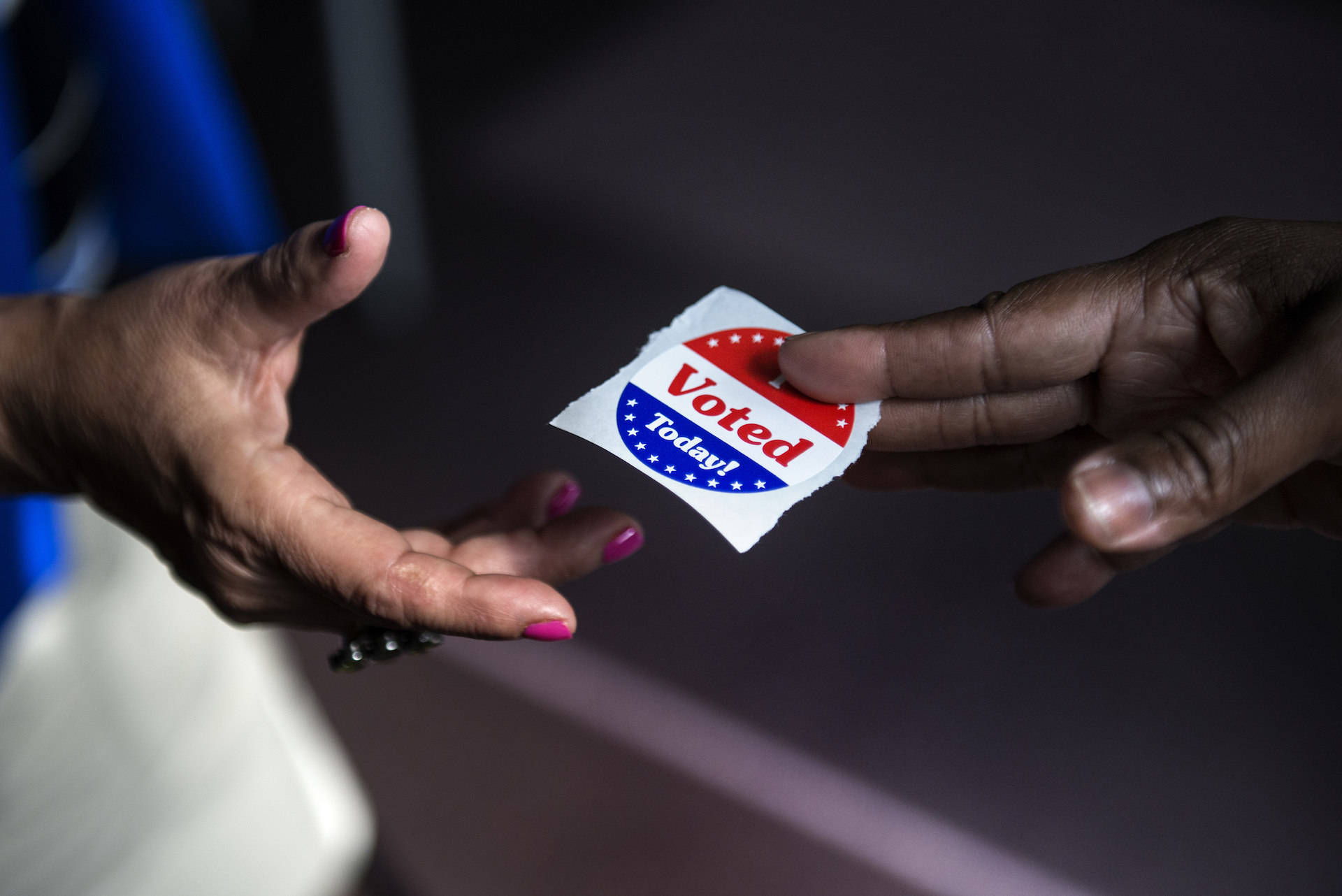
"caption": "A poll worker hands out 'I Voted' stickers.",
"description": "A poll worker hands out \"I Voted\" stickers.",
"title": "US-VOTE-2012-ELECTION",
"credit": "Brendan Smialowski/AFP/Getty Images",
"status": "inherit",
"isLoading": false,
"fetchFailed": false
},
"news_11133805": {
"type": "attachments",
"id": "news_11133805",
"meta": {
"index": "attachments_1716263798",
"site": "news",
"id": "11133805",
"found": true
},
"parent": 11133741,
"imgSizes": {
"twentyfourteen-full-width": {
"file": "https://ww2.kqed.org/app/uploads/sites/10/2016/10/RS6278_104188708-1038x576.jpg",
"width": 1038,
"mimeType": "image/jpeg",
"height": 576
},
"thumbnail": {
"file": "https://ww2.kqed.org/app/uploads/sites/10/2016/10/RS6278_104188708-400x271.jpg",
"width": 400,
"mimeType": "image/jpeg",
"height": 271
},
"fd-sm": {
"file": "https://ww2.kqed.org/app/uploads/sites/10/2016/10/RS6278_104188708-960x650.jpg",
"width": 960,
"mimeType": "image/jpeg",
"height": 650
},
"post-thumbnail": {
"file": "https://ww2.kqed.org/app/uploads/sites/10/2016/10/RS6278_104188708-672x372.jpg",
"width": 672,
"mimeType": "image/jpeg",
"height": 372
},
"kqedFullSize": {
"file": "https://ww2.kqed.org/app/uploads/sites/10/2016/10/RS6278_104188708.jpg",
"width": 4976,
"height": 3368
},
"large": {
"file": "https://ww2.kqed.org/app/uploads/sites/10/2016/10/RS6278_104188708-1920x1300.jpg",
"width": 1920,
"mimeType": "image/jpeg",
"height": 1300
},
"guest-author-50": {
"file": "https://ww2.kqed.org/app/uploads/sites/10/2016/10/RS6278_104188708-50x50.jpg",
"width": 50,
"mimeType": "image/jpeg",
"height": 50
},
"guest-author-96": {
"file": "https://ww2.kqed.org/app/uploads/sites/10/2016/10/RS6278_104188708-96x96.jpg",
"width": 96,
"mimeType": "image/jpeg",
"height": 96
},
"medium": {
"file": "https://ww2.kqed.org/app/uploads/sites/10/2016/10/RS6278_104188708-800x541.jpg",
"width": 800,
"mimeType": "image/jpeg",
"height": 541
},
"guest-author-64": {
"file": "https://ww2.kqed.org/app/uploads/sites/10/2016/10/RS6278_104188708-64x64.jpg",
"width": 64,
"mimeType": "image/jpeg",
"height": 64
},
"guest-author-32": {
"file": "https://ww2.kqed.org/app/uploads/sites/10/2016/10/RS6278_104188708-32x32.jpg",
"width": 32,
"mimeType": "image/jpeg",
"height": 32
},
"jmtc-small-thumb": {
"file": "https://ww2.kqed.org/app/uploads/sites/10/2016/10/RS6278_104188708-280x150.jpg",
"width": 280,
"mimeType": "image/jpeg",
"height": 150
},
"fd-lrg": {
"file": "https://ww2.kqed.org/app/uploads/sites/10/2016/10/RS6278_104188708-1920x1300.jpg",
"width": 1920,
"mimeType": "image/jpeg",
"height": 1300
},
"fd-med": {
"file": "https://ww2.kqed.org/app/uploads/sites/10/2016/10/RS6278_104188708-1180x799.jpg",
"width": 1180,
"mimeType": "image/jpeg",
"height": 799
},
"detail": {
"file": "https://ww2.kqed.org/app/uploads/sites/10/2016/10/RS6278_104188708-150x150.jpg",
"width": 150,
"mimeType": "image/jpeg",
"height": 150
},
"guest-author-128": {
"file": "https://ww2.kqed.org/app/uploads/sites/10/2016/10/RS6278_104188708-128x128.jpg",
"width": 128,
"mimeType": "image/jpeg",
"height": 128
}
},
"publishDate": 1476727250,
"modified": 1476746588,
"caption": "San Francisco’s homeless problem is much more visible than in other large cities because the city has more per capita unsheltered homeless people.",
"description": null,
"title": "RS6278_104188708",
"credit": "Justin Sullivan/Getty Images",
"status": "inherit",
"isLoading": false,
"fetchFailed": false
},
"news_11125723": {
"type": "attachments",
"id": "news_11125723",
"meta": {
"index": "attachments_1716263798",
"site": "news",
"id": "11125723",
"found": true
},
"parent": 11125308,
"imgSizes": {
"twentyfourteen-full-width": {
"file": "https://ww2.kqed.org/app/uploads/sites/10/2016/10/tents-1038x576.jpg",
"width": 1038,
"mimeType": "image/jpeg",
"height": 576
},
"thumbnail": {
"file": "https://ww2.kqed.org/app/uploads/sites/10/2016/10/tents-400x267.jpg",
"width": 400,
"mimeType": "image/jpeg",
"height": 267
},
"fd-sm": {
"file": "https://ww2.kqed.org/app/uploads/sites/10/2016/10/tents-960x641.jpg",
"width": 960,
"mimeType": "image/jpeg",
"height": 641
},
"post-thumbnail": {
"file": "https://ww2.kqed.org/app/uploads/sites/10/2016/10/tents-672x372.jpg",
"width": 672,
"mimeType": "image/jpeg",
"height": 372
},
"kqedFullSize": {
"file": "https://ww2.kqed.org/app/uploads/sites/10/2016/10/tents.jpg",
"width": 1200,
"height": 801
},
"guest-author-50": {
"file": "https://ww2.kqed.org/app/uploads/sites/10/2016/10/tents-50x50.jpg",
"width": 50,
"mimeType": "image/jpeg",
"height": 50
},
"guest-author-96": {
"file": "https://ww2.kqed.org/app/uploads/sites/10/2016/10/tents-96x96.jpg",
"width": 96,
"mimeType": "image/jpeg",
"height": 96
},
"medium": {
"file": "https://ww2.kqed.org/app/uploads/sites/10/2016/10/tents-800x534.jpg",
"width": 800,
"mimeType": "image/jpeg",
"height": 534
},
"guest-author-64": {
"file": "https://ww2.kqed.org/app/uploads/sites/10/2016/10/tents-64x64.jpg",
"width": 64,
"mimeType": "image/jpeg",
"height": 64
},
"guest-author-32": {
"file": "https://ww2.kqed.org/app/uploads/sites/10/2016/10/tents-32x32.jpg",
"width": 32,
"mimeType": "image/jpeg",
"height": 32
},
"jmtc-small-thumb": {
"file": "https://ww2.kqed.org/app/uploads/sites/10/2016/10/tents-280x150.jpg",
"width": 280,
"mimeType": "image/jpeg",
"height": 150
},
"fd-med": {
"file": "https://ww2.kqed.org/app/uploads/sites/10/2016/10/tents-1180x788.jpg",
"width": 1180,
"mimeType": "image/jpeg",
"height": 788
},
"detail": {
"file": "https://ww2.kqed.org/app/uploads/sites/10/2016/10/tents-150x150.jpg",
"width": 150,
"mimeType": "image/jpeg",
"height": 150
},
"guest-author-128": {
"file": "https://ww2.kqed.org/app/uploads/sites/10/2016/10/tents-128x128.jpg",
"width": 128,
"mimeType": "image/jpeg",
"height": 128
}
},
"publishDate": 1476227064,
"modified": 1527808105,
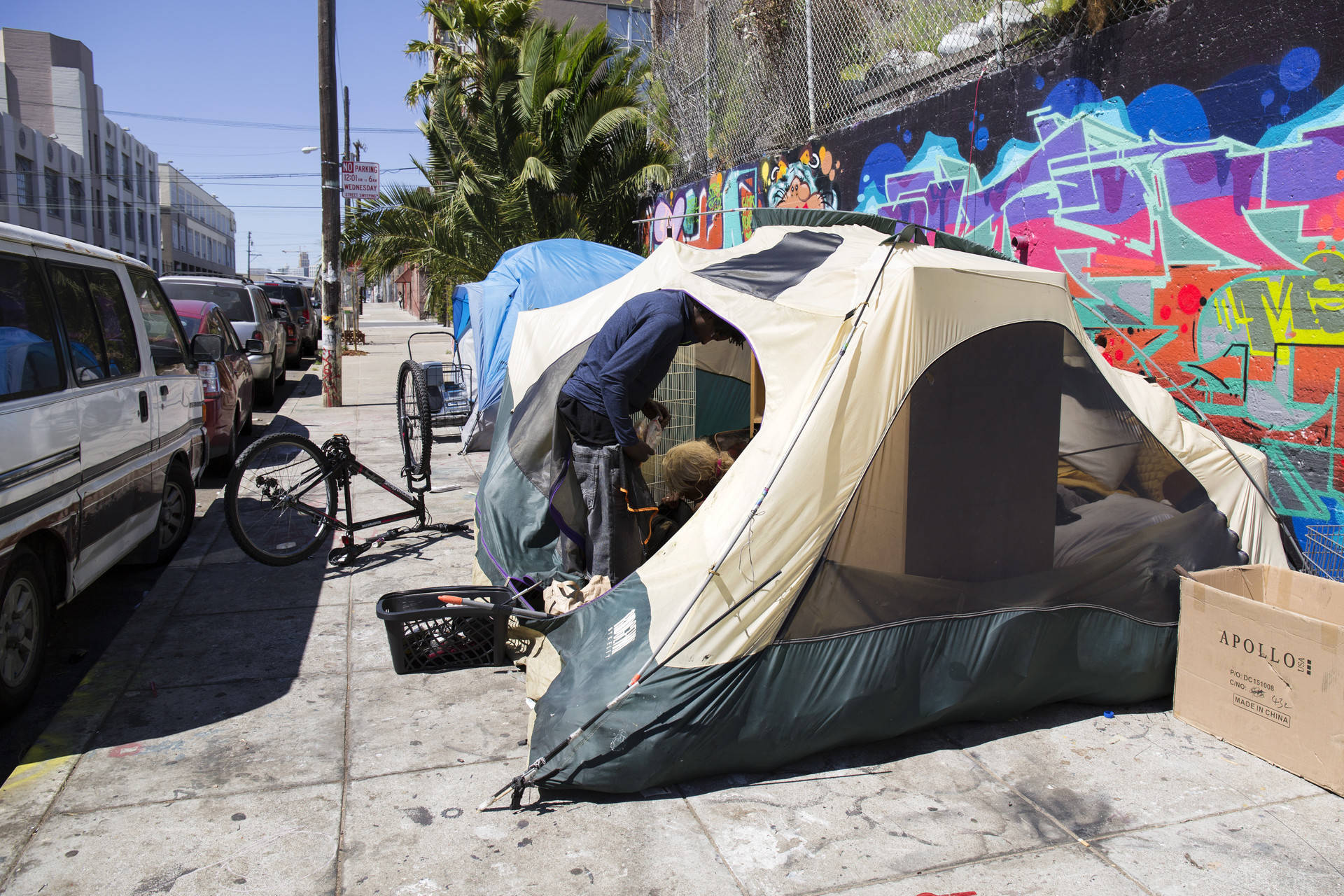
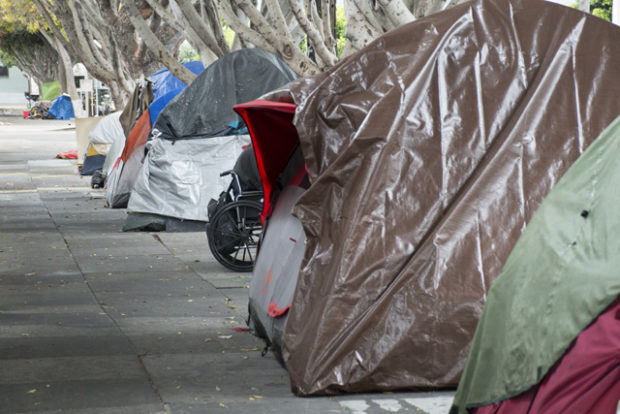
"caption": "An encampment on 19th Street between Folsom and Harrison in September 2016 in the Mission District.",
"description": null,
"title": "tents",
"credit": "Lola M. Chavez",
"status": "inherit",
"isLoading": false,
"fetchFailed": false
},
"news_11120420": {
"type": "attachments",
"id": "news_11120420",
"meta": {
"index": "attachments_1716263798",
"site": "news",
"id": "11120420",
"found": true
},
"parent": 11120258,
"imgSizes": {
"twentyfourteen-full-width": {
"file": "https://ww2.kqed.org/app/uploads/sites/10/2016/10/Florida-St-1038x576.jpg",
"width": 1038,
"mimeType": "image/jpeg",
"height": 576
},
"thumbnail": {
"file": "https://ww2.kqed.org/app/uploads/sites/10/2016/10/Florida-St-400x267.jpg",
"width": 400,
"mimeType": "image/jpeg",
"height": 267
},
"fd-sm": {
"file": "https://ww2.kqed.org/app/uploads/sites/10/2016/10/Florida-St-960x640.jpg",
"width": 960,
"mimeType": "image/jpeg",
"height": 640
},
"post-thumbnail": {
"file": "https://ww2.kqed.org/app/uploads/sites/10/2016/10/Florida-St-672x372.jpg",
"width": 672,
"mimeType": "image/jpeg",
"height": 372
},
"kqedFullSize": {
"file": "https://ww2.kqed.org/app/uploads/sites/10/2016/10/Florida-St.jpg",
"width": 1920,
"height": 1280
},
"large": {
"file": "https://ww2.kqed.org/app/uploads/sites/10/2016/10/Florida-St-1920x1280.jpg",
"width": 1920,
"mimeType": "image/jpeg",
"height": 1280
},
"guest-author-50": {
"file": "https://ww2.kqed.org/app/uploads/sites/10/2016/10/Florida-St-50x50.jpg",
"width": 50,
"mimeType": "image/jpeg",
"height": 50
},
"guest-author-96": {
"file": "https://ww2.kqed.org/app/uploads/sites/10/2016/10/Florida-St-96x96.jpg",
"width": 96,
"mimeType": "image/jpeg",
"height": 96
},
"medium": {
"file": "https://ww2.kqed.org/app/uploads/sites/10/2016/10/Florida-St-800x533.jpg",
"width": 800,
"mimeType": "image/jpeg",
"height": 533
},
"guest-author-64": {
"file": "https://ww2.kqed.org/app/uploads/sites/10/2016/10/Florida-St-64x64.jpg",
"width": 64,
"mimeType": "image/jpeg",
"height": 64
},
"guest-author-32": {
"file": "https://ww2.kqed.org/app/uploads/sites/10/2016/10/Florida-St-32x32.jpg",
"width": 32,
"mimeType": "image/jpeg",
"height": 32
},
"jmtc-small-thumb": {
"file": "https://ww2.kqed.org/app/uploads/sites/10/2016/10/Florida-St-280x150.jpg",
"width": 280,
"mimeType": "image/jpeg",
"height": 150
},
"fd-lrg": {
"file": "https://ww2.kqed.org/app/uploads/sites/10/2016/10/Florida-St-1920x1280.jpg",
"width": 1920,
"mimeType": "image/jpeg",
"height": 1280
},
"fd-med": {
"file": "https://ww2.kqed.org/app/uploads/sites/10/2016/10/Florida-St-1180x787.jpg",
"width": 1180,
"mimeType": "image/jpeg",
"height": 787
},
"detail": {
"file": "https://ww2.kqed.org/app/uploads/sites/10/2016/10/Florida-St-150x150.jpg",
"width": 150,
"mimeType": "image/jpeg",
"height": 150
},
"guest-author-128": {
"file": "https://ww2.kqed.org/app/uploads/sites/10/2016/10/Florida-St-128x128.jpg",
"width": 128,
"mimeType": "image/jpeg",
"height": 128
}
},
"publishDate": 1475884790,
"modified": 1475884850,
"caption": "An encampment on Florida Street in San Francisco's Mission District on June 23.",
"description": "A homeless encampment located on Florida St in the Mission District of San Francisco, Calif. on Thursday, June 23, 2016.",
"title": "Florida St",
"credit": "Brittany Hosea-Small/KQED",
"status": "inherit",
"isLoading": false,
"fetchFailed": false
},
"news_11111218": {
"type": "attachments",
"id": "news_11111218",
"meta": {
"index": "attachments_1716263798",
"site": "news",
"id": "11111218",
"found": true
},
"parent": 11110995,
"imgSizes": {
"twentyfourteen-full-width": {
"file": "https://ww2.kqed.org/app/uploads/sites/10/2016/09/Navigation-Center-1038x576.jpg",
"width": 1038,
"mimeType": "image/jpeg",
"height": 576
},
"thumbnail": {
"file": "https://ww2.kqed.org/app/uploads/sites/10/2016/09/Navigation-Center-400x267.jpg",
"width": 400,
"mimeType": "image/jpeg",
"height": 267
},
"fd-sm": {
"file": "https://ww2.kqed.org/app/uploads/sites/10/2016/09/Navigation-Center-960x640.jpg",
"width": 960,
"mimeType": "image/jpeg",
"height": 640
},
"post-thumbnail": {
"file": "https://ww2.kqed.org/app/uploads/sites/10/2016/09/Navigation-Center-672x372.jpg",
"width": 672,
"mimeType": "image/jpeg",
"height": 372
},
"kqedFullSize": {
"file": "https://ww2.kqed.org/app/uploads/sites/10/2016/09/Navigation-Center.jpg",
"width": 1920,
"height": 1280
},
"large": {
"file": "https://ww2.kqed.org/app/uploads/sites/10/2016/09/Navigation-Center-1920x1280.jpg",
"width": 1920,
"mimeType": "image/jpeg",
"height": 1280
},
"guest-author-50": {
"file": "https://ww2.kqed.org/app/uploads/sites/10/2016/09/Navigation-Center-50x50.jpg",
"width": 50,
"mimeType": "image/jpeg",
"height": 50
},
"guest-author-96": {
"file": "https://ww2.kqed.org/app/uploads/sites/10/2016/09/Navigation-Center-96x96.jpg",
"width": 96,
"mimeType": "image/jpeg",
"height": 96
},
"medium": {
"file": "https://ww2.kqed.org/app/uploads/sites/10/2016/09/Navigation-Center-800x533.jpg",
"width": 800,
"mimeType": "image/jpeg",
"height": 533
},
"guest-author-64": {
"file": "https://ww2.kqed.org/app/uploads/sites/10/2016/09/Navigation-Center-64x64.jpg",
"width": 64,
"mimeType": "image/jpeg",
"height": 64
},
"guest-author-32": {
"file": "https://ww2.kqed.org/app/uploads/sites/10/2016/09/Navigation-Center-32x32.jpg",
"width": 32,
"mimeType": "image/jpeg",
"height": 32
},
"jmtc-small-thumb": {
"file": "https://ww2.kqed.org/app/uploads/sites/10/2016/09/Navigation-Center-280x150.jpg",
"width": 280,
"mimeType": "image/jpeg",
"height": 150
},
"fd-lrg": {
"file": "https://ww2.kqed.org/app/uploads/sites/10/2016/09/Navigation-Center-1920x1280.jpg",
"width": 1920,
"mimeType": "image/jpeg",
"height": 1280
},
"fd-med": {
"file": "https://ww2.kqed.org/app/uploads/sites/10/2016/09/Navigation-Center-1180x787.jpg",
"width": 1180,
"mimeType": "image/jpeg",
"height": 787
},
"detail": {
"file": "https://ww2.kqed.org/app/uploads/sites/10/2016/09/Navigation-Center-150x150.jpg",
"width": 150,
"mimeType": "image/jpeg",
"height": 150
},
"guest-author-128": {
"file": "https://ww2.kqed.org/app/uploads/sites/10/2016/09/Navigation-Center-128x128.jpg",
"width": 128,
"mimeType": "image/jpeg",
"height": 128
}
},
"publishDate": 1475281261,
"modified": 1475284551,
"caption": "Unlike at other shelters, couples are allowed to push their beds together and share their beds with their pets at the Navigation Center in the Mission District.",
"description": null,
"title": "Navigation Center",
"credit": "Deborah Svoboda/KQED",
"status": "inherit",
"isLoading": false,
"fetchFailed": false
},
"news_11100560": {
"type": "attachments",
"id": "news_11100560",
"meta": {
"index": "attachments_1716263798",
"site": "news",
"id": "11100560",
"found": true
},
"parent": 11100554,
"imgSizes": {
"twentyfourteen-full-width": {
"file": "https://ww2.kqed.org/app/uploads/sites/10/2016/09/HomelessKitchen-1038x576.jpg",
"width": 1038,
"mimeType": "image/jpeg",
"height": 576
},
"thumbnail": {
"file": "https://ww2.kqed.org/app/uploads/sites/10/2016/09/HomelessKitchen-400x268.jpg",
"width": 400,
"mimeType": "image/jpeg",
"height": 268
},
"fd-sm": {
"file": "https://ww2.kqed.org/app/uploads/sites/10/2016/09/HomelessKitchen-960x642.jpg",
"width": 960,
"mimeType": "image/jpeg",
"height": 642
},
"post-thumbnail": {
"file": "https://ww2.kqed.org/app/uploads/sites/10/2016/09/HomelessKitchen-672x372.jpg",
"width": 672,
"mimeType": "image/jpeg",
"height": 372
},
"kqedFullSize": {
"file": "https://ww2.kqed.org/app/uploads/sites/10/2016/09/HomelessKitchen.jpg",
"width": 1920,
"height": 1284
},
"large": {
"file": "https://ww2.kqed.org/app/uploads/sites/10/2016/09/HomelessKitchen-1920x1284.jpg",
"width": 1920,
"mimeType": "image/jpeg",
"height": 1284
},
"guest-author-50": {
"file": "https://ww2.kqed.org/app/uploads/sites/10/2016/09/HomelessKitchen-50x50.jpg",
"width": 50,
"mimeType": "image/jpeg",
"height": 50
},
"guest-author-96": {
"file": "https://ww2.kqed.org/app/uploads/sites/10/2016/09/HomelessKitchen-96x96.jpg",
"width": 96,
"mimeType": "image/jpeg",
"height": 96
},
"medium": {
"file": "https://ww2.kqed.org/app/uploads/sites/10/2016/09/HomelessKitchen-800x535.jpg",
"width": 800,
"mimeType": "image/jpeg",
"height": 535
},
"guest-author-64": {
"file": "https://ww2.kqed.org/app/uploads/sites/10/2016/09/HomelessKitchen-64x64.jpg",
"width": 64,
"mimeType": "image/jpeg",
"height": 64
},
"guest-author-32": {
"file": "https://ww2.kqed.org/app/uploads/sites/10/2016/09/HomelessKitchen-32x32.jpg",
"width": 32,
"mimeType": "image/jpeg",
"height": 32
},
"jmtc-small-thumb": {
"file": "https://ww2.kqed.org/app/uploads/sites/10/2016/09/HomelessKitchen-280x150.jpg",
"width": 280,
"mimeType": "image/jpeg",
"height": 150
},
"fd-lrg": {
"file": "https://ww2.kqed.org/app/uploads/sites/10/2016/09/HomelessKitchen-1920x1284.jpg",
"width": 1920,
"mimeType": "image/jpeg",
"height": 1284
},
"fd-med": {
"file": "https://ww2.kqed.org/app/uploads/sites/10/2016/09/HomelessKitchen-1180x789.jpg",
"width": 1180,
"mimeType": "image/jpeg",
"height": 789
},
"detail": {
"file": "https://ww2.kqed.org/app/uploads/sites/10/2016/09/HomelessKitchen-150x150.jpg",
"width": 150,
"mimeType": "image/jpeg",
"height": 150
},
"guest-author-128": {
"file": "https://ww2.kqed.org/app/uploads/sites/10/2016/09/HomelessKitchen-128x128.jpg",
"width": 128,
"mimeType": "image/jpeg",
"height": 128
}
},
"publishDate": 1474661225,
"modified": 1474666583,
"caption": "Homeless men tuck into a homemade evening meal at Proyecto Pastoral on July 13, 2016. The organization has been providing 90-day temporary shelter and meals to homeless men for years.",
"description": "Homeless men tuck into a homemade evening meal at Proyecto Pastoral on July 13, 2016. The organization has been providing 90-day temporary shelter and meals to homeless men for more than 20 years.",
"title": "HomelessKitchen",
"credit": "Dan Tuffs/KPCC",
"status": "inherit",
"isLoading": false,
"fetchFailed": false
},
"news_11086732": {
"type": "attachments",
"id": "news_11086732",
"meta": {
"index": "attachments_1716263798",
"site": "news",
"id": "11086732",
"found": true
},
"parent": 11086731,
"imgSizes": {
"jmtc-small-thumb": {
"file": "https://ww2.kqed.org/app/uploads/sites/10/2016/09/DSC_6361-620x414-280x150.jpg",
"width": 280,
"mimeType": "image/jpeg",
"height": 150
},
"thumbnail": {
"file": "https://ww2.kqed.org/app/uploads/sites/10/2016/09/DSC_6361-620x414-400x267.jpg",
"width": 400,
"mimeType": "image/jpeg",
"height": 267
},
"post-thumbnail": {
"file": "https://ww2.kqed.org/app/uploads/sites/10/2016/09/DSC_6361-620x414-620x372.jpg",
"width": 620,
"mimeType": "image/jpeg",
"height": 372
},
"kqedFullSize": {
"file": "https://ww2.kqed.org/app/uploads/sites/10/2016/09/DSC_6361-620x414.jpg",
"width": 620,
"height": 414
},
"guest-author-50": {
"file": "https://ww2.kqed.org/app/uploads/sites/10/2016/09/DSC_6361-620x414-50x50.jpg",
"width": 50,
"mimeType": "image/jpeg",
"height": 50
},
"guest-author-96": {
"file": "https://ww2.kqed.org/app/uploads/sites/10/2016/09/DSC_6361-620x414-96x96.jpg",
"width": 96,
"mimeType": "image/jpeg",
"height": 96
},
"guest-author-64": {
"file": "https://ww2.kqed.org/app/uploads/sites/10/2016/09/DSC_6361-620x414-64x64.jpg",
"width": 64,
"mimeType": "image/jpeg",
"height": 64
},
"detail": {
"file": "https://ww2.kqed.org/app/uploads/sites/10/2016/09/DSC_6361-620x414-150x150.jpg",
"width": 150,
"mimeType": "image/jpeg",
"height": 150
},
"guest-author-32": {
"file": "https://ww2.kqed.org/app/uploads/sites/10/2016/09/DSC_6361-620x414-32x32.jpg",
"width": 32,
"mimeType": "image/jpeg",
"height": 32
},
"guest-author-128": {
"file": "https://ww2.kqed.org/app/uploads/sites/10/2016/09/DSC_6361-620x414-128x128.jpg",
"width": 128,
"mimeType": "image/jpeg",
"height": 128
}
},
"publishDate": 1473797579,
"modified": 1473798497,
"caption": "The encampment on 19th Street between Folsom and Harrison streets in San Francisco.",
"description": null,
"title": "DSC_6361-620x414",
"credit": "Lola M. Chavez/Mission Local",
"status": "inherit",
"isLoading": false,
"fetchFailed": false
}
},
"audioPlayerReducer": {
"postId": "stream_live",
"isPaused": true,
"isPlaying": false,
"pfsActive": false,
"pledgeModalIsOpen": true,
"playerDrawerIsOpen": false,
"liveAudioPlayStartedAt": 0,
"liveAudioPlayContext": ""
},
"authorsReducer": {
"byline_news_11208050": {
"type": "authors",
"id": "byline_news_11208050",
"meta": {
"override": true
},
"slug": "byline_news_11208050",
"name": "\u003cstrong>Nailah Morgan\u003c/strong>",
"isLoading": false
},
"byline_news_11140127": {
"type": "authors",
"id": "byline_news_11140127",
"meta": {
"override": true
},
"slug": "byline_news_11140127",
"name": "\u003cstrong>Laura Waxmann \u003cbr> Mission Local\u003c/strong>",
"isLoading": false
},
"byline_news_11133741": {
"type": "authors",
"id": "byline_news_11133741",
"meta": {
"override": true
},
"slug": "byline_news_11133741",
"name": "\u003cb> Weekend Edition \u003c/b>",
"isLoading": false
},
"byline_news_11125308": {
"type": "authors",
"id": "byline_news_11125308",
"meta": {
"override": true
},
"slug": "byline_news_11125308",
"name": "\u003cstrong>\u003ca href=\"http://missionlocal.org/author/rafaelr/\">Rafael Roy\u003c/a>\u003cbr />\u003ca href=\"http://missionlocal.org/\">Mission Local\u003c/a>\u003c/strong>",
"isLoading": false
},
"byline_news_11100554": {
"type": "authors",
"id": "byline_news_11100554",
"meta": {
"override": true
},
"slug": "byline_news_11100554",
"name": "\u003cstrong>\u003ca href=\"http://www.scpr.org/about/people/staff/leslie-berestein-rojas\">Leslie Berestein Rojas\u003c/a>\u003cbr>\u003ca href=\"http://www.scpr.org/\">KPCC\u003c/a>\u003c/strong>",
"isLoading": false
},
"byline_news_11086731": {
"type": "authors",
"id": "byline_news_11086731",
"meta": {
"override": true
},
"slug": "byline_news_11086731",
"name": "\u003cstrong>\u003ca href=\"http://missionlocal.org/author/joer/\">Joe Rivano Barros\u003c/a>\u003cbr />\u003ca href=\"http://missionlocal.org/\">Mission Local\u003c/a>\u003c/strong>",
"isLoading": false
},
"scuevas": {
"type": "authors",
"id": "2600",
"meta": {
"index": "authors_1716337520",
"id": "2600",
"found": true
},
"name": "Steven Cuevas",
"firstName": "Steven",
"lastName": "Cuevas",
"slug": "scuevas",
"email": "scuevas@kqed.org",
"display_author_email": false,
"staff_mastheads": [],
"title": "KQED Contributor",
"bio": "Steven is a former Los Angeles bureau chief for The California Report.\r\n\r\nHe reports on an array of issues across the Southland, from immigration and regional politics to religion, the performing arts and pop culture.\r\n\r\nPrior to joining KQED in 2012, Steven covered Inland southern California for KPCC in Pasadena. He also helped establish the first newsroom at \u003ca href=\"http://kut.org/\">KUT\u003c/a> in Austin, Texas where he was a general assignment reporter.\r\n\r\nSteven has received numerous awards for his reporting including an RTNDA Edward R. Murrow Award for investigative reporting in addition to awards from the LA Press Club, the Associated Press and the Society for Professional Journalists.\r\n\r\nSteven grew up in and around San Francisco and now lives in Pasadena just a short jog from the foot of the San Gabriel Mountains.",
"avatar": "https://secure.gravatar.com/avatar/bbb0bb7b496f83ab350e23ad0dc7c81c?s=600&d=blank&r=g",
"twitter": null,
"facebook": null,
"instagram": null,
"linkedin": null,
"sites": [
{
"site": "news",
"roles": [
"contributor"
]
},
{
"site": "stateofhealth",
"roles": [
"author"
]
}
],
"headData": {
"title": "Steven Cuevas | KQED",
"description": "KQED Contributor",
"ogImgSrc": "https://secure.gravatar.com/avatar/bbb0bb7b496f83ab350e23ad0dc7c81c?s=600&d=blank&r=g",
"twImgSrc": "https://secure.gravatar.com/avatar/bbb0bb7b496f83ab350e23ad0dc7c81c?s=600&d=blank&r=g"
},
"isLoading": false,
"link": "/author/scuevas"
},
"bwillon": {
"type": "authors",
"id": "3207",
"meta": {
"index": "authors_1716337520",
"id": "3207",
"found": true
},
"name": "Beth Willon",
"firstName": "Beth",
"lastName": "Willon",
"slug": "bwillon",
"email": "bwillon@kqed.org",
"display_author_email": false,
"staff_mastheads": [],
"title": "KQED Contributor",
"bio": "Beth Willon is a former senior reporter for KQED's Silicon Valley News Desk in San Jose. (@KQEDNews )\r\n\r\n@BethWillon",
"avatar": "https://secure.gravatar.com/avatar/3533b741c785d6a97e8b283e7f65606d?s=600&d=blank&r=g",
"twitter": null,
"facebook": null,
"instagram": null,
"linkedin": null,
"sites": [
{
"site": "news",
"roles": [
"subscriber"
]
}
],
"headData": {
"title": "Beth Willon | KQED",
"description": "KQED Contributor",
"ogImgSrc": "https://secure.gravatar.com/avatar/3533b741c785d6a97e8b283e7f65606d?s=600&d=blank&r=g",
"twImgSrc": "https://secure.gravatar.com/avatar/3533b741c785d6a97e8b283e7f65606d?s=600&d=blank&r=g"
},
"isLoading": false,
"link": "/author/bwillon"
},
"lklivans": {
"type": "authors",
"id": "8648",
"meta": {
"index": "authors_1716337520",
"id": "8648",
"found": true
},
"name": "Laura Klivans",
"firstName": "Laura",
"lastName": "Klivans",
"slug": "lklivans",
"email": "lklivans@kqed.org",
"display_author_email": true,
"staff_mastheads": [
"news",
"science"
],
"title": "Reporter",
"bio": "Laura Klivans is an award-winning science reporter for KQED News, where she covers climate change with an eye on both groundbreaking progress and gaps in action. She is the former host of KQED's blockbuster video series about tiny, amazing animals, \u003cem>Deep Look\u003c/em>. Her work reaches national audiences through NPR, \u003cem>Here & Now, \u003c/em>PRI, and other major outlets. \r\n\r\nLaura’s won five Northern California Area Emmy Awards for Deep Look and First Place in the Greater Bay Area Journalism Awards for a podcast exploring how one Oakland neighborhood teamed up to reduce planet-heating pollution.\r\n\r\nBeyond her reporting, she hosts and moderates events. In the past, she taught audio storytelling at the UC Berkeley Graduate School of Journalism, led international education programs, worked with immigrants and refugees along the Thai-Burmese border, taught high schoolers sex ed, and was an actress. \r\n\r\nShe's a former UC Berkeley Human Rights Fellow, USC Center for Health Journalism's California Fellow and Coro Fellow in Public Affairs. Laura has a master’s in journalism from UC Berkeley, a master’s in education from Harvard, and an undergraduate degree from Northwestern University.\r\n\r\nShe loves trying to riddle the meaning out of vanity license plates.",
"avatar": "https://secure.gravatar.com/avatar/af8e757bb8ce7b7fee6160ba66e37327?s=600&d=blank&r=g",
"twitter": "lauraklivans",
"facebook": null,
"instagram": null,
"linkedin": null,
"sites": [
{
"site": "news",
"roles": [
"editor"
]
},
{
"site": "stateofhealth",
"roles": [
"contributor",
"editor"
]
},
{
"site": "science",
"roles": [
"editor"
]
},
{
"site": "forum",
"roles": [
"editor"
]
}
],
"headData": {
"title": "Laura Klivans | KQED",
"description": "Reporter",
"ogImgSrc": "https://secure.gravatar.com/avatar/af8e757bb8ce7b7fee6160ba66e37327?s=600&d=blank&r=g",
"twImgSrc": "https://secure.gravatar.com/avatar/af8e757bb8ce7b7fee6160ba66e37327?s=600&d=blank&r=g"
},
"isLoading": false,
"link": "/author/lklivans"
},
"bhoseasmall": {
"type": "authors",
"id": "11256",
"meta": {
"index": "authors_1716337520",
"id": "11256",
"found": true
},
"name": "Brittany Hosea-Small",
"firstName": "Brittany",
"lastName": "Hosea-Small",
"slug": "bhoseasmall",
"email": "bhoseasmall@KQED.org",
"display_author_email": false,
"staff_mastheads": [],
"title": "KQED Contributor",
"bio": "Brittany Hosea-Small is a former KQED News visual journalism intern focusing on photography and videography. Brittany started her journalism career at UC Berkeley’s Graduate school of Journalism, where she is specializing in Photojournalism and will be graduating in May of 2017. Prior to coming to KQED Brittany worked as a photography intern for the San Francisco Chronicle where she covered news stories ranging from local bay area celebrations, to the arrival of President Barack Obama on Airforce One in San Francisco. Recently Brittany was awarded the 2016 Bob Schmidt Scholarship from the Sacramento Press Club. You can reach her by email at bhoseasmall@kqed.org or follow her on Instragram (@brittanykirstinphoto) and Twitter (@brittanykirstin).",
"avatar": "https://secure.gravatar.com/avatar/84f2bbcb9d027b6db40e86c761c8ff65?s=600&d=blank&r=g",
"twitter": "@BrittanyKirstin",
"facebook": null,
"instagram": null,
"linkedin": null,
"sites": [
{
"site": "news",
"roles": [
"subscriber"
]
}
],
"headData": {
"title": "Brittany Hosea-Small | KQED",
"description": "KQED Contributor",
"ogImgSrc": "https://secure.gravatar.com/avatar/84f2bbcb9d027b6db40e86c761c8ff65?s=600&d=blank&r=g",
"twImgSrc": "https://secure.gravatar.com/avatar/84f2bbcb9d027b6db40e86c761c8ff65?s=600&d=blank&r=g"
},
"isLoading": false,
"link": "/author/bhoseasmall"
},
"rlevi": {
"type": "authors",
"id": "11260",
"meta": {
"index": "authors_1716337520",
"id": "11260",
"found": true
},
"name": "Ryan Levi",
"firstName": "Ryan",
"lastName": "Levi",
"slug": "rlevi",
"email": "rlevi@KQED.org",
"display_author_email": false,
"staff_mastheads": [],
"title": "KQED Contributor",
"bio": "Ryan Levi was a reporter and podcast producer at KQED News from 2016-2019. He worked on \u003ca href=\"https://www.kqed.org/news/series/baycurious\">Bay Curious\u003c/a>, \u003ca href=\"https://www.kqed.org/news/tag/the-bay/\">The Bay, \u003c/a>and \u003ca href=\"https://podcasts.apple.com/us/podcast/the-california-report-magazine/id1314750545\">The California Report Magazine\u003c/a>, as well as hosting and producing the weekly \u003ca href=\"https://www.kqed.org/news/program/qedup/\">Q'ed Up podcast. \u003c/a>He also helped inaugurate KQED's weekend news coverage in 2017 as one of two original digital producers. Ryan holds degrees in multimedia journalism and Spanish from the University of Missouri.",
"avatar": "https://secure.gravatar.com/avatar/4cb2ddd028ac8807d1adf09609c5555d?s=600&d=blank&r=g",
"twitter": "ryan_levi",
"facebook": null,
"instagram": null,
"linkedin": null,
"sites": [
{
"site": "arts",
"roles": [
"editor"
]
},
{
"site": "news",
"roles": [
"subscriber"
]
},
{
"site": "stateofhealth",
"roles": [
"editor"
]
},
{
"site": "science",
"roles": [
"editor"
]
},
{
"site": "forum",
"roles": [
"administrator"
]
},
{
"site": "perspectives",
"roles": [
"administrator"
]
}
],
"headData": {
"title": "Ryan Levi | KQED",
"description": "KQED Contributor",
"ogImgSrc": "https://secure.gravatar.com/avatar/4cb2ddd028ac8807d1adf09609c5555d?s=600&d=blank&r=g",
"twImgSrc": "https://secure.gravatar.com/avatar/4cb2ddd028ac8807d1adf09609c5555d?s=600&d=blank&r=g"
},
"isLoading": false,
"link": "/author/rlevi"
}
},
"pagesReducer": {
"news_tag_homelessness": {
"type": "terms",
"id": "news_4020",
"meta": {
"index": "terms_1716263798",
"site": "news",
"id": "4020",
"score": 8.5546055
},
"name": "Homelessness",
"slug": "homelessness",
"taxonomy": "tag",
"description": null,
"featImg": null,
"headData": {
"title": "Homelessness | KQED News",
"description": null,
"ogTitle": null,
"ogDescription": null,
"ogImgId": null,
"twTitle": null,
"twDescription": null,
"twImgId": null,
"metaRobotsNoIndex": "index"
},
"ttid": 4039,
"isLoading": false,
"title": "Homelessness",
"pageMeta": {
"site": "news",
"WpPageTemplate": "page-topic-editorial",
"currentPage": 57
},
"blocks": [
{
"blockName": "kqed/post-list",
"attrs": {
"layout": "cardArticle2",
"query": "posts/news?tag=homelessness",
"seeMore": false,
"paginated": true,
"page": 57
}
},
{
"blockName": "kqed/ad"
}
]
}
},
"pfsSessionReducer": {},
"postsReducer": {
"stream_live": {
"type": "live",
"id": "stream_live",
"audioUrl": "https://streams.kqed.org/kqedradio",
"title": "Live Stream",
"excerpt": "Live Stream information currently unavailable.",
"link": "/radio",
"featImg": "",
"label": {
"name": "KQED Live",
"link": "/"
}
},
"stream_kqedNewscast": {
"type": "posts",
"id": "stream_kqedNewscast",
"audioUrl": "https://www.kqed.org/.stream/anon/radio/RDnews/newscast.mp3?_=1",
"title": "KQED Newscast",
"featImg": "",
"label": {
"name": "88.5 FM",
"link": "/"
}
},
"news_11209642": {
"type": "posts",
"id": "news_11209642",
"meta": {
"index": "posts_1716263798",
"site": "news",
"id": "11209642",
"score": null,
"sort": [
1481236605000
]
},
"parent": 0,
"labelTerm": {
"site": "news",
"term": 72
},
"blocks": [],
"publishDate": 1481236605,
"format": "standard",
"disqusTitle": "A Family's Yearlong Homeless Odyssey Takes a Turn for the Better",
"title": "A Family's Yearlong Homeless Odyssey Takes a Turn for the Better",
"headTitle": "SF Homeless Project | The California Report | KQED News",
"content": "\u003cp>Karima Aucar and her six brothers and sisters were nothing short of gleeful moving into their new home in Daly City after a year of sleeping in a van, on a garage floor and in transitional low-income housing.\u003c/p>\n\u003cp>\"I don't think we're supposed to be here,\" giggled 13-year-old Karima as she peered over a fence. \"This is the neighbor's fence.\"\u003c/p>\n\u003cp>The teenager beamed as she explored her new digs and appeared far more at ease and unburdened than when we \u003ca href=\"https://ww2.kqed.org/news/2016/06/30/what-happens-when-one-working-family-becomes-homeless/\" target=\"_blank\">first met in June\u003c/a>. Back then she was living with her family in transitional housing provided by \u003ca href=\"http://lifemoves.org/\" target=\"_blank\">LifeMoves\u003c/a> in San Mateo after months of sleeping on a garage floor.\u003c/p>\n\u003cp>[soundcloud url=\"https://api.soundcloud.com/tracks/296760012\" params=\"color=ff5500&auto_play=false&hide_related=false&show_comments=true&show_user=true&show_reposts=false\" width=\"100%\" height=\"166\" iframe=\"true\" /]\u003c/p>\n\u003cp>\"Well, it's like better than sleeping on a cold floor,\" Karima said last June before she started to cry. \"I had to wake up on my birthday sleeping on the floor, and I didn't get to celebrate it because my parents didn't have any money. It was hard.\"\u003c/p>\n\u003cp>[ad fullwidth]\u003c/p>\n\u003cp>In December 2015, the Aucar family were pushed out of their $2,400-a-month home they rented in Daly City for 10 years when the landlord decided to sell it. They had few options because they couldn't afford to pay the new skyrocketing rents. So the family of nine moved into Karima's grandmother's studio apartment nearby, but the neighbors complained. They then slept in the family's large van until it got so cold they ended up back at Karima's grandmother's place. This time they were sleeping in the studio's garage. They had to hide like outlaws, getting up early and returning late at night so the neighbors wouldn't complain.\u003c/p>\n\u003cp>As the kids moved into their new home last weekend, their dad, Shauky Aucar, said he hopes the past year will soon become a dim memory for his children and wife. For him, it's tough to shake off.\u003c/p>\n\u003cp>\"It's a process we never thought we would ever get past. But thank God we did,\" Aucar said, as he began to cry.\u003c/p>\n\u003cp>For 24 years, Aucar has worked full time as an orderly at UC San Francisco Medical Center taking people in and out of surgery. He continued working when the family became homeless, but he said it wasn't until he put his pride aside and asked for help that things started changing. He knew his children were watching his every move, and he couldn't let despair take over.\u003c/p>\n\u003cp>\"If the leader gets broken, the rest of the team is going to get broken,\" Aucar said.\u003c/p>\n\u003cp>LiveMoves, a comprehensive program providing shelters, transitional housing and emergency placement in San Mateo and Santa Clara counties, stepped up to help the Aucar family. Case manager Christopher Samayoa helped the family navigate through two transitional housing situations and moved them into their new home. He said even though the Aucars had their story on KQED in June and many people reached out to help, it was hard getting landlords to rent to them because they were homeless.\u003c/p>\n\u003cfigure id=\"attachment_11211186\" class=\"wp-caption aligncenter\" style=\"max-width: 800px\">\u003cimg class=\"wp-image-11211186 size-medium\" src=\"http://ww2.kqed.org/news/wp-content/uploads/sites/10/2016/12/aucar-1920-800x600.jpg\" alt=\"The Aucar family in their new Daly City home.\" width=\"800\" height=\"600\" srcset=\"https://ww2.kqed.org/app/uploads/sites/10/2016/12/aucar-1920-800x600.jpg 800w, https://ww2.kqed.org/app/uploads/sites/10/2016/12/aucar-1920-160x120.jpg 160w, https://ww2.kqed.org/app/uploads/sites/10/2016/12/aucar-1920-1020x765.jpg 1020w, https://ww2.kqed.org/app/uploads/sites/10/2016/12/aucar-1920.jpg 1920w, https://ww2.kqed.org/app/uploads/sites/10/2016/12/aucar-1920-1180x885.jpg 1180w, https://ww2.kqed.org/app/uploads/sites/10/2016/12/aucar-1920-960x720.jpg 960w, https://ww2.kqed.org/app/uploads/sites/10/2016/12/aucar-1920-240x180.jpg 240w, https://ww2.kqed.org/app/uploads/sites/10/2016/12/aucar-1920-375x281.jpg 375w, https://ww2.kqed.org/app/uploads/sites/10/2016/12/aucar-1920-520x390.jpg 520w\" sizes=\"(max-width: 800px) 100vw, 800px\">\u003cfigcaption class=\"wp-caption-text\">The seven Aucar children help their parents organize the kitchen in their Daly City home. \u003ccite>(Beth Willon/KQED)\u003c/cite>\u003c/figcaption>\u003c/figure>\n\u003cp>\"There's a real stigma,\" Samayoa said.\u003c/p>\n\u003cp>And, he said, there were other factors.\u003c/p>\n\u003cp>\"Usually it starts when they noticed there was a language barrier and secondly once they noticed how many kids they had in the household,\" Samayoa said.\u003c/p>\n\u003cp>And add to that, the Aucars had a housing voucher from the San Mateo County Department of Housing to cover part of their rent. Samayoa said it's often difficult to get landlords to accept them.\u003c/p>\n\u003cp>That's when Jon Rock, a housing locator for \u003ca href=\"http://abodeservices.org/\" target=\"_blank\">Abode Services\u003c/a>, entered the picture and found a landlord who would rent the Aucars a five-bedroom home for $4,300 a month. Now, he said, the Aucars must keep up with the payments of about $2,145 a month.\u003c/p>\n\u003cp>\"The true test is now going forward,\" said Rock.\u003c/p>\n\u003cp>And the Aucars are planning for the future. All seven kids are in school, and their mom is, too. Norma Aucar is now taking English and accounting classes at a community college. The oldest daughter, 21-year-old Anshi Aucar, stayed in community college during her homeless ordeal and is thinking about going to medical school. Karima, who didn't have a birthday party last year, is planning a big celebration in her new home when she turns 14 years old.\u003c/p>\n\u003cp>\u003c/p>\n\u003cp>\"So I'm pretty sure it's going to be better this year. Have all my friends over, eat cake and a lot of candy,\" Karima said with an enormous smile.\u003c/p>\n\n",
"disqusIdentifier": "11209642 http://ww2.kqed.org/news/?p=11209642",
"disqusUrl": "https://ww2.kqed.org/news/2016/12/08/a-familys-yearlong-homeless-odyssey-takes-a-turn-for-the-better/",
"stats": {
"hasVideo": false,
"hasChartOrMap": false,
"hasAudio": false,
"hasPolis": false,
"wordCount": 809,
"hasGoogleForm": false,
"hasGallery": false,
"hasHearkenModule": false,
"iframeSrcs": [],
"paragraphCount": 21
},
"modified": 1481308802,
"excerpt": "'It's a process we never thought we would never get past. But thank God we did.'",
"headData": {
"twImgId": "",
"twTitle": "",
"ogTitle": "",
"ogImgId": "",
"twDescription": "",
"description": "'It's a process we never thought we would never get past. But thank God we did.'",
"title": "A Family's Yearlong Homeless Odyssey Takes a Turn for the Better | KQED",
"ogDescription": "",
"schema": {
"@context": "https://schema.org",
"@type": "NewsArticle",
"headline": "A Family's Yearlong Homeless Odyssey Takes a Turn for the Better",
"datePublished": "2016-12-08T14:36:45-08:00",
"dateModified": "2016-12-09T10:40:02-08:00",
"image": "https://cdn.kqed.org/wp-content/uploads/2020/02/KQED-OG-Image@1x.png",
"isAccessibleForFree": "True",
"publisher": {
"@type": "NewsMediaOrganization",
"@id": "https://www.kqed.org/#organization",
"name": "KQED",
"logo": "https://cdn.kqed.org/wp-content/uploads/2020/02/KQED-OG-Image@1x.png",
"url": "https://www.kqed.org",
"sameAs": [
"https://www.facebook.com/KQED",
"https://twitter.com/KQED",
"https://www.instagram.com/kqed/",
"https://www.tiktok.com/@kqedofficial",
"https://www.linkedin.com/company/kqed",
"https://www.youtube.com/channel/UCeC0IOo7i1P_61zVUWbJ4nw"
]
}
}
},
"guestAuthors": [],
"slug": "a-familys-yearlong-homeless-odyssey-takes-a-turn-for-the-better",
"status": "publish",
"path": "/news/11209642/a-familys-yearlong-homeless-odyssey-takes-a-turn-for-the-better",
"audioTrackLength": null,
"parsedContent": [
{
"type": "contentString",
"content": "\u003cdiv class=\"post-body\">\u003cp>\u003cp>Karima Aucar and her six brothers and sisters were nothing short of gleeful moving into their new home in Daly City after a year of sleeping in a van, on a garage floor and in transitional low-income housing.\u003c/p>\n\u003cp>\"I don't think we're supposed to be here,\" giggled 13-year-old Karima as she peered over a fence. \"This is the neighbor's fence.\"\u003c/p>\n\u003cp>The teenager beamed as she explored her new digs and appeared far more at ease and unburdened than when we \u003ca href=\"https://ww2.kqed.org/news/2016/06/30/what-happens-when-one-working-family-becomes-homeless/\" target=\"_blank\">first met in June\u003c/a>. Back then she was living with her family in transitional housing provided by \u003ca href=\"http://lifemoves.org/\" target=\"_blank\">LifeMoves\u003c/a> in San Mateo after months of sleeping on a garage floor.\u003c/p>\n\u003cp>\u003c/p>\u003cp>\u003cdiv class='utils-parseShortcode-shortcodes-__shortcodes__shortcodeWrapper'>\n \u003ciframe width='100%' height='166'\n scrolling='no' frameborder='no'\n src='https://w.soundcloud.com/player/?url=https://api.soundcloud.com/tracks/296760012&visual=true&color=ff5500&auto_play=false&hide_related=false&show_comments=true&show_user=true&show_reposts=false'\n title='https://api.soundcloud.com/tracks/296760012'>\n \u003c/iframe>\n \u003c/div>\u003c/p>\u003cp>\u003c/p>\n\u003cp>\"Well, it's like better than sleeping on a cold floor,\" Karima said last June before she started to cry. \"I had to wake up on my birthday sleeping on the floor, and I didn't get to celebrate it because my parents didn't have any money. It was hard.\"\u003c/p>\n\u003cp>\u003c/p>\u003c/div>",
"attributes": {
"named": {},
"numeric": []
}
},
{
"type": "component",
"content": "",
"name": "ad",
"attributes": {
"named": {
"label": "fullwidth"
},
"numeric": [
"fullwidth"
]
}
},
{
"type": "contentString",
"content": "\u003cdiv class=\"post-body\">\u003cp>\u003c/p>\n\u003cp>In December 2015, the Aucar family were pushed out of their $2,400-a-month home they rented in Daly City for 10 years when the landlord decided to sell it. They had few options because they couldn't afford to pay the new skyrocketing rents. So the family of nine moved into Karima's grandmother's studio apartment nearby, but the neighbors complained. They then slept in the family's large van until it got so cold they ended up back at Karima's grandmother's place. This time they were sleeping in the studio's garage. They had to hide like outlaws, getting up early and returning late at night so the neighbors wouldn't complain.\u003c/p>\n\u003cp>As the kids moved into their new home last weekend, their dad, Shauky Aucar, said he hopes the past year will soon become a dim memory for his children and wife. For him, it's tough to shake off.\u003c/p>\n\u003cp>\"It's a process we never thought we would ever get past. But thank God we did,\" Aucar said, as he began to cry.\u003c/p>\n\u003cp>For 24 years, Aucar has worked full time as an orderly at UC San Francisco Medical Center taking people in and out of surgery. He continued working when the family became homeless, but he said it wasn't until he put his pride aside and asked for help that things started changing. He knew his children were watching his every move, and he couldn't let despair take over.\u003c/p>\n\u003cp>\"If the leader gets broken, the rest of the team is going to get broken,\" Aucar said.\u003c/p>\n\u003cp>LiveMoves, a comprehensive program providing shelters, transitional housing and emergency placement in San Mateo and Santa Clara counties, stepped up to help the Aucar family. Case manager Christopher Samayoa helped the family navigate through two transitional housing situations and moved them into their new home. He said even though the Aucars had their story on KQED in June and many people reached out to help, it was hard getting landlords to rent to them because they were homeless.\u003c/p>\n\u003cfigure id=\"attachment_11211186\" class=\"wp-caption aligncenter\" style=\"max-width: 800px\">\u003cimg class=\"wp-image-11211186 size-medium\" src=\"http://ww2.kqed.org/news/wp-content/uploads/sites/10/2016/12/aucar-1920-800x600.jpg\" alt=\"The Aucar family in their new Daly City home.\" width=\"800\" height=\"600\" srcset=\"https://ww2.kqed.org/app/uploads/sites/10/2016/12/aucar-1920-800x600.jpg 800w, https://ww2.kqed.org/app/uploads/sites/10/2016/12/aucar-1920-160x120.jpg 160w, https://ww2.kqed.org/app/uploads/sites/10/2016/12/aucar-1920-1020x765.jpg 1020w, https://ww2.kqed.org/app/uploads/sites/10/2016/12/aucar-1920.jpg 1920w, https://ww2.kqed.org/app/uploads/sites/10/2016/12/aucar-1920-1180x885.jpg 1180w, https://ww2.kqed.org/app/uploads/sites/10/2016/12/aucar-1920-960x720.jpg 960w, https://ww2.kqed.org/app/uploads/sites/10/2016/12/aucar-1920-240x180.jpg 240w, https://ww2.kqed.org/app/uploads/sites/10/2016/12/aucar-1920-375x281.jpg 375w, https://ww2.kqed.org/app/uploads/sites/10/2016/12/aucar-1920-520x390.jpg 520w\" sizes=\"(max-width: 800px) 100vw, 800px\">\u003cfigcaption class=\"wp-caption-text\">The seven Aucar children help their parents organize the kitchen in their Daly City home. \u003ccite>(Beth Willon/KQED)\u003c/cite>\u003c/figcaption>\u003c/figure>\n\u003cp>\"There's a real stigma,\" Samayoa said.\u003c/p>\n\u003cp>And, he said, there were other factors.\u003c/p>\n\u003cp>\"Usually it starts when they noticed there was a language barrier and secondly once they noticed how many kids they had in the household,\" Samayoa said.\u003c/p>\n\u003cp>And add to that, the Aucars had a housing voucher from the San Mateo County Department of Housing to cover part of their rent. Samayoa said it's often difficult to get landlords to accept them.\u003c/p>\n\u003cp>That's when Jon Rock, a housing locator for \u003ca href=\"http://abodeservices.org/\" target=\"_blank\">Abode Services\u003c/a>, entered the picture and found a landlord who would rent the Aucars a five-bedroom home for $4,300 a month. Now, he said, the Aucars must keep up with the payments of about $2,145 a month.\u003c/p>\n\u003cp>\"The true test is now going forward,\" said Rock.\u003c/p>\n\u003cp>And the Aucars are planning for the future. All seven kids are in school, and their mom is, too. Norma Aucar is now taking English and accounting classes at a community college. The oldest daughter, 21-year-old Anshi Aucar, stayed in community college during her homeless ordeal and is thinking about going to medical school. Karima, who didn't have a birthday party last year, is planning a big celebration in her new home when she turns 14 years old.\u003c/p>\n\u003cp>\u003c/p>\n\u003cp>\"So I'm pretty sure it's going to be better this year. Have all my friends over, eat cake and a lot of candy,\" Karima said with an enormous smile.\u003c/p>\n\n\u003c/div>\u003c/p>",
"attributes": {
"named": {},
"numeric": []
}
}
],
"link": "/news/11209642/a-familys-yearlong-homeless-odyssey-takes-a-turn-for-the-better",
"authors": [
"3207"
],
"programs": [
"news_6944",
"news_72"
],
"series": [
"news_19491"
],
"categories": [
"news_6266",
"news_8"
],
"tags": [
"news_4020"
],
"featImg": "news_11209730",
"label": "news_72"
},
"news_11200562": {
"type": "posts",
"id": "news_11200562",
"meta": {
"index": "posts_1716263798",
"site": "news",
"id": "11200562",
"score": null,
"sort": [
1481216429000
]
},
"guestAuthors": [],
"slug": "homelessu-a-college-students-life-without-shelter",
"title": "Homeless U: A College Student's Life Without Shelter",
"publishDate": 1481216429,
"format": "image",
"headTitle": "Homeless U: A College Student’s Life Without Shelter | KQED",
"labelTerm": {
"term": 72,
"site": "news"
},
"content": "\u003cp>“Most people don’t think that if you’re in college that you could possibly be homeless,” says social work professor Rashida Crutchfield of California State Long Beach. But her research has uncovered a troubling world where students struggle to survive both in and out of the classroom.\u003c/p>\n\u003cp>A \u003ca href=\"http://www.calstate.edu/AcadAff/documents/ServingDisplacedandFoodInsecureStudetnsintheCSUJanuary20163.8.16.pdf\" target=\"_blank\" rel=\"noopener\">study \u003c/a>conducted by Cal State University revealed nearly one in 10 students in that system is homeless or teetering on the brink of homelessness. A \u003ca href=\"http://cceal.org/food-housing-report/\" target=\"_blank\" rel=\"noopener\">similar study\u003c/a> conducted at the community college level found this number to be almost one in three students.\u003c/p>\n\u003cp>Experts say the homeless undergraduate population is largely invisible: They often look just like the average student. To put a face on the issue, we followed a Laney College student, 24-year-old Brittany Jones, as she navigates the streets, classrooms and “safe spaces” that make up her world.\u003c/p>\n\u003cp>[soundcloud url=”https://api.soundcloud.com/tracks/297579027″ params=”auto_play=false&hide_related=false&show_comments=true&show_user=true&show_reposts=false&visual=true” width=”100%” height=”470″ iframe=”true” /]\u003c/p>\n\u003cfigure id=\"attachment_11200565\" class=\"wp-caption aligncenter\" style=\"max-width: 800px\">\u003cimg loading=\"lazy\" decoding=\"async\" class=\"wp-image-11200565 size-medium\" src=\"http://ww2.kqed.org/news/wp-content/uploads/sites/10/2016/12/161118_BrittanyJones_bhs03-800x533.jpg\" alt=\"Brittany Jones, a student at Laney College, makes her way from class to her storage unit in West Oakland. Jones is currently homeless and spends up to three hours a day at her storage unit organizing her belongings, doing homework, or relaxing. \" width=\"800\" height=\"533\" srcset=\"https://cdn.kqed.org/wp-content/uploads/sites/10/2016/12/161118_BrittanyJones_bhs03-800x533.jpg 800w, https://cdn.kqed.org/wp-content/uploads/sites/10/2016/12/161118_BrittanyJones_bhs03-160x107.jpg 160w, https://cdn.kqed.org/wp-content/uploads/sites/10/2016/12/161118_BrittanyJones_bhs03-1020x680.jpg 1020w, https://cdn.kqed.org/wp-content/uploads/sites/10/2016/12/161118_BrittanyJones_bhs03.jpg 1920w, https://cdn.kqed.org/wp-content/uploads/sites/10/2016/12/161118_BrittanyJones_bhs03-1180x787.jpg 1180w, https://cdn.kqed.org/wp-content/uploads/sites/10/2016/12/161118_BrittanyJones_bhs03-960x640.jpg 960w, https://cdn.kqed.org/wp-content/uploads/sites/10/2016/12/161118_BrittanyJones_bhs03-240x160.jpg 240w, https://cdn.kqed.org/wp-content/uploads/sites/10/2016/12/161118_BrittanyJones_bhs03-375x250.jpg 375w, https://cdn.kqed.org/wp-content/uploads/sites/10/2016/12/161118_BrittanyJones_bhs03-520x347.jpg 520w\" sizes=\"auto, (max-width: 800px) 100vw, 800px\">\u003cfigcaption class=\"wp-caption-text\">Brittany Jones boards a train on her way to her storage unit in West Oakland. “I know BART like the back of my hand,” she says. She spends several hours a day on BART getting around, or just spending time there as a way to rest. \u003ccite>(Brittany Hosea-Small/KQED)\u003c/cite>\u003c/figcaption>\u003c/figure>\n\u003cfigure id=\"attachment_11200566\" class=\"wp-caption aligncenter\" style=\"max-width: 800px\">\u003cimg loading=\"lazy\" decoding=\"async\" class=\"size-medium wp-image-11200566\" src=\"http://ww2.kqed.org/news/wp-content/uploads/sites/10/2016/12/161118_BrittanyJones_bhs05-800x533.jpg\" alt=\"Brittany Jones, a student at Laney College, spends a lot of time on Bart going back and forth between school, work and her storage unit in West Oakland. Jones is currently homeless and spends up to three hours a day at her storage unit organizing her belongings, doing homework, or relaxing. \" width=\"800\" height=\"533\" srcset=\"https://cdn.kqed.org/wp-content/uploads/sites/10/2016/12/161118_BrittanyJones_bhs05-800x533.jpg 800w, https://cdn.kqed.org/wp-content/uploads/sites/10/2016/12/161118_BrittanyJones_bhs05-160x107.jpg 160w, https://cdn.kqed.org/wp-content/uploads/sites/10/2016/12/161118_BrittanyJones_bhs05-1020x680.jpg 1020w, https://cdn.kqed.org/wp-content/uploads/sites/10/2016/12/161118_BrittanyJones_bhs05.jpg 1920w, https://cdn.kqed.org/wp-content/uploads/sites/10/2016/12/161118_BrittanyJones_bhs05-1180x787.jpg 1180w, https://cdn.kqed.org/wp-content/uploads/sites/10/2016/12/161118_BrittanyJones_bhs05-960x640.jpg 960w, https://cdn.kqed.org/wp-content/uploads/sites/10/2016/12/161118_BrittanyJones_bhs05-240x160.jpg 240w, https://cdn.kqed.org/wp-content/uploads/sites/10/2016/12/161118_BrittanyJones_bhs05-375x250.jpg 375w, https://cdn.kqed.org/wp-content/uploads/sites/10/2016/12/161118_BrittanyJones_bhs05-520x347.jpg 520w\" sizes=\"auto, (max-width: 800px) 100vw, 800px\">\u003cfigcaption class=\"wp-caption-text\">Riding the train, Brittany Jones looks for jobs on Craigslist on her phone. She’s currently unemployed, but in the past she’s worked in overnight security or as a grocery stocker. She wants something similar now. In the meantime, some state grants through the school help her get by. \u003ccite>(Brittany Hosea-Small/KQED)\u003c/cite>\u003c/figcaption>\u003c/figure>\n\u003cfigure id=\"attachment_11200567\" class=\"wp-caption aligncenter\" style=\"max-width: 800px\">\u003cimg loading=\"lazy\" decoding=\"async\" class=\"wp-image-11200567 size-medium\" src=\"http://ww2.kqed.org/news/wp-content/uploads/sites/10/2016/12/161118_BrittanyJones_bhs09-800x533.jpg\" alt=\"Brittany Jones pushes a set of portable stairs down the hallway of her storage unit.\" width=\"800\" height=\"533\" srcset=\"https://cdn.kqed.org/wp-content/uploads/sites/10/2016/12/161118_BrittanyJones_bhs09-800x533.jpg 800w, https://cdn.kqed.org/wp-content/uploads/sites/10/2016/12/161118_BrittanyJones_bhs09-160x107.jpg 160w, https://cdn.kqed.org/wp-content/uploads/sites/10/2016/12/161118_BrittanyJones_bhs09-1020x680.jpg 1020w, https://cdn.kqed.org/wp-content/uploads/sites/10/2016/12/161118_BrittanyJones_bhs09.jpg 1920w, https://cdn.kqed.org/wp-content/uploads/sites/10/2016/12/161118_BrittanyJones_bhs09-1180x787.jpg 1180w, https://cdn.kqed.org/wp-content/uploads/sites/10/2016/12/161118_BrittanyJones_bhs09-960x640.jpg 960w, https://cdn.kqed.org/wp-content/uploads/sites/10/2016/12/161118_BrittanyJones_bhs09-240x160.jpg 240w, https://cdn.kqed.org/wp-content/uploads/sites/10/2016/12/161118_BrittanyJones_bhs09-375x250.jpg 375w, https://cdn.kqed.org/wp-content/uploads/sites/10/2016/12/161118_BrittanyJones_bhs09-520x347.jpg 520w\" sizes=\"auto, (max-width: 800px) 100vw, 800px\">\u003cfigcaption class=\"wp-caption-text\">Brittany Jones’ life is a fine dance of details and logistics: Will she have enough money for dinner tonight? Will she be able to sneak into the seat next to the secret power outlet on BART to charge her phone? Will she find a free set of metal stairs so she can access her upper-level storage locker? \u003ccite>(Brittany Hosea-Small/KQED)\u003c/cite>\u003c/figcaption>\u003c/figure>\n\u003cfigure id=\"attachment_11200568\" class=\"wp-caption aligncenter\" style=\"max-width: 800px\">\u003cimg loading=\"lazy\" decoding=\"async\" class=\"wp-image-11200568 size-medium\" src=\"http://ww2.kqed.org/news/wp-content/uploads/sites/10/2016/12/161118_BrittanyJones_bhs10-800x533.jpg\" alt=\"Brittany Jones goes through her belongings in storage unit to put together clothes for the upcoming weekend.\" width=\"800\" height=\"533\" srcset=\"https://cdn.kqed.org/wp-content/uploads/sites/10/2016/12/161118_BrittanyJones_bhs10-800x533.jpg 800w, https://cdn.kqed.org/wp-content/uploads/sites/10/2016/12/161118_BrittanyJones_bhs10-160x107.jpg 160w, https://cdn.kqed.org/wp-content/uploads/sites/10/2016/12/161118_BrittanyJones_bhs10-1020x680.jpg 1020w, https://cdn.kqed.org/wp-content/uploads/sites/10/2016/12/161118_BrittanyJones_bhs10.jpg 1920w, https://cdn.kqed.org/wp-content/uploads/sites/10/2016/12/161118_BrittanyJones_bhs10-1180x787.jpg 1180w, https://cdn.kqed.org/wp-content/uploads/sites/10/2016/12/161118_BrittanyJones_bhs10-960x640.jpg 960w, https://cdn.kqed.org/wp-content/uploads/sites/10/2016/12/161118_BrittanyJones_bhs10-240x160.jpg 240w, https://cdn.kqed.org/wp-content/uploads/sites/10/2016/12/161118_BrittanyJones_bhs10-375x250.jpg 375w, https://cdn.kqed.org/wp-content/uploads/sites/10/2016/12/161118_BrittanyJones_bhs10-520x347.jpg 520w\" sizes=\"auto, (max-width: 800px) 100vw, 800px\">\u003cfigcaption class=\"wp-caption-text\">Brittany Jones’ storage locker is one of her few “safe spaces.” She spends up to three hours a day here, organizing her things, doing homework and writing in her journal. Her most significant possessions are in here, including a picture of her mother, who passed away when Jones was just 5 years old. \u003ccite>(Brittany Hosea-Small/KQED)\u003c/cite>\u003c/figcaption>\u003c/figure>\n\u003cfigure id=\"attachment_11200569\" class=\"wp-caption aligncenter\" style=\"max-width: 800px\">\u003cimg loading=\"lazy\" decoding=\"async\" class=\"wp-image-11200569 size-medium\" src=\"http://ww2.kqed.org/news/wp-content/uploads/sites/10/2016/12/161118_BrittanyJones_bhs11-800x533.jpg\" alt=\"Brittany Jones, a student at Laney College, is currently homeless and spends up to three hours a day at her storage unit organizing her belongings, doing homework, or relaxing. \" width=\"800\" height=\"533\" srcset=\"https://cdn.kqed.org/wp-content/uploads/sites/10/2016/12/161118_BrittanyJones_bhs11-800x533.jpg 800w, https://cdn.kqed.org/wp-content/uploads/sites/10/2016/12/161118_BrittanyJones_bhs11-160x107.jpg 160w, https://cdn.kqed.org/wp-content/uploads/sites/10/2016/12/161118_BrittanyJones_bhs11-1020x680.jpg 1020w, https://cdn.kqed.org/wp-content/uploads/sites/10/2016/12/161118_BrittanyJones_bhs11.jpg 1920w, https://cdn.kqed.org/wp-content/uploads/sites/10/2016/12/161118_BrittanyJones_bhs11-1180x787.jpg 1180w, https://cdn.kqed.org/wp-content/uploads/sites/10/2016/12/161118_BrittanyJones_bhs11-960x640.jpg 960w, https://cdn.kqed.org/wp-content/uploads/sites/10/2016/12/161118_BrittanyJones_bhs11-240x160.jpg 240w, https://cdn.kqed.org/wp-content/uploads/sites/10/2016/12/161118_BrittanyJones_bhs11-375x250.jpg 375w, https://cdn.kqed.org/wp-content/uploads/sites/10/2016/12/161118_BrittanyJones_bhs11-520x347.jpg 520w\" sizes=\"auto, (max-width: 800px) 100vw, 800px\">\u003cfigcaption class=\"wp-caption-text\">Brittany Jones prepares her bag for the next 24 hours. “I take a pair of clothes I’m going to change into, a pair of underclothes,” she says. She even carries small containers of laundry detergent. “I’m on the go, so everything is on the go,” she says. \u003ccite>(Brittany Hosea-Small/KQED)\u003c/cite>\u003c/figcaption>\u003c/figure>\n\u003cfigure id=\"attachment_11200570\" class=\"wp-caption aligncenter\" style=\"max-width: 800px\">\u003cimg loading=\"lazy\" decoding=\"async\" class=\"wp-image-11200570 size-medium\" src=\"http://ww2.kqed.org/news/wp-content/uploads/sites/10/2016/12/161118_BrittanyJones_bhs14-800x533.jpg\" alt=\"Brittany Jones, a student at Laney College is currently homeless. Jones trades off between staying at friends or relatives houses and sleeping on Bart in the early mornings before school.\" width=\"800\" height=\"533\" srcset=\"https://cdn.kqed.org/wp-content/uploads/sites/10/2016/12/161118_BrittanyJones_bhs14-800x533.jpg 800w, https://cdn.kqed.org/wp-content/uploads/sites/10/2016/12/161118_BrittanyJones_bhs14-160x107.jpg 160w, https://cdn.kqed.org/wp-content/uploads/sites/10/2016/12/161118_BrittanyJones_bhs14-1020x680.jpg 1020w, https://cdn.kqed.org/wp-content/uploads/sites/10/2016/12/161118_BrittanyJones_bhs14.jpg 1920w, https://cdn.kqed.org/wp-content/uploads/sites/10/2016/12/161118_BrittanyJones_bhs14-1180x787.jpg 1180w, https://cdn.kqed.org/wp-content/uploads/sites/10/2016/12/161118_BrittanyJones_bhs14-960x640.jpg 960w, https://cdn.kqed.org/wp-content/uploads/sites/10/2016/12/161118_BrittanyJones_bhs14-240x160.jpg 240w, https://cdn.kqed.org/wp-content/uploads/sites/10/2016/12/161118_BrittanyJones_bhs14-375x250.jpg 375w, https://cdn.kqed.org/wp-content/uploads/sites/10/2016/12/161118_BrittanyJones_bhs14-520x347.jpg 520w\" sizes=\"auto, (max-width: 800px) 100vw, 800px\">\u003cfigcaption class=\"wp-caption-text\">Brittany Jones’ parents both passed away when she was a child. Since then, she’s bounced between foster homes and the houses of friends and relatives. She’s close to counselors at school and select friends and family members. Largely, though, she draws on inner strength. “I just try to be my own support system, be my own encouragement,” she says. \u003ccite>(Brittany Hosea-Small/KQED)\u003c/cite>\u003c/figcaption>\u003c/figure>\n\u003cfigure id=\"attachment_11200571\" class=\"wp-caption aligncenter\" style=\"max-width: 800px\">\u003cimg loading=\"lazy\" decoding=\"async\" class=\"wp-image-11200571 size-medium\" src=\"http://ww2.kqed.org/news/wp-content/uploads/sites/10/2016/12/161118_BrittanyJones_bhs15-800x533.jpg\" alt=\"Brittany Jones, a student at Laney College, makes her way from class to her storage unit in West Oakland. Jones is currently homeless and spends up to three hours a day at her storage unit organizing her belongings, doing homework, or relaxing. \" width=\"800\" height=\"533\" srcset=\"https://cdn.kqed.org/wp-content/uploads/sites/10/2016/12/161118_BrittanyJones_bhs15-800x533.jpg 800w, https://cdn.kqed.org/wp-content/uploads/sites/10/2016/12/161118_BrittanyJones_bhs15-160x107.jpg 160w, https://cdn.kqed.org/wp-content/uploads/sites/10/2016/12/161118_BrittanyJones_bhs15-1020x680.jpg 1020w, https://cdn.kqed.org/wp-content/uploads/sites/10/2016/12/161118_BrittanyJones_bhs15.jpg 1920w, https://cdn.kqed.org/wp-content/uploads/sites/10/2016/12/161118_BrittanyJones_bhs15-1180x787.jpg 1180w, https://cdn.kqed.org/wp-content/uploads/sites/10/2016/12/161118_BrittanyJones_bhs15-960x640.jpg 960w, https://cdn.kqed.org/wp-content/uploads/sites/10/2016/12/161118_BrittanyJones_bhs15-240x160.jpg 240w, https://cdn.kqed.org/wp-content/uploads/sites/10/2016/12/161118_BrittanyJones_bhs15-375x250.jpg 375w, https://cdn.kqed.org/wp-content/uploads/sites/10/2016/12/161118_BrittanyJones_bhs15-520x347.jpg 520w\" sizes=\"auto, (max-width: 800px) 100vw, 800px\">\u003cfigcaption class=\"wp-caption-text\">Since Brittany Jones aged out of the foster care system five years ago, she’s largely been homeless. She lost her most recent spot in a group home a year ago when she violated a policy, letting in a guest when she wasn’t supposed to. \u003ccite>(Brittany Hosea-Small/KQED)\u003c/cite>\u003c/figcaption>\u003c/figure>\n\u003cfigure id=\"attachment_11200572\" class=\"wp-caption aligncenter\" style=\"max-width: 800px\">\u003cimg loading=\"lazy\" decoding=\"async\" class=\"wp-image-11200572 size-medium\" src=\"http://ww2.kqed.org/news/wp-content/uploads/sites/10/2016/12/161118_BrittanyJones_bhs16-800x533.jpg\" alt=\"Brittany Jones, a student at Laney College is currently homeless. Jones trades off between staying at friends or relatives houses and sleeping on Bart in the early mornings before school.\" width=\"800\" height=\"533\" srcset=\"https://cdn.kqed.org/wp-content/uploads/sites/10/2016/12/161118_BrittanyJones_bhs16-800x533.jpg 800w, https://cdn.kqed.org/wp-content/uploads/sites/10/2016/12/161118_BrittanyJones_bhs16-160x107.jpg 160w, https://cdn.kqed.org/wp-content/uploads/sites/10/2016/12/161118_BrittanyJones_bhs16-1020x680.jpg 1020w, https://cdn.kqed.org/wp-content/uploads/sites/10/2016/12/161118_BrittanyJones_bhs16.jpg 1920w, https://cdn.kqed.org/wp-content/uploads/sites/10/2016/12/161118_BrittanyJones_bhs16-1180x787.jpg 1180w, https://cdn.kqed.org/wp-content/uploads/sites/10/2016/12/161118_BrittanyJones_bhs16-960x640.jpg 960w, https://cdn.kqed.org/wp-content/uploads/sites/10/2016/12/161118_BrittanyJones_bhs16-240x160.jpg 240w, https://cdn.kqed.org/wp-content/uploads/sites/10/2016/12/161118_BrittanyJones_bhs16-375x250.jpg 375w, https://cdn.kqed.org/wp-content/uploads/sites/10/2016/12/161118_BrittanyJones_bhs16-520x347.jpg 520w\" sizes=\"auto, (max-width: 800px) 100vw, 800px\">\u003cfigcaption class=\"wp-caption-text\">Since losing her own housing, Brittany Jones relies on others to offer her a place to stay each night. She texts friends during the day, but never asks outright if she can spend the night. She doesn’t want to impose. Eventually, one of Jones’ friends replies and asks if Jones is coming to meet her — a coded invitation. \u003ccite>(Brittany Hosea-Small/KQED)\u003c/cite>\u003c/figcaption>\u003c/figure>\n\u003cfigure id=\"attachment_11200573\" class=\"wp-caption aligncenter\" style=\"max-width: 800px\">\u003cimg loading=\"lazy\" decoding=\"async\" class=\"wp-image-11200573 size-medium\" src=\"http://ww2.kqed.org/news/wp-content/uploads/sites/10/2016/12/161129_BrittanyJones_bhs17-800x533.jpg\" alt=\"Brittany Jones, a student at Laney College, is currently homeless and often sleeps on the Bart train in the early mornings before school.\" width=\"800\" height=\"533\" srcset=\"https://cdn.kqed.org/wp-content/uploads/sites/10/2016/12/161129_BrittanyJones_bhs17-800x533.jpg 800w, https://cdn.kqed.org/wp-content/uploads/sites/10/2016/12/161129_BrittanyJones_bhs17-160x107.jpg 160w, https://cdn.kqed.org/wp-content/uploads/sites/10/2016/12/161129_BrittanyJones_bhs17-1020x680.jpg 1020w, https://cdn.kqed.org/wp-content/uploads/sites/10/2016/12/161129_BrittanyJones_bhs17.jpg 1920w, https://cdn.kqed.org/wp-content/uploads/sites/10/2016/12/161129_BrittanyJones_bhs17-1180x787.jpg 1180w, https://cdn.kqed.org/wp-content/uploads/sites/10/2016/12/161129_BrittanyJones_bhs17-960x640.jpg 960w, https://cdn.kqed.org/wp-content/uploads/sites/10/2016/12/161129_BrittanyJones_bhs17-240x160.jpg 240w, https://cdn.kqed.org/wp-content/uploads/sites/10/2016/12/161129_BrittanyJones_bhs17-375x250.jpg 375w, https://cdn.kqed.org/wp-content/uploads/sites/10/2016/12/161129_BrittanyJones_bhs17-520x347.jpg 520w\" sizes=\"auto, (max-width: 800px) 100vw, 800px\">\u003cfigcaption class=\"wp-caption-text\">Back on BART, Brittany Jones heads to Richmond, where she’ll meet up with her friend. She takes a rest in a familiar place on the train. On nights when she isn’t staying inside anywhere, she’ll stay awake in a 24-hour restaurant or ride San Francisco’s all-night buses before she boards the earliest BART train of the day, sleeping until the rush-hour crowd arrives. \u003ccite>(Brittany Hosea-Small/KQED)\u003c/cite>\u003c/figcaption>\u003c/figure>\n\u003cfigure id=\"attachment_11200574\" class=\"wp-caption aligncenter\" style=\"max-width: 800px\">\u003cimg loading=\"lazy\" decoding=\"async\" class=\"wp-image-11200574 size-medium\" src=\"http://ww2.kqed.org/news/wp-content/uploads/sites/10/2016/12/161129_BrittanyJones_bhs21-800x533.jpg\" alt=\"Brittany Jones checks her phone on her way to her grandmother’s house in Richmond. Her bright red bag carries all off her clothes she’ll need for the weekend before she goes back to her storage unit for more. \" width=\"800\" height=\"533\" srcset=\"https://cdn.kqed.org/wp-content/uploads/sites/10/2016/12/161129_BrittanyJones_bhs21-800x533.jpg 800w, https://cdn.kqed.org/wp-content/uploads/sites/10/2016/12/161129_BrittanyJones_bhs21-160x107.jpg 160w, https://cdn.kqed.org/wp-content/uploads/sites/10/2016/12/161129_BrittanyJones_bhs21-1020x680.jpg 1020w, https://cdn.kqed.org/wp-content/uploads/sites/10/2016/12/161129_BrittanyJones_bhs21.jpg 1920w, https://cdn.kqed.org/wp-content/uploads/sites/10/2016/12/161129_BrittanyJones_bhs21-1180x787.jpg 1180w, https://cdn.kqed.org/wp-content/uploads/sites/10/2016/12/161129_BrittanyJones_bhs21-960x640.jpg 960w, https://cdn.kqed.org/wp-content/uploads/sites/10/2016/12/161129_BrittanyJones_bhs21-240x160.jpg 240w, https://cdn.kqed.org/wp-content/uploads/sites/10/2016/12/161129_BrittanyJones_bhs21-375x250.jpg 375w, https://cdn.kqed.org/wp-content/uploads/sites/10/2016/12/161129_BrittanyJones_bhs21-520x347.jpg 520w\" sizes=\"auto, (max-width: 800px) 100vw, 800px\">\u003cfigcaption class=\"wp-caption-text\">Brittany Jones checks in with her friend as she makes her way over. Her bright red bag is full of clothes, toiletries, homework and more. \u003ccite>(Brittany Hosea-Small/KQED)\u003c/cite>\u003c/figcaption>\u003c/figure>\n\u003cfigure id=\"attachment_11200575\" class=\"wp-caption aligncenter\" style=\"max-width: 800px\">\u003cimg loading=\"lazy\" decoding=\"async\" class=\"wp-image-11200575 size-medium\" src=\"http://ww2.kqed.org/news/wp-content/uploads/sites/10/2016/12/161129_BrittanyJones_bhs23-800x533.jpg\" alt=\"Brittany Jones arrives at her grandmother’s house in Richmond to wait until she knows where she’ll be staying for the night.\" width=\"800\" height=\"533\" srcset=\"https://cdn.kqed.org/wp-content/uploads/sites/10/2016/12/161129_BrittanyJones_bhs23-800x533.jpg 800w, https://cdn.kqed.org/wp-content/uploads/sites/10/2016/12/161129_BrittanyJones_bhs23-160x107.jpg 160w, https://cdn.kqed.org/wp-content/uploads/sites/10/2016/12/161129_BrittanyJones_bhs23-1020x680.jpg 1020w, https://cdn.kqed.org/wp-content/uploads/sites/10/2016/12/161129_BrittanyJones_bhs23.jpg 1920w, https://cdn.kqed.org/wp-content/uploads/sites/10/2016/12/161129_BrittanyJones_bhs23-1180x787.jpg 1180w, https://cdn.kqed.org/wp-content/uploads/sites/10/2016/12/161129_BrittanyJones_bhs23-960x640.jpg 960w, https://cdn.kqed.org/wp-content/uploads/sites/10/2016/12/161129_BrittanyJones_bhs23-240x160.jpg 240w, https://cdn.kqed.org/wp-content/uploads/sites/10/2016/12/161129_BrittanyJones_bhs23-375x250.jpg 375w, https://cdn.kqed.org/wp-content/uploads/sites/10/2016/12/161129_BrittanyJones_bhs23-520x347.jpg 520w\" sizes=\"auto, (max-width: 800px) 100vw, 800px\">\u003cfigcaption class=\"wp-caption-text\">Brittany Jones meets her friend in Richmond. Tonight she’ll sleep on the floor of her friend’s bedroom. \u003ccite>(Brittany Hosea-Small/KQED)\u003c/cite>\u003c/figcaption>\u003c/figure>\n\u003cp>[ad fullwidth]\u003c/p>\u003cp>\u003c/p>\n",
"blocks": [],
"excerpt": "We followed a Laney College student, 24-year-old Brittany Jones, as she navigates the streets, classrooms and 'safe spaces' that make up her world.",
"status": "publish",
"parent": 0,
"modified": 1740529955,
"stats": {
"hasAudio": false,
"hasVideo": false,
"hasChartOrMap": false,
"iframeSrcs": [],
"hasGoogleForm": false,
"hasGallery": false,
"hasHearkenModule": false,
"hasPolis": false,
"paragraphCount": 6,
"wordCount": 804
},
"headData": {
"title": "Homeless U: A College Student's Life Without Shelter | KQED",
"description": "We followed a Laney College student, 24-year-old Brittany Jones, as she navigates the streets, classrooms and 'safe spaces' that make up her world.",
"ogTitle": "",
"ogDescription": "",
"ogImgId": "",
"twTitle": "",
"twDescription": "",
"twImgId": "",
"schema": {
"@context": "https://schema.org",
"@type": "NewsArticle",
"headline": "Homeless U: A College Student's Life Without Shelter",
"datePublished": "2016-12-08T09:00:29-08:00",
"dateModified": "2025-02-25T16:32:35-08:00",
"image": "https://cdn.kqed.org/wp-content/uploads/2020/02/KQED-OG-Image@1x.png",
"isAccessibleForFree": "True",
"publisher": {
"@type": "NewsMediaOrganization",
"@id": "https://www.kqed.org/#organization",
"name": "KQED",
"logo": "https://cdn.kqed.org/wp-content/uploads/2020/02/KQED-OG-Image@1x.png",
"url": "https://www.kqed.org",
"sameAs": [
"https://www.facebook.com/KQED",
"https://twitter.com/KQED",
"https://www.instagram.com/kqed/",
"https://www.tiktok.com/@kqedofficial",
"https://www.linkedin.com/company/kqed",
"https://www.youtube.com/channel/UCeC0IOo7i1P_61zVUWbJ4nw"
]
}
}
},
"sticky": false,
"path": "/news/11200562/homelessu-a-college-students-life-without-shelter",
"audioTrackLength": null,
"parsedContent": [
{
"type": "contentString",
"content": "\u003cdiv class=\"post-body\">\u003cp>\u003cp>“Most people don’t think that if you’re in college that you could possibly be homeless,” says social work professor Rashida Crutchfield of California State Long Beach. But her research has uncovered a troubling world where students struggle to survive both in and out of the classroom.\u003c/p>\n\u003cp>A \u003ca href=\"http://www.calstate.edu/AcadAff/documents/ServingDisplacedandFoodInsecureStudetnsintheCSUJanuary20163.8.16.pdf\" target=\"_blank\" rel=\"noopener\">study \u003c/a>conducted by Cal State University revealed nearly one in 10 students in that system is homeless or teetering on the brink of homelessness. A \u003ca href=\"http://cceal.org/food-housing-report/\" target=\"_blank\" rel=\"noopener\">similar study\u003c/a> conducted at the community college level found this number to be almost one in three students.\u003c/p>\n\u003cp>Experts say the homeless undergraduate population is largely invisible: They often look just like the average student. To put a face on the issue, we followed a Laney College student, 24-year-old Brittany Jones, as she navigates the streets, classrooms and “safe spaces” that make up her world.\u003c/p>\n\u003cp>\u003c/p>\u003cp>\u003cdiv class='utils-parseShortcode-shortcodes-__shortcodes__shortcodeWrapper'>\n \u003ciframe width='”100%”' height='”470″'\n scrolling='no' frameborder='no'\n src='https://w.soundcloud.com/player/?url=”https://api.soundcloud.com/tracks/297579027″&visual=true&”auto_play=false&hide_related=false&show_comments=true&show_user=true&show_reposts=false&visual=true”'\n title='”https://api.soundcloud.com/tracks/297579027″'>\n \u003c/iframe>\n \u003c/div>\u003c/p>\u003cp>\u003c/p>\n\u003cfigure id=\"attachment_11200565\" class=\"wp-caption aligncenter\" style=\"max-width: 800px\">\u003cimg loading=\"lazy\" decoding=\"async\" class=\"wp-image-11200565 size-medium\" src=\"http://ww2.kqed.org/news/wp-content/uploads/sites/10/2016/12/161118_BrittanyJones_bhs03-800x533.jpg\" alt=\"Brittany Jones, a student at Laney College, makes her way from class to her storage unit in West Oakland. Jones is currently homeless and spends up to three hours a day at her storage unit organizing her belongings, doing homework, or relaxing. \" width=\"800\" height=\"533\" srcset=\"https://cdn.kqed.org/wp-content/uploads/sites/10/2016/12/161118_BrittanyJones_bhs03-800x533.jpg 800w, https://cdn.kqed.org/wp-content/uploads/sites/10/2016/12/161118_BrittanyJones_bhs03-160x107.jpg 160w, https://cdn.kqed.org/wp-content/uploads/sites/10/2016/12/161118_BrittanyJones_bhs03-1020x680.jpg 1020w, https://cdn.kqed.org/wp-content/uploads/sites/10/2016/12/161118_BrittanyJones_bhs03.jpg 1920w, https://cdn.kqed.org/wp-content/uploads/sites/10/2016/12/161118_BrittanyJones_bhs03-1180x787.jpg 1180w, https://cdn.kqed.org/wp-content/uploads/sites/10/2016/12/161118_BrittanyJones_bhs03-960x640.jpg 960w, https://cdn.kqed.org/wp-content/uploads/sites/10/2016/12/161118_BrittanyJones_bhs03-240x160.jpg 240w, https://cdn.kqed.org/wp-content/uploads/sites/10/2016/12/161118_BrittanyJones_bhs03-375x250.jpg 375w, https://cdn.kqed.org/wp-content/uploads/sites/10/2016/12/161118_BrittanyJones_bhs03-520x347.jpg 520w\" sizes=\"auto, (max-width: 800px) 100vw, 800px\">\u003cfigcaption class=\"wp-caption-text\">Brittany Jones boards a train on her way to her storage unit in West Oakland. “I know BART like the back of my hand,” she says. She spends several hours a day on BART getting around, or just spending time there as a way to rest. \u003ccite>(Brittany Hosea-Small/KQED)\u003c/cite>\u003c/figcaption>\u003c/figure>\n\u003cfigure id=\"attachment_11200566\" class=\"wp-caption aligncenter\" style=\"max-width: 800px\">\u003cimg loading=\"lazy\" decoding=\"async\" class=\"size-medium wp-image-11200566\" src=\"http://ww2.kqed.org/news/wp-content/uploads/sites/10/2016/12/161118_BrittanyJones_bhs05-800x533.jpg\" alt=\"Brittany Jones, a student at Laney College, spends a lot of time on Bart going back and forth between school, work and her storage unit in West Oakland. Jones is currently homeless and spends up to three hours a day at her storage unit organizing her belongings, doing homework, or relaxing. \" width=\"800\" height=\"533\" srcset=\"https://cdn.kqed.org/wp-content/uploads/sites/10/2016/12/161118_BrittanyJones_bhs05-800x533.jpg 800w, https://cdn.kqed.org/wp-content/uploads/sites/10/2016/12/161118_BrittanyJones_bhs05-160x107.jpg 160w, https://cdn.kqed.org/wp-content/uploads/sites/10/2016/12/161118_BrittanyJones_bhs05-1020x680.jpg 1020w, https://cdn.kqed.org/wp-content/uploads/sites/10/2016/12/161118_BrittanyJones_bhs05.jpg 1920w, https://cdn.kqed.org/wp-content/uploads/sites/10/2016/12/161118_BrittanyJones_bhs05-1180x787.jpg 1180w, https://cdn.kqed.org/wp-content/uploads/sites/10/2016/12/161118_BrittanyJones_bhs05-960x640.jpg 960w, https://cdn.kqed.org/wp-content/uploads/sites/10/2016/12/161118_BrittanyJones_bhs05-240x160.jpg 240w, https://cdn.kqed.org/wp-content/uploads/sites/10/2016/12/161118_BrittanyJones_bhs05-375x250.jpg 375w, https://cdn.kqed.org/wp-content/uploads/sites/10/2016/12/161118_BrittanyJones_bhs05-520x347.jpg 520w\" sizes=\"auto, (max-width: 800px) 100vw, 800px\">\u003cfigcaption class=\"wp-caption-text\">Riding the train, Brittany Jones looks for jobs on Craigslist on her phone. She’s currently unemployed, but in the past she’s worked in overnight security or as a grocery stocker. She wants something similar now. In the meantime, some state grants through the school help her get by. \u003ccite>(Brittany Hosea-Small/KQED)\u003c/cite>\u003c/figcaption>\u003c/figure>\n\u003cfigure id=\"attachment_11200567\" class=\"wp-caption aligncenter\" style=\"max-width: 800px\">\u003cimg loading=\"lazy\" decoding=\"async\" class=\"wp-image-11200567 size-medium\" src=\"http://ww2.kqed.org/news/wp-content/uploads/sites/10/2016/12/161118_BrittanyJones_bhs09-800x533.jpg\" alt=\"Brittany Jones pushes a set of portable stairs down the hallway of her storage unit.\" width=\"800\" height=\"533\" srcset=\"https://cdn.kqed.org/wp-content/uploads/sites/10/2016/12/161118_BrittanyJones_bhs09-800x533.jpg 800w, https://cdn.kqed.org/wp-content/uploads/sites/10/2016/12/161118_BrittanyJones_bhs09-160x107.jpg 160w, https://cdn.kqed.org/wp-content/uploads/sites/10/2016/12/161118_BrittanyJones_bhs09-1020x680.jpg 1020w, https://cdn.kqed.org/wp-content/uploads/sites/10/2016/12/161118_BrittanyJones_bhs09.jpg 1920w, https://cdn.kqed.org/wp-content/uploads/sites/10/2016/12/161118_BrittanyJones_bhs09-1180x787.jpg 1180w, https://cdn.kqed.org/wp-content/uploads/sites/10/2016/12/161118_BrittanyJones_bhs09-960x640.jpg 960w, https://cdn.kqed.org/wp-content/uploads/sites/10/2016/12/161118_BrittanyJones_bhs09-240x160.jpg 240w, https://cdn.kqed.org/wp-content/uploads/sites/10/2016/12/161118_BrittanyJones_bhs09-375x250.jpg 375w, https://cdn.kqed.org/wp-content/uploads/sites/10/2016/12/161118_BrittanyJones_bhs09-520x347.jpg 520w\" sizes=\"auto, (max-width: 800px) 100vw, 800px\">\u003cfigcaption class=\"wp-caption-text\">Brittany Jones’ life is a fine dance of details and logistics: Will she have enough money for dinner tonight? Will she be able to sneak into the seat next to the secret power outlet on BART to charge her phone? Will she find a free set of metal stairs so she can access her upper-level storage locker? \u003ccite>(Brittany Hosea-Small/KQED)\u003c/cite>\u003c/figcaption>\u003c/figure>\n\u003cfigure id=\"attachment_11200568\" class=\"wp-caption aligncenter\" style=\"max-width: 800px\">\u003cimg loading=\"lazy\" decoding=\"async\" class=\"wp-image-11200568 size-medium\" src=\"http://ww2.kqed.org/news/wp-content/uploads/sites/10/2016/12/161118_BrittanyJones_bhs10-800x533.jpg\" alt=\"Brittany Jones goes through her belongings in storage unit to put together clothes for the upcoming weekend.\" width=\"800\" height=\"533\" srcset=\"https://cdn.kqed.org/wp-content/uploads/sites/10/2016/12/161118_BrittanyJones_bhs10-800x533.jpg 800w, https://cdn.kqed.org/wp-content/uploads/sites/10/2016/12/161118_BrittanyJones_bhs10-160x107.jpg 160w, https://cdn.kqed.org/wp-content/uploads/sites/10/2016/12/161118_BrittanyJones_bhs10-1020x680.jpg 1020w, https://cdn.kqed.org/wp-content/uploads/sites/10/2016/12/161118_BrittanyJones_bhs10.jpg 1920w, https://cdn.kqed.org/wp-content/uploads/sites/10/2016/12/161118_BrittanyJones_bhs10-1180x787.jpg 1180w, https://cdn.kqed.org/wp-content/uploads/sites/10/2016/12/161118_BrittanyJones_bhs10-960x640.jpg 960w, https://cdn.kqed.org/wp-content/uploads/sites/10/2016/12/161118_BrittanyJones_bhs10-240x160.jpg 240w, https://cdn.kqed.org/wp-content/uploads/sites/10/2016/12/161118_BrittanyJones_bhs10-375x250.jpg 375w, https://cdn.kqed.org/wp-content/uploads/sites/10/2016/12/161118_BrittanyJones_bhs10-520x347.jpg 520w\" sizes=\"auto, (max-width: 800px) 100vw, 800px\">\u003cfigcaption class=\"wp-caption-text\">Brittany Jones’ storage locker is one of her few “safe spaces.” She spends up to three hours a day here, organizing her things, doing homework and writing in her journal. Her most significant possessions are in here, including a picture of her mother, who passed away when Jones was just 5 years old. \u003ccite>(Brittany Hosea-Small/KQED)\u003c/cite>\u003c/figcaption>\u003c/figure>\n\u003cfigure id=\"attachment_11200569\" class=\"wp-caption aligncenter\" style=\"max-width: 800px\">\u003cimg loading=\"lazy\" decoding=\"async\" class=\"wp-image-11200569 size-medium\" src=\"http://ww2.kqed.org/news/wp-content/uploads/sites/10/2016/12/161118_BrittanyJones_bhs11-800x533.jpg\" alt=\"Brittany Jones, a student at Laney College, is currently homeless and spends up to three hours a day at her storage unit organizing her belongings, doing homework, or relaxing. \" width=\"800\" height=\"533\" srcset=\"https://cdn.kqed.org/wp-content/uploads/sites/10/2016/12/161118_BrittanyJones_bhs11-800x533.jpg 800w, https://cdn.kqed.org/wp-content/uploads/sites/10/2016/12/161118_BrittanyJones_bhs11-160x107.jpg 160w, https://cdn.kqed.org/wp-content/uploads/sites/10/2016/12/161118_BrittanyJones_bhs11-1020x680.jpg 1020w, https://cdn.kqed.org/wp-content/uploads/sites/10/2016/12/161118_BrittanyJones_bhs11.jpg 1920w, https://cdn.kqed.org/wp-content/uploads/sites/10/2016/12/161118_BrittanyJones_bhs11-1180x787.jpg 1180w, https://cdn.kqed.org/wp-content/uploads/sites/10/2016/12/161118_BrittanyJones_bhs11-960x640.jpg 960w, https://cdn.kqed.org/wp-content/uploads/sites/10/2016/12/161118_BrittanyJones_bhs11-240x160.jpg 240w, https://cdn.kqed.org/wp-content/uploads/sites/10/2016/12/161118_BrittanyJones_bhs11-375x250.jpg 375w, https://cdn.kqed.org/wp-content/uploads/sites/10/2016/12/161118_BrittanyJones_bhs11-520x347.jpg 520w\" sizes=\"auto, (max-width: 800px) 100vw, 800px\">\u003cfigcaption class=\"wp-caption-text\">Brittany Jones prepares her bag for the next 24 hours. “I take a pair of clothes I’m going to change into, a pair of underclothes,” she says. She even carries small containers of laundry detergent. “I’m on the go, so everything is on the go,” she says. \u003ccite>(Brittany Hosea-Small/KQED)\u003c/cite>\u003c/figcaption>\u003c/figure>\n\u003cfigure id=\"attachment_11200570\" class=\"wp-caption aligncenter\" style=\"max-width: 800px\">\u003cimg loading=\"lazy\" decoding=\"async\" class=\"wp-image-11200570 size-medium\" src=\"http://ww2.kqed.org/news/wp-content/uploads/sites/10/2016/12/161118_BrittanyJones_bhs14-800x533.jpg\" alt=\"Brittany Jones, a student at Laney College is currently homeless. Jones trades off between staying at friends or relatives houses and sleeping on Bart in the early mornings before school.\" width=\"800\" height=\"533\" srcset=\"https://cdn.kqed.org/wp-content/uploads/sites/10/2016/12/161118_BrittanyJones_bhs14-800x533.jpg 800w, https://cdn.kqed.org/wp-content/uploads/sites/10/2016/12/161118_BrittanyJones_bhs14-160x107.jpg 160w, https://cdn.kqed.org/wp-content/uploads/sites/10/2016/12/161118_BrittanyJones_bhs14-1020x680.jpg 1020w, https://cdn.kqed.org/wp-content/uploads/sites/10/2016/12/161118_BrittanyJones_bhs14.jpg 1920w, https://cdn.kqed.org/wp-content/uploads/sites/10/2016/12/161118_BrittanyJones_bhs14-1180x787.jpg 1180w, https://cdn.kqed.org/wp-content/uploads/sites/10/2016/12/161118_BrittanyJones_bhs14-960x640.jpg 960w, https://cdn.kqed.org/wp-content/uploads/sites/10/2016/12/161118_BrittanyJones_bhs14-240x160.jpg 240w, https://cdn.kqed.org/wp-content/uploads/sites/10/2016/12/161118_BrittanyJones_bhs14-375x250.jpg 375w, https://cdn.kqed.org/wp-content/uploads/sites/10/2016/12/161118_BrittanyJones_bhs14-520x347.jpg 520w\" sizes=\"auto, (max-width: 800px) 100vw, 800px\">\u003cfigcaption class=\"wp-caption-text\">Brittany Jones’ parents both passed away when she was a child. Since then, she’s bounced between foster homes and the houses of friends and relatives. She’s close to counselors at school and select friends and family members. Largely, though, she draws on inner strength. “I just try to be my own support system, be my own encouragement,” she says. \u003ccite>(Brittany Hosea-Small/KQED)\u003c/cite>\u003c/figcaption>\u003c/figure>\n\u003cfigure id=\"attachment_11200571\" class=\"wp-caption aligncenter\" style=\"max-width: 800px\">\u003cimg loading=\"lazy\" decoding=\"async\" class=\"wp-image-11200571 size-medium\" src=\"http://ww2.kqed.org/news/wp-content/uploads/sites/10/2016/12/161118_BrittanyJones_bhs15-800x533.jpg\" alt=\"Brittany Jones, a student at Laney College, makes her way from class to her storage unit in West Oakland. Jones is currently homeless and spends up to three hours a day at her storage unit organizing her belongings, doing homework, or relaxing. \" width=\"800\" height=\"533\" srcset=\"https://cdn.kqed.org/wp-content/uploads/sites/10/2016/12/161118_BrittanyJones_bhs15-800x533.jpg 800w, https://cdn.kqed.org/wp-content/uploads/sites/10/2016/12/161118_BrittanyJones_bhs15-160x107.jpg 160w, https://cdn.kqed.org/wp-content/uploads/sites/10/2016/12/161118_BrittanyJones_bhs15-1020x680.jpg 1020w, https://cdn.kqed.org/wp-content/uploads/sites/10/2016/12/161118_BrittanyJones_bhs15.jpg 1920w, https://cdn.kqed.org/wp-content/uploads/sites/10/2016/12/161118_BrittanyJones_bhs15-1180x787.jpg 1180w, https://cdn.kqed.org/wp-content/uploads/sites/10/2016/12/161118_BrittanyJones_bhs15-960x640.jpg 960w, https://cdn.kqed.org/wp-content/uploads/sites/10/2016/12/161118_BrittanyJones_bhs15-240x160.jpg 240w, https://cdn.kqed.org/wp-content/uploads/sites/10/2016/12/161118_BrittanyJones_bhs15-375x250.jpg 375w, https://cdn.kqed.org/wp-content/uploads/sites/10/2016/12/161118_BrittanyJones_bhs15-520x347.jpg 520w\" sizes=\"auto, (max-width: 800px) 100vw, 800px\">\u003cfigcaption class=\"wp-caption-text\">Since Brittany Jones aged out of the foster care system five years ago, she’s largely been homeless. She lost her most recent spot in a group home a year ago when she violated a policy, letting in a guest when she wasn’t supposed to. \u003ccite>(Brittany Hosea-Small/KQED)\u003c/cite>\u003c/figcaption>\u003c/figure>\n\u003cfigure id=\"attachment_11200572\" class=\"wp-caption aligncenter\" style=\"max-width: 800px\">\u003cimg loading=\"lazy\" decoding=\"async\" class=\"wp-image-11200572 size-medium\" src=\"http://ww2.kqed.org/news/wp-content/uploads/sites/10/2016/12/161118_BrittanyJones_bhs16-800x533.jpg\" alt=\"Brittany Jones, a student at Laney College is currently homeless. Jones trades off between staying at friends or relatives houses and sleeping on Bart in the early mornings before school.\" width=\"800\" height=\"533\" srcset=\"https://cdn.kqed.org/wp-content/uploads/sites/10/2016/12/161118_BrittanyJones_bhs16-800x533.jpg 800w, https://cdn.kqed.org/wp-content/uploads/sites/10/2016/12/161118_BrittanyJones_bhs16-160x107.jpg 160w, https://cdn.kqed.org/wp-content/uploads/sites/10/2016/12/161118_BrittanyJones_bhs16-1020x680.jpg 1020w, https://cdn.kqed.org/wp-content/uploads/sites/10/2016/12/161118_BrittanyJones_bhs16.jpg 1920w, https://cdn.kqed.org/wp-content/uploads/sites/10/2016/12/161118_BrittanyJones_bhs16-1180x787.jpg 1180w, https://cdn.kqed.org/wp-content/uploads/sites/10/2016/12/161118_BrittanyJones_bhs16-960x640.jpg 960w, https://cdn.kqed.org/wp-content/uploads/sites/10/2016/12/161118_BrittanyJones_bhs16-240x160.jpg 240w, https://cdn.kqed.org/wp-content/uploads/sites/10/2016/12/161118_BrittanyJones_bhs16-375x250.jpg 375w, https://cdn.kqed.org/wp-content/uploads/sites/10/2016/12/161118_BrittanyJones_bhs16-520x347.jpg 520w\" sizes=\"auto, (max-width: 800px) 100vw, 800px\">\u003cfigcaption class=\"wp-caption-text\">Since losing her own housing, Brittany Jones relies on others to offer her a place to stay each night. She texts friends during the day, but never asks outright if she can spend the night. She doesn’t want to impose. Eventually, one of Jones’ friends replies and asks if Jones is coming to meet her — a coded invitation. \u003ccite>(Brittany Hosea-Small/KQED)\u003c/cite>\u003c/figcaption>\u003c/figure>\n\u003cfigure id=\"attachment_11200573\" class=\"wp-caption aligncenter\" style=\"max-width: 800px\">\u003cimg loading=\"lazy\" decoding=\"async\" class=\"wp-image-11200573 size-medium\" src=\"http://ww2.kqed.org/news/wp-content/uploads/sites/10/2016/12/161129_BrittanyJones_bhs17-800x533.jpg\" alt=\"Brittany Jones, a student at Laney College, is currently homeless and often sleeps on the Bart train in the early mornings before school.\" width=\"800\" height=\"533\" srcset=\"https://cdn.kqed.org/wp-content/uploads/sites/10/2016/12/161129_BrittanyJones_bhs17-800x533.jpg 800w, https://cdn.kqed.org/wp-content/uploads/sites/10/2016/12/161129_BrittanyJones_bhs17-160x107.jpg 160w, https://cdn.kqed.org/wp-content/uploads/sites/10/2016/12/161129_BrittanyJones_bhs17-1020x680.jpg 1020w, https://cdn.kqed.org/wp-content/uploads/sites/10/2016/12/161129_BrittanyJones_bhs17.jpg 1920w, https://cdn.kqed.org/wp-content/uploads/sites/10/2016/12/161129_BrittanyJones_bhs17-1180x787.jpg 1180w, https://cdn.kqed.org/wp-content/uploads/sites/10/2016/12/161129_BrittanyJones_bhs17-960x640.jpg 960w, https://cdn.kqed.org/wp-content/uploads/sites/10/2016/12/161129_BrittanyJones_bhs17-240x160.jpg 240w, https://cdn.kqed.org/wp-content/uploads/sites/10/2016/12/161129_BrittanyJones_bhs17-375x250.jpg 375w, https://cdn.kqed.org/wp-content/uploads/sites/10/2016/12/161129_BrittanyJones_bhs17-520x347.jpg 520w\" sizes=\"auto, (max-width: 800px) 100vw, 800px\">\u003cfigcaption class=\"wp-caption-text\">Back on BART, Brittany Jones heads to Richmond, where she’ll meet up with her friend. She takes a rest in a familiar place on the train. On nights when she isn’t staying inside anywhere, she’ll stay awake in a 24-hour restaurant or ride San Francisco’s all-night buses before she boards the earliest BART train of the day, sleeping until the rush-hour crowd arrives. \u003ccite>(Brittany Hosea-Small/KQED)\u003c/cite>\u003c/figcaption>\u003c/figure>\n\u003cfigure id=\"attachment_11200574\" class=\"wp-caption aligncenter\" style=\"max-width: 800px\">\u003cimg loading=\"lazy\" decoding=\"async\" class=\"wp-image-11200574 size-medium\" src=\"http://ww2.kqed.org/news/wp-content/uploads/sites/10/2016/12/161129_BrittanyJones_bhs21-800x533.jpg\" alt=\"Brittany Jones checks her phone on her way to her grandmother’s house in Richmond. Her bright red bag carries all off her clothes she’ll need for the weekend before she goes back to her storage unit for more. \" width=\"800\" height=\"533\" srcset=\"https://cdn.kqed.org/wp-content/uploads/sites/10/2016/12/161129_BrittanyJones_bhs21-800x533.jpg 800w, https://cdn.kqed.org/wp-content/uploads/sites/10/2016/12/161129_BrittanyJones_bhs21-160x107.jpg 160w, https://cdn.kqed.org/wp-content/uploads/sites/10/2016/12/161129_BrittanyJones_bhs21-1020x680.jpg 1020w, https://cdn.kqed.org/wp-content/uploads/sites/10/2016/12/161129_BrittanyJones_bhs21.jpg 1920w, https://cdn.kqed.org/wp-content/uploads/sites/10/2016/12/161129_BrittanyJones_bhs21-1180x787.jpg 1180w, https://cdn.kqed.org/wp-content/uploads/sites/10/2016/12/161129_BrittanyJones_bhs21-960x640.jpg 960w, https://cdn.kqed.org/wp-content/uploads/sites/10/2016/12/161129_BrittanyJones_bhs21-240x160.jpg 240w, https://cdn.kqed.org/wp-content/uploads/sites/10/2016/12/161129_BrittanyJones_bhs21-375x250.jpg 375w, https://cdn.kqed.org/wp-content/uploads/sites/10/2016/12/161129_BrittanyJones_bhs21-520x347.jpg 520w\" sizes=\"auto, (max-width: 800px) 100vw, 800px\">\u003cfigcaption class=\"wp-caption-text\">Brittany Jones checks in with her friend as she makes her way over. Her bright red bag is full of clothes, toiletries, homework and more. \u003ccite>(Brittany Hosea-Small/KQED)\u003c/cite>\u003c/figcaption>\u003c/figure>\n\u003cfigure id=\"attachment_11200575\" class=\"wp-caption aligncenter\" style=\"max-width: 800px\">\u003cimg loading=\"lazy\" decoding=\"async\" class=\"wp-image-11200575 size-medium\" src=\"http://ww2.kqed.org/news/wp-content/uploads/sites/10/2016/12/161129_BrittanyJones_bhs23-800x533.jpg\" alt=\"Brittany Jones arrives at her grandmother’s house in Richmond to wait until she knows where she’ll be staying for the night.\" width=\"800\" height=\"533\" srcset=\"https://cdn.kqed.org/wp-content/uploads/sites/10/2016/12/161129_BrittanyJones_bhs23-800x533.jpg 800w, https://cdn.kqed.org/wp-content/uploads/sites/10/2016/12/161129_BrittanyJones_bhs23-160x107.jpg 160w, https://cdn.kqed.org/wp-content/uploads/sites/10/2016/12/161129_BrittanyJones_bhs23-1020x680.jpg 1020w, https://cdn.kqed.org/wp-content/uploads/sites/10/2016/12/161129_BrittanyJones_bhs23.jpg 1920w, https://cdn.kqed.org/wp-content/uploads/sites/10/2016/12/161129_BrittanyJones_bhs23-1180x787.jpg 1180w, https://cdn.kqed.org/wp-content/uploads/sites/10/2016/12/161129_BrittanyJones_bhs23-960x640.jpg 960w, https://cdn.kqed.org/wp-content/uploads/sites/10/2016/12/161129_BrittanyJones_bhs23-240x160.jpg 240w, https://cdn.kqed.org/wp-content/uploads/sites/10/2016/12/161129_BrittanyJones_bhs23-375x250.jpg 375w, https://cdn.kqed.org/wp-content/uploads/sites/10/2016/12/161129_BrittanyJones_bhs23-520x347.jpg 520w\" sizes=\"auto, (max-width: 800px) 100vw, 800px\">\u003cfigcaption class=\"wp-caption-text\">Brittany Jones meets her friend in Richmond. Tonight she’ll sleep on the floor of her friend’s bedroom. \u003ccite>(Brittany Hosea-Small/KQED)\u003c/cite>\u003c/figcaption>\u003c/figure>\n\u003cp>\u003c/p>\u003c/div>",
"attributes": {
"named": {},
"numeric": []
}
},
{
"type": "component",
"content": "",
"name": "ad",
"attributes": {
"named": {
"label": "fullwidth"
},
"numeric": [
"fullwidth"
]
}
},
{
"type": "contentString",
"content": "\u003cdiv class=\"post-body\">\u003cp>\u003c/p>\u003cp>\u003c/p>\n\u003c/div>\u003c/p>",
"attributes": {
"named": {},
"numeric": []
}
}
],
"link": "/news/11200562/homelessu-a-college-students-life-without-shelter",
"authors": [
"11256",
"8648"
],
"programs": [
"news_6944",
"news_72"
],
"series": [
"news_20295",
"news_19491"
],
"categories": [
"news_18540",
"news_6266",
"news_8",
"news_33520"
],
"tags": [
"news_4020",
"news_20265",
"news_20264",
"news_17041"
],
"featImg": "news_11200564",
"label": "news_72"
},
"news_11208050": {
"type": "posts",
"id": "news_11208050",
"meta": {
"index": "posts_1716263798",
"site": "news",
"id": "11208050",
"score": null,
"sort": [
1481134757000
]
},
"parent": 0,
"labelTerm": {
"site": "news",
"term": 72
},
"blocks": [],
"publishDate": 1481134757,
"format": "video",
"disqusTitle": "Homeless Students Struggle To Find Housing in S.F. Without Support",
"title": "Homeless Students Struggle To Find Housing in S.F. Without Support",
"headTitle": "SF Homeless Project | The California Report | KQED News",
"content": "\u003cp>\u003cspan style=\"font-weight: 400\">The phrase “starving student” has become so well accepted in the college vernacular that California State University (CSU) campuses have done little to no research into how many of their enrolled students are homeless, according to a report from earlier this year.\u003c/span>\u003c/p>\n\u003cp>\u003cspan style=\"font-weight: 400\">But, more than 10,000 students in California labeled themselves as “independent homeless youth” on their Free Application for Federal Student Aid in 2013-2014. \u003c/span>\u003c/p>\n\u003cp>\u003cspan style=\"font-weight: 400\">According to the most recent \u003c/span>\u003ca href=\"https://presspage-production-content.s3.amazonaws.com/uploads/1487/cohomelessstudy.pdf?10000\">\u003cspan style=\"font-weight: 400\">California State University report\u003c/span>\u003c/a>\u003cspan style=\"font-weight: 400\">, only one out of 23 CSU campuses have launched a program to help displaced youth. The report also states that CSU campuses need funding just to extend research on student homelessness and food insecurity. \u003c/span>\u003c/p>\n\u003cp>\u003cspan style=\"font-weight: 400\">One of those campuses, San Francisco State University (SFSU), has yet to directly address student displacement, despite an increasingly expensive housing market. The school \u003c/span>\u003ca href=\"https://ww2.kqed.org/news/2016/04/28/housing-shortage-for-college-students-in-san-francisco/\">\u003cspan style=\"font-weight: 400\">provides housing for 4,000 of its nearly 30,000 students\u003c/span>\u003c/a>\u003cspan style=\"font-weight: 400\">. Room and board cost between \u003c/span>\u003ca href=\"https://housing.sfsu.edu/sites/default/files/assets/forms/FeeSchedule.pdf\">\u003cspan style=\"font-weight: 400\">$9,000 to $17,000\u003c/span>\u003c/a>\u003cspan style=\"font-weight: 400\"> a year to live on campus, while the median rent for a \u003c/span>\u003ca href=\"https://www.rentjungle.com/average-rent-in-san-francisco-rent-trends/\">\u003cspan style=\"font-weight: 400\">one-bedroom in San Francisco is close to $4,000\u003c/span>\u003c/a>\u003cspan style=\"font-weight: 400\"> a month. To address the scarcity of student housing, the school has proposed a project that will provide beds for over 400 additional students by 2018. \u003c/span>\u003c/p>\n\u003cp>\u003cspan style=\"font-weight: 400\">Homeless students must access resources outside campus. \u003c/span>\u003ca href=\"http://larkinstreetyouth.org/\">\u003cspan style=\"font-weight: 400\">Larkin Street Youth Center\u003c/span>\u003c/a>\u003cspan style=\"font-weight: 400\"> is one of the largest nonprofit groups serving homeless youth in San Francisco. The most prominent population they serve is the LGBTQ community.\u003c/span>\u003c/p>\n\u003cp>[ad fullwidth]\u003c/p>\n\u003cp>\u003cspan style=\"font-weight: 400\">“Homeless youth are disproportionately students of color, queer and trans students,” said Vanessa Raditz, an instructor for Bridge Academy, a Larkin Street class for homeless youth who are preparing for college.\u003c/span>\u003c/p>\n\u003cfigure id=\"attachment_11209481\" class=\"wp-caption alignleft\" style=\"max-width: 640px\">\u003cimg class=\"size-large wp-image-11209481\" src=\"http://ww2.kqed.org/news/wp-content/uploads/sites/10/2016/12/Alexis-Moran-1020x574.jpg\" alt=\"SFSU student Alexis Moran was homeless after moving to S.F. for school.\" width=\"640\" height=\"360\" srcset=\"https://ww2.kqed.org/app/uploads/sites/10/2016/12/Alexis-Moran-1020x574.jpg 1020w, https://ww2.kqed.org/app/uploads/sites/10/2016/12/Alexis-Moran-160x90.jpg 160w, https://ww2.kqed.org/app/uploads/sites/10/2016/12/Alexis-Moran-800x450.jpg 800w, https://ww2.kqed.org/app/uploads/sites/10/2016/12/Alexis-Moran.jpg 1920w, https://ww2.kqed.org/app/uploads/sites/10/2016/12/Alexis-Moran-1180x664.jpg 1180w, https://ww2.kqed.org/app/uploads/sites/10/2016/12/Alexis-Moran-960x541.jpg 960w, https://ww2.kqed.org/app/uploads/sites/10/2016/12/Alexis-Moran-240x135.jpg 240w, https://ww2.kqed.org/app/uploads/sites/10/2016/12/Alexis-Moran-375x211.jpg 375w, https://ww2.kqed.org/app/uploads/sites/10/2016/12/Alexis-Moran-520x293.jpg 520w\" sizes=\"(max-width: 640px) 100vw, 640px\">\u003cfigcaption class=\"wp-caption-text\">SFSU student Alexis Moran was homeless after moving to S.F. for school. \u003ccite>(Nailah Morgan/KQED)\u003c/cite>\u003c/figcaption>\u003c/figure>\n\u003cp>\u003cspan style=\"font-weight: 400\">Alexis Moran, 25, is one of hundreds of LGBT displaced youth in San Francisco. She was homeless when she started her college career.\u003c/span>\u003c/p>\n\u003cp>\u003cspan style=\"font-weight: 400\">“I took a risk coming [to San Francisco] honestly ... I had no idea of where I was going to live. I was afraid of living on the streets,” said Moran.\u003c/span>\u003c/p>\n\u003cp>\u003cspan style=\"font-weight: 400\">Moran is from Bakersfield and is finishing her fourth semester at San Francisco State University. When she first arrived, Moran slept on friends’ couches before seeking help from Larkin. The group helped her to bridge moving from motel to shelter, until she finally qualified for a more stable housing program through Larkin. \u003c/span>\u003c/p>\n\u003cp>\u003cspan style=\"font-weight: 400\">“They helped me so much. They helped me get housing,\" she said. \"They helped me get books. ... They have helped me keep my stability out here.\"\u003c/span>\u003c/p>\n\u003cp>\u003cspan style=\"font-weight: 400\">Like other homeless youth, campus housing wasn't a realistic choice for Moran because she says it was too expensive. She received a scholarship that covered only tuition. Moran hopes that SFSU creates more of a dialogue around displaced youth. \u003c/span>\u003c/p>\n\u003cp>\u003cspan style=\"font-weight: 400\">“I didn’t feel like I got any support from [San Francisco State University]. ... I didn’t know where to go for resources.”\u003c/span>\u003c/p>\n\u003cp>\u003cspan style=\"font-weight: 400\">According to the \u003c/span>\u003cspan style=\"font-weight: 400\">\u003ca href=\"https://presspage-production-content.s3.amazonaws.com/uploads/1487/cohomelessstudy.pdf?10000\">California State University report\u003c/a>,\u003c/span>\u003cspan style=\"font-weight: 400\"> 79 percent of displaced youth don’t know how to navigate resources and available services. In addition, 49 percent of CSU staff said “they were in need of more information about how to appropriately support students facing these social issues.”\u003c/span>\u003c/p>\n\u003cp>\u003cspan style=\"font-weight: 400\">Dian Blue Summers, 20, is from the Bay Area and is non-gender binary, meaning they don’t identify with male or female pronouns. Summers was kicked out of their parent’s house at age 17 after coming out to their father. Summers found solace at Larkin’s LGBT shelter shortly after. \u003c/span>\u003c/p>\n\u003cp>\u003cspan style=\"font-weight: 400\">Summers now attends the City College of San Francisco and hopes to enroll at SFSU next fall, and continue living in Larkin Street housing. \u003c/span>\u003c/p>\n\u003cp>\u003cspan style=\"font-weight: 400\">There is no state funding for student housing, and the U.S. Housing Department doesn’t offer\u003c/span>\u003ca href=\"http://portal.hud.gov/hudportal/documents/huddoc?id=DOC_20482.pdf\">\u003cspan style=\"font-weight: 400\"> Section 8 housing\u003c/span>\u003c/a>\u003cspan style=\"font-weight: 400\"> for independent homeless students. \u003c/span>\u003c/p>\n\u003cp>\u003cspan style=\"font-weight: 400\">The major factors leading to homelessness are poverty and a lack of affordable housing and access to public assistance. Students experiencing displacement are found to have lower educational outcomes and poorer overall health. Also, only \u003c/span>\u003cspan style=\"font-weight: 400\">\u003ca href=\"http://commons.emich.edu/cgi/viewcontent.cgi?article=1093&context=mcnair\">12 percent of low-income students will graduate from college by the age of 24\u003c/a>, according to a report published last year\u003c/span>\u003cspan style=\"font-weight: 400\">.\u003c/span>\u003c/p>\n\u003cp>\u003cspan style=\"font-weight: 400\">Though some may consider student loans a quick fix, Summers and Moran both decided they didn't want to go into debt. The average debt of San Francisco State University graduates \u003c/span>\u003ca href=\"http://ticas.org/posd/state-state-data-2015#overlay=posd/state_data/2015/ca\">\u003cspan style=\"font-weight: 400\">was $22,441 in 2014\u003c/span>\u003c/a>\u003cspan style=\"font-weight: 400\">. Over the past decade, aggregate student debt has quintupled, rising from $250 billion to about $1 trillion. \u003c/span>\u003c/p>\n\u003cp>\u003c/p>\n\u003cp>\u003cspan style=\"font-weight: 400\">“It seems like this super simple basic thing: shelter for a person to live in. But for some reason, it’s something people just can’t have,” said Summers. “You have to pull yourself up by your own bootstraps when you don't have a boot and you don't have the stuff you need to make a boot.”\u003c/span>\u003c/p>\n\n",
"disqusIdentifier": "11208050 http://ww2.kqed.org/news/?p=11208050",
"disqusUrl": "https://ww2.kqed.org/news/2016/12/07/homeless-students-struggle-to-find-housing-in-s-f-without-support/",
"stats": {
"hasVideo": false,
"hasChartOrMap": false,
"hasAudio": false,
"hasPolis": false,
"wordCount": 841,
"hasGoogleForm": false,
"hasGallery": false,
"hasHearkenModule": false,
"iframeSrcs": [],
"paragraphCount": 21
},
"modified": 1481934313,
"excerpt": " Larkin Street Youth Center is one of the largest nonprofit groups serving homeless youth in San Francisco. The most prominent population they serve is the LGBTQ community.",
"headData": {
"twImgId": "",
"twTitle": "",
"ogTitle": "",
"ogImgId": "",
"twDescription": "",
"description": " Larkin Street Youth Center is one of the largest nonprofit groups serving homeless youth in San Francisco. The most prominent population they serve is the LGBTQ community.",
"title": "Homeless Students Struggle To Find Housing in S.F. Without Support | KQED",
"ogDescription": "",
"schema": {
"@context": "https://schema.org",
"@type": "NewsArticle",
"headline": "Homeless Students Struggle To Find Housing in S.F. Without Support",
"datePublished": "2016-12-07T10:19:17-08:00",
"dateModified": "2016-12-16T16:25:13-08:00",
"image": "https://cdn.kqed.org/wp-content/uploads/2020/02/KQED-OG-Image@1x.png",
"isAccessibleForFree": "True",
"publisher": {
"@type": "NewsMediaOrganization",
"@id": "https://www.kqed.org/#organization",
"name": "KQED",
"logo": "https://cdn.kqed.org/wp-content/uploads/2020/02/KQED-OG-Image@1x.png",
"url": "https://www.kqed.org",
"sameAs": [
"https://www.facebook.com/KQED",
"https://twitter.com/KQED",
"https://www.instagram.com/kqed/",
"https://www.tiktok.com/@kqedofficial",
"https://www.linkedin.com/company/kqed",
"https://www.youtube.com/channel/UCeC0IOo7i1P_61zVUWbJ4nw"
]
}
}
},
"guestAuthors": [],
"slug": "homeless-students-struggle-to-find-housing-in-s-f-without-support",
"status": "publish",
"videoEmbed": "https://youtu.be/mS2pMjw0q5w",
"nprByline": "\u003cstrong>Nailah Morgan\u003c/strong>",
"path": "/news/11208050/homeless-students-struggle-to-find-housing-in-s-f-without-support",
"audioTrackLength": null,
"parsedContent": [
{
"type": "contentString",
"content": "\u003cdiv class=\"post-body\">\u003cp>\u003cp>\u003cspan style=\"font-weight: 400\">The phrase “starving student” has become so well accepted in the college vernacular that California State University (CSU) campuses have done little to no research into how many of their enrolled students are homeless, according to a report from earlier this year.\u003c/span>\u003c/p>\n\u003cp>\u003cspan style=\"font-weight: 400\">But, more than 10,000 students in California labeled themselves as “independent homeless youth” on their Free Application for Federal Student Aid in 2013-2014. \u003c/span>\u003c/p>\n\u003cp>\u003cspan style=\"font-weight: 400\">According to the most recent \u003c/span>\u003ca href=\"https://presspage-production-content.s3.amazonaws.com/uploads/1487/cohomelessstudy.pdf?10000\">\u003cspan style=\"font-weight: 400\">California State University report\u003c/span>\u003c/a>\u003cspan style=\"font-weight: 400\">, only one out of 23 CSU campuses have launched a program to help displaced youth. The report also states that CSU campuses need funding just to extend research on student homelessness and food insecurity. \u003c/span>\u003c/p>\n\u003cp>\u003cspan style=\"font-weight: 400\">One of those campuses, San Francisco State University (SFSU), has yet to directly address student displacement, despite an increasingly expensive housing market. The school \u003c/span>\u003ca href=\"https://ww2.kqed.org/news/2016/04/28/housing-shortage-for-college-students-in-san-francisco/\">\u003cspan style=\"font-weight: 400\">provides housing for 4,000 of its nearly 30,000 students\u003c/span>\u003c/a>\u003cspan style=\"font-weight: 400\">. Room and board cost between \u003c/span>\u003ca href=\"https://housing.sfsu.edu/sites/default/files/assets/forms/FeeSchedule.pdf\">\u003cspan style=\"font-weight: 400\">$9,000 to $17,000\u003c/span>\u003c/a>\u003cspan style=\"font-weight: 400\"> a year to live on campus, while the median rent for a \u003c/span>\u003ca href=\"https://www.rentjungle.com/average-rent-in-san-francisco-rent-trends/\">\u003cspan style=\"font-weight: 400\">one-bedroom in San Francisco is close to $4,000\u003c/span>\u003c/a>\u003cspan style=\"font-weight: 400\"> a month. To address the scarcity of student housing, the school has proposed a project that will provide beds for over 400 additional students by 2018. \u003c/span>\u003c/p>\n\u003cp>\u003cspan style=\"font-weight: 400\">Homeless students must access resources outside campus. \u003c/span>\u003ca href=\"http://larkinstreetyouth.org/\">\u003cspan style=\"font-weight: 400\">Larkin Street Youth Center\u003c/span>\u003c/a>\u003cspan style=\"font-weight: 400\"> is one of the largest nonprofit groups serving homeless youth in San Francisco. The most prominent population they serve is the LGBTQ community.\u003c/span>\u003c/p>\n\u003cp>\u003c/p>\u003c/div>",
"attributes": {
"named": {},
"numeric": []
}
},
{
"type": "component",
"content": "",
"name": "ad",
"attributes": {
"named": {
"label": "fullwidth"
},
"numeric": [
"fullwidth"
]
}
},
{
"type": "contentString",
"content": "\u003cdiv class=\"post-body\">\u003cp>\u003c/p>\n\u003cp>\u003cspan style=\"font-weight: 400\">“Homeless youth are disproportionately students of color, queer and trans students,” said Vanessa Raditz, an instructor for Bridge Academy, a Larkin Street class for homeless youth who are preparing for college.\u003c/span>\u003c/p>\n\u003cfigure id=\"attachment_11209481\" class=\"wp-caption alignleft\" style=\"max-width: 640px\">\u003cimg class=\"size-large wp-image-11209481\" src=\"http://ww2.kqed.org/news/wp-content/uploads/sites/10/2016/12/Alexis-Moran-1020x574.jpg\" alt=\"SFSU student Alexis Moran was homeless after moving to S.F. for school.\" width=\"640\" height=\"360\" srcset=\"https://ww2.kqed.org/app/uploads/sites/10/2016/12/Alexis-Moran-1020x574.jpg 1020w, https://ww2.kqed.org/app/uploads/sites/10/2016/12/Alexis-Moran-160x90.jpg 160w, https://ww2.kqed.org/app/uploads/sites/10/2016/12/Alexis-Moran-800x450.jpg 800w, https://ww2.kqed.org/app/uploads/sites/10/2016/12/Alexis-Moran.jpg 1920w, https://ww2.kqed.org/app/uploads/sites/10/2016/12/Alexis-Moran-1180x664.jpg 1180w, https://ww2.kqed.org/app/uploads/sites/10/2016/12/Alexis-Moran-960x541.jpg 960w, https://ww2.kqed.org/app/uploads/sites/10/2016/12/Alexis-Moran-240x135.jpg 240w, https://ww2.kqed.org/app/uploads/sites/10/2016/12/Alexis-Moran-375x211.jpg 375w, https://ww2.kqed.org/app/uploads/sites/10/2016/12/Alexis-Moran-520x293.jpg 520w\" sizes=\"(max-width: 640px) 100vw, 640px\">\u003cfigcaption class=\"wp-caption-text\">SFSU student Alexis Moran was homeless after moving to S.F. for school. \u003ccite>(Nailah Morgan/KQED)\u003c/cite>\u003c/figcaption>\u003c/figure>\n\u003cp>\u003cspan style=\"font-weight: 400\">Alexis Moran, 25, is one of hundreds of LGBT displaced youth in San Francisco. She was homeless when she started her college career.\u003c/span>\u003c/p>\n\u003cp>\u003cspan style=\"font-weight: 400\">“I took a risk coming [to San Francisco] honestly ... I had no idea of where I was going to live. I was afraid of living on the streets,” said Moran.\u003c/span>\u003c/p>\n\u003cp>\u003cspan style=\"font-weight: 400\">Moran is from Bakersfield and is finishing her fourth semester at San Francisco State University. When she first arrived, Moran slept on friends’ couches before seeking help from Larkin. The group helped her to bridge moving from motel to shelter, until she finally qualified for a more stable housing program through Larkin. \u003c/span>\u003c/p>\n\u003cp>\u003cspan style=\"font-weight: 400\">“They helped me so much. They helped me get housing,\" she said. \"They helped me get books. ... They have helped me keep my stability out here.\"\u003c/span>\u003c/p>\n\u003cp>\u003cspan style=\"font-weight: 400\">Like other homeless youth, campus housing wasn't a realistic choice for Moran because she says it was too expensive. She received a scholarship that covered only tuition. Moran hopes that SFSU creates more of a dialogue around displaced youth. \u003c/span>\u003c/p>\n\u003cp>\u003cspan style=\"font-weight: 400\">“I didn’t feel like I got any support from [San Francisco State University]. ... I didn’t know where to go for resources.”\u003c/span>\u003c/p>\n\u003cp>\u003cspan style=\"font-weight: 400\">According to the \u003c/span>\u003cspan style=\"font-weight: 400\">\u003ca href=\"https://presspage-production-content.s3.amazonaws.com/uploads/1487/cohomelessstudy.pdf?10000\">California State University report\u003c/a>,\u003c/span>\u003cspan style=\"font-weight: 400\"> 79 percent of displaced youth don’t know how to navigate resources and available services. In addition, 49 percent of CSU staff said “they were in need of more information about how to appropriately support students facing these social issues.”\u003c/span>\u003c/p>\n\u003cp>\u003cspan style=\"font-weight: 400\">Dian Blue Summers, 20, is from the Bay Area and is non-gender binary, meaning they don’t identify with male or female pronouns. Summers was kicked out of their parent’s house at age 17 after coming out to their father. Summers found solace at Larkin’s LGBT shelter shortly after. \u003c/span>\u003c/p>\n\u003cp>\u003cspan style=\"font-weight: 400\">Summers now attends the City College of San Francisco and hopes to enroll at SFSU next fall, and continue living in Larkin Street housing. \u003c/span>\u003c/p>\n\u003cp>\u003cspan style=\"font-weight: 400\">There is no state funding for student housing, and the U.S. Housing Department doesn’t offer\u003c/span>\u003ca href=\"http://portal.hud.gov/hudportal/documents/huddoc?id=DOC_20482.pdf\">\u003cspan style=\"font-weight: 400\"> Section 8 housing\u003c/span>\u003c/a>\u003cspan style=\"font-weight: 400\"> for independent homeless students. \u003c/span>\u003c/p>\n\u003cp>\u003cspan style=\"font-weight: 400\">The major factors leading to homelessness are poverty and a lack of affordable housing and access to public assistance. Students experiencing displacement are found to have lower educational outcomes and poorer overall health. Also, only \u003c/span>\u003cspan style=\"font-weight: 400\">\u003ca href=\"http://commons.emich.edu/cgi/viewcontent.cgi?article=1093&context=mcnair\">12 percent of low-income students will graduate from college by the age of 24\u003c/a>, according to a report published last year\u003c/span>\u003cspan style=\"font-weight: 400\">.\u003c/span>\u003c/p>\n\u003cp>\u003cspan style=\"font-weight: 400\">Though some may consider student loans a quick fix, Summers and Moran both decided they didn't want to go into debt. The average debt of San Francisco State University graduates \u003c/span>\u003ca href=\"http://ticas.org/posd/state-state-data-2015#overlay=posd/state_data/2015/ca\">\u003cspan style=\"font-weight: 400\">was $22,441 in 2014\u003c/span>\u003c/a>\u003cspan style=\"font-weight: 400\">. Over the past decade, aggregate student debt has quintupled, rising from $250 billion to about $1 trillion. \u003c/span>\u003c/p>\n\u003cp>\u003c/p>\n\u003cp>\u003cspan style=\"font-weight: 400\">“It seems like this super simple basic thing: shelter for a person to live in. But for some reason, it’s something people just can’t have,” said Summers. “You have to pull yourself up by your own bootstraps when you don't have a boot and you don't have the stuff you need to make a boot.”\u003c/span>\u003c/p>\n\n\u003c/div>\u003c/p>",
"attributes": {
"named": {},
"numeric": []
}
}
],
"link": "/news/11208050/homeless-students-struggle-to-find-housing-in-s-f-without-support",
"authors": [
"byline_news_11208050"
],
"programs": [
"news_6944",
"news_72"
],
"series": [
"news_20295",
"news_19491"
],
"categories": [
"news_6266",
"news_8"
],
"tags": [
"news_4020",
"news_17041",
"news_150"
],
"featImg": "news_11209480",
"label": "news_72"
},
"news_11183320": {
"type": "posts",
"id": "news_11183320",
"meta": {
"index": "posts_1716263798",
"site": "news",
"id": "11183320",
"score": null,
"sort": [
1479834048000
]
},
"guestAuthors": [],
"slug": "gala-5k-this-homeless-shelter-is-fundraising-with-a-sleep-out",
"title": "Gala? 5K? This Homeless Shelter Is Fundraising With a 'Sleep Out'",
"publishDate": 1479834048,
"format": "standard",
"headTitle": "Gala? 5K? This Homeless Shelter Is Fundraising With a ‘Sleep Out’ | KQED",
"labelTerm": {
"term": 6944,
"site": "news"
},
"content": "\u003cp>In a fenced-in parking lot in West Oakland, Nicole Hanke wrestles with a piece of cardboard that she’s trying to fashion into a protective shelter. The forecast is for rain, and Hanke will be sleeping on concrete. Her bed will be cardboard and a sleeping bag.\u003c/p>\n\u003cp>While Hanke has a home and a steady job at Cisco in San Jose, she’s spending Friday night sleeping outside with over 30 other people, all of whom have been fundraising for the last few months for the nonprofit \u003ca href=\"http://covenanthousecalifornia.org/index-pg.php\" target=\"_blank\">Covenant House\u003c/a>. This organization helps homeless youth between 18 and 24 years old with free housing, food and job services.\u003c/p>\n\u003cp>\u003c!-- iframe plugin v.4.3 wordpress.org/plugins/iframe/ -->\u003cbr>\n\u003ciframe loading=\"lazy\" width=\"100%\" height=\"166\" scrolling=\"no\" frameborder=\"no\" src=\"https://w.soundcloud.com/player/?url=https%3A//api.soundcloud.com/tracks/294097787&color=ff5500&auto_play=false&hide_related=false&show_comments=true&show_user=true&show_reposts=false\" class=\"iframe-class\">\u003c/iframe>\u003c/p>\n\u003cp>Covenant House staff members estimate that there are roughly 3,500 homeless youth in the Bay Area. According to the \u003ca href=\"http://www.endhomelessness.org/library/entry/the-state-of-homelessness-in-america-2015\" target=\"_blank\">National Alliance to End Homelessness\u003c/a>, homeless youth numbered over 45,000 in the United States in 2014. Covenant House staff say most residents lack a safety net. Many young people who stay there are former foster youth, identify as LGBT, or are immigrants who have come from Central America.\u003c/p>\n\u003cfigure id=\"attachment_11183651\" class=\"wp-caption aligncenter\" style=\"max-width: 800px\">\u003cimg loading=\"lazy\" decoding=\"async\" class=\"size-medium wp-image-11183651\" src=\"http://ww2.kqed.org/news/wp-content/uploads/sites/10/2016/11/RS22157_161118_SleepOut_bhs02-qut-800x533.jpg\" alt=\"Kat (center), a current resident of the Covenant House, speaks about her struggles with housing insecurity to those attending the Sleep Out.\" width=\"800\" height=\"533\" srcset=\"https://cdn.kqed.org/wp-content/uploads/sites/10/2016/11/RS22157_161118_SleepOut_bhs02-qut-800x533.jpg 800w, https://cdn.kqed.org/wp-content/uploads/sites/10/2016/11/RS22157_161118_SleepOut_bhs02-qut-160x107.jpg 160w, https://cdn.kqed.org/wp-content/uploads/sites/10/2016/11/RS22157_161118_SleepOut_bhs02-qut-1020x680.jpg 1020w, https://cdn.kqed.org/wp-content/uploads/sites/10/2016/11/RS22157_161118_SleepOut_bhs02-qut.jpg 1920w, https://cdn.kqed.org/wp-content/uploads/sites/10/2016/11/RS22157_161118_SleepOut_bhs02-qut-1180x787.jpg 1180w, https://cdn.kqed.org/wp-content/uploads/sites/10/2016/11/RS22157_161118_SleepOut_bhs02-qut-960x640.jpg 960w, https://cdn.kqed.org/wp-content/uploads/sites/10/2016/11/RS22157_161118_SleepOut_bhs02-qut-240x160.jpg 240w, https://cdn.kqed.org/wp-content/uploads/sites/10/2016/11/RS22157_161118_SleepOut_bhs02-qut-375x250.jpg 375w, https://cdn.kqed.org/wp-content/uploads/sites/10/2016/11/RS22157_161118_SleepOut_bhs02-qut-520x347.jpg 520w\" sizes=\"auto, (max-width: 800px) 100vw, 800px\">\u003cfigcaption class=\"wp-caption-text\">Kat (center), a current resident of the Covenant House, speaks about her struggles with housing insecurity to those attending the Sleep Out. \u003ccite>(Brittany Hosea-Small/KQED)\u003c/cite>\u003c/figcaption>\u003c/figure>\n\u003cp>Connie Chung is sleeping out for a second year in a row. She says, “When you’re homeless, it’s not just the loss of your physical residence.” Beyond that, “it’s the loss of a psychological sense of safety.”\u003c/p>\n\u003cp>[ad fullwidth]\u003c/p>\n\u003cp>Chung experienced periodic homelessness during her teens, until she found a stable home at the Covenant House in Los Angeles. There, she says, she started to heal.\u003c/p>\n\u003cp>“What really helped me was love. Sounds kind of corny, but I really believe every kid needs some adult who loves them insanely, unconditionally, irrationally, without limit. And I received that.”\u003c/p>\n\u003cfigure id=\"attachment_11183650\" class=\"wp-caption aligncenter\" style=\"max-width: 800px\">\u003cimg loading=\"lazy\" decoding=\"async\" class=\"wp-image-11183650 size-medium\" src=\"http://ww2.kqed.org/news/wp-content/uploads/sites/10/2016/11/RS22159_161118_SleepOut_bhs03-qut-800x533.jpg\" alt=\"Those attending the Sleep Out made their beds with cardboard boxes, blankets and sleeping bags in the parking lot of covenant House in Oakland, California.\" width=\"800\" height=\"533\" srcset=\"https://cdn.kqed.org/wp-content/uploads/sites/10/2016/11/RS22159_161118_SleepOut_bhs03-qut-800x533.jpg 800w, https://cdn.kqed.org/wp-content/uploads/sites/10/2016/11/RS22159_161118_SleepOut_bhs03-qut-160x107.jpg 160w, https://cdn.kqed.org/wp-content/uploads/sites/10/2016/11/RS22159_161118_SleepOut_bhs03-qut-1020x680.jpg 1020w, https://cdn.kqed.org/wp-content/uploads/sites/10/2016/11/RS22159_161118_SleepOut_bhs03-qut.jpg 1920w, https://cdn.kqed.org/wp-content/uploads/sites/10/2016/11/RS22159_161118_SleepOut_bhs03-qut-1180x787.jpg 1180w, https://cdn.kqed.org/wp-content/uploads/sites/10/2016/11/RS22159_161118_SleepOut_bhs03-qut-960x640.jpg 960w, https://cdn.kqed.org/wp-content/uploads/sites/10/2016/11/RS22159_161118_SleepOut_bhs03-qut-240x160.jpg 240w, https://cdn.kqed.org/wp-content/uploads/sites/10/2016/11/RS22159_161118_SleepOut_bhs03-qut-375x250.jpg 375w, https://cdn.kqed.org/wp-content/uploads/sites/10/2016/11/RS22159_161118_SleepOut_bhs03-qut-520x347.jpg 520w\" sizes=\"auto, (max-width: 800px) 100vw, 800px\">\u003cfigcaption class=\"wp-caption-text\">Those attending the Sleep Out made their beds with cardboard boxes, blankets and sleeping bags in the parking lot of Covenant House in Oakland. \u003ccite>(Brittany Hosea-Small/KQED)\u003c/cite>\u003c/figcaption>\u003c/figure>\n\u003cp>\u003c/p>\n\u003cp>Covenant House hopes the Oakland Sleep Out — which raised $87,444 — and similar events in other cities heighten awareness about the many young people who are homeless.\u003c/p>\n\n",
"blocks": [],
"excerpt": "The Covenant House in Oakland brought volunteers together to raise awareness about youth homelessness.",
"status": "publish",
"parent": 0,
"modified": 1740530075,
"stats": {
"hasAudio": true,
"hasVideo": false,
"hasChartOrMap": false,
"iframeSrcs": [],
"hasGoogleForm": false,
"hasGallery": false,
"hasHearkenModule": false,
"hasPolis": false,
"paragraphCount": 10,
"wordCount": 377
},
"headData": {
"title": "Gala? 5K? This Homeless Shelter Is Fundraising With a 'Sleep Out' | KQED",
"description": "The Covenant House in Oakland brought volunteers together to raise awareness about youth homelessness.",
"ogTitle": "",
"ogDescription": "",
"ogImgId": "",
"twTitle": "",
"twDescription": "",
"twImgId": "",
"schema": {
"@context": "https://schema.org",
"@type": "NewsArticle",
"headline": "Gala? 5K? This Homeless Shelter Is Fundraising With a 'Sleep Out'",
"datePublished": "2016-11-22T09:00:48-08:00",
"dateModified": "2025-02-25T16:34:35-08:00",
"image": "https://cdn.kqed.org/wp-content/uploads/2020/02/KQED-OG-Image@1x.png",
"isAccessibleForFree": "True",
"publisher": {
"@type": "NewsMediaOrganization",
"@id": "https://www.kqed.org/#organization",
"name": "KQED",
"logo": "https://cdn.kqed.org/wp-content/uploads/2020/02/KQED-OG-Image@1x.png",
"url": "https://www.kqed.org",
"sameAs": [
"https://www.facebook.com/KQED",
"https://twitter.com/KQED",
"https://www.instagram.com/kqed/",
"https://www.tiktok.com/@kqedofficial",
"https://www.linkedin.com/company/kqed",
"https://www.youtube.com/channel/UCeC0IOo7i1P_61zVUWbJ4nw"
]
}
}
},
"sticky": false,
"path": "/news/11183320/gala-5k-this-homeless-shelter-is-fundraising-with-a-sleep-out",
"audioTrackLength": null,
"parsedContent": [
{
"type": "contentString",
"content": "\u003cdiv class=\"post-body\">\u003cp>\u003cp>In a fenced-in parking lot in West Oakland, Nicole Hanke wrestles with a piece of cardboard that she’s trying to fashion into a protective shelter. The forecast is for rain, and Hanke will be sleeping on concrete. Her bed will be cardboard and a sleeping bag.\u003c/p>\n\u003cp>While Hanke has a home and a steady job at Cisco in San Jose, she’s spending Friday night sleeping outside with over 30 other people, all of whom have been fundraising for the last few months for the nonprofit \u003ca href=\"http://covenanthousecalifornia.org/index-pg.php\" target=\"_blank\">Covenant House\u003c/a>. This organization helps homeless youth between 18 and 24 years old with free housing, food and job services.\u003c/p>\n\u003cp>\u003c!-- iframe plugin v.4.3 wordpress.org/plugins/iframe/ -->\u003cbr>\n\u003ciframe loading=\"lazy\" width=\"100%\" height=\"166\" scrolling=\"no\" frameborder=\"no\" src=\"https://w.soundcloud.com/player/?url=https%3A//api.soundcloud.com/tracks/294097787&color=ff5500&auto_play=false&hide_related=false&show_comments=true&show_user=true&show_reposts=false\" class=\"iframe-class\">\u003c/iframe>\u003c/p>\n\u003cp>Covenant House staff members estimate that there are roughly 3,500 homeless youth in the Bay Area. According to the \u003ca href=\"http://www.endhomelessness.org/library/entry/the-state-of-homelessness-in-america-2015\" target=\"_blank\">National Alliance to End Homelessness\u003c/a>, homeless youth numbered over 45,000 in the United States in 2014. Covenant House staff say most residents lack a safety net. Many young people who stay there are former foster youth, identify as LGBT, or are immigrants who have come from Central America.\u003c/p>\n\u003cfigure id=\"attachment_11183651\" class=\"wp-caption aligncenter\" style=\"max-width: 800px\">\u003cimg loading=\"lazy\" decoding=\"async\" class=\"size-medium wp-image-11183651\" src=\"http://ww2.kqed.org/news/wp-content/uploads/sites/10/2016/11/RS22157_161118_SleepOut_bhs02-qut-800x533.jpg\" alt=\"Kat (center), a current resident of the Covenant House, speaks about her struggles with housing insecurity to those attending the Sleep Out.\" width=\"800\" height=\"533\" srcset=\"https://cdn.kqed.org/wp-content/uploads/sites/10/2016/11/RS22157_161118_SleepOut_bhs02-qut-800x533.jpg 800w, https://cdn.kqed.org/wp-content/uploads/sites/10/2016/11/RS22157_161118_SleepOut_bhs02-qut-160x107.jpg 160w, https://cdn.kqed.org/wp-content/uploads/sites/10/2016/11/RS22157_161118_SleepOut_bhs02-qut-1020x680.jpg 1020w, https://cdn.kqed.org/wp-content/uploads/sites/10/2016/11/RS22157_161118_SleepOut_bhs02-qut.jpg 1920w, https://cdn.kqed.org/wp-content/uploads/sites/10/2016/11/RS22157_161118_SleepOut_bhs02-qut-1180x787.jpg 1180w, https://cdn.kqed.org/wp-content/uploads/sites/10/2016/11/RS22157_161118_SleepOut_bhs02-qut-960x640.jpg 960w, https://cdn.kqed.org/wp-content/uploads/sites/10/2016/11/RS22157_161118_SleepOut_bhs02-qut-240x160.jpg 240w, https://cdn.kqed.org/wp-content/uploads/sites/10/2016/11/RS22157_161118_SleepOut_bhs02-qut-375x250.jpg 375w, https://cdn.kqed.org/wp-content/uploads/sites/10/2016/11/RS22157_161118_SleepOut_bhs02-qut-520x347.jpg 520w\" sizes=\"auto, (max-width: 800px) 100vw, 800px\">\u003cfigcaption class=\"wp-caption-text\">Kat (center), a current resident of the Covenant House, speaks about her struggles with housing insecurity to those attending the Sleep Out. \u003ccite>(Brittany Hosea-Small/KQED)\u003c/cite>\u003c/figcaption>\u003c/figure>\n\u003cp>Connie Chung is sleeping out for a second year in a row. She says, “When you’re homeless, it’s not just the loss of your physical residence.” Beyond that, “it’s the loss of a psychological sense of safety.”\u003c/p>\n\u003cp>\u003c/p>\u003c/div>",
"attributes": {
"named": {},
"numeric": []
}
},
{
"type": "component",
"content": "",
"name": "ad",
"attributes": {
"named": {
"label": "fullwidth"
},
"numeric": [
"fullwidth"
]
}
},
{
"type": "contentString",
"content": "\u003cdiv class=\"post-body\">\u003cp>\u003c/p>\n\u003cp>Chung experienced periodic homelessness during her teens, until she found a stable home at the Covenant House in Los Angeles. There, she says, she started to heal.\u003c/p>\n\u003cp>“What really helped me was love. Sounds kind of corny, but I really believe every kid needs some adult who loves them insanely, unconditionally, irrationally, without limit. And I received that.”\u003c/p>\n\u003cfigure id=\"attachment_11183650\" class=\"wp-caption aligncenter\" style=\"max-width: 800px\">\u003cimg loading=\"lazy\" decoding=\"async\" class=\"wp-image-11183650 size-medium\" src=\"http://ww2.kqed.org/news/wp-content/uploads/sites/10/2016/11/RS22159_161118_SleepOut_bhs03-qut-800x533.jpg\" alt=\"Those attending the Sleep Out made their beds with cardboard boxes, blankets and sleeping bags in the parking lot of covenant House in Oakland, California.\" width=\"800\" height=\"533\" srcset=\"https://cdn.kqed.org/wp-content/uploads/sites/10/2016/11/RS22159_161118_SleepOut_bhs03-qut-800x533.jpg 800w, https://cdn.kqed.org/wp-content/uploads/sites/10/2016/11/RS22159_161118_SleepOut_bhs03-qut-160x107.jpg 160w, https://cdn.kqed.org/wp-content/uploads/sites/10/2016/11/RS22159_161118_SleepOut_bhs03-qut-1020x680.jpg 1020w, https://cdn.kqed.org/wp-content/uploads/sites/10/2016/11/RS22159_161118_SleepOut_bhs03-qut.jpg 1920w, https://cdn.kqed.org/wp-content/uploads/sites/10/2016/11/RS22159_161118_SleepOut_bhs03-qut-1180x787.jpg 1180w, https://cdn.kqed.org/wp-content/uploads/sites/10/2016/11/RS22159_161118_SleepOut_bhs03-qut-960x640.jpg 960w, https://cdn.kqed.org/wp-content/uploads/sites/10/2016/11/RS22159_161118_SleepOut_bhs03-qut-240x160.jpg 240w, https://cdn.kqed.org/wp-content/uploads/sites/10/2016/11/RS22159_161118_SleepOut_bhs03-qut-375x250.jpg 375w, https://cdn.kqed.org/wp-content/uploads/sites/10/2016/11/RS22159_161118_SleepOut_bhs03-qut-520x347.jpg 520w\" sizes=\"auto, (max-width: 800px) 100vw, 800px\">\u003cfigcaption class=\"wp-caption-text\">Those attending the Sleep Out made their beds with cardboard boxes, blankets and sleeping bags in the parking lot of Covenant House in Oakland. \u003ccite>(Brittany Hosea-Small/KQED)\u003c/cite>\u003c/figcaption>\u003c/figure>\n\u003cp>\u003c/p>\n\u003cp>Covenant House hopes the Oakland Sleep Out — which raised $87,444 — and similar events in other cities heighten awareness about the many young people who are homeless.\u003c/p>\n\n\u003c/div>\u003c/p>",
"attributes": {
"named": {},
"numeric": []
}
}
],
"link": "/news/11183320/gala-5k-this-homeless-shelter-is-fundraising-with-a-sleep-out",
"authors": [
"8648"
],
"programs": [
"news_6944"
],
"series": [
"news_19491"
],
"categories": [
"news_6266",
"news_8"
],
"tags": [
"news_4020"
],
"featImg": "news_11183321",
"label": "news_6944"
},
"news_11140127": {
"type": "posts",
"id": "news_11140127",
"meta": {
"index": "posts_1716263798",
"site": "news",
"id": "11140127",
"score": null,
"sort": [
1477324822000
]
},
"guestAuthors": [],
"slug": "the-missions-homeless-can-and-should-vote-advocates-say",
"title": "The Mission’s Homeless Can and Should Vote, Advocates Say",
"publishDate": 1477324822,
"format": "standard",
"headTitle": "The Mission’s Homeless Can and Should Vote, Advocates Say | KQED",
"labelTerm": {},
"content": "\u003cp>San Francisco’s homeless population can vote, even without a fixed address, announced advocates for the homeless who on Thursday gathered at the intersection of Division Street and Trainor — a narrow alleyway behind Rainbow Grocery that is lined with tents.\u003c/p>\n\u003cp>“Our goal is to tell folks, if you want to vote, look at that street corner right there, that’s your address, that’s your voting right,” said Vivian Thorp, legal advocate with the Homeless Action Center in Berkeley.\u003c/p>\n\u003cp>The advocates, representing Poor Magazine/Decolonize Academy and the Justice for Luis Gongora Pat Coalition, set up a tent at the corner of the alleyway — symbolizing a voter registration booth — and then made their way from tent to tent with registration forms.\u003c/p>\n\u003cp>While informing the Trainor Street tent encampment residents of their right, the advocates also campaigned against Propositions Q and R — two measures on the November ballot that they say could prove harmful to the campers.\u003c/p>\n\u003cp>\u003cem>Read the full story at \u003ca href=\"http://missionlocal.org/2016/10/the-missions-homeless-can-and-should-vote-say-advocates/\" target=\"_blank\" rel=\"noopener\">Mission Local\u003c/a>.\u003c/em>\u003c/p>\n\u003cp>[ad fullwidth]\u003c/p>\u003cp>\u003c/p>\n",
"blocks": [],
"excerpt": "Advocates say ballot measures that will affect the city's homeless make it all the more imperative that they vote.",
"status": "publish",
"parent": 0,
"modified": 1725926586,
"stats": {
"hasAudio": false,
"hasVideo": false,
"hasChartOrMap": false,
"iframeSrcs": [],
"hasGoogleForm": false,
"hasGallery": false,
"hasHearkenModule": false,
"hasPolis": false,
"paragraphCount": 7,
"wordCount": 175
},
"headData": {
"title": "The Mission’s Homeless Can and Should Vote, Advocates Say | KQED",
"description": "Advocates say ballot measures that will affect the city's homeless make it all the more imperative that they vote.",
"ogTitle": "",
"ogDescription": "",
"ogImgId": "",
"twTitle": "",
"twDescription": "",
"twImgId": "",
"schema": {
"@context": "https://schema.org",
"@type": "NewsArticle",
"headline": "The Mission’s Homeless Can and Should Vote, Advocates Say",
"datePublished": "2016-10-24T09:00:22-07:00",
"dateModified": "2024-09-09T17:03:06-07:00",
"image": "https://cdn.kqed.org/wp-content/uploads/2020/02/KQED-OG-Image@1x.png",
"isAccessibleForFree": "True",
"publisher": {
"@type": "NewsMediaOrganization",
"@id": "https://www.kqed.org/#organization",
"name": "KQED",
"logo": "https://cdn.kqed.org/wp-content/uploads/2020/02/KQED-OG-Image@1x.png",
"url": "https://www.kqed.org",
"sameAs": [
"https://www.facebook.com/KQED",
"https://twitter.com/KQED",
"https://www.instagram.com/kqed/",
"https://www.tiktok.com/@kqedofficial",
"https://www.linkedin.com/company/kqed",
"https://www.youtube.com/channel/UCeC0IOo7i1P_61zVUWbJ4nw"
]
}
}
},
"source": "Mission Local",
"sticky": false,
"nprByline": "\u003cstrong>Laura Waxmann \u003cbr> Mission Local\u003c/strong>",
"path": "/news/11140127/the-missions-homeless-can-and-should-vote-advocates-say",
"audioTrackLength": null,
"parsedContent": [
{
"type": "contentString",
"content": "\u003cdiv class=\"post-body\">\u003cp>\u003cp>San Francisco’s homeless population can vote, even without a fixed address, announced advocates for the homeless who on Thursday gathered at the intersection of Division Street and Trainor — a narrow alleyway behind Rainbow Grocery that is lined with tents.\u003c/p>\n\u003cp>“Our goal is to tell folks, if you want to vote, look at that street corner right there, that’s your address, that’s your voting right,” said Vivian Thorp, legal advocate with the Homeless Action Center in Berkeley.\u003c/p>\n\u003cp>The advocates, representing Poor Magazine/Decolonize Academy and the Justice for Luis Gongora Pat Coalition, set up a tent at the corner of the alleyway — symbolizing a voter registration booth — and then made their way from tent to tent with registration forms.\u003c/p>\n\u003cp>While informing the Trainor Street tent encampment residents of their right, the advocates also campaigned against Propositions Q and R — two measures on the November ballot that they say could prove harmful to the campers.\u003c/p>\n\u003cp>\u003cem>Read the full story at \u003ca href=\"http://missionlocal.org/2016/10/the-missions-homeless-can-and-should-vote-say-advocates/\" target=\"_blank\" rel=\"noopener\">Mission Local\u003c/a>.\u003c/em>\u003c/p>\n\u003cp>\u003c/p>\u003c/div>",
"attributes": {
"named": {},
"numeric": []
}
},
{
"type": "component",
"content": "",
"name": "ad",
"attributes": {
"named": {
"label": "fullwidth"
},
"numeric": [
"fullwidth"
]
}
},
{
"type": "contentString",
"content": "\u003cdiv class=\"post-body\">\u003cp>\u003c/p>\u003cp>\u003c/p>\n\u003c/div>\u003c/p>",
"attributes": {
"named": {},
"numeric": []
}
}
],
"link": "/news/11140127/the-missions-homeless-can-and-should-vote-advocates-say",
"authors": [
"byline_news_11140127"
],
"programs": [
"news_6944"
],
"series": [
"news_19101"
],
"categories": [
"news_6266",
"news_8",
"news_13"
],
"tags": [
"news_23394",
"news_4020",
"news_2027"
],
"affiliates": [
"news_6439"
],
"featImg": "news_11003810",
"label": "source_news_11140127"
},
"news_11127168": {
"type": "posts",
"id": "news_11127168",
"meta": {
"index": "posts_1716263798",
"site": "news",
"id": "11127168",
"score": null,
"sort": [
1476739904000
]
},
"guestAuthors": [],
"slug": "yes-you-can-vote-if-you-are-homeless",
"title": "Yes, You Can Vote If You Are Homeless",
"publishDate": 1476739904,
"format": "standard",
"headTitle": "Yes, You Can Vote If You Are Homeless | KQED",
"labelTerm": {
"term": 72,
"site": "news"
},
"content": "\u003cp>\u003cspan style=\"color: #000000\">Billy Cunningham has been eligible to cast a ballot almost as long as he’s lived in San Francisco. \u003c/span>\u003c/p>\n\u003cp>\u003cspan style=\"color: #000000\">“I’ve been here overs 40 years. I came to San Francisco about 10 or 11,” says Cunningham, sitting in an office at the nonprofit \u003ca href=\"http://www.ecs-sf.org/\" target=\"_blank\" rel=\"noopener\">Episcopal Community Services of San Francisco\u003c/a>. \u003c/span>\u003c/p>\n\u003cp>The thing is, though: He hasn’t voted. Not even the \u003cspan style=\"color: #000000\">chance to vote for America’s first black president could move him.\u003c/span>\u003c/p>\n\u003cp>[soundcloud url=”https://api.soundcloud.com/tracks/289950288″ params=”color=ff5500&auto_play=false&hide_related=false&show_comments=true&show_user=true&show_reposts=false” width=”100%” height=”166″ iframe=”true” /]\u003c/p>\n\u003cp>\u003cspan style=\"color: #000000\">“Never really been into voting, politics and none of that,” he says\u003c/span>\u003c/p>\n\u003cp>[ad fullwidth]\u003c/p>\n\u003cp>\u003cspan style=\"color: #000000\">Cunningham fell on hard times a while back, was homeless for a time. Now he’s living in a single-room-occupancy hotel. He also enrolled in a civics course offered by Episcopal Community Services. \u003c/span>\u003c/p>\n\u003cp>\u003cspan style=\"color: #000000\">“Voting came up one day and I registered to vote in class,” says Cunningham.\u003c/span>\u003c/p>\n\u003cp>\u003cspan style=\"color: #000000\">“Yeah,” chimes in Cunningham’s teacher, Katherine Powell. “Billy became a first-time voter as, and I’ll say this is because we’re the same age, a very mature adult.” \u003c/span>\u003c/p>\n\u003cfigure id=\"attachment_11127175\" class=\"wp-caption aligncenter\" style=\"max-width: 800px\">\u003cimg loading=\"lazy\" decoding=\"async\" class=\"size-medium wp-image-11127175\" src=\"http://ww2.kqed.org/news/wp-content/uploads/sites/10/2016/10/HOMELESS-VOTERS-V_Katherine-and-Billy-800x585.jpg\" alt=\"Billy Cunningham and Katherine Powell discuss work in a classroom at Episcopal Community Services of San Francisco. \" width=\"800\" height=\"585\" srcset=\"https://cdn.kqed.org/wp-content/uploads/sites/10/2016/10/HOMELESS-VOTERS-V_Katherine-and-Billy-800x585.jpg 800w, https://cdn.kqed.org/wp-content/uploads/sites/10/2016/10/HOMELESS-VOTERS-V_Katherine-and-Billy-400x293.jpg 400w, https://cdn.kqed.org/wp-content/uploads/sites/10/2016/10/HOMELESS-VOTERS-V_Katherine-and-Billy.jpg 1920w, https://cdn.kqed.org/wp-content/uploads/sites/10/2016/10/HOMELESS-VOTERS-V_Katherine-and-Billy-1180x863.jpg 1180w, https://cdn.kqed.org/wp-content/uploads/sites/10/2016/10/HOMELESS-VOTERS-V_Katherine-and-Billy-960x703.jpg 960w\" sizes=\"auto, (max-width: 800px) 100vw, 800px\">\u003cfigcaption class=\"wp-caption-text\">Billy Cunningham and Katherine Powell discuss work in a classroom at Episcopal Community Services of San Francisco. \u003ccite>(Lacey Roberts/KQED)\u003c/cite>\u003c/figcaption>\u003c/figure>\n\u003cp>\u003cspan style=\"color: #000000\">Powell says she’s inspired by Billy’s newfound passion for voting. “I just really like the fact that Billy is a voter and is spreading that enthusiasm to other students” \u003c/span>\u003c/p>\n\u003cp>\u003cspan style=\"color: #000000\">Powell’s civics course includes discussion of voting rights, how to read an election manual and the occasional visit from local election officials. It’s designed for people who are homeless. Or, like Cunningham, just getting back on their feet. \u003c/span>\u003c/p>\n\u003cp>\u003cspan style=\"color: #000000\">“A lot of people just haven’t had the chance to be engaged or somehow thought that their vote wouldn’t matter,” says Powell.\u003c/span>\u003c/p>\n\u003cfigure id=\"attachment_11127176\" class=\"wp-caption aligncenter\" style=\"max-width: 800px\">\u003cimg loading=\"lazy\" decoding=\"async\" class=\"size-medium wp-image-11127176\" src=\"http://ww2.kqed.org/news/wp-content/uploads/sites/10/2016/10/HOMELESS-VOTERS-_Katherine-portrait-800x600.jpg\" alt=\" Katherine Powell teaches a civics course for an adult education program run by Episcopal Community Services of San Francisco.\" width=\"800\" height=\"600\" srcset=\"https://cdn.kqed.org/wp-content/uploads/sites/10/2016/10/HOMELESS-VOTERS-_Katherine-portrait-800x600.jpg 800w, https://cdn.kqed.org/wp-content/uploads/sites/10/2016/10/HOMELESS-VOTERS-_Katherine-portrait-400x300.jpg 400w, https://cdn.kqed.org/wp-content/uploads/sites/10/2016/10/HOMELESS-VOTERS-_Katherine-portrait.jpg 1920w, https://cdn.kqed.org/wp-content/uploads/sites/10/2016/10/HOMELESS-VOTERS-_Katherine-portrait-1180x885.jpg 1180w, https://cdn.kqed.org/wp-content/uploads/sites/10/2016/10/HOMELESS-VOTERS-_Katherine-portrait-960x720.jpg 960w\" sizes=\"auto, (max-width: 800px) 100vw, 800px\">\u003cfigcaption class=\"wp-caption-text\">Katherine Powell teaches a civics course for an adult education program run by Episcopal Community Services of San Francisco. \u003ccite>(Lacey Roberts/KQED)\u003c/cite>\u003c/figcaption>\u003c/figure>\n\u003cp>\u003cspan style=\"color: #000000\">Black Americans cemented their right to vote 51 years ago with passage of the \u003ca href=\"http://www.civilrights.org/voting-rights/vra/\" target=\"_blank\" rel=\"noopener\">Voting Rights Act\u003c/a>. In 1920, women broke down barriers to the ballot box. \u003c/span>\u003c/p>\n\u003cp>\u003cspan style=\"color: #000000\">But only in the last 30 years have homeless Americans done the same. Not only does their vote matter, say advocates, but you can cast that ballot even if you have no fixed address. \u003c/span>\u003c/p>\n\u003cp>\u003cspan style=\"color: #000000\">“Luckily you can,” says \u003ca href=\"http://cangress.org/\" target=\"_blank\" rel=\"noopener\">L.A. Community Action Network (LACAN) \u003c/a>executive director Pete White. He says people can list a shelter or a public park where they sleep. They don’t even need to be that specific. \u003c/span>\u003c/p>\n\u003cp>\u003cspan style=\"color: #000000\">“On the voter registration affidavit there’s a line that says: address or cross streets,” explains White. “That one line, ‘or cross streets,’ came about as a result of houseless advocates fighting for a campaign to make sure people without homes were not disenfranchised.”\u003c/span>\u003c/p>\n\u003cp>\u003cspan style=\"color: #000000\">Last month, LACAN wrapped up a 30-day voter registration project on \u003ca href=\"https://ww2.kqed.org/news/2015/04/07/skid-row-in-los-angeles-a-city-within-a-city/\">Skid Row,\u003c/a> a stretch of downtown L.A. that’s home to a big concentration of shelters and other services. This month they’re focusing on locating registered voters in areas with high rates of homelessness to make sure they can vote if they want to. That includes people like TC Alexander, who lives in a tent on the sidewalk just outside the offices of LACAN. \u003c/span>\u003c/p>\n\u003cp>\u003cspan style=\"color: #000000\">After he feeds his dog some lunch, we duck inside the building to get away from the street noise. Alexander says he’s been homeless off and on since the mid-1980s. \u003c/span>\u003c/p>\n\u003cp>\u003cspan style=\"color: #000000\">Even so, Alexander rarely misses the chance to vote. When he was a kid, he joined his mom on voter registration drives across Los Angeles\u003c/span>\u003c/p>\n\u003cp>\u003cspan style=\"color: #000000\">“I’m going with my mother downtown, anywhere, at an outing, a concert. She was educating me about the Voting Rights Act of 1965,” says Alexander. \u003c/span>\u003c/p>\n\u003cp>\u003cspan style=\"color: #000000\">Thirty years ago Alexander participated in demonstrations at L.A. City Hall demanding the homeless be allowed to vote. It was around the time a group of \u003ca href=\"http://www.nationalhomeless.org/projects/vote/court.html\" target=\"_blank\" rel=\"noopener\">homeless men sued Santa Barbara County \u003c/a>when their voter registration forms were denied because they listed a public park as their home. \u003c/span>\u003c/p>\n\u003cp>\u003cspan style=\"color: #000000\">The men won. And the state of California revised its eligibility rules.\u003c/span>\u003c/p>\n\u003cp>\u003cspan style=\"color: #000000\">“You don’t need an ID to vote. Why should you need an address to vote,” says Alexander. “You had to fight for everything. We had to fight for that right for homeless people to vote as citizens of the United States.”\u003c/span>\u003c/p>\n\u003cp>\u003cspan style=\"color: #000000\">There’s an estimated 28,000 homeless people in the city of L.A. and about half a million nationwide — a massive, largely untapped voting bloc.\u003c/span>\u003c/p>\n\u003cp>\u003cspan style=\"color: #000000\">“We know on any given night there are hundreds of thousands of people who are homeless,” says \u003ca href=\"http://www.innercitylaw.org/\" target=\"_blank\" rel=\"noopener\">Inner City Law Center \u003c/a>policy director Jerry Jones. “And voting is especially important, given how poorly served people who are living in destitution are from our government.”\u003c/span>\u003c/p>\n\u003cp>\u003cspan style=\"color: #000000\">Jones says the November election in L.A. is unlike any in recent memory. And not because of who’s running for president. There’s a \u003ca href=\"http://www.lachamber.com/advocacy/measure-hhh/\" target=\"_blank\" rel=\"noopener\">$1.2 billion bond measure on the ballot \u003c/a>that supporters hope will spur construction of up to 10,000 units of permanent supportive housing over the next decade.\u003c/span>\u003c/p>\n\u003cp>\u003cspan style=\"color: #000000\">“So, showing up and voting is especially important to people who are experiencing homelessness (because) there is finally real hope of getting the resources we need to make a difference in this crisis in L.A.,” says Jones.\u003c/span>\u003c/p>\n\u003cp>\u003cspan style=\"color: #000000\">In San Francisco, voters are weighing \u003ca href=\"http://www.lwvsf.org/elections-2/pro-cons-prop-q-november-8-2016-2/\" target=\"_blank\" rel=\"noopener\">Proposition Q\u003c/a>. It aims to crack down on makeshift homeless encampments by requiring people to move into a shelter if space is available. \u003c/span>\u003c/p>\n\u003cp>\u003cspan style=\"color: #000000\">Proposition Q made for a lively discussion recently in that civics class Katherine Powell teaches at Episcopal Community Services. \u003c/span>\u003c/p>\n\u003cfigure id=\"attachment_11127178\" class=\"wp-caption aligncenter\" style=\"max-width: 800px\">\u003cimg loading=\"lazy\" decoding=\"async\" class=\"size-medium wp-image-11127178\" src=\"http://ww2.kqed.org/news/wp-content/uploads/sites/10/2016/10/homeless-voters-ECS_Classroom-800x537.jpg\" alt=\"Proposition Q made for a lively discussion recently in a civics class at Episcopal Community Services\" width=\"800\" height=\"537\" srcset=\"https://cdn.kqed.org/wp-content/uploads/sites/10/2016/10/homeless-voters-ECS_Classroom-800x537.jpg 800w, https://cdn.kqed.org/wp-content/uploads/sites/10/2016/10/homeless-voters-ECS_Classroom-400x269.jpg 400w, https://cdn.kqed.org/wp-content/uploads/sites/10/2016/10/homeless-voters-ECS_Classroom.jpg 1920w, https://cdn.kqed.org/wp-content/uploads/sites/10/2016/10/homeless-voters-ECS_Classroom-1180x792.jpg 1180w, https://cdn.kqed.org/wp-content/uploads/sites/10/2016/10/homeless-voters-ECS_Classroom-960x645.jpg 960w\" sizes=\"auto, (max-width: 800px) 100vw, 800px\">\u003cfigcaption class=\"wp-caption-text\">Proposition Q made for a lively discussion recently in a civics class at Episcopal Community Services \u003ccite>(Lacey Roberts/KQED)\u003c/cite>\u003c/figcaption>\u003c/figure>\n\u003cp>\u003cspan style=\"color: #000000\">It was Billy Cunningham’s first chance to consider its pros and cons. \u003c/span>\u003c/p>\n\u003cp>\u003cspan style=\"color: #000000\">“The city does need to be cleaned up, but where you gonna put these people?” asks Cunningham. “There are only four or five shelters, and they are overcrowded. I’d rather walk over people than to have people just pushed aside, and no telling what you gonna do with them.” \u003c/span>\u003c/p>\n\u003cp>\u003cspan style=\"color: #000000\">Cunningham says he hadn’t really planned to launch a one-man voter drive. But there is this friend of his, a Vietnam veteran who’s homeless. \u003c/span>\u003c/p>\n\u003cp>\u003cspan style=\"color: #000000\">“I believe he prefers to be on the streets, why I don’t know. But I believe he is a registered voter,” says Cunningham. \u003c/span>\u003c/p>\n\u003cp>[ad floatright]\u003c/p>\n\u003cp>\u003cspan style=\"color: #000000\">So maybe he’ll start there. \u003c/span>\u003c/p>\n\n",
"blocks": [],
"excerpt": "Thirty years ago, homeless Californians fought for their right to vote. Now many are headed to the polls. ",
"status": "publish",
"parent": 0,
"modified": 1740521096,
"stats": {
"hasAudio": false,
"hasVideo": false,
"hasChartOrMap": false,
"iframeSrcs": [],
"hasGoogleForm": false,
"hasGallery": false,
"hasHearkenModule": false,
"hasPolis": false,
"paragraphCount": 35,
"wordCount": 1194
},
"headData": {
"title": "Yes, You Can Vote If You Are Homeless | KQED",
"description": "Thirty years ago, homeless Californians fought for their right to vote. Now many are headed to the polls. ",
"ogTitle": "",
"ogDescription": "",
"ogImgId": "",
"twTitle": "",
"twDescription": "",
"twImgId": "",
"schema": {
"@context": "https://schema.org",
"@type": "NewsArticle",
"headline": "Yes, You Can Vote If You Are Homeless",
"datePublished": "2016-10-17T14:31:44-07:00",
"dateModified": "2025-02-25T14:04:56-08:00",
"image": "https://cdn.kqed.org/wp-content/uploads/2020/02/KQED-OG-Image@1x.png",
"isAccessibleForFree": "True",
"publisher": {
"@type": "NewsMediaOrganization",
"@id": "https://www.kqed.org/#organization",
"name": "KQED",
"logo": "https://cdn.kqed.org/wp-content/uploads/2020/02/KQED-OG-Image@1x.png",
"url": "https://www.kqed.org",
"sameAs": [
"https://www.facebook.com/KQED",
"https://twitter.com/KQED",
"https://www.instagram.com/kqed/",
"https://www.tiktok.com/@kqedofficial",
"https://www.linkedin.com/company/kqed",
"https://www.youtube.com/channel/UCeC0IOo7i1P_61zVUWbJ4nw"
]
}
}
},
"sticky": false,
"path": "/news/11127168/yes-you-can-vote-if-you-are-homeless",
"audioTrackLength": null,
"parsedContent": [
{
"type": "contentString",
"content": "\u003cdiv class=\"post-body\">\u003cp>\u003cp>\u003cspan style=\"color: #000000\">Billy Cunningham has been eligible to cast a ballot almost as long as he’s lived in San Francisco. \u003c/span>\u003c/p>\n\u003cp>\u003cspan style=\"color: #000000\">“I’ve been here overs 40 years. I came to San Francisco about 10 or 11,” says Cunningham, sitting in an office at the nonprofit \u003ca href=\"http://www.ecs-sf.org/\" target=\"_blank\" rel=\"noopener\">Episcopal Community Services of San Francisco\u003c/a>. \u003c/span>\u003c/p>\n\u003cp>The thing is, though: He hasn’t voted. Not even the \u003cspan style=\"color: #000000\">chance to vote for America’s first black president could move him.\u003c/span>\u003c/p>\n\u003cp>\u003c/p>\u003cp>\u003cdiv class='utils-parseShortcode-shortcodes-__shortcodes__shortcodeWrapper'>\n \u003ciframe width='”100%”' height='”166″'\n scrolling='no' frameborder='no'\n src='https://w.soundcloud.com/player/?url=”https://api.soundcloud.com/tracks/289950288″&visual=true&”color=ff5500&auto_play=false&hide_related=false&show_comments=true&show_user=true&show_reposts=false”'\n title='”https://api.soundcloud.com/tracks/289950288″'>\n \u003c/iframe>\n \u003c/div>\u003c/p>\u003cp>\u003c/p>\n\u003cp>\u003cspan style=\"color: #000000\">“Never really been into voting, politics and none of that,” he says\u003c/span>\u003c/p>\n\u003cp>\u003c/p>\u003c/div>",
"attributes": {
"named": {},
"numeric": []
}
},
{
"type": "component",
"content": "",
"name": "ad",
"attributes": {
"named": {
"label": "fullwidth"
},
"numeric": [
"fullwidth"
]
}
},
{
"type": "contentString",
"content": "\u003cdiv class=\"post-body\">\u003cp>\u003c/p>\n\u003cp>\u003cspan style=\"color: #000000\">Cunningham fell on hard times a while back, was homeless for a time. Now he’s living in a single-room-occupancy hotel. He also enrolled in a civics course offered by Episcopal Community Services. \u003c/span>\u003c/p>\n\u003cp>\u003cspan style=\"color: #000000\">“Voting came up one day and I registered to vote in class,” says Cunningham.\u003c/span>\u003c/p>\n\u003cp>\u003cspan style=\"color: #000000\">“Yeah,” chimes in Cunningham’s teacher, Katherine Powell. “Billy became a first-time voter as, and I’ll say this is because we’re the same age, a very mature adult.” \u003c/span>\u003c/p>\n\u003cfigure id=\"attachment_11127175\" class=\"wp-caption aligncenter\" style=\"max-width: 800px\">\u003cimg loading=\"lazy\" decoding=\"async\" class=\"size-medium wp-image-11127175\" src=\"http://ww2.kqed.org/news/wp-content/uploads/sites/10/2016/10/HOMELESS-VOTERS-V_Katherine-and-Billy-800x585.jpg\" alt=\"Billy Cunningham and Katherine Powell discuss work in a classroom at Episcopal Community Services of San Francisco. \" width=\"800\" height=\"585\" srcset=\"https://cdn.kqed.org/wp-content/uploads/sites/10/2016/10/HOMELESS-VOTERS-V_Katherine-and-Billy-800x585.jpg 800w, https://cdn.kqed.org/wp-content/uploads/sites/10/2016/10/HOMELESS-VOTERS-V_Katherine-and-Billy-400x293.jpg 400w, https://cdn.kqed.org/wp-content/uploads/sites/10/2016/10/HOMELESS-VOTERS-V_Katherine-and-Billy.jpg 1920w, https://cdn.kqed.org/wp-content/uploads/sites/10/2016/10/HOMELESS-VOTERS-V_Katherine-and-Billy-1180x863.jpg 1180w, https://cdn.kqed.org/wp-content/uploads/sites/10/2016/10/HOMELESS-VOTERS-V_Katherine-and-Billy-960x703.jpg 960w\" sizes=\"auto, (max-width: 800px) 100vw, 800px\">\u003cfigcaption class=\"wp-caption-text\">Billy Cunningham and Katherine Powell discuss work in a classroom at Episcopal Community Services of San Francisco. \u003ccite>(Lacey Roberts/KQED)\u003c/cite>\u003c/figcaption>\u003c/figure>\n\u003cp>\u003cspan style=\"color: #000000\">Powell says she’s inspired by Billy’s newfound passion for voting. “I just really like the fact that Billy is a voter and is spreading that enthusiasm to other students” \u003c/span>\u003c/p>\n\u003cp>\u003cspan style=\"color: #000000\">Powell’s civics course includes discussion of voting rights, how to read an election manual and the occasional visit from local election officials. It’s designed for people who are homeless. Or, like Cunningham, just getting back on their feet. \u003c/span>\u003c/p>\n\u003cp>\u003cspan style=\"color: #000000\">“A lot of people just haven’t had the chance to be engaged or somehow thought that their vote wouldn’t matter,” says Powell.\u003c/span>\u003c/p>\n\u003cfigure id=\"attachment_11127176\" class=\"wp-caption aligncenter\" style=\"max-width: 800px\">\u003cimg loading=\"lazy\" decoding=\"async\" class=\"size-medium wp-image-11127176\" src=\"http://ww2.kqed.org/news/wp-content/uploads/sites/10/2016/10/HOMELESS-VOTERS-_Katherine-portrait-800x600.jpg\" alt=\" Katherine Powell teaches a civics course for an adult education program run by Episcopal Community Services of San Francisco.\" width=\"800\" height=\"600\" srcset=\"https://cdn.kqed.org/wp-content/uploads/sites/10/2016/10/HOMELESS-VOTERS-_Katherine-portrait-800x600.jpg 800w, https://cdn.kqed.org/wp-content/uploads/sites/10/2016/10/HOMELESS-VOTERS-_Katherine-portrait-400x300.jpg 400w, https://cdn.kqed.org/wp-content/uploads/sites/10/2016/10/HOMELESS-VOTERS-_Katherine-portrait.jpg 1920w, https://cdn.kqed.org/wp-content/uploads/sites/10/2016/10/HOMELESS-VOTERS-_Katherine-portrait-1180x885.jpg 1180w, https://cdn.kqed.org/wp-content/uploads/sites/10/2016/10/HOMELESS-VOTERS-_Katherine-portrait-960x720.jpg 960w\" sizes=\"auto, (max-width: 800px) 100vw, 800px\">\u003cfigcaption class=\"wp-caption-text\">Katherine Powell teaches a civics course for an adult education program run by Episcopal Community Services of San Francisco. \u003ccite>(Lacey Roberts/KQED)\u003c/cite>\u003c/figcaption>\u003c/figure>\n\u003cp>\u003cspan style=\"color: #000000\">Black Americans cemented their right to vote 51 years ago with passage of the \u003ca href=\"http://www.civilrights.org/voting-rights/vra/\" target=\"_blank\" rel=\"noopener\">Voting Rights Act\u003c/a>. In 1920, women broke down barriers to the ballot box. \u003c/span>\u003c/p>\n\u003cp>\u003cspan style=\"color: #000000\">But only in the last 30 years have homeless Americans done the same. Not only does their vote matter, say advocates, but you can cast that ballot even if you have no fixed address. \u003c/span>\u003c/p>\n\u003cp>\u003cspan style=\"color: #000000\">“Luckily you can,” says \u003ca href=\"http://cangress.org/\" target=\"_blank\" rel=\"noopener\">L.A. Community Action Network (LACAN) \u003c/a>executive director Pete White. He says people can list a shelter or a public park where they sleep. They don’t even need to be that specific. \u003c/span>\u003c/p>\n\u003cp>\u003cspan style=\"color: #000000\">“On the voter registration affidavit there’s a line that says: address or cross streets,” explains White. “That one line, ‘or cross streets,’ came about as a result of houseless advocates fighting for a campaign to make sure people without homes were not disenfranchised.”\u003c/span>\u003c/p>\n\u003cp>\u003cspan style=\"color: #000000\">Last month, LACAN wrapped up a 30-day voter registration project on \u003ca href=\"https://ww2.kqed.org/news/2015/04/07/skid-row-in-los-angeles-a-city-within-a-city/\">Skid Row,\u003c/a> a stretch of downtown L.A. that’s home to a big concentration of shelters and other services. This month they’re focusing on locating registered voters in areas with high rates of homelessness to make sure they can vote if they want to. That includes people like TC Alexander, who lives in a tent on the sidewalk just outside the offices of LACAN. \u003c/span>\u003c/p>\n\u003cp>\u003cspan style=\"color: #000000\">After he feeds his dog some lunch, we duck inside the building to get away from the street noise. Alexander says he’s been homeless off and on since the mid-1980s. \u003c/span>\u003c/p>\n\u003cp>\u003cspan style=\"color: #000000\">Even so, Alexander rarely misses the chance to vote. When he was a kid, he joined his mom on voter registration drives across Los Angeles\u003c/span>\u003c/p>\n\u003cp>\u003cspan style=\"color: #000000\">“I’m going with my mother downtown, anywhere, at an outing, a concert. She was educating me about the Voting Rights Act of 1965,” says Alexander. \u003c/span>\u003c/p>\n\u003cp>\u003cspan style=\"color: #000000\">Thirty years ago Alexander participated in demonstrations at L.A. City Hall demanding the homeless be allowed to vote. It was around the time a group of \u003ca href=\"http://www.nationalhomeless.org/projects/vote/court.html\" target=\"_blank\" rel=\"noopener\">homeless men sued Santa Barbara County \u003c/a>when their voter registration forms were denied because they listed a public park as their home. \u003c/span>\u003c/p>\n\u003cp>\u003cspan style=\"color: #000000\">The men won. And the state of California revised its eligibility rules.\u003c/span>\u003c/p>\n\u003cp>\u003cspan style=\"color: #000000\">“You don’t need an ID to vote. Why should you need an address to vote,” says Alexander. “You had to fight for everything. We had to fight for that right for homeless people to vote as citizens of the United States.”\u003c/span>\u003c/p>\n\u003cp>\u003cspan style=\"color: #000000\">There’s an estimated 28,000 homeless people in the city of L.A. and about half a million nationwide — a massive, largely untapped voting bloc.\u003c/span>\u003c/p>\n\u003cp>\u003cspan style=\"color: #000000\">“We know on any given night there are hundreds of thousands of people who are homeless,” says \u003ca href=\"http://www.innercitylaw.org/\" target=\"_blank\" rel=\"noopener\">Inner City Law Center \u003c/a>policy director Jerry Jones. “And voting is especially important, given how poorly served people who are living in destitution are from our government.”\u003c/span>\u003c/p>\n\u003cp>\u003cspan style=\"color: #000000\">Jones says the November election in L.A. is unlike any in recent memory. And not because of who’s running for president. There’s a \u003ca href=\"http://www.lachamber.com/advocacy/measure-hhh/\" target=\"_blank\" rel=\"noopener\">$1.2 billion bond measure on the ballot \u003c/a>that supporters hope will spur construction of up to 10,000 units of permanent supportive housing over the next decade.\u003c/span>\u003c/p>\n\u003cp>\u003cspan style=\"color: #000000\">“So, showing up and voting is especially important to people who are experiencing homelessness (because) there is finally real hope of getting the resources we need to make a difference in this crisis in L.A.,” says Jones.\u003c/span>\u003c/p>\n\u003cp>\u003cspan style=\"color: #000000\">In San Francisco, voters are weighing \u003ca href=\"http://www.lwvsf.org/elections-2/pro-cons-prop-q-november-8-2016-2/\" target=\"_blank\" rel=\"noopener\">Proposition Q\u003c/a>. It aims to crack down on makeshift homeless encampments by requiring people to move into a shelter if space is available. \u003c/span>\u003c/p>\n\u003cp>\u003cspan style=\"color: #000000\">Proposition Q made for a lively discussion recently in that civics class Katherine Powell teaches at Episcopal Community Services. \u003c/span>\u003c/p>\n\u003cfigure id=\"attachment_11127178\" class=\"wp-caption aligncenter\" style=\"max-width: 800px\">\u003cimg loading=\"lazy\" decoding=\"async\" class=\"size-medium wp-image-11127178\" src=\"http://ww2.kqed.org/news/wp-content/uploads/sites/10/2016/10/homeless-voters-ECS_Classroom-800x537.jpg\" alt=\"Proposition Q made for a lively discussion recently in a civics class at Episcopal Community Services\" width=\"800\" height=\"537\" srcset=\"https://cdn.kqed.org/wp-content/uploads/sites/10/2016/10/homeless-voters-ECS_Classroom-800x537.jpg 800w, https://cdn.kqed.org/wp-content/uploads/sites/10/2016/10/homeless-voters-ECS_Classroom-400x269.jpg 400w, https://cdn.kqed.org/wp-content/uploads/sites/10/2016/10/homeless-voters-ECS_Classroom.jpg 1920w, https://cdn.kqed.org/wp-content/uploads/sites/10/2016/10/homeless-voters-ECS_Classroom-1180x792.jpg 1180w, https://cdn.kqed.org/wp-content/uploads/sites/10/2016/10/homeless-voters-ECS_Classroom-960x645.jpg 960w\" sizes=\"auto, (max-width: 800px) 100vw, 800px\">\u003cfigcaption class=\"wp-caption-text\">Proposition Q made for a lively discussion recently in a civics class at Episcopal Community Services \u003ccite>(Lacey Roberts/KQED)\u003c/cite>\u003c/figcaption>\u003c/figure>\n\u003cp>\u003cspan style=\"color: #000000\">It was Billy Cunningham’s first chance to consider its pros and cons. \u003c/span>\u003c/p>\n\u003cp>\u003cspan style=\"color: #000000\">“The city does need to be cleaned up, but where you gonna put these people?” asks Cunningham. “There are only four or five shelters, and they are overcrowded. I’d rather walk over people than to have people just pushed aside, and no telling what you gonna do with them.” \u003c/span>\u003c/p>\n\u003cp>\u003cspan style=\"color: #000000\">Cunningham says he hadn’t really planned to launch a one-man voter drive. But there is this friend of his, a Vietnam veteran who’s homeless. \u003c/span>\u003c/p>\n\u003cp>\u003cspan style=\"color: #000000\">“I believe he prefers to be on the streets, why I don’t know. But I believe he is a registered voter,” says Cunningham. \u003c/span>\u003c/p>\n\u003cp>\u003c/p>\u003c/div>",
"attributes": {
"named": {},
"numeric": []
}
},
{
"type": "component",
"content": "",
"name": "ad",
"attributes": {
"named": {
"label": "floatright"
},
"numeric": [
"floatright"
]
}
},
{
"type": "contentString",
"content": "\u003cdiv class=\"post-body\">\u003cp>\u003c/p>\n\u003cp>\u003cspan style=\"color: #000000\">So maybe he’ll start there. \u003c/span>\u003c/p>\n\n\u003c/div>\u003c/p>",
"attributes": {
"named": {},
"numeric": []
}
}
],
"link": "/news/11127168/yes-you-can-vote-if-you-are-homeless",
"authors": [
"2600"
],
"programs": [
"news_6944",
"news_72"
],
"series": [
"news_19101"
],
"categories": [
"news_6266",
"news_8",
"news_33520",
"news_13"
],
"tags": [
"news_4020",
"news_17286",
"news_2027",
"news_4711"
],
"featImg": "news_11133973",
"label": "news_72"
},
"news_11133741": {
"type": "posts",
"id": "news_11133741",
"meta": {
"index": "posts_1716263798",
"site": "news",
"id": "11133741",
"score": null,
"sort": [
1476728093000
]
},
"parent": 0,
"labelTerm": {
"site": "news",
"term": 6944
},
"blocks": [],
"publishDate": 1476728093,
"format": "standard",
"disqusTitle": "Harnessing Social Media To Reconnect Homeless People With Their Families",
"title": "Harnessing Social Media To Reconnect Homeless People With Their Families",
"headTitle": "News Fix | KQED News",
"content": "\u003cp>San Francisco has made headlines as a hub for technology — giants like Facebook, Apple and Google are headquartered nearby, as are a plethora of tech startups. At the same time, residents complain that those same tech companies are part of the cause of the city's \u003ca href=\"https://www.wired.com/2016/02/sfs-tech-bus-problem-isnt-about-buses-its-about-housing/\">astronomical cost of living\u003c/a> — and in turn contributing to the city's big homeless problem.\u003c/p>\n\u003cp>Homelessness in the city is \u003ca href=\"http://www.npr.org/2016/07/03/484516166/san-francisco-media-outlets-unite-to-help-end-the-citys-homelessness\">well reported\u003c/a> — the San Francisco Chronicle even ran a \u003ca href=\"http://projects.sfchronicle.com/sf-homeless/civic-disgrace/\">front-page editorial\u003c/a> earlier this year calling the \"level and pervasiveness of homelessness in San Francisco\" a \"civic disgrace.\"\u003c/p>\n\u003cp>Measuring the number of homeless people in San Francisco is hard. One estimate gathered by a group of volunteers over one night counted 6,686 adults. The city's \u003ca href=\"http://sfbos.org/sites/default/files/FileCenter/Documents/56163-061316%20Homeless%20Services%20in%20SF_Bud%26LegAnalyst.pdf\">Department of Public Health\u003c/a> counts homeless people using city services over a year and counted 9,975.\u003c/p>\n\u003cp>San Francisco doesn't lead the country in per capita homelessness. But the reason San Francisco's homeless problem is much more visible than in other large cities is because the city has more per capita unsheltered homeless people: \"511 people on the streets for every 100,000 residents,\" as noted by \u003ca href=\"http://projects.sfchronicle.com/sf-homeless/numbers/\">the Chronicle\u003c/a>.\u003c/p>\n\u003cp>Naturally, someone in San Francisco had an idea to use technology to help alleviate one of the symptoms of homelessness: falling out of touch with one's family.\u003c/p>\n\u003cp>[ad fullwidth]\u003c/p>\n\u003cp>That's the mission of \u003ca href=\"http://www.miraclemessages.org/\">Miracle Messages\u003c/a>, an organization started by Kevin Adler in 2014. Volunteers record video messages from homeless people to their loved ones, who they have often not seen for many years. The organization then uses social media to publicize the videos in hope of contacting that person's family.\u003c/p>\n\u003cp>https://www.youtube.com/watch?v=glXZS-LDVHE\u003c/p>\n\u003cp>Dave Adams lived on the streets in San Francisco for 20 years. He tells NPR's Mary Louise Kelly that he lost touch with his family and couldn't figure out how to make contact. \"I ain't computer smart,\" he says.\u003c/p>\n\u003cp>That changed after he recorded a video message with a Miracle Messages volunteer. Adams learned he had a half-sister named Dorothy, who had been looking for him for years. Adams says she started crying the first time he called her.\u003c/p>\n\u003cp>It's one of the success stories for founder and CEO Adler, who says messages are positively received in about 90 percent of the cases where they reach the family. Many people are hesitant to participate at first, though.\u003c/p>\n\u003cp>\"They've said, 'Well, I don't know how the family is going to respond, I feel like a burden, I feel ashamed, I'm embarrassed,' \" Adler tells NPR. \"Trying to get past that — doing something very simple, with what we call a video postcard, is a very helpful first step for basically saying who you love, who you want to reconnect with, whatever kind of message you want to leave. And we'll do our best to deliver it.\"\u003c/p>\n\u003cp>The mission is personal for Adler. It has to do with empathy and understanding people as more than just the label \"homeless,\" including his own family.\u003c/p>\n\u003cfigure id=\"attachment_11133746\" class=\"wp-caption alignnone\" style=\"max-width: 800px\">\u003cimg class=\"size-medium wp-image-11133746\" src=\"http://ww2.kqed.org/news/wp-content/uploads/sites/10/2016/10/RS13835_mission_camp_for_web-800x546.jpg\" alt=\"A homeless encampment in San Francisco.\" width=\"800\" height=\"546\">\u003cfigcaption class=\"wp-caption-text\">A homeless encampment in San Francisco. \u003ccite>(Eric Lawson/San Francisco Public Press)\u003c/cite>\u003c/figcaption>\u003c/figure>\n\u003cp>\"My uncle Mark had been homeless for about 30 years,\" Adler says. \"He suffered from schizophrenia, lived on and off the streets. I never saw him as a homeless man. He's my beloved uncle.\"\u003c/p>\n\u003cp>\"I ain't homeless, I'm houseless,\" Adams interrupts.\u003c/p>\n\u003cp>\"Exactly — houseless,\" Adler says. \"And so when we walk down the street and we see someone who is without a house, it's easy to define them by that. And we want to live in a world where we walk down the street and we don't see Homeless Joe or Jane ... but we see someone's loved one.\"\u003c/p>\n\u003cp>\"Homelessness is a state of mind,\" Adams says. \"Houseless is like how I think about it. Where you lay your head at night and lay down and go to sleep. Whether it's in a mansion, whether it's in a jail cell, or a car, or school bus, or a doorway — one thing about it is, that's home.\"\u003c/p>\n\u003cp>Adler's goal for Miracle Messages is ambitious.\u003c/p>\n\u003cp>\"We want to reunite 1 million people by 2021,\" he says. \"That's 1 percent of the world's homeless population — houseless population. So yeah, if we're really going to move the needle in ending homelessness and using social media for social good, we figure we need to set the goal at least at a million, and then hopefully exceed it.\"\u003c/p>\n\u003cp>\u003c/p>\n\u003cp>For his part, Adams is headed to work and live at his sister's farm in Tennessee. She's going to pick him up at the bus stop, he says.\u003c/p>\n\u003cdiv class=\"fullattribution\">\u003cem>Copyright 2016 NPR. To see more, visit http://www.npr.org/.\u003cimg src=\"http://www.google-analytics.com/__utm.gif?utmac=UA-5828686-4&utmdt=Harnessing+Social+Media+To+Reconnect+Homeless+People+With+Their+Families&utme=8(APIKey)9(MDAxOTAwOTE4MDEyMTkxMDAzNjczZDljZA004)\">\u003c/em>\u003c/div>\n\n",
"disqusIdentifier": "11133741 http://ww2.kqed.org/news/?p=11133741",
"disqusUrl": "https://ww2.kqed.org/news/2016/10/17/harnessing-social-media-to-reconnect-homeless-people-with-their-families/",
"stats": {
"hasVideo": true,
"hasChartOrMap": false,
"hasAudio": false,
"hasPolis": false,
"wordCount": 807,
"hasGoogleForm": false,
"hasGallery": false,
"hasHearkenModule": false,
"iframeSrcs": [],
"paragraphCount": 20
},
"modified": 1476746877,
"excerpt": "A San Francisco organization reunites homeless people — or 'houseless' people — with their families through social media. They want to reconnect 1 million people in the next five years.",
"headData": {
"twImgId": "",
"twTitle": "",
"ogTitle": "",
"ogImgId": "",
"twDescription": "",
"description": "A San Francisco organization reunites homeless people — or 'houseless' people — with their families through social media. They want to reconnect 1 million people in the next five years.",
"title": "Harnessing Social Media To Reconnect Homeless People With Their Families | KQED",
"ogDescription": "",
"schema": {
"@context": "https://schema.org",
"@type": "NewsArticle",
"headline": "Harnessing Social Media To Reconnect Homeless People With Their Families",
"datePublished": "2016-10-17T11:14:53-07:00",
"dateModified": "2016-10-17T16:27:57-07:00",
"image": "https://cdn.kqed.org/wp-content/uploads/2020/02/KQED-OG-Image@1x.png",
"isAccessibleForFree": "True",
"publisher": {
"@type": "NewsMediaOrganization",
"@id": "https://www.kqed.org/#organization",
"name": "KQED",
"logo": "https://cdn.kqed.org/wp-content/uploads/2020/02/KQED-OG-Image@1x.png",
"url": "https://www.kqed.org",
"sameAs": [
"https://www.facebook.com/KQED",
"https://twitter.com/KQED",
"https://www.instagram.com/kqed/",
"https://www.tiktok.com/@kqedofficial",
"https://www.linkedin.com/company/kqed",
"https://www.youtube.com/channel/UCeC0IOo7i1P_61zVUWbJ4nw"
]
}
}
},
"guestAuthors": [],
"slug": "harnessing-social-media-to-reconnect-homeless-people-with-their-families",
"status": "publish",
"nprApiLink": "http://api.npr.org/query?id=498074856&apiKey=MDAxOTAwOTE4MDEyMTkxMDAzNjczZDljZA004",
"nprByline": "\u003cb> Weekend Edition \u003c/b>",
"nprStoryDate": "Sun, 16 Oct 2016 07:26:00 -0400",
"nprLastModifiedDate": "Sun, 16 Oct 2016 18:44:23 -0400",
"nprHtmlLink": "http://www.npr.org/2016/10/16/498074856/harnessing-social-media-to-reconnect-homeless-people-with-their-families?ft=nprml&f=498074856",
"nprAudio": "https://ondemand.npr.org/anon.npr-mp3/npr/wesun/2016/10/20161016_wesun_harnessing_social_media_to_reconnect_homeless_people_with_their_families.mp3?orgId=1&topicId=1091&d=307&p=10&story=498074856&t=progseg&e=498135712&seg=6&ft=nprml&f=498074856",
"nprImageAgency": "AFP/Getty Images",
"nprImageCredit": "Josh Edelson",
"nprAudioM3u": "http://api.npr.org/m3u/1498135814-10dd95.m3u?orgId=1&topicId=1091&d=307&p=10&story=498074856&t=progseg&e=498135712&seg=6&ft=nprml&f=498074856",
"nprStoryId": "498074856",
"nprRetrievedStory": "1",
"nprPubDate": "Sun, 16 Oct 2016 18:44:00 -0400",
"path": "/news/11133741/harnessing-social-media-to-reconnect-homeless-people-with-their-families",
"audioUrl": "https://ondemand.npr.org/anon.npr-mp3/npr/wesun/2016/10/20161016_wesun_harnessing_social_media_to_reconnect_homeless_people_with_their_families.mp3?orgId=1&topicId=1091&d=307&p=10&story=498074856&t=progseg&e=498135712&seg=6&ft=nprml&f=498074856",
"audioTrackLength": null,
"parsedContent": [
{
"type": "contentString",
"content": "\u003cdiv class=\"post-body\">\u003cp>\u003cp>San Francisco has made headlines as a hub for technology — giants like Facebook, Apple and Google are headquartered nearby, as are a plethora of tech startups. At the same time, residents complain that those same tech companies are part of the cause of the city's \u003ca href=\"https://www.wired.com/2016/02/sfs-tech-bus-problem-isnt-about-buses-its-about-housing/\">astronomical cost of living\u003c/a> — and in turn contributing to the city's big homeless problem.\u003c/p>\n\u003cp>Homelessness in the city is \u003ca href=\"http://www.npr.org/2016/07/03/484516166/san-francisco-media-outlets-unite-to-help-end-the-citys-homelessness\">well reported\u003c/a> — the San Francisco Chronicle even ran a \u003ca href=\"http://projects.sfchronicle.com/sf-homeless/civic-disgrace/\">front-page editorial\u003c/a> earlier this year calling the \"level and pervasiveness of homelessness in San Francisco\" a \"civic disgrace.\"\u003c/p>\n\u003cp>Measuring the number of homeless people in San Francisco is hard. One estimate gathered by a group of volunteers over one night counted 6,686 adults. The city's \u003ca href=\"http://sfbos.org/sites/default/files/FileCenter/Documents/56163-061316%20Homeless%20Services%20in%20SF_Bud%26LegAnalyst.pdf\">Department of Public Health\u003c/a> counts homeless people using city services over a year and counted 9,975.\u003c/p>\n\u003cp>San Francisco doesn't lead the country in per capita homelessness. But the reason San Francisco's homeless problem is much more visible than in other large cities is because the city has more per capita unsheltered homeless people: \"511 people on the streets for every 100,000 residents,\" as noted by \u003ca href=\"http://projects.sfchronicle.com/sf-homeless/numbers/\">the Chronicle\u003c/a>.\u003c/p>\n\u003cp>Naturally, someone in San Francisco had an idea to use technology to help alleviate one of the symptoms of homelessness: falling out of touch with one's family.\u003c/p>\n\u003cp>\u003c/p>\u003c/div>",
"attributes": {
"named": {},
"numeric": []
}
},
{
"type": "component",
"content": "",
"name": "ad",
"attributes": {
"named": {
"label": "fullwidth"
},
"numeric": [
"fullwidth"
]
}
},
{
"type": "contentString",
"content": "\u003cdiv class=\"post-body\">\u003cp>\u003c/p>\n\u003cp>That's the mission of \u003ca href=\"http://www.miraclemessages.org/\">Miracle Messages\u003c/a>, an organization started by Kevin Adler in 2014. Volunteers record video messages from homeless people to their loved ones, who they have often not seen for many years. The organization then uses social media to publicize the videos in hope of contacting that person's family.\u003c/p>\u003c/p>\u003cp>\u003cspan class='utils-parseShortcode-shortcodes-__youtubeShortcode__embedYoutube'>\n \u003cspan class='utils-parseShortcode-shortcodes-__youtubeShortcode__embedYoutubeInside'>\n \u003ciframe\n loading='lazy'\n class='utils-parseShortcode-shortcodes-__youtubeShortcode__youtubePlayer'\n type='text/html'\n src='//www.youtube.com/embed/glXZS-LDVHE'\n title='//www.youtube.com/embed/glXZS-LDVHE'\n allowfullscreen='true'\n style='border:0;'>\u003c/iframe>\n \u003c/span>\n \u003c/span>\u003c/p>\u003cp>\u003cp>Dave Adams lived on the streets in San Francisco for 20 years. He tells NPR's Mary Louise Kelly that he lost touch with his family and couldn't figure out how to make contact. \"I ain't computer smart,\" he says.\u003c/p>\n\u003cp>That changed after he recorded a video message with a Miracle Messages volunteer. Adams learned he had a half-sister named Dorothy, who had been looking for him for years. Adams says she started crying the first time he called her.\u003c/p>\n\u003cp>It's one of the success stories for founder and CEO Adler, who says messages are positively received in about 90 percent of the cases where they reach the family. Many people are hesitant to participate at first, though.\u003c/p>\n\u003cp>\"They've said, 'Well, I don't know how the family is going to respond, I feel like a burden, I feel ashamed, I'm embarrassed,' \" Adler tells NPR. \"Trying to get past that — doing something very simple, with what we call a video postcard, is a very helpful first step for basically saying who you love, who you want to reconnect with, whatever kind of message you want to leave. And we'll do our best to deliver it.\"\u003c/p>\n\u003cp>The mission is personal for Adler. It has to do with empathy and understanding people as more than just the label \"homeless,\" including his own family.\u003c/p>\n\u003cfigure id=\"attachment_11133746\" class=\"wp-caption alignnone\" style=\"max-width: 800px\">\u003cimg class=\"size-medium wp-image-11133746\" src=\"http://ww2.kqed.org/news/wp-content/uploads/sites/10/2016/10/RS13835_mission_camp_for_web-800x546.jpg\" alt=\"A homeless encampment in San Francisco.\" width=\"800\" height=\"546\">\u003cfigcaption class=\"wp-caption-text\">A homeless encampment in San Francisco. \u003ccite>(Eric Lawson/San Francisco Public Press)\u003c/cite>\u003c/figcaption>\u003c/figure>\n\u003cp>\"My uncle Mark had been homeless for about 30 years,\" Adler says. \"He suffered from schizophrenia, lived on and off the streets. I never saw him as a homeless man. He's my beloved uncle.\"\u003c/p>\n\u003cp>\"I ain't homeless, I'm houseless,\" Adams interrupts.\u003c/p>\n\u003cp>\"Exactly — houseless,\" Adler says. \"And so when we walk down the street and we see someone who is without a house, it's easy to define them by that. And we want to live in a world where we walk down the street and we don't see Homeless Joe or Jane ... but we see someone's loved one.\"\u003c/p>\n\u003cp>\"Homelessness is a state of mind,\" Adams says. \"Houseless is like how I think about it. Where you lay your head at night and lay down and go to sleep. Whether it's in a mansion, whether it's in a jail cell, or a car, or school bus, or a doorway — one thing about it is, that's home.\"\u003c/p>\n\u003cp>Adler's goal for Miracle Messages is ambitious.\u003c/p>\n\u003cp>\"We want to reunite 1 million people by 2021,\" he says. \"That's 1 percent of the world's homeless population — houseless population. So yeah, if we're really going to move the needle in ending homelessness and using social media for social good, we figure we need to set the goal at least at a million, and then hopefully exceed it.\"\u003c/p>\n\u003cp>\u003c/p>\n\u003cp>For his part, Adams is headed to work and live at his sister's farm in Tennessee. She's going to pick him up at the bus stop, he says.\u003c/p>\n\u003cdiv class=\"fullattribution\">\u003cem>Copyright 2016 NPR. To see more, visit http://www.npr.org/.\u003cimg src=\"http://www.google-analytics.com/__utm.gif?utmac=UA-5828686-4&utmdt=Harnessing+Social+Media+To+Reconnect+Homeless+People+With+Their+Families&utme=8(APIKey)9(MDAxOTAwOTE4MDEyMTkxMDAzNjczZDljZA004)\">\u003c/em>\u003c/div>\n\n\u003c/div>\u003c/p>",
"attributes": {
"named": {},
"numeric": []
}
}
],
"link": "/news/11133741/harnessing-social-media-to-reconnect-homeless-people-with-their-families",
"authors": [
"byline_news_11133741"
],
"programs": [
"news_6944"
],
"categories": [
"news_6266",
"news_8"
],
"tags": [
"news_4020",
"news_1089"
],
"affiliates": [
"news_253"
],
"featImg": "news_11133805",
"label": "news_6944"
},
"news_11125308": {
"type": "posts",
"id": "news_11125308",
"meta": {
"index": "posts_1716263798",
"site": "news",
"id": "11125308",
"score": null,
"sort": [
1476209917000
]
},
"parent": 0,
"labelTerm": {
"site": "news",
"term": 6944
},
"blocks": [],
"publishDate": 1476209917,
"format": "standard",
"disqusTitle": "Billionaires Back Bid to Ban S.F. Homeless Camps",
"title": "Billionaires Back Bid to Ban S.F. Homeless Camps",
"headTitle": "Election 2016 | News Fix | KQED News",
"content": "\u003cp>The sidewalks of San Francisco will become a battleground for billionaires this election season as a proposition on the ballot, Proposition Q, seeks to tackle the issue of homeless encampments. The measure is sponsored by Supervisor Mark Farrell and supported largely by venture capitalists William Oberndorf, Michael Moritz and Ron Conway.\u003c/p>\n\u003cp>Oberndorf, a Mill Valley-based investor, spent more than $1.5 million this election cycle in support of Jeb Bush’s race to win the Republican nomination for president.\u003c/p>\n\u003cp>Moritz, a venture capitalist, drew public attention for his support for and $250,000 donation backing a 2010 measure that sought to increase city employees’ payments into their generous pension funds.\u003c/p>\n\u003cp>Conway, an early investor of Google and PayPal, bankrolled $85,000 for Proposition L in 2010 -- a measure targeting the homeless that banned sitting or lying on sidewalks between the hours of 7 a.m. and 11 p.m. His contributions to campaigns supported \u003ca href=\"http://www.sfexaminer.com/tech-investor-sf-mayoral-backer-ron-conway-continues-to-sink-big-bucks-into-local-elections/\" target=\"_blank\">by Mayor Ed Lee are well documented\u003c/a>.\u003c/p>\n\u003cp>At one dollar short of $50,000 each, the three contributors account for more than 60 percent of all total funding for Measure Q.\u003c/p>\n\u003cp>[ad fullwidth]\u003c/p>\n\u003cp>\u003c/p>\n\u003cp>\u003cem>Read the full article at \u003ca href=\"http://missionlocal.org/2016/10/billionaires-back-bid-to-ban-sf-homeless-camps/\" target=\"_blank\">Mission Local\u003c/a>.\u003c/em>\u003c/p>\n\n",
"disqusIdentifier": "11125308 http://ww2.kqed.org/news/?p=11125308",
"disqusUrl": "https://ww2.kqed.org/news/2016/10/11/billionaires-back-bid-to-ban-s-f-homeless-camps/",
"stats": {
"hasVideo": false,
"hasChartOrMap": false,
"hasAudio": false,
"hasPolis": false,
"wordCount": 197,
"hasGoogleForm": false,
"hasGallery": false,
"hasHearkenModule": false,
"iframeSrcs": [],
"paragraphCount": 8
},
"modified": 1478030407,
"excerpt": "Measure Q is sponsored by Supervisor Mark Farrell and supported largely by venture capitalists William Oberndorf, Michael Moritz and Ron Conway.",
"headData": {
"twImgId": "",
"twTitle": "",
"ogTitle": "",
"ogImgId": "",
"twDescription": "",
"description": "Measure Q is sponsored by Supervisor Mark Farrell and supported largely by venture capitalists William Oberndorf, Michael Moritz and Ron Conway.",
"title": "Billionaires Back Bid to Ban S.F. Homeless Camps | KQED",
"ogDescription": "",
"schema": {
"@context": "https://schema.org",
"@type": "NewsArticle",
"headline": "Billionaires Back Bid to Ban S.F. Homeless Camps",
"datePublished": "2016-10-11T11:18:37-07:00",
"dateModified": "2016-11-01T13:00:07-07:00",
"image": "https://cdn.kqed.org/wp-content/uploads/2020/02/KQED-OG-Image@1x.png",
"isAccessibleForFree": "True",
"publisher": {
"@type": "NewsMediaOrganization",
"@id": "https://www.kqed.org/#organization",
"name": "KQED",
"logo": "https://cdn.kqed.org/wp-content/uploads/2020/02/KQED-OG-Image@1x.png",
"url": "https://www.kqed.org",
"sameAs": [
"https://www.facebook.com/KQED",
"https://twitter.com/KQED",
"https://www.instagram.com/kqed/",
"https://www.tiktok.com/@kqedofficial",
"https://www.linkedin.com/company/kqed",
"https://www.youtube.com/channel/UCeC0IOo7i1P_61zVUWbJ4nw"
]
}
}
},
"guestAuthors": [],
"slug": "billionaires-back-bid-to-ban-s-f-homeless-camps",
"status": "publish",
"nprByline": "\u003cstrong>\u003ca href=\"http://missionlocal.org/author/rafaelr/\">Rafael Roy\u003c/a>\u003cbr />\u003ca href=\"http://missionlocal.org/\">Mission Local\u003c/a>\u003c/strong>",
"path": "/news/11125308/billionaires-back-bid-to-ban-s-f-homeless-camps",
"audioTrackLength": null,
"parsedContent": [
{
"type": "contentString",
"content": "\u003cdiv class=\"post-body\">\u003cp>\u003cp>The sidewalks of San Francisco will become a battleground for billionaires this election season as a proposition on the ballot, Proposition Q, seeks to tackle the issue of homeless encampments. The measure is sponsored by Supervisor Mark Farrell and supported largely by venture capitalists William Oberndorf, Michael Moritz and Ron Conway.\u003c/p>\n\u003cp>Oberndorf, a Mill Valley-based investor, spent more than $1.5 million this election cycle in support of Jeb Bush’s race to win the Republican nomination for president.\u003c/p>\n\u003cp>Moritz, a venture capitalist, drew public attention for his support for and $250,000 donation backing a 2010 measure that sought to increase city employees’ payments into their generous pension funds.\u003c/p>\n\u003cp>Conway, an early investor of Google and PayPal, bankrolled $85,000 for Proposition L in 2010 -- a measure targeting the homeless that banned sitting or lying on sidewalks between the hours of 7 a.m. and 11 p.m. His contributions to campaigns supported \u003ca href=\"http://www.sfexaminer.com/tech-investor-sf-mayoral-backer-ron-conway-continues-to-sink-big-bucks-into-local-elections/\" target=\"_blank\">by Mayor Ed Lee are well documented\u003c/a>.\u003c/p>\n\u003cp>At one dollar short of $50,000 each, the three contributors account for more than 60 percent of all total funding for Measure Q.\u003c/p>\n\u003cp>\u003c/p>\u003c/div>",
"attributes": {
"named": {},
"numeric": []
}
},
{
"type": "component",
"content": "",
"name": "ad",
"attributes": {
"named": {
"label": "fullwidth"
},
"numeric": [
"fullwidth"
]
}
},
{
"type": "contentString",
"content": "\u003cdiv class=\"post-body\">\u003cp>\u003c/p>\n\u003cp>\u003c/p>\n\u003cp>\u003cem>Read the full article at \u003ca href=\"http://missionlocal.org/2016/10/billionaires-back-bid-to-ban-sf-homeless-camps/\" target=\"_blank\">Mission Local\u003c/a>.\u003c/em>\u003c/p>\n\n\u003c/div>\u003c/p>",
"attributes": {
"named": {},
"numeric": []
}
}
],
"link": "/news/11125308/billionaires-back-bid-to-ban-s-f-homeless-camps",
"authors": [
"byline_news_11125308"
],
"programs": [
"news_6944"
],
"series": [
"news_19101"
],
"categories": [
"news_6266",
"news_6188",
"news_13"
],
"tags": [
"news_4020",
"news_5270",
"news_38"
],
"featImg": "news_11125723",
"label": "news_6944"
},
"news_11120258": {
"type": "posts",
"id": "news_11120258",
"meta": {
"index": "posts_1716263798",
"site": "news",
"id": "11120258",
"score": null,
"sort": [
1475887214000
]
},
"guestAuthors": [],
"slug": "efforts-continue-to-clear-homeless-encampments-in-the-mission",
"title": "Efforts Continue to Clear Homeless Encampments in the Mission",
"publishDate": 1475887214,
"format": "standard",
"headTitle": "Efforts Continue to Clear Homeless Encampments in the Mission | KQED",
"labelTerm": {
"term": 6944,
"site": "news"
},
"content": "\u003cp>City officials say they have moved more than three dozen homeless individuals out of tent encampments in San Francisco’s Mission neighborhood over the past month.\u003c/p>\n\u003cp>The city reports that workers “resolved” the encampment between 16th and 19th streets and Bryant Street and South Van Ness Avenue Wednesday after the interagency Encampment Resolution Team spent the previous 3½ weeks working to connect the people living in those tents with shelter and other services.\u003c/p>\n\u003cp>“It’s very easy for people to relocate in this area,” said Sam Dodge, deputy director of the city’s Department of Homelessness and Supportive Housing. “It’s not about criminalizing people or never seeing encampments again. It’s about having concerted efforts to resolve them to the best of our ability and to try to set up a new baseline that doesn’t have street-level encampments as just the furniture of our city.”\u003c/p>\n\u003cp>The team also includes the city departments of Public Works, Public Health and the Police Department’s homeless outreach unit.\u003c/p>\n\u003cp>“We came to know everybody who was in these tents,” said Jason Albertson, the Encampment Resolution Team coordinator.\u003c/p>\n\u003cp>[ad fullwidth]\u003c/p>\n\u003cp>The team documented 37 tents in the area with between 40 and 50 regular residents. Thirty-three people were taken to the \u003ca href=\"https://ww2.kqed.org/news/2015/12/28/san-franciscos-homeless-navigation-center-draws-interest-from-around-world/\" target=\"_blank\">Mission Navigation Center\u003c/a> — one of two nontraditional shelters in the city that place fewer restrictions on clients. Two entered residential drug treatment and two more were placed in traditional shelter beds. Some refused services due to legal status, extreme mental illness or a desire to remain independent, city officials said.\u003c/p>\n\u003cp>“[Homelessness] is a complicated issue, but it is also an issue where you can make a difference,” said Supervisor David Campos, who represents the Mission and spent time at the encampments during the past three weeks. “I think this is a strategy that works, and we have to take it to other parts of the city.”\u003c/p>\n\u003cp>\u003ca href=\"https://ww2.kqed.org/news/2016/09/13/supervisor-campos-mission-homeless-tents-gone-in-4-months/\" target=\"_blank\">Last month\u003c/a>, Campos said that all tent encampments in the neighborhood would be dismantled within four months.\u003c/p>\n\u003cp>The Mission District encampments were the second group to be “resolved” by the interagency team. Around 50 residents were removed from a similar gathering of tents south of the Dogpatch neighborhood at the \u003ca href=\"http://www.sfgate.com/bayarea/article/SF-homeless-uprooted-from-sprawling-creekside-9191417.php\" target=\"_blank\">end of August\u003c/a>, after a similar weeks-long outreach effort.\u003c/p>\n\u003cp>“Now that some of the major encampments have been resolved in this area, the plan really moves to a second stage, which is to try and prevent re-encampment and have rapid response for people who are in crisis in this area,” Dodge said, adding that they are working with property owners in the area — specifically Pacific Gas & Electric Co. — to prevent the tents from returning.\u003c/p>\n\u003cp>\u003c/p>\n\u003cp>The next encampment on the team’s list is also in the Mission. Dodge said the team will start outreach to people living in tents between 14th and 16th streets next week.\u003c/p>\n\n",
"blocks": [],
"excerpt": "Officials say more than three dozen individuals were moved out of tents and into treatment or shelter.",
"status": "publish",
"parent": 0,
"modified": 1740528378,
"stats": {
"hasAudio": false,
"hasVideo": false,
"hasChartOrMap": false,
"iframeSrcs": [],
"hasGoogleForm": false,
"hasGallery": false,
"hasHearkenModule": false,
"hasPolis": false,
"paragraphCount": 13,
"wordCount": 513
},
"headData": {
"title": "Efforts Continue to Clear Homeless Encampments in the Mission | KQED",
"description": "Officials say more than three dozen individuals were moved out of tents and into treatment or shelter.",
"ogTitle": "",
"ogDescription": "",
"ogImgId": "",
"twTitle": "",
"twDescription": "",
"twImgId": "",
"schema": {
"@context": "https://schema.org",
"@type": "NewsArticle",
"headline": "Efforts Continue to Clear Homeless Encampments in the Mission",
"datePublished": "2016-10-07T17:40:14-07:00",
"dateModified": "2025-02-25T16:06:18-08:00",
"image": "https://cdn.kqed.org/wp-content/uploads/2020/02/KQED-OG-Image@1x.png",
"isAccessibleForFree": "True",
"publisher": {
"@type": "NewsMediaOrganization",
"@id": "https://www.kqed.org/#organization",
"name": "KQED",
"logo": "https://cdn.kqed.org/wp-content/uploads/2020/02/KQED-OG-Image@1x.png",
"url": "https://www.kqed.org",
"sameAs": [
"https://www.facebook.com/KQED",
"https://twitter.com/KQED",
"https://www.instagram.com/kqed/",
"https://www.tiktok.com/@kqedofficial",
"https://www.linkedin.com/company/kqed",
"https://www.youtube.com/channel/UCeC0IOo7i1P_61zVUWbJ4nw"
]
}
}
},
"sticky": false,
"nprStoryId": "497120858",
"path": "/news/11120258/efforts-continue-to-clear-homeless-encampments-in-the-mission",
"audioTrackLength": null,
"parsedContent": [
{
"type": "contentString",
"content": "\u003cdiv class=\"post-body\">\u003cp>\u003cp>City officials say they have moved more than three dozen homeless individuals out of tent encampments in San Francisco’s Mission neighborhood over the past month.\u003c/p>\n\u003cp>The city reports that workers “resolved” the encampment between 16th and 19th streets and Bryant Street and South Van Ness Avenue Wednesday after the interagency Encampment Resolution Team spent the previous 3½ weeks working to connect the people living in those tents with shelter and other services.\u003c/p>\n\u003cp>“It’s very easy for people to relocate in this area,” said Sam Dodge, deputy director of the city’s Department of Homelessness and Supportive Housing. “It’s not about criminalizing people or never seeing encampments again. It’s about having concerted efforts to resolve them to the best of our ability and to try to set up a new baseline that doesn’t have street-level encampments as just the furniture of our city.”\u003c/p>\n\u003cp>The team also includes the city departments of Public Works, Public Health and the Police Department’s homeless outreach unit.\u003c/p>\n\u003cp>“We came to know everybody who was in these tents,” said Jason Albertson, the Encampment Resolution Team coordinator.\u003c/p>\n\u003cp>\u003c/p>\u003c/div>",
"attributes": {
"named": {},
"numeric": []
}
},
{
"type": "component",
"content": "",
"name": "ad",
"attributes": {
"named": {
"label": "fullwidth"
},
"numeric": [
"fullwidth"
]
}
},
{
"type": "contentString",
"content": "\u003cdiv class=\"post-body\">\u003cp>\u003c/p>\n\u003cp>The team documented 37 tents in the area with between 40 and 50 regular residents. Thirty-three people were taken to the \u003ca href=\"https://ww2.kqed.org/news/2015/12/28/san-franciscos-homeless-navigation-center-draws-interest-from-around-world/\" target=\"_blank\">Mission Navigation Center\u003c/a> — one of two nontraditional shelters in the city that place fewer restrictions on clients. Two entered residential drug treatment and two more were placed in traditional shelter beds. Some refused services due to legal status, extreme mental illness or a desire to remain independent, city officials said.\u003c/p>\n\u003cp>“[Homelessness] is a complicated issue, but it is also an issue where you can make a difference,” said Supervisor David Campos, who represents the Mission and spent time at the encampments during the past three weeks. “I think this is a strategy that works, and we have to take it to other parts of the city.”\u003c/p>\n\u003cp>\u003ca href=\"https://ww2.kqed.org/news/2016/09/13/supervisor-campos-mission-homeless-tents-gone-in-4-months/\" target=\"_blank\">Last month\u003c/a>, Campos said that all tent encampments in the neighborhood would be dismantled within four months.\u003c/p>\n\u003cp>The Mission District encampments were the second group to be “resolved” by the interagency team. Around 50 residents were removed from a similar gathering of tents south of the Dogpatch neighborhood at the \u003ca href=\"http://www.sfgate.com/bayarea/article/SF-homeless-uprooted-from-sprawling-creekside-9191417.php\" target=\"_blank\">end of August\u003c/a>, after a similar weeks-long outreach effort.\u003c/p>\n\u003cp>“Now that some of the major encampments have been resolved in this area, the plan really moves to a second stage, which is to try and prevent re-encampment and have rapid response for people who are in crisis in this area,” Dodge said, adding that they are working with property owners in the area — specifically Pacific Gas & Electric Co. — to prevent the tents from returning.\u003c/p>\n\u003cp>\u003c/p>\n\u003cp>The next encampment on the team’s list is also in the Mission. Dodge said the team will start outreach to people living in tents between 14th and 16th streets next week.\u003c/p>\n\n\u003c/div>\u003c/p>",
"attributes": {
"named": {},
"numeric": []
}
}
],
"link": "/news/11120258/efforts-continue-to-clear-homeless-encampments-in-the-mission",
"authors": [
"11260"
],
"programs": [
"news_6944"
],
"categories": [
"news_6266",
"news_8"
],
"tags": [
"news_21214",
"news_4020",
"news_1775",
"news_3986"
],
"featImg": "news_11120420",
"label": "news_6944"
},
"news_11110995": {
"type": "posts",
"id": "news_11110995",
"meta": {
"index": "posts_1716263798",
"site": "news",
"id": "11110995",
"score": null,
"sort": [
1475506854000
]
},
"parent": 0,
"labelTerm": {
"site": "news",
"term": 6944
},
"blocks": [],
"publishDate": 1475506854,
"format": "standard",
"disqusTitle": "Third S.F. Homeless Navigation Center Moves Closer to Reality",
"title": "Third S.F. Homeless Navigation Center Moves Closer to Reality",
"headTitle": "News Fix | KQED News",
"content": "\u003cp>A San Francisco Board of Supervisors committee is expected to vote Monday to move forward with the proposed site for the city's third homeless Navigation Center near the Central Waterfront in the Dogpatch neighborhood.\u003c/p>\n\u003cp>\u003ca href=\"https://ww2.kqed.org/news/2015/12/28/san-franciscos-homeless-navigation-center-draws-interest-from-around-world/\" target=\"_blank\">Navigation Centers\u003c/a> are nontraditional homeless shelters designed to serve as \"one-stop shops\" for the homeless population. They place fewer restrictions on residents -- allowing them to come and go as they please and bring their partners and pets along -- while offering temporary shelter and connecting clients to services and permanent housing.\u003c/p>\n\u003cp>In June, the Board of Supervisors passed legislation directing the city's new Department of Homelessness and Supportive Housing to open six Navigation Centers within two years. The first center opened in the Mission District in March 2015, and the second opened in the \u003ca href=\"http://www.sfexaminer.com/sf-opens-second-navigation-center-homeless-residents/\" target=\"_blank\">Civic Center Hotel\u003c/a> in June. The proposed site of the third center is on 25th Street in Dogpatch.\u003c/p>\n\u003cp>The site was agreed upon after \u003ca href=\"http://www.sfexaminer.com/sfs-third-navigation-center-homeless-residents-comes-focus/\" target=\"_blank\">months of conversations\u003c/a> among city officials, community stakeholders and the Port of San Francisco, which owns the land where the center is slated to be built. The community rejected the initial site proposed by city officials on 24th Street at Warm Water Cove before putting up the 25th Street site as an alternative.\u003c/p>\n\u003cp>Supervisor Malia Cohen, who represents the Dogpatch neighborhood, said there are still some who oppose the Navigation Center, \"but the majority of the folks are in agreement that we've got a crisis when it comes to homelessness. We've developed a model that's worked in the Mission, and we're going to pilot the program in the Central Waterfront.\"\u003c/p>\n\u003cp>[ad fullwidth]\u003c/p>\n\u003cp>Sam Dodge, the deputy director of the Department of Homelessness and Supportive Housing, said the Mission District Navigation Center has helped more than 700 individuals leave homelessness, and they plan to use what they've learned there and at the Civic Center Hotel to build on that success.\u003c/p>\n\u003cp>\"We recognize that the Navigation Center's low threshold, welcoming environment and radical hospitality really help people leave long periods of homelessness and street encampments and come in and really be able to take advantage of permanent supportive housing and other interventions that we have in our system,\" Dodge said.\u003c/p>\n\u003cp>The proposed site is located in an industrial zoning area, so the Board of Supervisors will have to amend the Planning Code to allow for the temporary shelter to be built. Cohen said the fact that the site is not a residential area makes it a perfect spot for a Navigation Center.\u003c/p>\n\u003cp>\"The Central Waterfront area has clusters of homeless encampments already, and the Navigation Center would add to the opportunities for people to move from the streets to a more stable environment,\" Cohen said.\u003c/p>\n\u003cp>\u003c/p>\n\u003cp>If the Land Use and Transportation Committee approves the zoning amendment, it could clear the full board by the end of October. If that happens, Dodge said the Dogpatch Navigation Center should be ready to open in February 2017.\u003c/p>\n\n",
"disqusIdentifier": "11110995 http://ww2.kqed.org/news/?p=11110995",
"disqusUrl": "https://ww2.kqed.org/news/2016/10/03/third-s-f-homeless-navigation-center-moves-closer-to-reality/",
"stats": {
"hasVideo": false,
"hasChartOrMap": false,
"hasAudio": false,
"hasPolis": false,
"wordCount": 505,
"hasGoogleForm": false,
"hasGallery": false,
"hasHearkenModule": false,
"iframeSrcs": [],
"paragraphCount": 12
},
"modified": 1475517621,
"excerpt": "Housing officials say the first two non-traditional shelters have yielded positive results.",
"headData": {
"twImgId": "",
"twTitle": "",
"ogTitle": "",
"ogImgId": "",
"twDescription": "",
"description": "Housing officials say the first two non-traditional shelters have yielded positive results.",
"title": "Third S.F. Homeless Navigation Center Moves Closer to Reality | KQED",
"ogDescription": "",
"schema": {
"@context": "https://schema.org",
"@type": "NewsArticle",
"headline": "Third S.F. Homeless Navigation Center Moves Closer to Reality",
"datePublished": "2016-10-03T08:00:54-07:00",
"dateModified": "2016-10-03T11:00:21-07:00",
"image": "https://cdn.kqed.org/wp-content/uploads/2020/02/KQED-OG-Image@1x.png",
"isAccessibleForFree": "True",
"publisher": {
"@type": "NewsMediaOrganization",
"@id": "https://www.kqed.org/#organization",
"name": "KQED",
"logo": "https://cdn.kqed.org/wp-content/uploads/2020/02/KQED-OG-Image@1x.png",
"url": "https://www.kqed.org",
"sameAs": [
"https://www.facebook.com/KQED",
"https://twitter.com/KQED",
"https://www.instagram.com/kqed/",
"https://www.tiktok.com/@kqedofficial",
"https://www.linkedin.com/company/kqed",
"https://www.youtube.com/channel/UCeC0IOo7i1P_61zVUWbJ4nw"
]
}
}
},
"guestAuthors": [],
"slug": "third-s-f-homeless-navigation-center-moves-closer-to-reality",
"status": "publish",
"nprStoryId": "496398848",
"path": "/news/11110995/third-s-f-homeless-navigation-center-moves-closer-to-reality",
"audioTrackLength": null,
"parsedContent": [
{
"type": "contentString",
"content": "\u003cdiv class=\"post-body\">\u003cp>\u003cp>A San Francisco Board of Supervisors committee is expected to vote Monday to move forward with the proposed site for the city's third homeless Navigation Center near the Central Waterfront in the Dogpatch neighborhood.\u003c/p>\n\u003cp>\u003ca href=\"https://ww2.kqed.org/news/2015/12/28/san-franciscos-homeless-navigation-center-draws-interest-from-around-world/\" target=\"_blank\">Navigation Centers\u003c/a> are nontraditional homeless shelters designed to serve as \"one-stop shops\" for the homeless population. They place fewer restrictions on residents -- allowing them to come and go as they please and bring their partners and pets along -- while offering temporary shelter and connecting clients to services and permanent housing.\u003c/p>\n\u003cp>In June, the Board of Supervisors passed legislation directing the city's new Department of Homelessness and Supportive Housing to open six Navigation Centers within two years. The first center opened in the Mission District in March 2015, and the second opened in the \u003ca href=\"http://www.sfexaminer.com/sf-opens-second-navigation-center-homeless-residents/\" target=\"_blank\">Civic Center Hotel\u003c/a> in June. The proposed site of the third center is on 25th Street in Dogpatch.\u003c/p>\n\u003cp>The site was agreed upon after \u003ca href=\"http://www.sfexaminer.com/sfs-third-navigation-center-homeless-residents-comes-focus/\" target=\"_blank\">months of conversations\u003c/a> among city officials, community stakeholders and the Port of San Francisco, which owns the land where the center is slated to be built. The community rejected the initial site proposed by city officials on 24th Street at Warm Water Cove before putting up the 25th Street site as an alternative.\u003c/p>\n\u003cp>Supervisor Malia Cohen, who represents the Dogpatch neighborhood, said there are still some who oppose the Navigation Center, \"but the majority of the folks are in agreement that we've got a crisis when it comes to homelessness. We've developed a model that's worked in the Mission, and we're going to pilot the program in the Central Waterfront.\"\u003c/p>\n\u003cp>\u003c/p>\u003c/div>",
"attributes": {
"named": {},
"numeric": []
}
},
{
"type": "component",
"content": "",
"name": "ad",
"attributes": {
"named": {
"label": "fullwidth"
},
"numeric": [
"fullwidth"
]
}
},
{
"type": "contentString",
"content": "\u003cdiv class=\"post-body\">\u003cp>\u003c/p>\n\u003cp>Sam Dodge, the deputy director of the Department of Homelessness and Supportive Housing, said the Mission District Navigation Center has helped more than 700 individuals leave homelessness, and they plan to use what they've learned there and at the Civic Center Hotel to build on that success.\u003c/p>\n\u003cp>\"We recognize that the Navigation Center's low threshold, welcoming environment and radical hospitality really help people leave long periods of homelessness and street encampments and come in and really be able to take advantage of permanent supportive housing and other interventions that we have in our system,\" Dodge said.\u003c/p>\n\u003cp>The proposed site is located in an industrial zoning area, so the Board of Supervisors will have to amend the Planning Code to allow for the temporary shelter to be built. Cohen said the fact that the site is not a residential area makes it a perfect spot for a Navigation Center.\u003c/p>\n\u003cp>\"The Central Waterfront area has clusters of homeless encampments already, and the Navigation Center would add to the opportunities for people to move from the streets to a more stable environment,\" Cohen said.\u003c/p>\n\u003cp>\u003c/p>\n\u003cp>If the Land Use and Transportation Committee approves the zoning amendment, it could clear the full board by the end of October. If that happens, Dodge said the Dogpatch Navigation Center should be ready to open in February 2017.\u003c/p>\n\n\u003c/div>\u003c/p>",
"attributes": {
"named": {},
"numeric": []
}
}
],
"link": "/news/11110995/third-s-f-homeless-navigation-center-moves-closer-to-reality",
"authors": [
"11260"
],
"programs": [
"news_6944"
],
"categories": [
"news_6266",
"news_8"
],
"tags": [
"news_4020",
"news_1775",
"news_18229"
],
"featImg": "news_11111218",
"label": "news_6944"
},
"news_11100554": {
"type": "posts",
"id": "news_11100554",
"meta": {
"index": "posts_1716263798",
"site": "news",
"id": "11100554",
"score": null,
"sort": [
1474663518000
]
},
"parent": 0,
"labelTerm": {},
"blocks": [],
"publishDate": 1474663518,
"format": "standard",
"disqusTitle": "Immigrants a Largely Hidden Segment of L.A.'s Homeless Population",
"title": "Immigrants a Largely Hidden Segment of L.A.'s Homeless Population",
"headTitle": "The California Report | KQED News",
"content": "\u003cp>Los Angeles County's growing homeless population includes one group that’s not so visible: immigrants who came to the United States to earn a better living but couldn’t, and are ending up without shelter.\u003c/p>\n\u003cp>On any given day at a Cypress Park Community Job Center, located in the parking lot of a busy Home Depot, some of the day laborers waiting for work don't have a home.\u003c/p>\n\u003cp>“A lot of them are staying on the streets,\" said Luis Valentan, who manages the day labor center, which is run by Instituto de Educacion Popular del Sur de California, \u003ca href=\"http://idepsca.org/\">a community nonprofit\u003c/a>. \"We know a couple of workers that sleep in the back of a truck or under a bridge, or in a park,\" he said.\u003c/p>\n\u003cp>[soundcloud url=\"https://api.soundcloud.com/tracks/284292368\" params=\"color=ff5500&auto_play=false&hide_related=false&show_comments=true&show_user=true&show_reposts=false\" width=\"100%\" height=\"166\" iframe=\"true\" /]\u003c/p>\n\u003cp>Among the day laborers is a 51-year-old man who goes by Alonso. He did not want to use his full name because he doesn't have legal status and he does not want this family to know he's homeless. He said he's been that way for about four years.\u003c/p>\n\u003cp>[ad fullwidth]\u003c/p>\n\u003cp>“I sleep on the street, not in the open street, but someplace where I have a tent,\" said Alonso.\u003c/p>\n\u003cp>Alonso said he camps high up in Elysian Park, about a 15-minute walk from the Home Depot. He shows up for work looking clean and presentable. He said he tries to use public showers when he can, but other times, washes in the L.A. River or in the nearby Arroyo Seco.\u003c/p>\n\u003caside class=\"pullquote alignright\">'There is no way for a worker that is not working every day to pay a decent rent. ... There are no more decent rents.'\u003c/aside>\n\u003cp>“I bathe when it rains and it is clean,\" he said in Spanish.\u003c/p>\n\u003cp>Alonso has struggled since the recession. Until about four years ago, he was able to rent a room nearby. But the work dried up, and the money wasn't enough. He stopped sending money home to his parents.\u003c/p>\n\u003cp>Others who came to the U.S. to find work have found themselves on similar footing, Valentan said.\u003c/p>\n\u003cp>\"It's more about survival,\" Valentan said. \"This gentrification that is happening in Los Angeles, it is leaving pretty much everybody without opportunities. Like rents are very expensive now. There is no way for a worker that is not working every day to pay a decent rent. There are no more decent rents.\"\u003c/p>\n\u003cfigure id=\"attachment_11100566\" class=\"wp-caption aligncenter\" style=\"max-width: 800px\">\u003cimg class=\"wp-image-11100566 size-medium\" src=\"http://ww2.kqed.org/news/wp-content/uploads/sites/10/2016/09/IntakeCoord-800x529.jpg\" alt=\"Rigoberto Bejarano (L) talks with intake coordinator Salvador Mendoza at Proyecto Pastoral. The group established The Guadalupe Homeless Project in 1988.\" width=\"800\" height=\"529\" srcset=\"https://ww2.kqed.org/app/uploads/sites/10/2016/09/IntakeCoord-800x529.jpg 800w, https://ww2.kqed.org/app/uploads/sites/10/2016/09/IntakeCoord-400x264.jpg 400w, https://ww2.kqed.org/app/uploads/sites/10/2016/09/IntakeCoord.jpg 1920w, https://ww2.kqed.org/app/uploads/sites/10/2016/09/IntakeCoord-1180x780.jpg 1180w, https://ww2.kqed.org/app/uploads/sites/10/2016/09/IntakeCoord-960x635.jpg 960w\" sizes=\"(max-width: 800px) 100vw, 800px\">\u003cfigcaption class=\"wp-caption-text\">Rigoberto Bejarano (L) talks with intake coordinator Salvador Mendoza at Proyecto Pastoral. The group established the Guadalupe Homeless Project in 1988. \u003ccite>(Dan Tuffs/KPCC)\u003c/cite>\u003c/figcaption>\u003c/figure>\n\u003cp>Lately, Valentan and the job center staff have referred a growing number of workers to the \u003ca href=\"http://www.dolores-mission.org/\">Dolores Mission\u003c/a> in Boyle Heights. The shelter is unique in that it caters to Spanish-speaking immigrants.\u003c/p>\n\u003cp>\"Overall, we have seen a huge increase in the number of people coming to us, and newly homeless, since 2009,\" said Cynthia Sanchez, director of Proyecto Pastoral, the nonprofit that runs the shelter at Dolores Mission Church.\u003c/p>\n\u003cp>The church shelter first opened its doors nearly 30 years ago to house refugees fleeing war-torn Central America. Now, it shelters a different crowd.\u003c/p>\n\u003cp>“Most of them are day laborers. They work in construction or they work in restaurants, they work in landscaping,\" Sanchez said.\u003c/p>\n\u003cp>Twenty-six men sleep inside the church sanctuary and several others sleep in adjacent buildings. A smaller women's shelter opened a year and a half ago, housing mostly older women who work in domestic jobs.\u003c/p>\n\u003cp>Most of those who wind up on the street are single men, Sanchez said. They are here on their own, without families in the U.S., and often send money back home to relatives.\u003c/p>\n\u003cp>\u003cstrong>'Shadow' Population\u003c/strong>\u003c/p>\n\u003cp>Sanchez and others who work with the homeless immigrants see them as a shadow population within Los Angeles' growing homeless ranks. Since last year, the number of homeless in Los Angeles County rose by almost 6 percent over the past year to 46,874 people, according to \u003ca href=\"http://www.scpr.org/news/2016/05/04/60286/la-homelessness-up-6-percent-over-last-year/\">a census of the homeless\u003c/a> released in May.\u003c/p>\n\u003cp>The immigrant homeless are part of this population, but there are barriers to assisting them. Many are reluctant to seek services or go to shelters, according to local day labor centers and others who work with them. They said they are afraid of others on the street who are mentally ill or use drugs. Some from foreign countries are fearful of the black homeless population.\u003c/p>\n\u003cp>[contextly_sidebar id=\"S0uDkOER4VT30ZR60ZpzaYElt0IUuC09\"]\u003c/p>\n\u003cp>There is also a sense of shame, Sanchez said. Some among the immigrant homeless are reluctant to accept help.\u003c/p>\n\u003cp>“You know, they don’t see themselves as being homeless or as needing shelter, but rather as needing support so they can work,\" Sanchez said.\u003c/p>\n\u003cp>Their lack of legal status in the U.S. also makes them reluctant to step forward, whether to report a crime or to enter a shelter.\u003c/p>\n\u003cp>\"Even when they come here to the program, and we start putting their information into the computer, they ask: Where does this information go? Is it going to affect us?\" said Salvador Mendoza, who handles intake at Dolores Mission.\u003c/p>\n\u003cp>County officials said those who lack legal status also have other issues accessing services.\u003c/p>\n\u003cp>\"For the most part, undocumented immigrants are not eligible for public benefits, that being federal housing subsidies, or CalFresh benefits, formerly known as food stamps,\" said Phil Ansell, director of Los Angeles County's new \u003ca href=\"http://priorities.lacounty.gov/homeless/\">Homeless Initiative\u003c/a>.\u003c/p>\n\u003cp>Ansell said that's not to say U.S. citizens and legal residents who are homeless have it much easier. He said there isn't enough federal Section 8 housing assistance to go around.\u003c/p>\n\u003cp>\"The overall challenge is that rents are high and that wages are low,\" Ansell said. \"And that is the same challenge that faces most other homeless families and individuals.\"\u003c/p>\n\u003cp>Ansell said he hoped recent minimum wage and anti-wage theft laws might help. Wage theft -- when employers withhold wages or benefits owed to an employee -- is rampant in day labor and other low-wage industries that attract immigrants.\u003c/p>\n\u003cp>Sanchez at Dolores Mission said for now, their best solution for moving people into permanent housing is to place them with roommates in private rentals. But rising rents lately have made that difficult.\u003c/p>\n\u003cp>\u003cstrong>Getting Off the Streets\u003c/strong>\u003c/p>\n\u003cp>Every night at the Dolores Mission, after dinner, the cots go up inside the church, even where the altar stands.\u003c/p>\n\u003cp>“It gets pushed to the side to allow space for eight cots to go up on the altar,” Sanchez said.\u003c/p>\n\u003cfigure id=\"attachment_11100573\" class=\"wp-caption aligncenter\" style=\"max-width: 800px\">\u003cimg class=\"size-medium wp-image-11100573\" src=\"http://ww2.kqed.org/news/wp-content/uploads/sites/10/2016/09/DoloresMission-800x534.jpg\" alt=\"Dolores Mission, where evening meals are served at Proyecto Pastoral.\" width=\"800\" height=\"534\" srcset=\"https://ww2.kqed.org/app/uploads/sites/10/2016/09/DoloresMission-800x534.jpg 800w, https://ww2.kqed.org/app/uploads/sites/10/2016/09/DoloresMission-400x267.jpg 400w, https://ww2.kqed.org/app/uploads/sites/10/2016/09/DoloresMission.jpg 1920w, https://ww2.kqed.org/app/uploads/sites/10/2016/09/DoloresMission-1180x787.jpg 1180w, https://ww2.kqed.org/app/uploads/sites/10/2016/09/DoloresMission-960x641.jpg 960w\" sizes=\"(max-width: 800px) 100vw, 800px\">\u003cfigcaption class=\"wp-caption-text\">Dolores Mission, where evening meals are served at Proyecto Pastoral. \u003ccite>(Dan Tuffs/KPCC)\u003c/cite>\u003c/figcaption>\u003c/figure>\n\u003cp>Twenty-six men sleep in the church. Others sleep in adjacent buildings. Altogether the men's shelter houses 45. There is also a smaller women's shelter that opened a year and a half ago.\u003c/p>\n\u003cp>One recent evening, a few of the men gathered around the TV before dinner. Among them was 59-year-old Andres Gonzales Perez, a relatively recent arrival to the mission.\u003c/p>\n\u003cp>“I’ve been here for two months,\" Gonzales said. \"It is the first time I am here at a mission, unfortunately.\"\u003c/p>\n\u003cp>Gonzales said it's the first time he has been homeless. He used to work as a baker, but became sick with a lung ailment that needed treatment and couldn’t keep working. He tried unsuccessfully staying with his brother. About three months ago, he wound up on the street.\u003c/p>\n\u003cp>\"It was very cold,\" Gonzales said. \"I got an ugly cough.”\u003c/p>\n\u003cp>Rigoberto Bejerano has been on the street longer. He said he tried staying for a time downtown, near Skid Row, where all the services are, but he found that frightening.\u003c/p>\n\u003cp>\"There’s lots of drugs, lots of alcoholism, lots of perdition, lots of vandalism,\" said Bejerano, who has worked as a handyman. \"People don’t have any money, so they attack others to get what they want. It’s dangerous living downtown.\"\u003c/p>\n\u003cp>Back in Cypress Park, Alonso said one reason he camps in the hills is to avoid the dangers of the streets. He said he's been thinking lately about heading back to Mexico after 16 years in the U.S.\u003c/p>\n\u003cp>He said he hasn't talked to his parents since he’s been on the street. At first, he told them everything was OK. Then he stopped calling.\u003c/p>\n\u003cp>\"Instead of making them happy to hear from me, it would make them upset,\" he said.\u003c/p>\n\u003cp>It's been years now since he had contact.\u003c/p>\n\u003cp>\"What really breaks my heart is that I don’t know if my dad is alive, if my mom is alive, if my siblings are OK,\" Alonso said. \"I love them very much ... and I’m afraid they will think that I am ingrate, that I don’t want to help them, that I forgot about them -- and it’s not like that.\"\u003c/p>\n\u003cp>[ad floatright]\u003c/p>\n\u003cp>He said that if things don’t get better within a couple of years, he’ll head home.\u003c/p>\n\n",
"disqusIdentifier": "11100554 http://ww2.kqed.org/news/?p=11100554",
"disqusUrl": "https://ww2.kqed.org/news/2016/09/23/immigrants-a-largely-hidden-segment-of-l-a-s-homeless-population/",
"stats": {
"hasVideo": false,
"hasChartOrMap": false,
"hasAudio": false,
"hasPolis": false,
"wordCount": 1542,
"hasGoogleForm": false,
"hasGallery": false,
"hasHearkenModule": false,
"iframeSrcs": [],
"paragraphCount": 49
},
"modified": 1474666602,
"excerpt": "For the undocumented, a lack of legal status makes them reluctant to step forward, whether to report a crime or to enter a shelter.",
"headData": {
"twImgId": "",
"twTitle": "",
"ogTitle": "",
"ogImgId": "",
"twDescription": "",
"description": "For the undocumented, a lack of legal status makes them reluctant to step forward, whether to report a crime or to enter a shelter.",
"title": "Immigrants a Largely Hidden Segment of L.A.'s Homeless Population | KQED",
"ogDescription": "",
"schema": {
"@context": "https://schema.org",
"@type": "NewsArticle",
"headline": "Immigrants a Largely Hidden Segment of L.A.'s Homeless Population",
"datePublished": "2016-09-23T13:45:18-07:00",
"dateModified": "2016-09-23T14:36:42-07:00",
"image": "https://cdn.kqed.org/wp-content/uploads/2020/02/KQED-OG-Image@1x.png",
"isAccessibleForFree": "True",
"publisher": {
"@type": "NewsMediaOrganization",
"@id": "https://www.kqed.org/#organization",
"name": "KQED",
"logo": "https://cdn.kqed.org/wp-content/uploads/2020/02/KQED-OG-Image@1x.png",
"url": "https://www.kqed.org",
"sameAs": [
"https://www.facebook.com/KQED",
"https://twitter.com/KQED",
"https://www.instagram.com/kqed/",
"https://www.tiktok.com/@kqedofficial",
"https://www.linkedin.com/company/kqed",
"https://www.youtube.com/channel/UCeC0IOo7i1P_61zVUWbJ4nw"
]
}
}
},
"guestAuthors": [],
"slug": "immigrants-a-largely-hidden-segment-of-l-a-s-homeless-population",
"status": "publish",
"sourceUrl": "http://www.scpr.org/",
"nprByline": "\u003cstrong>\u003ca href=\"http://www.scpr.org/about/people/staff/leslie-berestein-rojas\">Leslie Berestein Rojas\u003c/a>\u003cbr>\u003ca href=\"http://www.scpr.org/\">KPCC\u003c/a>\u003c/strong>",
"source": "KPCC",
"nprStoryId": "495234460",
"path": "/news/11100554/immigrants-a-largely-hidden-segment-of-l-a-s-homeless-population",
"audioTrackLength": null,
"parsedContent": [
{
"type": "contentString",
"content": "\u003cdiv class=\"post-body\">\u003cp>\u003cp>Los Angeles County's growing homeless population includes one group that’s not so visible: immigrants who came to the United States to earn a better living but couldn’t, and are ending up without shelter.\u003c/p>\n\u003cp>On any given day at a Cypress Park Community Job Center, located in the parking lot of a busy Home Depot, some of the day laborers waiting for work don't have a home.\u003c/p>\n\u003cp>“A lot of them are staying on the streets,\" said Luis Valentan, who manages the day labor center, which is run by Instituto de Educacion Popular del Sur de California, \u003ca href=\"http://idepsca.org/\">a community nonprofit\u003c/a>. \"We know a couple of workers that sleep in the back of a truck or under a bridge, or in a park,\" he said.\u003c/p>\n\u003cp>\u003c/p>\u003cp>\u003cdiv class='utils-parseShortcode-shortcodes-__shortcodes__shortcodeWrapper'>\n \u003ciframe width='100%' height='166'\n scrolling='no' frameborder='no'\n src='https://w.soundcloud.com/player/?url=https://api.soundcloud.com/tracks/284292368&visual=true&color=ff5500&auto_play=false&hide_related=false&show_comments=true&show_user=true&show_reposts=false'\n title='https://api.soundcloud.com/tracks/284292368'>\n \u003c/iframe>\n \u003c/div>\u003c/p>\u003cp>\u003c/p>\n\u003cp>Among the day laborers is a 51-year-old man who goes by Alonso. He did not want to use his full name because he doesn't have legal status and he does not want this family to know he's homeless. He said he's been that way for about four years.\u003c/p>\n\u003cp>\u003c/p>\u003c/div>",
"attributes": {
"named": {},
"numeric": []
}
},
{
"type": "component",
"content": "",
"name": "ad",
"attributes": {
"named": {
"label": "fullwidth"
},
"numeric": [
"fullwidth"
]
}
},
{
"type": "contentString",
"content": "\u003cdiv class=\"post-body\">\u003cp>\u003c/p>\n\u003cp>“I sleep on the street, not in the open street, but someplace where I have a tent,\" said Alonso.\u003c/p>\n\u003cp>Alonso said he camps high up in Elysian Park, about a 15-minute walk from the Home Depot. He shows up for work looking clean and presentable. He said he tries to use public showers when he can, but other times, washes in the L.A. River or in the nearby Arroyo Seco.\u003c/p>\n\u003caside class=\"pullquote alignright\">'There is no way for a worker that is not working every day to pay a decent rent. ... There are no more decent rents.'\u003c/aside>\n\u003cp>“I bathe when it rains and it is clean,\" he said in Spanish.\u003c/p>\n\u003cp>Alonso has struggled since the recession. Until about four years ago, he was able to rent a room nearby. But the work dried up, and the money wasn't enough. He stopped sending money home to his parents.\u003c/p>\n\u003cp>Others who came to the U.S. to find work have found themselves on similar footing, Valentan said.\u003c/p>\n\u003cp>\"It's more about survival,\" Valentan said. \"This gentrification that is happening in Los Angeles, it is leaving pretty much everybody without opportunities. Like rents are very expensive now. There is no way for a worker that is not working every day to pay a decent rent. There are no more decent rents.\"\u003c/p>\n\u003cfigure id=\"attachment_11100566\" class=\"wp-caption aligncenter\" style=\"max-width: 800px\">\u003cimg class=\"wp-image-11100566 size-medium\" src=\"http://ww2.kqed.org/news/wp-content/uploads/sites/10/2016/09/IntakeCoord-800x529.jpg\" alt=\"Rigoberto Bejarano (L) talks with intake coordinator Salvador Mendoza at Proyecto Pastoral. The group established The Guadalupe Homeless Project in 1988.\" width=\"800\" height=\"529\" srcset=\"https://ww2.kqed.org/app/uploads/sites/10/2016/09/IntakeCoord-800x529.jpg 800w, https://ww2.kqed.org/app/uploads/sites/10/2016/09/IntakeCoord-400x264.jpg 400w, https://ww2.kqed.org/app/uploads/sites/10/2016/09/IntakeCoord.jpg 1920w, https://ww2.kqed.org/app/uploads/sites/10/2016/09/IntakeCoord-1180x780.jpg 1180w, https://ww2.kqed.org/app/uploads/sites/10/2016/09/IntakeCoord-960x635.jpg 960w\" sizes=\"(max-width: 800px) 100vw, 800px\">\u003cfigcaption class=\"wp-caption-text\">Rigoberto Bejarano (L) talks with intake coordinator Salvador Mendoza at Proyecto Pastoral. The group established the Guadalupe Homeless Project in 1988. \u003ccite>(Dan Tuffs/KPCC)\u003c/cite>\u003c/figcaption>\u003c/figure>\n\u003cp>Lately, Valentan and the job center staff have referred a growing number of workers to the \u003ca href=\"http://www.dolores-mission.org/\">Dolores Mission\u003c/a> in Boyle Heights. The shelter is unique in that it caters to Spanish-speaking immigrants.\u003c/p>\n\u003cp>\"Overall, we have seen a huge increase in the number of people coming to us, and newly homeless, since 2009,\" said Cynthia Sanchez, director of Proyecto Pastoral, the nonprofit that runs the shelter at Dolores Mission Church.\u003c/p>\n\u003cp>The church shelter first opened its doors nearly 30 years ago to house refugees fleeing war-torn Central America. Now, it shelters a different crowd.\u003c/p>\n\u003cp>“Most of them are day laborers. They work in construction or they work in restaurants, they work in landscaping,\" Sanchez said.\u003c/p>\n\u003cp>Twenty-six men sleep inside the church sanctuary and several others sleep in adjacent buildings. A smaller women's shelter opened a year and a half ago, housing mostly older women who work in domestic jobs.\u003c/p>\n\u003cp>Most of those who wind up on the street are single men, Sanchez said. They are here on their own, without families in the U.S., and often send money back home to relatives.\u003c/p>\n\u003cp>\u003cstrong>'Shadow' Population\u003c/strong>\u003c/p>\n\u003cp>Sanchez and others who work with the homeless immigrants see them as a shadow population within Los Angeles' growing homeless ranks. Since last year, the number of homeless in Los Angeles County rose by almost 6 percent over the past year to 46,874 people, according to \u003ca href=\"http://www.scpr.org/news/2016/05/04/60286/la-homelessness-up-6-percent-over-last-year/\">a census of the homeless\u003c/a> released in May.\u003c/p>\n\u003cp>The immigrant homeless are part of this population, but there are barriers to assisting them. Many are reluctant to seek services or go to shelters, according to local day labor centers and others who work with them. They said they are afraid of others on the street who are mentally ill or use drugs. Some from foreign countries are fearful of the black homeless population.\u003c/p>\n\u003cp>\u003c/p>\u003cp>\u003c/p>\u003cp>\u003c/p>\n\u003cp>There is also a sense of shame, Sanchez said. Some among the immigrant homeless are reluctant to accept help.\u003c/p>\n\u003cp>“You know, they don’t see themselves as being homeless or as needing shelter, but rather as needing support so they can work,\" Sanchez said.\u003c/p>\n\u003cp>Their lack of legal status in the U.S. also makes them reluctant to step forward, whether to report a crime or to enter a shelter.\u003c/p>\n\u003cp>\"Even when they come here to the program, and we start putting their information into the computer, they ask: Where does this information go? Is it going to affect us?\" said Salvador Mendoza, who handles intake at Dolores Mission.\u003c/p>\n\u003cp>County officials said those who lack legal status also have other issues accessing services.\u003c/p>\n\u003cp>\"For the most part, undocumented immigrants are not eligible for public benefits, that being federal housing subsidies, or CalFresh benefits, formerly known as food stamps,\" said Phil Ansell, director of Los Angeles County's new \u003ca href=\"http://priorities.lacounty.gov/homeless/\">Homeless Initiative\u003c/a>.\u003c/p>\n\u003cp>Ansell said that's not to say U.S. citizens and legal residents who are homeless have it much easier. He said there isn't enough federal Section 8 housing assistance to go around.\u003c/p>\n\u003cp>\"The overall challenge is that rents are high and that wages are low,\" Ansell said. \"And that is the same challenge that faces most other homeless families and individuals.\"\u003c/p>\n\u003cp>Ansell said he hoped recent minimum wage and anti-wage theft laws might help. Wage theft -- when employers withhold wages or benefits owed to an employee -- is rampant in day labor and other low-wage industries that attract immigrants.\u003c/p>\n\u003cp>Sanchez at Dolores Mission said for now, their best solution for moving people into permanent housing is to place them with roommates in private rentals. But rising rents lately have made that difficult.\u003c/p>\n\u003cp>\u003cstrong>Getting Off the Streets\u003c/strong>\u003c/p>\n\u003cp>Every night at the Dolores Mission, after dinner, the cots go up inside the church, even where the altar stands.\u003c/p>\n\u003cp>“It gets pushed to the side to allow space for eight cots to go up on the altar,” Sanchez said.\u003c/p>\n\u003cfigure id=\"attachment_11100573\" class=\"wp-caption aligncenter\" style=\"max-width: 800px\">\u003cimg class=\"size-medium wp-image-11100573\" src=\"http://ww2.kqed.org/news/wp-content/uploads/sites/10/2016/09/DoloresMission-800x534.jpg\" alt=\"Dolores Mission, where evening meals are served at Proyecto Pastoral.\" width=\"800\" height=\"534\" srcset=\"https://ww2.kqed.org/app/uploads/sites/10/2016/09/DoloresMission-800x534.jpg 800w, https://ww2.kqed.org/app/uploads/sites/10/2016/09/DoloresMission-400x267.jpg 400w, https://ww2.kqed.org/app/uploads/sites/10/2016/09/DoloresMission.jpg 1920w, https://ww2.kqed.org/app/uploads/sites/10/2016/09/DoloresMission-1180x787.jpg 1180w, https://ww2.kqed.org/app/uploads/sites/10/2016/09/DoloresMission-960x641.jpg 960w\" sizes=\"(max-width: 800px) 100vw, 800px\">\u003cfigcaption class=\"wp-caption-text\">Dolores Mission, where evening meals are served at Proyecto Pastoral. \u003ccite>(Dan Tuffs/KPCC)\u003c/cite>\u003c/figcaption>\u003c/figure>\n\u003cp>Twenty-six men sleep in the church. Others sleep in adjacent buildings. Altogether the men's shelter houses 45. There is also a smaller women's shelter that opened a year and a half ago.\u003c/p>\n\u003cp>One recent evening, a few of the men gathered around the TV before dinner. Among them was 59-year-old Andres Gonzales Perez, a relatively recent arrival to the mission.\u003c/p>\n\u003cp>“I’ve been here for two months,\" Gonzales said. \"It is the first time I am here at a mission, unfortunately.\"\u003c/p>\n\u003cp>Gonzales said it's the first time he has been homeless. He used to work as a baker, but became sick with a lung ailment that needed treatment and couldn’t keep working. He tried unsuccessfully staying with his brother. About three months ago, he wound up on the street.\u003c/p>\n\u003cp>\"It was very cold,\" Gonzales said. \"I got an ugly cough.”\u003c/p>\n\u003cp>Rigoberto Bejerano has been on the street longer. He said he tried staying for a time downtown, near Skid Row, where all the services are, but he found that frightening.\u003c/p>\n\u003cp>\"There’s lots of drugs, lots of alcoholism, lots of perdition, lots of vandalism,\" said Bejerano, who has worked as a handyman. \"People don’t have any money, so they attack others to get what they want. It’s dangerous living downtown.\"\u003c/p>\n\u003cp>Back in Cypress Park, Alonso said one reason he camps in the hills is to avoid the dangers of the streets. He said he's been thinking lately about heading back to Mexico after 16 years in the U.S.\u003c/p>\n\u003cp>He said he hasn't talked to his parents since he’s been on the street. At first, he told them everything was OK. Then he stopped calling.\u003c/p>\n\u003cp>\"Instead of making them happy to hear from me, it would make them upset,\" he said.\u003c/p>\n\u003cp>It's been years now since he had contact.\u003c/p>\n\u003cp>\"What really breaks my heart is that I don’t know if my dad is alive, if my mom is alive, if my siblings are OK,\" Alonso said. \"I love them very much ... and I’m afraid they will think that I am ingrate, that I don’t want to help them, that I forgot about them -- and it’s not like that.\"\u003c/p>\n\u003cp>\u003c/p>\u003c/div>",
"attributes": {
"named": {},
"numeric": []
}
},
{
"type": "component",
"content": "",
"name": "ad",
"attributes": {
"named": {
"label": "floatright"
},
"numeric": [
"floatright"
]
}
},
{
"type": "contentString",
"content": "\u003cdiv class=\"post-body\">\u003cp>\u003c/p>\n\u003cp>He said that if things don’t get better within a couple of years, he’ll head home.\u003c/p>\n\n\u003c/div>\u003c/p>",
"attributes": {
"named": {},
"numeric": []
}
}
],
"link": "/news/11100554/immigrants-a-largely-hidden-segment-of-l-a-s-homeless-population",
"authors": [
"byline_news_11100554"
],
"programs": [
"news_72"
],
"categories": [
"news_1758",
"news_6266",
"news_1169",
"news_8"
],
"tags": [
"news_4020",
"news_4",
"news_17286"
],
"affiliates": [
"news_7055"
],
"featImg": "news_11100560",
"label": "source_news_11100554"
},
"news_11086731": {
"type": "posts",
"id": "news_11086731",
"meta": {
"index": "posts_1716263798",
"site": "news",
"id": "11086731",
"score": null,
"sort": [
1473798779000
]
},
"parent": 0,
"labelTerm": {
"site": "news",
"term": 6944
},
"blocks": [],
"publishDate": 1473798779,
"format": "standard",
"disqusTitle": "Supervisor Campos: Mission Homeless Tents Gone in 4 Months",
"title": "Supervisor Campos: Mission Homeless Tents Gone in 4 Months",
"headTitle": "News Fix | KQED News",
"content": "\u003cp>San Francisco Supervisor David Campos announced on Monday that within four months all of the homeless encampments in the Mission District would be dismantled.\u003c/p>\n\u003cp>“Our plan, and my commitment to you, is to remove all Mission encampments within the next four months, in an effective and humane manner,” said Campos in a press release addressed to Mission District residents and businesses.\u003c/p>\n\u003cp>“I am glad to report that the process for encampment removal is already underway,” he added, saying a new “Encampment Resolution Team” would be targeting tent cities in the northeastern section of the Mission District, from 16th to 19th streets between South Van Ness Avenue and Bryant Street.\u003c/p>\n\u003cp>Later on Monday at a community meeting, Campos, Jeff Kositsky -- the head of the newly created Department of Homelessness -- Captain Daniel Perea of the Mission District police station and other city officials spoke to a dozen Mission District residents about the encampments and confronted complaints that the city was doing nothing to help property owners.\u003c/p>\n\u003cp>“This neighborhood is an absolute travesty,” said Mark, who did not give a last name. “You should be ashamed of yourselves. It’s disgusting.”\u003c/p>\n\u003cp>[ad fullwidth]\u003c/p>\n\u003cp>\u003c/p>\n\u003cp>\u003cem>Read the full story at \u003ca href=\"http://missionlocal.org/2016/09/supervisor-promises-to-end-mission-homeless-encampments-in-four-months/\" target=\"_blank\">Mission Local\u003c/a>.\u003c/em>\u003c/p>\n\n",
"disqusIdentifier": "11086731 http://ww2.kqed.org/news/?p=11086731",
"disqusUrl": "https://ww2.kqed.org/news/2016/09/13/supervisor-campos-mission-homeless-tents-gone-in-4-months/",
"stats": {
"hasVideo": false,
"hasChartOrMap": false,
"hasAudio": false,
"hasPolis": false,
"wordCount": 208,
"hasGoogleForm": false,
"hasGallery": false,
"hasHearkenModule": false,
"iframeSrcs": [],
"paragraphCount": 8
},
"modified": 1473801225,
"excerpt": "'Our plan, and my commitment to you, is to remove all Mission encampments within the next four months, in an effective and humane manner.'",
"headData": {
"twImgId": "",
"twTitle": "",
"ogTitle": "",
"ogImgId": "",
"twDescription": "",
"description": "'Our plan, and my commitment to you, is to remove all Mission encampments within the next four months, in an effective and humane manner.'",
"title": "Supervisor Campos: Mission Homeless Tents Gone in 4 Months | KQED",
"ogDescription": "",
"schema": {
"@context": "https://schema.org",
"@type": "NewsArticle",
"headline": "Supervisor Campos: Mission Homeless Tents Gone in 4 Months",
"datePublished": "2016-09-13T13:32:59-07:00",
"dateModified": "2016-09-13T14:13:45-07:00",
"image": "https://cdn.kqed.org/wp-content/uploads/2020/02/KQED-OG-Image@1x.png",
"isAccessibleForFree": "True",
"publisher": {
"@type": "NewsMediaOrganization",
"@id": "https://www.kqed.org/#organization",
"name": "KQED",
"logo": "https://cdn.kqed.org/wp-content/uploads/2020/02/KQED-OG-Image@1x.png",
"url": "https://www.kqed.org",
"sameAs": [
"https://www.facebook.com/KQED",
"https://twitter.com/KQED",
"https://www.instagram.com/kqed/",
"https://www.tiktok.com/@kqedofficial",
"https://www.linkedin.com/company/kqed",
"https://www.youtube.com/channel/UCeC0IOo7i1P_61zVUWbJ4nw"
]
}
}
},
"guestAuthors": [],
"slug": "supervisor-campos-mission-homeless-tents-gone-in-4-months",
"status": "publish",
"nprByline": "\u003cstrong>\u003ca href=\"http://missionlocal.org/author/joer/\">Joe Rivano Barros\u003c/a>\u003cbr />\u003ca href=\"http://missionlocal.org/\">Mission Local\u003c/a>\u003c/strong>",
"nprStoryId": "493807287",
"path": "/news/11086731/supervisor-campos-mission-homeless-tents-gone-in-4-months",
"audioTrackLength": null,
"parsedContent": [
{
"type": "contentString",
"content": "\u003cdiv class=\"post-body\">\u003cp>\u003cp>San Francisco Supervisor David Campos announced on Monday that within four months all of the homeless encampments in the Mission District would be dismantled.\u003c/p>\n\u003cp>“Our plan, and my commitment to you, is to remove all Mission encampments within the next four months, in an effective and humane manner,” said Campos in a press release addressed to Mission District residents and businesses.\u003c/p>\n\u003cp>“I am glad to report that the process for encampment removal is already underway,” he added, saying a new “Encampment Resolution Team” would be targeting tent cities in the northeastern section of the Mission District, from 16th to 19th streets between South Van Ness Avenue and Bryant Street.\u003c/p>\n\u003cp>Later on Monday at a community meeting, Campos, Jeff Kositsky -- the head of the newly created Department of Homelessness -- Captain Daniel Perea of the Mission District police station and other city officials spoke to a dozen Mission District residents about the encampments and confronted complaints that the city was doing nothing to help property owners.\u003c/p>\n\u003cp>“This neighborhood is an absolute travesty,” said Mark, who did not give a last name. “You should be ashamed of yourselves. It’s disgusting.”\u003c/p>\n\u003cp>\u003c/p>\u003c/div>",
"attributes": {
"named": {},
"numeric": []
}
},
{
"type": "component",
"content": "",
"name": "ad",
"attributes": {
"named": {
"label": "fullwidth"
},
"numeric": [
"fullwidth"
]
}
},
{
"type": "contentString",
"content": "\u003cdiv class=\"post-body\">\u003cp>\u003c/p>\n\u003cp>\u003c/p>\n\u003cp>\u003cem>Read the full story at \u003ca href=\"http://missionlocal.org/2016/09/supervisor-promises-to-end-mission-homeless-encampments-in-four-months/\" target=\"_blank\">Mission Local\u003c/a>.\u003c/em>\u003c/p>\n\n\u003c/div>\u003c/p>",
"attributes": {
"named": {},
"numeric": []
}
}
],
"link": "/news/11086731/supervisor-campos-mission-homeless-tents-gone-in-4-months",
"authors": [
"byline_news_11086731"
],
"programs": [
"news_6944"
],
"categories": [
"news_6266",
"news_8"
],
"tags": [
"news_4020",
"news_5270",
"news_38"
],
"affiliates": [
"news_6439"
],
"featImg": "news_11086732",
"label": "news_6944"
}
},
"podcastsReducer": {
"isFetching": false,
"fetchFailed": false,
"hasFetched": false,
"podcasts": {}
},
"radioProgramsReducer": {
"isFetching": false,
"fetchFailed": false,
"hasFetched": false,
"radioPrograms": {}
},
"programsReducer": {
"all-things-considered": {
"id": "all-things-considered",
"title": "All Things Considered",
"info": "Every weekday, \u003cem>All Things Considered\u003c/em> hosts Robert Siegel, Audie Cornish, Ari Shapiro, and Kelly McEvers present the program's trademark mix of news, interviews, commentaries, reviews, and offbeat features. Michel Martin hosts on the weekends.",
"airtime": "MON-FRI 1pm-2pm, 4:30pm-6:30pm\u003cbr />SAT-SUN 5pm-6pm",
"imageSrc": "https://cdn.kqed.org/wp-content/uploads/2024/04/All-Things-Considered-Podcast-Tile-360x360-1.jpg",
"officialWebsiteLink": "https://www.npr.org/programs/all-things-considered/",
"meta": {
"site": "news",
"source": "npr"
},
"link": "/radio/program/all-things-considered"
},
"american-suburb-podcast": {
"id": "american-suburb-podcast",
"title": "American Suburb: The Podcast",
"tagline": "The flip side of gentrification, told through one town",
"info": "Gentrification is changing cities across America, forcing people from neighborhoods they have long called home. Call them the displaced. Now those priced out of the Bay Area are looking for a better life in an unlikely place. American Suburb follows this migration to one California town along the Delta, 45 miles from San Francisco. But is this once sleepy suburb ready for them?",
"imageSrc": "https://cdn.kqed.org/wp-content/uploads/2024/04/American-Suburb-Podcast-Tile-703x703-1.jpg",
"officialWebsiteLink": "/news/series/american-suburb-podcast",
"meta": {
"site": "news",
"source": "kqed",
"order": 19
},
"link": "/news/series/american-suburb-podcast/",
"subscribe": {
"npr": "https://rpb3r.app.goo.gl/RBrW",
"apple": "https://itunes.apple.com/WebObjects/MZStore.woa/wa/viewPodcast?mt=2&id=1287748328",
"tuneIn": "https://tunein.com/radio/American-Suburb-p1086805/",
"rss": "https://ww2.kqed.org/news/series/american-suburb-podcast/feed/podcast",
"google": "https://podcasts.google.com/feed/aHR0cHM6Ly9mZWVkcy5tZWdhcGhvbmUuZm0vS1FJTkMzMDExODgxNjA5"
}
},
"baycurious": {
"id": "baycurious",
"title": "Bay Curious",
"tagline": "Exploring the Bay Area, one question at a time",
"info": "KQED’s new podcast, Bay Curious, gets to the bottom of the mysteries — both profound and peculiar — that give the Bay Area its unique identity. And we’ll do it with your help! You ask the questions. You decide what Bay Curious investigates. And you join us on the journey to find the answers.",
"imageSrc": "https://cdn.kqed.org/wp-content/uploads/2024/04/Bay-Curious-Podcast-Tile-703x703-1.jpg",
"imageAlt": "KQED Bay Curious",
"officialWebsiteLink": "/news/series/baycurious",
"meta": {
"site": "news",
"source": "kqed",
"order": 3
},
"link": "/podcasts/baycurious",
"subscribe": {
"apple": "https://podcasts.apple.com/us/podcast/bay-curious/id1172473406",
"npr": "https://www.npr.org/podcasts/500557090/bay-curious",
"rss": "https://ww2.kqed.org/news/category/bay-curious-podcast/feed/podcast",
"amazon": "https://music.amazon.com/podcasts/9a90d476-aa04-455d-9a4c-0871ed6216d4/bay-curious",
"stitcher": "https://www.stitcher.com/podcast/kqed/bay-curious",
"spotify": "https://open.spotify.com/show/6O76IdmhixfijmhTZLIJ8k"
}
},
"bbc-world-service": {
"id": "bbc-world-service",
"title": "BBC World Service",
"info": "The day's top stories from BBC News compiled twice daily in the week, once at weekends.",
"airtime": "MON-FRI 9pm-10pm, TUE-FRI 1am-2am",
"imageSrc": "https://cdn.kqed.org/wp-content/uploads/2024/04/BBC-World-Service-Podcast-Tile-360x360-1.jpg",
"officialWebsiteLink": "https://www.bbc.co.uk/sounds/play/live:bbc_world_service",
"meta": {
"site": "news",
"source": "BBC World Service"
},
"link": "/radio/program/bbc-world-service",
"subscribe": {
"apple": "https://itunes.apple.com/us/podcast/global-news-podcast/id135067274?mt=2",
"tuneIn": "https://tunein.com/radio/BBC-World-Service-p455581/",
"rss": "https://podcasts.files.bbci.co.uk/p02nq0gn.rss"
}
},
"californiareport": {
"id": "californiareport",
"title": "The California Report",
"tagline": "California, day by day",
"info": "KQED’s statewide radio news program providing daily coverage of issues, trends and public policy decisions.",
"imageSrc": "https://cdn.kqed.org/wp-content/uploads/2024/04/The-California-Report-Podcast-Tile-703x703-1.jpg",
"imageAlt": "KQED The California Report",
"officialWebsiteLink": "/californiareport",
"meta": {
"site": "news",
"source": "kqed",
"order": 8
},
"link": "/californiareport",
"subscribe": {
"apple": "https://podcasts.apple.com/us/podcast/kqeds-the-california-report/id79681292",
"amazon": "https://music.amazon.com/podcasts/26099305-72af-4542-9dde-ac1807fe36d5/kqed-s-the-california-report",
"npr": "https://www.npr.org/podcasts/432285393/the-california-report",
"stitcher": "https://www.stitcher.com/podcast/kqedfm-kqeds-the-california-report-podcast-8838",
"rss": "https://ww2.kqed.org/news/tag/tcram/feed/podcast"
}
},
"californiareportmagazine": {
"id": "californiareportmagazine",
"title": "The California Report Magazine",
"tagline": "Your state, your stories",
"info": "Every week, The California Report Magazine takes you on a road trip for the ears: to visit the places and meet the people who make California unique. The in-depth storytelling podcast from the California Report.",
"airtime": "FRI 4:30pm-5pm, 6:30pm-7pm, 11pm-11:30pm",
"imageSrc": "https://cdn.kqed.org/wp-content/uploads/2024/04/The-California-Report-Magazine-Podcast-Tile-703x703-1.jpg",
"imageAlt": "KQED The California Report Magazine",
"officialWebsiteLink": "/californiareportmagazine",
"meta": {
"site": "news",
"source": "kqed",
"order": 10
},
"link": "/californiareportmagazine",
"subscribe": {
"apple": "https://podcasts.apple.com/us/podcast/the-california-report-magazine/id1314750545",
"google": "https://podcasts.google.com/feed/aHR0cHM6Ly9mZWVkcy5tZWdhcGhvbmUuZm0vS1FJTkM3NjkwNjk1OTAz",
"npr": "https://www.npr.org/podcasts/564733126/the-california-report-magazine",
"stitcher": "https://www.stitcher.com/podcast/kqed/the-california-report-magazine",
"rss": "https://ww2.kqed.org/news/tag/tcrmag/feed/podcast"
}
},
"city-arts": {
"id": "city-arts",
"title": "City Arts & Lectures",
"info": "A one-hour radio program to hear celebrated writers, artists and thinkers address contemporary ideas and values, often discussing the creative process. Please note: tapes or transcripts are not available",
"imageSrc": "https://ww2.kqed.org/radio/wp-content/uploads/sites/50/2018/05/cityartsandlecture-300x300.jpg",
"officialWebsiteLink": "https://www.cityarts.net/",
"airtime": "SUN 1pm-2pm, TUE 10pm, WED 1am",
"meta": {
"site": "news",
"source": "City Arts & Lectures"
},
"link": "https://www.cityarts.net",
"subscribe": {
"tuneIn": "https://tunein.com/radio/City-Arts-and-Lectures-p692/",
"rss": "https://www.cityarts.net/feed/"
}
},
"closealltabs": {
"id": "closealltabs",
"title": "Close All Tabs",
"tagline": "Your irreverent guide to the trends redefining our world",
"info": "Close All Tabs breaks down how digital culture shapes our world through thoughtful insights and irreverent humor.",
"imageSrc": "https://cdn.kqed.org/wp-content/uploads/2025/02/CAT_2_Tile-scaled.jpg",
"imageAlt": "KQED Close All Tabs",
"officialWebsiteLink": "/podcasts/closealltabs",
"meta": {
"site": "news",
"source": "kqed",
"order": 1
},
"link": "/podcasts/closealltabs",
"subscribe": {
"apple": "https://podcasts.apple.com/us/podcast/close-all-tabs/id214663465",
"rss": "https://feeds.megaphone.fm/KQINC6993880386",
"amazon": "https://music.amazon.com/podcasts/92d9d4ac-67a3-4eed-b10a-fb45d45b1ef2/close-all-tabs",
"spotify": "https://open.spotify.com/show/6LAJFHnGK1pYXYzv6SIol6?si=deb0cae19813417c"
}
},
"code-switch-life-kit": {
"id": "code-switch-life-kit",
"title": "Code Switch / Life Kit",
"info": "\u003cem>Code Switch\u003c/em>, which listeners will hear in the first part of the hour, has fearless and much-needed conversations about race. Hosted by journalists of color, the show tackles the subject of race head-on, exploring how it impacts every part of society — from politics and pop culture to history, sports and more.\u003cbr />\u003cbr />\u003cem>Life Kit\u003c/em>, which will be in the second part of the hour, guides you through spaces and feelings no one prepares you for — from finances to mental health, from workplace microaggressions to imposter syndrome, from relationships to parenting. The show features experts with real world experience and shares their knowledge. Because everyone needs a little help being human.\u003cbr />\u003cbr />\u003ca href=\"https://www.npr.org/podcasts/510312/codeswitch\">\u003cem>Code Switch\u003c/em> offical site and podcast\u003c/a>\u003cbr />\u003ca href=\"https://www.npr.org/lifekit\">\u003cem>Life Kit\u003c/em> offical site and podcast\u003c/a>\u003cbr />",
"airtime": "SUN 9pm-10pm",
"imageSrc": "https://cdn.kqed.org/wp-content/uploads/2024/04/Code-Switch-Life-Kit-Podcast-Tile-360x360-1.jpg",
"meta": {
"site": "radio",
"source": "npr"
},
"link": "/radio/program/code-switch-life-kit",
"subscribe": {
"apple": "https://podcasts.apple.com/podcast/1112190608?mt=2&at=11l79Y&ct=nprdirectory",
"google": "https://podcasts.google.com/feed/aHR0cHM6Ly93d3cubnByLm9yZy9yc3MvcG9kY2FzdC5waHA_aWQ9NTEwMzEy",
"spotify": "https://open.spotify.com/show/3bExJ9JQpkwNhoHvaIIuyV",
"rss": "https://feeds.npr.org/510312/podcast.xml"
}
},
"commonwealth-club": {
"id": "commonwealth-club",
"title": "Commonwealth Club of California Podcast",
"info": "The Commonwealth Club of California is the nation's oldest and largest public affairs forum. As a non-partisan forum, The Club brings to the public airwaves diverse viewpoints on important topics. The Club's weekly radio broadcast - the oldest in the U.S., dating back to 1924 - is carried across the nation on public radio stations and is now podcasting. Our website archive features audio of our recent programs, as well as selected speeches from our long and distinguished history. This podcast feed is usually updated twice a week and is always un-edited.",
"airtime": "THU 10pm, FRI 1am",
"imageSrc": "https://cdn.kqed.org/wp-content/uploads/2024/04/Commonwealth-Club-Podcast-Tile-360x360-1.jpg",
"officialWebsiteLink": "https://www.commonwealthclub.org/podcasts",
"meta": {
"site": "news",
"source": "Commonwealth Club of California"
},
"link": "/radio/program/commonwealth-club",
"subscribe": {
"apple": "https://itunes.apple.com/us/podcast/commonwealth-club-of-california-podcast/id976334034?mt=2",
"google": "https://podcasts.google.com/feed/aHR0cDovL3d3dy5jb21tb253ZWFsdGhjbHViLm9yZy9hdWRpby9wb2RjYXN0L3dlZWtseS54bWw",
"tuneIn": "https://tunein.com/radio/Commonwealth-Club-of-California-p1060/"
}
},
"forum": {
"id": "forum",
"title": "Forum",
"tagline": "The conversation starts here",
"info": "KQED’s live call-in program discussing local, state, national and international issues, as well as in-depth interviews.",
"airtime": "MON-FRI 9am-11am, 10pm-11pm",
"imageSrc": "https://cdn.kqed.org/wp-content/uploads/2024/04/Forum-Podcast-Tile-703x703-1.jpg",
"imageAlt": "KQED Forum with Mina Kim and Alexis Madrigal",
"officialWebsiteLink": "/forum",
"meta": {
"site": "news",
"source": "kqed",
"order": 9
},
"link": "/forum",
"subscribe": {
"apple": "https://podcasts.apple.com/us/podcast/kqeds-forum/id73329719",
"google": "https://podcasts.google.com/feed/aHR0cHM6Ly9mZWVkcy5tZWdhcGhvbmUuZm0vS1FJTkM5NTU3MzgxNjMz",
"npr": "https://www.npr.org/podcasts/432307980/forum",
"stitcher": "https://www.stitcher.com/podcast/kqedfm-kqeds-forum-podcast",
"rss": "https://feeds.megaphone.fm/KQINC9557381633"
}
},
"freakonomics-radio": {
"id": "freakonomics-radio",
"title": "Freakonomics Radio",
"info": "Freakonomics Radio is a one-hour award-winning podcast and public-radio project hosted by Stephen Dubner, with co-author Steve Levitt as a regular guest. It is produced in partnership with WNYC.",
"imageSrc": "https://ww2.kqed.org/news/wp-content/uploads/sites/10/2018/05/freakonomicsRadio.png",
"officialWebsiteLink": "http://freakonomics.com/",
"airtime": "SUN 1am-2am, SAT 3pm-4pm",
"meta": {
"site": "radio",
"source": "WNYC"
},
"link": "/radio/program/freakonomics-radio",
"subscribe": {
"npr": "https://rpb3r.app.goo.gl/4s8b",
"apple": "https://itunes.apple.com/us/podcast/freakonomics-radio/id354668519",
"tuneIn": "https://tunein.com/podcasts/WNYC-Podcasts/Freakonomics-Radio-p272293/",
"rss": "https://feeds.feedburner.com/freakonomicsradio"
}
},
"fresh-air": {
"id": "fresh-air",
"title": "Fresh Air",
"info": "Hosted by Terry Gross, \u003cem>Fresh Air from WHYY\u003c/em> is the Peabody Award-winning weekday magazine of contemporary arts and issues. One of public radio's most popular programs, Fresh Air features intimate conversations with today's biggest luminaries.",
"airtime": "MON-FRI 7pm-8pm",
"imageSrc": "https://cdn.kqed.org/wp-content/uploads/2024/04/Fresh-Air-Podcast-Tile-360x360-1.jpg",
"officialWebsiteLink": "https://www.npr.org/programs/fresh-air/",
"meta": {
"site": "radio",
"source": "npr"
},
"link": "/radio/program/fresh-air",
"subscribe": {
"npr": "https://rpb3r.app.goo.gl/4s8b",
"apple": "https://itunes.apple.com/WebObjects/MZStore.woa/wa/viewPodcast?s=143441&mt=2&id=214089682&at=11l79Y&ct=nprdirectory",
"tuneIn": "https://tunein.com/radio/Fresh-Air-p17/",
"rss": "https://feeds.npr.org/381444908/podcast.xml"
}
},
"here-and-now": {
"id": "here-and-now",
"title": "Here & Now",
"info": "A live production of NPR and WBUR Boston, in collaboration with stations across the country, Here & Now reflects the fluid world of news as it's happening in the middle of the day, with timely, in-depth news, interviews and conversation. Hosted by Robin Young, Jeremy Hobson and Tonya Mosley.",
"airtime": "MON-THU 11am-12pm",
"imageSrc": "https://cdn.kqed.org/wp-content/uploads/2024/04/Here-And-Now-Podcast-Tile-360x360-1.jpg",
"officialWebsiteLink": "http://www.wbur.org/hereandnow",
"meta": {
"site": "news",
"source": "npr"
},
"link": "/radio/program/here-and-now",
"subsdcribe": {
"apple": "https://itunes.apple.com/WebObjects/MZStore.woa/wa/viewPodcast?mt=2&id=426698661",
"tuneIn": "https://tunein.com/radio/Here--Now-p211/",
"rss": "https://feeds.npr.org/510051/podcast.xml"
}
},
"hidden-brain": {
"id": "hidden-brain",
"title": "Hidden Brain",
"info": "Shankar Vedantam uses science and storytelling to reveal the unconscious patterns that drive human behavior, shape our choices and direct our relationships.",
"imageSrc": "https://ww2.kqed.org/radio/wp-content/uploads/sites/50/2018/05/hiddenbrain.jpg",
"officialWebsiteLink": "https://www.npr.org/series/423302056/hidden-brain",
"airtime": "SUN 7pm-8pm",
"meta": {
"site": "news",
"source": "NPR"
},
"link": "/radio/program/hidden-brain",
"subscribe": {
"apple": "https://itunes.apple.com/us/podcast/hidden-brain/id1028908750?mt=2",
"tuneIn": "https://tunein.com/podcasts/Science-Podcasts/Hidden-Brain-p787503/",
"rss": "https://feeds.npr.org/510308/podcast.xml"
}
},
"how-i-built-this": {
"id": "how-i-built-this",
"title": "How I Built This with Guy Raz",
"info": "Guy Raz dives into the stories behind some of the world's best known companies. How I Built This weaves a narrative journey about innovators, entrepreneurs and idealists—and the movements they built.",
"imageSrc": "https://ww2.kqed.org/news/wp-content/uploads/sites/10/2018/05/howIBuiltThis.png",
"officialWebsiteLink": "https://www.npr.org/podcasts/510313/how-i-built-this",
"airtime": "SUN 7:30pm-8pm",
"meta": {
"site": "news",
"source": "npr"
},
"link": "/radio/program/how-i-built-this",
"subscribe": {
"npr": "https://rpb3r.app.goo.gl/3zxy",
"apple": "https://itunes.apple.com/us/podcast/how-i-built-this-with-guy-raz/id1150510297?mt=2",
"tuneIn": "https://tunein.com/podcasts/Arts--Culture-Podcasts/How-I-Built-This-p910896/",
"rss": "https://feeds.npr.org/510313/podcast.xml"
}
},
"hyphenacion": {
"id": "hyphenacion",
"title": "Hyphenación",
"tagline": "Where conversation and cultura meet",
"info": "What kind of no sabo word is Hyphenación? For us, it’s about living within a hyphenation. Like being a third-gen Mexican-American from the Texas border now living that Bay Area Chicano life. Like Xorje! Each week we bring together a couple of hyphenated Latinos to talk all about personal life choices: family, careers, relationships, belonging … everything is on the table. ",
"imageSrc": "https://cdn.kqed.org/wp-content/uploads/2025/03/Hyphenacion_FinalAssets_PodcastTile.png",
"imageAlt": "KQED Hyphenación",
"officialWebsiteLink": "/podcasts/hyphenacion",
"meta": {
"site": "news",
"source": "kqed",
"order": 15
},
"link": "/podcasts/hyphenacion",
"subscribe": {
"apple": "https://podcasts.apple.com/us/podcast/hyphenaci%C3%B3n/id1191591838",
"spotify": "https://open.spotify.com/show/2p3Fifq96nw9BPcmFdIq0o?si=39209f7b25774f38",
"youtube": "https://www.youtube.com/c/kqedarts",
"amazon": "https://music.amazon.com/podcasts/6c3dd23c-93fb-4aab-97ba-1725fa6315f1/hyphenaci%C3%B3n",
"rss": "https://feeds.megaphone.fm/KQINC2275451163"
}
},
"jerrybrown": {
"id": "jerrybrown",
"title": "The Political Mind of Jerry Brown",
"tagline": "Lessons from a lifetime in politics",
"info": "The Political Mind of Jerry Brown brings listeners the wisdom of the former Governor, Mayor, and presidential candidate. Scott Shafer interviewed Brown for more than 40 hours, covering the former governor's life and half-century in the political game – and Brown has some lessons he'd like to share. ",
"imageSrc": "https://cdn.kqed.org/wp-content/uploads/2024/04/The-Political-Mind-of-Jerry-Brown-Podcast-Tile-703x703-1.jpg",
"imageAlt": "KQED The Political Mind of Jerry Brown",
"officialWebsiteLink": "/podcasts/jerrybrown",
"meta": {
"site": "news",
"source": "kqed",
"order": 18
},
"link": "/podcasts/jerrybrown",
"subscribe": {
"npr": "https://www.npr.org/podcasts/790253322/the-political-mind-of-jerry-brown",
"apple": "https://itunes.apple.com/us/podcast/id1492194549",
"rss": "https://ww2.kqed.org/news/series/jerrybrown/feed/podcast/",
"tuneIn": "http://tun.in/pjGcK",
"stitcher": "https://www.stitcher.com/podcast/kqed/the-political-mind-of-jerry-brown",
"spotify": "https://open.spotify.com/show/54C1dmuyFyKMFttY6X2j6r?si=K8SgRCoISNK6ZbjpXrX5-w",
"amazon": "https://music.amazon.com/podcasts/44420f75-3b0e-4301-ab3b-16da6b09e543/the-political-mind-of-jerry-brown"
}
},
"latino-usa": {
"id": "latino-usa",
"title": "Latino USA",
"airtime": "MON 1am-2am, SUN 6pm-7pm",
"info": "Latino USA, the radio journal of news and culture, is the only national, English-language radio program produced from a Latino perspective.",
"imageSrc": "https://ww2.kqed.org/radio/wp-content/uploads/sites/50/2018/04/latinoUsa.jpg",
"officialWebsiteLink": "http://latinousa.org/",
"meta": {
"site": "news",
"source": "npr"
},
"link": "/radio/program/latino-usa",
"subscribe": {
"npr": "https://rpb3r.app.goo.gl/xtTd",
"apple": "https://itunes.apple.com/WebObjects/MZStore.woa/wa/viewPodcast?s=143441&mt=2&id=79681317&at=11l79Y&ct=nprdirectory",
"tuneIn": "https://tunein.com/radio/Latino-USA-p621/",
"rss": "https://feeds.npr.org/510016/podcast.xml"
}
},
"marketplace": {
"id": "marketplace",
"title": "Marketplace",
"info": "Our flagship program, helmed by Kai Ryssdal, examines what the day in money delivered, through stories, conversations, newsworthy numbers and more. Updated Monday through Friday at about 3:30 p.m. PT.",
"airtime": "MON-FRI 4pm-4:30pm, MON-WED 6:30pm-7pm",
"imageSrc": "https://cdn.kqed.org/wp-content/uploads/2024/04/Marketplace-Podcast-Tile-360x360-1.jpg",
"officialWebsiteLink": "https://www.marketplace.org/",
"meta": {
"site": "news",
"source": "American Public Media"
},
"link": "/radio/program/marketplace",
"subscribe": {
"apple": "https://itunes.apple.com/WebObjects/MZStore.woa/wa/viewPodcast?s=143441&mt=2&id=201853034&at=11l79Y&ct=nprdirectory",
"tuneIn": "https://tunein.com/radio/APM-Marketplace-p88/",
"rss": "https://feeds.publicradio.org/public_feeds/marketplace-pm/rss/rss"
}
},
"masters-of-scale": {
"id": "masters-of-scale",
"title": "Masters of Scale",
"info": "Masters of Scale is an original podcast in which LinkedIn co-founder and Greylock Partner Reid Hoffman sets out to describe and prove theories that explain how great entrepreneurs take their companies from zero to a gazillion in ingenious fashion.",
"airtime": "Every other Wednesday June 12 through October 16 at 8pm (repeats Thursdays at 2am)",
"imageSrc": "https://cdn.kqed.org/wp-content/uploads/2024/04/Masters-of-Scale-Podcast-Tile-360x360-1.jpg",
"officialWebsiteLink": "https://mastersofscale.com/",
"meta": {
"site": "radio",
"source": "WaitWhat"
},
"link": "/radio/program/masters-of-scale",
"subscribe": {
"apple": "http://mastersofscale.app.link/",
"rss": "https://rss.art19.com/masters-of-scale"
}
},
"mindshift": {
"id": "mindshift",
"title": "MindShift",
"tagline": "A podcast about the future of learning and how we raise our kids",
"info": "The MindShift podcast explores the innovations in education that are shaping how kids learn. Hosts Ki Sung and Katrina Schwartz introduce listeners to educators, researchers, parents and students who are developing effective ways to improve how kids learn. We cover topics like how fed-up administrators are developing surprising tactics to deal with classroom disruptions; how listening to podcasts are helping kids develop reading skills; the consequences of overparenting; and why interdisciplinary learning can engage students on all ends of the traditional achievement spectrum. This podcast is part of the MindShift education site, a division of KQED News. KQED is an NPR/PBS member station based in San Francisco. You can also visit the MindShift website for episodes and supplemental blog posts or tweet us \u003ca href=\"https://twitter.com/MindShiftKQED\">@MindShiftKQED\u003c/a> or visit us at \u003ca href=\"/mindshift\">MindShift.KQED.org\u003c/a>",
"imageSrc": "https://cdn.kqed.org/wp-content/uploads/2024/04/Mindshift-Podcast-Tile-703x703-1.jpg",
"imageAlt": "KQED MindShift: How We Will Learn",
"officialWebsiteLink": "/mindshift/",
"meta": {
"site": "news",
"source": "kqed",
"order": 12
},
"link": "/podcasts/mindshift",
"subscribe": {
"apple": "https://podcasts.apple.com/us/podcast/mindshift-podcast/id1078765985",
"google": "https://podcasts.google.com/feed/aHR0cHM6Ly9mZWVkcy5tZWdhcGhvbmUuZm0vS1FJTkM1NzY0NjAwNDI5",
"npr": "https://www.npr.org/podcasts/464615685/mind-shift-podcast",
"stitcher": "https://www.stitcher.com/podcast/kqed/stories-teachers-share",
"spotify": "https://open.spotify.com/show/0MxSpNYZKNprFLCl7eEtyx"
}
},
"morning-edition": {
"id": "morning-edition",
"title": "Morning Edition",
"info": "\u003cem>Morning Edition\u003c/em> takes listeners around the country and the world with multi-faceted stories and commentaries every weekday. Hosts Steve Inskeep, David Greene and Rachel Martin bring you the latest breaking news and features to prepare you for the day.",
"airtime": "MON-FRI 3am-9am",
"imageSrc": "https://cdn.kqed.org/wp-content/uploads/2024/04/Morning-Edition-Podcast-Tile-360x360-1.jpg",
"officialWebsiteLink": "https://www.npr.org/programs/morning-edition/",
"meta": {
"site": "news",
"source": "npr"
},
"link": "/radio/program/morning-edition"
},
"onourwatch": {
"id": "onourwatch",
"title": "On Our Watch",
"tagline": "Deeply-reported investigative journalism",
"info": "For decades, the process for how police police themselves has been inconsistent – if not opaque. In some states, like California, these proceedings were completely hidden. After a new police transparency law unsealed scores of internal affairs files, our reporters set out to examine these cases and the shadow world of police discipline. On Our Watch brings listeners into the rooms where officers are questioned and witnesses are interrogated to find out who this system is really protecting. Is it the officers, or the public they've sworn to serve?",
"imageSrc": "https://cdn.kqed.org/wp-content/uploads/2024/04/On-Our-Watch-Podcast-Tile-703x703-1.jpg",
"imageAlt": "On Our Watch from NPR and KQED",
"officialWebsiteLink": "/podcasts/onourwatch",
"meta": {
"site": "news",
"source": "kqed",
"order": 11
},
"link": "/podcasts/onourwatch",
"subscribe": {
"apple": "https://podcasts.apple.com/podcast/id1567098962",
"google": "https://podcasts.google.com/feed/aHR0cHM6Ly9mZWVkcy5ucHIub3JnLzUxMDM2MC9wb2RjYXN0LnhtbD9zYz1nb29nbGVwb2RjYXN0cw",
"npr": "https://rpb3r.app.goo.gl/onourwatch",
"spotify": "https://open.spotify.com/show/0OLWoyizopu6tY1XiuX70x",
"tuneIn": "https://tunein.com/radio/On-Our-Watch-p1436229/",
"stitcher": "https://www.stitcher.com/show/on-our-watch",
"rss": "https://feeds.npr.org/510360/podcast.xml"
}
},
"on-the-media": {
"id": "on-the-media",
"title": "On The Media",
"info": "Our weekly podcast explores how the media 'sausage' is made, casts an incisive eye on fluctuations in the marketplace of ideas, and examines threats to the freedom of information and expression in America and abroad. For one hour a week, the show tries to lift the veil from the process of \"making media,\" especially news media, because it's through that lens that we see the world and the world sees us",
"airtime": "SUN 2pm-3pm, MON 12am-1am",
"imageSrc": "https://ww2.kqed.org/radio/wp-content/uploads/sites/50/2018/04/onTheMedia.png",
"officialWebsiteLink": "https://www.wnycstudios.org/shows/otm",
"meta": {
"site": "news",
"source": "wnyc"
},
"link": "/radio/program/on-the-media",
"subscribe": {
"apple": "https://itunes.apple.com/us/podcast/on-the-media/id73330715?mt=2",
"tuneIn": "https://tunein.com/radio/On-the-Media-p69/",
"rss": "http://feeds.wnyc.org/onthemedia"
}
},
"pbs-newshour": {
"id": "pbs-newshour",
"title": "PBS NewsHour",
"info": "Analysis, background reports and updates from the PBS NewsHour putting today's news in context.",
"airtime": "MON-FRI 3pm-4pm",
"imageSrc": "https://cdn.kqed.org/wp-content/uploads/2024/04/PBS-News-Hour-Podcast-Tile-360x360-1.jpg",
"officialWebsiteLink": "https://www.pbs.org/newshour/",
"meta": {
"site": "news",
"source": "pbs"
},
"link": "/radio/program/pbs-newshour",
"subscribe": {
"apple": "https://itunes.apple.com/us/podcast/pbs-newshour-full-show/id394432287?mt=2",
"tuneIn": "https://tunein.com/radio/PBS-NewsHour---Full-Show-p425698/",
"rss": "https://www.pbs.org/newshour/feeds/rss/podcasts/show"
}
},
"perspectives": {
"id": "perspectives",
"title": "Perspectives",
"tagline": "KQED's series of daily listener commentaries since 1991",
"info": "KQED's series of daily listener commentaries since 1991.",
"imageSrc": "https://cdn.kqed.org/wp-content/uploads/2025/01/Perspectives_Tile_Final.jpg",
"imageAlt": "KQED Perspectives",
"officialWebsiteLink": "/perspectives/",
"meta": {
"site": "radio",
"source": "kqed",
"order": 14
},
"link": "/perspectives",
"subscribe": {
"apple": "https://podcasts.apple.com/us/podcast/id73801135",
"npr": "https://www.npr.org/podcasts/432309616/perspectives",
"rss": "https://ww2.kqed.org/perspectives/category/perspectives/feed/",
"google": "https://podcasts.google.com/feed/aHR0cHM6Ly93dzIua3FlZC5vcmcvcGVyc3BlY3RpdmVzL2NhdGVnb3J5L3BlcnNwZWN0aXZlcy9mZWVkLw"
}
},
"planet-money": {
"id": "planet-money",
"title": "Planet Money",
"info": "The economy explained. Imagine you could call up a friend and say, Meet me at the bar and tell me what's going on with the economy. Now imagine that's actually a fun evening.",
"airtime": "SUN 3pm-4pm",
"imageSrc": "https://ww2.kqed.org/radio/wp-content/uploads/sites/50/2018/04/planetmoney.jpg",
"officialWebsiteLink": "https://www.npr.org/sections/money/",
"meta": {
"site": "news",
"source": "npr"
},
"link": "/radio/program/planet-money",
"subscribe": {
"npr": "https://rpb3r.app.goo.gl/M4f5",
"apple": "https://itunes.apple.com/us/podcast/planet-money/id290783428?mt=2",
"tuneIn": "https://tunein.com/podcasts/Business--Economics-Podcasts/Planet-Money-p164680/",
"rss": "https://feeds.npr.org/510289/podcast.xml"
}
},
"politicalbreakdown": {
"id": "politicalbreakdown",
"title": "Political Breakdown",
"tagline": "Politics from a personal perspective",
"info": "Political Breakdown is a new series that explores the political intersection of California and the nation. Each week hosts Scott Shafer and Marisa Lagos are joined with a new special guest to unpack politics -- with personality — and offer an insider’s glimpse at how politics happens.",
"airtime": "THU 6:30pm-7pm",
"imageSrc": "https://cdn.kqed.org/wp-content/uploads/2024/04/Political-Breakdown-2024-Podcast-Tile-703x703-1.jpg",
"imageAlt": "KQED Political Breakdown",
"officialWebsiteLink": "/podcasts/politicalbreakdown",
"meta": {
"site": "radio",
"source": "kqed",
"order": 5
},
"link": "/podcasts/politicalbreakdown",
"subscribe": {
"apple": "https://podcasts.apple.com/us/podcast/political-breakdown/id1327641087",
"amazon": "https://music.amazon.com/podcasts/e0c2d153-ad36-4c8d-901d-f1da6a724824/political-breakdown",
"npr": "https://www.npr.org/podcasts/572155894/political-breakdown",
"stitcher": "https://www.stitcher.com/podcast/kqed/political-breakdown",
"spotify": "https://open.spotify.com/show/07RVyIjIdk2WDuVehvBMoN",
"rss": "https://ww2.kqed.org/news/tag/political-breakdown/feed/podcast"
}
},
"possible": {
"id": "possible",
"title": "Possible",
"info": "Possible is hosted by entrepreneur Reid Hoffman and writer Aria Finger. Together in Possible, Hoffman and Finger lead enlightening discussions about building a brighter collective future. The show features interviews with visionary guests like Trevor Noah, Sam Altman and Janette Sadik-Khan. Possible paints an optimistic portrait of the world we can create through science, policy, business, art and our shared humanity. It asks: What if everything goes right for once? How can we get there? Each episode also includes a short fiction story generated by advanced AI GPT-4, serving as a thought-provoking springboard to speculate how humanity could leverage technology for good.",
"airtime": "SUN 2pm",
"imageSrc": "https://cdn.kqed.org/wp-content/uploads/2024/04/Possible-Podcast-Tile-360x360-1.jpg",
"officialWebsiteLink": "https://www.possible.fm/",
"meta": {
"site": "news",
"source": "Possible"
},
"link": "/radio/program/possible",
"subscribe": {
"apple": "https://podcasts.apple.com/us/podcast/possible/id1677184070",
"spotify": "https://open.spotify.com/show/730YpdUSNlMyPQwNnyjp4k"
}
},
"pri-the-world": {
"id": "pri-the-world",
"title": "PRI's The World: Latest Edition",
"info": "Each weekday, host Marco Werman and his team of producers bring you the world's most interesting stories in an hour of radio that reminds us just how small our planet really is.",
"airtime": "MON-FRI 2pm-3pm",
"imageSrc": "https://cdn.kqed.org/wp-content/uploads/2024/04/The-World-Podcast-Tile-360x360-1.jpg",
"officialWebsiteLink": "https://www.pri.org/programs/the-world",
"meta": {
"site": "news",
"source": "PRI"
},
"link": "/radio/program/pri-the-world",
"subscribe": {
"apple": "https://itunes.apple.com/us/podcast/pris-the-world-latest-edition/id278196007?mt=2",
"tuneIn": "https://tunein.com/podcasts/News--Politics-Podcasts/PRIs-The-World-p24/",
"rss": "http://feeds.feedburner.com/pri/theworld"
}
},
"radiolab": {
"id": "radiolab",
"title": "Radiolab",
"info": "A two-time Peabody Award-winner, Radiolab is an investigation told through sounds and stories, and centered around one big idea. In the Radiolab world, information sounds like music and science and culture collide. Hosted by Jad Abumrad and Robert Krulwich, the show is designed for listeners who demand skepticism, but appreciate wonder. WNYC Studios is the producer of other leading podcasts including Freakonomics Radio, Death, Sex & Money, On the Media and many more.",
"airtime": "SUN 12am-1am, SAT 2pm-3pm",
"imageSrc": "https://ww2.kqed.org/radio/wp-content/uploads/sites/50/2018/04/radiolab1400.png",
"officialWebsiteLink": "https://www.wnycstudios.org/shows/radiolab/",
"meta": {
"site": "science",
"source": "WNYC"
},
"link": "/radio/program/radiolab",
"subscribe": {
"apple": "https://itunes.apple.com/us/podcast/radiolab/id152249110?mt=2",
"tuneIn": "https://tunein.com/radio/RadioLab-p68032/",
"rss": "https://feeds.wnyc.org/radiolab"
}
},
"reveal": {
"id": "reveal",
"title": "Reveal",
"info": "Created by The Center for Investigative Reporting and PRX, Reveal is public radios first one-hour weekly radio show and podcast dedicated to investigative reporting. Credible, fact based and without a partisan agenda, Reveal combines the power and artistry of driveway moment storytelling with data-rich reporting on critically important issues. The result is stories that inform and inspire, arming our listeners with information to right injustices, hold the powerful accountable and improve lives.Reveal is hosted by Al Letson and showcases the award-winning work of CIR and newsrooms large and small across the nation. In a radio and podcast market crowded with choices, Reveal focuses on important and often surprising stories that illuminate the world for our listeners.",
"airtime": "SAT 4pm-5pm",
"imageSrc": "https://ww2.kqed.org/radio/wp-content/uploads/sites/50/2018/04/reveal300px.png",
"officialWebsiteLink": "https://www.revealnews.org/episodes/",
"meta": {
"site": "news",
"source": "npr"
},
"link": "/radio/program/reveal",
"subscribe": {
"apple": "https://itunes.apple.com/us/podcast/reveal/id886009669",
"tuneIn": "https://tunein.com/radio/Reveal-p679597/",
"rss": "http://feeds.revealradio.org/revealpodcast"
}
},
"rightnowish": {
"id": "rightnowish",
"title": "Rightnowish",
"tagline": "Art is where you find it",
"info": "Rightnowish digs into life in the Bay Area right now… ish. Journalist Pendarvis Harshaw takes us to galleries painted on the sides of liquor stores in West Oakland. We'll dance in warehouses in the Bayview, make smoothies with kids in South Berkeley, and listen to classical music in a 1984 Cutlass Supreme in Richmond. Every week, Pen talks to movers and shakers about how the Bay Area shapes what they create, and how they shape the place we call home.",
"imageSrc": "https://cdn.kqed.org/wp-content/uploads/2024/04/Rightnowish-Podcast-Tile-500x500-1.jpg",
"imageAlt": "KQED Rightnowish with Pendarvis Harshaw",
"officialWebsiteLink": "/podcasts/rightnowish",
"meta": {
"site": "arts",
"source": "kqed",
"order": 16
},
"link": "/podcasts/rightnowish",
"subscribe": {
"npr": "https://www.npr.org/podcasts/721590300/rightnowish",
"rss": "https://ww2.kqed.org/arts/programs/rightnowish/feed/podcast",
"apple": "https://podcasts.apple.com/us/podcast/rightnowish/id1482187648",
"stitcher": "https://www.stitcher.com/podcast/kqed/rightnowish",
"google": "https://podcasts.google.com/feed/aHR0cHM6Ly9mZWVkcy5tZWdhcGhvbmUuZm0vS1FJTkMxMjU5MTY3NDc4",
"spotify": "https://open.spotify.com/show/7kEJuafTzTVan7B78ttz1I"
}
},
"science-friday": {
"id": "science-friday",
"title": "Science Friday",
"info": "Science Friday is a weekly science talk show, broadcast live over public radio stations nationwide. Each week, the show focuses on science topics that are in the news and tries to bring an educated, balanced discussion to bear on the scientific issues at hand. Panels of expert guests join host Ira Flatow, a veteran science journalist, to discuss science and to take questions from listeners during the call-in portion of the program.",
"airtime": "FRI 11am-1pm",
"imageSrc": "https://cdn.kqed.org/wp-content/uploads/2024/04/Science-Friday-Podcast-Tile-360x360-1.jpg",
"officialWebsiteLink": "https://www.wnycstudios.org/shows/science-friday",
"meta": {
"site": "news",
"source": "npr"
},
"link": "/radio/program/science-friday",
"subscribe": {
"apple": "https://itunes.apple.com/WebObjects/MZStore.woa/wa/viewPodcast?s=143441&mt=2&id=73329284&at=11l79Y&ct=nprdirectory",
"tuneIn": "https://tunein.com/radio/Science-Friday-p394/",
"rss": "http://feeds.wnyc.org/science-friday"
}
},
"snap-judgment": {
"id": "snap-judgment",
"title": "Snap Judgment",
"tagline": "Real stories with killer beats",
"info": "The Snap Judgment radio show and podcast mixes real stories with killer beats to produce cinematic, dramatic radio. Snap's musical brand of storytelling dares listeners to see the world through the eyes of another. This is storytelling... with a BEAT!! Snap first aired on public radio stations nationwide in July 2010. Today, Snap Judgment airs on over 450 public radio stations and is brought to the airwaves by KQED & PRX.",
"airtime": "SAT 1pm-2pm, 9pm-10pm",
"imageSrc": "https://cdn.kqed.org/wp-content/uploads/2024/05/Snap-Judgment-Podcast-Tile-703x703-1.jpg",
"imageAlt": "KQED Snap Judgment",
"officialWebsiteLink": "https://snapjudgment.org",
"meta": {
"site": "arts",
"source": "kqed",
"order": 4
},
"link": "https://snapjudgment.org",
"subscribe": {
"apple": "https://podcasts.apple.com/us/podcast/snap-judgment/id283657561",
"npr": "https://www.npr.org/podcasts/449018144/snap-judgment",
"stitcher": "https://www.pandora.com/podcast/snap-judgment/PC:241?source=stitcher-sunset",
"spotify": "https://open.spotify.com/show/3Cct7ZWmxHNAtLgBTqjC5v",
"rss": "https://snap.feed.snapjudgment.org/"
}
},
"soldout": {
"id": "soldout",
"title": "SOLD OUT: Rethinking Housing in America",
"tagline": "A new future for housing",
"info": "Sold Out: Rethinking Housing in America",
"imageSrc": "https://cdn.kqed.org/wp-content/uploads/2024/04/Sold-Out-Podcast-Tile-703x703-1.jpg",
"imageAlt": "KQED Sold Out: Rethinking Housing in America",
"officialWebsiteLink": "/podcasts/soldout",
"meta": {
"site": "news",
"source": "kqed",
"order": 13
},
"link": "/podcasts/soldout",
"subscribe": {
"npr": "https://www.npr.org/podcasts/911586047/s-o-l-d-o-u-t-a-new-future-for-housing",
"apple": "https://podcasts.apple.com/us/podcast/introducing-sold-out-rethinking-housing-in-america/id1531354937",
"rss": "https://feeds.megaphone.fm/soldout",
"spotify": "https://open.spotify.com/show/38dTBSk2ISFoPiyYNoKn1X",
"stitcher": "https://www.stitcher.com/podcast/kqed/sold-out-rethinking-housing-in-america",
"tunein": "https://tunein.com/radio/SOLD-OUT-Rethinking-Housing-in-America-p1365871/"
}
},
"spooked": {
"id": "spooked",
"title": "Spooked",
"tagline": "True-life supernatural stories",
"info": "",
"imageSrc": "https://cdn.kqed.org/wp-content/uploads/2024/10/Spooked-Podcast-Tile-703x703-1.jpg",
"imageAlt": "KQED Spooked",
"officialWebsiteLink": "https://spookedpodcast.org/",
"meta": {
"site": "news",
"source": "kqed",
"order": 7
},
"link": "https://spookedpodcast.org/",
"subscribe": {
"apple": "https://podcasts.apple.com/us/podcast/spooked/id1279361017",
"npr": "https://www.npr.org/podcasts/549547848/snap-judgment-presents-spooked",
"spotify": "https://open.spotify.com/show/76571Rfl3m7PLJQZKQIGCT",
"rss": "https://feeds.simplecast.com/TBotaapn"
}
},
"tech-nation": {
"id": "tech-nation",
"title": "Tech Nation Radio Podcast",
"info": "Tech Nation is a weekly public radio program, hosted by Dr. Moira Gunn. Founded in 1993, it has grown from a simple interview show to a multi-faceted production, featuring conversations with noted technology and science leaders, and a weekly science and technology-related commentary.",
"airtime": "FRI 10pm",
"imageSrc": "https://cdn.kqed.org/wp-content/uploads/2024/04/Tech-Nation-Radio-Podcast-Tile-360x360-1.jpg",
"officialWebsiteLink": "http://technation.podomatic.com/",
"meta": {
"site": "science",
"source": "Tech Nation Media"
},
"link": "/radio/program/tech-nation",
"subscribe": {
"rss": "https://technation.podomatic.com/rss2.xml"
}
},
"ted-radio-hour": {
"id": "ted-radio-hour",
"title": "TED Radio Hour",
"info": "The TED Radio Hour is a journey through fascinating ideas, astonishing inventions, fresh approaches to old problems, and new ways to think and create.",
"airtime": "SUN 3pm-4pm, SAT 10pm-11pm",
"imageSrc": "https://ww2.kqed.org/radio/wp-content/uploads/sites/50/2018/04/tedRadioHour.jpg",
"officialWebsiteLink": "https://www.npr.org/programs/ted-radio-hour/?showDate=2018-06-22",
"meta": {
"site": "news",
"source": "npr"
},
"link": "/radio/program/ted-radio-hour",
"subscribe": {
"npr": "https://rpb3r.app.goo.gl/8vsS",
"apple": "https://itunes.apple.com/WebObjects/MZStore.woa/wa/viewPodcast?s=143441&mt=2&id=523121474&at=11l79Y&ct=nprdirectory",
"tuneIn": "https://tunein.com/radio/TED-Radio-Hour-p418021/",
"rss": "https://feeds.npr.org/510298/podcast.xml"
}
},
"thebay": {
"id": "thebay",
"title": "The Bay",
"tagline": "Local news to keep you rooted",
"info": "Host Devin Katayama walks you through the biggest story of the day with reporters and newsmakers.",
"imageSrc": "https://cdn.kqed.org/wp-content/uploads/2024/04/The-Bay-Podcast-Tile-703x703-1.jpg",
"imageAlt": "KQED The Bay",
"officialWebsiteLink": "/podcasts/thebay",
"meta": {
"site": "radio",
"source": "kqed",
"order": 2
},
"link": "/podcasts/thebay",
"subscribe": {
"apple": "https://podcasts.apple.com/us/podcast/the-bay/id1350043452",
"amazon": "https://music.amazon.com/podcasts/d800ea4c-7a2c-42f2-b861-edaf78a5db0b/the-bay",
"npr": "https://www.npr.org/podcasts/586725995/the-bay",
"stitcher": "https://www.stitcher.com/podcast/kqed/the-bay",
"spotify": "https://open.spotify.com/show/4BIKBKIujizLHlIlBNaAqQ",
"rss": "https://feeds.megaphone.fm/KQINC8259786327"
}
},
"thelatest": {
"id": "thelatest",
"title": "The Latest",
"tagline": "Trusted local news in real time",
"info": "",
"imageSrc": "https://cdn.kqed.org/wp-content/uploads/2025/05/The-Latest-2025-Podcast-Tile-703x703-1.jpg",
"imageAlt": "KQED The Latest",
"officialWebsiteLink": "/thelatest",
"meta": {
"site": "news",
"source": "kqed",
"order": 6
},
"link": "/thelatest",
"subscribe": {
"apple": "https://podcasts.apple.com/us/podcast/the-latest-from-kqed/id1197721799",
"npr": "https://www.npr.org/podcasts/1257949365/the-latest-from-k-q-e-d",
"spotify": "https://open.spotify.com/show/5KIIXMgM9GTi5AepwOYvIZ?si=bd3053fec7244dba",
"rss": "https://feeds.megaphone.fm/KQINC9137121918"
}
},
"theleap": {
"id": "theleap",
"title": "The Leap",
"tagline": "What if you closed your eyes, and jumped?",
"info": "Stories about people making dramatic, risky changes, told by award-winning public radio reporter Judy Campbell.",
"imageSrc": "https://cdn.kqed.org/wp-content/uploads/2024/04/The-Leap-Podcast-Tile-703x703-1.jpg",
"imageAlt": "KQED The Leap",
"officialWebsiteLink": "/podcasts/theleap",
"meta": {
"site": "news",
"source": "kqed",
"order": 17
},
"link": "/podcasts/theleap",
"subscribe": {
"apple": "https://podcasts.apple.com/us/podcast/the-leap/id1046668171",
"npr": "https://www.npr.org/podcasts/447248267/the-leap",
"stitcher": "https://www.stitcher.com/podcast/kqed/the-leap",
"spotify": "https://open.spotify.com/show/3sSlVHHzU0ytLwuGs1SD1U",
"rss": "https://ww2.kqed.org/news/programs/the-leap/feed/podcast"
}
},
"the-moth-radio-hour": {
"id": "the-moth-radio-hour",
"title": "The Moth Radio Hour",
"info": "Since its launch in 1997, The Moth has presented thousands of true stories, told live and without notes, to standing-room-only crowds worldwide. Moth storytellers stand alone, under a spotlight, with only a microphone and a roomful of strangers. The storyteller and the audience embark on a high-wire act of shared experience which is both terrifying and exhilarating. Since 2008, The Moth podcast has featured many of our favorite stories told live on Moth stages around the country. For information on all of our programs and live events, visit themoth.org.",
"airtime": "SAT 8pm-9pm and SUN 11am-12pm",
"imageSrc": "https://ww2.kqed.org/radio/wp-content/uploads/sites/50/2018/04/theMoth.jpg",
"officialWebsiteLink": "https://themoth.org/",
"meta": {
"site": "arts",
"source": "prx"
},
"link": "/radio/program/the-moth-radio-hour",
"subscribe": {
"apple": "https://itunes.apple.com/us/podcast/the-moth-podcast/id275699983?mt=2",
"tuneIn": "https://tunein.com/radio/The-Moth-p273888/",
"rss": "http://feeds.themoth.org/themothpodcast"
}
},
"the-new-yorker-radio-hour": {
"id": "the-new-yorker-radio-hour",
"title": "The New Yorker Radio Hour",
"info": "The New Yorker Radio Hour is a weekly program presented by the magazine's editor, David Remnick, and produced by WNYC Studios and The New Yorker. Each episode features a diverse mix of interviews, profiles, storytelling, and an occasional burst of humor inspired by the magazine, and shaped by its writers, artists, and editors. This isn't a radio version of a magazine, but something all its own, reflecting the rich possibilities of audio storytelling and conversation. Theme music for the show was composed and performed by Merrill Garbus of tUnE-YArDs.",
"airtime": "SAT 10am-11am",
"imageSrc": "https://cdn.kqed.org/wp-content/uploads/2024/04/The-New-Yorker-Podcast-Tile-360x360-1.jpg",
"officialWebsiteLink": "https://www.wnycstudios.org/shows/tnyradiohour",
"meta": {
"site": "arts",
"source": "WNYC"
},
"link": "/radio/program/the-new-yorker-radio-hour",
"subscribe": {
"apple": "https://itunes.apple.com/us/podcast/id1050430296",
"tuneIn": "https://tunein.com/podcasts/WNYC-Podcasts/New-Yorker-Radio-Hour-p803804/",
"rss": "https://feeds.feedburner.com/newyorkerradiohour"
}
},
"the-sam-sanders-show": {
"id": "the-sam-sanders-show",
"title": "The Sam Sanders Show",
"info": "One of public radio's most dynamic voices, Sam Sanders helped launch The NPR Politics Podcast and hosted NPR's hit show It's Been A Minute. Now, the award-winning host returns with something brand new, The Sam Sanders Show. Every week, Sam Sanders and friends dig into the culture that shapes our lives: what's driving the biggest trends, how artists really think, and even the memes you can't stop scrolling past. Sam is beloved for his way of unpacking the world and bringing you up close to fresh currents and engaging conversations. The Sam Sanders Show is smart, funny and always a good time.",
"airtime": "FRI 12-1pm AND SAT 11am-12pm",
"imageSrc": "https://cdn.kqed.org/wp-content/uploads/2025/11/The-Sam-Sanders-Show-Podcast-Tile-400x400-1.jpg",
"officialWebsiteLink": "https://www.kcrw.com/shows/the-sam-sanders-show/latest",
"meta": {
"site": "arts",
"source": "KCRW"
},
"link": "https://www.kcrw.com/shows/the-sam-sanders-show/latest",
"subscribe": {
"rss": "https://feed.cdnstream1.com/zjb/feed/download/ac/28/59/ac28594c-e1d0-4231-8728-61865cdc80e8.xml"
}
},
"the-splendid-table": {
"id": "the-splendid-table",
"title": "The Splendid Table",
"info": "\u003cem>The Splendid Table\u003c/em> hosts our nation's conversations about cooking, sustainability and food culture.",
"imageSrc": "https://cdn.kqed.org/wp-content/uploads/2024/04/The-Splendid-Table-Podcast-Tile-360x360-1.jpg",
"officialWebsiteLink": "https://www.splendidtable.org/",
"airtime": "SUN 10-11 pm",
"meta": {
"site": "radio",
"source": "npr"
},
"link": "/radio/program/the-splendid-table"
},
"this-american-life": {
"id": "this-american-life",
"title": "This American Life",
"info": "This American Life is a weekly public radio show, heard by 2.2 million people on more than 500 stations. Another 2.5 million people download the weekly podcast. It is hosted by Ira Glass, produced in collaboration with Chicago Public Media, delivered to stations by PRX The Public Radio Exchange, and has won all of the major broadcasting awards.",
"airtime": "SAT 12pm-1pm, 7pm-8pm",
"imageSrc": "https://ww2.kqed.org/radio/wp-content/uploads/sites/50/2018/04/thisAmericanLife.png",
"officialWebsiteLink": "https://www.thisamericanlife.org/",
"meta": {
"site": "news",
"source": "wbez"
},
"link": "/radio/program/this-american-life",
"subscribe": {
"apple": "https://itunes.apple.com/WebObjects/MZStore.woa/wa/viewPodcast?s=143441&mt=2&id=201671138&at=11l79Y&ct=nprdirectory",
"rss": "https://www.thisamericanlife.org/podcast/rss.xml"
}
},
"tinydeskradio": {
"id": "tinydeskradio",
"title": "Tiny Desk Radio",
"info": "We're bringing the best of Tiny Desk to the airwaves, only on public radio.",
"airtime": "SUN 8pm and SAT 9pm",
"imageSrc": "https://cdn.kqed.org/wp-content/uploads/2025/04/300x300-For-Member-Station-Logo-Tiny-Desk-Radio-@2x.png",
"officialWebsiteLink": "https://www.npr.org/series/g-s1-52030/tiny-desk-radio",
"meta": {
"site": "news",
"source": "npr"
},
"link": "/radio/program/tinydeskradio",
"subscribe": {
"rss": "https://feeds.npr.org/g-s1-52030/rss.xml"
}
},
"wait-wait-dont-tell-me": {
"id": "wait-wait-dont-tell-me",
"title": "Wait Wait... Don't Tell Me!",
"info": "Peter Sagal and Bill Kurtis host the weekly NPR News quiz show alongside some of the best and brightest news and entertainment personalities.",
"airtime": "SUN 10am-11am, SAT 11am-12pm, SAT 6pm-7pm",
"imageSrc": "https://cdn.kqed.org/wp-content/uploads/2024/04/Wait-Wait-Podcast-Tile-300x300-1.jpg",
"officialWebsiteLink": "https://www.npr.org/programs/wait-wait-dont-tell-me/",
"meta": {
"site": "news",
"source": "npr"
},
"link": "/radio/program/wait-wait-dont-tell-me",
"subscribe": {
"npr": "https://rpb3r.app.goo.gl/Xogv",
"apple": "https://itunes.apple.com/WebObjects/MZStore.woa/wa/viewPodcast?s=143441&mt=2&id=121493804&at=11l79Y&ct=nprdirectory",
"tuneIn": "https://tunein.com/radio/Wait-Wait-Dont-Tell-Me-p46/",
"rss": "https://feeds.npr.org/344098539/podcast.xml"
}
},
"weekend-edition-saturday": {
"id": "weekend-edition-saturday",
"title": "Weekend Edition Saturday",
"info": "Weekend Edition Saturday wraps up the week's news and offers a mix of analysis and features on a wide range of topics, including arts, sports, entertainment, and human interest stories. The two-hour program is hosted by NPR's Peabody Award-winning Scott Simon.",
"airtime": "SAT 5am-10am",
"imageSrc": "https://cdn.kqed.org/wp-content/uploads/2024/04/Weekend-Edition-Podcast-Tile-360x360-1.jpg",
"officialWebsiteLink": "https://www.npr.org/programs/weekend-edition-saturday/",
"meta": {
"site": "news",
"source": "npr"
},
"link": "/radio/program/weekend-edition-saturday"
},
"weekend-edition-sunday": {
"id": "weekend-edition-sunday",
"title": "Weekend Edition Sunday",
"info": "Weekend Edition Sunday features interviews with newsmakers, artists, scientists, politicians, musicians, writers, theologians and historians. The program has covered news events from Nelson Mandela's 1990 release from a South African prison to the capture of Saddam Hussein.",
"airtime": "SUN 5am-10am",
"imageSrc": "https://cdn.kqed.org/wp-content/uploads/2024/04/Weekend-Edition-Podcast-Tile-360x360-1.jpg",
"officialWebsiteLink": "https://www.npr.org/programs/weekend-edition-sunday/",
"meta": {
"site": "news",
"source": "npr"
},
"link": "/radio/program/weekend-edition-sunday"
}
},
"racesReducer": {},
"racesGenElectionReducer": {},
"racesGenElection2026Reducer": {},
"radioSchedulesReducer": {},
"listsReducer": {
"posts/news?tag=homelessness": {
"isFetching": false,
"latestQuery": {
"from": 672,
"size": 12
},
"vitalsOnly": false,
"totalRequested": 12,
"isLoading": false,
"isLoadingMore": true,
"total": {
"value": 799,
"relation": "eq"
},
"items": [
"news_11209642",
"news_11200562",
"news_11208050",
"news_11183320",
"news_11140127",
"news_11127168",
"news_11133741",
"news_11125308",
"news_11120258",
"news_11110995",
"news_11100554",
"news_11086731"
],
"complete": true
}
},
"recallGuideReducer": {
"intros": {},
"policy": {},
"candidates": {}
},
"savedArticleReducer": {
"articles": [],
"status": {}
},
"newslettersReducer": {
"isFetching": false,
"fetchFailed": false,
"hasFetched": false,
"newsletters": {},
"isSubscribing": false,
"isUnsubscribing": false,
"subscribedNewsletters": {}
},
"termsReducer": {
"about": {
"name": "About",
"type": "terms",
"id": "about",
"slug": "about",
"link": "/about",
"taxonomy": "site"
},
"arts": {
"name": "Arts & Culture",
"grouping": [
"arts",
"pop",
"trulyca"
],
"description": "KQED Arts provides daily in-depth coverage of the Bay Area's music, art, film, performing arts, literature and arts news, as well as cultural commentary and criticism.",
"type": "terms",
"id": "arts",
"slug": "arts",
"link": "/arts",
"taxonomy": "site"
},
"artschool": {
"name": "Art School",
"parent": "arts",
"type": "terms",
"id": "artschool",
"slug": "artschool",
"link": "/artschool",
"taxonomy": "site"
},
"bayareabites": {
"name": "KQED food",
"grouping": [
"food",
"bayareabites",
"checkplease"
],
"parent": "food",
"type": "terms",
"id": "bayareabites",
"slug": "bayareabites",
"link": "/food",
"taxonomy": "site"
},
"bayareahiphop": {
"name": "Bay Area Hiphop",
"type": "terms",
"id": "bayareahiphop",
"slug": "bayareahiphop",
"link": "/bayareahiphop",
"taxonomy": "site"
},
"campaign21": {
"name": "Campaign 21",
"type": "terms",
"id": "campaign21",
"slug": "campaign21",
"link": "/campaign21",
"taxonomy": "site"
},
"careers": {
"name": "Careers",
"type": "terms",
"id": "careers",
"slug": "careers",
"link": "/careers",
"taxonomy": "site"
},
"checkplease": {
"name": "KQED food",
"grouping": [
"food",
"bayareabites",
"checkplease"
],
"parent": "food",
"type": "terms",
"id": "checkplease",
"slug": "checkplease",
"link": "/food",
"taxonomy": "site"
},
"education": {
"name": "Education",
"grouping": [
"education"
],
"type": "terms",
"id": "education",
"slug": "education",
"link": "/education",
"taxonomy": "site"
},
"elections": {
"name": "Elections",
"type": "terms",
"id": "elections",
"slug": "elections",
"link": "/elections",
"taxonomy": "site"
},
"events": {
"name": "Events",
"type": "terms",
"id": "events",
"slug": "events",
"link": "/events",
"taxonomy": "site"
},
"event": {
"name": "Event",
"alias": "events",
"type": "terms",
"id": "event",
"slug": "event",
"link": "/event",
"taxonomy": "site"
},
"filmschoolshorts": {
"name": "Film School Shorts",
"type": "terms",
"id": "filmschoolshorts",
"slug": "filmschoolshorts",
"link": "/filmschoolshorts",
"taxonomy": "site"
},
"food": {
"name": "KQED food",
"grouping": [
"food",
"bayareabites",
"checkplease"
],
"type": "terms",
"id": "food",
"slug": "food",
"link": "/food",
"taxonomy": "site"
},
"forum": {
"name": "Forum",
"relatedContentQuery": "posts/forum?",
"parent": "news",
"type": "terms",
"id": "forum",
"slug": "forum",
"link": "/forum",
"taxonomy": "site"
},
"futureofyou": {
"name": "Future of You",
"grouping": [
"science",
"futureofyou"
],
"parent": "science",
"type": "terms",
"id": "futureofyou",
"slug": "futureofyou",
"link": "/futureofyou",
"taxonomy": "site"
},
"jpepinheart": {
"name": "KQED food",
"relatedContentQuery": "posts/food,bayareabites,checkplease",
"parent": "food",
"type": "terms",
"id": "jpepinheart",
"slug": "jpepinheart",
"link": "/food",
"taxonomy": "site"
},
"liveblog": {
"name": "Live Blog",
"type": "terms",
"id": "liveblog",
"slug": "liveblog",
"link": "/liveblog",
"taxonomy": "site"
},
"livetv": {
"name": "Live TV",
"parent": "tv",
"type": "terms",
"id": "livetv",
"slug": "livetv",
"link": "/livetv",
"taxonomy": "site"
},
"lowdown": {
"name": "The Lowdown",
"relatedContentQuery": "posts/lowdown?",
"parent": "news",
"type": "terms",
"id": "lowdown",
"slug": "lowdown",
"link": "/lowdown",
"taxonomy": "site"
},
"mindshift": {
"name": "Mindshift",
"parent": "news",
"description": "MindShift explores the future of education by highlighting the innovative – and sometimes counterintuitive – ways educators and parents are helping all children succeed.",
"type": "terms",
"id": "mindshift",
"slug": "mindshift",
"link": "/mindshift",
"taxonomy": "site"
},
"news": {
"name": "News",
"grouping": [
"news",
"forum"
],
"type": "terms",
"id": "news",
"slug": "news",
"link": "/news",
"taxonomy": "site"
},
"newsletters": {
"name": "newsletters",
"type": "terms",
"id": "newsletters",
"slug": "newsletters",
"link": "/newsletters",
"taxonomy": "site"
},
"perspectives": {
"name": "Perspectives",
"parent": "radio",
"type": "terms",
"id": "perspectives",
"slug": "perspectives",
"link": "/perspectives",
"taxonomy": "site"
},
"podcasts": {
"name": "Podcasts",
"type": "terms",
"id": "podcasts",
"slug": "podcasts",
"link": "/podcasts",
"taxonomy": "site"
},
"pop": {
"name": "Pop",
"parent": "arts",
"type": "terms",
"id": "pop",
"slug": "pop",
"link": "/pop",
"taxonomy": "site"
},
"pressroom": {
"name": "Pressroom",
"type": "terms",
"id": "pressroom",
"slug": "pressroom",
"link": "/pressroom",
"taxonomy": "site"
},
"quest": {
"name": "Quest",
"parent": "science",
"type": "terms",
"id": "quest",
"slug": "quest",
"link": "/quest",
"taxonomy": "site"
},
"radio": {
"name": "Radio",
"grouping": [
"forum",
"perspectives"
],
"description": "Listen to KQED Public Radio – home of Forum and The California Report – on 88.5 FM in San Francisco, 89.3 FM in Sacramento, 88.3 FM in Santa Rosa and 88.1 FM in Martinez.",
"type": "terms",
"id": "radio",
"slug": "radio",
"link": "/radio",
"taxonomy": "site"
},
"root": {
"name": "KQED",
"image": "https://ww2.kqed.org/app/uploads/2020/02/KQED-OG-Image@1x.png",
"imageWidth": 1200,
"imageHeight": 630,
"headData": {
"title": "KQED | News, Radio, Podcasts, TV | Public Media for Northern California",
"description": "KQED provides public radio, television, and independent reporting on issues that matter to the Bay Area. We’re the NPR and PBS member station for Northern California."
},
"type": "terms",
"id": "root",
"slug": "root",
"link": "/root",
"taxonomy": "site"
},
"science": {
"name": "Science",
"grouping": [
"science",
"futureofyou"
],
"description": "KQED Science brings you award-winning science and environment coverage from the Bay Area and beyond.",
"type": "terms",
"id": "science",
"slug": "science",
"link": "/science",
"taxonomy": "site"
},
"stateofhealth": {
"name": "State of Health",
"parent": "science",
"type": "terms",
"id": "stateofhealth",
"slug": "stateofhealth",
"link": "/stateofhealth",
"taxonomy": "site"
},
"support": {
"name": "Support",
"type": "terms",
"id": "support",
"slug": "support",
"link": "/support",
"taxonomy": "site"
},
"thedolist": {
"name": "The Do List",
"parent": "arts",
"type": "terms",
"id": "thedolist",
"slug": "thedolist",
"link": "/thedolist",
"taxonomy": "site"
},
"trulyca": {
"name": "Truly CA",
"grouping": [
"arts",
"pop",
"trulyca"
],
"parent": "arts",
"type": "terms",
"id": "trulyca",
"slug": "trulyca",
"link": "/trulyca",
"taxonomy": "site"
},
"tv": {
"name": "TV",
"type": "terms",
"id": "tv",
"slug": "tv",
"link": "/tv",
"taxonomy": "site"
},
"voterguide": {
"name": "Voter Guide",
"parent": "elections",
"alias": "elections",
"type": "terms",
"id": "voterguide",
"slug": "voterguide",
"link": "/voterguide",
"taxonomy": "site"
},
"guiaelectoral": {
"name": "Guia Electoral",
"parent": "elections",
"alias": "elections",
"type": "terms",
"id": "guiaelectoral",
"slug": "guiaelectoral",
"link": "/guiaelectoral",
"taxonomy": "site"
},
"news_tag_homelessness": {
"isLoading": true
},
"news_4020": {
"type": "terms",
"id": "news_4020",
"meta": {
"index": "terms_1716263798",
"site": "news",
"id": "4020",
"found": true
},
"relationships": {},
"name": "Homelessness",
"slug": "homelessness",
"taxonomy": "tag",
"description": null,
"featImg": null,
"headData": {
"title": "Homelessness | KQED News",
"description": null,
"ogTitle": null,
"ogDescription": null,
"ogImgId": null,
"twTitle": null,
"twDescription": null,
"twImgId": null,
"metaRobotsNoIndex": "index"
},
"ttid": 4039,
"isLoading": false,
"link": "/news/tag/homelessness"
},
"source_news_11140127": {
"type": "terms",
"id": "source_news_11140127",
"meta": {
"override": true
},
"name": "Mission Local",
"isLoading": false
},
"source_news_11100554": {
"type": "terms",
"id": "source_news_11100554",
"meta": {
"override": true
},
"name": "KPCC",
"link": "http://www.scpr.org/",
"isLoading": false
},
"news_6944": {
"type": "terms",
"id": "news_6944",
"meta": {
"index": "terms_1716263798",
"site": "news",
"id": "6944",
"found": true
},
"relationships": {},
"featImg": "https://ww2.kqed.org/app/uploads/sites/10/2014/10/News-Fix-Logo-Web-Banners-04.png",
"name": "News Fix",
"description": null,
"taxonomy": "program",
"headData": {
"twImgId": null,
"twTitle": null,
"ogTitle": null,
"ogImgId": null,
"twDescription": null,
"description": "The News Fix is a daily news podcast from KQED that breaks down the latest headlines and provides in-depth analysis of the stories that matter to the Bay Area.",
"title": "News Fix - Daily Dose of Bay Area News | KQED",
"ogDescription": null
},
"ttid": 6968,
"slug": "news-fix",
"isLoading": false,
"link": "/news/program/news-fix"
},
"news_72": {
"type": "terms",
"id": "news_72",
"meta": {
"index": "terms_1716263798",
"site": "news",
"id": "72",
"found": true
},
"relationships": {},
"featImg": "https://ww2.kqed.org/app/uploads/sites/10/2014/10/TCR-2-Logo-Web-Banners-03.png",
"name": "The California Report",
"description": null,
"taxonomy": "program",
"headData": {
"twImgId": null,
"twTitle": null,
"ogTitle": null,
"ogImgId": null,
"twDescription": null,
"description": null,
"title": "The California Report Archives | KQED News",
"ogDescription": null
},
"ttid": 6969,
"slug": "the-california-report",
"isLoading": false,
"link": "/news/program/the-california-report"
},
"news_19491": {
"type": "terms",
"id": "news_19491",
"meta": {
"index": "terms_1716263798",
"site": "news",
"id": "19491",
"found": true
},
"relationships": {},
"featImg": "https://ww2.kqed.org/app/uploads/sites/10/2016/06/SFHomeless_long_Horizontal-02-e1467163328567.png",
"name": "SF Homeless Project",
"description": "Thousands of people are homeless in San Francisco, and even more throughout the Bay Area. Despite years of concern and millions of dollars of investment, the problem persists.\r\n\r\nWho are the people who live on the streets and on the edge of homelessness? Why have we failed to create lasting change? And are there solutions that offer hope for the future? \u003cstrong>As part of a collaboration with dozens of Bay Area news organizations, KQED is exploring these questions, and more.\u003c/strong>",
"taxonomy": "series",
"headData": {
"twImgId": null,
"twTitle": null,
"ogTitle": null,
"ogImgId": null,
"twDescription": null,
"description": "KQED's SF Homeless Project is an in-depth look at homelessness in SF. We explore the causes, the challenges, and the efforts being made to address this crisis.",
"title": "SF Homeless Project: Diving into Homelessness in SF | KQED",
"ogDescription": null
},
"ttid": 19508,
"slug": "sf-homeless-project",
"isLoading": false,
"link": "/news/series/sf-homeless-project"
},
"news_6266": {
"type": "terms",
"id": "news_6266",
"meta": {
"index": "terms_1716263798",
"site": "news",
"id": "6266",
"found": true
},
"relationships": {},
"featImg": null,
"name": "Housing",
"description": null,
"taxonomy": "category",
"headData": {
"twImgId": null,
"twTitle": null,
"ogTitle": null,
"ogImgId": null,
"twDescription": null,
"description": null,
"title": "Housing Archives | KQED News",
"ogDescription": null
},
"ttid": 6290,
"slug": "housing",
"isLoading": false,
"link": "/news/category/housing"
},
"news_8": {
"type": "terms",
"id": "news_8",
"meta": {
"index": "terms_1716263798",
"site": "news",
"id": "8",
"found": true
},
"relationships": {},
"featImg": null,
"name": "News",
"description": null,
"taxonomy": "category",
"headData": {
"twImgId": null,
"twTitle": null,
"ogTitle": null,
"ogImgId": null,
"twDescription": null,
"description": null,
"title": "News Archives | KQED News",
"ogDescription": null
},
"ttid": 8,
"slug": "news",
"isLoading": false,
"link": "/news/category/news"
},
"news_20295": {
"type": "terms",
"id": "news_20295",
"meta": {
"index": "terms_1716263798",
"site": "news",
"id": "20295",
"found": true
},
"relationships": {},
"featImg": "https://ww2.kqed.org/app/uploads/sites/10/2016/12/homelessU_final.png",
"name": "Homeless U",
"description": "Homeless college students. We follow their stories, their struggles and the nascent solutions to helping out this frequently invisible part of the homeless population. Watch the videos, listen to the radio pieces and read their stories.",
"taxonomy": "series",
"headData": {
"twImgId": null,
"twTitle": null,
"ogTitle": null,
"ogImgId": null,
"twDescription": null,
"description": "Homeless college students. We follow their stories, their struggles and the nascent solutions to helping out this frequently invisible part of the homeless population. Watch the videos, listen to the radio pieces and read their stories.",
"title": "Homeless U Archives | KQED News",
"ogDescription": null
},
"ttid": 20312,
"slug": "homelessu",
"isLoading": false,
"link": "/news/series/homelessu"
},
"news_18540": {
"type": "terms",
"id": "news_18540",
"meta": {
"index": "terms_1716263798",
"site": "news",
"id": "18540",
"found": true
},
"relationships": {},
"featImg": null,
"name": "Education",
"description": null,
"taxonomy": "category",
"headData": {
"twImgId": null,
"twTitle": null,
"ogTitle": null,
"ogImgId": null,
"twDescription": null,
"description": null,
"title": "Education Archives | KQED News",
"ogDescription": null
},
"ttid": 2595,
"slug": "education",
"isLoading": false,
"link": "/news/category/education"
},
"news_33520": {
"type": "terms",
"id": "news_33520",
"meta": {
"index": "terms_1716263798",
"site": "news",
"id": "33520",
"found": true
},
"relationships": {},
"featImg": null,
"name": "Podcast",
"description": null,
"taxonomy": "category",
"headData": {
"twImgId": null,
"twTitle": null,
"ogTitle": null,
"ogImgId": null,
"twDescription": null,
"description": null,
"title": "Podcast Archives | KQED News",
"ogDescription": null
},
"ttid": 33537,
"slug": "podcast",
"isLoading": false,
"link": "/news/category/podcast"
},
"news_20265": {
"type": "terms",
"id": "news_20265",
"meta": {
"index": "terms_1716263798",
"site": "news",
"id": "20265",
"found": true
},
"relationships": {},
"featImg": null,
"name": "housing insecurity",
"description": null,
"taxonomy": "tag",
"headData": {
"twImgId": null,
"twTitle": null,
"ogTitle": null,
"ogImgId": null,
"twDescription": null,
"description": null,
"title": "housing insecurity Archives | KQED News",
"ogDescription": null
},
"ttid": 20282,
"slug": "housing-insecurity",
"isLoading": false,
"link": "/news/tag/housing-insecurity"
},
"news_20264": {
"type": "terms",
"id": "news_20264",
"meta": {
"index": "terms_1716263798",
"site": "news",
"id": "20264",
"found": true
},
"relationships": {},
"name": "Laney College",
"slug": "laney-college",
"taxonomy": "tag",
"description": null,
"featImg": null,
"headData": {
"title": "Laney College | KQED News",
"description": null,
"ogTitle": null,
"ogDescription": null,
"ogImgId": null,
"twTitle": null,
"twDescription": null,
"twImgId": null,
"metaRobotsNoIndex": "noindex"
},
"ttid": 20281,
"isLoading": false,
"link": "/news/tag/laney-college"
},
"news_17041": {
"type": "terms",
"id": "news_17041",
"meta": {
"index": "terms_1716263798",
"site": "news",
"id": "17041",
"found": true
},
"relationships": {},
"featImg": null,
"name": "the-california-report-featured",
"description": null,
"taxonomy": "tag",
"headData": {
"twImgId": null,
"twTitle": null,
"ogTitle": null,
"ogImgId": null,
"twDescription": null,
"description": null,
"title": "the-california-report-featured Archives | KQED News",
"ogDescription": null
},
"ttid": 17067,
"slug": "the-california-report-featured",
"isLoading": false,
"link": "/news/tag/the-california-report-featured"
},
"news_150": {
"type": "terms",
"id": "news_150",
"meta": {
"index": "terms_1716263798",
"site": "news",
"id": "150",
"found": true
},
"relationships": {},
"featImg": null,
"name": "video",
"description": null,
"taxonomy": "tag",
"headData": {
"twImgId": null,
"twTitle": null,
"ogTitle": null,
"ogImgId": null,
"twDescription": null,
"description": null,
"title": "video Archives | KQED News",
"ogDescription": null
},
"ttid": 157,
"slug": "video",
"isLoading": false,
"link": "/news/tag/video"
},
"news_19101": {
"type": "terms",
"id": "news_19101",
"meta": {
"index": "terms_1716263798",
"site": "news",
"id": "19101",
"found": true
},
"relationships": {},
"featImg": "https://ww2.kqed.org/app/uploads/sites/10/2016/04/election2016_hor.png",
"name": "Election 2016",
"description": null,
"taxonomy": "series",
"headData": {
"twImgId": null,
"twTitle": null,
"ogTitle": null,
"ogImgId": null,
"twDescription": null,
"description": null,
"title": "Election 2016 Archives | KQED News",
"ogDescription": null
},
"ttid": 19118,
"slug": "election-2016",
"isLoading": false,
"link": "/news/series/election-2016"
},
"news_13": {
"type": "terms",
"id": "news_13",
"meta": {
"index": "terms_1716263798",
"site": "news",
"id": "13",
"found": true
},
"relationships": {},
"name": "Politics",
"slug": "politics",
"taxonomy": "category",
"description": null,
"featImg": null,
"headData": {
"title": "Politics | KQED News",
"description": null,
"ogTitle": null,
"ogDescription": null,
"ogImgId": null,
"twTitle": null,
"twDescription": null,
"twImgId": null
},
"ttid": 13,
"isLoading": false,
"link": "/news/category/politics"
},
"news_23394": {
"type": "terms",
"id": "news_23394",
"meta": {
"index": "terms_1716263798",
"site": "news",
"id": "23394",
"found": true
},
"relationships": {},
"featImg": null,
"name": "elections",
"description": null,
"taxonomy": "tag",
"headData": {
"twImgId": null,
"twTitle": null,
"ogTitle": null,
"ogImgId": null,
"twDescription": null,
"description": null,
"title": "elections Archives | KQED News",
"ogDescription": null
},
"ttid": 23411,
"slug": "elections",
"isLoading": false,
"link": "/news/tag/elections"
},
"news_2027": {
"type": "terms",
"id": "news_2027",
"meta": {
"index": "terms_1716263798",
"site": "news",
"id": "2027",
"found": true
},
"relationships": {},
"featImg": null,
"name": "voting",
"description": null,
"taxonomy": "tag",
"headData": {
"twImgId": null,
"twTitle": null,
"ogTitle": null,
"ogImgId": null,
"twDescription": null,
"description": null,
"title": "voting Archives | KQED News",
"ogDescription": null
},
"ttid": 2042,
"slug": "voting",
"isLoading": false,
"link": "/news/tag/voting"
},
"news_6439": {
"type": "terms",
"id": "news_6439",
"meta": {
"index": "terms_1716263798",
"site": "news",
"id": "6439",
"found": true
},
"relationships": {},
"featImg": null,
"name": "Mission Local",
"description": null,
"taxonomy": "affiliate",
"headData": {
"twImgId": null,
"twTitle": null,
"ogTitle": null,
"ogImgId": null,
"twDescription": null,
"description": null,
"title": "Mission Local Archives | KQED Arts",
"ogDescription": null
},
"ttid": 7087,
"slug": "mission-local",
"isLoading": false,
"link": "/news/affiliate/mission-local"
},
"news_17286": {
"type": "terms",
"id": "news_17286",
"meta": {
"index": "terms_1716263798",
"site": "news",
"id": "17286",
"found": true
},
"relationships": {},
"featImg": null,
"name": "tcr",
"description": null,
"taxonomy": "tag",
"headData": {
"twImgId": null,
"twTitle": null,
"ogTitle": null,
"ogImgId": null,
"twDescription": null,
"description": null,
"title": "tcr Archives | KQED News",
"ogDescription": null
},
"ttid": 17318,
"slug": "tcr",
"isLoading": false,
"link": "/news/tag/tcr"
},
"news_4711": {
"type": "terms",
"id": "news_4711",
"meta": {
"index": "terms_1716263798",
"site": "news",
"id": "4711",
"found": true
},
"relationships": {},
"featImg": null,
"name": "Voting Rights Act",
"description": null,
"taxonomy": "tag",
"headData": {
"twImgId": null,
"twTitle": null,
"ogTitle": null,
"ogImgId": null,
"twDescription": null,
"description": null,
"title": "Voting Rights Act Archives | KQED News",
"ogDescription": null
},
"ttid": 4730,
"slug": "voting-rights-act",
"isLoading": false,
"link": "/news/tag/voting-rights-act"
},
"news_1089": {
"type": "terms",
"id": "news_1089",
"meta": {
"index": "terms_1716263798",
"site": "news",
"id": "1089",
"found": true
},
"relationships": {},
"featImg": null,
"name": "social media",
"description": null,
"taxonomy": "tag",
"headData": {
"twImgId": null,
"twTitle": null,
"ogTitle": null,
"ogImgId": null,
"twDescription": null,
"description": null,
"title": "social media Archives | KQED News",
"ogDescription": null
},
"ttid": 1100,
"slug": "social-media",
"isLoading": false,
"link": "/news/tag/social-media"
},
"news_253": {
"type": "terms",
"id": "news_253",
"meta": {
"index": "terms_1716263798",
"site": "news",
"id": "253",
"found": true
},
"relationships": {},
"featImg": null,
"name": "NPR",
"description": null,
"taxonomy": "affiliate",
"headData": {
"twImgId": null,
"twTitle": null,
"ogTitle": null,
"ogImgId": null,
"twDescription": null,
"description": "KQED is the NPR station for the Bay Area, providing award-winning news, programming, and community engagement.",
"title": "NPR Archives - Get the Latest News and Reports from California | KQED",
"ogDescription": null
},
"ttid": 7083,
"slug": "npr",
"isLoading": false,
"link": "/news/affiliate/npr"
},
"news_6188": {
"type": "terms",
"id": "news_6188",
"meta": {
"index": "terms_1716263798",
"site": "news",
"id": "6188",
"found": true
},
"relationships": {},
"featImg": null,
"name": "Law and Justice",
"description": null,
"taxonomy": "category",
"headData": {
"twImgId": null,
"twTitle": null,
"ogTitle": null,
"ogImgId": null,
"twDescription": null,
"description": null,
"title": "Law and Justice Archives | KQED News",
"ogDescription": null
},
"ttid": 6212,
"slug": "law-and-justice",
"isLoading": false,
"link": "/news/category/law-and-justice"
},
"news_5270": {
"type": "terms",
"id": "news_5270",
"meta": {
"index": "terms_1716263798",
"site": "news",
"id": "5270",
"found": true
},
"relationships": {},
"featImg": null,
"name": "Mission District",
"description": null,
"taxonomy": "tag",
"headData": {
"twImgId": null,
"twTitle": null,
"ogTitle": null,
"ogImgId": null,
"twDescription": null,
"description": null,
"title": "Mission District Archives | KQED News",
"ogDescription": null
},
"ttid": 5292,
"slug": "mission-district",
"isLoading": false,
"link": "/news/tag/mission-district"
},
"news_38": {
"type": "terms",
"id": "news_38",
"meta": {
"index": "terms_1716263798",
"site": "news",
"id": "38",
"found": true
},
"relationships": {},
"featImg": null,
"name": "San Francisco",
"description": null,
"taxonomy": "tag",
"headData": {
"twImgId": null,
"twTitle": null,
"ogTitle": null,
"ogImgId": null,
"twDescription": null,
"description": null,
"title": "San Francisco Archives | KQED News",
"ogDescription": null
},
"ttid": 58,
"slug": "san-francisco",
"isLoading": false,
"link": "/news/tag/san-francisco"
},
"news_21214": {
"type": "terms",
"id": "news_21214",
"meta": {
"index": "terms_1716263798",
"site": "news",
"id": "21214",
"found": true
},
"relationships": {},
"featImg": null,
"name": "homeless encampments",
"description": null,
"taxonomy": "tag",
"headData": {
"twImgId": null,
"twTitle": null,
"ogTitle": null,
"ogImgId": null,
"twDescription": null,
"description": null,
"title": "homeless encampments Archives | KQED News",
"ogDescription": null
},
"ttid": 21231,
"slug": "homeless-encampments",
"isLoading": false,
"link": "/news/tag/homeless-encampments"
},
"news_1775": {
"type": "terms",
"id": "news_1775",
"meta": {
"index": "terms_1716263798",
"site": "news",
"id": "1775",
"found": true
},
"relationships": {},
"featImg": null,
"name": "housing",
"description": null,
"taxonomy": "tag",
"headData": {
"twImgId": null,
"twTitle": null,
"ogTitle": null,
"ogImgId": null,
"twDescription": null,
"description": null,
"title": "housing Archives | KQED News",
"ogDescription": null
},
"ttid": 1790,
"slug": "housing",
"isLoading": false,
"link": "/news/tag/housing"
},
"news_3986": {
"type": "terms",
"id": "news_3986",
"meta": {
"index": "terms_1716263798",
"site": "news",
"id": "3986",
"found": true
},
"relationships": {},
"featImg": null,
"name": "Mission",
"description": null,
"taxonomy": "tag",
"headData": {
"twImgId": null,
"twTitle": null,
"ogTitle": null,
"ogImgId": null,
"twDescription": null,
"description": null,
"title": "Mission Archives | KQED News",
"ogDescription": null
},
"ttid": 4005,
"slug": "mission",
"isLoading": false,
"link": "/news/tag/mission"
},
"news_18229": {
"type": "terms",
"id": "news_18229",
"meta": {
"index": "terms_1716263798",
"site": "news",
"id": "18229",
"found": true
},
"relationships": {},
"featImg": null,
"name": "Navigation Center",
"description": null,
"taxonomy": "tag",
"headData": {
"twImgId": null,
"twTitle": null,
"ogTitle": null,
"ogImgId": null,
"twDescription": null,
"description": null,
"title": "Navigation Center Archives | KQED News",
"ogDescription": null
},
"ttid": 18263,
"slug": "navigation-center",
"isLoading": false,
"link": "/news/tag/navigation-center"
},
"news_1758": {
"type": "terms",
"id": "news_1758",
"meta": {
"index": "terms_1716263798",
"site": "news",
"id": "1758",
"found": true
},
"relationships": {},
"featImg": null,
"name": "Economy",
"description": null,
"taxonomy": "category",
"headData": {
"twImgId": null,
"twTitle": null,
"ogTitle": null,
"ogImgId": null,
"twDescription": null,
"description": "Full coverage of the economy",
"title": "Economy Archives | KQED News",
"ogDescription": null
},
"ttid": 2648,
"slug": "economy",
"isLoading": false,
"link": "/news/category/economy"
},
"news_1169": {
"type": "terms",
"id": "news_1169",
"meta": {
"index": "terms_1716263798",
"site": "news",
"id": "1169",
"found": true
},
"relationships": {},
"featImg": null,
"name": "Immigration",
"description": null,
"taxonomy": "category",
"headData": {
"twImgId": null,
"twTitle": null,
"ogTitle": null,
"ogImgId": null,
"twDescription": null,
"description": null,
"title": "Immigration Archives | KQED News",
"ogDescription": null
},
"ttid": 1180,
"slug": "immigration",
"isLoading": false,
"link": "/news/category/immigration"
},
"news_4": {
"type": "terms",
"id": "news_4",
"meta": {
"index": "terms_1716263798",
"site": "news",
"id": "4",
"found": true
},
"relationships": {},
"featImg": null,
"name": "los angeles",
"description": null,
"taxonomy": "tag",
"headData": {
"twImgId": null,
"twTitle": null,
"ogTitle": null,
"ogImgId": null,
"twDescription": null,
"description": null,
"title": "los angeles Archives | KQED News",
"ogDescription": null
},
"ttid": 4,
"slug": "los-angeles",
"isLoading": false,
"link": "/news/tag/los-angeles"
},
"news_7055": {
"type": "terms",
"id": "news_7055",
"meta": {
"index": "terms_1716263798",
"site": "news",
"id": "7055",
"found": true
},
"relationships": {},
"featImg": null,
"name": "KPCC",
"description": null,
"taxonomy": "affiliate",
"headData": {
"twImgId": null,
"twTitle": null,
"ogTitle": null,
"ogImgId": null,
"twDescription": null,
"description": null,
"title": "KPCC Archives | KQED Arts",
"ogDescription": null
},
"ttid": 7082,
"slug": "kpcc",
"isLoading": false,
"link": "/news/affiliate/kpcc"
}
},
"userPermissionsReducer": {
"wpLoggedIn": false
},
"eventsReducer": {},
"fssReducer": {},
"tvDailyScheduleReducer": {},
"tvWeeklyScheduleReducer": {},
"tvPrimetimeScheduleReducer": {},
"tvMonthlyScheduleReducer": {},
"userAccountReducer": {
"user": {
"email": null,
"emailStatus": "EMAIL_UNVALIDATED",
"loggedStatus": "LOGGED_OUT",
"loggingChecked": false,
"articles": [],
"firstName": null,
"lastName": null,
"phoneNumber": null,
"fetchingMembership": false,
"membershipError": false,
"memberships": [
{
"id": null,
"startDate": null,
"firstName": null,
"lastName": null,
"familyNumber": null,
"memberNumber": null,
"memberSince": null,
"expirationDate": null,
"pfsEligible": false,
"isSustaining": false,
"membershipLevel": "Prospect",
"membershipStatus": "Non Member",
"lastGiftDate": null,
"renewalDate": null,
"lastDonationAmount": null
}
]
},
"authModal": {
"isOpen": false,
"view": "LANDING_VIEW"
},
"error": null
},
"youthMediaReducer": {},
"checkPleaseReducer": {
"filterData": {
"region": {
"key": "Restaurant Region",
"filters": [
"Any Region"
]
},
"cuisine": {
"key": "Restaurant Cuisine",
"filters": [
"Any Cuisine"
]
}
},
"restaurantDataById": {},
"restaurantIdsSorted": [],
"error": null
},
"userAgentReducer": {
"userAgent": "Mozilla/5.0 AppleWebKit/537.36 (KHTML, like Gecko; compatible; ClaudeBot/1.0; +claudebot@anthropic.com)",
"isBot": true
}
}