window.__IS_SSR__=true
window.__INITIAL_STATE__={
"attachmentsReducer": {
"audio_0": {
"type": "attachments",
"id": "audio_0",
"imgSizes": {
"kqedFullSize": {
"file": "https://ww2.kqed.org/news/wp-content/themes/KQED-unified/img/audio_bgs/background0.jpg"
}
}
},
"audio_1": {
"type": "attachments",
"id": "audio_1",
"imgSizes": {
"kqedFullSize": {
"file": "https://ww2.kqed.org/news/wp-content/themes/KQED-unified/img/audio_bgs/background1.jpg"
}
}
},
"audio_2": {
"type": "attachments",
"id": "audio_2",
"imgSizes": {
"kqedFullSize": {
"file": "https://ww2.kqed.org/news/wp-content/themes/KQED-unified/img/audio_bgs/background2.jpg"
}
}
},
"audio_3": {
"type": "attachments",
"id": "audio_3",
"imgSizes": {
"kqedFullSize": {
"file": "https://ww2.kqed.org/news/wp-content/themes/KQED-unified/img/audio_bgs/background3.jpg"
}
}
},
"audio_4": {
"type": "attachments",
"id": "audio_4",
"imgSizes": {
"kqedFullSize": {
"file": "https://ww2.kqed.org/news/wp-content/themes/KQED-unified/img/audio_bgs/background4.jpg"
}
}
},
"placeholder": {
"type": "attachments",
"id": "placeholder",
"imgSizes": {
"thumbnail": {
"file": "https://cdn.kqed.org/wp-content/uploads/2024/12/KQED-Default-Image-816638274-2000x1333-1-160x107.jpg",
"width": 160,
"height": 107,
"mimeType": "image/jpeg"
},
"medium": {
"file": "https://cdn.kqed.org/wp-content/uploads/2024/12/KQED-Default-Image-816638274-2000x1333-1-800x533.jpg",
"width": 800,
"height": 533,
"mimeType": "image/jpeg"
},
"medium_large": {
"file": "https://cdn.kqed.org/wp-content/uploads/2024/12/KQED-Default-Image-816638274-2000x1333-1-768x512.jpg",
"width": 768,
"height": 512,
"mimeType": "image/jpeg"
},
"large": {
"file": "https://cdn.kqed.org/wp-content/uploads/2024/12/KQED-Default-Image-816638274-2000x1333-1-1020x680.jpg",
"width": 1020,
"height": 680,
"mimeType": "image/jpeg"
},
"1536x1536": {
"file": "https://cdn.kqed.org/wp-content/uploads/2024/12/KQED-Default-Image-816638274-2000x1333-1-1536x1024.jpg",
"width": 1536,
"height": 1024,
"mimeType": "image/jpeg"
},
"fd-lrg": {
"file": "https://cdn.kqed.org/wp-content/uploads/2024/12/KQED-Default-Image-816638274-2000x1333-1-1536x1024.jpg",
"width": 1536,
"height": 1024,
"mimeType": "image/jpeg"
},
"fd-med": {
"file": "https://cdn.kqed.org/wp-content/uploads/2024/12/KQED-Default-Image-816638274-2000x1333-1-1020x680.jpg",
"width": 1020,
"height": 680,
"mimeType": "image/jpeg"
},
"fd-sm": {
"file": "https://cdn.kqed.org/wp-content/uploads/2024/12/KQED-Default-Image-816638274-2000x1333-1-800x533.jpg",
"width": 800,
"height": 533,
"mimeType": "image/jpeg"
},
"post-thumbnail": {
"file": "https://cdn.kqed.org/wp-content/uploads/2024/12/KQED-Default-Image-816638274-2000x1333-1-672x372.jpg",
"width": 672,
"height": 372,
"mimeType": "image/jpeg"
},
"twentyfourteen-full-width": {
"file": "https://cdn.kqed.org/wp-content/uploads/2024/12/KQED-Default-Image-816638274-2000x1333-1-1038x576.jpg",
"width": 1038,
"height": 576,
"mimeType": "image/jpeg"
},
"xxsmall": {
"file": "https://cdn.kqed.org/wp-content/uploads/2024/12/KQED-Default-Image-816638274-2000x1333-1-160x107.jpg",
"width": 160,
"height": 107,
"mimeType": "image/jpeg"
},
"xsmall": {
"file": "https://cdn.kqed.org/wp-content/uploads/2024/12/KQED-Default-Image-816638274-2000x1333-1-672x372.jpg",
"width": 672,
"height": 372,
"mimeType": "image/jpeg"
},
"small": {
"file": "https://cdn.kqed.org/wp-content/uploads/2024/12/KQED-Default-Image-816638274-2000x1333-1-672x372.jpg",
"width": 672,
"height": 372,
"mimeType": "image/jpeg"
},
"xlarge": {
"file": "https://cdn.kqed.org/wp-content/uploads/2024/12/KQED-Default-Image-816638274-2000x1333-1-1020x680.jpg",
"width": 1020,
"height": 680,
"mimeType": "image/jpeg"
},
"full-width": {
"file": "https://cdn.kqed.org/wp-content/uploads/2024/12/KQED-Default-Image-816638274-2000x1333-1-1920x1280.jpg",
"width": 1920,
"height": 1280,
"mimeType": "image/jpeg"
},
"guest-author-32": {
"file": "https://cdn.kqed.org/wp-content/uploads/2025/01/KQED-Default-Image-816638274-1333x1333-1-160x160.jpg",
"width": 32,
"height": 32,
"mimeType": "image/jpeg"
},
"guest-author-50": {
"file": "https://cdn.kqed.org/wp-content/uploads/2025/01/KQED-Default-Image-816638274-1333x1333-1-160x160.jpg",
"width": 50,
"height": 50,
"mimeType": "image/jpeg"
},
"guest-author-64": {
"file": "https://cdn.kqed.org/wp-content/uploads/2025/01/KQED-Default-Image-816638274-1333x1333-1-160x160.jpg",
"width": 64,
"height": 64,
"mimeType": "image/jpeg"
},
"guest-author-96": {
"file": "https://cdn.kqed.org/wp-content/uploads/2025/01/KQED-Default-Image-816638274-1333x1333-1-160x160.jpg",
"width": 96,
"height": 96,
"mimeType": "image/jpeg"
},
"guest-author-128": {
"file": "https://cdn.kqed.org/wp-content/uploads/2025/01/KQED-Default-Image-816638274-1333x1333-1-160x160.jpg",
"width": 128,
"height": 128,
"mimeType": "image/jpeg"
},
"detail": {
"file": "https://cdn.kqed.org/wp-content/uploads/2025/01/KQED-Default-Image-816638274-1333x1333-1-160x160.jpg",
"width": 160,
"height": 160,
"mimeType": "image/jpeg"
},
"kqedFullSize": {
"file": "https://cdn.kqed.org/wp-content/uploads/2024/12/KQED-Default-Image-816638274-2000x1333-1.jpg",
"width": 2000,
"height": 1333
}
}
},
"news_11477264": {
"type": "attachments",
"id": "news_11477264",
"meta": {
"index": "attachments_1716263798",
"site": "news",
"id": "11477264",
"found": true
},
"parent": 11477179,
"imgSizes": {
"small": {
"file": "https://ww2.kqed.org/app/uploads/sites/10/2017/05/lee-nav-center-1920-520x330.jpg",
"width": 520,
"mimeType": "image/jpeg",
"height": 330
},
"twentyfourteen-full-width": {
"file": "https://ww2.kqed.org/app/uploads/sites/10/2017/05/lee-nav-center-1920-1038x576.jpg",
"width": 1038,
"mimeType": "image/jpeg",
"height": 576
},
"thumbnail": {
"file": "https://ww2.kqed.org/app/uploads/sites/10/2017/05/lee-nav-center-1920-160x101.jpg",
"width": 160,
"mimeType": "image/jpeg",
"height": 101
},
"fd-sm": {
"file": "https://ww2.kqed.org/app/uploads/sites/10/2017/05/lee-nav-center-1920-960x609.jpg",
"width": 960,
"mimeType": "image/jpeg",
"height": 609
},
"post-thumbnail": {
"file": "https://ww2.kqed.org/app/uploads/sites/10/2017/05/lee-nav-center-1920-672x372.jpg",
"width": 672,
"mimeType": "image/jpeg",
"height": 372
},
"xsmall": {
"file": "https://ww2.kqed.org/app/uploads/sites/10/2017/05/lee-nav-center-1920-375x238.jpg",
"width": 375,
"mimeType": "image/jpeg",
"height": 238
},
"kqedFullSize": {
"file": "https://ww2.kqed.org/app/uploads/sites/10/2017/05/lee-nav-center-1920.jpg",
"width": 1920,
"height": 1217
},
"large": {
"file": "https://ww2.kqed.org/app/uploads/sites/10/2017/05/lee-nav-center-1920-1020x647.jpg",
"width": 1020,
"mimeType": "image/jpeg",
"height": 647
},
"xlarge": {
"file": "https://ww2.kqed.org/app/uploads/sites/10/2017/05/lee-nav-center-1920-1180x748.jpg",
"width": 1180,
"mimeType": "image/jpeg",
"height": 748
},
"guest-author-50": {
"file": "https://ww2.kqed.org/app/uploads/sites/10/2017/05/lee-nav-center-1920-50x50.jpg",
"width": 50,
"mimeType": "image/jpeg",
"height": 50
},
"guest-author-96": {
"file": "https://ww2.kqed.org/app/uploads/sites/10/2017/05/lee-nav-center-1920-96x96.jpg",
"width": 96,
"mimeType": "image/jpeg",
"height": 96
},
"medium": {
"file": "https://ww2.kqed.org/app/uploads/sites/10/2017/05/lee-nav-center-1920-800x507.jpg",
"width": 800,
"mimeType": "image/jpeg",
"height": 507
},
"guest-author-64": {
"file": "https://ww2.kqed.org/app/uploads/sites/10/2017/05/lee-nav-center-1920-64x64.jpg",
"width": 64,
"mimeType": "image/jpeg",
"height": 64
},
"guest-author-32": {
"file": "https://ww2.kqed.org/app/uploads/sites/10/2017/05/lee-nav-center-1920-32x32.jpg",
"width": 32,
"mimeType": "image/jpeg",
"height": 32
},
"fd-lrg": {
"file": "https://ww2.kqed.org/app/uploads/sites/10/2017/05/lee-nav-center-1920-1920x1217.jpg",
"width": 1920,
"mimeType": "image/jpeg",
"height": 1217
},
"fd-med": {
"file": "https://ww2.kqed.org/app/uploads/sites/10/2017/05/lee-nav-center-1920-1180x748.jpg",
"width": 1180,
"mimeType": "image/jpeg",
"height": 748
},
"full-width": {
"file": "https://ww2.kqed.org/app/uploads/sites/10/2017/05/lee-nav-center-1920-1920x1217.jpg",
"width": 1920,
"mimeType": "image/jpeg",
"height": 1217
},
"detail": {
"file": "https://ww2.kqed.org/app/uploads/sites/10/2017/05/lee-nav-center-1920-150x150.jpg",
"width": 150,
"mimeType": "image/jpeg",
"height": 150
},
"guest-author-128": {
"file": "https://ww2.kqed.org/app/uploads/sites/10/2017/05/lee-nav-center-1920-128x128.jpg",
"width": 128,
"mimeType": "image/jpeg",
"height": 128
},
"xxsmall": {
"file": "https://ww2.kqed.org/app/uploads/sites/10/2017/05/lee-nav-center-1920-240x152.jpg",
"width": 240,
"mimeType": "image/jpeg",
"height": 152
}
},
"publishDate": 1495735949,
"modified": 1495736035,
"caption": "San Francisco Mayor Ed Lee cut the ribbon for a new Navigation Center in the Dogpatch neighborhood on May 24, 2017. The center is slated to open next week.",
"description": null,
"title": "lee-nav-center-1920",
"credit": "Mariana Urban/KQED",
"status": "inherit",
"isLoading": false,
"fetchFailed": false
},
"news_11446716": {
"type": "attachments",
"id": "news_11446716",
"meta": {
"index": "attachments_1716263798",
"site": "news",
"id": "11446716",
"found": true
},
"parent": 11416593,
"imgSizes": {
"small": {
"file": "https://ww2.kqed.org/app/uploads/sites/10/2017/05/SalinasFenceClimb-520x320.jpg",
"width": 520,
"mimeType": "image/jpeg",
"height": 320
},
"twentyfourteen-full-width": {
"file": "https://ww2.kqed.org/app/uploads/sites/10/2017/05/SalinasFenceClimb-1038x576.jpg",
"width": 1038,
"mimeType": "image/jpeg",
"height": 576
},
"thumbnail": {
"file": "https://ww2.kqed.org/app/uploads/sites/10/2017/05/SalinasFenceClimb-160x99.jpg",
"width": 160,
"mimeType": "image/jpeg",
"height": 99
},
"fd-sm": {
"file": "https://ww2.kqed.org/app/uploads/sites/10/2017/05/SalinasFenceClimb-960x592.jpg",
"width": 960,
"mimeType": "image/jpeg",
"height": 592
},
"post-thumbnail": {
"file": "https://ww2.kqed.org/app/uploads/sites/10/2017/05/SalinasFenceClimb-672x372.jpg",
"width": 672,
"mimeType": "image/jpeg",
"height": 372
},
"xsmall": {
"file": "https://ww2.kqed.org/app/uploads/sites/10/2017/05/SalinasFenceClimb-375x231.jpg",
"width": 375,
"mimeType": "image/jpeg",
"height": 231
},
"kqedFullSize": {
"file": "https://ww2.kqed.org/app/uploads/sites/10/2017/05/SalinasFenceClimb.jpg",
"width": 1920,
"height": 1183
},
"large": {
"file": "https://ww2.kqed.org/app/uploads/sites/10/2017/05/SalinasFenceClimb-1020x628.jpg",
"width": 1020,
"mimeType": "image/jpeg",
"height": 628
},
"xlarge": {
"file": "https://ww2.kqed.org/app/uploads/sites/10/2017/05/SalinasFenceClimb-1180x727.jpg",
"width": 1180,
"mimeType": "image/jpeg",
"height": 727
},
"guest-author-50": {
"file": "https://ww2.kqed.org/app/uploads/sites/10/2017/05/SalinasFenceClimb-50x50.jpg",
"width": 50,
"mimeType": "image/jpeg",
"height": 50
},
"guest-author-96": {
"file": "https://ww2.kqed.org/app/uploads/sites/10/2017/05/SalinasFenceClimb-96x96.jpg",
"width": 96,
"mimeType": "image/jpeg",
"height": 96
},
"medium": {
"file": "https://ww2.kqed.org/app/uploads/sites/10/2017/05/SalinasFenceClimb-800x493.jpg",
"width": 800,
"mimeType": "image/jpeg",
"height": 493
},
"guest-author-64": {
"file": "https://ww2.kqed.org/app/uploads/sites/10/2017/05/SalinasFenceClimb-64x64.jpg",
"width": 64,
"mimeType": "image/jpeg",
"height": 64
},
"guest-author-32": {
"file": "https://ww2.kqed.org/app/uploads/sites/10/2017/05/SalinasFenceClimb-32x32.jpg",
"width": 32,
"mimeType": "image/jpeg",
"height": 32
},
"fd-lrg": {
"file": "https://ww2.kqed.org/app/uploads/sites/10/2017/05/SalinasFenceClimb-1920x1183.jpg",
"width": 1920,
"mimeType": "image/jpeg",
"height": 1183
},
"fd-med": {
"file": "https://ww2.kqed.org/app/uploads/sites/10/2017/05/SalinasFenceClimb-1180x727.jpg",
"width": 1180,
"mimeType": "image/jpeg",
"height": 727
},
"full-width": {
"file": "https://ww2.kqed.org/app/uploads/sites/10/2017/05/SalinasFenceClimb-1920x1183.jpg",
"width": 1920,
"mimeType": "image/jpeg",
"height": 1183
},
"detail": {
"file": "https://ww2.kqed.org/app/uploads/sites/10/2017/05/SalinasFenceClimb-150x150.jpg",
"width": 150,
"mimeType": "image/jpeg",
"height": 150
},
"guest-author-128": {
"file": "https://ww2.kqed.org/app/uploads/sites/10/2017/05/SalinasFenceClimb-128x128.jpg",
"width": 128,
"mimeType": "image/jpeg",
"height": 128
},
"xxsmall": {
"file": "https://ww2.kqed.org/app/uploads/sites/10/2017/05/SalinasFenceClimb-240x148.jpg",
"width": 240,
"mimeType": "image/jpeg",
"height": 148
}
},
"publishDate": 1494267045,
"modified": 1494286469,
"caption": "A man climbs over a fence bordering the railroad tracks that separate Chinatown from the rest of downtown Salinas. It's a common route for many Chinatown residents since accessible walking routes in and out of the neighborhood are scarce.",
"description": "A man climbs over a fence bordering the railroad tracks which separate Chinatown from the rest of downtown Salinas. It's a common route for many Chinatown residents since accessible walking routes in and out of the neighborhood are scarce.",
"title": "SalinasFenceClimb",
"credit": "Sarah Craig/KQED",
"status": "inherit",
"isLoading": false,
"fetchFailed": false
},
"news_11447048": {
"type": "attachments",
"id": "news_11447048",
"meta": {
"index": "attachments_1716263798",
"site": "news",
"id": "11447048",
"found": true
},
"parent": 11447046,
"imgSizes": {
"small": {
"file": "https://ww2.kqed.org/app/uploads/sites/10/2017/05/HomelessCamp-520x323.jpg",
"width": 520,
"mimeType": "image/jpeg",
"height": 323
},
"twentyfourteen-full-width": {
"file": "https://ww2.kqed.org/app/uploads/sites/10/2017/05/HomelessCamp-1038x576.jpg",
"width": 1038,
"mimeType": "image/jpeg",
"height": 576
},
"thumbnail": {
"file": "https://ww2.kqed.org/app/uploads/sites/10/2017/05/HomelessCamp-160x99.jpg",
"width": 160,
"mimeType": "image/jpeg",
"height": 99
},
"fd-sm": {
"file": "https://ww2.kqed.org/app/uploads/sites/10/2017/05/HomelessCamp-960x597.jpg",
"width": 960,
"mimeType": "image/jpeg",
"height": 597
},
"post-thumbnail": {
"file": "https://ww2.kqed.org/app/uploads/sites/10/2017/05/HomelessCamp-672x372.jpg",
"width": 672,
"mimeType": "image/jpeg",
"height": 372
},
"xsmall": {
"file": "https://ww2.kqed.org/app/uploads/sites/10/2017/05/HomelessCamp-375x233.jpg",
"width": 375,
"mimeType": "image/jpeg",
"height": 233
},
"kqedFullSize": {
"file": "https://ww2.kqed.org/app/uploads/sites/10/2017/05/HomelessCamp.jpg",
"width": 1920,
"height": 1193
},
"large": {
"file": "https://ww2.kqed.org/app/uploads/sites/10/2017/05/HomelessCamp-1020x634.jpg",
"width": 1020,
"mimeType": "image/jpeg",
"height": 634
},
"xlarge": {
"file": "https://ww2.kqed.org/app/uploads/sites/10/2017/05/HomelessCamp-1180x733.jpg",
"width": 1180,
"mimeType": "image/jpeg",
"height": 733
},
"guest-author-50": {
"file": "https://ww2.kqed.org/app/uploads/sites/10/2017/05/HomelessCamp-50x50.jpg",
"width": 50,
"mimeType": "image/jpeg",
"height": 50
},
"guest-author-96": {
"file": "https://ww2.kqed.org/app/uploads/sites/10/2017/05/HomelessCamp-96x96.jpg",
"width": 96,
"mimeType": "image/jpeg",
"height": 96
},
"medium": {
"file": "https://ww2.kqed.org/app/uploads/sites/10/2017/05/HomelessCamp-800x497.jpg",
"width": 800,
"mimeType": "image/jpeg",
"height": 497
},
"guest-author-64": {
"file": "https://ww2.kqed.org/app/uploads/sites/10/2017/05/HomelessCamp-64x64.jpg",
"width": 64,
"mimeType": "image/jpeg",
"height": 64
},
"guest-author-32": {
"file": "https://ww2.kqed.org/app/uploads/sites/10/2017/05/HomelessCamp-32x32.jpg",
"width": 32,
"mimeType": "image/jpeg",
"height": 32
},
"fd-lrg": {
"file": "https://ww2.kqed.org/app/uploads/sites/10/2017/05/HomelessCamp-1920x1193.jpg",
"width": 1920,
"mimeType": "image/jpeg",
"height": 1193
},
"fd-med": {
"file": "https://ww2.kqed.org/app/uploads/sites/10/2017/05/HomelessCamp-1180x733.jpg",
"width": 1180,
"mimeType": "image/jpeg",
"height": 733
},
"full-width": {
"file": "https://ww2.kqed.org/app/uploads/sites/10/2017/05/HomelessCamp-1920x1193.jpg",
"width": 1920,
"mimeType": "image/jpeg",
"height": 1193
},
"detail": {
"file": "https://ww2.kqed.org/app/uploads/sites/10/2017/05/HomelessCamp-150x150.jpg",
"width": 150,
"mimeType": "image/jpeg",
"height": 150
},
"guest-author-128": {
"file": "https://ww2.kqed.org/app/uploads/sites/10/2017/05/HomelessCamp-128x128.jpg",
"width": 128,
"mimeType": "image/jpeg",
"height": 128
},
"xxsmall": {
"file": "https://ww2.kqed.org/app/uploads/sites/10/2017/05/HomelessCamp-240x149.jpg",
"width": 240,
"mimeType": "image/jpeg",
"height": 149
}
},
"publishDate": 1494285829,
"modified": 1494285881,
"caption": "A homeless encampment in San Francisco's Mission District. ",
"description": "A homeless encampment in San Francisco's Mission District. ",
"title": "HomelessCamp",
"credit": "Brittany Hosea-Small/KQED",
"status": "inherit",
"isLoading": false,
"fetchFailed": false
},
"news_11442422": {
"type": "attachments",
"id": "news_11442422",
"meta": {
"index": "attachments_1716263798",
"site": "news",
"id": "11442422",
"found": true
},
"parent": 11442103,
"imgSizes": {
"small": {
"file": "https://ww2.kqed.org/app/uploads/sites/10/2017/05/IMG_1634-520x390.jpg",
"width": 520,
"mimeType": "image/jpeg",
"height": 390
},
"twentyfourteen-full-width": {
"file": "https://ww2.kqed.org/app/uploads/sites/10/2017/05/IMG_1634-1038x576.jpg",
"width": 1038,
"mimeType": "image/jpeg",
"height": 576
},
"thumbnail": {
"file": "https://ww2.kqed.org/app/uploads/sites/10/2017/05/IMG_1634-160x120.jpg",
"width": 160,
"mimeType": "image/jpeg",
"height": 120
},
"fd-sm": {
"file": "https://ww2.kqed.org/app/uploads/sites/10/2017/05/IMG_1634-960x720.jpg",
"width": 960,
"mimeType": "image/jpeg",
"height": 720
},
"post-thumbnail": {
"file": "https://ww2.kqed.org/app/uploads/sites/10/2017/05/IMG_1634-672x372.jpg",
"width": 672,
"mimeType": "image/jpeg",
"height": 372
},
"xsmall": {
"file": "https://ww2.kqed.org/app/uploads/sites/10/2017/05/IMG_1634-375x281.jpg",
"width": 375,
"mimeType": "image/jpeg",
"height": 281
},
"kqedFullSize": {
"file": "https://ww2.kqed.org/app/uploads/sites/10/2017/05/IMG_1634.jpg",
"width": 2048,
"height": 1536
},
"large": {
"file": "https://ww2.kqed.org/app/uploads/sites/10/2017/05/IMG_1634-1020x765.jpg",
"width": 1020,
"mimeType": "image/jpeg",
"height": 765
},
"xlarge": {
"file": "https://ww2.kqed.org/app/uploads/sites/10/2017/05/IMG_1634-1180x885.jpg",
"width": 1180,
"mimeType": "image/jpeg",
"height": 885
},
"guest-author-50": {
"file": "https://ww2.kqed.org/app/uploads/sites/10/2017/05/IMG_1634-50x50.jpg",
"width": 50,
"mimeType": "image/jpeg",
"height": 50
},
"guest-author-96": {
"file": "https://ww2.kqed.org/app/uploads/sites/10/2017/05/IMG_1634-96x96.jpg",
"width": 96,
"mimeType": "image/jpeg",
"height": 96
},
"medium": {
"file": "https://ww2.kqed.org/app/uploads/sites/10/2017/05/IMG_1634-800x600.jpg",
"width": 800,
"mimeType": "image/jpeg",
"height": 600
},
"guest-author-64": {
"file": "https://ww2.kqed.org/app/uploads/sites/10/2017/05/IMG_1634-64x64.jpg",
"width": 64,
"mimeType": "image/jpeg",
"height": 64
},
"guest-author-32": {
"file": "https://ww2.kqed.org/app/uploads/sites/10/2017/05/IMG_1634-32x32.jpg",
"width": 32,
"mimeType": "image/jpeg",
"height": 32
},
"fd-lrg": {
"file": "https://ww2.kqed.org/app/uploads/sites/10/2017/05/IMG_1634-1920x1440.jpg",
"width": 1920,
"mimeType": "image/jpeg",
"height": 1440
},
"fd-med": {
"file": "https://ww2.kqed.org/app/uploads/sites/10/2017/05/IMG_1634-1180x885.jpg",
"width": 1180,
"mimeType": "image/jpeg",
"height": 885
},
"full-width": {
"file": "https://ww2.kqed.org/app/uploads/sites/10/2017/05/IMG_1634-1920x1440.jpg",
"width": 1920,
"mimeType": "image/jpeg",
"height": 1440
},
"detail": {
"file": "https://ww2.kqed.org/app/uploads/sites/10/2017/05/IMG_1634-150x150.jpg",
"width": 150,
"mimeType": "image/jpeg",
"height": 150
},
"guest-author-128": {
"file": "https://ww2.kqed.org/app/uploads/sites/10/2017/05/IMG_1634-128x128.jpg",
"width": 128,
"mimeType": "image/jpeg",
"height": 128
},
"xxsmall": {
"file": "https://ww2.kqed.org/app/uploads/sites/10/2017/05/IMG_1634-240x180.jpg",
"width": 240,
"mimeType": "image/jpeg",
"height": 180
}
},
"publishDate": 1494032913,
"modified": 1543441802,
"caption": "A formerly sanctioned homeless encampment at 35th and Peralta streets that was cleared in 2017 after a fire broke out.",
"description": null,
"title": "IMG_1634",
"credit": "Devin Katayama/KQED",
"status": "inherit",
"isLoading": false,
"fetchFailed": false
},
"news_11437737": {
"type": "attachments",
"id": "news_11437737",
"meta": {
"index": "attachments_1716263798",
"site": "news",
"id": "11437737",
"found": true
},
"parent": 11428062,
"imgSizes": {
"small": {
"file": "https://ww2.kqed.org/app/uploads/sites/10/2017/05/GeorgeArthur3-520x305.jpg",
"width": 520,
"mimeType": "image/jpeg",
"height": 305
},
"twentyfourteen-full-width": {
"file": "https://ww2.kqed.org/app/uploads/sites/10/2017/05/GeorgeArthur3-1038x576.jpg",
"width": 1038,
"mimeType": "image/jpeg",
"height": 576
},
"thumbnail": {
"file": "https://ww2.kqed.org/app/uploads/sites/10/2017/05/GeorgeArthur3-160x94.jpg",
"width": 160,
"mimeType": "image/jpeg",
"height": 94
},
"fd-sm": {
"file": "https://ww2.kqed.org/app/uploads/sites/10/2017/05/GeorgeArthur3-960x563.jpg",
"width": 960,
"mimeType": "image/jpeg",
"height": 563
},
"post-thumbnail": {
"file": "https://ww2.kqed.org/app/uploads/sites/10/2017/05/GeorgeArthur3-672x372.jpg",
"width": 672,
"mimeType": "image/jpeg",
"height": 372
},
"xsmall": {
"file": "https://ww2.kqed.org/app/uploads/sites/10/2017/05/GeorgeArthur3-375x220.jpg",
"width": 375,
"mimeType": "image/jpeg",
"height": 220
},
"kqedFullSize": {
"file": "https://ww2.kqed.org/app/uploads/sites/10/2017/05/GeorgeArthur3.jpg",
"width": 1920,
"height": 1125
},
"large": {
"file": "https://ww2.kqed.org/app/uploads/sites/10/2017/05/GeorgeArthur3-1020x598.jpg",
"width": 1020,
"mimeType": "image/jpeg",
"height": 598
},
"xlarge": {
"file": "https://ww2.kqed.org/app/uploads/sites/10/2017/05/GeorgeArthur3-1180x691.jpg",
"width": 1180,
"mimeType": "image/jpeg",
"height": 691
},
"guest-author-50": {
"file": "https://ww2.kqed.org/app/uploads/sites/10/2017/05/GeorgeArthur3-50x50.jpg",
"width": 50,
"mimeType": "image/jpeg",
"height": 50
},
"guest-author-96": {
"file": "https://ww2.kqed.org/app/uploads/sites/10/2017/05/GeorgeArthur3-96x96.jpg",
"width": 96,
"mimeType": "image/jpeg",
"height": 96
},
"medium": {
"file": "https://ww2.kqed.org/app/uploads/sites/10/2017/05/GeorgeArthur3-800x469.jpg",
"width": 800,
"mimeType": "image/jpeg",
"height": 469
},
"guest-author-64": {
"file": "https://ww2.kqed.org/app/uploads/sites/10/2017/05/GeorgeArthur3-64x64.jpg",
"width": 64,
"mimeType": "image/jpeg",
"height": 64
},
"guest-author-32": {
"file": "https://ww2.kqed.org/app/uploads/sites/10/2017/05/GeorgeArthur3-32x32.jpg",
"width": 32,
"mimeType": "image/jpeg",
"height": 32
},
"fd-lrg": {
"file": "https://ww2.kqed.org/app/uploads/sites/10/2017/05/GeorgeArthur3-1920x1125.jpg",
"width": 1920,
"mimeType": "image/jpeg",
"height": 1125
},
"fd-med": {
"file": "https://ww2.kqed.org/app/uploads/sites/10/2017/05/GeorgeArthur3-1180x691.jpg",
"width": 1180,
"mimeType": "image/jpeg",
"height": 691
},
"full-width": {
"file": "https://ww2.kqed.org/app/uploads/sites/10/2017/05/GeorgeArthur3-1920x1125.jpg",
"width": 1920,
"mimeType": "image/jpeg",
"height": 1125
},
"detail": {
"file": "https://ww2.kqed.org/app/uploads/sites/10/2017/05/GeorgeArthur3-150x150.jpg",
"width": 150,
"mimeType": "image/jpeg",
"height": 150
},
"guest-author-128": {
"file": "https://ww2.kqed.org/app/uploads/sites/10/2017/05/GeorgeArthur3-128x128.jpg",
"width": 128,
"mimeType": "image/jpeg",
"height": 128
},
"xxsmall": {
"file": "https://ww2.kqed.org/app/uploads/sites/10/2017/05/GeorgeArthur3-240x141.jpg",
"width": 240,
"mimeType": "image/jpeg",
"height": 141
}
},
"publishDate": 1493773480,
"modified": 1493773480,
"caption": null,
"description": null,
"title": "GeorgeArthur3",
"credit": null,
"status": "inherit",
"isLoading": false,
"fetchFailed": false
},
"news_11369979": {
"type": "attachments",
"id": "news_11369979",
"meta": {
"index": "attachments_1716263798",
"site": "news",
"id": "11369979",
"found": true
},
"parent": 11369974,
"imgSizes": {
"small": {
"file": "https://ww2.kqed.org/app/uploads/sites/10/2017/03/Doug-Stewart-520x347.jpg",
"width": 520,
"mimeType": "image/jpeg",
"height": 347
},
"twentyfourteen-full-width": {
"file": "https://ww2.kqed.org/app/uploads/sites/10/2017/03/Doug-Stewart-1038x576.jpg",
"width": 1038,
"mimeType": "image/jpeg",
"height": 576
},
"thumbnail": {
"file": "https://ww2.kqed.org/app/uploads/sites/10/2017/03/Doug-Stewart-160x107.jpg",
"width": 160,
"mimeType": "image/jpeg",
"height": 107
},
"fd-sm": {
"file": "https://ww2.kqed.org/app/uploads/sites/10/2017/03/Doug-Stewart-960x640.jpg",
"width": 960,
"mimeType": "image/jpeg",
"height": 640
},
"post-thumbnail": {
"file": "https://ww2.kqed.org/app/uploads/sites/10/2017/03/Doug-Stewart-672x372.jpg",
"width": 672,
"mimeType": "image/jpeg",
"height": 372
},
"xsmall": {
"file": "https://ww2.kqed.org/app/uploads/sites/10/2017/03/Doug-Stewart-375x250.jpg",
"width": 375,
"mimeType": "image/jpeg",
"height": 250
},
"kqedFullSize": {
"file": "https://ww2.kqed.org/app/uploads/sites/10/2017/03/Doug-Stewart.jpg",
"width": 5472,
"height": 3648
},
"large": {
"file": "https://ww2.kqed.org/app/uploads/sites/10/2017/03/Doug-Stewart-1020x680.jpg",
"width": 1020,
"mimeType": "image/jpeg",
"height": 680
},
"xlarge": {
"file": "https://ww2.kqed.org/app/uploads/sites/10/2017/03/Doug-Stewart-1180x787.jpg",
"width": 1180,
"mimeType": "image/jpeg",
"height": 787
},
"guest-author-50": {
"file": "https://ww2.kqed.org/app/uploads/sites/10/2017/03/Doug-Stewart-50x50.jpg",
"width": 50,
"mimeType": "image/jpeg",
"height": 50
},
"guest-author-96": {
"file": "https://ww2.kqed.org/app/uploads/sites/10/2017/03/Doug-Stewart-96x96.jpg",
"width": 96,
"mimeType": "image/jpeg",
"height": 96
},
"medium": {
"file": "https://ww2.kqed.org/app/uploads/sites/10/2017/03/Doug-Stewart-800x533.jpg",
"width": 800,
"mimeType": "image/jpeg",
"height": 533
},
"guest-author-64": {
"file": "https://ww2.kqed.org/app/uploads/sites/10/2017/03/Doug-Stewart-64x64.jpg",
"width": 64,
"mimeType": "image/jpeg",
"height": 64
},
"guest-author-32": {
"file": "https://ww2.kqed.org/app/uploads/sites/10/2017/03/Doug-Stewart-32x32.jpg",
"width": 32,
"mimeType": "image/jpeg",
"height": 32
},
"fd-lrg": {
"file": "https://ww2.kqed.org/app/uploads/sites/10/2017/03/Doug-Stewart-1920x1280.jpg",
"width": 1920,
"mimeType": "image/jpeg",
"height": 1280
},
"fd-med": {
"file": "https://ww2.kqed.org/app/uploads/sites/10/2017/03/Doug-Stewart-1180x787.jpg",
"width": 1180,
"mimeType": "image/jpeg",
"height": 787
},
"full-width": {
"file": "https://ww2.kqed.org/app/uploads/sites/10/2017/03/Doug-Stewart-1920x1280.jpg",
"width": 1920,
"mimeType": "image/jpeg",
"height": 1280
},
"detail": {
"file": "https://ww2.kqed.org/app/uploads/sites/10/2017/03/Doug-Stewart-150x150.jpg",
"width": 150,
"mimeType": "image/jpeg",
"height": 150
},
"guest-author-128": {
"file": "https://ww2.kqed.org/app/uploads/sites/10/2017/03/Doug-Stewart-128x128.jpg",
"width": 128,
"mimeType": "image/jpeg",
"height": 128
},
"xxsmall": {
"file": "https://ww2.kqed.org/app/uploads/sites/10/2017/03/Doug-Stewart-240x160.jpg",
"width": 240,
"mimeType": "image/jpeg",
"height": 160
}
},
"publishDate": 1490142623,
"modified": 1490142681,
"caption": null,
"description": "Doug Stewart decided to invite a homeless man to live with him and his family.",
"title": "Doug Stewart",
"credit": "Devin Katayama/KQED",
"status": "inherit",
"isLoading": false,
"fetchFailed": false
},
"news_11359335": {
"type": "attachments",
"id": "news_11359335",
"meta": {
"index": "attachments_1716263798",
"site": "news",
"id": "11359335",
"found": true
},
"parent": 11359334,
"imgSizes": {
"small": {
"file": "https://ww2.kqed.org/app/uploads/sites/10/2017/03/The-Field-520x390.jpg",
"width": 520,
"mimeType": "image/jpeg",
"height": 390
},
"twentyfourteen-full-width": {
"file": "https://ww2.kqed.org/app/uploads/sites/10/2017/03/The-Field-1038x576.jpg",
"width": 1038,
"mimeType": "image/jpeg",
"height": 576
},
"thumbnail": {
"file": "https://ww2.kqed.org/app/uploads/sites/10/2017/03/The-Field-160x120.jpg",
"width": 160,
"mimeType": "image/jpeg",
"height": 120
},
"fd-sm": {
"file": "https://ww2.kqed.org/app/uploads/sites/10/2017/03/The-Field-960x720.jpg",
"width": 960,
"mimeType": "image/jpeg",
"height": 720
},
"post-thumbnail": {
"file": "https://ww2.kqed.org/app/uploads/sites/10/2017/03/The-Field-672x372.jpg",
"width": 672,
"mimeType": "image/jpeg",
"height": 372
},
"xsmall": {
"file": "https://ww2.kqed.org/app/uploads/sites/10/2017/03/The-Field-375x281.jpg",
"width": 375,
"mimeType": "image/jpeg",
"height": 281
},
"kqedFullSize": {
"file": "https://ww2.kqed.org/app/uploads/sites/10/2017/03/The-Field.jpg",
"width": 3264,
"height": 2448
},
"large": {
"file": "https://ww2.kqed.org/app/uploads/sites/10/2017/03/The-Field-1020x765.jpg",
"width": 1020,
"mimeType": "image/jpeg",
"height": 765
},
"xlarge": {
"file": "https://ww2.kqed.org/app/uploads/sites/10/2017/03/The-Field-1180x885.jpg",
"width": 1180,
"mimeType": "image/jpeg",
"height": 885
},
"guest-author-50": {
"file": "https://ww2.kqed.org/app/uploads/sites/10/2017/03/The-Field-50x50.jpg",
"width": 50,
"mimeType": "image/jpeg",
"height": 50
},
"guest-author-96": {
"file": "https://ww2.kqed.org/app/uploads/sites/10/2017/03/The-Field-96x96.jpg",
"width": 96,
"mimeType": "image/jpeg",
"height": 96
},
"medium": {
"file": "https://ww2.kqed.org/app/uploads/sites/10/2017/03/The-Field-800x600.jpg",
"width": 800,
"mimeType": "image/jpeg",
"height": 600
},
"guest-author-64": {
"file": "https://ww2.kqed.org/app/uploads/sites/10/2017/03/The-Field-64x64.jpg",
"width": 64,
"mimeType": "image/jpeg",
"height": 64
},
"guest-author-32": {
"file": "https://ww2.kqed.org/app/uploads/sites/10/2017/03/The-Field-32x32.jpg",
"width": 32,
"mimeType": "image/jpeg",
"height": 32
},
"fd-lrg": {
"file": "https://ww2.kqed.org/app/uploads/sites/10/2017/03/The-Field-1920x1440.jpg",
"width": 1920,
"mimeType": "image/jpeg",
"height": 1440
},
"fd-med": {
"file": "https://ww2.kqed.org/app/uploads/sites/10/2017/03/The-Field-1180x885.jpg",
"width": 1180,
"mimeType": "image/jpeg",
"height": 885
},
"full-width": {
"file": "https://ww2.kqed.org/app/uploads/sites/10/2017/03/The-Field-1920x1440.jpg",
"width": 1920,
"mimeType": "image/jpeg",
"height": 1440
},
"detail": {
"file": "https://ww2.kqed.org/app/uploads/sites/10/2017/03/The-Field-150x150.jpg",
"width": 150,
"mimeType": "image/jpeg",
"height": 150
},
"guest-author-128": {
"file": "https://ww2.kqed.org/app/uploads/sites/10/2017/03/The-Field-128x128.jpg",
"width": 128,
"mimeType": "image/jpeg",
"height": 128
},
"xxsmall": {
"file": "https://ww2.kqed.org/app/uploads/sites/10/2017/03/The-Field-240x180.jpg",
"width": 240,
"mimeType": "image/jpeg",
"height": 180
}
},
"publishDate": 1489527889,
"modified": 1489528017,
"caption": null,
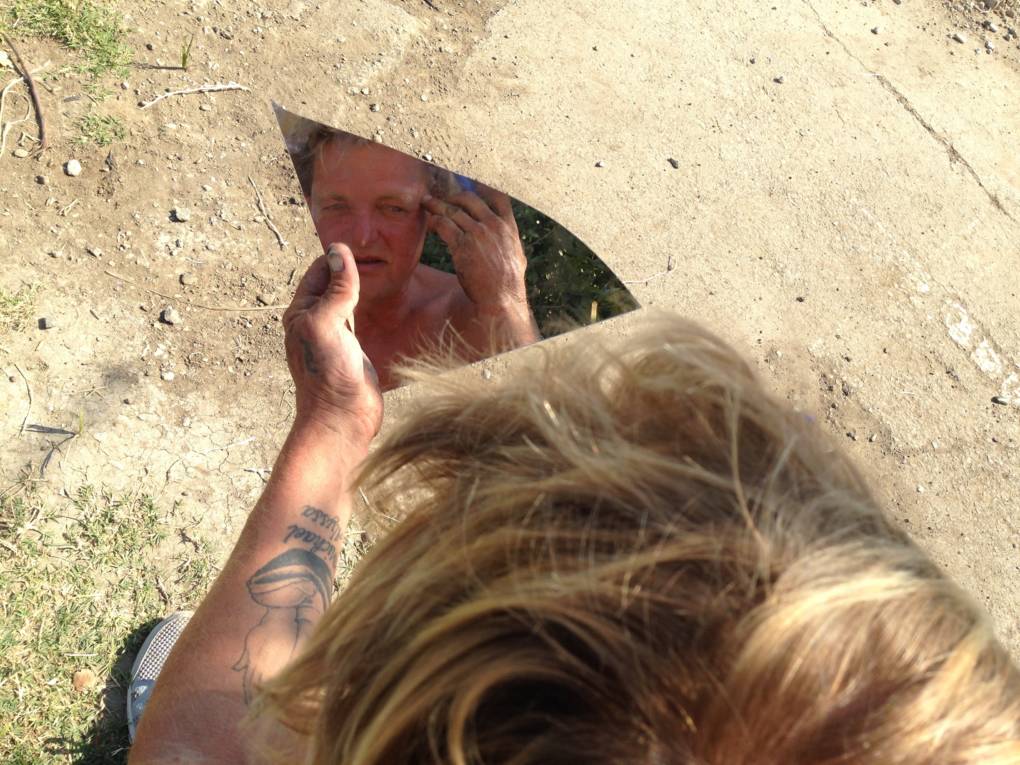
"description": "William Ware improvises while shaving in the field he calls home in suburban Antioch.",
"title": "The Field",
"credit": "Devin Katayama/KQED",
"status": "inherit",
"isLoading": false,
"fetchFailed": false
},
"news_11339595": {
"type": "attachments",
"id": "news_11339595",
"meta": {
"index": "attachments_1716263798",
"site": "news",
"id": "11339595",
"found": true
},
"parent": 11337891,
"imgSizes": {
"small": {
"file": "https://ww2.kqed.org/app/uploads/sites/10/2017/02/Wilma-520x456.jpg",
"width": 520,
"mimeType": "image/jpeg",
"height": 456
},
"twentyfourteen-full-width": {
"file": "https://ww2.kqed.org/app/uploads/sites/10/2017/02/Wilma-1038x576.jpg",
"width": 1038,
"mimeType": "image/jpeg",
"height": 576
},
"thumbnail": {
"file": "https://ww2.kqed.org/app/uploads/sites/10/2017/02/Wilma-160x140.jpg",
"width": 160,
"mimeType": "image/jpeg",
"height": 140
},
"fd-sm": {
"file": "https://ww2.kqed.org/app/uploads/sites/10/2017/02/Wilma-960x841.jpg",
"width": 960,
"mimeType": "image/jpeg",
"height": 841
},
"post-thumbnail": {
"file": "https://ww2.kqed.org/app/uploads/sites/10/2017/02/Wilma-672x372.jpg",
"width": 672,
"mimeType": "image/jpeg",
"height": 372
},
"xsmall": {
"file": "https://ww2.kqed.org/app/uploads/sites/10/2017/02/Wilma-375x329.jpg",
"width": 375,
"mimeType": "image/jpeg",
"height": 329
},
"kqedFullSize": {
"file": "https://ww2.kqed.org/app/uploads/sites/10/2017/02/Wilma.jpg",
"width": 1920,
"height": 1682
},
"large": {
"file": "https://ww2.kqed.org/app/uploads/sites/10/2017/02/Wilma-1020x894.jpg",
"width": 1020,
"mimeType": "image/jpeg",
"height": 894
},
"xlarge": {
"file": "https://ww2.kqed.org/app/uploads/sites/10/2017/02/Wilma-1180x1034.jpg",
"width": 1180,
"mimeType": "image/jpeg",
"height": 1034
},
"guest-author-50": {
"file": "https://ww2.kqed.org/app/uploads/sites/10/2017/02/Wilma-50x50.jpg",
"width": 50,
"mimeType": "image/jpeg",
"height": 50
},
"guest-author-96": {
"file": "https://ww2.kqed.org/app/uploads/sites/10/2017/02/Wilma-96x96.jpg",
"width": 96,
"mimeType": "image/jpeg",
"height": 96
},
"medium": {
"file": "https://ww2.kqed.org/app/uploads/sites/10/2017/02/Wilma-800x701.jpg",
"width": 800,
"mimeType": "image/jpeg",
"height": 701
},
"guest-author-64": {
"file": "https://ww2.kqed.org/app/uploads/sites/10/2017/02/Wilma-64x64.jpg",
"width": 64,
"mimeType": "image/jpeg",
"height": 64
},
"guest-author-32": {
"file": "https://ww2.kqed.org/app/uploads/sites/10/2017/02/Wilma-32x32.jpg",
"width": 32,
"mimeType": "image/jpeg",
"height": 32
},
"fd-lrg": {
"file": "https://ww2.kqed.org/app/uploads/sites/10/2017/02/Wilma-1920x1682.jpg",
"width": 1920,
"mimeType": "image/jpeg",
"height": 1682
},
"fd-med": {
"file": "https://ww2.kqed.org/app/uploads/sites/10/2017/02/Wilma-1180x1034.jpg",
"width": 1180,
"mimeType": "image/jpeg",
"height": 1034
},
"full-width": {
"file": "https://ww2.kqed.org/app/uploads/sites/10/2017/02/Wilma-1920x1682.jpg",
"width": 1920,
"mimeType": "image/jpeg",
"height": 1682
},
"detail": {
"file": "https://ww2.kqed.org/app/uploads/sites/10/2017/02/Wilma-150x150.jpg",
"width": 150,
"mimeType": "image/jpeg",
"height": 150
},
"guest-author-128": {
"file": "https://ww2.kqed.org/app/uploads/sites/10/2017/02/Wilma-128x128.jpg",
"width": 128,
"mimeType": "image/jpeg",
"height": 128
},
"xxsmall": {
"file": "https://ww2.kqed.org/app/uploads/sites/10/2017/02/Wilma-240x210.jpg",
"width": 240,
"mimeType": "image/jpeg",
"height": 210
}
},
"publishDate": 1488395140,
"modified": 1488407591,
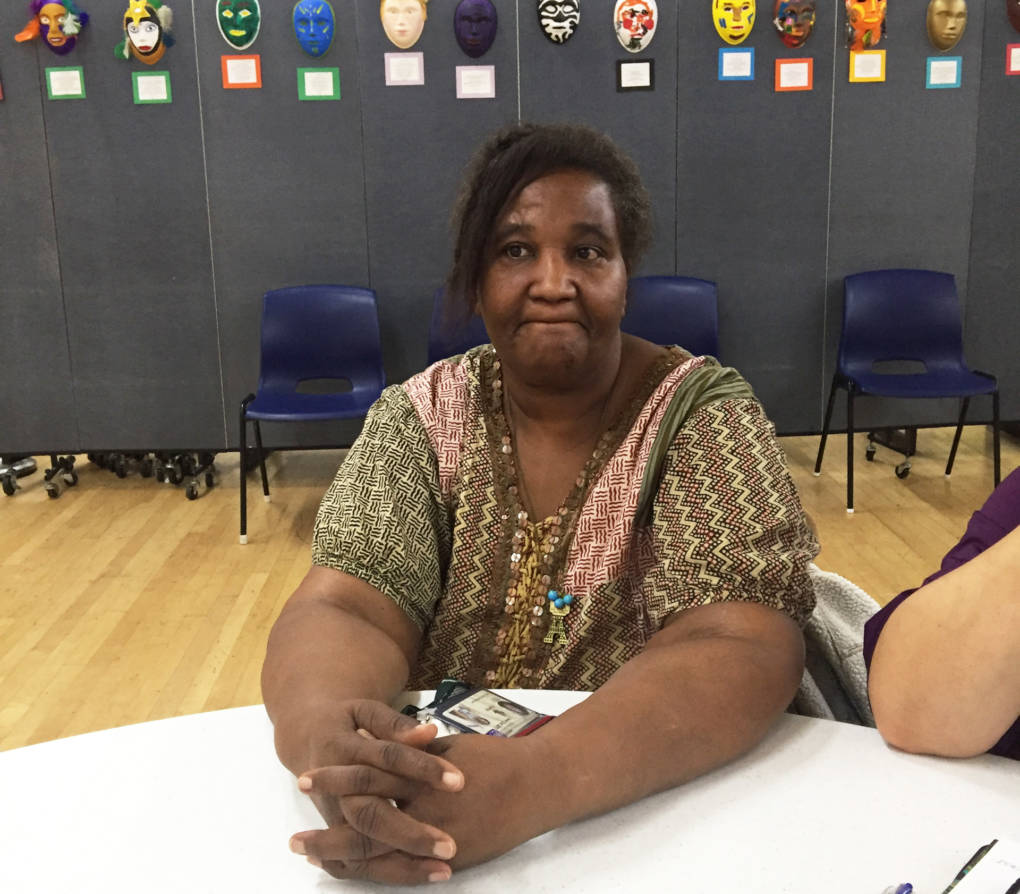
"caption": "Wilma Brown, 61, of Oakland, receives $895 a month on SSI. Advocates want Gov. Jerry Brown to increase the state payments to low-income disabled adults. ",
"description": "Wilma Brown, 61, of Oakland receives $895 a month on SSI. Advocates want Gov. Jerry Brown to increase the state payments to low-income disabled adults. ",
"title": "Wilma",
"credit": "Marisa Lagos/KQED",
"status": "inherit",
"isLoading": false,
"fetchFailed": false
},
"news_11296504": {
"type": "attachments",
"id": "news_11296504",
"meta": {
"index": "attachments_1716263798",
"site": "news",
"id": "11296504",
"found": true
},
"parent": 11295066,
"imgSizes": {
"small": {
"file": "https://ww2.kqed.org/app/uploads/sites/10/2017/02/HeardGoldstein-520x341.jpg",
"width": 520,
"mimeType": "image/jpeg",
"height": 341
},
"twentyfourteen-full-width": {
"file": "https://ww2.kqed.org/app/uploads/sites/10/2017/02/HeardGoldstein-1038x576.jpg",
"width": 1038,
"mimeType": "image/jpeg",
"height": 576
},
"thumbnail": {
"file": "https://ww2.kqed.org/app/uploads/sites/10/2017/02/HeardGoldstein-160x105.jpg",
"width": 160,
"mimeType": "image/jpeg",
"height": 105
},
"fd-sm": {
"file": "https://ww2.kqed.org/app/uploads/sites/10/2017/02/HeardGoldstein-960x630.jpg",
"width": 960,
"mimeType": "image/jpeg",
"height": 630
},
"post-thumbnail": {
"file": "https://ww2.kqed.org/app/uploads/sites/10/2017/02/HeardGoldstein-672x372.jpg",
"width": 672,
"mimeType": "image/jpeg",
"height": 372
},
"xsmall": {
"file": "https://ww2.kqed.org/app/uploads/sites/10/2017/02/HeardGoldstein-375x246.jpg",
"width": 375,
"mimeType": "image/jpeg",
"height": 246
},
"kqedFullSize": {
"file": "https://ww2.kqed.org/app/uploads/sites/10/2017/02/HeardGoldstein.jpg",
"width": 1920,
"height": 1260
},
"large": {
"file": "https://ww2.kqed.org/app/uploads/sites/10/2017/02/HeardGoldstein-1020x669.jpg",
"width": 1020,
"mimeType": "image/jpeg",
"height": 669
},
"xlarge": {
"file": "https://ww2.kqed.org/app/uploads/sites/10/2017/02/HeardGoldstein-1180x774.jpg",
"width": 1180,
"mimeType": "image/jpeg",
"height": 774
},
"guest-author-50": {
"file": "https://ww2.kqed.org/app/uploads/sites/10/2017/02/HeardGoldstein-50x50.jpg",
"width": 50,
"mimeType": "image/jpeg",
"height": 50
},
"guest-author-96": {
"file": "https://ww2.kqed.org/app/uploads/sites/10/2017/02/HeardGoldstein-96x96.jpg",
"width": 96,
"mimeType": "image/jpeg",
"height": 96
},
"medium": {
"file": "https://ww2.kqed.org/app/uploads/sites/10/2017/02/HeardGoldstein-800x525.jpg",
"width": 800,
"mimeType": "image/jpeg",
"height": 525
},
"guest-author-64": {
"file": "https://ww2.kqed.org/app/uploads/sites/10/2017/02/HeardGoldstein-64x64.jpg",
"width": 64,
"mimeType": "image/jpeg",
"height": 64
},
"guest-author-32": {
"file": "https://ww2.kqed.org/app/uploads/sites/10/2017/02/HeardGoldstein-32x32.jpg",
"width": 32,
"mimeType": "image/jpeg",
"height": 32
},
"jmtc-small-thumb": {
"file": "https://ww2.kqed.org/app/uploads/sites/10/2017/02/HeardGoldstein-280x150.jpg",
"width": 280,
"mimeType": "image/jpeg",
"height": 150
},
"fd-lrg": {
"file": "https://ww2.kqed.org/app/uploads/sites/10/2017/02/HeardGoldstein-1920x1260.jpg",
"width": 1920,
"mimeType": "image/jpeg",
"height": 1260
},
"fd-med": {
"file": "https://ww2.kqed.org/app/uploads/sites/10/2017/02/HeardGoldstein-1180x774.jpg",
"width": 1180,
"mimeType": "image/jpeg",
"height": 774
},
"full-width": {
"file": "https://ww2.kqed.org/app/uploads/sites/10/2017/02/HeardGoldstein-1920x1260.jpg",
"width": 1920,
"mimeType": "image/jpeg",
"height": 1260
},
"detail": {
"file": "https://ww2.kqed.org/app/uploads/sites/10/2017/02/HeardGoldstein-150x150.jpg",
"width": 150,
"mimeType": "image/jpeg",
"height": 150
},
"guest-author-128": {
"file": "https://ww2.kqed.org/app/uploads/sites/10/2017/02/HeardGoldstein-128x128.jpg",
"width": 128,
"mimeType": "image/jpeg",
"height": 128
},
"xxsmall": {
"file": "https://ww2.kqed.org/app/uploads/sites/10/2017/02/HeardGoldstein-240x158.jpg",
"width": 240,
"mimeType": "image/jpeg",
"height": 158
}
},
"publishDate": 1485978942,
"modified": 1485979215,
"caption": "Eddie Heard, 48, and Brenda Goldstein, 57, discuss how to cover their assigned area during the Alameda County Point-In-Time homeless survey on Jan. 31, 2017. ",
"description": "Eddie Heard, 48, and Brenda Goldstein, 57, discuss how to cover their assigned area during the Alameda County Point-In-Time homeless survey on Jan. 31, 2017. ",
"title": "HeardGoldstein",
"credit": "Bert Johnson/KQED",
"status": "inherit",
"isLoading": false,
"fetchFailed": false
},
"news_11230211": {
"type": "attachments",
"id": "news_11230211",
"meta": {
"index": "attachments_1716263798",
"site": "news",
"id": "11230211",
"found": true
},
"parent": 11230145,
"imgSizes": {
"small": {
"file": "https://ww2.kqed.org/app/uploads/sites/10/2016/12/161217_JonesFollowUp_bhs06-520x347.jpg",
"width": 520,
"mimeType": "image/jpeg",
"height": 347
},
"twentyfourteen-full-width": {
"file": "https://ww2.kqed.org/app/uploads/sites/10/2016/12/161217_JonesFollowUp_bhs06-1038x576.jpg",
"width": 1038,
"mimeType": "image/jpeg",
"height": 576
},
"thumbnail": {
"file": "https://ww2.kqed.org/app/uploads/sites/10/2016/12/161217_JonesFollowUp_bhs06-160x107.jpg",
"width": 160,
"mimeType": "image/jpeg",
"height": 107
},
"fd-sm": {
"file": "https://ww2.kqed.org/app/uploads/sites/10/2016/12/161217_JonesFollowUp_bhs06-960x640.jpg",
"width": 960,
"mimeType": "image/jpeg",
"height": 640
},
"post-thumbnail": {
"file": "https://ww2.kqed.org/app/uploads/sites/10/2016/12/161217_JonesFollowUp_bhs06-672x372.jpg",
"width": 672,
"mimeType": "image/jpeg",
"height": 372
},
"xsmall": {
"file": "https://ww2.kqed.org/app/uploads/sites/10/2016/12/161217_JonesFollowUp_bhs06-375x250.jpg",
"width": 375,
"mimeType": "image/jpeg",
"height": 250
},
"kqedFullSize": {
"file": "https://ww2.kqed.org/app/uploads/sites/10/2016/12/161217_JonesFollowUp_bhs06.jpg",
"width": 1920,
"height": 1280
},
"large": {
"file": "https://ww2.kqed.org/app/uploads/sites/10/2016/12/161217_JonesFollowUp_bhs06-1020x680.jpg",
"width": 1020,
"mimeType": "image/jpeg",
"height": 680
},
"xlarge": {
"file": "https://ww2.kqed.org/app/uploads/sites/10/2016/12/161217_JonesFollowUp_bhs06-1180x787.jpg",
"width": 1180,
"mimeType": "image/jpeg",
"height": 787
},
"guest-author-50": {
"file": "https://ww2.kqed.org/app/uploads/sites/10/2016/12/161217_JonesFollowUp_bhs06-50x50.jpg",
"width": 50,
"mimeType": "image/jpeg",
"height": 50
},
"guest-author-96": {
"file": "https://ww2.kqed.org/app/uploads/sites/10/2016/12/161217_JonesFollowUp_bhs06-96x96.jpg",
"width": 96,
"mimeType": "image/jpeg",
"height": 96
},
"medium": {
"file": "https://ww2.kqed.org/app/uploads/sites/10/2016/12/161217_JonesFollowUp_bhs06-800x533.jpg",
"width": 800,
"mimeType": "image/jpeg",
"height": 533
},
"guest-author-64": {
"file": "https://ww2.kqed.org/app/uploads/sites/10/2016/12/161217_JonesFollowUp_bhs06-64x64.jpg",
"width": 64,
"mimeType": "image/jpeg",
"height": 64
},
"guest-author-32": {
"file": "https://ww2.kqed.org/app/uploads/sites/10/2016/12/161217_JonesFollowUp_bhs06-32x32.jpg",
"width": 32,
"mimeType": "image/jpeg",
"height": 32
},
"jmtc-small-thumb": {
"file": "https://ww2.kqed.org/app/uploads/sites/10/2016/12/161217_JonesFollowUp_bhs06-280x150.jpg",
"width": 280,
"mimeType": "image/jpeg",
"height": 150
},
"fd-lrg": {
"file": "https://ww2.kqed.org/app/uploads/sites/10/2016/12/161217_JonesFollowUp_bhs06-1920x1280.jpg",
"width": 1920,
"mimeType": "image/jpeg",
"height": 1280
},
"fd-med": {
"file": "https://ww2.kqed.org/app/uploads/sites/10/2016/12/161217_JonesFollowUp_bhs06-1180x787.jpg",
"width": 1180,
"mimeType": "image/jpeg",
"height": 787
},
"full-width": {
"file": "https://ww2.kqed.org/app/uploads/sites/10/2016/12/161217_JonesFollowUp_bhs06-1920x1280.jpg",
"width": 1920,
"mimeType": "image/jpeg",
"height": 1280
},
"detail": {
"file": "https://ww2.kqed.org/app/uploads/sites/10/2016/12/161217_JonesFollowUp_bhs06-150x150.jpg",
"width": 150,
"mimeType": "image/jpeg",
"height": 150
},
"guest-author-128": {
"file": "https://ww2.kqed.org/app/uploads/sites/10/2016/12/161217_JonesFollowUp_bhs06-128x128.jpg",
"width": 128,
"mimeType": "image/jpeg",
"height": 128
},
"xxsmall": {
"file": "https://ww2.kqed.org/app/uploads/sites/10/2016/12/161217_JonesFollowUp_bhs06-240x160.jpg",
"width": 240,
"mimeType": "image/jpeg",
"height": 160
}
},
"publishDate": 1482300282,
"modified": 1482363439,
"caption": "Brittany Jones relaxes in her new bed after spending the day moving into her new apartment. Jones is excited to have her own bed to sleep in after spending so many nights on friends' floors or seats on BART.",
"description": "Brittany Jones relaxes in her new bed after spending the day moving into her new apartment. Jones is excited to have her own bed to sleep in after spending so many nights on friend’s floors or seats on Bart.",
"title": "161217_jonesfollowup_bhs06",
"credit": "Brittany Hosea-Small/KQED",
"status": "inherit",
"isLoading": false,
"fetchFailed": false
},
"news_11289288": {
"type": "attachments",
"id": "news_11289288",
"meta": {
"index": "attachments_1716263798",
"site": "news",
"id": "11289288",
"found": true
},
"parent": 11289188,
"imgSizes": {
"small": {
"file": "https://ww2.kqed.org/app/uploads/sites/10/2017/01/BenCarson-520x334.jpg",
"width": 520,
"mimeType": "image/jpeg",
"height": 334
},
"twentyfourteen-full-width": {
"file": "https://ww2.kqed.org/app/uploads/sites/10/2017/01/BenCarson-1038x576.jpg",
"width": 1038,
"mimeType": "image/jpeg",
"height": 576
},
"thumbnail": {
"file": "https://ww2.kqed.org/app/uploads/sites/10/2017/01/BenCarson-160x103.jpg",
"width": 160,
"mimeType": "image/jpeg",
"height": 103
},
"fd-sm": {
"file": "https://ww2.kqed.org/app/uploads/sites/10/2017/01/BenCarson-960x616.jpg",
"width": 960,
"mimeType": "image/jpeg",
"height": 616
},
"post-thumbnail": {
"file": "https://ww2.kqed.org/app/uploads/sites/10/2017/01/BenCarson-672x372.jpg",
"width": 672,
"mimeType": "image/jpeg",
"height": 372
},
"xsmall": {
"file": "https://ww2.kqed.org/app/uploads/sites/10/2017/01/BenCarson-375x241.jpg",
"width": 375,
"mimeType": "image/jpeg",
"height": 241
},
"kqedFullSize": {
"file": "https://ww2.kqed.org/app/uploads/sites/10/2017/01/BenCarson.jpg",
"width": 1920,
"height": 1232
},
"large": {
"file": "https://ww2.kqed.org/app/uploads/sites/10/2017/01/BenCarson-1020x655.jpg",
"width": 1020,
"mimeType": "image/jpeg",
"height": 655
},
"xlarge": {
"file": "https://ww2.kqed.org/app/uploads/sites/10/2017/01/BenCarson-1180x757.jpg",
"width": 1180,
"mimeType": "image/jpeg",
"height": 757
},
"guest-author-50": {
"file": "https://ww2.kqed.org/app/uploads/sites/10/2017/01/BenCarson-50x50.jpg",
"width": 50,
"mimeType": "image/jpeg",
"height": 50
},
"guest-author-96": {
"file": "https://ww2.kqed.org/app/uploads/sites/10/2017/01/BenCarson-96x96.jpg",
"width": 96,
"mimeType": "image/jpeg",
"height": 96
},
"medium": {
"file": "https://ww2.kqed.org/app/uploads/sites/10/2017/01/BenCarson-800x513.jpg",
"width": 800,
"mimeType": "image/jpeg",
"height": 513
},
"guest-author-64": {
"file": "https://ww2.kqed.org/app/uploads/sites/10/2017/01/BenCarson-64x64.jpg",
"width": 64,
"mimeType": "image/jpeg",
"height": 64
},
"guest-author-32": {
"file": "https://ww2.kqed.org/app/uploads/sites/10/2017/01/BenCarson-32x32.jpg",
"width": 32,
"mimeType": "image/jpeg",
"height": 32
},
"jmtc-small-thumb": {
"file": "https://ww2.kqed.org/app/uploads/sites/10/2017/01/BenCarson-280x150.jpg",
"width": 280,
"mimeType": "image/jpeg",
"height": 150
},
"fd-lrg": {
"file": "https://ww2.kqed.org/app/uploads/sites/10/2017/01/BenCarson-1920x1232.jpg",
"width": 1920,
"mimeType": "image/jpeg",
"height": 1232
},
"fd-med": {
"file": "https://ww2.kqed.org/app/uploads/sites/10/2017/01/BenCarson-1180x757.jpg",
"width": 1180,
"mimeType": "image/jpeg",
"height": 757
},
"full-width": {
"file": "https://ww2.kqed.org/app/uploads/sites/10/2017/01/BenCarson-1920x1232.jpg",
"width": 1920,
"mimeType": "image/jpeg",
"height": 1232
},
"detail": {
"file": "https://ww2.kqed.org/app/uploads/sites/10/2017/01/BenCarson-150x150.jpg",
"width": 150,
"mimeType": "image/jpeg",
"height": 150
},
"guest-author-128": {
"file": "https://ww2.kqed.org/app/uploads/sites/10/2017/01/BenCarson-128x128.jpg",
"width": 128,
"mimeType": "image/jpeg",
"height": 128
},
"xxsmall": {
"file": "https://ww2.kqed.org/app/uploads/sites/10/2017/01/BenCarson-240x154.jpg",
"width": 240,
"mimeType": "image/jpeg",
"height": 154
}
},
"publishDate": 1485556647,
"modified": 1485560499,
"caption": "Ben Carson testifies during his Senate confirmation hearing for secretary of Housing and Urban Development (HUD) on Jan. 12, 2017.",
"description": "Ben Carson testifies during his Senate confirmation hearing for Secretary of Housing and Urban Development (HUD) on Jan. 12, 2017.",
"title": "BenCarson",
"credit": "Saul Loeb/AFP/Getty Images",
"status": "inherit",
"isLoading": false,
"fetchFailed": false
},
"news_11289132": {
"type": "attachments",
"id": "news_11289132",
"meta": {
"index": "attachments_1716263798",
"site": "news",
"id": "11289132",
"found": true
},
"parent": 11289128,
"imgSizes": {
"small": {
"file": "https://ww2.kqed.org/app/uploads/sites/10/2017/01/OCVetHousing-520x390.jpg",
"width": 520,
"mimeType": "image/jpeg",
"height": 390
},
"twentyfourteen-full-width": {
"file": "https://ww2.kqed.org/app/uploads/sites/10/2017/01/OCVetHousing-1038x576.jpg",
"width": 1038,
"mimeType": "image/jpeg",
"height": 576
},
"thumbnail": {
"file": "https://ww2.kqed.org/app/uploads/sites/10/2017/01/OCVetHousing-160x120.jpg",
"width": 160,
"mimeType": "image/jpeg",
"height": 120
},
"fd-sm": {
"file": "https://ww2.kqed.org/app/uploads/sites/10/2017/01/OCVetHousing-960x720.jpg",
"width": 960,
"mimeType": "image/jpeg",
"height": 720
},
"post-thumbnail": {
"file": "https://ww2.kqed.org/app/uploads/sites/10/2017/01/OCVetHousing-672x372.jpg",
"width": 672,
"mimeType": "image/jpeg",
"height": 372
},
"xsmall": {
"file": "https://ww2.kqed.org/app/uploads/sites/10/2017/01/OCVetHousing-375x281.jpg",
"width": 375,
"mimeType": "image/jpeg",
"height": 281
},
"kqedFullSize": {
"file": "https://ww2.kqed.org/app/uploads/sites/10/2017/01/OCVetHousing.jpg",
"width": 1920,
"height": 1440
},
"large": {
"file": "https://ww2.kqed.org/app/uploads/sites/10/2017/01/OCVetHousing-1020x765.jpg",
"width": 1020,
"mimeType": "image/jpeg",
"height": 765
},
"xlarge": {
"file": "https://ww2.kqed.org/app/uploads/sites/10/2017/01/OCVetHousing-1180x885.jpg",
"width": 1180,
"mimeType": "image/jpeg",
"height": 885
},
"guest-author-50": {
"file": "https://ww2.kqed.org/app/uploads/sites/10/2017/01/OCVetHousing-50x50.jpg",
"width": 50,
"mimeType": "image/jpeg",
"height": 50
},
"guest-author-96": {
"file": "https://ww2.kqed.org/app/uploads/sites/10/2017/01/OCVetHousing-96x96.jpg",
"width": 96,
"mimeType": "image/jpeg",
"height": 96
},
"medium": {
"file": "https://ww2.kqed.org/app/uploads/sites/10/2017/01/OCVetHousing-800x600.jpg",
"width": 800,
"mimeType": "image/jpeg",
"height": 600
},
"guest-author-64": {
"file": "https://ww2.kqed.org/app/uploads/sites/10/2017/01/OCVetHousing-64x64.jpg",
"width": 64,
"mimeType": "image/jpeg",
"height": 64
},
"guest-author-32": {
"file": "https://ww2.kqed.org/app/uploads/sites/10/2017/01/OCVetHousing-32x32.jpg",
"width": 32,
"mimeType": "image/jpeg",
"height": 32
},
"jmtc-small-thumb": {
"file": "https://ww2.kqed.org/app/uploads/sites/10/2017/01/OCVetHousing-280x150.jpg",
"width": 280,
"mimeType": "image/jpeg",
"height": 150
},
"fd-lrg": {
"file": "https://ww2.kqed.org/app/uploads/sites/10/2017/01/OCVetHousing-1920x1440.jpg",
"width": 1920,
"mimeType": "image/jpeg",
"height": 1440
},
"fd-med": {
"file": "https://ww2.kqed.org/app/uploads/sites/10/2017/01/OCVetHousing-1180x885.jpg",
"width": 1180,
"mimeType": "image/jpeg",
"height": 885
},
"full-width": {
"file": "https://ww2.kqed.org/app/uploads/sites/10/2017/01/OCVetHousing-1920x1440.jpg",
"width": 1920,
"mimeType": "image/jpeg",
"height": 1440
},
"detail": {
"file": "https://ww2.kqed.org/app/uploads/sites/10/2017/01/OCVetHousing-150x150.jpg",
"width": 150,
"mimeType": "image/jpeg",
"height": 150
},
"guest-author-128": {
"file": "https://ww2.kqed.org/app/uploads/sites/10/2017/01/OCVetHousing-128x128.jpg",
"width": 128,
"mimeType": "image/jpeg",
"height": 128
},
"xxsmall": {
"file": "https://ww2.kqed.org/app/uploads/sites/10/2017/01/OCVetHousing-240x180.jpg",
"width": 240,
"mimeType": "image/jpeg",
"height": 180
}
},
"publishDate": 1485549827,
"modified": 1485549888,
"caption": "Jimmy Palmiter, 59, a Vietnam-era veteran, visits the unfinished apartments at the Potter's Lane housing project in Midway City, Orange County. After being homeless for nearly five years in Southern California, he said he's looking forward to the permanent housing. 'It's time for me to get off the street,' he said.",
"description": "Jimmy Palmiter, 59, a Vietnam-era veteran, visits the unfinished apartments at the Potter's Lane housing project in Midway City, Orange County. After being homeless for nearly five years in Southern California, he said he's looking forward to the permanent housing. 'It's time for me to get off the street,' he said.",
"title": "OCVetHousing",
"credit": "Dorian Merina/KPCC",
"status": "inherit",
"isLoading": false,
"fetchFailed": false
}
},
"audioPlayerReducer": {
"postId": "stream_live",
"isPaused": true,
"isPlaying": false,
"pfsActive": false,
"pledgeModalIsOpen": true,
"playerDrawerIsOpen": false,
"liveAudioPlayStartedAt": 0,
"liveAudioPlayContext": ""
},
"authorsReducer": {
"byline_news_11477179": {
"type": "authors",
"id": "byline_news_11477179",
"meta": {
"override": true
},
"slug": "byline_news_11477179",
"name": "\u003cstrong>\u003ca href=\"https://twitter.com/marianaurbannew?lang=en\">Mariana Urban\u003c/a>\u003c/strong>",
"isLoading": false
},
"byline_news_11289128": {
"type": "authors",
"id": "byline_news_11289128",
"meta": {
"override": true
},
"slug": "byline_news_11289128",
"name": "\u003cstrong>\u003ca href=\"http://www.scpr.org/about/people/staff/dorian-merina\">Dorian Merina\u003c/a>\u003cbr>\u003ca href=\"http://americanhomefront.wunc.org/\">American Homefront Project\u003c/a>\u003c/strong>",
"isLoading": false
},
"kqednewsstaffandwires": {
"type": "authors",
"id": "237",
"meta": {
"index": "authors_1716337520",
"id": "237",
"found": true
},
"name": "KQED News Staff and Wires",
"firstName": "KQED News Staff and Wires",
"lastName": null,
"slug": "kqednewsstaffandwires",
"email": "onlinenewsstaff@kqed.org",
"display_author_email": false,
"staff_mastheads": [],
"title": null,
"bio": null,
"avatar": "https://secure.gravatar.com/avatar/72295af8ebbfbd19a4948f5271285664?s=600&d=blank&r=g",
"twitter": null,
"facebook": null,
"instagram": null,
"linkedin": null,
"sites": [
{
"site": "arts",
"roles": [
"contributor"
]
},
{
"site": "news",
"roles": [
"contributor"
]
},
{
"site": "lowdown",
"roles": [
"author"
]
},
{
"site": "stateofhealth",
"roles": [
"contributor"
]
},
{
"site": "food",
"roles": [
"author"
]
}
],
"headData": {
"title": "KQED News Staff and Wires | KQED",
"description": null,
"ogImgSrc": "https://secure.gravatar.com/avatar/72295af8ebbfbd19a4948f5271285664?s=600&d=blank&r=g",
"twImgSrc": "https://secure.gravatar.com/avatar/72295af8ebbfbd19a4948f5271285664?s=600&d=blank&r=g"
},
"isLoading": false,
"link": "/author/kqednewsstaffandwires"
},
"mmontgomery": {
"type": "authors",
"id": "245",
"meta": {
"index": "authors_1716337520",
"id": "245",
"found": true
},
"name": "Michael Montgomery",
"firstName": "Michael",
"lastName": "Montgomery",
"slug": "mmontgomery",
"email": "t4monk@gmail.com",
"display_author_email": false,
"staff_mastheads": [],
"title": null,
"bio": null,
"avatar": "https://secure.gravatar.com/avatar/79a5f79d5aa798ddff903c26834bb398?s=600&d=blank&r=g",
"twitter": null,
"facebook": null,
"instagram": null,
"linkedin": null,
"sites": [
{
"site": "news",
"roles": [
"contributor"
]
}
],
"headData": {
"title": "Michael Montgomery | KQED",
"description": null,
"ogImgSrc": "https://secure.gravatar.com/avatar/79a5f79d5aa798ddff903c26834bb398?s=600&d=blank&r=g",
"twImgSrc": "https://secure.gravatar.com/avatar/79a5f79d5aa798ddff903c26834bb398?s=600&d=blank&r=g"
},
"isLoading": false,
"link": "/author/mmontgomery"
},
"scuevas": {
"type": "authors",
"id": "2600",
"meta": {
"index": "authors_1716337520",
"id": "2600",
"found": true
},
"name": "Steven Cuevas",
"firstName": "Steven",
"lastName": "Cuevas",
"slug": "scuevas",
"email": "scuevas@kqed.org",
"display_author_email": false,
"staff_mastheads": [],
"title": "KQED Contributor",
"bio": "Steven is a former Los Angeles bureau chief for The California Report.\r\n\r\nHe reports on an array of issues across the Southland, from immigration and regional politics to religion, the performing arts and pop culture.\r\n\r\nPrior to joining KQED in 2012, Steven covered Inland southern California for KPCC in Pasadena. He also helped establish the first newsroom at \u003ca href=\"http://kut.org/\">KUT\u003c/a> in Austin, Texas where he was a general assignment reporter.\r\n\r\nSteven has received numerous awards for his reporting including an RTNDA Edward R. Murrow Award for investigative reporting in addition to awards from the LA Press Club, the Associated Press and the Society for Professional Journalists.\r\n\r\nSteven grew up in and around San Francisco and now lives in Pasadena just a short jog from the foot of the San Gabriel Mountains.",
"avatar": "https://secure.gravatar.com/avatar/bbb0bb7b496f83ab350e23ad0dc7c81c?s=600&d=blank&r=g",
"twitter": null,
"facebook": null,
"instagram": null,
"linkedin": null,
"sites": [
{
"site": "news",
"roles": [
"contributor"
]
},
{
"site": "stateofhealth",
"roles": [
"author"
]
}
],
"headData": {
"title": "Steven Cuevas | KQED",
"description": "KQED Contributor",
"ogImgSrc": "https://secure.gravatar.com/avatar/bbb0bb7b496f83ab350e23ad0dc7c81c?s=600&d=blank&r=g",
"twImgSrc": "https://secure.gravatar.com/avatar/bbb0bb7b496f83ab350e23ad0dc7c81c?s=600&d=blank&r=g"
},
"isLoading": false,
"link": "/author/scuevas"
},
"zstavely": {
"type": "authors",
"id": "3225",
"meta": {
"index": "authors_1716337520",
"id": "3225",
"found": true
},
"name": "Zaidee Stavely",
"firstName": "Zaidee",
"lastName": "Stavely",
"slug": "zstavely",
"email": "zstavely@gmail.com",
"display_author_email": false,
"staff_mastheads": [],
"title": "KQED Contributor",
"bio": "Zaidee Stavely is an award-winning reporter who writes about race, equity, immigration, and education.",
"avatar": "https://secure.gravatar.com/avatar/5154b3ee56a721c916ca429372ae629c?s=600&d=blank&r=g",
"twitter": null,
"facebook": null,
"instagram": null,
"linkedin": null,
"sites": [
{
"site": "news",
"roles": [
"subscriber"
]
},
{
"site": "mindshift",
"roles": [
"contributor"
]
}
],
"headData": {
"title": "Zaidee Stavely | KQED",
"description": "KQED Contributor",
"ogImgSrc": "https://secure.gravatar.com/avatar/5154b3ee56a721c916ca429372ae629c?s=600&d=blank&r=g",
"twImgSrc": "https://secure.gravatar.com/avatar/5154b3ee56a721c916ca429372ae629c?s=600&d=blank&r=g"
},
"isLoading": false,
"link": "/author/zstavely"
},
"mlagos": {
"type": "authors",
"id": "3239",
"meta": {
"index": "authors_1716337520",
"id": "3239",
"found": true
},
"name": "Marisa Lagos",
"firstName": "Marisa",
"lastName": "Lagos",
"slug": "mlagos",
"email": "mlagos@kqed.org",
"display_author_email": false,
"staff_mastheads": [
"news"
],
"title": "KQED Contributor",
"bio": "Marisa Lagos is a correspondent for KQED’s California Politics and Government Desk and co-hosts the award-winning show and podcast, Political Breakdown. At KQED, Lagos also conducts reporting, analysis and investigations into state, local and national politics for radio, TV, online and onstage. In 2022, she and co-host, Scott Shafer, moderated the only gubernatorial debate in California. In 2020, the \u003ci>Washington Post\u003c/i> named her one of the top political journalists in California; she was nominated for a Peabody and won several other awards for her work investigating the 2017 California wildfires. She has worked at the \u003ci>San Francisco Chronicle\u003c/i>, \u003ci>San Francisco Examiner\u003c/i> and \u003ci>Los Angeles Times\u003c/i>. A UC Santa Barbara graduate, she lives in San Francisco with her two sons and husband.",
"avatar": "https://secure.gravatar.com/avatar/a261a0d3696fc066871ef96b85b5e7d2?s=600&d=blank&r=g",
"twitter": "@mlagos",
"facebook": null,
"instagram": null,
"linkedin": null,
"sites": [
{
"site": "arts",
"roles": [
"author"
]
},
{
"site": "news",
"roles": [
"editor"
]
},
{
"site": "science",
"roles": [
"editor"
]
},
{
"site": "forum",
"roles": [
"author"
]
},
{
"site": "liveblog",
"roles": [
"author"
]
}
],
"headData": {
"title": "Marisa Lagos | KQED",
"description": "KQED Contributor",
"ogImgSrc": "https://secure.gravatar.com/avatar/a261a0d3696fc066871ef96b85b5e7d2?s=600&d=blank&r=g",
"twImgSrc": "https://secure.gravatar.com/avatar/a261a0d3696fc066871ef96b85b5e7d2?s=600&d=blank&r=g"
},
"isLoading": false,
"link": "/author/mlagos"
},
"dkatayama": {
"type": "authors",
"id": "7240",
"meta": {
"index": "authors_1716337520",
"id": "7240",
"found": true
},
"name": "Devin Katayama",
"firstName": "Devin",
"lastName": "Katayama",
"slug": "dkatayama",
"email": "dkatayama@kqed.org",
"display_author_email": true,
"staff_mastheads": [
"news"
],
"title": "Editor of Talent and Development",
"bio": "Devin Katayama is former Editor of Talent and Development for KQED. He supported our internship program and on-call staff by looking for equitable opportunities to improve the newsroom.\r\n\r\nHe previously hosted The Bay and American Suburb podcasts from KQED News. Prior to returning to the Bay Area in 2015, Devin was the education reporter for WFPL in Louisville and worked as a producer with radio stations in Chicago and Portland, OR. His work has appeared on NPR’s \u003cem>Morning Edition, All Things Considered, The Takeaway\u003c/em> and \u003cem>Here and Now.\u003c/em>\r\n\r\nDevin earned his MA in Journalism from Columbia College Chicago, where he was a Follett Fellow and the recipient of the 2011 Studs Terkel Community Media Workshop Scholarship for his story on Chicago's homeless youth. He won WBUR's 2014 Daniel Schorr award and a regional RTNDA Edward R. Murrow Award for his documentary \"At Risk\" that looked at issues facing some of Louisville's students. Devin has also received numerous local awards from the Associated Press and the Society of Professional Journalists.",
"avatar": "https://secure.gravatar.com/avatar/d0d2978a31002fb2de107921a8e18405?s=600&d=blank&r=g",
"twitter": "RadioDevin",
"facebook": null,
"instagram": null,
"linkedin": null,
"sites": [
{
"site": "arts",
"roles": []
},
{
"site": "news",
"roles": [
"author"
]
},
{
"site": "stateofhealth",
"roles": [
"author"
]
},
{
"site": "forum",
"roles": [
"editor"
]
},
{
"site": "perspectives",
"roles": [
"editor"
]
}
],
"headData": {
"title": "Devin Katayama | KQED",
"description": "Editor of Talent and Development",
"ogImgSrc": "https://secure.gravatar.com/avatar/d0d2978a31002fb2de107921a8e18405?s=600&d=blank&r=g",
"twImgSrc": "https://secure.gravatar.com/avatar/d0d2978a31002fb2de107921a8e18405?s=600&d=blank&r=g"
},
"isLoading": false,
"link": "/author/dkatayama"
},
"bhoseasmall": {
"type": "authors",
"id": "11256",
"meta": {
"index": "authors_1716337520",
"id": "11256",
"found": true
},
"name": "Brittany Hosea-Small",
"firstName": "Brittany",
"lastName": "Hosea-Small",
"slug": "bhoseasmall",
"email": "bhoseasmall@KQED.org",
"display_author_email": false,
"staff_mastheads": [],
"title": "KQED Contributor",
"bio": "Brittany Hosea-Small is a former KQED News visual journalism intern focusing on photography and videography. Brittany started her journalism career at UC Berkeley’s Graduate school of Journalism, where she is specializing in Photojournalism and will be graduating in May of 2017. Prior to coming to KQED Brittany worked as a photography intern for the San Francisco Chronicle where she covered news stories ranging from local bay area celebrations, to the arrival of President Barack Obama on Airforce One in San Francisco. Recently Brittany was awarded the 2016 Bob Schmidt Scholarship from the Sacramento Press Club. You can reach her by email at bhoseasmall@kqed.org or follow her on Instragram (@brittanykirstinphoto) and Twitter (@brittanykirstin).",
"avatar": "https://secure.gravatar.com/avatar/84f2bbcb9d027b6db40e86c761c8ff65?s=600&d=blank&r=g",
"twitter": "@BrittanyKirstin",
"facebook": null,
"instagram": null,
"linkedin": null,
"sites": [
{
"site": "news",
"roles": [
"subscriber"
]
}
],
"headData": {
"title": "Brittany Hosea-Small | KQED",
"description": "KQED Contributor",
"ogImgSrc": "https://secure.gravatar.com/avatar/84f2bbcb9d027b6db40e86c761c8ff65?s=600&d=blank&r=g",
"twImgSrc": "https://secure.gravatar.com/avatar/84f2bbcb9d027b6db40e86c761c8ff65?s=600&d=blank&r=g"
},
"isLoading": false,
"link": "/author/bhoseasmall"
},
"scraig": {
"type": "authors",
"id": "11327",
"meta": {
"index": "authors_1716337520",
"id": "11327",
"found": true
},
"name": "Sarah Craig",
"firstName": "Sarah",
"lastName": "Craig",
"slug": "scraig",
"email": "scraig@KQED.org",
"display_author_email": false,
"staff_mastheads": [],
"title": "KQED Contributor",
"bio": "Sarah Craig is a freelance radio reporter and documentary photographer. She is currently working on \u003cem>Dreams of Dust\u003c/em>, @dreamsofdust, a multimedia project that documents stories of climate migration in California’s Central Valley, previously funded by the California Humanities. Her completed projects include \u003cem>\u003ca href=\"http://www.facesoffracking.org/\" target=\"_blank\" rel=\"nofollow noopener noreferrer\">Faces of Fracking\u003c/a>,\u003c/em> an investigation into the impact of fracking on the people and places of California, and \u003cem>\u003ca href=\"http://sarahcraig.visura.co/gulf-disaster-2\" target=\"_blank\" rel=\"nofollow noopener noreferrer\">The Gulf Disaster\u003c/a>,\u003c/em> stories on the lives of fishermen in the aftermath of the BP spill. Her work has been published by Marketplace, KQED's Bay Curious and Q'ed Up podcasts, KQED's California Report Magazine, KALW's Crosscurrents, Grist.org, High Country News, Earth Island Journal, and others. Sarah received a B.A. in Geography at Vassar College and attended the \u003ca href=\"http://www.salt.edu/\" target=\"_blank\" rel=\"nofollow noopener noreferrer\">Salt Institute of Documentary Studies\u003c/a> in Portland, ME. She recently received an Excellence in Journalism Award from the NorCal Society of Professional Journalists for her documentary radio piece, \u003ca href=\"http://kalw.org/post/215-will-water-come#stream/0\">\"Will the Water Come.\"\u003c/a> Email: scraig@kqed.org Twitter: @sarahcraigmedia Website: sarahcraigmedia.com",
"avatar": "https://secure.gravatar.com/avatar/97f17950c828429d3df9f2907412a50b?s=600&d=blank&r=g",
"twitter": null,
"facebook": null,
"instagram": null,
"linkedin": null,
"sites": [
{
"site": "news",
"roles": [
"subscriber"
]
},
{
"site": "science",
"roles": [
"editor"
]
}
],
"headData": {
"title": "Sarah Craig | KQED",
"description": "KQED Contributor",
"ogImgSrc": "https://secure.gravatar.com/avatar/97f17950c828429d3df9f2907412a50b?s=600&d=blank&r=g",
"twImgSrc": "https://secure.gravatar.com/avatar/97f17950c828429d3df9f2907412a50b?s=600&d=blank&r=g"
},
"isLoading": false,
"link": "/author/scraig"
},
"bjohnson": {
"type": "authors",
"id": "11328",
"meta": {
"index": "authors_1716337520",
"id": "11328",
"found": true
},
"name": "Bert Johnson",
"firstName": "Bert",
"lastName": "Johnson",
"slug": "bjohnson",
"email": "bjohnson@KQED.org",
"display_author_email": false,
"staff_mastheads": [],
"title": "KQED Contributor",
"bio": "Bert Johnson is a multimedia journalist and KQED contributor. His work has also been published in the \u003cem>Sacramento News & Review\u003c/em> and he was previously the Multimedia Editor at the \u003cem>East Bay Express. \u003c/em>He covers social movements, the justice system and extremism. Email: bjohnson@kqed.org Twitter: @bertjohnsonfoto Instagram: @bertjohnsonfoto",
"avatar": "https://secure.gravatar.com/avatar/68b1d4bfae2eff83ac1d5c2ca0d0a936?s=600&d=blank&r=g",
"twitter": null,
"facebook": null,
"instagram": null,
"linkedin": null,
"sites": [
{
"site": "news",
"roles": [
"edit_others_posts",
"subscriber"
]
}
],
"headData": {
"title": "Bert Johnson | KQED",
"description": "KQED Contributor",
"ogImgSrc": "https://secure.gravatar.com/avatar/68b1d4bfae2eff83ac1d5c2ca0d0a936?s=600&d=blank&r=g",
"twImgSrc": "https://secure.gravatar.com/avatar/68b1d4bfae2eff83ac1d5c2ca0d0a936?s=600&d=blank&r=g"
},
"isLoading": false,
"link": "/author/bjohnson"
}
},
"pagesReducer": {
"news_tag_homelessness": {
"type": "terms",
"id": "news_4020",
"meta": {
"index": "terms_1716263798",
"site": "news",
"id": "4020",
"score": 8.555192
},
"name": "Homelessness",
"slug": "homelessness",
"taxonomy": "tag",
"description": null,
"featImg": null,
"headData": {
"title": "Homelessness | KQED News",
"description": null,
"ogTitle": null,
"ogDescription": null,
"ogImgId": null,
"twTitle": null,
"twDescription": null,
"twImgId": null,
"metaRobotsNoIndex": "index"
},
"ttid": 4039,
"isLoading": false,
"title": "Homelessness",
"pageMeta": {
"site": "news",
"WpPageTemplate": "page-topic-editorial",
"currentPage": 55
},
"blocks": [
{
"blockName": "kqed/post-list",
"attrs": {
"layout": "cardArticle2",
"query": "posts/news?tag=homelessness",
"seeMore": false,
"paginated": true,
"page": 55
}
},
{
"blockName": "kqed/ad"
}
]
}
},
"pfsSessionReducer": {},
"postsReducer": {
"stream_live": {
"type": "live",
"id": "stream_live",
"audioUrl": "https://streams.kqed.org/kqedradio",
"title": "Live Stream",
"excerpt": "Live Stream information currently unavailable.",
"link": "/radio",
"featImg": "",
"label": {
"name": "KQED Live",
"link": "/"
}
},
"stream_kqedNewscast": {
"type": "posts",
"id": "stream_kqedNewscast",
"audioUrl": "https://www.kqed.org/.stream/anon/radio/RDnews/newscast.mp3?_=1",
"title": "KQED Newscast",
"featImg": "",
"label": {
"name": "88.5 FM",
"link": "/"
}
},
"news_11477179": {
"type": "posts",
"id": "news_11477179",
"meta": {
"index": "posts_1716263798",
"site": "news",
"id": "11477179",
"score": null,
"sort": [
1495751853000
]
},
"parent": 0,
"labelTerm": {
"site": "news",
"term": 6944
},
"blocks": [],
"publishDate": 1495751853,
"format": "standard",
"disqusTitle": "S.F.'s Newest Navigation Center Set to Take in Homeless Next Week",
"title": "S.F.'s Newest Navigation Center Set to Take in Homeless Next Week",
"headTitle": "SF Homeless Project | News Fix | KQED News",
"content": "\u003cp>San Francisco Mayor Ed Lee cut the ribbon Wednesday on the latest homeless Navigation Center -- the third the city has opened. They are integral to Lee's mission of fighting an epidemic of homelessness.\u003c/p>\n\u003cp>“We are responding to the situations on our streets by taking bold steps to move our residents into settings where they can reclaim their lives,” Lee said.\u003c/p>\n\u003cp>The facility, located on 25th Street in the Dogpatch neighborhood, will provide 64 beds for the homeless, beginning next week. Navigation Centers are different from normal shelters because they allow residents to bring in their partners, pets and all of their possessions. Residents will have access to case management, health care and drug treatment programs.\u003c/p>\n\u003cp>[contextly_sidebar id=\"A3vNlzvln6dPcd65RGuPnr1AD3hDmg0d\"]\u003c/p>\n\u003cp>Jeff Kositsky, director of the Department of Homelessness and Supportive Housing, said the opening of the Dogpatch center has been a collaborative effort between the Department of Public Works, the Port of San Francisco, Episcopal Community Services, the Providence Foundation and the neighbors of Dogpatch.\u003c/p>\n\u003cp>[ad fullwidth]\u003c/p>\n\u003cp>A fourth Navigation Center with 120 beds is scheduled to open in the Mission District on June 19. Three additional Navigation Centers will open after that in the South of Market area, on South Van Ness Avenue and at San Francisco General Hospital.\u003c/p>\n\u003cp>The first Navigation Center opened in March 2015 at 16th and Mission streets, and the second set up shop at Market and 12th streets in June 2016.\u003c/p>\n\u003cp>\u003c/p>\n\u003cp>From Kevin Fagan of the \u003ca href=\"http://www.sfchronicle.com/bayarea/article/SF-s-newest-Navigation-Center-open-in-Dogpatch-11171369.php\">San Francisco Chronicle\u003c/a>:\u003c/p>\n\u003cblockquote>\u003cp>Combined with conventional shelters, the city will then have 2,105 temporary beds to offer street people -- the first time the total will top 2,000.\u003c/p>\n\u003cp>San Francisco’s last official street count, taken in 2015, listed 3,500 people who had no temporary beds, jail cells or other shelter among the total of 6,700 people in various forms of homelessness. Among those without shelter, 1,700 were chronically homeless, meaning they’d been on the street a year or more and struggled with substance abuse or other difficulties.\u003c/p>\u003c/blockquote>\n\n",
"disqusIdentifier": "11477179 https://ww2.kqed.org/news/?p=11477179",
"disqusUrl": "https://ww2.kqed.org/news/2017/05/25/s-f-s-newest-navigation-center-set-to-take-in-homeless-next-week/",
"stats": {
"hasVideo": false,
"hasChartOrMap": false,
"hasAudio": false,
"hasPolis": false,
"wordCount": 338,
"hasGoogleForm": false,
"hasGallery": false,
"hasHearkenModule": false,
"iframeSrcs": [],
"paragraphCount": 12
},
"modified": 1498658830,
"excerpt": "The facility, located in the Dogpatch neighborhood, will provide 64 beds for the homeless, beginning next week.",
"headData": {
"twImgId": "",
"twTitle": "",
"ogTitle": "",
"ogImgId": "",
"twDescription": "",
"description": "The facility, located in the Dogpatch neighborhood, will provide 64 beds for the homeless, beginning next week.",
"title": "S.F.'s Newest Navigation Center Set to Take in Homeless Next Week | KQED",
"ogDescription": "",
"schema": {
"@context": "https://schema.org",
"@type": "NewsArticle",
"headline": "S.F.'s Newest Navigation Center Set to Take in Homeless Next Week",
"datePublished": "2017-05-25T15:37:33-07:00",
"dateModified": "2017-06-28T07:07:10-07:00",
"image": "https://cdn.kqed.org/wp-content/uploads/2020/02/KQED-OG-Image@1x.png",
"isAccessibleForFree": "True",
"publisher": {
"@type": "NewsMediaOrganization",
"@id": "https://www.kqed.org/#organization",
"name": "KQED",
"logo": "https://cdn.kqed.org/wp-content/uploads/2020/02/KQED-OG-Image@1x.png",
"url": "https://www.kqed.org",
"sameAs": [
"https://www.facebook.com/KQED",
"https://twitter.com/KQED",
"https://www.instagram.com/kqed/",
"https://www.tiktok.com/@kqedofficial",
"https://www.linkedin.com/company/kqed",
"https://www.youtube.com/channel/UCeC0IOo7i1P_61zVUWbJ4nw"
]
}
}
},
"guestAuthors": [],
"slug": "s-f-s-newest-navigation-center-set-to-take-in-homeless-next-week",
"status": "publish",
"nprByline": "\u003cstrong>\u003ca href=\"https://twitter.com/marianaurbannew?lang=en\">Mariana Urban\u003c/a>\u003c/strong>",
"path": "/news/11477179/s-f-s-newest-navigation-center-set-to-take-in-homeless-next-week",
"audioTrackLength": null,
"parsedContent": [
{
"type": "contentString",
"content": "\u003cdiv class=\"post-body\">\u003cp>\u003cp>San Francisco Mayor Ed Lee cut the ribbon Wednesday on the latest homeless Navigation Center -- the third the city has opened. They are integral to Lee's mission of fighting an epidemic of homelessness.\u003c/p>\n\u003cp>“We are responding to the situations on our streets by taking bold steps to move our residents into settings where they can reclaim their lives,” Lee said.\u003c/p>\n\u003cp>The facility, located on 25th Street in the Dogpatch neighborhood, will provide 64 beds for the homeless, beginning next week. Navigation Centers are different from normal shelters because they allow residents to bring in their partners, pets and all of their possessions. Residents will have access to case management, health care and drug treatment programs.\u003c/p>\n\u003cp>\u003c/p>\u003cp>\u003c/p>\u003cp>\u003c/p>\n\u003cp>Jeff Kositsky, director of the Department of Homelessness and Supportive Housing, said the opening of the Dogpatch center has been a collaborative effort between the Department of Public Works, the Port of San Francisco, Episcopal Community Services, the Providence Foundation and the neighbors of Dogpatch.\u003c/p>\n\u003cp>\u003c/p>\u003c/div>",
"attributes": {
"named": {},
"numeric": []
}
},
{
"type": "component",
"content": "",
"name": "ad",
"attributes": {
"named": {
"label": "fullwidth"
},
"numeric": [
"fullwidth"
]
}
},
{
"type": "contentString",
"content": "\u003cdiv class=\"post-body\">\u003cp>\u003c/p>\n\u003cp>A fourth Navigation Center with 120 beds is scheduled to open in the Mission District on June 19. Three additional Navigation Centers will open after that in the South of Market area, on South Van Ness Avenue and at San Francisco General Hospital.\u003c/p>\n\u003cp>The first Navigation Center opened in March 2015 at 16th and Mission streets, and the second set up shop at Market and 12th streets in June 2016.\u003c/p>\n\u003cp>\u003c/p>\n\u003cp>From Kevin Fagan of the \u003ca href=\"http://www.sfchronicle.com/bayarea/article/SF-s-newest-Navigation-Center-open-in-Dogpatch-11171369.php\">San Francisco Chronicle\u003c/a>:\u003c/p>\n\u003cblockquote>\u003cp>Combined with conventional shelters, the city will then have 2,105 temporary beds to offer street people -- the first time the total will top 2,000.\u003c/p>\n\u003cp>San Francisco’s last official street count, taken in 2015, listed 3,500 people who had no temporary beds, jail cells or other shelter among the total of 6,700 people in various forms of homelessness. Among those without shelter, 1,700 were chronically homeless, meaning they’d been on the street a year or more and struggled with substance abuse or other difficulties.\u003c/p>\u003c/blockquote>\n\n\u003c/div>\u003c/p>",
"attributes": {
"named": {},
"numeric": []
}
}
],
"link": "/news/11477179/s-f-s-newest-navigation-center-set-to-take-in-homeless-next-week",
"authors": [
"byline_news_11477179"
],
"programs": [
"news_6944"
],
"series": [
"news_19491"
],
"categories": [
"news_6266",
"news_8"
],
"tags": [
"news_4020",
"news_18229",
"news_38"
],
"featImg": "news_11477264",
"label": "news_6944"
},
"news_11416593": {
"type": "posts",
"id": "news_11416593",
"meta": {
"index": "posts_1716263798",
"site": "news",
"id": "11416593",
"score": null,
"sort": [
1494313834000
]
},
"parent": 0,
"labelTerm": {
"site": "news",
"term": 72
},
"blocks": [],
"publishDate": 1494313834,
"format": "image",
"disqusTitle": "Can Salinas' Chinatown Design Its Way Out of Violence?",
"title": "Can Salinas' Chinatown Design Its Way Out of Violence?",
"headTitle": "The California Report | KQED News",
"content": "\u003cp>With surprise and intrigue in his voice, local tour guide Wellington Lee describes the murder plot that targeted his grandfather in Salinas' Chinatown in April 1912.\u003c/p>\n\u003cp>\"They shot up the whole place. It ended up where four men were killed and four were arrested and they sent the guilty to San Quentin,\" he says.\u003c/p>\n\u003cp>Lee is standing in front of the spot where the failed assassination took place -- his former home. The violence, he says, stemmed from a \u003ca href=\"http://juliareynolds.com/?page_id=998\" target=\"_blank\">rivalry between Chinese tongs\u003c/a>, a type of association comparable to the Italian Mafia.\u003c/p>\n\u003cp>Fast forward from the early 1900s to the 1940s and '50s, when Lee grew up in Chinatown. At that point, the tongs were still running the place. They were in charge of the gambling halls and brothels that were the center of adult entertainment for the surrounding soldiers and fieldworkers.\u003c/p>\n\u003cp>[audio src=\"http://www.kqed.org/.stream/anon/radio/tcr/2017/05/2017-05-09d-tcr.mp3\" Image=\"https://ww2.kqed.org/news/wp-content/uploads/sites/10/2017/04/SecondEdits-28-800x533.jpg\" Title=\"Can Salinas' Chinatown Design Its Way Out of Violence?\" program=\"The California Report\"]\u003c/p>\n\u003cp>\"The weekends were jumping,” Lee says as he walks down Soledad Street, the main thoroughfare. \"This is where everyone came for all the vices, prostitution, whatever. I was just a kid growing up, smelling all this perfume. And then the music blaring from all the bars. It’s nothing like that anymore.\"\u003c/p>\n\u003cp>[ad fullwidth]\u003c/p>\n\u003cp>The Chinatown of today is unrecognizable, compared with the Chinatown that Lee and his grandfather knew. The tongs have been replaced by gangs, and the violence and chaos that comes with them. \u003c/p>\n\u003cp>In February, Chinatown saw \u003ca href=\"http://www.thecalifornian.com/story/news/my-safety/2017/02/16/quadruple-shooting-erupts-salinas-chinatown/97982072/\" target=\"_blank\">four shootings\u003c/a> and \u003ca href=\"http://www.kion546.com/news/salinas-police-investigating-homicide-in-chinatown/356053420\" target=\"_blank\">one homicide\u003c/a> in the span of nine days. A month after that, a historic \u003ca href=\"http://www.montereycountyweekly.com/blogs/news_blog/salinas-fire-officials-announce-chinatown-fire-was-an-accident/article_b1e62446-1982-11e7-9f21-3fdc3155fb91.html\" target=\"_blank\">Chinatown building caught fire\u003c/a> and is set to be torn down.\u003c/p>\n\u003cp>[gallery type=\"square\" ids=\"11418255,11418530,11418537,11418529,11418533,11418528,11418531,11418534,11418535\"]\u003c/p>\n\u003cp>All the bars that Lee once frequented to watch TV as a kid have either been torn down or shuttered up. And Lee’s home, where the shootings took place in 1912, was demolished. In its stead is an empty lot, covered in weeds.\u003c/p>\n\u003cp>\"It was part of the urban renewal plan,\" Lee says. \"They asked people to move. We had to have someone tear our home down because we couldn’t keep up with the repairs.\"\u003c/p>\n\u003cp>That happened in 1961. In the '70s, Lee saw Chinatown go downhill. That's when the streets around the community were widened to make it faster for cars to get to the highway. And that meant that all the streets going from Chinatown into downtown Salinas -- across the railroad tracks -- were cut off.\u003c/p>\n\u003cfigure id=\"attachment_11418502\" class=\"wp-caption aligncenter\" style=\"max-width: 800px\">\u003cimg class=\"size-medium wp-image-11418502\" src=\"https://ww2.kqed.org/news/wp-content/uploads/sites/10/2017/04/SecondEdits-27-800x533.jpg\" alt=\"A Chinatown resident walks down Soledad Street -- pointed one-way -- to take a shower at the recently opened Chinatown Health Services Center.\" width=\"800\" height=\"533\" srcset=\"https://ww2.kqed.org/app/uploads/sites/10/2017/04/SecondEdits-27-800x533.jpg 800w, https://ww2.kqed.org/app/uploads/sites/10/2017/04/SecondEdits-27-160x107.jpg 160w, https://ww2.kqed.org/app/uploads/sites/10/2017/04/SecondEdits-27-1020x680.jpg 1020w, https://ww2.kqed.org/app/uploads/sites/10/2017/04/SecondEdits-27-1920x1280.jpg 1920w, https://ww2.kqed.org/app/uploads/sites/10/2017/04/SecondEdits-27-1180x786.jpg 1180w, https://ww2.kqed.org/app/uploads/sites/10/2017/04/SecondEdits-27-960x640.jpg 960w, https://ww2.kqed.org/app/uploads/sites/10/2017/04/SecondEdits-27-240x160.jpg 240w, https://ww2.kqed.org/app/uploads/sites/10/2017/04/SecondEdits-27-375x250.jpg 375w, https://ww2.kqed.org/app/uploads/sites/10/2017/04/SecondEdits-27-520x347.jpg 520w, https://ww2.kqed.org/app/uploads/sites/10/2017/04/SecondEdits-27.jpg 2000w\" sizes=\"(max-width: 800px) 100vw, 800px\">\u003cfigcaption class=\"wp-caption-text\">A Chinatown resident walks down Soledad Street -- pointed one way -- to take a shower at the recently opened Chinatown Health Services Center. \u003ccite>(Sarah Craig/KQED)\u003c/cite>\u003c/figcaption>\u003c/figure>\n\u003cp>Lee thinks the design was planned to keep all the vices contained in the \u003ca href=\"https://www.google.com/maps/search/chinatown,+salinas/@36.6781423,-121.6522571,17z\" target=\"_blank\">small five-block neighborhood\u003c/a>. The result -- whether intentional or not -- isolated the area. And this isolation made the vices of Chinatown worse.\u003c/p>\n\u003cp>Longtime homeless residents Jimmy Rice and Diana West noticed the change.\u003c/p>\n\u003cp>\"This used to be a really nice place to come,” Rice says. “But all the drugs moved in and the businesses were shut down because of drugs.” \u003c/p>\n\u003cp>Along with drugs, the area also saw an increase in prostitution. It got so bad that the city changed all the streets to be one way and to point in the same direction. The reasoning was that it would discourage traffic, but Rice and West see it differently.\u003c/p>\n\u003cp>[gallery type=\"square\" columns=\"2\" size=\"medium\" ids=\"11418323,11418322,11418400,11418404\"]\u003c/p>\n\u003cp>\"All these one-way streets didn't deter nothing,” says Rice.\u003c/p>\n\u003cp>West agrees. \"It didn’t deter nothing. If you were coming in, you knew what you were coming in for -- either for drugs, prostitution or to get high.\"\u003c/p>\n\u003cp>But for the first time in over 30 years the homeless couple has lived there, the design of those streets could change. That’s because the \u003ca href=\"http://www.thecalifornian.com/story/news/local/2016/11/30/salinas-awards-212k-chinatown-deal/94649416/\" target=\"_blank\">city of Salinas is trying to plan\u003c/a> its way out of the dilemma.\u003c/p>\n\u003cp>Pretty much everyone is on board to get rid of the one-way streets, put in a pedestrian railroad crossing and make Chinatown more walkable.\u003c/p>\n\u003cfigure id=\"attachment_11418504\" class=\"wp-caption aligncenter\" style=\"max-width: 800px\">\u003cimg class=\"size-medium wp-image-11418504\" src=\"https://ww2.kqed.org/news/wp-content/uploads/sites/10/2017/04/SecondEdits-21-800x533.jpg\" alt=\"The view out of Commander Crabill's police vehicle shows homeless residents standing outside Victory Mission, a homeless services center in Salinas' Chinatown.\" width=\"800\" height=\"533\" srcset=\"https://ww2.kqed.org/app/uploads/sites/10/2017/04/SecondEdits-21-800x533.jpg 800w, https://ww2.kqed.org/app/uploads/sites/10/2017/04/SecondEdits-21-160x107.jpg 160w, https://ww2.kqed.org/app/uploads/sites/10/2017/04/SecondEdits-21-1020x680.jpg 1020w, https://ww2.kqed.org/app/uploads/sites/10/2017/04/SecondEdits-21-1920x1280.jpg 1920w, https://ww2.kqed.org/app/uploads/sites/10/2017/04/SecondEdits-21-1180x786.jpg 1180w, https://ww2.kqed.org/app/uploads/sites/10/2017/04/SecondEdits-21-960x640.jpg 960w, https://ww2.kqed.org/app/uploads/sites/10/2017/04/SecondEdits-21-240x160.jpg 240w, https://ww2.kqed.org/app/uploads/sites/10/2017/04/SecondEdits-21-375x250.jpg 375w, https://ww2.kqed.org/app/uploads/sites/10/2017/04/SecondEdits-21-520x347.jpg 520w, https://ww2.kqed.org/app/uploads/sites/10/2017/04/SecondEdits-21.jpg 2000w\" sizes=\"(max-width: 800px) 100vw, 800px\">\u003cfigcaption class=\"wp-caption-text\">The view out of Cmdr. David Crabill's police vehicle shows homeless residents standing outside Victory Mission, a homeless services center in Salinas' Chinatown. \u003ccite>(Sarah Craig/KQED)\u003c/cite>\u003c/figcaption>\u003c/figure>\n\u003cp>\u003ca href=\"https://csumb.edu/directory/people/seth-pollack\" target=\"_blank\">Seth Pollack\u003c/a>, a professor of service learning at CSU Monterey Bay, believes in this power of design.\u003c/p>\n\u003cp>With simple design changes, Pollack says, “You’re going to have energy, you’re going to have people exchanging, you’re going to have new business, you’re going to have people come to Chinatown for something other than prostitution, drugs and alcohol. Wouldn’t it be nice to come to Chinatown for some Chinese food? Or for good food in general? Or to see some art?\"\u003c/p>\n\u003cp>Just as when we cut off air flow or circulation -- whether it’s a part of your body or a city -- decay happens. But Pollack says it’s not just the built environment that will change Chinatown. He sees it as a first step for changing our mental environment and demystifying the \"other\" -- the \"other\" being the huge homeless population that currently resides there.\u003c/p>\n\u003cfigure id=\"attachment_11418517\" class=\"wp-caption aligncenter\" style=\"max-width: 800px\">\u003cimg class=\"size-medium wp-image-11418517\" src=\"https://ww2.kqed.org/news/wp-content/uploads/sites/10/2017/04/SecondEdits-11-800x533.jpg\" alt=\"Diana Blaylock cuddles with one of her two dogs on Soledad Street in Salinas' Chinatown. She's been homeless for 3 years and was shaken by the recent shooting that happened three tents down from hers. "At first the shooting scared me, but I'm fixing to get out of here."\" width=\"800\" height=\"533\" srcset=\"https://ww2.kqed.org/app/uploads/sites/10/2017/04/SecondEdits-11-800x533.jpg 800w, https://ww2.kqed.org/app/uploads/sites/10/2017/04/SecondEdits-11-160x107.jpg 160w, https://ww2.kqed.org/app/uploads/sites/10/2017/04/SecondEdits-11-1020x680.jpg 1020w, https://ww2.kqed.org/app/uploads/sites/10/2017/04/SecondEdits-11-1920x1280.jpg 1920w, https://ww2.kqed.org/app/uploads/sites/10/2017/04/SecondEdits-11-1180x786.jpg 1180w, https://ww2.kqed.org/app/uploads/sites/10/2017/04/SecondEdits-11-960x640.jpg 960w, https://ww2.kqed.org/app/uploads/sites/10/2017/04/SecondEdits-11-240x160.jpg 240w, https://ww2.kqed.org/app/uploads/sites/10/2017/04/SecondEdits-11-375x250.jpg 375w, https://ww2.kqed.org/app/uploads/sites/10/2017/04/SecondEdits-11-520x347.jpg 520w, https://ww2.kqed.org/app/uploads/sites/10/2017/04/SecondEdits-11.jpg 2000w\" sizes=\"(max-width: 800px) 100vw, 800px\">\u003cfigcaption class=\"wp-caption-text\">Diana Blaylock cuddles with one of her two dogs on Soledad Street in Salinas' Chinatown. She's been homeless for three years and was shaken by the recent shooting that happened three tents down from hers. \"At first the shooting scared me, but I'm fixing to get out of here.\" \u003ccite>(Sarah Craig/KQED)\u003c/cite>\u003c/figcaption>\u003c/figure>\n\u003cp>For \u003ca href=\"https://www.cityofsalinas.org/our-city-services/city-manager/community-safety-division/profiles/jose-arreola\" target=\"_blank\">Jose Arreola\u003c/a>, director of the city’s Community Safety Division, it’s less about demystifying the other than it is about moving the other to a different location. Or moving the activities that go on -- mainly using and dealing drugs -- elsewhere.\u003c/p>\n\u003cp>\"Those drugs are gonna get sold, that’s a huge business. The demand for it is not going to go away, so they will get sold someplace else,\" he says. \"What we will get rid of, it looks like, is the concentration of those problems in one area.\"\u003c/p>\n\u003cp>Whether this concentration is good or bad depends on who you talk to. And the next step in the planning process is to talk to all of the stakeholders in the area -- homeless organizations, the Asian community, surrounding businesses, etc. This input has already been collected twice before -- in 2007 and 2010 -- during \u003ca href=\"http://www.thecalifornian.com/story/news/local/2016/09/01/salinas-starts-chinatown-revitalization/89747042/\" target=\"_blank\">previous Chinatown revitalization plans\u003c/a>. But they failed because the funding fell through.\u003c/p>\n\u003cp>[ad floatright]\u003c/p>\n\u003cp>To discourage those who come to Chinatown to deal the daily fix, the city will have to wait over a year for the plan to be completed. Then it is looking at an estimated price tag -- taken from the 2010 plan -- of $30 million to $50 million to implement it. But maybe, this time around, the third plan’s a charm.\u003c/p>\n\u003cfigure id=\"attachment_11418522\" class=\"wp-caption aligncenter\" style=\"max-width: 800px\">\u003cimg class=\"size-medium wp-image-11418522\" src=\"https://ww2.kqed.org/news/wp-content/uploads/sites/10/2017/04/SecondEdits-26-800x533.jpg\" alt=\"A man rests from pushing his cart as the sun sets behind the railroad tracks in Salinas' Chinatown.\" width=\"800\" height=\"533\" srcset=\"https://ww2.kqed.org/app/uploads/sites/10/2017/04/SecondEdits-26-800x533.jpg 800w, https://ww2.kqed.org/app/uploads/sites/10/2017/04/SecondEdits-26-160x107.jpg 160w, https://ww2.kqed.org/app/uploads/sites/10/2017/04/SecondEdits-26-1020x680.jpg 1020w, https://ww2.kqed.org/app/uploads/sites/10/2017/04/SecondEdits-26-1920x1280.jpg 1920w, https://ww2.kqed.org/app/uploads/sites/10/2017/04/SecondEdits-26-1180x786.jpg 1180w, https://ww2.kqed.org/app/uploads/sites/10/2017/04/SecondEdits-26-960x640.jpg 960w, https://ww2.kqed.org/app/uploads/sites/10/2017/04/SecondEdits-26-240x160.jpg 240w, https://ww2.kqed.org/app/uploads/sites/10/2017/04/SecondEdits-26-375x250.jpg 375w, https://ww2.kqed.org/app/uploads/sites/10/2017/04/SecondEdits-26-520x347.jpg 520w, https://ww2.kqed.org/app/uploads/sites/10/2017/04/SecondEdits-26.jpg 2000w\" sizes=\"(max-width: 800px) 100vw, 800px\">\u003cfigcaption class=\"wp-caption-text\">A man rests from pushing his cart as the sun sets behind the railroad tracks in Salinas' Chinatown. \u003ccite>(Sarah Craig/KQED)\u003c/cite>\u003c/figcaption>\u003c/figure>\n\n",
"disqusIdentifier": "11416593 https://ww2.kqed.org/news/?p=11416593",
"disqusUrl": "https://ww2.kqed.org/news/2017/05/09/can-salinas-chinatown-design-its-way-out-of-violence/",
"stats": {
"hasVideo": false,
"hasChartOrMap": false,
"hasAudio": true,
"hasPolis": false,
"wordCount": 1203,
"hasGoogleForm": false,
"hasGallery": true,
"hasHearkenModule": false,
"iframeSrcs": [],
"paragraphCount": 29
},
"modified": 1494352967,
"excerpt": "Simple city design tweaks -- like revamping a multitude of one-way streets -- could result in less isolation and more revitalization.",
"headData": {
"twImgId": "",
"twTitle": "",
"ogTitle": "",
"ogImgId": "",
"twDescription": "",
"description": "Simple city design tweaks -- like revamping a multitude of one-way streets -- could result in less isolation and more revitalization.",
"title": "Can Salinas' Chinatown Design Its Way Out of Violence? | KQED",
"ogDescription": "",
"schema": {
"@context": "https://schema.org",
"@type": "NewsArticle",
"headline": "Can Salinas' Chinatown Design Its Way Out of Violence?",
"datePublished": "2017-05-09T00:10:34-07:00",
"dateModified": "2017-05-09T11:02:47-07:00",
"image": "https://cdn.kqed.org/wp-content/uploads/2020/02/KQED-OG-Image@1x.png",
"isAccessibleForFree": "True",
"publisher": {
"@type": "NewsMediaOrganization",
"@id": "https://www.kqed.org/#organization",
"name": "KQED",
"logo": "https://cdn.kqed.org/wp-content/uploads/2020/02/KQED-OG-Image@1x.png",
"url": "https://www.kqed.org",
"sameAs": [
"https://www.facebook.com/KQED",
"https://twitter.com/KQED",
"https://www.instagram.com/kqed/",
"https://www.tiktok.com/@kqedofficial",
"https://www.linkedin.com/company/kqed",
"https://www.youtube.com/channel/UCeC0IOo7i1P_61zVUWbJ4nw"
]
}
}
},
"guestAuthors": [],
"slug": "can-salinas-chinatown-design-its-way-out-of-violence",
"status": "publish",
"path": "/news/11416593/can-salinas-chinatown-design-its-way-out-of-violence",
"audioTrackLength": null,
"parsedContent": [
{
"type": "contentString",
"content": "\u003cdiv class=\"post-body\">\u003cp>\u003cp>With surprise and intrigue in his voice, local tour guide Wellington Lee describes the murder plot that targeted his grandfather in Salinas' Chinatown in April 1912.\u003c/p>\n\u003cp>\"They shot up the whole place. It ended up where four men were killed and four were arrested and they sent the guilty to San Quentin,\" he says.\u003c/p>\n\u003cp>Lee is standing in front of the spot where the failed assassination took place -- his former home. The violence, he says, stemmed from a \u003ca href=\"http://juliareynolds.com/?page_id=998\" target=\"_blank\">rivalry between Chinese tongs\u003c/a>, a type of association comparable to the Italian Mafia.\u003c/p>\n\u003cp>Fast forward from the early 1900s to the 1940s and '50s, when Lee grew up in Chinatown. At that point, the tongs were still running the place. They were in charge of the gambling halls and brothels that were the center of adult entertainment for the surrounding soldiers and fieldworkers.\u003c/p>\n\u003cp>\u003c/p>\u003c/div>",
"attributes": {
"named": {},
"numeric": []
}
},
{
"type": "component",
"content": "",
"name": "audio",
"attributes": {
"named": {
"src": "http://www.kqed.org/.stream/anon/radio/tcr/2017/05/2017-05-09d-tcr.mp3",
"image": "https://ww2.kqed.org/news/wp-content/uploads/sites/10/2017/04/SecondEdits-28-800x533.jpg",
"title": "Can Salinas' Chinatown Design Its Way Out of Violence?",
"program": "The California Report",
"label": ""
},
"numeric": []
}
},
{
"type": "contentString",
"content": "\u003cdiv class=\"post-body\">\u003cp>\u003c/p>\n\u003cp>\"The weekends were jumping,” Lee says as he walks down Soledad Street, the main thoroughfare. \"This is where everyone came for all the vices, prostitution, whatever. I was just a kid growing up, smelling all this perfume. And then the music blaring from all the bars. It’s nothing like that anymore.\"\u003c/p>\n\u003cp>\u003c/p>\u003c/div>",
"attributes": {
"named": {},
"numeric": []
}
},
{
"type": "component",
"content": "",
"name": "ad",
"attributes": {
"named": {
"label": "fullwidth"
},
"numeric": [
"fullwidth"
]
}
},
{
"type": "contentString",
"content": "\u003cdiv class=\"post-body\">\u003cp>\u003c/p>\n\u003cp>The Chinatown of today is unrecognizable, compared with the Chinatown that Lee and his grandfather knew. The tongs have been replaced by gangs, and the violence and chaos that comes with them. \u003c/p>\n\u003cp>In February, Chinatown saw \u003ca href=\"http://www.thecalifornian.com/story/news/my-safety/2017/02/16/quadruple-shooting-erupts-salinas-chinatown/97982072/\" target=\"_blank\">four shootings\u003c/a> and \u003ca href=\"http://www.kion546.com/news/salinas-police-investigating-homicide-in-chinatown/356053420\" target=\"_blank\">one homicide\u003c/a> in the span of nine days. A month after that, a historic \u003ca href=\"http://www.montereycountyweekly.com/blogs/news_blog/salinas-fire-officials-announce-chinatown-fire-was-an-accident/article_b1e62446-1982-11e7-9f21-3fdc3155fb91.html\" target=\"_blank\">Chinatown building caught fire\u003c/a> and is set to be torn down.\u003c/p>\n\u003cp>\u003c/p>\u003c/div>",
"attributes": {
"named": {},
"numeric": []
}
},
{
"type": "component",
"content": "",
"name": "gallery",
"attributes": {
"named": {
"type": "square",
"ids": "11418255,11418530,11418537,11418529,11418533,11418528,11418531,11418534,11418535",
"label": ""
},
"numeric": []
}
},
{
"type": "contentString",
"content": "\u003cdiv class=\"post-body\">\u003cp>\u003c/p>\n\u003cp>All the bars that Lee once frequented to watch TV as a kid have either been torn down or shuttered up. And Lee’s home, where the shootings took place in 1912, was demolished. In its stead is an empty lot, covered in weeds.\u003c/p>\n\u003cp>\"It was part of the urban renewal plan,\" Lee says. \"They asked people to move. We had to have someone tear our home down because we couldn’t keep up with the repairs.\"\u003c/p>\n\u003cp>That happened in 1961. In the '70s, Lee saw Chinatown go downhill. That's when the streets around the community were widened to make it faster for cars to get to the highway. And that meant that all the streets going from Chinatown into downtown Salinas -- across the railroad tracks -- were cut off.\u003c/p>\n\u003cfigure id=\"attachment_11418502\" class=\"wp-caption aligncenter\" style=\"max-width: 800px\">\u003cimg class=\"size-medium wp-image-11418502\" src=\"https://ww2.kqed.org/news/wp-content/uploads/sites/10/2017/04/SecondEdits-27-800x533.jpg\" alt=\"A Chinatown resident walks down Soledad Street -- pointed one-way -- to take a shower at the recently opened Chinatown Health Services Center.\" width=\"800\" height=\"533\" srcset=\"https://ww2.kqed.org/app/uploads/sites/10/2017/04/SecondEdits-27-800x533.jpg 800w, https://ww2.kqed.org/app/uploads/sites/10/2017/04/SecondEdits-27-160x107.jpg 160w, https://ww2.kqed.org/app/uploads/sites/10/2017/04/SecondEdits-27-1020x680.jpg 1020w, https://ww2.kqed.org/app/uploads/sites/10/2017/04/SecondEdits-27-1920x1280.jpg 1920w, https://ww2.kqed.org/app/uploads/sites/10/2017/04/SecondEdits-27-1180x786.jpg 1180w, https://ww2.kqed.org/app/uploads/sites/10/2017/04/SecondEdits-27-960x640.jpg 960w, https://ww2.kqed.org/app/uploads/sites/10/2017/04/SecondEdits-27-240x160.jpg 240w, https://ww2.kqed.org/app/uploads/sites/10/2017/04/SecondEdits-27-375x250.jpg 375w, https://ww2.kqed.org/app/uploads/sites/10/2017/04/SecondEdits-27-520x347.jpg 520w, https://ww2.kqed.org/app/uploads/sites/10/2017/04/SecondEdits-27.jpg 2000w\" sizes=\"(max-width: 800px) 100vw, 800px\">\u003cfigcaption class=\"wp-caption-text\">A Chinatown resident walks down Soledad Street -- pointed one way -- to take a shower at the recently opened Chinatown Health Services Center. \u003ccite>(Sarah Craig/KQED)\u003c/cite>\u003c/figcaption>\u003c/figure>\n\u003cp>Lee thinks the design was planned to keep all the vices contained in the \u003ca href=\"https://www.google.com/maps/search/chinatown,+salinas/@36.6781423,-121.6522571,17z\" target=\"_blank\">small five-block neighborhood\u003c/a>. The result -- whether intentional or not -- isolated the area. And this isolation made the vices of Chinatown worse.\u003c/p>\n\u003cp>Longtime homeless residents Jimmy Rice and Diana West noticed the change.\u003c/p>\n\u003cp>\"This used to be a really nice place to come,” Rice says. “But all the drugs moved in and the businesses were shut down because of drugs.” \u003c/p>\n\u003cp>Along with drugs, the area also saw an increase in prostitution. It got so bad that the city changed all the streets to be one way and to point in the same direction. The reasoning was that it would discourage traffic, but Rice and West see it differently.\u003c/p>\n\u003cp>\u003c/p>\u003c/div>",
"attributes": {
"named": {},
"numeric": []
}
},
{
"type": "component",
"content": "",
"name": "gallery",
"attributes": {
"named": {
"type": "square",
"columns": "2",
"size": "medium",
"ids": "11418323,11418322,11418400,11418404",
"label": ""
},
"numeric": []
}
},
{
"type": "contentString",
"content": "\u003cdiv class=\"post-body\">\u003cp>\u003c/p>\n\u003cp>\"All these one-way streets didn't deter nothing,” says Rice.\u003c/p>\n\u003cp>West agrees. \"It didn’t deter nothing. If you were coming in, you knew what you were coming in for -- either for drugs, prostitution or to get high.\"\u003c/p>\n\u003cp>But for the first time in over 30 years the homeless couple has lived there, the design of those streets could change. That’s because the \u003ca href=\"http://www.thecalifornian.com/story/news/local/2016/11/30/salinas-awards-212k-chinatown-deal/94649416/\" target=\"_blank\">city of Salinas is trying to plan\u003c/a> its way out of the dilemma.\u003c/p>\n\u003cp>Pretty much everyone is on board to get rid of the one-way streets, put in a pedestrian railroad crossing and make Chinatown more walkable.\u003c/p>\n\u003cfigure id=\"attachment_11418504\" class=\"wp-caption aligncenter\" style=\"max-width: 800px\">\u003cimg class=\"size-medium wp-image-11418504\" src=\"https://ww2.kqed.org/news/wp-content/uploads/sites/10/2017/04/SecondEdits-21-800x533.jpg\" alt=\"The view out of Commander Crabill's police vehicle shows homeless residents standing outside Victory Mission, a homeless services center in Salinas' Chinatown.\" width=\"800\" height=\"533\" srcset=\"https://ww2.kqed.org/app/uploads/sites/10/2017/04/SecondEdits-21-800x533.jpg 800w, https://ww2.kqed.org/app/uploads/sites/10/2017/04/SecondEdits-21-160x107.jpg 160w, https://ww2.kqed.org/app/uploads/sites/10/2017/04/SecondEdits-21-1020x680.jpg 1020w, https://ww2.kqed.org/app/uploads/sites/10/2017/04/SecondEdits-21-1920x1280.jpg 1920w, https://ww2.kqed.org/app/uploads/sites/10/2017/04/SecondEdits-21-1180x786.jpg 1180w, https://ww2.kqed.org/app/uploads/sites/10/2017/04/SecondEdits-21-960x640.jpg 960w, https://ww2.kqed.org/app/uploads/sites/10/2017/04/SecondEdits-21-240x160.jpg 240w, https://ww2.kqed.org/app/uploads/sites/10/2017/04/SecondEdits-21-375x250.jpg 375w, https://ww2.kqed.org/app/uploads/sites/10/2017/04/SecondEdits-21-520x347.jpg 520w, https://ww2.kqed.org/app/uploads/sites/10/2017/04/SecondEdits-21.jpg 2000w\" sizes=\"(max-width: 800px) 100vw, 800px\">\u003cfigcaption class=\"wp-caption-text\">The view out of Cmdr. David Crabill's police vehicle shows homeless residents standing outside Victory Mission, a homeless services center in Salinas' Chinatown. \u003ccite>(Sarah Craig/KQED)\u003c/cite>\u003c/figcaption>\u003c/figure>\n\u003cp>\u003ca href=\"https://csumb.edu/directory/people/seth-pollack\" target=\"_blank\">Seth Pollack\u003c/a>, a professor of service learning at CSU Monterey Bay, believes in this power of design.\u003c/p>\n\u003cp>With simple design changes, Pollack says, “You’re going to have energy, you’re going to have people exchanging, you’re going to have new business, you’re going to have people come to Chinatown for something other than prostitution, drugs and alcohol. Wouldn’t it be nice to come to Chinatown for some Chinese food? Or for good food in general? Or to see some art?\"\u003c/p>\n\u003cp>Just as when we cut off air flow or circulation -- whether it’s a part of your body or a city -- decay happens. But Pollack says it’s not just the built environment that will change Chinatown. He sees it as a first step for changing our mental environment and demystifying the \"other\" -- the \"other\" being the huge homeless population that currently resides there.\u003c/p>\n\u003cfigure id=\"attachment_11418517\" class=\"wp-caption aligncenter\" style=\"max-width: 800px\">\u003cimg class=\"size-medium wp-image-11418517\" src=\"https://ww2.kqed.org/news/wp-content/uploads/sites/10/2017/04/SecondEdits-11-800x533.jpg\" alt=\"Diana Blaylock cuddles with one of her two dogs on Soledad Street in Salinas' Chinatown. She's been homeless for 3 years and was shaken by the recent shooting that happened three tents down from hers. "At first the shooting scared me, but I'm fixing to get out of here."\" width=\"800\" height=\"533\" srcset=\"https://ww2.kqed.org/app/uploads/sites/10/2017/04/SecondEdits-11-800x533.jpg 800w, https://ww2.kqed.org/app/uploads/sites/10/2017/04/SecondEdits-11-160x107.jpg 160w, https://ww2.kqed.org/app/uploads/sites/10/2017/04/SecondEdits-11-1020x680.jpg 1020w, https://ww2.kqed.org/app/uploads/sites/10/2017/04/SecondEdits-11-1920x1280.jpg 1920w, https://ww2.kqed.org/app/uploads/sites/10/2017/04/SecondEdits-11-1180x786.jpg 1180w, https://ww2.kqed.org/app/uploads/sites/10/2017/04/SecondEdits-11-960x640.jpg 960w, https://ww2.kqed.org/app/uploads/sites/10/2017/04/SecondEdits-11-240x160.jpg 240w, https://ww2.kqed.org/app/uploads/sites/10/2017/04/SecondEdits-11-375x250.jpg 375w, https://ww2.kqed.org/app/uploads/sites/10/2017/04/SecondEdits-11-520x347.jpg 520w, https://ww2.kqed.org/app/uploads/sites/10/2017/04/SecondEdits-11.jpg 2000w\" sizes=\"(max-width: 800px) 100vw, 800px\">\u003cfigcaption class=\"wp-caption-text\">Diana Blaylock cuddles with one of her two dogs on Soledad Street in Salinas' Chinatown. She's been homeless for three years and was shaken by the recent shooting that happened three tents down from hers. \"At first the shooting scared me, but I'm fixing to get out of here.\" \u003ccite>(Sarah Craig/KQED)\u003c/cite>\u003c/figcaption>\u003c/figure>\n\u003cp>For \u003ca href=\"https://www.cityofsalinas.org/our-city-services/city-manager/community-safety-division/profiles/jose-arreola\" target=\"_blank\">Jose Arreola\u003c/a>, director of the city’s Community Safety Division, it’s less about demystifying the other than it is about moving the other to a different location. Or moving the activities that go on -- mainly using and dealing drugs -- elsewhere.\u003c/p>\n\u003cp>\"Those drugs are gonna get sold, that’s a huge business. The demand for it is not going to go away, so they will get sold someplace else,\" he says. \"What we will get rid of, it looks like, is the concentration of those problems in one area.\"\u003c/p>\n\u003cp>Whether this concentration is good or bad depends on who you talk to. And the next step in the planning process is to talk to all of the stakeholders in the area -- homeless organizations, the Asian community, surrounding businesses, etc. This input has already been collected twice before -- in 2007 and 2010 -- during \u003ca href=\"http://www.thecalifornian.com/story/news/local/2016/09/01/salinas-starts-chinatown-revitalization/89747042/\" target=\"_blank\">previous Chinatown revitalization plans\u003c/a>. But they failed because the funding fell through.\u003c/p>\n\u003cp>\u003c/p>\u003c/div>",
"attributes": {
"named": {},
"numeric": []
}
},
{
"type": "component",
"content": "",
"name": "ad",
"attributes": {
"named": {
"label": "floatright"
},
"numeric": [
"floatright"
]
}
},
{
"type": "contentString",
"content": "\u003cdiv class=\"post-body\">\u003cp>\u003c/p>\n\u003cp>To discourage those who come to Chinatown to deal the daily fix, the city will have to wait over a year for the plan to be completed. Then it is looking at an estimated price tag -- taken from the 2010 plan -- of $30 million to $50 million to implement it. But maybe, this time around, the third plan’s a charm.\u003c/p>\n\u003cfigure id=\"attachment_11418522\" class=\"wp-caption aligncenter\" style=\"max-width: 800px\">\u003cimg class=\"size-medium wp-image-11418522\" src=\"https://ww2.kqed.org/news/wp-content/uploads/sites/10/2017/04/SecondEdits-26-800x533.jpg\" alt=\"A man rests from pushing his cart as the sun sets behind the railroad tracks in Salinas' Chinatown.\" width=\"800\" height=\"533\" srcset=\"https://ww2.kqed.org/app/uploads/sites/10/2017/04/SecondEdits-26-800x533.jpg 800w, https://ww2.kqed.org/app/uploads/sites/10/2017/04/SecondEdits-26-160x107.jpg 160w, https://ww2.kqed.org/app/uploads/sites/10/2017/04/SecondEdits-26-1020x680.jpg 1020w, https://ww2.kqed.org/app/uploads/sites/10/2017/04/SecondEdits-26-1920x1280.jpg 1920w, https://ww2.kqed.org/app/uploads/sites/10/2017/04/SecondEdits-26-1180x786.jpg 1180w, https://ww2.kqed.org/app/uploads/sites/10/2017/04/SecondEdits-26-960x640.jpg 960w, https://ww2.kqed.org/app/uploads/sites/10/2017/04/SecondEdits-26-240x160.jpg 240w, https://ww2.kqed.org/app/uploads/sites/10/2017/04/SecondEdits-26-375x250.jpg 375w, https://ww2.kqed.org/app/uploads/sites/10/2017/04/SecondEdits-26-520x347.jpg 520w, https://ww2.kqed.org/app/uploads/sites/10/2017/04/SecondEdits-26.jpg 2000w\" sizes=\"(max-width: 800px) 100vw, 800px\">\u003cfigcaption class=\"wp-caption-text\">A man rests from pushing his cart as the sun sets behind the railroad tracks in Salinas' Chinatown. \u003ccite>(Sarah Craig/KQED)\u003c/cite>\u003c/figcaption>\u003c/figure>\n\n\u003c/div>\u003c/p>",
"attributes": {
"named": {},
"numeric": []
}
}
],
"link": "/news/11416593/can-salinas-chinatown-design-its-way-out-of-violence",
"authors": [
"11327"
],
"programs": [
"news_72"
],
"categories": [
"news_1758",
"news_6266",
"news_6188",
"news_8",
"news_1397"
],
"tags": [
"news_393",
"news_160",
"news_4020",
"news_4889",
"news_17286",
"news_17041"
],
"featImg": "news_11446716",
"label": "news_72"
},
"news_11447046": {
"type": "posts",
"id": "news_11447046",
"meta": {
"index": "posts_1716263798",
"site": "news",
"id": "11447046",
"score": null,
"sort": [
1494287171000
]
},
"parent": 0,
"labelTerm": {
"site": "news",
"term": 72
},
"blocks": [],
"publishDate": 1494287171,
"format": "standard",
"disqusTitle": "San Francisco Nonprofit Pledges $100 Million to Battle Homelessness",
"title": "San Francisco Nonprofit Pledges $100 Million to Battle Homelessness",
"headTitle": "SF Homeless Project | The California Report | KQED News",
"content": "\u003cp>A San Francisco-based nonprofit has pledged to raise $100 million to reduce chronic homelessness in the city, widely known for its sidewalk tent encampments amid multimillion-dollar homes.\u003c/p>\n\u003cp>\u003ca href=\"https://tippingpoint.org/\" target=\"_blank\" rel=\"noopener noreferrer\">Tipping Point Community\u003c/a> said the money will come from private donations and go toward affordable housing and homeless services provided by other nonprofit groups as well as government.\u003c/p>\n\u003cp>The office of Mayor Ed Lee says it's the largest private commitment ever made in the city to combat homelessness.\u003c/p>\n\u003cp>\"There is no silver bullet to confronting homelessness. We need new ideas to address this issue and must tackle it from all angles,\" Lee said in a statement. \"We’re going to ... work hard on the fact that we have private sector participation. That makes everybody lift their game up.\"\u003c/p>\n\u003cp>[audio src=\"http://www.kqed.org/.stream/anon/radio/RDnews/2017/05/201705085302way.mp3\" Image=\"https://ww2.kqed.org/news/wp-content/uploads/sites/10/2016/12/29090734782_7887b79aa5_o-1920x1440.jpg\" Title=\"San Francisco Nonprofit Pledges $100 Million to Battle Homelessness\" program=\"KQED News\"]\u003c/p>\n\u003cp>The mayor's office reports there are about 2,000 people in the city who are chronically homeless.\u003c/p>\n\u003cp>[ad fullwidth]\u003c/p>\n\u003cp>The U.S. Department of Housing and Urban Development defines the chronically homeless as people who have been living on the streets for more than a year and have a disability such as drug addiction or mental health issues.\u003c/p>\n\u003cp>Daniel Lurie, Tipping Point's chief executive and founder, wants to cut the number of chronically homeless in half. He says such poverty is unacceptable in such a wealthy region.\u003c/p>\n\u003cp>\"Homelessness is a humanitarian crisis and the issue of our time,\" Lurie said in a statement.\u003c/p>\n\u003cp>In an interview with KQED, Lurie noted the high costs of building housing, and indicated and openness to finding other solutions.\u003c/p>\n\u003cp>\"Right now it costs $500,000 and five years to build one unit of supportive housing, that cannot stand,\" he said. \"There’s new ways of building these days. There’s modular. We want to work with unions. We want to work with the city to find sites that are available. There are options.\"\u003c/p>\n\u003cp>\u003c/p>\n\u003cp>Tipping Point said in a press release that it has already raised $60 million. The group's board of directors will oversee the money.\u003c/p>\n\n",
"disqusIdentifier": "11447046 https://ww2.kqed.org/news/?p=11447046",
"disqusUrl": "https://ww2.kqed.org/news/2017/05/08/san-francisco-nonprofit-pledges-100-million-to-battle-homelessness/",
"stats": {
"hasVideo": false,
"hasChartOrMap": false,
"hasAudio": true,
"hasPolis": false,
"wordCount": 378,
"hasGoogleForm": false,
"hasGallery": false,
"hasHearkenModule": false,
"iframeSrcs": [],
"paragraphCount": 13
},
"modified": 1498658844,
"excerpt": "Tipping Point Community said the money will come from private donations and go toward affordable housing and homeless services.",
"headData": {
"twImgId": "",
"twTitle": "",
"ogTitle": "",
"ogImgId": "",
"twDescription": "",
"description": "Tipping Point Community said the money will come from private donations and go toward affordable housing and homeless services.",
"title": "San Francisco Nonprofit Pledges $100 Million to Battle Homelessness | KQED",
"ogDescription": "",
"schema": {
"@context": "https://schema.org",
"@type": "NewsArticle",
"headline": "San Francisco Nonprofit Pledges $100 Million to Battle Homelessness",
"datePublished": "2017-05-08T16:46:11-07:00",
"dateModified": "2017-06-28T07:07:24-07:00",
"image": "https://cdn.kqed.org/wp-content/uploads/2020/02/KQED-OG-Image@1x.png",
"isAccessibleForFree": "True",
"publisher": {
"@type": "NewsMediaOrganization",
"@id": "https://www.kqed.org/#organization",
"name": "KQED",
"logo": "https://cdn.kqed.org/wp-content/uploads/2020/02/KQED-OG-Image@1x.png",
"url": "https://www.kqed.org",
"sameAs": [
"https://www.facebook.com/KQED",
"https://twitter.com/KQED",
"https://www.instagram.com/kqed/",
"https://www.tiktok.com/@kqedofficial",
"https://www.linkedin.com/company/kqed",
"https://www.youtube.com/channel/UCeC0IOo7i1P_61zVUWbJ4nw"
]
}
}
},
"guestAuthors": [],
"slug": "san-francisco-nonprofit-pledges-100-million-to-battle-homelessness",
"status": "publish",
"path": "/news/11447046/san-francisco-nonprofit-pledges-100-million-to-battle-homelessness",
"audioTrackLength": null,
"parsedContent": [
{
"type": "contentString",
"content": "\u003cdiv class=\"post-body\">\u003cp>\u003cp>A San Francisco-based nonprofit has pledged to raise $100 million to reduce chronic homelessness in the city, widely known for its sidewalk tent encampments amid multimillion-dollar homes.\u003c/p>\n\u003cp>\u003ca href=\"https://tippingpoint.org/\" target=\"_blank\" rel=\"noopener noreferrer\">Tipping Point Community\u003c/a> said the money will come from private donations and go toward affordable housing and homeless services provided by other nonprofit groups as well as government.\u003c/p>\n\u003cp>The office of Mayor Ed Lee says it's the largest private commitment ever made in the city to combat homelessness.\u003c/p>\n\u003cp>\"There is no silver bullet to confronting homelessness. We need new ideas to address this issue and must tackle it from all angles,\" Lee said in a statement. \"We’re going to ... work hard on the fact that we have private sector participation. That makes everybody lift their game up.\"\u003c/p>\n\u003cp>\u003c/p>\u003c/div>",
"attributes": {
"named": {},
"numeric": []
}
},
{
"type": "component",
"content": "",
"name": "audio",
"attributes": {
"named": {
"src": "http://www.kqed.org/.stream/anon/radio/RDnews/2017/05/201705085302way.mp3",
"image": "https://ww2.kqed.org/news/wp-content/uploads/sites/10/2016/12/29090734782_7887b79aa5_o-1920x1440.jpg",
"title": "San Francisco Nonprofit Pledges $100 Million to Battle Homelessness",
"program": "KQED News",
"label": ""
},
"numeric": []
}
},
{
"type": "contentString",
"content": "\u003cdiv class=\"post-body\">\u003cp>\u003c/p>\n\u003cp>The mayor's office reports there are about 2,000 people in the city who are chronically homeless.\u003c/p>\n\u003cp>\u003c/p>\u003c/div>",
"attributes": {
"named": {},
"numeric": []
}
},
{
"type": "component",
"content": "",
"name": "ad",
"attributes": {
"named": {
"label": "fullwidth"
},
"numeric": [
"fullwidth"
]
}
},
{
"type": "contentString",
"content": "\u003cdiv class=\"post-body\">\u003cp>\u003c/p>\n\u003cp>The U.S. Department of Housing and Urban Development defines the chronically homeless as people who have been living on the streets for more than a year and have a disability such as drug addiction or mental health issues.\u003c/p>\n\u003cp>Daniel Lurie, Tipping Point's chief executive and founder, wants to cut the number of chronically homeless in half. He says such poverty is unacceptable in such a wealthy region.\u003c/p>\n\u003cp>\"Homelessness is a humanitarian crisis and the issue of our time,\" Lurie said in a statement.\u003c/p>\n\u003cp>In an interview with KQED, Lurie noted the high costs of building housing, and indicated and openness to finding other solutions.\u003c/p>\n\u003cp>\"Right now it costs $500,000 and five years to build one unit of supportive housing, that cannot stand,\" he said. \"There’s new ways of building these days. There’s modular. We want to work with unions. We want to work with the city to find sites that are available. There are options.\"\u003c/p>\n\u003cp>\u003c/p>\n\u003cp>Tipping Point said in a press release that it has already raised $60 million. The group's board of directors will oversee the money.\u003c/p>\n\n\u003c/div>\u003c/p>",
"attributes": {
"named": {},
"numeric": []
}
}
],
"link": "/news/11447046/san-francisco-nonprofit-pledges-100-million-to-battle-homelessness",
"authors": [
"237"
],
"programs": [
"news_6944",
"news_72"
],
"series": [
"news_19491"
],
"categories": [
"news_1758",
"news_6266",
"news_8"
],
"tags": [
"news_19542",
"news_4020",
"news_17286"
],
"featImg": "news_11447048",
"label": "news_72"
},
"news_11442103": {
"type": "posts",
"id": "news_11442103",
"meta": {
"index": "posts_1716263798",
"site": "news",
"id": "11442103",
"score": null,
"sort": [
1494283936000
]
},
"guestAuthors": [],
"slug": "oaklands-sanctioned-homeless-camp-project-ends-on-sad-note",
"title": "Oakland's Sanctioned Homeless Camp Project Ends on 'Sad' Note",
"publishDate": 1494283936,
"format": "standard",
"headTitle": "Oakland’s Sanctioned Homeless Camp Project Ends on ‘Sad’ Note | KQED",
"labelTerm": {
"term": 6944,
"site": "news"
},
"content": "\u003cp>\u003cem>Updated Tuesday, 12:00 p.m.\u003c/em>\u003c/p>\n\u003cp>The underpass that Oakland officials dedicated as a sanctioned homeless encampment was cleared on Friday after a fire broke out earlier in the week, bringing a sour end to the project at a time when cities around the Bay Area have struggled to deal with homelessness.\u003c/p>\n\u003cp>More than a dozen residents stood by while homeless advocates, police, a council member and city representative discussed next steps — clearing the site at 35th and Peralta streets near the Emeryville border.\u003c/p>\n\u003cp>“We’ve spent two Christmases out here. That’s two years accumulating things like clothes and a lot of stuff,” said Mario Clemente. “We all respect one another. No fights or violence. We just want community.”\u003c/p>\n\u003cp>Despite hundreds of millions of dollars and decades of fighting homelessness, the Bay Area is struggling to find ways to build programs that work. The same month San Francisco received $100 million to reduce chronic homelessness — its largest ever private donation for the cause — this city-sanctioned encampment in Oakland was cleared out, bringing attention to the ever-present long-term problem that remains: no permanent housing.\u003c/p>\n\u003cp>[ad fullwidth]\u003c/p>\n\u003cp>[contextly_sidebar id=”hqslKgOpS6jpmleE4Btf07maAey57CrZ”]\u003c/p>\n\u003cp>Oakland began piloting the six-month $130,000 project last October. A small section of street was blocked off to create the tent community. The city and county partnered to bring health services like portable bathrooms and garbage pickup, while trying to find around 40 people housing through case management. But more people kept showing up, said Joe DeVries, assistant to the city administrator.\u003c/p>\n\u003cp>“We made it very clear to the individuals that had moved in that we didn’t have housing for them, we didn’t have intensive case management services for them,” he said.\u003c/p>\n\u003cp>Of the original residents, around 30 of them are currently in housing thanks to the city, according to Councilwoman Lynette Gibson McElhaney, who represents District 1, where the sanctioned camp is located. Some of the remaining residents will receive temporary shelter.\u003c/p>\n\u003cp>The camp wasn’t intended to be a permanent solution. But McElhaney said the failure to replicate the model elsewhere, the inability to manage extra residents moving in, and two recent fires that caused the city to close the camp is a “sad” ending.\u003c/p>\n\u003cp>“This is not an elegant ending. This is a crisis ending,” she said.\u003c/p>\n\u003cfigure id=\"attachment_11442435\" class=\"wp-caption alignright\" style=\"max-width: 800px\">\u003cimg loading=\"lazy\" decoding=\"async\" class=\"size-medium wp-image-11442435\" src=\"https://ww2.kqed.org/news/wp-content/uploads/sites/10/2017/05/IMG_1637-800x600.jpg\" alt=\"\" width=\"800\" height=\"600\" srcset=\"https://cdn.kqed.org/wp-content/uploads/sites/10/2017/05/IMG_1637-800x600.jpg 800w, https://cdn.kqed.org/wp-content/uploads/sites/10/2017/05/IMG_1637-160x120.jpg 160w, https://cdn.kqed.org/wp-content/uploads/sites/10/2017/05/IMG_1637-1020x765.jpg 1020w, https://cdn.kqed.org/wp-content/uploads/sites/10/2017/05/IMG_1637-1920x1440.jpg 1920w, https://cdn.kqed.org/wp-content/uploads/sites/10/2017/05/IMG_1637-1180x885.jpg 1180w, https://cdn.kqed.org/wp-content/uploads/sites/10/2017/05/IMG_1637-960x720.jpg 960w, https://cdn.kqed.org/wp-content/uploads/sites/10/2017/05/IMG_1637-240x180.jpg 240w, https://cdn.kqed.org/wp-content/uploads/sites/10/2017/05/IMG_1637-375x281.jpg 375w, https://cdn.kqed.org/wp-content/uploads/sites/10/2017/05/IMG_1637-520x390.jpg 520w, https://cdn.kqed.org/wp-content/uploads/sites/10/2017/05/IMG_1637.jpg 2048w\" sizes=\"auto, (max-width: 800px) 100vw, 800px\">\u003cfigcaption class=\"wp-caption-text\">Sonny Dawkins has been living at the encampment at 35th and Peralta streets since July 2006. \u003ccite>(Devin Katayama/KQED)\u003c/cite>\u003c/figcaption>\u003c/figure>\n\u003cp>Sonny Dawkins has been living in the camp since last July. He doesn’t feel like he should have to move and calls himself a resident of that particular camp.\u003c/p>\n\u003cp>“If you go somewhere else, to another campsite, you might not be welcome there,” he said.\u003c/p>\n\u003cp>Council members have expressed interest in additional funding for homeless services now that budget talks have begun. Oakland also has tens of thousands of dollars to invest in homeless services, which will be discussed later this month in a city council committee, said DeVries.\u003c/p>\n\u003cp>“The way to solve this problem is through more housing and we don’t have it. And that’s a reality that the entire Bay Area, in fact the entire West Coast region is facing.”\u003c/p>\n\u003cp>\u003c/p>\n\u003cp>\u003cem>This post has been updated.\u003c/em>\u003c/p>\n\n",
"blocks": [],
"excerpt": "Dozens of homeless residents were served, but many more need help.",
"status": "publish",
"parent": 0,
"modified": 1740517796,
"stats": {
"hasAudio": false,
"hasVideo": false,
"hasChartOrMap": false,
"iframeSrcs": [],
"hasGoogleForm": false,
"hasGallery": false,
"hasHearkenModule": false,
"hasPolis": false,
"paragraphCount": 18,
"wordCount": 574
},
"headData": {
"title": "Oakland's Sanctioned Homeless Camp Project Ends on 'Sad' Note | KQED",
"description": "Dozens of homeless residents were served, but many more need help.",
"ogTitle": "",
"ogDescription": "",
"ogImgId": "",
"twTitle": "",
"twDescription": "",
"twImgId": "",
"schema": {
"@context": "https://schema.org",
"@type": "NewsArticle",
"headline": "Oakland's Sanctioned Homeless Camp Project Ends on 'Sad' Note",
"datePublished": "2017-05-08T15:52:16-07:00",
"dateModified": "2025-02-25T13:09:56-08:00",
"image": "https://cdn.kqed.org/wp-content/uploads/2020/02/KQED-OG-Image@1x.png",
"isAccessibleForFree": "True",
"publisher": {
"@type": "NewsMediaOrganization",
"@id": "https://www.kqed.org/#organization",
"name": "KQED",
"logo": "https://cdn.kqed.org/wp-content/uploads/2020/02/KQED-OG-Image@1x.png",
"url": "https://www.kqed.org",
"sameAs": [
"https://www.facebook.com/KQED",
"https://twitter.com/KQED",
"https://www.instagram.com/kqed/",
"https://www.tiktok.com/@kqedofficial",
"https://www.linkedin.com/company/kqed",
"https://www.youtube.com/channel/UCeC0IOo7i1P_61zVUWbJ4nw"
]
}
}
},
"sticky": false,
"path": "/news/11442103/oaklands-sanctioned-homeless-camp-project-ends-on-sad-note",
"audioTrackLength": null,
"parsedContent": [
{
"type": "contentString",
"content": "\u003cdiv class=\"post-body\">\u003cp>\u003cp>\u003cem>Updated Tuesday, 12:00 p.m.\u003c/em>\u003c/p>\n\u003cp>The underpass that Oakland officials dedicated as a sanctioned homeless encampment was cleared on Friday after a fire broke out earlier in the week, bringing a sour end to the project at a time when cities around the Bay Area have struggled to deal with homelessness.\u003c/p>\n\u003cp>More than a dozen residents stood by while homeless advocates, police, a council member and city representative discussed next steps — clearing the site at 35th and Peralta streets near the Emeryville border.\u003c/p>\n\u003cp>“We’ve spent two Christmases out here. That’s two years accumulating things like clothes and a lot of stuff,” said Mario Clemente. “We all respect one another. No fights or violence. We just want community.”\u003c/p>\n\u003cp>Despite hundreds of millions of dollars and decades of fighting homelessness, the Bay Area is struggling to find ways to build programs that work. The same month San Francisco received $100 million to reduce chronic homelessness — its largest ever private donation for the cause — this city-sanctioned encampment in Oakland was cleared out, bringing attention to the ever-present long-term problem that remains: no permanent housing.\u003c/p>\n\u003cp>\u003c/p>\u003c/div>",
"attributes": {
"named": {},
"numeric": []
}
},
{
"type": "component",
"content": "",
"name": "ad",
"attributes": {
"named": {
"label": "fullwidth"
},
"numeric": [
"fullwidth"
]
}
},
{
"type": "contentString",
"content": "\u003cdiv class=\"post-body\">\u003cp>\u003c/p>\n\u003cp>\u003c/p>\u003cp>\u003c/p>\u003cp>\u003c/p>\n\u003cp>Oakland began piloting the six-month $130,000 project last October. A small section of street was blocked off to create the tent community. The city and county partnered to bring health services like portable bathrooms and garbage pickup, while trying to find around 40 people housing through case management. But more people kept showing up, said Joe DeVries, assistant to the city administrator.\u003c/p>\n\u003cp>“We made it very clear to the individuals that had moved in that we didn’t have housing for them, we didn’t have intensive case management services for them,” he said.\u003c/p>\n\u003cp>Of the original residents, around 30 of them are currently in housing thanks to the city, according to Councilwoman Lynette Gibson McElhaney, who represents District 1, where the sanctioned camp is located. Some of the remaining residents will receive temporary shelter.\u003c/p>\n\u003cp>The camp wasn’t intended to be a permanent solution. But McElhaney said the failure to replicate the model elsewhere, the inability to manage extra residents moving in, and two recent fires that caused the city to close the camp is a “sad” ending.\u003c/p>\n\u003cp>“This is not an elegant ending. This is a crisis ending,” she said.\u003c/p>\n\u003cfigure id=\"attachment_11442435\" class=\"wp-caption alignright\" style=\"max-width: 800px\">\u003cimg loading=\"lazy\" decoding=\"async\" class=\"size-medium wp-image-11442435\" src=\"https://ww2.kqed.org/news/wp-content/uploads/sites/10/2017/05/IMG_1637-800x600.jpg\" alt=\"\" width=\"800\" height=\"600\" srcset=\"https://cdn.kqed.org/wp-content/uploads/sites/10/2017/05/IMG_1637-800x600.jpg 800w, https://cdn.kqed.org/wp-content/uploads/sites/10/2017/05/IMG_1637-160x120.jpg 160w, https://cdn.kqed.org/wp-content/uploads/sites/10/2017/05/IMG_1637-1020x765.jpg 1020w, https://cdn.kqed.org/wp-content/uploads/sites/10/2017/05/IMG_1637-1920x1440.jpg 1920w, https://cdn.kqed.org/wp-content/uploads/sites/10/2017/05/IMG_1637-1180x885.jpg 1180w, https://cdn.kqed.org/wp-content/uploads/sites/10/2017/05/IMG_1637-960x720.jpg 960w, https://cdn.kqed.org/wp-content/uploads/sites/10/2017/05/IMG_1637-240x180.jpg 240w, https://cdn.kqed.org/wp-content/uploads/sites/10/2017/05/IMG_1637-375x281.jpg 375w, https://cdn.kqed.org/wp-content/uploads/sites/10/2017/05/IMG_1637-520x390.jpg 520w, https://cdn.kqed.org/wp-content/uploads/sites/10/2017/05/IMG_1637.jpg 2048w\" sizes=\"auto, (max-width: 800px) 100vw, 800px\">\u003cfigcaption class=\"wp-caption-text\">Sonny Dawkins has been living at the encampment at 35th and Peralta streets since July 2006. \u003ccite>(Devin Katayama/KQED)\u003c/cite>\u003c/figcaption>\u003c/figure>\n\u003cp>Sonny Dawkins has been living in the camp since last July. He doesn’t feel like he should have to move and calls himself a resident of that particular camp.\u003c/p>\n\u003cp>“If you go somewhere else, to another campsite, you might not be welcome there,” he said.\u003c/p>\n\u003cp>Council members have expressed interest in additional funding for homeless services now that budget talks have begun. Oakland also has tens of thousands of dollars to invest in homeless services, which will be discussed later this month in a city council committee, said DeVries.\u003c/p>\n\u003cp>“The way to solve this problem is through more housing and we don’t have it. And that’s a reality that the entire Bay Area, in fact the entire West Coast region is facing.”\u003c/p>\n\u003cp>\u003c/p>\n\u003cp>\u003cem>This post has been updated.\u003c/em>\u003c/p>\n\n\u003c/div>\u003c/p>",
"attributes": {
"named": {},
"numeric": []
}
}
],
"link": "/news/11442103/oaklands-sanctioned-homeless-camp-project-ends-on-sad-note",
"authors": [
"7240"
],
"programs": [
"news_6944"
],
"series": [
"news_19491"
],
"categories": [
"news_18540",
"news_6266",
"news_8"
],
"tags": [
"news_20013",
"news_4020"
],
"featImg": "news_11442422",
"label": "news_6944"
},
"news_11428062": {
"type": "posts",
"id": "news_11428062",
"meta": {
"index": "posts_1716263798",
"site": "news",
"id": "11428062",
"score": null,
"sort": [
1493777293000
]
},
"guestAuthors": [],
"slug": "programmed-to-survive",
"title": "Programmed to Survive",
"publishDate": 1493777293,
"format": "audio",
"headTitle": "Programmed to Survive | KQED",
"labelTerm": {
"term": 20407,
"site": "news"
},
"content": "\u003cp>George Arthur joined the Marines back in the 1980s hoping to follow in his father’s footsteps. But he flunked out of basic training. Living in Chicago, George got married…then had a son who died just a few days after birth. George came west. To escape. But in San Francisco his marriage fell apart and he got deeper into drugs—weed, meth, cocaine… There were fights, a bad motorcycle accident…. it got so dark he found himself hanging by his fingertips from the Golden Gate Bridge. Reporter Michael Montgomery met George randomly on another assignment, got to know him, and here follows his remarkable quest to find a home.\u003c/p>\n\u003cp>[ad fullwidth]\u003c/p>\u003cp>\u003c/p>\n",
"blocks": [],
"excerpt": null,
"status": "publish",
"parent": 0,
"modified": 1725926580,
"stats": {
"hasAudio": false,
"hasVideo": false,
"hasChartOrMap": false,
"iframeSrcs": [],
"hasGoogleForm": false,
"hasGallery": false,
"hasHearkenModule": false,
"hasPolis": false,
"paragraphCount": 3,
"wordCount": 120
},
"headData": {
"title": "Programmed to Survive | KQED",
"description": "George Arthur joined the Marines back in the 1980s hoping to follow in his father’s footsteps. But he flunked out of basic training. Living in Chicago, George got married...then had a son who died just a few days after birth. George came west. To escape. But in San Francisco his marriage fell apart and he got deeper into drugs—weed, meth, cocaine... There were fights, a bad motorcycle accident.... it got so dark he found himself hanging by his fingertips from the Golden Gate Bridge. Reporter Michael Montgomery met George randomly on another assignment, got to know him, and here follows",
"ogTitle": "",
"ogDescription": "",
"ogImgId": "",
"twTitle": "",
"twDescription": "",
"twImgId": "",
"schema": {
"@context": "https://schema.org",
"@type": "NewsArticle",
"headline": "Programmed to Survive",
"datePublished": "2017-05-02T19:08:13-07:00",
"dateModified": "2024-09-09T17:03:00-07:00",
"image": "https://cdn.kqed.org/wp-content/uploads/2020/02/KQED-OG-Image@1x.png",
"isAccessibleForFree": "True",
"publisher": {
"@type": "NewsMediaOrganization",
"@id": "https://www.kqed.org/#organization",
"name": "KQED",
"logo": "https://cdn.kqed.org/wp-content/uploads/2020/02/KQED-OG-Image@1x.png",
"url": "https://www.kqed.org",
"sameAs": [
"https://www.facebook.com/KQED",
"https://twitter.com/KQED",
"https://www.instagram.com/kqed/",
"https://www.tiktok.com/@kqedofficial",
"https://www.linkedin.com/company/kqed",
"https://www.youtube.com/channel/UCeC0IOo7i1P_61zVUWbJ4nw"
]
}
}
},
"audioUrl": "https://redirect.com/www.kqed.org/.stream/mp3splice/radio/qed-up/2017/05/MontgomeryQEDUP.mp3",
"guestFields": "0",
"sticky": false,
"path": "/news/11428062/programmed-to-survive",
"audioDuration": 1142000,
"audioTrackLength": null,
"parsedContent": [
{
"type": "contentString",
"content": "\u003cdiv class=\"post-body\">\u003cp>\u003cp>George Arthur joined the Marines back in the 1980s hoping to follow in his father’s footsteps. But he flunked out of basic training. Living in Chicago, George got married…then had a son who died just a few days after birth. George came west. To escape. But in San Francisco his marriage fell apart and he got deeper into drugs—weed, meth, cocaine… There were fights, a bad motorcycle accident…. it got so dark he found himself hanging by his fingertips from the Golden Gate Bridge. Reporter Michael Montgomery met George randomly on another assignment, got to know him, and here follows his remarkable quest to find a home.\u003c/p>\n\u003cp>\u003c/p>\u003c/div>",
"attributes": {
"named": {},
"numeric": []
}
},
{
"type": "component",
"content": "",
"name": "ad",
"attributes": {
"named": {
"label": "fullwidth"
},
"numeric": [
"fullwidth"
]
}
},
{
"type": "contentString",
"content": "\u003cdiv class=\"post-body\">\u003cp>\u003c/p>\u003cp>\u003c/p>\n\u003c/div>\u003c/p>",
"attributes": {
"named": {},
"numeric": []
}
}
],
"link": "/news/11428062/programmed-to-survive",
"authors": [
"245"
],
"programs": [
"news_20407"
],
"categories": [
"news_6266",
"news_8"
],
"tags": [
"news_4020",
"news_1719",
"news_20564"
],
"featImg": "news_11437737",
"label": "news_20407"
},
"news_11369974": {
"type": "posts",
"id": "news_11369974",
"meta": {
"index": "posts_1716263798",
"site": "news",
"id": "11369974",
"score": null,
"sort": [
1490149778000
]
},
"guestAuthors": [],
"slug": "american-suburb-rabbit-hole",
"title": "8. American Suburb: Rabbit Hole",
"publishDate": 1490149778,
"format": "audio",
"headTitle": "8. American Suburb: Rabbit Hole | KQED",
"labelTerm": {
"term": 20407,
"site": "news"
},
"content": "\u003cp>It can be hard to get back on your feet when you’re starting from scratch — even when opportunity falls in your lap. We meet Kevin Kunze, who was living on the streets until Doug Stewart decided to do something unusual: He took Kevin home with him to live with the Stewart family. It’s a test for the family, but an even harder one for Kevin.\u003c/p>\n\u003cp> \u003c/p>\n\u003cp> \u003c/p>\n\u003cp>[ad fullwidth]\u003c/p>\u003cp>\u003c/p>\n",
"blocks": [],
"excerpt": null,
"status": "publish",
"parent": 0,
"modified": 1740517803,
"stats": {
"hasAudio": false,
"hasVideo": false,
"hasChartOrMap": false,
"iframeSrcs": [],
"hasGoogleForm": false,
"hasGallery": false,
"hasHearkenModule": false,
"hasPolis": false,
"paragraphCount": 3,
"wordCount": 74
},
"headData": {
"title": "8. American Suburb: Rabbit Hole | KQED",
"description": "It can be hard to get back on your feet when you’re starting from scratch -- even when opportunity falls in your lap. We meet Kevin Kunze, who was living on the streets until Doug Stewart decided to do something unusual: He took Kevin home with him to live with the Stewart family. It's a test for the family, but an even harder one for Kevin. ",
"ogTitle": "",
"ogDescription": "",
"ogImgId": "",
"twTitle": "",
"twDescription": "",
"twImgId": "",
"schema": {
"@context": "https://schema.org",
"@type": "NewsArticle",
"headline": "8. American Suburb: Rabbit Hole",
"datePublished": "2017-03-21T19:29:38-07:00",
"dateModified": "2025-02-25T13:10:03-08:00",
"image": "https://cdn.kqed.org/wp-content/uploads/2020/02/KQED-OG-Image@1x.png",
"isAccessibleForFree": "True",
"publisher": {
"@type": "NewsMediaOrganization",
"@id": "https://www.kqed.org/#organization",
"name": "KQED",
"logo": "https://cdn.kqed.org/wp-content/uploads/2020/02/KQED-OG-Image@1x.png",
"url": "https://www.kqed.org",
"sameAs": [
"https://www.facebook.com/KQED",
"https://twitter.com/KQED",
"https://www.instagram.com/kqed/",
"https://www.tiktok.com/@kqedofficial",
"https://www.linkedin.com/company/kqed",
"https://www.youtube.com/channel/UCeC0IOo7i1P_61zVUWbJ4nw"
]
}
}
},
"audioUrl": "https://www.kqed.org/.stream/mp3splice/radio/qed-up/2017/03/Chapter8RabbitHoleUPDATEDMASTER3.mp3",
"guestFields": "0",
"sticky": false,
"path": "/news/11369974/american-suburb-rabbit-hole",
"audioDuration": 1185000,
"audioTrackLength": null,
"parsedContent": [
{
"type": "contentString",
"content": "\u003cdiv class=\"post-body\">\u003cp>\u003cp>It can be hard to get back on your feet when you’re starting from scratch — even when opportunity falls in your lap. We meet Kevin Kunze, who was living on the streets until Doug Stewart decided to do something unusual: He took Kevin home with him to live with the Stewart family. It’s a test for the family, but an even harder one for Kevin.\u003c/p>\n\u003cp> \u003c/p>\n\u003cp> \u003c/p>\n\u003cp>\u003c/p>\u003c/div>",
"attributes": {
"named": {},
"numeric": []
}
},
{
"type": "component",
"content": "",
"name": "ad",
"attributes": {
"named": {
"label": "fullwidth"
},
"numeric": [
"fullwidth"
]
}
},
{
"type": "contentString",
"content": "\u003cdiv class=\"post-body\">\u003cp>\u003c/p>\u003cp>\u003c/p>\n\u003c/div>\u003c/p>",
"attributes": {
"named": {},
"numeric": []
}
}
],
"link": "/news/11369974/american-suburb-rabbit-hole",
"authors": [
"7240"
],
"programs": [
"news_20407"
],
"categories": [
"news_8"
],
"tags": [
"news_20510",
"news_19122",
"news_4020",
"news_20564"
],
"featImg": "news_11369979",
"label": "news_20407"
},
"news_11359334": {
"type": "posts",
"id": "news_11359334",
"meta": {
"index": "posts_1716263798",
"site": "news",
"id": "11359334",
"score": null,
"sort": [
1489536024000
]
},
"guestAuthors": [],
"slug": "american-suburb-the-field",
"title": "7. American Suburb: The Field",
"publishDate": 1489536024,
"format": "audio",
"headTitle": "7. American Suburb: The Field | KQED",
"labelTerm": {
"term": 20407,
"site": "news"
},
"content": "\u003cp>Antioch residents are finding it hard to ignore the increasing number of destitute people living on the streets. Last year, the number of people living unsheltered grew by 30 percent in the far eastern Contra Costa suburbs– the rest of the county saw declines. In this chapter Devin joins a group of drifters who’ve set up camp in an abandoned field on the edge of town. They’re honing their survival techniques and dodging authorities… trying to create their own version of suburban life.\u003c/p>\n\u003cp>[ad fullwidth]\u003c/p>\u003cp>\u003c/p>\n",
"blocks": [],
"excerpt": null,
"status": "publish",
"parent": 0,
"modified": 1740517808,
"stats": {
"hasAudio": false,
"hasVideo": false,
"hasChartOrMap": false,
"iframeSrcs": [],
"hasGoogleForm": false,
"hasGallery": false,
"hasHearkenModule": false,
"hasPolis": false,
"paragraphCount": 3,
"wordCount": 91
},
"headData": {
"title": "7. American Suburb: The Field | KQED",
"description": "Antioch residents are finding it hard to ignore the increasing number of destitute people living on the streets. Last year, the number of people living unsheltered grew by 30 percent in the far eastern Contra Costa suburbs-- the rest of the county saw declines. In this chapter Devin joins a group of drifters who’ve set up camp in an abandoned field on the edge of town. They’re honing their survival techniques and dodging authorities… trying to create their own version of suburban life.",
"ogTitle": "",
"ogDescription": "",
"ogImgId": "",
"twTitle": "",
"twDescription": "",
"twImgId": "",
"schema": {
"@context": "https://schema.org",
"@type": "NewsArticle",
"headline": "7. American Suburb: The Field",
"datePublished": "2017-03-14T17:00:24-07:00",
"dateModified": "2025-02-25T13:10:08-08:00",
"image": "https://cdn.kqed.org/wp-content/uploads/2020/02/KQED-OG-Image@1x.png",
"isAccessibleForFree": "True",
"publisher": {
"@type": "NewsMediaOrganization",
"@id": "https://www.kqed.org/#organization",
"name": "KQED",
"logo": "https://cdn.kqed.org/wp-content/uploads/2020/02/KQED-OG-Image@1x.png",
"url": "https://www.kqed.org",
"sameAs": [
"https://www.facebook.com/KQED",
"https://twitter.com/KQED",
"https://www.instagram.com/kqed/",
"https://www.tiktok.com/@kqedofficial",
"https://www.linkedin.com/company/kqed",
"https://www.youtube.com/channel/UCeC0IOo7i1P_61zVUWbJ4nw"
]
}
}
},
"audioUrl": "https://www.kqed.org/.stream/mp3splice/radio/qed-up/2017/03/Chapter7UpdateTheFieldFinalmp3mastered.mp3",
"guestFields": "0",
"sticky": false,
"path": "/news/11359334/american-suburb-the-field",
"audioTrackLength": null,
"parsedContent": [
{
"type": "contentString",
"content": "\u003cdiv class=\"post-body\">\u003cp>\u003cp>Antioch residents are finding it hard to ignore the increasing number of destitute people living on the streets. Last year, the number of people living unsheltered grew by 30 percent in the far eastern Contra Costa suburbs– the rest of the county saw declines. In this chapter Devin joins a group of drifters who’ve set up camp in an abandoned field on the edge of town. They’re honing their survival techniques and dodging authorities… trying to create their own version of suburban life.\u003c/p>\n\u003cp>\u003c/p>\u003c/div>",
"attributes": {
"named": {},
"numeric": []
}
},
{
"type": "component",
"content": "",
"name": "ad",
"attributes": {
"named": {
"label": "fullwidth"
},
"numeric": [
"fullwidth"
]
}
},
{
"type": "contentString",
"content": "\u003cdiv class=\"post-body\">\u003cp>\u003c/p>\u003cp>\u003c/p>\n\u003c/div>\u003c/p>",
"attributes": {
"named": {},
"numeric": []
}
}
],
"link": "/news/11359334/american-suburb-the-field",
"authors": [
"7240"
],
"programs": [
"news_20407"
],
"categories": [
"news_8"
],
"tags": [
"news_20510",
"news_4020",
"news_20564"
],
"featImg": "news_11359335",
"label": "news_20407"
},
"news_11337891": {
"type": "posts",
"id": "news_11337891",
"meta": {
"index": "posts_1716263798",
"site": "news",
"id": "11337891",
"score": null,
"sort": [
1488400674000
]
},
"parent": 0,
"labelTerm": {
"site": "news",
"term": 72
},
"blocks": [],
"publishDate": 1488400674,
"format": "standard",
"disqusTitle": "Advocates Push State to Restore Funds for Disabled Californians",
"title": "Advocates Push State to Restore Funds for Disabled Californians",
"headTitle": "The California Report | KQED News",
"content": "\u003cp>Wilma Brown is one of 1.3 million Californians trying to make ends meet on just $895 a month.\u003c/p>\n\u003cp>The 61-year-old became homeless seven years ago, when she finally summoned the courage to leave an abusive relationship.\u003c/p>\n\u003cp>\"I just left, packed up everything and left everything behind, and just left hoping I would never see this person again,\" she said. \"And I’ve been homeless ever since.\"\u003c/p>\n\u003cp>A few years later, Brown had to stop working -- she had a job in retail -- after she hurt her back. Since then, she’s been on a government program known as Supplemental Security Income (SSI).\u003c/p>\n\u003caside class=\"pullquote alignright\">'Even $10 is a big difference when you are on the streets looking for food. It could mean transportation, it could mean maybe even getting your clothes washed.'\u003c/aside>\n\u003cp>The program provides cash grants to 1.3 million low-income Californians who can’t work and don’t qualify for Social Security. It’s funded largely by the federal government, but California kicks in a couple of hundred dollars a month to help supplement the federal portion.\u003c/p>\n\u003cp>[ad fullwidth]\u003c/p>\n\u003cp>Couples are eligible for $1,510 a month. Single adults like Brown get $895 a month -- an income that puts her below the federal poverty line. In California, SSI recipients are not eligible to receive food stamps.\u003c/p>\n\u003cp>\"It’s really tough, just living paycheck to paycheck, not knowing where your next meal is coming from,\" said Brown, who also suffers from debilitating depression if she's not on the right medication.\u003c/p>\n\u003cp>[audio src=\"http://www.kqed.org/.stream/anon/radio/tcr/2017/03/2017-03-01d-tcr.mp3\" Image=\"https://ww2.kqed.org/news/wp-content/uploads/sites/10/2017/02/Wilma-800x701.jpg\" Title=\"Advocates Push State to Restore Funds for Disabled Californians\" program=\"The California Report\"]\u003c/p>\n\u003cp>While housing and other costs in California have soared in recent years as the economy rebounded from the Great Recession, Brown's monthly check is actually smaller than it would have been eight years ago.\u003c/p>\n\u003cp>In 2009, as the economy crashed, the state starting slashing public programs to grapple with huge budget shortfalls. The SSI program was one of those on the chopping block.\u003c/p>\n\u003cp>Starting in 2010, the state began cutting its portion of the monthly payments, then at a high of $233 a month. By 2012, that state portion had fallen by $77 a month to $156 -- the minimum required under federal law.\u003c/p>\n\u003cp>Janny Castillo works with seniors and others at St. Mary’s Center in Oakland, a nonprofit that provides services to at-risk seniors, including Brown. She said every dollar counts when you're living on a fixed income like Brown.\u003c/p>\n\u003cp>\"Even $10 is a big difference when you are on the streets looking for food. It could mean transportation, it could mean maybe even getting your clothes washed. Can you imagine not being able to wear clean clothes?\" she said.\u003c/p>\n\u003cp>Castillo is among the advocates pushing lawmakers and the governor to increase the state payments to SSI recipients. They note that the program has grown by 72,000 people over the past decade, as more Californians were pushed into poverty by the recession.\u003c/p>\n\u003cp>As state leaders gear up for this spring's budget season, though, it seems unlikely they'll be able to convince Gov. Jerry Brown to increase the payments.\u003c/p>\n\u003cp>[contextly_sidebar id=\"BLMbe5DdATincUuOTvZdBSjWYUZplh3X\"]\u003c/p>\n\u003cp>Brown has \u003ca href=\"https://ww2.kqed.org/news/2017/01/10/governor-jerry-brown-says-state-should-plan-for-rainy-budget-days/\" target=\"_blank\">struck a note of caution\u003c/a> this year: His administration is forecasting a $1.6 billion budget shortfall next fiscal year, and is also bracing for potential cuts to health care and other federally funded programs by Republicans in Congress and President Donald Trump.\u003c/p>\n\u003cp>H.D. Palmer, a spokesman for the Department of Finance, noted that Brown did modestly increase the state's portion this year, offering SSI recipients the first cost-of-living increase in 12 years.\u003c/p>\n\u003cp>The bump? Four dollars a month.\u003c/p>\n\u003cp>Palmer said the governor has worked hard to restore cuts made during the recession and has added back $18 billion a year since 2012 to anti-poverty programs, including expanding health care to the poor, increasing the minimum wage and expanding eligibility for the state's welfare-to-work program.\u003c/p>\n\u003cp>Palmer says this year's cost-of-living increases for SSI recipients are part of that -- but that it would be hard to go any further.\u003c/p>\n\u003cp>\"If the grant levels were to be restored to their pre-recession levels, the cost to the general fund for that alone would probably run in the neighborhood of several billion dollars,\" Palmer said. \"So the question is where do you take those monies from? Do you take them out of health and human services? Do you take them out of education programs? What other part of the budget do we cut?\"\u003c/p>\n\u003cp>[contextly_sidebar id=\"Me7QQgndCn7Dwjvuwr6KVnuLQaYPx5cL\"]\u003c/p>\n\u003cp>But advocates for the poor argue that SSI recipients are among the state's most vulnerable and deserve to be a priority in state budget discussions.\u003c/p>\n\u003cp>\"The population is predominantly women from communities of color -- black, Latina, Asian-American women -- who have faced the challenges we heard from Wilma,\" said Andrew Cheyne, director of government affairs for the California Association of Food Banks.\u003c/p>\n\u003cp>\"Maybe they have had to care for family members, maybe they have experienced barriers in the labor force and job market, which has prevented folks from being able to save for an older age, and now they are forced to live on an inhuman amount.\"\u003c/p>\n\u003cp>Cheyne said people on SSI all over the state are living on the edge, even in places with lower costs of living.\u003c/p>\n\u003cp>\"In Humboldt County ... 40 percent of food bank clientele are folks who are living on SSI,\" he said. \"Because every month, the monthly check doesn't go far enough and the first thing they cut back on, because they have to, is food.\"\u003c/p>\n\u003cp>In the meantime, Wilma Brown is getting help from St. Mary's Center -- they placed her in temporary housing, and offer meals and other support. And she's trying to put a tiny bit away each month so that eventually she can afford to rent a permanent home.\u003c/p>\n\u003cp>[ad floatright]\u003c/p>\n\u003cp>\"I am hoping to have enough saved for first and last month's rent,\" Brown said. \"It's hopeful. I am feeling optimistic ... but it would be a good help, a great help, if they could give us more money.\"\u003c/p>\n\n",
"disqusIdentifier": "11337891 https://ww2.kqed.org/news/?p=11337891",
"disqusUrl": "https://ww2.kqed.org/news/2017/03/01/advocates-push-state-to-restore-funds-for-disabled-californians/",
"stats": {
"hasVideo": false,
"hasChartOrMap": false,
"hasAudio": true,
"hasPolis": false,
"wordCount": 1076,
"hasGoogleForm": false,
"hasGallery": false,
"hasHearkenModule": false,
"iframeSrcs": [],
"paragraphCount": 31
},
"modified": 1488407733,
"excerpt": "The SSI program gives grants to 1.3 million low-income Californians who are unable to work and don’t qualify for Social Security. But today, recipients get less than they did in 2009.",
"headData": {
"twImgId": "",
"twTitle": "",
"ogTitle": "",
"ogImgId": "",
"twDescription": "",
"description": "The SSI program gives grants to 1.3 million low-income Californians who are unable to work and don’t qualify for Social Security. But today, recipients get less than they did in 2009.",
"title": "Advocates Push State to Restore Funds for Disabled Californians | KQED",
"ogDescription": "",
"schema": {
"@context": "https://schema.org",
"@type": "NewsArticle",
"headline": "Advocates Push State to Restore Funds for Disabled Californians",
"datePublished": "2017-03-01T12:37:54-08:00",
"dateModified": "2017-03-01T14:35:33-08:00",
"image": "https://cdn.kqed.org/wp-content/uploads/2020/02/KQED-OG-Image@1x.png",
"isAccessibleForFree": "True",
"publisher": {
"@type": "NewsMediaOrganization",
"@id": "https://www.kqed.org/#organization",
"name": "KQED",
"logo": "https://cdn.kqed.org/wp-content/uploads/2020/02/KQED-OG-Image@1x.png",
"url": "https://www.kqed.org",
"sameAs": [
"https://www.facebook.com/KQED",
"https://twitter.com/KQED",
"https://www.instagram.com/kqed/",
"https://www.tiktok.com/@kqedofficial",
"https://www.linkedin.com/company/kqed",
"https://www.youtube.com/channel/UCeC0IOo7i1P_61zVUWbJ4nw"
]
}
}
},
"guestAuthors": [],
"slug": "advocates-push-state-to-restore-funds-for-disabled-californians",
"status": "publish",
"path": "/news/11337891/advocates-push-state-to-restore-funds-for-disabled-californians",
"audioTrackLength": null,
"parsedContent": [
{
"type": "contentString",
"content": "\u003cdiv class=\"post-body\">\u003cp>\u003cp>Wilma Brown is one of 1.3 million Californians trying to make ends meet on just $895 a month.\u003c/p>\n\u003cp>The 61-year-old became homeless seven years ago, when she finally summoned the courage to leave an abusive relationship.\u003c/p>\n\u003cp>\"I just left, packed up everything and left everything behind, and just left hoping I would never see this person again,\" she said. \"And I’ve been homeless ever since.\"\u003c/p>\n\u003cp>A few years later, Brown had to stop working -- she had a job in retail -- after she hurt her back. Since then, she’s been on a government program known as Supplemental Security Income (SSI).\u003c/p>\n\u003caside class=\"pullquote alignright\">'Even $10 is a big difference when you are on the streets looking for food. It could mean transportation, it could mean maybe even getting your clothes washed.'\u003c/aside>\n\u003cp>The program provides cash grants to 1.3 million low-income Californians who can’t work and don’t qualify for Social Security. It’s funded largely by the federal government, but California kicks in a couple of hundred dollars a month to help supplement the federal portion.\u003c/p>\n\u003cp>\u003c/p>\u003c/div>",
"attributes": {
"named": {},
"numeric": []
}
},
{
"type": "component",
"content": "",
"name": "ad",
"attributes": {
"named": {
"label": "fullwidth"
},
"numeric": [
"fullwidth"
]
}
},
{
"type": "contentString",
"content": "\u003cdiv class=\"post-body\">\u003cp>\u003c/p>\n\u003cp>Couples are eligible for $1,510 a month. Single adults like Brown get $895 a month -- an income that puts her below the federal poverty line. In California, SSI recipients are not eligible to receive food stamps.\u003c/p>\n\u003cp>\"It’s really tough, just living paycheck to paycheck, not knowing where your next meal is coming from,\" said Brown, who also suffers from debilitating depression if she's not on the right medication.\u003c/p>\n\u003cp>\u003c/p>\u003c/div>",
"attributes": {
"named": {},
"numeric": []
}
},
{
"type": "component",
"content": "",
"name": "audio",
"attributes": {
"named": {
"src": "http://www.kqed.org/.stream/anon/radio/tcr/2017/03/2017-03-01d-tcr.mp3",
"image": "https://ww2.kqed.org/news/wp-content/uploads/sites/10/2017/02/Wilma-800x701.jpg",
"title": "Advocates Push State to Restore Funds for Disabled Californians",
"program": "The California Report",
"label": ""
},
"numeric": []
}
},
{
"type": "contentString",
"content": "\u003cdiv class=\"post-body\">\u003cp>\u003c/p>\n\u003cp>While housing and other costs in California have soared in recent years as the economy rebounded from the Great Recession, Brown's monthly check is actually smaller than it would have been eight years ago.\u003c/p>\n\u003cp>In 2009, as the economy crashed, the state starting slashing public programs to grapple with huge budget shortfalls. The SSI program was one of those on the chopping block.\u003c/p>\n\u003cp>Starting in 2010, the state began cutting its portion of the monthly payments, then at a high of $233 a month. By 2012, that state portion had fallen by $77 a month to $156 -- the minimum required under federal law.\u003c/p>\n\u003cp>Janny Castillo works with seniors and others at St. Mary’s Center in Oakland, a nonprofit that provides services to at-risk seniors, including Brown. She said every dollar counts when you're living on a fixed income like Brown.\u003c/p>\n\u003cp>\"Even $10 is a big difference when you are on the streets looking for food. It could mean transportation, it could mean maybe even getting your clothes washed. Can you imagine not being able to wear clean clothes?\" she said.\u003c/p>\n\u003cp>Castillo is among the advocates pushing lawmakers and the governor to increase the state payments to SSI recipients. They note that the program has grown by 72,000 people over the past decade, as more Californians were pushed into poverty by the recession.\u003c/p>\n\u003cp>As state leaders gear up for this spring's budget season, though, it seems unlikely they'll be able to convince Gov. Jerry Brown to increase the payments.\u003c/p>\n\u003cp>\u003c/p>\u003cp>\u003c/p>\u003cp>\u003c/p>\n\u003cp>Brown has \u003ca href=\"https://ww2.kqed.org/news/2017/01/10/governor-jerry-brown-says-state-should-plan-for-rainy-budget-days/\" target=\"_blank\">struck a note of caution\u003c/a> this year: His administration is forecasting a $1.6 billion budget shortfall next fiscal year, and is also bracing for potential cuts to health care and other federally funded programs by Republicans in Congress and President Donald Trump.\u003c/p>\n\u003cp>H.D. Palmer, a spokesman for the Department of Finance, noted that Brown did modestly increase the state's portion this year, offering SSI recipients the first cost-of-living increase in 12 years.\u003c/p>\n\u003cp>The bump? Four dollars a month.\u003c/p>\n\u003cp>Palmer said the governor has worked hard to restore cuts made during the recession and has added back $18 billion a year since 2012 to anti-poverty programs, including expanding health care to the poor, increasing the minimum wage and expanding eligibility for the state's welfare-to-work program.\u003c/p>\n\u003cp>Palmer says this year's cost-of-living increases for SSI recipients are part of that -- but that it would be hard to go any further.\u003c/p>\n\u003cp>\"If the grant levels were to be restored to their pre-recession levels, the cost to the general fund for that alone would probably run in the neighborhood of several billion dollars,\" Palmer said. \"So the question is where do you take those monies from? Do you take them out of health and human services? Do you take them out of education programs? What other part of the budget do we cut?\"\u003c/p>\n\u003cp>\u003c/p>\u003cp>\u003c/p>\u003cp>\u003c/p>\n\u003cp>But advocates for the poor argue that SSI recipients are among the state's most vulnerable and deserve to be a priority in state budget discussions.\u003c/p>\n\u003cp>\"The population is predominantly women from communities of color -- black, Latina, Asian-American women -- who have faced the challenges we heard from Wilma,\" said Andrew Cheyne, director of government affairs for the California Association of Food Banks.\u003c/p>\n\u003cp>\"Maybe they have had to care for family members, maybe they have experienced barriers in the labor force and job market, which has prevented folks from being able to save for an older age, and now they are forced to live on an inhuman amount.\"\u003c/p>\n\u003cp>Cheyne said people on SSI all over the state are living on the edge, even in places with lower costs of living.\u003c/p>\n\u003cp>\"In Humboldt County ... 40 percent of food bank clientele are folks who are living on SSI,\" he said. \"Because every month, the monthly check doesn't go far enough and the first thing they cut back on, because they have to, is food.\"\u003c/p>\n\u003cp>In the meantime, Wilma Brown is getting help from St. Mary's Center -- they placed her in temporary housing, and offer meals and other support. And she's trying to put a tiny bit away each month so that eventually she can afford to rent a permanent home.\u003c/p>\n\u003cp>\u003c/p>\u003c/div>",
"attributes": {
"named": {},
"numeric": []
}
},
{
"type": "component",
"content": "",
"name": "ad",
"attributes": {
"named": {
"label": "floatright"
},
"numeric": [
"floatright"
]
}
},
{
"type": "contentString",
"content": "\u003cdiv class=\"post-body\">\u003cp>\u003c/p>\n\u003cp>\"I am hoping to have enough saved for first and last month's rent,\" Brown said. \"It's hopeful. I am feeling optimistic ... but it would be a good help, a great help, if they could give us more money.\"\u003c/p>\n\n\u003c/div>\u003c/p>",
"attributes": {
"named": {},
"numeric": []
}
}
],
"link": "/news/11337891/advocates-push-state-to-restore-funds-for-disabled-californians",
"authors": [
"3239"
],
"programs": [
"news_6944",
"news_72"
],
"categories": [
"news_1758",
"news_6266",
"news_8",
"news_13"
],
"tags": [
"news_4020",
"news_30",
"news_1585",
"news_70",
"news_17286",
"news_18176"
],
"featImg": "news_11339595",
"label": "news_72"
},
"news_11295066": {
"type": "posts",
"id": "news_11295066",
"meta": {
"index": "posts_1716263798",
"site": "news",
"id": "11295066",
"score": null,
"sort": [
1485991408000
]
},
"parent": 0,
"labelTerm": {
"site": "news",
"term": 6944
},
"blocks": [],
"publishDate": 1485991408,
"format": "standard",
"disqusTitle": "Homeless Guides Help Volunteers Get Count in Alameda County",
"title": "Homeless Guides Help Volunteers Get Count in Alameda County",
"headTitle": "SF Homeless Project | News Fix | KQED News",
"content": "\u003cp>It’s before sunrise when Brenda Goldstein and Eddie Heard head into the cold under an Oakland freeway and start counting the tents and homeless people they see.\u003c/p>\n\u003cp>[soundcloud url=\"https://api.soundcloud.com/tracks/305632572\" params=\"color=ff5500&auto_play=false&hide_related=false&show_comments=true&show_user=true&show_reposts=false\" width=\"100%\" height=\"166\" iframe=\"true\" /]\u003c/p>\n\u003cp>Every county that receives federal funding for the homeless is required to go out every two years and count homeless people during one day in January. Alameda County tried something new in 2017: paying people who have been homeless themselves to guide volunteers.\u003c/p>\n\u003cp>Goldstein and Heard never met before Tuesday, Jan. 31, the morning of the homeless survey. Goldstein works at a community health center. Heard runs concessions at the Oakland Coliseum.\u003c/p>\n\u003cfigure id=\"attachment_11296572\" class=\"wp-caption aligncenter\" style=\"max-width: 800px\">\u003cimg class=\"size-medium wp-image-11296572\" src=\"https://ww2.kqed.org/news/wp-content/uploads/sites/10/2017/02/Brenda-800x976.jpg\" alt=\"Brenda Goldstein of El Cerrito fills out survey forms during the Alameda County Point-In-Time homeless survey on Jan. 31, 2017.\" width=\"800\" height=\"976\" srcset=\"https://ww2.kqed.org/app/uploads/sites/10/2017/02/Brenda-800x976.jpg 800w, https://ww2.kqed.org/app/uploads/sites/10/2017/02/Brenda-160x195.jpg 160w, https://ww2.kqed.org/app/uploads/sites/10/2017/02/Brenda-1020x1244.jpg 1020w, https://ww2.kqed.org/app/uploads/sites/10/2017/02/Brenda.jpg 1920w, https://ww2.kqed.org/app/uploads/sites/10/2017/02/Brenda-1180x1439.jpg 1180w, https://ww2.kqed.org/app/uploads/sites/10/2017/02/Brenda-960x1171.jpg 960w, https://ww2.kqed.org/app/uploads/sites/10/2017/02/Brenda-240x293.jpg 240w, https://ww2.kqed.org/app/uploads/sites/10/2017/02/Brenda-375x457.jpg 375w, https://ww2.kqed.org/app/uploads/sites/10/2017/02/Brenda-520x634.jpg 520w\" sizes=\"(max-width: 800px) 100vw, 800px\">\u003cfigcaption class=\"wp-caption-text\">Brenda Goldstein of El Cerrito fills out survey forms during the Alameda County Point-In-Time homeless survey on Jan. 31, 2017. \u003ccite>(Bert Johnson/KQED)\u003c/cite>\u003c/figcaption>\u003c/figure>\n\u003cp>Goldstein has been a volunteer on several previous homeless counts, but she's never had a guide before. Heard has special expertise: Two or three years ago, after separating from a longtime partner, he became homeless.\u003c/p>\n\u003cp>[ad fullwidth]\u003c/p>\n\u003cp>\"I lived just like place to place, like you know, with family members and hotels and stuff like that,\" Heard said.\u003c/p>\n\u003cp>Heard is in transitional housing now. He and other guides are getting paid $15 an hour to help with the count. He helps Goldstein when she isn't sure if there’s someone sleeping under rolled-up blankets or make-do tents.\u003c/p>\n\u003cfigure id=\"attachment_11295322\" class=\"wp-caption aligncenter\" style=\"max-width: 800px\">\u003cimg class=\"wp-image-11295322 size-medium\" src=\"https://ww2.kqed.org/news/wp-content/uploads/sites/10/2017/01/RS23944_20170131_AlamedaCountyHomelessCount_Credit_BertJohnson-10-qut-800x533.jpg\" alt=\"Heard and Goldstein spent hours in Goldstein's car in order to cover two whole census tracts.\" width=\"800\" height=\"533\" srcset=\"https://ww2.kqed.org/app/uploads/sites/10/2017/01/RS23944_20170131_AlamedaCountyHomelessCount_Credit_BertJohnson-10-qut-800x533.jpg 800w, https://ww2.kqed.org/app/uploads/sites/10/2017/01/RS23944_20170131_AlamedaCountyHomelessCount_Credit_BertJohnson-10-qut-160x107.jpg 160w, https://ww2.kqed.org/app/uploads/sites/10/2017/01/RS23944_20170131_AlamedaCountyHomelessCount_Credit_BertJohnson-10-qut-1020x680.jpg 1020w, https://ww2.kqed.org/app/uploads/sites/10/2017/01/RS23944_20170131_AlamedaCountyHomelessCount_Credit_BertJohnson-10-qut.jpg 1920w, https://ww2.kqed.org/app/uploads/sites/10/2017/01/RS23944_20170131_AlamedaCountyHomelessCount_Credit_BertJohnson-10-qut-1180x787.jpg 1180w, https://ww2.kqed.org/app/uploads/sites/10/2017/01/RS23944_20170131_AlamedaCountyHomelessCount_Credit_BertJohnson-10-qut-960x640.jpg 960w, https://ww2.kqed.org/app/uploads/sites/10/2017/01/RS23944_20170131_AlamedaCountyHomelessCount_Credit_BertJohnson-10-qut-240x160.jpg 240w, https://ww2.kqed.org/app/uploads/sites/10/2017/01/RS23944_20170131_AlamedaCountyHomelessCount_Credit_BertJohnson-10-qut-375x250.jpg 375w, https://ww2.kqed.org/app/uploads/sites/10/2017/01/RS23944_20170131_AlamedaCountyHomelessCount_Credit_BertJohnson-10-qut-520x347.jpg 520w\" sizes=\"(max-width: 800px) 100vw, 800px\">\u003cfigcaption class=\"wp-caption-text\">Heard and Goldstein spent hours in Goldstein's car in order to cover two whole census tracts. \u003ccite>(Bert Johnson/KQED)\u003c/cite>\u003c/figcaption>\u003c/figure>\n\u003cp>\"Eddie’s really, really helpful,\" Goldstein said. \"He's kind of the reality check for me. When I look at a tent, he says, 'That's going to have at least two or three people in it.' I have a lot more confidence going out with him, too, knowing we’re looking in the right places.\"\u003c/p>\n\u003cp>Alameda County officials expect to get a more accurate count using homeless guides during the 2017 Point-in-Time Count. It's a strategy some other counties already use, but in past years Alameda County sent volunteers to sites where homeless people get services, and used surveys to estimate how many people are homeless. For the first time this year, they're trying to cover every block, so they’ll know how many homeless people are in each city, even down to the census tract.\u003c/p>\n\u003cp>Roughly 150 guides and more than 400 volunteers have been enlisted in Alameda County, according to Elaine de Coligny, executive director of EveryOne Home, an organization set up by the county to coordinate efforts to stop homelessness. The guides will be conducting surveys over the next two weeks with homeless people to get more information about how they became homeless, how long they’ve been homeless, their health and other issues.\u003c/p>\n\u003cp>During the last count in 2015, volunteers estimated 4,040 people were homeless -- 2,397 of them without shelter. Heard thinks that number is probably low.\u003c/p>\n\u003cfigure id=\"attachment_11295318\" class=\"wp-caption aligncenter\" style=\"max-width: 800px\">\u003cimg class=\"size-medium wp-image-11295318\" src=\"https://ww2.kqed.org/news/wp-content/uploads/sites/10/2017/01/RS23938_20170131_AlamedaCountyHomelessCount_Credit_BertJohnson-4-qut-800x533.jpg\" alt=\"A tent under a freeway overpass in Oakland, photographed on Tuesday, Jan. 31, 2017, the day of the Point-In-Time survey of Alameda County's homeless population.\" width=\"800\" height=\"533\" srcset=\"https://ww2.kqed.org/app/uploads/sites/10/2017/01/RS23938_20170131_AlamedaCountyHomelessCount_Credit_BertJohnson-4-qut-800x533.jpg 800w, https://ww2.kqed.org/app/uploads/sites/10/2017/01/RS23938_20170131_AlamedaCountyHomelessCount_Credit_BertJohnson-4-qut-160x107.jpg 160w, https://ww2.kqed.org/app/uploads/sites/10/2017/01/RS23938_20170131_AlamedaCountyHomelessCount_Credit_BertJohnson-4-qut-1020x680.jpg 1020w, https://ww2.kqed.org/app/uploads/sites/10/2017/01/RS23938_20170131_AlamedaCountyHomelessCount_Credit_BertJohnson-4-qut.jpg 1920w, https://ww2.kqed.org/app/uploads/sites/10/2017/01/RS23938_20170131_AlamedaCountyHomelessCount_Credit_BertJohnson-4-qut-1180x787.jpg 1180w, https://ww2.kqed.org/app/uploads/sites/10/2017/01/RS23938_20170131_AlamedaCountyHomelessCount_Credit_BertJohnson-4-qut-960x640.jpg 960w, https://ww2.kqed.org/app/uploads/sites/10/2017/01/RS23938_20170131_AlamedaCountyHomelessCount_Credit_BertJohnson-4-qut-240x160.jpg 240w, https://ww2.kqed.org/app/uploads/sites/10/2017/01/RS23938_20170131_AlamedaCountyHomelessCount_Credit_BertJohnson-4-qut-375x250.jpg 375w, https://ww2.kqed.org/app/uploads/sites/10/2017/01/RS23938_20170131_AlamedaCountyHomelessCount_Credit_BertJohnson-4-qut-520x347.jpg 520w\" sizes=\"(max-width: 800px) 100vw, 800px\">\u003cfigcaption class=\"wp-caption-text\">A tent under a freeway overpass in Oakland, photographed on Tuesday, Jan. 31, 2017, the day of the Point-In-Time survey of Alameda County's homeless population. \u003ccite>(Bert Johnson/KQED)\u003c/cite>\u003c/figcaption>\u003c/figure>\n\u003cp>\"We’ve already identified about 47 people living in homeless encampments,\" said Goldstein, \"just along the freeway, just one tent after another.\"\u003c/p>\n\u003cp>And that was just in the first hour. They have to cover two whole census tracts, so they spend hours in Goldstein’s car, peering into corners and doorways, and getting out to walk under bridges and overpasses.\u003c/p>\n\u003cp>\u003c/p>\n\u003cp>The numbers for this year's homeless count will be available this summer.\u003c/p>\n\u003cfigure id=\"attachment_11295239\" class=\"wp-caption aligncenter\" style=\"max-width: 800px\">\u003cimg class=\"wp-image-11295239 size-medium\" src=\"https://ww2.kqed.org/news/wp-content/uploads/sites/10/2017/01/RS23937_20170131_AlamedaCountyHomelessCount_Credit_BertJohnson-3-qut-800x533.jpg\" alt=\"Eddie Heard looked through a broken fence in Oakland to count the tents in a homeless encampment on Tuesday, Jan. 31, 2017. Heard, who is formerly homeless, was hired by EveryOne Home as a guide to help volunteers conduct a more accurate count during the Point-In-Time survey of Alameda County.\" width=\"800\" height=\"533\" srcset=\"https://ww2.kqed.org/app/uploads/sites/10/2017/01/RS23937_20170131_AlamedaCountyHomelessCount_Credit_BertJohnson-3-qut-800x533.jpg 800w, https://ww2.kqed.org/app/uploads/sites/10/2017/01/RS23937_20170131_AlamedaCountyHomelessCount_Credit_BertJohnson-3-qut-160x107.jpg 160w, https://ww2.kqed.org/app/uploads/sites/10/2017/01/RS23937_20170131_AlamedaCountyHomelessCount_Credit_BertJohnson-3-qut-1020x680.jpg 1020w, https://ww2.kqed.org/app/uploads/sites/10/2017/01/RS23937_20170131_AlamedaCountyHomelessCount_Credit_BertJohnson-3-qut.jpg 1920w, https://ww2.kqed.org/app/uploads/sites/10/2017/01/RS23937_20170131_AlamedaCountyHomelessCount_Credit_BertJohnson-3-qut-1180x787.jpg 1180w, https://ww2.kqed.org/app/uploads/sites/10/2017/01/RS23937_20170131_AlamedaCountyHomelessCount_Credit_BertJohnson-3-qut-960x640.jpg 960w, https://ww2.kqed.org/app/uploads/sites/10/2017/01/RS23937_20170131_AlamedaCountyHomelessCount_Credit_BertJohnson-3-qut-240x160.jpg 240w, https://ww2.kqed.org/app/uploads/sites/10/2017/01/RS23937_20170131_AlamedaCountyHomelessCount_Credit_BertJohnson-3-qut-375x250.jpg 375w, https://ww2.kqed.org/app/uploads/sites/10/2017/01/RS23937_20170131_AlamedaCountyHomelessCount_Credit_BertJohnson-3-qut-520x347.jpg 520w\" sizes=\"(max-width: 800px) 100vw, 800px\">\u003cfigcaption class=\"wp-caption-text\">Eddie Heard looked through a broken fence in Oakland to count the tents in a homeless encampment on Tuesday, Jan. 31, 2017. Heard, who is formerly homeless, was paid $15 an hour as a guide to help volunteers conduct a more accurate count during the Point-In-Time survey of Alameda County. \u003ccite>(Bert Johnson/KQED)\u003c/cite>\u003c/figcaption>\u003c/figure>\n\n",
"disqusIdentifier": "11295066 https://ww2.kqed.org/news/?p=11295066",
"disqusUrl": "https://ww2.kqed.org/news/2017/02/01/homeless-guides-help-volunteers-get-count-in-alameda-county/",
"stats": {
"hasVideo": false,
"hasChartOrMap": false,
"hasAudio": false,
"hasPolis": false,
"wordCount": 688,
"hasGoogleForm": false,
"hasGallery": false,
"hasHearkenModule": false,
"iframeSrcs": [],
"paragraphCount": 16
},
"modified": 1498658886,
"excerpt": "For this year’s homeless count, Alameda County tried something new: paying people who have been homeless themselves to guide volunteers.",
"headData": {
"twImgId": "",
"twTitle": "",
"ogTitle": "",
"ogImgId": "",
"twDescription": "",
"description": "For this year’s homeless count, Alameda County tried something new: paying people who have been homeless themselves to guide volunteers.",
"title": "Homeless Guides Help Volunteers Get Count in Alameda County | KQED",
"ogDescription": "",
"schema": {
"@context": "https://schema.org",
"@type": "NewsArticle",
"headline": "Homeless Guides Help Volunteers Get Count in Alameda County",
"datePublished": "2017-02-01T15:23:28-08:00",
"dateModified": "2017-06-28T07:08:06-07:00",
"image": "https://cdn.kqed.org/wp-content/uploads/2020/02/KQED-OG-Image@1x.png",
"isAccessibleForFree": "True",
"publisher": {
"@type": "NewsMediaOrganization",
"@id": "https://www.kqed.org/#organization",
"name": "KQED",
"logo": "https://cdn.kqed.org/wp-content/uploads/2020/02/KQED-OG-Image@1x.png",
"url": "https://www.kqed.org",
"sameAs": [
"https://www.facebook.com/KQED",
"https://twitter.com/KQED",
"https://www.instagram.com/kqed/",
"https://www.tiktok.com/@kqedofficial",
"https://www.linkedin.com/company/kqed",
"https://www.youtube.com/channel/UCeC0IOo7i1P_61zVUWbJ4nw"
]
}
}
},
"guestAuthors": [],
"slug": "homeless-guides-help-volunteers-get-count-in-alameda-county",
"status": "publish",
"path": "/news/11295066/homeless-guides-help-volunteers-get-count-in-alameda-county",
"audioTrackLength": null,
"parsedContent": [
{
"type": "contentString",
"content": "\u003cdiv class=\"post-body\">\u003cp>\u003cp>It’s before sunrise when Brenda Goldstein and Eddie Heard head into the cold under an Oakland freeway and start counting the tents and homeless people they see.\u003c/p>\n\u003cp>\u003c/p>\u003cp>\u003cdiv class='utils-parseShortcode-shortcodes-__shortcodes__shortcodeWrapper'>\n \u003ciframe width='100%' height='166'\n scrolling='no' frameborder='no'\n src='https://w.soundcloud.com/player/?url=https://api.soundcloud.com/tracks/305632572&visual=true&color=ff5500&auto_play=false&hide_related=false&show_comments=true&show_user=true&show_reposts=false'\n title='https://api.soundcloud.com/tracks/305632572'>\n \u003c/iframe>\n \u003c/div>\u003c/p>\u003cp>\u003c/p>\n\u003cp>Every county that receives federal funding for the homeless is required to go out every two years and count homeless people during one day in January. Alameda County tried something new in 2017: paying people who have been homeless themselves to guide volunteers.\u003c/p>\n\u003cp>Goldstein and Heard never met before Tuesday, Jan. 31, the morning of the homeless survey. Goldstein works at a community health center. Heard runs concessions at the Oakland Coliseum.\u003c/p>\n\u003cfigure id=\"attachment_11296572\" class=\"wp-caption aligncenter\" style=\"max-width: 800px\">\u003cimg class=\"size-medium wp-image-11296572\" src=\"https://ww2.kqed.org/news/wp-content/uploads/sites/10/2017/02/Brenda-800x976.jpg\" alt=\"Brenda Goldstein of El Cerrito fills out survey forms during the Alameda County Point-In-Time homeless survey on Jan. 31, 2017.\" width=\"800\" height=\"976\" srcset=\"https://ww2.kqed.org/app/uploads/sites/10/2017/02/Brenda-800x976.jpg 800w, https://ww2.kqed.org/app/uploads/sites/10/2017/02/Brenda-160x195.jpg 160w, https://ww2.kqed.org/app/uploads/sites/10/2017/02/Brenda-1020x1244.jpg 1020w, https://ww2.kqed.org/app/uploads/sites/10/2017/02/Brenda.jpg 1920w, https://ww2.kqed.org/app/uploads/sites/10/2017/02/Brenda-1180x1439.jpg 1180w, https://ww2.kqed.org/app/uploads/sites/10/2017/02/Brenda-960x1171.jpg 960w, https://ww2.kqed.org/app/uploads/sites/10/2017/02/Brenda-240x293.jpg 240w, https://ww2.kqed.org/app/uploads/sites/10/2017/02/Brenda-375x457.jpg 375w, https://ww2.kqed.org/app/uploads/sites/10/2017/02/Brenda-520x634.jpg 520w\" sizes=\"(max-width: 800px) 100vw, 800px\">\u003cfigcaption class=\"wp-caption-text\">Brenda Goldstein of El Cerrito fills out survey forms during the Alameda County Point-In-Time homeless survey on Jan. 31, 2017. \u003ccite>(Bert Johnson/KQED)\u003c/cite>\u003c/figcaption>\u003c/figure>\n\u003cp>Goldstein has been a volunteer on several previous homeless counts, but she's never had a guide before. Heard has special expertise: Two or three years ago, after separating from a longtime partner, he became homeless.\u003c/p>\n\u003cp>\u003c/p>\u003c/div>",
"attributes": {
"named": {},
"numeric": []
}
},
{
"type": "component",
"content": "",
"name": "ad",
"attributes": {
"named": {
"label": "fullwidth"
},
"numeric": [
"fullwidth"
]
}
},
{
"type": "contentString",
"content": "\u003cdiv class=\"post-body\">\u003cp>\u003c/p>\n\u003cp>\"I lived just like place to place, like you know, with family members and hotels and stuff like that,\" Heard said.\u003c/p>\n\u003cp>Heard is in transitional housing now. He and other guides are getting paid $15 an hour to help with the count. He helps Goldstein when she isn't sure if there’s someone sleeping under rolled-up blankets or make-do tents.\u003c/p>\n\u003cfigure id=\"attachment_11295322\" class=\"wp-caption aligncenter\" style=\"max-width: 800px\">\u003cimg class=\"wp-image-11295322 size-medium\" src=\"https://ww2.kqed.org/news/wp-content/uploads/sites/10/2017/01/RS23944_20170131_AlamedaCountyHomelessCount_Credit_BertJohnson-10-qut-800x533.jpg\" alt=\"Heard and Goldstein spent hours in Goldstein's car in order to cover two whole census tracts.\" width=\"800\" height=\"533\" srcset=\"https://ww2.kqed.org/app/uploads/sites/10/2017/01/RS23944_20170131_AlamedaCountyHomelessCount_Credit_BertJohnson-10-qut-800x533.jpg 800w, https://ww2.kqed.org/app/uploads/sites/10/2017/01/RS23944_20170131_AlamedaCountyHomelessCount_Credit_BertJohnson-10-qut-160x107.jpg 160w, https://ww2.kqed.org/app/uploads/sites/10/2017/01/RS23944_20170131_AlamedaCountyHomelessCount_Credit_BertJohnson-10-qut-1020x680.jpg 1020w, https://ww2.kqed.org/app/uploads/sites/10/2017/01/RS23944_20170131_AlamedaCountyHomelessCount_Credit_BertJohnson-10-qut.jpg 1920w, https://ww2.kqed.org/app/uploads/sites/10/2017/01/RS23944_20170131_AlamedaCountyHomelessCount_Credit_BertJohnson-10-qut-1180x787.jpg 1180w, https://ww2.kqed.org/app/uploads/sites/10/2017/01/RS23944_20170131_AlamedaCountyHomelessCount_Credit_BertJohnson-10-qut-960x640.jpg 960w, https://ww2.kqed.org/app/uploads/sites/10/2017/01/RS23944_20170131_AlamedaCountyHomelessCount_Credit_BertJohnson-10-qut-240x160.jpg 240w, https://ww2.kqed.org/app/uploads/sites/10/2017/01/RS23944_20170131_AlamedaCountyHomelessCount_Credit_BertJohnson-10-qut-375x250.jpg 375w, https://ww2.kqed.org/app/uploads/sites/10/2017/01/RS23944_20170131_AlamedaCountyHomelessCount_Credit_BertJohnson-10-qut-520x347.jpg 520w\" sizes=\"(max-width: 800px) 100vw, 800px\">\u003cfigcaption class=\"wp-caption-text\">Heard and Goldstein spent hours in Goldstein's car in order to cover two whole census tracts. \u003ccite>(Bert Johnson/KQED)\u003c/cite>\u003c/figcaption>\u003c/figure>\n\u003cp>\"Eddie’s really, really helpful,\" Goldstein said. \"He's kind of the reality check for me. When I look at a tent, he says, 'That's going to have at least two or three people in it.' I have a lot more confidence going out with him, too, knowing we’re looking in the right places.\"\u003c/p>\n\u003cp>Alameda County officials expect to get a more accurate count using homeless guides during the 2017 Point-in-Time Count. It's a strategy some other counties already use, but in past years Alameda County sent volunteers to sites where homeless people get services, and used surveys to estimate how many people are homeless. For the first time this year, they're trying to cover every block, so they’ll know how many homeless people are in each city, even down to the census tract.\u003c/p>\n\u003cp>Roughly 150 guides and more than 400 volunteers have been enlisted in Alameda County, according to Elaine de Coligny, executive director of EveryOne Home, an organization set up by the county to coordinate efforts to stop homelessness. The guides will be conducting surveys over the next two weeks with homeless people to get more information about how they became homeless, how long they’ve been homeless, their health and other issues.\u003c/p>\n\u003cp>During the last count in 2015, volunteers estimated 4,040 people were homeless -- 2,397 of them without shelter. Heard thinks that number is probably low.\u003c/p>\n\u003cfigure id=\"attachment_11295318\" class=\"wp-caption aligncenter\" style=\"max-width: 800px\">\u003cimg class=\"size-medium wp-image-11295318\" src=\"https://ww2.kqed.org/news/wp-content/uploads/sites/10/2017/01/RS23938_20170131_AlamedaCountyHomelessCount_Credit_BertJohnson-4-qut-800x533.jpg\" alt=\"A tent under a freeway overpass in Oakland, photographed on Tuesday, Jan. 31, 2017, the day of the Point-In-Time survey of Alameda County's homeless population.\" width=\"800\" height=\"533\" srcset=\"https://ww2.kqed.org/app/uploads/sites/10/2017/01/RS23938_20170131_AlamedaCountyHomelessCount_Credit_BertJohnson-4-qut-800x533.jpg 800w, https://ww2.kqed.org/app/uploads/sites/10/2017/01/RS23938_20170131_AlamedaCountyHomelessCount_Credit_BertJohnson-4-qut-160x107.jpg 160w, https://ww2.kqed.org/app/uploads/sites/10/2017/01/RS23938_20170131_AlamedaCountyHomelessCount_Credit_BertJohnson-4-qut-1020x680.jpg 1020w, https://ww2.kqed.org/app/uploads/sites/10/2017/01/RS23938_20170131_AlamedaCountyHomelessCount_Credit_BertJohnson-4-qut.jpg 1920w, https://ww2.kqed.org/app/uploads/sites/10/2017/01/RS23938_20170131_AlamedaCountyHomelessCount_Credit_BertJohnson-4-qut-1180x787.jpg 1180w, https://ww2.kqed.org/app/uploads/sites/10/2017/01/RS23938_20170131_AlamedaCountyHomelessCount_Credit_BertJohnson-4-qut-960x640.jpg 960w, https://ww2.kqed.org/app/uploads/sites/10/2017/01/RS23938_20170131_AlamedaCountyHomelessCount_Credit_BertJohnson-4-qut-240x160.jpg 240w, https://ww2.kqed.org/app/uploads/sites/10/2017/01/RS23938_20170131_AlamedaCountyHomelessCount_Credit_BertJohnson-4-qut-375x250.jpg 375w, https://ww2.kqed.org/app/uploads/sites/10/2017/01/RS23938_20170131_AlamedaCountyHomelessCount_Credit_BertJohnson-4-qut-520x347.jpg 520w\" sizes=\"(max-width: 800px) 100vw, 800px\">\u003cfigcaption class=\"wp-caption-text\">A tent under a freeway overpass in Oakland, photographed on Tuesday, Jan. 31, 2017, the day of the Point-In-Time survey of Alameda County's homeless population. \u003ccite>(Bert Johnson/KQED)\u003c/cite>\u003c/figcaption>\u003c/figure>\n\u003cp>\"We’ve already identified about 47 people living in homeless encampments,\" said Goldstein, \"just along the freeway, just one tent after another.\"\u003c/p>\n\u003cp>And that was just in the first hour. They have to cover two whole census tracts, so they spend hours in Goldstein’s car, peering into corners and doorways, and getting out to walk under bridges and overpasses.\u003c/p>\n\u003cp>\u003c/p>\n\u003cp>The numbers for this year's homeless count will be available this summer.\u003c/p>\n\u003cfigure id=\"attachment_11295239\" class=\"wp-caption aligncenter\" style=\"max-width: 800px\">\u003cimg class=\"wp-image-11295239 size-medium\" src=\"https://ww2.kqed.org/news/wp-content/uploads/sites/10/2017/01/RS23937_20170131_AlamedaCountyHomelessCount_Credit_BertJohnson-3-qut-800x533.jpg\" alt=\"Eddie Heard looked through a broken fence in Oakland to count the tents in a homeless encampment on Tuesday, Jan. 31, 2017. Heard, who is formerly homeless, was hired by EveryOne Home as a guide to help volunteers conduct a more accurate count during the Point-In-Time survey of Alameda County.\" width=\"800\" height=\"533\" srcset=\"https://ww2.kqed.org/app/uploads/sites/10/2017/01/RS23937_20170131_AlamedaCountyHomelessCount_Credit_BertJohnson-3-qut-800x533.jpg 800w, https://ww2.kqed.org/app/uploads/sites/10/2017/01/RS23937_20170131_AlamedaCountyHomelessCount_Credit_BertJohnson-3-qut-160x107.jpg 160w, https://ww2.kqed.org/app/uploads/sites/10/2017/01/RS23937_20170131_AlamedaCountyHomelessCount_Credit_BertJohnson-3-qut-1020x680.jpg 1020w, https://ww2.kqed.org/app/uploads/sites/10/2017/01/RS23937_20170131_AlamedaCountyHomelessCount_Credit_BertJohnson-3-qut.jpg 1920w, https://ww2.kqed.org/app/uploads/sites/10/2017/01/RS23937_20170131_AlamedaCountyHomelessCount_Credit_BertJohnson-3-qut-1180x787.jpg 1180w, https://ww2.kqed.org/app/uploads/sites/10/2017/01/RS23937_20170131_AlamedaCountyHomelessCount_Credit_BertJohnson-3-qut-960x640.jpg 960w, https://ww2.kqed.org/app/uploads/sites/10/2017/01/RS23937_20170131_AlamedaCountyHomelessCount_Credit_BertJohnson-3-qut-240x160.jpg 240w, https://ww2.kqed.org/app/uploads/sites/10/2017/01/RS23937_20170131_AlamedaCountyHomelessCount_Credit_BertJohnson-3-qut-375x250.jpg 375w, https://ww2.kqed.org/app/uploads/sites/10/2017/01/RS23937_20170131_AlamedaCountyHomelessCount_Credit_BertJohnson-3-qut-520x347.jpg 520w\" sizes=\"(max-width: 800px) 100vw, 800px\">\u003cfigcaption class=\"wp-caption-text\">Eddie Heard looked through a broken fence in Oakland to count the tents in a homeless encampment on Tuesday, Jan. 31, 2017. Heard, who is formerly homeless, was paid $15 an hour as a guide to help volunteers conduct a more accurate count during the Point-In-Time survey of Alameda County. \u003ccite>(Bert Johnson/KQED)\u003c/cite>\u003c/figcaption>\u003c/figure>\n\n\u003c/div>\u003c/p>",
"attributes": {
"named": {},
"numeric": []
}
}
],
"link": "/news/11295066/homeless-guides-help-volunteers-get-count-in-alameda-county",
"authors": [
"11328",
"3225"
],
"programs": [
"news_6944"
],
"series": [
"news_19491"
],
"categories": [
"news_457",
"news_6266",
"news_8"
],
"tags": [
"news_260",
"news_4020"
],
"featImg": "news_11296504",
"label": "news_6944"
},
"news_11293708": {
"type": "posts",
"id": "news_11293708",
"meta": {
"index": "posts_1716263798",
"site": "news",
"id": "11293708",
"score": null,
"sort": [
1485819149000
]
},
"guestAuthors": [],
"slug": "leaving-homeless-u-behind-brittany-jones-gets-an-apartment-2",
"title": "Leaving 'Homeless U' Behind, Brittany Jones Gets an Apartment",
"publishDate": 1485819149,
"format": "standard",
"headTitle": "Leaving ‘Homeless U’ Behind, Brittany Jones Gets an Apartment | KQED",
"labelTerm": {
"term": 72,
"site": "news"
},
"content": "\u003cp>\u003cem>This article was originally published on Dec. 25, 2016.\u003c/em>\u003c/p>\n\u003cp>Two weeks ago Brittany Jones was homeless. Now she is safe and warm in an Oakland apartment, thanks to a KQED listener.\u003c/p>\n\u003cp>Brittany Jones is a student at Laney College and was homeless when KQED reporter Laura Klivans began talking with her as part of the series \u003ca href=\"https://ww2.kqed.org/news/2016/12/08/homelessu-a-college-students-life-without-shelter/\">Homeless U\u003c/a>, which explored the lives of three homeless college students, and the growing awareness of this previously invisible population.\u003c/p>\n\u003cp>I first met Jones in the early part of December when I began photographing her going about her days at school, visiting her storage unit and sleeping on BART. Even with the situation she was in, Jones always had a positive and motivated outlook. She could laugh at life and was determined to keep pushing herself to finish school.\u003c/p>\n\u003cp>https://youtu.be/6WFkcQgqhAY\u003c/p>\n\u003cp>[ad fullwidth]\u003c/p>\n\u003cp>Jones’ story was published as part of the Bay Area media collaboration \u003ca href=\"https://ww2.kqed.org/news/series/sf-homeless-project/\">#SFHomelessProject\u003c/a> on Dec. 7. After her story aired, KQED began receiving offers from listeners to provide rooms, storage spaces and anything else they thought might help Jones.\u003c/p>\n\u003cp>In a wonderful gesture of kindness, one listener went so far as to pay for an apartment for Jones. Her hope is that this will give Jones the opportunity to focus on her schooling and find a part-time job. Within a week, Jones was safely moved into her new Oakland apartment and is settling in for a wonderful holiday season.\u003c/p>\n\u003cp>\u003c/p>\n\u003cp>With the help of this kind gift, Jones continues to work toward her academic goals and has high hopes for her spring semester classes.\u003c/p>\n\u003cfigure id=\"attachment_11230146\" class=\"wp-caption aligncenter\" style=\"max-width: 800px\">\u003cimg loading=\"lazy\" decoding=\"async\" class=\"size-medium wp-image-11230146\" src=\"http://ww2.kqed.org/news/wp-content/uploads/sites/10/2016/12/161118_BrittanyJones_bhs01-800x533.jpg\" alt=\"Brittany Jones is a student at Laney College in Oakland. She hopes to major in business or social work. She's also homeless.\" width=\"800\" height=\"533\" srcset=\"https://cdn.kqed.org/wp-content/uploads/sites/10/2016/12/161118_BrittanyJones_bhs01-800x533.jpg 800w, https://cdn.kqed.org/wp-content/uploads/sites/10/2016/12/161118_BrittanyJones_bhs01-160x107.jpg 160w, https://cdn.kqed.org/wp-content/uploads/sites/10/2016/12/161118_BrittanyJones_bhs01-1020x680.jpg 1020w, https://cdn.kqed.org/wp-content/uploads/sites/10/2016/12/161118_BrittanyJones_bhs01.jpg 1920w, https://cdn.kqed.org/wp-content/uploads/sites/10/2016/12/161118_BrittanyJones_bhs01-1180x787.jpg 1180w, https://cdn.kqed.org/wp-content/uploads/sites/10/2016/12/161118_BrittanyJones_bhs01-960x640.jpg 960w, https://cdn.kqed.org/wp-content/uploads/sites/10/2016/12/161118_BrittanyJones_bhs01-240x160.jpg 240w, https://cdn.kqed.org/wp-content/uploads/sites/10/2016/12/161118_BrittanyJones_bhs01-375x250.jpg 375w, https://cdn.kqed.org/wp-content/uploads/sites/10/2016/12/161118_BrittanyJones_bhs01-520x347.jpg 520w\" sizes=\"auto, (max-width: 800px) 100vw, 800px\">\u003cfigcaption class=\"wp-caption-text\">Brittany Jones is a student at Laney College in Oakland. She hopes to major in business or social work. Until very recently, she was homeless. \u003ccite>(Brittany Hosea-Small/KQED)\u003c/cite>\u003c/figcaption>\u003c/figure>\n\u003cfigure id=\"attachment_11230208\" class=\"wp-caption aligncenter\" style=\"max-width: 800px\">\u003cimg loading=\"lazy\" decoding=\"async\" class=\"size-medium wp-image-11230208\" src=\"http://ww2.kqed.org/news/wp-content/uploads/sites/10/2016/12/161118_BrittanyJones_bhs09-800x533.jpg\" alt=\"Brittany Jones’ life is a fine dance of details and logistics: Will she have enough money for dinner tonight? Will she be able to sneak into the seat next to the hidden power outlet on BART to charge her phone? Will she find a free set of metal stairs so she can access her upper-level storage locker?\" width=\"800\" height=\"533\" srcset=\"https://cdn.kqed.org/wp-content/uploads/sites/10/2016/12/161118_BrittanyJones_bhs09-800x533.jpg 800w, https://cdn.kqed.org/wp-content/uploads/sites/10/2016/12/161118_BrittanyJones_bhs09-160x107.jpg 160w, https://cdn.kqed.org/wp-content/uploads/sites/10/2016/12/161118_BrittanyJones_bhs09-1020x680.jpg 1020w, https://cdn.kqed.org/wp-content/uploads/sites/10/2016/12/161118_BrittanyJones_bhs09.jpg 1920w, https://cdn.kqed.org/wp-content/uploads/sites/10/2016/12/161118_BrittanyJones_bhs09-1180x787.jpg 1180w, https://cdn.kqed.org/wp-content/uploads/sites/10/2016/12/161118_BrittanyJones_bhs09-960x640.jpg 960w, https://cdn.kqed.org/wp-content/uploads/sites/10/2016/12/161118_BrittanyJones_bhs09-240x160.jpg 240w, https://cdn.kqed.org/wp-content/uploads/sites/10/2016/12/161118_BrittanyJones_bhs09-375x250.jpg 375w, https://cdn.kqed.org/wp-content/uploads/sites/10/2016/12/161118_BrittanyJones_bhs09-520x347.jpg 520w\" sizes=\"auto, (max-width: 800px) 100vw, 800px\">\u003cfigcaption class=\"wp-caption-text\">Brittany Jones’ life on the streets was a fine dance of details and logistics: Would she have enough money for dinner? Would she be able to sneak into the seat next to the secret power outlet on BART to charge her phone? Would she find a free set of metal stairs so she can access her upper-level storage locker? \u003ccite>(Brittany Hosea-Small/KQED)\u003c/cite>\u003c/figcaption>\u003c/figure>\n\u003cfigure id=\"attachment_11230209\" class=\"wp-caption aligncenter\" style=\"max-width: 800px\">\u003cimg loading=\"lazy\" decoding=\"async\" class=\"wp-image-11230209 size-medium\" src=\"http://ww2.kqed.org/news/wp-content/uploads/sites/10/2016/12/161118_BrittanyJones_bhs14-800x533.jpg\" alt=\"Brittany Jones’ parents both passed away when she was a child. Since then, she’s bounced between foster homes and the houses of friends and relatives. She’s close to counselors at school and select friends and family members. Largely, though, she draws on inner strength. “I just try to be my own support system, be my own encouragement,” she says.\" width=\"800\" height=\"533\" srcset=\"https://cdn.kqed.org/wp-content/uploads/sites/10/2016/12/161118_BrittanyJones_bhs14-800x533.jpg 800w, https://cdn.kqed.org/wp-content/uploads/sites/10/2016/12/161118_BrittanyJones_bhs14-160x107.jpg 160w, https://cdn.kqed.org/wp-content/uploads/sites/10/2016/12/161118_BrittanyJones_bhs14-1020x680.jpg 1020w, https://cdn.kqed.org/wp-content/uploads/sites/10/2016/12/161118_BrittanyJones_bhs14.jpg 1920w, https://cdn.kqed.org/wp-content/uploads/sites/10/2016/12/161118_BrittanyJones_bhs14-1180x787.jpg 1180w, https://cdn.kqed.org/wp-content/uploads/sites/10/2016/12/161118_BrittanyJones_bhs14-960x640.jpg 960w, https://cdn.kqed.org/wp-content/uploads/sites/10/2016/12/161118_BrittanyJones_bhs14-240x160.jpg 240w, https://cdn.kqed.org/wp-content/uploads/sites/10/2016/12/161118_BrittanyJones_bhs14-375x250.jpg 375w, https://cdn.kqed.org/wp-content/uploads/sites/10/2016/12/161118_BrittanyJones_bhs14-520x347.jpg 520w\" sizes=\"auto, (max-width: 800px) 100vw, 800px\">\u003cfigcaption class=\"wp-caption-text\">Brittany Jones’ parents both passed away when she was a child. Since then, she’s bounced between foster homes and the houses of friends and relatives. She’s close to counselors at school and a few friends and family members. Largely, though, she draws on inner strength. ‘I just try to be my own support system, be my own encouragement,’ she says. \u003ccite>(Brittany Hosea-Small/KQED)\u003c/cite>\u003c/figcaption>\u003c/figure>\n\u003cfigure id=\"attachment_11230210\" class=\"wp-caption aligncenter\" style=\"max-width: 800px\">\u003cimg loading=\"lazy\" decoding=\"async\" class=\"size-medium wp-image-11230210\" src=\"http://ww2.kqed.org/news/wp-content/uploads/sites/10/2016/12/161129_BrittanyJones_bhs17-800x533.jpg\" alt=\"On BART, Brittany Jones rests in a familiar place on the train. On nights when she she couldn't find a couch or floor somewhere, she’ll stay awake in a 24-hour restaurant or ride San Francisco’s all-night buses before she boards the earliest BART train of the day, sleeping until the rush-hour crowd arrives.\" width=\"800\" height=\"533\" srcset=\"https://cdn.kqed.org/wp-content/uploads/sites/10/2016/12/161129_BrittanyJones_bhs17-800x533.jpg 800w, https://cdn.kqed.org/wp-content/uploads/sites/10/2016/12/161129_BrittanyJones_bhs17-160x107.jpg 160w, https://cdn.kqed.org/wp-content/uploads/sites/10/2016/12/161129_BrittanyJones_bhs17-1020x680.jpg 1020w, https://cdn.kqed.org/wp-content/uploads/sites/10/2016/12/161129_BrittanyJones_bhs17.jpg 1920w, https://cdn.kqed.org/wp-content/uploads/sites/10/2016/12/161129_BrittanyJones_bhs17-1180x787.jpg 1180w, https://cdn.kqed.org/wp-content/uploads/sites/10/2016/12/161129_BrittanyJones_bhs17-960x640.jpg 960w, https://cdn.kqed.org/wp-content/uploads/sites/10/2016/12/161129_BrittanyJones_bhs17-240x160.jpg 240w, https://cdn.kqed.org/wp-content/uploads/sites/10/2016/12/161129_BrittanyJones_bhs17-375x250.jpg 375w, https://cdn.kqed.org/wp-content/uploads/sites/10/2016/12/161129_BrittanyJones_bhs17-520x347.jpg 520w\" sizes=\"auto, (max-width: 800px) 100vw, 800px\">\u003cfigcaption class=\"wp-caption-text\">On BART, Brittany Jones takes a rest in a familiar place on the train. On nights when she couldn’t find a couch or floor somewhere, she would stay awake in a 24-hour restaurant or ride San Francisco’s all-night buses before she boards the earliest BART train of the day, sleeping until the rush-hour crowd arrives. \u003ccite>(Brittany Hosea-Small/KQED)\u003c/cite>\u003c/figcaption>\u003c/figure>\n\u003cfigure id=\"attachment_11230211\" class=\"wp-caption aligncenter\" style=\"max-width: 800px\">\u003cimg loading=\"lazy\" decoding=\"async\" class=\"wp-image-11230211 size-medium\" src=\"http://ww2.kqed.org/news/wp-content/uploads/sites/10/2016/12/161217_JonesFollowUp_bhs06-800x533.jpg\" alt=\"Brittany Jones relaxes in her new bed after spending the day moving into her new apartment. Jones is excited to have her own bed to sleep in after spending so many nights on friend’s floors or seats on Bart.\" width=\"800\" height=\"533\" srcset=\"https://cdn.kqed.org/wp-content/uploads/sites/10/2016/12/161217_JonesFollowUp_bhs06-800x533.jpg 800w, https://cdn.kqed.org/wp-content/uploads/sites/10/2016/12/161217_JonesFollowUp_bhs06-160x107.jpg 160w, https://cdn.kqed.org/wp-content/uploads/sites/10/2016/12/161217_JonesFollowUp_bhs06-1020x680.jpg 1020w, https://cdn.kqed.org/wp-content/uploads/sites/10/2016/12/161217_JonesFollowUp_bhs06.jpg 1920w, https://cdn.kqed.org/wp-content/uploads/sites/10/2016/12/161217_JonesFollowUp_bhs06-1180x787.jpg 1180w, https://cdn.kqed.org/wp-content/uploads/sites/10/2016/12/161217_JonesFollowUp_bhs06-960x640.jpg 960w, https://cdn.kqed.org/wp-content/uploads/sites/10/2016/12/161217_JonesFollowUp_bhs06-240x160.jpg 240w, https://cdn.kqed.org/wp-content/uploads/sites/10/2016/12/161217_JonesFollowUp_bhs06-375x250.jpg 375w, https://cdn.kqed.org/wp-content/uploads/sites/10/2016/12/161217_JonesFollowUp_bhs06-520x347.jpg 520w\" sizes=\"auto, (max-width: 800px) 100vw, 800px\">\u003cfigcaption class=\"wp-caption-text\">Brittany Jones relaxes in her new bed after spending Dec. 17 moving into her new apartment. Jones is excited to have her own bed to sleep in after spending so many nights on friends’ floors or seats on BART. \u003ccite>(Brittany Hosea-Small/KQED)\u003c/cite>\u003c/figcaption>\u003c/figure>\n\u003cfigure id=\"attachment_11230212\" class=\"wp-caption aligncenter\" style=\"max-width: 800px\">\u003cimg loading=\"lazy\" decoding=\"async\" class=\"size-medium wp-image-11230212\" src=\"http://ww2.kqed.org/news/wp-content/uploads/sites/10/2016/12/161217_JonesFollowUp_bhs04-800x533.jpg\" alt=\"Brittany Jones and her friend A’Dre’a Foster (left) work to put together a dining in Jones’ new apartment.\" width=\"800\" height=\"533\" srcset=\"https://cdn.kqed.org/wp-content/uploads/sites/10/2016/12/161217_JonesFollowUp_bhs04-800x533.jpg 800w, https://cdn.kqed.org/wp-content/uploads/sites/10/2016/12/161217_JonesFollowUp_bhs04-160x107.jpg 160w, https://cdn.kqed.org/wp-content/uploads/sites/10/2016/12/161217_JonesFollowUp_bhs04-1020x680.jpg 1020w, https://cdn.kqed.org/wp-content/uploads/sites/10/2016/12/161217_JonesFollowUp_bhs04.jpg 1920w, https://cdn.kqed.org/wp-content/uploads/sites/10/2016/12/161217_JonesFollowUp_bhs04-1180x787.jpg 1180w, https://cdn.kqed.org/wp-content/uploads/sites/10/2016/12/161217_JonesFollowUp_bhs04-960x640.jpg 960w, https://cdn.kqed.org/wp-content/uploads/sites/10/2016/12/161217_JonesFollowUp_bhs04-240x160.jpg 240w, https://cdn.kqed.org/wp-content/uploads/sites/10/2016/12/161217_JonesFollowUp_bhs04-375x250.jpg 375w, https://cdn.kqed.org/wp-content/uploads/sites/10/2016/12/161217_JonesFollowUp_bhs04-520x347.jpg 520w\" sizes=\"auto, (max-width: 800px) 100vw, 800px\">\u003cfigcaption class=\"wp-caption-text\">Brittany Jones and her friend A’Dre’a Foster (left) work to put together a dining room table in Jones’ new apartment. \u003ccite>(Brittany Hosea-Small/KQED)\u003c/cite>\u003c/figcaption>\u003c/figure>\n\u003cfigure id=\"attachment_11230214\" class=\"wp-caption aligncenter\" style=\"max-width: 800px\">\u003cimg loading=\"lazy\" decoding=\"async\" class=\"size-medium wp-image-11230214\" src=\"http://ww2.kqed.org/news/wp-content/uploads/sites/10/2016/12/161217_JonesFollowUp_bhs02-800x533.jpg\" alt=\"Brittany Jones begins unpacking cleaning supplies in her new apartment in Oakland.\" width=\"800\" height=\"533\" srcset=\"https://cdn.kqed.org/wp-content/uploads/sites/10/2016/12/161217_JonesFollowUp_bhs02-800x533.jpg 800w, https://cdn.kqed.org/wp-content/uploads/sites/10/2016/12/161217_JonesFollowUp_bhs02-160x107.jpg 160w, https://cdn.kqed.org/wp-content/uploads/sites/10/2016/12/161217_JonesFollowUp_bhs02-1020x680.jpg 1020w, https://cdn.kqed.org/wp-content/uploads/sites/10/2016/12/161217_JonesFollowUp_bhs02.jpg 1920w, https://cdn.kqed.org/wp-content/uploads/sites/10/2016/12/161217_JonesFollowUp_bhs02-1180x787.jpg 1180w, https://cdn.kqed.org/wp-content/uploads/sites/10/2016/12/161217_JonesFollowUp_bhs02-960x640.jpg 960w, https://cdn.kqed.org/wp-content/uploads/sites/10/2016/12/161217_JonesFollowUp_bhs02-240x160.jpg 240w, https://cdn.kqed.org/wp-content/uploads/sites/10/2016/12/161217_JonesFollowUp_bhs02-375x250.jpg 375w, https://cdn.kqed.org/wp-content/uploads/sites/10/2016/12/161217_JonesFollowUp_bhs02-520x347.jpg 520w\" sizes=\"auto, (max-width: 800px) 100vw, 800px\">\u003cfigcaption class=\"wp-caption-text\">Brittany Jones begins unpacking cleaning supplies in her new apartment. \u003ccite>(Brittany Hosea-Small/KQED)\u003c/cite>\u003c/figcaption>\u003c/figure>\n\u003cfigure id=\"attachment_11230215\" class=\"wp-caption aligncenter\" style=\"max-width: 800px\">\u003cimg loading=\"lazy\" decoding=\"async\" class=\"size-medium wp-image-11230215\" src=\"http://ww2.kqed.org/news/wp-content/uploads/sites/10/2016/12/161217_JonesFollowUp_bhs01-800x533.jpg\" alt=\"Brittany Jones starts putting away kitchen pans in her new apartment in Oakland.\" width=\"800\" height=\"533\" srcset=\"https://cdn.kqed.org/wp-content/uploads/sites/10/2016/12/161217_JonesFollowUp_bhs01-800x533.jpg 800w, https://cdn.kqed.org/wp-content/uploads/sites/10/2016/12/161217_JonesFollowUp_bhs01-160x107.jpg 160w, https://cdn.kqed.org/wp-content/uploads/sites/10/2016/12/161217_JonesFollowUp_bhs01-1020x680.jpg 1020w, https://cdn.kqed.org/wp-content/uploads/sites/10/2016/12/161217_JonesFollowUp_bhs01.jpg 1920w, https://cdn.kqed.org/wp-content/uploads/sites/10/2016/12/161217_JonesFollowUp_bhs01-1180x787.jpg 1180w, https://cdn.kqed.org/wp-content/uploads/sites/10/2016/12/161217_JonesFollowUp_bhs01-960x640.jpg 960w, https://cdn.kqed.org/wp-content/uploads/sites/10/2016/12/161217_JonesFollowUp_bhs01-240x160.jpg 240w, https://cdn.kqed.org/wp-content/uploads/sites/10/2016/12/161217_JonesFollowUp_bhs01-375x250.jpg 375w, https://cdn.kqed.org/wp-content/uploads/sites/10/2016/12/161217_JonesFollowUp_bhs01-520x347.jpg 520w\" sizes=\"auto, (max-width: 800px) 100vw, 800px\">\u003cfigcaption class=\"wp-caption-text\">Brittany Jones puts away kitchen pans in her new kitchen. \u003ccite>(Brittany Hosea-Small/KQED)\u003c/cite>\u003c/figcaption>\u003c/figure>\n\u003cfigure id=\"attachment_11230216\" class=\"wp-caption aligncenter\" style=\"max-width: 800px\">\u003cimg loading=\"lazy\" decoding=\"async\" class=\"size-medium wp-image-11230216\" src=\"http://ww2.kqed.org/news/wp-content/uploads/sites/10/2016/12/161217_JonesFollowUp_bhs05-800x533.jpg\" alt=\"Brittany Jones continues to smile as she talks about her new apartment with a friend. Jones has been smiling all day since she began moving into her new apartment first thing in the morning on Saturday, DBrittany Jones continues to smile as she talks about her new apartment with a friend. Jones has been smiling all day since she began moving into her new apartment first thing in the morning on Saturday.ecember 17, 2016.\" width=\"800\" height=\"533\" srcset=\"https://cdn.kqed.org/wp-content/uploads/sites/10/2016/12/161217_JonesFollowUp_bhs05-800x533.jpg 800w, https://cdn.kqed.org/wp-content/uploads/sites/10/2016/12/161217_JonesFollowUp_bhs05-160x107.jpg 160w, https://cdn.kqed.org/wp-content/uploads/sites/10/2016/12/161217_JonesFollowUp_bhs05-1020x680.jpg 1020w, https://cdn.kqed.org/wp-content/uploads/sites/10/2016/12/161217_JonesFollowUp_bhs05.jpg 1920w, https://cdn.kqed.org/wp-content/uploads/sites/10/2016/12/161217_JonesFollowUp_bhs05-1180x787.jpg 1180w, https://cdn.kqed.org/wp-content/uploads/sites/10/2016/12/161217_JonesFollowUp_bhs05-960x640.jpg 960w, https://cdn.kqed.org/wp-content/uploads/sites/10/2016/12/161217_JonesFollowUp_bhs05-240x160.jpg 240w, https://cdn.kqed.org/wp-content/uploads/sites/10/2016/12/161217_JonesFollowUp_bhs05-375x250.jpg 375w, https://cdn.kqed.org/wp-content/uploads/sites/10/2016/12/161217_JonesFollowUp_bhs05-520x347.jpg 520w\" sizes=\"auto, (max-width: 800px) 100vw, 800px\">\u003cfigcaption class=\"wp-caption-text\">Brittany Jones continues to smile as she talks about her new apartment with a friend. Jones has been smiling all day since she began moving into her apartment on Saturday morning, Dec. 17. \u003ccite>(Brittany Hosea-Small/KQED)\u003c/cite>\u003c/figcaption>\u003c/figure>\n\u003cfigure id=\"attachment_11230213\" class=\"wp-caption aligncenter\" style=\"max-width: 800px\">\u003cimg loading=\"lazy\" decoding=\"async\" class=\"size-medium wp-image-11230213\" src=\"http://ww2.kqed.org/news/wp-content/uploads/sites/10/2016/12/161217_JonesFollowUp_bhs03-800x533.jpg\" alt=\"Brand new keys hang in the lock of Brittany Jones’ new apartment.\" width=\"800\" height=\"533\" srcset=\"https://cdn.kqed.org/wp-content/uploads/sites/10/2016/12/161217_JonesFollowUp_bhs03-800x533.jpg 800w, https://cdn.kqed.org/wp-content/uploads/sites/10/2016/12/161217_JonesFollowUp_bhs03-160x107.jpg 160w, https://cdn.kqed.org/wp-content/uploads/sites/10/2016/12/161217_JonesFollowUp_bhs03-1020x680.jpg 1020w, https://cdn.kqed.org/wp-content/uploads/sites/10/2016/12/161217_JonesFollowUp_bhs03.jpg 1920w, https://cdn.kqed.org/wp-content/uploads/sites/10/2016/12/161217_JonesFollowUp_bhs03-1180x787.jpg 1180w, https://cdn.kqed.org/wp-content/uploads/sites/10/2016/12/161217_JonesFollowUp_bhs03-960x640.jpg 960w, https://cdn.kqed.org/wp-content/uploads/sites/10/2016/12/161217_JonesFollowUp_bhs03-240x160.jpg 240w, https://cdn.kqed.org/wp-content/uploads/sites/10/2016/12/161217_JonesFollowUp_bhs03-375x250.jpg 375w, https://cdn.kqed.org/wp-content/uploads/sites/10/2016/12/161217_JonesFollowUp_bhs03-520x347.jpg 520w\" sizes=\"auto, (max-width: 800px) 100vw, 800px\">\u003cfigcaption class=\"wp-caption-text\">Brand-new keys hang in the lock of Brittany Jones’ new home. \u003ccite>(Brittany Hosea-Small/KQED)\u003c/cite>\u003c/figcaption>\u003c/figure>\n\n",
"blocks": [],
"excerpt": "Thanks to a KQED listener, Laney College student now has a safe and warm place to live in Oakland.",
"status": "publish",
"parent": 0,
"modified": 1740529920,
"stats": {
"hasAudio": false,
"hasVideo": false,
"hasChartOrMap": false,
"iframeSrcs": [],
"hasGoogleForm": false,
"hasGallery": false,
"hasHearkenModule": false,
"hasPolis": false,
"paragraphCount": 9,
"wordCount": 654
},
"headData": {
"title": "Leaving 'Homeless U' Behind, Brittany Jones Gets an Apartment | KQED",
"description": "Thanks to a KQED listener, Laney College student now has a safe and warm place to live in Oakland.",
"ogTitle": "",
"ogDescription": "",
"ogImgId": "",
"twTitle": "",
"twDescription": "",
"twImgId": "",
"schema": {
"@context": "https://schema.org",
"@type": "NewsArticle",
"headline": "Leaving 'Homeless U' Behind, Brittany Jones Gets an Apartment",
"datePublished": "2017-01-30T15:32:29-08:00",
"dateModified": "2025-02-25T16:32:00-08:00",
"image": "https://cdn.kqed.org/wp-content/uploads/2020/02/KQED-OG-Image@1x.png",
"isAccessibleForFree": "True",
"publisher": {
"@type": "NewsMediaOrganization",
"@id": "https://www.kqed.org/#organization",
"name": "KQED",
"logo": "https://cdn.kqed.org/wp-content/uploads/2020/02/KQED-OG-Image@1x.png",
"url": "https://www.kqed.org",
"sameAs": [
"https://www.facebook.com/KQED",
"https://twitter.com/KQED",
"https://www.instagram.com/kqed/",
"https://www.tiktok.com/@kqedofficial",
"https://www.linkedin.com/company/kqed",
"https://www.youtube.com/channel/UCeC0IOo7i1P_61zVUWbJ4nw"
]
}
}
},
"sticky": false,
"path": "/news/11293708/leaving-homeless-u-behind-brittany-jones-gets-an-apartment-2",
"audioTrackLength": null,
"parsedContent": [
{
"type": "contentString",
"content": "\u003cdiv class=\"post-body\">\u003cp>\u003cp>\u003cem>This article was originally published on Dec. 25, 2016.\u003c/em>\u003c/p>\n\u003cp>Two weeks ago Brittany Jones was homeless. Now she is safe and warm in an Oakland apartment, thanks to a KQED listener.\u003c/p>\n\u003cp>Brittany Jones is a student at Laney College and was homeless when KQED reporter Laura Klivans began talking with her as part of the series \u003ca href=\"https://ww2.kqed.org/news/2016/12/08/homelessu-a-college-students-life-without-shelter/\">Homeless U\u003c/a>, which explored the lives of three homeless college students, and the growing awareness of this previously invisible population.\u003c/p>\n\u003cp>I first met Jones in the early part of December when I began photographing her going about her days at school, visiting her storage unit and sleeping on BART. Even with the situation she was in, Jones always had a positive and motivated outlook. She could laugh at life and was determined to keep pushing herself to finish school.\u003c/p>\u003c/p>\u003cp>\u003cspan class='utils-parseShortcode-shortcodes-__youtubeShortcode__embedYoutube'>\n \u003cspan class='utils-parseShortcode-shortcodes-__youtubeShortcode__embedYoutubeInside'>\n \u003ciframe\n loading='lazy'\n class='utils-parseShortcode-shortcodes-__youtubeShortcode__youtubePlayer'\n type='text/html'\n src='//www.youtube.com/embed/6WFkcQgqhAY'\n title='//www.youtube.com/embed/6WFkcQgqhAY'\n allowfullscreen='true'\n style='border:0;'>\u003c/iframe>\n \u003c/span>\n \u003c/span>\u003c/p>\u003cp>\u003cp>\u003c/p>\u003c/div>",
"attributes": {
"named": {},
"numeric": []
}
},
{
"type": "component",
"content": "",
"name": "ad",
"attributes": {
"named": {
"label": "fullwidth"
},
"numeric": [
"fullwidth"
]
}
},
{
"type": "contentString",
"content": "\u003cdiv class=\"post-body\">\u003cp>\u003c/p>\n\u003cp>Jones’ story was published as part of the Bay Area media collaboration \u003ca href=\"https://ww2.kqed.org/news/series/sf-homeless-project/\">#SFHomelessProject\u003c/a> on Dec. 7. After her story aired, KQED began receiving offers from listeners to provide rooms, storage spaces and anything else they thought might help Jones.\u003c/p>\n\u003cp>In a wonderful gesture of kindness, one listener went so far as to pay for an apartment for Jones. Her hope is that this will give Jones the opportunity to focus on her schooling and find a part-time job. Within a week, Jones was safely moved into her new Oakland apartment and is settling in for a wonderful holiday season.\u003c/p>\n\u003cp>\u003c/p>\n\u003cp>With the help of this kind gift, Jones continues to work toward her academic goals and has high hopes for her spring semester classes.\u003c/p>\n\u003cfigure id=\"attachment_11230146\" class=\"wp-caption aligncenter\" style=\"max-width: 800px\">\u003cimg loading=\"lazy\" decoding=\"async\" class=\"size-medium wp-image-11230146\" src=\"http://ww2.kqed.org/news/wp-content/uploads/sites/10/2016/12/161118_BrittanyJones_bhs01-800x533.jpg\" alt=\"Brittany Jones is a student at Laney College in Oakland. She hopes to major in business or social work. She's also homeless.\" width=\"800\" height=\"533\" srcset=\"https://cdn.kqed.org/wp-content/uploads/sites/10/2016/12/161118_BrittanyJones_bhs01-800x533.jpg 800w, https://cdn.kqed.org/wp-content/uploads/sites/10/2016/12/161118_BrittanyJones_bhs01-160x107.jpg 160w, https://cdn.kqed.org/wp-content/uploads/sites/10/2016/12/161118_BrittanyJones_bhs01-1020x680.jpg 1020w, https://cdn.kqed.org/wp-content/uploads/sites/10/2016/12/161118_BrittanyJones_bhs01.jpg 1920w, https://cdn.kqed.org/wp-content/uploads/sites/10/2016/12/161118_BrittanyJones_bhs01-1180x787.jpg 1180w, https://cdn.kqed.org/wp-content/uploads/sites/10/2016/12/161118_BrittanyJones_bhs01-960x640.jpg 960w, https://cdn.kqed.org/wp-content/uploads/sites/10/2016/12/161118_BrittanyJones_bhs01-240x160.jpg 240w, https://cdn.kqed.org/wp-content/uploads/sites/10/2016/12/161118_BrittanyJones_bhs01-375x250.jpg 375w, https://cdn.kqed.org/wp-content/uploads/sites/10/2016/12/161118_BrittanyJones_bhs01-520x347.jpg 520w\" sizes=\"auto, (max-width: 800px) 100vw, 800px\">\u003cfigcaption class=\"wp-caption-text\">Brittany Jones is a student at Laney College in Oakland. She hopes to major in business or social work. Until very recently, she was homeless. \u003ccite>(Brittany Hosea-Small/KQED)\u003c/cite>\u003c/figcaption>\u003c/figure>\n\u003cfigure id=\"attachment_11230208\" class=\"wp-caption aligncenter\" style=\"max-width: 800px\">\u003cimg loading=\"lazy\" decoding=\"async\" class=\"size-medium wp-image-11230208\" src=\"http://ww2.kqed.org/news/wp-content/uploads/sites/10/2016/12/161118_BrittanyJones_bhs09-800x533.jpg\" alt=\"Brittany Jones’ life is a fine dance of details and logistics: Will she have enough money for dinner tonight? Will she be able to sneak into the seat next to the hidden power outlet on BART to charge her phone? Will she find a free set of metal stairs so she can access her upper-level storage locker?\" width=\"800\" height=\"533\" srcset=\"https://cdn.kqed.org/wp-content/uploads/sites/10/2016/12/161118_BrittanyJones_bhs09-800x533.jpg 800w, https://cdn.kqed.org/wp-content/uploads/sites/10/2016/12/161118_BrittanyJones_bhs09-160x107.jpg 160w, https://cdn.kqed.org/wp-content/uploads/sites/10/2016/12/161118_BrittanyJones_bhs09-1020x680.jpg 1020w, https://cdn.kqed.org/wp-content/uploads/sites/10/2016/12/161118_BrittanyJones_bhs09.jpg 1920w, https://cdn.kqed.org/wp-content/uploads/sites/10/2016/12/161118_BrittanyJones_bhs09-1180x787.jpg 1180w, https://cdn.kqed.org/wp-content/uploads/sites/10/2016/12/161118_BrittanyJones_bhs09-960x640.jpg 960w, https://cdn.kqed.org/wp-content/uploads/sites/10/2016/12/161118_BrittanyJones_bhs09-240x160.jpg 240w, https://cdn.kqed.org/wp-content/uploads/sites/10/2016/12/161118_BrittanyJones_bhs09-375x250.jpg 375w, https://cdn.kqed.org/wp-content/uploads/sites/10/2016/12/161118_BrittanyJones_bhs09-520x347.jpg 520w\" sizes=\"auto, (max-width: 800px) 100vw, 800px\">\u003cfigcaption class=\"wp-caption-text\">Brittany Jones’ life on the streets was a fine dance of details and logistics: Would she have enough money for dinner? Would she be able to sneak into the seat next to the secret power outlet on BART to charge her phone? Would she find a free set of metal stairs so she can access her upper-level storage locker? \u003ccite>(Brittany Hosea-Small/KQED)\u003c/cite>\u003c/figcaption>\u003c/figure>\n\u003cfigure id=\"attachment_11230209\" class=\"wp-caption aligncenter\" style=\"max-width: 800px\">\u003cimg loading=\"lazy\" decoding=\"async\" class=\"wp-image-11230209 size-medium\" src=\"http://ww2.kqed.org/news/wp-content/uploads/sites/10/2016/12/161118_BrittanyJones_bhs14-800x533.jpg\" alt=\"Brittany Jones’ parents both passed away when she was a child. Since then, she’s bounced between foster homes and the houses of friends and relatives. She’s close to counselors at school and select friends and family members. Largely, though, she draws on inner strength. “I just try to be my own support system, be my own encouragement,” she says.\" width=\"800\" height=\"533\" srcset=\"https://cdn.kqed.org/wp-content/uploads/sites/10/2016/12/161118_BrittanyJones_bhs14-800x533.jpg 800w, https://cdn.kqed.org/wp-content/uploads/sites/10/2016/12/161118_BrittanyJones_bhs14-160x107.jpg 160w, https://cdn.kqed.org/wp-content/uploads/sites/10/2016/12/161118_BrittanyJones_bhs14-1020x680.jpg 1020w, https://cdn.kqed.org/wp-content/uploads/sites/10/2016/12/161118_BrittanyJones_bhs14.jpg 1920w, https://cdn.kqed.org/wp-content/uploads/sites/10/2016/12/161118_BrittanyJones_bhs14-1180x787.jpg 1180w, https://cdn.kqed.org/wp-content/uploads/sites/10/2016/12/161118_BrittanyJones_bhs14-960x640.jpg 960w, https://cdn.kqed.org/wp-content/uploads/sites/10/2016/12/161118_BrittanyJones_bhs14-240x160.jpg 240w, https://cdn.kqed.org/wp-content/uploads/sites/10/2016/12/161118_BrittanyJones_bhs14-375x250.jpg 375w, https://cdn.kqed.org/wp-content/uploads/sites/10/2016/12/161118_BrittanyJones_bhs14-520x347.jpg 520w\" sizes=\"auto, (max-width: 800px) 100vw, 800px\">\u003cfigcaption class=\"wp-caption-text\">Brittany Jones’ parents both passed away when she was a child. Since then, she’s bounced between foster homes and the houses of friends and relatives. She’s close to counselors at school and a few friends and family members. Largely, though, she draws on inner strength. ‘I just try to be my own support system, be my own encouragement,’ she says. \u003ccite>(Brittany Hosea-Small/KQED)\u003c/cite>\u003c/figcaption>\u003c/figure>\n\u003cfigure id=\"attachment_11230210\" class=\"wp-caption aligncenter\" style=\"max-width: 800px\">\u003cimg loading=\"lazy\" decoding=\"async\" class=\"size-medium wp-image-11230210\" src=\"http://ww2.kqed.org/news/wp-content/uploads/sites/10/2016/12/161129_BrittanyJones_bhs17-800x533.jpg\" alt=\"On BART, Brittany Jones rests in a familiar place on the train. On nights when she she couldn't find a couch or floor somewhere, she’ll stay awake in a 24-hour restaurant or ride San Francisco’s all-night buses before she boards the earliest BART train of the day, sleeping until the rush-hour crowd arrives.\" width=\"800\" height=\"533\" srcset=\"https://cdn.kqed.org/wp-content/uploads/sites/10/2016/12/161129_BrittanyJones_bhs17-800x533.jpg 800w, https://cdn.kqed.org/wp-content/uploads/sites/10/2016/12/161129_BrittanyJones_bhs17-160x107.jpg 160w, https://cdn.kqed.org/wp-content/uploads/sites/10/2016/12/161129_BrittanyJones_bhs17-1020x680.jpg 1020w, https://cdn.kqed.org/wp-content/uploads/sites/10/2016/12/161129_BrittanyJones_bhs17.jpg 1920w, https://cdn.kqed.org/wp-content/uploads/sites/10/2016/12/161129_BrittanyJones_bhs17-1180x787.jpg 1180w, https://cdn.kqed.org/wp-content/uploads/sites/10/2016/12/161129_BrittanyJones_bhs17-960x640.jpg 960w, https://cdn.kqed.org/wp-content/uploads/sites/10/2016/12/161129_BrittanyJones_bhs17-240x160.jpg 240w, https://cdn.kqed.org/wp-content/uploads/sites/10/2016/12/161129_BrittanyJones_bhs17-375x250.jpg 375w, https://cdn.kqed.org/wp-content/uploads/sites/10/2016/12/161129_BrittanyJones_bhs17-520x347.jpg 520w\" sizes=\"auto, (max-width: 800px) 100vw, 800px\">\u003cfigcaption class=\"wp-caption-text\">On BART, Brittany Jones takes a rest in a familiar place on the train. On nights when she couldn’t find a couch or floor somewhere, she would stay awake in a 24-hour restaurant or ride San Francisco’s all-night buses before she boards the earliest BART train of the day, sleeping until the rush-hour crowd arrives. \u003ccite>(Brittany Hosea-Small/KQED)\u003c/cite>\u003c/figcaption>\u003c/figure>\n\u003cfigure id=\"attachment_11230211\" class=\"wp-caption aligncenter\" style=\"max-width: 800px\">\u003cimg loading=\"lazy\" decoding=\"async\" class=\"wp-image-11230211 size-medium\" src=\"http://ww2.kqed.org/news/wp-content/uploads/sites/10/2016/12/161217_JonesFollowUp_bhs06-800x533.jpg\" alt=\"Brittany Jones relaxes in her new bed after spending the day moving into her new apartment. Jones is excited to have her own bed to sleep in after spending so many nights on friend’s floors or seats on Bart.\" width=\"800\" height=\"533\" srcset=\"https://cdn.kqed.org/wp-content/uploads/sites/10/2016/12/161217_JonesFollowUp_bhs06-800x533.jpg 800w, https://cdn.kqed.org/wp-content/uploads/sites/10/2016/12/161217_JonesFollowUp_bhs06-160x107.jpg 160w, https://cdn.kqed.org/wp-content/uploads/sites/10/2016/12/161217_JonesFollowUp_bhs06-1020x680.jpg 1020w, https://cdn.kqed.org/wp-content/uploads/sites/10/2016/12/161217_JonesFollowUp_bhs06.jpg 1920w, https://cdn.kqed.org/wp-content/uploads/sites/10/2016/12/161217_JonesFollowUp_bhs06-1180x787.jpg 1180w, https://cdn.kqed.org/wp-content/uploads/sites/10/2016/12/161217_JonesFollowUp_bhs06-960x640.jpg 960w, https://cdn.kqed.org/wp-content/uploads/sites/10/2016/12/161217_JonesFollowUp_bhs06-240x160.jpg 240w, https://cdn.kqed.org/wp-content/uploads/sites/10/2016/12/161217_JonesFollowUp_bhs06-375x250.jpg 375w, https://cdn.kqed.org/wp-content/uploads/sites/10/2016/12/161217_JonesFollowUp_bhs06-520x347.jpg 520w\" sizes=\"auto, (max-width: 800px) 100vw, 800px\">\u003cfigcaption class=\"wp-caption-text\">Brittany Jones relaxes in her new bed after spending Dec. 17 moving into her new apartment. Jones is excited to have her own bed to sleep in after spending so many nights on friends’ floors or seats on BART. \u003ccite>(Brittany Hosea-Small/KQED)\u003c/cite>\u003c/figcaption>\u003c/figure>\n\u003cfigure id=\"attachment_11230212\" class=\"wp-caption aligncenter\" style=\"max-width: 800px\">\u003cimg loading=\"lazy\" decoding=\"async\" class=\"size-medium wp-image-11230212\" src=\"http://ww2.kqed.org/news/wp-content/uploads/sites/10/2016/12/161217_JonesFollowUp_bhs04-800x533.jpg\" alt=\"Brittany Jones and her friend A’Dre’a Foster (left) work to put together a dining in Jones’ new apartment.\" width=\"800\" height=\"533\" srcset=\"https://cdn.kqed.org/wp-content/uploads/sites/10/2016/12/161217_JonesFollowUp_bhs04-800x533.jpg 800w, https://cdn.kqed.org/wp-content/uploads/sites/10/2016/12/161217_JonesFollowUp_bhs04-160x107.jpg 160w, https://cdn.kqed.org/wp-content/uploads/sites/10/2016/12/161217_JonesFollowUp_bhs04-1020x680.jpg 1020w, https://cdn.kqed.org/wp-content/uploads/sites/10/2016/12/161217_JonesFollowUp_bhs04.jpg 1920w, https://cdn.kqed.org/wp-content/uploads/sites/10/2016/12/161217_JonesFollowUp_bhs04-1180x787.jpg 1180w, https://cdn.kqed.org/wp-content/uploads/sites/10/2016/12/161217_JonesFollowUp_bhs04-960x640.jpg 960w, https://cdn.kqed.org/wp-content/uploads/sites/10/2016/12/161217_JonesFollowUp_bhs04-240x160.jpg 240w, https://cdn.kqed.org/wp-content/uploads/sites/10/2016/12/161217_JonesFollowUp_bhs04-375x250.jpg 375w, https://cdn.kqed.org/wp-content/uploads/sites/10/2016/12/161217_JonesFollowUp_bhs04-520x347.jpg 520w\" sizes=\"auto, (max-width: 800px) 100vw, 800px\">\u003cfigcaption class=\"wp-caption-text\">Brittany Jones and her friend A’Dre’a Foster (left) work to put together a dining room table in Jones’ new apartment. \u003ccite>(Brittany Hosea-Small/KQED)\u003c/cite>\u003c/figcaption>\u003c/figure>\n\u003cfigure id=\"attachment_11230214\" class=\"wp-caption aligncenter\" style=\"max-width: 800px\">\u003cimg loading=\"lazy\" decoding=\"async\" class=\"size-medium wp-image-11230214\" src=\"http://ww2.kqed.org/news/wp-content/uploads/sites/10/2016/12/161217_JonesFollowUp_bhs02-800x533.jpg\" alt=\"Brittany Jones begins unpacking cleaning supplies in her new apartment in Oakland.\" width=\"800\" height=\"533\" srcset=\"https://cdn.kqed.org/wp-content/uploads/sites/10/2016/12/161217_JonesFollowUp_bhs02-800x533.jpg 800w, https://cdn.kqed.org/wp-content/uploads/sites/10/2016/12/161217_JonesFollowUp_bhs02-160x107.jpg 160w, https://cdn.kqed.org/wp-content/uploads/sites/10/2016/12/161217_JonesFollowUp_bhs02-1020x680.jpg 1020w, https://cdn.kqed.org/wp-content/uploads/sites/10/2016/12/161217_JonesFollowUp_bhs02.jpg 1920w, https://cdn.kqed.org/wp-content/uploads/sites/10/2016/12/161217_JonesFollowUp_bhs02-1180x787.jpg 1180w, https://cdn.kqed.org/wp-content/uploads/sites/10/2016/12/161217_JonesFollowUp_bhs02-960x640.jpg 960w, https://cdn.kqed.org/wp-content/uploads/sites/10/2016/12/161217_JonesFollowUp_bhs02-240x160.jpg 240w, https://cdn.kqed.org/wp-content/uploads/sites/10/2016/12/161217_JonesFollowUp_bhs02-375x250.jpg 375w, https://cdn.kqed.org/wp-content/uploads/sites/10/2016/12/161217_JonesFollowUp_bhs02-520x347.jpg 520w\" sizes=\"auto, (max-width: 800px) 100vw, 800px\">\u003cfigcaption class=\"wp-caption-text\">Brittany Jones begins unpacking cleaning supplies in her new apartment. \u003ccite>(Brittany Hosea-Small/KQED)\u003c/cite>\u003c/figcaption>\u003c/figure>\n\u003cfigure id=\"attachment_11230215\" class=\"wp-caption aligncenter\" style=\"max-width: 800px\">\u003cimg loading=\"lazy\" decoding=\"async\" class=\"size-medium wp-image-11230215\" src=\"http://ww2.kqed.org/news/wp-content/uploads/sites/10/2016/12/161217_JonesFollowUp_bhs01-800x533.jpg\" alt=\"Brittany Jones starts putting away kitchen pans in her new apartment in Oakland.\" width=\"800\" height=\"533\" srcset=\"https://cdn.kqed.org/wp-content/uploads/sites/10/2016/12/161217_JonesFollowUp_bhs01-800x533.jpg 800w, https://cdn.kqed.org/wp-content/uploads/sites/10/2016/12/161217_JonesFollowUp_bhs01-160x107.jpg 160w, https://cdn.kqed.org/wp-content/uploads/sites/10/2016/12/161217_JonesFollowUp_bhs01-1020x680.jpg 1020w, https://cdn.kqed.org/wp-content/uploads/sites/10/2016/12/161217_JonesFollowUp_bhs01.jpg 1920w, https://cdn.kqed.org/wp-content/uploads/sites/10/2016/12/161217_JonesFollowUp_bhs01-1180x787.jpg 1180w, https://cdn.kqed.org/wp-content/uploads/sites/10/2016/12/161217_JonesFollowUp_bhs01-960x640.jpg 960w, https://cdn.kqed.org/wp-content/uploads/sites/10/2016/12/161217_JonesFollowUp_bhs01-240x160.jpg 240w, https://cdn.kqed.org/wp-content/uploads/sites/10/2016/12/161217_JonesFollowUp_bhs01-375x250.jpg 375w, https://cdn.kqed.org/wp-content/uploads/sites/10/2016/12/161217_JonesFollowUp_bhs01-520x347.jpg 520w\" sizes=\"auto, (max-width: 800px) 100vw, 800px\">\u003cfigcaption class=\"wp-caption-text\">Brittany Jones puts away kitchen pans in her new kitchen. \u003ccite>(Brittany Hosea-Small/KQED)\u003c/cite>\u003c/figcaption>\u003c/figure>\n\u003cfigure id=\"attachment_11230216\" class=\"wp-caption aligncenter\" style=\"max-width: 800px\">\u003cimg loading=\"lazy\" decoding=\"async\" class=\"size-medium wp-image-11230216\" src=\"http://ww2.kqed.org/news/wp-content/uploads/sites/10/2016/12/161217_JonesFollowUp_bhs05-800x533.jpg\" alt=\"Brittany Jones continues to smile as she talks about her new apartment with a friend. Jones has been smiling all day since she began moving into her new apartment first thing in the morning on Saturday, DBrittany Jones continues to smile as she talks about her new apartment with a friend. Jones has been smiling all day since she began moving into her new apartment first thing in the morning on Saturday.ecember 17, 2016.\" width=\"800\" height=\"533\" srcset=\"https://cdn.kqed.org/wp-content/uploads/sites/10/2016/12/161217_JonesFollowUp_bhs05-800x533.jpg 800w, https://cdn.kqed.org/wp-content/uploads/sites/10/2016/12/161217_JonesFollowUp_bhs05-160x107.jpg 160w, https://cdn.kqed.org/wp-content/uploads/sites/10/2016/12/161217_JonesFollowUp_bhs05-1020x680.jpg 1020w, https://cdn.kqed.org/wp-content/uploads/sites/10/2016/12/161217_JonesFollowUp_bhs05.jpg 1920w, https://cdn.kqed.org/wp-content/uploads/sites/10/2016/12/161217_JonesFollowUp_bhs05-1180x787.jpg 1180w, https://cdn.kqed.org/wp-content/uploads/sites/10/2016/12/161217_JonesFollowUp_bhs05-960x640.jpg 960w, https://cdn.kqed.org/wp-content/uploads/sites/10/2016/12/161217_JonesFollowUp_bhs05-240x160.jpg 240w, https://cdn.kqed.org/wp-content/uploads/sites/10/2016/12/161217_JonesFollowUp_bhs05-375x250.jpg 375w, https://cdn.kqed.org/wp-content/uploads/sites/10/2016/12/161217_JonesFollowUp_bhs05-520x347.jpg 520w\" sizes=\"auto, (max-width: 800px) 100vw, 800px\">\u003cfigcaption class=\"wp-caption-text\">Brittany Jones continues to smile as she talks about her new apartment with a friend. Jones has been smiling all day since she began moving into her apartment on Saturday morning, Dec. 17. \u003ccite>(Brittany Hosea-Small/KQED)\u003c/cite>\u003c/figcaption>\u003c/figure>\n\u003cfigure id=\"attachment_11230213\" class=\"wp-caption aligncenter\" style=\"max-width: 800px\">\u003cimg loading=\"lazy\" decoding=\"async\" class=\"size-medium wp-image-11230213\" src=\"http://ww2.kqed.org/news/wp-content/uploads/sites/10/2016/12/161217_JonesFollowUp_bhs03-800x533.jpg\" alt=\"Brand new keys hang in the lock of Brittany Jones’ new apartment.\" width=\"800\" height=\"533\" srcset=\"https://cdn.kqed.org/wp-content/uploads/sites/10/2016/12/161217_JonesFollowUp_bhs03-800x533.jpg 800w, https://cdn.kqed.org/wp-content/uploads/sites/10/2016/12/161217_JonesFollowUp_bhs03-160x107.jpg 160w, https://cdn.kqed.org/wp-content/uploads/sites/10/2016/12/161217_JonesFollowUp_bhs03-1020x680.jpg 1020w, https://cdn.kqed.org/wp-content/uploads/sites/10/2016/12/161217_JonesFollowUp_bhs03.jpg 1920w, https://cdn.kqed.org/wp-content/uploads/sites/10/2016/12/161217_JonesFollowUp_bhs03-1180x787.jpg 1180w, https://cdn.kqed.org/wp-content/uploads/sites/10/2016/12/161217_JonesFollowUp_bhs03-960x640.jpg 960w, https://cdn.kqed.org/wp-content/uploads/sites/10/2016/12/161217_JonesFollowUp_bhs03-240x160.jpg 240w, https://cdn.kqed.org/wp-content/uploads/sites/10/2016/12/161217_JonesFollowUp_bhs03-375x250.jpg 375w, https://cdn.kqed.org/wp-content/uploads/sites/10/2016/12/161217_JonesFollowUp_bhs03-520x347.jpg 520w\" sizes=\"auto, (max-width: 800px) 100vw, 800px\">\u003cfigcaption class=\"wp-caption-text\">Brand-new keys hang in the lock of Brittany Jones’ new home. \u003ccite>(Brittany Hosea-Small/KQED)\u003c/cite>\u003c/figcaption>\u003c/figure>\n\n\u003c/div>\u003c/p>",
"attributes": {
"named": {},
"numeric": []
}
}
],
"link": "/news/11293708/leaving-homeless-u-behind-brittany-jones-gets-an-apartment-2",
"authors": [
"11256"
],
"programs": [
"news_6944",
"news_72"
],
"series": [
"news_20295",
"news_19491"
],
"categories": [
"news_18540",
"news_6266",
"news_8",
"news_33520"
],
"tags": [
"news_4020"
],
"featImg": "news_11230211",
"label": "news_72"
},
"news_11289188": {
"type": "posts",
"id": "news_11289188",
"meta": {
"index": "posts_1716263798",
"site": "news",
"id": "11289188",
"score": null,
"sort": [
1485765033000
]
},
"guestAuthors": [],
"slug": "homeless-service-providers-urge-feds-to-keep-hud-funds-flowing",
"title": "Homeless Service Providers Urge Feds to Keep HUD Funds Flowing",
"publishDate": 1485765033,
"format": "standard",
"headTitle": "Homeless Service Providers Urge Feds to Keep HUD Funds Flowing | KQED",
"labelTerm": {
"term": 72,
"site": "news"
},
"content": "\u003cp>President Trump’s choice to lead the Department of Housing and Urban Development, retired surgeon \u003ca href=\"https://www.nytimes.com/2016/12/05/us/politics/ben-carson-housing-urban-development-trump.html?_r=0\" target=\"_blank\">Ben Carson\u003c/a>, has no experience in housing or homeless services. He’s never held elected office or a government job.\u003c/p>\n\u003cp>But Carson says as a pediatric neurosurgeon and pediatrician he saw firsthand the devastating health impacts of homelessness and sub-standard housing.\u003c/p>\n\u003cp>At his \u003ca href=\"https://www.youtube.com/watch?v=9ZfJH9Cidg8\" target=\"_blank\">Senate confirmation hearing \u003c/a>earlier this month, the 65-year-old Republican expressed support for homeless programs that emphasize housing first.\u003c/p>\n\u003cp>[soundcloud url=”https://api.soundcloud.com/tracks/306395530″ params=”color=ff5500&auto_play=false&hide_related=false&show_comments=true&show_user=true&show_reposts=false” width=”100%” height=”166″ iframe=”true” /]\u003c/p>\n\u003cp>“I know of one individual who was chronically homeless and having a very difficult time with substance abuse that, through that program, not only became employed but was able to purchase their own home,” said Carson. “And those are programs that we will study carefully, see what we can derive from those, and how we can take those lessons and multiply them across the nation.”\u003c/p>\n\u003cp>[ad fullwidth]\u003c/p>\n\u003cp>The ‘’\u003ca href=\"http://www.sfhip.org/index.php?module=promisepractice&controller=index&action=view&pid=3933\" target=\"_blank\">housing first\u003c/a>” philosophy is at the heart of homeless reduction strategies in big cities like Los Angeles and San Francisco, where homelessness is on the rise.\u003c/p>\n\u003cfigure id=\"attachment_11289264\" class=\"wp-caption aligncenter\" style=\"max-width: 800px\">\u003cimg loading=\"lazy\" decoding=\"async\" class=\"size-medium wp-image-11289264\" src=\"https://ww2.kqed.org/news/wp-content/uploads/sites/10/2017/01/SKHT-close-800x533.jpg\" alt=\"L.A. originations like the Skid Row Housing Trust are hoping President Trump’s choice for HUD chief doesn’t mean a shift in focus away from a housing first approach to combatting homeless.\" width=\"800\" height=\"533\" srcset=\"https://cdn.kqed.org/wp-content/uploads/sites/10/2017/01/SKHT-close-800x533.jpg 800w, https://cdn.kqed.org/wp-content/uploads/sites/10/2017/01/SKHT-close-160x107.jpg 160w, https://cdn.kqed.org/wp-content/uploads/sites/10/2017/01/SKHT-close-1020x680.jpg 1020w, https://cdn.kqed.org/wp-content/uploads/sites/10/2017/01/SKHT-close.jpg 1920w, https://cdn.kqed.org/wp-content/uploads/sites/10/2017/01/SKHT-close-1180x787.jpg 1180w, https://cdn.kqed.org/wp-content/uploads/sites/10/2017/01/SKHT-close-960x640.jpg 960w, https://cdn.kqed.org/wp-content/uploads/sites/10/2017/01/SKHT-close-240x160.jpg 240w, https://cdn.kqed.org/wp-content/uploads/sites/10/2017/01/SKHT-close-375x250.jpg 375w, https://cdn.kqed.org/wp-content/uploads/sites/10/2017/01/SKHT-close-520x347.jpg 520w\" sizes=\"auto, (max-width: 800px) 100vw, 800px\">\u003cfigcaption class=\"wp-caption-text\">L.A. organizations like the Skid Row Housing Trust are hoping President Trump’s choice for HUD chief doesn’t mean a shift in focus away from a housing-first approach to combating homelessness. \u003ccite>(Steven Cuevas / KQED)\u003c/cite>\u003c/figcaption>\u003c/figure>\n\u003cp>In any given year, tens of millions of dollars of HUD money flows through the \u003ca href=\"https://www.lahsa.org/\" target=\"_blank\">Los Angeles Homeless Services Authority \u003c/a>to scores of nonprofit programs aimed at getting people into supportive housing — and into drug rehab, job training and other services.\u003c/p>\n\u003cp>“Well, we hope that there is a recognition of the fact that the federal government has an important role to play,” says Mike Alvidrez, the chief executive officer at \u003ca href=\"http://skidrow.org/\" target=\"_blank\">L.A.’s Skid Row Housing Trust.\u003c/a>\u003c/p>\n\u003cp>The Trust operates a number of large, modern, permanent supportive housing projects across Los Angeles.\u003c/p>\n\u003cp>“Primarily in terms of rental subsidies required to be available to help pay for the operating costs of a building that houses homeless folks. We wouldn’t want to see homelessness get worse across the county,” says Alvidrez, when asked about the coming leadership shake-up at HUD.\u003c/p>\n\u003cfigure id=\"attachment_11289268\" class=\"wp-caption aligncenter\" style=\"max-width: 800px\">\u003cimg loading=\"lazy\" decoding=\"async\" class=\"size-medium wp-image-11289268\" src=\"https://ww2.kqed.org/news/wp-content/uploads/sites/10/2017/01/skht-STREET-800x533.jpg\" alt=\"One of a number of permanent supportive housing complexes in downtown Los Angeles complexes that rely in part on rental subsides for formerly homeless tenants .\" width=\"800\" height=\"533\" srcset=\"https://cdn.kqed.org/wp-content/uploads/sites/10/2017/01/skht-STREET-800x533.jpg 800w, https://cdn.kqed.org/wp-content/uploads/sites/10/2017/01/skht-STREET-160x107.jpg 160w, https://cdn.kqed.org/wp-content/uploads/sites/10/2017/01/skht-STREET-1020x680.jpg 1020w, https://cdn.kqed.org/wp-content/uploads/sites/10/2017/01/skht-STREET.jpg 1920w, https://cdn.kqed.org/wp-content/uploads/sites/10/2017/01/skht-STREET-1180x787.jpg 1180w, https://cdn.kqed.org/wp-content/uploads/sites/10/2017/01/skht-STREET-960x640.jpg 960w, https://cdn.kqed.org/wp-content/uploads/sites/10/2017/01/skht-STREET-240x160.jpg 240w, https://cdn.kqed.org/wp-content/uploads/sites/10/2017/01/skht-STREET-375x250.jpg 375w, https://cdn.kqed.org/wp-content/uploads/sites/10/2017/01/skht-STREET-520x347.jpg 520w\" sizes=\"auto, (max-width: 800px) 100vw, 800px\">\u003cfigcaption class=\"wp-caption-text\">One of a number of permanent supportive housing complexes in downtown Los Angeles that rely in part on federal rental subsidies for formerly homeless tenants . \u003ccite>(Steven Cuevas/KQED)\u003c/cite>\u003c/figcaption>\u003c/figure>\n\u003cp>But the homeless and those at risk of homelessness may have cause for concern. Ben Carson is \u003ca href=\"http://www.washingtontimes.com/news/2015/jul/23/ben-carson-obamas-housing-rules-try-to-accomplish-/\" target=\"_blank\">generally critical \u003c/a>of social welfare programs that he sees as trapping people in a cycle of dependence. On \u003ca href=\"https://ww2.kqed.org/forum/2016/12/06/checking-in-with-san-franciscos-top-homeless-official/\" target=\"_blank\">KQED’s Forum program last month\u003c/a>, San Francisco’s director of the new \u003ca href=\"http://dhsh.sfgov.org/\">Department of Homelessness and Supportive Housing, \u003c/a>Jeff Kositsky, expressed hope that the agency would not see a reduction in HUD money under the new Republican leadership.\u003c/p>\n\u003cp>A significant portion of San Francisco’s roughly $250 million a year homeless budget comes from HUD. Kositsky says his team is working on contingency plans should there be any significant drop in funding.\u003c/p>\n\u003cp>“You know, we can never rely on federal, state and even local funding. We always need to be careful in our planning and are thinking about this,” says Kositsky.\u003c/p>\n\u003cp>He expressed faith in HUD staff that will likely stay on in the new administration, and in long-standing federal housing initiatives.\u003c/p>\n\u003cp>“And I’m hopeful that these programs are going to continue because HUD’s been very successful in this particular area,” says Kositsky. “And I hope that Ben Carson will recognize that and not knock the country off of what I think has been a pretty positive trajectory around homelessness.”\u003c/p>\n\u003cfigure id=\"attachment_11289274\" class=\"wp-caption aligncenter\" style=\"max-width: 800px\">\u003cimg loading=\"lazy\" decoding=\"async\" class=\"size-medium wp-image-11289274\" src=\"https://ww2.kqed.org/news/wp-content/uploads/sites/10/2017/01/HOMELESS-VOTERS-V_Katherine-and-Billy-800x585.jpg\" alt=\"Several homeless services programs at Episcopal Community Services of San Francisco rely on HUD funding. Staff there express concern over President Trump’s choice to run the federal department. \" width=\"800\" height=\"585\" srcset=\"https://cdn.kqed.org/wp-content/uploads/sites/10/2017/01/HOMELESS-VOTERS-V_Katherine-and-Billy-800x585.jpg 800w, https://cdn.kqed.org/wp-content/uploads/sites/10/2017/01/HOMELESS-VOTERS-V_Katherine-and-Billy-160x117.jpg 160w, https://cdn.kqed.org/wp-content/uploads/sites/10/2017/01/HOMELESS-VOTERS-V_Katherine-and-Billy-1020x746.jpg 1020w, https://cdn.kqed.org/wp-content/uploads/sites/10/2017/01/HOMELESS-VOTERS-V_Katherine-and-Billy.jpg 1920w, https://cdn.kqed.org/wp-content/uploads/sites/10/2017/01/HOMELESS-VOTERS-V_Katherine-and-Billy-1180x863.jpg 1180w, https://cdn.kqed.org/wp-content/uploads/sites/10/2017/01/HOMELESS-VOTERS-V_Katherine-and-Billy-960x703.jpg 960w, https://cdn.kqed.org/wp-content/uploads/sites/10/2017/01/HOMELESS-VOTERS-V_Katherine-and-Billy-240x176.jpg 240w, https://cdn.kqed.org/wp-content/uploads/sites/10/2017/01/HOMELESS-VOTERS-V_Katherine-and-Billy-375x274.jpg 375w, https://cdn.kqed.org/wp-content/uploads/sites/10/2017/01/HOMELESS-VOTERS-V_Katherine-and-Billy-520x381.jpg 520w\" sizes=\"auto, (max-width: 800px) 100vw, 800px\">\u003cfigcaption class=\"wp-caption-text\">Several homeless services programs at Episcopal Community Services of San Francisco rely on HUD funding. Staff there express concern over President Trump’s choice to run the federal department. \u003ccite>(Lacy Robertrs / KQED)\u003c/cite>\u003c/figcaption>\u003c/figure>\n\u003cp>At his Senate confirmation hearing, Carson was vague on whether he aimed to slash the HUD budget or redirect how money is spent.\u003c/p>\n\u003cp>But in a style befitting a Donald Trump nominee, he pledged to create a housing plan that is “world class.”\u003c/p>\n\u003cp>“I want to convince you all that this is what we need to do. I don’t know what that number is going to be. Quite frankly it might be more, might be less,” said Carson. “But it will be what is required to accomplish what we need to do.”\u003c/p>\n\u003cp>A bipartisan Senate committee confirmed Carson’s appointment as the nation’s new housing chief earlier this month.\u003c/p>\n\u003cp>\u003c/p>\n\u003cp>The nomination now goes before the Republican-controlled Senate for a final vote.\u003c/p>\n\n",
"blocks": [],
"excerpt": "L.A. and S.F. housing officials hope that Ben Carson, nominated to head HUD, maintains federal dollars for services to help the homeless.",
"status": "publish",
"parent": 0,
"modified": 1740517815,
"stats": {
"hasAudio": false,
"hasVideo": false,
"hasChartOrMap": false,
"iframeSrcs": [],
"hasGoogleForm": false,
"hasGallery": false,
"hasHearkenModule": false,
"hasPolis": false,
"paragraphCount": 22,
"wordCount": 825
},
"headData": {
"title": "Homeless Service Providers Urge Feds to Keep HUD Funds Flowing | KQED",
"description": "L.A. and S.F. housing officials hope that Ben Carson, nominated to head HUD, maintains federal dollars for services to help the homeless.",
"ogTitle": "",
"ogDescription": "",
"ogImgId": "",
"twTitle": "",
"twDescription": "",
"twImgId": "",
"schema": {
"@context": "https://schema.org",
"@type": "NewsArticle",
"headline": "Homeless Service Providers Urge Feds to Keep HUD Funds Flowing",
"datePublished": "2017-01-30T00:30:33-08:00",
"dateModified": "2025-02-25T13:10:15-08:00",
"image": "https://cdn.kqed.org/wp-content/uploads/2020/02/KQED-OG-Image@1x.png",
"isAccessibleForFree": "True",
"publisher": {
"@type": "NewsMediaOrganization",
"@id": "https://www.kqed.org/#organization",
"name": "KQED",
"logo": "https://cdn.kqed.org/wp-content/uploads/2020/02/KQED-OG-Image@1x.png",
"url": "https://www.kqed.org",
"sameAs": [
"https://www.facebook.com/KQED",
"https://twitter.com/KQED",
"https://www.instagram.com/kqed/",
"https://www.tiktok.com/@kqedofficial",
"https://www.linkedin.com/company/kqed",
"https://www.youtube.com/channel/UCeC0IOo7i1P_61zVUWbJ4nw"
]
}
}
},
"sticky": false,
"path": "/news/11289188/homeless-service-providers-urge-feds-to-keep-hud-funds-flowing",
"audioTrackLength": null,
"parsedContent": [
{
"type": "contentString",
"content": "\u003cdiv class=\"post-body\">\u003cp>\u003cp>President Trump’s choice to lead the Department of Housing and Urban Development, retired surgeon \u003ca href=\"https://www.nytimes.com/2016/12/05/us/politics/ben-carson-housing-urban-development-trump.html?_r=0\" target=\"_blank\">Ben Carson\u003c/a>, has no experience in housing or homeless services. He’s never held elected office or a government job.\u003c/p>\n\u003cp>But Carson says as a pediatric neurosurgeon and pediatrician he saw firsthand the devastating health impacts of homelessness and sub-standard housing.\u003c/p>\n\u003cp>At his \u003ca href=\"https://www.youtube.com/watch?v=9ZfJH9Cidg8\" target=\"_blank\">Senate confirmation hearing \u003c/a>earlier this month, the 65-year-old Republican expressed support for homeless programs that emphasize housing first.\u003c/p>\n\u003cp>\u003c/p>\u003cp>\u003cdiv class='utils-parseShortcode-shortcodes-__shortcodes__shortcodeWrapper'>\n \u003ciframe width='”100%”' height='”166″'\n scrolling='no' frameborder='no'\n src='https://w.soundcloud.com/player/?url=”https://api.soundcloud.com/tracks/306395530″&visual=true&”color=ff5500&auto_play=false&hide_related=false&show_comments=true&show_user=true&show_reposts=false”'\n title='”https://api.soundcloud.com/tracks/306395530″'>\n \u003c/iframe>\n \u003c/div>\u003c/p>\u003cp>\u003c/p>\n\u003cp>“I know of one individual who was chronically homeless and having a very difficult time with substance abuse that, through that program, not only became employed but was able to purchase their own home,” said Carson. “And those are programs that we will study carefully, see what we can derive from those, and how we can take those lessons and multiply them across the nation.”\u003c/p>\n\u003cp>\u003c/p>\u003c/div>",
"attributes": {
"named": {},
"numeric": []
}
},
{
"type": "component",
"content": "",
"name": "ad",
"attributes": {
"named": {
"label": "fullwidth"
},
"numeric": [
"fullwidth"
]
}
},
{
"type": "contentString",
"content": "\u003cdiv class=\"post-body\">\u003cp>\u003c/p>\n\u003cp>The ‘’\u003ca href=\"http://www.sfhip.org/index.php?module=promisepractice&controller=index&action=view&pid=3933\" target=\"_blank\">housing first\u003c/a>” philosophy is at the heart of homeless reduction strategies in big cities like Los Angeles and San Francisco, where homelessness is on the rise.\u003c/p>\n\u003cfigure id=\"attachment_11289264\" class=\"wp-caption aligncenter\" style=\"max-width: 800px\">\u003cimg loading=\"lazy\" decoding=\"async\" class=\"size-medium wp-image-11289264\" src=\"https://ww2.kqed.org/news/wp-content/uploads/sites/10/2017/01/SKHT-close-800x533.jpg\" alt=\"L.A. originations like the Skid Row Housing Trust are hoping President Trump’s choice for HUD chief doesn’t mean a shift in focus away from a housing first approach to combatting homeless.\" width=\"800\" height=\"533\" srcset=\"https://cdn.kqed.org/wp-content/uploads/sites/10/2017/01/SKHT-close-800x533.jpg 800w, https://cdn.kqed.org/wp-content/uploads/sites/10/2017/01/SKHT-close-160x107.jpg 160w, https://cdn.kqed.org/wp-content/uploads/sites/10/2017/01/SKHT-close-1020x680.jpg 1020w, https://cdn.kqed.org/wp-content/uploads/sites/10/2017/01/SKHT-close.jpg 1920w, https://cdn.kqed.org/wp-content/uploads/sites/10/2017/01/SKHT-close-1180x787.jpg 1180w, https://cdn.kqed.org/wp-content/uploads/sites/10/2017/01/SKHT-close-960x640.jpg 960w, https://cdn.kqed.org/wp-content/uploads/sites/10/2017/01/SKHT-close-240x160.jpg 240w, https://cdn.kqed.org/wp-content/uploads/sites/10/2017/01/SKHT-close-375x250.jpg 375w, https://cdn.kqed.org/wp-content/uploads/sites/10/2017/01/SKHT-close-520x347.jpg 520w\" sizes=\"auto, (max-width: 800px) 100vw, 800px\">\u003cfigcaption class=\"wp-caption-text\">L.A. organizations like the Skid Row Housing Trust are hoping President Trump’s choice for HUD chief doesn’t mean a shift in focus away from a housing-first approach to combating homelessness. \u003ccite>(Steven Cuevas / KQED)\u003c/cite>\u003c/figcaption>\u003c/figure>\n\u003cp>In any given year, tens of millions of dollars of HUD money flows through the \u003ca href=\"https://www.lahsa.org/\" target=\"_blank\">Los Angeles Homeless Services Authority \u003c/a>to scores of nonprofit programs aimed at getting people into supportive housing — and into drug rehab, job training and other services.\u003c/p>\n\u003cp>“Well, we hope that there is a recognition of the fact that the federal government has an important role to play,” says Mike Alvidrez, the chief executive officer at \u003ca href=\"http://skidrow.org/\" target=\"_blank\">L.A.’s Skid Row Housing Trust.\u003c/a>\u003c/p>\n\u003cp>The Trust operates a number of large, modern, permanent supportive housing projects across Los Angeles.\u003c/p>\n\u003cp>“Primarily in terms of rental subsidies required to be available to help pay for the operating costs of a building that houses homeless folks. We wouldn’t want to see homelessness get worse across the county,” says Alvidrez, when asked about the coming leadership shake-up at HUD.\u003c/p>\n\u003cfigure id=\"attachment_11289268\" class=\"wp-caption aligncenter\" style=\"max-width: 800px\">\u003cimg loading=\"lazy\" decoding=\"async\" class=\"size-medium wp-image-11289268\" src=\"https://ww2.kqed.org/news/wp-content/uploads/sites/10/2017/01/skht-STREET-800x533.jpg\" alt=\"One of a number of permanent supportive housing complexes in downtown Los Angeles complexes that rely in part on rental subsides for formerly homeless tenants .\" width=\"800\" height=\"533\" srcset=\"https://cdn.kqed.org/wp-content/uploads/sites/10/2017/01/skht-STREET-800x533.jpg 800w, https://cdn.kqed.org/wp-content/uploads/sites/10/2017/01/skht-STREET-160x107.jpg 160w, https://cdn.kqed.org/wp-content/uploads/sites/10/2017/01/skht-STREET-1020x680.jpg 1020w, https://cdn.kqed.org/wp-content/uploads/sites/10/2017/01/skht-STREET.jpg 1920w, https://cdn.kqed.org/wp-content/uploads/sites/10/2017/01/skht-STREET-1180x787.jpg 1180w, https://cdn.kqed.org/wp-content/uploads/sites/10/2017/01/skht-STREET-960x640.jpg 960w, https://cdn.kqed.org/wp-content/uploads/sites/10/2017/01/skht-STREET-240x160.jpg 240w, https://cdn.kqed.org/wp-content/uploads/sites/10/2017/01/skht-STREET-375x250.jpg 375w, https://cdn.kqed.org/wp-content/uploads/sites/10/2017/01/skht-STREET-520x347.jpg 520w\" sizes=\"auto, (max-width: 800px) 100vw, 800px\">\u003cfigcaption class=\"wp-caption-text\">One of a number of permanent supportive housing complexes in downtown Los Angeles that rely in part on federal rental subsidies for formerly homeless tenants . \u003ccite>(Steven Cuevas/KQED)\u003c/cite>\u003c/figcaption>\u003c/figure>\n\u003cp>But the homeless and those at risk of homelessness may have cause for concern. Ben Carson is \u003ca href=\"http://www.washingtontimes.com/news/2015/jul/23/ben-carson-obamas-housing-rules-try-to-accomplish-/\" target=\"_blank\">generally critical \u003c/a>of social welfare programs that he sees as trapping people in a cycle of dependence. On \u003ca href=\"https://ww2.kqed.org/forum/2016/12/06/checking-in-with-san-franciscos-top-homeless-official/\" target=\"_blank\">KQED’s Forum program last month\u003c/a>, San Francisco’s director of the new \u003ca href=\"http://dhsh.sfgov.org/\">Department of Homelessness and Supportive Housing, \u003c/a>Jeff Kositsky, expressed hope that the agency would not see a reduction in HUD money under the new Republican leadership.\u003c/p>\n\u003cp>A significant portion of San Francisco’s roughly $250 million a year homeless budget comes from HUD. Kositsky says his team is working on contingency plans should there be any significant drop in funding.\u003c/p>\n\u003cp>“You know, we can never rely on federal, state and even local funding. We always need to be careful in our planning and are thinking about this,” says Kositsky.\u003c/p>\n\u003cp>He expressed faith in HUD staff that will likely stay on in the new administration, and in long-standing federal housing initiatives.\u003c/p>\n\u003cp>“And I’m hopeful that these programs are going to continue because HUD’s been very successful in this particular area,” says Kositsky. “And I hope that Ben Carson will recognize that and not knock the country off of what I think has been a pretty positive trajectory around homelessness.”\u003c/p>\n\u003cfigure id=\"attachment_11289274\" class=\"wp-caption aligncenter\" style=\"max-width: 800px\">\u003cimg loading=\"lazy\" decoding=\"async\" class=\"size-medium wp-image-11289274\" src=\"https://ww2.kqed.org/news/wp-content/uploads/sites/10/2017/01/HOMELESS-VOTERS-V_Katherine-and-Billy-800x585.jpg\" alt=\"Several homeless services programs at Episcopal Community Services of San Francisco rely on HUD funding. Staff there express concern over President Trump’s choice to run the federal department. \" width=\"800\" height=\"585\" srcset=\"https://cdn.kqed.org/wp-content/uploads/sites/10/2017/01/HOMELESS-VOTERS-V_Katherine-and-Billy-800x585.jpg 800w, https://cdn.kqed.org/wp-content/uploads/sites/10/2017/01/HOMELESS-VOTERS-V_Katherine-and-Billy-160x117.jpg 160w, https://cdn.kqed.org/wp-content/uploads/sites/10/2017/01/HOMELESS-VOTERS-V_Katherine-and-Billy-1020x746.jpg 1020w, https://cdn.kqed.org/wp-content/uploads/sites/10/2017/01/HOMELESS-VOTERS-V_Katherine-and-Billy.jpg 1920w, https://cdn.kqed.org/wp-content/uploads/sites/10/2017/01/HOMELESS-VOTERS-V_Katherine-and-Billy-1180x863.jpg 1180w, https://cdn.kqed.org/wp-content/uploads/sites/10/2017/01/HOMELESS-VOTERS-V_Katherine-and-Billy-960x703.jpg 960w, https://cdn.kqed.org/wp-content/uploads/sites/10/2017/01/HOMELESS-VOTERS-V_Katherine-and-Billy-240x176.jpg 240w, https://cdn.kqed.org/wp-content/uploads/sites/10/2017/01/HOMELESS-VOTERS-V_Katherine-and-Billy-375x274.jpg 375w, https://cdn.kqed.org/wp-content/uploads/sites/10/2017/01/HOMELESS-VOTERS-V_Katherine-and-Billy-520x381.jpg 520w\" sizes=\"auto, (max-width: 800px) 100vw, 800px\">\u003cfigcaption class=\"wp-caption-text\">Several homeless services programs at Episcopal Community Services of San Francisco rely on HUD funding. Staff there express concern over President Trump’s choice to run the federal department. \u003ccite>(Lacy Robertrs / KQED)\u003c/cite>\u003c/figcaption>\u003c/figure>\n\u003cp>At his Senate confirmation hearing, Carson was vague on whether he aimed to slash the HUD budget or redirect how money is spent.\u003c/p>\n\u003cp>But in a style befitting a Donald Trump nominee, he pledged to create a housing plan that is “world class.”\u003c/p>\n\u003cp>“I want to convince you all that this is what we need to do. I don’t know what that number is going to be. Quite frankly it might be more, might be less,” said Carson. “But it will be what is required to accomplish what we need to do.”\u003c/p>\n\u003cp>A bipartisan Senate committee confirmed Carson’s appointment as the nation’s new housing chief earlier this month.\u003c/p>\n\u003cp>\u003c/p>\n\u003cp>The nomination now goes before the Republican-controlled Senate for a final vote.\u003c/p>\n\n\u003c/div>\u003c/p>",
"attributes": {
"named": {},
"numeric": []
}
}
],
"link": "/news/11289188/homeless-service-providers-urge-feds-to-keep-hud-funds-flowing",
"authors": [
"2600"
],
"programs": [
"news_6944",
"news_72"
],
"categories": [
"news_457",
"news_6266",
"news_8",
"news_33520",
"news_13"
],
"tags": [
"news_20453",
"news_1323",
"news_4020",
"news_4",
"news_1585",
"news_38",
"news_17286"
],
"featImg": "news_11289288",
"label": "news_72"
},
"news_11289128": {
"type": "posts",
"id": "news_11289128",
"meta": {
"index": "posts_1716263798",
"site": "news",
"id": "11289128",
"score": null,
"sort": [
1485678610000
]
},
"guestAuthors": [],
"slug": "new-use-for-old-shipping-containers-housing-for-homeless-veterans",
"title": "New Use for Old Shipping Containers: Housing for Homeless Veterans",
"publishDate": 1485678610,
"format": "standard",
"headTitle": "New Use for Old Shipping Containers: Housing for Homeless Veterans | KQED",
"labelTerm": {},
"content": "\u003cp>Builders in Orange County are using an innovative approach to solve the long-running problem of homelessness among veterans. They’re transforming old shipping containers into new permanent homes.\u003c/p>\n\u003cp>The 16-unit apartment complex uses 54 recycled shipping containers that have been redesigned so each apartment has a kitchen, bathroom and living space. When finished, the project, called Potter’s Lane, will have two stories with a balcony, stairs and a courtyard. And each 480-square-foot apartment will house a veteran who is coming off the streets.\u003c/p>\n\u003cp>“We got the design ready, we hired our architect, and as we went through the process found out that this was going to be the first multifamily project in the nation that was going to be built with recycled shipping containers for homeless,” said Donna Gallup, the president of \u003ca href=\"https://afhusa.org/\">American Family Housing\u003c/a>, the nonprofit overseeing the project.\u003c/p>\n\u003cp>“We designed the project specifically to meet the needs of homeless veterans,” Gallup said. That means a U-shaped design that seeks to balance privacy with collective living.\u003c/p>\n\u003cp>“We’re hoping that it will build community, reduce isolation and help them feel like they’re a part of something bigger,” said Gallup. “Hopefully, it will lead to some very successful long-term permanent housing.”\u003c/p>\n\u003cfigure id=\"attachment_11289261\" class=\"wp-caption aligncenter\" style=\"max-width: 800px\">\u003cimg loading=\"lazy\" decoding=\"async\" class=\"size-medium wp-image-11289261\" src=\"https://ww2.kqed.org/news/wp-content/uploads/sites/10/2017/01/OrangeShippingDevel-800x600.jpg\" alt=\"The Potter's Lane development in Midway City, Orange County will recycle shipping containers into 16 apartments. It welcomes its first residents in February.\" width=\"800\" height=\"600\" srcset=\"https://cdn.kqed.org/wp-content/uploads/sites/10/2017/01/OrangeShippingDevel-800x600.jpg 800w, https://cdn.kqed.org/wp-content/uploads/sites/10/2017/01/OrangeShippingDevel-160x120.jpg 160w, https://cdn.kqed.org/wp-content/uploads/sites/10/2017/01/OrangeShippingDevel-1020x765.jpg 1020w, https://cdn.kqed.org/wp-content/uploads/sites/10/2017/01/OrangeShippingDevel.jpg 1920w, https://cdn.kqed.org/wp-content/uploads/sites/10/2017/01/OrangeShippingDevel-1180x885.jpg 1180w, https://cdn.kqed.org/wp-content/uploads/sites/10/2017/01/OrangeShippingDevel-960x720.jpg 960w, https://cdn.kqed.org/wp-content/uploads/sites/10/2017/01/OrangeShippingDevel-240x180.jpg 240w, https://cdn.kqed.org/wp-content/uploads/sites/10/2017/01/OrangeShippingDevel-375x281.jpg 375w, https://cdn.kqed.org/wp-content/uploads/sites/10/2017/01/OrangeShippingDevel-520x390.jpg 520w\" sizes=\"(max-width: 800px) 100vw, 800px\">\u003cfigcaption class=\"wp-caption-text\">The Potter’s Lane development in Midway City, Orange County, will recycle shipping containers into 16 apartments. It welcomes its first residents in February. \u003ccite>(Dorian Merina/KPCC)\u003c/cite>\u003c/figcaption>\u003c/figure>\n\u003cp>The timing of the project, from design to finish, came in at about a year, and the speed is one of the reasons builders chose recycled shipping containers.\u003c/p>\n\u003cp>[ad fullwidth]\u003c/p>\n\u003cp>Last year, the nonprofit won a \u003ca href=\"http://www.marketwired.com/press-release/american-family-housing-receives-17-million-from-veterans-housing-homeless-2118515.htm\">$1.8 million housing loan\u003c/a> from the \u003ca href=\"http://www.hcd.ca.gov/\">State of California Department of Housing and Community Development\u003c/a> and the \u003ca href=\"https://www.calvet.ca.gov/\">California Department of Veterans Affairs\u003c/a> to start the project. The shipping containers went to a manufacturer to be redesigned in May and were ready to install on the building site by September.\u003c/p>\n\u003cp>Gallup said the containers are energy-efficient, with strong steel sides that won’t need a lot of upkeep and long windows on the sides to let in sunlight.\u003c/p>\n\u003cp>“It’s especially important now because of the tremendous demand for zero-bedroom and one-bedroom units in the area and the shortage that we’re experiencing currently,” said John Hambuch, housing assistance manager for the Orange County Housing Authority, a partner in the project.\u003c/p>\n\u003cp>His office receives 19-25 referrals a month from the U.S. Department of Veterans Affairs, about 70 percent of whom are looking for single-bedroom apartments or studios.\u003c/p>\n\u003cfigure id=\"attachment_11289263\" class=\"wp-caption aligncenter\" style=\"max-width: 800px\">\u003cimg loading=\"lazy\" decoding=\"async\" class=\"size-medium wp-image-11289263\" src=\"https://ww2.kqed.org/news/wp-content/uploads/sites/10/2017/01/InteriorHousing-800x545.jpg\" alt=\"Each 480-square-foot apartment will house a veteran who is coming off the streets.\" width=\"800\" height=\"545\" srcset=\"https://cdn.kqed.org/wp-content/uploads/sites/10/2017/01/InteriorHousing-800x545.jpg 800w, https://cdn.kqed.org/wp-content/uploads/sites/10/2017/01/InteriorHousing-160x109.jpg 160w, https://cdn.kqed.org/wp-content/uploads/sites/10/2017/01/InteriorHousing-1020x694.jpg 1020w, https://cdn.kqed.org/wp-content/uploads/sites/10/2017/01/InteriorHousing.jpg 1920w, https://cdn.kqed.org/wp-content/uploads/sites/10/2017/01/InteriorHousing-1180x803.jpg 1180w, https://cdn.kqed.org/wp-content/uploads/sites/10/2017/01/InteriorHousing-960x654.jpg 960w, https://cdn.kqed.org/wp-content/uploads/sites/10/2017/01/InteriorHousing-240x163.jpg 240w, https://cdn.kqed.org/wp-content/uploads/sites/10/2017/01/InteriorHousing-375x255.jpg 375w, https://cdn.kqed.org/wp-content/uploads/sites/10/2017/01/InteriorHousing-520x354.jpg 520w\" sizes=\"(max-width: 800px) 100vw, 800px\">\u003cfigcaption class=\"wp-caption-text\">Each 480-square-foot apartment will house a veteran who is coming off the streets. \u003ccite>(Dorian Merina/KPCC)\u003c/cite>\u003c/figcaption>\u003c/figure>\n\u003cp>Veterans who are eligible can receive housing vouchers to help pay for the rent, but the tight private market makes it hard to place many of them, said Marie Vu, who works with the Veterans Affairs Supportive Housing, or VASH program, in Orange County. There’s also a four-month window of eligibility, so without an extension, the tight timeline makes finding a rental space in the private market tough.\u003c/p>\n\u003cp>The Potter’s Lane project aims to close this gap.\u003c/p>\n\u003cp>Counselors from the VA and American Family Housing will have offices on-site so they can keep track of how veterans are adjusting and troubleshoot any problems that come up.\u003c/p>\n\u003cp>“We don’t want to just get them into a unit and then say goodbye,” said Hambuch. “We want to be able to ensure that they’ll be there successfully.”\u003c/p>\n\u003cp>The veterans homeless population in Southern California has decreased in recent years. In Los Angeles County, the number of homeless veterans \u003ca href=\"https://documents.lahsa.org/Planning/homelesscount/2016/factsheet/2016-HC-Results.pdf\">dropped by 30 percent last year from 2015\u003c/a>, according to the Los Angeles Homeless Services Authority. But the problem has persisted.\u003c/p>\n\u003cp>Los Angeles Mayor Eric Garcetti had to back away from \u003ca href=\"http://www.latimes.com/local/lanow/la-me-veteran-homelessness-20150129-story.html\">a pledge to end veterans homelessness by 2015\u003c/a>, after the year concluded with veterans still on the streets. He’s since called the issue his “highest priority,” though he’s refrained from putting a new date on the goal.\u003c/p>\n\u003cp>In January, during a visit to Los Angeles, then-VA Secretary Robert McDonald \u003ca href=\"http://www.scpr.org/programs/take-two/2017/01/05/54244/va-secretary-mcdonald-would-stay-if-trump-asked/\">called Los Angeles his “greatest challenge”\u003c/a> in ending veterans homelessness.\u003c/p>\n\u003cp>“The scale here is just so large,” said McDonald. “There’s not a lot of low-cost living here, so we need creative solutions.”\u003c/p>\n\u003cfigure id=\"attachment_11289269\" class=\"wp-caption aligncenter\" style=\"max-width: 800px\">\u003cimg loading=\"lazy\" decoding=\"async\" class=\"size-medium wp-image-11289269\" src=\"https://ww2.kqed.org/news/wp-content/uploads/sites/10/2017/01/Donna-800x600.jpg\" alt=\"Donna Gallup, president and CEO of American Family Housing, in her office next to boxes of donated televisions that will go into the apartments at Potter’s Lane. The non-profit is overseeing the housing project in Midway City located next to its offices, where counselors will maintain regular contact with the veterans who move in next door.\" width=\"800\" height=\"600\" srcset=\"https://cdn.kqed.org/wp-content/uploads/sites/10/2017/01/Donna-800x600.jpg 800w, https://cdn.kqed.org/wp-content/uploads/sites/10/2017/01/Donna-160x120.jpg 160w, https://cdn.kqed.org/wp-content/uploads/sites/10/2017/01/Donna-1020x765.jpg 1020w, https://cdn.kqed.org/wp-content/uploads/sites/10/2017/01/Donna.jpg 1920w, https://cdn.kqed.org/wp-content/uploads/sites/10/2017/01/Donna-1180x885.jpg 1180w, https://cdn.kqed.org/wp-content/uploads/sites/10/2017/01/Donna-960x720.jpg 960w, https://cdn.kqed.org/wp-content/uploads/sites/10/2017/01/Donna-240x180.jpg 240w, https://cdn.kqed.org/wp-content/uploads/sites/10/2017/01/Donna-375x281.jpg 375w, https://cdn.kqed.org/wp-content/uploads/sites/10/2017/01/Donna-520x390.jpg 520w\" sizes=\"(max-width: 800px) 100vw, 800px\">\u003cfigcaption class=\"wp-caption-text\">Donna Gallup, president and CEO of American Family Housing, in her office next to boxes of donated televisions that will go into the apartments at Potter’s Lane. The nonprofit is overseeing the housing project in Midway City located next to its offices, where counselors will maintain regular contact with the veterans who move in next door. \u003ccite>(Dorian Merina/KPCC)\u003c/cite>\u003c/figcaption>\u003c/figure>\n\u003cp>Most recent estimates put the homeless veteran population in L.A. and Orange Counties at about 3,500, though officials like Hambuch at Orange County Housing Authority caution that the counts could be low.\u003c/p>\n\u003cp>One of the veterans getting ready to move in to Potter’s Lane is Jimmy Palmiter, a 59-year-old Army veteran. He heard of the project from a VA counselor, but was wary at first.\u003c/p>\n\u003cp>“I had my misgivings; I wasn’t quite sure until I saw the place,” said Palmiter, who was unfamiliar with the area.\u003c/p>\n\u003cp>Palmiter said he’s been homeless for about 4½ years, living mostly in cars, with his dog, Fifi. On a recent visit to the site, he held Fifi in his arms as he stood outside an unfinished apartment. Plastic sheeting still covered the kitchen countertops and electrical wires hung from the ceiling as two workers prepped the walls for a new coat of paint.\u003c/p>\n\u003cp>But the home was coming together.\u003c/p>\n\u003cp>“This is just gorgeous, and one of these apartments is mine,” said Palmiter.\u003c/p>\n\u003cp>As he spoke, he leaned on a cane, still recovering from a fall three years ago that shattered his right hip and ended his sporadic construction work.\u003c/p>\n\u003cp>“Now I’m just trying to live a life with as little pain as possible,” he said.\u003c/p>\n\u003cp>He’s scheduled to move in by Feb. 8, just three days before his birthday.\u003c/p>\n\u003cp>“I’ll be 60 years old next month and it’s time for me to get off the street,” he said, gazing at the shipping container-turned-apartment.\u003c/p>\n\u003cp>“I can’t wait, I can’t wait.”\u003c/p>\n\u003cp>[ad floatright]\u003c/p>\n\u003cp>\u003cem>This story was produced by the \u003ca href=\"http://americanhomefront.wunc.org/\">American Homefront Project\u003c/a> — a collaboration of KPCC, WUNC and WUSF — with funding from the Corporation for Public Broadcasting and the Bob Woodruff Foundation.\u003c/em>\u003c/p>\n\n",
"blocks": [],
"excerpt": "Builders in Orange County are using an innovative approach to solve the long-running problem of homelessness among veterans.",
"status": "publish",
"parent": 0,
"modified": 1721151999,
"stats": {
"hasAudio": false,
"hasVideo": false,
"hasChartOrMap": false,
"iframeSrcs": [],
"hasGoogleForm": false,
"hasGallery": false,
"hasHearkenModule": false,
"hasPolis": false,
"paragraphCount": 32,
"wordCount": 1142
},
"headData": {
"title": "New Use for Old Shipping Containers: Housing for Homeless Veterans | KQED",
"description": "Builders in Orange County are using an innovative approach to solve the long-running problem of homelessness among veterans.",
"ogTitle": "",
"ogDescription": "",
"ogImgId": "",
"twTitle": "",
"twDescription": "",
"twImgId": "",
"schema": {
"@context": "https://schema.org",
"@type": "NewsArticle",
"headline": "New Use for Old Shipping Containers: Housing for Homeless Veterans",
"datePublished": "2017-01-29T00:30:10-08:00",
"dateModified": "2024-07-16T10:46:39-07:00",
"image": "https://cdn.kqed.org/wp-content/uploads/2020/02/KQED-OG-Image@1x.png",
"isAccessibleForFree": "True",
"publisher": {
"@type": "NewsMediaOrganization",
"@id": "https://www.kqed.org/#organization",
"name": "KQED",
"logo": "https://cdn.kqed.org/wp-content/uploads/2020/02/KQED-OG-Image@1x.png",
"url": "https://www.kqed.org",
"sameAs": [
"https://www.facebook.com/KQED",
"https://twitter.com/KQED",
"https://www.instagram.com/kqed/",
"https://www.tiktok.com/@kqedofficial",
"https://www.linkedin.com/company/kqed",
"https://www.youtube.com/channel/UCeC0IOo7i1P_61zVUWbJ4nw"
]
}
}
},
"source": "KPCC",
"sourceUrl": "http://www.scpr.org/",
"sticky": false,
"nprByline": "\u003cstrong>\u003ca href=\"http://www.scpr.org/about/people/staff/dorian-merina\">Dorian Merina\u003c/a>\u003cbr>\u003ca href=\"http://americanhomefront.wunc.org/\">American Homefront Project\u003c/a>\u003c/strong>",
"path": "/news/11289128/new-use-for-old-shipping-containers-housing-for-homeless-veterans",
"audioTrackLength": null,
"parsedContent": [
{
"type": "contentString",
"content": "\u003cdiv class=\"post-body\">\u003cp>\u003cp>Builders in Orange County are using an innovative approach to solve the long-running problem of homelessness among veterans. They’re transforming old shipping containers into new permanent homes.\u003c/p>\n\u003cp>The 16-unit apartment complex uses 54 recycled shipping containers that have been redesigned so each apartment has a kitchen, bathroom and living space. When finished, the project, called Potter’s Lane, will have two stories with a balcony, stairs and a courtyard. And each 480-square-foot apartment will house a veteran who is coming off the streets.\u003c/p>\n\u003cp>“We got the design ready, we hired our architect, and as we went through the process found out that this was going to be the first multifamily project in the nation that was going to be built with recycled shipping containers for homeless,” said Donna Gallup, the president of \u003ca href=\"https://afhusa.org/\">American Family Housing\u003c/a>, the nonprofit overseeing the project.\u003c/p>\n\u003cp>“We designed the project specifically to meet the needs of homeless veterans,” Gallup said. That means a U-shaped design that seeks to balance privacy with collective living.\u003c/p>\n\u003cp>“We’re hoping that it will build community, reduce isolation and help them feel like they’re a part of something bigger,” said Gallup. “Hopefully, it will lead to some very successful long-term permanent housing.”\u003c/p>\n\u003cfigure id=\"attachment_11289261\" class=\"wp-caption aligncenter\" style=\"max-width: 800px\">\u003cimg loading=\"lazy\" decoding=\"async\" class=\"size-medium wp-image-11289261\" src=\"https://ww2.kqed.org/news/wp-content/uploads/sites/10/2017/01/OrangeShippingDevel-800x600.jpg\" alt=\"The Potter's Lane development in Midway City, Orange County will recycle shipping containers into 16 apartments. It welcomes its first residents in February.\" width=\"800\" height=\"600\" srcset=\"https://cdn.kqed.org/wp-content/uploads/sites/10/2017/01/OrangeShippingDevel-800x600.jpg 800w, https://cdn.kqed.org/wp-content/uploads/sites/10/2017/01/OrangeShippingDevel-160x120.jpg 160w, https://cdn.kqed.org/wp-content/uploads/sites/10/2017/01/OrangeShippingDevel-1020x765.jpg 1020w, https://cdn.kqed.org/wp-content/uploads/sites/10/2017/01/OrangeShippingDevel.jpg 1920w, https://cdn.kqed.org/wp-content/uploads/sites/10/2017/01/OrangeShippingDevel-1180x885.jpg 1180w, https://cdn.kqed.org/wp-content/uploads/sites/10/2017/01/OrangeShippingDevel-960x720.jpg 960w, https://cdn.kqed.org/wp-content/uploads/sites/10/2017/01/OrangeShippingDevel-240x180.jpg 240w, https://cdn.kqed.org/wp-content/uploads/sites/10/2017/01/OrangeShippingDevel-375x281.jpg 375w, https://cdn.kqed.org/wp-content/uploads/sites/10/2017/01/OrangeShippingDevel-520x390.jpg 520w\" sizes=\"(max-width: 800px) 100vw, 800px\">\u003cfigcaption class=\"wp-caption-text\">The Potter’s Lane development in Midway City, Orange County, will recycle shipping containers into 16 apartments. It welcomes its first residents in February. \u003ccite>(Dorian Merina/KPCC)\u003c/cite>\u003c/figcaption>\u003c/figure>\n\u003cp>The timing of the project, from design to finish, came in at about a year, and the speed is one of the reasons builders chose recycled shipping containers.\u003c/p>\n\u003cp>\u003c/p>\u003c/div>",
"attributes": {
"named": {},
"numeric": []
}
},
{
"type": "component",
"content": "",
"name": "ad",
"attributes": {
"named": {
"label": "fullwidth"
},
"numeric": [
"fullwidth"
]
}
},
{
"type": "contentString",
"content": "\u003cdiv class=\"post-body\">\u003cp>\u003c/p>\n\u003cp>Last year, the nonprofit won a \u003ca href=\"http://www.marketwired.com/press-release/american-family-housing-receives-17-million-from-veterans-housing-homeless-2118515.htm\">$1.8 million housing loan\u003c/a> from the \u003ca href=\"http://www.hcd.ca.gov/\">State of California Department of Housing and Community Development\u003c/a> and the \u003ca href=\"https://www.calvet.ca.gov/\">California Department of Veterans Affairs\u003c/a> to start the project. The shipping containers went to a manufacturer to be redesigned in May and were ready to install on the building site by September.\u003c/p>\n\u003cp>Gallup said the containers are energy-efficient, with strong steel sides that won’t need a lot of upkeep and long windows on the sides to let in sunlight.\u003c/p>\n\u003cp>“It’s especially important now because of the tremendous demand for zero-bedroom and one-bedroom units in the area and the shortage that we’re experiencing currently,” said John Hambuch, housing assistance manager for the Orange County Housing Authority, a partner in the project.\u003c/p>\n\u003cp>His office receives 19-25 referrals a month from the U.S. Department of Veterans Affairs, about 70 percent of whom are looking for single-bedroom apartments or studios.\u003c/p>\n\u003cfigure id=\"attachment_11289263\" class=\"wp-caption aligncenter\" style=\"max-width: 800px\">\u003cimg loading=\"lazy\" decoding=\"async\" class=\"size-medium wp-image-11289263\" src=\"https://ww2.kqed.org/news/wp-content/uploads/sites/10/2017/01/InteriorHousing-800x545.jpg\" alt=\"Each 480-square-foot apartment will house a veteran who is coming off the streets.\" width=\"800\" height=\"545\" srcset=\"https://cdn.kqed.org/wp-content/uploads/sites/10/2017/01/InteriorHousing-800x545.jpg 800w, https://cdn.kqed.org/wp-content/uploads/sites/10/2017/01/InteriorHousing-160x109.jpg 160w, https://cdn.kqed.org/wp-content/uploads/sites/10/2017/01/InteriorHousing-1020x694.jpg 1020w, https://cdn.kqed.org/wp-content/uploads/sites/10/2017/01/InteriorHousing.jpg 1920w, https://cdn.kqed.org/wp-content/uploads/sites/10/2017/01/InteriorHousing-1180x803.jpg 1180w, https://cdn.kqed.org/wp-content/uploads/sites/10/2017/01/InteriorHousing-960x654.jpg 960w, https://cdn.kqed.org/wp-content/uploads/sites/10/2017/01/InteriorHousing-240x163.jpg 240w, https://cdn.kqed.org/wp-content/uploads/sites/10/2017/01/InteriorHousing-375x255.jpg 375w, https://cdn.kqed.org/wp-content/uploads/sites/10/2017/01/InteriorHousing-520x354.jpg 520w\" sizes=\"(max-width: 800px) 100vw, 800px\">\u003cfigcaption class=\"wp-caption-text\">Each 480-square-foot apartment will house a veteran who is coming off the streets. \u003ccite>(Dorian Merina/KPCC)\u003c/cite>\u003c/figcaption>\u003c/figure>\n\u003cp>Veterans who are eligible can receive housing vouchers to help pay for the rent, but the tight private market makes it hard to place many of them, said Marie Vu, who works with the Veterans Affairs Supportive Housing, or VASH program, in Orange County. There’s also a four-month window of eligibility, so without an extension, the tight timeline makes finding a rental space in the private market tough.\u003c/p>\n\u003cp>The Potter’s Lane project aims to close this gap.\u003c/p>\n\u003cp>Counselors from the VA and American Family Housing will have offices on-site so they can keep track of how veterans are adjusting and troubleshoot any problems that come up.\u003c/p>\n\u003cp>“We don’t want to just get them into a unit and then say goodbye,” said Hambuch. “We want to be able to ensure that they’ll be there successfully.”\u003c/p>\n\u003cp>The veterans homeless population in Southern California has decreased in recent years. In Los Angeles County, the number of homeless veterans \u003ca href=\"https://documents.lahsa.org/Planning/homelesscount/2016/factsheet/2016-HC-Results.pdf\">dropped by 30 percent last year from 2015\u003c/a>, according to the Los Angeles Homeless Services Authority. But the problem has persisted.\u003c/p>\n\u003cp>Los Angeles Mayor Eric Garcetti had to back away from \u003ca href=\"http://www.latimes.com/local/lanow/la-me-veteran-homelessness-20150129-story.html\">a pledge to end veterans homelessness by 2015\u003c/a>, after the year concluded with veterans still on the streets. He’s since called the issue his “highest priority,” though he’s refrained from putting a new date on the goal.\u003c/p>\n\u003cp>In January, during a visit to Los Angeles, then-VA Secretary Robert McDonald \u003ca href=\"http://www.scpr.org/programs/take-two/2017/01/05/54244/va-secretary-mcdonald-would-stay-if-trump-asked/\">called Los Angeles his “greatest challenge”\u003c/a> in ending veterans homelessness.\u003c/p>\n\u003cp>“The scale here is just so large,” said McDonald. “There’s not a lot of low-cost living here, so we need creative solutions.”\u003c/p>\n\u003cfigure id=\"attachment_11289269\" class=\"wp-caption aligncenter\" style=\"max-width: 800px\">\u003cimg loading=\"lazy\" decoding=\"async\" class=\"size-medium wp-image-11289269\" src=\"https://ww2.kqed.org/news/wp-content/uploads/sites/10/2017/01/Donna-800x600.jpg\" alt=\"Donna Gallup, president and CEO of American Family Housing, in her office next to boxes of donated televisions that will go into the apartments at Potter’s Lane. The non-profit is overseeing the housing project in Midway City located next to its offices, where counselors will maintain regular contact with the veterans who move in next door.\" width=\"800\" height=\"600\" srcset=\"https://cdn.kqed.org/wp-content/uploads/sites/10/2017/01/Donna-800x600.jpg 800w, https://cdn.kqed.org/wp-content/uploads/sites/10/2017/01/Donna-160x120.jpg 160w, https://cdn.kqed.org/wp-content/uploads/sites/10/2017/01/Donna-1020x765.jpg 1020w, https://cdn.kqed.org/wp-content/uploads/sites/10/2017/01/Donna.jpg 1920w, https://cdn.kqed.org/wp-content/uploads/sites/10/2017/01/Donna-1180x885.jpg 1180w, https://cdn.kqed.org/wp-content/uploads/sites/10/2017/01/Donna-960x720.jpg 960w, https://cdn.kqed.org/wp-content/uploads/sites/10/2017/01/Donna-240x180.jpg 240w, https://cdn.kqed.org/wp-content/uploads/sites/10/2017/01/Donna-375x281.jpg 375w, https://cdn.kqed.org/wp-content/uploads/sites/10/2017/01/Donna-520x390.jpg 520w\" sizes=\"(max-width: 800px) 100vw, 800px\">\u003cfigcaption class=\"wp-caption-text\">Donna Gallup, president and CEO of American Family Housing, in her office next to boxes of donated televisions that will go into the apartments at Potter’s Lane. The nonprofit is overseeing the housing project in Midway City located next to its offices, where counselors will maintain regular contact with the veterans who move in next door. \u003ccite>(Dorian Merina/KPCC)\u003c/cite>\u003c/figcaption>\u003c/figure>\n\u003cp>Most recent estimates put the homeless veteran population in L.A. and Orange Counties at about 3,500, though officials like Hambuch at Orange County Housing Authority caution that the counts could be low.\u003c/p>\n\u003cp>One of the veterans getting ready to move in to Potter’s Lane is Jimmy Palmiter, a 59-year-old Army veteran. He heard of the project from a VA counselor, but was wary at first.\u003c/p>\n\u003cp>“I had my misgivings; I wasn’t quite sure until I saw the place,” said Palmiter, who was unfamiliar with the area.\u003c/p>\n\u003cp>Palmiter said he’s been homeless for about 4½ years, living mostly in cars, with his dog, Fifi. On a recent visit to the site, he held Fifi in his arms as he stood outside an unfinished apartment. Plastic sheeting still covered the kitchen countertops and electrical wires hung from the ceiling as two workers prepped the walls for a new coat of paint.\u003c/p>\n\u003cp>But the home was coming together.\u003c/p>\n\u003cp>“This is just gorgeous, and one of these apartments is mine,” said Palmiter.\u003c/p>\n\u003cp>As he spoke, he leaned on a cane, still recovering from a fall three years ago that shattered his right hip and ended his sporadic construction work.\u003c/p>\n\u003cp>“Now I’m just trying to live a life with as little pain as possible,” he said.\u003c/p>\n\u003cp>He’s scheduled to move in by Feb. 8, just three days before his birthday.\u003c/p>\n\u003cp>“I’ll be 60 years old next month and it’s time for me to get off the street,” he said, gazing at the shipping container-turned-apartment.\u003c/p>\n\u003cp>“I can’t wait, I can’t wait.”\u003c/p>\n\u003cp>\u003c/p>\u003c/div>",
"attributes": {
"named": {},
"numeric": []
}
},
{
"type": "component",
"content": "",
"name": "ad",
"attributes": {
"named": {
"label": "floatright"
},
"numeric": [
"floatright"
]
}
},
{
"type": "contentString",
"content": "\u003cdiv class=\"post-body\">\u003cp>\u003c/p>\n\u003cp>\u003cem>This story was produced by the \u003ca href=\"http://americanhomefront.wunc.org/\">American Homefront Project\u003c/a> — a collaboration of KPCC, WUNC and WUSF — with funding from the Corporation for Public Broadcasting and the Bob Woodruff Foundation.\u003c/em>\u003c/p>\n\n\u003c/div>\u003c/p>",
"attributes": {
"named": {},
"numeric": []
}
}
],
"link": "/news/11289128/new-use-for-old-shipping-containers-housing-for-homeless-veterans",
"authors": [
"byline_news_11289128"
],
"programs": [
"news_72"
],
"categories": [
"news_457",
"news_6266",
"news_8"
],
"tags": [
"news_4020",
"news_17286",
"news_237"
],
"affiliates": [
"news_7055"
],
"featImg": "news_11289132",
"label": "source_news_11289128"
}
},
"podcastsReducer": {
"isFetching": false,
"fetchFailed": false,
"hasFetched": false,
"podcasts": {}
},
"radioProgramsReducer": {
"isFetching": false,
"fetchFailed": false,
"hasFetched": false,
"radioPrograms": {}
},
"programsReducer": {
"all-things-considered": {
"id": "all-things-considered",
"title": "All Things Considered",
"info": "Every weekday, \u003cem>All Things Considered\u003c/em> hosts Robert Siegel, Audie Cornish, Ari Shapiro, and Kelly McEvers present the program's trademark mix of news, interviews, commentaries, reviews, and offbeat features. Michel Martin hosts on the weekends.",
"airtime": "MON-FRI 1pm-2pm, 4:30pm-6:30pm\u003cbr />SAT-SUN 5pm-6pm",
"imageSrc": "https://cdn.kqed.org/wp-content/uploads/2024/04/All-Things-Considered-Podcast-Tile-360x360-1.jpg",
"officialWebsiteLink": "https://www.npr.org/programs/all-things-considered/",
"meta": {
"site": "news",
"source": "npr"
},
"link": "/radio/program/all-things-considered"
},
"american-suburb-podcast": {
"id": "american-suburb-podcast",
"title": "American Suburb: The Podcast",
"tagline": "The flip side of gentrification, told through one town",
"info": "Gentrification is changing cities across America, forcing people from neighborhoods they have long called home. Call them the displaced. Now those priced out of the Bay Area are looking for a better life in an unlikely place. American Suburb follows this migration to one California town along the Delta, 45 miles from San Francisco. But is this once sleepy suburb ready for them?",
"imageSrc": "https://cdn.kqed.org/wp-content/uploads/2024/04/American-Suburb-Podcast-Tile-703x703-1.jpg",
"officialWebsiteLink": "/news/series/american-suburb-podcast",
"meta": {
"site": "news",
"source": "kqed",
"order": 19
},
"link": "/news/series/american-suburb-podcast/",
"subscribe": {
"npr": "https://rpb3r.app.goo.gl/RBrW",
"apple": "https://itunes.apple.com/WebObjects/MZStore.woa/wa/viewPodcast?mt=2&id=1287748328",
"tuneIn": "https://tunein.com/radio/American-Suburb-p1086805/",
"rss": "https://ww2.kqed.org/news/series/american-suburb-podcast/feed/podcast",
"google": "https://podcasts.google.com/feed/aHR0cHM6Ly9mZWVkcy5tZWdhcGhvbmUuZm0vS1FJTkMzMDExODgxNjA5"
}
},
"baycurious": {
"id": "baycurious",
"title": "Bay Curious",
"tagline": "Exploring the Bay Area, one question at a time",
"info": "KQED’s new podcast, Bay Curious, gets to the bottom of the mysteries — both profound and peculiar — that give the Bay Area its unique identity. And we’ll do it with your help! You ask the questions. You decide what Bay Curious investigates. And you join us on the journey to find the answers.",
"imageSrc": "https://cdn.kqed.org/wp-content/uploads/2024/04/Bay-Curious-Podcast-Tile-703x703-1.jpg",
"imageAlt": "KQED Bay Curious",
"officialWebsiteLink": "/news/series/baycurious",
"meta": {
"site": "news",
"source": "kqed",
"order": 3
},
"link": "/podcasts/baycurious",
"subscribe": {
"apple": "https://podcasts.apple.com/us/podcast/bay-curious/id1172473406",
"npr": "https://www.npr.org/podcasts/500557090/bay-curious",
"rss": "https://ww2.kqed.org/news/category/bay-curious-podcast/feed/podcast",
"amazon": "https://music.amazon.com/podcasts/9a90d476-aa04-455d-9a4c-0871ed6216d4/bay-curious",
"stitcher": "https://www.stitcher.com/podcast/kqed/bay-curious",
"spotify": "https://open.spotify.com/show/6O76IdmhixfijmhTZLIJ8k"
}
},
"bbc-world-service": {
"id": "bbc-world-service",
"title": "BBC World Service",
"info": "The day's top stories from BBC News compiled twice daily in the week, once at weekends.",
"airtime": "MON-FRI 9pm-10pm, TUE-FRI 1am-2am",
"imageSrc": "https://cdn.kqed.org/wp-content/uploads/2024/04/BBC-World-Service-Podcast-Tile-360x360-1.jpg",
"officialWebsiteLink": "https://www.bbc.co.uk/sounds/play/live:bbc_world_service",
"meta": {
"site": "news",
"source": "BBC World Service"
},
"link": "/radio/program/bbc-world-service",
"subscribe": {
"apple": "https://itunes.apple.com/us/podcast/global-news-podcast/id135067274?mt=2",
"tuneIn": "https://tunein.com/radio/BBC-World-Service-p455581/",
"rss": "https://podcasts.files.bbci.co.uk/p02nq0gn.rss"
}
},
"californiareport": {
"id": "californiareport",
"title": "The California Report",
"tagline": "California, day by day",
"info": "KQED’s statewide radio news program providing daily coverage of issues, trends and public policy decisions.",
"imageSrc": "https://cdn.kqed.org/wp-content/uploads/2024/04/The-California-Report-Podcast-Tile-703x703-1.jpg",
"imageAlt": "KQED The California Report",
"officialWebsiteLink": "/californiareport",
"meta": {
"site": "news",
"source": "kqed",
"order": 8
},
"link": "/californiareport",
"subscribe": {
"apple": "https://podcasts.apple.com/us/podcast/kqeds-the-california-report/id79681292",
"amazon": "https://music.amazon.com/podcasts/26099305-72af-4542-9dde-ac1807fe36d5/kqed-s-the-california-report",
"npr": "https://www.npr.org/podcasts/432285393/the-california-report",
"stitcher": "https://www.stitcher.com/podcast/kqedfm-kqeds-the-california-report-podcast-8838",
"rss": "https://ww2.kqed.org/news/tag/tcram/feed/podcast"
}
},
"californiareportmagazine": {
"id": "californiareportmagazine",
"title": "The California Report Magazine",
"tagline": "Your state, your stories",
"info": "Every week, The California Report Magazine takes you on a road trip for the ears: to visit the places and meet the people who make California unique. The in-depth storytelling podcast from the California Report.",
"airtime": "FRI 4:30pm-5pm, 6:30pm-7pm, 11pm-11:30pm",
"imageSrc": "https://cdn.kqed.org/wp-content/uploads/2024/04/The-California-Report-Magazine-Podcast-Tile-703x703-1.jpg",
"imageAlt": "KQED The California Report Magazine",
"officialWebsiteLink": "/californiareportmagazine",
"meta": {
"site": "news",
"source": "kqed",
"order": 10
},
"link": "/californiareportmagazine",
"subscribe": {
"apple": "https://podcasts.apple.com/us/podcast/the-california-report-magazine/id1314750545",
"google": "https://podcasts.google.com/feed/aHR0cHM6Ly9mZWVkcy5tZWdhcGhvbmUuZm0vS1FJTkM3NjkwNjk1OTAz",
"npr": "https://www.npr.org/podcasts/564733126/the-california-report-magazine",
"stitcher": "https://www.stitcher.com/podcast/kqed/the-california-report-magazine",
"rss": "https://ww2.kqed.org/news/tag/tcrmag/feed/podcast"
}
},
"city-arts": {
"id": "city-arts",
"title": "City Arts & Lectures",
"info": "A one-hour radio program to hear celebrated writers, artists and thinkers address contemporary ideas and values, often discussing the creative process. Please note: tapes or transcripts are not available",
"imageSrc": "https://ww2.kqed.org/radio/wp-content/uploads/sites/50/2018/05/cityartsandlecture-300x300.jpg",
"officialWebsiteLink": "https://www.cityarts.net/",
"airtime": "SUN 1pm-2pm, TUE 10pm, WED 1am",
"meta": {
"site": "news",
"source": "City Arts & Lectures"
},
"link": "https://www.cityarts.net",
"subscribe": {
"tuneIn": "https://tunein.com/radio/City-Arts-and-Lectures-p692/",
"rss": "https://www.cityarts.net/feed/"
}
},
"closealltabs": {
"id": "closealltabs",
"title": "Close All Tabs",
"tagline": "Your irreverent guide to the trends redefining our world",
"info": "Close All Tabs breaks down how digital culture shapes our world through thoughtful insights and irreverent humor.",
"imageSrc": "https://cdn.kqed.org/wp-content/uploads/2025/02/CAT_2_Tile-scaled.jpg",
"imageAlt": "KQED Close All Tabs",
"officialWebsiteLink": "/podcasts/closealltabs",
"meta": {
"site": "news",
"source": "kqed",
"order": 1
},
"link": "/podcasts/closealltabs",
"subscribe": {
"apple": "https://podcasts.apple.com/us/podcast/close-all-tabs/id214663465",
"rss": "https://feeds.megaphone.fm/KQINC6993880386",
"amazon": "https://music.amazon.com/podcasts/92d9d4ac-67a3-4eed-b10a-fb45d45b1ef2/close-all-tabs",
"spotify": "https://open.spotify.com/show/6LAJFHnGK1pYXYzv6SIol6?si=deb0cae19813417c"
}
},
"code-switch-life-kit": {
"id": "code-switch-life-kit",
"title": "Code Switch / Life Kit",
"info": "\u003cem>Code Switch\u003c/em>, which listeners will hear in the first part of the hour, has fearless and much-needed conversations about race. Hosted by journalists of color, the show tackles the subject of race head-on, exploring how it impacts every part of society — from politics and pop culture to history, sports and more.\u003cbr />\u003cbr />\u003cem>Life Kit\u003c/em>, which will be in the second part of the hour, guides you through spaces and feelings no one prepares you for — from finances to mental health, from workplace microaggressions to imposter syndrome, from relationships to parenting. The show features experts with real world experience and shares their knowledge. Because everyone needs a little help being human.\u003cbr />\u003cbr />\u003ca href=\"https://www.npr.org/podcasts/510312/codeswitch\">\u003cem>Code Switch\u003c/em> offical site and podcast\u003c/a>\u003cbr />\u003ca href=\"https://www.npr.org/lifekit\">\u003cem>Life Kit\u003c/em> offical site and podcast\u003c/a>\u003cbr />",
"airtime": "SUN 9pm-10pm",
"imageSrc": "https://cdn.kqed.org/wp-content/uploads/2024/04/Code-Switch-Life-Kit-Podcast-Tile-360x360-1.jpg",
"meta": {
"site": "radio",
"source": "npr"
},
"link": "/radio/program/code-switch-life-kit",
"subscribe": {
"apple": "https://podcasts.apple.com/podcast/1112190608?mt=2&at=11l79Y&ct=nprdirectory",
"google": "https://podcasts.google.com/feed/aHR0cHM6Ly93d3cubnByLm9yZy9yc3MvcG9kY2FzdC5waHA_aWQ9NTEwMzEy",
"spotify": "https://open.spotify.com/show/3bExJ9JQpkwNhoHvaIIuyV",
"rss": "https://feeds.npr.org/510312/podcast.xml"
}
},
"commonwealth-club": {
"id": "commonwealth-club",
"title": "Commonwealth Club of California Podcast",
"info": "The Commonwealth Club of California is the nation's oldest and largest public affairs forum. As a non-partisan forum, The Club brings to the public airwaves diverse viewpoints on important topics. The Club's weekly radio broadcast - the oldest in the U.S., dating back to 1924 - is carried across the nation on public radio stations and is now podcasting. Our website archive features audio of our recent programs, as well as selected speeches from our long and distinguished history. This podcast feed is usually updated twice a week and is always un-edited.",
"airtime": "THU 10pm, FRI 1am",
"imageSrc": "https://cdn.kqed.org/wp-content/uploads/2024/04/Commonwealth-Club-Podcast-Tile-360x360-1.jpg",
"officialWebsiteLink": "https://www.commonwealthclub.org/podcasts",
"meta": {
"site": "news",
"source": "Commonwealth Club of California"
},
"link": "/radio/program/commonwealth-club",
"subscribe": {
"apple": "https://itunes.apple.com/us/podcast/commonwealth-club-of-california-podcast/id976334034?mt=2",
"google": "https://podcasts.google.com/feed/aHR0cDovL3d3dy5jb21tb253ZWFsdGhjbHViLm9yZy9hdWRpby9wb2RjYXN0L3dlZWtseS54bWw",
"tuneIn": "https://tunein.com/radio/Commonwealth-Club-of-California-p1060/"
}
},
"forum": {
"id": "forum",
"title": "Forum",
"tagline": "The conversation starts here",
"info": "KQED’s live call-in program discussing local, state, national and international issues, as well as in-depth interviews.",
"airtime": "MON-FRI 9am-11am, 10pm-11pm",
"imageSrc": "https://cdn.kqed.org/wp-content/uploads/2024/04/Forum-Podcast-Tile-703x703-1.jpg",
"imageAlt": "KQED Forum with Mina Kim and Alexis Madrigal",
"officialWebsiteLink": "/forum",
"meta": {
"site": "news",
"source": "kqed",
"order": 9
},
"link": "/forum",
"subscribe": {
"apple": "https://podcasts.apple.com/us/podcast/kqeds-forum/id73329719",
"google": "https://podcasts.google.com/feed/aHR0cHM6Ly9mZWVkcy5tZWdhcGhvbmUuZm0vS1FJTkM5NTU3MzgxNjMz",
"npr": "https://www.npr.org/podcasts/432307980/forum",
"stitcher": "https://www.stitcher.com/podcast/kqedfm-kqeds-forum-podcast",
"rss": "https://feeds.megaphone.fm/KQINC9557381633"
}
},
"freakonomics-radio": {
"id": "freakonomics-radio",
"title": "Freakonomics Radio",
"info": "Freakonomics Radio is a one-hour award-winning podcast and public-radio project hosted by Stephen Dubner, with co-author Steve Levitt as a regular guest. It is produced in partnership with WNYC.",
"imageSrc": "https://ww2.kqed.org/news/wp-content/uploads/sites/10/2018/05/freakonomicsRadio.png",
"officialWebsiteLink": "http://freakonomics.com/",
"airtime": "SUN 1am-2am, SAT 3pm-4pm",
"meta": {
"site": "radio",
"source": "WNYC"
},
"link": "/radio/program/freakonomics-radio",
"subscribe": {
"npr": "https://rpb3r.app.goo.gl/4s8b",
"apple": "https://itunes.apple.com/us/podcast/freakonomics-radio/id354668519",
"tuneIn": "https://tunein.com/podcasts/WNYC-Podcasts/Freakonomics-Radio-p272293/",
"rss": "https://feeds.feedburner.com/freakonomicsradio"
}
},
"fresh-air": {
"id": "fresh-air",
"title": "Fresh Air",
"info": "Hosted by Terry Gross, \u003cem>Fresh Air from WHYY\u003c/em> is the Peabody Award-winning weekday magazine of contemporary arts and issues. One of public radio's most popular programs, Fresh Air features intimate conversations with today's biggest luminaries.",
"airtime": "MON-FRI 7pm-8pm",
"imageSrc": "https://cdn.kqed.org/wp-content/uploads/2024/04/Fresh-Air-Podcast-Tile-360x360-1.jpg",
"officialWebsiteLink": "https://www.npr.org/programs/fresh-air/",
"meta": {
"site": "radio",
"source": "npr"
},
"link": "/radio/program/fresh-air",
"subscribe": {
"npr": "https://rpb3r.app.goo.gl/4s8b",
"apple": "https://itunes.apple.com/WebObjects/MZStore.woa/wa/viewPodcast?s=143441&mt=2&id=214089682&at=11l79Y&ct=nprdirectory",
"tuneIn": "https://tunein.com/radio/Fresh-Air-p17/",
"rss": "https://feeds.npr.org/381444908/podcast.xml"
}
},
"here-and-now": {
"id": "here-and-now",
"title": "Here & Now",
"info": "A live production of NPR and WBUR Boston, in collaboration with stations across the country, Here & Now reflects the fluid world of news as it's happening in the middle of the day, with timely, in-depth news, interviews and conversation. Hosted by Robin Young, Jeremy Hobson and Tonya Mosley.",
"airtime": "MON-THU 11am-12pm",
"imageSrc": "https://cdn.kqed.org/wp-content/uploads/2024/04/Here-And-Now-Podcast-Tile-360x360-1.jpg",
"officialWebsiteLink": "http://www.wbur.org/hereandnow",
"meta": {
"site": "news",
"source": "npr"
},
"link": "/radio/program/here-and-now",
"subsdcribe": {
"apple": "https://itunes.apple.com/WebObjects/MZStore.woa/wa/viewPodcast?mt=2&id=426698661",
"tuneIn": "https://tunein.com/radio/Here--Now-p211/",
"rss": "https://feeds.npr.org/510051/podcast.xml"
}
},
"hidden-brain": {
"id": "hidden-brain",
"title": "Hidden Brain",
"info": "Shankar Vedantam uses science and storytelling to reveal the unconscious patterns that drive human behavior, shape our choices and direct our relationships.",
"imageSrc": "https://ww2.kqed.org/radio/wp-content/uploads/sites/50/2018/05/hiddenbrain.jpg",
"officialWebsiteLink": "https://www.npr.org/series/423302056/hidden-brain",
"airtime": "SUN 7pm-8pm",
"meta": {
"site": "news",
"source": "NPR"
},
"link": "/radio/program/hidden-brain",
"subscribe": {
"apple": "https://itunes.apple.com/us/podcast/hidden-brain/id1028908750?mt=2",
"tuneIn": "https://tunein.com/podcasts/Science-Podcasts/Hidden-Brain-p787503/",
"rss": "https://feeds.npr.org/510308/podcast.xml"
}
},
"how-i-built-this": {
"id": "how-i-built-this",
"title": "How I Built This with Guy Raz",
"info": "Guy Raz dives into the stories behind some of the world's best known companies. How I Built This weaves a narrative journey about innovators, entrepreneurs and idealists—and the movements they built.",
"imageSrc": "https://ww2.kqed.org/news/wp-content/uploads/sites/10/2018/05/howIBuiltThis.png",
"officialWebsiteLink": "https://www.npr.org/podcasts/510313/how-i-built-this",
"airtime": "SUN 7:30pm-8pm",
"meta": {
"site": "news",
"source": "npr"
},
"link": "/radio/program/how-i-built-this",
"subscribe": {
"npr": "https://rpb3r.app.goo.gl/3zxy",
"apple": "https://itunes.apple.com/us/podcast/how-i-built-this-with-guy-raz/id1150510297?mt=2",
"tuneIn": "https://tunein.com/podcasts/Arts--Culture-Podcasts/How-I-Built-This-p910896/",
"rss": "https://feeds.npr.org/510313/podcast.xml"
}
},
"hyphenacion": {
"id": "hyphenacion",
"title": "Hyphenación",
"tagline": "Where conversation and cultura meet",
"info": "What kind of no sabo word is Hyphenación? For us, it’s about living within a hyphenation. Like being a third-gen Mexican-American from the Texas border now living that Bay Area Chicano life. Like Xorje! Each week we bring together a couple of hyphenated Latinos to talk all about personal life choices: family, careers, relationships, belonging … everything is on the table. ",
"imageSrc": "https://cdn.kqed.org/wp-content/uploads/2025/03/Hyphenacion_FinalAssets_PodcastTile.png",
"imageAlt": "KQED Hyphenación",
"officialWebsiteLink": "/podcasts/hyphenacion",
"meta": {
"site": "news",
"source": "kqed",
"order": 15
},
"link": "/podcasts/hyphenacion",
"subscribe": {
"apple": "https://podcasts.apple.com/us/podcast/hyphenaci%C3%B3n/id1191591838",
"spotify": "https://open.spotify.com/show/2p3Fifq96nw9BPcmFdIq0o?si=39209f7b25774f38",
"youtube": "https://www.youtube.com/c/kqedarts",
"amazon": "https://music.amazon.com/podcasts/6c3dd23c-93fb-4aab-97ba-1725fa6315f1/hyphenaci%C3%B3n",
"rss": "https://feeds.megaphone.fm/KQINC2275451163"
}
},
"jerrybrown": {
"id": "jerrybrown",
"title": "The Political Mind of Jerry Brown",
"tagline": "Lessons from a lifetime in politics",
"info": "The Political Mind of Jerry Brown brings listeners the wisdom of the former Governor, Mayor, and presidential candidate. Scott Shafer interviewed Brown for more than 40 hours, covering the former governor's life and half-century in the political game – and Brown has some lessons he'd like to share. ",
"imageSrc": "https://cdn.kqed.org/wp-content/uploads/2024/04/The-Political-Mind-of-Jerry-Brown-Podcast-Tile-703x703-1.jpg",
"imageAlt": "KQED The Political Mind of Jerry Brown",
"officialWebsiteLink": "/podcasts/jerrybrown",
"meta": {
"site": "news",
"source": "kqed",
"order": 18
},
"link": "/podcasts/jerrybrown",
"subscribe": {
"npr": "https://www.npr.org/podcasts/790253322/the-political-mind-of-jerry-brown",
"apple": "https://itunes.apple.com/us/podcast/id1492194549",
"rss": "https://ww2.kqed.org/news/series/jerrybrown/feed/podcast/",
"tuneIn": "http://tun.in/pjGcK",
"stitcher": "https://www.stitcher.com/podcast/kqed/the-political-mind-of-jerry-brown",
"spotify": "https://open.spotify.com/show/54C1dmuyFyKMFttY6X2j6r?si=K8SgRCoISNK6ZbjpXrX5-w",
"amazon": "https://music.amazon.com/podcasts/44420f75-3b0e-4301-ab3b-16da6b09e543/the-political-mind-of-jerry-brown"
}
},
"latino-usa": {
"id": "latino-usa",
"title": "Latino USA",
"airtime": "MON 1am-2am, SUN 6pm-7pm",
"info": "Latino USA, the radio journal of news and culture, is the only national, English-language radio program produced from a Latino perspective.",
"imageSrc": "https://ww2.kqed.org/radio/wp-content/uploads/sites/50/2018/04/latinoUsa.jpg",
"officialWebsiteLink": "http://latinousa.org/",
"meta": {
"site": "news",
"source": "npr"
},
"link": "/radio/program/latino-usa",
"subscribe": {
"npr": "https://rpb3r.app.goo.gl/xtTd",
"apple": "https://itunes.apple.com/WebObjects/MZStore.woa/wa/viewPodcast?s=143441&mt=2&id=79681317&at=11l79Y&ct=nprdirectory",
"tuneIn": "https://tunein.com/radio/Latino-USA-p621/",
"rss": "https://feeds.npr.org/510016/podcast.xml"
}
},
"marketplace": {
"id": "marketplace",
"title": "Marketplace",
"info": "Our flagship program, helmed by Kai Ryssdal, examines what the day in money delivered, through stories, conversations, newsworthy numbers and more. Updated Monday through Friday at about 3:30 p.m. PT.",
"airtime": "MON-FRI 4pm-4:30pm, MON-WED 6:30pm-7pm",
"imageSrc": "https://cdn.kqed.org/wp-content/uploads/2024/04/Marketplace-Podcast-Tile-360x360-1.jpg",
"officialWebsiteLink": "https://www.marketplace.org/",
"meta": {
"site": "news",
"source": "American Public Media"
},
"link": "/radio/program/marketplace",
"subscribe": {
"apple": "https://itunes.apple.com/WebObjects/MZStore.woa/wa/viewPodcast?s=143441&mt=2&id=201853034&at=11l79Y&ct=nprdirectory",
"tuneIn": "https://tunein.com/radio/APM-Marketplace-p88/",
"rss": "https://feeds.publicradio.org/public_feeds/marketplace-pm/rss/rss"
}
},
"masters-of-scale": {
"id": "masters-of-scale",
"title": "Masters of Scale",
"info": "Masters of Scale is an original podcast in which LinkedIn co-founder and Greylock Partner Reid Hoffman sets out to describe and prove theories that explain how great entrepreneurs take their companies from zero to a gazillion in ingenious fashion.",
"airtime": "Every other Wednesday June 12 through October 16 at 8pm (repeats Thursdays at 2am)",
"imageSrc": "https://cdn.kqed.org/wp-content/uploads/2024/04/Masters-of-Scale-Podcast-Tile-360x360-1.jpg",
"officialWebsiteLink": "https://mastersofscale.com/",
"meta": {
"site": "radio",
"source": "WaitWhat"
},
"link": "/radio/program/masters-of-scale",
"subscribe": {
"apple": "http://mastersofscale.app.link/",
"rss": "https://rss.art19.com/masters-of-scale"
}
},
"mindshift": {
"id": "mindshift",
"title": "MindShift",
"tagline": "A podcast about the future of learning and how we raise our kids",
"info": "The MindShift podcast explores the innovations in education that are shaping how kids learn. Hosts Ki Sung and Katrina Schwartz introduce listeners to educators, researchers, parents and students who are developing effective ways to improve how kids learn. We cover topics like how fed-up administrators are developing surprising tactics to deal with classroom disruptions; how listening to podcasts are helping kids develop reading skills; the consequences of overparenting; and why interdisciplinary learning can engage students on all ends of the traditional achievement spectrum. This podcast is part of the MindShift education site, a division of KQED News. KQED is an NPR/PBS member station based in San Francisco. You can also visit the MindShift website for episodes and supplemental blog posts or tweet us \u003ca href=\"https://twitter.com/MindShiftKQED\">@MindShiftKQED\u003c/a> or visit us at \u003ca href=\"/mindshift\">MindShift.KQED.org\u003c/a>",
"imageSrc": "https://cdn.kqed.org/wp-content/uploads/2024/04/Mindshift-Podcast-Tile-703x703-1.jpg",
"imageAlt": "KQED MindShift: How We Will Learn",
"officialWebsiteLink": "/mindshift/",
"meta": {
"site": "news",
"source": "kqed",
"order": 12
},
"link": "/podcasts/mindshift",
"subscribe": {
"apple": "https://podcasts.apple.com/us/podcast/mindshift-podcast/id1078765985",
"google": "https://podcasts.google.com/feed/aHR0cHM6Ly9mZWVkcy5tZWdhcGhvbmUuZm0vS1FJTkM1NzY0NjAwNDI5",
"npr": "https://www.npr.org/podcasts/464615685/mind-shift-podcast",
"stitcher": "https://www.stitcher.com/podcast/kqed/stories-teachers-share",
"spotify": "https://open.spotify.com/show/0MxSpNYZKNprFLCl7eEtyx"
}
},
"morning-edition": {
"id": "morning-edition",
"title": "Morning Edition",
"info": "\u003cem>Morning Edition\u003c/em> takes listeners around the country and the world with multi-faceted stories and commentaries every weekday. Hosts Steve Inskeep, David Greene and Rachel Martin bring you the latest breaking news and features to prepare you for the day.",
"airtime": "MON-FRI 3am-9am",
"imageSrc": "https://cdn.kqed.org/wp-content/uploads/2024/04/Morning-Edition-Podcast-Tile-360x360-1.jpg",
"officialWebsiteLink": "https://www.npr.org/programs/morning-edition/",
"meta": {
"site": "news",
"source": "npr"
},
"link": "/radio/program/morning-edition"
},
"onourwatch": {
"id": "onourwatch",
"title": "On Our Watch",
"tagline": "Deeply-reported investigative journalism",
"info": "For decades, the process for how police police themselves has been inconsistent – if not opaque. In some states, like California, these proceedings were completely hidden. After a new police transparency law unsealed scores of internal affairs files, our reporters set out to examine these cases and the shadow world of police discipline. On Our Watch brings listeners into the rooms where officers are questioned and witnesses are interrogated to find out who this system is really protecting. Is it the officers, or the public they've sworn to serve?",
"imageSrc": "https://cdn.kqed.org/wp-content/uploads/2024/04/On-Our-Watch-Podcast-Tile-703x703-1.jpg",
"imageAlt": "On Our Watch from NPR and KQED",
"officialWebsiteLink": "/podcasts/onourwatch",
"meta": {
"site": "news",
"source": "kqed",
"order": 11
},
"link": "/podcasts/onourwatch",
"subscribe": {
"apple": "https://podcasts.apple.com/podcast/id1567098962",
"google": "https://podcasts.google.com/feed/aHR0cHM6Ly9mZWVkcy5ucHIub3JnLzUxMDM2MC9wb2RjYXN0LnhtbD9zYz1nb29nbGVwb2RjYXN0cw",
"npr": "https://rpb3r.app.goo.gl/onourwatch",
"spotify": "https://open.spotify.com/show/0OLWoyizopu6tY1XiuX70x",
"tuneIn": "https://tunein.com/radio/On-Our-Watch-p1436229/",
"stitcher": "https://www.stitcher.com/show/on-our-watch",
"rss": "https://feeds.npr.org/510360/podcast.xml"
}
},
"on-the-media": {
"id": "on-the-media",
"title": "On The Media",
"info": "Our weekly podcast explores how the media 'sausage' is made, casts an incisive eye on fluctuations in the marketplace of ideas, and examines threats to the freedom of information and expression in America and abroad. For one hour a week, the show tries to lift the veil from the process of \"making media,\" especially news media, because it's through that lens that we see the world and the world sees us",
"airtime": "SUN 2pm-3pm, MON 12am-1am",
"imageSrc": "https://ww2.kqed.org/radio/wp-content/uploads/sites/50/2018/04/onTheMedia.png",
"officialWebsiteLink": "https://www.wnycstudios.org/shows/otm",
"meta": {
"site": "news",
"source": "wnyc"
},
"link": "/radio/program/on-the-media",
"subscribe": {
"apple": "https://itunes.apple.com/us/podcast/on-the-media/id73330715?mt=2",
"tuneIn": "https://tunein.com/radio/On-the-Media-p69/",
"rss": "http://feeds.wnyc.org/onthemedia"
}
},
"pbs-newshour": {
"id": "pbs-newshour",
"title": "PBS NewsHour",
"info": "Analysis, background reports and updates from the PBS NewsHour putting today's news in context.",
"airtime": "MON-FRI 3pm-4pm",
"imageSrc": "https://cdn.kqed.org/wp-content/uploads/2024/04/PBS-News-Hour-Podcast-Tile-360x360-1.jpg",
"officialWebsiteLink": "https://www.pbs.org/newshour/",
"meta": {
"site": "news",
"source": "pbs"
},
"link": "/radio/program/pbs-newshour",
"subscribe": {
"apple": "https://itunes.apple.com/us/podcast/pbs-newshour-full-show/id394432287?mt=2",
"tuneIn": "https://tunein.com/radio/PBS-NewsHour---Full-Show-p425698/",
"rss": "https://www.pbs.org/newshour/feeds/rss/podcasts/show"
}
},
"perspectives": {
"id": "perspectives",
"title": "Perspectives",
"tagline": "KQED's series of daily listener commentaries since 1991",
"info": "KQED's series of daily listener commentaries since 1991.",
"imageSrc": "https://cdn.kqed.org/wp-content/uploads/2025/01/Perspectives_Tile_Final.jpg",
"imageAlt": "KQED Perspectives",
"officialWebsiteLink": "/perspectives/",
"meta": {
"site": "radio",
"source": "kqed",
"order": 14
},
"link": "/perspectives",
"subscribe": {
"apple": "https://podcasts.apple.com/us/podcast/id73801135",
"npr": "https://www.npr.org/podcasts/432309616/perspectives",
"rss": "https://ww2.kqed.org/perspectives/category/perspectives/feed/",
"google": "https://podcasts.google.com/feed/aHR0cHM6Ly93dzIua3FlZC5vcmcvcGVyc3BlY3RpdmVzL2NhdGVnb3J5L3BlcnNwZWN0aXZlcy9mZWVkLw"
}
},
"planet-money": {
"id": "planet-money",
"title": "Planet Money",
"info": "The economy explained. Imagine you could call up a friend and say, Meet me at the bar and tell me what's going on with the economy. Now imagine that's actually a fun evening.",
"airtime": "SUN 3pm-4pm",
"imageSrc": "https://ww2.kqed.org/radio/wp-content/uploads/sites/50/2018/04/planetmoney.jpg",
"officialWebsiteLink": "https://www.npr.org/sections/money/",
"meta": {
"site": "news",
"source": "npr"
},
"link": "/radio/program/planet-money",
"subscribe": {
"npr": "https://rpb3r.app.goo.gl/M4f5",
"apple": "https://itunes.apple.com/us/podcast/planet-money/id290783428?mt=2",
"tuneIn": "https://tunein.com/podcasts/Business--Economics-Podcasts/Planet-Money-p164680/",
"rss": "https://feeds.npr.org/510289/podcast.xml"
}
},
"politicalbreakdown": {
"id": "politicalbreakdown",
"title": "Political Breakdown",
"tagline": "Politics from a personal perspective",
"info": "Political Breakdown is a new series that explores the political intersection of California and the nation. Each week hosts Scott Shafer and Marisa Lagos are joined with a new special guest to unpack politics -- with personality — and offer an insider’s glimpse at how politics happens.",
"airtime": "THU 6:30pm-7pm",
"imageSrc": "https://cdn.kqed.org/wp-content/uploads/2024/04/Political-Breakdown-2024-Podcast-Tile-703x703-1.jpg",
"imageAlt": "KQED Political Breakdown",
"officialWebsiteLink": "/podcasts/politicalbreakdown",
"meta": {
"site": "radio",
"source": "kqed",
"order": 5
},
"link": "/podcasts/politicalbreakdown",
"subscribe": {
"apple": "https://podcasts.apple.com/us/podcast/political-breakdown/id1327641087",
"amazon": "https://music.amazon.com/podcasts/e0c2d153-ad36-4c8d-901d-f1da6a724824/political-breakdown",
"npr": "https://www.npr.org/podcasts/572155894/political-breakdown",
"stitcher": "https://www.stitcher.com/podcast/kqed/political-breakdown",
"spotify": "https://open.spotify.com/show/07RVyIjIdk2WDuVehvBMoN",
"rss": "https://ww2.kqed.org/news/tag/political-breakdown/feed/podcast"
}
},
"possible": {
"id": "possible",
"title": "Possible",
"info": "Possible is hosted by entrepreneur Reid Hoffman and writer Aria Finger. Together in Possible, Hoffman and Finger lead enlightening discussions about building a brighter collective future. The show features interviews with visionary guests like Trevor Noah, Sam Altman and Janette Sadik-Khan. Possible paints an optimistic portrait of the world we can create through science, policy, business, art and our shared humanity. It asks: What if everything goes right for once? How can we get there? Each episode also includes a short fiction story generated by advanced AI GPT-4, serving as a thought-provoking springboard to speculate how humanity could leverage technology for good.",
"airtime": "SUN 2pm",
"imageSrc": "https://cdn.kqed.org/wp-content/uploads/2024/04/Possible-Podcast-Tile-360x360-1.jpg",
"officialWebsiteLink": "https://www.possible.fm/",
"meta": {
"site": "news",
"source": "Possible"
},
"link": "/radio/program/possible",
"subscribe": {
"apple": "https://podcasts.apple.com/us/podcast/possible/id1677184070",
"spotify": "https://open.spotify.com/show/730YpdUSNlMyPQwNnyjp4k"
}
},
"pri-the-world": {
"id": "pri-the-world",
"title": "PRI's The World: Latest Edition",
"info": "Each weekday, host Marco Werman and his team of producers bring you the world's most interesting stories in an hour of radio that reminds us just how small our planet really is.",
"airtime": "MON-FRI 2pm-3pm",
"imageSrc": "https://cdn.kqed.org/wp-content/uploads/2024/04/The-World-Podcast-Tile-360x360-1.jpg",
"officialWebsiteLink": "https://www.pri.org/programs/the-world",
"meta": {
"site": "news",
"source": "PRI"
},
"link": "/radio/program/pri-the-world",
"subscribe": {
"apple": "https://itunes.apple.com/us/podcast/pris-the-world-latest-edition/id278196007?mt=2",
"tuneIn": "https://tunein.com/podcasts/News--Politics-Podcasts/PRIs-The-World-p24/",
"rss": "http://feeds.feedburner.com/pri/theworld"
}
},
"radiolab": {
"id": "radiolab",
"title": "Radiolab",
"info": "A two-time Peabody Award-winner, Radiolab is an investigation told through sounds and stories, and centered around one big idea. In the Radiolab world, information sounds like music and science and culture collide. Hosted by Jad Abumrad and Robert Krulwich, the show is designed for listeners who demand skepticism, but appreciate wonder. WNYC Studios is the producer of other leading podcasts including Freakonomics Radio, Death, Sex & Money, On the Media and many more.",
"airtime": "SUN 12am-1am, SAT 2pm-3pm",
"imageSrc": "https://ww2.kqed.org/radio/wp-content/uploads/sites/50/2018/04/radiolab1400.png",
"officialWebsiteLink": "https://www.wnycstudios.org/shows/radiolab/",
"meta": {
"site": "science",
"source": "WNYC"
},
"link": "/radio/program/radiolab",
"subscribe": {
"apple": "https://itunes.apple.com/us/podcast/radiolab/id152249110?mt=2",
"tuneIn": "https://tunein.com/radio/RadioLab-p68032/",
"rss": "https://feeds.wnyc.org/radiolab"
}
},
"reveal": {
"id": "reveal",
"title": "Reveal",
"info": "Created by The Center for Investigative Reporting and PRX, Reveal is public radios first one-hour weekly radio show and podcast dedicated to investigative reporting. Credible, fact based and without a partisan agenda, Reveal combines the power and artistry of driveway moment storytelling with data-rich reporting on critically important issues. The result is stories that inform and inspire, arming our listeners with information to right injustices, hold the powerful accountable and improve lives.Reveal is hosted by Al Letson and showcases the award-winning work of CIR and newsrooms large and small across the nation. In a radio and podcast market crowded with choices, Reveal focuses on important and often surprising stories that illuminate the world for our listeners.",
"airtime": "SAT 4pm-5pm",
"imageSrc": "https://ww2.kqed.org/radio/wp-content/uploads/sites/50/2018/04/reveal300px.png",
"officialWebsiteLink": "https://www.revealnews.org/episodes/",
"meta": {
"site": "news",
"source": "npr"
},
"link": "/radio/program/reveal",
"subscribe": {
"apple": "https://itunes.apple.com/us/podcast/reveal/id886009669",
"tuneIn": "https://tunein.com/radio/Reveal-p679597/",
"rss": "http://feeds.revealradio.org/revealpodcast"
}
},
"rightnowish": {
"id": "rightnowish",
"title": "Rightnowish",
"tagline": "Art is where you find it",
"info": "Rightnowish digs into life in the Bay Area right now… ish. Journalist Pendarvis Harshaw takes us to galleries painted on the sides of liquor stores in West Oakland. We'll dance in warehouses in the Bayview, make smoothies with kids in South Berkeley, and listen to classical music in a 1984 Cutlass Supreme in Richmond. Every week, Pen talks to movers and shakers about how the Bay Area shapes what they create, and how they shape the place we call home.",
"imageSrc": "https://cdn.kqed.org/wp-content/uploads/2024/04/Rightnowish-Podcast-Tile-500x500-1.jpg",
"imageAlt": "KQED Rightnowish with Pendarvis Harshaw",
"officialWebsiteLink": "/podcasts/rightnowish",
"meta": {
"site": "arts",
"source": "kqed",
"order": 16
},
"link": "/podcasts/rightnowish",
"subscribe": {
"npr": "https://www.npr.org/podcasts/721590300/rightnowish",
"rss": "https://ww2.kqed.org/arts/programs/rightnowish/feed/podcast",
"apple": "https://podcasts.apple.com/us/podcast/rightnowish/id1482187648",
"stitcher": "https://www.stitcher.com/podcast/kqed/rightnowish",
"google": "https://podcasts.google.com/feed/aHR0cHM6Ly9mZWVkcy5tZWdhcGhvbmUuZm0vS1FJTkMxMjU5MTY3NDc4",
"spotify": "https://open.spotify.com/show/7kEJuafTzTVan7B78ttz1I"
}
},
"science-friday": {
"id": "science-friday",
"title": "Science Friday",
"info": "Science Friday is a weekly science talk show, broadcast live over public radio stations nationwide. Each week, the show focuses on science topics that are in the news and tries to bring an educated, balanced discussion to bear on the scientific issues at hand. Panels of expert guests join host Ira Flatow, a veteran science journalist, to discuss science and to take questions from listeners during the call-in portion of the program.",
"airtime": "FRI 11am-1pm",
"imageSrc": "https://cdn.kqed.org/wp-content/uploads/2024/04/Science-Friday-Podcast-Tile-360x360-1.jpg",
"officialWebsiteLink": "https://www.wnycstudios.org/shows/science-friday",
"meta": {
"site": "news",
"source": "npr"
},
"link": "/radio/program/science-friday",
"subscribe": {
"apple": "https://itunes.apple.com/WebObjects/MZStore.woa/wa/viewPodcast?s=143441&mt=2&id=73329284&at=11l79Y&ct=nprdirectory",
"tuneIn": "https://tunein.com/radio/Science-Friday-p394/",
"rss": "http://feeds.wnyc.org/science-friday"
}
},
"snap-judgment": {
"id": "snap-judgment",
"title": "Snap Judgment",
"tagline": "Real stories with killer beats",
"info": "The Snap Judgment radio show and podcast mixes real stories with killer beats to produce cinematic, dramatic radio. Snap's musical brand of storytelling dares listeners to see the world through the eyes of another. This is storytelling... with a BEAT!! Snap first aired on public radio stations nationwide in July 2010. Today, Snap Judgment airs on over 450 public radio stations and is brought to the airwaves by KQED & PRX.",
"airtime": "SAT 1pm-2pm, 9pm-10pm",
"imageSrc": "https://cdn.kqed.org/wp-content/uploads/2024/05/Snap-Judgment-Podcast-Tile-703x703-1.jpg",
"imageAlt": "KQED Snap Judgment",
"officialWebsiteLink": "https://snapjudgment.org",
"meta": {
"site": "arts",
"source": "kqed",
"order": 4
},
"link": "https://snapjudgment.org",
"subscribe": {
"apple": "https://podcasts.apple.com/us/podcast/snap-judgment/id283657561",
"npr": "https://www.npr.org/podcasts/449018144/snap-judgment",
"stitcher": "https://www.pandora.com/podcast/snap-judgment/PC:241?source=stitcher-sunset",
"spotify": "https://open.spotify.com/show/3Cct7ZWmxHNAtLgBTqjC5v",
"rss": "https://snap.feed.snapjudgment.org/"
}
},
"soldout": {
"id": "soldout",
"title": "SOLD OUT: Rethinking Housing in America",
"tagline": "A new future for housing",
"info": "Sold Out: Rethinking Housing in America",
"imageSrc": "https://cdn.kqed.org/wp-content/uploads/2024/04/Sold-Out-Podcast-Tile-703x703-1.jpg",
"imageAlt": "KQED Sold Out: Rethinking Housing in America",
"officialWebsiteLink": "/podcasts/soldout",
"meta": {
"site": "news",
"source": "kqed",
"order": 13
},
"link": "/podcasts/soldout",
"subscribe": {
"npr": "https://www.npr.org/podcasts/911586047/s-o-l-d-o-u-t-a-new-future-for-housing",
"apple": "https://podcasts.apple.com/us/podcast/introducing-sold-out-rethinking-housing-in-america/id1531354937",
"rss": "https://feeds.megaphone.fm/soldout",
"spotify": "https://open.spotify.com/show/38dTBSk2ISFoPiyYNoKn1X",
"stitcher": "https://www.stitcher.com/podcast/kqed/sold-out-rethinking-housing-in-america",
"tunein": "https://tunein.com/radio/SOLD-OUT-Rethinking-Housing-in-America-p1365871/"
}
},
"spooked": {
"id": "spooked",
"title": "Spooked",
"tagline": "True-life supernatural stories",
"info": "",
"imageSrc": "https://cdn.kqed.org/wp-content/uploads/2024/10/Spooked-Podcast-Tile-703x703-1.jpg",
"imageAlt": "KQED Spooked",
"officialWebsiteLink": "https://spookedpodcast.org/",
"meta": {
"site": "news",
"source": "kqed",
"order": 7
},
"link": "https://spookedpodcast.org/",
"subscribe": {
"apple": "https://podcasts.apple.com/us/podcast/spooked/id1279361017",
"npr": "https://www.npr.org/podcasts/549547848/snap-judgment-presents-spooked",
"spotify": "https://open.spotify.com/show/76571Rfl3m7PLJQZKQIGCT",
"rss": "https://feeds.simplecast.com/TBotaapn"
}
},
"tech-nation": {
"id": "tech-nation",
"title": "Tech Nation Radio Podcast",
"info": "Tech Nation is a weekly public radio program, hosted by Dr. Moira Gunn. Founded in 1993, it has grown from a simple interview show to a multi-faceted production, featuring conversations with noted technology and science leaders, and a weekly science and technology-related commentary.",
"airtime": "FRI 10pm",
"imageSrc": "https://cdn.kqed.org/wp-content/uploads/2024/04/Tech-Nation-Radio-Podcast-Tile-360x360-1.jpg",
"officialWebsiteLink": "http://technation.podomatic.com/",
"meta": {
"site": "science",
"source": "Tech Nation Media"
},
"link": "/radio/program/tech-nation",
"subscribe": {
"rss": "https://technation.podomatic.com/rss2.xml"
}
},
"ted-radio-hour": {
"id": "ted-radio-hour",
"title": "TED Radio Hour",
"info": "The TED Radio Hour is a journey through fascinating ideas, astonishing inventions, fresh approaches to old problems, and new ways to think and create.",
"airtime": "SUN 3pm-4pm, SAT 10pm-11pm",
"imageSrc": "https://ww2.kqed.org/radio/wp-content/uploads/sites/50/2018/04/tedRadioHour.jpg",
"officialWebsiteLink": "https://www.npr.org/programs/ted-radio-hour/?showDate=2018-06-22",
"meta": {
"site": "news",
"source": "npr"
},
"link": "/radio/program/ted-radio-hour",
"subscribe": {
"npr": "https://rpb3r.app.goo.gl/8vsS",
"apple": "https://itunes.apple.com/WebObjects/MZStore.woa/wa/viewPodcast?s=143441&mt=2&id=523121474&at=11l79Y&ct=nprdirectory",
"tuneIn": "https://tunein.com/radio/TED-Radio-Hour-p418021/",
"rss": "https://feeds.npr.org/510298/podcast.xml"
}
},
"thebay": {
"id": "thebay",
"title": "The Bay",
"tagline": "Local news to keep you rooted",
"info": "Host Devin Katayama walks you through the biggest story of the day with reporters and newsmakers.",
"imageSrc": "https://cdn.kqed.org/wp-content/uploads/2024/04/The-Bay-Podcast-Tile-703x703-1.jpg",
"imageAlt": "KQED The Bay",
"officialWebsiteLink": "/podcasts/thebay",
"meta": {
"site": "radio",
"source": "kqed",
"order": 2
},
"link": "/podcasts/thebay",
"subscribe": {
"apple": "https://podcasts.apple.com/us/podcast/the-bay/id1350043452",
"amazon": "https://music.amazon.com/podcasts/d800ea4c-7a2c-42f2-b861-edaf78a5db0b/the-bay",
"npr": "https://www.npr.org/podcasts/586725995/the-bay",
"stitcher": "https://www.stitcher.com/podcast/kqed/the-bay",
"spotify": "https://open.spotify.com/show/4BIKBKIujizLHlIlBNaAqQ",
"rss": "https://feeds.megaphone.fm/KQINC8259786327"
}
},
"thelatest": {
"id": "thelatest",
"title": "The Latest",
"tagline": "Trusted local news in real time",
"info": "",
"imageSrc": "https://cdn.kqed.org/wp-content/uploads/2025/05/The-Latest-2025-Podcast-Tile-703x703-1.jpg",
"imageAlt": "KQED The Latest",
"officialWebsiteLink": "/thelatest",
"meta": {
"site": "news",
"source": "kqed",
"order": 6
},
"link": "/thelatest",
"subscribe": {
"apple": "https://podcasts.apple.com/us/podcast/the-latest-from-kqed/id1197721799",
"npr": "https://www.npr.org/podcasts/1257949365/the-latest-from-k-q-e-d",
"spotify": "https://open.spotify.com/show/5KIIXMgM9GTi5AepwOYvIZ?si=bd3053fec7244dba",
"rss": "https://feeds.megaphone.fm/KQINC9137121918"
}
},
"theleap": {
"id": "theleap",
"title": "The Leap",
"tagline": "What if you closed your eyes, and jumped?",
"info": "Stories about people making dramatic, risky changes, told by award-winning public radio reporter Judy Campbell.",
"imageSrc": "https://cdn.kqed.org/wp-content/uploads/2024/04/The-Leap-Podcast-Tile-703x703-1.jpg",
"imageAlt": "KQED The Leap",
"officialWebsiteLink": "/podcasts/theleap",
"meta": {
"site": "news",
"source": "kqed",
"order": 17
},
"link": "/podcasts/theleap",
"subscribe": {
"apple": "https://podcasts.apple.com/us/podcast/the-leap/id1046668171",
"npr": "https://www.npr.org/podcasts/447248267/the-leap",
"stitcher": "https://www.stitcher.com/podcast/kqed/the-leap",
"spotify": "https://open.spotify.com/show/3sSlVHHzU0ytLwuGs1SD1U",
"rss": "https://ww2.kqed.org/news/programs/the-leap/feed/podcast"
}
},
"the-moth-radio-hour": {
"id": "the-moth-radio-hour",
"title": "The Moth Radio Hour",
"info": "Since its launch in 1997, The Moth has presented thousands of true stories, told live and without notes, to standing-room-only crowds worldwide. Moth storytellers stand alone, under a spotlight, with only a microphone and a roomful of strangers. The storyteller and the audience embark on a high-wire act of shared experience which is both terrifying and exhilarating. Since 2008, The Moth podcast has featured many of our favorite stories told live on Moth stages around the country. For information on all of our programs and live events, visit themoth.org.",
"airtime": "SAT 8pm-9pm and SUN 11am-12pm",
"imageSrc": "https://ww2.kqed.org/radio/wp-content/uploads/sites/50/2018/04/theMoth.jpg",
"officialWebsiteLink": "https://themoth.org/",
"meta": {
"site": "arts",
"source": "prx"
},
"link": "/radio/program/the-moth-radio-hour",
"subscribe": {
"apple": "https://itunes.apple.com/us/podcast/the-moth-podcast/id275699983?mt=2",
"tuneIn": "https://tunein.com/radio/The-Moth-p273888/",
"rss": "http://feeds.themoth.org/themothpodcast"
}
},
"the-new-yorker-radio-hour": {
"id": "the-new-yorker-radio-hour",
"title": "The New Yorker Radio Hour",
"info": "The New Yorker Radio Hour is a weekly program presented by the magazine's editor, David Remnick, and produced by WNYC Studios and The New Yorker. Each episode features a diverse mix of interviews, profiles, storytelling, and an occasional burst of humor inspired by the magazine, and shaped by its writers, artists, and editors. This isn't a radio version of a magazine, but something all its own, reflecting the rich possibilities of audio storytelling and conversation. Theme music for the show was composed and performed by Merrill Garbus of tUnE-YArDs.",
"airtime": "SAT 10am-11am",
"imageSrc": "https://cdn.kqed.org/wp-content/uploads/2024/04/The-New-Yorker-Podcast-Tile-360x360-1.jpg",
"officialWebsiteLink": "https://www.wnycstudios.org/shows/tnyradiohour",
"meta": {
"site": "arts",
"source": "WNYC"
},
"link": "/radio/program/the-new-yorker-radio-hour",
"subscribe": {
"apple": "https://itunes.apple.com/us/podcast/id1050430296",
"tuneIn": "https://tunein.com/podcasts/WNYC-Podcasts/New-Yorker-Radio-Hour-p803804/",
"rss": "https://feeds.feedburner.com/newyorkerradiohour"
}
},
"the-sam-sanders-show": {
"id": "the-sam-sanders-show",
"title": "The Sam Sanders Show",
"info": "One of public radio's most dynamic voices, Sam Sanders helped launch The NPR Politics Podcast and hosted NPR's hit show It's Been A Minute. Now, the award-winning host returns with something brand new, The Sam Sanders Show. Every week, Sam Sanders and friends dig into the culture that shapes our lives: what's driving the biggest trends, how artists really think, and even the memes you can't stop scrolling past. Sam is beloved for his way of unpacking the world and bringing you up close to fresh currents and engaging conversations. The Sam Sanders Show is smart, funny and always a good time.",
"airtime": "FRI 12-1pm AND SAT 11am-12pm",
"imageSrc": "https://cdn.kqed.org/wp-content/uploads/2025/11/The-Sam-Sanders-Show-Podcast-Tile-400x400-1.jpg",
"officialWebsiteLink": "https://www.kcrw.com/shows/the-sam-sanders-show/latest",
"meta": {
"site": "arts",
"source": "KCRW"
},
"link": "https://www.kcrw.com/shows/the-sam-sanders-show/latest",
"subscribe": {
"rss": "https://feed.cdnstream1.com/zjb/feed/download/ac/28/59/ac28594c-e1d0-4231-8728-61865cdc80e8.xml"
}
},
"the-splendid-table": {
"id": "the-splendid-table",
"title": "The Splendid Table",
"info": "\u003cem>The Splendid Table\u003c/em> hosts our nation's conversations about cooking, sustainability and food culture.",
"imageSrc": "https://cdn.kqed.org/wp-content/uploads/2024/04/The-Splendid-Table-Podcast-Tile-360x360-1.jpg",
"officialWebsiteLink": "https://www.splendidtable.org/",
"airtime": "SUN 10-11 pm",
"meta": {
"site": "radio",
"source": "npr"
},
"link": "/radio/program/the-splendid-table"
},
"this-american-life": {
"id": "this-american-life",
"title": "This American Life",
"info": "This American Life is a weekly public radio show, heard by 2.2 million people on more than 500 stations. Another 2.5 million people download the weekly podcast. It is hosted by Ira Glass, produced in collaboration with Chicago Public Media, delivered to stations by PRX The Public Radio Exchange, and has won all of the major broadcasting awards.",
"airtime": "SAT 12pm-1pm, 7pm-8pm",
"imageSrc": "https://ww2.kqed.org/radio/wp-content/uploads/sites/50/2018/04/thisAmericanLife.png",
"officialWebsiteLink": "https://www.thisamericanlife.org/",
"meta": {
"site": "news",
"source": "wbez"
},
"link": "/radio/program/this-american-life",
"subscribe": {
"apple": "https://itunes.apple.com/WebObjects/MZStore.woa/wa/viewPodcast?s=143441&mt=2&id=201671138&at=11l79Y&ct=nprdirectory",
"rss": "https://www.thisamericanlife.org/podcast/rss.xml"
}
},
"tinydeskradio": {
"id": "tinydeskradio",
"title": "Tiny Desk Radio",
"info": "We're bringing the best of Tiny Desk to the airwaves, only on public radio.",
"airtime": "SUN 8pm and SAT 9pm",
"imageSrc": "https://cdn.kqed.org/wp-content/uploads/2025/04/300x300-For-Member-Station-Logo-Tiny-Desk-Radio-@2x.png",
"officialWebsiteLink": "https://www.npr.org/series/g-s1-52030/tiny-desk-radio",
"meta": {
"site": "news",
"source": "npr"
},
"link": "/radio/program/tinydeskradio",
"subscribe": {
"rss": "https://feeds.npr.org/g-s1-52030/rss.xml"
}
},
"wait-wait-dont-tell-me": {
"id": "wait-wait-dont-tell-me",
"title": "Wait Wait... Don't Tell Me!",
"info": "Peter Sagal and Bill Kurtis host the weekly NPR News quiz show alongside some of the best and brightest news and entertainment personalities.",
"airtime": "SUN 10am-11am, SAT 11am-12pm, SAT 6pm-7pm",
"imageSrc": "https://cdn.kqed.org/wp-content/uploads/2024/04/Wait-Wait-Podcast-Tile-300x300-1.jpg",
"officialWebsiteLink": "https://www.npr.org/programs/wait-wait-dont-tell-me/",
"meta": {
"site": "news",
"source": "npr"
},
"link": "/radio/program/wait-wait-dont-tell-me",
"subscribe": {
"npr": "https://rpb3r.app.goo.gl/Xogv",
"apple": "https://itunes.apple.com/WebObjects/MZStore.woa/wa/viewPodcast?s=143441&mt=2&id=121493804&at=11l79Y&ct=nprdirectory",
"tuneIn": "https://tunein.com/radio/Wait-Wait-Dont-Tell-Me-p46/",
"rss": "https://feeds.npr.org/344098539/podcast.xml"
}
},
"weekend-edition-saturday": {
"id": "weekend-edition-saturday",
"title": "Weekend Edition Saturday",
"info": "Weekend Edition Saturday wraps up the week's news and offers a mix of analysis and features on a wide range of topics, including arts, sports, entertainment, and human interest stories. The two-hour program is hosted by NPR's Peabody Award-winning Scott Simon.",
"airtime": "SAT 5am-10am",
"imageSrc": "https://cdn.kqed.org/wp-content/uploads/2024/04/Weekend-Edition-Podcast-Tile-360x360-1.jpg",
"officialWebsiteLink": "https://www.npr.org/programs/weekend-edition-saturday/",
"meta": {
"site": "news",
"source": "npr"
},
"link": "/radio/program/weekend-edition-saturday"
},
"weekend-edition-sunday": {
"id": "weekend-edition-sunday",
"title": "Weekend Edition Sunday",
"info": "Weekend Edition Sunday features interviews with newsmakers, artists, scientists, politicians, musicians, writers, theologians and historians. The program has covered news events from Nelson Mandela's 1990 release from a South African prison to the capture of Saddam Hussein.",
"airtime": "SUN 5am-10am",
"imageSrc": "https://cdn.kqed.org/wp-content/uploads/2024/04/Weekend-Edition-Podcast-Tile-360x360-1.jpg",
"officialWebsiteLink": "https://www.npr.org/programs/weekend-edition-sunday/",
"meta": {
"site": "news",
"source": "npr"
},
"link": "/radio/program/weekend-edition-sunday"
}
},
"racesReducer": {},
"racesGenElectionReducer": {},
"racesGenElection2026Reducer": {},
"radioSchedulesReducer": {},
"listsReducer": {
"posts/news?tag=homelessness": {
"isFetching": false,
"latestQuery": {
"from": 648,
"size": 12
},
"vitalsOnly": false,
"totalRequested": 12,
"isLoading": false,
"isLoadingMore": true,
"total": {
"value": 799,
"relation": "eq"
},
"items": [
"news_11477179",
"news_11416593",
"news_11447046",
"news_11442103",
"news_11428062",
"news_11369974",
"news_11359334",
"news_11337891",
"news_11295066",
"news_11293708",
"news_11289188",
"news_11289128"
],
"complete": true
}
},
"recallGuideReducer": {
"intros": {},
"policy": {},
"candidates": {}
},
"savedArticleReducer": {
"articles": [],
"status": {}
},
"newslettersReducer": {
"isFetching": false,
"fetchFailed": false,
"hasFetched": false,
"newsletters": {},
"isSubscribing": false,
"isUnsubscribing": false,
"subscribedNewsletters": {}
},
"termsReducer": {
"about": {
"name": "About",
"type": "terms",
"id": "about",
"slug": "about",
"link": "/about",
"taxonomy": "site"
},
"arts": {
"name": "Arts & Culture",
"grouping": [
"arts",
"pop",
"trulyca"
],
"description": "KQED Arts provides daily in-depth coverage of the Bay Area's music, art, film, performing arts, literature and arts news, as well as cultural commentary and criticism.",
"type": "terms",
"id": "arts",
"slug": "arts",
"link": "/arts",
"taxonomy": "site"
},
"artschool": {
"name": "Art School",
"parent": "arts",
"type": "terms",
"id": "artschool",
"slug": "artschool",
"link": "/artschool",
"taxonomy": "site"
},
"bayareabites": {
"name": "KQED food",
"grouping": [
"food",
"bayareabites",
"checkplease"
],
"parent": "food",
"type": "terms",
"id": "bayareabites",
"slug": "bayareabites",
"link": "/food",
"taxonomy": "site"
},
"bayareahiphop": {
"name": "Bay Area Hiphop",
"type": "terms",
"id": "bayareahiphop",
"slug": "bayareahiphop",
"link": "/bayareahiphop",
"taxonomy": "site"
},
"campaign21": {
"name": "Campaign 21",
"type": "terms",
"id": "campaign21",
"slug": "campaign21",
"link": "/campaign21",
"taxonomy": "site"
},
"careers": {
"name": "Careers",
"type": "terms",
"id": "careers",
"slug": "careers",
"link": "/careers",
"taxonomy": "site"
},
"checkplease": {
"name": "KQED food",
"grouping": [
"food",
"bayareabites",
"checkplease"
],
"parent": "food",
"type": "terms",
"id": "checkplease",
"slug": "checkplease",
"link": "/food",
"taxonomy": "site"
},
"education": {
"name": "Education",
"grouping": [
"education"
],
"type": "terms",
"id": "education",
"slug": "education",
"link": "/education",
"taxonomy": "site"
},
"elections": {
"name": "Elections",
"type": "terms",
"id": "elections",
"slug": "elections",
"link": "/elections",
"taxonomy": "site"
},
"events": {
"name": "Events",
"type": "terms",
"id": "events",
"slug": "events",
"link": "/events",
"taxonomy": "site"
},
"event": {
"name": "Event",
"alias": "events",
"type": "terms",
"id": "event",
"slug": "event",
"link": "/event",
"taxonomy": "site"
},
"filmschoolshorts": {
"name": "Film School Shorts",
"type": "terms",
"id": "filmschoolshorts",
"slug": "filmschoolshorts",
"link": "/filmschoolshorts",
"taxonomy": "site"
},
"food": {
"name": "KQED food",
"grouping": [
"food",
"bayareabites",
"checkplease"
],
"type": "terms",
"id": "food",
"slug": "food",
"link": "/food",
"taxonomy": "site"
},
"forum": {
"name": "Forum",
"relatedContentQuery": "posts/forum?",
"parent": "news",
"type": "terms",
"id": "forum",
"slug": "forum",
"link": "/forum",
"taxonomy": "site"
},
"futureofyou": {
"name": "Future of You",
"grouping": [
"science",
"futureofyou"
],
"parent": "science",
"type": "terms",
"id": "futureofyou",
"slug": "futureofyou",
"link": "/futureofyou",
"taxonomy": "site"
},
"jpepinheart": {
"name": "KQED food",
"relatedContentQuery": "posts/food,bayareabites,checkplease",
"parent": "food",
"type": "terms",
"id": "jpepinheart",
"slug": "jpepinheart",
"link": "/food",
"taxonomy": "site"
},
"liveblog": {
"name": "Live Blog",
"type": "terms",
"id": "liveblog",
"slug": "liveblog",
"link": "/liveblog",
"taxonomy": "site"
},
"livetv": {
"name": "Live TV",
"parent": "tv",
"type": "terms",
"id": "livetv",
"slug": "livetv",
"link": "/livetv",
"taxonomy": "site"
},
"lowdown": {
"name": "The Lowdown",
"relatedContentQuery": "posts/lowdown?",
"parent": "news",
"type": "terms",
"id": "lowdown",
"slug": "lowdown",
"link": "/lowdown",
"taxonomy": "site"
},
"mindshift": {
"name": "Mindshift",
"parent": "news",
"description": "MindShift explores the future of education by highlighting the innovative – and sometimes counterintuitive – ways educators and parents are helping all children succeed.",
"type": "terms",
"id": "mindshift",
"slug": "mindshift",
"link": "/mindshift",
"taxonomy": "site"
},
"news": {
"name": "News",
"grouping": [
"news",
"forum"
],
"type": "terms",
"id": "news",
"slug": "news",
"link": "/news",
"taxonomy": "site"
},
"newsletters": {
"name": "newsletters",
"type": "terms",
"id": "newsletters",
"slug": "newsletters",
"link": "/newsletters",
"taxonomy": "site"
},
"perspectives": {
"name": "Perspectives",
"parent": "radio",
"type": "terms",
"id": "perspectives",
"slug": "perspectives",
"link": "/perspectives",
"taxonomy": "site"
},
"podcasts": {
"name": "Podcasts",
"type": "terms",
"id": "podcasts",
"slug": "podcasts",
"link": "/podcasts",
"taxonomy": "site"
},
"pop": {
"name": "Pop",
"parent": "arts",
"type": "terms",
"id": "pop",
"slug": "pop",
"link": "/pop",
"taxonomy": "site"
},
"pressroom": {
"name": "Pressroom",
"type": "terms",
"id": "pressroom",
"slug": "pressroom",
"link": "/pressroom",
"taxonomy": "site"
},
"quest": {
"name": "Quest",
"parent": "science",
"type": "terms",
"id": "quest",
"slug": "quest",
"link": "/quest",
"taxonomy": "site"
},
"radio": {
"name": "Radio",
"grouping": [
"forum",
"perspectives"
],
"description": "Listen to KQED Public Radio – home of Forum and The California Report – on 88.5 FM in San Francisco, 89.3 FM in Sacramento, 88.3 FM in Santa Rosa and 88.1 FM in Martinez.",
"type": "terms",
"id": "radio",
"slug": "radio",
"link": "/radio",
"taxonomy": "site"
},
"root": {
"name": "KQED",
"image": "https://ww2.kqed.org/app/uploads/2020/02/KQED-OG-Image@1x.png",
"imageWidth": 1200,
"imageHeight": 630,
"headData": {
"title": "KQED | News, Radio, Podcasts, TV | Public Media for Northern California",
"description": "KQED provides public radio, television, and independent reporting on issues that matter to the Bay Area. We’re the NPR and PBS member station for Northern California."
},
"type": "terms",
"id": "root",
"slug": "root",
"link": "/root",
"taxonomy": "site"
},
"science": {
"name": "Science",
"grouping": [
"science",
"futureofyou"
],
"description": "KQED Science brings you award-winning science and environment coverage from the Bay Area and beyond.",
"type": "terms",
"id": "science",
"slug": "science",
"link": "/science",
"taxonomy": "site"
},
"stateofhealth": {
"name": "State of Health",
"parent": "science",
"type": "terms",
"id": "stateofhealth",
"slug": "stateofhealth",
"link": "/stateofhealth",
"taxonomy": "site"
},
"support": {
"name": "Support",
"type": "terms",
"id": "support",
"slug": "support",
"link": "/support",
"taxonomy": "site"
},
"thedolist": {
"name": "The Do List",
"parent": "arts",
"type": "terms",
"id": "thedolist",
"slug": "thedolist",
"link": "/thedolist",
"taxonomy": "site"
},
"trulyca": {
"name": "Truly CA",
"grouping": [
"arts",
"pop",
"trulyca"
],
"parent": "arts",
"type": "terms",
"id": "trulyca",
"slug": "trulyca",
"link": "/trulyca",
"taxonomy": "site"
},
"tv": {
"name": "TV",
"type": "terms",
"id": "tv",
"slug": "tv",
"link": "/tv",
"taxonomy": "site"
},
"voterguide": {
"name": "Voter Guide",
"parent": "elections",
"alias": "elections",
"type": "terms",
"id": "voterguide",
"slug": "voterguide",
"link": "/voterguide",
"taxonomy": "site"
},
"guiaelectoral": {
"name": "Guia Electoral",
"parent": "elections",
"alias": "elections",
"type": "terms",
"id": "guiaelectoral",
"slug": "guiaelectoral",
"link": "/guiaelectoral",
"taxonomy": "site"
},
"news_tag_homelessness": {
"isLoading": true
},
"news_4020": {
"type": "terms",
"id": "news_4020",
"meta": {
"index": "terms_1716263798",
"site": "news",
"id": "4020",
"found": true
},
"relationships": {},
"name": "Homelessness",
"slug": "homelessness",
"taxonomy": "tag",
"description": null,
"featImg": null,
"headData": {
"title": "Homelessness | KQED News",
"description": null,
"ogTitle": null,
"ogDescription": null,
"ogImgId": null,
"twTitle": null,
"twDescription": null,
"twImgId": null,
"metaRobotsNoIndex": "index"
},
"ttid": 4039,
"isLoading": false,
"link": "/news/tag/homelessness"
},
"source_news_11289128": {
"type": "terms",
"id": "source_news_11289128",
"meta": {
"override": true
},
"name": "KPCC",
"link": "http://www.scpr.org/",
"isLoading": false
},
"news_6944": {
"type": "terms",
"id": "news_6944",
"meta": {
"index": "terms_1716263798",
"site": "news",
"id": "6944",
"found": true
},
"relationships": {},
"featImg": "https://ww2.kqed.org/app/uploads/sites/10/2014/10/News-Fix-Logo-Web-Banners-04.png",
"name": "News Fix",
"description": null,
"taxonomy": "program",
"headData": {
"twImgId": null,
"twTitle": null,
"ogTitle": null,
"ogImgId": null,
"twDescription": null,
"description": "The News Fix is a daily news podcast from KQED that breaks down the latest headlines and provides in-depth analysis of the stories that matter to the Bay Area.",
"title": "News Fix - Daily Dose of Bay Area News | KQED",
"ogDescription": null
},
"ttid": 6968,
"slug": "news-fix",
"isLoading": false,
"link": "/news/program/news-fix"
},
"news_19491": {
"type": "terms",
"id": "news_19491",
"meta": {
"index": "terms_1716263798",
"site": "news",
"id": "19491",
"found": true
},
"relationships": {},
"featImg": "https://ww2.kqed.org/app/uploads/sites/10/2016/06/SFHomeless_long_Horizontal-02-e1467163328567.png",
"name": "SF Homeless Project",
"description": "Thousands of people are homeless in San Francisco, and even more throughout the Bay Area. Despite years of concern and millions of dollars of investment, the problem persists.\r\n\r\nWho are the people who live on the streets and on the edge of homelessness? Why have we failed to create lasting change? And are there solutions that offer hope for the future? \u003cstrong>As part of a collaboration with dozens of Bay Area news organizations, KQED is exploring these questions, and more.\u003c/strong>",
"taxonomy": "series",
"headData": {
"twImgId": null,
"twTitle": null,
"ogTitle": null,
"ogImgId": null,
"twDescription": null,
"description": "KQED's SF Homeless Project is an in-depth look at homelessness in SF. We explore the causes, the challenges, and the efforts being made to address this crisis.",
"title": "SF Homeless Project: Diving into Homelessness in SF | KQED",
"ogDescription": null
},
"ttid": 19508,
"slug": "sf-homeless-project",
"isLoading": false,
"link": "/news/series/sf-homeless-project"
},
"news_6266": {
"type": "terms",
"id": "news_6266",
"meta": {
"index": "terms_1716263798",
"site": "news",
"id": "6266",
"found": true
},
"relationships": {},
"featImg": null,
"name": "Housing",
"description": null,
"taxonomy": "category",
"headData": {
"twImgId": null,
"twTitle": null,
"ogTitle": null,
"ogImgId": null,
"twDescription": null,
"description": null,
"title": "Housing Archives | KQED News",
"ogDescription": null
},
"ttid": 6290,
"slug": "housing",
"isLoading": false,
"link": "/news/category/housing"
},
"news_8": {
"type": "terms",
"id": "news_8",
"meta": {
"index": "terms_1716263798",
"site": "news",
"id": "8",
"found": true
},
"relationships": {},
"featImg": null,
"name": "News",
"description": null,
"taxonomy": "category",
"headData": {
"twImgId": null,
"twTitle": null,
"ogTitle": null,
"ogImgId": null,
"twDescription": null,
"description": null,
"title": "News Archives | KQED News",
"ogDescription": null
},
"ttid": 8,
"slug": "news",
"isLoading": false,
"link": "/news/category/news"
},
"news_18229": {
"type": "terms",
"id": "news_18229",
"meta": {
"index": "terms_1716263798",
"site": "news",
"id": "18229",
"found": true
},
"relationships": {},
"featImg": null,
"name": "Navigation Center",
"description": null,
"taxonomy": "tag",
"headData": {
"twImgId": null,
"twTitle": null,
"ogTitle": null,
"ogImgId": null,
"twDescription": null,
"description": null,
"title": "Navigation Center Archives | KQED News",
"ogDescription": null
},
"ttid": 18263,
"slug": "navigation-center",
"isLoading": false,
"link": "/news/tag/navigation-center"
},
"news_38": {
"type": "terms",
"id": "news_38",
"meta": {
"index": "terms_1716263798",
"site": "news",
"id": "38",
"found": true
},
"relationships": {},
"featImg": null,
"name": "San Francisco",
"description": null,
"taxonomy": "tag",
"headData": {
"twImgId": null,
"twTitle": null,
"ogTitle": null,
"ogImgId": null,
"twDescription": null,
"description": null,
"title": "San Francisco Archives | KQED News",
"ogDescription": null
},
"ttid": 58,
"slug": "san-francisco",
"isLoading": false,
"link": "/news/tag/san-francisco"
},
"news_72": {
"type": "terms",
"id": "news_72",
"meta": {
"index": "terms_1716263798",
"site": "news",
"id": "72",
"found": true
},
"relationships": {},
"featImg": "https://ww2.kqed.org/app/uploads/sites/10/2014/10/TCR-2-Logo-Web-Banners-03.png",
"name": "The California Report",
"description": null,
"taxonomy": "program",
"headData": {
"twImgId": null,
"twTitle": null,
"ogTitle": null,
"ogImgId": null,
"twDescription": null,
"description": null,
"title": "The California Report Archives | KQED News",
"ogDescription": null
},
"ttid": 6969,
"slug": "the-california-report",
"isLoading": false,
"link": "/news/program/the-california-report"
},
"news_1758": {
"type": "terms",
"id": "news_1758",
"meta": {
"index": "terms_1716263798",
"site": "news",
"id": "1758",
"found": true
},
"relationships": {},
"featImg": null,
"name": "Economy",
"description": null,
"taxonomy": "category",
"headData": {
"twImgId": null,
"twTitle": null,
"ogTitle": null,
"ogImgId": null,
"twDescription": null,
"description": "Full coverage of the economy",
"title": "Economy Archives | KQED News",
"ogDescription": null
},
"ttid": 2648,
"slug": "economy",
"isLoading": false,
"link": "/news/category/economy"
},
"news_6188": {
"type": "terms",
"id": "news_6188",
"meta": {
"index": "terms_1716263798",
"site": "news",
"id": "6188",
"found": true
},
"relationships": {},
"featImg": null,
"name": "Law and Justice",
"description": null,
"taxonomy": "category",
"headData": {
"twImgId": null,
"twTitle": null,
"ogTitle": null,
"ogImgId": null,
"twDescription": null,
"description": null,
"title": "Law and Justice Archives | KQED News",
"ogDescription": null
},
"ttid": 6212,
"slug": "law-and-justice",
"isLoading": false,
"link": "/news/category/law-and-justice"
},
"news_1397": {
"type": "terms",
"id": "news_1397",
"meta": {
"index": "terms_1716263798",
"site": "news",
"id": "1397",
"found": true
},
"relationships": {},
"featImg": null,
"name": "Transportation",
"description": null,
"taxonomy": "category",
"headData": {
"twImgId": null,
"twTitle": null,
"ogTitle": null,
"ogImgId": null,
"twDescription": null,
"description": null,
"title": "Transportation Archives | KQED News",
"ogDescription": null
},
"ttid": 1409,
"slug": "transportation",
"isLoading": false,
"link": "/news/category/transportation"
},
"news_393": {
"type": "terms",
"id": "news_393",
"meta": {
"index": "terms_1716263798",
"site": "news",
"id": "393",
"found": true
},
"relationships": {},
"featImg": null,
"name": "Chinatown",
"description": null,
"taxonomy": "tag",
"headData": {
"twImgId": null,
"twTitle": null,
"ogTitle": null,
"ogImgId": null,
"twDescription": null,
"description": null,
"title": "Chinatown Archives | KQED News",
"ogDescription": null
},
"ttid": 401,
"slug": "chinatown",
"isLoading": false,
"link": "/news/tag/chinatown"
},
"news_160": {
"type": "terms",
"id": "news_160",
"meta": {
"index": "terms_1716263798",
"site": "news",
"id": "160",
"found": true
},
"relationships": {},
"featImg": null,
"name": "history",
"description": null,
"taxonomy": "tag",
"headData": {
"twImgId": null,
"twTitle": null,
"ogTitle": null,
"ogImgId": null,
"twDescription": null,
"description": null,
"title": "history Archives | KQED News",
"ogDescription": null
},
"ttid": 167,
"slug": "history",
"isLoading": false,
"link": "/news/tag/history"
},
"news_4889": {
"type": "terms",
"id": "news_4889",
"meta": {
"index": "terms_1716263798",
"site": "news",
"id": "4889",
"found": true
},
"relationships": {},
"featImg": null,
"name": "Salinas",
"description": null,
"taxonomy": "tag",
"headData": {
"twImgId": null,
"twTitle": null,
"ogTitle": null,
"ogImgId": null,
"twDescription": null,
"description": null,
"title": "Salinas Archives | KQED News",
"ogDescription": null
},
"ttid": 4908,
"slug": "salinas",
"isLoading": false,
"link": "/news/tag/salinas"
},
"news_17286": {
"type": "terms",
"id": "news_17286",
"meta": {
"index": "terms_1716263798",
"site": "news",
"id": "17286",
"found": true
},
"relationships": {},
"featImg": null,
"name": "tcr",
"description": null,
"taxonomy": "tag",
"headData": {
"twImgId": null,
"twTitle": null,
"ogTitle": null,
"ogImgId": null,
"twDescription": null,
"description": null,
"title": "tcr Archives | KQED News",
"ogDescription": null
},
"ttid": 17318,
"slug": "tcr",
"isLoading": false,
"link": "/news/tag/tcr"
},
"news_17041": {
"type": "terms",
"id": "news_17041",
"meta": {
"index": "terms_1716263798",
"site": "news",
"id": "17041",
"found": true
},
"relationships": {},
"featImg": null,
"name": "the-california-report-featured",
"description": null,
"taxonomy": "tag",
"headData": {
"twImgId": null,
"twTitle": null,
"ogTitle": null,
"ogImgId": null,
"twDescription": null,
"description": null,
"title": "the-california-report-featured Archives | KQED News",
"ogDescription": null
},
"ttid": 17067,
"slug": "the-california-report-featured",
"isLoading": false,
"link": "/news/tag/the-california-report-featured"
},
"news_19542": {
"type": "terms",
"id": "news_19542",
"meta": {
"index": "terms_1716263798",
"site": "news",
"id": "19542",
"found": true
},
"relationships": {},
"featImg": null,
"name": "featured",
"description": null,
"taxonomy": "tag",
"headData": {
"twImgId": null,
"twTitle": null,
"ogTitle": null,
"ogImgId": null,
"twDescription": null,
"description": null,
"title": "featured Archives | KQED News",
"ogDescription": null
},
"ttid": 19559,
"slug": "featured",
"isLoading": false,
"link": "/news/tag/featured"
},
"news_18540": {
"type": "terms",
"id": "news_18540",
"meta": {
"index": "terms_1716263798",
"site": "news",
"id": "18540",
"found": true
},
"relationships": {},
"featImg": null,
"name": "Education",
"description": null,
"taxonomy": "category",
"headData": {
"twImgId": null,
"twTitle": null,
"ogTitle": null,
"ogImgId": null,
"twDescription": null,
"description": null,
"title": "Education Archives | KQED News",
"ogDescription": null
},
"ttid": 2595,
"slug": "education",
"isLoading": false,
"link": "/news/category/education"
},
"news_20013": {
"type": "terms",
"id": "news_20013",
"meta": {
"index": "terms_1716263798",
"site": "news",
"id": "20013",
"found": true
},
"relationships": {},
"featImg": null,
"name": "education",
"description": null,
"taxonomy": "tag",
"headData": {
"twImgId": null,
"twTitle": null,
"ogTitle": null,
"ogImgId": null,
"twDescription": null,
"description": null,
"title": "education Archives | KQED News",
"ogDescription": null
},
"ttid": 20030,
"slug": "education",
"isLoading": false,
"link": "/news/tag/education"
},
"news_20407": {
"type": "terms",
"id": "news_20407",
"meta": {
"index": "terms_1716263798",
"site": "news",
"id": "20407",
"found": true
},
"relationships": {},
"featImg": "https://ww2.kqed.org/app/uploads/sites/10/2017/01/QedUp_HorizontalEdit_014.png",
"name": "Q'ed Up",
"description": "\u003caside>\r\n\u003cdiv style=\"width: 100%;padding-right: 20px\">\r\n\r\nQ’ed Up is a weekly podcast that delivers the best local news stories from KQED News directly to your ears. There’s a lot of news happening, and it can be easy to tune out or miss what’s going on outside of Washington D.C. Make sure you don’t miss the voices and stories that are important to your community by listening to Q’ed Up every week.\r\n\r\n\u003cspan class=\"alignleft\">\u003ca href=\"https://itunes.apple.com/us/podcast/id1197721799\">\u003cimg src=\"https://ww2.kqed.org/news/wp-content/uploads/sites/10/2016/11/DownloadOniTunes_100x100.png\" width=\"75px\" />\u003c/a> \u003ca href=\"https://play.google.com/music/m/Izrkn6uu75zcpstnzechu2pnqzu?t=Qed_Up\">\u003cimg src=\"https://ww2.kqed.org/news/wp-content/uploads/sites/10/2016/11/Google_Play_100x100.png\" width=\"75px\" />\u003c/a>\u003c/span>\r\n\r\n\u003c/div>\r\n\u003c/aside>",
"taxonomy": "program",
"headData": {
"twImgId": null,
"twTitle": null,
"ogTitle": null,
"ogImgId": null,
"twDescription": null,
"description": "Q'ed Up is a weekly podcast that delivers a comprehensive look at the week's local news and provides insights to break down what's happening in your community.",
"title": "Q'ed Up - Bay Area's Most Important Issues | KQED",
"ogDescription": null
},
"ttid": 20424,
"slug": "qedup",
"isLoading": false,
"link": "/news/program/qedup"
},
"news_1719": {
"type": "terms",
"id": "news_1719",
"meta": {
"index": "terms_1716263798",
"site": "news",
"id": "1719",
"found": true
},
"relationships": {},
"featImg": null,
"name": "Michael Montgomery",
"description": null,
"taxonomy": "tag",
"headData": {
"twImgId": null,
"twTitle": null,
"ogTitle": null,
"ogImgId": null,
"twDescription": null,
"description": null,
"title": "Michael Montgomery Archives | KQED News",
"ogDescription": null
},
"ttid": 1731,
"slug": "michael-montgomery",
"isLoading": false,
"link": "/news/tag/michael-montgomery"
},
"news_20564": {
"type": "terms",
"id": "news_20564",
"meta": {
"index": "terms_1716263798",
"site": "news",
"id": "20564",
"found": true
},
"relationships": {},
"featImg": null,
"name": "Q'ed Up",
"description": null,
"taxonomy": "tag",
"headData": {
"twImgId": null,
"twTitle": null,
"ogTitle": null,
"ogImgId": null,
"twDescription": null,
"description": null,
"title": "Q'ed Up Archives | KQED News",
"ogDescription": null
},
"ttid": 20581,
"slug": "qed-up",
"isLoading": false,
"link": "/news/tag/qed-up"
},
"news_20510": {
"type": "terms",
"id": "news_20510",
"meta": {
"index": "terms_1716263798",
"site": "news",
"id": "20510",
"found": true
},
"relationships": {},
"featImg": null,
"name": "American Suburb",
"description": null,
"taxonomy": "tag",
"headData": {
"twImgId": null,
"twTitle": null,
"ogTitle": null,
"ogImgId": null,
"twDescription": null,
"description": null,
"title": "American Suburb Archives | KQED News",
"ogDescription": null
},
"ttid": 20527,
"slug": "american-suburb",
"isLoading": false,
"link": "/news/tag/american-suburb"
},
"news_19122": {
"type": "terms",
"id": "news_19122",
"meta": {
"index": "terms_1716263798",
"site": "news",
"id": "19122",
"found": true
},
"relationships": {},
"featImg": null,
"name": "Antioch",
"description": null,
"taxonomy": "tag",
"headData": {
"twImgId": null,
"twTitle": null,
"ogTitle": null,
"ogImgId": null,
"twDescription": null,
"description": null,
"title": "Antioch Archives | KQED News",
"ogDescription": null
},
"ttid": 19139,
"slug": "antioch",
"isLoading": false,
"link": "/news/tag/antioch"
},
"news_13": {
"type": "terms",
"id": "news_13",
"meta": {
"index": "terms_1716263798",
"site": "news",
"id": "13",
"found": true
},
"relationships": {},
"name": "Politics",
"slug": "politics",
"taxonomy": "category",
"description": null,
"featImg": null,
"headData": {
"title": "Politics | KQED News",
"description": null,
"ogTitle": null,
"ogDescription": null,
"ogImgId": null,
"twTitle": null,
"twDescription": null,
"twImgId": null
},
"ttid": 13,
"isLoading": false,
"link": "/news/category/politics"
},
"news_30": {
"type": "terms",
"id": "news_30",
"meta": {
"index": "terms_1716263798",
"site": "news",
"id": "30",
"found": true
},
"relationships": {},
"featImg": null,
"name": "Jerry Brown",
"description": null,
"taxonomy": "tag",
"headData": {
"twImgId": null,
"twTitle": null,
"ogTitle": null,
"ogImgId": null,
"twDescription": null,
"description": null,
"title": "Jerry Brown Archives | KQED News",
"ogDescription": null
},
"ttid": 30,
"slug": "jerry-brown",
"isLoading": false,
"link": "/news/tag/jerry-brown"
},
"news_1585": {
"type": "terms",
"id": "news_1585",
"meta": {
"index": "terms_1716263798",
"site": "news",
"id": "1585",
"found": true
},
"relationships": {},
"featImg": null,
"name": "poverty",
"description": null,
"taxonomy": "tag",
"headData": {
"twImgId": null,
"twTitle": null,
"ogTitle": null,
"ogImgId": null,
"twDescription": null,
"description": null,
"title": "poverty Archives | KQED News",
"ogDescription": null
},
"ttid": 1597,
"slug": "poverty",
"isLoading": false,
"link": "/news/tag/poverty"
},
"news_70": {
"type": "terms",
"id": "news_70",
"meta": {
"index": "terms_1716263798",
"site": "news",
"id": "70",
"found": true
},
"relationships": {},
"featImg": null,
"name": "state budget",
"description": null,
"taxonomy": "tag",
"headData": {
"twImgId": null,
"twTitle": null,
"ogTitle": null,
"ogImgId": null,
"twDescription": null,
"description": null,
"title": "state budget Archives | KQED News",
"ogDescription": null
},
"ttid": 71,
"slug": "state-budget",
"isLoading": false,
"link": "/news/tag/state-budget"
},
"news_18176": {
"type": "terms",
"id": "news_18176",
"meta": {
"index": "terms_1716263798",
"site": "news",
"id": "18176",
"found": true
},
"relationships": {},
"featImg": null,
"name": "welfare",
"description": null,
"taxonomy": "tag",
"headData": {
"twImgId": null,
"twTitle": null,
"ogTitle": null,
"ogImgId": null,
"twDescription": null,
"description": null,
"title": "welfare Archives | KQED News",
"ogDescription": null
},
"ttid": 18210,
"slug": "welfare",
"isLoading": false,
"link": "/news/tag/welfare"
},
"news_457": {
"type": "terms",
"id": "news_457",
"meta": {
"index": "terms_1716263798",
"site": "news",
"id": "457",
"found": true
},
"relationships": {},
"featImg": null,
"name": "Health",
"description": null,
"taxonomy": "category",
"headData": {
"twImgId": null,
"twTitle": null,
"ogTitle": null,
"ogImgId": null,
"twDescription": null,
"description": null,
"title": "Health Archives | KQED News",
"ogDescription": null
},
"ttid": 16998,
"slug": "health",
"isLoading": false,
"link": "/news/category/health"
},
"news_260": {
"type": "terms",
"id": "news_260",
"meta": {
"index": "terms_1716263798",
"site": "news",
"id": "260",
"found": true
},
"relationships": {},
"featImg": null,
"name": "Alameda County",
"description": null,
"taxonomy": "tag",
"headData": {
"twImgId": null,
"twTitle": null,
"ogTitle": null,
"ogImgId": null,
"twDescription": null,
"description": null,
"title": "Alameda County Archives | KQED News",
"ogDescription": null
},
"ttid": 268,
"slug": "alameda-county",
"isLoading": false,
"link": "/news/tag/alameda-county"
},
"news_20295": {
"type": "terms",
"id": "news_20295",
"meta": {
"index": "terms_1716263798",
"site": "news",
"id": "20295",
"found": true
},
"relationships": {},
"featImg": "https://ww2.kqed.org/app/uploads/sites/10/2016/12/homelessU_final.png",
"name": "Homeless U",
"description": "Homeless college students. We follow their stories, their struggles and the nascent solutions to helping out this frequently invisible part of the homeless population. Watch the videos, listen to the radio pieces and read their stories.",
"taxonomy": "series",
"headData": {
"twImgId": null,
"twTitle": null,
"ogTitle": null,
"ogImgId": null,
"twDescription": null,
"description": "Homeless college students. We follow their stories, their struggles and the nascent solutions to helping out this frequently invisible part of the homeless population. Watch the videos, listen to the radio pieces and read their stories.",
"title": "Homeless U Archives | KQED News",
"ogDescription": null
},
"ttid": 20312,
"slug": "homelessu",
"isLoading": false,
"link": "/news/series/homelessu"
},
"news_33520": {
"type": "terms",
"id": "news_33520",
"meta": {
"index": "terms_1716263798",
"site": "news",
"id": "33520",
"found": true
},
"relationships": {},
"featImg": null,
"name": "Podcast",
"description": null,
"taxonomy": "category",
"headData": {
"twImgId": null,
"twTitle": null,
"ogTitle": null,
"ogImgId": null,
"twDescription": null,
"description": null,
"title": "Podcast Archives | KQED News",
"ogDescription": null
},
"ttid": 33537,
"slug": "podcast",
"isLoading": false,
"link": "/news/category/podcast"
},
"news_20453": {
"type": "terms",
"id": "news_20453",
"meta": {
"index": "terms_1716263798",
"site": "news",
"id": "20453",
"found": true
},
"relationships": {},
"featImg": null,
"name": "Ben Carson",
"description": null,
"taxonomy": "tag",
"headData": {
"twImgId": null,
"twTitle": null,
"ogTitle": null,
"ogImgId": null,
"twDescription": null,
"description": null,
"title": "Ben Carson Archives | KQED News",
"ogDescription": null
},
"ttid": 20470,
"slug": "ben-carson",
"isLoading": false,
"link": "/news/tag/ben-carson"
},
"news_1323": {
"type": "terms",
"id": "news_1323",
"meta": {
"index": "terms_1716263798",
"site": "news",
"id": "1323",
"found": true
},
"relationships": {},
"featImg": null,
"name": "Donald Trump",
"description": null,
"taxonomy": "tag",
"headData": {
"twImgId": null,
"twTitle": null,
"ogTitle": null,
"ogImgId": null,
"twDescription": null,
"description": null,
"title": "Donald Trump Archives | KQED News",
"ogDescription": null
},
"ttid": 1335,
"slug": "donald-trump",
"isLoading": false,
"link": "/news/tag/donald-trump"
},
"news_4": {
"type": "terms",
"id": "news_4",
"meta": {
"index": "terms_1716263798",
"site": "news",
"id": "4",
"found": true
},
"relationships": {},
"featImg": null,
"name": "los angeles",
"description": null,
"taxonomy": "tag",
"headData": {
"twImgId": null,
"twTitle": null,
"ogTitle": null,
"ogImgId": null,
"twDescription": null,
"description": null,
"title": "los angeles Archives | KQED News",
"ogDescription": null
},
"ttid": 4,
"slug": "los-angeles",
"isLoading": false,
"link": "/news/tag/los-angeles"
},
"news_237": {
"type": "terms",
"id": "news_237",
"meta": {
"index": "terms_1716263798",
"site": "news",
"id": "237",
"found": true
},
"relationships": {},
"featImg": null,
"name": "veterans",
"description": null,
"taxonomy": "tag",
"headData": {
"twImgId": null,
"twTitle": null,
"ogTitle": null,
"ogImgId": null,
"twDescription": null,
"description": null,
"title": "veterans Archives | KQED News",
"ogDescription": null
},
"ttid": 245,
"slug": "veterans",
"isLoading": false,
"link": "/news/tag/veterans"
},
"news_7055": {
"type": "terms",
"id": "news_7055",
"meta": {
"index": "terms_1716263798",
"site": "news",
"id": "7055",
"found": true
},
"relationships": {},
"featImg": null,
"name": "KPCC",
"description": null,
"taxonomy": "affiliate",
"headData": {
"twImgId": null,
"twTitle": null,
"ogTitle": null,
"ogImgId": null,
"twDescription": null,
"description": null,
"title": "KPCC Archives | KQED Arts",
"ogDescription": null
},
"ttid": 7082,
"slug": "kpcc",
"isLoading": false,
"link": "/news/affiliate/kpcc"
}
},
"userPermissionsReducer": {
"wpLoggedIn": false
},
"eventsReducer": {},
"fssReducer": {},
"tvDailyScheduleReducer": {},
"tvWeeklyScheduleReducer": {},
"tvPrimetimeScheduleReducer": {},
"tvMonthlyScheduleReducer": {},
"userAccountReducer": {
"user": {
"email": null,
"emailStatus": "EMAIL_UNVALIDATED",
"loggedStatus": "LOGGED_OUT",
"loggingChecked": false,
"articles": [],
"firstName": null,
"lastName": null,
"phoneNumber": null,
"fetchingMembership": false,
"membershipError": false,
"memberships": [
{
"id": null,
"startDate": null,
"firstName": null,
"lastName": null,
"familyNumber": null,
"memberNumber": null,
"memberSince": null,
"expirationDate": null,
"pfsEligible": false,
"isSustaining": false,
"membershipLevel": "Prospect",
"membershipStatus": "Non Member",
"lastGiftDate": null,
"renewalDate": null,
"lastDonationAmount": null
}
]
},
"authModal": {
"isOpen": false,
"view": "LANDING_VIEW"
},
"error": null
},
"youthMediaReducer": {},
"checkPleaseReducer": {
"filterData": {
"region": {
"key": "Restaurant Region",
"filters": [
"Any Region"
]
},
"cuisine": {
"key": "Restaurant Cuisine",
"filters": [
"Any Cuisine"
]
}
},
"restaurantDataById": {},
"restaurantIdsSorted": [],
"error": null
},
"userAgentReducer": {
"userAgent": "Mozilla/5.0 AppleWebKit/537.36 (KHTML, like Gecko; compatible; ClaudeBot/1.0; +claudebot@anthropic.com)",
"isBot": true
}
}