window.__IS_SSR__=true
window.__INITIAL_STATE__={
"attachmentsReducer": {
"audio_0": {
"type": "attachments",
"id": "audio_0",
"imgSizes": {
"kqedFullSize": {
"file": "https://ww2.kqed.org/news/wp-content/themes/KQED-unified/img/audio_bgs/background0.jpg"
}
}
},
"audio_1": {
"type": "attachments",
"id": "audio_1",
"imgSizes": {
"kqedFullSize": {
"file": "https://ww2.kqed.org/news/wp-content/themes/KQED-unified/img/audio_bgs/background1.jpg"
}
}
},
"audio_2": {
"type": "attachments",
"id": "audio_2",
"imgSizes": {
"kqedFullSize": {
"file": "https://ww2.kqed.org/news/wp-content/themes/KQED-unified/img/audio_bgs/background2.jpg"
}
}
},
"audio_3": {
"type": "attachments",
"id": "audio_3",
"imgSizes": {
"kqedFullSize": {
"file": "https://ww2.kqed.org/news/wp-content/themes/KQED-unified/img/audio_bgs/background3.jpg"
}
}
},
"audio_4": {
"type": "attachments",
"id": "audio_4",
"imgSizes": {
"kqedFullSize": {
"file": "https://ww2.kqed.org/news/wp-content/themes/KQED-unified/img/audio_bgs/background4.jpg"
}
}
},
"placeholder": {
"type": "attachments",
"id": "placeholder",
"imgSizes": {
"thumbnail": {
"file": "https://cdn.kqed.org/wp-content/uploads/2024/12/KQED-Default-Image-816638274-2000x1333-1-160x107.jpg",
"width": 160,
"height": 107,
"mimeType": "image/jpeg"
},
"medium": {
"file": "https://cdn.kqed.org/wp-content/uploads/2024/12/KQED-Default-Image-816638274-2000x1333-1-800x533.jpg",
"width": 800,
"height": 533,
"mimeType": "image/jpeg"
},
"medium_large": {
"file": "https://cdn.kqed.org/wp-content/uploads/2024/12/KQED-Default-Image-816638274-2000x1333-1-768x512.jpg",
"width": 768,
"height": 512,
"mimeType": "image/jpeg"
},
"large": {
"file": "https://cdn.kqed.org/wp-content/uploads/2024/12/KQED-Default-Image-816638274-2000x1333-1-1020x680.jpg",
"width": 1020,
"height": 680,
"mimeType": "image/jpeg"
},
"1536x1536": {
"file": "https://cdn.kqed.org/wp-content/uploads/2024/12/KQED-Default-Image-816638274-2000x1333-1-1536x1024.jpg",
"width": 1536,
"height": 1024,
"mimeType": "image/jpeg"
},
"fd-lrg": {
"file": "https://cdn.kqed.org/wp-content/uploads/2024/12/KQED-Default-Image-816638274-2000x1333-1-1536x1024.jpg",
"width": 1536,
"height": 1024,
"mimeType": "image/jpeg"
},
"fd-med": {
"file": "https://cdn.kqed.org/wp-content/uploads/2024/12/KQED-Default-Image-816638274-2000x1333-1-1020x680.jpg",
"width": 1020,
"height": 680,
"mimeType": "image/jpeg"
},
"fd-sm": {
"file": "https://cdn.kqed.org/wp-content/uploads/2024/12/KQED-Default-Image-816638274-2000x1333-1-800x533.jpg",
"width": 800,
"height": 533,
"mimeType": "image/jpeg"
},
"post-thumbnail": {
"file": "https://cdn.kqed.org/wp-content/uploads/2024/12/KQED-Default-Image-816638274-2000x1333-1-672x372.jpg",
"width": 672,
"height": 372,
"mimeType": "image/jpeg"
},
"twentyfourteen-full-width": {
"file": "https://cdn.kqed.org/wp-content/uploads/2024/12/KQED-Default-Image-816638274-2000x1333-1-1038x576.jpg",
"width": 1038,
"height": 576,
"mimeType": "image/jpeg"
},
"xxsmall": {
"file": "https://cdn.kqed.org/wp-content/uploads/2024/12/KQED-Default-Image-816638274-2000x1333-1-160x107.jpg",
"width": 160,
"height": 107,
"mimeType": "image/jpeg"
},
"xsmall": {
"file": "https://cdn.kqed.org/wp-content/uploads/2024/12/KQED-Default-Image-816638274-2000x1333-1-672x372.jpg",
"width": 672,
"height": 372,
"mimeType": "image/jpeg"
},
"small": {
"file": "https://cdn.kqed.org/wp-content/uploads/2024/12/KQED-Default-Image-816638274-2000x1333-1-672x372.jpg",
"width": 672,
"height": 372,
"mimeType": "image/jpeg"
},
"xlarge": {
"file": "https://cdn.kqed.org/wp-content/uploads/2024/12/KQED-Default-Image-816638274-2000x1333-1-1020x680.jpg",
"width": 1020,
"height": 680,
"mimeType": "image/jpeg"
},
"full-width": {
"file": "https://cdn.kqed.org/wp-content/uploads/2024/12/KQED-Default-Image-816638274-2000x1333-1-1920x1280.jpg",
"width": 1920,
"height": 1280,
"mimeType": "image/jpeg"
},
"guest-author-32": {
"file": "https://cdn.kqed.org/wp-content/uploads/2025/01/KQED-Default-Image-816638274-1333x1333-1-160x160.jpg",
"width": 32,
"height": 32,
"mimeType": "image/jpeg"
},
"guest-author-50": {
"file": "https://cdn.kqed.org/wp-content/uploads/2025/01/KQED-Default-Image-816638274-1333x1333-1-160x160.jpg",
"width": 50,
"height": 50,
"mimeType": "image/jpeg"
},
"guest-author-64": {
"file": "https://cdn.kqed.org/wp-content/uploads/2025/01/KQED-Default-Image-816638274-1333x1333-1-160x160.jpg",
"width": 64,
"height": 64,
"mimeType": "image/jpeg"
},
"guest-author-96": {
"file": "https://cdn.kqed.org/wp-content/uploads/2025/01/KQED-Default-Image-816638274-1333x1333-1-160x160.jpg",
"width": 96,
"height": 96,
"mimeType": "image/jpeg"
},
"guest-author-128": {
"file": "https://cdn.kqed.org/wp-content/uploads/2025/01/KQED-Default-Image-816638274-1333x1333-1-160x160.jpg",
"width": 128,
"height": 128,
"mimeType": "image/jpeg"
},
"detail": {
"file": "https://cdn.kqed.org/wp-content/uploads/2025/01/KQED-Default-Image-816638274-1333x1333-1-160x160.jpg",
"width": 160,
"height": 160,
"mimeType": "image/jpeg"
},
"kqedFullSize": {
"file": "https://cdn.kqed.org/wp-content/uploads/2024/12/KQED-Default-Image-816638274-2000x1333-1.jpg",
"width": 2000,
"height": 1333
}
}
},
"news_11648644": {
"type": "attachments",
"id": "news_11648644",
"meta": {
"index": "attachments_1716263798",
"site": "news",
"id": "11648644",
"found": true
},
"parent": 11648643,
"imgSizes": {
"small": {
"file": "https://ww2.kqed.org/app/uploads/sites/10/2018/02/HepASign-520x390.jpg",
"width": 520,
"mimeType": "image/jpeg",
"height": 390
},
"twentyfourteen-full-width": {
"file": "https://ww2.kqed.org/app/uploads/sites/10/2018/02/HepASign-1038x576.jpg",
"width": 1038,
"mimeType": "image/jpeg",
"height": 576
},
"thumbnail": {
"file": "https://ww2.kqed.org/app/uploads/sites/10/2018/02/HepASign-160x120.jpg",
"width": 160,
"mimeType": "image/jpeg",
"height": 120
},
"fd-sm": {
"file": "https://ww2.kqed.org/app/uploads/sites/10/2018/02/HepASign-960x720.jpg",
"width": 960,
"mimeType": "image/jpeg",
"height": 720
},
"post-thumbnail": {
"file": "https://ww2.kqed.org/app/uploads/sites/10/2018/02/HepASign-672x372.jpg",
"width": 672,
"mimeType": "image/jpeg",
"height": 372
},
"xsmall": {
"file": "https://ww2.kqed.org/app/uploads/sites/10/2018/02/HepASign-375x281.jpg",
"width": 375,
"mimeType": "image/jpeg",
"height": 281
},
"kqedFullSize": {
"file": "https://ww2.kqed.org/app/uploads/sites/10/2018/02/HepASign.jpg",
"width": 1920,
"height": 1440
},
"large": {
"file": "https://ww2.kqed.org/app/uploads/sites/10/2018/02/HepASign-1020x765.jpg",
"width": 1020,
"mimeType": "image/jpeg",
"height": 765
},
"xlarge": {
"file": "https://ww2.kqed.org/app/uploads/sites/10/2018/02/HepASign-1180x885.jpg",
"width": 1180,
"mimeType": "image/jpeg",
"height": 885
},
"guest-author-50": {
"file": "https://ww2.kqed.org/app/uploads/sites/10/2018/02/HepASign-50x50.jpg",
"width": 50,
"mimeType": "image/jpeg",
"height": 50
},
"guest-author-96": {
"file": "https://ww2.kqed.org/app/uploads/sites/10/2018/02/HepASign-96x96.jpg",
"width": 96,
"mimeType": "image/jpeg",
"height": 96
},
"medium": {
"file": "https://ww2.kqed.org/app/uploads/sites/10/2018/02/HepASign-800x600.jpg",
"width": 800,
"mimeType": "image/jpeg",
"height": 600
},
"guest-author-64": {
"file": "https://ww2.kqed.org/app/uploads/sites/10/2018/02/HepASign-64x64.jpg",
"width": 64,
"mimeType": "image/jpeg",
"height": 64
},
"guest-author-32": {
"file": "https://ww2.kqed.org/app/uploads/sites/10/2018/02/HepASign-32x32.jpg",
"width": 32,
"mimeType": "image/jpeg",
"height": 32
},
"fd-lrg": {
"file": "https://ww2.kqed.org/app/uploads/sites/10/2018/02/HepASign-1920x1440.jpg",
"width": 1920,
"mimeType": "image/jpeg",
"height": 1440
},
"fd-med": {
"file": "https://ww2.kqed.org/app/uploads/sites/10/2018/02/HepASign-1180x885.jpg",
"width": 1180,
"mimeType": "image/jpeg",
"height": 885
},
"full-width": {
"file": "https://ww2.kqed.org/app/uploads/sites/10/2018/02/HepASign-1920x1440.jpg",
"width": 1920,
"mimeType": "image/jpeg",
"height": 1440
},
"detail": {
"file": "https://ww2.kqed.org/app/uploads/sites/10/2018/02/HepASign-150x150.jpg",
"width": 150,
"mimeType": "image/jpeg",
"height": 150
},
"guest-author-128": {
"file": "https://ww2.kqed.org/app/uploads/sites/10/2018/02/HepASign-128x128.jpg",
"width": 128,
"mimeType": "image/jpeg",
"height": 128
},
"xxsmall": {
"file": "https://ww2.kqed.org/app/uploads/sites/10/2018/02/HepASign-240x180.jpg",
"width": 240,
"mimeType": "image/jpeg",
"height": 180
}
},
"publishDate": 1518042806,
"modified": 1518042863,
"caption": "A sign advising washing to fight the spread of hepatitis A at Dorothy's Place in Salinas, a homeless service provider.",
"description": "A sign advising washing to fight the spread of hepatitis A at Dorothy's Place in Salinas, a homeless service provider.",
"title": "HepASign",
"credit": "Courtesy KAZU",
"status": "inherit",
"isLoading": false,
"fetchFailed": false
},
"news_11647581": {
"type": "attachments",
"id": "news_11647581",
"meta": {
"index": "attachments_1716263798",
"site": "news",
"id": "11647581",
"found": true
},
"parent": 11647578,
"imgSizes": {
"small": {
"file": "https://ww2.kqed.org/app/uploads/sites/10/2018/02/WeitzmanHomeless-520x373.jpg",
"width": 520,
"mimeType": "image/jpeg",
"height": 373
},
"twentyfourteen-full-width": {
"file": "https://ww2.kqed.org/app/uploads/sites/10/2018/02/WeitzmanHomeless-1038x576.jpg",
"width": 1038,
"mimeType": "image/jpeg",
"height": 576
},
"thumbnail": {
"file": "https://ww2.kqed.org/app/uploads/sites/10/2018/02/WeitzmanHomeless-160x115.jpg",
"width": 160,
"mimeType": "image/jpeg",
"height": 115
},
"fd-sm": {
"file": "https://ww2.kqed.org/app/uploads/sites/10/2018/02/WeitzmanHomeless-960x689.jpg",
"width": 960,
"mimeType": "image/jpeg",
"height": 689
},
"post-thumbnail": {
"file": "https://ww2.kqed.org/app/uploads/sites/10/2018/02/WeitzmanHomeless-672x372.jpg",
"width": 672,
"mimeType": "image/jpeg",
"height": 372
},
"xsmall": {
"file": "https://ww2.kqed.org/app/uploads/sites/10/2018/02/WeitzmanHomeless-375x269.jpg",
"width": 375,
"mimeType": "image/jpeg",
"height": 269
},
"kqedFullSize": {
"file": "https://ww2.kqed.org/app/uploads/sites/10/2018/02/WeitzmanHomeless.jpg",
"width": 1920,
"height": 1378
},
"large": {
"file": "https://ww2.kqed.org/app/uploads/sites/10/2018/02/WeitzmanHomeless-1020x732.jpg",
"width": 1020,
"mimeType": "image/jpeg",
"height": 732
},
"xlarge": {
"file": "https://ww2.kqed.org/app/uploads/sites/10/2018/02/WeitzmanHomeless-1180x847.jpg",
"width": 1180,
"mimeType": "image/jpeg",
"height": 847
},
"guest-author-50": {
"file": "https://ww2.kqed.org/app/uploads/sites/10/2018/02/WeitzmanHomeless-50x50.jpg",
"width": 50,
"mimeType": "image/jpeg",
"height": 50
},
"guest-author-96": {
"file": "https://ww2.kqed.org/app/uploads/sites/10/2018/02/WeitzmanHomeless-96x96.jpg",
"width": 96,
"mimeType": "image/jpeg",
"height": 96
},
"medium": {
"file": "https://ww2.kqed.org/app/uploads/sites/10/2018/02/WeitzmanHomeless-800x574.jpg",
"width": 800,
"mimeType": "image/jpeg",
"height": 574
},
"guest-author-64": {
"file": "https://ww2.kqed.org/app/uploads/sites/10/2018/02/WeitzmanHomeless-64x64.jpg",
"width": 64,
"mimeType": "image/jpeg",
"height": 64
},
"guest-author-32": {
"file": "https://ww2.kqed.org/app/uploads/sites/10/2018/02/WeitzmanHomeless-32x32.jpg",
"width": 32,
"mimeType": "image/jpeg",
"height": 32
},
"fd-lrg": {
"file": "https://ww2.kqed.org/app/uploads/sites/10/2018/02/WeitzmanHomeless-1920x1378.jpg",
"width": 1920,
"mimeType": "image/jpeg",
"height": 1378
},
"fd-med": {
"file": "https://ww2.kqed.org/app/uploads/sites/10/2018/02/WeitzmanHomeless-1180x847.jpg",
"width": 1180,
"mimeType": "image/jpeg",
"height": 847
},
"full-width": {
"file": "https://ww2.kqed.org/app/uploads/sites/10/2018/02/WeitzmanHomeless-1920x1378.jpg",
"width": 1920,
"mimeType": "image/jpeg",
"height": 1378
},
"detail": {
"file": "https://ww2.kqed.org/app/uploads/sites/10/2018/02/WeitzmanHomeless-150x150.jpg",
"width": 150,
"mimeType": "image/jpeg",
"height": 150
},
"guest-author-128": {
"file": "https://ww2.kqed.org/app/uploads/sites/10/2018/02/WeitzmanHomeless-128x128.jpg",
"width": 128,
"mimeType": "image/jpeg",
"height": 128
},
"xxsmall": {
"file": "https://ww2.kqed.org/app/uploads/sites/10/2018/02/WeitzmanHomeless-240x172.jpg",
"width": 240,
"mimeType": "image/jpeg",
"height": 172
}
},
"publishDate": 1517527780,
"modified": 1517527811,
"caption": "Attorney Brooke Weitzman announces a federal lawsuit against Orange County and the cities of Anaheim, Costa Mesa and Orange for allegedly violating homeless people's rights.",
"description": "Attorney Brooke Weitzman announces a federal lawsuit against Orange County and the cities of Anaheim, Costa Mesa and Orange for allegedly violating homeless people's rights.",
"title": "WeitzmanHomeless",
"credit": "Jill Replogle/KPCC",
"status": "inherit",
"isLoading": false,
"fetchFailed": false
},
"news_11640796": {
"type": "attachments",
"id": "news_11640796",
"meta": {
"index": "attachments_1716263798",
"site": "news",
"id": "11640796",
"found": true
},
"parent": 11640378,
"imgSizes": {
"small": {
"file": "https://ww2.kqed.org/app/uploads/sites/10/2018/01/HomelessManLA-520x326.jpg",
"width": 520,
"mimeType": "image/jpeg",
"height": 326
},
"twentyfourteen-full-width": {
"file": "https://ww2.kqed.org/app/uploads/sites/10/2018/01/HomelessManLA-1038x576.jpg",
"width": 1038,
"mimeType": "image/jpeg",
"height": 576
},
"thumbnail": {
"file": "https://ww2.kqed.org/app/uploads/sites/10/2018/01/HomelessManLA-160x100.jpg",
"width": 160,
"mimeType": "image/jpeg",
"height": 100
},
"fd-sm": {
"file": "https://ww2.kqed.org/app/uploads/sites/10/2018/01/HomelessManLA-960x602.jpg",
"width": 960,
"mimeType": "image/jpeg",
"height": 602
},
"post-thumbnail": {
"file": "https://ww2.kqed.org/app/uploads/sites/10/2018/01/HomelessManLA-672x372.jpg",
"width": 672,
"mimeType": "image/jpeg",
"height": 372
},
"xsmall": {
"file": "https://ww2.kqed.org/app/uploads/sites/10/2018/01/HomelessManLA-375x235.jpg",
"width": 375,
"mimeType": "image/jpeg",
"height": 235
},
"kqedFullSize": {
"file": "https://ww2.kqed.org/app/uploads/sites/10/2018/01/HomelessManLA.jpg",
"width": 1920,
"height": 1204
},
"large": {
"file": "https://ww2.kqed.org/app/uploads/sites/10/2018/01/HomelessManLA-1020x640.jpg",
"width": 1020,
"mimeType": "image/jpeg",
"height": 640
},
"xlarge": {
"file": "https://ww2.kqed.org/app/uploads/sites/10/2018/01/HomelessManLA-1180x740.jpg",
"width": 1180,
"mimeType": "image/jpeg",
"height": 740
},
"guest-author-50": {
"file": "https://ww2.kqed.org/app/uploads/sites/10/2018/01/HomelessManLA-50x50.jpg",
"width": 50,
"mimeType": "image/jpeg",
"height": 50
},
"guest-author-96": {
"file": "https://ww2.kqed.org/app/uploads/sites/10/2018/01/HomelessManLA-96x96.jpg",
"width": 96,
"mimeType": "image/jpeg",
"height": 96
},
"medium": {
"file": "https://ww2.kqed.org/app/uploads/sites/10/2018/01/HomelessManLA-800x502.jpg",
"width": 800,
"mimeType": "image/jpeg",
"height": 502
},
"guest-author-64": {
"file": "https://ww2.kqed.org/app/uploads/sites/10/2018/01/HomelessManLA-64x64.jpg",
"width": 64,
"mimeType": "image/jpeg",
"height": 64
},
"guest-author-32": {
"file": "https://ww2.kqed.org/app/uploads/sites/10/2018/01/HomelessManLA-32x32.jpg",
"width": 32,
"mimeType": "image/jpeg",
"height": 32
},
"fd-lrg": {
"file": "https://ww2.kqed.org/app/uploads/sites/10/2018/01/HomelessManLA-1920x1204.jpg",
"width": 1920,
"mimeType": "image/jpeg",
"height": 1204
},
"fd-med": {
"file": "https://ww2.kqed.org/app/uploads/sites/10/2018/01/HomelessManLA-1180x740.jpg",
"width": 1180,
"mimeType": "image/jpeg",
"height": 740
},
"full-width": {
"file": "https://ww2.kqed.org/app/uploads/sites/10/2018/01/HomelessManLA-1920x1204.jpg",
"width": 1920,
"mimeType": "image/jpeg",
"height": 1204
},
"detail": {
"file": "https://ww2.kqed.org/app/uploads/sites/10/2018/01/HomelessManLA-150x150.jpg",
"width": 150,
"mimeType": "image/jpeg",
"height": 150
},
"guest-author-128": {
"file": "https://ww2.kqed.org/app/uploads/sites/10/2018/01/HomelessManLA-128x128.jpg",
"width": 128,
"mimeType": "image/jpeg",
"height": 128
},
"xxsmall": {
"file": "https://ww2.kqed.org/app/uploads/sites/10/2018/01/HomelessManLA-240x151.jpg",
"width": 240,
"mimeType": "image/jpeg",
"height": 151
}
},
"publishDate": 1515443362,
"modified": 1515443416,
"caption": "A homeless man sleeps at his encampment in downtown Los Angeles.",
"description": "A homeless man sleeps at his encampment in downtown Los Angeles.",
"title": "HomelessManLA",
"credit": "FREDERIC J. BROWN/AFP/Getty Images",
"status": "inherit",
"isLoading": false,
"fetchFailed": false
},
"news_11639873": {
"type": "attachments",
"id": "news_11639873",
"meta": {
"index": "attachments_1716263798",
"site": "news",
"id": "11639873",
"found": true
},
"parent": 11639390,
"imgSizes": {
"small": {
"file": "https://ww2.kqed.org/app/uploads/sites/10/2018/01/CreekFireBurnsHome-520x347.jpg",
"width": 520,
"mimeType": "image/jpeg",
"height": 347
},
"twentyfourteen-full-width": {
"file": "https://ww2.kqed.org/app/uploads/sites/10/2018/01/CreekFireBurnsHome-1038x576.jpg",
"width": 1038,
"mimeType": "image/jpeg",
"height": 576
},
"thumbnail": {
"file": "https://ww2.kqed.org/app/uploads/sites/10/2018/01/CreekFireBurnsHome-160x107.jpg",
"width": 160,
"mimeType": "image/jpeg",
"height": 107
},
"fd-sm": {
"file": "https://ww2.kqed.org/app/uploads/sites/10/2018/01/CreekFireBurnsHome-960x640.jpg",
"width": 960,
"mimeType": "image/jpeg",
"height": 640
},
"post-thumbnail": {
"file": "https://ww2.kqed.org/app/uploads/sites/10/2018/01/CreekFireBurnsHome-672x372.jpg",
"width": 672,
"mimeType": "image/jpeg",
"height": 372
},
"xsmall": {
"file": "https://ww2.kqed.org/app/uploads/sites/10/2018/01/CreekFireBurnsHome-375x250.jpg",
"width": 375,
"mimeType": "image/jpeg",
"height": 250
},
"kqedFullSize": {
"file": "https://ww2.kqed.org/app/uploads/sites/10/2018/01/CreekFireBurnsHome.jpg",
"width": 1920,
"height": 1280
},
"large": {
"file": "https://ww2.kqed.org/app/uploads/sites/10/2018/01/CreekFireBurnsHome-1020x680.jpg",
"width": 1020,
"mimeType": "image/jpeg",
"height": 680
},
"xlarge": {
"file": "https://ww2.kqed.org/app/uploads/sites/10/2018/01/CreekFireBurnsHome-1180x787.jpg",
"width": 1180,
"mimeType": "image/jpeg",
"height": 787
},
"guest-author-50": {
"file": "https://ww2.kqed.org/app/uploads/sites/10/2018/01/CreekFireBurnsHome-50x50.jpg",
"width": 50,
"mimeType": "image/jpeg",
"height": 50
},
"guest-author-96": {
"file": "https://ww2.kqed.org/app/uploads/sites/10/2018/01/CreekFireBurnsHome-96x96.jpg",
"width": 96,
"mimeType": "image/jpeg",
"height": 96
},
"medium": {
"file": "https://ww2.kqed.org/app/uploads/sites/10/2018/01/CreekFireBurnsHome-800x533.jpg",
"width": 800,
"mimeType": "image/jpeg",
"height": 533
},
"guest-author-64": {
"file": "https://ww2.kqed.org/app/uploads/sites/10/2018/01/CreekFireBurnsHome-64x64.jpg",
"width": 64,
"mimeType": "image/jpeg",
"height": 64
},
"guest-author-32": {
"file": "https://ww2.kqed.org/app/uploads/sites/10/2018/01/CreekFireBurnsHome-32x32.jpg",
"width": 32,
"mimeType": "image/jpeg",
"height": 32
},
"fd-lrg": {
"file": "https://ww2.kqed.org/app/uploads/sites/10/2018/01/CreekFireBurnsHome-1920x1280.jpg",
"width": 1920,
"mimeType": "image/jpeg",
"height": 1280
},
"fd-med": {
"file": "https://ww2.kqed.org/app/uploads/sites/10/2018/01/CreekFireBurnsHome-1180x787.jpg",
"width": 1180,
"mimeType": "image/jpeg",
"height": 787
},
"full-width": {
"file": "https://ww2.kqed.org/app/uploads/sites/10/2018/01/CreekFireBurnsHome-1920x1280.jpg",
"width": 1920,
"mimeType": "image/jpeg",
"height": 1280
},
"detail": {
"file": "https://ww2.kqed.org/app/uploads/sites/10/2018/01/CreekFireBurnsHome-150x150.jpg",
"width": 150,
"mimeType": "image/jpeg",
"height": 150
},
"guest-author-128": {
"file": "https://ww2.kqed.org/app/uploads/sites/10/2018/01/CreekFireBurnsHome-128x128.jpg",
"width": 128,
"mimeType": "image/jpeg",
"height": 128
},
"xxsmall": {
"file": "https://ww2.kqed.org/app/uploads/sites/10/2018/01/CreekFireBurnsHome-240x160.jpg",
"width": 240,
"mimeType": "image/jpeg",
"height": 160
}
},
"publishDate": 1514937486,
"modified": 1514940339,
"caption": "A house burns during the Creek Fire on Dec. 5, 2017, in Sunland.",
"description": "A house burns during the Creek Fire on December 5, 2017 in Sunland.",
"title": "CreekFireBurnsHome",
"credit": "David McNew/Getty Images",
"status": "inherit",
"isLoading": false,
"fetchFailed": false
},
"news_11652478": {
"type": "attachments",
"id": "news_11652478",
"meta": {
"index": "attachments_1716263798",
"site": "news",
"id": "11652478",
"found": true
},
"parent": 11637875,
"imgSizes": {
"small": {
"file": "https://ww2.kqed.org/app/uploads/sites/10/2017/12/tiny_homes-520x293.jpg",
"width": 520,
"mimeType": "image/jpeg",
"height": 293
},
"twentyfourteen-full-width": {
"file": "https://ww2.kqed.org/app/uploads/sites/10/2017/12/tiny_homes-1038x576.jpg",
"width": 1038,
"mimeType": "image/jpeg",
"height": 576
},
"thumbnail": {
"file": "https://ww2.kqed.org/app/uploads/sites/10/2017/12/tiny_homes-160x90.jpg",
"width": 160,
"mimeType": "image/jpeg",
"height": 90
},
"fd-sm": {
"file": "https://ww2.kqed.org/app/uploads/sites/10/2017/12/tiny_homes-960x540.jpg",
"width": 960,
"mimeType": "image/jpeg",
"height": 540
},
"post-thumbnail": {
"file": "https://ww2.kqed.org/app/uploads/sites/10/2017/12/tiny_homes-672x372.jpg",
"width": 672,
"mimeType": "image/jpeg",
"height": 372
},
"xsmall": {
"file": "https://ww2.kqed.org/app/uploads/sites/10/2017/12/tiny_homes-375x211.jpg",
"width": 375,
"mimeType": "image/jpeg",
"height": 211
},
"kqedFullSize": {
"file": "https://ww2.kqed.org/app/uploads/sites/10/2017/12/tiny_homes.jpg",
"width": 1920,
"height": 1080
},
"large": {
"file": "https://ww2.kqed.org/app/uploads/sites/10/2017/12/tiny_homes-1020x574.jpg",
"width": 1020,
"mimeType": "image/jpeg",
"height": 574
},
"xlarge": {
"file": "https://ww2.kqed.org/app/uploads/sites/10/2017/12/tiny_homes-1180x664.jpg",
"width": 1180,
"mimeType": "image/jpeg",
"height": 664
},
"guest-author-50": {
"file": "https://ww2.kqed.org/app/uploads/sites/10/2017/12/tiny_homes-50x50.jpg",
"width": 50,
"mimeType": "image/jpeg",
"height": 50
},
"guest-author-96": {
"file": "https://ww2.kqed.org/app/uploads/sites/10/2017/12/tiny_homes-96x96.jpg",
"width": 96,
"mimeType": "image/jpeg",
"height": 96
},
"medium": {
"file": "https://ww2.kqed.org/app/uploads/sites/10/2017/12/tiny_homes-800x450.jpg",
"width": 800,
"mimeType": "image/jpeg",
"height": 450
},
"guest-author-64": {
"file": "https://ww2.kqed.org/app/uploads/sites/10/2017/12/tiny_homes-64x64.jpg",
"width": 64,
"mimeType": "image/jpeg",
"height": 64
},
"guest-author-32": {
"file": "https://ww2.kqed.org/app/uploads/sites/10/2017/12/tiny_homes-32x32.jpg",
"width": 32,
"mimeType": "image/jpeg",
"height": 32
},
"fd-lrg": {
"file": "https://ww2.kqed.org/app/uploads/sites/10/2017/12/tiny_homes-1920x1080.jpg",
"width": 1920,
"mimeType": "image/jpeg",
"height": 1080
},
"fd-med": {
"file": "https://ww2.kqed.org/app/uploads/sites/10/2017/12/tiny_homes-1180x664.jpg",
"width": 1180,
"mimeType": "image/jpeg",
"height": 664
},
"full-width": {
"file": "https://ww2.kqed.org/app/uploads/sites/10/2017/12/tiny_homes-1920x1080.jpg",
"width": 1920,
"mimeType": "image/jpeg",
"height": 1080
},
"detail": {
"file": "https://ww2.kqed.org/app/uploads/sites/10/2017/12/tiny_homes-150x150.jpg",
"width": 150,
"mimeType": "image/jpeg",
"height": 150
},
"guest-author-128": {
"file": "https://ww2.kqed.org/app/uploads/sites/10/2017/12/tiny_homes-128x128.jpg",
"width": 128,
"mimeType": "image/jpeg",
"height": 128
},
"xxsmall": {
"file": "https://ww2.kqed.org/app/uploads/sites/10/2017/12/tiny_homes-240x135.jpg",
"width": 240,
"mimeType": "image/jpeg",
"height": 135
}
},
"publishDate": 1519754534,
"modified": 1519754534,
"caption": null,
"description": null,
"title": "tiny_homes",
"credit": null,
"status": "inherit",
"isLoading": false,
"fetchFailed": false
},
"news_11636699": {
"type": "attachments",
"id": "news_11636699",
"meta": {
"index": "attachments_1716263798",
"site": "news",
"id": "11636699",
"found": true
},
"title": "RS13372_20141204_jungle_jt_007-qut",
"publishDate": 1513194641,
"status": "inherit",
"parent": 11636690,
"modified": 1740074014,
"caption": "A man walks through the Jungle homeless encampment in San José on Dec. 4, 2014. The city of San José cleared out the part of Coyote Creek that was home to around 300 people.",
"credit": "James Tensuan/KQED",
"altTag": null,
"description": null,
"imgSizes": {
"thumbnail": {
"file": "https://cdn.kqed.org/wp-content/uploads/sites/10/2017/12/RS13372_20141204_jungle_jt_007-qut-160x107.jpg",
"width": 160,
"height": 107,
"mimeType": "image/jpeg"
},
"medium": {
"file": "https://cdn.kqed.org/wp-content/uploads/sites/10/2017/12/RS13372_20141204_jungle_jt_007-qut-800x533.jpg",
"width": 800,
"height": 533,
"mimeType": "image/jpeg"
},
"large": {
"file": "https://cdn.kqed.org/wp-content/uploads/sites/10/2017/12/RS13372_20141204_jungle_jt_007-qut-1020x680.jpg",
"width": 1020,
"height": 680,
"mimeType": "image/jpeg"
},
"fd-med": {
"file": "https://cdn.kqed.org/wp-content/uploads/sites/10/2017/12/RS13372_20141204_jungle_jt_007-qut-1180x787.jpg",
"width": 1180,
"height": 787,
"mimeType": "image/jpeg"
},
"fd-sm": {
"file": "https://cdn.kqed.org/wp-content/uploads/sites/10/2017/12/RS13372_20141204_jungle_jt_007-qut-960x640.jpg",
"width": 960,
"height": 640,
"mimeType": "image/jpeg"
},
"post-thumbnail": {
"file": "https://cdn.kqed.org/wp-content/uploads/sites/10/2017/12/RS13372_20141204_jungle_jt_007-qut-672x372.jpg",
"width": 672,
"height": 372,
"mimeType": "image/jpeg"
},
"twentyfourteen-full-width": {
"file": "https://cdn.kqed.org/wp-content/uploads/sites/10/2017/12/RS13372_20141204_jungle_jt_007-qut-1038x576.jpg",
"width": 1038,
"height": 576,
"mimeType": "image/jpeg"
},
"xxsmall": {
"file": "https://cdn.kqed.org/wp-content/uploads/sites/10/2017/12/RS13372_20141204_jungle_jt_007-qut-240x160.jpg",
"width": 240,
"height": 160,
"mimeType": "image/jpeg"
},
"xsmall": {
"file": "https://cdn.kqed.org/wp-content/uploads/sites/10/2017/12/RS13372_20141204_jungle_jt_007-qut-375x250.jpg",
"width": 375,
"height": 250,
"mimeType": "image/jpeg"
},
"small": {
"file": "https://cdn.kqed.org/wp-content/uploads/sites/10/2017/12/RS13372_20141204_jungle_jt_007-qut-520x347.jpg",
"width": 520,
"height": 347,
"mimeType": "image/jpeg"
},
"xlarge": {
"file": "https://cdn.kqed.org/wp-content/uploads/sites/10/2017/12/RS13372_20141204_jungle_jt_007-qut-1180x787.jpg",
"width": 1180,
"height": 787,
"mimeType": "image/jpeg"
},
"guest-author-32": {
"file": "https://cdn.kqed.org/wp-content/uploads/sites/10/2017/12/RS13372_20141204_jungle_jt_007-qut-32x32.jpg",
"width": 32,
"height": 32,
"mimeType": "image/jpeg"
},
"guest-author-50": {
"file": "https://cdn.kqed.org/wp-content/uploads/sites/10/2017/12/RS13372_20141204_jungle_jt_007-qut-50x50.jpg",
"width": 50,
"height": 50,
"mimeType": "image/jpeg"
},
"guest-author-64": {
"file": "https://cdn.kqed.org/wp-content/uploads/sites/10/2017/12/RS13372_20141204_jungle_jt_007-qut-64x64.jpg",
"width": 64,
"height": 64,
"mimeType": "image/jpeg"
},
"guest-author-96": {
"file": "https://cdn.kqed.org/wp-content/uploads/sites/10/2017/12/RS13372_20141204_jungle_jt_007-qut-96x96.jpg",
"width": 96,
"height": 96,
"mimeType": "image/jpeg"
},
"guest-author-128": {
"file": "https://cdn.kqed.org/wp-content/uploads/sites/10/2017/12/RS13372_20141204_jungle_jt_007-qut-128x128.jpg",
"width": 128,
"height": 128,
"mimeType": "image/jpeg"
},
"detail": {
"file": "https://cdn.kqed.org/wp-content/uploads/sites/10/2017/12/RS13372_20141204_jungle_jt_007-qut-150x150.jpg",
"width": 150,
"height": 150,
"mimeType": "image/jpeg"
},
"kqedFullSize": {
"file": "https://cdn.kqed.org/wp-content/uploads/sites/10/2017/12/RS13372_20141204_jungle_jt_007-qut.jpg",
"width": 1440,
"height": 960
}
},
"isLoading": false,
"fetchFailed": false
},
"news_11636566": {
"type": "attachments",
"id": "news_11636566",
"meta": {
"index": "attachments_1716263798",
"site": "news",
"id": "11636566",
"found": true
},
"parent": 11636564,
"imgSizes": {
"small": {
"file": "https://ww2.kqed.org/app/uploads/sites/10/2017/12/Skirball1920-520x347.jpg",
"width": 520,
"mimeType": "image/jpeg",
"height": 347
},
"twentyfourteen-full-width": {
"file": "https://ww2.kqed.org/app/uploads/sites/10/2017/12/Skirball1920-1038x576.jpg",
"width": 1038,
"mimeType": "image/jpeg",
"height": 576
},
"thumbnail": {
"file": "https://ww2.kqed.org/app/uploads/sites/10/2017/12/Skirball1920-160x107.jpg",
"width": 160,
"mimeType": "image/jpeg",
"height": 107
},
"fd-sm": {
"file": "https://ww2.kqed.org/app/uploads/sites/10/2017/12/Skirball1920-960x640.jpg",
"width": 960,
"mimeType": "image/jpeg",
"height": 640
},
"post-thumbnail": {
"file": "https://ww2.kqed.org/app/uploads/sites/10/2017/12/Skirball1920-672x372.jpg",
"width": 672,
"mimeType": "image/jpeg",
"height": 372
},
"xsmall": {
"file": "https://ww2.kqed.org/app/uploads/sites/10/2017/12/Skirball1920-375x250.jpg",
"width": 375,
"mimeType": "image/jpeg",
"height": 250
},
"kqedFullSize": {
"file": "https://ww2.kqed.org/app/uploads/sites/10/2017/12/Skirball1920.jpg",
"width": 1920,
"height": 1280
},
"large": {
"file": "https://ww2.kqed.org/app/uploads/sites/10/2017/12/Skirball1920-1020x680.jpg",
"width": 1020,
"mimeType": "image/jpeg",
"height": 680
},
"xlarge": {
"file": "https://ww2.kqed.org/app/uploads/sites/10/2017/12/Skirball1920-1180x787.jpg",
"width": 1180,
"mimeType": "image/jpeg",
"height": 787
},
"guest-author-50": {
"file": "https://ww2.kqed.org/app/uploads/sites/10/2017/12/Skirball1920-50x50.jpg",
"width": 50,
"mimeType": "image/jpeg",
"height": 50
},
"guest-author-96": {
"file": "https://ww2.kqed.org/app/uploads/sites/10/2017/12/Skirball1920-96x96.jpg",
"width": 96,
"mimeType": "image/jpeg",
"height": 96
},
"medium": {
"file": "https://ww2.kqed.org/app/uploads/sites/10/2017/12/Skirball1920-800x533.jpg",
"width": 800,
"mimeType": "image/jpeg",
"height": 533
},
"guest-author-64": {
"file": "https://ww2.kqed.org/app/uploads/sites/10/2017/12/Skirball1920-64x64.jpg",
"width": 64,
"mimeType": "image/jpeg",
"height": 64
},
"guest-author-32": {
"file": "https://ww2.kqed.org/app/uploads/sites/10/2017/12/Skirball1920-32x32.jpg",
"width": 32,
"mimeType": "image/jpeg",
"height": 32
},
"fd-lrg": {
"file": "https://ww2.kqed.org/app/uploads/sites/10/2017/12/Skirball1920-1920x1280.jpg",
"width": 1920,
"mimeType": "image/jpeg",
"height": 1280
},
"fd-med": {
"file": "https://ww2.kqed.org/app/uploads/sites/10/2017/12/Skirball1920-1180x787.jpg",
"width": 1180,
"mimeType": "image/jpeg",
"height": 787
},
"full-width": {
"file": "https://ww2.kqed.org/app/uploads/sites/10/2017/12/Skirball1920-1920x1280.jpg",
"width": 1920,
"mimeType": "image/jpeg",
"height": 1280
},
"detail": {
"file": "https://ww2.kqed.org/app/uploads/sites/10/2017/12/Skirball1920-150x150.jpg",
"width": 150,
"mimeType": "image/jpeg",
"height": 150
},
"guest-author-128": {
"file": "https://ww2.kqed.org/app/uploads/sites/10/2017/12/Skirball1920-128x128.jpg",
"width": 128,
"mimeType": "image/jpeg",
"height": 128
},
"xxsmall": {
"file": "https://ww2.kqed.org/app/uploads/sites/10/2017/12/Skirball1920-240x160.jpg",
"width": 240,
"mimeType": "image/jpeg",
"height": 160
}
},
"publishDate": 1513122385,
"modified": 1513128255,
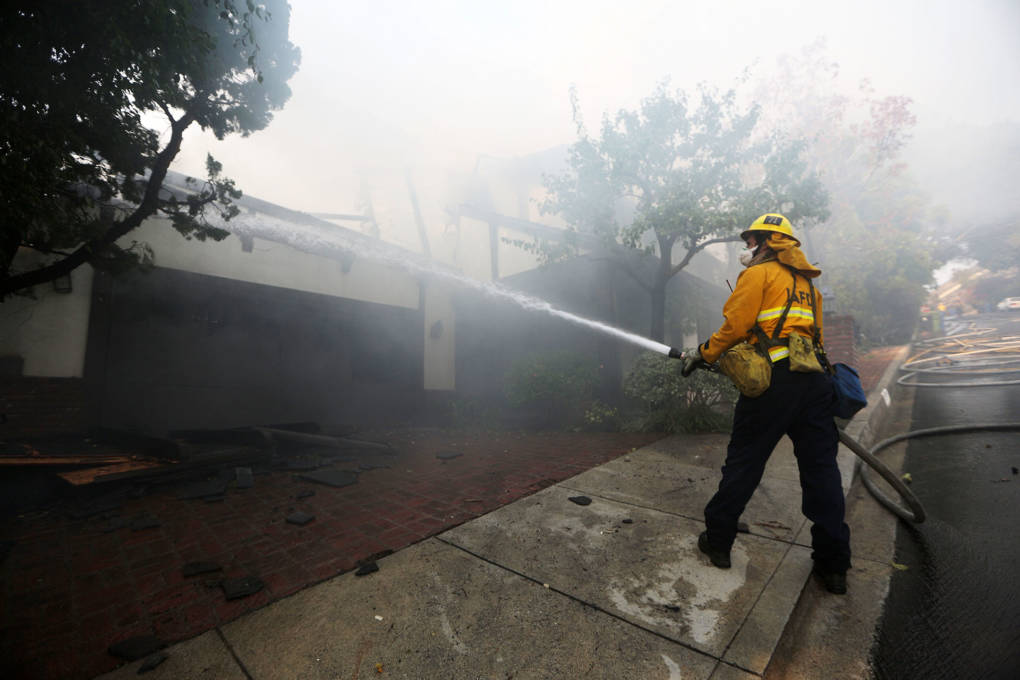
"caption": "A firefighter sprays water on a burning home in the wealthy Bel Air neighborhood during the Skirball Fire on Dec. 6, 2017.",
"description": "A firefighter sprays water on a burning home in the wealthy Bel-Air neighborhood during the Skirball Fire on Dec. 6, 2017.",
"title": "Skirball1920",
"credit": "Mario Tama/Getty Images",
"status": "inherit",
"isLoading": false,
"fetchFailed": false
},
"news_11610987": {
"type": "attachments",
"id": "news_11610987",
"meta": {
"index": "attachments_1716263798",
"site": "news",
"id": "11610987",
"found": true
},
"parent": 11610959,
"imgSizes": {
"small": {
"file": "https://ww2.kqed.org/app/uploads/sites/10/2017/08/HomelessCamp-520x347.jpg",
"width": 520,
"mimeType": "image/jpeg",
"height": 347
},
"twentyfourteen-full-width": {
"file": "https://ww2.kqed.org/app/uploads/sites/10/2017/08/HomelessCamp-1038x576.jpg",
"width": 1038,
"mimeType": "image/jpeg",
"height": 576
},
"thumbnail": {
"file": "https://ww2.kqed.org/app/uploads/sites/10/2017/08/HomelessCamp-160x107.jpg",
"width": 160,
"mimeType": "image/jpeg",
"height": 107
},
"fd-sm": {
"file": "https://ww2.kqed.org/app/uploads/sites/10/2017/08/HomelessCamp-960x640.jpg",
"width": 960,
"mimeType": "image/jpeg",
"height": 640
},
"post-thumbnail": {
"file": "https://ww2.kqed.org/app/uploads/sites/10/2017/08/HomelessCamp-672x372.jpg",
"width": 672,
"mimeType": "image/jpeg",
"height": 372
},
"xsmall": {
"file": "https://ww2.kqed.org/app/uploads/sites/10/2017/08/HomelessCamp-375x250.jpg",
"width": 375,
"mimeType": "image/jpeg",
"height": 250
},
"kqedFullSize": {
"file": "https://ww2.kqed.org/app/uploads/sites/10/2017/08/HomelessCamp.jpg",
"width": 1920,
"height": 1280
},
"large": {
"file": "https://ww2.kqed.org/app/uploads/sites/10/2017/08/HomelessCamp-1020x680.jpg",
"width": 1020,
"mimeType": "image/jpeg",
"height": 680
},
"xlarge": {
"file": "https://ww2.kqed.org/app/uploads/sites/10/2017/08/HomelessCamp-1180x787.jpg",
"width": 1180,
"mimeType": "image/jpeg",
"height": 787
},
"guest-author-50": {
"file": "https://ww2.kqed.org/app/uploads/sites/10/2017/08/HomelessCamp-50x50.jpg",
"width": 50,
"mimeType": "image/jpeg",
"height": 50
},
"guest-author-96": {
"file": "https://ww2.kqed.org/app/uploads/sites/10/2017/08/HomelessCamp-96x96.jpg",
"width": 96,
"mimeType": "image/jpeg",
"height": 96
},
"medium": {
"file": "https://ww2.kqed.org/app/uploads/sites/10/2017/08/HomelessCamp-800x533.jpg",
"width": 800,
"mimeType": "image/jpeg",
"height": 533
},
"guest-author-64": {
"file": "https://ww2.kqed.org/app/uploads/sites/10/2017/08/HomelessCamp-64x64.jpg",
"width": 64,
"mimeType": "image/jpeg",
"height": 64
},
"guest-author-32": {
"file": "https://ww2.kqed.org/app/uploads/sites/10/2017/08/HomelessCamp-32x32.jpg",
"width": 32,
"mimeType": "image/jpeg",
"height": 32
},
"fd-lrg": {
"file": "https://ww2.kqed.org/app/uploads/sites/10/2017/08/HomelessCamp-1920x1280.jpg",
"width": 1920,
"mimeType": "image/jpeg",
"height": 1280
},
"fd-med": {
"file": "https://ww2.kqed.org/app/uploads/sites/10/2017/08/HomelessCamp-1180x787.jpg",
"width": 1180,
"mimeType": "image/jpeg",
"height": 787
},
"full-width": {
"file": "https://ww2.kqed.org/app/uploads/sites/10/2017/08/HomelessCamp-1920x1280.jpg",
"width": 1920,
"mimeType": "image/jpeg",
"height": 1280
},
"detail": {
"file": "https://ww2.kqed.org/app/uploads/sites/10/2017/08/HomelessCamp-150x150.jpg",
"width": 150,
"mimeType": "image/jpeg",
"height": 150
},
"guest-author-128": {
"file": "https://ww2.kqed.org/app/uploads/sites/10/2017/08/HomelessCamp-128x128.jpg",
"width": 128,
"mimeType": "image/jpeg",
"height": 128
},
"xxsmall": {
"file": "https://ww2.kqed.org/app/uploads/sites/10/2017/08/HomelessCamp-240x160.jpg",
"width": 240,
"mimeType": "image/jpeg",
"height": 160
}
},
"publishDate": 1502397516,
"modified": 1512582338,
"caption": "A woman walks past a homeless encampment on May 1, 2017 in Los Angeles.",
"description": "A woman walks past a homeless encampment on May 1, 2017 in Los Angeles.",
"title": "HomelessCamp",
"credit": "David McNew/Getty Images",
"status": "inherit",
"isLoading": false,
"fetchFailed": false
},
"news_11632395": {
"type": "attachments",
"id": "news_11632395",
"meta": {
"index": "attachments_1716263798",
"site": "news",
"id": "11632395",
"found": true
},
"parent": 11632393,
"imgSizes": {
"small": {
"file": "https://ww2.kqed.org/app/uploads/sites/10/2017/11/RS28075_FosteringHomeless-qut-520x390.jpg",
"width": 520,
"mimeType": "image/jpeg",
"height": 390
},
"twentyfourteen-full-width": {
"file": "https://ww2.kqed.org/app/uploads/sites/10/2017/11/RS28075_FosteringHomeless-qut-1038x576.jpg",
"width": 1038,
"mimeType": "image/jpeg",
"height": 576
},
"thumbnail": {
"file": "https://ww2.kqed.org/app/uploads/sites/10/2017/11/RS28075_FosteringHomeless-qut-160x120.jpg",
"width": 160,
"mimeType": "image/jpeg",
"height": 120
},
"fd-sm": {
"file": "https://ww2.kqed.org/app/uploads/sites/10/2017/11/RS28075_FosteringHomeless-qut-960x720.jpg",
"width": 960,
"mimeType": "image/jpeg",
"height": 720
},
"post-thumbnail": {
"file": "https://ww2.kqed.org/app/uploads/sites/10/2017/11/RS28075_FosteringHomeless-qut-672x372.jpg",
"width": 672,
"mimeType": "image/jpeg",
"height": 372
},
"xsmall": {
"file": "https://ww2.kqed.org/app/uploads/sites/10/2017/11/RS28075_FosteringHomeless-qut-375x281.jpg",
"width": 375,
"mimeType": "image/jpeg",
"height": 281
},
"kqedFullSize": {
"file": "https://ww2.kqed.org/app/uploads/sites/10/2017/11/RS28075_FosteringHomeless-qut.jpg",
"width": 1920,
"height": 1440
},
"large": {
"file": "https://ww2.kqed.org/app/uploads/sites/10/2017/11/RS28075_FosteringHomeless-qut-1020x765.jpg",
"width": 1020,
"mimeType": "image/jpeg",
"height": 765
},
"xlarge": {
"file": "https://ww2.kqed.org/app/uploads/sites/10/2017/11/RS28075_FosteringHomeless-qut-1180x885.jpg",
"width": 1180,
"mimeType": "image/jpeg",
"height": 885
},
"guest-author-50": {
"file": "https://ww2.kqed.org/app/uploads/sites/10/2017/11/RS28075_FosteringHomeless-qut-50x50.jpg",
"width": 50,
"mimeType": "image/jpeg",
"height": 50
},
"guest-author-96": {
"file": "https://ww2.kqed.org/app/uploads/sites/10/2017/11/RS28075_FosteringHomeless-qut-96x96.jpg",
"width": 96,
"mimeType": "image/jpeg",
"height": 96
},
"medium": {
"file": "https://ww2.kqed.org/app/uploads/sites/10/2017/11/RS28075_FosteringHomeless-qut-800x600.jpg",
"width": 800,
"mimeType": "image/jpeg",
"height": 600
},
"guest-author-64": {
"file": "https://ww2.kqed.org/app/uploads/sites/10/2017/11/RS28075_FosteringHomeless-qut-64x64.jpg",
"width": 64,
"mimeType": "image/jpeg",
"height": 64
},
"guest-author-32": {
"file": "https://ww2.kqed.org/app/uploads/sites/10/2017/11/RS28075_FosteringHomeless-qut-32x32.jpg",
"width": 32,
"mimeType": "image/jpeg",
"height": 32
},
"fd-lrg": {
"file": "https://ww2.kqed.org/app/uploads/sites/10/2017/11/RS28075_FosteringHomeless-qut-1920x1440.jpg",
"width": 1920,
"mimeType": "image/jpeg",
"height": 1440
},
"fd-med": {
"file": "https://ww2.kqed.org/app/uploads/sites/10/2017/11/RS28075_FosteringHomeless-qut-1180x885.jpg",
"width": 1180,
"mimeType": "image/jpeg",
"height": 885
},
"full-width": {
"file": "https://ww2.kqed.org/app/uploads/sites/10/2017/11/RS28075_FosteringHomeless-qut-1920x1440.jpg",
"width": 1920,
"mimeType": "image/jpeg",
"height": 1440
},
"detail": {
"file": "https://ww2.kqed.org/app/uploads/sites/10/2017/11/RS28075_FosteringHomeless-qut-150x150.jpg",
"width": 150,
"mimeType": "image/jpeg",
"height": 150
},
"guest-author-128": {
"file": "https://ww2.kqed.org/app/uploads/sites/10/2017/11/RS28075_FosteringHomeless-qut-128x128.jpg",
"width": 128,
"mimeType": "image/jpeg",
"height": 128
},
"xxsmall": {
"file": "https://ww2.kqed.org/app/uploads/sites/10/2017/11/RS28075_FosteringHomeless-qut-240x180.jpg",
"width": 240,
"mimeType": "image/jpeg",
"height": 180
}
},
"publishDate": 1511207809,
"modified": 1511210888,
"caption": "Nikkii Creer (left) and Teryl Burt (right) sit in Burt’s living room two weeks into their stay together as part of the Safe Time program.",
"description": "Nikkii Creer (left) and Teryl Burt (right) sit in Burt’s living room two weeks into their stay together as part of the Safe Time program.",
"title": "RS28075_FosteringHomeless-qut",
"credit": "Ariel Plotnick",
"status": "inherit",
"isLoading": false,
"fetchFailed": false
},
"news_11630204": {
"type": "attachments",
"id": "news_11630204",
"meta": {
"index": "attachments_1716263798",
"site": "news",
"id": "11630204",
"found": true
},
"parent": 11630203,
"imgSizes": {
"small": {
"file": "https://ww2.kqed.org/app/uploads/sites/10/2017/11/RS27970_IMG_1239-qut-520x390.jpg",
"width": 520,
"mimeType": "image/jpeg",
"height": 390
},
"twentyfourteen-full-width": {
"file": "https://ww2.kqed.org/app/uploads/sites/10/2017/11/RS27970_IMG_1239-qut-1038x576.jpg",
"width": 1038,
"mimeType": "image/jpeg",
"height": 576
},
"thumbnail": {
"file": "https://ww2.kqed.org/app/uploads/sites/10/2017/11/RS27970_IMG_1239-qut-160x120.jpg",
"width": 160,
"mimeType": "image/jpeg",
"height": 120
},
"fd-sm": {
"file": "https://ww2.kqed.org/app/uploads/sites/10/2017/11/RS27970_IMG_1239-qut-960x720.jpg",
"width": 960,
"mimeType": "image/jpeg",
"height": 720
},
"post-thumbnail": {
"file": "https://ww2.kqed.org/app/uploads/sites/10/2017/11/RS27970_IMG_1239-qut-672x372.jpg",
"width": 672,
"mimeType": "image/jpeg",
"height": 372
},
"xsmall": {
"file": "https://ww2.kqed.org/app/uploads/sites/10/2017/11/RS27970_IMG_1239-qut-375x281.jpg",
"width": 375,
"mimeType": "image/jpeg",
"height": 281
},
"kqedFullSize": {
"file": "https://ww2.kqed.org/app/uploads/sites/10/2017/11/RS27970_IMG_1239-qut.jpg",
"width": 1632,
"height": 1224
},
"large": {
"file": "https://ww2.kqed.org/app/uploads/sites/10/2017/11/RS27970_IMG_1239-qut-1020x765.jpg",
"width": 1020,
"mimeType": "image/jpeg",
"height": 765
},
"xlarge": {
"file": "https://ww2.kqed.org/app/uploads/sites/10/2017/11/RS27970_IMG_1239-qut-1180x885.jpg",
"width": 1180,
"mimeType": "image/jpeg",
"height": 885
},
"guest-author-50": {
"file": "https://ww2.kqed.org/app/uploads/sites/10/2017/11/RS27970_IMG_1239-qut-50x50.jpg",
"width": 50,
"mimeType": "image/jpeg",
"height": 50
},
"guest-author-96": {
"file": "https://ww2.kqed.org/app/uploads/sites/10/2017/11/RS27970_IMG_1239-qut-96x96.jpg",
"width": 96,
"mimeType": "image/jpeg",
"height": 96
},
"medium": {
"file": "https://ww2.kqed.org/app/uploads/sites/10/2017/11/RS27970_IMG_1239-qut-800x600.jpg",
"width": 800,
"mimeType": "image/jpeg",
"height": 600
},
"guest-author-64": {
"file": "https://ww2.kqed.org/app/uploads/sites/10/2017/11/RS27970_IMG_1239-qut-64x64.jpg",
"width": 64,
"mimeType": "image/jpeg",
"height": 64
},
"guest-author-32": {
"file": "https://ww2.kqed.org/app/uploads/sites/10/2017/11/RS27970_IMG_1239-qut-32x32.jpg",
"width": 32,
"mimeType": "image/jpeg",
"height": 32
},
"fd-med": {
"file": "https://ww2.kqed.org/app/uploads/sites/10/2017/11/RS27970_IMG_1239-qut-1180x885.jpg",
"width": 1180,
"mimeType": "image/jpeg",
"height": 885
},
"detail": {
"file": "https://ww2.kqed.org/app/uploads/sites/10/2017/11/RS27970_IMG_1239-qut-150x150.jpg",
"width": 150,
"mimeType": "image/jpeg",
"height": 150
},
"guest-author-128": {
"file": "https://ww2.kqed.org/app/uploads/sites/10/2017/11/RS27970_IMG_1239-qut-128x128.jpg",
"width": 128,
"mimeType": "image/jpeg",
"height": 128
},
"xxsmall": {
"file": "https://ww2.kqed.org/app/uploads/sites/10/2017/11/RS27970_IMG_1239-qut-240x180.jpg",
"width": 240,
"mimeType": "image/jpeg",
"height": 180
}
},
"publishDate": 1510532049,
"modified": 1510532166,
"caption": "Tents, bicycles, trash and other debris line the Highway 101 Sixth Street underpass in downtown Santa Rosa.",
"description": null,
"title": "RS27970_IMG_1239-qut",
"credit": "Tiffany Camhi/KQED",
"status": "inherit",
"isLoading": false,
"fetchFailed": false
},
"news_11629345": {
"type": "attachments",
"id": "news_11629345",
"meta": {
"index": "attachments_1716263798",
"site": "news",
"id": "11629345",
"found": true
},
"parent": 11629146,
"imgSizes": {
"small": {
"file": "https://ww2.kqed.org/app/uploads/sites/10/2017/11/RS17471_HomelessSanJoseCityHall.JPG-520x390.jpg",
"width": 520,
"mimeType": "image/jpeg",
"height": 390
},
"twentyfourteen-full-width": {
"file": "https://ww2.kqed.org/app/uploads/sites/10/2017/11/RS17471_HomelessSanJoseCityHall.JPG-1038x576.jpg",
"width": 1038,
"mimeType": "image/jpeg",
"height": 576
},
"thumbnail": {
"file": "https://ww2.kqed.org/app/uploads/sites/10/2017/11/RS17471_HomelessSanJoseCityHall.JPG-160x120.jpg",
"width": 160,
"mimeType": "image/jpeg",
"height": 120
},
"fd-sm": {
"file": "https://ww2.kqed.org/app/uploads/sites/10/2017/11/RS17471_HomelessSanJoseCityHall.JPG-960x720.jpg",
"width": 960,
"mimeType": "image/jpeg",
"height": 720
},
"post-thumbnail": {
"file": "https://ww2.kqed.org/app/uploads/sites/10/2017/11/RS17471_HomelessSanJoseCityHall.JPG-672x372.jpg",
"width": 672,
"mimeType": "image/jpeg",
"height": 372
},
"xsmall": {
"file": "https://ww2.kqed.org/app/uploads/sites/10/2017/11/RS17471_HomelessSanJoseCityHall.JPG-375x281.jpg",
"width": 375,
"mimeType": "image/jpeg",
"height": 281
},
"kqedFullSize": {
"file": "https://ww2.kqed.org/app/uploads/sites/10/2017/11/RS17471_HomelessSanJoseCityHall.JPG.jpg",
"width": 2048,
"height": 1536
},
"large": {
"file": "https://ww2.kqed.org/app/uploads/sites/10/2017/11/RS17471_HomelessSanJoseCityHall.JPG-1020x765.jpg",
"width": 1020,
"mimeType": "image/jpeg",
"height": 765
},
"xlarge": {
"file": "https://ww2.kqed.org/app/uploads/sites/10/2017/11/RS17471_HomelessSanJoseCityHall.JPG-1180x885.jpg",
"width": 1180,
"mimeType": "image/jpeg",
"height": 885
},
"guest-author-50": {
"file": "https://ww2.kqed.org/app/uploads/sites/10/2017/11/RS17471_HomelessSanJoseCityHall.JPG-50x50.jpg",
"width": 50,
"mimeType": "image/jpeg",
"height": 50
},
"guest-author-96": {
"file": "https://ww2.kqed.org/app/uploads/sites/10/2017/11/RS17471_HomelessSanJoseCityHall.JPG-96x96.jpg",
"width": 96,
"mimeType": "image/jpeg",
"height": 96
},
"medium": {
"file": "https://ww2.kqed.org/app/uploads/sites/10/2017/11/RS17471_HomelessSanJoseCityHall.JPG-800x600.jpg",
"width": 800,
"mimeType": "image/jpeg",
"height": 600
},
"guest-author-64": {
"file": "https://ww2.kqed.org/app/uploads/sites/10/2017/11/RS17471_HomelessSanJoseCityHall.JPG-64x64.jpg",
"width": 64,
"mimeType": "image/jpeg",
"height": 64
},
"guest-author-32": {
"file": "https://ww2.kqed.org/app/uploads/sites/10/2017/11/RS17471_HomelessSanJoseCityHall.JPG-32x32.jpg",
"width": 32,
"mimeType": "image/jpeg",
"height": 32
},
"fd-lrg": {
"file": "https://ww2.kqed.org/app/uploads/sites/10/2017/11/RS17471_HomelessSanJoseCityHall.JPG-1920x1440.jpg",
"width": 1920,
"mimeType": "image/jpeg",
"height": 1440
},
"fd-med": {
"file": "https://ww2.kqed.org/app/uploads/sites/10/2017/11/RS17471_HomelessSanJoseCityHall.JPG-1180x885.jpg",
"width": 1180,
"mimeType": "image/jpeg",
"height": 885
},
"full-width": {
"file": "https://ww2.kqed.org/app/uploads/sites/10/2017/11/RS17471_HomelessSanJoseCityHall.JPG-1920x1440.jpg",
"width": 1920,
"mimeType": "image/jpeg",
"height": 1440
},
"detail": {
"file": "https://ww2.kqed.org/app/uploads/sites/10/2017/11/RS17471_HomelessSanJoseCityHall.JPG-150x150.jpg",
"width": 150,
"mimeType": "image/jpeg",
"height": 150
},
"guest-author-128": {
"file": "https://ww2.kqed.org/app/uploads/sites/10/2017/11/RS17471_HomelessSanJoseCityHall.JPG-128x128.jpg",
"width": 128,
"mimeType": "image/jpeg",
"height": 128
},
"xxsmall": {
"file": "https://ww2.kqed.org/app/uploads/sites/10/2017/11/RS17471_HomelessSanJoseCityHall.JPG-240x180.jpg",
"width": 240,
"mimeType": "image/jpeg",
"height": 180
}
},
"publishDate": 1510186545,
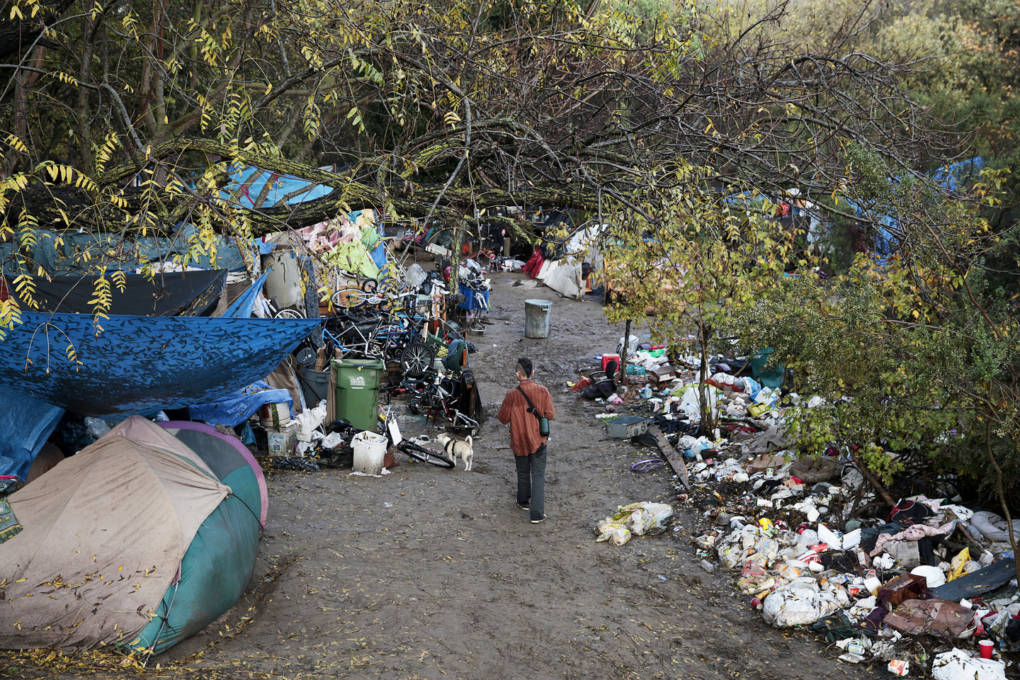
"modified": 1510186628,
"caption": "The median rent in the San Jose metro area is $3,500 a month, yet the median wage is $12 an hour in food service and $19 an hour in health care support, an amount that won't even cover housing costs.",
"description": "The median rent in the San Jose metro area is $3,500 a month, yet the median wage is $12 an hour in food service and $19 an hour in health care support, an amount that won't even cover housing costs.",
"title": "RS17471_HomelessSanJoseCityHall.JPG",
"credit": "Rachel Myrow/KQED",
"status": "inherit",
"isLoading": false,
"fetchFailed": false
},
"news_11628516": {
"type": "attachments",
"id": "news_11628516",
"meta": {
"index": "attachments_1716263798",
"site": "news",
"id": "11628516",
"found": true
},
"parent": 11628502,
"imgSizes": {
"small": {
"file": "https://ww2.kqed.org/app/uploads/sites/10/2017/11/YosemiteHomelessMain1-520x322.jpg",
"width": 520,
"mimeType": "image/jpeg",
"height": 322
},
"twentyfourteen-full-width": {
"file": "https://ww2.kqed.org/app/uploads/sites/10/2017/11/YosemiteHomelessMain1-1038x576.jpg",
"width": 1038,
"mimeType": "image/jpeg",
"height": 576
},
"thumbnail": {
"file": "https://ww2.kqed.org/app/uploads/sites/10/2017/11/YosemiteHomelessMain1-160x99.jpg",
"width": 160,
"mimeType": "image/jpeg",
"height": 99
},
"fd-sm": {
"file": "https://ww2.kqed.org/app/uploads/sites/10/2017/11/YosemiteHomelessMain1-960x595.jpg",
"width": 960,
"mimeType": "image/jpeg",
"height": 595
},
"post-thumbnail": {
"file": "https://ww2.kqed.org/app/uploads/sites/10/2017/11/YosemiteHomelessMain1-672x372.jpg",
"width": 672,
"mimeType": "image/jpeg",
"height": 372
},
"xsmall": {
"file": "https://ww2.kqed.org/app/uploads/sites/10/2017/11/YosemiteHomelessMain1-375x232.jpg",
"width": 375,
"mimeType": "image/jpeg",
"height": 232
},
"kqedFullSize": {
"file": "https://ww2.kqed.org/app/uploads/sites/10/2017/11/YosemiteHomelessMain1.jpg",
"width": 1920,
"height": 1189
},
"large": {
"file": "https://ww2.kqed.org/app/uploads/sites/10/2017/11/YosemiteHomelessMain1-1020x632.jpg",
"width": 1020,
"mimeType": "image/jpeg",
"height": 632
},
"xlarge": {
"file": "https://ww2.kqed.org/app/uploads/sites/10/2017/11/YosemiteHomelessMain1-1180x731.jpg",
"width": 1180,
"mimeType": "image/jpeg",
"height": 731
},
"guest-author-50": {
"file": "https://ww2.kqed.org/app/uploads/sites/10/2017/11/YosemiteHomelessMain1-50x50.jpg",
"width": 50,
"mimeType": "image/jpeg",
"height": 50
},
"guest-author-96": {
"file": "https://ww2.kqed.org/app/uploads/sites/10/2017/11/YosemiteHomelessMain1-96x96.jpg",
"width": 96,
"mimeType": "image/jpeg",
"height": 96
},
"medium": {
"file": "https://ww2.kqed.org/app/uploads/sites/10/2017/11/YosemiteHomelessMain1-800x495.jpg",
"width": 800,
"mimeType": "image/jpeg",
"height": 495
},
"guest-author-64": {
"file": "https://ww2.kqed.org/app/uploads/sites/10/2017/11/YosemiteHomelessMain1-64x64.jpg",
"width": 64,
"mimeType": "image/jpeg",
"height": 64
},
"guest-author-32": {
"file": "https://ww2.kqed.org/app/uploads/sites/10/2017/11/YosemiteHomelessMain1-32x32.jpg",
"width": 32,
"mimeType": "image/jpeg",
"height": 32
},
"fd-lrg": {
"file": "https://ww2.kqed.org/app/uploads/sites/10/2017/11/YosemiteHomelessMain1-1920x1189.jpg",
"width": 1920,
"mimeType": "image/jpeg",
"height": 1189
},
"fd-med": {
"file": "https://ww2.kqed.org/app/uploads/sites/10/2017/11/YosemiteHomelessMain1-1180x731.jpg",
"width": 1180,
"mimeType": "image/jpeg",
"height": 731
},
"full-width": {
"file": "https://ww2.kqed.org/app/uploads/sites/10/2017/11/YosemiteHomelessMain1-1920x1189.jpg",
"width": 1920,
"mimeType": "image/jpeg",
"height": 1189
},
"detail": {
"file": "https://ww2.kqed.org/app/uploads/sites/10/2017/11/YosemiteHomelessMain1-150x150.jpg",
"width": 150,
"mimeType": "image/jpeg",
"height": 150
},
"guest-author-128": {
"file": "https://ww2.kqed.org/app/uploads/sites/10/2017/11/YosemiteHomelessMain1-128x128.jpg",
"width": 128,
"mimeType": "image/jpeg",
"height": 128
},
"xxsmall": {
"file": "https://ww2.kqed.org/app/uploads/sites/10/2017/11/YosemiteHomelessMain1-240x149.jpg",
"width": 240,
"mimeType": "image/jpeg",
"height": 149
}
},
"publishDate": 1509999769,
"modified": 1509999796,
"caption": "Churches in the Oakhurst area, just outside Yosemite, host weekly dinners for the region's homeless community.",
"description": "Churches in the Oakhurst area, just outside Yosemite, host weekly dinners for the region's homeless community.",
"title": "YosemiteHomelessMain1",
"credit": "Ezra David Romero/Valley Public Radio",
"status": "inherit",
"isLoading": false,
"fetchFailed": false
}
},
"audioPlayerReducer": {
"postId": "stream_live",
"isPaused": true,
"isPlaying": false,
"pfsActive": false,
"pledgeModalIsOpen": true,
"playerDrawerIsOpen": false,
"liveAudioPlayStartedAt": 0,
"liveAudioPlayContext": ""
},
"authorsReducer": {
"byline_news_11648643": {
"type": "authors",
"id": "byline_news_11648643",
"meta": {
"override": true
},
"slug": "byline_news_11648643",
"name": "\u003cstrong>\u003ca href=\"http://kazu.org/people/erika-mahoney\">Erika Mahoney\u003c/a>\u003c/strong>",
"isLoading": false
},
"byline_news_11647578": {
"type": "authors",
"id": "byline_news_11647578",
"meta": {
"override": true
},
"slug": "byline_news_11647578",
"name": "\u003cstrong>\u003ca href=\"https://www.scpr.org/about/people/staff/jill-replogle\">Jill Replogle\u003c/a>\u003c/strong>",
"isLoading": false
},
"byline_news_11636690": {
"type": "authors",
"id": "byline_news_11636690",
"meta": {
"override": true
},
"slug": "byline_news_11636690",
"name": "\u003cstrong>The Associated Press\u003c/strong>",
"isLoading": false
},
"byline_news_11636564": {
"type": "authors",
"id": "byline_news_11636564",
"meta": {
"override": true
},
"slug": "byline_news_11636564",
"name": "KPCC staff",
"isLoading": false
},
"byline_news_11635229": {
"type": "authors",
"id": "byline_news_11635229",
"meta": {
"override": true
},
"slug": "byline_news_11635229",
"name": "\u003cstrong>Pam Fessler\u003cbr />NPR\u003c/strong>",
"isLoading": false
},
"byline_news_11632393": {
"type": "authors",
"id": "byline_news_11632393",
"meta": {
"override": true
},
"slug": "byline_news_11632393",
"name": "\u003cstrong>Ariel Plotnick\u003c/strong>",
"isLoading": false
},
"byline_news_11629146": {
"type": "authors",
"id": "byline_news_11629146",
"meta": {
"override": true
},
"slug": "byline_news_11629146",
"name": "\u003cstrong>Janie Harr\u003c/strong>\u003cbr>\u003cstrong>Associated Press\u003c/strong>",
"isLoading": false
},
"byline_news_11628502": {
"type": "authors",
"id": "byline_news_11628502",
"meta": {
"override": true
},
"slug": "byline_news_11628502",
"name": "\u003cstrong>\u003ca href=\"http://kvpr.org/people/ezra-david-romero\">Ezra David Romero\u003c/a>\u003c/strong>",
"isLoading": false
},
"scuevas": {
"type": "authors",
"id": "2600",
"meta": {
"index": "authors_1716337520",
"id": "2600",
"found": true
},
"name": "Steven Cuevas",
"firstName": "Steven",
"lastName": "Cuevas",
"slug": "scuevas",
"email": "scuevas@kqed.org",
"display_author_email": false,
"staff_mastheads": [],
"title": "KQED Contributor",
"bio": "Steven is a former Los Angeles bureau chief for The California Report.\r\n\r\nHe reports on an array of issues across the Southland, from immigration and regional politics to religion, the performing arts and pop culture.\r\n\r\nPrior to joining KQED in 2012, Steven covered Inland southern California for KPCC in Pasadena. He also helped establish the first newsroom at \u003ca href=\"http://kut.org/\">KUT\u003c/a> in Austin, Texas where he was a general assignment reporter.\r\n\r\nSteven has received numerous awards for his reporting including an RTNDA Edward R. Murrow Award for investigative reporting in addition to awards from the LA Press Club, the Associated Press and the Society for Professional Journalists.\r\n\r\nSteven grew up in and around San Francisco and now lives in Pasadena just a short jog from the foot of the San Gabriel Mountains.",
"avatar": "https://secure.gravatar.com/avatar/bbb0bb7b496f83ab350e23ad0dc7c81c?s=600&d=blank&r=g",
"twitter": null,
"facebook": null,
"instagram": null,
"linkedin": null,
"sites": [
{
"site": "news",
"roles": [
"contributor"
]
},
{
"site": "stateofhealth",
"roles": [
"author"
]
}
],
"headData": {
"title": "Steven Cuevas | KQED",
"description": "KQED Contributor",
"ogImgSrc": "https://secure.gravatar.com/avatar/bbb0bb7b496f83ab350e23ad0dc7c81c?s=600&d=blank&r=g",
"twImgSrc": "https://secure.gravatar.com/avatar/bbb0bb7b496f83ab350e23ad0dc7c81c?s=600&d=blank&r=g"
},
"isLoading": false,
"link": "/author/scuevas"
},
"tcamhi": {
"type": "authors",
"id": "3251",
"meta": {
"index": "authors_1716337520",
"id": "3251",
"found": true
},
"name": "Tiffany Camhi",
"firstName": null,
"lastName": null,
"slug": "tcamhi",
"email": "tiffanycamhi@gmail.com",
"display_author_email": false,
"staff_mastheads": [],
"title": "KQED Contributor",
"bio": null,
"avatar": "https://secure.gravatar.com/avatar/aca1971530f63a23abcf35486f9f9ff6?s=600&d=blank&r=g",
"twitter": null,
"facebook": null,
"instagram": null,
"linkedin": null,
"sites": [
{
"site": "arts",
"roles": [
"author"
]
},
{
"site": "news",
"roles": [
"subscriber"
]
}
],
"headData": {
"title": "Tiffany Camhi | KQED",
"description": "KQED Contributor",
"ogImgSrc": "https://secure.gravatar.com/avatar/aca1971530f63a23abcf35486f9f9ff6?s=600&d=blank&r=g",
"twImgSrc": "https://secure.gravatar.com/avatar/aca1971530f63a23abcf35486f9f9ff6?s=600&d=blank&r=g"
},
"isLoading": false,
"link": "/author/tcamhi"
},
"amalekzadeh": {
"type": "authors",
"id": "11366",
"meta": {
"index": "authors_1716337520",
"id": "11366",
"found": true
},
"name": "Arash Malekzadeh",
"firstName": "Arash",
"lastName": "Malekzadeh",
"slug": "amalekzadeh",
"email": "amalekzadeh@KQED.org",
"display_author_email": false,
"staff_mastheads": [],
"title": "KQED Contributor",
"bio": "Arash Malekzadeh is a former KQED News visual journalism intern. He majored in journalism at San Francisco State University with a minor in Race and Resistance Studies.",
"avatar": "https://secure.gravatar.com/avatar/2fc11096822ff9c12d035256a8ff0536?s=600&d=blank&r=g",
"twitter": null,
"facebook": null,
"instagram": null,
"linkedin": null,
"sites": [
{
"site": "news",
"roles": [
"edit_others_posts",
"subscriber"
]
}
],
"headData": {
"title": "Arash Malekzadeh | KQED",
"description": "KQED Contributor",
"ogImgSrc": "https://secure.gravatar.com/avatar/2fc11096822ff9c12d035256a8ff0536?s=600&d=blank&r=g",
"twImgSrc": "https://secure.gravatar.com/avatar/2fc11096822ff9c12d035256a8ff0536?s=600&d=blank&r=g"
},
"isLoading": false,
"link": "/author/amalekzadeh"
}
},
"pagesReducer": {
"news_tag_homelessness": {
"type": "terms",
"id": "news_4020",
"meta": {
"index": "terms_1716263798",
"site": "news",
"id": "4020",
"score": 8.5546055
},
"name": "Homelessness",
"slug": "homelessness",
"taxonomy": "tag",
"description": null,
"featImg": null,
"headData": {
"title": "Homelessness | KQED News",
"description": null,
"ogTitle": null,
"ogDescription": null,
"ogImgId": null,
"twTitle": null,
"twDescription": null,
"twImgId": null,
"metaRobotsNoIndex": "index"
},
"ttid": 4039,
"isLoading": false,
"title": "Homelessness",
"pageMeta": {
"site": "news",
"WpPageTemplate": "page-topic-editorial",
"currentPage": 51
},
"blocks": [
{
"blockName": "kqed/post-list",
"attrs": {
"layout": "cardArticle2",
"query": "posts/news?tag=homelessness",
"seeMore": false,
"paginated": true,
"page": 51
}
},
{
"blockName": "kqed/ad"
}
]
}
},
"pfsSessionReducer": {},
"postsReducer": {
"stream_live": {
"type": "live",
"id": "stream_live",
"audioUrl": "https://streams.kqed.org/kqedradio",
"title": "Live Stream",
"excerpt": "Live Stream information currently unavailable.",
"link": "/radio",
"featImg": "",
"label": {
"name": "KQED Live",
"link": "/"
}
},
"stream_kqedNewscast": {
"type": "posts",
"id": "stream_kqedNewscast",
"audioUrl": "https://www.kqed.org/.stream/anon/radio/RDnews/newscast.mp3?_=1",
"title": "KQED Newscast",
"featImg": "",
"label": {
"name": "88.5 FM",
"link": "/"
}
},
"news_11648643": {
"type": "posts",
"id": "news_11648643",
"meta": {
"index": "posts_1716263798",
"site": "news",
"id": "11648643",
"score": null,
"sort": [
1518044289000
]
},
"parent": 0,
"labelTerm": {},
"blocks": [],
"publishDate": 1518044289,
"format": "audio",
"disqusTitle": "Monterey County Declares Hepatitis A Outbreak Among Homeless",
"title": "Monterey County Declares Hepatitis A Outbreak Among Homeless",
"headTitle": "The California Report | KQED News",
"content": "\u003cp>Monterey County is the latest county in California to declare a hepatitis A outbreak among its homeless population.\u003c/p>\n\u003cp>California has been dealing with its largest hep A outbreak since the vaccine came out more than 20 years ago.\u003c/p>\n\u003cp>Ten people in Monterey County have been diagnosed with hepatitis A, nine of them homeless. The virus infects the liver and causes flu-like symptoms. It can be deadly.\u003c/p>\n\u003cp>[contextly_sidebar id=\"yDa6FK5CZt1slwEI7C3GW3pOHDQgjbMN\"]\u003c/p>\n\u003cp>Hep A spreads when someone drinks water or eats food that’s contaminated with the feces of an infected person. So it's most common in unsanitary places, making the homeless especially vulnerable.\u003c/p>\n\u003cp>[ad fullwidth]\u003c/p>\n\u003cp>The Monterey County Health Department has been offering free vaccines to the homeless since late last year.\u003c/p>\n\u003cp>“It’s a challenge. Some homeless individuals, for a variety of reasons, may find it difficult initially to accept the offer to receive a vaccine,” says Monterey County Health Officer Dr. Edward Moreno.\u003c/p>\n\u003cp>The Health Department is now trying new ways to get homeless people to accept the shot. Moreno says they’re using an incentive that worked in San Diego County.\u003c/p>\n\u003cp>“Something as simple as a card that they can use to get a meal at one of the restaurants here in Monterey County,” he says.\u003c/p>\n\u003cp>[contextly_sidebar id=\"k30tjvALeR1LzSHDeEtDE9z3kGN5WD5G\"]\u003c/p>\n\u003cp>Beyond the vaccination, Moreno says local businesses can help stop the spread by disinfecting public bathrooms. And people should always wash their hands. Hand sanitizer doesn’t always kill the virus.\u003c/p>\n\u003cp>Within 24 hours of Monterey County declaring the outbreak, neighboring Santa Cruz County said its hep A outbreak is over.\u003c/p>\n\u003cp>\u003c/p>\n\u003cp>In Santa Cruz County, 76 people got hep A. One person died from the virus.\u003c/p>\n\n",
"disqusIdentifier": "11648643 https://ww2.kqed.org/news/?p=11648643",
"disqusUrl": "https://ww2.kqed.org/news/2018/02/07/monterey-county-declares-hepatitis-a-outbreak-among-homeless/",
"stats": {
"hasVideo": false,
"hasChartOrMap": false,
"hasAudio": false,
"hasPolis": false,
"wordCount": 286,
"hasGoogleForm": false,
"hasGallery": false,
"hasHearkenModule": false,
"iframeSrcs": [],
"paragraphCount": 15
},
"modified": 1518044641,
"excerpt": "California has been dealing with its largest hepatitis A outbreak since the vaccine came out more than 20 years ago.",
"headData": {
"twImgId": "",
"twTitle": "",
"ogTitle": "",
"ogImgId": "",
"twDescription": "",
"description": "California has been dealing with its largest hepatitis A outbreak since the vaccine came out more than 20 years ago.",
"title": "Monterey County Declares Hepatitis A Outbreak Among Homeless | KQED",
"ogDescription": "",
"schema": {
"@context": "https://schema.org",
"@type": "NewsArticle",
"headline": "Monterey County Declares Hepatitis A Outbreak Among Homeless",
"datePublished": "2018-02-07T14:58:09-08:00",
"dateModified": "2018-02-07T15:04:01-08:00",
"image": "https://cdn.kqed.org/wp-content/uploads/2020/02/KQED-OG-Image@1x.png",
"isAccessibleForFree": "True",
"publisher": {
"@type": "NewsMediaOrganization",
"@id": "https://www.kqed.org/#organization",
"name": "KQED",
"logo": "https://cdn.kqed.org/wp-content/uploads/2020/02/KQED-OG-Image@1x.png",
"url": "https://www.kqed.org",
"sameAs": [
"https://www.facebook.com/KQED",
"https://twitter.com/KQED",
"https://www.instagram.com/kqed/",
"https://www.tiktok.com/@kqedofficial",
"https://www.linkedin.com/company/kqed",
"https://www.youtube.com/channel/UCeC0IOo7i1P_61zVUWbJ4nw"
]
}
}
},
"guestAuthors": [],
"slug": "monterey-county-declares-hepatitis-a-outbreak-among-homeless",
"status": "publish",
"sourceUrl": "http://kazu.org/",
"audioUrl": "https://www.kqed.org/.stream/anon/radio/tcr/2018/02/MontereyHepAOutbreakMahoney.mp3",
"nprByline": "\u003cstrong>\u003ca href=\"http://kazu.org/people/erika-mahoney\">Erika Mahoney\u003c/a>\u003c/strong>",
"source": "KAZU",
"path": "/news/11648643/monterey-county-declares-hepatitis-a-outbreak-among-homeless",
"audioDuration": 92000,
"audioTrackLength": null,
"parsedContent": [
{
"type": "contentString",
"content": "\u003cdiv class=\"post-body\">\u003cp>\u003cp>Monterey County is the latest county in California to declare a hepatitis A outbreak among its homeless population.\u003c/p>\n\u003cp>California has been dealing with its largest hep A outbreak since the vaccine came out more than 20 years ago.\u003c/p>\n\u003cp>Ten people in Monterey County have been diagnosed with hepatitis A, nine of them homeless. The virus infects the liver and causes flu-like symptoms. It can be deadly.\u003c/p>\n\u003cp>\u003c/p>\u003cp>\u003c/p>\u003cp>\u003c/p>\n\u003cp>Hep A spreads when someone drinks water or eats food that’s contaminated with the feces of an infected person. So it's most common in unsanitary places, making the homeless especially vulnerable.\u003c/p>\n\u003cp>\u003c/p>\u003c/div>",
"attributes": {
"named": {},
"numeric": []
}
},
{
"type": "component",
"content": "",
"name": "ad",
"attributes": {
"named": {
"label": "fullwidth"
},
"numeric": [
"fullwidth"
]
}
},
{
"type": "contentString",
"content": "\u003cdiv class=\"post-body\">\u003cp>\u003c/p>\n\u003cp>The Monterey County Health Department has been offering free vaccines to the homeless since late last year.\u003c/p>\n\u003cp>“It’s a challenge. Some homeless individuals, for a variety of reasons, may find it difficult initially to accept the offer to receive a vaccine,” says Monterey County Health Officer Dr. Edward Moreno.\u003c/p>\n\u003cp>The Health Department is now trying new ways to get homeless people to accept the shot. Moreno says they’re using an incentive that worked in San Diego County.\u003c/p>\n\u003cp>“Something as simple as a card that they can use to get a meal at one of the restaurants here in Monterey County,” he says.\u003c/p>\n\u003cp>\u003c/p>\u003cp>\u003c/p>\u003cp>\u003c/p>\n\u003cp>Beyond the vaccination, Moreno says local businesses can help stop the spread by disinfecting public bathrooms. And people should always wash their hands. Hand sanitizer doesn’t always kill the virus.\u003c/p>\n\u003cp>Within 24 hours of Monterey County declaring the outbreak, neighboring Santa Cruz County said its hep A outbreak is over.\u003c/p>\n\u003cp>\u003c/p>\n\u003cp>In Santa Cruz County, 76 people got hep A. One person died from the virus.\u003c/p>\n\n\u003c/div>\u003c/p>",
"attributes": {
"named": {},
"numeric": []
}
}
],
"link": "/news/11648643/monterey-county-declares-hepatitis-a-outbreak-among-homeless",
"authors": [
"byline_news_11648643"
],
"programs": [
"news_6944",
"news_72"
],
"categories": [
"news_457",
"news_6266",
"news_8"
],
"tags": [
"news_4469",
"news_4020",
"news_3788",
"news_17286"
],
"featImg": "news_11648644",
"label": "source_news_11648643"
},
"news_11647578": {
"type": "posts",
"id": "news_11647578",
"meta": {
"index": "posts_1716263798",
"site": "news",
"id": "11647578",
"score": null,
"sort": [
1517528401000
]
},
"parent": 0,
"labelTerm": {},
"blocks": [],
"publishDate": 1517528401,
"format": "standard",
"disqusTitle": "Homeless Advocates Sue to Stop Orange County From Clearing Riverbed Camps",
"title": "Homeless Advocates Sue to Stop Orange County From Clearing Riverbed Camps",
"headTitle": "The California Report | KQED News",
"content": "\u003cp>Advocates for the homeless filed a lawsuit in federal court Monday seeking to stop Orange County from removing the estimated 500 to 1,000 homeless people living along the Santa Ana Riverbed.\u003c/p>\n\u003cp>The lawsuit alleges that the county and the cities of Anaheim, Orange and Costa Mesa have made it impossible for homeless people to be on public property without violating local laws.\u003c/p>\n\u003cp>Brooke Weitzman, an attorney with the Elder Law and Disability Rights Center, said many of the homeless people living along the river had been pushed out of surrounding cities with anti-camping and anti-loitering laws.\u003c/p>\n\u003cp>\"They were being stopped for no reason other than being homeless. They were receiving citations for unavoidable acts like sleeping outside or carrying luggage,” said Weitzman, who filed the lawsuit along with two private firms.\u003c/p>\n\u003cp>[audio src=\"https://www.kqed.org/.stream/anon/radio/tcr/2018/02/OCHomelessReplogle180201180201.mp3\" Image=\"https://u.s.kqed.net/2018/02/01/SheriffCamps.jpg\" Title=\"Homeless Advocates Sue to Stop Orange County From Clearing Riverbed Homeless Camps\" program=\"The California Report\"]\u003c/p>\n\u003cp>Some homeless people living at the river have said police in surrounding cities advised them to move there in recent years, even though the county also has a law prohibiting camping on county-owned land.\u003c/p>\n\u003cp>[ad fullwidth]\u003c/p>\n\u003cp>Weitzman said the \u003ca href=\"http://www.scpr.org/news/2018/01/08/79581/orange-county-to-start-clearing-massive-homeless-e/\" target=\"_blank\" rel=\"noopener\">county’s latest effort \u003c/a>to clear the largest homeless encampment along the riverbed, which began in January, will push many homeless people back to the same cities that forced them out previously.\u003c/p>\n\u003cp>“We’ve seen that in response to the county’s action, the cities are all investing in stepping up this criminalization,” Weitzman said. “That really leaves these people with nowhere to go.\"\u003c/p>\n\u003cp>[contextly_sidebar id=\"FbxXBnd3OvDorYF8vUOZ3eupOsiWN4EO\"]\u003c/p>\n\u003cp>An estimated 500 to 1,000 people live in the encampment behind Angel Stadium and the Honda Center. Starting in January last year, the county has made several efforts to remove homeless people from the area, saying the encampments are a public health hazard and compromise the riverbed’s purpose as a flood control channel.\u003c/p>\n\u003cp>Orange County residents and users of the adjacent Santa Ana River bike trail have also \u003ca href=\"https://www.scpr.org/news/2017/09/13/75588/anaheim-declares-homelessness-emergency/\" target=\"_blank\" rel=\"noopener\">complained about the sprawling, trash-strewn encampment\u003c/a> and what they say is a corresponding rise in nearby property crime.\u003c/p>\n\u003cp>A lawsuit filed last year by the Elder Law and Disability Rights Center \u003ca href=\"https://www.scpr.org/news/2017/04/26/71184/judge-lawyers-tour-orange-county-homeless-camp-in/\" target=\"_blank\" rel=\"noopener\">resulted in an injunction\u003c/a> that kept the county from trying to clear the largest encampments until recently. But the county says it can no longer defer maintenance in the area occupied by tents and wants to have it cleared of human habitation within a few weeks.\u003c/p>\n\u003cp>The county has offered homeless people rides to nearby shelters, temporary storage of their belongings and kenneling of pets.\u003c/p>\n\u003cp>[contextly_sidebar id=\"7HTaA5xPbrh1bxwRlZVGHgzPMUjyNUBd\"]\u003c/p>\n\u003cp>Advocates say there aren't enough shelter beds and that they're not an appropriate option for many homeless people, including couples and individuals with mental illness.\u003c/p>\n\u003cp>Larry Ford is one of the plaintiffs in the lawsuit. He said he had been forced to move several times since he became homeless in Huntington Beach about four years ago.\u003c/p>\n\u003cp>“I’m very respectful of law enforcement and the powers that they have and the position that they’re in,” he said. \"But at the same time, I got a right to be somewhere.\"\u003c/p>\n\u003cp>The plaintiffs seek an injunction preventing the county from clearing the riverbed encampments until appropriate alternatives can be found for all the homeless people currently living there. It also seeks to prevent the county and cities of Anaheim, Costa Mesa and Orange from arresting homeless individuals for violating anti-camping laws.\u003c/p>\n\u003cp>In a statement, Orange County Counsel Leon Page declined to comment on the merits of the litigation, but said, \"We look forward to discussing positive solutions that will benefit all stakeholders, including the population encamped in the Santa Ana Riverbed.”\u003c/p>\n\u003cp>\u003c/p>\n\u003cp>Mike Lyster, spokesman for the city of Anaheim, also declined to comment directly on the lawsuit. He said the city would “continue to extend our outreach services to anyone in need while also ensuring that all feel comfortable in our parks and other public places.\"\u003c/p>\n\n",
"disqusIdentifier": "11647578 https://ww2.kqed.org/news/?p=11647578",
"disqusUrl": "https://ww2.kqed.org/news/2018/02/01/homeless-advocates-sue-to-stop-orange-county-from-clearing-riverbed-camps/",
"stats": {
"hasVideo": false,
"hasChartOrMap": false,
"hasAudio": true,
"hasPolis": false,
"wordCount": 701,
"hasGoogleForm": false,
"hasGallery": false,
"hasHearkenModule": false,
"iframeSrcs": [],
"paragraphCount": 21
},
"modified": 1517529276,
"excerpt": "The lawsuit alleges the county has made it impossible for homeless people to be on public property without violating local laws.",
"headData": {
"twImgId": "",
"twTitle": "",
"ogTitle": "",
"ogImgId": "",
"twDescription": "",
"description": "The lawsuit alleges the county has made it impossible for homeless people to be on public property without violating local laws.",
"title": "Homeless Advocates Sue to Stop Orange County From Clearing Riverbed Camps | KQED",
"ogDescription": "",
"schema": {
"@context": "https://schema.org",
"@type": "NewsArticle",
"headline": "Homeless Advocates Sue to Stop Orange County From Clearing Riverbed Camps",
"datePublished": "2018-02-01T15:40:01-08:00",
"dateModified": "2018-02-01T15:54:36-08:00",
"image": "https://cdn.kqed.org/wp-content/uploads/2020/02/KQED-OG-Image@1x.png",
"isAccessibleForFree": "True",
"publisher": {
"@type": "NewsMediaOrganization",
"@id": "https://www.kqed.org/#organization",
"name": "KQED",
"logo": "https://cdn.kqed.org/wp-content/uploads/2020/02/KQED-OG-Image@1x.png",
"url": "https://www.kqed.org",
"sameAs": [
"https://www.facebook.com/KQED",
"https://twitter.com/KQED",
"https://www.instagram.com/kqed/",
"https://www.tiktok.com/@kqedofficial",
"https://www.linkedin.com/company/kqed",
"https://www.youtube.com/channel/UCeC0IOo7i1P_61zVUWbJ4nw"
]
}
}
},
"guestAuthors": [],
"slug": "homeless-advocates-sue-to-stop-orange-county-from-clearing-riverbed-camps",
"status": "publish",
"sourceUrl": "https://www.scpr.org/",
"audioUrl": "https://www.kqed.org/.stream/anon/radio/tcr/2018/02/OCHomelessReplogle180201180201.mp3",
"nprByline": "\u003cstrong>\u003ca href=\"https://www.scpr.org/about/people/staff/jill-replogle\">Jill Replogle\u003c/a>\u003c/strong>",
"source": "KPCC",
"path": "/news/11647578/homeless-advocates-sue-to-stop-orange-county-from-clearing-riverbed-camps",
"audioDuration": 110000,
"audioTrackLength": null,
"parsedContent": [
{
"type": "contentString",
"content": "\u003cdiv class=\"post-body\">\u003cp>\u003cp>Advocates for the homeless filed a lawsuit in federal court Monday seeking to stop Orange County from removing the estimated 500 to 1,000 homeless people living along the Santa Ana Riverbed.\u003c/p>\n\u003cp>The lawsuit alleges that the county and the cities of Anaheim, Orange and Costa Mesa have made it impossible for homeless people to be on public property without violating local laws.\u003c/p>\n\u003cp>Brooke Weitzman, an attorney with the Elder Law and Disability Rights Center, said many of the homeless people living along the river had been pushed out of surrounding cities with anti-camping and anti-loitering laws.\u003c/p>\n\u003cp>\"They were being stopped for no reason other than being homeless. They were receiving citations for unavoidable acts like sleeping outside or carrying luggage,” said Weitzman, who filed the lawsuit along with two private firms.\u003c/p>\n\u003cp>\u003c/p>\u003c/div>",
"attributes": {
"named": {},
"numeric": []
}
},
{
"type": "component",
"content": "",
"name": "audio",
"attributes": {
"named": {
"src": "https://www.kqed.org/.stream/anon/radio/tcr/2018/02/OCHomelessReplogle180201180201.mp3",
"image": "https://u.s.kqed.net/2018/02/01/SheriffCamps.jpg",
"title": "Homeless Advocates Sue to Stop Orange County From Clearing Riverbed Homeless Camps",
"program": "The California Report",
"label": ""
},
"numeric": []
}
},
{
"type": "contentString",
"content": "\u003cdiv class=\"post-body\">\u003cp>\u003c/p>\n\u003cp>Some homeless people living at the river have said police in surrounding cities advised them to move there in recent years, even though the county also has a law prohibiting camping on county-owned land.\u003c/p>\n\u003cp>\u003c/p>\u003c/div>",
"attributes": {
"named": {},
"numeric": []
}
},
{
"type": "component",
"content": "",
"name": "ad",
"attributes": {
"named": {
"label": "fullwidth"
},
"numeric": [
"fullwidth"
]
}
},
{
"type": "contentString",
"content": "\u003cdiv class=\"post-body\">\u003cp>\u003c/p>\n\u003cp>Weitzman said the \u003ca href=\"http://www.scpr.org/news/2018/01/08/79581/orange-county-to-start-clearing-massive-homeless-e/\" target=\"_blank\" rel=\"noopener\">county’s latest effort \u003c/a>to clear the largest homeless encampment along the riverbed, which began in January, will push many homeless people back to the same cities that forced them out previously.\u003c/p>\n\u003cp>“We’ve seen that in response to the county’s action, the cities are all investing in stepping up this criminalization,” Weitzman said. “That really leaves these people with nowhere to go.\"\u003c/p>\n\u003cp>\u003c/p>\u003cp>\u003c/p>\u003cp>\u003c/p>\n\u003cp>An estimated 500 to 1,000 people live in the encampment behind Angel Stadium and the Honda Center. Starting in January last year, the county has made several efforts to remove homeless people from the area, saying the encampments are a public health hazard and compromise the riverbed’s purpose as a flood control channel.\u003c/p>\n\u003cp>Orange County residents and users of the adjacent Santa Ana River bike trail have also \u003ca href=\"https://www.scpr.org/news/2017/09/13/75588/anaheim-declares-homelessness-emergency/\" target=\"_blank\" rel=\"noopener\">complained about the sprawling, trash-strewn encampment\u003c/a> and what they say is a corresponding rise in nearby property crime.\u003c/p>\n\u003cp>A lawsuit filed last year by the Elder Law and Disability Rights Center \u003ca href=\"https://www.scpr.org/news/2017/04/26/71184/judge-lawyers-tour-orange-county-homeless-camp-in/\" target=\"_blank\" rel=\"noopener\">resulted in an injunction\u003c/a> that kept the county from trying to clear the largest encampments until recently. But the county says it can no longer defer maintenance in the area occupied by tents and wants to have it cleared of human habitation within a few weeks.\u003c/p>\n\u003cp>The county has offered homeless people rides to nearby shelters, temporary storage of their belongings and kenneling of pets.\u003c/p>\n\u003cp>\u003c/p>\u003cp>\u003c/p>\u003cp>\u003c/p>\n\u003cp>Advocates say there aren't enough shelter beds and that they're not an appropriate option for many homeless people, including couples and individuals with mental illness.\u003c/p>\n\u003cp>Larry Ford is one of the plaintiffs in the lawsuit. He said he had been forced to move several times since he became homeless in Huntington Beach about four years ago.\u003c/p>\n\u003cp>“I’m very respectful of law enforcement and the powers that they have and the position that they’re in,” he said. \"But at the same time, I got a right to be somewhere.\"\u003c/p>\n\u003cp>The plaintiffs seek an injunction preventing the county from clearing the riverbed encampments until appropriate alternatives can be found for all the homeless people currently living there. It also seeks to prevent the county and cities of Anaheim, Costa Mesa and Orange from arresting homeless individuals for violating anti-camping laws.\u003c/p>\n\u003cp>In a statement, Orange County Counsel Leon Page declined to comment on the merits of the litigation, but said, \"We look forward to discussing positive solutions that will benefit all stakeholders, including the population encamped in the Santa Ana Riverbed.”\u003c/p>\n\u003cp>\u003c/p>\n\u003cp>Mike Lyster, spokesman for the city of Anaheim, also declined to comment directly on the lawsuit. He said the city would “continue to extend our outreach services to anyone in need while also ensuring that all feel comfortable in our parks and other public places.\"\u003c/p>\n\n\u003c/div>\u003c/p>",
"attributes": {
"named": {},
"numeric": []
}
}
],
"link": "/news/11647578/homeless-advocates-sue-to-stop-orange-county-from-clearing-riverbed-camps",
"authors": [
"byline_news_11647578"
],
"programs": [
"news_72"
],
"categories": [
"news_6266",
"news_8"
],
"tags": [
"news_4020",
"news_18371",
"news_17286"
],
"affiliates": [
"news_7055"
],
"featImg": "news_11647581",
"label": "source_news_11647578"
},
"news_11640378": {
"type": "posts",
"id": "news_11640378",
"meta": {
"index": "posts_1716263798",
"site": "news",
"id": "11640378",
"score": null,
"sort": [
1515443521000
]
},
"guestAuthors": [],
"slug": "l-a-county-mobilizes-to-bring-homeless-in-from-the-cold",
"title": "L.A. County Mobilizes to Bring Homeless in From the Cold",
"publishDate": 1515443521,
"format": "audio",
"headTitle": "L.A. County Mobilizes to Bring Homeless in From the Cold | KQED",
"labelTerm": {
"term": 72,
"site": "news"
},
"content": "\u003cp>When Victor Hinderliter was driving home in a mild drizzle last month, it dawned on him.\u003c/p>\n\u003cp>“The rain started coming down and I just thought, ‘Oh no. This was not on my radar for tonight,’ ” says Hinderliter, associate director of Homeless Services for the \u003ca href=\"https://www.lahsa.org/\" target=\"_blank\" rel=\"noopener\">Los Angeles Homeless Services Authority\u003c/a> (LAHSA).\u003c/p>\n\u003cp>[contextly_sidebar id=”hlae7ojPdpveUcXpehEJz9fARd8cTHHi”]\u003c/p>\n\u003cp>Hinderliter still had his mind on recent wildfires that destroyed hundreds of homes and burned out several homeless encampments last month. The focus of LAHSA street outreach teams now shifts to potentially dangerous winter weather.\u003c/p>\n\u003cp>“We have to be thinking about the freezing temperatures in Lancaster and in Pomona,” says Hinderliter. “And then we need to be thinking about the rain downtown and how all of these different weather events are going to impact people differently.”\u003c/p>\n\u003cfigure id=\"attachment_11640429\" class=\"wp-caption aligncenter\" style=\"max-width: 800px\">\u003cimg loading=\"lazy\" decoding=\"async\" class=\"wp-image-11640429 size-medium\" src=\"https://ww2.kqed.org/news/wp-content/uploads/sites/10/2018/01/IMG_9649-2-800x600.jpg\" alt=\"\" width=\"800\" height=\"600\" srcset=\"https://cdn.kqed.org/wp-content/uploads/sites/10/2018/01/IMG_9649-2-800x600.jpg 800w, https://cdn.kqed.org/wp-content/uploads/sites/10/2018/01/IMG_9649-2-160x120.jpg 160w, https://cdn.kqed.org/wp-content/uploads/sites/10/2018/01/IMG_9649-2-1020x765.jpg 1020w, https://cdn.kqed.org/wp-content/uploads/sites/10/2018/01/IMG_9649-2.jpg 1920w, https://cdn.kqed.org/wp-content/uploads/sites/10/2018/01/IMG_9649-2-1180x885.jpg 1180w, https://cdn.kqed.org/wp-content/uploads/sites/10/2018/01/IMG_9649-2-960x720.jpg 960w, https://cdn.kqed.org/wp-content/uploads/sites/10/2018/01/IMG_9649-2-240x180.jpg 240w, https://cdn.kqed.org/wp-content/uploads/sites/10/2018/01/IMG_9649-2-375x281.jpg 375w, https://cdn.kqed.org/wp-content/uploads/sites/10/2018/01/IMG_9649-2-520x390.jpg 520w\" sizes=\"auto, (max-width: 800px) 100vw, 800px\">\u003cfigcaption class=\"wp-caption-text\">LAHSA’s Victor Hinderliter (L) and a team of homeless outreach workers hike across the foothills of Sunland-Tujunga north of L.A. last month. \u003ccite>(Steven Cuevas / KQED)\u003c/cite>\u003c/figcaption>\u003c/figure>\n\u003cp>L.A. County has opened more than a dozen \u003ca href=\"https://docs.google.com/viewerng/viewer?url=https://www.lahsa.org/item.ashx?id%3D1756-2017-2018-winter-shelter-program.pdf\" target=\"_blank\" rel=\"noopener\">temporary winter shelters\u003c/a>, with about 1,500 beds. Hinderliter says the shelters give LAHSA outreach workers a chance to offer services to people who can otherwise be hard to reach and track at a time when there isn’t enough supportive housing to shelter the county’s surging homeless population.\u003c/p>\n\u003cp>[ad fullwidth]\u003c/p>\n\u003cp>“Unless there are 57,000 vacant affordable housing units right now that we can be moving people into, part of the discussion does have to be, ‘How are we going to provide resources so that the folks camping outdoors can be good neighbors?’ ” says Hinderliter. “Being as safe as possible during the time we’re transitioning them to permanent housing.”\u003c/p>\n\u003cp>Volunteers will fan out across Los Angeles County later this month for the region’s annual \u003ca href=\"https://docs.google.com/viewerng/viewer?url=https://www.lahsa.org/item.ashx?id%3D1756-2017-2018-winter-shelter-program.pdf\" target=\"_blank\" rel=\"noopener\">homeless count\u003c/a>.\u003c/p>\n\u003cp>\u003ca href=\"https://www.lahsa.org/news?article=297-homeless-count-results-by-the-u-s-congressional-state-senate-and-assembly-districts-released\" target=\"_blank\" rel=\"noopener\">Results of the count\u003c/a> are tied to the amount of federal dollars that cities and counties receive to combat homelessness.\u003c/p>\n\u003cp>\u003c/p>\n\u003cp>Last year’s tally showed a 23 percent spike in the number of people living on the streets and in the foothills, canyons and river bottoms of L.A. County.\u003c/p>\n\n",
"blocks": [],
"excerpt": "The county has opened more than a dozen temporary winter shelters, giving outreach workers a chance to offer services to people who can otherwise be hard to reach.",
"status": "publish",
"parent": 0,
"modified": 1740517706,
"stats": {
"hasAudio": false,
"hasVideo": false,
"hasChartOrMap": false,
"iframeSrcs": [],
"hasGoogleForm": false,
"hasGallery": false,
"hasHearkenModule": false,
"hasPolis": false,
"paragraphCount": 12,
"wordCount": 368
},
"headData": {
"title": "L.A. County Mobilizes to Bring Homeless in From the Cold | KQED",
"description": "The county has opened more than a dozen temporary winter shelters, giving outreach workers a chance to offer services to people who can otherwise be hard to reach.",
"ogTitle": "",
"ogDescription": "",
"ogImgId": "",
"twTitle": "",
"twDescription": "",
"twImgId": "",
"schema": {
"@context": "https://schema.org",
"@type": "NewsArticle",
"headline": "L.A. County Mobilizes to Bring Homeless in From the Cold",
"datePublished": "2018-01-08T12:32:01-08:00",
"dateModified": "2025-02-25T13:08:26-08:00",
"image": "https://cdn.kqed.org/wp-content/uploads/2020/02/KQED-OG-Image@1x.png",
"isAccessibleForFree": "True",
"publisher": {
"@type": "NewsMediaOrganization",
"@id": "https://www.kqed.org/#organization",
"name": "KQED",
"logo": "https://cdn.kqed.org/wp-content/uploads/2020/02/KQED-OG-Image@1x.png",
"url": "https://www.kqed.org",
"sameAs": [
"https://www.facebook.com/KQED",
"https://twitter.com/KQED",
"https://www.instagram.com/kqed/",
"https://www.tiktok.com/@kqedofficial",
"https://www.linkedin.com/company/kqed",
"https://www.youtube.com/channel/UCeC0IOo7i1P_61zVUWbJ4nw"
]
}
}
},
"audioUrl": "https://www.kqed.org/.stream/anon/radio/tcr/2018/01/WinterSheltersCuevas180108.mp3",
"sticky": false,
"path": "/news/11640378/l-a-county-mobilizes-to-bring-homeless-in-from-the-cold",
"audioDuration": 111000,
"audioTrackLength": null,
"parsedContent": [
{
"type": "contentString",
"content": "\u003cdiv class=\"post-body\">\u003cp>\u003cp>When Victor Hinderliter was driving home in a mild drizzle last month, it dawned on him.\u003c/p>\n\u003cp>“The rain started coming down and I just thought, ‘Oh no. This was not on my radar for tonight,’ ” says Hinderliter, associate director of Homeless Services for the \u003ca href=\"https://www.lahsa.org/\" target=\"_blank\" rel=\"noopener\">Los Angeles Homeless Services Authority\u003c/a> (LAHSA).\u003c/p>\n\u003cp>\u003c/p>\u003cp>\u003c/p>\u003cp>\u003c/p>\n\u003cp>Hinderliter still had his mind on recent wildfires that destroyed hundreds of homes and burned out several homeless encampments last month. The focus of LAHSA street outreach teams now shifts to potentially dangerous winter weather.\u003c/p>\n\u003cp>“We have to be thinking about the freezing temperatures in Lancaster and in Pomona,” says Hinderliter. “And then we need to be thinking about the rain downtown and how all of these different weather events are going to impact people differently.”\u003c/p>\n\u003cfigure id=\"attachment_11640429\" class=\"wp-caption aligncenter\" style=\"max-width: 800px\">\u003cimg loading=\"lazy\" decoding=\"async\" class=\"wp-image-11640429 size-medium\" src=\"https://ww2.kqed.org/news/wp-content/uploads/sites/10/2018/01/IMG_9649-2-800x600.jpg\" alt=\"\" width=\"800\" height=\"600\" srcset=\"https://cdn.kqed.org/wp-content/uploads/sites/10/2018/01/IMG_9649-2-800x600.jpg 800w, https://cdn.kqed.org/wp-content/uploads/sites/10/2018/01/IMG_9649-2-160x120.jpg 160w, https://cdn.kqed.org/wp-content/uploads/sites/10/2018/01/IMG_9649-2-1020x765.jpg 1020w, https://cdn.kqed.org/wp-content/uploads/sites/10/2018/01/IMG_9649-2.jpg 1920w, https://cdn.kqed.org/wp-content/uploads/sites/10/2018/01/IMG_9649-2-1180x885.jpg 1180w, https://cdn.kqed.org/wp-content/uploads/sites/10/2018/01/IMG_9649-2-960x720.jpg 960w, https://cdn.kqed.org/wp-content/uploads/sites/10/2018/01/IMG_9649-2-240x180.jpg 240w, https://cdn.kqed.org/wp-content/uploads/sites/10/2018/01/IMG_9649-2-375x281.jpg 375w, https://cdn.kqed.org/wp-content/uploads/sites/10/2018/01/IMG_9649-2-520x390.jpg 520w\" sizes=\"auto, (max-width: 800px) 100vw, 800px\">\u003cfigcaption class=\"wp-caption-text\">LAHSA’s Victor Hinderliter (L) and a team of homeless outreach workers hike across the foothills of Sunland-Tujunga north of L.A. last month. \u003ccite>(Steven Cuevas / KQED)\u003c/cite>\u003c/figcaption>\u003c/figure>\n\u003cp>L.A. County has opened more than a dozen \u003ca href=\"https://docs.google.com/viewerng/viewer?url=https://www.lahsa.org/item.ashx?id%3D1756-2017-2018-winter-shelter-program.pdf\" target=\"_blank\" rel=\"noopener\">temporary winter shelters\u003c/a>, with about 1,500 beds. Hinderliter says the shelters give LAHSA outreach workers a chance to offer services to people who can otherwise be hard to reach and track at a time when there isn’t enough supportive housing to shelter the county’s surging homeless population.\u003c/p>\n\u003cp>\u003c/p>\u003c/div>",
"attributes": {
"named": {},
"numeric": []
}
},
{
"type": "component",
"content": "",
"name": "ad",
"attributes": {
"named": {
"label": "fullwidth"
},
"numeric": [
"fullwidth"
]
}
},
{
"type": "contentString",
"content": "\u003cdiv class=\"post-body\">\u003cp>\u003c/p>\n\u003cp>“Unless there are 57,000 vacant affordable housing units right now that we can be moving people into, part of the discussion does have to be, ‘How are we going to provide resources so that the folks camping outdoors can be good neighbors?’ ” says Hinderliter. “Being as safe as possible during the time we’re transitioning them to permanent housing.”\u003c/p>\n\u003cp>Volunteers will fan out across Los Angeles County later this month for the region’s annual \u003ca href=\"https://docs.google.com/viewerng/viewer?url=https://www.lahsa.org/item.ashx?id%3D1756-2017-2018-winter-shelter-program.pdf\" target=\"_blank\" rel=\"noopener\">homeless count\u003c/a>.\u003c/p>\n\u003cp>\u003ca href=\"https://www.lahsa.org/news?article=297-homeless-count-results-by-the-u-s-congressional-state-senate-and-assembly-districts-released\" target=\"_blank\" rel=\"noopener\">Results of the count\u003c/a> are tied to the amount of federal dollars that cities and counties receive to combat homelessness.\u003c/p>\n\u003cp>\u003c/p>\n\u003cp>Last year’s tally showed a 23 percent spike in the number of people living on the streets and in the foothills, canyons and river bottoms of L.A. County.\u003c/p>\n\n\u003c/div>\u003c/p>",
"attributes": {
"named": {},
"numeric": []
}
}
],
"link": "/news/11640378/l-a-county-mobilizes-to-bring-homeless-in-from-the-cold",
"authors": [
"2600"
],
"programs": [
"news_72"
],
"categories": [
"news_457",
"news_6266",
"news_8",
"news_33520"
],
"tags": [
"news_4020",
"news_4",
"news_17286"
],
"featImg": "news_11640796",
"label": "news_72"
},
"news_11639390": {
"type": "posts",
"id": "news_11639390",
"meta": {
"index": "posts_1716263798",
"site": "news",
"id": "11639390",
"score": null,
"sort": [
1514938586000
]
},
"parent": 0,
"labelTerm": {
"site": "news",
"term": 72
},
"blocks": [],
"publishDate": 1514938586,
"format": "audio",
"disqusTitle": "Homeless Encampments Draw Scrutiny in Aftermath of Destructive L.A. Wildfires",
"title": "Homeless Encampments Draw Scrutiny in Aftermath of Destructive L.A. Wildfires",
"headTitle": "The California Report | KQED News",
"content": "\u003cp>When December's \u003ca href=\"http://www.fire.ca.gov/current_incidents/incidentdetails/Index/1923\" target=\"_blank\" rel=\"noopener\">Creek Fire\u003c/a> ripped across the canyons and foothills near the San Fernando Valley city of Sylmar, it destroyed dozens of homes and scorched 15,000 acres.\u003c/p>\n\u003cp>It also displaced many homeless people who have used the area’s thick brush and steep canyons to carve out a small network of hidden encampments.\u003c/p>\n\u003cp>You don’t have to hike too far off the paved roads and horse trails around Tujunga-Sunland north of Los Angeles to find them. You just have to know where to look.\u003c/p>\n\u003cfigure id=\"attachment_11639393\" class=\"wp-caption aligncenter\" style=\"max-width: 800px\">\u003cimg class=\"size-medium wp-image-11639393\" src=\"https://ww2.kqed.org/news/wp-content/uploads/sites/10/2017/12/IMG_9775-800x542.jpg\" alt=\"Homeless outreach workers visit a homeless camp in the Tujunga-Sunland area near Sylmar.\" width=\"800\" height=\"542\" srcset=\"https://ww2.kqed.org/app/uploads/sites/10/2017/12/IMG_9775-800x542.jpg 800w, https://ww2.kqed.org/app/uploads/sites/10/2017/12/IMG_9775-160x108.jpg 160w, https://ww2.kqed.org/app/uploads/sites/10/2017/12/IMG_9775-1020x691.jpg 1020w, https://ww2.kqed.org/app/uploads/sites/10/2017/12/IMG_9775.jpg 1920w, https://ww2.kqed.org/app/uploads/sites/10/2017/12/IMG_9775-1180x800.jpg 1180w, https://ww2.kqed.org/app/uploads/sites/10/2017/12/IMG_9775-960x651.jpg 960w, https://ww2.kqed.org/app/uploads/sites/10/2017/12/IMG_9775-240x163.jpg 240w, https://ww2.kqed.org/app/uploads/sites/10/2017/12/IMG_9775-375x254.jpg 375w, https://ww2.kqed.org/app/uploads/sites/10/2017/12/IMG_9775-520x352.jpg 520w\" sizes=\"(max-width: 800px) 100vw, 800px\">\u003cfigcaption class=\"wp-caption-text\">Homeless outreach workers visit a homeless camp in the Tujunga-Sunland area near Sylmar. \u003ccite>(Steven Cuevas/KQED)\u003c/cite>\u003c/figcaption>\u003c/figure>\n\u003cp>“Just around the corner you can see where the brush provides a little bit of coverage over there,” says Victor Hinderliter of the \u003ca href=\"https://www.lahsa.org/\" target=\"_blank\" rel=\"noopener\">Los Angeles County Homeless Authority,\u003c/a> as he wends his way through thickets of bone-dry bamboo and chaparral with a crew of outreach workers.\u003c/p>\n\u003cp>Eric Montoya of \u003ca href=\"https://lafh.org/\" target=\"_blank\" rel=\"noopener\">L.A. Family Housing\u003c/a> pushes through the brush to a clearing below the burn zone of the Creek Fire.\u003c/p>\n\u003cp>[ad fullwidth]\u003c/p>\n\u003cp>“It came to the other side of this mountain right here. There’s a little gully in between, so it did get pretty close,” says Montoya.\u003c/p>\n\u003cfigure id=\"attachment_11639394\" class=\"wp-caption aligncenter\" style=\"max-width: 800px\">\u003cimg class=\"size-medium wp-image-11639394\" src=\"https://ww2.kqed.org/news/wp-content/uploads/sites/10/2017/12/IMG_9771-800x600.jpg\" alt=\"\" width=\"800\" height=\"600\" srcset=\"https://ww2.kqed.org/app/uploads/sites/10/2017/12/IMG_9771-800x600.jpg 800w, https://ww2.kqed.org/app/uploads/sites/10/2017/12/IMG_9771-160x120.jpg 160w, https://ww2.kqed.org/app/uploads/sites/10/2017/12/IMG_9771-1020x765.jpg 1020w, https://ww2.kqed.org/app/uploads/sites/10/2017/12/IMG_9771.jpg 1920w, https://ww2.kqed.org/app/uploads/sites/10/2017/12/IMG_9771-1180x885.jpg 1180w, https://ww2.kqed.org/app/uploads/sites/10/2017/12/IMG_9771-960x720.jpg 960w, https://ww2.kqed.org/app/uploads/sites/10/2017/12/IMG_9771-240x180.jpg 240w, https://ww2.kqed.org/app/uploads/sites/10/2017/12/IMG_9771-375x281.jpg 375w, https://ww2.kqed.org/app/uploads/sites/10/2017/12/IMG_9771-520x390.jpg 520w\" sizes=\"(max-width: 800px) 100vw, 800px\">\u003cfigcaption class=\"wp-caption-text\">Homeless outreach workers from L.A. County hike the Tujunga-Sunland area near Sylmar looking for homeless camps. \u003ccite>(Steven Cuevas/KQED)\u003c/cite>\u003c/figcaption>\u003c/figure>\n\u003cp>He's hoping to find a guy named Russell. Montoya lost track of him after the Creek Fire and wants to see if he’s OK. The encampment is here. Russell isn’t. Montoya thinks he probably took off when the fire got close.\u003c/p>\n\u003cp>“Might be the reason why things are thrown around everywhere, too. Maybe he was getting ready to evacuate.”\u003c/p>\n\u003cp>Among the belongings left behind: a tent, bike parts, piles of clothing, food and a red fire extinguisher.\u003c/p>\n\u003cp>“I’ve come up here when he’s been cooking and he’s really careful about it. He’s got a little (fire) pit there with a cover over it, so that embers won’t fly away,” says Montoya. “He really doesn’t want a fire starting in his encampment. Russell is really safe about how and when he uses fire.”\u003c/p>\n\u003cfigure id=\"attachment_11639395\" class=\"wp-caption aligncenter\" style=\"max-width: 800px\">\u003cimg class=\"size-medium wp-image-11639395\" src=\"https://ww2.kqed.org/news/wp-content/uploads/sites/10/2017/12/IMG_9774-800x570.jpg\" alt=\"\" width=\"800\" height=\"570\" srcset=\"https://ww2.kqed.org/app/uploads/sites/10/2017/12/IMG_9774-800x570.jpg 800w, https://ww2.kqed.org/app/uploads/sites/10/2017/12/IMG_9774-160x114.jpg 160w, https://ww2.kqed.org/app/uploads/sites/10/2017/12/IMG_9774-1020x726.jpg 1020w, https://ww2.kqed.org/app/uploads/sites/10/2017/12/IMG_9774.jpg 1920w, https://ww2.kqed.org/app/uploads/sites/10/2017/12/IMG_9774-1180x840.jpg 1180w, https://ww2.kqed.org/app/uploads/sites/10/2017/12/IMG_9774-960x684.jpg 960w, https://ww2.kqed.org/app/uploads/sites/10/2017/12/IMG_9774-240x171.jpg 240w, https://ww2.kqed.org/app/uploads/sites/10/2017/12/IMG_9774-375x267.jpg 375w, https://ww2.kqed.org/app/uploads/sites/10/2017/12/IMG_9774-520x370.jpg 520w\" sizes=\"(max-width: 800px) 100vw, 800px\">\u003cfigcaption class=\"wp-caption-text\">A fire extinguisher is among the belongings left behind in an apparently abandoned homeless encampment. \u003ccite>(Steven Cuevas/KQED)\u003c/cite>\u003c/figcaption>\u003c/figure>\n\u003cp>Arson investigators say a cooking fire at another homeless encampment in the foothills above Bel Air \u003ca href=\"https://ww2.kqed.org/news/2017/12/12/l-a-s-skirball-fire-was-sparked-by-an-illegal-cooking-fire/\" target=\"_blank\" rel=\"noopener\">was responsible for starting last month's Skirball Fire\u003c/a>.\u003c/p>\n\u003cp>That blaze damaged or destroyed 18 homes in one of L.A.'s most upscale communities.\u003c/p>\n\u003cp>[contextly_sidebar id=\"NVybdRtcSpBvRWIeeO57B2RK8EsC9Cxx\"]\u003c/p>\n\u003cp>In response, the \u003ca href=\"http://babcnc.org/\" target=\"_blank\" rel=\"noopener\">Bel Air-Beverly Crest Neighborhood Council\u003c/a> vowed to put more pressure on authorities to locate and clear out homeless encampments when fire danger is high. But the council's president, Robin Greenberg, says there's also a great deal of sympathy in the community for their homeless neighbors.\u003c/p>\n\u003cp>“They didn’t want, we didn’t want to have a fire,” says Greenberg. \"They were just hungry and they were just eating, that’s all they were doing, on a cold morning. (But) I do believe that identifying the locations of the encampments in high fire danger would be to everyone’s best interest. Protecting them, too, as well as us.\"\u003c/p>\n\u003cp>Greenberg says the Bel Air council plans to convene a town hall meeting on the issue sometime in late January.\u003c/p>\n\u003cp>The L.A. County Homeless Authority says it plans to step up its cooperation with law enforcement and other agencies to help reduce the number of wildland homeless camps and steer people to shelters and other services.\u003c/p>\n\u003cfigure id=\"attachment_11639397\" class=\"wp-caption aligncenter\" style=\"max-width: 800px\">\u003cimg class=\"size-medium wp-image-11639397\" src=\"https://ww2.kqed.org/news/wp-content/uploads/sites/10/2017/12/IMG_9773-800x600.jpg\" alt=\"\" width=\"800\" height=\"600\" srcset=\"https://ww2.kqed.org/app/uploads/sites/10/2017/12/IMG_9773-800x600.jpg 800w, https://ww2.kqed.org/app/uploads/sites/10/2017/12/IMG_9773-160x120.jpg 160w, https://ww2.kqed.org/app/uploads/sites/10/2017/12/IMG_9773-1020x765.jpg 1020w, https://ww2.kqed.org/app/uploads/sites/10/2017/12/IMG_9773.jpg 1920w, https://ww2.kqed.org/app/uploads/sites/10/2017/12/IMG_9773-1180x885.jpg 1180w, https://ww2.kqed.org/app/uploads/sites/10/2017/12/IMG_9773-960x720.jpg 960w, https://ww2.kqed.org/app/uploads/sites/10/2017/12/IMG_9773-240x180.jpg 240w, https://ww2.kqed.org/app/uploads/sites/10/2017/12/IMG_9773-375x281.jpg 375w, https://ww2.kqed.org/app/uploads/sites/10/2017/12/IMG_9773-520x390.jpg 520w\" sizes=\"(max-width: 800px) 100vw, 800px\">\u003cfigcaption class=\"wp-caption-text\">A camp fire at a homeless encampment in the Tujunga-Sunland area near Sylmar. The residents say they don’t start cooking fires when fire danger is high and they always keep buckets of water nearby. \u003ccite>(Steven Cuevas/KQED )\u003c/cite>\u003c/figcaption>\u003c/figure>\n\u003cp>“If a fire starts, you are in danger. You are in an area that can quickly catch fire (and) you can wake up surrounded,\" says Victor Hinderliter of the L.A. County Homeless Authority. \"We need to move you out for your own safety.”\u003c/p>\n\u003cp>Usually at this time of year, L.A.'s homeless outreach teams are out in the washes and creek beds warning of winter rains and freezing temperatures and urging people to at least get out of harm’s way and into a temporary winter shelter. Now they plan to do something similar when fire danger is high.\u003c/p>\n\u003cp>“But if you’re not willing to move, we’re not an enforcement agency,\" Hinderliter says. \"We’re not in the business of forcing anyone to do anything, so let’s talk about how you can be safe up here.”\u003c/p>\n\u003cp>At another Tujunga encampment home to about half a dozen people, a cat on a leash and a couple of strapping pit bulls, there's a fire pit for cooking. But those living there say they don't use it when winds are whipping through the canyons. They keep buckets of water nearby when they do use the pit.\u003c/p>\n\u003cp>[contextly_sidebar id=\"cI0INg5Qo7IHYwHKaakmaSxUQfzFoVYr\"]\u003c/p>\n\u003cp>“I did have the fire department tell me to put out my fire before,\" says Robert Norman. \"It was not windy like this, but they could see the smoke from the freeway and they were right on me.\"\u003c/p>\n\u003cp>Norman moved to this encampment after another he was in got burned out by the Creek Fire.\u003c/p>\n\u003cp>\"I saw the fire coming down and I ended up fighting the fire that was threatening (some homes) back there for three days,” says Norman.\u003c/p>\n\u003cp>Norman also understands people have legitimate concerns about people like him living in wildland places like this.\u003c/p>\n\u003cp>\u003c/p>\n\u003cp>“The homeowners say, ‘Well, we’re scared of fire. That’s why you guys need to leave.' And I said, 'You know, I’ll be the first one to be standing in line to fight a fire to protect your house.' That’s the level of concern and respect I have for people around here.\"\u003c/p>\n\n",
"disqusIdentifier": "11639390 https://ww2.kqed.org/news/?p=11639390",
"disqusUrl": "https://ww2.kqed.org/news/2018/01/02/homeless-encampments-draw-scrutiny-in-aftermath-of-destructive-l-a-wildfires/",
"stats": {
"hasVideo": false,
"hasChartOrMap": false,
"hasAudio": false,
"hasPolis": false,
"wordCount": 1045,
"hasGoogleForm": false,
"hasGallery": false,
"hasHearkenModule": false,
"iframeSrcs": [],
"paragraphCount": 29
},
"modified": 1514946048,
"excerpt": "Outreach teams are counseling the homeless living in wildland areas on how to stay safe when fire danger is high.",
"headData": {
"twImgId": "",
"twTitle": "",
"ogTitle": "",
"ogImgId": "",
"twDescription": "",
"description": "Outreach teams are counseling the homeless living in wildland areas on how to stay safe when fire danger is high.",
"title": "Homeless Encampments Draw Scrutiny in Aftermath of Destructive L.A. Wildfires | KQED",
"ogDescription": "",
"schema": {
"@context": "https://schema.org",
"@type": "NewsArticle",
"headline": "Homeless Encampments Draw Scrutiny in Aftermath of Destructive L.A. Wildfires",
"datePublished": "2018-01-02T16:16:26-08:00",
"dateModified": "2018-01-02T18:20:48-08:00",
"image": "https://cdn.kqed.org/wp-content/uploads/2020/02/KQED-OG-Image@1x.png",
"isAccessibleForFree": "True",
"publisher": {
"@type": "NewsMediaOrganization",
"@id": "https://www.kqed.org/#organization",
"name": "KQED",
"logo": "https://cdn.kqed.org/wp-content/uploads/2020/02/KQED-OG-Image@1x.png",
"url": "https://www.kqed.org",
"sameAs": [
"https://www.facebook.com/KQED",
"https://twitter.com/KQED",
"https://www.instagram.com/kqed/",
"https://www.tiktok.com/@kqedofficial",
"https://www.linkedin.com/company/kqed",
"https://www.youtube.com/channel/UCeC0IOo7i1P_61zVUWbJ4nw"
]
}
}
},
"guestAuthors": [],
"slug": "homeless-encampments-draw-scrutiny-in-aftermath-of-destructive-l-a-wildfires",
"status": "publish",
"audioUrl": "https://www.kqed.org/.stream/anon/radio/tcr/2018/01/HomelessCampCuevasTCRAM180102.mp3",
"path": "/news/11639390/homeless-encampments-draw-scrutiny-in-aftermath-of-destructive-l-a-wildfires",
"audioDuration": 247000,
"audioTrackLength": null,
"parsedContent": [
{
"type": "contentString",
"content": "\u003cdiv class=\"post-body\">\u003cp>\u003cp>When December's \u003ca href=\"http://www.fire.ca.gov/current_incidents/incidentdetails/Index/1923\" target=\"_blank\" rel=\"noopener\">Creek Fire\u003c/a> ripped across the canyons and foothills near the San Fernando Valley city of Sylmar, it destroyed dozens of homes and scorched 15,000 acres.\u003c/p>\n\u003cp>It also displaced many homeless people who have used the area’s thick brush and steep canyons to carve out a small network of hidden encampments.\u003c/p>\n\u003cp>You don’t have to hike too far off the paved roads and horse trails around Tujunga-Sunland north of Los Angeles to find them. You just have to know where to look.\u003c/p>\n\u003cfigure id=\"attachment_11639393\" class=\"wp-caption aligncenter\" style=\"max-width: 800px\">\u003cimg class=\"size-medium wp-image-11639393\" src=\"https://ww2.kqed.org/news/wp-content/uploads/sites/10/2017/12/IMG_9775-800x542.jpg\" alt=\"Homeless outreach workers visit a homeless camp in the Tujunga-Sunland area near Sylmar.\" width=\"800\" height=\"542\" srcset=\"https://ww2.kqed.org/app/uploads/sites/10/2017/12/IMG_9775-800x542.jpg 800w, https://ww2.kqed.org/app/uploads/sites/10/2017/12/IMG_9775-160x108.jpg 160w, https://ww2.kqed.org/app/uploads/sites/10/2017/12/IMG_9775-1020x691.jpg 1020w, https://ww2.kqed.org/app/uploads/sites/10/2017/12/IMG_9775.jpg 1920w, https://ww2.kqed.org/app/uploads/sites/10/2017/12/IMG_9775-1180x800.jpg 1180w, https://ww2.kqed.org/app/uploads/sites/10/2017/12/IMG_9775-960x651.jpg 960w, https://ww2.kqed.org/app/uploads/sites/10/2017/12/IMG_9775-240x163.jpg 240w, https://ww2.kqed.org/app/uploads/sites/10/2017/12/IMG_9775-375x254.jpg 375w, https://ww2.kqed.org/app/uploads/sites/10/2017/12/IMG_9775-520x352.jpg 520w\" sizes=\"(max-width: 800px) 100vw, 800px\">\u003cfigcaption class=\"wp-caption-text\">Homeless outreach workers visit a homeless camp in the Tujunga-Sunland area near Sylmar. \u003ccite>(Steven Cuevas/KQED)\u003c/cite>\u003c/figcaption>\u003c/figure>\n\u003cp>“Just around the corner you can see where the brush provides a little bit of coverage over there,” says Victor Hinderliter of the \u003ca href=\"https://www.lahsa.org/\" target=\"_blank\" rel=\"noopener\">Los Angeles County Homeless Authority,\u003c/a> as he wends his way through thickets of bone-dry bamboo and chaparral with a crew of outreach workers.\u003c/p>\n\u003cp>Eric Montoya of \u003ca href=\"https://lafh.org/\" target=\"_blank\" rel=\"noopener\">L.A. Family Housing\u003c/a> pushes through the brush to a clearing below the burn zone of the Creek Fire.\u003c/p>\n\u003cp>\u003c/p>\u003c/div>",
"attributes": {
"named": {},
"numeric": []
}
},
{
"type": "component",
"content": "",
"name": "ad",
"attributes": {
"named": {
"label": "fullwidth"
},
"numeric": [
"fullwidth"
]
}
},
{
"type": "contentString",
"content": "\u003cdiv class=\"post-body\">\u003cp>\u003c/p>\n\u003cp>“It came to the other side of this mountain right here. There’s a little gully in between, so it did get pretty close,” says Montoya.\u003c/p>\n\u003cfigure id=\"attachment_11639394\" class=\"wp-caption aligncenter\" style=\"max-width: 800px\">\u003cimg class=\"size-medium wp-image-11639394\" src=\"https://ww2.kqed.org/news/wp-content/uploads/sites/10/2017/12/IMG_9771-800x600.jpg\" alt=\"\" width=\"800\" height=\"600\" srcset=\"https://ww2.kqed.org/app/uploads/sites/10/2017/12/IMG_9771-800x600.jpg 800w, https://ww2.kqed.org/app/uploads/sites/10/2017/12/IMG_9771-160x120.jpg 160w, https://ww2.kqed.org/app/uploads/sites/10/2017/12/IMG_9771-1020x765.jpg 1020w, https://ww2.kqed.org/app/uploads/sites/10/2017/12/IMG_9771.jpg 1920w, https://ww2.kqed.org/app/uploads/sites/10/2017/12/IMG_9771-1180x885.jpg 1180w, https://ww2.kqed.org/app/uploads/sites/10/2017/12/IMG_9771-960x720.jpg 960w, https://ww2.kqed.org/app/uploads/sites/10/2017/12/IMG_9771-240x180.jpg 240w, https://ww2.kqed.org/app/uploads/sites/10/2017/12/IMG_9771-375x281.jpg 375w, https://ww2.kqed.org/app/uploads/sites/10/2017/12/IMG_9771-520x390.jpg 520w\" sizes=\"(max-width: 800px) 100vw, 800px\">\u003cfigcaption class=\"wp-caption-text\">Homeless outreach workers from L.A. County hike the Tujunga-Sunland area near Sylmar looking for homeless camps. \u003ccite>(Steven Cuevas/KQED)\u003c/cite>\u003c/figcaption>\u003c/figure>\n\u003cp>He's hoping to find a guy named Russell. Montoya lost track of him after the Creek Fire and wants to see if he’s OK. The encampment is here. Russell isn’t. Montoya thinks he probably took off when the fire got close.\u003c/p>\n\u003cp>“Might be the reason why things are thrown around everywhere, too. Maybe he was getting ready to evacuate.”\u003c/p>\n\u003cp>Among the belongings left behind: a tent, bike parts, piles of clothing, food and a red fire extinguisher.\u003c/p>\n\u003cp>“I’ve come up here when he’s been cooking and he’s really careful about it. He’s got a little (fire) pit there with a cover over it, so that embers won’t fly away,” says Montoya. “He really doesn’t want a fire starting in his encampment. Russell is really safe about how and when he uses fire.”\u003c/p>\n\u003cfigure id=\"attachment_11639395\" class=\"wp-caption aligncenter\" style=\"max-width: 800px\">\u003cimg class=\"size-medium wp-image-11639395\" src=\"https://ww2.kqed.org/news/wp-content/uploads/sites/10/2017/12/IMG_9774-800x570.jpg\" alt=\"\" width=\"800\" height=\"570\" srcset=\"https://ww2.kqed.org/app/uploads/sites/10/2017/12/IMG_9774-800x570.jpg 800w, https://ww2.kqed.org/app/uploads/sites/10/2017/12/IMG_9774-160x114.jpg 160w, https://ww2.kqed.org/app/uploads/sites/10/2017/12/IMG_9774-1020x726.jpg 1020w, https://ww2.kqed.org/app/uploads/sites/10/2017/12/IMG_9774.jpg 1920w, https://ww2.kqed.org/app/uploads/sites/10/2017/12/IMG_9774-1180x840.jpg 1180w, https://ww2.kqed.org/app/uploads/sites/10/2017/12/IMG_9774-960x684.jpg 960w, https://ww2.kqed.org/app/uploads/sites/10/2017/12/IMG_9774-240x171.jpg 240w, https://ww2.kqed.org/app/uploads/sites/10/2017/12/IMG_9774-375x267.jpg 375w, https://ww2.kqed.org/app/uploads/sites/10/2017/12/IMG_9774-520x370.jpg 520w\" sizes=\"(max-width: 800px) 100vw, 800px\">\u003cfigcaption class=\"wp-caption-text\">A fire extinguisher is among the belongings left behind in an apparently abandoned homeless encampment. \u003ccite>(Steven Cuevas/KQED)\u003c/cite>\u003c/figcaption>\u003c/figure>\n\u003cp>Arson investigators say a cooking fire at another homeless encampment in the foothills above Bel Air \u003ca href=\"https://ww2.kqed.org/news/2017/12/12/l-a-s-skirball-fire-was-sparked-by-an-illegal-cooking-fire/\" target=\"_blank\" rel=\"noopener\">was responsible for starting last month's Skirball Fire\u003c/a>.\u003c/p>\n\u003cp>That blaze damaged or destroyed 18 homes in one of L.A.'s most upscale communities.\u003c/p>\n\u003cp>\u003c/p>\u003cp>\u003c/p>\u003cp>\u003c/p>\n\u003cp>In response, the \u003ca href=\"http://babcnc.org/\" target=\"_blank\" rel=\"noopener\">Bel Air-Beverly Crest Neighborhood Council\u003c/a> vowed to put more pressure on authorities to locate and clear out homeless encampments when fire danger is high. But the council's president, Robin Greenberg, says there's also a great deal of sympathy in the community for their homeless neighbors.\u003c/p>\n\u003cp>“They didn’t want, we didn’t want to have a fire,” says Greenberg. \"They were just hungry and they were just eating, that’s all they were doing, on a cold morning. (But) I do believe that identifying the locations of the encampments in high fire danger would be to everyone’s best interest. Protecting them, too, as well as us.\"\u003c/p>\n\u003cp>Greenberg says the Bel Air council plans to convene a town hall meeting on the issue sometime in late January.\u003c/p>\n\u003cp>The L.A. County Homeless Authority says it plans to step up its cooperation with law enforcement and other agencies to help reduce the number of wildland homeless camps and steer people to shelters and other services.\u003c/p>\n\u003cfigure id=\"attachment_11639397\" class=\"wp-caption aligncenter\" style=\"max-width: 800px\">\u003cimg class=\"size-medium wp-image-11639397\" src=\"https://ww2.kqed.org/news/wp-content/uploads/sites/10/2017/12/IMG_9773-800x600.jpg\" alt=\"\" width=\"800\" height=\"600\" srcset=\"https://ww2.kqed.org/app/uploads/sites/10/2017/12/IMG_9773-800x600.jpg 800w, https://ww2.kqed.org/app/uploads/sites/10/2017/12/IMG_9773-160x120.jpg 160w, https://ww2.kqed.org/app/uploads/sites/10/2017/12/IMG_9773-1020x765.jpg 1020w, https://ww2.kqed.org/app/uploads/sites/10/2017/12/IMG_9773.jpg 1920w, https://ww2.kqed.org/app/uploads/sites/10/2017/12/IMG_9773-1180x885.jpg 1180w, https://ww2.kqed.org/app/uploads/sites/10/2017/12/IMG_9773-960x720.jpg 960w, https://ww2.kqed.org/app/uploads/sites/10/2017/12/IMG_9773-240x180.jpg 240w, https://ww2.kqed.org/app/uploads/sites/10/2017/12/IMG_9773-375x281.jpg 375w, https://ww2.kqed.org/app/uploads/sites/10/2017/12/IMG_9773-520x390.jpg 520w\" sizes=\"(max-width: 800px) 100vw, 800px\">\u003cfigcaption class=\"wp-caption-text\">A camp fire at a homeless encampment in the Tujunga-Sunland area near Sylmar. The residents say they don’t start cooking fires when fire danger is high and they always keep buckets of water nearby. \u003ccite>(Steven Cuevas/KQED )\u003c/cite>\u003c/figcaption>\u003c/figure>\n\u003cp>“If a fire starts, you are in danger. You are in an area that can quickly catch fire (and) you can wake up surrounded,\" says Victor Hinderliter of the L.A. County Homeless Authority. \"We need to move you out for your own safety.”\u003c/p>\n\u003cp>Usually at this time of year, L.A.'s homeless outreach teams are out in the washes and creek beds warning of winter rains and freezing temperatures and urging people to at least get out of harm’s way and into a temporary winter shelter. Now they plan to do something similar when fire danger is high.\u003c/p>\n\u003cp>“But if you’re not willing to move, we’re not an enforcement agency,\" Hinderliter says. \"We’re not in the business of forcing anyone to do anything, so let’s talk about how you can be safe up here.”\u003c/p>\n\u003cp>At another Tujunga encampment home to about half a dozen people, a cat on a leash and a couple of strapping pit bulls, there's a fire pit for cooking. But those living there say they don't use it when winds are whipping through the canyons. They keep buckets of water nearby when they do use the pit.\u003c/p>\n\u003cp>\u003c/p>\u003cp>\u003c/p>\u003cp>\u003c/p>\n\u003cp>“I did have the fire department tell me to put out my fire before,\" says Robert Norman. \"It was not windy like this, but they could see the smoke from the freeway and they were right on me.\"\u003c/p>\n\u003cp>Norman moved to this encampment after another he was in got burned out by the Creek Fire.\u003c/p>\n\u003cp>\"I saw the fire coming down and I ended up fighting the fire that was threatening (some homes) back there for three days,” says Norman.\u003c/p>\n\u003cp>Norman also understands people have legitimate concerns about people like him living in wildland places like this.\u003c/p>\n\u003cp>\u003c/p>\n\u003cp>“The homeowners say, ‘Well, we’re scared of fire. That’s why you guys need to leave.' And I said, 'You know, I’ll be the first one to be standing in line to fight a fire to protect your house.' That’s the level of concern and respect I have for people around here.\"\u003c/p>\n\n\u003c/div>\u003c/p>",
"attributes": {
"named": {},
"numeric": []
}
}
],
"link": "/news/11639390/homeless-encampments-draw-scrutiny-in-aftermath-of-destructive-l-a-wildfires",
"authors": [
"2600"
],
"programs": [
"news_72"
],
"categories": [
"news_19906",
"news_6266",
"news_8"
],
"tags": [
"news_21214",
"news_4020",
"news_21238",
"news_17286",
"news_17041",
"news_4463"
],
"featImg": "news_11639873",
"label": "news_72"
},
"news_11637875": {
"type": "posts",
"id": "news_11637875",
"meta": {
"index": "posts_1716263798",
"site": "news",
"id": "11637875",
"score": null,
"sort": [
1513812207000
]
},
"guestAuthors": [],
"slug": "new-program-pitches-tiny-homes-as-solution-to-s-f-homelessness",
"title": "New Program Pitches Tiny Homes as Solution to S.F. Homelessness",
"publishDate": 1513812207,
"format": "video",
"headTitle": "New Program Pitches Tiny Homes as Solution to S.F. Homelessness | KQED",
"labelTerm": {
"term": 6944,
"site": "news"
},
"content": "\u003cp>In San Francisco’s Mission District, there is a dirt lot that stands out from the many vacant properties scattered throughout the city. In the gated parking lot behind \u003ca href=\"https://sanfrancisco.impacthub.net/\">Impact Hub SF\u003c/a>, a co-working and event space at 15th and Mission streets, two colorful 5-by-8-foot structures fill the otherwise empty space.\u003c/p>\n\u003cp>These tiny homes are “transitional shelters,” the start of a program aimed at helping to house the city’s growing homeless population.\u003c/p>\n\u003cfigure id=\"attachment_11638198\" class=\"wp-caption aligncenter\" style=\"max-width: 640px\">\u003cimg loading=\"lazy\" decoding=\"async\" class=\"wp-image-11638198 size-large\" src=\"https://ww2.kqed.org/news/wp-content/uploads/sites/10/2017/12/Tiny-homes-1020x574.jpg\" alt=\"\" width=\"640\" height=\"360\" srcset=\"https://cdn.kqed.org/wp-content/uploads/sites/10/2017/12/Tiny-homes-1020x574.jpg 1020w, https://cdn.kqed.org/wp-content/uploads/sites/10/2017/12/Tiny-homes-160x90.jpg 160w, https://cdn.kqed.org/wp-content/uploads/sites/10/2017/12/Tiny-homes-800x450.jpg 800w, https://cdn.kqed.org/wp-content/uploads/sites/10/2017/12/Tiny-homes.jpg 1920w, https://cdn.kqed.org/wp-content/uploads/sites/10/2017/12/Tiny-homes-1180x664.jpg 1180w, https://cdn.kqed.org/wp-content/uploads/sites/10/2017/12/Tiny-homes-960x540.jpg 960w, https://cdn.kqed.org/wp-content/uploads/sites/10/2017/12/Tiny-homes-240x135.jpg 240w, https://cdn.kqed.org/wp-content/uploads/sites/10/2017/12/Tiny-homes-375x211.jpg 375w, https://cdn.kqed.org/wp-content/uploads/sites/10/2017/12/Tiny-homes-520x293.jpg 520w\" sizes=\"auto, (max-width: 640px) 100vw, 640px\">\u003cfigcaption class=\"wp-caption-text\">Two of Saint Francis Homelessness Challenge’s “transitional shelters,” hosted in the parking lot behind Impact Hub SF in the Mission District. \u003ccite>(Arash Malakzadeh/KQED)\u003c/cite>\u003c/figcaption>\u003c/figure>\n\u003cp>For the past four months, Couper Orona, a 44-year-old retired firefighter, has taken refuge in one of the small wooden dwellings as part of the Saint Francis Homelessness Challenge’s (SFHC) \u003ca href=\"http://www.saintfrancischallenge.org/transitionalsleepandstorage/\">Transitional Sleep and Storage Shelter pilot program\u003c/a>. Orona moved into the unit after living in tent encampments and leaving the city’s \u003ca href=\"http://www.ecs-sf.org/programs/navcenter.html\">Navigation Center\u003c/a>, which limited her stay to 60 days.\u003c/p>\n\u003cp>“This is sturdy and strong,” Orona says. “It gives me stability, it gives me security.”\u003c/p>\n\u003cp>This new program affords her basic housing — a roof over her head, a bed to sleep in and a secure place to keep her possessions — allowing her to work and stay indefinitely while pursuing more permanent housing options.\u003c/p>\n\u003cp>[ad fullwidth]\u003c/p>\n\u003cp>According to the 2017 \u003ca href=\"http://hsh.sfgov.org/wp-content/uploads/2017/06/2017SanFrancisco-PIT-FINAL.pdf\">Homeless Count and Survey\u003c/a>, 3,134 people currently live outdoors in San Francisco. The city spends nearly $30 million responding to encampments. Amy Farah Weiss founded the nonprofit SFHC in response to the city’s growing number of tent encampments.\u003c/p>\n\u003cp>“There wasn’t enough being done to treat the encampment crisis like a true crisis,” Weiss says. “So we’re addressing those real needs of people needing a place to sleep and store their belongings. People need a place to go to the bathroom and collect trash, today.”\u003c/p>\n\u003cp>Weiss imagines a future where tiny villages of transitional shelters, like this first one, will be integrated into San Francisco neighborhoods with the most encampments.\u003c/p>\n\u003cp>According to Weiss, the current pilot program is a community effort involving a neighborhood integration team and a site-specific agreement with Impact Hub SF, which agreed to have transitional homes on their property and offered Orona free use of their entire facility — including a kitchen, shower and restrooms inside the building.\u003c/p>\n\u003cp>“The neighbors accepted me wholeheartedly,” Orona says. “It felt good to belong to normal society again.”\u003c/p>\n\u003cfigure id=\"attachment_11638197\" class=\"wp-caption aligncenter\" style=\"max-width: 640px\">\u003cimg loading=\"lazy\" decoding=\"async\" class=\"wp-image-11638197 size-large\" src=\"https://ww2.kqed.org/news/wp-content/uploads/sites/10/2017/12/Couper-1020x574.jpg\" alt=\"\" width=\"640\" height=\"360\" srcset=\"https://cdn.kqed.org/wp-content/uploads/sites/10/2017/12/Couper-1020x574.jpg 1020w, https://cdn.kqed.org/wp-content/uploads/sites/10/2017/12/Couper-160x90.jpg 160w, https://cdn.kqed.org/wp-content/uploads/sites/10/2017/12/Couper-800x450.jpg 800w, https://cdn.kqed.org/wp-content/uploads/sites/10/2017/12/Couper.jpg 1920w, https://cdn.kqed.org/wp-content/uploads/sites/10/2017/12/Couper-1180x664.jpg 1180w, https://cdn.kqed.org/wp-content/uploads/sites/10/2017/12/Couper-960x540.jpg 960w, https://cdn.kqed.org/wp-content/uploads/sites/10/2017/12/Couper-240x135.jpg 240w, https://cdn.kqed.org/wp-content/uploads/sites/10/2017/12/Couper-375x211.jpg 375w, https://cdn.kqed.org/wp-content/uploads/sites/10/2017/12/Couper-520x293.jpg 520w\" sizes=\"auto, (max-width: 640px) 100vw, 640px\">\u003cfigcaption class=\"wp-caption-text\">Couper Orona sits on her bed in her 5-by-8-foot transitional shelter. \u003ccite>(Arash Malakzadeh/KQED)\u003c/cite>\u003c/figcaption>\u003c/figure>\n\u003cp>Lisa Haut lives in a condo overlooking the transitional shelters. She joined SFHC as part of Orona’s neighborhood integration team, providing such things as emotional support and accompaniment to appointments around the city.\u003c/p>\n\u003cp>Haut was initially involved with a separate initiative to help clean up the neighborhood and remove nearby encampments, but shifted her mission when joining the SFHC.\u003c/p>\n\u003cp>“It’s one thing to want to enhance the neighborhood. It’s another thing to kick people out that have no place to go,” Haut says. “So I ended up joining Saint Francis Homelessness Challenge to try to provide a sense of community.”\u003c/p>\n\u003cp>The transitional shelter pilot program is the beginning of a larger model that Weiss envisions scaling up to 50 transitional villages. If the program receives enough political support, she believes the project could house 1,000 people in transitional shelters complete with support services at an estimated cost of $8.7 million. However, the program depends on the participation of residents, local businesses and the city to host the shelters on their land.\u003c/p>\n\u003cp>“We have a backyard that’s underutilized. We can give the space,” says Impact Hub community experience manager Brandon Harrell Roybal about his arrangement with the SFHC. “It takes the willingness to see someone else’s struggle and want to help them along that journey, given the resources that you have.”\u003c/p>\n\u003cp>San Francisco has yet to sanction any homeless camp proposals or microshelter projects, but for now, Orona hopes her involvement is a step in solving the city’s homelessness crisis as the program’s first “resident-in-transition.”\u003c/p>\n\u003cp>\u003c/p>\n\u003cp>“Whatever I do … is going to be nothing but positive and something that is going to be amazing,” Orona says. “All I know is that I am smiling now because I’ll be smiling then.”\u003c/p>\n\n",
"blocks": [],
"excerpt": "A San Francisco nonprofit is creating tiny transitional shelters with the hope of building \"box cities\" to house the city's homeless population. ",
"status": "publish",
"parent": 0,
"modified": 1740517712,
"stats": {
"hasAudio": false,
"hasVideo": false,
"hasChartOrMap": false,
"iframeSrcs": [],
"hasGoogleForm": false,
"hasGallery": false,
"hasHearkenModule": false,
"hasPolis": false,
"paragraphCount": 19,
"wordCount": 779
},
"headData": {
"title": "New Program Pitches Tiny Homes as Solution to S.F. Homelessness | KQED",
"description": "A San Francisco nonprofit is creating tiny transitional shelters with the hope of building "box cities" to house the city's homeless population. ",
"ogTitle": "",
"ogDescription": "",
"ogImgId": "",
"twTitle": "",
"twDescription": "",
"twImgId": "",
"schema": {
"@context": "https://schema.org",
"@type": "NewsArticle",
"headline": "New Program Pitches Tiny Homes as Solution to S.F. Homelessness",
"datePublished": "2017-12-20T15:23:27-08:00",
"dateModified": "2025-02-25T13:08:32-08:00",
"image": "https://cdn.kqed.org/wp-content/uploads/2020/02/KQED-OG-Image@1x.png",
"isAccessibleForFree": "True",
"publisher": {
"@type": "NewsMediaOrganization",
"@id": "https://www.kqed.org/#organization",
"name": "KQED",
"logo": "https://cdn.kqed.org/wp-content/uploads/2020/02/KQED-OG-Image@1x.png",
"url": "https://www.kqed.org",
"sameAs": [
"https://www.facebook.com/KQED",
"https://twitter.com/KQED",
"https://www.instagram.com/kqed/",
"https://www.tiktok.com/@kqedofficial",
"https://www.linkedin.com/company/kqed",
"https://www.youtube.com/channel/UCeC0IOo7i1P_61zVUWbJ4nw"
]
}
}
},
"videoEmbed": "https://youtu.be/smFMopA-JSI",
"sticky": false,
"path": "/news/11637875/new-program-pitches-tiny-homes-as-solution-to-s-f-homelessness",
"audioTrackLength": null,
"parsedContent": [
{
"type": "contentString",
"content": "\u003cdiv class=\"post-body\">\u003cp>\u003cp>In San Francisco’s Mission District, there is a dirt lot that stands out from the many vacant properties scattered throughout the city. In the gated parking lot behind \u003ca href=\"https://sanfrancisco.impacthub.net/\">Impact Hub SF\u003c/a>, a co-working and event space at 15th and Mission streets, two colorful 5-by-8-foot structures fill the otherwise empty space.\u003c/p>\n\u003cp>These tiny homes are “transitional shelters,” the start of a program aimed at helping to house the city’s growing homeless population.\u003c/p>\n\u003cfigure id=\"attachment_11638198\" class=\"wp-caption aligncenter\" style=\"max-width: 640px\">\u003cimg loading=\"lazy\" decoding=\"async\" class=\"wp-image-11638198 size-large\" src=\"https://ww2.kqed.org/news/wp-content/uploads/sites/10/2017/12/Tiny-homes-1020x574.jpg\" alt=\"\" width=\"640\" height=\"360\" srcset=\"https://cdn.kqed.org/wp-content/uploads/sites/10/2017/12/Tiny-homes-1020x574.jpg 1020w, https://cdn.kqed.org/wp-content/uploads/sites/10/2017/12/Tiny-homes-160x90.jpg 160w, https://cdn.kqed.org/wp-content/uploads/sites/10/2017/12/Tiny-homes-800x450.jpg 800w, https://cdn.kqed.org/wp-content/uploads/sites/10/2017/12/Tiny-homes.jpg 1920w, https://cdn.kqed.org/wp-content/uploads/sites/10/2017/12/Tiny-homes-1180x664.jpg 1180w, https://cdn.kqed.org/wp-content/uploads/sites/10/2017/12/Tiny-homes-960x540.jpg 960w, https://cdn.kqed.org/wp-content/uploads/sites/10/2017/12/Tiny-homes-240x135.jpg 240w, https://cdn.kqed.org/wp-content/uploads/sites/10/2017/12/Tiny-homes-375x211.jpg 375w, https://cdn.kqed.org/wp-content/uploads/sites/10/2017/12/Tiny-homes-520x293.jpg 520w\" sizes=\"auto, (max-width: 640px) 100vw, 640px\">\u003cfigcaption class=\"wp-caption-text\">Two of Saint Francis Homelessness Challenge’s “transitional shelters,” hosted in the parking lot behind Impact Hub SF in the Mission District. \u003ccite>(Arash Malakzadeh/KQED)\u003c/cite>\u003c/figcaption>\u003c/figure>\n\u003cp>For the past four months, Couper Orona, a 44-year-old retired firefighter, has taken refuge in one of the small wooden dwellings as part of the Saint Francis Homelessness Challenge’s (SFHC) \u003ca href=\"http://www.saintfrancischallenge.org/transitionalsleepandstorage/\">Transitional Sleep and Storage Shelter pilot program\u003c/a>. Orona moved into the unit after living in tent encampments and leaving the city’s \u003ca href=\"http://www.ecs-sf.org/programs/navcenter.html\">Navigation Center\u003c/a>, which limited her stay to 60 days.\u003c/p>\n\u003cp>“This is sturdy and strong,” Orona says. “It gives me stability, it gives me security.”\u003c/p>\n\u003cp>This new program affords her basic housing — a roof over her head, a bed to sleep in and a secure place to keep her possessions — allowing her to work and stay indefinitely while pursuing more permanent housing options.\u003c/p>\n\u003cp>\u003c/p>\u003c/div>",
"attributes": {
"named": {},
"numeric": []
}
},
{
"type": "component",
"content": "",
"name": "ad",
"attributes": {
"named": {
"label": "fullwidth"
},
"numeric": [
"fullwidth"
]
}
},
{
"type": "contentString",
"content": "\u003cdiv class=\"post-body\">\u003cp>\u003c/p>\n\u003cp>According to the 2017 \u003ca href=\"http://hsh.sfgov.org/wp-content/uploads/2017/06/2017SanFrancisco-PIT-FINAL.pdf\">Homeless Count and Survey\u003c/a>, 3,134 people currently live outdoors in San Francisco. The city spends nearly $30 million responding to encampments. Amy Farah Weiss founded the nonprofit SFHC in response to the city’s growing number of tent encampments.\u003c/p>\n\u003cp>“There wasn’t enough being done to treat the encampment crisis like a true crisis,” Weiss says. “So we’re addressing those real needs of people needing a place to sleep and store their belongings. People need a place to go to the bathroom and collect trash, today.”\u003c/p>\n\u003cp>Weiss imagines a future where tiny villages of transitional shelters, like this first one, will be integrated into San Francisco neighborhoods with the most encampments.\u003c/p>\n\u003cp>According to Weiss, the current pilot program is a community effort involving a neighborhood integration team and a site-specific agreement with Impact Hub SF, which agreed to have transitional homes on their property and offered Orona free use of their entire facility — including a kitchen, shower and restrooms inside the building.\u003c/p>\n\u003cp>“The neighbors accepted me wholeheartedly,” Orona says. “It felt good to belong to normal society again.”\u003c/p>\n\u003cfigure id=\"attachment_11638197\" class=\"wp-caption aligncenter\" style=\"max-width: 640px\">\u003cimg loading=\"lazy\" decoding=\"async\" class=\"wp-image-11638197 size-large\" src=\"https://ww2.kqed.org/news/wp-content/uploads/sites/10/2017/12/Couper-1020x574.jpg\" alt=\"\" width=\"640\" height=\"360\" srcset=\"https://cdn.kqed.org/wp-content/uploads/sites/10/2017/12/Couper-1020x574.jpg 1020w, https://cdn.kqed.org/wp-content/uploads/sites/10/2017/12/Couper-160x90.jpg 160w, https://cdn.kqed.org/wp-content/uploads/sites/10/2017/12/Couper-800x450.jpg 800w, https://cdn.kqed.org/wp-content/uploads/sites/10/2017/12/Couper.jpg 1920w, https://cdn.kqed.org/wp-content/uploads/sites/10/2017/12/Couper-1180x664.jpg 1180w, https://cdn.kqed.org/wp-content/uploads/sites/10/2017/12/Couper-960x540.jpg 960w, https://cdn.kqed.org/wp-content/uploads/sites/10/2017/12/Couper-240x135.jpg 240w, https://cdn.kqed.org/wp-content/uploads/sites/10/2017/12/Couper-375x211.jpg 375w, https://cdn.kqed.org/wp-content/uploads/sites/10/2017/12/Couper-520x293.jpg 520w\" sizes=\"auto, (max-width: 640px) 100vw, 640px\">\u003cfigcaption class=\"wp-caption-text\">Couper Orona sits on her bed in her 5-by-8-foot transitional shelter. \u003ccite>(Arash Malakzadeh/KQED)\u003c/cite>\u003c/figcaption>\u003c/figure>\n\u003cp>Lisa Haut lives in a condo overlooking the transitional shelters. She joined SFHC as part of Orona’s neighborhood integration team, providing such things as emotional support and accompaniment to appointments around the city.\u003c/p>\n\u003cp>Haut was initially involved with a separate initiative to help clean up the neighborhood and remove nearby encampments, but shifted her mission when joining the SFHC.\u003c/p>\n\u003cp>“It’s one thing to want to enhance the neighborhood. It’s another thing to kick people out that have no place to go,” Haut says. “So I ended up joining Saint Francis Homelessness Challenge to try to provide a sense of community.”\u003c/p>\n\u003cp>The transitional shelter pilot program is the beginning of a larger model that Weiss envisions scaling up to 50 transitional villages. If the program receives enough political support, she believes the project could house 1,000 people in transitional shelters complete with support services at an estimated cost of $8.7 million. However, the program depends on the participation of residents, local businesses and the city to host the shelters on their land.\u003c/p>\n\u003cp>“We have a backyard that’s underutilized. We can give the space,” says Impact Hub community experience manager Brandon Harrell Roybal about his arrangement with the SFHC. “It takes the willingness to see someone else’s struggle and want to help them along that journey, given the resources that you have.”\u003c/p>\n\u003cp>San Francisco has yet to sanction any homeless camp proposals or microshelter projects, but for now, Orona hopes her involvement is a step in solving the city’s homelessness crisis as the program’s first “resident-in-transition.”\u003c/p>\n\u003cp>\u003c/p>\n\u003cp>“Whatever I do … is going to be nothing but positive and something that is going to be amazing,” Orona says. “All I know is that I am smiling now because I’ll be smiling then.”\u003c/p>\n\n\u003c/div>\u003c/p>",
"attributes": {
"named": {},
"numeric": []
}
}
],
"link": "/news/11637875/new-program-pitches-tiny-homes-as-solution-to-s-f-homelessness",
"authors": [
"11366"
],
"programs": [
"news_6944"
],
"categories": [
"news_6266",
"news_8"
],
"tags": [
"news_4020",
"news_150"
],
"featImg": "news_11652478",
"label": "news_6944"
},
"news_11636690": {
"type": "posts",
"id": "news_11636690",
"meta": {
"index": "posts_1716263798",
"site": "news",
"id": "11636690",
"score": null,
"sort": [
1513195165000
]
},
"parent": 0,
"labelTerm": {},
"blocks": [],
"publishDate": 1513195165,
"format": "standard",
"disqusTitle": "San Jose Approves Tiny Home Plan to Tackle Homelessness",
"title": "San Jose Approves Tiny Home Plan to Tackle Homelessness",
"headTitle": "News Fix | KQED News",
"content": "\u003cp>Officials in San Jose have approved a pilot program to build 40 so-called tiny homes for homeless people to address a growing problem in one of the most expensive rental markets in the country.\u003c/p>\n\u003cp>At a meeting Tuesday night, the City Council voted 9-2 to approve the plan to build micro sleeping cabins, which could eventually be expanded to include all 10 council districts.\u003c/p>\n\u003cp>The \u003ca href=\"http://www.mercurynews.com/2017/12/12/tiny-homes-for-san-joses-homeless-wins-approval-after-heated-debate/\" target=\"_blank\" rel=\"noopener\">Mercury News of San Jose reported\u003c/a> that an angry group of homeowners turned out to plead against the plan, which they say will bring blight and health concerns.\u003c/p>\n\u003cp>The tiny sleeping cabins come with a large sticker price, though: more than $73,000 each for 40 units.\u003c/p>\n\u003cp>Two council members who voted against the plan questioned whether the money could be spent more efficiently.\u003c/p>\n\u003cp>[ad fullwidth]\u003c/p>\u003cp>\u003c/p>\n",
"disqusIdentifier": "11636690 https://ww2.kqed.org/news/?p=11636690",
"disqusUrl": "https://ww2.kqed.org/news/2017/12/13/san-jose-approves-tiny-home-plan-to-tackle-homelessness/",
"stats": {
"hasVideo": false,
"hasChartOrMap": false,
"hasAudio": false,
"hasPolis": false,
"wordCount": 133,
"hasGoogleForm": false,
"hasGallery": false,
"hasHearkenModule": false,
"iframeSrcs": [],
"paragraphCount": 7
},
"modified": 1513204985,
"excerpt": "City Council votes 9-2 for pilot program to build micro sleeping cabins, which could eventually be expanded to include all 10 council districts.",
"headData": {
"twImgId": "",
"twTitle": "",
"ogTitle": "",
"ogImgId": "",
"twDescription": "",
"description": "City Council votes 9-2 for pilot program to build micro sleeping cabins, which could eventually be expanded to include all 10 council districts.",
"title": "San Jose Approves Tiny Home Plan to Tackle Homelessness | KQED",
"ogDescription": "",
"schema": {
"@context": "https://schema.org",
"@type": "NewsArticle",
"headline": "San Jose Approves Tiny Home Plan to Tackle Homelessness",
"datePublished": "2017-12-13T11:59:25-08:00",
"dateModified": "2017-12-13T14:43:05-08:00",
"image": "https://cdn.kqed.org/wp-content/uploads/2020/02/KQED-OG-Image@1x.png",
"isAccessibleForFree": "True",
"publisher": {
"@type": "NewsMediaOrganization",
"@id": "https://www.kqed.org/#organization",
"name": "KQED",
"logo": "https://cdn.kqed.org/wp-content/uploads/2020/02/KQED-OG-Image@1x.png",
"url": "https://www.kqed.org",
"sameAs": [
"https://www.facebook.com/KQED",
"https://twitter.com/KQED",
"https://www.instagram.com/kqed/",
"https://www.tiktok.com/@kqedofficial",
"https://www.linkedin.com/company/kqed",
"https://www.youtube.com/channel/UCeC0IOo7i1P_61zVUWbJ4nw"
]
}
}
},
"guestAuthors": [],
"slug": "san-jose-approves-tiny-home-plan-to-tackle-homelessness",
"status": "publish",
"nprByline": "\u003cstrong>The Associated Press\u003c/strong>",
"source": "Associated Press",
"path": "/news/11636690/san-jose-approves-tiny-home-plan-to-tackle-homelessness",
"audioTrackLength": null,
"parsedContent": [
{
"type": "contentString",
"content": "\u003cdiv class=\"post-body\">\u003cp>\u003cp>Officials in San Jose have approved a pilot program to build 40 so-called tiny homes for homeless people to address a growing problem in one of the most expensive rental markets in the country.\u003c/p>\n\u003cp>At a meeting Tuesday night, the City Council voted 9-2 to approve the plan to build micro sleeping cabins, which could eventually be expanded to include all 10 council districts.\u003c/p>\n\u003cp>The \u003ca href=\"http://www.mercurynews.com/2017/12/12/tiny-homes-for-san-joses-homeless-wins-approval-after-heated-debate/\" target=\"_blank\" rel=\"noopener\">Mercury News of San Jose reported\u003c/a> that an angry group of homeowners turned out to plead against the plan, which they say will bring blight and health concerns.\u003c/p>\n\u003cp>The tiny sleeping cabins come with a large sticker price, though: more than $73,000 each for 40 units.\u003c/p>\n\u003cp>Two council members who voted against the plan questioned whether the money could be spent more efficiently.\u003c/p>\n\u003cp>\u003c/p>\u003c/div>",
"attributes": {
"named": {},
"numeric": []
}
},
{
"type": "component",
"content": "",
"name": "ad",
"attributes": {
"named": {
"label": "fullwidth"
},
"numeric": [
"fullwidth"
]
}
},
{
"type": "contentString",
"content": "\u003cdiv class=\"post-body\">\u003cp>\u003c/p>\u003cp>\u003c/p>\n\u003c/div>\u003c/p>",
"attributes": {
"named": {},
"numeric": []
}
}
],
"link": "/news/11636690/san-jose-approves-tiny-home-plan-to-tackle-homelessness",
"authors": [
"byline_news_11636690"
],
"programs": [
"news_6944"
],
"categories": [
"news_6266",
"news_8"
],
"tags": [
"news_4020",
"news_18541"
],
"featImg": "news_11636699",
"label": "source_news_11636690"
},
"news_11636564": {
"type": "posts",
"id": "news_11636564",
"meta": {
"index": "posts_1716263798",
"site": "news",
"id": "11636564",
"score": null,
"sort": [
1513122946000
]
},
"guestAuthors": [],
"slug": "l-a-s-skirball-fire-was-sparked-by-an-illegal-cooking-fire",
"title": "L.A.'s Skirball Fire Was Sparked by an Illegal Cooking Fire",
"publishDate": 1513122946,
"format": "image",
"headTitle": "L.A.’s Skirball Fire Was Sparked by an Illegal Cooking Fire | KQED",
"labelTerm": {},
"content": "\u003cp>The brush fire that \u003ca href=\"https://ww2.kqed.org/news/2017/12/06/southern-california-fire-siege-expands-as-new-blaze-erupts-in-l-a/\" target=\"_blank\" rel=\"noopener\">raced up Sepulveda Pass and into ritzy Bel Air last week\u003c/a>, stopping traffic on the 405 freeway and destroying six homes, was started by an illegal cooking fire, investigators with the Los Angeles Fire Department have concluded.\u003c/p>\n\u003cp>The Skirball Fire was ignited at an encampment in the brush along Sepulveda Boulevard, where the street passes under Interstate 405, LAFD officials said in a statement Tuesday, even as dozens of firefighters continued working to fence in the flames.\u003c/p>\n\u003cp>The fire has blackened more than 400 acres since it broke out nearly a week ago. It was 85 percent contained Tuesday.\u003c/p>\n\u003cp>Los Angeles City Councilman Mike Bonin said homeless people who were being moved around by increasingly restrictive city policies were making improvised homes in the city’s fire-vulnerable canyons.\u003c/p>\n\u003cp>“We can’t continue to allow encampments on our sidewalks. We can’t go let them in our parks and the canyons,” Bonin said. “We keep moving encampments around from place to place.”\u003c/p>\n\u003cp>[ad fullwidth]\u003c/p>\n\u003cp>https://twitter.com/LACoFireAirOps/status/938527084195889152\u003c/p>\n\u003cp>Bonin said more such fires could occur, unless the city takes additional steps to reduce homelessness in the canyons.\u003c/p>\n\u003cp>“We need to make sure we’re taking every step possible to reduce all those risks, whether it’s regulating the equipment that is used to clear brush or doing everything we can to address homelessness,” Bonin said. “But we cannot have people living in encampments and lighting fires in a high-fire-danger area, because we can wind up with thousands of people dead in a very short time.”\u003c/p>\n\u003cp>Canyons and other areas where homeless people set up encampments are surveyed each year by the Los Angeles Fire Department in advance of the fall and winter rainy season so that the information can be shared in times of potential floods and mudslides with law enforcement and other emergency workers.\u003c/p>\n\u003cp>Such areas had not previously been surveyed in June and July, in advance of L.A.’s fire season, said LAFD spokesman Capt. Erik Scott.\u003c/p>\n\u003cp>The encampment where the Skirball Fire started was not on the endangered encampment areas survey, he said. However, such areas would be surveyed next year in advance of both fire and storm seasons.\u003c/p>\n\u003cp>\u003c/p>\n\u003cp>No one was present when firefighters first arrived on scene last Wednesday, and no arrests have been made, according to the statement.\u003c/p>\n\n",
"blocks": [],
"excerpt": "The blaze that destroyed six homes in Bel Air last week was ignited at an encampment in the brush along Sepulveda Boulevard, L.A. fire officials said Tuesday.",
"status": "publish",
"parent": 0,
"modified": 1721113335,
"stats": {
"hasAudio": false,
"hasVideo": false,
"hasChartOrMap": false,
"iframeSrcs": [],
"hasGoogleForm": false,
"hasGallery": false,
"hasHearkenModule": false,
"hasPolis": false,
"paragraphCount": 13,
"wordCount": 407
},
"headData": {
"title": "L.A.'s Skirball Fire Was Sparked by an Illegal Cooking Fire | KQED",
"description": "The blaze that destroyed six homes in Bel Air last week was ignited at an encampment in the brush along Sepulveda Boulevard, L.A. fire officials said Tuesday.",
"ogTitle": "",
"ogDescription": "",
"ogImgId": "",
"twTitle": "",
"twDescription": "",
"twImgId": "",
"schema": {
"@context": "https://schema.org",
"@type": "NewsArticle",
"headline": "L.A.'s Skirball Fire Was Sparked by an Illegal Cooking Fire",
"datePublished": "2017-12-12T15:55:46-08:00",
"dateModified": "2024-07-16T00:02:15-07:00",
"image": "https://cdn.kqed.org/wp-content/uploads/2020/02/KQED-OG-Image@1x.png",
"isAccessibleForFree": "True",
"publisher": {
"@type": "NewsMediaOrganization",
"@id": "https://www.kqed.org/#organization",
"name": "KQED",
"logo": "https://cdn.kqed.org/wp-content/uploads/2020/02/KQED-OG-Image@1x.png",
"url": "https://www.kqed.org",
"sameAs": [
"https://www.facebook.com/KQED",
"https://twitter.com/KQED",
"https://www.instagram.com/kqed/",
"https://www.tiktok.com/@kqedofficial",
"https://www.linkedin.com/company/kqed",
"https://www.youtube.com/channel/UCeC0IOo7i1P_61zVUWbJ4nw"
]
}
}
},
"source": "KPCC",
"sourceUrl": "https://www.scpr.org/",
"sticky": false,
"nprByline": "KPCC staff",
"path": "/news/11636564/l-a-s-skirball-fire-was-sparked-by-an-illegal-cooking-fire",
"audioTrackLength": null,
"parsedContent": [
{
"type": "contentString",
"content": "\u003cdiv class=\"post-body\">\u003cp>\u003cp>The brush fire that \u003ca href=\"https://ww2.kqed.org/news/2017/12/06/southern-california-fire-siege-expands-as-new-blaze-erupts-in-l-a/\" target=\"_blank\" rel=\"noopener\">raced up Sepulveda Pass and into ritzy Bel Air last week\u003c/a>, stopping traffic on the 405 freeway and destroying six homes, was started by an illegal cooking fire, investigators with the Los Angeles Fire Department have concluded.\u003c/p>\n\u003cp>The Skirball Fire was ignited at an encampment in the brush along Sepulveda Boulevard, where the street passes under Interstate 405, LAFD officials said in a statement Tuesday, even as dozens of firefighters continued working to fence in the flames.\u003c/p>\n\u003cp>The fire has blackened more than 400 acres since it broke out nearly a week ago. It was 85 percent contained Tuesday.\u003c/p>\n\u003cp>Los Angeles City Councilman Mike Bonin said homeless people who were being moved around by increasingly restrictive city policies were making improvised homes in the city’s fire-vulnerable canyons.\u003c/p>\n\u003cp>“We can’t continue to allow encampments on our sidewalks. We can’t go let them in our parks and the canyons,” Bonin said. “We keep moving encampments around from place to place.”\u003c/p>\n\u003cp>\u003c/p>\u003c/div>",
"attributes": {
"named": {},
"numeric": []
}
},
{
"type": "component",
"content": "",
"name": "ad",
"attributes": {
"named": {
"label": "fullwidth"
},
"numeric": [
"fullwidth"
]
}
},
{
"type": "contentString",
"content": "\u003cdiv class=\"post-body\">\u003cp>\u003c/p>\u003c/p>\u003c/div>",
"attributes": {
"named": {},
"numeric": []
}
},
{
"type": "component",
"content": "",
"name": "singleTwitterStatus",
"attributes": {
"named": {
"id": "938527084195889152"
},
"numeric": []
}
},
{
"type": "contentString",
"content": "\u003cdiv class=\"post-body\">\u003cp>\n\u003cp>Bonin said more such fires could occur, unless the city takes additional steps to reduce homelessness in the canyons.\u003c/p>\n\u003cp>“We need to make sure we’re taking every step possible to reduce all those risks, whether it’s regulating the equipment that is used to clear brush or doing everything we can to address homelessness,” Bonin said. “But we cannot have people living in encampments and lighting fires in a high-fire-danger area, because we can wind up with thousands of people dead in a very short time.”\u003c/p>\n\u003cp>Canyons and other areas where homeless people set up encampments are surveyed each year by the Los Angeles Fire Department in advance of the fall and winter rainy season so that the information can be shared in times of potential floods and mudslides with law enforcement and other emergency workers.\u003c/p>\n\u003cp>Such areas had not previously been surveyed in June and July, in advance of L.A.’s fire season, said LAFD spokesman Capt. Erik Scott.\u003c/p>\n\u003cp>The encampment where the Skirball Fire started was not on the endangered encampment areas survey, he said. However, such areas would be surveyed next year in advance of both fire and storm seasons.\u003c/p>\n\u003cp>\u003c/p>\n\u003cp>No one was present when firefighters first arrived on scene last Wednesday, and no arrests have been made, according to the statement.\u003c/p>\n\n\u003c/div>\u003c/p>",
"attributes": {
"named": {},
"numeric": []
}
}
],
"link": "/news/11636564/l-a-s-skirball-fire-was-sparked-by-an-illegal-cooking-fire",
"authors": [
"byline_news_11636564"
],
"programs": [
"news_72"
],
"categories": [
"news_6266",
"news_8"
],
"tags": [
"news_4020",
"news_4",
"news_17286",
"news_4463"
],
"affiliates": [
"news_7055"
],
"featImg": "news_11636566",
"label": "source_news_11636564"
},
"news_11635229": {
"type": "posts",
"id": "news_11635229",
"meta": {
"index": "posts_1716263798",
"site": "news",
"id": "11635229",
"score": null,
"sort": [
1512582617000
]
},
"parent": 0,
"labelTerm": {},
"blocks": [],
"publishDate": 1512582617,
"format": "standard",
"disqusTitle": "Homeless Population Rises, Driven by West Coast Affordable-Housing Crisis",
"title": "Homeless Population Rises, Driven by West Coast Affordable-Housing Crisis",
"headTitle": "The California Report | KQED News",
"content": "\u003cp>Homelessness in the United States went up slightly this year for the first time since 2010. During a one-night count in January, 553,742 people were found living outside or in shelters across the country, a 0.7 percent increase from the year before, according to new data released by the Department of Housing and Urban Development on Wednesday. \u003c/p>\n\u003cp>The increase is almost entirely due to a surge in homelessness in Los Angeles and other cities facing severe shortages of affordable housing, say HUD officials. Many of the cities are on the West Coast, including Seattle, San Diego and Sacramento.\u003c/p>\n\u003cp>Overall, the nation's homeless numbers are 13 percent lower than they were in 2010 and some communities have all but eliminated homelessness among veterans, emphasized HUD Secretary Ben Carson. \u003c/p>\n\u003cp>\"Where we're not making great progress are in places like Los Angeles and New York City. These happen to be places where the rents are going up much faster than the incomes,\" said Carson in an interview with NPR.\u003c/p>\n\u003cp>[contextly_sidebar id=\"7mYt0skqfHtWSeTqUxxuJH244DAQwFtn\"]\u003c/p>\n\u003cp>In fact, Los Angeles reported a nearly 26 percent rise in homelessness this year over 2016. Most of the increase was among individuals living outside on the street.\u003c/p>\n\u003cp>[ad fullwidth]\u003c/p>\n\u003cp>The number of homeless veterans was also up 1.5 percent nationally, despite major efforts by the government and nonprofit groups to house veterans. Again, officials say that rise is due to the unusually large surge in homeless veterans in Los Angeles. Veterans' homelessness in the rest of the nation, excluding the city and county of Los Angeles, dropped by 3.2 percent. \u003c/p>\n\u003cp>Nan Roman, president and CEO of the National Alliance to End Homelessness, was surprised the overall numbers weren't better. \u003c/p>\n\u003cp>\"Just because I think there's been a continuing investment in veterans, and an improvement in approaches,\" she says. \"We might expect to have seen a continuing downward trend. And we're not.\"\u003c/p>\n\u003cp>Roman says it's increasingly difficult to find available units in some areas of the country to house the homeless. And she worries the problem could get worse. Housing advocates note that the Trump administration has proposed cutting low-income housing subsidies, which many people rely on to stay housed. They also believe the tax bill working its way through Congress could discourage investment in new affordable housing construction by reducing tax credits used by developers. \u003c/p>\n\u003cp>Carson insists the administration is committed to helping homeless individuals, but he says that the federal government needs to work more with nonprofits, faith-based communities, state and local governments and the private sector to address the problem.\u003c/p>\n\u003cp>\"We just need to move a little bit away from the concept that only the government can solve this problem by throwing more money at it,\" he says.\u003c/p>\n\u003cp>[contextly_sidebar id=\"XyszyTbdELVmQEXqxXI4S54MuzUvaaed\"]\u003c/p>\n\u003cp>In fact, much of the progress that's been made in recent years reducing homelessness has been the result of joint efforts between nonprofits, the private sector and government. \u003c/p>\n\u003cp>There are also some positive trends. While veterans' homelessness is up, tens of thousands of homeless veterans have been housed in recent years. This year's count of 40,056 is 46 percent lower than it was in 2010. \u003c/p>\n\u003cp>Family homelessness was also down 5.4 percent from last year and 27 percent lower than it was in 2010. Still, there were 58,000 families with children living outside or in shelters earlier this year. The number of unaccompanied homeless youth and children was close to 41,000; more than half were unsheltered.\u003c/p>\n\u003cp>The number of people experiencing chronic or long-term homelessness was also up 12 percent from the year before. \u003c/p>\n\u003cp>\u003c/p>\n\u003cp>Copyright 2017 NPR. To see more, visit http://www.npr.org/.\u003c/p>\n\n",
"disqusIdentifier": "11635229 https://ww2.kqed.org/news/?p=11635229",
"disqusUrl": "https://ww2.kqed.org/news/2017/12/06/homeless-population-rises-driven-by-west-coast-affordable-housing-crisis/",
"stats": {
"hasVideo": false,
"hasChartOrMap": false,
"hasAudio": false,
"hasPolis": false,
"wordCount": 616,
"hasGoogleForm": false,
"hasGallery": false,
"hasHearkenModule": false,
"iframeSrcs": [],
"paragraphCount": 20
},
"modified": 1512582680,
"excerpt": "It's the first time the number of homeless people has grown since 2010. In Los Angeles, homelessness is up by nearly 26 percent, fueled by high housing prices. ",
"headData": {
"twImgId": "",
"twTitle": "",
"ogTitle": "",
"ogImgId": "",
"twDescription": "",
"description": "It's the first time the number of homeless people has grown since 2010. In Los Angeles, homelessness is up by nearly 26 percent, fueled by high housing prices. ",
"title": "Homeless Population Rises, Driven by West Coast Affordable-Housing Crisis | KQED",
"ogDescription": "",
"schema": {
"@context": "https://schema.org",
"@type": "NewsArticle",
"headline": "Homeless Population Rises, Driven by West Coast Affordable-Housing Crisis",
"datePublished": "2017-12-06T09:50:17-08:00",
"dateModified": "2017-12-06T09:51:20-08:00",
"image": "https://cdn.kqed.org/wp-content/uploads/2020/02/KQED-OG-Image@1x.png",
"isAccessibleForFree": "True",
"publisher": {
"@type": "NewsMediaOrganization",
"@id": "https://www.kqed.org/#organization",
"name": "KQED",
"logo": "https://cdn.kqed.org/wp-content/uploads/2020/02/KQED-OG-Image@1x.png",
"url": "https://www.kqed.org",
"sameAs": [
"https://www.facebook.com/KQED",
"https://twitter.com/KQED",
"https://www.instagram.com/kqed/",
"https://www.tiktok.com/@kqedofficial",
"https://www.linkedin.com/company/kqed",
"https://www.youtube.com/channel/UCeC0IOo7i1P_61zVUWbJ4nw"
]
}
}
},
"guestAuthors": [],
"slug": "homeless-population-rises-driven-by-west-coast-affordable-housing-crisis",
"status": "publish",
"sourceUrl": "https://www.npr.org/",
"nprApiLink": "http://api.npr.org/query?id=568605069&apiKey=MDAxOTAwOTE4MDEyMTkxMDAzNjczZDljZA004",
"nprByline": "\u003cstrong>Pam Fessler\u003cbr />NPR\u003c/strong>",
"nprStoryDate": "Wed, 06 Dec 2017 00:02:20 -0500",
"nprLastModifiedDate": "Wed, 06 Dec 2017 10:23:57 -0500",
"nprHtmlLink": "https://www.npr.org/2017/12/06/568605069/homeless-population-rises-driven-by-west-coast-affordable-housing-crisis?ft=nprml&f=568605069",
"nprImageAgency": "AFP/Getty Images",
"nprImageCredit": "Frederic J. Brown",
"source": "NPR",
"nprStoryId": "568605069",
"nprRetrievedStory": "1",
"nprPubDate": "Wed, 06 Dec 2017 10:23:00 -0500",
"path": "/news/11635229/homeless-population-rises-driven-by-west-coast-affordable-housing-crisis",
"audioTrackLength": null,
"parsedContent": [
{
"type": "contentString",
"content": "\u003cdiv class=\"post-body\">\u003cp>\u003cp>Homelessness in the United States went up slightly this year for the first time since 2010. During a one-night count in January, 553,742 people were found living outside or in shelters across the country, a 0.7 percent increase from the year before, according to new data released by the Department of Housing and Urban Development on Wednesday. \u003c/p>\n\u003cp>The increase is almost entirely due to a surge in homelessness in Los Angeles and other cities facing severe shortages of affordable housing, say HUD officials. Many of the cities are on the West Coast, including Seattle, San Diego and Sacramento.\u003c/p>\n\u003cp>Overall, the nation's homeless numbers are 13 percent lower than they were in 2010 and some communities have all but eliminated homelessness among veterans, emphasized HUD Secretary Ben Carson. \u003c/p>\n\u003cp>\"Where we're not making great progress are in places like Los Angeles and New York City. These happen to be places where the rents are going up much faster than the incomes,\" said Carson in an interview with NPR.\u003c/p>\n\u003cp>\u003c/p>\u003cp>\u003c/p>\u003cp>\u003c/p>\n\u003cp>In fact, Los Angeles reported a nearly 26 percent rise in homelessness this year over 2016. Most of the increase was among individuals living outside on the street.\u003c/p>\n\u003cp>\u003c/p>\u003c/div>",
"attributes": {
"named": {},
"numeric": []
}
},
{
"type": "component",
"content": "",
"name": "ad",
"attributes": {
"named": {
"label": "fullwidth"
},
"numeric": [
"fullwidth"
]
}
},
{
"type": "contentString",
"content": "\u003cdiv class=\"post-body\">\u003cp>\u003c/p>\n\u003cp>The number of homeless veterans was also up 1.5 percent nationally, despite major efforts by the government and nonprofit groups to house veterans. Again, officials say that rise is due to the unusually large surge in homeless veterans in Los Angeles. Veterans' homelessness in the rest of the nation, excluding the city and county of Los Angeles, dropped by 3.2 percent. \u003c/p>\n\u003cp>Nan Roman, president and CEO of the National Alliance to End Homelessness, was surprised the overall numbers weren't better. \u003c/p>\n\u003cp>\"Just because I think there's been a continuing investment in veterans, and an improvement in approaches,\" she says. \"We might expect to have seen a continuing downward trend. And we're not.\"\u003c/p>\n\u003cp>Roman says it's increasingly difficult to find available units in some areas of the country to house the homeless. And she worries the problem could get worse. Housing advocates note that the Trump administration has proposed cutting low-income housing subsidies, which many people rely on to stay housed. They also believe the tax bill working its way through Congress could discourage investment in new affordable housing construction by reducing tax credits used by developers. \u003c/p>\n\u003cp>Carson insists the administration is committed to helping homeless individuals, but he says that the federal government needs to work more with nonprofits, faith-based communities, state and local governments and the private sector to address the problem.\u003c/p>\n\u003cp>\"We just need to move a little bit away from the concept that only the government can solve this problem by throwing more money at it,\" he says.\u003c/p>\n\u003cp>\u003c/p>\u003cp>\u003c/p>\u003cp>\u003c/p>\n\u003cp>In fact, much of the progress that's been made in recent years reducing homelessness has been the result of joint efforts between nonprofits, the private sector and government. \u003c/p>\n\u003cp>There are also some positive trends. While veterans' homelessness is up, tens of thousands of homeless veterans have been housed in recent years. This year's count of 40,056 is 46 percent lower than it was in 2010. \u003c/p>\n\u003cp>Family homelessness was also down 5.4 percent from last year and 27 percent lower than it was in 2010. Still, there were 58,000 families with children living outside or in shelters earlier this year. The number of unaccompanied homeless youth and children was close to 41,000; more than half were unsheltered.\u003c/p>\n\u003cp>The number of people experiencing chronic or long-term homelessness was also up 12 percent from the year before. \u003c/p>\n\u003cp>\u003c/p>\n\u003cp>Copyright 2017 NPR. To see more, visit http://www.npr.org/.\u003c/p>\n\n\u003c/div>\u003c/p>",
"attributes": {
"named": {},
"numeric": []
}
}
],
"link": "/news/11635229/homeless-population-rises-driven-by-west-coast-affordable-housing-crisis",
"authors": [
"byline_news_11635229"
],
"programs": [
"news_6944",
"news_72"
],
"categories": [
"news_6266",
"news_8"
],
"tags": [
"news_4020",
"news_4"
],
"affiliates": [
"news_253"
],
"featImg": "news_11610987",
"label": "source_news_11635229"
},
"news_11632393": {
"type": "posts",
"id": "news_11632393",
"meta": {
"index": "posts_1716263798",
"site": "news",
"id": "11632393",
"score": null,
"sort": [
1512259253000
]
},
"guestAuthors": [],
"slug": "helping-the-homeless-by-living-with-them",
"title": "Helping the Homeless, by Living With Them",
"publishDate": 1512259253,
"format": "audio",
"headTitle": "Helping the Homeless, by Living With Them | KQED",
"labelTerm": {
"term": 72,
"site": "news"
},
"content": "\u003cp>Teryl Burt is 65, and sometimes lives alone in a three-bedroom townhouse in El Cerrito. The once empty rooms in her home now help house homeless guests for months at a time through a tiny non-profit in Richmond. \u003ca href=\"https://safetimehost.org/\" target=\"_blank\" rel=\"noopener\">Safe Time\u003c/a> works by matching up hosts who have an extra bedroom to share with homeless in need. \u003c/p>\n\u003cp>The guests aren’t necessarily living on the streets, but they are homeless. To qualify, they can’t have any criminal history or drug issues.\u003c/p>\n\u003cp>Nikkii Creer and her five-year-old son Demareau moved into Burt’s home over the summer. The day Creer moved in, Burt started a diary.\u003c/p>\n\u003cp>“Day One,” Burt reads. “Today Nikkii arrives an hour early to move in. I am not ready. Inconsiderate or super responsible? Are we compatible? I look around and register that this is not a kid-friendly house. Too much glass and pottery. In walks a petite, outgoing young woman with a tall handsome child. ‘Mom, can I go on that swing? C’mon Mom!’ Excitement and joy floods the air.”\u003c/p>\n\u003cp>Creer is 27, but she is still finding her way after years in foster care. She only has a high school degree, and finding work has been tough. And then, she became a single mom.\u003c/p>\n\u003cp>[ad fullwidth]\u003c/p>\n\u003cp>“He just wants to play all the time,” says Creer. “We’ve been to the Marina a lot since we’ve been here.”\u003c/p>\n\u003cp>The Berkeley Marina is close to El Cerrito, which is great because Demareau loves animals. “He saw a stingray today,” Creer says.\u003c/p>\n\u003cp>“Washed up on the sea!” Demareau exclaims. “The water washed him on the rocks.”\u003c/p>\n\u003cp>Like many, Burt has watched homelessness explode in the Bay Area. Today, there are roughly 28,000 people without a home in the nine-county area.\u003c/p>\n\u003cp>“When you see the tent encampments,” Burt says, “you just want to do something, but you really can’t do anything.”\u003c/p>\n\u003cp>Burt felt helpless. But when she heard about Safe Time, she realized she could do something else, besides giving money.\u003c/p>\n\u003cp>“When this program came along, it just seemed like a good fit for me,” Burt says.\u003c/p>\n\u003cp>Burt found out about Safe Time from her friend Chuck Grant in nearby Kensington. Grant started Safe Time a few months ago. He was retired and reading about homelessness. So far, the program has made 10 matches.\u003c/p>\n\u003cp>“We thought there may be a significant number of people who would take folks into their homes for karma points,” Grant says.\u003c/p>\n\u003cp>Burt grew up in small-town Illinois, and her parents would take in acquaintances who needed a place to stay. But even with that example, Teryl needed something like Safe Time to make the experience feel more…safe.\u003c/p>\n\u003cp>Safe Time, however, is loose on guidelines for how hosts and guests should negotiate the new living arrangements. It’s up to Burt and Creer to figure out how to live together.\u003c/p>\n\u003cp>“We have to tell the truth,” Burt says to Creer. “If you get mad at me for something, you have to say. And if I get mad at you for something, I have to say, and then there comes not compromise, but cooperation.”\u003c/p>\n\u003cp>Advocates who have worked with the homeless for a long time are watching this small experiment.\u003c/p>\n\u003cp>Kelley Cutler, a human rights organizer at San Francisco’s \u003ca href=\"http://www.cohsf.org/\" rel=\"noopener\" target=\"_blank\">Coalition on Homelessness\u003c/a>, says, “It’s not just housing because…’okay, here’s a room, go in here.’ Is everything like perfect now? No, you still need community.”\u003c/p>\n\u003cp>A room helps, but people who are homeless also need services, jobs, health care, and sometimes childcare, too.\u003c/p>\n\u003cp>Creer spent her summer trying to organize the next steps after Safe Time: finding a place to live, and a job. She went to Seattle to check out a job, but couldn’t find anywhere to live. She and Demareau spent a lot of weekends in Sacramento crashing with relatives, and looking for apartments. She also looked for apartments in the East Bay.\u003c/p>\n\u003cp>The apartment search is “excruciating,” Creer says. “That’s all I do from the time I wake up to the time I go to sleep is I’m looking for an apartment.”\u003c/p>\n\u003cp>When Burt finally catches up with Creer, they’ve scarcely seen each other for weeks. Sitting around the kitchen table, Creer mentions she’s thinking of moving out of Burt’s house that day.\u003c/p>\n\u003cp>“It’s just costing me a lot more money to come back and forth from Sacramento to Richmond,” Creer says.\u003c/p>\n\u003cp>That’s a huge surprise to Burt. It’s only been one month. That afternoon, while out running errands, Burt is still confused.\u003c/p>\n\u003cp>“I’m so her supporter in every way,” Burt says. “And I just feel like maybe she misrepresented her family situation. I mean why are we here?”\u003c/p>\n\u003cp>Burt had a lot of questions. If Creer was spending so much time in Sacramento with family, did she really need housing? And what exactly was she, Burt, supposed to be? A landlord or a friend? And the real frustration: why didn’t Creer think things through? Sometimes, Creer’s decisions didn’t make any sense to Burt.\u003c/p>\n\u003cp>Cutler, with the Homeless Coalition, says Burt’s reaction is understandable.\u003c/p>\n\u003cp>“If you’re experiencing homelessness, you’re in this constant crisis mode, so it is a lot of reacting, and it’s just about survival,” Cutler says. “Others who have stable housing and income are often like, ‘I can’t believe this decision this person is making!’”\u003c/p>\n\u003cp>Cutler says Creer’s behavior might make more sense if Safe Time helped hosts understand the realities of homelessness.\u003c/p>\n\u003cp>That night, after Burt got back from running errands, Creer began packing. A few days later, Creer and her son moved out. They eventually found an apartment they could afford in Sacramento, but Creer is still searching for a job.\u003c/p>\n\u003cp>Since then, Burt has hosted three more people. And she’s encouraged her friends to try it.\u003c/p>\n\u003cp>“We can’t solve homelessness overnight,” Burt says. “We can only take baby steps to get there.”\u003c/p>\n\u003cp>Burt doesn’t have any guests right now, but she’s told Safe Time she’s ready to do it again soon.\u003c/p>\n\u003cp>[ad floatright]\u003c/p>\n\u003cp>\u003cem>This story originally aired on \u003ca href=\"http://kalw.org/post/east-bay-residents-open-their-homes-families-seeking-shelter#stream/0\">KALW.\u003c/a>\u003c/em>\u003c/p>\n\n",
"blocks": [],
"excerpt": "The program matches up hosts who have an extra bedroom to share, with guests who need a place to live.",
"status": "publish",
"parent": 0,
"modified": 1740517718,
"stats": {
"hasAudio": false,
"hasVideo": false,
"hasChartOrMap": false,
"iframeSrcs": [],
"hasGoogleForm": false,
"hasGallery": false,
"hasHearkenModule": false,
"hasPolis": false,
"paragraphCount": 37,
"wordCount": 1132
},
"headData": {
"title": "Helping the Homeless, by Living With Them | KQED",
"description": "The program matches up hosts who have an extra bedroom to share, with guests who need a place to live.",
"ogTitle": "",
"ogDescription": "",
"ogImgId": "",
"twTitle": "",
"twDescription": "",
"twImgId": "",
"schema": {
"@context": "https://schema.org",
"@type": "NewsArticle",
"headline": "Helping the Homeless, by Living With Them",
"datePublished": "2017-12-02T16:00:53-08:00",
"dateModified": "2025-02-25T13:08:38-08:00",
"image": "https://cdn.kqed.org/wp-content/uploads/2020/02/KQED-OG-Image@1x.png",
"isAccessibleForFree": "True",
"publisher": {
"@type": "NewsMediaOrganization",
"@id": "https://www.kqed.org/#organization",
"name": "KQED",
"logo": "https://cdn.kqed.org/wp-content/uploads/2020/02/KQED-OG-Image@1x.png",
"url": "https://www.kqed.org",
"sameAs": [
"https://www.facebook.com/KQED",
"https://twitter.com/KQED",
"https://www.instagram.com/kqed/",
"https://www.tiktok.com/@kqedofficial",
"https://www.linkedin.com/company/kqed",
"https://www.youtube.com/channel/UCeC0IOo7i1P_61zVUWbJ4nw"
]
}
}
},
"audioUrl": "https://www.kqed.org/.stream/anon/radio/tcrmag/2017/12/HomelessFamily.mp3",
"sticky": false,
"nprByline": "\u003cstrong>Ariel Plotnick\u003c/strong>",
"path": "/news/11632393/helping-the-homeless-by-living-with-them",
"audioTrackLength": null,
"parsedContent": [
{
"type": "contentString",
"content": "\u003cdiv class=\"post-body\">\u003cp>\u003cp>Teryl Burt is 65, and sometimes lives alone in a three-bedroom townhouse in El Cerrito. The once empty rooms in her home now help house homeless guests for months at a time through a tiny non-profit in Richmond. \u003ca href=\"https://safetimehost.org/\" target=\"_blank\" rel=\"noopener\">Safe Time\u003c/a> works by matching up hosts who have an extra bedroom to share with homeless in need. \u003c/p>\n\u003cp>The guests aren’t necessarily living on the streets, but they are homeless. To qualify, they can’t have any criminal history or drug issues.\u003c/p>\n\u003cp>Nikkii Creer and her five-year-old son Demareau moved into Burt’s home over the summer. The day Creer moved in, Burt started a diary.\u003c/p>\n\u003cp>“Day One,” Burt reads. “Today Nikkii arrives an hour early to move in. I am not ready. Inconsiderate or super responsible? Are we compatible? I look around and register that this is not a kid-friendly house. Too much glass and pottery. In walks a petite, outgoing young woman with a tall handsome child. ‘Mom, can I go on that swing? C’mon Mom!’ Excitement and joy floods the air.”\u003c/p>\n\u003cp>Creer is 27, but she is still finding her way after years in foster care. She only has a high school degree, and finding work has been tough. And then, she became a single mom.\u003c/p>\n\u003cp>\u003c/p>\u003c/div>",
"attributes": {
"named": {},
"numeric": []
}
},
{
"type": "component",
"content": "",
"name": "ad",
"attributes": {
"named": {
"label": "fullwidth"
},
"numeric": [
"fullwidth"
]
}
},
{
"type": "contentString",
"content": "\u003cdiv class=\"post-body\">\u003cp>\u003c/p>\n\u003cp>“He just wants to play all the time,” says Creer. “We’ve been to the Marina a lot since we’ve been here.”\u003c/p>\n\u003cp>The Berkeley Marina is close to El Cerrito, which is great because Demareau loves animals. “He saw a stingray today,” Creer says.\u003c/p>\n\u003cp>“Washed up on the sea!” Demareau exclaims. “The water washed him on the rocks.”\u003c/p>\n\u003cp>Like many, Burt has watched homelessness explode in the Bay Area. Today, there are roughly 28,000 people without a home in the nine-county area.\u003c/p>\n\u003cp>“When you see the tent encampments,” Burt says, “you just want to do something, but you really can’t do anything.”\u003c/p>\n\u003cp>Burt felt helpless. But when she heard about Safe Time, she realized she could do something else, besides giving money.\u003c/p>\n\u003cp>“When this program came along, it just seemed like a good fit for me,” Burt says.\u003c/p>\n\u003cp>Burt found out about Safe Time from her friend Chuck Grant in nearby Kensington. Grant started Safe Time a few months ago. He was retired and reading about homelessness. So far, the program has made 10 matches.\u003c/p>\n\u003cp>“We thought there may be a significant number of people who would take folks into their homes for karma points,” Grant says.\u003c/p>\n\u003cp>Burt grew up in small-town Illinois, and her parents would take in acquaintances who needed a place to stay. But even with that example, Teryl needed something like Safe Time to make the experience feel more…safe.\u003c/p>\n\u003cp>Safe Time, however, is loose on guidelines for how hosts and guests should negotiate the new living arrangements. It’s up to Burt and Creer to figure out how to live together.\u003c/p>\n\u003cp>“We have to tell the truth,” Burt says to Creer. “If you get mad at me for something, you have to say. And if I get mad at you for something, I have to say, and then there comes not compromise, but cooperation.”\u003c/p>\n\u003cp>Advocates who have worked with the homeless for a long time are watching this small experiment.\u003c/p>\n\u003cp>Kelley Cutler, a human rights organizer at San Francisco’s \u003ca href=\"http://www.cohsf.org/\" rel=\"noopener\" target=\"_blank\">Coalition on Homelessness\u003c/a>, says, “It’s not just housing because…’okay, here’s a room, go in here.’ Is everything like perfect now? No, you still need community.”\u003c/p>\n\u003cp>A room helps, but people who are homeless also need services, jobs, health care, and sometimes childcare, too.\u003c/p>\n\u003cp>Creer spent her summer trying to organize the next steps after Safe Time: finding a place to live, and a job. She went to Seattle to check out a job, but couldn’t find anywhere to live. She and Demareau spent a lot of weekends in Sacramento crashing with relatives, and looking for apartments. She also looked for apartments in the East Bay.\u003c/p>\n\u003cp>The apartment search is “excruciating,” Creer says. “That’s all I do from the time I wake up to the time I go to sleep is I’m looking for an apartment.”\u003c/p>\n\u003cp>When Burt finally catches up with Creer, they’ve scarcely seen each other for weeks. Sitting around the kitchen table, Creer mentions she’s thinking of moving out of Burt’s house that day.\u003c/p>\n\u003cp>“It’s just costing me a lot more money to come back and forth from Sacramento to Richmond,” Creer says.\u003c/p>\n\u003cp>That’s a huge surprise to Burt. It’s only been one month. That afternoon, while out running errands, Burt is still confused.\u003c/p>\n\u003cp>“I’m so her supporter in every way,” Burt says. “And I just feel like maybe she misrepresented her family situation. I mean why are we here?”\u003c/p>\n\u003cp>Burt had a lot of questions. If Creer was spending so much time in Sacramento with family, did she really need housing? And what exactly was she, Burt, supposed to be? A landlord or a friend? And the real frustration: why didn’t Creer think things through? Sometimes, Creer’s decisions didn’t make any sense to Burt.\u003c/p>\n\u003cp>Cutler, with the Homeless Coalition, says Burt’s reaction is understandable.\u003c/p>\n\u003cp>“If you’re experiencing homelessness, you’re in this constant crisis mode, so it is a lot of reacting, and it’s just about survival,” Cutler says. “Others who have stable housing and income are often like, ‘I can’t believe this decision this person is making!’”\u003c/p>\n\u003cp>Cutler says Creer’s behavior might make more sense if Safe Time helped hosts understand the realities of homelessness.\u003c/p>\n\u003cp>That night, after Burt got back from running errands, Creer began packing. A few days later, Creer and her son moved out. They eventually found an apartment they could afford in Sacramento, but Creer is still searching for a job.\u003c/p>\n\u003cp>Since then, Burt has hosted three more people. And she’s encouraged her friends to try it.\u003c/p>\n\u003cp>“We can’t solve homelessness overnight,” Burt says. “We can only take baby steps to get there.”\u003c/p>\n\u003cp>Burt doesn’t have any guests right now, but she’s told Safe Time she’s ready to do it again soon.\u003c/p>\n\u003cp>\u003c/p>\u003c/div>",
"attributes": {
"named": {},
"numeric": []
}
},
{
"type": "component",
"content": "",
"name": "ad",
"attributes": {
"named": {
"label": "floatright"
},
"numeric": [
"floatright"
]
}
},
{
"type": "contentString",
"content": "\u003cdiv class=\"post-body\">\u003cp>\u003c/p>\n\u003cp>\u003cem>This story originally aired on \u003ca href=\"http://kalw.org/post/east-bay-residents-open-their-homes-families-seeking-shelter#stream/0\">KALW.\u003c/a>\u003c/em>\u003c/p>\n\n\u003c/div>\u003c/p>",
"attributes": {
"named": {},
"numeric": []
}
}
],
"link": "/news/11632393/helping-the-homeless-by-living-with-them",
"authors": [
"byline_news_11632393"
],
"programs": [
"news_72"
],
"categories": [
"news_6266",
"news_8",
"news_33520"
],
"tags": [
"news_4020",
"news_17286"
],
"featImg": "news_11632395",
"label": "news_72"
},
"news_11630203": {
"type": "posts",
"id": "news_11630203",
"meta": {
"index": "posts_1716263798",
"site": "news",
"id": "11630203",
"score": null,
"sort": [
1510540878000
]
},
"guestAuthors": [],
"slug": "santa-rosa-homeless-program-resumes-after-wildfires",
"title": "Santa Rosa Homeless Program Resumes After Wildfires",
"publishDate": 1510540878,
"format": "standard",
"headTitle": "Santa Rosa Homeless Program Resumes After Wildfires | KQED",
"labelTerm": {
"term": 72,
"site": "news"
},
"content": "\u003cp>Santa Rosa is resuming a pilot program, aimed at getting its homeless population off the streets and into permanent housing, that was delayed in the aftermath of October’s deadly wildfires.\u003c/p>\n\u003cp>The city had planned to begin moving people out of an encampment under Highway 101 in downtown Santa Rosa \u003ca href=\"https://srcity.org/2485/Homelessness-Solutions\" target=\"_blank\" rel=\"noopener\">in mid-October\u003c/a>, and officials say the encampment has grown from 50 people to more than 70 since the fires hit.\u003c/p>\n\u003cp>This will be the second homeless encampment the city has worked to clear out this year. This summer, the city says it placed 30 out of 42 people who had been living at an encampment at Farmers Lane and Bennett Valley Road, known as Homeless Hill, into shelters, in addition to clearing 200 tons of debris and trash from the site. The effort is part of a “housing first” model to reducing homelessness that \u003ca href=\"https://ww2.kqed.org/news/2017/06/22/homelessness-youve-got-questions-weve-got-answers/\" target=\"_blank\" rel=\"noopener\">has been adopted\u003c/a> by several cities across the United States.\u003c/p>\n\u003cp>Alsonso Brewer, 58, has been living at the encampment under Highway 101 since before the fire, and he says he’s been on the city’s housing waitlist for years.\u003c/p>\n\u003cp>“I’m moving nowhere on the list, and I’ve seen other people get moved into these places and they just pass me up all the time,” Brewer said. “They haven’t helped me at all.”\u003c/p>\n\u003cp>[ad fullwidth]\u003c/p>\n\u003cp>The wildfires have made finding housing for Santa Rosa’s homeless population even more difficult.\u003c/p>\n\u003cp>“On Oct. 7, we already had a significant homeless issue, and then Oct. 8 hit, the wildfires hit, and now we have a whole new group of people who are housing-unstable or who are now experiencing homelessness for the first time,” said Jennielynn Holmes, Catholic Charities Shelter and Housing director. Santa Rosa is partnering with Catholic Charities on the pilot program.\u003c/p>\n\u003cp>Catholic Charities’ Homeless Outreach Team will begin to engage with residents from the Highway 101 encampment this week, with the goal of placing them in homeless shelters or hotel rooms on a temporary basis by the end of the month. There will also be increased police presence at the encampment to discourage people from moving back after they have been moved into temporary housing.\u003c/p>\n\u003cp>From there, the city will need to figure out how to locate more permanent housing.\u003c/p>\n\u003cp>For some at the Highway 101 encampment, the idea of temporary housing is good news, especially with winter rains on the way. Sarah, 41, who did not want to give her last name, says she is open to any kind of housing, but she’s concerned about competition for housing with the city’s newly displaced.\u003c/p>\n\u003cp>\u003c/p>\n\u003cp>“Waiting lists that were historically long, maybe they’re gonna get longer,” Sarah said. “But then again, the city might be cutting red tape to get people taken care of and handled. So maybe it’ll help all of us.”\u003c/p>\n\n",
"blocks": [],
"excerpt": "The city had initially planned to begin clearing a popular homeless encampment in mid-October.",
"status": "publish",
"parent": 0,
"modified": 1740517725,
"stats": {
"hasAudio": false,
"hasVideo": false,
"hasChartOrMap": false,
"iframeSrcs": [],
"hasGoogleForm": false,
"hasGallery": false,
"hasHearkenModule": false,
"hasPolis": false,
"paragraphCount": 13,
"wordCount": 500
},
"headData": {
"title": "Santa Rosa Homeless Program Resumes After Wildfires | KQED",
"description": "The city had initially planned to begin clearing a popular homeless encampment in mid-October.",
"ogTitle": "",
"ogDescription": "",
"ogImgId": "",
"twTitle": "",
"twDescription": "",
"twImgId": "",
"schema": {
"@context": "https://schema.org",
"@type": "NewsArticle",
"headline": "Santa Rosa Homeless Program Resumes After Wildfires",
"datePublished": "2017-11-12T18:41:18-08:00",
"dateModified": "2025-02-25T13:08:45-08:00",
"image": "https://cdn.kqed.org/wp-content/uploads/2020/02/KQED-OG-Image@1x.png",
"isAccessibleForFree": "True",
"publisher": {
"@type": "NewsMediaOrganization",
"@id": "https://www.kqed.org/#organization",
"name": "KQED",
"logo": "https://cdn.kqed.org/wp-content/uploads/2020/02/KQED-OG-Image@1x.png",
"url": "https://www.kqed.org",
"sameAs": [
"https://www.facebook.com/KQED",
"https://twitter.com/KQED",
"https://www.instagram.com/kqed/",
"https://www.tiktok.com/@kqedofficial",
"https://www.linkedin.com/company/kqed",
"https://www.youtube.com/channel/UCeC0IOo7i1P_61zVUWbJ4nw"
]
}
}
},
"sticky": false,
"path": "/news/11630203/santa-rosa-homeless-program-resumes-after-wildfires",
"audioTrackLength": null,
"parsedContent": [
{
"type": "contentString",
"content": "\u003cdiv class=\"post-body\">\u003cp>\u003cp>Santa Rosa is resuming a pilot program, aimed at getting its homeless population off the streets and into permanent housing, that was delayed in the aftermath of October’s deadly wildfires.\u003c/p>\n\u003cp>The city had planned to begin moving people out of an encampment under Highway 101 in downtown Santa Rosa \u003ca href=\"https://srcity.org/2485/Homelessness-Solutions\" target=\"_blank\" rel=\"noopener\">in mid-October\u003c/a>, and officials say the encampment has grown from 50 people to more than 70 since the fires hit.\u003c/p>\n\u003cp>This will be the second homeless encampment the city has worked to clear out this year. This summer, the city says it placed 30 out of 42 people who had been living at an encampment at Farmers Lane and Bennett Valley Road, known as Homeless Hill, into shelters, in addition to clearing 200 tons of debris and trash from the site. The effort is part of a “housing first” model to reducing homelessness that \u003ca href=\"https://ww2.kqed.org/news/2017/06/22/homelessness-youve-got-questions-weve-got-answers/\" target=\"_blank\" rel=\"noopener\">has been adopted\u003c/a> by several cities across the United States.\u003c/p>\n\u003cp>Alsonso Brewer, 58, has been living at the encampment under Highway 101 since before the fire, and he says he’s been on the city’s housing waitlist for years.\u003c/p>\n\u003cp>“I’m moving nowhere on the list, and I’ve seen other people get moved into these places and they just pass me up all the time,” Brewer said. “They haven’t helped me at all.”\u003c/p>\n\u003cp>\u003c/p>\u003c/div>",
"attributes": {
"named": {},
"numeric": []
}
},
{
"type": "component",
"content": "",
"name": "ad",
"attributes": {
"named": {
"label": "fullwidth"
},
"numeric": [
"fullwidth"
]
}
},
{
"type": "contentString",
"content": "\u003cdiv class=\"post-body\">\u003cp>\u003c/p>\n\u003cp>The wildfires have made finding housing for Santa Rosa’s homeless population even more difficult.\u003c/p>\n\u003cp>“On Oct. 7, we already had a significant homeless issue, and then Oct. 8 hit, the wildfires hit, and now we have a whole new group of people who are housing-unstable or who are now experiencing homelessness for the first time,” said Jennielynn Holmes, Catholic Charities Shelter and Housing director. Santa Rosa is partnering with Catholic Charities on the pilot program.\u003c/p>\n\u003cp>Catholic Charities’ Homeless Outreach Team will begin to engage with residents from the Highway 101 encampment this week, with the goal of placing them in homeless shelters or hotel rooms on a temporary basis by the end of the month. There will also be increased police presence at the encampment to discourage people from moving back after they have been moved into temporary housing.\u003c/p>\n\u003cp>From there, the city will need to figure out how to locate more permanent housing.\u003c/p>\n\u003cp>For some at the Highway 101 encampment, the idea of temporary housing is good news, especially with winter rains on the way. Sarah, 41, who did not want to give her last name, says she is open to any kind of housing, but she’s concerned about competition for housing with the city’s newly displaced.\u003c/p>\n\u003cp>\u003c/p>\n\u003cp>“Waiting lists that were historically long, maybe they’re gonna get longer,” Sarah said. “But then again, the city might be cutting red tape to get people taken care of and handled. So maybe it’ll help all of us.”\u003c/p>\n\n\u003c/div>\u003c/p>",
"attributes": {
"named": {},
"numeric": []
}
}
],
"link": "/news/11630203/santa-rosa-homeless-program-resumes-after-wildfires",
"authors": [
"3251"
],
"programs": [
"news_6944",
"news_72"
],
"categories": [
"news_6266",
"news_8",
"news_33520"
],
"tags": [
"news_4020",
"news_856",
"news_474"
],
"featImg": "news_11630204",
"label": "news_72"
},
"news_11629146": {
"type": "posts",
"id": "news_11629146",
"meta": {
"index": "posts_1716263798",
"site": "news",
"id": "11629146",
"score": null,
"sort": [
1510192844000
]
},
"guestAuthors": [],
"slug": "working-homeless-struggle-in-shadow-of-big-tech",
"title": "Working Homeless Struggle in Shadow of Big Tech",
"publishDate": 1510192844,
"format": "standard",
"headTitle": "Working Homeless Struggle in Shadow of Big Tech | KQED",
"labelTerm": {},
"content": "\u003cp>In the same affluent suburban city where Google built its headquarters, Tes Saldana lives in a crowded but tidy camper she parks on the street.\u003c/p>\n\u003cp>She concedes it’s “not a very nice living situation,” but it also is not unusual. Until authorities told them to move, more than a dozen other RVs filled with people who can’t afford rent joined Saldana on a tree-lined street in Mountain View, parked between a Target and a luxury apartment complex.\u003c/p>\n\u003cp>Homeless advocates and city officials say it’s outrageous that in the shadow of a booming tech economy — where young millionaires dine on $15 wood-grilled avocado and think nothing of paying $1,000 for an iPhone X — thousands of families can’t afford a home. Many of the homeless work regular jobs, in some cases serving the very people whose sky-high net worth is the reason housing has become unaffordable for so many.\u003c/p>\n\u003cp>Across the street from Saldana’s camper, for example, two-bedroom units in the apartment complex start at $3,840, including concierge service. That’s more than she brings home, even in a good month.\u003c/p>\n\u003cp>Saldana and her three adult sons, who live with her, have looked for less rustic accommodations, but rents are $3,000 a month or more, and most of the available housing is distant. She said it makes more sense to stay in the camper near their jobs and try to save for a brighter future, even if a recent city crackdown chased them from their parking spot.\u003c/p>\n\u003cp>[ad fullwidth]\u003c/p>\n\u003cp>“We still need to eat,” said Saldana, 51. “I still want to bring my kids, once in a while, to a movie, to eat out.”\u003c/p>\n\u003cp>She cooks and serves food at two hotels in nearby Palo Alto, jobs that keep her going most days from 5 in the morning until 10 at night. Two of her sons, all in their 20s, work at a bakery and pay $700 toward the RV each month. They’re all very much aware of the economic disparity in Silicon Valley.\u003c/p>\n\u003cp>“How about for us people who are serving these tech people?” Saldana said. “We don’t get the same paycheck that they do.”\u003c/p>\n\u003cp>It’s all part of a growing crisis along the West Coast, where many cities and counties have seen a surge in the number of people living on the streets over the past two years. Counts taken earlier this year show 168,000 homeless people in California, Oregon and Washington — 20,000 more than were counted just two years ago.\u003c/p>\n\u003cp>The booming economy, fueled by the tech sector, and decades of under-building have led to a historic shortage of affordable housing. It has upended the stereotypical view of people out on the streets as unemployed: They are retail clerks, plumbers, janitors — even teachers — who go to work, sleep where they can and buy gym memberships for a place to shower.\u003c/p>\n\u003cp>The surge in homelessness has prompted at least 10 local governments along the West Coast to declare states of emergency, and cities from San Diego to Seattle are struggling to come up with immediate and long-range solutions.\u003c/p>\n\u003cp>San Francisco is well-known for homeless tent encampments. But the homeless problem has now spread throughout Silicon Valley, where the disparity between the rich and everyone else is glaring.\u003c/p>\n\u003cp>There is no firm estimate on the number of people who live in vehicles in Silicon Valley, but the problem is pervasive and apparent to anyone who sees RVs lining thoroughfares; not as visible are the cars tucked away at night in parking lots. Advocates for the homeless say it will only get worse unless more affordable housing is built.\u003c/p>\n\u003cp>The median rent in the San Jose metro area is $3,500 a month, yet the median wage is $12 an hour in food service and $19 an hour in health care support, an amount that won’t even cover housing costs. The minimum annual salary needed to live comfortably in San Jose is $87,000, according to a study by personal finance website GoBankingRates.\u003c/p>\n\u003cp>So dilapidated RVs line the eastern edge of Stanford University in Palo Alto, and officials in neighboring Mountain View have mapped out more than a dozen areas where campers tend to cluster, some of them about a mile from Google headquarters.\u003c/p>\n\u003cp>On a recent evening, Benito Hernandez returned to a crammed RV in Mountain View after laying flagstones for a home in Atherton, where Zillow pegs the median value of a house at $6.5 million. He rents the RV for $1,000 a month and lives there with his pregnant wife and children.\u003c/p>\n\u003cp>The family was evicted two years ago from an apartment where the rent kept going up, nearing $3,000 a month.\u003c/p>\n\u003cp>“After that, I lost everything,” said Hernandez, 33, who works as a landscaper and roofer.\u003c/p>\n\u003cp>He says his wife “is a little bit sad because she says, ‘You’re working very hard but don’t have credit to get an apartment.’ I tell her, ‘Just wait, maybe a half-year more, and I’ll get my credit back.’ ”\u003c/p>\n\u003cp>The plight of the Hernandez family points out one of the confounding problems of the homeless surge along the West Coast.\u003c/p>\n\u003cp>“This is not a crisis of unemployment that’s leading to poverty around here,” said Tom Myers, executive director of Community Services Agency, a nonprofit based in Mountain View. “People are working.”\u003c/p>\n\u003cp>Mountain View, a city of 80,000 which also is home to Mozilla and 23andMe, has committed more than $1 million over two years for homeless services, including money for an outreach case manager and a police officer to help people who live in vehicles. At last count, there were people living in more than 330 vehicles throughout the city.\u003c/p>\n\u003cp>Mayor Ken Rosenberg is proud of the city’s response to the crisis — focusing not on penalties but on providing services. Yet he’s also worried that the peace won’t last as RVs crowd into bike lanes and overtaxed streets.\u003c/p>\n\u003cp>Last week, Mountain View officials posted signs banning vehicles more than 6 feet high on some parts of the street where Saldana, Hernandez and others living in RVs were parked, saying they were creating a traffic hazard. The average RV is well over that height.\u003c/p>\n\u003cp>That follows similar moves over the summer by Palo Alto, which started cracking down on RVs and other vehicles that exceed the 72-hour limit on a busy stretch of El Camino Real.\u003c/p>\n\u003cp>In San Jose, officials recently approved an ordinance pushed by an interfaith group called the Winter Faith Collaborative to allow places of assembly — including gyms and churches — to shelter homeless people year-round.\u003c/p>\n\u003cp>Ellen Tara James-Penney, a 54-year-old lecturer at San Jose State University, parks her old Volvo at one of those safe-haven churches, Grace Baptist Church, and eats in its dining hall. She is paid $28,000 a year to teach four English classes and is carrying $143,000 in student debt after earning two degrees.\u003c/p>\n\u003cp>She grades papers and prepares lessons in the Volvo. At night, she leans back in the driver’s seat and prepares for sleep, one of two dogs, Hank, by her side. Her husband, Jim, who is too tall for the car, sleeps outside in a tent cot with their other dog, Buddy.\u003c/p>\n\u003cp>The Bay Area native remembers the time a class was studying John Steinbeck, when another student said that she was sick of hearing about the homeless.\u003c/p>\n\u003cp>“And I said, ‘Watch your mouth. You’re looking at one.’ Then you could have heard a pin drop,” she said. “It’s quite easy to judge when you have a house to live in or you have meds when you’re depressed and health care.”\u003c/p>\n\u003cp>In response to growing wealth inequities, unions, civil rights groups and community organizations formed Silicon Valley Rising about three years ago. They demand better pay and benefits for the low-income earners who make the region run.\u003c/p>\n\u003cp>SEIU United Service Workers West, for example, organized roughly 3,000 security guards who work for companies that contract with Facebook, Google and Caltrain, the mass transit system that connects Silicon Valley with San Francisco.\u003c/p>\n\u003cp>One of those workers is Albert Brown III, a 46-year-old security officer who recently signed a lease for half of a $3,400 two-bedroom unit in Half Moon Bay, about 13 miles from his job.\u003c/p>\n\u003cp>He can barely afford the rent on his $16-an-hour salary, even with overtime, but the car that doubled as his home needed a pricey repair and he found a landlord willing to overlook his lousy credit. Still, Brown worries he won’t be able to keep up with his payments.\u003c/p>\n\u003cp>His feet have been hurting. What if a doctor tells him to rest for a few days or a week?\u003c/p>\n\u003cp>“I can’t miss a minute. If I miss a minute or a shift? No way, man. A week? Forget it, it’s over. It’s all downhill from there,” he said.\u003c/p>\n\u003cp>[ad floatright]\u003c/p>\n\u003cp>“It’s a sad choice. I have to decide whether to be homeless or penniless, right?”\u003c/p>\n\n",
"blocks": [],
"excerpt": "The booming economy, fueled by the tech sector, and decades of under-building have led to a historic shortage of affordable housing.",
"status": "publish",
"parent": 0,
"modified": 1740517731,
"stats": {
"hasAudio": false,
"hasVideo": false,
"hasChartOrMap": false,
"iframeSrcs": [],
"hasGoogleForm": false,
"hasGallery": false,
"hasHearkenModule": false,
"hasPolis": false,
"paragraphCount": 39,
"wordCount": 1600
},
"headData": {
"title": "Working Homeless Struggle in Shadow of Big Tech | KQED",
"description": "The booming economy, fueled by the tech sector, and decades of under-building have led to a historic shortage of affordable housing.",
"ogTitle": "",
"ogDescription": "",
"ogImgId": "",
"twTitle": "",
"twDescription": "",
"twImgId": "",
"schema": {
"@context": "https://schema.org",
"@type": "NewsArticle",
"headline": "Working Homeless Struggle in Shadow of Big Tech",
"datePublished": "2017-11-08T18:00:44-08:00",
"dateModified": "2025-02-25T13:08:51-08:00",
"image": "https://cdn.kqed.org/wp-content/uploads/2020/02/KQED-OG-Image@1x.png",
"isAccessibleForFree": "True",
"publisher": {
"@type": "NewsMediaOrganization",
"@id": "https://www.kqed.org/#organization",
"name": "KQED",
"logo": "https://cdn.kqed.org/wp-content/uploads/2020/02/KQED-OG-Image@1x.png",
"url": "https://www.kqed.org",
"sameAs": [
"https://www.facebook.com/KQED",
"https://twitter.com/KQED",
"https://www.instagram.com/kqed/",
"https://www.tiktok.com/@kqedofficial",
"https://www.linkedin.com/company/kqed",
"https://www.youtube.com/channel/UCeC0IOo7i1P_61zVUWbJ4nw"
]
}
}
},
"source": "Associated Press",
"sticky": false,
"nprByline": "\u003cstrong>Janie Harr\u003c/strong>\u003cbr>\u003cstrong>Associated Press\u003c/strong>",
"path": "/news/11629146/working-homeless-struggle-in-shadow-of-big-tech",
"audioTrackLength": null,
"parsedContent": [
{
"type": "contentString",
"content": "\u003cdiv class=\"post-body\">\u003cp>\u003cp>In the same affluent suburban city where Google built its headquarters, Tes Saldana lives in a crowded but tidy camper she parks on the street.\u003c/p>\n\u003cp>She concedes it’s “not a very nice living situation,” but it also is not unusual. Until authorities told them to move, more than a dozen other RVs filled with people who can’t afford rent joined Saldana on a tree-lined street in Mountain View, parked between a Target and a luxury apartment complex.\u003c/p>\n\u003cp>Homeless advocates and city officials say it’s outrageous that in the shadow of a booming tech economy — where young millionaires dine on $15 wood-grilled avocado and think nothing of paying $1,000 for an iPhone X — thousands of families can’t afford a home. Many of the homeless work regular jobs, in some cases serving the very people whose sky-high net worth is the reason housing has become unaffordable for so many.\u003c/p>\n\u003cp>Across the street from Saldana’s camper, for example, two-bedroom units in the apartment complex start at $3,840, including concierge service. That’s more than she brings home, even in a good month.\u003c/p>\n\u003cp>Saldana and her three adult sons, who live with her, have looked for less rustic accommodations, but rents are $3,000 a month or more, and most of the available housing is distant. She said it makes more sense to stay in the camper near their jobs and try to save for a brighter future, even if a recent city crackdown chased them from their parking spot.\u003c/p>\n\u003cp>\u003c/p>\u003c/div>",
"attributes": {
"named": {},
"numeric": []
}
},
{
"type": "component",
"content": "",
"name": "ad",
"attributes": {
"named": {
"label": "fullwidth"
},
"numeric": [
"fullwidth"
]
}
},
{
"type": "contentString",
"content": "\u003cdiv class=\"post-body\">\u003cp>\u003c/p>\n\u003cp>“We still need to eat,” said Saldana, 51. “I still want to bring my kids, once in a while, to a movie, to eat out.”\u003c/p>\n\u003cp>She cooks and serves food at two hotels in nearby Palo Alto, jobs that keep her going most days from 5 in the morning until 10 at night. Two of her sons, all in their 20s, work at a bakery and pay $700 toward the RV each month. They’re all very much aware of the economic disparity in Silicon Valley.\u003c/p>\n\u003cp>“How about for us people who are serving these tech people?” Saldana said. “We don’t get the same paycheck that they do.”\u003c/p>\n\u003cp>It’s all part of a growing crisis along the West Coast, where many cities and counties have seen a surge in the number of people living on the streets over the past two years. Counts taken earlier this year show 168,000 homeless people in California, Oregon and Washington — 20,000 more than were counted just two years ago.\u003c/p>\n\u003cp>The booming economy, fueled by the tech sector, and decades of under-building have led to a historic shortage of affordable housing. It has upended the stereotypical view of people out on the streets as unemployed: They are retail clerks, plumbers, janitors — even teachers — who go to work, sleep where they can and buy gym memberships for a place to shower.\u003c/p>\n\u003cp>The surge in homelessness has prompted at least 10 local governments along the West Coast to declare states of emergency, and cities from San Diego to Seattle are struggling to come up with immediate and long-range solutions.\u003c/p>\n\u003cp>San Francisco is well-known for homeless tent encampments. But the homeless problem has now spread throughout Silicon Valley, where the disparity between the rich and everyone else is glaring.\u003c/p>\n\u003cp>There is no firm estimate on the number of people who live in vehicles in Silicon Valley, but the problem is pervasive and apparent to anyone who sees RVs lining thoroughfares; not as visible are the cars tucked away at night in parking lots. Advocates for the homeless say it will only get worse unless more affordable housing is built.\u003c/p>\n\u003cp>The median rent in the San Jose metro area is $3,500 a month, yet the median wage is $12 an hour in food service and $19 an hour in health care support, an amount that won’t even cover housing costs. The minimum annual salary needed to live comfortably in San Jose is $87,000, according to a study by personal finance website GoBankingRates.\u003c/p>\n\u003cp>So dilapidated RVs line the eastern edge of Stanford University in Palo Alto, and officials in neighboring Mountain View have mapped out more than a dozen areas where campers tend to cluster, some of them about a mile from Google headquarters.\u003c/p>\n\u003cp>On a recent evening, Benito Hernandez returned to a crammed RV in Mountain View after laying flagstones for a home in Atherton, where Zillow pegs the median value of a house at $6.5 million. He rents the RV for $1,000 a month and lives there with his pregnant wife and children.\u003c/p>\n\u003cp>The family was evicted two years ago from an apartment where the rent kept going up, nearing $3,000 a month.\u003c/p>\n\u003cp>“After that, I lost everything,” said Hernandez, 33, who works as a landscaper and roofer.\u003c/p>\n\u003cp>He says his wife “is a little bit sad because she says, ‘You’re working very hard but don’t have credit to get an apartment.’ I tell her, ‘Just wait, maybe a half-year more, and I’ll get my credit back.’ ”\u003c/p>\n\u003cp>The plight of the Hernandez family points out one of the confounding problems of the homeless surge along the West Coast.\u003c/p>\n\u003cp>“This is not a crisis of unemployment that’s leading to poverty around here,” said Tom Myers, executive director of Community Services Agency, a nonprofit based in Mountain View. “People are working.”\u003c/p>\n\u003cp>Mountain View, a city of 80,000 which also is home to Mozilla and 23andMe, has committed more than $1 million over two years for homeless services, including money for an outreach case manager and a police officer to help people who live in vehicles. At last count, there were people living in more than 330 vehicles throughout the city.\u003c/p>\n\u003cp>Mayor Ken Rosenberg is proud of the city’s response to the crisis — focusing not on penalties but on providing services. Yet he’s also worried that the peace won’t last as RVs crowd into bike lanes and overtaxed streets.\u003c/p>\n\u003cp>Last week, Mountain View officials posted signs banning vehicles more than 6 feet high on some parts of the street where Saldana, Hernandez and others living in RVs were parked, saying they were creating a traffic hazard. The average RV is well over that height.\u003c/p>\n\u003cp>That follows similar moves over the summer by Palo Alto, which started cracking down on RVs and other vehicles that exceed the 72-hour limit on a busy stretch of El Camino Real.\u003c/p>\n\u003cp>In San Jose, officials recently approved an ordinance pushed by an interfaith group called the Winter Faith Collaborative to allow places of assembly — including gyms and churches — to shelter homeless people year-round.\u003c/p>\n\u003cp>Ellen Tara James-Penney, a 54-year-old lecturer at San Jose State University, parks her old Volvo at one of those safe-haven churches, Grace Baptist Church, and eats in its dining hall. She is paid $28,000 a year to teach four English classes and is carrying $143,000 in student debt after earning two degrees.\u003c/p>\n\u003cp>She grades papers and prepares lessons in the Volvo. At night, she leans back in the driver’s seat and prepares for sleep, one of two dogs, Hank, by her side. Her husband, Jim, who is too tall for the car, sleeps outside in a tent cot with their other dog, Buddy.\u003c/p>\n\u003cp>The Bay Area native remembers the time a class was studying John Steinbeck, when another student said that she was sick of hearing about the homeless.\u003c/p>\n\u003cp>“And I said, ‘Watch your mouth. You’re looking at one.’ Then you could have heard a pin drop,” she said. “It’s quite easy to judge when you have a house to live in or you have meds when you’re depressed and health care.”\u003c/p>\n\u003cp>In response to growing wealth inequities, unions, civil rights groups and community organizations formed Silicon Valley Rising about three years ago. They demand better pay and benefits for the low-income earners who make the region run.\u003c/p>\n\u003cp>SEIU United Service Workers West, for example, organized roughly 3,000 security guards who work for companies that contract with Facebook, Google and Caltrain, the mass transit system that connects Silicon Valley with San Francisco.\u003c/p>\n\u003cp>One of those workers is Albert Brown III, a 46-year-old security officer who recently signed a lease for half of a $3,400 two-bedroom unit in Half Moon Bay, about 13 miles from his job.\u003c/p>\n\u003cp>He can barely afford the rent on his $16-an-hour salary, even with overtime, but the car that doubled as his home needed a pricey repair and he found a landlord willing to overlook his lousy credit. Still, Brown worries he won’t be able to keep up with his payments.\u003c/p>\n\u003cp>His feet have been hurting. What if a doctor tells him to rest for a few days or a week?\u003c/p>\n\u003cp>“I can’t miss a minute. If I miss a minute or a shift? No way, man. A week? Forget it, it’s over. It’s all downhill from there,” he said.\u003c/p>\n\u003cp>\u003c/p>\u003c/div>",
"attributes": {
"named": {},
"numeric": []
}
},
{
"type": "component",
"content": "",
"name": "ad",
"attributes": {
"named": {
"label": "floatright"
},
"numeric": [
"floatright"
]
}
},
{
"type": "contentString",
"content": "\u003cdiv class=\"post-body\">\u003cp>\u003c/p>\n\u003cp>“It’s a sad choice. I have to decide whether to be homeless or penniless, right?”\u003c/p>\n\n\u003c/div>\u003c/p>",
"attributes": {
"named": {},
"numeric": []
}
}
],
"link": "/news/11629146/working-homeless-struggle-in-shadow-of-big-tech",
"authors": [
"byline_news_11629146"
],
"programs": [
"news_6944"
],
"categories": [
"news_6266",
"news_8",
"news_248"
],
"tags": [
"news_4020",
"news_1631"
],
"featImg": "news_11629345",
"label": "source_news_11629146"
},
"news_11628502": {
"type": "posts",
"id": "news_11628502",
"meta": {
"index": "posts_1716263798",
"site": "news",
"id": "11628502",
"score": null,
"sort": [
1510001120000
]
},
"parent": 0,
"labelTerm": {},
"blocks": [],
"publishDate": 1510001120,
"format": "audio",
"disqusTitle": "As Short-Term Rentals Boom, Homelessness Remains a Problem Near Yosemite",
"title": "As Short-Term Rentals Boom, Homelessness Remains a Problem Near Yosemite",
"headTitle": "The California Report | KQED News",
"content": "\u003cp>When people think of homelessness, they often think of cities like Fresno or Los Angeles. But in the mountains of Madera County, it's a lingering problem. And as the short-term rental market grows, some fear the housing shortage in the communities just outside Yosemite National Park will only get worse.\u003c/p>\n\u003cp>Serenity Village is a seven-unit affordable apartment complex in Oakhurst, 14 miles south of the entrance to Yosemite. It's targeted at helping homeless people get back on their feet.\u003c/p>\n\u003cp>“Everything is furnished when they move in,” says Jody Ketcheside, who oversees a number of government-run homeless facilities in Madera and Fresno counties, including Serenity Village. \"There’s a microwave, there’s a dining table, couches, a bed, nightstand.”\u003c/p>\n\u003cp>Ketcheside says every week her team has to turn away homeless people, due to a program requirement that states a person must be homeless for a year and have a disability.\u003c/p>\n\u003cp>[contextly_sidebar id=\"eWSF8jiSzCTvFYfyrPvHN6iDSCZx7iF1\"]\u003c/p>\n\u003cp>\"The case manager for this particular program is seeing more people that haven’t been on the streets longer than a year,” says Ketcheside. \"That’s somebody new then from when we counted in 2016. She has to tell them what nobody ever wants to tell anyone. They haven’t been homeless long enough.\"\u003c/p>\n\u003cp>[ad fullwidth]\u003c/p>\n\u003cp>She blames the lack of affordable housing and jobs in the region. When her team can’t help they often point homeless people to Matt Mellon with Sierra Vista Presbyterian Church in Oakhurst.\u003c/p>\n\u003cp>Mellon runs a ministry that employs homeless people for $10 an hour, for up to 12 hours a week. He says homeless people are attracted to Oakhurst because of the ease of life here.\u003c/p>\n\u003cp>“We hear of people who have been on the street down in Bakersfield or Fresno and they come here because they feel like they don’t have to worry as much about getting in fights or having somebody attack them in the middle of the night,” says Mellon. “The drawback is that we have fewer resources to help.”\u003c/p>\n\u003cfigure id=\"attachment_11628522\" class=\"wp-caption aligncenter\" style=\"max-width: 800px\">\u003cimg class=\"size-medium wp-image-11628522\" src=\"https://ww2.kqed.org/news/wp-content/uploads/sites/10/2017/11/MattMellon-800x562.jpg\" alt=\"Matt Mellon runs the Jubilee Ministry in Oakhurst. They hire homeless people for up to 12 hours a week at $10 an hour.\" width=\"800\" height=\"562\" srcset=\"https://ww2.kqed.org/app/uploads/sites/10/2017/11/MattMellon-800x562.jpg 800w, https://ww2.kqed.org/app/uploads/sites/10/2017/11/MattMellon-160x112.jpg 160w, https://ww2.kqed.org/app/uploads/sites/10/2017/11/MattMellon-1020x717.jpg 1020w, https://ww2.kqed.org/app/uploads/sites/10/2017/11/MattMellon.jpg 1920w, https://ww2.kqed.org/app/uploads/sites/10/2017/11/MattMellon-1180x829.jpg 1180w, https://ww2.kqed.org/app/uploads/sites/10/2017/11/MattMellon-960x675.jpg 960w, https://ww2.kqed.org/app/uploads/sites/10/2017/11/MattMellon-240x169.jpg 240w, https://ww2.kqed.org/app/uploads/sites/10/2017/11/MattMellon-375x263.jpg 375w, https://ww2.kqed.org/app/uploads/sites/10/2017/11/MattMellon-520x365.jpg 520w\" sizes=\"(max-width: 800px) 100vw, 800px\">\u003cfigcaption class=\"wp-caption-text\">Matt Mellon runs the Jubilee Ministry in Oakhurst. They hire homeless people for up to 12 hours a week at $10 an hour. \u003ccite>(Ezra David Romero/Valley Public Radio)\u003c/cite>\u003c/figcaption>\u003c/figure>\n\u003cp>The people the church hires for the Jubilee Ministry answer calls, clean the church and keep the acreage around the church fire-ready. Mellon says he is beginning to see families become affected by the lack of affordable housing. He says one family lost their home when the owner sold it and it was converted it into a short-term rental.\u003c/p>\n\u003cp>“They were evicted and now they have nowhere to go,” says Mellon. “They were living in a tent trailer for a while. Now they have to move off that property. They have a little girl who is 6 years old. She’s in first grade right now. They’re trying to [figure out] how do I be homeless with a first-grader.”\u003c/p>\n\u003cp>Mellon is in a bind himself. He can’t find a rental in Oakhurst, so he commutes from Fresno. Justin Bales just began his first week back at the Jubilee Ministry. He moved back to Oakhurst after spending time in jail and a period of being homeless in Bakersfield.\u003c/p>\n\u003cp>[contextly_sidebar id=\"ZGVcAyZvxyAKxZG2NMSr9aRKHr8kbSj2\"]\u003c/p>\n\u003cp>“This is like a little slice of heaven, I’ll be honest to you,” says Bales. “I’ve been all around California -- Sacramento, L.A., Fresno. In Bakersfield I was in the mission, and it was as ghetto as can be. People shooting up drugs right outside the gate. You don’t see that right here.\"\u003c/p>\n\u003cp>When Bales isn’t couch surfing, he’s living on the streets. He’s looking for a more permanent job, and even though work is scarce, he says he wanted to move home near family. He says the community needs more services for the homeless population, such as a shelter.\u003c/p>\n\u003cp>“You get out on the streets and you’re like, OK, even if I’m not a drug user you end up using drugs because you’re going to be cold at night. But if you’re using drugs you’re going to be warm at night,” says Bales. “I really wish Madera County would open up some kind of shelter for people that tried.”\u003c/p>\n\u003cfigure id=\"attachment_11628529\" class=\"wp-caption aligncenter\" style=\"max-width: 800px\">\u003cimg class=\"size-medium wp-image-11628529\" src=\"https://ww2.kqed.org/news/wp-content/uploads/sites/10/2017/11/JBales-800x550.jpg\" alt=\"Justin Bales has been homeless off and on for about a decade. He recently landed back in Oakhurst and is couch surfing.\" width=\"800\" height=\"550\" srcset=\"https://ww2.kqed.org/app/uploads/sites/10/2017/11/JBales-800x550.jpg 800w, https://ww2.kqed.org/app/uploads/sites/10/2017/11/JBales-160x110.jpg 160w, https://ww2.kqed.org/app/uploads/sites/10/2017/11/JBales-1020x701.jpg 1020w, https://ww2.kqed.org/app/uploads/sites/10/2017/11/JBales.jpg 1920w, https://ww2.kqed.org/app/uploads/sites/10/2017/11/JBales-1180x811.jpg 1180w, https://ww2.kqed.org/app/uploads/sites/10/2017/11/JBales-960x660.jpg 960w, https://ww2.kqed.org/app/uploads/sites/10/2017/11/JBales-240x165.jpg 240w, https://ww2.kqed.org/app/uploads/sites/10/2017/11/JBales-375x258.jpg 375w, https://ww2.kqed.org/app/uploads/sites/10/2017/11/JBales-520x357.jpg 520w\" sizes=\"(max-width: 800px) 100vw, 800px\">\u003cfigcaption class=\"wp-caption-text\">Justin Bales has been homeless off and on for about a decade. He recently landed back in Oakhurst and is couch surfing. \u003ccite>(Ezra David Romero/Valley Public Radio)\u003c/cite>\u003c/figcaption>\u003c/figure>\n\u003cp>So is the homeless problem getting worse because of the short-term rentals? It's hard to get a definitive answer, but there is a long-term rental shortage in the area. Everyone I spoke with says they’ve noticed new homeless faces in the area, but the actual number hasn’t officially grown. In 2016, 43 homeless people were counted in the Oakhurst area, but that number dropped to around 35 in this year’s count. Officials say the number is low because there weren’t many volunteers this year for the 2017 count.\u003c/p>\n\u003cp>Still, Tom Nicolulis with Manna House -- a food pantry, free thrift shop and job training facility in Oakhurst -- doesn’t think the homeless problem is large enough in the area for a shelter. Even though his ministry served over 35,000 families last year, he doesn’t think rental issues are creating widespread homelessness.\u003c/p>\n\u003cp>[contextly_sidebar id=\"R7O54hm5VDr8dHcP8oWCpKWZ5Z6NUnKQ\"]\u003c/p>\n\u003cp>“I’m not going to be ignorant to the fact that it could generate some homelessness because I’ve already seen it happen,” Nicolulis says. “As long as we have humanity on Earth we are going to have a homeless population. Every town across the nation has a homeless population.”\u003c/p>\n\u003cp>Whether or not the homeless situation in the region is growing, life is still not easy for people on the streets. For example, people like Michael Clay. We met at the New Community Unitarian Methodist Church of Oakhurst for a dinner serving the homeless population.\u003c/p>\n\u003cp>Clay isn’t sure if the homeless population is growing in the area, but he says that in his seven months of being homeless, this time around he’s noticed new homeless people in the area. He sleeps in a graveyard to hide from homeless people he thinks will harm him.\u003c/p>\n\u003cp>“I’m basically now running around with two pairs of clothes and a tarp and blanket,” says Clay. “I’m mostly frustrated because I do have a disability and the means to pay for an apartment, but I’m being harried all up and down Highway 41 by other homeless people and they keep moving in from different areas.”\u003c/p>\n\u003cp>[ad floatright]\u003c/p>\n\u003cp>Clay is on two waitlists for affordable apartments in Oakhurst, but he says he isn’t banking on a unit becoming available anytime soon.\u003c/p>\n\n",
"disqusIdentifier": "11628502 https://ww2.kqed.org/news/?p=11628502",
"disqusUrl": "https://ww2.kqed.org/news/2017/11/06/as-short-term-rentals-boom-homelessness-remains-a-problem-near-yosemite/",
"stats": {
"hasVideo": false,
"hasChartOrMap": false,
"hasAudio": false,
"hasPolis": false,
"wordCount": 1186,
"hasGoogleForm": false,
"hasGallery": false,
"hasHearkenModule": false,
"iframeSrcs": [],
"paragraphCount": 26
},
"modified": 1510016342,
"excerpt": "Homelessness is a lingering problem in the mountains of Madera County -- and some fear it will grow with an increasingly severe housing shortage.",
"headData": {
"twImgId": "",
"twTitle": "",
"ogTitle": "",
"ogImgId": "",
"twDescription": "",
"description": "Homelessness is a lingering problem in the mountains of Madera County -- and some fear it will grow with an increasingly severe housing shortage.",
"title": "As Short-Term Rentals Boom, Homelessness Remains a Problem Near Yosemite | KQED",
"ogDescription": "",
"schema": {
"@context": "https://schema.org",
"@type": "NewsArticle",
"headline": "As Short-Term Rentals Boom, Homelessness Remains a Problem Near Yosemite",
"datePublished": "2017-11-06T12:45:20-08:00",
"dateModified": "2017-11-06T16:59:02-08:00",
"image": "https://cdn.kqed.org/wp-content/uploads/2020/02/KQED-OG-Image@1x.png",
"isAccessibleForFree": "True",
"publisher": {
"@type": "NewsMediaOrganization",
"@id": "https://www.kqed.org/#organization",
"name": "KQED",
"logo": "https://cdn.kqed.org/wp-content/uploads/2020/02/KQED-OG-Image@1x.png",
"url": "https://www.kqed.org",
"sameAs": [
"https://www.facebook.com/KQED",
"https://twitter.com/KQED",
"https://www.instagram.com/kqed/",
"https://www.tiktok.com/@kqedofficial",
"https://www.linkedin.com/company/kqed",
"https://www.youtube.com/channel/UCeC0IOo7i1P_61zVUWbJ4nw"
]
}
}
},
"guestAuthors": [],
"slug": "as-short-term-rentals-boom-homelessness-remains-a-problem-near-yosemite",
"status": "publish",
"sourceUrl": "http://kvpr.org/",
"audioUrl": "https://www.kqed.org/.stream/anon/radio/tcr/2017/11/YosemiteHomelessRomero171106.mp3",
"nprByline": "\u003cstrong>\u003ca href=\"http://kvpr.org/people/ezra-david-romero\">Ezra David Romero\u003c/a>\u003c/strong>",
"source": "Valley Public Radio",
"path": "/news/11628502/as-short-term-rentals-boom-homelessness-remains-a-problem-near-yosemite",
"audioDuration": 168000,
"audioTrackLength": null,
"parsedContent": [
{
"type": "contentString",
"content": "\u003cdiv class=\"post-body\">\u003cp>\u003cp>When people think of homelessness, they often think of cities like Fresno or Los Angeles. But in the mountains of Madera County, it's a lingering problem. And as the short-term rental market grows, some fear the housing shortage in the communities just outside Yosemite National Park will only get worse.\u003c/p>\n\u003cp>Serenity Village is a seven-unit affordable apartment complex in Oakhurst, 14 miles south of the entrance to Yosemite. It's targeted at helping homeless people get back on their feet.\u003c/p>\n\u003cp>“Everything is furnished when they move in,” says Jody Ketcheside, who oversees a number of government-run homeless facilities in Madera and Fresno counties, including Serenity Village. \"There’s a microwave, there’s a dining table, couches, a bed, nightstand.”\u003c/p>\n\u003cp>Ketcheside says every week her team has to turn away homeless people, due to a program requirement that states a person must be homeless for a year and have a disability.\u003c/p>\n\u003cp>\u003c/p>\u003cp>\u003c/p>\u003cp>\u003c/p>\n\u003cp>\"The case manager for this particular program is seeing more people that haven’t been on the streets longer than a year,” says Ketcheside. \"That’s somebody new then from when we counted in 2016. She has to tell them what nobody ever wants to tell anyone. They haven’t been homeless long enough.\"\u003c/p>\n\u003cp>\u003c/p>\u003c/div>",
"attributes": {
"named": {},
"numeric": []
}
},
{
"type": "component",
"content": "",
"name": "ad",
"attributes": {
"named": {
"label": "fullwidth"
},
"numeric": [
"fullwidth"
]
}
},
{
"type": "contentString",
"content": "\u003cdiv class=\"post-body\">\u003cp>\u003c/p>\n\u003cp>She blames the lack of affordable housing and jobs in the region. When her team can’t help they often point homeless people to Matt Mellon with Sierra Vista Presbyterian Church in Oakhurst.\u003c/p>\n\u003cp>Mellon runs a ministry that employs homeless people for $10 an hour, for up to 12 hours a week. He says homeless people are attracted to Oakhurst because of the ease of life here.\u003c/p>\n\u003cp>“We hear of people who have been on the street down in Bakersfield or Fresno and they come here because they feel like they don’t have to worry as much about getting in fights or having somebody attack them in the middle of the night,” says Mellon. “The drawback is that we have fewer resources to help.”\u003c/p>\n\u003cfigure id=\"attachment_11628522\" class=\"wp-caption aligncenter\" style=\"max-width: 800px\">\u003cimg class=\"size-medium wp-image-11628522\" src=\"https://ww2.kqed.org/news/wp-content/uploads/sites/10/2017/11/MattMellon-800x562.jpg\" alt=\"Matt Mellon runs the Jubilee Ministry in Oakhurst. They hire homeless people for up to 12 hours a week at $10 an hour.\" width=\"800\" height=\"562\" srcset=\"https://ww2.kqed.org/app/uploads/sites/10/2017/11/MattMellon-800x562.jpg 800w, https://ww2.kqed.org/app/uploads/sites/10/2017/11/MattMellon-160x112.jpg 160w, https://ww2.kqed.org/app/uploads/sites/10/2017/11/MattMellon-1020x717.jpg 1020w, https://ww2.kqed.org/app/uploads/sites/10/2017/11/MattMellon.jpg 1920w, https://ww2.kqed.org/app/uploads/sites/10/2017/11/MattMellon-1180x829.jpg 1180w, https://ww2.kqed.org/app/uploads/sites/10/2017/11/MattMellon-960x675.jpg 960w, https://ww2.kqed.org/app/uploads/sites/10/2017/11/MattMellon-240x169.jpg 240w, https://ww2.kqed.org/app/uploads/sites/10/2017/11/MattMellon-375x263.jpg 375w, https://ww2.kqed.org/app/uploads/sites/10/2017/11/MattMellon-520x365.jpg 520w\" sizes=\"(max-width: 800px) 100vw, 800px\">\u003cfigcaption class=\"wp-caption-text\">Matt Mellon runs the Jubilee Ministry in Oakhurst. They hire homeless people for up to 12 hours a week at $10 an hour. \u003ccite>(Ezra David Romero/Valley Public Radio)\u003c/cite>\u003c/figcaption>\u003c/figure>\n\u003cp>The people the church hires for the Jubilee Ministry answer calls, clean the church and keep the acreage around the church fire-ready. Mellon says he is beginning to see families become affected by the lack of affordable housing. He says one family lost their home when the owner sold it and it was converted it into a short-term rental.\u003c/p>\n\u003cp>“They were evicted and now they have nowhere to go,” says Mellon. “They were living in a tent trailer for a while. Now they have to move off that property. They have a little girl who is 6 years old. She’s in first grade right now. They’re trying to [figure out] how do I be homeless with a first-grader.”\u003c/p>\n\u003cp>Mellon is in a bind himself. He can’t find a rental in Oakhurst, so he commutes from Fresno. Justin Bales just began his first week back at the Jubilee Ministry. He moved back to Oakhurst after spending time in jail and a period of being homeless in Bakersfield.\u003c/p>\n\u003cp>\u003c/p>\u003cp>\u003c/p>\u003cp>\u003c/p>\n\u003cp>“This is like a little slice of heaven, I’ll be honest to you,” says Bales. “I’ve been all around California -- Sacramento, L.A., Fresno. In Bakersfield I was in the mission, and it was as ghetto as can be. People shooting up drugs right outside the gate. You don’t see that right here.\"\u003c/p>\n\u003cp>When Bales isn’t couch surfing, he’s living on the streets. He’s looking for a more permanent job, and even though work is scarce, he says he wanted to move home near family. He says the community needs more services for the homeless population, such as a shelter.\u003c/p>\n\u003cp>“You get out on the streets and you’re like, OK, even if I’m not a drug user you end up using drugs because you’re going to be cold at night. But if you’re using drugs you’re going to be warm at night,” says Bales. “I really wish Madera County would open up some kind of shelter for people that tried.”\u003c/p>\n\u003cfigure id=\"attachment_11628529\" class=\"wp-caption aligncenter\" style=\"max-width: 800px\">\u003cimg class=\"size-medium wp-image-11628529\" src=\"https://ww2.kqed.org/news/wp-content/uploads/sites/10/2017/11/JBales-800x550.jpg\" alt=\"Justin Bales has been homeless off and on for about a decade. He recently landed back in Oakhurst and is couch surfing.\" width=\"800\" height=\"550\" srcset=\"https://ww2.kqed.org/app/uploads/sites/10/2017/11/JBales-800x550.jpg 800w, https://ww2.kqed.org/app/uploads/sites/10/2017/11/JBales-160x110.jpg 160w, https://ww2.kqed.org/app/uploads/sites/10/2017/11/JBales-1020x701.jpg 1020w, https://ww2.kqed.org/app/uploads/sites/10/2017/11/JBales.jpg 1920w, https://ww2.kqed.org/app/uploads/sites/10/2017/11/JBales-1180x811.jpg 1180w, https://ww2.kqed.org/app/uploads/sites/10/2017/11/JBales-960x660.jpg 960w, https://ww2.kqed.org/app/uploads/sites/10/2017/11/JBales-240x165.jpg 240w, https://ww2.kqed.org/app/uploads/sites/10/2017/11/JBales-375x258.jpg 375w, https://ww2.kqed.org/app/uploads/sites/10/2017/11/JBales-520x357.jpg 520w\" sizes=\"(max-width: 800px) 100vw, 800px\">\u003cfigcaption class=\"wp-caption-text\">Justin Bales has been homeless off and on for about a decade. He recently landed back in Oakhurst and is couch surfing. \u003ccite>(Ezra David Romero/Valley Public Radio)\u003c/cite>\u003c/figcaption>\u003c/figure>\n\u003cp>So is the homeless problem getting worse because of the short-term rentals? It's hard to get a definitive answer, but there is a long-term rental shortage in the area. Everyone I spoke with says they’ve noticed new homeless faces in the area, but the actual number hasn’t officially grown. In 2016, 43 homeless people were counted in the Oakhurst area, but that number dropped to around 35 in this year’s count. Officials say the number is low because there weren’t many volunteers this year for the 2017 count.\u003c/p>\n\u003cp>Still, Tom Nicolulis with Manna House -- a food pantry, free thrift shop and job training facility in Oakhurst -- doesn’t think the homeless problem is large enough in the area for a shelter. Even though his ministry served over 35,000 families last year, he doesn’t think rental issues are creating widespread homelessness.\u003c/p>\n\u003cp>\u003c/p>\u003cp>\u003c/p>\u003cp>\u003c/p>\n\u003cp>“I’m not going to be ignorant to the fact that it could generate some homelessness because I’ve already seen it happen,” Nicolulis says. “As long as we have humanity on Earth we are going to have a homeless population. Every town across the nation has a homeless population.”\u003c/p>\n\u003cp>Whether or not the homeless situation in the region is growing, life is still not easy for people on the streets. For example, people like Michael Clay. We met at the New Community Unitarian Methodist Church of Oakhurst for a dinner serving the homeless population.\u003c/p>\n\u003cp>Clay isn’t sure if the homeless population is growing in the area, but he says that in his seven months of being homeless, this time around he’s noticed new homeless people in the area. He sleeps in a graveyard to hide from homeless people he thinks will harm him.\u003c/p>\n\u003cp>“I’m basically now running around with two pairs of clothes and a tarp and blanket,” says Clay. “I’m mostly frustrated because I do have a disability and the means to pay for an apartment, but I’m being harried all up and down Highway 41 by other homeless people and they keep moving in from different areas.”\u003c/p>\n\u003cp>\u003c/p>\u003c/div>",
"attributes": {
"named": {},
"numeric": []
}
},
{
"type": "component",
"content": "",
"name": "ad",
"attributes": {
"named": {
"label": "floatright"
},
"numeric": [
"floatright"
]
}
},
{
"type": "contentString",
"content": "\u003cdiv class=\"post-body\">\u003cp>\u003c/p>\n\u003cp>Clay is on two waitlists for affordable apartments in Oakhurst, but he says he isn’t banking on a unit becoming available anytime soon.\u003c/p>\n\n\u003c/div>\u003c/p>",
"attributes": {
"named": {},
"numeric": []
}
}
],
"link": "/news/11628502/as-short-term-rentals-boom-homelessness-remains-a-problem-near-yosemite",
"authors": [
"byline_news_11628502"
],
"programs": [
"news_6944",
"news_72"
],
"categories": [
"news_19906",
"news_6266",
"news_8"
],
"tags": [
"news_4020",
"news_17286",
"news_4746"
],
"affiliates": [
"news_18382"
],
"featImg": "news_11628516",
"label": "source_news_11628502"
}
},
"podcastsReducer": {
"isFetching": false,
"fetchFailed": false,
"hasFetched": false,
"podcasts": {}
},
"radioProgramsReducer": {
"isFetching": false,
"fetchFailed": false,
"hasFetched": false,
"radioPrograms": {}
},
"programsReducer": {
"all-things-considered": {
"id": "all-things-considered",
"title": "All Things Considered",
"info": "Every weekday, \u003cem>All Things Considered\u003c/em> hosts Robert Siegel, Audie Cornish, Ari Shapiro, and Kelly McEvers present the program's trademark mix of news, interviews, commentaries, reviews, and offbeat features. Michel Martin hosts on the weekends.",
"airtime": "MON-FRI 1pm-2pm, 4:30pm-6:30pm\u003cbr />SAT-SUN 5pm-6pm",
"imageSrc": "https://cdn.kqed.org/wp-content/uploads/2024/04/All-Things-Considered-Podcast-Tile-360x360-1.jpg",
"officialWebsiteLink": "https://www.npr.org/programs/all-things-considered/",
"meta": {
"site": "news",
"source": "npr"
},
"link": "/radio/program/all-things-considered"
},
"american-suburb-podcast": {
"id": "american-suburb-podcast",
"title": "American Suburb: The Podcast",
"tagline": "The flip side of gentrification, told through one town",
"info": "Gentrification is changing cities across America, forcing people from neighborhoods they have long called home. Call them the displaced. Now those priced out of the Bay Area are looking for a better life in an unlikely place. American Suburb follows this migration to one California town along the Delta, 45 miles from San Francisco. But is this once sleepy suburb ready for them?",
"imageSrc": "https://cdn.kqed.org/wp-content/uploads/2024/04/American-Suburb-Podcast-Tile-703x703-1.jpg",
"officialWebsiteLink": "/news/series/american-suburb-podcast",
"meta": {
"site": "news",
"source": "kqed",
"order": 19
},
"link": "/news/series/american-suburb-podcast/",
"subscribe": {
"npr": "https://rpb3r.app.goo.gl/RBrW",
"apple": "https://itunes.apple.com/WebObjects/MZStore.woa/wa/viewPodcast?mt=2&id=1287748328",
"tuneIn": "https://tunein.com/radio/American-Suburb-p1086805/",
"rss": "https://ww2.kqed.org/news/series/american-suburb-podcast/feed/podcast",
"google": "https://podcasts.google.com/feed/aHR0cHM6Ly9mZWVkcy5tZWdhcGhvbmUuZm0vS1FJTkMzMDExODgxNjA5"
}
},
"baycurious": {
"id": "baycurious",
"title": "Bay Curious",
"tagline": "Exploring the Bay Area, one question at a time",
"info": "KQED’s new podcast, Bay Curious, gets to the bottom of the mysteries — both profound and peculiar — that give the Bay Area its unique identity. And we’ll do it with your help! You ask the questions. You decide what Bay Curious investigates. And you join us on the journey to find the answers.",
"imageSrc": "https://cdn.kqed.org/wp-content/uploads/2024/04/Bay-Curious-Podcast-Tile-703x703-1.jpg",
"imageAlt": "KQED Bay Curious",
"officialWebsiteLink": "/news/series/baycurious",
"meta": {
"site": "news",
"source": "kqed",
"order": 3
},
"link": "/podcasts/baycurious",
"subscribe": {
"apple": "https://podcasts.apple.com/us/podcast/bay-curious/id1172473406",
"npr": "https://www.npr.org/podcasts/500557090/bay-curious",
"rss": "https://ww2.kqed.org/news/category/bay-curious-podcast/feed/podcast",
"amazon": "https://music.amazon.com/podcasts/9a90d476-aa04-455d-9a4c-0871ed6216d4/bay-curious",
"stitcher": "https://www.stitcher.com/podcast/kqed/bay-curious",
"spotify": "https://open.spotify.com/show/6O76IdmhixfijmhTZLIJ8k"
}
},
"bbc-world-service": {
"id": "bbc-world-service",
"title": "BBC World Service",
"info": "The day's top stories from BBC News compiled twice daily in the week, once at weekends.",
"airtime": "MON-FRI 9pm-10pm, TUE-FRI 1am-2am",
"imageSrc": "https://cdn.kqed.org/wp-content/uploads/2024/04/BBC-World-Service-Podcast-Tile-360x360-1.jpg",
"officialWebsiteLink": "https://www.bbc.co.uk/sounds/play/live:bbc_world_service",
"meta": {
"site": "news",
"source": "BBC World Service"
},
"link": "/radio/program/bbc-world-service",
"subscribe": {
"apple": "https://itunes.apple.com/us/podcast/global-news-podcast/id135067274?mt=2",
"tuneIn": "https://tunein.com/radio/BBC-World-Service-p455581/",
"rss": "https://podcasts.files.bbci.co.uk/p02nq0gn.rss"
}
},
"californiareport": {
"id": "californiareport",
"title": "The California Report",
"tagline": "California, day by day",
"info": "KQED’s statewide radio news program providing daily coverage of issues, trends and public policy decisions.",
"imageSrc": "https://cdn.kqed.org/wp-content/uploads/2024/04/The-California-Report-Podcast-Tile-703x703-1.jpg",
"imageAlt": "KQED The California Report",
"officialWebsiteLink": "/californiareport",
"meta": {
"site": "news",
"source": "kqed",
"order": 8
},
"link": "/californiareport",
"subscribe": {
"apple": "https://podcasts.apple.com/us/podcast/kqeds-the-california-report/id79681292",
"amazon": "https://music.amazon.com/podcasts/26099305-72af-4542-9dde-ac1807fe36d5/kqed-s-the-california-report",
"npr": "https://www.npr.org/podcasts/432285393/the-california-report",
"stitcher": "https://www.stitcher.com/podcast/kqedfm-kqeds-the-california-report-podcast-8838",
"rss": "https://ww2.kqed.org/news/tag/tcram/feed/podcast"
}
},
"californiareportmagazine": {
"id": "californiareportmagazine",
"title": "The California Report Magazine",
"tagline": "Your state, your stories",
"info": "Every week, The California Report Magazine takes you on a road trip for the ears: to visit the places and meet the people who make California unique. The in-depth storytelling podcast from the California Report.",
"airtime": "FRI 4:30pm-5pm, 6:30pm-7pm, 11pm-11:30pm",
"imageSrc": "https://cdn.kqed.org/wp-content/uploads/2024/04/The-California-Report-Magazine-Podcast-Tile-703x703-1.jpg",
"imageAlt": "KQED The California Report Magazine",
"officialWebsiteLink": "/californiareportmagazine",
"meta": {
"site": "news",
"source": "kqed",
"order": 10
},
"link": "/californiareportmagazine",
"subscribe": {
"apple": "https://podcasts.apple.com/us/podcast/the-california-report-magazine/id1314750545",
"google": "https://podcasts.google.com/feed/aHR0cHM6Ly9mZWVkcy5tZWdhcGhvbmUuZm0vS1FJTkM3NjkwNjk1OTAz",
"npr": "https://www.npr.org/podcasts/564733126/the-california-report-magazine",
"stitcher": "https://www.stitcher.com/podcast/kqed/the-california-report-magazine",
"rss": "https://ww2.kqed.org/news/tag/tcrmag/feed/podcast"
}
},
"city-arts": {
"id": "city-arts",
"title": "City Arts & Lectures",
"info": "A one-hour radio program to hear celebrated writers, artists and thinkers address contemporary ideas and values, often discussing the creative process. Please note: tapes or transcripts are not available",
"imageSrc": "https://ww2.kqed.org/radio/wp-content/uploads/sites/50/2018/05/cityartsandlecture-300x300.jpg",
"officialWebsiteLink": "https://www.cityarts.net/",
"airtime": "SUN 1pm-2pm, TUE 10pm, WED 1am",
"meta": {
"site": "news",
"source": "City Arts & Lectures"
},
"link": "https://www.cityarts.net",
"subscribe": {
"tuneIn": "https://tunein.com/radio/City-Arts-and-Lectures-p692/",
"rss": "https://www.cityarts.net/feed/"
}
},
"closealltabs": {
"id": "closealltabs",
"title": "Close All Tabs",
"tagline": "Your irreverent guide to the trends redefining our world",
"info": "Close All Tabs breaks down how digital culture shapes our world through thoughtful insights and irreverent humor.",
"imageSrc": "https://cdn.kqed.org/wp-content/uploads/2025/02/CAT_2_Tile-scaled.jpg",
"imageAlt": "KQED Close All Tabs",
"officialWebsiteLink": "/podcasts/closealltabs",
"meta": {
"site": "news",
"source": "kqed",
"order": 1
},
"link": "/podcasts/closealltabs",
"subscribe": {
"apple": "https://podcasts.apple.com/us/podcast/close-all-tabs/id214663465",
"rss": "https://feeds.megaphone.fm/KQINC6993880386",
"amazon": "https://music.amazon.com/podcasts/92d9d4ac-67a3-4eed-b10a-fb45d45b1ef2/close-all-tabs",
"spotify": "https://open.spotify.com/show/6LAJFHnGK1pYXYzv6SIol6?si=deb0cae19813417c"
}
},
"code-switch-life-kit": {
"id": "code-switch-life-kit",
"title": "Code Switch / Life Kit",
"info": "\u003cem>Code Switch\u003c/em>, which listeners will hear in the first part of the hour, has fearless and much-needed conversations about race. Hosted by journalists of color, the show tackles the subject of race head-on, exploring how it impacts every part of society — from politics and pop culture to history, sports and more.\u003cbr />\u003cbr />\u003cem>Life Kit\u003c/em>, which will be in the second part of the hour, guides you through spaces and feelings no one prepares you for — from finances to mental health, from workplace microaggressions to imposter syndrome, from relationships to parenting. The show features experts with real world experience and shares their knowledge. Because everyone needs a little help being human.\u003cbr />\u003cbr />\u003ca href=\"https://www.npr.org/podcasts/510312/codeswitch\">\u003cem>Code Switch\u003c/em> offical site and podcast\u003c/a>\u003cbr />\u003ca href=\"https://www.npr.org/lifekit\">\u003cem>Life Kit\u003c/em> offical site and podcast\u003c/a>\u003cbr />",
"airtime": "SUN 9pm-10pm",
"imageSrc": "https://cdn.kqed.org/wp-content/uploads/2024/04/Code-Switch-Life-Kit-Podcast-Tile-360x360-1.jpg",
"meta": {
"site": "radio",
"source": "npr"
},
"link": "/radio/program/code-switch-life-kit",
"subscribe": {
"apple": "https://podcasts.apple.com/podcast/1112190608?mt=2&at=11l79Y&ct=nprdirectory",
"google": "https://podcasts.google.com/feed/aHR0cHM6Ly93d3cubnByLm9yZy9yc3MvcG9kY2FzdC5waHA_aWQ9NTEwMzEy",
"spotify": "https://open.spotify.com/show/3bExJ9JQpkwNhoHvaIIuyV",
"rss": "https://feeds.npr.org/510312/podcast.xml"
}
},
"commonwealth-club": {
"id": "commonwealth-club",
"title": "Commonwealth Club of California Podcast",
"info": "The Commonwealth Club of California is the nation's oldest and largest public affairs forum. As a non-partisan forum, The Club brings to the public airwaves diverse viewpoints on important topics. The Club's weekly radio broadcast - the oldest in the U.S., dating back to 1924 - is carried across the nation on public radio stations and is now podcasting. Our website archive features audio of our recent programs, as well as selected speeches from our long and distinguished history. This podcast feed is usually updated twice a week and is always un-edited.",
"airtime": "THU 10pm, FRI 1am",
"imageSrc": "https://cdn.kqed.org/wp-content/uploads/2024/04/Commonwealth-Club-Podcast-Tile-360x360-1.jpg",
"officialWebsiteLink": "https://www.commonwealthclub.org/podcasts",
"meta": {
"site": "news",
"source": "Commonwealth Club of California"
},
"link": "/radio/program/commonwealth-club",
"subscribe": {
"apple": "https://itunes.apple.com/us/podcast/commonwealth-club-of-california-podcast/id976334034?mt=2",
"google": "https://podcasts.google.com/feed/aHR0cDovL3d3dy5jb21tb253ZWFsdGhjbHViLm9yZy9hdWRpby9wb2RjYXN0L3dlZWtseS54bWw",
"tuneIn": "https://tunein.com/radio/Commonwealth-Club-of-California-p1060/"
}
},
"forum": {
"id": "forum",
"title": "Forum",
"tagline": "The conversation starts here",
"info": "KQED’s live call-in program discussing local, state, national and international issues, as well as in-depth interviews.",
"airtime": "MON-FRI 9am-11am, 10pm-11pm",
"imageSrc": "https://cdn.kqed.org/wp-content/uploads/2024/04/Forum-Podcast-Tile-703x703-1.jpg",
"imageAlt": "KQED Forum with Mina Kim and Alexis Madrigal",
"officialWebsiteLink": "/forum",
"meta": {
"site": "news",
"source": "kqed",
"order": 9
},
"link": "/forum",
"subscribe": {
"apple": "https://podcasts.apple.com/us/podcast/kqeds-forum/id73329719",
"google": "https://podcasts.google.com/feed/aHR0cHM6Ly9mZWVkcy5tZWdhcGhvbmUuZm0vS1FJTkM5NTU3MzgxNjMz",
"npr": "https://www.npr.org/podcasts/432307980/forum",
"stitcher": "https://www.stitcher.com/podcast/kqedfm-kqeds-forum-podcast",
"rss": "https://feeds.megaphone.fm/KQINC9557381633"
}
},
"freakonomics-radio": {
"id": "freakonomics-radio",
"title": "Freakonomics Radio",
"info": "Freakonomics Radio is a one-hour award-winning podcast and public-radio project hosted by Stephen Dubner, with co-author Steve Levitt as a regular guest. It is produced in partnership with WNYC.",
"imageSrc": "https://ww2.kqed.org/news/wp-content/uploads/sites/10/2018/05/freakonomicsRadio.png",
"officialWebsiteLink": "http://freakonomics.com/",
"airtime": "SUN 1am-2am, SAT 3pm-4pm",
"meta": {
"site": "radio",
"source": "WNYC"
},
"link": "/radio/program/freakonomics-radio",
"subscribe": {
"npr": "https://rpb3r.app.goo.gl/4s8b",
"apple": "https://itunes.apple.com/us/podcast/freakonomics-radio/id354668519",
"tuneIn": "https://tunein.com/podcasts/WNYC-Podcasts/Freakonomics-Radio-p272293/",
"rss": "https://feeds.feedburner.com/freakonomicsradio"
}
},
"fresh-air": {
"id": "fresh-air",
"title": "Fresh Air",
"info": "Hosted by Terry Gross, \u003cem>Fresh Air from WHYY\u003c/em> is the Peabody Award-winning weekday magazine of contemporary arts and issues. One of public radio's most popular programs, Fresh Air features intimate conversations with today's biggest luminaries.",
"airtime": "MON-FRI 7pm-8pm",
"imageSrc": "https://cdn.kqed.org/wp-content/uploads/2024/04/Fresh-Air-Podcast-Tile-360x360-1.jpg",
"officialWebsiteLink": "https://www.npr.org/programs/fresh-air/",
"meta": {
"site": "radio",
"source": "npr"
},
"link": "/radio/program/fresh-air",
"subscribe": {
"npr": "https://rpb3r.app.goo.gl/4s8b",
"apple": "https://itunes.apple.com/WebObjects/MZStore.woa/wa/viewPodcast?s=143441&mt=2&id=214089682&at=11l79Y&ct=nprdirectory",
"tuneIn": "https://tunein.com/radio/Fresh-Air-p17/",
"rss": "https://feeds.npr.org/381444908/podcast.xml"
}
},
"here-and-now": {
"id": "here-and-now",
"title": "Here & Now",
"info": "A live production of NPR and WBUR Boston, in collaboration with stations across the country, Here & Now reflects the fluid world of news as it's happening in the middle of the day, with timely, in-depth news, interviews and conversation. Hosted by Robin Young, Jeremy Hobson and Tonya Mosley.",
"airtime": "MON-THU 11am-12pm",
"imageSrc": "https://cdn.kqed.org/wp-content/uploads/2024/04/Here-And-Now-Podcast-Tile-360x360-1.jpg",
"officialWebsiteLink": "http://www.wbur.org/hereandnow",
"meta": {
"site": "news",
"source": "npr"
},
"link": "/radio/program/here-and-now",
"subsdcribe": {
"apple": "https://itunes.apple.com/WebObjects/MZStore.woa/wa/viewPodcast?mt=2&id=426698661",
"tuneIn": "https://tunein.com/radio/Here--Now-p211/",
"rss": "https://feeds.npr.org/510051/podcast.xml"
}
},
"hidden-brain": {
"id": "hidden-brain",
"title": "Hidden Brain",
"info": "Shankar Vedantam uses science and storytelling to reveal the unconscious patterns that drive human behavior, shape our choices and direct our relationships.",
"imageSrc": "https://ww2.kqed.org/radio/wp-content/uploads/sites/50/2018/05/hiddenbrain.jpg",
"officialWebsiteLink": "https://www.npr.org/series/423302056/hidden-brain",
"airtime": "SUN 7pm-8pm",
"meta": {
"site": "news",
"source": "NPR"
},
"link": "/radio/program/hidden-brain",
"subscribe": {
"apple": "https://itunes.apple.com/us/podcast/hidden-brain/id1028908750?mt=2",
"tuneIn": "https://tunein.com/podcasts/Science-Podcasts/Hidden-Brain-p787503/",
"rss": "https://feeds.npr.org/510308/podcast.xml"
}
},
"how-i-built-this": {
"id": "how-i-built-this",
"title": "How I Built This with Guy Raz",
"info": "Guy Raz dives into the stories behind some of the world's best known companies. How I Built This weaves a narrative journey about innovators, entrepreneurs and idealists—and the movements they built.",
"imageSrc": "https://ww2.kqed.org/news/wp-content/uploads/sites/10/2018/05/howIBuiltThis.png",
"officialWebsiteLink": "https://www.npr.org/podcasts/510313/how-i-built-this",
"airtime": "SUN 7:30pm-8pm",
"meta": {
"site": "news",
"source": "npr"
},
"link": "/radio/program/how-i-built-this",
"subscribe": {
"npr": "https://rpb3r.app.goo.gl/3zxy",
"apple": "https://itunes.apple.com/us/podcast/how-i-built-this-with-guy-raz/id1150510297?mt=2",
"tuneIn": "https://tunein.com/podcasts/Arts--Culture-Podcasts/How-I-Built-This-p910896/",
"rss": "https://feeds.npr.org/510313/podcast.xml"
}
},
"hyphenacion": {
"id": "hyphenacion",
"title": "Hyphenación",
"tagline": "Where conversation and cultura meet",
"info": "What kind of no sabo word is Hyphenación? For us, it’s about living within a hyphenation. Like being a third-gen Mexican-American from the Texas border now living that Bay Area Chicano life. Like Xorje! Each week we bring together a couple of hyphenated Latinos to talk all about personal life choices: family, careers, relationships, belonging … everything is on the table. ",
"imageSrc": "https://cdn.kqed.org/wp-content/uploads/2025/03/Hyphenacion_FinalAssets_PodcastTile.png",
"imageAlt": "KQED Hyphenación",
"officialWebsiteLink": "/podcasts/hyphenacion",
"meta": {
"site": "news",
"source": "kqed",
"order": 15
},
"link": "/podcasts/hyphenacion",
"subscribe": {
"apple": "https://podcasts.apple.com/us/podcast/hyphenaci%C3%B3n/id1191591838",
"spotify": "https://open.spotify.com/show/2p3Fifq96nw9BPcmFdIq0o?si=39209f7b25774f38",
"youtube": "https://www.youtube.com/c/kqedarts",
"amazon": "https://music.amazon.com/podcasts/6c3dd23c-93fb-4aab-97ba-1725fa6315f1/hyphenaci%C3%B3n",
"rss": "https://feeds.megaphone.fm/KQINC2275451163"
}
},
"jerrybrown": {
"id": "jerrybrown",
"title": "The Political Mind of Jerry Brown",
"tagline": "Lessons from a lifetime in politics",
"info": "The Political Mind of Jerry Brown brings listeners the wisdom of the former Governor, Mayor, and presidential candidate. Scott Shafer interviewed Brown for more than 40 hours, covering the former governor's life and half-century in the political game – and Brown has some lessons he'd like to share. ",
"imageSrc": "https://cdn.kqed.org/wp-content/uploads/2024/04/The-Political-Mind-of-Jerry-Brown-Podcast-Tile-703x703-1.jpg",
"imageAlt": "KQED The Political Mind of Jerry Brown",
"officialWebsiteLink": "/podcasts/jerrybrown",
"meta": {
"site": "news",
"source": "kqed",
"order": 18
},
"link": "/podcasts/jerrybrown",
"subscribe": {
"npr": "https://www.npr.org/podcasts/790253322/the-political-mind-of-jerry-brown",
"apple": "https://itunes.apple.com/us/podcast/id1492194549",
"rss": "https://ww2.kqed.org/news/series/jerrybrown/feed/podcast/",
"tuneIn": "http://tun.in/pjGcK",
"stitcher": "https://www.stitcher.com/podcast/kqed/the-political-mind-of-jerry-brown",
"spotify": "https://open.spotify.com/show/54C1dmuyFyKMFttY6X2j6r?si=K8SgRCoISNK6ZbjpXrX5-w",
"amazon": "https://music.amazon.com/podcasts/44420f75-3b0e-4301-ab3b-16da6b09e543/the-political-mind-of-jerry-brown"
}
},
"latino-usa": {
"id": "latino-usa",
"title": "Latino USA",
"airtime": "MON 1am-2am, SUN 6pm-7pm",
"info": "Latino USA, the radio journal of news and culture, is the only national, English-language radio program produced from a Latino perspective.",
"imageSrc": "https://ww2.kqed.org/radio/wp-content/uploads/sites/50/2018/04/latinoUsa.jpg",
"officialWebsiteLink": "http://latinousa.org/",
"meta": {
"site": "news",
"source": "npr"
},
"link": "/radio/program/latino-usa",
"subscribe": {
"npr": "https://rpb3r.app.goo.gl/xtTd",
"apple": "https://itunes.apple.com/WebObjects/MZStore.woa/wa/viewPodcast?s=143441&mt=2&id=79681317&at=11l79Y&ct=nprdirectory",
"tuneIn": "https://tunein.com/radio/Latino-USA-p621/",
"rss": "https://feeds.npr.org/510016/podcast.xml"
}
},
"marketplace": {
"id": "marketplace",
"title": "Marketplace",
"info": "Our flagship program, helmed by Kai Ryssdal, examines what the day in money delivered, through stories, conversations, newsworthy numbers and more. Updated Monday through Friday at about 3:30 p.m. PT.",
"airtime": "MON-FRI 4pm-4:30pm, MON-WED 6:30pm-7pm",
"imageSrc": "https://cdn.kqed.org/wp-content/uploads/2024/04/Marketplace-Podcast-Tile-360x360-1.jpg",
"officialWebsiteLink": "https://www.marketplace.org/",
"meta": {
"site": "news",
"source": "American Public Media"
},
"link": "/radio/program/marketplace",
"subscribe": {
"apple": "https://itunes.apple.com/WebObjects/MZStore.woa/wa/viewPodcast?s=143441&mt=2&id=201853034&at=11l79Y&ct=nprdirectory",
"tuneIn": "https://tunein.com/radio/APM-Marketplace-p88/",
"rss": "https://feeds.publicradio.org/public_feeds/marketplace-pm/rss/rss"
}
},
"masters-of-scale": {
"id": "masters-of-scale",
"title": "Masters of Scale",
"info": "Masters of Scale is an original podcast in which LinkedIn co-founder and Greylock Partner Reid Hoffman sets out to describe and prove theories that explain how great entrepreneurs take their companies from zero to a gazillion in ingenious fashion.",
"airtime": "Every other Wednesday June 12 through October 16 at 8pm (repeats Thursdays at 2am)",
"imageSrc": "https://cdn.kqed.org/wp-content/uploads/2024/04/Masters-of-Scale-Podcast-Tile-360x360-1.jpg",
"officialWebsiteLink": "https://mastersofscale.com/",
"meta": {
"site": "radio",
"source": "WaitWhat"
},
"link": "/radio/program/masters-of-scale",
"subscribe": {
"apple": "http://mastersofscale.app.link/",
"rss": "https://rss.art19.com/masters-of-scale"
}
},
"mindshift": {
"id": "mindshift",
"title": "MindShift",
"tagline": "A podcast about the future of learning and how we raise our kids",
"info": "The MindShift podcast explores the innovations in education that are shaping how kids learn. Hosts Ki Sung and Katrina Schwartz introduce listeners to educators, researchers, parents and students who are developing effective ways to improve how kids learn. We cover topics like how fed-up administrators are developing surprising tactics to deal with classroom disruptions; how listening to podcasts are helping kids develop reading skills; the consequences of overparenting; and why interdisciplinary learning can engage students on all ends of the traditional achievement spectrum. This podcast is part of the MindShift education site, a division of KQED News. KQED is an NPR/PBS member station based in San Francisco. You can also visit the MindShift website for episodes and supplemental blog posts or tweet us \u003ca href=\"https://twitter.com/MindShiftKQED\">@MindShiftKQED\u003c/a> or visit us at \u003ca href=\"/mindshift\">MindShift.KQED.org\u003c/a>",
"imageSrc": "https://cdn.kqed.org/wp-content/uploads/2024/04/Mindshift-Podcast-Tile-703x703-1.jpg",
"imageAlt": "KQED MindShift: How We Will Learn",
"officialWebsiteLink": "/mindshift/",
"meta": {
"site": "news",
"source": "kqed",
"order": 12
},
"link": "/podcasts/mindshift",
"subscribe": {
"apple": "https://podcasts.apple.com/us/podcast/mindshift-podcast/id1078765985",
"google": "https://podcasts.google.com/feed/aHR0cHM6Ly9mZWVkcy5tZWdhcGhvbmUuZm0vS1FJTkM1NzY0NjAwNDI5",
"npr": "https://www.npr.org/podcasts/464615685/mind-shift-podcast",
"stitcher": "https://www.stitcher.com/podcast/kqed/stories-teachers-share",
"spotify": "https://open.spotify.com/show/0MxSpNYZKNprFLCl7eEtyx"
}
},
"morning-edition": {
"id": "morning-edition",
"title": "Morning Edition",
"info": "\u003cem>Morning Edition\u003c/em> takes listeners around the country and the world with multi-faceted stories and commentaries every weekday. Hosts Steve Inskeep, David Greene and Rachel Martin bring you the latest breaking news and features to prepare you for the day.",
"airtime": "MON-FRI 3am-9am",
"imageSrc": "https://cdn.kqed.org/wp-content/uploads/2024/04/Morning-Edition-Podcast-Tile-360x360-1.jpg",
"officialWebsiteLink": "https://www.npr.org/programs/morning-edition/",
"meta": {
"site": "news",
"source": "npr"
},
"link": "/radio/program/morning-edition"
},
"onourwatch": {
"id": "onourwatch",
"title": "On Our Watch",
"tagline": "Deeply-reported investigative journalism",
"info": "For decades, the process for how police police themselves has been inconsistent – if not opaque. In some states, like California, these proceedings were completely hidden. After a new police transparency law unsealed scores of internal affairs files, our reporters set out to examine these cases and the shadow world of police discipline. On Our Watch brings listeners into the rooms where officers are questioned and witnesses are interrogated to find out who this system is really protecting. Is it the officers, or the public they've sworn to serve?",
"imageSrc": "https://cdn.kqed.org/wp-content/uploads/2024/04/On-Our-Watch-Podcast-Tile-703x703-1.jpg",
"imageAlt": "On Our Watch from NPR and KQED",
"officialWebsiteLink": "/podcasts/onourwatch",
"meta": {
"site": "news",
"source": "kqed",
"order": 11
},
"link": "/podcasts/onourwatch",
"subscribe": {
"apple": "https://podcasts.apple.com/podcast/id1567098962",
"google": "https://podcasts.google.com/feed/aHR0cHM6Ly9mZWVkcy5ucHIub3JnLzUxMDM2MC9wb2RjYXN0LnhtbD9zYz1nb29nbGVwb2RjYXN0cw",
"npr": "https://rpb3r.app.goo.gl/onourwatch",
"spotify": "https://open.spotify.com/show/0OLWoyizopu6tY1XiuX70x",
"tuneIn": "https://tunein.com/radio/On-Our-Watch-p1436229/",
"stitcher": "https://www.stitcher.com/show/on-our-watch",
"rss": "https://feeds.npr.org/510360/podcast.xml"
}
},
"on-the-media": {
"id": "on-the-media",
"title": "On The Media",
"info": "Our weekly podcast explores how the media 'sausage' is made, casts an incisive eye on fluctuations in the marketplace of ideas, and examines threats to the freedom of information and expression in America and abroad. For one hour a week, the show tries to lift the veil from the process of \"making media,\" especially news media, because it's through that lens that we see the world and the world sees us",
"airtime": "SUN 2pm-3pm, MON 12am-1am",
"imageSrc": "https://ww2.kqed.org/radio/wp-content/uploads/sites/50/2018/04/onTheMedia.png",
"officialWebsiteLink": "https://www.wnycstudios.org/shows/otm",
"meta": {
"site": "news",
"source": "wnyc"
},
"link": "/radio/program/on-the-media",
"subscribe": {
"apple": "https://itunes.apple.com/us/podcast/on-the-media/id73330715?mt=2",
"tuneIn": "https://tunein.com/radio/On-the-Media-p69/",
"rss": "http://feeds.wnyc.org/onthemedia"
}
},
"pbs-newshour": {
"id": "pbs-newshour",
"title": "PBS NewsHour",
"info": "Analysis, background reports and updates from the PBS NewsHour putting today's news in context.",
"airtime": "MON-FRI 3pm-4pm",
"imageSrc": "https://cdn.kqed.org/wp-content/uploads/2024/04/PBS-News-Hour-Podcast-Tile-360x360-1.jpg",
"officialWebsiteLink": "https://www.pbs.org/newshour/",
"meta": {
"site": "news",
"source": "pbs"
},
"link": "/radio/program/pbs-newshour",
"subscribe": {
"apple": "https://itunes.apple.com/us/podcast/pbs-newshour-full-show/id394432287?mt=2",
"tuneIn": "https://tunein.com/radio/PBS-NewsHour---Full-Show-p425698/",
"rss": "https://www.pbs.org/newshour/feeds/rss/podcasts/show"
}
},
"perspectives": {
"id": "perspectives",
"title": "Perspectives",
"tagline": "KQED's series of daily listener commentaries since 1991",
"info": "KQED's series of daily listener commentaries since 1991.",
"imageSrc": "https://cdn.kqed.org/wp-content/uploads/2025/01/Perspectives_Tile_Final.jpg",
"imageAlt": "KQED Perspectives",
"officialWebsiteLink": "/perspectives/",
"meta": {
"site": "radio",
"source": "kqed",
"order": 14
},
"link": "/perspectives",
"subscribe": {
"apple": "https://podcasts.apple.com/us/podcast/id73801135",
"npr": "https://www.npr.org/podcasts/432309616/perspectives",
"rss": "https://ww2.kqed.org/perspectives/category/perspectives/feed/",
"google": "https://podcasts.google.com/feed/aHR0cHM6Ly93dzIua3FlZC5vcmcvcGVyc3BlY3RpdmVzL2NhdGVnb3J5L3BlcnNwZWN0aXZlcy9mZWVkLw"
}
},
"planet-money": {
"id": "planet-money",
"title": "Planet Money",
"info": "The economy explained. Imagine you could call up a friend and say, Meet me at the bar and tell me what's going on with the economy. Now imagine that's actually a fun evening.",
"airtime": "SUN 3pm-4pm",
"imageSrc": "https://ww2.kqed.org/radio/wp-content/uploads/sites/50/2018/04/planetmoney.jpg",
"officialWebsiteLink": "https://www.npr.org/sections/money/",
"meta": {
"site": "news",
"source": "npr"
},
"link": "/radio/program/planet-money",
"subscribe": {
"npr": "https://rpb3r.app.goo.gl/M4f5",
"apple": "https://itunes.apple.com/us/podcast/planet-money/id290783428?mt=2",
"tuneIn": "https://tunein.com/podcasts/Business--Economics-Podcasts/Planet-Money-p164680/",
"rss": "https://feeds.npr.org/510289/podcast.xml"
}
},
"politicalbreakdown": {
"id": "politicalbreakdown",
"title": "Political Breakdown",
"tagline": "Politics from a personal perspective",
"info": "Political Breakdown is a new series that explores the political intersection of California and the nation. Each week hosts Scott Shafer and Marisa Lagos are joined with a new special guest to unpack politics -- with personality — and offer an insider’s glimpse at how politics happens.",
"airtime": "THU 6:30pm-7pm",
"imageSrc": "https://cdn.kqed.org/wp-content/uploads/2024/04/Political-Breakdown-2024-Podcast-Tile-703x703-1.jpg",
"imageAlt": "KQED Political Breakdown",
"officialWebsiteLink": "/podcasts/politicalbreakdown",
"meta": {
"site": "radio",
"source": "kqed",
"order": 5
},
"link": "/podcasts/politicalbreakdown",
"subscribe": {
"apple": "https://podcasts.apple.com/us/podcast/political-breakdown/id1327641087",
"amazon": "https://music.amazon.com/podcasts/e0c2d153-ad36-4c8d-901d-f1da6a724824/political-breakdown",
"npr": "https://www.npr.org/podcasts/572155894/political-breakdown",
"stitcher": "https://www.stitcher.com/podcast/kqed/political-breakdown",
"spotify": "https://open.spotify.com/show/07RVyIjIdk2WDuVehvBMoN",
"rss": "https://ww2.kqed.org/news/tag/political-breakdown/feed/podcast"
}
},
"possible": {
"id": "possible",
"title": "Possible",
"info": "Possible is hosted by entrepreneur Reid Hoffman and writer Aria Finger. Together in Possible, Hoffman and Finger lead enlightening discussions about building a brighter collective future. The show features interviews with visionary guests like Trevor Noah, Sam Altman and Janette Sadik-Khan. Possible paints an optimistic portrait of the world we can create through science, policy, business, art and our shared humanity. It asks: What if everything goes right for once? How can we get there? Each episode also includes a short fiction story generated by advanced AI GPT-4, serving as a thought-provoking springboard to speculate how humanity could leverage technology for good.",
"airtime": "SUN 2pm",
"imageSrc": "https://cdn.kqed.org/wp-content/uploads/2024/04/Possible-Podcast-Tile-360x360-1.jpg",
"officialWebsiteLink": "https://www.possible.fm/",
"meta": {
"site": "news",
"source": "Possible"
},
"link": "/radio/program/possible",
"subscribe": {
"apple": "https://podcasts.apple.com/us/podcast/possible/id1677184070",
"spotify": "https://open.spotify.com/show/730YpdUSNlMyPQwNnyjp4k"
}
},
"pri-the-world": {
"id": "pri-the-world",
"title": "PRI's The World: Latest Edition",
"info": "Each weekday, host Marco Werman and his team of producers bring you the world's most interesting stories in an hour of radio that reminds us just how small our planet really is.",
"airtime": "MON-FRI 2pm-3pm",
"imageSrc": "https://cdn.kqed.org/wp-content/uploads/2024/04/The-World-Podcast-Tile-360x360-1.jpg",
"officialWebsiteLink": "https://www.pri.org/programs/the-world",
"meta": {
"site": "news",
"source": "PRI"
},
"link": "/radio/program/pri-the-world",
"subscribe": {
"apple": "https://itunes.apple.com/us/podcast/pris-the-world-latest-edition/id278196007?mt=2",
"tuneIn": "https://tunein.com/podcasts/News--Politics-Podcasts/PRIs-The-World-p24/",
"rss": "http://feeds.feedburner.com/pri/theworld"
}
},
"radiolab": {
"id": "radiolab",
"title": "Radiolab",
"info": "A two-time Peabody Award-winner, Radiolab is an investigation told through sounds and stories, and centered around one big idea. In the Radiolab world, information sounds like music and science and culture collide. Hosted by Jad Abumrad and Robert Krulwich, the show is designed for listeners who demand skepticism, but appreciate wonder. WNYC Studios is the producer of other leading podcasts including Freakonomics Radio, Death, Sex & Money, On the Media and many more.",
"airtime": "SUN 12am-1am, SAT 2pm-3pm",
"imageSrc": "https://ww2.kqed.org/radio/wp-content/uploads/sites/50/2018/04/radiolab1400.png",
"officialWebsiteLink": "https://www.wnycstudios.org/shows/radiolab/",
"meta": {
"site": "science",
"source": "WNYC"
},
"link": "/radio/program/radiolab",
"subscribe": {
"apple": "https://itunes.apple.com/us/podcast/radiolab/id152249110?mt=2",
"tuneIn": "https://tunein.com/radio/RadioLab-p68032/",
"rss": "https://feeds.wnyc.org/radiolab"
}
},
"reveal": {
"id": "reveal",
"title": "Reveal",
"info": "Created by The Center for Investigative Reporting and PRX, Reveal is public radios first one-hour weekly radio show and podcast dedicated to investigative reporting. Credible, fact based and without a partisan agenda, Reveal combines the power and artistry of driveway moment storytelling with data-rich reporting on critically important issues. The result is stories that inform and inspire, arming our listeners with information to right injustices, hold the powerful accountable and improve lives.Reveal is hosted by Al Letson and showcases the award-winning work of CIR and newsrooms large and small across the nation. In a radio and podcast market crowded with choices, Reveal focuses on important and often surprising stories that illuminate the world for our listeners.",
"airtime": "SAT 4pm-5pm",
"imageSrc": "https://ww2.kqed.org/radio/wp-content/uploads/sites/50/2018/04/reveal300px.png",
"officialWebsiteLink": "https://www.revealnews.org/episodes/",
"meta": {
"site": "news",
"source": "npr"
},
"link": "/radio/program/reveal",
"subscribe": {
"apple": "https://itunes.apple.com/us/podcast/reveal/id886009669",
"tuneIn": "https://tunein.com/radio/Reveal-p679597/",
"rss": "http://feeds.revealradio.org/revealpodcast"
}
},
"rightnowish": {
"id": "rightnowish",
"title": "Rightnowish",
"tagline": "Art is where you find it",
"info": "Rightnowish digs into life in the Bay Area right now… ish. Journalist Pendarvis Harshaw takes us to galleries painted on the sides of liquor stores in West Oakland. We'll dance in warehouses in the Bayview, make smoothies with kids in South Berkeley, and listen to classical music in a 1984 Cutlass Supreme in Richmond. Every week, Pen talks to movers and shakers about how the Bay Area shapes what they create, and how they shape the place we call home.",
"imageSrc": "https://cdn.kqed.org/wp-content/uploads/2024/04/Rightnowish-Podcast-Tile-500x500-1.jpg",
"imageAlt": "KQED Rightnowish with Pendarvis Harshaw",
"officialWebsiteLink": "/podcasts/rightnowish",
"meta": {
"site": "arts",
"source": "kqed",
"order": 16
},
"link": "/podcasts/rightnowish",
"subscribe": {
"npr": "https://www.npr.org/podcasts/721590300/rightnowish",
"rss": "https://ww2.kqed.org/arts/programs/rightnowish/feed/podcast",
"apple": "https://podcasts.apple.com/us/podcast/rightnowish/id1482187648",
"stitcher": "https://www.stitcher.com/podcast/kqed/rightnowish",
"google": "https://podcasts.google.com/feed/aHR0cHM6Ly9mZWVkcy5tZWdhcGhvbmUuZm0vS1FJTkMxMjU5MTY3NDc4",
"spotify": "https://open.spotify.com/show/7kEJuafTzTVan7B78ttz1I"
}
},
"science-friday": {
"id": "science-friday",
"title": "Science Friday",
"info": "Science Friday is a weekly science talk show, broadcast live over public radio stations nationwide. Each week, the show focuses on science topics that are in the news and tries to bring an educated, balanced discussion to bear on the scientific issues at hand. Panels of expert guests join host Ira Flatow, a veteran science journalist, to discuss science and to take questions from listeners during the call-in portion of the program.",
"airtime": "FRI 11am-1pm",
"imageSrc": "https://cdn.kqed.org/wp-content/uploads/2024/04/Science-Friday-Podcast-Tile-360x360-1.jpg",
"officialWebsiteLink": "https://www.wnycstudios.org/shows/science-friday",
"meta": {
"site": "news",
"source": "npr"
},
"link": "/radio/program/science-friday",
"subscribe": {
"apple": "https://itunes.apple.com/WebObjects/MZStore.woa/wa/viewPodcast?s=143441&mt=2&id=73329284&at=11l79Y&ct=nprdirectory",
"tuneIn": "https://tunein.com/radio/Science-Friday-p394/",
"rss": "http://feeds.wnyc.org/science-friday"
}
},
"snap-judgment": {
"id": "snap-judgment",
"title": "Snap Judgment",
"tagline": "Real stories with killer beats",
"info": "The Snap Judgment radio show and podcast mixes real stories with killer beats to produce cinematic, dramatic radio. Snap's musical brand of storytelling dares listeners to see the world through the eyes of another. This is storytelling... with a BEAT!! Snap first aired on public radio stations nationwide in July 2010. Today, Snap Judgment airs on over 450 public radio stations and is brought to the airwaves by KQED & PRX.",
"airtime": "SAT 1pm-2pm, 9pm-10pm",
"imageSrc": "https://cdn.kqed.org/wp-content/uploads/2024/05/Snap-Judgment-Podcast-Tile-703x703-1.jpg",
"imageAlt": "KQED Snap Judgment",
"officialWebsiteLink": "https://snapjudgment.org",
"meta": {
"site": "arts",
"source": "kqed",
"order": 4
},
"link": "https://snapjudgment.org",
"subscribe": {
"apple": "https://podcasts.apple.com/us/podcast/snap-judgment/id283657561",
"npr": "https://www.npr.org/podcasts/449018144/snap-judgment",
"stitcher": "https://www.pandora.com/podcast/snap-judgment/PC:241?source=stitcher-sunset",
"spotify": "https://open.spotify.com/show/3Cct7ZWmxHNAtLgBTqjC5v",
"rss": "https://snap.feed.snapjudgment.org/"
}
},
"soldout": {
"id": "soldout",
"title": "SOLD OUT: Rethinking Housing in America",
"tagline": "A new future for housing",
"info": "Sold Out: Rethinking Housing in America",
"imageSrc": "https://cdn.kqed.org/wp-content/uploads/2024/04/Sold-Out-Podcast-Tile-703x703-1.jpg",
"imageAlt": "KQED Sold Out: Rethinking Housing in America",
"officialWebsiteLink": "/podcasts/soldout",
"meta": {
"site": "news",
"source": "kqed",
"order": 13
},
"link": "/podcasts/soldout",
"subscribe": {
"npr": "https://www.npr.org/podcasts/911586047/s-o-l-d-o-u-t-a-new-future-for-housing",
"apple": "https://podcasts.apple.com/us/podcast/introducing-sold-out-rethinking-housing-in-america/id1531354937",
"rss": "https://feeds.megaphone.fm/soldout",
"spotify": "https://open.spotify.com/show/38dTBSk2ISFoPiyYNoKn1X",
"stitcher": "https://www.stitcher.com/podcast/kqed/sold-out-rethinking-housing-in-america",
"tunein": "https://tunein.com/radio/SOLD-OUT-Rethinking-Housing-in-America-p1365871/"
}
},
"spooked": {
"id": "spooked",
"title": "Spooked",
"tagline": "True-life supernatural stories",
"info": "",
"imageSrc": "https://cdn.kqed.org/wp-content/uploads/2024/10/Spooked-Podcast-Tile-703x703-1.jpg",
"imageAlt": "KQED Spooked",
"officialWebsiteLink": "https://spookedpodcast.org/",
"meta": {
"site": "news",
"source": "kqed",
"order": 7
},
"link": "https://spookedpodcast.org/",
"subscribe": {
"apple": "https://podcasts.apple.com/us/podcast/spooked/id1279361017",
"npr": "https://www.npr.org/podcasts/549547848/snap-judgment-presents-spooked",
"spotify": "https://open.spotify.com/show/76571Rfl3m7PLJQZKQIGCT",
"rss": "https://feeds.simplecast.com/TBotaapn"
}
},
"tech-nation": {
"id": "tech-nation",
"title": "Tech Nation Radio Podcast",
"info": "Tech Nation is a weekly public radio program, hosted by Dr. Moira Gunn. Founded in 1993, it has grown from a simple interview show to a multi-faceted production, featuring conversations with noted technology and science leaders, and a weekly science and technology-related commentary.",
"airtime": "FRI 10pm",
"imageSrc": "https://cdn.kqed.org/wp-content/uploads/2024/04/Tech-Nation-Radio-Podcast-Tile-360x360-1.jpg",
"officialWebsiteLink": "http://technation.podomatic.com/",
"meta": {
"site": "science",
"source": "Tech Nation Media"
},
"link": "/radio/program/tech-nation",
"subscribe": {
"rss": "https://technation.podomatic.com/rss2.xml"
}
},
"ted-radio-hour": {
"id": "ted-radio-hour",
"title": "TED Radio Hour",
"info": "The TED Radio Hour is a journey through fascinating ideas, astonishing inventions, fresh approaches to old problems, and new ways to think and create.",
"airtime": "SUN 3pm-4pm, SAT 10pm-11pm",
"imageSrc": "https://ww2.kqed.org/radio/wp-content/uploads/sites/50/2018/04/tedRadioHour.jpg",
"officialWebsiteLink": "https://www.npr.org/programs/ted-radio-hour/?showDate=2018-06-22",
"meta": {
"site": "news",
"source": "npr"
},
"link": "/radio/program/ted-radio-hour",
"subscribe": {
"npr": "https://rpb3r.app.goo.gl/8vsS",
"apple": "https://itunes.apple.com/WebObjects/MZStore.woa/wa/viewPodcast?s=143441&mt=2&id=523121474&at=11l79Y&ct=nprdirectory",
"tuneIn": "https://tunein.com/radio/TED-Radio-Hour-p418021/",
"rss": "https://feeds.npr.org/510298/podcast.xml"
}
},
"thebay": {
"id": "thebay",
"title": "The Bay",
"tagline": "Local news to keep you rooted",
"info": "Host Devin Katayama walks you through the biggest story of the day with reporters and newsmakers.",
"imageSrc": "https://cdn.kqed.org/wp-content/uploads/2024/04/The-Bay-Podcast-Tile-703x703-1.jpg",
"imageAlt": "KQED The Bay",
"officialWebsiteLink": "/podcasts/thebay",
"meta": {
"site": "radio",
"source": "kqed",
"order": 2
},
"link": "/podcasts/thebay",
"subscribe": {
"apple": "https://podcasts.apple.com/us/podcast/the-bay/id1350043452",
"amazon": "https://music.amazon.com/podcasts/d800ea4c-7a2c-42f2-b861-edaf78a5db0b/the-bay",
"npr": "https://www.npr.org/podcasts/586725995/the-bay",
"stitcher": "https://www.stitcher.com/podcast/kqed/the-bay",
"spotify": "https://open.spotify.com/show/4BIKBKIujizLHlIlBNaAqQ",
"rss": "https://feeds.megaphone.fm/KQINC8259786327"
}
},
"thelatest": {
"id": "thelatest",
"title": "The Latest",
"tagline": "Trusted local news in real time",
"info": "",
"imageSrc": "https://cdn.kqed.org/wp-content/uploads/2025/05/The-Latest-2025-Podcast-Tile-703x703-1.jpg",
"imageAlt": "KQED The Latest",
"officialWebsiteLink": "/thelatest",
"meta": {
"site": "news",
"source": "kqed",
"order": 6
},
"link": "/thelatest",
"subscribe": {
"apple": "https://podcasts.apple.com/us/podcast/the-latest-from-kqed/id1197721799",
"npr": "https://www.npr.org/podcasts/1257949365/the-latest-from-k-q-e-d",
"spotify": "https://open.spotify.com/show/5KIIXMgM9GTi5AepwOYvIZ?si=bd3053fec7244dba",
"rss": "https://feeds.megaphone.fm/KQINC9137121918"
}
},
"theleap": {
"id": "theleap",
"title": "The Leap",
"tagline": "What if you closed your eyes, and jumped?",
"info": "Stories about people making dramatic, risky changes, told by award-winning public radio reporter Judy Campbell.",
"imageSrc": "https://cdn.kqed.org/wp-content/uploads/2024/04/The-Leap-Podcast-Tile-703x703-1.jpg",
"imageAlt": "KQED The Leap",
"officialWebsiteLink": "/podcasts/theleap",
"meta": {
"site": "news",
"source": "kqed",
"order": 17
},
"link": "/podcasts/theleap",
"subscribe": {
"apple": "https://podcasts.apple.com/us/podcast/the-leap/id1046668171",
"npr": "https://www.npr.org/podcasts/447248267/the-leap",
"stitcher": "https://www.stitcher.com/podcast/kqed/the-leap",
"spotify": "https://open.spotify.com/show/3sSlVHHzU0ytLwuGs1SD1U",
"rss": "https://ww2.kqed.org/news/programs/the-leap/feed/podcast"
}
},
"the-moth-radio-hour": {
"id": "the-moth-radio-hour",
"title": "The Moth Radio Hour",
"info": "Since its launch in 1997, The Moth has presented thousands of true stories, told live and without notes, to standing-room-only crowds worldwide. Moth storytellers stand alone, under a spotlight, with only a microphone and a roomful of strangers. The storyteller and the audience embark on a high-wire act of shared experience which is both terrifying and exhilarating. Since 2008, The Moth podcast has featured many of our favorite stories told live on Moth stages around the country. For information on all of our programs and live events, visit themoth.org.",
"airtime": "SAT 8pm-9pm and SUN 11am-12pm",
"imageSrc": "https://ww2.kqed.org/radio/wp-content/uploads/sites/50/2018/04/theMoth.jpg",
"officialWebsiteLink": "https://themoth.org/",
"meta": {
"site": "arts",
"source": "prx"
},
"link": "/radio/program/the-moth-radio-hour",
"subscribe": {
"apple": "https://itunes.apple.com/us/podcast/the-moth-podcast/id275699983?mt=2",
"tuneIn": "https://tunein.com/radio/The-Moth-p273888/",
"rss": "http://feeds.themoth.org/themothpodcast"
}
},
"the-new-yorker-radio-hour": {
"id": "the-new-yorker-radio-hour",
"title": "The New Yorker Radio Hour",
"info": "The New Yorker Radio Hour is a weekly program presented by the magazine's editor, David Remnick, and produced by WNYC Studios and The New Yorker. Each episode features a diverse mix of interviews, profiles, storytelling, and an occasional burst of humor inspired by the magazine, and shaped by its writers, artists, and editors. This isn't a radio version of a magazine, but something all its own, reflecting the rich possibilities of audio storytelling and conversation. Theme music for the show was composed and performed by Merrill Garbus of tUnE-YArDs.",
"airtime": "SAT 10am-11am",
"imageSrc": "https://cdn.kqed.org/wp-content/uploads/2024/04/The-New-Yorker-Podcast-Tile-360x360-1.jpg",
"officialWebsiteLink": "https://www.wnycstudios.org/shows/tnyradiohour",
"meta": {
"site": "arts",
"source": "WNYC"
},
"link": "/radio/program/the-new-yorker-radio-hour",
"subscribe": {
"apple": "https://itunes.apple.com/us/podcast/id1050430296",
"tuneIn": "https://tunein.com/podcasts/WNYC-Podcasts/New-Yorker-Radio-Hour-p803804/",
"rss": "https://feeds.feedburner.com/newyorkerradiohour"
}
},
"the-sam-sanders-show": {
"id": "the-sam-sanders-show",
"title": "The Sam Sanders Show",
"info": "One of public radio's most dynamic voices, Sam Sanders helped launch The NPR Politics Podcast and hosted NPR's hit show It's Been A Minute. Now, the award-winning host returns with something brand new, The Sam Sanders Show. Every week, Sam Sanders and friends dig into the culture that shapes our lives: what's driving the biggest trends, how artists really think, and even the memes you can't stop scrolling past. Sam is beloved for his way of unpacking the world and bringing you up close to fresh currents and engaging conversations. The Sam Sanders Show is smart, funny and always a good time.",
"airtime": "FRI 12-1pm AND SAT 11am-12pm",
"imageSrc": "https://cdn.kqed.org/wp-content/uploads/2025/11/The-Sam-Sanders-Show-Podcast-Tile-400x400-1.jpg",
"officialWebsiteLink": "https://www.kcrw.com/shows/the-sam-sanders-show/latest",
"meta": {
"site": "arts",
"source": "KCRW"
},
"link": "https://www.kcrw.com/shows/the-sam-sanders-show/latest",
"subscribe": {
"rss": "https://feed.cdnstream1.com/zjb/feed/download/ac/28/59/ac28594c-e1d0-4231-8728-61865cdc80e8.xml"
}
},
"the-splendid-table": {
"id": "the-splendid-table",
"title": "The Splendid Table",
"info": "\u003cem>The Splendid Table\u003c/em> hosts our nation's conversations about cooking, sustainability and food culture.",
"imageSrc": "https://cdn.kqed.org/wp-content/uploads/2024/04/The-Splendid-Table-Podcast-Tile-360x360-1.jpg",
"officialWebsiteLink": "https://www.splendidtable.org/",
"airtime": "SUN 10-11 pm",
"meta": {
"site": "radio",
"source": "npr"
},
"link": "/radio/program/the-splendid-table"
},
"this-american-life": {
"id": "this-american-life",
"title": "This American Life",
"info": "This American Life is a weekly public radio show, heard by 2.2 million people on more than 500 stations. Another 2.5 million people download the weekly podcast. It is hosted by Ira Glass, produced in collaboration with Chicago Public Media, delivered to stations by PRX The Public Radio Exchange, and has won all of the major broadcasting awards.",
"airtime": "SAT 12pm-1pm, 7pm-8pm",
"imageSrc": "https://ww2.kqed.org/radio/wp-content/uploads/sites/50/2018/04/thisAmericanLife.png",
"officialWebsiteLink": "https://www.thisamericanlife.org/",
"meta": {
"site": "news",
"source": "wbez"
},
"link": "/radio/program/this-american-life",
"subscribe": {
"apple": "https://itunes.apple.com/WebObjects/MZStore.woa/wa/viewPodcast?s=143441&mt=2&id=201671138&at=11l79Y&ct=nprdirectory",
"rss": "https://www.thisamericanlife.org/podcast/rss.xml"
}
},
"tinydeskradio": {
"id": "tinydeskradio",
"title": "Tiny Desk Radio",
"info": "We're bringing the best of Tiny Desk to the airwaves, only on public radio.",
"airtime": "SUN 8pm and SAT 9pm",
"imageSrc": "https://cdn.kqed.org/wp-content/uploads/2025/04/300x300-For-Member-Station-Logo-Tiny-Desk-Radio-@2x.png",
"officialWebsiteLink": "https://www.npr.org/series/g-s1-52030/tiny-desk-radio",
"meta": {
"site": "news",
"source": "npr"
},
"link": "/radio/program/tinydeskradio",
"subscribe": {
"rss": "https://feeds.npr.org/g-s1-52030/rss.xml"
}
},
"wait-wait-dont-tell-me": {
"id": "wait-wait-dont-tell-me",
"title": "Wait Wait... Don't Tell Me!",
"info": "Peter Sagal and Bill Kurtis host the weekly NPR News quiz show alongside some of the best and brightest news and entertainment personalities.",
"airtime": "SUN 10am-11am, SAT 11am-12pm, SAT 6pm-7pm",
"imageSrc": "https://cdn.kqed.org/wp-content/uploads/2024/04/Wait-Wait-Podcast-Tile-300x300-1.jpg",
"officialWebsiteLink": "https://www.npr.org/programs/wait-wait-dont-tell-me/",
"meta": {
"site": "news",
"source": "npr"
},
"link": "/radio/program/wait-wait-dont-tell-me",
"subscribe": {
"npr": "https://rpb3r.app.goo.gl/Xogv",
"apple": "https://itunes.apple.com/WebObjects/MZStore.woa/wa/viewPodcast?s=143441&mt=2&id=121493804&at=11l79Y&ct=nprdirectory",
"tuneIn": "https://tunein.com/radio/Wait-Wait-Dont-Tell-Me-p46/",
"rss": "https://feeds.npr.org/344098539/podcast.xml"
}
},
"weekend-edition-saturday": {
"id": "weekend-edition-saturday",
"title": "Weekend Edition Saturday",
"info": "Weekend Edition Saturday wraps up the week's news and offers a mix of analysis and features on a wide range of topics, including arts, sports, entertainment, and human interest stories. The two-hour program is hosted by NPR's Peabody Award-winning Scott Simon.",
"airtime": "SAT 5am-10am",
"imageSrc": "https://cdn.kqed.org/wp-content/uploads/2024/04/Weekend-Edition-Podcast-Tile-360x360-1.jpg",
"officialWebsiteLink": "https://www.npr.org/programs/weekend-edition-saturday/",
"meta": {
"site": "news",
"source": "npr"
},
"link": "/radio/program/weekend-edition-saturday"
},
"weekend-edition-sunday": {
"id": "weekend-edition-sunday",
"title": "Weekend Edition Sunday",
"info": "Weekend Edition Sunday features interviews with newsmakers, artists, scientists, politicians, musicians, writers, theologians and historians. The program has covered news events from Nelson Mandela's 1990 release from a South African prison to the capture of Saddam Hussein.",
"airtime": "SUN 5am-10am",
"imageSrc": "https://cdn.kqed.org/wp-content/uploads/2024/04/Weekend-Edition-Podcast-Tile-360x360-1.jpg",
"officialWebsiteLink": "https://www.npr.org/programs/weekend-edition-sunday/",
"meta": {
"site": "news",
"source": "npr"
},
"link": "/radio/program/weekend-edition-sunday"
}
},
"racesReducer": {},
"racesGenElectionReducer": {},
"racesGenElection2026Reducer": {},
"radioSchedulesReducer": {},
"listsReducer": {
"posts/news?tag=homelessness": {
"isFetching": false,
"latestQuery": {
"from": 600,
"size": 12
},
"vitalsOnly": false,
"totalRequested": 12,
"isLoading": false,
"isLoadingMore": true,
"total": {
"value": 799,
"relation": "eq"
},
"items": [
"news_11648643",
"news_11647578",
"news_11640378",
"news_11639390",
"news_11637875",
"news_11636690",
"news_11636564",
"news_11635229",
"news_11632393",
"news_11630203",
"news_11629146",
"news_11628502"
],
"complete": true
}
},
"recallGuideReducer": {
"intros": {},
"policy": {},
"candidates": {}
},
"savedArticleReducer": {
"articles": [],
"status": {}
},
"newslettersReducer": {
"isFetching": false,
"fetchFailed": false,
"hasFetched": false,
"newsletters": {},
"isSubscribing": false,
"isUnsubscribing": false,
"subscribedNewsletters": {}
},
"termsReducer": {
"about": {
"name": "About",
"type": "terms",
"id": "about",
"slug": "about",
"link": "/about",
"taxonomy": "site"
},
"arts": {
"name": "Arts & Culture",
"grouping": [
"arts",
"pop",
"trulyca"
],
"description": "KQED Arts provides daily in-depth coverage of the Bay Area's music, art, film, performing arts, literature and arts news, as well as cultural commentary and criticism.",
"type": "terms",
"id": "arts",
"slug": "arts",
"link": "/arts",
"taxonomy": "site"
},
"artschool": {
"name": "Art School",
"parent": "arts",
"type": "terms",
"id": "artschool",
"slug": "artschool",
"link": "/artschool",
"taxonomy": "site"
},
"bayareabites": {
"name": "KQED food",
"grouping": [
"food",
"bayareabites",
"checkplease"
],
"parent": "food",
"type": "terms",
"id": "bayareabites",
"slug": "bayareabites",
"link": "/food",
"taxonomy": "site"
},
"bayareahiphop": {
"name": "Bay Area Hiphop",
"type": "terms",
"id": "bayareahiphop",
"slug": "bayareahiphop",
"link": "/bayareahiphop",
"taxonomy": "site"
},
"campaign21": {
"name": "Campaign 21",
"type": "terms",
"id": "campaign21",
"slug": "campaign21",
"link": "/campaign21",
"taxonomy": "site"
},
"careers": {
"name": "Careers",
"type": "terms",
"id": "careers",
"slug": "careers",
"link": "/careers",
"taxonomy": "site"
},
"checkplease": {
"name": "KQED food",
"grouping": [
"food",
"bayareabites",
"checkplease"
],
"parent": "food",
"type": "terms",
"id": "checkplease",
"slug": "checkplease",
"link": "/food",
"taxonomy": "site"
},
"education": {
"name": "Education",
"grouping": [
"education"
],
"type": "terms",
"id": "education",
"slug": "education",
"link": "/education",
"taxonomy": "site"
},
"elections": {
"name": "Elections",
"type": "terms",
"id": "elections",
"slug": "elections",
"link": "/elections",
"taxonomy": "site"
},
"events": {
"name": "Events",
"type": "terms",
"id": "events",
"slug": "events",
"link": "/events",
"taxonomy": "site"
},
"event": {
"name": "Event",
"alias": "events",
"type": "terms",
"id": "event",
"slug": "event",
"link": "/event",
"taxonomy": "site"
},
"filmschoolshorts": {
"name": "Film School Shorts",
"type": "terms",
"id": "filmschoolshorts",
"slug": "filmschoolshorts",
"link": "/filmschoolshorts",
"taxonomy": "site"
},
"food": {
"name": "KQED food",
"grouping": [
"food",
"bayareabites",
"checkplease"
],
"type": "terms",
"id": "food",
"slug": "food",
"link": "/food",
"taxonomy": "site"
},
"forum": {
"name": "Forum",
"relatedContentQuery": "posts/forum?",
"parent": "news",
"type": "terms",
"id": "forum",
"slug": "forum",
"link": "/forum",
"taxonomy": "site"
},
"futureofyou": {
"name": "Future of You",
"grouping": [
"science",
"futureofyou"
],
"parent": "science",
"type": "terms",
"id": "futureofyou",
"slug": "futureofyou",
"link": "/futureofyou",
"taxonomy": "site"
},
"jpepinheart": {
"name": "KQED food",
"relatedContentQuery": "posts/food,bayareabites,checkplease",
"parent": "food",
"type": "terms",
"id": "jpepinheart",
"slug": "jpepinheart",
"link": "/food",
"taxonomy": "site"
},
"liveblog": {
"name": "Live Blog",
"type": "terms",
"id": "liveblog",
"slug": "liveblog",
"link": "/liveblog",
"taxonomy": "site"
},
"livetv": {
"name": "Live TV",
"parent": "tv",
"type": "terms",
"id": "livetv",
"slug": "livetv",
"link": "/livetv",
"taxonomy": "site"
},
"lowdown": {
"name": "The Lowdown",
"relatedContentQuery": "posts/lowdown?",
"parent": "news",
"type": "terms",
"id": "lowdown",
"slug": "lowdown",
"link": "/lowdown",
"taxonomy": "site"
},
"mindshift": {
"name": "Mindshift",
"parent": "news",
"description": "MindShift explores the future of education by highlighting the innovative – and sometimes counterintuitive – ways educators and parents are helping all children succeed.",
"type": "terms",
"id": "mindshift",
"slug": "mindshift",
"link": "/mindshift",
"taxonomy": "site"
},
"news": {
"name": "News",
"grouping": [
"news",
"forum"
],
"type": "terms",
"id": "news",
"slug": "news",
"link": "/news",
"taxonomy": "site"
},
"newsletters": {
"name": "newsletters",
"type": "terms",
"id": "newsletters",
"slug": "newsletters",
"link": "/newsletters",
"taxonomy": "site"
},
"perspectives": {
"name": "Perspectives",
"parent": "radio",
"type": "terms",
"id": "perspectives",
"slug": "perspectives",
"link": "/perspectives",
"taxonomy": "site"
},
"podcasts": {
"name": "Podcasts",
"type": "terms",
"id": "podcasts",
"slug": "podcasts",
"link": "/podcasts",
"taxonomy": "site"
},
"pop": {
"name": "Pop",
"parent": "arts",
"type": "terms",
"id": "pop",
"slug": "pop",
"link": "/pop",
"taxonomy": "site"
},
"pressroom": {
"name": "Pressroom",
"type": "terms",
"id": "pressroom",
"slug": "pressroom",
"link": "/pressroom",
"taxonomy": "site"
},
"quest": {
"name": "Quest",
"parent": "science",
"type": "terms",
"id": "quest",
"slug": "quest",
"link": "/quest",
"taxonomy": "site"
},
"radio": {
"name": "Radio",
"grouping": [
"forum",
"perspectives"
],
"description": "Listen to KQED Public Radio – home of Forum and The California Report – on 88.5 FM in San Francisco, 89.3 FM in Sacramento, 88.3 FM in Santa Rosa and 88.1 FM in Martinez.",
"type": "terms",
"id": "radio",
"slug": "radio",
"link": "/radio",
"taxonomy": "site"
},
"root": {
"name": "KQED",
"image": "https://ww2.kqed.org/app/uploads/2020/02/KQED-OG-Image@1x.png",
"imageWidth": 1200,
"imageHeight": 630,
"headData": {
"title": "KQED | News, Radio, Podcasts, TV | Public Media for Northern California",
"description": "KQED provides public radio, television, and independent reporting on issues that matter to the Bay Area. We’re the NPR and PBS member station for Northern California."
},
"type": "terms",
"id": "root",
"slug": "root",
"link": "/root",
"taxonomy": "site"
},
"science": {
"name": "Science",
"grouping": [
"science",
"futureofyou"
],
"description": "KQED Science brings you award-winning science and environment coverage from the Bay Area and beyond.",
"type": "terms",
"id": "science",
"slug": "science",
"link": "/science",
"taxonomy": "site"
},
"stateofhealth": {
"name": "State of Health",
"parent": "science",
"type": "terms",
"id": "stateofhealth",
"slug": "stateofhealth",
"link": "/stateofhealth",
"taxonomy": "site"
},
"support": {
"name": "Support",
"type": "terms",
"id": "support",
"slug": "support",
"link": "/support",
"taxonomy": "site"
},
"thedolist": {
"name": "The Do List",
"parent": "arts",
"type": "terms",
"id": "thedolist",
"slug": "thedolist",
"link": "/thedolist",
"taxonomy": "site"
},
"trulyca": {
"name": "Truly CA",
"grouping": [
"arts",
"pop",
"trulyca"
],
"parent": "arts",
"type": "terms",
"id": "trulyca",
"slug": "trulyca",
"link": "/trulyca",
"taxonomy": "site"
},
"tv": {
"name": "TV",
"type": "terms",
"id": "tv",
"slug": "tv",
"link": "/tv",
"taxonomy": "site"
},
"voterguide": {
"name": "Voter Guide",
"parent": "elections",
"alias": "elections",
"type": "terms",
"id": "voterguide",
"slug": "voterguide",
"link": "/voterguide",
"taxonomy": "site"
},
"guiaelectoral": {
"name": "Guia Electoral",
"parent": "elections",
"alias": "elections",
"type": "terms",
"id": "guiaelectoral",
"slug": "guiaelectoral",
"link": "/guiaelectoral",
"taxonomy": "site"
},
"news_tag_homelessness": {
"isLoading": true
},
"news_4020": {
"type": "terms",
"id": "news_4020",
"meta": {
"index": "terms_1716263798",
"site": "news",
"id": "4020",
"found": true
},
"relationships": {},
"name": "Homelessness",
"slug": "homelessness",
"taxonomy": "tag",
"description": null,
"featImg": null,
"headData": {
"title": "Homelessness | KQED News",
"description": null,
"ogTitle": null,
"ogDescription": null,
"ogImgId": null,
"twTitle": null,
"twDescription": null,
"twImgId": null,
"metaRobotsNoIndex": "index"
},
"ttid": 4039,
"isLoading": false,
"link": "/news/tag/homelessness"
},
"source_news_11648643": {
"type": "terms",
"id": "source_news_11648643",
"meta": {
"override": true
},
"name": "KAZU",
"link": "http://kazu.org/",
"isLoading": false
},
"source_news_11647578": {
"type": "terms",
"id": "source_news_11647578",
"meta": {
"override": true
},
"name": "KPCC",
"link": "https://www.scpr.org/",
"isLoading": false
},
"source_news_11636690": {
"type": "terms",
"id": "source_news_11636690",
"meta": {
"override": true
},
"name": "Associated Press",
"isLoading": false
},
"source_news_11636564": {
"type": "terms",
"id": "source_news_11636564",
"meta": {
"override": true
},
"name": "KPCC",
"link": "https://www.scpr.org/",
"isLoading": false
},
"source_news_11635229": {
"type": "terms",
"id": "source_news_11635229",
"meta": {
"override": true
},
"name": "NPR",
"link": "https://www.npr.org/",
"isLoading": false
},
"source_news_11629146": {
"type": "terms",
"id": "source_news_11629146",
"meta": {
"override": true
},
"name": "Associated Press",
"isLoading": false
},
"source_news_11628502": {
"type": "terms",
"id": "source_news_11628502",
"meta": {
"override": true
},
"name": "Valley Public Radio",
"link": "http://kvpr.org/",
"isLoading": false
},
"news_6944": {
"type": "terms",
"id": "news_6944",
"meta": {
"index": "terms_1716263798",
"site": "news",
"id": "6944",
"found": true
},
"relationships": {},
"featImg": "https://ww2.kqed.org/app/uploads/sites/10/2014/10/News-Fix-Logo-Web-Banners-04.png",
"name": "News Fix",
"description": null,
"taxonomy": "program",
"headData": {
"twImgId": null,
"twTitle": null,
"ogTitle": null,
"ogImgId": null,
"twDescription": null,
"description": "The News Fix is a daily news podcast from KQED that breaks down the latest headlines and provides in-depth analysis of the stories that matter to the Bay Area.",
"title": "News Fix - Daily Dose of Bay Area News | KQED",
"ogDescription": null
},
"ttid": 6968,
"slug": "news-fix",
"isLoading": false,
"link": "/news/program/news-fix"
},
"news_72": {
"type": "terms",
"id": "news_72",
"meta": {
"index": "terms_1716263798",
"site": "news",
"id": "72",
"found": true
},
"relationships": {},
"featImg": "https://ww2.kqed.org/app/uploads/sites/10/2014/10/TCR-2-Logo-Web-Banners-03.png",
"name": "The California Report",
"description": null,
"taxonomy": "program",
"headData": {
"twImgId": null,
"twTitle": null,
"ogTitle": null,
"ogImgId": null,
"twDescription": null,
"description": null,
"title": "The California Report Archives | KQED News",
"ogDescription": null
},
"ttid": 6969,
"slug": "the-california-report",
"isLoading": false,
"link": "/news/program/the-california-report"
},
"news_457": {
"type": "terms",
"id": "news_457",
"meta": {
"index": "terms_1716263798",
"site": "news",
"id": "457",
"found": true
},
"relationships": {},
"featImg": null,
"name": "Health",
"description": null,
"taxonomy": "category",
"headData": {
"twImgId": null,
"twTitle": null,
"ogTitle": null,
"ogImgId": null,
"twDescription": null,
"description": null,
"title": "Health Archives | KQED News",
"ogDescription": null
},
"ttid": 16998,
"slug": "health",
"isLoading": false,
"link": "/news/category/health"
},
"news_6266": {
"type": "terms",
"id": "news_6266",
"meta": {
"index": "terms_1716263798",
"site": "news",
"id": "6266",
"found": true
},
"relationships": {},
"featImg": null,
"name": "Housing",
"description": null,
"taxonomy": "category",
"headData": {
"twImgId": null,
"twTitle": null,
"ogTitle": null,
"ogImgId": null,
"twDescription": null,
"description": null,
"title": "Housing Archives | KQED News",
"ogDescription": null
},
"ttid": 6290,
"slug": "housing",
"isLoading": false,
"link": "/news/category/housing"
},
"news_8": {
"type": "terms",
"id": "news_8",
"meta": {
"index": "terms_1716263798",
"site": "news",
"id": "8",
"found": true
},
"relationships": {},
"featImg": null,
"name": "News",
"description": null,
"taxonomy": "category",
"headData": {
"twImgId": null,
"twTitle": null,
"ogTitle": null,
"ogImgId": null,
"twDescription": null,
"description": null,
"title": "News Archives | KQED News",
"ogDescription": null
},
"ttid": 8,
"slug": "news",
"isLoading": false,
"link": "/news/category/news"
},
"news_4469": {
"type": "terms",
"id": "news_4469",
"meta": {
"index": "terms_1716263798",
"site": "news",
"id": "4469",
"found": true
},
"relationships": {},
"featImg": null,
"name": "Hepatitis A",
"description": null,
"taxonomy": "tag",
"headData": {
"twImgId": null,
"twTitle": null,
"ogTitle": null,
"ogImgId": null,
"twDescription": null,
"description": null,
"title": "Hepatitis A Archives | KQED News",
"ogDescription": null
},
"ttid": 4488,
"slug": "hepatitis-a",
"isLoading": false,
"link": "/news/tag/hepatitis-a"
},
"news_3788": {
"type": "terms",
"id": "news_3788",
"meta": {
"index": "terms_1716263798",
"site": "news",
"id": "3788",
"found": true
},
"relationships": {},
"featImg": null,
"name": "Monterey",
"description": null,
"taxonomy": "tag",
"headData": {
"twImgId": null,
"twTitle": null,
"ogTitle": null,
"ogImgId": null,
"twDescription": null,
"description": null,
"title": "Monterey Archives | KQED News",
"ogDescription": null
},
"ttid": 3806,
"slug": "monterey",
"isLoading": false,
"link": "/news/tag/monterey"
},
"news_17286": {
"type": "terms",
"id": "news_17286",
"meta": {
"index": "terms_1716263798",
"site": "news",
"id": "17286",
"found": true
},
"relationships": {},
"featImg": null,
"name": "tcr",
"description": null,
"taxonomy": "tag",
"headData": {
"twImgId": null,
"twTitle": null,
"ogTitle": null,
"ogImgId": null,
"twDescription": null,
"description": null,
"title": "tcr Archives | KQED News",
"ogDescription": null
},
"ttid": 17318,
"slug": "tcr",
"isLoading": false,
"link": "/news/tag/tcr"
},
"news_18371": {
"type": "terms",
"id": "news_18371",
"meta": {
"index": "terms_1716263798",
"site": "news",
"id": "18371",
"found": true
},
"relationships": {},
"featImg": null,
"name": "orange county",
"description": null,
"taxonomy": "tag",
"headData": {
"twImgId": null,
"twTitle": null,
"ogTitle": null,
"ogImgId": null,
"twDescription": null,
"description": null,
"title": "orange county Archives | KQED News",
"ogDescription": null
},
"ttid": 18405,
"slug": "orange-county",
"isLoading": false,
"link": "/news/tag/orange-county"
},
"news_7055": {
"type": "terms",
"id": "news_7055",
"meta": {
"index": "terms_1716263798",
"site": "news",
"id": "7055",
"found": true
},
"relationships": {},
"featImg": null,
"name": "KPCC",
"description": null,
"taxonomy": "affiliate",
"headData": {
"twImgId": null,
"twTitle": null,
"ogTitle": null,
"ogImgId": null,
"twDescription": null,
"description": null,
"title": "KPCC Archives | KQED Arts",
"ogDescription": null
},
"ttid": 7082,
"slug": "kpcc",
"isLoading": false,
"link": "/news/affiliate/kpcc"
},
"news_33520": {
"type": "terms",
"id": "news_33520",
"meta": {
"index": "terms_1716263798",
"site": "news",
"id": "33520",
"found": true
},
"relationships": {},
"featImg": null,
"name": "Podcast",
"description": null,
"taxonomy": "category",
"headData": {
"twImgId": null,
"twTitle": null,
"ogTitle": null,
"ogImgId": null,
"twDescription": null,
"description": null,
"title": "Podcast Archives | KQED News",
"ogDescription": null
},
"ttid": 33537,
"slug": "podcast",
"isLoading": false,
"link": "/news/category/podcast"
},
"news_4": {
"type": "terms",
"id": "news_4",
"meta": {
"index": "terms_1716263798",
"site": "news",
"id": "4",
"found": true
},
"relationships": {},
"featImg": null,
"name": "los angeles",
"description": null,
"taxonomy": "tag",
"headData": {
"twImgId": null,
"twTitle": null,
"ogTitle": null,
"ogImgId": null,
"twDescription": null,
"description": null,
"title": "los angeles Archives | KQED News",
"ogDescription": null
},
"ttid": 4,
"slug": "los-angeles",
"isLoading": false,
"link": "/news/tag/los-angeles"
},
"news_19906": {
"type": "terms",
"id": "news_19906",
"meta": {
"index": "terms_1716263798",
"site": "news",
"id": "19906",
"found": true
},
"relationships": {},
"featImg": null,
"name": "Environment",
"description": null,
"taxonomy": "category",
"headData": {
"twImgId": null,
"twTitle": null,
"ogTitle": null,
"ogImgId": null,
"twDescription": null,
"description": null,
"title": "Environment Archives | KQED News",
"ogDescription": null
},
"ttid": 19923,
"slug": "environment",
"isLoading": false,
"link": "/news/category/environment"
},
"news_21214": {
"type": "terms",
"id": "news_21214",
"meta": {
"index": "terms_1716263798",
"site": "news",
"id": "21214",
"found": true
},
"relationships": {},
"featImg": null,
"name": "homeless encampments",
"description": null,
"taxonomy": "tag",
"headData": {
"twImgId": null,
"twTitle": null,
"ogTitle": null,
"ogImgId": null,
"twDescription": null,
"description": null,
"title": "homeless encampments Archives | KQED News",
"ogDescription": null
},
"ttid": 21231,
"slug": "homeless-encampments",
"isLoading": false,
"link": "/news/tag/homeless-encampments"
},
"news_21238": {
"type": "terms",
"id": "news_21238",
"meta": {
"index": "terms_1716263798",
"site": "news",
"id": "21238",
"found": true
},
"relationships": {},
"featImg": null,
"name": "Los Angeles County",
"description": null,
"taxonomy": "tag",
"headData": {
"twImgId": null,
"twTitle": null,
"ogTitle": null,
"ogImgId": null,
"twDescription": null,
"description": null,
"title": "Los Angeles County Archives | KQED News",
"ogDescription": null
},
"ttid": 21255,
"slug": "los-angeles-county",
"isLoading": false,
"link": "/news/tag/los-angeles-county"
},
"news_17041": {
"type": "terms",
"id": "news_17041",
"meta": {
"index": "terms_1716263798",
"site": "news",
"id": "17041",
"found": true
},
"relationships": {},
"featImg": null,
"name": "the-california-report-featured",
"description": null,
"taxonomy": "tag",
"headData": {
"twImgId": null,
"twTitle": null,
"ogTitle": null,
"ogImgId": null,
"twDescription": null,
"description": null,
"title": "the-california-report-featured Archives | KQED News",
"ogDescription": null
},
"ttid": 17067,
"slug": "the-california-report-featured",
"isLoading": false,
"link": "/news/tag/the-california-report-featured"
},
"news_4463": {
"type": "terms",
"id": "news_4463",
"meta": {
"index": "terms_1716263798",
"site": "news",
"id": "4463",
"found": true
},
"relationships": {},
"featImg": null,
"name": "wildfires",
"description": null,
"taxonomy": "tag",
"headData": {
"twImgId": null,
"twTitle": null,
"ogTitle": null,
"ogImgId": null,
"twDescription": null,
"description": null,
"title": "wildfires Archives | KQED News",
"ogDescription": null
},
"ttid": 4482,
"slug": "wildfires",
"isLoading": false,
"link": "/news/tag/wildfires"
},
"news_150": {
"type": "terms",
"id": "news_150",
"meta": {
"index": "terms_1716263798",
"site": "news",
"id": "150",
"found": true
},
"relationships": {},
"featImg": null,
"name": "video",
"description": null,
"taxonomy": "tag",
"headData": {
"twImgId": null,
"twTitle": null,
"ogTitle": null,
"ogImgId": null,
"twDescription": null,
"description": null,
"title": "video Archives | KQED News",
"ogDescription": null
},
"ttid": 157,
"slug": "video",
"isLoading": false,
"link": "/news/tag/video"
},
"news_18541": {
"type": "terms",
"id": "news_18541",
"meta": {
"index": "terms_1716263798",
"site": "news",
"id": "18541",
"found": true
},
"relationships": {},
"featImg": null,
"name": "San Jose",
"description": null,
"taxonomy": "tag",
"headData": {
"twImgId": null,
"twTitle": null,
"ogTitle": null,
"ogImgId": null,
"twDescription": null,
"description": null,
"title": "San Jose Archives | KQED News",
"ogDescription": null
},
"ttid": 91,
"slug": "san-jose",
"isLoading": false,
"link": "/news/tag/san-jose"
},
"news_253": {
"type": "terms",
"id": "news_253",
"meta": {
"index": "terms_1716263798",
"site": "news",
"id": "253",
"found": true
},
"relationships": {},
"featImg": null,
"name": "NPR",
"description": null,
"taxonomy": "affiliate",
"headData": {
"twImgId": null,
"twTitle": null,
"ogTitle": null,
"ogImgId": null,
"twDescription": null,
"description": "KQED is the NPR station for the Bay Area, providing award-winning news, programming, and community engagement.",
"title": "NPR Archives - Get the Latest News and Reports from California | KQED",
"ogDescription": null
},
"ttid": 7083,
"slug": "npr",
"isLoading": false,
"link": "/news/affiliate/npr"
},
"news_856": {
"type": "terms",
"id": "news_856",
"meta": {
"index": "terms_1716263798",
"site": "news",
"id": "856",
"found": true
},
"relationships": {},
"featImg": null,
"name": "Religion",
"description": null,
"taxonomy": "tag",
"headData": {
"twImgId": null,
"twTitle": null,
"ogTitle": null,
"ogImgId": null,
"twDescription": null,
"description": null,
"title": "Religion Archives | KQED News",
"ogDescription": null
},
"ttid": 866,
"slug": "religion",
"isLoading": false,
"link": "/news/tag/religion"
},
"news_474": {
"type": "terms",
"id": "news_474",
"meta": {
"index": "terms_1716263798",
"site": "news",
"id": "474",
"found": true
},
"relationships": {},
"featImg": null,
"name": "Santa Rosa",
"description": null,
"taxonomy": "tag",
"headData": {
"twImgId": null,
"twTitle": null,
"ogTitle": null,
"ogImgId": null,
"twDescription": null,
"description": null,
"title": "Santa Rosa Archives | KQED News",
"ogDescription": null
},
"ttid": 483,
"slug": "santa-rosa",
"isLoading": false,
"link": "/news/tag/santa-rosa"
},
"news_248": {
"type": "terms",
"id": "news_248",
"meta": {
"index": "terms_1716263798",
"site": "news",
"id": "248",
"found": true
},
"relationships": {},
"featImg": null,
"name": "Technology",
"description": null,
"taxonomy": "category",
"headData": {
"twImgId": null,
"twTitle": null,
"ogTitle": null,
"ogImgId": null,
"twDescription": null,
"description": null,
"title": "Technology Archives | KQED News",
"ogDescription": null
},
"ttid": 256,
"slug": "technology",
"isLoading": false,
"link": "/news/category/technology"
},
"news_1631": {
"type": "terms",
"id": "news_1631",
"meta": {
"index": "terms_1716263798",
"site": "news",
"id": "1631",
"found": true
},
"relationships": {},
"name": "Technology",
"slug": "technology",
"taxonomy": "tag",
"description": null,
"featImg": null,
"headData": {
"title": "Technology | KQED News",
"description": null,
"ogTitle": null,
"ogDescription": null,
"ogImgId": null,
"twTitle": null,
"twDescription": null,
"twImgId": null
},
"ttid": 1643,
"isLoading": false,
"link": "/news/tag/technology"
},
"news_4746": {
"type": "terms",
"id": "news_4746",
"meta": {
"index": "terms_1716263798",
"site": "news",
"id": "4746",
"found": true
},
"relationships": {},
"featImg": null,
"name": "Yosemite National Park",
"description": null,
"taxonomy": "tag",
"headData": {
"twImgId": null,
"twTitle": null,
"ogTitle": null,
"ogImgId": null,
"twDescription": null,
"description": null,
"title": "Yosemite National Park Archives | KQED News",
"ogDescription": null
},
"ttid": 4765,
"slug": "yosemite-national-park",
"isLoading": false,
"link": "/news/tag/yosemite-national-park"
},
"news_18382": {
"type": "terms",
"id": "news_18382",
"meta": {
"index": "terms_1716263798",
"site": "news",
"id": "18382",
"found": true
},
"relationships": {},
"featImg": null,
"name": "Valley Public Radio",
"description": null,
"taxonomy": "affiliate",
"headData": {
"twImgId": null,
"twTitle": null,
"ogTitle": null,
"ogImgId": null,
"twDescription": null,
"description": null,
"title": "Valley Public Radio Archives | KQED Arts",
"ogDescription": null
},
"ttid": 18416,
"slug": "valley-public-radio",
"isLoading": false,
"link": "/news/affiliate/valley-public-radio"
}
},
"userPermissionsReducer": {
"wpLoggedIn": false
},
"eventsReducer": {},
"fssReducer": {},
"tvDailyScheduleReducer": {},
"tvWeeklyScheduleReducer": {},
"tvPrimetimeScheduleReducer": {},
"tvMonthlyScheduleReducer": {},
"userAccountReducer": {
"user": {
"email": null,
"emailStatus": "EMAIL_UNVALIDATED",
"loggedStatus": "LOGGED_OUT",
"loggingChecked": false,
"articles": [],
"firstName": null,
"lastName": null,
"phoneNumber": null,
"fetchingMembership": false,
"membershipError": false,
"memberships": [
{
"id": null,
"startDate": null,
"firstName": null,
"lastName": null,
"familyNumber": null,
"memberNumber": null,
"memberSince": null,
"expirationDate": null,
"pfsEligible": false,
"isSustaining": false,
"membershipLevel": "Prospect",
"membershipStatus": "Non Member",
"lastGiftDate": null,
"renewalDate": null,
"lastDonationAmount": null
}
]
},
"authModal": {
"isOpen": false,
"view": "LANDING_VIEW"
},
"error": null
},
"youthMediaReducer": {},
"checkPleaseReducer": {
"filterData": {
"region": {
"key": "Restaurant Region",
"filters": [
"Any Region"
]
},
"cuisine": {
"key": "Restaurant Cuisine",
"filters": [
"Any Cuisine"
]
}
},
"restaurantDataById": {},
"restaurantIdsSorted": [],
"error": null
},
"userAgentReducer": {
"userAgent": "Mozilla/5.0 AppleWebKit/537.36 (KHTML, like Gecko; compatible; ClaudeBot/1.0; +claudebot@anthropic.com)",
"isBot": true
}
}