window.__IS_SSR__=true
window.__INITIAL_STATE__={
"attachmentsReducer": {
"audio_0": {
"type": "attachments",
"id": "audio_0",
"imgSizes": {
"kqedFullSize": {
"file": "https://ww2.kqed.org/news/wp-content/themes/KQED-unified/img/audio_bgs/background0.jpg"
}
}
},
"audio_1": {
"type": "attachments",
"id": "audio_1",
"imgSizes": {
"kqedFullSize": {
"file": "https://ww2.kqed.org/news/wp-content/themes/KQED-unified/img/audio_bgs/background1.jpg"
}
}
},
"audio_2": {
"type": "attachments",
"id": "audio_2",
"imgSizes": {
"kqedFullSize": {
"file": "https://ww2.kqed.org/news/wp-content/themes/KQED-unified/img/audio_bgs/background2.jpg"
}
}
},
"audio_3": {
"type": "attachments",
"id": "audio_3",
"imgSizes": {
"kqedFullSize": {
"file": "https://ww2.kqed.org/news/wp-content/themes/KQED-unified/img/audio_bgs/background3.jpg"
}
}
},
"audio_4": {
"type": "attachments",
"id": "audio_4",
"imgSizes": {
"kqedFullSize": {
"file": "https://ww2.kqed.org/news/wp-content/themes/KQED-unified/img/audio_bgs/background4.jpg"
}
}
},
"placeholder": {
"type": "attachments",
"id": "placeholder",
"imgSizes": {
"thumbnail": {
"file": "https://cdn.kqed.org/wp-content/uploads/2024/12/KQED-Default-Image-816638274-2000x1333-1-160x107.jpg",
"width": 160,
"height": 107,
"mimeType": "image/jpeg"
},
"medium": {
"file": "https://cdn.kqed.org/wp-content/uploads/2024/12/KQED-Default-Image-816638274-2000x1333-1-800x533.jpg",
"width": 800,
"height": 533,
"mimeType": "image/jpeg"
},
"medium_large": {
"file": "https://cdn.kqed.org/wp-content/uploads/2024/12/KQED-Default-Image-816638274-2000x1333-1-768x512.jpg",
"width": 768,
"height": 512,
"mimeType": "image/jpeg"
},
"large": {
"file": "https://cdn.kqed.org/wp-content/uploads/2024/12/KQED-Default-Image-816638274-2000x1333-1-1020x680.jpg",
"width": 1020,
"height": 680,
"mimeType": "image/jpeg"
},
"1536x1536": {
"file": "https://cdn.kqed.org/wp-content/uploads/2024/12/KQED-Default-Image-816638274-2000x1333-1-1536x1024.jpg",
"width": 1536,
"height": 1024,
"mimeType": "image/jpeg"
},
"fd-lrg": {
"file": "https://cdn.kqed.org/wp-content/uploads/2024/12/KQED-Default-Image-816638274-2000x1333-1-1536x1024.jpg",
"width": 1536,
"height": 1024,
"mimeType": "image/jpeg"
},
"fd-med": {
"file": "https://cdn.kqed.org/wp-content/uploads/2024/12/KQED-Default-Image-816638274-2000x1333-1-1020x680.jpg",
"width": 1020,
"height": 680,
"mimeType": "image/jpeg"
},
"fd-sm": {
"file": "https://cdn.kqed.org/wp-content/uploads/2024/12/KQED-Default-Image-816638274-2000x1333-1-800x533.jpg",
"width": 800,
"height": 533,
"mimeType": "image/jpeg"
},
"post-thumbnail": {
"file": "https://cdn.kqed.org/wp-content/uploads/2024/12/KQED-Default-Image-816638274-2000x1333-1-672x372.jpg",
"width": 672,
"height": 372,
"mimeType": "image/jpeg"
},
"twentyfourteen-full-width": {
"file": "https://cdn.kqed.org/wp-content/uploads/2024/12/KQED-Default-Image-816638274-2000x1333-1-1038x576.jpg",
"width": 1038,
"height": 576,
"mimeType": "image/jpeg"
},
"xxsmall": {
"file": "https://cdn.kqed.org/wp-content/uploads/2024/12/KQED-Default-Image-816638274-2000x1333-1-160x107.jpg",
"width": 160,
"height": 107,
"mimeType": "image/jpeg"
},
"xsmall": {
"file": "https://cdn.kqed.org/wp-content/uploads/2024/12/KQED-Default-Image-816638274-2000x1333-1-672x372.jpg",
"width": 672,
"height": 372,
"mimeType": "image/jpeg"
},
"small": {
"file": "https://cdn.kqed.org/wp-content/uploads/2024/12/KQED-Default-Image-816638274-2000x1333-1-672x372.jpg",
"width": 672,
"height": 372,
"mimeType": "image/jpeg"
},
"xlarge": {
"file": "https://cdn.kqed.org/wp-content/uploads/2024/12/KQED-Default-Image-816638274-2000x1333-1-1020x680.jpg",
"width": 1020,
"height": 680,
"mimeType": "image/jpeg"
},
"full-width": {
"file": "https://cdn.kqed.org/wp-content/uploads/2024/12/KQED-Default-Image-816638274-2000x1333-1-1920x1280.jpg",
"width": 1920,
"height": 1280,
"mimeType": "image/jpeg"
},
"guest-author-32": {
"file": "https://cdn.kqed.org/wp-content/uploads/2025/01/KQED-Default-Image-816638274-1333x1333-1-160x160.jpg",
"width": 32,
"height": 32,
"mimeType": "image/jpeg"
},
"guest-author-50": {
"file": "https://cdn.kqed.org/wp-content/uploads/2025/01/KQED-Default-Image-816638274-1333x1333-1-160x160.jpg",
"width": 50,
"height": 50,
"mimeType": "image/jpeg"
},
"guest-author-64": {
"file": "https://cdn.kqed.org/wp-content/uploads/2025/01/KQED-Default-Image-816638274-1333x1333-1-160x160.jpg",
"width": 64,
"height": 64,
"mimeType": "image/jpeg"
},
"guest-author-96": {
"file": "https://cdn.kqed.org/wp-content/uploads/2025/01/KQED-Default-Image-816638274-1333x1333-1-160x160.jpg",
"width": 96,
"height": 96,
"mimeType": "image/jpeg"
},
"guest-author-128": {
"file": "https://cdn.kqed.org/wp-content/uploads/2025/01/KQED-Default-Image-816638274-1333x1333-1-160x160.jpg",
"width": 128,
"height": 128,
"mimeType": "image/jpeg"
},
"detail": {
"file": "https://cdn.kqed.org/wp-content/uploads/2025/01/KQED-Default-Image-816638274-1333x1333-1-160x160.jpg",
"width": 160,
"height": 160,
"mimeType": "image/jpeg"
},
"kqedFullSize": {
"file": "https://cdn.kqed.org/wp-content/uploads/2024/12/KQED-Default-Image-816638274-2000x1333-1.jpg",
"width": 2000,
"height": 1333
}
}
},
"news_11678313": {
"type": "attachments",
"id": "news_11678313",
"meta": {
"index": "attachments_1716263798",
"site": "news",
"id": "11678313",
"found": true
},
"parent": 11678299,
"imgSizes": {
"small": {
"file": "https://ww2.kqed.org/app/uploads/sites/10/2018/06/needles_social02-520x354.jpg",
"width": 520,
"mimeType": "image/jpeg",
"height": 354
},
"twentyfourteen-full-width": {
"file": "https://ww2.kqed.org/app/uploads/sites/10/2018/06/needles_social02-1038x576.jpg",
"width": 1038,
"mimeType": "image/jpeg",
"height": 576
},
"thumbnail": {
"file": "https://ww2.kqed.org/app/uploads/sites/10/2018/06/needles_social02-160x109.jpg",
"width": 160,
"mimeType": "image/jpeg",
"height": 109
},
"fd-sm": {
"file": "https://ww2.kqed.org/app/uploads/sites/10/2018/06/needles_social02-960x653.jpg",
"width": 960,
"mimeType": "image/jpeg",
"height": 653
},
"post-thumbnail": {
"file": "https://ww2.kqed.org/app/uploads/sites/10/2018/06/needles_social02-672x372.jpg",
"width": 672,
"mimeType": "image/jpeg",
"height": 372
},
"xsmall": {
"file": "https://ww2.kqed.org/app/uploads/sites/10/2018/06/needles_social02-375x255.jpg",
"width": 375,
"mimeType": "image/jpeg",
"height": 255
},
"kqedFullSize": {
"file": "https://ww2.kqed.org/app/uploads/sites/10/2018/06/needles_social02.jpg",
"width": 1920,
"height": 1306
},
"large": {
"file": "https://ww2.kqed.org/app/uploads/sites/10/2018/06/needles_social02-1020x694.jpg",
"width": 1020,
"mimeType": "image/jpeg",
"height": 694
},
"xlarge": {
"file": "https://ww2.kqed.org/app/uploads/sites/10/2018/06/needles_social02-1180x803.jpg",
"width": 1180,
"mimeType": "image/jpeg",
"height": 803
},
"complete_open_graph": {
"file": "https://ww2.kqed.org/app/uploads/sites/10/2018/06/needles_social02-1200x816.jpg",
"width": 1200,
"mimeType": "image/jpeg",
"height": 816
},
"guest-author-50": {
"file": "https://ww2.kqed.org/app/uploads/sites/10/2018/06/needles_social02-50x50.jpg",
"width": 50,
"mimeType": "image/jpeg",
"height": 50
},
"guest-author-96": {
"file": "https://ww2.kqed.org/app/uploads/sites/10/2018/06/needles_social02-96x96.jpg",
"width": 96,
"mimeType": "image/jpeg",
"height": 96
},
"medium": {
"file": "https://ww2.kqed.org/app/uploads/sites/10/2018/06/needles_social02-800x544.jpg",
"width": 800,
"mimeType": "image/jpeg",
"height": 544
},
"guest-author-64": {
"file": "https://ww2.kqed.org/app/uploads/sites/10/2018/06/needles_social02-64x64.jpg",
"width": 64,
"mimeType": "image/jpeg",
"height": 64
},
"guest-author-32": {
"file": "https://ww2.kqed.org/app/uploads/sites/10/2018/06/needles_social02-32x32.jpg",
"width": 32,
"mimeType": "image/jpeg",
"height": 32
},
"fd-lrg": {
"file": "https://ww2.kqed.org/app/uploads/sites/10/2018/06/needles_social02-1920x1306.jpg",
"width": 1920,
"mimeType": "image/jpeg",
"height": 1306
},
"fd-med": {
"file": "https://ww2.kqed.org/app/uploads/sites/10/2018/06/needles_social02-1180x803.jpg",
"width": 1180,
"mimeType": "image/jpeg",
"height": 803
},
"full-width": {
"file": "https://ww2.kqed.org/app/uploads/sites/10/2018/06/needles_social02-1920x1306.jpg",
"width": 1920,
"mimeType": "image/jpeg",
"height": 1306
},
"detail": {
"file": "https://ww2.kqed.org/app/uploads/sites/10/2018/06/needles_social02-150x150.jpg",
"width": 150,
"mimeType": "image/jpeg",
"height": 150
},
"guest-author-128": {
"file": "https://ww2.kqed.org/app/uploads/sites/10/2018/06/needles_social02-128x128.jpg",
"width": 128,
"mimeType": "image/jpeg",
"height": 128
},
"xxsmall": {
"file": "https://ww2.kqed.org/app/uploads/sites/10/2018/06/needles_social02-240x163.jpg",
"width": 240,
"mimeType": "image/jpeg",
"height": 163
}
},
"publishDate": 1530312974,
"modified": 1530312991,
"caption": null,
"description": null,
"title": "needles_social02",
"credit": null,
"status": "inherit",
"isLoading": false,
"fetchFailed": false
},
"news_11678246": {
"type": "attachments",
"id": "news_11678246",
"meta": {
"index": "attachments_1716263798",
"site": "news",
"id": "11678246",
"found": true
},
"parent": 11677973,
"imgSizes": {
"small": {
"file": "https://ww2.kqed.org/app/uploads/sites/10/2018/06/Tyler-520x372.jpg",
"width": 520,
"mimeType": "image/jpeg",
"height": 372
},
"twentyfourteen-full-width": {
"file": "https://ww2.kqed.org/app/uploads/sites/10/2018/06/Tyler-1038x576.jpg",
"width": 1038,
"mimeType": "image/jpeg",
"height": 576
},
"thumbnail": {
"file": "https://ww2.kqed.org/app/uploads/sites/10/2018/06/Tyler-160x115.jpg",
"width": 160,
"mimeType": "image/jpeg",
"height": 115
},
"fd-sm": {
"file": "https://ww2.kqed.org/app/uploads/sites/10/2018/06/Tyler-960x687.jpg",
"width": 960,
"mimeType": "image/jpeg",
"height": 687
},
"post-thumbnail": {
"file": "https://ww2.kqed.org/app/uploads/sites/10/2018/06/Tyler-672x372.jpg",
"width": 672,
"mimeType": "image/jpeg",
"height": 372
},
"xsmall": {
"file": "https://ww2.kqed.org/app/uploads/sites/10/2018/06/Tyler-375x269.jpg",
"width": 375,
"mimeType": "image/jpeg",
"height": 269
},
"kqedFullSize": {
"file": "https://ww2.kqed.org/app/uploads/sites/10/2018/06/Tyler-e1530305016266.jpg",
"width": 1290,
"height": 924
},
"large": {
"file": "https://ww2.kqed.org/app/uploads/sites/10/2018/06/Tyler-1020x730.jpg",
"width": 1020,
"mimeType": "image/jpeg",
"height": 730
},
"xlarge": {
"file": "https://ww2.kqed.org/app/uploads/sites/10/2018/06/Tyler-1180x845.jpg",
"width": 1180,
"mimeType": "image/jpeg",
"height": 845
},
"complete_open_graph": {
"file": "https://ww2.kqed.org/app/uploads/sites/10/2018/06/Tyler-1200x859.jpg",
"width": 1200,
"mimeType": "image/jpeg",
"height": 859
},
"guest-author-50": {
"file": "https://ww2.kqed.org/app/uploads/sites/10/2018/06/Tyler-50x50.jpg",
"width": 50,
"mimeType": "image/jpeg",
"height": 50
},
"guest-author-96": {
"file": "https://ww2.kqed.org/app/uploads/sites/10/2018/06/Tyler-96x96.jpg",
"width": 96,
"mimeType": "image/jpeg",
"height": 96
},
"medium": {
"file": "https://ww2.kqed.org/app/uploads/sites/10/2018/06/Tyler-800x573.jpg",
"width": 800,
"mimeType": "image/jpeg",
"height": 573
},
"guest-author-64": {
"file": "https://ww2.kqed.org/app/uploads/sites/10/2018/06/Tyler-64x64.jpg",
"width": 64,
"mimeType": "image/jpeg",
"height": 64
},
"guest-author-32": {
"file": "https://ww2.kqed.org/app/uploads/sites/10/2018/06/Tyler-32x32.jpg",
"width": 32,
"mimeType": "image/jpeg",
"height": 32
},
"fd-lrg": {
"file": "https://ww2.kqed.org/app/uploads/sites/10/2018/06/Tyler-1920x1375.jpg",
"width": 1920,
"mimeType": "image/jpeg",
"height": 1375
},
"fd-med": {
"file": "https://ww2.kqed.org/app/uploads/sites/10/2018/06/Tyler-1180x845.jpg",
"width": 1180,
"mimeType": "image/jpeg",
"height": 845
},
"full-width": {
"file": "https://ww2.kqed.org/app/uploads/sites/10/2018/06/Tyler-1920x1375.jpg",
"width": 1920,
"mimeType": "image/jpeg",
"height": 1375
},
"detail": {
"file": "https://ww2.kqed.org/app/uploads/sites/10/2018/06/Tyler-150x150.jpg",
"width": 150,
"mimeType": "image/jpeg",
"height": 150
},
"guest-author-128": {
"file": "https://ww2.kqed.org/app/uploads/sites/10/2018/06/Tyler-128x128.jpg",
"width": 128,
"mimeType": "image/jpeg",
"height": 128
},
"xxsmall": {
"file": "https://ww2.kqed.org/app/uploads/sites/10/2018/06/Tyler-240x172.jpg",
"width": 240,
"mimeType": "image/jpeg",
"height": 172
}
},
"publishDate": 1530304994,
"modified": 1530311205,
"caption": "24-year-old Tyler Cook standing outside Larkin Street Youth Services in San Francisco. ",
"description": null,
"title": "Tyler",
"credit": "Lesley McClurg/KQED",
"status": "inherit",
"isLoading": false,
"fetchFailed": false
},
"news_11678220": {
"type": "attachments",
"id": "news_11678220",
"meta": {
"index": "attachments_1716263798",
"site": "news",
"id": "11678220",
"found": true
},
"parent": 11678178,
"imgSizes": {
"small": {
"file": "https://ww2.kqed.org/app/uploads/sites/10/2018/06/RS23880_20170126_CC_county_homeless_count_215-520x347.jpg",
"width": 520,
"mimeType": "image/jpeg",
"height": 347
},
"twentyfourteen-full-width": {
"file": "https://ww2.kqed.org/app/uploads/sites/10/2018/06/RS23880_20170126_CC_county_homeless_count_215-1038x576.jpg",
"width": 1038,
"mimeType": "image/jpeg",
"height": 576
},
"thumbnail": {
"file": "https://ww2.kqed.org/app/uploads/sites/10/2018/06/RS23880_20170126_CC_county_homeless_count_215-160x107.jpg",
"width": 160,
"mimeType": "image/jpeg",
"height": 107
},
"fd-sm": {
"file": "https://ww2.kqed.org/app/uploads/sites/10/2018/06/RS23880_20170126_CC_county_homeless_count_215-960x640.jpg",
"width": 960,
"mimeType": "image/jpeg",
"height": 640
},
"post-thumbnail": {
"file": "https://ww2.kqed.org/app/uploads/sites/10/2018/06/RS23880_20170126_CC_county_homeless_count_215-672x372.jpg",
"width": 672,
"mimeType": "image/jpeg",
"height": 372
},
"xsmall": {
"file": "https://ww2.kqed.org/app/uploads/sites/10/2018/06/RS23880_20170126_CC_county_homeless_count_215-375x250.jpg",
"width": 375,
"mimeType": "image/jpeg",
"height": 250
},
"kqedFullSize": {
"file": "https://ww2.kqed.org/app/uploads/sites/10/2018/06/RS23880_20170126_CC_county_homeless_count_215-e1530300027897.jpg",
"width": 1920,
"height": 1280
},
"large": {
"file": "https://ww2.kqed.org/app/uploads/sites/10/2018/06/RS23880_20170126_CC_county_homeless_count_215-1020x680.jpg",
"width": 1020,
"mimeType": "image/jpeg",
"height": 680
},
"xlarge": {
"file": "https://ww2.kqed.org/app/uploads/sites/10/2018/06/RS23880_20170126_CC_county_homeless_count_215-1180x787.jpg",
"width": 1180,
"mimeType": "image/jpeg",
"height": 787
},
"complete_open_graph": {
"file": "https://ww2.kqed.org/app/uploads/sites/10/2018/06/RS23880_20170126_CC_county_homeless_count_215-1200x800.jpg",
"width": 1200,
"mimeType": "image/jpeg",
"height": 800
},
"guest-author-50": {
"file": "https://ww2.kqed.org/app/uploads/sites/10/2018/06/RS23880_20170126_CC_county_homeless_count_215-50x50.jpg",
"width": 50,
"mimeType": "image/jpeg",
"height": 50
},
"guest-author-96": {
"file": "https://ww2.kqed.org/app/uploads/sites/10/2018/06/RS23880_20170126_CC_county_homeless_count_215-96x96.jpg",
"width": 96,
"mimeType": "image/jpeg",
"height": 96
},
"medium": {
"file": "https://ww2.kqed.org/app/uploads/sites/10/2018/06/RS23880_20170126_CC_county_homeless_count_215-800x533.jpg",
"width": 800,
"mimeType": "image/jpeg",
"height": 533
},
"guest-author-64": {
"file": "https://ww2.kqed.org/app/uploads/sites/10/2018/06/RS23880_20170126_CC_county_homeless_count_215-64x64.jpg",
"width": 64,
"mimeType": "image/jpeg",
"height": 64
},
"guest-author-32": {
"file": "https://ww2.kqed.org/app/uploads/sites/10/2018/06/RS23880_20170126_CC_county_homeless_count_215-32x32.jpg",
"width": 32,
"mimeType": "image/jpeg",
"height": 32
},
"fd-lrg": {
"file": "https://ww2.kqed.org/app/uploads/sites/10/2018/06/RS23880_20170126_CC_county_homeless_count_215-1920x1280.jpg",
"width": 1920,
"mimeType": "image/jpeg",
"height": 1280
},
"fd-med": {
"file": "https://ww2.kqed.org/app/uploads/sites/10/2018/06/RS23880_20170126_CC_county_homeless_count_215-1180x787.jpg",
"width": 1180,
"mimeType": "image/jpeg",
"height": 787
},
"full-width": {
"file": "https://ww2.kqed.org/app/uploads/sites/10/2018/06/RS23880_20170126_CC_county_homeless_count_215-1920x1280.jpg",
"width": 1920,
"mimeType": "image/jpeg",
"height": 1280
},
"detail": {
"file": "https://ww2.kqed.org/app/uploads/sites/10/2018/06/RS23880_20170126_CC_county_homeless_count_215-150x150.jpg",
"width": 150,
"mimeType": "image/jpeg",
"height": 150
},
"guest-author-128": {
"file": "https://ww2.kqed.org/app/uploads/sites/10/2018/06/RS23880_20170126_CC_county_homeless_count_215-128x128.jpg",
"width": 128,
"mimeType": "image/jpeg",
"height": 128
},
"xxsmall": {
"file": "https://ww2.kqed.org/app/uploads/sites/10/2018/06/RS23880_20170126_CC_county_homeless_count_215-240x160.jpg",
"width": 240,
"mimeType": "image/jpeg",
"height": 160
}
},
"publishDate": 1530299968,
"modified": 1558463202,
"caption": "A homeless encampment near an overpass in Contra Costa County, on Jan. 26, 2017.",
"description": "The homeless camp of Jarrett Keesling and Kelli Lengele, whom are among the hundreds of homeless the Contra Costa Health Services (CCHS) interacted with as it conducts its annual count of homeless county residents Thursday, Jan. 26, 2017.",
"title": "KQED, homeless count, contra costa county, concord",
"credit": "Eric Kayne/KQED",
"status": "inherit",
"isLoading": false,
"fetchFailed": false
},
"news_11668649": {
"type": "attachments",
"id": "news_11668649",
"meta": {
"index": "attachments_1716263798",
"site": "news",
"id": "11668649",
"found": true
},
"parent": 11668623,
"imgSizes": {
"small": {
"file": "https://ww2.kqed.org/app/uploads/sites/10/2018/05/HomelessManSleeps-520x333.jpg",
"width": 520,
"mimeType": "image/jpeg",
"height": 333
},
"twentyfourteen-full-width": {
"file": "https://ww2.kqed.org/app/uploads/sites/10/2018/05/HomelessManSleeps-1038x576.jpg",
"width": 1038,
"mimeType": "image/jpeg",
"height": 576
},
"thumbnail": {
"file": "https://ww2.kqed.org/app/uploads/sites/10/2018/05/HomelessManSleeps-160x103.jpg",
"width": 160,
"mimeType": "image/jpeg",
"height": 103
},
"fd-sm": {
"file": "https://ww2.kqed.org/app/uploads/sites/10/2018/05/HomelessManSleeps-960x615.jpg",
"width": 960,
"mimeType": "image/jpeg",
"height": 615
},
"post-thumbnail": {
"file": "https://ww2.kqed.org/app/uploads/sites/10/2018/05/HomelessManSleeps-672x372.jpg",
"width": 672,
"mimeType": "image/jpeg",
"height": 372
},
"xsmall": {
"file": "https://ww2.kqed.org/app/uploads/sites/10/2018/05/HomelessManSleeps-375x240.jpg",
"width": 375,
"mimeType": "image/jpeg",
"height": 240
},
"kqedFullSize": {
"file": "https://ww2.kqed.org/app/uploads/sites/10/2018/05/HomelessManSleeps.jpg",
"width": 1920,
"height": 1230
},
"large": {
"file": "https://ww2.kqed.org/app/uploads/sites/10/2018/05/HomelessManSleeps-1020x653.jpg",
"width": 1020,
"mimeType": "image/jpeg",
"height": 653
},
"xlarge": {
"file": "https://ww2.kqed.org/app/uploads/sites/10/2018/05/HomelessManSleeps-1180x756.jpg",
"width": 1180,
"mimeType": "image/jpeg",
"height": 756
},
"complete_open_graph": {
"file": "https://ww2.kqed.org/app/uploads/sites/10/2018/05/HomelessManSleeps-1200x769.jpg",
"width": 1200,
"mimeType": "image/jpeg",
"height": 769
},
"guest-author-50": {
"file": "https://ww2.kqed.org/app/uploads/sites/10/2018/05/HomelessManSleeps-50x50.jpg",
"width": 50,
"mimeType": "image/jpeg",
"height": 50
},
"guest-author-96": {
"file": "https://ww2.kqed.org/app/uploads/sites/10/2018/05/HomelessManSleeps-96x96.jpg",
"width": 96,
"mimeType": "image/jpeg",
"height": 96
},
"medium": {
"file": "https://ww2.kqed.org/app/uploads/sites/10/2018/05/HomelessManSleeps-800x513.jpg",
"width": 800,
"mimeType": "image/jpeg",
"height": 513
},
"guest-author-64": {
"file": "https://ww2.kqed.org/app/uploads/sites/10/2018/05/HomelessManSleeps-64x64.jpg",
"width": 64,
"mimeType": "image/jpeg",
"height": 64
},
"guest-author-32": {
"file": "https://ww2.kqed.org/app/uploads/sites/10/2018/05/HomelessManSleeps-32x32.jpg",
"width": 32,
"mimeType": "image/jpeg",
"height": 32
},
"fd-lrg": {
"file": "https://ww2.kqed.org/app/uploads/sites/10/2018/05/HomelessManSleeps-1920x1230.jpg",
"width": 1920,
"mimeType": "image/jpeg",
"height": 1230
},
"fd-med": {
"file": "https://ww2.kqed.org/app/uploads/sites/10/2018/05/HomelessManSleeps-1180x756.jpg",
"width": 1180,
"mimeType": "image/jpeg",
"height": 756
},
"full-width": {
"file": "https://ww2.kqed.org/app/uploads/sites/10/2018/05/HomelessManSleeps-1920x1230.jpg",
"width": 1920,
"mimeType": "image/jpeg",
"height": 1230
},
"detail": {
"file": "https://ww2.kqed.org/app/uploads/sites/10/2018/05/HomelessManSleeps-150x150.jpg",
"width": 150,
"mimeType": "image/jpeg",
"height": 150
},
"guest-author-128": {
"file": "https://ww2.kqed.org/app/uploads/sites/10/2018/05/HomelessManSleeps-128x128.jpg",
"width": 128,
"mimeType": "image/jpeg",
"height": 128
},
"xxsmall": {
"file": "https://ww2.kqed.org/app/uploads/sites/10/2018/05/HomelessManSleeps-240x154.jpg",
"width": 240,
"mimeType": "image/jpeg",
"height": 154
}
},
"publishDate": 1526499870,
"modified": 1530290440,
"caption": "A homeless man sleeps at his encampment on a downtown sidewalk in Los Angeles.",
"description": "A homeless man sleeps at his encampment on a downtown sidewalk in Los Angeles.",
"title": "HomelessManSleeps",
"credit": "Frederic J. Brown/Getty Images",
"status": "inherit",
"isLoading": false,
"fetchFailed": false
},
"news_11678096": {
"type": "attachments",
"id": "news_11678096",
"meta": {
"index": "attachments_1716263798",
"site": "news",
"id": "11678096",
"found": true
},
"parent": 11667236,
"imgSizes": {
"small": {
"file": "https://ww2.kqed.org/app/uploads/sites/10/2018/06/Foster-Perry059-520x344.jpg",
"width": 520,
"mimeType": "image/jpeg",
"height": 344
},
"thumbnail": {
"file": "https://ww2.kqed.org/app/uploads/sites/10/2018/06/Foster-Perry059-160x106.jpg",
"width": 160,
"mimeType": "image/jpeg",
"height": 106
},
"post-thumbnail": {
"file": "https://ww2.kqed.org/app/uploads/sites/10/2018/06/Foster-Perry059-672x372.jpg",
"width": 672,
"mimeType": "image/jpeg",
"height": 372
},
"xsmall": {
"file": "https://ww2.kqed.org/app/uploads/sites/10/2018/06/Foster-Perry059-375x248.jpg",
"width": 375,
"mimeType": "image/jpeg",
"height": 248
},
"kqedFullSize": {
"file": "https://ww2.kqed.org/app/uploads/sites/10/2018/06/Foster-Perry059.jpg",
"width": 672,
"height": 444
},
"guest-author-50": {
"file": "https://ww2.kqed.org/app/uploads/sites/10/2018/06/Foster-Perry059-50x50.jpg",
"width": 50,
"mimeType": "image/jpeg",
"height": 50
},
"guest-author-96": {
"file": "https://ww2.kqed.org/app/uploads/sites/10/2018/06/Foster-Perry059-96x96.jpg",
"width": 96,
"mimeType": "image/jpeg",
"height": 96
},
"guest-author-64": {
"file": "https://ww2.kqed.org/app/uploads/sites/10/2018/06/Foster-Perry059-64x64.jpg",
"width": 64,
"mimeType": "image/jpeg",
"height": 64
},
"detail": {
"file": "https://ww2.kqed.org/app/uploads/sites/10/2018/06/Foster-Perry059-150x150.jpg",
"width": 150,
"mimeType": "image/jpeg",
"height": 150
},
"guest-author-32": {
"file": "https://ww2.kqed.org/app/uploads/sites/10/2018/06/Foster-Perry059-32x32.jpg",
"width": 32,
"mimeType": "image/jpeg",
"height": 32
},
"guest-author-128": {
"file": "https://ww2.kqed.org/app/uploads/sites/10/2018/06/Foster-Perry059-128x128.jpg",
"width": 128,
"mimeType": "image/jpeg",
"height": 128
},
"xxsmall": {
"file": "https://ww2.kqed.org/app/uploads/sites/10/2018/06/Foster-Perry059-240x159.jpg",
"width": 240,
"mimeType": "image/jpeg",
"height": 159
}
},
"publishDate": 1530247914,
"modified": 1530421968,
"caption": "Perry Foster's entry in the Michigan High School Football Coaches Hall of Fame directory. ",
"description": "Perry Foster's entry in the Michigan High School Football Coaches Hall of Fame directory. ",
"title": "Perry Foster-High School",
"credit": null,
"status": "inherit",
"isLoading": false,
"fetchFailed": false
},
"news_11678018": {
"type": "attachments",
"id": "news_11678018",
"meta": {
"index": "attachments_1716263798",
"site": "news",
"id": "11678018",
"found": true
},
"parent": 11677912,
"imgSizes": {
"small": {
"file": "https://ww2.kqed.org/app/uploads/sites/10/2018/06/RS31647_IMG_0864-qut-520x390.jpg",
"width": 520,
"mimeType": "image/jpeg",
"height": 390
},
"twentyfourteen-full-width": {
"file": "https://ww2.kqed.org/app/uploads/sites/10/2018/06/RS31647_IMG_0864-qut-1038x576.jpg",
"width": 1038,
"mimeType": "image/jpeg",
"height": 576
},
"thumbnail": {
"file": "https://ww2.kqed.org/app/uploads/sites/10/2018/06/RS31647_IMG_0864-qut-160x120.jpg",
"width": 160,
"mimeType": "image/jpeg",
"height": 120
},
"fd-sm": {
"file": "https://ww2.kqed.org/app/uploads/sites/10/2018/06/RS31647_IMG_0864-qut-960x720.jpg",
"width": 960,
"mimeType": "image/jpeg",
"height": 720
},
"post-thumbnail": {
"file": "https://ww2.kqed.org/app/uploads/sites/10/2018/06/RS31647_IMG_0864-qut-672x372.jpg",
"width": 672,
"mimeType": "image/jpeg",
"height": 372
},
"xsmall": {
"file": "https://ww2.kqed.org/app/uploads/sites/10/2018/06/RS31647_IMG_0864-qut-375x281.jpg",
"width": 375,
"mimeType": "image/jpeg",
"height": 281
},
"kqedFullSize": {
"file": "https://ww2.kqed.org/app/uploads/sites/10/2018/06/RS31647_IMG_0864-qut.jpg",
"width": 1920,
"height": 1440
},
"large": {
"file": "https://ww2.kqed.org/app/uploads/sites/10/2018/06/RS31647_IMG_0864-qut-1020x765.jpg",
"width": 1020,
"mimeType": "image/jpeg",
"height": 765
},
"xlarge": {
"file": "https://ww2.kqed.org/app/uploads/sites/10/2018/06/RS31647_IMG_0864-qut-1180x885.jpg",
"width": 1180,
"mimeType": "image/jpeg",
"height": 885
},
"complete_open_graph": {
"file": "https://ww2.kqed.org/app/uploads/sites/10/2018/06/RS31647_IMG_0864-qut-1200x900.jpg",
"width": 1200,
"mimeType": "image/jpeg",
"height": 900
},
"guest-author-50": {
"file": "https://ww2.kqed.org/app/uploads/sites/10/2018/06/RS31647_IMG_0864-qut-50x50.jpg",
"width": 50,
"mimeType": "image/jpeg",
"height": 50
},
"guest-author-96": {
"file": "https://ww2.kqed.org/app/uploads/sites/10/2018/06/RS31647_IMG_0864-qut-96x96.jpg",
"width": 96,
"mimeType": "image/jpeg",
"height": 96
},
"medium": {
"file": "https://ww2.kqed.org/app/uploads/sites/10/2018/06/RS31647_IMG_0864-qut-800x600.jpg",
"width": 800,
"mimeType": "image/jpeg",
"height": 600
},
"guest-author-64": {
"file": "https://ww2.kqed.org/app/uploads/sites/10/2018/06/RS31647_IMG_0864-qut-64x64.jpg",
"width": 64,
"mimeType": "image/jpeg",
"height": 64
},
"guest-author-32": {
"file": "https://ww2.kqed.org/app/uploads/sites/10/2018/06/RS31647_IMG_0864-qut-32x32.jpg",
"width": 32,
"mimeType": "image/jpeg",
"height": 32
},
"fd-lrg": {
"file": "https://ww2.kqed.org/app/uploads/sites/10/2018/06/RS31647_IMG_0864-qut-1920x1440.jpg",
"width": 1920,
"mimeType": "image/jpeg",
"height": 1440
},
"fd-med": {
"file": "https://ww2.kqed.org/app/uploads/sites/10/2018/06/RS31647_IMG_0864-qut-1180x885.jpg",
"width": 1180,
"mimeType": "image/jpeg",
"height": 885
},
"full-width": {
"file": "https://ww2.kqed.org/app/uploads/sites/10/2018/06/RS31647_IMG_0864-qut-1920x1440.jpg",
"width": 1920,
"mimeType": "image/jpeg",
"height": 1440
},
"detail": {
"file": "https://ww2.kqed.org/app/uploads/sites/10/2018/06/RS31647_IMG_0864-qut-150x150.jpg",
"width": 150,
"mimeType": "image/jpeg",
"height": 150
},
"guest-author-128": {
"file": "https://ww2.kqed.org/app/uploads/sites/10/2018/06/RS31647_IMG_0864-qut-128x128.jpg",
"width": 128,
"mimeType": "image/jpeg",
"height": 128
},
"xxsmall": {
"file": "https://ww2.kqed.org/app/uploads/sites/10/2018/06/RS31647_IMG_0864-qut-240x180.jpg",
"width": 240,
"mimeType": "image/jpeg",
"height": 180
}
},
"publishDate": 1530226208,
"modified": 1530665682,
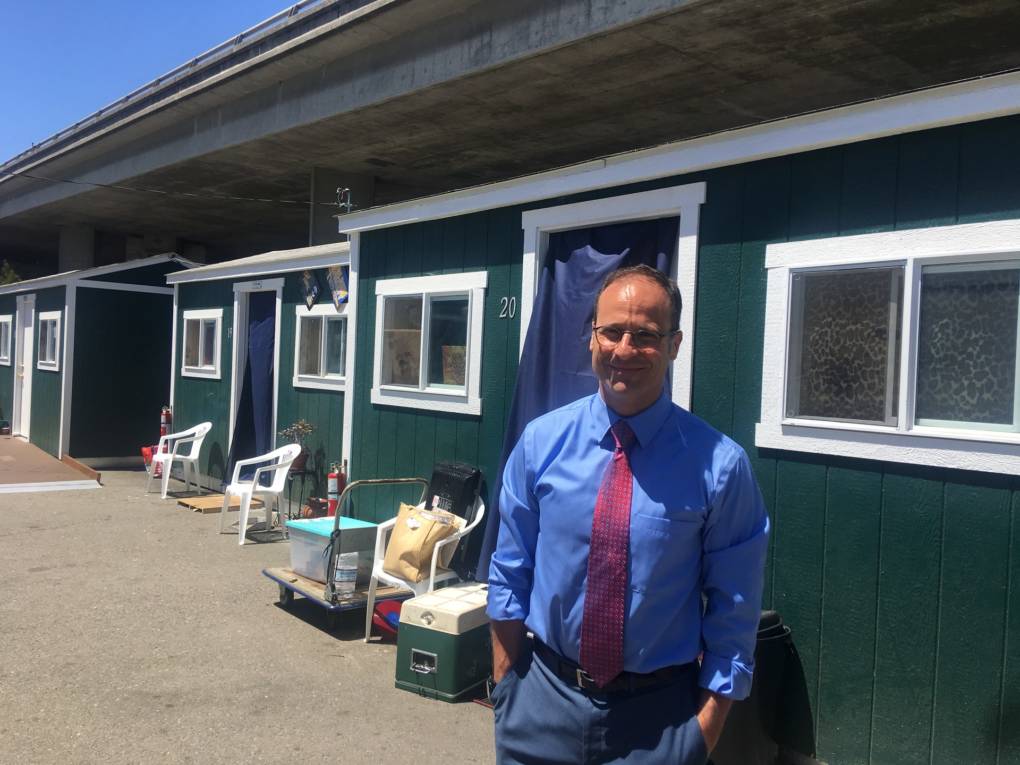
"caption": "Joe DeVries, assistant to Oakland's city administrator, stands in front of one of the cabins where the city has created a community for homeless residents to help them get shelter while they get back on their feet.",
"description": null,
"title": "RS31647_IMG_0864-qut",
"credit": "Brian Watt/KQED",
"status": "inherit",
"isLoading": false,
"fetchFailed": false
},
"news_11677765": {
"type": "attachments",
"id": "news_11677765",
"meta": {
"index": "attachments_1716263798",
"site": "news",
"id": "11677765",
"found": true
},
"parent": 11677728,
"imgSizes": {
"small": {
"file": "https://ww2.kqed.org/app/uploads/sites/10/2018/06/kcrw5-520x390.jpeg",
"width": 520,
"mimeType": "image/jpeg",
"height": 390
},
"twentyfourteen-full-width": {
"file": "https://ww2.kqed.org/app/uploads/sites/10/2018/06/kcrw5-1038x576.jpeg",
"width": 1038,
"mimeType": "image/jpeg",
"height": 576
},
"thumbnail": {
"file": "https://ww2.kqed.org/app/uploads/sites/10/2018/06/kcrw5-160x120.jpeg",
"width": 160,
"mimeType": "image/jpeg",
"height": 120
},
"fd-sm": {
"file": "https://ww2.kqed.org/app/uploads/sites/10/2018/06/kcrw5-960x720.jpeg",
"width": 960,
"mimeType": "image/jpeg",
"height": 720
},
"post-thumbnail": {
"file": "https://ww2.kqed.org/app/uploads/sites/10/2018/06/kcrw5-672x372.jpeg",
"width": 672,
"mimeType": "image/jpeg",
"height": 372
},
"xsmall": {
"file": "https://ww2.kqed.org/app/uploads/sites/10/2018/06/kcrw5-375x281.jpeg",
"width": 375,
"mimeType": "image/jpeg",
"height": 281
},
"kqedFullSize": {
"file": "https://ww2.kqed.org/app/uploads/sites/10/2018/06/kcrw5-e1530139959400.jpeg",
"width": 1920,
"height": 1440
},
"large": {
"file": "https://ww2.kqed.org/app/uploads/sites/10/2018/06/kcrw5-1020x765.jpeg",
"width": 1020,
"mimeType": "image/jpeg",
"height": 765
},
"xlarge": {
"file": "https://ww2.kqed.org/app/uploads/sites/10/2018/06/kcrw5-1180x885.jpeg",
"width": 1180,
"mimeType": "image/jpeg",
"height": 885
},
"complete_open_graph": {
"file": "https://ww2.kqed.org/app/uploads/sites/10/2018/06/kcrw5-1200x900.jpeg",
"width": 1200,
"mimeType": "image/jpeg",
"height": 900
},
"guest-author-50": {
"file": "https://ww2.kqed.org/app/uploads/sites/10/2018/06/kcrw5-50x50.jpeg",
"width": 50,
"mimeType": "image/jpeg",
"height": 50
},
"guest-author-96": {
"file": "https://ww2.kqed.org/app/uploads/sites/10/2018/06/kcrw5-96x96.jpeg",
"width": 96,
"mimeType": "image/jpeg",
"height": 96
},
"medium": {
"file": "https://ww2.kqed.org/app/uploads/sites/10/2018/06/kcrw5-800x600.jpeg",
"width": 800,
"mimeType": "image/jpeg",
"height": 600
},
"guest-author-64": {
"file": "https://ww2.kqed.org/app/uploads/sites/10/2018/06/kcrw5-64x64.jpeg",
"width": 64,
"mimeType": "image/jpeg",
"height": 64
},
"guest-author-32": {
"file": "https://ww2.kqed.org/app/uploads/sites/10/2018/06/kcrw5-32x32.jpeg",
"width": 32,
"mimeType": "image/jpeg",
"height": 32
},
"fd-lrg": {
"file": "https://ww2.kqed.org/app/uploads/sites/10/2018/06/kcrw5-1920x1440.jpeg",
"width": 1920,
"mimeType": "image/jpeg",
"height": 1440
},
"fd-med": {
"file": "https://ww2.kqed.org/app/uploads/sites/10/2018/06/kcrw5-1180x885.jpeg",
"width": 1180,
"mimeType": "image/jpeg",
"height": 885
},
"full-width": {
"file": "https://ww2.kqed.org/app/uploads/sites/10/2018/06/kcrw5-1920x1440.jpeg",
"width": 1920,
"mimeType": "image/jpeg",
"height": 1440
},
"detail": {
"file": "https://ww2.kqed.org/app/uploads/sites/10/2018/06/kcrw5-150x150.jpeg",
"width": 150,
"mimeType": "image/jpeg",
"height": 150
},
"guest-author-128": {
"file": "https://ww2.kqed.org/app/uploads/sites/10/2018/06/kcrw5-128x128.jpeg",
"width": 128,
"mimeType": "image/jpeg",
"height": 128
},
"xxsmall": {
"file": "https://ww2.kqed.org/app/uploads/sites/10/2018/06/kcrw5-240x180.jpeg",
"width": 240,
"mimeType": "image/jpeg",
"height": 180
}
},
"publishDate": 1530139891,
"modified": 1530225662,
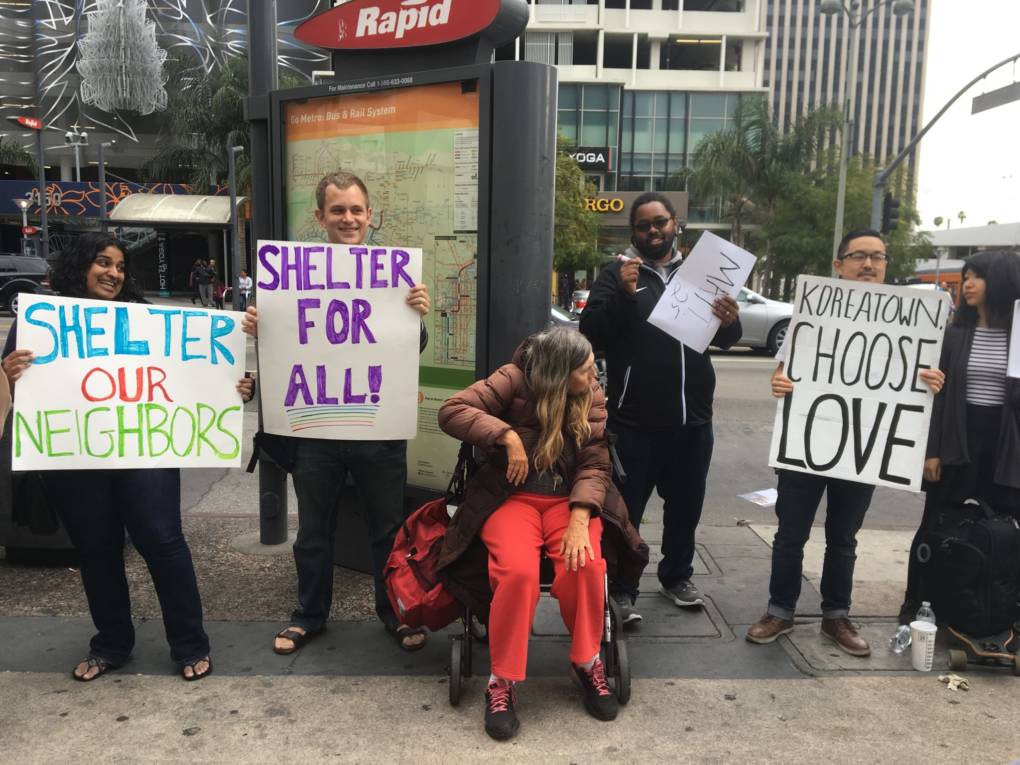
"caption": "A small group of counterdemonstrators showed their support for the proposed homeless shelter. ",
"description": "A small group of counter-demonstrators showed their support for the proposed homeless shelter. ",
"title": "kcrw5",
"credit": "Avishay Artsy/KCRW",
"status": "inherit",
"isLoading": false,
"fetchFailed": false
},
"news_11677116": {
"type": "attachments",
"id": "news_11677116",
"meta": {
"index": "attachments_1716263798",
"site": "news",
"id": "11677116",
"found": true
},
"parent": 11677080,
"imgSizes": {
"small": {
"file": "https://ww2.kqed.org/app/uploads/sites/10/2018/06/IMG_3962-520x390.jpg",
"width": 520,
"mimeType": "image/jpeg",
"height": 390
},
"twentyfourteen-full-width": {
"file": "https://ww2.kqed.org/app/uploads/sites/10/2018/06/IMG_3962-1038x576.jpg",
"width": 1038,
"mimeType": "image/jpeg",
"height": 576
},
"thumbnail": {
"file": "https://ww2.kqed.org/app/uploads/sites/10/2018/06/IMG_3962-160x120.jpg",
"width": 160,
"mimeType": "image/jpeg",
"height": 120
},
"fd-sm": {
"file": "https://ww2.kqed.org/app/uploads/sites/10/2018/06/IMG_3962-960x720.jpg",
"width": 960,
"mimeType": "image/jpeg",
"height": 720
},
"post-thumbnail": {
"file": "https://ww2.kqed.org/app/uploads/sites/10/2018/06/IMG_3962-672x372.jpg",
"width": 672,
"mimeType": "image/jpeg",
"height": 372
},
"xsmall": {
"file": "https://ww2.kqed.org/app/uploads/sites/10/2018/06/IMG_3962-375x281.jpg",
"width": 375,
"mimeType": "image/jpeg",
"height": 281
},
"kqedFullSize": {
"file": "https://ww2.kqed.org/app/uploads/sites/10/2018/06/IMG_3962-e1530127852297.jpg",
"width": 1920,
"height": 1440
},
"large": {
"file": "https://ww2.kqed.org/app/uploads/sites/10/2018/06/IMG_3962-1020x765.jpg",
"width": 1020,
"mimeType": "image/jpeg",
"height": 765
},
"xlarge": {
"file": "https://ww2.kqed.org/app/uploads/sites/10/2018/06/IMG_3962-1180x885.jpg",
"width": 1180,
"mimeType": "image/jpeg",
"height": 885
},
"complete_open_graph": {
"file": "https://ww2.kqed.org/app/uploads/sites/10/2018/06/IMG_3962-1200x900.jpg",
"width": 1200,
"mimeType": "image/jpeg",
"height": 900
},
"guest-author-50": {
"file": "https://ww2.kqed.org/app/uploads/sites/10/2018/06/IMG_3962-50x50.jpg",
"width": 50,
"mimeType": "image/jpeg",
"height": 50
},
"guest-author-96": {
"file": "https://ww2.kqed.org/app/uploads/sites/10/2018/06/IMG_3962-96x96.jpg",
"width": 96,
"mimeType": "image/jpeg",
"height": 96
},
"medium": {
"file": "https://ww2.kqed.org/app/uploads/sites/10/2018/06/IMG_3962-800x600.jpg",
"width": 800,
"mimeType": "image/jpeg",
"height": 600
},
"guest-author-64": {
"file": "https://ww2.kqed.org/app/uploads/sites/10/2018/06/IMG_3962-64x64.jpg",
"width": 64,
"mimeType": "image/jpeg",
"height": 64
},
"guest-author-32": {
"file": "https://ww2.kqed.org/app/uploads/sites/10/2018/06/IMG_3962-32x32.jpg",
"width": 32,
"mimeType": "image/jpeg",
"height": 32
},
"fd-lrg": {
"file": "https://ww2.kqed.org/app/uploads/sites/10/2018/06/IMG_3962-1920x1440.jpg",
"width": 1920,
"mimeType": "image/jpeg",
"height": 1440
},
"fd-med": {
"file": "https://ww2.kqed.org/app/uploads/sites/10/2018/06/IMG_3962-1180x885.jpg",
"width": 1180,
"mimeType": "image/jpeg",
"height": 885
},
"full-width": {
"file": "https://ww2.kqed.org/app/uploads/sites/10/2018/06/IMG_3962-1920x1440.jpg",
"width": 1920,
"mimeType": "image/jpeg",
"height": 1440
},
"detail": {
"file": "https://ww2.kqed.org/app/uploads/sites/10/2018/06/IMG_3962-150x150.jpg",
"width": 150,
"mimeType": "image/jpeg",
"height": 150
},
"guest-author-128": {
"file": "https://ww2.kqed.org/app/uploads/sites/10/2018/06/IMG_3962-128x128.jpg",
"width": 128,
"mimeType": "image/jpeg",
"height": 128
},
"xxsmall": {
"file": "https://ww2.kqed.org/app/uploads/sites/10/2018/06/IMG_3962-240x180.jpg",
"width": 240,
"mimeType": "image/jpeg",
"height": 180
}
},
"publishDate": 1529957292,
"modified": 1530142950,
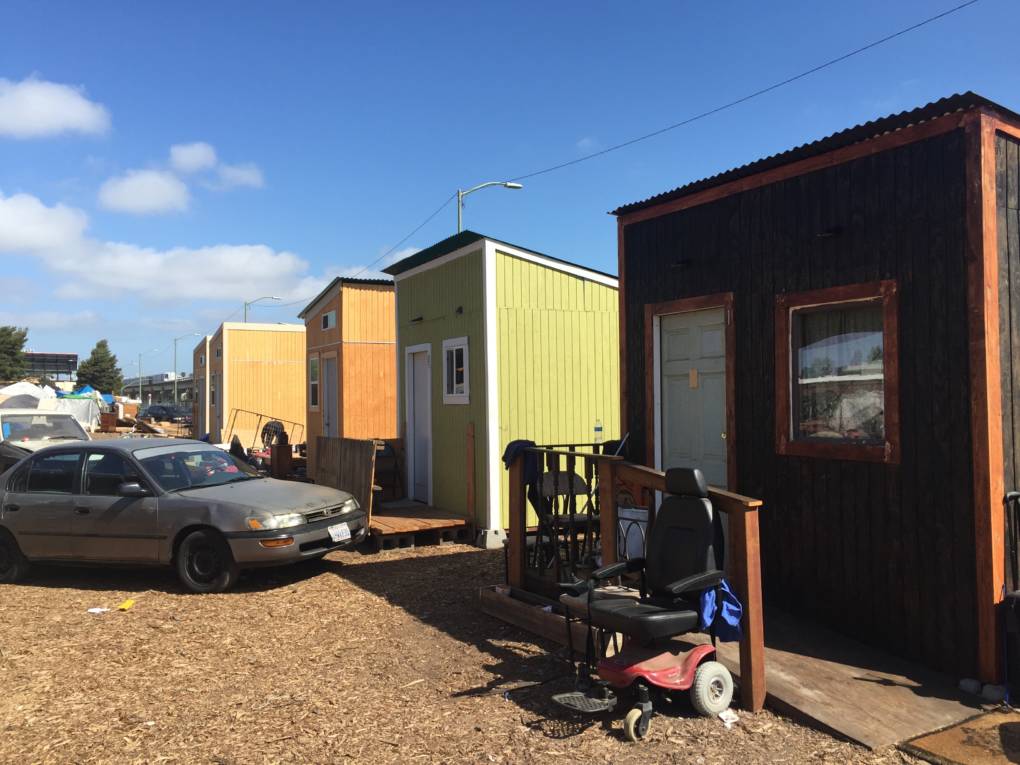
"caption": "A homeless encampment called \"The Village\" is located at East 12th Street and 23rd Avenue in Oakland.",
"description": null,
"title": "IMG_3962",
"credit": "Tara Siler/KQED",
"status": "inherit",
"isLoading": false,
"fetchFailed": false
},
"news_10883194": {
"type": "attachments",
"id": "news_10883194",
"meta": {
"index": "attachments_1716263798",
"site": "news",
"id": "10883194",
"found": true
},
"parent": 10883192,
"imgSizes": {
"twentyfourteen-full-width": {
"file": "https://ww2.kqed.org/app/uploads/sites/10/2016/03/25168134291_9e9008d5be_o-1-1038x576.jpg",
"width": 1038,
"mimeType": "image/jpeg",
"height": 576
},
"thumbnail": {
"file": "https://ww2.kqed.org/app/uploads/sites/10/2016/03/25168134291_9e9008d5be_o-1-400x320.jpg",
"width": 400,
"mimeType": "image/jpeg",
"height": 320
},
"fd-sm": {
"file": "https://ww2.kqed.org/app/uploads/sites/10/2016/03/25168134291_9e9008d5be_o-1-960x769.jpg",
"width": 960,
"mimeType": "image/jpeg",
"height": 769
},
"post-thumbnail": {
"file": "https://ww2.kqed.org/app/uploads/sites/10/2016/03/25168134291_9e9008d5be_o-1-672x372.jpg",
"width": 672,
"mimeType": "image/jpeg",
"height": 372
},
"kqedFullSize": {
"file": "https://ww2.kqed.org/app/uploads/sites/10/2016/03/25168134291_9e9008d5be_o-1-e1530171703254.jpg",
"width": 1920,
"height": 1537
},
"large": {
"file": "https://ww2.kqed.org/app/uploads/sites/10/2016/03/25168134291_9e9008d5be_o-1-1920x1537.jpg",
"width": 1920,
"mimeType": "image/jpeg",
"height": 1537
},
"guest-author-96": {
"file": "https://ww2.kqed.org/app/uploads/sites/10/2016/03/25168134291_9e9008d5be_o-1-96x96.jpg",
"width": 96,
"mimeType": "image/jpeg",
"height": 96
},
"medium": {
"file": "https://ww2.kqed.org/app/uploads/sites/10/2016/03/25168134291_9e9008d5be_o-1-800x640.jpg",
"width": 800,
"mimeType": "image/jpeg",
"height": 640
},
"guest-author-64": {
"file": "https://ww2.kqed.org/app/uploads/sites/10/2016/03/25168134291_9e9008d5be_o-1-64x64.jpg",
"width": 64,
"mimeType": "image/jpeg",
"height": 64
},
"guest-author-32": {
"file": "https://ww2.kqed.org/app/uploads/sites/10/2016/03/25168134291_9e9008d5be_o-1-32x32.jpg",
"width": 32,
"mimeType": "image/jpeg",
"height": 32
},
"jmtc-small-thumb": {
"file": "https://ww2.kqed.org/app/uploads/sites/10/2016/03/25168134291_9e9008d5be_o-1-280x150.jpg",
"width": 280,
"mimeType": "image/jpeg",
"height": 150
},
"fd-lrg": {
"file": "https://ww2.kqed.org/app/uploads/sites/10/2016/03/25168134291_9e9008d5be_o-1-1920x1537.jpg",
"width": 1920,
"mimeType": "image/jpeg",
"height": 1537
},
"fd-med": {
"file": "https://ww2.kqed.org/app/uploads/sites/10/2016/03/25168134291_9e9008d5be_o-1-1180x945.jpg",
"width": 1180,
"mimeType": "image/jpeg",
"height": 945
},
"detail": {
"file": "https://ww2.kqed.org/app/uploads/sites/10/2016/03/25168134291_9e9008d5be_o-1-75x75.jpg",
"width": 75,
"mimeType": "image/jpeg",
"height": 75
},
"guest-author-128": {
"file": "https://ww2.kqed.org/app/uploads/sites/10/2016/03/25168134291_9e9008d5be_o-1-128x128.jpg",
"width": 128,
"mimeType": "image/jpeg",
"height": 128
}
},
"publishDate": 1456878540,
"modified": 1530171685,
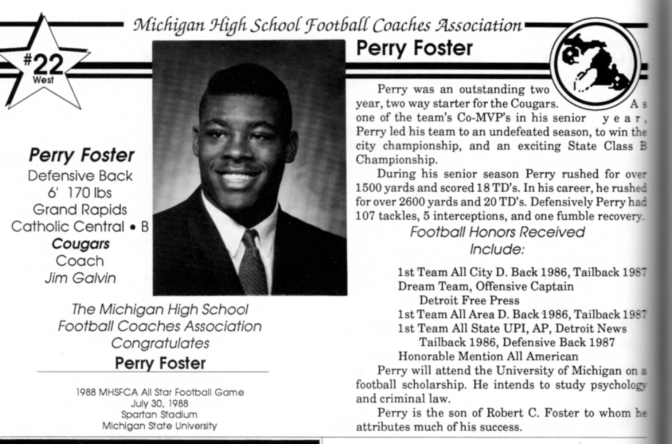
"caption": "Perry Foster lived in early 2016 on Division Street between Harrison and Bryant streets. He was from Grand Rapids, Michigan, where he was still a legend among high school classmates as the football star who led his team to an undefeated season and a state championship. Foster died of a heroin overdose on April 11, 2018. ",
"description": null,
"title": "Division Street-Perry Foster",
"credit": "Dan Brekke/KQED",
"status": "inherit",
"isLoading": false,
"fetchFailed": false
},
"news_11677605": {
"type": "attachments",
"id": "news_11677605",
"meta": {
"index": "attachments_1716263798",
"site": "news",
"id": "11677605",
"found": true
},
"parent": 11677438,
"imgSizes": {
"small": {
"file": "https://ww2.kqed.org/app/uploads/sites/10/2018/06/RS31589_Marina_Friends007-520x347.jpg",
"width": 520,
"mimeType": "image/jpeg",
"height": 347
},
"twentyfourteen-full-width": {
"file": "https://ww2.kqed.org/app/uploads/sites/10/2018/06/RS31589_Marina_Friends007-1038x576.jpg",
"width": 1038,
"mimeType": "image/jpeg",
"height": 576
},
"thumbnail": {
"file": "https://ww2.kqed.org/app/uploads/sites/10/2018/06/RS31589_Marina_Friends007-160x107.jpg",
"width": 160,
"mimeType": "image/jpeg",
"height": 107
},
"fd-sm": {
"file": "https://ww2.kqed.org/app/uploads/sites/10/2018/06/RS31589_Marina_Friends007-960x640.jpg",
"width": 960,
"mimeType": "image/jpeg",
"height": 640
},
"post-thumbnail": {
"file": "https://ww2.kqed.org/app/uploads/sites/10/2018/06/RS31589_Marina_Friends007-672x372.jpg",
"width": 672,
"mimeType": "image/jpeg",
"height": 372
},
"xsmall": {
"file": "https://ww2.kqed.org/app/uploads/sites/10/2018/06/RS31589_Marina_Friends007-375x250.jpg",
"width": 375,
"mimeType": "image/jpeg",
"height": 250
},
"kqedFullSize": {
"file": "https://ww2.kqed.org/app/uploads/sites/10/2018/06/RS31589_Marina_Friends007.jpg",
"width": 1600,
"height": 1067
},
"large": {
"file": "https://ww2.kqed.org/app/uploads/sites/10/2018/06/RS31589_Marina_Friends007-1020x680.jpg",
"width": 1020,
"mimeType": "image/jpeg",
"height": 680
},
"xlarge": {
"file": "https://ww2.kqed.org/app/uploads/sites/10/2018/06/RS31589_Marina_Friends007-1180x787.jpg",
"width": 1180,
"mimeType": "image/jpeg",
"height": 787
},
"complete_open_graph": {
"file": "https://ww2.kqed.org/app/uploads/sites/10/2018/06/RS31589_Marina_Friends007-1200x800.jpg",
"width": 1200,
"mimeType": "image/jpeg",
"height": 800
},
"guest-author-50": {
"file": "https://ww2.kqed.org/app/uploads/sites/10/2018/06/RS31589_Marina_Friends007-50x50.jpg",
"width": 50,
"mimeType": "image/jpeg",
"height": 50
},
"guest-author-96": {
"file": "https://ww2.kqed.org/app/uploads/sites/10/2018/06/RS31589_Marina_Friends007-96x96.jpg",
"width": 96,
"mimeType": "image/jpeg",
"height": 96
},
"medium": {
"file": "https://ww2.kqed.org/app/uploads/sites/10/2018/06/RS31589_Marina_Friends007-800x534.jpg",
"width": 800,
"mimeType": "image/jpeg",
"height": 534
},
"guest-author-64": {
"file": "https://ww2.kqed.org/app/uploads/sites/10/2018/06/RS31589_Marina_Friends007-64x64.jpg",
"width": 64,
"mimeType": "image/jpeg",
"height": 64
},
"guest-author-32": {
"file": "https://ww2.kqed.org/app/uploads/sites/10/2018/06/RS31589_Marina_Friends007-32x32.jpg",
"width": 32,
"mimeType": "image/jpeg",
"height": 32
},
"fd-med": {
"file": "https://ww2.kqed.org/app/uploads/sites/10/2018/06/RS31589_Marina_Friends007-1180x787.jpg",
"width": 1180,
"mimeType": "image/jpeg",
"height": 787
},
"detail": {
"file": "https://ww2.kqed.org/app/uploads/sites/10/2018/06/RS31589_Marina_Friends007-150x150.jpg",
"width": 150,
"mimeType": "image/jpeg",
"height": 150
},
"guest-author-128": {
"file": "https://ww2.kqed.org/app/uploads/sites/10/2018/06/RS31589_Marina_Friends007-128x128.jpg",
"width": 128,
"mimeType": "image/jpeg",
"height": 128
},
"xxsmall": {
"file": "https://ww2.kqed.org/app/uploads/sites/10/2018/06/RS31589_Marina_Friends007-240x160.jpg",
"width": 240,
"mimeType": "image/jpeg",
"height": 160
}
},
"publishDate": 1530119955,
"modified": 1530133347,
"caption": "A portrait of Yesica Prado holding her Yashica Electro 35 analog camera. ",
"description": null,
"title": "RS31589_Marina_Friends007",
"credit": "Christian Torres",
"status": "inherit",
"isLoading": false,
"fetchFailed": false
},
"news_11677194": {
"type": "attachments",
"id": "news_11677194",
"meta": {
"index": "attachments_1716263798",
"site": "news",
"id": "11677194",
"found": true
},
"parent": 11676978,
"imgSizes": {
"small": {
"file": "https://ww2.kqed.org/app/uploads/sites/10/2018/06/Marina_Friends002-520x293.jpg",
"width": 520,
"mimeType": "image/jpeg",
"height": 293
},
"twentyfourteen-full-width": {
"file": "https://ww2.kqed.org/app/uploads/sites/10/2018/06/Marina_Friends002-1038x576.jpg",
"width": 1038,
"mimeType": "image/jpeg",
"height": 576
},
"thumbnail": {
"file": "https://ww2.kqed.org/app/uploads/sites/10/2018/06/Marina_Friends002-160x90.jpg",
"width": 160,
"mimeType": "image/jpeg",
"height": 90
},
"fd-sm": {
"file": "https://ww2.kqed.org/app/uploads/sites/10/2018/06/Marina_Friends002-960x540.jpg",
"width": 960,
"mimeType": "image/jpeg",
"height": 540
},
"post-thumbnail": {
"file": "https://ww2.kqed.org/app/uploads/sites/10/2018/06/Marina_Friends002-672x372.jpg",
"width": 672,
"mimeType": "image/jpeg",
"height": 372
},
"xsmall": {
"file": "https://ww2.kqed.org/app/uploads/sites/10/2018/06/Marina_Friends002-375x211.jpg",
"width": 375,
"mimeType": "image/jpeg",
"height": 211
},
"kqedFullSize": {
"file": "https://ww2.kqed.org/app/uploads/sites/10/2018/06/Marina_Friends002.jpg",
"width": 1600,
"height": 900
},
"large": {
"file": "https://ww2.kqed.org/app/uploads/sites/10/2018/06/Marina_Friends002-1020x574.jpg",
"width": 1020,
"mimeType": "image/jpeg",
"height": 574
},
"xlarge": {
"file": "https://ww2.kqed.org/app/uploads/sites/10/2018/06/Marina_Friends002-1180x664.jpg",
"width": 1180,
"mimeType": "image/jpeg",
"height": 664
},
"complete_open_graph": {
"file": "https://ww2.kqed.org/app/uploads/sites/10/2018/06/Marina_Friends002-1200x675.jpg",
"width": 1200,
"mimeType": "image/jpeg",
"height": 675
},
"guest-author-50": {
"file": "https://ww2.kqed.org/app/uploads/sites/10/2018/06/Marina_Friends002-50x50.jpg",
"width": 50,
"mimeType": "image/jpeg",
"height": 50
},
"guest-author-96": {
"file": "https://ww2.kqed.org/app/uploads/sites/10/2018/06/Marina_Friends002-96x96.jpg",
"width": 96,
"mimeType": "image/jpeg",
"height": 96
},
"medium": {
"file": "https://ww2.kqed.org/app/uploads/sites/10/2018/06/Marina_Friends002-800x450.jpg",
"width": 800,
"mimeType": "image/jpeg",
"height": 450
},
"guest-author-64": {
"file": "https://ww2.kqed.org/app/uploads/sites/10/2018/06/Marina_Friends002-64x64.jpg",
"width": 64,
"mimeType": "image/jpeg",
"height": 64
},
"guest-author-32": {
"file": "https://ww2.kqed.org/app/uploads/sites/10/2018/06/Marina_Friends002-32x32.jpg",
"width": 32,
"mimeType": "image/jpeg",
"height": 32
},
"fd-med": {
"file": "https://ww2.kqed.org/app/uploads/sites/10/2018/06/Marina_Friends002-1180x664.jpg",
"width": 1180,
"mimeType": "image/jpeg",
"height": 664
},
"detail": {
"file": "https://ww2.kqed.org/app/uploads/sites/10/2018/06/Marina_Friends002-150x150.jpg",
"width": 150,
"mimeType": "image/jpeg",
"height": 150
},
"guest-author-128": {
"file": "https://ww2.kqed.org/app/uploads/sites/10/2018/06/Marina_Friends002-128x128.jpg",
"width": 128,
"mimeType": "image/jpeg",
"height": 128
},
"xxsmall": {
"file": "https://ww2.kqed.org/app/uploads/sites/10/2018/06/Marina_Friends002-240x135.jpg",
"width": 240,
"mimeType": "image/jpeg",
"height": 135
}
},
"publishDate": 1529966409,
"modified": 1530061058,
"caption": "Amber Whitson and Pamela Benfante stand on the dirt lot next to Marina Boulevard on Memorial Day, waiting for Berkeley police to evict the vehicle community. Before 6 a.m. on that morning, a group of activists came to support the RV encampment and used their own vehicles to block the eight RVs still parked on the dirt lot. ",
"description": "Pamela Benfante (l) and Amber Whitson (r) stand on the dirt lot next to the Marina Boulevard on Memorial Day, waiting for Berkeley Police to evict the vehicle community. Before 6 a.m. on that morning, a group of activists came to support the RV encampment and used their own vehicles to block the eight RVs still parked on the dirt lot. ",
"title": "Marina_Friends002",
"credit": "Christian Torres/KQED",
"status": "inherit",
"isLoading": false,
"fetchFailed": false
},
"news_11676498": {
"type": "attachments",
"id": "news_11676498",
"meta": {
"index": "attachments_1716263798",
"site": "news",
"id": "11676498",
"found": true
},
"parent": 11676494,
"imgSizes": {
"small": {
"file": "https://ww2.kqed.org/app/uploads/sites/10/2018/06/RS31529_alt_749-520x346.jpg",
"width": 520,
"mimeType": "image/jpeg",
"height": 346
},
"twentyfourteen-full-width": {
"file": "https://ww2.kqed.org/app/uploads/sites/10/2018/06/RS31529_alt_749-1038x576.jpg",
"width": 1038,
"mimeType": "image/jpeg",
"height": 576
},
"thumbnail": {
"file": "https://ww2.kqed.org/app/uploads/sites/10/2018/06/RS31529_alt_749-160x106.jpg",
"width": 160,
"mimeType": "image/jpeg",
"height": 106
},
"fd-sm": {
"file": "https://ww2.kqed.org/app/uploads/sites/10/2018/06/RS31529_alt_749-960x639.jpg",
"width": 960,
"mimeType": "image/jpeg",
"height": 639
},
"post-thumbnail": {
"file": "https://ww2.kqed.org/app/uploads/sites/10/2018/06/RS31529_alt_749-672x372.jpg",
"width": 672,
"mimeType": "image/jpeg",
"height": 372
},
"xsmall": {
"file": "https://ww2.kqed.org/app/uploads/sites/10/2018/06/RS31529_alt_749-375x250.jpg",
"width": 375,
"mimeType": "image/jpeg",
"height": 250
},
"kqedFullSize": {
"file": "https://ww2.kqed.org/app/uploads/sites/10/2018/06/RS31529_alt_749.jpg",
"width": 3185,
"height": 2120
},
"large": {
"file": "https://ww2.kqed.org/app/uploads/sites/10/2018/06/RS31529_alt_749-1020x679.jpg",
"width": 1020,
"mimeType": "image/jpeg",
"height": 679
},
"xlarge": {
"file": "https://ww2.kqed.org/app/uploads/sites/10/2018/06/RS31529_alt_749-1180x785.jpg",
"width": 1180,
"mimeType": "image/jpeg",
"height": 785
},
"complete_open_graph": {
"file": "https://ww2.kqed.org/app/uploads/sites/10/2018/06/RS31529_alt_749-1200x799.jpg",
"width": 1200,
"mimeType": "image/jpeg",
"height": 799
},
"guest-author-50": {
"file": "https://ww2.kqed.org/app/uploads/sites/10/2018/06/RS31529_alt_749-50x50.jpg",
"width": 50,
"mimeType": "image/jpeg",
"height": 50
},
"guest-author-96": {
"file": "https://ww2.kqed.org/app/uploads/sites/10/2018/06/RS31529_alt_749-96x96.jpg",
"width": 96,
"mimeType": "image/jpeg",
"height": 96
},
"medium": {
"file": "https://ww2.kqed.org/app/uploads/sites/10/2018/06/RS31529_alt_749-800x532.jpg",
"width": 800,
"mimeType": "image/jpeg",
"height": 532
},
"guest-author-64": {
"file": "https://ww2.kqed.org/app/uploads/sites/10/2018/06/RS31529_alt_749-64x64.jpg",
"width": 64,
"mimeType": "image/jpeg",
"height": 64
},
"guest-author-32": {
"file": "https://ww2.kqed.org/app/uploads/sites/10/2018/06/RS31529_alt_749-32x32.jpg",
"width": 32,
"mimeType": "image/jpeg",
"height": 32
},
"fd-lrg": {
"file": "https://ww2.kqed.org/app/uploads/sites/10/2018/06/RS31529_alt_749-1920x1278.jpg",
"width": 1920,
"mimeType": "image/jpeg",
"height": 1278
},
"fd-med": {
"file": "https://ww2.kqed.org/app/uploads/sites/10/2018/06/RS31529_alt_749-1180x785.jpg",
"width": 1180,
"mimeType": "image/jpeg",
"height": 785
},
"full-width": {
"file": "https://ww2.kqed.org/app/uploads/sites/10/2018/06/RS31529_alt_749-1920x1278.jpg",
"width": 1920,
"mimeType": "image/jpeg",
"height": 1278
},
"detail": {
"file": "https://ww2.kqed.org/app/uploads/sites/10/2018/06/RS31529_alt_749-150x150.jpg",
"width": 150,
"mimeType": "image/jpeg",
"height": 150
},
"guest-author-128": {
"file": "https://ww2.kqed.org/app/uploads/sites/10/2018/06/RS31529_alt_749-128x128.jpg",
"width": 128,
"mimeType": "image/jpeg",
"height": 128
},
"xxsmall": {
"file": "https://ww2.kqed.org/app/uploads/sites/10/2018/06/RS31529_alt_749-240x160.jpg",
"width": 240,
"mimeType": "image/jpeg",
"height": 160
}
},
"publishDate": 1529690888,
"modified": 1529691131,
"caption": "Gregory Andrews says that aside from finding something healthy to eat, a shower is the next most important thing. “It keeps your self-esteem up,” he says. ",
"description": null,
"title": "RS31529_alt_749",
"credit": "Anna Gorman/Kaiser Health News",
"status": "inherit",
"isLoading": false,
"fetchFailed": false
}
},
"audioPlayerReducer": {
"postId": "stream_live",
"isPaused": true,
"isPlaying": false,
"pfsActive": false,
"pledgeModalIsOpen": true,
"playerDrawerIsOpen": false,
"liveAudioPlayStartedAt": 0,
"liveAudioPlayContext": ""
},
"authorsReducer": {
"byline_news_11678178": {
"type": "authors",
"id": "byline_news_11678178",
"meta": {
"override": true
},
"slug": "byline_news_11678178",
"name": "\u003cstrong>Victoria Cabales\u003c/strong>\u003cbr/>CALmatters\u003c/br>",
"isLoading": false
},
"byline_news_11677728": {
"type": "authors",
"id": "byline_news_11677728",
"meta": {
"override": true
},
"slug": "byline_news_11677728",
"name": "\u003cstrong>Avishay Artsy\u003cbr />KCRW\u003c/strong>",
"isLoading": false
},
"byline_news_11677438": {
"type": "authors",
"id": "byline_news_11677438",
"meta": {
"override": true
},
"slug": "byline_news_11677438",
"name": "Yesica Prado",
"isLoading": false
},
"byline_news_11676978": {
"type": "authors",
"id": "byline_news_11676978",
"meta": {
"override": true
},
"slug": "byline_news_11676978",
"name": "Shia Levitt",
"isLoading": false
},
"byline_news_11676494": {
"type": "authors",
"id": "byline_news_11676494",
"meta": {
"override": true
},
"slug": "byline_news_11676494",
"name": "\u003ca href=\"http://agorman@kff.org\" rel=\"noopener\" target=\"_blank\">Anna Gorman,\u003c/a> Kaiser Health News",
"isLoading": false
},
"danbrekke": {
"type": "authors",
"id": "222",
"meta": {
"index": "authors_1716337520",
"id": "222",
"found": true
},
"name": "Dan Brekke",
"firstName": "Dan",
"lastName": "Brekke",
"slug": "danbrekke",
"email": "dbrekke@kqed.org",
"display_author_email": true,
"staff_mastheads": [
"news",
"science"
],
"title": "KQED Editor and Reporter",
"bio": "Dan Brekke is a reporter and editor for KQED News, responsible for coverage of topics ranging from California water issues to the Bay Area's transportation challenges. In a newsroom career that began in Chicago in 1972, Dan has worked for \u003cem>The San Francisco Examiner,\u003c/em> Wired and TechTV and has been published in The New York Times, The New York Times Magazine, Business 2.0, Salon and elsewhere.\r\n\r\nSince joining KQED in 2007, Dan has reported, edited and produced both radio and online features and breaking news pieces. He has shared as both editor and reporter in four Society of Professional Journalists Norcal Excellence in Journalism awards and one Edward R. Murrow regional award. He was chosen for a spring 2017 residency at the Mesa Refuge to advance his research on California salmon.\r\n\r\nEmail Dan at: \u003ca href=\"mailto:dbrekke@kqed.org\">dbrekke@kqed.org\u003c/a>\r\n\r\n\u003cstrong>Twitter:\u003c/strong> \u003ca href=\"https://twitter.com/danbrekke\" rel=\"noopener noreferrer\">twitter.com/danbrekke\u003c/a>\r\n\u003cstrong>Facebook:\u003c/strong> \u003ca href=\"https://www.facebook.com/danbrekke\" rel=\"noopener noreferrer\">www.facebook.com/danbrekke\u003c/a>\r\n\u003cstrong>LinkedIn:\u003c/strong> \u003ca href=\"https://www.linkedin.com/in/danbrekke\" rel=\"noopener noreferrer\">www.linkedin.com/in/danbrekke\u003c/a>",
"avatar": "https://secure.gravatar.com/avatar/c8126230345efca3f7aa89b1a402be45?s=600&d=mm&r=g",
"twitter": "danbrekke",
"facebook": null,
"instagram": "https://www.instagram.com/dan.brekke/",
"linkedin": "https://www.linkedin.com/in/danbrekke/",
"sites": [
{
"site": "news",
"roles": [
"administrator",
"create_posts"
]
},
{
"site": "stateofhealth",
"roles": [
"editor"
]
},
{
"site": "science",
"roles": [
"editor"
]
},
{
"site": "quest",
"roles": [
"contributor"
]
},
{
"site": "food",
"roles": [
"contributor"
]
},
{
"site": "forum",
"roles": [
"contributor"
]
},
{
"site": "liveblog",
"roles": [
"editor"
]
}
],
"headData": {
"title": "Dan Brekke | KQED",
"description": "KQED Editor and Reporter",
"ogImgSrc": "https://secure.gravatar.com/avatar/c8126230345efca3f7aa89b1a402be45?s=600&d=mm&r=g",
"twImgSrc": "https://secure.gravatar.com/avatar/c8126230345efca3f7aa89b1a402be45?s=600&d=mm&r=g"
},
"isLoading": false,
"link": "/author/danbrekke"
},
"tarasiler": {
"type": "authors",
"id": "257",
"meta": {
"index": "authors_1716337520",
"id": "257",
"found": true
},
"name": "Tara Siler",
"firstName": "Tara",
"lastName": "Siler",
"slug": "tarasiler",
"email": "tsiler@kqed.org",
"display_author_email": false,
"staff_mastheads": [
"news"
],
"title": "KQED Contributor",
"bio": "Tara reports and anchors for KQED news. She covers a range of issues from community-police relations to local politics. Tara started out in community radio in the Bay Area, where she was raised. She eventually moved to Washington DC where she covered Congress for eight years for Pacifica and Monitor Radio. Her stories have also been heard on NPR's All Things Considered, Morning Edition and The World.\r\n\r\nTara lives with her husband in Oakland-- where they raised their two sons. She enjoys spending time with her family, gardening and hiking in the Oakland hills... and keeping up with the news.",
"avatar": "https://secure.gravatar.com/avatar/99802f9746fb80b65fd8ec6c57954450?s=600&d=blank&r=g",
"twitter": null,
"facebook": null,
"instagram": null,
"linkedin": null,
"sites": [
{
"site": "news",
"roles": [
"contributor",
"edit_others_posts"
]
},
{
"site": "stateofhealth",
"roles": [
"author"
]
}
],
"headData": {
"title": "Tara Siler | KQED",
"description": "KQED Contributor",
"ogImgSrc": "https://secure.gravatar.com/avatar/99802f9746fb80b65fd8ec6c57954450?s=600&d=blank&r=g",
"twImgSrc": "https://secure.gravatar.com/avatar/99802f9746fb80b65fd8ec6c57954450?s=600&d=blank&r=g"
},
"isLoading": false,
"link": "/author/tarasiler"
},
"vinneetong": {
"type": "authors",
"id": "260",
"meta": {
"index": "authors_1716337520",
"id": "260",
"found": true
},
"name": "Vinnee Tong",
"firstName": "Vinnee",
"lastName": "Tong",
"slug": "vinneetong",
"email": "vtong@kqed.org",
"display_author_email": false,
"staff_mastheads": [
"news"
],
"title": "KQED Contributor",
"bio": "\u003cspan style=\"font-weight: 400;\">Vinnee Tong is the managing editor of news at KQED. She oversees editorial standards \u003cspan class=\"s2\">and works to highlight underrepresented voices and perspectives\u003c/span>\u003cspan class=\"s3\">.\u003c/span>\u003cspan class=\"s2\"> She was founding editor\u003c/span>\u003c/span>\u003cspan style=\"font-weight: 400;\"> of \u003ca href=\"http://bit.ly/thebaykqed\">\u003cem>The Bay,\u003c/em>\u003c/a> a storytelling news podcast from KQED\u003c/span>\u003cspan style=\"font-weight: 400;\">. Previously, she was a producer on the \u003ca href=\"http://baycurious.org\">\u003cem>Bay Curious\u003c/em> podcast\u003c/a> and the lead producer of \u003c/span>\u003cspan style=\"font-weight: 400;\">\u003cem>Truth Be Told,\u003c/em> an award-winning KQED series on race and identity distributed nationally by Public Radio International. \u003c/span>\u003cspan style=\"font-weight: 400;\">Before KQED, Vinnee was a print reporter at the Associated Press and newspapers. \u003cspan class=\"s4\">She covered local news from city hall and planning commission hearings as well as business news from New York, like the financial meltdown of 2008. \u003c/span>She has won a\u003c/span>\u003cspan style=\"font-weight: 400;\">wards for her reporting including an RTNDA Edward R. Murrow Award, as well as awards from the New York Press Club and the Society of American Business Editors and Writers. She is a graduate of the Columbia University Graduate School of Journalism and the University of California at Berkeley, \u003cspan class=\"s4\">where she was editor-in-chief of \u003ci>The Daily Californian\u003c/i>.\u003c/span>\u003c/span>",
"avatar": "https://secure.gravatar.com/avatar/02245596ef0333bf29265e2fd547f108?s=600&d=blank&r=g",
"twitter": "vinneetong",
"facebook": null,
"instagram": null,
"linkedin": null,
"sites": [
{
"site": "news",
"roles": [
"editor",
"edit_others_pages",
"edit_others_posts"
]
},
{
"site": "stateofhealth",
"roles": [
"author"
]
}
],
"headData": {
"title": "Vinnee Tong | KQED",
"description": "KQED Contributor",
"ogImgSrc": "https://secure.gravatar.com/avatar/02245596ef0333bf29265e2fd547f108?s=600&d=blank&r=g",
"twImgSrc": "https://secure.gravatar.com/avatar/02245596ef0333bf29265e2fd547f108?s=600&d=blank&r=g"
},
"isLoading": false,
"link": "/author/vinneetong"
},
"ekelly": {
"type": "authors",
"id": "3211",
"meta": {
"index": "authors_1716337520",
"id": "3211",
"found": true
},
"name": "Erika Kelly",
"firstName": "Erika",
"lastName": "Kelly",
"slug": "ekelly",
"email": "ekelly@KQED.org",
"display_author_email": true,
"staff_mastheads": [
"news"
],
"title": "Deputy Managing Editor",
"bio": "Erika Kelly is deputy managing editor of KQED's newsroom, working with teams covering housing, climate, health, labor and the arts. Previously, she was the senior editor of KQED’s housing affordability desk, leading the team that produced the award winning podcast Sold Out: Rethinking Housing in America. She is a graduate of the Medill School of Journalism and a native of the Greater Chicagoland Area.",
"avatar": "https://secure.gravatar.com/avatar/3653973f475e2af06d52444628a0023a48f83905a9d7ce3a4e45e5ecebcb4230?s=600&d=blank&r=g",
"twitter": null,
"bluesky": null,
"facebook": null,
"instagram": null,
"linkedin": null,
"sites": [
{
"site": "",
"roles": [
"editor"
]
},
{
"site": "arts",
"roles": [
"administrator"
]
},
{
"site": "news",
"roles": [
"administrator"
]
},
{
"site": "science",
"roles": [
"administrator"
]
},
{
"site": "liveblog",
"roles": [
"administrator"
]
}
],
"headData": {
"title": "Erika Kelly | KQED",
"description": "Deputy Managing Editor",
"ogImgSrc": "https://secure.gravatar.com/avatar/3653973f475e2af06d52444628a0023a48f83905a9d7ce3a4e45e5ecebcb4230?s=600&d=blank&r=g",
"twImgSrc": "https://secure.gravatar.com/avatar/3653973f475e2af06d52444628a0023a48f83905a9d7ce3a4e45e5ecebcb4230?s=600&d=blank&r=g"
},
"isLoading": false,
"link": "/author/ekelly"
},
"markfiore": {
"type": "authors",
"id": "3236",
"meta": {
"index": "authors_1716337520",
"id": "3236",
"found": true
},
"name": "Mark Fiore",
"firstName": "Mark",
"lastName": "Fiore",
"slug": "markfiore",
"email": "mark@markfiore.com",
"display_author_email": false,
"staff_mastheads": [
"news"
],
"title": "KQED News Cartoonist",
"bio": "\u003ca href=\"http://www.MarkFiore.com\">MarkFiore.com\u003c/a> | \u003ca href=\"https://twitter.com/markfiore\">Follow on Twitter\u003c/a> | \u003ca href=\"https://www.facebook.com/pages/Mark-Fiore-Animated-Political-Cartoons/94451707396?ref=bookmarks\">Facebook\u003c/a> | \u003ca href=\"mailto:mark@markfiore.com\">email\u003c/a>\r\n\r\nPulitzer Prize-winner, Mark Fiore, who the Wall Street Journal has called “the undisputed guru of the form,” creates animated political cartoons in San Francisco, where his work has been featured regularly on the San Francisco Chronicle’s web site, SFGate.com. His work has appeared on Newsweek.com, Slate.com, CBSNews.com, MotherJones.com, DailyKos.com and NPR’s web site. Fiore’s political animation has appeared on CNN, Frontline, Bill Moyers Journal, Salon.com and cable and broadcast outlets across the globe.\r\n\r\nBeginning his professional life by drawing traditional political cartoons for newspapers, Fiore’s work appeared in publications ranging from the Washington Post to the Los Angeles Times. In the late 1990s, he began to experiment with animating political cartoons and, after a short stint at the San Jose Mercury News as their staff cartoonist, Fiore devoted all his energies to animation.\r\nGrowing up in California, Fiore also spent a good portion of his life in the backwoods of Idaho. It was this combination that shaped him politically. Mark majored in political science at Colorado College, where, in a perfect send-off for a cartoonist, he received his diploma in 1991 as commencement speaker Dick Cheney smiled approvingly.\r\nMark Fiore was awarded the Pulitzer Prize for political cartooning in 2010, a Robert F. Kennedy Journalism Award in 2004 and has twice received an Online Journalism Award for commentary from the Online News Association (2002, 2008). Fiore has received two awards for his work in new media from the National Cartoonists Society (2001, 2002), and in 2006 received The James Madison Freedom of Information Award from The Society of Professional Journalists.",
"avatar": "https://secure.gravatar.com/avatar/fc4e2a612b15b67bad0c6f0e1db4ca9b?s=600&d=blank&r=g",
"twitter": "MarkFiore",
"facebook": null,
"instagram": "https://www.instagram.com/markfiore/?hl=en",
"linkedin": null,
"sites": [
{
"site": "arts",
"roles": [
"contributor"
]
},
{
"site": "news",
"roles": [
"editor"
]
},
{
"site": "futureofyou",
"roles": [
"editor"
]
},
{
"site": "science",
"roles": [
"editor"
]
}
],
"headData": {
"title": "Mark Fiore | KQED",
"description": "KQED News Cartoonist",
"ogImgSrc": "https://secure.gravatar.com/avatar/fc4e2a612b15b67bad0c6f0e1db4ca9b?s=600&d=blank&r=g",
"twImgSrc": "https://secure.gravatar.com/avatar/fc4e2a612b15b67bad0c6f0e1db4ca9b?s=600&d=blank&r=g"
},
"isLoading": false,
"link": "/author/markfiore"
},
"dkatayama": {
"type": "authors",
"id": "7240",
"meta": {
"index": "authors_1716337520",
"id": "7240",
"found": true
},
"name": "Devin Katayama",
"firstName": "Devin",
"lastName": "Katayama",
"slug": "dkatayama",
"email": "dkatayama@kqed.org",
"display_author_email": true,
"staff_mastheads": [
"news"
],
"title": "Editor of Talent and Development",
"bio": "Devin Katayama is former Editor of Talent and Development for KQED. He supported our internship program and on-call staff by looking for equitable opportunities to improve the newsroom.\r\n\r\nHe previously hosted The Bay and American Suburb podcasts from KQED News. Prior to returning to the Bay Area in 2015, Devin was the education reporter for WFPL in Louisville and worked as a producer with radio stations in Chicago and Portland, OR. His work has appeared on NPR’s \u003cem>Morning Edition, All Things Considered, The Takeaway\u003c/em> and \u003cem>Here and Now.\u003c/em>\r\n\r\nDevin earned his MA in Journalism from Columbia College Chicago, where he was a Follett Fellow and the recipient of the 2011 Studs Terkel Community Media Workshop Scholarship for his story on Chicago's homeless youth. He won WBUR's 2014 Daniel Schorr award and a regional RTNDA Edward R. Murrow Award for his documentary \"At Risk\" that looked at issues facing some of Louisville's students. Devin has also received numerous local awards from the Associated Press and the Society of Professional Journalists.",
"avatar": "https://secure.gravatar.com/avatar/d0d2978a31002fb2de107921a8e18405?s=600&d=blank&r=g",
"twitter": "RadioDevin",
"facebook": null,
"instagram": null,
"linkedin": null,
"sites": [
{
"site": "arts",
"roles": []
},
{
"site": "news",
"roles": [
"author"
]
},
{
"site": "stateofhealth",
"roles": [
"author"
]
},
{
"site": "forum",
"roles": [
"editor"
]
},
{
"site": "perspectives",
"roles": [
"editor"
]
}
],
"headData": {
"title": "Devin Katayama | KQED",
"description": "Editor of Talent and Development",
"ogImgSrc": "https://secure.gravatar.com/avatar/d0d2978a31002fb2de107921a8e18405?s=600&d=blank&r=g",
"twImgSrc": "https://secure.gravatar.com/avatar/d0d2978a31002fb2de107921a8e18405?s=600&d=blank&r=g"
},
"isLoading": false,
"link": "/author/dkatayama"
},
"korr": {
"type": "authors",
"id": "11200",
"meta": {
"index": "authors_1716337520",
"id": "11200",
"found": true
},
"name": "Katie Orr",
"firstName": "Katie",
"lastName": "Orr",
"slug": "korr",
"email": "korr@kqed.org",
"display_author_email": false,
"staff_mastheads": [],
"title": "KQED Contributor",
"bio": "Katie Orr was a Sacramento-based reporter for KQED's Politics and Government Desk, covering the state Capitol and a variety of issues including women in politics, voting and elections and legislation. Prior to joining KQED in 2016, Katie was state government reporter for Capital Public Radio in Sacramento. She's also worked for KPBS in San Diego, where she covered City Hall.\r\n\r\nKatie received her masters degree in political science from San Diego State University and holds a Bachelors degree in broadcast journalism from Arizona State University.\r\n\r\nIn 2015 Katie won a national Clarion Award for a series of stories she did on women in California politics. She's been honored by the Society for Professional Journalists and, in 2013, was named by \u003cem>The Washington Post\u003c/em> as one of the country's top state Capitol reporters. She's also reported for the award-winning documentary series \u003cem>The View from Here \u003c/em>and was part of the team that won national PRNDI and Gabriel Awards in 2015. She lives in Sacramento with her husband. Twitter: @1KatieOrr",
"avatar": "https://secure.gravatar.com/avatar/41a40b25845adc78f50808670860449e?s=600&d=blank&r=g",
"twitter": "1katieorr",
"facebook": null,
"instagram": null,
"linkedin": null,
"sites": [
{
"site": "news",
"roles": [
"subscriber"
]
},
{
"site": "stateofhealth",
"roles": [
"author"
]
},
{
"site": "forum",
"roles": [
"author"
]
}
],
"headData": {
"title": "Katie Orr | KQED",
"description": "KQED Contributor",
"ogImgSrc": "https://secure.gravatar.com/avatar/41a40b25845adc78f50808670860449e?s=600&d=blank&r=g",
"twImgSrc": "https://secure.gravatar.com/avatar/41a40b25845adc78f50808670860449e?s=600&d=blank&r=g"
},
"isLoading": false,
"link": "/author/korr"
},
"lesleymcclurg": {
"type": "authors",
"id": "11229",
"meta": {
"index": "authors_1716337520",
"id": "11229",
"found": true
},
"name": "Lesley McClurg",
"firstName": "Lesley",
"lastName": "McClurg",
"slug": "lesleymcclurg",
"email": "lmcclurg@KQED.org",
"display_author_email": false,
"staff_mastheads": [
"news",
"science"
],
"title": "KQED Health Correspondent",
"bio": "Lesley McClurg is a health correspondent and fill-in host whose work is regularly rebroadcast on NPR and PBS programs. She’s earned multiple regional Emmy awards, a national and a regional Edward R. Murrow award, and was named Best Beat Reporter by the Association of Health Care Journalists. The Society of Professional Journalists has recognized her work several times, and the Society of Environmental Journalists spotlighted her coverage of California’s historic drought.\r\n\r\nBefore joining KQED in 2016, Lesley covered food and sustainability for Capital Public Radio, environmental issues for Colorado Public Radio, and reported for KUOW and KCTS 9 in Seattle. Away from the newsroom, she loves skiing with her daughter, mountain biking with her partner, and playing with Ollie, the family’s goldendoodle. On deadline, she runs almost entirely on chocolate chips.\r\n\r\n ",
"avatar": "https://secure.gravatar.com/avatar/bab49e972ea10c774fe0f5e29dba1722b158f7c0d58a360923d1389d380b2978?s=600&d=blank&r=g",
"twitter": "lesleywmcclurg",
"bluesky": null,
"facebook": null,
"instagram": null,
"linkedin": null,
"sites": [
{
"site": "arts",
"roles": [
"author"
]
},
{
"site": "news",
"roles": [
"editor"
]
},
{
"site": "futureofyou",
"roles": [
"editor"
]
},
{
"site": "stateofhealth",
"roles": [
"author"
]
},
{
"site": "science",
"roles": [
"editor"
]
},
{
"site": "quest",
"roles": [
"subscriber"
]
},
{
"site": "forum",
"roles": [
"administrator"
]
},
{
"site": "liveblog",
"roles": [
"author"
]
}
],
"headData": {
"title": "Lesley McClurg | KQED",
"description": "KQED Health Correspondent",
"ogImgSrc": "https://secure.gravatar.com/avatar/bab49e972ea10c774fe0f5e29dba1722b158f7c0d58a360923d1389d380b2978?s=600&d=blank&r=g",
"twImgSrc": "https://secure.gravatar.com/avatar/bab49e972ea10c774fe0f5e29dba1722b158f7c0d58a360923d1389d380b2978?s=600&d=blank&r=g"
},
"isLoading": false,
"link": "/author/lesleymcclurg"
},
"bwatt": {
"type": "authors",
"id": "11238",
"meta": {
"index": "authors_1716337520",
"id": "11238",
"found": true
},
"name": "Brian Watt",
"firstName": "Brian",
"lastName": "Watt",
"slug": "bwatt",
"email": "bwatt@KQED.org",
"display_author_email": false,
"staff_mastheads": [
"news"
],
"title": "Morning News Anchor",
"bio": "Brian Watt is KQED's morning radio news anchor. He joined the KQED News team in April of 2016. Prior to that, he worked as a Reporter for KPCC in Los Angeles and a producer at \u003cem>Marketplace.\u003c/em>\r\n\r\nDuring eight years at KPCC, Brian covered business and economics, and his work won several awards. In 2008, he won the Los Angeles Press Club’s first-place award for Business and Financial Reporting, Broadcast. He’s also received honorable mention and been first runner up for the Press Club’s Radio Journalist of the Year. He won two Golden Mike awards from the Radio and TV News Association of Southern California.\r\n\r\nBrian holds degrees in theater from Yale University and the Sorbonne, and has worked as an actor in France, Italy, Brazil, Hungary and . . . Hollywood. He appeared in a few television shows, including \u003cem>The West Wing, Judging Amy\u003c/em> and \u003cem>The District.\u003c/em>\r\n\r\nEmail: bwatt@KQED.org Twitter: @RadioBWatt",
"avatar": "https://secure.gravatar.com/avatar/55393ff57ed34e2be773ba4789dd6a19?s=600&d=blank&r=g",
"twitter": "@RadioBWatt",
"facebook": null,
"instagram": null,
"linkedin": null,
"sites": [
{
"site": "arts",
"roles": [
"contributor"
]
},
{
"site": "news",
"roles": [
"editor"
]
}
],
"headData": {
"title": "Brian Watt | KQED",
"description": "Morning News Anchor",
"ogImgSrc": "https://secure.gravatar.com/avatar/55393ff57ed34e2be773ba4789dd6a19?s=600&d=blank&r=g",
"twImgSrc": "https://secure.gravatar.com/avatar/55393ff57ed34e2be773ba4789dd6a19?s=600&d=blank&r=g"
},
"isLoading": false,
"link": "/author/bwatt"
}
},
"pagesReducer": {
"news_tag_homelessness": {
"type": "terms",
"id": "news_4020",
"meta": {
"index": "terms_1716263798",
"site": "news",
"id": "4020",
"score": 8.5546055
},
"name": "Homelessness",
"slug": "homelessness",
"taxonomy": "tag",
"description": null,
"featImg": null,
"headData": {
"title": "Homelessness | KQED News",
"description": null,
"ogTitle": null,
"ogDescription": null,
"ogImgId": null,
"twTitle": null,
"twDescription": null,
"twImgId": null,
"metaRobotsNoIndex": "index"
},
"ttid": 4039,
"isLoading": false,
"title": "Homelessness",
"pageMeta": {
"site": "news",
"WpPageTemplate": "page-topic-editorial",
"currentPage": 47
},
"blocks": [
{
"blockName": "kqed/post-list",
"attrs": {
"layout": "cardArticle2",
"query": "posts/news?tag=homelessness",
"seeMore": false,
"paginated": true,
"page": 47
}
},
{
"blockName": "kqed/ad"
}
]
}
},
"pfsSessionReducer": {},
"postsReducer": {
"stream_live": {
"type": "live",
"id": "stream_live",
"audioUrl": "https://streams.kqed.org/kqedradio",
"title": "Live Stream",
"excerpt": "Live Stream information currently unavailable.",
"link": "/radio",
"featImg": "",
"label": {
"name": "KQED Live",
"link": "/"
}
},
"stream_kqedNewscast": {
"type": "posts",
"id": "stream_kqedNewscast",
"audioUrl": "https://www.kqed.org/.stream/anon/radio/RDnews/newscast.mp3?_=1",
"title": "KQED Newscast",
"featImg": "",
"label": {
"name": "88.5 FM",
"link": "/"
}
},
"news_11678299": {
"type": "posts",
"id": "news_11678299",
"meta": {
"index": "posts_1716263798",
"site": "news",
"id": "11678299",
"score": null,
"sort": [
1530314694000
]
},
"guestAuthors": [],
"slug": "cartooning-the-needle-sweepers",
"title": "Cartooning the 'Needle Sweepers'",
"publishDate": 1530314694,
"format": "aside",
"headTitle": "Cartooning the ‘Needle Sweepers’ | KQED",
"labelTerm": {
"term": 19491,
"site": "news"
},
"content": "\u003cp>\u003cimg loading=\"lazy\" decoding=\"async\" class=\"alignnone size-medium wp-image-11678302\" src=\"https://ww2.kqed.org/news/wp-content/uploads/sites/10/2018/06/needles001_FINAL-800x1717.jpg\" alt=\"Needle Sweepers by Mark Fiore\" width=\"800\" height=\"1717\" srcset=\"https://cdn.kqed.org/wp-content/uploads/sites/10/2018/06/needles001_FINAL-800x1717.jpg 800w, https://cdn.kqed.org/wp-content/uploads/sites/10/2018/06/needles001_FINAL-160x343.jpg 160w, https://cdn.kqed.org/wp-content/uploads/sites/10/2018/06/needles001_FINAL-1020x2189.jpg 1020w, https://cdn.kqed.org/wp-content/uploads/sites/10/2018/06/needles001_FINAL-559x1200.jpg 559w, https://cdn.kqed.org/wp-content/uploads/sites/10/2018/06/needles001_FINAL.jpg 1920w, https://cdn.kqed.org/wp-content/uploads/sites/10/2018/06/needles001_FINAL-1180x2533.jpg 1180w, https://cdn.kqed.org/wp-content/uploads/sites/10/2018/06/needles001_FINAL-960x2061.jpg 960w, https://cdn.kqed.org/wp-content/uploads/sites/10/2018/06/needles001_FINAL-240x515.jpg 240w, https://cdn.kqed.org/wp-content/uploads/sites/10/2018/06/needles001_FINAL-375x805.jpg 375w, https://cdn.kqed.org/wp-content/uploads/sites/10/2018/06/needles001_FINAL-520x1116.jpg 520w\" sizes=\"auto, (max-width: 800px) 100vw, 800px\">\u003c/p>\n\u003cp>\u003cimg loading=\"lazy\" decoding=\"async\" class=\"alignnone size-medium wp-image-11678303\" src=\"https://ww2.kqed.org/news/wp-content/uploads/sites/10/2018/06/needles002_FINAL-800x1760.jpg\" alt=\"Needle Sweepers by Mark Fiore\" width=\"800\" height=\"1760\" srcset=\"https://cdn.kqed.org/wp-content/uploads/sites/10/2018/06/needles002_FINAL-800x1760.jpg 800w, https://cdn.kqed.org/wp-content/uploads/sites/10/2018/06/needles002_FINAL-160x352.jpg 160w, https://cdn.kqed.org/wp-content/uploads/sites/10/2018/06/needles002_FINAL-1020x2244.jpg 1020w, https://cdn.kqed.org/wp-content/uploads/sites/10/2018/06/needles002_FINAL-545x1200.jpg 545w, https://cdn.kqed.org/wp-content/uploads/sites/10/2018/06/needles002_FINAL.jpg 1920w, https://cdn.kqed.org/wp-content/uploads/sites/10/2018/06/needles002_FINAL-1180x2596.jpg 1180w, https://cdn.kqed.org/wp-content/uploads/sites/10/2018/06/needles002_FINAL-960x2112.jpg 960w, https://cdn.kqed.org/wp-content/uploads/sites/10/2018/06/needles002_FINAL-240x528.jpg 240w, https://cdn.kqed.org/wp-content/uploads/sites/10/2018/06/needles002_FINAL-375x825.jpg 375w, https://cdn.kqed.org/wp-content/uploads/sites/10/2018/06/needles002_FINAL-520x1144.jpg 520w\" sizes=\"auto, (max-width: 800px) 100vw, 800px\">\u003c/p>\n\u003cp>\u003cimg loading=\"lazy\" decoding=\"async\" class=\"alignnone size-medium wp-image-11678304\" src=\"https://ww2.kqed.org/news/wp-content/uploads/sites/10/2018/06/needles003_FINAL-800x2290.jpg\" alt=\"Needle Sweepers by Mark Fiore\" width=\"800\" height=\"2290\" srcset=\"https://cdn.kqed.org/wp-content/uploads/sites/10/2018/06/needles003_FINAL-800x2290.jpg 800w, https://cdn.kqed.org/wp-content/uploads/sites/10/2018/06/needles003_FINAL-160x458.jpg 160w, https://cdn.kqed.org/wp-content/uploads/sites/10/2018/06/needles003_FINAL-1020x2920.jpg 1020w, https://cdn.kqed.org/wp-content/uploads/sites/10/2018/06/needles003_FINAL-419x1200.jpg 419w, https://cdn.kqed.org/wp-content/uploads/sites/10/2018/06/needles003_FINAL.jpg 1920w, https://cdn.kqed.org/wp-content/uploads/sites/10/2018/06/needles003_FINAL-1180x3378.jpg 1180w, https://cdn.kqed.org/wp-content/uploads/sites/10/2018/06/needles003_FINAL-960x2748.jpg 960w, https://cdn.kqed.org/wp-content/uploads/sites/10/2018/06/needles003_FINAL-240x687.jpg 240w, https://cdn.kqed.org/wp-content/uploads/sites/10/2018/06/needles003_FINAL-375x1073.jpg 375w, https://cdn.kqed.org/wp-content/uploads/sites/10/2018/06/needles003_FINAL-520x1489.jpg 520w\" sizes=\"auto, (max-width: 800px) 100vw, 800px\">\u003c/p>\n\u003cp>The \u003ca href=\"http://sfaf.org/\" target=\"_blank\" rel=\"noopener\">San Francisco AIDS Foundation\u003c/a> has information about how you can volunteer to help pick up needles and details about safe injection services.\u003c/p>\n\u003cp>[ad fullwidth]\u003c/p>\u003cp>\u003c/p>\n",
"blocks": [],
"excerpt": "As San Francisco wrestles with the problem of used syringes littering the streets, KQED's cartoonist, Mark Fiore, went along with a needle clean up crew. ",
"status": "publish",
"parent": 0,
"modified": 1740520295,
"stats": {
"hasAudio": false,
"hasVideo": false,
"hasChartOrMap": false,
"iframeSrcs": [],
"hasGoogleForm": false,
"hasGallery": false,
"hasHearkenModule": false,
"hasPolis": false,
"paragraphCount": 6,
"wordCount": 25
},
"headData": {
"title": "Cartooning the 'Needle Sweepers' | KQED",
"description": "As San Francisco wrestles with the problem of used syringes littering the streets, KQED's cartoonist, Mark Fiore, went along with a needle clean up crew. ",
"ogTitle": "",
"ogDescription": "",
"ogImgId": "",
"twTitle": "",
"twDescription": "",
"twImgId": "",
"schema": {
"@context": "https://schema.org",
"@type": "NewsArticle",
"headline": "Cartooning the 'Needle Sweepers'",
"datePublished": "2018-06-29T16:24:54-07:00",
"dateModified": "2025-02-25T13:51:35-08:00",
"image": "https://cdn.kqed.org/wp-content/uploads/2020/02/KQED-OG-Image@1x.png",
"isAccessibleForFree": "True",
"publisher": {
"@type": "NewsMediaOrganization",
"@id": "https://www.kqed.org/#organization",
"name": "KQED",
"logo": "https://cdn.kqed.org/wp-content/uploads/2020/02/KQED-OG-Image@1x.png",
"url": "https://www.kqed.org",
"sameAs": [
"https://www.facebook.com/KQED",
"https://twitter.com/KQED",
"https://www.instagram.com/kqed/",
"https://www.tiktok.com/@kqedofficial",
"https://www.linkedin.com/company/kqed",
"https://www.youtube.com/channel/UCeC0IOo7i1P_61zVUWbJ4nw"
]
}
}
},
"sticky": false,
"path": "/news/11678299/cartooning-the-needle-sweepers",
"audioTrackLength": null,
"parsedContent": [
{
"type": "contentString",
"content": "\u003cdiv class=\"post-body\">\u003cp>\u003cp>\u003cimg loading=\"lazy\" decoding=\"async\" class=\"alignnone size-medium wp-image-11678302\" src=\"https://ww2.kqed.org/news/wp-content/uploads/sites/10/2018/06/needles001_FINAL-800x1717.jpg\" alt=\"Needle Sweepers by Mark Fiore\" width=\"800\" height=\"1717\" srcset=\"https://cdn.kqed.org/wp-content/uploads/sites/10/2018/06/needles001_FINAL-800x1717.jpg 800w, https://cdn.kqed.org/wp-content/uploads/sites/10/2018/06/needles001_FINAL-160x343.jpg 160w, https://cdn.kqed.org/wp-content/uploads/sites/10/2018/06/needles001_FINAL-1020x2189.jpg 1020w, https://cdn.kqed.org/wp-content/uploads/sites/10/2018/06/needles001_FINAL-559x1200.jpg 559w, https://cdn.kqed.org/wp-content/uploads/sites/10/2018/06/needles001_FINAL.jpg 1920w, https://cdn.kqed.org/wp-content/uploads/sites/10/2018/06/needles001_FINAL-1180x2533.jpg 1180w, https://cdn.kqed.org/wp-content/uploads/sites/10/2018/06/needles001_FINAL-960x2061.jpg 960w, https://cdn.kqed.org/wp-content/uploads/sites/10/2018/06/needles001_FINAL-240x515.jpg 240w, https://cdn.kqed.org/wp-content/uploads/sites/10/2018/06/needles001_FINAL-375x805.jpg 375w, https://cdn.kqed.org/wp-content/uploads/sites/10/2018/06/needles001_FINAL-520x1116.jpg 520w\" sizes=\"auto, (max-width: 800px) 100vw, 800px\">\u003c/p>\n\u003cp>\u003cimg loading=\"lazy\" decoding=\"async\" class=\"alignnone size-medium wp-image-11678303\" src=\"https://ww2.kqed.org/news/wp-content/uploads/sites/10/2018/06/needles002_FINAL-800x1760.jpg\" alt=\"Needle Sweepers by Mark Fiore\" width=\"800\" height=\"1760\" srcset=\"https://cdn.kqed.org/wp-content/uploads/sites/10/2018/06/needles002_FINAL-800x1760.jpg 800w, https://cdn.kqed.org/wp-content/uploads/sites/10/2018/06/needles002_FINAL-160x352.jpg 160w, https://cdn.kqed.org/wp-content/uploads/sites/10/2018/06/needles002_FINAL-1020x2244.jpg 1020w, https://cdn.kqed.org/wp-content/uploads/sites/10/2018/06/needles002_FINAL-545x1200.jpg 545w, https://cdn.kqed.org/wp-content/uploads/sites/10/2018/06/needles002_FINAL.jpg 1920w, https://cdn.kqed.org/wp-content/uploads/sites/10/2018/06/needles002_FINAL-1180x2596.jpg 1180w, https://cdn.kqed.org/wp-content/uploads/sites/10/2018/06/needles002_FINAL-960x2112.jpg 960w, https://cdn.kqed.org/wp-content/uploads/sites/10/2018/06/needles002_FINAL-240x528.jpg 240w, https://cdn.kqed.org/wp-content/uploads/sites/10/2018/06/needles002_FINAL-375x825.jpg 375w, https://cdn.kqed.org/wp-content/uploads/sites/10/2018/06/needles002_FINAL-520x1144.jpg 520w\" sizes=\"auto, (max-width: 800px) 100vw, 800px\">\u003c/p>\n\u003cp>\u003cimg loading=\"lazy\" decoding=\"async\" class=\"alignnone size-medium wp-image-11678304\" src=\"https://ww2.kqed.org/news/wp-content/uploads/sites/10/2018/06/needles003_FINAL-800x2290.jpg\" alt=\"Needle Sweepers by Mark Fiore\" width=\"800\" height=\"2290\" srcset=\"https://cdn.kqed.org/wp-content/uploads/sites/10/2018/06/needles003_FINAL-800x2290.jpg 800w, https://cdn.kqed.org/wp-content/uploads/sites/10/2018/06/needles003_FINAL-160x458.jpg 160w, https://cdn.kqed.org/wp-content/uploads/sites/10/2018/06/needles003_FINAL-1020x2920.jpg 1020w, https://cdn.kqed.org/wp-content/uploads/sites/10/2018/06/needles003_FINAL-419x1200.jpg 419w, https://cdn.kqed.org/wp-content/uploads/sites/10/2018/06/needles003_FINAL.jpg 1920w, https://cdn.kqed.org/wp-content/uploads/sites/10/2018/06/needles003_FINAL-1180x3378.jpg 1180w, https://cdn.kqed.org/wp-content/uploads/sites/10/2018/06/needles003_FINAL-960x2748.jpg 960w, https://cdn.kqed.org/wp-content/uploads/sites/10/2018/06/needles003_FINAL-240x687.jpg 240w, https://cdn.kqed.org/wp-content/uploads/sites/10/2018/06/needles003_FINAL-375x1073.jpg 375w, https://cdn.kqed.org/wp-content/uploads/sites/10/2018/06/needles003_FINAL-520x1489.jpg 520w\" sizes=\"auto, (max-width: 800px) 100vw, 800px\">\u003c/p>\n\u003cp>The \u003ca href=\"http://sfaf.org/\" target=\"_blank\" rel=\"noopener\">San Francisco AIDS Foundation\u003c/a> has information about how you can volunteer to help pick up needles and details about safe injection services.\u003c/p>\n\u003cp>\u003c/p>\u003c/div>",
"attributes": {
"named": {},
"numeric": []
}
},
{
"type": "component",
"content": "",
"name": "ad",
"attributes": {
"named": {
"label": "fullwidth"
},
"numeric": [
"fullwidth"
]
}
},
{
"type": "contentString",
"content": "\u003cdiv class=\"post-body\">\u003cp>\u003c/p>\u003cp>\u003c/p>\n\u003c/div>\u003c/p>",
"attributes": {
"named": {},
"numeric": []
}
}
],
"link": "/news/11678299/cartooning-the-needle-sweepers",
"authors": [
"3236"
],
"series": [
"news_18515",
"news_19491"
],
"categories": [
"news_457",
"news_6266",
"news_8",
"news_13"
],
"tags": [
"news_21434",
"news_2587",
"news_18543",
"news_23278",
"news_4020",
"news_20949"
],
"featImg": "news_11678313",
"label": "news_19491"
},
"news_11677973": {
"type": "posts",
"id": "news_11677973",
"meta": {
"index": "posts_1716263798",
"site": "news",
"id": "11677973",
"score": null,
"sort": [
1530313564000
]
},
"guestAuthors": [],
"slug": "young-gay-and-homeless-but-planning-a-future-in-genetic-engineering",
"title": "Young, Gay ... and Homeless, But Planning a Future in Genetic Engineering",
"publishDate": 1530313564,
"format": "audio",
"headTitle": "Young, Gay … and Homeless, But Planning a Future in Genetic Engineering | KQED",
"labelTerm": {
"term": 72,
"site": "news"
},
"content": "\u003cp>About a third of the nation’s homeless youth live in California. The state has lured runaways looking for sunny skies and progressive values since the early ’60s. A lot of kids are fleeing abusive homes or conservative pockets of the country.\u003c/p>\n\u003caside class=\"alignright\">\n\u003ch4 style=\"text-align: center\">\u003ca href=\"https://www.kqed.org/news/series/sf-homeless-project\" target=\"_blank\" rel=\"noopener\">\u003cspan style=\"color: #000000\">Read More of KQED’s Coverage for the SF Homeless Project\u003c/span>\u003c/a>\u003c/h4>\n\u003cfigure>\u003ca href=\"https://www.kqed.org/news/series/sf-homeless-project\" target=\"_blank\" rel=\"noopener\">\u003cimg decoding=\"async\" src=\"https://ww2.kqed.org/news/wp-content/uploads/sites/10/2016/06/SFHomeless_long_Horizontal-02-e1467163328567.png\" alt=\"\">\u003c/a>\u003c/figure>\n\u003c/aside>\n\u003cp>When Tyler Cook was growing up in rural Ohio, he idealized San Francisco.\u003c/p>\n\u003cp>“It was like my haven in my head,” says Cook, 24. “I just knew they had this really high population of homosexuals.”\u003c/p>\n\u003cp>About half of the youth who are homeless in San Francisco identify as LGBTQ. For most of these kids the sidewalk is a safer place to sleep at night than the homes they fled.\u003c/p>\n\u003cp>\u003cstrong>The Only Gay Kid\u003c/strong>\u003c/p>\n\u003cp>[ad fullwidth]\u003c/p>\n\u003cp>As Cook reflects back on his childhood, his freckled cheeks flush and his palms begin to sweat. He nervously fidgets and starts talking faster. Cook is the second youngest of nine children. He says his family members slung around homophobic slurs all the time on their farm.\u003c/p>\n\u003caside class=\"pullquote alignright\">‘I didn’t imagine myself as homeless ever. Like ever in my life.’\u003ccite>Tyler Cook, San Francisco youth\u003c/cite>\u003c/aside>\n\u003cp>“They use the word like ‘fag’ like a lot to describe just about everything,” Cook recalls.\u003c/p>\n\u003cfigure id=\"attachment_11678230\" class=\"wp-caption alignright\" style=\"max-width: 691px\">\u003cimg loading=\"lazy\" decoding=\"async\" class=\"wp-image-11678230 size-full\" src=\"https://ww2.kqed.org/news/wp-content/uploads/sites/10/2018/06/unnamed-e1530302314240.jpg\" alt=\"\" width=\"691\" height=\"448\" srcset=\"https://cdn.kqed.org/wp-content/uploads/sites/10/2018/06/unnamed-e1530302314240.jpg 691w, https://cdn.kqed.org/wp-content/uploads/sites/10/2018/06/unnamed-e1530302314240-160x104.jpg 160w, https://cdn.kqed.org/wp-content/uploads/sites/10/2018/06/unnamed-e1530302314240-240x156.jpg 240w, https://cdn.kqed.org/wp-content/uploads/sites/10/2018/06/unnamed-e1530302314240-375x243.jpg 375w, https://cdn.kqed.org/wp-content/uploads/sites/10/2018/06/unnamed-e1530302314240-520x337.jpg 520w\" sizes=\"auto, (max-width: 691px) 100vw, 691px\">\u003cfigcaption class=\"wp-caption-text\">A Cook family reunion in 2015 at Creekside Park in Gahanna, Ohio.\u003c/figcaption>\u003c/figure>\n\u003cp>He says he didn’t know what to do when he started crushing out on boys in middle school.\u003c/p>\n\u003cp>“None of my other siblings think like this,” Cook says. “Like why do I have these thoughts? Like why does this enter my head?”\u003c/p>\n\u003cp>The longer he stuffed his feelings, the darker his depression became. Eventually the chubby teen began isolating himself and cutting his arms and legs.\u003c/p>\n\u003cp>\u003cb>Broken Bones\u003c/b>\u003c/p>\n\u003cp>The pain he was feeling on the inside was compounded by the chaos around him. Cook’s stepdad Jeff was a drug addict who often came home in a rage, beating the youngest children until their bones broke.\u003c/p>\n\u003cp>When Cook was 14 years old, he moved out and dropped out of school. He crashed on his older sister’s couch and started washing dishes at a barbecue restaurant.\u003c/p>\n\u003cfigure id=\"attachment_11678235\" class=\"wp-caption aligncenter\" style=\"max-width: 951px\">\u003cimg loading=\"lazy\" decoding=\"async\" class=\"wp-image-11678235 size-full\" src=\"https://ww2.kqed.org/news/wp-content/uploads/sites/10/2018/06/tyler-at-City-BBQ-e1530303315777.jpg\" alt=\"\" width=\"951\" height=\"639\" srcset=\"https://cdn.kqed.org/wp-content/uploads/sites/10/2018/06/tyler-at-City-BBQ-e1530303315777.jpg 951w, https://cdn.kqed.org/wp-content/uploads/sites/10/2018/06/tyler-at-City-BBQ-e1530303315777-160x108.jpg 160w, https://cdn.kqed.org/wp-content/uploads/sites/10/2018/06/tyler-at-City-BBQ-e1530303315777-800x538.jpg 800w, https://cdn.kqed.org/wp-content/uploads/sites/10/2018/06/tyler-at-City-BBQ-e1530303315777-240x161.jpg 240w, https://cdn.kqed.org/wp-content/uploads/sites/10/2018/06/tyler-at-City-BBQ-e1530303315777-375x252.jpg 375w, https://cdn.kqed.org/wp-content/uploads/sites/10/2018/06/tyler-at-City-BBQ-e1530303315777-520x349.jpg 520w\" sizes=\"auto, (max-width: 951px) 100vw, 951px\">\u003cfigcaption class=\"wp-caption-text\">19-year-old Tyler Cook making cakes at City Barbecue in Gahanna, Ohio.\u003c/figcaption>\u003c/figure>\n\u003cp>He stayed in the closet for three more years, and then late one night he made a pact with himself.\u003c/p>\n\u003cp>“They’re going to accept me,” he affirmed. “If they’re not, they’re not.”\u003c/p>\n\u003cp>He was both surprised and disoriented by his family’s reaction.\u003c/p>\n\u003cp>“My mom said, ‘Oh we knew, honey.’ And I’m like, ‘That’s years of emotional abuse to myself that you could have helped me through with that one statement.’ ”\u003c/p>\n\u003cp>When his mother asked him not to kiss boys in front of her, he obliged, but the comment sliced deep.\u003c/p>\n\u003cp>\u003cb>Never Imagined Myself as Homeless\u003c/b>\u003c/p>\n\u003cp>When Cook was 18, during his very first sexual experience, he contracted HIV. He toiled for a few more years in Ohio, but one morning when he was 21 he posted a message on Facebook to see if he had any friends in California.\u003c/p>\n\u003cp>Cook immediately received a message from an older guy he met online who offered to rent a room to him, fly him to the Bay Area and help Cook find a job.\u003c/p>\n\u003cp>Two weeks later, he landed in San Francisco and quickly found a job at the Amoura Cafe inside the Westfield Centre downtown.\u003c/p>\n\u003caside class=\"pullquote alignright\">‘It’s my house! Like my rules. It’s my place. I didn’t think I’d ever have one of those.’\u003ccite>Tyler Cook, San Francisco youth\u003c/cite>\u003c/aside>\n\u003cp>Unfortunately, living with a man he hardly knew was awkward. The relationship wasn’t explicitly sexual, but Cook sensed there could be strings attached.\u003c/p>\n\u003cp>“I’m like, I’ve had enough of that in my life,” Cook recalls saying to himself. “Thank you. I’m going to do me.”\u003c/p>\n\u003cp>Fortunately, Cook found another temporary couch at a friend’s house, but when the Westfield Centre raised rent by 25 percent, the Amoura Cafe closed its doors.\u003c/p>\n\u003cp>“Basically no job,” Cook says. “No place to go. We are back to square one now right here in San Francisco. I didn’t imagine myself as homeless ever. Like ever in my life.”\u003c/p>\n\u003cp>\u003cstrong>On the Brink\u003c/strong>\u003c/p>\n\u003cfigure id=\"attachment_11678239\" class=\"wp-caption alignright\" style=\"max-width: 2782px\">\u003cimg loading=\"lazy\" decoding=\"async\" class=\"wp-image-11678239 size-full\" src=\"https://ww2.kqed.org/news/wp-content/uploads/sites/10/2018/06/IMG_5656-e1530303785992.jpg\" alt=\"\" width=\"2782\" height=\"4032\" srcset=\"https://cdn.kqed.org/wp-content/uploads/sites/10/2018/06/IMG_5656-e1530303785992.jpg 2782w, https://cdn.kqed.org/wp-content/uploads/sites/10/2018/06/IMG_5656-e1530303785992-160x232.jpg 160w, https://cdn.kqed.org/wp-content/uploads/sites/10/2018/06/IMG_5656-e1530303785992-800x1159.jpg 800w, https://cdn.kqed.org/wp-content/uploads/sites/10/2018/06/IMG_5656-e1530303785992-1020x1478.jpg 1020w, https://cdn.kqed.org/wp-content/uploads/sites/10/2018/06/IMG_5656-e1530303785992-828x1200.jpg 828w, https://cdn.kqed.org/wp-content/uploads/sites/10/2018/06/IMG_5656-e1530303785992-1920x2783.jpg 1920w, https://cdn.kqed.org/wp-content/uploads/sites/10/2018/06/IMG_5656-e1530303785992-1180x1710.jpg 1180w, https://cdn.kqed.org/wp-content/uploads/sites/10/2018/06/IMG_5656-e1530303785992-960x1391.jpg 960w, https://cdn.kqed.org/wp-content/uploads/sites/10/2018/06/IMG_5656-e1530303785992-240x348.jpg 240w, https://cdn.kqed.org/wp-content/uploads/sites/10/2018/06/IMG_5656-e1530303785992-375x543.jpg 375w, https://cdn.kqed.org/wp-content/uploads/sites/10/2018/06/IMG_5656-e1530303785992-520x754.jpg 520w\" sizes=\"auto, (max-width: 2782px) 100vw, 2782px\">\u003cfigcaption class=\"wp-caption-text\">Tyler Cook outside Larkin Street Youth Services in San Francisco. \u003ccite>(Lesley McClurg/ KQED)\u003c/cite>\u003c/figcaption>\u003c/figure>\n\u003cp>When Cook first came to San Francisco, a friend told him about a place that could help him called \u003ca href=\"https://larkinstreetyouth.org/\" target=\"_blank\" rel=\"noopener\">Larkin Street Youth Services\u003c/a>, which offers people under 24 a hot meal, a recreational space, medical care and temporary housing. Cook regularly stopped by the facility’s clinic to help him manage his HIV. When he suddenly found himself without a home, he turned to Larkin for help.\u003c/p>\n\u003cp>The organization gave him a voucher for a sketchy hotel for a few nights. Then they found him a bed in a facility for people with HIV. And now they’re subsidizing his rent in a residential hotel room.\u003c/p>\n\u003cp>Along the way, Cook’s case manager suggested he go back to school. Cook mentioned that he had a green thumb and used to spend hours in the garden as a kid, but he cringed at the idea of returning to a farm. His case manager suggested genetic engineering.\u003c/p>\n\u003cp>“It never really occurred to me that like, I could go do that!” Cook exclaims.\u003c/p>\n\u003cp>He enrolled in college prep courses at Larkin, which walked him through the steps to apply for financial aid. Eventually, he was accepted at City College of San Francisco. He recently finished his spring semester with a 3.8 GPA.\u003c/p>\n\u003cp>In a few years, he hopes to transfer to UC Berkeley, where he plans to complete a Ph.D.\u003c/p>\n\u003cfigure id=\"attachment_11678229\" class=\"wp-caption aligncenter\" style=\"max-width: 720px\">\u003cimg loading=\"lazy\" decoding=\"async\" class=\"size-full wp-image-11678229\" src=\"https://ww2.kqed.org/news/wp-content/uploads/sites/10/2018/06/FB_IMG_1530299482938.jpg\" alt=\"\" width=\"720\" height=\"720\" srcset=\"https://cdn.kqed.org/wp-content/uploads/sites/10/2018/06/FB_IMG_1530299482938.jpg 720w, https://cdn.kqed.org/wp-content/uploads/sites/10/2018/06/FB_IMG_1530299482938-160x160.jpg 160w, https://cdn.kqed.org/wp-content/uploads/sites/10/2018/06/FB_IMG_1530299482938-240x240.jpg 240w, https://cdn.kqed.org/wp-content/uploads/sites/10/2018/06/FB_IMG_1530299482938-375x375.jpg 375w, https://cdn.kqed.org/wp-content/uploads/sites/10/2018/06/FB_IMG_1530299482938-520x520.jpg 520w, https://cdn.kqed.org/wp-content/uploads/sites/10/2018/06/FB_IMG_1530299482938-32x32.jpg 32w, https://cdn.kqed.org/wp-content/uploads/sites/10/2018/06/FB_IMG_1530299482938-50x50.jpg 50w, https://cdn.kqed.org/wp-content/uploads/sites/10/2018/06/FB_IMG_1530299482938-64x64.jpg 64w, https://cdn.kqed.org/wp-content/uploads/sites/10/2018/06/FB_IMG_1530299482938-96x96.jpg 96w, https://cdn.kqed.org/wp-content/uploads/sites/10/2018/06/FB_IMG_1530299482938-128x128.jpg 128w, https://cdn.kqed.org/wp-content/uploads/sites/10/2018/06/FB_IMG_1530299482938-150x150.jpg 150w\" sizes=\"auto, (max-width: 720px) 100vw, 720px\">\u003cfigcaption class=\"wp-caption-text\">Tyler Cook is a 24-year-old living in a single occupancy room in the Tenderloin neighborhood of San Francisco. \u003ccite>(Sebastian Guzman)\u003c/cite>\u003c/figcaption>\u003c/figure>\n\u003cp>\u003cstrong>Danger Still Lurks\u003c/strong>\u003c/p>\n\u003cp>But it’s hard to imagine how his lofty goals could unfold from where he currently lives in the Tenderloin. As he walks to his front door, he has to step around two people injecting heroin and another man huddled over a crack pipe. But when he arrives at his building he proudly looks up at his barred window.\u003c/p>\n\u003cp>“It’s my house!” Cook exclaims. “Like my rules. It’s my place. I didn’t think I’d ever have one of those.”\u003c/p>\n\u003cp>[ad floatright]\u003c/p>\n\u003cp>He looks forward to the day when he’s paying the rent on his own again. For now, he’s managing his HIV successfully, he’s on a career track and he’s proud to be gay. All of which impresses his family. He says both his siblings and his mom are proud of him for moving West and dreaming bigger.\u003c/p>\n\n",
"blocks": [],
"excerpt": "Tyler Cook, 24, lives on the brink in the Tenderloin neighborhood, but he envisions a big future. ",
"status": "publish",
"parent": 0,
"modified": 1740611945,
"stats": {
"hasAudio": false,
"hasVideo": false,
"hasChartOrMap": false,
"iframeSrcs": [],
"hasGoogleForm": false,
"hasGallery": false,
"hasHearkenModule": false,
"hasPolis": false,
"paragraphCount": 39,
"wordCount": 1203
},
"headData": {
"title": "Young, Gay ... and Homeless, But Planning a Future in Genetic Engineering | KQED",
"description": "Tyler Cook, 24, lives on the brink in the Tenderloin neighborhood, but he envisions a big future. ",
"ogTitle": "",
"ogDescription": "",
"ogImgId": "",
"twTitle": "",
"twDescription": "",
"twImgId": "",
"schema": {
"@context": "https://schema.org",
"@type": "NewsArticle",
"headline": "Young, Gay ... and Homeless, But Planning a Future in Genetic Engineering",
"datePublished": "2018-06-29T16:06:04-07:00",
"dateModified": "2025-02-26T15:19:05-08:00",
"image": "https://cdn.kqed.org/wp-content/uploads/2020/02/KQED-OG-Image@1x.png",
"isAccessibleForFree": "True",
"publisher": {
"@type": "NewsMediaOrganization",
"@id": "https://www.kqed.org/#organization",
"name": "KQED",
"logo": "https://cdn.kqed.org/wp-content/uploads/2020/02/KQED-OG-Image@1x.png",
"url": "https://www.kqed.org",
"sameAs": [
"https://www.facebook.com/KQED",
"https://twitter.com/KQED",
"https://www.instagram.com/kqed/",
"https://www.tiktok.com/@kqedofficial",
"https://www.linkedin.com/company/kqed",
"https://www.youtube.com/channel/UCeC0IOo7i1P_61zVUWbJ4nw"
]
}
}
},
"audioUrl": "https://www.kqed.org/.stream/anon/radio/tcrmag/2018/06/TCRMag20180629bb.mp3",
"sticky": false,
"path": "/news/11677973/young-gay-and-homeless-but-planning-a-future-in-genetic-engineering",
"audioTrackLength": null,
"parsedContent": [
{
"type": "contentString",
"content": "\u003cdiv class=\"post-body\">\u003cp>\u003cp>About a third of the nation’s homeless youth live in California. The state has lured runaways looking for sunny skies and progressive values since the early ’60s. A lot of kids are fleeing abusive homes or conservative pockets of the country.\u003c/p>\n\u003caside class=\"alignright\">\n\u003ch4 style=\"text-align: center\">\u003ca href=\"https://www.kqed.org/news/series/sf-homeless-project\" target=\"_blank\" rel=\"noopener\">\u003cspan style=\"color: #000000\">Read More of KQED’s Coverage for the SF Homeless Project\u003c/span>\u003c/a>\u003c/h4>\n\u003cfigure>\u003ca href=\"https://www.kqed.org/news/series/sf-homeless-project\" target=\"_blank\" rel=\"noopener\">\u003cimg decoding=\"async\" src=\"https://ww2.kqed.org/news/wp-content/uploads/sites/10/2016/06/SFHomeless_long_Horizontal-02-e1467163328567.png\" alt=\"\">\u003c/a>\u003c/figure>\n\u003c/aside>\n\u003cp>When Tyler Cook was growing up in rural Ohio, he idealized San Francisco.\u003c/p>\n\u003cp>“It was like my haven in my head,” says Cook, 24. “I just knew they had this really high population of homosexuals.”\u003c/p>\n\u003cp>About half of the youth who are homeless in San Francisco identify as LGBTQ. For most of these kids the sidewalk is a safer place to sleep at night than the homes they fled.\u003c/p>\n\u003cp>\u003cstrong>The Only Gay Kid\u003c/strong>\u003c/p>\n\u003cp>\u003c/p>\u003c/div>",
"attributes": {
"named": {},
"numeric": []
}
},
{
"type": "component",
"content": "",
"name": "ad",
"attributes": {
"named": {
"label": "fullwidth"
},
"numeric": [
"fullwidth"
]
}
},
{
"type": "contentString",
"content": "\u003cdiv class=\"post-body\">\u003cp>\u003c/p>\n\u003cp>As Cook reflects back on his childhood, his freckled cheeks flush and his palms begin to sweat. He nervously fidgets and starts talking faster. Cook is the second youngest of nine children. He says his family members slung around homophobic slurs all the time on their farm.\u003c/p>\n\u003caside class=\"pullquote alignright\">‘I didn’t imagine myself as homeless ever. Like ever in my life.’\u003ccite>Tyler Cook, San Francisco youth\u003c/cite>\u003c/aside>\n\u003cp>“They use the word like ‘fag’ like a lot to describe just about everything,” Cook recalls.\u003c/p>\n\u003cfigure id=\"attachment_11678230\" class=\"wp-caption alignright\" style=\"max-width: 691px\">\u003cimg loading=\"lazy\" decoding=\"async\" class=\"wp-image-11678230 size-full\" src=\"https://ww2.kqed.org/news/wp-content/uploads/sites/10/2018/06/unnamed-e1530302314240.jpg\" alt=\"\" width=\"691\" height=\"448\" srcset=\"https://cdn.kqed.org/wp-content/uploads/sites/10/2018/06/unnamed-e1530302314240.jpg 691w, https://cdn.kqed.org/wp-content/uploads/sites/10/2018/06/unnamed-e1530302314240-160x104.jpg 160w, https://cdn.kqed.org/wp-content/uploads/sites/10/2018/06/unnamed-e1530302314240-240x156.jpg 240w, https://cdn.kqed.org/wp-content/uploads/sites/10/2018/06/unnamed-e1530302314240-375x243.jpg 375w, https://cdn.kqed.org/wp-content/uploads/sites/10/2018/06/unnamed-e1530302314240-520x337.jpg 520w\" sizes=\"auto, (max-width: 691px) 100vw, 691px\">\u003cfigcaption class=\"wp-caption-text\">A Cook family reunion in 2015 at Creekside Park in Gahanna, Ohio.\u003c/figcaption>\u003c/figure>\n\u003cp>He says he didn’t know what to do when he started crushing out on boys in middle school.\u003c/p>\n\u003cp>“None of my other siblings think like this,” Cook says. “Like why do I have these thoughts? Like why does this enter my head?”\u003c/p>\n\u003cp>The longer he stuffed his feelings, the darker his depression became. Eventually the chubby teen began isolating himself and cutting his arms and legs.\u003c/p>\n\u003cp>\u003cb>Broken Bones\u003c/b>\u003c/p>\n\u003cp>The pain he was feeling on the inside was compounded by the chaos around him. Cook’s stepdad Jeff was a drug addict who often came home in a rage, beating the youngest children until their bones broke.\u003c/p>\n\u003cp>When Cook was 14 years old, he moved out and dropped out of school. He crashed on his older sister’s couch and started washing dishes at a barbecue restaurant.\u003c/p>\n\u003cfigure id=\"attachment_11678235\" class=\"wp-caption aligncenter\" style=\"max-width: 951px\">\u003cimg loading=\"lazy\" decoding=\"async\" class=\"wp-image-11678235 size-full\" src=\"https://ww2.kqed.org/news/wp-content/uploads/sites/10/2018/06/tyler-at-City-BBQ-e1530303315777.jpg\" alt=\"\" width=\"951\" height=\"639\" srcset=\"https://cdn.kqed.org/wp-content/uploads/sites/10/2018/06/tyler-at-City-BBQ-e1530303315777.jpg 951w, https://cdn.kqed.org/wp-content/uploads/sites/10/2018/06/tyler-at-City-BBQ-e1530303315777-160x108.jpg 160w, https://cdn.kqed.org/wp-content/uploads/sites/10/2018/06/tyler-at-City-BBQ-e1530303315777-800x538.jpg 800w, https://cdn.kqed.org/wp-content/uploads/sites/10/2018/06/tyler-at-City-BBQ-e1530303315777-240x161.jpg 240w, https://cdn.kqed.org/wp-content/uploads/sites/10/2018/06/tyler-at-City-BBQ-e1530303315777-375x252.jpg 375w, https://cdn.kqed.org/wp-content/uploads/sites/10/2018/06/tyler-at-City-BBQ-e1530303315777-520x349.jpg 520w\" sizes=\"auto, (max-width: 951px) 100vw, 951px\">\u003cfigcaption class=\"wp-caption-text\">19-year-old Tyler Cook making cakes at City Barbecue in Gahanna, Ohio.\u003c/figcaption>\u003c/figure>\n\u003cp>He stayed in the closet for three more years, and then late one night he made a pact with himself.\u003c/p>\n\u003cp>“They’re going to accept me,” he affirmed. “If they’re not, they’re not.”\u003c/p>\n\u003cp>He was both surprised and disoriented by his family’s reaction.\u003c/p>\n\u003cp>“My mom said, ‘Oh we knew, honey.’ And I’m like, ‘That’s years of emotional abuse to myself that you could have helped me through with that one statement.’ ”\u003c/p>\n\u003cp>When his mother asked him not to kiss boys in front of her, he obliged, but the comment sliced deep.\u003c/p>\n\u003cp>\u003cb>Never Imagined Myself as Homeless\u003c/b>\u003c/p>\n\u003cp>When Cook was 18, during his very first sexual experience, he contracted HIV. He toiled for a few more years in Ohio, but one morning when he was 21 he posted a message on Facebook to see if he had any friends in California.\u003c/p>\n\u003cp>Cook immediately received a message from an older guy he met online who offered to rent a room to him, fly him to the Bay Area and help Cook find a job.\u003c/p>\n\u003cp>Two weeks later, he landed in San Francisco and quickly found a job at the Amoura Cafe inside the Westfield Centre downtown.\u003c/p>\n\u003caside class=\"pullquote alignright\">‘It’s my house! Like my rules. It’s my place. I didn’t think I’d ever have one of those.’\u003ccite>Tyler Cook, San Francisco youth\u003c/cite>\u003c/aside>\n\u003cp>Unfortunately, living with a man he hardly knew was awkward. The relationship wasn’t explicitly sexual, but Cook sensed there could be strings attached.\u003c/p>\n\u003cp>“I’m like, I’ve had enough of that in my life,” Cook recalls saying to himself. “Thank you. I’m going to do me.”\u003c/p>\n\u003cp>Fortunately, Cook found another temporary couch at a friend’s house, but when the Westfield Centre raised rent by 25 percent, the Amoura Cafe closed its doors.\u003c/p>\n\u003cp>“Basically no job,” Cook says. “No place to go. We are back to square one now right here in San Francisco. I didn’t imagine myself as homeless ever. Like ever in my life.”\u003c/p>\n\u003cp>\u003cstrong>On the Brink\u003c/strong>\u003c/p>\n\u003cfigure id=\"attachment_11678239\" class=\"wp-caption alignright\" style=\"max-width: 2782px\">\u003cimg loading=\"lazy\" decoding=\"async\" class=\"wp-image-11678239 size-full\" src=\"https://ww2.kqed.org/news/wp-content/uploads/sites/10/2018/06/IMG_5656-e1530303785992.jpg\" alt=\"\" width=\"2782\" height=\"4032\" srcset=\"https://cdn.kqed.org/wp-content/uploads/sites/10/2018/06/IMG_5656-e1530303785992.jpg 2782w, https://cdn.kqed.org/wp-content/uploads/sites/10/2018/06/IMG_5656-e1530303785992-160x232.jpg 160w, https://cdn.kqed.org/wp-content/uploads/sites/10/2018/06/IMG_5656-e1530303785992-800x1159.jpg 800w, https://cdn.kqed.org/wp-content/uploads/sites/10/2018/06/IMG_5656-e1530303785992-1020x1478.jpg 1020w, https://cdn.kqed.org/wp-content/uploads/sites/10/2018/06/IMG_5656-e1530303785992-828x1200.jpg 828w, https://cdn.kqed.org/wp-content/uploads/sites/10/2018/06/IMG_5656-e1530303785992-1920x2783.jpg 1920w, https://cdn.kqed.org/wp-content/uploads/sites/10/2018/06/IMG_5656-e1530303785992-1180x1710.jpg 1180w, https://cdn.kqed.org/wp-content/uploads/sites/10/2018/06/IMG_5656-e1530303785992-960x1391.jpg 960w, https://cdn.kqed.org/wp-content/uploads/sites/10/2018/06/IMG_5656-e1530303785992-240x348.jpg 240w, https://cdn.kqed.org/wp-content/uploads/sites/10/2018/06/IMG_5656-e1530303785992-375x543.jpg 375w, https://cdn.kqed.org/wp-content/uploads/sites/10/2018/06/IMG_5656-e1530303785992-520x754.jpg 520w\" sizes=\"auto, (max-width: 2782px) 100vw, 2782px\">\u003cfigcaption class=\"wp-caption-text\">Tyler Cook outside Larkin Street Youth Services in San Francisco. \u003ccite>(Lesley McClurg/ KQED)\u003c/cite>\u003c/figcaption>\u003c/figure>\n\u003cp>When Cook first came to San Francisco, a friend told him about a place that could help him called \u003ca href=\"https://larkinstreetyouth.org/\" target=\"_blank\" rel=\"noopener\">Larkin Street Youth Services\u003c/a>, which offers people under 24 a hot meal, a recreational space, medical care and temporary housing. Cook regularly stopped by the facility’s clinic to help him manage his HIV. When he suddenly found himself without a home, he turned to Larkin for help.\u003c/p>\n\u003cp>The organization gave him a voucher for a sketchy hotel for a few nights. Then they found him a bed in a facility for people with HIV. And now they’re subsidizing his rent in a residential hotel room.\u003c/p>\n\u003cp>Along the way, Cook’s case manager suggested he go back to school. Cook mentioned that he had a green thumb and used to spend hours in the garden as a kid, but he cringed at the idea of returning to a farm. His case manager suggested genetic engineering.\u003c/p>\n\u003cp>“It never really occurred to me that like, I could go do that!” Cook exclaims.\u003c/p>\n\u003cp>He enrolled in college prep courses at Larkin, which walked him through the steps to apply for financial aid. Eventually, he was accepted at City College of San Francisco. He recently finished his spring semester with a 3.8 GPA.\u003c/p>\n\u003cp>In a few years, he hopes to transfer to UC Berkeley, where he plans to complete a Ph.D.\u003c/p>\n\u003cfigure id=\"attachment_11678229\" class=\"wp-caption aligncenter\" style=\"max-width: 720px\">\u003cimg loading=\"lazy\" decoding=\"async\" class=\"size-full wp-image-11678229\" src=\"https://ww2.kqed.org/news/wp-content/uploads/sites/10/2018/06/FB_IMG_1530299482938.jpg\" alt=\"\" width=\"720\" height=\"720\" srcset=\"https://cdn.kqed.org/wp-content/uploads/sites/10/2018/06/FB_IMG_1530299482938.jpg 720w, https://cdn.kqed.org/wp-content/uploads/sites/10/2018/06/FB_IMG_1530299482938-160x160.jpg 160w, https://cdn.kqed.org/wp-content/uploads/sites/10/2018/06/FB_IMG_1530299482938-240x240.jpg 240w, https://cdn.kqed.org/wp-content/uploads/sites/10/2018/06/FB_IMG_1530299482938-375x375.jpg 375w, https://cdn.kqed.org/wp-content/uploads/sites/10/2018/06/FB_IMG_1530299482938-520x520.jpg 520w, https://cdn.kqed.org/wp-content/uploads/sites/10/2018/06/FB_IMG_1530299482938-32x32.jpg 32w, https://cdn.kqed.org/wp-content/uploads/sites/10/2018/06/FB_IMG_1530299482938-50x50.jpg 50w, https://cdn.kqed.org/wp-content/uploads/sites/10/2018/06/FB_IMG_1530299482938-64x64.jpg 64w, https://cdn.kqed.org/wp-content/uploads/sites/10/2018/06/FB_IMG_1530299482938-96x96.jpg 96w, https://cdn.kqed.org/wp-content/uploads/sites/10/2018/06/FB_IMG_1530299482938-128x128.jpg 128w, https://cdn.kqed.org/wp-content/uploads/sites/10/2018/06/FB_IMG_1530299482938-150x150.jpg 150w\" sizes=\"auto, (max-width: 720px) 100vw, 720px\">\u003cfigcaption class=\"wp-caption-text\">Tyler Cook is a 24-year-old living in a single occupancy room in the Tenderloin neighborhood of San Francisco. \u003ccite>(Sebastian Guzman)\u003c/cite>\u003c/figcaption>\u003c/figure>\n\u003cp>\u003cstrong>Danger Still Lurks\u003c/strong>\u003c/p>\n\u003cp>But it’s hard to imagine how his lofty goals could unfold from where he currently lives in the Tenderloin. As he walks to his front door, he has to step around two people injecting heroin and another man huddled over a crack pipe. But when he arrives at his building he proudly looks up at his barred window.\u003c/p>\n\u003cp>“It’s my house!” Cook exclaims. “Like my rules. It’s my place. I didn’t think I’d ever have one of those.”\u003c/p>\n\u003cp>\u003c/p>\u003c/div>",
"attributes": {
"named": {},
"numeric": []
}
},
{
"type": "component",
"content": "",
"name": "ad",
"attributes": {
"named": {
"label": "floatright"
},
"numeric": [
"floatright"
]
}
},
{
"type": "contentString",
"content": "\u003cdiv class=\"post-body\">\u003cp>\u003c/p>\n\u003cp>He looks forward to the day when he’s paying the rent on his own again. For now, he’s managing his HIV successfully, he’s on a career track and he’s proud to be gay. All of which impresses his family. He says both his siblings and his mom are proud of him for moving West and dreaming bigger.\u003c/p>\n\n\u003c/div>\u003c/p>",
"attributes": {
"named": {},
"numeric": []
}
}
],
"link": "/news/11677973/young-gay-and-homeless-but-planning-a-future-in-genetic-engineering",
"authors": [
"11229"
],
"programs": [
"news_72"
],
"series": [
"news_19491"
],
"categories": [
"news_8",
"news_33520"
],
"tags": [
"news_4020",
"news_38",
"news_3181"
],
"featImg": "news_11678246",
"label": "news_72"
},
"news_11678178": {
"type": "posts",
"id": "news_11678178",
"meta": {
"index": "posts_1716263798",
"site": "news",
"id": "11678178",
"score": null,
"sort": [
1530300205000
]
},
"guestAuthors": [],
"slug": "homeless-in-california-what-the-data-reveals",
"title": "Homeless in California—What the Data Reveals",
"publishDate": 1530300205,
"format": "standard",
"headTitle": "Homeless in California—What the Data Reveals | KQED",
"labelTerm": {
"term": 72,
"site": "news"
},
"content": "\u003cp>California is struggling to confront its homelessness crisis: After big-city mayors up and down the state lobbied hard for more funding, state leaders agreed to spend \u003ca href=\"http://www.ebudget.ca.gov/FullBudgetSummary.pdf\" target=\"_blank\" rel=\"noopener\">an additional $600 million\u003c/a> to help fight the problem.\u003c/p>\n\u003caside class=\"alignright\">\n\u003ch4 style=\"text-align: center\">\u003ca href=\"https://www.kqed.org/news/series/sf-homeless-project\" target=\"_blank\" rel=\"noopener\">\u003cspan style=\"color: #000000\">Read More of KQED’s Coverage for the SF Homeless Project\u003c/span>\u003c/a>\u003c/h4>\n\u003cfigure>\u003ca href=\"https://www.kqed.org/news/series/sf-homeless-project\" target=\"_blank\" rel=\"noopener\">\u003cimg decoding=\"async\" src=\"https://ww2.kqed.org/news/wp-content/uploads/sites/10/2016/06/SFHomeless_long_Horizontal-02-e1467163328567.png\" alt=\"\">\u003c/a>\u003c/figure>\n\u003c/aside>\n\u003cp>Here are some basic numbers to help understand one of the state’s most vexing issues.\u003c/p>\n\u003ch4>How many Californians are homeless now, and how has that changed over time?\u003c/h4>\n\u003cp>While it’s tough to say precisely how many Californians are experiencing homelessness, the federal Housing and Urban Development Department estimates the number statewide at 130,000 on a given night. That’s 25 percent of the entire nation’s homeless population. Since 2016, California experienced a larger increase in homelessness than any other state.\u003c/p>\n\u003cp>\u003cimg loading=\"lazy\" decoding=\"async\" class=\"alignnone size-full wp-image-11678211\" src=\"https://ww2.kqed.org/news/wp-content/uploads/sites/10/2018/06/shelters-vs-unsheltered-homeless-in-ca.jpg\" alt=\"\" width=\"858\" height=\"1245\" srcset=\"https://cdn.kqed.org/wp-content/uploads/sites/10/2018/06/shelters-vs-unsheltered-homeless-in-ca.jpg 858w, https://cdn.kqed.org/wp-content/uploads/sites/10/2018/06/shelters-vs-unsheltered-homeless-in-ca-160x232.jpg 160w, https://cdn.kqed.org/wp-content/uploads/sites/10/2018/06/shelters-vs-unsheltered-homeless-in-ca-800x1161.jpg 800w, https://cdn.kqed.org/wp-content/uploads/sites/10/2018/06/shelters-vs-unsheltered-homeless-in-ca-827x1200.jpg 827w, https://cdn.kqed.org/wp-content/uploads/sites/10/2018/06/shelters-vs-unsheltered-homeless-in-ca-240x348.jpg 240w, https://cdn.kqed.org/wp-content/uploads/sites/10/2018/06/shelters-vs-unsheltered-homeless-in-ca-375x544.jpg 375w, https://cdn.kqed.org/wp-content/uploads/sites/10/2018/06/shelters-vs-unsheltered-homeless-in-ca-520x755.jpg 520w\" sizes=\"auto, (max-width: 858px) 100vw, 858px\">\u003c/p>\n\u003cp>“Our state has more than 1.7 million low-income households spending more than half their income in housing costs,” said Ben Metcalf, the director of the state Department of Housing and Community Development. “When you’re paying that much for housing, with so little left over, even a minor shock can start a cycle of homelessness.”\u003c/p>\n\u003cp>[ad fullwidth]\u003c/p>\n\u003cp>California has the highest percentage of unsheltered homeless individuals in the country, at slightly under 70 percent. This means that the vast majority of the state’s homeless population does not utilize temporary living arrangements provided by either charitable organizations or government programs. Rather, they have been found living on the streets, parks or other places not meant for human habitation.\u003c/p>\n\u003cp>“The lack of shelters is due to a lack of resources, and we don’t really have a plan to end homelessness,” said Christopher Martin, legislative advocate at Housing California. “We don’t have strong programs to end homelessness on the state level. We know the shelters are a part of the solution, but at the end of the day, we know that we need exits for the shelters.”\u003c/p>\n\u003cp>\u003cimg loading=\"lazy\" decoding=\"async\" class=\"alignnone size-large wp-image-11678213\" src=\"https://ww2.kqed.org/news/wp-content/uploads/sites/10/2018/06/homelessness-in-5-most-populous-states-1020x1409.jpg\" alt=\"\" width=\"640\" height=\"884\" srcset=\"https://cdn.kqed.org/wp-content/uploads/sites/10/2018/06/homelessness-in-5-most-populous-states-1020x1409.jpg 1020w, https://cdn.kqed.org/wp-content/uploads/sites/10/2018/06/homelessness-in-5-most-populous-states-160x221.jpg 160w, https://cdn.kqed.org/wp-content/uploads/sites/10/2018/06/homelessness-in-5-most-populous-states-800x1105.jpg 800w, https://cdn.kqed.org/wp-content/uploads/sites/10/2018/06/homelessness-in-5-most-populous-states-868x1200.jpg 868w, https://cdn.kqed.org/wp-content/uploads/sites/10/2018/06/homelessness-in-5-most-populous-states-1920x2653.jpg 1920w, https://cdn.kqed.org/wp-content/uploads/sites/10/2018/06/homelessness-in-5-most-populous-states-1180x1631.jpg 1180w, https://cdn.kqed.org/wp-content/uploads/sites/10/2018/06/homelessness-in-5-most-populous-states-960x1327.jpg 960w, https://cdn.kqed.org/wp-content/uploads/sites/10/2018/06/homelessness-in-5-most-populous-states-240x332.jpg 240w, https://cdn.kqed.org/wp-content/uploads/sites/10/2018/06/homelessness-in-5-most-populous-states-375x518.jpg 375w, https://cdn.kqed.org/wp-content/uploads/sites/10/2018/06/homelessness-in-5-most-populous-states-520x719.jpg 520w\" sizes=\"auto, (max-width: 640px) 100vw, 640px\">\u003c/p>\n\u003ch4>Where are California’s homeless?\u003c/h4>\n\u003cp>In 2017, Los Angeles County had the highest population of homeless individuals in all of California at roughly 55,000, and was second only to New York for holding the largest population of homeless people in the nation. And while 95 percent of New York’s homeless population was sheltered, only 25 percent of those in Los Angeles were sheltered.\u003c/p>\n\u003cp>\u003c!-- iframe plugin v.4.3 wordpress.org/plugins/iframe/ -->\u003cbr>\n\u003ciframe loading=\"lazy\" width=\"100%\" height=\"520\" frameborder=\"0\" src=\"https://mlevin.carto.com/viz/5de66644-2d9d-4526-b6ac-c97c87416da0/embed_map\" scrolling=\"yes\" class=\"iframe-class\">\u003c/iframe>\u003c/p>\n\u003cp>On the positive side, 2018 marked the first time in four years the homelessness count in Los Angeles actually dropped.\u003c/p>\n\u003cp>Martin said that this decrease was driven by \u003ca href=\"https://www.hiltonfoundation.org/learning/history-and-takeaways-from-los-angeles-county-s-flexible-house-subsidy-pool\" target=\"_blank\" rel=\"noopener\">Los Angeles’s $40 million Flexible Housing Subsidy Pool\u003c/a>, which provides rental subsidies to local residents experiencing homelessness.\u003c/p>\n\u003ch3>Who are the state’s homeless?\u003c/h3>\n\u003cp>The majority of California’s unsheltered homeless population is chronically homeless, meaning that they have been homeless for a year or more or have experienced at least four episodes of homelessness in the past three years. Chronically homeless individuals are marked by serious mental or physical illnesses.\u003c/p>\n\u003cp>California comprises 12 percent of the nation’s population of homeless families with children. From 2016 to 2017, the state experienced one of the largest increases of homeless families in the nation, leaving 1,000 more families on the streets.\u003c/p>\n\u003cp>Outside of homeless families, California also reported the largest number of unaccompanied homeless youth, which includes any individual under the age of 25 who does not live with a family member. Overall, 58 percent of the nation’s unsheltered homeless youth reside in California.\u003c/p>\n\u003cp>The state is also home to 29 percent of the nation’s homeless veterans, and two-thirds of them are unsheltered.\u003c/p>\n\u003cp>\u003c/p>\n\u003cp>\u003cem>CALmatters.org is a nonprofit, nonpartisan media venture explaining California policies and politics.\u003c/em>\u003c/p>\n\n",
"blocks": [],
"excerpt": "Here are some basic numbers to help understand one of the state’s most vexing issues: homelessness.",
"status": "publish",
"parent": 0,
"modified": 1740611953,
"stats": {
"hasAudio": false,
"hasVideo": false,
"hasChartOrMap": true,
"iframeSrcs": [
"https://mlevin.carto.com/viz/5de66644-2d9d-4526-b6ac-c97c87416da0/embed_map"
],
"hasGoogleForm": false,
"hasGallery": false,
"hasHearkenModule": false,
"hasPolis": false,
"paragraphCount": 19,
"wordCount": 629
},
"headData": {
"title": "Homeless in California—What the Data Reveals | KQED",
"description": "Here are some basic numbers to help understand one of the state’s most vexing issues: homelessness.",
"ogTitle": "",
"ogDescription": "",
"ogImgId": "",
"twTitle": "",
"twDescription": "",
"twImgId": "",
"schema": {
"@context": "https://schema.org",
"@type": "NewsArticle",
"headline": "Homeless in California—What the Data Reveals",
"datePublished": "2018-06-29T12:23:25-07:00",
"dateModified": "2025-02-26T15:19:13-08:00",
"image": "https://cdn.kqed.org/wp-content/uploads/2020/02/KQED-OG-Image@1x.png",
"isAccessibleForFree": "True",
"publisher": {
"@type": "NewsMediaOrganization",
"@id": "https://www.kqed.org/#organization",
"name": "KQED",
"logo": "https://cdn.kqed.org/wp-content/uploads/2020/02/KQED-OG-Image@1x.png",
"url": "https://www.kqed.org",
"sameAs": [
"https://www.facebook.com/KQED",
"https://twitter.com/KQED",
"https://www.instagram.com/kqed/",
"https://www.tiktok.com/@kqedofficial",
"https://www.linkedin.com/company/kqed",
"https://www.youtube.com/channel/UCeC0IOo7i1P_61zVUWbJ4nw"
]
}
}
},
"sticky": false,
"nprByline": "\u003cstrong>Victoria Cabales\u003c/strong>\u003cbr/>CALmatters\u003c/br>",
"path": "/news/11678178/homeless-in-california-what-the-data-reveals",
"audioTrackLength": null,
"parsedContent": [
{
"type": "contentString",
"content": "\u003cdiv class=\"post-body\">\u003cp>\u003cp>California is struggling to confront its homelessness crisis: After big-city mayors up and down the state lobbied hard for more funding, state leaders agreed to spend \u003ca href=\"http://www.ebudget.ca.gov/FullBudgetSummary.pdf\" target=\"_blank\" rel=\"noopener\">an additional $600 million\u003c/a> to help fight the problem.\u003c/p>\n\u003caside class=\"alignright\">\n\u003ch4 style=\"text-align: center\">\u003ca href=\"https://www.kqed.org/news/series/sf-homeless-project\" target=\"_blank\" rel=\"noopener\">\u003cspan style=\"color: #000000\">Read More of KQED’s Coverage for the SF Homeless Project\u003c/span>\u003c/a>\u003c/h4>\n\u003cfigure>\u003ca href=\"https://www.kqed.org/news/series/sf-homeless-project\" target=\"_blank\" rel=\"noopener\">\u003cimg decoding=\"async\" src=\"https://ww2.kqed.org/news/wp-content/uploads/sites/10/2016/06/SFHomeless_long_Horizontal-02-e1467163328567.png\" alt=\"\">\u003c/a>\u003c/figure>\n\u003c/aside>\n\u003cp>Here are some basic numbers to help understand one of the state’s most vexing issues.\u003c/p>\n\u003ch4>How many Californians are homeless now, and how has that changed over time?\u003c/h4>\n\u003cp>While it’s tough to say precisely how many Californians are experiencing homelessness, the federal Housing and Urban Development Department estimates the number statewide at 130,000 on a given night. That’s 25 percent of the entire nation’s homeless population. Since 2016, California experienced a larger increase in homelessness than any other state.\u003c/p>\n\u003cp>\u003cimg loading=\"lazy\" decoding=\"async\" class=\"alignnone size-full wp-image-11678211\" src=\"https://ww2.kqed.org/news/wp-content/uploads/sites/10/2018/06/shelters-vs-unsheltered-homeless-in-ca.jpg\" alt=\"\" width=\"858\" height=\"1245\" srcset=\"https://cdn.kqed.org/wp-content/uploads/sites/10/2018/06/shelters-vs-unsheltered-homeless-in-ca.jpg 858w, https://cdn.kqed.org/wp-content/uploads/sites/10/2018/06/shelters-vs-unsheltered-homeless-in-ca-160x232.jpg 160w, https://cdn.kqed.org/wp-content/uploads/sites/10/2018/06/shelters-vs-unsheltered-homeless-in-ca-800x1161.jpg 800w, https://cdn.kqed.org/wp-content/uploads/sites/10/2018/06/shelters-vs-unsheltered-homeless-in-ca-827x1200.jpg 827w, https://cdn.kqed.org/wp-content/uploads/sites/10/2018/06/shelters-vs-unsheltered-homeless-in-ca-240x348.jpg 240w, https://cdn.kqed.org/wp-content/uploads/sites/10/2018/06/shelters-vs-unsheltered-homeless-in-ca-375x544.jpg 375w, https://cdn.kqed.org/wp-content/uploads/sites/10/2018/06/shelters-vs-unsheltered-homeless-in-ca-520x755.jpg 520w\" sizes=\"auto, (max-width: 858px) 100vw, 858px\">\u003c/p>\n\u003cp>“Our state has more than 1.7 million low-income households spending more than half their income in housing costs,” said Ben Metcalf, the director of the state Department of Housing and Community Development. “When you’re paying that much for housing, with so little left over, even a minor shock can start a cycle of homelessness.”\u003c/p>\n\u003cp>\u003c/p>\u003c/div>",
"attributes": {
"named": {},
"numeric": []
}
},
{
"type": "component",
"content": "",
"name": "ad",
"attributes": {
"named": {
"label": "fullwidth"
},
"numeric": [
"fullwidth"
]
}
},
{
"type": "contentString",
"content": "\u003cdiv class=\"post-body\">\u003cp>\u003c/p>\n\u003cp>California has the highest percentage of unsheltered homeless individuals in the country, at slightly under 70 percent. This means that the vast majority of the state’s homeless population does not utilize temporary living arrangements provided by either charitable organizations or government programs. Rather, they have been found living on the streets, parks or other places not meant for human habitation.\u003c/p>\n\u003cp>“The lack of shelters is due to a lack of resources, and we don’t really have a plan to end homelessness,” said Christopher Martin, legislative advocate at Housing California. “We don’t have strong programs to end homelessness on the state level. We know the shelters are a part of the solution, but at the end of the day, we know that we need exits for the shelters.”\u003c/p>\n\u003cp>\u003cimg loading=\"lazy\" decoding=\"async\" class=\"alignnone size-large wp-image-11678213\" src=\"https://ww2.kqed.org/news/wp-content/uploads/sites/10/2018/06/homelessness-in-5-most-populous-states-1020x1409.jpg\" alt=\"\" width=\"640\" height=\"884\" srcset=\"https://cdn.kqed.org/wp-content/uploads/sites/10/2018/06/homelessness-in-5-most-populous-states-1020x1409.jpg 1020w, https://cdn.kqed.org/wp-content/uploads/sites/10/2018/06/homelessness-in-5-most-populous-states-160x221.jpg 160w, https://cdn.kqed.org/wp-content/uploads/sites/10/2018/06/homelessness-in-5-most-populous-states-800x1105.jpg 800w, https://cdn.kqed.org/wp-content/uploads/sites/10/2018/06/homelessness-in-5-most-populous-states-868x1200.jpg 868w, https://cdn.kqed.org/wp-content/uploads/sites/10/2018/06/homelessness-in-5-most-populous-states-1920x2653.jpg 1920w, https://cdn.kqed.org/wp-content/uploads/sites/10/2018/06/homelessness-in-5-most-populous-states-1180x1631.jpg 1180w, https://cdn.kqed.org/wp-content/uploads/sites/10/2018/06/homelessness-in-5-most-populous-states-960x1327.jpg 960w, https://cdn.kqed.org/wp-content/uploads/sites/10/2018/06/homelessness-in-5-most-populous-states-240x332.jpg 240w, https://cdn.kqed.org/wp-content/uploads/sites/10/2018/06/homelessness-in-5-most-populous-states-375x518.jpg 375w, https://cdn.kqed.org/wp-content/uploads/sites/10/2018/06/homelessness-in-5-most-populous-states-520x719.jpg 520w\" sizes=\"auto, (max-width: 640px) 100vw, 640px\">\u003c/p>\n\u003ch4>Where are California’s homeless?\u003c/h4>\n\u003cp>In 2017, Los Angeles County had the highest population of homeless individuals in all of California at roughly 55,000, and was second only to New York for holding the largest population of homeless people in the nation. And while 95 percent of New York’s homeless population was sheltered, only 25 percent of those in Los Angeles were sheltered.\u003c/p>\n\u003cp>\u003c!-- iframe plugin v.4.3 wordpress.org/plugins/iframe/ -->\u003cbr>\n\u003ciframe loading=\"lazy\" width=\"100%\" height=\"520\" frameborder=\"0\" src=\"https://mlevin.carto.com/viz/5de66644-2d9d-4526-b6ac-c97c87416da0/embed_map\" scrolling=\"yes\" class=\"iframe-class\">\u003c/iframe>\u003c/p>\n\u003cp>On the positive side, 2018 marked the first time in four years the homelessness count in Los Angeles actually dropped.\u003c/p>\n\u003cp>Martin said that this decrease was driven by \u003ca href=\"https://www.hiltonfoundation.org/learning/history-and-takeaways-from-los-angeles-county-s-flexible-house-subsidy-pool\" target=\"_blank\" rel=\"noopener\">Los Angeles’s $40 million Flexible Housing Subsidy Pool\u003c/a>, which provides rental subsidies to local residents experiencing homelessness.\u003c/p>\n\u003ch3>Who are the state’s homeless?\u003c/h3>\n\u003cp>The majority of California’s unsheltered homeless population is chronically homeless, meaning that they have been homeless for a year or more or have experienced at least four episodes of homelessness in the past three years. Chronically homeless individuals are marked by serious mental or physical illnesses.\u003c/p>\n\u003cp>California comprises 12 percent of the nation’s population of homeless families with children. From 2016 to 2017, the state experienced one of the largest increases of homeless families in the nation, leaving 1,000 more families on the streets.\u003c/p>\n\u003cp>Outside of homeless families, California also reported the largest number of unaccompanied homeless youth, which includes any individual under the age of 25 who does not live with a family member. Overall, 58 percent of the nation’s unsheltered homeless youth reside in California.\u003c/p>\n\u003cp>The state is also home to 29 percent of the nation’s homeless veterans, and two-thirds of them are unsheltered.\u003c/p>\n\u003cp>\u003c/p>\n\u003cp>\u003cem>CALmatters.org is a nonprofit, nonpartisan media venture explaining California policies and politics.\u003c/em>\u003c/p>\n\n\u003c/div>\u003c/p>",
"attributes": {
"named": {},
"numeric": []
}
}
],
"link": "/news/11678178/homeless-in-california-what-the-data-reveals",
"authors": [
"byline_news_11678178"
],
"programs": [
"news_72"
],
"series": [
"news_19491"
],
"categories": [
"news_6266",
"news_8",
"news_33520"
],
"tags": [
"news_4020"
],
"affiliates": [
"news_18481"
],
"featImg": "news_11678220",
"label": "news_72"
},
"news_11677958": {
"type": "posts",
"id": "news_11677958",
"meta": {
"index": "posts_1716263798",
"site": "news",
"id": "11677958",
"score": null,
"sort": [
1530290674000
]
},
"parent": 0,
"labelTerm": {
"site": "news",
"term": 72
},
"blocks": [],
"publishDate": 1530290674,
"format": "audio",
"disqusTitle": "Big City Mayors Welcome State Money For Homeless Services",
"title": "Big City Mayors Welcome State Money For Homeless Services",
"headTitle": "SF Homeless Project | The California Report | KQED News",
"content": "\u003cp>The recently signed California state budget includes \u003ca href=\"http://www.latimes.com/politics/la-pol-ca-state-budget-deal-20180608-story.html\" target=\"_blank\" rel=\"noopener\">$500 million\u003c/a> in one-time money to help cities address homelessness. The money will be split between local organizations that help the homeless as well as cities with more than 330,000 people.\u003c/p>\n\u003caside class=\"alignright\">\n\u003ch4 style=\"text-align: center\">\u003ca href=\"https://www.kqed.org/news/series/sf-homeless-project\" target=\"_blank\" rel=\"noopener\">\u003cspan style=\"color: #000000\">Read More of KQED’s Coverage for the SF Homeless Project\u003c/span>\u003c/a>\u003c/h4>\n\u003cfigure>\u003ca href=\"https://www.kqed.org/news/series/sf-homeless-project\" target=\"_blank\" rel=\"noopener\">\u003cimg src=\"https://ww2.kqed.org/news/wp-content/uploads/sites/10/2016/06/SFHomeless_long_Horizontal-02-e1467163328567.png\" alt=\"\">\u003c/a>\u003c/figure>\n\u003c/aside>\n\u003cp>Sacramento \u003ca href=\"http://www.cityofsacramento.org/mayor/\" target=\"_blank\" rel=\"noopener\">Mayor Darrell Steinberg\u003c/a> serves as \u003ca href=\"https://www.facebook.com/CABig11/\" target=\"_blank\" rel=\"noopener\">Chairman of the Big 11 Mayors,\u003c/a> a coalition representing the state's largest cities. He said the money will be crucial for programs to fight homelessness.\u003c/p>\n\u003cp>\"Every major California city has seen these dramatic increases [in homelessness],\" he said. \"And while at the local level we are all putting together resources, either through ballot measures, our cities' general fund, [or] our work with our respective counties, the fact of the matter is we need more capacity.\"\u003c/p>\n\u003caside class=\"alignright\">\n\u003cul>\n\u003cli>\u003ca href=\"https://www.kqed.org/news/11678085/sacramento-mayor-darrell-steinberg-on-his-reforms-to-californias-initiative-system-and-addressing-homelessness-locally\" target=\"_blank\" rel=\"noopener\">Sacramento Mayor Darrell Steinberg on His Reforms to California's Initiative System and Addressing Homelessness Locally\u003c/a>\u003c/li>\n\u003c/ul>\n\u003c/aside>\n\u003cp>Steinberg said there's an especially acute need for \u003ca href=\"https://www.shra.org/emergency-housing-and-other-homeless-resources/\" target=\"_blank\" rel=\"noopener\">emergency housing\u003c/a>, the place people stay between leaving the streets and settling into a permanent home. The money can also be used for early intervention and other steps to prevent homelessness.\u003c/p>\n\u003cp>\"I know in Sacramento we are going to put as much focus on those who are not yet homeless but will be if we don't have a robust rental assistance program,\" he said, \"and if we don't intervene at the right time to help them avoid the shelter and ultimately the streets.\"\u003c/p>\n\u003cp>[ad fullwidth]\u003c/p>\n\u003cp>\u003c/p>\n\u003cp>Steinberg's goal is to get 2,000 people off the streets in Sacramento. The other cities receiving money include San Francisco, Los Angeles, San Diego, Oakland, Fresno, Bakersfield, Long Beach, Santa Ana, Anaheim and San Jose. It's estimated there are about 135,000 homeless people living in California.\u003c/p>\n\n",
"disqusIdentifier": "11677958 https://ww2.kqed.org/news/?p=11677958",
"disqusUrl": "https://ww2.kqed.org/news/2018/06/29/big-city-mayors-welcome-state-money-for-homeless-services/",
"stats": {
"hasVideo": false,
"hasChartOrMap": false,
"hasAudio": false,
"hasPolis": false,
"wordCount": 298,
"hasGoogleForm": false,
"hasGallery": false,
"hasHearkenModule": false,
"iframeSrcs": [],
"paragraphCount": 8
},
"modified": 1530558657,
"excerpt": "California cities received half a billion dollars to combat homelessness in the recently signed state budget.",
"headData": {
"twImgId": "",
"twTitle": "",
"ogTitle": "",
"ogImgId": "",
"twDescription": "",
"description": "California cities received half a billion dollars to combat homelessness in the recently signed state budget.",
"title": "Big City Mayors Welcome State Money For Homeless Services | KQED",
"ogDescription": "",
"schema": {
"@context": "https://schema.org",
"@type": "NewsArticle",
"headline": "Big City Mayors Welcome State Money For Homeless Services",
"datePublished": "2018-06-29T09:44:34-07:00",
"dateModified": "2018-07-02T12:10:57-07:00",
"image": "https://cdn.kqed.org/wp-content/uploads/2020/02/KQED-OG-Image@1x.png",
"isAccessibleForFree": "True",
"publisher": {
"@type": "NewsMediaOrganization",
"@id": "https://www.kqed.org/#organization",
"name": "KQED",
"logo": "https://cdn.kqed.org/wp-content/uploads/2020/02/KQED-OG-Image@1x.png",
"url": "https://www.kqed.org",
"sameAs": [
"https://www.facebook.com/KQED",
"https://twitter.com/KQED",
"https://www.instagram.com/kqed/",
"https://www.tiktok.com/@kqedofficial",
"https://www.linkedin.com/company/kqed",
"https://www.youtube.com/channel/UCeC0IOo7i1P_61zVUWbJ4nw"
]
}
}
},
"guestAuthors": [],
"slug": "big-city-mayors-welcome-state-money-for-homeless-services",
"status": "publish",
"audioUrl": "https://www.kqed.org/.stream/anon/radio/tcr/2018/06/TCRAM20180628KatieOrrHomelessness.mp3",
"path": "/news/11677958/big-city-mayors-welcome-state-money-for-homeless-services",
"audioDuration": 199000,
"audioTrackLength": null,
"parsedContent": [
{
"type": "contentString",
"content": "\u003cdiv class=\"post-body\">\u003cp>\u003cp>The recently signed California state budget includes \u003ca href=\"http://www.latimes.com/politics/la-pol-ca-state-budget-deal-20180608-story.html\" target=\"_blank\" rel=\"noopener\">$500 million\u003c/a> in one-time money to help cities address homelessness. The money will be split between local organizations that help the homeless as well as cities with more than 330,000 people.\u003c/p>\n\u003caside class=\"alignright\">\n\u003ch4 style=\"text-align: center\">\u003ca href=\"https://www.kqed.org/news/series/sf-homeless-project\" target=\"_blank\" rel=\"noopener\">\u003cspan style=\"color: #000000\">Read More of KQED’s Coverage for the SF Homeless Project\u003c/span>\u003c/a>\u003c/h4>\n\u003cfigure>\u003ca href=\"https://www.kqed.org/news/series/sf-homeless-project\" target=\"_blank\" rel=\"noopener\">\u003cimg src=\"https://ww2.kqed.org/news/wp-content/uploads/sites/10/2016/06/SFHomeless_long_Horizontal-02-e1467163328567.png\" alt=\"\">\u003c/a>\u003c/figure>\n\u003c/aside>\n\u003cp>Sacramento \u003ca href=\"http://www.cityofsacramento.org/mayor/\" target=\"_blank\" rel=\"noopener\">Mayor Darrell Steinberg\u003c/a> serves as \u003ca href=\"https://www.facebook.com/CABig11/\" target=\"_blank\" rel=\"noopener\">Chairman of the Big 11 Mayors,\u003c/a> a coalition representing the state's largest cities. He said the money will be crucial for programs to fight homelessness.\u003c/p>\n\u003cp>\"Every major California city has seen these dramatic increases [in homelessness],\" he said. \"And while at the local level we are all putting together resources, either through ballot measures, our cities' general fund, [or] our work with our respective counties, the fact of the matter is we need more capacity.\"\u003c/p>\n\u003caside class=\"alignright\">\n\u003cul>\n\u003cli>\u003ca href=\"https://www.kqed.org/news/11678085/sacramento-mayor-darrell-steinberg-on-his-reforms-to-californias-initiative-system-and-addressing-homelessness-locally\" target=\"_blank\" rel=\"noopener\">Sacramento Mayor Darrell Steinberg on His Reforms to California's Initiative System and Addressing Homelessness Locally\u003c/a>\u003c/li>\n\u003c/ul>\n\u003c/aside>\n\u003cp>Steinberg said there's an especially acute need for \u003ca href=\"https://www.shra.org/emergency-housing-and-other-homeless-resources/\" target=\"_blank\" rel=\"noopener\">emergency housing\u003c/a>, the place people stay between leaving the streets and settling into a permanent home. The money can also be used for early intervention and other steps to prevent homelessness.\u003c/p>\n\u003cp>\"I know in Sacramento we are going to put as much focus on those who are not yet homeless but will be if we don't have a robust rental assistance program,\" he said, \"and if we don't intervene at the right time to help them avoid the shelter and ultimately the streets.\"\u003c/p>\n\u003cp>\u003c/p>\u003c/div>",
"attributes": {
"named": {},
"numeric": []
}
},
{
"type": "component",
"content": "",
"name": "ad",
"attributes": {
"named": {
"label": "fullwidth"
},
"numeric": [
"fullwidth"
]
}
},
{
"type": "contentString",
"content": "\u003cdiv class=\"post-body\">\u003cp>\u003c/p>\n\u003cp>\u003c/p>\n\u003cp>Steinberg's goal is to get 2,000 people off the streets in Sacramento. The other cities receiving money include San Francisco, Los Angeles, San Diego, Oakland, Fresno, Bakersfield, Long Beach, Santa Ana, Anaheim and San Jose. It's estimated there are about 135,000 homeless people living in California.\u003c/p>\n\n\u003c/div>\u003c/p>",
"attributes": {
"named": {},
"numeric": []
}
}
],
"link": "/news/11677958/big-city-mayors-welcome-state-money-for-homeless-services",
"authors": [
"11200"
],
"programs": [
"news_72"
],
"series": [
"news_19491"
],
"categories": [
"news_1758",
"news_6266",
"news_8",
"news_13"
],
"tags": [
"news_22178",
"news_4020",
"news_95"
],
"featImg": "news_11668649",
"label": "news_72"
},
"news_11667236": {
"type": "posts",
"id": "news_11667236",
"meta": {
"index": "posts_1716263798",
"site": "news",
"id": "11667236",
"score": null,
"sort": [
1530261015000
]
},
"guestAuthors": [],
"slug": "what-happened-to-perry-foster-michigan-san-francisco",
"title": "After His Death on the Street, a San Francisco Tent Resident's Story Comes Into Focus",
"publishDate": 1530261015,
"format": "aside",
"headTitle": "After His Death on the Street, a San Francisco Tent Resident’s Story Comes Into Focus | KQED",
"labelTerm": {
"term": 72,
"site": "news"
},
"content": "\u003cfigure id=\"attachment_10883194\" class=\"wp-caption alignnone\" style=\"max-width: 800px\">\u003ca href=\"https://ww2.kqed.org/news/wp-content/uploads/sites/10/2016/03/25168134291_9e9008d5be_o-1-e1530171703254.jpg\">\u003cimg loading=\"lazy\" decoding=\"async\" class=\"size-medium wp-image-10883194\" src=\"https://ww2.kqed.org/news/wp-content/uploads/sites/10/2016/03/25168134291_9e9008d5be_o-1-800x640.jpg\" alt=\"\" width=\"800\" height=\"640\">\u003c/a>\u003cfigcaption class=\"wp-caption-text\">Perry Foster lived in early 2016 on Division Street between Harrison and Bryant streets. He was from Grand Rapids, Michigan, where he was still a legend among high school classmates as the football star who led his team to an undefeated season and a state championship. Foster died of a heroin overdose on April 11, 2018. \u003ccite>(Dan Brekke/KQED)\u003c/cite>\u003c/figcaption>\u003c/figure>\n\u003cp>[dropcap]A[/dropcap] couple months back, I got a heads-up: A man I’d interviewed in early 2016 about his experiences living in a tent on San Francisco’s Division Street had died, possibly of a drug overdose.\u003c/p>\n\u003cp>The man was Perry Foster, a Michigan native who’d lived on the streets or in other extreme circumstances in the city since 2008. His forthrightness and willingness to share his thoughts with a complete stranger made an impression. A few days after we talked, I edited the audio, wrote \u003ca href=\"https://www.kqed.org/news/10883192/life-on-division-street-i-never-thought-it-would-be-part-of-my-walk\" target=\"_blank\" rel=\"noopener\">a short piece\u003c/a> describing our meeting, and posted it. Perry and I didn’t cross paths again.\u003c/p>\n\u003caside class=\"alignright\">\n\u003ch3>Listen to this story on KQED’s The Bay podcast\u003c/h3>\n\u003cp> \u003c/p>\n\u003cul>\n\u003cli>\u003ca href=\"https://www.kqed.org/news/11677840/man-on-the-street-a-story-of-homelessness-in-san-francisco\" target=\"_blank\" rel=\"noopener\">Man on the Street: A Story of Homelessness in San Francisco\u003c/a>\u003c/li>\n\u003c/ul>\n\u003c/aside>\n\u003cp>The alert I got in April didn’t come with a lot of details. But the city’s medical examiner confirmed that a Perry Foster — also known as Parree Foster — was among the recently deceased the office had processed.\u003c/p>\n\u003cp>My first impulse was to write something quick: Here’s a man we told you about some time back, a man who spoke with some eloquence about homelessness in San Francisco, a man who has now lost his life on the street. He was 48 years old.\u003c/p>\n\u003cp>But there was more to Perry’s story than that.\u003c/p>\n\u003cp>[ad fullwidth]\u003c/p>\n\u003cp>In a previous life, he had been regarded as a football prodigy in his native Michigan. After his death, I heard from several people who, though they hadn’t seen Perry in decades, still spoke in awestruck terms about his talents.\u003c/p>\n\u003cp>In 1987, as a senior running back and defensive back at Grand Rapids Catholic Central High School, he led his team to a state championship. He played for two years at Eastern Michigan University. He starred there, too, stirring talk of a possible professional career.\u003c/p>\n\u003cp>Then Foster failed academically. He vanished from football and his old teammates’ lives after that second year in college.\u003c/p>\n\u003cfigure id=\"attachment_11678096\" class=\"wp-caption alignnone\" style=\"max-width: 672px\">\u003ca href=\"https://ww2.kqed.org/news/wp-content/uploads/sites/10/2018/06/Foster-Perry059.jpg\">\u003cimg loading=\"lazy\" decoding=\"async\" class=\"size-full wp-image-11678096\" src=\"https://ww2.kqed.org/news/wp-content/uploads/sites/10/2018/06/Foster-Perry059.jpg\" alt=\"\" width=\"672\" height=\"444\" srcset=\"https://cdn.kqed.org/wp-content/uploads/sites/10/2018/06/Foster-Perry059.jpg 672w, https://cdn.kqed.org/wp-content/uploads/sites/10/2018/06/Foster-Perry059-160x106.jpg 160w, https://cdn.kqed.org/wp-content/uploads/sites/10/2018/06/Foster-Perry059-240x159.jpg 240w, https://cdn.kqed.org/wp-content/uploads/sites/10/2018/06/Foster-Perry059-375x248.jpg 375w, https://cdn.kqed.org/wp-content/uploads/sites/10/2018/06/Foster-Perry059-520x344.jpg 520w\" sizes=\"(max-width: 672px) 100vw, 672px\">\u003c/a>\u003cfigcaption class=\"wp-caption-text\">Perry Foster’s entry in the Michigan High School Football Coaches Hall of Fame directory.\u003c/figcaption>\u003c/figure>\n\u003cp>[dropcap]F[/dropcap]ootball skill was just part of what made Perry stand out, though. Those who knew him as a young man also remember him as a leader, charismatic and generous.\u003c/p>\n\u003cp>“He gave an aura of special talent that people were drawn to,” said Jim Galvin, who coached Foster at Catholic Central. “… For all the accolades he received, and all the honors — two-time All-State, All Area, et cetera — he was the type of guy who would come back after a run and compliment an offensive lineman.”\u003c/p>\n\u003cp>Jim Passinault quarterbacked the 1987 Catholic Central team and said Perry “had very, very special gifts both physically and to connect with other people.”\u003c/p>\n\u003cp>But neither Galvin nor Passinault — or anyone else on the 1987 team — knew before Perry’s death what had become of him.\u003c/p>\n\u003cp>Passinault, now a physician in Grand Rapids, wrote a eulogy for Perry’s memorial in late April:\u003c/p>\n\u003cblockquote>\u003cp>\u003cstrong>Perry Foster\u003c/strong> was everything that we were, embodied in Scuba gloves, form-fitting No. 22 jersey, tightly kept fade, one lone towel giving defenders a hope of grabbing something, anything, that made them feel like they could tackle him.\u003c/p>\n\u003cp>\u003cstrong>He was fast,\u003c/strong> he was proud, he was confident, he was tough, he was Perry. He never apologized for any of it. He was what we were, but he was just better at it than the rest of us were. He knew it and we knew it.\u003c/p>\n\u003cp>\u003cstrong>Nobody has ever\u003c/strong> uttered the words: “Perry was OK.” The phrases were: “Perry is amazing.” “Perry is the best I have ever seen.” “We have to stop Perry.” “Perry is killing us.” …\u003c/p>\n\u003cp>\u003cstrong>… These words\u003c/strong> would be worthless tripe if not matched with the recognition of the glaring pain and struggle that Perry Foster lived in his life. I cannot for a moment, understand the pain and fear that came with his life on Earth, especially in his last years. I do not know how to reconcile the Perry in my memory, with the Perry in the interview as a homeless man in San Francisco. That is our struggle today. May each of us never forget what true excellence feels like, remember who singularly embodied that excellence, and lead compassionate and purpose-driven lives that embrace what we knew and what we know about our brother, Perry Foster.”\u003c/p>\u003c/blockquote>\n\u003cp>[dropcap]W[/dropcap]hat happened? Here’s what I can piece together.\u003c/p>\n\u003cp>Perry was born in 1970. His mother died when he was 3 or 4 years old. His father, Robert Foster, raised him, an older sister and an older brother on his own. He coached Perry and his brother, Bobby, for years in a youth football league. He said he watched Perry grow from a smart, determined but slow player into the defensive and offensive star he became in high school.\u003c/p>\n\u003cp>“He’d have tackles, he’d have fumble recoveries, he’d have kickoff and punt returns — he’d do it all,” Robert Foster said in an interview. “… He just got better, faster, stronger. And his will to win was always there, but it just took over.”\u003c/p>\n\u003cp>But Foster said he felt something was amiss with Perry as he finished high school.\u003c/p>\n\u003caside class=\"alignright\">\n\u003ch4 style=\"text-align: center\">\u003ca href=\"https://www.kqed.org/news/series/sf-homeless-project\" target=\"_blank\" rel=\"noopener\">\u003cspan style=\"color: #000000\">Read More of KQED’s Coverage for the SF Homeless Project\u003c/span>\u003c/a>\u003c/h4>\n\u003cfigure>\u003ca href=\"https://www.kqed.org/news/series/sf-homeless-project\" target=\"_blank\" rel=\"noopener\">\u003cimg decoding=\"async\" src=\"https://ww2.kqed.org/news/wp-content/uploads/sites/10/2016/06/SFHomeless_long_Horizontal-02-e1467163328567.png\" alt=\"\">\u003c/a>\u003c/figure>\n\u003c/aside>\n\u003cp>“I think he was doing drugs or something by that time — he was doing something he shouldn’t have been doing because he wasn’t acting right anymore,” Foster said.\u003c/p>\n\u003cp>One result was that his son lost a scholarship to play football at the University of Michigan. The offer was withdrawn, Robert Foster said, because Perry had gotten into a serious fight at school.\u003c/p>\n\u003cp>Michigan said it might reconsider, Foster said, if his son attended the university for a semester on a non-scholarship basis to show he could handle what was required of him.\u003c/p>\n\u003cp>“I said, ‘Well, I got to get Perry off the streets. He can’t last a semester,’ ” Foster said. So instead, Perry went to Eastern Michigan, where his older brother, Bobby, was a starting running back.\u003c/p>\n\u003cp>But within two years — 1990 — both sons were out of school.\u003c/p>\n\u003cp>Bobby Foster said in answer to questions on Facebook that while he can’t account for what happened to his brother, “Peer pressure led me into a way of life that was fueled by women, drugs, alcohol and partying. I lost myself, didn’t know who I was anymore and I ran out of gas.”\u003c/p>\n\u003cp>Robert Foster said he had found it increasingly difficult to reach Perry by this time, recounting an exchange with his son:\u003c/p>\n\u003cp>“I said, ‘Perry, God gave you a talent. You got to use that in the right way to get to where you want to go.’\u003c/p>\n\u003cp>‘I made these legs! I did this!’\u003c/p>\n\u003cp>‘Whoa! Whoa! Let me step back from you because lightning going to strike in a minute.’ ”\u003c/p>\n\u003cp>[dropcap]O[/dropcap]ne other development widened the breach between Robert Foster and his son: Perry came out as gay.\u003c/p>\n\u003cp>Robert Foster, a former tool-and-die maker who went back to school to earn degrees in biblical studies and counseling, said, “I could accept Perry as Perry but not as Perry gay.”\u003c/p>\n\u003cp>He adds that he and his son “butted heads” over the issue and that it became something that kept them apart.\u003c/p>\n\u003cp>Perry Foster’s timeline becomes a little hazy at this point. He spent time in Atlanta, where his older sister went to college. He spent time in Chicago and Southern California.\u003c/p>\n\u003cp>Jim Passinault, the Grand Rapids Catholic Central quarterback, said he ran into Perry once, maybe 10 years ago, waiting tables in Saugatuck, a town on Lake Michigan.\u003c/p>\n\u003cp>“I gave him a big, long hug and asked him, ‘How’s it going? What are you up to?’ ” Passinault said. “He just always had a story about why he was where he was and what was waiting for him next.”\u003c/p>\n\u003cp>[dropcap]S[/dropcap]ome time in 2008, Perry arrived in San Francisco.\u003c/p>\n\u003cp>Records show that over the next decade, he was arrested several times (typically on charges related to theft or drugs), jailed, shot, stabbed, placed into transitional housing in Tenderloin hotels at least twice, evicted, beaten and hospitalized repeatedly. Eventually he started living in a tent on the city’s streets.\u003c/p>\n\u003cp>But to listen to those who encountered him during this journey, the charisma his high school teammates remember was intact.\u003c/p>\n\u003cp>Maraea Master, who runs a program for homeless at-risk students at City College, got to know Perry during the two years she worked on San Francisco’s Homeless Outreach Team.\u003c/p>\n\u003cp>“Perry had this manner about himself where it was like, ‘Yes, I live in this tent,’ but he really kept some sort of elegance to himself. He didn’t allow things to get dictated to him and how he should be looking and how he should be treated.”\u003c/p>\n\u003cp>Master said that like many, many others living on the streets, Perry suffered from a wide range of physical ailments, mental illness and substance abuse. Sometimes it was not easy to help him.\u003c/p>\n\u003cp>“I would take a long time to put his meds in medi-sets (pill organizers) to make sure he would take them,” Master said. “And then like a week later I would be in someone else’s tent and I’ll see his medicine and I’ll be like, ‘God damn it, this is Perry’s medication! Why is it in here?’ And I’m just like, ‘Agghhh!’ ”\u003c/p>\n\u003cp>Master said Perry challenged police officers and Public Works employees sent to get him to move about their authority to do so — what some homeless outreach workers would term “a hard case.”\u003c/p>\n\u003cp>But he was vulnerable to the dangers of the streets, too.\u003c/p>\n\u003cfigure id=\"attachment_11678109\" class=\"wp-caption alignright\" style=\"max-width: 360px\">\u003ca href=\"https://ww2.kqed.org/news/wp-content/uploads/sites/10/2018/06/foster-facebook.jpg\">\u003cimg loading=\"lazy\" decoding=\"async\" class=\"size-full wp-image-11678109\" src=\"https://ww2.kqed.org/news/wp-content/uploads/sites/10/2018/06/foster-facebook.jpg\" alt=\"\" width=\"360\" height=\"305\" srcset=\"https://cdn.kqed.org/wp-content/uploads/sites/10/2018/06/foster-facebook.jpg 720w, https://cdn.kqed.org/wp-content/uploads/sites/10/2018/06/foster-facebook-160x135.jpg 160w, https://cdn.kqed.org/wp-content/uploads/sites/10/2018/06/foster-facebook-240x203.jpg 240w, https://cdn.kqed.org/wp-content/uploads/sites/10/2018/06/foster-facebook-375x317.jpg 375w, https://cdn.kqed.org/wp-content/uploads/sites/10/2018/06/foster-facebook-520x440.jpg 520w\" sizes=\"(max-width: 360px) 100vw, 360px\">\u003c/a>\u003cfigcaption class=\"wp-caption-text\">Perry Foster in pictures posted to Facebook after being dragged from his tent and beaten in September 2017.\u003c/figcaption>\u003c/figure>\n\u003cp>Last September, he was dragged from his tent and beaten and landed back in the hospital with facial fractures. He posted pictures to Facebook. One of those who responded was his brother, Bobby.\u003c/p>\n\u003cp>“Come home man and stop risking your life out there,” he wrote. “How many times have you been attacked? What’s it going to take before you realize you are so much better than that? You think you’re scared? It’s time for you to honestly assess your situation and make a sound judgment. Do you want to live or die? You are a cat that is running out of lives.”\u003c/p>\n\u003cp>Perry dismissed his brother’s concern as “talkshow bullshit. … Shitte (sic) and life happens.”\u003c/p>\n\u003cp>One of Perry’s friends, a man named Memphis whom I met outside his tent on South Van Ness Avenue, said Perry was afraid of conditions on the street and had been thinking about returning to Michigan.\u003c/p>\n\u003cp>“He was actually making plans to go home,” Memphis said. “And I told him he should go home months ago. But he said he needed to do something here first, let go of some things first, and then go home.”\u003c/p>\n\u003cp>What was that thing he needed to do?\u003c/p>\n\u003cp>Perry had talked about wanting to help people on the street, to give them a voice. His father, Robert Foster, said he told his son he needed to attend to his own needs first.\u003c/p>\n\u003cp>“I told him, ‘Perry, the best way you can help anybody is to show them how to get out, show ‘em how to do better, by you getting out and doing better and then going back and helping people,'” Foster said. “‘You can’t help ’em where you at, because you in the same condition they in.'”\u003c/p>\n\u003cp>He also said Perry talked about coming home.\u003c/p>\n\u003cp>“But he wanted a round-trip ticket,” Foster said. “What you going to do with a round-trip ticket? You want to go back to hell? If you get out of hell, you want to go back?”\u003c/p>\n\u003cp>On April 11, about a week after he’d been kicked out of an apartment where he’d been crashing with a friend, Perry died. The San Francisco medical examiner’s office has not issued a final cause of death, but Robert Foster said hospital officials told him Perry had died of a heroin overdose. City emergency response reports suggest that he died near Bryant and Division streets, just feet from where I met him two years earlier.\u003c/p>\n\u003cp>When she heard the news, Maraea Master, the former Homeless Outreach Team member, agonized over the circumstances.\u003c/p>\n\u003cp>“Was Perry alone?” she asked herself. “Where was his help? Did he have anyone that was there visiting him regularly? Did anybody keep any of the things he wrote? Does he have any family anywhere? All of these things came up for me.\u003c/p>\n\u003cp>[ad floatright]\u003c/p>\n\u003cp>“Don’t get me wrong — there’s a couple of Perrys to me out there. But I feel like his story is really important. … The world is really kind of missing something without him here — that guy who lived in that tent.”\u003c/p>\n\n",
"blocks": [],
"excerpt": "In the 1980s, Perry Foster was a sports prodigy, a football star teammates still speak of with awe. All of that was hidden during his years on San Francisco's streets. ",
"status": "publish",
"parent": 0,
"modified": 1721109464,
"stats": {
"hasAudio": false,
"hasVideo": false,
"hasChartOrMap": false,
"iframeSrcs": [],
"hasGoogleForm": false,
"hasGallery": false,
"hasHearkenModule": false,
"hasPolis": false,
"paragraphCount": 62,
"wordCount": 2381
},
"headData": {
"title": "After His Death on the Street, a San Francisco Tent Resident's Story Comes Into Focus | KQED",
"description": "In the 1980s, Perry Foster was a sports prodigy, a football star teammates still speak of with awe. All of that was hidden during his years on San Francisco's streets. ",
"ogTitle": "",
"ogDescription": "",
"ogImgId": "",
"twTitle": "",
"twDescription": "",
"twImgId": "",
"schema": {
"@context": "https://schema.org",
"@type": "NewsArticle",
"headline": "After His Death on the Street, a San Francisco Tent Resident's Story Comes Into Focus",
"datePublished": "2018-06-29T01:30:15-07:00",
"dateModified": "2024-07-15T22:57:44-07:00",
"image": "https://cdn.kqed.org/wp-content/uploads/2020/02/KQED-OG-Image@1x.png",
"isAccessibleForFree": "True",
"publisher": {
"@type": "NewsMediaOrganization",
"@id": "https://www.kqed.org/#organization",
"name": "KQED",
"logo": "https://cdn.kqed.org/wp-content/uploads/2020/02/KQED-OG-Image@1x.png",
"url": "https://www.kqed.org",
"sameAs": [
"https://www.facebook.com/KQED",
"https://twitter.com/KQED",
"https://www.instagram.com/kqed/",
"https://www.tiktok.com/@kqedofficial",
"https://www.linkedin.com/company/kqed",
"https://www.youtube.com/channel/UCeC0IOo7i1P_61zVUWbJ4nw"
]
}
}
},
"audioUrl": "https://www.kqed.org/.stream/anon/radio//2018/06/BrekkeFoster.mp3",
"sticky": false,
"audioTrackLength": 295,
"templateType": "standard",
"featuredImageType": "standard",
"excludeFromSiteSearch": "Include",
"articleAge": "0",
"path": "/news/11667236/what-happened-to-perry-foster-michigan-san-francisco",
"audioDuration": 295000,
"parsedContent": [
{
"type": "contentString",
"content": "\u003cdiv class=\"post-body\">\u003cp>\u003cfigure id=\"attachment_10883194\" class=\"wp-caption alignnone\" style=\"max-width: 800px\">\u003ca href=\"https://ww2.kqed.org/news/wp-content/uploads/sites/10/2016/03/25168134291_9e9008d5be_o-1-e1530171703254.jpg\">\u003cimg loading=\"lazy\" decoding=\"async\" class=\"size-medium wp-image-10883194\" src=\"https://ww2.kqed.org/news/wp-content/uploads/sites/10/2016/03/25168134291_9e9008d5be_o-1-800x640.jpg\" alt=\"\" width=\"800\" height=\"640\">\u003c/a>\u003cfigcaption class=\"wp-caption-text\">Perry Foster lived in early 2016 on Division Street between Harrison and Bryant streets. He was from Grand Rapids, Michigan, where he was still a legend among high school classmates as the football star who led his team to an undefeated season and a state championship. Foster died of a heroin overdose on April 11, 2018. \u003ccite>(Dan Brekke/KQED)\u003c/cite>\u003c/figcaption>\u003c/figure>\n\u003cp>\u003c/p>\u003cp>\u003cspan class=\"utils-parseShortcode-shortcodes-__dropcapShortcode__dropcap\">A\u003c/span>\u003c/p>\u003cp> couple months back, I got a heads-up: A man I’d interviewed in early 2016 about his experiences living in a tent on San Francisco’s Division Street had died, possibly of a drug overdose.\u003c/p>\n\u003cp>The man was Perry Foster, a Michigan native who’d lived on the streets or in other extreme circumstances in the city since 2008. His forthrightness and willingness to share his thoughts with a complete stranger made an impression. A few days after we talked, I edited the audio, wrote \u003ca href=\"https://www.kqed.org/news/10883192/life-on-division-street-i-never-thought-it-would-be-part-of-my-walk\" target=\"_blank\" rel=\"noopener\">a short piece\u003c/a> describing our meeting, and posted it. Perry and I didn’t cross paths again.\u003c/p>\n\u003caside class=\"alignright\">\n\u003ch3>Listen to this story on KQED’s The Bay podcast\u003c/h3>\n\u003cp> \u003c/p>\n\u003cul>\n\u003cli>\u003ca href=\"https://www.kqed.org/news/11677840/man-on-the-street-a-story-of-homelessness-in-san-francisco\" target=\"_blank\" rel=\"noopener\">Man on the Street: A Story of Homelessness in San Francisco\u003c/a>\u003c/li>\n\u003c/ul>\n\u003c/aside>\n\u003cp>The alert I got in April didn’t come with a lot of details. But the city’s medical examiner confirmed that a Perry Foster — also known as Parree Foster — was among the recently deceased the office had processed.\u003c/p>\n\u003cp>My first impulse was to write something quick: Here’s a man we told you about some time back, a man who spoke with some eloquence about homelessness in San Francisco, a man who has now lost his life on the street. He was 48 years old.\u003c/p>\n\u003cp>But there was more to Perry’s story than that.\u003c/p>\n\u003cp>\u003c/p>\u003c/div>",
"attributes": {
"named": {},
"numeric": []
}
},
{
"type": "component",
"content": "",
"name": "ad",
"attributes": {
"named": {
"label": "fullwidth"
},
"numeric": [
"fullwidth"
]
}
},
{
"type": "contentString",
"content": "\u003cdiv class=\"post-body\">\u003cp>\u003c/p>\n\u003cp>In a previous life, he had been regarded as a football prodigy in his native Michigan. After his death, I heard from several people who, though they hadn’t seen Perry in decades, still spoke in awestruck terms about his talents.\u003c/p>\n\u003cp>In 1987, as a senior running back and defensive back at Grand Rapids Catholic Central High School, he led his team to a state championship. He played for two years at Eastern Michigan University. He starred there, too, stirring talk of a possible professional career.\u003c/p>\n\u003cp>Then Foster failed academically. He vanished from football and his old teammates’ lives after that second year in college.\u003c/p>\n\u003cfigure id=\"attachment_11678096\" class=\"wp-caption alignnone\" style=\"max-width: 672px\">\u003ca href=\"https://ww2.kqed.org/news/wp-content/uploads/sites/10/2018/06/Foster-Perry059.jpg\">\u003cimg loading=\"lazy\" decoding=\"async\" class=\"size-full wp-image-11678096\" src=\"https://ww2.kqed.org/news/wp-content/uploads/sites/10/2018/06/Foster-Perry059.jpg\" alt=\"\" width=\"672\" height=\"444\" srcset=\"https://cdn.kqed.org/wp-content/uploads/sites/10/2018/06/Foster-Perry059.jpg 672w, https://cdn.kqed.org/wp-content/uploads/sites/10/2018/06/Foster-Perry059-160x106.jpg 160w, https://cdn.kqed.org/wp-content/uploads/sites/10/2018/06/Foster-Perry059-240x159.jpg 240w, https://cdn.kqed.org/wp-content/uploads/sites/10/2018/06/Foster-Perry059-375x248.jpg 375w, https://cdn.kqed.org/wp-content/uploads/sites/10/2018/06/Foster-Perry059-520x344.jpg 520w\" sizes=\"(max-width: 672px) 100vw, 672px\">\u003c/a>\u003cfigcaption class=\"wp-caption-text\">Perry Foster’s entry in the Michigan High School Football Coaches Hall of Fame directory.\u003c/figcaption>\u003c/figure>\n\u003cp>\u003c/p>\u003cp>\u003cspan class=\"utils-parseShortcode-shortcodes-__dropcapShortcode__dropcap\">F\u003c/span>\u003c/p>\u003cp>ootball skill was just part of what made Perry stand out, though. Those who knew him as a young man also remember him as a leader, charismatic and generous.\u003c/p>\n\u003cp>“He gave an aura of special talent that people were drawn to,” said Jim Galvin, who coached Foster at Catholic Central. “… For all the accolades he received, and all the honors — two-time All-State, All Area, et cetera — he was the type of guy who would come back after a run and compliment an offensive lineman.”\u003c/p>\n\u003cp>Jim Passinault quarterbacked the 1987 Catholic Central team and said Perry “had very, very special gifts both physically and to connect with other people.”\u003c/p>\n\u003cp>But neither Galvin nor Passinault — or anyone else on the 1987 team — knew before Perry’s death what had become of him.\u003c/p>\n\u003cp>Passinault, now a physician in Grand Rapids, wrote a eulogy for Perry’s memorial in late April:\u003c/p>\n\u003cblockquote>\u003cp>\u003cstrong>Perry Foster\u003c/strong> was everything that we were, embodied in Scuba gloves, form-fitting No. 22 jersey, tightly kept fade, one lone towel giving defenders a hope of grabbing something, anything, that made them feel like they could tackle him.\u003c/p>\n\u003cp>\u003cstrong>He was fast,\u003c/strong> he was proud, he was confident, he was tough, he was Perry. He never apologized for any of it. He was what we were, but he was just better at it than the rest of us were. He knew it and we knew it.\u003c/p>\n\u003cp>\u003cstrong>Nobody has ever\u003c/strong> uttered the words: “Perry was OK.” The phrases were: “Perry is amazing.” “Perry is the best I have ever seen.” “We have to stop Perry.” “Perry is killing us.” …\u003c/p>\n\u003cp>\u003cstrong>… These words\u003c/strong> would be worthless tripe if not matched with the recognition of the glaring pain and struggle that Perry Foster lived in his life. I cannot for a moment, understand the pain and fear that came with his life on Earth, especially in his last years. I do not know how to reconcile the Perry in my memory, with the Perry in the interview as a homeless man in San Francisco. That is our struggle today. May each of us never forget what true excellence feels like, remember who singularly embodied that excellence, and lead compassionate and purpose-driven lives that embrace what we knew and what we know about our brother, Perry Foster.”\u003c/p>\u003c/blockquote>\n\u003cp>\u003c/p>\u003cp>\u003cspan class=\"utils-parseShortcode-shortcodes-__dropcapShortcode__dropcap\">W\u003c/span>\u003c/p>\u003cp>hat happened? Here’s what I can piece together.\u003c/p>\n\u003cp>Perry was born in 1970. His mother died when he was 3 or 4 years old. His father, Robert Foster, raised him, an older sister and an older brother on his own. He coached Perry and his brother, Bobby, for years in a youth football league. He said he watched Perry grow from a smart, determined but slow player into the defensive and offensive star he became in high school.\u003c/p>\n\u003cp>“He’d have tackles, he’d have fumble recoveries, he’d have kickoff and punt returns — he’d do it all,” Robert Foster said in an interview. “… He just got better, faster, stronger. And his will to win was always there, but it just took over.”\u003c/p>\n\u003cp>But Foster said he felt something was amiss with Perry as he finished high school.\u003c/p>\n\u003caside class=\"alignright\">\n\u003ch4 style=\"text-align: center\">\u003ca href=\"https://www.kqed.org/news/series/sf-homeless-project\" target=\"_blank\" rel=\"noopener\">\u003cspan style=\"color: #000000\">Read More of KQED’s Coverage for the SF Homeless Project\u003c/span>\u003c/a>\u003c/h4>\n\u003cfigure>\u003ca href=\"https://www.kqed.org/news/series/sf-homeless-project\" target=\"_blank\" rel=\"noopener\">\u003cimg decoding=\"async\" src=\"https://ww2.kqed.org/news/wp-content/uploads/sites/10/2016/06/SFHomeless_long_Horizontal-02-e1467163328567.png\" alt=\"\">\u003c/a>\u003c/figure>\n\u003c/aside>\n\u003cp>“I think he was doing drugs or something by that time — he was doing something he shouldn’t have been doing because he wasn’t acting right anymore,” Foster said.\u003c/p>\n\u003cp>One result was that his son lost a scholarship to play football at the University of Michigan. The offer was withdrawn, Robert Foster said, because Perry had gotten into a serious fight at school.\u003c/p>\n\u003cp>Michigan said it might reconsider, Foster said, if his son attended the university for a semester on a non-scholarship basis to show he could handle what was required of him.\u003c/p>\n\u003cp>“I said, ‘Well, I got to get Perry off the streets. He can’t last a semester,’ ” Foster said. So instead, Perry went to Eastern Michigan, where his older brother, Bobby, was a starting running back.\u003c/p>\n\u003cp>But within two years — 1990 — both sons were out of school.\u003c/p>\n\u003cp>Bobby Foster said in answer to questions on Facebook that while he can’t account for what happened to his brother, “Peer pressure led me into a way of life that was fueled by women, drugs, alcohol and partying. I lost myself, didn’t know who I was anymore and I ran out of gas.”\u003c/p>\n\u003cp>Robert Foster said he had found it increasingly difficult to reach Perry by this time, recounting an exchange with his son:\u003c/p>\n\u003cp>“I said, ‘Perry, God gave you a talent. You got to use that in the right way to get to where you want to go.’\u003c/p>\n\u003cp>‘I made these legs! I did this!’\u003c/p>\n\u003cp>‘Whoa! Whoa! Let me step back from you because lightning going to strike in a minute.’ ”\u003c/p>\n\u003cp>\u003c/p>\u003cp>\u003cspan class=\"utils-parseShortcode-shortcodes-__dropcapShortcode__dropcap\">O\u003c/span>\u003c/p>\u003cp>ne other development widened the breach between Robert Foster and his son: Perry came out as gay.\u003c/p>\n\u003cp>Robert Foster, a former tool-and-die maker who went back to school to earn degrees in biblical studies and counseling, said, “I could accept Perry as Perry but not as Perry gay.”\u003c/p>\n\u003cp>He adds that he and his son “butted heads” over the issue and that it became something that kept them apart.\u003c/p>\n\u003cp>Perry Foster’s timeline becomes a little hazy at this point. He spent time in Atlanta, where his older sister went to college. He spent time in Chicago and Southern California.\u003c/p>\n\u003cp>Jim Passinault, the Grand Rapids Catholic Central quarterback, said he ran into Perry once, maybe 10 years ago, waiting tables in Saugatuck, a town on Lake Michigan.\u003c/p>\n\u003cp>“I gave him a big, long hug and asked him, ‘How’s it going? What are you up to?’ ” Passinault said. “He just always had a story about why he was where he was and what was waiting for him next.”\u003c/p>\n\u003cp>\u003c/p>\u003cp>\u003cspan class=\"utils-parseShortcode-shortcodes-__dropcapShortcode__dropcap\">S\u003c/span>\u003c/p>\u003cp>ome time in 2008, Perry arrived in San Francisco.\u003c/p>\n\u003cp>Records show that over the next decade, he was arrested several times (typically on charges related to theft or drugs), jailed, shot, stabbed, placed into transitional housing in Tenderloin hotels at least twice, evicted, beaten and hospitalized repeatedly. Eventually he started living in a tent on the city’s streets.\u003c/p>\n\u003cp>But to listen to those who encountered him during this journey, the charisma his high school teammates remember was intact.\u003c/p>\n\u003cp>Maraea Master, who runs a program for homeless at-risk students at City College, got to know Perry during the two years she worked on San Francisco’s Homeless Outreach Team.\u003c/p>\n\u003cp>“Perry had this manner about himself where it was like, ‘Yes, I live in this tent,’ but he really kept some sort of elegance to himself. He didn’t allow things to get dictated to him and how he should be looking and how he should be treated.”\u003c/p>\n\u003cp>Master said that like many, many others living on the streets, Perry suffered from a wide range of physical ailments, mental illness and substance abuse. Sometimes it was not easy to help him.\u003c/p>\n\u003cp>“I would take a long time to put his meds in medi-sets (pill organizers) to make sure he would take them,” Master said. “And then like a week later I would be in someone else’s tent and I’ll see his medicine and I’ll be like, ‘God damn it, this is Perry’s medication! Why is it in here?’ And I’m just like, ‘Agghhh!’ ”\u003c/p>\n\u003cp>Master said Perry challenged police officers and Public Works employees sent to get him to move about their authority to do so — what some homeless outreach workers would term “a hard case.”\u003c/p>\n\u003cp>But he was vulnerable to the dangers of the streets, too.\u003c/p>\n\u003cfigure id=\"attachment_11678109\" class=\"wp-caption alignright\" style=\"max-width: 360px\">\u003ca href=\"https://ww2.kqed.org/news/wp-content/uploads/sites/10/2018/06/foster-facebook.jpg\">\u003cimg loading=\"lazy\" decoding=\"async\" class=\"size-full wp-image-11678109\" src=\"https://ww2.kqed.org/news/wp-content/uploads/sites/10/2018/06/foster-facebook.jpg\" alt=\"\" width=\"360\" height=\"305\" srcset=\"https://cdn.kqed.org/wp-content/uploads/sites/10/2018/06/foster-facebook.jpg 720w, https://cdn.kqed.org/wp-content/uploads/sites/10/2018/06/foster-facebook-160x135.jpg 160w, https://cdn.kqed.org/wp-content/uploads/sites/10/2018/06/foster-facebook-240x203.jpg 240w, https://cdn.kqed.org/wp-content/uploads/sites/10/2018/06/foster-facebook-375x317.jpg 375w, https://cdn.kqed.org/wp-content/uploads/sites/10/2018/06/foster-facebook-520x440.jpg 520w\" sizes=\"(max-width: 360px) 100vw, 360px\">\u003c/a>\u003cfigcaption class=\"wp-caption-text\">Perry Foster in pictures posted to Facebook after being dragged from his tent and beaten in September 2017.\u003c/figcaption>\u003c/figure>\n\u003cp>Last September, he was dragged from his tent and beaten and landed back in the hospital with facial fractures. He posted pictures to Facebook. One of those who responded was his brother, Bobby.\u003c/p>\n\u003cp>“Come home man and stop risking your life out there,” he wrote. “How many times have you been attacked? What’s it going to take before you realize you are so much better than that? You think you’re scared? It’s time for you to honestly assess your situation and make a sound judgment. Do you want to live or die? You are a cat that is running out of lives.”\u003c/p>\n\u003cp>Perry dismissed his brother’s concern as “talkshow bullshit. … Shitte (sic) and life happens.”\u003c/p>\n\u003cp>One of Perry’s friends, a man named Memphis whom I met outside his tent on South Van Ness Avenue, said Perry was afraid of conditions on the street and had been thinking about returning to Michigan.\u003c/p>\n\u003cp>“He was actually making plans to go home,” Memphis said. “And I told him he should go home months ago. But he said he needed to do something here first, let go of some things first, and then go home.”\u003c/p>\n\u003cp>What was that thing he needed to do?\u003c/p>\n\u003cp>Perry had talked about wanting to help people on the street, to give them a voice. His father, Robert Foster, said he told his son he needed to attend to his own needs first.\u003c/p>\n\u003cp>“I told him, ‘Perry, the best way you can help anybody is to show them how to get out, show ‘em how to do better, by you getting out and doing better and then going back and helping people,'” Foster said. “‘You can’t help ’em where you at, because you in the same condition they in.'”\u003c/p>\n\u003cp>He also said Perry talked about coming home.\u003c/p>\n\u003cp>“But he wanted a round-trip ticket,” Foster said. “What you going to do with a round-trip ticket? You want to go back to hell? If you get out of hell, you want to go back?”\u003c/p>\n\u003cp>On April 11, about a week after he’d been kicked out of an apartment where he’d been crashing with a friend, Perry died. The San Francisco medical examiner’s office has not issued a final cause of death, but Robert Foster said hospital officials told him Perry had died of a heroin overdose. City emergency response reports suggest that he died near Bryant and Division streets, just feet from where I met him two years earlier.\u003c/p>\n\u003cp>When she heard the news, Maraea Master, the former Homeless Outreach Team member, agonized over the circumstances.\u003c/p>\n\u003cp>“Was Perry alone?” she asked herself. “Where was his help? Did he have anyone that was there visiting him regularly? Did anybody keep any of the things he wrote? Does he have any family anywhere? All of these things came up for me.\u003c/p>\n\u003cp>\u003c/p>\u003c/div>",
"attributes": {
"named": {},
"numeric": []
}
},
{
"type": "component",
"content": "",
"name": "ad",
"attributes": {
"named": {
"label": "floatright"
},
"numeric": [
"floatright"
]
}
},
{
"type": "contentString",
"content": "\u003cdiv class=\"post-body\">\u003cp>\u003c/p>\n\u003cp>“Don’t get me wrong — there’s a couple of Perrys to me out there. But I feel like his story is really important. … The world is really kind of missing something without him here — that guy who lived in that tent.”\u003c/p>\n\n\u003c/div>\u003c/p>",
"attributes": {
"named": {},
"numeric": []
}
}
],
"link": "/news/11667236/what-happened-to-perry-foster-michigan-san-francisco",
"authors": [
"222"
],
"programs": [
"news_72"
],
"series": [
"news_19491"
],
"categories": [
"news_6266",
"news_8"
],
"tags": [
"news_24284",
"news_19542",
"news_4020",
"news_38"
],
"featImg": "news_11678096",
"label": "news_72"
},
"news_11677912": {
"type": "posts",
"id": "news_11677912",
"meta": {
"index": "posts_1716263798",
"site": "news",
"id": "11677912",
"score": null,
"sort": [
1530227208000
]
},
"guestAuthors": [],
"slug": "inside-one-of-oaklands-tuff-shed-homeless-communities",
"title": "Inside One of Oakland's 'Tuff Shed' Homeless Communities",
"publishDate": 1530227208,
"format": "audio",
"headTitle": "Inside One of Oakland’s ‘Tuff Shed’ Homeless Communities | KQED",
"labelTerm": {
"term": 72,
"site": "news"
},
"content": "\u003cp>They look like tool sheds, but in two spots in Oakland, they’re serving as temporary homes.\u003c/p>\n\u003cp>The city of Oakland has been experimenting with using Tuff Sheds as transitional housing for people who’ve been living in tents on the streets. Joe DeVries, assistant to Oakland’s city administrator, prefers to call the sheds “cabins.” People began moving into the first cabin community in Oakland, between Castro and Brush streets, in the first days of 2018, after what DeVries says was some pretty heated discussion.\u003c/p>\n\u003caside class=\"alignright\">\n\u003ch4 style=\"text-align: center\">\u003ca href=\"https://www.kqed.org/news/series/sf-homeless-project\" target=\"_blank\" rel=\"noopener\">\u003cspan style=\"color: #000000\">Read More of KQED’s Coverage for the SF Homeless Project\u003c/span>\u003c/a>\u003c/h4>\n\u003cfigure>\u003ca href=\"https://www.kqed.org/news/series/sf-homeless-project\" target=\"_blank\" rel=\"noopener\">\u003cimg decoding=\"async\" src=\"https://ww2.kqed.org/news/wp-content/uploads/sites/10/2016/06/SFHomeless_long_Horizontal-02-e1467163328567.png\" alt=\"\">\u003c/a>\u003c/figure>\n\u003c/aside>\n\u003cp>“It was not as readily accepted at first because no one knew what we were doing,” DeVries says. But since then, he says the place has served at least 57 homeless people and gotten more than 20 into more stable housing. DeVries says one participant recently moved into a transitional housing center and told him, “I’m ready for walls. I don’t want to go back to living in a tent.”\u003c/p>\n\u003cp>The second cabin community is now about a month old. Twenty cabins were built under Interstate 980, where one of Oakland’s largest and most dangerous homeless encampments had grown. The cabins are insulated, with double-pane windows, to keep out cold, heat and noise from nearby BART tracks. Priority was given to people who had been camping out in the area the longest.\u003c/p>\n\u003cp>One resident, who would identify himself only as “Jermaine,” lived on the streets in the area for four years. During that time, he says he was never ready to enter a program, never ready for walls.\u003c/p>\n\u003cp>[ad fullwidth]\u003c/p>\n\u003cp>“I wasn’t ready for the drug programs. I just wasn’t ready,” he says.\u003c/p>\n\u003cfigure id=\"attachment_11677932\" class=\"wp-caption alignright\" style=\"max-width: 640px\">\u003cimg loading=\"lazy\" decoding=\"async\" class=\"size-full wp-image-11677932\" src=\"https://ww2.kqed.org/news/wp-content/uploads/sites/10/2018/06/RS31639_Tuf-Sheds-From-The-Outside-qut.jpg\" alt=\"\" width=\"640\" height=\"480\" srcset=\"https://cdn.kqed.org/wp-content/uploads/sites/10/2018/06/RS31639_Tuf-Sheds-From-The-Outside-qut.jpg 640w, https://cdn.kqed.org/wp-content/uploads/sites/10/2018/06/RS31639_Tuf-Sheds-From-The-Outside-qut-160x120.jpg 160w, https://cdn.kqed.org/wp-content/uploads/sites/10/2018/06/RS31639_Tuf-Sheds-From-The-Outside-qut-240x180.jpg 240w, https://cdn.kqed.org/wp-content/uploads/sites/10/2018/06/RS31639_Tuf-Sheds-From-The-Outside-qut-375x281.jpg 375w, https://cdn.kqed.org/wp-content/uploads/sites/10/2018/06/RS31639_Tuf-Sheds-From-The-Outside-qut-520x390.jpg 520w\" sizes=\"auto, (max-width: 640px) 100vw, 640px\">\u003cfigcaption class=\"wp-caption-text\">Oakland’s Tuff Shed homeless community, at 27th Street and Northgate Avenue, beneath Interstate 980 and BART tracks. \u003ccite>(Erika Kelly/KQED)\u003c/cite>\u003c/figcaption>\u003c/figure>\n\u003cp>But he says three weeks of living in the community changed his outlook. When he recently became very ill, his fellow residents urged him to seek medical treatment.\u003c/p>\n\u003cp>“I was sick, very sick. I didn’t realize how many people still loved me,” Jermaine says.\u003c/p>\n\u003cp>So, is he finally “ready for walls”?\u003c/p>\n\u003cp>\u003c/p>\n\u003cp>“I’m still arguing with my god about it, so to speak,” Jermaine says. “But he’ll let me know something when he’s finished playing with me. I’ll cross that bridge when I get to it.”\u003c/p>\n\n",
"blocks": [],
"excerpt": "The city of Oakland has been experimenting with using Tuff Sheds as transitional housing for people who've been living in tents on the streets.",
"status": "publish",
"parent": 0,
"modified": 1740517640,
"stats": {
"hasAudio": false,
"hasVideo": false,
"hasChartOrMap": false,
"iframeSrcs": [],
"hasGoogleForm": false,
"hasGallery": false,
"hasHearkenModule": false,
"hasPolis": false,
"paragraphCount": 12,
"wordCount": 430
},
"headData": {
"title": "Inside One of Oakland's 'Tuff Shed' Homeless Communities | KQED",
"description": "The city of Oakland has been experimenting with using Tuff Sheds as transitional housing for people who've been living in tents on the streets.",
"ogTitle": "",
"ogDescription": "",
"ogImgId": "",
"twTitle": "",
"twDescription": "",
"twImgId": "",
"schema": {
"@context": "https://schema.org",
"@type": "NewsArticle",
"headline": "Inside One of Oakland's 'Tuff Shed' Homeless Communities",
"datePublished": "2018-06-28T16:06:48-07:00",
"dateModified": "2025-02-25T13:07:20-08:00",
"image": "https://cdn.kqed.org/wp-content/uploads/2020/02/KQED-OG-Image@1x.png",
"isAccessibleForFree": "True",
"publisher": {
"@type": "NewsMediaOrganization",
"@id": "https://www.kqed.org/#organization",
"name": "KQED",
"logo": "https://cdn.kqed.org/wp-content/uploads/2020/02/KQED-OG-Image@1x.png",
"url": "https://www.kqed.org",
"sameAs": [
"https://www.facebook.com/KQED",
"https://twitter.com/KQED",
"https://www.instagram.com/kqed/",
"https://www.tiktok.com/@kqedofficial",
"https://www.linkedin.com/company/kqed",
"https://www.youtube.com/channel/UCeC0IOo7i1P_61zVUWbJ4nw"
]
}
}
},
"audioUrl": "https://www.kqed.org/.stream/anon/radio/RDnews/2018/06/WattOaklandSheds.mp3",
"sticky": false,
"path": "/news/11677912/inside-one-of-oaklands-tuff-shed-homeless-communities",
"audioTrackLength": null,
"parsedContent": [
{
"type": "contentString",
"content": "\u003cdiv class=\"post-body\">\u003cp>\u003cp>They look like tool sheds, but in two spots in Oakland, they’re serving as temporary homes.\u003c/p>\n\u003cp>The city of Oakland has been experimenting with using Tuff Sheds as transitional housing for people who’ve been living in tents on the streets. Joe DeVries, assistant to Oakland’s city administrator, prefers to call the sheds “cabins.” People began moving into the first cabin community in Oakland, between Castro and Brush streets, in the first days of 2018, after what DeVries says was some pretty heated discussion.\u003c/p>\n\u003caside class=\"alignright\">\n\u003ch4 style=\"text-align: center\">\u003ca href=\"https://www.kqed.org/news/series/sf-homeless-project\" target=\"_blank\" rel=\"noopener\">\u003cspan style=\"color: #000000\">Read More of KQED’s Coverage for the SF Homeless Project\u003c/span>\u003c/a>\u003c/h4>\n\u003cfigure>\u003ca href=\"https://www.kqed.org/news/series/sf-homeless-project\" target=\"_blank\" rel=\"noopener\">\u003cimg decoding=\"async\" src=\"https://ww2.kqed.org/news/wp-content/uploads/sites/10/2016/06/SFHomeless_long_Horizontal-02-e1467163328567.png\" alt=\"\">\u003c/a>\u003c/figure>\n\u003c/aside>\n\u003cp>“It was not as readily accepted at first because no one knew what we were doing,” DeVries says. But since then, he says the place has served at least 57 homeless people and gotten more than 20 into more stable housing. DeVries says one participant recently moved into a transitional housing center and told him, “I’m ready for walls. I don’t want to go back to living in a tent.”\u003c/p>\n\u003cp>The second cabin community is now about a month old. Twenty cabins were built under Interstate 980, where one of Oakland’s largest and most dangerous homeless encampments had grown. The cabins are insulated, with double-pane windows, to keep out cold, heat and noise from nearby BART tracks. Priority was given to people who had been camping out in the area the longest.\u003c/p>\n\u003cp>One resident, who would identify himself only as “Jermaine,” lived on the streets in the area for four years. During that time, he says he was never ready to enter a program, never ready for walls.\u003c/p>\n\u003cp>\u003c/p>\u003c/div>",
"attributes": {
"named": {},
"numeric": []
}
},
{
"type": "component",
"content": "",
"name": "ad",
"attributes": {
"named": {
"label": "fullwidth"
},
"numeric": [
"fullwidth"
]
}
},
{
"type": "contentString",
"content": "\u003cdiv class=\"post-body\">\u003cp>\u003c/p>\n\u003cp>“I wasn’t ready for the drug programs. I just wasn’t ready,” he says.\u003c/p>\n\u003cfigure id=\"attachment_11677932\" class=\"wp-caption alignright\" style=\"max-width: 640px\">\u003cimg loading=\"lazy\" decoding=\"async\" class=\"size-full wp-image-11677932\" src=\"https://ww2.kqed.org/news/wp-content/uploads/sites/10/2018/06/RS31639_Tuf-Sheds-From-The-Outside-qut.jpg\" alt=\"\" width=\"640\" height=\"480\" srcset=\"https://cdn.kqed.org/wp-content/uploads/sites/10/2018/06/RS31639_Tuf-Sheds-From-The-Outside-qut.jpg 640w, https://cdn.kqed.org/wp-content/uploads/sites/10/2018/06/RS31639_Tuf-Sheds-From-The-Outside-qut-160x120.jpg 160w, https://cdn.kqed.org/wp-content/uploads/sites/10/2018/06/RS31639_Tuf-Sheds-From-The-Outside-qut-240x180.jpg 240w, https://cdn.kqed.org/wp-content/uploads/sites/10/2018/06/RS31639_Tuf-Sheds-From-The-Outside-qut-375x281.jpg 375w, https://cdn.kqed.org/wp-content/uploads/sites/10/2018/06/RS31639_Tuf-Sheds-From-The-Outside-qut-520x390.jpg 520w\" sizes=\"auto, (max-width: 640px) 100vw, 640px\">\u003cfigcaption class=\"wp-caption-text\">Oakland’s Tuff Shed homeless community, at 27th Street and Northgate Avenue, beneath Interstate 980 and BART tracks. \u003ccite>(Erika Kelly/KQED)\u003c/cite>\u003c/figcaption>\u003c/figure>\n\u003cp>But he says three weeks of living in the community changed his outlook. When he recently became very ill, his fellow residents urged him to seek medical treatment.\u003c/p>\n\u003cp>“I was sick, very sick. I didn’t realize how many people still loved me,” Jermaine says.\u003c/p>\n\u003cp>So, is he finally “ready for walls”?\u003c/p>\n\u003cp>\u003c/p>\n\u003cp>“I’m still arguing with my god about it, so to speak,” Jermaine says. “But he’ll let me know something when he’s finished playing with me. I’ll cross that bridge when I get to it.”\u003c/p>\n\n\u003c/div>\u003c/p>",
"attributes": {
"named": {},
"numeric": []
}
}
],
"link": "/news/11677912/inside-one-of-oaklands-tuff-shed-homeless-communities",
"authors": [
"3211",
"11238"
],
"programs": [
"news_72"
],
"series": [
"news_19491"
],
"categories": [
"news_18540",
"news_6266",
"news_8",
"news_33520"
],
"tags": [
"news_20013",
"news_4020"
],
"featImg": "news_11678018",
"label": "news_72"
},
"news_11677728": {
"type": "posts",
"id": "news_11677728",
"meta": {
"index": "posts_1716263798",
"site": "news",
"id": "11677728",
"score": null,
"sort": [
1530210095000
]
},
"guestAuthors": [],
"slug": "in-l-a-s-koreatown-homeless-rift-has-historic-roots",
"title": "In L.A.’s Koreatown, Homeless Rift Has Historic Roots",
"publishDate": 1530210095,
"format": "audio",
"headTitle": "In L.A.’s Koreatown, Homeless Rift Has Historic Roots | KQED",
"labelTerm": {
"term": 72,
"site": "news"
},
"content": "\u003cp>The city of Los Angeles has been addressing the homelessness crisis by approving new shelters and turning old motels into temporary shelters. It appears to be having modest success. This year’s homeless count showed a 3 percent decline in the homeless population.\u003c/p>\n\u003caside class=\"alignright\">\n\u003ch4 style=\"text-align: center\">\u003ca href=\"https://www.kqed.org/news/series/sf-homeless-project\" target=\"_blank\" rel=\"noopener\">\u003cspan style=\"color: #000000\">Read More of KQED’s Coverage for the SF Homeless Project\u003c/span>\u003c/a>\u003c/h4>\n\u003cfigure>\u003ca href=\"https://www.kqed.org/news/series/sf-homeless-project\" target=\"_blank\" rel=\"noopener\">\u003cimg decoding=\"async\" src=\"https://ww2.kqed.org/news/wp-content/uploads/sites/10/2016/06/SFHomeless_long_Horizontal-02-e1467163328567.png\" alt=\"\">\u003c/a>\u003c/figure>\n\u003c/aside>\n\u003cp>To get the homeless off the streets more quickly, L.A. Mayor Eric Garcetti has launched a $20 million campaign called “\u003ca href=\"https://www.lamayor.org/emergency-temporary-housing-homeless-angelenos\" target=\"_blank\" rel=\"noopener\">A Bridge Home\u003c/a>” to put new shelters in each of the 15 council districts. The first would be placed in a city-owned parking lot in Koreatown. But resistance there has taken the form of demonstrations, marches and a petition that has received thousands of signatures.\u003c/p>\n\u003cfigure id=\"attachment_11677747\" class=\"wp-caption alignnone\" style=\"max-width: 640px\">\u003cimg loading=\"lazy\" decoding=\"async\" class=\"size-large wp-image-11677747\" src=\"https://ww2.kqed.org/news/wp-content/uploads/sites/10/2018/06/kcrw1-1020x765.jpeg\" alt=\"Jake Jeong, an attorney and community leader in Koreatown, leads the crowd in a call and response demanding a public hearing on the proposed temporary homeless shelter at 7th and Vermont.\" width=\"640\" height=\"480\">\u003cfigcaption class=\"wp-caption-text\">Jake Jeong, an attorney and community leader in Koreatown, leads the crowd in a call and response demanding a public hearing on the proposed temporary homeless shelter at Seventh and Vermont. \u003ccite>(Avishay Artsy/KCRW)\u003c/cite>\u003c/figcaption>\u003c/figure>\n\u003cp>Officials say this site was selected based on data of homeless encampments in Koreatown. They estimate there are about 400 homeless people living in the neighborhood. The facility will have 65 beds and will be open for a maximum of three years.\u003c/p>\n\u003cp>The Los Angeles City Council was expected to vote Friday on the emergency shelter without a public hearing. But after hearing demands from upset community members, Council President Herb Wesson agreed to restart the process.\u003c/p>\n\u003cp>Wesson has agreed to look at least one alternative site for the Koreatown shelter, in addition to the disputed site. In a \u003ca href=\"https://protect-us.mimecast.com/s/x_lWCNk8PyfWVLni4nKFK?domain=herbwesson.com\" target=\"_blank\" rel=\"noopener\">written statement\u003c/a> released Thursday morning, Wesson said he would review different sites and hold community meetings in Koreatown before the City Council takes final action on a temporary housing facility.\u003c/p>\n\u003cp>[ad fullwidth]\u003c/p>\n\u003cp>“What’s the justification for not having [a] public hearing? We want to help. We want to be part of this decision-making procedure. That’s all we want,” said Jake Jeong, an attorney and Koreatown community leader, before Wesson changed his approach.\u003c/p>\n\u003cp>The proposed shelter is bringing up some deep-seated anxieties within the Korean-American community that the city is not listening to their concerns.\u003c/p>\n\u003cp>“Maybe people think we are selfish [because] we [are] against the homeless shelter. We are not selfish. We’re just asking, they have to respect us, OK? We work hard, we pay taxes and they are not hearing us. They are not respecting us. That’s not fair,” said one protester, Karen Lee.\u003c/p>\n\u003cfigure id=\"attachment_11677753\" class=\"wp-caption alignnone\" style=\"max-width: 640px\">\u003cimg loading=\"lazy\" decoding=\"async\" class=\"size-large wp-image-11677753\" src=\"https://ww2.kqed.org/news/wp-content/uploads/sites/10/2018/06/kcrw2-1020x765.jpeg\" alt=\"“After 1992 when this community was burned to the ground, it was built up by the blood, sweat and tears of Korean Americans. And it’s just finally been revitalized and has actually been improving for the past couple of decades,” said protester Emmanuel Han.\" width=\"640\" height=\"480\">\u003cfigcaption class=\"wp-caption-text\">“After 1992 when this community was burned to the ground, it was built up by the blood, sweat and tears of Korean-Americans. And it’s just finally been revitalized and has actually been improving for the past couple of decades,” protester Emmanuel Han said. \u003ccite>(Avishay Artsy/KCRW)\u003c/cite>\u003c/figcaption>\u003c/figure>\n\u003cp>Residents also expressed concerns about homeless people bringing drugs and crime to the area. Officials counter that the housing will have 24/7 police presence.\u003c/p>\n\u003cp>But there’s another issue. There are about five schools within a mile of the proposed shelter.\u003c/p>\n\u003cp>One protester, Myung Jin, wore a shirt with the logo from her son’s school, just a short walk away. Her son is 13 and autistic, and she worries for his safety.\u003c/p>\n\u003cp>There’s also a belief among Korean-Americans that homelessness is not their community’s problem.\u003c/p>\n\u003cp>According to L.A. homeless statistics, Los Angeles County is 14 percent Asian/Pacific Islander, but that group makes up just 1 percent of the homeless population. No other group — white, black or Latino — can compare with that ratio.\u003c/p>\n\u003cp>Joon Bang, head of the Korean American Coalition of Los Angeles, says a growing number of Korean-American seniors are experiencing homelessness. They are \u003ca href=\"https://www.youtube.com/watch?v=2_htWWqFusA\" target=\"_blank\" rel=\"noopener\">often hidden\u003c/a>, sleeping in church pews or at 24-hour spas.\u003c/p>\n\u003cfigure id=\"attachment_11677763\" class=\"wp-caption alignnone\" style=\"max-width: 640px\">\u003cimg loading=\"lazy\" decoding=\"async\" class=\"size-large wp-image-11677763\" src=\"https://ww2.kqed.org/news/wp-content/uploads/sites/10/2018/06/kcrw3-1020x765.jpeg\" alt=\"Jason Yeo and Angela Joo both say that homeless services and housing should be concentrated in downtown LA, rather than in neighborhoods like Koreatown.\" width=\"640\" height=\"480\">\u003cfigcaption class=\"wp-caption-text\">Jason Yeo and Angela Joo both say that homeless services and housing should be concentrated in downtown L.A., rather than in neighborhoods like Koreatown. \u003ccite>(Avishay Artsy/KCRW)\u003c/cite>\u003c/figcaption>\u003c/figure>\n\u003cp>Raymond Kim, who runs \u003ca href=\"https://www.facebook.com/No-Shelter-on-682Vermont-624282231257969/\" target=\"_blank\" rel=\"noopener\">the Facebook page\u003c/a> that opposes the Koreatown shelter, raised the issue of support structures created by families and friends.\u003c/p>\n\u003cp>“Everyone in Koreatown has a friend or a family that’s been in terrible condition,” Kim said. “They’ve been down on their luck and they’ve housed them. I’ve done that. Everybody here has housed a family member or a friend. We put in our fair share of taking care of people. There would be way more homeless if we didn’t take care of our friends and our family.”\u003c/p>\n\u003cp>At a recent protest, some residents also held signs reading “No hearing, no tent.” There is some concern that the tent itself is a problem, while a permanent structure would blend into the neighborhood better.\u003c/p>\n\u003cp>But it’s not clear what the temporary facility will look like. \u003ca href=\"https://herbwesson.com/initiatives/temporary-homeless-housing-facility/\" target=\"_blank\" rel=\"noopener\">One rendering\u003c/a> on the website for Wesson shows a big tent. Garcetti’s campaign includes different kinds of emergency shelters, including tents, trailers, storage units and safe parking facilities.\u003c/p>\n\u003cfigure id=\"attachment_11677764\" class=\"wp-caption alignnone\" style=\"max-width: 640px\">\u003cimg loading=\"lazy\" decoding=\"async\" class=\"size-large wp-image-11677764\" src=\"https://ww2.kqed.org/news/wp-content/uploads/sites/10/2018/06/kcrw4-1020x765.jpeg\" alt=\"Johnny Lee is a restaurant owner in Koreatown and thinks a homeless shelter will improve the neighborhood.\" width=\"640\" height=\"480\">\u003cfigcaption class=\"wp-caption-text\">Johnny Lee is a restaurant owner in Koreatown and thinks a homeless shelter will improve the neighborhood. \u003ccite>(Avishay Artsy/KCRW)\u003c/cite>\u003c/figcaption>\u003c/figure>\n\u003cp>There are some Koreatown residents who support the idea of installing a temporary homeless shelter. One of them, Johnny Lee, is a restaurant owner in Koreatown and held a sign at Saturday’s rally that read “Koreatown Choose Love.”\u003c/p>\n\u003cp>“We’ve never had so many homeless encampments in Koreatown that I’ve known. I’ve never seen so many before. And I’d love to see something be done about that,” Lee said. “I know a lot of business owners in Koreatown want to see something done about that, too. They don’t want their storefronts to look unattractive because people can’t find restrooms to use and they won’t allow them to use [their] restrooms. So what will they do, right?”\u003c/p>\n\u003cp>Activists say several lawsuits are being filed. In Venice, two community groups are suing the city of Los Angeles over a pair of new laws that are meant to make it easier to shelter homeless people.\u003c/p>\n\u003cp>Koreatown resident Andrew Cohen observed the rally, and said he expects to see more of these kinds of protests.\u003c/p>\n\u003cp>“I saw the protests against the homeless shelters in Irvine, and that was disgusting. And I was like, at least we don’t deal with that in L.A. And then, lo and behold, here we are,” Cohen said.\u003c/p>\n\u003cp>“I understand that it’s scary and the housing crisis here is getting worse and worse. But my hope is that people are going to see some compassion for the folks who find themselves homeless in this city.”\u003c/p>\n\u003cp>[ad floatright]\u003c/p>\n\u003cp>There is also a political deadline here. Besides the Olympic Games coming to L.A. in 2028, Garcetti is mulling a run for president, with recent visits to Iowa and New Hampshire, and solving homelessness is going to be his biggest challenge. Wesson has been talked about as a potential mayoral candidate. That has created a political timetable for building homeless shelters in Koreatown and elsewhere in the city.\u003c/p>\n\n",
"blocks": [],
"excerpt": "Koreatown residents are fighting a plan to put a homeless shelter in their neighborhood. Their frustration with the city has roots that go back years.",
"status": "publish",
"parent": 0,
"modified": 1740611960,
"stats": {
"hasAudio": false,
"hasVideo": false,
"hasChartOrMap": false,
"iframeSrcs": [],
"hasGoogleForm": false,
"hasGallery": false,
"hasHearkenModule": false,
"hasPolis": false,
"paragraphCount": 27,
"wordCount": 1217
},
"headData": {
"title": "In L.A.’s Koreatown, Homeless Rift Has Historic Roots | KQED",
"description": "Koreatown residents are fighting a plan to put a homeless shelter in their neighborhood. Their frustration with the city has roots that go back years.",
"ogTitle": "",
"ogDescription": "",
"ogImgId": "",
"twTitle": "",
"twDescription": "",
"twImgId": "",
"schema": {
"@context": "https://schema.org",
"@type": "NewsArticle",
"headline": "In L.A.’s Koreatown, Homeless Rift Has Historic Roots",
"datePublished": "2018-06-28T11:21:35-07:00",
"dateModified": "2025-02-26T15:19:20-08:00",
"image": "https://cdn.kqed.org/wp-content/uploads/2020/02/KQED-OG-Image@1x.png",
"isAccessibleForFree": "True",
"publisher": {
"@type": "NewsMediaOrganization",
"@id": "https://www.kqed.org/#organization",
"name": "KQED",
"logo": "https://cdn.kqed.org/wp-content/uploads/2020/02/KQED-OG-Image@1x.png",
"url": "https://www.kqed.org",
"sameAs": [
"https://www.facebook.com/KQED",
"https://twitter.com/KQED",
"https://www.instagram.com/kqed/",
"https://www.tiktok.com/@kqedofficial",
"https://www.linkedin.com/company/kqed",
"https://www.youtube.com/channel/UCeC0IOo7i1P_61zVUWbJ4nw"
]
}
}
},
"audioUrl": "https://www.kqed.org/.stream/anon/radio/tcr/2018/06/KoreatownHomelessArtsy180628.mp3",
"sticky": false,
"nprByline": "\u003cstrong>Avishay Artsy\u003cbr />KCRW\u003c/strong>",
"path": "/news/11677728/in-l-a-s-koreatown-homeless-rift-has-historic-roots",
"audioTrackLength": null,
"parsedContent": [
{
"type": "contentString",
"content": "\u003cdiv class=\"post-body\">\u003cp>\u003cp>The city of Los Angeles has been addressing the homelessness crisis by approving new shelters and turning old motels into temporary shelters. It appears to be having modest success. This year’s homeless count showed a 3 percent decline in the homeless population.\u003c/p>\n\u003caside class=\"alignright\">\n\u003ch4 style=\"text-align: center\">\u003ca href=\"https://www.kqed.org/news/series/sf-homeless-project\" target=\"_blank\" rel=\"noopener\">\u003cspan style=\"color: #000000\">Read More of KQED’s Coverage for the SF Homeless Project\u003c/span>\u003c/a>\u003c/h4>\n\u003cfigure>\u003ca href=\"https://www.kqed.org/news/series/sf-homeless-project\" target=\"_blank\" rel=\"noopener\">\u003cimg decoding=\"async\" src=\"https://ww2.kqed.org/news/wp-content/uploads/sites/10/2016/06/SFHomeless_long_Horizontal-02-e1467163328567.png\" alt=\"\">\u003c/a>\u003c/figure>\n\u003c/aside>\n\u003cp>To get the homeless off the streets more quickly, L.A. Mayor Eric Garcetti has launched a $20 million campaign called “\u003ca href=\"https://www.lamayor.org/emergency-temporary-housing-homeless-angelenos\" target=\"_blank\" rel=\"noopener\">A Bridge Home\u003c/a>” to put new shelters in each of the 15 council districts. The first would be placed in a city-owned parking lot in Koreatown. But resistance there has taken the form of demonstrations, marches and a petition that has received thousands of signatures.\u003c/p>\n\u003cfigure id=\"attachment_11677747\" class=\"wp-caption alignnone\" style=\"max-width: 640px\">\u003cimg loading=\"lazy\" decoding=\"async\" class=\"size-large wp-image-11677747\" src=\"https://ww2.kqed.org/news/wp-content/uploads/sites/10/2018/06/kcrw1-1020x765.jpeg\" alt=\"Jake Jeong, an attorney and community leader in Koreatown, leads the crowd in a call and response demanding a public hearing on the proposed temporary homeless shelter at 7th and Vermont.\" width=\"640\" height=\"480\">\u003cfigcaption class=\"wp-caption-text\">Jake Jeong, an attorney and community leader in Koreatown, leads the crowd in a call and response demanding a public hearing on the proposed temporary homeless shelter at Seventh and Vermont. \u003ccite>(Avishay Artsy/KCRW)\u003c/cite>\u003c/figcaption>\u003c/figure>\n\u003cp>Officials say this site was selected based on data of homeless encampments in Koreatown. They estimate there are about 400 homeless people living in the neighborhood. The facility will have 65 beds and will be open for a maximum of three years.\u003c/p>\n\u003cp>The Los Angeles City Council was expected to vote Friday on the emergency shelter without a public hearing. But after hearing demands from upset community members, Council President Herb Wesson agreed to restart the process.\u003c/p>\n\u003cp>Wesson has agreed to look at least one alternative site for the Koreatown shelter, in addition to the disputed site. In a \u003ca href=\"https://protect-us.mimecast.com/s/x_lWCNk8PyfWVLni4nKFK?domain=herbwesson.com\" target=\"_blank\" rel=\"noopener\">written statement\u003c/a> released Thursday morning, Wesson said he would review different sites and hold community meetings in Koreatown before the City Council takes final action on a temporary housing facility.\u003c/p>\n\u003cp>\u003c/p>\u003c/div>",
"attributes": {
"named": {},
"numeric": []
}
},
{
"type": "component",
"content": "",
"name": "ad",
"attributes": {
"named": {
"label": "fullwidth"
},
"numeric": [
"fullwidth"
]
}
},
{
"type": "contentString",
"content": "\u003cdiv class=\"post-body\">\u003cp>\u003c/p>\n\u003cp>“What’s the justification for not having [a] public hearing? We want to help. We want to be part of this decision-making procedure. That’s all we want,” said Jake Jeong, an attorney and Koreatown community leader, before Wesson changed his approach.\u003c/p>\n\u003cp>The proposed shelter is bringing up some deep-seated anxieties within the Korean-American community that the city is not listening to their concerns.\u003c/p>\n\u003cp>“Maybe people think we are selfish [because] we [are] against the homeless shelter. We are not selfish. We’re just asking, they have to respect us, OK? We work hard, we pay taxes and they are not hearing us. They are not respecting us. That’s not fair,” said one protester, Karen Lee.\u003c/p>\n\u003cfigure id=\"attachment_11677753\" class=\"wp-caption alignnone\" style=\"max-width: 640px\">\u003cimg loading=\"lazy\" decoding=\"async\" class=\"size-large wp-image-11677753\" src=\"https://ww2.kqed.org/news/wp-content/uploads/sites/10/2018/06/kcrw2-1020x765.jpeg\" alt=\"“After 1992 when this community was burned to the ground, it was built up by the blood, sweat and tears of Korean Americans. And it’s just finally been revitalized and has actually been improving for the past couple of decades,” said protester Emmanuel Han.\" width=\"640\" height=\"480\">\u003cfigcaption class=\"wp-caption-text\">“After 1992 when this community was burned to the ground, it was built up by the blood, sweat and tears of Korean-Americans. And it’s just finally been revitalized and has actually been improving for the past couple of decades,” protester Emmanuel Han said. \u003ccite>(Avishay Artsy/KCRW)\u003c/cite>\u003c/figcaption>\u003c/figure>\n\u003cp>Residents also expressed concerns about homeless people bringing drugs and crime to the area. Officials counter that the housing will have 24/7 police presence.\u003c/p>\n\u003cp>But there’s another issue. There are about five schools within a mile of the proposed shelter.\u003c/p>\n\u003cp>One protester, Myung Jin, wore a shirt with the logo from her son’s school, just a short walk away. Her son is 13 and autistic, and she worries for his safety.\u003c/p>\n\u003cp>There’s also a belief among Korean-Americans that homelessness is not their community’s problem.\u003c/p>\n\u003cp>According to L.A. homeless statistics, Los Angeles County is 14 percent Asian/Pacific Islander, but that group makes up just 1 percent of the homeless population. No other group — white, black or Latino — can compare with that ratio.\u003c/p>\n\u003cp>Joon Bang, head of the Korean American Coalition of Los Angeles, says a growing number of Korean-American seniors are experiencing homelessness. They are \u003ca href=\"https://www.youtube.com/watch?v=2_htWWqFusA\" target=\"_blank\" rel=\"noopener\">often hidden\u003c/a>, sleeping in church pews or at 24-hour spas.\u003c/p>\n\u003cfigure id=\"attachment_11677763\" class=\"wp-caption alignnone\" style=\"max-width: 640px\">\u003cimg loading=\"lazy\" decoding=\"async\" class=\"size-large wp-image-11677763\" src=\"https://ww2.kqed.org/news/wp-content/uploads/sites/10/2018/06/kcrw3-1020x765.jpeg\" alt=\"Jason Yeo and Angela Joo both say that homeless services and housing should be concentrated in downtown LA, rather than in neighborhoods like Koreatown.\" width=\"640\" height=\"480\">\u003cfigcaption class=\"wp-caption-text\">Jason Yeo and Angela Joo both say that homeless services and housing should be concentrated in downtown L.A., rather than in neighborhoods like Koreatown. \u003ccite>(Avishay Artsy/KCRW)\u003c/cite>\u003c/figcaption>\u003c/figure>\n\u003cp>Raymond Kim, who runs \u003ca href=\"https://www.facebook.com/No-Shelter-on-682Vermont-624282231257969/\" target=\"_blank\" rel=\"noopener\">the Facebook page\u003c/a> that opposes the Koreatown shelter, raised the issue of support structures created by families and friends.\u003c/p>\n\u003cp>“Everyone in Koreatown has a friend or a family that’s been in terrible condition,” Kim said. “They’ve been down on their luck and they’ve housed them. I’ve done that. Everybody here has housed a family member or a friend. We put in our fair share of taking care of people. There would be way more homeless if we didn’t take care of our friends and our family.”\u003c/p>\n\u003cp>At a recent protest, some residents also held signs reading “No hearing, no tent.” There is some concern that the tent itself is a problem, while a permanent structure would blend into the neighborhood better.\u003c/p>\n\u003cp>But it’s not clear what the temporary facility will look like. \u003ca href=\"https://herbwesson.com/initiatives/temporary-homeless-housing-facility/\" target=\"_blank\" rel=\"noopener\">One rendering\u003c/a> on the website for Wesson shows a big tent. Garcetti’s campaign includes different kinds of emergency shelters, including tents, trailers, storage units and safe parking facilities.\u003c/p>\n\u003cfigure id=\"attachment_11677764\" class=\"wp-caption alignnone\" style=\"max-width: 640px\">\u003cimg loading=\"lazy\" decoding=\"async\" class=\"size-large wp-image-11677764\" src=\"https://ww2.kqed.org/news/wp-content/uploads/sites/10/2018/06/kcrw4-1020x765.jpeg\" alt=\"Johnny Lee is a restaurant owner in Koreatown and thinks a homeless shelter will improve the neighborhood.\" width=\"640\" height=\"480\">\u003cfigcaption class=\"wp-caption-text\">Johnny Lee is a restaurant owner in Koreatown and thinks a homeless shelter will improve the neighborhood. \u003ccite>(Avishay Artsy/KCRW)\u003c/cite>\u003c/figcaption>\u003c/figure>\n\u003cp>There are some Koreatown residents who support the idea of installing a temporary homeless shelter. One of them, Johnny Lee, is a restaurant owner in Koreatown and held a sign at Saturday’s rally that read “Koreatown Choose Love.”\u003c/p>\n\u003cp>“We’ve never had so many homeless encampments in Koreatown that I’ve known. I’ve never seen so many before. And I’d love to see something be done about that,” Lee said. “I know a lot of business owners in Koreatown want to see something done about that, too. They don’t want their storefronts to look unattractive because people can’t find restrooms to use and they won’t allow them to use [their] restrooms. So what will they do, right?”\u003c/p>\n\u003cp>Activists say several lawsuits are being filed. In Venice, two community groups are suing the city of Los Angeles over a pair of new laws that are meant to make it easier to shelter homeless people.\u003c/p>\n\u003cp>Koreatown resident Andrew Cohen observed the rally, and said he expects to see more of these kinds of protests.\u003c/p>\n\u003cp>“I saw the protests against the homeless shelters in Irvine, and that was disgusting. And I was like, at least we don’t deal with that in L.A. And then, lo and behold, here we are,” Cohen said.\u003c/p>\n\u003cp>“I understand that it’s scary and the housing crisis here is getting worse and worse. But my hope is that people are going to see some compassion for the folks who find themselves homeless in this city.”\u003c/p>\n\u003cp>\u003c/p>\u003c/div>",
"attributes": {
"named": {},
"numeric": []
}
},
{
"type": "component",
"content": "",
"name": "ad",
"attributes": {
"named": {
"label": "floatright"
},
"numeric": [
"floatright"
]
}
},
{
"type": "contentString",
"content": "\u003cdiv class=\"post-body\">\u003cp>\u003c/p>\n\u003cp>There is also a political deadline here. Besides the Olympic Games coming to L.A. in 2028, Garcetti is mulling a run for president, with recent visits to Iowa and New Hampshire, and solving homelessness is going to be his biggest challenge. Wesson has been talked about as a potential mayoral candidate. That has created a political timetable for building homeless shelters in Koreatown and elsewhere in the city.\u003c/p>\n\n\u003c/div>\u003c/p>",
"attributes": {
"named": {},
"numeric": []
}
}
],
"link": "/news/11677728/in-l-a-s-koreatown-homeless-rift-has-historic-roots",
"authors": [
"byline_news_11677728"
],
"programs": [
"news_72"
],
"series": [
"news_19491"
],
"categories": [
"news_6266",
"news_8",
"news_33520"
],
"tags": [
"news_20837",
"news_4020",
"news_2168",
"news_4",
"news_21238"
],
"featImg": "news_11677765",
"label": "news_72"
},
"news_11677080": {
"type": "posts",
"id": "news_11677080",
"meta": {
"index": "posts_1716263798",
"site": "news",
"id": "11677080",
"score": null,
"sort": [
1530194403000
]
},
"guestAuthors": [],
"slug": "oakland-searches-to-find-new-home-for-homeless-village",
"title": "Oakland Searches to Find New Home for Homeless 'Village'",
"publishDate": 1530194403,
"format": "audio",
"headTitle": "Oakland Searches to Find New Home for Homeless ‘Village’ | KQED",
"labelTerm": {
"term": 72,
"site": "news"
},
"content": "\u003cp>Oakland officials are searching for at least two sites to relocate an estimated 100 homeless people living at the city’s largest encampment, according to Joe DeVries, assistant to the city administrator.\u003c/p>\n\u003cp>Everyone must be out by November when the 23rd Avenue bridge, which passes over the East 12th Street encampment, is scheduled to be retrofitted.\u003c/p>\n\u003caside class=\"alignright\">\n\u003ch4 style=\"text-align: center\">\u003ca href=\"https://www.kqed.org/news/series/sf-homeless-project\" target=\"_blank\" rel=\"noopener\">\u003cspan style=\"color: #000000\">Read More of KQED’s Coverage for the SF Homeless Project\u003c/span>\u003c/a>\u003c/h4>\n\u003cfigure>\u003ca href=\"https://www.kqed.org/news/series/sf-homeless-project\" target=\"_blank\" rel=\"noopener\">\u003cimg decoding=\"async\" src=\"https://ww2.kqed.org/news/wp-content/uploads/sites/10/2016/06/SFHomeless_long_Horizontal-02-e1467163328567.png\" alt=\"\">\u003c/a>\u003c/figure>\n\u003c/aside>\n\u003cp>But the pending move is complicated by ongoing tensions between Oakland and activists with \u003ca href=\"https://www.facebook.com/TheVillageInOakland/\" target=\"_blank\" rel=\"noopener\">The Village\u003c/a>, whose volunteers are building cabins for homeless people at the current site.\u003c/p>\n\u003cp>The encampment is a sprawling collection of tents, tarps and lean-tos. But at the southern end, The Village has constructed six one-room wood cabins providing some order to the surrounding chaos.\u003c/p>\n\u003cfigure id=\"attachment_11677114\" class=\"wp-caption aligncenter\" style=\"max-width: 800px\">\u003cimg loading=\"lazy\" decoding=\"async\" class=\"wp-image-11677114 size-medium\" src=\"https://ww2.kqed.org/news/wp-content/uploads/sites/10/2018/06/IMG_0810-800x600.jpg\" alt=\"\" width=\"800\" height=\"600\" srcset=\"https://cdn.kqed.org/wp-content/uploads/sites/10/2018/06/IMG_0810-800x600.jpg 800w, https://cdn.kqed.org/wp-content/uploads/sites/10/2018/06/IMG_0810-160x120.jpg 160w, https://cdn.kqed.org/wp-content/uploads/sites/10/2018/06/IMG_0810-1020x765.jpg 1020w, https://cdn.kqed.org/wp-content/uploads/sites/10/2018/06/IMG_0810-1200x900.jpg 1200w, https://cdn.kqed.org/wp-content/uploads/sites/10/2018/06/IMG_0810-1920x1440.jpg 1920w, https://cdn.kqed.org/wp-content/uploads/sites/10/2018/06/IMG_0810-1180x885.jpg 1180w, https://cdn.kqed.org/wp-content/uploads/sites/10/2018/06/IMG_0810-960x720.jpg 960w, https://cdn.kqed.org/wp-content/uploads/sites/10/2018/06/IMG_0810-240x180.jpg 240w, https://cdn.kqed.org/wp-content/uploads/sites/10/2018/06/IMG_0810-375x281.jpg 375w, https://cdn.kqed.org/wp-content/uploads/sites/10/2018/06/IMG_0810-520x390.jpg 520w\" sizes=\"auto, (max-width: 800px) 100vw, 800px\">\u003cfigcaption class=\"wp-caption-text\">An area of the East 12th Street encampment, under the 23rd Street bridge — which is scheduled to be retrofitted. \u003ccite>(Tara Siler/KQED)\u003c/cite>\u003c/figcaption>\u003c/figure>\n\u003cp>The Village, a city-sanctioned grass-roots project, is aiming to build a total of 40 of these cabins.\u003c/p>\n\u003cp>[ad fullwidth]\u003c/p>\n\u003cp>“The day I moved in it was beautiful,” says Leonard Williams, who is 57.\u003c/p>\n\u003cfigure id=\"attachment_11677548\" class=\"wp-caption alignright\" style=\"max-width: 800px\">\u003cimg loading=\"lazy\" decoding=\"async\" class=\"wp-image-11677548 size-medium\" src=\"https://ww2.kqed.org/news/wp-content/uploads/sites/10/2018/06/fortara-800x679.jpg\" alt=\"\" width=\"800\" height=\"679\" srcset=\"https://cdn.kqed.org/wp-content/uploads/sites/10/2018/06/fortara-800x679.jpg 800w, https://cdn.kqed.org/wp-content/uploads/sites/10/2018/06/fortara-160x136.jpg 160w, https://cdn.kqed.org/wp-content/uploads/sites/10/2018/06/fortara-1020x866.jpg 1020w, https://cdn.kqed.org/wp-content/uploads/sites/10/2018/06/fortara-1200x1019.jpg 1200w, https://cdn.kqed.org/wp-content/uploads/sites/10/2018/06/fortara-1920x1630.jpg 1920w, https://cdn.kqed.org/wp-content/uploads/sites/10/2018/06/fortara-1180x1002.jpg 1180w, https://cdn.kqed.org/wp-content/uploads/sites/10/2018/06/fortara-960x815.jpg 960w, https://cdn.kqed.org/wp-content/uploads/sites/10/2018/06/fortara-240x204.jpg 240w, https://cdn.kqed.org/wp-content/uploads/sites/10/2018/06/fortara-375x318.jpg 375w, https://cdn.kqed.org/wp-content/uploads/sites/10/2018/06/fortara-520x442.jpg 520w\" sizes=\"auto, (max-width: 800px) 100vw, 800px\">\u003cfigcaption class=\"wp-caption-text\">Leonard Williams recently moved into one of the cabins built by The Village. \u003ccite>(Tara Siler/KQED)\u003c/cite>\u003c/figcaption>\u003c/figure>\n\u003cp>Williams, a former heroin addict, is cradling a tall Colt 45 Malt Liquor. He says he’s been on the streets or in prison nearly his whole life. In a way, this cabin is a step up. “I don’t have to worry about rats coming in,” he says.\u003c/p>\n\u003cp>He says he grew up just a couple of miles from this encampment. His roots are inked across his body — from a “Bay Area” tattoo on his abdomen to an homage to the Raiders spanning his entire back.\u003c/p>\n\u003cp>William is among the more than 85 percent of Oakland’s homeless who are from Alameda County, according to the most recent \u003ca href=\"http://everyonehome.org/everyone-counts/\">Point-In-Time homeless survey.\u003c/a>\u003c/p>\n\u003cp>But now the future of Williams’ small shelter is in question due to the pending bridge construction. At this point he seems resigned to moving again — he’s just hoping the city finds The Village its own site. He also warns that putting too many people in one spot will “cause friction.”\u003c/p>\n\u003cp>Williams knows what he’s talking about — there has been plenty of friction at this encampment — including several rapes and beatings, according to residents.\u003c/p>\n\u003cp>Then there’s friction between The Village and the city.\u003c/p>\n\u003cp>The mistrust began when the city tore down a \u003ca href=\"https://www.kqed.org/news/11299819/oakland-dismantles-tiny-houses-at-homeless-village\" target=\"_blank\" rel=\"noopener\">different Village encampment\u003c/a> at Grove Shafter Park in West Oakland in February 2017. That encampment went up without official permission, and the city deemed it unsafe.\u003c/p>\n\u003cp>Then last fall, the City Council granted The Village the 23rd Avenue site for an encampment. But Village lead organizer Anita De Asis, who goes by the name Needa Bee, says that before organizers had arrived, the city dropped scores of homeless people at the site — far more than they could manage.\u003c/p>\n\u003cp>Since then the numbers at the site have exploded.\u003c/p>\n\u003cp>“I’m very frustrated,” says Bee, who accuses the city of trying to sabotage their grassroots effort.\u003c/p>\n\u003cfigure id=\"attachment_11677112\" class=\"wp-caption aligncenter\" style=\"max-width: 800px\">\u003cimg loading=\"lazy\" decoding=\"async\" class=\"size-medium wp-image-11677112\" src=\"https://ww2.kqed.org/news/wp-content/uploads/sites/10/2018/06/IMG_3961-800x600.jpg\" alt=\"\" width=\"800\" height=\"600\">\u003cfigcaption class=\"wp-caption-text\">Needa Bee, lead organizer for The Village. \u003ccite>(Tara Siler/KQED)\u003c/cite>\u003c/figcaption>\u003c/figure>\n\u003cp>The latest blow to The Village came when the city told the group it would have to move again within a year of arriving — because of the bridge construction.\u003c/p>\n\u003cp>“You’re incompetent or you’re lying,” Bee says. “And either way, it sucks because what you were supposed to do was vet the land.”\u003c/p>\n\u003cp>DeVries, the assistant to the city administrator, says he understands why it might look like incompetence or sabotage. But he explains that it’s hard to predict the schedule of the Department of Transportation.\u003c/p>\n\u003cp>It’s a big city with “a lot of moving parts,” DeVries says.\u003c/p>\n\u003cp>As for moving other homeless people to the East 12th Street site, DeVries says the city only relocated one group of about a dozen people from a nearby median for safety reasons.\u003c/p>\n\u003cp>“We’re trying to solve this homeless crisis together,” DeVries says. “We’re all doing it with good intention.”\u003c/p>\n\u003cp>Despite the skepticism, DeVries says the city is actively searching for new sites: One to be managed by \u003ca href=\"https://www.facebook.com/TheVillageInOakland/\" target=\"_blank\" rel=\"noopener\">The Village\u003c/a> and a second for people with higher needs that would be managed by the city.\u003c/p>\n\u003cp>He’s also hoping to partner with Village organizers to make the transition as smooth as possible.\u003c/p>\n\u003cp>“Because they’ve built relationships with people out there and we do know that those relationships are really critical to get people to seek or accept services,” DeVries says.\u003c/p>\n\u003cp>He says case managers will be starting the intake process soon — interviewing each person to determine their needs and the best path toward more permanent housing.\u003c/p>\n\u003cp>That’s what Leonard Williams says he wants, too. “What I like to do is use this as a stepping stone to get me into a better spot.”\u003c/p>\n\u003cp>\u003c/p>\n\u003cp>Until all this is worked out, Village volunteers plan to keep building more cabins at the current site. Then the next task will be to figure out how these wood structures will be transported to a new home.\u003c/p>\n\n",
"blocks": [],
"excerpt": "The encampment is a sprawling collection of tents, tarps and lean-tos. But at the southern end, The Village has constructed six one-room wood cabins providing some order to the surrounding chaos.",
"status": "publish",
"parent": 0,
"modified": 1740611962,
"stats": {
"hasAudio": false,
"hasVideo": false,
"hasChartOrMap": false,
"iframeSrcs": [],
"hasGoogleForm": false,
"hasGallery": false,
"hasHearkenModule": false,
"hasPolis": false,
"paragraphCount": 30,
"wordCount": 914
},
"headData": {
"title": "Oakland Searches to Find New Home for Homeless 'Village' | KQED",
"description": "The encampment is a sprawling collection of tents, tarps and lean-tos. But at the southern end, The Village has constructed six one-room wood cabins providing some order to the surrounding chaos.",
"ogTitle": "",
"ogDescription": "",
"ogImgId": "",
"twTitle": "",
"twDescription": "",
"twImgId": "",
"schema": {
"@context": "https://schema.org",
"@type": "NewsArticle",
"headline": "Oakland Searches to Find New Home for Homeless 'Village'",
"datePublished": "2018-06-28T07:00:03-07:00",
"dateModified": "2025-02-26T15:19:22-08:00",
"image": "https://cdn.kqed.org/wp-content/uploads/2020/02/KQED-OG-Image@1x.png",
"isAccessibleForFree": "True",
"publisher": {
"@type": "NewsMediaOrganization",
"@id": "https://www.kqed.org/#organization",
"name": "KQED",
"logo": "https://cdn.kqed.org/wp-content/uploads/2020/02/KQED-OG-Image@1x.png",
"url": "https://www.kqed.org",
"sameAs": [
"https://www.facebook.com/KQED",
"https://twitter.com/KQED",
"https://www.instagram.com/kqed/",
"https://www.tiktok.com/@kqedofficial",
"https://www.linkedin.com/company/kqed",
"https://www.youtube.com/channel/UCeC0IOo7i1P_61zVUWbJ4nw"
]
}
}
},
"audioUrl": "https://www.kqed.org/.stream/anon/radio/RDnews/2018/06/SilerOaklandHomeless2.mp3",
"sticky": false,
"path": "/news/11677080/oakland-searches-to-find-new-home-for-homeless-village",
"audioTrackLength": null,
"parsedContent": [
{
"type": "contentString",
"content": "\u003cdiv class=\"post-body\">\u003cp>\u003cp>Oakland officials are searching for at least two sites to relocate an estimated 100 homeless people living at the city’s largest encampment, according to Joe DeVries, assistant to the city administrator.\u003c/p>\n\u003cp>Everyone must be out by November when the 23rd Avenue bridge, which passes over the East 12th Street encampment, is scheduled to be retrofitted.\u003c/p>\n\u003caside class=\"alignright\">\n\u003ch4 style=\"text-align: center\">\u003ca href=\"https://www.kqed.org/news/series/sf-homeless-project\" target=\"_blank\" rel=\"noopener\">\u003cspan style=\"color: #000000\">Read More of KQED’s Coverage for the SF Homeless Project\u003c/span>\u003c/a>\u003c/h4>\n\u003cfigure>\u003ca href=\"https://www.kqed.org/news/series/sf-homeless-project\" target=\"_blank\" rel=\"noopener\">\u003cimg decoding=\"async\" src=\"https://ww2.kqed.org/news/wp-content/uploads/sites/10/2016/06/SFHomeless_long_Horizontal-02-e1467163328567.png\" alt=\"\">\u003c/a>\u003c/figure>\n\u003c/aside>\n\u003cp>But the pending move is complicated by ongoing tensions between Oakland and activists with \u003ca href=\"https://www.facebook.com/TheVillageInOakland/\" target=\"_blank\" rel=\"noopener\">The Village\u003c/a>, whose volunteers are building cabins for homeless people at the current site.\u003c/p>\n\u003cp>The encampment is a sprawling collection of tents, tarps and lean-tos. But at the southern end, The Village has constructed six one-room wood cabins providing some order to the surrounding chaos.\u003c/p>\n\u003cfigure id=\"attachment_11677114\" class=\"wp-caption aligncenter\" style=\"max-width: 800px\">\u003cimg loading=\"lazy\" decoding=\"async\" class=\"wp-image-11677114 size-medium\" src=\"https://ww2.kqed.org/news/wp-content/uploads/sites/10/2018/06/IMG_0810-800x600.jpg\" alt=\"\" width=\"800\" height=\"600\" srcset=\"https://cdn.kqed.org/wp-content/uploads/sites/10/2018/06/IMG_0810-800x600.jpg 800w, https://cdn.kqed.org/wp-content/uploads/sites/10/2018/06/IMG_0810-160x120.jpg 160w, https://cdn.kqed.org/wp-content/uploads/sites/10/2018/06/IMG_0810-1020x765.jpg 1020w, https://cdn.kqed.org/wp-content/uploads/sites/10/2018/06/IMG_0810-1200x900.jpg 1200w, https://cdn.kqed.org/wp-content/uploads/sites/10/2018/06/IMG_0810-1920x1440.jpg 1920w, https://cdn.kqed.org/wp-content/uploads/sites/10/2018/06/IMG_0810-1180x885.jpg 1180w, https://cdn.kqed.org/wp-content/uploads/sites/10/2018/06/IMG_0810-960x720.jpg 960w, https://cdn.kqed.org/wp-content/uploads/sites/10/2018/06/IMG_0810-240x180.jpg 240w, https://cdn.kqed.org/wp-content/uploads/sites/10/2018/06/IMG_0810-375x281.jpg 375w, https://cdn.kqed.org/wp-content/uploads/sites/10/2018/06/IMG_0810-520x390.jpg 520w\" sizes=\"auto, (max-width: 800px) 100vw, 800px\">\u003cfigcaption class=\"wp-caption-text\">An area of the East 12th Street encampment, under the 23rd Street bridge — which is scheduled to be retrofitted. \u003ccite>(Tara Siler/KQED)\u003c/cite>\u003c/figcaption>\u003c/figure>\n\u003cp>The Village, a city-sanctioned grass-roots project, is aiming to build a total of 40 of these cabins.\u003c/p>\n\u003cp>\u003c/p>\u003c/div>",
"attributes": {
"named": {},
"numeric": []
}
},
{
"type": "component",
"content": "",
"name": "ad",
"attributes": {
"named": {
"label": "fullwidth"
},
"numeric": [
"fullwidth"
]
}
},
{
"type": "contentString",
"content": "\u003cdiv class=\"post-body\">\u003cp>\u003c/p>\n\u003cp>“The day I moved in it was beautiful,” says Leonard Williams, who is 57.\u003c/p>\n\u003cfigure id=\"attachment_11677548\" class=\"wp-caption alignright\" style=\"max-width: 800px\">\u003cimg loading=\"lazy\" decoding=\"async\" class=\"wp-image-11677548 size-medium\" src=\"https://ww2.kqed.org/news/wp-content/uploads/sites/10/2018/06/fortara-800x679.jpg\" alt=\"\" width=\"800\" height=\"679\" srcset=\"https://cdn.kqed.org/wp-content/uploads/sites/10/2018/06/fortara-800x679.jpg 800w, https://cdn.kqed.org/wp-content/uploads/sites/10/2018/06/fortara-160x136.jpg 160w, https://cdn.kqed.org/wp-content/uploads/sites/10/2018/06/fortara-1020x866.jpg 1020w, https://cdn.kqed.org/wp-content/uploads/sites/10/2018/06/fortara-1200x1019.jpg 1200w, https://cdn.kqed.org/wp-content/uploads/sites/10/2018/06/fortara-1920x1630.jpg 1920w, https://cdn.kqed.org/wp-content/uploads/sites/10/2018/06/fortara-1180x1002.jpg 1180w, https://cdn.kqed.org/wp-content/uploads/sites/10/2018/06/fortara-960x815.jpg 960w, https://cdn.kqed.org/wp-content/uploads/sites/10/2018/06/fortara-240x204.jpg 240w, https://cdn.kqed.org/wp-content/uploads/sites/10/2018/06/fortara-375x318.jpg 375w, https://cdn.kqed.org/wp-content/uploads/sites/10/2018/06/fortara-520x442.jpg 520w\" sizes=\"auto, (max-width: 800px) 100vw, 800px\">\u003cfigcaption class=\"wp-caption-text\">Leonard Williams recently moved into one of the cabins built by The Village. \u003ccite>(Tara Siler/KQED)\u003c/cite>\u003c/figcaption>\u003c/figure>\n\u003cp>Williams, a former heroin addict, is cradling a tall Colt 45 Malt Liquor. He says he’s been on the streets or in prison nearly his whole life. In a way, this cabin is a step up. “I don’t have to worry about rats coming in,” he says.\u003c/p>\n\u003cp>He says he grew up just a couple of miles from this encampment. His roots are inked across his body — from a “Bay Area” tattoo on his abdomen to an homage to the Raiders spanning his entire back.\u003c/p>\n\u003cp>William is among the more than 85 percent of Oakland’s homeless who are from Alameda County, according to the most recent \u003ca href=\"http://everyonehome.org/everyone-counts/\">Point-In-Time homeless survey.\u003c/a>\u003c/p>\n\u003cp>But now the future of Williams’ small shelter is in question due to the pending bridge construction. At this point he seems resigned to moving again — he’s just hoping the city finds The Village its own site. He also warns that putting too many people in one spot will “cause friction.”\u003c/p>\n\u003cp>Williams knows what he’s talking about — there has been plenty of friction at this encampment — including several rapes and beatings, according to residents.\u003c/p>\n\u003cp>Then there’s friction between The Village and the city.\u003c/p>\n\u003cp>The mistrust began when the city tore down a \u003ca href=\"https://www.kqed.org/news/11299819/oakland-dismantles-tiny-houses-at-homeless-village\" target=\"_blank\" rel=\"noopener\">different Village encampment\u003c/a> at Grove Shafter Park in West Oakland in February 2017. That encampment went up without official permission, and the city deemed it unsafe.\u003c/p>\n\u003cp>Then last fall, the City Council granted The Village the 23rd Avenue site for an encampment. But Village lead organizer Anita De Asis, who goes by the name Needa Bee, says that before organizers had arrived, the city dropped scores of homeless people at the site — far more than they could manage.\u003c/p>\n\u003cp>Since then the numbers at the site have exploded.\u003c/p>\n\u003cp>“I’m very frustrated,” says Bee, who accuses the city of trying to sabotage their grassroots effort.\u003c/p>\n\u003cfigure id=\"attachment_11677112\" class=\"wp-caption aligncenter\" style=\"max-width: 800px\">\u003cimg loading=\"lazy\" decoding=\"async\" class=\"size-medium wp-image-11677112\" src=\"https://ww2.kqed.org/news/wp-content/uploads/sites/10/2018/06/IMG_3961-800x600.jpg\" alt=\"\" width=\"800\" height=\"600\">\u003cfigcaption class=\"wp-caption-text\">Needa Bee, lead organizer for The Village. \u003ccite>(Tara Siler/KQED)\u003c/cite>\u003c/figcaption>\u003c/figure>\n\u003cp>The latest blow to The Village came when the city told the group it would have to move again within a year of arriving — because of the bridge construction.\u003c/p>\n\u003cp>“You’re incompetent or you’re lying,” Bee says. “And either way, it sucks because what you were supposed to do was vet the land.”\u003c/p>\n\u003cp>DeVries, the assistant to the city administrator, says he understands why it might look like incompetence or sabotage. But he explains that it’s hard to predict the schedule of the Department of Transportation.\u003c/p>\n\u003cp>It’s a big city with “a lot of moving parts,” DeVries says.\u003c/p>\n\u003cp>As for moving other homeless people to the East 12th Street site, DeVries says the city only relocated one group of about a dozen people from a nearby median for safety reasons.\u003c/p>\n\u003cp>“We’re trying to solve this homeless crisis together,” DeVries says. “We’re all doing it with good intention.”\u003c/p>\n\u003cp>Despite the skepticism, DeVries says the city is actively searching for new sites: One to be managed by \u003ca href=\"https://www.facebook.com/TheVillageInOakland/\" target=\"_blank\" rel=\"noopener\">The Village\u003c/a> and a second for people with higher needs that would be managed by the city.\u003c/p>\n\u003cp>He’s also hoping to partner with Village organizers to make the transition as smooth as possible.\u003c/p>\n\u003cp>“Because they’ve built relationships with people out there and we do know that those relationships are really critical to get people to seek or accept services,” DeVries says.\u003c/p>\n\u003cp>He says case managers will be starting the intake process soon — interviewing each person to determine their needs and the best path toward more permanent housing.\u003c/p>\n\u003cp>That’s what Leonard Williams says he wants, too. “What I like to do is use this as a stepping stone to get me into a better spot.”\u003c/p>\n\u003cp>\u003c/p>\n\u003cp>Until all this is worked out, Village volunteers plan to keep building more cabins at the current site. Then the next task will be to figure out how these wood structures will be transported to a new home.\u003c/p>\n\n\u003c/div>\u003c/p>",
"attributes": {
"named": {},
"numeric": []
}
}
],
"link": "/news/11677080/oakland-searches-to-find-new-home-for-homeless-village",
"authors": [
"257"
],
"programs": [
"news_72"
],
"series": [
"news_19491"
],
"categories": [
"news_18540",
"news_6266",
"news_8",
"news_33520"
],
"tags": [
"news_20013",
"news_4020"
],
"featImg": "news_11677116",
"label": "news_72"
},
"news_11677840": {
"type": "posts",
"id": "news_11677840",
"meta": {
"index": "posts_1716263798",
"site": "news",
"id": "11677840",
"score": null,
"sort": [
1530180059000
]
},
"guestAuthors": [],
"slug": "man-on-the-street-a-story-of-homelessness-in-san-francisco",
"title": "Man on the Street: A Story of Homelessness in San Francisco",
"publishDate": 1530180059,
"format": "audio",
"headTitle": "Man on the Street: A Story of Homelessness in San Francisco | KQED",
"labelTerm": {},
"content": "\u003cp>Homelessness in Bay Area has become a common sight; one we even try to avoid. When KQED reporter Dan Brekke interviewed one man named Perry Foster, he didn’t think it would lead him on a search for more details about who this person is, his accomplishments, his goals and the barriers he faced. As part of KQED’s SF Homeless Project, we learn today that everyone has a story.\u003c/p>\n\u003cp>Guest: Dan Brekke, KQED transportation editor\u003c/p>\n\u003cp>\u003cstrong>Subscribe to The Bay:\u003c/strong>\u003c/p>\n\u003cp>\u003ca href=\"https://itunes.apple.com/us/podcast/the-bay/id1350043452?mt=2\">Apple Podcasts\u003c/a> | \u003ca href=\"https://play.google.com/music/m/I4n2qepiu5z3mcloidj7ajqluoi?t=The_Bay\">Google Play Music\u003c/a> | \u003ca href=\"https://www.stitcher.com/podcast/kqed/the-bay\">Stitcher\u003c/a> | \u003ca href=\"https://tunein.com/podcasts/Local-News/The-Bay-p1101507/\">TuneIn\u003c/a> | \u003ca href=\"https://radiopublic.com/the-bay-Wa2Jpb\">Radio Public\u003c/a>\u003c/p>\n\u003cp>[ad fullwidth]\u003c/p>\u003cp>\u003c/p>\n",
"blocks": [],
"excerpt": "KQED is airing and publishing stories about housing affordability and homelessness this week as part of the \u003ca href=\"https://www.kqed.org/news/series/sf-homeless-project\">SF Homeless Project\u003c/a> collaboration with other Bay Area news organizations to draw attention to the conditions people endure.",
"status": "publish",
"parent": 0,
"modified": 1740611968,
"stats": {
"hasAudio": false,
"hasVideo": false,
"hasChartOrMap": false,
"iframeSrcs": [],
"hasGoogleForm": false,
"hasGallery": false,
"hasHearkenModule": false,
"hasPolis": false,
"paragraphCount": 6,
"wordCount": 93
},
"headData": {
"title": "Man on the Street: A Story of Homelessness in San Francisco | KQED",
"description": "KQED is airing and publishing stories about housing affordability and homelessness this week as part of the SF Homeless Project collaboration with other Bay Area news organizations to draw attention to the conditions people endure.",
"ogTitle": "",
"ogDescription": "",
"ogImgId": "",
"twTitle": "",
"twDescription": "",
"twImgId": "",
"schema": {
"@context": "https://schema.org",
"@type": "NewsArticle",
"headline": "Man on the Street: A Story of Homelessness in San Francisco",
"datePublished": "2018-06-28T03:00:59-07:00",
"dateModified": "2025-02-26T15:19:28-08:00",
"image": "https://cdn.kqed.org/wp-content/uploads/2020/02/KQED-OG-Image@1x.png",
"isAccessibleForFree": "True",
"publisher": {
"@type": "NewsMediaOrganization",
"@id": "https://www.kqed.org/#organization",
"name": "KQED",
"logo": "https://cdn.kqed.org/wp-content/uploads/2020/02/KQED-OG-Image@1x.png",
"url": "https://www.kqed.org",
"sameAs": [
"https://www.facebook.com/KQED",
"https://twitter.com/KQED",
"https://www.instagram.com/kqed/",
"https://www.tiktok.com/@kqedofficial",
"https://www.linkedin.com/company/kqed",
"https://www.youtube.com/channel/UCeC0IOo7i1P_61zVUWbJ4nw"
]
}
}
},
"source": "The Bay",
"sourceUrl": "https://www.kqed.org/news/tag/the-bay",
"audioUrl": "https://www.kqed.org/.stream/anon/radio/thebay/2018/06/PerryFosterMASTER.mp3",
"sticky": false,
"audioTrackLength": 920,
"path": "/news/11677840/man-on-the-street-a-story-of-homelessness-in-san-francisco",
"parsedContent": [
{
"type": "contentString",
"content": "\u003cdiv class=\"post-body\">\u003cp>\u003cp>Homelessness in Bay Area has become a common sight; one we even try to avoid. When KQED reporter Dan Brekke interviewed one man named Perry Foster, he didn’t think it would lead him on a search for more details about who this person is, his accomplishments, his goals and the barriers he faced. As part of KQED’s SF Homeless Project, we learn today that everyone has a story.\u003c/p>\n\u003cp>Guest: Dan Brekke, KQED transportation editor\u003c/p>\n\u003cp>\u003cstrong>Subscribe to The Bay:\u003c/strong>\u003c/p>\n\u003cp>\u003ca href=\"https://itunes.apple.com/us/podcast/the-bay/id1350043452?mt=2\">Apple Podcasts\u003c/a> | \u003ca href=\"https://play.google.com/music/m/I4n2qepiu5z3mcloidj7ajqluoi?t=The_Bay\">Google Play Music\u003c/a> | \u003ca href=\"https://www.stitcher.com/podcast/kqed/the-bay\">Stitcher\u003c/a> | \u003ca href=\"https://tunein.com/podcasts/Local-News/The-Bay-p1101507/\">TuneIn\u003c/a> | \u003ca href=\"https://radiopublic.com/the-bay-Wa2Jpb\">Radio Public\u003c/a>\u003c/p>\n\u003cp>\u003c/p>\u003c/div>",
"attributes": {
"named": {},
"numeric": []
}
},
{
"type": "component",
"content": "",
"name": "ad",
"attributes": {
"named": {
"label": "fullwidth"
},
"numeric": [
"fullwidth"
]
}
},
{
"type": "contentString",
"content": "\u003cdiv class=\"post-body\">\u003cp>\u003c/p>\u003cp>\u003c/p>\n\u003c/div>\u003c/p>",
"attributes": {
"named": {},
"numeric": []
}
}
],
"link": "/news/11677840/man-on-the-street-a-story-of-homelessness-in-san-francisco",
"authors": [
"7240",
"260",
"222"
],
"programs": [
"news_28779"
],
"series": [
"news_19491"
],
"categories": [
"news_6266",
"news_8",
"news_33520"
],
"tags": [
"news_4020",
"news_22598"
],
"featImg": "news_10883194",
"label": "source_news_11677840"
},
"news_11677438": {
"type": "posts",
"id": "news_11677438",
"meta": {
"index": "posts_1716263798",
"site": "news",
"id": "11677438",
"score": null,
"sort": [
1530136238000
]
},
"guestAuthors": [],
"slug": "berkeley-grad-student-finds-home-and-community-on-four-wheels",
"title": "Former Cal Grad Student Finds Home and Community on Four Wheels",
"publishDate": 1530136238,
"format": "standard",
"headTitle": "Former Cal Grad Student Finds Home and Community on Four Wheels | KQED",
"labelTerm": {
"term": 72,
"site": "news"
},
"content": "\u003cp>\u003cem>As part of \u003ca href=\"https://www.kqed.org/news/series/sf-homeless-project\" target=\"_blank\" rel=\"noopener\">the SF Homeless Project\u003c/a> we’re once again concentrating coverage around housing affordability this June. Here’s a first-person account of what it’s like to be a grad student and live in an RV in the Berkeley Marina.\u003c/em>\u003c/p>\n\u003cp>My name is Yesica Prado and I am 26 years old. I moved to the Bay Area four years ago from the South Side of Chicago, but I was born in Mexico City. I came to live at the Berkeley Marina after my second semester of graduate school.\u003c/p>\n\u003caside class=\"alignright\">\n\u003ch4 style=\"text-align: center\">\u003ca href=\"https://www.kqed.org/news/series/sf-homeless-project\" target=\"_blank\" rel=\"noopener\">\u003cspan style=\"color: #000000\">Read More of KQED’s Coverage for the SF Homeless Project\u003c/span>\u003c/a>\u003c/h4>\n\u003cfigure>\u003ca href=\"https://www.kqed.org/news/series/sf-homeless-project\" target=\"_blank\" rel=\"noopener\">\u003cimg decoding=\"async\" src=\"https://ww2.kqed.org/news/wp-content/uploads/sites/10/2016/06/SFHomeless_long_Horizontal-02-e1467163328567.png\" alt=\"\">\u003c/a>\u003c/figure>\n\u003c/aside>\n\u003cp>I had bounced around the bay, chasing stories while studying at the \u003ca href=\"https://journalism.berkeley.edu/\" target=\"_blank\" rel=\"noopener\">UC Berkeley Graduate School of Journalism. \u003c/a>I worked the night shift at Whole Foods in San Francisco, and went to school during the day for a year before deciding to quit the job, the rent and the long commute, and buy an RV last summer.\u003c/p>\n\u003cp>I lost my housing in San Francisco more than a year ago after not keeping up with rent, but I never considered myself homeless. Being on the streets gave me a mission. It helped me stay alert about what really happens in our cities.\u003c/p>\n\u003cp>I would get shamed at school sometimes for not reading the news, but living from phone charge to phone charge forces compromises. I used the power on my cellphone to navigate the cities, hunting for story sources, food, restrooms and gyms to complete daily tasks and homework.\u003c/p>\n\u003cp>[ad fullwidth]\u003c/p>\n\u003cp>Today I’m part of a community of four families, including nine children, living out of eight vehicles in a parking lot at the marina.\u003c/p>\n\u003cp>As humans, we all want to be directors of our own dream. Our relationships with one another help us grow: financially, physically, spiritually and morally.\u003c/p>\n\u003cp>\u003c/p>\n\u003cp>We have created a network of neighbors, family, friends, comrades. The Berkeley Marina Friends on Wheels is an example of how poverty is a shared experience in the world, regardless of education, color or nationality.\u003c/p>\n\u003cfigure id=\"attachment_11677599\" class=\"wp-caption alignnone\" style=\"max-width: 640px\">\u003cimg loading=\"lazy\" decoding=\"async\" class=\"size-large wp-image-11677599\" src=\"https://ww2.kqed.org/news/wp-content/uploads/sites/10/2018/06/RS31591_Marina_Friends027-copy-1020x681.jpg\" alt=\"\" width=\"640\" height=\"427\" srcset=\"https://cdn.kqed.org/wp-content/uploads/sites/10/2018/06/RS31591_Marina_Friends027-copy-1020x681.jpg 1020w, https://cdn.kqed.org/wp-content/uploads/sites/10/2018/06/RS31591_Marina_Friends027-copy-160x107.jpg 160w, https://cdn.kqed.org/wp-content/uploads/sites/10/2018/06/RS31591_Marina_Friends027-copy-800x534.jpg 800w, https://cdn.kqed.org/wp-content/uploads/sites/10/2018/06/RS31591_Marina_Friends027-copy-1200x801.jpg 1200w, https://cdn.kqed.org/wp-content/uploads/sites/10/2018/06/RS31591_Marina_Friends027-copy-1180x788.jpg 1180w, https://cdn.kqed.org/wp-content/uploads/sites/10/2018/06/RS31591_Marina_Friends027-copy-960x641.jpg 960w, https://cdn.kqed.org/wp-content/uploads/sites/10/2018/06/RS31591_Marina_Friends027-copy-240x160.jpg 240w, https://cdn.kqed.org/wp-content/uploads/sites/10/2018/06/RS31591_Marina_Friends027-copy-375x250.jpg 375w, https://cdn.kqed.org/wp-content/uploads/sites/10/2018/06/RS31591_Marina_Friends027-copy-520x347.jpg 520w, https://cdn.kqed.org/wp-content/uploads/sites/10/2018/06/RS31591_Marina_Friends027-copy.jpg 1600w\" sizes=\"auto, (max-width: 640px) 100vw, 640px\">\u003cfigcaption class=\"wp-caption-text\">Community meetings are held weekly, and neighbors gather to share concerns and issues that happened throughout the week. Amber leads the discussions, encouraging neighbors to know their rights on the street. \u003ccite>(Christian Torres)\u003c/cite>\u003c/figcaption>\u003c/figure>\n\u003cfigure id=\"attachment_11677601\" class=\"wp-caption alignnone\" style=\"max-width: 640px\">\u003cimg loading=\"lazy\" decoding=\"async\" class=\"size-large wp-image-11677601\" src=\"https://ww2.kqed.org/news/wp-content/uploads/sites/10/2018/06/RS31593_Marina_Friends033-1020x680.jpg\" alt=\"\" width=\"640\" height=\"427\" srcset=\"https://cdn.kqed.org/wp-content/uploads/sites/10/2018/06/RS31593_Marina_Friends033-1020x680.jpg 1020w, https://cdn.kqed.org/wp-content/uploads/sites/10/2018/06/RS31593_Marina_Friends033-160x107.jpg 160w, https://cdn.kqed.org/wp-content/uploads/sites/10/2018/06/RS31593_Marina_Friends033-800x533.jpg 800w, https://cdn.kqed.org/wp-content/uploads/sites/10/2018/06/RS31593_Marina_Friends033-1200x800.jpg 1200w, https://cdn.kqed.org/wp-content/uploads/sites/10/2018/06/RS31593_Marina_Friends033-1180x786.jpg 1180w, https://cdn.kqed.org/wp-content/uploads/sites/10/2018/06/RS31593_Marina_Friends033-960x640.jpg 960w, https://cdn.kqed.org/wp-content/uploads/sites/10/2018/06/RS31593_Marina_Friends033-240x160.jpg 240w, https://cdn.kqed.org/wp-content/uploads/sites/10/2018/06/RS31593_Marina_Friends033-375x250.jpg 375w, https://cdn.kqed.org/wp-content/uploads/sites/10/2018/06/RS31593_Marina_Friends033-520x346.jpg 520w, https://cdn.kqed.org/wp-content/uploads/sites/10/2018/06/RS31593_Marina_Friends033.jpg 1600w\" sizes=\"auto, (max-width: 640px) 100vw, 640px\">\u003cfigcaption class=\"wp-caption-text\">Kevin Sweeney, the grandfather in the Bockover family, prepares and eats a ribeye steak from Whole Foods Market. He enjoys the small pleasures of life: good food and dancing. He works with his son-in-law in San Francisco. \u003ccite>(Yesica Prado)\u003c/cite>\u003c/figcaption>\u003c/figure>\n\u003cfigure id=\"attachment_11677603\" class=\"wp-caption alignnone\" style=\"max-width: 640px\">\u003cimg loading=\"lazy\" decoding=\"async\" class=\"size-large wp-image-11677603\" src=\"https://ww2.kqed.org/news/wp-content/uploads/sites/10/2018/06/RS31595_Marina_Friends008-copy-1020x680.jpg\" alt=\"\" width=\"640\" height=\"427\" srcset=\"https://cdn.kqed.org/wp-content/uploads/sites/10/2018/06/RS31595_Marina_Friends008-copy-1020x680.jpg 1020w, https://cdn.kqed.org/wp-content/uploads/sites/10/2018/06/RS31595_Marina_Friends008-copy-160x107.jpg 160w, https://cdn.kqed.org/wp-content/uploads/sites/10/2018/06/RS31595_Marina_Friends008-copy-800x534.jpg 800w, https://cdn.kqed.org/wp-content/uploads/sites/10/2018/06/RS31595_Marina_Friends008-copy-1200x800.jpg 1200w, https://cdn.kqed.org/wp-content/uploads/sites/10/2018/06/RS31595_Marina_Friends008-copy-1180x787.jpg 1180w, https://cdn.kqed.org/wp-content/uploads/sites/10/2018/06/RS31595_Marina_Friends008-copy-960x640.jpg 960w, https://cdn.kqed.org/wp-content/uploads/sites/10/2018/06/RS31595_Marina_Friends008-copy-240x160.jpg 240w, https://cdn.kqed.org/wp-content/uploads/sites/10/2018/06/RS31595_Marina_Friends008-copy-375x250.jpg 375w, https://cdn.kqed.org/wp-content/uploads/sites/10/2018/06/RS31595_Marina_Friends008-copy-520x347.jpg 520w, https://cdn.kqed.org/wp-content/uploads/sites/10/2018/06/RS31595_Marina_Friends008-copy.jpg 1600w\" sizes=\"auto, (max-width: 640px) 100vw, 640px\">\u003cfigcaption class=\"wp-caption-text\">Christian Torres, Prado’s friend, smiles for a portrait inside her RV at the Berkeley Marina. Their daily routine is to make breakfast with their camping stove, hit the gym, shower, commute around the city for food, and linger at coffee shops or libraries to charge up battery packs and electronics for the day. \u003ccite>(Yesica Prado)\u003c/cite>\u003c/figcaption>\u003c/figure>\n\u003cfigure id=\"attachment_11677607\" class=\"wp-caption alignnone\" style=\"max-width: 640px\">\u003cimg loading=\"lazy\" decoding=\"async\" class=\"size-large wp-image-11677607\" src=\"https://ww2.kqed.org/news/wp-content/uploads/sites/10/2018/06/RS31596_RS31596_Prado_MarinaFriends010-1020x681.jpg\" alt=\"\" width=\"640\" height=\"427\">\u003cfigcaption class=\"wp-caption-text\">Paul Schrager Jr., age 5, plays inside an inflatable ball outside his motorhome at the Hs Lordships parking lot. Paul was the first child in the Berkeley Marina Friends on Wheels. He attends pre-kindergarten at the Berkeley Technology Academy. \u003ccite>(Yesica Prado)\u003c/cite>\u003c/figcaption>\u003c/figure>\n\u003cfigure id=\"attachment_11677600\" class=\"wp-caption alignnone\" style=\"max-width: 640px\">\u003cimg loading=\"lazy\" decoding=\"async\" class=\"size-large wp-image-11677600\" src=\"https://ww2.kqed.org/news/wp-content/uploads/sites/10/2018/06/RS31592_RS31592_Marina_Friends028-copy-1020x680.jpg\" alt=\"\" width=\"640\" height=\"427\" srcset=\"https://cdn.kqed.org/wp-content/uploads/sites/10/2018/06/RS31592_RS31592_Marina_Friends028-copy-1020x680.jpg 1020w, https://cdn.kqed.org/wp-content/uploads/sites/10/2018/06/RS31592_RS31592_Marina_Friends028-copy-160x107.jpg 160w, https://cdn.kqed.org/wp-content/uploads/sites/10/2018/06/RS31592_RS31592_Marina_Friends028-copy-800x533.jpg 800w, https://cdn.kqed.org/wp-content/uploads/sites/10/2018/06/RS31592_RS31592_Marina_Friends028-copy-1200x800.jpg 1200w, https://cdn.kqed.org/wp-content/uploads/sites/10/2018/06/RS31592_RS31592_Marina_Friends028-copy-1180x786.jpg 1180w, https://cdn.kqed.org/wp-content/uploads/sites/10/2018/06/RS31592_RS31592_Marina_Friends028-copy-960x640.jpg 960w, https://cdn.kqed.org/wp-content/uploads/sites/10/2018/06/RS31592_RS31592_Marina_Friends028-copy-240x160.jpg 240w, https://cdn.kqed.org/wp-content/uploads/sites/10/2018/06/RS31592_RS31592_Marina_Friends028-copy-375x250.jpg 375w, https://cdn.kqed.org/wp-content/uploads/sites/10/2018/06/RS31592_RS31592_Marina_Friends028-copy-520x346.jpg 520w, https://cdn.kqed.org/wp-content/uploads/sites/10/2018/06/RS31592_RS31592_Marina_Friends028-copy.jpg 1600w\" sizes=\"auto, (max-width: 640px) 100vw, 640px\">\u003cfigcaption class=\"wp-caption-text\">Christian and Jim Hauso prepare hamburgers and hot dogs at a community barbecue on Sunday afternoon at Hs Lordships. \u003ccite>(Yesica Prado)\u003c/cite>\u003c/figcaption>\u003c/figure>\n\u003cfigure id=\"attachment_11677606\" class=\"wp-caption alignnone\" style=\"max-width: 640px\">\u003cimg loading=\"lazy\" decoding=\"async\" class=\"size-large wp-image-11677606\" src=\"https://ww2.kqed.org/news/wp-content/uploads/sites/10/2018/06/RS31590_Marina_Friends025-1020x681.jpg\" alt=\"\" width=\"640\" height=\"427\" srcset=\"https://cdn.kqed.org/wp-content/uploads/sites/10/2018/06/RS31590_Marina_Friends025-1020x681.jpg 1020w, https://cdn.kqed.org/wp-content/uploads/sites/10/2018/06/RS31590_Marina_Friends025-160x107.jpg 160w, https://cdn.kqed.org/wp-content/uploads/sites/10/2018/06/RS31590_Marina_Friends025-800x534.jpg 800w, https://cdn.kqed.org/wp-content/uploads/sites/10/2018/06/RS31590_Marina_Friends025-1200x801.jpg 1200w, https://cdn.kqed.org/wp-content/uploads/sites/10/2018/06/RS31590_Marina_Friends025-1180x788.jpg 1180w, https://cdn.kqed.org/wp-content/uploads/sites/10/2018/06/RS31590_Marina_Friends025-960x641.jpg 960w, https://cdn.kqed.org/wp-content/uploads/sites/10/2018/06/RS31590_Marina_Friends025-240x160.jpg 240w, https://cdn.kqed.org/wp-content/uploads/sites/10/2018/06/RS31590_Marina_Friends025-375x250.jpg 375w, https://cdn.kqed.org/wp-content/uploads/sites/10/2018/06/RS31590_Marina_Friends025-520x347.jpg 520w, https://cdn.kqed.org/wp-content/uploads/sites/10/2018/06/RS31590_Marina_Friends025.jpg 1600w\" sizes=\"auto, (max-width: 640px) 100vw, 640px\">\u003cfigcaption class=\"wp-caption-text\">The Hs Lordships parking lot is a popular spot to come race and make car doughnuts. \u003ccite>(Yesica Prado)\u003c/cite>\u003c/figcaption>\u003c/figure>\n\u003cfigure id=\"attachment_11677602\" class=\"wp-caption alignnone\" style=\"max-width: 640px\">\u003cimg loading=\"lazy\" decoding=\"async\" class=\"size-large wp-image-11677602\" src=\"https://ww2.kqed.org/news/wp-content/uploads/sites/10/2018/06/RS31594_Marina_Friends036edit-1020x680.jpg\" alt=\"\" width=\"640\" height=\"427\" srcset=\"https://cdn.kqed.org/wp-content/uploads/sites/10/2018/06/RS31594_Marina_Friends036edit-1020x680.jpg 1020w, https://cdn.kqed.org/wp-content/uploads/sites/10/2018/06/RS31594_Marina_Friends036edit-160x107.jpg 160w, https://cdn.kqed.org/wp-content/uploads/sites/10/2018/06/RS31594_Marina_Friends036edit-800x534.jpg 800w, https://cdn.kqed.org/wp-content/uploads/sites/10/2018/06/RS31594_Marina_Friends036edit-1200x800.jpg 1200w, https://cdn.kqed.org/wp-content/uploads/sites/10/2018/06/RS31594_Marina_Friends036edit-1180x787.jpg 1180w, https://cdn.kqed.org/wp-content/uploads/sites/10/2018/06/RS31594_Marina_Friends036edit-960x640.jpg 960w, https://cdn.kqed.org/wp-content/uploads/sites/10/2018/06/RS31594_Marina_Friends036edit-240x160.jpg 240w, https://cdn.kqed.org/wp-content/uploads/sites/10/2018/06/RS31594_Marina_Friends036edit-375x250.jpg 375w, https://cdn.kqed.org/wp-content/uploads/sites/10/2018/06/RS31594_Marina_Friends036edit-520x347.jpg 520w, https://cdn.kqed.org/wp-content/uploads/sites/10/2018/06/RS31594_Marina_Friends036edit.jpg 1600w\" sizes=\"auto, (max-width: 640px) 100vw, 640px\">\u003cfigcaption class=\"wp-caption-text\">Paul reads an encyclopedia about animals before going to bed. While living at the marina, Paul has learned about the animals, plants and geology you can find here. \u003ccite>(Yesica Prado)\u003c/cite>\u003c/figcaption>\u003c/figure>\n\n",
"blocks": [],
"excerpt": "Photographer Yesica Prado says people in the vehicle community at the Berkeley Marina look out for each other.",
"status": "publish",
"parent": 0,
"modified": 1740611975,
"stats": {
"hasAudio": false,
"hasVideo": false,
"hasChartOrMap": false,
"iframeSrcs": [],
"hasGoogleForm": false,
"hasGallery": false,
"hasHearkenModule": false,
"hasPolis": false,
"paragraphCount": 10,
"wordCount": 589
},
"headData": {
"title": "Former Cal Grad Student Finds Home and Community on Four Wheels | KQED",
"description": "Photographer Yesica Prado says people in the vehicle community at the Berkeley Marina look out for each other.",
"ogTitle": "",
"ogDescription": "",
"ogImgId": "",
"twTitle": "",
"twDescription": "",
"twImgId": "",
"schema": {
"@context": "https://schema.org",
"@type": "NewsArticle",
"headline": "Former Cal Grad Student Finds Home and Community on Four Wheels",
"datePublished": "2018-06-27T14:50:38-07:00",
"dateModified": "2025-02-26T15:19:35-08:00",
"image": "https://cdn.kqed.org/wp-content/uploads/2020/02/KQED-OG-Image@1x.png",
"isAccessibleForFree": "True",
"publisher": {
"@type": "NewsMediaOrganization",
"@id": "https://www.kqed.org/#organization",
"name": "KQED",
"logo": "https://cdn.kqed.org/wp-content/uploads/2020/02/KQED-OG-Image@1x.png",
"url": "https://www.kqed.org",
"sameAs": [
"https://www.facebook.com/KQED",
"https://twitter.com/KQED",
"https://www.instagram.com/kqed/",
"https://www.tiktok.com/@kqedofficial",
"https://www.linkedin.com/company/kqed",
"https://www.youtube.com/channel/UCeC0IOo7i1P_61zVUWbJ4nw"
]
}
}
},
"sticky": false,
"nprByline": "Yesica Prado",
"path": "/news/11677438/berkeley-grad-student-finds-home-and-community-on-four-wheels",
"audioTrackLength": null,
"parsedContent": [
{
"type": "contentString",
"content": "\u003cdiv class=\"post-body\">\u003cp>\u003cp>\u003cem>As part of \u003ca href=\"https://www.kqed.org/news/series/sf-homeless-project\" target=\"_blank\" rel=\"noopener\">the SF Homeless Project\u003c/a> we’re once again concentrating coverage around housing affordability this June. Here’s a first-person account of what it’s like to be a grad student and live in an RV in the Berkeley Marina.\u003c/em>\u003c/p>\n\u003cp>My name is Yesica Prado and I am 26 years old. I moved to the Bay Area four years ago from the South Side of Chicago, but I was born in Mexico City. I came to live at the Berkeley Marina after my second semester of graduate school.\u003c/p>\n\u003caside class=\"alignright\">\n\u003ch4 style=\"text-align: center\">\u003ca href=\"https://www.kqed.org/news/series/sf-homeless-project\" target=\"_blank\" rel=\"noopener\">\u003cspan style=\"color: #000000\">Read More of KQED’s Coverage for the SF Homeless Project\u003c/span>\u003c/a>\u003c/h4>\n\u003cfigure>\u003ca href=\"https://www.kqed.org/news/series/sf-homeless-project\" target=\"_blank\" rel=\"noopener\">\u003cimg decoding=\"async\" src=\"https://ww2.kqed.org/news/wp-content/uploads/sites/10/2016/06/SFHomeless_long_Horizontal-02-e1467163328567.png\" alt=\"\">\u003c/a>\u003c/figure>\n\u003c/aside>\n\u003cp>I had bounced around the bay, chasing stories while studying at the \u003ca href=\"https://journalism.berkeley.edu/\" target=\"_blank\" rel=\"noopener\">UC Berkeley Graduate School of Journalism. \u003c/a>I worked the night shift at Whole Foods in San Francisco, and went to school during the day for a year before deciding to quit the job, the rent and the long commute, and buy an RV last summer.\u003c/p>\n\u003cp>I lost my housing in San Francisco more than a year ago after not keeping up with rent, but I never considered myself homeless. Being on the streets gave me a mission. It helped me stay alert about what really happens in our cities.\u003c/p>\n\u003cp>I would get shamed at school sometimes for not reading the news, but living from phone charge to phone charge forces compromises. I used the power on my cellphone to navigate the cities, hunting for story sources, food, restrooms and gyms to complete daily tasks and homework.\u003c/p>\n\u003cp>\u003c/p>\u003c/div>",
"attributes": {
"named": {},
"numeric": []
}
},
{
"type": "component",
"content": "",
"name": "ad",
"attributes": {
"named": {
"label": "fullwidth"
},
"numeric": [
"fullwidth"
]
}
},
{
"type": "contentString",
"content": "\u003cdiv class=\"post-body\">\u003cp>\u003c/p>\n\u003cp>Today I’m part of a community of four families, including nine children, living out of eight vehicles in a parking lot at the marina.\u003c/p>\n\u003cp>As humans, we all want to be directors of our own dream. Our relationships with one another help us grow: financially, physically, spiritually and morally.\u003c/p>\n\u003cp>\u003c/p>\n\u003cp>We have created a network of neighbors, family, friends, comrades. The Berkeley Marina Friends on Wheels is an example of how poverty is a shared experience in the world, regardless of education, color or nationality.\u003c/p>\n\u003cfigure id=\"attachment_11677599\" class=\"wp-caption alignnone\" style=\"max-width: 640px\">\u003cimg loading=\"lazy\" decoding=\"async\" class=\"size-large wp-image-11677599\" src=\"https://ww2.kqed.org/news/wp-content/uploads/sites/10/2018/06/RS31591_Marina_Friends027-copy-1020x681.jpg\" alt=\"\" width=\"640\" height=\"427\" srcset=\"https://cdn.kqed.org/wp-content/uploads/sites/10/2018/06/RS31591_Marina_Friends027-copy-1020x681.jpg 1020w, https://cdn.kqed.org/wp-content/uploads/sites/10/2018/06/RS31591_Marina_Friends027-copy-160x107.jpg 160w, https://cdn.kqed.org/wp-content/uploads/sites/10/2018/06/RS31591_Marina_Friends027-copy-800x534.jpg 800w, https://cdn.kqed.org/wp-content/uploads/sites/10/2018/06/RS31591_Marina_Friends027-copy-1200x801.jpg 1200w, https://cdn.kqed.org/wp-content/uploads/sites/10/2018/06/RS31591_Marina_Friends027-copy-1180x788.jpg 1180w, https://cdn.kqed.org/wp-content/uploads/sites/10/2018/06/RS31591_Marina_Friends027-copy-960x641.jpg 960w, https://cdn.kqed.org/wp-content/uploads/sites/10/2018/06/RS31591_Marina_Friends027-copy-240x160.jpg 240w, https://cdn.kqed.org/wp-content/uploads/sites/10/2018/06/RS31591_Marina_Friends027-copy-375x250.jpg 375w, https://cdn.kqed.org/wp-content/uploads/sites/10/2018/06/RS31591_Marina_Friends027-copy-520x347.jpg 520w, https://cdn.kqed.org/wp-content/uploads/sites/10/2018/06/RS31591_Marina_Friends027-copy.jpg 1600w\" sizes=\"auto, (max-width: 640px) 100vw, 640px\">\u003cfigcaption class=\"wp-caption-text\">Community meetings are held weekly, and neighbors gather to share concerns and issues that happened throughout the week. Amber leads the discussions, encouraging neighbors to know their rights on the street. \u003ccite>(Christian Torres)\u003c/cite>\u003c/figcaption>\u003c/figure>\n\u003cfigure id=\"attachment_11677601\" class=\"wp-caption alignnone\" style=\"max-width: 640px\">\u003cimg loading=\"lazy\" decoding=\"async\" class=\"size-large wp-image-11677601\" src=\"https://ww2.kqed.org/news/wp-content/uploads/sites/10/2018/06/RS31593_Marina_Friends033-1020x680.jpg\" alt=\"\" width=\"640\" height=\"427\" srcset=\"https://cdn.kqed.org/wp-content/uploads/sites/10/2018/06/RS31593_Marina_Friends033-1020x680.jpg 1020w, https://cdn.kqed.org/wp-content/uploads/sites/10/2018/06/RS31593_Marina_Friends033-160x107.jpg 160w, https://cdn.kqed.org/wp-content/uploads/sites/10/2018/06/RS31593_Marina_Friends033-800x533.jpg 800w, https://cdn.kqed.org/wp-content/uploads/sites/10/2018/06/RS31593_Marina_Friends033-1200x800.jpg 1200w, https://cdn.kqed.org/wp-content/uploads/sites/10/2018/06/RS31593_Marina_Friends033-1180x786.jpg 1180w, https://cdn.kqed.org/wp-content/uploads/sites/10/2018/06/RS31593_Marina_Friends033-960x640.jpg 960w, https://cdn.kqed.org/wp-content/uploads/sites/10/2018/06/RS31593_Marina_Friends033-240x160.jpg 240w, https://cdn.kqed.org/wp-content/uploads/sites/10/2018/06/RS31593_Marina_Friends033-375x250.jpg 375w, https://cdn.kqed.org/wp-content/uploads/sites/10/2018/06/RS31593_Marina_Friends033-520x346.jpg 520w, https://cdn.kqed.org/wp-content/uploads/sites/10/2018/06/RS31593_Marina_Friends033.jpg 1600w\" sizes=\"auto, (max-width: 640px) 100vw, 640px\">\u003cfigcaption class=\"wp-caption-text\">Kevin Sweeney, the grandfather in the Bockover family, prepares and eats a ribeye steak from Whole Foods Market. He enjoys the small pleasures of life: good food and dancing. He works with his son-in-law in San Francisco. \u003ccite>(Yesica Prado)\u003c/cite>\u003c/figcaption>\u003c/figure>\n\u003cfigure id=\"attachment_11677603\" class=\"wp-caption alignnone\" style=\"max-width: 640px\">\u003cimg loading=\"lazy\" decoding=\"async\" class=\"size-large wp-image-11677603\" src=\"https://ww2.kqed.org/news/wp-content/uploads/sites/10/2018/06/RS31595_Marina_Friends008-copy-1020x680.jpg\" alt=\"\" width=\"640\" height=\"427\" srcset=\"https://cdn.kqed.org/wp-content/uploads/sites/10/2018/06/RS31595_Marina_Friends008-copy-1020x680.jpg 1020w, https://cdn.kqed.org/wp-content/uploads/sites/10/2018/06/RS31595_Marina_Friends008-copy-160x107.jpg 160w, https://cdn.kqed.org/wp-content/uploads/sites/10/2018/06/RS31595_Marina_Friends008-copy-800x534.jpg 800w, https://cdn.kqed.org/wp-content/uploads/sites/10/2018/06/RS31595_Marina_Friends008-copy-1200x800.jpg 1200w, https://cdn.kqed.org/wp-content/uploads/sites/10/2018/06/RS31595_Marina_Friends008-copy-1180x787.jpg 1180w, https://cdn.kqed.org/wp-content/uploads/sites/10/2018/06/RS31595_Marina_Friends008-copy-960x640.jpg 960w, https://cdn.kqed.org/wp-content/uploads/sites/10/2018/06/RS31595_Marina_Friends008-copy-240x160.jpg 240w, https://cdn.kqed.org/wp-content/uploads/sites/10/2018/06/RS31595_Marina_Friends008-copy-375x250.jpg 375w, https://cdn.kqed.org/wp-content/uploads/sites/10/2018/06/RS31595_Marina_Friends008-copy-520x347.jpg 520w, https://cdn.kqed.org/wp-content/uploads/sites/10/2018/06/RS31595_Marina_Friends008-copy.jpg 1600w\" sizes=\"auto, (max-width: 640px) 100vw, 640px\">\u003cfigcaption class=\"wp-caption-text\">Christian Torres, Prado’s friend, smiles for a portrait inside her RV at the Berkeley Marina. Their daily routine is to make breakfast with their camping stove, hit the gym, shower, commute around the city for food, and linger at coffee shops or libraries to charge up battery packs and electronics for the day. \u003ccite>(Yesica Prado)\u003c/cite>\u003c/figcaption>\u003c/figure>\n\u003cfigure id=\"attachment_11677607\" class=\"wp-caption alignnone\" style=\"max-width: 640px\">\u003cimg loading=\"lazy\" decoding=\"async\" class=\"size-large wp-image-11677607\" src=\"https://ww2.kqed.org/news/wp-content/uploads/sites/10/2018/06/RS31596_RS31596_Prado_MarinaFriends010-1020x681.jpg\" alt=\"\" width=\"640\" height=\"427\">\u003cfigcaption class=\"wp-caption-text\">Paul Schrager Jr., age 5, plays inside an inflatable ball outside his motorhome at the Hs Lordships parking lot. Paul was the first child in the Berkeley Marina Friends on Wheels. He attends pre-kindergarten at the Berkeley Technology Academy. \u003ccite>(Yesica Prado)\u003c/cite>\u003c/figcaption>\u003c/figure>\n\u003cfigure id=\"attachment_11677600\" class=\"wp-caption alignnone\" style=\"max-width: 640px\">\u003cimg loading=\"lazy\" decoding=\"async\" class=\"size-large wp-image-11677600\" src=\"https://ww2.kqed.org/news/wp-content/uploads/sites/10/2018/06/RS31592_RS31592_Marina_Friends028-copy-1020x680.jpg\" alt=\"\" width=\"640\" height=\"427\" srcset=\"https://cdn.kqed.org/wp-content/uploads/sites/10/2018/06/RS31592_RS31592_Marina_Friends028-copy-1020x680.jpg 1020w, https://cdn.kqed.org/wp-content/uploads/sites/10/2018/06/RS31592_RS31592_Marina_Friends028-copy-160x107.jpg 160w, https://cdn.kqed.org/wp-content/uploads/sites/10/2018/06/RS31592_RS31592_Marina_Friends028-copy-800x533.jpg 800w, https://cdn.kqed.org/wp-content/uploads/sites/10/2018/06/RS31592_RS31592_Marina_Friends028-copy-1200x800.jpg 1200w, https://cdn.kqed.org/wp-content/uploads/sites/10/2018/06/RS31592_RS31592_Marina_Friends028-copy-1180x786.jpg 1180w, https://cdn.kqed.org/wp-content/uploads/sites/10/2018/06/RS31592_RS31592_Marina_Friends028-copy-960x640.jpg 960w, https://cdn.kqed.org/wp-content/uploads/sites/10/2018/06/RS31592_RS31592_Marina_Friends028-copy-240x160.jpg 240w, https://cdn.kqed.org/wp-content/uploads/sites/10/2018/06/RS31592_RS31592_Marina_Friends028-copy-375x250.jpg 375w, https://cdn.kqed.org/wp-content/uploads/sites/10/2018/06/RS31592_RS31592_Marina_Friends028-copy-520x346.jpg 520w, https://cdn.kqed.org/wp-content/uploads/sites/10/2018/06/RS31592_RS31592_Marina_Friends028-copy.jpg 1600w\" sizes=\"auto, (max-width: 640px) 100vw, 640px\">\u003cfigcaption class=\"wp-caption-text\">Christian and Jim Hauso prepare hamburgers and hot dogs at a community barbecue on Sunday afternoon at Hs Lordships. \u003ccite>(Yesica Prado)\u003c/cite>\u003c/figcaption>\u003c/figure>\n\u003cfigure id=\"attachment_11677606\" class=\"wp-caption alignnone\" style=\"max-width: 640px\">\u003cimg loading=\"lazy\" decoding=\"async\" class=\"size-large wp-image-11677606\" src=\"https://ww2.kqed.org/news/wp-content/uploads/sites/10/2018/06/RS31590_Marina_Friends025-1020x681.jpg\" alt=\"\" width=\"640\" height=\"427\" srcset=\"https://cdn.kqed.org/wp-content/uploads/sites/10/2018/06/RS31590_Marina_Friends025-1020x681.jpg 1020w, https://cdn.kqed.org/wp-content/uploads/sites/10/2018/06/RS31590_Marina_Friends025-160x107.jpg 160w, https://cdn.kqed.org/wp-content/uploads/sites/10/2018/06/RS31590_Marina_Friends025-800x534.jpg 800w, https://cdn.kqed.org/wp-content/uploads/sites/10/2018/06/RS31590_Marina_Friends025-1200x801.jpg 1200w, https://cdn.kqed.org/wp-content/uploads/sites/10/2018/06/RS31590_Marina_Friends025-1180x788.jpg 1180w, https://cdn.kqed.org/wp-content/uploads/sites/10/2018/06/RS31590_Marina_Friends025-960x641.jpg 960w, https://cdn.kqed.org/wp-content/uploads/sites/10/2018/06/RS31590_Marina_Friends025-240x160.jpg 240w, https://cdn.kqed.org/wp-content/uploads/sites/10/2018/06/RS31590_Marina_Friends025-375x250.jpg 375w, https://cdn.kqed.org/wp-content/uploads/sites/10/2018/06/RS31590_Marina_Friends025-520x347.jpg 520w, https://cdn.kqed.org/wp-content/uploads/sites/10/2018/06/RS31590_Marina_Friends025.jpg 1600w\" sizes=\"auto, (max-width: 640px) 100vw, 640px\">\u003cfigcaption class=\"wp-caption-text\">The Hs Lordships parking lot is a popular spot to come race and make car doughnuts. \u003ccite>(Yesica Prado)\u003c/cite>\u003c/figcaption>\u003c/figure>\n\u003cfigure id=\"attachment_11677602\" class=\"wp-caption alignnone\" style=\"max-width: 640px\">\u003cimg loading=\"lazy\" decoding=\"async\" class=\"size-large wp-image-11677602\" src=\"https://ww2.kqed.org/news/wp-content/uploads/sites/10/2018/06/RS31594_Marina_Friends036edit-1020x680.jpg\" alt=\"\" width=\"640\" height=\"427\" srcset=\"https://cdn.kqed.org/wp-content/uploads/sites/10/2018/06/RS31594_Marina_Friends036edit-1020x680.jpg 1020w, https://cdn.kqed.org/wp-content/uploads/sites/10/2018/06/RS31594_Marina_Friends036edit-160x107.jpg 160w, https://cdn.kqed.org/wp-content/uploads/sites/10/2018/06/RS31594_Marina_Friends036edit-800x534.jpg 800w, https://cdn.kqed.org/wp-content/uploads/sites/10/2018/06/RS31594_Marina_Friends036edit-1200x800.jpg 1200w, https://cdn.kqed.org/wp-content/uploads/sites/10/2018/06/RS31594_Marina_Friends036edit-1180x787.jpg 1180w, https://cdn.kqed.org/wp-content/uploads/sites/10/2018/06/RS31594_Marina_Friends036edit-960x640.jpg 960w, https://cdn.kqed.org/wp-content/uploads/sites/10/2018/06/RS31594_Marina_Friends036edit-240x160.jpg 240w, https://cdn.kqed.org/wp-content/uploads/sites/10/2018/06/RS31594_Marina_Friends036edit-375x250.jpg 375w, https://cdn.kqed.org/wp-content/uploads/sites/10/2018/06/RS31594_Marina_Friends036edit-520x347.jpg 520w, https://cdn.kqed.org/wp-content/uploads/sites/10/2018/06/RS31594_Marina_Friends036edit.jpg 1600w\" sizes=\"auto, (max-width: 640px) 100vw, 640px\">\u003cfigcaption class=\"wp-caption-text\">Paul reads an encyclopedia about animals before going to bed. While living at the marina, Paul has learned about the animals, plants and geology you can find here. \u003ccite>(Yesica Prado)\u003c/cite>\u003c/figcaption>\u003c/figure>\n\n\u003c/div>\u003c/p>",
"attributes": {
"named": {},
"numeric": []
}
}
],
"link": "/news/11677438/berkeley-grad-student-finds-home-and-community-on-four-wheels",
"authors": [
"byline_news_11677438"
],
"programs": [
"news_72"
],
"series": [
"news_19491"
],
"categories": [
"news_6266",
"news_8",
"news_33520"
],
"tags": [
"news_3921",
"news_129",
"news_4020",
"news_3457"
],
"featImg": "news_11677605",
"label": "news_72"
},
"news_11676978": {
"type": "posts",
"id": "news_11676978",
"meta": {
"index": "posts_1716263798",
"site": "news",
"id": "11676978",
"score": null,
"sort": [
1530018004000
]
},
"guestAuthors": [],
"slug": "berkeley-marina-rv-community-seeks-safe-and-sanctioned-place-to-park",
"title": "Berkeley Marina RV Community Seeks Safe and Sanctioned Place to Park",
"publishDate": 1530018004,
"format": "image",
"headTitle": "Berkeley Marina RV Community Seeks Safe and Sanctioned Place to Park | KQED",
"labelTerm": {
"term": 72,
"site": "news"
},
"content": "\u003cp>After a fire burned down her home, Dorothy Nolan began living in an RV. One of the biggest challenges she has found as an RV dweller? Being told to move — constantly — by law enforcement.\u003c/p>\n\u003cp>“We just could not park,” Nolan said. “We’d park to even just cook or take our dogs out for a walk. And, ‘What are you doing here? How long are you gonna be here? There’s no camping. Move it; you’ve got an hour.’ ”\u003c/p>\n\u003cp>Nolan recently found a parking lot at the edge of the Berkeley Marina where, so far, no one has ticketed or towed her RV.\u003c/p>\n\u003cp>“We’ve been sleeping for two days,” she said. “After not sleeping for six months, we were dead tired.”\u003c/p>\n\u003cfigure id=\"attachment_11677200\" class=\"wp-caption aligncenter\" style=\"max-width: 1600px\">\u003ca href=\"https://ww2.kqed.org/news/wp-content/uploads/sites/10/2018/06/Marina_Friends022-1.jpg\">\u003cimg loading=\"lazy\" decoding=\"async\" class=\"size-full wp-image-11677200\" src=\"https://ww2.kqed.org/news/wp-content/uploads/sites/10/2018/06/Marina_Friends022-1.jpg\" alt=\"\" width=\"1600\" height=\"1068\" srcset=\"https://cdn.kqed.org/wp-content/uploads/sites/10/2018/06/Marina_Friends022-1.jpg 1600w, https://cdn.kqed.org/wp-content/uploads/sites/10/2018/06/Marina_Friends022-1-160x107.jpg 160w, https://cdn.kqed.org/wp-content/uploads/sites/10/2018/06/Marina_Friends022-1-800x534.jpg 800w, https://cdn.kqed.org/wp-content/uploads/sites/10/2018/06/Marina_Friends022-1-1020x681.jpg 1020w, https://cdn.kqed.org/wp-content/uploads/sites/10/2018/06/Marina_Friends022-1-1200x801.jpg 1200w, https://cdn.kqed.org/wp-content/uploads/sites/10/2018/06/Marina_Friends022-1-1180x788.jpg 1180w, https://cdn.kqed.org/wp-content/uploads/sites/10/2018/06/Marina_Friends022-1-960x641.jpg 960w, https://cdn.kqed.org/wp-content/uploads/sites/10/2018/06/Marina_Friends022-1-240x160.jpg 240w, https://cdn.kqed.org/wp-content/uploads/sites/10/2018/06/Marina_Friends022-1-375x250.jpg 375w, https://cdn.kqed.org/wp-content/uploads/sites/10/2018/06/Marina_Friends022-1-520x347.jpg 520w\" sizes=\"auto, (max-width: 1600px) 100vw, 1600px\">\u003c/a>\u003cfigcaption class=\"wp-caption-text\">Dorothy Nolan smiles for a portrait outside her trailer, which is pulled by another friend with his motor home. Nolan lived in San Pablo, and became homeless after her house burned down. Nolan is a former veterinary technician and lives in the trailer with her seven dogs and boyfriend. \u003ccite>(Christian Torres/KQED)\u003c/cite>\u003c/figcaption>\u003c/figure>\n\u003cp>By the \u003ca href=\"http://everyonehome.org/wp-content/uploads/2017/11/2017HIRDReport-Berkeley-1.pdf\">latest count\u003c/a>, the city of Berkeley has nearly 1,000 homeless people, many living in tented encampments along roads and underpasses. But in the past year, a group of people living in their vehicles — mostly RVs — have been living at the \u003ca href=\"https://www.cityofberkeley.info/Marina_Home/\" target=\"_blank\" rel=\"noopener\">Berkeley Marina. \u003c/a> Now the city is considering whether to create a sanctioned area for them.\u003c/p>\n\u003cp>[ad fullwidth]\u003c/p>\n\u003cp>Parked near Nolan is Berkeley native Paul Schrager, who grew up just off of University Avenue, right up the road from the Berkeley Marina. He’s on disability and can’t work right now. Schrager left the Bay Area for a year, and then moved back to his hometown, closer to a support network of relatives and friends. But rents were so high, he was unable to find a place his family could afford. When he bought the RV for $300, he thought of it as a temporary home while he searched for housing. It’s been three years.\u003c/p>\n\u003cp>“I didn’t think we’d be in this thing this long,” Schrager said.\u003c/p>\n\u003caside class=\"alignright\">\n\u003ch4 style=\"text-align: center\">\u003ca href=\"https://www.kqed.org/news/series/sf-homeless-project\" target=\"_blank\" rel=\"noopener\">\u003cspan style=\"color: #000000\">Read More of KQED’s Coverage for the SF Homeless Project\u003c/span>\u003c/a>\u003c/h4>\n\u003cfigure>\u003ca href=\"https://www.kqed.org/news/series/sf-homeless-project\" target=\"_blank\" rel=\"noopener\">\u003cimg decoding=\"async\" src=\"https://ww2.kqed.org/news/wp-content/uploads/sites/10/2016/06/SFHomeless_long_Horizontal-02-e1467163328567.png\" alt=\"\">\u003c/a>\u003c/figure>\n\u003c/aside>\n\u003cp>Schrager’s 5-year-old attends a public school in Berkeley and often plays outdoors near the bay. Schrager doesn’t want to leave his friends and family in the area.\u003c/p>\n\u003cp>“It’s been hard raising a child here in this environment,” he said.\u003c/p>\n\u003cp>Schrager’s RV has electricity now, so his son can watch TV, but it lacks proper facilities. Some of his neighbors pay for gym memberships in order to shower — much easier to afford than local rent. Schrager and his son are able to bathe at his dad’s house nearby.\u003c/p>\n\u003cp>“We have a bathroom, but we have no shower or bathtub or running water right now,” he said.\u003c/p>\n\u003cfigure id=\"attachment_11677203\" class=\"wp-caption aligncenter\" style=\"max-width: 1600px\">\u003ca href=\"https://ww2.kqed.org/news/wp-content/uploads/sites/10/2018/06/Marina_Friends015.jpg\">\u003cimg loading=\"lazy\" decoding=\"async\" class=\"size-full wp-image-11677203\" src=\"https://ww2.kqed.org/news/wp-content/uploads/sites/10/2018/06/Marina_Friends015.jpg\" alt=\"\" width=\"1600\" height=\"1067\" srcset=\"https://cdn.kqed.org/wp-content/uploads/sites/10/2018/06/Marina_Friends015.jpg 1600w, https://cdn.kqed.org/wp-content/uploads/sites/10/2018/06/Marina_Friends015-160x107.jpg 160w, https://cdn.kqed.org/wp-content/uploads/sites/10/2018/06/Marina_Friends015-800x534.jpg 800w, https://cdn.kqed.org/wp-content/uploads/sites/10/2018/06/Marina_Friends015-1020x680.jpg 1020w, https://cdn.kqed.org/wp-content/uploads/sites/10/2018/06/Marina_Friends015-1200x800.jpg 1200w, https://cdn.kqed.org/wp-content/uploads/sites/10/2018/06/Marina_Friends015-1180x787.jpg 1180w, https://cdn.kqed.org/wp-content/uploads/sites/10/2018/06/Marina_Friends015-960x640.jpg 960w, https://cdn.kqed.org/wp-content/uploads/sites/10/2018/06/Marina_Friends015-240x160.jpg 240w, https://cdn.kqed.org/wp-content/uploads/sites/10/2018/06/Marina_Friends015-375x250.jpg 375w, https://cdn.kqed.org/wp-content/uploads/sites/10/2018/06/Marina_Friends015-520x347.jpg 520w\" sizes=\"auto, (max-width: 1600px) 100vw, 1600px\">\u003c/a>\u003cfigcaption class=\"wp-caption-text\">Paul Schrager Jr. and his dad fly a kite in a parking lot at the Berkeley Marina, where they are part of a community of people living in vehicles. Paul’s favorite color is “the whole rainbow,” he says, and he enjoys flying colorful kites at the marina. He shares his toys with the other children. \u003ccite>(Yesica Prado/KQED)\u003c/cite>\u003c/figcaption>\u003c/figure>\n\u003cp>Schrager and Nolan are part of a fluctuating group of RV dwellers who have formed a community here over the past year. There are retired seniors, several people on disability, and many working adults: a barista, a security guard and a delivery driver for Amazon, to name a few. One woman earned her master’s degree at UC Berkeley while living here.\u003c/p>\n\u003cp>On a recent weekday, there were about 16 live-in vehicles mostly in a row. They are in the parking lot of a marina restaurant that leases the land from the city. The restaurant is shutting down in a few days, and the city does not yet have a plan for what will happen to the land.\u003c/p>\n\u003cp>Technically, Berkeley doesn’t allow vehicular camping, though the city sometimes looks the other way. The core RV dwellers here have become a tight-knit group. Last April, when the city made everyone leave an area near a local hotel, they voted to all move to a new part of the marina — together.\u003c/p>\n\u003cp>Amber Whitson lived for seven years at an encampment on nearby Albany Bulb park, before it was forcibly disbanded. Now living in a RV in the marina, Whitson still worries that she and her neighbors could be towed or forced to move at any moment.\u003c/p>\n\u003cp>“We’re still in an unsure place here as far as the legality of our being here. It isn’t technically sanctioned for us to be here,” said Whitson.\u003c/p>\n\u003cfigure id=\"attachment_11677221\" class=\"wp-caption aligncenter\" style=\"max-width: 1600px\">\u003ca href=\"https://ww2.kqed.org/news/wp-content/uploads/sites/10/2018/06/Marina_Friends022.jpg\">\u003cimg loading=\"lazy\" decoding=\"async\" class=\"size-full wp-image-11677221\" src=\"https://ww2.kqed.org/news/wp-content/uploads/sites/10/2018/06/Marina_Friends022.jpg\" alt=\"\" width=\"1600\" height=\"1067\" srcset=\"https://cdn.kqed.org/wp-content/uploads/sites/10/2018/06/Marina_Friends022.jpg 1600w, https://cdn.kqed.org/wp-content/uploads/sites/10/2018/06/Marina_Friends022-160x107.jpg 160w, https://cdn.kqed.org/wp-content/uploads/sites/10/2018/06/Marina_Friends022-800x534.jpg 800w, https://cdn.kqed.org/wp-content/uploads/sites/10/2018/06/Marina_Friends022-1020x680.jpg 1020w, https://cdn.kqed.org/wp-content/uploads/sites/10/2018/06/Marina_Friends022-1200x800.jpg 1200w, https://cdn.kqed.org/wp-content/uploads/sites/10/2018/06/Marina_Friends022-1180x787.jpg 1180w, https://cdn.kqed.org/wp-content/uploads/sites/10/2018/06/Marina_Friends022-960x640.jpg 960w, https://cdn.kqed.org/wp-content/uploads/sites/10/2018/06/Marina_Friends022-240x160.jpg 240w, https://cdn.kqed.org/wp-content/uploads/sites/10/2018/06/Marina_Friends022-375x250.jpg 375w, https://cdn.kqed.org/wp-content/uploads/sites/10/2018/06/Marina_Friends022-520x347.jpg 520w\" sizes=\"auto, (max-width: 1600px) 100vw, 1600px\">\u003c/a>\u003cfigcaption class=\"wp-caption-text\">Amber Whitson rakes weeds off the parking lot at Hs Lordships on the Berkeley Marina. She is getting rid of the spiky weeds hidden in the patches of overgrown grass for the safety of the kids and pets playing in the parking lot. \u003ccite>(Yesica Prado/KQED)\u003c/cite>\u003c/figcaption>\u003c/figure>\n\u003cp>So Whitson has been pushing her neighbors to organize and advocate on their own behalf, including bringing their concerns to people who have the political power to make changes.\u003c/p>\n\u003cp>They’ve started showing up at City Council meetings. And they’re asking for a longer-term fix — a sanctioned area, like an RV park, with running water and septic tank disposal.\u003c/p>\n\u003cp>“All that we ask for in order to ensure that we have the most basic human amenities is a parking lot with a single shower and a porta-potty,” Whitson said at a recent City Council meeting.\u003c/p>\n\u003cp>And they are willing to pay for it.\u003c/p>\n\u003caside class=\"pullquote alignright\">\u003cspan style=\"font-size: x-large\">‘\u003cstrong>All that we ask for in order to ensure that we have the most basic human amenities\u003c/strong> is a parking lot with a single shower and a porta-potty.’\u003c/span>\u003ccite>Amber Whitson\u003c/cite>\u003c/aside>\n\u003cp>Some in the marina have been supportive, but there has also been some pushback. There have been complaints about sanitation and safety.\u003c/p>\n\u003cp>That’s part of why Whitson and others have also been working to establish rules for those seeking to live here, to help maintain order and safety and avoid negative attention.\u003c/p>\n\u003cp>Standing in between a row of RVs, Whitson reads from a draft of their proposed community rules of conduct.\u003c/p>\n\u003cp>“No street drugs and/or alcohol. No rowdy behavior. 10 p.m. to 7 a.m. noise curfew. All holding tanks must be proper and legal working order,” she said.\u003c/p>\n\u003cfigure id=\"attachment_11677222\" class=\"wp-caption aligncenter\" style=\"max-width: 1600px\">\u003ca href=\"https://ww2.kqed.org/news/wp-content/uploads/sites/10/2018/06/Marina_Friends029.jpg\">\u003cimg loading=\"lazy\" decoding=\"async\" class=\"size-full wp-image-11677222\" src=\"https://ww2.kqed.org/news/wp-content/uploads/sites/10/2018/06/Marina_Friends029.jpg\" alt=\"\" width=\"1600\" height=\"1067\" srcset=\"https://cdn.kqed.org/wp-content/uploads/sites/10/2018/06/Marina_Friends029.jpg 1600w, https://cdn.kqed.org/wp-content/uploads/sites/10/2018/06/Marina_Friends029-160x107.jpg 160w, https://cdn.kqed.org/wp-content/uploads/sites/10/2018/06/Marina_Friends029-800x534.jpg 800w, https://cdn.kqed.org/wp-content/uploads/sites/10/2018/06/Marina_Friends029-1020x680.jpg 1020w, https://cdn.kqed.org/wp-content/uploads/sites/10/2018/06/Marina_Friends029-1200x800.jpg 1200w, https://cdn.kqed.org/wp-content/uploads/sites/10/2018/06/Marina_Friends029-1180x787.jpg 1180w, https://cdn.kqed.org/wp-content/uploads/sites/10/2018/06/Marina_Friends029-960x640.jpg 960w, https://cdn.kqed.org/wp-content/uploads/sites/10/2018/06/Marina_Friends029-240x160.jpg 240w, https://cdn.kqed.org/wp-content/uploads/sites/10/2018/06/Marina_Friends029-375x250.jpg 375w, https://cdn.kqed.org/wp-content/uploads/sites/10/2018/06/Marina_Friends029-520x347.jpg 520w\" sizes=\"auto, (max-width: 1600px) 100vw, 1600px\">\u003c/a>\u003cfigcaption class=\"wp-caption-text\">A van at the marina. \u003ccite>(Yesica Prado/KQED)\u003c/cite>\u003c/figcaption>\u003c/figure>\n\u003cp>Berkeley Mayor Jesse Arreguin and City Council members Cheryl Davila and Kate Harrison are trying to find an answer. They are introducing \u003ca href=\"https://www.cityofberkeley.info/Clerk/City_Council/2018/06_June/City_Council__06-26-2018_-_Regular_Meeting_Agenda.aspx\" target=\"_blank\" rel=\"noopener\">a proposal\u003c/a> for the city manager to develop a local vehicle-dweller park. It would have toilets, garbage service, showers and potable water. There would also be access to social services. The city would issue permits, and collect a fee of somewhere between $60 to $150 per month, far less than most RV parks. The local RV-dwelling community could live there without fear of harassment or citation, if they abide by some rules.\u003c/p>\n\u003cp>If it’s approved, Arreguin said there would have to be limits to how many people could stay there.\u003c/p>\n\u003cp>“There’s also going to be people that are going to want to come, that are going to want to live there, that either won’t be able to live there because of space or are not going to be able to conform to those rules,” said Arreguin.\u003c/p>\n\u003cp>[ad floatright]\u003c/p>\n\u003cp>Whitson is hopeful the city’s proposal could lead to a longer-term solution for the community, even if it’s not in the marina. For now, she’s helping the community organize so they can stay in the minds — and good graces — of the city.\u003c/p>\n\n",
"blocks": [],
"excerpt": "A group of people living in vans and RVs want the city to create a permitted place to park.",
"status": "publish",
"parent": 0,
"modified": 1740611982,
"stats": {
"hasAudio": false,
"hasVideo": false,
"hasChartOrMap": false,
"iframeSrcs": [],
"hasGoogleForm": false,
"hasGallery": false,
"hasHearkenModule": false,
"hasPolis": false,
"paragraphCount": 30,
"wordCount": 1356
},
"headData": {
"title": "Berkeley Marina RV Community Seeks Safe and Sanctioned Place to Park | KQED",
"description": "A group of people living in vans and RVs want the city to create a permitted place to park.",
"ogTitle": "",
"ogDescription": "",
"ogImgId": "",
"twTitle": "",
"twDescription": "",
"twImgId": "",
"schema": {
"@context": "https://schema.org",
"@type": "NewsArticle",
"headline": "Berkeley Marina RV Community Seeks Safe and Sanctioned Place to Park",
"datePublished": "2018-06-26T06:00:04-07:00",
"dateModified": "2025-02-26T15:19:42-08:00",
"image": "https://cdn.kqed.org/wp-content/uploads/2020/02/KQED-OG-Image@1x.png",
"isAccessibleForFree": "True",
"publisher": {
"@type": "NewsMediaOrganization",
"@id": "https://www.kqed.org/#organization",
"name": "KQED",
"logo": "https://cdn.kqed.org/wp-content/uploads/2020/02/KQED-OG-Image@1x.png",
"url": "https://www.kqed.org",
"sameAs": [
"https://www.facebook.com/KQED",
"https://twitter.com/KQED",
"https://www.instagram.com/kqed/",
"https://www.tiktok.com/@kqedofficial",
"https://www.linkedin.com/company/kqed",
"https://www.youtube.com/channel/UCeC0IOo7i1P_61zVUWbJ4nw"
]
}
}
},
"sticky": false,
"nprByline": "Shia Levitt",
"path": "/news/11676978/berkeley-marina-rv-community-seeks-safe-and-sanctioned-place-to-park",
"audioTrackLength": null,
"parsedContent": [
{
"type": "contentString",
"content": "\u003cdiv class=\"post-body\">\u003cp>\u003cp>After a fire burned down her home, Dorothy Nolan began living in an RV. One of the biggest challenges she has found as an RV dweller? Being told to move — constantly — by law enforcement.\u003c/p>\n\u003cp>“We just could not park,” Nolan said. “We’d park to even just cook or take our dogs out for a walk. And, ‘What are you doing here? How long are you gonna be here? There’s no camping. Move it; you’ve got an hour.’ ”\u003c/p>\n\u003cp>Nolan recently found a parking lot at the edge of the Berkeley Marina where, so far, no one has ticketed or towed her RV.\u003c/p>\n\u003cp>“We’ve been sleeping for two days,” she said. “After not sleeping for six months, we were dead tired.”\u003c/p>\n\u003cfigure id=\"attachment_11677200\" class=\"wp-caption aligncenter\" style=\"max-width: 1600px\">\u003ca href=\"https://ww2.kqed.org/news/wp-content/uploads/sites/10/2018/06/Marina_Friends022-1.jpg\">\u003cimg loading=\"lazy\" decoding=\"async\" class=\"size-full wp-image-11677200\" src=\"https://ww2.kqed.org/news/wp-content/uploads/sites/10/2018/06/Marina_Friends022-1.jpg\" alt=\"\" width=\"1600\" height=\"1068\" srcset=\"https://cdn.kqed.org/wp-content/uploads/sites/10/2018/06/Marina_Friends022-1.jpg 1600w, https://cdn.kqed.org/wp-content/uploads/sites/10/2018/06/Marina_Friends022-1-160x107.jpg 160w, https://cdn.kqed.org/wp-content/uploads/sites/10/2018/06/Marina_Friends022-1-800x534.jpg 800w, https://cdn.kqed.org/wp-content/uploads/sites/10/2018/06/Marina_Friends022-1-1020x681.jpg 1020w, https://cdn.kqed.org/wp-content/uploads/sites/10/2018/06/Marina_Friends022-1-1200x801.jpg 1200w, https://cdn.kqed.org/wp-content/uploads/sites/10/2018/06/Marina_Friends022-1-1180x788.jpg 1180w, https://cdn.kqed.org/wp-content/uploads/sites/10/2018/06/Marina_Friends022-1-960x641.jpg 960w, https://cdn.kqed.org/wp-content/uploads/sites/10/2018/06/Marina_Friends022-1-240x160.jpg 240w, https://cdn.kqed.org/wp-content/uploads/sites/10/2018/06/Marina_Friends022-1-375x250.jpg 375w, https://cdn.kqed.org/wp-content/uploads/sites/10/2018/06/Marina_Friends022-1-520x347.jpg 520w\" sizes=\"auto, (max-width: 1600px) 100vw, 1600px\">\u003c/a>\u003cfigcaption class=\"wp-caption-text\">Dorothy Nolan smiles for a portrait outside her trailer, which is pulled by another friend with his motor home. Nolan lived in San Pablo, and became homeless after her house burned down. Nolan is a former veterinary technician and lives in the trailer with her seven dogs and boyfriend. \u003ccite>(Christian Torres/KQED)\u003c/cite>\u003c/figcaption>\u003c/figure>\n\u003cp>By the \u003ca href=\"http://everyonehome.org/wp-content/uploads/2017/11/2017HIRDReport-Berkeley-1.pdf\">latest count\u003c/a>, the city of Berkeley has nearly 1,000 homeless people, many living in tented encampments along roads and underpasses. But in the past year, a group of people living in their vehicles — mostly RVs — have been living at the \u003ca href=\"https://www.cityofberkeley.info/Marina_Home/\" target=\"_blank\" rel=\"noopener\">Berkeley Marina. \u003c/a> Now the city is considering whether to create a sanctioned area for them.\u003c/p>\n\u003cp>\u003c/p>\u003c/div>",
"attributes": {
"named": {},
"numeric": []
}
},
{
"type": "component",
"content": "",
"name": "ad",
"attributes": {
"named": {
"label": "fullwidth"
},
"numeric": [
"fullwidth"
]
}
},
{
"type": "contentString",
"content": "\u003cdiv class=\"post-body\">\u003cp>\u003c/p>\n\u003cp>Parked near Nolan is Berkeley native Paul Schrager, who grew up just off of University Avenue, right up the road from the Berkeley Marina. He’s on disability and can’t work right now. Schrager left the Bay Area for a year, and then moved back to his hometown, closer to a support network of relatives and friends. But rents were so high, he was unable to find a place his family could afford. When he bought the RV for $300, he thought of it as a temporary home while he searched for housing. It’s been three years.\u003c/p>\n\u003cp>“I didn’t think we’d be in this thing this long,” Schrager said.\u003c/p>\n\u003caside class=\"alignright\">\n\u003ch4 style=\"text-align: center\">\u003ca href=\"https://www.kqed.org/news/series/sf-homeless-project\" target=\"_blank\" rel=\"noopener\">\u003cspan style=\"color: #000000\">Read More of KQED’s Coverage for the SF Homeless Project\u003c/span>\u003c/a>\u003c/h4>\n\u003cfigure>\u003ca href=\"https://www.kqed.org/news/series/sf-homeless-project\" target=\"_blank\" rel=\"noopener\">\u003cimg decoding=\"async\" src=\"https://ww2.kqed.org/news/wp-content/uploads/sites/10/2016/06/SFHomeless_long_Horizontal-02-e1467163328567.png\" alt=\"\">\u003c/a>\u003c/figure>\n\u003c/aside>\n\u003cp>Schrager’s 5-year-old attends a public school in Berkeley and often plays outdoors near the bay. Schrager doesn’t want to leave his friends and family in the area.\u003c/p>\n\u003cp>“It’s been hard raising a child here in this environment,” he said.\u003c/p>\n\u003cp>Schrager’s RV has electricity now, so his son can watch TV, but it lacks proper facilities. Some of his neighbors pay for gym memberships in order to shower — much easier to afford than local rent. Schrager and his son are able to bathe at his dad’s house nearby.\u003c/p>\n\u003cp>“We have a bathroom, but we have no shower or bathtub or running water right now,” he said.\u003c/p>\n\u003cfigure id=\"attachment_11677203\" class=\"wp-caption aligncenter\" style=\"max-width: 1600px\">\u003ca href=\"https://ww2.kqed.org/news/wp-content/uploads/sites/10/2018/06/Marina_Friends015.jpg\">\u003cimg loading=\"lazy\" decoding=\"async\" class=\"size-full wp-image-11677203\" src=\"https://ww2.kqed.org/news/wp-content/uploads/sites/10/2018/06/Marina_Friends015.jpg\" alt=\"\" width=\"1600\" height=\"1067\" srcset=\"https://cdn.kqed.org/wp-content/uploads/sites/10/2018/06/Marina_Friends015.jpg 1600w, https://cdn.kqed.org/wp-content/uploads/sites/10/2018/06/Marina_Friends015-160x107.jpg 160w, https://cdn.kqed.org/wp-content/uploads/sites/10/2018/06/Marina_Friends015-800x534.jpg 800w, https://cdn.kqed.org/wp-content/uploads/sites/10/2018/06/Marina_Friends015-1020x680.jpg 1020w, https://cdn.kqed.org/wp-content/uploads/sites/10/2018/06/Marina_Friends015-1200x800.jpg 1200w, https://cdn.kqed.org/wp-content/uploads/sites/10/2018/06/Marina_Friends015-1180x787.jpg 1180w, https://cdn.kqed.org/wp-content/uploads/sites/10/2018/06/Marina_Friends015-960x640.jpg 960w, https://cdn.kqed.org/wp-content/uploads/sites/10/2018/06/Marina_Friends015-240x160.jpg 240w, https://cdn.kqed.org/wp-content/uploads/sites/10/2018/06/Marina_Friends015-375x250.jpg 375w, https://cdn.kqed.org/wp-content/uploads/sites/10/2018/06/Marina_Friends015-520x347.jpg 520w\" sizes=\"auto, (max-width: 1600px) 100vw, 1600px\">\u003c/a>\u003cfigcaption class=\"wp-caption-text\">Paul Schrager Jr. and his dad fly a kite in a parking lot at the Berkeley Marina, where they are part of a community of people living in vehicles. Paul’s favorite color is “the whole rainbow,” he says, and he enjoys flying colorful kites at the marina. He shares his toys with the other children. \u003ccite>(Yesica Prado/KQED)\u003c/cite>\u003c/figcaption>\u003c/figure>\n\u003cp>Schrager and Nolan are part of a fluctuating group of RV dwellers who have formed a community here over the past year. There are retired seniors, several people on disability, and many working adults: a barista, a security guard and a delivery driver for Amazon, to name a few. One woman earned her master’s degree at UC Berkeley while living here.\u003c/p>\n\u003cp>On a recent weekday, there were about 16 live-in vehicles mostly in a row. They are in the parking lot of a marina restaurant that leases the land from the city. The restaurant is shutting down in a few days, and the city does not yet have a plan for what will happen to the land.\u003c/p>\n\u003cp>Technically, Berkeley doesn’t allow vehicular camping, though the city sometimes looks the other way. The core RV dwellers here have become a tight-knit group. Last April, when the city made everyone leave an area near a local hotel, they voted to all move to a new part of the marina — together.\u003c/p>\n\u003cp>Amber Whitson lived for seven years at an encampment on nearby Albany Bulb park, before it was forcibly disbanded. Now living in a RV in the marina, Whitson still worries that she and her neighbors could be towed or forced to move at any moment.\u003c/p>\n\u003cp>“We’re still in an unsure place here as far as the legality of our being here. It isn’t technically sanctioned for us to be here,” said Whitson.\u003c/p>\n\u003cfigure id=\"attachment_11677221\" class=\"wp-caption aligncenter\" style=\"max-width: 1600px\">\u003ca href=\"https://ww2.kqed.org/news/wp-content/uploads/sites/10/2018/06/Marina_Friends022.jpg\">\u003cimg loading=\"lazy\" decoding=\"async\" class=\"size-full wp-image-11677221\" src=\"https://ww2.kqed.org/news/wp-content/uploads/sites/10/2018/06/Marina_Friends022.jpg\" alt=\"\" width=\"1600\" height=\"1067\" srcset=\"https://cdn.kqed.org/wp-content/uploads/sites/10/2018/06/Marina_Friends022.jpg 1600w, https://cdn.kqed.org/wp-content/uploads/sites/10/2018/06/Marina_Friends022-160x107.jpg 160w, https://cdn.kqed.org/wp-content/uploads/sites/10/2018/06/Marina_Friends022-800x534.jpg 800w, https://cdn.kqed.org/wp-content/uploads/sites/10/2018/06/Marina_Friends022-1020x680.jpg 1020w, https://cdn.kqed.org/wp-content/uploads/sites/10/2018/06/Marina_Friends022-1200x800.jpg 1200w, https://cdn.kqed.org/wp-content/uploads/sites/10/2018/06/Marina_Friends022-1180x787.jpg 1180w, https://cdn.kqed.org/wp-content/uploads/sites/10/2018/06/Marina_Friends022-960x640.jpg 960w, https://cdn.kqed.org/wp-content/uploads/sites/10/2018/06/Marina_Friends022-240x160.jpg 240w, https://cdn.kqed.org/wp-content/uploads/sites/10/2018/06/Marina_Friends022-375x250.jpg 375w, https://cdn.kqed.org/wp-content/uploads/sites/10/2018/06/Marina_Friends022-520x347.jpg 520w\" sizes=\"auto, (max-width: 1600px) 100vw, 1600px\">\u003c/a>\u003cfigcaption class=\"wp-caption-text\">Amber Whitson rakes weeds off the parking lot at Hs Lordships on the Berkeley Marina. She is getting rid of the spiky weeds hidden in the patches of overgrown grass for the safety of the kids and pets playing in the parking lot. \u003ccite>(Yesica Prado/KQED)\u003c/cite>\u003c/figcaption>\u003c/figure>\n\u003cp>So Whitson has been pushing her neighbors to organize and advocate on their own behalf, including bringing their concerns to people who have the political power to make changes.\u003c/p>\n\u003cp>They’ve started showing up at City Council meetings. And they’re asking for a longer-term fix — a sanctioned area, like an RV park, with running water and septic tank disposal.\u003c/p>\n\u003cp>“All that we ask for in order to ensure that we have the most basic human amenities is a parking lot with a single shower and a porta-potty,” Whitson said at a recent City Council meeting.\u003c/p>\n\u003cp>And they are willing to pay for it.\u003c/p>\n\u003caside class=\"pullquote alignright\">\u003cspan style=\"font-size: x-large\">‘\u003cstrong>All that we ask for in order to ensure that we have the most basic human amenities\u003c/strong> is a parking lot with a single shower and a porta-potty.’\u003c/span>\u003ccite>Amber Whitson\u003c/cite>\u003c/aside>\n\u003cp>Some in the marina have been supportive, but there has also been some pushback. There have been complaints about sanitation and safety.\u003c/p>\n\u003cp>That’s part of why Whitson and others have also been working to establish rules for those seeking to live here, to help maintain order and safety and avoid negative attention.\u003c/p>\n\u003cp>Standing in between a row of RVs, Whitson reads from a draft of their proposed community rules of conduct.\u003c/p>\n\u003cp>“No street drugs and/or alcohol. No rowdy behavior. 10 p.m. to 7 a.m. noise curfew. All holding tanks must be proper and legal working order,” she said.\u003c/p>\n\u003cfigure id=\"attachment_11677222\" class=\"wp-caption aligncenter\" style=\"max-width: 1600px\">\u003ca href=\"https://ww2.kqed.org/news/wp-content/uploads/sites/10/2018/06/Marina_Friends029.jpg\">\u003cimg loading=\"lazy\" decoding=\"async\" class=\"size-full wp-image-11677222\" src=\"https://ww2.kqed.org/news/wp-content/uploads/sites/10/2018/06/Marina_Friends029.jpg\" alt=\"\" width=\"1600\" height=\"1067\" srcset=\"https://cdn.kqed.org/wp-content/uploads/sites/10/2018/06/Marina_Friends029.jpg 1600w, https://cdn.kqed.org/wp-content/uploads/sites/10/2018/06/Marina_Friends029-160x107.jpg 160w, https://cdn.kqed.org/wp-content/uploads/sites/10/2018/06/Marina_Friends029-800x534.jpg 800w, https://cdn.kqed.org/wp-content/uploads/sites/10/2018/06/Marina_Friends029-1020x680.jpg 1020w, https://cdn.kqed.org/wp-content/uploads/sites/10/2018/06/Marina_Friends029-1200x800.jpg 1200w, https://cdn.kqed.org/wp-content/uploads/sites/10/2018/06/Marina_Friends029-1180x787.jpg 1180w, https://cdn.kqed.org/wp-content/uploads/sites/10/2018/06/Marina_Friends029-960x640.jpg 960w, https://cdn.kqed.org/wp-content/uploads/sites/10/2018/06/Marina_Friends029-240x160.jpg 240w, https://cdn.kqed.org/wp-content/uploads/sites/10/2018/06/Marina_Friends029-375x250.jpg 375w, https://cdn.kqed.org/wp-content/uploads/sites/10/2018/06/Marina_Friends029-520x347.jpg 520w\" sizes=\"auto, (max-width: 1600px) 100vw, 1600px\">\u003c/a>\u003cfigcaption class=\"wp-caption-text\">A van at the marina. \u003ccite>(Yesica Prado/KQED)\u003c/cite>\u003c/figcaption>\u003c/figure>\n\u003cp>Berkeley Mayor Jesse Arreguin and City Council members Cheryl Davila and Kate Harrison are trying to find an answer. They are introducing \u003ca href=\"https://www.cityofberkeley.info/Clerk/City_Council/2018/06_June/City_Council__06-26-2018_-_Regular_Meeting_Agenda.aspx\" target=\"_blank\" rel=\"noopener\">a proposal\u003c/a> for the city manager to develop a local vehicle-dweller park. It would have toilets, garbage service, showers and potable water. There would also be access to social services. The city would issue permits, and collect a fee of somewhere between $60 to $150 per month, far less than most RV parks. The local RV-dwelling community could live there without fear of harassment or citation, if they abide by some rules.\u003c/p>\n\u003cp>If it’s approved, Arreguin said there would have to be limits to how many people could stay there.\u003c/p>\n\u003cp>“There’s also going to be people that are going to want to come, that are going to want to live there, that either won’t be able to live there because of space or are not going to be able to conform to those rules,” said Arreguin.\u003c/p>\n\u003cp>\u003c/p>\u003c/div>",
"attributes": {
"named": {},
"numeric": []
}
},
{
"type": "component",
"content": "",
"name": "ad",
"attributes": {
"named": {
"label": "floatright"
},
"numeric": [
"floatright"
]
}
},
{
"type": "contentString",
"content": "\u003cdiv class=\"post-body\">\u003cp>\u003c/p>\n\u003cp>Whitson is hopeful the city’s proposal could lead to a longer-term solution for the community, even if it’s not in the marina. For now, she’s helping the community organize so they can stay in the minds — and good graces — of the city.\u003c/p>\n\n\u003c/div>\u003c/p>",
"attributes": {
"named": {},
"numeric": []
}
}
],
"link": "/news/11676978/berkeley-marina-rv-community-seeks-safe-and-sanctioned-place-to-park",
"authors": [
"byline_news_11676978"
],
"programs": [
"news_72"
],
"series": [
"news_19491"
],
"categories": [
"news_6266",
"news_8",
"news_33520",
"news_13"
],
"tags": [
"news_129",
"news_4020"
],
"featImg": "news_11677194",
"label": "news_72"
},
"news_11676494": {
"type": "posts",
"id": "news_11676494",
"meta": {
"index": "posts_1716263798",
"site": "news",
"id": "11676494",
"score": null,
"sort": [
1529928035000
]
},
"guestAuthors": [],
"slug": "at-l-a-clinic-free-showers-can-get-homeless-people-in-to-see-the-doctor",
"title": "At L.A. Clinic, Free Showers Can Get Homeless People in to See the Doctor",
"publishDate": 1529928035,
"format": "audio",
"headTitle": "At L.A. Clinic, Free Showers Can Get Homeless People in to See the Doctor | KQED",
"labelTerm": {
"term": 20286,
"site": "news"
},
"content": "\u003cp>Gregory Andrews, 60, sleeps in his Chevy Malibu just outside a health clinic on the west side of Los Angeles. In the morning, he lines up there for a free shower.\u003c/p>\n\u003cp>“Besides trying to find something healthy to eat, the next most important thing is to take a shower,” Andrews said. “It keeps your self-esteem up.”\u003c/p>\n\u003caside class=\"alignright\">\n\u003ch4 style=\"text-align: center\">\u003ca href=\"https://www.kqed.org/news/series/sf-homeless-project\" target=\"_blank\" rel=\"noopener\">\u003cspan style=\"color: #000000\">Read More of KQED’s Coverage for the SF Homeless Project\u003c/span>\u003c/a>\u003c/h4>\n\u003cfigure>\u003ca href=\"https://www.kqed.org/news/series/sf-homeless-project\" target=\"_blank\" rel=\"noopener\">\u003cimg decoding=\"async\" src=\"https://ww2.kqed.org/news/wp-content/uploads/sites/10/2016/06/SFHomeless_long_Horizontal-02-e1467163328567.png\" alt=\"\">\u003c/a>\u003c/figure>\n\u003c/aside>\n\u003cp>Not many health clinics offer showers, but Saban Community Clinic, where Andrews goes, has been doing it for about three decades. The clinic serves an urgent need, given L.A. County’s growing homeless population, which is up almost 50 percent in the past six years to roughly 53,000, though it dipped slightly this year, according to the annual \u003ca href=\"https://www.lahsa.org/news?article=410-2018-homeless-count-results\">homeless count.\u003c/a>\u003c/p>\n\u003cp>About two dozen people line up at the Saban clinic each weekday morning, waiting for the showers. They come with backpacks, shopping carts and folded-up tents.\u003c/p>\n\u003cp>Clinic staff also help them find temporary lodging and get health insurance, as they did for Andrews.\u003c/p>\n\u003cp>[ad fullwidth]\u003c/p>\n\u003cp>“They just told me at the front desk, ‘Do you know you qualify for Medi-Cal?’ ” Andrews said. “I went upstairs, talked to one person, and within 30 days I had Medi-Cal.”\u003c/p>\n\u003cfigure id=\"attachment_11676515\" class=\"wp-caption alignnone\" style=\"max-width: 4608px\">\u003cimg loading=\"lazy\" decoding=\"async\" class=\"size-full wp-image-11676515\" src=\"https://ww2.kqed.org/news/wp-content/uploads/sites/10/2018/06/Shower2.jpg\" alt=\"\" width=\"4608\" height=\"2592\" srcset=\"https://cdn.kqed.org/wp-content/uploads/sites/10/2018/06/Shower2.jpg 4608w, https://cdn.kqed.org/wp-content/uploads/sites/10/2018/06/Shower2-160x90.jpg 160w, https://cdn.kqed.org/wp-content/uploads/sites/10/2018/06/Shower2-800x450.jpg 800w, https://cdn.kqed.org/wp-content/uploads/sites/10/2018/06/Shower2-1020x574.jpg 1020w, https://cdn.kqed.org/wp-content/uploads/sites/10/2018/06/Shower2-1200x675.jpg 1200w, https://cdn.kqed.org/wp-content/uploads/sites/10/2018/06/Shower2-1920x1080.jpg 1920w, https://cdn.kqed.org/wp-content/uploads/sites/10/2018/06/Shower2-1180x664.jpg 1180w, https://cdn.kqed.org/wp-content/uploads/sites/10/2018/06/Shower2-960x540.jpg 960w, https://cdn.kqed.org/wp-content/uploads/sites/10/2018/06/Shower2-240x135.jpg 240w, https://cdn.kqed.org/wp-content/uploads/sites/10/2018/06/Shower2-375x211.jpg 375w, https://cdn.kqed.org/wp-content/uploads/sites/10/2018/06/Shower2-520x293.jpg 520w\" sizes=\"auto, (max-width: 4608px) 100vw, 4608px\">\u003cfigcaption class=\"wp-caption-text\">Adam Henderson has been homeless for more than a decade. He uses the showers and has been cared for by the dentist at Saban Community Clinic but says he’s reluctant to see the doctor. His basketball injuries are nothing “ibuprofen can’t take care of,” he says. \u003ccite>(Anna Gorman/Kaiser Health News)\u003c/cite>\u003c/figcaption>\u003c/figure>\n\u003cfigure id=\"attachment_11676528\" class=\"wp-caption alignnone\" style=\"max-width: 4608px\">\u003cimg loading=\"lazy\" decoding=\"async\" class=\"size-full wp-image-11676528\" src=\"https://ww2.kqed.org/news/wp-content/uploads/sites/10/2018/06/Shower1.jpg\" alt=\"\" width=\"4608\" height=\"2592\" srcset=\"https://cdn.kqed.org/wp-content/uploads/sites/10/2018/06/Shower1.jpg 4608w, https://cdn.kqed.org/wp-content/uploads/sites/10/2018/06/Shower1-160x90.jpg 160w, https://cdn.kqed.org/wp-content/uploads/sites/10/2018/06/Shower1-800x450.jpg 800w, https://cdn.kqed.org/wp-content/uploads/sites/10/2018/06/Shower1-1020x574.jpg 1020w, https://cdn.kqed.org/wp-content/uploads/sites/10/2018/06/Shower1-1200x675.jpg 1200w, https://cdn.kqed.org/wp-content/uploads/sites/10/2018/06/Shower1-1920x1080.jpg 1920w, https://cdn.kqed.org/wp-content/uploads/sites/10/2018/06/Shower1-1180x664.jpg 1180w, https://cdn.kqed.org/wp-content/uploads/sites/10/2018/06/Shower1-960x540.jpg 960w, https://cdn.kqed.org/wp-content/uploads/sites/10/2018/06/Shower1-240x135.jpg 240w, https://cdn.kqed.org/wp-content/uploads/sites/10/2018/06/Shower1-375x211.jpg 375w, https://cdn.kqed.org/wp-content/uploads/sites/10/2018/06/Shower1-520x293.jpg 520w\" sizes=\"auto, (max-width: 4608px) 100vw, 4608px\">\u003cfigcaption class=\"wp-caption-text\">Kevin Bloom packs up his tent after spending the night just outside the Saban Community Clinic in Los Angeles. Bloom takes showers at the clinic on weekday mornings and meets with doctors and mental health counselors there. \u003ccite>( Anna Gorman/Kaiser Health News)\u003c/cite>\u003c/figcaption>\u003c/figure>\n\u003cp>Saban’s free showers are a gateway to other services it offers homeless people, who sometimes resist seeking medical care, said Adam Friedman, the clinic’s chief marketing officer. About a third of the people who take showers at Saban also see doctors there. Some of the patients have untreated mental illnesses and chronic diseases. Others have injuries from living on the street.\u003c/p>\n\u003cp>“The whole goal is to build trust so … they will be open to seeing a therapist, going to the dentist, getting their medical needs taken care of,” Friedman said.\u003c/p>\n\u003cp>Adam Henderson, a 46-year-old who has been homeless for more than a decade, said finding a shower on this relatively affluent side of town wasn’t easy. It is easier to find one in downtown L.A. or other parts of the city, he said. “In other areas, like the beach, there’s not only a shelter shower but … also the showers on the sand.”\u003c/p>\n\u003cp>Henderson said he was glad to find the showers at Saban and to see the dentist upstairs. But he generally avoids the doctor. “I’m reluctant,” he said. “If I’m in pain I’ll go see the doctor, but normally the pains that I have are from basketball injuries so I know how to deal with those.”\u003c/p>\n\u003cp>Andrews, who stands over 6 feet tall and walks with a cane — started seeing the doctor and the dentist soon after going to Saban for a shower.\u003c/p>\n\u003cfigure id=\"attachment_11676523\" class=\"wp-caption alignnone\" style=\"max-width: 4608px\">\u003cimg loading=\"lazy\" decoding=\"async\" class=\"size-full wp-image-11676523\" src=\"https://ww2.kqed.org/news/wp-content/uploads/sites/10/2018/06/Shower7.jpg\" alt=\"\" width=\"4608\" height=\"2592\" srcset=\"https://cdn.kqed.org/wp-content/uploads/sites/10/2018/06/Shower7.jpg 4608w, https://cdn.kqed.org/wp-content/uploads/sites/10/2018/06/Shower7-160x90.jpg 160w, https://cdn.kqed.org/wp-content/uploads/sites/10/2018/06/Shower7-800x450.jpg 800w, https://cdn.kqed.org/wp-content/uploads/sites/10/2018/06/Shower7-1020x574.jpg 1020w, https://cdn.kqed.org/wp-content/uploads/sites/10/2018/06/Shower7-1200x675.jpg 1200w, https://cdn.kqed.org/wp-content/uploads/sites/10/2018/06/Shower7-1920x1080.jpg 1920w, https://cdn.kqed.org/wp-content/uploads/sites/10/2018/06/Shower7-1180x664.jpg 1180w, https://cdn.kqed.org/wp-content/uploads/sites/10/2018/06/Shower7-960x540.jpg 960w, https://cdn.kqed.org/wp-content/uploads/sites/10/2018/06/Shower7-240x135.jpg 240w, https://cdn.kqed.org/wp-content/uploads/sites/10/2018/06/Shower7-375x211.jpg 375w, https://cdn.kqed.org/wp-content/uploads/sites/10/2018/06/Shower7-520x293.jpg 520w\" sizes=\"auto, (max-width: 4608px) 100vw, 4608px\">\u003cfigcaption class=\"wp-caption-text\">Gregory Andrews takes showers at the clinic and has seen doctors and dentists there. The clinic also helped him get temporary shelter and health insurance. \u003ccite>(Anna Gorman/Kaiser Health News)\u003c/cite>\u003c/figcaption>\u003c/figure>\n\u003cp>Friedman said that with the growth of the homeless population, he expects even more people will need a place to shower. The clinic also offers showers at its Hollywood location three days a week.\u003c/p>\n\u003cp>Even for those who don’t seek medical care, showering itself has health benefits, such as keeping wounds clean and avoiding infections.\u003c/p>\n\u003cp>At precisely 7:30 a.m., the doors open. Caseworker Chenelle Groomes greets people by name and hands out towels and soap. If anyone needs socks or underwear, she has a closet filled with donations. Groomes keeps track of who is next with a sign-up sheet and a clipboard. And she helps schedule same-day medical appointments for those who want them.\u003c/p>\n\u003cfigure id=\"attachment_11676521\" class=\"wp-caption alignnone\" style=\"max-width: 4608px\">\u003cimg loading=\"lazy\" decoding=\"async\" class=\"size-full wp-image-11676521\" src=\"https://ww2.kqed.org/news/wp-content/uploads/sites/10/2018/06/Shower5.jpg\" alt=\"\" width=\"4608\" height=\"2592\" srcset=\"https://cdn.kqed.org/wp-content/uploads/sites/10/2018/06/Shower5.jpg 4608w, https://cdn.kqed.org/wp-content/uploads/sites/10/2018/06/Shower5-160x90.jpg 160w, https://cdn.kqed.org/wp-content/uploads/sites/10/2018/06/Shower5-800x450.jpg 800w, https://cdn.kqed.org/wp-content/uploads/sites/10/2018/06/Shower5-1020x574.jpg 1020w, https://cdn.kqed.org/wp-content/uploads/sites/10/2018/06/Shower5-1200x675.jpg 1200w, https://cdn.kqed.org/wp-content/uploads/sites/10/2018/06/Shower5-1920x1080.jpg 1920w, https://cdn.kqed.org/wp-content/uploads/sites/10/2018/06/Shower5-1180x664.jpg 1180w, https://cdn.kqed.org/wp-content/uploads/sites/10/2018/06/Shower5-960x540.jpg 960w, https://cdn.kqed.org/wp-content/uploads/sites/10/2018/06/Shower5-240x135.jpg 240w, https://cdn.kqed.org/wp-content/uploads/sites/10/2018/06/Shower5-375x211.jpg 375w, https://cdn.kqed.org/wp-content/uploads/sites/10/2018/06/Shower5-520x293.jpg 520w\" sizes=\"auto, (max-width: 4608px) 100vw, 4608px\">\u003cfigcaption class=\"wp-caption-text\">Staff at the clinic hand out towels to participants. Soap and shampoo are also available. \u003ccite>(Anna Gorman/Kaiser Health News)\u003c/cite>\u003c/figcaption>\u003c/figure>\n\u003cp>Some of the regulars said they take showers at the clinic because they don’t want to look homeless. Kevin Bloom, 30, said he wouldn’t know what to do without the showers. He sleeps in a tent near the front door of the Saban clinic, and he also sees doctors and mental health counselors there.\u003c/p>\n\u003cp>While they wait their turn in the shower, participants pass the time reading books or looking at their phones. A few close their eyes. Sometimes, arguments break out, and there’s rarely a dull moment for Groomes.\u003c/p>\n\u003cp>“We keep her busy,” Andrews said. “She keeps us out of trouble. Some of us.”\u003c/p>\n\u003cp>He said taking a shower is just a good way to start the day.\u003c/p>\n\u003cp>“A nice warm shower? Makes anybody feel good.”\u003c/p>\n\u003cp>\u003c/p>\n\u003cp>\u003cem>This story was produced by \u003c/em>\u003ca href=\"http://khn.org/\">\u003cem>Kaiser Health News\u003c/em>\u003c/a>\u003cem> (KHN), which publishes \u003c/em>\u003ca href=\"http://californiahealthline.org/\">\u003cem>California Healthline\u003c/em>\u003c/a>\u003cem>, an editorially independent service of the \u003c/em>\u003ca href=\"https://www.chcf.org/\">\u003cem>California Health Care Foundation\u003c/em>\u003c/a>\u003cem>. KHN is not affiliated with Kaiser Permanente.\u003c/em>\u003c/p>\n\n",
"blocks": [],
"excerpt": "The showers at Saban Community Clinic can be a gateway to other services, including health care, insurance sign-ups and housing referrals. ",
"status": "publish",
"parent": 0,
"modified": 1740611985,
"stats": {
"hasAudio": false,
"hasVideo": false,
"hasChartOrMap": false,
"iframeSrcs": [],
"hasGoogleForm": false,
"hasGallery": false,
"hasHearkenModule": false,
"hasPolis": false,
"paragraphCount": 22,
"wordCount": 921
},
"headData": {
"title": "At L.A. Clinic, Free Showers Can Get Homeless People in to See the Doctor | KQED",
"description": "The showers at Saban Community Clinic can be a gateway to other services, including health care, insurance sign-ups and housing referrals. ",
"ogTitle": "",
"ogDescription": "",
"ogImgId": "",
"twTitle": "",
"twDescription": "",
"twImgId": "",
"schema": {
"@context": "https://schema.org",
"@type": "NewsArticle",
"headline": "At L.A. Clinic, Free Showers Can Get Homeless People in to See the Doctor",
"datePublished": "2018-06-25T05:00:35-07:00",
"dateModified": "2025-02-26T15:19:45-08:00",
"image": "https://cdn.kqed.org/wp-content/uploads/2020/02/KQED-OG-Image@1x.png",
"isAccessibleForFree": "True",
"publisher": {
"@type": "NewsMediaOrganization",
"@id": "https://www.kqed.org/#organization",
"name": "KQED",
"logo": "https://cdn.kqed.org/wp-content/uploads/2020/02/KQED-OG-Image@1x.png",
"url": "https://www.kqed.org",
"sameAs": [
"https://www.facebook.com/KQED",
"https://twitter.com/KQED",
"https://www.instagram.com/kqed/",
"https://www.tiktok.com/@kqedofficial",
"https://www.linkedin.com/company/kqed",
"https://www.youtube.com/channel/UCeC0IOo7i1P_61zVUWbJ4nw"
]
}
}
},
"audioUrl": "https://www.kqed.org/.stream/anon/radio/tcr/2018/06/HomelessShowersGorman180625.mp3",
"sticky": false,
"nprByline": "\u003ca href=\"http://agorman@kff.org\" rel=\"noopener\" target=\"_blank\">Anna Gorman,\u003c/a> Kaiser Health News",
"path": "/news/11676494/at-l-a-clinic-free-showers-can-get-homeless-people-in-to-see-the-doctor",
"audioTrackLength": null,
"parsedContent": [
{
"type": "contentString",
"content": "\u003cdiv class=\"post-body\">\u003cp>\u003cp>Gregory Andrews, 60, sleeps in his Chevy Malibu just outside a health clinic on the west side of Los Angeles. In the morning, he lines up there for a free shower.\u003c/p>\n\u003cp>“Besides trying to find something healthy to eat, the next most important thing is to take a shower,” Andrews said. “It keeps your self-esteem up.”\u003c/p>\n\u003caside class=\"alignright\">\n\u003ch4 style=\"text-align: center\">\u003ca href=\"https://www.kqed.org/news/series/sf-homeless-project\" target=\"_blank\" rel=\"noopener\">\u003cspan style=\"color: #000000\">Read More of KQED’s Coverage for the SF Homeless Project\u003c/span>\u003c/a>\u003c/h4>\n\u003cfigure>\u003ca href=\"https://www.kqed.org/news/series/sf-homeless-project\" target=\"_blank\" rel=\"noopener\">\u003cimg decoding=\"async\" src=\"https://ww2.kqed.org/news/wp-content/uploads/sites/10/2016/06/SFHomeless_long_Horizontal-02-e1467163328567.png\" alt=\"\">\u003c/a>\u003c/figure>\n\u003c/aside>\n\u003cp>Not many health clinics offer showers, but Saban Community Clinic, where Andrews goes, has been doing it for about three decades. The clinic serves an urgent need, given L.A. County’s growing homeless population, which is up almost 50 percent in the past six years to roughly 53,000, though it dipped slightly this year, according to the annual \u003ca href=\"https://www.lahsa.org/news?article=410-2018-homeless-count-results\">homeless count.\u003c/a>\u003c/p>\n\u003cp>About two dozen people line up at the Saban clinic each weekday morning, waiting for the showers. They come with backpacks, shopping carts and folded-up tents.\u003c/p>\n\u003cp>Clinic staff also help them find temporary lodging and get health insurance, as they did for Andrews.\u003c/p>\n\u003cp>\u003c/p>\u003c/div>",
"attributes": {
"named": {},
"numeric": []
}
},
{
"type": "component",
"content": "",
"name": "ad",
"attributes": {
"named": {
"label": "fullwidth"
},
"numeric": [
"fullwidth"
]
}
},
{
"type": "contentString",
"content": "\u003cdiv class=\"post-body\">\u003cp>\u003c/p>\n\u003cp>“They just told me at the front desk, ‘Do you know you qualify for Medi-Cal?’ ” Andrews said. “I went upstairs, talked to one person, and within 30 days I had Medi-Cal.”\u003c/p>\n\u003cfigure id=\"attachment_11676515\" class=\"wp-caption alignnone\" style=\"max-width: 4608px\">\u003cimg loading=\"lazy\" decoding=\"async\" class=\"size-full wp-image-11676515\" src=\"https://ww2.kqed.org/news/wp-content/uploads/sites/10/2018/06/Shower2.jpg\" alt=\"\" width=\"4608\" height=\"2592\" srcset=\"https://cdn.kqed.org/wp-content/uploads/sites/10/2018/06/Shower2.jpg 4608w, https://cdn.kqed.org/wp-content/uploads/sites/10/2018/06/Shower2-160x90.jpg 160w, https://cdn.kqed.org/wp-content/uploads/sites/10/2018/06/Shower2-800x450.jpg 800w, https://cdn.kqed.org/wp-content/uploads/sites/10/2018/06/Shower2-1020x574.jpg 1020w, https://cdn.kqed.org/wp-content/uploads/sites/10/2018/06/Shower2-1200x675.jpg 1200w, https://cdn.kqed.org/wp-content/uploads/sites/10/2018/06/Shower2-1920x1080.jpg 1920w, https://cdn.kqed.org/wp-content/uploads/sites/10/2018/06/Shower2-1180x664.jpg 1180w, https://cdn.kqed.org/wp-content/uploads/sites/10/2018/06/Shower2-960x540.jpg 960w, https://cdn.kqed.org/wp-content/uploads/sites/10/2018/06/Shower2-240x135.jpg 240w, https://cdn.kqed.org/wp-content/uploads/sites/10/2018/06/Shower2-375x211.jpg 375w, https://cdn.kqed.org/wp-content/uploads/sites/10/2018/06/Shower2-520x293.jpg 520w\" sizes=\"auto, (max-width: 4608px) 100vw, 4608px\">\u003cfigcaption class=\"wp-caption-text\">Adam Henderson has been homeless for more than a decade. He uses the showers and has been cared for by the dentist at Saban Community Clinic but says he’s reluctant to see the doctor. His basketball injuries are nothing “ibuprofen can’t take care of,” he says. \u003ccite>(Anna Gorman/Kaiser Health News)\u003c/cite>\u003c/figcaption>\u003c/figure>\n\u003cfigure id=\"attachment_11676528\" class=\"wp-caption alignnone\" style=\"max-width: 4608px\">\u003cimg loading=\"lazy\" decoding=\"async\" class=\"size-full wp-image-11676528\" src=\"https://ww2.kqed.org/news/wp-content/uploads/sites/10/2018/06/Shower1.jpg\" alt=\"\" width=\"4608\" height=\"2592\" srcset=\"https://cdn.kqed.org/wp-content/uploads/sites/10/2018/06/Shower1.jpg 4608w, https://cdn.kqed.org/wp-content/uploads/sites/10/2018/06/Shower1-160x90.jpg 160w, https://cdn.kqed.org/wp-content/uploads/sites/10/2018/06/Shower1-800x450.jpg 800w, https://cdn.kqed.org/wp-content/uploads/sites/10/2018/06/Shower1-1020x574.jpg 1020w, https://cdn.kqed.org/wp-content/uploads/sites/10/2018/06/Shower1-1200x675.jpg 1200w, https://cdn.kqed.org/wp-content/uploads/sites/10/2018/06/Shower1-1920x1080.jpg 1920w, https://cdn.kqed.org/wp-content/uploads/sites/10/2018/06/Shower1-1180x664.jpg 1180w, https://cdn.kqed.org/wp-content/uploads/sites/10/2018/06/Shower1-960x540.jpg 960w, https://cdn.kqed.org/wp-content/uploads/sites/10/2018/06/Shower1-240x135.jpg 240w, https://cdn.kqed.org/wp-content/uploads/sites/10/2018/06/Shower1-375x211.jpg 375w, https://cdn.kqed.org/wp-content/uploads/sites/10/2018/06/Shower1-520x293.jpg 520w\" sizes=\"auto, (max-width: 4608px) 100vw, 4608px\">\u003cfigcaption class=\"wp-caption-text\">Kevin Bloom packs up his tent after spending the night just outside the Saban Community Clinic in Los Angeles. Bloom takes showers at the clinic on weekday mornings and meets with doctors and mental health counselors there. \u003ccite>( Anna Gorman/Kaiser Health News)\u003c/cite>\u003c/figcaption>\u003c/figure>\n\u003cp>Saban’s free showers are a gateway to other services it offers homeless people, who sometimes resist seeking medical care, said Adam Friedman, the clinic’s chief marketing officer. About a third of the people who take showers at Saban also see doctors there. Some of the patients have untreated mental illnesses and chronic diseases. Others have injuries from living on the street.\u003c/p>\n\u003cp>“The whole goal is to build trust so … they will be open to seeing a therapist, going to the dentist, getting their medical needs taken care of,” Friedman said.\u003c/p>\n\u003cp>Adam Henderson, a 46-year-old who has been homeless for more than a decade, said finding a shower on this relatively affluent side of town wasn’t easy. It is easier to find one in downtown L.A. or other parts of the city, he said. “In other areas, like the beach, there’s not only a shelter shower but … also the showers on the sand.”\u003c/p>\n\u003cp>Henderson said he was glad to find the showers at Saban and to see the dentist upstairs. But he generally avoids the doctor. “I’m reluctant,” he said. “If I’m in pain I’ll go see the doctor, but normally the pains that I have are from basketball injuries so I know how to deal with those.”\u003c/p>\n\u003cp>Andrews, who stands over 6 feet tall and walks with a cane — started seeing the doctor and the dentist soon after going to Saban for a shower.\u003c/p>\n\u003cfigure id=\"attachment_11676523\" class=\"wp-caption alignnone\" style=\"max-width: 4608px\">\u003cimg loading=\"lazy\" decoding=\"async\" class=\"size-full wp-image-11676523\" src=\"https://ww2.kqed.org/news/wp-content/uploads/sites/10/2018/06/Shower7.jpg\" alt=\"\" width=\"4608\" height=\"2592\" srcset=\"https://cdn.kqed.org/wp-content/uploads/sites/10/2018/06/Shower7.jpg 4608w, https://cdn.kqed.org/wp-content/uploads/sites/10/2018/06/Shower7-160x90.jpg 160w, https://cdn.kqed.org/wp-content/uploads/sites/10/2018/06/Shower7-800x450.jpg 800w, https://cdn.kqed.org/wp-content/uploads/sites/10/2018/06/Shower7-1020x574.jpg 1020w, https://cdn.kqed.org/wp-content/uploads/sites/10/2018/06/Shower7-1200x675.jpg 1200w, https://cdn.kqed.org/wp-content/uploads/sites/10/2018/06/Shower7-1920x1080.jpg 1920w, https://cdn.kqed.org/wp-content/uploads/sites/10/2018/06/Shower7-1180x664.jpg 1180w, https://cdn.kqed.org/wp-content/uploads/sites/10/2018/06/Shower7-960x540.jpg 960w, https://cdn.kqed.org/wp-content/uploads/sites/10/2018/06/Shower7-240x135.jpg 240w, https://cdn.kqed.org/wp-content/uploads/sites/10/2018/06/Shower7-375x211.jpg 375w, https://cdn.kqed.org/wp-content/uploads/sites/10/2018/06/Shower7-520x293.jpg 520w\" sizes=\"auto, (max-width: 4608px) 100vw, 4608px\">\u003cfigcaption class=\"wp-caption-text\">Gregory Andrews takes showers at the clinic and has seen doctors and dentists there. The clinic also helped him get temporary shelter and health insurance. \u003ccite>(Anna Gorman/Kaiser Health News)\u003c/cite>\u003c/figcaption>\u003c/figure>\n\u003cp>Friedman said that with the growth of the homeless population, he expects even more people will need a place to shower. The clinic also offers showers at its Hollywood location three days a week.\u003c/p>\n\u003cp>Even for those who don’t seek medical care, showering itself has health benefits, such as keeping wounds clean and avoiding infections.\u003c/p>\n\u003cp>At precisely 7:30 a.m., the doors open. Caseworker Chenelle Groomes greets people by name and hands out towels and soap. If anyone needs socks or underwear, she has a closet filled with donations. Groomes keeps track of who is next with a sign-up sheet and a clipboard. And she helps schedule same-day medical appointments for those who want them.\u003c/p>\n\u003cfigure id=\"attachment_11676521\" class=\"wp-caption alignnone\" style=\"max-width: 4608px\">\u003cimg loading=\"lazy\" decoding=\"async\" class=\"size-full wp-image-11676521\" src=\"https://ww2.kqed.org/news/wp-content/uploads/sites/10/2018/06/Shower5.jpg\" alt=\"\" width=\"4608\" height=\"2592\" srcset=\"https://cdn.kqed.org/wp-content/uploads/sites/10/2018/06/Shower5.jpg 4608w, https://cdn.kqed.org/wp-content/uploads/sites/10/2018/06/Shower5-160x90.jpg 160w, https://cdn.kqed.org/wp-content/uploads/sites/10/2018/06/Shower5-800x450.jpg 800w, https://cdn.kqed.org/wp-content/uploads/sites/10/2018/06/Shower5-1020x574.jpg 1020w, https://cdn.kqed.org/wp-content/uploads/sites/10/2018/06/Shower5-1200x675.jpg 1200w, https://cdn.kqed.org/wp-content/uploads/sites/10/2018/06/Shower5-1920x1080.jpg 1920w, https://cdn.kqed.org/wp-content/uploads/sites/10/2018/06/Shower5-1180x664.jpg 1180w, https://cdn.kqed.org/wp-content/uploads/sites/10/2018/06/Shower5-960x540.jpg 960w, https://cdn.kqed.org/wp-content/uploads/sites/10/2018/06/Shower5-240x135.jpg 240w, https://cdn.kqed.org/wp-content/uploads/sites/10/2018/06/Shower5-375x211.jpg 375w, https://cdn.kqed.org/wp-content/uploads/sites/10/2018/06/Shower5-520x293.jpg 520w\" sizes=\"auto, (max-width: 4608px) 100vw, 4608px\">\u003cfigcaption class=\"wp-caption-text\">Staff at the clinic hand out towels to participants. Soap and shampoo are also available. \u003ccite>(Anna Gorman/Kaiser Health News)\u003c/cite>\u003c/figcaption>\u003c/figure>\n\u003cp>Some of the regulars said they take showers at the clinic because they don’t want to look homeless. Kevin Bloom, 30, said he wouldn’t know what to do without the showers. He sleeps in a tent near the front door of the Saban clinic, and he also sees doctors and mental health counselors there.\u003c/p>\n\u003cp>While they wait their turn in the shower, participants pass the time reading books or looking at their phones. A few close their eyes. Sometimes, arguments break out, and there’s rarely a dull moment for Groomes.\u003c/p>\n\u003cp>“We keep her busy,” Andrews said. “She keeps us out of trouble. Some of us.”\u003c/p>\n\u003cp>He said taking a shower is just a good way to start the day.\u003c/p>\n\u003cp>“A nice warm shower? Makes anybody feel good.”\u003c/p>\n\u003cp>\u003c/p>\n\u003cp>\u003cem>This story was produced by \u003c/em>\u003ca href=\"http://khn.org/\">\u003cem>Kaiser Health News\u003c/em>\u003c/a>\u003cem> (KHN), which publishes \u003c/em>\u003ca href=\"http://californiahealthline.org/\">\u003cem>California Healthline\u003c/em>\u003c/a>\u003cem>, an editorially independent service of the \u003c/em>\u003ca href=\"https://www.chcf.org/\">\u003cem>California Health Care Foundation\u003c/em>\u003c/a>\u003cem>. KHN is not affiliated with Kaiser Permanente.\u003c/em>\u003c/p>\n\n\u003c/div>\u003c/p>",
"attributes": {
"named": {},
"numeric": []
}
}
],
"link": "/news/11676494/at-l-a-clinic-free-showers-can-get-homeless-people-in-to-see-the-doctor",
"authors": [
"byline_news_11676494"
],
"series": [
"news_19491"
],
"categories": [
"news_457",
"news_6266",
"news_8"
],
"tags": [
"news_4020"
],
"affiliates": [
"news_20286"
],
"featImg": "news_11676498",
"label": "news_20286"
}
},
"podcastsReducer": {
"isFetching": false,
"fetchFailed": false,
"hasFetched": false,
"podcasts": {}
},
"radioProgramsReducer": {
"isFetching": false,
"fetchFailed": false,
"hasFetched": false,
"radioPrograms": {}
},
"programsReducer": {
"all-things-considered": {
"id": "all-things-considered",
"title": "All Things Considered",
"info": "Every weekday, \u003cem>All Things Considered\u003c/em> hosts Robert Siegel, Audie Cornish, Ari Shapiro, and Kelly McEvers present the program's trademark mix of news, interviews, commentaries, reviews, and offbeat features. Michel Martin hosts on the weekends.",
"airtime": "MON-FRI 1pm-2pm, 4:30pm-6:30pm\u003cbr />SAT-SUN 5pm-6pm",
"imageSrc": "https://cdn.kqed.org/wp-content/uploads/2024/04/All-Things-Considered-Podcast-Tile-360x360-1.jpg",
"officialWebsiteLink": "https://www.npr.org/programs/all-things-considered/",
"meta": {
"site": "news",
"source": "npr"
},
"link": "/radio/program/all-things-considered"
},
"american-suburb-podcast": {
"id": "american-suburb-podcast",
"title": "American Suburb: The Podcast",
"tagline": "The flip side of gentrification, told through one town",
"info": "Gentrification is changing cities across America, forcing people from neighborhoods they have long called home. Call them the displaced. Now those priced out of the Bay Area are looking for a better life in an unlikely place. American Suburb follows this migration to one California town along the Delta, 45 miles from San Francisco. But is this once sleepy suburb ready for them?",
"imageSrc": "https://cdn.kqed.org/wp-content/uploads/2024/04/American-Suburb-Podcast-Tile-703x703-1.jpg",
"officialWebsiteLink": "/news/series/american-suburb-podcast",
"meta": {
"site": "news",
"source": "kqed",
"order": 19
},
"link": "/news/series/american-suburb-podcast/",
"subscribe": {
"npr": "https://rpb3r.app.goo.gl/RBrW",
"apple": "https://itunes.apple.com/WebObjects/MZStore.woa/wa/viewPodcast?mt=2&id=1287748328",
"tuneIn": "https://tunein.com/radio/American-Suburb-p1086805/",
"rss": "https://ww2.kqed.org/news/series/american-suburb-podcast/feed/podcast",
"google": "https://podcasts.google.com/feed/aHR0cHM6Ly9mZWVkcy5tZWdhcGhvbmUuZm0vS1FJTkMzMDExODgxNjA5"
}
},
"baycurious": {
"id": "baycurious",
"title": "Bay Curious",
"tagline": "Exploring the Bay Area, one question at a time",
"info": "KQED’s new podcast, Bay Curious, gets to the bottom of the mysteries — both profound and peculiar — that give the Bay Area its unique identity. And we’ll do it with your help! You ask the questions. You decide what Bay Curious investigates. And you join us on the journey to find the answers.",
"imageSrc": "https://cdn.kqed.org/wp-content/uploads/2024/04/Bay-Curious-Podcast-Tile-703x703-1.jpg",
"imageAlt": "KQED Bay Curious",
"officialWebsiteLink": "/news/series/baycurious",
"meta": {
"site": "news",
"source": "kqed",
"order": 3
},
"link": "/podcasts/baycurious",
"subscribe": {
"apple": "https://podcasts.apple.com/us/podcast/bay-curious/id1172473406",
"npr": "https://www.npr.org/podcasts/500557090/bay-curious",
"rss": "https://ww2.kqed.org/news/category/bay-curious-podcast/feed/podcast",
"amazon": "https://music.amazon.com/podcasts/9a90d476-aa04-455d-9a4c-0871ed6216d4/bay-curious",
"stitcher": "https://www.stitcher.com/podcast/kqed/bay-curious",
"spotify": "https://open.spotify.com/show/6O76IdmhixfijmhTZLIJ8k"
}
},
"bbc-world-service": {
"id": "bbc-world-service",
"title": "BBC World Service",
"info": "The day's top stories from BBC News compiled twice daily in the week, once at weekends.",
"airtime": "MON-FRI 9pm-10pm, TUE-FRI 1am-2am",
"imageSrc": "https://cdn.kqed.org/wp-content/uploads/2024/04/BBC-World-Service-Podcast-Tile-360x360-1.jpg",
"officialWebsiteLink": "https://www.bbc.co.uk/sounds/play/live:bbc_world_service",
"meta": {
"site": "news",
"source": "BBC World Service"
},
"link": "/radio/program/bbc-world-service",
"subscribe": {
"apple": "https://itunes.apple.com/us/podcast/global-news-podcast/id135067274?mt=2",
"tuneIn": "https://tunein.com/radio/BBC-World-Service-p455581/",
"rss": "https://podcasts.files.bbci.co.uk/p02nq0gn.rss"
}
},
"californiareport": {
"id": "californiareport",
"title": "The California Report",
"tagline": "California, day by day",
"info": "KQED’s statewide radio news program providing daily coverage of issues, trends and public policy decisions.",
"imageSrc": "https://cdn.kqed.org/wp-content/uploads/2024/04/The-California-Report-Podcast-Tile-703x703-1.jpg",
"imageAlt": "KQED The California Report",
"officialWebsiteLink": "/californiareport",
"meta": {
"site": "news",
"source": "kqed",
"order": 8
},
"link": "/californiareport",
"subscribe": {
"apple": "https://podcasts.apple.com/us/podcast/kqeds-the-california-report/id79681292",
"amazon": "https://music.amazon.com/podcasts/26099305-72af-4542-9dde-ac1807fe36d5/kqed-s-the-california-report",
"npr": "https://www.npr.org/podcasts/432285393/the-california-report",
"stitcher": "https://www.stitcher.com/podcast/kqedfm-kqeds-the-california-report-podcast-8838",
"rss": "https://ww2.kqed.org/news/tag/tcram/feed/podcast"
}
},
"californiareportmagazine": {
"id": "californiareportmagazine",
"title": "The California Report Magazine",
"tagline": "Your state, your stories",
"info": "Every week, The California Report Magazine takes you on a road trip for the ears: to visit the places and meet the people who make California unique. The in-depth storytelling podcast from the California Report.",
"airtime": "FRI 4:30pm-5pm, 6:30pm-7pm, 11pm-11:30pm",
"imageSrc": "https://cdn.kqed.org/wp-content/uploads/2024/04/The-California-Report-Magazine-Podcast-Tile-703x703-1.jpg",
"imageAlt": "KQED The California Report Magazine",
"officialWebsiteLink": "/californiareportmagazine",
"meta": {
"site": "news",
"source": "kqed",
"order": 10
},
"link": "/californiareportmagazine",
"subscribe": {
"apple": "https://podcasts.apple.com/us/podcast/the-california-report-magazine/id1314750545",
"google": "https://podcasts.google.com/feed/aHR0cHM6Ly9mZWVkcy5tZWdhcGhvbmUuZm0vS1FJTkM3NjkwNjk1OTAz",
"npr": "https://www.npr.org/podcasts/564733126/the-california-report-magazine",
"stitcher": "https://www.stitcher.com/podcast/kqed/the-california-report-magazine",
"rss": "https://ww2.kqed.org/news/tag/tcrmag/feed/podcast"
}
},
"city-arts": {
"id": "city-arts",
"title": "City Arts & Lectures",
"info": "A one-hour radio program to hear celebrated writers, artists and thinkers address contemporary ideas and values, often discussing the creative process. Please note: tapes or transcripts are not available",
"imageSrc": "https://ww2.kqed.org/radio/wp-content/uploads/sites/50/2018/05/cityartsandlecture-300x300.jpg",
"officialWebsiteLink": "https://www.cityarts.net/",
"airtime": "SUN 1pm-2pm, TUE 10pm, WED 1am",
"meta": {
"site": "news",
"source": "City Arts & Lectures"
},
"link": "https://www.cityarts.net",
"subscribe": {
"tuneIn": "https://tunein.com/radio/City-Arts-and-Lectures-p692/",
"rss": "https://www.cityarts.net/feed/"
}
},
"closealltabs": {
"id": "closealltabs",
"title": "Close All Tabs",
"tagline": "Your irreverent guide to the trends redefining our world",
"info": "Close All Tabs breaks down how digital culture shapes our world through thoughtful insights and irreverent humor.",
"imageSrc": "https://cdn.kqed.org/wp-content/uploads/2025/02/CAT_2_Tile-scaled.jpg",
"imageAlt": "KQED Close All Tabs",
"officialWebsiteLink": "/podcasts/closealltabs",
"meta": {
"site": "news",
"source": "kqed",
"order": 1
},
"link": "/podcasts/closealltabs",
"subscribe": {
"apple": "https://podcasts.apple.com/us/podcast/close-all-tabs/id214663465",
"rss": "https://feeds.megaphone.fm/KQINC6993880386",
"amazon": "https://music.amazon.com/podcasts/92d9d4ac-67a3-4eed-b10a-fb45d45b1ef2/close-all-tabs",
"spotify": "https://open.spotify.com/show/6LAJFHnGK1pYXYzv6SIol6?si=deb0cae19813417c"
}
},
"code-switch-life-kit": {
"id": "code-switch-life-kit",
"title": "Code Switch / Life Kit",
"info": "\u003cem>Code Switch\u003c/em>, which listeners will hear in the first part of the hour, has fearless and much-needed conversations about race. Hosted by journalists of color, the show tackles the subject of race head-on, exploring how it impacts every part of society — from politics and pop culture to history, sports and more.\u003cbr />\u003cbr />\u003cem>Life Kit\u003c/em>, which will be in the second part of the hour, guides you through spaces and feelings no one prepares you for — from finances to mental health, from workplace microaggressions to imposter syndrome, from relationships to parenting. The show features experts with real world experience and shares their knowledge. Because everyone needs a little help being human.\u003cbr />\u003cbr />\u003ca href=\"https://www.npr.org/podcasts/510312/codeswitch\">\u003cem>Code Switch\u003c/em> offical site and podcast\u003c/a>\u003cbr />\u003ca href=\"https://www.npr.org/lifekit\">\u003cem>Life Kit\u003c/em> offical site and podcast\u003c/a>\u003cbr />",
"airtime": "SUN 9pm-10pm",
"imageSrc": "https://cdn.kqed.org/wp-content/uploads/2024/04/Code-Switch-Life-Kit-Podcast-Tile-360x360-1.jpg",
"meta": {
"site": "radio",
"source": "npr"
},
"link": "/radio/program/code-switch-life-kit",
"subscribe": {
"apple": "https://podcasts.apple.com/podcast/1112190608?mt=2&at=11l79Y&ct=nprdirectory",
"google": "https://podcasts.google.com/feed/aHR0cHM6Ly93d3cubnByLm9yZy9yc3MvcG9kY2FzdC5waHA_aWQ9NTEwMzEy",
"spotify": "https://open.spotify.com/show/3bExJ9JQpkwNhoHvaIIuyV",
"rss": "https://feeds.npr.org/510312/podcast.xml"
}
},
"commonwealth-club": {
"id": "commonwealth-club",
"title": "Commonwealth Club of California Podcast",
"info": "The Commonwealth Club of California is the nation's oldest and largest public affairs forum. As a non-partisan forum, The Club brings to the public airwaves diverse viewpoints on important topics. The Club's weekly radio broadcast - the oldest in the U.S., dating back to 1924 - is carried across the nation on public radio stations and is now podcasting. Our website archive features audio of our recent programs, as well as selected speeches from our long and distinguished history. This podcast feed is usually updated twice a week and is always un-edited.",
"airtime": "THU 10pm, FRI 1am",
"imageSrc": "https://cdn.kqed.org/wp-content/uploads/2024/04/Commonwealth-Club-Podcast-Tile-360x360-1.jpg",
"officialWebsiteLink": "https://www.commonwealthclub.org/podcasts",
"meta": {
"site": "news",
"source": "Commonwealth Club of California"
},
"link": "/radio/program/commonwealth-club",
"subscribe": {
"apple": "https://itunes.apple.com/us/podcast/commonwealth-club-of-california-podcast/id976334034?mt=2",
"google": "https://podcasts.google.com/feed/aHR0cDovL3d3dy5jb21tb253ZWFsdGhjbHViLm9yZy9hdWRpby9wb2RjYXN0L3dlZWtseS54bWw",
"tuneIn": "https://tunein.com/radio/Commonwealth-Club-of-California-p1060/"
}
},
"forum": {
"id": "forum",
"title": "Forum",
"tagline": "The conversation starts here",
"info": "KQED’s live call-in program discussing local, state, national and international issues, as well as in-depth interviews.",
"airtime": "MON-FRI 9am-11am, 10pm-11pm",
"imageSrc": "https://cdn.kqed.org/wp-content/uploads/2024/04/Forum-Podcast-Tile-703x703-1.jpg",
"imageAlt": "KQED Forum with Mina Kim and Alexis Madrigal",
"officialWebsiteLink": "/forum",
"meta": {
"site": "news",
"source": "kqed",
"order": 9
},
"link": "/forum",
"subscribe": {
"apple": "https://podcasts.apple.com/us/podcast/kqeds-forum/id73329719",
"google": "https://podcasts.google.com/feed/aHR0cHM6Ly9mZWVkcy5tZWdhcGhvbmUuZm0vS1FJTkM5NTU3MzgxNjMz",
"npr": "https://www.npr.org/podcasts/432307980/forum",
"stitcher": "https://www.stitcher.com/podcast/kqedfm-kqeds-forum-podcast",
"rss": "https://feeds.megaphone.fm/KQINC9557381633"
}
},
"freakonomics-radio": {
"id": "freakonomics-radio",
"title": "Freakonomics Radio",
"info": "Freakonomics Radio is a one-hour award-winning podcast and public-radio project hosted by Stephen Dubner, with co-author Steve Levitt as a regular guest. It is produced in partnership with WNYC.",
"imageSrc": "https://ww2.kqed.org/news/wp-content/uploads/sites/10/2018/05/freakonomicsRadio.png",
"officialWebsiteLink": "http://freakonomics.com/",
"airtime": "SUN 1am-2am, SAT 3pm-4pm",
"meta": {
"site": "radio",
"source": "WNYC"
},
"link": "/radio/program/freakonomics-radio",
"subscribe": {
"npr": "https://rpb3r.app.goo.gl/4s8b",
"apple": "https://itunes.apple.com/us/podcast/freakonomics-radio/id354668519",
"tuneIn": "https://tunein.com/podcasts/WNYC-Podcasts/Freakonomics-Radio-p272293/",
"rss": "https://feeds.feedburner.com/freakonomicsradio"
}
},
"fresh-air": {
"id": "fresh-air",
"title": "Fresh Air",
"info": "Hosted by Terry Gross, \u003cem>Fresh Air from WHYY\u003c/em> is the Peabody Award-winning weekday magazine of contemporary arts and issues. One of public radio's most popular programs, Fresh Air features intimate conversations with today's biggest luminaries.",
"airtime": "MON-FRI 7pm-8pm",
"imageSrc": "https://cdn.kqed.org/wp-content/uploads/2024/04/Fresh-Air-Podcast-Tile-360x360-1.jpg",
"officialWebsiteLink": "https://www.npr.org/programs/fresh-air/",
"meta": {
"site": "radio",
"source": "npr"
},
"link": "/radio/program/fresh-air",
"subscribe": {
"npr": "https://rpb3r.app.goo.gl/4s8b",
"apple": "https://itunes.apple.com/WebObjects/MZStore.woa/wa/viewPodcast?s=143441&mt=2&id=214089682&at=11l79Y&ct=nprdirectory",
"tuneIn": "https://tunein.com/radio/Fresh-Air-p17/",
"rss": "https://feeds.npr.org/381444908/podcast.xml"
}
},
"here-and-now": {
"id": "here-and-now",
"title": "Here & Now",
"info": "A live production of NPR and WBUR Boston, in collaboration with stations across the country, Here & Now reflects the fluid world of news as it's happening in the middle of the day, with timely, in-depth news, interviews and conversation. Hosted by Robin Young, Jeremy Hobson and Tonya Mosley.",
"airtime": "MON-THU 11am-12pm",
"imageSrc": "https://cdn.kqed.org/wp-content/uploads/2024/04/Here-And-Now-Podcast-Tile-360x360-1.jpg",
"officialWebsiteLink": "http://www.wbur.org/hereandnow",
"meta": {
"site": "news",
"source": "npr"
},
"link": "/radio/program/here-and-now",
"subsdcribe": {
"apple": "https://itunes.apple.com/WebObjects/MZStore.woa/wa/viewPodcast?mt=2&id=426698661",
"tuneIn": "https://tunein.com/radio/Here--Now-p211/",
"rss": "https://feeds.npr.org/510051/podcast.xml"
}
},
"hidden-brain": {
"id": "hidden-brain",
"title": "Hidden Brain",
"info": "Shankar Vedantam uses science and storytelling to reveal the unconscious patterns that drive human behavior, shape our choices and direct our relationships.",
"imageSrc": "https://ww2.kqed.org/radio/wp-content/uploads/sites/50/2018/05/hiddenbrain.jpg",
"officialWebsiteLink": "https://www.npr.org/series/423302056/hidden-brain",
"airtime": "SUN 7pm-8pm",
"meta": {
"site": "news",
"source": "NPR"
},
"link": "/radio/program/hidden-brain",
"subscribe": {
"apple": "https://itunes.apple.com/us/podcast/hidden-brain/id1028908750?mt=2",
"tuneIn": "https://tunein.com/podcasts/Science-Podcasts/Hidden-Brain-p787503/",
"rss": "https://feeds.npr.org/510308/podcast.xml"
}
},
"how-i-built-this": {
"id": "how-i-built-this",
"title": "How I Built This with Guy Raz",
"info": "Guy Raz dives into the stories behind some of the world's best known companies. How I Built This weaves a narrative journey about innovators, entrepreneurs and idealists—and the movements they built.",
"imageSrc": "https://ww2.kqed.org/news/wp-content/uploads/sites/10/2018/05/howIBuiltThis.png",
"officialWebsiteLink": "https://www.npr.org/podcasts/510313/how-i-built-this",
"airtime": "SUN 7:30pm-8pm",
"meta": {
"site": "news",
"source": "npr"
},
"link": "/radio/program/how-i-built-this",
"subscribe": {
"npr": "https://rpb3r.app.goo.gl/3zxy",
"apple": "https://itunes.apple.com/us/podcast/how-i-built-this-with-guy-raz/id1150510297?mt=2",
"tuneIn": "https://tunein.com/podcasts/Arts--Culture-Podcasts/How-I-Built-This-p910896/",
"rss": "https://feeds.npr.org/510313/podcast.xml"
}
},
"hyphenacion": {
"id": "hyphenacion",
"title": "Hyphenación",
"tagline": "Where conversation and cultura meet",
"info": "What kind of no sabo word is Hyphenación? For us, it’s about living within a hyphenation. Like being a third-gen Mexican-American from the Texas border now living that Bay Area Chicano life. Like Xorje! Each week we bring together a couple of hyphenated Latinos to talk all about personal life choices: family, careers, relationships, belonging … everything is on the table. ",
"imageSrc": "https://cdn.kqed.org/wp-content/uploads/2025/03/Hyphenacion_FinalAssets_PodcastTile.png",
"imageAlt": "KQED Hyphenación",
"officialWebsiteLink": "/podcasts/hyphenacion",
"meta": {
"site": "news",
"source": "kqed",
"order": 15
},
"link": "/podcasts/hyphenacion",
"subscribe": {
"apple": "https://podcasts.apple.com/us/podcast/hyphenaci%C3%B3n/id1191591838",
"spotify": "https://open.spotify.com/show/2p3Fifq96nw9BPcmFdIq0o?si=39209f7b25774f38",
"youtube": "https://www.youtube.com/c/kqedarts",
"amazon": "https://music.amazon.com/podcasts/6c3dd23c-93fb-4aab-97ba-1725fa6315f1/hyphenaci%C3%B3n",
"rss": "https://feeds.megaphone.fm/KQINC2275451163"
}
},
"jerrybrown": {
"id": "jerrybrown",
"title": "The Political Mind of Jerry Brown",
"tagline": "Lessons from a lifetime in politics",
"info": "The Political Mind of Jerry Brown brings listeners the wisdom of the former Governor, Mayor, and presidential candidate. Scott Shafer interviewed Brown for more than 40 hours, covering the former governor's life and half-century in the political game – and Brown has some lessons he'd like to share. ",
"imageSrc": "https://cdn.kqed.org/wp-content/uploads/2024/04/The-Political-Mind-of-Jerry-Brown-Podcast-Tile-703x703-1.jpg",
"imageAlt": "KQED The Political Mind of Jerry Brown",
"officialWebsiteLink": "/podcasts/jerrybrown",
"meta": {
"site": "news",
"source": "kqed",
"order": 18
},
"link": "/podcasts/jerrybrown",
"subscribe": {
"npr": "https://www.npr.org/podcasts/790253322/the-political-mind-of-jerry-brown",
"apple": "https://itunes.apple.com/us/podcast/id1492194549",
"rss": "https://ww2.kqed.org/news/series/jerrybrown/feed/podcast/",
"tuneIn": "http://tun.in/pjGcK",
"stitcher": "https://www.stitcher.com/podcast/kqed/the-political-mind-of-jerry-brown",
"spotify": "https://open.spotify.com/show/54C1dmuyFyKMFttY6X2j6r?si=K8SgRCoISNK6ZbjpXrX5-w",
"amazon": "https://music.amazon.com/podcasts/44420f75-3b0e-4301-ab3b-16da6b09e543/the-political-mind-of-jerry-brown"
}
},
"latino-usa": {
"id": "latino-usa",
"title": "Latino USA",
"airtime": "MON 1am-2am, SUN 6pm-7pm",
"info": "Latino USA, the radio journal of news and culture, is the only national, English-language radio program produced from a Latino perspective.",
"imageSrc": "https://ww2.kqed.org/radio/wp-content/uploads/sites/50/2018/04/latinoUsa.jpg",
"officialWebsiteLink": "http://latinousa.org/",
"meta": {
"site": "news",
"source": "npr"
},
"link": "/radio/program/latino-usa",
"subscribe": {
"npr": "https://rpb3r.app.goo.gl/xtTd",
"apple": "https://itunes.apple.com/WebObjects/MZStore.woa/wa/viewPodcast?s=143441&mt=2&id=79681317&at=11l79Y&ct=nprdirectory",
"tuneIn": "https://tunein.com/radio/Latino-USA-p621/",
"rss": "https://feeds.npr.org/510016/podcast.xml"
}
},
"marketplace": {
"id": "marketplace",
"title": "Marketplace",
"info": "Our flagship program, helmed by Kai Ryssdal, examines what the day in money delivered, through stories, conversations, newsworthy numbers and more. Updated Monday through Friday at about 3:30 p.m. PT.",
"airtime": "MON-FRI 4pm-4:30pm, MON-WED 6:30pm-7pm",
"imageSrc": "https://cdn.kqed.org/wp-content/uploads/2024/04/Marketplace-Podcast-Tile-360x360-1.jpg",
"officialWebsiteLink": "https://www.marketplace.org/",
"meta": {
"site": "news",
"source": "American Public Media"
},
"link": "/radio/program/marketplace",
"subscribe": {
"apple": "https://itunes.apple.com/WebObjects/MZStore.woa/wa/viewPodcast?s=143441&mt=2&id=201853034&at=11l79Y&ct=nprdirectory",
"tuneIn": "https://tunein.com/radio/APM-Marketplace-p88/",
"rss": "https://feeds.publicradio.org/public_feeds/marketplace-pm/rss/rss"
}
},
"masters-of-scale": {
"id": "masters-of-scale",
"title": "Masters of Scale",
"info": "Masters of Scale is an original podcast in which LinkedIn co-founder and Greylock Partner Reid Hoffman sets out to describe and prove theories that explain how great entrepreneurs take their companies from zero to a gazillion in ingenious fashion.",
"airtime": "Every other Wednesday June 12 through October 16 at 8pm (repeats Thursdays at 2am)",
"imageSrc": "https://cdn.kqed.org/wp-content/uploads/2024/04/Masters-of-Scale-Podcast-Tile-360x360-1.jpg",
"officialWebsiteLink": "https://mastersofscale.com/",
"meta": {
"site": "radio",
"source": "WaitWhat"
},
"link": "/radio/program/masters-of-scale",
"subscribe": {
"apple": "http://mastersofscale.app.link/",
"rss": "https://rss.art19.com/masters-of-scale"
}
},
"mindshift": {
"id": "mindshift",
"title": "MindShift",
"tagline": "A podcast about the future of learning and how we raise our kids",
"info": "The MindShift podcast explores the innovations in education that are shaping how kids learn. Hosts Ki Sung and Katrina Schwartz introduce listeners to educators, researchers, parents and students who are developing effective ways to improve how kids learn. We cover topics like how fed-up administrators are developing surprising tactics to deal with classroom disruptions; how listening to podcasts are helping kids develop reading skills; the consequences of overparenting; and why interdisciplinary learning can engage students on all ends of the traditional achievement spectrum. This podcast is part of the MindShift education site, a division of KQED News. KQED is an NPR/PBS member station based in San Francisco. You can also visit the MindShift website for episodes and supplemental blog posts or tweet us \u003ca href=\"https://twitter.com/MindShiftKQED\">@MindShiftKQED\u003c/a> or visit us at \u003ca href=\"/mindshift\">MindShift.KQED.org\u003c/a>",
"imageSrc": "https://cdn.kqed.org/wp-content/uploads/2024/04/Mindshift-Podcast-Tile-703x703-1.jpg",
"imageAlt": "KQED MindShift: How We Will Learn",
"officialWebsiteLink": "/mindshift/",
"meta": {
"site": "news",
"source": "kqed",
"order": 12
},
"link": "/podcasts/mindshift",
"subscribe": {
"apple": "https://podcasts.apple.com/us/podcast/mindshift-podcast/id1078765985",
"google": "https://podcasts.google.com/feed/aHR0cHM6Ly9mZWVkcy5tZWdhcGhvbmUuZm0vS1FJTkM1NzY0NjAwNDI5",
"npr": "https://www.npr.org/podcasts/464615685/mind-shift-podcast",
"stitcher": "https://www.stitcher.com/podcast/kqed/stories-teachers-share",
"spotify": "https://open.spotify.com/show/0MxSpNYZKNprFLCl7eEtyx"
}
},
"morning-edition": {
"id": "morning-edition",
"title": "Morning Edition",
"info": "\u003cem>Morning Edition\u003c/em> takes listeners around the country and the world with multi-faceted stories and commentaries every weekday. Hosts Steve Inskeep, David Greene and Rachel Martin bring you the latest breaking news and features to prepare you for the day.",
"airtime": "MON-FRI 3am-9am",
"imageSrc": "https://cdn.kqed.org/wp-content/uploads/2024/04/Morning-Edition-Podcast-Tile-360x360-1.jpg",
"officialWebsiteLink": "https://www.npr.org/programs/morning-edition/",
"meta": {
"site": "news",
"source": "npr"
},
"link": "/radio/program/morning-edition"
},
"onourwatch": {
"id": "onourwatch",
"title": "On Our Watch",
"tagline": "Deeply-reported investigative journalism",
"info": "For decades, the process for how police police themselves has been inconsistent – if not opaque. In some states, like California, these proceedings were completely hidden. After a new police transparency law unsealed scores of internal affairs files, our reporters set out to examine these cases and the shadow world of police discipline. On Our Watch brings listeners into the rooms where officers are questioned and witnesses are interrogated to find out who this system is really protecting. Is it the officers, or the public they've sworn to serve?",
"imageSrc": "https://cdn.kqed.org/wp-content/uploads/2024/04/On-Our-Watch-Podcast-Tile-703x703-1.jpg",
"imageAlt": "On Our Watch from NPR and KQED",
"officialWebsiteLink": "/podcasts/onourwatch",
"meta": {
"site": "news",
"source": "kqed",
"order": 11
},
"link": "/podcasts/onourwatch",
"subscribe": {
"apple": "https://podcasts.apple.com/podcast/id1567098962",
"google": "https://podcasts.google.com/feed/aHR0cHM6Ly9mZWVkcy5ucHIub3JnLzUxMDM2MC9wb2RjYXN0LnhtbD9zYz1nb29nbGVwb2RjYXN0cw",
"npr": "https://rpb3r.app.goo.gl/onourwatch",
"spotify": "https://open.spotify.com/show/0OLWoyizopu6tY1XiuX70x",
"tuneIn": "https://tunein.com/radio/On-Our-Watch-p1436229/",
"stitcher": "https://www.stitcher.com/show/on-our-watch",
"rss": "https://feeds.npr.org/510360/podcast.xml"
}
},
"on-the-media": {
"id": "on-the-media",
"title": "On The Media",
"info": "Our weekly podcast explores how the media 'sausage' is made, casts an incisive eye on fluctuations in the marketplace of ideas, and examines threats to the freedom of information and expression in America and abroad. For one hour a week, the show tries to lift the veil from the process of \"making media,\" especially news media, because it's through that lens that we see the world and the world sees us",
"airtime": "SUN 2pm-3pm, MON 12am-1am",
"imageSrc": "https://ww2.kqed.org/radio/wp-content/uploads/sites/50/2018/04/onTheMedia.png",
"officialWebsiteLink": "https://www.wnycstudios.org/shows/otm",
"meta": {
"site": "news",
"source": "wnyc"
},
"link": "/radio/program/on-the-media",
"subscribe": {
"apple": "https://itunes.apple.com/us/podcast/on-the-media/id73330715?mt=2",
"tuneIn": "https://tunein.com/radio/On-the-Media-p69/",
"rss": "http://feeds.wnyc.org/onthemedia"
}
},
"pbs-newshour": {
"id": "pbs-newshour",
"title": "PBS NewsHour",
"info": "Analysis, background reports and updates from the PBS NewsHour putting today's news in context.",
"airtime": "MON-FRI 3pm-4pm",
"imageSrc": "https://cdn.kqed.org/wp-content/uploads/2024/04/PBS-News-Hour-Podcast-Tile-360x360-1.jpg",
"officialWebsiteLink": "https://www.pbs.org/newshour/",
"meta": {
"site": "news",
"source": "pbs"
},
"link": "/radio/program/pbs-newshour",
"subscribe": {
"apple": "https://itunes.apple.com/us/podcast/pbs-newshour-full-show/id394432287?mt=2",
"tuneIn": "https://tunein.com/radio/PBS-NewsHour---Full-Show-p425698/",
"rss": "https://www.pbs.org/newshour/feeds/rss/podcasts/show"
}
},
"perspectives": {
"id": "perspectives",
"title": "Perspectives",
"tagline": "KQED's series of daily listener commentaries since 1991",
"info": "KQED's series of daily listener commentaries since 1991.",
"imageSrc": "https://cdn.kqed.org/wp-content/uploads/2025/01/Perspectives_Tile_Final.jpg",
"imageAlt": "KQED Perspectives",
"officialWebsiteLink": "/perspectives/",
"meta": {
"site": "radio",
"source": "kqed",
"order": 14
},
"link": "/perspectives",
"subscribe": {
"apple": "https://podcasts.apple.com/us/podcast/id73801135",
"npr": "https://www.npr.org/podcasts/432309616/perspectives",
"rss": "https://ww2.kqed.org/perspectives/category/perspectives/feed/",
"google": "https://podcasts.google.com/feed/aHR0cHM6Ly93dzIua3FlZC5vcmcvcGVyc3BlY3RpdmVzL2NhdGVnb3J5L3BlcnNwZWN0aXZlcy9mZWVkLw"
}
},
"planet-money": {
"id": "planet-money",
"title": "Planet Money",
"info": "The economy explained. Imagine you could call up a friend and say, Meet me at the bar and tell me what's going on with the economy. Now imagine that's actually a fun evening.",
"airtime": "SUN 3pm-4pm",
"imageSrc": "https://ww2.kqed.org/radio/wp-content/uploads/sites/50/2018/04/planetmoney.jpg",
"officialWebsiteLink": "https://www.npr.org/sections/money/",
"meta": {
"site": "news",
"source": "npr"
},
"link": "/radio/program/planet-money",
"subscribe": {
"npr": "https://rpb3r.app.goo.gl/M4f5",
"apple": "https://itunes.apple.com/us/podcast/planet-money/id290783428?mt=2",
"tuneIn": "https://tunein.com/podcasts/Business--Economics-Podcasts/Planet-Money-p164680/",
"rss": "https://feeds.npr.org/510289/podcast.xml"
}
},
"politicalbreakdown": {
"id": "politicalbreakdown",
"title": "Political Breakdown",
"tagline": "Politics from a personal perspective",
"info": "Political Breakdown is a new series that explores the political intersection of California and the nation. Each week hosts Scott Shafer and Marisa Lagos are joined with a new special guest to unpack politics -- with personality — and offer an insider’s glimpse at how politics happens.",
"airtime": "THU 6:30pm-7pm",
"imageSrc": "https://cdn.kqed.org/wp-content/uploads/2024/04/Political-Breakdown-2024-Podcast-Tile-703x703-1.jpg",
"imageAlt": "KQED Political Breakdown",
"officialWebsiteLink": "/podcasts/politicalbreakdown",
"meta": {
"site": "radio",
"source": "kqed",
"order": 5
},
"link": "/podcasts/politicalbreakdown",
"subscribe": {
"apple": "https://podcasts.apple.com/us/podcast/political-breakdown/id1327641087",
"amazon": "https://music.amazon.com/podcasts/e0c2d153-ad36-4c8d-901d-f1da6a724824/political-breakdown",
"npr": "https://www.npr.org/podcasts/572155894/political-breakdown",
"stitcher": "https://www.stitcher.com/podcast/kqed/political-breakdown",
"spotify": "https://open.spotify.com/show/07RVyIjIdk2WDuVehvBMoN",
"rss": "https://ww2.kqed.org/news/tag/political-breakdown/feed/podcast"
}
},
"possible": {
"id": "possible",
"title": "Possible",
"info": "Possible is hosted by entrepreneur Reid Hoffman and writer Aria Finger. Together in Possible, Hoffman and Finger lead enlightening discussions about building a brighter collective future. The show features interviews with visionary guests like Trevor Noah, Sam Altman and Janette Sadik-Khan. Possible paints an optimistic portrait of the world we can create through science, policy, business, art and our shared humanity. It asks: What if everything goes right for once? How can we get there? Each episode also includes a short fiction story generated by advanced AI GPT-4, serving as a thought-provoking springboard to speculate how humanity could leverage technology for good.",
"airtime": "SUN 2pm",
"imageSrc": "https://cdn.kqed.org/wp-content/uploads/2024/04/Possible-Podcast-Tile-360x360-1.jpg",
"officialWebsiteLink": "https://www.possible.fm/",
"meta": {
"site": "news",
"source": "Possible"
},
"link": "/radio/program/possible",
"subscribe": {
"apple": "https://podcasts.apple.com/us/podcast/possible/id1677184070",
"spotify": "https://open.spotify.com/show/730YpdUSNlMyPQwNnyjp4k"
}
},
"pri-the-world": {
"id": "pri-the-world",
"title": "PRI's The World: Latest Edition",
"info": "Each weekday, host Marco Werman and his team of producers bring you the world's most interesting stories in an hour of radio that reminds us just how small our planet really is.",
"airtime": "MON-FRI 2pm-3pm",
"imageSrc": "https://cdn.kqed.org/wp-content/uploads/2024/04/The-World-Podcast-Tile-360x360-1.jpg",
"officialWebsiteLink": "https://www.pri.org/programs/the-world",
"meta": {
"site": "news",
"source": "PRI"
},
"link": "/radio/program/pri-the-world",
"subscribe": {
"apple": "https://itunes.apple.com/us/podcast/pris-the-world-latest-edition/id278196007?mt=2",
"tuneIn": "https://tunein.com/podcasts/News--Politics-Podcasts/PRIs-The-World-p24/",
"rss": "http://feeds.feedburner.com/pri/theworld"
}
},
"radiolab": {
"id": "radiolab",
"title": "Radiolab",
"info": "A two-time Peabody Award-winner, Radiolab is an investigation told through sounds and stories, and centered around one big idea. In the Radiolab world, information sounds like music and science and culture collide. Hosted by Jad Abumrad and Robert Krulwich, the show is designed for listeners who demand skepticism, but appreciate wonder. WNYC Studios is the producer of other leading podcasts including Freakonomics Radio, Death, Sex & Money, On the Media and many more.",
"airtime": "SUN 12am-1am, SAT 2pm-3pm",
"imageSrc": "https://ww2.kqed.org/radio/wp-content/uploads/sites/50/2018/04/radiolab1400.png",
"officialWebsiteLink": "https://www.wnycstudios.org/shows/radiolab/",
"meta": {
"site": "science",
"source": "WNYC"
},
"link": "/radio/program/radiolab",
"subscribe": {
"apple": "https://itunes.apple.com/us/podcast/radiolab/id152249110?mt=2",
"tuneIn": "https://tunein.com/radio/RadioLab-p68032/",
"rss": "https://feeds.wnyc.org/radiolab"
}
},
"reveal": {
"id": "reveal",
"title": "Reveal",
"info": "Created by The Center for Investigative Reporting and PRX, Reveal is public radios first one-hour weekly radio show and podcast dedicated to investigative reporting. Credible, fact based and without a partisan agenda, Reveal combines the power and artistry of driveway moment storytelling with data-rich reporting on critically important issues. The result is stories that inform and inspire, arming our listeners with information to right injustices, hold the powerful accountable and improve lives.Reveal is hosted by Al Letson and showcases the award-winning work of CIR and newsrooms large and small across the nation. In a radio and podcast market crowded with choices, Reveal focuses on important and often surprising stories that illuminate the world for our listeners.",
"airtime": "SAT 4pm-5pm",
"imageSrc": "https://ww2.kqed.org/radio/wp-content/uploads/sites/50/2018/04/reveal300px.png",
"officialWebsiteLink": "https://www.revealnews.org/episodes/",
"meta": {
"site": "news",
"source": "npr"
},
"link": "/radio/program/reveal",
"subscribe": {
"apple": "https://itunes.apple.com/us/podcast/reveal/id886009669",
"tuneIn": "https://tunein.com/radio/Reveal-p679597/",
"rss": "http://feeds.revealradio.org/revealpodcast"
}
},
"rightnowish": {
"id": "rightnowish",
"title": "Rightnowish",
"tagline": "Art is where you find it",
"info": "Rightnowish digs into life in the Bay Area right now… ish. Journalist Pendarvis Harshaw takes us to galleries painted on the sides of liquor stores in West Oakland. We'll dance in warehouses in the Bayview, make smoothies with kids in South Berkeley, and listen to classical music in a 1984 Cutlass Supreme in Richmond. Every week, Pen talks to movers and shakers about how the Bay Area shapes what they create, and how they shape the place we call home.",
"imageSrc": "https://cdn.kqed.org/wp-content/uploads/2024/04/Rightnowish-Podcast-Tile-500x500-1.jpg",
"imageAlt": "KQED Rightnowish with Pendarvis Harshaw",
"officialWebsiteLink": "/podcasts/rightnowish",
"meta": {
"site": "arts",
"source": "kqed",
"order": 16
},
"link": "/podcasts/rightnowish",
"subscribe": {
"npr": "https://www.npr.org/podcasts/721590300/rightnowish",
"rss": "https://ww2.kqed.org/arts/programs/rightnowish/feed/podcast",
"apple": "https://podcasts.apple.com/us/podcast/rightnowish/id1482187648",
"stitcher": "https://www.stitcher.com/podcast/kqed/rightnowish",
"google": "https://podcasts.google.com/feed/aHR0cHM6Ly9mZWVkcy5tZWdhcGhvbmUuZm0vS1FJTkMxMjU5MTY3NDc4",
"spotify": "https://open.spotify.com/show/7kEJuafTzTVan7B78ttz1I"
}
},
"science-friday": {
"id": "science-friday",
"title": "Science Friday",
"info": "Science Friday is a weekly science talk show, broadcast live over public radio stations nationwide. Each week, the show focuses on science topics that are in the news and tries to bring an educated, balanced discussion to bear on the scientific issues at hand. Panels of expert guests join host Ira Flatow, a veteran science journalist, to discuss science and to take questions from listeners during the call-in portion of the program.",
"airtime": "FRI 11am-1pm",
"imageSrc": "https://cdn.kqed.org/wp-content/uploads/2024/04/Science-Friday-Podcast-Tile-360x360-1.jpg",
"officialWebsiteLink": "https://www.wnycstudios.org/shows/science-friday",
"meta": {
"site": "news",
"source": "npr"
},
"link": "/radio/program/science-friday",
"subscribe": {
"apple": "https://itunes.apple.com/WebObjects/MZStore.woa/wa/viewPodcast?s=143441&mt=2&id=73329284&at=11l79Y&ct=nprdirectory",
"tuneIn": "https://tunein.com/radio/Science-Friday-p394/",
"rss": "http://feeds.wnyc.org/science-friday"
}
},
"snap-judgment": {
"id": "snap-judgment",
"title": "Snap Judgment",
"tagline": "Real stories with killer beats",
"info": "The Snap Judgment radio show and podcast mixes real stories with killer beats to produce cinematic, dramatic radio. Snap's musical brand of storytelling dares listeners to see the world through the eyes of another. This is storytelling... with a BEAT!! Snap first aired on public radio stations nationwide in July 2010. Today, Snap Judgment airs on over 450 public radio stations and is brought to the airwaves by KQED & PRX.",
"airtime": "SAT 1pm-2pm, 9pm-10pm",
"imageSrc": "https://cdn.kqed.org/wp-content/uploads/2024/05/Snap-Judgment-Podcast-Tile-703x703-1.jpg",
"imageAlt": "KQED Snap Judgment",
"officialWebsiteLink": "https://snapjudgment.org",
"meta": {
"site": "arts",
"source": "kqed",
"order": 4
},
"link": "https://snapjudgment.org",
"subscribe": {
"apple": "https://podcasts.apple.com/us/podcast/snap-judgment/id283657561",
"npr": "https://www.npr.org/podcasts/449018144/snap-judgment",
"stitcher": "https://www.pandora.com/podcast/snap-judgment/PC:241?source=stitcher-sunset",
"spotify": "https://open.spotify.com/show/3Cct7ZWmxHNAtLgBTqjC5v",
"rss": "https://snap.feed.snapjudgment.org/"
}
},
"soldout": {
"id": "soldout",
"title": "SOLD OUT: Rethinking Housing in America",
"tagline": "A new future for housing",
"info": "Sold Out: Rethinking Housing in America",
"imageSrc": "https://cdn.kqed.org/wp-content/uploads/2024/04/Sold-Out-Podcast-Tile-703x703-1.jpg",
"imageAlt": "KQED Sold Out: Rethinking Housing in America",
"officialWebsiteLink": "/podcasts/soldout",
"meta": {
"site": "news",
"source": "kqed",
"order": 13
},
"link": "/podcasts/soldout",
"subscribe": {
"npr": "https://www.npr.org/podcasts/911586047/s-o-l-d-o-u-t-a-new-future-for-housing",
"apple": "https://podcasts.apple.com/us/podcast/introducing-sold-out-rethinking-housing-in-america/id1531354937",
"rss": "https://feeds.megaphone.fm/soldout",
"spotify": "https://open.spotify.com/show/38dTBSk2ISFoPiyYNoKn1X",
"stitcher": "https://www.stitcher.com/podcast/kqed/sold-out-rethinking-housing-in-america",
"tunein": "https://tunein.com/radio/SOLD-OUT-Rethinking-Housing-in-America-p1365871/"
}
},
"spooked": {
"id": "spooked",
"title": "Spooked",
"tagline": "True-life supernatural stories",
"info": "",
"imageSrc": "https://cdn.kqed.org/wp-content/uploads/2024/10/Spooked-Podcast-Tile-703x703-1.jpg",
"imageAlt": "KQED Spooked",
"officialWebsiteLink": "https://spookedpodcast.org/",
"meta": {
"site": "news",
"source": "kqed",
"order": 7
},
"link": "https://spookedpodcast.org/",
"subscribe": {
"apple": "https://podcasts.apple.com/us/podcast/spooked/id1279361017",
"npr": "https://www.npr.org/podcasts/549547848/snap-judgment-presents-spooked",
"spotify": "https://open.spotify.com/show/76571Rfl3m7PLJQZKQIGCT",
"rss": "https://feeds.simplecast.com/TBotaapn"
}
},
"tech-nation": {
"id": "tech-nation",
"title": "Tech Nation Radio Podcast",
"info": "Tech Nation is a weekly public radio program, hosted by Dr. Moira Gunn. Founded in 1993, it has grown from a simple interview show to a multi-faceted production, featuring conversations with noted technology and science leaders, and a weekly science and technology-related commentary.",
"airtime": "FRI 10pm",
"imageSrc": "https://cdn.kqed.org/wp-content/uploads/2024/04/Tech-Nation-Radio-Podcast-Tile-360x360-1.jpg",
"officialWebsiteLink": "http://technation.podomatic.com/",
"meta": {
"site": "science",
"source": "Tech Nation Media"
},
"link": "/radio/program/tech-nation",
"subscribe": {
"rss": "https://technation.podomatic.com/rss2.xml"
}
},
"ted-radio-hour": {
"id": "ted-radio-hour",
"title": "TED Radio Hour",
"info": "The TED Radio Hour is a journey through fascinating ideas, astonishing inventions, fresh approaches to old problems, and new ways to think and create.",
"airtime": "SUN 3pm-4pm, SAT 10pm-11pm",
"imageSrc": "https://ww2.kqed.org/radio/wp-content/uploads/sites/50/2018/04/tedRadioHour.jpg",
"officialWebsiteLink": "https://www.npr.org/programs/ted-radio-hour/?showDate=2018-06-22",
"meta": {
"site": "news",
"source": "npr"
},
"link": "/radio/program/ted-radio-hour",
"subscribe": {
"npr": "https://rpb3r.app.goo.gl/8vsS",
"apple": "https://itunes.apple.com/WebObjects/MZStore.woa/wa/viewPodcast?s=143441&mt=2&id=523121474&at=11l79Y&ct=nprdirectory",
"tuneIn": "https://tunein.com/radio/TED-Radio-Hour-p418021/",
"rss": "https://feeds.npr.org/510298/podcast.xml"
}
},
"thebay": {
"id": "thebay",
"title": "The Bay",
"tagline": "Local news to keep you rooted",
"info": "Host Devin Katayama walks you through the biggest story of the day with reporters and newsmakers.",
"imageSrc": "https://cdn.kqed.org/wp-content/uploads/2024/04/The-Bay-Podcast-Tile-703x703-1.jpg",
"imageAlt": "KQED The Bay",
"officialWebsiteLink": "/podcasts/thebay",
"meta": {
"site": "radio",
"source": "kqed",
"order": 2
},
"link": "/podcasts/thebay",
"subscribe": {
"apple": "https://podcasts.apple.com/us/podcast/the-bay/id1350043452",
"amazon": "https://music.amazon.com/podcasts/d800ea4c-7a2c-42f2-b861-edaf78a5db0b/the-bay",
"npr": "https://www.npr.org/podcasts/586725995/the-bay",
"stitcher": "https://www.stitcher.com/podcast/kqed/the-bay",
"spotify": "https://open.spotify.com/show/4BIKBKIujizLHlIlBNaAqQ",
"rss": "https://feeds.megaphone.fm/KQINC8259786327"
}
},
"thelatest": {
"id": "thelatest",
"title": "The Latest",
"tagline": "Trusted local news in real time",
"info": "",
"imageSrc": "https://cdn.kqed.org/wp-content/uploads/2025/05/The-Latest-2025-Podcast-Tile-703x703-1.jpg",
"imageAlt": "KQED The Latest",
"officialWebsiteLink": "/thelatest",
"meta": {
"site": "news",
"source": "kqed",
"order": 6
},
"link": "/thelatest",
"subscribe": {
"apple": "https://podcasts.apple.com/us/podcast/the-latest-from-kqed/id1197721799",
"npr": "https://www.npr.org/podcasts/1257949365/the-latest-from-k-q-e-d",
"spotify": "https://open.spotify.com/show/5KIIXMgM9GTi5AepwOYvIZ?si=bd3053fec7244dba",
"rss": "https://feeds.megaphone.fm/KQINC9137121918"
}
},
"theleap": {
"id": "theleap",
"title": "The Leap",
"tagline": "What if you closed your eyes, and jumped?",
"info": "Stories about people making dramatic, risky changes, told by award-winning public radio reporter Judy Campbell.",
"imageSrc": "https://cdn.kqed.org/wp-content/uploads/2024/04/The-Leap-Podcast-Tile-703x703-1.jpg",
"imageAlt": "KQED The Leap",
"officialWebsiteLink": "/podcasts/theleap",
"meta": {
"site": "news",
"source": "kqed",
"order": 17
},
"link": "/podcasts/theleap",
"subscribe": {
"apple": "https://podcasts.apple.com/us/podcast/the-leap/id1046668171",
"npr": "https://www.npr.org/podcasts/447248267/the-leap",
"stitcher": "https://www.stitcher.com/podcast/kqed/the-leap",
"spotify": "https://open.spotify.com/show/3sSlVHHzU0ytLwuGs1SD1U",
"rss": "https://ww2.kqed.org/news/programs/the-leap/feed/podcast"
}
},
"the-moth-radio-hour": {
"id": "the-moth-radio-hour",
"title": "The Moth Radio Hour",
"info": "Since its launch in 1997, The Moth has presented thousands of true stories, told live and without notes, to standing-room-only crowds worldwide. Moth storytellers stand alone, under a spotlight, with only a microphone and a roomful of strangers. The storyteller and the audience embark on a high-wire act of shared experience which is both terrifying and exhilarating. Since 2008, The Moth podcast has featured many of our favorite stories told live on Moth stages around the country. For information on all of our programs and live events, visit themoth.org.",
"airtime": "SAT 8pm-9pm and SUN 11am-12pm",
"imageSrc": "https://ww2.kqed.org/radio/wp-content/uploads/sites/50/2018/04/theMoth.jpg",
"officialWebsiteLink": "https://themoth.org/",
"meta": {
"site": "arts",
"source": "prx"
},
"link": "/radio/program/the-moth-radio-hour",
"subscribe": {
"apple": "https://itunes.apple.com/us/podcast/the-moth-podcast/id275699983?mt=2",
"tuneIn": "https://tunein.com/radio/The-Moth-p273888/",
"rss": "http://feeds.themoth.org/themothpodcast"
}
},
"the-new-yorker-radio-hour": {
"id": "the-new-yorker-radio-hour",
"title": "The New Yorker Radio Hour",
"info": "The New Yorker Radio Hour is a weekly program presented by the magazine's editor, David Remnick, and produced by WNYC Studios and The New Yorker. Each episode features a diverse mix of interviews, profiles, storytelling, and an occasional burst of humor inspired by the magazine, and shaped by its writers, artists, and editors. This isn't a radio version of a magazine, but something all its own, reflecting the rich possibilities of audio storytelling and conversation. Theme music for the show was composed and performed by Merrill Garbus of tUnE-YArDs.",
"airtime": "SAT 10am-11am",
"imageSrc": "https://cdn.kqed.org/wp-content/uploads/2024/04/The-New-Yorker-Podcast-Tile-360x360-1.jpg",
"officialWebsiteLink": "https://www.wnycstudios.org/shows/tnyradiohour",
"meta": {
"site": "arts",
"source": "WNYC"
},
"link": "/radio/program/the-new-yorker-radio-hour",
"subscribe": {
"apple": "https://itunes.apple.com/us/podcast/id1050430296",
"tuneIn": "https://tunein.com/podcasts/WNYC-Podcasts/New-Yorker-Radio-Hour-p803804/",
"rss": "https://feeds.feedburner.com/newyorkerradiohour"
}
},
"the-sam-sanders-show": {
"id": "the-sam-sanders-show",
"title": "The Sam Sanders Show",
"info": "One of public radio's most dynamic voices, Sam Sanders helped launch The NPR Politics Podcast and hosted NPR's hit show It's Been A Minute. Now, the award-winning host returns with something brand new, The Sam Sanders Show. Every week, Sam Sanders and friends dig into the culture that shapes our lives: what's driving the biggest trends, how artists really think, and even the memes you can't stop scrolling past. Sam is beloved for his way of unpacking the world and bringing you up close to fresh currents and engaging conversations. The Sam Sanders Show is smart, funny and always a good time.",
"airtime": "FRI 12-1pm AND SAT 11am-12pm",
"imageSrc": "https://cdn.kqed.org/wp-content/uploads/2025/11/The-Sam-Sanders-Show-Podcast-Tile-400x400-1.jpg",
"officialWebsiteLink": "https://www.kcrw.com/shows/the-sam-sanders-show/latest",
"meta": {
"site": "arts",
"source": "KCRW"
},
"link": "https://www.kcrw.com/shows/the-sam-sanders-show/latest",
"subscribe": {
"rss": "https://feed.cdnstream1.com/zjb/feed/download/ac/28/59/ac28594c-e1d0-4231-8728-61865cdc80e8.xml"
}
},
"the-splendid-table": {
"id": "the-splendid-table",
"title": "The Splendid Table",
"info": "\u003cem>The Splendid Table\u003c/em> hosts our nation's conversations about cooking, sustainability and food culture.",
"imageSrc": "https://cdn.kqed.org/wp-content/uploads/2024/04/The-Splendid-Table-Podcast-Tile-360x360-1.jpg",
"officialWebsiteLink": "https://www.splendidtable.org/",
"airtime": "SUN 10-11 pm",
"meta": {
"site": "radio",
"source": "npr"
},
"link": "/radio/program/the-splendid-table"
},
"this-american-life": {
"id": "this-american-life",
"title": "This American Life",
"info": "This American Life is a weekly public radio show, heard by 2.2 million people on more than 500 stations. Another 2.5 million people download the weekly podcast. It is hosted by Ira Glass, produced in collaboration with Chicago Public Media, delivered to stations by PRX The Public Radio Exchange, and has won all of the major broadcasting awards.",
"airtime": "SAT 12pm-1pm, 7pm-8pm",
"imageSrc": "https://ww2.kqed.org/radio/wp-content/uploads/sites/50/2018/04/thisAmericanLife.png",
"officialWebsiteLink": "https://www.thisamericanlife.org/",
"meta": {
"site": "news",
"source": "wbez"
},
"link": "/radio/program/this-american-life",
"subscribe": {
"apple": "https://itunes.apple.com/WebObjects/MZStore.woa/wa/viewPodcast?s=143441&mt=2&id=201671138&at=11l79Y&ct=nprdirectory",
"rss": "https://www.thisamericanlife.org/podcast/rss.xml"
}
},
"tinydeskradio": {
"id": "tinydeskradio",
"title": "Tiny Desk Radio",
"info": "We're bringing the best of Tiny Desk to the airwaves, only on public radio.",
"airtime": "SUN 8pm and SAT 9pm",
"imageSrc": "https://cdn.kqed.org/wp-content/uploads/2025/04/300x300-For-Member-Station-Logo-Tiny-Desk-Radio-@2x.png",
"officialWebsiteLink": "https://www.npr.org/series/g-s1-52030/tiny-desk-radio",
"meta": {
"site": "news",
"source": "npr"
},
"link": "/radio/program/tinydeskradio",
"subscribe": {
"rss": "https://feeds.npr.org/g-s1-52030/rss.xml"
}
},
"wait-wait-dont-tell-me": {
"id": "wait-wait-dont-tell-me",
"title": "Wait Wait... Don't Tell Me!",
"info": "Peter Sagal and Bill Kurtis host the weekly NPR News quiz show alongside some of the best and brightest news and entertainment personalities.",
"airtime": "SUN 10am-11am, SAT 11am-12pm, SAT 6pm-7pm",
"imageSrc": "https://cdn.kqed.org/wp-content/uploads/2024/04/Wait-Wait-Podcast-Tile-300x300-1.jpg",
"officialWebsiteLink": "https://www.npr.org/programs/wait-wait-dont-tell-me/",
"meta": {
"site": "news",
"source": "npr"
},
"link": "/radio/program/wait-wait-dont-tell-me",
"subscribe": {
"npr": "https://rpb3r.app.goo.gl/Xogv",
"apple": "https://itunes.apple.com/WebObjects/MZStore.woa/wa/viewPodcast?s=143441&mt=2&id=121493804&at=11l79Y&ct=nprdirectory",
"tuneIn": "https://tunein.com/radio/Wait-Wait-Dont-Tell-Me-p46/",
"rss": "https://feeds.npr.org/344098539/podcast.xml"
}
},
"weekend-edition-saturday": {
"id": "weekend-edition-saturday",
"title": "Weekend Edition Saturday",
"info": "Weekend Edition Saturday wraps up the week's news and offers a mix of analysis and features on a wide range of topics, including arts, sports, entertainment, and human interest stories. The two-hour program is hosted by NPR's Peabody Award-winning Scott Simon.",
"airtime": "SAT 5am-10am",
"imageSrc": "https://cdn.kqed.org/wp-content/uploads/2024/04/Weekend-Edition-Podcast-Tile-360x360-1.jpg",
"officialWebsiteLink": "https://www.npr.org/programs/weekend-edition-saturday/",
"meta": {
"site": "news",
"source": "npr"
},
"link": "/radio/program/weekend-edition-saturday"
},
"weekend-edition-sunday": {
"id": "weekend-edition-sunday",
"title": "Weekend Edition Sunday",
"info": "Weekend Edition Sunday features interviews with newsmakers, artists, scientists, politicians, musicians, writers, theologians and historians. The program has covered news events from Nelson Mandela's 1990 release from a South African prison to the capture of Saddam Hussein.",
"airtime": "SUN 5am-10am",
"imageSrc": "https://cdn.kqed.org/wp-content/uploads/2024/04/Weekend-Edition-Podcast-Tile-360x360-1.jpg",
"officialWebsiteLink": "https://www.npr.org/programs/weekend-edition-sunday/",
"meta": {
"site": "news",
"source": "npr"
},
"link": "/radio/program/weekend-edition-sunday"
}
},
"racesReducer": {},
"racesGenElectionReducer": {},
"racesGenElection2026Reducer": {},
"radioSchedulesReducer": {},
"listsReducer": {
"posts/news?tag=homelessness": {
"isFetching": false,
"latestQuery": {
"from": 552,
"size": 12
},
"vitalsOnly": false,
"totalRequested": 12,
"isLoading": false,
"isLoadingMore": true,
"total": {
"value": 799,
"relation": "eq"
},
"items": [
"news_11678299",
"news_11677973",
"news_11678178",
"news_11677958",
"news_11667236",
"news_11677912",
"news_11677728",
"news_11677080",
"news_11677840",
"news_11677438",
"news_11676978",
"news_11676494"
],
"complete": true
}
},
"recallGuideReducer": {
"intros": {},
"policy": {},
"candidates": {}
},
"savedArticleReducer": {
"articles": [],
"status": {}
},
"newslettersReducer": {
"isFetching": false,
"fetchFailed": false,
"hasFetched": false,
"newsletters": {},
"isSubscribing": false,
"isUnsubscribing": false,
"subscribedNewsletters": {}
},
"termsReducer": {
"about": {
"name": "About",
"type": "terms",
"id": "about",
"slug": "about",
"link": "/about",
"taxonomy": "site"
},
"arts": {
"name": "Arts & Culture",
"grouping": [
"arts",
"pop",
"trulyca"
],
"description": "KQED Arts provides daily in-depth coverage of the Bay Area's music, art, film, performing arts, literature and arts news, as well as cultural commentary and criticism.",
"type": "terms",
"id": "arts",
"slug": "arts",
"link": "/arts",
"taxonomy": "site"
},
"artschool": {
"name": "Art School",
"parent": "arts",
"type": "terms",
"id": "artschool",
"slug": "artschool",
"link": "/artschool",
"taxonomy": "site"
},
"bayareabites": {
"name": "KQED food",
"grouping": [
"food",
"bayareabites",
"checkplease"
],
"parent": "food",
"type": "terms",
"id": "bayareabites",
"slug": "bayareabites",
"link": "/food",
"taxonomy": "site"
},
"bayareahiphop": {
"name": "Bay Area Hiphop",
"type": "terms",
"id": "bayareahiphop",
"slug": "bayareahiphop",
"link": "/bayareahiphop",
"taxonomy": "site"
},
"campaign21": {
"name": "Campaign 21",
"type": "terms",
"id": "campaign21",
"slug": "campaign21",
"link": "/campaign21",
"taxonomy": "site"
},
"careers": {
"name": "Careers",
"type": "terms",
"id": "careers",
"slug": "careers",
"link": "/careers",
"taxonomy": "site"
},
"checkplease": {
"name": "KQED food",
"grouping": [
"food",
"bayareabites",
"checkplease"
],
"parent": "food",
"type": "terms",
"id": "checkplease",
"slug": "checkplease",
"link": "/food",
"taxonomy": "site"
},
"education": {
"name": "Education",
"grouping": [
"education"
],
"type": "terms",
"id": "education",
"slug": "education",
"link": "/education",
"taxonomy": "site"
},
"elections": {
"name": "Elections",
"type": "terms",
"id": "elections",
"slug": "elections",
"link": "/elections",
"taxonomy": "site"
},
"events": {
"name": "Events",
"type": "terms",
"id": "events",
"slug": "events",
"link": "/events",
"taxonomy": "site"
},
"event": {
"name": "Event",
"alias": "events",
"type": "terms",
"id": "event",
"slug": "event",
"link": "/event",
"taxonomy": "site"
},
"filmschoolshorts": {
"name": "Film School Shorts",
"type": "terms",
"id": "filmschoolshorts",
"slug": "filmschoolshorts",
"link": "/filmschoolshorts",
"taxonomy": "site"
},
"food": {
"name": "KQED food",
"grouping": [
"food",
"bayareabites",
"checkplease"
],
"type": "terms",
"id": "food",
"slug": "food",
"link": "/food",
"taxonomy": "site"
},
"forum": {
"name": "Forum",
"relatedContentQuery": "posts/forum?",
"parent": "news",
"type": "terms",
"id": "forum",
"slug": "forum",
"link": "/forum",
"taxonomy": "site"
},
"futureofyou": {
"name": "Future of You",
"grouping": [
"science",
"futureofyou"
],
"parent": "science",
"type": "terms",
"id": "futureofyou",
"slug": "futureofyou",
"link": "/futureofyou",
"taxonomy": "site"
},
"jpepinheart": {
"name": "KQED food",
"relatedContentQuery": "posts/food,bayareabites,checkplease",
"parent": "food",
"type": "terms",
"id": "jpepinheart",
"slug": "jpepinheart",
"link": "/food",
"taxonomy": "site"
},
"liveblog": {
"name": "Live Blog",
"type": "terms",
"id": "liveblog",
"slug": "liveblog",
"link": "/liveblog",
"taxonomy": "site"
},
"livetv": {
"name": "Live TV",
"parent": "tv",
"type": "terms",
"id": "livetv",
"slug": "livetv",
"link": "/livetv",
"taxonomy": "site"
},
"lowdown": {
"name": "The Lowdown",
"relatedContentQuery": "posts/lowdown?",
"parent": "news",
"type": "terms",
"id": "lowdown",
"slug": "lowdown",
"link": "/lowdown",
"taxonomy": "site"
},
"mindshift": {
"name": "Mindshift",
"parent": "news",
"description": "MindShift explores the future of education by highlighting the innovative – and sometimes counterintuitive – ways educators and parents are helping all children succeed.",
"type": "terms",
"id": "mindshift",
"slug": "mindshift",
"link": "/mindshift",
"taxonomy": "site"
},
"news": {
"name": "News",
"grouping": [
"news",
"forum"
],
"type": "terms",
"id": "news",
"slug": "news",
"link": "/news",
"taxonomy": "site"
},
"newsletters": {
"name": "newsletters",
"type": "terms",
"id": "newsletters",
"slug": "newsletters",
"link": "/newsletters",
"taxonomy": "site"
},
"perspectives": {
"name": "Perspectives",
"parent": "radio",
"type": "terms",
"id": "perspectives",
"slug": "perspectives",
"link": "/perspectives",
"taxonomy": "site"
},
"podcasts": {
"name": "Podcasts",
"type": "terms",
"id": "podcasts",
"slug": "podcasts",
"link": "/podcasts",
"taxonomy": "site"
},
"pop": {
"name": "Pop",
"parent": "arts",
"type": "terms",
"id": "pop",
"slug": "pop",
"link": "/pop",
"taxonomy": "site"
},
"pressroom": {
"name": "Pressroom",
"type": "terms",
"id": "pressroom",
"slug": "pressroom",
"link": "/pressroom",
"taxonomy": "site"
},
"quest": {
"name": "Quest",
"parent": "science",
"type": "terms",
"id": "quest",
"slug": "quest",
"link": "/quest",
"taxonomy": "site"
},
"radio": {
"name": "Radio",
"grouping": [
"forum",
"perspectives"
],
"description": "Listen to KQED Public Radio – home of Forum and The California Report – on 88.5 FM in San Francisco, 89.3 FM in Sacramento, 88.3 FM in Santa Rosa and 88.1 FM in Martinez.",
"type": "terms",
"id": "radio",
"slug": "radio",
"link": "/radio",
"taxonomy": "site"
},
"root": {
"name": "KQED",
"image": "https://ww2.kqed.org/app/uploads/2020/02/KQED-OG-Image@1x.png",
"imageWidth": 1200,
"imageHeight": 630,
"headData": {
"title": "KQED | News, Radio, Podcasts, TV | Public Media for Northern California",
"description": "KQED provides public radio, television, and independent reporting on issues that matter to the Bay Area. We’re the NPR and PBS member station for Northern California."
},
"type": "terms",
"id": "root",
"slug": "root",
"link": "/root",
"taxonomy": "site"
},
"science": {
"name": "Science",
"grouping": [
"science",
"futureofyou"
],
"description": "KQED Science brings you award-winning science and environment coverage from the Bay Area and beyond.",
"type": "terms",
"id": "science",
"slug": "science",
"link": "/science",
"taxonomy": "site"
},
"stateofhealth": {
"name": "State of Health",
"parent": "science",
"type": "terms",
"id": "stateofhealth",
"slug": "stateofhealth",
"link": "/stateofhealth",
"taxonomy": "site"
},
"support": {
"name": "Support",
"type": "terms",
"id": "support",
"slug": "support",
"link": "/support",
"taxonomy": "site"
},
"thedolist": {
"name": "The Do List",
"parent": "arts",
"type": "terms",
"id": "thedolist",
"slug": "thedolist",
"link": "/thedolist",
"taxonomy": "site"
},
"trulyca": {
"name": "Truly CA",
"grouping": [
"arts",
"pop",
"trulyca"
],
"parent": "arts",
"type": "terms",
"id": "trulyca",
"slug": "trulyca",
"link": "/trulyca",
"taxonomy": "site"
},
"tv": {
"name": "TV",
"type": "terms",
"id": "tv",
"slug": "tv",
"link": "/tv",
"taxonomy": "site"
},
"voterguide": {
"name": "Voter Guide",
"parent": "elections",
"alias": "elections",
"type": "terms",
"id": "voterguide",
"slug": "voterguide",
"link": "/voterguide",
"taxonomy": "site"
},
"guiaelectoral": {
"name": "Guia Electoral",
"parent": "elections",
"alias": "elections",
"type": "terms",
"id": "guiaelectoral",
"slug": "guiaelectoral",
"link": "/guiaelectoral",
"taxonomy": "site"
},
"news_tag_homelessness": {
"isLoading": true
},
"news_4020": {
"type": "terms",
"id": "news_4020",
"meta": {
"index": "terms_1716263798",
"site": "news",
"id": "4020",
"found": true
},
"relationships": {},
"name": "Homelessness",
"slug": "homelessness",
"taxonomy": "tag",
"description": null,
"featImg": null,
"headData": {
"title": "Homelessness | KQED News",
"description": null,
"ogTitle": null,
"ogDescription": null,
"ogImgId": null,
"twTitle": null,
"twDescription": null,
"twImgId": null,
"metaRobotsNoIndex": "index"
},
"ttid": 4039,
"isLoading": false,
"link": "/news/tag/homelessness"
},
"source_news_11677840": {
"type": "terms",
"id": "source_news_11677840",
"meta": {
"override": true
},
"name": "The Bay",
"link": "https://www.kqed.org/news/tag/the-bay",
"isLoading": false
},
"news_18515": {
"type": "terms",
"id": "news_18515",
"meta": {
"index": "terms_1716263798",
"site": "news",
"id": "18515",
"found": true
},
"relationships": {},
"featImg": "https://ww2.kqed.org/app/uploads/sites/10/2015/09/DrawnBayHeader.jpg",
"name": "Mark Fiore: Drawn to the Bay",
"description": "\"Mark Fiore: Drawn to the Bay\" is a look at the Bay Area through the eyes of a longtime local cartoonist. Sometimes current, sometimes quirky, always interesting and engaging, you can find Drawn to the Bay here and on KQED’s Facebook, Twitter and Instagram feeds Monday through Friday. Mark Fiore is a Pulitzer Prize-winning political animator and cartoonist who hatched in California before the Intertubes were even invented.\r\n",
"taxonomy": "series",
"headData": {
"twImgId": null,
"twTitle": null,
"ogTitle": null,
"ogImgId": null,
"twDescription": null,
"description": "\"Mark Fiore: Drawn to the Bay\" is a look at the Bay Area through the eyes of a longtime local cartoonist. Sometimes current, sometimes quirky, always interesting and engaging, you can find Drawn to the Bay here and on KQED’s Facebook, Twitter and Instagram feeds Monday through Friday. Mark Fiore is a Pulitzer Prize-winning political animator and cartoonist who hatched in California before the Intertubes were even invented.",
"title": "Mark Fiore: Drawn to the Bay Archives | KQED News",
"ogDescription": null
},
"ttid": 18549,
"slug": "mark-fiore-drawn-to-the-bay",
"isLoading": false,
"link": "/news/series/mark-fiore-drawn-to-the-bay"
},
"news_19491": {
"type": "terms",
"id": "news_19491",
"meta": {
"index": "terms_1716263798",
"site": "news",
"id": "19491",
"found": true
},
"relationships": {},
"featImg": "https://ww2.kqed.org/app/uploads/sites/10/2016/06/SFHomeless_long_Horizontal-02-e1467163328567.png",
"name": "SF Homeless Project",
"description": "Thousands of people are homeless in San Francisco, and even more throughout the Bay Area. Despite years of concern and millions of dollars of investment, the problem persists.\r\n\r\nWho are the people who live on the streets and on the edge of homelessness? Why have we failed to create lasting change? And are there solutions that offer hope for the future? \u003cstrong>As part of a collaboration with dozens of Bay Area news organizations, KQED is exploring these questions, and more.\u003c/strong>",
"taxonomy": "series",
"headData": {
"twImgId": null,
"twTitle": null,
"ogTitle": null,
"ogImgId": null,
"twDescription": null,
"description": "KQED's SF Homeless Project is an in-depth look at homelessness in SF. We explore the causes, the challenges, and the efforts being made to address this crisis.",
"title": "SF Homeless Project: Diving into Homelessness in SF | KQED",
"ogDescription": null
},
"ttid": 19508,
"slug": "sf-homeless-project",
"isLoading": false,
"link": "/news/series/sf-homeless-project"
},
"news_457": {
"type": "terms",
"id": "news_457",
"meta": {
"index": "terms_1716263798",
"site": "news",
"id": "457",
"found": true
},
"relationships": {},
"featImg": null,
"name": "Health",
"description": null,
"taxonomy": "category",
"headData": {
"twImgId": null,
"twTitle": null,
"ogTitle": null,
"ogImgId": null,
"twDescription": null,
"description": null,
"title": "Health Archives | KQED News",
"ogDescription": null
},
"ttid": 16998,
"slug": "health",
"isLoading": false,
"link": "/news/category/health"
},
"news_6266": {
"type": "terms",
"id": "news_6266",
"meta": {
"index": "terms_1716263798",
"site": "news",
"id": "6266",
"found": true
},
"relationships": {},
"featImg": null,
"name": "Housing",
"description": null,
"taxonomy": "category",
"headData": {
"twImgId": null,
"twTitle": null,
"ogTitle": null,
"ogImgId": null,
"twDescription": null,
"description": null,
"title": "Housing Archives | KQED News",
"ogDescription": null
},
"ttid": 6290,
"slug": "housing",
"isLoading": false,
"link": "/news/category/housing"
},
"news_8": {
"type": "terms",
"id": "news_8",
"meta": {
"index": "terms_1716263798",
"site": "news",
"id": "8",
"found": true
},
"relationships": {},
"featImg": null,
"name": "News",
"description": null,
"taxonomy": "category",
"headData": {
"twImgId": null,
"twTitle": null,
"ogTitle": null,
"ogImgId": null,
"twDescription": null,
"description": null,
"title": "News Archives | KQED News",
"ogDescription": null
},
"ttid": 8,
"slug": "news",
"isLoading": false,
"link": "/news/category/news"
},
"news_13": {
"type": "terms",
"id": "news_13",
"meta": {
"index": "terms_1716263798",
"site": "news",
"id": "13",
"found": true
},
"relationships": {},
"name": "Politics",
"slug": "politics",
"taxonomy": "category",
"description": null,
"featImg": null,
"headData": {
"title": "Politics | KQED News",
"description": null,
"ogTitle": null,
"ogDescription": null,
"ogImgId": null,
"twTitle": null,
"twDescription": null,
"twImgId": null
},
"ttid": 13,
"isLoading": false,
"link": "/news/category/politics"
},
"news_21434": {
"type": "terms",
"id": "news_21434",
"meta": {
"index": "terms_1716263798",
"site": "news",
"id": "21434",
"found": true
},
"relationships": {},
"featImg": null,
"name": "addiction",
"description": null,
"taxonomy": "tag",
"headData": {
"twImgId": null,
"twTitle": null,
"ogTitle": null,
"ogImgId": null,
"twDescription": null,
"description": null,
"title": "addiction Archives | KQED News",
"ogDescription": null
},
"ttid": 21451,
"slug": "addiction",
"isLoading": false,
"link": "/news/tag/addiction"
},
"news_2587": {
"type": "terms",
"id": "news_2587",
"meta": {
"index": "terms_1716263798",
"site": "news",
"id": "2587",
"found": true
},
"relationships": {},
"featImg": null,
"name": "drugs",
"description": null,
"taxonomy": "tag",
"headData": {
"twImgId": null,
"twTitle": null,
"ogTitle": null,
"ogImgId": null,
"twDescription": null,
"description": null,
"title": "drugs Archives | KQED News",
"ogDescription": null
},
"ttid": 2603,
"slug": "drugs",
"isLoading": false,
"link": "/news/tag/drugs"
},
"news_18543": {
"type": "terms",
"id": "news_18543",
"meta": {
"index": "terms_1716263798",
"site": "news",
"id": "18543",
"found": true
},
"relationships": {},
"featImg": null,
"name": "Health",
"description": null,
"taxonomy": "tag",
"headData": {
"twImgId": null,
"twTitle": null,
"ogTitle": null,
"ogImgId": null,
"twDescription": null,
"description": null,
"title": "Health Archives | KQED News",
"ogDescription": null
},
"ttid": 466,
"slug": "health",
"isLoading": false,
"link": "/news/tag/health"
},
"news_23278": {
"type": "terms",
"id": "news_23278",
"meta": {
"index": "terms_1716263798",
"site": "news",
"id": "23278",
"found": true
},
"relationships": {},
"name": "heroin",
"slug": "heroin",
"taxonomy": "tag",
"description": null,
"featImg": null,
"headData": {
"title": "heroin | KQED News",
"description": null,
"ogTitle": null,
"ogDescription": null,
"ogImgId": null,
"twTitle": null,
"twDescription": null,
"twImgId": null,
"metaRobotsNoIndex": "noindex"
},
"ttid": 23295,
"isLoading": false,
"link": "/news/tag/heroin"
},
"news_20949": {
"type": "terms",
"id": "news_20949",
"meta": {
"index": "terms_1716263798",
"site": "news",
"id": "20949",
"found": true
},
"relationships": {},
"featImg": null,
"name": "mark-fiore-drawn-to-the-bay-featured",
"description": null,
"taxonomy": "tag",
"headData": {
"twImgId": null,
"twTitle": null,
"ogTitle": null,
"ogImgId": null,
"twDescription": null,
"description": null,
"title": "mark-fiore-drawn-to-the-bay-featured Archives | KQED News",
"ogDescription": null
},
"ttid": 20966,
"slug": "mark-fiore-drawn-to-the-bay-featured",
"isLoading": false,
"link": "/news/tag/mark-fiore-drawn-to-the-bay-featured"
},
"news_72": {
"type": "terms",
"id": "news_72",
"meta": {
"index": "terms_1716263798",
"site": "news",
"id": "72",
"found": true
},
"relationships": {},
"featImg": "https://ww2.kqed.org/app/uploads/sites/10/2014/10/TCR-2-Logo-Web-Banners-03.png",
"name": "The California Report",
"description": null,
"taxonomy": "program",
"headData": {
"twImgId": null,
"twTitle": null,
"ogTitle": null,
"ogImgId": null,
"twDescription": null,
"description": null,
"title": "The California Report Archives | KQED News",
"ogDescription": null
},
"ttid": 6969,
"slug": "the-california-report",
"isLoading": false,
"link": "/news/program/the-california-report"
},
"news_33520": {
"type": "terms",
"id": "news_33520",
"meta": {
"index": "terms_1716263798",
"site": "news",
"id": "33520",
"found": true
},
"relationships": {},
"featImg": null,
"name": "Podcast",
"description": null,
"taxonomy": "category",
"headData": {
"twImgId": null,
"twTitle": null,
"ogTitle": null,
"ogImgId": null,
"twDescription": null,
"description": null,
"title": "Podcast Archives | KQED News",
"ogDescription": null
},
"ttid": 33537,
"slug": "podcast",
"isLoading": false,
"link": "/news/category/podcast"
},
"news_38": {
"type": "terms",
"id": "news_38",
"meta": {
"index": "terms_1716263798",
"site": "news",
"id": "38",
"found": true
},
"relationships": {},
"featImg": null,
"name": "San Francisco",
"description": null,
"taxonomy": "tag",
"headData": {
"twImgId": null,
"twTitle": null,
"ogTitle": null,
"ogImgId": null,
"twDescription": null,
"description": null,
"title": "San Francisco Archives | KQED News",
"ogDescription": null
},
"ttid": 58,
"slug": "san-francisco",
"isLoading": false,
"link": "/news/tag/san-francisco"
},
"news_3181": {
"type": "terms",
"id": "news_3181",
"meta": {
"index": "terms_1716263798",
"site": "news",
"id": "3181",
"found": true
},
"relationships": {},
"featImg": null,
"name": "Tenderloin",
"description": null,
"taxonomy": "tag",
"headData": {
"twImgId": null,
"twTitle": null,
"ogTitle": null,
"ogImgId": null,
"twDescription": null,
"description": null,
"title": "Tenderloin Archives | KQED News",
"ogDescription": null
},
"ttid": 3199,
"slug": "tenderloin",
"isLoading": false,
"link": "/news/tag/tenderloin"
},
"news_18481": {
"type": "terms",
"id": "news_18481",
"meta": {
"index": "terms_1716263798",
"site": "news",
"id": "18481",
"found": true
},
"relationships": {},
"featImg": null,
"name": "CALmatters",
"description": null,
"taxonomy": "affiliate",
"headData": {
"twImgId": null,
"twTitle": null,
"ogTitle": null,
"ogImgId": null,
"twDescription": null,
"description": null,
"title": "CALmatters Archives | KQED Arts",
"ogDescription": null
},
"ttid": 18515,
"slug": "calmatters",
"isLoading": false,
"link": "/news/affiliate/calmatters"
},
"news_1758": {
"type": "terms",
"id": "news_1758",
"meta": {
"index": "terms_1716263798",
"site": "news",
"id": "1758",
"found": true
},
"relationships": {},
"featImg": null,
"name": "Economy",
"description": null,
"taxonomy": "category",
"headData": {
"twImgId": null,
"twTitle": null,
"ogTitle": null,
"ogImgId": null,
"twDescription": null,
"description": "Full coverage of the economy",
"title": "Economy Archives | KQED News",
"ogDescription": null
},
"ttid": 2648,
"slug": "economy",
"isLoading": false,
"link": "/news/category/economy"
},
"news_22178": {
"type": "terms",
"id": "news_22178",
"meta": {
"index": "terms_1716263798",
"site": "news",
"id": "22178",
"found": true
},
"relationships": {},
"featImg": null,
"name": "California State Budget",
"description": null,
"taxonomy": "tag",
"headData": {
"twImgId": null,
"twTitle": null,
"ogTitle": null,
"ogImgId": null,
"twDescription": null,
"description": null,
"title": "California State Budget Archives | KQED News",
"ogDescription": null
},
"ttid": 22195,
"slug": "california-state-budget",
"isLoading": false,
"link": "/news/tag/california-state-budget"
},
"news_95": {
"type": "terms",
"id": "news_95",
"meta": {
"index": "terms_1716263798",
"site": "news",
"id": "95",
"found": true
},
"relationships": {},
"featImg": null,
"name": "Sacramento",
"description": null,
"taxonomy": "tag",
"headData": {
"twImgId": null,
"twTitle": null,
"ogTitle": null,
"ogImgId": null,
"twDescription": null,
"description": null,
"title": "Sacramento Archives | KQED News",
"ogDescription": null
},
"ttid": 411,
"slug": "sacramento",
"isLoading": false,
"link": "/news/tag/sacramento"
},
"news_24284": {
"type": "terms",
"id": "news_24284",
"meta": {
"index": "terms_1716263798",
"site": "news",
"id": "24284",
"found": true
},
"relationships": {},
"featImg": null,
"name": "enterprise",
"description": null,
"taxonomy": "tag",
"headData": {
"twImgId": null,
"twTitle": null,
"ogTitle": null,
"ogImgId": null,
"twDescription": null,
"description": null,
"title": "enterprise Archives | KQED News",
"ogDescription": null
},
"ttid": 24301,
"slug": "enterprise",
"isLoading": false,
"link": "/news/tag/enterprise"
},
"news_19542": {
"type": "terms",
"id": "news_19542",
"meta": {
"index": "terms_1716263798",
"site": "news",
"id": "19542",
"found": true
},
"relationships": {},
"featImg": null,
"name": "featured",
"description": null,
"taxonomy": "tag",
"headData": {
"twImgId": null,
"twTitle": null,
"ogTitle": null,
"ogImgId": null,
"twDescription": null,
"description": null,
"title": "featured Archives | KQED News",
"ogDescription": null
},
"ttid": 19559,
"slug": "featured",
"isLoading": false,
"link": "/news/tag/featured"
},
"news_18540": {
"type": "terms",
"id": "news_18540",
"meta": {
"index": "terms_1716263798",
"site": "news",
"id": "18540",
"found": true
},
"relationships": {},
"featImg": null,
"name": "Education",
"description": null,
"taxonomy": "category",
"headData": {
"twImgId": null,
"twTitle": null,
"ogTitle": null,
"ogImgId": null,
"twDescription": null,
"description": null,
"title": "Education Archives | KQED News",
"ogDescription": null
},
"ttid": 2595,
"slug": "education",
"isLoading": false,
"link": "/news/category/education"
},
"news_20013": {
"type": "terms",
"id": "news_20013",
"meta": {
"index": "terms_1716263798",
"site": "news",
"id": "20013",
"found": true
},
"relationships": {},
"featImg": null,
"name": "education",
"description": null,
"taxonomy": "tag",
"headData": {
"twImgId": null,
"twTitle": null,
"ogTitle": null,
"ogImgId": null,
"twDescription": null,
"description": null,
"title": "education Archives | KQED News",
"ogDescription": null
},
"ttid": 20030,
"slug": "education",
"isLoading": false,
"link": "/news/tag/education"
},
"news_20837": {
"type": "terms",
"id": "news_20837",
"meta": {
"index": "terms_1716263798",
"site": "news",
"id": "20837",
"found": true
},
"relationships": {},
"featImg": null,
"name": "eric garcetti",
"description": null,
"taxonomy": "tag",
"headData": {
"twImgId": null,
"twTitle": null,
"ogTitle": null,
"ogImgId": null,
"twDescription": null,
"description": null,
"title": "eric garcetti Archives | KQED News",
"ogDescription": null
},
"ttid": 20854,
"slug": "eric-garcetti",
"isLoading": false,
"link": "/news/tag/eric-garcetti"
},
"news_2168": {
"type": "terms",
"id": "news_2168",
"meta": {
"index": "terms_1716263798",
"site": "news",
"id": "2168",
"found": true
},
"relationships": {},
"featImg": null,
"name": "Koreatown",
"description": null,
"taxonomy": "tag",
"headData": {
"twImgId": null,
"twTitle": null,
"ogTitle": null,
"ogImgId": null,
"twDescription": null,
"description": null,
"title": "Koreatown Archives | KQED News",
"ogDescription": null
},
"ttid": 2183,
"slug": "koreatown",
"isLoading": false,
"link": "/news/tag/koreatown"
},
"news_4": {
"type": "terms",
"id": "news_4",
"meta": {
"index": "terms_1716263798",
"site": "news",
"id": "4",
"found": true
},
"relationships": {},
"featImg": null,
"name": "los angeles",
"description": null,
"taxonomy": "tag",
"headData": {
"twImgId": null,
"twTitle": null,
"ogTitle": null,
"ogImgId": null,
"twDescription": null,
"description": null,
"title": "los angeles Archives | KQED News",
"ogDescription": null
},
"ttid": 4,
"slug": "los-angeles",
"isLoading": false,
"link": "/news/tag/los-angeles"
},
"news_21238": {
"type": "terms",
"id": "news_21238",
"meta": {
"index": "terms_1716263798",
"site": "news",
"id": "21238",
"found": true
},
"relationships": {},
"featImg": null,
"name": "Los Angeles County",
"description": null,
"taxonomy": "tag",
"headData": {
"twImgId": null,
"twTitle": null,
"ogTitle": null,
"ogImgId": null,
"twDescription": null,
"description": null,
"title": "Los Angeles County Archives | KQED News",
"ogDescription": null
},
"ttid": 21255,
"slug": "los-angeles-county",
"isLoading": false,
"link": "/news/tag/los-angeles-county"
},
"news_28779": {
"type": "terms",
"id": "news_28779",
"meta": {
"index": "terms_1716263798",
"site": "news",
"id": "28779",
"found": true
},
"relationships": {},
"featImg": null,
"name": "The Bay",
"description": null,
"taxonomy": "program",
"headData": {
"twImgId": null,
"twTitle": null,
"ogTitle": null,
"ogImgId": null,
"twDescription": null,
"description": "The Bay is a daily news and culture program from KQED that covers the latest headlines, trends, and stories that matter to the Bay Area.",
"title": "The Bay Area Archives | KQED",
"ogDescription": null
},
"ttid": 28796,
"slug": "the-bay",
"isLoading": false,
"link": "/news/program/the-bay"
},
"news_22598": {
"type": "terms",
"id": "news_22598",
"meta": {
"index": "terms_1716263798",
"site": "news",
"id": "22598",
"found": true
},
"relationships": {},
"featImg": null,
"name": "The Bay",
"description": "\u003cimg class=\"alignnone size-medium wp-image-11638190\" src=\"https://ww2.kqed.org/news/wp-content/uploads/sites/10/2018/02/TheBay_1200x6301.png\" alt=\"\" />\r\n\u003cbr/>\r\n\r\nEvery good story starts local. So that’s where we start. \u003ci>The Bay\u003c/i> is storytelling for daily news. KQED host Devin Katayama talks with reporters to help us make sense of what’s happening in the Bay Area. One story. One conversation. One idea.\r\n\r\n\u003cstrong>Subscribe to The Bay:\u003c/strong>\r\n\r\n\u003ca href=\"https://itunes.apple.com/us/podcast/the-bay/id1350043452?mt=2\">\u003cimg src=\"https://ww2.kqed.org/news/wp-content/uploads/sites/10/2018/01/Listen_on_Apple_Podcasts_sRGB_US-e1515635079510.png\" />\u003c/a>",
"taxonomy": "tag",
"headData": {
"twImgId": null,
"twTitle": null,
"ogTitle": null,
"ogImgId": null,
"twDescription": null,
"description": "Every good story starts local. So that’s where we start. The Bay is storytelling for daily news. KQED host Devin Katayama talks with reporters to help us make sense of what’s happening in the Bay Area. One story. One conversation. One idea. Subscribe to The Bay:",
"title": "The Bay Archives | KQED News",
"ogDescription": null
},
"ttid": 22615,
"slug": "the-bay",
"isLoading": false,
"link": "/news/tag/the-bay"
},
"news_3921": {
"type": "terms",
"id": "news_3921",
"meta": {
"index": "terms_1716263798",
"site": "news",
"id": "3921",
"found": true
},
"relationships": {},
"featImg": null,
"name": "affordable housing",
"description": null,
"taxonomy": "tag",
"headData": {
"twImgId": null,
"twTitle": null,
"ogTitle": null,
"ogImgId": null,
"twDescription": null,
"description": null,
"title": "affordable housing Archives | KQED News",
"ogDescription": null
},
"ttid": 3940,
"slug": "affordable-housing",
"isLoading": false,
"link": "/news/tag/affordable-housing"
},
"news_129": {
"type": "terms",
"id": "news_129",
"meta": {
"index": "terms_1716263798",
"site": "news",
"id": "129",
"found": true
},
"relationships": {},
"featImg": null,
"name": "Berkeley",
"description": null,
"taxonomy": "tag",
"headData": {
"twImgId": null,
"twTitle": null,
"ogTitle": null,
"ogImgId": null,
"twDescription": null,
"description": null,
"title": "Berkeley Archives | KQED News",
"ogDescription": null
},
"ttid": 133,
"slug": "berkeley",
"isLoading": false,
"link": "/news/tag/berkeley"
},
"news_3457": {
"type": "terms",
"id": "news_3457",
"meta": {
"index": "terms_1716263798",
"site": "news",
"id": "3457",
"found": true
},
"relationships": {},
"name": "Students",
"slug": "students",
"taxonomy": "tag",
"description": null,
"featImg": null,
"headData": {
"title": "Students | KQED News",
"description": null,
"ogTitle": null,
"ogDescription": null,
"ogImgId": null,
"twTitle": null,
"twDescription": null,
"twImgId": null
},
"ttid": 3475,
"isLoading": false,
"link": "/news/tag/students"
},
"news_20286": {
"type": "terms",
"id": "news_20286",
"meta": {
"index": "terms_1716263798",
"site": "news",
"id": "20286",
"found": true
},
"relationships": {},
"featImg": null,
"name": "California Healthline",
"description": null,
"taxonomy": "affiliate",
"headData": {
"twImgId": null,
"twTitle": null,
"ogTitle": null,
"ogImgId": null,
"twDescription": null,
"description": null,
"title": "California Healthline Archives | KQED Arts",
"ogDescription": null
},
"ttid": 20303,
"slug": "california-healthline",
"isLoading": false,
"link": "/news/affiliate/california-healthline"
}
},
"userPermissionsReducer": {
"wpLoggedIn": false
},
"eventsReducer": {},
"fssReducer": {},
"tvDailyScheduleReducer": {},
"tvWeeklyScheduleReducer": {},
"tvPrimetimeScheduleReducer": {},
"tvMonthlyScheduleReducer": {},
"userAccountReducer": {
"user": {
"email": null,
"emailStatus": "EMAIL_UNVALIDATED",
"loggedStatus": "LOGGED_OUT",
"loggingChecked": false,
"articles": [],
"firstName": null,
"lastName": null,
"phoneNumber": null,
"fetchingMembership": false,
"membershipError": false,
"memberships": [
{
"id": null,
"startDate": null,
"firstName": null,
"lastName": null,
"familyNumber": null,
"memberNumber": null,
"memberSince": null,
"expirationDate": null,
"pfsEligible": false,
"isSustaining": false,
"membershipLevel": "Prospect",
"membershipStatus": "Non Member",
"lastGiftDate": null,
"renewalDate": null,
"lastDonationAmount": null
}
]
},
"authModal": {
"isOpen": false,
"view": "LANDING_VIEW"
},
"error": null
},
"youthMediaReducer": {},
"checkPleaseReducer": {
"filterData": {
"region": {
"key": "Restaurant Region",
"filters": [
"Any Region"
]
},
"cuisine": {
"key": "Restaurant Cuisine",
"filters": [
"Any Cuisine"
]
}
},
"restaurantDataById": {},
"restaurantIdsSorted": [],
"error": null
},
"userAgentReducer": {
"userAgent": "Mozilla/5.0 AppleWebKit/537.36 (KHTML, like Gecko; compatible; ClaudeBot/1.0; +claudebot@anthropic.com)",
"isBot": true
}
}