window.__IS_SSR__=true
window.__INITIAL_STATE__={
"attachmentsReducer": {
"audio_0": {
"type": "attachments",
"id": "audio_0",
"imgSizes": {
"kqedFullSize": {
"file": "https://ww2.kqed.org/news/wp-content/themes/KQED-unified/img/audio_bgs/background0.jpg"
}
}
},
"audio_1": {
"type": "attachments",
"id": "audio_1",
"imgSizes": {
"kqedFullSize": {
"file": "https://ww2.kqed.org/news/wp-content/themes/KQED-unified/img/audio_bgs/background1.jpg"
}
}
},
"audio_2": {
"type": "attachments",
"id": "audio_2",
"imgSizes": {
"kqedFullSize": {
"file": "https://ww2.kqed.org/news/wp-content/themes/KQED-unified/img/audio_bgs/background2.jpg"
}
}
},
"audio_3": {
"type": "attachments",
"id": "audio_3",
"imgSizes": {
"kqedFullSize": {
"file": "https://ww2.kqed.org/news/wp-content/themes/KQED-unified/img/audio_bgs/background3.jpg"
}
}
},
"audio_4": {
"type": "attachments",
"id": "audio_4",
"imgSizes": {
"kqedFullSize": {
"file": "https://ww2.kqed.org/news/wp-content/themes/KQED-unified/img/audio_bgs/background4.jpg"
}
}
},
"placeholder": {
"type": "attachments",
"id": "placeholder",
"imgSizes": {
"thumbnail": {
"file": "https://cdn.kqed.org/wp-content/uploads/2024/12/KQED-Default-Image-816638274-2000x1333-1-160x107.jpg",
"width": 160,
"height": 107,
"mimeType": "image/jpeg"
},
"medium": {
"file": "https://cdn.kqed.org/wp-content/uploads/2024/12/KQED-Default-Image-816638274-2000x1333-1-800x533.jpg",
"width": 800,
"height": 533,
"mimeType": "image/jpeg"
},
"medium_large": {
"file": "https://cdn.kqed.org/wp-content/uploads/2024/12/KQED-Default-Image-816638274-2000x1333-1-768x512.jpg",
"width": 768,
"height": 512,
"mimeType": "image/jpeg"
},
"large": {
"file": "https://cdn.kqed.org/wp-content/uploads/2024/12/KQED-Default-Image-816638274-2000x1333-1-1020x680.jpg",
"width": 1020,
"height": 680,
"mimeType": "image/jpeg"
},
"1536x1536": {
"file": "https://cdn.kqed.org/wp-content/uploads/2024/12/KQED-Default-Image-816638274-2000x1333-1-1536x1024.jpg",
"width": 1536,
"height": 1024,
"mimeType": "image/jpeg"
},
"fd-lrg": {
"file": "https://cdn.kqed.org/wp-content/uploads/2024/12/KQED-Default-Image-816638274-2000x1333-1-1536x1024.jpg",
"width": 1536,
"height": 1024,
"mimeType": "image/jpeg"
},
"fd-med": {
"file": "https://cdn.kqed.org/wp-content/uploads/2024/12/KQED-Default-Image-816638274-2000x1333-1-1020x680.jpg",
"width": 1020,
"height": 680,
"mimeType": "image/jpeg"
},
"fd-sm": {
"file": "https://cdn.kqed.org/wp-content/uploads/2024/12/KQED-Default-Image-816638274-2000x1333-1-800x533.jpg",
"width": 800,
"height": 533,
"mimeType": "image/jpeg"
},
"post-thumbnail": {
"file": "https://cdn.kqed.org/wp-content/uploads/2024/12/KQED-Default-Image-816638274-2000x1333-1-672x372.jpg",
"width": 672,
"height": 372,
"mimeType": "image/jpeg"
},
"twentyfourteen-full-width": {
"file": "https://cdn.kqed.org/wp-content/uploads/2024/12/KQED-Default-Image-816638274-2000x1333-1-1038x576.jpg",
"width": 1038,
"height": 576,
"mimeType": "image/jpeg"
},
"xxsmall": {
"file": "https://cdn.kqed.org/wp-content/uploads/2024/12/KQED-Default-Image-816638274-2000x1333-1-160x107.jpg",
"width": 160,
"height": 107,
"mimeType": "image/jpeg"
},
"xsmall": {
"file": "https://cdn.kqed.org/wp-content/uploads/2024/12/KQED-Default-Image-816638274-2000x1333-1-672x372.jpg",
"width": 672,
"height": 372,
"mimeType": "image/jpeg"
},
"small": {
"file": "https://cdn.kqed.org/wp-content/uploads/2024/12/KQED-Default-Image-816638274-2000x1333-1-672x372.jpg",
"width": 672,
"height": 372,
"mimeType": "image/jpeg"
},
"xlarge": {
"file": "https://cdn.kqed.org/wp-content/uploads/2024/12/KQED-Default-Image-816638274-2000x1333-1-1020x680.jpg",
"width": 1020,
"height": 680,
"mimeType": "image/jpeg"
},
"full-width": {
"file": "https://cdn.kqed.org/wp-content/uploads/2024/12/KQED-Default-Image-816638274-2000x1333-1-1920x1280.jpg",
"width": 1920,
"height": 1280,
"mimeType": "image/jpeg"
},
"guest-author-32": {
"file": "https://cdn.kqed.org/wp-content/uploads/2025/01/KQED-Default-Image-816638274-1333x1333-1-160x160.jpg",
"width": 32,
"height": 32,
"mimeType": "image/jpeg"
},
"guest-author-50": {
"file": "https://cdn.kqed.org/wp-content/uploads/2025/01/KQED-Default-Image-816638274-1333x1333-1-160x160.jpg",
"width": 50,
"height": 50,
"mimeType": "image/jpeg"
},
"guest-author-64": {
"file": "https://cdn.kqed.org/wp-content/uploads/2025/01/KQED-Default-Image-816638274-1333x1333-1-160x160.jpg",
"width": 64,
"height": 64,
"mimeType": "image/jpeg"
},
"guest-author-96": {
"file": "https://cdn.kqed.org/wp-content/uploads/2025/01/KQED-Default-Image-816638274-1333x1333-1-160x160.jpg",
"width": 96,
"height": 96,
"mimeType": "image/jpeg"
},
"guest-author-128": {
"file": "https://cdn.kqed.org/wp-content/uploads/2025/01/KQED-Default-Image-816638274-1333x1333-1-160x160.jpg",
"width": 128,
"height": 128,
"mimeType": "image/jpeg"
},
"detail": {
"file": "https://cdn.kqed.org/wp-content/uploads/2025/01/KQED-Default-Image-816638274-1333x1333-1-160x160.jpg",
"width": 160,
"height": 160,
"mimeType": "image/jpeg"
},
"kqedFullSize": {
"file": "https://cdn.kqed.org/wp-content/uploads/2024/12/KQED-Default-Image-816638274-2000x1333-1.jpg",
"width": 2000,
"height": 1333
}
}
},
"news_11716767": {
"type": "attachments",
"id": "news_11716767",
"meta": {
"index": "attachments_1716263798",
"site": "news",
"id": "11716767",
"found": true
},
"parent": 11716742,
"imgSizes": {
"twentyfourteen-full-width": {
"file": "https://ww2.kqed.org/app/uploads/sites/10/2019/01/IMG_0739-e1547015286399-1038x576.jpg",
"width": 1038,
"mimeType": "image/jpeg",
"height": 576
},
"thumbnail": {
"file": "https://ww2.kqed.org/app/uploads/sites/10/2019/01/IMG_0739-e1547015286399-160x120.jpg",
"width": 160,
"mimeType": "image/jpeg",
"height": 120
},
"post-thumbnail": {
"file": "https://ww2.kqed.org/app/uploads/sites/10/2019/01/IMG_0739-e1547015286399-672x372.jpg",
"width": 672,
"mimeType": "image/jpeg",
"height": 372
},
"kqedFullSize": {
"file": "https://ww2.kqed.org/app/uploads/sites/10/2019/01/IMG_0739-e1547015286399.jpg",
"width": 1920,
"height": 1440
},
"large": {
"file": "https://ww2.kqed.org/app/uploads/sites/10/2019/01/IMG_0739-e1547015286399-1020x765.jpg",
"width": 1020,
"mimeType": "image/jpeg",
"height": 765
},
"complete_open_graph": {
"file": "https://ww2.kqed.org/app/uploads/sites/10/2019/01/IMG_0739-e1547015286399-1200x900.jpg",
"width": 1200,
"mimeType": "image/jpeg",
"height": 900
},
"guest-author-50": {
"file": "https://ww2.kqed.org/app/uploads/sites/10/2019/01/IMG_0739-e1547015286399-50x50.jpg",
"width": 50,
"mimeType": "image/jpeg",
"height": 50
},
"guest-author-96": {
"file": "https://ww2.kqed.org/app/uploads/sites/10/2019/01/IMG_0739-e1547015286399-96x96.jpg",
"width": 96,
"mimeType": "image/jpeg",
"height": 96
},
"medium": {
"file": "https://ww2.kqed.org/app/uploads/sites/10/2019/01/IMG_0739-e1547015286399-800x600.jpg",
"width": 800,
"mimeType": "image/jpeg",
"height": 600
},
"guest-author-64": {
"file": "https://ww2.kqed.org/app/uploads/sites/10/2019/01/IMG_0739-e1547015286399-64x64.jpg",
"width": 64,
"mimeType": "image/jpeg",
"height": 64
},
"guest-author-32": {
"file": "https://ww2.kqed.org/app/uploads/sites/10/2019/01/IMG_0739-e1547015286399-32x32.jpg",
"width": 32,
"mimeType": "image/jpeg",
"height": 32
},
"full-width": {
"file": "https://ww2.kqed.org/app/uploads/sites/10/2019/01/IMG_0739-e1547015286399-1920x1440.jpg",
"width": 1920,
"mimeType": "image/jpeg",
"height": 1440
},
"detail": {
"file": "https://ww2.kqed.org/app/uploads/sites/10/2019/01/IMG_0739-e1547015286399-150x150.jpg",
"width": 150,
"mimeType": "image/jpeg",
"height": 150
},
"guest-author-128": {
"file": "https://ww2.kqed.org/app/uploads/sites/10/2019/01/IMG_0739-e1547015286399-128x128.jpg",
"width": 128,
"mimeType": "image/jpeg",
"height": 128
}
},
"publishDate": 1546982687,
"modified": 1546983288,
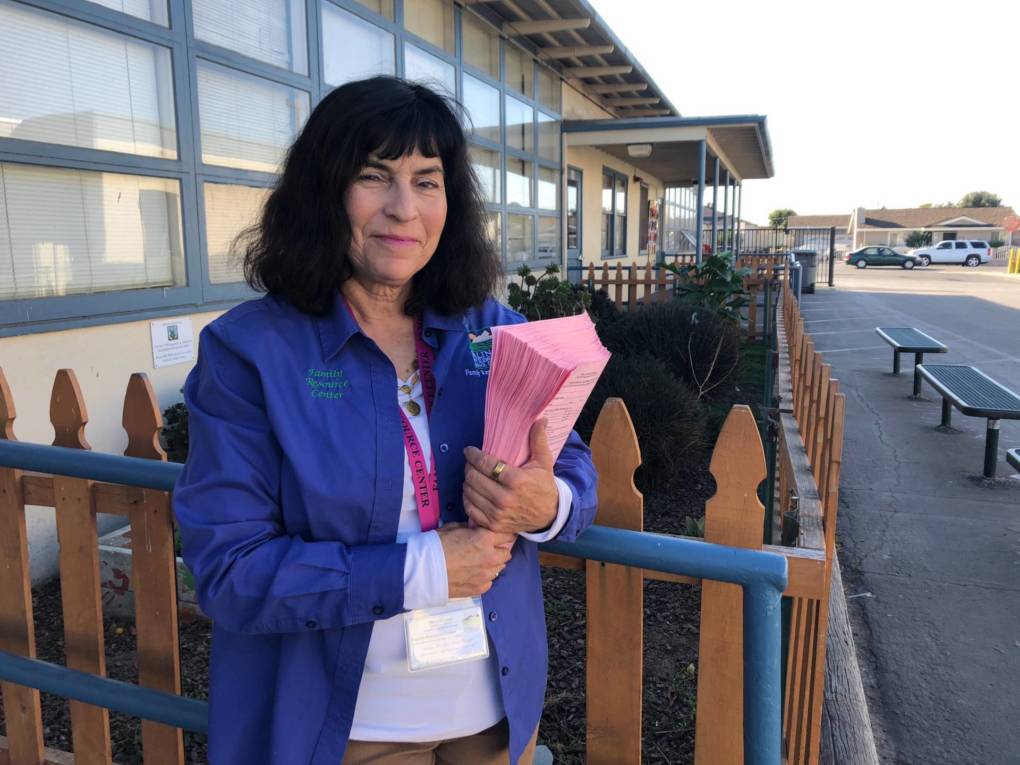
"caption": "Salinas City Elementary School District Homeless Liaison Cheryl Camany outside the Family Resource Center she runs.",
"description": null,
"title": "IMG_0739",
"credit": "Vanessa Rancaño/KQED",
"status": "inherit",
"isLoading": false,
"fetchFailed": false
},
"news_11714812": {
"type": "attachments",
"id": "news_11714812",
"meta": {
"index": "attachments_1716263798",
"site": "news",
"id": "11714812",
"found": true
},
"parent": 11714804,
"imgSizes": {
"small": {
"file": "https://ww2.kqed.org/app/uploads/sites/10/2018/12/cam1_20181023220412_edited-1180x664-520x293.jpg",
"width": 520,
"mimeType": "image/jpeg",
"height": 293
},
"twentyfourteen-full-width": {
"file": "https://ww2.kqed.org/app/uploads/sites/10/2018/12/cam1_20181023220412_edited-1180x664-1038x576.jpg",
"width": 1038,
"mimeType": "image/jpeg",
"height": 576
},
"thumbnail": {
"file": "https://ww2.kqed.org/app/uploads/sites/10/2018/12/cam1_20181023220412_edited-1180x664-160x90.jpg",
"width": 160,
"mimeType": "image/jpeg",
"height": 90
},
"fd-sm": {
"file": "https://ww2.kqed.org/app/uploads/sites/10/2018/12/cam1_20181023220412_edited-1180x664-960x540.jpg",
"width": 960,
"mimeType": "image/jpeg",
"height": 540
},
"post-thumbnail": {
"file": "https://ww2.kqed.org/app/uploads/sites/10/2018/12/cam1_20181023220412_edited-1180x664-672x372.jpg",
"width": 672,
"mimeType": "image/jpeg",
"height": 372
},
"xsmall": {
"file": "https://ww2.kqed.org/app/uploads/sites/10/2018/12/cam1_20181023220412_edited-1180x664-375x211.jpg",
"width": 375,
"mimeType": "image/jpeg",
"height": 211
},
"kqedFullSize": {
"file": "https://ww2.kqed.org/app/uploads/sites/10/2018/12/cam1_20181023220412_edited-1180x664.jpg",
"width": 1180,
"height": 664
},
"large": {
"file": "https://ww2.kqed.org/app/uploads/sites/10/2018/12/cam1_20181023220412_edited-1180x664-1020x574.jpg",
"width": 1020,
"mimeType": "image/jpeg",
"height": 574
},
"xlarge": {
"file": "https://ww2.kqed.org/app/uploads/sites/10/2018/12/cam1_20181023220412_edited-1180x664-1180x664.jpg",
"width": 1180,
"mimeType": "image/jpeg",
"height": 664
},
"guest-author-50": {
"file": "https://ww2.kqed.org/app/uploads/sites/10/2018/12/cam1_20181023220412_edited-1180x664-50x50.jpg",
"width": 50,
"mimeType": "image/jpeg",
"height": 50
},
"guest-author-96": {
"file": "https://ww2.kqed.org/app/uploads/sites/10/2018/12/cam1_20181023220412_edited-1180x664-96x96.jpg",
"width": 96,
"mimeType": "image/jpeg",
"height": 96
},
"medium": {
"file": "https://ww2.kqed.org/app/uploads/sites/10/2018/12/cam1_20181023220412_edited-1180x664-800x450.jpg",
"width": 800,
"mimeType": "image/jpeg",
"height": 450
},
"guest-author-64": {
"file": "https://ww2.kqed.org/app/uploads/sites/10/2018/12/cam1_20181023220412_edited-1180x664-64x64.jpg",
"width": 64,
"mimeType": "image/jpeg",
"height": 64
},
"guest-author-32": {
"file": "https://ww2.kqed.org/app/uploads/sites/10/2018/12/cam1_20181023220412_edited-1180x664-32x32.jpg",
"width": 32,
"mimeType": "image/jpeg",
"height": 32
},
"fd-med": {
"file": "https://ww2.kqed.org/app/uploads/sites/10/2018/12/cam1_20181023220412_edited-1180x664-1180x664.jpg",
"width": 1180,
"mimeType": "image/jpeg",
"height": 664
},
"detail": {
"file": "https://ww2.kqed.org/app/uploads/sites/10/2018/12/cam1_20181023220412_edited-1180x664-150x150.jpg",
"width": 150,
"mimeType": "image/jpeg",
"height": 150
},
"guest-author-128": {
"file": "https://ww2.kqed.org/app/uploads/sites/10/2018/12/cam1_20181023220412_edited-1180x664-128x128.jpg",
"width": 128,
"mimeType": "image/jpeg",
"height": 128
},
"xxsmall": {
"file": "https://ww2.kqed.org/app/uploads/sites/10/2018/12/cam1_20181023220412_edited-1180x664-240x135.jpg",
"width": 240,
"mimeType": "image/jpeg",
"height": 135
}
},
"publishDate": 1545940374,
"modified": 1545940397,
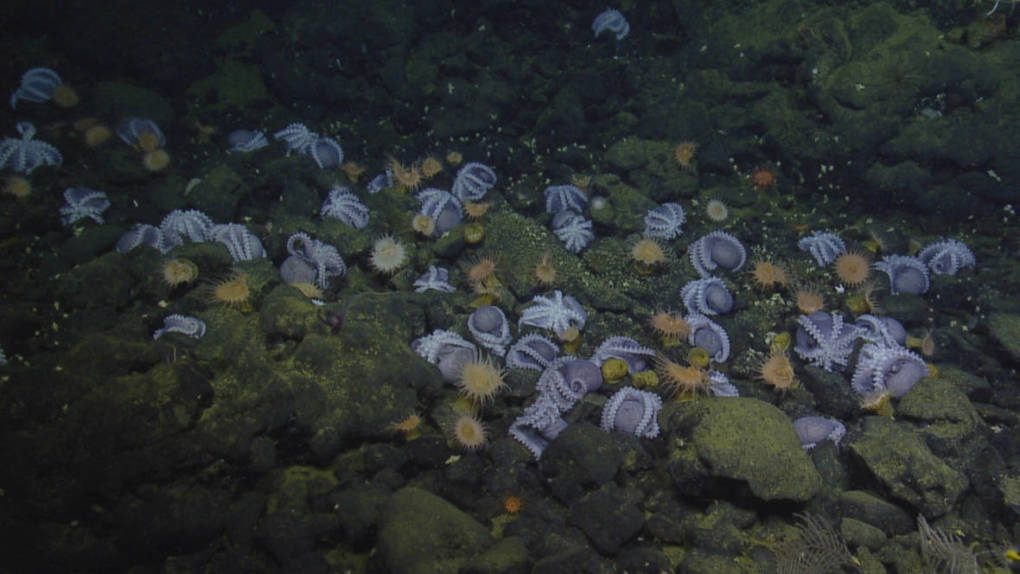
"caption": "Octopuses observed at the Davidson Seamount, an ocean habitat about 80 miles to the southwest of Monterey.",
"description": null,
"title": "cam1_20181023220412_edited-1180x664",
"credit": "Ocean Exploration Trust/NOAA",
"status": "inherit",
"isLoading": false,
"fetchFailed": false
},
"news_11713919": {
"type": "attachments",
"id": "news_11713919",
"meta": {
"index": "attachments_1716263798",
"site": "news",
"id": "11713919",
"found": true
},
"parent": 11713590,
"imgSizes": {
"twentyfourteen-full-width": {
"file": "https://ww2.kqed.org/app/uploads/sites/10/2018/12/Lindsay-dog-1011x576.jpg",
"width": 1011,
"mimeType": "image/jpeg",
"height": 576
},
"thumbnail": {
"file": "https://ww2.kqed.org/app/uploads/sites/10/2018/12/Lindsay-dog-160x120.jpg",
"width": 160,
"mimeType": "image/jpeg",
"height": 120
},
"post-thumbnail": {
"file": "https://ww2.kqed.org/app/uploads/sites/10/2018/12/Lindsay-dog-672x372.jpg",
"width": 672,
"mimeType": "image/jpeg",
"height": 372
},
"kqedFullSize": {
"file": "https://ww2.kqed.org/app/uploads/sites/10/2018/12/Lindsay-dog.jpg",
"width": 1011,
"height": 759
},
"guest-author-50": {
"file": "https://ww2.kqed.org/app/uploads/sites/10/2018/12/Lindsay-dog-50x50.jpg",
"width": 50,
"mimeType": "image/jpeg",
"height": 50
},
"guest-author-96": {
"file": "https://ww2.kqed.org/app/uploads/sites/10/2018/12/Lindsay-dog-96x96.jpg",
"width": 96,
"mimeType": "image/jpeg",
"height": 96
},
"medium": {
"file": "https://ww2.kqed.org/app/uploads/sites/10/2018/12/Lindsay-dog-800x601.jpg",
"width": 800,
"mimeType": "image/jpeg",
"height": 601
},
"guest-author-64": {
"file": "https://ww2.kqed.org/app/uploads/sites/10/2018/12/Lindsay-dog-64x64.jpg",
"width": 64,
"mimeType": "image/jpeg",
"height": 64
},
"detail": {
"file": "https://ww2.kqed.org/app/uploads/sites/10/2018/12/Lindsay-dog-150x150.jpg",
"width": 150,
"mimeType": "image/jpeg",
"height": 150
},
"guest-author-32": {
"file": "https://ww2.kqed.org/app/uploads/sites/10/2018/12/Lindsay-dog-32x32.jpg",
"width": 32,
"mimeType": "image/jpeg",
"height": 32
},
"guest-author-128": {
"file": "https://ww2.kqed.org/app/uploads/sites/10/2018/12/Lindsay-dog-128x128.jpg",
"width": 128,
"mimeType": "image/jpeg",
"height": 128
}
},
"publishDate": 1545283565,
"modified": 1545332388,
"caption": "On December 18, 2016, Lindsay McCollum was shot and killed while living on the streets of San Francisco's Mission District. Two years later, her killing remains unsolved.",
"description": "On December 18, 2016, Lindsay McCollum was shot and killed while living on the streets of San Francisco's Mission District. Two years later, her killing remains unsolved.",
"title": "Lindsay dog",
"credit": "Courtesy of the McCollum family",
"status": "inherit",
"isLoading": false,
"fetchFailed": false
},
"news_11711687": {
"type": "attachments",
"id": "news_11711687",
"meta": {
"index": "attachments_1716263798",
"site": "news",
"id": "11711687",
"found": true
},
"parent": 11711613,
"imgSizes": {
"twentyfourteen-full-width": {
"file": "https://ww2.kqed.org/app/uploads/sites/10/2018/12/tiny3-e1544567809738-1038x576.jpg",
"width": 1038,
"mimeType": "image/jpeg",
"height": 576
},
"thumbnail": {
"file": "https://ww2.kqed.org/app/uploads/sites/10/2018/12/tiny3-e1544567809738-160x120.jpg",
"width": 160,
"mimeType": "image/jpeg",
"height": 120
},
"post-thumbnail": {
"file": "https://ww2.kqed.org/app/uploads/sites/10/2018/12/tiny3-e1544567809738-672x372.jpg",
"width": 672,
"mimeType": "image/jpeg",
"height": 372
},
"kqedFullSize": {
"file": "https://ww2.kqed.org/app/uploads/sites/10/2018/12/tiny3-e1544567809738.jpg",
"width": 1920,
"height": 1440
},
"large": {
"file": "https://ww2.kqed.org/app/uploads/sites/10/2018/12/tiny3-e1544567809738-1020x765.jpg",
"width": 1020,
"mimeType": "image/jpeg",
"height": 765
},
"complete_open_graph": {
"file": "https://ww2.kqed.org/app/uploads/sites/10/2018/12/tiny3-e1544567809738-1200x900.jpg",
"width": 1200,
"mimeType": "image/jpeg",
"height": 900
},
"guest-author-50": {
"file": "https://ww2.kqed.org/app/uploads/sites/10/2018/12/tiny3-e1544567809738-50x50.jpg",
"width": 50,
"mimeType": "image/jpeg",
"height": 50
},
"guest-author-96": {
"file": "https://ww2.kqed.org/app/uploads/sites/10/2018/12/tiny3-e1544567809738-96x96.jpg",
"width": 96,
"mimeType": "image/jpeg",
"height": 96
},
"medium": {
"file": "https://ww2.kqed.org/app/uploads/sites/10/2018/12/tiny3-e1544567809738-800x600.jpg",
"width": 800,
"mimeType": "image/jpeg",
"height": 600
},
"guest-author-64": {
"file": "https://ww2.kqed.org/app/uploads/sites/10/2018/12/tiny3-e1544567809738-64x64.jpg",
"width": 64,
"mimeType": "image/jpeg",
"height": 64
},
"guest-author-32": {
"file": "https://ww2.kqed.org/app/uploads/sites/10/2018/12/tiny3-e1544567809738-32x32.jpg",
"width": 32,
"mimeType": "image/jpeg",
"height": 32
},
"full-width": {
"file": "https://ww2.kqed.org/app/uploads/sites/10/2018/12/tiny3-e1544567809738-1920x1440.jpg",
"width": 1920,
"mimeType": "image/jpeg",
"height": 1440
},
"detail": {
"file": "https://ww2.kqed.org/app/uploads/sites/10/2018/12/tiny3-e1544567809738-150x150.jpg",
"width": 150,
"mimeType": "image/jpeg",
"height": 150
},
"guest-author-128": {
"file": "https://ww2.kqed.org/app/uploads/sites/10/2018/12/tiny3-e1544567809738-128x128.jpg",
"width": 128,
"mimeType": "image/jpeg",
"height": 128
}
},
"publishDate": 1544562959,
"modified": 1544570353,
"caption": "A tiny home prototype, unveiled Monday in San Jose. ",
"description": null,
"title": "tiny3",
"credit": "Peter Jon Shuler/KQED",
"status": "inherit",
"isLoading": false,
"fetchFailed": false
},
"news_11677112": {
"type": "attachments",
"id": "news_11677112",
"meta": {
"index": "attachments_1716263798",
"site": "news",
"id": "11677112",
"found": true
},
"parent": 11677080,
"imgSizes": {
"small": {
"file": "https://ww2.kqed.org/app/uploads/sites/10/2018/06/IMG_3961-520x390.jpg",
"width": 520,
"mimeType": "image/jpeg",
"height": 390
},
"twentyfourteen-full-width": {
"file": "https://ww2.kqed.org/app/uploads/sites/10/2018/06/IMG_3961-1038x576.jpg",
"width": 1038,
"mimeType": "image/jpeg",
"height": 576
},
"thumbnail": {
"file": "https://ww2.kqed.org/app/uploads/sites/10/2018/06/IMG_3961-160x120.jpg",
"width": 160,
"mimeType": "image/jpeg",
"height": 120
},
"fd-sm": {
"file": "https://ww2.kqed.org/app/uploads/sites/10/2018/06/IMG_3961-960x720.jpg",
"width": 960,
"mimeType": "image/jpeg",
"height": 720
},
"post-thumbnail": {
"file": "https://ww2.kqed.org/app/uploads/sites/10/2018/06/IMG_3961-672x372.jpg",
"width": 672,
"mimeType": "image/jpeg",
"height": 372
},
"xsmall": {
"file": "https://ww2.kqed.org/app/uploads/sites/10/2018/06/IMG_3961-375x281.jpg",
"width": 375,
"mimeType": "image/jpeg",
"height": 281
},
"kqedFullSize": {
"file": "https://ww2.kqed.org/app/uploads/sites/10/2018/06/IMG_3961-e1543441021476.jpg",
"width": 1920,
"height": 1440
},
"large": {
"file": "https://ww2.kqed.org/app/uploads/sites/10/2018/06/IMG_3961-1020x765.jpg",
"width": 1020,
"mimeType": "image/jpeg",
"height": 765
},
"xlarge": {
"file": "https://ww2.kqed.org/app/uploads/sites/10/2018/06/IMG_3961-1180x885.jpg",
"width": 1180,
"mimeType": "image/jpeg",
"height": 885
},
"complete_open_graph": {
"file": "https://ww2.kqed.org/app/uploads/sites/10/2018/06/IMG_3961-1200x900.jpg",
"width": 1200,
"mimeType": "image/jpeg",
"height": 900
},
"guest-author-50": {
"file": "https://ww2.kqed.org/app/uploads/sites/10/2018/06/IMG_3961-50x50.jpg",
"width": 50,
"mimeType": "image/jpeg",
"height": 50
},
"guest-author-96": {
"file": "https://ww2.kqed.org/app/uploads/sites/10/2018/06/IMG_3961-96x96.jpg",
"width": 96,
"mimeType": "image/jpeg",
"height": 96
},
"medium": {
"file": "https://ww2.kqed.org/app/uploads/sites/10/2018/06/IMG_3961-800x600.jpg",
"width": 800,
"mimeType": "image/jpeg",
"height": 600
},
"guest-author-64": {
"file": "https://ww2.kqed.org/app/uploads/sites/10/2018/06/IMG_3961-64x64.jpg",
"width": 64,
"mimeType": "image/jpeg",
"height": 64
},
"guest-author-32": {
"file": "https://ww2.kqed.org/app/uploads/sites/10/2018/06/IMG_3961-32x32.jpg",
"width": 32,
"mimeType": "image/jpeg",
"height": 32
},
"fd-lrg": {
"file": "https://ww2.kqed.org/app/uploads/sites/10/2018/06/IMG_3961-1920x1440.jpg",
"width": 1920,
"mimeType": "image/jpeg",
"height": 1440
},
"fd-med": {
"file": "https://ww2.kqed.org/app/uploads/sites/10/2018/06/IMG_3961-1180x885.jpg",
"width": 1180,
"mimeType": "image/jpeg",
"height": 885
},
"full-width": {
"file": "https://ww2.kqed.org/app/uploads/sites/10/2018/06/IMG_3961-1920x1440.jpg",
"width": 1920,
"mimeType": "image/jpeg",
"height": 1440
},
"detail": {
"file": "https://ww2.kqed.org/app/uploads/sites/10/2018/06/IMG_3961-150x150.jpg",
"width": 150,
"mimeType": "image/jpeg",
"height": 150
},
"guest-author-128": {
"file": "https://ww2.kqed.org/app/uploads/sites/10/2018/06/IMG_3961-128x128.jpg",
"width": 128,
"mimeType": "image/jpeg",
"height": 128
},
"xxsmall": {
"file": "https://ww2.kqed.org/app/uploads/sites/10/2018/06/IMG_3961-240x180.jpg",
"width": 240,
"mimeType": "image/jpeg",
"height": 180
}
},
"publishDate": 1529957048,
"modified": 1543449719,
"caption": "Needa Bee, lead organizer for The Village, at an East Oakland encampment this past summer. ",
"description": "Needa Bee, lead organizer for The Village, at an East Oakland encampment this summer. ",
"title": "IMG_3961",
"credit": "Tara Siler/KQED",
"status": "inherit",
"isLoading": false,
"fetchFailed": false
},
"news_11708635": {
"type": "attachments",
"id": "news_11708635",
"meta": {
"index": "attachments_1716263798",
"site": "news",
"id": "11708635",
"found": true
},
"parent": 11708578,
"imgSizes": {
"small": {
"file": "https://ww2.kqed.org/app/uploads/sites/10/2018/11/tuesday_revised_112718-520x331.jpg",
"width": 520,
"mimeType": "image/jpeg",
"height": 331
},
"twentyfourteen-full-width": {
"file": "https://ww2.kqed.org/app/uploads/sites/10/2018/11/tuesday_revised_112718-1038x576.jpg",
"width": 1038,
"mimeType": "image/jpeg",
"height": 576
},
"thumbnail": {
"file": "https://ww2.kqed.org/app/uploads/sites/10/2018/11/tuesday_revised_112718-160x102.jpg",
"width": 160,
"mimeType": "image/jpeg",
"height": 102
},
"fd-sm": {
"file": "https://ww2.kqed.org/app/uploads/sites/10/2018/11/tuesday_revised_112718-960x612.jpg",
"width": 960,
"mimeType": "image/jpeg",
"height": 612
},
"post-thumbnail": {
"file": "https://ww2.kqed.org/app/uploads/sites/10/2018/11/tuesday_revised_112718-672x372.jpg",
"width": 672,
"mimeType": "image/jpeg",
"height": 372
},
"xsmall": {
"file": "https://ww2.kqed.org/app/uploads/sites/10/2018/11/tuesday_revised_112718-375x239.jpg",
"width": 375,
"mimeType": "image/jpeg",
"height": 239
},
"kqedFullSize": {
"file": "https://ww2.kqed.org/app/uploads/sites/10/2018/11/tuesday_revised_112718.jpg",
"width": 1920,
"height": 1223
},
"large": {
"file": "https://ww2.kqed.org/app/uploads/sites/10/2018/11/tuesday_revised_112718-1020x650.jpg",
"width": 1020,
"mimeType": "image/jpeg",
"height": 650
},
"xlarge": {
"file": "https://ww2.kqed.org/app/uploads/sites/10/2018/11/tuesday_revised_112718-1180x752.jpg",
"width": 1180,
"mimeType": "image/jpeg",
"height": 752
},
"complete_open_graph": {
"file": "https://ww2.kqed.org/app/uploads/sites/10/2018/11/tuesday_revised_112718-1200x764.jpg",
"width": 1200,
"mimeType": "image/jpeg",
"height": 764
},
"guest-author-50": {
"file": "https://ww2.kqed.org/app/uploads/sites/10/2018/11/tuesday_revised_112718-50x50.jpg",
"width": 50,
"mimeType": "image/jpeg",
"height": 50
},
"guest-author-96": {
"file": "https://ww2.kqed.org/app/uploads/sites/10/2018/11/tuesday_revised_112718-96x96.jpg",
"width": 96,
"mimeType": "image/jpeg",
"height": 96
},
"medium": {
"file": "https://ww2.kqed.org/app/uploads/sites/10/2018/11/tuesday_revised_112718-800x510.jpg",
"width": 800,
"mimeType": "image/jpeg",
"height": 510
},
"guest-author-64": {
"file": "https://ww2.kqed.org/app/uploads/sites/10/2018/11/tuesday_revised_112718-64x64.jpg",
"width": 64,
"mimeType": "image/jpeg",
"height": 64
},
"guest-author-32": {
"file": "https://ww2.kqed.org/app/uploads/sites/10/2018/11/tuesday_revised_112718-32x32.jpg",
"width": 32,
"mimeType": "image/jpeg",
"height": 32
},
"fd-lrg": {
"file": "https://ww2.kqed.org/app/uploads/sites/10/2018/11/tuesday_revised_112718-1920x1223.jpg",
"width": 1920,
"mimeType": "image/jpeg",
"height": 1223
},
"fd-med": {
"file": "https://ww2.kqed.org/app/uploads/sites/10/2018/11/tuesday_revised_112718-1180x752.jpg",
"width": 1180,
"mimeType": "image/jpeg",
"height": 752
},
"full-width": {
"file": "https://ww2.kqed.org/app/uploads/sites/10/2018/11/tuesday_revised_112718-1920x1223.jpg",
"width": 1920,
"mimeType": "image/jpeg",
"height": 1223
},
"detail": {
"file": "https://ww2.kqed.org/app/uploads/sites/10/2018/11/tuesday_revised_112718-150x150.jpg",
"width": 150,
"mimeType": "image/jpeg",
"height": 150
},
"guest-author-128": {
"file": "https://ww2.kqed.org/app/uploads/sites/10/2018/11/tuesday_revised_112718-128x128.jpg",
"width": 128,
"mimeType": "image/jpeg",
"height": 128
},
"xxsmall": {
"file": "https://ww2.kqed.org/app/uploads/sites/10/2018/11/tuesday_revised_112718-240x153.jpg",
"width": 240,
"mimeType": "image/jpeg",
"height": 153
}
},
"publishDate": 1543367334,
"modified": 1543367351,
"caption": null,
"description": null,
"title": "tuesday_revised_112718",
"credit": null,
"status": "inherit",
"isLoading": false,
"fetchFailed": false
},
"news_11708186": {
"type": "attachments",
"id": "news_11708186",
"meta": {
"index": "attachments_1716263798",
"site": "news",
"id": "11708186",
"found": true
},
"parent": 11708180,
"imgSizes": {
"twentyfourteen-full-width": {
"file": "https://ww2.kqed.org/app/uploads/sites/10/2018/11/RS34102_SC-Homeless-4-qut-1038x576.jpg",
"width": 1038,
"mimeType": "image/jpeg",
"height": 576
},
"thumbnail": {
"file": "https://ww2.kqed.org/app/uploads/sites/10/2018/11/RS34102_SC-Homeless-4-qut-160x120.jpg",
"width": 160,
"mimeType": "image/jpeg",
"height": 120
},
"post-thumbnail": {
"file": "https://ww2.kqed.org/app/uploads/sites/10/2018/11/RS34102_SC-Homeless-4-qut-672x372.jpg",
"width": 672,
"mimeType": "image/jpeg",
"height": 372
},
"kqedFullSize": {
"file": "https://ww2.kqed.org/app/uploads/sites/10/2018/11/RS34102_SC-Homeless-4-qut.jpg",
"width": 1920,
"height": 1440
},
"large": {
"file": "https://ww2.kqed.org/app/uploads/sites/10/2018/11/RS34102_SC-Homeless-4-qut-1020x765.jpg",
"width": 1020,
"mimeType": "image/jpeg",
"height": 765
},
"complete_open_graph": {
"file": "https://ww2.kqed.org/app/uploads/sites/10/2018/11/RS34102_SC-Homeless-4-qut-1200x900.jpg",
"width": 1200,
"mimeType": "image/jpeg",
"height": 900
},
"guest-author-50": {
"file": "https://ww2.kqed.org/app/uploads/sites/10/2018/11/RS34102_SC-Homeless-4-qut-50x50.jpg",
"width": 50,
"mimeType": "image/jpeg",
"height": 50
},
"guest-author-96": {
"file": "https://ww2.kqed.org/app/uploads/sites/10/2018/11/RS34102_SC-Homeless-4-qut-96x96.jpg",
"width": 96,
"mimeType": "image/jpeg",
"height": 96
},
"medium": {
"file": "https://ww2.kqed.org/app/uploads/sites/10/2018/11/RS34102_SC-Homeless-4-qut-800x600.jpg",
"width": 800,
"mimeType": "image/jpeg",
"height": 600
},
"guest-author-64": {
"file": "https://ww2.kqed.org/app/uploads/sites/10/2018/11/RS34102_SC-Homeless-4-qut-64x64.jpg",
"width": 64,
"mimeType": "image/jpeg",
"height": 64
},
"guest-author-32": {
"file": "https://ww2.kqed.org/app/uploads/sites/10/2018/11/RS34102_SC-Homeless-4-qut-32x32.jpg",
"width": 32,
"mimeType": "image/jpeg",
"height": 32
},
"full-width": {
"file": "https://ww2.kqed.org/app/uploads/sites/10/2018/11/RS34102_SC-Homeless-4-qut-1920x1440.jpg",
"width": 1920,
"mimeType": "image/jpeg",
"height": 1440
},
"detail": {
"file": "https://ww2.kqed.org/app/uploads/sites/10/2018/11/RS34102_SC-Homeless-4-qut-150x150.jpg",
"width": 150,
"mimeType": "image/jpeg",
"height": 150
},
"guest-author-128": {
"file": "https://ww2.kqed.org/app/uploads/sites/10/2018/11/RS34102_SC-Homeless-4-qut-128x128.jpg",
"width": 128,
"mimeType": "image/jpeg",
"height": 128
}
},
"publishDate": 1543263263,
"modified": 1543263569,
"caption": "About 50 campers have lived at River Street Homeless Camp in Santa Cruz since it opened in March 2018. Campers got their own tents, and they could get jobs helping to run the camp. The camp also had a bathroom facility and picnic tables.",
"description": "About 50 campers have lived at River Street Homeless Camp in Santa Cruz since it opened in March 2018. Campers got their own tents, and they could get jobs helping to run the camp. The camp also had a bathroom facility and picnic tables.",
"title": "RS34102_SC Homeless 4-qut",
"credit": "Erika Mahoney/KAZU",
"status": "inherit",
"isLoading": false,
"fetchFailed": false
},
"news_11707100": {
"type": "attachments",
"id": "news_11707100",
"meta": {
"index": "attachments_1716263798",
"site": "news",
"id": "11707100",
"found": true
},
"parent": 11707098,
"imgSizes": {
"twentyfourteen-full-width": {
"file": "https://ww2.kqed.org/app/uploads/sites/10/2018/11/RS33891_SFBridge-1-1038x576.jpg",
"width": 1038,
"mimeType": "image/jpeg",
"height": 576
},
"thumbnail": {
"file": "https://ww2.kqed.org/app/uploads/sites/10/2018/11/RS33891_SFBridge-1-160x107.jpg",
"width": 160,
"mimeType": "image/jpeg",
"height": 107
},
"post-thumbnail": {
"file": "https://ww2.kqed.org/app/uploads/sites/10/2018/11/RS33891_SFBridge-1-672x372.jpg",
"width": 672,
"mimeType": "image/jpeg",
"height": 372
},
"kqedFullSize": {
"file": "https://ww2.kqed.org/app/uploads/sites/10/2018/11/RS33891_SFBridge-1.jpg",
"width": 1920,
"height": 1279
},
"large": {
"file": "https://ww2.kqed.org/app/uploads/sites/10/2018/11/RS33891_SFBridge-1-1020x679.jpg",
"width": 1020,
"mimeType": "image/jpeg",
"height": 679
},
"complete_open_graph": {
"file": "https://ww2.kqed.org/app/uploads/sites/10/2018/11/RS33891_SFBridge-1-1200x799.jpg",
"width": 1200,
"mimeType": "image/jpeg",
"height": 799
},
"guest-author-50": {
"file": "https://ww2.kqed.org/app/uploads/sites/10/2018/11/RS33891_SFBridge-1-50x50.jpg",
"width": 50,
"mimeType": "image/jpeg",
"height": 50
},
"guest-author-96": {
"file": "https://ww2.kqed.org/app/uploads/sites/10/2018/11/RS33891_SFBridge-1-96x96.jpg",
"width": 96,
"mimeType": "image/jpeg",
"height": 96
},
"medium": {
"file": "https://ww2.kqed.org/app/uploads/sites/10/2018/11/RS33891_SFBridge-1-800x533.jpg",
"width": 800,
"mimeType": "image/jpeg",
"height": 533
},
"guest-author-64": {
"file": "https://ww2.kqed.org/app/uploads/sites/10/2018/11/RS33891_SFBridge-1-64x64.jpg",
"width": 64,
"mimeType": "image/jpeg",
"height": 64
},
"guest-author-32": {
"file": "https://ww2.kqed.org/app/uploads/sites/10/2018/11/RS33891_SFBridge-1-32x32.jpg",
"width": 32,
"mimeType": "image/jpeg",
"height": 32
},
"full-width": {
"file": "https://ww2.kqed.org/app/uploads/sites/10/2018/11/RS33891_SFBridge-1-1920x1279.jpg",
"width": 1920,
"mimeType": "image/jpeg",
"height": 1279
},
"detail": {
"file": "https://ww2.kqed.org/app/uploads/sites/10/2018/11/RS33891_SFBridge-1-150x150.jpg",
"width": 150,
"mimeType": "image/jpeg",
"height": 150
},
"guest-author-128": {
"file": "https://ww2.kqed.org/app/uploads/sites/10/2018/11/RS33891_SFBridge-1-128x128.jpg",
"width": 128,
"mimeType": "image/jpeg",
"height": 128
}
},
"publishDate": 1542474513,
"modified": 1545184381,
"caption": "Smoke from the Camp Fire blankets the Bay Bridge and the city of San Francisco on Nov. 13, 2018.",
"description": "Smoke from the Camp Fire blankets the Bay Bridge and the city of San Francisco on November 13, 2018.",
"title": "RS33891_SFBridge",
"credit": "Samantha Shanahan/KQED",
"status": "inherit",
"isLoading": false,
"fetchFailed": false
},
"news_11704683": {
"type": "attachments",
"id": "news_11704683",
"meta": {
"index": "attachments_1716263798",
"site": "news",
"id": "11704683",
"found": true
},
"parent": 11704234,
"imgSizes": {
"twentyfourteen-full-width": {
"file": "https://ww2.kqed.org/app/uploads/sites/10/2018/11/vanlifedone-1038x576.png",
"width": 1038,
"mimeType": "image/png",
"height": 576
},
"thumbnail": {
"file": "https://ww2.kqed.org/app/uploads/sites/10/2018/11/vanlifedone-160x115.png",
"width": 160,
"mimeType": "image/png",
"height": 115
},
"post-thumbnail": {
"file": "https://ww2.kqed.org/app/uploads/sites/10/2018/11/vanlifedone-672x372.png",
"width": 672,
"mimeType": "image/png",
"height": 372
},
"kqedFullSize": {
"file": "https://ww2.kqed.org/app/uploads/sites/10/2018/11/vanlifedone.png",
"width": 1736,
"height": 1244
},
"large": {
"file": "https://ww2.kqed.org/app/uploads/sites/10/2018/11/vanlifedone-1020x731.png",
"width": 1020,
"mimeType": "image/png",
"height": 731
},
"complete_open_graph": {
"file": "https://ww2.kqed.org/app/uploads/sites/10/2018/11/vanlifedone-1200x860.png",
"width": 1200,
"mimeType": "image/png",
"height": 860
},
"guest-author-50": {
"file": "https://ww2.kqed.org/app/uploads/sites/10/2018/11/vanlifedone-50x50.png",
"width": 50,
"mimeType": "image/png",
"height": 50
},
"guest-author-96": {
"file": "https://ww2.kqed.org/app/uploads/sites/10/2018/11/vanlifedone-96x96.png",
"width": 96,
"mimeType": "image/png",
"height": 96
},
"medium": {
"file": "https://ww2.kqed.org/app/uploads/sites/10/2018/11/vanlifedone-800x573.png",
"width": 800,
"mimeType": "image/png",
"height": 573
},
"guest-author-64": {
"file": "https://ww2.kqed.org/app/uploads/sites/10/2018/11/vanlifedone-64x64.png",
"width": 64,
"mimeType": "image/png",
"height": 64
},
"guest-author-32": {
"file": "https://ww2.kqed.org/app/uploads/sites/10/2018/11/vanlifedone-32x32.png",
"width": 32,
"mimeType": "image/png",
"height": 32
},
"detail": {
"file": "https://ww2.kqed.org/app/uploads/sites/10/2018/11/vanlifedone-150x150.png",
"width": 150,
"mimeType": "image/png",
"height": 150
},
"guest-author-128": {
"file": "https://ww2.kqed.org/app/uploads/sites/10/2018/11/vanlifedone-128x128.png",
"width": 128,
"mimeType": "image/png",
"height": 128
}
},
"publishDate": 1541626571,
"modified": 1541717673,
"caption": "An RV parked on Florida Street near 17th Street in San Francisco.",
"description": null,
"title": "Van",
"credit": "Katie Tandy / KQED",
"status": "inherit",
"isLoading": false,
"fetchFailed": false
},
"news_11701607": {
"type": "attachments",
"id": "news_11701607",
"meta": {
"index": "attachments_1716263798",
"site": "news",
"id": "11701607",
"found": true
},
"parent": 11701603,
"imgSizes": {
"small": {
"file": "https://ww2.kqed.org/app/uploads/sites/10/2018/10/RS33369_102318_AW_DianeFeinstein_04-520x347.jpg",
"width": 520,
"mimeType": "image/jpeg",
"height": 347
},
"twentyfourteen-full-width": {
"file": "https://ww2.kqed.org/app/uploads/sites/10/2018/10/RS33369_102318_AW_DianeFeinstein_04-1038x576.jpg",
"width": 1038,
"mimeType": "image/jpeg",
"height": 576
},
"thumbnail": {
"file": "https://ww2.kqed.org/app/uploads/sites/10/2018/10/RS33369_102318_AW_DianeFeinstein_04-160x107.jpg",
"width": 160,
"mimeType": "image/jpeg",
"height": 107
},
"fd-sm": {
"file": "https://ww2.kqed.org/app/uploads/sites/10/2018/10/RS33369_102318_AW_DianeFeinstein_04-960x640.jpg",
"width": 960,
"mimeType": "image/jpeg",
"height": 640
},
"post-thumbnail": {
"file": "https://ww2.kqed.org/app/uploads/sites/10/2018/10/RS33369_102318_AW_DianeFeinstein_04-672x372.jpg",
"width": 672,
"mimeType": "image/jpeg",
"height": 372
},
"xsmall": {
"file": "https://ww2.kqed.org/app/uploads/sites/10/2018/10/RS33369_102318_AW_DianeFeinstein_04-375x250.jpg",
"width": 375,
"mimeType": "image/jpeg",
"height": 250
},
"kqedFullSize": {
"file": "https://ww2.kqed.org/app/uploads/sites/10/2018/10/RS33369_102318_AW_DianeFeinstein_04.jpg",
"width": 5760,
"height": 3840
},
"large": {
"file": "https://ww2.kqed.org/app/uploads/sites/10/2018/10/RS33369_102318_AW_DianeFeinstein_04-1020x680.jpg",
"width": 1020,
"mimeType": "image/jpeg",
"height": 680
},
"xlarge": {
"file": "https://ww2.kqed.org/app/uploads/sites/10/2018/10/RS33369_102318_AW_DianeFeinstein_04-1180x787.jpg",
"width": 1180,
"mimeType": "image/jpeg",
"height": 787
},
"complete_open_graph": {
"file": "https://ww2.kqed.org/app/uploads/sites/10/2018/10/RS33369_102318_AW_DianeFeinstein_04-1200x800.jpg",
"width": 1200,
"mimeType": "image/jpeg",
"height": 800
},
"guest-author-50": {
"file": "https://ww2.kqed.org/app/uploads/sites/10/2018/10/RS33369_102318_AW_DianeFeinstein_04-50x50.jpg",
"width": 50,
"mimeType": "image/jpeg",
"height": 50
},
"guest-author-96": {
"file": "https://ww2.kqed.org/app/uploads/sites/10/2018/10/RS33369_102318_AW_DianeFeinstein_04-96x96.jpg",
"width": 96,
"mimeType": "image/jpeg",
"height": 96
},
"medium": {
"file": "https://ww2.kqed.org/app/uploads/sites/10/2018/10/RS33369_102318_AW_DianeFeinstein_04-800x533.jpg",
"width": 800,
"mimeType": "image/jpeg",
"height": 533
},
"guest-author-64": {
"file": "https://ww2.kqed.org/app/uploads/sites/10/2018/10/RS33369_102318_AW_DianeFeinstein_04-64x64.jpg",
"width": 64,
"mimeType": "image/jpeg",
"height": 64
},
"guest-author-32": {
"file": "https://ww2.kqed.org/app/uploads/sites/10/2018/10/RS33369_102318_AW_DianeFeinstein_04-32x32.jpg",
"width": 32,
"mimeType": "image/jpeg",
"height": 32
},
"fd-lrg": {
"file": "https://ww2.kqed.org/app/uploads/sites/10/2018/10/RS33369_102318_AW_DianeFeinstein_04-1920x1280.jpg",
"width": 1920,
"mimeType": "image/jpeg",
"height": 1280
},
"fd-med": {
"file": "https://ww2.kqed.org/app/uploads/sites/10/2018/10/RS33369_102318_AW_DianeFeinstein_04-1180x787.jpg",
"width": 1180,
"mimeType": "image/jpeg",
"height": 787
},
"full-width": {
"file": "https://ww2.kqed.org/app/uploads/sites/10/2018/10/RS33369_102318_AW_DianeFeinstein_04-1920x1280.jpg",
"width": 1920,
"mimeType": "image/jpeg",
"height": 1280
},
"detail": {
"file": "https://ww2.kqed.org/app/uploads/sites/10/2018/10/RS33369_102318_AW_DianeFeinstein_04-150x150.jpg",
"width": 150,
"mimeType": "image/jpeg",
"height": 150
},
"guest-author-128": {
"file": "https://ww2.kqed.org/app/uploads/sites/10/2018/10/RS33369_102318_AW_DianeFeinstein_04-128x128.jpg",
"width": 128,
"mimeType": "image/jpeg",
"height": 128
},
"xxsmall": {
"file": "https://ww2.kqed.org/app/uploads/sites/10/2018/10/RS33369_102318_AW_DianeFeinstein_04-240x160.jpg",
"width": 240,
"mimeType": "image/jpeg",
"height": 160
}
},
"publishDate": 1540593984,
"modified": 1540593984,
"caption": null,
"description": null,
"title": "RS33369_102318_AW_DianeFeinstein_04",
"credit": null,
"status": "inherit",
"isLoading": false,
"fetchFailed": false
},
"news_11701175": {
"type": "attachments",
"id": "news_11701175",
"meta": {
"index": "attachments_1716263798",
"site": "news",
"id": "11701175",
"found": true
},
"parent": 11701154,
"imgSizes": {
"small": {
"file": "https://ww2.kqed.org/app/uploads/sites/10/2018/10/RS33432_GettyImages-543499084-qut-520x347.jpg",
"width": 520,
"mimeType": "image/jpeg",
"height": 347
},
"twentyfourteen-full-width": {
"file": "https://ww2.kqed.org/app/uploads/sites/10/2018/10/RS33432_GettyImages-543499084-qut-1038x576.jpg",
"width": 1038,
"mimeType": "image/jpeg",
"height": 576
},
"thumbnail": {
"file": "https://ww2.kqed.org/app/uploads/sites/10/2018/10/RS33432_GettyImages-543499084-qut-160x107.jpg",
"width": 160,
"mimeType": "image/jpeg",
"height": 107
},
"fd-sm": {
"file": "https://ww2.kqed.org/app/uploads/sites/10/2018/10/RS33432_GettyImages-543499084-qut-960x640.jpg",
"width": 960,
"mimeType": "image/jpeg",
"height": 640
},
"post-thumbnail": {
"file": "https://ww2.kqed.org/app/uploads/sites/10/2018/10/RS33432_GettyImages-543499084-qut-672x372.jpg",
"width": 672,
"mimeType": "image/jpeg",
"height": 372
},
"xsmall": {
"file": "https://ww2.kqed.org/app/uploads/sites/10/2018/10/RS33432_GettyImages-543499084-qut-375x250.jpg",
"width": 375,
"mimeType": "image/jpeg",
"height": 250
},
"kqedFullSize": {
"file": "https://ww2.kqed.org/app/uploads/sites/10/2018/10/RS33432_GettyImages-543499084-qut.jpg",
"width": 1920,
"height": 1280
},
"large": {
"file": "https://ww2.kqed.org/app/uploads/sites/10/2018/10/RS33432_GettyImages-543499084-qut-1020x680.jpg",
"width": 1020,
"mimeType": "image/jpeg",
"height": 680
},
"xlarge": {
"file": "https://ww2.kqed.org/app/uploads/sites/10/2018/10/RS33432_GettyImages-543499084-qut-1180x787.jpg",
"width": 1180,
"mimeType": "image/jpeg",
"height": 787
},
"complete_open_graph": {
"file": "https://ww2.kqed.org/app/uploads/sites/10/2018/10/RS33432_GettyImages-543499084-qut-1200x800.jpg",
"width": 1200,
"mimeType": "image/jpeg",
"height": 800
},
"guest-author-50": {
"file": "https://ww2.kqed.org/app/uploads/sites/10/2018/10/RS33432_GettyImages-543499084-qut-50x50.jpg",
"width": 50,
"mimeType": "image/jpeg",
"height": 50
},
"guest-author-96": {
"file": "https://ww2.kqed.org/app/uploads/sites/10/2018/10/RS33432_GettyImages-543499084-qut-96x96.jpg",
"width": 96,
"mimeType": "image/jpeg",
"height": 96
},
"medium": {
"file": "https://ww2.kqed.org/app/uploads/sites/10/2018/10/RS33432_GettyImages-543499084-qut-800x533.jpg",
"width": 800,
"mimeType": "image/jpeg",
"height": 533
},
"guest-author-64": {
"file": "https://ww2.kqed.org/app/uploads/sites/10/2018/10/RS33432_GettyImages-543499084-qut-64x64.jpg",
"width": 64,
"mimeType": "image/jpeg",
"height": 64
},
"guest-author-32": {
"file": "https://ww2.kqed.org/app/uploads/sites/10/2018/10/RS33432_GettyImages-543499084-qut-32x32.jpg",
"width": 32,
"mimeType": "image/jpeg",
"height": 32
},
"fd-lrg": {
"file": "https://ww2.kqed.org/app/uploads/sites/10/2018/10/RS33432_GettyImages-543499084-qut-1920x1280.jpg",
"width": 1920,
"mimeType": "image/jpeg",
"height": 1280
},
"fd-med": {
"file": "https://ww2.kqed.org/app/uploads/sites/10/2018/10/RS33432_GettyImages-543499084-qut-1180x787.jpg",
"width": 1180,
"mimeType": "image/jpeg",
"height": 787
},
"full-width": {
"file": "https://ww2.kqed.org/app/uploads/sites/10/2018/10/RS33432_GettyImages-543499084-qut-1920x1280.jpg",
"width": 1920,
"mimeType": "image/jpeg",
"height": 1280
},
"detail": {
"file": "https://ww2.kqed.org/app/uploads/sites/10/2018/10/RS33432_GettyImages-543499084-qut-150x150.jpg",
"width": 150,
"mimeType": "image/jpeg",
"height": 150
},
"guest-author-128": {
"file": "https://ww2.kqed.org/app/uploads/sites/10/2018/10/RS33432_GettyImages-543499084-qut-128x128.jpg",
"width": 128,
"mimeType": "image/jpeg",
"height": 128
},
"xxsmall": {
"file": "https://ww2.kqed.org/app/uploads/sites/10/2018/10/RS33432_GettyImages-543499084-qut-240x160.jpg",
"width": 240,
"mimeType": "image/jpeg",
"height": 160
}
},
"publishDate": 1540477674,
"modified": 1540507396,
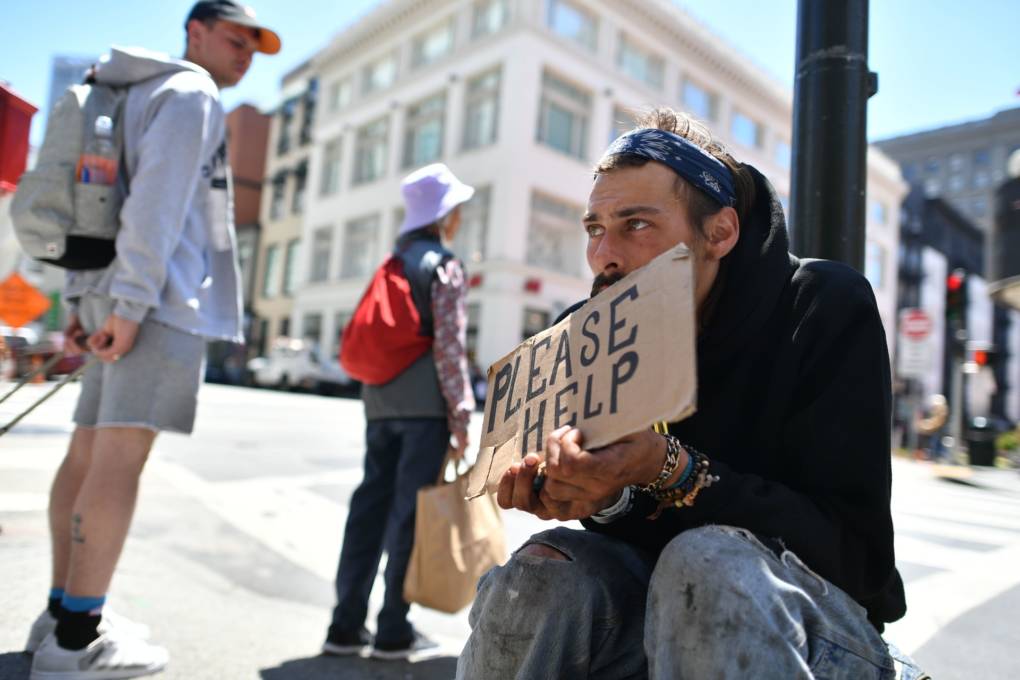
"caption": "A man panhandles along a sidewalk in downtown San Francisco on June 28, 2016.",
"description": "A man panhandles along a sidewalk in downtown San Francisco on June 28, 2016.",
"title": "US-HOMELESS-SAN-FRANCISCO",
"credit": "Josh Edelson/Getty Images",
"status": "inherit",
"isLoading": false,
"fetchFailed": false
},
"news_11701019": {
"type": "attachments",
"id": "news_11701019",
"meta": {
"index": "attachments_1716263798",
"site": "news",
"id": "11701019",
"found": true
},
"parent": 11700997,
"imgSizes": {
"small": {
"file": "https://ww2.kqed.org/app/uploads/sites/10/2018/10/tuff_102418_final-520x341.jpg",
"width": 520,
"mimeType": "image/jpeg",
"height": 341
},
"twentyfourteen-full-width": {
"file": "https://ww2.kqed.org/app/uploads/sites/10/2018/10/tuff_102418_final-1038x576.jpg",
"width": 1038,
"mimeType": "image/jpeg",
"height": 576
},
"thumbnail": {
"file": "https://ww2.kqed.org/app/uploads/sites/10/2018/10/tuff_102418_final-160x105.jpg",
"width": 160,
"mimeType": "image/jpeg",
"height": 105
},
"fd-sm": {
"file": "https://ww2.kqed.org/app/uploads/sites/10/2018/10/tuff_102418_final-960x629.jpg",
"width": 960,
"mimeType": "image/jpeg",
"height": 629
},
"post-thumbnail": {
"file": "https://ww2.kqed.org/app/uploads/sites/10/2018/10/tuff_102418_final-672x372.jpg",
"width": 672,
"mimeType": "image/jpeg",
"height": 372
},
"xsmall": {
"file": "https://ww2.kqed.org/app/uploads/sites/10/2018/10/tuff_102418_final-375x246.jpg",
"width": 375,
"mimeType": "image/jpeg",
"height": 246
},
"kqedFullSize": {
"file": "https://ww2.kqed.org/app/uploads/sites/10/2018/10/tuff_102418_final.jpg",
"width": 1920,
"height": 1258
},
"large": {
"file": "https://ww2.kqed.org/app/uploads/sites/10/2018/10/tuff_102418_final-1020x668.jpg",
"width": 1020,
"mimeType": "image/jpeg",
"height": 668
},
"xlarge": {
"file": "https://ww2.kqed.org/app/uploads/sites/10/2018/10/tuff_102418_final-1180x773.jpg",
"width": 1180,
"mimeType": "image/jpeg",
"height": 773
},
"complete_open_graph": {
"file": "https://ww2.kqed.org/app/uploads/sites/10/2018/10/tuff_102418_final-1200x786.jpg",
"width": 1200,
"mimeType": "image/jpeg",
"height": 786
},
"guest-author-50": {
"file": "https://ww2.kqed.org/app/uploads/sites/10/2018/10/tuff_102418_final-50x50.jpg",
"width": 50,
"mimeType": "image/jpeg",
"height": 50
},
"guest-author-96": {
"file": "https://ww2.kqed.org/app/uploads/sites/10/2018/10/tuff_102418_final-96x96.jpg",
"width": 96,
"mimeType": "image/jpeg",
"height": 96
},
"medium": {
"file": "https://ww2.kqed.org/app/uploads/sites/10/2018/10/tuff_102418_final-800x524.jpg",
"width": 800,
"mimeType": "image/jpeg",
"height": 524
},
"guest-author-64": {
"file": "https://ww2.kqed.org/app/uploads/sites/10/2018/10/tuff_102418_final-64x64.jpg",
"width": 64,
"mimeType": "image/jpeg",
"height": 64
},
"guest-author-32": {
"file": "https://ww2.kqed.org/app/uploads/sites/10/2018/10/tuff_102418_final-32x32.jpg",
"width": 32,
"mimeType": "image/jpeg",
"height": 32
},
"fd-lrg": {
"file": "https://ww2.kqed.org/app/uploads/sites/10/2018/10/tuff_102418_final-1920x1258.jpg",
"width": 1920,
"mimeType": "image/jpeg",
"height": 1258
},
"fd-med": {
"file": "https://ww2.kqed.org/app/uploads/sites/10/2018/10/tuff_102418_final-1180x773.jpg",
"width": 1180,
"mimeType": "image/jpeg",
"height": 773
},
"full-width": {
"file": "https://ww2.kqed.org/app/uploads/sites/10/2018/10/tuff_102418_final-1920x1258.jpg",
"width": 1920,
"mimeType": "image/jpeg",
"height": 1258
},
"detail": {
"file": "https://ww2.kqed.org/app/uploads/sites/10/2018/10/tuff_102418_final-150x150.jpg",
"width": 150,
"mimeType": "image/jpeg",
"height": 150
},
"guest-author-128": {
"file": "https://ww2.kqed.org/app/uploads/sites/10/2018/10/tuff_102418_final-128x128.jpg",
"width": 128,
"mimeType": "image/jpeg",
"height": 128
},
"xxsmall": {
"file": "https://ww2.kqed.org/app/uploads/sites/10/2018/10/tuff_102418_final-240x157.jpg",
"width": 240,
"mimeType": "image/jpeg",
"height": 157
}
},
"publishDate": 1540417331,
"modified": 1540417349,
"caption": null,
"description": null,
"title": "tuff_102418_final",
"credit": null,
"status": "inherit",
"isLoading": false,
"fetchFailed": false
}
},
"audioPlayerReducer": {
"postId": "stream_live",
"isPaused": true,
"isPlaying": false,
"pfsActive": false,
"pledgeModalIsOpen": true,
"playerDrawerIsOpen": false,
"liveAudioPlayStartedAt": 0,
"liveAudioPlayContext": ""
},
"authorsReducer": {
"byline_news_11708180": {
"type": "authors",
"id": "byline_news_11708180",
"meta": {
"override": true
},
"slug": "byline_news_11708180",
"name": "Erika Mahoney",
"isLoading": false
},
"gmarzorati": {
"type": "authors",
"id": "227",
"meta": {
"index": "authors_1716337520",
"id": "227",
"found": true
},
"name": "Guy Marzorati",
"firstName": "Guy",
"lastName": "Marzorati",
"slug": "gmarzorati",
"email": "gmarzorati@KQED.org",
"display_author_email": true,
"staff_mastheads": [
"news"
],
"title": "Correspondent",
"bio": "Guy Marzorati is a correspondent on KQED's California Politics and Government Desk, based in San Jose. A graduate of Santa Clara University, Guy joined KQED in 2013. He reports on state and local politics and produces KQED's digital voter guide.",
"avatar": "https://secure.gravatar.com/avatar/e7038b8dbfd55b104369b76b1cd0b9de?s=600&d=blank&r=g",
"twitter": "guymarzorati",
"facebook": null,
"instagram": null,
"linkedin": null,
"sites": [
{
"site": "",
"roles": [
"editor"
]
},
{
"site": "news",
"roles": [
"editor"
]
},
{
"site": "science",
"roles": [
"editor"
]
},
{
"site": "forum",
"roles": [
"editor"
]
},
{
"site": "elections",
"roles": [
"editor"
]
},
{
"site": "liveblog",
"roles": [
"editor"
]
}
],
"headData": {
"title": "Guy Marzorati | KQED",
"description": "Correspondent",
"ogImgSrc": "https://secure.gravatar.com/avatar/e7038b8dbfd55b104369b76b1cd0b9de?s=600&d=blank&r=g",
"twImgSrc": "https://secure.gravatar.com/avatar/e7038b8dbfd55b104369b76b1cd0b9de?s=600&d=blank&r=g"
},
"isLoading": false,
"link": "/author/gmarzorati"
},
"kqed": {
"type": "authors",
"id": "236",
"meta": {
"index": "authors_1716337520",
"id": "236",
"found": true
},
"name": "KQED News Staff",
"firstName": "KQED News Staff",
"lastName": null,
"slug": "kqed",
"email": "faq@kqed.org",
"display_author_email": false,
"staff_mastheads": [],
"title": null,
"bio": null,
"avatar": "https://secure.gravatar.com/avatar/ef0e801a68c4c54afa9180db14084167?s=600&d=blank&r=g",
"twitter": null,
"facebook": null,
"instagram": null,
"linkedin": null,
"sites": [
{
"site": "arts",
"roles": [
"contributor"
]
},
{
"site": "news",
"roles": [
"editor"
]
},
{
"site": "futureofyou",
"roles": [
"author"
]
}
],
"headData": {
"title": "KQED News Staff | KQED",
"description": null,
"ogImgSrc": "https://secure.gravatar.com/avatar/ef0e801a68c4c54afa9180db14084167?s=600&d=blank&r=g",
"twImgSrc": "https://secure.gravatar.com/avatar/ef0e801a68c4c54afa9180db14084167?s=600&d=blank&r=g"
},
"isLoading": false,
"link": "/author/kqed"
},
"petejonshuler": {
"type": "authors",
"id": "248",
"meta": {
"index": "authors_1716337520",
"id": "248",
"found": true
},
"name": "Peter Jon Shuler",
"firstName": "Peter",
"lastName": "Jon Shuler",
"slug": "petejonshuler",
"email": "pshuler@kqed.org",
"display_author_email": false,
"staff_mastheads": [
"news"
],
"title": "KQED Contributor",
"bio": null,
"avatar": "https://secure.gravatar.com/avatar/4bcbeaf7cf49fec98284db283a33a47b?s=600&d=blank&r=g",
"twitter": null,
"facebook": null,
"instagram": null,
"linkedin": null,
"sites": [
{
"site": "news",
"roles": [
"contributor"
]
}
],
"headData": {
"title": "Peter Jon Shuler | KQED",
"description": "KQED Contributor",
"ogImgSrc": "https://secure.gravatar.com/avatar/4bcbeaf7cf49fec98284db283a33a47b?s=600&d=blank&r=g",
"twImgSrc": "https://secure.gravatar.com/avatar/4bcbeaf7cf49fec98284db283a33a47b?s=600&d=blank&r=g"
},
"isLoading": false,
"link": "/author/petejonshuler"
},
"markfiore": {
"type": "authors",
"id": "3236",
"meta": {
"index": "authors_1716337520",
"id": "3236",
"found": true
},
"name": "Mark Fiore",
"firstName": "Mark",
"lastName": "Fiore",
"slug": "markfiore",
"email": "mark@markfiore.com",
"display_author_email": false,
"staff_mastheads": [
"news"
],
"title": "KQED News Cartoonist",
"bio": "\u003ca href=\"http://www.MarkFiore.com\">MarkFiore.com\u003c/a> | \u003ca href=\"https://twitter.com/markfiore\">Follow on Twitter\u003c/a> | \u003ca href=\"https://www.facebook.com/pages/Mark-Fiore-Animated-Political-Cartoons/94451707396?ref=bookmarks\">Facebook\u003c/a> | \u003ca href=\"mailto:mark@markfiore.com\">email\u003c/a>\r\n\r\nPulitzer Prize-winner, Mark Fiore, who the Wall Street Journal has called “the undisputed guru of the form,” creates animated political cartoons in San Francisco, where his work has been featured regularly on the San Francisco Chronicle’s web site, SFGate.com. His work has appeared on Newsweek.com, Slate.com, CBSNews.com, MotherJones.com, DailyKos.com and NPR’s web site. Fiore’s political animation has appeared on CNN, Frontline, Bill Moyers Journal, Salon.com and cable and broadcast outlets across the globe.\r\n\r\nBeginning his professional life by drawing traditional political cartoons for newspapers, Fiore’s work appeared in publications ranging from the Washington Post to the Los Angeles Times. In the late 1990s, he began to experiment with animating political cartoons and, after a short stint at the San Jose Mercury News as their staff cartoonist, Fiore devoted all his energies to animation.\r\nGrowing up in California, Fiore also spent a good portion of his life in the backwoods of Idaho. It was this combination that shaped him politically. Mark majored in political science at Colorado College, where, in a perfect send-off for a cartoonist, he received his diploma in 1991 as commencement speaker Dick Cheney smiled approvingly.\r\nMark Fiore was awarded the Pulitzer Prize for political cartooning in 2010, a Robert F. Kennedy Journalism Award in 2004 and has twice received an Online Journalism Award for commentary from the Online News Association (2002, 2008). Fiore has received two awards for his work in new media from the National Cartoonists Society (2001, 2002), and in 2006 received The James Madison Freedom of Information Award from The Society of Professional Journalists.",
"avatar": "https://secure.gravatar.com/avatar/fc4e2a612b15b67bad0c6f0e1db4ca9b?s=600&d=blank&r=g",
"twitter": "MarkFiore",
"facebook": null,
"instagram": "https://www.instagram.com/markfiore/?hl=en",
"linkedin": null,
"sites": [
{
"site": "arts",
"roles": [
"contributor"
]
},
{
"site": "news",
"roles": [
"editor"
]
},
{
"site": "futureofyou",
"roles": [
"editor"
]
},
{
"site": "science",
"roles": [
"editor"
]
}
],
"headData": {
"title": "Mark Fiore | KQED",
"description": "KQED News Cartoonist",
"ogImgSrc": "https://secure.gravatar.com/avatar/fc4e2a612b15b67bad0c6f0e1db4ca9b?s=600&d=blank&r=g",
"twImgSrc": "https://secure.gravatar.com/avatar/fc4e2a612b15b67bad0c6f0e1db4ca9b?s=600&d=blank&r=g"
},
"isLoading": false,
"link": "/author/markfiore"
},
"sdirks": {
"type": "authors",
"id": "7239",
"meta": {
"index": "authors_1716337520",
"id": "7239",
"found": true
},
"name": "Sandhya Dirks",
"firstName": "Sandhya",
"lastName": "Dirks",
"slug": "sdirks",
"email": "sdirks@kqed.org",
"display_author_email": true,
"staff_mastheads": [],
"title": null,
"bio": "Sandhya Dirks was the race and equity reporter at KQED. She approaches race and equity not as a beat, but as a fundamental lens for all investigative and explanatory reporting.\r\n\r\nSandhya covered policing, housing, social justice movements, and the shifting demographics of cities and suburbs.\r\n\r\nShe was the creator and co-host of the podcast American Suburb, about the transformation of suburbia into the most diverse space in American life. She was the editor for Truth Be Told, an advice show for and by people of color. \r\n\r\nHer stories about race, space, and belonging were part of KQED's So Well Spoken project, which won RNDTA's Kaleidoscope award, honoring outstanding achievements in the coverage of diversity.\r\n\r\nPrior to joining KQED in 2015, Sandhya covered the 2012 presidential election from the swing state of Iowa for Iowa Public Radio. At KPBS in San Diego, she broke the story of a sexual harassment scandal that led to the mayor's resignation.\r\n\r\nShe got her start in radio working on documentaries about Oakland that investigated the high drop-out rate in public schools and mistrust between the police and the community.\r\n\r\nSandhya lives in Oakland and believes all stories are stories about power.",
"avatar": "https://secure.gravatar.com/avatar/c0247cb15929cd4c197672fd73d45300?s=600&d=blank&r=g",
"twitter": "audiosand",
"facebook": null,
"instagram": null,
"linkedin": null,
"sites": [
{
"site": "news",
"roles": [
"subscriber"
]
},
{
"site": "stateofhealth",
"roles": [
"author"
]
}
],
"headData": {
"title": "Sandhya Dirks | KQED",
"description": null,
"ogImgSrc": "https://secure.gravatar.com/avatar/c0247cb15929cd4c197672fd73d45300?s=600&d=blank&r=g",
"twImgSrc": "https://secure.gravatar.com/avatar/c0247cb15929cd4c197672fd73d45300?s=600&d=blank&r=g"
},
"isLoading": false,
"link": "/author/sdirks"
},
"vrancano": {
"type": "authors",
"id": "11276",
"meta": {
"index": "authors_1716337520",
"id": "11276",
"found": true
},
"name": "Vanessa Rancaño",
"firstName": "Vanessa",
"lastName": "Rancaño",
"slug": "vrancano",
"email": "vrancano@kqed.org",
"display_author_email": false,
"staff_mastheads": [
"news"
],
"title": "Reporter",
"bio": "Vanessa Rancaño is a features reporter for KQED. She’s also covered homelessness and education for the station and reported from the Central Valley. Her work has aired across public radio, from flagship national news shows to longform narrative podcasts. Before taking up a mic, she worked as a freelance print journalist. She’s been recognized with a number of national and regional awards. Vanessa grew up in California's Central Valley. She's a former NPR Kroc Fellow, and a graduate of the UC Berkeley Graduate School of Journalism.",
"avatar": "https://secure.gravatar.com/avatar/b3a383dfb0e7ee1c17568f2cf067904ab654d6e3de9743fc661f3c788ade1bed?s=600&d=blank&r=g",
"twitter": "vanessarancano",
"bluesky": null,
"facebook": null,
"instagram": null,
"linkedin": null,
"sites": [
{
"site": "arts",
"roles": [
"editor"
]
},
{
"site": "news",
"roles": [
"editor"
]
},
{
"site": "liveblog",
"roles": [
"contributor"
]
}
],
"headData": {
"title": "Vanessa Rancaño | KQED",
"description": "Reporter",
"ogImgSrc": "https://secure.gravatar.com/avatar/b3a383dfb0e7ee1c17568f2cf067904ab654d6e3de9743fc661f3c788ade1bed?s=600&d=blank&r=g",
"twImgSrc": "https://secure.gravatar.com/avatar/b3a383dfb0e7ee1c17568f2cf067904ab654d6e3de9743fc661f3c788ade1bed?s=600&d=blank&r=g"
},
"isLoading": false,
"link": "/author/vrancano"
},
"agarces": {
"type": "authors",
"id": "11367",
"meta": {
"index": "authors_1716337520",
"id": "11367",
"found": true
},
"name": "Audrey Garces",
"firstName": "Audrey",
"lastName": "Garces",
"slug": "agarces",
"email": "agarces@kqed.org",
"display_author_email": false,
"staff_mastheads": [
"news"
],
"title": "Digital Producer",
"bio": "Audrey is a former digital producer at KQED News. Previously, she was a KQED Raul Ramirez Diversity Fund intern where she developed stories that focused on highlighting diverse voices in journalism. Prior to her work at KQED, she worked as a news intern at the San Francisco Examiner. Audrey graduated from San Francisco State University with a B.A. in journalism and a minor in political science.",
"avatar": "https://secure.gravatar.com/avatar/5211bc2e6a809b9956da169e35ce63d5?s=600&d=blank&r=g",
"twitter": "audgar",
"facebook": null,
"instagram": null,
"linkedin": null,
"sites": [
{
"site": "arts",
"roles": []
},
{
"site": "news",
"roles": [
"subscriber"
]
},
{
"site": "science",
"roles": [
"editor"
]
},
{
"site": "forum",
"roles": [
"editor"
]
},
{
"site": "perspectives",
"roles": [
"administrator"
]
}
],
"headData": {
"title": "Audrey Garces | KQED",
"description": "Digital Producer",
"ogImgSrc": "https://secure.gravatar.com/avatar/5211bc2e6a809b9956da169e35ce63d5?s=600&d=blank&r=g",
"twImgSrc": "https://secure.gravatar.com/avatar/5211bc2e6a809b9956da169e35ce63d5?s=600&d=blank&r=g"
},
"isLoading": false,
"link": "/author/agarces"
},
"parcuni": {
"type": "authors",
"id": "11368",
"meta": {
"index": "authors_1716337520",
"id": "11368",
"found": true
},
"name": "Peter Arcuni",
"firstName": "Peter",
"lastName": "Arcuni",
"slug": "parcuni",
"email": "parcuni@KQED.org",
"display_author_email": false,
"staff_mastheads": [
"science"
],
"title": "Reporter",
"bio": "Peter reports radio and online stories for \u003cem>KQED Science\u003c/em>. His work has also appeared on the \u003cem>The California Report\u003c/em> morning show and \u003cem>KQED News\u003c/em>. His production credits include \u003cem>The California Report, The California Report Magazine\u003c/em> and KQED's local news podcast \u003cem>The Bay\u003c/em>. Other credits include NPR's \u003cem>All Things Considered\u003c/em>, WNYC's \u003cem>Science Friday\u003c/em>, WBUR's \u003cem>Here & Now\u003c/em>, WIRED and SFGate. Peter graduated from Brown University and earned a master's degree in journalism from Stanford. He's covered everything from homelessness to wildfires, health, the environment, arts and Thanksgiving in San Quentin prison. In other lives, he played rock n roll music and studied neuroscience. You can email him at: parcuni@kqed.org",
"avatar": "https://secure.gravatar.com/avatar/d5032f6f27199d478af34ad2e1d98732?s=600&d=blank&r=g",
"twitter": "peterarcuni",
"facebook": null,
"instagram": null,
"linkedin": null,
"sites": [
{
"site": "news",
"roles": [
"editor"
]
},
{
"site": "science",
"roles": [
"editor"
]
}
],
"headData": {
"title": "Peter Arcuni | KQED",
"description": "Reporter",
"ogImgSrc": "https://secure.gravatar.com/avatar/d5032f6f27199d478af34ad2e1d98732?s=600&d=blank&r=g",
"twImgSrc": "https://secure.gravatar.com/avatar/d5032f6f27199d478af34ad2e1d98732?s=600&d=blank&r=g"
},
"isLoading": false,
"link": "/author/parcuni"
},
"mshieh": {
"type": "authors",
"id": "11527",
"meta": {
"index": "authors_1716337520",
"id": "11527",
"found": true
},
"name": "Marissa Shieh",
"firstName": "Marissa",
"lastName": "Shieh",
"slug": "mshieh",
"email": "mshieh@kqed.org",
"display_author_email": false,
"staff_mastheads": [],
"title": null,
"bio": null,
"avatar": "https://secure.gravatar.com/avatar/4828e5ea53953052aedfca196384e8aa?s=600&d=blank&r=g",
"twitter": null,
"facebook": null,
"instagram": null,
"linkedin": null,
"sites": [
{
"site": "news",
"roles": [
"author"
]
}
],
"headData": {
"title": "Marissa Shieh | KQED",
"description": null,
"ogImgSrc": "https://secure.gravatar.com/avatar/4828e5ea53953052aedfca196384e8aa?s=600&d=blank&r=g",
"twImgSrc": "https://secure.gravatar.com/avatar/4828e5ea53953052aedfca196384e8aa?s=600&d=blank&r=g"
},
"isLoading": false,
"link": "/author/mshieh"
},
"ktandy": {
"type": "authors",
"id": "11545",
"meta": {
"index": "authors_1716337520",
"id": "11545",
"found": true
},
"name": "Katie Tandy",
"firstName": "Katie",
"lastName": "Tandy",
"slug": "ktandy",
"email": "ktandy@kqed.org",
"display_author_email": false,
"staff_mastheads": [],
"title": "KQED Contributor",
"bio": "Katie Tandy is the co-founding editor of\u003ca href=\"http://www.theestablishment.co\"> The Establishment,\u003c/a> an online news+culture publication which champions the voices and stories of those who have been marginalized by mainstream media.\r\nShe is a former on-call interactive producer for KQED.",
"avatar": "https://secure.gravatar.com/avatar/1f877a62bab50d75c8bbef40e4ebe7f6?s=600&d=blank&r=g",
"twitter": null,
"facebook": null,
"instagram": null,
"linkedin": null,
"sites": [
{
"site": "news",
"roles": [
"subscriber"
]
}
],
"headData": {
"title": "Katie Tandy | KQED",
"description": "KQED Contributor",
"ogImgSrc": "https://secure.gravatar.com/avatar/1f877a62bab50d75c8bbef40e4ebe7f6?s=600&d=blank&r=g",
"twImgSrc": "https://secure.gravatar.com/avatar/1f877a62bab50d75c8bbef40e4ebe7f6?s=600&d=blank&r=g"
},
"isLoading": false,
"link": "/author/ktandy"
},
"hmckenney": {
"type": "authors",
"id": "11560",
"meta": {
"index": "authors_1716337520",
"id": "11560",
"found": true
},
"name": "Hope McKenney",
"firstName": "Hope",
"lastName": "McKenney",
"slug": "hmckenney",
"email": "hmckenney@kqed.org",
"display_author_email": false,
"staff_mastheads": [],
"title": null,
"bio": null,
"avatar": "https://secure.gravatar.com/avatar/e1ad0a80c4d64be4937a42a5d59d53df?s=600&d=blank&r=g",
"twitter": null,
"facebook": null,
"instagram": null,
"linkedin": null,
"sites": [
{
"site": "news",
"roles": [
"author"
]
}
],
"headData": {
"title": "Hope McKenney | KQED",
"description": null,
"ogImgSrc": "https://secure.gravatar.com/avatar/e1ad0a80c4d64be4937a42a5d59d53df?s=600&d=blank&r=g",
"twImgSrc": "https://secure.gravatar.com/avatar/e1ad0a80c4d64be4937a42a5d59d53df?s=600&d=blank&r=g"
},
"isLoading": false,
"link": "/author/hmckenney"
}
},
"pagesReducer": {
"news_tag_homelessness": {
"type": "terms",
"id": "news_4020",
"meta": {
"index": "terms_1716263798",
"site": "news",
"id": "4020",
"score": 8.555192
},
"name": "Homelessness",
"slug": "homelessness",
"taxonomy": "tag",
"description": null,
"featImg": null,
"headData": {
"title": "Homelessness | KQED News",
"description": null,
"ogTitle": null,
"ogDescription": null,
"ogImgId": null,
"twTitle": null,
"twDescription": null,
"twImgId": null,
"metaRobotsNoIndex": "index"
},
"ttid": 4039,
"isLoading": false,
"title": "Homelessness",
"pageMeta": {
"site": "news",
"WpPageTemplate": "page-topic-editorial",
"currentPage": 44
},
"blocks": [
{
"blockName": "kqed/post-list",
"attrs": {
"layout": "cardArticle2",
"query": "posts/news?tag=homelessness",
"seeMore": false,
"paginated": true,
"page": 44
}
},
{
"blockName": "kqed/ad"
}
]
}
},
"pfsSessionReducer": {},
"postsReducer": {
"stream_live": {
"type": "live",
"id": "stream_live",
"audioUrl": "https://streams.kqed.org/kqedradio",
"title": "Live Stream",
"excerpt": "Live Stream information currently unavailable.",
"link": "/radio",
"featImg": "",
"label": {
"name": "KQED Live",
"link": "/"
}
},
"stream_kqedNewscast": {
"type": "posts",
"id": "stream_kqedNewscast",
"audioUrl": "https://www.kqed.org/.stream/anon/radio/RDnews/newscast.mp3?_=1",
"title": "KQED Newscast",
"featImg": "",
"label": {
"name": "88.5 FM",
"link": "/"
}
},
"news_11716742": {
"type": "posts",
"id": "news_11716742",
"meta": {
"index": "posts_1716263798",
"site": "news",
"id": "11716742",
"score": null,
"sort": [
1547055035000
]
},
"guestAuthors": [],
"slug": "amid-soaring-homelessness-in-monterey-county-school-districts-scramble-to-help-vulnerable-students",
"title": "As Homelessness Rises, Salinas Officials Make Strides in Identifying Vulnerable Students",
"publishDate": 1547055035,
"format": "audio",
"headTitle": "As Homelessness Rises, Salinas Officials Make Strides in Identifying Vulnerable Students | KQED",
"labelTerm": {
"term": 72,
"site": "news"
},
"content": "\u003cp>You can measure Cheryl Camany’s effectiveness at identifying homeless students by the stacks of pink paper piled around her office.\u003c/p>\n\u003cp>Each slip of paper is a residency questionnaire parents fill out for their kids at the beginning of the school year, and each offers a clue to just how many students in this Salinas school district don’t have stable living conditions.\u003c/p>\n\u003caside class=\"alignright\">\n\u003ch3>\u003ca href=\"https://www.kqed.org/news/11716780/for-many-students-in-salinas-homelessness-is-becoming-the-norm\">For Many Students in Salinas, Homelessness Has Become the Norm\u003c/a>\u003c/h3>\n\u003cfigure>\u003ca href=\"https://www.kqed.org/news/11716780/for-many-students-in-salinas-homelessness-is-becoming-the-norm\">\u003cimg decoding=\"async\" src=\"https://ww2.kqed.org/news/wp-content/uploads/sites/10/2019/01/IMG_0699-1180x885.jpg\" alt=\"\">\u003c/a>\u003c/figure>\n\u003c/aside>\n\u003cp>In the last four years, the number of K-12 \u003ca href=\"https://data1.cde.ca.gov/dataquest/dqcensus/EnrCharterSub.aspx?cds=00&agglevel=state&year=2017-18\" target=\"_blank\" rel=\"noopener noreferrer\">homeless students in California\u003c/a> has increased by more than 20 percent. As that rate rises, some school districts are doing a better job than others at identifying their homeless students and offering help.\u003c/p>\n\u003cp>Camany, the \u003ca href=\"http://www.salinascityesd.org/family-resource/\" target=\"_blank\" rel=\"noopener noreferrer\">homeless liaison\u003c/a> for the Salinas City Elementary School District, has made it her mission to find the kids in her district who don’t have stable living conditions. And she says the situation now is more dire than she’s ever seen it in her two decades working with homeless students.\u003c/p>\n\u003cp>That’s in part, she said, because people are getting priced out of Silicon Valley and crowding the market here. In historically working-class Salinas, rents shot up more than 50 percent in the last five years, \u003ca href=\"https://www.apartmentlist.com/rentonomics/rental-price-data/\" target=\"_blank\" rel=\"noopener noreferrer\">according to data from Apartment List\u003c/a>, an online rental listing site. That’s left many lower-income families with few housing options.\u003c/p>\n\u003cfigure id=\"attachment_11716766\" class=\"wp-caption aligncenter\" style=\"max-width: 800px\">\u003cimg loading=\"lazy\" decoding=\"async\" class=\"wp-image-11716766 size-medium\" src=\"https://ww2.kqed.org/news/wp-content/uploads/sites/10/2019/01/IMG_0736-800x600.jpg\" alt=\"\" width=\"800\" height=\"600\" srcset=\"https://cdn.kqed.org/wp-content/uploads/sites/10/2019/01/IMG_0736-800x600.jpg 800w, https://cdn.kqed.org/wp-content/uploads/sites/10/2019/01/IMG_0736-160x120.jpg 160w, https://cdn.kqed.org/wp-content/uploads/sites/10/2019/01/IMG_0736-1020x765.jpg 1020w, https://cdn.kqed.org/wp-content/uploads/sites/10/2019/01/IMG_0736-1200x900.jpg 1200w, https://cdn.kqed.org/wp-content/uploads/sites/10/2019/01/IMG_0736-1920x1440.jpg 1920w, https://cdn.kqed.org/wp-content/uploads/sites/10/2019/01/IMG_0736.jpg 2016w\" sizes=\"auto, (max-width: 800px) 100vw, 800px\">\u003cfigcaption class=\"wp-caption-text\">Cheryl Camany (right) and her colleague, Diana Morales, at the Salinas City Elementary School District Family Resource Center. \u003ccite>(Vanessa Rancaño/KQED)\u003c/cite>\u003c/figcaption>\u003c/figure>\n\u003cp>Flipping through a stack of residency forms in Camany’s office offers a glimpse of how many students are living without stable housing conditions in Salinas. Some live with another family, other are renting rooms, or sleeping in cars, shelters or garages. Even if students aren’t homeless in the traditional sense, many are living in situations so challenging they’re \u003ca href=\"https://www.cde.ca.gov/sp/hs/homelessdef.asp\" target=\"_blank\" rel=\"noopener noreferrer\">legally considered homeless,\u003c/a> in situations where there’s no guarantee of getting a turn in the bathroom or no place to study or sleep comfortably.\u003c/p>\n\u003cp>[ad fullwidth]\u003c/p>\n\u003cp>Under the law, schools have to help homeless students get \u003ca href=\"https://www.cde.ca.gov/sp/hs/\" target=\"_blank\" rel=\"noopener noreferrer\">equal access to an education\u003c/a>. That means providing essential things students need for school, like uniforms, supplies, tutoring, transportation and food. But to help, schools first have to find these students.\u003c/p>\n\u003cfigure id=\"attachment_11716757\" class=\"wp-caption aligncenter\" style=\"max-width: 800px\">\u003cimg loading=\"lazy\" decoding=\"async\" class=\"wp-image-11716757 size-medium\" src=\"https://ww2.kqed.org/news/wp-content/uploads/sites/10/2019/01/IMG_0704-800x600.jpg\" alt=\"\" width=\"800\" height=\"600\">\u003cfigcaption class=\"wp-caption-text\">Liliana Ramirez calls parents to verify their residence at the Salinas City Elementary School District Family Resource Center. \u003ccite>(Vanessa Rancaño/KQED)\u003c/cite>\u003c/figcaption>\u003c/figure>\n\u003cp>The state Department of Education reports about 400 local educational agencies in California have failed to identify even a single homeless student, though experts say homeless kids live in just about every community in the state.\u003c/p>\n\u003cp>By contrast, Camany last year identified more than 3,300 homeless students in her district, nearly 40 percent of the entire student population. And she expects that number to go up this year.\u003c/p>\n\u003cp>Sometimes finding these students means showing up at local shelters to keep tabs on the newly homeless. But it also means digging into all those pink forms.\u003c/p>\n\u003cp>Camany has learned just how hard it is to get an accurate picture of a kid’s living situation based on the responses to the questionnaire.\u003c/p>\n\u003cp>Sometimes parents are ashamed, or worried about losing their kids because of how they’re living, Camany explained.\u003c/p>\n\u003cfigure id=\"attachment_11716765\" class=\"wp-caption aligncenter\" style=\"max-width: 800px\">\u003cimg loading=\"lazy\" decoding=\"async\" class=\"size-medium wp-image-11716765\" src=\"https://ww2.kqed.org/news/wp-content/uploads/sites/10/2019/01/IMG_0733-800x600.jpg\" alt=\"\" width=\"800\" height=\"600\" srcset=\"https://cdn.kqed.org/wp-content/uploads/sites/10/2019/01/IMG_0733-800x600.jpg 800w, https://cdn.kqed.org/wp-content/uploads/sites/10/2019/01/IMG_0733-160x120.jpg 160w, https://cdn.kqed.org/wp-content/uploads/sites/10/2019/01/IMG_0733-1020x765.jpg 1020w, https://cdn.kqed.org/wp-content/uploads/sites/10/2019/01/IMG_0733-1200x900.jpg 1200w, https://cdn.kqed.org/wp-content/uploads/sites/10/2019/01/IMG_0733-1920x1440.jpg 1920w, https://cdn.kqed.org/wp-content/uploads/sites/10/2019/01/IMG_0733.jpg 2016w\" sizes=\"auto, (max-width: 800px) 100vw, 800px\">\u003cfigcaption class=\"wp-caption-text\">Cheryl Camany has been working with homeless students for almost two decades. \u003ccite>(Vanessa Rancaño/KQED)\u003c/cite>\u003c/figcaption>\u003c/figure>\n\u003cp>“But most of the time they’re renting illegally and they don’t want to be found out,” she said. “They’ve been told ‘Don’t you dare tell anybody you’re living here.’ ”\u003c/p>\n\u003cp>And sometimes, she added, parents just don’t understand the forms.\u003c/p>\n\u003cp>“Out of about 10,000 pink forms that we get every year, we have over 2,000 phone calls,” Camany said, noting that she and her colleagues spend hundreds of hours trying to get to the bottom of families’ living situations.\u003c/p>\n\u003cp>Her team, she said, has to earn parents’ trust and explain the protections that homeless families are entitled to, which include automatic eligibility for free school food programs and immediate enrollment, even if parents don’t have proof of residency or vaccination or school records.\u003c/p>\n\u003cfigure id=\"attachment_11716759\" class=\"wp-caption aligncenter\" style=\"max-width: 800px\">\u003cimg loading=\"lazy\" decoding=\"async\" class=\"size-medium wp-image-11716759\" src=\"https://ww2.kqed.org/news/wp-content/uploads/sites/10/2019/01/IMG_0717-800x600.jpg\" alt=\"\" width=\"800\" height=\"600\" srcset=\"https://cdn.kqed.org/wp-content/uploads/sites/10/2019/01/IMG_0717-800x600.jpg 800w, https://cdn.kqed.org/wp-content/uploads/sites/10/2019/01/IMG_0717-160x120.jpg 160w, https://cdn.kqed.org/wp-content/uploads/sites/10/2019/01/IMG_0717-1020x765.jpg 1020w, https://cdn.kqed.org/wp-content/uploads/sites/10/2019/01/IMG_0717-1200x900.jpg 1200w, https://cdn.kqed.org/wp-content/uploads/sites/10/2019/01/IMG_0717-1920x1440.jpg 1920w, https://cdn.kqed.org/wp-content/uploads/sites/10/2019/01/IMG_0717.jpg 2016w\" sizes=\"auto, (max-width: 800px) 100vw, 800px\">\u003cfigcaption class=\"wp-caption-text\">Uniforms and other clothes for students at the Family Resource Center. \u003ccite>(Vanessa Rancaño, KQED)\u003c/cite>\u003c/figcaption>\u003c/figure>\n\u003cp>Not all homeless liaisons in other districts can dedicate this kind of time to keeping tabs on students. In fact, insufficient time is the number one reason the state Department of Education gives for why schools are not doing a better job of identifying their homeless student populations. And while all districts are required to have a homeless liaison, many do that job in addition to any number of other roles.\u003c/p>\n\u003cp>“We have to give [teachers] tools on how to even talk to the parents,” Camany said. “They’re afraid of the H word; the homeless word. So they don’t even know how to approach mom or dad or the kids.”\u003c/p>\n\u003cfigure id=\"attachment_11716764\" class=\"wp-caption aligncenter\" style=\"max-width: 800px\">\u003cimg loading=\"lazy\" decoding=\"async\" class=\"wp-image-11716764 size-medium\" src=\"https://ww2.kqed.org/news/wp-content/uploads/sites/10/2019/01/IMG_0730-800x600.jpg\" alt=\"\" width=\"800\" height=\"600\" srcset=\"https://cdn.kqed.org/wp-content/uploads/sites/10/2019/01/IMG_0730-800x600.jpg 800w, https://cdn.kqed.org/wp-content/uploads/sites/10/2019/01/IMG_0730-160x120.jpg 160w, https://cdn.kqed.org/wp-content/uploads/sites/10/2019/01/IMG_0730-1020x765.jpg 1020w, https://cdn.kqed.org/wp-content/uploads/sites/10/2019/01/IMG_0730-1200x900.jpg 1200w, https://cdn.kqed.org/wp-content/uploads/sites/10/2019/01/IMG_0730-1920x1440.jpg 1920w, https://cdn.kqed.org/wp-content/uploads/sites/10/2019/01/IMG_0730.jpg 2016w\" sizes=\"auto, (max-width: 800px) 100vw, 800px\">\u003cfigcaption class=\"wp-caption-text\">Tote bags with messages for homeless families, made by students, on display at the Family Resource Center. \u003ccite>(Vanessa Rancaño/KQED)\u003c/cite>\u003c/figcaption>\u003c/figure>\n\u003cp>After Camany and her team know who the district’s homeless families are, the real work starts.\u003c/p>\n\u003cp>The team connects families to housing resources, holds classes for parents and takes their kids on field trips.\u003c/p>\n\u003cp>“I think the bottom line is to give them hope,” Camany said, crediting her district and county for backing the work.\u003c/p>\n\u003cp>“If we didn’t have support, both emotionally and financially, we couldn’t do what we we do,” she said.\u003c/p>\n\u003cp>But Monterey County only recently began focusing in earnest on its student homelessness issue.\u003c/p>\n\u003cp>When Yvette Irving took a job as an assistant superintendent with the Monterey County Office of Education two years ago, she was told to figure out how to better help the growing number of homeless students in the county.\u003c/p>\n\u003cfigure id=\"attachment_11716762\" class=\"wp-caption aligncenter\" style=\"max-width: 800px\">\u003cimg loading=\"lazy\" decoding=\"async\" class=\"size-medium wp-image-11716762\" src=\"https://ww2.kqed.org/news/wp-content/uploads/sites/10/2019/01/IMG_0725-800x600.jpg\" alt=\"\" width=\"800\" height=\"600\" srcset=\"https://cdn.kqed.org/wp-content/uploads/sites/10/2019/01/IMG_0725-800x600.jpg 800w, https://cdn.kqed.org/wp-content/uploads/sites/10/2019/01/IMG_0725-160x120.jpg 160w, https://cdn.kqed.org/wp-content/uploads/sites/10/2019/01/IMG_0725-1020x765.jpg 1020w, https://cdn.kqed.org/wp-content/uploads/sites/10/2019/01/IMG_0725-1200x900.jpg 1200w, https://cdn.kqed.org/wp-content/uploads/sites/10/2019/01/IMG_0725-1920x1440.jpg 1920w, https://cdn.kqed.org/wp-content/uploads/sites/10/2019/01/IMG_0725.jpg 2016w\" sizes=\"auto, (max-width: 800px) 100vw, 800px\">\u003cfigcaption class=\"wp-caption-text\">School supplies for students at the Family Resource Center \u003ccite>(Vanessa Rancaño/KQED)\u003c/cite>\u003c/figcaption>\u003c/figure>\n\u003cp>“I genuinely thought there was a mistake in terms of the number,” Irving said, of learning that one in 10 students in the county was homeless at the time. “Then, realizing that the number was accurate and it was also accurate that there was no set-aside funding, it was very sobering.”\u003c/p>\n\u003cp>In California, districts and counties \u003ca href=\"https://www.cde.ca.gov/fg/fo/r8/homeless18rfa.asp\" target=\"_blank\" rel=\"noopener noreferrer\">compete for grant money\u003c/a> for homeless students. When Irving took the job, Monterey wasn’t receiving any.\u003c/p>\n\u003cp>That changed under her watch. From 2018 through 2021, the \u003ca href=\"https://www.documentcloud.org/documents/5677800-2018-19-Funding-Results-for-for-Education-for.html\" target=\"_blank\" rel=\"noopener noreferrer\">county will receive\u003c/a> $237,500 a year, nearly the maximum grant awarded by the state. The education office has already hired a dedicated countywide coordinator for homeless services who helps train teachers and administrators on their legal obligations to homeless students, and how best to support them.\u003c/p>\n\u003cp>For Ernesto Vela, an assistant superintendent for the county education office, the effort to identify and support homeless students is pragmatic. He points out that over 60 percent of socioeconomically disadvantaged students in California \u003ca href=\"https://caaspp.cde.ca.gov/sb2018/ViewReport?ps=true&lstTestYear=2018&lstTestType=B&lstGroup=3&lstCounty=00&lstDistrict=00000&lstSchool=0000000\" target=\"_blank\" rel=\"noopener noreferrer\">aren’t meeting\u003c/a> math or reading benchmarks.\u003c/p>\n\u003cp>“Those districts that genuinely want to improve the quality of education for their students have no choice but to start looking deeper into the makeup of that population,” he said. “We have no choice but to dig really deep.”\u003c/p>\n\u003cp>[ad floatright]\u003c/p>\n\u003cp>\u003cem>Correction: An earlier version of this story stated about 400 districts in California have failed to identify even a single homeless student. It has been up updated to read “400 local educational agencies,” which refers to both districts and other administrative agencies that oversee schools in the state.\u003c/em>\u003c/p>\n\n",
"blocks": [],
"excerpt": "With student homelessness on the rise, some districts are doing a better job than others of spotting students who need help.",
"status": "publish",
"parent": 0,
"modified": 1740611882,
"stats": {
"hasAudio": false,
"hasVideo": false,
"hasChartOrMap": false,
"iframeSrcs": [],
"hasGoogleForm": false,
"hasGallery": false,
"hasHearkenModule": false,
"hasPolis": false,
"paragraphCount": 32,
"wordCount": 1306
},
"headData": {
"title": "As Homelessness Rises, Salinas Officials Make Strides in Identifying Vulnerable Students | KQED",
"description": "With student homelessness on the rise, some districts are doing a better job than others of spotting students who need help.",
"ogTitle": "",
"ogDescription": "",
"ogImgId": "",
"twTitle": "",
"twDescription": "",
"twImgId": "",
"schema": {
"@context": "https://schema.org",
"@type": "NewsArticle",
"headline": "As Homelessness Rises, Salinas Officials Make Strides in Identifying Vulnerable Students",
"datePublished": "2019-01-09T09:30:35-08:00",
"dateModified": "2025-02-26T15:18:02-08:00",
"image": "https://cdn.kqed.org/wp-content/uploads/2020/02/KQED-OG-Image@1x.png",
"isAccessibleForFree": "True",
"publisher": {
"@type": "NewsMediaOrganization",
"@id": "https://www.kqed.org/#organization",
"name": "KQED",
"logo": "https://cdn.kqed.org/wp-content/uploads/2020/02/KQED-OG-Image@1x.png",
"url": "https://www.kqed.org",
"sameAs": [
"https://www.facebook.com/KQED",
"https://twitter.com/KQED",
"https://www.instagram.com/kqed/",
"https://www.tiktok.com/@kqedofficial",
"https://www.linkedin.com/company/kqed",
"https://www.youtube.com/channel/UCeC0IOo7i1P_61zVUWbJ4nw"
]
}
}
},
"audioUrl": "https://www.kqed.org/.stream/anon/radio/RDnews/2019/01/RancanoHomelessStudentsPt3.mp3",
"sticky": false,
"audioTrackLength": 272,
"path": "/news/11716742/amid-soaring-homelessness-in-monterey-county-school-districts-scramble-to-help-vulnerable-students",
"audioDuration": 279000,
"parsedContent": [
{
"type": "contentString",
"content": "\u003cdiv class=\"post-body\">\u003cp>\u003cp>You can measure Cheryl Camany’s effectiveness at identifying homeless students by the stacks of pink paper piled around her office.\u003c/p>\n\u003cp>Each slip of paper is a residency questionnaire parents fill out for their kids at the beginning of the school year, and each offers a clue to just how many students in this Salinas school district don’t have stable living conditions.\u003c/p>\n\u003caside class=\"alignright\">\n\u003ch3>\u003ca href=\"https://www.kqed.org/news/11716780/for-many-students-in-salinas-homelessness-is-becoming-the-norm\">For Many Students in Salinas, Homelessness Has Become the Norm\u003c/a>\u003c/h3>\n\u003cfigure>\u003ca href=\"https://www.kqed.org/news/11716780/for-many-students-in-salinas-homelessness-is-becoming-the-norm\">\u003cimg decoding=\"async\" src=\"https://ww2.kqed.org/news/wp-content/uploads/sites/10/2019/01/IMG_0699-1180x885.jpg\" alt=\"\">\u003c/a>\u003c/figure>\n\u003c/aside>\n\u003cp>In the last four years, the number of K-12 \u003ca href=\"https://data1.cde.ca.gov/dataquest/dqcensus/EnrCharterSub.aspx?cds=00&agglevel=state&year=2017-18\" target=\"_blank\" rel=\"noopener noreferrer\">homeless students in California\u003c/a> has increased by more than 20 percent. As that rate rises, some school districts are doing a better job than others at identifying their homeless students and offering help.\u003c/p>\n\u003cp>Camany, the \u003ca href=\"http://www.salinascityesd.org/family-resource/\" target=\"_blank\" rel=\"noopener noreferrer\">homeless liaison\u003c/a> for the Salinas City Elementary School District, has made it her mission to find the kids in her district who don’t have stable living conditions. And she says the situation now is more dire than she’s ever seen it in her two decades working with homeless students.\u003c/p>\n\u003cp>That’s in part, she said, because people are getting priced out of Silicon Valley and crowding the market here. In historically working-class Salinas, rents shot up more than 50 percent in the last five years, \u003ca href=\"https://www.apartmentlist.com/rentonomics/rental-price-data/\" target=\"_blank\" rel=\"noopener noreferrer\">according to data from Apartment List\u003c/a>, an online rental listing site. That’s left many lower-income families with few housing options.\u003c/p>\n\u003cfigure id=\"attachment_11716766\" class=\"wp-caption aligncenter\" style=\"max-width: 800px\">\u003cimg loading=\"lazy\" decoding=\"async\" class=\"wp-image-11716766 size-medium\" src=\"https://ww2.kqed.org/news/wp-content/uploads/sites/10/2019/01/IMG_0736-800x600.jpg\" alt=\"\" width=\"800\" height=\"600\" srcset=\"https://cdn.kqed.org/wp-content/uploads/sites/10/2019/01/IMG_0736-800x600.jpg 800w, https://cdn.kqed.org/wp-content/uploads/sites/10/2019/01/IMG_0736-160x120.jpg 160w, https://cdn.kqed.org/wp-content/uploads/sites/10/2019/01/IMG_0736-1020x765.jpg 1020w, https://cdn.kqed.org/wp-content/uploads/sites/10/2019/01/IMG_0736-1200x900.jpg 1200w, https://cdn.kqed.org/wp-content/uploads/sites/10/2019/01/IMG_0736-1920x1440.jpg 1920w, https://cdn.kqed.org/wp-content/uploads/sites/10/2019/01/IMG_0736.jpg 2016w\" sizes=\"auto, (max-width: 800px) 100vw, 800px\">\u003cfigcaption class=\"wp-caption-text\">Cheryl Camany (right) and her colleague, Diana Morales, at the Salinas City Elementary School District Family Resource Center. \u003ccite>(Vanessa Rancaño/KQED)\u003c/cite>\u003c/figcaption>\u003c/figure>\n\u003cp>Flipping through a stack of residency forms in Camany’s office offers a glimpse of how many students are living without stable housing conditions in Salinas. Some live with another family, other are renting rooms, or sleeping in cars, shelters or garages. Even if students aren’t homeless in the traditional sense, many are living in situations so challenging they’re \u003ca href=\"https://www.cde.ca.gov/sp/hs/homelessdef.asp\" target=\"_blank\" rel=\"noopener noreferrer\">legally considered homeless,\u003c/a> in situations where there’s no guarantee of getting a turn in the bathroom or no place to study or sleep comfortably.\u003c/p>\n\u003cp>\u003c/p>\u003c/div>",
"attributes": {
"named": {},
"numeric": []
}
},
{
"type": "component",
"content": "",
"name": "ad",
"attributes": {
"named": {
"label": "fullwidth"
},
"numeric": [
"fullwidth"
]
}
},
{
"type": "contentString",
"content": "\u003cdiv class=\"post-body\">\u003cp>\u003c/p>\n\u003cp>Under the law, schools have to help homeless students get \u003ca href=\"https://www.cde.ca.gov/sp/hs/\" target=\"_blank\" rel=\"noopener noreferrer\">equal access to an education\u003c/a>. That means providing essential things students need for school, like uniforms, supplies, tutoring, transportation and food. But to help, schools first have to find these students.\u003c/p>\n\u003cfigure id=\"attachment_11716757\" class=\"wp-caption aligncenter\" style=\"max-width: 800px\">\u003cimg loading=\"lazy\" decoding=\"async\" class=\"wp-image-11716757 size-medium\" src=\"https://ww2.kqed.org/news/wp-content/uploads/sites/10/2019/01/IMG_0704-800x600.jpg\" alt=\"\" width=\"800\" height=\"600\">\u003cfigcaption class=\"wp-caption-text\">Liliana Ramirez calls parents to verify their residence at the Salinas City Elementary School District Family Resource Center. \u003ccite>(Vanessa Rancaño/KQED)\u003c/cite>\u003c/figcaption>\u003c/figure>\n\u003cp>The state Department of Education reports about 400 local educational agencies in California have failed to identify even a single homeless student, though experts say homeless kids live in just about every community in the state.\u003c/p>\n\u003cp>By contrast, Camany last year identified more than 3,300 homeless students in her district, nearly 40 percent of the entire student population. And she expects that number to go up this year.\u003c/p>\n\u003cp>Sometimes finding these students means showing up at local shelters to keep tabs on the newly homeless. But it also means digging into all those pink forms.\u003c/p>\n\u003cp>Camany has learned just how hard it is to get an accurate picture of a kid’s living situation based on the responses to the questionnaire.\u003c/p>\n\u003cp>Sometimes parents are ashamed, or worried about losing their kids because of how they’re living, Camany explained.\u003c/p>\n\u003cfigure id=\"attachment_11716765\" class=\"wp-caption aligncenter\" style=\"max-width: 800px\">\u003cimg loading=\"lazy\" decoding=\"async\" class=\"size-medium wp-image-11716765\" src=\"https://ww2.kqed.org/news/wp-content/uploads/sites/10/2019/01/IMG_0733-800x600.jpg\" alt=\"\" width=\"800\" height=\"600\" srcset=\"https://cdn.kqed.org/wp-content/uploads/sites/10/2019/01/IMG_0733-800x600.jpg 800w, https://cdn.kqed.org/wp-content/uploads/sites/10/2019/01/IMG_0733-160x120.jpg 160w, https://cdn.kqed.org/wp-content/uploads/sites/10/2019/01/IMG_0733-1020x765.jpg 1020w, https://cdn.kqed.org/wp-content/uploads/sites/10/2019/01/IMG_0733-1200x900.jpg 1200w, https://cdn.kqed.org/wp-content/uploads/sites/10/2019/01/IMG_0733-1920x1440.jpg 1920w, https://cdn.kqed.org/wp-content/uploads/sites/10/2019/01/IMG_0733.jpg 2016w\" sizes=\"auto, (max-width: 800px) 100vw, 800px\">\u003cfigcaption class=\"wp-caption-text\">Cheryl Camany has been working with homeless students for almost two decades. \u003ccite>(Vanessa Rancaño/KQED)\u003c/cite>\u003c/figcaption>\u003c/figure>\n\u003cp>“But most of the time they’re renting illegally and they don’t want to be found out,” she said. “They’ve been told ‘Don’t you dare tell anybody you’re living here.’ ”\u003c/p>\n\u003cp>And sometimes, she added, parents just don’t understand the forms.\u003c/p>\n\u003cp>“Out of about 10,000 pink forms that we get every year, we have over 2,000 phone calls,” Camany said, noting that she and her colleagues spend hundreds of hours trying to get to the bottom of families’ living situations.\u003c/p>\n\u003cp>Her team, she said, has to earn parents’ trust and explain the protections that homeless families are entitled to, which include automatic eligibility for free school food programs and immediate enrollment, even if parents don’t have proof of residency or vaccination or school records.\u003c/p>\n\u003cfigure id=\"attachment_11716759\" class=\"wp-caption aligncenter\" style=\"max-width: 800px\">\u003cimg loading=\"lazy\" decoding=\"async\" class=\"size-medium wp-image-11716759\" src=\"https://ww2.kqed.org/news/wp-content/uploads/sites/10/2019/01/IMG_0717-800x600.jpg\" alt=\"\" width=\"800\" height=\"600\" srcset=\"https://cdn.kqed.org/wp-content/uploads/sites/10/2019/01/IMG_0717-800x600.jpg 800w, https://cdn.kqed.org/wp-content/uploads/sites/10/2019/01/IMG_0717-160x120.jpg 160w, https://cdn.kqed.org/wp-content/uploads/sites/10/2019/01/IMG_0717-1020x765.jpg 1020w, https://cdn.kqed.org/wp-content/uploads/sites/10/2019/01/IMG_0717-1200x900.jpg 1200w, https://cdn.kqed.org/wp-content/uploads/sites/10/2019/01/IMG_0717-1920x1440.jpg 1920w, https://cdn.kqed.org/wp-content/uploads/sites/10/2019/01/IMG_0717.jpg 2016w\" sizes=\"auto, (max-width: 800px) 100vw, 800px\">\u003cfigcaption class=\"wp-caption-text\">Uniforms and other clothes for students at the Family Resource Center. \u003ccite>(Vanessa Rancaño, KQED)\u003c/cite>\u003c/figcaption>\u003c/figure>\n\u003cp>Not all homeless liaisons in other districts can dedicate this kind of time to keeping tabs on students. In fact, insufficient time is the number one reason the state Department of Education gives for why schools are not doing a better job of identifying their homeless student populations. And while all districts are required to have a homeless liaison, many do that job in addition to any number of other roles.\u003c/p>\n\u003cp>“We have to give [teachers] tools on how to even talk to the parents,” Camany said. “They’re afraid of the H word; the homeless word. So they don’t even know how to approach mom or dad or the kids.”\u003c/p>\n\u003cfigure id=\"attachment_11716764\" class=\"wp-caption aligncenter\" style=\"max-width: 800px\">\u003cimg loading=\"lazy\" decoding=\"async\" class=\"wp-image-11716764 size-medium\" src=\"https://ww2.kqed.org/news/wp-content/uploads/sites/10/2019/01/IMG_0730-800x600.jpg\" alt=\"\" width=\"800\" height=\"600\" srcset=\"https://cdn.kqed.org/wp-content/uploads/sites/10/2019/01/IMG_0730-800x600.jpg 800w, https://cdn.kqed.org/wp-content/uploads/sites/10/2019/01/IMG_0730-160x120.jpg 160w, https://cdn.kqed.org/wp-content/uploads/sites/10/2019/01/IMG_0730-1020x765.jpg 1020w, https://cdn.kqed.org/wp-content/uploads/sites/10/2019/01/IMG_0730-1200x900.jpg 1200w, https://cdn.kqed.org/wp-content/uploads/sites/10/2019/01/IMG_0730-1920x1440.jpg 1920w, https://cdn.kqed.org/wp-content/uploads/sites/10/2019/01/IMG_0730.jpg 2016w\" sizes=\"auto, (max-width: 800px) 100vw, 800px\">\u003cfigcaption class=\"wp-caption-text\">Tote bags with messages for homeless families, made by students, on display at the Family Resource Center. \u003ccite>(Vanessa Rancaño/KQED)\u003c/cite>\u003c/figcaption>\u003c/figure>\n\u003cp>After Camany and her team know who the district’s homeless families are, the real work starts.\u003c/p>\n\u003cp>The team connects families to housing resources, holds classes for parents and takes their kids on field trips.\u003c/p>\n\u003cp>“I think the bottom line is to give them hope,” Camany said, crediting her district and county for backing the work.\u003c/p>\n\u003cp>“If we didn’t have support, both emotionally and financially, we couldn’t do what we we do,” she said.\u003c/p>\n\u003cp>But Monterey County only recently began focusing in earnest on its student homelessness issue.\u003c/p>\n\u003cp>When Yvette Irving took a job as an assistant superintendent with the Monterey County Office of Education two years ago, she was told to figure out how to better help the growing number of homeless students in the county.\u003c/p>\n\u003cfigure id=\"attachment_11716762\" class=\"wp-caption aligncenter\" style=\"max-width: 800px\">\u003cimg loading=\"lazy\" decoding=\"async\" class=\"size-medium wp-image-11716762\" src=\"https://ww2.kqed.org/news/wp-content/uploads/sites/10/2019/01/IMG_0725-800x600.jpg\" alt=\"\" width=\"800\" height=\"600\" srcset=\"https://cdn.kqed.org/wp-content/uploads/sites/10/2019/01/IMG_0725-800x600.jpg 800w, https://cdn.kqed.org/wp-content/uploads/sites/10/2019/01/IMG_0725-160x120.jpg 160w, https://cdn.kqed.org/wp-content/uploads/sites/10/2019/01/IMG_0725-1020x765.jpg 1020w, https://cdn.kqed.org/wp-content/uploads/sites/10/2019/01/IMG_0725-1200x900.jpg 1200w, https://cdn.kqed.org/wp-content/uploads/sites/10/2019/01/IMG_0725-1920x1440.jpg 1920w, https://cdn.kqed.org/wp-content/uploads/sites/10/2019/01/IMG_0725.jpg 2016w\" sizes=\"auto, (max-width: 800px) 100vw, 800px\">\u003cfigcaption class=\"wp-caption-text\">School supplies for students at the Family Resource Center \u003ccite>(Vanessa Rancaño/KQED)\u003c/cite>\u003c/figcaption>\u003c/figure>\n\u003cp>“I genuinely thought there was a mistake in terms of the number,” Irving said, of learning that one in 10 students in the county was homeless at the time. “Then, realizing that the number was accurate and it was also accurate that there was no set-aside funding, it was very sobering.”\u003c/p>\n\u003cp>In California, districts and counties \u003ca href=\"https://www.cde.ca.gov/fg/fo/r8/homeless18rfa.asp\" target=\"_blank\" rel=\"noopener noreferrer\">compete for grant money\u003c/a> for homeless students. When Irving took the job, Monterey wasn’t receiving any.\u003c/p>\n\u003cp>That changed under her watch. From 2018 through 2021, the \u003ca href=\"https://www.documentcloud.org/documents/5677800-2018-19-Funding-Results-for-for-Education-for.html\" target=\"_blank\" rel=\"noopener noreferrer\">county will receive\u003c/a> $237,500 a year, nearly the maximum grant awarded by the state. The education office has already hired a dedicated countywide coordinator for homeless services who helps train teachers and administrators on their legal obligations to homeless students, and how best to support them.\u003c/p>\n\u003cp>For Ernesto Vela, an assistant superintendent for the county education office, the effort to identify and support homeless students is pragmatic. He points out that over 60 percent of socioeconomically disadvantaged students in California \u003ca href=\"https://caaspp.cde.ca.gov/sb2018/ViewReport?ps=true&lstTestYear=2018&lstTestType=B&lstGroup=3&lstCounty=00&lstDistrict=00000&lstSchool=0000000\" target=\"_blank\" rel=\"noopener noreferrer\">aren’t meeting\u003c/a> math or reading benchmarks.\u003c/p>\n\u003cp>“Those districts that genuinely want to improve the quality of education for their students have no choice but to start looking deeper into the makeup of that population,” he said. “We have no choice but to dig really deep.”\u003c/p>\n\u003cp>\u003c/p>\u003c/div>",
"attributes": {
"named": {},
"numeric": []
}
},
{
"type": "component",
"content": "",
"name": "ad",
"attributes": {
"named": {
"label": "floatright"
},
"numeric": [
"floatright"
]
}
},
{
"type": "contentString",
"content": "\u003cdiv class=\"post-body\">\u003cp>\u003c/p>\n\u003cp>\u003cem>Correction: An earlier version of this story stated about 400 districts in California have failed to identify even a single homeless student. It has been up updated to read “400 local educational agencies,” which refers to both districts and other administrative agencies that oversee schools in the state.\u003c/em>\u003c/p>\n\n\u003c/div>\u003c/p>",
"attributes": {
"named": {},
"numeric": []
}
}
],
"link": "/news/11716742/amid-soaring-homelessness-in-monterey-county-school-districts-scramble-to-help-vulnerable-students",
"authors": [
"11276"
],
"programs": [
"news_72"
],
"series": [
"news_25328"
],
"categories": [
"news_18540",
"news_6266",
"news_8",
"news_33520"
],
"tags": [
"news_22569",
"news_4020",
"news_4084",
"news_5703",
"news_25327",
"news_17041"
],
"featImg": "news_11716767",
"label": "news_72"
},
"news_11714804": {
"type": "posts",
"id": "news_11714804",
"meta": {
"index": "posts_1716263798",
"site": "news",
"id": "11714804",
"score": null,
"sort": [
1546036971000
]
},
"guestAuthors": [],
"slug": "kqed-news-most-popular-online-stories-of-2018",
"title": "Most Popular Stories of 2018 on KQED News",
"publishDate": 1546036971,
"format": "image",
"headTitle": "Most Popular Stories of 2018 on KQED News | KQED",
"labelTerm": {
"site": "news"
},
"content": "\u003cp>From answering listeners’ questions on \u003ca href=\"https://www.kqed.org/news/series/baycurious\">Bay Curious\u003c/a> to investigating sexual assault in the yoga community, from following the migrant caravan to covering the deadliest and most destructive fire in California history, KQED reported on the issues you needed to know about this year. We’ve compiled a list of our most popular news stories — based on page views and other metrics — that grabbed our audience’s attention as the year comes to a close.\u003c/p>\n\u003ch2>\u003cstrong>\u003ca href=\"https://www.kqed.org/news/11665993/watch-video-of-airliners-near-disaster-at-sfo\">WATCH: Harrowing NTSB Video of Airliner’s Near-Disaster at SFO\u003c/a>\u003c/strong>\u003c/h2>\n\u003cfigure id=\"attachment_11714807\" class=\"wp-caption alignnone\" style=\"max-width: 800px\">\u003ca href=\"https://ww2.kqed.org/news/wp-content/uploads/sites/10/2018/12/Screen-Shot-2018-05-02-at-4.47.42-PM-800x641.png\">\u003cimg loading=\"lazy\" decoding=\"async\" class=\"wp-image-11714807 size-full\" src=\"https://ww2.kqed.org/news/wp-content/uploads/sites/10/2018/12/Screen-Shot-2018-05-02-at-4.47.42-PM-800x641.png\" alt=\"\" width=\"800\" height=\"641\" srcset=\"https://cdn.kqed.org/wp-content/uploads/sites/10/2018/12/Screen-Shot-2018-05-02-at-4.47.42-PM-800x641.png 800w, https://cdn.kqed.org/wp-content/uploads/sites/10/2018/12/Screen-Shot-2018-05-02-at-4.47.42-PM-800x641-160x128.png 160w\" sizes=\"auto, (max-width: 800px) 100vw, 800px\">\u003c/a>\u003cfigcaption class=\"wp-caption-text\">Google Earth view of Runways 28L and 28R at San Francisco International Airport. During a nighttime landing in July 2017, an Air Canada flight crew confused a crowded taxiway at the top of this image with their assigned runway, 28R. \u003ccite>(Google Earth)\u003c/cite>\u003c/figcaption>\u003c/figure>\n\u003cp>The National Transportation Safety Board released a trove of documentation collected after an incident in July 2017 in which an Air Canada jet narrowly avoided landing on a San Francisco International Airport taxiway crowded with airliners waiting to take off.\u003c/p>\n\u003ch2>\u003ca href=\"https://www.kqed.org/news/11643575/stockton-gets-ready-to-experiment-with-universal-basic-income\">\u003cstrong>Stockton Gets Ready to Experiment With Universal Basic Income\u003c/strong>\u003c/a>\u003c/h2>\n\u003cfigure id=\"attachment_11714811\" class=\"wp-caption alignnone\" style=\"max-width: 1180px\">\u003ca href=\"https://ww2.kqed.org/news/wp-content/uploads/sites/10/2018/12/RS4328_147225167-1180x856.jpg\">\u003cimg loading=\"lazy\" decoding=\"async\" class=\"wp-image-11714811 size-full\" src=\"https://ww2.kqed.org/news/wp-content/uploads/sites/10/2018/12/RS4328_147225167-1180x856.jpg\" alt=\"\" width=\"1180\" height=\"856\" srcset=\"https://cdn.kqed.org/wp-content/uploads/sites/10/2018/12/RS4328_147225167-1180x856.jpg 1180w, https://cdn.kqed.org/wp-content/uploads/sites/10/2018/12/RS4328_147225167-1180x856-160x116.jpg 160w, https://cdn.kqed.org/wp-content/uploads/sites/10/2018/12/RS4328_147225167-1180x856-800x580.jpg 800w, https://cdn.kqed.org/wp-content/uploads/sites/10/2018/12/RS4328_147225167-1180x856-1020x740.jpg 1020w, https://cdn.kqed.org/wp-content/uploads/sites/10/2018/12/RS4328_147225167-1180x856-960x696.jpg 960w, https://cdn.kqed.org/wp-content/uploads/sites/10/2018/12/RS4328_147225167-1180x856-240x174.jpg 240w, https://cdn.kqed.org/wp-content/uploads/sites/10/2018/12/RS4328_147225167-1180x856-375x272.jpg 375w, https://cdn.kqed.org/wp-content/uploads/sites/10/2018/12/RS4328_147225167-1180x856-520x377.jpg 520w\" sizes=\"auto, (max-width: 1180px) 100vw, 1180px\">\u003c/a>\u003cfigcaption class=\"wp-caption-text\">A pedestrian walks by the vacant Bank of Stockton on June 27, 2012, in Stockton, California. \u003ccite>(Justin Sullivan/Getty Images)\u003c/cite>\u003c/figcaption>\u003c/figure>\n\u003cp>Wage stagnation. Rising housing prices. Loss of middle-class jobs. The looming threat of automation. These are some of the problems facing Stockton and its residents, but the city’s mayor, Michael Tubbs, says his city is far from unique.\u003c/p>\n\u003cp>“I think Stockton is absolutely ground zero for a lot of the issues we are facing as a nation,” Tubbs said.\u003c/p>\n\u003cp>Tubbs is coordinating an effort to test a new way to sustain residents: universal basic income, or UBI. For one year, several dozen Stockton families will get $500 a month, no strings attached.\u003c/p>\n\u003ch2>\u003ca href=\"https://www.kqed.org/news/11701363/huge-cluster-of-octopuses-observed-southwest-of-monterey\">\u003cstrong>Huge Cluster of Octopuses Observed Southwest of Monterey\u003c/strong>\u003c/a>\u003c/h2>\n\u003cfigure id=\"attachment_11714812\" class=\"wp-caption alignnone\" style=\"max-width: 1180px\">\u003ca href=\"https://ww2.kqed.org/news/wp-content/uploads/sites/10/2018/12/cam1_20181023220412_edited-1180x664.jpg\">\u003cimg loading=\"lazy\" decoding=\"async\" class=\"size-full wp-image-11714812\" src=\"https://ww2.kqed.org/news/wp-content/uploads/sites/10/2018/12/cam1_20181023220412_edited-1180x664.jpg\" alt=\"\" width=\"1180\" height=\"664\" srcset=\"https://cdn.kqed.org/wp-content/uploads/sites/10/2018/12/cam1_20181023220412_edited-1180x664.jpg 1180w, https://cdn.kqed.org/wp-content/uploads/sites/10/2018/12/cam1_20181023220412_edited-1180x664-160x90.jpg 160w, https://cdn.kqed.org/wp-content/uploads/sites/10/2018/12/cam1_20181023220412_edited-1180x664-800x450.jpg 800w, https://cdn.kqed.org/wp-content/uploads/sites/10/2018/12/cam1_20181023220412_edited-1180x664-1020x574.jpg 1020w, https://cdn.kqed.org/wp-content/uploads/sites/10/2018/12/cam1_20181023220412_edited-1180x664-960x540.jpg 960w, https://cdn.kqed.org/wp-content/uploads/sites/10/2018/12/cam1_20181023220412_edited-1180x664-240x135.jpg 240w, https://cdn.kqed.org/wp-content/uploads/sites/10/2018/12/cam1_20181023220412_edited-1180x664-375x211.jpg 375w, https://cdn.kqed.org/wp-content/uploads/sites/10/2018/12/cam1_20181023220412_edited-1180x664-520x293.jpg 520w\" sizes=\"auto, (max-width: 1180px) 100vw, 1180px\">\u003c/a>\u003cfigcaption class=\"wp-caption-text\">Octopuses observed at the Davidson Seamount, an ocean habitat about 80 miles to the southwest of Monterey. \u003ccite>(Ocean Exploration Trust/NOAA)\u003c/cite>\u003c/figcaption>\u003c/figure>\n\u003cp>It was at the very end of a 35-hour expedition when scientists spotted the octopuses — more than a thousand of them — in a previously unexplored rocky habitat near the Davidson Seamount, an ocean habitat about 80 miles southwest of Monterey.\u003c/p>\n\u003cp>[ad fullwidth]\u003c/p>\n\u003cp>They were found in “brooding” positions, with their arms inverted as they covered their eggs, which they cemented to rocks approximately 10,000 feet below the ocean surface.\u003c/p>\n\u003cp>It was the first time scientists had found this type of cluster on the West Coast, and only the second time they have ever been observed.\u003c/p>\n\u003ch2>\u003ca href=\"https://www.kqed.org/news/11690316/metoo-unmasks-the-open-secret-of-sexual-abuse-in-yoga\">#MeToo Unmasks the Open Secret of Sexual Abuse in Yoga\u003c/a>\u003c/h2>\n\u003cfigure id=\"attachment_11648278\" class=\"wp-caption alignnone\" style=\"max-width: 1920px\">\u003ca href=\"https://ww2.kqed.org/news/wp-content/uploads/sites/10/2018/02/RS29256_yogaharassment_final01-qut.jpg\">\u003cimg loading=\"lazy\" decoding=\"async\" class=\"size-full wp-image-11648278\" src=\"https://ww2.kqed.org/news/wp-content/uploads/sites/10/2018/02/RS29256_yogaharassment_final01-qut.jpg\" alt=\"\" width=\"1920\" height=\"1028\" srcset=\"https://cdn.kqed.org/wp-content/uploads/sites/10/2018/02/RS29256_yogaharassment_final01-qut.jpg 1920w, https://cdn.kqed.org/wp-content/uploads/sites/10/2018/02/RS29256_yogaharassment_final01-qut-160x86.jpg 160w, https://cdn.kqed.org/wp-content/uploads/sites/10/2018/02/RS29256_yogaharassment_final01-qut-800x428.jpg 800w, https://cdn.kqed.org/wp-content/uploads/sites/10/2018/02/RS29256_yogaharassment_final01-qut-1020x546.jpg 1020w, https://cdn.kqed.org/wp-content/uploads/sites/10/2018/02/RS29256_yogaharassment_final01-qut-1180x632.jpg 1180w, https://cdn.kqed.org/wp-content/uploads/sites/10/2018/02/RS29256_yogaharassment_final01-qut-960x514.jpg 960w, https://cdn.kqed.org/wp-content/uploads/sites/10/2018/02/RS29256_yogaharassment_final01-qut-240x129.jpg 240w, https://cdn.kqed.org/wp-content/uploads/sites/10/2018/02/RS29256_yogaharassment_final01-qut-375x201.jpg 375w, https://cdn.kqed.org/wp-content/uploads/sites/10/2018/02/RS29256_yogaharassment_final01-qut-520x278.jpg 520w\" sizes=\"auto, (max-width: 1920px) 100vw, 1920px\">\u003c/a>\u003cfigcaption class=\"wp-caption-text\">In the world of yoga, where there is a long history of sexual misconduct and abuse of power, experts and leaders say, the #MeToo soul-searching is only beginning. \u003ccite>(Mark Fiore/KQED)\u003c/cite>\u003c/figcaption>\u003c/figure>\n\u003cp>Women are telling their stories amid a global outcry and reckoning over sexual misconduct and abuse — the #MeToo movement — at the highest levels of political office and in many industries, such as film, media and food. The growing number of accounts has forced many businesses and sectors to examine their codes of conduct, reporting processes and handling of bad actors.\u003c/p>\n\u003cp>In yoga, experts and leaders say, that soul-searching is only beginning.\u003c/p>\n\u003cp>KQED found that the yoga community is struggling to rein in this sexual misconduct and abuse in its ranks. Some experts believe the lack of oversight of teachers and schools is adding to the problems of an industry experiencing explosive growth, where touch and trust are a fundamental part of the practice.\u003c/p>\n\u003ch2>\u003ca href=\"https://www.kqed.org/news/11653858/film-with-footage-after-san-franciscos-1906-quake-found-at-flea-market\">\u003cstrong>Footage of San Francisco After 1906 Quake Found at Flea Market\u003c/strong>\u003c/a>\u003c/h2>\n\u003cfigure id=\"attachment_11714813\" class=\"wp-caption alignnone\" style=\"max-width: 1180px\">\u003ca href=\"https://ww2.kqed.org/news/wp-content/uploads/sites/10/2018/12/Screen-Shot-2018-03-04-at-4.20.26-PM-1-1180x547.png\">\u003cimg loading=\"lazy\" decoding=\"async\" class=\"size-full wp-image-11714813\" src=\"https://ww2.kqed.org/news/wp-content/uploads/sites/10/2018/12/Screen-Shot-2018-03-04-at-4.20.26-PM-1-1180x547.png\" alt=\"\" width=\"1180\" height=\"547\" srcset=\"https://cdn.kqed.org/wp-content/uploads/sites/10/2018/12/Screen-Shot-2018-03-04-at-4.20.26-PM-1-1180x547.png 1180w, https://cdn.kqed.org/wp-content/uploads/sites/10/2018/12/Screen-Shot-2018-03-04-at-4.20.26-PM-1-1180x547-160x74.png 160w, https://cdn.kqed.org/wp-content/uploads/sites/10/2018/12/Screen-Shot-2018-03-04-at-4.20.26-PM-1-1180x547-800x371.png 800w, https://cdn.kqed.org/wp-content/uploads/sites/10/2018/12/Screen-Shot-2018-03-04-at-4.20.26-PM-1-1180x547-1020x473.png 1020w, https://cdn.kqed.org/wp-content/uploads/sites/10/2018/12/Screen-Shot-2018-03-04-at-4.20.26-PM-1-1180x547-960x445.png 960w, https://cdn.kqed.org/wp-content/uploads/sites/10/2018/12/Screen-Shot-2018-03-04-at-4.20.26-PM-1-1180x547-240x111.png 240w, https://cdn.kqed.org/wp-content/uploads/sites/10/2018/12/Screen-Shot-2018-03-04-at-4.20.26-PM-1-1180x547-375x174.png 375w, https://cdn.kqed.org/wp-content/uploads/sites/10/2018/12/Screen-Shot-2018-03-04-at-4.20.26-PM-1-1180x547-520x241.png 520w\" sizes=\"auto, (max-width: 1180px) 100vw, 1180px\">\u003c/a>\u003cfigcaption class=\"wp-caption-text\">The Miles Brothers, Still from ‘A Trip Down Market Street,’ 1906. \u003ccite>(Courtesy of Rick Prelinger)\u003c/cite>\u003c/figcaption>\u003c/figure>\n\u003cp>More than a century after San Francisco’s deadly 1906 earthquake, a film reel surfaced at a flea market with nine minutes of footage capturing the city two weeks after the devastation.\u003c/p>\n\u003cp>The long-lost find portrays some of the city’s post-quake decimation, including City Hall with its dome nearly destroyed, the \u003ca href=\"https://www.sfgate.com/bayarea/article/1906-quake-film-aftermath-found-SF-damage-clip-12722840.php?utm_campaign=twitter-desktop&utm_source=CMS%20Sharing%20Button&utm_medium=social\" target=\"_blank\" rel=\"noopener\">San Francisco Chronicle\u003c/a> said. Much of the city was flattened and thousands were killed in the “great quake” and ensuing fire on April 18, 1906.\u003c/p>\n\u003ch2>\u003ca href=\"https://www.kqed.org/news/11667236/what-happened-to-perry-foster-michigan-san-francisco\">\u003cstrong>After His Death on the Street, a San Francisco Tent Resident’s Story Comes Into Focus\u003c/strong>\u003c/a>\u003c/h2>\n\u003cfigure id=\"attachment_11678485\" class=\"wp-caption alignnone\" style=\"max-width: 1920px\">\u003ca href=\"https://ww2.kqed.org/news/wp-content/uploads/sites/10/2018/06/perry.jpg\">\u003cimg loading=\"lazy\" decoding=\"async\" class=\"size-full wp-image-11678485\" src=\"https://ww2.kqed.org/news/wp-content/uploads/sites/10/2018/06/perry.jpg\" alt=\"Perry Foster lived in early 2016 on Division Street between Harrison and Bryant streets. He was from Grand Rapids, Michigan, where he was still a legend among high school classmates as the football star who led his team to an undefeated season and a state championship. Foster died on April 11, 2018.\" width=\"1920\" height=\"1537\" srcset=\"https://cdn.kqed.org/wp-content/uploads/sites/10/2018/06/perry.jpg 1920w, https://cdn.kqed.org/wp-content/uploads/sites/10/2018/06/perry-160x128.jpg 160w, https://cdn.kqed.org/wp-content/uploads/sites/10/2018/06/perry-800x640.jpg 800w, https://cdn.kqed.org/wp-content/uploads/sites/10/2018/06/perry-1020x817.jpg 1020w, https://cdn.kqed.org/wp-content/uploads/sites/10/2018/06/perry-1200x961.jpg 1200w, https://cdn.kqed.org/wp-content/uploads/sites/10/2018/06/perry-1180x945.jpg 1180w, https://cdn.kqed.org/wp-content/uploads/sites/10/2018/06/perry-960x769.jpg 960w, https://cdn.kqed.org/wp-content/uploads/sites/10/2018/06/perry-240x192.jpg 240w, https://cdn.kqed.org/wp-content/uploads/sites/10/2018/06/perry-375x300.jpg 375w, https://cdn.kqed.org/wp-content/uploads/sites/10/2018/06/perry-520x416.jpg 520w\" sizes=\"auto, (max-width: 1920px) 100vw, 1920px\">\u003c/a>\u003cfigcaption class=\"wp-caption-text\">Perry Foster lived in early 2016 on Division Street between Harrison and Bryant streets. He was from Grand Rapids, Michigan, where he was still a legend among high school classmates as the football star who led his team to an undefeated season and a state championship. Foster died on April 11, 2018. \u003ccite>(Dan Brekke/KQED)\u003c/cite>\u003c/figcaption>\u003c/figure>\n\u003cp>Two years ago, a KQED News reporter had a brief meeting with a frank, thoughtful homeless man on the streets of San Francisco. When the man died earlier this year, the reporter learned there was more to his story.\u003c/p>\n\u003ch2>\u003ca href=\"https://www.kqed.org/news/11705958/u-s-hardens-border-at-tijuana-to-prepare-for-migrant-caravan\">\u003cstrong>U.S. Hardens Border at Tijuana to Prepare for Migrant Caravan\u003c/strong>\u003c/a>\u003c/h2>\n\u003cfigure id=\"attachment_11714818\" class=\"wp-caption alignnone\" style=\"max-width: 1180px\">\u003ca href=\"https://ww2.kqed.org/news/wp-content/uploads/sites/10/2018/12/GettyImages-1061160044-1180x787.jpg\">\u003cimg loading=\"lazy\" decoding=\"async\" class=\"wp-image-11714818 size-full\" src=\"https://ww2.kqed.org/news/wp-content/uploads/sites/10/2018/12/GettyImages-1061160044-1180x787.jpg\" alt=\"\" width=\"1180\" height=\"787\" srcset=\"https://cdn.kqed.org/wp-content/uploads/sites/10/2018/12/GettyImages-1061160044-1180x787.jpg 1180w, https://cdn.kqed.org/wp-content/uploads/sites/10/2018/12/GettyImages-1061160044-1180x787-160x107.jpg 160w, https://cdn.kqed.org/wp-content/uploads/sites/10/2018/12/GettyImages-1061160044-1180x787-800x534.jpg 800w, https://cdn.kqed.org/wp-content/uploads/sites/10/2018/12/GettyImages-1061160044-1180x787-1020x680.jpg 1020w, https://cdn.kqed.org/wp-content/uploads/sites/10/2018/12/GettyImages-1061160044-1180x787-960x640.jpg 960w, https://cdn.kqed.org/wp-content/uploads/sites/10/2018/12/GettyImages-1061160044-1180x787-240x160.jpg 240w, https://cdn.kqed.org/wp-content/uploads/sites/10/2018/12/GettyImages-1061160044-1180x787-375x250.jpg 375w, https://cdn.kqed.org/wp-content/uploads/sites/10/2018/12/GettyImages-1061160044-1180x787-520x347.jpg 520w\" sizes=\"auto, (max-width: 1180px) 100vw, 1180px\">\u003c/a>\u003cfigcaption class=\"wp-caption-text\">U.S. Department of Defense personnel install barriers requested by Customs and Border Protection at the San Ysidro Port of Entry in San Diego, under the Operation Secure Line anticipating the arrival of Central American migrants heading toward the border on Nov. 13, 2018. \u003ccite>(Guillermo Arias/AFP/Getty Images)\u003c/cite>\u003c/figcaption>\u003c/figure>\n\u003cp>The U.S. government said it was starting work in November to “harden” the border crossing from Tijuana, Mexico, to prepare for the arrival of a migrant caravan leapfrogging its way across western Mexico.\u003c/p>\n\u003cp>The caravans became a campaign issue in U.S. midterm elections and President Trump ordered the deployment of over 5,000 military troops to the border to help fend off the migrants. Trump has \u003ca href=\"https://www.kqed.org/news/11703507/fact-check-migrants-are-not-overwhelming-the-southwest-border\">insinuated without proof\u003c/a> that there are criminals or even terrorists in the group.\u003c/p>\n\u003ch2>\u003ca href=\"https://www.kqed.org/news/11659870/a-timeline-leading-up-to-the-youtube-shooting\">A Timeline Leading Up to the YouTube Shooting\u003c/a>\u003c/h2>\n\u003cfigure id=\"attachment_11659817\" class=\"wp-caption alignnone\" style=\"max-width: 1400px\">\u003ca href=\"https://ww2.kqed.org/news/wp-content/uploads/sites/10/2018/04/aghdam.jpg\">\u003cimg loading=\"lazy\" decoding=\"async\" class=\"size-full wp-image-11659817\" src=\"https://ww2.kqed.org/news/wp-content/uploads/sites/10/2018/04/aghdam.jpg\" alt=\"\" width=\"1400\" height=\"1866\" srcset=\"https://cdn.kqed.org/wp-content/uploads/sites/10/2018/04/aghdam.jpg 1400w, https://cdn.kqed.org/wp-content/uploads/sites/10/2018/04/aghdam-160x213.jpg 160w, https://cdn.kqed.org/wp-content/uploads/sites/10/2018/04/aghdam-800x1066.jpg 800w, https://cdn.kqed.org/wp-content/uploads/sites/10/2018/04/aghdam-1020x1360.jpg 1020w, https://cdn.kqed.org/wp-content/uploads/sites/10/2018/04/aghdam-1180x1573.jpg 1180w, https://cdn.kqed.org/wp-content/uploads/sites/10/2018/04/aghdam-960x1280.jpg 960w, https://cdn.kqed.org/wp-content/uploads/sites/10/2018/04/aghdam-240x320.jpg 240w, https://cdn.kqed.org/wp-content/uploads/sites/10/2018/04/aghdam-375x500.jpg 375w, https://cdn.kqed.org/wp-content/uploads/sites/10/2018/04/aghdam-520x693.jpg 520w\" sizes=\"auto, (max-width: 1400px) 100vw, 1400px\">\u003c/a>\u003cfigcaption class=\"wp-caption-text\">Nasim Najafi Aghdam, who shot three people and then killed herself at YouTube headquarters in San Bruno, was upset with the company, San Bruno Police Chief Ed Barberini said during a press conference. \u003ccite>(San Bruno Police Department)\u003c/cite>\u003c/figcaption>\u003c/figure>\n\u003cp>A woman shot and wounded three people before fatally shooting herself at YouTube’s headquarters in San Bruno in April.\u003c/p>\n\u003cp>The suspect, 39-year-old Nasim Najafi Aghdam, resided in the Riverside County city of Menifee. To earn income, she created videos for a number of websites, including YouTube.\u003c/p>\n\u003ch2>\u003ca href=\"https://www.kqed.org/news/11680592/highlights-from-the-california-democratic-partys-summer-executive-board-meeting\">State Democrats Endorse de León for U.S. Senate Over Feinstein\u003c/a>\u003c/h2>\n\u003cfigure id=\"attachment_11714858\" class=\"wp-caption alignnone\" style=\"max-width: 1180px\">\u003ca href=\"https://ww2.kqed.org/news/wp-content/uploads/sites/10/2018/12/FeinsteinDeLeon-1180x522-1180x522.jpg\">\u003cimg loading=\"lazy\" decoding=\"async\" class=\"size-full wp-image-11714858\" src=\"https://ww2.kqed.org/news/wp-content/uploads/sites/10/2018/12/FeinsteinDeLeon-1180x522-1180x522.jpg\" alt=\"\" width=\"1180\" height=\"522\" srcset=\"https://cdn.kqed.org/wp-content/uploads/sites/10/2018/12/FeinsteinDeLeon-1180x522-1180x522.jpg 1180w, https://cdn.kqed.org/wp-content/uploads/sites/10/2018/12/FeinsteinDeLeon-1180x522-1180x522-160x71.jpg 160w, https://cdn.kqed.org/wp-content/uploads/sites/10/2018/12/FeinsteinDeLeon-1180x522-1180x522-800x354.jpg 800w, https://cdn.kqed.org/wp-content/uploads/sites/10/2018/12/FeinsteinDeLeon-1180x522-1180x522-1020x451.jpg 1020w, https://cdn.kqed.org/wp-content/uploads/sites/10/2018/12/FeinsteinDeLeon-1180x522-1180x522-960x425.jpg 960w, https://cdn.kqed.org/wp-content/uploads/sites/10/2018/12/FeinsteinDeLeon-1180x522-1180x522-240x106.jpg 240w, https://cdn.kqed.org/wp-content/uploads/sites/10/2018/12/FeinsteinDeLeon-1180x522-1180x522-375x166.jpg 375w, https://cdn.kqed.org/wp-content/uploads/sites/10/2018/12/FeinsteinDeLeon-1180x522-1180x522-520x230.jpg 520w\" sizes=\"auto, (max-width: 1180px) 100vw, 1180px\">\u003c/a>\u003cfigcaption class=\"wp-caption-text\">The California Democratic Party voted to endorse state Sen. Kevin de León (R) over U.S. Sen. Dianne Feinstein (L) for U.S. Senate. \u003ccite>(Mark Wilson/Getty Images and Bert Johnson/KQED)\u003c/cite>\u003c/figcaption>\u003c/figure>\n\u003cp>The California Democratic Party’s executive board voted to endorse state Sen. Kevin de León for U.S. Senate over Sen. Dianne Feinstein. De León received 65 percent of the vote, compared to just 7 percent for Feinstein. An endorsement required 60 percent.\u003c/p>\n\u003ch2>\u003ca href=\"https://www.kqed.org/news/11683753/cal-fire-incident-report-on-death-of-dozer-operator-braden-varney\">How Cal Fire Dozer Operator Died: Report Lays Out Steps Leading to Ferguson Fire Tragedy\u003c/a>\u003c/h2>\n\u003cfigure id=\"attachment_11714859\" class=\"wp-caption alignnone\" style=\"max-width: 1180px\">\u003ca href=\"https://ww2.kqed.org/news/wp-content/uploads/sites/10/2018/12/GettyImages-1003516730-1180x786.jpg\">\u003cimg loading=\"lazy\" decoding=\"async\" class=\"wp-image-11714859 size-full\" src=\"https://ww2.kqed.org/news/wp-content/uploads/sites/10/2018/12/GettyImages-1003516730-1180x786.jpg\" alt=\"\" width=\"1180\" height=\"786\" srcset=\"https://cdn.kqed.org/wp-content/uploads/sites/10/2018/12/GettyImages-1003516730-1180x786.jpg 1180w, https://cdn.kqed.org/wp-content/uploads/sites/10/2018/12/GettyImages-1003516730-1180x786-160x107.jpg 160w, https://cdn.kqed.org/wp-content/uploads/sites/10/2018/12/GettyImages-1003516730-1180x786-800x533.jpg 800w, https://cdn.kqed.org/wp-content/uploads/sites/10/2018/12/GettyImages-1003516730-1180x786-1020x679.jpg 1020w\" sizes=\"auto, (max-width: 1180px) 100vw, 1180px\">\u003c/a>\u003cfigcaption class=\"wp-caption-text\">Firefighters drive along dozer line near the Ferguson Fire in Stanislaus National Forest, near Yosemite National Park, eight days after the fire broke out in mid-July. \u003ccite>(Noah Berger/AFP/Getty Images)\u003c/cite>\u003c/figcaption>\u003c/figure>\n\u003cp>A Cal Fire bulldozer operator killed in mid-July during the first hours of the Ferguson Fire near Yosemite was working alone on a treacherous jeep trail when his 42,000-pound machine crashed down a mountainside.\u003c/p>\n\u003cp>A Cal Fire report on the death of Braden Varney, 36, also says that fire commanders on the scene of the Ferguson Fire had been unable to communicate with him for more than four hours before he was discovered dead in the wreckage of his machine.\u003c/p>\n\u003cp>[ad floatright]\u003c/p>\n\u003cp>The report, which KQED obtained under a California Public Records Act request, suggests incident commanders and the bulldozer crew were lax in following basic safety protocols prior to the fatal incident early the morning of July 14.\u003c/p>\n\n",
"blocks": [],
"excerpt": "We've complied a list of the most popular stories that resonated with our audience this year.",
"status": "publish",
"parent": 0,
"modified": 1740517589,
"stats": {
"hasAudio": false,
"hasVideo": false,
"hasChartOrMap": false,
"iframeSrcs": [],
"hasGoogleForm": false,
"hasGallery": false,
"hasHearkenModule": false,
"hasPolis": false,
"paragraphCount": 24,
"wordCount": 1324
},
"headData": {
"title": "Most Popular Stories of 2018 on KQED News | KQED",
"description": "We've complied a list of the most popular stories that resonated with our audience this year.",
"ogTitle": "",
"ogDescription": "",
"ogImgId": "",
"twTitle": "",
"twDescription": "",
"twImgId": "",
"schema": {
"@context": "https://schema.org",
"@type": "NewsArticle",
"headline": "Most Popular Stories of 2018 on KQED News",
"datePublished": "2018-12-28T14:42:51-08:00",
"dateModified": "2025-02-25T13:06:29-08:00",
"image": "https://cdn.kqed.org/wp-content/uploads/2020/02/KQED-OG-Image@1x.png",
"isAccessibleForFree": "True",
"publisher": {
"@type": "NewsMediaOrganization",
"@id": "https://www.kqed.org/#organization",
"name": "KQED",
"logo": "https://cdn.kqed.org/wp-content/uploads/2020/02/KQED-OG-Image@1x.png",
"url": "https://www.kqed.org",
"sameAs": [
"https://www.facebook.com/KQED",
"https://twitter.com/KQED",
"https://www.instagram.com/kqed/",
"https://www.tiktok.com/@kqedofficial",
"https://www.linkedin.com/company/kqed",
"https://www.youtube.com/channel/UCeC0IOo7i1P_61zVUWbJ4nw"
]
}
}
},
"sticky": false,
"path": "/news/11714804/kqed-news-most-popular-online-stories-of-2018",
"audioTrackLength": null,
"parsedContent": [
{
"type": "contentString",
"content": "\u003cdiv class=\"post-body\">\u003cp>\u003cp>From answering listeners’ questions on \u003ca href=\"https://www.kqed.org/news/series/baycurious\">Bay Curious\u003c/a> to investigating sexual assault in the yoga community, from following the migrant caravan to covering the deadliest and most destructive fire in California history, KQED reported on the issues you needed to know about this year. We’ve compiled a list of our most popular news stories — based on page views and other metrics — that grabbed our audience’s attention as the year comes to a close.\u003c/p>\n\u003ch2>\u003cstrong>\u003ca href=\"https://www.kqed.org/news/11665993/watch-video-of-airliners-near-disaster-at-sfo\">WATCH: Harrowing NTSB Video of Airliner’s Near-Disaster at SFO\u003c/a>\u003c/strong>\u003c/h2>\n\u003cfigure id=\"attachment_11714807\" class=\"wp-caption alignnone\" style=\"max-width: 800px\">\u003ca href=\"https://ww2.kqed.org/news/wp-content/uploads/sites/10/2018/12/Screen-Shot-2018-05-02-at-4.47.42-PM-800x641.png\">\u003cimg loading=\"lazy\" decoding=\"async\" class=\"wp-image-11714807 size-full\" src=\"https://ww2.kqed.org/news/wp-content/uploads/sites/10/2018/12/Screen-Shot-2018-05-02-at-4.47.42-PM-800x641.png\" alt=\"\" width=\"800\" height=\"641\" srcset=\"https://cdn.kqed.org/wp-content/uploads/sites/10/2018/12/Screen-Shot-2018-05-02-at-4.47.42-PM-800x641.png 800w, https://cdn.kqed.org/wp-content/uploads/sites/10/2018/12/Screen-Shot-2018-05-02-at-4.47.42-PM-800x641-160x128.png 160w\" sizes=\"auto, (max-width: 800px) 100vw, 800px\">\u003c/a>\u003cfigcaption class=\"wp-caption-text\">Google Earth view of Runways 28L and 28R at San Francisco International Airport. During a nighttime landing in July 2017, an Air Canada flight crew confused a crowded taxiway at the top of this image with their assigned runway, 28R. \u003ccite>(Google Earth)\u003c/cite>\u003c/figcaption>\u003c/figure>\n\u003cp>The National Transportation Safety Board released a trove of documentation collected after an incident in July 2017 in which an Air Canada jet narrowly avoided landing on a San Francisco International Airport taxiway crowded with airliners waiting to take off.\u003c/p>\n\u003ch2>\u003ca href=\"https://www.kqed.org/news/11643575/stockton-gets-ready-to-experiment-with-universal-basic-income\">\u003cstrong>Stockton Gets Ready to Experiment With Universal Basic Income\u003c/strong>\u003c/a>\u003c/h2>\n\u003cfigure id=\"attachment_11714811\" class=\"wp-caption alignnone\" style=\"max-width: 1180px\">\u003ca href=\"https://ww2.kqed.org/news/wp-content/uploads/sites/10/2018/12/RS4328_147225167-1180x856.jpg\">\u003cimg loading=\"lazy\" decoding=\"async\" class=\"wp-image-11714811 size-full\" src=\"https://ww2.kqed.org/news/wp-content/uploads/sites/10/2018/12/RS4328_147225167-1180x856.jpg\" alt=\"\" width=\"1180\" height=\"856\" srcset=\"https://cdn.kqed.org/wp-content/uploads/sites/10/2018/12/RS4328_147225167-1180x856.jpg 1180w, https://cdn.kqed.org/wp-content/uploads/sites/10/2018/12/RS4328_147225167-1180x856-160x116.jpg 160w, https://cdn.kqed.org/wp-content/uploads/sites/10/2018/12/RS4328_147225167-1180x856-800x580.jpg 800w, https://cdn.kqed.org/wp-content/uploads/sites/10/2018/12/RS4328_147225167-1180x856-1020x740.jpg 1020w, https://cdn.kqed.org/wp-content/uploads/sites/10/2018/12/RS4328_147225167-1180x856-960x696.jpg 960w, https://cdn.kqed.org/wp-content/uploads/sites/10/2018/12/RS4328_147225167-1180x856-240x174.jpg 240w, https://cdn.kqed.org/wp-content/uploads/sites/10/2018/12/RS4328_147225167-1180x856-375x272.jpg 375w, https://cdn.kqed.org/wp-content/uploads/sites/10/2018/12/RS4328_147225167-1180x856-520x377.jpg 520w\" sizes=\"auto, (max-width: 1180px) 100vw, 1180px\">\u003c/a>\u003cfigcaption class=\"wp-caption-text\">A pedestrian walks by the vacant Bank of Stockton on June 27, 2012, in Stockton, California. \u003ccite>(Justin Sullivan/Getty Images)\u003c/cite>\u003c/figcaption>\u003c/figure>\n\u003cp>Wage stagnation. Rising housing prices. Loss of middle-class jobs. The looming threat of automation. These are some of the problems facing Stockton and its residents, but the city’s mayor, Michael Tubbs, says his city is far from unique.\u003c/p>\n\u003cp>“I think Stockton is absolutely ground zero for a lot of the issues we are facing as a nation,” Tubbs said.\u003c/p>\n\u003cp>Tubbs is coordinating an effort to test a new way to sustain residents: universal basic income, or UBI. For one year, several dozen Stockton families will get $500 a month, no strings attached.\u003c/p>\n\u003ch2>\u003ca href=\"https://www.kqed.org/news/11701363/huge-cluster-of-octopuses-observed-southwest-of-monterey\">\u003cstrong>Huge Cluster of Octopuses Observed Southwest of Monterey\u003c/strong>\u003c/a>\u003c/h2>\n\u003cfigure id=\"attachment_11714812\" class=\"wp-caption alignnone\" style=\"max-width: 1180px\">\u003ca href=\"https://ww2.kqed.org/news/wp-content/uploads/sites/10/2018/12/cam1_20181023220412_edited-1180x664.jpg\">\u003cimg loading=\"lazy\" decoding=\"async\" class=\"size-full wp-image-11714812\" src=\"https://ww2.kqed.org/news/wp-content/uploads/sites/10/2018/12/cam1_20181023220412_edited-1180x664.jpg\" alt=\"\" width=\"1180\" height=\"664\" srcset=\"https://cdn.kqed.org/wp-content/uploads/sites/10/2018/12/cam1_20181023220412_edited-1180x664.jpg 1180w, https://cdn.kqed.org/wp-content/uploads/sites/10/2018/12/cam1_20181023220412_edited-1180x664-160x90.jpg 160w, https://cdn.kqed.org/wp-content/uploads/sites/10/2018/12/cam1_20181023220412_edited-1180x664-800x450.jpg 800w, https://cdn.kqed.org/wp-content/uploads/sites/10/2018/12/cam1_20181023220412_edited-1180x664-1020x574.jpg 1020w, https://cdn.kqed.org/wp-content/uploads/sites/10/2018/12/cam1_20181023220412_edited-1180x664-960x540.jpg 960w, https://cdn.kqed.org/wp-content/uploads/sites/10/2018/12/cam1_20181023220412_edited-1180x664-240x135.jpg 240w, https://cdn.kqed.org/wp-content/uploads/sites/10/2018/12/cam1_20181023220412_edited-1180x664-375x211.jpg 375w, https://cdn.kqed.org/wp-content/uploads/sites/10/2018/12/cam1_20181023220412_edited-1180x664-520x293.jpg 520w\" sizes=\"auto, (max-width: 1180px) 100vw, 1180px\">\u003c/a>\u003cfigcaption class=\"wp-caption-text\">Octopuses observed at the Davidson Seamount, an ocean habitat about 80 miles to the southwest of Monterey. \u003ccite>(Ocean Exploration Trust/NOAA)\u003c/cite>\u003c/figcaption>\u003c/figure>\n\u003cp>It was at the very end of a 35-hour expedition when scientists spotted the octopuses — more than a thousand of them — in a previously unexplored rocky habitat near the Davidson Seamount, an ocean habitat about 80 miles southwest of Monterey.\u003c/p>\n\u003cp>\u003c/p>\u003c/div>",
"attributes": {
"named": {},
"numeric": []
}
},
{
"type": "component",
"content": "",
"name": "ad",
"attributes": {
"named": {
"label": "fullwidth"
},
"numeric": [
"fullwidth"
]
}
},
{
"type": "contentString",
"content": "\u003cdiv class=\"post-body\">\u003cp>\u003c/p>\n\u003cp>They were found in “brooding” positions, with their arms inverted as they covered their eggs, which they cemented to rocks approximately 10,000 feet below the ocean surface.\u003c/p>\n\u003cp>It was the first time scientists had found this type of cluster on the West Coast, and only the second time they have ever been observed.\u003c/p>\n\u003ch2>\u003ca href=\"https://www.kqed.org/news/11690316/metoo-unmasks-the-open-secret-of-sexual-abuse-in-yoga\">#MeToo Unmasks the Open Secret of Sexual Abuse in Yoga\u003c/a>\u003c/h2>\n\u003cfigure id=\"attachment_11648278\" class=\"wp-caption alignnone\" style=\"max-width: 1920px\">\u003ca href=\"https://ww2.kqed.org/news/wp-content/uploads/sites/10/2018/02/RS29256_yogaharassment_final01-qut.jpg\">\u003cimg loading=\"lazy\" decoding=\"async\" class=\"size-full wp-image-11648278\" src=\"https://ww2.kqed.org/news/wp-content/uploads/sites/10/2018/02/RS29256_yogaharassment_final01-qut.jpg\" alt=\"\" width=\"1920\" height=\"1028\" srcset=\"https://cdn.kqed.org/wp-content/uploads/sites/10/2018/02/RS29256_yogaharassment_final01-qut.jpg 1920w, https://cdn.kqed.org/wp-content/uploads/sites/10/2018/02/RS29256_yogaharassment_final01-qut-160x86.jpg 160w, https://cdn.kqed.org/wp-content/uploads/sites/10/2018/02/RS29256_yogaharassment_final01-qut-800x428.jpg 800w, https://cdn.kqed.org/wp-content/uploads/sites/10/2018/02/RS29256_yogaharassment_final01-qut-1020x546.jpg 1020w, https://cdn.kqed.org/wp-content/uploads/sites/10/2018/02/RS29256_yogaharassment_final01-qut-1180x632.jpg 1180w, https://cdn.kqed.org/wp-content/uploads/sites/10/2018/02/RS29256_yogaharassment_final01-qut-960x514.jpg 960w, https://cdn.kqed.org/wp-content/uploads/sites/10/2018/02/RS29256_yogaharassment_final01-qut-240x129.jpg 240w, https://cdn.kqed.org/wp-content/uploads/sites/10/2018/02/RS29256_yogaharassment_final01-qut-375x201.jpg 375w, https://cdn.kqed.org/wp-content/uploads/sites/10/2018/02/RS29256_yogaharassment_final01-qut-520x278.jpg 520w\" sizes=\"auto, (max-width: 1920px) 100vw, 1920px\">\u003c/a>\u003cfigcaption class=\"wp-caption-text\">In the world of yoga, where there is a long history of sexual misconduct and abuse of power, experts and leaders say, the #MeToo soul-searching is only beginning. \u003ccite>(Mark Fiore/KQED)\u003c/cite>\u003c/figcaption>\u003c/figure>\n\u003cp>Women are telling their stories amid a global outcry and reckoning over sexual misconduct and abuse — the #MeToo movement — at the highest levels of political office and in many industries, such as film, media and food. The growing number of accounts has forced many businesses and sectors to examine their codes of conduct, reporting processes and handling of bad actors.\u003c/p>\n\u003cp>In yoga, experts and leaders say, that soul-searching is only beginning.\u003c/p>\n\u003cp>KQED found that the yoga community is struggling to rein in this sexual misconduct and abuse in its ranks. Some experts believe the lack of oversight of teachers and schools is adding to the problems of an industry experiencing explosive growth, where touch and trust are a fundamental part of the practice.\u003c/p>\n\u003ch2>\u003ca href=\"https://www.kqed.org/news/11653858/film-with-footage-after-san-franciscos-1906-quake-found-at-flea-market\">\u003cstrong>Footage of San Francisco After 1906 Quake Found at Flea Market\u003c/strong>\u003c/a>\u003c/h2>\n\u003cfigure id=\"attachment_11714813\" class=\"wp-caption alignnone\" style=\"max-width: 1180px\">\u003ca href=\"https://ww2.kqed.org/news/wp-content/uploads/sites/10/2018/12/Screen-Shot-2018-03-04-at-4.20.26-PM-1-1180x547.png\">\u003cimg loading=\"lazy\" decoding=\"async\" class=\"size-full wp-image-11714813\" src=\"https://ww2.kqed.org/news/wp-content/uploads/sites/10/2018/12/Screen-Shot-2018-03-04-at-4.20.26-PM-1-1180x547.png\" alt=\"\" width=\"1180\" height=\"547\" srcset=\"https://cdn.kqed.org/wp-content/uploads/sites/10/2018/12/Screen-Shot-2018-03-04-at-4.20.26-PM-1-1180x547.png 1180w, https://cdn.kqed.org/wp-content/uploads/sites/10/2018/12/Screen-Shot-2018-03-04-at-4.20.26-PM-1-1180x547-160x74.png 160w, https://cdn.kqed.org/wp-content/uploads/sites/10/2018/12/Screen-Shot-2018-03-04-at-4.20.26-PM-1-1180x547-800x371.png 800w, https://cdn.kqed.org/wp-content/uploads/sites/10/2018/12/Screen-Shot-2018-03-04-at-4.20.26-PM-1-1180x547-1020x473.png 1020w, https://cdn.kqed.org/wp-content/uploads/sites/10/2018/12/Screen-Shot-2018-03-04-at-4.20.26-PM-1-1180x547-960x445.png 960w, https://cdn.kqed.org/wp-content/uploads/sites/10/2018/12/Screen-Shot-2018-03-04-at-4.20.26-PM-1-1180x547-240x111.png 240w, https://cdn.kqed.org/wp-content/uploads/sites/10/2018/12/Screen-Shot-2018-03-04-at-4.20.26-PM-1-1180x547-375x174.png 375w, https://cdn.kqed.org/wp-content/uploads/sites/10/2018/12/Screen-Shot-2018-03-04-at-4.20.26-PM-1-1180x547-520x241.png 520w\" sizes=\"auto, (max-width: 1180px) 100vw, 1180px\">\u003c/a>\u003cfigcaption class=\"wp-caption-text\">The Miles Brothers, Still from ‘A Trip Down Market Street,’ 1906. \u003ccite>(Courtesy of Rick Prelinger)\u003c/cite>\u003c/figcaption>\u003c/figure>\n\u003cp>More than a century after San Francisco’s deadly 1906 earthquake, a film reel surfaced at a flea market with nine minutes of footage capturing the city two weeks after the devastation.\u003c/p>\n\u003cp>The long-lost find portrays some of the city’s post-quake decimation, including City Hall with its dome nearly destroyed, the \u003ca href=\"https://www.sfgate.com/bayarea/article/1906-quake-film-aftermath-found-SF-damage-clip-12722840.php?utm_campaign=twitter-desktop&utm_source=CMS%20Sharing%20Button&utm_medium=social\" target=\"_blank\" rel=\"noopener\">San Francisco Chronicle\u003c/a> said. Much of the city was flattened and thousands were killed in the “great quake” and ensuing fire on April 18, 1906.\u003c/p>\n\u003ch2>\u003ca href=\"https://www.kqed.org/news/11667236/what-happened-to-perry-foster-michigan-san-francisco\">\u003cstrong>After His Death on the Street, a San Francisco Tent Resident’s Story Comes Into Focus\u003c/strong>\u003c/a>\u003c/h2>\n\u003cfigure id=\"attachment_11678485\" class=\"wp-caption alignnone\" style=\"max-width: 1920px\">\u003ca href=\"https://ww2.kqed.org/news/wp-content/uploads/sites/10/2018/06/perry.jpg\">\u003cimg loading=\"lazy\" decoding=\"async\" class=\"size-full wp-image-11678485\" src=\"https://ww2.kqed.org/news/wp-content/uploads/sites/10/2018/06/perry.jpg\" alt=\"Perry Foster lived in early 2016 on Division Street between Harrison and Bryant streets. He was from Grand Rapids, Michigan, where he was still a legend among high school classmates as the football star who led his team to an undefeated season and a state championship. Foster died on April 11, 2018.\" width=\"1920\" height=\"1537\" srcset=\"https://cdn.kqed.org/wp-content/uploads/sites/10/2018/06/perry.jpg 1920w, https://cdn.kqed.org/wp-content/uploads/sites/10/2018/06/perry-160x128.jpg 160w, https://cdn.kqed.org/wp-content/uploads/sites/10/2018/06/perry-800x640.jpg 800w, https://cdn.kqed.org/wp-content/uploads/sites/10/2018/06/perry-1020x817.jpg 1020w, https://cdn.kqed.org/wp-content/uploads/sites/10/2018/06/perry-1200x961.jpg 1200w, https://cdn.kqed.org/wp-content/uploads/sites/10/2018/06/perry-1180x945.jpg 1180w, https://cdn.kqed.org/wp-content/uploads/sites/10/2018/06/perry-960x769.jpg 960w, https://cdn.kqed.org/wp-content/uploads/sites/10/2018/06/perry-240x192.jpg 240w, https://cdn.kqed.org/wp-content/uploads/sites/10/2018/06/perry-375x300.jpg 375w, https://cdn.kqed.org/wp-content/uploads/sites/10/2018/06/perry-520x416.jpg 520w\" sizes=\"auto, (max-width: 1920px) 100vw, 1920px\">\u003c/a>\u003cfigcaption class=\"wp-caption-text\">Perry Foster lived in early 2016 on Division Street between Harrison and Bryant streets. He was from Grand Rapids, Michigan, where he was still a legend among high school classmates as the football star who led his team to an undefeated season and a state championship. Foster died on April 11, 2018. \u003ccite>(Dan Brekke/KQED)\u003c/cite>\u003c/figcaption>\u003c/figure>\n\u003cp>Two years ago, a KQED News reporter had a brief meeting with a frank, thoughtful homeless man on the streets of San Francisco. When the man died earlier this year, the reporter learned there was more to his story.\u003c/p>\n\u003ch2>\u003ca href=\"https://www.kqed.org/news/11705958/u-s-hardens-border-at-tijuana-to-prepare-for-migrant-caravan\">\u003cstrong>U.S. Hardens Border at Tijuana to Prepare for Migrant Caravan\u003c/strong>\u003c/a>\u003c/h2>\n\u003cfigure id=\"attachment_11714818\" class=\"wp-caption alignnone\" style=\"max-width: 1180px\">\u003ca href=\"https://ww2.kqed.org/news/wp-content/uploads/sites/10/2018/12/GettyImages-1061160044-1180x787.jpg\">\u003cimg loading=\"lazy\" decoding=\"async\" class=\"wp-image-11714818 size-full\" src=\"https://ww2.kqed.org/news/wp-content/uploads/sites/10/2018/12/GettyImages-1061160044-1180x787.jpg\" alt=\"\" width=\"1180\" height=\"787\" srcset=\"https://cdn.kqed.org/wp-content/uploads/sites/10/2018/12/GettyImages-1061160044-1180x787.jpg 1180w, https://cdn.kqed.org/wp-content/uploads/sites/10/2018/12/GettyImages-1061160044-1180x787-160x107.jpg 160w, https://cdn.kqed.org/wp-content/uploads/sites/10/2018/12/GettyImages-1061160044-1180x787-800x534.jpg 800w, https://cdn.kqed.org/wp-content/uploads/sites/10/2018/12/GettyImages-1061160044-1180x787-1020x680.jpg 1020w, https://cdn.kqed.org/wp-content/uploads/sites/10/2018/12/GettyImages-1061160044-1180x787-960x640.jpg 960w, https://cdn.kqed.org/wp-content/uploads/sites/10/2018/12/GettyImages-1061160044-1180x787-240x160.jpg 240w, https://cdn.kqed.org/wp-content/uploads/sites/10/2018/12/GettyImages-1061160044-1180x787-375x250.jpg 375w, https://cdn.kqed.org/wp-content/uploads/sites/10/2018/12/GettyImages-1061160044-1180x787-520x347.jpg 520w\" sizes=\"auto, (max-width: 1180px) 100vw, 1180px\">\u003c/a>\u003cfigcaption class=\"wp-caption-text\">U.S. Department of Defense personnel install barriers requested by Customs and Border Protection at the San Ysidro Port of Entry in San Diego, under the Operation Secure Line anticipating the arrival of Central American migrants heading toward the border on Nov. 13, 2018. \u003ccite>(Guillermo Arias/AFP/Getty Images)\u003c/cite>\u003c/figcaption>\u003c/figure>\n\u003cp>The U.S. government said it was starting work in November to “harden” the border crossing from Tijuana, Mexico, to prepare for the arrival of a migrant caravan leapfrogging its way across western Mexico.\u003c/p>\n\u003cp>The caravans became a campaign issue in U.S. midterm elections and President Trump ordered the deployment of over 5,000 military troops to the border to help fend off the migrants. Trump has \u003ca href=\"https://www.kqed.org/news/11703507/fact-check-migrants-are-not-overwhelming-the-southwest-border\">insinuated without proof\u003c/a> that there are criminals or even terrorists in the group.\u003c/p>\n\u003ch2>\u003ca href=\"https://www.kqed.org/news/11659870/a-timeline-leading-up-to-the-youtube-shooting\">A Timeline Leading Up to the YouTube Shooting\u003c/a>\u003c/h2>\n\u003cfigure id=\"attachment_11659817\" class=\"wp-caption alignnone\" style=\"max-width: 1400px\">\u003ca href=\"https://ww2.kqed.org/news/wp-content/uploads/sites/10/2018/04/aghdam.jpg\">\u003cimg loading=\"lazy\" decoding=\"async\" class=\"size-full wp-image-11659817\" src=\"https://ww2.kqed.org/news/wp-content/uploads/sites/10/2018/04/aghdam.jpg\" alt=\"\" width=\"1400\" height=\"1866\" srcset=\"https://cdn.kqed.org/wp-content/uploads/sites/10/2018/04/aghdam.jpg 1400w, https://cdn.kqed.org/wp-content/uploads/sites/10/2018/04/aghdam-160x213.jpg 160w, https://cdn.kqed.org/wp-content/uploads/sites/10/2018/04/aghdam-800x1066.jpg 800w, https://cdn.kqed.org/wp-content/uploads/sites/10/2018/04/aghdam-1020x1360.jpg 1020w, https://cdn.kqed.org/wp-content/uploads/sites/10/2018/04/aghdam-1180x1573.jpg 1180w, https://cdn.kqed.org/wp-content/uploads/sites/10/2018/04/aghdam-960x1280.jpg 960w, https://cdn.kqed.org/wp-content/uploads/sites/10/2018/04/aghdam-240x320.jpg 240w, https://cdn.kqed.org/wp-content/uploads/sites/10/2018/04/aghdam-375x500.jpg 375w, https://cdn.kqed.org/wp-content/uploads/sites/10/2018/04/aghdam-520x693.jpg 520w\" sizes=\"auto, (max-width: 1400px) 100vw, 1400px\">\u003c/a>\u003cfigcaption class=\"wp-caption-text\">Nasim Najafi Aghdam, who shot three people and then killed herself at YouTube headquarters in San Bruno, was upset with the company, San Bruno Police Chief Ed Barberini said during a press conference. \u003ccite>(San Bruno Police Department)\u003c/cite>\u003c/figcaption>\u003c/figure>\n\u003cp>A woman shot and wounded three people before fatally shooting herself at YouTube’s headquarters in San Bruno in April.\u003c/p>\n\u003cp>The suspect, 39-year-old Nasim Najafi Aghdam, resided in the Riverside County city of Menifee. To earn income, she created videos for a number of websites, including YouTube.\u003c/p>\n\u003ch2>\u003ca href=\"https://www.kqed.org/news/11680592/highlights-from-the-california-democratic-partys-summer-executive-board-meeting\">State Democrats Endorse de León for U.S. Senate Over Feinstein\u003c/a>\u003c/h2>\n\u003cfigure id=\"attachment_11714858\" class=\"wp-caption alignnone\" style=\"max-width: 1180px\">\u003ca href=\"https://ww2.kqed.org/news/wp-content/uploads/sites/10/2018/12/FeinsteinDeLeon-1180x522-1180x522.jpg\">\u003cimg loading=\"lazy\" decoding=\"async\" class=\"size-full wp-image-11714858\" src=\"https://ww2.kqed.org/news/wp-content/uploads/sites/10/2018/12/FeinsteinDeLeon-1180x522-1180x522.jpg\" alt=\"\" width=\"1180\" height=\"522\" srcset=\"https://cdn.kqed.org/wp-content/uploads/sites/10/2018/12/FeinsteinDeLeon-1180x522-1180x522.jpg 1180w, https://cdn.kqed.org/wp-content/uploads/sites/10/2018/12/FeinsteinDeLeon-1180x522-1180x522-160x71.jpg 160w, https://cdn.kqed.org/wp-content/uploads/sites/10/2018/12/FeinsteinDeLeon-1180x522-1180x522-800x354.jpg 800w, https://cdn.kqed.org/wp-content/uploads/sites/10/2018/12/FeinsteinDeLeon-1180x522-1180x522-1020x451.jpg 1020w, https://cdn.kqed.org/wp-content/uploads/sites/10/2018/12/FeinsteinDeLeon-1180x522-1180x522-960x425.jpg 960w, https://cdn.kqed.org/wp-content/uploads/sites/10/2018/12/FeinsteinDeLeon-1180x522-1180x522-240x106.jpg 240w, https://cdn.kqed.org/wp-content/uploads/sites/10/2018/12/FeinsteinDeLeon-1180x522-1180x522-375x166.jpg 375w, https://cdn.kqed.org/wp-content/uploads/sites/10/2018/12/FeinsteinDeLeon-1180x522-1180x522-520x230.jpg 520w\" sizes=\"auto, (max-width: 1180px) 100vw, 1180px\">\u003c/a>\u003cfigcaption class=\"wp-caption-text\">The California Democratic Party voted to endorse state Sen. Kevin de León (R) over U.S. Sen. Dianne Feinstein (L) for U.S. Senate. \u003ccite>(Mark Wilson/Getty Images and Bert Johnson/KQED)\u003c/cite>\u003c/figcaption>\u003c/figure>\n\u003cp>The California Democratic Party’s executive board voted to endorse state Sen. Kevin de León for U.S. Senate over Sen. Dianne Feinstein. De León received 65 percent of the vote, compared to just 7 percent for Feinstein. An endorsement required 60 percent.\u003c/p>\n\u003ch2>\u003ca href=\"https://www.kqed.org/news/11683753/cal-fire-incident-report-on-death-of-dozer-operator-braden-varney\">How Cal Fire Dozer Operator Died: Report Lays Out Steps Leading to Ferguson Fire Tragedy\u003c/a>\u003c/h2>\n\u003cfigure id=\"attachment_11714859\" class=\"wp-caption alignnone\" style=\"max-width: 1180px\">\u003ca href=\"https://ww2.kqed.org/news/wp-content/uploads/sites/10/2018/12/GettyImages-1003516730-1180x786.jpg\">\u003cimg loading=\"lazy\" decoding=\"async\" class=\"wp-image-11714859 size-full\" src=\"https://ww2.kqed.org/news/wp-content/uploads/sites/10/2018/12/GettyImages-1003516730-1180x786.jpg\" alt=\"\" width=\"1180\" height=\"786\" srcset=\"https://cdn.kqed.org/wp-content/uploads/sites/10/2018/12/GettyImages-1003516730-1180x786.jpg 1180w, https://cdn.kqed.org/wp-content/uploads/sites/10/2018/12/GettyImages-1003516730-1180x786-160x107.jpg 160w, https://cdn.kqed.org/wp-content/uploads/sites/10/2018/12/GettyImages-1003516730-1180x786-800x533.jpg 800w, https://cdn.kqed.org/wp-content/uploads/sites/10/2018/12/GettyImages-1003516730-1180x786-1020x679.jpg 1020w\" sizes=\"auto, (max-width: 1180px) 100vw, 1180px\">\u003c/a>\u003cfigcaption class=\"wp-caption-text\">Firefighters drive along dozer line near the Ferguson Fire in Stanislaus National Forest, near Yosemite National Park, eight days after the fire broke out in mid-July. \u003ccite>(Noah Berger/AFP/Getty Images)\u003c/cite>\u003c/figcaption>\u003c/figure>\n\u003cp>A Cal Fire bulldozer operator killed in mid-July during the first hours of the Ferguson Fire near Yosemite was working alone on a treacherous jeep trail when his 42,000-pound machine crashed down a mountainside.\u003c/p>\n\u003cp>A Cal Fire report on the death of Braden Varney, 36, also says that fire commanders on the scene of the Ferguson Fire had been unable to communicate with him for more than four hours before he was discovered dead in the wreckage of his machine.\u003c/p>\n\u003cp>\u003c/p>\u003c/div>",
"attributes": {
"named": {},
"numeric": []
}
},
{
"type": "component",
"content": "",
"name": "ad",
"attributes": {
"named": {
"label": "floatright"
},
"numeric": [
"floatright"
]
}
},
{
"type": "contentString",
"content": "\u003cdiv class=\"post-body\">\u003cp>\u003c/p>\n\u003cp>The report, which KQED obtained under a California Public Records Act request, suggests incident commanders and the bulldozer crew were lax in following basic safety protocols prior to the fatal incident early the morning of July 14.\u003c/p>\n\n\u003c/div>\u003c/p>",
"attributes": {
"named": {},
"numeric": []
}
}
],
"link": "/news/11714804/kqed-news-most-popular-online-stories-of-2018",
"authors": [
"11367"
],
"categories": [
"news_1758",
"news_19906",
"news_1169",
"news_6188",
"news_8",
"news_13",
"news_356"
],
"tags": [
"news_993",
"news_24483",
"news_274",
"news_4020",
"news_18391",
"news_102",
"news_22464",
"news_23138",
"news_4463",
"news_21362"
],
"featImg": "news_11714812",
"label": "news"
},
"news_11713590": {
"type": "posts",
"id": "news_11713590",
"meta": {
"index": "posts_1716263798",
"site": "news",
"id": "11713590",
"score": null,
"sort": [
1545319843000
]
},
"guestAuthors": [],
"slug": "remembering-lindsay-mccollum-two-years-after-her-still-unsolved-murder",
"title": "2 Years After Her Daughter Was Murdered on S.F.'s Streets, Mother Seeks Justice",
"publishDate": 1545319843,
"format": "image",
"headTitle": "2 Years After Her Daughter Was Murdered on S.F.’s Streets, Mother Seeks Justice | KQED",
"labelTerm": {
"term": 72,
"site": "news"
},
"content": "\u003cp>[dropcap]O[/dropcap]n a cold December night, one week before Christmas Day, 2016, \u003ca href=\"https://www.streetsheet.org/?p=4605\" rel=\"noopener\" target=\"_blank\">Lindsay McCollum\u003c/a> and \u003ca href=\"http://www.streetsheet.org/?p=2858\" rel=\"noopener\" target=\"_blank\">Eddie “Tennessee” Tate\u003c/a> were shot and killed on the streets of San Francisco’s Mission District.\u003c/p>\n\u003cp>Two years later, their murders remain unsolved.\u003c/p>\n\u003cp>McCollum was 27 years old when she died on the pavement near the corner of 16th and Shotwell. At the time, she and Tennessee were living in a box around a cluster of tents and makeshift shelters that had popped up in the area.\u003c/p>\n\u003cp>McCollum’s beloved pit bull, Lily, was found with her, covered in Lindsay’s blood.\u003c/p>\n\u003cp>McCollum’s mother, Carrie, says time hasn’t eased the blow.\u003c/p>\n\u003cp>[ad fullwidth]\u003c/p>\n\u003cp>“It seems to make it worse,” Carrie McCollum says. “I think before I was walking around in a fog and now I’m hit with the reality of it all, and the permanence of it.”\u003c/p>\n\u003cfigure id=\"attachment_11713910\" class=\"wp-caption alignright\" style=\"max-width: 540px\">\u003cimg loading=\"lazy\" decoding=\"async\" class=\"size-full wp-image-11713910\" src=\"https://ww2.kqed.org/news/wp-content/uploads/sites/10/2018/12/15977107_1297297986994188_7631958520986208479_n.jpg\" alt=\"\" width=\"540\" height=\"960\" srcset=\"https://cdn.kqed.org/wp-content/uploads/sites/10/2018/12/15977107_1297297986994188_7631958520986208479_n.jpg 540w, https://cdn.kqed.org/wp-content/uploads/sites/10/2018/12/15977107_1297297986994188_7631958520986208479_n-160x284.jpg 160w\" sizes=\"auto, (max-width: 540px) 100vw, 540px\">\u003cfigcaption class=\"wp-caption-text\">Picture board made by Lindsay McCollum’s family after her murder in December of 2016. \u003ccite>(Courtesy of the McCollum family)\u003c/cite>\u003c/figcaption>\u003c/figure>\n\u003cp>Throughout her adult life, Lindsay struggled with heroin addiction and mental illness. Carrie says her daughter was living on and off the streets for three years leading up to her death.\u003c/p>\n\u003cp>But she wants people to know that the child she raised in the Central Valley city of Patterson was more than the negative stereotype many people have of an addict or homeless person.\u003c/p>\n\u003cp>“She was good, she was talented, she was smart, she loved animals,” Carrie says.\u003c/p>\n\u003cp>Lindsay danced and played piano as a child. She loved to read. At one point, while she was doing well at a substance rehab program in San Francisco called \u003ca href=\"https://www.healthright360.org/agency/walden-house\" rel=\"noopener\" target=\"_blank\">Walden House\u003c/a>, Lindsay led group trips to the library.\u003c/p>\n\u003cp>“She just lost her way,” Carrie says. “But that doesn’t mean she deserved what she got.”\u003c/p>\n\u003cp>Carrie says that like any other person, her daughter deserves justice.\u003c/p>\n\u003cp>This summer, she began \u003ca href=\"https://www.sfchronicle.com/crime/article/Mother-offers-5-000-reward-to-bring-daughter-s-13148122.php#photo-15997820\" rel=\"noopener\" target=\"_blank\">offering a $5,000 reward\u003c/a> for information about Lindsay’s death. She had signs printed and put up on the corner near where Lindsay and Tennessee were shot.\u003c/p>\n\u003cp>“I felt like we were being forgotten and Lindsay was being forgotten,” she says.\u003c/p>\n\u003cp>Evangelina Salazar, a long-time friend from the time Lindsay was 13, hung the reward posters in July.\u003c/p>\n\u003cfigure id=\"attachment_11713940\" class=\"wp-caption alignright\" style=\"max-width: 800px\">\u003cimg loading=\"lazy\" decoding=\"async\" class=\"size-medium wp-image-11713940\" src=\"https://ww2.kqed.org/news/wp-content/uploads/sites/10/2018/12/reward-sign-1-800x755.jpg\" alt=\"\" width=\"800\" height=\"755\" srcset=\"https://cdn.kqed.org/wp-content/uploads/sites/10/2018/12/reward-sign-1-800x755.jpg 800w, https://cdn.kqed.org/wp-content/uploads/sites/10/2018/12/reward-sign-1-160x151.jpg 160w, https://cdn.kqed.org/wp-content/uploads/sites/10/2018/12/reward-sign-1-1020x962.jpg 1020w, https://cdn.kqed.org/wp-content/uploads/sites/10/2018/12/reward-sign-1-1200x1132.jpg 1200w, https://cdn.kqed.org/wp-content/uploads/sites/10/2018/12/reward-sign-1-1920x1811.jpg 1920w\" sizes=\"auto, (max-width: 800px) 100vw, 800px\">\u003cfigcaption class=\"wp-caption-text\">Lindsay’s mother Carrie McCollum is offering a reward for information about her daughter’s death. Pictured, poster hung at the corner of 16th and Shotwell on July 25, 2018. \u003ccite>(Peter Arcuni/KQED)\u003c/cite>\u003c/figcaption>\u003c/figure>\n\u003cp>“Lindsay did mean a lot to me,” Salazar says. “Whenever she was around, everything just got lighter. There was something about her that put people at ease.”\u003c/p>\n\u003cp>Salazar says nothing can change what happened to her friend, but wants the people responsible for the killings found and brought to justice.\u003c/p>\n\u003cp>“It doesn’t matter if they were [living] on the street,” she says. “They just didn’t deserve to go that way. Somebody loves them. We love them.”\u003c/p>\n\u003cp>The San Francisco Police Department confirmed that the case is still open and no arrests have been made.\u003c/p>\n\u003cp>Still, Salazar and Carrie McCollum hold out hope that someday, someone will come forward to shed light on what happened that December night.\u003c/p>\n\u003cp>“People do remember. It comes to them in moments of clarity,” Salazar says. “Any little bit of information helps.”\u003c/p>\n\u003cp>Carrie and her husband now live in Knoxville, Tennessee. She recently had a memory quilt made from the clothes and dance costumes she saved from Lindsay’s childhood.\u003c/p>\n\u003cfigure id=\"attachment_11713922\" class=\"wp-caption alignright\" style=\"max-width: 800px\">\u003cimg loading=\"lazy\" decoding=\"async\" class=\"size-medium wp-image-11713922\" src=\"https://ww2.kqed.org/news/wp-content/uploads/sites/10/2018/12/IMG_6328-800x600.jpg\" alt=\"\" width=\"800\" height=\"600\" srcset=\"https://cdn.kqed.org/wp-content/uploads/sites/10/2018/12/IMG_6328-800x600.jpg 800w, https://cdn.kqed.org/wp-content/uploads/sites/10/2018/12/IMG_6328-160x120.jpg 160w, https://cdn.kqed.org/wp-content/uploads/sites/10/2018/12/IMG_6328-1020x765.jpg 1020w, https://cdn.kqed.org/wp-content/uploads/sites/10/2018/12/IMG_6328-1200x900.jpg 1200w, https://cdn.kqed.org/wp-content/uploads/sites/10/2018/12/IMG_6328-1920x1440.jpg 1920w, https://cdn.kqed.org/wp-content/uploads/sites/10/2018/12/IMG_6328-1180x885.jpg 1180w, https://cdn.kqed.org/wp-content/uploads/sites/10/2018/12/IMG_6328-960x720.jpg 960w, https://cdn.kqed.org/wp-content/uploads/sites/10/2018/12/IMG_6328-240x180.jpg 240w, https://cdn.kqed.org/wp-content/uploads/sites/10/2018/12/IMG_6328-375x281.jpg 375w, https://cdn.kqed.org/wp-content/uploads/sites/10/2018/12/IMG_6328-520x390.jpg 520w\" sizes=\"auto, (max-width: 800px) 100vw, 800px\">\u003cfigcaption class=\"wp-caption-text\">Carrie McCollum had a memory quilt made this Fall from clothes she saved from her daughter Lindsay’s childhood. \u003ccite>(Courtesy of the McCollum family)\u003c/cite>\u003c/figcaption>\u003c/figure>\n\u003cp>She just got it back a few weeks ago.\u003c/p>\n\u003cp>“Every little piece of material I could see a flash of her when she was wearing it,” Carrie says. “I asked the lady to make it very bright and happy, and she did a great job.”\u003c/p>\n\u003cp>For the second anniversary of Lindsay’s death, Carrie flew back to California to visit her other daughter, Lindsay’s sister — to spend time together and try to get through the day.\u003c/p>\n\u003cp>\u003c/p>\n\u003cp>\u003cem>For information concerning the deaths of Lindsay McCollum and Eddie Tate, Lindsay’s mother can be contacted at \u003ca href=\"mailto:LindsayMcCollumsMom@gmail.com\" rel=\"noopener\" target=\"_blank\">LindsayMcCollumsMom@gmail.com\u003c/a>.\u003c/em>\u003c/p>\n\n",
"blocks": [],
"excerpt": "On Dec. 18, 2016, Lindsay McCollum and Eddie ‘Tennessee’ Tate were shot and killed while living on the streets of San Francisco's Mission District. Two years later, their murders remain unsolved.",
"status": "publish",
"parent": 0,
"modified": 1740528366,
"stats": {
"hasAudio": false,
"hasVideo": false,
"hasChartOrMap": false,
"iframeSrcs": [],
"hasGoogleForm": false,
"hasGallery": false,
"hasHearkenModule": false,
"hasPolis": false,
"paragraphCount": 28,
"wordCount": 746
},
"headData": {
"title": "2 Years After Her Daughter Was Murdered on S.F.'s Streets, Mother Seeks Justice | KQED",
"description": "On Dec. 18, 2016, Lindsay McCollum and Eddie ‘Tennessee’ Tate were shot and killed while living on the streets of San Francisco's Mission District. Two years later, their murders remain unsolved.",
"ogTitle": "",
"ogDescription": "",
"ogImgId": "",
"twTitle": "",
"twDescription": "",
"twImgId": "",
"schema": {
"@context": "https://schema.org",
"@type": "NewsArticle",
"headline": "2 Years After Her Daughter Was Murdered on S.F.'s Streets, Mother Seeks Justice",
"datePublished": "2018-12-20T07:30:43-08:00",
"dateModified": "2025-02-25T16:06:06-08:00",
"image": "https://cdn.kqed.org/wp-content/uploads/2020/02/KQED-OG-Image@1x.png",
"isAccessibleForFree": "True",
"publisher": {
"@type": "NewsMediaOrganization",
"@id": "https://www.kqed.org/#organization",
"name": "KQED",
"logo": "https://cdn.kqed.org/wp-content/uploads/2020/02/KQED-OG-Image@1x.png",
"url": "https://www.kqed.org",
"sameAs": [
"https://www.facebook.com/KQED",
"https://twitter.com/KQED",
"https://www.instagram.com/kqed/",
"https://www.tiktok.com/@kqedofficial",
"https://www.linkedin.com/company/kqed",
"https://www.youtube.com/channel/UCeC0IOo7i1P_61zVUWbJ4nw"
]
}
}
},
"audioUrl": "https://www.kqed.org/.stream/anon/radio/RDnews/2018/12/ArcuniHomelessMurders.mp3",
"sticky": false,
"audioTrackLength": 161,
"path": "/news/11713590/remembering-lindsay-mccollum-two-years-after-her-still-unsolved-murder",
"parsedContent": [
{
"type": "contentString",
"content": "\u003cdiv class=\"post-body\">\u003cp>\u003cp>\u003c/p>\u003cp>\u003cspan class=\"utils-parseShortcode-shortcodes-__dropcapShortcode__dropcap\">O\u003c/span>\u003c/p>\u003cp>n a cold December night, one week before Christmas Day, 2016, \u003ca href=\"https://www.streetsheet.org/?p=4605\" rel=\"noopener\" target=\"_blank\">Lindsay McCollum\u003c/a> and \u003ca href=\"http://www.streetsheet.org/?p=2858\" rel=\"noopener\" target=\"_blank\">Eddie “Tennessee” Tate\u003c/a> were shot and killed on the streets of San Francisco’s Mission District.\u003c/p>\n\u003cp>Two years later, their murders remain unsolved.\u003c/p>\n\u003cp>McCollum was 27 years old when she died on the pavement near the corner of 16th and Shotwell. At the time, she and Tennessee were living in a box around a cluster of tents and makeshift shelters that had popped up in the area.\u003c/p>\n\u003cp>McCollum’s beloved pit bull, Lily, was found with her, covered in Lindsay’s blood.\u003c/p>\n\u003cp>McCollum’s mother, Carrie, says time hasn’t eased the blow.\u003c/p>\n\u003cp>\u003c/p>\u003c/div>",
"attributes": {
"named": {},
"numeric": []
}
},
{
"type": "component",
"content": "",
"name": "ad",
"attributes": {
"named": {
"label": "fullwidth"
},
"numeric": [
"fullwidth"
]
}
},
{
"type": "contentString",
"content": "\u003cdiv class=\"post-body\">\u003cp>\u003c/p>\n\u003cp>“It seems to make it worse,” Carrie McCollum says. “I think before I was walking around in a fog and now I’m hit with the reality of it all, and the permanence of it.”\u003c/p>\n\u003cfigure id=\"attachment_11713910\" class=\"wp-caption alignright\" style=\"max-width: 540px\">\u003cimg loading=\"lazy\" decoding=\"async\" class=\"size-full wp-image-11713910\" src=\"https://ww2.kqed.org/news/wp-content/uploads/sites/10/2018/12/15977107_1297297986994188_7631958520986208479_n.jpg\" alt=\"\" width=\"540\" height=\"960\" srcset=\"https://cdn.kqed.org/wp-content/uploads/sites/10/2018/12/15977107_1297297986994188_7631958520986208479_n.jpg 540w, https://cdn.kqed.org/wp-content/uploads/sites/10/2018/12/15977107_1297297986994188_7631958520986208479_n-160x284.jpg 160w\" sizes=\"auto, (max-width: 540px) 100vw, 540px\">\u003cfigcaption class=\"wp-caption-text\">Picture board made by Lindsay McCollum’s family after her murder in December of 2016. \u003ccite>(Courtesy of the McCollum family)\u003c/cite>\u003c/figcaption>\u003c/figure>\n\u003cp>Throughout her adult life, Lindsay struggled with heroin addiction and mental illness. Carrie says her daughter was living on and off the streets for three years leading up to her death.\u003c/p>\n\u003cp>But she wants people to know that the child she raised in the Central Valley city of Patterson was more than the negative stereotype many people have of an addict or homeless person.\u003c/p>\n\u003cp>“She was good, she was talented, she was smart, she loved animals,” Carrie says.\u003c/p>\n\u003cp>Lindsay danced and played piano as a child. She loved to read. At one point, while she was doing well at a substance rehab program in San Francisco called \u003ca href=\"https://www.healthright360.org/agency/walden-house\" rel=\"noopener\" target=\"_blank\">Walden House\u003c/a>, Lindsay led group trips to the library.\u003c/p>\n\u003cp>“She just lost her way,” Carrie says. “But that doesn’t mean she deserved what she got.”\u003c/p>\n\u003cp>Carrie says that like any other person, her daughter deserves justice.\u003c/p>\n\u003cp>This summer, she began \u003ca href=\"https://www.sfchronicle.com/crime/article/Mother-offers-5-000-reward-to-bring-daughter-s-13148122.php#photo-15997820\" rel=\"noopener\" target=\"_blank\">offering a $5,000 reward\u003c/a> for information about Lindsay’s death. She had signs printed and put up on the corner near where Lindsay and Tennessee were shot.\u003c/p>\n\u003cp>“I felt like we were being forgotten and Lindsay was being forgotten,” she says.\u003c/p>\n\u003cp>Evangelina Salazar, a long-time friend from the time Lindsay was 13, hung the reward posters in July.\u003c/p>\n\u003cfigure id=\"attachment_11713940\" class=\"wp-caption alignright\" style=\"max-width: 800px\">\u003cimg loading=\"lazy\" decoding=\"async\" class=\"size-medium wp-image-11713940\" src=\"https://ww2.kqed.org/news/wp-content/uploads/sites/10/2018/12/reward-sign-1-800x755.jpg\" alt=\"\" width=\"800\" height=\"755\" srcset=\"https://cdn.kqed.org/wp-content/uploads/sites/10/2018/12/reward-sign-1-800x755.jpg 800w, https://cdn.kqed.org/wp-content/uploads/sites/10/2018/12/reward-sign-1-160x151.jpg 160w, https://cdn.kqed.org/wp-content/uploads/sites/10/2018/12/reward-sign-1-1020x962.jpg 1020w, https://cdn.kqed.org/wp-content/uploads/sites/10/2018/12/reward-sign-1-1200x1132.jpg 1200w, https://cdn.kqed.org/wp-content/uploads/sites/10/2018/12/reward-sign-1-1920x1811.jpg 1920w\" sizes=\"auto, (max-width: 800px) 100vw, 800px\">\u003cfigcaption class=\"wp-caption-text\">Lindsay’s mother Carrie McCollum is offering a reward for information about her daughter’s death. Pictured, poster hung at the corner of 16th and Shotwell on July 25, 2018. \u003ccite>(Peter Arcuni/KQED)\u003c/cite>\u003c/figcaption>\u003c/figure>\n\u003cp>“Lindsay did mean a lot to me,” Salazar says. “Whenever she was around, everything just got lighter. There was something about her that put people at ease.”\u003c/p>\n\u003cp>Salazar says nothing can change what happened to her friend, but wants the people responsible for the killings found and brought to justice.\u003c/p>\n\u003cp>“It doesn’t matter if they were [living] on the street,” she says. “They just didn’t deserve to go that way. Somebody loves them. We love them.”\u003c/p>\n\u003cp>The San Francisco Police Department confirmed that the case is still open and no arrests have been made.\u003c/p>\n\u003cp>Still, Salazar and Carrie McCollum hold out hope that someday, someone will come forward to shed light on what happened that December night.\u003c/p>\n\u003cp>“People do remember. It comes to them in moments of clarity,” Salazar says. “Any little bit of information helps.”\u003c/p>\n\u003cp>Carrie and her husband now live in Knoxville, Tennessee. She recently had a memory quilt made from the clothes and dance costumes she saved from Lindsay’s childhood.\u003c/p>\n\u003cfigure id=\"attachment_11713922\" class=\"wp-caption alignright\" style=\"max-width: 800px\">\u003cimg loading=\"lazy\" decoding=\"async\" class=\"size-medium wp-image-11713922\" src=\"https://ww2.kqed.org/news/wp-content/uploads/sites/10/2018/12/IMG_6328-800x600.jpg\" alt=\"\" width=\"800\" height=\"600\" srcset=\"https://cdn.kqed.org/wp-content/uploads/sites/10/2018/12/IMG_6328-800x600.jpg 800w, https://cdn.kqed.org/wp-content/uploads/sites/10/2018/12/IMG_6328-160x120.jpg 160w, https://cdn.kqed.org/wp-content/uploads/sites/10/2018/12/IMG_6328-1020x765.jpg 1020w, https://cdn.kqed.org/wp-content/uploads/sites/10/2018/12/IMG_6328-1200x900.jpg 1200w, https://cdn.kqed.org/wp-content/uploads/sites/10/2018/12/IMG_6328-1920x1440.jpg 1920w, https://cdn.kqed.org/wp-content/uploads/sites/10/2018/12/IMG_6328-1180x885.jpg 1180w, https://cdn.kqed.org/wp-content/uploads/sites/10/2018/12/IMG_6328-960x720.jpg 960w, https://cdn.kqed.org/wp-content/uploads/sites/10/2018/12/IMG_6328-240x180.jpg 240w, https://cdn.kqed.org/wp-content/uploads/sites/10/2018/12/IMG_6328-375x281.jpg 375w, https://cdn.kqed.org/wp-content/uploads/sites/10/2018/12/IMG_6328-520x390.jpg 520w\" sizes=\"auto, (max-width: 800px) 100vw, 800px\">\u003cfigcaption class=\"wp-caption-text\">Carrie McCollum had a memory quilt made this Fall from clothes she saved from her daughter Lindsay’s childhood. \u003ccite>(Courtesy of the McCollum family)\u003c/cite>\u003c/figcaption>\u003c/figure>\n\u003cp>She just got it back a few weeks ago.\u003c/p>\n\u003cp>“Every little piece of material I could see a flash of her when she was wearing it,” Carrie says. “I asked the lady to make it very bright and happy, and she did a great job.”\u003c/p>\n\u003cp>For the second anniversary of Lindsay’s death, Carrie flew back to California to visit her other daughter, Lindsay’s sister — to spend time together and try to get through the day.\u003c/p>\n\u003cp>\u003c/p>\n\u003cp>\u003cem>For information concerning the deaths of Lindsay McCollum and Eddie Tate, Lindsay’s mother can be contacted at \u003ca href=\"mailto:LindsayMcCollumsMom@gmail.com\" rel=\"noopener\" target=\"_blank\">LindsayMcCollumsMom@gmail.com\u003c/a>.\u003c/em>\u003c/p>\n\n\u003c/div>\u003c/p>",
"attributes": {
"named": {},
"numeric": []
}
}
],
"link": "/news/11713590/remembering-lindsay-mccollum-two-years-after-her-still-unsolved-murder",
"authors": [
"11368"
],
"programs": [
"news_72"
],
"categories": [
"news_6266",
"news_6188",
"news_8",
"news_33520"
],
"tags": [
"news_21214",
"news_4020",
"news_3574",
"news_545"
],
"featImg": "news_11713919",
"label": "news_72"
},
"news_11711613": {
"type": "posts",
"id": "news_11711613",
"meta": {
"index": "posts_1716263798",
"site": "news",
"id": "11711613",
"score": null,
"sort": [
1544568359000
]
},
"parent": 0,
"labelTerm": {
"site": "news",
"term": 72
},
"blocks": [],
"publishDate": 1544568359,
"format": "audio",
"disqusTitle": "San Jose Unveils Tiny Home Prototype for Homeless Residents",
"title": "San Jose Unveils Tiny Home Prototype for Homeless Residents",
"headTitle": "The California Report | KQED News",
"content": "\u003cp>San Jose officials have unveiled a prototype of a tiny home they hope will provide transitional housing for homeless people by next summer.\u003c/p>\n\u003cp>The tidy white compact structure, which will be on \u003ca href=\"http://www.sanjoseca.gov/DocumentCenter/View/81689\" target=\"_blank\" rel=\"noopener\">display outside City Hall\u003c/a> through Wednesday, is the first of 80 units that would make up two proposed tiny home villages intended to help homeless residents get back on their feet and into permanent housing.\u003c/p>\n\u003cp>Next week, the City Council will vote on whether to approve the locations and funding for the project.\u003c/p>\n\u003cp>“This has been a long time coming,” Mayor Sam Liccardo said at the unveiling ceremony on Monday.\u003c/p>\n\u003cp>On any given night there are about 4,350 homeless people in San Jose, according to the most recent \u003ca href=\"https://www.sanjoseca.gov/DocumentCenter/View/70076\" target=\"_blank\" rel=\"noopener\">point-in-time census\u003c/a>.\u003c/p>\n\u003cp>[ad fullwidth]\u003c/p>\n\u003cp>\"That’s really the critical path that will allow us to move forward,\" said Jacky Morales-Ferrand, San Jose's housing director. \"It’s going to take some level of courage, as the mayor said, in order to get this over the goal line. The challenge has been: Where do we put these types of facilities in an urban environment like a city that’s practically built out?\"\u003c/p>\n\u003cp>If approved, the villages will be set up like a \"hub and spoke\" and include a large community center with kitchens, restrooms, showers and meeting rooms, said Janice Jensen, head of Habitat for Humanity East Bay-Silicon Valley, the project developer.\u003c/p>\n\u003cp>Each home would have 80 square feet of interior space — with slightly larger cabins available for people with mobility issues — and include a locking door, one twin bed, storage space and heating and air-conditioning units.\u003c/p>\n\u003cp>The villages would be operated by HomeFirst, a nonprofit homeless services provider, which would provide a range of health and financial services to residents, as well as round-the-clock security.\u003c/p>\n\u003cfigure id=\"attachment_11711685\" class=\"wp-caption aligncenter\" style=\"max-width: 800px\">\u003cimg class=\"wp-image-11711685 size-medium\" src=\"https://ww2.kqed.org/news/wp-content/uploads/sites/10/2018/12/tiny1-800x600.jpg\" alt=\"\" width=\"800\" height=\"600\" srcset=\"https://ww2.kqed.org/app/uploads/sites/10/2018/12/tiny1-800x600.jpg 800w, https://ww2.kqed.org/app/uploads/sites/10/2018/12/tiny1-160x120.jpg 160w, https://ww2.kqed.org/app/uploads/sites/10/2018/12/tiny1-1020x765.jpg 1020w, https://ww2.kqed.org/app/uploads/sites/10/2018/12/tiny1-1200x900.jpg 1200w, https://ww2.kqed.org/app/uploads/sites/10/2018/12/tiny1-1920x1440.jpg 1920w\" sizes=\"(max-width: 800px) 100vw, 800px\">\u003cfigcaption class=\"wp-caption-text\">The cabin is the first of 80 that are planned for two proposed communities intended to help homeless people get back on their feet and into permanent housing. \u003ccite>(Peter Jon Shuler/KQED)\u003c/cite>\u003c/figcaption>\u003c/figure>\n\u003cp>But project organizers note that while the tiny home model is an important step in providing safe, secure housing for a vulnerable population, it should not be considered an end goal.\u003c/p>\n\u003cp>\u003c/p>\n\u003cp>\"If we can make this work, this could be a solution we can move faster,\" said Morales-Ferrand. \"But I don’t want to lose sight that ultimately what we really want to be doing is building more affordable housing, more permanent supportive housing. That’s how we end homelessness.\"\u003c/p>\n\n",
"disqusIdentifier": "11711613 https://ww2.kqed.org/news/?p=11711613",
"disqusUrl": "https://ww2.kqed.org/news/2018/12/11/san-jose-officials-unveil-tiny-home-prototype-for-homeless-residents/",
"stats": {
"hasVideo": false,
"hasChartOrMap": false,
"hasAudio": false,
"hasPolis": false,
"wordCount": 431,
"hasGoogleForm": false,
"hasGallery": false,
"hasHearkenModule": false,
"iframeSrcs": [],
"paragraphCount": 13
},
"modified": 1544572119,
"excerpt": "If approved, the project would include two 'villages' with a total of 80 units of transitional housing.",
"headData": {
"twImgId": "",
"twTitle": "",
"ogTitle": "",
"ogImgId": "",
"twDescription": "",
"description": "If approved, the project would include two 'villages' with a total of 80 units of transitional housing.",
"title": "San Jose Unveils Tiny Home Prototype for Homeless Residents | KQED",
"ogDescription": "",
"schema": {
"@context": "https://schema.org",
"@type": "NewsArticle",
"headline": "San Jose Unveils Tiny Home Prototype for Homeless Residents",
"datePublished": "2018-12-11T14:45:59-08:00",
"dateModified": "2018-12-11T15:48:39-08:00",
"image": "https://cdn.kqed.org/wp-content/uploads/2020/02/KQED-OG-Image@1x.png",
"isAccessibleForFree": "True",
"publisher": {
"@type": "NewsMediaOrganization",
"@id": "https://www.kqed.org/#organization",
"name": "KQED",
"logo": "https://cdn.kqed.org/wp-content/uploads/2020/02/KQED-OG-Image@1x.png",
"url": "https://www.kqed.org",
"sameAs": [
"https://www.facebook.com/KQED",
"https://twitter.com/KQED",
"https://www.instagram.com/kqed/",
"https://www.tiktok.com/@kqedofficial",
"https://www.linkedin.com/company/kqed",
"https://www.youtube.com/channel/UCeC0IOo7i1P_61zVUWbJ4nw"
]
}
}
},
"guestAuthors": [],
"slug": "san-jose-officials-unveil-tiny-home-prototype-for-homeless-residents",
"status": "publish",
"audioUrl": "https://www.kqed.org/.stream/anon/radio/RDnews/2018/12/ShulerSJTinyHomes.mp3",
"audioTrackLength": 71,
"path": "/news/11711613/san-jose-officials-unveil-tiny-home-prototype-for-homeless-residents",
"audioDuration": 58000,
"parsedContent": [
{
"type": "contentString",
"content": "\u003cdiv class=\"post-body\">\u003cp>\u003cp>San Jose officials have unveiled a prototype of a tiny home they hope will provide transitional housing for homeless people by next summer.\u003c/p>\n\u003cp>The tidy white compact structure, which will be on \u003ca href=\"http://www.sanjoseca.gov/DocumentCenter/View/81689\" target=\"_blank\" rel=\"noopener\">display outside City Hall\u003c/a> through Wednesday, is the first of 80 units that would make up two proposed tiny home villages intended to help homeless residents get back on their feet and into permanent housing.\u003c/p>\n\u003cp>Next week, the City Council will vote on whether to approve the locations and funding for the project.\u003c/p>\n\u003cp>“This has been a long time coming,” Mayor Sam Liccardo said at the unveiling ceremony on Monday.\u003c/p>\n\u003cp>On any given night there are about 4,350 homeless people in San Jose, according to the most recent \u003ca href=\"https://www.sanjoseca.gov/DocumentCenter/View/70076\" target=\"_blank\" rel=\"noopener\">point-in-time census\u003c/a>.\u003c/p>\n\u003cp>\u003c/p>\u003c/div>",
"attributes": {
"named": {},
"numeric": []
}
},
{
"type": "component",
"content": "",
"name": "ad",
"attributes": {
"named": {
"label": "fullwidth"
},
"numeric": [
"fullwidth"
]
}
},
{
"type": "contentString",
"content": "\u003cdiv class=\"post-body\">\u003cp>\u003c/p>\n\u003cp>\"That’s really the critical path that will allow us to move forward,\" said Jacky Morales-Ferrand, San Jose's housing director. \"It’s going to take some level of courage, as the mayor said, in order to get this over the goal line. The challenge has been: Where do we put these types of facilities in an urban environment like a city that’s practically built out?\"\u003c/p>\n\u003cp>If approved, the villages will be set up like a \"hub and spoke\" and include a large community center with kitchens, restrooms, showers and meeting rooms, said Janice Jensen, head of Habitat for Humanity East Bay-Silicon Valley, the project developer.\u003c/p>\n\u003cp>Each home would have 80 square feet of interior space — with slightly larger cabins available for people with mobility issues — and include a locking door, one twin bed, storage space and heating and air-conditioning units.\u003c/p>\n\u003cp>The villages would be operated by HomeFirst, a nonprofit homeless services provider, which would provide a range of health and financial services to residents, as well as round-the-clock security.\u003c/p>\n\u003cfigure id=\"attachment_11711685\" class=\"wp-caption aligncenter\" style=\"max-width: 800px\">\u003cimg class=\"wp-image-11711685 size-medium\" src=\"https://ww2.kqed.org/news/wp-content/uploads/sites/10/2018/12/tiny1-800x600.jpg\" alt=\"\" width=\"800\" height=\"600\" srcset=\"https://ww2.kqed.org/app/uploads/sites/10/2018/12/tiny1-800x600.jpg 800w, https://ww2.kqed.org/app/uploads/sites/10/2018/12/tiny1-160x120.jpg 160w, https://ww2.kqed.org/app/uploads/sites/10/2018/12/tiny1-1020x765.jpg 1020w, https://ww2.kqed.org/app/uploads/sites/10/2018/12/tiny1-1200x900.jpg 1200w, https://ww2.kqed.org/app/uploads/sites/10/2018/12/tiny1-1920x1440.jpg 1920w\" sizes=\"(max-width: 800px) 100vw, 800px\">\u003cfigcaption class=\"wp-caption-text\">The cabin is the first of 80 that are planned for two proposed communities intended to help homeless people get back on their feet and into permanent housing. \u003ccite>(Peter Jon Shuler/KQED)\u003c/cite>\u003c/figcaption>\u003c/figure>\n\u003cp>But project organizers note that while the tiny home model is an important step in providing safe, secure housing for a vulnerable population, it should not be considered an end goal.\u003c/p>\n\u003cp>\u003c/p>\n\u003cp>\"If we can make this work, this could be a solution we can move faster,\" said Morales-Ferrand. \"But I don’t want to lose sight that ultimately what we really want to be doing is building more affordable housing, more permanent supportive housing. That’s how we end homelessness.\"\u003c/p>\n\n\u003c/div>\u003c/p>",
"attributes": {
"named": {},
"numeric": []
}
}
],
"link": "/news/11711613/san-jose-officials-unveil-tiny-home-prototype-for-homeless-residents",
"authors": [
"11545",
"248"
],
"programs": [
"news_72"
],
"categories": [
"news_1758",
"news_19906",
"news_6266",
"news_8"
],
"tags": [
"news_4020",
"news_1585",
"news_6413",
"news_18541",
"news_22864"
],
"featImg": "news_11711687",
"label": "news_72"
},
"news_11708438": {
"type": "posts",
"id": "news_11708438",
"meta": {
"index": "posts_1716263798",
"site": "news",
"id": "11708438",
"score": null,
"sort": [
1543439669000
]
},
"guestAuthors": [],
"slug": "federal-judge-says-oakland-can-evict-residents-of-women-led-homeless-encampment",
"title": "Federal Judge Says Oakland Can Evict Residents of Female-Led Homeless Encampment",
"publishDate": 1543439669,
"format": "image",
"headTitle": "Federal Judge Says Oakland Can Evict Residents of Female-Led Homeless Encampment | KQED",
"labelTerm": {
"term": 72,
"site": "news"
},
"content": "\u003cp>Oakland can evict the residents of a small, mostly female homeless encampment on the city’s east side, a federal judge ruled Wednesday.\u003c/p>\n\u003cp>Residents of the camp, located on a plot of city-owned land near the Oakland Coliseum, say it’s a “clean and sober” area created as a safe space for homeless women and families.\u003c/p>\n\u003cp>The city, though, insists that inhabitants broke into the fenced-off area and are illegally occupying public property for which the city is liable. The city’s first eviction attempt earlier this month was blocked when the same judge, Haywood Gilliam Jr., granted residents a temporary restraining order.\u003c/p>\n\u003cp>About a dozen people, mostly women, are currently living in tents and trailers at the site on Edes Avenue, which they’ve named the \u003ca href=\"https://housingandignityvillage.org/\">Housing and Dignity Village\u003c/a>. It’s an offshoot of a larger coalition of unhoused activists and advocates known as The Village, which has\u003ca href=\"https://www.kqed.org/news/11677080/oakland-searches-to-find-new-home-for-homeless-village\"> set up encampments across Oakland.\u003c/a> The city has shut down most of those locations.\u003c/p>\n\u003cfigure id=\"attachment_11442422\" class=\"wp-caption alignnone\" style=\"max-width: 800px\">\u003cimg loading=\"lazy\" decoding=\"async\" class=\"size-medium wp-image-11442422\" src=\"https://ww2.kqed.org/news/wp-content/uploads/sites/10/2017/05/IMG_1634-800x600.jpg\" alt=\"\" width=\"800\" height=\"600\" srcset=\"https://cdn.kqed.org/wp-content/uploads/sites/10/2017/05/IMG_1634-800x600.jpg 800w, https://cdn.kqed.org/wp-content/uploads/sites/10/2017/05/IMG_1634-160x120.jpg 160w, https://cdn.kqed.org/wp-content/uploads/sites/10/2017/05/IMG_1634-1020x765.jpg 1020w, https://cdn.kqed.org/wp-content/uploads/sites/10/2017/05/IMG_1634-1920x1440.jpg 1920w, https://cdn.kqed.org/wp-content/uploads/sites/10/2017/05/IMG_1634-1180x885.jpg 1180w, https://cdn.kqed.org/wp-content/uploads/sites/10/2017/05/IMG_1634-960x720.jpg 960w, https://cdn.kqed.org/wp-content/uploads/sites/10/2017/05/IMG_1634-240x180.jpg 240w, https://cdn.kqed.org/wp-content/uploads/sites/10/2017/05/IMG_1634-375x281.jpg 375w, https://cdn.kqed.org/wp-content/uploads/sites/10/2017/05/IMG_1634-520x390.jpg 520w, https://cdn.kqed.org/wp-content/uploads/sites/10/2017/05/IMG_1634.jpg 2048w\" sizes=\"(max-width: 800px) 100vw, 800px\">\u003cfigcaption class=\"wp-caption-text\">A formerly sanctioned homeless encampment at 35th and Peralta streets was cleared by the city in 2017 after a fire broke out. \u003ccite>(Devin Katayama/KQED)\u003c/cite>\u003c/figcaption>\u003c/figure>\n\u003cp>Anita de Asis, who goes by the name Needa Bee, has been involved in spearheading other locations of the Village. She helped establish the female-led encampment in late October. Bee said she and her daughter have been without shelter for nine months.\u003c/p>\n\u003cp>[ad fullwidth]\u003c/p>\n\u003cp>“We had to go all the way to Hayward to find a shelter that would take us, and I work in Oakland, my daughter goes to school in Oakland,” she said. “That was not sustainable for our lives.”\u003c/p>\n\u003cp>Women living on the streets face heightened risks and vulnerabilities, said Bee, who has squatted in abandoned houses and lived in a parked camper since losing her Oakland apartment last year.\u003c/p>\n\u003cp class=\"p1\">“Every night men would find out that we’d be in a camper by ourselves, and they’d try to break into the camper,” she said. “Being at this village, we’ve not been broken into. No one’s trying to rape us.”\u003c/p>\n\u003cp>In court, the homeless group pointed to another federal case decided earlier this year — \u003ca href=\"https://www.reuters.com/article/us-idaho-homeless/prosecuting-homeless-for-sleeping-outside-may-violate-us-constitution-ruling-idUSKCN1LK26U\">Martin v. Boise\u003c/a> — in which the 9th U.S. Circuit Court of Appeals ruled it unconstitutional for cities to prosecute the homeless for sleeping outside when not enough shelter space had been provided. Doing so, the court ruled, is a violation of the Eighth Amendment, which prohibits cruel and unusual punishment.\u003c/p>\n\u003cp>“As long as there is no option of sleeping indoors, the government cannot criminalize indigent, homeless people for sleeping outdoors, on public property, on the false premise they had a choice in the matter,” Judge Marsha Berzon wrote for the majority.\u003c/p>\n\u003cp>But in court this week in Oakland, Deputy City Attorney Jamilah Jefferson told the judge that the city now has enough shelter beds for residents, and so would not be violating their rights in evicting them. Moving them to a shelter is legal, she argued, because it does not criminalize the residents.\u003c/p>\n\u003cp>In his ruling, Gilliam agreed with the city, writing that the Martin case “does not establish a constitutional right to occupy public property indefinitely at the Plaintiff’s option.”\u003c/p>\n\u003cp>But Joshua Piovia-Scott, an attorney representing the homeless group, countered that there is a notable gap between stated policy and actual implementation.\u003c/p>\n\u003cp>“What happens in reality on the street is very different than what the city of Oakland says in its policies,” he said.\u003c/p>\n\u003cp>“We submitted dozens of sworn declarations from people who are unhoused, who have been subject to arrest, harassment, citation, have had their belongings and their personal property destroyed, when this same type of notice to vacate has been served on them.”\u003c/p>\n\u003cp>The homeless group also argues that the shelter beds the city is offering don’t provide any kind of a realistic solution. Occupancy time limits, and rules against staying with minors or pets, they say, are some of the restrictions that make the shelters an unrealistic option for many homeless people.\u003c/p>\n\u003cp>Gilliam, however, told the courtroom that his job was not to judge the city’s policies, but rather to rule on their legality. In his ruling, he said the city must find shelter beds for all 13 residents currently located at the site in order to proceed with a legal eviction.\u003c/p>\n\u003cp>And, as Oakland pointed out in its case, there is no constitutional right to shelter.\u003c/p>\n\u003cp>\u003c/p>\n\u003cp>The city must give residents 72 hours to remove their belongings from the encampment before being evicted.\u003c/p>\n\n",
"blocks": [],
"excerpt": "The city says it has adequate shelter space for residents to stay in temporarily. ",
"status": "publish",
"parent": 0,
"modified": 1721152071,
"stats": {
"hasAudio": false,
"hasVideo": false,
"hasChartOrMap": false,
"iframeSrcs": [],
"hasGoogleForm": false,
"hasGallery": false,
"hasHearkenModule": false,
"hasPolis": false,
"paragraphCount": 20,
"wordCount": 796
},
"headData": {
"title": "Federal Judge Says Oakland Can Evict Residents of Female-Led Homeless Encampment | KQED",
"description": "The city says it has adequate shelter space for residents to stay in temporarily. ",
"ogTitle": "",
"ogDescription": "",
"ogImgId": "",
"twTitle": "",
"twDescription": "",
"twImgId": "",
"schema": {
"@context": "https://schema.org",
"@type": "NewsArticle",
"headline": "Federal Judge Says Oakland Can Evict Residents of Female-Led Homeless Encampment",
"datePublished": "2018-11-28T13:14:29-08:00",
"dateModified": "2024-07-16T10:47:51-07:00",
"image": "https://cdn.kqed.org/wp-content/uploads/2020/02/KQED-OG-Image@1x.png",
"isAccessibleForFree": "True",
"publisher": {
"@type": "NewsMediaOrganization",
"@id": "https://www.kqed.org/#organization",
"name": "KQED",
"logo": "https://cdn.kqed.org/wp-content/uploads/2020/02/KQED-OG-Image@1x.png",
"url": "https://www.kqed.org",
"sameAs": [
"https://www.facebook.com/KQED",
"https://twitter.com/KQED",
"https://www.instagram.com/kqed/",
"https://www.tiktok.com/@kqedofficial",
"https://www.linkedin.com/company/kqed",
"https://www.youtube.com/channel/UCeC0IOo7i1P_61zVUWbJ4nw"
]
}
}
},
"sticky": false,
"audioTrackLength": 166,
"path": "/news/11708438/federal-judge-says-oakland-can-evict-residents-of-women-led-homeless-encampment",
"audioUrl": "https://www.kqed.org/.stream/anon/radio/RDnews/2018/11/Dirks2wayOakHomelessRuling.mp3",
"audioDuration": 153000,
"parsedContent": [
{
"type": "contentString",
"content": "\u003cdiv class=\"post-body\">\u003cp>\u003cp>Oakland can evict the residents of a small, mostly female homeless encampment on the city’s east side, a federal judge ruled Wednesday.\u003c/p>\n\u003cp>Residents of the camp, located on a plot of city-owned land near the Oakland Coliseum, say it’s a “clean and sober” area created as a safe space for homeless women and families.\u003c/p>\n\u003cp>The city, though, insists that inhabitants broke into the fenced-off area and are illegally occupying public property for which the city is liable. The city’s first eviction attempt earlier this month was blocked when the same judge, Haywood Gilliam Jr., granted residents a temporary restraining order.\u003c/p>\n\u003cp>About a dozen people, mostly women, are currently living in tents and trailers at the site on Edes Avenue, which they’ve named the \u003ca href=\"https://housingandignityvillage.org/\">Housing and Dignity Village\u003c/a>. It’s an offshoot of a larger coalition of unhoused activists and advocates known as The Village, which has\u003ca href=\"https://www.kqed.org/news/11677080/oakland-searches-to-find-new-home-for-homeless-village\"> set up encampments across Oakland.\u003c/a> The city has shut down most of those locations.\u003c/p>\n\u003cfigure id=\"attachment_11442422\" class=\"wp-caption alignnone\" style=\"max-width: 800px\">\u003cimg loading=\"lazy\" decoding=\"async\" class=\"size-medium wp-image-11442422\" src=\"https://ww2.kqed.org/news/wp-content/uploads/sites/10/2017/05/IMG_1634-800x600.jpg\" alt=\"\" width=\"800\" height=\"600\" srcset=\"https://cdn.kqed.org/wp-content/uploads/sites/10/2017/05/IMG_1634-800x600.jpg 800w, https://cdn.kqed.org/wp-content/uploads/sites/10/2017/05/IMG_1634-160x120.jpg 160w, https://cdn.kqed.org/wp-content/uploads/sites/10/2017/05/IMG_1634-1020x765.jpg 1020w, https://cdn.kqed.org/wp-content/uploads/sites/10/2017/05/IMG_1634-1920x1440.jpg 1920w, https://cdn.kqed.org/wp-content/uploads/sites/10/2017/05/IMG_1634-1180x885.jpg 1180w, https://cdn.kqed.org/wp-content/uploads/sites/10/2017/05/IMG_1634-960x720.jpg 960w, https://cdn.kqed.org/wp-content/uploads/sites/10/2017/05/IMG_1634-240x180.jpg 240w, https://cdn.kqed.org/wp-content/uploads/sites/10/2017/05/IMG_1634-375x281.jpg 375w, https://cdn.kqed.org/wp-content/uploads/sites/10/2017/05/IMG_1634-520x390.jpg 520w, https://cdn.kqed.org/wp-content/uploads/sites/10/2017/05/IMG_1634.jpg 2048w\" sizes=\"(max-width: 800px) 100vw, 800px\">\u003cfigcaption class=\"wp-caption-text\">A formerly sanctioned homeless encampment at 35th and Peralta streets was cleared by the city in 2017 after a fire broke out. \u003ccite>(Devin Katayama/KQED)\u003c/cite>\u003c/figcaption>\u003c/figure>\n\u003cp>Anita de Asis, who goes by the name Needa Bee, has been involved in spearheading other locations of the Village. She helped establish the female-led encampment in late October. Bee said she and her daughter have been without shelter for nine months.\u003c/p>\n\u003cp>\u003c/p>\u003c/div>",
"attributes": {
"named": {},
"numeric": []
}
},
{
"type": "component",
"content": "",
"name": "ad",
"attributes": {
"named": {
"label": "fullwidth"
},
"numeric": [
"fullwidth"
]
}
},
{
"type": "contentString",
"content": "\u003cdiv class=\"post-body\">\u003cp>\u003c/p>\n\u003cp>“We had to go all the way to Hayward to find a shelter that would take us, and I work in Oakland, my daughter goes to school in Oakland,” she said. “That was not sustainable for our lives.”\u003c/p>\n\u003cp>Women living on the streets face heightened risks and vulnerabilities, said Bee, who has squatted in abandoned houses and lived in a parked camper since losing her Oakland apartment last year.\u003c/p>\n\u003cp class=\"p1\">“Every night men would find out that we’d be in a camper by ourselves, and they’d try to break into the camper,” she said. “Being at this village, we’ve not been broken into. No one’s trying to rape us.”\u003c/p>\n\u003cp>In court, the homeless group pointed to another federal case decided earlier this year — \u003ca href=\"https://www.reuters.com/article/us-idaho-homeless/prosecuting-homeless-for-sleeping-outside-may-violate-us-constitution-ruling-idUSKCN1LK26U\">Martin v. Boise\u003c/a> — in which the 9th U.S. Circuit Court of Appeals ruled it unconstitutional for cities to prosecute the homeless for sleeping outside when not enough shelter space had been provided. Doing so, the court ruled, is a violation of the Eighth Amendment, which prohibits cruel and unusual punishment.\u003c/p>\n\u003cp>“As long as there is no option of sleeping indoors, the government cannot criminalize indigent, homeless people for sleeping outdoors, on public property, on the false premise they had a choice in the matter,” Judge Marsha Berzon wrote for the majority.\u003c/p>\n\u003cp>But in court this week in Oakland, Deputy City Attorney Jamilah Jefferson told the judge that the city now has enough shelter beds for residents, and so would not be violating their rights in evicting them. Moving them to a shelter is legal, she argued, because it does not criminalize the residents.\u003c/p>\n\u003cp>In his ruling, Gilliam agreed with the city, writing that the Martin case “does not establish a constitutional right to occupy public property indefinitely at the Plaintiff’s option.”\u003c/p>\n\u003cp>But Joshua Piovia-Scott, an attorney representing the homeless group, countered that there is a notable gap between stated policy and actual implementation.\u003c/p>\n\u003cp>“What happens in reality on the street is very different than what the city of Oakland says in its policies,” he said.\u003c/p>\n\u003cp>“We submitted dozens of sworn declarations from people who are unhoused, who have been subject to arrest, harassment, citation, have had their belongings and their personal property destroyed, when this same type of notice to vacate has been served on them.”\u003c/p>\n\u003cp>The homeless group also argues that the shelter beds the city is offering don’t provide any kind of a realistic solution. Occupancy time limits, and rules against staying with minors or pets, they say, are some of the restrictions that make the shelters an unrealistic option for many homeless people.\u003c/p>\n\u003cp>Gilliam, however, told the courtroom that his job was not to judge the city’s policies, but rather to rule on their legality. In his ruling, he said the city must find shelter beds for all 13 residents currently located at the site in order to proceed with a legal eviction.\u003c/p>\n\u003cp>And, as Oakland pointed out in its case, there is no constitutional right to shelter.\u003c/p>\n\u003cp>\u003c/p>\n\u003cp>The city must give residents 72 hours to remove their belongings from the encampment before being evicted.\u003c/p>\n\n\u003c/div>\u003c/p>",
"attributes": {
"named": {},
"numeric": []
}
}
],
"link": "/news/11708438/federal-judge-says-oakland-can-evict-residents-of-women-led-homeless-encampment",
"authors": [
"7239"
],
"programs": [
"news_72"
],
"categories": [
"news_1758",
"news_457",
"news_6266",
"news_8",
"news_13"
],
"tags": [
"news_18066",
"news_20013",
"news_19542",
"news_4020"
],
"featImg": "news_11677112",
"label": "news_72"
},
"news_11708578": {
"type": "posts",
"id": "news_11708578",
"meta": {
"index": "posts_1716263798",
"site": "news",
"id": "11708578",
"score": null,
"sort": [
1543367441000
]
},
"guestAuthors": [],
"slug": "givingtuesday-every-day",
"title": "#GivingTuesday Every Day",
"publishDate": 1543367441,
"format": "standard",
"headTitle": "#GivingTuesday Every Day | KQED",
"labelTerm": {},
"content": "\u003cp>On #GivingTuesday, here is\u003ca href=\"http://bit.ly/2PkMB88\" target=\"_blank\" rel=\"noopener\"> how you can help\u003c/a> victims of the Camp Fire.\u003c/p>\n\u003cp>With over 50,000 people displaced by the \u003ca href=\"https://www.kqed.org/science/1934332/the-largest-deadliest-and-most-destructive-fires-in-california-history\" target=\"_blank\" rel=\"noopener\">deadliest and most destructive wildfire\u003c/a> in California history, there is an increased focus on poverty and the state’s housing shortage.\u003c/p>\n\u003cp>There are also\u003ca href=\"https://www.kqed.org/news/11707330/a-guide-to-bay-area-food-banks-donating-volunteering\" target=\"_blank\" rel=\"noopener\"> plenty of ways\u003c/a> you can help people in the Bay Area’s urban areas.\u003c/p>\n\u003cp>[ad fullwidth]\u003c/p>\u003cp>\u003c/p>\n",
"blocks": [],
"excerpt": "On #GivingTuesday, here is how you can help victims of the Camp Fire.",
"status": "publish",
"parent": 0,
"modified": 1722640549,
"stats": {
"hasAudio": false,
"hasVideo": false,
"hasChartOrMap": false,
"iframeSrcs": [],
"hasGoogleForm": false,
"hasGallery": false,
"hasHearkenModule": false,
"hasPolis": false,
"paragraphCount": 5,
"wordCount": 63
},
"headData": {
"title": "#GivingTuesday Every Day | KQED",
"description": "On #GivingTuesday, here is how you can help victims of the Camp Fire.",
"ogTitle": "",
"ogDescription": "",
"ogImgId": "",
"twTitle": "",
"twDescription": "",
"twImgId": "",
"schema": {
"@context": "https://schema.org",
"@type": "NewsArticle",
"headline": "#GivingTuesday Every Day",
"datePublished": "2018-11-27T17:10:41-08:00",
"dateModified": "2024-08-02T16:15:49-07:00",
"image": "https://cdn.kqed.org/wp-content/uploads/2020/02/KQED-OG-Image@1x.png",
"isAccessibleForFree": "True",
"publisher": {
"@type": "NewsMediaOrganization",
"@id": "https://www.kqed.org/#organization",
"name": "KQED",
"logo": "https://cdn.kqed.org/wp-content/uploads/2020/02/KQED-OG-Image@1x.png",
"url": "https://www.kqed.org",
"sameAs": [
"https://www.facebook.com/KQED",
"https://twitter.com/KQED",
"https://www.instagram.com/kqed/",
"https://www.tiktok.com/@kqedofficial",
"https://www.linkedin.com/company/kqed",
"https://www.youtube.com/channel/UCeC0IOo7i1P_61zVUWbJ4nw"
]
}
}
},
"source": "Food",
"sourceUrl": "https://www.kqed.org/food",
"sticky": false,
"path": "/news/11708578/givingtuesday-every-day",
"audioTrackLength": null,
"parsedContent": [
{
"type": "contentString",
"content": "\u003cdiv class=\"post-body\">\u003cp>\u003cp>On #GivingTuesday, here is\u003ca href=\"http://bit.ly/2PkMB88\" target=\"_blank\" rel=\"noopener\"> how you can help\u003c/a> victims of the Camp Fire.\u003c/p>\n\u003cp>With over 50,000 people displaced by the \u003ca href=\"https://www.kqed.org/science/1934332/the-largest-deadliest-and-most-destructive-fires-in-california-history\" target=\"_blank\" rel=\"noopener\">deadliest and most destructive wildfire\u003c/a> in California history, there is an increased focus on poverty and the state’s housing shortage.\u003c/p>\n\u003cp>There are also\u003ca href=\"https://www.kqed.org/news/11707330/a-guide-to-bay-area-food-banks-donating-volunteering\" target=\"_blank\" rel=\"noopener\"> plenty of ways\u003c/a> you can help people in the Bay Area’s urban areas.\u003c/p>\n\u003cp>\u003c/p>\u003c/div>",
"attributes": {
"named": {},
"numeric": []
}
},
{
"type": "component",
"content": "",
"name": "ad",
"attributes": {
"named": {
"label": "fullwidth"
},
"numeric": [
"fullwidth"
]
}
},
{
"type": "contentString",
"content": "\u003cdiv class=\"post-body\">\u003cp>\u003c/p>\u003cp>\u003c/p>\n\u003c/div>\u003c/p>",
"attributes": {
"named": {},
"numeric": []
}
}
],
"link": "/news/11708578/givingtuesday-every-day",
"authors": [
"3236"
],
"series": [
"news_18515"
],
"categories": [
"news_24114",
"news_457",
"news_6266",
"news_8"
],
"tags": [
"news_24483",
"news_4020",
"news_1775",
"news_20949",
"news_4463"
],
"featImg": "news_11708635",
"label": "source_news_11708578"
},
"news_11708180": {
"type": "posts",
"id": "news_11708180",
"meta": {
"index": "posts_1716263798",
"site": "news",
"id": "11708180",
"score": null,
"sort": [
1543266288000
]
},
"guestAuthors": [],
"slug": "santa-cruz-to-close-outdoor-homeless-camp-with-no-winter-replacement",
"title": "Santa Cruz to Close Outdoor Homeless Camp With No Winter Replacement",
"publishDate": 1543266288,
"format": "audio",
"headTitle": "Santa Cruz to Close Outdoor Homeless Camp With No Winter Replacement | KQED",
"labelTerm": {
"term": 72,
"site": "news"
},
"content": "\u003cp>Santa Cruz’s plan to house the homeless this winter didn’t work out. Now it’s shutting down the outdoor River Street Homeless Camp. Those who live there are trying to figure out where to go.\u003c/p>\n\u003cp>Dawnell Hunsaker has lived at River Street Camp for about six months. She unzips the front door of her tent. Inside, she has a cot and some personal belongings.\u003c/p>\n\u003cp>“It looks like a bedroom. It looks like my bedroom would be,” Hunsaker says.\u003c/p>\n\u003cp>Her tent is one of about 50 at the River Street Homeless Camp. The camp is located in a dirt lot near the Tannery Arts Center on River Street. It’s completely enclosed by a metal fence. Once-bright prayer flags hanging above the entrance have faded.\u003c/p>\n\u003cp>Santa Cruz opened the temporary camp in March. Initially, the camp cost around $90,000 a month. Santa Cruz County’s Homeless Action Partnership helped fund the camp later on, at around $75,000 a month. The partnership ultimately made the decision to close the camp. It will shut down by the end of November.\u003c/p>\n\u003cp>[ad fullwidth]\u003c/p>\n\u003cp>“I’m sad. I’m very sad, and I’m scared because this was safety. I’ve had lots of things happen out there that are unsafe for females, especially in my age range,” says Hunsaker.\u003c/p>\n\u003cp>Hunsaker, 47, says before here, she was living in a tent, sometimes on the streets and sometimes in the forest.\u003c/p>\n\u003cfigure id=\"attachment_11708184\" class=\"wp-caption aligncenter\" style=\"max-width: 800px\">\u003cimg loading=\"lazy\" decoding=\"async\" class=\"size-medium wp-image-11708184\" src=\"https://ww2.kqed.org/news/wp-content/uploads/sites/10/2018/11/RS34104_SC-Homeless-2-qut-800x600.jpg\" alt=\"Dawnell Hunsaker, 47, has lived at the camp for about six months. She's unsure of what's ahead after the camp closes.\" width=\"800\" height=\"600\" srcset=\"https://cdn.kqed.org/wp-content/uploads/sites/10/2018/11/RS34104_SC-Homeless-2-qut-800x600.jpg 800w, https://cdn.kqed.org/wp-content/uploads/sites/10/2018/11/RS34104_SC-Homeless-2-qut-160x120.jpg 160w, https://cdn.kqed.org/wp-content/uploads/sites/10/2018/11/RS34104_SC-Homeless-2-qut-1020x765.jpg 1020w, https://cdn.kqed.org/wp-content/uploads/sites/10/2018/11/RS34104_SC-Homeless-2-qut-1200x900.jpg 1200w, https://cdn.kqed.org/wp-content/uploads/sites/10/2018/11/RS34104_SC-Homeless-2-qut.jpg 1920w\" sizes=\"(max-width: 800px) 100vw, 800px\">\u003cfigcaption class=\"wp-caption-text\">Dawnell Hunsaker, 47, has lived at the camp for about six months. She’s unsure of what’s ahead after the camp closes. \u003ccite>(Erika Mahoney/KAZU)\u003c/cite>\u003c/figcaption>\u003c/figure>\n\u003cp>“I’ve had my tent blown up, caught on fire. Everything I owned, it was set on fire,” Hunsaker says.\u003c/p>\n\u003cp>River Street program manager Adam Carothers says many campers have expressed fear.\u003c/p>\n\u003cp>“People are anxious, they’re nervous, some people are terrified,” says Carothers.\u003c/p>\n\u003cp>Carothers says River Street Camp drew homeless people who don’t normally stay in shelters. The camp had looser rules. People could stay 24/7, providing some stability, and campers also got their own tents, providing some privacy. They could bring pets and get jobs to help run the shelter.\u003c/p>\n\u003cp>The camp also provided supportive services. It helped 23 homeless people move on to more permanent situations, from sober living programs to transitional housing.\u003c/p>\n\u003cp>“I really hope that people nationwide, statewide, you know, take this as a positive example that this is a good model,” says Carothers.\u003c/p>\n\u003cfigure id=\"attachment_11708185\" class=\"wp-caption aligncenter\" style=\"max-width: 800px\">\u003cimg loading=\"lazy\" decoding=\"async\" class=\"wp-image-11708185 size-medium\" src=\"https://ww2.kqed.org/news/wp-content/uploads/sites/10/2018/11/RS34103_SC-Homeless-3-qut-800x600.jpg\" alt=\"Adam Carothers is Program Manager of River Street Camp. Carothers often brought his dog to work. Here, campers were allowed to bring their pets.\" width=\"800\" height=\"600\" srcset=\"https://cdn.kqed.org/wp-content/uploads/sites/10/2018/11/RS34103_SC-Homeless-3-qut-800x600.jpg 800w, https://cdn.kqed.org/wp-content/uploads/sites/10/2018/11/RS34103_SC-Homeless-3-qut-160x120.jpg 160w, https://cdn.kqed.org/wp-content/uploads/sites/10/2018/11/RS34103_SC-Homeless-3-qut-1020x765.jpg 1020w, https://cdn.kqed.org/wp-content/uploads/sites/10/2018/11/RS34103_SC-Homeless-3-qut-1200x900.jpg 1200w, https://cdn.kqed.org/wp-content/uploads/sites/10/2018/11/RS34103_SC-Homeless-3-qut.jpg 1920w\" sizes=\"(max-width: 800px) 100vw, 800px\">\u003cfigcaption class=\"wp-caption-text\">Adam Carothers is program manager of River Street Camp. Carothers often brought his dog to work. Here, campers were allowed to bring their pets. \u003ccite>(Erika Mahoney/KAZU)\u003c/cite>\u003c/figcaption>\u003c/figure>\n\u003cp>But the outdoor camp can’t survive the winter. Santa Cruz had planned to replace it with another temporary shelter by now, an indoor one that followed the same model. It was all part of a three-part plan that included two temporary shelters and then a permanent year-round one. But the city says the second shelter hasn’t materialized yet because of community opposition over its location.\u003c/p>\n\u003cp>Susie O’Hara works for the city and helped set up River Street Camp. She has been trying to secure a second site.\u003c/p>\n\u003cp>“We hear from just about everybody that there has to be a solution and that we have to come to that eventually. But when you get to the conversation about where that solution should be sited, we do run into challenges,” O’Hara says.\u003c/p>\n\u003cp>Without a location for an indoor shelter, the city is recommending the Salvation Army-run Winter Shelter Program at the VFW in Live Oak. It’s an overnight-only shelter program that opened on Nov. 15. Doors open daily around 5:30 in the evening and everyone has to be out by 7:30 the next morning.\u003c/p>\n\u003cp>The VFW offers 60 beds; it’s enough space to house everyone at River Street Camp. But Hunsaker says it’s not easy to pack up and leave every morning. She says she probably won’t go.\u003c/p>\n\u003cp>“That’s a daily thing. You’ve got to show up at a certain time. Whoa, that’s not this. I have no plan. I have nowhere to go, I have nowhere to go. So I’m back to the square one,” Hunsaker says.\u003c/p>\n\u003cp>Although the city didn’t establish an indoor shelter this winter, it hasn’t given up on that idea. It’s still working to find a location as well as another location for a permanent, year-round shelter.\u003c/p>\n\u003cp>\u003c/p>\n\u003cp>Early next year, the state is expected to allocate over $10 million to Santa Cruz County’s Homeless Action Partnership to address the needs of the homeless community. Santa Cruz is hoping some of that money can go toward a permanent shelter.\u003c/p>\n\n",
"blocks": [],
"excerpt": "The city has operated a temporary outdoor homeless camp since March, but it will close at the end of November, and a planned indoor shelter failed to gain support. ",
"status": "publish",
"parent": 0,
"modified": 1725926318,
"stats": {
"hasAudio": false,
"hasVideo": false,
"hasChartOrMap": false,
"iframeSrcs": [],
"hasGoogleForm": false,
"hasGallery": false,
"hasHearkenModule": false,
"hasPolis": false,
"paragraphCount": 23,
"wordCount": 832
},
"headData": {
"title": "Santa Cruz to Close Outdoor Homeless Camp With No Winter Replacement | KQED",
"description": "The city has operated a temporary outdoor homeless camp since March, but it will close at the end of November, and a planned indoor shelter failed to gain support. ",
"ogTitle": "",
"ogDescription": "",
"ogImgId": "",
"twTitle": "",
"twDescription": "",
"twImgId": "",
"schema": {
"@context": "https://schema.org",
"@type": "NewsArticle",
"headline": "Santa Cruz to Close Outdoor Homeless Camp With No Winter Replacement",
"datePublished": "2018-11-26T13:04:48-08:00",
"dateModified": "2024-09-09T16:58:38-07:00",
"image": "https://cdn.kqed.org/wp-content/uploads/2020/02/KQED-OG-Image@1x.png",
"isAccessibleForFree": "True",
"publisher": {
"@type": "NewsMediaOrganization",
"@id": "https://www.kqed.org/#organization",
"name": "KQED",
"logo": "https://cdn.kqed.org/wp-content/uploads/2020/02/KQED-OG-Image@1x.png",
"url": "https://www.kqed.org",
"sameAs": [
"https://www.facebook.com/KQED",
"https://twitter.com/KQED",
"https://www.instagram.com/kqed/",
"https://www.tiktok.com/@kqedofficial",
"https://www.linkedin.com/company/kqed",
"https://www.youtube.com/channel/UCeC0IOo7i1P_61zVUWbJ4nw"
]
}
}
},
"audioUrl": "https://www.kqed.org/.stream/anon/radio/tcr/2018/11/MahoneySantaCruzHomelessCamp.mp3",
"sticky": false,
"nprByline": "Erika Mahoney",
"audioTrackLength": 161,
"path": "/news/11708180/santa-cruz-to-close-outdoor-homeless-camp-with-no-winter-replacement",
"parsedContent": [
{
"type": "contentString",
"content": "\u003cdiv class=\"post-body\">\u003cp>\u003cp>Santa Cruz’s plan to house the homeless this winter didn’t work out. Now it’s shutting down the outdoor River Street Homeless Camp. Those who live there are trying to figure out where to go.\u003c/p>\n\u003cp>Dawnell Hunsaker has lived at River Street Camp for about six months. She unzips the front door of her tent. Inside, she has a cot and some personal belongings.\u003c/p>\n\u003cp>“It looks like a bedroom. It looks like my bedroom would be,” Hunsaker says.\u003c/p>\n\u003cp>Her tent is one of about 50 at the River Street Homeless Camp. The camp is located in a dirt lot near the Tannery Arts Center on River Street. It’s completely enclosed by a metal fence. Once-bright prayer flags hanging above the entrance have faded.\u003c/p>\n\u003cp>Santa Cruz opened the temporary camp in March. Initially, the camp cost around $90,000 a month. Santa Cruz County’s Homeless Action Partnership helped fund the camp later on, at around $75,000 a month. The partnership ultimately made the decision to close the camp. It will shut down by the end of November.\u003c/p>\n\u003cp>\u003c/p>\u003c/div>",
"attributes": {
"named": {},
"numeric": []
}
},
{
"type": "component",
"content": "",
"name": "ad",
"attributes": {
"named": {
"label": "fullwidth"
},
"numeric": [
"fullwidth"
]
}
},
{
"type": "contentString",
"content": "\u003cdiv class=\"post-body\">\u003cp>\u003c/p>\n\u003cp>“I’m sad. I’m very sad, and I’m scared because this was safety. I’ve had lots of things happen out there that are unsafe for females, especially in my age range,” says Hunsaker.\u003c/p>\n\u003cp>Hunsaker, 47, says before here, she was living in a tent, sometimes on the streets and sometimes in the forest.\u003c/p>\n\u003cfigure id=\"attachment_11708184\" class=\"wp-caption aligncenter\" style=\"max-width: 800px\">\u003cimg loading=\"lazy\" decoding=\"async\" class=\"size-medium wp-image-11708184\" src=\"https://ww2.kqed.org/news/wp-content/uploads/sites/10/2018/11/RS34104_SC-Homeless-2-qut-800x600.jpg\" alt=\"Dawnell Hunsaker, 47, has lived at the camp for about six months. She's unsure of what's ahead after the camp closes.\" width=\"800\" height=\"600\" srcset=\"https://cdn.kqed.org/wp-content/uploads/sites/10/2018/11/RS34104_SC-Homeless-2-qut-800x600.jpg 800w, https://cdn.kqed.org/wp-content/uploads/sites/10/2018/11/RS34104_SC-Homeless-2-qut-160x120.jpg 160w, https://cdn.kqed.org/wp-content/uploads/sites/10/2018/11/RS34104_SC-Homeless-2-qut-1020x765.jpg 1020w, https://cdn.kqed.org/wp-content/uploads/sites/10/2018/11/RS34104_SC-Homeless-2-qut-1200x900.jpg 1200w, https://cdn.kqed.org/wp-content/uploads/sites/10/2018/11/RS34104_SC-Homeless-2-qut.jpg 1920w\" sizes=\"(max-width: 800px) 100vw, 800px\">\u003cfigcaption class=\"wp-caption-text\">Dawnell Hunsaker, 47, has lived at the camp for about six months. She’s unsure of what’s ahead after the camp closes. \u003ccite>(Erika Mahoney/KAZU)\u003c/cite>\u003c/figcaption>\u003c/figure>\n\u003cp>“I’ve had my tent blown up, caught on fire. Everything I owned, it was set on fire,” Hunsaker says.\u003c/p>\n\u003cp>River Street program manager Adam Carothers says many campers have expressed fear.\u003c/p>\n\u003cp>“People are anxious, they’re nervous, some people are terrified,” says Carothers.\u003c/p>\n\u003cp>Carothers says River Street Camp drew homeless people who don’t normally stay in shelters. The camp had looser rules. People could stay 24/7, providing some stability, and campers also got their own tents, providing some privacy. They could bring pets and get jobs to help run the shelter.\u003c/p>\n\u003cp>The camp also provided supportive services. It helped 23 homeless people move on to more permanent situations, from sober living programs to transitional housing.\u003c/p>\n\u003cp>“I really hope that people nationwide, statewide, you know, take this as a positive example that this is a good model,” says Carothers.\u003c/p>\n\u003cfigure id=\"attachment_11708185\" class=\"wp-caption aligncenter\" style=\"max-width: 800px\">\u003cimg loading=\"lazy\" decoding=\"async\" class=\"wp-image-11708185 size-medium\" src=\"https://ww2.kqed.org/news/wp-content/uploads/sites/10/2018/11/RS34103_SC-Homeless-3-qut-800x600.jpg\" alt=\"Adam Carothers is Program Manager of River Street Camp. Carothers often brought his dog to work. Here, campers were allowed to bring their pets.\" width=\"800\" height=\"600\" srcset=\"https://cdn.kqed.org/wp-content/uploads/sites/10/2018/11/RS34103_SC-Homeless-3-qut-800x600.jpg 800w, https://cdn.kqed.org/wp-content/uploads/sites/10/2018/11/RS34103_SC-Homeless-3-qut-160x120.jpg 160w, https://cdn.kqed.org/wp-content/uploads/sites/10/2018/11/RS34103_SC-Homeless-3-qut-1020x765.jpg 1020w, https://cdn.kqed.org/wp-content/uploads/sites/10/2018/11/RS34103_SC-Homeless-3-qut-1200x900.jpg 1200w, https://cdn.kqed.org/wp-content/uploads/sites/10/2018/11/RS34103_SC-Homeless-3-qut.jpg 1920w\" sizes=\"(max-width: 800px) 100vw, 800px\">\u003cfigcaption class=\"wp-caption-text\">Adam Carothers is program manager of River Street Camp. Carothers often brought his dog to work. Here, campers were allowed to bring their pets. \u003ccite>(Erika Mahoney/KAZU)\u003c/cite>\u003c/figcaption>\u003c/figure>\n\u003cp>But the outdoor camp can’t survive the winter. Santa Cruz had planned to replace it with another temporary shelter by now, an indoor one that followed the same model. It was all part of a three-part plan that included two temporary shelters and then a permanent year-round one. But the city says the second shelter hasn’t materialized yet because of community opposition over its location.\u003c/p>\n\u003cp>Susie O’Hara works for the city and helped set up River Street Camp. She has been trying to secure a second site.\u003c/p>\n\u003cp>“We hear from just about everybody that there has to be a solution and that we have to come to that eventually. But when you get to the conversation about where that solution should be sited, we do run into challenges,” O’Hara says.\u003c/p>\n\u003cp>Without a location for an indoor shelter, the city is recommending the Salvation Army-run Winter Shelter Program at the VFW in Live Oak. It’s an overnight-only shelter program that opened on Nov. 15. Doors open daily around 5:30 in the evening and everyone has to be out by 7:30 the next morning.\u003c/p>\n\u003cp>The VFW offers 60 beds; it’s enough space to house everyone at River Street Camp. But Hunsaker says it’s not easy to pack up and leave every morning. She says she probably won’t go.\u003c/p>\n\u003cp>“That’s a daily thing. You’ve got to show up at a certain time. Whoa, that’s not this. I have no plan. I have nowhere to go, I have nowhere to go. So I’m back to the square one,” Hunsaker says.\u003c/p>\n\u003cp>Although the city didn’t establish an indoor shelter this winter, it hasn’t given up on that idea. It’s still working to find a location as well as another location for a permanent, year-round shelter.\u003c/p>\n\u003cp>\u003c/p>\n\u003cp>Early next year, the state is expected to allocate over $10 million to Santa Cruz County’s Homeless Action Partnership to address the needs of the homeless community. Santa Cruz is hoping some of that money can go toward a permanent shelter.\u003c/p>\n\n\u003c/div>\u003c/p>",
"attributes": {
"named": {},
"numeric": []
}
}
],
"link": "/news/11708180/santa-cruz-to-close-outdoor-homeless-camp-with-no-winter-replacement",
"authors": [
"byline_news_11708180"
],
"programs": [
"news_72"
],
"categories": [
"news_6266",
"news_8"
],
"tags": [
"news_4020",
"news_721"
],
"featImg": "news_11708186",
"label": "news_72"
},
"news_11707098": {
"type": "posts",
"id": "news_11707098",
"meta": {
"index": "posts_1716263798",
"site": "news",
"id": "11707098",
"score": null,
"sort": [
1542475125000
]
},
"guestAuthors": [],
"slug": "san-francisco-expands-homeless-outreach-services-in-response-to-unhealthy-air",
"title": "San Francisco Expands Homeless Outreach Services in Response to Unhealthy Air",
"publishDate": 1542475125,
"format": "image",
"headTitle": "San Francisco Expands Homeless Outreach Services in Response to Unhealthy Air | KQED",
"labelTerm": {
"term": 72,
"site": "news"
},
"content": "\u003cp>Local Bay Area governments and advocates are concerned about homeless people dealing with \u003ca href=\"https://www.kqed.org/science/1930023/map-heres-your-daily-air-quality-report-for-the-bay-area\" rel=\"noopener\" target=\"_blank\">the unhealthy air quality\u003c/a> caused by the Camp Fire. \u003c/p>\n\u003cp>Impacts are being felt across the region \u003ca href=\"https://www.kqed.org/science/1934155/smoke-from-camp-fire-blankets-bay-area\" rel=\"noopener\" target=\"_blank\">as air quality has worsened\u003c/a>, fluctuating between “unhealthy” and “very unhealthy.” \u003c/p>\n\u003cp>In response, a number of homeless advocacy groups are expanding homeless outreach services. \u003c/p>\n\u003cp>The Department of Homelessness and Supportive Housing in San Francisco—which combines key homeless serving programs and contracts from the Department of Public Health (DPH), the Human Services Agency (HSA), the Mayor’s Office of Housing and Community Development (MOHCD), and the Department of Children Youth and Their Families (DCYF)—is expanding shelter space and checking on people in the streets. \u003c/p>\n\u003cp>Randy Quezada, the department’s Communications and Community Relations Manager, says they have expanded their shelter to include 75 additional mats, and are performing wellness checks, offering masks, water and transport to the shelter for unsheltered people.\u003c/p>\n\u003cp>[ad fullwidth]\u003c/p>\n\u003cp>“We’re concerned about unsheltered people, because the best advice we’ve been getting from the Department of Public Health is to try to be indoors,” Quezada said. “So we are trying to create opportunities for people to come indoors through our expanded shelter. And for those people who cannot come in, we have been offering masks. At this point we’ve distributed 1,400 masks and almost 700 bottles of water, but our goal is to get as many people in as we can.”\u003c/p>\n\u003cp>Jennifer Friedenbach is Executive Director of the Coalition on Homelessness, a homeless advocacy group in San Francisco that is coordinating with local government and civic organizations to ensure they are distributing masks, providing shelter, and getting the word out to homeless people about the various resources available to them.\u003c/p>\n\u003cp>She says there are anywhere between 7,000 and 10,000 people homeless on the streets of San Francisco at any given time. \u003c/p>\n\u003cp>“You know, the health warnings coming down are telling folks to go inside. And all these folks are outside 24/7 and already have compromised health situations as a result, because human beings are not meant to live outdoors,” Friedenbach said. “So they’re at particular risk. Many of them are elderly, and there’s also a lot of homeless children. We have about 3,300 homeless children in San Francisco, and the schools are now closed and they don’t have the school to go to to get out from sleeping in their cars or where they might be staying. So they are at particular vulnerability for the poor air quality and its negative health impacts.” \u003c/p>\n\u003cp>The San Francisco Human Services Agency, along with Episcopal Community Services and the San Francisco Interfaith Council, will be opening the Interfaith Winter Shelter this Sunday to provide up to 100 additional beds. \u003c/p>\n\u003cp>To find out more about shelters, go to the \u003ca href=\"http://hsh.sfgov.org/\" rel=\"noopener\" target=\"_blank\">Department of Homelessness and Supportive Housing website\u003c/a>.\u003c/p>\n\u003cp>\u003c/p>\n\u003cp>The San Francisco Department of Emergency Management has \u003ca href=\"https://www.sf72.org/\" rel=\"noopener\" target=\"_blank\">an extensive list of indoor spaces\u003c/a> that the public can escape the smoke in and KQED Arts has \u003ca href=\"https://www.kqed.org/arts/13845085/escape-the-smoke-these-san-francisco-museums-are-free-this-weekend\" rel=\"noopener\" target=\"_blank\">a list of museums offering free admission\u003c/a> so people can stay indoors as well. \u003c/p>\n\n",
"blocks": [],
"excerpt": "San Francisco city officials are expanding the number of shelter beds open so homeless people to get out of the smoky conditions.",
"status": "publish",
"parent": 0,
"modified": 1740517597,
"stats": {
"hasAudio": false,
"hasVideo": false,
"hasChartOrMap": false,
"iframeSrcs": [],
"hasGoogleForm": false,
"hasGallery": false,
"hasHearkenModule": false,
"hasPolis": false,
"paragraphCount": 14,
"wordCount": 538
},
"headData": {
"title": "San Francisco Expands Homeless Outreach Services in Response to Unhealthy Air | KQED",
"description": "San Francisco city officials are expanding the number of shelter beds open so homeless people to get out of the smoky conditions.",
"ogTitle": "",
"ogDescription": "",
"ogImgId": "",
"twTitle": "",
"twDescription": "",
"twImgId": "",
"schema": {
"@context": "https://schema.org",
"@type": "NewsArticle",
"headline": "San Francisco Expands Homeless Outreach Services in Response to Unhealthy Air",
"datePublished": "2018-11-17T09:18:45-08:00",
"dateModified": "2025-02-25T13:06:37-08:00",
"image": "https://cdn.kqed.org/wp-content/uploads/2020/02/KQED-OG-Image@1x.png",
"isAccessibleForFree": "True",
"publisher": {
"@type": "NewsMediaOrganization",
"@id": "https://www.kqed.org/#organization",
"name": "KQED",
"logo": "https://cdn.kqed.org/wp-content/uploads/2020/02/KQED-OG-Image@1x.png",
"url": "https://www.kqed.org",
"sameAs": [
"https://www.facebook.com/KQED",
"https://twitter.com/KQED",
"https://www.instagram.com/kqed/",
"https://www.tiktok.com/@kqedofficial",
"https://www.linkedin.com/company/kqed",
"https://www.youtube.com/channel/UCeC0IOo7i1P_61zVUWbJ4nw"
]
}
}
},
"sticky": false,
"path": "/news/11707098/san-francisco-expands-homeless-outreach-services-in-response-to-unhealthy-air",
"audioTrackLength": null,
"parsedContent": [
{
"type": "contentString",
"content": "\u003cdiv class=\"post-body\">\u003cp>\u003cp>Local Bay Area governments and advocates are concerned about homeless people dealing with \u003ca href=\"https://www.kqed.org/science/1930023/map-heres-your-daily-air-quality-report-for-the-bay-area\" rel=\"noopener\" target=\"_blank\">the unhealthy air quality\u003c/a> caused by the Camp Fire. \u003c/p>\n\u003cp>Impacts are being felt across the region \u003ca href=\"https://www.kqed.org/science/1934155/smoke-from-camp-fire-blankets-bay-area\" rel=\"noopener\" target=\"_blank\">as air quality has worsened\u003c/a>, fluctuating between “unhealthy” and “very unhealthy.” \u003c/p>\n\u003cp>In response, a number of homeless advocacy groups are expanding homeless outreach services. \u003c/p>\n\u003cp>The Department of Homelessness and Supportive Housing in San Francisco—which combines key homeless serving programs and contracts from the Department of Public Health (DPH), the Human Services Agency (HSA), the Mayor’s Office of Housing and Community Development (MOHCD), and the Department of Children Youth and Their Families (DCYF)—is expanding shelter space and checking on people in the streets. \u003c/p>\n\u003cp>Randy Quezada, the department’s Communications and Community Relations Manager, says they have expanded their shelter to include 75 additional mats, and are performing wellness checks, offering masks, water and transport to the shelter for unsheltered people.\u003c/p>\n\u003cp>\u003c/p>\u003c/div>",
"attributes": {
"named": {},
"numeric": []
}
},
{
"type": "component",
"content": "",
"name": "ad",
"attributes": {
"named": {
"label": "fullwidth"
},
"numeric": [
"fullwidth"
]
}
},
{
"type": "contentString",
"content": "\u003cdiv class=\"post-body\">\u003cp>\u003c/p>\n\u003cp>“We’re concerned about unsheltered people, because the best advice we’ve been getting from the Department of Public Health is to try to be indoors,” Quezada said. “So we are trying to create opportunities for people to come indoors through our expanded shelter. And for those people who cannot come in, we have been offering masks. At this point we’ve distributed 1,400 masks and almost 700 bottles of water, but our goal is to get as many people in as we can.”\u003c/p>\n\u003cp>Jennifer Friedenbach is Executive Director of the Coalition on Homelessness, a homeless advocacy group in San Francisco that is coordinating with local government and civic organizations to ensure they are distributing masks, providing shelter, and getting the word out to homeless people about the various resources available to them.\u003c/p>\n\u003cp>She says there are anywhere between 7,000 and 10,000 people homeless on the streets of San Francisco at any given time. \u003c/p>\n\u003cp>“You know, the health warnings coming down are telling folks to go inside. And all these folks are outside 24/7 and already have compromised health situations as a result, because human beings are not meant to live outdoors,” Friedenbach said. “So they’re at particular risk. Many of them are elderly, and there’s also a lot of homeless children. We have about 3,300 homeless children in San Francisco, and the schools are now closed and they don’t have the school to go to to get out from sleeping in their cars or where they might be staying. So they are at particular vulnerability for the poor air quality and its negative health impacts.” \u003c/p>\n\u003cp>The San Francisco Human Services Agency, along with Episcopal Community Services and the San Francisco Interfaith Council, will be opening the Interfaith Winter Shelter this Sunday to provide up to 100 additional beds. \u003c/p>\n\u003cp>To find out more about shelters, go to the \u003ca href=\"http://hsh.sfgov.org/\" rel=\"noopener\" target=\"_blank\">Department of Homelessness and Supportive Housing website\u003c/a>.\u003c/p>\n\u003cp>\u003c/p>\n\u003cp>The San Francisco Department of Emergency Management has \u003ca href=\"https://www.sf72.org/\" rel=\"noopener\" target=\"_blank\">an extensive list of indoor spaces\u003c/a> that the public can escape the smoke in and KQED Arts has \u003ca href=\"https://www.kqed.org/arts/13845085/escape-the-smoke-these-san-francisco-museums-are-free-this-weekend\" rel=\"noopener\" target=\"_blank\">a list of museums offering free admission\u003c/a> so people can stay indoors as well. \u003c/p>\n\n\u003c/div>\u003c/p>",
"attributes": {
"named": {},
"numeric": []
}
}
],
"link": "/news/11707098/san-francisco-expands-homeless-outreach-services-in-response-to-unhealthy-air",
"authors": [
"11560"
],
"programs": [
"news_72"
],
"categories": [
"news_19906",
"news_457",
"news_8",
"news_33520"
],
"tags": [
"news_2928",
"news_24483",
"news_19542",
"news_4020",
"news_38",
"news_2936",
"news_4463"
],
"featImg": "news_11707100",
"label": "news_72"
},
"news_11704234": {
"type": "posts",
"id": "news_11704234",
"meta": {
"index": "posts_1716263798",
"site": "news",
"id": "11704234",
"score": null,
"sort": [
1541627583000
]
},
"guestAuthors": [],
"slug": "sfmta-to-revisit-policy-on-overnight-parking-for-oversized-vehicles",
"title": "SFMTA to Revisit Policy on Overnight Parking for Oversized Vehicles",
"publishDate": 1541627583,
"format": "standard",
"headTitle": "SFMTA to Revisit Policy on Overnight Parking for Oversized Vehicles | KQED",
"labelTerm": {
"site": "news"
},
"content": "\u003cp>The San Francisco Municipal Transportation Agency Board of Directors has called for changes in a proposal that would regulate overnight parking of oversize vehicles on city streets. The policy was introduced by SFMTA’s lead on the project, senior analyst Andy Thornley at the regular Board of Directors’ meeting on Nov. 6.\u003c/p>\n\u003cp>\u003ca href=\"https://www.sfmta.com/sites/default/files/reports-and-documents/2018/11/11-6-18_item_11_policy_guidelines_-_oversize_vehicle_parking.pdf\">The proposed regulations\u003c/a> would have formalized board guidelines on parking for vehicles more than 22 feet long or 7 feet tall. The rules would cover RVs, boats, moving trucks, landscaping trucks and food trucks.\u003c/p>\n\u003caside class=\"pullquote alignright\">‘The MTA is not equipped to deal with homelessness, which is really what this issue is about.’\u003ccite>Supervisor Hillary Ronen\u003c/cite>\u003c/aside>\n\n\u003cp>However, upon discussing the proposal, the board directed the transportation agency’s staff to revise the proposed policy.\u003c/p>\n\u003cp>At the board’s request, the revisions will include input from the city’s \u003ca href=\"http://hsh.sfgov.org/\">Department of Homelessness and Supportive Housing\u003c/a>.\u003c/p>\n\u003cp>“I think there’s a lot that can be done without displacing people experiencing homelessness,” said the director of the Department of Homelessness and Supportive Housing, Jeff Kositsky. He said the agency has been considering approaches like designated safe parking or storing vehicles for people who have been moved into housing.\u003c/p>\n\u003cp>“I have to admit, I feel hopeful about this situation for the first time since we’re started discussing it,” said SFMTA board member Cristina Rubke, a sentiment echoed by several other members of the Board.\u003c/p>\n\u003cp>The proposed change to formally incorporate homeless services in the SFMTA’s policy addresses a concern voiced by Supervisor Hillary Ronen. She noted in a recent interview with KQED that the SFMTA “is not equipped to deal with homelessness, which is really what this issue is about.”\u003c/p>\n\u003cp>A city ordinance currently prohibits human habitation of a vehicle on any street between 10 p.m. and 6 a.m. The law has been on the books since 1971, but it has been difficult to enforce, Thornley said.\u003c/p>\n\u003cp>A 2017 count conducted by the Department of Homelessness and Supportive Housing found that roughly 1,200 people, including children, live in cars, vans, buses or RVs parked on city streets.\u003c/p>\n\u003cp>The MTA currently enforces rules using parking meters, Residential Parking Permits, and street sweeping — among other ordinances.\u003c/p>\n\u003cp>[ad fullwidth]\u003c/p>\n\u003cp>But while restrictions encourage vehicles to leave certain streets, this has not resolved the issue on a city level.\u003c/p>\n\u003cp> “Pretty much any tool that we will use to manage the curb has the potential to push parkers from one place to another,” said Thornley. “This is a puzzle that the agency wrestles with.”\u003c/p>\n\u003cp>The board did not give agency staff a timetable for the revised policy.\u003c/p>\n\u003cp>\u003c/p>\n",
"blocks": [],
"excerpt": "Agency board directs staff to incorporate input from city homelessness agency. ",
"status": "publish",
"parent": 0,
"modified": 1725926321,
"stats": {
"hasAudio": false,
"hasVideo": false,
"hasChartOrMap": false,
"iframeSrcs": [],
"hasGoogleForm": false,
"hasGallery": false,
"hasHearkenModule": false,
"hasPolis": false,
"paragraphCount": 15,
"wordCount": 454
},
"headData": {
"title": "SFMTA to Revisit Policy on Overnight Parking for Oversized Vehicles | KQED",
"description": "Agency board directs staff to incorporate input from city homelessness agency. ",
"ogTitle": "",
"ogDescription": "",
"ogImgId": "",
"twTitle": "",
"twDescription": "",
"twImgId": "",
"schema": {
"@context": "https://schema.org",
"@type": "NewsArticle",
"headline": "SFMTA to Revisit Policy on Overnight Parking for Oversized Vehicles",
"datePublished": "2018-11-07T13:53:03-08:00",
"dateModified": "2024-09-09T16:58:41-07:00",
"image": "https://cdn.kqed.org/wp-content/uploads/2020/02/KQED-OG-Image@1x.png",
"isAccessibleForFree": "True",
"publisher": {
"@type": "NewsMediaOrganization",
"@id": "https://www.kqed.org/#organization",
"name": "KQED",
"logo": "https://cdn.kqed.org/wp-content/uploads/2020/02/KQED-OG-Image@1x.png",
"url": "https://www.kqed.org",
"sameAs": [
"https://www.facebook.com/KQED",
"https://twitter.com/KQED",
"https://www.instagram.com/kqed/",
"https://www.tiktok.com/@kqedofficial",
"https://www.linkedin.com/company/kqed",
"https://www.youtube.com/channel/UCeC0IOo7i1P_61zVUWbJ4nw"
]
}
}
},
"sticky": false,
"path": "/news/11704234/sfmta-to-revisit-policy-on-overnight-parking-for-oversized-vehicles",
"audioTrackLength": null,
"parsedContent": [
{
"type": "contentString",
"content": "\u003cdiv class=\"post-body\">\u003cp>\u003cp>The San Francisco Municipal Transportation Agency Board of Directors has called for changes in a proposal that would regulate overnight parking of oversize vehicles on city streets. The policy was introduced by SFMTA’s lead on the project, senior analyst Andy Thornley at the regular Board of Directors’ meeting on Nov. 6.\u003c/p>\n\u003cp>\u003ca href=\"https://www.sfmta.com/sites/default/files/reports-and-documents/2018/11/11-6-18_item_11_policy_guidelines_-_oversize_vehicle_parking.pdf\">The proposed regulations\u003c/a> would have formalized board guidelines on parking for vehicles more than 22 feet long or 7 feet tall. The rules would cover RVs, boats, moving trucks, landscaping trucks and food trucks.\u003c/p>\n\u003caside class=\"pullquote alignright\">‘The MTA is not equipped to deal with homelessness, which is really what this issue is about.’\u003ccite>Supervisor Hillary Ronen\u003c/cite>\u003c/aside>\n\n\u003cp>However, upon discussing the proposal, the board directed the transportation agency’s staff to revise the proposed policy.\u003c/p>\n\u003cp>At the board’s request, the revisions will include input from the city’s \u003ca href=\"http://hsh.sfgov.org/\">Department of Homelessness and Supportive Housing\u003c/a>.\u003c/p>\n\u003cp>“I think there’s a lot that can be done without displacing people experiencing homelessness,” said the director of the Department of Homelessness and Supportive Housing, Jeff Kositsky. He said the agency has been considering approaches like designated safe parking or storing vehicles for people who have been moved into housing.\u003c/p>\n\u003cp>“I have to admit, I feel hopeful about this situation for the first time since we’re started discussing it,” said SFMTA board member Cristina Rubke, a sentiment echoed by several other members of the Board.\u003c/p>\n\u003cp>The proposed change to formally incorporate homeless services in the SFMTA’s policy addresses a concern voiced by Supervisor Hillary Ronen. She noted in a recent interview with KQED that the SFMTA “is not equipped to deal with homelessness, which is really what this issue is about.”\u003c/p>\n\u003cp>A city ordinance currently prohibits human habitation of a vehicle on any street between 10 p.m. and 6 a.m. The law has been on the books since 1971, but it has been difficult to enforce, Thornley said.\u003c/p>\n\u003cp>A 2017 count conducted by the Department of Homelessness and Supportive Housing found that roughly 1,200 people, including children, live in cars, vans, buses or RVs parked on city streets.\u003c/p>\n\u003cp>The MTA currently enforces rules using parking meters, Residential Parking Permits, and street sweeping — among other ordinances.\u003c/p>\n\u003cp>\u003c/p>\u003c/div>",
"attributes": {
"named": {},
"numeric": []
}
},
{
"type": "component",
"content": "",
"name": "ad",
"attributes": {
"named": {
"label": "fullwidth"
},
"numeric": [
"fullwidth"
]
}
},
{
"type": "contentString",
"content": "\u003cdiv class=\"post-body\">\u003cp>\u003c/p>\n\u003cp>But while restrictions encourage vehicles to leave certain streets, this has not resolved the issue on a city level.\u003c/p>\n\u003cp> “Pretty much any tool that we will use to manage the curb has the potential to push parkers from one place to another,” said Thornley. “This is a puzzle that the agency wrestles with.”\u003c/p>\n\u003cp>The board did not give agency staff a timetable for the revised policy.\u003c/p>\n\u003cp>\u003c/p>\n\u003c/div>\u003c/p>",
"attributes": {
"named": {},
"numeric": []
}
}
],
"link": "/news/11704234/sfmta-to-revisit-policy-on-overnight-parking-for-oversized-vehicles",
"authors": [
"11527"
],
"categories": [
"news_6266",
"news_6188",
"news_8",
"news_1397"
],
"tags": [
"news_4020",
"news_38",
"news_1334"
],
"featImg": "news_11704683",
"label": "news"
},
"news_11701603": {
"type": "posts",
"id": "news_11701603",
"meta": {
"index": "posts_1716263798",
"site": "news",
"id": "11701603",
"score": null,
"sort": [
1540601687000
]
},
"guestAuthors": [],
"slug": "dianne-feinstein-anand-giridharadas-week-in-politics",
"title": "Sen. Dianne Feinstein, Anand Giridharadas, Week in Politics",
"publishDate": 1540601687,
"format": "video",
"headTitle": "Sen. Dianne Feinstein, Anand Giridharadas, Week in Politics | KQED",
"labelTerm": {
"term": 7052,
"site": "news"
},
"content": "\u003cp>\u003cb>Sen. Dianne Feinstein\u003c/b>\u003cbr>\n\u003cspan style=\"font-weight: 400\">Sen. Dianne Feinstein visits KQED for a one-on-one interview with KQED Senior Politics and Government Editor Scott Shafer. She talks about her high-profile role in the Kavanaugh hearings, including what she would have done differently. She also discusses the Saudi crisis, and comes out in favor of San Francisco’s Proposition C that aims to address the city’s homeless issue by taxing big businesses. Currently the longest-serving woman senator, Feinstein doesn’t shy away from addressing her age and why she believes she’s still fit to serve for a fifth term.\u003c/span>\u003c/p>\n\u003cp>\u003cb>Week in Politics\u003c/b>\u003cbr>\n\u003cspan style=\"font-weight: 400\">The pipe bomb scare reached Northern California today, as two suspicious packages addressed to Sen. Kamala Harris and billionaire Democratic activist Tom Steyer were found in Burlingame and Sacramento. The still-developing story has sent ripples across Capitol Hill and the country in the runup to midterm elections. Meanwhile, President Trump considers closing the U.S. border as the caravan of Central American migrants continues trekking north. Plus, we look at the latest in a closely watched midterm election contest in the Central Valley’s 10th Congressional District between incumbent Republican Jeff Denham and Democratic challenger Josh Harder.\u003c/span>\u003c/p>\n\u003cp>\u003cspan style=\"font-weight: 400\">Guests:\u003c/span>\u003c/p>\n\u003cul>\n\u003cli style=\"font-weight: 400\">\u003cspan style=\"font-weight: 400\">Lanhee Chen, Hoover Institution fellow\u003c/span>\u003c/li>\n\u003cli style=\"font-weight: 400\">\u003cspan style=\"font-weight: 400\">Joe Garofoli, San Francisco Chronicle senior political writer\u003c/span>\u003c/li>\n\u003cli style=\"font-weight: 400\">\u003cspan style=\"font-weight: 400\">Sean Walsh, Republican political consultant\u003c/span>\u003c/li>\n\u003c/ul>\n\u003cp>\u003cb>Anand Giridharadas’ “Winners Take All”\u003c/b>\u003cbr>\n\u003cspan style=\"font-weight: 400\">We sit down with journalist and author Anand Giridharadas, who says many contemporary do-gooders fight for social change only if it doesn’t hurt their private wealth and powerful positions. In his new book, “Winners Take All: The Elite Charade of Changing the World,” Giridharadas argues that despite Silicon Valley’s idealistic language, tech companies and philanthropists are too invested in the status quo, from cozy relationships with Saudi investors to corporations that resist taxes to fund homeless services in San Francisco.\u003c/span>\u003c/p>\n\u003cp>[ad fullwidth]\u003c/p>\u003cp>\u003c/p>\n",
"blocks": [],
"excerpt": "Interviews with Senate candidate Kevin de León, White House photog Pete Souza, and the week in Politics",
"status": "publish",
"parent": 0,
"modified": 1725926325,
"stats": {
"hasAudio": false,
"hasVideo": false,
"hasChartOrMap": false,
"iframeSrcs": [],
"hasGoogleForm": false,
"hasGallery": false,
"hasHearkenModule": false,
"hasPolis": false,
"paragraphCount": 6,
"wordCount": 322
},
"headData": {
"title": "Sen. Dianne Feinstein, Anand Giridharadas, Week in Politics | KQED",
"description": "Interviews with Senate candidate Kevin de León, White House photog Pete Souza, and the week in Politics",
"ogTitle": "",
"ogDescription": "",
"ogImgId": "",
"twTitle": "",
"twDescription": "",
"twImgId": "",
"schema": {
"@context": "https://schema.org",
"@type": "NewsArticle",
"headline": "Sen. Dianne Feinstein, Anand Giridharadas, Week in Politics",
"datePublished": "2018-10-26T17:54:47-07:00",
"dateModified": "2024-09-09T16:58:45-07:00",
"image": "https://cdn.kqed.org/wp-content/uploads/2020/02/KQED-OG-Image@1x.png",
"isAccessibleForFree": "True",
"publisher": {
"@type": "NewsMediaOrganization",
"@id": "https://www.kqed.org/#organization",
"name": "KQED",
"logo": "https://cdn.kqed.org/wp-content/uploads/2020/02/KQED-OG-Image@1x.png",
"url": "https://www.kqed.org",
"sameAs": [
"https://www.facebook.com/KQED",
"https://twitter.com/KQED",
"https://www.instagram.com/kqed/",
"https://www.tiktok.com/@kqedofficial",
"https://www.linkedin.com/company/kqed",
"https://www.youtube.com/channel/UCeC0IOo7i1P_61zVUWbJ4nw"
]
}
}
},
"videoEmbed": "https://youtu.be/t0NLbjWuXxM",
"sticky": false,
"path": "/news/11701603/dianne-feinstein-anand-giridharadas-week-in-politics",
"audioTrackLength": null,
"parsedContent": [
{
"type": "contentString",
"content": "\u003cdiv class=\"post-body\">\u003cp>\u003cp>\u003cb>Sen. Dianne Feinstein\u003c/b>\u003cbr>\n\u003cspan style=\"font-weight: 400\">Sen. Dianne Feinstein visits KQED for a one-on-one interview with KQED Senior Politics and Government Editor Scott Shafer. She talks about her high-profile role in the Kavanaugh hearings, including what she would have done differently. She also discusses the Saudi crisis, and comes out in favor of San Francisco’s Proposition C that aims to address the city’s homeless issue by taxing big businesses. Currently the longest-serving woman senator, Feinstein doesn’t shy away from addressing her age and why she believes she’s still fit to serve for a fifth term.\u003c/span>\u003c/p>\n\u003cp>\u003cb>Week in Politics\u003c/b>\u003cbr>\n\u003cspan style=\"font-weight: 400\">The pipe bomb scare reached Northern California today, as two suspicious packages addressed to Sen. Kamala Harris and billionaire Democratic activist Tom Steyer were found in Burlingame and Sacramento. The still-developing story has sent ripples across Capitol Hill and the country in the runup to midterm elections. Meanwhile, President Trump considers closing the U.S. border as the caravan of Central American migrants continues trekking north. Plus, we look at the latest in a closely watched midterm election contest in the Central Valley’s 10th Congressional District between incumbent Republican Jeff Denham and Democratic challenger Josh Harder.\u003c/span>\u003c/p>\n\u003cp>\u003cspan style=\"font-weight: 400\">Guests:\u003c/span>\u003c/p>\n\u003cul>\n\u003cli style=\"font-weight: 400\">\u003cspan style=\"font-weight: 400\">Lanhee Chen, Hoover Institution fellow\u003c/span>\u003c/li>\n\u003cli style=\"font-weight: 400\">\u003cspan style=\"font-weight: 400\">Joe Garofoli, San Francisco Chronicle senior political writer\u003c/span>\u003c/li>\n\u003cli style=\"font-weight: 400\">\u003cspan style=\"font-weight: 400\">Sean Walsh, Republican political consultant\u003c/span>\u003c/li>\n\u003c/ul>\n\u003cp>\u003cb>Anand Giridharadas’ “Winners Take All”\u003c/b>\u003cbr>\n\u003cspan style=\"font-weight: 400\">We sit down with journalist and author Anand Giridharadas, who says many contemporary do-gooders fight for social change only if it doesn’t hurt their private wealth and powerful positions. In his new book, “Winners Take All: The Elite Charade of Changing the World,” Giridharadas argues that despite Silicon Valley’s idealistic language, tech companies and philanthropists are too invested in the status quo, from cozy relationships with Saudi investors to corporations that resist taxes to fund homeless services in San Francisco.\u003c/span>\u003c/p>\n\u003cp>\u003c/p>\u003c/div>",
"attributes": {
"named": {},
"numeric": []
}
},
{
"type": "component",
"content": "",
"name": "ad",
"attributes": {
"named": {
"label": "fullwidth"
},
"numeric": [
"fullwidth"
]
}
},
{
"type": "contentString",
"content": "\u003cdiv class=\"post-body\">\u003cp>\u003c/p>\u003cp>\u003c/p>\n\u003c/div>\u003c/p>",
"attributes": {
"named": {},
"numeric": []
}
}
],
"link": "/news/11701603/dianne-feinstein-anand-giridharadas-week-in-politics",
"authors": [
"236"
],
"programs": [
"news_7052"
],
"categories": [
"news_1758",
"news_6266",
"news_1169",
"news_8",
"news_13"
],
"tags": [
"news_24386",
"news_274",
"news_20191",
"news_18543",
"news_4020",
"news_20202",
"news_20297",
"news_19177",
"news_17968",
"news_23749",
"news_24023",
"news_23213"
],
"featImg": "news_11701607",
"label": "news_7052"
},
"news_11701154": {
"type": "posts",
"id": "news_11701154",
"meta": {
"index": "posts_1716263798",
"site": "news",
"id": "11701154",
"score": null,
"sort": [
1540511053000
]
},
"guestAuthors": [],
"slug": "should-big-business-pay-to-fight-homelessness-transportation-woes-voters-will-decide",
"title": "Should Big Business Pay to Fight Homelessness, Transportation Woes? Voters Will Decide",
"publishDate": 1540511053,
"format": "audio",
"headTitle": "Should Big Business Pay to Fight Homelessness, Transportation Woes? Voters Will Decide | KQED",
"labelTerm": {
"term": 72,
"site": "news"
},
"content": "\u003cp>After years of economic boom, voters in San Francisco, East Palo Alto and Mountain View will decide this November if big corporations should be taxed to help pay for issues that have only gotten worse as business has grown: housing and transportation.\u003c/p>\n\u003cp>Business groups against the tax hikes argue the measures would give companies a reason to expand in other cities, or even worse, leave the region altogether.\u003c/p>\n\u003cp>Supporters however, counter that corporate philanthropy has been insufficient to take on the Bay Area’s problems like homelessness and transportation. They argue that a steady funding stream must be created to pay for services.\u003c/p>\n\u003caside class=\"pullquote alignright\">‘There’s two kinds of people in San Francisco. There’s people who are willing to give and always opening their hearts and their wallets to support whatever society needs. And there’s those who won’t give at all no matter what.’\u003ccite>Salesforce CEO Marc Benioff\u003c/cite>\u003c/aside>\n\u003cp>“With all of these business taxes right now, there’s certainly an inspiration to take advantage of the enormous prosperity we have in the region, while we have it,” said Molly Turner, a lecturer at the UC Berkeley Haas School of Business.\u003c/p>\n\u003cp>The debate has touched a nerve in San Francisco, where a proposed tax hike has sparked a clash of tech titans, divided political allies and led the city’s new mayor to make the most controversial decision of her tenure.\u003c/p>\n\u003cp>Proposition C would double the city’s homeless services budget by raising the gross receipts tax on annual revenue above $50 million that companies bring in.\u003c/p>\n\u003cp>The average half-percent increase in the tax would raise roughly $300 million annually to help get homeless San Franciscans off of the street. Half of the money would go toward long-term fixes, like supportive housing, while the other half would go toward more immediate assistance, like shelters, mental health services and rental assistance.\u003c/p>\n\u003cp>[ad fullwidth]\u003c/p>\n\u003cp>“We just got this massive tax break from [President] Trump. The corporate rate went from 35 percent all the way down to 21 percent,” said Jennifer Friedenbach, executive director of the Coalition on Homelessness, which sponsored the measure. “In order to address the systemic crises we need ongoing revenue.”\u003c/p>\n\u003cp>As thousands of people sleep on the street each night, most San Franciscans would be quick to name homelessness as a top issue facing the city. Less clear is what voters are willing to do to address the problem.\u003c/p>\n\u003cp>The last two ballot measures that proposed a tax hike to raise money for the homeless — a 2016 sales tax increase and a real estate tax on the ballot last June — both failed. Proposition C differs because it would dedicate all the revenue it raises to homeless programs.\u003c/p>\n\u003cp>“What we’ve seen in the past is tinkering, and I don’t think voters have a lot of patience for that,” said Friedenbach. “They want to see big change.”\u003c/p>\n\u003cp>https://www.youtube.com/watch?v=JYKxFrMkzKA\u003c/p>\n\u003cp>It’s estimated that 300 to 400 companies would pay the Proposition C tax hike. These corporations already pay 57 percent of the business taxes collected by San Francisco, according to a \u003ca href=\"https://sfcontroller.org/sites/default/files/Documents/Economic%20Analysis/hgrt_economic_impact_final.pdf\" target=\"_blank\" rel=\"noopener\">report\u003c/a> from the Office of Economic Analysis.\u003c/p>\n\u003cp>That’s on top of the increased costs necessary to recruit and retain workers in the region, said Jim Lazarus, senior vice president of public policy at the San Francisco Chamber of Commerce.\u003c/p>\n\u003cp>“At some point the straw breaks the camel’s back and some chief financial officer says, ‘When the lease comes up we’re leaving town,’ ” he said.\u003c/p>\n\u003cp>Similar warnings from Amazon pushed Seattle’s City Council to abandon a newly enacted business tax earlier this year.\u003c/p>\n\u003cp>But San Francisco’s largest private employer, Salesforce, has taken a markedly different stance on Proposition C. The cloud computing giant has donated $4.7 million to the Yes on C campaign, with another $1 million coming from CEO Marc Benioff. This despite Benioff’s assertion that the company stands to pay millions more under the tax proposal.\u003c/p>\n\u003cfigure id=\"attachment_10467228\" class=\"wp-caption aligncenter\" style=\"max-width: 800px\">\u003cimg loading=\"lazy\" decoding=\"async\" class=\"size-medium wp-image-10467228\" src=\"https://ww2.kqed.org/news/wp-content/uploads/sites/10/2015/03/457215846-800x528.jpg\" alt=\"\" width=\"800\" height=\"528\" srcset=\"https://cdn.kqed.org/wp-content/uploads/sites/10/2015/03/457215846-800x528.jpg 800w, https://cdn.kqed.org/wp-content/uploads/sites/10/2015/03/457215846-400x264.jpg 400w, https://cdn.kqed.org/wp-content/uploads/sites/10/2015/03/457215846-1440x950.jpg 1440w, https://cdn.kqed.org/wp-content/uploads/sites/10/2015/03/457215846-1180x779.jpg 1180w, https://cdn.kqed.org/wp-content/uploads/sites/10/2015/03/457215846-768x507.jpg 768w, https://cdn.kqed.org/wp-content/uploads/sites/10/2015/03/457215846-320x211.jpg 320w\" sizes=\"auto, (max-width: 800px) 100vw, 800px\">\u003cfigcaption class=\"wp-caption-text\">Salesforce CEO Marc Benioff pictured at company conference in October 2014. \u003ccite>(Justin Sullivan/Getty Images)\u003c/cite>\u003c/figcaption>\u003c/figure>\n\u003cp>To Benioff, the debate over Proposition C is black and white, and CEOs who aren’t for the measure aren’t being socially responsible.\u003c/p>\n\u003cp>“What I’ve found is there’s two kinds of people in San Francisco,” he told KQED. “There’s people who are willing to give and always opening their hearts and their wallets to support whatever society needs. And there’s those who won’t give at all no matter what.”\u003c/p>\n\u003cp>Implied in that second group was Twitter CEO Jack Dorsey, who Benioff traded jabs with over Proposition C. Dorsey argued that his company Square will be hurt more by the tax increase than Salesforce.\u003c/p>\n\u003cp>https://twitter.com/jack/status/1053312148317716480\u003c/p>\n\u003cp>Last week, Lyft and Macy’s joined Square to donate to the No on Prop. C campaign. It didn’t make much of a dent. Thanks to Benioff, the “yes” side has raked in four times as much in contributions, according to \u003ca href=\"https://sfethics.org/ethics/2018/03/campaign-finance-dashboards-june-5-2018-and-november-6-2018-elections.html\" target=\"_blank\" rel=\"noopener\">data\u003c/a> from the San Francisco Department of Elections.\u003c/p>\n\u003cp>Benioff’s stance on Proposition C has also caused a fissure with a political ally: San Francisco Mayor London Breed.\u003c/p>\n\u003cp>Benioff said the need for sustained homeless funding is best illustrated by a call he recently got from the mayor. Breed was looking for a donation of $8 million to acquire a site that could be used for affordable housing.\u003c/p>\n\u003cp>“She’s out of money. Her budget was fully maxed,” Benioff said. “The city has these shovel-ready projects ready to go and we can directly address these homeless people if we have more directed funding.”\u003c/p>\n\u003cp>Breed disagrees, not only with the nature of the call — she said she asked Benioff for the immediate donation because a budget supplemental would have taken too long to secure the units — but with the idea that San Francisco can hike taxes for homeless services without consequences.\u003c/p>\n\u003cp>“Can big business pay more to support this? Yes, they can,” Breed told KQED.\u003c/p>\n\u003cp>“But things like a ballot measure need to be handled more responsibly,” she added. “Making sure that as we try and tax, that there aren’t the unintended consequences of job loss for middle-income residents. I mean manufacturing, retail, those are things that are important to San Francisco.”\u003c/p>\n\u003cfigure id=\"attachment_11690711\" class=\"wp-caption aligncenter\" style=\"max-width: 800px\">\u003cimg loading=\"lazy\" decoding=\"async\" class=\"size-medium wp-image-11690711\" src=\"https://ww2.kqed.org/news/wp-content/uploads/sites/10/2018/09/LondonBreed-800x552.jpg\" alt=\"San Francisco Mayor London Breed.\" width=\"800\" height=\"552\" srcset=\"https://cdn.kqed.org/wp-content/uploads/sites/10/2018/09/LondonBreed-800x552.jpg 800w, https://cdn.kqed.org/wp-content/uploads/sites/10/2018/09/LondonBreed-160x110.jpg 160w, https://cdn.kqed.org/wp-content/uploads/sites/10/2018/09/LondonBreed-1020x704.jpg 1020w, https://cdn.kqed.org/wp-content/uploads/sites/10/2018/09/LondonBreed-1200x828.jpg 1200w, https://cdn.kqed.org/wp-content/uploads/sites/10/2018/09/LondonBreed.jpg 1920w, https://cdn.kqed.org/wp-content/uploads/sites/10/2018/09/LondonBreed-1180x814.jpg 1180w, https://cdn.kqed.org/wp-content/uploads/sites/10/2018/09/LondonBreed-960x663.jpg 960w, https://cdn.kqed.org/wp-content/uploads/sites/10/2018/09/LondonBreed-240x166.jpg 240w, https://cdn.kqed.org/wp-content/uploads/sites/10/2018/09/LondonBreed-375x259.jpg 375w, https://cdn.kqed.org/wp-content/uploads/sites/10/2018/09/LondonBreed-520x359.jpg 520w\" sizes=\"auto, (max-width: 800px) 100vw, 800px\">\u003cfigcaption class=\"wp-caption-text\">San Francisco Mayor London Breed. \u003ccite>(Justin Sullivan/Getty Images)\u003c/cite>\u003c/figcaption>\u003c/figure>\n\u003cp>The city’s economic analysis of Proposition C finds that retail would be the sector most at risk of job loss, but that the tax’s overall impact on jobs would be insignificant: an estimated loss of 0.1 percent of all jobs in the city.\u003c/p>\n\u003cp>Brimming beneath Breed’s warning of job flight, and her stated desire for the city to get a better handle on how it spends the $300 million already dedicated to homelessness, seems to be a political frustration.\u003c/p>\n\u003cp>The mayor was elected in June on a promise to address the crisis. If Proposition C passes and doubles the city’s homeless budget, it will likely be Breed — not Benioff or the homeless advocates who wrote the measure — who will be judged for its results.\u003c/p>\n\u003cp>“I want to make sure that I’m being held accountable for the decisions I make,” she said. “Not the decisions that other people are making.”\u003c/p>\n\u003cp>And there’s a chance the heated debate over Proposition C could actually stretch past November. Supporters are hoping that a recent state Supreme Court ruling will allow the citizens’ initiative to pass with a majority vote. Historically, local measures that directed funding to a specific source, like homeless services, required a two-thirds vote.\u003c/p>\n\u003cp>The tax measures in Mountain View and East Palo Alto have come with significantly fewer political fireworks, but also reflect a shift toward demanding greater corporate responsibility to take on the Bay Area’s vexing housing and transportation problems.\u003c/p>\n\u003cfigure id=\"attachment_11647955\" class=\"wp-caption aligncenter\" style=\"max-width: 800px\">\u003cimg loading=\"lazy\" decoding=\"async\" class=\"wp-image-11647955 size-medium\" src=\"https://ww2.kqed.org/news/wp-content/uploads/sites/10/2018/02/RS378_Google_082411-800x504.jpg\" alt=\"\" width=\"800\" height=\"504\">\u003cfigcaption class=\"wp-caption-text\">A sign is posted outside Google headquarters Jan. 21, 2010, in Mountain View, California. \u003ccite>(Justin Sullivan/Getty Images)\u003c/cite>\u003c/figcaption>\u003c/figure>\n\u003cp>Measure HH in East Palo Alto would tax large commercial office space at a rate of $2.50 per square foot to pay for affordable housing.\u003c/p>\n\u003cp>Supporters are hoping to capitalize on the recent growth of Amazon in the city, and Facebook’s expansion in nearby Menlo Park.\u003c/p>\n\u003cp>“We’re just trying to protect our community and have a fair share that will improve the lives of more people,” said Mayor Ruben Abrica. “We’re also trying to be proactive because we know that other development is going to take place.”\u003c/p>\n\u003cp>Mountain View’s tax is more heavily directed toward a single company: Google.\u003c/p>\n\u003cp>The proposed “head tax” in Measure P would tax companies for each employee, with larger companies paying higher rates. Revenue from the tax will go to the general fund, with the promise that it will be used for transportation.\u003c/p>\n\u003cp>The tax is expected to raise $6 million annually, with more than half coming from Google.\u003c/p>\n\u003cp>Google is not opposing the tax increase, and Mountain View Mayor Lenny Siegel said the search giant has been quick to assist with issues like homelessness in the past.\u003c/p>\n\u003cp>“They’re a good corporate citizen but we can’t bond against their donations,” he told \u003ca href=\"https://www.kqed.org/forum/2010101866893/election-2018-bay-area-cities-to-vote-on-taxing-big-business\" target=\"_blank\" rel=\"noopener\">KQED’s Forum\u003c/a>. “So the tax will allow us to bond so that we can build the infrastructure that allows Google employees to get from Caltrain to the Googleplex.”\u003c/p>\n\u003caside class=\"alignright\">\n\u003ch3>\u003ca href=\"https://www.kqed.org/news/11700919/sen-feinstein-calls-out-s-f-tech-ceos-for-lack-of-civic-engagement\">Sen. Dianne Feinstein Calls Out S.F. Tech CEOs for Lack of Civic Engagement\u003c/a>\u003c/h3>\n\u003cfigure>\u003ca href=\"https://www.kqed.org/news/11700919/sen-feinstein-calls-out-s-f-tech-ceos-for-lack-of-civic-engagement\">\u003cimg decoding=\"async\" src=\"https://ww2.kqed.org/news/wp-content/uploads/sites/10/2018/10/RS33368_102318_AW_DianeFeinstein_03-1180x787.jpg\" alt=\"\">\u003c/a>\u003c/figure>\n\u003c/aside>\n\u003cp>The demand for more investment from big business, and in particular the region’s thriving tech companies, is a reversal from the policy conversations that took place in Bay Area cities at the beginning of the decade.\u003c/p>\n\u003cp>Then, San Francisco \u003ca href=\"https://www.kqed.org/news/22623/watch-live-sf-supervisors-vote-on-twitter-tax-break\" target=\"_blank\" rel=\"noopener\">changed its tax code\u003c/a> to attract and retain businesses, with particular incentives for growing tech companies.\u003c/p>\n\u003cp>Many supporters of the Bay Area business taxes claim that those thriving corporations did not reciprocate the friendly policies.\u003c/p>\n\u003cp>“I don’t see tech as very civically involved, and I think they have to be,” said Sen. Dianne Feinstein, who told KQED \u003ca href=\"https://www.kqed.org/news/11700919/sen-feinstein-calls-out-s-f-tech-ceos-for-lack-of-civic-engagement\" target=\"_blank\" rel=\"noopener\">she supports Proposition C\u003c/a>.\u003c/p>\n\u003cp>“Like when I was mayor, the CEOs of the big banks — I could go in and ask them to help with any civic cause. Cross my heart. I never got a ‘no.’ Bank of America, Wells [Fargo], all of them said ‘yes.’ ”\u003c/p>\n\u003cp>So instead of asking, the tax measures hope to compel Bay Area corporations to put a greater amount of skin in the game toward local problems.\u003c/p>\n\u003cp>The question remains whether a push like Proposition C has come too late, and is simply setting the stage for a fleeting victory.\u003c/p>\n\u003cp>“There is certainly a risk if we rely on this one tax to fund a huge part of our homeless services,” said Molly Turner of the UC Berkeley Haas School of Business. “If we have a correction or a recession in the near future, that’s going to cut significantly to our ability to fund those programs.”\u003c/p>\n\u003cp>[ad floatright]\u003c/p>\n",
"blocks": [],
"excerpt": "Proposition C in San Francisco, Measure P in Mountain View and Measure HH in East Palo Alto would all raise taxes on businesses.",
"status": "publish",
"parent": 0,
"modified": 1740179085,
"stats": {
"hasAudio": false,
"hasVideo": true,
"hasChartOrMap": false,
"iframeSrcs": [],
"hasGoogleForm": false,
"hasGallery": false,
"hasHearkenModule": false,
"hasPolis": false,
"paragraphCount": 50,
"wordCount": 1940
},
"headData": {
"title": "Should Big Business Pay to Fight Homelessness, Transportation Woes? Voters Will Decide | KQED",
"description": "Proposition C in San Francisco, Measure P in Mountain View and Measure HH in East Palo Alto would all raise taxes on businesses.",
"ogTitle": "",
"ogDescription": "",
"ogImgId": "",
"twTitle": "",
"twDescription": "",
"twImgId": "",
"schema": {
"@context": "https://schema.org",
"@type": "NewsArticle",
"headline": "Should Big Business Pay to Fight Homelessness, Transportation Woes? Voters Will Decide",
"datePublished": "2018-10-25T16:44:13-07:00",
"dateModified": "2025-02-21T15:04:45-08:00",
"image": "https://cdn.kqed.org/wp-content/uploads/2020/02/KQED-OG-Image@1x.png",
"isAccessibleForFree": "True",
"publisher": {
"@type": "NewsMediaOrganization",
"@id": "https://www.kqed.org/#organization",
"name": "KQED",
"logo": "https://cdn.kqed.org/wp-content/uploads/2020/02/KQED-OG-Image@1x.png",
"url": "https://www.kqed.org",
"sameAs": [
"https://www.facebook.com/KQED",
"https://twitter.com/KQED",
"https://www.instagram.com/kqed/",
"https://www.tiktok.com/@kqedofficial",
"https://www.linkedin.com/company/kqed",
"https://www.youtube.com/channel/UCeC0IOo7i1P_61zVUWbJ4nw"
]
}
}
},
"audioUrl": "https://www.kqed.org/.stream/anon/radio/RDnews/2018/10/MarzoratiPropCTax.mp3",
"sticky": false,
"audioTrackLength": 287,
"path": "/news/11701154/should-big-business-pay-to-fight-homelessness-transportation-woes-voters-will-decide",
"parsedContent": [
{
"type": "contentString",
"content": "\u003cdiv class=\"post-body\">\u003cp>\u003cp>After years of economic boom, voters in San Francisco, East Palo Alto and Mountain View will decide this November if big corporations should be taxed to help pay for issues that have only gotten worse as business has grown: housing and transportation.\u003c/p>\n\u003cp>Business groups against the tax hikes argue the measures would give companies a reason to expand in other cities, or even worse, leave the region altogether.\u003c/p>\n\u003cp>Supporters however, counter that corporate philanthropy has been insufficient to take on the Bay Area’s problems like homelessness and transportation. They argue that a steady funding stream must be created to pay for services.\u003c/p>\n\u003caside class=\"pullquote alignright\">‘There’s two kinds of people in San Francisco. There’s people who are willing to give and always opening their hearts and their wallets to support whatever society needs. And there’s those who won’t give at all no matter what.’\u003ccite>Salesforce CEO Marc Benioff\u003c/cite>\u003c/aside>\n\u003cp>“With all of these business taxes right now, there’s certainly an inspiration to take advantage of the enormous prosperity we have in the region, while we have it,” said Molly Turner, a lecturer at the UC Berkeley Haas School of Business.\u003c/p>\n\u003cp>The debate has touched a nerve in San Francisco, where a proposed tax hike has sparked a clash of tech titans, divided political allies and led the city’s new mayor to make the most controversial decision of her tenure.\u003c/p>\n\u003cp>Proposition C would double the city’s homeless services budget by raising the gross receipts tax on annual revenue above $50 million that companies bring in.\u003c/p>\n\u003cp>The average half-percent increase in the tax would raise roughly $300 million annually to help get homeless San Franciscans off of the street. Half of the money would go toward long-term fixes, like supportive housing, while the other half would go toward more immediate assistance, like shelters, mental health services and rental assistance.\u003c/p>\n\u003cp>\u003c/p>\u003c/div>",
"attributes": {
"named": {},
"numeric": []
}
},
{
"type": "component",
"content": "",
"name": "ad",
"attributes": {
"named": {
"label": "fullwidth"
},
"numeric": [
"fullwidth"
]
}
},
{
"type": "contentString",
"content": "\u003cdiv class=\"post-body\">\u003cp>\u003c/p>\n\u003cp>“We just got this massive tax break from [President] Trump. The corporate rate went from 35 percent all the way down to 21 percent,” said Jennifer Friedenbach, executive director of the Coalition on Homelessness, which sponsored the measure. “In order to address the systemic crises we need ongoing revenue.”\u003c/p>\n\u003cp>As thousands of people sleep on the street each night, most San Franciscans would be quick to name homelessness as a top issue facing the city. Less clear is what voters are willing to do to address the problem.\u003c/p>\n\u003cp>The last two ballot measures that proposed a tax hike to raise money for the homeless — a 2016 sales tax increase and a real estate tax on the ballot last June — both failed. Proposition C differs because it would dedicate all the revenue it raises to homeless programs.\u003c/p>\n\u003cp>“What we’ve seen in the past is tinkering, and I don’t think voters have a lot of patience for that,” said Friedenbach. “They want to see big change.”\u003c/p>\u003c/p>\u003cp>\u003cspan class='utils-parseShortcode-shortcodes-__youtubeShortcode__embedYoutube'>\n \u003cspan class='utils-parseShortcode-shortcodes-__youtubeShortcode__embedYoutubeInside'>\n \u003ciframe\n loading='lazy'\n class='utils-parseShortcode-shortcodes-__youtubeShortcode__youtubePlayer'\n type='text/html'\n src='//www.youtube.com/embed/JYKxFrMkzKA'\n title='//www.youtube.com/embed/JYKxFrMkzKA'\n allowfullscreen='true'\n style='border:0;'>\u003c/iframe>\n \u003c/span>\n \u003c/span>\u003c/p>\u003cp>\u003cp>It’s estimated that 300 to 400 companies would pay the Proposition C tax hike. These corporations already pay 57 percent of the business taxes collected by San Francisco, according to a \u003ca href=\"https://sfcontroller.org/sites/default/files/Documents/Economic%20Analysis/hgrt_economic_impact_final.pdf\" target=\"_blank\" rel=\"noopener\">report\u003c/a> from the Office of Economic Analysis.\u003c/p>\n\u003cp>That’s on top of the increased costs necessary to recruit and retain workers in the region, said Jim Lazarus, senior vice president of public policy at the San Francisco Chamber of Commerce.\u003c/p>\n\u003cp>“At some point the straw breaks the camel’s back and some chief financial officer says, ‘When the lease comes up we’re leaving town,’ ” he said.\u003c/p>\n\u003cp>Similar warnings from Amazon pushed Seattle’s City Council to abandon a newly enacted business tax earlier this year.\u003c/p>\n\u003cp>But San Francisco’s largest private employer, Salesforce, has taken a markedly different stance on Proposition C. The cloud computing giant has donated $4.7 million to the Yes on C campaign, with another $1 million coming from CEO Marc Benioff. This despite Benioff’s assertion that the company stands to pay millions more under the tax proposal.\u003c/p>\n\u003cfigure id=\"attachment_10467228\" class=\"wp-caption aligncenter\" style=\"max-width: 800px\">\u003cimg loading=\"lazy\" decoding=\"async\" class=\"size-medium wp-image-10467228\" src=\"https://ww2.kqed.org/news/wp-content/uploads/sites/10/2015/03/457215846-800x528.jpg\" alt=\"\" width=\"800\" height=\"528\" srcset=\"https://cdn.kqed.org/wp-content/uploads/sites/10/2015/03/457215846-800x528.jpg 800w, https://cdn.kqed.org/wp-content/uploads/sites/10/2015/03/457215846-400x264.jpg 400w, https://cdn.kqed.org/wp-content/uploads/sites/10/2015/03/457215846-1440x950.jpg 1440w, https://cdn.kqed.org/wp-content/uploads/sites/10/2015/03/457215846-1180x779.jpg 1180w, https://cdn.kqed.org/wp-content/uploads/sites/10/2015/03/457215846-768x507.jpg 768w, https://cdn.kqed.org/wp-content/uploads/sites/10/2015/03/457215846-320x211.jpg 320w\" sizes=\"auto, (max-width: 800px) 100vw, 800px\">\u003cfigcaption class=\"wp-caption-text\">Salesforce CEO Marc Benioff pictured at company conference in October 2014. \u003ccite>(Justin Sullivan/Getty Images)\u003c/cite>\u003c/figcaption>\u003c/figure>\n\u003cp>To Benioff, the debate over Proposition C is black and white, and CEOs who aren’t for the measure aren’t being socially responsible.\u003c/p>\n\u003cp>“What I’ve found is there’s two kinds of people in San Francisco,” he told KQED. “There’s people who are willing to give and always opening their hearts and their wallets to support whatever society needs. And there’s those who won’t give at all no matter what.”\u003c/p>\n\u003cp>Implied in that second group was Twitter CEO Jack Dorsey, who Benioff traded jabs with over Proposition C. Dorsey argued that his company Square will be hurt more by the tax increase than Salesforce.\u003c/p>\u003c/p>\u003c/div>",
"attributes": {
"named": {},
"numeric": []
}
},
{
"type": "component",
"content": "",
"name": "singleTwitterStatus",
"attributes": {
"named": {
"id": "1053312148317716480"
},
"numeric": []
}
},
{
"type": "contentString",
"content": "\u003cdiv class=\"post-body\">\u003cp>\n\u003cp>Last week, Lyft and Macy’s joined Square to donate to the No on Prop. C campaign. It didn’t make much of a dent. Thanks to Benioff, the “yes” side has raked in four times as much in contributions, according to \u003ca href=\"https://sfethics.org/ethics/2018/03/campaign-finance-dashboards-june-5-2018-and-november-6-2018-elections.html\" target=\"_blank\" rel=\"noopener\">data\u003c/a> from the San Francisco Department of Elections.\u003c/p>\n\u003cp>Benioff’s stance on Proposition C has also caused a fissure with a political ally: San Francisco Mayor London Breed.\u003c/p>\n\u003cp>Benioff said the need for sustained homeless funding is best illustrated by a call he recently got from the mayor. Breed was looking for a donation of $8 million to acquire a site that could be used for affordable housing.\u003c/p>\n\u003cp>“She’s out of money. Her budget was fully maxed,” Benioff said. “The city has these shovel-ready projects ready to go and we can directly address these homeless people if we have more directed funding.”\u003c/p>\n\u003cp>Breed disagrees, not only with the nature of the call — she said she asked Benioff for the immediate donation because a budget supplemental would have taken too long to secure the units — but with the idea that San Francisco can hike taxes for homeless services without consequences.\u003c/p>\n\u003cp>“Can big business pay more to support this? Yes, they can,” Breed told KQED.\u003c/p>\n\u003cp>“But things like a ballot measure need to be handled more responsibly,” she added. “Making sure that as we try and tax, that there aren’t the unintended consequences of job loss for middle-income residents. I mean manufacturing, retail, those are things that are important to San Francisco.”\u003c/p>\n\u003cfigure id=\"attachment_11690711\" class=\"wp-caption aligncenter\" style=\"max-width: 800px\">\u003cimg loading=\"lazy\" decoding=\"async\" class=\"size-medium wp-image-11690711\" src=\"https://ww2.kqed.org/news/wp-content/uploads/sites/10/2018/09/LondonBreed-800x552.jpg\" alt=\"San Francisco Mayor London Breed.\" width=\"800\" height=\"552\" srcset=\"https://cdn.kqed.org/wp-content/uploads/sites/10/2018/09/LondonBreed-800x552.jpg 800w, https://cdn.kqed.org/wp-content/uploads/sites/10/2018/09/LondonBreed-160x110.jpg 160w, https://cdn.kqed.org/wp-content/uploads/sites/10/2018/09/LondonBreed-1020x704.jpg 1020w, https://cdn.kqed.org/wp-content/uploads/sites/10/2018/09/LondonBreed-1200x828.jpg 1200w, https://cdn.kqed.org/wp-content/uploads/sites/10/2018/09/LondonBreed.jpg 1920w, https://cdn.kqed.org/wp-content/uploads/sites/10/2018/09/LondonBreed-1180x814.jpg 1180w, https://cdn.kqed.org/wp-content/uploads/sites/10/2018/09/LondonBreed-960x663.jpg 960w, https://cdn.kqed.org/wp-content/uploads/sites/10/2018/09/LondonBreed-240x166.jpg 240w, https://cdn.kqed.org/wp-content/uploads/sites/10/2018/09/LondonBreed-375x259.jpg 375w, https://cdn.kqed.org/wp-content/uploads/sites/10/2018/09/LondonBreed-520x359.jpg 520w\" sizes=\"auto, (max-width: 800px) 100vw, 800px\">\u003cfigcaption class=\"wp-caption-text\">San Francisco Mayor London Breed. \u003ccite>(Justin Sullivan/Getty Images)\u003c/cite>\u003c/figcaption>\u003c/figure>\n\u003cp>The city’s economic analysis of Proposition C finds that retail would be the sector most at risk of job loss, but that the tax’s overall impact on jobs would be insignificant: an estimated loss of 0.1 percent of all jobs in the city.\u003c/p>\n\u003cp>Brimming beneath Breed’s warning of job flight, and her stated desire for the city to get a better handle on how it spends the $300 million already dedicated to homelessness, seems to be a political frustration.\u003c/p>\n\u003cp>The mayor was elected in June on a promise to address the crisis. If Proposition C passes and doubles the city’s homeless budget, it will likely be Breed — not Benioff or the homeless advocates who wrote the measure — who will be judged for its results.\u003c/p>\n\u003cp>“I want to make sure that I’m being held accountable for the decisions I make,” she said. “Not the decisions that other people are making.”\u003c/p>\n\u003cp>And there’s a chance the heated debate over Proposition C could actually stretch past November. Supporters are hoping that a recent state Supreme Court ruling will allow the citizens’ initiative to pass with a majority vote. Historically, local measures that directed funding to a specific source, like homeless services, required a two-thirds vote.\u003c/p>\n\u003cp>The tax measures in Mountain View and East Palo Alto have come with significantly fewer political fireworks, but also reflect a shift toward demanding greater corporate responsibility to take on the Bay Area’s vexing housing and transportation problems.\u003c/p>\n\u003cfigure id=\"attachment_11647955\" class=\"wp-caption aligncenter\" style=\"max-width: 800px\">\u003cimg loading=\"lazy\" decoding=\"async\" class=\"wp-image-11647955 size-medium\" src=\"https://ww2.kqed.org/news/wp-content/uploads/sites/10/2018/02/RS378_Google_082411-800x504.jpg\" alt=\"\" width=\"800\" height=\"504\">\u003cfigcaption class=\"wp-caption-text\">A sign is posted outside Google headquarters Jan. 21, 2010, in Mountain View, California. \u003ccite>(Justin Sullivan/Getty Images)\u003c/cite>\u003c/figcaption>\u003c/figure>\n\u003cp>Measure HH in East Palo Alto would tax large commercial office space at a rate of $2.50 per square foot to pay for affordable housing.\u003c/p>\n\u003cp>Supporters are hoping to capitalize on the recent growth of Amazon in the city, and Facebook’s expansion in nearby Menlo Park.\u003c/p>\n\u003cp>“We’re just trying to protect our community and have a fair share that will improve the lives of more people,” said Mayor Ruben Abrica. “We’re also trying to be proactive because we know that other development is going to take place.”\u003c/p>\n\u003cp>Mountain View’s tax is more heavily directed toward a single company: Google.\u003c/p>\n\u003cp>The proposed “head tax” in Measure P would tax companies for each employee, with larger companies paying higher rates. Revenue from the tax will go to the general fund, with the promise that it will be used for transportation.\u003c/p>\n\u003cp>The tax is expected to raise $6 million annually, with more than half coming from Google.\u003c/p>\n\u003cp>Google is not opposing the tax increase, and Mountain View Mayor Lenny Siegel said the search giant has been quick to assist with issues like homelessness in the past.\u003c/p>\n\u003cp>“They’re a good corporate citizen but we can’t bond against their donations,” he told \u003ca href=\"https://www.kqed.org/forum/2010101866893/election-2018-bay-area-cities-to-vote-on-taxing-big-business\" target=\"_blank\" rel=\"noopener\">KQED’s Forum\u003c/a>. “So the tax will allow us to bond so that we can build the infrastructure that allows Google employees to get from Caltrain to the Googleplex.”\u003c/p>\n\u003caside class=\"alignright\">\n\u003ch3>\u003ca href=\"https://www.kqed.org/news/11700919/sen-feinstein-calls-out-s-f-tech-ceos-for-lack-of-civic-engagement\">Sen. Dianne Feinstein Calls Out S.F. Tech CEOs for Lack of Civic Engagement\u003c/a>\u003c/h3>\n\u003cfigure>\u003ca href=\"https://www.kqed.org/news/11700919/sen-feinstein-calls-out-s-f-tech-ceos-for-lack-of-civic-engagement\">\u003cimg decoding=\"async\" src=\"https://ww2.kqed.org/news/wp-content/uploads/sites/10/2018/10/RS33368_102318_AW_DianeFeinstein_03-1180x787.jpg\" alt=\"\">\u003c/a>\u003c/figure>\n\u003c/aside>\n\u003cp>The demand for more investment from big business, and in particular the region’s thriving tech companies, is a reversal from the policy conversations that took place in Bay Area cities at the beginning of the decade.\u003c/p>\n\u003cp>Then, San Francisco \u003ca href=\"https://www.kqed.org/news/22623/watch-live-sf-supervisors-vote-on-twitter-tax-break\" target=\"_blank\" rel=\"noopener\">changed its tax code\u003c/a> to attract and retain businesses, with particular incentives for growing tech companies.\u003c/p>\n\u003cp>Many supporters of the Bay Area business taxes claim that those thriving corporations did not reciprocate the friendly policies.\u003c/p>\n\u003cp>“I don’t see tech as very civically involved, and I think they have to be,” said Sen. Dianne Feinstein, who told KQED \u003ca href=\"https://www.kqed.org/news/11700919/sen-feinstein-calls-out-s-f-tech-ceos-for-lack-of-civic-engagement\" target=\"_blank\" rel=\"noopener\">she supports Proposition C\u003c/a>.\u003c/p>\n\u003cp>“Like when I was mayor, the CEOs of the big banks — I could go in and ask them to help with any civic cause. Cross my heart. I never got a ‘no.’ Bank of America, Wells [Fargo], all of them said ‘yes.’ ”\u003c/p>\n\u003cp>So instead of asking, the tax measures hope to compel Bay Area corporations to put a greater amount of skin in the game toward local problems.\u003c/p>\n\u003cp>The question remains whether a push like Proposition C has come too late, and is simply setting the stage for a fleeting victory.\u003c/p>\n\u003cp>“There is certainly a risk if we rely on this one tax to fund a huge part of our homeless services,” said Molly Turner of the UC Berkeley Haas School of Business. “If we have a correction or a recession in the near future, that’s going to cut significantly to our ability to fund those programs.”\u003c/p>\n\u003cp>\u003c/p>\u003c/div>",
"attributes": {
"named": {},
"numeric": []
}
},
{
"type": "component",
"content": "",
"name": "ad",
"attributes": {
"named": {
"label": "floatright"
},
"numeric": [
"floatright"
]
}
},
{
"type": "contentString",
"content": "\u003cdiv class=\"post-body\">\u003cp>\u003c/p>\n\u003c/div>\u003c/p>",
"attributes": {
"named": {},
"numeric": []
}
}
],
"link": "/news/11701154/should-big-business-pay-to-fight-homelessness-transportation-woes-voters-will-decide",
"authors": [
"227"
],
"programs": [
"news_72"
],
"categories": [
"news_1758",
"news_6266",
"news_8",
"news_33520",
"news_13",
"news_248",
"news_1397"
],
"tags": [
"news_17611",
"news_20191",
"news_23394",
"news_19542",
"news_4020",
"news_24446",
"news_6931",
"news_17897",
"news_23361",
"news_20164",
"news_1631",
"news_20517",
"news_150"
],
"featImg": "news_11701175",
"label": "news_72"
},
"news_11700997": {
"type": "posts",
"id": "news_11700997",
"meta": {
"index": "posts_1716263798",
"site": "news",
"id": "11700997",
"score": null,
"sort": [
1540417781000
]
},
"guestAuthors": [],
"slug": "cruel-and-inhuman-treatment-of-homeless",
"title": "'Cruel and Inhuman Treatment' of Homeless",
"publishDate": 1540417781,
"format": "standard",
"headTitle": "‘Cruel and Inhuman Treatment’ of Homeless | KQED",
"labelTerm": {
"term": 72,
"site": "news"
},
"content": "\u003cp>Advocates \u003ca href=\"http://bit.ly/fioreunreport\" target=\"_blank\" rel=\"noopener\">demanded Oakland stop “sidewalk sweeps”\u003c/a> after a United Nations report called Oakland and San Francisco’s treatment of homeless people “cruel and inhuman.”\u003c/p>\n\u003cp>The two Bay Area cities were the only ones in the United States mentioned in the report.\u003c/p>\n\u003cp>Oakland officials have begun to set up temporary shelters made up of \u003ca href=\"https://www.kqed.org/news/11677912/inside-one-of-oaklands-tuff-shed-homeless-communities\" target=\"_blank\" rel=\"noopener\">Tuff Sheds\u003c/a> for homeless people as nearby encampments are cleared.\u003c/p>\n\u003cp>The UN Special Rapporteur accused San Francisco and Oakland of denying homeless people adequate access to water and sanitation in an attempt to discourage informal homeless encampments.\u003c/p>\n\u003cp>[ad fullwidth]\u003c/p>\u003cp>\u003c/p>\n",
"blocks": [],
"excerpt": "Advocates demanded Oakland stop 'sidewalk sweeps' after a UN report called Oakland and San Francisco's treatment of homeless people 'cruel and inhuman.'",
"status": "publish",
"parent": 0,
"modified": 1740520289,
"stats": {
"hasAudio": false,
"hasVideo": false,
"hasChartOrMap": false,
"iframeSrcs": [],
"hasGoogleForm": false,
"hasGallery": false,
"hasHearkenModule": false,
"hasPolis": false,
"paragraphCount": 6,
"wordCount": 97
},
"headData": {
"title": "'Cruel and Inhuman Treatment' of Homeless | KQED",
"description": "Advocates demanded Oakland stop 'sidewalk sweeps' after a UN report called Oakland and San Francisco's treatment of homeless people 'cruel and inhuman.'",
"ogTitle": "",
"ogDescription": "",
"ogImgId": "",
"twTitle": "",
"twDescription": "",
"twImgId": "",
"schema": {
"@context": "https://schema.org",
"@type": "NewsArticle",
"headline": "'Cruel and Inhuman Treatment' of Homeless",
"datePublished": "2018-10-24T14:49:41-07:00",
"dateModified": "2025-02-25T13:51:29-08:00",
"image": "https://cdn.kqed.org/wp-content/uploads/2020/02/KQED-OG-Image@1x.png",
"isAccessibleForFree": "True",
"publisher": {
"@type": "NewsMediaOrganization",
"@id": "https://www.kqed.org/#organization",
"name": "KQED",
"logo": "https://cdn.kqed.org/wp-content/uploads/2020/02/KQED-OG-Image@1x.png",
"url": "https://www.kqed.org",
"sameAs": [
"https://www.facebook.com/KQED",
"https://twitter.com/KQED",
"https://www.instagram.com/kqed/",
"https://www.tiktok.com/@kqedofficial",
"https://www.linkedin.com/company/kqed",
"https://www.youtube.com/channel/UCeC0IOo7i1P_61zVUWbJ4nw"
]
}
}
},
"sticky": false,
"path": "/news/11700997/cruel-and-inhuman-treatment-of-homeless",
"audioTrackLength": null,
"parsedContent": [
{
"type": "contentString",
"content": "\u003cdiv class=\"post-body\">\u003cp>\u003cp>Advocates \u003ca href=\"http://bit.ly/fioreunreport\" target=\"_blank\" rel=\"noopener\">demanded Oakland stop “sidewalk sweeps”\u003c/a> after a United Nations report called Oakland and San Francisco’s treatment of homeless people “cruel and inhuman.”\u003c/p>\n\u003cp>The two Bay Area cities were the only ones in the United States mentioned in the report.\u003c/p>\n\u003cp>Oakland officials have begun to set up temporary shelters made up of \u003ca href=\"https://www.kqed.org/news/11677912/inside-one-of-oaklands-tuff-shed-homeless-communities\" target=\"_blank\" rel=\"noopener\">Tuff Sheds\u003c/a> for homeless people as nearby encampments are cleared.\u003c/p>\n\u003cp>The UN Special Rapporteur accused San Francisco and Oakland of denying homeless people adequate access to water and sanitation in an attempt to discourage informal homeless encampments.\u003c/p>\n\u003cp>\u003c/p>\u003c/div>",
"attributes": {
"named": {},
"numeric": []
}
},
{
"type": "component",
"content": "",
"name": "ad",
"attributes": {
"named": {
"label": "fullwidth"
},
"numeric": [
"fullwidth"
]
}
},
{
"type": "contentString",
"content": "\u003cdiv class=\"post-body\">\u003cp>\u003c/p>\u003cp>\u003c/p>\n\u003c/div>\u003c/p>",
"attributes": {
"named": {},
"numeric": []
}
}
],
"link": "/news/11700997/cruel-and-inhuman-treatment-of-homeless",
"authors": [
"3236"
],
"programs": [
"news_72"
],
"series": [
"news_18515"
],
"categories": [
"news_1758",
"news_18540",
"news_457",
"news_6266",
"news_8",
"news_33520",
"news_13"
],
"tags": [
"news_20013",
"news_21214",
"news_4020",
"news_20949",
"news_38"
],
"featImg": "news_11701019",
"label": "news_72"
}
},
"podcastsReducer": {
"isFetching": false,
"fetchFailed": false,
"hasFetched": false,
"podcasts": {}
},
"radioProgramsReducer": {
"isFetching": false,
"fetchFailed": false,
"hasFetched": false,
"radioPrograms": {}
},
"programsReducer": {
"all-things-considered": {
"id": "all-things-considered",
"title": "All Things Considered",
"info": "Every weekday, \u003cem>All Things Considered\u003c/em> hosts Robert Siegel, Audie Cornish, Ari Shapiro, and Kelly McEvers present the program's trademark mix of news, interviews, commentaries, reviews, and offbeat features. Michel Martin hosts on the weekends.",
"airtime": "MON-FRI 1pm-2pm, 4:30pm-6:30pm\u003cbr />SAT-SUN 5pm-6pm",
"imageSrc": "https://cdn.kqed.org/wp-content/uploads/2024/04/All-Things-Considered-Podcast-Tile-360x360-1.jpg",
"officialWebsiteLink": "https://www.npr.org/programs/all-things-considered/",
"meta": {
"site": "news",
"source": "npr"
},
"link": "/radio/program/all-things-considered"
},
"american-suburb-podcast": {
"id": "american-suburb-podcast",
"title": "American Suburb: The Podcast",
"tagline": "The flip side of gentrification, told through one town",
"info": "Gentrification is changing cities across America, forcing people from neighborhoods they have long called home. Call them the displaced. Now those priced out of the Bay Area are looking for a better life in an unlikely place. American Suburb follows this migration to one California town along the Delta, 45 miles from San Francisco. But is this once sleepy suburb ready for them?",
"imageSrc": "https://cdn.kqed.org/wp-content/uploads/2024/04/American-Suburb-Podcast-Tile-703x703-1.jpg",
"officialWebsiteLink": "/news/series/american-suburb-podcast",
"meta": {
"site": "news",
"source": "kqed",
"order": 19
},
"link": "/news/series/american-suburb-podcast/",
"subscribe": {
"npr": "https://rpb3r.app.goo.gl/RBrW",
"apple": "https://itunes.apple.com/WebObjects/MZStore.woa/wa/viewPodcast?mt=2&id=1287748328",
"tuneIn": "https://tunein.com/radio/American-Suburb-p1086805/",
"rss": "https://ww2.kqed.org/news/series/american-suburb-podcast/feed/podcast",
"google": "https://podcasts.google.com/feed/aHR0cHM6Ly9mZWVkcy5tZWdhcGhvbmUuZm0vS1FJTkMzMDExODgxNjA5"
}
},
"baycurious": {
"id": "baycurious",
"title": "Bay Curious",
"tagline": "Exploring the Bay Area, one question at a time",
"info": "KQED’s new podcast, Bay Curious, gets to the bottom of the mysteries — both profound and peculiar — that give the Bay Area its unique identity. And we’ll do it with your help! You ask the questions. You decide what Bay Curious investigates. And you join us on the journey to find the answers.",
"imageSrc": "https://cdn.kqed.org/wp-content/uploads/2024/04/Bay-Curious-Podcast-Tile-703x703-1.jpg",
"imageAlt": "KQED Bay Curious",
"officialWebsiteLink": "/news/series/baycurious",
"meta": {
"site": "news",
"source": "kqed",
"order": 3
},
"link": "/podcasts/baycurious",
"subscribe": {
"apple": "https://podcasts.apple.com/us/podcast/bay-curious/id1172473406",
"npr": "https://www.npr.org/podcasts/500557090/bay-curious",
"rss": "https://ww2.kqed.org/news/category/bay-curious-podcast/feed/podcast",
"amazon": "https://music.amazon.com/podcasts/9a90d476-aa04-455d-9a4c-0871ed6216d4/bay-curious",
"stitcher": "https://www.stitcher.com/podcast/kqed/bay-curious",
"spotify": "https://open.spotify.com/show/6O76IdmhixfijmhTZLIJ8k"
}
},
"bbc-world-service": {
"id": "bbc-world-service",
"title": "BBC World Service",
"info": "The day's top stories from BBC News compiled twice daily in the week, once at weekends.",
"airtime": "MON-FRI 9pm-10pm, TUE-FRI 1am-2am",
"imageSrc": "https://cdn.kqed.org/wp-content/uploads/2024/04/BBC-World-Service-Podcast-Tile-360x360-1.jpg",
"officialWebsiteLink": "https://www.bbc.co.uk/sounds/play/live:bbc_world_service",
"meta": {
"site": "news",
"source": "BBC World Service"
},
"link": "/radio/program/bbc-world-service",
"subscribe": {
"apple": "https://itunes.apple.com/us/podcast/global-news-podcast/id135067274?mt=2",
"tuneIn": "https://tunein.com/radio/BBC-World-Service-p455581/",
"rss": "https://podcasts.files.bbci.co.uk/p02nq0gn.rss"
}
},
"californiareport": {
"id": "californiareport",
"title": "The California Report",
"tagline": "California, day by day",
"info": "KQED’s statewide radio news program providing daily coverage of issues, trends and public policy decisions.",
"imageSrc": "https://cdn.kqed.org/wp-content/uploads/2024/04/The-California-Report-Podcast-Tile-703x703-1.jpg",
"imageAlt": "KQED The California Report",
"officialWebsiteLink": "/californiareport",
"meta": {
"site": "news",
"source": "kqed",
"order": 8
},
"link": "/californiareport",
"subscribe": {
"apple": "https://podcasts.apple.com/us/podcast/kqeds-the-california-report/id79681292",
"amazon": "https://music.amazon.com/podcasts/26099305-72af-4542-9dde-ac1807fe36d5/kqed-s-the-california-report",
"npr": "https://www.npr.org/podcasts/432285393/the-california-report",
"stitcher": "https://www.stitcher.com/podcast/kqedfm-kqeds-the-california-report-podcast-8838",
"rss": "https://ww2.kqed.org/news/tag/tcram/feed/podcast"
}
},
"californiareportmagazine": {
"id": "californiareportmagazine",
"title": "The California Report Magazine",
"tagline": "Your state, your stories",
"info": "Every week, The California Report Magazine takes you on a road trip for the ears: to visit the places and meet the people who make California unique. The in-depth storytelling podcast from the California Report.",
"airtime": "FRI 4:30pm-5pm, 6:30pm-7pm, 11pm-11:30pm",
"imageSrc": "https://cdn.kqed.org/wp-content/uploads/2024/04/The-California-Report-Magazine-Podcast-Tile-703x703-1.jpg",
"imageAlt": "KQED The California Report Magazine",
"officialWebsiteLink": "/californiareportmagazine",
"meta": {
"site": "news",
"source": "kqed",
"order": 10
},
"link": "/californiareportmagazine",
"subscribe": {
"apple": "https://podcasts.apple.com/us/podcast/the-california-report-magazine/id1314750545",
"google": "https://podcasts.google.com/feed/aHR0cHM6Ly9mZWVkcy5tZWdhcGhvbmUuZm0vS1FJTkM3NjkwNjk1OTAz",
"npr": "https://www.npr.org/podcasts/564733126/the-california-report-magazine",
"stitcher": "https://www.stitcher.com/podcast/kqed/the-california-report-magazine",
"rss": "https://ww2.kqed.org/news/tag/tcrmag/feed/podcast"
}
},
"city-arts": {
"id": "city-arts",
"title": "City Arts & Lectures",
"info": "A one-hour radio program to hear celebrated writers, artists and thinkers address contemporary ideas and values, often discussing the creative process. Please note: tapes or transcripts are not available",
"imageSrc": "https://ww2.kqed.org/radio/wp-content/uploads/sites/50/2018/05/cityartsandlecture-300x300.jpg",
"officialWebsiteLink": "https://www.cityarts.net/",
"airtime": "SUN 1pm-2pm, TUE 10pm, WED 1am",
"meta": {
"site": "news",
"source": "City Arts & Lectures"
},
"link": "https://www.cityarts.net",
"subscribe": {
"tuneIn": "https://tunein.com/radio/City-Arts-and-Lectures-p692/",
"rss": "https://www.cityarts.net/feed/"
}
},
"closealltabs": {
"id": "closealltabs",
"title": "Close All Tabs",
"tagline": "Your irreverent guide to the trends redefining our world",
"info": "Close All Tabs breaks down how digital culture shapes our world through thoughtful insights and irreverent humor.",
"imageSrc": "https://cdn.kqed.org/wp-content/uploads/2025/02/CAT_2_Tile-scaled.jpg",
"imageAlt": "KQED Close All Tabs",
"officialWebsiteLink": "/podcasts/closealltabs",
"meta": {
"site": "news",
"source": "kqed",
"order": 1
},
"link": "/podcasts/closealltabs",
"subscribe": {
"apple": "https://podcasts.apple.com/us/podcast/close-all-tabs/id214663465",
"rss": "https://feeds.megaphone.fm/KQINC6993880386",
"amazon": "https://music.amazon.com/podcasts/92d9d4ac-67a3-4eed-b10a-fb45d45b1ef2/close-all-tabs",
"spotify": "https://open.spotify.com/show/6LAJFHnGK1pYXYzv6SIol6?si=deb0cae19813417c"
}
},
"code-switch-life-kit": {
"id": "code-switch-life-kit",
"title": "Code Switch / Life Kit",
"info": "\u003cem>Code Switch\u003c/em>, which listeners will hear in the first part of the hour, has fearless and much-needed conversations about race. Hosted by journalists of color, the show tackles the subject of race head-on, exploring how it impacts every part of society — from politics and pop culture to history, sports and more.\u003cbr />\u003cbr />\u003cem>Life Kit\u003c/em>, which will be in the second part of the hour, guides you through spaces and feelings no one prepares you for — from finances to mental health, from workplace microaggressions to imposter syndrome, from relationships to parenting. The show features experts with real world experience and shares their knowledge. Because everyone needs a little help being human.\u003cbr />\u003cbr />\u003ca href=\"https://www.npr.org/podcasts/510312/codeswitch\">\u003cem>Code Switch\u003c/em> offical site and podcast\u003c/a>\u003cbr />\u003ca href=\"https://www.npr.org/lifekit\">\u003cem>Life Kit\u003c/em> offical site and podcast\u003c/a>\u003cbr />",
"airtime": "SUN 9pm-10pm",
"imageSrc": "https://cdn.kqed.org/wp-content/uploads/2024/04/Code-Switch-Life-Kit-Podcast-Tile-360x360-1.jpg",
"meta": {
"site": "radio",
"source": "npr"
},
"link": "/radio/program/code-switch-life-kit",
"subscribe": {
"apple": "https://podcasts.apple.com/podcast/1112190608?mt=2&at=11l79Y&ct=nprdirectory",
"google": "https://podcasts.google.com/feed/aHR0cHM6Ly93d3cubnByLm9yZy9yc3MvcG9kY2FzdC5waHA_aWQ9NTEwMzEy",
"spotify": "https://open.spotify.com/show/3bExJ9JQpkwNhoHvaIIuyV",
"rss": "https://feeds.npr.org/510312/podcast.xml"
}
},
"commonwealth-club": {
"id": "commonwealth-club",
"title": "Commonwealth Club of California Podcast",
"info": "The Commonwealth Club of California is the nation's oldest and largest public affairs forum. As a non-partisan forum, The Club brings to the public airwaves diverse viewpoints on important topics. The Club's weekly radio broadcast - the oldest in the U.S., dating back to 1924 - is carried across the nation on public radio stations and is now podcasting. Our website archive features audio of our recent programs, as well as selected speeches from our long and distinguished history. This podcast feed is usually updated twice a week and is always un-edited.",
"airtime": "THU 10pm, FRI 1am",
"imageSrc": "https://cdn.kqed.org/wp-content/uploads/2024/04/Commonwealth-Club-Podcast-Tile-360x360-1.jpg",
"officialWebsiteLink": "https://www.commonwealthclub.org/podcasts",
"meta": {
"site": "news",
"source": "Commonwealth Club of California"
},
"link": "/radio/program/commonwealth-club",
"subscribe": {
"apple": "https://itunes.apple.com/us/podcast/commonwealth-club-of-california-podcast/id976334034?mt=2",
"google": "https://podcasts.google.com/feed/aHR0cDovL3d3dy5jb21tb253ZWFsdGhjbHViLm9yZy9hdWRpby9wb2RjYXN0L3dlZWtseS54bWw",
"tuneIn": "https://tunein.com/radio/Commonwealth-Club-of-California-p1060/"
}
},
"forum": {
"id": "forum",
"title": "Forum",
"tagline": "The conversation starts here",
"info": "KQED’s live call-in program discussing local, state, national and international issues, as well as in-depth interviews.",
"airtime": "MON-FRI 9am-11am, 10pm-11pm",
"imageSrc": "https://cdn.kqed.org/wp-content/uploads/2024/04/Forum-Podcast-Tile-703x703-1.jpg",
"imageAlt": "KQED Forum with Mina Kim and Alexis Madrigal",
"officialWebsiteLink": "/forum",
"meta": {
"site": "news",
"source": "kqed",
"order": 9
},
"link": "/forum",
"subscribe": {
"apple": "https://podcasts.apple.com/us/podcast/kqeds-forum/id73329719",
"google": "https://podcasts.google.com/feed/aHR0cHM6Ly9mZWVkcy5tZWdhcGhvbmUuZm0vS1FJTkM5NTU3MzgxNjMz",
"npr": "https://www.npr.org/podcasts/432307980/forum",
"stitcher": "https://www.stitcher.com/podcast/kqedfm-kqeds-forum-podcast",
"rss": "https://feeds.megaphone.fm/KQINC9557381633"
}
},
"freakonomics-radio": {
"id": "freakonomics-radio",
"title": "Freakonomics Radio",
"info": "Freakonomics Radio is a one-hour award-winning podcast and public-radio project hosted by Stephen Dubner, with co-author Steve Levitt as a regular guest. It is produced in partnership with WNYC.",
"imageSrc": "https://ww2.kqed.org/news/wp-content/uploads/sites/10/2018/05/freakonomicsRadio.png",
"officialWebsiteLink": "http://freakonomics.com/",
"airtime": "SUN 1am-2am, SAT 3pm-4pm",
"meta": {
"site": "radio",
"source": "WNYC"
},
"link": "/radio/program/freakonomics-radio",
"subscribe": {
"npr": "https://rpb3r.app.goo.gl/4s8b",
"apple": "https://itunes.apple.com/us/podcast/freakonomics-radio/id354668519",
"tuneIn": "https://tunein.com/podcasts/WNYC-Podcasts/Freakonomics-Radio-p272293/",
"rss": "https://feeds.feedburner.com/freakonomicsradio"
}
},
"fresh-air": {
"id": "fresh-air",
"title": "Fresh Air",
"info": "Hosted by Terry Gross, \u003cem>Fresh Air from WHYY\u003c/em> is the Peabody Award-winning weekday magazine of contemporary arts and issues. One of public radio's most popular programs, Fresh Air features intimate conversations with today's biggest luminaries.",
"airtime": "MON-FRI 7pm-8pm",
"imageSrc": "https://cdn.kqed.org/wp-content/uploads/2024/04/Fresh-Air-Podcast-Tile-360x360-1.jpg",
"officialWebsiteLink": "https://www.npr.org/programs/fresh-air/",
"meta": {
"site": "radio",
"source": "npr"
},
"link": "/radio/program/fresh-air",
"subscribe": {
"npr": "https://rpb3r.app.goo.gl/4s8b",
"apple": "https://itunes.apple.com/WebObjects/MZStore.woa/wa/viewPodcast?s=143441&mt=2&id=214089682&at=11l79Y&ct=nprdirectory",
"tuneIn": "https://tunein.com/radio/Fresh-Air-p17/",
"rss": "https://feeds.npr.org/381444908/podcast.xml"
}
},
"here-and-now": {
"id": "here-and-now",
"title": "Here & Now",
"info": "A live production of NPR and WBUR Boston, in collaboration with stations across the country, Here & Now reflects the fluid world of news as it's happening in the middle of the day, with timely, in-depth news, interviews and conversation. Hosted by Robin Young, Jeremy Hobson and Tonya Mosley.",
"airtime": "MON-THU 11am-12pm",
"imageSrc": "https://cdn.kqed.org/wp-content/uploads/2024/04/Here-And-Now-Podcast-Tile-360x360-1.jpg",
"officialWebsiteLink": "http://www.wbur.org/hereandnow",
"meta": {
"site": "news",
"source": "npr"
},
"link": "/radio/program/here-and-now",
"subsdcribe": {
"apple": "https://itunes.apple.com/WebObjects/MZStore.woa/wa/viewPodcast?mt=2&id=426698661",
"tuneIn": "https://tunein.com/radio/Here--Now-p211/",
"rss": "https://feeds.npr.org/510051/podcast.xml"
}
},
"hidden-brain": {
"id": "hidden-brain",
"title": "Hidden Brain",
"info": "Shankar Vedantam uses science and storytelling to reveal the unconscious patterns that drive human behavior, shape our choices and direct our relationships.",
"imageSrc": "https://ww2.kqed.org/radio/wp-content/uploads/sites/50/2018/05/hiddenbrain.jpg",
"officialWebsiteLink": "https://www.npr.org/series/423302056/hidden-brain",
"airtime": "SUN 7pm-8pm",
"meta": {
"site": "news",
"source": "NPR"
},
"link": "/radio/program/hidden-brain",
"subscribe": {
"apple": "https://itunes.apple.com/us/podcast/hidden-brain/id1028908750?mt=2",
"tuneIn": "https://tunein.com/podcasts/Science-Podcasts/Hidden-Brain-p787503/",
"rss": "https://feeds.npr.org/510308/podcast.xml"
}
},
"how-i-built-this": {
"id": "how-i-built-this",
"title": "How I Built This with Guy Raz",
"info": "Guy Raz dives into the stories behind some of the world's best known companies. How I Built This weaves a narrative journey about innovators, entrepreneurs and idealists—and the movements they built.",
"imageSrc": "https://ww2.kqed.org/news/wp-content/uploads/sites/10/2018/05/howIBuiltThis.png",
"officialWebsiteLink": "https://www.npr.org/podcasts/510313/how-i-built-this",
"airtime": "SUN 7:30pm-8pm",
"meta": {
"site": "news",
"source": "npr"
},
"link": "/radio/program/how-i-built-this",
"subscribe": {
"npr": "https://rpb3r.app.goo.gl/3zxy",
"apple": "https://itunes.apple.com/us/podcast/how-i-built-this-with-guy-raz/id1150510297?mt=2",
"tuneIn": "https://tunein.com/podcasts/Arts--Culture-Podcasts/How-I-Built-This-p910896/",
"rss": "https://feeds.npr.org/510313/podcast.xml"
}
},
"hyphenacion": {
"id": "hyphenacion",
"title": "Hyphenación",
"tagline": "Where conversation and cultura meet",
"info": "What kind of no sabo word is Hyphenación? For us, it’s about living within a hyphenation. Like being a third-gen Mexican-American from the Texas border now living that Bay Area Chicano life. Like Xorje! Each week we bring together a couple of hyphenated Latinos to talk all about personal life choices: family, careers, relationships, belonging … everything is on the table. ",
"imageSrc": "https://cdn.kqed.org/wp-content/uploads/2025/03/Hyphenacion_FinalAssets_PodcastTile.png",
"imageAlt": "KQED Hyphenación",
"officialWebsiteLink": "/podcasts/hyphenacion",
"meta": {
"site": "news",
"source": "kqed",
"order": 15
},
"link": "/podcasts/hyphenacion",
"subscribe": {
"apple": "https://podcasts.apple.com/us/podcast/hyphenaci%C3%B3n/id1191591838",
"spotify": "https://open.spotify.com/show/2p3Fifq96nw9BPcmFdIq0o?si=39209f7b25774f38",
"youtube": "https://www.youtube.com/c/kqedarts",
"amazon": "https://music.amazon.com/podcasts/6c3dd23c-93fb-4aab-97ba-1725fa6315f1/hyphenaci%C3%B3n",
"rss": "https://feeds.megaphone.fm/KQINC2275451163"
}
},
"jerrybrown": {
"id": "jerrybrown",
"title": "The Political Mind of Jerry Brown",
"tagline": "Lessons from a lifetime in politics",
"info": "The Political Mind of Jerry Brown brings listeners the wisdom of the former Governor, Mayor, and presidential candidate. Scott Shafer interviewed Brown for more than 40 hours, covering the former governor's life and half-century in the political game – and Brown has some lessons he'd like to share. ",
"imageSrc": "https://cdn.kqed.org/wp-content/uploads/2024/04/The-Political-Mind-of-Jerry-Brown-Podcast-Tile-703x703-1.jpg",
"imageAlt": "KQED The Political Mind of Jerry Brown",
"officialWebsiteLink": "/podcasts/jerrybrown",
"meta": {
"site": "news",
"source": "kqed",
"order": 18
},
"link": "/podcasts/jerrybrown",
"subscribe": {
"npr": "https://www.npr.org/podcasts/790253322/the-political-mind-of-jerry-brown",
"apple": "https://itunes.apple.com/us/podcast/id1492194549",
"rss": "https://ww2.kqed.org/news/series/jerrybrown/feed/podcast/",
"tuneIn": "http://tun.in/pjGcK",
"stitcher": "https://www.stitcher.com/podcast/kqed/the-political-mind-of-jerry-brown",
"spotify": "https://open.spotify.com/show/54C1dmuyFyKMFttY6X2j6r?si=K8SgRCoISNK6ZbjpXrX5-w",
"amazon": "https://music.amazon.com/podcasts/44420f75-3b0e-4301-ab3b-16da6b09e543/the-political-mind-of-jerry-brown"
}
},
"latino-usa": {
"id": "latino-usa",
"title": "Latino USA",
"airtime": "MON 1am-2am, SUN 6pm-7pm",
"info": "Latino USA, the radio journal of news and culture, is the only national, English-language radio program produced from a Latino perspective.",
"imageSrc": "https://ww2.kqed.org/radio/wp-content/uploads/sites/50/2018/04/latinoUsa.jpg",
"officialWebsiteLink": "http://latinousa.org/",
"meta": {
"site": "news",
"source": "npr"
},
"link": "/radio/program/latino-usa",
"subscribe": {
"npr": "https://rpb3r.app.goo.gl/xtTd",
"apple": "https://itunes.apple.com/WebObjects/MZStore.woa/wa/viewPodcast?s=143441&mt=2&id=79681317&at=11l79Y&ct=nprdirectory",
"tuneIn": "https://tunein.com/radio/Latino-USA-p621/",
"rss": "https://feeds.npr.org/510016/podcast.xml"
}
},
"marketplace": {
"id": "marketplace",
"title": "Marketplace",
"info": "Our flagship program, helmed by Kai Ryssdal, examines what the day in money delivered, through stories, conversations, newsworthy numbers and more. Updated Monday through Friday at about 3:30 p.m. PT.",
"airtime": "MON-FRI 4pm-4:30pm, MON-WED 6:30pm-7pm",
"imageSrc": "https://cdn.kqed.org/wp-content/uploads/2024/04/Marketplace-Podcast-Tile-360x360-1.jpg",
"officialWebsiteLink": "https://www.marketplace.org/",
"meta": {
"site": "news",
"source": "American Public Media"
},
"link": "/radio/program/marketplace",
"subscribe": {
"apple": "https://itunes.apple.com/WebObjects/MZStore.woa/wa/viewPodcast?s=143441&mt=2&id=201853034&at=11l79Y&ct=nprdirectory",
"tuneIn": "https://tunein.com/radio/APM-Marketplace-p88/",
"rss": "https://feeds.publicradio.org/public_feeds/marketplace-pm/rss/rss"
}
},
"masters-of-scale": {
"id": "masters-of-scale",
"title": "Masters of Scale",
"info": "Masters of Scale is an original podcast in which LinkedIn co-founder and Greylock Partner Reid Hoffman sets out to describe and prove theories that explain how great entrepreneurs take their companies from zero to a gazillion in ingenious fashion.",
"airtime": "Every other Wednesday June 12 through October 16 at 8pm (repeats Thursdays at 2am)",
"imageSrc": "https://cdn.kqed.org/wp-content/uploads/2024/04/Masters-of-Scale-Podcast-Tile-360x360-1.jpg",
"officialWebsiteLink": "https://mastersofscale.com/",
"meta": {
"site": "radio",
"source": "WaitWhat"
},
"link": "/radio/program/masters-of-scale",
"subscribe": {
"apple": "http://mastersofscale.app.link/",
"rss": "https://rss.art19.com/masters-of-scale"
}
},
"mindshift": {
"id": "mindshift",
"title": "MindShift",
"tagline": "A podcast about the future of learning and how we raise our kids",
"info": "The MindShift podcast explores the innovations in education that are shaping how kids learn. Hosts Ki Sung and Katrina Schwartz introduce listeners to educators, researchers, parents and students who are developing effective ways to improve how kids learn. We cover topics like how fed-up administrators are developing surprising tactics to deal with classroom disruptions; how listening to podcasts are helping kids develop reading skills; the consequences of overparenting; and why interdisciplinary learning can engage students on all ends of the traditional achievement spectrum. This podcast is part of the MindShift education site, a division of KQED News. KQED is an NPR/PBS member station based in San Francisco. You can also visit the MindShift website for episodes and supplemental blog posts or tweet us \u003ca href=\"https://twitter.com/MindShiftKQED\">@MindShiftKQED\u003c/a> or visit us at \u003ca href=\"/mindshift\">MindShift.KQED.org\u003c/a>",
"imageSrc": "https://cdn.kqed.org/wp-content/uploads/2024/04/Mindshift-Podcast-Tile-703x703-1.jpg",
"imageAlt": "KQED MindShift: How We Will Learn",
"officialWebsiteLink": "/mindshift/",
"meta": {
"site": "news",
"source": "kqed",
"order": 12
},
"link": "/podcasts/mindshift",
"subscribe": {
"apple": "https://podcasts.apple.com/us/podcast/mindshift-podcast/id1078765985",
"google": "https://podcasts.google.com/feed/aHR0cHM6Ly9mZWVkcy5tZWdhcGhvbmUuZm0vS1FJTkM1NzY0NjAwNDI5",
"npr": "https://www.npr.org/podcasts/464615685/mind-shift-podcast",
"stitcher": "https://www.stitcher.com/podcast/kqed/stories-teachers-share",
"spotify": "https://open.spotify.com/show/0MxSpNYZKNprFLCl7eEtyx"
}
},
"morning-edition": {
"id": "morning-edition",
"title": "Morning Edition",
"info": "\u003cem>Morning Edition\u003c/em> takes listeners around the country and the world with multi-faceted stories and commentaries every weekday. Hosts Steve Inskeep, David Greene and Rachel Martin bring you the latest breaking news and features to prepare you for the day.",
"airtime": "MON-FRI 3am-9am",
"imageSrc": "https://cdn.kqed.org/wp-content/uploads/2024/04/Morning-Edition-Podcast-Tile-360x360-1.jpg",
"officialWebsiteLink": "https://www.npr.org/programs/morning-edition/",
"meta": {
"site": "news",
"source": "npr"
},
"link": "/radio/program/morning-edition"
},
"onourwatch": {
"id": "onourwatch",
"title": "On Our Watch",
"tagline": "Deeply-reported investigative journalism",
"info": "For decades, the process for how police police themselves has been inconsistent – if not opaque. In some states, like California, these proceedings were completely hidden. After a new police transparency law unsealed scores of internal affairs files, our reporters set out to examine these cases and the shadow world of police discipline. On Our Watch brings listeners into the rooms where officers are questioned and witnesses are interrogated to find out who this system is really protecting. Is it the officers, or the public they've sworn to serve?",
"imageSrc": "https://cdn.kqed.org/wp-content/uploads/2024/04/On-Our-Watch-Podcast-Tile-703x703-1.jpg",
"imageAlt": "On Our Watch from NPR and KQED",
"officialWebsiteLink": "/podcasts/onourwatch",
"meta": {
"site": "news",
"source": "kqed",
"order": 11
},
"link": "/podcasts/onourwatch",
"subscribe": {
"apple": "https://podcasts.apple.com/podcast/id1567098962",
"google": "https://podcasts.google.com/feed/aHR0cHM6Ly9mZWVkcy5ucHIub3JnLzUxMDM2MC9wb2RjYXN0LnhtbD9zYz1nb29nbGVwb2RjYXN0cw",
"npr": "https://rpb3r.app.goo.gl/onourwatch",
"spotify": "https://open.spotify.com/show/0OLWoyizopu6tY1XiuX70x",
"tuneIn": "https://tunein.com/radio/On-Our-Watch-p1436229/",
"stitcher": "https://www.stitcher.com/show/on-our-watch",
"rss": "https://feeds.npr.org/510360/podcast.xml"
}
},
"on-the-media": {
"id": "on-the-media",
"title": "On The Media",
"info": "Our weekly podcast explores how the media 'sausage' is made, casts an incisive eye on fluctuations in the marketplace of ideas, and examines threats to the freedom of information and expression in America and abroad. For one hour a week, the show tries to lift the veil from the process of \"making media,\" especially news media, because it's through that lens that we see the world and the world sees us",
"airtime": "SUN 2pm-3pm, MON 12am-1am",
"imageSrc": "https://ww2.kqed.org/radio/wp-content/uploads/sites/50/2018/04/onTheMedia.png",
"officialWebsiteLink": "https://www.wnycstudios.org/shows/otm",
"meta": {
"site": "news",
"source": "wnyc"
},
"link": "/radio/program/on-the-media",
"subscribe": {
"apple": "https://itunes.apple.com/us/podcast/on-the-media/id73330715?mt=2",
"tuneIn": "https://tunein.com/radio/On-the-Media-p69/",
"rss": "http://feeds.wnyc.org/onthemedia"
}
},
"pbs-newshour": {
"id": "pbs-newshour",
"title": "PBS NewsHour",
"info": "Analysis, background reports and updates from the PBS NewsHour putting today's news in context.",
"airtime": "MON-FRI 3pm-4pm",
"imageSrc": "https://cdn.kqed.org/wp-content/uploads/2024/04/PBS-News-Hour-Podcast-Tile-360x360-1.jpg",
"officialWebsiteLink": "https://www.pbs.org/newshour/",
"meta": {
"site": "news",
"source": "pbs"
},
"link": "/radio/program/pbs-newshour",
"subscribe": {
"apple": "https://itunes.apple.com/us/podcast/pbs-newshour-full-show/id394432287?mt=2",
"tuneIn": "https://tunein.com/radio/PBS-NewsHour---Full-Show-p425698/",
"rss": "https://www.pbs.org/newshour/feeds/rss/podcasts/show"
}
},
"perspectives": {
"id": "perspectives",
"title": "Perspectives",
"tagline": "KQED's series of daily listener commentaries since 1991",
"info": "KQED's series of daily listener commentaries since 1991.",
"imageSrc": "https://cdn.kqed.org/wp-content/uploads/2025/01/Perspectives_Tile_Final.jpg",
"imageAlt": "KQED Perspectives",
"officialWebsiteLink": "/perspectives/",
"meta": {
"site": "radio",
"source": "kqed",
"order": 14
},
"link": "/perspectives",
"subscribe": {
"apple": "https://podcasts.apple.com/us/podcast/id73801135",
"npr": "https://www.npr.org/podcasts/432309616/perspectives",
"rss": "https://ww2.kqed.org/perspectives/category/perspectives/feed/",
"google": "https://podcasts.google.com/feed/aHR0cHM6Ly93dzIua3FlZC5vcmcvcGVyc3BlY3RpdmVzL2NhdGVnb3J5L3BlcnNwZWN0aXZlcy9mZWVkLw"
}
},
"planet-money": {
"id": "planet-money",
"title": "Planet Money",
"info": "The economy explained. Imagine you could call up a friend and say, Meet me at the bar and tell me what's going on with the economy. Now imagine that's actually a fun evening.",
"airtime": "SUN 3pm-4pm",
"imageSrc": "https://ww2.kqed.org/radio/wp-content/uploads/sites/50/2018/04/planetmoney.jpg",
"officialWebsiteLink": "https://www.npr.org/sections/money/",
"meta": {
"site": "news",
"source": "npr"
},
"link": "/radio/program/planet-money",
"subscribe": {
"npr": "https://rpb3r.app.goo.gl/M4f5",
"apple": "https://itunes.apple.com/us/podcast/planet-money/id290783428?mt=2",
"tuneIn": "https://tunein.com/podcasts/Business--Economics-Podcasts/Planet-Money-p164680/",
"rss": "https://feeds.npr.org/510289/podcast.xml"
}
},
"politicalbreakdown": {
"id": "politicalbreakdown",
"title": "Political Breakdown",
"tagline": "Politics from a personal perspective",
"info": "Political Breakdown is a new series that explores the political intersection of California and the nation. Each week hosts Scott Shafer and Marisa Lagos are joined with a new special guest to unpack politics -- with personality — and offer an insider’s glimpse at how politics happens.",
"airtime": "THU 6:30pm-7pm",
"imageSrc": "https://cdn.kqed.org/wp-content/uploads/2024/04/Political-Breakdown-2024-Podcast-Tile-703x703-1.jpg",
"imageAlt": "KQED Political Breakdown",
"officialWebsiteLink": "/podcasts/politicalbreakdown",
"meta": {
"site": "radio",
"source": "kqed",
"order": 5
},
"link": "/podcasts/politicalbreakdown",
"subscribe": {
"apple": "https://podcasts.apple.com/us/podcast/political-breakdown/id1327641087",
"amazon": "https://music.amazon.com/podcasts/e0c2d153-ad36-4c8d-901d-f1da6a724824/political-breakdown",
"npr": "https://www.npr.org/podcasts/572155894/political-breakdown",
"stitcher": "https://www.stitcher.com/podcast/kqed/political-breakdown",
"spotify": "https://open.spotify.com/show/07RVyIjIdk2WDuVehvBMoN",
"rss": "https://ww2.kqed.org/news/tag/political-breakdown/feed/podcast"
}
},
"possible": {
"id": "possible",
"title": "Possible",
"info": "Possible is hosted by entrepreneur Reid Hoffman and writer Aria Finger. Together in Possible, Hoffman and Finger lead enlightening discussions about building a brighter collective future. The show features interviews with visionary guests like Trevor Noah, Sam Altman and Janette Sadik-Khan. Possible paints an optimistic portrait of the world we can create through science, policy, business, art and our shared humanity. It asks: What if everything goes right for once? How can we get there? Each episode also includes a short fiction story generated by advanced AI GPT-4, serving as a thought-provoking springboard to speculate how humanity could leverage technology for good.",
"airtime": "SUN 2pm",
"imageSrc": "https://cdn.kqed.org/wp-content/uploads/2024/04/Possible-Podcast-Tile-360x360-1.jpg",
"officialWebsiteLink": "https://www.possible.fm/",
"meta": {
"site": "news",
"source": "Possible"
},
"link": "/radio/program/possible",
"subscribe": {
"apple": "https://podcasts.apple.com/us/podcast/possible/id1677184070",
"spotify": "https://open.spotify.com/show/730YpdUSNlMyPQwNnyjp4k"
}
},
"pri-the-world": {
"id": "pri-the-world",
"title": "PRI's The World: Latest Edition",
"info": "Each weekday, host Marco Werman and his team of producers bring you the world's most interesting stories in an hour of radio that reminds us just how small our planet really is.",
"airtime": "MON-FRI 2pm-3pm",
"imageSrc": "https://cdn.kqed.org/wp-content/uploads/2024/04/The-World-Podcast-Tile-360x360-1.jpg",
"officialWebsiteLink": "https://www.pri.org/programs/the-world",
"meta": {
"site": "news",
"source": "PRI"
},
"link": "/radio/program/pri-the-world",
"subscribe": {
"apple": "https://itunes.apple.com/us/podcast/pris-the-world-latest-edition/id278196007?mt=2",
"tuneIn": "https://tunein.com/podcasts/News--Politics-Podcasts/PRIs-The-World-p24/",
"rss": "http://feeds.feedburner.com/pri/theworld"
}
},
"radiolab": {
"id": "radiolab",
"title": "Radiolab",
"info": "A two-time Peabody Award-winner, Radiolab is an investigation told through sounds and stories, and centered around one big idea. In the Radiolab world, information sounds like music and science and culture collide. Hosted by Jad Abumrad and Robert Krulwich, the show is designed for listeners who demand skepticism, but appreciate wonder. WNYC Studios is the producer of other leading podcasts including Freakonomics Radio, Death, Sex & Money, On the Media and many more.",
"airtime": "SUN 12am-1am, SAT 2pm-3pm",
"imageSrc": "https://ww2.kqed.org/radio/wp-content/uploads/sites/50/2018/04/radiolab1400.png",
"officialWebsiteLink": "https://www.wnycstudios.org/shows/radiolab/",
"meta": {
"site": "science",
"source": "WNYC"
},
"link": "/radio/program/radiolab",
"subscribe": {
"apple": "https://itunes.apple.com/us/podcast/radiolab/id152249110?mt=2",
"tuneIn": "https://tunein.com/radio/RadioLab-p68032/",
"rss": "https://feeds.wnyc.org/radiolab"
}
},
"reveal": {
"id": "reveal",
"title": "Reveal",
"info": "Created by The Center for Investigative Reporting and PRX, Reveal is public radios first one-hour weekly radio show and podcast dedicated to investigative reporting. Credible, fact based and without a partisan agenda, Reveal combines the power and artistry of driveway moment storytelling with data-rich reporting on critically important issues. The result is stories that inform and inspire, arming our listeners with information to right injustices, hold the powerful accountable and improve lives.Reveal is hosted by Al Letson and showcases the award-winning work of CIR and newsrooms large and small across the nation. In a radio and podcast market crowded with choices, Reveal focuses on important and often surprising stories that illuminate the world for our listeners.",
"airtime": "SAT 4pm-5pm",
"imageSrc": "https://ww2.kqed.org/radio/wp-content/uploads/sites/50/2018/04/reveal300px.png",
"officialWebsiteLink": "https://www.revealnews.org/episodes/",
"meta": {
"site": "news",
"source": "npr"
},
"link": "/radio/program/reveal",
"subscribe": {
"apple": "https://itunes.apple.com/us/podcast/reveal/id886009669",
"tuneIn": "https://tunein.com/radio/Reveal-p679597/",
"rss": "http://feeds.revealradio.org/revealpodcast"
}
},
"rightnowish": {
"id": "rightnowish",
"title": "Rightnowish",
"tagline": "Art is where you find it",
"info": "Rightnowish digs into life in the Bay Area right now… ish. Journalist Pendarvis Harshaw takes us to galleries painted on the sides of liquor stores in West Oakland. We'll dance in warehouses in the Bayview, make smoothies with kids in South Berkeley, and listen to classical music in a 1984 Cutlass Supreme in Richmond. Every week, Pen talks to movers and shakers about how the Bay Area shapes what they create, and how they shape the place we call home.",
"imageSrc": "https://cdn.kqed.org/wp-content/uploads/2024/04/Rightnowish-Podcast-Tile-500x500-1.jpg",
"imageAlt": "KQED Rightnowish with Pendarvis Harshaw",
"officialWebsiteLink": "/podcasts/rightnowish",
"meta": {
"site": "arts",
"source": "kqed",
"order": 16
},
"link": "/podcasts/rightnowish",
"subscribe": {
"npr": "https://www.npr.org/podcasts/721590300/rightnowish",
"rss": "https://ww2.kqed.org/arts/programs/rightnowish/feed/podcast",
"apple": "https://podcasts.apple.com/us/podcast/rightnowish/id1482187648",
"stitcher": "https://www.stitcher.com/podcast/kqed/rightnowish",
"google": "https://podcasts.google.com/feed/aHR0cHM6Ly9mZWVkcy5tZWdhcGhvbmUuZm0vS1FJTkMxMjU5MTY3NDc4",
"spotify": "https://open.spotify.com/show/7kEJuafTzTVan7B78ttz1I"
}
},
"science-friday": {
"id": "science-friday",
"title": "Science Friday",
"info": "Science Friday is a weekly science talk show, broadcast live over public radio stations nationwide. Each week, the show focuses on science topics that are in the news and tries to bring an educated, balanced discussion to bear on the scientific issues at hand. Panels of expert guests join host Ira Flatow, a veteran science journalist, to discuss science and to take questions from listeners during the call-in portion of the program.",
"airtime": "FRI 11am-1pm",
"imageSrc": "https://cdn.kqed.org/wp-content/uploads/2024/04/Science-Friday-Podcast-Tile-360x360-1.jpg",
"officialWebsiteLink": "https://www.wnycstudios.org/shows/science-friday",
"meta": {
"site": "news",
"source": "npr"
},
"link": "/radio/program/science-friday",
"subscribe": {
"apple": "https://itunes.apple.com/WebObjects/MZStore.woa/wa/viewPodcast?s=143441&mt=2&id=73329284&at=11l79Y&ct=nprdirectory",
"tuneIn": "https://tunein.com/radio/Science-Friday-p394/",
"rss": "http://feeds.wnyc.org/science-friday"
}
},
"snap-judgment": {
"id": "snap-judgment",
"title": "Snap Judgment",
"tagline": "Real stories with killer beats",
"info": "The Snap Judgment radio show and podcast mixes real stories with killer beats to produce cinematic, dramatic radio. Snap's musical brand of storytelling dares listeners to see the world through the eyes of another. This is storytelling... with a BEAT!! Snap first aired on public radio stations nationwide in July 2010. Today, Snap Judgment airs on over 450 public radio stations and is brought to the airwaves by KQED & PRX.",
"airtime": "SAT 1pm-2pm, 9pm-10pm",
"imageSrc": "https://cdn.kqed.org/wp-content/uploads/2024/05/Snap-Judgment-Podcast-Tile-703x703-1.jpg",
"imageAlt": "KQED Snap Judgment",
"officialWebsiteLink": "https://snapjudgment.org",
"meta": {
"site": "arts",
"source": "kqed",
"order": 4
},
"link": "https://snapjudgment.org",
"subscribe": {
"apple": "https://podcasts.apple.com/us/podcast/snap-judgment/id283657561",
"npr": "https://www.npr.org/podcasts/449018144/snap-judgment",
"stitcher": "https://www.pandora.com/podcast/snap-judgment/PC:241?source=stitcher-sunset",
"spotify": "https://open.spotify.com/show/3Cct7ZWmxHNAtLgBTqjC5v",
"rss": "https://snap.feed.snapjudgment.org/"
}
},
"soldout": {
"id": "soldout",
"title": "SOLD OUT: Rethinking Housing in America",
"tagline": "A new future for housing",
"info": "Sold Out: Rethinking Housing in America",
"imageSrc": "https://cdn.kqed.org/wp-content/uploads/2024/04/Sold-Out-Podcast-Tile-703x703-1.jpg",
"imageAlt": "KQED Sold Out: Rethinking Housing in America",
"officialWebsiteLink": "/podcasts/soldout",
"meta": {
"site": "news",
"source": "kqed",
"order": 13
},
"link": "/podcasts/soldout",
"subscribe": {
"npr": "https://www.npr.org/podcasts/911586047/s-o-l-d-o-u-t-a-new-future-for-housing",
"apple": "https://podcasts.apple.com/us/podcast/introducing-sold-out-rethinking-housing-in-america/id1531354937",
"rss": "https://feeds.megaphone.fm/soldout",
"spotify": "https://open.spotify.com/show/38dTBSk2ISFoPiyYNoKn1X",
"stitcher": "https://www.stitcher.com/podcast/kqed/sold-out-rethinking-housing-in-america",
"tunein": "https://tunein.com/radio/SOLD-OUT-Rethinking-Housing-in-America-p1365871/"
}
},
"spooked": {
"id": "spooked",
"title": "Spooked",
"tagline": "True-life supernatural stories",
"info": "",
"imageSrc": "https://cdn.kqed.org/wp-content/uploads/2024/10/Spooked-Podcast-Tile-703x703-1.jpg",
"imageAlt": "KQED Spooked",
"officialWebsiteLink": "https://spookedpodcast.org/",
"meta": {
"site": "news",
"source": "kqed",
"order": 7
},
"link": "https://spookedpodcast.org/",
"subscribe": {
"apple": "https://podcasts.apple.com/us/podcast/spooked/id1279361017",
"npr": "https://www.npr.org/podcasts/549547848/snap-judgment-presents-spooked",
"spotify": "https://open.spotify.com/show/76571Rfl3m7PLJQZKQIGCT",
"rss": "https://feeds.simplecast.com/TBotaapn"
}
},
"tech-nation": {
"id": "tech-nation",
"title": "Tech Nation Radio Podcast",
"info": "Tech Nation is a weekly public radio program, hosted by Dr. Moira Gunn. Founded in 1993, it has grown from a simple interview show to a multi-faceted production, featuring conversations with noted technology and science leaders, and a weekly science and technology-related commentary.",
"airtime": "FRI 10pm",
"imageSrc": "https://cdn.kqed.org/wp-content/uploads/2024/04/Tech-Nation-Radio-Podcast-Tile-360x360-1.jpg",
"officialWebsiteLink": "http://technation.podomatic.com/",
"meta": {
"site": "science",
"source": "Tech Nation Media"
},
"link": "/radio/program/tech-nation",
"subscribe": {
"rss": "https://technation.podomatic.com/rss2.xml"
}
},
"ted-radio-hour": {
"id": "ted-radio-hour",
"title": "TED Radio Hour",
"info": "The TED Radio Hour is a journey through fascinating ideas, astonishing inventions, fresh approaches to old problems, and new ways to think and create.",
"airtime": "SUN 3pm-4pm, SAT 10pm-11pm",
"imageSrc": "https://ww2.kqed.org/radio/wp-content/uploads/sites/50/2018/04/tedRadioHour.jpg",
"officialWebsiteLink": "https://www.npr.org/programs/ted-radio-hour/?showDate=2018-06-22",
"meta": {
"site": "news",
"source": "npr"
},
"link": "/radio/program/ted-radio-hour",
"subscribe": {
"npr": "https://rpb3r.app.goo.gl/8vsS",
"apple": "https://itunes.apple.com/WebObjects/MZStore.woa/wa/viewPodcast?s=143441&mt=2&id=523121474&at=11l79Y&ct=nprdirectory",
"tuneIn": "https://tunein.com/radio/TED-Radio-Hour-p418021/",
"rss": "https://feeds.npr.org/510298/podcast.xml"
}
},
"thebay": {
"id": "thebay",
"title": "The Bay",
"tagline": "Local news to keep you rooted",
"info": "Host Devin Katayama walks you through the biggest story of the day with reporters and newsmakers.",
"imageSrc": "https://cdn.kqed.org/wp-content/uploads/2024/04/The-Bay-Podcast-Tile-703x703-1.jpg",
"imageAlt": "KQED The Bay",
"officialWebsiteLink": "/podcasts/thebay",
"meta": {
"site": "radio",
"source": "kqed",
"order": 2
},
"link": "/podcasts/thebay",
"subscribe": {
"apple": "https://podcasts.apple.com/us/podcast/the-bay/id1350043452",
"amazon": "https://music.amazon.com/podcasts/d800ea4c-7a2c-42f2-b861-edaf78a5db0b/the-bay",
"npr": "https://www.npr.org/podcasts/586725995/the-bay",
"stitcher": "https://www.stitcher.com/podcast/kqed/the-bay",
"spotify": "https://open.spotify.com/show/4BIKBKIujizLHlIlBNaAqQ",
"rss": "https://feeds.megaphone.fm/KQINC8259786327"
}
},
"thelatest": {
"id": "thelatest",
"title": "The Latest",
"tagline": "Trusted local news in real time",
"info": "",
"imageSrc": "https://cdn.kqed.org/wp-content/uploads/2025/05/The-Latest-2025-Podcast-Tile-703x703-1.jpg",
"imageAlt": "KQED The Latest",
"officialWebsiteLink": "/thelatest",
"meta": {
"site": "news",
"source": "kqed",
"order": 6
},
"link": "/thelatest",
"subscribe": {
"apple": "https://podcasts.apple.com/us/podcast/the-latest-from-kqed/id1197721799",
"npr": "https://www.npr.org/podcasts/1257949365/the-latest-from-k-q-e-d",
"spotify": "https://open.spotify.com/show/5KIIXMgM9GTi5AepwOYvIZ?si=bd3053fec7244dba",
"rss": "https://feeds.megaphone.fm/KQINC9137121918"
}
},
"theleap": {
"id": "theleap",
"title": "The Leap",
"tagline": "What if you closed your eyes, and jumped?",
"info": "Stories about people making dramatic, risky changes, told by award-winning public radio reporter Judy Campbell.",
"imageSrc": "https://cdn.kqed.org/wp-content/uploads/2024/04/The-Leap-Podcast-Tile-703x703-1.jpg",
"imageAlt": "KQED The Leap",
"officialWebsiteLink": "/podcasts/theleap",
"meta": {
"site": "news",
"source": "kqed",
"order": 17
},
"link": "/podcasts/theleap",
"subscribe": {
"apple": "https://podcasts.apple.com/us/podcast/the-leap/id1046668171",
"npr": "https://www.npr.org/podcasts/447248267/the-leap",
"stitcher": "https://www.stitcher.com/podcast/kqed/the-leap",
"spotify": "https://open.spotify.com/show/3sSlVHHzU0ytLwuGs1SD1U",
"rss": "https://ww2.kqed.org/news/programs/the-leap/feed/podcast"
}
},
"the-moth-radio-hour": {
"id": "the-moth-radio-hour",
"title": "The Moth Radio Hour",
"info": "Since its launch in 1997, The Moth has presented thousands of true stories, told live and without notes, to standing-room-only crowds worldwide. Moth storytellers stand alone, under a spotlight, with only a microphone and a roomful of strangers. The storyteller and the audience embark on a high-wire act of shared experience which is both terrifying and exhilarating. Since 2008, The Moth podcast has featured many of our favorite stories told live on Moth stages around the country. For information on all of our programs and live events, visit themoth.org.",
"airtime": "SAT 8pm-9pm and SUN 11am-12pm",
"imageSrc": "https://ww2.kqed.org/radio/wp-content/uploads/sites/50/2018/04/theMoth.jpg",
"officialWebsiteLink": "https://themoth.org/",
"meta": {
"site": "arts",
"source": "prx"
},
"link": "/radio/program/the-moth-radio-hour",
"subscribe": {
"apple": "https://itunes.apple.com/us/podcast/the-moth-podcast/id275699983?mt=2",
"tuneIn": "https://tunein.com/radio/The-Moth-p273888/",
"rss": "http://feeds.themoth.org/themothpodcast"
}
},
"the-new-yorker-radio-hour": {
"id": "the-new-yorker-radio-hour",
"title": "The New Yorker Radio Hour",
"info": "The New Yorker Radio Hour is a weekly program presented by the magazine's editor, David Remnick, and produced by WNYC Studios and The New Yorker. Each episode features a diverse mix of interviews, profiles, storytelling, and an occasional burst of humor inspired by the magazine, and shaped by its writers, artists, and editors. This isn't a radio version of a magazine, but something all its own, reflecting the rich possibilities of audio storytelling and conversation. Theme music for the show was composed and performed by Merrill Garbus of tUnE-YArDs.",
"airtime": "SAT 10am-11am",
"imageSrc": "https://cdn.kqed.org/wp-content/uploads/2024/04/The-New-Yorker-Podcast-Tile-360x360-1.jpg",
"officialWebsiteLink": "https://www.wnycstudios.org/shows/tnyradiohour",
"meta": {
"site": "arts",
"source": "WNYC"
},
"link": "/radio/program/the-new-yorker-radio-hour",
"subscribe": {
"apple": "https://itunes.apple.com/us/podcast/id1050430296",
"tuneIn": "https://tunein.com/podcasts/WNYC-Podcasts/New-Yorker-Radio-Hour-p803804/",
"rss": "https://feeds.feedburner.com/newyorkerradiohour"
}
},
"the-sam-sanders-show": {
"id": "the-sam-sanders-show",
"title": "The Sam Sanders Show",
"info": "One of public radio's most dynamic voices, Sam Sanders helped launch The NPR Politics Podcast and hosted NPR's hit show It's Been A Minute. Now, the award-winning host returns with something brand new, The Sam Sanders Show. Every week, Sam Sanders and friends dig into the culture that shapes our lives: what's driving the biggest trends, how artists really think, and even the memes you can't stop scrolling past. Sam is beloved for his way of unpacking the world and bringing you up close to fresh currents and engaging conversations. The Sam Sanders Show is smart, funny and always a good time.",
"airtime": "FRI 12-1pm AND SAT 11am-12pm",
"imageSrc": "https://cdn.kqed.org/wp-content/uploads/2025/11/The-Sam-Sanders-Show-Podcast-Tile-400x400-1.jpg",
"officialWebsiteLink": "https://www.kcrw.com/shows/the-sam-sanders-show/latest",
"meta": {
"site": "arts",
"source": "KCRW"
},
"link": "https://www.kcrw.com/shows/the-sam-sanders-show/latest",
"subscribe": {
"rss": "https://feed.cdnstream1.com/zjb/feed/download/ac/28/59/ac28594c-e1d0-4231-8728-61865cdc80e8.xml"
}
},
"the-splendid-table": {
"id": "the-splendid-table",
"title": "The Splendid Table",
"info": "\u003cem>The Splendid Table\u003c/em> hosts our nation's conversations about cooking, sustainability and food culture.",
"imageSrc": "https://cdn.kqed.org/wp-content/uploads/2024/04/The-Splendid-Table-Podcast-Tile-360x360-1.jpg",
"officialWebsiteLink": "https://www.splendidtable.org/",
"airtime": "SUN 10-11 pm",
"meta": {
"site": "radio",
"source": "npr"
},
"link": "/radio/program/the-splendid-table"
},
"this-american-life": {
"id": "this-american-life",
"title": "This American Life",
"info": "This American Life is a weekly public radio show, heard by 2.2 million people on more than 500 stations. Another 2.5 million people download the weekly podcast. It is hosted by Ira Glass, produced in collaboration with Chicago Public Media, delivered to stations by PRX The Public Radio Exchange, and has won all of the major broadcasting awards.",
"airtime": "SAT 12pm-1pm, 7pm-8pm",
"imageSrc": "https://ww2.kqed.org/radio/wp-content/uploads/sites/50/2018/04/thisAmericanLife.png",
"officialWebsiteLink": "https://www.thisamericanlife.org/",
"meta": {
"site": "news",
"source": "wbez"
},
"link": "/radio/program/this-american-life",
"subscribe": {
"apple": "https://itunes.apple.com/WebObjects/MZStore.woa/wa/viewPodcast?s=143441&mt=2&id=201671138&at=11l79Y&ct=nprdirectory",
"rss": "https://www.thisamericanlife.org/podcast/rss.xml"
}
},
"tinydeskradio": {
"id": "tinydeskradio",
"title": "Tiny Desk Radio",
"info": "We're bringing the best of Tiny Desk to the airwaves, only on public radio.",
"airtime": "SUN 8pm and SAT 9pm",
"imageSrc": "https://cdn.kqed.org/wp-content/uploads/2025/04/300x300-For-Member-Station-Logo-Tiny-Desk-Radio-@2x.png",
"officialWebsiteLink": "https://www.npr.org/series/g-s1-52030/tiny-desk-radio",
"meta": {
"site": "news",
"source": "npr"
},
"link": "/radio/program/tinydeskradio",
"subscribe": {
"rss": "https://feeds.npr.org/g-s1-52030/rss.xml"
}
},
"wait-wait-dont-tell-me": {
"id": "wait-wait-dont-tell-me",
"title": "Wait Wait... Don't Tell Me!",
"info": "Peter Sagal and Bill Kurtis host the weekly NPR News quiz show alongside some of the best and brightest news and entertainment personalities.",
"airtime": "SUN 10am-11am, SAT 11am-12pm, SAT 6pm-7pm",
"imageSrc": "https://cdn.kqed.org/wp-content/uploads/2024/04/Wait-Wait-Podcast-Tile-300x300-1.jpg",
"officialWebsiteLink": "https://www.npr.org/programs/wait-wait-dont-tell-me/",
"meta": {
"site": "news",
"source": "npr"
},
"link": "/radio/program/wait-wait-dont-tell-me",
"subscribe": {
"npr": "https://rpb3r.app.goo.gl/Xogv",
"apple": "https://itunes.apple.com/WebObjects/MZStore.woa/wa/viewPodcast?s=143441&mt=2&id=121493804&at=11l79Y&ct=nprdirectory",
"tuneIn": "https://tunein.com/radio/Wait-Wait-Dont-Tell-Me-p46/",
"rss": "https://feeds.npr.org/344098539/podcast.xml"
}
},
"weekend-edition-saturday": {
"id": "weekend-edition-saturday",
"title": "Weekend Edition Saturday",
"info": "Weekend Edition Saturday wraps up the week's news and offers a mix of analysis and features on a wide range of topics, including arts, sports, entertainment, and human interest stories. The two-hour program is hosted by NPR's Peabody Award-winning Scott Simon.",
"airtime": "SAT 5am-10am",
"imageSrc": "https://cdn.kqed.org/wp-content/uploads/2024/04/Weekend-Edition-Podcast-Tile-360x360-1.jpg",
"officialWebsiteLink": "https://www.npr.org/programs/weekend-edition-saturday/",
"meta": {
"site": "news",
"source": "npr"
},
"link": "/radio/program/weekend-edition-saturday"
},
"weekend-edition-sunday": {
"id": "weekend-edition-sunday",
"title": "Weekend Edition Sunday",
"info": "Weekend Edition Sunday features interviews with newsmakers, artists, scientists, politicians, musicians, writers, theologians and historians. The program has covered news events from Nelson Mandela's 1990 release from a South African prison to the capture of Saddam Hussein.",
"airtime": "SUN 5am-10am",
"imageSrc": "https://cdn.kqed.org/wp-content/uploads/2024/04/Weekend-Edition-Podcast-Tile-360x360-1.jpg",
"officialWebsiteLink": "https://www.npr.org/programs/weekend-edition-sunday/",
"meta": {
"site": "news",
"source": "npr"
},
"link": "/radio/program/weekend-edition-sunday"
}
},
"racesReducer": {},
"racesGenElectionReducer": {},
"racesGenElection2026Reducer": {},
"radioSchedulesReducer": {},
"listsReducer": {
"posts/news?tag=homelessness": {
"isFetching": false,
"latestQuery": {
"from": 516,
"size": 12
},
"vitalsOnly": false,
"totalRequested": 12,
"isLoading": false,
"isLoadingMore": true,
"total": {
"value": 799,
"relation": "eq"
},
"items": [
"news_11716742",
"news_11714804",
"news_11713590",
"news_11711613",
"news_11708438",
"news_11708578",
"news_11708180",
"news_11707098",
"news_11704234",
"news_11701603",
"news_11701154",
"news_11700997"
],
"complete": true
}
},
"recallGuideReducer": {
"intros": {},
"policy": {},
"candidates": {}
},
"savedArticleReducer": {
"articles": [],
"status": {}
},
"newslettersReducer": {
"isFetching": false,
"fetchFailed": false,
"hasFetched": false,
"newsletters": {},
"isSubscribing": false,
"isUnsubscribing": false,
"subscribedNewsletters": {}
},
"termsReducer": {
"about": {
"name": "About",
"type": "terms",
"id": "about",
"slug": "about",
"link": "/about",
"taxonomy": "site"
},
"arts": {
"name": "Arts & Culture",
"grouping": [
"arts",
"pop",
"trulyca"
],
"description": "KQED Arts provides daily in-depth coverage of the Bay Area's music, art, film, performing arts, literature and arts news, as well as cultural commentary and criticism.",
"type": "terms",
"id": "arts",
"slug": "arts",
"link": "/arts",
"taxonomy": "site"
},
"artschool": {
"name": "Art School",
"parent": "arts",
"type": "terms",
"id": "artschool",
"slug": "artschool",
"link": "/artschool",
"taxonomy": "site"
},
"bayareabites": {
"name": "KQED food",
"grouping": [
"food",
"bayareabites",
"checkplease"
],
"parent": "food",
"type": "terms",
"id": "bayareabites",
"slug": "bayareabites",
"link": "/food",
"taxonomy": "site"
},
"bayareahiphop": {
"name": "Bay Area Hiphop",
"type": "terms",
"id": "bayareahiphop",
"slug": "bayareahiphop",
"link": "/bayareahiphop",
"taxonomy": "site"
},
"campaign21": {
"name": "Campaign 21",
"type": "terms",
"id": "campaign21",
"slug": "campaign21",
"link": "/campaign21",
"taxonomy": "site"
},
"careers": {
"name": "Careers",
"type": "terms",
"id": "careers",
"slug": "careers",
"link": "/careers",
"taxonomy": "site"
},
"checkplease": {
"name": "KQED food",
"grouping": [
"food",
"bayareabites",
"checkplease"
],
"parent": "food",
"type": "terms",
"id": "checkplease",
"slug": "checkplease",
"link": "/food",
"taxonomy": "site"
},
"education": {
"name": "Education",
"grouping": [
"education"
],
"type": "terms",
"id": "education",
"slug": "education",
"link": "/education",
"taxonomy": "site"
},
"elections": {
"name": "Elections",
"type": "terms",
"id": "elections",
"slug": "elections",
"link": "/elections",
"taxonomy": "site"
},
"events": {
"name": "Events",
"type": "terms",
"id": "events",
"slug": "events",
"link": "/events",
"taxonomy": "site"
},
"event": {
"name": "Event",
"alias": "events",
"type": "terms",
"id": "event",
"slug": "event",
"link": "/event",
"taxonomy": "site"
},
"filmschoolshorts": {
"name": "Film School Shorts",
"type": "terms",
"id": "filmschoolshorts",
"slug": "filmschoolshorts",
"link": "/filmschoolshorts",
"taxonomy": "site"
},
"food": {
"name": "KQED food",
"grouping": [
"food",
"bayareabites",
"checkplease"
],
"type": "terms",
"id": "food",
"slug": "food",
"link": "/food",
"taxonomy": "site"
},
"forum": {
"name": "Forum",
"relatedContentQuery": "posts/forum?",
"parent": "news",
"type": "terms",
"id": "forum",
"slug": "forum",
"link": "/forum",
"taxonomy": "site"
},
"futureofyou": {
"name": "Future of You",
"grouping": [
"science",
"futureofyou"
],
"parent": "science",
"type": "terms",
"id": "futureofyou",
"slug": "futureofyou",
"link": "/futureofyou",
"taxonomy": "site"
},
"jpepinheart": {
"name": "KQED food",
"relatedContentQuery": "posts/food,bayareabites,checkplease",
"parent": "food",
"type": "terms",
"id": "jpepinheart",
"slug": "jpepinheart",
"link": "/food",
"taxonomy": "site"
},
"liveblog": {
"name": "Live Blog",
"type": "terms",
"id": "liveblog",
"slug": "liveblog",
"link": "/liveblog",
"taxonomy": "site"
},
"livetv": {
"name": "Live TV",
"parent": "tv",
"type": "terms",
"id": "livetv",
"slug": "livetv",
"link": "/livetv",
"taxonomy": "site"
},
"lowdown": {
"name": "The Lowdown",
"relatedContentQuery": "posts/lowdown?",
"parent": "news",
"type": "terms",
"id": "lowdown",
"slug": "lowdown",
"link": "/lowdown",
"taxonomy": "site"
},
"mindshift": {
"name": "Mindshift",
"parent": "news",
"description": "MindShift explores the future of education by highlighting the innovative – and sometimes counterintuitive – ways educators and parents are helping all children succeed.",
"type": "terms",
"id": "mindshift",
"slug": "mindshift",
"link": "/mindshift",
"taxonomy": "site"
},
"news": {
"name": "News",
"grouping": [
"news",
"forum"
],
"type": "terms",
"id": "news",
"slug": "news",
"link": "/news",
"taxonomy": "site"
},
"newsletters": {
"name": "newsletters",
"type": "terms",
"id": "newsletters",
"slug": "newsletters",
"link": "/newsletters",
"taxonomy": "site"
},
"perspectives": {
"name": "Perspectives",
"parent": "radio",
"type": "terms",
"id": "perspectives",
"slug": "perspectives",
"link": "/perspectives",
"taxonomy": "site"
},
"podcasts": {
"name": "Podcasts",
"type": "terms",
"id": "podcasts",
"slug": "podcasts",
"link": "/podcasts",
"taxonomy": "site"
},
"pop": {
"name": "Pop",
"parent": "arts",
"type": "terms",
"id": "pop",
"slug": "pop",
"link": "/pop",
"taxonomy": "site"
},
"pressroom": {
"name": "Pressroom",
"type": "terms",
"id": "pressroom",
"slug": "pressroom",
"link": "/pressroom",
"taxonomy": "site"
},
"quest": {
"name": "Quest",
"parent": "science",
"type": "terms",
"id": "quest",
"slug": "quest",
"link": "/quest",
"taxonomy": "site"
},
"radio": {
"name": "Radio",
"grouping": [
"forum",
"perspectives"
],
"description": "Listen to KQED Public Radio – home of Forum and The California Report – on 88.5 FM in San Francisco, 89.3 FM in Sacramento, 88.3 FM in Santa Rosa and 88.1 FM in Martinez.",
"type": "terms",
"id": "radio",
"slug": "radio",
"link": "/radio",
"taxonomy": "site"
},
"root": {
"name": "KQED",
"image": "https://ww2.kqed.org/app/uploads/2020/02/KQED-OG-Image@1x.png",
"imageWidth": 1200,
"imageHeight": 630,
"headData": {
"title": "KQED | News, Radio, Podcasts, TV | Public Media for Northern California",
"description": "KQED provides public radio, television, and independent reporting on issues that matter to the Bay Area. We’re the NPR and PBS member station for Northern California."
},
"type": "terms",
"id": "root",
"slug": "root",
"link": "/root",
"taxonomy": "site"
},
"science": {
"name": "Science",
"grouping": [
"science",
"futureofyou"
],
"description": "KQED Science brings you award-winning science and environment coverage from the Bay Area and beyond.",
"type": "terms",
"id": "science",
"slug": "science",
"link": "/science",
"taxonomy": "site"
},
"stateofhealth": {
"name": "State of Health",
"parent": "science",
"type": "terms",
"id": "stateofhealth",
"slug": "stateofhealth",
"link": "/stateofhealth",
"taxonomy": "site"
},
"support": {
"name": "Support",
"type": "terms",
"id": "support",
"slug": "support",
"link": "/support",
"taxonomy": "site"
},
"thedolist": {
"name": "The Do List",
"parent": "arts",
"type": "terms",
"id": "thedolist",
"slug": "thedolist",
"link": "/thedolist",
"taxonomy": "site"
},
"trulyca": {
"name": "Truly CA",
"grouping": [
"arts",
"pop",
"trulyca"
],
"parent": "arts",
"type": "terms",
"id": "trulyca",
"slug": "trulyca",
"link": "/trulyca",
"taxonomy": "site"
},
"tv": {
"name": "TV",
"type": "terms",
"id": "tv",
"slug": "tv",
"link": "/tv",
"taxonomy": "site"
},
"voterguide": {
"name": "Voter Guide",
"parent": "elections",
"alias": "elections",
"type": "terms",
"id": "voterguide",
"slug": "voterguide",
"link": "/voterguide",
"taxonomy": "site"
},
"guiaelectoral": {
"name": "Guia Electoral",
"parent": "elections",
"alias": "elections",
"type": "terms",
"id": "guiaelectoral",
"slug": "guiaelectoral",
"link": "/guiaelectoral",
"taxonomy": "site"
},
"news_tag_homelessness": {
"isLoading": true
},
"news_4020": {
"type": "terms",
"id": "news_4020",
"meta": {
"index": "terms_1716263798",
"site": "news",
"id": "4020",
"found": true
},
"relationships": {},
"name": "Homelessness",
"slug": "homelessness",
"taxonomy": "tag",
"description": null,
"featImg": null,
"headData": {
"title": "Homelessness | KQED News",
"description": null,
"ogTitle": null,
"ogDescription": null,
"ogImgId": null,
"twTitle": null,
"twDescription": null,
"twImgId": null,
"metaRobotsNoIndex": "index"
},
"ttid": 4039,
"isLoading": false,
"link": "/news/tag/homelessness"
},
"source_news_11708578": {
"type": "terms",
"id": "source_news_11708578",
"meta": {
"override": true
},
"name": "Food",
"link": "https://www.kqed.org/food",
"isLoading": false
},
"news_72": {
"type": "terms",
"id": "news_72",
"meta": {
"index": "terms_1716263798",
"site": "news",
"id": "72",
"found": true
},
"relationships": {},
"featImg": "https://ww2.kqed.org/app/uploads/sites/10/2014/10/TCR-2-Logo-Web-Banners-03.png",
"name": "The California Report",
"description": null,
"taxonomy": "program",
"headData": {
"twImgId": null,
"twTitle": null,
"ogTitle": null,
"ogImgId": null,
"twDescription": null,
"description": null,
"title": "The California Report Archives | KQED News",
"ogDescription": null
},
"ttid": 6969,
"slug": "the-california-report",
"isLoading": false,
"link": "/news/program/the-california-report"
},
"news_25328": {
"type": "terms",
"id": "news_25328",
"meta": {
"index": "terms_1716263798",
"site": "news",
"id": "25328",
"found": true
},
"relationships": {},
"featImg": null,
"name": "Starting Blocks",
"description": "<img src=\"https://ww2.kqed.org/news/wp-content/uploads/sites/10/2019/03/startingblocks_v1-800x450.jpg\" alt=\"\" width=\"800\" height=\"450\" class=\"alignnone size-medium wp-image-11736117\" />",
"taxonomy": "series",
"headData": {
"twImgId": null,
"twTitle": null,
"ogTitle": null,
"ogImgId": null,
"twDescription": null,
"description": "<img src=\"https://ww2.kqed.org/news/wp-content/uploads/sites/10/2019/03/startingblocks_v1-800x450.jpg\" alt=\"\" width=\"800\" height=\"450\" class=\"alignnone size-medium wp-image-11736117\" />",
"title": "Starting Blocks Archives | KQED News",
"ogDescription": null
},
"ttid": 25345,
"slug": "starting-blocks",
"isLoading": false,
"link": "/news/series/starting-blocks"
},
"news_18540": {
"type": "terms",
"id": "news_18540",
"meta": {
"index": "terms_1716263798",
"site": "news",
"id": "18540",
"found": true
},
"relationships": {},
"featImg": null,
"name": "Education",
"description": null,
"taxonomy": "category",
"headData": {
"twImgId": null,
"twTitle": null,
"ogTitle": null,
"ogImgId": null,
"twDescription": null,
"description": null,
"title": "Education Archives | KQED News",
"ogDescription": null
},
"ttid": 2595,
"slug": "education",
"isLoading": false,
"link": "/news/category/education"
},
"news_6266": {
"type": "terms",
"id": "news_6266",
"meta": {
"index": "terms_1716263798",
"site": "news",
"id": "6266",
"found": true
},
"relationships": {},
"featImg": null,
"name": "Housing",
"description": null,
"taxonomy": "category",
"headData": {
"twImgId": null,
"twTitle": null,
"ogTitle": null,
"ogImgId": null,
"twDescription": null,
"description": null,
"title": "Housing Archives | KQED News",
"ogDescription": null
},
"ttid": 6290,
"slug": "housing",
"isLoading": false,
"link": "/news/category/housing"
},
"news_8": {
"type": "terms",
"id": "news_8",
"meta": {
"index": "terms_1716263798",
"site": "news",
"id": "8",
"found": true
},
"relationships": {},
"featImg": null,
"name": "News",
"description": null,
"taxonomy": "category",
"headData": {
"twImgId": null,
"twTitle": null,
"ogTitle": null,
"ogImgId": null,
"twDescription": null,
"description": null,
"title": "News Archives | KQED News",
"ogDescription": null
},
"ttid": 8,
"slug": "news",
"isLoading": false,
"link": "/news/category/news"
},
"news_33520": {
"type": "terms",
"id": "news_33520",
"meta": {
"index": "terms_1716263798",
"site": "news",
"id": "33520",
"found": true
},
"relationships": {},
"featImg": null,
"name": "Podcast",
"description": null,
"taxonomy": "category",
"headData": {
"twImgId": null,
"twTitle": null,
"ogTitle": null,
"ogImgId": null,
"twDescription": null,
"description": null,
"title": "Podcast Archives | KQED News",
"ogDescription": null
},
"ttid": 33537,
"slug": "podcast",
"isLoading": false,
"link": "/news/category/podcast"
},
"news_22569": {
"type": "terms",
"id": "news_22569",
"meta": {
"index": "terms_1716263798",
"site": "news",
"id": "22569",
"found": true
},
"relationships": {},
"featImg": null,
"name": "childhood poverty",
"description": null,
"taxonomy": "tag",
"headData": {
"twImgId": null,
"twTitle": null,
"ogTitle": null,
"ogImgId": null,
"twDescription": null,
"description": null,
"title": "childhood poverty Archives | KQED News",
"ogDescription": null
},
"ttid": 22586,
"slug": "childhood-poverty",
"isLoading": false,
"link": "/news/tag/childhood-poverty"
},
"news_4084": {
"type": "terms",
"id": "news_4084",
"meta": {
"index": "terms_1716263798",
"site": "news",
"id": "4084",
"found": true
},
"relationships": {},
"featImg": null,
"name": "Monterey County",
"description": null,
"taxonomy": "tag",
"headData": {
"twImgId": null,
"twTitle": null,
"ogTitle": null,
"ogImgId": null,
"twDescription": null,
"description": null,
"title": "Monterey County Archives | KQED News",
"ogDescription": null
},
"ttid": 4103,
"slug": "monterey-county",
"isLoading": false,
"link": "/news/tag/monterey-county"
},
"news_5703": {
"type": "terms",
"id": "news_5703",
"meta": {
"index": "terms_1716263798",
"site": "news",
"id": "5703",
"found": true
},
"relationships": {},
"featImg": null,
"name": "poverty issues",
"description": null,
"taxonomy": "tag",
"headData": {
"twImgId": null,
"twTitle": null,
"ogTitle": null,
"ogImgId": null,
"twDescription": null,
"description": null,
"title": "poverty issues Archives | KQED News",
"ogDescription": null
},
"ttid": 5727,
"slug": "poverty-issues-2",
"isLoading": false,
"link": "/news/tag/poverty-issues-2"
},
"news_25327": {
"type": "terms",
"id": "news_25327",
"meta": {
"index": "terms_1716263798",
"site": "news",
"id": "25327",
"found": true
},
"relationships": {},
"featImg": null,
"name": "Starting Blocks",
"description": "\u003cimg class=\"alignnone size-medium wp-image-11736117\" src=\"https://ww2.kqed.org/news/wp-content/uploads/sites/10/2019/03/startingblocks_v1-800x450.jpg\" alt=\"\" width=\"800\" height=\"450\" />\r\n\r\nCalifornia likes to think of itself as “the nation’s coming attractions” or “the place where tomorrow is invented.” No question California does generate ideas, policies and technology that quickly spread across the country. But at the same time, for all California’s wealth, intellectual capital, energy and overall promise the state often fails at providing for the basic needs of its children.",
"taxonomy": "tag",
"headData": {
"twImgId": null,
"twTitle": null,
"ogTitle": null,
"ogImgId": null,
"twDescription": null,
"description": "California likes to think of itself as “the nation’s coming attractions” or “the place where tomorrow is invented.” No question California does generate ideas, policies and technology that quickly spread across the country. But at the same time, for all California’s wealth, intellectual capital, energy and overall promise the state often fails at providing for the basic needs of its children.",
"title": "Starting Blocks Archives | KQED News",
"ogDescription": null
},
"ttid": 25344,
"slug": "starting-blocks",
"isLoading": false,
"link": "/news/tag/starting-blocks"
},
"news_17041": {
"type": "terms",
"id": "news_17041",
"meta": {
"index": "terms_1716263798",
"site": "news",
"id": "17041",
"found": true
},
"relationships": {},
"featImg": null,
"name": "the-california-report-featured",
"description": null,
"taxonomy": "tag",
"headData": {
"twImgId": null,
"twTitle": null,
"ogTitle": null,
"ogImgId": null,
"twDescription": null,
"description": null,
"title": "the-california-report-featured Archives | KQED News",
"ogDescription": null
},
"ttid": 17067,
"slug": "the-california-report-featured",
"isLoading": false,
"link": "/news/tag/the-california-report-featured"
},
"news_1758": {
"type": "terms",
"id": "news_1758",
"meta": {
"index": "terms_1716263798",
"site": "news",
"id": "1758",
"found": true
},
"relationships": {},
"featImg": null,
"name": "Economy",
"description": null,
"taxonomy": "category",
"headData": {
"twImgId": null,
"twTitle": null,
"ogTitle": null,
"ogImgId": null,
"twDescription": null,
"description": "Full coverage of the economy",
"title": "Economy Archives | KQED News",
"ogDescription": null
},
"ttid": 2648,
"slug": "economy",
"isLoading": false,
"link": "/news/category/economy"
},
"news_19906": {
"type": "terms",
"id": "news_19906",
"meta": {
"index": "terms_1716263798",
"site": "news",
"id": "19906",
"found": true
},
"relationships": {},
"featImg": null,
"name": "Environment",
"description": null,
"taxonomy": "category",
"headData": {
"twImgId": null,
"twTitle": null,
"ogTitle": null,
"ogImgId": null,
"twDescription": null,
"description": null,
"title": "Environment Archives | KQED News",
"ogDescription": null
},
"ttid": 19923,
"slug": "environment",
"isLoading": false,
"link": "/news/category/environment"
},
"news_1169": {
"type": "terms",
"id": "news_1169",
"meta": {
"index": "terms_1716263798",
"site": "news",
"id": "1169",
"found": true
},
"relationships": {},
"featImg": null,
"name": "Immigration",
"description": null,
"taxonomy": "category",
"headData": {
"twImgId": null,
"twTitle": null,
"ogTitle": null,
"ogImgId": null,
"twDescription": null,
"description": null,
"title": "Immigration Archives | KQED News",
"ogDescription": null
},
"ttid": 1180,
"slug": "immigration",
"isLoading": false,
"link": "/news/category/immigration"
},
"news_6188": {
"type": "terms",
"id": "news_6188",
"meta": {
"index": "terms_1716263798",
"site": "news",
"id": "6188",
"found": true
},
"relationships": {},
"featImg": null,
"name": "Law and Justice",
"description": null,
"taxonomy": "category",
"headData": {
"twImgId": null,
"twTitle": null,
"ogTitle": null,
"ogImgId": null,
"twDescription": null,
"description": null,
"title": "Law and Justice Archives | KQED News",
"ogDescription": null
},
"ttid": 6212,
"slug": "law-and-justice",
"isLoading": false,
"link": "/news/category/law-and-justice"
},
"news_13": {
"type": "terms",
"id": "news_13",
"meta": {
"index": "terms_1716263798",
"site": "news",
"id": "13",
"found": true
},
"relationships": {},
"name": "Politics",
"slug": "politics",
"taxonomy": "category",
"description": null,
"featImg": null,
"headData": {
"title": "Politics | KQED News",
"description": null,
"ogTitle": null,
"ogDescription": null,
"ogImgId": null,
"twTitle": null,
"twDescription": null,
"twImgId": null
},
"ttid": 13,
"isLoading": false,
"link": "/news/category/politics"
},
"news_356": {
"type": "terms",
"id": "news_356",
"meta": {
"index": "terms_1716263798",
"site": "news",
"id": "356",
"found": true
},
"relationships": {},
"featImg": null,
"name": "Science",
"description": null,
"taxonomy": "category",
"headData": {
"twImgId": null,
"twTitle": null,
"ogTitle": null,
"ogImgId": null,
"twDescription": null,
"description": null,
"title": "Science Archives | KQED News",
"ogDescription": null
},
"ttid": 364,
"slug": "science",
"isLoading": false,
"link": "/news/category/science"
},
"news_993": {
"type": "terms",
"id": "news_993",
"meta": {
"index": "terms_1716263798",
"site": "news",
"id": "993",
"found": true
},
"relationships": {},
"featImg": null,
"name": "1906 earthquake",
"description": null,
"taxonomy": "tag",
"headData": {
"twImgId": null,
"twTitle": null,
"ogTitle": null,
"ogImgId": null,
"twDescription": null,
"description": null,
"title": "1906 earthquake Archives | KQED News",
"ogDescription": null
},
"ttid": 1003,
"slug": "1906-earthquake",
"isLoading": false,
"link": "/news/tag/1906-earthquake"
},
"news_24483": {
"type": "terms",
"id": "news_24483",
"meta": {
"index": "terms_1716263798",
"site": "news",
"id": "24483",
"found": true
},
"relationships": {},
"featImg": null,
"name": "Camp Fire",
"description": null,
"taxonomy": "tag",
"headData": {
"twImgId": null,
"twTitle": null,
"ogTitle": null,
"ogImgId": null,
"twDescription": null,
"description": null,
"title": "Camp Fire Archives | KQED News",
"ogDescription": null
},
"ttid": 24500,
"slug": "camp-fire",
"isLoading": false,
"link": "/news/tag/camp-fire"
},
"news_274": {
"type": "terms",
"id": "news_274",
"meta": {
"index": "terms_1716263798",
"site": "news",
"id": "274",
"found": true
},
"relationships": {},
"featImg": null,
"name": "Dianne Feinstein",
"description": null,
"taxonomy": "tag",
"headData": {
"twImgId": null,
"twTitle": null,
"ogTitle": null,
"ogImgId": null,
"twDescription": null,
"description": null,
"title": "Dianne Feinstein Archives | KQED News",
"ogDescription": null
},
"ttid": 282,
"slug": "dianne-feinstein",
"isLoading": false,
"link": "/news/tag/dianne-feinstein"
},
"news_18391": {
"type": "terms",
"id": "news_18391",
"meta": {
"index": "terms_1716263798",
"site": "news",
"id": "18391",
"found": true
},
"relationships": {},
"featImg": null,
"name": "Kevin de Leon",
"description": null,
"taxonomy": "tag",
"headData": {
"twImgId": null,
"twTitle": null,
"ogTitle": null,
"ogImgId": null,
"twDescription": null,
"description": null,
"title": "Kevin de Leon Archives | KQED News",
"ogDescription": null
},
"ttid": 18425,
"slug": "kevin-de-leon",
"isLoading": false,
"link": "/news/tag/kevin-de-leon"
},
"news_102": {
"type": "terms",
"id": "news_102",
"meta": {
"index": "terms_1716263798",
"site": "news",
"id": "102",
"found": true
},
"relationships": {},
"featImg": null,
"name": "marijuana",
"description": null,
"taxonomy": "tag",
"headData": {
"twImgId": null,
"twTitle": null,
"ogTitle": null,
"ogImgId": null,
"twDescription": null,
"description": null,
"title": "marijuana Archives | KQED News",
"ogDescription": null
},
"ttid": 106,
"slug": "marijuana",
"isLoading": false,
"link": "/news/tag/marijuana"
},
"news_22464": {
"type": "terms",
"id": "news_22464",
"meta": {
"index": "terms_1716263798",
"site": "news",
"id": "22464",
"found": true
},
"relationships": {},
"featImg": null,
"name": "Me Too",
"description": null,
"taxonomy": "tag",
"headData": {
"twImgId": null,
"twTitle": null,
"ogTitle": null,
"ogImgId": null,
"twDescription": null,
"description": null,
"title": "Me Too Archives | KQED News",
"ogDescription": null
},
"ttid": 22481,
"slug": "me-too",
"isLoading": false,
"link": "/news/tag/me-too"
},
"news_23138": {
"type": "terms",
"id": "news_23138",
"meta": {
"index": "terms_1716263798",
"site": "news",
"id": "23138",
"found": true
},
"relationships": {},
"featImg": null,
"name": "migrant caravan",
"description": null,
"taxonomy": "tag",
"headData": {
"twImgId": null,
"twTitle": null,
"ogTitle": null,
"ogImgId": null,
"twDescription": null,
"description": null,
"title": "migrant caravan Archives | KQED News",
"ogDescription": null
},
"ttid": 23155,
"slug": "migrant-caravan",
"isLoading": false,
"link": "/news/tag/migrant-caravan"
},
"news_4463": {
"type": "terms",
"id": "news_4463",
"meta": {
"index": "terms_1716263798",
"site": "news",
"id": "4463",
"found": true
},
"relationships": {},
"featImg": null,
"name": "wildfires",
"description": null,
"taxonomy": "tag",
"headData": {
"twImgId": null,
"twTitle": null,
"ogTitle": null,
"ogImgId": null,
"twDescription": null,
"description": null,
"title": "wildfires Archives | KQED News",
"ogDescription": null
},
"ttid": 4482,
"slug": "wildfires",
"isLoading": false,
"link": "/news/tag/wildfires"
},
"news_21362": {
"type": "terms",
"id": "news_21362",
"meta": {
"index": "terms_1716263798",
"site": "news",
"id": "21362",
"found": true
},
"relationships": {},
"featImg": null,
"name": "yoga",
"description": null,
"taxonomy": "tag",
"headData": {
"twImgId": null,
"twTitle": null,
"ogTitle": null,
"ogImgId": null,
"twDescription": null,
"description": null,
"title": "yoga Archives | KQED News",
"ogDescription": null
},
"ttid": 21379,
"slug": "yoga",
"isLoading": false,
"link": "/news/tag/yoga"
},
"news_21214": {
"type": "terms",
"id": "news_21214",
"meta": {
"index": "terms_1716263798",
"site": "news",
"id": "21214",
"found": true
},
"relationships": {},
"featImg": null,
"name": "homeless encampments",
"description": null,
"taxonomy": "tag",
"headData": {
"twImgId": null,
"twTitle": null,
"ogTitle": null,
"ogImgId": null,
"twDescription": null,
"description": null,
"title": "homeless encampments Archives | KQED News",
"ogDescription": null
},
"ttid": 21231,
"slug": "homeless-encampments",
"isLoading": false,
"link": "/news/tag/homeless-encampments"
},
"news_3574": {
"type": "terms",
"id": "news_3574",
"meta": {
"index": "terms_1716263798",
"site": "news",
"id": "3574",
"found": true
},
"relationships": {},
"featImg": null,
"name": "murder",
"description": null,
"taxonomy": "tag",
"headData": {
"twImgId": null,
"twTitle": null,
"ogTitle": null,
"ogImgId": null,
"twDescription": null,
"description": null,
"title": "murder Archives | KQED News",
"ogDescription": null
},
"ttid": 3592,
"slug": "murder",
"isLoading": false,
"link": "/news/tag/murder"
},
"news_545": {
"type": "terms",
"id": "news_545",
"meta": {
"index": "terms_1716263798",
"site": "news",
"id": "545",
"found": true
},
"relationships": {},
"featImg": null,
"name": "San Francisco Police Department",
"description": null,
"taxonomy": "tag",
"headData": {
"twImgId": null,
"twTitle": null,
"ogTitle": null,
"ogImgId": null,
"twDescription": null,
"description": null,
"title": "San Francisco Police Department Archives | KQED News",
"ogDescription": null
},
"ttid": 554,
"slug": "san-francisco-police-department",
"isLoading": false,
"link": "/news/tag/san-francisco-police-department"
},
"news_1585": {
"type": "terms",
"id": "news_1585",
"meta": {
"index": "terms_1716263798",
"site": "news",
"id": "1585",
"found": true
},
"relationships": {},
"featImg": null,
"name": "poverty",
"description": null,
"taxonomy": "tag",
"headData": {
"twImgId": null,
"twTitle": null,
"ogTitle": null,
"ogImgId": null,
"twDescription": null,
"description": null,
"title": "poverty Archives | KQED News",
"ogDescription": null
},
"ttid": 1597,
"slug": "poverty",
"isLoading": false,
"link": "/news/tag/poverty"
},
"news_6413": {
"type": "terms",
"id": "news_6413",
"meta": {
"index": "terms_1716263798",
"site": "news",
"id": "6413",
"found": true
},
"relationships": {},
"featImg": null,
"name": "Sam Liccardo",
"description": null,
"taxonomy": "tag",
"headData": {
"twImgId": null,
"twTitle": null,
"ogTitle": null,
"ogImgId": null,
"twDescription": null,
"description": null,
"title": "Sam Liccardo Archives | KQED News",
"ogDescription": null
},
"ttid": 6437,
"slug": "sam-liccardo",
"isLoading": false,
"link": "/news/tag/sam-liccardo"
},
"news_18541": {
"type": "terms",
"id": "news_18541",
"meta": {
"index": "terms_1716263798",
"site": "news",
"id": "18541",
"found": true
},
"relationships": {},
"featImg": null,
"name": "San Jose",
"description": null,
"taxonomy": "tag",
"headData": {
"twImgId": null,
"twTitle": null,
"ogTitle": null,
"ogImgId": null,
"twDescription": null,
"description": null,
"title": "San Jose Archives | KQED News",
"ogDescription": null
},
"ttid": 91,
"slug": "san-jose",
"isLoading": false,
"link": "/news/tag/san-jose"
},
"news_22864": {
"type": "terms",
"id": "news_22864",
"meta": {
"index": "terms_1716263798",
"site": "news",
"id": "22864",
"found": true
},
"relationships": {},
"featImg": null,
"name": "Tiny Homes",
"description": null,
"taxonomy": "tag",
"headData": {
"twImgId": null,
"twTitle": null,
"ogTitle": null,
"ogImgId": null,
"twDescription": null,
"description": null,
"title": "Tiny Homes Archives | KQED News",
"ogDescription": null
},
"ttid": 22881,
"slug": "tiny-homes",
"isLoading": false,
"link": "/news/tag/tiny-homes"
},
"news_457": {
"type": "terms",
"id": "news_457",
"meta": {
"index": "terms_1716263798",
"site": "news",
"id": "457",
"found": true
},
"relationships": {},
"featImg": null,
"name": "Health",
"description": null,
"taxonomy": "category",
"headData": {
"twImgId": null,
"twTitle": null,
"ogTitle": null,
"ogImgId": null,
"twDescription": null,
"description": null,
"title": "Health Archives | KQED News",
"ogDescription": null
},
"ttid": 16998,
"slug": "health",
"isLoading": false,
"link": "/news/category/health"
},
"news_18066": {
"type": "terms",
"id": "news_18066",
"meta": {
"index": "terms_1716263798",
"site": "news",
"id": "18066",
"found": true
},
"relationships": {},
"featImg": null,
"name": "east oakland",
"description": null,
"taxonomy": "tag",
"headData": {
"twImgId": null,
"twTitle": null,
"ogTitle": null,
"ogImgId": null,
"twDescription": null,
"description": null,
"title": "east oakland Archives | KQED News",
"ogDescription": null
},
"ttid": 18100,
"slug": "east-oakland",
"isLoading": false,
"link": "/news/tag/east-oakland"
},
"news_20013": {
"type": "terms",
"id": "news_20013",
"meta": {
"index": "terms_1716263798",
"site": "news",
"id": "20013",
"found": true
},
"relationships": {},
"featImg": null,
"name": "education",
"description": null,
"taxonomy": "tag",
"headData": {
"twImgId": null,
"twTitle": null,
"ogTitle": null,
"ogImgId": null,
"twDescription": null,
"description": null,
"title": "education Archives | KQED News",
"ogDescription": null
},
"ttid": 20030,
"slug": "education",
"isLoading": false,
"link": "/news/tag/education"
},
"news_19542": {
"type": "terms",
"id": "news_19542",
"meta": {
"index": "terms_1716263798",
"site": "news",
"id": "19542",
"found": true
},
"relationships": {},
"featImg": null,
"name": "featured",
"description": null,
"taxonomy": "tag",
"headData": {
"twImgId": null,
"twTitle": null,
"ogTitle": null,
"ogImgId": null,
"twDescription": null,
"description": null,
"title": "featured Archives | KQED News",
"ogDescription": null
},
"ttid": 19559,
"slug": "featured",
"isLoading": false,
"link": "/news/tag/featured"
},
"news_18515": {
"type": "terms",
"id": "news_18515",
"meta": {
"index": "terms_1716263798",
"site": "news",
"id": "18515",
"found": true
},
"relationships": {},
"featImg": "https://ww2.kqed.org/app/uploads/sites/10/2015/09/DrawnBayHeader.jpg",
"name": "Mark Fiore: Drawn to the Bay",
"description": "\"Mark Fiore: Drawn to the Bay\" is a look at the Bay Area through the eyes of a longtime local cartoonist. Sometimes current, sometimes quirky, always interesting and engaging, you can find Drawn to the Bay here and on KQED’s Facebook, Twitter and Instagram feeds Monday through Friday. Mark Fiore is a Pulitzer Prize-winning political animator and cartoonist who hatched in California before the Intertubes were even invented.\r\n",
"taxonomy": "series",
"headData": {
"twImgId": null,
"twTitle": null,
"ogTitle": null,
"ogImgId": null,
"twDescription": null,
"description": "\"Mark Fiore: Drawn to the Bay\" is a look at the Bay Area through the eyes of a longtime local cartoonist. Sometimes current, sometimes quirky, always interesting and engaging, you can find Drawn to the Bay here and on KQED’s Facebook, Twitter and Instagram feeds Monday through Friday. Mark Fiore is a Pulitzer Prize-winning political animator and cartoonist who hatched in California before the Intertubes were even invented.",
"title": "Mark Fiore: Drawn to the Bay Archives | KQED News",
"ogDescription": null
},
"ttid": 18549,
"slug": "mark-fiore-drawn-to-the-bay",
"isLoading": false,
"link": "/news/series/mark-fiore-drawn-to-the-bay"
},
"news_24114": {
"type": "terms",
"id": "news_24114",
"meta": {
"index": "terms_1716263798",
"site": "news",
"id": "24114",
"found": true
},
"relationships": {},
"featImg": null,
"name": "Food",
"description": null,
"taxonomy": "category",
"headData": {
"twImgId": null,
"twTitle": null,
"ogTitle": null,
"ogImgId": null,
"twDescription": null,
"description": null,
"title": "Food Archives | KQED News",
"ogDescription": null
},
"ttid": 24131,
"slug": "food",
"isLoading": false,
"link": "/news/category/food"
},
"news_1775": {
"type": "terms",
"id": "news_1775",
"meta": {
"index": "terms_1716263798",
"site": "news",
"id": "1775",
"found": true
},
"relationships": {},
"featImg": null,
"name": "housing",
"description": null,
"taxonomy": "tag",
"headData": {
"twImgId": null,
"twTitle": null,
"ogTitle": null,
"ogImgId": null,
"twDescription": null,
"description": null,
"title": "housing Archives | KQED News",
"ogDescription": null
},
"ttid": 1790,
"slug": "housing",
"isLoading": false,
"link": "/news/tag/housing"
},
"news_20949": {
"type": "terms",
"id": "news_20949",
"meta": {
"index": "terms_1716263798",
"site": "news",
"id": "20949",
"found": true
},
"relationships": {},
"featImg": null,
"name": "mark-fiore-drawn-to-the-bay-featured",
"description": null,
"taxonomy": "tag",
"headData": {
"twImgId": null,
"twTitle": null,
"ogTitle": null,
"ogImgId": null,
"twDescription": null,
"description": null,
"title": "mark-fiore-drawn-to-the-bay-featured Archives | KQED News",
"ogDescription": null
},
"ttid": 20966,
"slug": "mark-fiore-drawn-to-the-bay-featured",
"isLoading": false,
"link": "/news/tag/mark-fiore-drawn-to-the-bay-featured"
},
"news_721": {
"type": "terms",
"id": "news_721",
"meta": {
"index": "terms_1716263798",
"site": "news",
"id": "721",
"found": true
},
"relationships": {},
"featImg": null,
"name": "Santa Cruz",
"description": null,
"taxonomy": "tag",
"headData": {
"twImgId": null,
"twTitle": null,
"ogTitle": null,
"ogImgId": null,
"twDescription": null,
"description": null,
"title": "Santa Cruz Archives | KQED News",
"ogDescription": null
},
"ttid": 730,
"slug": "santa-cruz",
"isLoading": false,
"link": "/news/tag/santa-cruz"
},
"news_2928": {
"type": "terms",
"id": "news_2928",
"meta": {
"index": "terms_1716263798",
"site": "news",
"id": "2928",
"found": true
},
"relationships": {},
"featImg": null,
"name": "air quality",
"description": null,
"taxonomy": "tag",
"headData": {
"twImgId": null,
"twTitle": null,
"ogTitle": null,
"ogImgId": null,
"twDescription": null,
"description": null,
"title": "air quality Archives | KQED News",
"ogDescription": null
},
"ttid": 2946,
"slug": "air-quality",
"isLoading": false,
"link": "/news/tag/air-quality"
},
"news_38": {
"type": "terms",
"id": "news_38",
"meta": {
"index": "terms_1716263798",
"site": "news",
"id": "38",
"found": true
},
"relationships": {},
"featImg": null,
"name": "San Francisco",
"description": null,
"taxonomy": "tag",
"headData": {
"twImgId": null,
"twTitle": null,
"ogTitle": null,
"ogImgId": null,
"twDescription": null,
"description": null,
"title": "San Francisco Archives | KQED News",
"ogDescription": null
},
"ttid": 58,
"slug": "san-francisco",
"isLoading": false,
"link": "/news/tag/san-francisco"
},
"news_2936": {
"type": "terms",
"id": "news_2936",
"meta": {
"index": "terms_1716263798",
"site": "news",
"id": "2936",
"found": true
},
"relationships": {},
"featImg": null,
"name": "smoke",
"description": null,
"taxonomy": "tag",
"headData": {
"twImgId": null,
"twTitle": null,
"ogTitle": null,
"ogImgId": null,
"twDescription": null,
"description": null,
"title": "smoke Archives | KQED News",
"ogDescription": null
},
"ttid": 2954,
"slug": "smoke",
"isLoading": false,
"link": "/news/tag/smoke"
},
"news_1397": {
"type": "terms",
"id": "news_1397",
"meta": {
"index": "terms_1716263798",
"site": "news",
"id": "1397",
"found": true
},
"relationships": {},
"featImg": null,
"name": "Transportation",
"description": null,
"taxonomy": "category",
"headData": {
"twImgId": null,
"twTitle": null,
"ogTitle": null,
"ogImgId": null,
"twDescription": null,
"description": null,
"title": "Transportation Archives | KQED News",
"ogDescription": null
},
"ttid": 1409,
"slug": "transportation",
"isLoading": false,
"link": "/news/category/transportation"
},
"news_1334": {
"type": "terms",
"id": "news_1334",
"meta": {
"index": "terms_1716263798",
"site": "news",
"id": "1334",
"found": true
},
"relationships": {},
"featImg": null,
"name": "SFMTA",
"description": null,
"taxonomy": "tag",
"headData": {
"twImgId": null,
"twTitle": null,
"ogTitle": null,
"ogImgId": null,
"twDescription": null,
"description": null,
"title": "SFMTA Archives | KQED News",
"ogDescription": null
},
"ttid": 1346,
"slug": "sfmta",
"isLoading": false,
"link": "/news/tag/sfmta"
},
"news_7052": {
"type": "terms",
"id": "news_7052",
"meta": {
"index": "terms_1716263798",
"site": "news",
"id": "7052",
"found": true
},
"relationships": {
"ogImgId": {
"data": {
"type": "attachments",
"id": "news_117396"
}
}
},
"featImg": "https://ww2.kqed.org/app/uploads/sites/10/2014/10/KQED-Newsroom-Logo-Web-Banners-051.png",
"name": "KQED Newsroom",
"description": null,
"taxonomy": "program",
"headData": {
"twImgId": null,
"twTitle": null,
"ogTitle": "KQED Newsroom",
"ogImgId": "news_117396",
"twDescription": null,
"description": "KQED Newsroom airs every Friday on KQED-9",
"title": "KQED Newsroom | KQED Arts",
"ogDescription": "KQED Newsroom is our weekly show highlighting the issues that matter most to the people of Northern California."
},
"ttid": 7078,
"slug": "kqed-newsroom",
"isLoading": false,
"link": "/news/program/kqed-newsroom"
},
"news_24386": {
"type": "terms",
"id": "news_24386",
"meta": {
"index": "terms_1716263798",
"site": "news",
"id": "24386",
"found": true
},
"relationships": {},
"name": "Anand Giridharadas",
"slug": "anand-giridharadas",
"taxonomy": "tag",
"description": null,
"featImg": null,
"headData": {
"title": "Anand Giridharadas | KQED News",
"description": null,
"ogTitle": null,
"ogDescription": null,
"ogImgId": null,
"twTitle": null,
"twDescription": null,
"twImgId": null,
"metaRobotsNoIndex": "noindex"
},
"ttid": 24403,
"isLoading": false,
"link": "/news/tag/anand-giridharadas"
},
"news_20191": {
"type": "terms",
"id": "news_20191",
"meta": {
"index": "terms_1716263798",
"site": "news",
"id": "20191",
"found": true
},
"relationships": {},
"featImg": null,
"name": "election 2018",
"description": null,
"taxonomy": "tag",
"headData": {
"twImgId": null,
"twTitle": null,
"ogTitle": null,
"ogImgId": null,
"twDescription": null,
"description": null,
"title": "election 2018 Archives | KQED News",
"ogDescription": null
},
"ttid": 20208,
"slug": "election-2018",
"isLoading": false,
"link": "/news/tag/election-2018"
},
"news_18543": {
"type": "terms",
"id": "news_18543",
"meta": {
"index": "terms_1716263798",
"site": "news",
"id": "18543",
"found": true
},
"relationships": {},
"featImg": null,
"name": "Health",
"description": null,
"taxonomy": "tag",
"headData": {
"twImgId": null,
"twTitle": null,
"ogTitle": null,
"ogImgId": null,
"twDescription": null,
"description": null,
"title": "Health Archives | KQED News",
"ogDescription": null
},
"ttid": 466,
"slug": "health",
"isLoading": false,
"link": "/news/tag/health"
},
"news_20202": {
"type": "terms",
"id": "news_20202",
"meta": {
"index": "terms_1716263798",
"site": "news",
"id": "20202",
"found": true
},
"relationships": {},
"featImg": null,
"name": "immigration",
"description": null,
"taxonomy": "tag",
"headData": {
"twImgId": null,
"twTitle": null,
"ogTitle": null,
"ogImgId": null,
"twDescription": null,
"description": null,
"title": "immigration Archives | KQED News",
"ogDescription": null
},
"ttid": 20219,
"slug": "immigration",
"isLoading": false,
"link": "/news/tag/immigration"
},
"news_20297": {
"type": "terms",
"id": "news_20297",
"meta": {
"index": "terms_1716263798",
"site": "news",
"id": "20297",
"found": true
},
"relationships": {},
"featImg": "https://ww2.kqed.org/app/uploads/sites/10/2014/10/KQED-Newsroom-Logo-Web-Banners-051.png",
"name": "KQED Newsroom Full Episodes",
"description": null,
"taxonomy": "tag",
"headData": {
"twImgId": null,
"twTitle": null,
"ogTitle": null,
"ogImgId": null,
"twDescription": null,
"description": null,
"title": "KQED Newsroom Full Episodes Archives | KQED News",
"ogDescription": null
},
"ttid": 20314,
"slug": "kqed-newsroom-episode",
"isLoading": false,
"link": "/news/tag/kqed-newsroom-episode"
},
"news_19177": {
"type": "terms",
"id": "news_19177",
"meta": {
"index": "terms_1716263798",
"site": "news",
"id": "19177",
"found": true
},
"relationships": {},
"featImg": null,
"name": "kqed-newsroom-featured",
"description": null,
"taxonomy": "tag",
"headData": {
"twImgId": null,
"twTitle": null,
"ogTitle": null,
"ogImgId": null,
"twDescription": null,
"description": null,
"title": "kqed-newsroom-featured Archives | KQED News",
"ogDescription": null
},
"ttid": 19194,
"slug": "kqed-newsroom-featured",
"isLoading": false,
"link": "/news/tag/kqed-newsroom-featured"
},
"news_17968": {
"type": "terms",
"id": "news_17968",
"meta": {
"index": "terms_1716263798",
"site": "news",
"id": "17968",
"found": true
},
"relationships": {},
"name": "Politics",
"slug": "politics",
"taxonomy": "tag",
"description": null,
"featImg": null,
"headData": {
"title": "Politics | KQED News",
"description": null,
"ogTitle": null,
"ogDescription": null,
"ogImgId": null,
"twTitle": null,
"twDescription": null,
"twImgId": null
},
"ttid": 18002,
"isLoading": false,
"link": "/news/tag/politics"
},
"news_23749": {
"type": "terms",
"id": "news_23749",
"meta": {
"index": "terms_1716263798",
"site": "news",
"id": "23749",
"found": true
},
"relationships": {},
"featImg": null,
"name": "Saudi Arabia",
"description": null,
"taxonomy": "tag",
"headData": {
"twImgId": null,
"twTitle": null,
"ogTitle": null,
"ogImgId": null,
"twDescription": null,
"description": null,
"title": "Saudi Arabia Archives | KQED News",
"ogDescription": null
},
"ttid": 23766,
"slug": "saudi-arabia",
"isLoading": false,
"link": "/news/tag/saudi-arabia"
},
"news_24023": {
"type": "terms",
"id": "news_24023",
"meta": {
"index": "terms_1716263798",
"site": "news",
"id": "24023",
"found": true
},
"relationships": {},
"featImg": null,
"name": "Senate",
"description": null,
"taxonomy": "tag",
"headData": {
"twImgId": null,
"twTitle": null,
"ogTitle": null,
"ogImgId": null,
"twDescription": null,
"description": null,
"title": "Senate Archives | KQED News",
"ogDescription": null
},
"ttid": 24040,
"slug": "senate",
"isLoading": false,
"link": "/news/tag/senate"
},
"news_23213": {
"type": "terms",
"id": "news_23213",
"meta": {
"index": "terms_1716263798",
"site": "news",
"id": "23213",
"found": true
},
"relationships": {},
"featImg": null,
"name": "Senate 2018",
"description": null,
"taxonomy": "tag",
"headData": {
"twImgId": null,
"twTitle": null,
"ogTitle": null,
"ogImgId": null,
"twDescription": null,
"description": null,
"title": "Senate 2018 Archives | KQED News",
"ogDescription": null
},
"ttid": 23230,
"slug": "senate-2018",
"isLoading": false,
"link": "/news/tag/senate-2018"
},
"news_248": {
"type": "terms",
"id": "news_248",
"meta": {
"index": "terms_1716263798",
"site": "news",
"id": "248",
"found": true
},
"relationships": {},
"featImg": null,
"name": "Technology",
"description": null,
"taxonomy": "category",
"headData": {
"twImgId": null,
"twTitle": null,
"ogTitle": null,
"ogImgId": null,
"twDescription": null,
"description": null,
"title": "Technology Archives | KQED News",
"ogDescription": null
},
"ttid": 256,
"slug": "technology",
"isLoading": false,
"link": "/news/category/technology"
},
"news_17611": {
"type": "terms",
"id": "news_17611",
"meta": {
"index": "terms_1716263798",
"site": "news",
"id": "17611",
"found": true
},
"relationships": {},
"featImg": null,
"name": "business",
"description": null,
"taxonomy": "tag",
"headData": {
"twImgId": null,
"twTitle": null,
"ogTitle": null,
"ogImgId": null,
"twDescription": null,
"description": null,
"title": "business Archives | KQED News",
"ogDescription": null
},
"ttid": 17645,
"slug": "business",
"isLoading": false,
"link": "/news/tag/business"
},
"news_23394": {
"type": "terms",
"id": "news_23394",
"meta": {
"index": "terms_1716263798",
"site": "news",
"id": "23394",
"found": true
},
"relationships": {},
"featImg": null,
"name": "elections",
"description": null,
"taxonomy": "tag",
"headData": {
"twImgId": null,
"twTitle": null,
"ogTitle": null,
"ogImgId": null,
"twDescription": null,
"description": null,
"title": "elections Archives | KQED News",
"ogDescription": null
},
"ttid": 23411,
"slug": "elections",
"isLoading": false,
"link": "/news/tag/elections"
},
"news_24446": {
"type": "terms",
"id": "news_24446",
"meta": {
"index": "terms_1716263798",
"site": "news",
"id": "24446",
"found": true
},
"relationships": {},
"featImg": null,
"name": "local 2018",
"description": null,
"taxonomy": "tag",
"headData": {
"twImgId": null,
"twTitle": null,
"ogTitle": null,
"ogImgId": null,
"twDescription": null,
"description": null,
"title": "local 2018 Archives | KQED News",
"ogDescription": null
},
"ttid": 24463,
"slug": "local-2018",
"isLoading": false,
"link": "/news/tag/local-2018"
},
"news_6931": {
"type": "terms",
"id": "news_6931",
"meta": {
"index": "terms_1716263798",
"site": "news",
"id": "6931",
"found": true
},
"relationships": {},
"featImg": null,
"name": "London Breed",
"description": null,
"taxonomy": "tag",
"headData": {
"twImgId": null,
"twTitle": null,
"ogTitle": null,
"ogImgId": null,
"twDescription": null,
"description": null,
"title": "London Breed Archives | KQED News",
"ogDescription": null
},
"ttid": 6955,
"slug": "london-breed",
"isLoading": false,
"link": "/news/tag/london-breed"
},
"news_17897": {
"type": "terms",
"id": "news_17897",
"meta": {
"index": "terms_1716263798",
"site": "news",
"id": "17897",
"found": true
},
"relationships": {},
"featImg": null,
"name": "Marc Benioff",
"description": null,
"taxonomy": "tag",
"headData": {
"twImgId": null,
"twTitle": null,
"ogTitle": null,
"ogImgId": null,
"twDescription": null,
"description": null,
"title": "Marc Benioff Archives | KQED News",
"ogDescription": null
},
"ttid": 17931,
"slug": "marc-benioff",
"isLoading": false,
"link": "/news/tag/marc-benioff"
},
"news_23361": {
"type": "terms",
"id": "news_23361",
"meta": {
"index": "terms_1716263798",
"site": "news",
"id": "23361",
"found": true
},
"relationships": {},
"featImg": null,
"name": "measure p",
"description": null,
"taxonomy": "tag",
"headData": {
"twImgId": null,
"twTitle": null,
"ogTitle": null,
"ogImgId": null,
"twDescription": null,
"description": null,
"title": "measure p Archives | KQED News",
"ogDescription": null
},
"ttid": 23378,
"slug": "measure-p",
"isLoading": false,
"link": "/news/tag/measure-p"
},
"news_20164": {
"type": "terms",
"id": "news_20164",
"meta": {
"index": "terms_1716263798",
"site": "news",
"id": "20164",
"found": true
},
"relationships": {},
"featImg": null,
"name": "Proposition C",
"description": null,
"taxonomy": "tag",
"headData": {
"twImgId": null,
"twTitle": null,
"ogTitle": null,
"ogImgId": null,
"twDescription": null,
"description": null,
"title": "Proposition C Archives | KQED News",
"ogDescription": null
},
"ttid": 20181,
"slug": "proposition-c",
"isLoading": false,
"link": "/news/tag/proposition-c"
},
"news_1631": {
"type": "terms",
"id": "news_1631",
"meta": {
"index": "terms_1716263798",
"site": "news",
"id": "1631",
"found": true
},
"relationships": {},
"name": "Technology",
"slug": "technology",
"taxonomy": "tag",
"description": null,
"featImg": null,
"headData": {
"title": "Technology | KQED News",
"description": null,
"ogTitle": null,
"ogDescription": null,
"ogImgId": null,
"twTitle": null,
"twDescription": null,
"twImgId": null
},
"ttid": 1643,
"isLoading": false,
"link": "/news/tag/technology"
},
"news_20517": {
"type": "terms",
"id": "news_20517",
"meta": {
"index": "terms_1716263798",
"site": "news",
"id": "20517",
"found": true
},
"relationships": {},
"featImg": null,
"name": "transportation",
"description": null,
"taxonomy": "tag",
"headData": {
"twImgId": null,
"twTitle": null,
"ogTitle": null,
"ogImgId": null,
"twDescription": null,
"description": null,
"title": "transportation Archives | KQED News",
"ogDescription": null
},
"ttid": 20534,
"slug": "transportation",
"isLoading": false,
"link": "/news/tag/transportation"
},
"news_150": {
"type": "terms",
"id": "news_150",
"meta": {
"index": "terms_1716263798",
"site": "news",
"id": "150",
"found": true
},
"relationships": {},
"featImg": null,
"name": "video",
"description": null,
"taxonomy": "tag",
"headData": {
"twImgId": null,
"twTitle": null,
"ogTitle": null,
"ogImgId": null,
"twDescription": null,
"description": null,
"title": "video Archives | KQED News",
"ogDescription": null
},
"ttid": 157,
"slug": "video",
"isLoading": false,
"link": "/news/tag/video"
}
},
"userPermissionsReducer": {
"wpLoggedIn": false
},
"eventsReducer": {},
"fssReducer": {},
"tvDailyScheduleReducer": {},
"tvWeeklyScheduleReducer": {},
"tvPrimetimeScheduleReducer": {},
"tvMonthlyScheduleReducer": {},
"userAccountReducer": {
"user": {
"email": null,
"emailStatus": "EMAIL_UNVALIDATED",
"loggedStatus": "LOGGED_OUT",
"loggingChecked": false,
"articles": [],
"firstName": null,
"lastName": null,
"phoneNumber": null,
"fetchingMembership": false,
"membershipError": false,
"memberships": [
{
"id": null,
"startDate": null,
"firstName": null,
"lastName": null,
"familyNumber": null,
"memberNumber": null,
"memberSince": null,
"expirationDate": null,
"pfsEligible": false,
"isSustaining": false,
"membershipLevel": "Prospect",
"membershipStatus": "Non Member",
"lastGiftDate": null,
"renewalDate": null,
"lastDonationAmount": null
}
]
},
"authModal": {
"isOpen": false,
"view": "LANDING_VIEW"
},
"error": null
},
"youthMediaReducer": {},
"checkPleaseReducer": {
"filterData": {
"region": {
"key": "Restaurant Region",
"filters": [
"Any Region"
]
},
"cuisine": {
"key": "Restaurant Cuisine",
"filters": [
"Any Cuisine"
]
}
},
"restaurantDataById": {},
"restaurantIdsSorted": [],
"error": null
},
"userAgentReducer": {
"userAgent": "Mozilla/5.0 AppleWebKit/537.36 (KHTML, like Gecko; compatible; ClaudeBot/1.0; +claudebot@anthropic.com)",
"isBot": true
}
}