window.__IS_SSR__=true
window.__INITIAL_STATE__={
"attachmentsReducer": {
"audio_0": {
"type": "attachments",
"id": "audio_0",
"imgSizes": {
"kqedFullSize": {
"file": "https://ww2.kqed.org/news/wp-content/themes/KQED-unified/img/audio_bgs/background0.jpg"
}
}
},
"audio_1": {
"type": "attachments",
"id": "audio_1",
"imgSizes": {
"kqedFullSize": {
"file": "https://ww2.kqed.org/news/wp-content/themes/KQED-unified/img/audio_bgs/background1.jpg"
}
}
},
"audio_2": {
"type": "attachments",
"id": "audio_2",
"imgSizes": {
"kqedFullSize": {
"file": "https://ww2.kqed.org/news/wp-content/themes/KQED-unified/img/audio_bgs/background2.jpg"
}
}
},
"audio_3": {
"type": "attachments",
"id": "audio_3",
"imgSizes": {
"kqedFullSize": {
"file": "https://ww2.kqed.org/news/wp-content/themes/KQED-unified/img/audio_bgs/background3.jpg"
}
}
},
"audio_4": {
"type": "attachments",
"id": "audio_4",
"imgSizes": {
"kqedFullSize": {
"file": "https://ww2.kqed.org/news/wp-content/themes/KQED-unified/img/audio_bgs/background4.jpg"
}
}
},
"placeholder": {
"type": "attachments",
"id": "placeholder",
"imgSizes": {
"thumbnail": {
"file": "https://cdn.kqed.org/wp-content/uploads/2024/12/KQED-Default-Image-816638274-2000x1333-1-160x107.jpg",
"width": 160,
"height": 107,
"mimeType": "image/jpeg"
},
"medium": {
"file": "https://cdn.kqed.org/wp-content/uploads/2024/12/KQED-Default-Image-816638274-2000x1333-1-800x533.jpg",
"width": 800,
"height": 533,
"mimeType": "image/jpeg"
},
"medium_large": {
"file": "https://cdn.kqed.org/wp-content/uploads/2024/12/KQED-Default-Image-816638274-2000x1333-1-768x512.jpg",
"width": 768,
"height": 512,
"mimeType": "image/jpeg"
},
"large": {
"file": "https://cdn.kqed.org/wp-content/uploads/2024/12/KQED-Default-Image-816638274-2000x1333-1-1020x680.jpg",
"width": 1020,
"height": 680,
"mimeType": "image/jpeg"
},
"1536x1536": {
"file": "https://cdn.kqed.org/wp-content/uploads/2024/12/KQED-Default-Image-816638274-2000x1333-1-1536x1024.jpg",
"width": 1536,
"height": 1024,
"mimeType": "image/jpeg"
},
"fd-lrg": {
"file": "https://cdn.kqed.org/wp-content/uploads/2024/12/KQED-Default-Image-816638274-2000x1333-1-1536x1024.jpg",
"width": 1536,
"height": 1024,
"mimeType": "image/jpeg"
},
"fd-med": {
"file": "https://cdn.kqed.org/wp-content/uploads/2024/12/KQED-Default-Image-816638274-2000x1333-1-1020x680.jpg",
"width": 1020,
"height": 680,
"mimeType": "image/jpeg"
},
"fd-sm": {
"file": "https://cdn.kqed.org/wp-content/uploads/2024/12/KQED-Default-Image-816638274-2000x1333-1-800x533.jpg",
"width": 800,
"height": 533,
"mimeType": "image/jpeg"
},
"post-thumbnail": {
"file": "https://cdn.kqed.org/wp-content/uploads/2024/12/KQED-Default-Image-816638274-2000x1333-1-672x372.jpg",
"width": 672,
"height": 372,
"mimeType": "image/jpeg"
},
"twentyfourteen-full-width": {
"file": "https://cdn.kqed.org/wp-content/uploads/2024/12/KQED-Default-Image-816638274-2000x1333-1-1038x576.jpg",
"width": 1038,
"height": 576,
"mimeType": "image/jpeg"
},
"xxsmall": {
"file": "https://cdn.kqed.org/wp-content/uploads/2024/12/KQED-Default-Image-816638274-2000x1333-1-160x107.jpg",
"width": 160,
"height": 107,
"mimeType": "image/jpeg"
},
"xsmall": {
"file": "https://cdn.kqed.org/wp-content/uploads/2024/12/KQED-Default-Image-816638274-2000x1333-1-672x372.jpg",
"width": 672,
"height": 372,
"mimeType": "image/jpeg"
},
"small": {
"file": "https://cdn.kqed.org/wp-content/uploads/2024/12/KQED-Default-Image-816638274-2000x1333-1-672x372.jpg",
"width": 672,
"height": 372,
"mimeType": "image/jpeg"
},
"xlarge": {
"file": "https://cdn.kqed.org/wp-content/uploads/2024/12/KQED-Default-Image-816638274-2000x1333-1-1020x680.jpg",
"width": 1020,
"height": 680,
"mimeType": "image/jpeg"
},
"full-width": {
"file": "https://cdn.kqed.org/wp-content/uploads/2024/12/KQED-Default-Image-816638274-2000x1333-1-1920x1280.jpg",
"width": 1920,
"height": 1280,
"mimeType": "image/jpeg"
},
"guest-author-32": {
"file": "https://cdn.kqed.org/wp-content/uploads/2025/01/KQED-Default-Image-816638274-1333x1333-1-160x160.jpg",
"width": 32,
"height": 32,
"mimeType": "image/jpeg"
},
"guest-author-50": {
"file": "https://cdn.kqed.org/wp-content/uploads/2025/01/KQED-Default-Image-816638274-1333x1333-1-160x160.jpg",
"width": 50,
"height": 50,
"mimeType": "image/jpeg"
},
"guest-author-64": {
"file": "https://cdn.kqed.org/wp-content/uploads/2025/01/KQED-Default-Image-816638274-1333x1333-1-160x160.jpg",
"width": 64,
"height": 64,
"mimeType": "image/jpeg"
},
"guest-author-96": {
"file": "https://cdn.kqed.org/wp-content/uploads/2025/01/KQED-Default-Image-816638274-1333x1333-1-160x160.jpg",
"width": 96,
"height": 96,
"mimeType": "image/jpeg"
},
"guest-author-128": {
"file": "https://cdn.kqed.org/wp-content/uploads/2025/01/KQED-Default-Image-816638274-1333x1333-1-160x160.jpg",
"width": 128,
"height": 128,
"mimeType": "image/jpeg"
},
"detail": {
"file": "https://cdn.kqed.org/wp-content/uploads/2025/01/KQED-Default-Image-816638274-1333x1333-1-160x160.jpg",
"width": 160,
"height": 160,
"mimeType": "image/jpeg"
},
"kqedFullSize": {
"file": "https://cdn.kqed.org/wp-content/uploads/2024/12/KQED-Default-Image-816638274-2000x1333-1.jpg",
"width": 2000,
"height": 1333
}
}
},
"news_11972835": {
"type": "attachments",
"id": "news_11972835",
"meta": {
"index": "attachments_1716263798",
"site": "news",
"id": "11972835",
"found": true
},
"parent": 11972829,
"imgSizes": {
"twentyfourteen-full-width": {
"file": "https://cdn.kqed.org/wp-content/uploads/sites/10/2024/01/011224-Guadalupe-River-Park-LE-CM-12-copy-1038x576.jpg",
"width": 1038,
"mimeType": "image/jpeg",
"height": 576
},
"thumbnail": {
"file": "https://cdn.kqed.org/wp-content/uploads/sites/10/2024/01/011224-Guadalupe-River-Park-LE-CM-12-copy-160x107.jpg",
"width": 160,
"mimeType": "image/jpeg",
"height": 107
},
"post-thumbnail": {
"file": "https://cdn.kqed.org/wp-content/uploads/sites/10/2024/01/011224-Guadalupe-River-Park-LE-CM-12-copy-672x372.jpg",
"width": 672,
"mimeType": "image/jpeg",
"height": 372
},
"kqedFullSize": {
"file": "https://cdn.kqed.org/wp-content/uploads/sites/10/2024/01/011224-Guadalupe-River-Park-LE-CM-12-copy.jpg",
"width": 2000,
"height": 1333
},
"large": {
"file": "https://cdn.kqed.org/wp-content/uploads/sites/10/2024/01/011224-Guadalupe-River-Park-LE-CM-12-copy-1020x680.jpg",
"width": 1020,
"mimeType": "image/jpeg",
"height": 680
},
"1536x1536": {
"file": "https://cdn.kqed.org/wp-content/uploads/sites/10/2024/01/011224-Guadalupe-River-Park-LE-CM-12-copy-1536x1024.jpg",
"width": 1536,
"mimeType": "image/jpeg",
"height": 1024
},
"full-width": {
"file": "https://cdn.kqed.org/wp-content/uploads/sites/10/2024/01/011224-Guadalupe-River-Park-LE-CM-12-copy-1920x1280.jpg",
"width": 1920,
"mimeType": "image/jpeg",
"height": 1280
},
"medium": {
"file": "https://cdn.kqed.org/wp-content/uploads/sites/10/2024/01/011224-Guadalupe-River-Park-LE-CM-12-copy-800x533.jpg",
"width": 800,
"mimeType": "image/jpeg",
"height": 533
}
},
"publishDate": 1705515603,
"modified": 1705525031,
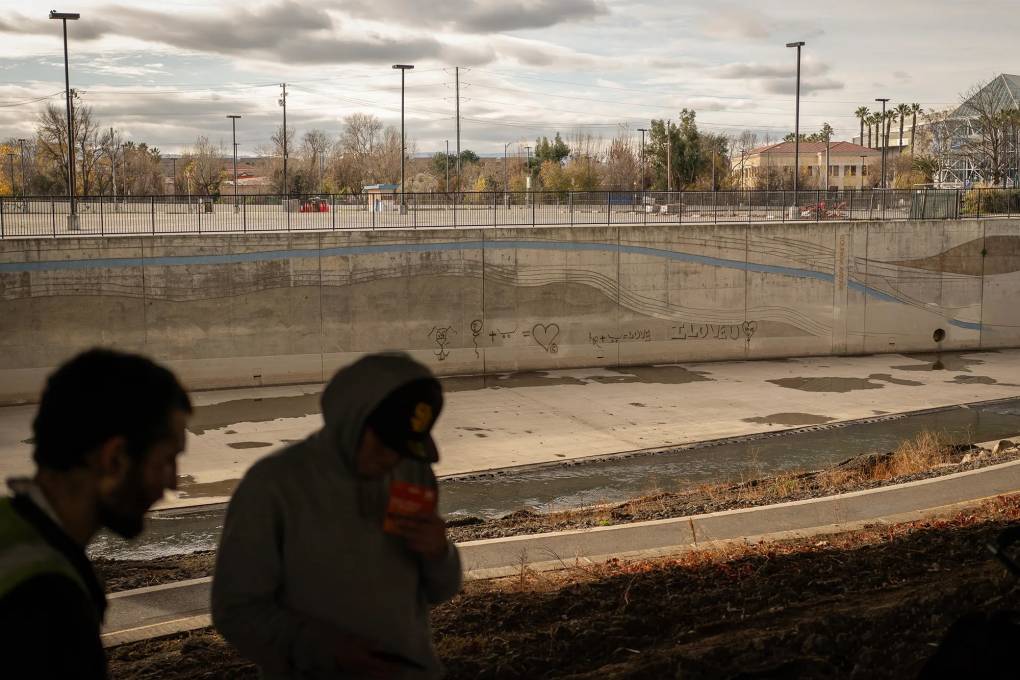
"caption": "People are under an overpass at Guadalupe River Park in San José on Jan. 12, 2024. A recent abatement effort cleared many encampments where unhoused people slept, but some remain in the park.",
"description": null,
"title": "011224-Guadalupe-River-Park-LE-CM-12 copy",
"credit": "Loren Elliott for CalMatters",
"status": "inherit",
"altTag": "Two people in the foreground with a park in the background.",
"isLoading": false,
"fetchFailed": false
},
"news_11958936": {
"type": "attachments",
"id": "news_11958936",
"meta": {
"index": "attachments_1716263798",
"site": "news",
"id": "11958936",
"found": true
},
"parent": 11958939,
"imgSizes": {
"twentyfourteen-full-width": {
"file": "https://cdn.kqed.org/wp-content/uploads/sites/10/2023/08/RS68264_20230822-HomelessLawsuit-24-JY-KQED-1038x576.jpg",
"width": 1038,
"mimeType": "image/jpeg",
"height": 576
},
"thumbnail": {
"file": "https://cdn.kqed.org/wp-content/uploads/sites/10/2023/08/RS68264_20230822-HomelessLawsuit-24-JY-KQED-160x107.jpg",
"width": 160,
"mimeType": "image/jpeg",
"height": 107
},
"post-thumbnail": {
"file": "https://cdn.kqed.org/wp-content/uploads/sites/10/2023/08/RS68264_20230822-HomelessLawsuit-24-JY-KQED-672x372.jpg",
"width": 672,
"mimeType": "image/jpeg",
"height": 372
},
"kqedFullSize": {
"file": "https://cdn.kqed.org/wp-content/uploads/sites/10/2023/08/RS68264_20230822-HomelessLawsuit-24-JY-KQED.jpg",
"width": 2000,
"height": 1333
},
"large": {
"file": "https://cdn.kqed.org/wp-content/uploads/sites/10/2023/08/RS68264_20230822-HomelessLawsuit-24-JY-KQED-1020x680.jpg",
"width": 1020,
"mimeType": "image/jpeg",
"height": 680
},
"1536x1536": {
"file": "https://cdn.kqed.org/wp-content/uploads/sites/10/2023/08/RS68264_20230822-HomelessLawsuit-24-JY-KQED-1536x1024.jpg",
"width": 1536,
"mimeType": "image/jpeg",
"height": 1024
},
"full-width": {
"file": "https://cdn.kqed.org/wp-content/uploads/sites/10/2023/08/RS68264_20230822-HomelessLawsuit-24-JY-KQED-1920x1280.jpg",
"width": 1920,
"mimeType": "image/jpeg",
"height": 1280
},
"medium": {
"file": "https://cdn.kqed.org/wp-content/uploads/sites/10/2023/08/RS68264_20230822-HomelessLawsuit-24-JY-KQED-800x533.jpg",
"width": 800,
"mimeType": "image/jpeg",
"height": 533
}
},
"publishDate": 1692825458,
"modified": 1705128728,
"caption": "Demonstrators gather at a rally in front of the 9th Circuit Court of Appeals in San Francisco on Wednesday, Aug. 23, 2023. The court heard the city's challenge to an injunction that has blocked it from removing many street encampments.",
"description": null,
"title": "RS68264_20230822-HomelessLawsuit-24-JY-KQED",
"credit": "Juliana Yamada/KQED",
"status": "inherit",
"altTag": "People holding signs stand in front of a grey building.",
"isLoading": false,
"fetchFailed": false
},
"news_11972056": {
"type": "attachments",
"id": "news_11972056",
"meta": {
"index": "attachments_1716263798",
"site": "news",
"id": "11972056",
"found": true
},
"parent": 11972044,
"imgSizes": {
"twentyfourteen-full-width": {
"file": "https://cdn.kqed.org/wp-content/uploads/sites/10/2024/01/GettyImages-1421187646-1038x576.jpg",
"width": 1038,
"mimeType": "image/jpeg",
"height": 576
},
"thumbnail": {
"file": "https://cdn.kqed.org/wp-content/uploads/sites/10/2024/01/GettyImages-1421187646-160x107.jpg",
"width": 160,
"mimeType": "image/jpeg",
"height": 107
},
"post-thumbnail": {
"file": "https://cdn.kqed.org/wp-content/uploads/sites/10/2024/01/GettyImages-1421187646-672x372.jpg",
"width": 672,
"mimeType": "image/jpeg",
"height": 372
},
"kqedFullSize": {
"file": "https://cdn.kqed.org/wp-content/uploads/sites/10/2024/01/GettyImages-1421187646.jpg",
"width": 2119,
"height": 1414
},
"2048x2048": {
"file": "https://cdn.kqed.org/wp-content/uploads/sites/10/2024/01/GettyImages-1421187646-2048x1367.jpg",
"width": 2048,
"mimeType": "image/jpeg",
"height": 1367
},
"large": {
"file": "https://cdn.kqed.org/wp-content/uploads/sites/10/2024/01/GettyImages-1421187646-1020x681.jpg",
"width": 1020,
"mimeType": "image/jpeg",
"height": 681
},
"1536x1536": {
"file": "https://cdn.kqed.org/wp-content/uploads/sites/10/2024/01/GettyImages-1421187646-1536x1025.jpg",
"width": 1536,
"mimeType": "image/jpeg",
"height": 1025
},
"full-width": {
"file": "https://cdn.kqed.org/wp-content/uploads/sites/10/2024/01/GettyImages-1421187646-1920x1281.jpg",
"width": 1920,
"mimeType": "image/jpeg",
"height": 1281
},
"medium": {
"file": "https://cdn.kqed.org/wp-content/uploads/sites/10/2024/01/GettyImages-1421187646-800x534.jpg",
"width": 800,
"mimeType": "image/jpeg",
"height": 534
}
},
"publishDate": 1704826062,
"modified": 1704826097,
"caption": null,
"description": null,
"title": "Close-Up of Woman Hand is Opening a Door in Apartment",
"credit": "KDP/Getty Images",
"status": "inherit",
"altTag": "A hand opens a white door.",
"isLoading": false,
"fetchFailed": false
},
"news_11971724": {
"type": "attachments",
"id": "news_11971724",
"meta": {
"index": "attachments_1716263798",
"site": "news",
"id": "11971724",
"found": true
},
"parent": 11971577,
"imgSizes": {
"twentyfourteen-full-width": {
"file": "https://cdn.kqed.org/wp-content/uploads/sites/10/2024/01/240104-PEOPLES-PARK-MD-13-KQED-1038x576.jpg",
"width": 1038,
"mimeType": "image/jpeg",
"height": 576
},
"thumbnail": {
"file": "https://cdn.kqed.org/wp-content/uploads/sites/10/2024/01/240104-PEOPLES-PARK-MD-13-KQED-160x107.jpg",
"width": 160,
"mimeType": "image/jpeg",
"height": 107
},
"post-thumbnail": {
"file": "https://cdn.kqed.org/wp-content/uploads/sites/10/2024/01/240104-PEOPLES-PARK-MD-13-KQED-672x372.jpg",
"width": 672,
"mimeType": "image/jpeg",
"height": 372
},
"kqedFullSize": {
"file": "https://cdn.kqed.org/wp-content/uploads/sites/10/2024/01/240104-PEOPLES-PARK-MD-13-KQED.jpg",
"width": 2000,
"height": 1333
},
"large": {
"file": "https://cdn.kqed.org/wp-content/uploads/sites/10/2024/01/240104-PEOPLES-PARK-MD-13-KQED-1020x680.jpg",
"width": 1020,
"mimeType": "image/jpeg",
"height": 680
},
"1536x1536": {
"file": "https://cdn.kqed.org/wp-content/uploads/sites/10/2024/01/240104-PEOPLES-PARK-MD-13-KQED-1536x1024.jpg",
"width": 1536,
"mimeType": "image/jpeg",
"height": 1024
},
"full-width": {
"file": "https://cdn.kqed.org/wp-content/uploads/sites/10/2024/01/240104-PEOPLES-PARK-MD-13-KQED-1920x1280.jpg",
"width": 1920,
"mimeType": "image/jpeg",
"height": 1280
},
"medium": {
"file": "https://cdn.kqed.org/wp-content/uploads/sites/10/2024/01/240104-PEOPLES-PARK-MD-13-KQED-800x533.jpg",
"width": 800,
"mimeType": "image/jpeg",
"height": 533
}
},
"publishDate": 1704417693,
"modified": 1704417717,
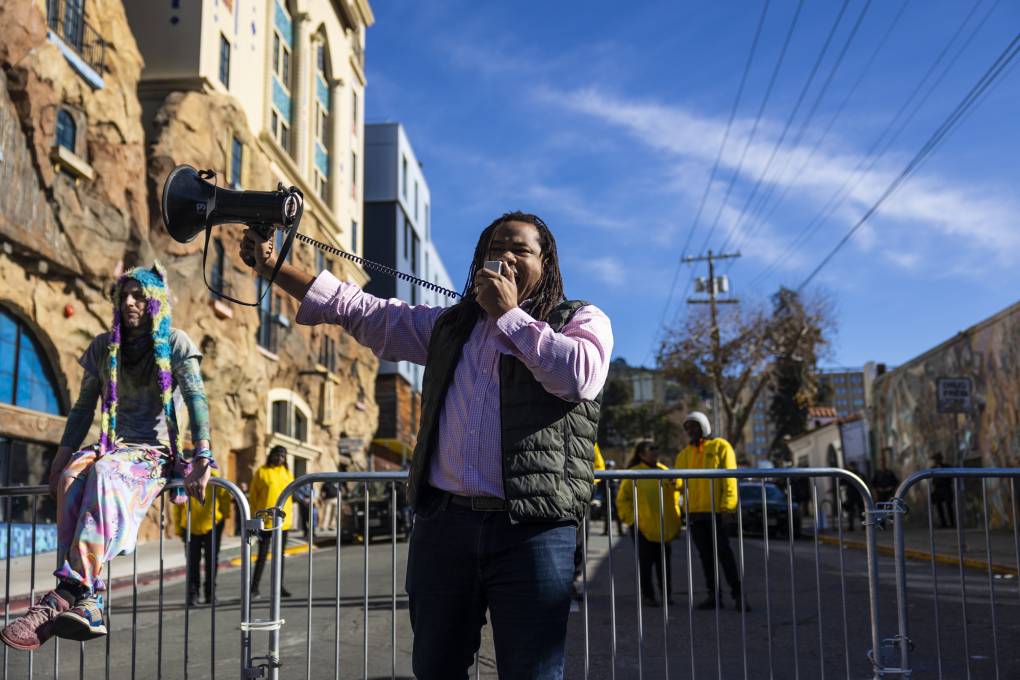
"caption": "Aidan Hill and others demonstrate outside of People's Park in Berkeley on Jan. 4, 2024.",
"description": null,
"title": "240104-PEOPLE'S PARK-MD-13-KQED",
"credit": "Martin do Nascimento/KQED",
"status": "inherit",
"altTag": null,
"isLoading": false,
"fetchFailed": false
},
"news_11970748": {
"type": "attachments",
"id": "news_11970748",
"meta": {
"index": "attachments_1716263798",
"site": "news",
"id": "11970748",
"found": true
},
"parent": 11970744,
"imgSizes": {
"twentyfourteen-full-width": {
"file": "https://cdn.kqed.org/wp-content/uploads/sites/10/2023/12/GettyImages-1502059460-1024x576.jpg",
"width": 1024,
"mimeType": "image/jpeg",
"height": 576
},
"thumbnail": {
"file": "https://cdn.kqed.org/wp-content/uploads/sites/10/2023/12/GettyImages-1502059460-160x109.jpg",
"width": 160,
"mimeType": "image/jpeg",
"height": 109
},
"post-thumbnail": {
"file": "https://cdn.kqed.org/wp-content/uploads/sites/10/2023/12/GettyImages-1502059460-672x372.jpg",
"width": 672,
"mimeType": "image/jpeg",
"height": 372
},
"kqedFullSize": {
"file": "https://cdn.kqed.org/wp-content/uploads/sites/10/2023/12/GettyImages-1502059460.jpg",
"width": 1024,
"height": 698
},
"large": {
"file": "https://cdn.kqed.org/wp-content/uploads/sites/10/2023/12/GettyImages-1502059460-1020x695.jpg",
"width": 1020,
"mimeType": "image/jpeg",
"height": 695
},
"medium": {
"file": "https://cdn.kqed.org/wp-content/uploads/sites/10/2023/12/GettyImages-1502059460-800x545.jpg",
"width": 800,
"mimeType": "image/jpeg",
"height": 545
}
},
"publishDate": 1703275146,
"modified": 1703275708,
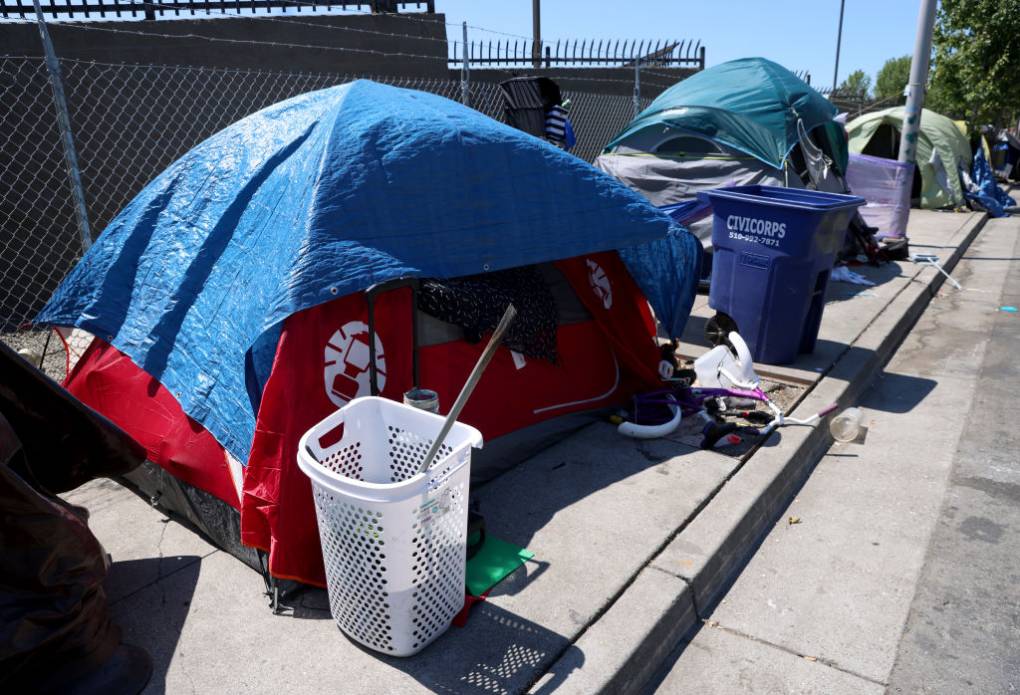
"caption": "Tents on 8th Street at a homeless encampment near Harrison Street in Berkeley in June 2023.",
"description": null,
"title": "Berkeley Homeless",
"credit": "Jane Tyska/Digital First Media/East Bay Times via Getty Images",
"status": "inherit",
"altTag": "tents along a street",
"isLoading": false,
"fetchFailed": false
},
"news_11970311": {
"type": "attachments",
"id": "news_11970311",
"meta": {
"index": "attachments_1716263798",
"site": "news",
"id": "11970311",
"found": true
},
"parent": 11970299,
"imgSizes": {
"twentyfourteen-full-width": {
"file": "https://cdn.kqed.org/wp-content/uploads/sites/10/2023/12/231017-LakeMercedRVs-020-BL-qut-1038x576.jpg",
"width": 1038,
"mimeType": "image/jpeg",
"height": 576
},
"thumbnail": {
"file": "https://cdn.kqed.org/wp-content/uploads/sites/10/2023/12/231017-LakeMercedRVs-020-BL-qut-160x107.jpg",
"width": 160,
"mimeType": "image/jpeg",
"height": 107
},
"post-thumbnail": {
"file": "https://cdn.kqed.org/wp-content/uploads/sites/10/2023/12/231017-LakeMercedRVs-020-BL-qut-672x372.jpg",
"width": 672,
"mimeType": "image/jpeg",
"height": 372
},
"kqedFullSize": {
"file": "https://cdn.kqed.org/wp-content/uploads/sites/10/2023/12/231017-LakeMercedRVs-020-BL-qut.jpg",
"width": 1920,
"height": 1280
},
"large": {
"file": "https://cdn.kqed.org/wp-content/uploads/sites/10/2023/12/231017-LakeMercedRVs-020-BL-qut-1020x680.jpg",
"width": 1020,
"mimeType": "image/jpeg",
"height": 680
},
"1536x1536": {
"file": "https://cdn.kqed.org/wp-content/uploads/sites/10/2023/12/231017-LakeMercedRVs-020-BL-qut-1536x1024.jpg",
"width": 1536,
"mimeType": "image/jpeg",
"height": 1024
},
"medium": {
"file": "https://cdn.kqed.org/wp-content/uploads/sites/10/2023/12/231017-LakeMercedRVs-020-BL-qut-800x533.jpg",
"width": 800,
"mimeType": "image/jpeg",
"height": 533
}
},
"publishDate": 1702929693,
"modified": 1702930220,
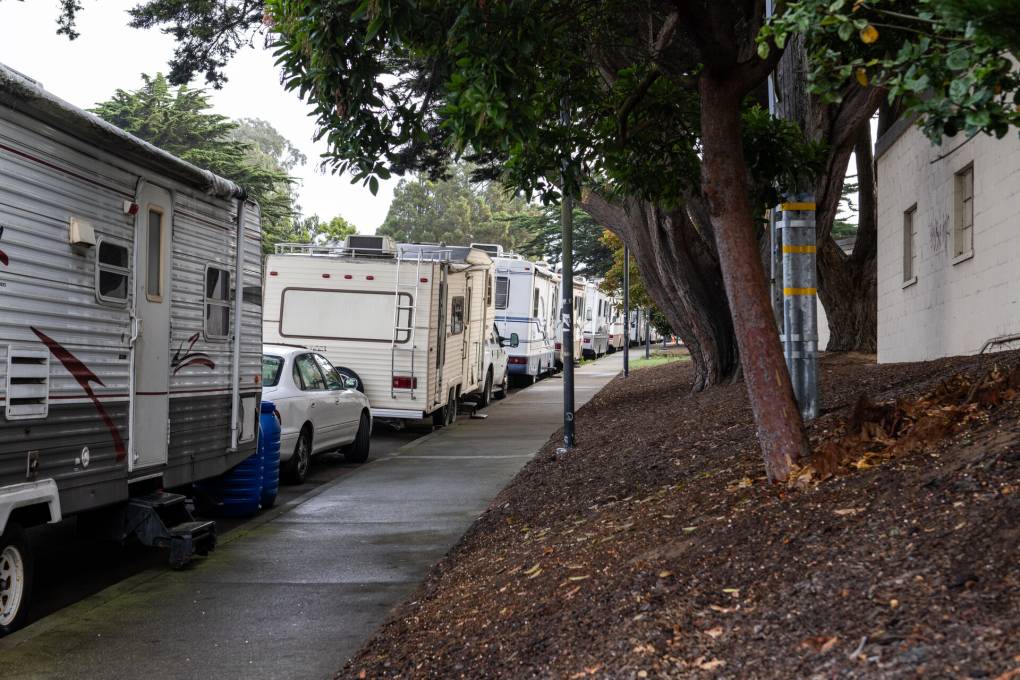
"caption": "RVs line Winston Drive in San Francisco on Oct. 17, 2023, near SF State University.",
"description": null,
"title": "231017-LakeMercedRVs-020-BL-qut",
"credit": "Beth LaBerge/KQED",
"status": "inherit",
"altTag": "A line of RVs and cars parked on a street.",
"isLoading": false,
"fetchFailed": false
},
"news_11970243": {
"type": "attachments",
"id": "news_11970243",
"meta": {
"index": "attachments_1716263798",
"site": "news",
"id": "11970243",
"found": true
},
"parent": 11970242,
"imgSizes": {
"twentyfourteen-full-width": {
"file": "https://cdn.kqed.org/wp-content/uploads/sites/10/2023/12/021723-LA-Street-Medicine-Project-LV_CM_09-copy-1038x576.jpg",
"width": 1038,
"mimeType": "image/jpeg",
"height": 576
},
"thumbnail": {
"file": "https://cdn.kqed.org/wp-content/uploads/sites/10/2023/12/021723-LA-Street-Medicine-Project-LV_CM_09-copy-160x107.jpg",
"width": 160,
"mimeType": "image/jpeg",
"height": 107
},
"post-thumbnail": {
"file": "https://cdn.kqed.org/wp-content/uploads/sites/10/2023/12/021723-LA-Street-Medicine-Project-LV_CM_09-copy-672x372.jpg",
"width": 672,
"mimeType": "image/jpeg",
"height": 372
},
"kqedFullSize": {
"file": "https://cdn.kqed.org/wp-content/uploads/sites/10/2023/12/021723-LA-Street-Medicine-Project-LV_CM_09-copy.jpg",
"width": 2000,
"height": 1333
},
"large": {
"file": "https://cdn.kqed.org/wp-content/uploads/sites/10/2023/12/021723-LA-Street-Medicine-Project-LV_CM_09-copy-1020x680.jpg",
"width": 1020,
"mimeType": "image/jpeg",
"height": 680
},
"1536x1536": {
"file": "https://cdn.kqed.org/wp-content/uploads/sites/10/2023/12/021723-LA-Street-Medicine-Project-LV_CM_09-copy-1536x1024.jpg",
"width": 1536,
"mimeType": "image/jpeg",
"height": 1024
},
"full-width": {
"file": "https://cdn.kqed.org/wp-content/uploads/sites/10/2023/12/021723-LA-Street-Medicine-Project-LV_CM_09-copy-1920x1280.jpg",
"width": 1920,
"mimeType": "image/jpeg",
"height": 1280
},
"medium": {
"file": "https://cdn.kqed.org/wp-content/uploads/sites/10/2023/12/021723-LA-Street-Medicine-Project-LV_CM_09-copy-800x533.jpg",
"width": 800,
"mimeType": "image/jpeg",
"height": 533
}
},
"publishDate": 1702753802,
"modified": 1702834276,
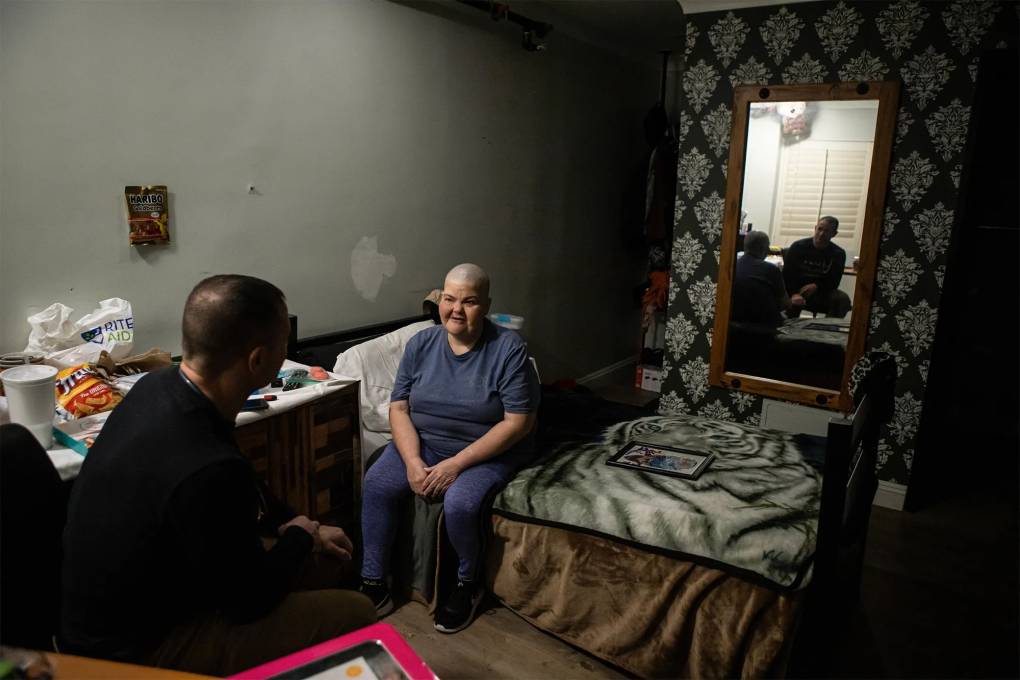
"caption": "Physician assistant Brett Feldman and Calra Bolen sit in her room at a motel turned into housing for unhoused residents as part of the state's Homekey program in downtown Los Angeles on Feb. 13, 2023. ",
"description": null,
"title": "021723-LA-Street-Medicine-Project-LV_CM_09 copy",
"credit": "Larry Valenzuela/CalMatters/CatchLight Local",
"status": "inherit",
"altTag": "A woman with little hair and a blue outfit sits on a bed talking to a man.",
"isLoading": false,
"fetchFailed": false
},
"news_11958703": {
"type": "attachments",
"id": "news_11958703",
"meta": {
"index": "attachments_1716263798",
"site": "news",
"id": "11958703",
"found": true
},
"parent": 0,
"imgSizes": {
"twentyfourteen-full-width": {
"file": "https://ww2.kqed.org/app/uploads/sites/10/2023/08/230821-SAN-FRANCISCO-UNHOUSED-HOMELESS-Getty-TC-KQED-1038x576.jpg",
"width": 1038,
"mimeType": "image/jpeg",
"height": 576
},
"thumbnail": {
"file": "https://ww2.kqed.org/app/uploads/sites/10/2023/08/230821-SAN-FRANCISCO-UNHOUSED-HOMELESS-Getty-TC-KQED-160x107.jpg",
"width": 160,
"mimeType": "image/jpeg",
"height": 107
},
"post-thumbnail": {
"file": "https://ww2.kqed.org/app/uploads/sites/10/2023/08/230821-SAN-FRANCISCO-UNHOUSED-HOMELESS-Getty-TC-KQED-672x372.jpg",
"width": 672,
"mimeType": "image/jpeg",
"height": 372
},
"kqedFullSize": {
"file": "https://ww2.kqed.org/app/uploads/sites/10/2023/08/230821-SAN-FRANCISCO-UNHOUSED-HOMELESS-Getty-TC-KQED.jpg",
"width": 2000,
"height": 1333
},
"large": {
"file": "https://ww2.kqed.org/app/uploads/sites/10/2023/08/230821-SAN-FRANCISCO-UNHOUSED-HOMELESS-Getty-TC-KQED-1020x680.jpg",
"width": 1020,
"mimeType": "image/jpeg",
"height": 680
},
"1536x1536": {
"file": "https://ww2.kqed.org/app/uploads/sites/10/2023/08/230821-SAN-FRANCISCO-UNHOUSED-HOMELESS-Getty-TC-KQED-1536x1024.jpg",
"width": 1536,
"mimeType": "image/jpeg",
"height": 1024
},
"full-width": {
"file": "https://ww2.kqed.org/app/uploads/sites/10/2023/08/230821-SAN-FRANCISCO-UNHOUSED-HOMELESS-Getty-TC-KQED-1920x1280.jpg",
"width": 1920,
"mimeType": "image/jpeg",
"height": 1280
},
"medium": {
"file": "https://ww2.kqed.org/app/uploads/sites/10/2023/08/230821-SAN-FRANCISCO-UNHOUSED-HOMELESS-Getty-TC-KQED-800x533.jpg",
"width": 800,
"mimeType": "image/jpeg",
"height": 533
}
},
"publishDate": 1692641682,
"modified": 1692641735,
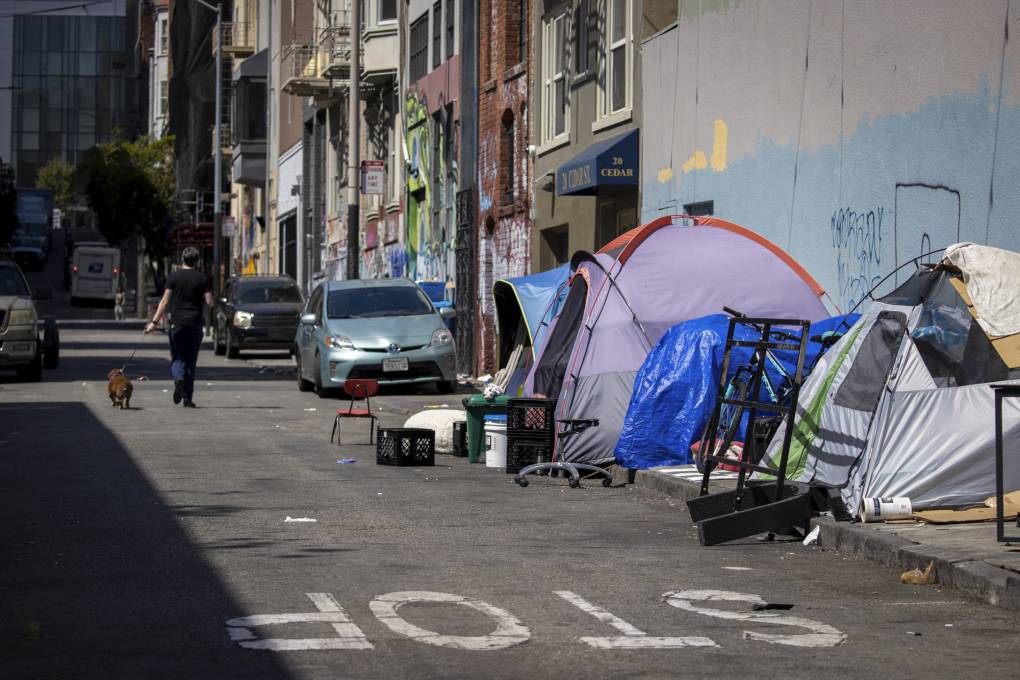
"caption": "Homeless tents are seen near the City Hall of San Francisco on August 29, 2022.",
"description": null,
"title": "San Francisco businesses owners threaten to stop paying taxes over homeless problem",
"credit": "Tayfun Coskun/Anadolu Agency via Getty Images",
"status": "inherit",
"altTag": "Tents line a city sidewalk.",
"isLoading": false,
"fetchFailed": false
},
"news_11965070": {
"type": "attachments",
"id": "news_11965070",
"meta": {
"index": "attachments_1716263798",
"site": "news",
"id": "11965070",
"found": true
},
"parent": 0,
"imgSizes": {
"twentyfourteen-full-width": {
"file": "https://ww2.kqed.org/app/uploads/sites/10/2023/10/231017-LakeMercedRVs-006-BL-KQED-1038x576.jpg",
"width": 1038,
"mimeType": "image/jpeg",
"height": 576
},
"thumbnail": {
"file": "https://ww2.kqed.org/app/uploads/sites/10/2023/10/231017-LakeMercedRVs-006-BL-KQED-160x107.jpg",
"width": 160,
"mimeType": "image/jpeg",
"height": 107
},
"post-thumbnail": {
"file": "https://ww2.kqed.org/app/uploads/sites/10/2023/10/231017-LakeMercedRVs-006-BL-KQED-672x372.jpg",
"width": 672,
"mimeType": "image/jpeg",
"height": 372
},
"kqedFullSize": {
"file": "https://ww2.kqed.org/app/uploads/sites/10/2023/10/231017-LakeMercedRVs-006-BL-KQED.jpg",
"width": 2000,
"height": 1333
},
"large": {
"file": "https://ww2.kqed.org/app/uploads/sites/10/2023/10/231017-LakeMercedRVs-006-BL-KQED-1020x680.jpg",
"width": 1020,
"mimeType": "image/jpeg",
"height": 680
},
"1536x1536": {
"file": "https://ww2.kqed.org/app/uploads/sites/10/2023/10/231017-LakeMercedRVs-006-BL-KQED-1536x1024.jpg",
"width": 1536,
"mimeType": "image/jpeg",
"height": 1024
},
"full-width": {
"file": "https://ww2.kqed.org/app/uploads/sites/10/2023/10/231017-LakeMercedRVs-006-BL-KQED-1920x1280.jpg",
"width": 1920,
"mimeType": "image/jpeg",
"height": 1280
},
"medium": {
"file": "https://ww2.kqed.org/app/uploads/sites/10/2023/10/231017-LakeMercedRVs-006-BL-KQED-800x533.jpg",
"width": 800,
"mimeType": "image/jpeg",
"height": 533
}
},
"publishDate": 1697758871,
"modified": 1698104035,
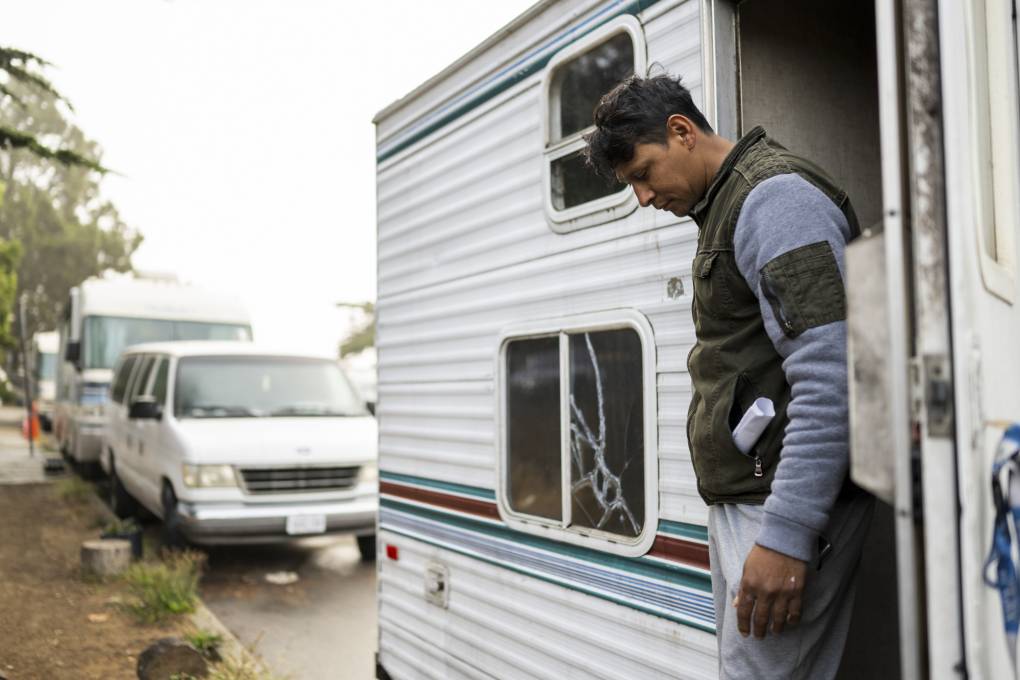
"caption": "Christian de Jesus Guevara Obando stands in the doorway of the RV where he resides on Winston Drive in San Francisco on Oct. 17, 2023. In December, the city plans to start imposing parking restrictions on this street where dozens of families park their RVs.",
"description": null,
"title": "231017-LakeMercedRVs-006-BL-KQED",
"credit": "Beth LaBerge/KQED",
"status": "inherit",
"altTag": "A person exits and RV parked on the side of a road.",
"isLoading": false,
"fetchFailed": false
},
"news_11954906": {
"type": "attachments",
"id": "news_11954906",
"meta": {
"index": "attachments_1716263798",
"site": "news",
"id": "11954906",
"found": true
},
"parent": 11970332,
"imgSizes": {
"twentyfourteen-full-width": {
"file": "https://cdn.kqed.org/wp-content/uploads/sites/10/2023/07/230701-FRESNO-UNHOUSED-HEAT-MHN-01-KQED-1038x576.jpg",
"width": 1038,
"mimeType": "image/jpeg",
"height": 576
},
"thumbnail": {
"file": "https://cdn.kqed.org/wp-content/uploads/sites/10/2023/07/230701-FRESNO-UNHOUSED-HEAT-MHN-01-KQED-160x107.jpg",
"width": 160,
"mimeType": "image/jpeg",
"height": 107
},
"post-thumbnail": {
"file": "https://cdn.kqed.org/wp-content/uploads/sites/10/2023/07/230701-FRESNO-UNHOUSED-HEAT-MHN-01-KQED-672x372.jpg",
"width": 672,
"mimeType": "image/jpeg",
"height": 372
},
"kqedFullSize": {
"file": "https://cdn.kqed.org/wp-content/uploads/sites/10/2023/07/230701-FRESNO-UNHOUSED-HEAT-MHN-01-KQED.jpg",
"width": 2000,
"height": 1333
},
"large": {
"file": "https://cdn.kqed.org/wp-content/uploads/sites/10/2023/07/230701-FRESNO-UNHOUSED-HEAT-MHN-01-KQED-1020x680.jpg",
"width": 1020,
"mimeType": "image/jpeg",
"height": 680
},
"1536x1536": {
"file": "https://cdn.kqed.org/wp-content/uploads/sites/10/2023/07/230701-FRESNO-UNHOUSED-HEAT-MHN-01-KQED-1536x1024.jpg",
"width": 1536,
"mimeType": "image/jpeg",
"height": 1024
},
"full-width": {
"file": "https://cdn.kqed.org/wp-content/uploads/sites/10/2023/07/230701-FRESNO-UNHOUSED-HEAT-MHN-01-KQED-1920x1280.jpg",
"width": 1920,
"mimeType": "image/jpeg",
"height": 1280
},
"medium": {
"file": "https://cdn.kqed.org/wp-content/uploads/sites/10/2023/07/230701-FRESNO-UNHOUSED-HEAT-MHN-01-KQED-800x533.jpg",
"width": 800,
"mimeType": "image/jpeg",
"height": 533
}
},
"publishDate": 1688399236,
"modified": 1702936552,
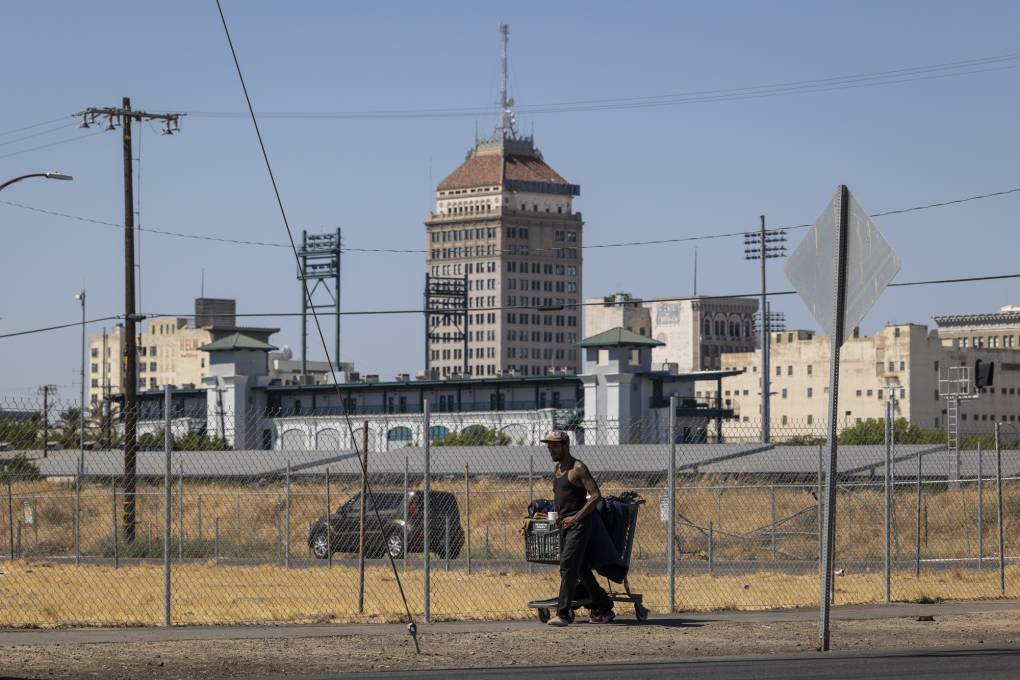
"caption": "A man pushes a cart near downtown Fresno on a 108-degree day. Officials estimate about 1,700 people are currently living on Fresno’s streets. ",
"description": null,
"title": "The Tower District in Fresno on July 1, 2023.",
"credit": "Martin do Nascimento/KQED",
"status": "inherit",
"altTag": "A man in a baseball cap pulls a shopping cart up a sidewalk.",
"isLoading": false,
"fetchFailed": false
},
"news_11964995": {
"type": "attachments",
"id": "news_11964995",
"meta": {
"index": "attachments_1716263798",
"site": "news",
"id": "11964995",
"found": true
},
"parent": 11964985,
"imgSizes": {
"twentyfourteen-full-width": {
"file": "https://ww2.kqed.org/app/uploads/sites/10/2023/10/100323-DignityMoves-Tiny-Homes-LE-CM-08-1038x576.jpg",
"width": 1038,
"mimeType": "image/jpeg",
"height": 576
},
"thumbnail": {
"file": "https://ww2.kqed.org/app/uploads/sites/10/2023/10/100323-DignityMoves-Tiny-Homes-LE-CM-08-160x107.jpg",
"width": 160,
"mimeType": "image/jpeg",
"height": 107
},
"post-thumbnail": {
"file": "https://ww2.kqed.org/app/uploads/sites/10/2023/10/100323-DignityMoves-Tiny-Homes-LE-CM-08-672x372.jpg",
"width": 672,
"mimeType": "image/jpeg",
"height": 372
},
"kqedFullSize": {
"file": "https://ww2.kqed.org/app/uploads/sites/10/2023/10/100323-DignityMoves-Tiny-Homes-LE-CM-08.jpg",
"width": 2000,
"height": 1334
},
"large": {
"file": "https://ww2.kqed.org/app/uploads/sites/10/2023/10/100323-DignityMoves-Tiny-Homes-LE-CM-08-1020x680.jpg",
"width": 1020,
"mimeType": "image/jpeg",
"height": 680
},
"1536x1536": {
"file": "https://ww2.kqed.org/app/uploads/sites/10/2023/10/100323-DignityMoves-Tiny-Homes-LE-CM-08-1536x1025.jpg",
"width": 1536,
"mimeType": "image/jpeg",
"height": 1025
},
"full-width": {
"file": "https://ww2.kqed.org/app/uploads/sites/10/2023/10/100323-DignityMoves-Tiny-Homes-LE-CM-08-1920x1281.jpg",
"width": 1920,
"mimeType": "image/jpeg",
"height": 1281
},
"medium": {
"file": "https://ww2.kqed.org/app/uploads/sites/10/2023/10/100323-DignityMoves-Tiny-Homes-LE-CM-08-800x534.jpg",
"width": 800,
"mimeType": "image/jpeg",
"height": 534
}
},
"publishDate": 1697744413,
"modified": 1697756015,
"caption": "Mia Salvaggio organizes her room at the DignityMoves tiny home village in downtown San Francisco on Oct. 3, 2023. The program provides interim supportive housing to individuals experiencing homelessness. ",
"description": null,
"title": "100323-DignityMoves-Tiny-Homes-LE-CM-08",
"credit": "Loren Elliott/CalMatters",
"status": "inherit",
"altTag": "A woman wearing a grey sweater is seen in a mirror with stickers.",
"isLoading": false,
"fetchFailed": false
},
"news_11964286": {
"type": "attachments",
"id": "news_11964286",
"meta": {
"index": "attachments_1716263798",
"site": "news",
"id": "11964286",
"found": true
},
"parent": 0,
"imgSizes": {
"twentyfourteen-full-width": {
"file": "https://ww2.kqed.org/app/uploads/sites/10/2023/10/231012-NEWSOM-MENTAL-HEALTH-AP-DD-01-KQED-1038x576.jpg",
"width": 1038,
"mimeType": "image/jpeg",
"height": 576
},
"thumbnail": {
"file": "https://ww2.kqed.org/app/uploads/sites/10/2023/10/231012-NEWSOM-MENTAL-HEALTH-AP-DD-01-KQED-160x107.jpg",
"width": 160,
"mimeType": "image/jpeg",
"height": 107
},
"post-thumbnail": {
"file": "https://ww2.kqed.org/app/uploads/sites/10/2023/10/231012-NEWSOM-MENTAL-HEALTH-AP-DD-01-KQED-672x372.jpg",
"width": 672,
"mimeType": "image/jpeg",
"height": 372
},
"kqedFullSize": {
"file": "https://ww2.kqed.org/app/uploads/sites/10/2023/10/231012-NEWSOM-MENTAL-HEALTH-AP-DD-01-KQED.jpg",
"width": 2000,
"height": 1333
},
"large": {
"file": "https://ww2.kqed.org/app/uploads/sites/10/2023/10/231012-NEWSOM-MENTAL-HEALTH-AP-DD-01-KQED-1020x680.jpg",
"width": 1020,
"mimeType": "image/jpeg",
"height": 680
},
"1536x1536": {
"file": "https://ww2.kqed.org/app/uploads/sites/10/2023/10/231012-NEWSOM-MENTAL-HEALTH-AP-DD-01-KQED-1536x1024.jpg",
"width": 1536,
"mimeType": "image/jpeg",
"height": 1024
},
"full-width": {
"file": "https://ww2.kqed.org/app/uploads/sites/10/2023/10/231012-NEWSOM-MENTAL-HEALTH-AP-DD-01-KQED-1920x1280.jpg",
"width": 1920,
"mimeType": "image/jpeg",
"height": 1280
},
"medium": {
"file": "https://ww2.kqed.org/app/uploads/sites/10/2023/10/231012-NEWSOM-MENTAL-HEALTH-AP-DD-01-KQED-800x533.jpg",
"width": 800,
"mimeType": "image/jpeg",
"height": 533
}
},
"publishDate": 1697144472,
"modified": 1697151766,
"caption": "Gov. Gavin Newsom signs off on 2 proposals in Los Angeles, Thursday, Oct. 12, 2023, to transform the state's mental health system and address the state's worsening homelessness crisis, putting them both before voters in 2024. ",
"description": null,
"title": "Gavin Newsom",
"credit": "Damian Dovarganes/AP Photo",
"status": "inherit",
"altTag": "A group of people standing around a table and posing for a photo with two people in the center holding a piece of paper together.",
"isLoading": false,
"fetchFailed": false
}
},
"audioPlayerReducer": {
"postId": "stream_live",
"isPaused": true,
"isPlaying": false,
"pfsActive": false,
"pledgeModalIsOpen": true,
"playerDrawerIsOpen": false,
"liveAudioPlayStartedAt": 0,
"liveAudioPlayContext": ""
},
"authorsReducer": {
"byline_news_11972829": {
"type": "authors",
"id": "byline_news_11972829",
"meta": {
"override": true
},
"slug": "byline_news_11972829",
"name": "\u003ca href=\"https://calmatters.org/author/marisa-kendall/\">Marisa Kendall\u003c/a>",
"isLoading": false
},
"byline_news_11972044": {
"type": "authors",
"id": "byline_news_11972044",
"meta": {
"override": true
},
"slug": "byline_news_11972044",
"name": "\u003ca href=\"https://edsource.org/author/bmarquez\">Betty Márquez Rosales\u003c/a>",
"isLoading": false
},
"byline_news_11970242": {
"type": "authors",
"id": "byline_news_11970242",
"meta": {
"override": true
},
"slug": "byline_news_11970242",
"name": "\u003ca href=\"https://calmatters.org/author/jeanne-kuang/\">Jeanne Kuang\u003c/a>",
"isLoading": false
},
"byline_news_11964985": {
"type": "authors",
"id": "byline_news_11964985",
"meta": {
"override": true
},
"slug": "byline_news_11964985",
"name": "Jeanne Kuang",
"isLoading": false
},
"gmarzorati": {
"type": "authors",
"id": "227",
"meta": {
"index": "authors_1716337520",
"id": "227",
"found": true
},
"name": "Guy Marzorati",
"firstName": "Guy",
"lastName": "Marzorati",
"slug": "gmarzorati",
"email": "gmarzorati@KQED.org",
"display_author_email": true,
"staff_mastheads": [
"news"
],
"title": "Correspondent",
"bio": "Guy Marzorati is a correspondent on KQED's California Politics and Government Desk, based in San Jose. A graduate of Santa Clara University, Guy joined KQED in 2013. He reports on state and local politics and produces KQED's digital voter guide.",
"avatar": "https://secure.gravatar.com/avatar/e7038b8dbfd55b104369b76b1cd0b9de?s=600&d=blank&r=g",
"twitter": "guymarzorati",
"facebook": null,
"instagram": null,
"linkedin": null,
"sites": [
{
"site": "",
"roles": [
"editor"
]
},
{
"site": "news",
"roles": [
"editor"
]
},
{
"site": "science",
"roles": [
"editor"
]
},
{
"site": "forum",
"roles": [
"editor"
]
},
{
"site": "elections",
"roles": [
"editor"
]
},
{
"site": "liveblog",
"roles": [
"editor"
]
}
],
"headData": {
"title": "Guy Marzorati | KQED",
"description": "Correspondent",
"ogImgSrc": "https://secure.gravatar.com/avatar/e7038b8dbfd55b104369b76b1cd0b9de?s=600&d=blank&r=g",
"twImgSrc": "https://secure.gravatar.com/avatar/e7038b8dbfd55b104369b76b1cd0b9de?s=600&d=blank&r=g"
},
"isLoading": false,
"link": "/author/gmarzorati"
},
"kqednewsstaffandwires": {
"type": "authors",
"id": "237",
"meta": {
"index": "authors_1716337520",
"id": "237",
"found": true
},
"name": "KQED News Staff and Wires",
"firstName": "KQED News Staff and Wires",
"lastName": null,
"slug": "kqednewsstaffandwires",
"email": "onlinenewsstaff@kqed.org",
"display_author_email": false,
"staff_mastheads": [],
"title": null,
"bio": null,
"avatar": "https://secure.gravatar.com/avatar/72295af8ebbfbd19a4948f5271285664?s=600&d=blank&r=g",
"twitter": null,
"facebook": null,
"instagram": null,
"linkedin": null,
"sites": [
{
"site": "arts",
"roles": [
"contributor"
]
},
{
"site": "news",
"roles": [
"contributor"
]
},
{
"site": "lowdown",
"roles": [
"author"
]
},
{
"site": "stateofhealth",
"roles": [
"contributor"
]
},
{
"site": "food",
"roles": [
"author"
]
}
],
"headData": {
"title": "KQED News Staff and Wires | KQED",
"description": null,
"ogImgSrc": "https://secure.gravatar.com/avatar/72295af8ebbfbd19a4948f5271285664?s=600&d=blank&r=g",
"twImgSrc": "https://secure.gravatar.com/avatar/72295af8ebbfbd19a4948f5271285664?s=600&d=blank&r=g"
},
"isLoading": false,
"link": "/author/kqednewsstaffandwires"
},
"vrancano": {
"type": "authors",
"id": "11276",
"meta": {
"index": "authors_1716337520",
"id": "11276",
"found": true
},
"name": "Vanessa Rancaño",
"firstName": "Vanessa",
"lastName": "Rancaño",
"slug": "vrancano",
"email": "vrancano@kqed.org",
"display_author_email": false,
"staff_mastheads": [
"news"
],
"title": "Reporter",
"bio": "Vanessa Rancaño is a features reporter for KQED. She’s also covered homelessness and education for the station and reported from the Central Valley. Her work has aired across public radio, from flagship national news shows to longform narrative podcasts. Before taking up a mic, she worked as a freelance print journalist. She’s been recognized with a number of national and regional awards. Vanessa grew up in California's Central Valley. She's a former NPR Kroc Fellow, and a graduate of the UC Berkeley Graduate School of Journalism.",
"avatar": "https://secure.gravatar.com/avatar/b3a383dfb0e7ee1c17568f2cf067904ab654d6e3de9743fc661f3c788ade1bed?s=600&d=blank&r=g",
"twitter": "vanessarancano",
"bluesky": null,
"facebook": null,
"instagram": null,
"linkedin": null,
"sites": [
{
"site": "arts",
"roles": [
"editor"
]
},
{
"site": "news",
"roles": [
"editor"
]
},
{
"site": "liveblog",
"roles": [
"contributor"
]
}
],
"headData": {
"title": "Vanessa Rancaño | KQED",
"description": "Reporter",
"ogImgSrc": "https://secure.gravatar.com/avatar/b3a383dfb0e7ee1c17568f2cf067904ab654d6e3de9743fc661f3c788ade1bed?s=600&d=blank&r=g",
"twImgSrc": "https://secure.gravatar.com/avatar/b3a383dfb0e7ee1c17568f2cf067904ab654d6e3de9743fc661f3c788ade1bed?s=600&d=blank&r=g"
},
"isLoading": false,
"link": "/author/vrancano"
},
"ebaldassari": {
"type": "authors",
"id": "11652",
"meta": {
"index": "authors_1716337520",
"id": "11652",
"found": true
},
"name": "Erin Baldassari",
"firstName": "Erin",
"lastName": "Baldassari",
"slug": "ebaldassari",
"email": "ebaldassari@KQED.org",
"display_author_email": true,
"staff_mastheads": [
"news"
],
"title": "Staff Writer",
"bio": "Erin Baldassari covers housing for KQED. She's a former print journalist and most recently worked as the transportation reporter for the \u003cem>Mercury News\u003c/em> and \u003cem>East Bay Times. \u003c/em>There, she focused on how the Bay Area’s housing shortage has changed the way people move around the region. She also served on the \u003cem>East Bay Times\u003c/em>’ 2017 Pulitzer Prize-winning team for coverage of the Ghost Ship Fire in Oakland. Prior to that, Erin worked as a breaking news and general assignment reporter for a variety of outlets in the Bay Area and the greater Boston area. A Tufts University alumna, Erin grew up in the foothills of the Sierra Nevada mountains and in Sonoma County. She is a life-long KQED listener.",
"avatar": "https://secure.gravatar.com/avatar/660ce35d088ca54ad606d7e941abc652?s=600&d=mm&r=g",
"twitter": "e_baldi",
"facebook": null,
"instagram": null,
"linkedin": null,
"sites": [
{
"site": "news",
"roles": [
"edit_others_posts",
"editor"
]
},
{
"site": "science",
"roles": [
"editor"
]
},
{
"site": "liveblog",
"roles": [
"editor"
]
}
],
"headData": {
"title": "Erin Baldassari | KQED",
"description": "Staff Writer",
"ogImgSrc": "https://secure.gravatar.com/avatar/660ce35d088ca54ad606d7e941abc652?s=600&d=mm&r=g",
"twImgSrc": "https://secure.gravatar.com/avatar/660ce35d088ca54ad606d7e941abc652?s=600&d=mm&r=g"
},
"isLoading": false,
"link": "/author/ebaldassari"
},
"jlara": {
"type": "authors",
"id": "11761",
"meta": {
"index": "authors_1716337520",
"id": "11761",
"found": true
},
"name": "Juan Carlos Lara",
"firstName": "Juan Carlos",
"lastName": "Lara",
"slug": "jlara",
"email": "jlara@kqed.org",
"display_author_email": false,
"staff_mastheads": [],
"title": "KQED Contributor",
"bio": null,
"avatar": "https://secure.gravatar.com/avatar/19e2052b9b05657c5ff2af2121846e9c?s=600&d=blank&r=g",
"twitter": null,
"facebook": null,
"instagram": null,
"linkedin": null,
"sites": [
{
"site": "arts",
"roles": [
"editor"
]
},
{
"site": "news",
"roles": [
"editor"
]
},
{
"site": "forum",
"roles": [
"editor"
]
},
{
"site": "liveblog",
"roles": [
"contributor"
]
}
],
"headData": {
"title": "Juan Carlos Lara | KQED",
"description": "KQED Contributor",
"ogImgSrc": "https://secure.gravatar.com/avatar/19e2052b9b05657c5ff2af2121846e9c?s=600&d=blank&r=g",
"twImgSrc": "https://secure.gravatar.com/avatar/19e2052b9b05657c5ff2af2121846e9c?s=600&d=blank&r=g"
},
"isLoading": false,
"link": "/author/jlara"
},
"sjohnson": {
"type": "authors",
"id": "11840",
"meta": {
"index": "authors_1716337520",
"id": "11840",
"found": true
},
"name": "Sydney Johnson",
"firstName": "Sydney",
"lastName": "Johnson",
"slug": "sjohnson",
"email": "sjohnson@kqed.org",
"display_author_email": false,
"staff_mastheads": [
"news"
],
"title": "KQED Reporter",
"bio": "Sydney Johnson is a general assignment reporter at KQED. She previously reported on public health and city government at the San Francisco Examiner, and before that, she covered statewide education policy for EdSource. Her reporting has won multiple local, state and national awards. Sydney is a graduate of the University of California, Berkeley and lives in San Francisco.",
"avatar": "https://secure.gravatar.com/avatar/97855f2719b72ad6190b7c535fe642c8?s=600&d=blank&r=g",
"twitter": "sydneyfjohnson",
"facebook": null,
"instagram": null,
"linkedin": null,
"sites": [
{
"site": "news",
"roles": [
"editor"
]
}
],
"headData": {
"title": "Sydney Johnson | KQED",
"description": "KQED Reporter",
"ogImgSrc": "https://secure.gravatar.com/avatar/97855f2719b72ad6190b7c535fe642c8?s=600&d=blank&r=g",
"twImgSrc": "https://secure.gravatar.com/avatar/97855f2719b72ad6190b7c535fe642c8?s=600&d=blank&r=g"
},
"isLoading": false,
"link": "/author/sjohnson"
},
"naltenberg": {
"type": "authors",
"id": "11896",
"meta": {
"index": "authors_1716337520",
"id": "11896",
"found": true
},
"name": "Nik Altenberg",
"firstName": "Nik",
"lastName": "Altenberg",
"slug": "naltenberg",
"email": "naltenberg@kqed.org",
"display_author_email": false,
"staff_mastheads": [],
"title": "KQED Contributor",
"bio": "Nik Altenberg is an on-call reporter for KQED and a copy editor and fact checker for Santa Cruz Local. Nik’s reporting interests include policing, public health, environment, immigration, housing and the places where these issues intersect.",
"avatar": "https://secure.gravatar.com/avatar/e391b3a18ce4a53a7ca3f3065c74418b?s=600&d=blank&r=g",
"twitter": null,
"facebook": null,
"instagram": "https://www.instagram.com/nikaltenberg/",
"linkedin": null,
"sites": [
{
"site": "news",
"roles": []
}
],
"headData": {
"title": "Nik Altenberg | KQED",
"description": "KQED Contributor",
"ogImgSrc": "https://secure.gravatar.com/avatar/e391b3a18ce4a53a7ca3f3065c74418b?s=600&d=blank&r=g",
"twImgSrc": "https://secure.gravatar.com/avatar/e391b3a18ce4a53a7ca3f3065c74418b?s=600&d=blank&r=g"
},
"isLoading": false,
"link": "/author/naltenberg"
}
},
"pagesReducer": {
"news_tag_homelessness": {
"type": "terms",
"id": "news_4020",
"meta": {
"index": "terms_1716263798",
"site": "news",
"id": "4020",
"score": 8.555192
},
"name": "Homelessness",
"slug": "homelessness",
"taxonomy": "tag",
"description": null,
"featImg": null,
"headData": {
"title": "Homelessness | KQED News",
"description": null,
"ogTitle": null,
"ogDescription": null,
"ogImgId": null,
"twTitle": null,
"twDescription": null,
"twImgId": null,
"metaRobotsNoIndex": "index"
},
"ttid": 4039,
"isLoading": false,
"title": "Homelessness",
"pageMeta": {
"site": "news",
"WpPageTemplate": "page-topic-editorial",
"currentPage": 19
},
"blocks": [
{
"blockName": "kqed/post-list",
"attrs": {
"layout": "cardArticle2",
"query": "posts/news?tag=homelessness",
"seeMore": false,
"paginated": true,
"page": 19
}
},
{
"blockName": "kqed/ad"
}
]
}
},
"pfsSessionReducer": {},
"postsReducer": {
"stream_live": {
"type": "live",
"id": "stream_live",
"audioUrl": "https://streams.kqed.org/kqedradio",
"title": "Live Stream",
"excerpt": "Live Stream information currently unavailable.",
"link": "/radio",
"featImg": "",
"label": {
"name": "KQED Live",
"link": "/"
}
},
"stream_kqedNewscast": {
"type": "posts",
"id": "stream_kqedNewscast",
"audioUrl": "https://www.kqed.org/.stream/anon/radio/RDnews/newscast.mp3?_=1",
"title": "KQED Newscast",
"featImg": "",
"label": {
"name": "88.5 FM",
"link": "/"
}
},
"news_11972829": {
"type": "posts",
"id": "news_11972829",
"meta": {
"index": "posts_1716263798",
"site": "news",
"id": "11972829",
"score": null,
"sort": [
1705528851000
]
},
"guestAuthors": [],
"slug": "state-program-to-clear-homeless-encampments-show-signs-of-success-but-housing-remains-elusive",
"title": "State Program to Clear Encampments Shows Mixed Results With Many Still Unhoused",
"publishDate": 1705528851,
"format": "standard",
"headTitle": "State Program to Clear Encampments Shows Mixed Results With Many Still Unhoused | KQED",
"labelTerm": {
"term": 18481,
"site": "news"
},
"content": "\u003cp>For years, the Guadalupe River Trail — a winding path that snakes through the heart of downtown San José — had been home to hundreds of people living in tents and makeshift shacks.\u003c/p>\n\u003cp>In recent months, many have vanished as part of a $750 million push by Gov. Gavin Newsom’s administration — dubbed the Encampment Resolution Fund — to clear homeless encampments from cities throughout California.\u003c/p>\n\u003cp>“The before and after photos are stark,” San José Mayor Matt Mahan said. “You have an area that was just full of trash and tents and RVs and belongings and graffiti. There were literally chickens running around. And now it’s coming back to public use. People are starting to walk the trail, bike the trail, look at the river.”\u003c/p>\n\u003cp>[ad fullwidth]\u003c/p>\n\u003cp>However, an analysis of preliminary progress reports submitted to the state, as well as interviews with early Encampment Resolution Fund grant recipients, shows the program has had mixed results up and down California. Even in San José, it hasn’t met its overarching goal of finding permanent housing for most of the people moved off the river trail.\u003c/p>\n\u003cp>More than a year after the checks went out, nearly two-thirds of the $48 million awarded in the first round of statewide grants has been spent. The money has paid for everything from shelter beds to case workers to security deposits so people living in encampments could rent apartments. But so far, only three of the 19 jurisdictions that got funding reported completely clearing their targeted encampments. Nearly 750 people still lived in those camps as of the end of September, according to the latest data available from the state.\u003c/p>\n\u003cp>The first-round grants must be spent by the end of June.\u003c/p>\n\u003cfigure id=\"attachment_11972836\" class=\"wp-caption alignnone\" style=\"max-width: 1568px\">\u003cimg loading=\"lazy\" decoding=\"async\" class=\"size-full wp-image-11972836\" src=\"https://cdn.kqed.org/wp-content/uploads/sites/10/2024/01/011224-Guadalupe-River-Park-LE-CM-11-copy.jpg\" alt=\"A homeless encampment under a bridge with discarded items strewn around.\" width=\"1568\" height=\"1046\" srcset=\"https://cdn.kqed.org/wp-content/uploads/sites/10/2024/01/011224-Guadalupe-River-Park-LE-CM-11-copy.jpg 1568w, https://cdn.kqed.org/wp-content/uploads/sites/10/2024/01/011224-Guadalupe-River-Park-LE-CM-11-copy-800x534.jpg 800w, https://cdn.kqed.org/wp-content/uploads/sites/10/2024/01/011224-Guadalupe-River-Park-LE-CM-11-copy-1020x680.jpg 1020w, https://cdn.kqed.org/wp-content/uploads/sites/10/2024/01/011224-Guadalupe-River-Park-LE-CM-11-copy-160x107.jpg 160w, https://cdn.kqed.org/wp-content/uploads/sites/10/2024/01/011224-Guadalupe-River-Park-LE-CM-11-copy-1536x1025.jpg 1536w\" sizes=\"auto, (max-width: 1568px) 100vw, 1568px\">\u003cfigcaption class=\"wp-caption-text\">A homeless camp at Guadalupe River Park in San José, on Jan. 12, 2024. \u003ccite>(Loren Elliott for CalMatters)\u003c/cite>\u003c/figcaption>\u003c/figure>\n\u003cp>Even in cities and counties that have successfully moved people off the street and into temporary shelters, it’s proven much harder to find permanent housing. San José used the state funding to move nearly 200 people off the river trail — a heavy lift the city previously had been unable to accomplish. But just 11% of those people made it into permanent housing. Another 37% moved into temporary shelters. The city doesn’t know what happened to the others: More than half the people relocated from the trail are unaccounted for.\u003c/p>\n\u003cp>Across the state, hundreds of people who were moved out of encampments last year and in 2022, using state money, are still in shelters, waiting for a home of their own.\u003c/p>\n\u003cp>“I think what we’re really seeing across the board and with this funding is it’s just taking so much longer to get people into housing because there’s a lack of affordable resources,” said Jennifer Hark Dietz, CEO of PATH, a homeless services nonprofit that worked with San José and several other cities to administer the grants.\u003c/p>\n\u003ch2>From encampment to housing\u003c/h2>\n\u003cp>Instead of merely shuffling unhoused people from one camp to another — as had been widespread practice for years — Newsom insisted this program would focus on getting people into housing. Cities and counties seeking funding must prove they will either move encampment residents directly into permanent housing or into temporary shelters with “clear pathways” to permanent housing. The state rejected an application from Chico because its plan for permanent housing fell short, said Chico Deputy City Manager Jennifer Macarthy.\u003c/p>\n\u003cp>But drawing a straight line from an encampment to a long-term home is easier said than done.\u003c/p>\n\u003cfigure id=\"attachment_11972839\" class=\"wp-caption alignnone\" style=\"max-width: 1568px\">\u003cimg loading=\"lazy\" decoding=\"async\" class=\"size-full wp-image-11972839\" src=\"https://cdn.kqed.org/wp-content/uploads/sites/10/2024/01/011224-Guadalupe-River-Park-LE-CM-13-copy.jpg\" alt=\"A notice sign on a wall.\" width=\"1568\" height=\"1045\" srcset=\"https://cdn.kqed.org/wp-content/uploads/sites/10/2024/01/011224-Guadalupe-River-Park-LE-CM-13-copy.jpg 1568w, https://cdn.kqed.org/wp-content/uploads/sites/10/2024/01/011224-Guadalupe-River-Park-LE-CM-13-copy-800x533.jpg 800w, https://cdn.kqed.org/wp-content/uploads/sites/10/2024/01/011224-Guadalupe-River-Park-LE-CM-13-copy-1020x680.jpg 1020w, https://cdn.kqed.org/wp-content/uploads/sites/10/2024/01/011224-Guadalupe-River-Park-LE-CM-13-copy-160x107.jpg 160w, https://cdn.kqed.org/wp-content/uploads/sites/10/2024/01/011224-Guadalupe-River-Park-LE-CM-13-copy-1536x1024.jpg 1536w\" sizes=\"auto, (max-width: 1568px) 100vw, 1568px\">\u003cfigcaption class=\"wp-caption-text\">An abatement notice is posted at Guadalupe River Park in San José on Jan. 12, 2024. \u003ccite>(Loren Elliott for CalMatters)\u003c/cite>\u003c/figcaption>\u003c/figure>\n\u003cp>Tulare, in the Central Valley, used its $1.6 million grant to clear five encampments where about 100 people lived. But it couldn’t come up with enough beds for everyone, and as people moved out of the camps, new people kept showing up.\u003c/p>\n\u003cp>Instead of finding everyone a home, the city ended up giving 150 people tents and moving them into a sanctioned encampment. As of December, only 44 people from the five camps had landed in permanent housing.\u003c/p>\n\u003cp>But that’s at least double the rate Tulare was housing people before it got the state money, said Housing and Grants Manager Alexis Costales, who describes the program as a success. Tulare won another $4.8 million in the state’s second round of encampment grants and hopes that money will get more people housed.\u003c/p>\n\u003cp>[pullquote align=\"right\" size=\"medium\" citation=\"Jennifer Hark Dietz, CEO, PATH\"]‘I think what we’re really seeing across the board and with this funding is it’s just taking so much longer to get people into housing because there’s a lack of affordable resources.’[/pullquote]Los Angeles won a $1.7 million grant, which put 45 unhoused people up in a motel for several months. But motel rooms are expensive, and by the time those funds ran out, only about half had found permanent housing, Hark Dietz said. Six people left the program, and the rest moved into shelters, where PATH continues to work with them to find housing.\u003c/p>\n\u003cp>Santa Barbara County is using part of its $2.5 million grant to open two new tiny homes sites, which, starting this spring, will provide temporary shelter to dozens of people living in encampments. So far, county workers have reached out to about 200 camp residents and brought 81 inside. Of those, 52 made it to permanent housing, said the county’s Encampment Response Coordinator Lucille Boss, whose salary is paid by the state grant.\u003c/p>\n\u003cp>“We couldn’t have done a lot of this without the state’s investment,” Boss said.\u003c/p>\n\u003cp>In San José, Mahan said many people declined the city’s shelter beds. One of them was Alicia Spangenberg. Outreach workers offered her a tiny home, but the 27-year-old, who has been homeless for nearly five years, isn’t ready to sacrifice her freedom and privacy to live in a tiny dwelling with shared bathrooms and follow the program’s rules.\u003c/p>\n\u003cp>“At the end of the day,” she said, “it’s whether somebody wants to be helped.”\u003c/p>\n\u003cfigure id=\"attachment_11972841\" class=\"wp-caption alignnone\" style=\"max-width: 1568px\">\u003cimg loading=\"lazy\" decoding=\"async\" class=\"size-full wp-image-11972841\" src=\"https://cdn.kqed.org/wp-content/uploads/sites/10/2024/01/011224-Guadalupe-River-Park-LE-CM-07-copy.jpg\" alt=\"A young white girl with baseball cap worn backward and neck-length blond hair and blue eyes wearing a grey hoodie looks straight in the camera underneath an overpass.\" width=\"1568\" height=\"1045\" srcset=\"https://cdn.kqed.org/wp-content/uploads/sites/10/2024/01/011224-Guadalupe-River-Park-LE-CM-07-copy.jpg 1568w, https://cdn.kqed.org/wp-content/uploads/sites/10/2024/01/011224-Guadalupe-River-Park-LE-CM-07-copy-800x533.jpg 800w, https://cdn.kqed.org/wp-content/uploads/sites/10/2024/01/011224-Guadalupe-River-Park-LE-CM-07-copy-1020x680.jpg 1020w, https://cdn.kqed.org/wp-content/uploads/sites/10/2024/01/011224-Guadalupe-River-Park-LE-CM-07-copy-160x107.jpg 160w, https://cdn.kqed.org/wp-content/uploads/sites/10/2024/01/011224-Guadalupe-River-Park-LE-CM-07-copy-1536x1024.jpg 1536w\" sizes=\"auto, (max-width: 1568px) 100vw, 1568px\">\u003cfigcaption class=\"wp-caption-text\">Alicia Spangenberg, who is unhoused and sleeps along the trail, at Guadalupe River Park in San José on Jan. 12, 2024. \u003ccite>(Loren Elliott for CalMatters)\u003c/cite>\u003c/figcaption>\u003c/figure>\n\u003cp>California cities soon may have more freedom to clear homeless encampments \u003ca href=\"https://calmatters.org/housing/homelessness/2024/01/homeless-camp-scotus/\">if the Supreme Court strikes down a 2018 ruling that had largely tied their hands\u003c/a>. In Martin v. Boise, the Ninth Circuit Court of Appeals found cities cannot punish unhoused people for camping on public land if they have no other option — which cities interpreted to mean they must have shelter beds available before clearing a camp.\u003c/p>\n\u003cp>Regardless of what happens in that case, Newsom’s administration has made clear that cities hoping to use state encampment resolution funds must do more than simply kick people out of an encampment. They must plan to “resolve the experience of unsheltered homelessness” for the camp residents.\u003c/p>\n\u003ch2>Limited funding\u003c/h2>\n\u003cp>As the grant money runs out, some local leaders and service providers worry the gains they made might be reversed without additional funding to keep up the work they started.\u003c/p>\n\u003cp>It’s unclear when more money might materialize. \u003ca href=\"https://calmatters.org/politics/2024/01/newsom-budget-california/\">Newsom’s proposed budget for the 2024–25 fiscal year\u003c/a>, released this month, doesn’t propose cuts to the program. But after the current round of nearly $300 million — which cities and counties are applying for now — is spent, there’s no new funding on the horizon. The state appropriated a total of $400 million for this round, but about $100 million of that automatically went to cities that applied last time but were rejected because of insufficient funds.\u003c/p>\n\u003cp>[aside label=\"Related Stories\" postID=\"forum_2010101894273,news_11972519,news_11968398,news_11972474\"]“If you are investing only in an intervention that’s temporary, then the solution is temporary,” said Sharon Rapport, director of California state policy for the Corporation for Supportive Housing, who has criticized Newsom for refusing to provide ongoing funding for homelessness. “It’s not going to result in reducing homelessness. It’s just going to result in a lot of people using our shelter beds.”\u003c/p>\n\u003cp>And as with any competitive grant program, many communities were left out of the initial rounds of funding.\u003c/p>\n\u003cp>When the grant program launched in 2021, Paramount — a city of five square miles in Los Angeles County — jumped at the opportunity. The small municipality made a small ask: $160,000 to clear a camp of about 30 people along the Los Angeles riverbed and expand the city’s shelter system.\u003c/p>\n\u003cp>The application was rejected without an explanation or any feedback, said Steven Coumparoules, Paramount’s community preservation manager. When he looked at the cities awarded funding, including Los Angeles, Oakland and San José, he concluded the state favored big cities. It soured him against applying again.\u003c/p>\n\u003cp>But money from the state could have made a big difference in Paramount, Coumparoules said. There are no shelter beds within the city limits, and the shelter up the road in Bell is full. The river remains a “hotbed” of homeless camps, he said.\u003c/p>\n\u003cp>“The cleanups aren’t solving the problem,” Coumparoules said. “You’re kind of just reshuffling people from one location to another.”\u003c/p>\n\u003cp>Chico, where many refugees from the 2018 Camp wildfire remain homeless, asked the state for $1.9 million in 2021 to relocate about 150 people from the banks of the Comanche Creek. Officials thought they had made a good case and were surprised when they were rejected, Deputy City Manager Macarthy said.\u003c/p>\n\u003cp>[pullquote align=\"right\" size=\"medium\" citation=\"Steven Coumparoules, community preservation manager, Paramount\"]‘The cleanups aren’t solving the problem. You’re kind of just reshuffling people from one location to another.’[/pullquote]The state eventually made more money available. But by that time, Chico had used city funds to clear the creek, and the state wouldn’t let the city tweak its application to secure funds for one of its many other encampments.\u003c/p>\n\u003cp>When the second round of grants opened, Chico applied again for a different encampment. Again, the city was rejected. This time, the state said Chico’s plan to move people from the camp into permanent housing fell short.\u003c/p>\n\u003cp>Without state help, the city spends about $4 million a year on clearing encampments and moving people into shelters.\u003c/p>\n\u003cp>“I would be lying if I said this is not a burden on our community from our financial perspective,” Macarthy said. City staff plan to try again for some of the $300 million available now in the third round of grants.\u003c/p>\n\u003cp>“So,” Macarthy said, “fingers crossed.”\u003c/p>\n\u003ch2>Money for beautification\u003c/h2>\n\u003cp>In the months since San José cleared the camps off the river trail, a handful of people already have moved back. To combat that, the Guadalupe River Park Conservancy is using $200,000 — 10% of the state grant — to rehabilitate the trail. The conservancy has hired two park ambassadors who patrol the area and report illegal dumping and tents. The organization is also experimenting with hosting lawn games and other activities to liven up the trail and has plans to commission a mural.\u003c/p>\n\u003cp>The state has since changed its rules, and using grant money for those types of ancillary expenses is no longer allowed. But without that money, it would have been impossible to prevent people from coming back to camp or to convince community members — long deterred by the tents — to return to the trail for recreation, said Jason Su, executive director of the conservancy. He worries about the trail reverting to its former state once the grant money runs out this summer.\u003c/p>\n\u003cfigure id=\"attachment_11972842\" class=\"wp-caption alignnone\" style=\"max-width: 1568px\">\u003cimg loading=\"lazy\" decoding=\"async\" class=\"size-full wp-image-11972842\" src=\"https://cdn.kqed.org/wp-content/uploads/sites/10/2024/01/011224-Guadalupe-River-Park-LE-CM-14-copy.jpg\" alt=\"Two men are seated with belongings around them and a small table with items.\" width=\"1568\" height=\"1046\" srcset=\"https://cdn.kqed.org/wp-content/uploads/sites/10/2024/01/011224-Guadalupe-River-Park-LE-CM-14-copy.jpg 1568w, https://cdn.kqed.org/wp-content/uploads/sites/10/2024/01/011224-Guadalupe-River-Park-LE-CM-14-copy-800x534.jpg 800w, https://cdn.kqed.org/wp-content/uploads/sites/10/2024/01/011224-Guadalupe-River-Park-LE-CM-14-copy-1020x680.jpg 1020w, https://cdn.kqed.org/wp-content/uploads/sites/10/2024/01/011224-Guadalupe-River-Park-LE-CM-14-copy-160x107.jpg 160w, https://cdn.kqed.org/wp-content/uploads/sites/10/2024/01/011224-Guadalupe-River-Park-LE-CM-14-copy-1536x1025.jpg 1536w\" sizes=\"auto, (max-width: 1568px) 100vw, 1568px\">\u003cfigcaption class=\"wp-caption-text\">Shaun Pyles (right) and Rodney Scott, who are both unhoused and sleeping along the trail, sit at the camp of Pyles at the Guadalupe River Park in San José on Jan. 12, 2024. \u003ccite>(Loren Elliott for CalMatters)\u003c/cite>\u003c/figcaption>\u003c/figure>\n\u003cp>Rodney Scott, one of the remaining unhoused people living along the Guadalupe River Trail, hopes for a second chance. In 2022, the 36-year-old moved into one of the tiny homes the city uses as temporary shelter. It was great, he said: He could shower whenever he wanted and play Xbox online with his son. But after nearly a year in the program, he never got off the waitlist for permanent housing. Then, Scott said he was kicked out of the tiny home after getting into one too many arguments with other residents.\u003c/p>\n\u003cp>Since then, he’s been living in a tent outside a Target, hoping a housing placement will come through.\u003c/p>\n\u003cp>“It’s too cold to be out here right now,” Scott said. “I got heart failure. So it’s like, am I going to die waiting for an apartment?”\u003c/p>\n\u003cp>\u003cem>Jeanne Kuang contributed to this story.\u003c/em>\u003c/p>\n\u003cp>[ad floatright]\u003c/p>\n",
"blocks": [],
"excerpt": "A multi-year, $750 million program aimed at doing away with homeless encampments has had mixed results throughout California. Local leaders say ongoing funding is needed.",
"status": "publish",
"parent": 0,
"modified": 1740516508,
"stats": {
"hasAudio": false,
"hasVideo": false,
"hasChartOrMap": false,
"iframeSrcs": [],
"hasGoogleForm": false,
"hasGallery": false,
"hasHearkenModule": false,
"hasPolis": false,
"paragraphCount": 43,
"wordCount": 2228
},
"headData": {
"title": "State Program to Clear Encampments Shows Mixed Results With Many Still Unhoused | KQED",
"description": "A multi-year, $750 million program aimed at doing away with homeless encampments has had mixed results throughout California. Local leaders say ongoing funding is needed.",
"ogTitle": "",
"ogDescription": "",
"ogImgId": "",
"twTitle": "",
"twDescription": "",
"twImgId": "",
"schema": {
"@context": "https://schema.org",
"@type": "NewsArticle",
"headline": "State Program to Clear Encampments Shows Mixed Results With Many Still Unhoused",
"datePublished": "2024-01-17T14:00:51-08:00",
"dateModified": "2025-02-25T12:48:28-08:00",
"image": "https://cdn.kqed.org/wp-content/uploads/2020/02/KQED-OG-Image@1x.png",
"isAccessibleForFree": "True",
"publisher": {
"@type": "NewsMediaOrganization",
"@id": "https://www.kqed.org/#organization",
"name": "KQED",
"logo": "https://cdn.kqed.org/wp-content/uploads/2020/02/KQED-OG-Image@1x.png",
"url": "https://www.kqed.org",
"sameAs": [
"https://www.facebook.com/KQED",
"https://twitter.com/KQED",
"https://www.instagram.com/kqed/",
"https://www.tiktok.com/@kqedofficial",
"https://www.linkedin.com/company/kqed",
"https://www.youtube.com/channel/UCeC0IOo7i1P_61zVUWbJ4nw"
]
}
}
},
"sticky": false,
"nprByline": "\u003ca href=\"https://calmatters.org/author/marisa-kendall/\">Marisa Kendall\u003c/a>",
"excludeFromSiteSearch": "Include",
"showOnAuthorArchivePages": "No",
"articleAge": "0",
"path": "/news/11972829/state-program-to-clear-homeless-encampments-show-signs-of-success-but-housing-remains-elusive",
"audioTrackLength": null,
"parsedContent": [
{
"type": "contentString",
"content": "\u003cdiv class=\"post-body\">\u003cp>\u003cp>For years, the Guadalupe River Trail — a winding path that snakes through the heart of downtown San José — had been home to hundreds of people living in tents and makeshift shacks.\u003c/p>\n\u003cp>In recent months, many have vanished as part of a $750 million push by Gov. Gavin Newsom’s administration — dubbed the Encampment Resolution Fund — to clear homeless encampments from cities throughout California.\u003c/p>\n\u003cp>“The before and after photos are stark,” San José Mayor Matt Mahan said. “You have an area that was just full of trash and tents and RVs and belongings and graffiti. There were literally chickens running around. And now it’s coming back to public use. People are starting to walk the trail, bike the trail, look at the river.”\u003c/p>\n\u003cp>\u003c/p>\u003c/div>",
"attributes": {
"named": {},
"numeric": []
}
},
{
"type": "component",
"content": "",
"name": "ad",
"attributes": {
"named": {
"label": "fullwidth"
},
"numeric": [
"fullwidth"
]
}
},
{
"type": "contentString",
"content": "\u003cdiv class=\"post-body\">\u003cp>\u003c/p>\n\u003cp>However, an analysis of preliminary progress reports submitted to the state, as well as interviews with early Encampment Resolution Fund grant recipients, shows the program has had mixed results up and down California. Even in San José, it hasn’t met its overarching goal of finding permanent housing for most of the people moved off the river trail.\u003c/p>\n\u003cp>More than a year after the checks went out, nearly two-thirds of the $48 million awarded in the first round of statewide grants has been spent. The money has paid for everything from shelter beds to case workers to security deposits so people living in encampments could rent apartments. But so far, only three of the 19 jurisdictions that got funding reported completely clearing their targeted encampments. Nearly 750 people still lived in those camps as of the end of September, according to the latest data available from the state.\u003c/p>\n\u003cp>The first-round grants must be spent by the end of June.\u003c/p>\n\u003cfigure id=\"attachment_11972836\" class=\"wp-caption alignnone\" style=\"max-width: 1568px\">\u003cimg loading=\"lazy\" decoding=\"async\" class=\"size-full wp-image-11972836\" src=\"https://cdn.kqed.org/wp-content/uploads/sites/10/2024/01/011224-Guadalupe-River-Park-LE-CM-11-copy.jpg\" alt=\"A homeless encampment under a bridge with discarded items strewn around.\" width=\"1568\" height=\"1046\" srcset=\"https://cdn.kqed.org/wp-content/uploads/sites/10/2024/01/011224-Guadalupe-River-Park-LE-CM-11-copy.jpg 1568w, https://cdn.kqed.org/wp-content/uploads/sites/10/2024/01/011224-Guadalupe-River-Park-LE-CM-11-copy-800x534.jpg 800w, https://cdn.kqed.org/wp-content/uploads/sites/10/2024/01/011224-Guadalupe-River-Park-LE-CM-11-copy-1020x680.jpg 1020w, https://cdn.kqed.org/wp-content/uploads/sites/10/2024/01/011224-Guadalupe-River-Park-LE-CM-11-copy-160x107.jpg 160w, https://cdn.kqed.org/wp-content/uploads/sites/10/2024/01/011224-Guadalupe-River-Park-LE-CM-11-copy-1536x1025.jpg 1536w\" sizes=\"auto, (max-width: 1568px) 100vw, 1568px\">\u003cfigcaption class=\"wp-caption-text\">A homeless camp at Guadalupe River Park in San José, on Jan. 12, 2024. \u003ccite>(Loren Elliott for CalMatters)\u003c/cite>\u003c/figcaption>\u003c/figure>\n\u003cp>Even in cities and counties that have successfully moved people off the street and into temporary shelters, it’s proven much harder to find permanent housing. San José used the state funding to move nearly 200 people off the river trail — a heavy lift the city previously had been unable to accomplish. But just 11% of those people made it into permanent housing. Another 37% moved into temporary shelters. The city doesn’t know what happened to the others: More than half the people relocated from the trail are unaccounted for.\u003c/p>\n\u003cp>Across the state, hundreds of people who were moved out of encampments last year and in 2022, using state money, are still in shelters, waiting for a home of their own.\u003c/p>\n\u003cp>“I think what we’re really seeing across the board and with this funding is it’s just taking so much longer to get people into housing because there’s a lack of affordable resources,” said Jennifer Hark Dietz, CEO of PATH, a homeless services nonprofit that worked with San José and several other cities to administer the grants.\u003c/p>\n\u003ch2>From encampment to housing\u003c/h2>\n\u003cp>Instead of merely shuffling unhoused people from one camp to another — as had been widespread practice for years — Newsom insisted this program would focus on getting people into housing. Cities and counties seeking funding must prove they will either move encampment residents directly into permanent housing or into temporary shelters with “clear pathways” to permanent housing. The state rejected an application from Chico because its plan for permanent housing fell short, said Chico Deputy City Manager Jennifer Macarthy.\u003c/p>\n\u003cp>But drawing a straight line from an encampment to a long-term home is easier said than done.\u003c/p>\n\u003cfigure id=\"attachment_11972839\" class=\"wp-caption alignnone\" style=\"max-width: 1568px\">\u003cimg loading=\"lazy\" decoding=\"async\" class=\"size-full wp-image-11972839\" src=\"https://cdn.kqed.org/wp-content/uploads/sites/10/2024/01/011224-Guadalupe-River-Park-LE-CM-13-copy.jpg\" alt=\"A notice sign on a wall.\" width=\"1568\" height=\"1045\" srcset=\"https://cdn.kqed.org/wp-content/uploads/sites/10/2024/01/011224-Guadalupe-River-Park-LE-CM-13-copy.jpg 1568w, https://cdn.kqed.org/wp-content/uploads/sites/10/2024/01/011224-Guadalupe-River-Park-LE-CM-13-copy-800x533.jpg 800w, https://cdn.kqed.org/wp-content/uploads/sites/10/2024/01/011224-Guadalupe-River-Park-LE-CM-13-copy-1020x680.jpg 1020w, https://cdn.kqed.org/wp-content/uploads/sites/10/2024/01/011224-Guadalupe-River-Park-LE-CM-13-copy-160x107.jpg 160w, https://cdn.kqed.org/wp-content/uploads/sites/10/2024/01/011224-Guadalupe-River-Park-LE-CM-13-copy-1536x1024.jpg 1536w\" sizes=\"auto, (max-width: 1568px) 100vw, 1568px\">\u003cfigcaption class=\"wp-caption-text\">An abatement notice is posted at Guadalupe River Park in San José on Jan. 12, 2024. \u003ccite>(Loren Elliott for CalMatters)\u003c/cite>\u003c/figcaption>\u003c/figure>\n\u003cp>Tulare, in the Central Valley, used its $1.6 million grant to clear five encampments where about 100 people lived. But it couldn’t come up with enough beds for everyone, and as people moved out of the camps, new people kept showing up.\u003c/p>\n\u003cp>Instead of finding everyone a home, the city ended up giving 150 people tents and moving them into a sanctioned encampment. As of December, only 44 people from the five camps had landed in permanent housing.\u003c/p>\n\u003cp>But that’s at least double the rate Tulare was housing people before it got the state money, said Housing and Grants Manager Alexis Costales, who describes the program as a success. Tulare won another $4.8 million in the state’s second round of encampment grants and hopes that money will get more people housed.\u003c/p>\n\u003cp>\u003c/p>\u003c/div>",
"attributes": {
"named": {},
"numeric": []
}
},
{
"type": "component",
"content": "‘I think what we’re really seeing across the board and with this funding is it’s just taking so much longer to get people into housing because there’s a lack of affordable resources.’",
"name": "pullquote",
"attributes": {
"named": {
"align": "right",
"size": "medium",
"citation": "Jennifer Hark Dietz, CEO, PATH",
"label": ""
},
"numeric": []
}
},
{
"type": "contentString",
"content": "\u003cdiv class=\"post-body\">\u003cp>Los Angeles won a $1.7 million grant, which put 45 unhoused people up in a motel for several months. But motel rooms are expensive, and by the time those funds ran out, only about half had found permanent housing, Hark Dietz said. Six people left the program, and the rest moved into shelters, where PATH continues to work with them to find housing.\u003c/p>\n\u003cp>Santa Barbara County is using part of its $2.5 million grant to open two new tiny homes sites, which, starting this spring, will provide temporary shelter to dozens of people living in encampments. So far, county workers have reached out to about 200 camp residents and brought 81 inside. Of those, 52 made it to permanent housing, said the county’s Encampment Response Coordinator Lucille Boss, whose salary is paid by the state grant.\u003c/p>\n\u003cp>“We couldn’t have done a lot of this without the state’s investment,” Boss said.\u003c/p>\n\u003cp>In San José, Mahan said many people declined the city’s shelter beds. One of them was Alicia Spangenberg. Outreach workers offered her a tiny home, but the 27-year-old, who has been homeless for nearly five years, isn’t ready to sacrifice her freedom and privacy to live in a tiny dwelling with shared bathrooms and follow the program’s rules.\u003c/p>\n\u003cp>“At the end of the day,” she said, “it’s whether somebody wants to be helped.”\u003c/p>\n\u003cfigure id=\"attachment_11972841\" class=\"wp-caption alignnone\" style=\"max-width: 1568px\">\u003cimg loading=\"lazy\" decoding=\"async\" class=\"size-full wp-image-11972841\" src=\"https://cdn.kqed.org/wp-content/uploads/sites/10/2024/01/011224-Guadalupe-River-Park-LE-CM-07-copy.jpg\" alt=\"A young white girl with baseball cap worn backward and neck-length blond hair and blue eyes wearing a grey hoodie looks straight in the camera underneath an overpass.\" width=\"1568\" height=\"1045\" srcset=\"https://cdn.kqed.org/wp-content/uploads/sites/10/2024/01/011224-Guadalupe-River-Park-LE-CM-07-copy.jpg 1568w, https://cdn.kqed.org/wp-content/uploads/sites/10/2024/01/011224-Guadalupe-River-Park-LE-CM-07-copy-800x533.jpg 800w, https://cdn.kqed.org/wp-content/uploads/sites/10/2024/01/011224-Guadalupe-River-Park-LE-CM-07-copy-1020x680.jpg 1020w, https://cdn.kqed.org/wp-content/uploads/sites/10/2024/01/011224-Guadalupe-River-Park-LE-CM-07-copy-160x107.jpg 160w, https://cdn.kqed.org/wp-content/uploads/sites/10/2024/01/011224-Guadalupe-River-Park-LE-CM-07-copy-1536x1024.jpg 1536w\" sizes=\"auto, (max-width: 1568px) 100vw, 1568px\">\u003cfigcaption class=\"wp-caption-text\">Alicia Spangenberg, who is unhoused and sleeps along the trail, at Guadalupe River Park in San José on Jan. 12, 2024. \u003ccite>(Loren Elliott for CalMatters)\u003c/cite>\u003c/figcaption>\u003c/figure>\n\u003cp>California cities soon may have more freedom to clear homeless encampments \u003ca href=\"https://calmatters.org/housing/homelessness/2024/01/homeless-camp-scotus/\">if the Supreme Court strikes down a 2018 ruling that had largely tied their hands\u003c/a>. In Martin v. Boise, the Ninth Circuit Court of Appeals found cities cannot punish unhoused people for camping on public land if they have no other option — which cities interpreted to mean they must have shelter beds available before clearing a camp.\u003c/p>\n\u003cp>Regardless of what happens in that case, Newsom’s administration has made clear that cities hoping to use state encampment resolution funds must do more than simply kick people out of an encampment. They must plan to “resolve the experience of unsheltered homelessness” for the camp residents.\u003c/p>\n\u003ch2>Limited funding\u003c/h2>\n\u003cp>As the grant money runs out, some local leaders and service providers worry the gains they made might be reversed without additional funding to keep up the work they started.\u003c/p>\n\u003cp>It’s unclear when more money might materialize. \u003ca href=\"https://calmatters.org/politics/2024/01/newsom-budget-california/\">Newsom’s proposed budget for the 2024–25 fiscal year\u003c/a>, released this month, doesn’t propose cuts to the program. But after the current round of nearly $300 million — which cities and counties are applying for now — is spent, there’s no new funding on the horizon. The state appropriated a total of $400 million for this round, but about $100 million of that automatically went to cities that applied last time but were rejected because of insufficient funds.\u003c/p>\n\u003cp>\u003c/p>\u003c/div>",
"attributes": {
"named": {},
"numeric": []
}
},
{
"type": "component",
"content": "",
"name": "aside",
"attributes": {
"named": {
"label": "Related Stories ",
"postid": "forum_2010101894273,news_11972519,news_11968398,news_11972474"
},
"numeric": []
}
},
{
"type": "contentString",
"content": "\u003cdiv class=\"post-body\">\u003cp>“If you are investing only in an intervention that’s temporary, then the solution is temporary,” said Sharon Rapport, director of California state policy for the Corporation for Supportive Housing, who has criticized Newsom for refusing to provide ongoing funding for homelessness. “It’s not going to result in reducing homelessness. It’s just going to result in a lot of people using our shelter beds.”\u003c/p>\n\u003cp>And as with any competitive grant program, many communities were left out of the initial rounds of funding.\u003c/p>\n\u003cp>When the grant program launched in 2021, Paramount — a city of five square miles in Los Angeles County — jumped at the opportunity. The small municipality made a small ask: $160,000 to clear a camp of about 30 people along the Los Angeles riverbed and expand the city’s shelter system.\u003c/p>\n\u003cp>The application was rejected without an explanation or any feedback, said Steven Coumparoules, Paramount’s community preservation manager. When he looked at the cities awarded funding, including Los Angeles, Oakland and San José, he concluded the state favored big cities. It soured him against applying again.\u003c/p>\n\u003cp>But money from the state could have made a big difference in Paramount, Coumparoules said. There are no shelter beds within the city limits, and the shelter up the road in Bell is full. The river remains a “hotbed” of homeless camps, he said.\u003c/p>\n\u003cp>“The cleanups aren’t solving the problem,” Coumparoules said. “You’re kind of just reshuffling people from one location to another.”\u003c/p>\n\u003cp>Chico, where many refugees from the 2018 Camp wildfire remain homeless, asked the state for $1.9 million in 2021 to relocate about 150 people from the banks of the Comanche Creek. Officials thought they had made a good case and were surprised when they were rejected, Deputy City Manager Macarthy said.\u003c/p>\n\u003cp>\u003c/p>\u003c/div>",
"attributes": {
"named": {},
"numeric": []
}
},
{
"type": "component",
"content": "‘The cleanups aren’t solving the problem. You’re kind of just reshuffling people from one location to another.’",
"name": "pullquote",
"attributes": {
"named": {
"align": "right",
"size": "medium",
"citation": "Steven Coumparoules, community preservation manager, Paramount",
"label": ""
},
"numeric": []
}
},
{
"type": "contentString",
"content": "\u003cdiv class=\"post-body\">\u003cp>The state eventually made more money available. But by that time, Chico had used city funds to clear the creek, and the state wouldn’t let the city tweak its application to secure funds for one of its many other encampments.\u003c/p>\n\u003cp>When the second round of grants opened, Chico applied again for a different encampment. Again, the city was rejected. This time, the state said Chico’s plan to move people from the camp into permanent housing fell short.\u003c/p>\n\u003cp>Without state help, the city spends about $4 million a year on clearing encampments and moving people into shelters.\u003c/p>\n\u003cp>“I would be lying if I said this is not a burden on our community from our financial perspective,” Macarthy said. City staff plan to try again for some of the $300 million available now in the third round of grants.\u003c/p>\n\u003cp>“So,” Macarthy said, “fingers crossed.”\u003c/p>\n\u003ch2>Money for beautification\u003c/h2>\n\u003cp>In the months since San José cleared the camps off the river trail, a handful of people already have moved back. To combat that, the Guadalupe River Park Conservancy is using $200,000 — 10% of the state grant — to rehabilitate the trail. The conservancy has hired two park ambassadors who patrol the area and report illegal dumping and tents. The organization is also experimenting with hosting lawn games and other activities to liven up the trail and has plans to commission a mural.\u003c/p>\n\u003cp>The state has since changed its rules, and using grant money for those types of ancillary expenses is no longer allowed. But without that money, it would have been impossible to prevent people from coming back to camp or to convince community members — long deterred by the tents — to return to the trail for recreation, said Jason Su, executive director of the conservancy. He worries about the trail reverting to its former state once the grant money runs out this summer.\u003c/p>\n\u003cfigure id=\"attachment_11972842\" class=\"wp-caption alignnone\" style=\"max-width: 1568px\">\u003cimg loading=\"lazy\" decoding=\"async\" class=\"size-full wp-image-11972842\" src=\"https://cdn.kqed.org/wp-content/uploads/sites/10/2024/01/011224-Guadalupe-River-Park-LE-CM-14-copy.jpg\" alt=\"Two men are seated with belongings around them and a small table with items.\" width=\"1568\" height=\"1046\" srcset=\"https://cdn.kqed.org/wp-content/uploads/sites/10/2024/01/011224-Guadalupe-River-Park-LE-CM-14-copy.jpg 1568w, https://cdn.kqed.org/wp-content/uploads/sites/10/2024/01/011224-Guadalupe-River-Park-LE-CM-14-copy-800x534.jpg 800w, https://cdn.kqed.org/wp-content/uploads/sites/10/2024/01/011224-Guadalupe-River-Park-LE-CM-14-copy-1020x680.jpg 1020w, https://cdn.kqed.org/wp-content/uploads/sites/10/2024/01/011224-Guadalupe-River-Park-LE-CM-14-copy-160x107.jpg 160w, https://cdn.kqed.org/wp-content/uploads/sites/10/2024/01/011224-Guadalupe-River-Park-LE-CM-14-copy-1536x1025.jpg 1536w\" sizes=\"auto, (max-width: 1568px) 100vw, 1568px\">\u003cfigcaption class=\"wp-caption-text\">Shaun Pyles (right) and Rodney Scott, who are both unhoused and sleeping along the trail, sit at the camp of Pyles at the Guadalupe River Park in San José on Jan. 12, 2024. \u003ccite>(Loren Elliott for CalMatters)\u003c/cite>\u003c/figcaption>\u003c/figure>\n\u003cp>Rodney Scott, one of the remaining unhoused people living along the Guadalupe River Trail, hopes for a second chance. In 2022, the 36-year-old moved into one of the tiny homes the city uses as temporary shelter. It was great, he said: He could shower whenever he wanted and play Xbox online with his son. But after nearly a year in the program, he never got off the waitlist for permanent housing. Then, Scott said he was kicked out of the tiny home after getting into one too many arguments with other residents.\u003c/p>\n\u003cp>Since then, he’s been living in a tent outside a Target, hoping a housing placement will come through.\u003c/p>\n\u003cp>“It’s too cold to be out here right now,” Scott said. “I got heart failure. So it’s like, am I going to die waiting for an apartment?”\u003c/p>\n\u003cp>\u003cem>Jeanne Kuang contributed to this story.\u003c/em>\u003c/p>\n\u003cp>\u003c/p>\u003c/div>",
"attributes": {
"named": {},
"numeric": []
}
},
{
"type": "component",
"content": "",
"name": "ad",
"attributes": {
"named": {
"label": "floatright"
},
"numeric": [
"floatright"
]
}
},
{
"type": "contentString",
"content": "\u003cdiv class=\"post-body\">\u003cp>\u003c/p>\n\u003c/div>\u003c/p>",
"attributes": {
"named": {},
"numeric": []
}
}
],
"link": "/news/11972829/state-program-to-clear-homeless-encampments-show-signs-of-success-but-housing-remains-elusive",
"authors": [
"byline_news_11972829"
],
"categories": [
"news_6266",
"news_8"
],
"tags": [
"news_21214",
"news_4020",
"news_29607"
],
"affiliates": [
"news_18481"
],
"featImg": "news_11972835",
"label": "news_18481"
},
"news_11972519": {
"type": "posts",
"id": "news_11972519",
"meta": {
"index": "posts_1716263798",
"site": "news",
"id": "11972519",
"score": null,
"sort": [
1705090725000
]
},
"guestAuthors": [],
"slug": "supreme-court-to-decide-if-local-laws-preventing-people-from-sleeping-on-streets-are-cruel-and-unusual",
"title": "Supreme Court to Hear Case on When Cities Can Clear Homeless Encampments",
"publishDate": 1705090725,
"format": "standard",
"headTitle": "Supreme Court to Hear Case on When Cities Can Clear Homeless Encampments | KQED",
"labelTerm": {
"site": "news"
},
"content": "\u003cp>The \u003ca href=\"https://apnews.com/hub/us-supreme-court\">Supreme Court\u003c/a> agreed Friday to review lower-court rulings that make it harder for cities in California and other Western states to prevent people from sleeping on the streets when there aren’t enough shelter beds available.\u003c/p>\n\u003cp>The justices will hear an appeal from the city of Grants Pass, in southwest Oregon, which is seeking to enforce local street-clearing ordinances. The city has the backing of California Gov. Gavin Newsom, as well as other Democratic and Republican elected officials who have \u003ca href=\"https://apnews.com/article/homelessness-increase-rent-hud-covid-60bd88687e1aef1b02d25425798bd3b1\">struggled to deal with homelessness\u003c/a> brought on by rising housing costs and income inequality.\u003c/p>\n\u003cp>It’s unclear whether the case will be argued in the spring or the fall.\u003c/p>\n\u003cp>The High Court’s announcement comes a day after \u003ca href=\"https://www.sfchronicle.com/politics/article/ninth-circuit-homeless-sweeps-18602996.php\">a panel of the 9th U.S. Circuit Court of Appeals\u003c/a> affirmed a lower-court ruling blocking anti-camping ordinances in San Francisco, where Newsom was once the mayor.\u003c/p>\n\u003cp>“California has invested billions to address homelessness, but rulings from the bench have tied the hands of state and local governments to address this issue,” Newsom said in a statement Friday. “The Supreme Court can now correct course and end the costly delays from lawsuits that have plagued our efforts to clear encampments and deliver services to those in need.”\u003c/p>\n\u003cp>A separate \u003ca href=\"https://cdn.ca9.uscourts.gov/datastore/opinions/2022/09/28/20-35752.pdf\">9th Circuit panel ruled\u003c/a> in the Oregon case that Grants Pass could not enforce a local ordinance that prohibits unhoused people “from using a blanket, pillow, or cardboard box for protection from the elements.” The decision applies across nine Western states, including Alaska, Arizona, California, Hawaii, Idaho, Montana, Nevada, Oregon and Washington.[aside postID=news_11960279,news_11959120,news_11958939 label='More on SF Encampment Sweeps']The two rulings — along with \u003ca href=\"https://law.justia.com/cases/federal/appellate-courts/ca9/15-35845/15-35845-2018-09-04.html\">another 9th Circuit decision\u003c/a> from 2018 — found that punishing people for sleeping on the streets when no alternative shelter is available amounts to “cruel and unusual punishment,” in violation of the Constitution.\u003c/p>\n\u003cp>The 9th Circuit rulings “have contributed to the growing problem of encampments in cities across the West,” Theane Evangelis, a lawyer for Grants Pass, said in a statement. “These decisions are legally wrong and have tied the hands of local governments as they work to address the urgent homelessness crisis. The tragedy is that these decisions are actually harming the very people they purport to protect.”\u003c/p>\n\u003cp>But Eric Tars, legal director of the National Homelessness Law Center, which is supporting plaintiffs’ attorneys in the Grants Pass case, said that most people living on the street simply don’t have other options.\u003c/p>\n\u003cp>“The bottom line is, where else are people supposed to go? We do not have enough affordable housing in our community and in any community across the country,” he said. “This doesn’t say that we have to house everybody. Unfortunately — I wish it did. But at a minimum … you shouldn’t be punished for not having housing.”\u003c/p>\n\u003cp>Elected officials urged the justices to take up the case because they say the 9th Circuit rulings complicate their efforts to clear \u003ca href=\"https://apnews.com/article/homelessness-encampment-sweeps-cities-08ff74489ba00cfa927fe1cf54c0d401\">tent encampments\u003c/a>, which have long existed in some West Coast cities but have become more common across the U.S.\u003c/p>\n\u003cp>Cities from Los Angeles to New York have stepped up efforts to clear encampments, \u003ca href=\"https://apnews.com/article/homelessness-encampment-sweeps-cities-08ff74489ba00cfa927fe1cf54c0d401#:~:text=Photo%2FJeff%20Chiu)-,Records%20obtained%20by%20The%20Associated%20Press%20show%20attempts%20to%20clear,dangerous%20and%20unsanitary%20living%20conditions.\">records\u003c/a> reviewed by The Associated Press show, as public pressure has grown to address what some residents say are dangerous and unsanitary living conditions. But despite tens of millions of dollars spent in recent years, in many cities there appears to be no significant reduction in the number of tents propped up on sidewalks, in parks, and along freeway off-ramps.\u003c/p>\n\u003cp>The federal count of unhoused people across the country topped \u003ca href=\"https://www.huduser.gov/portal/sites/default/files/pdf/2023-AHAR-Part-1.pdf\">653,000 in 2023\u003c/a>, according to the most recent figures from the U.S. Department of Housing and Urban Development. That’s a 12% jump from the previous year, amid rising rents and the phasing out of pandemic-related assistance. More than 181,000 of them — nearly 30% of the total unhoused population — are based in California.\u003c/p>\n\u003cp>San Francisco City Attorney David Chiu said the Supreme Court review will directly impact his city’s ongoing litigation.\u003c/p>\n\u003cp>“San Francisco has struggled with the significant, unresolved legal questions created by [these] decisions,” he said in a statement. “Given the impossible situation our city finds itself in, it is appropriate for the Supreme Court to step in and resolve these questions.”\u003c/p>\n\u003cp>[ad fullwidth]\u003c/p>\n\u003cp>But unhoused people and their advocates say homeless encampment sweeps are cruel and ineffective, and argue that taking aim at the lower court’s ruling is a misguided approach.\u003c/p>\n\u003cp>“The 9th Circuit’s ruling did not create our street homelessness crisis, and so it is disingenuous for cities to try and blame a court ruling for a crisis that is decades in the making,” said Nisha Kashyap, an attorney with Lawyers’ Committee for Civil Rights, which represents unhoused San Francisco residents in the city’s ongoing suit over encampment sweeps.\u003c/p>\n\u003cp>Tars, of the National Homelessness Law Center, said allowing more encampment sweeps without offering suitable housing options would only acerbate an already dire problem.\u003c/p>\n\u003cp>“Homelessness won’t improve at all,” he said, “because we aren’t addressing the root causes.”\u003c/p>\n\u003cp>\u003cem>This story includes reporting from The Associated Press and KQED’s Vanessa Rancaño and Matthew Green.\u003c/em>\u003c/p>\n\u003cp>\u003c/p>\n",
"blocks": [],
"excerpt": "The High Court agreed Friday to review lower-court rulings that block San Francisco and many other cities in the West from enforcing local street-clearing laws if there are not enough shelter beds available.",
"status": "publish",
"parent": 0,
"modified": 1740516515,
"stats": {
"hasAudio": false,
"hasVideo": false,
"hasChartOrMap": false,
"iframeSrcs": [],
"hasGoogleForm": false,
"hasGallery": false,
"hasHearkenModule": false,
"hasPolis": false,
"paragraphCount": 21,
"wordCount": 918
},
"headData": {
"title": "Supreme Court to Hear Case on When Cities Can Clear Homeless Encampments | KQED",
"description": "The High Court agreed Friday to review lower-court rulings that block San Francisco and many other cities in the West from enforcing local street-clearing laws if there are not enough shelter beds available.",
"ogTitle": "",
"ogDescription": "",
"ogImgId": "",
"twTitle": "",
"twDescription": "",
"twImgId": "",
"schema": {
"@context": "https://schema.org",
"@type": "NewsArticle",
"headline": "Supreme Court to Hear Case on When Cities Can Clear Homeless Encampments",
"datePublished": "2024-01-12T12:18:45-08:00",
"dateModified": "2025-02-25T12:48:35-08:00",
"image": "https://cdn.kqed.org/wp-content/uploads/2020/02/KQED-OG-Image@1x.png",
"isAccessibleForFree": "True",
"publisher": {
"@type": "NewsMediaOrganization",
"@id": "https://www.kqed.org/#organization",
"name": "KQED",
"logo": "https://cdn.kqed.org/wp-content/uploads/2020/02/KQED-OG-Image@1x.png",
"url": "https://www.kqed.org",
"sameAs": [
"https://www.facebook.com/KQED",
"https://twitter.com/KQED",
"https://www.instagram.com/kqed/",
"https://www.tiktok.com/@kqedofficial",
"https://www.linkedin.com/company/kqed",
"https://www.youtube.com/channel/UCeC0IOo7i1P_61zVUWbJ4nw"
]
}
}
},
"sticky": false,
"excludeFromSiteSearch": "Include",
"showOnAuthorArchivePages": "No",
"articleAge": "0",
"path": "/news/11972519/supreme-court-to-decide-if-local-laws-preventing-people-from-sleeping-on-streets-are-cruel-and-unusual",
"audioTrackLength": null,
"parsedContent": [
{
"type": "contentString",
"content": "\u003cdiv class=\"post-body\">\u003cp>\u003cp>The \u003ca href=\"https://apnews.com/hub/us-supreme-court\">Supreme Court\u003c/a> agreed Friday to review lower-court rulings that make it harder for cities in California and other Western states to prevent people from sleeping on the streets when there aren’t enough shelter beds available.\u003c/p>\n\u003cp>The justices will hear an appeal from the city of Grants Pass, in southwest Oregon, which is seeking to enforce local street-clearing ordinances. The city has the backing of California Gov. Gavin Newsom, as well as other Democratic and Republican elected officials who have \u003ca href=\"https://apnews.com/article/homelessness-increase-rent-hud-covid-60bd88687e1aef1b02d25425798bd3b1\">struggled to deal with homelessness\u003c/a> brought on by rising housing costs and income inequality.\u003c/p>\n\u003cp>It’s unclear whether the case will be argued in the spring or the fall.\u003c/p>\n\u003cp>The High Court’s announcement comes a day after \u003ca href=\"https://www.sfchronicle.com/politics/article/ninth-circuit-homeless-sweeps-18602996.php\">a panel of the 9th U.S. Circuit Court of Appeals\u003c/a> affirmed a lower-court ruling blocking anti-camping ordinances in San Francisco, where Newsom was once the mayor.\u003c/p>\n\u003cp>“California has invested billions to address homelessness, but rulings from the bench have tied the hands of state and local governments to address this issue,” Newsom said in a statement Friday. “The Supreme Court can now correct course and end the costly delays from lawsuits that have plagued our efforts to clear encampments and deliver services to those in need.”\u003c/p>\n\u003cp>A separate \u003ca href=\"https://cdn.ca9.uscourts.gov/datastore/opinions/2022/09/28/20-35752.pdf\">9th Circuit panel ruled\u003c/a> in the Oregon case that Grants Pass could not enforce a local ordinance that prohibits unhoused people “from using a blanket, pillow, or cardboard box for protection from the elements.” The decision applies across nine Western states, including Alaska, Arizona, California, Hawaii, Idaho, Montana, Nevada, Oregon and Washington.\u003c/p>\u003c/div>",
"attributes": {
"named": {},
"numeric": []
}
},
{
"type": "component",
"content": "",
"name": "aside",
"attributes": {
"named": {
"postid": "news_11960279,news_11959120,news_11958939",
"label": "More on SF Encampment Sweeps "
},
"numeric": []
}
},
{
"type": "contentString",
"content": "\u003cdiv class=\"post-body\">\u003cp>The two rulings — along with \u003ca href=\"https://law.justia.com/cases/federal/appellate-courts/ca9/15-35845/15-35845-2018-09-04.html\">another 9th Circuit decision\u003c/a> from 2018 — found that punishing people for sleeping on the streets when no alternative shelter is available amounts to “cruel and unusual punishment,” in violation of the Constitution.\u003c/p>\n\u003cp>The 9th Circuit rulings “have contributed to the growing problem of encampments in cities across the West,” Theane Evangelis, a lawyer for Grants Pass, said in a statement. “These decisions are legally wrong and have tied the hands of local governments as they work to address the urgent homelessness crisis. The tragedy is that these decisions are actually harming the very people they purport to protect.”\u003c/p>\n\u003cp>But Eric Tars, legal director of the National Homelessness Law Center, which is supporting plaintiffs’ attorneys in the Grants Pass case, said that most people living on the street simply don’t have other options.\u003c/p>\n\u003cp>“The bottom line is, where else are people supposed to go? We do not have enough affordable housing in our community and in any community across the country,” he said. “This doesn’t say that we have to house everybody. Unfortunately — I wish it did. But at a minimum … you shouldn’t be punished for not having housing.”\u003c/p>\n\u003cp>Elected officials urged the justices to take up the case because they say the 9th Circuit rulings complicate their efforts to clear \u003ca href=\"https://apnews.com/article/homelessness-encampment-sweeps-cities-08ff74489ba00cfa927fe1cf54c0d401\">tent encampments\u003c/a>, which have long existed in some West Coast cities but have become more common across the U.S.\u003c/p>\n\u003cp>Cities from Los Angeles to New York have stepped up efforts to clear encampments, \u003ca href=\"https://apnews.com/article/homelessness-encampment-sweeps-cities-08ff74489ba00cfa927fe1cf54c0d401#:~:text=Photo%2FJeff%20Chiu)-,Records%20obtained%20by%20The%20Associated%20Press%20show%20attempts%20to%20clear,dangerous%20and%20unsanitary%20living%20conditions.\">records\u003c/a> reviewed by The Associated Press show, as public pressure has grown to address what some residents say are dangerous and unsanitary living conditions. But despite tens of millions of dollars spent in recent years, in many cities there appears to be no significant reduction in the number of tents propped up on sidewalks, in parks, and along freeway off-ramps.\u003c/p>\n\u003cp>The federal count of unhoused people across the country topped \u003ca href=\"https://www.huduser.gov/portal/sites/default/files/pdf/2023-AHAR-Part-1.pdf\">653,000 in 2023\u003c/a>, according to the most recent figures from the U.S. Department of Housing and Urban Development. That’s a 12% jump from the previous year, amid rising rents and the phasing out of pandemic-related assistance. More than 181,000 of them — nearly 30% of the total unhoused population — are based in California.\u003c/p>\n\u003cp>San Francisco City Attorney David Chiu said the Supreme Court review will directly impact his city’s ongoing litigation.\u003c/p>\n\u003cp>“San Francisco has struggled with the significant, unresolved legal questions created by [these] decisions,” he said in a statement. “Given the impossible situation our city finds itself in, it is appropriate for the Supreme Court to step in and resolve these questions.”\u003c/p>\n\u003cp>\u003c/p>\u003c/div>",
"attributes": {
"named": {},
"numeric": []
}
},
{
"type": "component",
"content": "",
"name": "ad",
"attributes": {
"named": {
"label": "fullwidth"
},
"numeric": [
"fullwidth"
]
}
},
{
"type": "contentString",
"content": "\u003cdiv class=\"post-body\">\u003cp>\u003c/p>\n\u003cp>But unhoused people and their advocates say homeless encampment sweeps are cruel and ineffective, and argue that taking aim at the lower court’s ruling is a misguided approach.\u003c/p>\n\u003cp>“The 9th Circuit’s ruling did not create our street homelessness crisis, and so it is disingenuous for cities to try and blame a court ruling for a crisis that is decades in the making,” said Nisha Kashyap, an attorney with Lawyers’ Committee for Civil Rights, which represents unhoused San Francisco residents in the city’s ongoing suit over encampment sweeps.\u003c/p>\n\u003cp>Tars, of the National Homelessness Law Center, said allowing more encampment sweeps without offering suitable housing options would only acerbate an already dire problem.\u003c/p>\n\u003cp>“Homelessness won’t improve at all,” he said, “because we aren’t addressing the root causes.”\u003c/p>\n\u003cp>\u003cem>This story includes reporting from The Associated Press and KQED’s Vanessa Rancaño and Matthew Green.\u003c/em>\u003c/p>\n\u003cp>\u003c/p>\n\u003c/div>\u003c/p>",
"attributes": {
"named": {},
"numeric": []
}
}
],
"link": "/news/11972519/supreme-court-to-decide-if-local-laws-preventing-people-from-sleeping-on-streets-are-cruel-and-unusual",
"authors": [
"237"
],
"categories": [
"news_6266",
"news_8"
],
"tags": [
"news_4020",
"news_1775",
"news_38",
"news_29607"
],
"featImg": "news_11958936",
"label": "news"
},
"news_11972044": {
"type": "posts",
"id": "news_11972044",
"meta": {
"index": "posts_1716263798",
"site": "news",
"id": "11972044",
"score": null,
"sort": [
1704888001000
]
},
"guestAuthors": [],
"slug": "a-quick-guide-on-2-types-of-housing-vouchers-for-foster-youth",
"title": "Housing Vouchers for Foster Youth: Family Unification Program (FUP) and Foster Youth to Independence (FYI) Explained",
"publishDate": 1704888001,
"format": "standard",
"headTitle": "Housing Vouchers for Foster Youth: Family Unification Program (FUP) and Foster Youth to Independence (FYI) Explained | KQED",
"labelTerm": {},
"content": "\u003cp>In California, where affordable housing is increasingly difficult to find, youth exiting the foster care system disproportionately face higher rates of homelessness, according to \u003ca href=\"https://www.chapinhall.org/research/calyouth/\">CalYOUTH\u003c/a>, a study on foster youth conducted from 2012 to 2022.\u003c/p>\n\u003cp>Two federal programs, the Family Unification Program (FUP) and the Foster Youth to Independence Initiative (FYI), work to reduce these rates of homelessness by providing targeted housing vouchers commonly referred to as Section 8.\u003c/p>\n\u003cp>But FUP and FYI vouchers go largely underutilized in California, according to \u003ca href=\"https://jbay.org/resources/2023-fyi-report/\">a recent report\u003c/a> from \u003ca href=\"https://edsource.org/2023/quick-guide-federal-financial-aid-for-foster-youth/693575\">John Burton Advocates for Youth\u003c/a>, or JBAY, a nonprofit focused on supporting California foster and homeless youth.\u003c/p>\n\u003cp>[ad fullwidth]\u003c/p>\n\u003cp>According to the authors of the report, child welfare agency representatives from 37 of the state’s 58 counties responded to the survey, and the counties that responded are in charge of 93% of the state’s FUP and FYI vouchers for eligible young people.\u003c/p>\n\u003cp>The results from the survey provide critical insight into these two housing vouchers for former foster youth, such as how often they are being distributed and various challenges with more widespread issuance. Some of those challenges include a lack of awareness regarding recent policy changes that simplify the voucher distribution process and insufficient funding for the supportive services offered in coordination with the voucher.\u003c/p>\n\u003cp>This quick guide provides insight into what the FUP and FYI programs are, how the housing vouchers can be accessed, the challenge of California’s current housing climate, and where additional information can be found.\u003c/p>\n\u003ch2>What do the FUP and FYI housing vouchers provide?\u003c/h2>\n\u003cp>Both the Family Unification Program and the Foster Youth to Independence Initiative vouchers provide eligible youth with up to three years of housing assistance, plus additional support such as locating available housing and covering some move-in costs. The housing vouchers, known commonly as Section 8, pay for all or part of the youth’s rent.\u003c/p>\n\u003cp>A three-year voucher can be extended for an additional two years if the youth meets certain criteria. Those criteria include opting into a Family Self-Sufficiency program if one is offered by the local public housing authority issuing their voucher. In an FSS program, these youth can receive additional support services, including child care, job training and transportation. If a family self-sufficiency program is not offered, or if it’s impacted, youth can also meet the criteria by fulfilling education or employment conditions.\u003c/p>\n\u003cp>More detailed information regarding those education or employment conditions can be found on Page 9 of \u003ca href=\"https://jbay.org/resources/2023-fyi-report/\">this report\u003c/a>.\u003c/p>\n\u003ch2>Who is eligible for the FUP and FYI?\u003c/h2>\n\u003cp>The Family Unification Program, or FUP, was established in 1992 and provides housing vouchers for families involved in the child welfare system and for transition-age former foster youth.\u003c/p>\n\u003cp>[aside label=\"Related Stories\" postID=\"news_11969623,news_11970332,news_11971908\"]The Foster Youth to Independence Initiative, or FYI, launched nearly three decades later in 2019, is specific to transition-age youth leaving the foster care system.\u003c/p>\n\u003cp>In order to qualify for both programs, transition-age foster youth must be between the ages of 18 and 24 and cannot have reached their 25th birthday. Additional eligibility requirements include having exited the foster care system or being about to do so within 90 days and being homeless or at risk of homelessness at age 16 or above.\u003c/p>\n\u003cp>It should be noted that transition-age foster youth age ranges might differ for other services, depending on the specific resource and the person’s location. In \u003ca href=\"https://socialservices.sccgov.org/other-services/transitioned-age-youth-services\">Santa Clara County\u003c/a>, for example, some foster care transition services are available for 15-year-olds, while the \u003ca href=\"https://www.sf.gov/information/transitional-aged-youth-housing-tay#:~:text=TAY%20are%20young%20adults%2C%20ages,a%20successful%20transition%20to%20adulthood.\">city of San Francisco\u003c/a> offers support for some former foster youth up to age 27.\u003c/p>\n\u003ch2>How many youths have been administered housing vouchers?\u003c/h2>\n\u003cp>There has been a 54% increase in vouchers administered in the past two years, from 870 in 2021 to 1,341 as of Oct. 1, \u003ca href=\"https://jbay.org/resources/2023-fyi-report/\">according to the JBAY report\u003c/a>.\u003c/p>\n\u003ch2>Why don’t more eligible California youth have a housing voucher?\u003c/h2>\n\u003cp>There are multiple reasons for these housing vouchers being largely underutilized in California.\u003c/p>\n\u003cp>One key challenge is that not every county participates in the FUP and FYI voucher programs. While those youth may likely still be eligible for other state or county-funded housing support, such programs are hard to get because they are utilized at higher rates.\u003c/p>\n\u003cp>Additionally, the FUP and FYI vouchers are linked with offering supportive services, and despite new designated allocations to cover those supportive services, the costs remain prohibitive.\u003c/p>\n\u003cp>Some county representatives are also unaware of key details that would facilitate the issuing of more vouchers. For example, about 65% of county child welfare agencies remained unaware that vouchers can be extended from three to five years for all youth with a voucher. Plus, recent federal policy changes have simplified the process that county agencies must follow when requesting certain vouchers, but many of the county representatives interviewed in the JBAY survey were unaware of those changes.\u003c/p>\n\u003ch2>How long does it take for youth to find adequate housing if they are administered a FUP or FYI voucher?\u003c/h2>\n\u003cp>The length of time for identifying housing ranges from less than one month to over six months, with 45% of California counties that responded to the survey indicating that the average search was one to two months. The range includes the beginning of the housing search to the moment the housing is secured.\u003c/p>\n\u003cp>Finding adequate and affordable housing in California is increasingly one of the most significant barriers to using or even issuing the vouchers. Transition-age foster youth are particularly susceptible to this challenge, as they often have little to no income to rely on, no rental history and are less likely to have a co-signer to rely on.\u003c/p>\n\u003ch2>How can transition-age foster youth apply for FUP and FYI housing vouchers?\u003c/h2>\n\u003cp>If a transition-aged former foster youth thinks they might be eligible for a FUP or FYI voucher, they should connect with their child welfare or independent living worker. A direct point-of-contact for their county, if they offer vouchers, \u003ca href=\"https://docs.google.com/spreadsheets/d/1YOcsbSUwokL-t2PZRfheGPvp1F8hcMT5a_fmFDPn2NA/edit#gid=0\">can be found at this link (DOC)\u003c/a>.\u003c/p>\n\u003cp>Their local public child welfare agency makes the referral to the public housing authority and certifies whether the youth is eligible based on their history in the foster care system.\u003c/p>\n\u003cp>If the youth is eligible and the housing authority has FUP vouchers, that’s the type of voucher offered to the young person. Otherwise, an FYI voucher is requested from the federal Department of Housing and Urban Development. Once housing is secured, the FYI voucher is administered to the landlord.\u003c/p>\n\u003ch2>Where can additional resources and information regarding housing vouchers for transition-age foster youth be found?\u003c/h2>\n\u003cp>Those potentially eligible for a FUP or FYI housing voucher can find contact information for their county \u003ca href=\"https://docs.google.com/spreadsheets/d/1YOcsbSUwokL-t2PZRfheGPvp1F8hcMT5a_fmFDPn2NA/edit#gid=0\">on this spreadsheet compiled by JBAY (DOC)\u003c/a>.\u003c/p>\n\u003cp>\u003ca href=\"https://www.ylc.org/wp-content/uploads/2022/12/March-2023-Update_-YLC-Housing-Resources-2020-present.pdf\">This fact sheet by the Youth Law Center (PDF)\u003c/a> provides an overview of the housing resources available in California for current and former foster youth.\u003c/p>\n\u003cp>\u003ca href=\"https://edsource.org/2024/two-types-of-housing-vouchers-for-foster-youth-quick-guide/703347\">\u003cem>This story originally appeared in EdSource.\u003c/em>\u003c/a>\u003c/p>\n\u003cp>[ad floatright]\u003c/p>\n",
"blocks": [],
"excerpt": "A recent study found that both types of vouchers go largely underutilized in California, where affordable housing is increasingly difficult to find for youth exiting the foster care system.",
"status": "publish",
"parent": 0,
"modified": 1747762446,
"stats": {
"hasAudio": false,
"hasVideo": false,
"hasChartOrMap": false,
"iframeSrcs": [],
"hasGoogleForm": false,
"hasGallery": false,
"hasHearkenModule": false,
"hasPolis": false,
"paragraphCount": 28,
"wordCount": 1180
},
"headData": {
"title": "A Quick Guide to Housing Help for Foster Youth | KQED",
"description": "Learn about the Family Unification Program (FUP) and Foster Youth to Independence (FYI) vouchers, eligibility criteria, and how to apply for housing assistance.",
"ogTitle": "",
"ogDescription": "",
"ogImgId": "",
"twTitle": "",
"twDescription": "",
"twImgId": "",
"socialTitle": "A Quick Guide to Housing Help for Foster Youth | KQED",
"socialDescription": "Learn about the Family Unification Program (FUP) and Foster Youth to Independence (FYI) vouchers, eligibility criteria, and how to apply for housing assistance.",
"schema": {
"@context": "https://schema.org",
"@type": "NewsArticle",
"headline": "Housing Vouchers for Foster Youth: Family Unification Program (FUP) and Foster Youth to Independence (FYI) Explained",
"datePublished": "2024-01-10T04:00:01-08:00",
"dateModified": "2025-05-20T10:34:06-07:00",
"image": "https://cdn.kqed.org/wp-content/uploads/2020/02/KQED-OG-Image@1x.png",
"isAccessibleForFree": "True",
"publisher": {
"@type": "NewsMediaOrganization",
"@id": "https://www.kqed.org/#organization",
"name": "KQED",
"logo": "https://cdn.kqed.org/wp-content/uploads/2020/02/KQED-OG-Image@1x.png",
"url": "https://www.kqed.org",
"sameAs": [
"https://www.facebook.com/KQED",
"https://twitter.com/KQED",
"https://www.instagram.com/kqed/",
"https://www.tiktok.com/@kqedofficial",
"https://www.linkedin.com/company/kqed",
"https://www.youtube.com/channel/UCeC0IOo7i1P_61zVUWbJ4nw"
]
}
}
},
"source": "edsource",
"sourceUrl": "https://edsource.org/",
"sticky": false,
"nprByline": "\u003ca href=\"https://edsource.org/author/bmarquez\">Betty Márquez Rosales\u003c/a>",
"templateType": "standard",
"featuredImageType": "standard",
"excludeFromSiteSearch": "Include",
"showOnAuthorArchivePages": "No",
"articleAge": "0",
"path": "/news/11972044/a-quick-guide-on-2-types-of-housing-vouchers-for-foster-youth",
"audioTrackLength": null,
"parsedContent": [
{
"type": "contentString",
"content": "\u003cdiv class=\"post-body\">\u003cp>\u003cp>In California, where affordable housing is increasingly difficult to find, youth exiting the foster care system disproportionately face higher rates of homelessness, according to \u003ca href=\"https://www.chapinhall.org/research/calyouth/\">CalYOUTH\u003c/a>, a study on foster youth conducted from 2012 to 2022.\u003c/p>\n\u003cp>Two federal programs, the Family Unification Program (FUP) and the Foster Youth to Independence Initiative (FYI), work to reduce these rates of homelessness by providing targeted housing vouchers commonly referred to as Section 8.\u003c/p>\n\u003cp>But FUP and FYI vouchers go largely underutilized in California, according to \u003ca href=\"https://jbay.org/resources/2023-fyi-report/\">a recent report\u003c/a> from \u003ca href=\"https://edsource.org/2023/quick-guide-federal-financial-aid-for-foster-youth/693575\">John Burton Advocates for Youth\u003c/a>, or JBAY, a nonprofit focused on supporting California foster and homeless youth.\u003c/p>\n\u003cp>\u003c/p>\u003c/div>",
"attributes": {
"named": {},
"numeric": []
}
},
{
"type": "component",
"content": "",
"name": "ad",
"attributes": {
"named": {
"label": "fullwidth"
},
"numeric": [
"fullwidth"
]
}
},
{
"type": "contentString",
"content": "\u003cdiv class=\"post-body\">\u003cp>\u003c/p>\n\u003cp>According to the authors of the report, child welfare agency representatives from 37 of the state’s 58 counties responded to the survey, and the counties that responded are in charge of 93% of the state’s FUP and FYI vouchers for eligible young people.\u003c/p>\n\u003cp>The results from the survey provide critical insight into these two housing vouchers for former foster youth, such as how often they are being distributed and various challenges with more widespread issuance. Some of those challenges include a lack of awareness regarding recent policy changes that simplify the voucher distribution process and insufficient funding for the supportive services offered in coordination with the voucher.\u003c/p>\n\u003cp>This quick guide provides insight into what the FUP and FYI programs are, how the housing vouchers can be accessed, the challenge of California’s current housing climate, and where additional information can be found.\u003c/p>\n\u003ch2>What do the FUP and FYI housing vouchers provide?\u003c/h2>\n\u003cp>Both the Family Unification Program and the Foster Youth to Independence Initiative vouchers provide eligible youth with up to three years of housing assistance, plus additional support such as locating available housing and covering some move-in costs. The housing vouchers, known commonly as Section 8, pay for all or part of the youth’s rent.\u003c/p>\n\u003cp>A three-year voucher can be extended for an additional two years if the youth meets certain criteria. Those criteria include opting into a Family Self-Sufficiency program if one is offered by the local public housing authority issuing their voucher. In an FSS program, these youth can receive additional support services, including child care, job training and transportation. If a family self-sufficiency program is not offered, or if it’s impacted, youth can also meet the criteria by fulfilling education or employment conditions.\u003c/p>\n\u003cp>More detailed information regarding those education or employment conditions can be found on Page 9 of \u003ca href=\"https://jbay.org/resources/2023-fyi-report/\">this report\u003c/a>.\u003c/p>\n\u003ch2>Who is eligible for the FUP and FYI?\u003c/h2>\n\u003cp>The Family Unification Program, or FUP, was established in 1992 and provides housing vouchers for families involved in the child welfare system and for transition-age former foster youth.\u003c/p>\n\u003cp>\u003c/p>\u003c/div>",
"attributes": {
"named": {},
"numeric": []
}
},
{
"type": "component",
"content": "",
"name": "aside",
"attributes": {
"named": {
"label": "Related Stories ",
"postid": "news_11969623,news_11970332,news_11971908"
},
"numeric": []
}
},
{
"type": "contentString",
"content": "\u003cdiv class=\"post-body\">\u003cp>The Foster Youth to Independence Initiative, or FYI, launched nearly three decades later in 2019, is specific to transition-age youth leaving the foster care system.\u003c/p>\n\u003cp>In order to qualify for both programs, transition-age foster youth must be between the ages of 18 and 24 and cannot have reached their 25th birthday. Additional eligibility requirements include having exited the foster care system or being about to do so within 90 days and being homeless or at risk of homelessness at age 16 or above.\u003c/p>\n\u003cp>It should be noted that transition-age foster youth age ranges might differ for other services, depending on the specific resource and the person’s location. In \u003ca href=\"https://socialservices.sccgov.org/other-services/transitioned-age-youth-services\">Santa Clara County\u003c/a>, for example, some foster care transition services are available for 15-year-olds, while the \u003ca href=\"https://www.sf.gov/information/transitional-aged-youth-housing-tay#:~:text=TAY%20are%20young%20adults%2C%20ages,a%20successful%20transition%20to%20adulthood.\">city of San Francisco\u003c/a> offers support for some former foster youth up to age 27.\u003c/p>\n\u003ch2>How many youths have been administered housing vouchers?\u003c/h2>\n\u003cp>There has been a 54% increase in vouchers administered in the past two years, from 870 in 2021 to 1,341 as of Oct. 1, \u003ca href=\"https://jbay.org/resources/2023-fyi-report/\">according to the JBAY report\u003c/a>.\u003c/p>\n\u003ch2>Why don’t more eligible California youth have a housing voucher?\u003c/h2>\n\u003cp>There are multiple reasons for these housing vouchers being largely underutilized in California.\u003c/p>\n\u003cp>One key challenge is that not every county participates in the FUP and FYI voucher programs. While those youth may likely still be eligible for other state or county-funded housing support, such programs are hard to get because they are utilized at higher rates.\u003c/p>\n\u003cp>Additionally, the FUP and FYI vouchers are linked with offering supportive services, and despite new designated allocations to cover those supportive services, the costs remain prohibitive.\u003c/p>\n\u003cp>Some county representatives are also unaware of key details that would facilitate the issuing of more vouchers. For example, about 65% of county child welfare agencies remained unaware that vouchers can be extended from three to five years for all youth with a voucher. Plus, recent federal policy changes have simplified the process that county agencies must follow when requesting certain vouchers, but many of the county representatives interviewed in the JBAY survey were unaware of those changes.\u003c/p>\n\u003ch2>How long does it take for youth to find adequate housing if they are administered a FUP or FYI voucher?\u003c/h2>\n\u003cp>The length of time for identifying housing ranges from less than one month to over six months, with 45% of California counties that responded to the survey indicating that the average search was one to two months. The range includes the beginning of the housing search to the moment the housing is secured.\u003c/p>\n\u003cp>Finding adequate and affordable housing in California is increasingly one of the most significant barriers to using or even issuing the vouchers. Transition-age foster youth are particularly susceptible to this challenge, as they often have little to no income to rely on, no rental history and are less likely to have a co-signer to rely on.\u003c/p>\n\u003ch2>How can transition-age foster youth apply for FUP and FYI housing vouchers?\u003c/h2>\n\u003cp>If a transition-aged former foster youth thinks they might be eligible for a FUP or FYI voucher, they should connect with their child welfare or independent living worker. A direct point-of-contact for their county, if they offer vouchers, \u003ca href=\"https://docs.google.com/spreadsheets/d/1YOcsbSUwokL-t2PZRfheGPvp1F8hcMT5a_fmFDPn2NA/edit#gid=0\">can be found at this link (DOC)\u003c/a>.\u003c/p>\n\u003cp>Their local public child welfare agency makes the referral to the public housing authority and certifies whether the youth is eligible based on their history in the foster care system.\u003c/p>\n\u003cp>If the youth is eligible and the housing authority has FUP vouchers, that’s the type of voucher offered to the young person. Otherwise, an FYI voucher is requested from the federal Department of Housing and Urban Development. Once housing is secured, the FYI voucher is administered to the landlord.\u003c/p>\n\u003ch2>Where can additional resources and information regarding housing vouchers for transition-age foster youth be found?\u003c/h2>\n\u003cp>Those potentially eligible for a FUP or FYI housing voucher can find contact information for their county \u003ca href=\"https://docs.google.com/spreadsheets/d/1YOcsbSUwokL-t2PZRfheGPvp1F8hcMT5a_fmFDPn2NA/edit#gid=0\">on this spreadsheet compiled by JBAY (DOC)\u003c/a>.\u003c/p>\n\u003cp>\u003ca href=\"https://www.ylc.org/wp-content/uploads/2022/12/March-2023-Update_-YLC-Housing-Resources-2020-present.pdf\">This fact sheet by the Youth Law Center (PDF)\u003c/a> provides an overview of the housing resources available in California for current and former foster youth.\u003c/p>\n\u003cp>\u003ca href=\"https://edsource.org/2024/two-types-of-housing-vouchers-for-foster-youth-quick-guide/703347\">\u003cem>This story originally appeared in EdSource.\u003c/em>\u003c/a>\u003c/p>\n\u003cp>\u003c/p>\u003c/div>",
"attributes": {
"named": {},
"numeric": []
}
},
{
"type": "component",
"content": "",
"name": "ad",
"attributes": {
"named": {
"label": "floatright"
},
"numeric": [
"floatright"
]
}
},
{
"type": "contentString",
"content": "\u003cdiv class=\"post-body\">\u003cp>\u003c/p>\n\u003c/div>\u003c/p>",
"attributes": {
"named": {},
"numeric": []
}
}
],
"link": "/news/11972044/a-quick-guide-on-2-types-of-housing-vouchers-for-foster-youth",
"authors": [
"byline_news_11972044"
],
"categories": [
"news_6266",
"news_8"
],
"tags": [
"news_32707",
"news_33718",
"news_4020",
"news_1775",
"news_30777"
],
"featImg": "news_11972056",
"label": "source_news_11972044"
},
"news_11971577": {
"type": "posts",
"id": "news_11971577",
"meta": {
"index": "posts_1716263798",
"site": "news",
"id": "11971577",
"score": null,
"sort": [
1704389564000
]
},
"guestAuthors": [],
"slug": "berkeleys-peoples-park-cleared-by-police-7-arrested",
"title": "Berkeley Update: 3 More Arrested During People's Park Protest",
"publishDate": 1704389564,
"format": "standard",
"headTitle": "Berkeley Update: 3 More Arrested During People’s Park Protest | KQED",
"labelTerm": {
"site": "news"
},
"content": "\u003cp>\u003ci>\u003cspan style=\"font-weight: 400\">Updated 7:55 p.m. Thursday\u003c/span>\u003c/i>\u003c/p>\n\u003cp>\u003cspan style=\"font-weight: 400\">Three people were arrested late Thursday afternoon following a skirmish with police – the latest of nearly a dozen arrests made throughout the day as activists squared off with police at and around People’s Park in Berkeley. \u003c/span>\u003c/p>\n\u003cp>\u003cspan style=\"font-weight: 400\">Hundreds of officers arrived in the middle of the night to clear the site of its occupants in preparation for building student housing at the park. Officers at the time arrested seven people on charges of trespassing, with two cited on additional charges of failure to disperse, said Dan Mogulof, a spokesperson for UC Berkeley, which owns the property. \u003c/span>\u003c/p>\n\u003cp>\u003cspan style=\"font-weight: 400\">Throughout the day, construction crews began installing 160 double-stacked shipping containers around the park’s perimeters, as demonstrators gathered at the intersection of Telegraph and Haste avenues outside the park. \u003c/span>\u003c/p>\n\u003cfigure id=\"attachment_11971737\" class=\"wp-caption alignnone\" style=\"max-width: 2000px\">\u003cimg loading=\"lazy\" decoding=\"async\" class=\"wp-image-11971737 size-full\" src=\"https://ww2.kqed.org/app/uploads/sites/10/2024/01/240104-PEOPLES-PARK-MD-02-KQED.jpg\" alt=\"\" width=\"2000\" height=\"1333\" srcset=\"https://cdn.kqed.org/wp-content/uploads/sites/10/2024/01/240104-PEOPLES-PARK-MD-02-KQED.jpg 2000w, https://cdn.kqed.org/wp-content/uploads/sites/10/2024/01/240104-PEOPLES-PARK-MD-02-KQED-800x533.jpg 800w, https://cdn.kqed.org/wp-content/uploads/sites/10/2024/01/240104-PEOPLES-PARK-MD-02-KQED-1020x680.jpg 1020w, https://cdn.kqed.org/wp-content/uploads/sites/10/2024/01/240104-PEOPLES-PARK-MD-02-KQED-160x107.jpg 160w, https://cdn.kqed.org/wp-content/uploads/sites/10/2024/01/240104-PEOPLES-PARK-MD-02-KQED-1536x1024.jpg 1536w, https://cdn.kqed.org/wp-content/uploads/sites/10/2024/01/240104-PEOPLES-PARK-MD-02-KQED-1920x1280.jpg 1920w\" sizes=\"auto, (max-width: 2000px) 100vw, 2000px\">\u003cfigcaption class=\"wp-caption-text\">Recently installed shipping containers line Bowditch Street on the eastern side of People’s Park in Berkeley on Jan. 4, 2024. \u003ccite>(Martin do Nascimento/KQED)\u003c/cite>\u003c/figcaption>\u003c/figure>\n\u003cp>\u003cspan style=\"font-weight: 400\">While “very peaceful” throughout the day, Berkeley police Officer Jessica Perry said one other person was arrested around 1:10 p.m. on charges of theft and resisting arrest after they moved a barricade, bringing the total number of arrests for the day to 11, according to UC Berkeley and Berkeley police. \u003c/span>\u003c/p>\n\u003cp>\u003cspan style=\"font-weight: 400\">Up until the skirmish in the late afternoon, the demonstrators had been playing music and eating donated pizza and cookies. Some were making or holding signs reading, “The people are the park,” and “Our people, our park” as several dozen officers in riot gear faced them from behind a barricade.\u003c/span>\u003c/p>\n\u003cp>Berkeley police said protesters were attempting to remove barricades at the perimeter of the park, and an “altercation occurred” with officers at 4:40 p.m. Two women and one man were arrested on charges including resisting arrest and battery, according to police.\u003c/p>\n\u003cp>\u003cspan style=\"font-weight: 400\">“What else can I do besides bring food for people?” said Alejandro Garcia, 31, pizza boxes in tow. “So they can spend time here and at least try to put some pressure, at least congregate, at least show we aren’t happy about this.”\u003c/span>\u003c/p>\n\u003cp>\u003cspan style=\"font-weight: 400\">Hundreds of officers were still on scene as of late Thursday afternoon. Mogulof said the officers would remain there until construction of the barricade is complete, after which security guards would patrol the area. He couldn’t give an exact estimate for when that would happen.\u003c/span>\u003c/p>\n\u003cp>\u003cspan style=\"font-weight: 400\">“Work is proceeding faster than expected,” he said. “We have some reasonable optimism it will be sooner than our original projection [of three-to-four days].”\u003c/span>\u003c/p>\n\u003cp>https://twitter.com/vanessarancano/status/1742970222506828121\u003c/p>\n\u003cp>\u003cspan style=\"font-weight: 400\">The standoff is the latest in a half-century-long battle over the park’s fate. The university intends to build 1,100 units of student housing on the park, with at least 100 units of housing for people exiting homelessness. Roughly 60% of the 2.8-acre site will remain open to the public,\u003c/span>\u003ca href=\"https://peoplesparkhousing.berkeley.edu/\"> \u003cspan style=\"font-weight: 400\">according to UC Berkeley\u003c/span>\u003c/a>\u003cspan style=\"font-weight: 400\">.\u003c/span>\u003c/p>\n\u003cp>\u003cspan style=\"font-weight: 400\">Janette Reid, a Berkeley resident and former Cal student, came to UC Berkeley in 1967. She was there in 1969, when the park became a landmark for the antiwar and Free Speech movements and when thousands of protestors faced off with police in the deadly confrontation known as “Bloody Thursday.”\u003c/span>\u003c/p>\n\u003cp>\u003cspan style=\"font-weight: 400\">“All this was so unnecessary,” Reid said. “If you told me back then that more than a half century later, we would still be squabbling over this plot of ground, I would have said, ‘That’s insane.'”\u003c/span>\u003c/p>\n\u003cp>\u003cspan style=\"font-weight: 400\">For Coco Rosos, 21, who grew up in Berkeley with the park as a historical landmark for political activism and as a refuge for unhoused people who camp there, the park is a vital piece of the city’s identity. \u003c/span>\u003c/p>\n\u003cp>\u003cspan style=\"font-weight: 400\">“It’s important for people in Berkeley to understand that there is a location where people can come to where there are no prerequisites,” Rosos said. “You don’t need anything else other than being human.”\u003c/span>\u003c/p>\n\u003cfigure id=\"attachment_11971731\" class=\"wp-caption aligncenter\" style=\"max-width: 2000px\">\u003ca href=\"https://cdn.kqed.org/wp-content/uploads/sites/10/2024/01/240104-PEOPLES-PARK-MD-12-KQED.jpg\">\u003cimg loading=\"lazy\" decoding=\"async\" class=\"size-full wp-image-11971731\" src=\"https://cdn.kqed.org/wp-content/uploads/sites/10/2024/01/240104-PEOPLES-PARK-MD-12-KQED.jpg\" alt=\"\" width=\"2000\" height=\"1333\" srcset=\"https://cdn.kqed.org/wp-content/uploads/sites/10/2024/01/240104-PEOPLES-PARK-MD-12-KQED.jpg 2000w, https://cdn.kqed.org/wp-content/uploads/sites/10/2024/01/240104-PEOPLES-PARK-MD-12-KQED-800x533.jpg 800w, https://cdn.kqed.org/wp-content/uploads/sites/10/2024/01/240104-PEOPLES-PARK-MD-12-KQED-1020x680.jpg 1020w, https://cdn.kqed.org/wp-content/uploads/sites/10/2024/01/240104-PEOPLES-PARK-MD-12-KQED-160x107.jpg 160w, https://cdn.kqed.org/wp-content/uploads/sites/10/2024/01/240104-PEOPLES-PARK-MD-12-KQED-1536x1024.jpg 1536w, https://cdn.kqed.org/wp-content/uploads/sites/10/2024/01/240104-PEOPLES-PARK-MD-12-KQED-1920x1280.jpg 1920w\" sizes=\"auto, (max-width: 2000px) 100vw, 2000px\">\u003c/a>\u003cfigcaption class=\"wp-caption-text\">Andrea Pritchett leads a crowd of demonstrators in chanting ‘Whose park? Our park,’ outside of People’s Park in Berkeley on Jan. 4, 2024. \u003ccite>(Martin do Nascimento/KQED)\u003c/cite>\u003c/figcaption>\u003c/figure>\n\u003cp>\u003cspan style=\"font-weight: 400\">In an email to students, UC Berkeley Chancellor Carol Christ said the housing at this site is part of its broader Student Housing Initiative launched in 2017. The initiative aims to add 9,000 student beds, doubling the number available in university-owned and operated housing. \u003c/span>\u003c/p>\n\u003cp>\u003cspan style=\"font-weight: 400\">“That, in turn, means the university must build on every feasible university-owned site in close proximity to the campus,” she wrote. “The housing planned for the People’s Park site is an essential and inseparable part of our efforts to ensure there is equity of experience for every student.”\u003c/span>\u003c/p>\n\u003cp>\u003cspan style=\"font-weight: 400\">[pullquote size=\"medium\" align=\"right\" citation=\"Enrique Marisol, a UC Berkeley graduate\"]‘[The officers are] cutting into the kitchen from three different directions, yelling all three directions, yelling different things at us, telling us to back up in different spaces, and we’re like, ‘We can’t back up anymore.”[/pullquote]Enrique Marisol, 23, was inside a makeshift kitchen at the park Wednesday evening when officers arrived. They described a chaotic scene as officers used chainsaws to enter the kitchen.\u003c/span>\u003c/p>\n\u003cp>\u003cspan style=\"font-weight: 400\">“I heard a bunch of screaming and yelling from outside, and before I could even climb back up to get out of the kitchen, there were two more people climbing in and slamming the door behind them,” they said. “[The officers are] cutting into the kitchen from three different directions, yelling all three directions, yelling different things at us, telling us to back up in different spaces, and we’re like, ‘We can’t back up anymore.'”\u003c/span>\u003c/p>\n\u003cp>\u003cspan style=\"font-weight: 400\">Marisol said they were one of the seven arrested on trespassing charges. \u003c/span>\u003c/p>\n\u003cp>\u003cspan style=\"font-weight: 400\">UC Berkeley spokesperson Kyle Gibson said the university’s goal is to ensure the park’s closure is “as peaceful as possible.”\u003c/span>\u003c/p>\n\u003cp>\u003cspan style=\"font-weight: 400\">“We’ve had a very successful morning,” Gibson said, adding that the park would reopen after construction is complete. “Over two-thirds of this site will be a brand new public park that will be open to the community and will not be fenced.”\u003c/span>\u003c/p>\n\u003cp>\u003cspan style=\"font-weight: 400\">Work to construct the planned student housing at the park stalled in February 2023 after\u003c/span>\u003ca href=\"https://www.kqed.org/news/11941907/appeals-court-sends-uc-berkeley-back-to-the-drawing-board-on-peoples-park-development\"> \u003cspan style=\"font-weight: 400\">an appeals court ruled\u003c/span>\u003c/a>\u003cspan style=\"font-weight: 400\"> UC Berkeley could not move forward with construction until it evaluated other possible sites for the housing and addressed concerns that noise pollution from students would impact neighbors.\u003c/span>\u003c/p>\n\u003cp>\u003cspan style=\"font-weight: 400\">But in September, Gov. Gavin Newsom signed a bill by Berkeley Democratic Asm. Buffy Wicks that effectively makes that ruling moot. AB 1307 amends California’s sweeping Environmental Quality Act (CEQA) by no longer requiring housing developers to first study potential noise levels generated by future tenants. \u003c/span>\u003c/p>\n\u003cfigure id=\"attachment_11971733\" class=\"wp-caption aligncenter\" style=\"max-width: 2560px\">\u003ca href=\"https://cdn.kqed.org/wp-content/uploads/sites/10/2024/01/240104-PEOPLES-PARK-MD-05-scaled.jpg\">\u003cimg loading=\"lazy\" decoding=\"async\" class=\"wp-image-11971733 size-full\" src=\"https://cdn.kqed.org/wp-content/uploads/sites/10/2024/01/240104-PEOPLES-PARK-MD-05-scaled.jpg\" alt=\"\" width=\"2560\" height=\"1707\" srcset=\"https://cdn.kqed.org/wp-content/uploads/sites/10/2024/01/240104-PEOPLES-PARK-MD-05-scaled.jpg 2560w, https://cdn.kqed.org/wp-content/uploads/sites/10/2024/01/240104-PEOPLES-PARK-MD-05-800x533.jpg 800w, https://cdn.kqed.org/wp-content/uploads/sites/10/2024/01/240104-PEOPLES-PARK-MD-05-1020x680.jpg 1020w, https://cdn.kqed.org/wp-content/uploads/sites/10/2024/01/240104-PEOPLES-PARK-MD-05-160x107.jpg 160w, https://cdn.kqed.org/wp-content/uploads/sites/10/2024/01/240104-PEOPLES-PARK-MD-05-1536x1024.jpg 1536w, https://cdn.kqed.org/wp-content/uploads/sites/10/2024/01/240104-PEOPLES-PARK-MD-05-2048x1365.jpg 2048w, https://cdn.kqed.org/wp-content/uploads/sites/10/2024/01/240104-PEOPLES-PARK-MD-05-1920x1280.jpg 1920w\" sizes=\"auto, (max-width: 2560px) 100vw, 2560px\">\u003c/a>\u003cfigcaption class=\"wp-caption-text\">Construction crews work in People’s Park in Berkeley on Jan. 4, 2024. \u003ccite>(Martin do Nascimento/KQED)\u003c/cite>\u003c/figcaption>\u003c/figure>\n\u003cp>\u003cspan style=\"font-weight: 400\">Lev Marcus, a 28-year-old who said he grew up in Berkeley, understands the need for more housing in the area but also sees a need for more open space as the city adds new residents. \u003c/span>\u003c/p>\n\u003cp>\u003cspan style=\"font-weight: 400\">“I totally sympathize with wanting to build more student housing,” he said. “I just think that with the more people we have, the more parks we need. We shouldn’t be taking away parks, we should be adding more.”\u003c/span>\u003c/p>\n\u003cp>\u003cspan style=\"font-weight: 400\">Marc Allen Louis Don, 42, spent time living in the park, beginning in 2014 during a bout of homelessness and at various points since then. \u003c/span>\u003c/p>\n\u003cp>\u003cspan style=\"font-weight: 400\">“It was very helpful,” he said. “I got acquainted and familiar with a lot of the people who were communally permanent here, and they had no other place to go.”\u003c/span>\u003c/p>\n\u003cp>\u003cspan style=\"font-weight: 400\">Christ said that between the summer of 2022 and October 2023, 89 people living at the park had accepted offers of transitional housing. In November 2023, a census of the site found 25 people living at the park. The university then partnered with the city on a $1 million lease of the Quality Inn motel, which includes social and other supportive services provided by the Dorothy Day House. \u003c/span>\u003c/p>\n\u003cp>\u003cspan style=\"font-weight: 400\">“Twenty-one of the 25 unhoused people on the site accepted the offer and are now on the path to permanent housing,” she said. “[Wednesday] night, alternative transitional housing, and storage for belongings were offered to every unhoused person when the park was closed, an offer that remains available for all who need and want it.”\u003c/span>\u003c/p>\n\u003cp>\u003cspan style=\"font-weight: 400\">[pullquote size=\"medium\" align=\"right\" citation=\"UC Berkeley Chancellor Carol Christ\"]‘We decided to take this necessary step during winter break to minimize the possibility of disruption for the public and our students when we are eventually cleared to resume construction.’[/pullquote]\u003c/span>\u003cspan style=\"font-weight: 400\">Although construction cannot begin until the legal case is resolved, Christ said she believes the courts have “repeatedly affirmed the university’s ability to enforce the site’s legal status as a closed construction zone.” Construction crews planned Thursday to continue working to set up shipping containers around the park, she said. \u003c/span>\u003c/p>\n\u003cp>\u003cspan style=\"font-weight: 400\">“We decided to take this necessary step during winter break to minimize the possibility of disruption for the public and our students when we are eventually cleared to resume construction,” she wrote.\u003c/span>\u003c/p>\n\u003cp>\u003ci>\u003cspan style=\"font-weight: 400\">KQED’s Holly McDede, Adhiti Bandlamudi and Brian Krans contributed to this report. \u003c/span>\u003c/i>\u003c/p>\n\u003cp>\u003cspan style=\"font-weight: 400\">[ad fullwidth]\u003c/span>\u003c/p>\n\u003cp>[ad floatright]\u003c/p>\n",
"blocks": [],
"excerpt": "Seven people were arrested early Thursday morning after dozens of police officers surrounded People's Park in Berkeley and faced off with activists occupying the site. ",
"status": "publish",
"parent": 0,
"modified": 1740517044,
"stats": {
"hasAudio": false,
"hasVideo": false,
"hasChartOrMap": false,
"iframeSrcs": [],
"hasGoogleForm": false,
"hasGallery": false,
"hasHearkenModule": false,
"hasPolis": false,
"paragraphCount": 35,
"wordCount": 1619
},
"headData": {
"title": "Berkeley Update: 3 More Arrested During People's Park Protest | KQED",
"description": "Seven people were arrested early Thursday morning after dozens of police officers surrounded People's Park in Berkeley and faced off with activists occupying the site. ",
"ogTitle": "",
"ogDescription": "",
"ogImgId": "",
"twTitle": "",
"twDescription": "",
"twImgId": "",
"schema": {
"@context": "https://schema.org",
"@type": "NewsArticle",
"headline": "Berkeley Update: 3 More Arrested During People's Park Protest",
"datePublished": "2024-01-04T09:32:44-08:00",
"dateModified": "2025-02-25T12:57:24-08:00",
"image": "https://cdn.kqed.org/wp-content/uploads/2020/02/KQED-OG-Image@1x.png",
"isAccessibleForFree": "True",
"publisher": {
"@type": "NewsMediaOrganization",
"@id": "https://www.kqed.org/#organization",
"name": "KQED",
"logo": "https://cdn.kqed.org/wp-content/uploads/2020/02/KQED-OG-Image@1x.png",
"url": "https://www.kqed.org",
"sameAs": [
"https://www.facebook.com/KQED",
"https://twitter.com/KQED",
"https://www.instagram.com/kqed/",
"https://www.tiktok.com/@kqedofficial",
"https://www.linkedin.com/company/kqed",
"https://www.youtube.com/channel/UCeC0IOo7i1P_61zVUWbJ4nw"
]
}
}
},
"sticky": false,
"excludeFromSiteSearch": "Include",
"articleAge": "0",
"path": "/news/11971577/berkeleys-peoples-park-cleared-by-police-7-arrested",
"audioTrackLength": null,
"parsedContent": [
{
"type": "contentString",
"content": "\u003cdiv class=\"post-body\">\u003cp>\u003cp>\u003ci>\u003cspan style=\"font-weight: 400\">Updated 7:55 p.m. Thursday\u003c/span>\u003c/i>\u003c/p>\n\u003cp>\u003cspan style=\"font-weight: 400\">Three people were arrested late Thursday afternoon following a skirmish with police – the latest of nearly a dozen arrests made throughout the day as activists squared off with police at and around People’s Park in Berkeley. \u003c/span>\u003c/p>\n\u003cp>\u003cspan style=\"font-weight: 400\">Hundreds of officers arrived in the middle of the night to clear the site of its occupants in preparation for building student housing at the park. Officers at the time arrested seven people on charges of trespassing, with two cited on additional charges of failure to disperse, said Dan Mogulof, a spokesperson for UC Berkeley, which owns the property. \u003c/span>\u003c/p>\n\u003cp>\u003cspan style=\"font-weight: 400\">Throughout the day, construction crews began installing 160 double-stacked shipping containers around the park’s perimeters, as demonstrators gathered at the intersection of Telegraph and Haste avenues outside the park. \u003c/span>\u003c/p>\n\u003cfigure id=\"attachment_11971737\" class=\"wp-caption alignnone\" style=\"max-width: 2000px\">\u003cimg loading=\"lazy\" decoding=\"async\" class=\"wp-image-11971737 size-full\" src=\"https://ww2.kqed.org/app/uploads/sites/10/2024/01/240104-PEOPLES-PARK-MD-02-KQED.jpg\" alt=\"\" width=\"2000\" height=\"1333\" srcset=\"https://cdn.kqed.org/wp-content/uploads/sites/10/2024/01/240104-PEOPLES-PARK-MD-02-KQED.jpg 2000w, https://cdn.kqed.org/wp-content/uploads/sites/10/2024/01/240104-PEOPLES-PARK-MD-02-KQED-800x533.jpg 800w, https://cdn.kqed.org/wp-content/uploads/sites/10/2024/01/240104-PEOPLES-PARK-MD-02-KQED-1020x680.jpg 1020w, https://cdn.kqed.org/wp-content/uploads/sites/10/2024/01/240104-PEOPLES-PARK-MD-02-KQED-160x107.jpg 160w, https://cdn.kqed.org/wp-content/uploads/sites/10/2024/01/240104-PEOPLES-PARK-MD-02-KQED-1536x1024.jpg 1536w, https://cdn.kqed.org/wp-content/uploads/sites/10/2024/01/240104-PEOPLES-PARK-MD-02-KQED-1920x1280.jpg 1920w\" sizes=\"auto, (max-width: 2000px) 100vw, 2000px\">\u003cfigcaption class=\"wp-caption-text\">Recently installed shipping containers line Bowditch Street on the eastern side of People’s Park in Berkeley on Jan. 4, 2024. \u003ccite>(Martin do Nascimento/KQED)\u003c/cite>\u003c/figcaption>\u003c/figure>\n\u003cp>\u003cspan style=\"font-weight: 400\">While “very peaceful” throughout the day, Berkeley police Officer Jessica Perry said one other person was arrested around 1:10 p.m. on charges of theft and resisting arrest after they moved a barricade, bringing the total number of arrests for the day to 11, according to UC Berkeley and Berkeley police. \u003c/span>\u003c/p>\n\u003cp>\u003cspan style=\"font-weight: 400\">Up until the skirmish in the late afternoon, the demonstrators had been playing music and eating donated pizza and cookies. Some were making or holding signs reading, “The people are the park,” and “Our people, our park” as several dozen officers in riot gear faced them from behind a barricade.\u003c/span>\u003c/p>\n\u003cp>Berkeley police said protesters were attempting to remove barricades at the perimeter of the park, and an “altercation occurred” with officers at 4:40 p.m. Two women and one man were arrested on charges including resisting arrest and battery, according to police.\u003c/p>\n\u003cp>\u003cspan style=\"font-weight: 400\">“What else can I do besides bring food for people?” said Alejandro Garcia, 31, pizza boxes in tow. “So they can spend time here and at least try to put some pressure, at least congregate, at least show we aren’t happy about this.”\u003c/span>\u003c/p>\n\u003cp>\u003cspan style=\"font-weight: 400\">Hundreds of officers were still on scene as of late Thursday afternoon. Mogulof said the officers would remain there until construction of the barricade is complete, after which security guards would patrol the area. He couldn’t give an exact estimate for when that would happen.\u003c/span>\u003c/p>\n\u003cp>\u003cspan style=\"font-weight: 400\">“Work is proceeding faster than expected,” he said. “We have some reasonable optimism it will be sooner than our original projection [of three-to-four days].”\u003c/span>\u003c/p>\u003c/p>\u003c/div>",
"attributes": {
"named": {},
"numeric": []
}
},
{
"type": "component",
"content": "",
"name": "singleTwitterStatus",
"attributes": {
"named": {
"id": "1742970222506828121"
},
"numeric": []
}
},
{
"type": "contentString",
"content": "\u003cdiv class=\"post-body\">\u003cp>\n\u003cp>\u003cspan style=\"font-weight: 400\">The standoff is the latest in a half-century-long battle over the park’s fate. The university intends to build 1,100 units of student housing on the park, with at least 100 units of housing for people exiting homelessness. Roughly 60% of the 2.8-acre site will remain open to the public,\u003c/span>\u003ca href=\"https://peoplesparkhousing.berkeley.edu/\"> \u003cspan style=\"font-weight: 400\">according to UC Berkeley\u003c/span>\u003c/a>\u003cspan style=\"font-weight: 400\">.\u003c/span>\u003c/p>\n\u003cp>\u003cspan style=\"font-weight: 400\">Janette Reid, a Berkeley resident and former Cal student, came to UC Berkeley in 1967. She was there in 1969, when the park became a landmark for the antiwar and Free Speech movements and when thousands of protestors faced off with police in the deadly confrontation known as “Bloody Thursday.”\u003c/span>\u003c/p>\n\u003cp>\u003cspan style=\"font-weight: 400\">“All this was so unnecessary,” Reid said. “If you told me back then that more than a half century later, we would still be squabbling over this plot of ground, I would have said, ‘That’s insane.'”\u003c/span>\u003c/p>\n\u003cp>\u003cspan style=\"font-weight: 400\">For Coco Rosos, 21, who grew up in Berkeley with the park as a historical landmark for political activism and as a refuge for unhoused people who camp there, the park is a vital piece of the city’s identity. \u003c/span>\u003c/p>\n\u003cp>\u003cspan style=\"font-weight: 400\">“It’s important for people in Berkeley to understand that there is a location where people can come to where there are no prerequisites,” Rosos said. “You don’t need anything else other than being human.”\u003c/span>\u003c/p>\n\u003cfigure id=\"attachment_11971731\" class=\"wp-caption aligncenter\" style=\"max-width: 2000px\">\u003ca href=\"https://cdn.kqed.org/wp-content/uploads/sites/10/2024/01/240104-PEOPLES-PARK-MD-12-KQED.jpg\">\u003cimg loading=\"lazy\" decoding=\"async\" class=\"size-full wp-image-11971731\" src=\"https://cdn.kqed.org/wp-content/uploads/sites/10/2024/01/240104-PEOPLES-PARK-MD-12-KQED.jpg\" alt=\"\" width=\"2000\" height=\"1333\" srcset=\"https://cdn.kqed.org/wp-content/uploads/sites/10/2024/01/240104-PEOPLES-PARK-MD-12-KQED.jpg 2000w, https://cdn.kqed.org/wp-content/uploads/sites/10/2024/01/240104-PEOPLES-PARK-MD-12-KQED-800x533.jpg 800w, https://cdn.kqed.org/wp-content/uploads/sites/10/2024/01/240104-PEOPLES-PARK-MD-12-KQED-1020x680.jpg 1020w, https://cdn.kqed.org/wp-content/uploads/sites/10/2024/01/240104-PEOPLES-PARK-MD-12-KQED-160x107.jpg 160w, https://cdn.kqed.org/wp-content/uploads/sites/10/2024/01/240104-PEOPLES-PARK-MD-12-KQED-1536x1024.jpg 1536w, https://cdn.kqed.org/wp-content/uploads/sites/10/2024/01/240104-PEOPLES-PARK-MD-12-KQED-1920x1280.jpg 1920w\" sizes=\"auto, (max-width: 2000px) 100vw, 2000px\">\u003c/a>\u003cfigcaption class=\"wp-caption-text\">Andrea Pritchett leads a crowd of demonstrators in chanting ‘Whose park? Our park,’ outside of People’s Park in Berkeley on Jan. 4, 2024. \u003ccite>(Martin do Nascimento/KQED)\u003c/cite>\u003c/figcaption>\u003c/figure>\n\u003cp>\u003cspan style=\"font-weight: 400\">In an email to students, UC Berkeley Chancellor Carol Christ said the housing at this site is part of its broader Student Housing Initiative launched in 2017. The initiative aims to add 9,000 student beds, doubling the number available in university-owned and operated housing. \u003c/span>\u003c/p>\n\u003cp>\u003cspan style=\"font-weight: 400\">“That, in turn, means the university must build on every feasible university-owned site in close proximity to the campus,” she wrote. “The housing planned for the People’s Park site is an essential and inseparable part of our efforts to ensure there is equity of experience for every student.”\u003c/span>\u003c/p>\n\u003cp>\u003cspan style=\"font-weight: 400\">\u003c/p>\u003c/div>",
"attributes": {
"named": {},
"numeric": []
}
},
{
"type": "component",
"content": "‘[The officers are] cutting into the kitchen from three different directions, yelling all three directions, yelling different things at us, telling us to back up in different spaces, and we’re like, ‘We can’t back up anymore.”",
"name": "pullquote",
"attributes": {
"named": {
"size": "medium",
"align": "right",
"citation": "Enrique Marisol, a UC Berkeley graduate",
"label": ""
},
"numeric": []
}
},
{
"type": "contentString",
"content": "\u003cdiv class=\"post-body\">\u003cp>Enrique Marisol, 23, was inside a makeshift kitchen at the park Wednesday evening when officers arrived. They described a chaotic scene as officers used chainsaws to enter the kitchen.\u003c/span>\u003c/p>\n\u003cp>\u003cspan style=\"font-weight: 400\">“I heard a bunch of screaming and yelling from outside, and before I could even climb back up to get out of the kitchen, there were two more people climbing in and slamming the door behind them,” they said. “[The officers are] cutting into the kitchen from three different directions, yelling all three directions, yelling different things at us, telling us to back up in different spaces, and we’re like, ‘We can’t back up anymore.'”\u003c/span>\u003c/p>\n\u003cp>\u003cspan style=\"font-weight: 400\">Marisol said they were one of the seven arrested on trespassing charges. \u003c/span>\u003c/p>\n\u003cp>\u003cspan style=\"font-weight: 400\">UC Berkeley spokesperson Kyle Gibson said the university’s goal is to ensure the park’s closure is “as peaceful as possible.”\u003c/span>\u003c/p>\n\u003cp>\u003cspan style=\"font-weight: 400\">“We’ve had a very successful morning,” Gibson said, adding that the park would reopen after construction is complete. “Over two-thirds of this site will be a brand new public park that will be open to the community and will not be fenced.”\u003c/span>\u003c/p>\n\u003cp>\u003cspan style=\"font-weight: 400\">Work to construct the planned student housing at the park stalled in February 2023 after\u003c/span>\u003ca href=\"https://www.kqed.org/news/11941907/appeals-court-sends-uc-berkeley-back-to-the-drawing-board-on-peoples-park-development\"> \u003cspan style=\"font-weight: 400\">an appeals court ruled\u003c/span>\u003c/a>\u003cspan style=\"font-weight: 400\"> UC Berkeley could not move forward with construction until it evaluated other possible sites for the housing and addressed concerns that noise pollution from students would impact neighbors.\u003c/span>\u003c/p>\n\u003cp>\u003cspan style=\"font-weight: 400\">But in September, Gov. Gavin Newsom signed a bill by Berkeley Democratic Asm. Buffy Wicks that effectively makes that ruling moot. AB 1307 amends California’s sweeping Environmental Quality Act (CEQA) by no longer requiring housing developers to first study potential noise levels generated by future tenants. \u003c/span>\u003c/p>\n\u003cfigure id=\"attachment_11971733\" class=\"wp-caption aligncenter\" style=\"max-width: 2560px\">\u003ca href=\"https://cdn.kqed.org/wp-content/uploads/sites/10/2024/01/240104-PEOPLES-PARK-MD-05-scaled.jpg\">\u003cimg loading=\"lazy\" decoding=\"async\" class=\"wp-image-11971733 size-full\" src=\"https://cdn.kqed.org/wp-content/uploads/sites/10/2024/01/240104-PEOPLES-PARK-MD-05-scaled.jpg\" alt=\"\" width=\"2560\" height=\"1707\" srcset=\"https://cdn.kqed.org/wp-content/uploads/sites/10/2024/01/240104-PEOPLES-PARK-MD-05-scaled.jpg 2560w, https://cdn.kqed.org/wp-content/uploads/sites/10/2024/01/240104-PEOPLES-PARK-MD-05-800x533.jpg 800w, https://cdn.kqed.org/wp-content/uploads/sites/10/2024/01/240104-PEOPLES-PARK-MD-05-1020x680.jpg 1020w, https://cdn.kqed.org/wp-content/uploads/sites/10/2024/01/240104-PEOPLES-PARK-MD-05-160x107.jpg 160w, https://cdn.kqed.org/wp-content/uploads/sites/10/2024/01/240104-PEOPLES-PARK-MD-05-1536x1024.jpg 1536w, https://cdn.kqed.org/wp-content/uploads/sites/10/2024/01/240104-PEOPLES-PARK-MD-05-2048x1365.jpg 2048w, https://cdn.kqed.org/wp-content/uploads/sites/10/2024/01/240104-PEOPLES-PARK-MD-05-1920x1280.jpg 1920w\" sizes=\"auto, (max-width: 2560px) 100vw, 2560px\">\u003c/a>\u003cfigcaption class=\"wp-caption-text\">Construction crews work in People’s Park in Berkeley on Jan. 4, 2024. \u003ccite>(Martin do Nascimento/KQED)\u003c/cite>\u003c/figcaption>\u003c/figure>\n\u003cp>\u003cspan style=\"font-weight: 400\">Lev Marcus, a 28-year-old who said he grew up in Berkeley, understands the need for more housing in the area but also sees a need for more open space as the city adds new residents. \u003c/span>\u003c/p>\n\u003cp>\u003cspan style=\"font-weight: 400\">“I totally sympathize with wanting to build more student housing,” he said. “I just think that with the more people we have, the more parks we need. We shouldn’t be taking away parks, we should be adding more.”\u003c/span>\u003c/p>\n\u003cp>\u003cspan style=\"font-weight: 400\">Marc Allen Louis Don, 42, spent time living in the park, beginning in 2014 during a bout of homelessness and at various points since then. \u003c/span>\u003c/p>\n\u003cp>\u003cspan style=\"font-weight: 400\">“It was very helpful,” he said. “I got acquainted and familiar with a lot of the people who were communally permanent here, and they had no other place to go.”\u003c/span>\u003c/p>\n\u003cp>\u003cspan style=\"font-weight: 400\">Christ said that between the summer of 2022 and October 2023, 89 people living at the park had accepted offers of transitional housing. In November 2023, a census of the site found 25 people living at the park. The university then partnered with the city on a $1 million lease of the Quality Inn motel, which includes social and other supportive services provided by the Dorothy Day House. \u003c/span>\u003c/p>\n\u003cp>\u003cspan style=\"font-weight: 400\">“Twenty-one of the 25 unhoused people on the site accepted the offer and are now on the path to permanent housing,” she said. “[Wednesday] night, alternative transitional housing, and storage for belongings were offered to every unhoused person when the park was closed, an offer that remains available for all who need and want it.”\u003c/span>\u003c/p>\n\u003cp>\u003cspan style=\"font-weight: 400\">\u003c/p>\u003c/div>",
"attributes": {
"named": {},
"numeric": []
}
},
{
"type": "component",
"content": "‘We decided to take this necessary step during winter break to minimize the possibility of disruption for the public and our students when we are eventually cleared to resume construction.’",
"name": "pullquote",
"attributes": {
"named": {
"size": "medium",
"align": "right",
"citation": "UC Berkeley Chancellor Carol Christ",
"label": ""
},
"numeric": []
}
},
{
"type": "contentString",
"content": "\u003cdiv class=\"post-body\">\u003cp>\u003c/span>\u003cspan style=\"font-weight: 400\">Although construction cannot begin until the legal case is resolved, Christ said she believes the courts have “repeatedly affirmed the university’s ability to enforce the site’s legal status as a closed construction zone.” Construction crews planned Thursday to continue working to set up shipping containers around the park, she said. \u003c/span>\u003c/p>\n\u003cp>\u003cspan style=\"font-weight: 400\">“We decided to take this necessary step during winter break to minimize the possibility of disruption for the public and our students when we are eventually cleared to resume construction,” she wrote.\u003c/span>\u003c/p>\n\u003cp>\u003ci>\u003cspan style=\"font-weight: 400\">KQED’s Holly McDede, Adhiti Bandlamudi and Brian Krans contributed to this report. \u003c/span>\u003c/i>\u003c/p>\n\u003cp>\u003cspan style=\"font-weight: 400\">\u003c/p>\u003c/div>",
"attributes": {
"named": {},
"numeric": []
}
},
{
"type": "component",
"content": "",
"name": "ad",
"attributes": {
"named": {
"label": "fullwidth"
},
"numeric": [
"fullwidth"
]
}
},
{
"type": "contentString",
"content": "\u003cdiv class=\"post-body\">\u003cp>\u003c/span>\u003c/p>\n\u003cp>\u003c/p>\u003c/div>",
"attributes": {
"named": {},
"numeric": []
}
},
{
"type": "component",
"content": "",
"name": "ad",
"attributes": {
"named": {
"label": "floatright"
},
"numeric": [
"floatright"
]
}
},
{
"type": "contentString",
"content": "\u003cdiv class=\"post-body\">\u003cp>\u003c/p>\n\u003c/div>\u003c/p>",
"attributes": {
"named": {},
"numeric": []
}
}
],
"link": "/news/11971577/berkeleys-peoples-park-cleared-by-police-7-arrested",
"authors": [
"11652",
"11276",
"11761"
],
"categories": [
"news_6266",
"news_8"
],
"tags": [
"news_3921",
"news_31473",
"news_27626",
"news_4020",
"news_1775",
"news_29198"
],
"featImg": "news_11971724",
"label": "news"
},
"news_11970744": {
"type": "posts",
"id": "news_11970744",
"meta": {
"index": "posts_1716263798",
"site": "news",
"id": "11970744",
"score": null,
"sort": [
1703277043000
]
},
"guestAuthors": [],
"slug": "berkeley-can-remove-two-unhoused-seniors-with-disabilities-judge-rules",
"title": "Berkeley Can Remove 2 Unhoused Seniors With Disabilities, Judge Rules",
"publishDate": 1703277043,
"format": "standard",
"headTitle": "Berkeley Can Remove 2 Unhoused Seniors With Disabilities, Judge Rules | KQED",
"labelTerm": {
"site": "news"
},
"content": "\u003cp>Berkeley’s plan to remove two unhoused people living in tents on Eighth Street can move forward, after the city agreed to place them in shelter that is accessible to them.\u003c/p>\n\u003cp>LeWanda Parnell, 69, and Mike Douglas, 62, filed suit against the city earlier this month, after the city posted notices that it planned to remove the people living at Eighth and Harrison.\u003c/p>\n\u003cp>Judge Edward Chen ruled Thursday that Parnell could not be removed from her spot until grab bars were installed in the bathroom in the motel room where the city offered her shelter. In the complaint filed Dec. 11, Parnell stated she has a physical disability and experiences frequent falls.\u003c/p>\n\u003cp>Chen also gave Douglas until Dec. 25 to move, after ruling that the city’s offer of a motel room was adequately accessible. Chen instructed the city attorney to ensure that a list of rules was provided to Douglas within 24 hours. Previously, Douglas had been kicked out of a city-run shelter for breaking rules he said he was unaware of.\u003c/p>\n\u003cp>Thursday’s decision came after a hearing earlier in the week, where Chen ordered both sides to attempt to resolve the issue out of court and then reconvene.\u003c/p>\n\u003cp>At the heart of both plaintiffs’ arguments was the nature of accessibility.\u003c/p>\n\u003cp>[aside postID=news_11941975,news_11958939,news_11960819]“This program is not accessible if somebody’s mental health disorder results in them, you know, not being able to abide by the rules and then get kicked out immediately,” said EmilyRose Johns, an attorney who appeared on behalf of Parnell and Douglas at the hearing. “An unaccessible room is not an available shelter room, unless and until it is accessible.”\u003c/p>\n\u003cp>After the judge’s ruling, both Parnell and Douglas weren’t sure if they would accept the rooms.\u003c/p>\n\u003cp>“They’re basically telling us we’re doing the best we can, and if we fall into the cracks it’s OK,” Douglas said. At issue for Douglas was also a deep distrust of the city. He said he was hesitant to take the room because he was worried about being kicked out.\u003c/p>\n\u003cp>For Parnell, not being able to cook her own food and not being able to have her grandkids or other visitors were possible deal-breakers.\u003c/p>\n\u003cp>“God willing — I never plan — I’m gonna take one day at a time,” Parnell said.\u003c/p>\n\u003cp>Both Parnell and Douglas are also part of \u003ca href=\"https://www.courthousenews.com/wp-content/uploads/2023/12/parnell-et-al-v-city-of-berkeley.pdf\">a related class action lawsuit (PDF)\u003c/a> that was filed against Berkeley in September, blocking the city’s planned removal of 42 people in a larger encampment at Eighth and Harrison streets and along surrounding streets.\u003c/p>\n\u003cp>That case broadly addresses the city’s practices of how it conducts sweeps of homeless encampments, with a focus on the needs of unhoused people with mental and physical disabilities. The suit seeks to challenge how and when residents are given notice of a planned camp closure, the dumping or destruction of peoples’ belongings, the accessibility of available shelter and the presence of mental health liaisons during these actions.\u003c/p>\n\u003cp>That case and an update on the status of the room offered to Parnell will be addressed at a hearing set for Jan. 11.\u003c/p>\n\u003cp>[ad fullwidth]\u003c/p>\n\u003cp>\u003c/p>\n",
"blocks": [],
"excerpt": "Berkeley’s plan to remove 2 unhoused people living in tents on 8th Street can move forward, but the city must provide accessible alternative shelter.",
"status": "publish",
"parent": 0,
"modified": 1740517052,
"stats": {
"hasAudio": false,
"hasVideo": false,
"hasChartOrMap": false,
"iframeSrcs": [],
"hasGoogleForm": false,
"hasGallery": false,
"hasHearkenModule": false,
"hasPolis": false,
"paragraphCount": 16,
"wordCount": 554
},
"headData": {
"title": "Berkeley Can Remove 2 Unhoused Seniors With Disabilities, Judge Rules | KQED",
"description": "Berkeley’s plan to remove 2 unhoused people living in tents on 8th Street can move forward, but the city must provide accessible alternative shelter.",
"ogTitle": "",
"ogDescription": "",
"ogImgId": "",
"twTitle": "",
"twDescription": "",
"twImgId": "",
"schema": {
"@context": "https://schema.org",
"@type": "NewsArticle",
"headline": "Berkeley Can Remove 2 Unhoused Seniors With Disabilities, Judge Rules",
"datePublished": "2023-12-22T12:30:43-08:00",
"dateModified": "2025-02-25T12:57:32-08:00",
"image": "https://cdn.kqed.org/wp-content/uploads/2020/02/KQED-OG-Image@1x.png",
"isAccessibleForFree": "True",
"publisher": {
"@type": "NewsMediaOrganization",
"@id": "https://www.kqed.org/#organization",
"name": "KQED",
"logo": "https://cdn.kqed.org/wp-content/uploads/2020/02/KQED-OG-Image@1x.png",
"url": "https://www.kqed.org",
"sameAs": [
"https://www.facebook.com/KQED",
"https://twitter.com/KQED",
"https://www.instagram.com/kqed/",
"https://www.tiktok.com/@kqedofficial",
"https://www.linkedin.com/company/kqed",
"https://www.youtube.com/channel/UCeC0IOo7i1P_61zVUWbJ4nw"
]
}
}
},
"sticky": false,
"excludeFromSiteSearch": "Include",
"showOnAuthorArchivePages": "No",
"articleAge": "0",
"path": "/news/11970744/berkeley-can-remove-two-unhoused-seniors-with-disabilities-judge-rules",
"audioTrackLength": null,
"parsedContent": [
{
"type": "contentString",
"content": "\u003cdiv class=\"post-body\">\u003cp>\u003cp>Berkeley’s plan to remove two unhoused people living in tents on Eighth Street can move forward, after the city agreed to place them in shelter that is accessible to them.\u003c/p>\n\u003cp>LeWanda Parnell, 69, and Mike Douglas, 62, filed suit against the city earlier this month, after the city posted notices that it planned to remove the people living at Eighth and Harrison.\u003c/p>\n\u003cp>Judge Edward Chen ruled Thursday that Parnell could not be removed from her spot until grab bars were installed in the bathroom in the motel room where the city offered her shelter. In the complaint filed Dec. 11, Parnell stated she has a physical disability and experiences frequent falls.\u003c/p>\n\u003cp>Chen also gave Douglas until Dec. 25 to move, after ruling that the city’s offer of a motel room was adequately accessible. Chen instructed the city attorney to ensure that a list of rules was provided to Douglas within 24 hours. Previously, Douglas had been kicked out of a city-run shelter for breaking rules he said he was unaware of.\u003c/p>\n\u003cp>Thursday’s decision came after a hearing earlier in the week, where Chen ordered both sides to attempt to resolve the issue out of court and then reconvene.\u003c/p>\n\u003cp>At the heart of both plaintiffs’ arguments was the nature of accessibility.\u003c/p>\n\u003cp>\u003c/p>\u003c/div>",
"attributes": {
"named": {},
"numeric": []
}
},
{
"type": "component",
"content": "",
"name": "aside",
"attributes": {
"named": {
"postid": "news_11941975,news_11958939,news_11960819",
"label": ""
},
"numeric": []
}
},
{
"type": "contentString",
"content": "\u003cdiv class=\"post-body\">\u003cp>“This program is not accessible if somebody’s mental health disorder results in them, you know, not being able to abide by the rules and then get kicked out immediately,” said EmilyRose Johns, an attorney who appeared on behalf of Parnell and Douglas at the hearing. “An unaccessible room is not an available shelter room, unless and until it is accessible.”\u003c/p>\n\u003cp>After the judge’s ruling, both Parnell and Douglas weren’t sure if they would accept the rooms.\u003c/p>\n\u003cp>“They’re basically telling us we’re doing the best we can, and if we fall into the cracks it’s OK,” Douglas said. At issue for Douglas was also a deep distrust of the city. He said he was hesitant to take the room because he was worried about being kicked out.\u003c/p>\n\u003cp>For Parnell, not being able to cook her own food and not being able to have her grandkids or other visitors were possible deal-breakers.\u003c/p>\n\u003cp>“God willing — I never plan — I’m gonna take one day at a time,” Parnell said.\u003c/p>\n\u003cp>Both Parnell and Douglas are also part of \u003ca href=\"https://www.courthousenews.com/wp-content/uploads/2023/12/parnell-et-al-v-city-of-berkeley.pdf\">a related class action lawsuit (PDF)\u003c/a> that was filed against Berkeley in September, blocking the city’s planned removal of 42 people in a larger encampment at Eighth and Harrison streets and along surrounding streets.\u003c/p>\n\u003cp>That case broadly addresses the city’s practices of how it conducts sweeps of homeless encampments, with a focus on the needs of unhoused people with mental and physical disabilities. The suit seeks to challenge how and when residents are given notice of a planned camp closure, the dumping or destruction of peoples’ belongings, the accessibility of available shelter and the presence of mental health liaisons during these actions.\u003c/p>\n\u003cp>That case and an update on the status of the room offered to Parnell will be addressed at a hearing set for Jan. 11.\u003c/p>\n\u003cp>\u003c/p>\u003c/div>",
"attributes": {
"named": {},
"numeric": []
}
},
{
"type": "component",
"content": "",
"name": "ad",
"attributes": {
"named": {
"label": "fullwidth"
},
"numeric": [
"fullwidth"
]
}
},
{
"type": "contentString",
"content": "\u003cdiv class=\"post-body\">\u003cp>\u003c/p>\n\u003cp>\u003c/p>\n\u003c/div>\u003c/p>",
"attributes": {
"named": {},
"numeric": []
}
}
],
"link": "/news/11970744/berkeley-can-remove-two-unhoused-seniors-with-disabilities-judge-rules",
"authors": [
"11896"
],
"categories": [
"news_6266",
"news_8"
],
"tags": [
"news_129",
"news_27626",
"news_21214",
"news_4020"
],
"featImg": "news_11970748",
"label": "news"
},
"news_11970299": {
"type": "posts",
"id": "news_11970299",
"meta": {
"index": "posts_1716263798",
"site": "news",
"id": "11970299",
"score": null,
"sort": [
1702933214000
]
},
"guestAuthors": [],
"slug": "city-delays-parking-restrictions-near-sf-state-offering-brief-reprieve-to-rv-community",
"title": "City Delays Parking Restrictions Near SF State, Offering Brief Reprieve to RV Community",
"publishDate": 1702933214,
"format": "standard",
"headTitle": "City Delays Parking Restrictions Near SF State, Offering Brief Reprieve to RV Community | KQED",
"labelTerm": {
"site": "news"
},
"content": "\u003cp>Dozens of families living in RVs and cars in a quiet westside San Francisco neighborhood got a momentary reprieve this week after the city delayed its plans to implement parking restrictions in the area until some point in 2024.\u003c/p>\n\u003cp>The San Francisco Municipal Transportation Agency had initially intended to implement the new four-hour parking rules on Tuesday, which will eventually drive out many of the more than 100 people currently living in their vehicles on Winston Drive and Buckingham Way, behind Stonestown Galleria. The agency has not yet determined when the new restrictions will go into effect.[pullquote align =\"right\" size=\"medium\" citation=\"Joshua Hernandez, RV resident\"]‘We aren’t asking for a fancy place, just a place where we can park our trucks, stay safe and go to work.’[/pullquote]“We are concerned that the ticketing and towing would destabilize the families, push them further into homelessness and into street homelessness and just disrupt their lives and ability to work and create a life for themselves and their families,” said Eleana Binder, policy manager for GLIDEsf, a local nonprofit that has been advocating for housing alternatives and other resources for families living in RVs in the vicinity.\u003c/p>\n\u003cp>When the new rules go into effect, parking between Lake Merced Boulevard and Buckingham Way will be limited to four hours on weekdays between 8 a.m. and 6 p.m.\u003c/p>\n\u003cp>The changes were approved in \u003ca href=\"https://www.sfmta.com/calendar/board-directors-meeting-september-19-2023\">September by the SFMTA board \u003c/a>to open up more parking for staff and students at nearby San Francisco State University and make way for a \u003ca href=\"https://www.sfmta.com/projects/lake-merced-quick-build-project\">traffic improvement project\u003c/a>.\u003c/p>\n\u003cp>When the new rules go into effect, any vehicles in violation will receive a $92 ticket, according to the agency, which noted that it offers payment plans for tickets, community service alternatives, and \u003ca href=\"https://www.sfmta.com/discounts-people-experiencing-homelessness\">discounts for people experiencing homelessness\u003c/a>.\u003c/p>\n\u003cp>[ad fullwidth]\u003c/p>\n\u003cp>“I hope that the timeline will continue to be pushed back until there can be solutions for everyone, whether it’s housing or safe parking, then housing,” Binder said. “I really hope that we can get there.”\u003c/p>\n\u003cp>Joshua Hernandez, 21, who has lived with his girlfriend in their RV in the area since they were priced out of nearby Daly City earlier this year, said it would be almost impossible to move his vehicle every four hours because he works full-time as a plumber and she is in school[aside postID=\"news_11965352\" hero='https://ww2.kqed.org/app/uploads/sites/10/2023/10/231017-LakeMercedRVs-006-BL-KQED-1020x680.jpg']“Being a plumber is a good career, but it’s a hard one. With an RV, we are investing this money on something you know will be better for your future, like college,” Hernandez said. “We aren’t asking for a fancy place, just a place where we can park our trucks, stay safe and go to work.”\u003c/p>\n\u003cp>The city’s Department of Homelessness and Supportive Housing has been trying for multiple years to secure housing placements and vouchers for people living in their vehicles in the area. Still, demand has continued to far outstrip the city’s limited supply of subsidized housing options. And many people here said they’d prefer to continue living in their own RVs than moving temporarily to overcrowded shelters.\u003c/p>\n\u003cp>From spring to early November of this year, 24 households living in their vehicles in this area had been moved into housing, according to HSH data, and 30 were in the housing placement process. At least 18 are still in the process of securing a subsidy and housing provider, according to Emily Cohen, a spokesperson for the agency.\u003c/p>\n\u003cp>Until recently, the city was also looking for two nearby lots to convert into safe parking sites for RVs, similar to several other sites it opened during the pandemic — including one in the Bayview neighborhood.\u003c/p>\n\u003cp>But neither of the sites has yet been secured, said Supervisor Myrna Melgar, whose district includes the nearby Lake Merced and SF State communities.\u003c/p>\n\u003cp>“We are still desperately looking but are not near any kind of lease arrangement,” Jennifer Fieber, Melgar’s legislative aide, said in an email to KQED.\u003c/p>\n\u003cfigure id=\"attachment_11970318\" class=\"wp-caption alignnone\" style=\"max-width: 1920px\">\u003ca href=\"https://cdn.kqed.org/wp-content/uploads/sites/10/2023/12/231017-LakeMercedRVs-012-BL-qut.jpg\">\u003cimg loading=\"lazy\" decoding=\"async\" class=\"size-full wp-image-11970318\" src=\"https://cdn.kqed.org/wp-content/uploads/sites/10/2023/12/231017-LakeMercedRVs-012-BL-qut.jpg\" alt=\"A woman and a man stand outside of their RVs. Both are laughing.\" width=\"1920\" height=\"1280\" srcset=\"https://cdn.kqed.org/wp-content/uploads/sites/10/2023/12/231017-LakeMercedRVs-012-BL-qut.jpg 1920w, https://cdn.kqed.org/wp-content/uploads/sites/10/2023/12/231017-LakeMercedRVs-012-BL-qut-800x533.jpg 800w, https://cdn.kqed.org/wp-content/uploads/sites/10/2023/12/231017-LakeMercedRVs-012-BL-qut-1020x680.jpg 1020w, https://cdn.kqed.org/wp-content/uploads/sites/10/2023/12/231017-LakeMercedRVs-012-BL-qut-160x107.jpg 160w, https://cdn.kqed.org/wp-content/uploads/sites/10/2023/12/231017-LakeMercedRVs-012-BL-qut-1536x1024.jpg 1536w\" sizes=\"auto, (max-width: 1920px) 100vw, 1920px\">\u003c/a>\u003cfigcaption class=\"wp-caption-text\">Jessica Coello laughs with neighbor Juan Carlos outside their RVs on Winston Drive in San Francisco on Oct. 17, 2023. \u003ccite>(Beth LaBerge/KQED)\u003c/cite>\u003c/figcaption>\u003c/figure>\n\u003cp>“Since I took office, my goal has been to find a solution for the sad situation of the many families living in their vehicles near Lake Merced,” Melgar said in a separate email. “Every family deserves a safe, stable housing solution.”\u003c/p>\n\u003cp>Nearby Lot 25, on the SF State campus, had been considered a potential site but is no longer an option because the campus plans to use it for its own housing project, a spokesperson for the university said.\u003c/p>\n\u003cp>“Despite assessing dozens of sites over the past two years, we have been unable to identify a suitable property for this service,” added Cohen from HSH. But she said the city is still actively looking for potential sites nearby.\u003c/p>\n\u003cp>\u003c/p>\n\u003cp>“We are not giving up on the goal of opening a westside safe parking program and are actively assessing two possible sites for suitability,” she said.\u003c/p>\n\n",
"blocks": [],
"excerpt": "The city has not determined when it will begin enforcing the new four-hour parking rules that it had initially planned to implement this week, a move that will eventually force out many people currently living in their vehicles behind Stonestown Galleria. ",
"status": "publish",
"parent": 0,
"modified": 1740520883,
"stats": {
"hasAudio": false,
"hasVideo": false,
"hasChartOrMap": false,
"iframeSrcs": [],
"hasGoogleForm": false,
"hasGallery": false,
"hasHearkenModule": false,
"hasPolis": false,
"paragraphCount": 18,
"wordCount": 880
},
"headData": {
"title": "City Delays Parking Restrictions Near SF State, Offering Brief Reprieve to RV Community | KQED",
"description": "The city has not determined when it will begin enforcing the new four-hour parking rules that it had initially planned to implement this week, a move that will eventually force out many people currently living in their vehicles behind Stonestown Galleria. ",
"ogTitle": "",
"ogDescription": "",
"ogImgId": "",
"twTitle": "",
"twDescription": "",
"twImgId": "",
"schema": {
"@context": "https://schema.org",
"@type": "NewsArticle",
"headline": "City Delays Parking Restrictions Near SF State, Offering Brief Reprieve to RV Community",
"datePublished": "2023-12-18T13:00:14-08:00",
"dateModified": "2025-02-25T14:01:23-08:00",
"image": "https://cdn.kqed.org/wp-content/uploads/2020/02/KQED-OG-Image@1x.png",
"isAccessibleForFree": "True",
"publisher": {
"@type": "NewsMediaOrganization",
"@id": "https://www.kqed.org/#organization",
"name": "KQED",
"logo": "https://cdn.kqed.org/wp-content/uploads/2020/02/KQED-OG-Image@1x.png",
"url": "https://www.kqed.org",
"sameAs": [
"https://www.facebook.com/KQED",
"https://twitter.com/KQED",
"https://www.instagram.com/kqed/",
"https://www.tiktok.com/@kqedofficial",
"https://www.linkedin.com/company/kqed",
"https://www.youtube.com/channel/UCeC0IOo7i1P_61zVUWbJ4nw"
]
}
}
},
"sticky": false,
"excludeFromSiteSearch": "Include",
"articleAge": "0",
"path": "/news/11970299/city-delays-parking-restrictions-near-sf-state-offering-brief-reprieve-to-rv-community",
"audioTrackLength": null,
"parsedContent": [
{
"type": "contentString",
"content": "\u003cdiv class=\"post-body\">\u003cp>\u003cp>Dozens of families living in RVs and cars in a quiet westside San Francisco neighborhood got a momentary reprieve this week after the city delayed its plans to implement parking restrictions in the area until some point in 2024.\u003c/p>\n\u003cp>The San Francisco Municipal Transportation Agency had initially intended to implement the new four-hour parking rules on Tuesday, which will eventually drive out many of the more than 100 people currently living in their vehicles on Winston Drive and Buckingham Way, behind Stonestown Galleria. The agency has not yet determined when the new restrictions will go into effect.\u003c/p>\u003c/div>",
"attributes": {
"named": {},
"numeric": []
}
},
{
"type": "component",
"content": "‘We aren’t asking for a fancy place, just a place where we can park our trucks, stay safe and go to work.’",
"name": "pullquote",
"attributes": {
"named": {
"align": "right",
"size": "medium",
"citation": "Joshua Hernandez, RV resident",
"label": ""
},
"numeric": []
}
},
{
"type": "contentString",
"content": "\u003cdiv class=\"post-body\">\u003cp>“We are concerned that the ticketing and towing would destabilize the families, push them further into homelessness and into street homelessness and just disrupt their lives and ability to work and create a life for themselves and their families,” said Eleana Binder, policy manager for GLIDEsf, a local nonprofit that has been advocating for housing alternatives and other resources for families living in RVs in the vicinity.\u003c/p>\n\u003cp>When the new rules go into effect, parking between Lake Merced Boulevard and Buckingham Way will be limited to four hours on weekdays between 8 a.m. and 6 p.m.\u003c/p>\n\u003cp>The changes were approved in \u003ca href=\"https://www.sfmta.com/calendar/board-directors-meeting-september-19-2023\">September by the SFMTA board \u003c/a>to open up more parking for staff and students at nearby San Francisco State University and make way for a \u003ca href=\"https://www.sfmta.com/projects/lake-merced-quick-build-project\">traffic improvement project\u003c/a>.\u003c/p>\n\u003cp>When the new rules go into effect, any vehicles in violation will receive a $92 ticket, according to the agency, which noted that it offers payment plans for tickets, community service alternatives, and \u003ca href=\"https://www.sfmta.com/discounts-people-experiencing-homelessness\">discounts for people experiencing homelessness\u003c/a>.\u003c/p>\n\u003cp>\u003c/p>\u003c/div>",
"attributes": {
"named": {},
"numeric": []
}
},
{
"type": "component",
"content": "",
"name": "ad",
"attributes": {
"named": {
"label": "fullwidth"
},
"numeric": [
"fullwidth"
]
}
},
{
"type": "contentString",
"content": "\u003cdiv class=\"post-body\">\u003cp>\u003c/p>\n\u003cp>“I hope that the timeline will continue to be pushed back until there can be solutions for everyone, whether it’s housing or safe parking, then housing,” Binder said. “I really hope that we can get there.”\u003c/p>\n\u003cp>Joshua Hernandez, 21, who has lived with his girlfriend in their RV in the area since they were priced out of nearby Daly City earlier this year, said it would be almost impossible to move his vehicle every four hours because he works full-time as a plumber and she is in school\u003c/p>\u003c/div>",
"attributes": {
"named": {},
"numeric": []
}
},
{
"type": "component",
"content": "",
"name": "aside",
"attributes": {
"named": {
"postid": "news_11965352",
"hero": "https://ww2.kqed.org/app/uploads/sites/10/2023/10/231017-LakeMercedRVs-006-BL-KQED-1020x680.jpg",
"label": ""
},
"numeric": []
}
},
{
"type": "contentString",
"content": "\u003cdiv class=\"post-body\">\u003cp>“Being a plumber is a good career, but it’s a hard one. With an RV, we are investing this money on something you know will be better for your future, like college,” Hernandez said. “We aren’t asking for a fancy place, just a place where we can park our trucks, stay safe and go to work.”\u003c/p>\n\u003cp>The city’s Department of Homelessness and Supportive Housing has been trying for multiple years to secure housing placements and vouchers for people living in their vehicles in the area. Still, demand has continued to far outstrip the city’s limited supply of subsidized housing options. And many people here said they’d prefer to continue living in their own RVs than moving temporarily to overcrowded shelters.\u003c/p>\n\u003cp>From spring to early November of this year, 24 households living in their vehicles in this area had been moved into housing, according to HSH data, and 30 were in the housing placement process. At least 18 are still in the process of securing a subsidy and housing provider, according to Emily Cohen, a spokesperson for the agency.\u003c/p>\n\u003cp>Until recently, the city was also looking for two nearby lots to convert into safe parking sites for RVs, similar to several other sites it opened during the pandemic — including one in the Bayview neighborhood.\u003c/p>\n\u003cp>But neither of the sites has yet been secured, said Supervisor Myrna Melgar, whose district includes the nearby Lake Merced and SF State communities.\u003c/p>\n\u003cp>“We are still desperately looking but are not near any kind of lease arrangement,” Jennifer Fieber, Melgar’s legislative aide, said in an email to KQED.\u003c/p>\n\u003cfigure id=\"attachment_11970318\" class=\"wp-caption alignnone\" style=\"max-width: 1920px\">\u003ca href=\"https://cdn.kqed.org/wp-content/uploads/sites/10/2023/12/231017-LakeMercedRVs-012-BL-qut.jpg\">\u003cimg loading=\"lazy\" decoding=\"async\" class=\"size-full wp-image-11970318\" src=\"https://cdn.kqed.org/wp-content/uploads/sites/10/2023/12/231017-LakeMercedRVs-012-BL-qut.jpg\" alt=\"A woman and a man stand outside of their RVs. Both are laughing.\" width=\"1920\" height=\"1280\" srcset=\"https://cdn.kqed.org/wp-content/uploads/sites/10/2023/12/231017-LakeMercedRVs-012-BL-qut.jpg 1920w, https://cdn.kqed.org/wp-content/uploads/sites/10/2023/12/231017-LakeMercedRVs-012-BL-qut-800x533.jpg 800w, https://cdn.kqed.org/wp-content/uploads/sites/10/2023/12/231017-LakeMercedRVs-012-BL-qut-1020x680.jpg 1020w, https://cdn.kqed.org/wp-content/uploads/sites/10/2023/12/231017-LakeMercedRVs-012-BL-qut-160x107.jpg 160w, https://cdn.kqed.org/wp-content/uploads/sites/10/2023/12/231017-LakeMercedRVs-012-BL-qut-1536x1024.jpg 1536w\" sizes=\"auto, (max-width: 1920px) 100vw, 1920px\">\u003c/a>\u003cfigcaption class=\"wp-caption-text\">Jessica Coello laughs with neighbor Juan Carlos outside their RVs on Winston Drive in San Francisco on Oct. 17, 2023. \u003ccite>(Beth LaBerge/KQED)\u003c/cite>\u003c/figcaption>\u003c/figure>\n\u003cp>“Since I took office, my goal has been to find a solution for the sad situation of the many families living in their vehicles near Lake Merced,” Melgar said in a separate email. “Every family deserves a safe, stable housing solution.”\u003c/p>\n\u003cp>Nearby Lot 25, on the SF State campus, had been considered a potential site but is no longer an option because the campus plans to use it for its own housing project, a spokesperson for the university said.\u003c/p>\n\u003cp>“Despite assessing dozens of sites over the past two years, we have been unable to identify a suitable property for this service,” added Cohen from HSH. But she said the city is still actively looking for potential sites nearby.\u003c/p>\n\u003cp>\u003c/p>\n\u003cp>“We are not giving up on the goal of opening a westside safe parking program and are actively assessing two possible sites for suitability,” she said.\u003c/p>\n\n\u003c/div>\u003c/p>",
"attributes": {
"named": {},
"numeric": []
}
}
],
"link": "/news/11970299/city-delays-parking-restrictions-near-sf-state-offering-brief-reprieve-to-rv-community",
"authors": [
"11840"
],
"categories": [
"news_6266",
"news_8"
],
"tags": [
"news_27626",
"news_4020",
"news_1775",
"news_28313",
"news_24635",
"news_29607"
],
"featImg": "news_11970311",
"label": "news"
},
"news_11970242": {
"type": "posts",
"id": "news_11970242",
"meta": {
"index": "posts_1716263798",
"site": "news",
"id": "11970242",
"score": null,
"sort": [
1702825248000
]
},
"parent": 0,
"labelTerm": {
"site": "news",
"term": 18481
},
"blocks": [],
"publishDate": 1702825248,
"format": "standard",
"title": "California Housing Projects for Unhoused on Hold as Developer Defaults",
"headTitle": "California Housing Projects for Unhoused on Hold as Developer Defaults | KQED",
"content": "\u003cp>King City, population 14,000, wanted to show that even small towns can try to solve homelessness.\u003c/p>\n\u003cp>The Monterey County community last year partnered with Los Angeles-based developer Shangri-La Industries to land a grant from Homekey, California’s $3.1 billion program to help cities build affordable housing for their unhoused residents.\u003c/p>\n\u003cp>King City and Shangri-La got $12.4 million to convert a motel into 44 units of permanent housing complete with social services — enough room for the city’s entire unhoused population, said Mayor Mike LeBarre. The city expected the units to open by the end of 2022. But starting late last year, LeBarre said the renovations kept getting delayed.\u003c/p>\n\u003cp>[ad fullwidth]\u003c/p>\n\u003cp>Now, the whole project may be in jeopardy. And the California Department of Housing and Community Development said this week it is investigating Shangri-La for program violations.\u003c/p>\n\u003cp>Shangri-La took out a loan for the conversion, which is now in default, according to filings in the Monterey County Recorder’s Office, putting the project at risk of foreclosure. The developer also failed to record an affordability use restriction — the legal language attached to a deed that guarantees the property remains affordable housing, LeBarre said.\u003c/p>\n\u003cp>This year, Shangri-La defaulted on private loans in seven Homekey-funded motel conversion projects across the state, three of which are already housing unhoused residents. On several of the projects, contractors have filed liens, alleging they weren’t paid.\u003c/p>\n\u003cp>[pullquote align=\"right\" size=\"medium\" citation=\"Pablo Espinoza, spokesperson, Department of Housing and Community Development\"]‘We are aware of violations by Shangri-La Industries with respect to six of the seven Homekey properties for which it is the developer. The state takes seriously any violations and is actively investigating this matter.’[/pullquote]And Shangri-La failed to record affordability restrictions in six of the projects, according to the California Department of Housing and Community Development, which said it is coordinating with the state Attorney General’s office in its investigation.\u003c/p>\n\u003cp>“We are aware of violations by Shangri-La Industries with respect to six of the seven Homekey properties for which it is the developer,” spokesperson Pablo Espinoza wrote in an email to CalMatters on Wednesday. “The state takes seriously any violations and is actively investigating this matter.”\u003c/p>\n\u003cp>In letters the department \u003ca href=\"https://calmatters.org/wp-content/uploads/2023/12/Notice-of-Violations-Final.12.4.23.pdf\">issued to the developer\u003c/a> this month, officials alleged the lack of affordability restrictions and the loans themselves (which made the projects collateral for lenders) violated program agreements with the state.\u003c/p>\n\u003cp>In an interview Thursday, \u003ca href=\"https://www.shangrilaindustries.com/\">Shangri-La\u003c/a> CEO Andy Meyers said the state is partly to blame. He accused the housing department of taking months to approve the affordability agreements, a required step before the documents are recorded.\u003c/p>\n\u003cp>“The state has just taken forever to get these agreements out,” he told CalMatters.\u003c/p>\n\u003cp>Other problems with the projects have stemmed from that, he said. Projects are over budget, in part because Shangri-La has had to pay property taxes when they would be eligible for abatements if the properties were recorded as affordable housing. Lenders also expected the affordability agreements to be recorded, causing some loan defaults on technicalities, he said. Meanwhile, he said, \u003ca href=\"https://www.marketplace.org/2023/10/18/america-needs-more-houses-but-homebuilders-are-hobbled-by-high-interest-rates/\">high-interest rates\u003c/a> over the past two years have made refinancing difficult. The loan defaults were \u003ca href=\"https://therealdeal.com/la/2023/12/01/shangri-la-industries-defaults-on-project-homekey-loans/\">first reported this month\u003c/a> by the real estate news outlet The Real Deal.\u003c/p>\n\u003cp>“There’s been no sense of urgency until there were these recent articles written about the loan defaults,” Meyers said of the housing department’s approving the agreements. “Then all of a sudden, HCD got really engaged and said, ‘We reached out to the Attorney General.’ I don’t give a s–t … I would love to go meet and work things out with HCD.”\u003c/p>\n\u003cp>[aside label=\"Related Stories\" postID=\"news_11961820,news_11954909,news_11953216\"]Espinoza denied Meyers’ allegations, though one city appeared to back up the developer’s claim. In Thousand Oaks, a Los Angeles suburb, Assistant City Manager Ingrid Hardy told CalMatters in an email that the city and developer submitted an affordability agreement for a Homekey project to the state department in February and only received approval to record it within the last week.\u003c/p>\n\u003cp>But Espinoza said the department couldn’t have approved the agreements after Shangri-La had already taken out the loans, and “absent their violation, the recording would have been done in a timely manner.”\u003c/p>\n\u003cp>The department’s probe appears to be its first significant investigation into a private developer for the much-praised \u003ca href=\"https://www.hcd.ca.gov/grants-and-funding/homekey\">Homekey program\u003c/a>.\u003c/p>\n\u003cp>The program — which gives cities, counties and local housing authorities money to build permanent housing for unhoused residents — \u003ca href=\"https://calmatters.org/housing/homelessness/2021/05/newsom-end-homelessness-pandemic-lessons/\">began in 2020 and has mostly funded\u003c/a> hotel and motel conversions. Over the past three years, the housing department has granted $3.1 billion for 226 projects that, when all are completed, promise more than 14,000 units of affordable housing.\u003c/p>\n\u003cp>Shangri-La’s loan defaults throw the future of some of those projects into question. The housing department stressed in an emailed statement that the developer’s grants amount to just 3% of the total public dollars distributed through the program.\u003c/p>\n\u003cp>Meyers, meanwhile, said his company is committed to refinancing its loans and completing construction, which is halted on the four projects that haven’t yet opened.\u003c/p>\n\u003cp>“I’m going to find a way to get these projects done one way or another,” he said.\u003c/p>\n\u003cp>The delays have vexed local officials like LeBarre, who depended on the Homekey program to provide many affordable housing units, especially in small cities with otherwise limited services for the unhoused.\u003c/p>\n\u003cp>Like other local governments Shangri-La worked with, King City didn’t purchase the motel itself and has no ownership stake in it. Instead, the city acted only as a required co-applicant when the developer sought state funds to acquire and renovate the property.\u003c/p>\n\u003cfigure id=\"attachment_11970245\" class=\"wp-caption alignnone\" style=\"max-width: 1568px\">\u003cimg loading=\"lazy\" decoding=\"async\" class=\"size-full wp-image-11970245\" src=\"https://cdn.kqed.org/wp-content/uploads/sites/10/2023/12/111320_ProjectHomekeySites_AW_sized_04-copy.jpg\" alt=\"A view of a motel from the street.\" width=\"1568\" height=\"1045\" srcset=\"https://cdn.kqed.org/wp-content/uploads/sites/10/2023/12/111320_ProjectHomekeySites_AW_sized_04-copy.jpg 1568w, https://cdn.kqed.org/wp-content/uploads/sites/10/2023/12/111320_ProjectHomekeySites_AW_sized_04-copy-800x533.jpg 800w, https://cdn.kqed.org/wp-content/uploads/sites/10/2023/12/111320_ProjectHomekeySites_AW_sized_04-copy-1020x680.jpg 1020w, https://cdn.kqed.org/wp-content/uploads/sites/10/2023/12/111320_ProjectHomekeySites_AW_sized_04-copy-160x107.jpg 160w, https://cdn.kqed.org/wp-content/uploads/sites/10/2023/12/111320_ProjectHomekeySites_AW_sized_04-copy-1536x1024.jpg 1536w\" sizes=\"(max-width: 1568px) 100vw, 1568px\">\u003cfigcaption class=\"wp-caption-text\">Americas Best Value Inn Corte Madera, a Homekey program site, is located next door to an apartment complex at the base of a residential neighborhood in Marin County. \u003ccite>(Anne Wernikoff for CalMatters)\u003c/cite>\u003c/figcaption>\u003c/figure>\n\u003cp>Now, the city is asking for state help to save the property from a possible foreclosure. And it has scrambled to keep dozens of unhoused residents in motel rooms temporarily for months longer than planned. King City moved the residents from a creekbed encampment earlier this year, intending to soon move them into permanent units at the Shangri-La project, LeBarre said.\u003c/p>\n\u003cp>“We’re trying to find solutions of how to keep the project alive,” he said.\u003c/p>\n\u003cp>More than 200 miles south, the city of Thousand Oaks and Shangri-La won a $26.7 million Homekey grant in 2022 to convert a Quality Inn to 77 units of permanent housing. Shangri-La beat out three competing bids, according to a memo city officials prepared in the fall of 2021.\u003c/p>\n\u003cp>Thousand Oaks selected the developer for its “significant motel conversion experience” and because the company had already picked out the property on its own. City officials also noted that Shangri-La’s prior Homekey-funded projects — in Salinas and San Bernardino — were “among the top 10 percent most cost-effective Homekey projects in California” and that the company would not need “any financial capital assistance from the city” to buy or renovate the hotel.\u003c/p>\n\u003cp>[pullquote align=\"right\" size=\"medium\" citation=\"King City Mayor Mike LeBarre\"]‘We’re trying to find solutions of how to keep the project alive.’[/pullquote]Still, Hardy, the assistant city manager, said the city also gave Shangri-La $1.8 million to help with construction. The project was supposed to open before the end of this year. But the developer has defaulted on a $10 million loan and contractors have also filed liens, according to Ventura County property records.\u003c/p>\n\u003cp>Construction is only 20% complete, Hardy said.\u003c/p>\n\u003cp>“The city is obviously extremely concerned and anxious to get this project back on track and resume construction so that we can house our most vulnerable residents,” she wrote. “Our community is relying on this project to serve people experiencing homelessness, especially considering this project was going to be the first of its size in East Ventura County.”\u003c/p>\n\u003cp>Shangri-La’s other projects were motel conversions in San Bernardino and Redlands that have both opened and three in Salinas, where only one project has opened. In all its projects, the developer partnered with the nonprofit Step Up on Second to provide services to residents.\u003c/p>\n\u003cp>Salinas and San Bernardino County officials did not respond to inquiries from CalMatters on Thursday. Step Up officials could not be reached for comment.\u003c/p>\n\u003cp>In Redlands, city spokesperson Carl Baker said an affordability agreement has been recorded. The property opened in January and is “basically fully occupied with approximately 120 residents,” he said.\u003c/p>\n\u003cp>But the project’s troubles aren’t over. This week, Luxlion Industries, a company that provides fire safety services, filed a lien on the property.\u003c/p>\n\u003cp>\u003cem>CalMatters’ investigative reporter \u003c/em>\u003ca href=\"https://calmatters.org/author/laurenhepler/\">\u003cem>Lauren Hepler\u003c/em>\u003c/a>\u003cem> contributed to this story.\u003c/em>\u003c/p>\n\u003cp>[ad floatright]\u003c/p>\n",
"stats": {
"hasVideo": false,
"hasChartOrMap": false,
"hasAudio": false,
"hasPolis": false,
"wordCount": 1552,
"hasGoogleForm": false,
"hasGallery": false,
"hasHearkenModule": false,
"iframeSrcs": [],
"paragraphCount": 36
},
"modified": 1702931800,
"excerpt": "Local officials counted on the state’s Homekey program to convert hotel rooms. But now a major developer has defaulted on loans and the state housing department is investigating.",
"headData": {
"twImgId": "",
"twTitle": "",
"ogTitle": "",
"ogImgId": "",
"twDescription": "",
"description": "Local officials counted on the state’s Homekey program to convert hotel rooms. But now a major developer has defaulted on loans and the state housing department is investigating.",
"title": "California Housing Projects for Unhoused on Hold as Developer Defaults | KQED",
"ogDescription": "",
"schema": {
"@context": "https://schema.org",
"@type": "NewsArticle",
"headline": "California Housing Projects for Unhoused on Hold as Developer Defaults",
"datePublished": "2023-12-17T07:00:48-08:00",
"dateModified": "2023-12-18T12:36:40-08:00",
"image": "https://cdn.kqed.org/wp-content/uploads/2020/02/KQED-OG-Image@1x.png",
"isAccessibleForFree": "True",
"publisher": {
"@type": "NewsMediaOrganization",
"@id": "https://www.kqed.org/#organization",
"name": "KQED",
"logo": "https://cdn.kqed.org/wp-content/uploads/2020/02/KQED-OG-Image@1x.png",
"url": "https://www.kqed.org",
"sameAs": [
"https://www.facebook.com/KQED",
"https://twitter.com/KQED",
"https://www.instagram.com/kqed/",
"https://www.tiktok.com/@kqedofficial",
"https://www.linkedin.com/company/kqed",
"https://www.youtube.com/channel/UCeC0IOo7i1P_61zVUWbJ4nw"
]
}
}
},
"guestAuthors": [],
"slug": "california-housing-projects-for-unhoused-on-hold-as-developer-defaults",
"status": "publish",
"nprByline": "\u003ca href=\"https://calmatters.org/author/jeanne-kuang/\">Jeanne Kuang\u003c/a>",
"excludeFromSiteSearch": "Include",
"sticky": false,
"showOnAuthorArchivePages": "No",
"WpOldSlug": "california-housing-projects-for-homeless-on-hold-as-developer-defaults",
"articleAge": "0",
"path": "/news/11970242/california-housing-projects-for-unhoused-on-hold-as-developer-defaults",
"audioTrackLength": null,
"parsedContent": [
{
"type": "contentString",
"content": "\u003cdiv class=\"post-body\">\u003cp>\u003cp>King City, population 14,000, wanted to show that even small towns can try to solve homelessness.\u003c/p>\n\u003cp>The Monterey County community last year partnered with Los Angeles-based developer Shangri-La Industries to land a grant from Homekey, California’s $3.1 billion program to help cities build affordable housing for their unhoused residents.\u003c/p>\n\u003cp>King City and Shangri-La got $12.4 million to convert a motel into 44 units of permanent housing complete with social services — enough room for the city’s entire unhoused population, said Mayor Mike LeBarre. The city expected the units to open by the end of 2022. But starting late last year, LeBarre said the renovations kept getting delayed.\u003c/p>\n\u003cp>\u003c/p>\u003c/div>",
"attributes": {
"named": {},
"numeric": []
}
},
{
"type": "component",
"content": "",
"name": "ad",
"attributes": {
"named": {
"label": "fullwidth"
},
"numeric": [
"fullwidth"
]
}
},
{
"type": "contentString",
"content": "\u003cdiv class=\"post-body\">\u003cp>\u003c/p>\n\u003cp>Now, the whole project may be in jeopardy. And the California Department of Housing and Community Development said this week it is investigating Shangri-La for program violations.\u003c/p>\n\u003cp>Shangri-La took out a loan for the conversion, which is now in default, according to filings in the Monterey County Recorder’s Office, putting the project at risk of foreclosure. The developer also failed to record an affordability use restriction — the legal language attached to a deed that guarantees the property remains affordable housing, LeBarre said.\u003c/p>\n\u003cp>This year, Shangri-La defaulted on private loans in seven Homekey-funded motel conversion projects across the state, three of which are already housing unhoused residents. On several of the projects, contractors have filed liens, alleging they weren’t paid.\u003c/p>\n\u003cp>\u003c/p>\u003c/div>",
"attributes": {
"named": {},
"numeric": []
}
},
{
"type": "component",
"content": "‘We are aware of violations by Shangri-La Industries with respect to six of the seven Homekey properties for which it is the developer. The state takes seriously any violations and is actively investigating this matter.’",
"name": "pullquote",
"attributes": {
"named": {
"align": "right",
"size": "medium",
"citation": "Pablo Espinoza, spokesperson, Department of Housing and Community Development",
"label": ""
},
"numeric": []
}
},
{
"type": "contentString",
"content": "\u003cdiv class=\"post-body\">\u003cp>And Shangri-La failed to record affordability restrictions in six of the projects, according to the California Department of Housing and Community Development, which said it is coordinating with the state Attorney General’s office in its investigation.\u003c/p>\n\u003cp>“We are aware of violations by Shangri-La Industries with respect to six of the seven Homekey properties for which it is the developer,” spokesperson Pablo Espinoza wrote in an email to CalMatters on Wednesday. “The state takes seriously any violations and is actively investigating this matter.”\u003c/p>\n\u003cp>In letters the department \u003ca href=\"https://calmatters.org/wp-content/uploads/2023/12/Notice-of-Violations-Final.12.4.23.pdf\">issued to the developer\u003c/a> this month, officials alleged the lack of affordability restrictions and the loans themselves (which made the projects collateral for lenders) violated program agreements with the state.\u003c/p>\n\u003cp>In an interview Thursday, \u003ca href=\"https://www.shangrilaindustries.com/\">Shangri-La\u003c/a> CEO Andy Meyers said the state is partly to blame. He accused the housing department of taking months to approve the affordability agreements, a required step before the documents are recorded.\u003c/p>\n\u003cp>“The state has just taken forever to get these agreements out,” he told CalMatters.\u003c/p>\n\u003cp>Other problems with the projects have stemmed from that, he said. Projects are over budget, in part because Shangri-La has had to pay property taxes when they would be eligible for abatements if the properties were recorded as affordable housing. Lenders also expected the affordability agreements to be recorded, causing some loan defaults on technicalities, he said. Meanwhile, he said, \u003ca href=\"https://www.marketplace.org/2023/10/18/america-needs-more-houses-but-homebuilders-are-hobbled-by-high-interest-rates/\">high-interest rates\u003c/a> over the past two years have made refinancing difficult. The loan defaults were \u003ca href=\"https://therealdeal.com/la/2023/12/01/shangri-la-industries-defaults-on-project-homekey-loans/\">first reported this month\u003c/a> by the real estate news outlet The Real Deal.\u003c/p>\n\u003cp>“There’s been no sense of urgency until there were these recent articles written about the loan defaults,” Meyers said of the housing department’s approving the agreements. “Then all of a sudden, HCD got really engaged and said, ‘We reached out to the Attorney General.’ I don’t give a s–t … I would love to go meet and work things out with HCD.”\u003c/p>\n\u003cp>\u003c/p>\u003c/div>",
"attributes": {
"named": {},
"numeric": []
}
},
{
"type": "component",
"content": "",
"name": "aside",
"attributes": {
"named": {
"label": "Related Stories ",
"postid": "news_11961820,news_11954909,news_11953216"
},
"numeric": []
}
},
{
"type": "contentString",
"content": "\u003cdiv class=\"post-body\">\u003cp>Espinoza denied Meyers’ allegations, though one city appeared to back up the developer’s claim. In Thousand Oaks, a Los Angeles suburb, Assistant City Manager Ingrid Hardy told CalMatters in an email that the city and developer submitted an affordability agreement for a Homekey project to the state department in February and only received approval to record it within the last week.\u003c/p>\n\u003cp>But Espinoza said the department couldn’t have approved the agreements after Shangri-La had already taken out the loans, and “absent their violation, the recording would have been done in a timely manner.”\u003c/p>\n\u003cp>The department’s probe appears to be its first significant investigation into a private developer for the much-praised \u003ca href=\"https://www.hcd.ca.gov/grants-and-funding/homekey\">Homekey program\u003c/a>.\u003c/p>\n\u003cp>The program — which gives cities, counties and local housing authorities money to build permanent housing for unhoused residents — \u003ca href=\"https://calmatters.org/housing/homelessness/2021/05/newsom-end-homelessness-pandemic-lessons/\">began in 2020 and has mostly funded\u003c/a> hotel and motel conversions. Over the past three years, the housing department has granted $3.1 billion for 226 projects that, when all are completed, promise more than 14,000 units of affordable housing.\u003c/p>\n\u003cp>Shangri-La’s loan defaults throw the future of some of those projects into question. The housing department stressed in an emailed statement that the developer’s grants amount to just 3% of the total public dollars distributed through the program.\u003c/p>\n\u003cp>Meyers, meanwhile, said his company is committed to refinancing its loans and completing construction, which is halted on the four projects that haven’t yet opened.\u003c/p>\n\u003cp>“I’m going to find a way to get these projects done one way or another,” he said.\u003c/p>\n\u003cp>The delays have vexed local officials like LeBarre, who depended on the Homekey program to provide many affordable housing units, especially in small cities with otherwise limited services for the unhoused.\u003c/p>\n\u003cp>Like other local governments Shangri-La worked with, King City didn’t purchase the motel itself and has no ownership stake in it. Instead, the city acted only as a required co-applicant when the developer sought state funds to acquire and renovate the property.\u003c/p>\n\u003cfigure id=\"attachment_11970245\" class=\"wp-caption alignnone\" style=\"max-width: 1568px\">\u003cimg loading=\"lazy\" decoding=\"async\" class=\"size-full wp-image-11970245\" src=\"https://cdn.kqed.org/wp-content/uploads/sites/10/2023/12/111320_ProjectHomekeySites_AW_sized_04-copy.jpg\" alt=\"A view of a motel from the street.\" width=\"1568\" height=\"1045\" srcset=\"https://cdn.kqed.org/wp-content/uploads/sites/10/2023/12/111320_ProjectHomekeySites_AW_sized_04-copy.jpg 1568w, https://cdn.kqed.org/wp-content/uploads/sites/10/2023/12/111320_ProjectHomekeySites_AW_sized_04-copy-800x533.jpg 800w, https://cdn.kqed.org/wp-content/uploads/sites/10/2023/12/111320_ProjectHomekeySites_AW_sized_04-copy-1020x680.jpg 1020w, https://cdn.kqed.org/wp-content/uploads/sites/10/2023/12/111320_ProjectHomekeySites_AW_sized_04-copy-160x107.jpg 160w, https://cdn.kqed.org/wp-content/uploads/sites/10/2023/12/111320_ProjectHomekeySites_AW_sized_04-copy-1536x1024.jpg 1536w\" sizes=\"(max-width: 1568px) 100vw, 1568px\">\u003cfigcaption class=\"wp-caption-text\">Americas Best Value Inn Corte Madera, a Homekey program site, is located next door to an apartment complex at the base of a residential neighborhood in Marin County. \u003ccite>(Anne Wernikoff for CalMatters)\u003c/cite>\u003c/figcaption>\u003c/figure>\n\u003cp>Now, the city is asking for state help to save the property from a possible foreclosure. And it has scrambled to keep dozens of unhoused residents in motel rooms temporarily for months longer than planned. King City moved the residents from a creekbed encampment earlier this year, intending to soon move them into permanent units at the Shangri-La project, LeBarre said.\u003c/p>\n\u003cp>“We’re trying to find solutions of how to keep the project alive,” he said.\u003c/p>\n\u003cp>More than 200 miles south, the city of Thousand Oaks and Shangri-La won a $26.7 million Homekey grant in 2022 to convert a Quality Inn to 77 units of permanent housing. Shangri-La beat out three competing bids, according to a memo city officials prepared in the fall of 2021.\u003c/p>\n\u003cp>Thousand Oaks selected the developer for its “significant motel conversion experience” and because the company had already picked out the property on its own. City officials also noted that Shangri-La’s prior Homekey-funded projects — in Salinas and San Bernardino — were “among the top 10 percent most cost-effective Homekey projects in California” and that the company would not need “any financial capital assistance from the city” to buy or renovate the hotel.\u003c/p>\n\u003cp>\u003c/p>\u003c/div>",
"attributes": {
"named": {},
"numeric": []
}
},
{
"type": "component",
"content": "‘We’re trying to find solutions of how to keep the project alive.’",
"name": "pullquote",
"attributes": {
"named": {
"align": "right",
"size": "medium",
"citation": "King City Mayor Mike LeBarre",
"label": ""
},
"numeric": []
}
},
{
"type": "contentString",
"content": "\u003cdiv class=\"post-body\">\u003cp>Still, Hardy, the assistant city manager, said the city also gave Shangri-La $1.8 million to help with construction. The project was supposed to open before the end of this year. But the developer has defaulted on a $10 million loan and contractors have also filed liens, according to Ventura County property records.\u003c/p>\n\u003cp>Construction is only 20% complete, Hardy said.\u003c/p>\n\u003cp>“The city is obviously extremely concerned and anxious to get this project back on track and resume construction so that we can house our most vulnerable residents,” she wrote. “Our community is relying on this project to serve people experiencing homelessness, especially considering this project was going to be the first of its size in East Ventura County.”\u003c/p>\n\u003cp>Shangri-La’s other projects were motel conversions in San Bernardino and Redlands that have both opened and three in Salinas, where only one project has opened. In all its projects, the developer partnered with the nonprofit Step Up on Second to provide services to residents.\u003c/p>\n\u003cp>Salinas and San Bernardino County officials did not respond to inquiries from CalMatters on Thursday. Step Up officials could not be reached for comment.\u003c/p>\n\u003cp>In Redlands, city spokesperson Carl Baker said an affordability agreement has been recorded. The property opened in January and is “basically fully occupied with approximately 120 residents,” he said.\u003c/p>\n\u003cp>But the project’s troubles aren’t over. This week, Luxlion Industries, a company that provides fire safety services, filed a lien on the property.\u003c/p>\n\u003cp>\u003cem>CalMatters’ investigative reporter \u003c/em>\u003ca href=\"https://calmatters.org/author/laurenhepler/\">\u003cem>Lauren Hepler\u003c/em>\u003c/a>\u003cem> contributed to this story.\u003c/em>\u003c/p>\n\u003cp>\u003c/p>\u003c/div>",
"attributes": {
"named": {},
"numeric": []
}
},
{
"type": "component",
"content": "",
"name": "ad",
"attributes": {
"named": {
"label": "floatright"
},
"numeric": [
"floatright"
]
}
},
{
"type": "contentString",
"content": "\u003cdiv class=\"post-body\">\u003cp>\u003c/p>\n\u003c/div>\u003c/p>",
"attributes": {
"named": {},
"numeric": []
}
}
],
"link": "/news/11970242/california-housing-projects-for-unhoused-on-hold-as-developer-defaults",
"authors": [
"byline_news_11970242"
],
"categories": [
"news_6266",
"news_8"
],
"tags": [
"news_27626",
"news_33668",
"news_4020",
"news_1775"
],
"affiliates": [
"news_18481"
],
"featImg": "news_11970243",
"label": "news_18481"
},
"news_11966960": {
"type": "posts",
"id": "news_11966960",
"meta": {
"index": "posts_1716263798",
"site": "news",
"id": "11966960",
"score": null,
"sort": [
1699630241000
]
},
"guestAuthors": [],
"slug": "san-francisco-is-clearing-homeless-encampments-ahead-of-apec",
"title": "San Francisco Is Clearing Homeless Encampments Ahead of APEC",
"publishDate": 1699630241,
"format": "standard",
"headTitle": "San Francisco Is Clearing Homeless Encampments Ahead of APEC | KQED",
"labelTerm": {
"site": "news"
},
"content": "\u003cp>San Francisco is suspending access to one of its only walk-in homeless shelters during the upcoming Asia-Pacific Economic Cooperation conference to prioritize beds for unhoused people living near the vicinity of the event, a source told KQED.\u003c/p>\n\u003cp>The move sheds light on some of the city’s opaque plans for how it is preparing to keep streets clear and counteract doom-loop narratives about crime and homelessness in the city ahead of the major event when President Biden and more than a dozen other heads of state, CEOs and journalists from around the globe will descend on San Francisco.\u003c/p>\n\u003cp>During the event, the Santa Maria y Marta shelter, located at 1050 S. Van Ness Ave., will reserve its 56 beds for people who typically camp in the APEC high-security zones, according to Jennifer Friedenbach, executive director for the Coalition on Homelessness.\u003c/p>\n\u003cp>[ad fullwidth]\u003c/p>\n\u003cp>Officials at HSH did respond to requests for comment about its plans for the shelter. However, the city has been open about the fact that it is working aggressively to manicure and prepare for the event.\u003c/p>\n\u003cp>“When our community hosts events, like APEC, we want to put our best foot forward,” said Emily Cohen, deputy director of communications and legislative affairs for the Department of Homelessness and Supportive Housing, in an email to KQED Monday. “Dedicated outreach interventions will be focused on the conference vicinity and offering safe places for people experiencing homelessness will be a priority.”\u003c/p>\n\u003cp>[pullquote align=\"right\" size=\"medium\" citation=\"Emily Cohen, deputy director of communications and legislative affairs, Department of Homelessness and Supportive Housing\"]‘When our community hosts events, like APEC, we want to put our best foot forward. Dedicated outreach interventions will be focused on the conference vicinity and offering safe places for people experiencing homelessness will be a priority.’[/pullquote]While the city is not opening up any \u003cem>new \u003c/em>shelter specifically for APEC, shelters that operate in the winter such as the Interfaith Winter Shelter will be opening by Nov. 10, just before the conference starts on Nov. 11. The city also has plans to add about 300 beds between November and December to its existing shelters, which were also pre-planned for the winter months.\u003c/p>\n\u003cp>Rainstorms are forecasted for the week of the event, and it’s possible the city could also activate its \u003ca href=\"https://www.kqed.org/news/11937103/warming-shelters-flood-bomb-cyclone-storm-bay-area\">warming centers at places like the Public Library\u003c/a>.\u003c/p>\n\u003cp>Advocates like Friedenbach say the city could do more with the millions of dollars it has raised for the event to think through longer-term solutions to homelessness.\u003c/p>\n\u003cp>“It’s going to be a difficult situation, and unhoused people will be negatively affected by the conference either way,” she told KQED. “We think it would be better for them to expand capacity and open hotel rooms.”\u003c/p>\n\u003cp>Plans for dealing with homelessness during APEC started months ago, according to Christin Evans, a local business owner and member of the city’s Homeless Oversight Commission.\u003c/p>\n\u003cp>“It was pretty clear from the beginning that the (HSH) Department was overseeing early outreach efforts to try to understand who was in the vicinity and to also try to make reachable offers of shelter to those individuals,” Evans told KQED.\u003c/p>\n\u003cp>Multiple media outlets have reported that local and federal security will not allow any unhoused residents within the event’s designated “secure zone,” which will be operated by the U.S. Secret Service.\u003c/p>\n\u003cp>[aside postID=news_11965942 hero='https://ww2.kqed.org/app/uploads/sites/10/2023/10/AP23291773384155-1020x680.jpg']KQED reached out to multiple city agencies to confirm whether unhoused individuals in the area will be forced to move, however, city officials did not respond to requests to clarify.\u003c/p>\n\u003cp>What is clear, based on HSH communications, is that the city is working to prioritize shelter placements for unhoused people near the conference venues located at the Moscone Center and around Nob Hill. But it must do so delicately, as the city is currently facing a lawsuit over how it responds to tents on sidewalks and treats homeless people during encampment clearings.\u003c/p>\n\u003cp>In September 2022, the Coalition on Homelessness sued San Francisco for violating its own rules for removing homeless encampments. A federal judge later banned San Francisco from clearing homeless encampments unless they can offer people living in them alternative shelter. (Under the injunction, the city can still ask people to temporarily move for cleaning and accessibility purposes.)\u003c/p>\n\u003cp>But the city doesn’t have enough housing or temporary shelter to offer everyone living on its streets. More than 7,000 are estimated to be homeless in San Francisco, and more than half of those people don’t have access to any form of shelter, according to city data.\u003c/p>\n\u003cp>[pullquote align=\"right\" size=\"medium\" citation=\"Jennifer Friedenbach, executive director, Coalition on Homelessness\"]‘It’s going to be a difficult situation and unhoused people will be negatively affected by the conference either way. We think it would be better for them to expand capacity and open hotel rooms.’[/pullquote]Meanwhile, there were \u003ca href=\"https://hsh.sfgov.org/services/how-to-get-services/accessing-temporary-shelter/adult-temporary-shelter/shelter-reservation-waitlist/\">468 people on the city’s online waitlist for shelter\u003c/a> on Wednesday, less than a week from the event’s launch. The city has about 3,000 shelter beds in its system, which is currently at \u003ca href=\"https://hsh.sfgov.org/services/the-homelessness-response-system/shelter/\">91% capacity\u003c/a>.\u003c/p>\n\u003cp>“One of the issues, in this case, is the lack of transparency from the city in terms of what its plans are and how it handles encampment resolution, which can lead to a lot of issues with enforcement of the ordinances they are supposed to be following,” said John Do, an attorney with the ACLU, which is representing plaintiffs in the homelessness lawsuit against San Francisco.\u003c/p>\n\u003cp>People like Taj and Matt, an unhoused couple living in the South of Market neighborhood, appear to be caught in the city’s impossible juggle.\u003c/p>\n\u003cp>About a week ago, the two slept on Merlin Street under the 80 freeway overpass in San Francisco when a cadre of city workers woke them up and told them to move.\u003c/p>\n\u003cp>A Public Works employee told them they needed to clear the area for a big event coming up where President Joe Biden and other heads of state from nearly 20 countries would be coming to town, according to Matt.\u003c/p>\n\u003cp>They didn’t have any other place to go. So now, Taj says, the couple stays “anywhere we don’t get harassed or our stuff stolen.”\u003c/p>\n\u003cp>On Wednesday morning, they were in SoMA and asked to shoo again.\u003c/p>\n\u003cp>“They didn’t offer anything,” said Taj on Wednesday from a SoMa bus stop. “It’s bad enough we are in this position. You know how bad we want to be inside?”\u003c/p>\n\u003cp>\u003cem>KQED reporter Vanessa Rancaño contributed to this story. \u003c/em>\u003c/p>\n\u003cp>[ad floatright]\u003c/p>\n",
"blocks": [],
"excerpt": "San Francisco scrambles to open shelter beds for unhoused residents and clear sidewalks ahead of next week's APEC conference.",
"status": "publish",
"parent": 0,
"modified": 1725923732,
"stats": {
"hasAudio": false,
"hasVideo": false,
"hasChartOrMap": false,
"iframeSrcs": [],
"hasGoogleForm": false,
"hasGallery": false,
"hasHearkenModule": false,
"hasPolis": false,
"paragraphCount": 27,
"wordCount": 1152
},
"headData": {
"title": "San Francisco Is Clearing Homeless Encampments Ahead of APEC | KQED",
"description": "San Francisco scrambles to open shelter beds for unhoused residents and clear sidewalks ahead of next week's APEC conference.",
"ogTitle": "",
"ogDescription": "",
"ogImgId": "",
"twTitle": "",
"twDescription": "",
"twImgId": "",
"schema": {
"@context": "https://schema.org",
"@type": "NewsArticle",
"headline": "San Francisco Is Clearing Homeless Encampments Ahead of APEC",
"datePublished": "2023-11-10T07:30:41-08:00",
"dateModified": "2024-09-09T16:15:32-07:00",
"image": "https://cdn.kqed.org/wp-content/uploads/2020/02/KQED-OG-Image@1x.png",
"isAccessibleForFree": "True",
"publisher": {
"@type": "NewsMediaOrganization",
"@id": "https://www.kqed.org/#organization",
"name": "KQED",
"logo": "https://cdn.kqed.org/wp-content/uploads/2020/02/KQED-OG-Image@1x.png",
"url": "https://www.kqed.org",
"sameAs": [
"https://www.facebook.com/KQED",
"https://twitter.com/KQED",
"https://www.instagram.com/kqed/",
"https://www.tiktok.com/@kqedofficial",
"https://www.linkedin.com/company/kqed",
"https://www.youtube.com/channel/UCeC0IOo7i1P_61zVUWbJ4nw"
]
}
}
},
"sticky": false,
"excludeFromSiteSearch": "Include",
"articleAge": "0",
"path": "/news/11966960/san-francisco-is-clearing-homeless-encampments-ahead-of-apec",
"audioTrackLength": null,
"parsedContent": [
{
"type": "contentString",
"content": "\u003cdiv class=\"post-body\">\u003cp>\u003cp>San Francisco is suspending access to one of its only walk-in homeless shelters during the upcoming Asia-Pacific Economic Cooperation conference to prioritize beds for unhoused people living near the vicinity of the event, a source told KQED.\u003c/p>\n\u003cp>The move sheds light on some of the city’s opaque plans for how it is preparing to keep streets clear and counteract doom-loop narratives about crime and homelessness in the city ahead of the major event when President Biden and more than a dozen other heads of state, CEOs and journalists from around the globe will descend on San Francisco.\u003c/p>\n\u003cp>During the event, the Santa Maria y Marta shelter, located at 1050 S. Van Ness Ave., will reserve its 56 beds for people who typically camp in the APEC high-security zones, according to Jennifer Friedenbach, executive director for the Coalition on Homelessness.\u003c/p>\n\u003cp>\u003c/p>\u003c/div>",
"attributes": {
"named": {},
"numeric": []
}
},
{
"type": "component",
"content": "",
"name": "ad",
"attributes": {
"named": {
"label": "fullwidth"
},
"numeric": [
"fullwidth"
]
}
},
{
"type": "contentString",
"content": "\u003cdiv class=\"post-body\">\u003cp>\u003c/p>\n\u003cp>Officials at HSH did respond to requests for comment about its plans for the shelter. However, the city has been open about the fact that it is working aggressively to manicure and prepare for the event.\u003c/p>\n\u003cp>“When our community hosts events, like APEC, we want to put our best foot forward,” said Emily Cohen, deputy director of communications and legislative affairs for the Department of Homelessness and Supportive Housing, in an email to KQED Monday. “Dedicated outreach interventions will be focused on the conference vicinity and offering safe places for people experiencing homelessness will be a priority.”\u003c/p>\n\u003cp>\u003c/p>\u003c/div>",
"attributes": {
"named": {},
"numeric": []
}
},
{
"type": "component",
"content": "‘When our community hosts events, like APEC, we want to put our best foot forward. Dedicated outreach interventions will be focused on the conference vicinity and offering safe places for people experiencing homelessness will be a priority.’",
"name": "pullquote",
"attributes": {
"named": {
"align": "right",
"size": "medium",
"citation": "Emily Cohen, deputy director of communications and legislative affairs, Department of Homelessness and Supportive Housing",
"label": ""
},
"numeric": []
}
},
{
"type": "contentString",
"content": "\u003cdiv class=\"post-body\">\u003cp>While the city is not opening up any \u003cem>new \u003c/em>shelter specifically for APEC, shelters that operate in the winter such as the Interfaith Winter Shelter will be opening by Nov. 10, just before the conference starts on Nov. 11. The city also has plans to add about 300 beds between November and December to its existing shelters, which were also pre-planned for the winter months.\u003c/p>\n\u003cp>Rainstorms are forecasted for the week of the event, and it’s possible the city could also activate its \u003ca href=\"https://www.kqed.org/news/11937103/warming-shelters-flood-bomb-cyclone-storm-bay-area\">warming centers at places like the Public Library\u003c/a>.\u003c/p>\n\u003cp>Advocates like Friedenbach say the city could do more with the millions of dollars it has raised for the event to think through longer-term solutions to homelessness.\u003c/p>\n\u003cp>“It’s going to be a difficult situation, and unhoused people will be negatively affected by the conference either way,” she told KQED. “We think it would be better for them to expand capacity and open hotel rooms.”\u003c/p>\n\u003cp>Plans for dealing with homelessness during APEC started months ago, according to Christin Evans, a local business owner and member of the city’s Homeless Oversight Commission.\u003c/p>\n\u003cp>“It was pretty clear from the beginning that the (HSH) Department was overseeing early outreach efforts to try to understand who was in the vicinity and to also try to make reachable offers of shelter to those individuals,” Evans told KQED.\u003c/p>\n\u003cp>Multiple media outlets have reported that local and federal security will not allow any unhoused residents within the event’s designated “secure zone,” which will be operated by the U.S. Secret Service.\u003c/p>\n\u003cp>\u003c/p>\u003c/div>",
"attributes": {
"named": {},
"numeric": []
}
},
{
"type": "component",
"content": "",
"name": "aside",
"attributes": {
"named": {
"postid": "news_11965942",
"hero": "https://ww2.kqed.org/app/uploads/sites/10/2023/10/AP23291773384155-1020x680.jpg",
"label": ""
},
"numeric": []
}
},
{
"type": "contentString",
"content": "\u003cdiv class=\"post-body\">\u003cp>KQED reached out to multiple city agencies to confirm whether unhoused individuals in the area will be forced to move, however, city officials did not respond to requests to clarify.\u003c/p>\n\u003cp>What is clear, based on HSH communications, is that the city is working to prioritize shelter placements for unhoused people near the conference venues located at the Moscone Center and around Nob Hill. But it must do so delicately, as the city is currently facing a lawsuit over how it responds to tents on sidewalks and treats homeless people during encampment clearings.\u003c/p>\n\u003cp>In September 2022, the Coalition on Homelessness sued San Francisco for violating its own rules for removing homeless encampments. A federal judge later banned San Francisco from clearing homeless encampments unless they can offer people living in them alternative shelter. (Under the injunction, the city can still ask people to temporarily move for cleaning and accessibility purposes.)\u003c/p>\n\u003cp>But the city doesn’t have enough housing or temporary shelter to offer everyone living on its streets. More than 7,000 are estimated to be homeless in San Francisco, and more than half of those people don’t have access to any form of shelter, according to city data.\u003c/p>\n\u003cp>\u003c/p>\u003c/div>",
"attributes": {
"named": {},
"numeric": []
}
},
{
"type": "component",
"content": "‘It’s going to be a difficult situation and unhoused people will be negatively affected by the conference either way. We think it would be better for them to expand capacity and open hotel rooms.’",
"name": "pullquote",
"attributes": {
"named": {
"align": "right",
"size": "medium",
"citation": "Jennifer Friedenbach, executive director, Coalition on Homelessness",
"label": ""
},
"numeric": []
}
},
{
"type": "contentString",
"content": "\u003cdiv class=\"post-body\">\u003cp>Meanwhile, there were \u003ca href=\"https://hsh.sfgov.org/services/how-to-get-services/accessing-temporary-shelter/adult-temporary-shelter/shelter-reservation-waitlist/\">468 people on the city’s online waitlist for shelter\u003c/a> on Wednesday, less than a week from the event’s launch. The city has about 3,000 shelter beds in its system, which is currently at \u003ca href=\"https://hsh.sfgov.org/services/the-homelessness-response-system/shelter/\">91% capacity\u003c/a>.\u003c/p>\n\u003cp>“One of the issues, in this case, is the lack of transparency from the city in terms of what its plans are and how it handles encampment resolution, which can lead to a lot of issues with enforcement of the ordinances they are supposed to be following,” said John Do, an attorney with the ACLU, which is representing plaintiffs in the homelessness lawsuit against San Francisco.\u003c/p>\n\u003cp>People like Taj and Matt, an unhoused couple living in the South of Market neighborhood, appear to be caught in the city’s impossible juggle.\u003c/p>\n\u003cp>About a week ago, the two slept on Merlin Street under the 80 freeway overpass in San Francisco when a cadre of city workers woke them up and told them to move.\u003c/p>\n\u003cp>A Public Works employee told them they needed to clear the area for a big event coming up where President Joe Biden and other heads of state from nearly 20 countries would be coming to town, according to Matt.\u003c/p>\n\u003cp>They didn’t have any other place to go. So now, Taj says, the couple stays “anywhere we don’t get harassed or our stuff stolen.”\u003c/p>\n\u003cp>On Wednesday morning, they were in SoMA and asked to shoo again.\u003c/p>\n\u003cp>“They didn’t offer anything,” said Taj on Wednesday from a SoMa bus stop. “It’s bad enough we are in this position. You know how bad we want to be inside?”\u003c/p>\n\u003cp>\u003cem>KQED reporter Vanessa Rancaño contributed to this story. \u003c/em>\u003c/p>\n\u003cp>\u003c/p>\u003c/div>",
"attributes": {
"named": {},
"numeric": []
}
},
{
"type": "component",
"content": "",
"name": "ad",
"attributes": {
"named": {
"label": "floatright"
},
"numeric": [
"floatright"
]
}
},
{
"type": "contentString",
"content": "\u003cdiv class=\"post-body\">\u003cp>\u003c/p>\n\u003c/div>\u003c/p>",
"attributes": {
"named": {},
"numeric": []
}
}
],
"link": "/news/11966960/san-francisco-is-clearing-homeless-encampments-ahead-of-apec",
"authors": [
"11840"
],
"categories": [
"news_6266",
"news_8"
],
"tags": [
"news_1867",
"news_4020",
"news_38"
],
"featImg": "news_11958703",
"label": "news"
},
"news_11965352": {
"type": "posts",
"id": "news_11965352",
"meta": {
"index": "posts_1716263798",
"site": "news",
"id": "11965352",
"score": null,
"sort": [
1698145312000
]
},
"guestAuthors": [],
"slug": "san-francisco-rv-community-fears-new-parking-rules-could-push-them-closer-to-homelessness",
"title": "San Francisco RV Community Fears New Parking Rules Could Push Them Closer to Homelessness",
"publishDate": 1698145312,
"format": "standard",
"headTitle": "San Francisco RV Community Fears New Parking Rules Could Push Them Closer to Homelessness | KQED",
"labelTerm": {
"site": "news"
},
"content": "\u003cp>\u003cem>Updated 11:05 a.m. Tuesday\u003c/em>\u003c/p>\n\u003cp>Kiko Suarez struggled to afford living in the Bay Area until he got a decent deal on an RV. Since making it his home in January, the carpenter has slowly found his footing again, working construction jobs in San Jose.\u003c/p>\n\u003cp>But, after months of parking his vehicle on Winston Drive behind Stonestown Mall in southwest San Francisco, Suarez could soon be forced out of the area and the community he’s helped build.\u003c/p>\n\u003cp>The city plans to impose new four-hour parking restrictions on the street where he and dozens of other families park their RVs starting Dec. 19.\u003c/p>\n\u003cp>“I’m not going to be able to deal with that, not with my schedule,” Suarez told KQED. “I don’t know where I will go or where I will park it.”\u003c/p>\n\u003cp>[ad fullwidth]\u003c/p>\n\u003cp>There are currently few parking restrictions on the strip of Winston Drive, where Suarez and the other families park, except for weekly street cleanings.\u003c/p>\n\u003cp>Starting Dec. 19, however, the San Francisco Municipal Transportation Agency will enforce four-hour parking between Lake Merced Boulevard and Buckingham Way from 8 a.m. to 6 p.m. Monday to Friday.\u003c/p>\n\u003cp>People who don’t move their cars will be issued a $92 ticket.\u003c/p>\n\u003cfigure id=\"attachment_11965071\" class=\"wp-caption aligncenter\" style=\"max-width: 2000px\">\u003cimg loading=\"lazy\" decoding=\"async\" class=\"size-full wp-image-11965071\" src=\"https://ww2.kqed.org/app/uploads/sites/10/2023/10/231017-LakeMercedRVs-009-BL-KQED.jpg\" alt=\"Hands leaf through a binder filled with tickets.\" width=\"2000\" height=\"1333\" srcset=\"https://cdn.kqed.org/wp-content/uploads/sites/10/2023/10/231017-LakeMercedRVs-009-BL-KQED.jpg 2000w, https://cdn.kqed.org/wp-content/uploads/sites/10/2023/10/231017-LakeMercedRVs-009-BL-KQED-800x533.jpg 800w, https://cdn.kqed.org/wp-content/uploads/sites/10/2023/10/231017-LakeMercedRVs-009-BL-KQED-1020x680.jpg 1020w, https://cdn.kqed.org/wp-content/uploads/sites/10/2023/10/231017-LakeMercedRVs-009-BL-KQED-160x107.jpg 160w, https://cdn.kqed.org/wp-content/uploads/sites/10/2023/10/231017-LakeMercedRVs-009-BL-KQED-1536x1024.jpg 1536w, https://cdn.kqed.org/wp-content/uploads/sites/10/2023/10/231017-LakeMercedRVs-009-BL-KQED-1920x1280.jpg 1920w\" sizes=\"(max-width: 2000px) 100vw, 2000px\">\u003cfigcaption class=\"wp-caption-text\">Resident Kiko Suarez displays all of the SFMTA parking tickets he’s received while living in his RV on Winston Drive. \u003ccite>(Beth LaBerge/KQED)\u003c/cite>\u003c/figcaption>\u003c/figure>\n\u003cp>Earlier this year, SFMTA proposed the daytime parking limits at the request of Supervisor Myrna Melgar, according to the transit agency, “to make Winston Drive safer for pedestrians and cyclists who currently navigate the sidewalks and bike lane to travel between Lowell High School, SF State, Lake Merced, and the Stonestown shopping center,” SFMTA spokesperson Erica Kato told KQED in an email.\u003c/p>\n\u003cp>The changes, approved at a \u003ca href=\"https://www.sfmta.com/calendar/board-directors-meeting-september-19-2023\">Sept. 19 SFMTA Board meeting\u003c/a>, are also intended to open up parking for nearby San Francisco State University staff, students and visitors and to make way for a \u003ca href=\"https://www.sfmta.com/projects/lake-merced-quick-build-project\">traffic improvement project\u003c/a>.\u003c/p>\n\u003cp>But several people living in the RVs say they will have nowhere to go and have been pushing the city to create a space where they could safely park, similar to the vehicle triage center that was set up in the Bayview during the pandemic.\u003c/p>\n\u003cp>[pullquote size=\"medium\" align=\"right\" citation=\"Jessica Coello, Winston Drive RV resident\"]‘We aren’t going to have a safe place to go, and we’ll get a lot of tickets. If we get a lot of tickets, they’ll tow the RVs, and we won’t have anywhere to live.’[/pullquote]The city is considering at least two contenders for a safe parking location for RVs. But there are no plans to open such a site before the parking restrictions go into effect.\u003c/p>\n\u003cp>“Despite assessing dozens of sites over the past two years, we have been unable to identify a suitable property for this service,” Emily Cohen, deputy director for communications and legislative affairs at the city’s Department of Homelessness and Supportive Housing, said in an email to KQED. “We are not giving up on the goal of opening a westside safe parking program.”\u003c/p>\n\u003cp>Supervisor Melgar declined to comment on this story.\u003c/p>\n\u003cp>In the meantime, HSH has been meeting with the RV residents to connect people with housing.\u003c/p>\n\u003cp>HSH said it is actively in contact with about 70 households living in vehicles on Winston. Of those, 20 are families with children that have been offered short-term and long-term housing vouchers, according to Cohen.\u003c/p>\n\u003cp>Around 20 people living in vehicles in that area have already moved into their new short- or long-term housing offer. Dozens more are enrolled in the city’s shelter system, waiting for referrals to go through.\u003c/p>\n\u003cp>“We are actively working with these households to move them into long-term housing,” Cohen said.\u003c/p>\n\u003cp>But there are still many people living in the area who don’t have any housing lined up or a place to move their RV come December.\u003c/p>\n\u003cp>[aside label='More Housing Coverage' tag='housing']Finding temporary shelter in the interim won’t be easy. As of Oct. 23, there were \u003ca href=\"https://hsh.sfgov.org/services/how-to-get-services/accessing-temporary-shelter/adult-temporary-shelter/shelter-reservation-waitlist/\">377 people on the waiting list for emergency shelter in San Francisco\u003c/a>.\u003c/p>\n\u003cp>With the clock now ticking, advocates for unhoused people say the city must find a solution quickly so no residents are ticketed, towed, or forced to abandon their vehicles and live on the street.\u003c/p>\n\u003cp>“The families on Winston Drive and Buckingham Way deserve dignity and safety, including a safe parking site and access to permanent housing,” Eleana Binder, policy manager for the homeless services nonprofit Glide, said in a written statement. “Implementing the parking restrictions without options will push them deeper into instability and homelessness.”\u003c/p>\n\u003cp>People like Suarez say it will be impossible to move their vehicle every four hours while at work, so they’ll have to find a new place to park to avoid the $92 parking tickets. For him, a single parking ticket is nearly half of this daily $220 paycheck.\u003c/p>\n\u003cp>SFMTA also noted it has payment plans for tickets, community service alternatives and \u003ca href=\"https://www.sfmta.com/discounts-people-experiencing-homelessness\">discounts for people experiencing homelessness\u003c/a>.\u003c/p>\n\u003cfigure id=\"attachment_11965072\" class=\"wp-caption aligncenter\" style=\"max-width: 2000px\">\u003cimg loading=\"lazy\" decoding=\"async\" class=\"size-full wp-image-11965072\" src=\"https://ww2.kqed.org/app/uploads/sites/10/2023/10/231017-LakeMercedRVs-015-BL-KQED.jpg\" alt=\"A person with long hair in a bun puts something under the wheel of an RV.\" width=\"2000\" height=\"1333\" srcset=\"https://cdn.kqed.org/wp-content/uploads/sites/10/2023/10/231017-LakeMercedRVs-015-BL-KQED.jpg 2000w, https://cdn.kqed.org/wp-content/uploads/sites/10/2023/10/231017-LakeMercedRVs-015-BL-KQED-800x533.jpg 800w, https://cdn.kqed.org/wp-content/uploads/sites/10/2023/10/231017-LakeMercedRVs-015-BL-KQED-1020x680.jpg 1020w, https://cdn.kqed.org/wp-content/uploads/sites/10/2023/10/231017-LakeMercedRVs-015-BL-KQED-160x107.jpg 160w, https://cdn.kqed.org/wp-content/uploads/sites/10/2023/10/231017-LakeMercedRVs-015-BL-KQED-1536x1024.jpg 1536w, https://cdn.kqed.org/wp-content/uploads/sites/10/2023/10/231017-LakeMercedRVs-015-BL-KQED-1920x1280.jpg 1920w\" sizes=\"(max-width: 2000px) 100vw, 2000px\">\u003cfigcaption class=\"wp-caption-text\">Jessica Coello puts a wedge under the front tire of her RV after moving it for street sweeping on Winston Drive in San Francisco on Oct. 17, 2023. \u003ccite>(Beth LaBerge/KQED)\u003c/cite>\u003c/figcaption>\u003c/figure>\n\u003cp>Others said they have no other option but to try to stay and move their vehicle when they can.\u003c/p>\n\u003cp>Jessica Coello has lived on Winston Drive for about a year with her two kids, ages 15 and 17, who go to high school in the city. Like many of her neighbors, she started living on Winston during the pandemic after she lost work. It was cheaper than paying rent and has allowed her to save up some money for her kids’ college education.\u003c/p>\n\u003cp>“We aren’t going to have a safe place to go, and we’ll get a lot of tickets,” she told KQED about her fears looking ahead. “If we get a lot of tickets, they’ll tow the RVs, and we won’t have anywhere to live.”\u003c/p>\n\u003cp>Coello, who works in childcare and housekeeping, has struggled to find regular work after the pandemic. But she wants to stay close to her children’s school so they can graduate on time. She feels lost without options.\u003c/p>\n\u003cp>“They don’t accept RVs anywhere. Either they are too close to the houses, and people there don’t want RVs near, or we are on the streets, and they can’t stay there,” she told KQED. “If you put restrictions, we’ll be homeless. It will be an even worse situation for us.”\u003c/p>\n\u003cfigure id=\"attachment_11965419\" class=\"wp-caption aligncenter\" style=\"max-width: 2000px\">\u003cimg loading=\"lazy\" decoding=\"async\" src=\"https://ww2.kqed.org/app/uploads/sites/10/2023/10/231024-LakeMercedRVPresser-003-BL-KQED.jpg\" alt=\"A group of people stand together holding signs in an outdoor setting.\" width=\"2000\" height=\"1333\" class=\"size-full wp-image-11965419\" srcset=\"https://cdn.kqed.org/wp-content/uploads/sites/10/2023/10/231024-LakeMercedRVPresser-003-BL-KQED.jpg 2000w, https://cdn.kqed.org/wp-content/uploads/sites/10/2023/10/231024-LakeMercedRVPresser-003-BL-KQED-800x533.jpg 800w, https://cdn.kqed.org/wp-content/uploads/sites/10/2023/10/231024-LakeMercedRVPresser-003-BL-KQED-1020x680.jpg 1020w, https://cdn.kqed.org/wp-content/uploads/sites/10/2023/10/231024-LakeMercedRVPresser-003-BL-KQED-160x107.jpg 160w, https://cdn.kqed.org/wp-content/uploads/sites/10/2023/10/231024-LakeMercedRVPresser-003-BL-KQED-1536x1024.jpg 1536w, https://cdn.kqed.org/wp-content/uploads/sites/10/2023/10/231024-LakeMercedRVPresser-003-BL-KQED-1920x1280.jpg 1920w\" sizes=\"(max-width: 2000px) 100vw, 2000px\">\u003cfigcaption class=\"wp-caption-text\">Residents chant during a rally calling on San Francisco to provide safe parking sites and housing for families living in RVs near San Francisco State University at risk of eviction on Winston Drive on Oct. 24, 2023. \u003ccite>(Beth LaBerge/KQED)\u003c/cite>\u003c/figcaption>\u003c/figure>\n\u003cp>Joshua Hernandez, 21, moved to an RV on Winston Drive with his girlfriend just three months ago, after it got too expensive to continue renting their apartment in Daly City. He’s working as a plumber and his girlfriend is taking classes at Skyline Community College. \u003c/p>\n\u003cp>“Even if we worked long days everyday, it wasn’t enough to pay our bills and still go to college. So we moved here. And it feels way better now, we can save for our future,” he told KQED outside a rally on Tuesday morning where families living in RVs were demanding the city find a safe parking site before the new rules kick in. \u003c/p>\n\u003cp>For many of the families parked next to him, Suarez said, the new parking limits will “pretty much force everyone out.”\u003c/p>\n\u003cp>But Suarez hopes he’s wrong.\u003c/p>\n\u003cp>[ad floatright]\u003c/p>\n\u003cp>“I know people are fed up with homelessness, but what else are we supposed to do?” Suarez said. “The government needs to listen and do what’s appropriate. That’s all I hope for.”\u003c/p>\n\n",
"blocks": [],
"excerpt": "New parking limits aim to clear a street of RVs near San Francisco State University and Lowell High School. But families living in vehicles there fear they have nowhere to go.",
"status": "publish",
"parent": 0,
"modified": 1721129984,
"stats": {
"hasAudio": false,
"hasVideo": false,
"hasChartOrMap": false,
"iframeSrcs": [],
"hasGoogleForm": false,
"hasGallery": false,
"hasHearkenModule": false,
"hasPolis": false,
"paragraphCount": 36,
"wordCount": 1380
},
"headData": {
"title": "San Francisco RV Community Fears New Parking Rules Could Push Them Closer to Homelessness | KQED",
"description": "New parking limits aim to clear a street of RVs near San Francisco State University and Lowell High School. But families living in vehicles there fear they have nowhere to go.",
"ogTitle": "",
"ogDescription": "",
"ogImgId": "",
"twTitle": "",
"twDescription": "",
"twImgId": "",
"schema": {
"@context": "https://schema.org",
"@type": "NewsArticle",
"headline": "San Francisco RV Community Fears New Parking Rules Could Push Them Closer to Homelessness",
"datePublished": "2023-10-24T04:01:52-07:00",
"dateModified": "2024-07-16T04:39:44-07:00",
"image": "https://cdn.kqed.org/wp-content/uploads/2020/02/KQED-OG-Image@1x.png",
"isAccessibleForFree": "True",
"publisher": {
"@type": "NewsMediaOrganization",
"@id": "https://www.kqed.org/#organization",
"name": "KQED",
"logo": "https://cdn.kqed.org/wp-content/uploads/2020/02/KQED-OG-Image@1x.png",
"url": "https://www.kqed.org",
"sameAs": [
"https://www.facebook.com/KQED",
"https://twitter.com/KQED",
"https://www.instagram.com/kqed/",
"https://www.tiktok.com/@kqedofficial",
"https://www.linkedin.com/company/kqed",
"https://www.youtube.com/channel/UCeC0IOo7i1P_61zVUWbJ4nw"
]
}
}
},
"sticky": false,
"excludeFromSiteSearch": "Include",
"articleAge": "0",
"path": "/news/11965352/san-francisco-rv-community-fears-new-parking-rules-could-push-them-closer-to-homelessness",
"audioTrackLength": null,
"parsedContent": [
{
"type": "contentString",
"content": "\u003cdiv class=\"post-body\">\u003cp>\u003cp>\u003cem>Updated 11:05 a.m. Tuesday\u003c/em>\u003c/p>\n\u003cp>Kiko Suarez struggled to afford living in the Bay Area until he got a decent deal on an RV. Since making it his home in January, the carpenter has slowly found his footing again, working construction jobs in San Jose.\u003c/p>\n\u003cp>But, after months of parking his vehicle on Winston Drive behind Stonestown Mall in southwest San Francisco, Suarez could soon be forced out of the area and the community he’s helped build.\u003c/p>\n\u003cp>The city plans to impose new four-hour parking restrictions on the street where he and dozens of other families park their RVs starting Dec. 19.\u003c/p>\n\u003cp>“I’m not going to be able to deal with that, not with my schedule,” Suarez told KQED. “I don’t know where I will go or where I will park it.”\u003c/p>\n\u003cp>\u003c/p>\u003c/div>",
"attributes": {
"named": {},
"numeric": []
}
},
{
"type": "component",
"content": "",
"name": "ad",
"attributes": {
"named": {
"label": "fullwidth"
},
"numeric": [
"fullwidth"
]
}
},
{
"type": "contentString",
"content": "\u003cdiv class=\"post-body\">\u003cp>\u003c/p>\n\u003cp>There are currently few parking restrictions on the strip of Winston Drive, where Suarez and the other families park, except for weekly street cleanings.\u003c/p>\n\u003cp>Starting Dec. 19, however, the San Francisco Municipal Transportation Agency will enforce four-hour parking between Lake Merced Boulevard and Buckingham Way from 8 a.m. to 6 p.m. Monday to Friday.\u003c/p>\n\u003cp>People who don’t move their cars will be issued a $92 ticket.\u003c/p>\n\u003cfigure id=\"attachment_11965071\" class=\"wp-caption aligncenter\" style=\"max-width: 2000px\">\u003cimg loading=\"lazy\" decoding=\"async\" class=\"size-full wp-image-11965071\" src=\"https://ww2.kqed.org/app/uploads/sites/10/2023/10/231017-LakeMercedRVs-009-BL-KQED.jpg\" alt=\"Hands leaf through a binder filled with tickets.\" width=\"2000\" height=\"1333\" srcset=\"https://cdn.kqed.org/wp-content/uploads/sites/10/2023/10/231017-LakeMercedRVs-009-BL-KQED.jpg 2000w, https://cdn.kqed.org/wp-content/uploads/sites/10/2023/10/231017-LakeMercedRVs-009-BL-KQED-800x533.jpg 800w, https://cdn.kqed.org/wp-content/uploads/sites/10/2023/10/231017-LakeMercedRVs-009-BL-KQED-1020x680.jpg 1020w, https://cdn.kqed.org/wp-content/uploads/sites/10/2023/10/231017-LakeMercedRVs-009-BL-KQED-160x107.jpg 160w, https://cdn.kqed.org/wp-content/uploads/sites/10/2023/10/231017-LakeMercedRVs-009-BL-KQED-1536x1024.jpg 1536w, https://cdn.kqed.org/wp-content/uploads/sites/10/2023/10/231017-LakeMercedRVs-009-BL-KQED-1920x1280.jpg 1920w\" sizes=\"(max-width: 2000px) 100vw, 2000px\">\u003cfigcaption class=\"wp-caption-text\">Resident Kiko Suarez displays all of the SFMTA parking tickets he’s received while living in his RV on Winston Drive. \u003ccite>(Beth LaBerge/KQED)\u003c/cite>\u003c/figcaption>\u003c/figure>\n\u003cp>Earlier this year, SFMTA proposed the daytime parking limits at the request of Supervisor Myrna Melgar, according to the transit agency, “to make Winston Drive safer for pedestrians and cyclists who currently navigate the sidewalks and bike lane to travel between Lowell High School, SF State, Lake Merced, and the Stonestown shopping center,” SFMTA spokesperson Erica Kato told KQED in an email.\u003c/p>\n\u003cp>The changes, approved at a \u003ca href=\"https://www.sfmta.com/calendar/board-directors-meeting-september-19-2023\">Sept. 19 SFMTA Board meeting\u003c/a>, are also intended to open up parking for nearby San Francisco State University staff, students and visitors and to make way for a \u003ca href=\"https://www.sfmta.com/projects/lake-merced-quick-build-project\">traffic improvement project\u003c/a>.\u003c/p>\n\u003cp>But several people living in the RVs say they will have nowhere to go and have been pushing the city to create a space where they could safely park, similar to the vehicle triage center that was set up in the Bayview during the pandemic.\u003c/p>\n\u003cp>\u003c/p>\u003c/div>",
"attributes": {
"named": {},
"numeric": []
}
},
{
"type": "component",
"content": "‘We aren’t going to have a safe place to go, and we’ll get a lot of tickets. If we get a lot of tickets, they’ll tow the RVs, and we won’t have anywhere to live.’",
"name": "pullquote",
"attributes": {
"named": {
"size": "medium",
"align": "right",
"citation": "Jessica Coello, Winston Drive RV resident",
"label": ""
},
"numeric": []
}
},
{
"type": "contentString",
"content": "\u003cdiv class=\"post-body\">\u003cp>The city is considering at least two contenders for a safe parking location for RVs. But there are no plans to open such a site before the parking restrictions go into effect.\u003c/p>\n\u003cp>“Despite assessing dozens of sites over the past two years, we have been unable to identify a suitable property for this service,” Emily Cohen, deputy director for communications and legislative affairs at the city’s Department of Homelessness and Supportive Housing, said in an email to KQED. “We are not giving up on the goal of opening a westside safe parking program.”\u003c/p>\n\u003cp>Supervisor Melgar declined to comment on this story.\u003c/p>\n\u003cp>In the meantime, HSH has been meeting with the RV residents to connect people with housing.\u003c/p>\n\u003cp>HSH said it is actively in contact with about 70 households living in vehicles on Winston. Of those, 20 are families with children that have been offered short-term and long-term housing vouchers, according to Cohen.\u003c/p>\n\u003cp>Around 20 people living in vehicles in that area have already moved into their new short- or long-term housing offer. Dozens more are enrolled in the city’s shelter system, waiting for referrals to go through.\u003c/p>\n\u003cp>“We are actively working with these households to move them into long-term housing,” Cohen said.\u003c/p>\n\u003cp>But there are still many people living in the area who don’t have any housing lined up or a place to move their RV come December.\u003c/p>\n\u003cp>\u003c/p>\u003c/div>",
"attributes": {
"named": {},
"numeric": []
}
},
{
"type": "component",
"content": "",
"name": "aside",
"attributes": {
"named": {
"label": "More Housing Coverage ",
"tag": "housing"
},
"numeric": []
}
},
{
"type": "contentString",
"content": "\u003cdiv class=\"post-body\">\u003cp>Finding temporary shelter in the interim won’t be easy. As of Oct. 23, there were \u003ca href=\"https://hsh.sfgov.org/services/how-to-get-services/accessing-temporary-shelter/adult-temporary-shelter/shelter-reservation-waitlist/\">377 people on the waiting list for emergency shelter in San Francisco\u003c/a>.\u003c/p>\n\u003cp>With the clock now ticking, advocates for unhoused people say the city must find a solution quickly so no residents are ticketed, towed, or forced to abandon their vehicles and live on the street.\u003c/p>\n\u003cp>“The families on Winston Drive and Buckingham Way deserve dignity and safety, including a safe parking site and access to permanent housing,” Eleana Binder, policy manager for the homeless services nonprofit Glide, said in a written statement. “Implementing the parking restrictions without options will push them deeper into instability and homelessness.”\u003c/p>\n\u003cp>People like Suarez say it will be impossible to move their vehicle every four hours while at work, so they’ll have to find a new place to park to avoid the $92 parking tickets. For him, a single parking ticket is nearly half of this daily $220 paycheck.\u003c/p>\n\u003cp>SFMTA also noted it has payment plans for tickets, community service alternatives and \u003ca href=\"https://www.sfmta.com/discounts-people-experiencing-homelessness\">discounts for people experiencing homelessness\u003c/a>.\u003c/p>\n\u003cfigure id=\"attachment_11965072\" class=\"wp-caption aligncenter\" style=\"max-width: 2000px\">\u003cimg loading=\"lazy\" decoding=\"async\" class=\"size-full wp-image-11965072\" src=\"https://ww2.kqed.org/app/uploads/sites/10/2023/10/231017-LakeMercedRVs-015-BL-KQED.jpg\" alt=\"A person with long hair in a bun puts something under the wheel of an RV.\" width=\"2000\" height=\"1333\" srcset=\"https://cdn.kqed.org/wp-content/uploads/sites/10/2023/10/231017-LakeMercedRVs-015-BL-KQED.jpg 2000w, https://cdn.kqed.org/wp-content/uploads/sites/10/2023/10/231017-LakeMercedRVs-015-BL-KQED-800x533.jpg 800w, https://cdn.kqed.org/wp-content/uploads/sites/10/2023/10/231017-LakeMercedRVs-015-BL-KQED-1020x680.jpg 1020w, https://cdn.kqed.org/wp-content/uploads/sites/10/2023/10/231017-LakeMercedRVs-015-BL-KQED-160x107.jpg 160w, https://cdn.kqed.org/wp-content/uploads/sites/10/2023/10/231017-LakeMercedRVs-015-BL-KQED-1536x1024.jpg 1536w, https://cdn.kqed.org/wp-content/uploads/sites/10/2023/10/231017-LakeMercedRVs-015-BL-KQED-1920x1280.jpg 1920w\" sizes=\"(max-width: 2000px) 100vw, 2000px\">\u003cfigcaption class=\"wp-caption-text\">Jessica Coello puts a wedge under the front tire of her RV after moving it for street sweeping on Winston Drive in San Francisco on Oct. 17, 2023. \u003ccite>(Beth LaBerge/KQED)\u003c/cite>\u003c/figcaption>\u003c/figure>\n\u003cp>Others said they have no other option but to try to stay and move their vehicle when they can.\u003c/p>\n\u003cp>Jessica Coello has lived on Winston Drive for about a year with her two kids, ages 15 and 17, who go to high school in the city. Like many of her neighbors, she started living on Winston during the pandemic after she lost work. It was cheaper than paying rent and has allowed her to save up some money for her kids’ college education.\u003c/p>\n\u003cp>“We aren’t going to have a safe place to go, and we’ll get a lot of tickets,” she told KQED about her fears looking ahead. “If we get a lot of tickets, they’ll tow the RVs, and we won’t have anywhere to live.”\u003c/p>\n\u003cp>Coello, who works in childcare and housekeeping, has struggled to find regular work after the pandemic. But she wants to stay close to her children’s school so they can graduate on time. She feels lost without options.\u003c/p>\n\u003cp>“They don’t accept RVs anywhere. Either they are too close to the houses, and people there don’t want RVs near, or we are on the streets, and they can’t stay there,” she told KQED. “If you put restrictions, we’ll be homeless. It will be an even worse situation for us.”\u003c/p>\n\u003cfigure id=\"attachment_11965419\" class=\"wp-caption aligncenter\" style=\"max-width: 2000px\">\u003cimg loading=\"lazy\" decoding=\"async\" src=\"https://ww2.kqed.org/app/uploads/sites/10/2023/10/231024-LakeMercedRVPresser-003-BL-KQED.jpg\" alt=\"A group of people stand together holding signs in an outdoor setting.\" width=\"2000\" height=\"1333\" class=\"size-full wp-image-11965419\" srcset=\"https://cdn.kqed.org/wp-content/uploads/sites/10/2023/10/231024-LakeMercedRVPresser-003-BL-KQED.jpg 2000w, https://cdn.kqed.org/wp-content/uploads/sites/10/2023/10/231024-LakeMercedRVPresser-003-BL-KQED-800x533.jpg 800w, https://cdn.kqed.org/wp-content/uploads/sites/10/2023/10/231024-LakeMercedRVPresser-003-BL-KQED-1020x680.jpg 1020w, https://cdn.kqed.org/wp-content/uploads/sites/10/2023/10/231024-LakeMercedRVPresser-003-BL-KQED-160x107.jpg 160w, https://cdn.kqed.org/wp-content/uploads/sites/10/2023/10/231024-LakeMercedRVPresser-003-BL-KQED-1536x1024.jpg 1536w, https://cdn.kqed.org/wp-content/uploads/sites/10/2023/10/231024-LakeMercedRVPresser-003-BL-KQED-1920x1280.jpg 1920w\" sizes=\"(max-width: 2000px) 100vw, 2000px\">\u003cfigcaption class=\"wp-caption-text\">Residents chant during a rally calling on San Francisco to provide safe parking sites and housing for families living in RVs near San Francisco State University at risk of eviction on Winston Drive on Oct. 24, 2023. \u003ccite>(Beth LaBerge/KQED)\u003c/cite>\u003c/figcaption>\u003c/figure>\n\u003cp>Joshua Hernandez, 21, moved to an RV on Winston Drive with his girlfriend just three months ago, after it got too expensive to continue renting their apartment in Daly City. He’s working as a plumber and his girlfriend is taking classes at Skyline Community College. \u003c/p>\n\u003cp>“Even if we worked long days everyday, it wasn’t enough to pay our bills and still go to college. So we moved here. And it feels way better now, we can save for our future,” he told KQED outside a rally on Tuesday morning where families living in RVs were demanding the city find a safe parking site before the new rules kick in. \u003c/p>\n\u003cp>For many of the families parked next to him, Suarez said, the new parking limits will “pretty much force everyone out.”\u003c/p>\n\u003cp>But Suarez hopes he’s wrong.\u003c/p>\n\u003cp>\u003c/p>\u003c/div>",
"attributes": {
"named": {},
"numeric": []
}
},
{
"type": "component",
"content": "",
"name": "ad",
"attributes": {
"named": {
"label": "floatright"
},
"numeric": [
"floatright"
]
}
},
{
"type": "contentString",
"content": "\u003cdiv class=\"post-body\">\u003cp>\u003c/p>\n\u003cp>“I know people are fed up with homelessness, but what else are we supposed to do?” Suarez said. “The government needs to listen and do what’s appropriate. That’s all I hope for.”\u003c/p>\n\n\u003c/div>\u003c/p>",
"attributes": {
"named": {},
"numeric": []
}
}
],
"link": "/news/11965352/san-francisco-rv-community-fears-new-parking-rules-could-push-them-closer-to-homelessness",
"authors": [
"11840"
],
"categories": [
"news_6266",
"news_8"
],
"tags": [
"news_3921",
"news_27626",
"news_4020",
"news_1775",
"news_17968",
"news_24635",
"news_38"
],
"featImg": "news_11965070",
"label": "news"
},
"news_11965063": {
"type": "posts",
"id": "news_11965063",
"meta": {
"index": "posts_1716263798",
"site": "news",
"id": "11965063",
"score": null,
"sort": [
1698058845000
]
},
"guestAuthors": [],
"slug": "unhoused-californians-are-living-on-the-bleeding-edge-of-climate-change",
"title": "Unhoused Californians Are Living on the 'Bleeding Edge' of Climate Change",
"publishDate": 1698058845,
"format": "standard",
"headTitle": "Unhoused Californians Are Living on the ‘Bleeding Edge’ of Climate Change | KQED",
"labelTerm": {
"term": 33522,
"site": "news"
},
"content": "\u003cp>\u003cem>This story is part of the third season of KQED’s podcast Sold Out: Rethinking Housing in America. You can \u003ca href=\"https://www.kqed.org/podcasts/soldout\">find that series here\u003c/a> and read about why \u003ca href=\"https://www.kqed.org/science/1984697/why-kqed-focused-a-season-of-its-housing-podcast-on-climate-change#:~:text=Sold%20Out%20Is%20Back%20With%20Season%203&text=Host%20Erin%20Baldassari%20leads%20a,an%20affordable%20place%20to%20live.\">KQED chose to focus a season of its housing podcast on climate change\u003c/a>.\u003c/em>\u003c/p>\n\u003cp>[dropcap]W[/dropcap]hen summer temperatures in Fresno break 100 degrees, Deana Everhart cooks. It’s a rare privilege for a woman without a kitchen or a house.\u003c/p>\n\u003cp>Marie Callender’s TV dinners are her favorite, and she puts them on the sidewalk to let the sun do an oven’s work.\u003c/p>\n\u003cp>“They will cook as if they were in a microwave,” she said on a 108-degree day in July. “In about 30 minutes, they’re hot and ready.”\u003c/p>\n\u003cp>It might be the only perk that’s come with the increasingly hellish summers plaguing her hometown.\u003c/p>\n\u003cp>At 61, Everhart has lived about 20 years cycling on and off Fresno’s streets. But as she gets older, and the \u003ca href=\"https://experience.arcgis.com/experience/bdd9567a847a4b52abd20253539143df/page/Weather-and-Climate/?views=All-Climate-Indicators%2CHeat-Waves\">heat waves become more frequent\u003c/a>, it’s harder to survive outside.\u003c/p>\n\u003cp>[ad fullwidth]\u003c/p>\n\u003cp>This past year has been especially challenging as \u003ca href=\"https://www.nesdis.noaa.gov/news/atmospheric-rivers-hit-west-coast\">historic winter storms\u003c/a> gave way to a blistering summer. Now, she’s bracing for yet another potentially drenching winter, thanks to El Niño.\u003c/p>\n\u003cp>Meanwhile, Everhart is caught in the middle of an ever-changing web of policies, put in place by Fresno city leaders who face pressures to reduce street homelessness while mitigating the harm unhoused residents face from deadly weather.\u003c/p>\n\u003cp>It’s a story playing out across California as our climate and housing crises collide. \u003ca href=\"https://www.hudexchange.info/programs/coc/coc-homeless-populations-and-subpopulations-reports/?filter_Year=2019&filter_Scope=State&filter_State=CA&filter_CoC=&program=CoC&group=PopSub\">The number of unsheltered people in California rose 6.5%\u003c/a> from 2019 to 2022. The increase is much steeper in Fresno, where unsheltered homelessness has spiked 48% since 2019, the vast majority of that increase during the first year of the pandemic, according to the city.\u003c/p>\n\u003cp>\u003c!-- iframe plugin v.4.3 wordpress.org/plugins/iframe/ -->\u003cbr>\n\u003ciframe loading=\"lazy\" title=\"Dangerously Hot Days Are on the Rise in Fresno\" aria-label=\"Interactive line chart\" id=\"datawrapper-chart-EbsnW\" src=\"https://datawrapper.dwcdn.net/EbsnW/6/\" scrolling=\"no\" frameborder=\"0\" style=\"border: none;\" width=\"1000\" height=\"600\" data-external=\"1\" class=\"iframe-class\">\u003c/iframe>\u003c/p>\n\u003cp>\u003cem>The heat index is what the temperature feels like to the human body when relative humidity is combined with the air temperature. As the heat index rises, so does the risk of heat-related illness.\u003c/em>\u003c/p>\n\u003cp>At the same time, the number of dangerously hot days in Fresno has \u003ca href=\"https://www.climatecentral.org/graphic/high-heat-index-days-2023?graphicSet=High+Heat+Index+Days&location=Fresno&lang=en\">gone up by 17 days a year\u003c/a> since 1979. The state is \u003ca href=\"https://oehha.ca.gov/climate-change/epic-2022/changes-climate/precipitation\">increasingly yo-yoing between periods of drought and heavy rain\u003c/a>, \u003ca href=\"https://blog.ucsusa.org/pablo-ortiz/climate-change-impacts-on-california-central-valley-the-warning-shot-the-us-is-ignoring/\">a trend that’s particularly pronounced in the Central Valley\u003c/a>, where bursts of heavy precipitation easily lead to flooding.\u003c/p>\n\u003cp>Seniors like Everhart are \u003ca href=\"https://www.cdc.gov/disasters/extremeheat/older-adults-heat.html\">especially vulnerable\u003c/a> to the elements, and \u003ca href=\"https://www.ncbi.nlm.nih.gov/pmc/articles/PMC10061143/#:~:text=The%20cumulative%20disadvantage%20experienced%20by,functional%20and%20cognitive%20impairment%2C%20incontinence\">living on the streets hastens aging\u003c/a>. Dr. Margot Kushel, director of the UCSF Benioff Homelessness and Housing Initiative, compared the physical condition of a 50-year-old living outside to that of a person two to three decades older in the general population.\u003c/p>\n\u003cp>“Folks experiencing homelessness are on the bleeding edge of the health crises that are happening with extremes of temperature,” said Kushel, the lead investigator on a \u003ca href=\"https://homelessness.ucsf.edu/our-impact/our-studies/california-statewide-study-people-experiencing-homelessness\">landmark survey\u003c/a> of houseless Californians released this year.\u003c/p>\n\u003cp>It found that people 50 years and older now represent nearly half of single adults experiencing homelessness.\u003c/p>\n\u003cp>“It’s just hard,” Everhart said. “At my age, everything combined is hard on me.”\u003c/p>\n\u003ch2>‘The most-best shade in all of Fresno’\u003c/h2>\n\u003cp>It was sometime in late spring when Everhart rolled her belongings onto a patch of dirt under an overpass near downtown Fresno. She was thinking about the oncoming heat when she chose the spot, shielded by hundreds of tons of concrete.\u003c/p>\n\u003cp>“This is the most-best shade, I bet, in all of Fresno, right here,” Everhart said.\u003c/p>\n\u003cp>\u003c!-- iframe plugin v.4.3 wordpress.org/plugins/iframe/ -->\u003cbr>\n\u003ciframe loading=\"lazy\" frameborder=\"0\" height=\"200\" scrolling=\"no\" src=\"https://playlist.megaphone.fm/?e=KQINC5564168870&light=true\" width=\"100%\" class=\"iframe-class\">\u003c/iframe>\u003c/p>\n\u003cp>The camp she made there with a longtime friend, Shannon Thom, was a jumble of carts and strollers piled with dozens of bulging plastic bags, chairs in various states of disrepair, empty food containers and a molding sheet cake.\u003c/p>\n\u003cp>“Somebody gave it to us, but it’s already old,” Everhart said. “Out here, you learn to accept stuff.”\u003c/p>\n\u003cfigure id=\"attachment_11954896\" class=\"wp-caption aligncenter\" style=\"max-width: 2000px\">\u003cimg loading=\"lazy\" decoding=\"async\" class=\"wp-image-11954896 size-full\" src=\"https://cdn.kqed.org/wp-content/uploads/sites/10/2023/07/230701-FRESNO-UNHOUSED-HEAT-MHN-06-KQED.jpg\" alt=\"A woman in a pink hat leans on a chainlink fence under a freeway overpass.\" width=\"2000\" height=\"1333\" srcset=\"https://cdn.kqed.org/wp-content/uploads/sites/10/2023/07/230701-FRESNO-UNHOUSED-HEAT-MHN-06-KQED.jpg 2000w, https://cdn.kqed.org/wp-content/uploads/sites/10/2023/07/230701-FRESNO-UNHOUSED-HEAT-MHN-06-KQED-800x533.jpg 800w, https://cdn.kqed.org/wp-content/uploads/sites/10/2023/07/230701-FRESNO-UNHOUSED-HEAT-MHN-06-KQED-1020x680.jpg 1020w, https://cdn.kqed.org/wp-content/uploads/sites/10/2023/07/230701-FRESNO-UNHOUSED-HEAT-MHN-06-KQED-160x107.jpg 160w, https://cdn.kqed.org/wp-content/uploads/sites/10/2023/07/230701-FRESNO-UNHOUSED-HEAT-MHN-06-KQED-1536x1024.jpg 1536w, https://cdn.kqed.org/wp-content/uploads/sites/10/2023/07/230701-FRESNO-UNHOUSED-HEAT-MHN-06-KQED-1920x1280.jpg 1920w\" sizes=\"auto, (max-width: 2000px) 100vw, 2000px\">\u003cfigcaption class=\"wp-caption-text\">Deana Everhart, 61, spent the hottest part of the summer sheltering under an overpass near downtown Fresno. She’s been unhoused on and off for about 20 years. “I remember how scared I was the first time sleeping by myself,” she said of her early days on the streets. Today, it’s hard for her to imagine another way of life. While she said she wants housing, the responsibility that comes with it feels daunting. \u003ccite>(Martin do Nascimento/KQED)\u003c/cite>\u003c/figcaption>\u003c/figure>\n\u003cp>The living arrangement was chaotic but reflected their years of combined street savvy: cell phones, documents, food and clothes concealed by junky-looking bags were less likely to entice thieves. Allowing trash to build up around them was less likely to draw complaints than throwing it into the dumpster outside a nearby apartment complex.\u003c/p>\n\u003cp>Over the years, they’ve camped together and developed a system to keep each other and their things safe.\u003c/p>\n\u003cp>“We take shifts on sleeping because we have to watch the stuff 24/7,” Everhart said.\u003c/p>\n\u003cp>Her skin is tanned and freckled from years of sun, but there’s something girlish about her. She wears her long, dark hair in low pigtails. In her 20s, Everhart played guitar in an all-girl metal band called Sweet Lies — “Like sweet, but not so sweet,” she said. “We were rocker girls.”\u003c/p>\n\u003cp>She still seems to relish the spotlight, but these days, she tends to hold her hand in front of her mouth while she talks because she’s shy about her teeth. She can’t always brush them outside.\u003c/p>\n\u003cp>Everhart’s path to homelessness is entwined with her mental illness. As her obsessive-compulsive disorder became increasingly debilitating, she struggled to hold on to housing. Court records show she has been evicted twice.\u003c/p>\n\u003cp>Everhart now lives on $1,252 a month in Social Security disability benefits, plus food stamps — less than the median rent in Fresno, which spiked in recent years. Between 2017 and 2021, \u003ca href=\"https://www.latimes.com/homeless-housing/story/2021-03-31/fresno-rent-spike-taps-into-california-covid-housing-trends\">rents rose almost 40\u003c/a>%, the biggest increase of any large city in the country. [aside postID=news_11964791 hero='https://ww2.kqed.org/app/uploads/sites/10/2023/10/CalMatters01-1020x680.jpg']Despite her situation, she is less worried about herself than her son, Travis Everhart. He’s 39, has schizophrenia and lives on Fresno’s streets, too.\u003c/p>\n\u003cp>At the camp, she pointed out a box full of his things and the mat where he sleeps beside her when he’s not wandering the city alone.\u003c/p>\n\u003cp>The last time she and Thom, 41, shared a room, they said her son was banned from visiting because his psychosis caused him to yell out. Early last summer, after a string of hot days gave him a nasty sunburn that turned his nose the mottled blue-red of raw hamburger meat, Everhart gave up her housing to be closer to him.\u003c/p>\n\u003cp>“I thought, I’ll go to him,” she said. “I’m trying to keep my son alive.”\u003c/p>\n\u003cp>A few months later, her anxiety about his well-being reached a new level after the death of his friend, Patrick Weaver, who was also unhoused.\u003c/p>\n\u003cp>The two were close in age, shared a love of comic books and a diagnosis of schizophrenia, Everhart said, adding, “It’s hard for my son to find a good friend like that.”\u003c/p>\n\u003cp>Weaver was found dead in a parking lot, according to a city official, at the tail end of a solid month of triple-digit temperatures.\u003c/p>\n\u003cp>“Devastating is the only word I could think of to describe that,” Everhart said.\u003c/p>\n\u003cp>She believes heat played a role in Weaver’s death. He died four days after Fresno reached its second hottest temperature on record: 114 degrees.\u003c/p>\n\u003cp>The Fresno County Sheriff-Coroner’s Office has yet to release his death report to KQED but did confirm the official cause was an overdose. Weaver had methamphetamine and fentanyl in his system. Meth raises a person’s body temperature and contributes \u003ca href=\"https://www.latimes.com/california/story/2023-08-31/california-heat-related-deaths-climate-change-homelessness-methamphetamine\">to heat-related illness and death\u003c/a> across California. \u003ca href=\"https://homelessness.ucsf.edu/our-impact/our-studies/california-statewide-study-people-experiencing-homelessness\">Almost one-third\u003c/a> of unhoused Californians reported using it, according to the UCSF survey Kushel led.\u003c/p>\n\u003cp>Schizophrenia, which is \u003ca href=\"https://bmcpsychiatry.biomedcentral.com/articles/10.1186/s12888-019-2361-7\">vastly more common\u003c/a> among unhoused people than the general population, affects the brain’s ability to regulate body temperature and make reasoned decisions, potentially putting people at a \u003ca href=\"https://www.science.org/content/article/schizophrenia-pinpointed-key-factor-heat-deaths#:~:text=Epidemiologists%20combing%20through%20provincial%20health,increase%20compared%20with%20typical%20summers.\">higher risk of heat-related death\u003c/a>.\u003c/p>\n\u003cp>The number of unhoused people who die due to extreme weather in Fresno, and around California, is hard to know. Historically, most coroners haven’t tracked housing status. KQED public records requests to coroners and medical examiners across the state yielded few results.\u003c/p>\n\u003cp>But people experiencing homelessness are \u003ca href=\"https://bfi.uchicago.edu/wp-content/uploads/2023/03/BFI_WP_2023-41.pdf\">already far more likely to die than their housed counterparts\u003c/a>. Depending on age, studies found that \u003ca href=\"https://jamanetwork.com/journals/jamainternalmedicine/fullarticle/2795475?guestAccessKey=7ac6269d-6dbd-4288-a405-b1ecca6e082e&utm_source=For_The_Media&utm_medium=referral&utm_campaign=ftm_links&utm_content=tfl&utm_term=082922\">death is three\u003c/a> to \u003ca href=\"https://jamanetwork.com/journals/jamainternalmedicine/fullarticle/1556797\">nine times\u003c/a> more common on the streets. And there is some evidence extreme weather worsens those odds.\u003c/p>\n\u003cp>Unhoused people made up almost \u003ca href=\"https://www.latimes.com/california/story/2023-02-19/la-me-homeless-heat-deaths#:~:text=Although%20the%20unhoused%20population%20represents,data%20from%20the%20coroner's%20office.\">half of heat-related deaths in Los Angeles County last year, though they represent less than 1% of the population\u003c/a>. In Sacramento County, the \u003ca href=\"https://www.srceh.org/_files/ugd/ee52bb_c3a8312b492b4ded8980857803c67708.pdf\">death rate among people experiencing homelessness in 2021 from hypothermia was 215.5 times higher than the county rate overall\u003c/a>.\u003c/p>\n\u003ch2>A ‘complete disaster’ or a lifesaver?\u003c/h2>\n\u003cp>Faced with the confluence of increasingly deadly weather and a growing homeless population that’s especially vulnerable to it, Fresno city leaders are being forced to respond. Last year, under pressure from advocates, they \u003ca href=\"https://fresno.legistar.com/View.ashx?M=F&ID=11257222&GUID=51A17E03-0CE8-412D-BA38-6CB5A21A72C1\">expanded the city’s warming and cooling centers\u003c/a>, the primary resource for unhoused people during extreme weather events.\u003c/p>\n\u003cp>Cooling centers now open when temperatures reach 100 degrees, instead of 105, and stay open longer.\u003c/p>\n\u003cp>The bigger change was to warming centers last winter. Because of the heavy rain, city officials \u003ca href=\"https://fresno.legistar.com/View.ashx?M=F&ID=11534615&GUID=D8ADCBC2-BA69-4C93-B820-E5B00A3589CB\">voted to keep certain centers open\u003c/a> for more than three months straight.\u003c/p>\n\u003cp>People crowded in, filling them beyond capacity. The community centers, once home to after-school programs, services for the elderly and adult recreational activities, became de facto homeless shelters.\u003c/p>\n\u003cp>“In response to climate change, we’re having to fundamentally change the use of community centers in neighborhoods,” said City Councilmember Miguel Arias, who represents the district where Everhart and most of the city’s unhoused residents live.\u003c/p>\n\u003cp>The backlash came fast and loud.\u003c/p>\n\u003cfigure id=\"attachment_11954903\" class=\"wp-caption aligncenter\" style=\"max-width: 2000px\">\u003cimg loading=\"lazy\" decoding=\"async\" class=\"wp-image-11954903 size-full\" src=\"https://cdn.kqed.org/wp-content/uploads/sites/10/2023/07/230701-FRESNO-UNHOUSED-HEAT-MHN-11-KQED.jpg\" alt='The doors of a large community center are seen beyond a gate with a sign reading \"cooling center.\"' width=\"2000\" height=\"1333\" srcset=\"https://cdn.kqed.org/wp-content/uploads/sites/10/2023/07/230701-FRESNO-UNHOUSED-HEAT-MHN-11-KQED.jpg 2000w, https://cdn.kqed.org/wp-content/uploads/sites/10/2023/07/230701-FRESNO-UNHOUSED-HEAT-MHN-11-KQED-800x533.jpg 800w, https://cdn.kqed.org/wp-content/uploads/sites/10/2023/07/230701-FRESNO-UNHOUSED-HEAT-MHN-11-KQED-1020x680.jpg 1020w, https://cdn.kqed.org/wp-content/uploads/sites/10/2023/07/230701-FRESNO-UNHOUSED-HEAT-MHN-11-KQED-160x107.jpg 160w, https://cdn.kqed.org/wp-content/uploads/sites/10/2023/07/230701-FRESNO-UNHOUSED-HEAT-MHN-11-KQED-1536x1024.jpg 1536w, https://cdn.kqed.org/wp-content/uploads/sites/10/2023/07/230701-FRESNO-UNHOUSED-HEAT-MHN-11-KQED-1920x1280.jpg 1920w\" sizes=\"auto, (max-width: 2000px) 100vw, 2000px\">\u003cfigcaption class=\"wp-caption-text\">The Ted C. Wills Community Center in Fresno hosts a temporary reprieve during triple-digit heat. In Fresno, like in many cities, warming and cooling centers are the main resource for unhoused people in extreme weather. Changes to Fresno’s centers have generated a backlash from residents in surrounding neighborhoods. \u003ccite>(Martin do Nascimento/KQED)\u003c/cite>\u003c/figcaption>\u003c/figure>\n\u003cp>“It was a complete disaster for our neighborhood,” said Chris Collins, who lives with his family directly next to the Ted C. Wills Community Center, one of four recreation centers that became a warming center last winter.\u003c/p>\n\u003cp>He said someone was living in a tent in the alley behind their house, and more tents lined the sidewalk around the corner. Another person dumped a stroller full of belongings in their front yard, and in the middle of the night, a man pounded on his neighbor’s door and refused to leave until the owner pulled out a gun.\u003c/p>\n\u003cp>Meanwhile, staff at the center were completely overwhelmed, according to one parks department employee who declined to be identified because they aren’t authorized to speak to the media.\u003c/p>\n\u003cp>People brought alcohol and weapons into the sleeping area, used drugs in the bathroom and left huge messes, according to the staffer. They said before the community center’s preschool program was put on pause, a little girl stepped in human waste and ended up smearing it on her clothes.\u003c/p>\n\u003cp>Arias acknowledged the challenges. Almost overnight, he said, employees accustomed to running rec rooms were disinfecting cots and triaging ailments ranging from gangrene to diabetic seizures.\u003c/p>\n\u003cp>“There’s got to be a better solution,” Collins said, adding that neighbors never had a problem with the center operating as it had in the past, a few days at a time. [aside postID=news_11956715 hero='https://ww2.kqed.org/app/uploads/sites/10/2023/07/GettyImages-1557929497-KQED-1020x661.jpg']But as the stretches of wild weather get longer and city leaders are forced to step in, Arias expects this kind of conflict isn’t going away.\u003c/p>\n\u003cp>“This is one of the many unintended consequences of climate change at the local level,” he said. “And residents will continue to push back on local government as we try to adjust and expand services to save lives.”\u003c/p>\n\u003cp>The changes that made Collins and his neighbors miserable made the center lifesaving for Everhart, who stayed there nearly the whole time it was open.\u003c/p>\n\u003cp>“Everybody loved it and most of the people in there were seniors,” she said.\u003c/p>\n\u003cp>In the past, she rarely used the warming centers because the sporadic schedules made them impractical and people weren’t allowed to bring their belongings inside.\u003c/p>\n\u003cp>Last winter, she’s not sure how she would have survived without it. “I was truly scared,” she said.\u003c/p>\n\u003cp>Managing the centers now requires a full-time city employee, and Fresno has already more than doubled what it spends on them, from $300,000 to $800,000, Arias said. By next year, he expects that will rise to $1 million annually.\u003c/p>\n\u003cp>After the controversy last winter, the city is looking for ways to minimize the impact on neighbors and center staff. The plan is to \u003ca href=\"https://www.planetbids.com/Fresno/BMfiles/20230707105523093%20PUBLIC%20NOTICE%2012400023.pdf\">turn over management to nonprofits and churches\u003c/a>, who would run the programs out of the community centers for now, and eventually find alternative facilities, Arias hopes.\u003c/p>\n\u003ch2>A painful family history\u003c/h2>\n\u003cp>Everhart once held jobs, went to community college and had an apartment and a car. There were always signs of her mental illness, but as she grew older, it progressed into a severe case of obsessive-compulsive disorder.\u003c/p>\n\u003cp>By her early 30s, she had four children, no income except what welfare programs supplied and couldn’t manage the responsibilities of parenting or maintaining a home. All of her kids ended up with their grandparents.\u003c/p>\n\u003cp>“She was not capable of raising children because of how her mental illness affected her way to function,” her daughter Carolyn Mercer, 30, wrote in an email.\u003c/p>\n\u003cp>Mercer, who was out of her mother’s care by the time she was 2 years old, described her as neglectful.\u003c/p>\n\u003cfigure id=\"attachment_11954907\" class=\"wp-caption aligncenter\" style=\"max-width: 2000px\">\u003cimg loading=\"lazy\" decoding=\"async\" class=\"wp-image-11954907 size-full\" src=\"https://cdn.kqed.org/wp-content/uploads/sites/10/2023/07/230701-FRESNO-UNHOUSED-HEAT-MHN-04-02-KQED.jpg\" alt=\"A car drives up a street set below a freeway overpass.\" width=\"2000\" height=\"1333\" srcset=\"https://cdn.kqed.org/wp-content/uploads/sites/10/2023/07/230701-FRESNO-UNHOUSED-HEAT-MHN-04-02-KQED.jpg 2000w, https://cdn.kqed.org/wp-content/uploads/sites/10/2023/07/230701-FRESNO-UNHOUSED-HEAT-MHN-04-02-KQED-800x533.jpg 800w, https://cdn.kqed.org/wp-content/uploads/sites/10/2023/07/230701-FRESNO-UNHOUSED-HEAT-MHN-04-02-KQED-1020x680.jpg 1020w, https://cdn.kqed.org/wp-content/uploads/sites/10/2023/07/230701-FRESNO-UNHOUSED-HEAT-MHN-04-02-KQED-160x107.jpg 160w, https://cdn.kqed.org/wp-content/uploads/sites/10/2023/07/230701-FRESNO-UNHOUSED-HEAT-MHN-04-02-KQED-1536x1024.jpg 1536w, https://cdn.kqed.org/wp-content/uploads/sites/10/2023/07/230701-FRESNO-UNHOUSED-HEAT-MHN-04-02-KQED-1920x1280.jpg 1920w\" sizes=\"auto, (max-width: 2000px) 100vw, 2000px\">\u003cfigcaption class=\"wp-caption-text\">An overpass along State Route 180, near the place Deana and Shannon camped during the summer. \u003ccite>(Martin do Nascimento/KQED)\u003c/cite>\u003c/figcaption>\u003c/figure>\n\u003cp>“I know I wasn’t taking as good of care of the kids as I felt I should,” Everhart said, acknowledging she was struggling with her mental health at the time.\u003c/p>\n\u003cp>“Having OCD is like working two or three jobs — it’s mentally exhausting,” she said. “I did the best I could. I needed help.”\u003c/p>\n\u003cp>Since she became homeless, Everhart has only lived indoors for short stretches. She said she lost a room in an SRO because she spent four hours in the shower, convinced she was still covered in soap, and got kicked out of a women’s shelter because she couldn’t keep up with their schedule.\u003c/p>\n\u003cp>She and Thom said they’re on waiting lists for housing, but Everhart finds the obligations that come with being housed daunting. She was hesitant when asked if she’d take what the city might eventually be able to offer: a converted motel room.\u003c/p>\n\u003cp>“I’m not opposed to it, but if I have to be out here I’m OK,” she said, adding that she feels a sense of duty to help care for more severely incapacitated people living on the streets. “Maybe I just feel like I need to be out here to help them.”\u003c/p>\n\u003cp>It’s one responsibility, perhaps the only one, she feels equal to.\u003c/p>\n\u003cfigure id=\"attachment_11954897\" class=\"wp-caption aligncenter\" style=\"max-width: 2000px\">\u003cimg loading=\"lazy\" decoding=\"async\" class=\"wp-image-11954897 size-full\" src=\"https://cdn.kqed.org/wp-content/uploads/sites/10/2023/07/230701-FRESNO-UNHOUSED-HEAT-MHN-07-KQED.jpg\" alt=\"A woman stands in the shade under a freeway overpass grasping the post of a street sign.\" width=\"2000\" height=\"1333\" srcset=\"https://cdn.kqed.org/wp-content/uploads/sites/10/2023/07/230701-FRESNO-UNHOUSED-HEAT-MHN-07-KQED.jpg 2000w, https://cdn.kqed.org/wp-content/uploads/sites/10/2023/07/230701-FRESNO-UNHOUSED-HEAT-MHN-07-KQED-800x533.jpg 800w, https://cdn.kqed.org/wp-content/uploads/sites/10/2023/07/230701-FRESNO-UNHOUSED-HEAT-MHN-07-KQED-1020x680.jpg 1020w, https://cdn.kqed.org/wp-content/uploads/sites/10/2023/07/230701-FRESNO-UNHOUSED-HEAT-MHN-07-KQED-160x107.jpg 160w, https://cdn.kqed.org/wp-content/uploads/sites/10/2023/07/230701-FRESNO-UNHOUSED-HEAT-MHN-07-KQED-1536x1024.jpg 1536w, https://cdn.kqed.org/wp-content/uploads/sites/10/2023/07/230701-FRESNO-UNHOUSED-HEAT-MHN-07-KQED-1920x1280.jpg 1920w\" sizes=\"auto, (max-width: 2000px) 100vw, 2000px\">\u003cfigcaption class=\"wp-caption-text\">Shannon Thom, 41, has camped with Deana for the past several years. Living together allows them to sleep in shifts to keep watch over each other and their things. They take turns using the bathroom at a liquor store, or take short breaks from the heat at a nearby cooling center. Shannon grew up in Fresno, bouncing around apartments with her mother and sister. At one point, she ended up homeless with her mother on L.A.’s Skid Row, she said. After her mother and sister died, she was left without any close relatives. \u003ccite>(Martin do Nascimento/KQED)\u003c/cite>\u003c/figcaption>\u003c/figure>\n\u003cp>In the winter, she and Thom keep extra blankets and jackets from thrift stores to hand out. She found one man’s family on Facebook and reconnected them, and when another young man wandered over to their camp confused and hungry one afternoon, Everhart was eager to help.\u003c/p>\n\u003cp>“Honey, if you wait a minute we’ll go to the store over there and get you a cup o’ noodle and we’ll heat it in the microwave and get you a little soda,” she said. “Do you want that?”\u003c/p>\n\u003cp>All I see in her is a little girl that never got the love and affection she truly deserved from her parents. I wish she would see the little girl in me that needed that same love, but she never will.’[/pullquote]She finds purpose in caring for people on the streets, trying in her way to “mother” them — most of all, her own son.\u003c/p>\n\u003cp>But Everhart’s daughter said she never benefited from this tenderness.\u003c/p>\n\u003cp>“I finally came to the realization that I will never get the mother I always wanted and needed,” she said. Mercer is no longer in contact with her mother.\u003c/p>\n\u003cp>She’s come to understand the pain her mother caused her as a legacy of Everhart’s own abuse and neglect.\u003c/p>\n\u003cp>“All I see in her is a little girl that never got the love and affection she truly deserved from her parents,” she said, speculating that this played a role in the development of Everhart’s mental illness. “I wish she would see the little girl in me that needed that same love, but she never will.”\u003c/p>\n\u003cp>Still, Mercer can’t help but worry about her mother, aging on the streets.\u003c/p>\n\u003cp>“It always keeps me up at night when I’m able to keep warm in my home with a heater in the winter or be comfortable with AC in the summer,” she said. “I always feel a sense of guilt that I never know if she’s ‘comfortable’ and safe from the elements outdoors while I’m able to live comfortably.”\u003c/p>\n\u003ch2>Business as usual\u003c/h2>\n\u003cp>Early this past summer, even as Fresno was expanding cooling centers, city leaders were taking aim at unhoused residents with a \u003ca href=\"https://fresno.legistar.com/View.ashx?M=F&ID=12032871&GUID=50F7141B-5564-4058-A28C-71BC9843868A\">new law restricting access to any place designated a “sensitive area.\u003c/a>”\u003c/p>\n\u003cp>Among the many sites listed as possible targets are overpasses, underpasses and bridges — places where Everhart often finds refuge from heat and rain.\u003c/p>\n\u003cp>Everhart and Thom fretted about where they would go to avoid the new law.\u003c/p>\n\u003cp>“We can’t be under here. We thought they were bad — they went from bad to worse,” Everhart said, referring to the city’s Homeless Assistance Response Team. “We’re very scared now.”\u003c/p>\n\u003cfigure id=\"attachment_11954898\" class=\"wp-caption aligncenter\" style=\"max-width: 2000px\">\u003cimg loading=\"lazy\" decoding=\"async\" class=\"wp-image-11954898 size-full\" src=\"https://cdn.kqed.org/wp-content/uploads/sites/10/2023/07/230701-FRESNO-UNHOUSED-HEAT-MHN-14-KQED.jpg\" alt=\"A man in a light pink button down shirt stands in front of large brown doors.\" width=\"2000\" height=\"1333\" srcset=\"https://cdn.kqed.org/wp-content/uploads/sites/10/2023/07/230701-FRESNO-UNHOUSED-HEAT-MHN-14-KQED.jpg 2000w, https://cdn.kqed.org/wp-content/uploads/sites/10/2023/07/230701-FRESNO-UNHOUSED-HEAT-MHN-14-KQED-800x533.jpg 800w, https://cdn.kqed.org/wp-content/uploads/sites/10/2023/07/230701-FRESNO-UNHOUSED-HEAT-MHN-14-KQED-1020x680.jpg 1020w, https://cdn.kqed.org/wp-content/uploads/sites/10/2023/07/230701-FRESNO-UNHOUSED-HEAT-MHN-14-KQED-160x107.jpg 160w, https://cdn.kqed.org/wp-content/uploads/sites/10/2023/07/230701-FRESNO-UNHOUSED-HEAT-MHN-14-KQED-1536x1024.jpg 1536w, https://cdn.kqed.org/wp-content/uploads/sites/10/2023/07/230701-FRESNO-UNHOUSED-HEAT-MHN-14-KQED-1920x1280.jpg 1920w\" sizes=\"auto, (max-width: 2000px) 100vw, 2000px\">\u003cfigcaption class=\"wp-caption-text\">Fresno City Councilmember Miguel Arias outside the entrance to the cooling center at the Ted C Wills community center. He and other city officials are facing pressure from homeowners and businesses to clean up homelessness while advocates simultaneously demand urgent action to protect unhoused people from increasingly extreme weather. \u003ccite>(Martin do Nascimento/KQED)\u003c/cite>\u003c/figcaption>\u003c/figure>\n\u003cp>Before they could figure out a plan, the Response Team showed up — a visit that had nothing to do with the new law, as far as Everhart could tell. It was just business as usual.\u003c/p>\n\u003cp>It was forecast to hit 110 degrees in Fresno that day, and the National Weather Service was \u003ca href=\"https://x.com/NWSHanford/status/1680213678715723776?s=20\">warning of a “major to extreme risk” for heat-related illnesses\u003c/a>, especially for people with no escape from the elements.\u003c/p>\n\u003cp>Undeterred, city workers cleared the trash surrounding the camp, then told Everhart and Thom to leave the area.\u003c/p>\n\u003cp>“You know, it’s real hot,” Everhart recalled telling one of the police officers with the team that responds to complaints about encampments. “Where can we go? I’m 61 years old. You want me to roll my stuff in the 110-degree [heat] and die?”\u003c/p>\n\u003cp>Sweeps like this one have become routine, but advocates worry the new law, with its heightened restrictions, will make them even more frequent. Fresno city leaders approved the plan despite warnings that the consequences could be dire.\u003c/p>\n\u003cp>“It’s as though the city council looked for places where people go, where they can find shelter, and singled out those places,” said ACLU attorney William Freeman, who \u003ca href=\"https://www.fresnobee.com/news/local/article276239381.html\">urged the city council not to pass the plan\u003c/a>, arguing it violates the constitutions of the United States and California. “Ordinances that essentially require people to constantly be moving and prohibit them from having any fixed place to be just puts tremendous stress on them.”\u003c/p>\n\u003cp>Arias, one of the council members who put the new rule forward, said it was about ensuring unhoused people and their things don’t block public rights of way, a goal another official chalked up to an attempt to avoid a lawsuit similar to the one \u003ca href=\"https://www.sacbee.com/news/local/article272274053.html\">Sacramento is facing\u003c/a> from residents with disabilities who say homeless camps have taken over sidewalks, making it impossible for them to get around the city.\u003c/p>\n\u003cp>And, Arias said, clearing encampments is a public health requirement.\u003c/p>\n\u003cfigure id=\"attachment_11954904\" class=\"wp-caption aligncenter\" style=\"max-width: 2000px\">\u003cimg loading=\"lazy\" decoding=\"async\" class=\"wp-image-11954904 size-full\" src=\"https://cdn.kqed.org/wp-content/uploads/sites/10/2023/07/230701-FRESNO-UNHOUSED-HEAT-MHN-17-KQED.jpg\" alt=\"A hand holds two bottles of cold water.\" width=\"2000\" height=\"1333\" srcset=\"https://cdn.kqed.org/wp-content/uploads/sites/10/2023/07/230701-FRESNO-UNHOUSED-HEAT-MHN-17-KQED.jpg 2000w, https://cdn.kqed.org/wp-content/uploads/sites/10/2023/07/230701-FRESNO-UNHOUSED-HEAT-MHN-17-KQED-800x533.jpg 800w, https://cdn.kqed.org/wp-content/uploads/sites/10/2023/07/230701-FRESNO-UNHOUSED-HEAT-MHN-17-KQED-1020x680.jpg 1020w, https://cdn.kqed.org/wp-content/uploads/sites/10/2023/07/230701-FRESNO-UNHOUSED-HEAT-MHN-17-KQED-160x107.jpg 160w, https://cdn.kqed.org/wp-content/uploads/sites/10/2023/07/230701-FRESNO-UNHOUSED-HEAT-MHN-17-KQED-1536x1024.jpg 1536w, https://cdn.kqed.org/wp-content/uploads/sites/10/2023/07/230701-FRESNO-UNHOUSED-HEAT-MHN-17-KQED-1920x1280.jpg 1920w\" sizes=\"auto, (max-width: 2000px) 100vw, 2000px\">\u003cfigcaption class=\"wp-caption-text\">Nas, an unhoused man in the Tower District in Fresno, holds cold water bottles given to him by\u003cbr>local advocates with the Fresno Homeless Union, Bob and Linda McCloskey, on July 1, 2023. \u003ccite>(Martin do Nascimento/KQED)\u003c/cite>\u003c/figcaption>\u003c/figure>\n\u003cp>“When you have the amount of feces, the amount of drug paraphernalia, the amount of rotting food, all in one location, you get outbreaks of disease,” he said. “That’s why we have to respond.”\u003c/p>\n\u003cp>After city workers left, Everhart and Thom set up their camp again — this time, about 200 feet from where they’d been, still under the same overpass.\u003c/p>\n\u003cp>The city formed the response team last year, \u003ca href=\"https://www.fresnobee.com/news/local/article257698758.html\">pitching it as a more compassionate alternative\u003c/a> to the police department’s former homeless task force. The team includes outreach workers from a local nonprofit, staff from the code enforcement department and police officers. The city rolled it out along with a new 311 line to field complaints about unhoused people.\u003c/p>\n\u003cp>“Everything we do, everything, revolves around them — trying to evade them,” Everhart said.\u003c/p>\n\u003cp>She and Thom said the team has thrown away nearly all their possessions several times, a mental and financial blow that can be especially grave in extreme weather. They’ve lost things they need to survive in the heat and the cold, like blankets, clothes, food and water. By Everhart’s count, the response team has shuffled them around the city seven times in less than a year.\u003c/p>\n\u003cp>Activists here have tried — without success — to get the city to stop sweeps during extreme weather. This past summer, the Sacramento Homeless Union won a \u003ca href=\"https://www.sacbee.com/news/local/article277931013.html\" target=\"_blank\" rel=\"noopener\">temporary injunction\u003c/a> banning the city from cleaning encampments during a heat wave, a case Everhart followed closely when she could charge her phone. [aside label='More Stories on Housing' tag='housing']Advocates are pushing for sanctioned encampments where people can set up tents or RVs with the city’s permission and tiny home villages with air conditioning. Everhart has helped them lobby for dumpsters and porta-potties to solve some of the sanitation concerns about camps. Long term, they are fighting for rent control and more affordable housing.\u003c/p>\n\u003cp>Since 2019, Fresno has spent over $100 million to address homelessness, more than 90% of it on housing, according to the city. It’s permanently housed nearly 1,900 people while sheltering or temporarily putting up more than 3,000.\u003c/p>\n\u003cp>But the city estimates there are still 1,700 people living on its streets. “And that’s because the unhoused numbers continue to grow,” Arias said.\u003c/p>\n\u003ch2>A welcome ‘vacation’\u003c/h2>\n\u003cp>In early September, an infected spider bite sent Everhart to the hospital.\u003c/p>\n\u003cp>She suspects a black widow because she spotted one near where she was sleeping. She had surgery to remove the necrotic flesh on her thumb, and the doctor put in a drain she described as a McDonald’s straw.\u003c/p>\n\u003cp>“My thumb looks like the zombie apocalypse,” she joked from her hospital bed. “I am not exaggerating either. It looks terrible.”\u003c/p>\n\u003cp>A couple of weeks earlier, her son, Travis Everhart, went to jail for property damage and resisting arrest. Everhart’s understanding is that he threw some rocks at a car, “because the car was loud,” she said.\u003c/p>\n\u003cp>She’s glad he’s set to be released in November, but in a way, she’s relieved he’s in jail. At least she knows where he is and that he has food and shelter.\u003c/p>\n\u003cp>Amid of all this, the hospital, with its air conditioning and bed, is almost a welcome vacation.\u003c/p>\n\u003cp>“It’s been nice, I’ll tell you that,” she said. “They bring your food, you lay in this comfortable bed that has lots of pillows.”\u003c/p>\n\u003cp>She met with a social worker there, but when she explained she was already on a waiting list for housing, Everhart said the woman told her there wasn’t much else to do but wait.\u003c/p>\n\u003cp>When she gets released from the hospital, the plan is to have Thom help her tie a plastic bag around her bandaged hand to keep out the dirt. Their camp is alongside a different stretch of freeway now, where they’ll wait for her son to get out of jail. There, under a tarp and umbrella, they’ll try to shelter from the waning heat and the coming rains.\u003c/p>\n\u003cp>[ad floatright]\u003c/p>\n",
"blocks": [],
"excerpt": "KQED follows one woman struggling to survive on the streets of Fresno during a summer of blisteringly hot temperatures.",
"status": "publish",
"parent": 0,
"modified": 1781733790,
"stats": {
"hasAudio": true,
"hasVideo": false,
"hasChartOrMap": true,
"iframeSrcs": [
"https://datawrapper.dwcdn.net/EbsnW/6/"
],
"hasGoogleForm": false,
"hasGallery": false,
"hasHearkenModule": false,
"hasPolis": false,
"paragraphCount": 110,
"wordCount": 4443
},
"headData": {
"title": "Unhoused Californians Are Living on the 'Bleeding Edge' of Climate Change | KQED",
"description": "KQED follows one woman struggling to survive on the streets of Fresno during a summer of blisteringly hot temperatures.",
"ogTitle": "",
"ogDescription": "",
"ogImgId": "",
"twTitle": "",
"twDescription": "",
"twImgId": "",
"schema": {
"@context": "https://schema.org",
"@type": "NewsArticle",
"headline": "Unhoused Californians Are Living on the 'Bleeding Edge' of Climate Change",
"datePublished": "2023-10-23T04:00:45-07:00",
"dateModified": "2026-06-17T15:03:10-07:00",
"image": "https://cdn.kqed.org/wp-content/uploads/2020/02/KQED-OG-Image@1x.png",
"isAccessibleForFree": "True",
"publisher": {
"@type": "NewsMediaOrganization",
"@id": "https://www.kqed.org/#organization",
"name": "KQED",
"logo": "https://cdn.kqed.org/wp-content/uploads/2020/02/KQED-OG-Image@1x.png",
"url": "https://www.kqed.org",
"sameAs": [
"https://www.facebook.com/KQED",
"https://twitter.com/KQED",
"https://www.instagram.com/kqed/",
"https://www.tiktok.com/@kqedofficial",
"https://www.linkedin.com/company/kqed",
"https://www.youtube.com/channel/UCeC0IOo7i1P_61zVUWbJ4nw"
]
}
}
},
"primaryCategory": {
"termId": 8,
"slug": "news",
"name": "News"
},
"sticky": false,
"nprStoryId": "kqed-11965063",
"templateType": "standard",
"featuredImageType": "standard",
"excludeFromSiteSearch": "Include",
"articleAge": "0",
"path": "/news/11965063/unhoused-californians-are-living-on-the-bleeding-edge-of-climate-change",
"audioTrackLength": null,
"parsedContent": [
{
"type": "contentString",
"content": "\u003cdiv class=\"post-body\">\u003cp>\u003cp>\u003cem>This story is part of the third season of KQED’s podcast Sold Out: Rethinking Housing in America. You can \u003ca href=\"https://www.kqed.org/podcasts/soldout\">find that series here\u003c/a> and read about why \u003ca href=\"https://www.kqed.org/science/1984697/why-kqed-focused-a-season-of-its-housing-podcast-on-climate-change#:~:text=Sold%20Out%20Is%20Back%20With%20Season%203&text=Host%20Erin%20Baldassari%20leads%20a,an%20affordable%20place%20to%20live.\">KQED chose to focus a season of its housing podcast on climate change\u003c/a>.\u003c/em>\u003c/p>\n\u003cp>\u003c/p>\u003cp>\u003cspan class=\"utils-parseShortcode-shortcodes-__dropcapShortcode__dropcap\">W\u003c/span>\u003c/p>\u003cp>hen summer temperatures in Fresno break 100 degrees, Deana Everhart cooks. It’s a rare privilege for a woman without a kitchen or a house.\u003c/p>\n\u003cp>Marie Callender’s TV dinners are her favorite, and she puts them on the sidewalk to let the sun do an oven’s work.\u003c/p>\n\u003cp>“They will cook as if they were in a microwave,” she said on a 108-degree day in July. “In about 30 minutes, they’re hot and ready.”\u003c/p>\n\u003cp>It might be the only perk that’s come with the increasingly hellish summers plaguing her hometown.\u003c/p>\n\u003cp>At 61, Everhart has lived about 20 years cycling on and off Fresno’s streets. But as she gets older, and the \u003ca href=\"https://experience.arcgis.com/experience/bdd9567a847a4b52abd20253539143df/page/Weather-and-Climate/?views=All-Climate-Indicators%2CHeat-Waves\">heat waves become more frequent\u003c/a>, it’s harder to survive outside.\u003c/p>\n\u003cp>\u003c/p>\u003c/div>",
"attributes": {
"named": {},
"numeric": []
}
},
{
"type": "component",
"content": "",
"name": "ad",
"attributes": {
"named": {
"label": "fullwidth"
},
"numeric": [
"fullwidth"
]
}
},
{
"type": "contentString",
"content": "\u003cdiv class=\"post-body\">\u003cp>\u003c/p>\n\u003cp>This past year has been especially challenging as \u003ca href=\"https://www.nesdis.noaa.gov/news/atmospheric-rivers-hit-west-coast\">historic winter storms\u003c/a> gave way to a blistering summer. Now, she’s bracing for yet another potentially drenching winter, thanks to El Niño.\u003c/p>\n\u003cp>Meanwhile, Everhart is caught in the middle of an ever-changing web of policies, put in place by Fresno city leaders who face pressures to reduce street homelessness while mitigating the harm unhoused residents face from deadly weather.\u003c/p>\n\u003cp>It’s a story playing out across California as our climate and housing crises collide. \u003ca href=\"https://www.hudexchange.info/programs/coc/coc-homeless-populations-and-subpopulations-reports/?filter_Year=2019&filter_Scope=State&filter_State=CA&filter_CoC=&program=CoC&group=PopSub\">The number of unsheltered people in California rose 6.5%\u003c/a> from 2019 to 2022. The increase is much steeper in Fresno, where unsheltered homelessness has spiked 48% since 2019, the vast majority of that increase during the first year of the pandemic, according to the city.\u003c/p>\n\u003cp>\u003c!-- iframe plugin v.4.3 wordpress.org/plugins/iframe/ -->\u003cbr>\n\u003ciframe loading=\"lazy\" title=\"Dangerously Hot Days Are on the Rise in Fresno\" aria-label=\"Interactive line chart\" id=\"datawrapper-chart-EbsnW\" src=\"https://datawrapper.dwcdn.net/EbsnW/6/\" scrolling=\"no\" frameborder=\"0\" style=\"border: none;\" width=\"1000\" height=\"600\" data-external=\"1\" class=\"iframe-class\">\u003c/iframe>\u003c/p>\n\u003cp>\u003cem>The heat index is what the temperature feels like to the human body when relative humidity is combined with the air temperature. As the heat index rises, so does the risk of heat-related illness.\u003c/em>\u003c/p>\n\u003cp>At the same time, the number of dangerously hot days in Fresno has \u003ca href=\"https://www.climatecentral.org/graphic/high-heat-index-days-2023?graphicSet=High+Heat+Index+Days&location=Fresno&lang=en\">gone up by 17 days a year\u003c/a> since 1979. The state is \u003ca href=\"https://oehha.ca.gov/climate-change/epic-2022/changes-climate/precipitation\">increasingly yo-yoing between periods of drought and heavy rain\u003c/a>, \u003ca href=\"https://blog.ucsusa.org/pablo-ortiz/climate-change-impacts-on-california-central-valley-the-warning-shot-the-us-is-ignoring/\">a trend that’s particularly pronounced in the Central Valley\u003c/a>, where bursts of heavy precipitation easily lead to flooding.\u003c/p>\n\u003cp>Seniors like Everhart are \u003ca href=\"https://www.cdc.gov/disasters/extremeheat/older-adults-heat.html\">especially vulnerable\u003c/a> to the elements, and \u003ca href=\"https://www.ncbi.nlm.nih.gov/pmc/articles/PMC10061143/#:~:text=The%20cumulative%20disadvantage%20experienced%20by,functional%20and%20cognitive%20impairment%2C%20incontinence\">living on the streets hastens aging\u003c/a>. Dr. Margot Kushel, director of the UCSF Benioff Homelessness and Housing Initiative, compared the physical condition of a 50-year-old living outside to that of a person two to three decades older in the general population.\u003c/p>\n\u003cp>“Folks experiencing homelessness are on the bleeding edge of the health crises that are happening with extremes of temperature,” said Kushel, the lead investigator on a \u003ca href=\"https://homelessness.ucsf.edu/our-impact/our-studies/california-statewide-study-people-experiencing-homelessness\">landmark survey\u003c/a> of houseless Californians released this year.\u003c/p>\n\u003cp>It found that people 50 years and older now represent nearly half of single adults experiencing homelessness.\u003c/p>\n\u003cp>“It’s just hard,” Everhart said. “At my age, everything combined is hard on me.”\u003c/p>\n\u003ch2>‘The most-best shade in all of Fresno’\u003c/h2>\n\u003cp>It was sometime in late spring when Everhart rolled her belongings onto a patch of dirt under an overpass near downtown Fresno. She was thinking about the oncoming heat when she chose the spot, shielded by hundreds of tons of concrete.\u003c/p>\n\u003cp>“This is the most-best shade, I bet, in all of Fresno, right here,” Everhart said.\u003c/p>\n\u003cp>\u003c!-- iframe plugin v.4.3 wordpress.org/plugins/iframe/ -->\u003cbr>\n\u003ciframe loading=\"lazy\" frameborder=\"0\" height=\"200\" scrolling=\"no\" src=\"https://playlist.megaphone.fm/?e=KQINC5564168870&light=true\" width=\"100%\" class=\"iframe-class\">\u003c/iframe>\u003c/p>\n\u003cp>The camp she made there with a longtime friend, Shannon Thom, was a jumble of carts and strollers piled with dozens of bulging plastic bags, chairs in various states of disrepair, empty food containers and a molding sheet cake.\u003c/p>\n\u003cp>“Somebody gave it to us, but it’s already old,” Everhart said. “Out here, you learn to accept stuff.”\u003c/p>\n\u003cfigure id=\"attachment_11954896\" class=\"wp-caption aligncenter\" style=\"max-width: 2000px\">\u003cimg loading=\"lazy\" decoding=\"async\" class=\"wp-image-11954896 size-full\" src=\"https://cdn.kqed.org/wp-content/uploads/sites/10/2023/07/230701-FRESNO-UNHOUSED-HEAT-MHN-06-KQED.jpg\" alt=\"A woman in a pink hat leans on a chainlink fence under a freeway overpass.\" width=\"2000\" height=\"1333\" srcset=\"https://cdn.kqed.org/wp-content/uploads/sites/10/2023/07/230701-FRESNO-UNHOUSED-HEAT-MHN-06-KQED.jpg 2000w, https://cdn.kqed.org/wp-content/uploads/sites/10/2023/07/230701-FRESNO-UNHOUSED-HEAT-MHN-06-KQED-800x533.jpg 800w, https://cdn.kqed.org/wp-content/uploads/sites/10/2023/07/230701-FRESNO-UNHOUSED-HEAT-MHN-06-KQED-1020x680.jpg 1020w, https://cdn.kqed.org/wp-content/uploads/sites/10/2023/07/230701-FRESNO-UNHOUSED-HEAT-MHN-06-KQED-160x107.jpg 160w, https://cdn.kqed.org/wp-content/uploads/sites/10/2023/07/230701-FRESNO-UNHOUSED-HEAT-MHN-06-KQED-1536x1024.jpg 1536w, https://cdn.kqed.org/wp-content/uploads/sites/10/2023/07/230701-FRESNO-UNHOUSED-HEAT-MHN-06-KQED-1920x1280.jpg 1920w\" sizes=\"auto, (max-width: 2000px) 100vw, 2000px\">\u003cfigcaption class=\"wp-caption-text\">Deana Everhart, 61, spent the hottest part of the summer sheltering under an overpass near downtown Fresno. She’s been unhoused on and off for about 20 years. “I remember how scared I was the first time sleeping by myself,” she said of her early days on the streets. Today, it’s hard for her to imagine another way of life. While she said she wants housing, the responsibility that comes with it feels daunting. \u003ccite>(Martin do Nascimento/KQED)\u003c/cite>\u003c/figcaption>\u003c/figure>\n\u003cp>The living arrangement was chaotic but reflected their years of combined street savvy: cell phones, documents, food and clothes concealed by junky-looking bags were less likely to entice thieves. Allowing trash to build up around them was less likely to draw complaints than throwing it into the dumpster outside a nearby apartment complex.\u003c/p>\n\u003cp>Over the years, they’ve camped together and developed a system to keep each other and their things safe.\u003c/p>\n\u003cp>“We take shifts on sleeping because we have to watch the stuff 24/7,” Everhart said.\u003c/p>\n\u003cp>Her skin is tanned and freckled from years of sun, but there’s something girlish about her. She wears her long, dark hair in low pigtails. In her 20s, Everhart played guitar in an all-girl metal band called Sweet Lies — “Like sweet, but not so sweet,” she said. “We were rocker girls.”\u003c/p>\n\u003cp>She still seems to relish the spotlight, but these days, she tends to hold her hand in front of her mouth while she talks because she’s shy about her teeth. She can’t always brush them outside.\u003c/p>\n\u003cp>Everhart’s path to homelessness is entwined with her mental illness. As her obsessive-compulsive disorder became increasingly debilitating, she struggled to hold on to housing. Court records show she has been evicted twice.\u003c/p>\n\u003cp>Everhart now lives on $1,252 a month in Social Security disability benefits, plus food stamps — less than the median rent in Fresno, which spiked in recent years. Between 2017 and 2021, \u003ca href=\"https://www.latimes.com/homeless-housing/story/2021-03-31/fresno-rent-spike-taps-into-california-covid-housing-trends\">rents rose almost 40\u003c/a>%, the biggest increase of any large city in the country. \u003c/p>\u003c/div>",
"attributes": {
"named": {},
"numeric": []
}
},
{
"type": "component",
"content": "",
"name": "aside",
"attributes": {
"named": {
"postid": "news_11964791",
"hero": "https://ww2.kqed.org/app/uploads/sites/10/2023/10/CalMatters01-1020x680.jpg",
"label": ""
},
"numeric": []
}
},
{
"type": "contentString",
"content": "\u003cdiv class=\"post-body\">\u003cp>Despite her situation, she is less worried about herself than her son, Travis Everhart. He’s 39, has schizophrenia and lives on Fresno’s streets, too.\u003c/p>\n\u003cp>At the camp, she pointed out a box full of his things and the mat where he sleeps beside her when he’s not wandering the city alone.\u003c/p>\n\u003cp>The last time she and Thom, 41, shared a room, they said her son was banned from visiting because his psychosis caused him to yell out. Early last summer, after a string of hot days gave him a nasty sunburn that turned his nose the mottled blue-red of raw hamburger meat, Everhart gave up her housing to be closer to him.\u003c/p>\n\u003cp>“I thought, I’ll go to him,” she said. “I’m trying to keep my son alive.”\u003c/p>\n\u003cp>A few months later, her anxiety about his well-being reached a new level after the death of his friend, Patrick Weaver, who was also unhoused.\u003c/p>\n\u003cp>The two were close in age, shared a love of comic books and a diagnosis of schizophrenia, Everhart said, adding, “It’s hard for my son to find a good friend like that.”\u003c/p>\n\u003cp>Weaver was found dead in a parking lot, according to a city official, at the tail end of a solid month of triple-digit temperatures.\u003c/p>\n\u003cp>“Devastating is the only word I could think of to describe that,” Everhart said.\u003c/p>\n\u003cp>She believes heat played a role in Weaver’s death. He died four days after Fresno reached its second hottest temperature on record: 114 degrees.\u003c/p>\n\u003cp>The Fresno County Sheriff-Coroner’s Office has yet to release his death report to KQED but did confirm the official cause was an overdose. Weaver had methamphetamine and fentanyl in his system. Meth raises a person’s body temperature and contributes \u003ca href=\"https://www.latimes.com/california/story/2023-08-31/california-heat-related-deaths-climate-change-homelessness-methamphetamine\">to heat-related illness and death\u003c/a> across California. \u003ca href=\"https://homelessness.ucsf.edu/our-impact/our-studies/california-statewide-study-people-experiencing-homelessness\">Almost one-third\u003c/a> of unhoused Californians reported using it, according to the UCSF survey Kushel led.\u003c/p>\n\u003cp>Schizophrenia, which is \u003ca href=\"https://bmcpsychiatry.biomedcentral.com/articles/10.1186/s12888-019-2361-7\">vastly more common\u003c/a> among unhoused people than the general population, affects the brain’s ability to regulate body temperature and make reasoned decisions, potentially putting people at a \u003ca href=\"https://www.science.org/content/article/schizophrenia-pinpointed-key-factor-heat-deaths#:~:text=Epidemiologists%20combing%20through%20provincial%20health,increase%20compared%20with%20typical%20summers.\">higher risk of heat-related death\u003c/a>.\u003c/p>\n\u003cp>The number of unhoused people who die due to extreme weather in Fresno, and around California, is hard to know. Historically, most coroners haven’t tracked housing status. KQED public records requests to coroners and medical examiners across the state yielded few results.\u003c/p>\n\u003cp>But people experiencing homelessness are \u003ca href=\"https://bfi.uchicago.edu/wp-content/uploads/2023/03/BFI_WP_2023-41.pdf\">already far more likely to die than their housed counterparts\u003c/a>. Depending on age, studies found that \u003ca href=\"https://jamanetwork.com/journals/jamainternalmedicine/fullarticle/2795475?guestAccessKey=7ac6269d-6dbd-4288-a405-b1ecca6e082e&utm_source=For_The_Media&utm_medium=referral&utm_campaign=ftm_links&utm_content=tfl&utm_term=082922\">death is three\u003c/a> to \u003ca href=\"https://jamanetwork.com/journals/jamainternalmedicine/fullarticle/1556797\">nine times\u003c/a> more common on the streets. And there is some evidence extreme weather worsens those odds.\u003c/p>\n\u003cp>Unhoused people made up almost \u003ca href=\"https://www.latimes.com/california/story/2023-02-19/la-me-homeless-heat-deaths#:~:text=Although%20the%20unhoused%20population%20represents,data%20from%20the%20coroner's%20office.\">half of heat-related deaths in Los Angeles County last year, though they represent less than 1% of the population\u003c/a>. In Sacramento County, the \u003ca href=\"https://www.srceh.org/_files/ugd/ee52bb_c3a8312b492b4ded8980857803c67708.pdf\">death rate among people experiencing homelessness in 2021 from hypothermia was 215.5 times higher than the county rate overall\u003c/a>.\u003c/p>\n\u003ch2>A ‘complete disaster’ or a lifesaver?\u003c/h2>\n\u003cp>Faced with the confluence of increasingly deadly weather and a growing homeless population that’s especially vulnerable to it, Fresno city leaders are being forced to respond. Last year, under pressure from advocates, they \u003ca href=\"https://fresno.legistar.com/View.ashx?M=F&ID=11257222&GUID=51A17E03-0CE8-412D-BA38-6CB5A21A72C1\">expanded the city’s warming and cooling centers\u003c/a>, the primary resource for unhoused people during extreme weather events.\u003c/p>\n\u003cp>Cooling centers now open when temperatures reach 100 degrees, instead of 105, and stay open longer.\u003c/p>\n\u003cp>The bigger change was to warming centers last winter. Because of the heavy rain, city officials \u003ca href=\"https://fresno.legistar.com/View.ashx?M=F&ID=11534615&GUID=D8ADCBC2-BA69-4C93-B820-E5B00A3589CB\">voted to keep certain centers open\u003c/a> for more than three months straight.\u003c/p>\n\u003cp>People crowded in, filling them beyond capacity. The community centers, once home to after-school programs, services for the elderly and adult recreational activities, became de facto homeless shelters.\u003c/p>\n\u003cp>“In response to climate change, we’re having to fundamentally change the use of community centers in neighborhoods,” said City Councilmember Miguel Arias, who represents the district where Everhart and most of the city’s unhoused residents live.\u003c/p>\n\u003cp>The backlash came fast and loud.\u003c/p>\n\u003cfigure id=\"attachment_11954903\" class=\"wp-caption aligncenter\" style=\"max-width: 2000px\">\u003cimg loading=\"lazy\" decoding=\"async\" class=\"wp-image-11954903 size-full\" src=\"https://cdn.kqed.org/wp-content/uploads/sites/10/2023/07/230701-FRESNO-UNHOUSED-HEAT-MHN-11-KQED.jpg\" alt='The doors of a large community center are seen beyond a gate with a sign reading \"cooling center.\"' width=\"2000\" height=\"1333\" srcset=\"https://cdn.kqed.org/wp-content/uploads/sites/10/2023/07/230701-FRESNO-UNHOUSED-HEAT-MHN-11-KQED.jpg 2000w, https://cdn.kqed.org/wp-content/uploads/sites/10/2023/07/230701-FRESNO-UNHOUSED-HEAT-MHN-11-KQED-800x533.jpg 800w, https://cdn.kqed.org/wp-content/uploads/sites/10/2023/07/230701-FRESNO-UNHOUSED-HEAT-MHN-11-KQED-1020x680.jpg 1020w, https://cdn.kqed.org/wp-content/uploads/sites/10/2023/07/230701-FRESNO-UNHOUSED-HEAT-MHN-11-KQED-160x107.jpg 160w, https://cdn.kqed.org/wp-content/uploads/sites/10/2023/07/230701-FRESNO-UNHOUSED-HEAT-MHN-11-KQED-1536x1024.jpg 1536w, https://cdn.kqed.org/wp-content/uploads/sites/10/2023/07/230701-FRESNO-UNHOUSED-HEAT-MHN-11-KQED-1920x1280.jpg 1920w\" sizes=\"auto, (max-width: 2000px) 100vw, 2000px\">\u003cfigcaption class=\"wp-caption-text\">The Ted C. Wills Community Center in Fresno hosts a temporary reprieve during triple-digit heat. In Fresno, like in many cities, warming and cooling centers are the main resource for unhoused people in extreme weather. Changes to Fresno’s centers have generated a backlash from residents in surrounding neighborhoods. \u003ccite>(Martin do Nascimento/KQED)\u003c/cite>\u003c/figcaption>\u003c/figure>\n\u003cp>“It was a complete disaster for our neighborhood,” said Chris Collins, who lives with his family directly next to the Ted C. Wills Community Center, one of four recreation centers that became a warming center last winter.\u003c/p>\n\u003cp>He said someone was living in a tent in the alley behind their house, and more tents lined the sidewalk around the corner. Another person dumped a stroller full of belongings in their front yard, and in the middle of the night, a man pounded on his neighbor’s door and refused to leave until the owner pulled out a gun.\u003c/p>\n\u003cp>Meanwhile, staff at the center were completely overwhelmed, according to one parks department employee who declined to be identified because they aren’t authorized to speak to the media.\u003c/p>\n\u003cp>People brought alcohol and weapons into the sleeping area, used drugs in the bathroom and left huge messes, according to the staffer. They said before the community center’s preschool program was put on pause, a little girl stepped in human waste and ended up smearing it on her clothes.\u003c/p>\n\u003cp>Arias acknowledged the challenges. Almost overnight, he said, employees accustomed to running rec rooms were disinfecting cots and triaging ailments ranging from gangrene to diabetic seizures.\u003c/p>\n\u003cp>“There’s got to be a better solution,” Collins said, adding that neighbors never had a problem with the center operating as it had in the past, a few days at a time. \u003c/p>\u003c/div>",
"attributes": {
"named": {},
"numeric": []
}
},
{
"type": "component",
"content": "",
"name": "aside",
"attributes": {
"named": {
"postid": "news_11956715",
"hero": "https://ww2.kqed.org/app/uploads/sites/10/2023/07/GettyImages-1557929497-KQED-1020x661.jpg",
"label": ""
},
"numeric": []
}
},
{
"type": "contentString",
"content": "\u003cdiv class=\"post-body\">\u003cp>But as the stretches of wild weather get longer and city leaders are forced to step in, Arias expects this kind of conflict isn’t going away.\u003c/p>\n\u003cp>“This is one of the many unintended consequences of climate change at the local level,” he said. “And residents will continue to push back on local government as we try to adjust and expand services to save lives.”\u003c/p>\n\u003cp>The changes that made Collins and his neighbors miserable made the center lifesaving for Everhart, who stayed there nearly the whole time it was open.\u003c/p>\n\u003cp>“Everybody loved it and most of the people in there were seniors,” she said.\u003c/p>\n\u003cp>In the past, she rarely used the warming centers because the sporadic schedules made them impractical and people weren’t allowed to bring their belongings inside.\u003c/p>\n\u003cp>Last winter, she’s not sure how she would have survived without it. “I was truly scared,” she said.\u003c/p>\n\u003cp>Managing the centers now requires a full-time city employee, and Fresno has already more than doubled what it spends on them, from $300,000 to $800,000, Arias said. By next year, he expects that will rise to $1 million annually.\u003c/p>\n\u003cp>After the controversy last winter, the city is looking for ways to minimize the impact on neighbors and center staff. The plan is to \u003ca href=\"https://www.planetbids.com/Fresno/BMfiles/20230707105523093%20PUBLIC%20NOTICE%2012400023.pdf\">turn over management to nonprofits and churches\u003c/a>, who would run the programs out of the community centers for now, and eventually find alternative facilities, Arias hopes.\u003c/p>\n\u003ch2>A painful family history\u003c/h2>\n\u003cp>Everhart once held jobs, went to community college and had an apartment and a car. There were always signs of her mental illness, but as she grew older, it progressed into a severe case of obsessive-compulsive disorder.\u003c/p>\n\u003cp>By her early 30s, she had four children, no income except what welfare programs supplied and couldn’t manage the responsibilities of parenting or maintaining a home. All of her kids ended up with their grandparents.\u003c/p>\n\u003cp>“She was not capable of raising children because of how her mental illness affected her way to function,” her daughter Carolyn Mercer, 30, wrote in an email.\u003c/p>\n\u003cp>Mercer, who was out of her mother’s care by the time she was 2 years old, described her as neglectful.\u003c/p>\n\u003cfigure id=\"attachment_11954907\" class=\"wp-caption aligncenter\" style=\"max-width: 2000px\">\u003cimg loading=\"lazy\" decoding=\"async\" class=\"wp-image-11954907 size-full\" src=\"https://cdn.kqed.org/wp-content/uploads/sites/10/2023/07/230701-FRESNO-UNHOUSED-HEAT-MHN-04-02-KQED.jpg\" alt=\"A car drives up a street set below a freeway overpass.\" width=\"2000\" height=\"1333\" srcset=\"https://cdn.kqed.org/wp-content/uploads/sites/10/2023/07/230701-FRESNO-UNHOUSED-HEAT-MHN-04-02-KQED.jpg 2000w, https://cdn.kqed.org/wp-content/uploads/sites/10/2023/07/230701-FRESNO-UNHOUSED-HEAT-MHN-04-02-KQED-800x533.jpg 800w, https://cdn.kqed.org/wp-content/uploads/sites/10/2023/07/230701-FRESNO-UNHOUSED-HEAT-MHN-04-02-KQED-1020x680.jpg 1020w, https://cdn.kqed.org/wp-content/uploads/sites/10/2023/07/230701-FRESNO-UNHOUSED-HEAT-MHN-04-02-KQED-160x107.jpg 160w, https://cdn.kqed.org/wp-content/uploads/sites/10/2023/07/230701-FRESNO-UNHOUSED-HEAT-MHN-04-02-KQED-1536x1024.jpg 1536w, https://cdn.kqed.org/wp-content/uploads/sites/10/2023/07/230701-FRESNO-UNHOUSED-HEAT-MHN-04-02-KQED-1920x1280.jpg 1920w\" sizes=\"auto, (max-width: 2000px) 100vw, 2000px\">\u003cfigcaption class=\"wp-caption-text\">An overpass along State Route 180, near the place Deana and Shannon camped during the summer. \u003ccite>(Martin do Nascimento/KQED)\u003c/cite>\u003c/figcaption>\u003c/figure>\n\u003cp>“I know I wasn’t taking as good of care of the kids as I felt I should,” Everhart said, acknowledging she was struggling with her mental health at the time.\u003c/p>\n\u003cp>“Having OCD is like working two or three jobs — it’s mentally exhausting,” she said. “I did the best I could. I needed help.”\u003c/p>\n\u003cp>Since she became homeless, Everhart has only lived indoors for short stretches. She said she lost a room in an SRO because she spent four hours in the shower, convinced she was still covered in soap, and got kicked out of a women’s shelter because she couldn’t keep up with their schedule.\u003c/p>\n\u003cp>She and Thom said they’re on waiting lists for housing, but Everhart finds the obligations that come with being housed daunting. She was hesitant when asked if she’d take what the city might eventually be able to offer: a converted motel room.\u003c/p>\n\u003cp>“I’m not opposed to it, but if I have to be out here I’m OK,” she said, adding that she feels a sense of duty to help care for more severely incapacitated people living on the streets. “Maybe I just feel like I need to be out here to help them.”\u003c/p>\n\u003cp>It’s one responsibility, perhaps the only one, she feels equal to.\u003c/p>\n\u003cfigure id=\"attachment_11954897\" class=\"wp-caption aligncenter\" style=\"max-width: 2000px\">\u003cimg loading=\"lazy\" decoding=\"async\" class=\"wp-image-11954897 size-full\" src=\"https://cdn.kqed.org/wp-content/uploads/sites/10/2023/07/230701-FRESNO-UNHOUSED-HEAT-MHN-07-KQED.jpg\" alt=\"A woman stands in the shade under a freeway overpass grasping the post of a street sign.\" width=\"2000\" height=\"1333\" srcset=\"https://cdn.kqed.org/wp-content/uploads/sites/10/2023/07/230701-FRESNO-UNHOUSED-HEAT-MHN-07-KQED.jpg 2000w, https://cdn.kqed.org/wp-content/uploads/sites/10/2023/07/230701-FRESNO-UNHOUSED-HEAT-MHN-07-KQED-800x533.jpg 800w, https://cdn.kqed.org/wp-content/uploads/sites/10/2023/07/230701-FRESNO-UNHOUSED-HEAT-MHN-07-KQED-1020x680.jpg 1020w, https://cdn.kqed.org/wp-content/uploads/sites/10/2023/07/230701-FRESNO-UNHOUSED-HEAT-MHN-07-KQED-160x107.jpg 160w, https://cdn.kqed.org/wp-content/uploads/sites/10/2023/07/230701-FRESNO-UNHOUSED-HEAT-MHN-07-KQED-1536x1024.jpg 1536w, https://cdn.kqed.org/wp-content/uploads/sites/10/2023/07/230701-FRESNO-UNHOUSED-HEAT-MHN-07-KQED-1920x1280.jpg 1920w\" sizes=\"auto, (max-width: 2000px) 100vw, 2000px\">\u003cfigcaption class=\"wp-caption-text\">Shannon Thom, 41, has camped with Deana for the past several years. Living together allows them to sleep in shifts to keep watch over each other and their things. They take turns using the bathroom at a liquor store, or take short breaks from the heat at a nearby cooling center. Shannon grew up in Fresno, bouncing around apartments with her mother and sister. At one point, she ended up homeless with her mother on L.A.’s Skid Row, she said. After her mother and sister died, she was left without any close relatives. \u003ccite>(Martin do Nascimento/KQED)\u003c/cite>\u003c/figcaption>\u003c/figure>\n\u003cp>In the winter, she and Thom keep extra blankets and jackets from thrift stores to hand out. She found one man’s family on Facebook and reconnected them, and when another young man wandered over to their camp confused and hungry one afternoon, Everhart was eager to help.\u003c/p>\n\u003cp>“Honey, if you wait a minute we’ll go to the store over there and get you a cup o’ noodle and we’ll heat it in the microwave and get you a little soda,” she said. “Do you want that?”\u003c/p>\n\u003cp>All I see in her is a little girl that never got the love and affection she truly deserved from her parents. I wish she would see the little girl in me that needed that same love, but she never will.’[/pullquote]She finds purpose in caring for people on the streets, trying in her way to “mother” them — most of all, her own son.\u003c/p>\n\u003cp>But Everhart’s daughter said she never benefited from this tenderness.\u003c/p>\n\u003cp>“I finally came to the realization that I will never get the mother I always wanted and needed,” she said. Mercer is no longer in contact with her mother.\u003c/p>\n\u003cp>She’s come to understand the pain her mother caused her as a legacy of Everhart’s own abuse and neglect.\u003c/p>\n\u003cp>“All I see in her is a little girl that never got the love and affection she truly deserved from her parents,” she said, speculating that this played a role in the development of Everhart’s mental illness. “I wish she would see the little girl in me that needed that same love, but she never will.”\u003c/p>\n\u003cp>Still, Mercer can’t help but worry about her mother, aging on the streets.\u003c/p>\n\u003cp>“It always keeps me up at night when I’m able to keep warm in my home with a heater in the winter or be comfortable with AC in the summer,” she said. “I always feel a sense of guilt that I never know if she’s ‘comfortable’ and safe from the elements outdoors while I’m able to live comfortably.”\u003c/p>\n\u003ch2>Business as usual\u003c/h2>\n\u003cp>Early this past summer, even as Fresno was expanding cooling centers, city leaders were taking aim at unhoused residents with a \u003ca href=\"https://fresno.legistar.com/View.ashx?M=F&ID=12032871&GUID=50F7141B-5564-4058-A28C-71BC9843868A\">new law restricting access to any place designated a “sensitive area.\u003c/a>”\u003c/p>\n\u003cp>Among the many sites listed as possible targets are overpasses, underpasses and bridges — places where Everhart often finds refuge from heat and rain.\u003c/p>\n\u003cp>Everhart and Thom fretted about where they would go to avoid the new law.\u003c/p>\n\u003cp>“We can’t be under here. We thought they were bad — they went from bad to worse,” Everhart said, referring to the city’s Homeless Assistance Response Team. “We’re very scared now.”\u003c/p>\n\u003cfigure id=\"attachment_11954898\" class=\"wp-caption aligncenter\" style=\"max-width: 2000px\">\u003cimg loading=\"lazy\" decoding=\"async\" class=\"wp-image-11954898 size-full\" src=\"https://cdn.kqed.org/wp-content/uploads/sites/10/2023/07/230701-FRESNO-UNHOUSED-HEAT-MHN-14-KQED.jpg\" alt=\"A man in a light pink button down shirt stands in front of large brown doors.\" width=\"2000\" height=\"1333\" srcset=\"https://cdn.kqed.org/wp-content/uploads/sites/10/2023/07/230701-FRESNO-UNHOUSED-HEAT-MHN-14-KQED.jpg 2000w, https://cdn.kqed.org/wp-content/uploads/sites/10/2023/07/230701-FRESNO-UNHOUSED-HEAT-MHN-14-KQED-800x533.jpg 800w, https://cdn.kqed.org/wp-content/uploads/sites/10/2023/07/230701-FRESNO-UNHOUSED-HEAT-MHN-14-KQED-1020x680.jpg 1020w, https://cdn.kqed.org/wp-content/uploads/sites/10/2023/07/230701-FRESNO-UNHOUSED-HEAT-MHN-14-KQED-160x107.jpg 160w, https://cdn.kqed.org/wp-content/uploads/sites/10/2023/07/230701-FRESNO-UNHOUSED-HEAT-MHN-14-KQED-1536x1024.jpg 1536w, https://cdn.kqed.org/wp-content/uploads/sites/10/2023/07/230701-FRESNO-UNHOUSED-HEAT-MHN-14-KQED-1920x1280.jpg 1920w\" sizes=\"auto, (max-width: 2000px) 100vw, 2000px\">\u003cfigcaption class=\"wp-caption-text\">Fresno City Councilmember Miguel Arias outside the entrance to the cooling center at the Ted C Wills community center. He and other city officials are facing pressure from homeowners and businesses to clean up homelessness while advocates simultaneously demand urgent action to protect unhoused people from increasingly extreme weather. \u003ccite>(Martin do Nascimento/KQED)\u003c/cite>\u003c/figcaption>\u003c/figure>\n\u003cp>Before they could figure out a plan, the Response Team showed up — a visit that had nothing to do with the new law, as far as Everhart could tell. It was just business as usual.\u003c/p>\n\u003cp>It was forecast to hit 110 degrees in Fresno that day, and the National Weather Service was \u003ca href=\"https://x.com/NWSHanford/status/1680213678715723776?s=20\">warning of a “major to extreme risk” for heat-related illnesses\u003c/a>, especially for people with no escape from the elements.\u003c/p>\n\u003cp>Undeterred, city workers cleared the trash surrounding the camp, then told Everhart and Thom to leave the area.\u003c/p>\n\u003cp>“You know, it’s real hot,” Everhart recalled telling one of the police officers with the team that responds to complaints about encampments. “Where can we go? I’m 61 years old. You want me to roll my stuff in the 110-degree [heat] and die?”\u003c/p>\n\u003cp>Sweeps like this one have become routine, but advocates worry the new law, with its heightened restrictions, will make them even more frequent. Fresno city leaders approved the plan despite warnings that the consequences could be dire.\u003c/p>\n\u003cp>“It’s as though the city council looked for places where people go, where they can find shelter, and singled out those places,” said ACLU attorney William Freeman, who \u003ca href=\"https://www.fresnobee.com/news/local/article276239381.html\">urged the city council not to pass the plan\u003c/a>, arguing it violates the constitutions of the United States and California. “Ordinances that essentially require people to constantly be moving and prohibit them from having any fixed place to be just puts tremendous stress on them.”\u003c/p>\n\u003cp>Arias, one of the council members who put the new rule forward, said it was about ensuring unhoused people and their things don’t block public rights of way, a goal another official chalked up to an attempt to avoid a lawsuit similar to the one \u003ca href=\"https://www.sacbee.com/news/local/article272274053.html\">Sacramento is facing\u003c/a> from residents with disabilities who say homeless camps have taken over sidewalks, making it impossible for them to get around the city.\u003c/p>\n\u003cp>And, Arias said, clearing encampments is a public health requirement.\u003c/p>\n\u003cfigure id=\"attachment_11954904\" class=\"wp-caption aligncenter\" style=\"max-width: 2000px\">\u003cimg loading=\"lazy\" decoding=\"async\" class=\"wp-image-11954904 size-full\" src=\"https://cdn.kqed.org/wp-content/uploads/sites/10/2023/07/230701-FRESNO-UNHOUSED-HEAT-MHN-17-KQED.jpg\" alt=\"A hand holds two bottles of cold water.\" width=\"2000\" height=\"1333\" srcset=\"https://cdn.kqed.org/wp-content/uploads/sites/10/2023/07/230701-FRESNO-UNHOUSED-HEAT-MHN-17-KQED.jpg 2000w, https://cdn.kqed.org/wp-content/uploads/sites/10/2023/07/230701-FRESNO-UNHOUSED-HEAT-MHN-17-KQED-800x533.jpg 800w, https://cdn.kqed.org/wp-content/uploads/sites/10/2023/07/230701-FRESNO-UNHOUSED-HEAT-MHN-17-KQED-1020x680.jpg 1020w, https://cdn.kqed.org/wp-content/uploads/sites/10/2023/07/230701-FRESNO-UNHOUSED-HEAT-MHN-17-KQED-160x107.jpg 160w, https://cdn.kqed.org/wp-content/uploads/sites/10/2023/07/230701-FRESNO-UNHOUSED-HEAT-MHN-17-KQED-1536x1024.jpg 1536w, https://cdn.kqed.org/wp-content/uploads/sites/10/2023/07/230701-FRESNO-UNHOUSED-HEAT-MHN-17-KQED-1920x1280.jpg 1920w\" sizes=\"auto, (max-width: 2000px) 100vw, 2000px\">\u003cfigcaption class=\"wp-caption-text\">Nas, an unhoused man in the Tower District in Fresno, holds cold water bottles given to him by\u003cbr>local advocates with the Fresno Homeless Union, Bob and Linda McCloskey, on July 1, 2023. \u003ccite>(Martin do Nascimento/KQED)\u003c/cite>\u003c/figcaption>\u003c/figure>\n\u003cp>“When you have the amount of feces, the amount of drug paraphernalia, the amount of rotting food, all in one location, you get outbreaks of disease,” he said. “That’s why we have to respond.”\u003c/p>\n\u003cp>After city workers left, Everhart and Thom set up their camp again — this time, about 200 feet from where they’d been, still under the same overpass.\u003c/p>\n\u003cp>The city formed the response team last year, \u003ca href=\"https://www.fresnobee.com/news/local/article257698758.html\">pitching it as a more compassionate alternative\u003c/a> to the police department’s former homeless task force. The team includes outreach workers from a local nonprofit, staff from the code enforcement department and police officers. The city rolled it out along with a new 311 line to field complaints about unhoused people.\u003c/p>\n\u003cp>“Everything we do, everything, revolves around them — trying to evade them,” Everhart said.\u003c/p>\n\u003cp>She and Thom said the team has thrown away nearly all their possessions several times, a mental and financial blow that can be especially grave in extreme weather. They’ve lost things they need to survive in the heat and the cold, like blankets, clothes, food and water. By Everhart’s count, the response team has shuffled them around the city seven times in less than a year.\u003c/p>\n\u003cp>Activists here have tried — without success — to get the city to stop sweeps during extreme weather. This past summer, the Sacramento Homeless Union won a \u003ca href=\"https://www.sacbee.com/news/local/article277931013.html\" target=\"_blank\" rel=\"noopener\">temporary injunction\u003c/a> banning the city from cleaning encampments during a heat wave, a case Everhart followed closely when she could charge her phone. \u003c/p>\u003c/div>",
"attributes": {
"named": {},
"numeric": []
}
},
{
"type": "component",
"content": "",
"name": "aside",
"attributes": {
"named": {
"label": "More Stories on Housing ",
"tag": "housing"
},
"numeric": []
}
},
{
"type": "contentString",
"content": "\u003cdiv class=\"post-body\">\u003cp>Advocates are pushing for sanctioned encampments where people can set up tents or RVs with the city’s permission and tiny home villages with air conditioning. Everhart has helped them lobby for dumpsters and porta-potties to solve some of the sanitation concerns about camps. Long term, they are fighting for rent control and more affordable housing.\u003c/p>\n\u003cp>Since 2019, Fresno has spent over $100 million to address homelessness, more than 90% of it on housing, according to the city. It’s permanently housed nearly 1,900 people while sheltering or temporarily putting up more than 3,000.\u003c/p>\n\u003cp>But the city estimates there are still 1,700 people living on its streets. “And that’s because the unhoused numbers continue to grow,” Arias said.\u003c/p>\n\u003ch2>A welcome ‘vacation’\u003c/h2>\n\u003cp>In early September, an infected spider bite sent Everhart to the hospital.\u003c/p>\n\u003cp>She suspects a black widow because she spotted one near where she was sleeping. She had surgery to remove the necrotic flesh on her thumb, and the doctor put in a drain she described as a McDonald’s straw.\u003c/p>\n\u003cp>“My thumb looks like the zombie apocalypse,” she joked from her hospital bed. “I am not exaggerating either. It looks terrible.”\u003c/p>\n\u003cp>A couple of weeks earlier, her son, Travis Everhart, went to jail for property damage and resisting arrest. Everhart’s understanding is that he threw some rocks at a car, “because the car was loud,” she said.\u003c/p>\n\u003cp>She’s glad he’s set to be released in November, but in a way, she’s relieved he’s in jail. At least she knows where he is and that he has food and shelter.\u003c/p>\n\u003cp>Amid of all this, the hospital, with its air conditioning and bed, is almost a welcome vacation.\u003c/p>\n\u003cp>“It’s been nice, I’ll tell you that,” she said. “They bring your food, you lay in this comfortable bed that has lots of pillows.”\u003c/p>\n\u003cp>She met with a social worker there, but when she explained she was already on a waiting list for housing, Everhart said the woman told her there wasn’t much else to do but wait.\u003c/p>\n\u003cp>When she gets released from the hospital, the plan is to have Thom help her tie a plastic bag around her bandaged hand to keep out the dirt. Their camp is alongside a different stretch of freeway now, where they’ll wait for her son to get out of jail. There, under a tarp and umbrella, they’ll try to shelter from the waning heat and the coming rains.\u003c/p>\n\u003cp>\u003c/p>\u003c/div>",
"attributes": {
"named": {},
"numeric": []
}
},
{
"type": "component",
"content": "",
"name": "ad",
"attributes": {
"named": {
"label": "floatright"
},
"numeric": [
"floatright"
]
}
},
{
"type": "contentString",
"content": "\u003cdiv class=\"post-body\">\u003cp>\u003c/p>\n\u003c/div>\u003c/p>",
"attributes": {
"named": {},
"numeric": []
}
}
],
"link": "/news/11965063/unhoused-californians-are-living-on-the-bleeding-edge-of-climate-change",
"authors": [
"11276"
],
"programs": [
"news_33522"
],
"categories": [
"news_6266",
"news_8",
"news_33520",
"news_30302"
],
"tags": [
"news_18538",
"news_27017",
"news_27626",
"news_37",
"news_21216",
"news_21214",
"news_4020",
"news_1775",
"news_2109",
"news_95",
"news_28541",
"news_29607"
],
"featImg": "news_11954906",
"label": "news_33522"
},
"news_11964985": {
"type": "posts",
"id": "news_11964985",
"meta": {
"index": "posts_1716263798",
"site": "news",
"id": "11964985",
"score": null,
"sort": [
1697749207000
]
},
"guestAuthors": [],
"slug": "why-tiny-homes-will-remain-part-of-californias-homelessness-equation-for-years",
"title": "Why Tiny Homes Will Remain Part of California’s Homelessness Equation for Years",
"publishDate": 1697749207,
"format": "standard",
"headTitle": "Why Tiny Homes Will Remain Part of California’s Homelessness Equation for Years | KQED",
"labelTerm": {
"term": 18481,
"site": "news"
},
"content": "\u003cp>Despite moving into her new digs just a month ago, Darlene Pizarro and her white dog, Angel, are already regulars at the local dog run.\u003c/p>\n\u003cp>Pizarro’s new place is not quite a city neighborhood and where she lives isn’t quite a home, but a tiny home, one of 94 city-funded units for the homeless at that lot. But Pizarro, who last lived as a squatter in an abandoned house, was relieved to be there.\u003c/p>\n\u003cp>“Tiny home” describes a specific type of housing more permanent than a tent or disaster shelter but less than a single-family home, townhouse, apartment or something else thought of as permanent housing. The structures — smaller than 400 square feet, often lacking either a kitchen or private bathroom — have become increasingly common in California’s response to homelessness over the past five years, though opinions are split on how much to rely on them in years to come.\u003c/p>\n\u003cp>The site of Pizarro’s tiny home, on Guadalupe Parkway in the city’s downtown, opened in May as the newest of San Jose’s six sites that aim to fill the steps between traditional, congregate homeless shelters — think “room full of bunk beds and cubicles” — and an apartment of one’s own.\u003c/p>\n\u003cp>It boasts all the fixings of what homeless advocates say are best practices for temporary housing:\u003c/p>\n\u003cul>\n\u003cli>Individualized case management allowing residents to stay as long as they need to get permanent housing\u003c/li>\n\u003cli>Laundry and kitchen facilities\u003c/li>\n\u003cli>The privacy of individual rooms that lock, with personal bathrooms\u003c/li>\n\u003cli>Other elements that emphasize residents’ dignity, like the dog run and weekly community events.\u003c/li>\n\u003c/ul>\n\u003cp>Tiny homes are sometimes called modular homes or, in the case of San Jose, “emergency interim housing.” The city is all in, operating more than 600 such beds across six sites and building more. Mayor Matt Mahan attributes to them \u003ca href=\"https://news.santaclaracounty.gov/news-release/county-santa-clara-and-city-san-jose-release-preliminary-results-2023-point-time\">a recent 10% decline\u003c/a> in the city’s unsheltered population, and notes that of the 1,500 people the city has sheltered in its tiny home sites, 48% moved to permanent housing. That’s compared to an average rate of 34% \u003ca href=\"https://osh.sccgov.org/sites/g/files/exjcpb671/files/documents/SH%20Dashboard%20and%20TemporaryHousing_PSH_Report_June_2023_Final.pdf\">across Santa Clara County’s shelters\u003c/a> over the past three years.\u003c/p>\n\u003cp>[ad fullwidth]\u003c/p>\n\u003cp>[pullquote size=\"medium\" align=\"right\" citation=\"Jennifer Loving, CEO, Destination: HOME\"]‘People are tired of seeing homelessness and they’re saying, ‘Do something, now.’ These non-congregate shelters are being positioned as the, ‘We’re doing something now.’’[/pullquote]Tiny homes are increasingly California cities’ shelter option of choice for new sites to house the homeless. Gov. Gavin Newsom’s administration earlier this year said it is sending out 1,200 units statewide. San Jose and Sacramento, each set to receive hundreds, recently said they had selected their sites; as of October the state is \u003ca href=\"https://www.sacbee.com/news/politics-government/capitol-alert/article280140969.html\">still selecting vendors\u003c/a> to build the homes.\u003c/p>\n\u003cp>“They are our single best solution to the crisis on our streets,” Mahan said.\u003c/p>\n\u003ch2>The rise of the tiny home\u003c/h2>\n\u003cp>Mahan’s zeal to open more tiny home sites got him in hot water this year in an age-old debate over which end of the housing shortage to focus on: temporary or permanent.\u003c/p>\n\u003cp>Advocates of tiny homes say they’re fast, cheap ways to get people sheltered immediately. Other longtime homeless advocates applaud tiny homes as improved shelter options but are wary about over-relying on them in the long-term solution to homelessness.\u003c/p>\n\u003cp>“Non-congregate tiny homes are better than congregate shelter, but people are still homeless when they live there,” said Jennifer Loving, CEO of the nonprofit Destination: HOME, one of the primary agencies coordinating Santa Clara County’s response to homelessness. “You may be getting some more homeless folks into temporary shelter, but what about the hordes of people dying for an affordable place to live?”\u003c/p>\n\u003cp>In June, San Jose officials diverted $8 million of the city’s $137 million in homelessness and housing funding from developing affordable housing to running and building more tiny homes.\u003c/p>\n\u003cp>[aside postID=\"news_11960819,news_11943746,news_11959120\" label=\"Related Stories\"]Mahan \u003ca href=\"https://www.sanjoseca.gov/home/showpublisheddocument/97404/638188872211600000\">initially proposed\u003c/a> putting 36% of the housing funds, which come from a 2020 property sales tax, toward temporary housing and 53% toward permanent housing for low- and middle-income households (the remainder would go toward rental assistance and administrative costs). He called it a one-time diversion to address the homelessness crisis on the streets while waiting on affordable housing that can cost more than \u003ca href=\"https://www.latimes.com/homeless-housing/story/2022-06-20/california-affordable-housing-cost-1-million-apartment\">$1 million a unit\u003c/a> in the Bay Area and take years to build.\u003c/p>\n\u003cp>Advocates and several city council members pushed back on what would have been a dramatic shift from past spending plans, which put three-quarters of the funds toward developing affordable housing and 15% on shelter. The city passed a compromise budget that put 68% of the funds toward permanent housing and 21% toward temporary.\u003c/p>\n\u003cp>Loving said the only way to keep temporary sites successful is to keep developing permanent housing for residents to move into.\u003c/p>\n\u003cp>“People are tired of seeing homelessness and they’re saying, ‘Do something, now,’” Loving said. “I think these non-congregate shelters are being positioned as the, ‘We’re doing something now.’”\u003c/p>\n\u003cp>While California cities have been installing tiny homes for at least the past five years, it was the pandemic that thrust the potential solution into the spotlight.\u003c/p>\n\u003cp>California has for the past decade been shifting its focus from temporary shelter towards building permanent supportive housing: affordable, long-term living options that come with social services. Permanent supportive housing units have been on the rise since 2008 in California as the number of temporary spots fell, according to an analysis of federal data by the Terner Center for Housing Innovation.\u003c/p>\n\u003cp>\u003c!-- iframe plugin v.4.3 wordpress.org/plugins/iframe/ -->\u003cbr>\n\u003ciframe loading=\"lazy\" src=\"https://datawrapper.dwcdn.net/jrFR3/1/\" width=\"800\" height=\"800\" scrolling=\"yes\" class=\"iframe-class\" frameborder=\"0\">\u003c/iframe>\u003c/p>\n\u003cp>\u003c!-- iframe plugin v.4.3 wordpress.org/plugins/iframe/ -->\u003cbr>\n\u003ciframe loading=\"lazy\" src=\"https://datawrapper.dwcdn.net/8TIQx/1/\" width=\"800\" height=\"800\" scrolling=\"yes\" class=\"iframe-class\" frameborder=\"0\">\u003c/iframe>\u003c/p>\n\u003cp>But with a global pandemic and a record number of Californians falling into homelessness faster than the state could house them, officials turned toward non-congregate but temporary options like hotel rooms and tiny homes to keep people sheltered. In 2021, interim housing spots in California again exceeded permanent supportive housing units for the first time since 2015.\u003c/p>\n\u003ch2>A sense of privacy\u003c/h2>\n\u003cp>Also making the sites attractive are a host of modular housing companies springing up to offer tiny homes that are more livable.\u003c/p>\n\u003cp>Compared to flimsier and less fireproof prior models that evoked disaster zones, many tiny homes now include double-pane windows that can open, individual thermostats and doorbells. In San Jose, one site where the city broke ground this year will include some tiny homes that have private kitchenettes.\u003c/p>\n\u003cp>Though not all cities use them, many companies build modular units with en suite bathrooms, which residents say provide significantly more privacy and dignity.\u003c/p>\n\u003cfigure id=\"attachment_11964997\" class=\"wp-caption aligncenter\" style=\"max-width: 800px\">\u003ca href=\"https://ww2.kqed.org/app/uploads/sites/10/2023/10/101023-San-Jose-Tiny-Homes-TH-CM-14.jpg\">\u003cimg loading=\"lazy\" decoding=\"async\" class=\"size-medium wp-image-11964997\" src=\"https://ww2.kqed.org/app/uploads/sites/10/2023/10/101023-San-Jose-Tiny-Homes-TH-CM-14-800x534.jpg\" alt=\"A row of small homes. The home on the left is orange and the far right is red.\" width=\"800\" height=\"534\" srcset=\"https://cdn.kqed.org/wp-content/uploads/sites/10/2023/10/101023-San-Jose-Tiny-Homes-TH-CM-14-800x534.jpg 800w, https://cdn.kqed.org/wp-content/uploads/sites/10/2023/10/101023-San-Jose-Tiny-Homes-TH-CM-14-1020x680.jpg 1020w, https://cdn.kqed.org/wp-content/uploads/sites/10/2023/10/101023-San-Jose-Tiny-Homes-TH-CM-14-160x107.jpg 160w, https://cdn.kqed.org/wp-content/uploads/sites/10/2023/10/101023-San-Jose-Tiny-Homes-TH-CM-14-1536x1025.jpg 1536w, https://cdn.kqed.org/wp-content/uploads/sites/10/2023/10/101023-San-Jose-Tiny-Homes-TH-CM-14-1920x1281.jpg 1920w, https://cdn.kqed.org/wp-content/uploads/sites/10/2023/10/101023-San-Jose-Tiny-Homes-TH-CM-14.jpg 2000w\" sizes=\"auto, (max-width: 800px) 100vw, 800px\">\u003c/a>\u003cfigcaption class=\"wp-caption-text\">A new tiny home community in San Jose on Oct. 10, 2023. \u003ccite>(Talia Herman/CalMatters)\u003c/cite>\u003c/figcaption>\u003c/figure>\n\u003cp>It was the bathrooms that convinced Pizarro to accept an offer of shelter at the San Jose site last month.\u003c/p>\n\u003cp>The 67-year-old has been homeless for five years and did not trust traditional shelters, where she said, “You have to sleep with one eye open” to evade theft. With a stable place to sleep, Pizarro says she plans to look for retail work and apply for a housing voucher to get her own permanent place.\u003c/p>\n\u003cp>“I’m very hyper and active, and I like to work because I know if I sit around, I’m going to fade away and I’m not ready for that yet,” she said.\u003c/p>\n\u003cfigure id=\"attachment_11964998\" class=\"wp-caption aligncenter\" style=\"max-width: 800px\">\u003ca href=\"https://ww2.kqed.org/app/uploads/sites/10/2023/10/101023-San-Jose-Tiny-Homes-TH-CM-27.jpg\">\u003cimg loading=\"lazy\" decoding=\"async\" class=\"size-medium wp-image-11964998\" src=\"https://ww2.kqed.org/app/uploads/sites/10/2023/10/101023-San-Jose-Tiny-Homes-TH-CM-27-800x533.jpg\" alt=\"A woman wearing a purple sweater outside.\" width=\"800\" height=\"533\" srcset=\"https://cdn.kqed.org/wp-content/uploads/sites/10/2023/10/101023-San-Jose-Tiny-Homes-TH-CM-27-800x533.jpg 800w, https://cdn.kqed.org/wp-content/uploads/sites/10/2023/10/101023-San-Jose-Tiny-Homes-TH-CM-27-1020x680.jpg 1020w, https://cdn.kqed.org/wp-content/uploads/sites/10/2023/10/101023-San-Jose-Tiny-Homes-TH-CM-27-160x107.jpg 160w, https://cdn.kqed.org/wp-content/uploads/sites/10/2023/10/101023-San-Jose-Tiny-Homes-TH-CM-27-1536x1024.jpg 1536w, https://cdn.kqed.org/wp-content/uploads/sites/10/2023/10/101023-San-Jose-Tiny-Homes-TH-CM-27-1920x1280.jpg 1920w, https://cdn.kqed.org/wp-content/uploads/sites/10/2023/10/101023-San-Jose-Tiny-Homes-TH-CM-27.jpg 2000w\" sizes=\"auto, (max-width: 800px) 100vw, 800px\">\u003c/a>\u003cfigcaption class=\"wp-caption-text\">Monica Rojo is a resident of the new tiny home community built in San Jose on Oct. 10, 2023. \u003ccite>(Talia Herman/CalMatters)\u003c/cite>\u003c/figcaption>\u003c/figure>\n\u003cp>Others aren’t ready to plan their next steps yet. Monica Rojo, 50, moved into her room in May after having lived at a creekside encampment with about 70 others.\u003c/p>\n\u003cp>As a woman camping alone, she feared violence constantly. She now feels safer, and since getting her own shower, she no longer feels the disdain of others when she walks into stores. She’s personalized her room with photos of her three adult children in Mexico — two engineers and a nurse, she beams.\u003c/p>\n\u003cp>Rojo, a former janitor, said she’s recovering from leukemia and depression and working on getting her IDs after most of her documents were stolen.\u003c/p>\n\u003cp>“This program opens the doors, for work, for everything,” she said.\u003c/p>\n\u003ch2>Advocates split on tiny homes\u003c/h2>\n\u003cp>The more each tiny home feels like a real one, the more it costs — and the closer it inches to the “real housing” that advocates say is what actually solves homelessness. In San Jose, plumbing and utilities for the Guadalupe Parkway site drove the cost of each unit from $30,000 for the structure itself to more than $175,000. (Some of the cost was covered by philanthropy, city officials said.)\u003c/p>\n\u003cp>Mahan’s aware of the tradeoffs. But he said he’s striking the right balance by pushing for temporary shelter that is dignified, while folks wait for permanent housing.\u003c/p>\n\u003cp>“We all know the two extremes,” he said of the spectrum of housing options, from camps to permanent supportive housing. “One is kind of the perfect solution, or as close to it as you can get. The other is abject human misery and totally unacceptable. I am of the opinion that we have to spend more, we have to put more of our emphasis on the lower rungs of the ladder, the side of the spectrum that is improving on sanctioned encampments.”\u003c/p>\n\u003cp>Some in the tiny homes movement would take it even further.\u003c/p>\n\u003cfigure id=\"attachment_11964994\" class=\"wp-caption aligncenter\" style=\"max-width: 800px\">\u003ca href=\"https://ww2.kqed.org/app/uploads/sites/10/2023/10/100323-DignityMoves-Tiny-Homes-LE-CM-06.jpg\">\u003cimg loading=\"lazy\" decoding=\"async\" class=\"size-medium wp-image-11964994\" src=\"https://ww2.kqed.org/app/uploads/sites/10/2023/10/100323-DignityMoves-Tiny-Homes-LE-CM-06-800x534.jpg\" alt=\"A person walks past small homes.\" width=\"800\" height=\"534\" srcset=\"https://cdn.kqed.org/wp-content/uploads/sites/10/2023/10/100323-DignityMoves-Tiny-Homes-LE-CM-06-800x534.jpg 800w, https://cdn.kqed.org/wp-content/uploads/sites/10/2023/10/100323-DignityMoves-Tiny-Homes-LE-CM-06-1020x680.jpg 1020w, https://cdn.kqed.org/wp-content/uploads/sites/10/2023/10/100323-DignityMoves-Tiny-Homes-LE-CM-06-160x107.jpg 160w, https://cdn.kqed.org/wp-content/uploads/sites/10/2023/10/100323-DignityMoves-Tiny-Homes-LE-CM-06-1536x1025.jpg 1536w, https://cdn.kqed.org/wp-content/uploads/sites/10/2023/10/100323-DignityMoves-Tiny-Homes-LE-CM-06-1920x1281.jpg 1920w, https://cdn.kqed.org/wp-content/uploads/sites/10/2023/10/100323-DignityMoves-Tiny-Homes-LE-CM-06.jpg 2000w\" sizes=\"auto, (max-width: 800px) 100vw, 800px\">\u003c/a>\u003cfigcaption class=\"wp-caption-text\">Resident Johnny Nielson walks through the DignityMoves tiny home village in downtown San Francisco, on Oct. 3, 2023. The program provides interim supportive housing to individuals experiencing homelessness. \u003ccite>(Loren Elliott/CalMatters)\u003c/cite>\u003c/figcaption>\u003c/figure>\n\u003cp>Elizabeth Funk is CEO of DignityMoves, a nonprofit advocating for tiny home shelter sites. More than two years ago the nonprofit got San Francisco’s only tiny homes village so far set up in mere months, with donated structures on a sliver of a city parking lot. Residents can stay as long as they need, with regular access to social and health care workers at the 90 structures. Funk said the site takes advantage of a lot that’s in the yearslong wait of being developed into housing; the structures can be easily relocated when the project breaks ground.\u003c/p>\n\u003cp>DignityMoves pushed \u003ca href=\"https://leginfo.legislature.ca.gov/faces/billNavClient.xhtml?bill_id=202320240SB634\">a bill\u003c/a> in the state Senate this year to allow non-congregate, relocatable tiny home projects to bypass certain permitting procedures, and direct cities and counties to make available empty land for those uses. The bill initially defined such projects under the state building code as a type of housing, rather than as temporary shelter. Funk even suggested using housing vouchers to pay for them.\u003c/p>\n\u003cp>She said she didn’t expect the controversy she sparked. A group of advocates pushed back on the bill, arguing that, as Alex Visotzky of the National Alliance to End Homelessness put it, “it blurred the line between housing and shelter.” Sharon Rapport of the Corporation for Supportive Housing pointed out that certain shelters already can bypass permitting restrictions.\u003c/p>\n\u003cp>“It should be that that kind of expedited process is reserved for housing projects or any other kind of projects that are really promoting good policy,” Rapport said.\u003c/p>\n\u003cp>Despite some amendments requiring the projects to include plans for residents to get permanent housing when the land is needed for other uses, the bill died in the Senate appropriations committee in May. Its author, San Mateo Democratic Sen. Josh Becker, said he intends to bring it back next year.\u003c/p>\n\u003cp>Even Pallet Shelter, an early tiny homes builder that has supplied units for 36 sites across 32 California cities, was opposed to Becker’s bill. Amy King, CEO of the Washington-based company, said she asked for the bill to be amended to prohibit such sites from charging rents to tenants. No such change was made.\u003c/p>\n\u003cp>“I am not a supporter of this type of housing becoming a substitute for permanent housing,” King said.\u003c/p>\n\u003cp>Funk said she wasn’t trying to divert resources from one end of the housing spectrum to the other, but said the lines between the two may be too rigid when permanent housing is so scarce.\u003c/p>\n\u003cp>If someone needs or wants to stay in a tiny home for multiple years until they’re “ready” to move into a permanent apartment, she says, why shouldn’t it count as their housing?\u003c/p>\n\u003cp>The site DignityMoves opened in San Francisco illustrates both her point and her skeptics’.\u003c/p>\n\u003cfigure id=\"attachment_11964996\" class=\"wp-caption aligncenter\" style=\"max-width: 800px\">\u003ca href=\"https://ww2.kqed.org/app/uploads/sites/10/2023/10/100323-DignityMoves-Tiny-Homes-LE-CM-14.jpg\">\u003cimg loading=\"lazy\" decoding=\"async\" class=\"size-medium wp-image-11964996\" src=\"https://ww2.kqed.org/app/uploads/sites/10/2023/10/100323-DignityMoves-Tiny-Homes-LE-CM-14-800x534.jpg\" alt=\"A woman with blue hair a jacket and lots of clothing behind her sits down while a woman wearing purple is in the foreground.\" width=\"800\" height=\"534\" srcset=\"https://cdn.kqed.org/wp-content/uploads/sites/10/2023/10/100323-DignityMoves-Tiny-Homes-LE-CM-14-800x534.jpg 800w, https://cdn.kqed.org/wp-content/uploads/sites/10/2023/10/100323-DignityMoves-Tiny-Homes-LE-CM-14-1020x680.jpg 1020w, https://cdn.kqed.org/wp-content/uploads/sites/10/2023/10/100323-DignityMoves-Tiny-Homes-LE-CM-14-160x107.jpg 160w, https://cdn.kqed.org/wp-content/uploads/sites/10/2023/10/100323-DignityMoves-Tiny-Homes-LE-CM-14-1536x1025.jpg 1536w, https://cdn.kqed.org/wp-content/uploads/sites/10/2023/10/100323-DignityMoves-Tiny-Homes-LE-CM-14-1920x1281.jpg 1920w, https://cdn.kqed.org/wp-content/uploads/sites/10/2023/10/100323-DignityMoves-Tiny-Homes-LE-CM-14.jpg 2000w\" sizes=\"auto, (max-width: 800px) 100vw, 800px\">\u003c/a>\u003cfigcaption class=\"wp-caption-text\">Jezzeille Murdock speaks with a clinical case manager at the DignityMoves tiny home village in downtown San Francisco, on Oct. 3, 2023. \u003ccite>(Loren Elliott/CalMatters)\u003c/cite>\u003c/figcaption>\u003c/figure>\n\u003cp>Mia Salvaggio moved in two and a half years ago. She became homeless in 2020, after couch surfing and battling a drug addiction. After bouncing around different campsites in the Bay Area, Salvaggio chose the offer of shelter space at DignityMoves because it afforded her some privacy, she said.\u003c/p>\n\u003cp>Being there has allowed her to meet a caseworker who helped her get her Social Security card. In an interview, she rattled off a long list of goals to focus on next: drug treatment, getting evaluated by a mental health provider and landing a part-time job. She was waiting for news about a permanent housing placement in early October.\u003c/p>\n\u003cp>She said she was grateful for the stay at the site, but some aspects still make it a far cry from a home: There’s no kitchen, the communal restrooms are porta-potties and the showers are on a trailer, which staff only keep open until 2:30 p.m. each day.\u003c/p>\n\u003cp>Salvaggio was also tired of living in close quarters with other residents, whom she accused of stealing her things and dirtying common areas. The rooms at that site are only 64 square feet, smaller than San Jose’s structures, and guests aren’t allowed.\u003c/p>\n\u003cp>[ad floatright]\u003c/p>\n\u003cp>“As long as I can prepare my own food and have my own bathroom,” she’ll be satisfied, Salvaggio said. “I haven’t literally sat on a toilet seat for probably two and a half years.”\u003c/p>\n\n",
"blocks": [],
"excerpt": "Tiny homes are increasingly California cities’ shelter option of choice — but how far they go in solving homelessness is a contentious question.",
"status": "publish",
"parent": 0,
"modified": 1740520218,
"stats": {
"hasAudio": false,
"hasVideo": false,
"hasChartOrMap": true,
"iframeSrcs": [
"https://datawrapper.dwcdn.net/jrFR3/1/",
"https://datawrapper.dwcdn.net/8TIQx/1/"
],
"hasGoogleForm": false,
"hasGallery": false,
"hasHearkenModule": false,
"hasPolis": false,
"paragraphCount": 52,
"wordCount": 2415
},
"headData": {
"title": "Why Tiny Homes Will Remain Part of California’s Homelessness Equation for Years | KQED",
"description": "Tiny homes are increasingly California cities’ shelter option of choice — but how far they go in solving homelessness is a contentious question.",
"ogTitle": "",
"ogDescription": "",
"ogImgId": "",
"twTitle": "",
"twDescription": "",
"twImgId": "",
"schema": {
"@context": "https://schema.org",
"@type": "NewsArticle",
"headline": "Why Tiny Homes Will Remain Part of California’s Homelessness Equation for Years",
"datePublished": "2023-10-19T14:00:07-07:00",
"dateModified": "2025-02-25T13:50:18-08:00",
"image": "https://cdn.kqed.org/wp-content/uploads/2020/02/KQED-OG-Image@1x.png",
"isAccessibleForFree": "True",
"publisher": {
"@type": "NewsMediaOrganization",
"@id": "https://www.kqed.org/#organization",
"name": "KQED",
"logo": "https://cdn.kqed.org/wp-content/uploads/2020/02/KQED-OG-Image@1x.png",
"url": "https://www.kqed.org",
"sameAs": [
"https://www.facebook.com/KQED",
"https://twitter.com/KQED",
"https://www.instagram.com/kqed/",
"https://www.tiktok.com/@kqedofficial",
"https://www.linkedin.com/company/kqed",
"https://www.youtube.com/channel/UCeC0IOo7i1P_61zVUWbJ4nw"
]
}
}
},
"sticky": false,
"nprByline": "Jeanne Kuang",
"excludeFromSiteSearch": "Include",
"showOnAuthorArchivePages": "No",
"articleAge": "0",
"path": "/news/11964985/why-tiny-homes-will-remain-part-of-californias-homelessness-equation-for-years",
"audioTrackLength": null,
"parsedContent": [
{
"type": "contentString",
"content": "\u003cdiv class=\"post-body\">\u003cp>\u003cp>Despite moving into her new digs just a month ago, Darlene Pizarro and her white dog, Angel, are already regulars at the local dog run.\u003c/p>\n\u003cp>Pizarro’s new place is not quite a city neighborhood and where she lives isn’t quite a home, but a tiny home, one of 94 city-funded units for the homeless at that lot. But Pizarro, who last lived as a squatter in an abandoned house, was relieved to be there.\u003c/p>\n\u003cp>“Tiny home” describes a specific type of housing more permanent than a tent or disaster shelter but less than a single-family home, townhouse, apartment or something else thought of as permanent housing. The structures — smaller than 400 square feet, often lacking either a kitchen or private bathroom — have become increasingly common in California’s response to homelessness over the past five years, though opinions are split on how much to rely on them in years to come.\u003c/p>\n\u003cp>The site of Pizarro’s tiny home, on Guadalupe Parkway in the city’s downtown, opened in May as the newest of San Jose’s six sites that aim to fill the steps between traditional, congregate homeless shelters — think “room full of bunk beds and cubicles” — and an apartment of one’s own.\u003c/p>\n\u003cp>It boasts all the fixings of what homeless advocates say are best practices for temporary housing:\u003c/p>\n\u003cul>\n\u003cli>Individualized case management allowing residents to stay as long as they need to get permanent housing\u003c/li>\n\u003cli>Laundry and kitchen facilities\u003c/li>\n\u003cli>The privacy of individual rooms that lock, with personal bathrooms\u003c/li>\n\u003cli>Other elements that emphasize residents’ dignity, like the dog run and weekly community events.\u003c/li>\n\u003c/ul>\n\u003cp>Tiny homes are sometimes called modular homes or, in the case of San Jose, “emergency interim housing.” The city is all in, operating more than 600 such beds across six sites and building more. Mayor Matt Mahan attributes to them \u003ca href=\"https://news.santaclaracounty.gov/news-release/county-santa-clara-and-city-san-jose-release-preliminary-results-2023-point-time\">a recent 10% decline\u003c/a> in the city’s unsheltered population, and notes that of the 1,500 people the city has sheltered in its tiny home sites, 48% moved to permanent housing. That’s compared to an average rate of 34% \u003ca href=\"https://osh.sccgov.org/sites/g/files/exjcpb671/files/documents/SH%20Dashboard%20and%20TemporaryHousing_PSH_Report_June_2023_Final.pdf\">across Santa Clara County’s shelters\u003c/a> over the past three years.\u003c/p>\n\u003cp>\u003c/p>\u003c/div>",
"attributes": {
"named": {},
"numeric": []
}
},
{
"type": "component",
"content": "",
"name": "ad",
"attributes": {
"named": {
"label": "fullwidth"
},
"numeric": [
"fullwidth"
]
}
},
{
"type": "contentString",
"content": "\u003cdiv class=\"post-body\">\u003cp>\u003c/p>\n\u003cp>\u003c/p>\u003c/div>",
"attributes": {
"named": {},
"numeric": []
}
},
{
"type": "component",
"content": "‘People are tired of seeing homelessness and they’re saying, ‘Do something, now.’ These non-congregate shelters are being positioned as the, ‘We’re doing something now.’’",
"name": "pullquote",
"attributes": {
"named": {
"size": "medium",
"align": "right",
"citation": "Jennifer Loving, CEO, Destination: HOME",
"label": ""
},
"numeric": []
}
},
{
"type": "contentString",
"content": "\u003cdiv class=\"post-body\">\u003cp>Tiny homes are increasingly California cities’ shelter option of choice for new sites to house the homeless. Gov. Gavin Newsom’s administration earlier this year said it is sending out 1,200 units statewide. San Jose and Sacramento, each set to receive hundreds, recently said they had selected their sites; as of October the state is \u003ca href=\"https://www.sacbee.com/news/politics-government/capitol-alert/article280140969.html\">still selecting vendors\u003c/a> to build the homes.\u003c/p>\n\u003cp>“They are our single best solution to the crisis on our streets,” Mahan said.\u003c/p>\n\u003ch2>The rise of the tiny home\u003c/h2>\n\u003cp>Mahan’s zeal to open more tiny home sites got him in hot water this year in an age-old debate over which end of the housing shortage to focus on: temporary or permanent.\u003c/p>\n\u003cp>Advocates of tiny homes say they’re fast, cheap ways to get people sheltered immediately. Other longtime homeless advocates applaud tiny homes as improved shelter options but are wary about over-relying on them in the long-term solution to homelessness.\u003c/p>\n\u003cp>“Non-congregate tiny homes are better than congregate shelter, but people are still homeless when they live there,” said Jennifer Loving, CEO of the nonprofit Destination: HOME, one of the primary agencies coordinating Santa Clara County’s response to homelessness. “You may be getting some more homeless folks into temporary shelter, but what about the hordes of people dying for an affordable place to live?”\u003c/p>\n\u003cp>In June, San Jose officials diverted $8 million of the city’s $137 million in homelessness and housing funding from developing affordable housing to running and building more tiny homes.\u003c/p>\n\u003cp>\u003c/p>\u003c/div>",
"attributes": {
"named": {},
"numeric": []
}
},
{
"type": "component",
"content": "",
"name": "aside",
"attributes": {
"named": {
"postid": "news_11960819,news_11943746,news_11959120",
"label": "Related Stories "
},
"numeric": []
}
},
{
"type": "contentString",
"content": "\u003cdiv class=\"post-body\">\u003cp>Mahan \u003ca href=\"https://www.sanjoseca.gov/home/showpublisheddocument/97404/638188872211600000\">initially proposed\u003c/a> putting 36% of the housing funds, which come from a 2020 property sales tax, toward temporary housing and 53% toward permanent housing for low- and middle-income households (the remainder would go toward rental assistance and administrative costs). He called it a one-time diversion to address the homelessness crisis on the streets while waiting on affordable housing that can cost more than \u003ca href=\"https://www.latimes.com/homeless-housing/story/2022-06-20/california-affordable-housing-cost-1-million-apartment\">$1 million a unit\u003c/a> in the Bay Area and take years to build.\u003c/p>\n\u003cp>Advocates and several city council members pushed back on what would have been a dramatic shift from past spending plans, which put three-quarters of the funds toward developing affordable housing and 15% on shelter. The city passed a compromise budget that put 68% of the funds toward permanent housing and 21% toward temporary.\u003c/p>\n\u003cp>Loving said the only way to keep temporary sites successful is to keep developing permanent housing for residents to move into.\u003c/p>\n\u003cp>“People are tired of seeing homelessness and they’re saying, ‘Do something, now,’” Loving said. “I think these non-congregate shelters are being positioned as the, ‘We’re doing something now.’”\u003c/p>\n\u003cp>While California cities have been installing tiny homes for at least the past five years, it was the pandemic that thrust the potential solution into the spotlight.\u003c/p>\n\u003cp>California has for the past decade been shifting its focus from temporary shelter towards building permanent supportive housing: affordable, long-term living options that come with social services. Permanent supportive housing units have been on the rise since 2008 in California as the number of temporary spots fell, according to an analysis of federal data by the Terner Center for Housing Innovation.\u003c/p>\n\u003cp>\u003c!-- iframe plugin v.4.3 wordpress.org/plugins/iframe/ -->\u003cbr>\n\u003ciframe loading=\"lazy\" src=\"https://datawrapper.dwcdn.net/jrFR3/1/\" width=\"800\" height=\"800\" scrolling=\"yes\" class=\"iframe-class\" frameborder=\"0\">\u003c/iframe>\u003c/p>\n\u003cp>\u003c!-- iframe plugin v.4.3 wordpress.org/plugins/iframe/ -->\u003cbr>\n\u003ciframe loading=\"lazy\" src=\"https://datawrapper.dwcdn.net/8TIQx/1/\" width=\"800\" height=\"800\" scrolling=\"yes\" class=\"iframe-class\" frameborder=\"0\">\u003c/iframe>\u003c/p>\n\u003cp>But with a global pandemic and a record number of Californians falling into homelessness faster than the state could house them, officials turned toward non-congregate but temporary options like hotel rooms and tiny homes to keep people sheltered. In 2021, interim housing spots in California again exceeded permanent supportive housing units for the first time since 2015.\u003c/p>\n\u003ch2>A sense of privacy\u003c/h2>\n\u003cp>Also making the sites attractive are a host of modular housing companies springing up to offer tiny homes that are more livable.\u003c/p>\n\u003cp>Compared to flimsier and less fireproof prior models that evoked disaster zones, many tiny homes now include double-pane windows that can open, individual thermostats and doorbells. In San Jose, one site where the city broke ground this year will include some tiny homes that have private kitchenettes.\u003c/p>\n\u003cp>Though not all cities use them, many companies build modular units with en suite bathrooms, which residents say provide significantly more privacy and dignity.\u003c/p>\n\u003cfigure id=\"attachment_11964997\" class=\"wp-caption aligncenter\" style=\"max-width: 800px\">\u003ca href=\"https://ww2.kqed.org/app/uploads/sites/10/2023/10/101023-San-Jose-Tiny-Homes-TH-CM-14.jpg\">\u003cimg loading=\"lazy\" decoding=\"async\" class=\"size-medium wp-image-11964997\" src=\"https://ww2.kqed.org/app/uploads/sites/10/2023/10/101023-San-Jose-Tiny-Homes-TH-CM-14-800x534.jpg\" alt=\"A row of small homes. The home on the left is orange and the far right is red.\" width=\"800\" height=\"534\" srcset=\"https://cdn.kqed.org/wp-content/uploads/sites/10/2023/10/101023-San-Jose-Tiny-Homes-TH-CM-14-800x534.jpg 800w, https://cdn.kqed.org/wp-content/uploads/sites/10/2023/10/101023-San-Jose-Tiny-Homes-TH-CM-14-1020x680.jpg 1020w, https://cdn.kqed.org/wp-content/uploads/sites/10/2023/10/101023-San-Jose-Tiny-Homes-TH-CM-14-160x107.jpg 160w, https://cdn.kqed.org/wp-content/uploads/sites/10/2023/10/101023-San-Jose-Tiny-Homes-TH-CM-14-1536x1025.jpg 1536w, https://cdn.kqed.org/wp-content/uploads/sites/10/2023/10/101023-San-Jose-Tiny-Homes-TH-CM-14-1920x1281.jpg 1920w, https://cdn.kqed.org/wp-content/uploads/sites/10/2023/10/101023-San-Jose-Tiny-Homes-TH-CM-14.jpg 2000w\" sizes=\"auto, (max-width: 800px) 100vw, 800px\">\u003c/a>\u003cfigcaption class=\"wp-caption-text\">A new tiny home community in San Jose on Oct. 10, 2023. \u003ccite>(Talia Herman/CalMatters)\u003c/cite>\u003c/figcaption>\u003c/figure>\n\u003cp>It was the bathrooms that convinced Pizarro to accept an offer of shelter at the San Jose site last month.\u003c/p>\n\u003cp>The 67-year-old has been homeless for five years and did not trust traditional shelters, where she said, “You have to sleep with one eye open” to evade theft. With a stable place to sleep, Pizarro says she plans to look for retail work and apply for a housing voucher to get her own permanent place.\u003c/p>\n\u003cp>“I’m very hyper and active, and I like to work because I know if I sit around, I’m going to fade away and I’m not ready for that yet,” she said.\u003c/p>\n\u003cfigure id=\"attachment_11964998\" class=\"wp-caption aligncenter\" style=\"max-width: 800px\">\u003ca href=\"https://ww2.kqed.org/app/uploads/sites/10/2023/10/101023-San-Jose-Tiny-Homes-TH-CM-27.jpg\">\u003cimg loading=\"lazy\" decoding=\"async\" class=\"size-medium wp-image-11964998\" src=\"https://ww2.kqed.org/app/uploads/sites/10/2023/10/101023-San-Jose-Tiny-Homes-TH-CM-27-800x533.jpg\" alt=\"A woman wearing a purple sweater outside.\" width=\"800\" height=\"533\" srcset=\"https://cdn.kqed.org/wp-content/uploads/sites/10/2023/10/101023-San-Jose-Tiny-Homes-TH-CM-27-800x533.jpg 800w, https://cdn.kqed.org/wp-content/uploads/sites/10/2023/10/101023-San-Jose-Tiny-Homes-TH-CM-27-1020x680.jpg 1020w, https://cdn.kqed.org/wp-content/uploads/sites/10/2023/10/101023-San-Jose-Tiny-Homes-TH-CM-27-160x107.jpg 160w, https://cdn.kqed.org/wp-content/uploads/sites/10/2023/10/101023-San-Jose-Tiny-Homes-TH-CM-27-1536x1024.jpg 1536w, https://cdn.kqed.org/wp-content/uploads/sites/10/2023/10/101023-San-Jose-Tiny-Homes-TH-CM-27-1920x1280.jpg 1920w, https://cdn.kqed.org/wp-content/uploads/sites/10/2023/10/101023-San-Jose-Tiny-Homes-TH-CM-27.jpg 2000w\" sizes=\"auto, (max-width: 800px) 100vw, 800px\">\u003c/a>\u003cfigcaption class=\"wp-caption-text\">Monica Rojo is a resident of the new tiny home community built in San Jose on Oct. 10, 2023. \u003ccite>(Talia Herman/CalMatters)\u003c/cite>\u003c/figcaption>\u003c/figure>\n\u003cp>Others aren’t ready to plan their next steps yet. Monica Rojo, 50, moved into her room in May after having lived at a creekside encampment with about 70 others.\u003c/p>\n\u003cp>As a woman camping alone, she feared violence constantly. She now feels safer, and since getting her own shower, she no longer feels the disdain of others when she walks into stores. She’s personalized her room with photos of her three adult children in Mexico — two engineers and a nurse, she beams.\u003c/p>\n\u003cp>Rojo, a former janitor, said she’s recovering from leukemia and depression and working on getting her IDs after most of her documents were stolen.\u003c/p>\n\u003cp>“This program opens the doors, for work, for everything,” she said.\u003c/p>\n\u003ch2>Advocates split on tiny homes\u003c/h2>\n\u003cp>The more each tiny home feels like a real one, the more it costs — and the closer it inches to the “real housing” that advocates say is what actually solves homelessness. In San Jose, plumbing and utilities for the Guadalupe Parkway site drove the cost of each unit from $30,000 for the structure itself to more than $175,000. (Some of the cost was covered by philanthropy, city officials said.)\u003c/p>\n\u003cp>Mahan’s aware of the tradeoffs. But he said he’s striking the right balance by pushing for temporary shelter that is dignified, while folks wait for permanent housing.\u003c/p>\n\u003cp>“We all know the two extremes,” he said of the spectrum of housing options, from camps to permanent supportive housing. “One is kind of the perfect solution, or as close to it as you can get. The other is abject human misery and totally unacceptable. I am of the opinion that we have to spend more, we have to put more of our emphasis on the lower rungs of the ladder, the side of the spectrum that is improving on sanctioned encampments.”\u003c/p>\n\u003cp>Some in the tiny homes movement would take it even further.\u003c/p>\n\u003cfigure id=\"attachment_11964994\" class=\"wp-caption aligncenter\" style=\"max-width: 800px\">\u003ca href=\"https://ww2.kqed.org/app/uploads/sites/10/2023/10/100323-DignityMoves-Tiny-Homes-LE-CM-06.jpg\">\u003cimg loading=\"lazy\" decoding=\"async\" class=\"size-medium wp-image-11964994\" src=\"https://ww2.kqed.org/app/uploads/sites/10/2023/10/100323-DignityMoves-Tiny-Homes-LE-CM-06-800x534.jpg\" alt=\"A person walks past small homes.\" width=\"800\" height=\"534\" srcset=\"https://cdn.kqed.org/wp-content/uploads/sites/10/2023/10/100323-DignityMoves-Tiny-Homes-LE-CM-06-800x534.jpg 800w, https://cdn.kqed.org/wp-content/uploads/sites/10/2023/10/100323-DignityMoves-Tiny-Homes-LE-CM-06-1020x680.jpg 1020w, https://cdn.kqed.org/wp-content/uploads/sites/10/2023/10/100323-DignityMoves-Tiny-Homes-LE-CM-06-160x107.jpg 160w, https://cdn.kqed.org/wp-content/uploads/sites/10/2023/10/100323-DignityMoves-Tiny-Homes-LE-CM-06-1536x1025.jpg 1536w, https://cdn.kqed.org/wp-content/uploads/sites/10/2023/10/100323-DignityMoves-Tiny-Homes-LE-CM-06-1920x1281.jpg 1920w, https://cdn.kqed.org/wp-content/uploads/sites/10/2023/10/100323-DignityMoves-Tiny-Homes-LE-CM-06.jpg 2000w\" sizes=\"auto, (max-width: 800px) 100vw, 800px\">\u003c/a>\u003cfigcaption class=\"wp-caption-text\">Resident Johnny Nielson walks through the DignityMoves tiny home village in downtown San Francisco, on Oct. 3, 2023. The program provides interim supportive housing to individuals experiencing homelessness. \u003ccite>(Loren Elliott/CalMatters)\u003c/cite>\u003c/figcaption>\u003c/figure>\n\u003cp>Elizabeth Funk is CEO of DignityMoves, a nonprofit advocating for tiny home shelter sites. More than two years ago the nonprofit got San Francisco’s only tiny homes village so far set up in mere months, with donated structures on a sliver of a city parking lot. Residents can stay as long as they need, with regular access to social and health care workers at the 90 structures. Funk said the site takes advantage of a lot that’s in the yearslong wait of being developed into housing; the structures can be easily relocated when the project breaks ground.\u003c/p>\n\u003cp>DignityMoves pushed \u003ca href=\"https://leginfo.legislature.ca.gov/faces/billNavClient.xhtml?bill_id=202320240SB634\">a bill\u003c/a> in the state Senate this year to allow non-congregate, relocatable tiny home projects to bypass certain permitting procedures, and direct cities and counties to make available empty land for those uses. The bill initially defined such projects under the state building code as a type of housing, rather than as temporary shelter. Funk even suggested using housing vouchers to pay for them.\u003c/p>\n\u003cp>She said she didn’t expect the controversy she sparked. A group of advocates pushed back on the bill, arguing that, as Alex Visotzky of the National Alliance to End Homelessness put it, “it blurred the line between housing and shelter.” Sharon Rapport of the Corporation for Supportive Housing pointed out that certain shelters already can bypass permitting restrictions.\u003c/p>\n\u003cp>“It should be that that kind of expedited process is reserved for housing projects or any other kind of projects that are really promoting good policy,” Rapport said.\u003c/p>\n\u003cp>Despite some amendments requiring the projects to include plans for residents to get permanent housing when the land is needed for other uses, the bill died in the Senate appropriations committee in May. Its author, San Mateo Democratic Sen. Josh Becker, said he intends to bring it back next year.\u003c/p>\n\u003cp>Even Pallet Shelter, an early tiny homes builder that has supplied units for 36 sites across 32 California cities, was opposed to Becker’s bill. Amy King, CEO of the Washington-based company, said she asked for the bill to be amended to prohibit such sites from charging rents to tenants. No such change was made.\u003c/p>\n\u003cp>“I am not a supporter of this type of housing becoming a substitute for permanent housing,” King said.\u003c/p>\n\u003cp>Funk said she wasn’t trying to divert resources from one end of the housing spectrum to the other, but said the lines between the two may be too rigid when permanent housing is so scarce.\u003c/p>\n\u003cp>If someone needs or wants to stay in a tiny home for multiple years until they’re “ready” to move into a permanent apartment, she says, why shouldn’t it count as their housing?\u003c/p>\n\u003cp>The site DignityMoves opened in San Francisco illustrates both her point and her skeptics’.\u003c/p>\n\u003cfigure id=\"attachment_11964996\" class=\"wp-caption aligncenter\" style=\"max-width: 800px\">\u003ca href=\"https://ww2.kqed.org/app/uploads/sites/10/2023/10/100323-DignityMoves-Tiny-Homes-LE-CM-14.jpg\">\u003cimg loading=\"lazy\" decoding=\"async\" class=\"size-medium wp-image-11964996\" src=\"https://ww2.kqed.org/app/uploads/sites/10/2023/10/100323-DignityMoves-Tiny-Homes-LE-CM-14-800x534.jpg\" alt=\"A woman with blue hair a jacket and lots of clothing behind her sits down while a woman wearing purple is in the foreground.\" width=\"800\" height=\"534\" srcset=\"https://cdn.kqed.org/wp-content/uploads/sites/10/2023/10/100323-DignityMoves-Tiny-Homes-LE-CM-14-800x534.jpg 800w, https://cdn.kqed.org/wp-content/uploads/sites/10/2023/10/100323-DignityMoves-Tiny-Homes-LE-CM-14-1020x680.jpg 1020w, https://cdn.kqed.org/wp-content/uploads/sites/10/2023/10/100323-DignityMoves-Tiny-Homes-LE-CM-14-160x107.jpg 160w, https://cdn.kqed.org/wp-content/uploads/sites/10/2023/10/100323-DignityMoves-Tiny-Homes-LE-CM-14-1536x1025.jpg 1536w, https://cdn.kqed.org/wp-content/uploads/sites/10/2023/10/100323-DignityMoves-Tiny-Homes-LE-CM-14-1920x1281.jpg 1920w, https://cdn.kqed.org/wp-content/uploads/sites/10/2023/10/100323-DignityMoves-Tiny-Homes-LE-CM-14.jpg 2000w\" sizes=\"auto, (max-width: 800px) 100vw, 800px\">\u003c/a>\u003cfigcaption class=\"wp-caption-text\">Jezzeille Murdock speaks with a clinical case manager at the DignityMoves tiny home village in downtown San Francisco, on Oct. 3, 2023. \u003ccite>(Loren Elliott/CalMatters)\u003c/cite>\u003c/figcaption>\u003c/figure>\n\u003cp>Mia Salvaggio moved in two and a half years ago. She became homeless in 2020, after couch surfing and battling a drug addiction. After bouncing around different campsites in the Bay Area, Salvaggio chose the offer of shelter space at DignityMoves because it afforded her some privacy, she said.\u003c/p>\n\u003cp>Being there has allowed her to meet a caseworker who helped her get her Social Security card. In an interview, she rattled off a long list of goals to focus on next: drug treatment, getting evaluated by a mental health provider and landing a part-time job. She was waiting for news about a permanent housing placement in early October.\u003c/p>\n\u003cp>She said she was grateful for the stay at the site, but some aspects still make it a far cry from a home: There’s no kitchen, the communal restrooms are porta-potties and the showers are on a trailer, which staff only keep open until 2:30 p.m. each day.\u003c/p>\n\u003cp>Salvaggio was also tired of living in close quarters with other residents, whom she accused of stealing her things and dirtying common areas. The rooms at that site are only 64 square feet, smaller than San Jose’s structures, and guests aren’t allowed.\u003c/p>\n\u003cp>\u003c/p>\u003c/div>",
"attributes": {
"named": {},
"numeric": []
}
},
{
"type": "component",
"content": "",
"name": "ad",
"attributes": {
"named": {
"label": "floatright"
},
"numeric": [
"floatright"
]
}
},
{
"type": "contentString",
"content": "\u003cdiv class=\"post-body\">\u003cp>\u003c/p>\n\u003cp>“As long as I can prepare my own food and have my own bathroom,” she’ll be satisfied, Salvaggio said. “I haven’t literally sat on a toilet seat for probably two and a half years.”\u003c/p>\n\n\u003c/div>\u003c/p>",
"attributes": {
"named": {},
"numeric": []
}
}
],
"link": "/news/11964985/why-tiny-homes-will-remain-part-of-californias-homelessness-equation-for-years",
"authors": [
"byline_news_11964985"
],
"categories": [
"news_6266",
"news_8"
],
"tags": [
"news_4020",
"news_22864",
"news_29607"
],
"affiliates": [
"news_18481"
],
"featImg": "news_11964995",
"label": "news_18481"
},
"news_11964277": {
"type": "posts",
"id": "news_11964277",
"meta": {
"index": "posts_1716263798",
"site": "news",
"id": "11964277",
"score": null,
"sort": [
1697156172000
]
},
"guestAuthors": [],
"slug": "california-voters-to-weigh-behavioral-health-reforms-after-newsom-signature",
"title": "California Voters to Weigh Behavioral Health Reforms After Newsom Signature",
"publishDate": 1697156172,
"format": "standard",
"headTitle": "California Voters to Weigh Behavioral Health Reforms After Newsom Signature | KQED",
"labelTerm": {
"site": "news"
},
"content": "\u003cp>An \u003ca href=\"https://www.kqed.org/news/11961241/inside-californias-landmark-mental-health-reforms\">ambitious plan to change how California funds mental health care\u003c/a> will go before voters in March after Gov. Gavin Newsom signed a pair of bills Thursday to place the reforms on the primary ballot.\u003c/p>\n\u003cp>The changes to the Mental Health Services Act and a corresponding housing bond are aimed at helping Californians with severe mental illness while living on the street. The measures won overwhelming support in the Legislature despite concerns from California counties and some mental health advocates. Together, they represent Newsom’s latest effort to transform care at the intersection of mental health and homelessness.\u003c/p>\n\u003cp>The two bills Newsom signed on Thursday — Senate Bill 326 and Assembly Bill 531 — will appear on the March 5, 2024 ballot as Proposition 1.\u003c/p>\n\u003cp>[ad fullwidth]\u003c/p>\n\u003cp>“This was bipartisan legislation that we signed today, Democrats, Republicans — all of us impacted by the issue of mental health, mental illness,” Newsom said at a bill signing ceremony in Los Angeles. “So we’re very excited about the prospect of our success in March.”\u003c/p>\n\u003cp>SB 326 reworks the state’s Mental Health Services Act, first approved by voters in 2004. The MHSA places a 1% tax on personal income over $1 million to fund mental health care, along with services aimed at preventing mental health issues in kids and teens from becoming more severe.\u003c/p>\n\u003cp>[pullquote size=\"medium\" align=\"right\" citation=\"California Gov. Gavin Newsom\"]‘This was bipartisan legislation that we signed today, Democrats, Republicans — all of us impacted by the issue of mental health, mental illness.’[/pullquote]Under the changes, the law would be renamed the Behavioral Health Services Act, and tax dollars could be used to treat substance abuse, in addition to mental illness.\u003c/p>\n\u003cp>Going forward, 30% of the act’s revenue would be set aside for housing, which could include temporary units or rental subsidies for Californians with acute mental health care needs.\u003c/p>\n\u003cp>“We all come to this with our own personal stories about the frustrations of knocking our heads against walls, trying to get people we love help,” said Sen. Susan Talamantes Eggman (D-Stockton), the bill’s author. “Well, now we have all the pieces together.”\u003c/p>\n\u003cp>The bill faced initial opposition from providers of youth mental health services, who argued the plan lacked clear set-asides to pay for early interventions — such as paying for mental health clinicians to come into classrooms and help early childhood educators identify issues with students. The plan was amended to include specific set-asides for early intervention and Californians younger than 25.\u003c/p>\n\u003cp>County governments remained skeptical of the bill. Tax revenue from wealthy Californians is a volatile revenue source, and directing more of that money toward housing could leave less funding for core mental health services.\u003c/p>\n\u003cp>[aside label='More on California Law' tag='california-law']“Counties have a significant and growing obligation to fund behavioral health services under the Medi-Cal entitlement and use MHSA funds to support that obligation,” according to the final Senate analysis of the bill. “This proposal leaves counties with fewer resources to do so, including less funding available to use as a Medi-Cal match to draw down additional federal dollars.”\u003c/p>\n\u003cp>AB 531 proposes a $6.38 billion bond, with the goal of providing 10,000 new beds and supportive housing units for those with severe behavioral health needs who, supporters of the plan argue, currently end up in emergency rooms or back on the streets.\u003c/p>\n\u003cp>Over $1 billion will be set aside for veterans with behavioral health needs. Supporters of the plan are promising community-based facilities, and not the locked state mental hospitals of years past.\u003c/p>\n\u003cp>Jolissa Hebard, an outreach supervisor with the National Alliance on Mental Illness in Westside Los Angeles, said she has lived with substance use and has relatives with bipolar disorder. She also has a son who has attempted suicide.\u003c/p>\n\u003cp>“The stuff that we are doing today is going to help families to help themselves and help their loved ones,” she said.\u003c/p>\n\u003cp>The Newsom administration pushed hard to win support for the mental health changes in the state Legislature and the governor will actively pitch his plan to voters next year, said Dana Williamson, Newsom’s chief of staff.\u003c/p>\n\u003cp>“If he were here, he’d tell you this is his biggest priority,” Williamson told KQED’s Political Breakdown last month.\u003c/p>\n\u003cp>[pullquote size=\"medium\" align=\"right\" citation=\"Jolissa Hebard, outreach supervisor, National Alliance on Mental Illness\"]‘The stuff that we are doing today is going to help families to help themselves and help their loved ones.’[/pullquote]Since taking office, Newsom has pushed for changes to how state and local governments deal with people suffering from severe psychosis or substance abuse — many of whom end up living in encampments on sidewalks or riverbeds.\u003c/p>\n\u003cp>Last year, the \u003ca href=\"https://www.kqed.org/news/11924117/governors-care-court-plan-passes-assembly-clearing-way-to-become-law\">governor signed into law the CARE Court program\u003c/a>, which authorizes judges to compel care and housing for Californians with severe mental illness. That law is \u003ca href=\"https://www.kqed.org/forum/2010101894425/care-court-is-coming-to-san-francisco-heres-what-we-can-expect\">rolling out this fall in eight counties\u003c/a> before statewide implementation next year.\u003c/p>\n\u003cp>Earlier this week, Newsom signed a bill \u003ca href=\"https://www.kqed.org/news/11963961/newsom-signs-law-expanding-conservatorships-for-those-experiencing-severe-mental-illness-substance-abuse\">expanding the state’s conservatorship law\u003c/a> governing the use of involuntary medical care.\u003c/p>\n\u003cp>Proposition 1 will be the only statewide measure on the March 5 ballot. Voters will also weigh in on primaries for president and California’s U.S. Senate seat.\u003c/p>\n\u003cp>\u003c/p>\n",
"blocks": [],
"excerpt": "The changes to the Mental Health Services Act represent Gov. Gavin Newsom's latest effort to transform care at the intersection of mental health and homelessness.",
"status": "publish",
"parent": 0,
"modified": 1728425441,
"stats": {
"hasAudio": false,
"hasVideo": false,
"hasChartOrMap": false,
"iframeSrcs": [],
"hasGoogleForm": false,
"hasGallery": false,
"hasHearkenModule": false,
"hasPolis": false,
"paragraphCount": 23,
"wordCount": 914
},
"headData": {
"title": "California Voters to Weigh Behavioral Health Reforms After Newsom Signature | KQED",
"description": "The changes to the Mental Health Services Act represent Gov. Gavin Newsom's latest effort to transform care at the intersection of mental health and homelessness.",
"ogTitle": "",
"ogDescription": "",
"ogImgId": "",
"twTitle": "",
"twDescription": "",
"twImgId": "",
"schema": {
"@context": "https://schema.org",
"@type": "NewsArticle",
"headline": "California Voters to Weigh Behavioral Health Reforms After Newsom Signature",
"datePublished": "2023-10-12T17:16:12-07:00",
"dateModified": "2024-10-08T15:10:41-07:00",
"image": "https://cdn.kqed.org/wp-content/uploads/2020/02/KQED-OG-Image@1x.png",
"isAccessibleForFree": "True",
"publisher": {
"@type": "NewsMediaOrganization",
"@id": "https://www.kqed.org/#organization",
"name": "KQED",
"logo": "https://cdn.kqed.org/wp-content/uploads/2020/02/KQED-OG-Image@1x.png",
"url": "https://www.kqed.org",
"sameAs": [
"https://www.facebook.com/KQED",
"https://twitter.com/KQED",
"https://www.instagram.com/kqed/",
"https://www.tiktok.com/@kqedofficial",
"https://www.linkedin.com/company/kqed",
"https://www.youtube.com/channel/UCeC0IOo7i1P_61zVUWbJ4nw"
]
}
}
},
"sticky": false,
"excludeFromSiteSearch": "Include",
"articleAge": "0",
"path": "/news/11964277/california-voters-to-weigh-behavioral-health-reforms-after-newsom-signature",
"audioTrackLength": null,
"parsedContent": [
{
"type": "contentString",
"content": "\u003cdiv class=\"post-body\">\u003cp>\u003cp>An \u003ca href=\"https://www.kqed.org/news/11961241/inside-californias-landmark-mental-health-reforms\">ambitious plan to change how California funds mental health care\u003c/a> will go before voters in March after Gov. Gavin Newsom signed a pair of bills Thursday to place the reforms on the primary ballot.\u003c/p>\n\u003cp>The changes to the Mental Health Services Act and a corresponding housing bond are aimed at helping Californians with severe mental illness while living on the street. The measures won overwhelming support in the Legislature despite concerns from California counties and some mental health advocates. Together, they represent Newsom’s latest effort to transform care at the intersection of mental health and homelessness.\u003c/p>\n\u003cp>The two bills Newsom signed on Thursday — Senate Bill 326 and Assembly Bill 531 — will appear on the March 5, 2024 ballot as Proposition 1.\u003c/p>\n\u003cp>\u003c/p>\u003c/div>",
"attributes": {
"named": {},
"numeric": []
}
},
{
"type": "component",
"content": "",
"name": "ad",
"attributes": {
"named": {
"label": "fullwidth"
},
"numeric": [
"fullwidth"
]
}
},
{
"type": "contentString",
"content": "\u003cdiv class=\"post-body\">\u003cp>\u003c/p>\n\u003cp>“This was bipartisan legislation that we signed today, Democrats, Republicans — all of us impacted by the issue of mental health, mental illness,” Newsom said at a bill signing ceremony in Los Angeles. “So we’re very excited about the prospect of our success in March.”\u003c/p>\n\u003cp>SB 326 reworks the state’s Mental Health Services Act, first approved by voters in 2004. The MHSA places a 1% tax on personal income over $1 million to fund mental health care, along with services aimed at preventing mental health issues in kids and teens from becoming more severe.\u003c/p>\n\u003cp>\u003c/p>\u003c/div>",
"attributes": {
"named": {},
"numeric": []
}
},
{
"type": "component",
"content": "‘This was bipartisan legislation that we signed today, Democrats, Republicans — all of us impacted by the issue of mental health, mental illness.’",
"name": "pullquote",
"attributes": {
"named": {
"size": "medium",
"align": "right",
"citation": "California Gov. Gavin Newsom",
"label": ""
},
"numeric": []
}
},
{
"type": "contentString",
"content": "\u003cdiv class=\"post-body\">\u003cp>Under the changes, the law would be renamed the Behavioral Health Services Act, and tax dollars could be used to treat substance abuse, in addition to mental illness.\u003c/p>\n\u003cp>Going forward, 30% of the act’s revenue would be set aside for housing, which could include temporary units or rental subsidies for Californians with acute mental health care needs.\u003c/p>\n\u003cp>“We all come to this with our own personal stories about the frustrations of knocking our heads against walls, trying to get people we love help,” said Sen. Susan Talamantes Eggman (D-Stockton), the bill’s author. “Well, now we have all the pieces together.”\u003c/p>\n\u003cp>The bill faced initial opposition from providers of youth mental health services, who argued the plan lacked clear set-asides to pay for early interventions — such as paying for mental health clinicians to come into classrooms and help early childhood educators identify issues with students. The plan was amended to include specific set-asides for early intervention and Californians younger than 25.\u003c/p>\n\u003cp>County governments remained skeptical of the bill. Tax revenue from wealthy Californians is a volatile revenue source, and directing more of that money toward housing could leave less funding for core mental health services.\u003c/p>\n\u003cp>\u003c/p>\u003c/div>",
"attributes": {
"named": {},
"numeric": []
}
},
{
"type": "component",
"content": "",
"name": "aside",
"attributes": {
"named": {
"label": "More on California Law ",
"tag": "california-law"
},
"numeric": []
}
},
{
"type": "contentString",
"content": "\u003cdiv class=\"post-body\">\u003cp>“Counties have a significant and growing obligation to fund behavioral health services under the Medi-Cal entitlement and use MHSA funds to support that obligation,” according to the final Senate analysis of the bill. “This proposal leaves counties with fewer resources to do so, including less funding available to use as a Medi-Cal match to draw down additional federal dollars.”\u003c/p>\n\u003cp>AB 531 proposes a $6.38 billion bond, with the goal of providing 10,000 new beds and supportive housing units for those with severe behavioral health needs who, supporters of the plan argue, currently end up in emergency rooms or back on the streets.\u003c/p>\n\u003cp>Over $1 billion will be set aside for veterans with behavioral health needs. Supporters of the plan are promising community-based facilities, and not the locked state mental hospitals of years past.\u003c/p>\n\u003cp>Jolissa Hebard, an outreach supervisor with the National Alliance on Mental Illness in Westside Los Angeles, said she has lived with substance use and has relatives with bipolar disorder. She also has a son who has attempted suicide.\u003c/p>\n\u003cp>“The stuff that we are doing today is going to help families to help themselves and help their loved ones,” she said.\u003c/p>\n\u003cp>The Newsom administration pushed hard to win support for the mental health changes in the state Legislature and the governor will actively pitch his plan to voters next year, said Dana Williamson, Newsom’s chief of staff.\u003c/p>\n\u003cp>“If he were here, he’d tell you this is his biggest priority,” Williamson told KQED’s Political Breakdown last month.\u003c/p>\n\u003cp>\u003c/p>\u003c/div>",
"attributes": {
"named": {},
"numeric": []
}
},
{
"type": "component",
"content": "‘The stuff that we are doing today is going to help families to help themselves and help their loved ones.’",
"name": "pullquote",
"attributes": {
"named": {
"size": "medium",
"align": "right",
"citation": "Jolissa Hebard, outreach supervisor, National Alliance on Mental Illness",
"label": ""
},
"numeric": []
}
},
{
"type": "contentString",
"content": "\u003cdiv class=\"post-body\">\u003cp>Since taking office, Newsom has pushed for changes to how state and local governments deal with people suffering from severe psychosis or substance abuse — many of whom end up living in encampments on sidewalks or riverbeds.\u003c/p>\n\u003cp>Last year, the \u003ca href=\"https://www.kqed.org/news/11924117/governors-care-court-plan-passes-assembly-clearing-way-to-become-law\">governor signed into law the CARE Court program\u003c/a>, which authorizes judges to compel care and housing for Californians with severe mental illness. That law is \u003ca href=\"https://www.kqed.org/forum/2010101894425/care-court-is-coming-to-san-francisco-heres-what-we-can-expect\">rolling out this fall in eight counties\u003c/a> before statewide implementation next year.\u003c/p>\n\u003cp>Earlier this week, Newsom signed a bill \u003ca href=\"https://www.kqed.org/news/11963961/newsom-signs-law-expanding-conservatorships-for-those-experiencing-severe-mental-illness-substance-abuse\">expanding the state’s conservatorship law\u003c/a> governing the use of involuntary medical care.\u003c/p>\n\u003cp>Proposition 1 will be the only statewide measure on the March 5 ballot. Voters will also weigh in on primaries for president and California’s U.S. Senate seat.\u003c/p>\n\u003cp>\u003c/p>\n\u003c/div>\u003c/p>",
"attributes": {
"named": {},
"numeric": []
}
}
],
"link": "/news/11964277/california-voters-to-weigh-behavioral-health-reforms-after-newsom-signature",
"authors": [
"227"
],
"categories": [
"news_457",
"news_6266",
"news_8",
"news_13"
],
"tags": [
"news_18538",
"news_30069",
"news_22307",
"news_16",
"news_18543",
"news_4020",
"news_2109",
"news_33195",
"news_17968"
],
"featImg": "news_11964286",
"label": "news"
}
},
"podcastsReducer": {
"isFetching": false,
"fetchFailed": false,
"hasFetched": false,
"podcasts": {}
},
"radioProgramsReducer": {
"isFetching": false,
"fetchFailed": false,
"hasFetched": false,
"radioPrograms": {}
},
"programsReducer": {
"all-things-considered": {
"id": "all-things-considered",
"title": "All Things Considered",
"info": "Every weekday, \u003cem>All Things Considered\u003c/em> hosts Robert Siegel, Audie Cornish, Ari Shapiro, and Kelly McEvers present the program's trademark mix of news, interviews, commentaries, reviews, and offbeat features. Michel Martin hosts on the weekends.",
"airtime": "MON-FRI 1pm-2pm, 4:30pm-6:30pm\u003cbr />SAT-SUN 5pm-6pm",
"imageSrc": "https://cdn.kqed.org/wp-content/uploads/2024/04/All-Things-Considered-Podcast-Tile-360x360-1.jpg",
"officialWebsiteLink": "https://www.npr.org/programs/all-things-considered/",
"meta": {
"site": "news",
"source": "npr"
},
"link": "/radio/program/all-things-considered"
},
"american-suburb-podcast": {
"id": "american-suburb-podcast",
"title": "American Suburb: The Podcast",
"tagline": "The flip side of gentrification, told through one town",
"info": "Gentrification is changing cities across America, forcing people from neighborhoods they have long called home. Call them the displaced. Now those priced out of the Bay Area are looking for a better life in an unlikely place. American Suburb follows this migration to one California town along the Delta, 45 miles from San Francisco. But is this once sleepy suburb ready for them?",
"imageSrc": "https://cdn.kqed.org/wp-content/uploads/2024/04/American-Suburb-Podcast-Tile-703x703-1.jpg",
"officialWebsiteLink": "/news/series/american-suburb-podcast",
"meta": {
"site": "news",
"source": "kqed",
"order": 19
},
"link": "/news/series/american-suburb-podcast/",
"subscribe": {
"npr": "https://rpb3r.app.goo.gl/RBrW",
"apple": "https://itunes.apple.com/WebObjects/MZStore.woa/wa/viewPodcast?mt=2&id=1287748328",
"tuneIn": "https://tunein.com/radio/American-Suburb-p1086805/",
"rss": "https://ww2.kqed.org/news/series/american-suburb-podcast/feed/podcast",
"google": "https://podcasts.google.com/feed/aHR0cHM6Ly9mZWVkcy5tZWdhcGhvbmUuZm0vS1FJTkMzMDExODgxNjA5"
}
},
"baycurious": {
"id": "baycurious",
"title": "Bay Curious",
"tagline": "Exploring the Bay Area, one question at a time",
"info": "KQED’s new podcast, Bay Curious, gets to the bottom of the mysteries — both profound and peculiar — that give the Bay Area its unique identity. And we’ll do it with your help! You ask the questions. You decide what Bay Curious investigates. And you join us on the journey to find the answers.",
"imageSrc": "https://cdn.kqed.org/wp-content/uploads/2024/04/Bay-Curious-Podcast-Tile-703x703-1.jpg",
"imageAlt": "KQED Bay Curious",
"officialWebsiteLink": "/news/series/baycurious",
"meta": {
"site": "news",
"source": "kqed",
"order": 3
},
"link": "/podcasts/baycurious",
"subscribe": {
"apple": "https://podcasts.apple.com/us/podcast/bay-curious/id1172473406",
"npr": "https://www.npr.org/podcasts/500557090/bay-curious",
"rss": "https://ww2.kqed.org/news/category/bay-curious-podcast/feed/podcast",
"amazon": "https://music.amazon.com/podcasts/9a90d476-aa04-455d-9a4c-0871ed6216d4/bay-curious",
"stitcher": "https://www.stitcher.com/podcast/kqed/bay-curious",
"spotify": "https://open.spotify.com/show/6O76IdmhixfijmhTZLIJ8k"
}
},
"bbc-world-service": {
"id": "bbc-world-service",
"title": "BBC World Service",
"info": "The day's top stories from BBC News compiled twice daily in the week, once at weekends.",
"airtime": "MON-FRI 9pm-10pm, TUE-FRI 1am-2am",
"imageSrc": "https://cdn.kqed.org/wp-content/uploads/2024/04/BBC-World-Service-Podcast-Tile-360x360-1.jpg",
"officialWebsiteLink": "https://www.bbc.co.uk/sounds/play/live:bbc_world_service",
"meta": {
"site": "news",
"source": "BBC World Service"
},
"link": "/radio/program/bbc-world-service",
"subscribe": {
"apple": "https://itunes.apple.com/us/podcast/global-news-podcast/id135067274?mt=2",
"tuneIn": "https://tunein.com/radio/BBC-World-Service-p455581/",
"rss": "https://podcasts.files.bbci.co.uk/p02nq0gn.rss"
}
},
"californiareport": {
"id": "californiareport",
"title": "The California Report",
"tagline": "California, day by day",
"info": "KQED’s statewide radio news program providing daily coverage of issues, trends and public policy decisions.",
"imageSrc": "https://cdn.kqed.org/wp-content/uploads/2024/04/The-California-Report-Podcast-Tile-703x703-1.jpg",
"imageAlt": "KQED The California Report",
"officialWebsiteLink": "/californiareport",
"meta": {
"site": "news",
"source": "kqed",
"order": 8
},
"link": "/californiareport",
"subscribe": {
"apple": "https://podcasts.apple.com/us/podcast/kqeds-the-california-report/id79681292",
"amazon": "https://music.amazon.com/podcasts/26099305-72af-4542-9dde-ac1807fe36d5/kqed-s-the-california-report",
"npr": "https://www.npr.org/podcasts/432285393/the-california-report",
"stitcher": "https://www.stitcher.com/podcast/kqedfm-kqeds-the-california-report-podcast-8838",
"rss": "https://ww2.kqed.org/news/tag/tcram/feed/podcast"
}
},
"californiareportmagazine": {
"id": "californiareportmagazine",
"title": "The California Report Magazine",
"tagline": "Your state, your stories",
"info": "Every week, The California Report Magazine takes you on a road trip for the ears: to visit the places and meet the people who make California unique. The in-depth storytelling podcast from the California Report.",
"airtime": "FRI 4:30pm-5pm, 6:30pm-7pm, 11pm-11:30pm",
"imageSrc": "https://cdn.kqed.org/wp-content/uploads/2024/04/The-California-Report-Magazine-Podcast-Tile-703x703-1.jpg",
"imageAlt": "KQED The California Report Magazine",
"officialWebsiteLink": "/californiareportmagazine",
"meta": {
"site": "news",
"source": "kqed",
"order": 10
},
"link": "/californiareportmagazine",
"subscribe": {
"apple": "https://podcasts.apple.com/us/podcast/the-california-report-magazine/id1314750545",
"google": "https://podcasts.google.com/feed/aHR0cHM6Ly9mZWVkcy5tZWdhcGhvbmUuZm0vS1FJTkM3NjkwNjk1OTAz",
"npr": "https://www.npr.org/podcasts/564733126/the-california-report-magazine",
"stitcher": "https://www.stitcher.com/podcast/kqed/the-california-report-magazine",
"rss": "https://ww2.kqed.org/news/tag/tcrmag/feed/podcast"
}
},
"city-arts": {
"id": "city-arts",
"title": "City Arts & Lectures",
"info": "A one-hour radio program to hear celebrated writers, artists and thinkers address contemporary ideas and values, often discussing the creative process. Please note: tapes or transcripts are not available",
"imageSrc": "https://ww2.kqed.org/radio/wp-content/uploads/sites/50/2018/05/cityartsandlecture-300x300.jpg",
"officialWebsiteLink": "https://www.cityarts.net/",
"airtime": "SUN 1pm-2pm, TUE 10pm, WED 1am",
"meta": {
"site": "news",
"source": "City Arts & Lectures"
},
"link": "https://www.cityarts.net",
"subscribe": {
"tuneIn": "https://tunein.com/radio/City-Arts-and-Lectures-p692/",
"rss": "https://www.cityarts.net/feed/"
}
},
"closealltabs": {
"id": "closealltabs",
"title": "Close All Tabs",
"tagline": "Your irreverent guide to the trends redefining our world",
"info": "Close All Tabs breaks down how digital culture shapes our world through thoughtful insights and irreverent humor.",
"imageSrc": "https://cdn.kqed.org/wp-content/uploads/2025/02/CAT_2_Tile-scaled.jpg",
"imageAlt": "KQED Close All Tabs",
"officialWebsiteLink": "/podcasts/closealltabs",
"meta": {
"site": "news",
"source": "kqed",
"order": 1
},
"link": "/podcasts/closealltabs",
"subscribe": {
"apple": "https://podcasts.apple.com/us/podcast/close-all-tabs/id214663465",
"rss": "https://feeds.megaphone.fm/KQINC6993880386",
"amazon": "https://music.amazon.com/podcasts/92d9d4ac-67a3-4eed-b10a-fb45d45b1ef2/close-all-tabs",
"spotify": "https://open.spotify.com/show/6LAJFHnGK1pYXYzv6SIol6?si=deb0cae19813417c"
}
},
"code-switch-life-kit": {
"id": "code-switch-life-kit",
"title": "Code Switch / Life Kit",
"info": "\u003cem>Code Switch\u003c/em>, which listeners will hear in the first part of the hour, has fearless and much-needed conversations about race. Hosted by journalists of color, the show tackles the subject of race head-on, exploring how it impacts every part of society — from politics and pop culture to history, sports and more.\u003cbr />\u003cbr />\u003cem>Life Kit\u003c/em>, which will be in the second part of the hour, guides you through spaces and feelings no one prepares you for — from finances to mental health, from workplace microaggressions to imposter syndrome, from relationships to parenting. The show features experts with real world experience and shares their knowledge. Because everyone needs a little help being human.\u003cbr />\u003cbr />\u003ca href=\"https://www.npr.org/podcasts/510312/codeswitch\">\u003cem>Code Switch\u003c/em> offical site and podcast\u003c/a>\u003cbr />\u003ca href=\"https://www.npr.org/lifekit\">\u003cem>Life Kit\u003c/em> offical site and podcast\u003c/a>\u003cbr />",
"airtime": "SUN 9pm-10pm",
"imageSrc": "https://cdn.kqed.org/wp-content/uploads/2024/04/Code-Switch-Life-Kit-Podcast-Tile-360x360-1.jpg",
"meta": {
"site": "radio",
"source": "npr"
},
"link": "/radio/program/code-switch-life-kit",
"subscribe": {
"apple": "https://podcasts.apple.com/podcast/1112190608?mt=2&at=11l79Y&ct=nprdirectory",
"google": "https://podcasts.google.com/feed/aHR0cHM6Ly93d3cubnByLm9yZy9yc3MvcG9kY2FzdC5waHA_aWQ9NTEwMzEy",
"spotify": "https://open.spotify.com/show/3bExJ9JQpkwNhoHvaIIuyV",
"rss": "https://feeds.npr.org/510312/podcast.xml"
}
},
"commonwealth-club": {
"id": "commonwealth-club",
"title": "Commonwealth Club of California Podcast",
"info": "The Commonwealth Club of California is the nation's oldest and largest public affairs forum. As a non-partisan forum, The Club brings to the public airwaves diverse viewpoints on important topics. The Club's weekly radio broadcast - the oldest in the U.S., dating back to 1924 - is carried across the nation on public radio stations and is now podcasting. Our website archive features audio of our recent programs, as well as selected speeches from our long and distinguished history. This podcast feed is usually updated twice a week and is always un-edited.",
"airtime": "THU 10pm, FRI 1am",
"imageSrc": "https://cdn.kqed.org/wp-content/uploads/2024/04/Commonwealth-Club-Podcast-Tile-360x360-1.jpg",
"officialWebsiteLink": "https://www.commonwealthclub.org/podcasts",
"meta": {
"site": "news",
"source": "Commonwealth Club of California"
},
"link": "/radio/program/commonwealth-club",
"subscribe": {
"apple": "https://itunes.apple.com/us/podcast/commonwealth-club-of-california-podcast/id976334034?mt=2",
"google": "https://podcasts.google.com/feed/aHR0cDovL3d3dy5jb21tb253ZWFsdGhjbHViLm9yZy9hdWRpby9wb2RjYXN0L3dlZWtseS54bWw",
"tuneIn": "https://tunein.com/radio/Commonwealth-Club-of-California-p1060/"
}
},
"forum": {
"id": "forum",
"title": "Forum",
"tagline": "The conversation starts here",
"info": "KQED’s live call-in program discussing local, state, national and international issues, as well as in-depth interviews.",
"airtime": "MON-FRI 9am-11am, 10pm-11pm",
"imageSrc": "https://cdn.kqed.org/wp-content/uploads/2024/04/Forum-Podcast-Tile-703x703-1.jpg",
"imageAlt": "KQED Forum with Mina Kim and Alexis Madrigal",
"officialWebsiteLink": "/forum",
"meta": {
"site": "news",
"source": "kqed",
"order": 9
},
"link": "/forum",
"subscribe": {
"apple": "https://podcasts.apple.com/us/podcast/kqeds-forum/id73329719",
"google": "https://podcasts.google.com/feed/aHR0cHM6Ly9mZWVkcy5tZWdhcGhvbmUuZm0vS1FJTkM5NTU3MzgxNjMz",
"npr": "https://www.npr.org/podcasts/432307980/forum",
"stitcher": "https://www.stitcher.com/podcast/kqedfm-kqeds-forum-podcast",
"rss": "https://feeds.megaphone.fm/KQINC9557381633"
}
},
"freakonomics-radio": {
"id": "freakonomics-radio",
"title": "Freakonomics Radio",
"info": "Freakonomics Radio is a one-hour award-winning podcast and public-radio project hosted by Stephen Dubner, with co-author Steve Levitt as a regular guest. It is produced in partnership with WNYC.",
"imageSrc": "https://ww2.kqed.org/news/wp-content/uploads/sites/10/2018/05/freakonomicsRadio.png",
"officialWebsiteLink": "http://freakonomics.com/",
"airtime": "SUN 1am-2am, SAT 3pm-4pm",
"meta": {
"site": "radio",
"source": "WNYC"
},
"link": "/radio/program/freakonomics-radio",
"subscribe": {
"npr": "https://rpb3r.app.goo.gl/4s8b",
"apple": "https://itunes.apple.com/us/podcast/freakonomics-radio/id354668519",
"tuneIn": "https://tunein.com/podcasts/WNYC-Podcasts/Freakonomics-Radio-p272293/",
"rss": "https://feeds.feedburner.com/freakonomicsradio"
}
},
"fresh-air": {
"id": "fresh-air",
"title": "Fresh Air",
"info": "Hosted by Terry Gross, \u003cem>Fresh Air from WHYY\u003c/em> is the Peabody Award-winning weekday magazine of contemporary arts and issues. One of public radio's most popular programs, Fresh Air features intimate conversations with today's biggest luminaries.",
"airtime": "MON-FRI 7pm-8pm",
"imageSrc": "https://cdn.kqed.org/wp-content/uploads/2024/04/Fresh-Air-Podcast-Tile-360x360-1.jpg",
"officialWebsiteLink": "https://www.npr.org/programs/fresh-air/",
"meta": {
"site": "radio",
"source": "npr"
},
"link": "/radio/program/fresh-air",
"subscribe": {
"npr": "https://rpb3r.app.goo.gl/4s8b",
"apple": "https://itunes.apple.com/WebObjects/MZStore.woa/wa/viewPodcast?s=143441&mt=2&id=214089682&at=11l79Y&ct=nprdirectory",
"tuneIn": "https://tunein.com/radio/Fresh-Air-p17/",
"rss": "https://feeds.npr.org/381444908/podcast.xml"
}
},
"here-and-now": {
"id": "here-and-now",
"title": "Here & Now",
"info": "A live production of NPR and WBUR Boston, in collaboration with stations across the country, Here & Now reflects the fluid world of news as it's happening in the middle of the day, with timely, in-depth news, interviews and conversation. Hosted by Robin Young, Jeremy Hobson and Tonya Mosley.",
"airtime": "MON-THU 11am-12pm",
"imageSrc": "https://cdn.kqed.org/wp-content/uploads/2024/04/Here-And-Now-Podcast-Tile-360x360-1.jpg",
"officialWebsiteLink": "http://www.wbur.org/hereandnow",
"meta": {
"site": "news",
"source": "npr"
},
"link": "/radio/program/here-and-now",
"subsdcribe": {
"apple": "https://itunes.apple.com/WebObjects/MZStore.woa/wa/viewPodcast?mt=2&id=426698661",
"tuneIn": "https://tunein.com/radio/Here--Now-p211/",
"rss": "https://feeds.npr.org/510051/podcast.xml"
}
},
"hidden-brain": {
"id": "hidden-brain",
"title": "Hidden Brain",
"info": "Shankar Vedantam uses science and storytelling to reveal the unconscious patterns that drive human behavior, shape our choices and direct our relationships.",
"imageSrc": "https://ww2.kqed.org/radio/wp-content/uploads/sites/50/2018/05/hiddenbrain.jpg",
"officialWebsiteLink": "https://www.npr.org/series/423302056/hidden-brain",
"airtime": "SUN 7pm-8pm",
"meta": {
"site": "news",
"source": "NPR"
},
"link": "/radio/program/hidden-brain",
"subscribe": {
"apple": "https://itunes.apple.com/us/podcast/hidden-brain/id1028908750?mt=2",
"tuneIn": "https://tunein.com/podcasts/Science-Podcasts/Hidden-Brain-p787503/",
"rss": "https://feeds.npr.org/510308/podcast.xml"
}
},
"how-i-built-this": {
"id": "how-i-built-this",
"title": "How I Built This with Guy Raz",
"info": "Guy Raz dives into the stories behind some of the world's best known companies. How I Built This weaves a narrative journey about innovators, entrepreneurs and idealists—and the movements they built.",
"imageSrc": "https://ww2.kqed.org/news/wp-content/uploads/sites/10/2018/05/howIBuiltThis.png",
"officialWebsiteLink": "https://www.npr.org/podcasts/510313/how-i-built-this",
"airtime": "SUN 7:30pm-8pm",
"meta": {
"site": "news",
"source": "npr"
},
"link": "/radio/program/how-i-built-this",
"subscribe": {
"npr": "https://rpb3r.app.goo.gl/3zxy",
"apple": "https://itunes.apple.com/us/podcast/how-i-built-this-with-guy-raz/id1150510297?mt=2",
"tuneIn": "https://tunein.com/podcasts/Arts--Culture-Podcasts/How-I-Built-This-p910896/",
"rss": "https://feeds.npr.org/510313/podcast.xml"
}
},
"hyphenacion": {
"id": "hyphenacion",
"title": "Hyphenación",
"tagline": "Where conversation and cultura meet",
"info": "What kind of no sabo word is Hyphenación? For us, it’s about living within a hyphenation. Like being a third-gen Mexican-American from the Texas border now living that Bay Area Chicano life. Like Xorje! Each week we bring together a couple of hyphenated Latinos to talk all about personal life choices: family, careers, relationships, belonging … everything is on the table. ",
"imageSrc": "https://cdn.kqed.org/wp-content/uploads/2025/03/Hyphenacion_FinalAssets_PodcastTile.png",
"imageAlt": "KQED Hyphenación",
"officialWebsiteLink": "/podcasts/hyphenacion",
"meta": {
"site": "news",
"source": "kqed",
"order": 15
},
"link": "/podcasts/hyphenacion",
"subscribe": {
"apple": "https://podcasts.apple.com/us/podcast/hyphenaci%C3%B3n/id1191591838",
"spotify": "https://open.spotify.com/show/2p3Fifq96nw9BPcmFdIq0o?si=39209f7b25774f38",
"youtube": "https://www.youtube.com/c/kqedarts",
"amazon": "https://music.amazon.com/podcasts/6c3dd23c-93fb-4aab-97ba-1725fa6315f1/hyphenaci%C3%B3n",
"rss": "https://feeds.megaphone.fm/KQINC2275451163"
}
},
"jerrybrown": {
"id": "jerrybrown",
"title": "The Political Mind of Jerry Brown",
"tagline": "Lessons from a lifetime in politics",
"info": "The Political Mind of Jerry Brown brings listeners the wisdom of the former Governor, Mayor, and presidential candidate. Scott Shafer interviewed Brown for more than 40 hours, covering the former governor's life and half-century in the political game – and Brown has some lessons he'd like to share. ",
"imageSrc": "https://cdn.kqed.org/wp-content/uploads/2024/04/The-Political-Mind-of-Jerry-Brown-Podcast-Tile-703x703-1.jpg",
"imageAlt": "KQED The Political Mind of Jerry Brown",
"officialWebsiteLink": "/podcasts/jerrybrown",
"meta": {
"site": "news",
"source": "kqed",
"order": 18
},
"link": "/podcasts/jerrybrown",
"subscribe": {
"npr": "https://www.npr.org/podcasts/790253322/the-political-mind-of-jerry-brown",
"apple": "https://itunes.apple.com/us/podcast/id1492194549",
"rss": "https://ww2.kqed.org/news/series/jerrybrown/feed/podcast/",
"tuneIn": "http://tun.in/pjGcK",
"stitcher": "https://www.stitcher.com/podcast/kqed/the-political-mind-of-jerry-brown",
"spotify": "https://open.spotify.com/show/54C1dmuyFyKMFttY6X2j6r?si=K8SgRCoISNK6ZbjpXrX5-w",
"amazon": "https://music.amazon.com/podcasts/44420f75-3b0e-4301-ab3b-16da6b09e543/the-political-mind-of-jerry-brown"
}
},
"latino-usa": {
"id": "latino-usa",
"title": "Latino USA",
"airtime": "MON 1am-2am, SUN 6pm-7pm",
"info": "Latino USA, the radio journal of news and culture, is the only national, English-language radio program produced from a Latino perspective.",
"imageSrc": "https://ww2.kqed.org/radio/wp-content/uploads/sites/50/2018/04/latinoUsa.jpg",
"officialWebsiteLink": "http://latinousa.org/",
"meta": {
"site": "news",
"source": "npr"
},
"link": "/radio/program/latino-usa",
"subscribe": {
"npr": "https://rpb3r.app.goo.gl/xtTd",
"apple": "https://itunes.apple.com/WebObjects/MZStore.woa/wa/viewPodcast?s=143441&mt=2&id=79681317&at=11l79Y&ct=nprdirectory",
"tuneIn": "https://tunein.com/radio/Latino-USA-p621/",
"rss": "https://feeds.npr.org/510016/podcast.xml"
}
},
"marketplace": {
"id": "marketplace",
"title": "Marketplace",
"info": "Our flagship program, helmed by Kai Ryssdal, examines what the day in money delivered, through stories, conversations, newsworthy numbers and more. Updated Monday through Friday at about 3:30 p.m. PT.",
"airtime": "MON-FRI 4pm-4:30pm, MON-WED 6:30pm-7pm",
"imageSrc": "https://cdn.kqed.org/wp-content/uploads/2024/04/Marketplace-Podcast-Tile-360x360-1.jpg",
"officialWebsiteLink": "https://www.marketplace.org/",
"meta": {
"site": "news",
"source": "American Public Media"
},
"link": "/radio/program/marketplace",
"subscribe": {
"apple": "https://itunes.apple.com/WebObjects/MZStore.woa/wa/viewPodcast?s=143441&mt=2&id=201853034&at=11l79Y&ct=nprdirectory",
"tuneIn": "https://tunein.com/radio/APM-Marketplace-p88/",
"rss": "https://feeds.publicradio.org/public_feeds/marketplace-pm/rss/rss"
}
},
"masters-of-scale": {
"id": "masters-of-scale",
"title": "Masters of Scale",
"info": "Masters of Scale is an original podcast in which LinkedIn co-founder and Greylock Partner Reid Hoffman sets out to describe and prove theories that explain how great entrepreneurs take their companies from zero to a gazillion in ingenious fashion.",
"airtime": "Every other Wednesday June 12 through October 16 at 8pm (repeats Thursdays at 2am)",
"imageSrc": "https://cdn.kqed.org/wp-content/uploads/2024/04/Masters-of-Scale-Podcast-Tile-360x360-1.jpg",
"officialWebsiteLink": "https://mastersofscale.com/",
"meta": {
"site": "radio",
"source": "WaitWhat"
},
"link": "/radio/program/masters-of-scale",
"subscribe": {
"apple": "http://mastersofscale.app.link/",
"rss": "https://rss.art19.com/masters-of-scale"
}
},
"mindshift": {
"id": "mindshift",
"title": "MindShift",
"tagline": "A podcast about the future of learning and how we raise our kids",
"info": "The MindShift podcast explores the innovations in education that are shaping how kids learn. Hosts Ki Sung and Katrina Schwartz introduce listeners to educators, researchers, parents and students who are developing effective ways to improve how kids learn. We cover topics like how fed-up administrators are developing surprising tactics to deal with classroom disruptions; how listening to podcasts are helping kids develop reading skills; the consequences of overparenting; and why interdisciplinary learning can engage students on all ends of the traditional achievement spectrum. This podcast is part of the MindShift education site, a division of KQED News. KQED is an NPR/PBS member station based in San Francisco. You can also visit the MindShift website for episodes and supplemental blog posts or tweet us \u003ca href=\"https://twitter.com/MindShiftKQED\">@MindShiftKQED\u003c/a> or visit us at \u003ca href=\"/mindshift\">MindShift.KQED.org\u003c/a>",
"imageSrc": "https://cdn.kqed.org/wp-content/uploads/2024/04/Mindshift-Podcast-Tile-703x703-1.jpg",
"imageAlt": "KQED MindShift: How We Will Learn",
"officialWebsiteLink": "/mindshift/",
"meta": {
"site": "news",
"source": "kqed",
"order": 12
},
"link": "/podcasts/mindshift",
"subscribe": {
"apple": "https://podcasts.apple.com/us/podcast/mindshift-podcast/id1078765985",
"google": "https://podcasts.google.com/feed/aHR0cHM6Ly9mZWVkcy5tZWdhcGhvbmUuZm0vS1FJTkM1NzY0NjAwNDI5",
"npr": "https://www.npr.org/podcasts/464615685/mind-shift-podcast",
"stitcher": "https://www.stitcher.com/podcast/kqed/stories-teachers-share",
"spotify": "https://open.spotify.com/show/0MxSpNYZKNprFLCl7eEtyx"
}
},
"morning-edition": {
"id": "morning-edition",
"title": "Morning Edition",
"info": "\u003cem>Morning Edition\u003c/em> takes listeners around the country and the world with multi-faceted stories and commentaries every weekday. Hosts Steve Inskeep, David Greene and Rachel Martin bring you the latest breaking news and features to prepare you for the day.",
"airtime": "MON-FRI 3am-9am",
"imageSrc": "https://cdn.kqed.org/wp-content/uploads/2024/04/Morning-Edition-Podcast-Tile-360x360-1.jpg",
"officialWebsiteLink": "https://www.npr.org/programs/morning-edition/",
"meta": {
"site": "news",
"source": "npr"
},
"link": "/radio/program/morning-edition"
},
"onourwatch": {
"id": "onourwatch",
"title": "On Our Watch",
"tagline": "Deeply-reported investigative journalism",
"info": "For decades, the process for how police police themselves has been inconsistent – if not opaque. In some states, like California, these proceedings were completely hidden. After a new police transparency law unsealed scores of internal affairs files, our reporters set out to examine these cases and the shadow world of police discipline. On Our Watch brings listeners into the rooms where officers are questioned and witnesses are interrogated to find out who this system is really protecting. Is it the officers, or the public they've sworn to serve?",
"imageSrc": "https://cdn.kqed.org/wp-content/uploads/2024/04/On-Our-Watch-Podcast-Tile-703x703-1.jpg",
"imageAlt": "On Our Watch from NPR and KQED",
"officialWebsiteLink": "/podcasts/onourwatch",
"meta": {
"site": "news",
"source": "kqed",
"order": 11
},
"link": "/podcasts/onourwatch",
"subscribe": {
"apple": "https://podcasts.apple.com/podcast/id1567098962",
"google": "https://podcasts.google.com/feed/aHR0cHM6Ly9mZWVkcy5ucHIub3JnLzUxMDM2MC9wb2RjYXN0LnhtbD9zYz1nb29nbGVwb2RjYXN0cw",
"npr": "https://rpb3r.app.goo.gl/onourwatch",
"spotify": "https://open.spotify.com/show/0OLWoyizopu6tY1XiuX70x",
"tuneIn": "https://tunein.com/radio/On-Our-Watch-p1436229/",
"stitcher": "https://www.stitcher.com/show/on-our-watch",
"rss": "https://feeds.npr.org/510360/podcast.xml"
}
},
"on-the-media": {
"id": "on-the-media",
"title": "On The Media",
"info": "Our weekly podcast explores how the media 'sausage' is made, casts an incisive eye on fluctuations in the marketplace of ideas, and examines threats to the freedom of information and expression in America and abroad. For one hour a week, the show tries to lift the veil from the process of \"making media,\" especially news media, because it's through that lens that we see the world and the world sees us",
"airtime": "SUN 2pm-3pm, MON 12am-1am",
"imageSrc": "https://ww2.kqed.org/radio/wp-content/uploads/sites/50/2018/04/onTheMedia.png",
"officialWebsiteLink": "https://www.wnycstudios.org/shows/otm",
"meta": {
"site": "news",
"source": "wnyc"
},
"link": "/radio/program/on-the-media",
"subscribe": {
"apple": "https://itunes.apple.com/us/podcast/on-the-media/id73330715?mt=2",
"tuneIn": "https://tunein.com/radio/On-the-Media-p69/",
"rss": "http://feeds.wnyc.org/onthemedia"
}
},
"pbs-newshour": {
"id": "pbs-newshour",
"title": "PBS NewsHour",
"info": "Analysis, background reports and updates from the PBS NewsHour putting today's news in context.",
"airtime": "MON-FRI 3pm-4pm",
"imageSrc": "https://cdn.kqed.org/wp-content/uploads/2024/04/PBS-News-Hour-Podcast-Tile-360x360-1.jpg",
"officialWebsiteLink": "https://www.pbs.org/newshour/",
"meta": {
"site": "news",
"source": "pbs"
},
"link": "/radio/program/pbs-newshour",
"subscribe": {
"apple": "https://itunes.apple.com/us/podcast/pbs-newshour-full-show/id394432287?mt=2",
"tuneIn": "https://tunein.com/radio/PBS-NewsHour---Full-Show-p425698/",
"rss": "https://www.pbs.org/newshour/feeds/rss/podcasts/show"
}
},
"perspectives": {
"id": "perspectives",
"title": "Perspectives",
"tagline": "KQED's series of daily listener commentaries since 1991",
"info": "KQED's series of daily listener commentaries since 1991.",
"imageSrc": "https://cdn.kqed.org/wp-content/uploads/2025/01/Perspectives_Tile_Final.jpg",
"imageAlt": "KQED Perspectives",
"officialWebsiteLink": "/perspectives/",
"meta": {
"site": "radio",
"source": "kqed",
"order": 14
},
"link": "/perspectives",
"subscribe": {
"apple": "https://podcasts.apple.com/us/podcast/id73801135",
"npr": "https://www.npr.org/podcasts/432309616/perspectives",
"rss": "https://ww2.kqed.org/perspectives/category/perspectives/feed/",
"google": "https://podcasts.google.com/feed/aHR0cHM6Ly93dzIua3FlZC5vcmcvcGVyc3BlY3RpdmVzL2NhdGVnb3J5L3BlcnNwZWN0aXZlcy9mZWVkLw"
}
},
"planet-money": {
"id": "planet-money",
"title": "Planet Money",
"info": "The economy explained. Imagine you could call up a friend and say, Meet me at the bar and tell me what's going on with the economy. Now imagine that's actually a fun evening.",
"airtime": "SUN 3pm-4pm",
"imageSrc": "https://ww2.kqed.org/radio/wp-content/uploads/sites/50/2018/04/planetmoney.jpg",
"officialWebsiteLink": "https://www.npr.org/sections/money/",
"meta": {
"site": "news",
"source": "npr"
},
"link": "/radio/program/planet-money",
"subscribe": {
"npr": "https://rpb3r.app.goo.gl/M4f5",
"apple": "https://itunes.apple.com/us/podcast/planet-money/id290783428?mt=2",
"tuneIn": "https://tunein.com/podcasts/Business--Economics-Podcasts/Planet-Money-p164680/",
"rss": "https://feeds.npr.org/510289/podcast.xml"
}
},
"politicalbreakdown": {
"id": "politicalbreakdown",
"title": "Political Breakdown",
"tagline": "Politics from a personal perspective",
"info": "Political Breakdown is a new series that explores the political intersection of California and the nation. Each week hosts Scott Shafer and Marisa Lagos are joined with a new special guest to unpack politics -- with personality — and offer an insider’s glimpse at how politics happens.",
"airtime": "THU 6:30pm-7pm",
"imageSrc": "https://cdn.kqed.org/wp-content/uploads/2024/04/Political-Breakdown-2024-Podcast-Tile-703x703-1.jpg",
"imageAlt": "KQED Political Breakdown",
"officialWebsiteLink": "/podcasts/politicalbreakdown",
"meta": {
"site": "radio",
"source": "kqed",
"order": 5
},
"link": "/podcasts/politicalbreakdown",
"subscribe": {
"apple": "https://podcasts.apple.com/us/podcast/political-breakdown/id1327641087",
"amazon": "https://music.amazon.com/podcasts/e0c2d153-ad36-4c8d-901d-f1da6a724824/political-breakdown",
"npr": "https://www.npr.org/podcasts/572155894/political-breakdown",
"stitcher": "https://www.stitcher.com/podcast/kqed/political-breakdown",
"spotify": "https://open.spotify.com/show/07RVyIjIdk2WDuVehvBMoN",
"rss": "https://ww2.kqed.org/news/tag/political-breakdown/feed/podcast"
}
},
"possible": {
"id": "possible",
"title": "Possible",
"info": "Possible is hosted by entrepreneur Reid Hoffman and writer Aria Finger. Together in Possible, Hoffman and Finger lead enlightening discussions about building a brighter collective future. The show features interviews with visionary guests like Trevor Noah, Sam Altman and Janette Sadik-Khan. Possible paints an optimistic portrait of the world we can create through science, policy, business, art and our shared humanity. It asks: What if everything goes right for once? How can we get there? Each episode also includes a short fiction story generated by advanced AI GPT-4, serving as a thought-provoking springboard to speculate how humanity could leverage technology for good.",
"airtime": "SUN 2pm",
"imageSrc": "https://cdn.kqed.org/wp-content/uploads/2024/04/Possible-Podcast-Tile-360x360-1.jpg",
"officialWebsiteLink": "https://www.possible.fm/",
"meta": {
"site": "news",
"source": "Possible"
},
"link": "/radio/program/possible",
"subscribe": {
"apple": "https://podcasts.apple.com/us/podcast/possible/id1677184070",
"spotify": "https://open.spotify.com/show/730YpdUSNlMyPQwNnyjp4k"
}
},
"pri-the-world": {
"id": "pri-the-world",
"title": "PRI's The World: Latest Edition",
"info": "Each weekday, host Marco Werman and his team of producers bring you the world's most interesting stories in an hour of radio that reminds us just how small our planet really is.",
"airtime": "MON-FRI 2pm-3pm",
"imageSrc": "https://cdn.kqed.org/wp-content/uploads/2024/04/The-World-Podcast-Tile-360x360-1.jpg",
"officialWebsiteLink": "https://www.pri.org/programs/the-world",
"meta": {
"site": "news",
"source": "PRI"
},
"link": "/radio/program/pri-the-world",
"subscribe": {
"apple": "https://itunes.apple.com/us/podcast/pris-the-world-latest-edition/id278196007?mt=2",
"tuneIn": "https://tunein.com/podcasts/News--Politics-Podcasts/PRIs-The-World-p24/",
"rss": "http://feeds.feedburner.com/pri/theworld"
}
},
"radiolab": {
"id": "radiolab",
"title": "Radiolab",
"info": "A two-time Peabody Award-winner, Radiolab is an investigation told through sounds and stories, and centered around one big idea. In the Radiolab world, information sounds like music and science and culture collide. Hosted by Jad Abumrad and Robert Krulwich, the show is designed for listeners who demand skepticism, but appreciate wonder. WNYC Studios is the producer of other leading podcasts including Freakonomics Radio, Death, Sex & Money, On the Media and many more.",
"airtime": "SUN 12am-1am, SAT 2pm-3pm",
"imageSrc": "https://ww2.kqed.org/radio/wp-content/uploads/sites/50/2018/04/radiolab1400.png",
"officialWebsiteLink": "https://www.wnycstudios.org/shows/radiolab/",
"meta": {
"site": "science",
"source": "WNYC"
},
"link": "/radio/program/radiolab",
"subscribe": {
"apple": "https://itunes.apple.com/us/podcast/radiolab/id152249110?mt=2",
"tuneIn": "https://tunein.com/radio/RadioLab-p68032/",
"rss": "https://feeds.wnyc.org/radiolab"
}
},
"reveal": {
"id": "reveal",
"title": "Reveal",
"info": "Created by The Center for Investigative Reporting and PRX, Reveal is public radios first one-hour weekly radio show and podcast dedicated to investigative reporting. Credible, fact based and without a partisan agenda, Reveal combines the power and artistry of driveway moment storytelling with data-rich reporting on critically important issues. The result is stories that inform and inspire, arming our listeners with information to right injustices, hold the powerful accountable and improve lives.Reveal is hosted by Al Letson and showcases the award-winning work of CIR and newsrooms large and small across the nation. In a radio and podcast market crowded with choices, Reveal focuses on important and often surprising stories that illuminate the world for our listeners.",
"airtime": "SAT 4pm-5pm",
"imageSrc": "https://ww2.kqed.org/radio/wp-content/uploads/sites/50/2018/04/reveal300px.png",
"officialWebsiteLink": "https://www.revealnews.org/episodes/",
"meta": {
"site": "news",
"source": "npr"
},
"link": "/radio/program/reveal",
"subscribe": {
"apple": "https://itunes.apple.com/us/podcast/reveal/id886009669",
"tuneIn": "https://tunein.com/radio/Reveal-p679597/",
"rss": "http://feeds.revealradio.org/revealpodcast"
}
},
"rightnowish": {
"id": "rightnowish",
"title": "Rightnowish",
"tagline": "Art is where you find it",
"info": "Rightnowish digs into life in the Bay Area right now… ish. Journalist Pendarvis Harshaw takes us to galleries painted on the sides of liquor stores in West Oakland. We'll dance in warehouses in the Bayview, make smoothies with kids in South Berkeley, and listen to classical music in a 1984 Cutlass Supreme in Richmond. Every week, Pen talks to movers and shakers about how the Bay Area shapes what they create, and how they shape the place we call home.",
"imageSrc": "https://cdn.kqed.org/wp-content/uploads/2024/04/Rightnowish-Podcast-Tile-500x500-1.jpg",
"imageAlt": "KQED Rightnowish with Pendarvis Harshaw",
"officialWebsiteLink": "/podcasts/rightnowish",
"meta": {
"site": "arts",
"source": "kqed",
"order": 16
},
"link": "/podcasts/rightnowish",
"subscribe": {
"npr": "https://www.npr.org/podcasts/721590300/rightnowish",
"rss": "https://ww2.kqed.org/arts/programs/rightnowish/feed/podcast",
"apple": "https://podcasts.apple.com/us/podcast/rightnowish/id1482187648",
"stitcher": "https://www.stitcher.com/podcast/kqed/rightnowish",
"google": "https://podcasts.google.com/feed/aHR0cHM6Ly9mZWVkcy5tZWdhcGhvbmUuZm0vS1FJTkMxMjU5MTY3NDc4",
"spotify": "https://open.spotify.com/show/7kEJuafTzTVan7B78ttz1I"
}
},
"science-friday": {
"id": "science-friday",
"title": "Science Friday",
"info": "Science Friday is a weekly science talk show, broadcast live over public radio stations nationwide. Each week, the show focuses on science topics that are in the news and tries to bring an educated, balanced discussion to bear on the scientific issues at hand. Panels of expert guests join host Ira Flatow, a veteran science journalist, to discuss science and to take questions from listeners during the call-in portion of the program.",
"airtime": "FRI 11am-1pm",
"imageSrc": "https://cdn.kqed.org/wp-content/uploads/2024/04/Science-Friday-Podcast-Tile-360x360-1.jpg",
"officialWebsiteLink": "https://www.wnycstudios.org/shows/science-friday",
"meta": {
"site": "news",
"source": "npr"
},
"link": "/radio/program/science-friday",
"subscribe": {
"apple": "https://itunes.apple.com/WebObjects/MZStore.woa/wa/viewPodcast?s=143441&mt=2&id=73329284&at=11l79Y&ct=nprdirectory",
"tuneIn": "https://tunein.com/radio/Science-Friday-p394/",
"rss": "http://feeds.wnyc.org/science-friday"
}
},
"snap-judgment": {
"id": "snap-judgment",
"title": "Snap Judgment",
"tagline": "Real stories with killer beats",
"info": "The Snap Judgment radio show and podcast mixes real stories with killer beats to produce cinematic, dramatic radio. Snap's musical brand of storytelling dares listeners to see the world through the eyes of another. This is storytelling... with a BEAT!! Snap first aired on public radio stations nationwide in July 2010. Today, Snap Judgment airs on over 450 public radio stations and is brought to the airwaves by KQED & PRX.",
"airtime": "SAT 1pm-2pm, 9pm-10pm",
"imageSrc": "https://cdn.kqed.org/wp-content/uploads/2024/05/Snap-Judgment-Podcast-Tile-703x703-1.jpg",
"imageAlt": "KQED Snap Judgment",
"officialWebsiteLink": "https://snapjudgment.org",
"meta": {
"site": "arts",
"source": "kqed",
"order": 4
},
"link": "https://snapjudgment.org",
"subscribe": {
"apple": "https://podcasts.apple.com/us/podcast/snap-judgment/id283657561",
"npr": "https://www.npr.org/podcasts/449018144/snap-judgment",
"stitcher": "https://www.pandora.com/podcast/snap-judgment/PC:241?source=stitcher-sunset",
"spotify": "https://open.spotify.com/show/3Cct7ZWmxHNAtLgBTqjC5v",
"rss": "https://snap.feed.snapjudgment.org/"
}
},
"soldout": {
"id": "soldout",
"title": "SOLD OUT: Rethinking Housing in America",
"tagline": "A new future for housing",
"info": "Sold Out: Rethinking Housing in America",
"imageSrc": "https://cdn.kqed.org/wp-content/uploads/2024/04/Sold-Out-Podcast-Tile-703x703-1.jpg",
"imageAlt": "KQED Sold Out: Rethinking Housing in America",
"officialWebsiteLink": "/podcasts/soldout",
"meta": {
"site": "news",
"source": "kqed",
"order": 13
},
"link": "/podcasts/soldout",
"subscribe": {
"npr": "https://www.npr.org/podcasts/911586047/s-o-l-d-o-u-t-a-new-future-for-housing",
"apple": "https://podcasts.apple.com/us/podcast/introducing-sold-out-rethinking-housing-in-america/id1531354937",
"rss": "https://feeds.megaphone.fm/soldout",
"spotify": "https://open.spotify.com/show/38dTBSk2ISFoPiyYNoKn1X",
"stitcher": "https://www.stitcher.com/podcast/kqed/sold-out-rethinking-housing-in-america",
"tunein": "https://tunein.com/radio/SOLD-OUT-Rethinking-Housing-in-America-p1365871/"
}
},
"spooked": {
"id": "spooked",
"title": "Spooked",
"tagline": "True-life supernatural stories",
"info": "",
"imageSrc": "https://cdn.kqed.org/wp-content/uploads/2024/10/Spooked-Podcast-Tile-703x703-1.jpg",
"imageAlt": "KQED Spooked",
"officialWebsiteLink": "https://spookedpodcast.org/",
"meta": {
"site": "news",
"source": "kqed",
"order": 7
},
"link": "https://spookedpodcast.org/",
"subscribe": {
"apple": "https://podcasts.apple.com/us/podcast/spooked/id1279361017",
"npr": "https://www.npr.org/podcasts/549547848/snap-judgment-presents-spooked",
"spotify": "https://open.spotify.com/show/76571Rfl3m7PLJQZKQIGCT",
"rss": "https://feeds.simplecast.com/TBotaapn"
}
},
"tech-nation": {
"id": "tech-nation",
"title": "Tech Nation Radio Podcast",
"info": "Tech Nation is a weekly public radio program, hosted by Dr. Moira Gunn. Founded in 1993, it has grown from a simple interview show to a multi-faceted production, featuring conversations with noted technology and science leaders, and a weekly science and technology-related commentary.",
"airtime": "FRI 10pm",
"imageSrc": "https://cdn.kqed.org/wp-content/uploads/2024/04/Tech-Nation-Radio-Podcast-Tile-360x360-1.jpg",
"officialWebsiteLink": "http://technation.podomatic.com/",
"meta": {
"site": "science",
"source": "Tech Nation Media"
},
"link": "/radio/program/tech-nation",
"subscribe": {
"rss": "https://technation.podomatic.com/rss2.xml"
}
},
"ted-radio-hour": {
"id": "ted-radio-hour",
"title": "TED Radio Hour",
"info": "The TED Radio Hour is a journey through fascinating ideas, astonishing inventions, fresh approaches to old problems, and new ways to think and create.",
"airtime": "SUN 3pm-4pm, SAT 10pm-11pm",
"imageSrc": "https://ww2.kqed.org/radio/wp-content/uploads/sites/50/2018/04/tedRadioHour.jpg",
"officialWebsiteLink": "https://www.npr.org/programs/ted-radio-hour/?showDate=2018-06-22",
"meta": {
"site": "news",
"source": "npr"
},
"link": "/radio/program/ted-radio-hour",
"subscribe": {
"npr": "https://rpb3r.app.goo.gl/8vsS",
"apple": "https://itunes.apple.com/WebObjects/MZStore.woa/wa/viewPodcast?s=143441&mt=2&id=523121474&at=11l79Y&ct=nprdirectory",
"tuneIn": "https://tunein.com/radio/TED-Radio-Hour-p418021/",
"rss": "https://feeds.npr.org/510298/podcast.xml"
}
},
"thebay": {
"id": "thebay",
"title": "The Bay",
"tagline": "Local news to keep you rooted",
"info": "Host Devin Katayama walks you through the biggest story of the day with reporters and newsmakers.",
"imageSrc": "https://cdn.kqed.org/wp-content/uploads/2024/04/The-Bay-Podcast-Tile-703x703-1.jpg",
"imageAlt": "KQED The Bay",
"officialWebsiteLink": "/podcasts/thebay",
"meta": {
"site": "radio",
"source": "kqed",
"order": 2
},
"link": "/podcasts/thebay",
"subscribe": {
"apple": "https://podcasts.apple.com/us/podcast/the-bay/id1350043452",
"amazon": "https://music.amazon.com/podcasts/d800ea4c-7a2c-42f2-b861-edaf78a5db0b/the-bay",
"npr": "https://www.npr.org/podcasts/586725995/the-bay",
"stitcher": "https://www.stitcher.com/podcast/kqed/the-bay",
"spotify": "https://open.spotify.com/show/4BIKBKIujizLHlIlBNaAqQ",
"rss": "https://feeds.megaphone.fm/KQINC8259786327"
}
},
"thelatest": {
"id": "thelatest",
"title": "The Latest",
"tagline": "Trusted local news in real time",
"info": "",
"imageSrc": "https://cdn.kqed.org/wp-content/uploads/2025/05/The-Latest-2025-Podcast-Tile-703x703-1.jpg",
"imageAlt": "KQED The Latest",
"officialWebsiteLink": "/thelatest",
"meta": {
"site": "news",
"source": "kqed",
"order": 6
},
"link": "/thelatest",
"subscribe": {
"apple": "https://podcasts.apple.com/us/podcast/the-latest-from-kqed/id1197721799",
"npr": "https://www.npr.org/podcasts/1257949365/the-latest-from-k-q-e-d",
"spotify": "https://open.spotify.com/show/5KIIXMgM9GTi5AepwOYvIZ?si=bd3053fec7244dba",
"rss": "https://feeds.megaphone.fm/KQINC9137121918"
}
},
"theleap": {
"id": "theleap",
"title": "The Leap",
"tagline": "What if you closed your eyes, and jumped?",
"info": "Stories about people making dramatic, risky changes, told by award-winning public radio reporter Judy Campbell.",
"imageSrc": "https://cdn.kqed.org/wp-content/uploads/2024/04/The-Leap-Podcast-Tile-703x703-1.jpg",
"imageAlt": "KQED The Leap",
"officialWebsiteLink": "/podcasts/theleap",
"meta": {
"site": "news",
"source": "kqed",
"order": 17
},
"link": "/podcasts/theleap",
"subscribe": {
"apple": "https://podcasts.apple.com/us/podcast/the-leap/id1046668171",
"npr": "https://www.npr.org/podcasts/447248267/the-leap",
"stitcher": "https://www.stitcher.com/podcast/kqed/the-leap",
"spotify": "https://open.spotify.com/show/3sSlVHHzU0ytLwuGs1SD1U",
"rss": "https://ww2.kqed.org/news/programs/the-leap/feed/podcast"
}
},
"the-moth-radio-hour": {
"id": "the-moth-radio-hour",
"title": "The Moth Radio Hour",
"info": "Since its launch in 1997, The Moth has presented thousands of true stories, told live and without notes, to standing-room-only crowds worldwide. Moth storytellers stand alone, under a spotlight, with only a microphone and a roomful of strangers. The storyteller and the audience embark on a high-wire act of shared experience which is both terrifying and exhilarating. Since 2008, The Moth podcast has featured many of our favorite stories told live on Moth stages around the country. For information on all of our programs and live events, visit themoth.org.",
"airtime": "SAT 8pm-9pm and SUN 11am-12pm",
"imageSrc": "https://ww2.kqed.org/radio/wp-content/uploads/sites/50/2018/04/theMoth.jpg",
"officialWebsiteLink": "https://themoth.org/",
"meta": {
"site": "arts",
"source": "prx"
},
"link": "/radio/program/the-moth-radio-hour",
"subscribe": {
"apple": "https://itunes.apple.com/us/podcast/the-moth-podcast/id275699983?mt=2",
"tuneIn": "https://tunein.com/radio/The-Moth-p273888/",
"rss": "http://feeds.themoth.org/themothpodcast"
}
},
"the-new-yorker-radio-hour": {
"id": "the-new-yorker-radio-hour",
"title": "The New Yorker Radio Hour",
"info": "The New Yorker Radio Hour is a weekly program presented by the magazine's editor, David Remnick, and produced by WNYC Studios and The New Yorker. Each episode features a diverse mix of interviews, profiles, storytelling, and an occasional burst of humor inspired by the magazine, and shaped by its writers, artists, and editors. This isn't a radio version of a magazine, but something all its own, reflecting the rich possibilities of audio storytelling and conversation. Theme music for the show was composed and performed by Merrill Garbus of tUnE-YArDs.",
"airtime": "SAT 10am-11am",
"imageSrc": "https://cdn.kqed.org/wp-content/uploads/2024/04/The-New-Yorker-Podcast-Tile-360x360-1.jpg",
"officialWebsiteLink": "https://www.wnycstudios.org/shows/tnyradiohour",
"meta": {
"site": "arts",
"source": "WNYC"
},
"link": "/radio/program/the-new-yorker-radio-hour",
"subscribe": {
"apple": "https://itunes.apple.com/us/podcast/id1050430296",
"tuneIn": "https://tunein.com/podcasts/WNYC-Podcasts/New-Yorker-Radio-Hour-p803804/",
"rss": "https://feeds.feedburner.com/newyorkerradiohour"
}
},
"the-sam-sanders-show": {
"id": "the-sam-sanders-show",
"title": "The Sam Sanders Show",
"info": "One of public radio's most dynamic voices, Sam Sanders helped launch The NPR Politics Podcast and hosted NPR's hit show It's Been A Minute. Now, the award-winning host returns with something brand new, The Sam Sanders Show. Every week, Sam Sanders and friends dig into the culture that shapes our lives: what's driving the biggest trends, how artists really think, and even the memes you can't stop scrolling past. Sam is beloved for his way of unpacking the world and bringing you up close to fresh currents and engaging conversations. The Sam Sanders Show is smart, funny and always a good time.",
"airtime": "FRI 12-1pm AND SAT 11am-12pm",
"imageSrc": "https://cdn.kqed.org/wp-content/uploads/2025/11/The-Sam-Sanders-Show-Podcast-Tile-400x400-1.jpg",
"officialWebsiteLink": "https://www.kcrw.com/shows/the-sam-sanders-show/latest",
"meta": {
"site": "arts",
"source": "KCRW"
},
"link": "https://www.kcrw.com/shows/the-sam-sanders-show/latest",
"subscribe": {
"rss": "https://feed.cdnstream1.com/zjb/feed/download/ac/28/59/ac28594c-e1d0-4231-8728-61865cdc80e8.xml"
}
},
"the-splendid-table": {
"id": "the-splendid-table",
"title": "The Splendid Table",
"info": "\u003cem>The Splendid Table\u003c/em> hosts our nation's conversations about cooking, sustainability and food culture.",
"imageSrc": "https://cdn.kqed.org/wp-content/uploads/2024/04/The-Splendid-Table-Podcast-Tile-360x360-1.jpg",
"officialWebsiteLink": "https://www.splendidtable.org/",
"airtime": "SUN 10-11 pm",
"meta": {
"site": "radio",
"source": "npr"
},
"link": "/radio/program/the-splendid-table"
},
"this-american-life": {
"id": "this-american-life",
"title": "This American Life",
"info": "This American Life is a weekly public radio show, heard by 2.2 million people on more than 500 stations. Another 2.5 million people download the weekly podcast. It is hosted by Ira Glass, produced in collaboration with Chicago Public Media, delivered to stations by PRX The Public Radio Exchange, and has won all of the major broadcasting awards.",
"airtime": "SAT 12pm-1pm, 7pm-8pm",
"imageSrc": "https://ww2.kqed.org/radio/wp-content/uploads/sites/50/2018/04/thisAmericanLife.png",
"officialWebsiteLink": "https://www.thisamericanlife.org/",
"meta": {
"site": "news",
"source": "wbez"
},
"link": "/radio/program/this-american-life",
"subscribe": {
"apple": "https://itunes.apple.com/WebObjects/MZStore.woa/wa/viewPodcast?s=143441&mt=2&id=201671138&at=11l79Y&ct=nprdirectory",
"rss": "https://www.thisamericanlife.org/podcast/rss.xml"
}
},
"tinydeskradio": {
"id": "tinydeskradio",
"title": "Tiny Desk Radio",
"info": "We're bringing the best of Tiny Desk to the airwaves, only on public radio.",
"airtime": "SUN 8pm and SAT 9pm",
"imageSrc": "https://cdn.kqed.org/wp-content/uploads/2025/04/300x300-For-Member-Station-Logo-Tiny-Desk-Radio-@2x.png",
"officialWebsiteLink": "https://www.npr.org/series/g-s1-52030/tiny-desk-radio",
"meta": {
"site": "news",
"source": "npr"
},
"link": "/radio/program/tinydeskradio",
"subscribe": {
"rss": "https://feeds.npr.org/g-s1-52030/rss.xml"
}
},
"wait-wait-dont-tell-me": {
"id": "wait-wait-dont-tell-me",
"title": "Wait Wait... Don't Tell Me!",
"info": "Peter Sagal and Bill Kurtis host the weekly NPR News quiz show alongside some of the best and brightest news and entertainment personalities.",
"airtime": "SUN 10am-11am, SAT 11am-12pm, SAT 6pm-7pm",
"imageSrc": "https://cdn.kqed.org/wp-content/uploads/2024/04/Wait-Wait-Podcast-Tile-300x300-1.jpg",
"officialWebsiteLink": "https://www.npr.org/programs/wait-wait-dont-tell-me/",
"meta": {
"site": "news",
"source": "npr"
},
"link": "/radio/program/wait-wait-dont-tell-me",
"subscribe": {
"npr": "https://rpb3r.app.goo.gl/Xogv",
"apple": "https://itunes.apple.com/WebObjects/MZStore.woa/wa/viewPodcast?s=143441&mt=2&id=121493804&at=11l79Y&ct=nprdirectory",
"tuneIn": "https://tunein.com/radio/Wait-Wait-Dont-Tell-Me-p46/",
"rss": "https://feeds.npr.org/344098539/podcast.xml"
}
},
"weekend-edition-saturday": {
"id": "weekend-edition-saturday",
"title": "Weekend Edition Saturday",
"info": "Weekend Edition Saturday wraps up the week's news and offers a mix of analysis and features on a wide range of topics, including arts, sports, entertainment, and human interest stories. The two-hour program is hosted by NPR's Peabody Award-winning Scott Simon.",
"airtime": "SAT 5am-10am",
"imageSrc": "https://cdn.kqed.org/wp-content/uploads/2024/04/Weekend-Edition-Podcast-Tile-360x360-1.jpg",
"officialWebsiteLink": "https://www.npr.org/programs/weekend-edition-saturday/",
"meta": {
"site": "news",
"source": "npr"
},
"link": "/radio/program/weekend-edition-saturday"
},
"weekend-edition-sunday": {
"id": "weekend-edition-sunday",
"title": "Weekend Edition Sunday",
"info": "Weekend Edition Sunday features interviews with newsmakers, artists, scientists, politicians, musicians, writers, theologians and historians. The program has covered news events from Nelson Mandela's 1990 release from a South African prison to the capture of Saddam Hussein.",
"airtime": "SUN 5am-10am",
"imageSrc": "https://cdn.kqed.org/wp-content/uploads/2024/04/Weekend-Edition-Podcast-Tile-360x360-1.jpg",
"officialWebsiteLink": "https://www.npr.org/programs/weekend-edition-sunday/",
"meta": {
"site": "news",
"source": "npr"
},
"link": "/radio/program/weekend-edition-sunday"
}
},
"racesReducer": {},
"racesGenElectionReducer": {},
"racesGenElection2026Reducer": {},
"radioSchedulesReducer": {},
"listsReducer": {
"posts/news?tag=homelessness": {
"isFetching": false,
"latestQuery": {
"from": 216,
"size": 12
},
"vitalsOnly": false,
"totalRequested": 12,
"isLoading": false,
"isLoadingMore": true,
"total": {
"value": 799,
"relation": "eq"
},
"items": [
"news_11972829",
"news_11972519",
"news_11972044",
"news_11971577",
"news_11970744",
"news_11970299",
"news_11970242",
"news_11966960",
"news_11965352",
"news_11965063",
"news_11964985",
"news_11964277"
],
"complete": true
}
},
"recallGuideReducer": {
"intros": {},
"policy": {},
"candidates": {}
},
"savedArticleReducer": {
"articles": [],
"status": {}
},
"newslettersReducer": {
"isFetching": false,
"fetchFailed": false,
"hasFetched": false,
"newsletters": {},
"isSubscribing": false,
"isUnsubscribing": false,
"subscribedNewsletters": {}
},
"termsReducer": {
"about": {
"name": "About",
"type": "terms",
"id": "about",
"slug": "about",
"link": "/about",
"taxonomy": "site"
},
"arts": {
"name": "Arts & Culture",
"grouping": [
"arts",
"pop",
"trulyca"
],
"description": "KQED Arts provides daily in-depth coverage of the Bay Area's music, art, film, performing arts, literature and arts news, as well as cultural commentary and criticism.",
"type": "terms",
"id": "arts",
"slug": "arts",
"link": "/arts",
"taxonomy": "site"
},
"artschool": {
"name": "Art School",
"parent": "arts",
"type": "terms",
"id": "artschool",
"slug": "artschool",
"link": "/artschool",
"taxonomy": "site"
},
"bayareabites": {
"name": "KQED food",
"grouping": [
"food",
"bayareabites",
"checkplease"
],
"parent": "food",
"type": "terms",
"id": "bayareabites",
"slug": "bayareabites",
"link": "/food",
"taxonomy": "site"
},
"bayareahiphop": {
"name": "Bay Area Hiphop",
"type": "terms",
"id": "bayareahiphop",
"slug": "bayareahiphop",
"link": "/bayareahiphop",
"taxonomy": "site"
},
"campaign21": {
"name": "Campaign 21",
"type": "terms",
"id": "campaign21",
"slug": "campaign21",
"link": "/campaign21",
"taxonomy": "site"
},
"careers": {
"name": "Careers",
"type": "terms",
"id": "careers",
"slug": "careers",
"link": "/careers",
"taxonomy": "site"
},
"checkplease": {
"name": "KQED food",
"grouping": [
"food",
"bayareabites",
"checkplease"
],
"parent": "food",
"type": "terms",
"id": "checkplease",
"slug": "checkplease",
"link": "/food",
"taxonomy": "site"
},
"education": {
"name": "Education",
"grouping": [
"education"
],
"type": "terms",
"id": "education",
"slug": "education",
"link": "/education",
"taxonomy": "site"
},
"elections": {
"name": "Elections",
"type": "terms",
"id": "elections",
"slug": "elections",
"link": "/elections",
"taxonomy": "site"
},
"events": {
"name": "Events",
"type": "terms",
"id": "events",
"slug": "events",
"link": "/events",
"taxonomy": "site"
},
"event": {
"name": "Event",
"alias": "events",
"type": "terms",
"id": "event",
"slug": "event",
"link": "/event",
"taxonomy": "site"
},
"filmschoolshorts": {
"name": "Film School Shorts",
"type": "terms",
"id": "filmschoolshorts",
"slug": "filmschoolshorts",
"link": "/filmschoolshorts",
"taxonomy": "site"
},
"food": {
"name": "KQED food",
"grouping": [
"food",
"bayareabites",
"checkplease"
],
"type": "terms",
"id": "food",
"slug": "food",
"link": "/food",
"taxonomy": "site"
},
"forum": {
"name": "Forum",
"relatedContentQuery": "posts/forum?",
"parent": "news",
"type": "terms",
"id": "forum",
"slug": "forum",
"link": "/forum",
"taxonomy": "site"
},
"futureofyou": {
"name": "Future of You",
"grouping": [
"science",
"futureofyou"
],
"parent": "science",
"type": "terms",
"id": "futureofyou",
"slug": "futureofyou",
"link": "/futureofyou",
"taxonomy": "site"
},
"jpepinheart": {
"name": "KQED food",
"relatedContentQuery": "posts/food,bayareabites,checkplease",
"parent": "food",
"type": "terms",
"id": "jpepinheart",
"slug": "jpepinheart",
"link": "/food",
"taxonomy": "site"
},
"liveblog": {
"name": "Live Blog",
"type": "terms",
"id": "liveblog",
"slug": "liveblog",
"link": "/liveblog",
"taxonomy": "site"
},
"livetv": {
"name": "Live TV",
"parent": "tv",
"type": "terms",
"id": "livetv",
"slug": "livetv",
"link": "/livetv",
"taxonomy": "site"
},
"lowdown": {
"name": "The Lowdown",
"relatedContentQuery": "posts/lowdown?",
"parent": "news",
"type": "terms",
"id": "lowdown",
"slug": "lowdown",
"link": "/lowdown",
"taxonomy": "site"
},
"mindshift": {
"name": "Mindshift",
"parent": "news",
"description": "MindShift explores the future of education by highlighting the innovative – and sometimes counterintuitive – ways educators and parents are helping all children succeed.",
"type": "terms",
"id": "mindshift",
"slug": "mindshift",
"link": "/mindshift",
"taxonomy": "site"
},
"news": {
"name": "News",
"grouping": [
"news",
"forum"
],
"type": "terms",
"id": "news",
"slug": "news",
"link": "/news",
"taxonomy": "site"
},
"newsletters": {
"name": "newsletters",
"type": "terms",
"id": "newsletters",
"slug": "newsletters",
"link": "/newsletters",
"taxonomy": "site"
},
"perspectives": {
"name": "Perspectives",
"parent": "radio",
"type": "terms",
"id": "perspectives",
"slug": "perspectives",
"link": "/perspectives",
"taxonomy": "site"
},
"podcasts": {
"name": "Podcasts",
"type": "terms",
"id": "podcasts",
"slug": "podcasts",
"link": "/podcasts",
"taxonomy": "site"
},
"pop": {
"name": "Pop",
"parent": "arts",
"type": "terms",
"id": "pop",
"slug": "pop",
"link": "/pop",
"taxonomy": "site"
},
"pressroom": {
"name": "Pressroom",
"type": "terms",
"id": "pressroom",
"slug": "pressroom",
"link": "/pressroom",
"taxonomy": "site"
},
"quest": {
"name": "Quest",
"parent": "science",
"type": "terms",
"id": "quest",
"slug": "quest",
"link": "/quest",
"taxonomy": "site"
},
"radio": {
"name": "Radio",
"grouping": [
"forum",
"perspectives"
],
"description": "Listen to KQED Public Radio – home of Forum and The California Report – on 88.5 FM in San Francisco, 89.3 FM in Sacramento, 88.3 FM in Santa Rosa and 88.1 FM in Martinez.",
"type": "terms",
"id": "radio",
"slug": "radio",
"link": "/radio",
"taxonomy": "site"
},
"root": {
"name": "KQED",
"image": "https://ww2.kqed.org/app/uploads/2020/02/KQED-OG-Image@1x.png",
"imageWidth": 1200,
"imageHeight": 630,
"headData": {
"title": "KQED | News, Radio, Podcasts, TV | Public Media for Northern California",
"description": "KQED provides public radio, television, and independent reporting on issues that matter to the Bay Area. We’re the NPR and PBS member station for Northern California."
},
"type": "terms",
"id": "root",
"slug": "root",
"link": "/root",
"taxonomy": "site"
},
"science": {
"name": "Science",
"grouping": [
"science",
"futureofyou"
],
"description": "KQED Science brings you award-winning science and environment coverage from the Bay Area and beyond.",
"type": "terms",
"id": "science",
"slug": "science",
"link": "/science",
"taxonomy": "site"
},
"stateofhealth": {
"name": "State of Health",
"parent": "science",
"type": "terms",
"id": "stateofhealth",
"slug": "stateofhealth",
"link": "/stateofhealth",
"taxonomy": "site"
},
"support": {
"name": "Support",
"type": "terms",
"id": "support",
"slug": "support",
"link": "/support",
"taxonomy": "site"
},
"thedolist": {
"name": "The Do List",
"parent": "arts",
"type": "terms",
"id": "thedolist",
"slug": "thedolist",
"link": "/thedolist",
"taxonomy": "site"
},
"trulyca": {
"name": "Truly CA",
"grouping": [
"arts",
"pop",
"trulyca"
],
"parent": "arts",
"type": "terms",
"id": "trulyca",
"slug": "trulyca",
"link": "/trulyca",
"taxonomy": "site"
},
"tv": {
"name": "TV",
"type": "terms",
"id": "tv",
"slug": "tv",
"link": "/tv",
"taxonomy": "site"
},
"voterguide": {
"name": "Voter Guide",
"parent": "elections",
"alias": "elections",
"type": "terms",
"id": "voterguide",
"slug": "voterguide",
"link": "/voterguide",
"taxonomy": "site"
},
"guiaelectoral": {
"name": "Guia Electoral",
"parent": "elections",
"alias": "elections",
"type": "terms",
"id": "guiaelectoral",
"slug": "guiaelectoral",
"link": "/guiaelectoral",
"taxonomy": "site"
},
"news_tag_homelessness": {
"isLoading": true
},
"news_4020": {
"type": "terms",
"id": "news_4020",
"meta": {
"index": "terms_1716263798",
"site": "news",
"id": "4020",
"found": true
},
"relationships": {},
"name": "Homelessness",
"slug": "homelessness",
"taxonomy": "tag",
"description": null,
"featImg": null,
"headData": {
"title": "Homelessness | KQED News",
"description": null,
"ogTitle": null,
"ogDescription": null,
"ogImgId": null,
"twTitle": null,
"twDescription": null,
"twImgId": null,
"metaRobotsNoIndex": "index"
},
"ttid": 4039,
"isLoading": false,
"link": "/news/tag/homelessness"
},
"source_news_11972044": {
"type": "terms",
"id": "source_news_11972044",
"meta": {
"override": true
},
"name": "edsource",
"link": "https://edsource.org/",
"isLoading": false
},
"news_6266": {
"type": "terms",
"id": "news_6266",
"meta": {
"index": "terms_1716263798",
"site": "news",
"id": "6266",
"found": true
},
"relationships": {},
"featImg": null,
"name": "Housing",
"description": null,
"taxonomy": "category",
"headData": {
"twImgId": null,
"twTitle": null,
"ogTitle": null,
"ogImgId": null,
"twDescription": null,
"description": null,
"title": "Housing Archives | KQED News",
"ogDescription": null
},
"ttid": 6290,
"slug": "housing",
"isLoading": false,
"link": "/news/category/housing"
},
"news_8": {
"type": "terms",
"id": "news_8",
"meta": {
"index": "terms_1716263798",
"site": "news",
"id": "8",
"found": true
},
"relationships": {},
"featImg": null,
"name": "News",
"description": null,
"taxonomy": "category",
"headData": {
"twImgId": null,
"twTitle": null,
"ogTitle": null,
"ogImgId": null,
"twDescription": null,
"description": null,
"title": "News Archives | KQED News",
"ogDescription": null
},
"ttid": 8,
"slug": "news",
"isLoading": false,
"link": "/news/category/news"
},
"news_21214": {
"type": "terms",
"id": "news_21214",
"meta": {
"index": "terms_1716263798",
"site": "news",
"id": "21214",
"found": true
},
"relationships": {},
"featImg": null,
"name": "homeless encampments",
"description": null,
"taxonomy": "tag",
"headData": {
"twImgId": null,
"twTitle": null,
"ogTitle": null,
"ogImgId": null,
"twDescription": null,
"description": null,
"title": "homeless encampments Archives | KQED News",
"ogDescription": null
},
"ttid": 21231,
"slug": "homeless-encampments",
"isLoading": false,
"link": "/news/tag/homeless-encampments"
},
"news_29607": {
"type": "terms",
"id": "news_29607",
"meta": {
"index": "terms_1716263798",
"site": "news",
"id": "29607",
"found": true
},
"relationships": {},
"featImg": null,
"name": "unhoused",
"description": null,
"taxonomy": "tag",
"headData": {
"twImgId": null,
"twTitle": null,
"ogTitle": null,
"ogImgId": null,
"twDescription": null,
"description": null,
"title": "unhoused Archives | KQED News",
"ogDescription": null
},
"ttid": 29624,
"slug": "unhoused",
"isLoading": false,
"link": "/news/tag/unhoused"
},
"news_18481": {
"type": "terms",
"id": "news_18481",
"meta": {
"index": "terms_1716263798",
"site": "news",
"id": "18481",
"found": true
},
"relationships": {},
"featImg": null,
"name": "CALmatters",
"description": null,
"taxonomy": "affiliate",
"headData": {
"twImgId": null,
"twTitle": null,
"ogTitle": null,
"ogImgId": null,
"twDescription": null,
"description": null,
"title": "CALmatters Archives | KQED Arts",
"ogDescription": null
},
"ttid": 18515,
"slug": "calmatters",
"isLoading": false,
"link": "/news/affiliate/calmatters"
},
"news_1775": {
"type": "terms",
"id": "news_1775",
"meta": {
"index": "terms_1716263798",
"site": "news",
"id": "1775",
"found": true
},
"relationships": {},
"featImg": null,
"name": "housing",
"description": null,
"taxonomy": "tag",
"headData": {
"twImgId": null,
"twTitle": null,
"ogTitle": null,
"ogImgId": null,
"twDescription": null,
"description": null,
"title": "housing Archives | KQED News",
"ogDescription": null
},
"ttid": 1790,
"slug": "housing",
"isLoading": false,
"link": "/news/tag/housing"
},
"news_38": {
"type": "terms",
"id": "news_38",
"meta": {
"index": "terms_1716263798",
"site": "news",
"id": "38",
"found": true
},
"relationships": {},
"featImg": null,
"name": "San Francisco",
"description": null,
"taxonomy": "tag",
"headData": {
"twImgId": null,
"twTitle": null,
"ogTitle": null,
"ogImgId": null,
"twDescription": null,
"description": null,
"title": "San Francisco Archives | KQED News",
"ogDescription": null
},
"ttid": 58,
"slug": "san-francisco",
"isLoading": false,
"link": "/news/tag/san-francisco"
},
"news_32707": {
"type": "terms",
"id": "news_32707",
"meta": {
"index": "terms_1716263798",
"site": "news",
"id": "32707",
"found": true
},
"relationships": {},
"featImg": null,
"name": "audience-news",
"description": null,
"taxonomy": "tag",
"headData": {
"twImgId": null,
"twTitle": null,
"ogTitle": null,
"ogImgId": null,
"twDescription": null,
"description": null,
"title": "audience-news Archives | KQED News",
"ogDescription": null
},
"ttid": 32724,
"slug": "audience-news",
"isLoading": false,
"link": "/news/tag/audience-news"
},
"news_33718": {
"type": "terms",
"id": "news_33718",
"meta": {
"index": "terms_1716263798",
"site": "news",
"id": "33718",
"found": true
},
"relationships": {},
"name": "foster youth",
"slug": "foster-youth",
"taxonomy": "tag",
"description": null,
"featImg": null,
"headData": {
"title": "foster youth | KQED News",
"description": null,
"ogTitle": null,
"ogDescription": null,
"ogImgId": null,
"twTitle": null,
"twDescription": null,
"twImgId": null,
"metaRobotsNoIndex": "noindex"
},
"ttid": 33735,
"isLoading": false,
"link": "/news/tag/foster-youth"
},
"news_30777": {
"type": "terms",
"id": "news_30777",
"meta": {
"index": "terms_1716263798",
"site": "news",
"id": "30777",
"found": true
},
"relationships": {},
"featImg": null,
"name": "vouchers",
"description": null,
"taxonomy": "tag",
"headData": {
"twImgId": null,
"twTitle": null,
"ogTitle": null,
"ogImgId": null,
"twDescription": null,
"description": null,
"title": "vouchers Archives | KQED News",
"ogDescription": null
},
"ttid": 30794,
"slug": "vouchers",
"isLoading": false,
"link": "/news/tag/vouchers"
},
"news_3921": {
"type": "terms",
"id": "news_3921",
"meta": {
"index": "terms_1716263798",
"site": "news",
"id": "3921",
"found": true
},
"relationships": {},
"featImg": null,
"name": "affordable housing",
"description": null,
"taxonomy": "tag",
"headData": {
"twImgId": null,
"twTitle": null,
"ogTitle": null,
"ogImgId": null,
"twDescription": null,
"description": null,
"title": "affordable housing Archives | KQED News",
"ogDescription": null
},
"ttid": 3940,
"slug": "affordable-housing",
"isLoading": false,
"link": "/news/tag/affordable-housing"
},
"news_31473": {
"type": "terms",
"id": "news_31473",
"meta": {
"index": "terms_1716263798",
"site": "news",
"id": "31473",
"found": true
},
"relationships": {},
"name": "defend people's park",
"slug": "defend-peoples-park",
"taxonomy": "tag",
"description": null,
"featImg": null,
"headData": {
"title": "defend people's park | KQED News",
"description": null,
"ogTitle": null,
"ogDescription": null,
"ogImgId": null,
"twTitle": null,
"twDescription": null,
"twImgId": null,
"metaRobotsNoIndex": "noindex"
},
"ttid": 31490,
"isLoading": false,
"link": "/news/tag/defend-peoples-park"
},
"news_27626": {
"type": "terms",
"id": "news_27626",
"meta": {
"index": "terms_1716263798",
"site": "news",
"id": "27626",
"found": true
},
"relationships": {},
"featImg": null,
"name": "featured-news",
"description": null,
"taxonomy": "tag",
"headData": {
"twImgId": null,
"twTitle": null,
"ogTitle": null,
"ogImgId": null,
"twDescription": null,
"description": null,
"title": "featured-news Archives | KQED News",
"ogDescription": null
},
"ttid": 27643,
"slug": "featured-news",
"isLoading": false,
"link": "/news/tag/featured-news"
},
"news_29198": {
"type": "terms",
"id": "news_29198",
"meta": {
"index": "terms_1716263798",
"site": "news",
"id": "29198",
"found": true
},
"relationships": {},
"featImg": null,
"name": "people's park",
"description": null,
"taxonomy": "tag",
"headData": {
"twImgId": null,
"twTitle": null,
"ogTitle": null,
"ogImgId": null,
"twDescription": null,
"description": null,
"title": "people's park Archives | KQED News",
"ogDescription": null
},
"ttid": 29215,
"slug": "peoples-park",
"isLoading": false,
"link": "/news/tag/peoples-park"
},
"news_129": {
"type": "terms",
"id": "news_129",
"meta": {
"index": "terms_1716263798",
"site": "news",
"id": "129",
"found": true
},
"relationships": {},
"featImg": null,
"name": "Berkeley",
"description": null,
"taxonomy": "tag",
"headData": {
"twImgId": null,
"twTitle": null,
"ogTitle": null,
"ogImgId": null,
"twDescription": null,
"description": null,
"title": "Berkeley Archives | KQED News",
"ogDescription": null
},
"ttid": 133,
"slug": "berkeley",
"isLoading": false,
"link": "/news/tag/berkeley"
},
"news_28313": {
"type": "terms",
"id": "news_28313",
"meta": {
"index": "terms_1716263798",
"site": "news",
"id": "28313",
"found": true
},
"relationships": {},
"name": "Lake Merced",
"slug": "lake-merced",
"taxonomy": "tag",
"description": null,
"featImg": null,
"headData": {
"title": "Lake Merced | KQED News",
"description": null,
"ogTitle": null,
"ogDescription": null,
"ogImgId": null,
"twTitle": null,
"twDescription": null,
"twImgId": null,
"metaRobotsNoIndex": "noindex"
},
"ttid": 28330,
"isLoading": false,
"link": "/news/tag/lake-merced"
},
"news_24635": {
"type": "terms",
"id": "news_24635",
"meta": {
"index": "terms_1716263798",
"site": "news",
"id": "24635",
"found": true
},
"relationships": {},
"featImg": null,
"name": "RVs",
"description": null,
"taxonomy": "tag",
"headData": {
"twImgId": null,
"twTitle": null,
"ogTitle": null,
"ogImgId": null,
"twDescription": null,
"description": null,
"title": "RVs Archives | KQED News",
"ogDescription": null
},
"ttid": 24652,
"slug": "rvs",
"isLoading": false,
"link": "/news/tag/rvs"
},
"news_1867": {
"type": "terms",
"id": "news_1867",
"meta": {
"index": "terms_1716263798",
"site": "news",
"id": "1867",
"found": true
},
"relationships": {},
"featImg": null,
"name": "APEC",
"description": null,
"taxonomy": "tag",
"headData": {
"twImgId": null,
"twTitle": null,
"ogTitle": null,
"ogImgId": null,
"twDescription": null,
"description": null,
"title": "APEC Archives | KQED News",
"ogDescription": null
},
"ttid": 1882,
"slug": "apec",
"isLoading": false,
"link": "/news/tag/apec"
},
"news_17968": {
"type": "terms",
"id": "news_17968",
"meta": {
"index": "terms_1716263798",
"site": "news",
"id": "17968",
"found": true
},
"relationships": {},
"name": "Politics",
"slug": "politics",
"taxonomy": "tag",
"description": null,
"featImg": null,
"headData": {
"title": "Politics | KQED News",
"description": null,
"ogTitle": null,
"ogDescription": null,
"ogImgId": null,
"twTitle": null,
"twDescription": null,
"twImgId": null
},
"ttid": 18002,
"isLoading": false,
"link": "/news/tag/politics"
},
"news_33522": {
"type": "terms",
"id": "news_33522",
"meta": {
"index": "terms_1716263798",
"site": "news",
"id": "33522",
"found": true
},
"relationships": {},
"featImg": null,
"name": "SOLD OUT",
"description": null,
"taxonomy": "program",
"headData": {
"twImgId": null,
"twTitle": null,
"ogTitle": null,
"ogImgId": null,
"twDescription": null,
"description": null,
"title": "SOLD OUT Archives | KQED News",
"ogDescription": null
},
"ttid": 33539,
"slug": "sold-out",
"isLoading": false,
"link": "/news/program/sold-out"
},
"news_33520": {
"type": "terms",
"id": "news_33520",
"meta": {
"index": "terms_1716263798",
"site": "news",
"id": "33520",
"found": true
},
"relationships": {},
"featImg": null,
"name": "Podcast",
"description": null,
"taxonomy": "category",
"headData": {
"twImgId": null,
"twTitle": null,
"ogTitle": null,
"ogImgId": null,
"twDescription": null,
"description": null,
"title": "Podcast Archives | KQED News",
"ogDescription": null
},
"ttid": 33537,
"slug": "podcast",
"isLoading": false,
"link": "/news/category/podcast"
},
"news_30302": {
"type": "terms",
"id": "news_30302",
"meta": {
"index": "terms_1716263798",
"site": "news",
"id": "30302",
"found": true
},
"relationships": {},
"featImg": null,
"name": "Sold Out",
"description": null,
"taxonomy": "category",
"headData": {
"twImgId": null,
"twTitle": null,
"ogTitle": null,
"ogImgId": null,
"twDescription": null,
"description": null,
"title": "Sold Out Archives | KQED News",
"ogDescription": null
},
"ttid": 30319,
"slug": "sold-out",
"isLoading": false,
"link": "/news/category/sold-out"
},
"news_18538": {
"type": "terms",
"id": "news_18538",
"meta": {
"index": "terms_1716263798",
"site": "news",
"id": "18538",
"found": true
},
"relationships": {},
"featImg": null,
"name": "California",
"description": null,
"taxonomy": "tag",
"headData": {
"twImgId": null,
"twTitle": null,
"ogTitle": null,
"ogImgId": null,
"twDescription": null,
"description": null,
"title": "California Archives | KQED News",
"ogDescription": null
},
"ttid": 31,
"slug": "california",
"isLoading": false,
"link": "/news/tag/california"
},
"news_27017": {
"type": "terms",
"id": "news_27017",
"meta": {
"index": "terms_1716263798",
"site": "news",
"id": "27017",
"found": true
},
"relationships": {},
"featImg": null,
"name": "emergency preparedness",
"description": null,
"taxonomy": "tag",
"headData": {
"twImgId": null,
"twTitle": null,
"ogTitle": null,
"ogImgId": null,
"twDescription": null,
"description": null,
"title": "emergency preparedness Archives | KQED News",
"ogDescription": null
},
"ttid": 27034,
"slug": "emergency-preparedness",
"isLoading": false,
"link": "/news/tag/emergency-preparedness"
},
"news_37": {
"type": "terms",
"id": "news_37",
"meta": {
"index": "terms_1716263798",
"site": "news",
"id": "37",
"found": true
},
"relationships": {},
"featImg": null,
"name": "Fresno",
"description": null,
"taxonomy": "tag",
"headData": {
"twImgId": null,
"twTitle": null,
"ogTitle": null,
"ogImgId": null,
"twDescription": null,
"description": null,
"title": "Fresno Archives | KQED News",
"ogDescription": null
},
"ttid": 37,
"slug": "fresno",
"isLoading": false,
"link": "/news/tag/fresno"
},
"news_21216": {
"type": "terms",
"id": "news_21216",
"meta": {
"index": "terms_1716263798",
"site": "news",
"id": "21216",
"found": true
},
"relationships": {},
"featImg": null,
"name": "Fresno County",
"description": null,
"taxonomy": "tag",
"headData": {
"twImgId": null,
"twTitle": null,
"ogTitle": null,
"ogImgId": null,
"twDescription": null,
"description": null,
"title": "Fresno County Archives | KQED News",
"ogDescription": null
},
"ttid": 21233,
"slug": "fresno-county",
"isLoading": false,
"link": "/news/tag/fresno-county"
},
"news_2109": {
"type": "terms",
"id": "news_2109",
"meta": {
"index": "terms_1716263798",
"site": "news",
"id": "2109",
"found": true
},
"relationships": {},
"featImg": null,
"name": "mental health",
"description": null,
"taxonomy": "tag",
"headData": {
"twImgId": null,
"twTitle": null,
"ogTitle": null,
"ogImgId": null,
"twDescription": null,
"description": null,
"title": "mental health Archives | KQED News",
"ogDescription": null
},
"ttid": 2124,
"slug": "mental-health",
"isLoading": false,
"link": "/news/tag/mental-health"
},
"news_95": {
"type": "terms",
"id": "news_95",
"meta": {
"index": "terms_1716263798",
"site": "news",
"id": "95",
"found": true
},
"relationships": {},
"featImg": null,
"name": "Sacramento",
"description": null,
"taxonomy": "tag",
"headData": {
"twImgId": null,
"twTitle": null,
"ogTitle": null,
"ogImgId": null,
"twDescription": null,
"description": null,
"title": "Sacramento Archives | KQED News",
"ogDescription": null
},
"ttid": 411,
"slug": "sacramento",
"isLoading": false,
"link": "/news/tag/sacramento"
},
"news_28541": {
"type": "terms",
"id": "news_28541",
"meta": {
"index": "terms_1716263798",
"site": "news",
"id": "28541",
"found": true
},
"relationships": {},
"featImg": null,
"name": "sold out",
"description": null,
"taxonomy": "tag",
"headData": {
"twImgId": null,
"twTitle": null,
"ogTitle": null,
"ogImgId": null,
"twDescription": null,
"description": null,
"title": "sold out Archives | KQED News",
"ogDescription": null
},
"ttid": 28558,
"slug": "sold-out",
"isLoading": false,
"link": "/news/tag/sold-out"
},
"news_22864": {
"type": "terms",
"id": "news_22864",
"meta": {
"index": "terms_1716263798",
"site": "news",
"id": "22864",
"found": true
},
"relationships": {},
"featImg": null,
"name": "Tiny Homes",
"description": null,
"taxonomy": "tag",
"headData": {
"twImgId": null,
"twTitle": null,
"ogTitle": null,
"ogImgId": null,
"twDescription": null,
"description": null,
"title": "Tiny Homes Archives | KQED News",
"ogDescription": null
},
"ttid": 22881,
"slug": "tiny-homes",
"isLoading": false,
"link": "/news/tag/tiny-homes"
},
"news_457": {
"type": "terms",
"id": "news_457",
"meta": {
"index": "terms_1716263798",
"site": "news",
"id": "457",
"found": true
},
"relationships": {},
"featImg": null,
"name": "Health",
"description": null,
"taxonomy": "category",
"headData": {
"twImgId": null,
"twTitle": null,
"ogTitle": null,
"ogImgId": null,
"twDescription": null,
"description": null,
"title": "Health Archives | KQED News",
"ogDescription": null
},
"ttid": 16998,
"slug": "health",
"isLoading": false,
"link": "/news/category/health"
},
"news_13": {
"type": "terms",
"id": "news_13",
"meta": {
"index": "terms_1716263798",
"site": "news",
"id": "13",
"found": true
},
"relationships": {},
"name": "Politics",
"slug": "politics",
"taxonomy": "category",
"description": null,
"featImg": null,
"headData": {
"title": "Politics | KQED News",
"description": null,
"ogTitle": null,
"ogDescription": null,
"ogImgId": null,
"twTitle": null,
"twDescription": null,
"twImgId": null
},
"ttid": 13,
"isLoading": false,
"link": "/news/category/politics"
},
"news_30069": {
"type": "terms",
"id": "news_30069",
"meta": {
"index": "terms_1716263798",
"site": "news",
"id": "30069",
"found": true
},
"relationships": {},
"featImg": null,
"name": "california law",
"description": null,
"taxonomy": "tag",
"headData": {
"twImgId": null,
"twTitle": null,
"ogTitle": null,
"ogImgId": null,
"twDescription": null,
"description": null,
"title": "california law Archives | KQED News",
"ogDescription": null
},
"ttid": 30086,
"slug": "california-law",
"isLoading": false,
"link": "/news/tag/california-law"
},
"news_22307": {
"type": "terms",
"id": "news_22307",
"meta": {
"index": "terms_1716263798",
"site": "news",
"id": "22307",
"found": true
},
"relationships": {},
"featImg": null,
"name": "california laws",
"description": null,
"taxonomy": "tag",
"headData": {
"twImgId": null,
"twTitle": null,
"ogTitle": null,
"ogImgId": null,
"twDescription": null,
"description": null,
"title": "california laws Archives | KQED News",
"ogDescription": null
},
"ttid": 22324,
"slug": "california-laws",
"isLoading": false,
"link": "/news/tag/california-laws"
},
"news_16": {
"type": "terms",
"id": "news_16",
"meta": {
"index": "terms_1716263798",
"site": "news",
"id": "16",
"found": true
},
"relationships": {},
"featImg": null,
"name": "Gavin Newsom",
"description": null,
"taxonomy": "tag",
"headData": {
"twImgId": null,
"twTitle": null,
"ogTitle": null,
"ogImgId": null,
"twDescription": null,
"description": null,
"title": "Gavin Newsom Archives | KQED News",
"ogDescription": null
},
"ttid": 16,
"slug": "gavin-newsom",
"isLoading": false,
"link": "/news/tag/gavin-newsom"
},
"news_18543": {
"type": "terms",
"id": "news_18543",
"meta": {
"index": "terms_1716263798",
"site": "news",
"id": "18543",
"found": true
},
"relationships": {},
"featImg": null,
"name": "Health",
"description": null,
"taxonomy": "tag",
"headData": {
"twImgId": null,
"twTitle": null,
"ogTitle": null,
"ogImgId": null,
"twDescription": null,
"description": null,
"title": "Health Archives | KQED News",
"ogDescription": null
},
"ttid": 466,
"slug": "health",
"isLoading": false,
"link": "/news/tag/health"
},
"news_33195": {
"type": "terms",
"id": "news_33195",
"meta": {
"index": "terms_1716263798",
"site": "news",
"id": "33195",
"found": true
},
"relationships": {},
"name": "mental health services act",
"slug": "mental-health-services-act",
"taxonomy": "tag",
"description": null,
"featImg": null,
"headData": {
"title": "mental health services act | KQED News",
"description": null,
"ogTitle": null,
"ogDescription": null,
"ogImgId": null,
"twTitle": null,
"twDescription": null,
"twImgId": null,
"metaRobotsNoIndex": "noindex"
},
"ttid": 33212,
"isLoading": false,
"link": "/news/tag/mental-health-services-act"
}
},
"userPermissionsReducer": {
"wpLoggedIn": false
},
"eventsReducer": {},
"fssReducer": {},
"tvDailyScheduleReducer": {},
"tvWeeklyScheduleReducer": {},
"tvPrimetimeScheduleReducer": {},
"tvMonthlyScheduleReducer": {},
"userAccountReducer": {
"user": {
"email": null,
"emailStatus": "EMAIL_UNVALIDATED",
"loggedStatus": "LOGGED_OUT",
"loggingChecked": false,
"articles": [],
"firstName": null,
"lastName": null,
"phoneNumber": null,
"fetchingMembership": false,
"membershipError": false,
"memberships": [
{
"id": null,
"startDate": null,
"firstName": null,
"lastName": null,
"familyNumber": null,
"memberNumber": null,
"memberSince": null,
"expirationDate": null,
"pfsEligible": false,
"isSustaining": false,
"membershipLevel": "Prospect",
"membershipStatus": "Non Member",
"lastGiftDate": null,
"renewalDate": null,
"lastDonationAmount": null
}
]
},
"authModal": {
"isOpen": false,
"view": "LANDING_VIEW"
},
"error": null
},
"youthMediaReducer": {},
"checkPleaseReducer": {
"filterData": {
"region": {
"key": "Restaurant Region",
"filters": [
"Any Region"
]
},
"cuisine": {
"key": "Restaurant Cuisine",
"filters": [
"Any Cuisine"
]
}
},
"restaurantDataById": {},
"restaurantIdsSorted": [],
"error": null
},
"userAgentReducer": {
"userAgent": "Mozilla/5.0 AppleWebKit/537.36 (KHTML, like Gecko; compatible; ClaudeBot/1.0; +claudebot@anthropic.com)",
"isBot": true
}
}