window.__IS_SSR__=true
window.__INITIAL_STATE__={
"attachmentsReducer": {
"audio_0": {
"type": "attachments",
"id": "audio_0",
"imgSizes": {
"kqedFullSize": {
"file": "https://ww2.kqed.org/news/wp-content/themes/KQED-unified/img/audio_bgs/background0.jpg"
}
}
},
"audio_1": {
"type": "attachments",
"id": "audio_1",
"imgSizes": {
"kqedFullSize": {
"file": "https://ww2.kqed.org/news/wp-content/themes/KQED-unified/img/audio_bgs/background1.jpg"
}
}
},
"audio_2": {
"type": "attachments",
"id": "audio_2",
"imgSizes": {
"kqedFullSize": {
"file": "https://ww2.kqed.org/news/wp-content/themes/KQED-unified/img/audio_bgs/background2.jpg"
}
}
},
"audio_3": {
"type": "attachments",
"id": "audio_3",
"imgSizes": {
"kqedFullSize": {
"file": "https://ww2.kqed.org/news/wp-content/themes/KQED-unified/img/audio_bgs/background3.jpg"
}
}
},
"audio_4": {
"type": "attachments",
"id": "audio_4",
"imgSizes": {
"kqedFullSize": {
"file": "https://ww2.kqed.org/news/wp-content/themes/KQED-unified/img/audio_bgs/background4.jpg"
}
}
},
"placeholder": {
"type": "attachments",
"id": "placeholder",
"imgSizes": {
"thumbnail": {
"file": "https://cdn.kqed.org/wp-content/uploads/2024/12/KQED-Default-Image-816638274-2000x1333-1-160x107.jpg",
"width": 160,
"height": 107,
"mimeType": "image/jpeg"
},
"medium": {
"file": "https://cdn.kqed.org/wp-content/uploads/2024/12/KQED-Default-Image-816638274-2000x1333-1-800x533.jpg",
"width": 800,
"height": 533,
"mimeType": "image/jpeg"
},
"medium_large": {
"file": "https://cdn.kqed.org/wp-content/uploads/2024/12/KQED-Default-Image-816638274-2000x1333-1-768x512.jpg",
"width": 768,
"height": 512,
"mimeType": "image/jpeg"
},
"large": {
"file": "https://cdn.kqed.org/wp-content/uploads/2024/12/KQED-Default-Image-816638274-2000x1333-1-1020x680.jpg",
"width": 1020,
"height": 680,
"mimeType": "image/jpeg"
},
"1536x1536": {
"file": "https://cdn.kqed.org/wp-content/uploads/2024/12/KQED-Default-Image-816638274-2000x1333-1-1536x1024.jpg",
"width": 1536,
"height": 1024,
"mimeType": "image/jpeg"
},
"fd-lrg": {
"file": "https://cdn.kqed.org/wp-content/uploads/2024/12/KQED-Default-Image-816638274-2000x1333-1-1536x1024.jpg",
"width": 1536,
"height": 1024,
"mimeType": "image/jpeg"
},
"fd-med": {
"file": "https://cdn.kqed.org/wp-content/uploads/2024/12/KQED-Default-Image-816638274-2000x1333-1-1020x680.jpg",
"width": 1020,
"height": 680,
"mimeType": "image/jpeg"
},
"fd-sm": {
"file": "https://cdn.kqed.org/wp-content/uploads/2024/12/KQED-Default-Image-816638274-2000x1333-1-800x533.jpg",
"width": 800,
"height": 533,
"mimeType": "image/jpeg"
},
"post-thumbnail": {
"file": "https://cdn.kqed.org/wp-content/uploads/2024/12/KQED-Default-Image-816638274-2000x1333-1-672x372.jpg",
"width": 672,
"height": 372,
"mimeType": "image/jpeg"
},
"twentyfourteen-full-width": {
"file": "https://cdn.kqed.org/wp-content/uploads/2024/12/KQED-Default-Image-816638274-2000x1333-1-1038x576.jpg",
"width": 1038,
"height": 576,
"mimeType": "image/jpeg"
},
"xxsmall": {
"file": "https://cdn.kqed.org/wp-content/uploads/2024/12/KQED-Default-Image-816638274-2000x1333-1-160x107.jpg",
"width": 160,
"height": 107,
"mimeType": "image/jpeg"
},
"xsmall": {
"file": "https://cdn.kqed.org/wp-content/uploads/2024/12/KQED-Default-Image-816638274-2000x1333-1-672x372.jpg",
"width": 672,
"height": 372,
"mimeType": "image/jpeg"
},
"small": {
"file": "https://cdn.kqed.org/wp-content/uploads/2024/12/KQED-Default-Image-816638274-2000x1333-1-672x372.jpg",
"width": 672,
"height": 372,
"mimeType": "image/jpeg"
},
"xlarge": {
"file": "https://cdn.kqed.org/wp-content/uploads/2024/12/KQED-Default-Image-816638274-2000x1333-1-1020x680.jpg",
"width": 1020,
"height": 680,
"mimeType": "image/jpeg"
},
"full-width": {
"file": "https://cdn.kqed.org/wp-content/uploads/2024/12/KQED-Default-Image-816638274-2000x1333-1-1920x1280.jpg",
"width": 1920,
"height": 1280,
"mimeType": "image/jpeg"
},
"guest-author-32": {
"file": "https://cdn.kqed.org/wp-content/uploads/2025/01/KQED-Default-Image-816638274-1333x1333-1-160x160.jpg",
"width": 32,
"height": 32,
"mimeType": "image/jpeg"
},
"guest-author-50": {
"file": "https://cdn.kqed.org/wp-content/uploads/2025/01/KQED-Default-Image-816638274-1333x1333-1-160x160.jpg",
"width": 50,
"height": 50,
"mimeType": "image/jpeg"
},
"guest-author-64": {
"file": "https://cdn.kqed.org/wp-content/uploads/2025/01/KQED-Default-Image-816638274-1333x1333-1-160x160.jpg",
"width": 64,
"height": 64,
"mimeType": "image/jpeg"
},
"guest-author-96": {
"file": "https://cdn.kqed.org/wp-content/uploads/2025/01/KQED-Default-Image-816638274-1333x1333-1-160x160.jpg",
"width": 96,
"height": 96,
"mimeType": "image/jpeg"
},
"guest-author-128": {
"file": "https://cdn.kqed.org/wp-content/uploads/2025/01/KQED-Default-Image-816638274-1333x1333-1-160x160.jpg",
"width": 128,
"height": 128,
"mimeType": "image/jpeg"
},
"detail": {
"file": "https://cdn.kqed.org/wp-content/uploads/2025/01/KQED-Default-Image-816638274-1333x1333-1-160x160.jpg",
"width": 160,
"height": 160,
"mimeType": "image/jpeg"
},
"kqedFullSize": {
"file": "https://cdn.kqed.org/wp-content/uploads/2024/12/KQED-Default-Image-816638274-2000x1333-1.jpg",
"width": 2000,
"height": 1333
}
}
},
"news_11751558": {
"type": "attachments",
"id": "news_11751558",
"meta": {
"index": "attachments_1716263798",
"site": "news",
"id": "11751558",
"found": true
},
"parent": 11750104,
"imgSizes": {
"apple_news_ca_landscape_5_5": {
"file": "https://ww2.kqed.org/app/uploads/sites/10/2019/05/Fastlane-Video-1044x727.jpg",
"width": 1044,
"mimeType": "image/jpeg",
"height": 727
},
"apple_news_ca_square_4_0": {
"file": "https://ww2.kqed.org/app/uploads/sites/10/2019/05/Fastlane-Video-470x470.jpg",
"width": 470,
"mimeType": "image/jpeg",
"height": 470
},
"twentyfourteen-full-width": {
"file": "https://ww2.kqed.org/app/uploads/sites/10/2019/05/Fastlane-Video-1038x576.jpg",
"width": 1038,
"mimeType": "image/jpeg",
"height": 576
},
"thumbnail": {
"file": "https://ww2.kqed.org/app/uploads/sites/10/2019/05/Fastlane-Video-160x75.jpg",
"width": 160,
"mimeType": "image/jpeg",
"height": 75
},
"post-thumbnail": {
"file": "https://ww2.kqed.org/app/uploads/sites/10/2019/05/Fastlane-Video-672x372.jpg",
"width": 672,
"mimeType": "image/jpeg",
"height": 372
},
"kqedFullSize": {
"file": "https://ww2.kqed.org/app/uploads/sites/10/2019/05/Fastlane-Video.jpg",
"width": 1545,
"height": 727
},
"apple_news_ca_landscape_4_7": {
"file": "https://ww2.kqed.org/app/uploads/sites/10/2019/05/Fastlane-Video-632x474.jpg",
"width": 632,
"mimeType": "image/jpeg",
"height": 474
},
"large": {
"file": "https://ww2.kqed.org/app/uploads/sites/10/2019/05/Fastlane-Video-1020x480.jpg",
"width": 1020,
"mimeType": "image/jpeg",
"height": 480
},
"complete_open_graph": {
"file": "https://ww2.kqed.org/app/uploads/sites/10/2019/05/Fastlane-Video-1200x565.jpg",
"width": 1200,
"mimeType": "image/jpeg",
"height": 565
},
"apple_news_ca_landscape_4_0": {
"file": "https://ww2.kqed.org/app/uploads/sites/10/2019/05/Fastlane-Video-536x402.jpg",
"width": 536,
"mimeType": "image/jpeg",
"height": 402
},
"apple_news_ca_portrait_12_9": {
"file": "https://ww2.kqed.org/app/uploads/sites/10/2019/05/Fastlane-Video-1122x727.jpg",
"width": 1122,
"mimeType": "image/jpeg",
"height": 727
},
"medium": {
"file": "https://ww2.kqed.org/app/uploads/sites/10/2019/05/Fastlane-Video-800x376.jpg",
"width": 800,
"mimeType": "image/jpeg",
"height": 376
},
"apple_news_ca_portrait_4_0": {
"file": "https://ww2.kqed.org/app/uploads/sites/10/2019/05/Fastlane-Video-354x472.jpg",
"width": 354,
"mimeType": "image/jpeg",
"height": 472
},
"apple_news_ca_portrait_9_7": {
"file": "https://ww2.kqed.org/app/uploads/sites/10/2019/05/Fastlane-Video-840x727.jpg",
"width": 840,
"mimeType": "image/jpeg",
"height": 727
},
"apple_news_ca_square_9_7": {
"file": "https://ww2.kqed.org/app/uploads/sites/10/2019/05/Fastlane-Video-1104x727.jpg",
"width": 1104,
"mimeType": "image/jpeg",
"height": 727
},
"apple_news_ca_portrait_4_7": {
"file": "https://ww2.kqed.org/app/uploads/sites/10/2019/05/Fastlane-Video-414x552.jpg",
"width": 414,
"mimeType": "image/jpeg",
"height": 552
},
"apple_news_ca_square_12_9": {
"file": "https://ww2.kqed.org/app/uploads/sites/10/2019/05/Fastlane-Video-1472x727.jpg",
"width": 1472,
"mimeType": "image/jpeg",
"height": 727
},
"apple_news_ca_portrait_5_5": {
"file": "https://ww2.kqed.org/app/uploads/sites/10/2019/05/Fastlane-Video-687x727.jpg",
"width": 687,
"mimeType": "image/jpeg",
"height": 727
},
"apple_news_ca_square_4_7": {
"file": "https://ww2.kqed.org/app/uploads/sites/10/2019/05/Fastlane-Video-550x550.jpg",
"width": 550,
"mimeType": "image/jpeg",
"height": 550
},
"apple_news_ca_landscape_9_7": {
"file": "https://ww2.kqed.org/app/uploads/sites/10/2019/05/Fastlane-Video-1376x727.jpg",
"width": 1376,
"mimeType": "image/jpeg",
"height": 727
},
"apple_news_ca_square_5_5": {
"file": "https://ww2.kqed.org/app/uploads/sites/10/2019/05/Fastlane-Video-912x727.jpg",
"width": 912,
"mimeType": "image/jpeg",
"height": 727
}
},
"publishDate": 1559339915,
"modified": 1559340098,
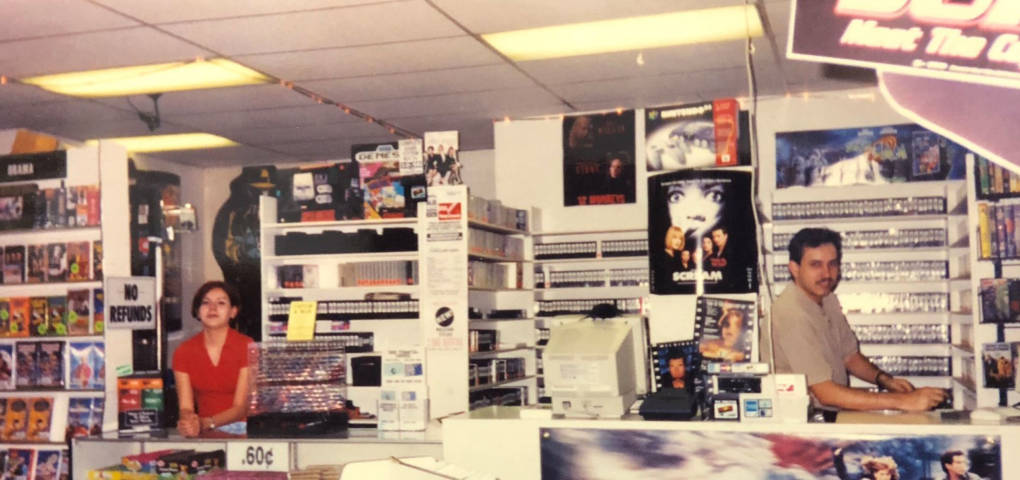
"caption": "Siblings Sandra and Martin Felix at Fastlane Video in 1996. ",
"description": "Siblings Sandra and Martin Felix at Fastlane Video in 1996. ",
"title": "Fastlane-Video",
"credit": "Courtesy of Martin Felix",
"status": "inherit",
"isLoading": false,
"fetchFailed": false
},
"news_11691806": {
"type": "attachments",
"id": "news_11691806",
"meta": {
"index": "attachments_1716263798",
"site": "news",
"id": "11691806",
"found": true
},
"parent": 11691757,
"imgSizes": {
"small": {
"file": "https://ww2.kqed.org/app/uploads/sites/10/2018/09/RS32764_Screening_at_a_country_town_1931_6297430030-qut-520x437.jpg",
"width": 520,
"mimeType": "image/jpeg",
"height": 437
},
"twentyfourteen-full-width": {
"file": "https://ww2.kqed.org/app/uploads/sites/10/2018/09/RS32764_Screening_at_a_country_town_1931_6297430030-qut-1038x576.jpg",
"width": 1038,
"mimeType": "image/jpeg",
"height": 576
},
"thumbnail": {
"file": "https://ww2.kqed.org/app/uploads/sites/10/2018/09/RS32764_Screening_at_a_country_town_1931_6297430030-qut-160x134.jpg",
"width": 160,
"mimeType": "image/jpeg",
"height": 134
},
"fd-sm": {
"file": "https://ww2.kqed.org/app/uploads/sites/10/2018/09/RS32764_Screening_at_a_country_town_1931_6297430030-qut-960x807.jpg",
"width": 960,
"mimeType": "image/jpeg",
"height": 807
},
"post-thumbnail": {
"file": "https://ww2.kqed.org/app/uploads/sites/10/2018/09/RS32764_Screening_at_a_country_town_1931_6297430030-qut-672x372.jpg",
"width": 672,
"mimeType": "image/jpeg",
"height": 372
},
"xsmall": {
"file": "https://ww2.kqed.org/app/uploads/sites/10/2018/09/RS32764_Screening_at_a_country_town_1931_6297430030-qut-375x315.jpg",
"width": 375,
"mimeType": "image/jpeg",
"height": 315
},
"kqedFullSize": {
"file": "https://ww2.kqed.org/app/uploads/sites/10/2018/09/RS32764_Screening_at_a_country_town_1931_6297430030-qut.jpg",
"width": 1920,
"height": 1613
},
"large": {
"file": "https://ww2.kqed.org/app/uploads/sites/10/2018/09/RS32764_Screening_at_a_country_town_1931_6297430030-qut-1020x857.jpg",
"width": 1020,
"mimeType": "image/jpeg",
"height": 857
},
"xlarge": {
"file": "https://ww2.kqed.org/app/uploads/sites/10/2018/09/RS32764_Screening_at_a_country_town_1931_6297430030-qut-1180x991.jpg",
"width": 1180,
"mimeType": "image/jpeg",
"height": 991
},
"complete_open_graph": {
"file": "https://ww2.kqed.org/app/uploads/sites/10/2018/09/RS32764_Screening_at_a_country_town_1931_6297430030-qut-1200x1008.jpg",
"width": 1200,
"mimeType": "image/jpeg",
"height": 1008
},
"guest-author-50": {
"file": "https://ww2.kqed.org/app/uploads/sites/10/2018/09/RS32764_Screening_at_a_country_town_1931_6297430030-qut-50x50.jpg",
"width": 50,
"mimeType": "image/jpeg",
"height": 50
},
"guest-author-96": {
"file": "https://ww2.kqed.org/app/uploads/sites/10/2018/09/RS32764_Screening_at_a_country_town_1931_6297430030-qut-96x96.jpg",
"width": 96,
"mimeType": "image/jpeg",
"height": 96
},
"medium": {
"file": "https://ww2.kqed.org/app/uploads/sites/10/2018/09/RS32764_Screening_at_a_country_town_1931_6297430030-qut-800x672.jpg",
"width": 800,
"mimeType": "image/jpeg",
"height": 672
},
"guest-author-64": {
"file": "https://ww2.kqed.org/app/uploads/sites/10/2018/09/RS32764_Screening_at_a_country_town_1931_6297430030-qut-64x64.jpg",
"width": 64,
"mimeType": "image/jpeg",
"height": 64
},
"guest-author-32": {
"file": "https://ww2.kqed.org/app/uploads/sites/10/2018/09/RS32764_Screening_at_a_country_town_1931_6297430030-qut-32x32.jpg",
"width": 32,
"mimeType": "image/jpeg",
"height": 32
},
"fd-lrg": {
"file": "https://ww2.kqed.org/app/uploads/sites/10/2018/09/RS32764_Screening_at_a_country_town_1931_6297430030-qut-1920x1613.jpg",
"width": 1920,
"mimeType": "image/jpeg",
"height": 1613
},
"fd-med": {
"file": "https://ww2.kqed.org/app/uploads/sites/10/2018/09/RS32764_Screening_at_a_country_town_1931_6297430030-qut-1180x991.jpg",
"width": 1180,
"mimeType": "image/jpeg",
"height": 991
},
"full-width": {
"file": "https://ww2.kqed.org/app/uploads/sites/10/2018/09/RS32764_Screening_at_a_country_town_1931_6297430030-qut-1920x1613.jpg",
"width": 1920,
"mimeType": "image/jpeg",
"height": 1613
},
"detail": {
"file": "https://ww2.kqed.org/app/uploads/sites/10/2018/09/RS32764_Screening_at_a_country_town_1931_6297430030-qut-150x150.jpg",
"width": 150,
"mimeType": "image/jpeg",
"height": 150
},
"guest-author-128": {
"file": "https://ww2.kqed.org/app/uploads/sites/10/2018/09/RS32764_Screening_at_a_country_town_1931_6297430030-qut-128x128.jpg",
"width": 128,
"mimeType": "image/jpeg",
"height": 128
},
"xxsmall": {
"file": "https://ww2.kqed.org/app/uploads/sites/10/2018/09/RS32764_Screening_at_a_country_town_1931_6297430030-qut-240x202.jpg",
"width": 240,
"mimeType": "image/jpeg",
"height": 202
}
},
"publishDate": 1536691662,
"modified": 1539881956,
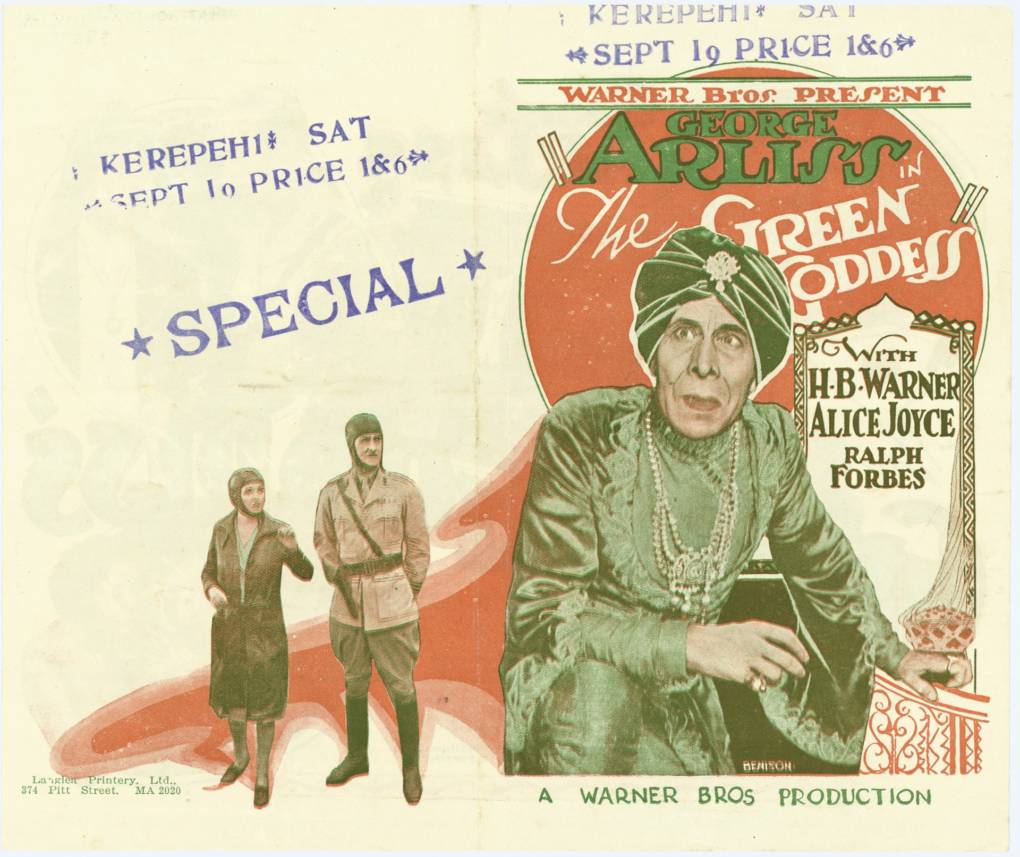
"caption": "British actor George Arliss starred in the play and film versions of 'The Green Goddess.'",
"description": "British actor George Arliss starred in the play and film versions of 'The Green Goddess.'",
"title": "RS32764_Screening_at_a_country_town,_1931_(6297430030)-qut",
"credit": "Flickr: National Library NZ on The Commons",
"status": "inherit",
"isLoading": false,
"fetchFailed": false
},
"news_11689631": {
"type": "attachments",
"id": "news_11689631",
"meta": {
"index": "attachments_1716263798",
"site": "news",
"id": "11689631",
"found": true
},
"parent": 11689561,
"imgSizes": {
"small": {
"file": "https://ww2.kqed.org/app/uploads/sites/10/2018/08/DuvernayFonda-1-520x240.jpg",
"width": 520,
"mimeType": "image/jpeg",
"height": 240
},
"twentyfourteen-full-width": {
"file": "https://ww2.kqed.org/app/uploads/sites/10/2018/08/DuvernayFonda-1-1038x576.jpg",
"width": 1038,
"mimeType": "image/jpeg",
"height": 576
},
"thumbnail": {
"file": "https://ww2.kqed.org/app/uploads/sites/10/2018/08/DuvernayFonda-1-160x74.jpg",
"width": 160,
"mimeType": "image/jpeg",
"height": 74
},
"fd-sm": {
"file": "https://ww2.kqed.org/app/uploads/sites/10/2018/08/DuvernayFonda-1-960x443.jpg",
"width": 960,
"mimeType": "image/jpeg",
"height": 443
},
"post-thumbnail": {
"file": "https://ww2.kqed.org/app/uploads/sites/10/2018/08/DuvernayFonda-1-672x372.jpg",
"width": 672,
"mimeType": "image/jpeg",
"height": 372
},
"xsmall": {
"file": "https://ww2.kqed.org/app/uploads/sites/10/2018/08/DuvernayFonda-1-375x173.jpg",
"width": 375,
"mimeType": "image/jpeg",
"height": 173
},
"kqedFullSize": {
"file": "https://ww2.kqed.org/app/uploads/sites/10/2018/08/DuvernayFonda-1.jpg",
"width": 1809,
"height": 834
},
"large": {
"file": "https://ww2.kqed.org/app/uploads/sites/10/2018/08/DuvernayFonda-1-1020x470.jpg",
"width": 1020,
"mimeType": "image/jpeg",
"height": 470
},
"xlarge": {
"file": "https://ww2.kqed.org/app/uploads/sites/10/2018/08/DuvernayFonda-1-1180x544.jpg",
"width": 1180,
"mimeType": "image/jpeg",
"height": 544
},
"complete_open_graph": {
"file": "https://ww2.kqed.org/app/uploads/sites/10/2018/08/DuvernayFonda-1-1200x553.jpg",
"width": 1200,
"mimeType": "image/jpeg",
"height": 553
},
"guest-author-50": {
"file": "https://ww2.kqed.org/app/uploads/sites/10/2018/08/DuvernayFonda-1-50x50.jpg",
"width": 50,
"mimeType": "image/jpeg",
"height": 50
},
"guest-author-96": {
"file": "https://ww2.kqed.org/app/uploads/sites/10/2018/08/DuvernayFonda-1-96x96.jpg",
"width": 96,
"mimeType": "image/jpeg",
"height": 96
},
"medium": {
"file": "https://ww2.kqed.org/app/uploads/sites/10/2018/08/DuvernayFonda-1-800x369.jpg",
"width": 800,
"mimeType": "image/jpeg",
"height": 369
},
"guest-author-64": {
"file": "https://ww2.kqed.org/app/uploads/sites/10/2018/08/DuvernayFonda-1-64x64.jpg",
"width": 64,
"mimeType": "image/jpeg",
"height": 64
},
"guest-author-32": {
"file": "https://ww2.kqed.org/app/uploads/sites/10/2018/08/DuvernayFonda-1-32x32.jpg",
"width": 32,
"mimeType": "image/jpeg",
"height": 32
},
"fd-med": {
"file": "https://ww2.kqed.org/app/uploads/sites/10/2018/08/DuvernayFonda-1-1180x544.jpg",
"width": 1180,
"mimeType": "image/jpeg",
"height": 544
},
"detail": {
"file": "https://ww2.kqed.org/app/uploads/sites/10/2018/08/DuvernayFonda-1-150x150.jpg",
"width": 150,
"mimeType": "image/jpeg",
"height": 150
},
"guest-author-128": {
"file": "https://ww2.kqed.org/app/uploads/sites/10/2018/08/DuvernayFonda-1-128x128.jpg",
"width": 128,
"mimeType": "image/jpeg",
"height": 128
},
"xxsmall": {
"file": "https://ww2.kqed.org/app/uploads/sites/10/2018/08/DuvernayFonda-1-240x111.jpg",
"width": 240,
"mimeType": "image/jpeg",
"height": 111
}
},
"publishDate": 1535672025,
"modified": 1535672046,
"caption": "Director Ava DuVernay and actor Jane Fonda have added their names, along with thousands of others, to a letter calling for an end to the gender pay gap between male and female production workers in Hollywood.",
"description": "Director Ava DuVernay and actor Jane Fonda have added their names, along with thousands of others, to a letter calling for an end to the gender pay gap between male and female production workers in Hollywood.",
"title": "DuvernayFonda",
"credit": "Paras Griffin and Caroline McCredie, Getty Images",
"status": "inherit",
"isLoading": false,
"fetchFailed": false
},
"news_11670991": {
"type": "attachments",
"id": "news_11670991",
"meta": {
"index": "attachments_1716263798",
"site": "news",
"id": "11670991",
"found": true
},
"parent": 11670973,
"imgSizes": {
"small": {
"file": "https://ww2.kqed.org/app/uploads/sites/10/2018/05/Lady-Parts-Poster-e1531171864222-520x695.jpg",
"width": 520,
"mimeType": "image/jpeg",
"height": 695
},
"twentyfourteen-full-width": {
"file": "https://ww2.kqed.org/app/uploads/sites/10/2018/05/Lady-Parts-Poster-e1531171864222-1038x576.jpg",
"width": 1038,
"mimeType": "image/jpeg",
"height": 576
},
"thumbnail": {
"file": "https://ww2.kqed.org/app/uploads/sites/10/2018/05/Lady-Parts-Poster-e1531171864222-160x214.jpg",
"width": 160,
"mimeType": "image/jpeg",
"height": 214
},
"fd-sm": {
"file": "https://ww2.kqed.org/app/uploads/sites/10/2018/05/Lady-Parts-Poster-e1531171864222-960x1284.jpg",
"width": 960,
"mimeType": "image/jpeg",
"height": 1284
},
"post-thumbnail": {
"file": "https://ww2.kqed.org/app/uploads/sites/10/2018/05/Lady-Parts-Poster-e1531171864222-672x372.jpg",
"width": 672,
"mimeType": "image/jpeg",
"height": 372
},
"xsmall": {
"file": "https://ww2.kqed.org/app/uploads/sites/10/2018/05/Lady-Parts-Poster-e1531171864222-375x501.jpg",
"width": 375,
"mimeType": "image/jpeg",
"height": 501
},
"kqedFullSize": {
"file": "https://ww2.kqed.org/app/uploads/sites/10/2018/05/Lady-Parts-Poster-e1532731585671.jpg",
"width": 1920,
"height": 2567
},
"large": {
"file": "https://ww2.kqed.org/app/uploads/sites/10/2018/05/Lady-Parts-Poster-e1531171864222-1020x1364.jpg",
"width": 1020,
"mimeType": "image/jpeg",
"height": 1364
},
"xlarge": {
"file": "https://ww2.kqed.org/app/uploads/sites/10/2018/05/Lady-Parts-Poster-e1531171864222-1180x1578.jpg",
"width": 1180,
"mimeType": "image/jpeg",
"height": 1578
},
"complete_open_graph": {
"file": "https://ww2.kqed.org/app/uploads/sites/10/2018/05/Lady-Parts-Poster-e1531171864222-898x1200.jpg",
"width": 898,
"mimeType": "image/jpeg",
"height": 1200
},
"guest-author-50": {
"file": "https://ww2.kqed.org/app/uploads/sites/10/2018/05/Lady-Parts-Poster-e1531171864222-50x50.jpg",
"width": 50,
"mimeType": "image/jpeg",
"height": 50
},
"guest-author-96": {
"file": "https://ww2.kqed.org/app/uploads/sites/10/2018/05/Lady-Parts-Poster-e1531171864222-96x96.jpg",
"width": 96,
"mimeType": "image/jpeg",
"height": 96
},
"medium": {
"file": "https://ww2.kqed.org/app/uploads/sites/10/2018/05/Lady-Parts-Poster-e1531171864222-800x1070.jpg",
"width": 800,
"mimeType": "image/jpeg",
"height": 1070
},
"guest-author-64": {
"file": "https://ww2.kqed.org/app/uploads/sites/10/2018/05/Lady-Parts-Poster-e1531171864222-64x64.jpg",
"width": 64,
"mimeType": "image/jpeg",
"height": 64
},
"guest-author-32": {
"file": "https://ww2.kqed.org/app/uploads/sites/10/2018/05/Lady-Parts-Poster-e1531171864222-32x32.jpg",
"width": 32,
"mimeType": "image/jpeg",
"height": 32
},
"fd-lrg": {
"file": "https://ww2.kqed.org/app/uploads/sites/10/2018/05/Lady-Parts-Poster-e1531171864222-1920x2567.jpg",
"width": 1920,
"mimeType": "image/jpeg",
"height": 2567
},
"fd-med": {
"file": "https://ww2.kqed.org/app/uploads/sites/10/2018/05/Lady-Parts-Poster-e1531171864222-1180x1578.jpg",
"width": 1180,
"mimeType": "image/jpeg",
"height": 1578
},
"full-width": {
"file": "https://ww2.kqed.org/app/uploads/sites/10/2018/05/Lady-Parts-Poster-e1531171864222-1920x2567.jpg",
"width": 1920,
"mimeType": "image/jpeg",
"height": 2567
},
"detail": {
"file": "https://ww2.kqed.org/app/uploads/sites/10/2018/05/Lady-Parts-Poster-e1531171864222-150x150.jpg",
"width": 150,
"mimeType": "image/jpeg",
"height": 150
},
"guest-author-128": {
"file": "https://ww2.kqed.org/app/uploads/sites/10/2018/05/Lady-Parts-Poster-e1531171864222-128x128.jpg",
"width": 128,
"mimeType": "image/jpeg",
"height": 128
},
"xxsmall": {
"file": "https://ww2.kqed.org/app/uploads/sites/10/2018/05/Lady-Parts-Poster-e1531171864222-240x321.jpg",
"width": 240,
"mimeType": "image/jpeg",
"height": 321
}
},
"publishDate": 1527381197,
"modified": 1532731578,
"caption": "A poster for \"Lady Parts,\" a webseries by and about Asian American women.",
"description": "A poster for \"Lady Parts,\" a webseries by and about Asian American women.",
"title": "Lady Parts Poster",
"credit": null,
"status": "inherit",
"isLoading": false,
"fetchFailed": false
},
"news_11675864": {
"type": "attachments",
"id": "news_11675864",
"meta": {
"index": "attachments_1716263798",
"site": "news",
"id": "11675864",
"found": true
},
"parent": 11675851,
"imgSizes": {
"small": {
"file": "https://ww2.kqed.org/app/uploads/sites/10/2018/06/RS27116_Hollywood-TC-qut-520x347.jpg",
"width": 520,
"mimeType": "image/jpeg",
"height": 347
},
"twentyfourteen-full-width": {
"file": "https://ww2.kqed.org/app/uploads/sites/10/2018/06/RS27116_Hollywood-TC-qut-1038x576.jpg",
"width": 1038,
"mimeType": "image/jpeg",
"height": 576
},
"thumbnail": {
"file": "https://ww2.kqed.org/app/uploads/sites/10/2018/06/RS27116_Hollywood-TC-qut-160x107.jpg",
"width": 160,
"mimeType": "image/jpeg",
"height": 107
},
"fd-sm": {
"file": "https://ww2.kqed.org/app/uploads/sites/10/2018/06/RS27116_Hollywood-TC-qut-960x640.jpg",
"width": 960,
"mimeType": "image/jpeg",
"height": 640
},
"post-thumbnail": {
"file": "https://ww2.kqed.org/app/uploads/sites/10/2018/06/RS27116_Hollywood-TC-qut-672x372.jpg",
"width": 672,
"mimeType": "image/jpeg",
"height": 372
},
"xsmall": {
"file": "https://ww2.kqed.org/app/uploads/sites/10/2018/06/RS27116_Hollywood-TC-qut-375x250.jpg",
"width": 375,
"mimeType": "image/jpeg",
"height": 250
},
"kqedFullSize": {
"file": "https://ww2.kqed.org/app/uploads/sites/10/2018/06/RS27116_Hollywood-TC-qut.jpg",
"width": 1920,
"height": 1280
},
"large": {
"file": "https://ww2.kqed.org/app/uploads/sites/10/2018/06/RS27116_Hollywood-TC-qut-1020x680.jpg",
"width": 1020,
"mimeType": "image/jpeg",
"height": 680
},
"xlarge": {
"file": "https://ww2.kqed.org/app/uploads/sites/10/2018/06/RS27116_Hollywood-TC-qut-1180x787.jpg",
"width": 1180,
"mimeType": "image/jpeg",
"height": 787
},
"complete_open_graph": {
"file": "https://ww2.kqed.org/app/uploads/sites/10/2018/06/RS27116_Hollywood-TC-qut-1200x800.jpg",
"width": 1200,
"mimeType": "image/jpeg",
"height": 800
},
"guest-author-50": {
"file": "https://ww2.kqed.org/app/uploads/sites/10/2018/06/RS27116_Hollywood-TC-qut-50x50.jpg",
"width": 50,
"mimeType": "image/jpeg",
"height": 50
},
"guest-author-96": {
"file": "https://ww2.kqed.org/app/uploads/sites/10/2018/06/RS27116_Hollywood-TC-qut-96x96.jpg",
"width": 96,
"mimeType": "image/jpeg",
"height": 96
},
"medium": {
"file": "https://ww2.kqed.org/app/uploads/sites/10/2018/06/RS27116_Hollywood-TC-qut-800x533.jpg",
"width": 800,
"mimeType": "image/jpeg",
"height": 533
},
"guest-author-64": {
"file": "https://ww2.kqed.org/app/uploads/sites/10/2018/06/RS27116_Hollywood-TC-qut-64x64.jpg",
"width": 64,
"mimeType": "image/jpeg",
"height": 64
},
"guest-author-32": {
"file": "https://ww2.kqed.org/app/uploads/sites/10/2018/06/RS27116_Hollywood-TC-qut-32x32.jpg",
"width": 32,
"mimeType": "image/jpeg",
"height": 32
},
"fd-lrg": {
"file": "https://ww2.kqed.org/app/uploads/sites/10/2018/06/RS27116_Hollywood-TC-qut-1920x1280.jpg",
"width": 1920,
"mimeType": "image/jpeg",
"height": 1280
},
"fd-med": {
"file": "https://ww2.kqed.org/app/uploads/sites/10/2018/06/RS27116_Hollywood-TC-qut-1180x787.jpg",
"width": 1180,
"mimeType": "image/jpeg",
"height": 787
},
"full-width": {
"file": "https://ww2.kqed.org/app/uploads/sites/10/2018/06/RS27116_Hollywood-TC-qut-1920x1280.jpg",
"width": 1920,
"mimeType": "image/jpeg",
"height": 1280
},
"detail": {
"file": "https://ww2.kqed.org/app/uploads/sites/10/2018/06/RS27116_Hollywood-TC-qut-150x150.jpg",
"width": 150,
"mimeType": "image/jpeg",
"height": 150
},
"guest-author-128": {
"file": "https://ww2.kqed.org/app/uploads/sites/10/2018/06/RS27116_Hollywood-TC-qut-128x128.jpg",
"width": 128,
"mimeType": "image/jpeg",
"height": 128
},
"xxsmall": {
"file": "https://ww2.kqed.org/app/uploads/sites/10/2018/06/RS27116_Hollywood-TC-qut-240x160.jpg",
"width": 240,
"mimeType": "image/jpeg",
"height": 160
}
},
"publishDate": 1529442802,
"modified": 1529442841,
"caption": "Hollywood has been grappling with discrimination and harassment issues.",
"description": "Hollywood has been grappling with discrimination and harassment issues.",
"title": "Hollywood Sign Repainting Project Completed With LA Mayor Antonio Villaraigosa",
"credit": "David Livingston/Getty Images",
"status": "inherit",
"isLoading": false,
"fetchFailed": false
},
"news_11655096": {
"type": "attachments",
"id": "news_11655096",
"meta": {
"index": "attachments_1716263798",
"site": "news",
"id": "11655096",
"found": true
},
"parent": 11655090,
"imgSizes": {
"small": {
"file": "https://ww2.kqed.org/app/uploads/sites/10/2018/03/Gold-miners-photo-520x325.jpg",
"width": 520,
"mimeType": "image/jpeg",
"height": 325
},
"twentyfourteen-full-width": {
"file": "https://ww2.kqed.org/app/uploads/sites/10/2018/03/Gold-miners-photo-1024x576.jpg",
"width": 1024,
"mimeType": "image/jpeg",
"height": 576
},
"thumbnail": {
"file": "https://ww2.kqed.org/app/uploads/sites/10/2018/03/Gold-miners-photo-160x100.jpg",
"width": 160,
"mimeType": "image/jpeg",
"height": 100
},
"fd-sm": {
"file": "https://ww2.kqed.org/app/uploads/sites/10/2018/03/Gold-miners-photo-960x600.jpg",
"width": 960,
"mimeType": "image/jpeg",
"height": 600
},
"post-thumbnail": {
"file": "https://ww2.kqed.org/app/uploads/sites/10/2018/03/Gold-miners-photo-672x372.jpg",
"width": 672,
"mimeType": "image/jpeg",
"height": 372
},
"xsmall": {
"file": "https://ww2.kqed.org/app/uploads/sites/10/2018/03/Gold-miners-photo-375x234.jpg",
"width": 375,
"mimeType": "image/jpeg",
"height": 234
},
"kqedFullSize": {
"file": "https://ww2.kqed.org/app/uploads/sites/10/2018/03/Gold-miners-photo.jpg",
"width": 1024,
"height": 640
},
"large": {
"file": "https://ww2.kqed.org/app/uploads/sites/10/2018/03/Gold-miners-photo-1020x638.jpg",
"width": 1020,
"mimeType": "image/jpeg",
"height": 638
},
"guest-author-50": {
"file": "https://ww2.kqed.org/app/uploads/sites/10/2018/03/Gold-miners-photo-50x50.jpg",
"width": 50,
"mimeType": "image/jpeg",
"height": 50
},
"guest-author-96": {
"file": "https://ww2.kqed.org/app/uploads/sites/10/2018/03/Gold-miners-photo-96x96.jpg",
"width": 96,
"mimeType": "image/jpeg",
"height": 96
},
"medium": {
"file": "https://ww2.kqed.org/app/uploads/sites/10/2018/03/Gold-miners-photo-800x500.jpg",
"width": 800,
"mimeType": "image/jpeg",
"height": 500
},
"guest-author-64": {
"file": "https://ww2.kqed.org/app/uploads/sites/10/2018/03/Gold-miners-photo-64x64.jpg",
"width": 64,
"mimeType": "image/jpeg",
"height": 64
},
"guest-author-32": {
"file": "https://ww2.kqed.org/app/uploads/sites/10/2018/03/Gold-miners-photo-32x32.jpg",
"width": 32,
"mimeType": "image/jpeg",
"height": 32
},
"detail": {
"file": "https://ww2.kqed.org/app/uploads/sites/10/2018/03/Gold-miners-photo-150x150.jpg",
"width": 150,
"mimeType": "image/jpeg",
"height": 150
},
"guest-author-128": {
"file": "https://ww2.kqed.org/app/uploads/sites/10/2018/03/Gold-miners-photo-128x128.jpg",
"width": 128,
"mimeType": "image/jpeg",
"height": 128
},
"xxsmall": {
"file": "https://ww2.kqed.org/app/uploads/sites/10/2018/03/Gold-miners-photo-240x150.jpg",
"width": 240,
"mimeType": "image/jpeg",
"height": 150
}
},
"publishDate": 1520788453,
"modified": 1520788779,
"caption": "Gold miners pose near their camp on a hillside in El Dorado, California circa 1848 to 1853.",
"description": "Gold miners pose near their camp on a hillside in El Dorado, California circa 1848 to 1853.",
"title": "Gold miners photo",
"credit": "LIBRARY OF CONGRESS",
"status": "inherit",
"isLoading": false,
"fetchFailed": false
},
"news_11653747": {
"type": "attachments",
"id": "news_11653747",
"meta": {
"index": "attachments_1716263798",
"site": "news",
"id": "11653747",
"found": true
},
"parent": 11653746,
"imgSizes": {
"small": {
"file": "https://ww2.kqed.org/app/uploads/sites/10/2018/03/GettyImages-926087702-520x325.jpg",
"width": 520,
"mimeType": "image/jpeg",
"height": 325
},
"twentyfourteen-full-width": {
"file": "https://ww2.kqed.org/app/uploads/sites/10/2018/03/GettyImages-926087702-1038x576.jpg",
"width": 1038,
"mimeType": "image/jpeg",
"height": 576
},
"thumbnail": {
"file": "https://ww2.kqed.org/app/uploads/sites/10/2018/03/GettyImages-926087702-160x100.jpg",
"width": 160,
"mimeType": "image/jpeg",
"height": 100
},
"fd-sm": {
"file": "https://ww2.kqed.org/app/uploads/sites/10/2018/03/GettyImages-926087702-960x599.jpg",
"width": 960,
"mimeType": "image/jpeg",
"height": 599
},
"post-thumbnail": {
"file": "https://ww2.kqed.org/app/uploads/sites/10/2018/03/GettyImages-926087702-672x372.jpg",
"width": 672,
"mimeType": "image/jpeg",
"height": 372
},
"xsmall": {
"file": "https://ww2.kqed.org/app/uploads/sites/10/2018/03/GettyImages-926087702-375x234.jpg",
"width": 375,
"mimeType": "image/jpeg",
"height": 234
},
"kqedFullSize": {
"file": "https://ww2.kqed.org/app/uploads/sites/10/2018/03/GettyImages-926087702-e1520185985136.jpg",
"width": 1920,
"height": 1198
},
"large": {
"file": "https://ww2.kqed.org/app/uploads/sites/10/2018/03/GettyImages-926087702-1020x637.jpg",
"width": 1020,
"mimeType": "image/jpeg",
"height": 637
},
"xlarge": {
"file": "https://ww2.kqed.org/app/uploads/sites/10/2018/03/GettyImages-926087702-1180x736.jpg",
"width": 1180,
"mimeType": "image/jpeg",
"height": 736
},
"guest-author-50": {
"file": "https://ww2.kqed.org/app/uploads/sites/10/2018/03/GettyImages-926087702-50x50.jpg",
"width": 50,
"mimeType": "image/jpeg",
"height": 50
},
"guest-author-96": {
"file": "https://ww2.kqed.org/app/uploads/sites/10/2018/03/GettyImages-926087702-96x96.jpg",
"width": 96,
"mimeType": "image/jpeg",
"height": 96
},
"medium": {
"file": "https://ww2.kqed.org/app/uploads/sites/10/2018/03/GettyImages-926087702-800x499.jpg",
"width": 800,
"mimeType": "image/jpeg",
"height": 499
},
"guest-author-64": {
"file": "https://ww2.kqed.org/app/uploads/sites/10/2018/03/GettyImages-926087702-64x64.jpg",
"width": 64,
"mimeType": "image/jpeg",
"height": 64
},
"guest-author-32": {
"file": "https://ww2.kqed.org/app/uploads/sites/10/2018/03/GettyImages-926087702-32x32.jpg",
"width": 32,
"mimeType": "image/jpeg",
"height": 32
},
"fd-lrg": {
"file": "https://ww2.kqed.org/app/uploads/sites/10/2018/03/GettyImages-926087702-1920x1198.jpg",
"width": 1920,
"mimeType": "image/jpeg",
"height": 1198
},
"fd-med": {
"file": "https://ww2.kqed.org/app/uploads/sites/10/2018/03/GettyImages-926087702-1180x736.jpg",
"width": 1180,
"mimeType": "image/jpeg",
"height": 736
},
"full-width": {
"file": "https://ww2.kqed.org/app/uploads/sites/10/2018/03/GettyImages-926087702-1920x1198.jpg",
"width": 1920,
"mimeType": "image/jpeg",
"height": 1198
},
"detail": {
"file": "https://ww2.kqed.org/app/uploads/sites/10/2018/03/GettyImages-926087702-150x150.jpg",
"width": 150,
"mimeType": "image/jpeg",
"height": 150
},
"guest-author-128": {
"file": "https://ww2.kqed.org/app/uploads/sites/10/2018/03/GettyImages-926087702-128x128.jpg",
"width": 128,
"mimeType": "image/jpeg",
"height": 128
},
"xxsmall": {
"file": "https://ww2.kqed.org/app/uploads/sites/10/2018/03/GettyImages-926087702-240x150.jpg",
"width": 240,
"mimeType": "image/jpeg",
"height": 150
}
},
"publishDate": 1520185965,
"modified": 1520189133,
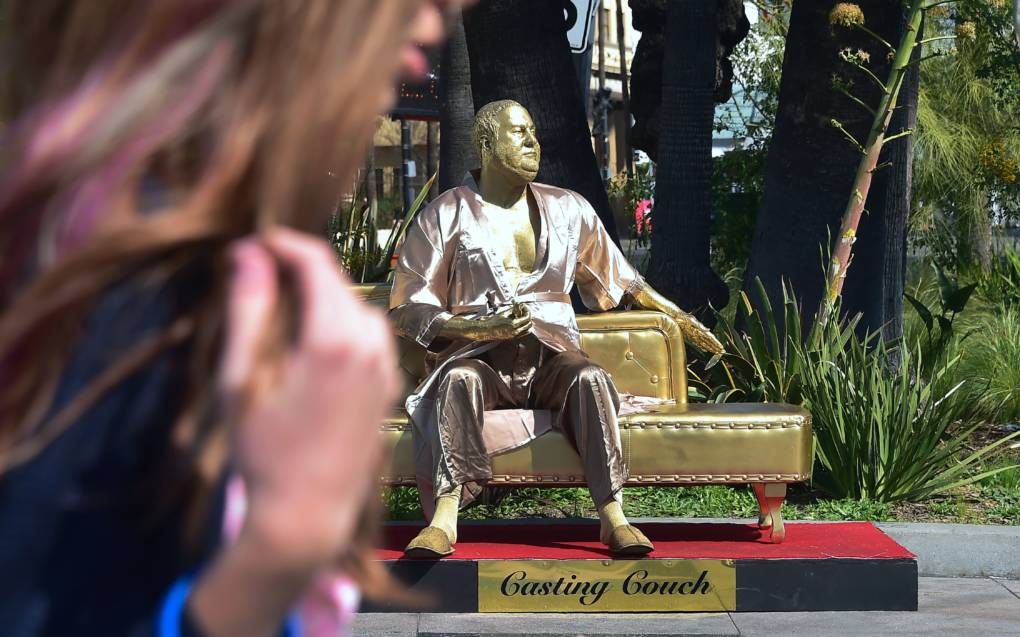
"caption": "A woman walks past a sculpture mocking Harvey Weinstein on his infamous casting couch holding an Oscar statue in Hollywood, California on March 1, 2018, where artists Plastic Jesus and Joshua Monroe displayed their creations days before the 90th Oscars Awards on Sunday, March 4.",
"description": "A woman walks past a sculpture mocking Harvey Weinstein on his infamous casting couch holding an Oscar statue in Hollywood, California on March 1, 2018, where artists Plastic Jesus and Joshua Monroe displayed their creations days before the 90th Oscars Awards on Sunday, March 4.",
"title": "US-ENTERTAINMENT-OSCARS-WEEK-PREPARATIONS",
"credit": "FREDERIC J. BROWN/AFP/Getty Images",
"status": "inherit",
"isLoading": false,
"fetchFailed": false
},
"news_11653238": {
"type": "attachments",
"id": "news_11653238",
"meta": {
"index": "attachments_1716263798",
"site": "news",
"id": "11653238",
"found": true
},
"parent": 11653145,
"imgSizes": {
"small": {
"file": "https://ww2.kqed.org/app/uploads/sites/10/2018/03/hw-effigy-520x347.jpg",
"width": 520,
"mimeType": "image/jpeg",
"height": 347
},
"twentyfourteen-full-width": {
"file": "https://ww2.kqed.org/app/uploads/sites/10/2018/03/hw-effigy-1038x576.jpg",
"width": 1038,
"mimeType": "image/jpeg",
"height": 576
},
"thumbnail": {
"file": "https://ww2.kqed.org/app/uploads/sites/10/2018/03/hw-effigy-160x107.jpg",
"width": 160,
"mimeType": "image/jpeg",
"height": 107
},
"fd-sm": {
"file": "https://ww2.kqed.org/app/uploads/sites/10/2018/03/hw-effigy-960x640.jpg",
"width": 960,
"mimeType": "image/jpeg",
"height": 640
},
"post-thumbnail": {
"file": "https://ww2.kqed.org/app/uploads/sites/10/2018/03/hw-effigy-672x372.jpg",
"width": 672,
"mimeType": "image/jpeg",
"height": 372
},
"xsmall": {
"file": "https://ww2.kqed.org/app/uploads/sites/10/2018/03/hw-effigy-375x250.jpg",
"width": 375,
"mimeType": "image/jpeg",
"height": 250
},
"kqedFullSize": {
"file": "https://ww2.kqed.org/app/uploads/sites/10/2018/03/hw-effigy.jpg",
"width": 1920,
"height": 1280
},
"large": {
"file": "https://ww2.kqed.org/app/uploads/sites/10/2018/03/hw-effigy-1020x680.jpg",
"width": 1020,
"mimeType": "image/jpeg",
"height": 680
},
"xlarge": {
"file": "https://ww2.kqed.org/app/uploads/sites/10/2018/03/hw-effigy-1180x787.jpg",
"width": 1180,
"mimeType": "image/jpeg",
"height": 787
},
"guest-author-50": {
"file": "https://ww2.kqed.org/app/uploads/sites/10/2018/03/hw-effigy-50x50.jpg",
"width": 50,
"mimeType": "image/jpeg",
"height": 50
},
"guest-author-96": {
"file": "https://ww2.kqed.org/app/uploads/sites/10/2018/03/hw-effigy-96x96.jpg",
"width": 96,
"mimeType": "image/jpeg",
"height": 96
},
"medium": {
"file": "https://ww2.kqed.org/app/uploads/sites/10/2018/03/hw-effigy-800x533.jpg",
"width": 800,
"mimeType": "image/jpeg",
"height": 533
},
"guest-author-64": {
"file": "https://ww2.kqed.org/app/uploads/sites/10/2018/03/hw-effigy-64x64.jpg",
"width": 64,
"mimeType": "image/jpeg",
"height": 64
},
"guest-author-32": {
"file": "https://ww2.kqed.org/app/uploads/sites/10/2018/03/hw-effigy-32x32.jpg",
"width": 32,
"mimeType": "image/jpeg",
"height": 32
},
"fd-lrg": {
"file": "https://ww2.kqed.org/app/uploads/sites/10/2018/03/hw-effigy-1920x1280.jpg",
"width": 1920,
"mimeType": "image/jpeg",
"height": 1280
},
"fd-med": {
"file": "https://ww2.kqed.org/app/uploads/sites/10/2018/03/hw-effigy-1180x787.jpg",
"width": 1180,
"mimeType": "image/jpeg",
"height": 787
},
"full-width": {
"file": "https://ww2.kqed.org/app/uploads/sites/10/2018/03/hw-effigy-1920x1280.jpg",
"width": 1920,
"mimeType": "image/jpeg",
"height": 1280
},
"detail": {
"file": "https://ww2.kqed.org/app/uploads/sites/10/2018/03/hw-effigy-150x150.jpg",
"width": 150,
"mimeType": "image/jpeg",
"height": 150
},
"guest-author-128": {
"file": "https://ww2.kqed.org/app/uploads/sites/10/2018/03/hw-effigy-128x128.jpg",
"width": 128,
"mimeType": "image/jpeg",
"height": 128
},
"xxsmall": {
"file": "https://ww2.kqed.org/app/uploads/sites/10/2018/03/hw-effigy-240x160.jpg",
"width": 240,
"mimeType": "image/jpeg",
"height": 160
}
},
"publishDate": 1519951140,
"modified": 1520040903,
"caption": "An effigy of film producer Harvey Weinstein is burned during a fireworks display at Edenbridge Bonfire Night on November 4, 2017 in Edenbridge, England. Each year the Edenbridge Bonfire Society creates a 'Celebrity Guy' effigy of an infamous public figure which is burnt during the annual bonfire night celebrations. ",
"description": null,
"title": "Disgraced Movie Mogul Effigy Is Burnt At Edenbridge Bonfire Night",
"credit": "Jack Taylor/Getty Images",
"status": "inherit",
"isLoading": false,
"fetchFailed": false
},
"news_11652982": {
"type": "attachments",
"id": "news_11652982",
"meta": {
"index": "attachments_1716263798",
"site": "news",
"id": "11652982",
"found": true
},
"parent": 11652981,
"imgSizes": {
"small": {
"file": "https://ww2.kqed.org/app/uploads/sites/10/2018/03/hollywoodland-file-20171107-6733-1pjbpw5-520x353.jpg",
"width": 520,
"mimeType": "image/jpeg",
"height": 353
},
"twentyfourteen-full-width": {
"file": "https://ww2.kqed.org/app/uploads/sites/10/2018/03/hollywoodland-file-20171107-6733-1pjbpw5-1000x576.jpg",
"width": 1000,
"mimeType": "image/jpeg",
"height": 576
},
"thumbnail": {
"file": "https://ww2.kqed.org/app/uploads/sites/10/2018/03/hollywoodland-file-20171107-6733-1pjbpw5-160x108.jpg",
"width": 160,
"mimeType": "image/jpeg",
"height": 108
},
"fd-sm": {
"file": "https://ww2.kqed.org/app/uploads/sites/10/2018/03/hollywoodland-file-20171107-6733-1pjbpw5-960x651.jpg",
"width": 960,
"mimeType": "image/jpeg",
"height": 651
},
"post-thumbnail": {
"file": "https://ww2.kqed.org/app/uploads/sites/10/2018/03/hollywoodland-file-20171107-6733-1pjbpw5-672x372.jpg",
"width": 672,
"mimeType": "image/jpeg",
"height": 372
},
"xsmall": {
"file": "https://ww2.kqed.org/app/uploads/sites/10/2018/03/hollywoodland-file-20171107-6733-1pjbpw5-375x254.jpg",
"width": 375,
"mimeType": "image/jpeg",
"height": 254
},
"kqedFullSize": {
"file": "https://ww2.kqed.org/app/uploads/sites/10/2018/03/hollywoodland-file-20171107-6733-1pjbpw5.jpg",
"width": 1000,
"height": 678
},
"guest-author-50": {
"file": "https://ww2.kqed.org/app/uploads/sites/10/2018/03/hollywoodland-file-20171107-6733-1pjbpw5-50x50.jpg",
"width": 50,
"mimeType": "image/jpeg",
"height": 50
},
"guest-author-96": {
"file": "https://ww2.kqed.org/app/uploads/sites/10/2018/03/hollywoodland-file-20171107-6733-1pjbpw5-96x96.jpg",
"width": 96,
"mimeType": "image/jpeg",
"height": 96
},
"medium": {
"file": "https://ww2.kqed.org/app/uploads/sites/10/2018/03/hollywoodland-file-20171107-6733-1pjbpw5-800x542.jpg",
"width": 800,
"mimeType": "image/jpeg",
"height": 542
},
"guest-author-64": {
"file": "https://ww2.kqed.org/app/uploads/sites/10/2018/03/hollywoodland-file-20171107-6733-1pjbpw5-64x64.jpg",
"width": 64,
"mimeType": "image/jpeg",
"height": 64
},
"guest-author-32": {
"file": "https://ww2.kqed.org/app/uploads/sites/10/2018/03/hollywoodland-file-20171107-6733-1pjbpw5-32x32.jpg",
"width": 32,
"mimeType": "image/jpeg",
"height": 32
},
"detail": {
"file": "https://ww2.kqed.org/app/uploads/sites/10/2018/03/hollywoodland-file-20171107-6733-1pjbpw5-150x150.jpg",
"width": 150,
"mimeType": "image/jpeg",
"height": 150
},
"guest-author-128": {
"file": "https://ww2.kqed.org/app/uploads/sites/10/2018/03/hollywoodland-file-20171107-6733-1pjbpw5-128x128.jpg",
"width": 128,
"mimeType": "image/jpeg",
"height": 128
},
"xxsmall": {
"file": "https://ww2.kqed.org/app/uploads/sites/10/2018/03/hollywoodland-file-20171107-6733-1pjbpw5-240x163.jpg",
"width": 240,
"mimeType": "image/jpeg",
"height": 163
}
},
"publishDate": 1519923801,
"modified": 1520022014,
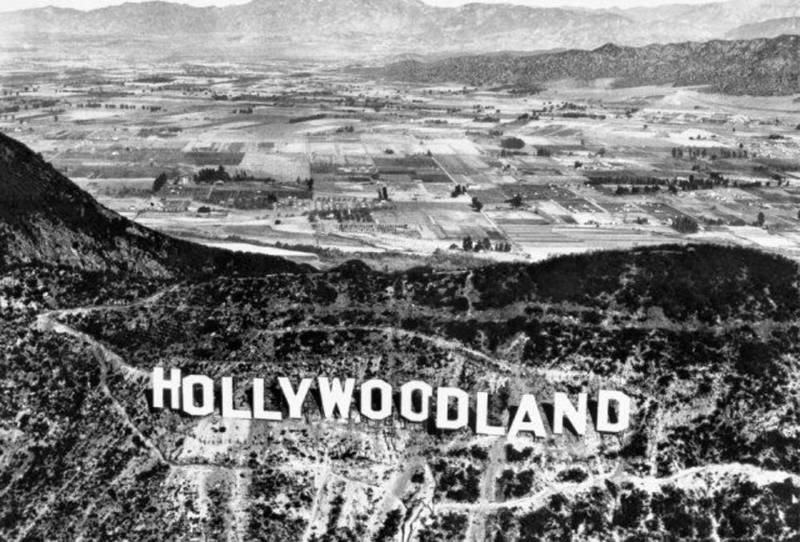
"caption": "A sweeping view of the Hollywoodland sign.",
"description": "A sweeping view of the Hollywoodland sign.",
"title": "hollywoodland-file-20171107-6733-1pjbpw5",
"credit": "\u003ca class=\"source\" href=\"https://c2.staticflickr.com/8/7561/15647647441_0d8d1d1bf0_z.jpg\">Breve Storia del Cinema\u003c/a>/Flickr",
"status": "inherit",
"isLoading": false,
"fetchFailed": false
},
"news_11639789": {
"type": "attachments",
"id": "news_11639789",
"meta": {
"index": "attachments_1716263798",
"site": "news",
"id": "11639789",
"found": true
},
"parent": 11639778,
"imgSizes": {
"small": {
"file": "https://ww2.kqed.org/app/uploads/sites/10/2018/01/ReeseWitherspoon-520x318.jpg",
"width": 520,
"mimeType": "image/jpeg",
"height": 318
},
"twentyfourteen-full-width": {
"file": "https://ww2.kqed.org/app/uploads/sites/10/2018/01/ReeseWitherspoon-1038x576.jpg",
"width": 1038,
"mimeType": "image/jpeg",
"height": 576
},
"thumbnail": {
"file": "https://ww2.kqed.org/app/uploads/sites/10/2018/01/ReeseWitherspoon-160x98.jpg",
"width": 160,
"mimeType": "image/jpeg",
"height": 98
},
"fd-sm": {
"file": "https://ww2.kqed.org/app/uploads/sites/10/2018/01/ReeseWitherspoon-960x588.jpg",
"width": 960,
"mimeType": "image/jpeg",
"height": 588
},
"post-thumbnail": {
"file": "https://ww2.kqed.org/app/uploads/sites/10/2018/01/ReeseWitherspoon-672x372.jpg",
"width": 672,
"mimeType": "image/jpeg",
"height": 372
},
"xsmall": {
"file": "https://ww2.kqed.org/app/uploads/sites/10/2018/01/ReeseWitherspoon-375x229.jpg",
"width": 375,
"mimeType": "image/jpeg",
"height": 229
},
"kqedFullSize": {
"file": "https://ww2.kqed.org/app/uploads/sites/10/2018/01/ReeseWitherspoon.jpg",
"width": 1920,
"height": 1175
},
"large": {
"file": "https://ww2.kqed.org/app/uploads/sites/10/2018/01/ReeseWitherspoon-1020x624.jpg",
"width": 1020,
"mimeType": "image/jpeg",
"height": 624
},
"xlarge": {
"file": "https://ww2.kqed.org/app/uploads/sites/10/2018/01/ReeseWitherspoon-1180x722.jpg",
"width": 1180,
"mimeType": "image/jpeg",
"height": 722
},
"guest-author-50": {
"file": "https://ww2.kqed.org/app/uploads/sites/10/2018/01/ReeseWitherspoon-50x50.jpg",
"width": 50,
"mimeType": "image/jpeg",
"height": 50
},
"guest-author-96": {
"file": "https://ww2.kqed.org/app/uploads/sites/10/2018/01/ReeseWitherspoon-96x96.jpg",
"width": 96,
"mimeType": "image/jpeg",
"height": 96
},
"medium": {
"file": "https://ww2.kqed.org/app/uploads/sites/10/2018/01/ReeseWitherspoon-800x490.jpg",
"width": 800,
"mimeType": "image/jpeg",
"height": 490
},
"guest-author-64": {
"file": "https://ww2.kqed.org/app/uploads/sites/10/2018/01/ReeseWitherspoon-64x64.jpg",
"width": 64,
"mimeType": "image/jpeg",
"height": 64
},
"guest-author-32": {
"file": "https://ww2.kqed.org/app/uploads/sites/10/2018/01/ReeseWitherspoon-32x32.jpg",
"width": 32,
"mimeType": "image/jpeg",
"height": 32
},
"fd-lrg": {
"file": "https://ww2.kqed.org/app/uploads/sites/10/2018/01/ReeseWitherspoon-1920x1175.jpg",
"width": 1920,
"mimeType": "image/jpeg",
"height": 1175
},
"fd-med": {
"file": "https://ww2.kqed.org/app/uploads/sites/10/2018/01/ReeseWitherspoon-1180x722.jpg",
"width": 1180,
"mimeType": "image/jpeg",
"height": 722
},
"full-width": {
"file": "https://ww2.kqed.org/app/uploads/sites/10/2018/01/ReeseWitherspoon-1920x1175.jpg",
"width": 1920,
"mimeType": "image/jpeg",
"height": 1175
},
"detail": {
"file": "https://ww2.kqed.org/app/uploads/sites/10/2018/01/ReeseWitherspoon-150x150.jpg",
"width": 150,
"mimeType": "image/jpeg",
"height": 150
},
"guest-author-128": {
"file": "https://ww2.kqed.org/app/uploads/sites/10/2018/01/ReeseWitherspoon-128x128.jpg",
"width": 128,
"mimeType": "image/jpeg",
"height": 128
},
"xxsmall": {
"file": "https://ww2.kqed.org/app/uploads/sites/10/2018/01/ReeseWitherspoon-240x147.jpg",
"width": 240,
"mimeType": "image/jpeg",
"height": 147
}
},
"publishDate": 1514922442,
"modified": 1514922479,
"caption": "Reese Witherspoon is one of hundreds of Hollywood women backing the Time's Up initiative against sexual harassment.",
"description": "Reese Witherspoon is one of hundreds of Hollywood women backing the Time's Up initiative against sexual harassment.",
"title": "ReeseWitherspoon",
"credit": "DON EMMERT/AFP/Getty Images",
"status": "inherit",
"isLoading": false,
"fetchFailed": false
},
"news_11634483": {
"type": "attachments",
"id": "news_11634483",
"meta": {
"index": "attachments_1716263798",
"site": "news",
"id": "11634483",
"found": true
},
"parent": 11634481,
"imgSizes": {
"small": {
"file": "https://ww2.kqed.org/app/uploads/sites/10/2017/12/gettyimages-152216134-ffdbe29a4dfab9612907d5b7eb127f47bb829e0d-520x390.jpg",
"width": 520,
"mimeType": "image/jpeg",
"height": 390
},
"twentyfourteen-full-width": {
"file": "https://ww2.kqed.org/app/uploads/sites/10/2017/12/gettyimages-152216134-ffdbe29a4dfab9612907d5b7eb127f47bb829e0d-1038x576.jpg",
"width": 1038,
"mimeType": "image/jpeg",
"height": 576
},
"thumbnail": {
"file": "https://ww2.kqed.org/app/uploads/sites/10/2017/12/gettyimages-152216134-ffdbe29a4dfab9612907d5b7eb127f47bb829e0d-160x120.jpg",
"width": 160,
"mimeType": "image/jpeg",
"height": 120
},
"fd-sm": {
"file": "https://ww2.kqed.org/app/uploads/sites/10/2017/12/gettyimages-152216134-ffdbe29a4dfab9612907d5b7eb127f47bb829e0d-960x719.jpg",
"width": 960,
"mimeType": "image/jpeg",
"height": 719
},
"post-thumbnail": {
"file": "https://ww2.kqed.org/app/uploads/sites/10/2017/12/gettyimages-152216134-ffdbe29a4dfab9612907d5b7eb127f47bb829e0d-672x372.jpg",
"width": 672,
"mimeType": "image/jpeg",
"height": 372
},
"xsmall": {
"file": "https://ww2.kqed.org/app/uploads/sites/10/2017/12/gettyimages-152216134-ffdbe29a4dfab9612907d5b7eb127f47bb829e0d-375x281.jpg",
"width": 375,
"mimeType": "image/jpeg",
"height": 281
},
"kqedFullSize": {
"file": "https://ww2.kqed.org/app/uploads/sites/10/2017/12/gettyimages-152216134-ffdbe29a4dfab9612907d5b7eb127f47bb829e0d-e1512243005286.jpg",
"width": 1920,
"height": 1439
},
"large": {
"file": "https://ww2.kqed.org/app/uploads/sites/10/2017/12/gettyimages-152216134-ffdbe29a4dfab9612907d5b7eb127f47bb829e0d-1020x764.jpg",
"width": 1020,
"mimeType": "image/jpeg",
"height": 764
},
"xlarge": {
"file": "https://ww2.kqed.org/app/uploads/sites/10/2017/12/gettyimages-152216134-ffdbe29a4dfab9612907d5b7eb127f47bb829e0d-1180x884.jpg",
"width": 1180,
"mimeType": "image/jpeg",
"height": 884
},
"guest-author-50": {
"file": "https://ww2.kqed.org/app/uploads/sites/10/2017/12/gettyimages-152216134-ffdbe29a4dfab9612907d5b7eb127f47bb829e0d-50x50.jpg",
"width": 50,
"mimeType": "image/jpeg",
"height": 50
},
"guest-author-96": {
"file": "https://ww2.kqed.org/app/uploads/sites/10/2017/12/gettyimages-152216134-ffdbe29a4dfab9612907d5b7eb127f47bb829e0d-96x96.jpg",
"width": 96,
"mimeType": "image/jpeg",
"height": 96
},
"medium": {
"file": "https://ww2.kqed.org/app/uploads/sites/10/2017/12/gettyimages-152216134-ffdbe29a4dfab9612907d5b7eb127f47bb829e0d-800x599.jpg",
"width": 800,
"mimeType": "image/jpeg",
"height": 599
},
"guest-author-64": {
"file": "https://ww2.kqed.org/app/uploads/sites/10/2017/12/gettyimages-152216134-ffdbe29a4dfab9612907d5b7eb127f47bb829e0d-64x64.jpg",
"width": 64,
"mimeType": "image/jpeg",
"height": 64
},
"guest-author-32": {
"file": "https://ww2.kqed.org/app/uploads/sites/10/2017/12/gettyimages-152216134-ffdbe29a4dfab9612907d5b7eb127f47bb829e0d-32x32.jpg",
"width": 32,
"mimeType": "image/jpeg",
"height": 32
},
"fd-lrg": {
"file": "https://ww2.kqed.org/app/uploads/sites/10/2017/12/gettyimages-152216134-ffdbe29a4dfab9612907d5b7eb127f47bb829e0d-1920x1439.jpg",
"width": 1920,
"mimeType": "image/jpeg",
"height": 1439
},
"fd-med": {
"file": "https://ww2.kqed.org/app/uploads/sites/10/2017/12/gettyimages-152216134-ffdbe29a4dfab9612907d5b7eb127f47bb829e0d-1180x884.jpg",
"width": 1180,
"mimeType": "image/jpeg",
"height": 884
},
"full-width": {
"file": "https://ww2.kqed.org/app/uploads/sites/10/2017/12/gettyimages-152216134-ffdbe29a4dfab9612907d5b7eb127f47bb829e0d-1920x1439.jpg",
"width": 1920,
"mimeType": "image/jpeg",
"height": 1439
},
"detail": {
"file": "https://ww2.kqed.org/app/uploads/sites/10/2017/12/gettyimages-152216134-ffdbe29a4dfab9612907d5b7eb127f47bb829e0d-150x150.jpg",
"width": 150,
"mimeType": "image/jpeg",
"height": 150
},
"guest-author-128": {
"file": "https://ww2.kqed.org/app/uploads/sites/10/2017/12/gettyimages-152216134-ffdbe29a4dfab9612907d5b7eb127f47bb829e0d-128x128.jpg",
"width": 128,
"mimeType": "image/jpeg",
"height": 128
},
"xxsmall": {
"file": "https://ww2.kqed.org/app/uploads/sites/10/2017/12/gettyimages-152216134-ffdbe29a4dfab9612907d5b7eb127f47bb829e0d-240x180.jpg",
"width": 240,
"mimeType": "image/jpeg",
"height": 180
}
},
"publishDate": 1512242430,
"modified": 1512243053,
"caption": "A scene from the 'The Ten Commandments,' featuring a sphinx. ",
"description": "A scene from the \u003cem>The Ten Commandments\u003c/em>, featuring a sphinx. (Photo by Mondadori Portfolio via Getty Images)",
"title": "Ten Commandments Sphinx",
"credit": "Photo by Mondadori Portfolio via Getty Images",
"status": "inherit",
"isLoading": false,
"fetchFailed": false
},
"news_11620273": {
"type": "attachments",
"id": "news_11620273",
"meta": {
"index": "attachments_1716263798",
"site": "news",
"id": "11620273",
"found": true
},
"parent": 11619842,
"imgSizes": {
"small": {
"file": "https://ww2.kqed.org/app/uploads/sites/10/2017/10/RS27116_Hollywood-TC-qut-520x347.jpg",
"width": 520,
"mimeType": "image/jpeg",
"height": 347
},
"twentyfourteen-full-width": {
"file": "https://ww2.kqed.org/app/uploads/sites/10/2017/10/RS27116_Hollywood-TC-qut-1038x576.jpg",
"width": 1038,
"mimeType": "image/jpeg",
"height": 576
},
"thumbnail": {
"file": "https://ww2.kqed.org/app/uploads/sites/10/2017/10/RS27116_Hollywood-TC-qut-160x107.jpg",
"width": 160,
"mimeType": "image/jpeg",
"height": 107
},
"fd-sm": {
"file": "https://ww2.kqed.org/app/uploads/sites/10/2017/10/RS27116_Hollywood-TC-qut-960x640.jpg",
"width": 960,
"mimeType": "image/jpeg",
"height": 640
},
"post-thumbnail": {
"file": "https://ww2.kqed.org/app/uploads/sites/10/2017/10/RS27116_Hollywood-TC-qut-672x372.jpg",
"width": 672,
"mimeType": "image/jpeg",
"height": 372
},
"xsmall": {
"file": "https://ww2.kqed.org/app/uploads/sites/10/2017/10/RS27116_Hollywood-TC-qut-375x250.jpg",
"width": 375,
"mimeType": "image/jpeg",
"height": 250
},
"kqedFullSize": {
"file": "https://ww2.kqed.org/app/uploads/sites/10/2017/10/RS27116_Hollywood-TC-qut.jpg",
"width": 1920,
"height": 1280
},
"large": {
"file": "https://ww2.kqed.org/app/uploads/sites/10/2017/10/RS27116_Hollywood-TC-qut-1020x680.jpg",
"width": 1020,
"mimeType": "image/jpeg",
"height": 680
},
"xlarge": {
"file": "https://ww2.kqed.org/app/uploads/sites/10/2017/10/RS27116_Hollywood-TC-qut-1180x787.jpg",
"width": 1180,
"mimeType": "image/jpeg",
"height": 787
},
"guest-author-50": {
"file": "https://ww2.kqed.org/app/uploads/sites/10/2017/10/RS27116_Hollywood-TC-qut-50x50.jpg",
"width": 50,
"mimeType": "image/jpeg",
"height": 50
},
"guest-author-96": {
"file": "https://ww2.kqed.org/app/uploads/sites/10/2017/10/RS27116_Hollywood-TC-qut-96x96.jpg",
"width": 96,
"mimeType": "image/jpeg",
"height": 96
},
"medium": {
"file": "https://ww2.kqed.org/app/uploads/sites/10/2017/10/RS27116_Hollywood-TC-qut-800x533.jpg",
"width": 800,
"mimeType": "image/jpeg",
"height": 533
},
"guest-author-64": {
"file": "https://ww2.kqed.org/app/uploads/sites/10/2017/10/RS27116_Hollywood-TC-qut-64x64.jpg",
"width": 64,
"mimeType": "image/jpeg",
"height": 64
},
"guest-author-32": {
"file": "https://ww2.kqed.org/app/uploads/sites/10/2017/10/RS27116_Hollywood-TC-qut-32x32.jpg",
"width": 32,
"mimeType": "image/jpeg",
"height": 32
},
"fd-lrg": {
"file": "https://ww2.kqed.org/app/uploads/sites/10/2017/10/RS27116_Hollywood-TC-qut-1920x1280.jpg",
"width": 1920,
"mimeType": "image/jpeg",
"height": 1280
},
"fd-med": {
"file": "https://ww2.kqed.org/app/uploads/sites/10/2017/10/RS27116_Hollywood-TC-qut-1180x787.jpg",
"width": 1180,
"mimeType": "image/jpeg",
"height": 787
},
"full-width": {
"file": "https://ww2.kqed.org/app/uploads/sites/10/2017/10/RS27116_Hollywood-TC-qut-1920x1280.jpg",
"width": 1920,
"mimeType": "image/jpeg",
"height": 1280
},
"detail": {
"file": "https://ww2.kqed.org/app/uploads/sites/10/2017/10/RS27116_Hollywood-TC-qut-150x150.jpg",
"width": 150,
"mimeType": "image/jpeg",
"height": 150
},
"guest-author-128": {
"file": "https://ww2.kqed.org/app/uploads/sites/10/2017/10/RS27116_Hollywood-TC-qut-128x128.jpg",
"width": 128,
"mimeType": "image/jpeg",
"height": 128
},
"xxsmall": {
"file": "https://ww2.kqed.org/app/uploads/sites/10/2017/10/RS27116_Hollywood-TC-qut-240x160.jpg",
"width": 240,
"mimeType": "image/jpeg",
"height": 160
}
},
"publishDate": 1506912024,
"modified": 1509408575,
"caption": "The refurbished Hollywood Sign is seen atop of Mount Lee.",
"description": null,
"title": "Hollywood Sign Repainting Project Completed With LA Mayor Antonio Villaraigosa",
"credit": "David Livingston/Getty Images",
"status": "inherit",
"isLoading": false,
"fetchFailed": false
}
},
"audioPlayerReducer": {
"postId": "stream_live",
"isPaused": true,
"isPlaying": false,
"pfsActive": false,
"pledgeModalIsOpen": true,
"playerDrawerIsOpen": false,
"liveAudioPlayStartedAt": 0,
"liveAudioPlayContext": ""
},
"authorsReducer": {
"byline_news_11670973": {
"type": "authors",
"id": "byline_news_11670973",
"meta": {
"override": true
},
"slug": "byline_news_11670973",
"name": "\u003cstrong>Joanne Yang\u003c/strong>",
"isLoading": false
},
"byline_news_11675851": {
"type": "authors",
"id": "byline_news_11675851",
"meta": {
"override": true
},
"slug": "byline_news_11675851",
"name": "Sophia Bollag\u003cbr>\u003cstrong>Associated Press\u003c/strong>",
"isLoading": false
},
"byline_news_11655090": {
"type": "authors",
"id": "byline_news_11655090",
"meta": {
"override": true
},
"slug": "byline_news_11655090",
"name": "\u003cstrong>David Wagner\u003c/strong>",
"isLoading": false
},
"byline_news_11653746": {
"type": "authors",
"id": "byline_news_11653746",
"meta": {
"override": true
},
"slug": "byline_news_11653746",
"name": "\u003cstrong>Lynn Elber\u003c/strong> \u003c/br>Associated Press",
"isLoading": false
},
"byline_news_11652981": {
"type": "authors",
"id": "byline_news_11652981",
"meta": {
"override": true
},
"slug": "byline_news_11652981",
"name": "\u003cstrong>\u003ca href=\"https://theconversation.com/profiles/leo-braudy-298056\" target=\"_blank\" rel=\"noopener\">Manuel Pastor\u003c/a>\u003c/strong>\u003cbr />\u003cem>University of Southern California, for \u003ca href=\"https://theconversation.com\">The Conversation\u003c/a>\u003c/em>",
"isLoading": false
},
"byline_news_11639778": {
"type": "authors",
"id": "byline_news_11639778",
"meta": {
"override": true
},
"slug": "byline_news_11639778",
"name": "Scott Neuman",
"isLoading": false
},
"byline_news_11634481": {
"type": "authors",
"id": "byline_news_11634481",
"meta": {
"override": true
},
"slug": "byline_news_11634481",
"name": "\u003cstrong>\u003ca href=\"https://www.npr.org/people/548681780/emily-sullivan\">Emily Sullivan\u003c/a>\u003cbr />\u003ca href=\"http://npr.org/\">NPR\u003c/a>\u003c/strong>",
"isLoading": false
},
"gmarzorati": {
"type": "authors",
"id": "227",
"meta": {
"index": "authors_1716337520",
"id": "227",
"found": true
},
"name": "Guy Marzorati",
"firstName": "Guy",
"lastName": "Marzorati",
"slug": "gmarzorati",
"email": "gmarzorati@KQED.org",
"display_author_email": true,
"staff_mastheads": [
"news"
],
"title": "Correspondent",
"bio": "Guy Marzorati is a correspondent on KQED's California Politics and Government Desk, based in San Jose. A graduate of Santa Clara University, Guy joined KQED in 2013. He reports on state and local politics and produces KQED's digital voter guide.",
"avatar": "https://secure.gravatar.com/avatar/e7038b8dbfd55b104369b76b1cd0b9de?s=600&d=blank&r=g",
"twitter": "guymarzorati",
"facebook": null,
"instagram": null,
"linkedin": null,
"sites": [
{
"site": "",
"roles": [
"editor"
]
},
{
"site": "news",
"roles": [
"editor"
]
},
{
"site": "science",
"roles": [
"editor"
]
},
{
"site": "forum",
"roles": [
"editor"
]
},
{
"site": "elections",
"roles": [
"editor"
]
},
{
"site": "liveblog",
"roles": [
"editor"
]
}
],
"headData": {
"title": "Guy Marzorati | KQED",
"description": "Correspondent",
"ogImgSrc": "https://secure.gravatar.com/avatar/e7038b8dbfd55b104369b76b1cd0b9de?s=600&d=blank&r=g",
"twImgSrc": "https://secure.gravatar.com/avatar/e7038b8dbfd55b104369b76b1cd0b9de?s=600&d=blank&r=g"
},
"isLoading": false,
"link": "/author/gmarzorati"
},
"sasha-khokha": {
"type": "authors",
"id": "254",
"meta": {
"index": "authors_1716337520",
"id": "254",
"found": true
},
"name": "Sasha Khokha",
"firstName": "Sasha",
"lastName": "Khokha",
"slug": "sasha-khokha",
"email": "skhokha@kqed.org",
"display_author_email": true,
"staff_mastheads": [
"news"
],
"title": "Host, The California Report Magazine",
"bio": "Sasha Khokha is the host of \u003cem>The California Report's \u003c/em> weekly magazine program, which takes listeners on sound-rich excursions to meet the people that make the Golden State unique -- through audio documentaries and long-form stories. As \u003cem>The California Report's\u003c/em> Central Valley Bureau Chief based in Fresno for nearly a dozen years, Sasha brought the lives and concerns of rural Californians to listeners around the state. Her reporting helped expose the hidden price immigrant women janitors and farmworkers may pay to keep their jobs: sexual assault at work. It inspired two new California laws to protect them from sexual harassment. She was a key member of the reporting team for the Frontline film \u003cem>Rape on the Night Shift, \u003c/em>which was nominated for two national Emmys. Sasha has also won a national Edward R. Murrow and a national PRNDI award for investigative reporting, as well as multiple prizes from the Society for Professional Journalists. Sasha is a proud alum of the UC Berkeley Graduate School of Journalism and Brown University and a member of the South Asian Journalists Association.",
"avatar": "https://secure.gravatar.com/avatar/e4b5e1541aaeea2aa356aa1fb2a68950?s=600&d=blank&r=g",
"twitter": "KQEDSashaKhokha",
"facebook": null,
"instagram": null,
"linkedin": null,
"sites": [
{
"site": "news",
"roles": [
"editor"
]
},
{
"site": "stateofhealth",
"roles": [
"author"
]
},
{
"site": "science",
"roles": [
"author"
]
},
{
"site": "quest",
"roles": [
"subscriber"
]
}
],
"headData": {
"title": "Sasha Khokha | KQED",
"description": "Host, The California Report Magazine",
"ogImgSrc": "https://secure.gravatar.com/avatar/e4b5e1541aaeea2aa356aa1fb2a68950?s=600&d=blank&r=g",
"twImgSrc": "https://secure.gravatar.com/avatar/e4b5e1541aaeea2aa356aa1fb2a68950?s=600&d=blank&r=g"
},
"isLoading": false,
"link": "/author/sasha-khokha"
},
"scuevas": {
"type": "authors",
"id": "2600",
"meta": {
"index": "authors_1716337520",
"id": "2600",
"found": true
},
"name": "Steven Cuevas",
"firstName": "Steven",
"lastName": "Cuevas",
"slug": "scuevas",
"email": "scuevas@kqed.org",
"display_author_email": false,
"staff_mastheads": [],
"title": "KQED Contributor",
"bio": "Steven is a former Los Angeles bureau chief for The California Report.\r\n\r\nHe reports on an array of issues across the Southland, from immigration and regional politics to religion, the performing arts and pop culture.\r\n\r\nPrior to joining KQED in 2012, Steven covered Inland southern California for KPCC in Pasadena. He also helped establish the first newsroom at \u003ca href=\"http://kut.org/\">KUT\u003c/a> in Austin, Texas where he was a general assignment reporter.\r\n\r\nSteven has received numerous awards for his reporting including an RTNDA Edward R. Murrow Award for investigative reporting in addition to awards from the LA Press Club, the Associated Press and the Society for Professional Journalists.\r\n\r\nSteven grew up in and around San Francisco and now lives in Pasadena just a short jog from the foot of the San Gabriel Mountains.",
"avatar": "https://secure.gravatar.com/avatar/2d253580794f8e026100fae05cfabbbd4889b4fe15146146cacb82a01974c538?s=600&d=blank&r=g",
"twitter": null,
"bluesky": null,
"facebook": null,
"instagram": null,
"linkedin": null,
"sites": [
{
"site": "news",
"roles": [
"subscriber"
]
}
],
"headData": {
"title": "Steven Cuevas | KQED",
"description": "KQED Contributor",
"ogImgSrc": "https://secure.gravatar.com/avatar/2d253580794f8e026100fae05cfabbbd4889b4fe15146146cacb82a01974c538?s=600&d=blank&r=g",
"twImgSrc": "https://secure.gravatar.com/avatar/2d253580794f8e026100fae05cfabbbd4889b4fe15146146cacb82a01974c538?s=600&d=blank&r=g"
},
"isLoading": false,
"link": "/author/scuevas"
},
"mwiley": {
"type": "authors",
"id": "11526",
"meta": {
"index": "authors_1716337520",
"id": "11526",
"found": true
},
"name": "Michelle Wiley",
"firstName": "Michelle",
"lastName": "Wiley",
"slug": "mwiley",
"email": "mwiley@KQED.org",
"display_author_email": true,
"staff_mastheads": [],
"title": null,
"bio": "Michelle Wiley was the senior editor of weekends.",
"avatar": "https://secure.gravatar.com/avatar/3b897d82a09e8587e8e73fa69fbcc635?s=600&d=blank&r=g",
"twitter": "michelleewiley",
"facebook": null,
"instagram": null,
"linkedin": null,
"sites": [
{
"site": "",
"roles": [
"editor"
]
},
{
"site": "arts",
"roles": [
"editor"
]
},
{
"site": "news",
"roles": [
"subscriber"
]
},
{
"site": "lowdown",
"roles": [
"editor"
]
},
{
"site": "science",
"roles": [
"editor"
]
},
{
"site": "podcasts",
"roles": [
"editor"
]
}
],
"headData": {
"title": "Michelle Wiley | KQED",
"description": null,
"ogImgSrc": "https://secure.gravatar.com/avatar/3b897d82a09e8587e8e73fa69fbcc635?s=600&d=blank&r=g",
"twImgSrc": "https://secure.gravatar.com/avatar/3b897d82a09e8587e8e73fa69fbcc635?s=600&d=blank&r=g"
},
"isLoading": false,
"link": "/author/mwiley"
},
"mmedina": {
"type": "authors",
"id": "11528",
"meta": {
"index": "authors_1716337520",
"id": "11528",
"found": true
},
"name": "Marisol Medina-Cadena",
"firstName": "Marisol",
"lastName": "Medina-Cadena",
"slug": "mmedina",
"email": "mmedina@KQED.org",
"display_author_email": true,
"staff_mastheads": [],
"title": "Producer, Rightnowish Podcast",
"bio": "Marisol Medina-Cadena is a radio reporter and podcast producer. Before working at KQED, she produced for PBS member station, KCET, in Los Angeles. In 2017, Marisol won an Emmy Award for her work on the televised documentary, \u003cem>City Rising\u003c/em>, examining California's affordable housing crisis and the historical roots of gentrification.",
"avatar": "https://secure.gravatar.com/avatar/6c3db46a1cabb5e1fe9a365b5f4e681e?s=600&d=blank&r=g",
"twitter": "marisolreports",
"facebook": null,
"instagram": null,
"linkedin": null,
"sites": [
{
"site": "arts",
"roles": []
},
{
"site": "news",
"roles": [
"edit_others_posts"
]
}
],
"headData": {
"title": "Marisol Medina-Cadena | KQED",
"description": "Producer, Rightnowish Podcast",
"ogImgSrc": "https://secure.gravatar.com/avatar/6c3db46a1cabb5e1fe9a365b5f4e681e?s=600&d=blank&r=g",
"twImgSrc": "https://secure.gravatar.com/avatar/6c3db46a1cabb5e1fe9a365b5f4e681e?s=600&d=blank&r=g"
},
"isLoading": false,
"link": "/author/mmedina"
}
},
"pagesReducer": {
"news_tag_hollywood": {
"type": "terms",
"id": "news_5396",
"meta": {
"index": "terms_1716263798",
"site": "news",
"id": "5396",
"score": 8.79519
},
"featImg": null,
"name": "hollywood",
"description": null,
"taxonomy": "tag",
"headData": {
"twImgId": null,
"twTitle": null,
"ogTitle": null,
"ogImgId": null,
"twDescription": null,
"description": null,
"title": "hollywood Archives | KQED News",
"ogDescription": null
},
"ttid": 5419,
"slug": "hollywood",
"isLoading": false,
"title": "hollywood",
"pageMeta": {
"site": "news",
"WpPageTemplate": "page-topic-editorial",
"currentPage": 2
},
"blocks": [
{
"blockName": "kqed/post-list",
"attrs": {
"layout": "cardArticle2",
"query": "posts/news?tag=hollywood",
"seeMore": false,
"paginated": true,
"page": 2
}
},
{
"blockName": "kqed/ad"
}
]
}
},
"pfsSessionReducer": {},
"postsReducer": {
"stream_live": {
"type": "live",
"id": "stream_live",
"audioUrl": "https://streams.kqed.org/kqedradio",
"title": "Live Stream",
"excerpt": "Live Stream information currently unavailable.",
"link": "/radio",
"featImg": "",
"label": {
"name": "KQED Live",
"link": "/"
}
},
"stream_kqedNewscast": {
"type": "posts",
"id": "stream_kqedNewscast",
"audioUrl": "https://www.kqed.org/.stream/anon/radio/RDnews/newscast.mp3?_=1",
"title": "KQED Newscast",
"featImg": "",
"label": {
"name": "88.5 FM",
"link": "/"
}
},
"news_11750104": {
"type": "posts",
"id": "news_11750104",
"meta": {
"index": "posts_1716263798",
"site": "news",
"id": "11750104",
"score": null,
"sort": [
1559346290000
]
},
"guestAuthors": [],
"slug": "how-an-old-school-l-a-video-store-thrives-in-a-netflix-world",
"title": "How an Old-School L.A. Video Store Thrives in a Netflix World",
"publishDate": 1559346290,
"format": "audio",
"headTitle": "How an Old-School L.A. Video Store Thrives in a Netflix World | KQED",
"labelTerm": {
"term": 72,
"site": "news"
},
"content": "\u003cp>The year was 1989. Movies like “Batman,” “When Harry Met Sally” and “Back to the Future Part II” were Hollywood hits.\u003c/p>\n\u003cp>On the other side of Hollywood, miles from the production studios and industry gatekeepers, two Mexican-American brothers from East Los Angeles embarked on a plan to deliver movie magic to their side of town.\u003c/p>\n\u003cp>[pullquote size=“medium” align=”right” citation=\"Martin Felix\"]‘We were one of the first to actually pioneer [movie delivery].’[/pullquote]\u003c/p>\n\u003cp>Martin and Eddie Felix purchased used VHS tapes from the rental stores on the Westside of Los Angeles. Once they had a sizable collection of ’80s crowd-favorites, they converted their parent’s garage in East Los Angeles into a video library.\u003c/p>\n\u003cp>They called their business Fastlane Video, and unlike the nearby video rental spots, they took their cue from pizzerias. They advertised free delivery and pickup, with a free bag of microwavable popcorn for every two-movie rental.\u003c/p>\n\u003cfigure id=\"attachment_11750247\" class=\"wp-caption aligncenter\" style=\"max-width: 729px\">\u003cimg loading=\"lazy\" decoding=\"async\" src=\"https://ww2.kqed.org/news/wp-content/uploads/sites/10/2019/05/RS37368_156702-qut.jpg\" alt=\"An original flyer Martin and Eddie Felix printed and mailed to households across East Los Angeles.\" width=\"729\" height=\"900\" class=\"size-full wp-image-11750247\" srcset=\"https://cdn.kqed.org/wp-content/uploads/sites/10/2019/05/RS37368_156702-qut.jpg 729w, https://cdn.kqed.org/wp-content/uploads/sites/10/2019/05/RS37368_156702-qut-160x198.jpg 160w\" sizes=\"(max-width: 729px) 100vw, 729px\">\u003cfigcaption class=\"wp-caption-text\">An original flyer Martin and Eddie Felix printed and mailed to households across East Los Angeles. \u003ccite>(Courtesy of Martin Felix)\u003c/cite>\u003c/figcaption>\u003c/figure>\n\u003cp>Already running a successful print shop out of the same garage, 21-year-old-Martin and his older brother Eddie designed mini catalogs of their VHS inventory. \u003c/p>\n\u003cp>They mailed them out to households across East L.A so customers could call in their orders.\u003c/p>\n\u003cp>“We were one of the first to actually pioneer [movie delivery],” says Martin Felix.\u003c/p>\n\u003cp>[ad fullwidth]\u003c/p>\n\u003cp>More than a decade before Netflix would come to dominate the rental market and mail DVDs in red envelopes, the Felix brothers were finding innovative ways to collect their share of the lucrative movie industry.\u003c/p>\n\u003cp>Martin and Eddie enlisted their neighborhood buddies with cars to deliver from Soto Street to Whittier Boulevard, all the way to the 10 freeway.\u003c/p>\n\u003cfigure id=\"attachment_11750245\" class=\"wp-caption aligncenter\" style=\"max-width: 1920px\">\u003cimg loading=\"lazy\" decoding=\"async\" class=\"size-full wp-image-11750245\" src=\"https://ww2.kqed.org/news/wp-content/uploads/sites/10/2019/05/RS37367_fastlane-video-1990-pico-rivera-qut.jpg\" alt=\"\" width=\"1920\" height=\"1567\" srcset=\"https://cdn.kqed.org/wp-content/uploads/sites/10/2019/05/RS37367_fastlane-video-1990-pico-rivera-qut.jpg 1920w, https://cdn.kqed.org/wp-content/uploads/sites/10/2019/05/RS37367_fastlane-video-1990-pico-rivera-qut-160x131.jpg 160w, https://cdn.kqed.org/wp-content/uploads/sites/10/2019/05/RS37367_fastlane-video-1990-pico-rivera-qut-800x653.jpg 800w, https://cdn.kqed.org/wp-content/uploads/sites/10/2019/05/RS37367_fastlane-video-1990-pico-rivera-qut-1020x832.jpg 1020w, https://cdn.kqed.org/wp-content/uploads/sites/10/2019/05/RS37367_fastlane-video-1990-pico-rivera-qut-1200x979.jpg 1200w\" sizes=\"(max-width: 1920px) 100vw, 1920px\">\u003cfigcaption class=\"wp-caption-text\">Fastlane Video began as a movie delivery service to households throughout East Los Angeles. \u003ccite>(Courtesy of Martin Felix)\u003c/cite>\u003c/figcaption>\u003c/figure>\n\u003cp>Business got so good that eager customers started showing up to the Felix’s family home — the address was noted on the return address of the mailed catalogs and flyers — expecting a storefront, only to find a garage.\u003c/p>\n\u003cp>“We needed a new location because more people wanted to actually come into a shop than for us to deliver,” says Martin.\u003c/p>\n\u003cp>In 1990, the brothers expanded from their parents’ East L.A. garage to a storefront in the nearby suburb of Pico Rivera. Two years later, the brothers went their separate ways but remained close.\u003c/p>\n\u003cp>Martin moved Fastlane Video to the city of Whittier and Eddie opened his own printing shop, Fastlane Printing, next door.\u003c/p>\n\u003cp>https://www.youtube.com/watch?v=EkNxT89CgFE\u003c/p>\n\u003cp>Since Martin was a party promoter before the days of Fastlane Video, he knew how to attract large crowds to the store.\u003c/p>\n\u003cp>In the ’90s he often organized autograph-signings with acts like \u003ca href=\"https://www.youtube.com/watch?v=XB91QfyBuz8\">Sweet Sensation\u003c/a> and \u003ca href=\"https://www.youtube.com/watch?v=Of-uhhQWNeA\">Miranda\u003c/a>, and eager teens would show up to get the latest mix-tapes and CDs for their backyard parties.\u003c/p>\n\u003cp>The part-video-store, part-record-shop quickly became a hub for local DJs and big name recording artists in the house music and \u003ca href=\"https://tropicsofmeta.com/2016/11/30/the-other-freestyle-recovering-80s-latin-dance-music/\">freestyle\u003c/a> scene.\u003c/p>\n\u003cfigure id=\"attachment_11750249\" class=\"wp-caption aligncenter\" style=\"max-width: 800px\">\u003cimg loading=\"lazy\" decoding=\"async\" src=\"https://ww2.kqed.org/news/wp-content/uploads/sites/10/2019/05/RS37364_clubs-mannequinz-49-qut-800x405.jpg\" alt=\"In the '80's and '90's, the Felix brothers promoted big warehouse parties where freestyle and house music reigned supreme among the mostly Latino crowds.\" width=\"800\" height=\"405\" class=\"size-medium wp-image-11750249\" srcset=\"https://cdn.kqed.org/wp-content/uploads/sites/10/2019/05/RS37364_clubs-mannequinz-49-qut-800x405.jpg 800w, https://cdn.kqed.org/wp-content/uploads/sites/10/2019/05/RS37364_clubs-mannequinz-49-qut-160x81.jpg 160w, https://cdn.kqed.org/wp-content/uploads/sites/10/2019/05/RS37364_clubs-mannequinz-49-qut-1020x516.jpg 1020w, https://cdn.kqed.org/wp-content/uploads/sites/10/2019/05/RS37364_clubs-mannequinz-49-qut-1200x607.jpg 1200w, https://cdn.kqed.org/wp-content/uploads/sites/10/2019/05/RS37364_clubs-mannequinz-49-qut.jpg 1670w\" sizes=\"(max-width: 800px) 100vw, 800px\">\u003cfigcaption class=\"wp-caption-text\">In the ’80’s and ’90’s, the Felix brothers promoted big warehouse parties where freestyle and house music reigned supreme among the mostly Latino crowds.\u003cbr> \u003ccite>(Courtesy of Martin Felix)\u003c/cite>\u003c/figcaption>\u003c/figure>\n\u003cp>Unable to compete with the free digital music market kick-started by Napster, Martin discontinued the music side of the business in 2002. When his customers began requesting the newest releases on DVDs, he shifted his business model once again, this time from analog to digital.\u003c/p>\n\u003cp>“Our location is so small, we got to the point that we had to give away all our VHS tapes,” says Martin.\u003c/p>\n\u003cp>Today the only VHS tapes in the store are collecting dust in the back closet, left over from DVD transfers Martin makes for customers.\u003c/p>\n\u003cp>Now that streaming platforms have replaced video stores it’s hard to believe that \u003ca href=\"http://www.fastlanevideo.com/\">Fastlane Video is still standing\u003c/a>.\u003c/p>\n\u003cp>“There used to be a video store on every corner,” says Martin. “I was surrounded by 15 video stores, but we’re still here.”\u003c/p>\n\u003cp>It’s not a hipster spot with retro decor and underground art house films. Instead, Martin has the big blockbuster titles on 4K and Blu Ray DVDs.\u003c/p>\n\u003cfigure id=\"attachment_11750248\" class=\"wp-caption aligncenter\" style=\"max-width: 1279px\">\u003cimg loading=\"lazy\" decoding=\"async\" class=\"wp-image-11750248 size-full\" src=\"https://ww2.kqed.org/news/wp-content/uploads/sites/10/2019/05/RS37369_fastlane-records-dj-trajic-qut.jpg\" alt=\"\" width=\"1279\" height=\"994\" srcset=\"https://cdn.kqed.org/wp-content/uploads/sites/10/2019/05/RS37369_fastlane-records-dj-trajic-qut.jpg 1279w, https://cdn.kqed.org/wp-content/uploads/sites/10/2019/05/RS37369_fastlane-records-dj-trajic-qut-160x124.jpg 160w, https://cdn.kqed.org/wp-content/uploads/sites/10/2019/05/RS37369_fastlane-records-dj-trajic-qut-800x622.jpg 800w, https://cdn.kqed.org/wp-content/uploads/sites/10/2019/05/RS37369_fastlane-records-dj-trajic-qut-1020x793.jpg 1020w, https://cdn.kqed.org/wp-content/uploads/sites/10/2019/05/RS37369_fastlane-records-dj-trajic-qut-1200x933.jpg 1200w\" sizes=\"(max-width: 1279px) 100vw, 1279px\">\u003cfigcaption class=\"wp-caption-text\">A flyer for autograph signings at Fastlane Video & Records, a hub for fans of freestyle and house music. \u003ccite>(Courtesy of Martin Felix)\u003c/cite>\u003c/figcaption>\u003c/figure>\n\u003cp>Martin says keeping his shop modern is key to its survival.\u003c/p>\n\u003cp>“Either we move with the technology and learn from it or just close our doors and say, ‘I’m not going to deal with it,’ ” he says.\u003c/p>\n\u003cp>The modest place is crammed with more than 15,000 DVDs, leaving little room to move around. Stark fluorescent lighting beams from the ceiling — reminiscent of the early days when Fastlane Video began 30 years ago out of a garage.\u003c/p>\n\u003cp>“Making that customer smile. That’s the only thing that hasn’t changed in this industry,” says Martin.\u003c/p>\n\u003cp>He’s even kept his free popcorn special from the early days.\u003c/p>\n\u003cfigure id=\"attachment_11750236\" class=\"wp-caption aligncenter\" style=\"max-width: 800px\">\u003cimg loading=\"lazy\" decoding=\"async\" class=\"wp-image-11750236 size-medium\" src=\"https://ww2.kqed.org/news/wp-content/uploads/sites/10/2019/05/RS37365_IMG_7039-qut-800x600.jpg\" alt=\"\" width=\"800\" height=\"600\" srcset=\"https://cdn.kqed.org/wp-content/uploads/sites/10/2019/05/RS37365_IMG_7039-qut-800x600.jpg 800w, https://cdn.kqed.org/wp-content/uploads/sites/10/2019/05/RS37365_IMG_7039-qut-160x120.jpg 160w, https://cdn.kqed.org/wp-content/uploads/sites/10/2019/05/RS37365_IMG_7039-qut-1020x765.jpg 1020w, https://cdn.kqed.org/wp-content/uploads/sites/10/2019/05/RS37365_IMG_7039-qut-1200x900.jpg 1200w, https://cdn.kqed.org/wp-content/uploads/sites/10/2019/05/RS37365_IMG_7039-qut.jpg 1920w, https://cdn.kqed.org/wp-content/uploads/sites/10/2019/05/RS37365_IMG_7039-qut-1832x1374.jpg 1832w, https://cdn.kqed.org/wp-content/uploads/sites/10/2019/05/RS37365_IMG_7039-qut-1376x1032.jpg 1376w, https://cdn.kqed.org/wp-content/uploads/sites/10/2019/05/RS37365_IMG_7039-qut-1044x783.jpg 1044w, https://cdn.kqed.org/wp-content/uploads/sites/10/2019/05/RS37365_IMG_7039-qut-632x474.jpg 632w, https://cdn.kqed.org/wp-content/uploads/sites/10/2019/05/RS37365_IMG_7039-qut-536x402.jpg 536w\" sizes=\"(max-width: 800px) 100vw, 800px\">\u003cfigcaption class=\"wp-caption-text\">Martin Felix started Fastlane Video with his older brother at age 21, and hasn’t closed his doors since. \u003ccite>(Courtesy of Martin Felix)\u003c/cite>\u003c/figcaption>\u003c/figure>\n\u003cp>Just like Martin’s original customers from 1989, who preferred the experience of visiting a store over the convenience of home delivery, so do today’s customers, like Angelo Sarni.\u003c/p>\n\u003cp>“I use Netflix, but I still like walking into a video place and renting videos the old school way,” says Sarni, who on this day is renting copies of “The Equalizer 2” and “Crazy Rich Asians.”\u003c/p>\n\u003cp>For others, paying subscription fees to various streaming platforms on top of their internet bill is out of reach. Fastlane Video is an affordable alternative that comes with the bonus of face-to-face interaction.\u003c/p>\n\u003cp>Whittier resident Louie Davis frequents the store to rent the latest Marvel movie, and chat about superhero trivia with a familiar face.\u003c/p>\n\u003cfigure id=\"attachment_11750244\" class=\"wp-caption aligncenter\" style=\"max-width: 800px\">\u003cimg loading=\"lazy\" decoding=\"async\" src=\"https://ww2.kqed.org/news/wp-content/uploads/sites/10/2019/05/RS37366_fastlane-video-front-day-qut-800x600.jpg\" alt=\"Fastlane Video is still going strong in the Los Angeles suburb of Whittier.\" width=\"800\" height=\"600\" class=\"size-medium wp-image-11750244\" srcset=\"https://cdn.kqed.org/wp-content/uploads/sites/10/2019/05/RS37366_fastlane-video-front-day-qut-800x600.jpg 800w, https://cdn.kqed.org/wp-content/uploads/sites/10/2019/05/RS37366_fastlane-video-front-day-qut-160x120.jpg 160w, https://cdn.kqed.org/wp-content/uploads/sites/10/2019/05/RS37366_fastlane-video-front-day-qut-1020x765.jpg 1020w, https://cdn.kqed.org/wp-content/uploads/sites/10/2019/05/RS37366_fastlane-video-front-day-qut-1044x783.jpg 1044w, https://cdn.kqed.org/wp-content/uploads/sites/10/2019/05/RS37366_fastlane-video-front-day-qut-632x474.jpg 632w, https://cdn.kqed.org/wp-content/uploads/sites/10/2019/05/RS37366_fastlane-video-front-day-qut-536x402.jpg 536w, https://cdn.kqed.org/wp-content/uploads/sites/10/2019/05/RS37366_fastlane-video-front-day-qut.jpg 1145w\" sizes=\"(max-width: 800px) 100vw, 800px\">\u003cfigcaption class=\"wp-caption-text\">Fastlane Video is still going strong in the Los Angeles suburb of Whittier. \u003ccite>(Courtesy of Martin Felix)\u003c/cite>\u003c/figcaption>\u003c/figure>\n\u003cp>“Many customers come here to just talk to somebody. That’s what I am to most of them,” says Martin. “Some of them rent movies, some of them don’t, but I enjoy being here.”\u003c/p>\n\u003cp>The crowded store every Christmas Eve is a testament to Fastlane Video’s popularity in the community, explains customer Donald Calkims. In order to clear up shelf space for newer movies, Martin sets up tables in the parking lot stacked with overstocked DVDs that are free for his customers to take home.\u003c/p>\n\u003cp>“Now, I have a lot of customers that [bring] not just their kids but even their grandkids. So I have four generations that come in here to rent movies,” says Martin.\u003c/p>\n\u003cfigure id=\"attachment_11750254\" class=\"wp-caption aligncenter\" style=\"max-width: 800px\">\u003cimg loading=\"lazy\" decoding=\"async\" src=\"https://ww2.kqed.org/news/wp-content/uploads/sites/10/2019/05/RS37370_fastlane-video-christmas-drawing-2018-qut-800x600.jpg\" alt=\"Longtime customers turned out for Fastlane Video’s annual Christmas giveaway.\" width=\"800\" height=\"600\" class=\"size-medium wp-image-11750254\" srcset=\"https://cdn.kqed.org/wp-content/uploads/sites/10/2019/05/RS37370_fastlane-video-christmas-drawing-2018-qut-800x600.jpg 800w, https://cdn.kqed.org/wp-content/uploads/sites/10/2019/05/RS37370_fastlane-video-christmas-drawing-2018-qut-160x120.jpg 160w, https://cdn.kqed.org/wp-content/uploads/sites/10/2019/05/RS37370_fastlane-video-christmas-drawing-2018-qut-1020x765.jpg 1020w, https://cdn.kqed.org/wp-content/uploads/sites/10/2019/05/RS37370_fastlane-video-christmas-drawing-2018-qut-1200x900.jpg 1200w, https://cdn.kqed.org/wp-content/uploads/sites/10/2019/05/RS37370_fastlane-video-christmas-drawing-2018-qut.jpg 1920w, https://cdn.kqed.org/wp-content/uploads/sites/10/2019/05/RS37370_fastlane-video-christmas-drawing-2018-qut-1832x1374.jpg 1832w, https://cdn.kqed.org/wp-content/uploads/sites/10/2019/05/RS37370_fastlane-video-christmas-drawing-2018-qut-1376x1032.jpg 1376w, https://cdn.kqed.org/wp-content/uploads/sites/10/2019/05/RS37370_fastlane-video-christmas-drawing-2018-qut-1044x783.jpg 1044w, https://cdn.kqed.org/wp-content/uploads/sites/10/2019/05/RS37370_fastlane-video-christmas-drawing-2018-qut-632x474.jpg 632w, https://cdn.kqed.org/wp-content/uploads/sites/10/2019/05/RS37370_fastlane-video-christmas-drawing-2018-qut-536x402.jpg 536w\" sizes=\"(max-width: 800px) 100vw, 800px\">\u003cfigcaption class=\"wp-caption-text\">Longtime customers turned out for Fastlane Video’s annual Christmas giveaway. \u003ccite>(Courtesy of Martin Felix)\u003c/cite>\u003c/figcaption>\u003c/figure>\n\u003cp>While streaming platforms have altered the way we consume media, Fastlane Video is a reminder of a time when movies brought people together instead of isolating us on our individual screens.\u003c/p>\n\u003cp>And as long as the neighborhood keeps coming, Martin Felix says he plans to keep his doors open for as long as he can.\u003c/p>\n\u003cp>[ad floatright]\u003c/p>\n",
"blocks": [],
"excerpt": "In ’89, two Mexican-American brothers from East Los Angeles started a business in their garage, delivering VHS movie magic to their side of town. And Fastlane Video is still going strong.",
"status": "publish",
"parent": 0,
"modified": 1721154331,
"stats": {
"hasAudio": false,
"hasVideo": true,
"hasChartOrMap": false,
"iframeSrcs": [],
"hasGoogleForm": false,
"hasGallery": false,
"hasHearkenModule": false,
"hasPolis": false,
"paragraphCount": 39,
"wordCount": 1263
},
"headData": {
"title": "How an Old-School L.A. Video Store Thrives in a Netflix World | KQED",
"description": "In ’89, two Mexican-American brothers from East Los Angeles started a business in their garage, delivering VHS movie magic to their side of town. And Fastlane Video is still going strong.",
"ogTitle": "",
"ogDescription": "",
"ogImgId": "",
"twTitle": "",
"twDescription": "",
"twImgId": "",
"schema": {
"@context": "https://schema.org",
"@type": "NewsArticle",
"headline": "How an Old-School L.A. Video Store Thrives in a Netflix World",
"datePublished": "2019-05-31T16:44:50-07:00",
"dateModified": "2024-07-16T11:25:31-07:00",
"image": "https://cdn.kqed.org/wp-content/uploads/2020/02/KQED-OG-Image@1x.png",
"isAccessibleForFree": "True",
"publisher": {
"@type": "NewsMediaOrganization",
"@id": "https://www.kqed.org/#organization",
"name": "KQED",
"logo": "https://cdn.kqed.org/wp-content/uploads/2020/02/KQED-OG-Image@1x.png",
"url": "https://www.kqed.org",
"sameAs": [
"https://www.facebook.com/KQED",
"https://twitter.com/KQED",
"https://www.instagram.com/kqed/",
"https://www.tiktok.com/@kqedofficial",
"https://www.linkedin.com/company/kqed",
"https://www.youtube.com/channel/UCeC0IOo7i1P_61zVUWbJ4nw"
]
}
}
},
"audioUrl": "https://www.kqed.org/.stream/anon/radio/tcrmag/2019/05/MedinaCadenaLAVideoStore.mp3",
"sticky": false,
"audioTrackLength": 328,
"path": "/news/11750104/how-an-old-school-l-a-video-store-thrives-in-a-netflix-world",
"parsedContent": [
{
"type": "contentString",
"content": "\u003cdiv class=\"post-body\">\u003cp>\u003cp>The year was 1989. Movies like “Batman,” “When Harry Met Sally” and “Back to the Future Part II” were Hollywood hits.\u003c/p>\n\u003cp>On the other side of Hollywood, miles from the production studios and industry gatekeepers, two Mexican-American brothers from East Los Angeles embarked on a plan to deliver movie magic to their side of town.\u003c/p>\n\u003cp>\u003c/p>\u003c/div>",
"attributes": {
"named": {},
"numeric": []
}
},
{
"type": "component",
"content": "‘We were one of the first to actually pioneer [movie delivery].’",
"name": "pullquote",
"attributes": {
"named": {
"size": "“medium”",
"align": "”right”",
"citation": "Martin Felix",
"label": ""
},
"numeric": []
}
},
{
"type": "contentString",
"content": "\u003cdiv class=\"post-body\">\u003cp>\u003c/p>\n\u003cp>Martin and Eddie Felix purchased used VHS tapes from the rental stores on the Westside of Los Angeles. Once they had a sizable collection of ’80s crowd-favorites, they converted their parent’s garage in East Los Angeles into a video library.\u003c/p>\n\u003cp>They called their business Fastlane Video, and unlike the nearby video rental spots, they took their cue from pizzerias. They advertised free delivery and pickup, with a free bag of microwavable popcorn for every two-movie rental.\u003c/p>\n\u003cfigure id=\"attachment_11750247\" class=\"wp-caption aligncenter\" style=\"max-width: 729px\">\u003cimg loading=\"lazy\" decoding=\"async\" src=\"https://ww2.kqed.org/news/wp-content/uploads/sites/10/2019/05/RS37368_156702-qut.jpg\" alt=\"An original flyer Martin and Eddie Felix printed and mailed to households across East Los Angeles.\" width=\"729\" height=\"900\" class=\"size-full wp-image-11750247\" srcset=\"https://cdn.kqed.org/wp-content/uploads/sites/10/2019/05/RS37368_156702-qut.jpg 729w, https://cdn.kqed.org/wp-content/uploads/sites/10/2019/05/RS37368_156702-qut-160x198.jpg 160w\" sizes=\"(max-width: 729px) 100vw, 729px\">\u003cfigcaption class=\"wp-caption-text\">An original flyer Martin and Eddie Felix printed and mailed to households across East Los Angeles. \u003ccite>(Courtesy of Martin Felix)\u003c/cite>\u003c/figcaption>\u003c/figure>\n\u003cp>Already running a successful print shop out of the same garage, 21-year-old-Martin and his older brother Eddie designed mini catalogs of their VHS inventory. \u003c/p>\n\u003cp>They mailed them out to households across East L.A so customers could call in their orders.\u003c/p>\n\u003cp>“We were one of the first to actually pioneer [movie delivery],” says Martin Felix.\u003c/p>\n\u003cp>\u003c/p>\u003c/div>",
"attributes": {
"named": {},
"numeric": []
}
},
{
"type": "component",
"content": "",
"name": "ad",
"attributes": {
"named": {
"label": "fullwidth"
},
"numeric": [
"fullwidth"
]
}
},
{
"type": "contentString",
"content": "\u003cdiv class=\"post-body\">\u003cp>\u003c/p>\n\u003cp>More than a decade before Netflix would come to dominate the rental market and mail DVDs in red envelopes, the Felix brothers were finding innovative ways to collect their share of the lucrative movie industry.\u003c/p>\n\u003cp>Martin and Eddie enlisted their neighborhood buddies with cars to deliver from Soto Street to Whittier Boulevard, all the way to the 10 freeway.\u003c/p>\n\u003cfigure id=\"attachment_11750245\" class=\"wp-caption aligncenter\" style=\"max-width: 1920px\">\u003cimg loading=\"lazy\" decoding=\"async\" class=\"size-full wp-image-11750245\" src=\"https://ww2.kqed.org/news/wp-content/uploads/sites/10/2019/05/RS37367_fastlane-video-1990-pico-rivera-qut.jpg\" alt=\"\" width=\"1920\" height=\"1567\" srcset=\"https://cdn.kqed.org/wp-content/uploads/sites/10/2019/05/RS37367_fastlane-video-1990-pico-rivera-qut.jpg 1920w, https://cdn.kqed.org/wp-content/uploads/sites/10/2019/05/RS37367_fastlane-video-1990-pico-rivera-qut-160x131.jpg 160w, https://cdn.kqed.org/wp-content/uploads/sites/10/2019/05/RS37367_fastlane-video-1990-pico-rivera-qut-800x653.jpg 800w, https://cdn.kqed.org/wp-content/uploads/sites/10/2019/05/RS37367_fastlane-video-1990-pico-rivera-qut-1020x832.jpg 1020w, https://cdn.kqed.org/wp-content/uploads/sites/10/2019/05/RS37367_fastlane-video-1990-pico-rivera-qut-1200x979.jpg 1200w\" sizes=\"(max-width: 1920px) 100vw, 1920px\">\u003cfigcaption class=\"wp-caption-text\">Fastlane Video began as a movie delivery service to households throughout East Los Angeles. \u003ccite>(Courtesy of Martin Felix)\u003c/cite>\u003c/figcaption>\u003c/figure>\n\u003cp>Business got so good that eager customers started showing up to the Felix’s family home — the address was noted on the return address of the mailed catalogs and flyers — expecting a storefront, only to find a garage.\u003c/p>\n\u003cp>“We needed a new location because more people wanted to actually come into a shop than for us to deliver,” says Martin.\u003c/p>\n\u003cp>In 1990, the brothers expanded from their parents’ East L.A. garage to a storefront in the nearby suburb of Pico Rivera. Two years later, the brothers went their separate ways but remained close.\u003c/p>\n\u003cp>Martin moved Fastlane Video to the city of Whittier and Eddie opened his own printing shop, Fastlane Printing, next door.\u003c/p>\u003c/p>\u003cp>\u003cspan class='utils-parseShortcode-shortcodes-__youtubeShortcode__embedYoutube'>\n \u003cspan class='utils-parseShortcode-shortcodes-__youtubeShortcode__embedYoutubeInside'>\n \u003ciframe\n loading='lazy'\n class='utils-parseShortcode-shortcodes-__youtubeShortcode__youtubePlayer'\n type='text/html'\n src='//www.youtube.com/embed/EkNxT89CgFE'\n title='//www.youtube.com/embed/EkNxT89CgFE'\n allowfullscreen='true'\n style='border:0;'>\u003c/iframe>\n \u003c/span>\n \u003c/span>\u003c/p>\u003cp>\u003cp>Since Martin was a party promoter before the days of Fastlane Video, he knew how to attract large crowds to the store.\u003c/p>\n\u003cp>In the ’90s he often organized autograph-signings with acts like \u003ca href=\"https://www.youtube.com/watch?v=XB91QfyBuz8\">Sweet Sensation\u003c/a> and \u003ca href=\"https://www.youtube.com/watch?v=Of-uhhQWNeA\">Miranda\u003c/a>, and eager teens would show up to get the latest mix-tapes and CDs for their backyard parties.\u003c/p>\n\u003cp>The part-video-store, part-record-shop quickly became a hub for local DJs and big name recording artists in the house music and \u003ca href=\"https://tropicsofmeta.com/2016/11/30/the-other-freestyle-recovering-80s-latin-dance-music/\">freestyle\u003c/a> scene.\u003c/p>\n\u003cfigure id=\"attachment_11750249\" class=\"wp-caption aligncenter\" style=\"max-width: 800px\">\u003cimg loading=\"lazy\" decoding=\"async\" src=\"https://ww2.kqed.org/news/wp-content/uploads/sites/10/2019/05/RS37364_clubs-mannequinz-49-qut-800x405.jpg\" alt=\"In the '80's and '90's, the Felix brothers promoted big warehouse parties where freestyle and house music reigned supreme among the mostly Latino crowds.\" width=\"800\" height=\"405\" class=\"size-medium wp-image-11750249\" srcset=\"https://cdn.kqed.org/wp-content/uploads/sites/10/2019/05/RS37364_clubs-mannequinz-49-qut-800x405.jpg 800w, https://cdn.kqed.org/wp-content/uploads/sites/10/2019/05/RS37364_clubs-mannequinz-49-qut-160x81.jpg 160w, https://cdn.kqed.org/wp-content/uploads/sites/10/2019/05/RS37364_clubs-mannequinz-49-qut-1020x516.jpg 1020w, https://cdn.kqed.org/wp-content/uploads/sites/10/2019/05/RS37364_clubs-mannequinz-49-qut-1200x607.jpg 1200w, https://cdn.kqed.org/wp-content/uploads/sites/10/2019/05/RS37364_clubs-mannequinz-49-qut.jpg 1670w\" sizes=\"(max-width: 800px) 100vw, 800px\">\u003cfigcaption class=\"wp-caption-text\">In the ’80’s and ’90’s, the Felix brothers promoted big warehouse parties where freestyle and house music reigned supreme among the mostly Latino crowds.\u003cbr> \u003ccite>(Courtesy of Martin Felix)\u003c/cite>\u003c/figcaption>\u003c/figure>\n\u003cp>Unable to compete with the free digital music market kick-started by Napster, Martin discontinued the music side of the business in 2002. When his customers began requesting the newest releases on DVDs, he shifted his business model once again, this time from analog to digital.\u003c/p>\n\u003cp>“Our location is so small, we got to the point that we had to give away all our VHS tapes,” says Martin.\u003c/p>\n\u003cp>Today the only VHS tapes in the store are collecting dust in the back closet, left over from DVD transfers Martin makes for customers.\u003c/p>\n\u003cp>Now that streaming platforms have replaced video stores it’s hard to believe that \u003ca href=\"http://www.fastlanevideo.com/\">Fastlane Video is still standing\u003c/a>.\u003c/p>\n\u003cp>“There used to be a video store on every corner,” says Martin. “I was surrounded by 15 video stores, but we’re still here.”\u003c/p>\n\u003cp>It’s not a hipster spot with retro decor and underground art house films. Instead, Martin has the big blockbuster titles on 4K and Blu Ray DVDs.\u003c/p>\n\u003cfigure id=\"attachment_11750248\" class=\"wp-caption aligncenter\" style=\"max-width: 1279px\">\u003cimg loading=\"lazy\" decoding=\"async\" class=\"wp-image-11750248 size-full\" src=\"https://ww2.kqed.org/news/wp-content/uploads/sites/10/2019/05/RS37369_fastlane-records-dj-trajic-qut.jpg\" alt=\"\" width=\"1279\" height=\"994\" srcset=\"https://cdn.kqed.org/wp-content/uploads/sites/10/2019/05/RS37369_fastlane-records-dj-trajic-qut.jpg 1279w, https://cdn.kqed.org/wp-content/uploads/sites/10/2019/05/RS37369_fastlane-records-dj-trajic-qut-160x124.jpg 160w, https://cdn.kqed.org/wp-content/uploads/sites/10/2019/05/RS37369_fastlane-records-dj-trajic-qut-800x622.jpg 800w, https://cdn.kqed.org/wp-content/uploads/sites/10/2019/05/RS37369_fastlane-records-dj-trajic-qut-1020x793.jpg 1020w, https://cdn.kqed.org/wp-content/uploads/sites/10/2019/05/RS37369_fastlane-records-dj-trajic-qut-1200x933.jpg 1200w\" sizes=\"(max-width: 1279px) 100vw, 1279px\">\u003cfigcaption class=\"wp-caption-text\">A flyer for autograph signings at Fastlane Video & Records, a hub for fans of freestyle and house music. \u003ccite>(Courtesy of Martin Felix)\u003c/cite>\u003c/figcaption>\u003c/figure>\n\u003cp>Martin says keeping his shop modern is key to its survival.\u003c/p>\n\u003cp>“Either we move with the technology and learn from it or just close our doors and say, ‘I’m not going to deal with it,’ ” he says.\u003c/p>\n\u003cp>The modest place is crammed with more than 15,000 DVDs, leaving little room to move around. Stark fluorescent lighting beams from the ceiling — reminiscent of the early days when Fastlane Video began 30 years ago out of a garage.\u003c/p>\n\u003cp>“Making that customer smile. That’s the only thing that hasn’t changed in this industry,” says Martin.\u003c/p>\n\u003cp>He’s even kept his free popcorn special from the early days.\u003c/p>\n\u003cfigure id=\"attachment_11750236\" class=\"wp-caption aligncenter\" style=\"max-width: 800px\">\u003cimg loading=\"lazy\" decoding=\"async\" class=\"wp-image-11750236 size-medium\" src=\"https://ww2.kqed.org/news/wp-content/uploads/sites/10/2019/05/RS37365_IMG_7039-qut-800x600.jpg\" alt=\"\" width=\"800\" height=\"600\" srcset=\"https://cdn.kqed.org/wp-content/uploads/sites/10/2019/05/RS37365_IMG_7039-qut-800x600.jpg 800w, https://cdn.kqed.org/wp-content/uploads/sites/10/2019/05/RS37365_IMG_7039-qut-160x120.jpg 160w, https://cdn.kqed.org/wp-content/uploads/sites/10/2019/05/RS37365_IMG_7039-qut-1020x765.jpg 1020w, https://cdn.kqed.org/wp-content/uploads/sites/10/2019/05/RS37365_IMG_7039-qut-1200x900.jpg 1200w, https://cdn.kqed.org/wp-content/uploads/sites/10/2019/05/RS37365_IMG_7039-qut.jpg 1920w, https://cdn.kqed.org/wp-content/uploads/sites/10/2019/05/RS37365_IMG_7039-qut-1832x1374.jpg 1832w, https://cdn.kqed.org/wp-content/uploads/sites/10/2019/05/RS37365_IMG_7039-qut-1376x1032.jpg 1376w, https://cdn.kqed.org/wp-content/uploads/sites/10/2019/05/RS37365_IMG_7039-qut-1044x783.jpg 1044w, https://cdn.kqed.org/wp-content/uploads/sites/10/2019/05/RS37365_IMG_7039-qut-632x474.jpg 632w, https://cdn.kqed.org/wp-content/uploads/sites/10/2019/05/RS37365_IMG_7039-qut-536x402.jpg 536w\" sizes=\"(max-width: 800px) 100vw, 800px\">\u003cfigcaption class=\"wp-caption-text\">Martin Felix started Fastlane Video with his older brother at age 21, and hasn’t closed his doors since. \u003ccite>(Courtesy of Martin Felix)\u003c/cite>\u003c/figcaption>\u003c/figure>\n\u003cp>Just like Martin’s original customers from 1989, who preferred the experience of visiting a store over the convenience of home delivery, so do today’s customers, like Angelo Sarni.\u003c/p>\n\u003cp>“I use Netflix, but I still like walking into a video place and renting videos the old school way,” says Sarni, who on this day is renting copies of “The Equalizer 2” and “Crazy Rich Asians.”\u003c/p>\n\u003cp>For others, paying subscription fees to various streaming platforms on top of their internet bill is out of reach. Fastlane Video is an affordable alternative that comes with the bonus of face-to-face interaction.\u003c/p>\n\u003cp>Whittier resident Louie Davis frequents the store to rent the latest Marvel movie, and chat about superhero trivia with a familiar face.\u003c/p>\n\u003cfigure id=\"attachment_11750244\" class=\"wp-caption aligncenter\" style=\"max-width: 800px\">\u003cimg loading=\"lazy\" decoding=\"async\" src=\"https://ww2.kqed.org/news/wp-content/uploads/sites/10/2019/05/RS37366_fastlane-video-front-day-qut-800x600.jpg\" alt=\"Fastlane Video is still going strong in the Los Angeles suburb of Whittier.\" width=\"800\" height=\"600\" class=\"size-medium wp-image-11750244\" srcset=\"https://cdn.kqed.org/wp-content/uploads/sites/10/2019/05/RS37366_fastlane-video-front-day-qut-800x600.jpg 800w, https://cdn.kqed.org/wp-content/uploads/sites/10/2019/05/RS37366_fastlane-video-front-day-qut-160x120.jpg 160w, https://cdn.kqed.org/wp-content/uploads/sites/10/2019/05/RS37366_fastlane-video-front-day-qut-1020x765.jpg 1020w, https://cdn.kqed.org/wp-content/uploads/sites/10/2019/05/RS37366_fastlane-video-front-day-qut-1044x783.jpg 1044w, https://cdn.kqed.org/wp-content/uploads/sites/10/2019/05/RS37366_fastlane-video-front-day-qut-632x474.jpg 632w, https://cdn.kqed.org/wp-content/uploads/sites/10/2019/05/RS37366_fastlane-video-front-day-qut-536x402.jpg 536w, https://cdn.kqed.org/wp-content/uploads/sites/10/2019/05/RS37366_fastlane-video-front-day-qut.jpg 1145w\" sizes=\"(max-width: 800px) 100vw, 800px\">\u003cfigcaption class=\"wp-caption-text\">Fastlane Video is still going strong in the Los Angeles suburb of Whittier. \u003ccite>(Courtesy of Martin Felix)\u003c/cite>\u003c/figcaption>\u003c/figure>\n\u003cp>“Many customers come here to just talk to somebody. That’s what I am to most of them,” says Martin. “Some of them rent movies, some of them don’t, but I enjoy being here.”\u003c/p>\n\u003cp>The crowded store every Christmas Eve is a testament to Fastlane Video’s popularity in the community, explains customer Donald Calkims. In order to clear up shelf space for newer movies, Martin sets up tables in the parking lot stacked with overstocked DVDs that are free for his customers to take home.\u003c/p>\n\u003cp>“Now, I have a lot of customers that [bring] not just their kids but even their grandkids. So I have four generations that come in here to rent movies,” says Martin.\u003c/p>\n\u003cfigure id=\"attachment_11750254\" class=\"wp-caption aligncenter\" style=\"max-width: 800px\">\u003cimg loading=\"lazy\" decoding=\"async\" src=\"https://ww2.kqed.org/news/wp-content/uploads/sites/10/2019/05/RS37370_fastlane-video-christmas-drawing-2018-qut-800x600.jpg\" alt=\"Longtime customers turned out for Fastlane Video’s annual Christmas giveaway.\" width=\"800\" height=\"600\" class=\"size-medium wp-image-11750254\" srcset=\"https://cdn.kqed.org/wp-content/uploads/sites/10/2019/05/RS37370_fastlane-video-christmas-drawing-2018-qut-800x600.jpg 800w, https://cdn.kqed.org/wp-content/uploads/sites/10/2019/05/RS37370_fastlane-video-christmas-drawing-2018-qut-160x120.jpg 160w, https://cdn.kqed.org/wp-content/uploads/sites/10/2019/05/RS37370_fastlane-video-christmas-drawing-2018-qut-1020x765.jpg 1020w, https://cdn.kqed.org/wp-content/uploads/sites/10/2019/05/RS37370_fastlane-video-christmas-drawing-2018-qut-1200x900.jpg 1200w, https://cdn.kqed.org/wp-content/uploads/sites/10/2019/05/RS37370_fastlane-video-christmas-drawing-2018-qut.jpg 1920w, https://cdn.kqed.org/wp-content/uploads/sites/10/2019/05/RS37370_fastlane-video-christmas-drawing-2018-qut-1832x1374.jpg 1832w, https://cdn.kqed.org/wp-content/uploads/sites/10/2019/05/RS37370_fastlane-video-christmas-drawing-2018-qut-1376x1032.jpg 1376w, https://cdn.kqed.org/wp-content/uploads/sites/10/2019/05/RS37370_fastlane-video-christmas-drawing-2018-qut-1044x783.jpg 1044w, https://cdn.kqed.org/wp-content/uploads/sites/10/2019/05/RS37370_fastlane-video-christmas-drawing-2018-qut-632x474.jpg 632w, https://cdn.kqed.org/wp-content/uploads/sites/10/2019/05/RS37370_fastlane-video-christmas-drawing-2018-qut-536x402.jpg 536w\" sizes=\"(max-width: 800px) 100vw, 800px\">\u003cfigcaption class=\"wp-caption-text\">Longtime customers turned out for Fastlane Video’s annual Christmas giveaway. \u003ccite>(Courtesy of Martin Felix)\u003c/cite>\u003c/figcaption>\u003c/figure>\n\u003cp>While streaming platforms have altered the way we consume media, Fastlane Video is a reminder of a time when movies brought people together instead of isolating us on our individual screens.\u003c/p>\n\u003cp>And as long as the neighborhood keeps coming, Martin Felix says he plans to keep his doors open for as long as he can.\u003c/p>\n\u003cp>\u003c/p>\u003c/div>",
"attributes": {
"named": {},
"numeric": []
}
},
{
"type": "component",
"content": "",
"name": "ad",
"attributes": {
"named": {
"label": "floatright"
},
"numeric": [
"floatright"
]
}
},
{
"type": "contentString",
"content": "\u003cdiv class=\"post-body\">\u003cp>\u003c/p>\n\u003c/div>\u003c/p>",
"attributes": {
"named": {},
"numeric": []
}
}
],
"link": "/news/11750104/how-an-old-school-l-a-video-store-thrives-in-a-netflix-world",
"authors": [
"11528"
],
"programs": [
"news_72"
],
"categories": [
"news_223",
"news_8"
],
"tags": [
"news_18538",
"news_18143",
"news_17719",
"news_5396",
"news_4",
"news_205",
"news_23121",
"news_701",
"news_727"
],
"featImg": "news_11751558",
"label": "news_72"
},
"news_11691757": {
"type": "posts",
"id": "news_11691757",
"meta": {
"index": "posts_1716263798",
"site": "news",
"id": "11691757",
"score": null,
"sort": [
1536967820000
]
},
"guestAuthors": [],
"slug": "golden-state-plate-the-unsavory-history-of-green-goddess-dressing",
"title": "Golden State Plate: The Unsavory History of Green Goddess Dressing",
"publishDate": 1536967820,
"format": "audio",
"headTitle": "Golden State Plate: The Unsavory History of Green Goddess Dressing | KQED",
"labelTerm": {},
"content": "\u003cp>\u003cem>California is the birthplace of many iconic dishes and drinks, from cioppino to mai tais to the fortune cookie. So \u003ca href=\"http://itunes.apple.com/us/podcast/the-california-report-magazine/id1314750545?mt=2\" target=\"_blank\" rel=\"noopener\">The California Report Magazine\u003c/a> decided to look into the origin stories of some of those classics with a new series: \u003cstrong>\u003ca href=\"https://www.kqed.org/news/series/golden-state-plate\" rel=\"noopener\" target=\"_blank\">Golden State Plate\u003c/a>\u003c/strong>.\u003c/em>\u003c/p>\n\u003cp>[dropcap]T[/dropcap]he Palace Hotel in downtown San Francisco is historically notable in a number of ways, including as a place where a \u003ca href=\"https://www.kqed.org/news/105407/death-of-a-president-san-francisco-style\" target=\"_blank\" rel=\"noopener\">sitting president of the United States died\u003c/a>. It’s also the birthplace of a famous California recipe: Green Goddess Dressing.\u003c/p>\n\u003cp>You’ve likely seen the dressing on the shelves at the grocery store, but you may not know the story behind the condiment.\u003c/p>\n\u003cp>Two people who \u003cem>do\u003c/em> know a lot about Green Goddess Dressing are Renee Roberts, who’s worked with the Palace Hotel for more than 20 years, and Laura Borrman, author of the new book \u003ca href=\"https://www.arcadiapublishing.com/Products/9781625859587\" target=\"_blank\" rel=\"noopener\">Iconic San Francisco Dishes, Drinks & Desserts.\u003c/a>\u003c/p>\n\u003cp>I met Roberts and Borrman at the Palace’s Garden Court Restaurant to try some of the famous dressing at its birthplace.\u003c/p>\n\u003cfigure id=\"attachment_11691796\" class=\"wp-caption aligncenter\" style=\"max-width: 800px\">\u003cimg loading=\"lazy\" decoding=\"async\" class=\"size-medium wp-image-11691796\" src=\"https://ww2.kqed.org/news/wp-content/uploads/sites/10/2018/09/RS32620_0E324908-3861-4EE3-AABF-2CF8D737D239-qut-800x600.jpg\" alt=\"\" width=\"800\" height=\"600\" srcset=\"https://cdn.kqed.org/wp-content/uploads/sites/10/2018/09/RS32620_0E324908-3861-4EE3-AABF-2CF8D737D239-qut-800x600.jpg 800w, https://cdn.kqed.org/wp-content/uploads/sites/10/2018/09/RS32620_0E324908-3861-4EE3-AABF-2CF8D737D239-qut-160x120.jpg 160w, https://cdn.kqed.org/wp-content/uploads/sites/10/2018/09/RS32620_0E324908-3861-4EE3-AABF-2CF8D737D239-qut-1020x765.jpg 1020w, https://cdn.kqed.org/wp-content/uploads/sites/10/2018/09/RS32620_0E324908-3861-4EE3-AABF-2CF8D737D239-qut-1200x900.jpg 1200w, https://cdn.kqed.org/wp-content/uploads/sites/10/2018/09/RS32620_0E324908-3861-4EE3-AABF-2CF8D737D239-qut.jpg 1920w, https://cdn.kqed.org/wp-content/uploads/sites/10/2018/09/RS32620_0E324908-3861-4EE3-AABF-2CF8D737D239-qut-1180x885.jpg 1180w, https://cdn.kqed.org/wp-content/uploads/sites/10/2018/09/RS32620_0E324908-3861-4EE3-AABF-2CF8D737D239-qut-960x720.jpg 960w, https://cdn.kqed.org/wp-content/uploads/sites/10/2018/09/RS32620_0E324908-3861-4EE3-AABF-2CF8D737D239-qut-240x180.jpg 240w, https://cdn.kqed.org/wp-content/uploads/sites/10/2018/09/RS32620_0E324908-3861-4EE3-AABF-2CF8D737D239-qut-375x281.jpg 375w, https://cdn.kqed.org/wp-content/uploads/sites/10/2018/09/RS32620_0E324908-3861-4EE3-AABF-2CF8D737D239-qut-520x390.jpg 520w\" sizes=\"(max-width: 800px) 100vw, 800px\">\u003cfigcaption class=\"wp-caption-text\">The Garden Court at the Palace Hotel. \u003ccite>(Sasha Khokha/KQED)\u003c/cite>\u003c/figcaption>\u003c/figure>\n\u003cp>“Sitting here makes you feel sort of automatically connected to history,” says Borrman. “I think about all of the other people who have sat at these tables.”\u003c/p>\n\u003cp>[ad fullwidth]\u003c/p>\n\u003cp>Roberts agrees: “There’s a lot of history here… A lot of people have been through these doors.”\u003c/p>\n\u003cp>This hotel, back in its day, was a place where lots of well-known and wealthy people stayed, like opera star \u003ca href=\"https://en.wikipedia.org/wiki/Luisa_Tetrazzini\" target=\"_blank\" rel=\"noopener\">Luisa Tetrazzini\u003c/a>. The hotel claims to have invented \u003ca href=\"https://www.allrecipes.com/recipe/37784/easy-turkey-tetrazzini/\" target=\"_blank\" rel=\"noopener\">turkey tetrazzini\u003c/a>, named after her.\u003c/p>\n\u003cfigure id=\"attachment_11691797\" class=\"wp-caption aligncenter\" style=\"max-width: 800px\">\u003cimg loading=\"lazy\" decoding=\"async\" class=\"size-medium wp-image-11691797\" src=\"https://ww2.kqed.org/news/wp-content/uploads/sites/10/2018/09/RS32761_Luisa_Tetrazzini_1910-1915-qut-800x1002.jpg\" alt=\"\" width=\"800\" height=\"1002\" srcset=\"https://cdn.kqed.org/wp-content/uploads/sites/10/2018/09/RS32761_Luisa_Tetrazzini_1910-1915-qut-800x1002.jpg 800w, https://cdn.kqed.org/wp-content/uploads/sites/10/2018/09/RS32761_Luisa_Tetrazzini_1910-1915-qut-160x200.jpg 160w, https://cdn.kqed.org/wp-content/uploads/sites/10/2018/09/RS32761_Luisa_Tetrazzini_1910-1915-qut-1020x1278.jpg 1020w, https://cdn.kqed.org/wp-content/uploads/sites/10/2018/09/RS32761_Luisa_Tetrazzini_1910-1915-qut-958x1200.jpg 958w, https://cdn.kqed.org/wp-content/uploads/sites/10/2018/09/RS32761_Luisa_Tetrazzini_1910-1915-qut.jpg 1920w, https://cdn.kqed.org/wp-content/uploads/sites/10/2018/09/RS32761_Luisa_Tetrazzini_1910-1915-qut-1180x1478.jpg 1180w, https://cdn.kqed.org/wp-content/uploads/sites/10/2018/09/RS32761_Luisa_Tetrazzini_1910-1915-qut-960x1203.jpg 960w, https://cdn.kqed.org/wp-content/uploads/sites/10/2018/09/RS32761_Luisa_Tetrazzini_1910-1915-qut-240x301.jpg 240w, https://cdn.kqed.org/wp-content/uploads/sites/10/2018/09/RS32761_Luisa_Tetrazzini_1910-1915-qut-375x470.jpg 375w, https://cdn.kqed.org/wp-content/uploads/sites/10/2018/09/RS32761_Luisa_Tetrazzini_1910-1915-qut-520x651.jpg 520w\" sizes=\"(max-width: 800px) 100vw, 800px\">\u003cfigcaption class=\"wp-caption-text\">Luisa Tetrazzini was a famous opera singer who stayed at the Palace Hotel. \u003ccite>(Wikimedia Commons: Bain News Service, publisher Library of Congress)\u003c/cite>\u003c/figcaption>\u003c/figure>\n\u003cp>Likewise, Green Goddess Dressing was inspired by another star guest: George Arliss.\u003c/p>\n\u003cp>Arliss was the lead actor in the 1920s play, \u003ca href=\"https://en.wikipedia.org/wiki/The_Green_Goddess_(play)\" target=\"_blank\" rel=\"noopener\">The Green Goddess\u003c/a>. While he was staying at the Palace Hotel for a performance, Head Chef Philip Roemer created the special dressing to be served on the starter salad — and the rest is history.\u003c/p>\n\u003cp>“It is a favorite,” Roberts says. “There was a point when someone thought they could change it, and took it off the menu. It lasted for like a day.”\u003c/p>\n\u003cp>“We can’t ignore how there’s something really enchanting about the phrase ‘The Green Goddess,'” says Bormann, who loves the dressing so much, she served it at her wedding.\u003c/p>\n\u003cp>“If you wear a green dress to work, everybody’s calling you the green goddess,” Roberts laughs. “It’s just kind of a thing around here.”\u003c/p>\n\u003cp>So how do you make Green Goddess Dressing?\u003c/p>\n\u003cp>In the kitchen, Executive Banquet Chef Juan Rojas throws all the ingredients in a blender: ice, pasteurized eggs, whole grain mustard, shallots, capers, chives, spinach, fresh tarragon, chopped parsley, tarragon vinaigrette, salt and pepper, some olive oil and lemon juice.\u003c/p>\n\u003cp>The result is a tangy, bright green dressing that is a far cry from the original invented in this kitchen almost 100 years ago.\u003c/p>\n\u003cfigure id=\"attachment_11691763\" class=\"wp-caption aligncenter\" style=\"max-width: 800px\">\u003cimg loading=\"lazy\" decoding=\"async\" class=\"size-medium wp-image-11691763\" src=\"https://ww2.kqed.org/news/wp-content/uploads/sites/10/2018/09/RS32607_alt_780-800x1067.jpg\" alt=\"\" width=\"800\" height=\"1067\" srcset=\"https://cdn.kqed.org/wp-content/uploads/sites/10/2018/09/RS32607_alt_780-800x1067.jpg 800w, https://cdn.kqed.org/wp-content/uploads/sites/10/2018/09/RS32607_alt_780-160x213.jpg 160w, https://cdn.kqed.org/wp-content/uploads/sites/10/2018/09/RS32607_alt_780-1020x1360.jpg 1020w, https://cdn.kqed.org/wp-content/uploads/sites/10/2018/09/RS32607_alt_780-900x1200.jpg 900w, https://cdn.kqed.org/wp-content/uploads/sites/10/2018/09/RS32607_alt_780-1920x2560.jpg 1920w, https://cdn.kqed.org/wp-content/uploads/sites/10/2018/09/RS32607_alt_780-1180x1573.jpg 1180w, https://cdn.kqed.org/wp-content/uploads/sites/10/2018/09/RS32607_alt_780-960x1280.jpg 960w, https://cdn.kqed.org/wp-content/uploads/sites/10/2018/09/RS32607_alt_780-240x320.jpg 240w, https://cdn.kqed.org/wp-content/uploads/sites/10/2018/09/RS32607_alt_780-375x500.jpg 375w, https://cdn.kqed.org/wp-content/uploads/sites/10/2018/09/RS32607_alt_780-520x693.jpg 520w\" sizes=\"(max-width: 800px) 100vw, 800px\">\u003cfigcaption class=\"wp-caption-text\">Executive Banquet Chef at the Palace Hotel, Juan Rojas, with freshly made Green Goddess Dressing. \u003ccite>(Sasha Khokha/KQED)\u003c/cite>\u003c/figcaption>\u003c/figure>\n\u003cp>According to Roberts, the original recipe was heavy on the mayonnaise, and was served on a canned artichoke, considered a luxury in those days.\u003c/p>\n\u003cfigure id=\"attachment_11691764\" class=\"wp-caption aligncenter\" style=\"max-width: 800px\">\u003cimg loading=\"lazy\" decoding=\"async\" class=\"size-medium wp-image-11691764\" src=\"https://ww2.kqed.org/news/wp-content/uploads/sites/10/2018/09/RS32760_GreenGoddessSalad-qut-800x620.jpg\" alt=\"\" width=\"800\" height=\"620\" srcset=\"https://cdn.kqed.org/wp-content/uploads/sites/10/2018/09/RS32760_GreenGoddessSalad-qut-800x620.jpg 800w, https://cdn.kqed.org/wp-content/uploads/sites/10/2018/09/RS32760_GreenGoddessSalad-qut-160x124.jpg 160w, https://cdn.kqed.org/wp-content/uploads/sites/10/2018/09/RS32760_GreenGoddessSalad-qut-1020x791.jpg 1020w, https://cdn.kqed.org/wp-content/uploads/sites/10/2018/09/RS32760_GreenGoddessSalad-qut-1200x930.jpg 1200w, https://cdn.kqed.org/wp-content/uploads/sites/10/2018/09/RS32760_GreenGoddessSalad-qut-1180x915.jpg 1180w, https://cdn.kqed.org/wp-content/uploads/sites/10/2018/09/RS32760_GreenGoddessSalad-qut-960x744.jpg 960w, https://cdn.kqed.org/wp-content/uploads/sites/10/2018/09/RS32760_GreenGoddessSalad-qut-240x186.jpg 240w, https://cdn.kqed.org/wp-content/uploads/sites/10/2018/09/RS32760_GreenGoddessSalad-qut-375x291.jpg 375w, https://cdn.kqed.org/wp-content/uploads/sites/10/2018/09/RS32760_GreenGoddessSalad-qut-520x403.jpg 520w, https://cdn.kqed.org/wp-content/uploads/sites/10/2018/09/RS32760_GreenGoddessSalad-qut.jpg 1433w\" sizes=\"(max-width: 800px) 100vw, 800px\">\u003cfigcaption class=\"wp-caption-text\">Green Goddess Dressing was invented at The Palace Hotel in 1923. \u003ccite>(Courtesy of Renee Roberts)\u003c/cite>\u003c/figcaption>\u003c/figure>\n\u003cp>Today, the Palace has lightened the dressing with olive oil. And there are no canned vegetables in sight.\u003c/p>\n\u003cfigure id=\"attachment_11691772\" class=\"wp-caption aligncenter\" style=\"max-width: 800px\">\u003cimg loading=\"lazy\" decoding=\"async\" class=\"size-medium wp-image-11691772\" src=\"https://ww2.kqed.org/news/wp-content/uploads/sites/10/2018/09/RS32759_Palace-Green-Goddess-Dressing-2-qut-800x533.jpg\" alt=\"\" width=\"800\" height=\"533\" srcset=\"https://cdn.kqed.org/wp-content/uploads/sites/10/2018/09/RS32759_Palace-Green-Goddess-Dressing-2-qut-800x533.jpg 800w, https://cdn.kqed.org/wp-content/uploads/sites/10/2018/09/RS32759_Palace-Green-Goddess-Dressing-2-qut-160x107.jpg 160w, https://cdn.kqed.org/wp-content/uploads/sites/10/2018/09/RS32759_Palace-Green-Goddess-Dressing-2-qut-1020x680.jpg 1020w, https://cdn.kqed.org/wp-content/uploads/sites/10/2018/09/RS32759_Palace-Green-Goddess-Dressing-2-qut-1200x800.jpg 1200w, https://cdn.kqed.org/wp-content/uploads/sites/10/2018/09/RS32759_Palace-Green-Goddess-Dressing-2-qut.jpg 1920w, https://cdn.kqed.org/wp-content/uploads/sites/10/2018/09/RS32759_Palace-Green-Goddess-Dressing-2-qut-1180x787.jpg 1180w, https://cdn.kqed.org/wp-content/uploads/sites/10/2018/09/RS32759_Palace-Green-Goddess-Dressing-2-qut-960x640.jpg 960w, https://cdn.kqed.org/wp-content/uploads/sites/10/2018/09/RS32759_Palace-Green-Goddess-Dressing-2-qut-240x160.jpg 240w, https://cdn.kqed.org/wp-content/uploads/sites/10/2018/09/RS32759_Palace-Green-Goddess-Dressing-2-qut-375x250.jpg 375w, https://cdn.kqed.org/wp-content/uploads/sites/10/2018/09/RS32759_Palace-Green-Goddess-Dressing-2-qut-520x347.jpg 520w\" sizes=\"(max-width: 800px) 100vw, 800px\">\u003cfigcaption class=\"wp-caption-text\">Green Goddess Dressing as its served today at the Palace Hotel’s Garden Court. \u003ccite>(Courtesy of Renee Roberts)\u003c/cite>\u003c/figcaption>\u003c/figure>\n\u003cp>So what about the dressing’s namesake? What exactly was the Green Goddess?\u003c/p>\n\u003cp>This is where things get complicated.\u003c/p>\n\u003cp>After the play finished, two film versions of The Green Goddess were made. And in them, Arliss — a white British actor — starred as an Indian maharajah.\u003c/p>\n\u003cfigure id=\"attachment_11691801\" class=\"wp-caption aligncenter\" style=\"max-width: 800px\">\u003cimg loading=\"lazy\" decoding=\"async\" class=\"size-medium wp-image-11691801\" src=\"https://ww2.kqed.org/news/wp-content/uploads/sites/10/2018/09/RS32762_George_Arliss_in_sultan_costume-qut-800x1735.jpg\" alt=\"\" width=\"800\" height=\"1735\" srcset=\"https://cdn.kqed.org/wp-content/uploads/sites/10/2018/09/RS32762_George_Arliss_in_sultan_costume-qut-800x1735.jpg 800w, https://cdn.kqed.org/wp-content/uploads/sites/10/2018/09/RS32762_George_Arliss_in_sultan_costume-qut-160x347.jpg 160w, https://cdn.kqed.org/wp-content/uploads/sites/10/2018/09/RS32762_George_Arliss_in_sultan_costume-qut-1020x2212.jpg 1020w, https://cdn.kqed.org/wp-content/uploads/sites/10/2018/09/RS32762_George_Arliss_in_sultan_costume-qut-553x1200.jpg 553w, https://cdn.kqed.org/wp-content/uploads/sites/10/2018/09/RS32762_George_Arliss_in_sultan_costume-qut.jpg 1920w, https://cdn.kqed.org/wp-content/uploads/sites/10/2018/09/RS32762_George_Arliss_in_sultan_costume-qut-1180x2559.jpg 1180w, https://cdn.kqed.org/wp-content/uploads/sites/10/2018/09/RS32762_George_Arliss_in_sultan_costume-qut-960x2082.jpg 960w, https://cdn.kqed.org/wp-content/uploads/sites/10/2018/09/RS32762_George_Arliss_in_sultan_costume-qut-240x520.jpg 240w, https://cdn.kqed.org/wp-content/uploads/sites/10/2018/09/RS32762_George_Arliss_in_sultan_costume-qut-375x813.jpg 375w, https://cdn.kqed.org/wp-content/uploads/sites/10/2018/09/RS32762_George_Arliss_in_sultan_costume-qut-520x1127.jpg 520w\" sizes=\"(max-width: 800px) 100vw, 800px\">\u003cfigcaption class=\"wp-caption-text\">English actor George Arliss (1868-1946) in his “Raja” costume. \u003ccite>(George Grantham Bain Collection (Library of Congress) )\u003c/cite>\u003c/figcaption>\u003c/figure>\n\u003cp>All of the other actors were white too. They faked horrendous Indian accents. The film portrayed some of them as savages running around in afros, waving swords.\u003c/p>\n\u003cp>And the Green Goddess? She was a made-up deity in a bad Hollywood version of a Hindu temple.\u003c/p>\n\u003cp>https://www.youtube.com/watch?v=2hldKQSUpgg\u003c/p>\n\u003cp>It’s honestly kind of a blow to me.\u003c/p>\n\u003cp>I love this dressing. I grew up thinking of it as hippie salad dressing, seeing it in the health food store, throwing it on my salads with sunflower seeds and carrots.\u003c/p>\n\u003cp>But my family is Hindu, my dad is from India. And this racist movie from nearly 100 years ago is straight-up worse than Apu on the Simpsons.\u003c/p>\n\u003cp>Sometimes digging into California food history isn’t so savory.\u003c/p>\n\u003cp>But Green Goddess is a California classic because of the things that make it so Californian: the fresh herbs, an obsession with Hollywood celebrity, and simply how good it is.\u003c/p>\n\u003cp>I’m still trying to work through the fact that something so seemingly innocent as salad dressing can carry baggage when my salad arrives: a big mountain of crab on a bed of shaved zucchini on one side of the plate, some greens on the other and a gravy boat full of electric green dressing.\u003c/p>\n\u003cfigure id=\"attachment_11691773\" class=\"wp-caption aligncenter\" style=\"max-width: 800px\">\u003cimg loading=\"lazy\" decoding=\"async\" class=\"size-medium wp-image-11691773\" src=\"https://ww2.kqed.org/news/wp-content/uploads/sites/10/2018/09/RS32615_93004DA1-C92F-48DF-8742-F5D599410B79-qut-800x600.jpg\" alt=\"\" width=\"800\" height=\"600\" srcset=\"https://cdn.kqed.org/wp-content/uploads/sites/10/2018/09/RS32615_93004DA1-C92F-48DF-8742-F5D599410B79-qut-800x600.jpg 800w, https://cdn.kqed.org/wp-content/uploads/sites/10/2018/09/RS32615_93004DA1-C92F-48DF-8742-F5D599410B79-qut-160x120.jpg 160w, https://cdn.kqed.org/wp-content/uploads/sites/10/2018/09/RS32615_93004DA1-C92F-48DF-8742-F5D599410B79-qut-1020x765.jpg 1020w, https://cdn.kqed.org/wp-content/uploads/sites/10/2018/09/RS32615_93004DA1-C92F-48DF-8742-F5D599410B79-qut-1200x900.jpg 1200w, https://cdn.kqed.org/wp-content/uploads/sites/10/2018/09/RS32615_93004DA1-C92F-48DF-8742-F5D599410B79-qut.jpg 1920w, https://cdn.kqed.org/wp-content/uploads/sites/10/2018/09/RS32615_93004DA1-C92F-48DF-8742-F5D599410B79-qut-1180x885.jpg 1180w, https://cdn.kqed.org/wp-content/uploads/sites/10/2018/09/RS32615_93004DA1-C92F-48DF-8742-F5D599410B79-qut-960x720.jpg 960w, https://cdn.kqed.org/wp-content/uploads/sites/10/2018/09/RS32615_93004DA1-C92F-48DF-8742-F5D599410B79-qut-240x180.jpg 240w, https://cdn.kqed.org/wp-content/uploads/sites/10/2018/09/RS32615_93004DA1-C92F-48DF-8742-F5D599410B79-qut-375x281.jpg 375w, https://cdn.kqed.org/wp-content/uploads/sites/10/2018/09/RS32615_93004DA1-C92F-48DF-8742-F5D599410B79-qut-520x390.jpg 520w\" sizes=\"(max-width: 800px) 100vw, 800px\">\u003cfigcaption class=\"wp-caption-text\">The Palace Signature Salad comes with crab and Green Goddess Dressing on the side. \u003ccite>(Sasha Khokha/KQED)\u003c/cite>\u003c/figcaption>\u003c/figure>\n\u003cp>It’s hard to deny: the dressing is really good, despite the problematic origins of its name.\u003c/p>\n\u003cp>Both Borrman and Roberts describe it is as being “so Californian.” And they’re right: the dressing is clean and bright. It’s herbaceous and tangy.\u003c/p>\n\u003cp>But you don’t need to spend $40 on a salad at the Palace Hotel to try Green Goddess Dressing. You can find it pretty much anywhere at any supermarket — or make it yourself:\u003c/p>\n\u003cp>\u003cstrong>The Palace Green Goddess Dressing:\u003c/strong>\u003c/p>\n\u003cul>\n\u003cli>2 bunches of Italian flat leaf parsley (finely chopped)\u003c/li>\n\u003cli>2 bunches fresh chervil (finely chopped)\u003c/li>\n\u003cli>5 bunches tarragon (finely chopped)\u003c/li>\n\u003cli>5 cups fresh spinach\u003c/li>\n\u003cli>1/2 bottle chopped capers\u003c/li>\n\u003cli>1/4 bottle Worcestershire sauce\u003c/li>\n\u003cli>1/2 cup chopped garlic\u003c/li>\n\u003cli>1/4 cup shopped shallots\u003c/li>\n\u003cli>1 tbsp. sugar\u003c/li>\n\u003cli>6 ea anchovies\u003c/li>\n\u003cli>3 cups tarragon vinegar\u003c/li>\n\u003cli>1/2 cup Dijon mustard\u003c/li>\n\u003cli>3 egg yolks\u003c/li>\n\u003cli>6 cups corn oil\u003c/li>\n\u003c/ul>\n\u003cp>[ad floatright]\u003c/p>\n\u003cp>\u003cstrong>Preparation:\u003c/strong>\u003cbr>\nCombine all ingredients (except oil) in blender or in container using immersion blender. Blend on high until smooth. While blending, slowly drizzle oil into mixture. Keep drizzling until oil is gone, then season with salt and pepper to taste. This recipe is for a one gallon batch of dressing. Can be stored in refrigerator for up to 10 days.\u003c/p>\n\n",
"blocks": [],
"excerpt": "California's iconic Green Goddess Dressing may be herbal and delicious — but its name has a not-so-savory history.",
"status": "publish",
"parent": 0,
"modified": 1721118006,
"stats": {
"hasAudio": false,
"hasVideo": true,
"hasChartOrMap": false,
"iframeSrcs": [],
"hasGoogleForm": false,
"hasGallery": false,
"hasHearkenModule": false,
"hasPolis": false,
"paragraphCount": 36,
"wordCount": 1147
},
"headData": {
"title": "Golden State Plate: The Unsavory History of Green Goddess Dressing | KQED",
"description": "California's iconic Green Goddess Dressing may be herbal and delicious — but its name has a not-so-savory history.",
"ogTitle": "",
"ogDescription": "",
"ogImgId": "",
"twTitle": "",
"twDescription": "",
"twImgId": "",
"schema": {
"@context": "https://schema.org",
"@type": "NewsArticle",
"headline": "Golden State Plate: The Unsavory History of Green Goddess Dressing",
"datePublished": "2018-09-14T16:30:20-07:00",
"dateModified": "2024-07-16T01:20:06-07:00",
"image": "https://cdn.kqed.org/wp-content/uploads/2020/02/KQED-OG-Image@1x.png",
"isAccessibleForFree": "True",
"publisher": {
"@type": "NewsMediaOrganization",
"@id": "https://www.kqed.org/#organization",
"name": "KQED",
"logo": "https://cdn.kqed.org/wp-content/uploads/2020/02/KQED-OG-Image@1x.png",
"url": "https://www.kqed.org",
"sameAs": [
"https://www.facebook.com/KQED",
"https://twitter.com/KQED",
"https://www.instagram.com/kqed/",
"https://www.tiktok.com/@kqedofficial",
"https://www.linkedin.com/company/kqed",
"https://www.youtube.com/channel/UCeC0IOo7i1P_61zVUWbJ4nw"
]
}
}
},
"source": "Food",
"sourceUrl": "https://www.kqed.org/food",
"audioUrl": "https://www.kqed.org/.stream/anon/radio/tcrmag/2018/09/GreenGoddess.mp3",
"sticky": false,
"audioTrackLength": 386,
"templateType": "standard",
"featuredImageType": "standard",
"excludeFromSiteSearch": "Include",
"articleAge": "0",
"path": "/news/11691757/golden-state-plate-the-unsavory-history-of-green-goddess-dressing",
"parsedContent": [
{
"type": "contentString",
"content": "\u003cdiv class=\"post-body\">\u003cp>\u003cp>\u003cem>California is the birthplace of many iconic dishes and drinks, from cioppino to mai tais to the fortune cookie. So \u003ca href=\"http://itunes.apple.com/us/podcast/the-california-report-magazine/id1314750545?mt=2\" target=\"_blank\" rel=\"noopener\">The California Report Magazine\u003c/a> decided to look into the origin stories of some of those classics with a new series: \u003cstrong>\u003ca href=\"https://www.kqed.org/news/series/golden-state-plate\" rel=\"noopener\" target=\"_blank\">Golden State Plate\u003c/a>\u003c/strong>.\u003c/em>\u003c/p>\n\u003cp>\u003c/p>\u003cp>\u003cspan class=\"utils-parseShortcode-shortcodes-__dropcapShortcode__dropcap\">T\u003c/span>\u003c/p>\u003cp>he Palace Hotel in downtown San Francisco is historically notable in a number of ways, including as a place where a \u003ca href=\"https://www.kqed.org/news/105407/death-of-a-president-san-francisco-style\" target=\"_blank\" rel=\"noopener\">sitting president of the United States died\u003c/a>. It’s also the birthplace of a famous California recipe: Green Goddess Dressing.\u003c/p>\n\u003cp>You’ve likely seen the dressing on the shelves at the grocery store, but you may not know the story behind the condiment.\u003c/p>\n\u003cp>Two people who \u003cem>do\u003c/em> know a lot about Green Goddess Dressing are Renee Roberts, who’s worked with the Palace Hotel for more than 20 years, and Laura Borrman, author of the new book \u003ca href=\"https://www.arcadiapublishing.com/Products/9781625859587\" target=\"_blank\" rel=\"noopener\">Iconic San Francisco Dishes, Drinks & Desserts.\u003c/a>\u003c/p>\n\u003cp>I met Roberts and Borrman at the Palace’s Garden Court Restaurant to try some of the famous dressing at its birthplace.\u003c/p>\n\u003cfigure id=\"attachment_11691796\" class=\"wp-caption aligncenter\" style=\"max-width: 800px\">\u003cimg loading=\"lazy\" decoding=\"async\" class=\"size-medium wp-image-11691796\" src=\"https://ww2.kqed.org/news/wp-content/uploads/sites/10/2018/09/RS32620_0E324908-3861-4EE3-AABF-2CF8D737D239-qut-800x600.jpg\" alt=\"\" width=\"800\" height=\"600\" srcset=\"https://cdn.kqed.org/wp-content/uploads/sites/10/2018/09/RS32620_0E324908-3861-4EE3-AABF-2CF8D737D239-qut-800x600.jpg 800w, https://cdn.kqed.org/wp-content/uploads/sites/10/2018/09/RS32620_0E324908-3861-4EE3-AABF-2CF8D737D239-qut-160x120.jpg 160w, https://cdn.kqed.org/wp-content/uploads/sites/10/2018/09/RS32620_0E324908-3861-4EE3-AABF-2CF8D737D239-qut-1020x765.jpg 1020w, https://cdn.kqed.org/wp-content/uploads/sites/10/2018/09/RS32620_0E324908-3861-4EE3-AABF-2CF8D737D239-qut-1200x900.jpg 1200w, https://cdn.kqed.org/wp-content/uploads/sites/10/2018/09/RS32620_0E324908-3861-4EE3-AABF-2CF8D737D239-qut.jpg 1920w, https://cdn.kqed.org/wp-content/uploads/sites/10/2018/09/RS32620_0E324908-3861-4EE3-AABF-2CF8D737D239-qut-1180x885.jpg 1180w, https://cdn.kqed.org/wp-content/uploads/sites/10/2018/09/RS32620_0E324908-3861-4EE3-AABF-2CF8D737D239-qut-960x720.jpg 960w, https://cdn.kqed.org/wp-content/uploads/sites/10/2018/09/RS32620_0E324908-3861-4EE3-AABF-2CF8D737D239-qut-240x180.jpg 240w, https://cdn.kqed.org/wp-content/uploads/sites/10/2018/09/RS32620_0E324908-3861-4EE3-AABF-2CF8D737D239-qut-375x281.jpg 375w, https://cdn.kqed.org/wp-content/uploads/sites/10/2018/09/RS32620_0E324908-3861-4EE3-AABF-2CF8D737D239-qut-520x390.jpg 520w\" sizes=\"(max-width: 800px) 100vw, 800px\">\u003cfigcaption class=\"wp-caption-text\">The Garden Court at the Palace Hotel. \u003ccite>(Sasha Khokha/KQED)\u003c/cite>\u003c/figcaption>\u003c/figure>\n\u003cp>“Sitting here makes you feel sort of automatically connected to history,” says Borrman. “I think about all of the other people who have sat at these tables.”\u003c/p>\n\u003cp>\u003c/p>\u003c/div>",
"attributes": {
"named": {},
"numeric": []
}
},
{
"type": "component",
"content": "",
"name": "ad",
"attributes": {
"named": {
"label": "fullwidth"
},
"numeric": [
"fullwidth"
]
}
},
{
"type": "contentString",
"content": "\u003cdiv class=\"post-body\">\u003cp>\u003c/p>\n\u003cp>Roberts agrees: “There’s a lot of history here… A lot of people have been through these doors.”\u003c/p>\n\u003cp>This hotel, back in its day, was a place where lots of well-known and wealthy people stayed, like opera star \u003ca href=\"https://en.wikipedia.org/wiki/Luisa_Tetrazzini\" target=\"_blank\" rel=\"noopener\">Luisa Tetrazzini\u003c/a>. The hotel claims to have invented \u003ca href=\"https://www.allrecipes.com/recipe/37784/easy-turkey-tetrazzini/\" target=\"_blank\" rel=\"noopener\">turkey tetrazzini\u003c/a>, named after her.\u003c/p>\n\u003cfigure id=\"attachment_11691797\" class=\"wp-caption aligncenter\" style=\"max-width: 800px\">\u003cimg loading=\"lazy\" decoding=\"async\" class=\"size-medium wp-image-11691797\" src=\"https://ww2.kqed.org/news/wp-content/uploads/sites/10/2018/09/RS32761_Luisa_Tetrazzini_1910-1915-qut-800x1002.jpg\" alt=\"\" width=\"800\" height=\"1002\" srcset=\"https://cdn.kqed.org/wp-content/uploads/sites/10/2018/09/RS32761_Luisa_Tetrazzini_1910-1915-qut-800x1002.jpg 800w, https://cdn.kqed.org/wp-content/uploads/sites/10/2018/09/RS32761_Luisa_Tetrazzini_1910-1915-qut-160x200.jpg 160w, https://cdn.kqed.org/wp-content/uploads/sites/10/2018/09/RS32761_Luisa_Tetrazzini_1910-1915-qut-1020x1278.jpg 1020w, https://cdn.kqed.org/wp-content/uploads/sites/10/2018/09/RS32761_Luisa_Tetrazzini_1910-1915-qut-958x1200.jpg 958w, https://cdn.kqed.org/wp-content/uploads/sites/10/2018/09/RS32761_Luisa_Tetrazzini_1910-1915-qut.jpg 1920w, https://cdn.kqed.org/wp-content/uploads/sites/10/2018/09/RS32761_Luisa_Tetrazzini_1910-1915-qut-1180x1478.jpg 1180w, https://cdn.kqed.org/wp-content/uploads/sites/10/2018/09/RS32761_Luisa_Tetrazzini_1910-1915-qut-960x1203.jpg 960w, https://cdn.kqed.org/wp-content/uploads/sites/10/2018/09/RS32761_Luisa_Tetrazzini_1910-1915-qut-240x301.jpg 240w, https://cdn.kqed.org/wp-content/uploads/sites/10/2018/09/RS32761_Luisa_Tetrazzini_1910-1915-qut-375x470.jpg 375w, https://cdn.kqed.org/wp-content/uploads/sites/10/2018/09/RS32761_Luisa_Tetrazzini_1910-1915-qut-520x651.jpg 520w\" sizes=\"(max-width: 800px) 100vw, 800px\">\u003cfigcaption class=\"wp-caption-text\">Luisa Tetrazzini was a famous opera singer who stayed at the Palace Hotel. \u003ccite>(Wikimedia Commons: Bain News Service, publisher Library of Congress)\u003c/cite>\u003c/figcaption>\u003c/figure>\n\u003cp>Likewise, Green Goddess Dressing was inspired by another star guest: George Arliss.\u003c/p>\n\u003cp>Arliss was the lead actor in the 1920s play, \u003ca href=\"https://en.wikipedia.org/wiki/The_Green_Goddess_(play)\" target=\"_blank\" rel=\"noopener\">The Green Goddess\u003c/a>. While he was staying at the Palace Hotel for a performance, Head Chef Philip Roemer created the special dressing to be served on the starter salad — and the rest is history.\u003c/p>\n\u003cp>“It is a favorite,” Roberts says. “There was a point when someone thought they could change it, and took it off the menu. It lasted for like a day.”\u003c/p>\n\u003cp>“We can’t ignore how there’s something really enchanting about the phrase ‘The Green Goddess,'” says Bormann, who loves the dressing so much, she served it at her wedding.\u003c/p>\n\u003cp>“If you wear a green dress to work, everybody’s calling you the green goddess,” Roberts laughs. “It’s just kind of a thing around here.”\u003c/p>\n\u003cp>So how do you make Green Goddess Dressing?\u003c/p>\n\u003cp>In the kitchen, Executive Banquet Chef Juan Rojas throws all the ingredients in a blender: ice, pasteurized eggs, whole grain mustard, shallots, capers, chives, spinach, fresh tarragon, chopped parsley, tarragon vinaigrette, salt and pepper, some olive oil and lemon juice.\u003c/p>\n\u003cp>The result is a tangy, bright green dressing that is a far cry from the original invented in this kitchen almost 100 years ago.\u003c/p>\n\u003cfigure id=\"attachment_11691763\" class=\"wp-caption aligncenter\" style=\"max-width: 800px\">\u003cimg loading=\"lazy\" decoding=\"async\" class=\"size-medium wp-image-11691763\" src=\"https://ww2.kqed.org/news/wp-content/uploads/sites/10/2018/09/RS32607_alt_780-800x1067.jpg\" alt=\"\" width=\"800\" height=\"1067\" srcset=\"https://cdn.kqed.org/wp-content/uploads/sites/10/2018/09/RS32607_alt_780-800x1067.jpg 800w, https://cdn.kqed.org/wp-content/uploads/sites/10/2018/09/RS32607_alt_780-160x213.jpg 160w, https://cdn.kqed.org/wp-content/uploads/sites/10/2018/09/RS32607_alt_780-1020x1360.jpg 1020w, https://cdn.kqed.org/wp-content/uploads/sites/10/2018/09/RS32607_alt_780-900x1200.jpg 900w, https://cdn.kqed.org/wp-content/uploads/sites/10/2018/09/RS32607_alt_780-1920x2560.jpg 1920w, https://cdn.kqed.org/wp-content/uploads/sites/10/2018/09/RS32607_alt_780-1180x1573.jpg 1180w, https://cdn.kqed.org/wp-content/uploads/sites/10/2018/09/RS32607_alt_780-960x1280.jpg 960w, https://cdn.kqed.org/wp-content/uploads/sites/10/2018/09/RS32607_alt_780-240x320.jpg 240w, https://cdn.kqed.org/wp-content/uploads/sites/10/2018/09/RS32607_alt_780-375x500.jpg 375w, https://cdn.kqed.org/wp-content/uploads/sites/10/2018/09/RS32607_alt_780-520x693.jpg 520w\" sizes=\"(max-width: 800px) 100vw, 800px\">\u003cfigcaption class=\"wp-caption-text\">Executive Banquet Chef at the Palace Hotel, Juan Rojas, with freshly made Green Goddess Dressing. \u003ccite>(Sasha Khokha/KQED)\u003c/cite>\u003c/figcaption>\u003c/figure>\n\u003cp>According to Roberts, the original recipe was heavy on the mayonnaise, and was served on a canned artichoke, considered a luxury in those days.\u003c/p>\n\u003cfigure id=\"attachment_11691764\" class=\"wp-caption aligncenter\" style=\"max-width: 800px\">\u003cimg loading=\"lazy\" decoding=\"async\" class=\"size-medium wp-image-11691764\" src=\"https://ww2.kqed.org/news/wp-content/uploads/sites/10/2018/09/RS32760_GreenGoddessSalad-qut-800x620.jpg\" alt=\"\" width=\"800\" height=\"620\" srcset=\"https://cdn.kqed.org/wp-content/uploads/sites/10/2018/09/RS32760_GreenGoddessSalad-qut-800x620.jpg 800w, https://cdn.kqed.org/wp-content/uploads/sites/10/2018/09/RS32760_GreenGoddessSalad-qut-160x124.jpg 160w, https://cdn.kqed.org/wp-content/uploads/sites/10/2018/09/RS32760_GreenGoddessSalad-qut-1020x791.jpg 1020w, https://cdn.kqed.org/wp-content/uploads/sites/10/2018/09/RS32760_GreenGoddessSalad-qut-1200x930.jpg 1200w, https://cdn.kqed.org/wp-content/uploads/sites/10/2018/09/RS32760_GreenGoddessSalad-qut-1180x915.jpg 1180w, https://cdn.kqed.org/wp-content/uploads/sites/10/2018/09/RS32760_GreenGoddessSalad-qut-960x744.jpg 960w, https://cdn.kqed.org/wp-content/uploads/sites/10/2018/09/RS32760_GreenGoddessSalad-qut-240x186.jpg 240w, https://cdn.kqed.org/wp-content/uploads/sites/10/2018/09/RS32760_GreenGoddessSalad-qut-375x291.jpg 375w, https://cdn.kqed.org/wp-content/uploads/sites/10/2018/09/RS32760_GreenGoddessSalad-qut-520x403.jpg 520w, https://cdn.kqed.org/wp-content/uploads/sites/10/2018/09/RS32760_GreenGoddessSalad-qut.jpg 1433w\" sizes=\"(max-width: 800px) 100vw, 800px\">\u003cfigcaption class=\"wp-caption-text\">Green Goddess Dressing was invented at The Palace Hotel in 1923. \u003ccite>(Courtesy of Renee Roberts)\u003c/cite>\u003c/figcaption>\u003c/figure>\n\u003cp>Today, the Palace has lightened the dressing with olive oil. And there are no canned vegetables in sight.\u003c/p>\n\u003cfigure id=\"attachment_11691772\" class=\"wp-caption aligncenter\" style=\"max-width: 800px\">\u003cimg loading=\"lazy\" decoding=\"async\" class=\"size-medium wp-image-11691772\" src=\"https://ww2.kqed.org/news/wp-content/uploads/sites/10/2018/09/RS32759_Palace-Green-Goddess-Dressing-2-qut-800x533.jpg\" alt=\"\" width=\"800\" height=\"533\" srcset=\"https://cdn.kqed.org/wp-content/uploads/sites/10/2018/09/RS32759_Palace-Green-Goddess-Dressing-2-qut-800x533.jpg 800w, https://cdn.kqed.org/wp-content/uploads/sites/10/2018/09/RS32759_Palace-Green-Goddess-Dressing-2-qut-160x107.jpg 160w, https://cdn.kqed.org/wp-content/uploads/sites/10/2018/09/RS32759_Palace-Green-Goddess-Dressing-2-qut-1020x680.jpg 1020w, https://cdn.kqed.org/wp-content/uploads/sites/10/2018/09/RS32759_Palace-Green-Goddess-Dressing-2-qut-1200x800.jpg 1200w, https://cdn.kqed.org/wp-content/uploads/sites/10/2018/09/RS32759_Palace-Green-Goddess-Dressing-2-qut.jpg 1920w, https://cdn.kqed.org/wp-content/uploads/sites/10/2018/09/RS32759_Palace-Green-Goddess-Dressing-2-qut-1180x787.jpg 1180w, https://cdn.kqed.org/wp-content/uploads/sites/10/2018/09/RS32759_Palace-Green-Goddess-Dressing-2-qut-960x640.jpg 960w, https://cdn.kqed.org/wp-content/uploads/sites/10/2018/09/RS32759_Palace-Green-Goddess-Dressing-2-qut-240x160.jpg 240w, https://cdn.kqed.org/wp-content/uploads/sites/10/2018/09/RS32759_Palace-Green-Goddess-Dressing-2-qut-375x250.jpg 375w, https://cdn.kqed.org/wp-content/uploads/sites/10/2018/09/RS32759_Palace-Green-Goddess-Dressing-2-qut-520x347.jpg 520w\" sizes=\"(max-width: 800px) 100vw, 800px\">\u003cfigcaption class=\"wp-caption-text\">Green Goddess Dressing as its served today at the Palace Hotel’s Garden Court. \u003ccite>(Courtesy of Renee Roberts)\u003c/cite>\u003c/figcaption>\u003c/figure>\n\u003cp>So what about the dressing’s namesake? What exactly was the Green Goddess?\u003c/p>\n\u003cp>This is where things get complicated.\u003c/p>\n\u003cp>After the play finished, two film versions of The Green Goddess were made. And in them, Arliss — a white British actor — starred as an Indian maharajah.\u003c/p>\n\u003cfigure id=\"attachment_11691801\" class=\"wp-caption aligncenter\" style=\"max-width: 800px\">\u003cimg loading=\"lazy\" decoding=\"async\" class=\"size-medium wp-image-11691801\" src=\"https://ww2.kqed.org/news/wp-content/uploads/sites/10/2018/09/RS32762_George_Arliss_in_sultan_costume-qut-800x1735.jpg\" alt=\"\" width=\"800\" height=\"1735\" srcset=\"https://cdn.kqed.org/wp-content/uploads/sites/10/2018/09/RS32762_George_Arliss_in_sultan_costume-qut-800x1735.jpg 800w, https://cdn.kqed.org/wp-content/uploads/sites/10/2018/09/RS32762_George_Arliss_in_sultan_costume-qut-160x347.jpg 160w, https://cdn.kqed.org/wp-content/uploads/sites/10/2018/09/RS32762_George_Arliss_in_sultan_costume-qut-1020x2212.jpg 1020w, https://cdn.kqed.org/wp-content/uploads/sites/10/2018/09/RS32762_George_Arliss_in_sultan_costume-qut-553x1200.jpg 553w, https://cdn.kqed.org/wp-content/uploads/sites/10/2018/09/RS32762_George_Arliss_in_sultan_costume-qut.jpg 1920w, https://cdn.kqed.org/wp-content/uploads/sites/10/2018/09/RS32762_George_Arliss_in_sultan_costume-qut-1180x2559.jpg 1180w, https://cdn.kqed.org/wp-content/uploads/sites/10/2018/09/RS32762_George_Arliss_in_sultan_costume-qut-960x2082.jpg 960w, https://cdn.kqed.org/wp-content/uploads/sites/10/2018/09/RS32762_George_Arliss_in_sultan_costume-qut-240x520.jpg 240w, https://cdn.kqed.org/wp-content/uploads/sites/10/2018/09/RS32762_George_Arliss_in_sultan_costume-qut-375x813.jpg 375w, https://cdn.kqed.org/wp-content/uploads/sites/10/2018/09/RS32762_George_Arliss_in_sultan_costume-qut-520x1127.jpg 520w\" sizes=\"(max-width: 800px) 100vw, 800px\">\u003cfigcaption class=\"wp-caption-text\">English actor George Arliss (1868-1946) in his “Raja” costume. \u003ccite>(George Grantham Bain Collection (Library of Congress) )\u003c/cite>\u003c/figcaption>\u003c/figure>\n\u003cp>All of the other actors were white too. They faked horrendous Indian accents. The film portrayed some of them as savages running around in afros, waving swords.\u003c/p>\n\u003cp>And the Green Goddess? She was a made-up deity in a bad Hollywood version of a Hindu temple.\u003c/p>\u003c/p>\u003cp>\u003cspan class='utils-parseShortcode-shortcodes-__youtubeShortcode__embedYoutube'>\n \u003cspan class='utils-parseShortcode-shortcodes-__youtubeShortcode__embedYoutubeInside'>\n \u003ciframe\n loading='lazy'\n class='utils-parseShortcode-shortcodes-__youtubeShortcode__youtubePlayer'\n type='text/html'\n src='//www.youtube.com/embed/2hldKQSUpgg'\n title='//www.youtube.com/embed/2hldKQSUpgg'\n allowfullscreen='true'\n style='border:0;'>\u003c/iframe>\n \u003c/span>\n \u003c/span>\u003c/p>\u003cp>\u003cp>It’s honestly kind of a blow to me.\u003c/p>\n\u003cp>I love this dressing. I grew up thinking of it as hippie salad dressing, seeing it in the health food store, throwing it on my salads with sunflower seeds and carrots.\u003c/p>\n\u003cp>But my family is Hindu, my dad is from India. And this racist movie from nearly 100 years ago is straight-up worse than Apu on the Simpsons.\u003c/p>\n\u003cp>Sometimes digging into California food history isn’t so savory.\u003c/p>\n\u003cp>But Green Goddess is a California classic because of the things that make it so Californian: the fresh herbs, an obsession with Hollywood celebrity, and simply how good it is.\u003c/p>\n\u003cp>I’m still trying to work through the fact that something so seemingly innocent as salad dressing can carry baggage when my salad arrives: a big mountain of crab on a bed of shaved zucchini on one side of the plate, some greens on the other and a gravy boat full of electric green dressing.\u003c/p>\n\u003cfigure id=\"attachment_11691773\" class=\"wp-caption aligncenter\" style=\"max-width: 800px\">\u003cimg loading=\"lazy\" decoding=\"async\" class=\"size-medium wp-image-11691773\" src=\"https://ww2.kqed.org/news/wp-content/uploads/sites/10/2018/09/RS32615_93004DA1-C92F-48DF-8742-F5D599410B79-qut-800x600.jpg\" alt=\"\" width=\"800\" height=\"600\" srcset=\"https://cdn.kqed.org/wp-content/uploads/sites/10/2018/09/RS32615_93004DA1-C92F-48DF-8742-F5D599410B79-qut-800x600.jpg 800w, https://cdn.kqed.org/wp-content/uploads/sites/10/2018/09/RS32615_93004DA1-C92F-48DF-8742-F5D599410B79-qut-160x120.jpg 160w, https://cdn.kqed.org/wp-content/uploads/sites/10/2018/09/RS32615_93004DA1-C92F-48DF-8742-F5D599410B79-qut-1020x765.jpg 1020w, https://cdn.kqed.org/wp-content/uploads/sites/10/2018/09/RS32615_93004DA1-C92F-48DF-8742-F5D599410B79-qut-1200x900.jpg 1200w, https://cdn.kqed.org/wp-content/uploads/sites/10/2018/09/RS32615_93004DA1-C92F-48DF-8742-F5D599410B79-qut.jpg 1920w, https://cdn.kqed.org/wp-content/uploads/sites/10/2018/09/RS32615_93004DA1-C92F-48DF-8742-F5D599410B79-qut-1180x885.jpg 1180w, https://cdn.kqed.org/wp-content/uploads/sites/10/2018/09/RS32615_93004DA1-C92F-48DF-8742-F5D599410B79-qut-960x720.jpg 960w, https://cdn.kqed.org/wp-content/uploads/sites/10/2018/09/RS32615_93004DA1-C92F-48DF-8742-F5D599410B79-qut-240x180.jpg 240w, https://cdn.kqed.org/wp-content/uploads/sites/10/2018/09/RS32615_93004DA1-C92F-48DF-8742-F5D599410B79-qut-375x281.jpg 375w, https://cdn.kqed.org/wp-content/uploads/sites/10/2018/09/RS32615_93004DA1-C92F-48DF-8742-F5D599410B79-qut-520x390.jpg 520w\" sizes=\"(max-width: 800px) 100vw, 800px\">\u003cfigcaption class=\"wp-caption-text\">The Palace Signature Salad comes with crab and Green Goddess Dressing on the side. \u003ccite>(Sasha Khokha/KQED)\u003c/cite>\u003c/figcaption>\u003c/figure>\n\u003cp>It’s hard to deny: the dressing is really good, despite the problematic origins of its name.\u003c/p>\n\u003cp>Both Borrman and Roberts describe it is as being “so Californian.” And they’re right: the dressing is clean and bright. It’s herbaceous and tangy.\u003c/p>\n\u003cp>But you don’t need to spend $40 on a salad at the Palace Hotel to try Green Goddess Dressing. You can find it pretty much anywhere at any supermarket — or make it yourself:\u003c/p>\n\u003cp>\u003cstrong>The Palace Green Goddess Dressing:\u003c/strong>\u003c/p>\n\u003cul>\n\u003cli>2 bunches of Italian flat leaf parsley (finely chopped)\u003c/li>\n\u003cli>2 bunches fresh chervil (finely chopped)\u003c/li>\n\u003cli>5 bunches tarragon (finely chopped)\u003c/li>\n\u003cli>5 cups fresh spinach\u003c/li>\n\u003cli>1/2 bottle chopped capers\u003c/li>\n\u003cli>1/4 bottle Worcestershire sauce\u003c/li>\n\u003cli>1/2 cup chopped garlic\u003c/li>\n\u003cli>1/4 cup shopped shallots\u003c/li>\n\u003cli>1 tbsp. sugar\u003c/li>\n\u003cli>6 ea anchovies\u003c/li>\n\u003cli>3 cups tarragon vinegar\u003c/li>\n\u003cli>1/2 cup Dijon mustard\u003c/li>\n\u003cli>3 egg yolks\u003c/li>\n\u003cli>6 cups corn oil\u003c/li>\n\u003c/ul>\n\u003cp>\u003c/p>\u003c/div>",
"attributes": {
"named": {},
"numeric": []
}
},
{
"type": "component",
"content": "",
"name": "ad",
"attributes": {
"named": {
"label": "floatright"
},
"numeric": [
"floatright"
]
}
},
{
"type": "contentString",
"content": "\u003cdiv class=\"post-body\">\u003cp>\u003c/p>\n\u003cp>\u003cstrong>Preparation:\u003c/strong>\u003cbr>\nCombine all ingredients (except oil) in blender or in container using immersion blender. Blend on high until smooth. While blending, slowly drizzle oil into mixture. Keep drizzling until oil is gone, then season with salt and pepper to taste. This recipe is for a one gallon batch of dressing. Can be stored in refrigerator for up to 10 days.\u003c/p>\n\n\u003c/div>\u003c/p>",
"attributes": {
"named": {},
"numeric": []
}
}
],
"link": "/news/11691757/golden-state-plate-the-unsavory-history-of-green-goddess-dressing",
"authors": [
"254"
],
"programs": [
"news_72"
],
"series": [
"news_24115"
],
"categories": [
"news_223",
"news_24114",
"news_8"
],
"tags": [
"news_20397",
"news_333",
"news_24116",
"news_5396",
"news_19216",
"news_6627"
],
"featImg": "news_11691806",
"label": "source_news_11691757"
},
"news_11689561": {
"type": "posts",
"id": "news_11689561",
"meta": {
"index": "posts_1716263798",
"site": "news",
"id": "11689561",
"score": null,
"sort": [
1535672144000
]
},
"parent": 0,
"labelTerm": {
"site": "news",
"term": 72
},
"blocks": [],
"publishDate": 1535672144,
"format": "audio",
"disqusTitle": "Thousands Sign Letter Calling for Equal Pay for Women in Hollywood",
"title": "Thousands Sign Letter Calling for Equal Pay for Women in Hollywood",
"headTitle": "The California Report | KQED News",
"content": "\u003cp>More than 3,000 people, including prominent director Ava DuVernay and actors Sterling K. Brown and Jane Fonda, have signed a letter calling on the entertainment industry to end the wage gap between male and female production workers in Hollywood. \u003c/p>\n\u003cp>The letter has not yet been delivered to large studios and industry officials, but there are plans to distribute it once it receives more signatures. \u003c/p>\n\u003cp>The effort is being spearheaded by the International Alliance of Theatrical Stage Employees (IATSE) Local 871. \u003c/p>\n\u003cp>In June, the union commissioned a study which found that female-dominated crafts in the film and television industry -- like script supervisors and art department coordinators -- are routinely paid hundreds or even thousands of dollars less than their male counterparts. \u003c/p>\n\u003cp>\"There’s been a conversation happening in Hollywood for quite a while about the issue of pay equity for women actors,\" says Leslie Simon, who works as a Business Representative with the union. \"However, the issue of below-the-line women has not been part of that dialogue at all.\" \u003c/p>\n\u003cp>[ad fullwidth]\u003c/p>\n\u003cp>According to Simon, and as mentioned in the letter, the entertainment industry is largely violating the California Fair Pay Act, which requires equal pay for employees who perform “substantially similar work.” \u003c/p>\n\u003cp>Marisa Shipley works as an art department coordinator on television shows like Netflix’s \"Grace and Frankie\" and the Starz show “Vida.” \u003c/p>\n\u003cp>\"Film, and particularly behind the scenes and below the line is very collaborative,\" she says. \"And you work very closely with your team. And so, to be a young woman who makes one-third to one-half of what anyone else in my department is making is really discouraging.\"\u003c/p>\n\u003cp>The study also found that more than 50 percent of the women surveyed say they’ve seen or experienced sexual harassment at work. \u003c/p>\n\u003cp>Miranda Cristofani is on the Board of Directors at IATSE and worked as an art department coordinator in the industry for 14 years. She says you can draw a direct line between harassment and pay equity. \u003c/p>\n\u003cp>\u003c/p>\n\u003cp>\"If you’re paid peanuts,\" explains Cristofani, \"you’re treated as peanuts.\"\u003c/p>\n\n",
"disqusIdentifier": "11689561 https://ww2.kqed.org/news/?p=11689561",
"disqusUrl": "https://ww2.kqed.org/news/2018/08/30/thousands-sign-letter-calling-for-equal-pay-for-women-in-hollywood/",
"stats": {
"hasVideo": false,
"hasChartOrMap": false,
"hasAudio": false,
"hasPolis": false,
"wordCount": 355,
"hasGoogleForm": false,
"hasGallery": false,
"hasHearkenModule": false,
"iframeSrcs": [],
"paragraphCount": 13
},
"modified": 1535672144,
"excerpt": "More than 3,000 people, including director Ava DuVernay and actor Jane Fonda, have signed a letter calling for an end to the wage gap between male and female production workers.",
"headData": {
"twImgId": "",
"twTitle": "",
"ogTitle": "",
"ogImgId": "",
"twDescription": "",
"description": "More than 3,000 people, including director Ava DuVernay and actor Jane Fonda, have signed a letter calling for an end to the wage gap between male and female production workers.",
"title": "Thousands Sign Letter Calling for Equal Pay for Women in Hollywood | KQED",
"ogDescription": "",
"schema": {
"@context": "https://schema.org",
"@type": "NewsArticle",
"headline": "Thousands Sign Letter Calling for Equal Pay for Women in Hollywood",
"datePublished": "2018-08-30T16:35:44-07:00",
"dateModified": "2018-08-30T16:35:44-07:00",
"image": "https://cdn.kqed.org/wp-content/uploads/2020/02/KQED-OG-Image@1x.png",
"isAccessibleForFree": "True",
"publisher": {
"@type": "NewsMediaOrganization",
"@id": "https://www.kqed.org/#organization",
"name": "KQED",
"logo": "https://cdn.kqed.org/wp-content/uploads/2020/02/KQED-OG-Image@1x.png",
"url": "https://www.kqed.org",
"sameAs": [
"https://www.facebook.com/KQED",
"https://twitter.com/KQED",
"https://www.instagram.com/kqed/",
"https://www.tiktok.com/@kqedofficial",
"https://www.linkedin.com/company/kqed",
"https://www.youtube.com/channel/UCeC0IOo7i1P_61zVUWbJ4nw"
]
}
}
},
"guestAuthors": [],
"slug": "thousands-sign-letter-calling-for-equal-pay-for-women-in-hollywood",
"status": "publish",
"audioUrl": "https://www.kqed.org/.stream/anon/radio/tcr/2018/08/WileyHollywoodEqualPay.mp3",
"audioTrackLength": 138,
"path": "/news/11689561/thousands-sign-letter-calling-for-equal-pay-for-women-in-hollywood",
"audioDuration": 154000,
"parsedContent": [
{
"type": "contentString",
"content": "\u003cdiv class=\"post-body\">\u003cp>\u003cp>More than 3,000 people, including prominent director Ava DuVernay and actors Sterling K. Brown and Jane Fonda, have signed a letter calling on the entertainment industry to end the wage gap between male and female production workers in Hollywood. \u003c/p>\n\u003cp>The letter has not yet been delivered to large studios and industry officials, but there are plans to distribute it once it receives more signatures. \u003c/p>\n\u003cp>The effort is being spearheaded by the International Alliance of Theatrical Stage Employees (IATSE) Local 871. \u003c/p>\n\u003cp>In June, the union commissioned a study which found that female-dominated crafts in the film and television industry -- like script supervisors and art department coordinators -- are routinely paid hundreds or even thousands of dollars less than their male counterparts. \u003c/p>\n\u003cp>\"There’s been a conversation happening in Hollywood for quite a while about the issue of pay equity for women actors,\" says Leslie Simon, who works as a Business Representative with the union. \"However, the issue of below-the-line women has not been part of that dialogue at all.\" \u003c/p>\n\u003cp>\u003c/p>\u003c/div>",
"attributes": {
"named": {},
"numeric": []
}
},
{
"type": "component",
"content": "",
"name": "ad",
"attributes": {
"named": {
"label": "fullwidth"
},
"numeric": [
"fullwidth"
]
}
},
{
"type": "contentString",
"content": "\u003cdiv class=\"post-body\">\u003cp>\u003c/p>\n\u003cp>According to Simon, and as mentioned in the letter, the entertainment industry is largely violating the California Fair Pay Act, which requires equal pay for employees who perform “substantially similar work.” \u003c/p>\n\u003cp>Marisa Shipley works as an art department coordinator on television shows like Netflix’s \"Grace and Frankie\" and the Starz show “Vida.” \u003c/p>\n\u003cp>\"Film, and particularly behind the scenes and below the line is very collaborative,\" she says. \"And you work very closely with your team. And so, to be a young woman who makes one-third to one-half of what anyone else in my department is making is really discouraging.\"\u003c/p>\n\u003cp>The study also found that more than 50 percent of the women surveyed say they’ve seen or experienced sexual harassment at work. \u003c/p>\n\u003cp>Miranda Cristofani is on the Board of Directors at IATSE and worked as an art department coordinator in the industry for 14 years. She says you can draw a direct line between harassment and pay equity. \u003c/p>\n\u003cp>\u003c/p>\n\u003cp>\"If you’re paid peanuts,\" explains Cristofani, \"you’re treated as peanuts.\"\u003c/p>\n\n\u003c/div>\u003c/p>",
"attributes": {
"named": {},
"numeric": []
}
}
],
"link": "/news/11689561/thousands-sign-letter-calling-for-equal-pay-for-women-in-hollywood",
"authors": [
"11526"
],
"programs": [
"news_72"
],
"categories": [
"news_223",
"news_1758",
"news_6188",
"news_8"
],
"tags": [
"news_18565",
"news_17719",
"news_5396",
"news_19904",
"news_20482"
],
"featImg": "news_11689631",
"label": "news_72"
},
"news_11670973": {
"type": "posts",
"id": "news_11670973",
"meta": {
"index": "posts_1716263798",
"site": "news",
"id": "11670973",
"score": null,
"sort": [
1532881039000
]
},
"parent": 0,
"labelTerm": {
"site": "news",
"term": 72
},
"blocks": [],
"publishDate": 1532881039,
"format": "audio",
"disqusTitle": "Actresses Rewrite the Script to Fight Asian-American Stereotypes",
"title": "Actresses Rewrite the Script to Fight Asian-American Stereotypes",
"headTitle": "The California Report | KQED News",
"content": "\u003cp>Hollywood has been making progress in showcasing diversity, but it’s a slow process for Asian Americans. Angie Kim and Ami Park are two actresses trying to change that.\u003c/p>\n\u003cp>Kim and Park get together a lot since they first met at an audition. They try to support each other as they struggle to deal with the limited roles reserved for Asian American actors.\u003c/p>\n\u003cfigure id=\"attachment_11671000\" class=\"wp-caption alignnone\" style=\"max-width: 720px\">\u003cimg class=\"size-full wp-image-11671000\" src=\"https://ww2.kqed.org/news/wp-content/uploads/sites/10/2018/05/MV5BZWRhOWRkODktZGE0Yy00N2E3LWI5NDQtZDQxODBlOGVkY2EyL2ltYWdlXkEyXkFqcGdeQXVyNzAxODA4Njc@._V1_.jpg\" alt=\"\" width=\"720\" height=\"576\" srcset=\"https://ww2.kqed.org/app/uploads/sites/10/2018/05/MV5BZWRhOWRkODktZGE0Yy00N2E3LWI5NDQtZDQxODBlOGVkY2EyL2ltYWdlXkEyXkFqcGdeQXVyNzAxODA4Njc@._V1_.jpg 720w, https://ww2.kqed.org/app/uploads/sites/10/2018/05/MV5BZWRhOWRkODktZGE0Yy00N2E3LWI5NDQtZDQxODBlOGVkY2EyL2ltYWdlXkEyXkFqcGdeQXVyNzAxODA4Njc@._V1_-160x128.jpg 160w, https://ww2.kqed.org/app/uploads/sites/10/2018/05/MV5BZWRhOWRkODktZGE0Yy00N2E3LWI5NDQtZDQxODBlOGVkY2EyL2ltYWdlXkEyXkFqcGdeQXVyNzAxODA4Njc@._V1_-240x192.jpg 240w, https://ww2.kqed.org/app/uploads/sites/10/2018/05/MV5BZWRhOWRkODktZGE0Yy00N2E3LWI5NDQtZDQxODBlOGVkY2EyL2ltYWdlXkEyXkFqcGdeQXVyNzAxODA4Njc@._V1_-375x300.jpg 375w, https://ww2.kqed.org/app/uploads/sites/10/2018/05/MV5BZWRhOWRkODktZGE0Yy00N2E3LWI5NDQtZDQxODBlOGVkY2EyL2ltYWdlXkEyXkFqcGdeQXVyNzAxODA4Njc@._V1_-520x416.jpg 520w\" sizes=\"(max-width: 720px) 100vw, 720px\">\u003cfigcaption class=\"wp-caption-text\">Ami Park moved to California after getting her degree in theater from Boston. \u003ccite>(Sam Khan)\u003c/cite>\u003c/figcaption>\u003c/figure>\n\u003cp>Park is a Korean American from New Jersey with a background in theater. She moved to California to pursue her career as an actress, but it wasn’t so easy.\u003c/p>\n\u003cp>\"I would get auditions that I need to be a stereotypical Asian person with an accent or something and it would just play solely on the stereotype,\" she said.\u003c/p>\n\u003cp>So she turns down any roles that require a fake Asian accent, saying it would feel inauthentic. \u003c/p>\n\u003cp>[ad fullwidth]\u003c/p>\n\u003cp>\"As someone who is Asian American, born in the States, I actually don’t know how to do an 'Asian' accent,\" Park said.\u003c/p>\n\u003cfigure id=\"attachment_11670992\" class=\"wp-caption alignnone\" style=\"max-width: 800px\">\u003cimg class=\"size-medium wp-image-11670992\" src=\"https://ww2.kqed.org/news/wp-content/uploads/sites/10/2018/05/Angie-Kim-headshot-800x1200.jpg\" alt=\"\" width=\"800\" height=\"1200\" srcset=\"https://ww2.kqed.org/app/uploads/sites/10/2018/05/Angie-Kim-headshot-800x1200.jpg 800w, https://ww2.kqed.org/app/uploads/sites/10/2018/05/Angie-Kim-headshot-160x240.jpg 160w, https://ww2.kqed.org/app/uploads/sites/10/2018/05/Angie-Kim-headshot-1020x1530.jpg 1020w, https://ww2.kqed.org/app/uploads/sites/10/2018/05/Angie-Kim-headshot-1180x1770.jpg 1180w, https://ww2.kqed.org/app/uploads/sites/10/2018/05/Angie-Kim-headshot-960x1440.jpg 960w, https://ww2.kqed.org/app/uploads/sites/10/2018/05/Angie-Kim-headshot-240x360.jpg 240w, https://ww2.kqed.org/app/uploads/sites/10/2018/05/Angie-Kim-headshot-375x563.jpg 375w, https://ww2.kqed.org/app/uploads/sites/10/2018/05/Angie-Kim-headshot-520x780.jpg 520w, https://ww2.kqed.org/app/uploads/sites/10/2018/05/Angie-Kim-headshot.jpg 1500w\" sizes=\"(max-width: 800px) 100vw, 800px\">\u003cfigcaption class=\"wp-caption-text\">Angie Kim was a paralegal, but she decided to give it all up. She moved to Los Angeles from San Diego to follow her dreams to become an actor. \u003ccite>(Joanna DeGeneres)\u003c/cite>\u003c/figcaption>\u003c/figure>\n\u003cp>Kim is also Korean American, born and raised in California. She worked as a paralegal until she realized she had a passion for acting. But she too couldn’t avoid typecast roles, like the sexy temptress or the villain. For a TV show called \"Cry Wolfe\" Kim played a mistress, wearing black lingerie and a pink silk robe.\u003c/p>\n\u003cp>She says she gets offered those roles \"because I’m Asian and they think I’m 'exotic.'\"\u003c/p>\n\u003cp>But the competition for acting roles is so tough, it's hard to turn down these offers.\u003c/p>\n\u003cp>\"The auditions we get are so few and in between that if there is one, we all just kind swarm towards it and… you know, we all want it so bad, even if it’s for just one line,\" she said.\u003c/p>\n\u003cp>Kim and Park would vent to each other about being frustrated with the stereotypes and the way Asian American women are portrayed in media.\u003c/p>\n\u003cp>So they decided to do something about it.\u003c/p>\n\u003cp>Park and Kim have started creating their own roles. They’re making short skits on social media to encourage Asian Americans to embrace their identities, like this piece on Instagram called \"Surround yourself with those who are crazy about you.\"\u003c/p>\n\u003cp>https://www.instagram.com/p/BSuwJ5igwEs/?taken-by=inbusinessandlife\u003c/p>\n\u003cp>These skits have inspired Park to take things further. She's co-producing a series called \"\u003ca href=\"https://www.instagram.com/ladypartseries/?hl=en\" target=\"_blank\" rel=\"noopener\">Lady Parts.\"\u003c/a> which follows five Asian American women in Los Angeles.\u003c/p>\n\u003cp>https://www.instagram.com/p/BcjOMhugMtI/?hl=en&taken-by=ami_park\u003c/p>\n\u003cp>Park says the series is \"pretty much 'Master of None' meets 'Girls' meets 'Big Little Lies,' but with five female Asian Americans.\"\u003c/p>\n\u003cp>\"There’s a Korean American, a Vietnamese American, a Filipino American, an Indian American, and a half-Japanese, half-Irish American,\" she continues. \"You don’t see that kind of portrayal of diverse Asian Americans, diversity within diversity... on media at all. So we truly feel as though this is groundbreaking.\"\u003c/p>\n\u003cp>And she hopes that Hollywood is listening.\u003c/p>\n\u003cp>\u003c/p>\n\u003cp>\u003cem>This story was produced in collaboration with an advanced reporting class at the USC Annenberg School for Communication and Journalism. Students spent a semester examining what the California Dream means to Angelenos from different walks of life.\u003c/em>\u003c/p>\n\n",
"disqusIdentifier": "11670973 https://ww2.kqed.org/news/?p=11670973",
"disqusUrl": "https://ww2.kqed.org/news/2018/07/29/actresses-rewrite-the-script-to-fight-asian-american-stereotypes/",
"stats": {
"hasVideo": false,
"hasChartOrMap": false,
"hasAudio": false,
"hasPolis": false,
"wordCount": 594,
"hasGoogleForm": false,
"hasGallery": false,
"hasHearkenModule": false,
"iframeSrcs": [],
"paragraphCount": 20
},
"modified": 1532881039,
"excerpt": "Angie Kim and Ami Park are actresses trying to change the stereotypes of Asian Americans in media.",
"headData": {
"twImgId": "",
"twTitle": "",
"ogTitle": "",
"ogImgId": "",
"twDescription": "",
"description": "Angie Kim and Ami Park are actresses trying to change the stereotypes of Asian Americans in media.",
"title": "Actresses Rewrite the Script to Fight Asian-American Stereotypes | KQED",
"ogDescription": "",
"schema": {
"@context": "https://schema.org",
"@type": "NewsArticle",
"headline": "Actresses Rewrite the Script to Fight Asian-American Stereotypes",
"datePublished": "2018-07-29T09:17:19-07:00",
"dateModified": "2018-07-29T09:17:19-07:00",
"image": "https://cdn.kqed.org/wp-content/uploads/2020/02/KQED-OG-Image@1x.png",
"isAccessibleForFree": "True",
"publisher": {
"@type": "NewsMediaOrganization",
"@id": "https://www.kqed.org/#organization",
"name": "KQED",
"logo": "https://cdn.kqed.org/wp-content/uploads/2020/02/KQED-OG-Image@1x.png",
"url": "https://www.kqed.org",
"sameAs": [
"https://www.facebook.com/KQED",
"https://twitter.com/KQED",
"https://www.instagram.com/kqed/",
"https://www.tiktok.com/@kqedofficial",
"https://www.linkedin.com/company/kqed",
"https://www.youtube.com/channel/UCeC0IOo7i1P_61zVUWbJ4nw"
]
}
}
},
"guestAuthors": [],
"slug": "actresses-rewrite-the-script-to-fight-asian-american-stereotypes",
"status": "publish",
"audioUrl": "https://www.kqed.org/.stream/anon/radio/tcrmag/2018/07/YangAsAmActors.mp3",
"nprByline": "\u003cstrong>Joanne Yang\u003c/strong>",
"audioTrackLength": 403,
"path": "/news/11670973/actresses-rewrite-the-script-to-fight-asian-american-stereotypes",
"audioDuration": 426000,
"parsedContent": [
{
"type": "contentString",
"content": "\u003cdiv class=\"post-body\">\u003cp>\u003cp>Hollywood has been making progress in showcasing diversity, but it’s a slow process for Asian Americans. Angie Kim and Ami Park are two actresses trying to change that.\u003c/p>\n\u003cp>Kim and Park get together a lot since they first met at an audition. They try to support each other as they struggle to deal with the limited roles reserved for Asian American actors.\u003c/p>\n\u003cfigure id=\"attachment_11671000\" class=\"wp-caption alignnone\" style=\"max-width: 720px\">\u003cimg class=\"size-full wp-image-11671000\" src=\"https://ww2.kqed.org/news/wp-content/uploads/sites/10/2018/05/MV5BZWRhOWRkODktZGE0Yy00N2E3LWI5NDQtZDQxODBlOGVkY2EyL2ltYWdlXkEyXkFqcGdeQXVyNzAxODA4Njc@._V1_.jpg\" alt=\"\" width=\"720\" height=\"576\" srcset=\"https://ww2.kqed.org/app/uploads/sites/10/2018/05/MV5BZWRhOWRkODktZGE0Yy00N2E3LWI5NDQtZDQxODBlOGVkY2EyL2ltYWdlXkEyXkFqcGdeQXVyNzAxODA4Njc@._V1_.jpg 720w, https://ww2.kqed.org/app/uploads/sites/10/2018/05/MV5BZWRhOWRkODktZGE0Yy00N2E3LWI5NDQtZDQxODBlOGVkY2EyL2ltYWdlXkEyXkFqcGdeQXVyNzAxODA4Njc@._V1_-160x128.jpg 160w, https://ww2.kqed.org/app/uploads/sites/10/2018/05/MV5BZWRhOWRkODktZGE0Yy00N2E3LWI5NDQtZDQxODBlOGVkY2EyL2ltYWdlXkEyXkFqcGdeQXVyNzAxODA4Njc@._V1_-240x192.jpg 240w, https://ww2.kqed.org/app/uploads/sites/10/2018/05/MV5BZWRhOWRkODktZGE0Yy00N2E3LWI5NDQtZDQxODBlOGVkY2EyL2ltYWdlXkEyXkFqcGdeQXVyNzAxODA4Njc@._V1_-375x300.jpg 375w, https://ww2.kqed.org/app/uploads/sites/10/2018/05/MV5BZWRhOWRkODktZGE0Yy00N2E3LWI5NDQtZDQxODBlOGVkY2EyL2ltYWdlXkEyXkFqcGdeQXVyNzAxODA4Njc@._V1_-520x416.jpg 520w\" sizes=\"(max-width: 720px) 100vw, 720px\">\u003cfigcaption class=\"wp-caption-text\">Ami Park moved to California after getting her degree in theater from Boston. \u003ccite>(Sam Khan)\u003c/cite>\u003c/figcaption>\u003c/figure>\n\u003cp>Park is a Korean American from New Jersey with a background in theater. She moved to California to pursue her career as an actress, but it wasn’t so easy.\u003c/p>\n\u003cp>\"I would get auditions that I need to be a stereotypical Asian person with an accent or something and it would just play solely on the stereotype,\" she said.\u003c/p>\n\u003cp>So she turns down any roles that require a fake Asian accent, saying it would feel inauthentic. \u003c/p>\n\u003cp>\u003c/p>\u003c/div>",
"attributes": {
"named": {},
"numeric": []
}
},
{
"type": "component",
"content": "",
"name": "ad",
"attributes": {
"named": {
"label": "fullwidth"
},
"numeric": [
"fullwidth"
]
}
},
{
"type": "contentString",
"content": "\u003cdiv class=\"post-body\">\u003cp>\u003c/p>\n\u003cp>\"As someone who is Asian American, born in the States, I actually don’t know how to do an 'Asian' accent,\" Park said.\u003c/p>\n\u003cfigure id=\"attachment_11670992\" class=\"wp-caption alignnone\" style=\"max-width: 800px\">\u003cimg class=\"size-medium wp-image-11670992\" src=\"https://ww2.kqed.org/news/wp-content/uploads/sites/10/2018/05/Angie-Kim-headshot-800x1200.jpg\" alt=\"\" width=\"800\" height=\"1200\" srcset=\"https://ww2.kqed.org/app/uploads/sites/10/2018/05/Angie-Kim-headshot-800x1200.jpg 800w, https://ww2.kqed.org/app/uploads/sites/10/2018/05/Angie-Kim-headshot-160x240.jpg 160w, https://ww2.kqed.org/app/uploads/sites/10/2018/05/Angie-Kim-headshot-1020x1530.jpg 1020w, https://ww2.kqed.org/app/uploads/sites/10/2018/05/Angie-Kim-headshot-1180x1770.jpg 1180w, https://ww2.kqed.org/app/uploads/sites/10/2018/05/Angie-Kim-headshot-960x1440.jpg 960w, https://ww2.kqed.org/app/uploads/sites/10/2018/05/Angie-Kim-headshot-240x360.jpg 240w, https://ww2.kqed.org/app/uploads/sites/10/2018/05/Angie-Kim-headshot-375x563.jpg 375w, https://ww2.kqed.org/app/uploads/sites/10/2018/05/Angie-Kim-headshot-520x780.jpg 520w, https://ww2.kqed.org/app/uploads/sites/10/2018/05/Angie-Kim-headshot.jpg 1500w\" sizes=\"(max-width: 800px) 100vw, 800px\">\u003cfigcaption class=\"wp-caption-text\">Angie Kim was a paralegal, but she decided to give it all up. She moved to Los Angeles from San Diego to follow her dreams to become an actor. \u003ccite>(Joanna DeGeneres)\u003c/cite>\u003c/figcaption>\u003c/figure>\n\u003cp>Kim is also Korean American, born and raised in California. She worked as a paralegal until she realized she had a passion for acting. But she too couldn’t avoid typecast roles, like the sexy temptress or the villain. For a TV show called \"Cry Wolfe\" Kim played a mistress, wearing black lingerie and a pink silk robe.\u003c/p>\n\u003cp>She says she gets offered those roles \"because I’m Asian and they think I’m 'exotic.'\"\u003c/p>\n\u003cp>But the competition for acting roles is so tough, it's hard to turn down these offers.\u003c/p>\n\u003cp>\"The auditions we get are so few and in between that if there is one, we all just kind swarm towards it and… you know, we all want it so bad, even if it’s for just one line,\" she said.\u003c/p>\n\u003cp>Kim and Park would vent to each other about being frustrated with the stereotypes and the way Asian American women are portrayed in media.\u003c/p>\n\u003cp>So they decided to do something about it.\u003c/p>\n\u003cp>Park and Kim have started creating their own roles. They’re making short skits on social media to encourage Asian Americans to embrace their identities, like this piece on Instagram called \"Surround yourself with those who are crazy about you.\"\u003c/p>\u003c/p>\u003c/div>",
"attributes": {
"named": {},
"numeric": []
}
},
{
"type": "component",
"content": "",
"name": "instagramLink",
"attributes": {
"named": {
"instagramUrl": "https://www.instagram.com/p/BSuwJ5igwEs/?taken-by=inbusinessandlife"
},
"numeric": []
}
},
{
"type": "contentString",
"content": "\u003cdiv class=\"post-body\">\u003cp>\u003cp>These skits have inspired Park to take things further. She's co-producing a series called \"\u003ca href=\"https://www.instagram.com/ladypartseries/?hl=en\" target=\"_blank\" rel=\"noopener\">Lady Parts.\"\u003c/a> which follows five Asian American women in Los Angeles.\u003c/p>\u003c/p>\u003c/div>",
"attributes": {
"named": {},
"numeric": []
}
},
{
"type": "component",
"content": "",
"name": "instagramLink",
"attributes": {
"named": {
"instagramUrl": "https://www.instagram.com/p/BcjOMhugMtI/?hl=en&taken-by=ami_park"
},
"numeric": []
}
},
{
"type": "contentString",
"content": "\u003cdiv class=\"post-body\">\u003cp>\u003cp>Park says the series is \"pretty much 'Master of None' meets 'Girls' meets 'Big Little Lies,' but with five female Asian Americans.\"\u003c/p>\n\u003cp>\"There’s a Korean American, a Vietnamese American, a Filipino American, an Indian American, and a half-Japanese, half-Irish American,\" she continues. \"You don’t see that kind of portrayal of diverse Asian Americans, diversity within diversity... on media at all. So we truly feel as though this is groundbreaking.\"\u003c/p>\n\u003cp>And she hopes that Hollywood is listening.\u003c/p>\n\u003cp>\u003c/p>\n\u003cp>\u003cem>This story was produced in collaboration with an advanced reporting class at the USC Annenberg School for Communication and Journalism. Students spent a semester examining what the California Dream means to Angelenos from different walks of life.\u003c/em>\u003c/p>\n\n\u003c/div>\u003c/p>",
"attributes": {
"named": {},
"numeric": []
}
}
],
"link": "/news/11670973/actresses-rewrite-the-script-to-fight-asian-american-stereotypes",
"authors": [
"byline_news_11670973"
],
"programs": [
"news_72"
],
"categories": [
"news_223",
"news_8"
],
"tags": [
"news_20075",
"news_17687",
"news_5396",
"news_205"
],
"featImg": "news_11670991",
"label": "news_72"
},
"news_11675851": {
"type": "posts",
"id": "news_11675851",
"meta": {
"index": "posts_1716263798",
"site": "news",
"id": "11675851",
"score": null,
"sort": [
1529443354000
]
},
"parent": 0,
"labelTerm": {
"site": "news",
"term": 72
},
"blocks": [],
"publishDate": 1529443354,
"format": "standard",
"disqusTitle": "California Lawmakers Approve New Film Tax Credit With Diversity and Reporting Requirements",
"title": "California Lawmakers Approve New Film Tax Credit With Diversity and Reporting Requirements",
"headTitle": "The California Report | KQED News",
"content": "\u003cp>California lawmakers passed legislation Monday that puts more conditions on state film tax credits in an effort to encourage better sexual harassment reporting and diverse hiring. The move comes amid revelations of misconduct and discrimination in the movie industry.\u003c/p>\n\u003cp>The legislation would require feature film and television projects that apply for the credits, which are assigned based on jobs created, to report diversity statistics to the state and designate people to handle misconduct claims. The revised tax credit program, worth as much as $330 million per year, would also require applicants to submit their policy prohibiting harassment and retaliation. In addition, major studios would have to report whether they have diversity programs.\u003c/p>\n\u003cp>\"If you don't have a program, you're going to have to report that you don't have a program,\" said Democratic Assemblyman Ian Calderon, who helped craft the bill. \"That doesn't look very good.\"\u003c/p>\n\u003cp>Assemblyman Rob Bonta and other members of the Asian & Pacific Islander caucus pushed for the diversity reporting requirements. The Alameda Democrat cited the films \"Ghost in the Shell\" and \"The Great Wall,\" which cast white actors in leading roles he said should have gone to Asian actors. He said the films were \"hurtful\" to the Asian Pacific Islander community.\u003c/p>\n\u003cp>\"We wanted to be productive in our solution and provide some support in terms of encouraging diversity in Hollywood, and we think this will do that,\" said Bonta of the change to the credit.\u003c/p>\n\u003cp>[ad fullwidth]\u003c/p>\n\u003cp>The bill was negotiated as part of the state budget. It was approved Monday by the Assembly and state Senate and now goes to Gov. Jerry Brown, who is expected to sign it. The new version of the program would start in 2020.\u003c/p>\n\u003cp>Republican Assemblyman James Gallagher of Yuba City, the only lawmaker to vote against the bill, said he didn't believe it would prevent sexual misconduct because projects would only have to show they have a policy and not prove that they enforce it. He also said the state shouldn't single out the politically powerful industry for a tax break anyway.\u003c/p>\n\u003cp>\"I think it really misses Me Too,\" he said, referring to the movement against sexual harassment sparked when \u003ca href=\"https://www.kqed.org/arts/13833507/harvey-weinstein-charged-with-rape-after-surrendering-to-n-y-police\" target=\"_blank\" rel=\"noopener\">dozens of women publicly accused movie producer Harvey Weinstein of rape, assault and harassment\u003c/a>.\u003c/p>\n\u003cp>To attract jobs and economic activity, more than 30 states give tax breaks to film and TV productions. California created its program in 2009 and it has been hailed for keeping productions in the state. Feature films and television shows apply for the credit before they begin filming. The California Film Commission, the state agency that oversees the program, prioritizes the projects that will generate the most jobs.\u003c/p>\n\u003cp>HBO's \"Westworld,\" for example, planned nearly 300 filming days in California and was approved for nearly $30 million in credits, contingent on meeting the targets in its application. The film \"A Wrinkle in Time\" was slated to receive more than $18 million in credits.\u003c/p>\n\u003cp>The film commission assigns credits based on a production's \"below the line\" jobs, including set builders, makeup artists and extras — not the highest-profile workers, such as starring actors and directors.\u003c/p>\n\u003cp>Under the new law, applicants who receive the tax credit would help fund a program to train people from underrepresented communities to do \"below the line\" jobs on film sets.\u003c/p>\n\u003cp>The industry initially expressed reservations about some of the diversity reporting requirements but supported the final version of the bill, said Bonta.\u003c/p>\n\u003cp>\u003c/p>\n\u003cp>\"The high-level concept of wanting more diversity in film, there was always agreement on that,\" he said. \"How we get there, how it becomes part of the film tax credit, was always a concern.\"\u003c/p>\n\n",
"disqusIdentifier": "11675851 https://ww2.kqed.org/news/?p=11675851",
"disqusUrl": "https://ww2.kqed.org/news/2018/06/19/california-lawmakers-approve-new-film-tax-credit-with-diversity-and-reporting-requirements/",
"stats": {
"hasVideo": false,
"hasChartOrMap": false,
"hasAudio": false,
"hasPolis": false,
"wordCount": 614,
"hasGoogleForm": false,
"hasGallery": false,
"hasHearkenModule": false,
"iframeSrcs": [],
"paragraphCount": 16
},
"modified": 1529445654,
"excerpt": "The legislation would require feature film and television projects that apply for the credits to report diversity statistics and to designate people to handle misconduct claims.",
"headData": {
"twImgId": "",
"twTitle": "",
"ogTitle": "",
"ogImgId": "",
"twDescription": "",
"description": "The legislation would require feature film and television projects that apply for the credits to report diversity statistics and to designate people to handle misconduct claims.",
"title": "California Lawmakers Approve New Film Tax Credit With Diversity and Reporting Requirements | KQED",
"ogDescription": "",
"schema": {
"@context": "https://schema.org",
"@type": "NewsArticle",
"headline": "California Lawmakers Approve New Film Tax Credit With Diversity and Reporting Requirements",
"datePublished": "2018-06-19T14:22:34-07:00",
"dateModified": "2018-06-19T15:00:54-07:00",
"image": "https://cdn.kqed.org/wp-content/uploads/2020/02/KQED-OG-Image@1x.png",
"isAccessibleForFree": "True",
"publisher": {
"@type": "NewsMediaOrganization",
"@id": "https://www.kqed.org/#organization",
"name": "KQED",
"logo": "https://cdn.kqed.org/wp-content/uploads/2020/02/KQED-OG-Image@1x.png",
"url": "https://www.kqed.org",
"sameAs": [
"https://www.facebook.com/KQED",
"https://twitter.com/KQED",
"https://www.instagram.com/kqed/",
"https://www.tiktok.com/@kqedofficial",
"https://www.linkedin.com/company/kqed",
"https://www.youtube.com/channel/UCeC0IOo7i1P_61zVUWbJ4nw"
]
}
}
},
"guestAuthors": [],
"slug": "california-lawmakers-approve-new-film-tax-credit-with-diversity-and-reporting-requirements",
"status": "publish",
"nprByline": "Sophia Bollag\u003cbr>\u003cstrong>Associated Press\u003c/strong>",
"path": "/news/11675851/california-lawmakers-approve-new-film-tax-credit-with-diversity-and-reporting-requirements",
"audioTrackLength": null,
"parsedContent": [
{
"type": "contentString",
"content": "\u003cdiv class=\"post-body\">\u003cp>\u003cp>California lawmakers passed legislation Monday that puts more conditions on state film tax credits in an effort to encourage better sexual harassment reporting and diverse hiring. The move comes amid revelations of misconduct and discrimination in the movie industry.\u003c/p>\n\u003cp>The legislation would require feature film and television projects that apply for the credits, which are assigned based on jobs created, to report diversity statistics to the state and designate people to handle misconduct claims. The revised tax credit program, worth as much as $330 million per year, would also require applicants to submit their policy prohibiting harassment and retaliation. In addition, major studios would have to report whether they have diversity programs.\u003c/p>\n\u003cp>\"If you don't have a program, you're going to have to report that you don't have a program,\" said Democratic Assemblyman Ian Calderon, who helped craft the bill. \"That doesn't look very good.\"\u003c/p>\n\u003cp>Assemblyman Rob Bonta and other members of the Asian & Pacific Islander caucus pushed for the diversity reporting requirements. The Alameda Democrat cited the films \"Ghost in the Shell\" and \"The Great Wall,\" which cast white actors in leading roles he said should have gone to Asian actors. He said the films were \"hurtful\" to the Asian Pacific Islander community.\u003c/p>\n\u003cp>\"We wanted to be productive in our solution and provide some support in terms of encouraging diversity in Hollywood, and we think this will do that,\" said Bonta of the change to the credit.\u003c/p>\n\u003cp>\u003c/p>\u003c/div>",
"attributes": {
"named": {},
"numeric": []
}
},
{
"type": "component",
"content": "",
"name": "ad",
"attributes": {
"named": {
"label": "fullwidth"
},
"numeric": [
"fullwidth"
]
}
},
{
"type": "contentString",
"content": "\u003cdiv class=\"post-body\">\u003cp>\u003c/p>\n\u003cp>The bill was negotiated as part of the state budget. It was approved Monday by the Assembly and state Senate and now goes to Gov. Jerry Brown, who is expected to sign it. The new version of the program would start in 2020.\u003c/p>\n\u003cp>Republican Assemblyman James Gallagher of Yuba City, the only lawmaker to vote against the bill, said he didn't believe it would prevent sexual misconduct because projects would only have to show they have a policy and not prove that they enforce it. He also said the state shouldn't single out the politically powerful industry for a tax break anyway.\u003c/p>\n\u003cp>\"I think it really misses Me Too,\" he said, referring to the movement against sexual harassment sparked when \u003ca href=\"https://www.kqed.org/arts/13833507/harvey-weinstein-charged-with-rape-after-surrendering-to-n-y-police\" target=\"_blank\" rel=\"noopener\">dozens of women publicly accused movie producer Harvey Weinstein of rape, assault and harassment\u003c/a>.\u003c/p>\n\u003cp>To attract jobs and economic activity, more than 30 states give tax breaks to film and TV productions. California created its program in 2009 and it has been hailed for keeping productions in the state. Feature films and television shows apply for the credit before they begin filming. The California Film Commission, the state agency that oversees the program, prioritizes the projects that will generate the most jobs.\u003c/p>\n\u003cp>HBO's \"Westworld,\" for example, planned nearly 300 filming days in California and was approved for nearly $30 million in credits, contingent on meeting the targets in its application. The film \"A Wrinkle in Time\" was slated to receive more than $18 million in credits.\u003c/p>\n\u003cp>The film commission assigns credits based on a production's \"below the line\" jobs, including set builders, makeup artists and extras — not the highest-profile workers, such as starring actors and directors.\u003c/p>\n\u003cp>Under the new law, applicants who receive the tax credit would help fund a program to train people from underrepresented communities to do \"below the line\" jobs on film sets.\u003c/p>\n\u003cp>The industry initially expressed reservations about some of the diversity reporting requirements but supported the final version of the bill, said Bonta.\u003c/p>\n\u003cp>\u003c/p>\n\u003cp>\"The high-level concept of wanting more diversity in film, there was always agreement on that,\" he said. \"How we get there, how it becomes part of the film tax credit, was always a concern.\"\u003c/p>\n\n\u003c/div>\u003c/p>",
"attributes": {
"named": {},
"numeric": []
}
}
],
"link": "/news/11675851/california-lawmakers-approve-new-film-tax-credit-with-diversity-and-reporting-requirements",
"authors": [
"byline_news_11675851"
],
"programs": [
"news_72"
],
"categories": [
"news_223",
"news_1758",
"news_8",
"news_13"
],
"tags": [
"news_2704",
"news_5396",
"news_21804",
"news_701"
],
"featImg": "news_11675864",
"label": "news_72"
},
"news_11655090": {
"type": "posts",
"id": "news_11655090",
"meta": {
"index": "posts_1716263798",
"site": "news",
"id": "11655090",
"score": null,
"sort": [
1520789922000
]
},
"guestAuthors": [],
"slug": "how-californias-gold-rush-forged-the-path-for-todays-tech-innovators",
"title": "How California’s Gold Rush Forged the Path for Today's Tech Innovators",
"publishDate": 1520789922,
"format": "standard",
"headTitle": "How California’s Gold Rush Forged the Path for Today’s Tech Innovators | KQED",
"labelTerm": {},
"content": "\u003cp>A sawmill worker discovers gold along the American River near Sacramento in 1848. Soon more than 300,000 people rush to California, eager to take big risks in the hopes of getting rich quick.\u003c/p>\n\u003cp>This founding myth enshrines risk-taking as a key part of the California Dream. Most miners did not find great wealth. But the Gold Rush shaped California’s early economy, putting it on a path to becoming the world’s sixth largest today. And that acceptance of failure continues to attract the kind of entrepreneurs who keep the state’s economy growing.\u003c/p>\n\u003cp>“The idea that failure could be almost a prerequisite for success — you had to be willing to take those risks — sank roots very early in the California consciousness,” says \u003ca href=\"http://www.hwbrands.com/cgi-sys/suspendedpage.cgi\" target=\"_blank\" rel=\"noopener\">H.W. Brands\u003c/a>, a University of Texas at Austin historian.\u003c/p>\n\u003cp>Until then, Americans tended to see success and failure as a sign of character, according to Brands. “If one failed in the East, one had to look inside to ask, ‘What’s wrong with me?’”\u003c/p>\n\u003cp>But those early California miners looked at success and failure differently.\u003c/p>\n\u003cp>[ad fullwidth]\u003c/p>\n\u003cp>One prospector reached into a stream and pulled up a precious gold nugget. Another reached into the same stream and pulled up a worthless rock. The one who failed to get rich saw the other’s success as little more than luck.\u003c/p>\n\u003cp>“And I think that attitude toward risk is probably more distinctive in California than just about anywhere else in the United States,” says Brands.\u003c/p>\n\u003cp>[youtube https://www.youtube.com/watch?v=UsAhVTShKbA&w=560&h=315]\u003c/p>\n\u003cp>He argues this Gold Rush mentality runs through California’s history. It helps establish an entertainment industry in Hollywood that today contributes $90 billion in annual economic output to Los Angeles County, according to the \u003ca href=\"https://www.otis.edu/otis-report-creative-economy\" target=\"_blank\" rel=\"noopener\">2017 Otis Report on the Creative Economy.\u003c/a>\u003c/p>\n\u003cp>An appetite for risk also fueled the growth of Silicon Valley, turning California transplants like Facebook co-founder Mark Zuckerberg, Oracle co-founder Larry Ellison and Elon Musk — CEO of SpaceX and Tesla — into billionaires.\u003c/p>\n\u003cp>“You’ve got to be willing to crash and burn,” the late Apple CEO Steve Jobs once said in an interview with the Silicon Valley Historical Association. “If you’re afraid of failing, you won’t get very far.”\u003c/p>\n\u003cp>[youtube https://www.youtube.com/watch?v=zkTf0LmDqKI&w=560&h=315]\u003c/p>\n\u003cp>Indeed, California has seen plenty of high-profile failures. Prominent companies like San Francisco’s Pets.com flamed out quickly when the dotcom bubble burst in the early 2000s. Silicon Valley \u003ca href=\"https://www.bls.gov/opub/regional_reports/200908_silicon_valley_high_tech.htm\" target=\"_blank\" rel=\"noopener\">lost more than 85,000 high tech jobs\u003c/a> in the years that followed.\u003c/p>\n\u003cp>And for every California success story — think Uber, YouTube or Twitter — there’s a competitor that failed to keep up, like Sidecar, Vidme or App.net.\u003c/p>\n\u003cp>That graveyard of failure has not deterred a new crop of startup founders from choosing to take their risks in California.\u003c/p>\n\u003cp>One recently settled into a former rave warehouse in downtown Los Angeles. The blacklight paint and dungeon doors don’t exactly scream “office environment,” but Joe Fernandez says it’s the perfect home for his startup, \u003ca href=\"https://www.joymode.com/\" target=\"_blank\" rel=\"noopener\">Joymode\u003c/a>.\u003c/p>\n\u003cp>“It was actually the only place we looked at,” Fernandez says.\u003c/p>\n\u003cp>Joymode rents fun stuff to people who would rather not own it. The company’s warehouse shelves are stocked with everything from camping gear to movie projectors to giant Jenga blocks.\u003c/p>\n\u003cfigure id=\"attachment_11655101\" class=\"wp-caption aligncenter\" style=\"max-width: 800px\">\u003cimg loading=\"lazy\" decoding=\"async\" class=\"size-medium wp-image-11655101\" src=\"https://ww2.kqed.org/news/wp-content/uploads/sites/10/2018/03/Joymode-photo-800x600.jpg\" alt=\"Joe Fernandez stands next to a giant Connect Four set in his company’s downtown Los Angeles warehouse. The Joymode co-founder says, among his customers, “Pretty much anything you can get giant versions of is really popular.” Feb. 5, 2018.\" width=\"800\" height=\"600\" srcset=\"https://cdn.kqed.org/wp-content/uploads/sites/10/2018/03/Joymode-photo-800x600.jpg 800w, https://cdn.kqed.org/wp-content/uploads/sites/10/2018/03/Joymode-photo-160x120.jpg 160w, https://cdn.kqed.org/wp-content/uploads/sites/10/2018/03/Joymode-photo-1020x765.jpg 1020w, https://cdn.kqed.org/wp-content/uploads/sites/10/2018/03/Joymode-photo-1920x1440.jpg 1920w, https://cdn.kqed.org/wp-content/uploads/sites/10/2018/03/Joymode-photo-1180x885.jpg 1180w, https://cdn.kqed.org/wp-content/uploads/sites/10/2018/03/Joymode-photo-960x720.jpg 960w, https://cdn.kqed.org/wp-content/uploads/sites/10/2018/03/Joymode-photo-240x180.jpg 240w, https://cdn.kqed.org/wp-content/uploads/sites/10/2018/03/Joymode-photo-375x281.jpg 375w, https://cdn.kqed.org/wp-content/uploads/sites/10/2018/03/Joymode-photo-520x390.jpg 520w\" sizes=\"(max-width: 800px) 100vw, 800px\">\u003cfigcaption class=\"wp-caption-text\">Joe Fernandez stands next to a giant Connect Four set in his company’s downtown Los Angeles warehouse. The Joymode co-founder says, among his customers, “Pretty much anything you can get giant versions of is really popular.” Feb. 5, 2018. \u003ccite>(DAVID WAGNER/KPCC)\u003c/cite>\u003c/figcaption>\u003c/figure>\n\u003cp>Joymode, which has about 40 employees, recently raised $14.4 million in a funding round led by South Africa-based tech investor Naspers.\u003c/p>\n\u003cp>Fernandez grew up in Las Vegas and went to college in Miami. But he says he always wanted to get to California.\u003c/p>\n\u003cp>“I wanted to be an entrepreneur. I wanted to build big things. And it was almost inconceivable to me that you could do that anywhere but California,” he says.\u003c/p>\n\u003cp>Fernandez originally tried to grow his previous company — the social media influence tracking app Klout — in New York. He says he felt more pressure there to turn a profit fast, to climb to the top and never fall down.\u003c/p>\n\u003cp>He moved Klout to San Francisco in 2009, primarily to be closer to social media giants Twitter and Facebook. But he says California also just felt like a better place to take a risk.\u003c/p>\n\u003cp>“In California it was like, anybody could show up, make something crazy, build something important and change the world,” Fernandez. “And if they fail 10 times doing that, that’s OK too.”\u003c/p>\n\u003cp>In 2014, Lithium Technologies bought Klout for $200 million. Fernandez decided San Francisco wasn’t the right fit for his next company, but he wanted to stay in California. So he launched Joymode in Los Angeles in 2015.\u003c/p>\n\u003cp>“What we’re doing with Joymode is, we’re trying to challenge the notion of ownership,” Fernandez said. “That’s a really audacious, crazy, likely-to-fail idea. And I think this is the only place you could do that.”\u003c/p>\n\u003cp>The numbers show that Fernandez’s risk-taking is common here. The \u003ca href=\"https://www.kauffman.org/kauffman-index/rankings?report=startup-activity&indicator=se-rate&type=larger\" target=\"_blank\" rel=\"noopener\">Kauffman Index\u003c/a>, one long-running measure of American entrepreneurship, puts California first among larger states — ahead of Texas and Florida — when it comes to the percentage of residents starting companies in a given month.\u003c/p>\n\u003cp>California companies in various industries like software, biotech and entertainment raised nearly $35 billion in venture capital in 2017. That’s by far the largest dollar amount of any state. The Milken Institute’s Kevin Klowden also notes that California \u003ca href=\"http://assets1c.milkeninstitute.org/assets/Publication/ResearchReport/PDF/State-Technology-and-Science-Index-2016.pdf\" target=\"_blank\" rel=\"noopener\">leads the country\u003c/a> when venture capital investment is broken down as a percent of a state’s overall GDP.\u003c/p>\n\u003cp>“There are more chances being taken per capita in California in terms of the kinds of investments being done than any other state,” Klowden said.\u003c/p>\n\u003cp>\u003cimg loading=\"lazy\" decoding=\"async\" class=\"aligncenter size-medium wp-image-11655098\" src=\"https://ww2.kqed.org/news/wp-content/uploads/sites/10/2018/03/Top-economies-chart-800x506.png\" alt=\"\" width=\"800\" height=\"506\" srcset=\"https://cdn.kqed.org/wp-content/uploads/sites/10/2018/03/Top-economies-chart-800x506.png 800w, https://cdn.kqed.org/wp-content/uploads/sites/10/2018/03/Top-economies-chart-160x101.png 160w, https://cdn.kqed.org/wp-content/uploads/sites/10/2018/03/Top-economies-chart-1020x645.png 1020w, https://cdn.kqed.org/wp-content/uploads/sites/10/2018/03/Top-economies-chart-1180x747.png 1180w, https://cdn.kqed.org/wp-content/uploads/sites/10/2018/03/Top-economies-chart-960x608.png 960w, https://cdn.kqed.org/wp-content/uploads/sites/10/2018/03/Top-economies-chart-240x152.png 240w, https://cdn.kqed.org/wp-content/uploads/sites/10/2018/03/Top-economies-chart-375x237.png 375w, https://cdn.kqed.org/wp-content/uploads/sites/10/2018/03/Top-economies-chart-520x329.png 520w, https://cdn.kqed.org/wp-content/uploads/sites/10/2018/03/Top-economies-chart.png 1280w\" sizes=\"(max-width: 800px) 100vw, 800px\">\u003c/p>\n\u003cp>No state has a higher rate of new companies starting up and older companies failing, according to \u003ca href=\"http://www2.itif.org/2017-state-new-economy-index.pdf\" target=\"_blank\" rel=\"noopener\">a recent report\u003c/a> from the Information Technology and Innovation Foundation (ITIF). Bureau of Labor Statistics data from 2014 and 2015 shows that about 22.3 percent of companies in California are either newly starting up or going out of business each year.\u003c/p>\n\u003cp>That many companies going out of business may not sound great for job creation. But ITIF president Rob Atkinson says this “business churn” is actually good for a state’s economy.\u003c/p>\n\u003cp>“When you look at all 50 states, the states that were losing businesses actually had a higher rate of job growth,” Atkinson says.\u003c/p>\n\u003cp>That’s because newer, more innovative companies are stepping in to take their place.\u003c/p>\n\u003cp>The \u003ca href=\"https://www.census.gov/newsroom/press-releases/2017/business-dynamics.html\" target=\"_blank\" rel=\"noopener\">U.S. Census finds\u003c/a> that while companies less than 6 years old only account for 11 percent of overall national employment, they’re responsible for 27 percent of job creation. Meanwhile, companies more than 25 years old account for 62 percent of employment but just 48 percent of new jobs.\u003c/p>\n\u003cp>Joymode CEO Joe Fernandez says California is not perfect. Taxes are high. So is the cost of living.\u003c/p>\n\u003cp>But, he says, “It’s hard to imagine leaving California. Yes, there’s more people. Yes, it’s more competitive. But there’s also more energy, and there’s also more opportunity. And to me that feels well worth the benefits.”\u003c/p>\n\u003cp>\u003cem>\u003ca href=\"https://www.kqed.org/news/series/californiadream/\" target=\"_blank\" rel=\"noopener\">The California Dream series\u003c/a> is a statewide media collaboration of CALmatters, KPBS, KPCC, KQED and Capital Public Radio with support from the Corporation for Public Broadcasting, the James Irvine Foundation and the College Futures Foundation.\u003c/em>\u003c/p>\n\u003cp>[ad floatright]\u003c/p>\n\u003cp>\u003cimg loading=\"lazy\" decoding=\"async\" class=\"aligncenter size-medium wp-image-11660142\" src=\"https://ww2.kqed.org/news/wp-content/uploads/sites/10/2018/04/CADreamBanner-800x219.jpg\" alt=\"\" width=\"800\" height=\"219\" srcset=\"https://cdn.kqed.org/wp-content/uploads/sites/10/2018/04/CADreamBanner-800x219.jpg 800w, https://cdn.kqed.org/wp-content/uploads/sites/10/2018/04/CADreamBanner-160x44.jpg 160w, https://cdn.kqed.org/wp-content/uploads/sites/10/2018/04/CADreamBanner-1020x280.jpg 1020w, https://cdn.kqed.org/wp-content/uploads/sites/10/2018/04/CADreamBanner-1180x324.jpg 1180w, https://cdn.kqed.org/wp-content/uploads/sites/10/2018/04/CADreamBanner-960x263.jpg 960w, https://cdn.kqed.org/wp-content/uploads/sites/10/2018/04/CADreamBanner-240x66.jpg 240w, https://cdn.kqed.org/wp-content/uploads/sites/10/2018/04/CADreamBanner-375x103.jpg 375w, https://cdn.kqed.org/wp-content/uploads/sites/10/2018/04/CADreamBanner-520x143.jpg 520w, https://cdn.kqed.org/wp-content/uploads/sites/10/2018/04/CADreamBanner.jpg 1867w\" sizes=\"(max-width: 800px) 100vw, 800px\">\u003c/p>\n\n",
"blocks": [],
"excerpt": "California’s early history redefined how Americans saw failure and success. Today, the state’s economy continues to benefit from entrepreneurs eager to take big chances. ",
"status": "publish",
"parent": 0,
"modified": 1729029296,
"stats": {
"hasAudio": false,
"hasVideo": true,
"hasChartOrMap": false,
"iframeSrcs": [],
"hasGoogleForm": false,
"hasGallery": false,
"hasHearkenModule": false,
"hasPolis": false,
"paragraphCount": 41,
"wordCount": 1346
},
"headData": {
"title": "How California’s Gold Rush Forged the Path for Today's Tech Innovators | KQED",
"description": "California’s early history redefined how Americans saw failure and success. Today, the state’s economy continues to benefit from entrepreneurs eager to take big chances. ",
"ogTitle": "",
"ogDescription": "",
"ogImgId": "",
"twTitle": "",
"twDescription": "",
"twImgId": "",
"schema": {
"@context": "https://schema.org",
"@type": "NewsArticle",
"headline": "How California’s Gold Rush Forged the Path for Today's Tech Innovators",
"datePublished": "2018-03-11T10:38:42-07:00",
"dateModified": "2024-10-15T14:54:56-07:00",
"image": "https://cdn.kqed.org/wp-content/uploads/2020/02/KQED-OG-Image@1x.png",
"isAccessibleForFree": "True",
"publisher": {
"@type": "NewsMediaOrganization",
"@id": "https://www.kqed.org/#organization",
"name": "KQED",
"logo": "https://cdn.kqed.org/wp-content/uploads/2020/02/KQED-OG-Image@1x.png",
"url": "https://www.kqed.org",
"sameAs": [
"https://www.facebook.com/KQED",
"https://twitter.com/KQED",
"https://www.instagram.com/kqed/",
"https://www.tiktok.com/@kqedofficial",
"https://www.linkedin.com/company/kqed",
"https://www.youtube.com/channel/UCeC0IOo7i1P_61zVUWbJ4nw"
]
}
}
},
"source": "KPCC",
"sourceUrl": "https://www.scpr.org/",
"sticky": false,
"nprByline": "\u003cstrong>David Wagner\u003c/strong>",
"path": "/news/11655090/how-californias-gold-rush-forged-the-path-for-todays-tech-innovators",
"audioTrackLength": null,
"parsedContent": [
{
"type": "contentString",
"content": "\u003cdiv class=\"post-body\">\u003cp>\u003cp>A sawmill worker discovers gold along the American River near Sacramento in 1848. Soon more than 300,000 people rush to California, eager to take big risks in the hopes of getting rich quick.\u003c/p>\n\u003cp>This founding myth enshrines risk-taking as a key part of the California Dream. Most miners did not find great wealth. But the Gold Rush shaped California’s early economy, putting it on a path to becoming the world’s sixth largest today. And that acceptance of failure continues to attract the kind of entrepreneurs who keep the state’s economy growing.\u003c/p>\n\u003cp>“The idea that failure could be almost a prerequisite for success — you had to be willing to take those risks — sank roots very early in the California consciousness,” says \u003ca href=\"http://www.hwbrands.com/cgi-sys/suspendedpage.cgi\" target=\"_blank\" rel=\"noopener\">H.W. Brands\u003c/a>, a University of Texas at Austin historian.\u003c/p>\n\u003cp>Until then, Americans tended to see success and failure as a sign of character, according to Brands. “If one failed in the East, one had to look inside to ask, ‘What’s wrong with me?’”\u003c/p>\n\u003cp>But those early California miners looked at success and failure differently.\u003c/p>\n\u003cp>\u003c/p>\u003c/div>",
"attributes": {
"named": {},
"numeric": []
}
},
{
"type": "component",
"content": "",
"name": "ad",
"attributes": {
"named": {
"label": "fullwidth"
},
"numeric": [
"fullwidth"
]
}
},
{
"type": "contentString",
"content": "\u003cdiv class=\"post-body\">\u003cp>\u003c/p>\n\u003cp>One prospector reached into a stream and pulled up a precious gold nugget. Another reached into the same stream and pulled up a worthless rock. The one who failed to get rich saw the other’s success as little more than luck.\u003c/p>\n\u003cp>“And I think that attitude toward risk is probably more distinctive in California than just about anywhere else in the United States,” says Brands.\u003c/p>\n\u003cp>\u003c/p>\u003cp>\u003cspan class='utils-parseShortcode-shortcodes-__youtubeShortcode__embedYoutube'>\n \u003cspan class='utils-parseShortcode-shortcodes-__youtubeShortcode__embedYoutubeInside'>\n \u003ciframe\n loading='lazy'\n class='utils-parseShortcode-shortcodes-__youtubeShortcode__youtubePlayer'\n type='text/html'\n src='//www.youtube.com/embed/UsAhVTShKbA'\n title='//www.youtube.com/embed/UsAhVTShKbA'\n allowfullscreen='true'\n style='border:0;'>\u003c/iframe>\n \u003c/span>\n \u003c/span>\u003c/p>\u003cp>\u003c/p>\n\u003cp>He argues this Gold Rush mentality runs through California’s history. It helps establish an entertainment industry in Hollywood that today contributes $90 billion in annual economic output to Los Angeles County, according to the \u003ca href=\"https://www.otis.edu/otis-report-creative-economy\" target=\"_blank\" rel=\"noopener\">2017 Otis Report on the Creative Economy.\u003c/a>\u003c/p>\n\u003cp>An appetite for risk also fueled the growth of Silicon Valley, turning California transplants like Facebook co-founder Mark Zuckerberg, Oracle co-founder Larry Ellison and Elon Musk — CEO of SpaceX and Tesla — into billionaires.\u003c/p>\n\u003cp>“You’ve got to be willing to crash and burn,” the late Apple CEO Steve Jobs once said in an interview with the Silicon Valley Historical Association. “If you’re afraid of failing, you won’t get very far.”\u003c/p>\n\u003cp>\u003c/p>\u003cp>\u003cspan class='utils-parseShortcode-shortcodes-__youtubeShortcode__embedYoutube'>\n \u003cspan class='utils-parseShortcode-shortcodes-__youtubeShortcode__embedYoutubeInside'>\n \u003ciframe\n loading='lazy'\n class='utils-parseShortcode-shortcodes-__youtubeShortcode__youtubePlayer'\n type='text/html'\n src='//www.youtube.com/embed/zkTf0LmDqKI'\n title='//www.youtube.com/embed/zkTf0LmDqKI'\n allowfullscreen='true'\n style='border:0;'>\u003c/iframe>\n \u003c/span>\n \u003c/span>\u003c/p>\u003cp>\u003c/p>\n\u003cp>Indeed, California has seen plenty of high-profile failures. Prominent companies like San Francisco’s Pets.com flamed out quickly when the dotcom bubble burst in the early 2000s. Silicon Valley \u003ca href=\"https://www.bls.gov/opub/regional_reports/200908_silicon_valley_high_tech.htm\" target=\"_blank\" rel=\"noopener\">lost more than 85,000 high tech jobs\u003c/a> in the years that followed.\u003c/p>\n\u003cp>And for every California success story — think Uber, YouTube or Twitter — there’s a competitor that failed to keep up, like Sidecar, Vidme or App.net.\u003c/p>\n\u003cp>That graveyard of failure has not deterred a new crop of startup founders from choosing to take their risks in California.\u003c/p>\n\u003cp>One recently settled into a former rave warehouse in downtown Los Angeles. The blacklight paint and dungeon doors don’t exactly scream “office environment,” but Joe Fernandez says it’s the perfect home for his startup, \u003ca href=\"https://www.joymode.com/\" target=\"_blank\" rel=\"noopener\">Joymode\u003c/a>.\u003c/p>\n\u003cp>“It was actually the only place we looked at,” Fernandez says.\u003c/p>\n\u003cp>Joymode rents fun stuff to people who would rather not own it. The company’s warehouse shelves are stocked with everything from camping gear to movie projectors to giant Jenga blocks.\u003c/p>\n\u003cfigure id=\"attachment_11655101\" class=\"wp-caption aligncenter\" style=\"max-width: 800px\">\u003cimg loading=\"lazy\" decoding=\"async\" class=\"size-medium wp-image-11655101\" src=\"https://ww2.kqed.org/news/wp-content/uploads/sites/10/2018/03/Joymode-photo-800x600.jpg\" alt=\"Joe Fernandez stands next to a giant Connect Four set in his company’s downtown Los Angeles warehouse. The Joymode co-founder says, among his customers, “Pretty much anything you can get giant versions of is really popular.” Feb. 5, 2018.\" width=\"800\" height=\"600\" srcset=\"https://cdn.kqed.org/wp-content/uploads/sites/10/2018/03/Joymode-photo-800x600.jpg 800w, https://cdn.kqed.org/wp-content/uploads/sites/10/2018/03/Joymode-photo-160x120.jpg 160w, https://cdn.kqed.org/wp-content/uploads/sites/10/2018/03/Joymode-photo-1020x765.jpg 1020w, https://cdn.kqed.org/wp-content/uploads/sites/10/2018/03/Joymode-photo-1920x1440.jpg 1920w, https://cdn.kqed.org/wp-content/uploads/sites/10/2018/03/Joymode-photo-1180x885.jpg 1180w, https://cdn.kqed.org/wp-content/uploads/sites/10/2018/03/Joymode-photo-960x720.jpg 960w, https://cdn.kqed.org/wp-content/uploads/sites/10/2018/03/Joymode-photo-240x180.jpg 240w, https://cdn.kqed.org/wp-content/uploads/sites/10/2018/03/Joymode-photo-375x281.jpg 375w, https://cdn.kqed.org/wp-content/uploads/sites/10/2018/03/Joymode-photo-520x390.jpg 520w\" sizes=\"(max-width: 800px) 100vw, 800px\">\u003cfigcaption class=\"wp-caption-text\">Joe Fernandez stands next to a giant Connect Four set in his company’s downtown Los Angeles warehouse. The Joymode co-founder says, among his customers, “Pretty much anything you can get giant versions of is really popular.” Feb. 5, 2018. \u003ccite>(DAVID WAGNER/KPCC)\u003c/cite>\u003c/figcaption>\u003c/figure>\n\u003cp>Joymode, which has about 40 employees, recently raised $14.4 million in a funding round led by South Africa-based tech investor Naspers.\u003c/p>\n\u003cp>Fernandez grew up in Las Vegas and went to college in Miami. But he says he always wanted to get to California.\u003c/p>\n\u003cp>“I wanted to be an entrepreneur. I wanted to build big things. And it was almost inconceivable to me that you could do that anywhere but California,” he says.\u003c/p>\n\u003cp>Fernandez originally tried to grow his previous company — the social media influence tracking app Klout — in New York. He says he felt more pressure there to turn a profit fast, to climb to the top and never fall down.\u003c/p>\n\u003cp>He moved Klout to San Francisco in 2009, primarily to be closer to social media giants Twitter and Facebook. But he says California also just felt like a better place to take a risk.\u003c/p>\n\u003cp>“In California it was like, anybody could show up, make something crazy, build something important and change the world,” Fernandez. “And if they fail 10 times doing that, that’s OK too.”\u003c/p>\n\u003cp>In 2014, Lithium Technologies bought Klout for $200 million. Fernandez decided San Francisco wasn’t the right fit for his next company, but he wanted to stay in California. So he launched Joymode in Los Angeles in 2015.\u003c/p>\n\u003cp>“What we’re doing with Joymode is, we’re trying to challenge the notion of ownership,” Fernandez said. “That’s a really audacious, crazy, likely-to-fail idea. And I think this is the only place you could do that.”\u003c/p>\n\u003cp>The numbers show that Fernandez’s risk-taking is common here. The \u003ca href=\"https://www.kauffman.org/kauffman-index/rankings?report=startup-activity&indicator=se-rate&type=larger\" target=\"_blank\" rel=\"noopener\">Kauffman Index\u003c/a>, one long-running measure of American entrepreneurship, puts California first among larger states — ahead of Texas and Florida — when it comes to the percentage of residents starting companies in a given month.\u003c/p>\n\u003cp>California companies in various industries like software, biotech and entertainment raised nearly $35 billion in venture capital in 2017. That’s by far the largest dollar amount of any state. The Milken Institute’s Kevin Klowden also notes that California \u003ca href=\"http://assets1c.milkeninstitute.org/assets/Publication/ResearchReport/PDF/State-Technology-and-Science-Index-2016.pdf\" target=\"_blank\" rel=\"noopener\">leads the country\u003c/a> when venture capital investment is broken down as a percent of a state’s overall GDP.\u003c/p>\n\u003cp>“There are more chances being taken per capita in California in terms of the kinds of investments being done than any other state,” Klowden said.\u003c/p>\n\u003cp>\u003cimg loading=\"lazy\" decoding=\"async\" class=\"aligncenter size-medium wp-image-11655098\" src=\"https://ww2.kqed.org/news/wp-content/uploads/sites/10/2018/03/Top-economies-chart-800x506.png\" alt=\"\" width=\"800\" height=\"506\" srcset=\"https://cdn.kqed.org/wp-content/uploads/sites/10/2018/03/Top-economies-chart-800x506.png 800w, https://cdn.kqed.org/wp-content/uploads/sites/10/2018/03/Top-economies-chart-160x101.png 160w, https://cdn.kqed.org/wp-content/uploads/sites/10/2018/03/Top-economies-chart-1020x645.png 1020w, https://cdn.kqed.org/wp-content/uploads/sites/10/2018/03/Top-economies-chart-1180x747.png 1180w, https://cdn.kqed.org/wp-content/uploads/sites/10/2018/03/Top-economies-chart-960x608.png 960w, https://cdn.kqed.org/wp-content/uploads/sites/10/2018/03/Top-economies-chart-240x152.png 240w, https://cdn.kqed.org/wp-content/uploads/sites/10/2018/03/Top-economies-chart-375x237.png 375w, https://cdn.kqed.org/wp-content/uploads/sites/10/2018/03/Top-economies-chart-520x329.png 520w, https://cdn.kqed.org/wp-content/uploads/sites/10/2018/03/Top-economies-chart.png 1280w\" sizes=\"(max-width: 800px) 100vw, 800px\">\u003c/p>\n\u003cp>No state has a higher rate of new companies starting up and older companies failing, according to \u003ca href=\"http://www2.itif.org/2017-state-new-economy-index.pdf\" target=\"_blank\" rel=\"noopener\">a recent report\u003c/a> from the Information Technology and Innovation Foundation (ITIF). Bureau of Labor Statistics data from 2014 and 2015 shows that about 22.3 percent of companies in California are either newly starting up or going out of business each year.\u003c/p>\n\u003cp>That many companies going out of business may not sound great for job creation. But ITIF president Rob Atkinson says this “business churn” is actually good for a state’s economy.\u003c/p>\n\u003cp>“When you look at all 50 states, the states that were losing businesses actually had a higher rate of job growth,” Atkinson says.\u003c/p>\n\u003cp>That’s because newer, more innovative companies are stepping in to take their place.\u003c/p>\n\u003cp>The \u003ca href=\"https://www.census.gov/newsroom/press-releases/2017/business-dynamics.html\" target=\"_blank\" rel=\"noopener\">U.S. Census finds\u003c/a> that while companies less than 6 years old only account for 11 percent of overall national employment, they’re responsible for 27 percent of job creation. Meanwhile, companies more than 25 years old account for 62 percent of employment but just 48 percent of new jobs.\u003c/p>\n\u003cp>Joymode CEO Joe Fernandez says California is not perfect. Taxes are high. So is the cost of living.\u003c/p>\n\u003cp>But, he says, “It’s hard to imagine leaving California. Yes, there’s more people. Yes, it’s more competitive. But there’s also more energy, and there’s also more opportunity. And to me that feels well worth the benefits.”\u003c/p>\n\u003cp>\u003cem>\u003ca href=\"https://www.kqed.org/news/series/californiadream/\" target=\"_blank\" rel=\"noopener\">The California Dream series\u003c/a> is a statewide media collaboration of CALmatters, KPBS, KPCC, KQED and Capital Public Radio with support from the Corporation for Public Broadcasting, the James Irvine Foundation and the College Futures Foundation.\u003c/em>\u003c/p>\n\u003cp>\u003c/p>\u003c/div>",
"attributes": {
"named": {},
"numeric": []
}
},
{
"type": "component",
"content": "",
"name": "ad",
"attributes": {
"named": {
"label": "floatright"
},
"numeric": [
"floatright"
]
}
},
{
"type": "contentString",
"content": "\u003cdiv class=\"post-body\">\u003cp>\u003c/p>\n\u003cp>\u003cimg loading=\"lazy\" decoding=\"async\" class=\"aligncenter size-medium wp-image-11660142\" src=\"https://ww2.kqed.org/news/wp-content/uploads/sites/10/2018/04/CADreamBanner-800x219.jpg\" alt=\"\" width=\"800\" height=\"219\" srcset=\"https://cdn.kqed.org/wp-content/uploads/sites/10/2018/04/CADreamBanner-800x219.jpg 800w, https://cdn.kqed.org/wp-content/uploads/sites/10/2018/04/CADreamBanner-160x44.jpg 160w, https://cdn.kqed.org/wp-content/uploads/sites/10/2018/04/CADreamBanner-1020x280.jpg 1020w, https://cdn.kqed.org/wp-content/uploads/sites/10/2018/04/CADreamBanner-1180x324.jpg 1180w, https://cdn.kqed.org/wp-content/uploads/sites/10/2018/04/CADreamBanner-960x263.jpg 960w, https://cdn.kqed.org/wp-content/uploads/sites/10/2018/04/CADreamBanner-240x66.jpg 240w, https://cdn.kqed.org/wp-content/uploads/sites/10/2018/04/CADreamBanner-375x103.jpg 375w, https://cdn.kqed.org/wp-content/uploads/sites/10/2018/04/CADreamBanner-520x143.jpg 520w, https://cdn.kqed.org/wp-content/uploads/sites/10/2018/04/CADreamBanner.jpg 1867w\" sizes=\"(max-width: 800px) 100vw, 800px\">\u003c/p>\n\n\u003c/div>\u003c/p>",
"attributes": {
"named": {},
"numeric": []
}
}
],
"link": "/news/11655090/how-californias-gold-rush-forged-the-path-for-todays-tech-innovators",
"authors": [
"byline_news_11655090"
],
"programs": [
"news_72"
],
"series": [
"news_21879"
],
"categories": [
"news_8",
"news_33520",
"news_248"
],
"tags": [
"news_21840",
"news_18607",
"news_5396",
"news_17286",
"news_1631"
],
"affiliates": [
"news_7055"
],
"featImg": "news_11655096",
"label": "source_news_11655090"
},
"news_11653746": {
"type": "posts",
"id": "news_11653746",
"meta": {
"index": "posts_1716263798",
"site": "news",
"id": "11653746",
"score": null,
"sort": [
1520186426000
]
},
"parent": 0,
"labelTerm": {},
"blocks": [],
"publishDate": 1520186426,
"format": "standard",
"disqusTitle": "Harvey Weinstein 'Casting Couch' Statue On Display Near Oscars",
"title": "Harvey Weinstein 'Casting Couch' Statue On Display Near Oscars",
"headTitle": "The California Report | KQED News",
"content": "\u003cp>A golden statue of a bathrobe-clad Harvey Weinstein, seated regally atop a couch with an Oscar in hand, took up temporary sidewalk residence close to the site of the Academy Awards.\u003c/p>\n\u003cp>\"Casting Couch\" is a collaborative work between a Los Angeles street artist known as Plastic Jesus and Joshua \"Ginger\" Monroe, designer of 2016's nude Donald Trump statues placed in major U.S. cities.\u003c/p>\n\u003cp>The life-sized Weinstein sculpture, displayed Thursday on Hollywood Boulevard, aims to spotlight the entertainment industry's sexual misconduct crisis and the disgraced studio mogul's role in it, Plastic Jesus said.\u003c/p>\n\u003cp>\"There's so much about Hollywood that's great and celebrated in the Oscars, but there's also this underbelly of darkness within the industry that we often sweep under the carpet or ignore,\" said Plastic Jesus, formerly a London-based photographer. [contextly_sidebar id=\"FY39Xb1XtMS44S2mFhCCbPqAEo3OPBwB\"]\u003c/p>\n\u003cp>The phrase \"casting couch,\" used to describe the demand of sexual favors for work, may seem a relic of a bygone era but is \"still very much a part of the Hollywood culture,\" he said.\u003c/p>\n\u003cp>[ad fullwidth]\u003c/p>\n\u003cp>Plastic Jesus said he and Monroe first considered a standing Weinstein statue but quickly decided to incorporate a chaise lounge. The project, made of fiberglass and acrylic resin, was in the works for two months.\u003c/p>\n\u003cp>It will be on display this weekend, weather permitting.\u003c/p>\n\u003cp>Visitors to the sculpture were sitting next to the faux Weinstein and taking selfies, turning it into an interactive installment, Plastic Jesus said.\u003c/p>\n\u003cp>It also expands the symbolism, he said.\u003c/p>\n\u003cp>\"For many, many people, aspiring actors and actresses, that would have been their dream to be close to Harvey,\" but that reality has proven a nightmare for some, the artist said.\u003c/p>\n\u003cp>Weinstein has been accused by dozens of women of sexual harassment or sexual assault, including rape. He's denied all allegations of non-consensual sex, but apologized for \"the way I've behaved with colleagues in the past.\"\u003c/p>\n\u003cp>\u003c/p>\n\u003cp>Plastic Jesus has created a series of Oscar-timed statues, including one last year of Kanye West in a crucified pose and titled \"False Idol.\"\u003c/p>\n\n",
"disqusIdentifier": "11653746 https://ww2.kqed.org/news/?p=11653746",
"disqusUrl": "https://ww2.kqed.org/news/2018/03/04/harvey-weinstein-casting-couch-statue-on-display-near-oscars/",
"stats": {
"hasVideo": false,
"hasChartOrMap": false,
"hasAudio": false,
"hasPolis": false,
"wordCount": 348,
"hasGoogleForm": false,
"hasGallery": false,
"hasHearkenModule": false,
"iframeSrcs": [],
"paragraphCount": 14
},
"modified": 1520189137,
"excerpt": "The life-sized Weinstein sculpture aims to spotlight the entertainment industry's sexual misconduct crisis.",
"headData": {
"twImgId": "",
"twTitle": "",
"ogTitle": "",
"ogImgId": "",
"twDescription": "",
"description": "The life-sized Weinstein sculpture aims to spotlight the entertainment industry's sexual misconduct crisis.",
"title": "Harvey Weinstein 'Casting Couch' Statue On Display Near Oscars | KQED",
"ogDescription": "",
"schema": {
"@context": "https://schema.org",
"@type": "NewsArticle",
"headline": "Harvey Weinstein 'Casting Couch' Statue On Display Near Oscars",
"datePublished": "2018-03-04T10:00:26-08:00",
"dateModified": "2018-03-04T10:45:37-08:00",
"image": "https://cdn.kqed.org/wp-content/uploads/2020/02/KQED-OG-Image@1x.png",
"isAccessibleForFree": "True",
"publisher": {
"@type": "NewsMediaOrganization",
"@id": "https://www.kqed.org/#organization",
"name": "KQED",
"logo": "https://cdn.kqed.org/wp-content/uploads/2020/02/KQED-OG-Image@1x.png",
"url": "https://www.kqed.org",
"sameAs": [
"https://www.facebook.com/KQED",
"https://twitter.com/KQED",
"https://www.instagram.com/kqed/",
"https://www.tiktok.com/@kqedofficial",
"https://www.linkedin.com/company/kqed",
"https://www.youtube.com/channel/UCeC0IOo7i1P_61zVUWbJ4nw"
]
}
}
},
"guestAuthors": [],
"slug": "harvey-weinstein-casting-couch-statue-on-display-near-oscars",
"status": "publish",
"nprByline": "\u003cstrong>Lynn Elber\u003c/strong> \u003c/br>Associated Press",
"source": "Associated Press",
"path": "/news/11653746/harvey-weinstein-casting-couch-statue-on-display-near-oscars",
"audioTrackLength": null,
"parsedContent": [
{
"type": "contentString",
"content": "\u003cdiv class=\"post-body\">\u003cp>\u003cp>A golden statue of a bathrobe-clad Harvey Weinstein, seated regally atop a couch with an Oscar in hand, took up temporary sidewalk residence close to the site of the Academy Awards.\u003c/p>\n\u003cp>\"Casting Couch\" is a collaborative work between a Los Angeles street artist known as Plastic Jesus and Joshua \"Ginger\" Monroe, designer of 2016's nude Donald Trump statues placed in major U.S. cities.\u003c/p>\n\u003cp>The life-sized Weinstein sculpture, displayed Thursday on Hollywood Boulevard, aims to spotlight the entertainment industry's sexual misconduct crisis and the disgraced studio mogul's role in it, Plastic Jesus said.\u003c/p>\n\u003cp>\"There's so much about Hollywood that's great and celebrated in the Oscars, but there's also this underbelly of darkness within the industry that we often sweep under the carpet or ignore,\" said Plastic Jesus, formerly a London-based photographer. \u003c/p>\u003cp>\u003c/p>\u003cp>\u003c/p>\n\u003cp>The phrase \"casting couch,\" used to describe the demand of sexual favors for work, may seem a relic of a bygone era but is \"still very much a part of the Hollywood culture,\" he said.\u003c/p>\n\u003cp>\u003c/p>\u003c/div>",
"attributes": {
"named": {},
"numeric": []
}
},
{
"type": "component",
"content": "",
"name": "ad",
"attributes": {
"named": {
"label": "fullwidth"
},
"numeric": [
"fullwidth"
]
}
},
{
"type": "contentString",
"content": "\u003cdiv class=\"post-body\">\u003cp>\u003c/p>\n\u003cp>Plastic Jesus said he and Monroe first considered a standing Weinstein statue but quickly decided to incorporate a chaise lounge. The project, made of fiberglass and acrylic resin, was in the works for two months.\u003c/p>\n\u003cp>It will be on display this weekend, weather permitting.\u003c/p>\n\u003cp>Visitors to the sculpture were sitting next to the faux Weinstein and taking selfies, turning it into an interactive installment, Plastic Jesus said.\u003c/p>\n\u003cp>It also expands the symbolism, he said.\u003c/p>\n\u003cp>\"For many, many people, aspiring actors and actresses, that would have been their dream to be close to Harvey,\" but that reality has proven a nightmare for some, the artist said.\u003c/p>\n\u003cp>Weinstein has been accused by dozens of women of sexual harassment or sexual assault, including rape. He's denied all allegations of non-consensual sex, but apologized for \"the way I've behaved with colleagues in the past.\"\u003c/p>\n\u003cp>\u003c/p>\n\u003cp>Plastic Jesus has created a series of Oscar-timed statues, including one last year of Kanye West in a crucified pose and titled \"False Idol.\"\u003c/p>\n\n\u003c/div>\u003c/p>",
"attributes": {
"named": {},
"numeric": []
}
}
],
"link": "/news/11653746/harvey-weinstein-casting-couch-statue-on-display-near-oscars",
"authors": [
"byline_news_11653746"
],
"programs": [
"news_6944",
"news_72"
],
"categories": [
"news_223",
"news_8"
],
"tags": [
"news_917",
"news_21812",
"news_5396",
"news_2336",
"news_17286"
],
"featImg": "news_11653747",
"label": "source_news_11653746"
},
"news_11653145": {
"type": "posts",
"id": "news_11653145",
"meta": {
"index": "posts_1716263798",
"site": "news",
"id": "11653145",
"score": null,
"sort": [
1520042331000
]
},
"parent": 0,
"labelTerm": {
"site": "news",
"term": 72
},
"blocks": [],
"publishDate": 1520042331,
"format": "audio",
"disqusTitle": "Hollywood Firms Behind Time’s Up Also Did Business With Alleged Sex Abusers",
"title": "Hollywood Firms Behind Time’s Up Also Did Business With Alleged Sex Abusers",
"headTitle": "The California Report | KQED News",
"content": "\u003cp>The 90th annual Oscars ceremony kicks off this Sunday. And, as Hollywood prepares for its closeup, there's no doubt going to be a bit of heartburn beneath the gowns and tuxedos of those hoping to put some distance between the industry and a cascade of sex abuse scandals.\u003c/p>\n\u003cp>This week the street artists \u003ca href=\"http://www.plasticjesus.net/\" target=\"_blank\" rel=\"noopener\">Plastic Jesus\u003c/a> and \u003ca href=\"https://www.youtube.com/watch?v=5GKidbBsnsc\" target=\"_blank\" rel=\"noopener\">Joshua “Ginger” Monroe\u003c/a> unveiled a life size sidewalk sculpture of a corpulent Harvey Weinstein lounging on a gold casting couch in a shall we say, skin- revealing bathrobe - all but daring passersby to slide in beside him.\u003c/p>\n\u003cfigure id=\"attachment_11653241\" class=\"wp-caption alignnone\" style=\"max-width: 800px\">\u003cimg class=\"wp-image-11653241 size-medium\" style=\"font-weight: bold;background-color: transparent;color: #767676\" src=\"https://ww2.kqed.org/news/wp-content/uploads/sites/10/2018/03/GettyImages-926038258-1-800x519.jpg\" alt=\"\" width=\"800\" height=\"519\" srcset=\"https://ww2.kqed.org/app/uploads/sites/10/2018/03/GettyImages-926038258-1-800x519.jpg 800w, https://ww2.kqed.org/app/uploads/sites/10/2018/03/GettyImages-926038258-1-160x104.jpg 160w, https://ww2.kqed.org/app/uploads/sites/10/2018/03/GettyImages-926038258-1-1020x661.jpg 1020w, https://ww2.kqed.org/app/uploads/sites/10/2018/03/GettyImages-926038258-1.jpg 1920w, https://ww2.kqed.org/app/uploads/sites/10/2018/03/GettyImages-926038258-1-1180x765.jpg 1180w, https://ww2.kqed.org/app/uploads/sites/10/2018/03/GettyImages-926038258-1-960x623.jpg 960w, https://ww2.kqed.org/app/uploads/sites/10/2018/03/GettyImages-926038258-1-240x156.jpg 240w, https://ww2.kqed.org/app/uploads/sites/10/2018/03/GettyImages-926038258-1-375x243.jpg 375w, https://ww2.kqed.org/app/uploads/sites/10/2018/03/GettyImages-926038258-1-520x337.jpg 520w\" sizes=\"(max-width: 800px) 100vw, 800px\">\u003cfigcaption class=\"wp-caption-text\">A woman walks past a gold sculpture of Harvey Weinstein on his infamous casting couch holding an Oscar statue beside Elvis Presley's Walk of Fame Star in Hollywood, California on March 1, 2018, where artists Plastic Jesus and Joshua Monroe displayed their creation days before the 90th Oscars Awards on Sunday, March 4. \u003ccite>(FREDERIC J. BROWN/AFP/Getty Images)\u003c/cite>\u003c/figcaption>\u003c/figure>\n\u003cp>The piece was installed at the intersection of Hollywood Boulevard and La Brea Avenue, a 5-minute stroll from the Dolby Theatre where the awards ceremony will be held.\u003c/p>\n\u003cp>Actress \u003ca href=\"https://twitter.com/rosemcgowan?ref_src=twsrc%5Egoogle%7Ctwcamp%5Eserp%7Ctwgr%5Eauthor\" target=\"_blank\" rel=\"noopener\">Rose McGowan\u003c/a> was among the first to go public with allegations of sexual abuse by the movie mogul Weinstein. Many people in Hollywood knew of Weinstein’s behavior, but did not speak up. Some even protected him.\u003c/p>\n\u003cp>That’s why McGowan is openly questioning the sincerity of the \u003ca href=\"https://www.timesupnow.com/\" target=\"_blank\" rel=\"noopener\">Time’s Up Now \u003c/a>campaign when it’s endorsed by certain celebrities and industry executives .\u003c/p>\n\u003cfigure id=\"attachment_11653170\" class=\"wp-caption aligncenter\" style=\"max-width: 800px\">\u003cimg class=\"size-medium wp-image-11653170\" src=\"https://ww2.kqed.org/news/wp-content/uploads/sites/10/2018/03/TimesUp-Rose-McGowan-800x505.jpg\" alt=\"\" width=\"800\" height=\"505\" srcset=\"https://ww2.kqed.org/app/uploads/sites/10/2018/03/TimesUp-Rose-McGowan-800x505.jpg 800w, https://ww2.kqed.org/app/uploads/sites/10/2018/03/TimesUp-Rose-McGowan-160x101.jpg 160w, https://ww2.kqed.org/app/uploads/sites/10/2018/03/TimesUp-Rose-McGowan-1020x644.jpg 1020w, https://ww2.kqed.org/app/uploads/sites/10/2018/03/TimesUp-Rose-McGowan-1180x745.jpg 1180w, https://ww2.kqed.org/app/uploads/sites/10/2018/03/TimesUp-Rose-McGowan-960x606.jpg 960w, https://ww2.kqed.org/app/uploads/sites/10/2018/03/TimesUp-Rose-McGowan-240x152.jpg 240w, https://ww2.kqed.org/app/uploads/sites/10/2018/03/TimesUp-Rose-McGowan-375x237.jpg 375w, https://ww2.kqed.org/app/uploads/sites/10/2018/03/TimesUp-Rose-McGowan-520x328.jpg 520w, https://ww2.kqed.org/app/uploads/sites/10/2018/03/TimesUp-Rose-McGowan.jpg 1800w\" sizes=\"(max-width: 800px) 100vw, 800px\">\u003cfigcaption class=\"wp-caption-text\">Actress Rose McGowan recently appeared on ABC’s The View to discuss her new memoir “Brave” and sexual misconduct in Hollywood. \u003ccite>(YouTube)\u003c/cite>\u003c/figcaption>\u003c/figure>\n\u003cp>“It is fake, I wish it weren’t, I wish everyone was good,\" McGowan said in an \u003ca href=\"https://www.youtube.com/watch?v=EW3KD4kqqug\" target=\"_blank\" rel=\"noopener\">appearance on the ABC daytime show “The View”\u003c/a> last month. \"I’m sorry to puncture your heroes. But sometimes these heroes need to be better.\"\u003c/p>\n\u003cp>[ad fullwidth]\u003c/p>\n\u003cp>She didn’t mince words about the \u003ca href=\"http://www.caa.com/\" target=\"_blank\" rel=\"noopener\">Creative Artists Agency \u003c/a>during that appearance either. CAA is one of the biggest talent managers in Hollywood. Name the box office star and there’s a good chance they are currently or have been a CAA client.\u003c/p>\n\u003cp>Some CAA agents are alleged to have known of Weinstein’s predatory ways but continued to steer young actresses in his direction for private, one-on-one meetings.\u003c/p>\n\u003cp>Now CAA is instrumental in helping organize the Time’s Up campaign through its philanthropic arm and a steering group of A-list actresses, agents and other public figures.\u003c/p>\n\u003cfigure id=\"attachment_11653179\" class=\"wp-caption alignright\" style=\"max-width: 800px\">\u003cimg class=\"size-medium wp-image-11653179\" src=\"https://ww2.kqed.org/news/wp-content/uploads/sites/10/2018/03/TIMES-UP-LetterOfSolidarity-1-800x891.png\" alt=\"\" width=\"800\" height=\"891\" srcset=\"https://ww2.kqed.org/app/uploads/sites/10/2018/03/TIMES-UP-LetterOfSolidarity-1-800x891.png 800w, https://ww2.kqed.org/app/uploads/sites/10/2018/03/TIMES-UP-LetterOfSolidarity-1-160x178.png 160w, https://ww2.kqed.org/app/uploads/sites/10/2018/03/TIMES-UP-LetterOfSolidarity-1-1020x1136.png 1020w, https://ww2.kqed.org/app/uploads/sites/10/2018/03/TIMES-UP-LetterOfSolidarity-1.png 1920w, https://ww2.kqed.org/app/uploads/sites/10/2018/03/TIMES-UP-LetterOfSolidarity-1-1180x1314.png 1180w, https://ww2.kqed.org/app/uploads/sites/10/2018/03/TIMES-UP-LetterOfSolidarity-1-960x1069.png 960w, https://ww2.kqed.org/app/uploads/sites/10/2018/03/TIMES-UP-LetterOfSolidarity-1-240x267.png 240w, https://ww2.kqed.org/app/uploads/sites/10/2018/03/TIMES-UP-LetterOfSolidarity-1-375x418.png 375w, https://ww2.kqed.org/app/uploads/sites/10/2018/03/TIMES-UP-LetterOfSolidarity-1-520x579.png 520w\" sizes=\"(max-width: 800px) 100vw, 800px\">\u003cfigcaption class=\"wp-caption-text\">A manifesto of sorts announced the creation of Time’s Up Now in January. \u003ccite>(Time's Up Now)\u003c/cite>\u003c/figcaption>\u003c/figure>\n\u003cp>“The intentions are good. But I know the people behind it you know,” McGowan said. “It’s four CAA agents who needed good PR, and I hope desperately that they help these women.”\u003c/p>\n\u003cp>The California Report reached out to CAA and eventually one of the executive involved in the Time’s Up effort agreed to talk as long as she wasn't quoted directly.\u003c/p>\n\u003cp>She said the small group of female CAA executives was inspired by the Me Too movement and wanted to use their clout and connections to create a mechanism where victims of sexual abuse and harassment can find support and justice. And they want to stop such misconduct in the future. And not just in Hollywood, but across a wide swath of industries, professions and institutions.\u003c/p>\n\u003cp>To that end CAA banded together with a core group of fellow female executives from two powerful Hollywood public relations firms, Sunshine Sachs and \u003ca href=\"http://42west.net/\" target=\"_blank\" rel=\"noopener\">42 West\u003c/a>, to help launch Time’s Up in January.\u003c/p>\n\u003cp>All three firms have also done businesses with Harvey Weinstein or his company at one time or another. And there were other clients whose names have surfaced as alleged abusers as well.\u003c/p>\n\u003cp>But as numerous people pointed out during interviews for this story, Hollywood is a pretty small ‘factory town.’ And the air is even more rarefied at the upper tiers of the business where one might find oneself representing, working for or with the likes of a Harvey Weinstein.\u003c/p>\n\u003cp>“Well in terms of real clout, it’s a small community and people pretty much know each other,” says Kim Masters, editor-at-large at \u003ca href=\"https://www.hollywoodreporter.com/\" target=\"_blank\" rel=\"noopener\">The Hollywood Reporter\u003c/a>. She’s reported on the film and TV industry for nearly 30 years.\u003c/p>\n\u003cfigure id=\"attachment_11653256\" class=\"wp-caption alignright\" style=\"max-width: 219px\">\u003cimg class=\"size-full wp-image-11653256\" src=\"https://ww2.kqed.org/news/wp-content/uploads/sites/10/2018/03/times-up-KIM-MASTERS-1.jpg\" alt=\"\" width=\"219\" height=\"155\" srcset=\"https://ww2.kqed.org/app/uploads/sites/10/2018/03/times-up-KIM-MASTERS-1.jpg 219w, https://ww2.kqed.org/app/uploads/sites/10/2018/03/times-up-KIM-MASTERS-1-160x113.jpg 160w\" sizes=\"(max-width: 219px) 100vw, 219px\">\u003cfigcaption class=\"wp-caption-text\">The Hollywood Reporter's Kim Masters \u003ccite>(The Hollywood Reporter)\u003c/cite>\u003c/figcaption>\u003c/figure>\n\u003cp>“A lot of people were looking at CAA especially, because so many of the stars who were in Harvey Weinstein movies, were CAA clients,” Masters said. “There was a feeling that there was a pipeline between Harvey and CAA. I also think they know what good PR is, and this (Time’s Up) is good PR.”\u003c/p>\n\u003cp>CAA’s involvement with Time’s Up fits with the 43-year old company’s years-long tradition of philanthropy and championing a range of social causes.\u003c/p>\n\u003cp>It established a philanthropic arm, the CAA Foundation led by the agency’s Chief Innovation Officer Michelle Kydd Lee, and the foundation helped kick start a multi-million dollar Time’s Up legal defense fund to benefit less privileged women outside the entertainment industry who’ve been sexually assaulted and harassed.\u003c/p>\n\u003cp>But Masters says CAA and the two PR firms involved in the effort may also have other motivations; the bottom-line for one. The sex abuse cases roiling Hollywood are bad for businesses.\u003c/p>\n\u003cp>“I think CAA felt quite vulnerable because of that and they wanted to somewhat wrap themselves around the #MeToo\u003cem> \u003c/em>movement,\" Masters said. \"And I think the other (talent) agencies look at them kind of with a little bit of an eye roll and say; ‘really CAA? Are you really so up in this cause, or is this a business proposition at the same time’?\u003c/p>\n\u003cp>When Harvey Weinstein was \u003ca href=\"http://www.slate.com/blogs/xx_factor/2017/10/10/harvey_weinstein_confessed_to_groping_model_in_cringe_worthy_audio_recording.html\" target=\"_blank\" rel=\"noopener\">accused of sexually assaulting an Italian model\u003c/a> in New York a few years ago, he \u003ca href=\"https://bigleaguepolitics.com/top-cuomo-adviser-helped-harvey-weinstein-beat-sexual-assault-case/\" target=\"_blank\" rel=\"noopener\">recruited Ken Sunshine\u003c/a> as a kind of crisis spokesperson.\u003c/p>\n\u003cfigure id=\"attachment_11653239\" class=\"wp-caption alignright\" style=\"max-width: 800px\">\u003cimg class=\"size-medium wp-image-11653239\" src=\"https://ww2.kqed.org/news/wp-content/uploads/sites/10/2018/03/K-SUNSHINE-2013-800x555.jpg\" alt=\"\" width=\"800\" height=\"555\" srcset=\"https://ww2.kqed.org/app/uploads/sites/10/2018/03/K-SUNSHINE-2013-800x555.jpg 800w, https://ww2.kqed.org/app/uploads/sites/10/2018/03/K-SUNSHINE-2013-160x111.jpg 160w, https://ww2.kqed.org/app/uploads/sites/10/2018/03/K-SUNSHINE-2013-1020x707.jpg 1020w, https://ww2.kqed.org/app/uploads/sites/10/2018/03/K-SUNSHINE-2013.jpg 1920w, https://ww2.kqed.org/app/uploads/sites/10/2018/03/K-SUNSHINE-2013-1180x818.jpg 1180w, https://ww2.kqed.org/app/uploads/sites/10/2018/03/K-SUNSHINE-2013-960x666.jpg 960w, https://ww2.kqed.org/app/uploads/sites/10/2018/03/K-SUNSHINE-2013-240x166.jpg 240w, https://ww2.kqed.org/app/uploads/sites/10/2018/03/K-SUNSHINE-2013-375x260.jpg 375w, https://ww2.kqed.org/app/uploads/sites/10/2018/03/K-SUNSHINE-2013-520x360.jpg 520w\" sizes=\"(max-width: 800px) 100vw, 800px\">\u003cfigcaption class=\"wp-caption-text\">Ken Sunshine (R) attends Center for Reproductive Rights: Unite Tonight New York on September 25, 2013 in New York City. \u003ccite>((Photo by Monica Schipper/Getty Images for Center for Reproductive Rights))\u003c/cite>\u003c/figcaption>\u003c/figure>\n\u003cp>Sunshine, a powerful show businesses publicist who’s also represented Barbara Streisand, Ben Affleck and the Michael Jackson estate, was later accused of launching a media smear campaign against the woman, a charge he’s denied.\u003c/p>\n\u003cp>But in 2015 Sunshine \u003ca href=\"https://www.nytimes.com/2015/06/23/business/media/a-pr-firm-alters-the-wiki-reality-of-its-star-clients.html\" target=\"_blank\" rel=\"noopener\">admitted that his firm had purposely edited clients Wikipedia pages\u003c/a> to remove what it saw as negative content. A couple of executives from Sunshine’s PR firm, Sunshine-Sachs are now helping coordinate Time’s Up efforts.\u003c/p>\n\u003cp>One of those executive agreed to talk, but she too did not want to be quoted directly. She said the firms involved prefer to put the focus on the celebrities and activists who’ve now become the public face of Time’s Up.\u003c/p>\n\u003cp>Many of the women involved in the Time’s Up campaign, including some female executives, have also publicly divulged their own personal stories of workplace misogyny, harassment and assault.\u003c/p>\n\u003cp>“You know it’s difficult to get to the top if you’re a women in Hollywood, I’m sure they’ve been affected too,” said British born actress Sabra Williams. She was a longtime fixture of actor-director Tim Robin’s theater group \u003ca href=\"http://theactorsgang.com/\" target=\"_blank\" rel=\"noopener\">The Actor’s Gang\u003c/a> and spearheaded the organization’s \u003ca href=\"http://theactorsgang.com/prison-project/\" target=\"_blank\" rel=\"noopener\">Prison Project\u003c/a> acting program.\u003c/p>\n\u003cp>Williams is hopeful that the actresses and women executives behind Time’s Up will make a lasting difference in Hollywood.\u003c/p>\n\u003cp>“But the question is; are they making actual changes? Are the writer’s rooms reflective of our community,” Williams said. “Are the people who have had least access able to have access? And if they are taking those actions I don’t care if they believe (in the campaign) or not.”\u003c/p>\n\u003cp>Williams came to Hollywood about 15 years ago and she too has been mistreated.\u003c/p>\n\u003cp>“I haven’t been raped. But like, the everyday misogyny, the everyday racism. (Producers and agents) finding out that I am married and then never hearing from them again,” Williams said. “But no one ever thought about reporting because you knew you’d never be believed by anybody. So that has already changed. There is a chance you will now be taken seriously.”\u003c/p>\n\u003cfigure id=\"attachment_11653246\" class=\"wp-caption aligncenter\" style=\"max-width: 571px\">\u003cimg class=\"size-full wp-image-11653246\" src=\"https://ww2.kqed.org/news/wp-content/uploads/sites/10/2018/03/TimesUpLogo_WCopy.png\" alt=\"\" width=\"571\" height=\"234\" srcset=\"https://ww2.kqed.org/app/uploads/sites/10/2018/03/TimesUpLogo_WCopy.png 571w, https://ww2.kqed.org/app/uploads/sites/10/2018/03/TimesUpLogo_WCopy-160x66.png 160w, https://ww2.kqed.org/app/uploads/sites/10/2018/03/TimesUpLogo_WCopy-240x98.png 240w, https://ww2.kqed.org/app/uploads/sites/10/2018/03/TimesUpLogo_WCopy-375x154.png 375w, https://ww2.kqed.org/app/uploads/sites/10/2018/03/TimesUpLogo_WCopy-520x213.png 520w\" sizes=\"(max-width: 571px) 100vw, 571px\">\u003cfigcaption class=\"wp-caption-text\">Time's Up Now Legal Defense Fund logo \u003ccite>(Time's Up Now)\u003c/cite>\u003c/figcaption>\u003c/figure>\n\u003cp>Women are at least feeling more emboldened to speak out said The Hollywood Reporter’s Kim Masters. In the aftermath of the Harvey Weinstein scandal the newspaper was able to break stories about alleged sexual \u003ca href=\"https://www.hollywoodreporter.com/news/john-lasseters-pattern-alleged-misconduct-detailed-by-disney-pixar-insiders-1059594\" target=\"_blank\" rel=\"noopener\">harassment by John Lasseter\u003c/a> the chief executive of animation for Disney and Pixar studios. And in a separate case; Amazon’s chief of programming \u003ca href=\"https://www.hollywoodreporter.com/features/amazon-studios-roy-price-inside-fall-a-top-executive-whats-next-1049859\" target=\"_blank\" rel=\"noopener\">Roy Price\u003c/a>.\u003c/p>\n\u003cp>After the stories hit Price resigned. Lasseter is on what’s being described as a 6-month “sabbatical”.\u003c/p>\n\u003cp>But two years ago when the Hollywood Reporter published an essay about Woody Allen’s alleged sexual abuse of his daughter, Dylan, \u003ca href=\"http://fortune.com/2016/05/12/thr-woody-allen-cannes-farrow/\" target=\"_blank\" rel=\"noopener\">the publication was barred\u003c/a> from an Allen press conference at the Cannes Film Festival.\u003c/p>\n\u003cp>Allen’s longtime publicist Leslee Dart told the paper that the ban was “only natural” after the paper went “out of its way to be harmful to my client.” Dart is co-founder of \u003ca href=\"http://42west.net/\" target=\"_blank\" rel=\"noopener\">42 West\u003c/a>, the other PR firm behind the Time's Up campaign.\u003c/p>\n\u003cp>[ad floatright]\u003c/p>\n\u003cp>“I think this is a moment that’s really (landed) not just in Hollywood,” Masters said. “There are just ripple effects from this. And that’s why I do hope that people will continue to find the courage to come forward.”\u003c/p>\n\n",
"disqusIdentifier": "11653145 https://ww2.kqed.org/news/?p=11653145",
"disqusUrl": "https://ww2.kqed.org/news/2018/03/02/hollywood-firms-behind-times-up-also-did-business-with-alleged-sex-abusers/",
"stats": {
"hasVideo": false,
"hasChartOrMap": false,
"hasAudio": false,
"hasPolis": false,
"wordCount": 1698,
"hasGoogleForm": false,
"hasGallery": false,
"hasHearkenModule": false,
"iframeSrcs": [],
"paragraphCount": 38
},
"modified": 1520042331,
"excerpt": "Talent agencies and PR firms are helping with the fight to end sexual misconduct even though some of their clients are caught up in the scandals.",
"headData": {
"twImgId": "",
"twTitle": "",
"ogTitle": "",
"ogImgId": "",
"twDescription": "",
"description": "Talent agencies and PR firms are helping with the fight to end sexual misconduct even though some of their clients are caught up in the scandals.",
"title": "Hollywood Firms Behind Time’s Up Also Did Business With Alleged Sex Abusers | KQED",
"ogDescription": "",
"schema": {
"@context": "https://schema.org",
"@type": "NewsArticle",
"headline": "Hollywood Firms Behind Time’s Up Also Did Business With Alleged Sex Abusers",
"datePublished": "2018-03-02T17:58:51-08:00",
"dateModified": "2018-03-02T17:58:51-08:00",
"image": "https://cdn.kqed.org/wp-content/uploads/2020/02/KQED-OG-Image@1x.png",
"isAccessibleForFree": "True",
"publisher": {
"@type": "NewsMediaOrganization",
"@id": "https://www.kqed.org/#organization",
"name": "KQED",
"logo": "https://cdn.kqed.org/wp-content/uploads/2020/02/KQED-OG-Image@1x.png",
"url": "https://www.kqed.org",
"sameAs": [
"https://www.facebook.com/KQED",
"https://twitter.com/KQED",
"https://www.instagram.com/kqed/",
"https://www.tiktok.com/@kqedofficial",
"https://www.linkedin.com/company/kqed",
"https://www.youtube.com/channel/UCeC0IOo7i1P_61zVUWbJ4nw"
]
}
}
},
"guestAuthors": [],
"slug": "hollywood-firms-behind-times-up-also-did-business-with-alleged-sex-abusers",
"status": "publish",
"audioUrl": "https://www.kqed.org/.stream/anon/radio/tcr/2018/02/TimesUpConfictCuevas180228.mp3",
"path": "/news/11653145/hollywood-firms-behind-times-up-also-did-business-with-alleged-sex-abusers",
"audioTrackLength": null,
"parsedContent": [
{
"type": "contentString",
"content": "\u003cdiv class=\"post-body\">\u003cp>\u003cp>The 90th annual Oscars ceremony kicks off this Sunday. And, as Hollywood prepares for its closeup, there's no doubt going to be a bit of heartburn beneath the gowns and tuxedos of those hoping to put some distance between the industry and a cascade of sex abuse scandals.\u003c/p>\n\u003cp>This week the street artists \u003ca href=\"http://www.plasticjesus.net/\" target=\"_blank\" rel=\"noopener\">Plastic Jesus\u003c/a> and \u003ca href=\"https://www.youtube.com/watch?v=5GKidbBsnsc\" target=\"_blank\" rel=\"noopener\">Joshua “Ginger” Monroe\u003c/a> unveiled a life size sidewalk sculpture of a corpulent Harvey Weinstein lounging on a gold casting couch in a shall we say, skin- revealing bathrobe - all but daring passersby to slide in beside him.\u003c/p>\n\u003cfigure id=\"attachment_11653241\" class=\"wp-caption alignnone\" style=\"max-width: 800px\">\u003cimg class=\"wp-image-11653241 size-medium\" style=\"font-weight: bold;background-color: transparent;color: #767676\" src=\"https://ww2.kqed.org/news/wp-content/uploads/sites/10/2018/03/GettyImages-926038258-1-800x519.jpg\" alt=\"\" width=\"800\" height=\"519\" srcset=\"https://ww2.kqed.org/app/uploads/sites/10/2018/03/GettyImages-926038258-1-800x519.jpg 800w, https://ww2.kqed.org/app/uploads/sites/10/2018/03/GettyImages-926038258-1-160x104.jpg 160w, https://ww2.kqed.org/app/uploads/sites/10/2018/03/GettyImages-926038258-1-1020x661.jpg 1020w, https://ww2.kqed.org/app/uploads/sites/10/2018/03/GettyImages-926038258-1.jpg 1920w, https://ww2.kqed.org/app/uploads/sites/10/2018/03/GettyImages-926038258-1-1180x765.jpg 1180w, https://ww2.kqed.org/app/uploads/sites/10/2018/03/GettyImages-926038258-1-960x623.jpg 960w, https://ww2.kqed.org/app/uploads/sites/10/2018/03/GettyImages-926038258-1-240x156.jpg 240w, https://ww2.kqed.org/app/uploads/sites/10/2018/03/GettyImages-926038258-1-375x243.jpg 375w, https://ww2.kqed.org/app/uploads/sites/10/2018/03/GettyImages-926038258-1-520x337.jpg 520w\" sizes=\"(max-width: 800px) 100vw, 800px\">\u003cfigcaption class=\"wp-caption-text\">A woman walks past a gold sculpture of Harvey Weinstein on his infamous casting couch holding an Oscar statue beside Elvis Presley's Walk of Fame Star in Hollywood, California on March 1, 2018, where artists Plastic Jesus and Joshua Monroe displayed their creation days before the 90th Oscars Awards on Sunday, March 4. \u003ccite>(FREDERIC J. BROWN/AFP/Getty Images)\u003c/cite>\u003c/figcaption>\u003c/figure>\n\u003cp>The piece was installed at the intersection of Hollywood Boulevard and La Brea Avenue, a 5-minute stroll from the Dolby Theatre where the awards ceremony will be held.\u003c/p>\n\u003cp>Actress \u003ca href=\"https://twitter.com/rosemcgowan?ref_src=twsrc%5Egoogle%7Ctwcamp%5Eserp%7Ctwgr%5Eauthor\" target=\"_blank\" rel=\"noopener\">Rose McGowan\u003c/a> was among the first to go public with allegations of sexual abuse by the movie mogul Weinstein. Many people in Hollywood knew of Weinstein’s behavior, but did not speak up. Some even protected him.\u003c/p>\n\u003cp>That’s why McGowan is openly questioning the sincerity of the \u003ca href=\"https://www.timesupnow.com/\" target=\"_blank\" rel=\"noopener\">Time’s Up Now \u003c/a>campaign when it’s endorsed by certain celebrities and industry executives .\u003c/p>\n\u003cfigure id=\"attachment_11653170\" class=\"wp-caption aligncenter\" style=\"max-width: 800px\">\u003cimg class=\"size-medium wp-image-11653170\" src=\"https://ww2.kqed.org/news/wp-content/uploads/sites/10/2018/03/TimesUp-Rose-McGowan-800x505.jpg\" alt=\"\" width=\"800\" height=\"505\" srcset=\"https://ww2.kqed.org/app/uploads/sites/10/2018/03/TimesUp-Rose-McGowan-800x505.jpg 800w, https://ww2.kqed.org/app/uploads/sites/10/2018/03/TimesUp-Rose-McGowan-160x101.jpg 160w, https://ww2.kqed.org/app/uploads/sites/10/2018/03/TimesUp-Rose-McGowan-1020x644.jpg 1020w, https://ww2.kqed.org/app/uploads/sites/10/2018/03/TimesUp-Rose-McGowan-1180x745.jpg 1180w, https://ww2.kqed.org/app/uploads/sites/10/2018/03/TimesUp-Rose-McGowan-960x606.jpg 960w, https://ww2.kqed.org/app/uploads/sites/10/2018/03/TimesUp-Rose-McGowan-240x152.jpg 240w, https://ww2.kqed.org/app/uploads/sites/10/2018/03/TimesUp-Rose-McGowan-375x237.jpg 375w, https://ww2.kqed.org/app/uploads/sites/10/2018/03/TimesUp-Rose-McGowan-520x328.jpg 520w, https://ww2.kqed.org/app/uploads/sites/10/2018/03/TimesUp-Rose-McGowan.jpg 1800w\" sizes=\"(max-width: 800px) 100vw, 800px\">\u003cfigcaption class=\"wp-caption-text\">Actress Rose McGowan recently appeared on ABC’s The View to discuss her new memoir “Brave” and sexual misconduct in Hollywood. \u003ccite>(YouTube)\u003c/cite>\u003c/figcaption>\u003c/figure>\n\u003cp>“It is fake, I wish it weren’t, I wish everyone was good,\" McGowan said in an \u003ca href=\"https://www.youtube.com/watch?v=EW3KD4kqqug\" target=\"_blank\" rel=\"noopener\">appearance on the ABC daytime show “The View”\u003c/a> last month. \"I’m sorry to puncture your heroes. But sometimes these heroes need to be better.\"\u003c/p>\n\u003cp>\u003c/p>\u003c/div>",
"attributes": {
"named": {},
"numeric": []
}
},
{
"type": "component",
"content": "",
"name": "ad",
"attributes": {
"named": {
"label": "fullwidth"
},
"numeric": [
"fullwidth"
]
}
},
{
"type": "contentString",
"content": "\u003cdiv class=\"post-body\">\u003cp>\u003c/p>\n\u003cp>She didn’t mince words about the \u003ca href=\"http://www.caa.com/\" target=\"_blank\" rel=\"noopener\">Creative Artists Agency \u003c/a>during that appearance either. CAA is one of the biggest talent managers in Hollywood. Name the box office star and there’s a good chance they are currently or have been a CAA client.\u003c/p>\n\u003cp>Some CAA agents are alleged to have known of Weinstein’s predatory ways but continued to steer young actresses in his direction for private, one-on-one meetings.\u003c/p>\n\u003cp>Now CAA is instrumental in helping organize the Time’s Up campaign through its philanthropic arm and a steering group of A-list actresses, agents and other public figures.\u003c/p>\n\u003cfigure id=\"attachment_11653179\" class=\"wp-caption alignright\" style=\"max-width: 800px\">\u003cimg class=\"size-medium wp-image-11653179\" src=\"https://ww2.kqed.org/news/wp-content/uploads/sites/10/2018/03/TIMES-UP-LetterOfSolidarity-1-800x891.png\" alt=\"\" width=\"800\" height=\"891\" srcset=\"https://ww2.kqed.org/app/uploads/sites/10/2018/03/TIMES-UP-LetterOfSolidarity-1-800x891.png 800w, https://ww2.kqed.org/app/uploads/sites/10/2018/03/TIMES-UP-LetterOfSolidarity-1-160x178.png 160w, https://ww2.kqed.org/app/uploads/sites/10/2018/03/TIMES-UP-LetterOfSolidarity-1-1020x1136.png 1020w, https://ww2.kqed.org/app/uploads/sites/10/2018/03/TIMES-UP-LetterOfSolidarity-1.png 1920w, https://ww2.kqed.org/app/uploads/sites/10/2018/03/TIMES-UP-LetterOfSolidarity-1-1180x1314.png 1180w, https://ww2.kqed.org/app/uploads/sites/10/2018/03/TIMES-UP-LetterOfSolidarity-1-960x1069.png 960w, https://ww2.kqed.org/app/uploads/sites/10/2018/03/TIMES-UP-LetterOfSolidarity-1-240x267.png 240w, https://ww2.kqed.org/app/uploads/sites/10/2018/03/TIMES-UP-LetterOfSolidarity-1-375x418.png 375w, https://ww2.kqed.org/app/uploads/sites/10/2018/03/TIMES-UP-LetterOfSolidarity-1-520x579.png 520w\" sizes=\"(max-width: 800px) 100vw, 800px\">\u003cfigcaption class=\"wp-caption-text\">A manifesto of sorts announced the creation of Time’s Up Now in January. \u003ccite>(Time's Up Now)\u003c/cite>\u003c/figcaption>\u003c/figure>\n\u003cp>“The intentions are good. But I know the people behind it you know,” McGowan said. “It’s four CAA agents who needed good PR, and I hope desperately that they help these women.”\u003c/p>\n\u003cp>The California Report reached out to CAA and eventually one of the executive involved in the Time’s Up effort agreed to talk as long as she wasn't quoted directly.\u003c/p>\n\u003cp>She said the small group of female CAA executives was inspired by the Me Too movement and wanted to use their clout and connections to create a mechanism where victims of sexual abuse and harassment can find support and justice. And they want to stop such misconduct in the future. And not just in Hollywood, but across a wide swath of industries, professions and institutions.\u003c/p>\n\u003cp>To that end CAA banded together with a core group of fellow female executives from two powerful Hollywood public relations firms, Sunshine Sachs and \u003ca href=\"http://42west.net/\" target=\"_blank\" rel=\"noopener\">42 West\u003c/a>, to help launch Time’s Up in January.\u003c/p>\n\u003cp>All three firms have also done businesses with Harvey Weinstein or his company at one time or another. And there were other clients whose names have surfaced as alleged abusers as well.\u003c/p>\n\u003cp>But as numerous people pointed out during interviews for this story, Hollywood is a pretty small ‘factory town.’ And the air is even more rarefied at the upper tiers of the business where one might find oneself representing, working for or with the likes of a Harvey Weinstein.\u003c/p>\n\u003cp>“Well in terms of real clout, it’s a small community and people pretty much know each other,” says Kim Masters, editor-at-large at \u003ca href=\"https://www.hollywoodreporter.com/\" target=\"_blank\" rel=\"noopener\">The Hollywood Reporter\u003c/a>. She’s reported on the film and TV industry for nearly 30 years.\u003c/p>\n\u003cfigure id=\"attachment_11653256\" class=\"wp-caption alignright\" style=\"max-width: 219px\">\u003cimg class=\"size-full wp-image-11653256\" src=\"https://ww2.kqed.org/news/wp-content/uploads/sites/10/2018/03/times-up-KIM-MASTERS-1.jpg\" alt=\"\" width=\"219\" height=\"155\" srcset=\"https://ww2.kqed.org/app/uploads/sites/10/2018/03/times-up-KIM-MASTERS-1.jpg 219w, https://ww2.kqed.org/app/uploads/sites/10/2018/03/times-up-KIM-MASTERS-1-160x113.jpg 160w\" sizes=\"(max-width: 219px) 100vw, 219px\">\u003cfigcaption class=\"wp-caption-text\">The Hollywood Reporter's Kim Masters \u003ccite>(The Hollywood Reporter)\u003c/cite>\u003c/figcaption>\u003c/figure>\n\u003cp>“A lot of people were looking at CAA especially, because so many of the stars who were in Harvey Weinstein movies, were CAA clients,” Masters said. “There was a feeling that there was a pipeline between Harvey and CAA. I also think they know what good PR is, and this (Time’s Up) is good PR.”\u003c/p>\n\u003cp>CAA’s involvement with Time’s Up fits with the 43-year old company’s years-long tradition of philanthropy and championing a range of social causes.\u003c/p>\n\u003cp>It established a philanthropic arm, the CAA Foundation led by the agency’s Chief Innovation Officer Michelle Kydd Lee, and the foundation helped kick start a multi-million dollar Time’s Up legal defense fund to benefit less privileged women outside the entertainment industry who’ve been sexually assaulted and harassed.\u003c/p>\n\u003cp>But Masters says CAA and the two PR firms involved in the effort may also have other motivations; the bottom-line for one. The sex abuse cases roiling Hollywood are bad for businesses.\u003c/p>\n\u003cp>“I think CAA felt quite vulnerable because of that and they wanted to somewhat wrap themselves around the #MeToo\u003cem> \u003c/em>movement,\" Masters said. \"And I think the other (talent) agencies look at them kind of with a little bit of an eye roll and say; ‘really CAA? Are you really so up in this cause, or is this a business proposition at the same time’?\u003c/p>\n\u003cp>When Harvey Weinstein was \u003ca href=\"http://www.slate.com/blogs/xx_factor/2017/10/10/harvey_weinstein_confessed_to_groping_model_in_cringe_worthy_audio_recording.html\" target=\"_blank\" rel=\"noopener\">accused of sexually assaulting an Italian model\u003c/a> in New York a few years ago, he \u003ca href=\"https://bigleaguepolitics.com/top-cuomo-adviser-helped-harvey-weinstein-beat-sexual-assault-case/\" target=\"_blank\" rel=\"noopener\">recruited Ken Sunshine\u003c/a> as a kind of crisis spokesperson.\u003c/p>\n\u003cfigure id=\"attachment_11653239\" class=\"wp-caption alignright\" style=\"max-width: 800px\">\u003cimg class=\"size-medium wp-image-11653239\" src=\"https://ww2.kqed.org/news/wp-content/uploads/sites/10/2018/03/K-SUNSHINE-2013-800x555.jpg\" alt=\"\" width=\"800\" height=\"555\" srcset=\"https://ww2.kqed.org/app/uploads/sites/10/2018/03/K-SUNSHINE-2013-800x555.jpg 800w, https://ww2.kqed.org/app/uploads/sites/10/2018/03/K-SUNSHINE-2013-160x111.jpg 160w, https://ww2.kqed.org/app/uploads/sites/10/2018/03/K-SUNSHINE-2013-1020x707.jpg 1020w, https://ww2.kqed.org/app/uploads/sites/10/2018/03/K-SUNSHINE-2013.jpg 1920w, https://ww2.kqed.org/app/uploads/sites/10/2018/03/K-SUNSHINE-2013-1180x818.jpg 1180w, https://ww2.kqed.org/app/uploads/sites/10/2018/03/K-SUNSHINE-2013-960x666.jpg 960w, https://ww2.kqed.org/app/uploads/sites/10/2018/03/K-SUNSHINE-2013-240x166.jpg 240w, https://ww2.kqed.org/app/uploads/sites/10/2018/03/K-SUNSHINE-2013-375x260.jpg 375w, https://ww2.kqed.org/app/uploads/sites/10/2018/03/K-SUNSHINE-2013-520x360.jpg 520w\" sizes=\"(max-width: 800px) 100vw, 800px\">\u003cfigcaption class=\"wp-caption-text\">Ken Sunshine (R) attends Center for Reproductive Rights: Unite Tonight New York on September 25, 2013 in New York City. \u003ccite>((Photo by Monica Schipper/Getty Images for Center for Reproductive Rights))\u003c/cite>\u003c/figcaption>\u003c/figure>\n\u003cp>Sunshine, a powerful show businesses publicist who’s also represented Barbara Streisand, Ben Affleck and the Michael Jackson estate, was later accused of launching a media smear campaign against the woman, a charge he’s denied.\u003c/p>\n\u003cp>But in 2015 Sunshine \u003ca href=\"https://www.nytimes.com/2015/06/23/business/media/a-pr-firm-alters-the-wiki-reality-of-its-star-clients.html\" target=\"_blank\" rel=\"noopener\">admitted that his firm had purposely edited clients Wikipedia pages\u003c/a> to remove what it saw as negative content. A couple of executives from Sunshine’s PR firm, Sunshine-Sachs are now helping coordinate Time’s Up efforts.\u003c/p>\n\u003cp>One of those executive agreed to talk, but she too did not want to be quoted directly. She said the firms involved prefer to put the focus on the celebrities and activists who’ve now become the public face of Time’s Up.\u003c/p>\n\u003cp>Many of the women involved in the Time’s Up campaign, including some female executives, have also publicly divulged their own personal stories of workplace misogyny, harassment and assault.\u003c/p>\n\u003cp>“You know it’s difficult to get to the top if you’re a women in Hollywood, I’m sure they’ve been affected too,” said British born actress Sabra Williams. She was a longtime fixture of actor-director Tim Robin’s theater group \u003ca href=\"http://theactorsgang.com/\" target=\"_blank\" rel=\"noopener\">The Actor’s Gang\u003c/a> and spearheaded the organization’s \u003ca href=\"http://theactorsgang.com/prison-project/\" target=\"_blank\" rel=\"noopener\">Prison Project\u003c/a> acting program.\u003c/p>\n\u003cp>Williams is hopeful that the actresses and women executives behind Time’s Up will make a lasting difference in Hollywood.\u003c/p>\n\u003cp>“But the question is; are they making actual changes? Are the writer’s rooms reflective of our community,” Williams said. “Are the people who have had least access able to have access? And if they are taking those actions I don’t care if they believe (in the campaign) or not.”\u003c/p>\n\u003cp>Williams came to Hollywood about 15 years ago and she too has been mistreated.\u003c/p>\n\u003cp>“I haven’t been raped. But like, the everyday misogyny, the everyday racism. (Producers and agents) finding out that I am married and then never hearing from them again,” Williams said. “But no one ever thought about reporting because you knew you’d never be believed by anybody. So that has already changed. There is a chance you will now be taken seriously.”\u003c/p>\n\u003cfigure id=\"attachment_11653246\" class=\"wp-caption aligncenter\" style=\"max-width: 571px\">\u003cimg class=\"size-full wp-image-11653246\" src=\"https://ww2.kqed.org/news/wp-content/uploads/sites/10/2018/03/TimesUpLogo_WCopy.png\" alt=\"\" width=\"571\" height=\"234\" srcset=\"https://ww2.kqed.org/app/uploads/sites/10/2018/03/TimesUpLogo_WCopy.png 571w, https://ww2.kqed.org/app/uploads/sites/10/2018/03/TimesUpLogo_WCopy-160x66.png 160w, https://ww2.kqed.org/app/uploads/sites/10/2018/03/TimesUpLogo_WCopy-240x98.png 240w, https://ww2.kqed.org/app/uploads/sites/10/2018/03/TimesUpLogo_WCopy-375x154.png 375w, https://ww2.kqed.org/app/uploads/sites/10/2018/03/TimesUpLogo_WCopy-520x213.png 520w\" sizes=\"(max-width: 571px) 100vw, 571px\">\u003cfigcaption class=\"wp-caption-text\">Time's Up Now Legal Defense Fund logo \u003ccite>(Time's Up Now)\u003c/cite>\u003c/figcaption>\u003c/figure>\n\u003cp>Women are at least feeling more emboldened to speak out said The Hollywood Reporter’s Kim Masters. In the aftermath of the Harvey Weinstein scandal the newspaper was able to break stories about alleged sexual \u003ca href=\"https://www.hollywoodreporter.com/news/john-lasseters-pattern-alleged-misconduct-detailed-by-disney-pixar-insiders-1059594\" target=\"_blank\" rel=\"noopener\">harassment by John Lasseter\u003c/a> the chief executive of animation for Disney and Pixar studios. And in a separate case; Amazon’s chief of programming \u003ca href=\"https://www.hollywoodreporter.com/features/amazon-studios-roy-price-inside-fall-a-top-executive-whats-next-1049859\" target=\"_blank\" rel=\"noopener\">Roy Price\u003c/a>.\u003c/p>\n\u003cp>After the stories hit Price resigned. Lasseter is on what’s being described as a 6-month “sabbatical”.\u003c/p>\n\u003cp>But two years ago when the Hollywood Reporter published an essay about Woody Allen’s alleged sexual abuse of his daughter, Dylan, \u003ca href=\"http://fortune.com/2016/05/12/thr-woody-allen-cannes-farrow/\" target=\"_blank\" rel=\"noopener\">the publication was barred\u003c/a> from an Allen press conference at the Cannes Film Festival.\u003c/p>\n\u003cp>Allen’s longtime publicist Leslee Dart told the paper that the ban was “only natural” after the paper went “out of its way to be harmful to my client.” Dart is co-founder of \u003ca href=\"http://42west.net/\" target=\"_blank\" rel=\"noopener\">42 West\u003c/a>, the other PR firm behind the Time's Up campaign.\u003c/p>\n\u003cp>\u003c/p>\u003c/div>",
"attributes": {
"named": {},
"numeric": []
}
},
{
"type": "component",
"content": "",
"name": "ad",
"attributes": {
"named": {
"label": "floatright"
},
"numeric": [
"floatright"
]
}
},
{
"type": "contentString",
"content": "\u003cdiv class=\"post-body\">\u003cp>\u003c/p>\n\u003cp>“I think this is a moment that’s really (landed) not just in Hollywood,” Masters said. “There are just ripple effects from this. And that’s why I do hope that people will continue to find the courage to come forward.”\u003c/p>\n\n\u003c/div>\u003c/p>",
"attributes": {
"named": {},
"numeric": []
}
}
],
"link": "/news/11653145/hollywood-firms-behind-times-up-also-did-business-with-alleged-sex-abusers",
"authors": [
"2600"
],
"programs": [
"news_72"
],
"categories": [
"news_223",
"news_8"
],
"tags": [
"news_917",
"news_17719",
"news_21812",
"news_5396",
"news_21804",
"news_701",
"news_2336",
"news_2700",
"news_2838",
"news_17286"
],
"featImg": "news_11653238",
"label": "news_72"
},
"news_11652981": {
"type": "posts",
"id": "news_11652981",
"meta": {
"index": "posts_1716263798",
"site": "news",
"id": "11652981",
"score": null,
"sort": [
1520023252000
]
},
"parent": 0,
"labelTerm": {
"site": "news",
"term": 72
},
"blocks": [],
"publishDate": 1520023252,
"format": "standard",
"disqusTitle": "The History of the Hollywood Sign, From Public Nuisance to Symbol of Stardom",
"title": "The History of the Hollywood Sign, From Public Nuisance to Symbol of Stardom",
"headTitle": "The California Dream | The California Report | KQED News",
"content": "\u003cp>\u003cem>\u003ca href=\"https://theconversation.com/profiles/leo-braudy-298056\" rel=\"noopener\">Leo Braudy\u003c/a> is Leo S. Bing Chair in English and American Literature at the \u003ca href=\"http://theconversation.com/institutions/university-of-southern-california-dornsife-college-of-letters-arts-and-sciences-2669\" target=\"_blank\" rel=\"noopener\">University of Southern California Dornsife College of Letters, Arts and Sciences\u003c/a>\u003c/em>\u003c/p>\n\u003cp>Every year at the Oscars, the cameras pan to the famed Hollywood sign and its bold white letters.\u003c/p>\n\u003cp>Ask someone today what the sign symbolizes, and the same words will likely crop up: \u003cem>Movies. Stardom. Glamour.\u003c/em>\u003c/p>\n\u003cp>But as I point in \u003ca href=\"https://books.google.com/books?id=eEnLlfsGfGkC&printsec=frontcover&dq=hollywood+sign+leo+braudy&hl=en&sa=X&ved=0ahUKEwjLkpmk7b_ZAhUFR6wKHR0pCq8Q6AEIJzAA#v=onepage&q&f=false\" rel=\"noopener\">my book on the Hollywood sign\u003c/a>, the sign didn’t always represent fame and fortune. As the city changed, so did the meaning of the sign, which, at one point, was even considered a public nuisance.\u003c/p>\n\u003ch2>Come to … Hollywoodland?\u003c/h2>\n\u003cp>California has long possessed the lure of material and personal fulfillment.\u003c/p>\n\u003cp>[ad fullwidth]\u003c/p>\n\u003cp>What started as a destination for those hoping to strike gold became, in the late 19th century, a mecca for anyone with real or imagined ailments. The state’s temperate climate and natural springs, \u003ca href=\"https://books.google.com/books?id=zm5oBAAAQBAJ&pg=PA43&lpg=PA43&dq=california+health+destination+19th+century&source=bl&ots=gFkRyLbfW1&sig=5hWBgDNks80_z2mnZvn7ITx1a-o&hl=en&sa=X&ved=0ahUKEwjW0tesscnZAhUBMqwKHcnRANAQ6AEITzAF#v=onepage&q=california%20health%20destination%2019th%20century&f=false\" rel=\"noopener\">guidebooks claimed\u003c/a>, possessed “restorative powers for weakened dispositions.”\u003c/p>\n\u003cp>The state’s gold has since been drained, and the quest for perfect health has spread to rest of the country. But the erection of the famed Hollywood sign in 1923 marked the start of another phase, one still with us today.\u003c/p>\n\u003cp>During that decade, a real estate development group, one of whose principal backers was Los Angeles Times publisher Harry Chandler, built a large sign – essentially a billboard – on an unnamed mountain between the Los Angeles basin and the San Fernando Valley.\u003c/p>\n\u003cp>“Hollywoodland,” the sign read. Its 40,000 blinking light bulbs advertised a new housing development built to accommodate the city’s surging population, which \u003ca href=\"http://www.laalmanac.com/population/po02.php\" rel=\"noopener\">more than doubled\u003c/a> during the 1920s to become the fifth largest in the country, as the city drew people from all over the country for its weather, open spaces and jobs.\u003c/p>\n\u003cp>The city of Hollywood \u003ca href=\"https://www.discoverlosangeles.com/blog/historical-timeline-los-angeles\">had been absorbed\u003c/a> into Los Angeles only a decade earlier. At the time, it was a wealthy area that had grudgingly accepted the movie business. Many mansions dotted the hillsides below the sign, and utopian communities like \u003ca href=\"https://la.curbed.com/2014/5/22/10099768/the-creation-of-beachwood-canyons-theosophist-dreamland-1\" rel=\"noopener\">Krotona\u003c/a>, the U.S. headquarters of a mystical organization called the Theosophical Society, had sprung up in the foothills and on the flats.\u003c/p>\n\u003cp>Accordingly, early advertising for Hollywoodland emphasized the development’s exclusivity. It would offer an escape from the smog, dirt and unwelcome neighbors of downtown Los Angeles.\u003c/p>\n\u003ch2>Saving the sign\u003c/h2>\n\u003cp>Because the sign holds such a prominent place in the nation’s cultural imagination today, it may be surprising to learn that it wasn’t until fairly recently that it achieved its iconic status.\u003c/p>\n\u003cp>In the 1930s and 1940s, the sign makes an appearance in only a few of the movies that were about Hollywood or the movie industry. Other Hollywood institutions, like the \u003ca href=\"http://brownderbyhollywood.com/about.html\" rel=\"noopener\">Brown Derby restaurant\u003c/a>, tended to represent the film world.\u003c/p>\n\u003cp>In the 1940s, Los Angeles – as both city and symbol – started to change. A dense smog settled over the metropolis, which would be featured as the grim, shadowy setting of noir films like “\u003ca href=\"http://www.imdb.com/title/tt0038355/\" rel=\"noopener\">The Big Sleep\u003c/a>” and “\u003ca href=\"http://www.imdb.com/title/tt0036775/\" rel=\"noopener\">Double Indemnity\u003c/a>.”\u003c/p>\n\u003cp>The sign – a little dingier, a little more unslightly – reflected the changing city. Since it was originally intended as an advertisement, few had considered its permanence or long-term significance.\u003c/p>\n\u003cp>The hillside where it had been built was dangerously steep; workers had cut the letters from thin sheet metal, which they tacked onto telephone poles. Heavy winds could easily rip the letters away, and by the late 1940s, there had been so much deterioration that the city of Los Angeles proposed to tear it down, calling it a dangerous public nuisance.\u003c/p>\n\u003cfigure id=\"attachment_11652983\" class=\"wp-caption aligncenter\" style=\"max-width: 800px\">\u003cimg class=\"size-medium wp-image-11652983\" src=\"https://ww2.kqed.org/news/wp-content/uploads/sites/10/2018/03/RS27116_Hollywood-TC-800x533.jpg\" alt=\"Color photo of the Hollywood sign with blue sky above\" width=\"800\" height=\"533\" srcset=\"https://ww2.kqed.org/app/uploads/sites/10/2018/03/RS27116_Hollywood-TC-800x533.jpg 800w, https://ww2.kqed.org/app/uploads/sites/10/2018/03/RS27116_Hollywood-TC-160x107.jpg 160w, https://ww2.kqed.org/app/uploads/sites/10/2018/03/RS27116_Hollywood-TC-1020x680.jpg 1020w, https://ww2.kqed.org/app/uploads/sites/10/2018/03/RS27116_Hollywood-TC-1920x1280.jpg 1920w, https://ww2.kqed.org/app/uploads/sites/10/2018/03/RS27116_Hollywood-TC-1180x787.jpg 1180w, https://ww2.kqed.org/app/uploads/sites/10/2018/03/RS27116_Hollywood-TC-960x640.jpg 960w, https://ww2.kqed.org/app/uploads/sites/10/2018/03/RS27116_Hollywood-TC-240x160.jpg 240w, https://ww2.kqed.org/app/uploads/sites/10/2018/03/RS27116_Hollywood-TC-375x250.jpg 375w, https://ww2.kqed.org/app/uploads/sites/10/2018/03/RS27116_Hollywood-TC-520x347.jpg 520w\" sizes=\"(max-width: 800px) 100vw, 800px\">\u003cfigcaption class=\"wp-caption-text\">The Hollywood Sign after a 2005 refurbishment \u003ccite>(Photo by David Livingston/Getty Images)\u003c/cite>\u003c/figcaption>\u003c/figure>\n\u003cp>That dismissive view of the sign began to change in 1949, when the Hollywood Chamber of Commerce \u003ca href=\"https://www.cbsnews.com/news/hollywood-sign-sold-for-450k/\">told the city that it would take over its ownership and maintenance\u003c/a>. With that exchange, the “land” suffix was dropped. We could say that this is the point that the Hollywood sign we know today was actually born.\u003c/p>\n\u003cp>However, improvements and maintenance occurred in fits and starts. By the early 1970s, committees were being formed to “save” the sign in order to restore it beyond shoddy paint jobs and patchwork repairs.\u003c/p>\n\u003cp>Finally, in 1978 a committee headed by Hugh Hefner and Alice Cooper collected the funds – about $27,000 per letter – to not simply repair, \u003ca href=\"https://www.vanityfair.com/hollywood/2017/09/hugh-hefner-hollywood-sign\" rel=\"noopener\">but rebuild the sign\u003c/a>.\u003c/p>\n\u003cp>Today the big white letters are a permanent fixture in the Los Angeles landscape, and it’s even withstood the attempts of adventurous vandals to emulate \u003ca href=\"http://www.cnn.com/2017/01/01/us/hollywood-hollyweed-sign/index.html\" rel=\"noopener\">the art student\u003c/a> who, in 1976, tweaked the sign to read “\u003ca href=\"http://www.trbimg.com/img-58694e84/turbine/la-lnelson-1483296437-snap-photo\" rel=\"noopener\">Hollyweed\u003c/a>.”\u003c/p>\n\u003cp>\u003cimg src=\"https://counter.theconversation.com/content/78584/count.gif?distributor=republish-lightbox-basic\" alt=\"The Conversation\" width=\"1\" height=\"1\">In their own way, these vandals are trying to carve out their own slice of the Hollywood dream – a quest not for gold or for health, but for recognition and fame, whether by talent, ambition or selfie.\u003c/p>\n\u003cp>\u003cem>\u003ca href=\"https://www.kqed.org/news/series/californiadream/\" target=\"_blank\" rel=\"noopener\">The California Dream series\u003c/a> is a statewide media collaboration of CALmatters, KPBS, KPCC, KQED and Capital Public Radio with support from the Corporation for Public Broadcasting, the James Irvine Foundation and the College Futures Foundation.\u003c/em>\u003c/p>\n\u003cp>\u003c/p>\n\u003cp>\u003cimg class=\"aligncenter size-medium wp-image-11660142\" src=\"https://ww2.kqed.org/news/wp-content/uploads/sites/10/2018/04/CADreamBanner-800x219.jpg\" alt=\"\" width=\"800\" height=\"219\" srcset=\"https://ww2.kqed.org/app/uploads/sites/10/2018/04/CADreamBanner-800x219.jpg 800w, https://ww2.kqed.org/app/uploads/sites/10/2018/04/CADreamBanner-160x44.jpg 160w, https://ww2.kqed.org/app/uploads/sites/10/2018/04/CADreamBanner-1020x280.jpg 1020w, https://ww2.kqed.org/app/uploads/sites/10/2018/04/CADreamBanner-1180x324.jpg 1180w, https://ww2.kqed.org/app/uploads/sites/10/2018/04/CADreamBanner-960x263.jpg 960w, https://ww2.kqed.org/app/uploads/sites/10/2018/04/CADreamBanner-240x66.jpg 240w, https://ww2.kqed.org/app/uploads/sites/10/2018/04/CADreamBanner-375x103.jpg 375w, https://ww2.kqed.org/app/uploads/sites/10/2018/04/CADreamBanner-520x143.jpg 520w, https://ww2.kqed.org/app/uploads/sites/10/2018/04/CADreamBanner.jpg 1867w\" sizes=\"(max-width: 800px) 100vw, 800px\">\u003c/p>\n\n",
"disqusIdentifier": "11652981 https://ww2.kqed.org/news/?p=11652981",
"disqusUrl": "https://ww2.kqed.org/news/2018/03/02/the-history-of-the-hollywood-sign-from-public-nuisance-to-symbol-of-stardom/",
"stats": {
"hasVideo": false,
"hasChartOrMap": false,
"hasAudio": false,
"hasPolis": false,
"wordCount": 865,
"hasGoogleForm": false,
"hasGallery": false,
"hasHearkenModule": false,
"iframeSrcs": [],
"paragraphCount": 25
},
"modified": 1523647361,
"excerpt": "Only recently did the iconic sign come to represent the dream of fame.",
"headData": {
"twImgId": "",
"twTitle": "",
"ogTitle": "",
"ogImgId": "",
"twDescription": "",
"description": "Only recently did the iconic sign come to represent the dream of fame.",
"title": "The History of the Hollywood Sign, From Public Nuisance to Symbol of Stardom | KQED",
"ogDescription": "",
"schema": {
"@context": "https://schema.org",
"@type": "NewsArticle",
"headline": "The History of the Hollywood Sign, From Public Nuisance to Symbol of Stardom",
"datePublished": "2018-03-02T12:40:52-08:00",
"dateModified": "2018-04-13T12:22:41-07:00",
"image": "https://cdn.kqed.org/wp-content/uploads/2020/02/KQED-OG-Image@1x.png",
"isAccessibleForFree": "True",
"publisher": {
"@type": "NewsMediaOrganization",
"@id": "https://www.kqed.org/#organization",
"name": "KQED",
"logo": "https://cdn.kqed.org/wp-content/uploads/2020/02/KQED-OG-Image@1x.png",
"url": "https://www.kqed.org",
"sameAs": [
"https://www.facebook.com/KQED",
"https://twitter.com/KQED",
"https://www.instagram.com/kqed/",
"https://www.tiktok.com/@kqedofficial",
"https://www.linkedin.com/company/kqed",
"https://www.youtube.com/channel/UCeC0IOo7i1P_61zVUWbJ4nw"
]
}
}
},
"guestAuthors": [],
"slug": "the-history-of-the-hollywood-sign-from-public-nuisance-to-symbol-of-stardom",
"status": "publish",
"nprByline": "\u003cstrong>\u003ca href=\"https://theconversation.com/profiles/leo-braudy-298056\" target=\"_blank\" rel=\"noopener\">Manuel Pastor\u003c/a>\u003c/strong>\u003cbr />\u003cem>University of Southern California, for \u003ca href=\"https://theconversation.com\">The Conversation\u003c/a>\u003c/em>",
"path": "/news/11652981/the-history-of-the-hollywood-sign-from-public-nuisance-to-symbol-of-stardom",
"audioTrackLength": null,
"parsedContent": [
{
"type": "contentString",
"content": "\u003cdiv class=\"post-body\">\u003cp>\u003cp>\u003cem>\u003ca href=\"https://theconversation.com/profiles/leo-braudy-298056\" rel=\"noopener\">Leo Braudy\u003c/a> is Leo S. Bing Chair in English and American Literature at the \u003ca href=\"http://theconversation.com/institutions/university-of-southern-california-dornsife-college-of-letters-arts-and-sciences-2669\" target=\"_blank\" rel=\"noopener\">University of Southern California Dornsife College of Letters, Arts and Sciences\u003c/a>\u003c/em>\u003c/p>\n\u003cp>Every year at the Oscars, the cameras pan to the famed Hollywood sign and its bold white letters.\u003c/p>\n\u003cp>Ask someone today what the sign symbolizes, and the same words will likely crop up: \u003cem>Movies. Stardom. Glamour.\u003c/em>\u003c/p>\n\u003cp>But as I point in \u003ca href=\"https://books.google.com/books?id=eEnLlfsGfGkC&printsec=frontcover&dq=hollywood+sign+leo+braudy&hl=en&sa=X&ved=0ahUKEwjLkpmk7b_ZAhUFR6wKHR0pCq8Q6AEIJzAA#v=onepage&q&f=false\" rel=\"noopener\">my book on the Hollywood sign\u003c/a>, the sign didn’t always represent fame and fortune. As the city changed, so did the meaning of the sign, which, at one point, was even considered a public nuisance.\u003c/p>\n\u003ch2>Come to … Hollywoodland?\u003c/h2>\n\u003cp>California has long possessed the lure of material and personal fulfillment.\u003c/p>\n\u003cp>\u003c/p>\u003c/div>",
"attributes": {
"named": {},
"numeric": []
}
},
{
"type": "component",
"content": "",
"name": "ad",
"attributes": {
"named": {
"label": "fullwidth"
},
"numeric": [
"fullwidth"
]
}
},
{
"type": "contentString",
"content": "\u003cdiv class=\"post-body\">\u003cp>\u003c/p>\n\u003cp>What started as a destination for those hoping to strike gold became, in the late 19th century, a mecca for anyone with real or imagined ailments. The state’s temperate climate and natural springs, \u003ca href=\"https://books.google.com/books?id=zm5oBAAAQBAJ&pg=PA43&lpg=PA43&dq=california+health+destination+19th+century&source=bl&ots=gFkRyLbfW1&sig=5hWBgDNks80_z2mnZvn7ITx1a-o&hl=en&sa=X&ved=0ahUKEwjW0tesscnZAhUBMqwKHcnRANAQ6AEITzAF#v=onepage&q=california%20health%20destination%2019th%20century&f=false\" rel=\"noopener\">guidebooks claimed\u003c/a>, possessed “restorative powers for weakened dispositions.”\u003c/p>\n\u003cp>The state’s gold has since been drained, and the quest for perfect health has spread to rest of the country. But the erection of the famed Hollywood sign in 1923 marked the start of another phase, one still with us today.\u003c/p>\n\u003cp>During that decade, a real estate development group, one of whose principal backers was Los Angeles Times publisher Harry Chandler, built a large sign – essentially a billboard – on an unnamed mountain between the Los Angeles basin and the San Fernando Valley.\u003c/p>\n\u003cp>“Hollywoodland,” the sign read. Its 40,000 blinking light bulbs advertised a new housing development built to accommodate the city’s surging population, which \u003ca href=\"http://www.laalmanac.com/population/po02.php\" rel=\"noopener\">more than doubled\u003c/a> during the 1920s to become the fifth largest in the country, as the city drew people from all over the country for its weather, open spaces and jobs.\u003c/p>\n\u003cp>The city of Hollywood \u003ca href=\"https://www.discoverlosangeles.com/blog/historical-timeline-los-angeles\">had been absorbed\u003c/a> into Los Angeles only a decade earlier. At the time, it was a wealthy area that had grudgingly accepted the movie business. Many mansions dotted the hillsides below the sign, and utopian communities like \u003ca href=\"https://la.curbed.com/2014/5/22/10099768/the-creation-of-beachwood-canyons-theosophist-dreamland-1\" rel=\"noopener\">Krotona\u003c/a>, the U.S. headquarters of a mystical organization called the Theosophical Society, had sprung up in the foothills and on the flats.\u003c/p>\n\u003cp>Accordingly, early advertising for Hollywoodland emphasized the development’s exclusivity. It would offer an escape from the smog, dirt and unwelcome neighbors of downtown Los Angeles.\u003c/p>\n\u003ch2>Saving the sign\u003c/h2>\n\u003cp>Because the sign holds such a prominent place in the nation’s cultural imagination today, it may be surprising to learn that it wasn’t until fairly recently that it achieved its iconic status.\u003c/p>\n\u003cp>In the 1930s and 1940s, the sign makes an appearance in only a few of the movies that were about Hollywood or the movie industry. Other Hollywood institutions, like the \u003ca href=\"http://brownderbyhollywood.com/about.html\" rel=\"noopener\">Brown Derby restaurant\u003c/a>, tended to represent the film world.\u003c/p>\n\u003cp>In the 1940s, Los Angeles – as both city and symbol – started to change. A dense smog settled over the metropolis, which would be featured as the grim, shadowy setting of noir films like “\u003ca href=\"http://www.imdb.com/title/tt0038355/\" rel=\"noopener\">The Big Sleep\u003c/a>” and “\u003ca href=\"http://www.imdb.com/title/tt0036775/\" rel=\"noopener\">Double Indemnity\u003c/a>.”\u003c/p>\n\u003cp>The sign – a little dingier, a little more unslightly – reflected the changing city. Since it was originally intended as an advertisement, few had considered its permanence or long-term significance.\u003c/p>\n\u003cp>The hillside where it had been built was dangerously steep; workers had cut the letters from thin sheet metal, which they tacked onto telephone poles. Heavy winds could easily rip the letters away, and by the late 1940s, there had been so much deterioration that the city of Los Angeles proposed to tear it down, calling it a dangerous public nuisance.\u003c/p>\n\u003cfigure id=\"attachment_11652983\" class=\"wp-caption aligncenter\" style=\"max-width: 800px\">\u003cimg class=\"size-medium wp-image-11652983\" src=\"https://ww2.kqed.org/news/wp-content/uploads/sites/10/2018/03/RS27116_Hollywood-TC-800x533.jpg\" alt=\"Color photo of the Hollywood sign with blue sky above\" width=\"800\" height=\"533\" srcset=\"https://ww2.kqed.org/app/uploads/sites/10/2018/03/RS27116_Hollywood-TC-800x533.jpg 800w, https://ww2.kqed.org/app/uploads/sites/10/2018/03/RS27116_Hollywood-TC-160x107.jpg 160w, https://ww2.kqed.org/app/uploads/sites/10/2018/03/RS27116_Hollywood-TC-1020x680.jpg 1020w, https://ww2.kqed.org/app/uploads/sites/10/2018/03/RS27116_Hollywood-TC-1920x1280.jpg 1920w, https://ww2.kqed.org/app/uploads/sites/10/2018/03/RS27116_Hollywood-TC-1180x787.jpg 1180w, https://ww2.kqed.org/app/uploads/sites/10/2018/03/RS27116_Hollywood-TC-960x640.jpg 960w, https://ww2.kqed.org/app/uploads/sites/10/2018/03/RS27116_Hollywood-TC-240x160.jpg 240w, https://ww2.kqed.org/app/uploads/sites/10/2018/03/RS27116_Hollywood-TC-375x250.jpg 375w, https://ww2.kqed.org/app/uploads/sites/10/2018/03/RS27116_Hollywood-TC-520x347.jpg 520w\" sizes=\"(max-width: 800px) 100vw, 800px\">\u003cfigcaption class=\"wp-caption-text\">The Hollywood Sign after a 2005 refurbishment \u003ccite>(Photo by David Livingston/Getty Images)\u003c/cite>\u003c/figcaption>\u003c/figure>\n\u003cp>That dismissive view of the sign began to change in 1949, when the Hollywood Chamber of Commerce \u003ca href=\"https://www.cbsnews.com/news/hollywood-sign-sold-for-450k/\">told the city that it would take over its ownership and maintenance\u003c/a>. With that exchange, the “land” suffix was dropped. We could say that this is the point that the Hollywood sign we know today was actually born.\u003c/p>\n\u003cp>However, improvements and maintenance occurred in fits and starts. By the early 1970s, committees were being formed to “save” the sign in order to restore it beyond shoddy paint jobs and patchwork repairs.\u003c/p>\n\u003cp>Finally, in 1978 a committee headed by Hugh Hefner and Alice Cooper collected the funds – about $27,000 per letter – to not simply repair, \u003ca href=\"https://www.vanityfair.com/hollywood/2017/09/hugh-hefner-hollywood-sign\" rel=\"noopener\">but rebuild the sign\u003c/a>.\u003c/p>\n\u003cp>Today the big white letters are a permanent fixture in the Los Angeles landscape, and it’s even withstood the attempts of adventurous vandals to emulate \u003ca href=\"http://www.cnn.com/2017/01/01/us/hollywood-hollyweed-sign/index.html\" rel=\"noopener\">the art student\u003c/a> who, in 1976, tweaked the sign to read “\u003ca href=\"http://www.trbimg.com/img-58694e84/turbine/la-lnelson-1483296437-snap-photo\" rel=\"noopener\">Hollyweed\u003c/a>.”\u003c/p>\n\u003cp>\u003cimg src=\"https://counter.theconversation.com/content/78584/count.gif?distributor=republish-lightbox-basic\" alt=\"The Conversation\" width=\"1\" height=\"1\">In their own way, these vandals are trying to carve out their own slice of the Hollywood dream – a quest not for gold or for health, but for recognition and fame, whether by talent, ambition or selfie.\u003c/p>\n\u003cp>\u003cem>\u003ca href=\"https://www.kqed.org/news/series/californiadream/\" target=\"_blank\" rel=\"noopener\">The California Dream series\u003c/a> is a statewide media collaboration of CALmatters, KPBS, KPCC, KQED and Capital Public Radio with support from the Corporation for Public Broadcasting, the James Irvine Foundation and the College Futures Foundation.\u003c/em>\u003c/p>\n\u003cp>\u003c/p>\n\u003cp>\u003cimg class=\"aligncenter size-medium wp-image-11660142\" src=\"https://ww2.kqed.org/news/wp-content/uploads/sites/10/2018/04/CADreamBanner-800x219.jpg\" alt=\"\" width=\"800\" height=\"219\" srcset=\"https://ww2.kqed.org/app/uploads/sites/10/2018/04/CADreamBanner-800x219.jpg 800w, https://ww2.kqed.org/app/uploads/sites/10/2018/04/CADreamBanner-160x44.jpg 160w, https://ww2.kqed.org/app/uploads/sites/10/2018/04/CADreamBanner-1020x280.jpg 1020w, https://ww2.kqed.org/app/uploads/sites/10/2018/04/CADreamBanner-1180x324.jpg 1180w, https://ww2.kqed.org/app/uploads/sites/10/2018/04/CADreamBanner-960x263.jpg 960w, https://ww2.kqed.org/app/uploads/sites/10/2018/04/CADreamBanner-240x66.jpg 240w, https://ww2.kqed.org/app/uploads/sites/10/2018/04/CADreamBanner-375x103.jpg 375w, https://ww2.kqed.org/app/uploads/sites/10/2018/04/CADreamBanner-520x143.jpg 520w, https://ww2.kqed.org/app/uploads/sites/10/2018/04/CADreamBanner.jpg 1867w\" sizes=\"(max-width: 800px) 100vw, 800px\">\u003c/p>\n\n\u003c/div>\u003c/p>",
"attributes": {
"named": {},
"numeric": []
}
}
],
"link": "/news/11652981/the-history-of-the-hollywood-sign-from-public-nuisance-to-symbol-of-stardom",
"authors": [
"byline_news_11652981"
],
"programs": [
"news_6944",
"news_72"
],
"series": [
"news_21879"
],
"categories": [
"news_223",
"news_8"
],
"tags": [
"news_917",
"news_21840",
"news_5396",
"news_4",
"news_17286"
],
"featImg": "news_11652982",
"label": "news_72"
},
"news_11639778": {
"type": "posts",
"id": "news_11639778",
"meta": {
"index": "posts_1716263798",
"site": "news",
"id": "11639778",
"score": null,
"sort": [
1514922829000
]
},
"parent": 0,
"labelTerm": {},
"blocks": [],
"publishDate": 1514922829,
"format": "standard",
"disqusTitle": "Hollywood Women Launch Initiative to Stop Sexual Harassment",
"title": "Hollywood Women Launch Initiative to Stop Sexual Harassment",
"headTitle": "The California Report | KQED News",
"content": "\u003cp>Some of Hollywood's most powerful women have teamed up to launch an initiative aimed at combating sexual harassment inside and outside their industry after an avalanche of allegations set in motion by the Harvey Weinstein scandal.\u003c/p>\n\u003cp>In a \u003ca href=\"https://www.nytimes.com/interactive/2018/01/01/arts/02women-letter.html\">full-page open letter\u003c/a> published in Monday's \u003cem>New York Times\u003c/em>, 300 prominent actresses, female agents, writers, directors, producers and entertainment executives announced the campaign, called Time's Up. A few of the more famous Hollywood women who signed the letter include Reese Witherspoon, Natalie Portman, Kerry Washington, Rashida Jones and Ashley Judd.\u003c/p>\n\u003cp>https://twitter.com/timesupnw/status/947858766652993536\u003c/p>\n\u003cp>\"The struggle for women to break in, to rise up the ranks and to simply be heard and acknowledged in male-dominated workplaces must end; time's up on this impenetrable monopoly,\" the letter says.\u003c/p>\n\u003cp>The Time's Up initiative includes:\u003c/p>\n\u003cul>\n\u003cli>A $13 million legal defense fund to help women in blue-collar jobs and farm work\u003c/li>\n\u003cli>Drafting of legislation to punish companies that tolerate sexual harassment and to discourage nondisclosure agreements in such cases.\u003c/li>\n\u003cli>A push to reach gender parity in Hollywood studios and talent agencies; and a call for women walking the red carpet at the Golden Globes to wear black as a sign of protest and solidarity.\u003c/li>\n\u003c/ul>\n\u003cp>Shonda Rhimes, executive producer of such television series as \u003cem>Grey's Anatomy\u003c/em> and \u003cem>Scandal\u003c/em>, was quoted in the \u003ca href=\"https://www.nytimes.com/2018/01/01/movies/times-up-hollywood-women-sexual-harassment.html?hp&action=click&pgtype=Homepage&clickSource=story-heading&module=first-column-region®ion=top-news&WT.nav=top-news&_r=0\">Times\u003c/a> as saying: \"It's very hard for us to speak righteously about the rest of anything if we haven't cleaned our own house.\"\u003c/p>\n\u003cp>[ad fullwidth]\u003c/p>\n\u003cp>[contextly_sidebar id=\"NisWRhSFAYD9SDx2lJoReQdmP0jF584m\"]\u003c/p>\n\u003cp>Witherspoon said that in the past women have been \"siloed off from each other.\"\u003c/p>\n\u003cp>\"We're finally hearing each other, and seeing each other, and now locking arms in solidarity with each other, and in solidarity for every woman who doesn't feel seen, to be finally heard,\" she said, according to the \u003cem>Times.\u003c/em>\u003c/p>\n\u003cp>\u003c/p>\n\u003cp>Since October, when dozens of women began coming forward to accuse producer \u003ca href=\"https://www.npr.org/sections/thetwo-way/2017/10/10/557014835/harvey-weinstein-sexual-assault-allegations-spread\">Harvey Weinstein\u003c/a> of sexual misconduct, numerous men in prominent industries have been forced to resign over sexual harassment claims, including top editors at NPR.\u003c/p>\n\u003cdiv class=\"fullattribution\">Copyright 2018 NPR. To see more, visit http://www.npr.org/.\u003cimg src=\"https://www.google-analytics.com/__utm.gif?utmac=UA-5828686-4&utmdt=Hollywood+Women+Launch+Initiative+To+Stop+Sexual+Harassment&utme=8(APIKey)9(MDAxOTAwOTE4MDEyMTkxMDAzNjczZDljZA004)\">\u003c/div>\n\n",
"disqusIdentifier": "11639778 https://ww2.kqed.org/news/?p=11639778",
"disqusUrl": "https://ww2.kqed.org/news/2018/01/02/hollywood-women-launch-initiative-to-stop-sexual-harassment/",
"stats": {
"hasVideo": false,
"hasChartOrMap": false,
"hasAudio": false,
"hasPolis": false,
"wordCount": 357,
"hasGoogleForm": false,
"hasGallery": false,
"hasHearkenModule": false,
"iframeSrcs": [],
"paragraphCount": 11
},
"modified": 1514943666,
"excerpt": "Some 300 actresses, writers, producers and talent agents took out a full-page ad in \u003cem>The New York Times\u003c/em> to announce the campaign, which includes a $13 million legal defense fund.",
"headData": {
"twImgId": "",
"twTitle": "",
"ogTitle": "",
"ogImgId": "",
"twDescription": "",
"description": "Some 300 actresses, writers, producers and talent agents took out a full-page ad in The New York Times to announce the campaign, which includes a $13 million legal defense fund.",
"title": "Hollywood Women Launch Initiative to Stop Sexual Harassment | KQED",
"ogDescription": "",
"schema": {
"@context": "https://schema.org",
"@type": "NewsArticle",
"headline": "Hollywood Women Launch Initiative to Stop Sexual Harassment",
"datePublished": "2018-01-02T11:53:49-08:00",
"dateModified": "2018-01-02T17:41:06-08:00",
"image": "https://cdn.kqed.org/wp-content/uploads/2020/02/KQED-OG-Image@1x.png",
"isAccessibleForFree": "True",
"publisher": {
"@type": "NewsMediaOrganization",
"@id": "https://www.kqed.org/#organization",
"name": "KQED",
"logo": "https://cdn.kqed.org/wp-content/uploads/2020/02/KQED-OG-Image@1x.png",
"url": "https://www.kqed.org",
"sameAs": [
"https://www.facebook.com/KQED",
"https://twitter.com/KQED",
"https://www.instagram.com/kqed/",
"https://www.tiktok.com/@kqedofficial",
"https://www.linkedin.com/company/kqed",
"https://www.youtube.com/channel/UCeC0IOo7i1P_61zVUWbJ4nw"
]
}
}
},
"guestAuthors": [],
"slug": "hollywood-women-launch-initiative-to-stop-sexual-harassment",
"status": "publish",
"sourceUrl": "https://www.npr.org/",
"nprApiLink": "http://api.npr.org/query?id=575015103&apiKey=MDAxOTAwOTE4MDEyMTkxMDAzNjczZDljZA004",
"nprByline": "Scott Neuman",
"nprStoryDate": "Tue, 02 Jan 2018 02:15:00 -0500",
"nprLastModifiedDate": "Tue, 02 Jan 2018 06:22:05 -0500",
"nprHtmlLink": "https://www.npr.org/sections/thetwo-way/2018/01/02/575015103/hollywood-women-launch-initiative-to-stop-sexual-harassment?ft=nprml&f=575015103",
"source": "NPR",
"nprStoryId": "575015103",
"nprRetrievedStory": "1",
"nprPubDate": "Tue, 02 Jan 2018 06:22:00 -0500",
"path": "/news/11639778/hollywood-women-launch-initiative-to-stop-sexual-harassment",
"audioTrackLength": null,
"parsedContent": [
{
"type": "contentString",
"content": "\u003cdiv class=\"post-body\">\u003cp>\u003cp>Some of Hollywood's most powerful women have teamed up to launch an initiative aimed at combating sexual harassment inside and outside their industry after an avalanche of allegations set in motion by the Harvey Weinstein scandal.\u003c/p>\n\u003cp>In a \u003ca href=\"https://www.nytimes.com/interactive/2018/01/01/arts/02women-letter.html\">full-page open letter\u003c/a> published in Monday's \u003cem>New York Times\u003c/em>, 300 prominent actresses, female agents, writers, directors, producers and entertainment executives announced the campaign, called Time's Up. A few of the more famous Hollywood women who signed the letter include Reese Witherspoon, Natalie Portman, Kerry Washington, Rashida Jones and Ashley Judd.\u003c/p>\u003c/p>\u003c/div>",
"attributes": {
"named": {},
"numeric": []
}
},
{
"type": "component",
"content": "",
"name": "singleTwitterStatus",
"attributes": {
"named": {
"id": "947858766652993536"
},
"numeric": []
}
},
{
"type": "contentString",
"content": "\u003cdiv class=\"post-body\">\u003cp>\n\u003cp>\"The struggle for women to break in, to rise up the ranks and to simply be heard and acknowledged in male-dominated workplaces must end; time's up on this impenetrable monopoly,\" the letter says.\u003c/p>\n\u003cp>The Time's Up initiative includes:\u003c/p>\n\u003cul>\n\u003cli>A $13 million legal defense fund to help women in blue-collar jobs and farm work\u003c/li>\n\u003cli>Drafting of legislation to punish companies that tolerate sexual harassment and to discourage nondisclosure agreements in such cases.\u003c/li>\n\u003cli>A push to reach gender parity in Hollywood studios and talent agencies; and a call for women walking the red carpet at the Golden Globes to wear black as a sign of protest and solidarity.\u003c/li>\n\u003c/ul>\n\u003cp>Shonda Rhimes, executive producer of such television series as \u003cem>Grey's Anatomy\u003c/em> and \u003cem>Scandal\u003c/em>, was quoted in the \u003ca href=\"https://www.nytimes.com/2018/01/01/movies/times-up-hollywood-women-sexual-harassment.html?hp&action=click&pgtype=Homepage&clickSource=story-heading&module=first-column-region®ion=top-news&WT.nav=top-news&_r=0\">Times\u003c/a> as saying: \"It's very hard for us to speak righteously about the rest of anything if we haven't cleaned our own house.\"\u003c/p>\n\u003cp>\u003c/p>\u003c/div>",
"attributes": {
"named": {},
"numeric": []
}
},
{
"type": "component",
"content": "",
"name": "ad",
"attributes": {
"named": {
"label": "fullwidth"
},
"numeric": [
"fullwidth"
]
}
},
{
"type": "contentString",
"content": "\u003cdiv class=\"post-body\">\u003cp>\u003c/p>\n\u003cp>\u003c/p>\u003cp>\u003c/p>\u003cp>\u003c/p>\n\u003cp>Witherspoon said that in the past women have been \"siloed off from each other.\"\u003c/p>\n\u003cp>\"We're finally hearing each other, and seeing each other, and now locking arms in solidarity with each other, and in solidarity for every woman who doesn't feel seen, to be finally heard,\" she said, according to the \u003cem>Times.\u003c/em>\u003c/p>\n\u003cp>\u003c/p>\n\u003cp>Since October, when dozens of women began coming forward to accuse producer \u003ca href=\"https://www.npr.org/sections/thetwo-way/2017/10/10/557014835/harvey-weinstein-sexual-assault-allegations-spread\">Harvey Weinstein\u003c/a> of sexual misconduct, numerous men in prominent industries have been forced to resign over sexual harassment claims, including top editors at NPR.\u003c/p>\n\u003cdiv class=\"fullattribution\">Copyright 2018 NPR. To see more, visit http://www.npr.org/.\u003cimg src=\"https://www.google-analytics.com/__utm.gif?utmac=UA-5828686-4&utmdt=Hollywood+Women+Launch+Initiative+To+Stop+Sexual+Harassment&utme=8(APIKey)9(MDAxOTAwOTE4MDEyMTkxMDAzNjczZDljZA004)\">\u003c/div>\n\n\u003c/div>\u003c/p>",
"attributes": {
"named": {},
"numeric": []
}
}
],
"link": "/news/11639778/hollywood-women-launch-initiative-to-stop-sexual-harassment",
"authors": [
"byline_news_11639778"
],
"programs": [
"news_6944",
"news_72"
],
"categories": [
"news_8"
],
"tags": [
"news_5396",
"news_21804",
"news_2838",
"news_17286"
],
"affiliates": [
"news_253"
],
"featImg": "news_11639789",
"label": "source_news_11639778"
},
"news_11634481": {
"type": "posts",
"id": "news_11634481",
"meta": {
"index": "posts_1716263798",
"site": "news",
"id": "11634481",
"score": null,
"sort": [
1512251740000
]
},
"parent": 0,
"labelTerm": {},
"blocks": [],
"publishDate": 1512251740,
"format": "standard",
"disqusTitle": "Californian Archaeologists Unearth A Not-So-Ancient Egyptian Sphinx",
"title": "Californian Archaeologists Unearth A Not-So-Ancient Egyptian Sphinx",
"headTitle": "The California Report | KQED News",
"content": "\u003cp>Archaeologists recently unearthed a curious artifact in California: An Egyptian sphinx.\u003c/p>\n\u003cp>Unlike the Great Sphinx of Giza, which was made of bedrock, this sphinx was made from plastic. And it wasn't carved by the ancient Egyptians, but molded by designers on the set of Cecil B. DeMille's 1923 biblical film \"The Ten Commandments.\"\u003c/p>\n\u003cp>The film featured thousands of actors and actresses, and the director commissioned famed art deco designer Paul Iribe to construct an ancient Egyptian palace for the film's backdrop. Iribe's final product was the largest set design of its time and included more than 20 sphinxes.\u003c/p>\n\u003cp>[contextly_sidebar id=\"RoCu2guud4KZc2ufSgaJ4YuWWJkJWoBw\"]\u003c/p>\n\u003cp>After filming was complete, the 12-story set was too expensive to dismantle — and too valuable to leave for rival film studios to pilfer. In a move just as ambitious as his filmmaking, DeMille, who created a second version of the film in 1956, ordered the set buried at a location unknown to the public.\u003c/p>\n\u003cp>[ad fullwidth]\u003c/p>\n\u003cp>Director Peter Brosnan and other filmmakers began searching for DeMille's lost city in Californian dunes in the mid-1980s. In 1990, after receiving a \u003ca href=\"http://articles.latimes.com/1990-11-20/entertainment/ca-5155_1_peter-brosnan\">$10,000 grant\u003c/a> to fund his archaeology, Brosnan found the very first sphinx buried in Guadalupe, Calif., a small city about 175 miles from Los Angeles.\u003c/p>\n\u003cp>The Guadalupe-Nipomo Dunes Center has found several significant DeMille artifacts in the past few years. \"Given that these objects have lasted 94 years, even though they were only built to last for two months during filming — it really speaks to the craftsmanship and the level of skill that the artisans could build,\" Doug Jenzen, executive director of the center where the recent sphinx was found, told CBS This Morning.\u003c/p>\n\u003cp>The center has good news for Hollywood classic buffs, faux Egyptian aestheticians and amateur archaeologists alike: It will begin displaying the sphinx and other artifacts from DeMille's lost city next year.\u003c/p>\n\u003cp>\u003c/p>\n\u003cp>Copyright 2017 NPR. To see more, visit http://www.npr.org/.\u003c/p>\n\n",
"disqusIdentifier": "11634481 https://ww2.kqed.org/news/?p=11634481",
"disqusUrl": "https://ww2.kqed.org/news/2017/12/02/californian-archaeologists-unearth-an-egyptian-sphinx/",
"stats": {
"hasVideo": false,
"hasChartOrMap": false,
"hasAudio": false,
"hasPolis": false,
"wordCount": 328,
"hasGoogleForm": false,
"hasGallery": false,
"hasHearkenModule": false,
"iframeSrcs": [],
"paragraphCount": 11
},
"modified": 1512329426,
"excerpt": "Archaeologists in Guadalupe, Calif., were startled by a peculiar discovery: A relic from Cecil B. DeMille's 1923 biblical film 'The Ten Commandments.'",
"headData": {
"twImgId": "",
"twTitle": "",
"ogTitle": "",
"ogImgId": "",
"twDescription": "",
"description": "Archaeologists in Guadalupe, Calif., were startled by a peculiar discovery: A relic from Cecil B. DeMille's 1923 biblical film 'The Ten Commandments.'",
"title": "Californian Archaeologists Unearth A Not-So-Ancient Egyptian Sphinx | KQED",
"ogDescription": "",
"schema": {
"@context": "https://schema.org",
"@type": "NewsArticle",
"headline": "Californian Archaeologists Unearth A Not-So-Ancient Egyptian Sphinx",
"datePublished": "2017-12-02T13:55:40-08:00",
"dateModified": "2017-12-03T11:30:26-08:00",
"image": "https://cdn.kqed.org/wp-content/uploads/2020/02/KQED-OG-Image@1x.png",
"isAccessibleForFree": "True",
"publisher": {
"@type": "NewsMediaOrganization",
"@id": "https://www.kqed.org/#organization",
"name": "KQED",
"logo": "https://cdn.kqed.org/wp-content/uploads/2020/02/KQED-OG-Image@1x.png",
"url": "https://www.kqed.org",
"sameAs": [
"https://www.facebook.com/KQED",
"https://twitter.com/KQED",
"https://www.instagram.com/kqed/",
"https://www.tiktok.com/@kqedofficial",
"https://www.linkedin.com/company/kqed",
"https://www.youtube.com/channel/UCeC0IOo7i1P_61zVUWbJ4nw"
]
}
}
},
"guestAuthors": [],
"slug": "californian-archaeologists-unearth-an-egyptian-sphinx",
"status": "publish",
"sourceUrl": "http://npr.org/",
"nprApiLink": "http://api.npr.org/query?id=568001580&apiKey=MDAxOTAwOTE4MDEyMTkxMDAzNjczZDljZA004",
"nprByline": "\u003cstrong>\u003ca href=\"https://www.npr.org/people/548681780/emily-sullivan\">Emily Sullivan\u003c/a>\u003cbr />\u003ca href=\"http://npr.org/\">NPR\u003c/a>\u003c/strong>",
"nprStoryDate": "Sat, 02 Dec 2017 13:55:40 -0500",
"nprLastModifiedDate": "Sat, 02 Dec 2017 18:46:24 -0500",
"nprHtmlLink": "https://www.npr.org/sections/thetwo-way/2017/12/02/568001580/californian-archaeologists-unearth-an-egyptian-sphinx?ft=nprml&f=568001580",
"nprImageAgency": "AP",
"nprImageCredit": "Guadalupe-Nipomo Dunes Center",
"source": "NPR",
"nprStoryId": "568001580",
"nprRetrievedStory": "1",
"nprPubDate": "Sat, 02 Dec 2017 18:46:00 -0500",
"path": "/news/11634481/californian-archaeologists-unearth-an-egyptian-sphinx",
"audioTrackLength": null,
"parsedContent": [
{
"type": "contentString",
"content": "\u003cdiv class=\"post-body\">\u003cp>\u003cp>Archaeologists recently unearthed a curious artifact in California: An Egyptian sphinx.\u003c/p>\n\u003cp>Unlike the Great Sphinx of Giza, which was made of bedrock, this sphinx was made from plastic. And it wasn't carved by the ancient Egyptians, but molded by designers on the set of Cecil B. DeMille's 1923 biblical film \"The Ten Commandments.\"\u003c/p>\n\u003cp>The film featured thousands of actors and actresses, and the director commissioned famed art deco designer Paul Iribe to construct an ancient Egyptian palace for the film's backdrop. Iribe's final product was the largest set design of its time and included more than 20 sphinxes.\u003c/p>\n\u003cp>\u003c/p>\u003cp>\u003c/p>\u003cp>\u003c/p>\n\u003cp>After filming was complete, the 12-story set was too expensive to dismantle — and too valuable to leave for rival film studios to pilfer. In a move just as ambitious as his filmmaking, DeMille, who created a second version of the film in 1956, ordered the set buried at a location unknown to the public.\u003c/p>\n\u003cp>\u003c/p>\u003c/div>",
"attributes": {
"named": {},
"numeric": []
}
},
{
"type": "component",
"content": "",
"name": "ad",
"attributes": {
"named": {
"label": "fullwidth"
},
"numeric": [
"fullwidth"
]
}
},
{
"type": "contentString",
"content": "\u003cdiv class=\"post-body\">\u003cp>\u003c/p>\n\u003cp>Director Peter Brosnan and other filmmakers began searching for DeMille's lost city in Californian dunes in the mid-1980s. In 1990, after receiving a \u003ca href=\"http://articles.latimes.com/1990-11-20/entertainment/ca-5155_1_peter-brosnan\">$10,000 grant\u003c/a> to fund his archaeology, Brosnan found the very first sphinx buried in Guadalupe, Calif., a small city about 175 miles from Los Angeles.\u003c/p>\n\u003cp>The Guadalupe-Nipomo Dunes Center has found several significant DeMille artifacts in the past few years. \"Given that these objects have lasted 94 years, even though they were only built to last for two months during filming — it really speaks to the craftsmanship and the level of skill that the artisans could build,\" Doug Jenzen, executive director of the center where the recent sphinx was found, told CBS This Morning.\u003c/p>\n\u003cp>The center has good news for Hollywood classic buffs, faux Egyptian aestheticians and amateur archaeologists alike: It will begin displaying the sphinx and other artifacts from DeMille's lost city next year.\u003c/p>\n\u003cp>\u003c/p>\n\u003cp>Copyright 2017 NPR. To see more, visit http://www.npr.org/.\u003c/p>\n\n\u003c/div>\u003c/p>",
"attributes": {
"named": {},
"numeric": []
}
}
],
"link": "/news/11634481/californian-archaeologists-unearth-an-egyptian-sphinx",
"authors": [
"byline_news_11634481"
],
"programs": [
"news_72"
],
"categories": [
"news_8"
],
"tags": [
"news_5396",
"news_17286"
],
"featImg": "news_11634483",
"label": "source_news_11634481"
},
"news_11619842": {
"type": "posts",
"id": "news_11619842",
"meta": {
"index": "posts_1716263798",
"site": "news",
"id": "11619842",
"score": null,
"sort": [
1509348627000
]
},
"parent": 0,
"labelTerm": {
"site": "news",
"term": 72
},
"blocks": [],
"publishDate": 1509348627,
"format": "audio",
"disqusTitle": "Is a Hollywood Tax Credit Still Needed to Protect Industry Jobs?",
"title": "Is a Hollywood Tax Credit Still Needed to Protect Industry Jobs?",
"headTitle": "The California Report | KQED News",
"content": "\u003cp>Posters in the hallway announce upcoming club meetings and homecoming events. Placards next to lockers note yearly academic achievements. In a nearby basketball gym, banners hang from the ceiling to celebrate the Liberty High Tigers' past championships.\u003c/p>\n\u003cp>But you won't find any students at this meticulously detailed production set, constructed inside a former Navy recreation center on Mare Island in the Bay Area city of Vallejo.\u003c/p>\n\u003cp>Fields and buildings abandoned by the Navy in 1996 have been transformed into Film Mare Island, a production facility that hosted the soon-to-be-released second season of \"13 Reasons Why,\" the controversial Netflix show about a teen's suicide.\u003c/p>\n\u003cp>The facility has been heralded as a successful product of California's expanded film tax credit program, \u003ca href=\"https://www.youtube.com/watch?v=kLwZ3VAValw\" target=\"_blank\" rel=\"noopener\">signed by Gov. Jerry Brown \u003c/a>in 2014. The initiative aims to expand production to all corners of the state and to protect an industry at risk of losing film jobs to other countries and states.\u003c/p>\n\u003cfigure id=\"attachment_11620274\" class=\"wp-caption alignnone\" style=\"max-width: 800px\">\u003cimg class=\"wp-image-11620274 size-medium\" src=\"https://ww2.kqed.org/news/wp-content/uploads/sites/10/2017/10/13RW-e1506912178829-800x600.jpg\" alt=\"\" width=\"800\" height=\"600\" srcset=\"https://ww2.kqed.org/app/uploads/sites/10/2017/10/13RW-e1506912178829-800x600.jpg 800w, https://ww2.kqed.org/app/uploads/sites/10/2017/10/13RW-e1506912178829-160x120.jpg 160w, https://ww2.kqed.org/app/uploads/sites/10/2017/10/13RW-e1506912178829-1020x765.jpg 1020w, https://ww2.kqed.org/app/uploads/sites/10/2017/10/13RW-e1506912178829-1920x1440.jpg 1920w, https://ww2.kqed.org/app/uploads/sites/10/2017/10/13RW-e1506912178829-1180x885.jpg 1180w, https://ww2.kqed.org/app/uploads/sites/10/2017/10/13RW-e1506912178829-960x720.jpg 960w, https://ww2.kqed.org/app/uploads/sites/10/2017/10/13RW-e1506912178829-240x180.jpg 240w, https://ww2.kqed.org/app/uploads/sites/10/2017/10/13RW-e1506912178829-375x281.jpg 375w, https://ww2.kqed.org/app/uploads/sites/10/2017/10/13RW-e1506912178829-520x390.jpg 520w\" sizes=\"(max-width: 800px) 100vw, 800px\">\u003cfigcaption class=\"wp-caption-text\">A former naval building on Mare Island in Vallejo is transformed into the set of the Netflix hit \"13 Reasons Why.\" \u003ccite>(Guy Marzorati/KQED)\u003c/cite>\u003c/figcaption>\u003c/figure>\n\u003cp>But as many competing programs have come up short in their goal of creating sustained film production, it seems that the threat of new Tinseltowns sprouting up across the country has diminished.\u003c/p>\n\u003cp>[ad fullwidth]\u003c/p>\n\u003cp>Speaking in front of the Hollywood Chamber of Commerce \u003ca href=\"https://www.youtube.com/watch?v=gloBpyzENg8&t=2613s\" target=\"_blank\" rel=\"noopener\">in August\u003c/a>, Senate President Pro Tem Kevin de León said the film tax credit investment \"is paying off\" as other states reduce their incentive programs.\u003c/p>\n\u003cp>\"With the sheer scale of our commitment to the industry, we’re out-competing states like Florida and North Carolina,\" he said. \"Both states have dropped their programs after we overhauled ours here in California.\"\u003c/p>\n\u003cp>The extension and expansion of California's film and TV tax credit was chaptered in \u003ca href=\"https://leginfo.legislature.ca.gov/faces/billNavClient.xhtml?bill_id=201320140AB1839\" target=\"_blank\" rel=\"noopener\">Assembly Bill 1839\u003c/a>, which grew the program from $100 million to $330 million annually through 2020.\u003c/p>\n\u003cp>Proponents argued that the legislation, which received bipartisan support, would stem the tide of thousands of film production jobs \u003ca href=\"http://www.milkeninstitute.org/publications/view/620\" target=\"_blank\" rel=\"noopener\">leaving the state\u003c/a> every year.\u003c/p>\n\u003cp>\"The film and TV industry is an indigenous kind of industry, especially in Southern California,\" said Assemblyman Raul Bocanegra, D-Pacoima, who helped write the tax credit bill. \"We were losing our lunch to other places in the country and the world for filming.\"\u003c/p>\n\u003cp>The solution offers greater incentives to production companies than the original film tax credit program did and changed a number of features of the earlier program.\u003c/p>\n\u003cp>A budget cap that excluded blockbuster films from receiving credits was eliminated, and the process of selecting films to receive credits was changed from a random lottery to a formula that aims to choose productions most likely to deliver jobs.\u003c/p>\n\u003cp>Films and TV shows can receive a tax credit covering 20 percent of expenses with added incentives for shows relocating to California. The qualified expenses include wages for cameramen and crew, and money spent on equipment, but not the salaries of actors or directors.\u003c/p>\n\u003cp>[contextly_sidebar id=\"rqjy3ZLpNvtZJlhkJ0BNnG0JDPe5QqUY\"]\u003c/p>\n\u003cp>Without the tax credit, the money given back to film studios would go to the state's general fund to help pay for programs like public education and Medi-Cal.\u003c/p>\n\u003cp>The direct benefits of the program can be challenging to track.\u003c/p>\n\u003cp>Brian Weatherford, a fiscal and policy analyst with the Legislative Analyst's Office, says a \u003ca href=\"http://www.lao.ca.gov/reports/2016/3502/First-Film-Tax-Credit-Prog-092916.pdf\" target=\"_blank\" rel=\"noopener\">study of the first film incentive program \u003c/a>found that many productions that missed out on a tax credit in California ended up relocating to another state or country.\u003c/p>\n\u003cp>But the circumstances for each project are so unique that researchers found it impossible to simulate what would have happened to the industry if no tax breaks were given.\u003c/p>\n\u003cp>\"We found that there was some justification to consider having [the tax credits] because of this very aggressive competition from other states,\" Weatherford said, \"but we have no way of knowing what the alternative is.\"\u003c/p>\n\u003cp>Backers of the program say it has delivered on its goal of providing a shot in the arm to one of California's signature industries.\u003c/p>\n\u003cp>A \u003ca href=\"http://film.ca.gov/wp-content/uploads/CA-Tax-Credit-Progress-Report-09-2017-FINAL.pdf\" target=\"_blank\" rel=\"noopener\">recent report\u003c/a> from the California Film Commission concluded that during the program's first two years, the state \"attracted or retained\" 100 projects, which created an estimated $3.7 billion of spending.\u003c/p>\n\u003cp>\"We’re definitely seeing a resurgence in the level of production all over the state,\" said Amy Lemisch, executive director of the California Film Commission. \"Our soundstage facilities are pretty much operating at capacity.\"\u003c/p>\n\u003cp>Legislators behind the expansion also tout an extra 5 percent credit given to projects filming outside the 30-mile zone around Los Angeles.\u003c/p>\n\u003cp>Among the projects taking advantage of the bonus tax credit is \"13 Reasons Why,\" which this summer filmed its second season in the Bay Area.\u003c/p>\n\u003cp>\"It is the catalyst for why we're here today,\" said Mark Walter, general manager of Film Mare Island, where the Netflix show and an additional feature film are being shot. \"We would not be here if it wasn’t for that added incentive.\"\u003c/p>\n\u003cfigure id=\"attachment_11620275\" class=\"wp-caption alignnone\" style=\"max-width: 800px\">\u003cimg class=\"wp-image-11620275 size-medium\" src=\"https://ww2.kqed.org/news/wp-content/uploads/sites/10/2017/10/Mark-Walter-800x600.jpg\" alt=\"\" width=\"800\" height=\"600\" srcset=\"https://ww2.kqed.org/app/uploads/sites/10/2017/10/Mark-Walter-800x600.jpg 800w, https://ww2.kqed.org/app/uploads/sites/10/2017/10/Mark-Walter-160x120.jpg 160w, https://ww2.kqed.org/app/uploads/sites/10/2017/10/Mark-Walter-1020x765.jpg 1020w, https://ww2.kqed.org/app/uploads/sites/10/2017/10/Mark-Walter-1920x1440.jpg 1920w, https://ww2.kqed.org/app/uploads/sites/10/2017/10/Mark-Walter-1180x885.jpg 1180w, https://ww2.kqed.org/app/uploads/sites/10/2017/10/Mark-Walter-960x720.jpg 960w, https://ww2.kqed.org/app/uploads/sites/10/2017/10/Mark-Walter-240x180.jpg 240w, https://ww2.kqed.org/app/uploads/sites/10/2017/10/Mark-Walter-375x281.jpg 375w, https://ww2.kqed.org/app/uploads/sites/10/2017/10/Mark-Walter-520x390.jpg 520w\" sizes=\"(max-width: 800px) 100vw, 800px\">\u003cfigcaption class=\"wp-caption-text\">Film Mare Island General Manager Mark Walter, outside his office in Vallejo. \u003ccite>(Guy Marzorati/KQED)\u003c/cite>\u003c/figcaption>\u003c/figure>\n\u003cp>As he zips between soundstages and design studios in his golf cart, Walter points to the network of lumber yards, catering companies and hotels that benefit from a production coming to town.\u003c/p>\n\u003cp>The California Film Commission report found that during the production of the first season of \"13 Reasons Why,\" nearly $22 million was spent in Contra Costa, Marin, Solano and Sonoma counties.\u003c/p>\n\u003cp>\"The bill is doing what it was intended to do,\" said Assemblyman Bocanegra. \"Keep as many jobs as we can in California and to spread it around. Not just in Southern California but throughout the state.\"\u003c/p>\n\u003cp>The question that will face lawmakers when the current tax credit program expires in 2020 is whether California's well-established film infrastructure still needs help to stave off competition.\u003c/p>\n\u003cp>\"In an ideal world, we’d be competing on how good our soundstages are,\" said the Legislative Analyst's Office's Weatherford. \"Not because our government is giving away money.\"\u003c/p>\n\u003cp>Increasingly, other states are deciding that the tax credits are a race to the bottom.\u003c/p>\n\u003cp>A \u003ca href=\"https://priceschool.usc.edu/fade-to-black-exploring-policy-enactment-and-termination-through-the-rise-and-fall-of-state-tax-incentives-for-the-motion-picture-industry/\" target=\"_blank\" rel=\"noopener\">study\u003c/a> by University of Southern California Assistant Professor Michael Thom found that 11 of the 45 states that once offered film tax credits have ended their programs.\u003c/p>\n\u003cp>Others, like Louisiana, have \u003ca href=\"https://www.usnews.com/news/best-states/louisiana/articles/2017-06-02/louisianas-film-tax-credit-program-to-continue-with-a-cap\" target=\"_blank\" rel=\"noopener\">scaled back\u003c/a> investments after seeing little growth in jobs and productions.\u003c/p>\n\u003cp>“It did not help states attract larger shares of the industry,\" Thom said. \"In the long term, most of Hollywood stayed in Hollywood.\"\u003c/p>\n\u003cp>California and New York's inherent advantages (scenery; an established pool of actors, directors and writers; proximity to existing studios) were apparently too difficult to overcome, save for picking off an occasional big-name feature.\u003c/p>\n\u003cfigure id=\"attachment_11620276\" class=\"wp-caption alignnone\" style=\"max-width: 800px\">\u003cimg class=\"wp-image-11620276 size-medium\" src=\"https://ww2.kqed.org/news/wp-content/uploads/sites/10/2017/10/RS24761_20170324_SenatorKevindeLeon_Credit_BertJohnson-1-qut-800x533.jpg\" alt=\"\" width=\"800\" height=\"533\" srcset=\"https://ww2.kqed.org/app/uploads/sites/10/2017/10/RS24761_20170324_SenatorKevindeLeon_Credit_BertJohnson-1-qut-800x533.jpg 800w, https://ww2.kqed.org/app/uploads/sites/10/2017/10/RS24761_20170324_SenatorKevindeLeon_Credit_BertJohnson-1-qut-160x107.jpg 160w, https://ww2.kqed.org/app/uploads/sites/10/2017/10/RS24761_20170324_SenatorKevindeLeon_Credit_BertJohnson-1-qut-1020x680.jpg 1020w, https://ww2.kqed.org/app/uploads/sites/10/2017/10/RS24761_20170324_SenatorKevindeLeon_Credit_BertJohnson-1-qut.jpg 1920w, https://ww2.kqed.org/app/uploads/sites/10/2017/10/RS24761_20170324_SenatorKevindeLeon_Credit_BertJohnson-1-qut-1180x787.jpg 1180w, https://ww2.kqed.org/app/uploads/sites/10/2017/10/RS24761_20170324_SenatorKevindeLeon_Credit_BertJohnson-1-qut-960x640.jpg 960w, https://ww2.kqed.org/app/uploads/sites/10/2017/10/RS24761_20170324_SenatorKevindeLeon_Credit_BertJohnson-1-qut-240x160.jpg 240w, https://ww2.kqed.org/app/uploads/sites/10/2017/10/RS24761_20170324_SenatorKevindeLeon_Credit_BertJohnson-1-qut-375x250.jpg 375w, https://ww2.kqed.org/app/uploads/sites/10/2017/10/RS24761_20170324_SenatorKevindeLeon_Credit_BertJohnson-1-qut-520x347.jpg 520w\" sizes=\"(max-width: 800px) 100vw, 800px\">\u003cfigcaption class=\"wp-caption-text\">State Senate President Pro Tem Kevin de León, D-Los Angeles. \u003ccite>(Bert Johnson/KQED)\u003c/cite>\u003c/figcaption>\u003c/figure>\n\u003cp>As California's current film tax credit nears its midway point, lawmakers will consider an expansion amid a field of fewer competitors.\u003c/p>\n\u003cp>\"It’s sort of bizarre to watch California spend more money to retain jobs that there’s no real incentive to leave the state,\" Thom said.\u003c/p>\n\u003cp>Senate President Pro Tem de León said he'll consider possible changes to the program, but he doesn't want to take any chances in letting the incentives expire.\u003c/p>\n\u003cp>\"We have to extend it, and we have to send the signal that we're in this for the long haul,\" de León said. \"We're not out of the woods.\"\u003c/p>\n\u003cp>It may simply prove more politically costly to ditch the tax credits, which de León said many businesses view as \"catnip.\" That metaphor was echoed in Thom's research at USC, which found that the more a state invested in film tax credits, the less likely they were to scale back the incentive.\u003c/p>\n\u003cp>[ad floatright]\u003c/p>\n\u003cp>Once the investment is made and the industry becomes used to the benefit, \"it's very hard to overcome,\" Thom said.\u003c/p>\n\n",
"disqusIdentifier": "11619842 https://ww2.kqed.org/news/?p=11619842",
"disqusUrl": "https://ww2.kqed.org/news/2017/10/30/is-a-hollywood-tax-credit-still-needed-to-protect-industry-jobs/",
"stats": {
"hasVideo": false,
"hasChartOrMap": false,
"hasAudio": false,
"hasPolis": false,
"wordCount": 1349,
"hasGoogleForm": false,
"hasGallery": false,
"hasHearkenModule": false,
"iframeSrcs": [],
"paragraphCount": 43
},
"modified": 1509408692,
"excerpt": "California spends $330 million annually on film tax credits, but dozens of other states have scaled back their programs. ",
"headData": {
"twImgId": "",
"twTitle": "",
"ogTitle": "",
"ogImgId": "",
"twDescription": "",
"description": "California spends $330 million annually on film tax credits, but dozens of other states have scaled back their programs. ",
"title": "Is a Hollywood Tax Credit Still Needed to Protect Industry Jobs? | KQED",
"ogDescription": "",
"schema": {
"@context": "https://schema.org",
"@type": "NewsArticle",
"headline": "Is a Hollywood Tax Credit Still Needed to Protect Industry Jobs?",
"datePublished": "2017-10-30T00:30:27-07:00",
"dateModified": "2017-10-30T17:11:32-07:00",
"image": "https://cdn.kqed.org/wp-content/uploads/2020/02/KQED-OG-Image@1x.png",
"isAccessibleForFree": "True",
"publisher": {
"@type": "NewsMediaOrganization",
"@id": "https://www.kqed.org/#organization",
"name": "KQED",
"logo": "https://cdn.kqed.org/wp-content/uploads/2020/02/KQED-OG-Image@1x.png",
"url": "https://www.kqed.org",
"sameAs": [
"https://www.facebook.com/KQED",
"https://twitter.com/KQED",
"https://www.instagram.com/kqed/",
"https://www.tiktok.com/@kqedofficial",
"https://www.linkedin.com/company/kqed",
"https://www.youtube.com/channel/UCeC0IOo7i1P_61zVUWbJ4nw"
]
}
}
},
"guestAuthors": [],
"slug": "is-a-hollywood-tax-credit-still-needed-to-protect-industry-jobs",
"status": "publish",
"audioUrl": "https://www.kqed.org/.stream/anon/radio/tcr/2017/10/FilmTaxCreditsMarzorati171030.mp3",
"path": "/news/11619842/is-a-hollywood-tax-credit-still-needed-to-protect-industry-jobs",
"audioTrackLength": null,
"parsedContent": [
{
"type": "contentString",
"content": "\u003cdiv class=\"post-body\">\u003cp>\u003cp>Posters in the hallway announce upcoming club meetings and homecoming events. Placards next to lockers note yearly academic achievements. In a nearby basketball gym, banners hang from the ceiling to celebrate the Liberty High Tigers' past championships.\u003c/p>\n\u003cp>But you won't find any students at this meticulously detailed production set, constructed inside a former Navy recreation center on Mare Island in the Bay Area city of Vallejo.\u003c/p>\n\u003cp>Fields and buildings abandoned by the Navy in 1996 have been transformed into Film Mare Island, a production facility that hosted the soon-to-be-released second season of \"13 Reasons Why,\" the controversial Netflix show about a teen's suicide.\u003c/p>\n\u003cp>The facility has been heralded as a successful product of California's expanded film tax credit program, \u003ca href=\"https://www.youtube.com/watch?v=kLwZ3VAValw\" target=\"_blank\" rel=\"noopener\">signed by Gov. Jerry Brown \u003c/a>in 2014. The initiative aims to expand production to all corners of the state and to protect an industry at risk of losing film jobs to other countries and states.\u003c/p>\n\u003cfigure id=\"attachment_11620274\" class=\"wp-caption alignnone\" style=\"max-width: 800px\">\u003cimg class=\"wp-image-11620274 size-medium\" src=\"https://ww2.kqed.org/news/wp-content/uploads/sites/10/2017/10/13RW-e1506912178829-800x600.jpg\" alt=\"\" width=\"800\" height=\"600\" srcset=\"https://ww2.kqed.org/app/uploads/sites/10/2017/10/13RW-e1506912178829-800x600.jpg 800w, https://ww2.kqed.org/app/uploads/sites/10/2017/10/13RW-e1506912178829-160x120.jpg 160w, https://ww2.kqed.org/app/uploads/sites/10/2017/10/13RW-e1506912178829-1020x765.jpg 1020w, https://ww2.kqed.org/app/uploads/sites/10/2017/10/13RW-e1506912178829-1920x1440.jpg 1920w, https://ww2.kqed.org/app/uploads/sites/10/2017/10/13RW-e1506912178829-1180x885.jpg 1180w, https://ww2.kqed.org/app/uploads/sites/10/2017/10/13RW-e1506912178829-960x720.jpg 960w, https://ww2.kqed.org/app/uploads/sites/10/2017/10/13RW-e1506912178829-240x180.jpg 240w, https://ww2.kqed.org/app/uploads/sites/10/2017/10/13RW-e1506912178829-375x281.jpg 375w, https://ww2.kqed.org/app/uploads/sites/10/2017/10/13RW-e1506912178829-520x390.jpg 520w\" sizes=\"(max-width: 800px) 100vw, 800px\">\u003cfigcaption class=\"wp-caption-text\">A former naval building on Mare Island in Vallejo is transformed into the set of the Netflix hit \"13 Reasons Why.\" \u003ccite>(Guy Marzorati/KQED)\u003c/cite>\u003c/figcaption>\u003c/figure>\n\u003cp>But as many competing programs have come up short in their goal of creating sustained film production, it seems that the threat of new Tinseltowns sprouting up across the country has diminished.\u003c/p>\n\u003cp>\u003c/p>\u003c/div>",
"attributes": {
"named": {},
"numeric": []
}
},
{
"type": "component",
"content": "",
"name": "ad",
"attributes": {
"named": {
"label": "fullwidth"
},
"numeric": [
"fullwidth"
]
}
},
{
"type": "contentString",
"content": "\u003cdiv class=\"post-body\">\u003cp>\u003c/p>\n\u003cp>Speaking in front of the Hollywood Chamber of Commerce \u003ca href=\"https://www.youtube.com/watch?v=gloBpyzENg8&t=2613s\" target=\"_blank\" rel=\"noopener\">in August\u003c/a>, Senate President Pro Tem Kevin de León said the film tax credit investment \"is paying off\" as other states reduce their incentive programs.\u003c/p>\n\u003cp>\"With the sheer scale of our commitment to the industry, we’re out-competing states like Florida and North Carolina,\" he said. \"Both states have dropped their programs after we overhauled ours here in California.\"\u003c/p>\n\u003cp>The extension and expansion of California's film and TV tax credit was chaptered in \u003ca href=\"https://leginfo.legislature.ca.gov/faces/billNavClient.xhtml?bill_id=201320140AB1839\" target=\"_blank\" rel=\"noopener\">Assembly Bill 1839\u003c/a>, which grew the program from $100 million to $330 million annually through 2020.\u003c/p>\n\u003cp>Proponents argued that the legislation, which received bipartisan support, would stem the tide of thousands of film production jobs \u003ca href=\"http://www.milkeninstitute.org/publications/view/620\" target=\"_blank\" rel=\"noopener\">leaving the state\u003c/a> every year.\u003c/p>\n\u003cp>\"The film and TV industry is an indigenous kind of industry, especially in Southern California,\" said Assemblyman Raul Bocanegra, D-Pacoima, who helped write the tax credit bill. \"We were losing our lunch to other places in the country and the world for filming.\"\u003c/p>\n\u003cp>The solution offers greater incentives to production companies than the original film tax credit program did and changed a number of features of the earlier program.\u003c/p>\n\u003cp>A budget cap that excluded blockbuster films from receiving credits was eliminated, and the process of selecting films to receive credits was changed from a random lottery to a formula that aims to choose productions most likely to deliver jobs.\u003c/p>\n\u003cp>Films and TV shows can receive a tax credit covering 20 percent of expenses with added incentives for shows relocating to California. The qualified expenses include wages for cameramen and crew, and money spent on equipment, but not the salaries of actors or directors.\u003c/p>\n\u003cp>\u003c/p>\u003cp>\u003c/p>\u003cp>\u003c/p>\n\u003cp>Without the tax credit, the money given back to film studios would go to the state's general fund to help pay for programs like public education and Medi-Cal.\u003c/p>\n\u003cp>The direct benefits of the program can be challenging to track.\u003c/p>\n\u003cp>Brian Weatherford, a fiscal and policy analyst with the Legislative Analyst's Office, says a \u003ca href=\"http://www.lao.ca.gov/reports/2016/3502/First-Film-Tax-Credit-Prog-092916.pdf\" target=\"_blank\" rel=\"noopener\">study of the first film incentive program \u003c/a>found that many productions that missed out on a tax credit in California ended up relocating to another state or country.\u003c/p>\n\u003cp>But the circumstances for each project are so unique that researchers found it impossible to simulate what would have happened to the industry if no tax breaks were given.\u003c/p>\n\u003cp>\"We found that there was some justification to consider having [the tax credits] because of this very aggressive competition from other states,\" Weatherford said, \"but we have no way of knowing what the alternative is.\"\u003c/p>\n\u003cp>Backers of the program say it has delivered on its goal of providing a shot in the arm to one of California's signature industries.\u003c/p>\n\u003cp>A \u003ca href=\"http://film.ca.gov/wp-content/uploads/CA-Tax-Credit-Progress-Report-09-2017-FINAL.pdf\" target=\"_blank\" rel=\"noopener\">recent report\u003c/a> from the California Film Commission concluded that during the program's first two years, the state \"attracted or retained\" 100 projects, which created an estimated $3.7 billion of spending.\u003c/p>\n\u003cp>\"We’re definitely seeing a resurgence in the level of production all over the state,\" said Amy Lemisch, executive director of the California Film Commission. \"Our soundstage facilities are pretty much operating at capacity.\"\u003c/p>\n\u003cp>Legislators behind the expansion also tout an extra 5 percent credit given to projects filming outside the 30-mile zone around Los Angeles.\u003c/p>\n\u003cp>Among the projects taking advantage of the bonus tax credit is \"13 Reasons Why,\" which this summer filmed its second season in the Bay Area.\u003c/p>\n\u003cp>\"It is the catalyst for why we're here today,\" said Mark Walter, general manager of Film Mare Island, where the Netflix show and an additional feature film are being shot. \"We would not be here if it wasn’t for that added incentive.\"\u003c/p>\n\u003cfigure id=\"attachment_11620275\" class=\"wp-caption alignnone\" style=\"max-width: 800px\">\u003cimg class=\"wp-image-11620275 size-medium\" src=\"https://ww2.kqed.org/news/wp-content/uploads/sites/10/2017/10/Mark-Walter-800x600.jpg\" alt=\"\" width=\"800\" height=\"600\" srcset=\"https://ww2.kqed.org/app/uploads/sites/10/2017/10/Mark-Walter-800x600.jpg 800w, https://ww2.kqed.org/app/uploads/sites/10/2017/10/Mark-Walter-160x120.jpg 160w, https://ww2.kqed.org/app/uploads/sites/10/2017/10/Mark-Walter-1020x765.jpg 1020w, https://ww2.kqed.org/app/uploads/sites/10/2017/10/Mark-Walter-1920x1440.jpg 1920w, https://ww2.kqed.org/app/uploads/sites/10/2017/10/Mark-Walter-1180x885.jpg 1180w, https://ww2.kqed.org/app/uploads/sites/10/2017/10/Mark-Walter-960x720.jpg 960w, https://ww2.kqed.org/app/uploads/sites/10/2017/10/Mark-Walter-240x180.jpg 240w, https://ww2.kqed.org/app/uploads/sites/10/2017/10/Mark-Walter-375x281.jpg 375w, https://ww2.kqed.org/app/uploads/sites/10/2017/10/Mark-Walter-520x390.jpg 520w\" sizes=\"(max-width: 800px) 100vw, 800px\">\u003cfigcaption class=\"wp-caption-text\">Film Mare Island General Manager Mark Walter, outside his office in Vallejo. \u003ccite>(Guy Marzorati/KQED)\u003c/cite>\u003c/figcaption>\u003c/figure>\n\u003cp>As he zips between soundstages and design studios in his golf cart, Walter points to the network of lumber yards, catering companies and hotels that benefit from a production coming to town.\u003c/p>\n\u003cp>The California Film Commission report found that during the production of the first season of \"13 Reasons Why,\" nearly $22 million was spent in Contra Costa, Marin, Solano and Sonoma counties.\u003c/p>\n\u003cp>\"The bill is doing what it was intended to do,\" said Assemblyman Bocanegra. \"Keep as many jobs as we can in California and to spread it around. Not just in Southern California but throughout the state.\"\u003c/p>\n\u003cp>The question that will face lawmakers when the current tax credit program expires in 2020 is whether California's well-established film infrastructure still needs help to stave off competition.\u003c/p>\n\u003cp>\"In an ideal world, we’d be competing on how good our soundstages are,\" said the Legislative Analyst's Office's Weatherford. \"Not because our government is giving away money.\"\u003c/p>\n\u003cp>Increasingly, other states are deciding that the tax credits are a race to the bottom.\u003c/p>\n\u003cp>A \u003ca href=\"https://priceschool.usc.edu/fade-to-black-exploring-policy-enactment-and-termination-through-the-rise-and-fall-of-state-tax-incentives-for-the-motion-picture-industry/\" target=\"_blank\" rel=\"noopener\">study\u003c/a> by University of Southern California Assistant Professor Michael Thom found that 11 of the 45 states that once offered film tax credits have ended their programs.\u003c/p>\n\u003cp>Others, like Louisiana, have \u003ca href=\"https://www.usnews.com/news/best-states/louisiana/articles/2017-06-02/louisianas-film-tax-credit-program-to-continue-with-a-cap\" target=\"_blank\" rel=\"noopener\">scaled back\u003c/a> investments after seeing little growth in jobs and productions.\u003c/p>\n\u003cp>“It did not help states attract larger shares of the industry,\" Thom said. \"In the long term, most of Hollywood stayed in Hollywood.\"\u003c/p>\n\u003cp>California and New York's inherent advantages (scenery; an established pool of actors, directors and writers; proximity to existing studios) were apparently too difficult to overcome, save for picking off an occasional big-name feature.\u003c/p>\n\u003cfigure id=\"attachment_11620276\" class=\"wp-caption alignnone\" style=\"max-width: 800px\">\u003cimg class=\"wp-image-11620276 size-medium\" src=\"https://ww2.kqed.org/news/wp-content/uploads/sites/10/2017/10/RS24761_20170324_SenatorKevindeLeon_Credit_BertJohnson-1-qut-800x533.jpg\" alt=\"\" width=\"800\" height=\"533\" srcset=\"https://ww2.kqed.org/app/uploads/sites/10/2017/10/RS24761_20170324_SenatorKevindeLeon_Credit_BertJohnson-1-qut-800x533.jpg 800w, https://ww2.kqed.org/app/uploads/sites/10/2017/10/RS24761_20170324_SenatorKevindeLeon_Credit_BertJohnson-1-qut-160x107.jpg 160w, https://ww2.kqed.org/app/uploads/sites/10/2017/10/RS24761_20170324_SenatorKevindeLeon_Credit_BertJohnson-1-qut-1020x680.jpg 1020w, https://ww2.kqed.org/app/uploads/sites/10/2017/10/RS24761_20170324_SenatorKevindeLeon_Credit_BertJohnson-1-qut.jpg 1920w, https://ww2.kqed.org/app/uploads/sites/10/2017/10/RS24761_20170324_SenatorKevindeLeon_Credit_BertJohnson-1-qut-1180x787.jpg 1180w, https://ww2.kqed.org/app/uploads/sites/10/2017/10/RS24761_20170324_SenatorKevindeLeon_Credit_BertJohnson-1-qut-960x640.jpg 960w, https://ww2.kqed.org/app/uploads/sites/10/2017/10/RS24761_20170324_SenatorKevindeLeon_Credit_BertJohnson-1-qut-240x160.jpg 240w, https://ww2.kqed.org/app/uploads/sites/10/2017/10/RS24761_20170324_SenatorKevindeLeon_Credit_BertJohnson-1-qut-375x250.jpg 375w, https://ww2.kqed.org/app/uploads/sites/10/2017/10/RS24761_20170324_SenatorKevindeLeon_Credit_BertJohnson-1-qut-520x347.jpg 520w\" sizes=\"(max-width: 800px) 100vw, 800px\">\u003cfigcaption class=\"wp-caption-text\">State Senate President Pro Tem Kevin de León, D-Los Angeles. \u003ccite>(Bert Johnson/KQED)\u003c/cite>\u003c/figcaption>\u003c/figure>\n\u003cp>As California's current film tax credit nears its midway point, lawmakers will consider an expansion amid a field of fewer competitors.\u003c/p>\n\u003cp>\"It’s sort of bizarre to watch California spend more money to retain jobs that there’s no real incentive to leave the state,\" Thom said.\u003c/p>\n\u003cp>Senate President Pro Tem de León said he'll consider possible changes to the program, but he doesn't want to take any chances in letting the incentives expire.\u003c/p>\n\u003cp>\"We have to extend it, and we have to send the signal that we're in this for the long haul,\" de León said. \"We're not out of the woods.\"\u003c/p>\n\u003cp>It may simply prove more politically costly to ditch the tax credits, which de León said many businesses view as \"catnip.\" That metaphor was echoed in Thom's research at USC, which found that the more a state invested in film tax credits, the less likely they were to scale back the incentive.\u003c/p>\n\u003cp>\u003c/p>\u003c/div>",
"attributes": {
"named": {},
"numeric": []
}
},
{
"type": "component",
"content": "",
"name": "ad",
"attributes": {
"named": {
"label": "floatright"
},
"numeric": [
"floatright"
]
}
},
{
"type": "contentString",
"content": "\u003cdiv class=\"post-body\">\u003cp>\u003c/p>\n\u003cp>Once the investment is made and the industry becomes used to the benefit, \"it's very hard to overcome,\" Thom said.\u003c/p>\n\n\u003c/div>\u003c/p>",
"attributes": {
"named": {},
"numeric": []
}
}
],
"link": "/news/11619842/is-a-hollywood-tax-credit-still-needed-to-protect-industry-jobs",
"authors": [
"227"
],
"programs": [
"news_72"
],
"categories": [
"news_223",
"news_1758",
"news_8",
"news_13"
],
"tags": [
"news_18538",
"news_5396",
"news_17286",
"news_273"
],
"featImg": "news_11620273",
"label": "news_72"
}
},
"podcastsReducer": {
"isFetching": false,
"fetchFailed": false,
"hasFetched": false,
"podcasts": {}
},
"radioProgramsReducer": {
"isFetching": false,
"fetchFailed": false,
"hasFetched": false,
"radioPrograms": {}
},
"radioSearchSegmentsReducer": {},
"programsReducer": {
"all-things-considered": {
"id": "all-things-considered",
"title": "All Things Considered",
"info": "Every weekday, \u003cem>All Things Considered\u003c/em> hosts Robert Siegel, Audie Cornish, Ari Shapiro, and Kelly McEvers present the program's trademark mix of news, interviews, commentaries, reviews, and offbeat features. Michel Martin hosts on the weekends.",
"airtime": "MON-FRI 1pm-2pm, 4:30pm-6:30pm\u003cbr />SAT-SUN 5pm-6pm",
"imageSrc": "https://cdn.kqed.org/wp-content/uploads/2024/04/All-Things-Considered-Podcast-Tile-360x360-1.jpg",
"officialWebsiteLink": "https://www.npr.org/programs/all-things-considered/",
"meta": {
"site": "news",
"source": "npr"
},
"link": "/radio/program/all-things-considered"
},
"american-suburb-podcast": {
"id": "american-suburb-podcast",
"title": "American Suburb: The Podcast",
"tagline": "The flip side of gentrification, told through one town",
"info": "Gentrification is changing cities across America, forcing people from neighborhoods they have long called home. Call them the displaced. Now those priced out of the Bay Area are looking for a better life in an unlikely place. American Suburb follows this migration to one California town along the Delta, 45 miles from San Francisco. But is this once sleepy suburb ready for them?",
"imageSrc": "https://cdn.kqed.org/wp-content/uploads/2024/04/American-Suburb-Podcast-Tile-703x703-1.jpg",
"officialWebsiteLink": "/news/series/american-suburb-podcast",
"meta": {
"site": "news",
"source": "kqed",
"order": 19
},
"link": "/news/series/american-suburb-podcast/",
"subscribe": {
"npr": "https://rpb3r.app.goo.gl/RBrW",
"apple": "https://itunes.apple.com/WebObjects/MZStore.woa/wa/viewPodcast?mt=2&id=1287748328",
"tuneIn": "https://tunein.com/radio/American-Suburb-p1086805/",
"rss": "https://ww2.kqed.org/news/series/american-suburb-podcast/feed/podcast",
"google": "https://podcasts.google.com/feed/aHR0cHM6Ly9mZWVkcy5tZWdhcGhvbmUuZm0vS1FJTkMzMDExODgxNjA5"
}
},
"baycurious": {
"id": "baycurious",
"title": "Bay Curious",
"tagline": "Exploring the Bay Area, one question at a time",
"info": "KQED’s new podcast, Bay Curious, gets to the bottom of the mysteries — both profound and peculiar — that give the Bay Area its unique identity. And we’ll do it with your help! You ask the questions. You decide what Bay Curious investigates. And you join us on the journey to find the answers.",
"imageSrc": "https://cdn.kqed.org/wp-content/uploads/2024/04/Bay-Curious-Podcast-Tile-703x703-1.jpg",
"imageAlt": "KQED Bay Curious",
"officialWebsiteLink": "/news/series/baycurious",
"meta": {
"site": "news",
"source": "kqed",
"order": 3
},
"link": "/podcasts/baycurious",
"subscribe": {
"apple": "https://podcasts.apple.com/us/podcast/bay-curious/id1172473406",
"npr": "https://www.npr.org/podcasts/500557090/bay-curious",
"rss": "https://ww2.kqed.org/news/category/bay-curious-podcast/feed/podcast",
"amazon": "https://music.amazon.com/podcasts/9a90d476-aa04-455d-9a4c-0871ed6216d4/bay-curious",
"stitcher": "https://www.stitcher.com/podcast/kqed/bay-curious",
"spotify": "https://open.spotify.com/show/6O76IdmhixfijmhTZLIJ8k"
}
},
"bbc-world-service": {
"id": "bbc-world-service",
"title": "BBC World Service",
"info": "The day's top stories from BBC News compiled twice daily in the week, once at weekends.",
"airtime": "MON-FRI 9pm-10pm, TUE-FRI 1am-2am",
"imageSrc": "https://cdn.kqed.org/wp-content/uploads/2024/04/BBC-World-Service-Podcast-Tile-360x360-1.jpg",
"officialWebsiteLink": "https://www.bbc.co.uk/sounds/play/live:bbc_world_service",
"meta": {
"site": "news",
"source": "BBC World Service"
},
"link": "/radio/program/bbc-world-service",
"subscribe": {
"apple": "https://itunes.apple.com/us/podcast/global-news-podcast/id135067274?mt=2",
"tuneIn": "https://tunein.com/radio/BBC-World-Service-p455581/",
"rss": "https://podcasts.files.bbci.co.uk/p02nq0gn.rss"
}
},
"californiareport": {
"id": "californiareport",
"title": "The California Report",
"tagline": "California, day by day",
"info": "KQED’s statewide radio news program providing daily coverage of issues, trends and public policy decisions.",
"imageSrc": "https://cdn.kqed.org/wp-content/uploads/2024/04/The-California-Report-Podcast-Tile-703x703-1.jpg",
"imageAlt": "KQED The California Report",
"officialWebsiteLink": "/californiareport",
"meta": {
"site": "news",
"source": "kqed",
"order": 8
},
"link": "/californiareport",
"subscribe": {
"apple": "https://podcasts.apple.com/us/podcast/kqeds-the-california-report/id79681292",
"amazon": "https://music.amazon.com/podcasts/26099305-72af-4542-9dde-ac1807fe36d5/kqed-s-the-california-report",
"npr": "https://www.npr.org/podcasts/432285393/the-california-report",
"stitcher": "https://www.stitcher.com/podcast/kqedfm-kqeds-the-california-report-podcast-8838",
"rss": "https://ww2.kqed.org/news/tag/tcram/feed/podcast"
}
},
"californiareportmagazine": {
"id": "californiareportmagazine",
"title": "The California Report Magazine",
"tagline": "Your state, your stories",
"info": "Every week, The California Report Magazine takes you on a road trip for the ears: to visit the places and meet the people who make California unique. The in-depth storytelling podcast from the California Report.",
"airtime": "FRI 4:30pm-5pm, 6:30pm-7pm, 11pm-11:30pm",
"imageSrc": "https://cdn.kqed.org/wp-content/uploads/2024/04/The-California-Report-Magazine-Podcast-Tile-703x703-1.jpg",
"imageAlt": "KQED The California Report Magazine",
"officialWebsiteLink": "/californiareportmagazine",
"meta": {
"site": "news",
"source": "kqed",
"order": 10
},
"link": "/californiareportmagazine",
"subscribe": {
"apple": "https://podcasts.apple.com/us/podcast/the-california-report-magazine/id1314750545",
"google": "https://podcasts.google.com/feed/aHR0cHM6Ly9mZWVkcy5tZWdhcGhvbmUuZm0vS1FJTkM3NjkwNjk1OTAz",
"npr": "https://www.npr.org/podcasts/564733126/the-california-report-magazine",
"stitcher": "https://www.stitcher.com/podcast/kqed/the-california-report-magazine",
"rss": "https://ww2.kqed.org/news/tag/tcrmag/feed/podcast"
}
},
"city-arts": {
"id": "city-arts",
"title": "City Arts & Lectures",
"info": "A one-hour radio program to hear celebrated writers, artists and thinkers address contemporary ideas and values, often discussing the creative process. Please note: tapes or transcripts are not available",
"imageSrc": "https://ww2.kqed.org/radio/wp-content/uploads/sites/50/2018/05/cityartsandlecture-300x300.jpg",
"officialWebsiteLink": "https://www.cityarts.net/",
"airtime": "SUN 1pm-2pm, TUE 10pm, WED 1am",
"meta": {
"site": "news",
"source": "City Arts & Lectures"
},
"link": "https://www.cityarts.net",
"subscribe": {
"tuneIn": "https://tunein.com/radio/City-Arts-and-Lectures-p692/",
"rss": "https://www.cityarts.net/feed/"
}
},
"closealltabs": {
"id": "closealltabs",
"title": "Close All Tabs",
"tagline": "Your irreverent guide to the trends redefining our world",
"info": "Close All Tabs breaks down how digital culture shapes our world through thoughtful insights and irreverent humor.",
"imageSrc": "https://cdn.kqed.org/wp-content/uploads/2025/02/CAT_2_Tile-scaled.jpg",
"imageAlt": "KQED Close All Tabs",
"officialWebsiteLink": "/podcasts/closealltabs",
"meta": {
"site": "news",
"source": "kqed",
"order": 1
},
"link": "/podcasts/closealltabs",
"subscribe": {
"apple": "https://podcasts.apple.com/us/podcast/close-all-tabs/id214663465",
"rss": "https://feeds.megaphone.fm/KQINC6993880386",
"amazon": "https://music.amazon.com/podcasts/92d9d4ac-67a3-4eed-b10a-fb45d45b1ef2/close-all-tabs",
"spotify": "https://open.spotify.com/show/6LAJFHnGK1pYXYzv6SIol6?si=deb0cae19813417c"
}
},
"code-switch-life-kit": {
"id": "code-switch-life-kit",
"title": "Code Switch / Life Kit",
"info": "\u003cem>Code Switch\u003c/em>, which listeners will hear in the first part of the hour, has fearless and much-needed conversations about race. Hosted by journalists of color, the show tackles the subject of race head-on, exploring how it impacts every part of society — from politics and pop culture to history, sports and more.\u003cbr />\u003cbr />\u003cem>Life Kit\u003c/em>, which will be in the second part of the hour, guides you through spaces and feelings no one prepares you for — from finances to mental health, from workplace microaggressions to imposter syndrome, from relationships to parenting. The show features experts with real world experience and shares their knowledge. Because everyone needs a little help being human.\u003cbr />\u003cbr />\u003ca href=\"https://www.npr.org/podcasts/510312/codeswitch\">\u003cem>Code Switch\u003c/em> offical site and podcast\u003c/a>\u003cbr />\u003ca href=\"https://www.npr.org/lifekit\">\u003cem>Life Kit\u003c/em> offical site and podcast\u003c/a>\u003cbr />",
"airtime": "SUN 9pm-10pm",
"imageSrc": "https://cdn.kqed.org/wp-content/uploads/2024/04/Code-Switch-Life-Kit-Podcast-Tile-360x360-1.jpg",
"meta": {
"site": "radio",
"source": "npr"
},
"link": "/radio/program/code-switch-life-kit",
"subscribe": {
"apple": "https://podcasts.apple.com/podcast/1112190608?mt=2&at=11l79Y&ct=nprdirectory",
"google": "https://podcasts.google.com/feed/aHR0cHM6Ly93d3cubnByLm9yZy9yc3MvcG9kY2FzdC5waHA_aWQ9NTEwMzEy",
"spotify": "https://open.spotify.com/show/3bExJ9JQpkwNhoHvaIIuyV",
"rss": "https://feeds.npr.org/510312/podcast.xml"
}
},
"commonwealth-club": {
"id": "commonwealth-club",
"title": "Commonwealth Club of California Podcast",
"info": "The Commonwealth Club of California is the nation's oldest and largest public affairs forum. As a non-partisan forum, The Club brings to the public airwaves diverse viewpoints on important topics. The Club's weekly radio broadcast - the oldest in the U.S., dating back to 1924 - is carried across the nation on public radio stations and is now podcasting. Our website archive features audio of our recent programs, as well as selected speeches from our long and distinguished history. This podcast feed is usually updated twice a week and is always un-edited.",
"airtime": "THU 10pm, FRI 1am",
"imageSrc": "https://cdn.kqed.org/wp-content/uploads/2024/04/Commonwealth-Club-Podcast-Tile-360x360-1.jpg",
"officialWebsiteLink": "https://www.commonwealthclub.org/podcasts",
"meta": {
"site": "news",
"source": "Commonwealth Club of California"
},
"link": "/radio/program/commonwealth-club",
"subscribe": {
"apple": "https://itunes.apple.com/us/podcast/commonwealth-club-of-california-podcast/id976334034?mt=2",
"google": "https://podcasts.google.com/feed/aHR0cDovL3d3dy5jb21tb253ZWFsdGhjbHViLm9yZy9hdWRpby9wb2RjYXN0L3dlZWtseS54bWw",
"tuneIn": "https://tunein.com/radio/Commonwealth-Club-of-California-p1060/"
}
},
"forum": {
"id": "forum",
"title": "Forum",
"tagline": "The conversation starts here",
"info": "KQED’s live call-in program discussing local, state, national and international issues, as well as in-depth interviews.",
"airtime": "MON-FRI 9am-11am, 10pm-11pm",
"imageSrc": "https://cdn.kqed.org/wp-content/uploads/2024/04/Forum-Podcast-Tile-703x703-1.jpg",
"imageAlt": "KQED Forum with Mina Kim and Alexis Madrigal",
"officialWebsiteLink": "/forum",
"meta": {
"site": "news",
"source": "kqed",
"order": 9
},
"link": "/forum",
"subscribe": {
"apple": "https://podcasts.apple.com/us/podcast/kqeds-forum/id73329719",
"google": "https://podcasts.google.com/feed/aHR0cHM6Ly9mZWVkcy5tZWdhcGhvbmUuZm0vS1FJTkM5NTU3MzgxNjMz",
"npr": "https://www.npr.org/podcasts/432307980/forum",
"stitcher": "https://www.stitcher.com/podcast/kqedfm-kqeds-forum-podcast",
"rss": "https://feeds.megaphone.fm/KQINC9557381633"
}
},
"freakonomics-radio": {
"id": "freakonomics-radio",
"title": "Freakonomics Radio",
"info": "Freakonomics Radio is a one-hour award-winning podcast and public-radio project hosted by Stephen Dubner, with co-author Steve Levitt as a regular guest. It is produced in partnership with WNYC.",
"imageSrc": "https://ww2.kqed.org/news/wp-content/uploads/sites/10/2018/05/freakonomicsRadio.png",
"officialWebsiteLink": "http://freakonomics.com/",
"airtime": "SUN 1am-2am, SAT 3pm-4pm",
"meta": {
"site": "radio",
"source": "WNYC"
},
"link": "/radio/program/freakonomics-radio",
"subscribe": {
"npr": "https://rpb3r.app.goo.gl/4s8b",
"apple": "https://itunes.apple.com/us/podcast/freakonomics-radio/id354668519",
"tuneIn": "https://tunein.com/podcasts/WNYC-Podcasts/Freakonomics-Radio-p272293/",
"rss": "https://feeds.feedburner.com/freakonomicsradio"
}
},
"fresh-air": {
"id": "fresh-air",
"title": "Fresh Air",
"info": "Hosted by Terry Gross, \u003cem>Fresh Air from WHYY\u003c/em> is the Peabody Award-winning weekday magazine of contemporary arts and issues. One of public radio's most popular programs, Fresh Air features intimate conversations with today's biggest luminaries.",
"airtime": "MON-FRI 7pm-8pm",
"imageSrc": "https://cdn.kqed.org/wp-content/uploads/2024/04/Fresh-Air-Podcast-Tile-360x360-1.jpg",
"officialWebsiteLink": "https://www.npr.org/programs/fresh-air/",
"meta": {
"site": "radio",
"source": "npr"
},
"link": "/radio/program/fresh-air",
"subscribe": {
"npr": "https://rpb3r.app.goo.gl/4s8b",
"apple": "https://itunes.apple.com/WebObjects/MZStore.woa/wa/viewPodcast?s=143441&mt=2&id=214089682&at=11l79Y&ct=nprdirectory",
"tuneIn": "https://tunein.com/radio/Fresh-Air-p17/",
"rss": "https://feeds.npr.org/381444908/podcast.xml"
}
},
"here-and-now": {
"id": "here-and-now",
"title": "Here & Now",
"info": "A live production of NPR and WBUR Boston, in collaboration with stations across the country, Here & Now reflects the fluid world of news as it's happening in the middle of the day, with timely, in-depth news, interviews and conversation. Hosted by Robin Young, Jeremy Hobson and Tonya Mosley.",
"airtime": "MON-THU 11am-12pm",
"imageSrc": "https://cdn.kqed.org/wp-content/uploads/2024/04/Here-And-Now-Podcast-Tile-360x360-1.jpg",
"officialWebsiteLink": "http://www.wbur.org/hereandnow",
"meta": {
"site": "news",
"source": "npr"
},
"link": "/radio/program/here-and-now",
"subsdcribe": {
"apple": "https://itunes.apple.com/WebObjects/MZStore.woa/wa/viewPodcast?mt=2&id=426698661",
"tuneIn": "https://tunein.com/radio/Here--Now-p211/",
"rss": "https://feeds.npr.org/510051/podcast.xml"
}
},
"hidden-brain": {
"id": "hidden-brain",
"title": "Hidden Brain",
"info": "Shankar Vedantam uses science and storytelling to reveal the unconscious patterns that drive human behavior, shape our choices and direct our relationships.",
"imageSrc": "https://ww2.kqed.org/radio/wp-content/uploads/sites/50/2018/05/hiddenbrain.jpg",
"officialWebsiteLink": "https://www.npr.org/series/423302056/hidden-brain",
"airtime": "SUN 7pm-8pm",
"meta": {
"site": "news",
"source": "NPR"
},
"link": "/radio/program/hidden-brain",
"subscribe": {
"apple": "https://itunes.apple.com/us/podcast/hidden-brain/id1028908750?mt=2",
"tuneIn": "https://tunein.com/podcasts/Science-Podcasts/Hidden-Brain-p787503/",
"rss": "https://feeds.npr.org/510308/podcast.xml"
}
},
"how-i-built-this": {
"id": "how-i-built-this",
"title": "How I Built This with Guy Raz",
"info": "Guy Raz dives into the stories behind some of the world's best known companies. How I Built This weaves a narrative journey about innovators, entrepreneurs and idealists—and the movements they built.",
"imageSrc": "https://ww2.kqed.org/news/wp-content/uploads/sites/10/2018/05/howIBuiltThis.png",
"officialWebsiteLink": "https://www.npr.org/podcasts/510313/how-i-built-this",
"airtime": "SUN 7:30pm-8pm",
"meta": {
"site": "news",
"source": "npr"
},
"link": "/radio/program/how-i-built-this",
"subscribe": {
"npr": "https://rpb3r.app.goo.gl/3zxy",
"apple": "https://itunes.apple.com/us/podcast/how-i-built-this-with-guy-raz/id1150510297?mt=2",
"tuneIn": "https://tunein.com/podcasts/Arts--Culture-Podcasts/How-I-Built-This-p910896/",
"rss": "https://feeds.npr.org/510313/podcast.xml"
}
},
"hyphenacion": {
"id": "hyphenacion",
"title": "Hyphenación",
"tagline": "Where conversation and cultura meet",
"info": "What kind of no sabo word is Hyphenación? For us, it’s about living within a hyphenation. Like being a third-gen Mexican-American from the Texas border now living that Bay Area Chicano life. Like Xorje! Each week we bring together a couple of hyphenated Latinos to talk all about personal life choices: family, careers, relationships, belonging … everything is on the table. ",
"imageSrc": "https://cdn.kqed.org/wp-content/uploads/2025/03/Hyphenacion_FinalAssets_PodcastTile.png",
"imageAlt": "KQED Hyphenación",
"officialWebsiteLink": "/podcasts/hyphenacion",
"meta": {
"site": "news",
"source": "kqed",
"order": 15
},
"link": "/podcasts/hyphenacion",
"subscribe": {
"apple": "https://podcasts.apple.com/us/podcast/hyphenaci%C3%B3n/id1191591838",
"spotify": "https://open.spotify.com/show/2p3Fifq96nw9BPcmFdIq0o?si=39209f7b25774f38",
"youtube": "https://www.youtube.com/c/kqedarts",
"amazon": "https://music.amazon.com/podcasts/6c3dd23c-93fb-4aab-97ba-1725fa6315f1/hyphenaci%C3%B3n",
"rss": "https://feeds.megaphone.fm/KQINC2275451163"
}
},
"jerrybrown": {
"id": "jerrybrown",
"title": "The Political Mind of Jerry Brown",
"tagline": "Lessons from a lifetime in politics",
"info": "The Political Mind of Jerry Brown brings listeners the wisdom of the former Governor, Mayor, and presidential candidate. Scott Shafer interviewed Brown for more than 40 hours, covering the former governor's life and half-century in the political game – and Brown has some lessons he'd like to share. ",
"imageSrc": "https://cdn.kqed.org/wp-content/uploads/2024/04/The-Political-Mind-of-Jerry-Brown-Podcast-Tile-703x703-1.jpg",
"imageAlt": "KQED The Political Mind of Jerry Brown",
"officialWebsiteLink": "/podcasts/jerrybrown",
"meta": {
"site": "news",
"source": "kqed",
"order": 18
},
"link": "/podcasts/jerrybrown",
"subscribe": {
"npr": "https://www.npr.org/podcasts/790253322/the-political-mind-of-jerry-brown",
"apple": "https://itunes.apple.com/us/podcast/id1492194549",
"rss": "https://ww2.kqed.org/news/series/jerrybrown/feed/podcast/",
"tuneIn": "http://tun.in/pjGcK",
"stitcher": "https://www.stitcher.com/podcast/kqed/the-political-mind-of-jerry-brown",
"spotify": "https://open.spotify.com/show/54C1dmuyFyKMFttY6X2j6r?si=K8SgRCoISNK6ZbjpXrX5-w",
"amazon": "https://music.amazon.com/podcasts/44420f75-3b0e-4301-ab3b-16da6b09e543/the-political-mind-of-jerry-brown"
}
},
"latino-usa": {
"id": "latino-usa",
"title": "Latino USA",
"airtime": "MON 1am-2am, SUN 6pm-7pm",
"info": "Latino USA, the radio journal of news and culture, is the only national, English-language radio program produced from a Latino perspective.",
"imageSrc": "https://ww2.kqed.org/radio/wp-content/uploads/sites/50/2018/04/latinoUsa.jpg",
"officialWebsiteLink": "http://latinousa.org/",
"meta": {
"site": "news",
"source": "npr"
},
"link": "/radio/program/latino-usa",
"subscribe": {
"npr": "https://rpb3r.app.goo.gl/xtTd",
"apple": "https://itunes.apple.com/WebObjects/MZStore.woa/wa/viewPodcast?s=143441&mt=2&id=79681317&at=11l79Y&ct=nprdirectory",
"tuneIn": "https://tunein.com/radio/Latino-USA-p621/",
"rss": "https://feeds.npr.org/510016/podcast.xml"
}
},
"marketplace": {
"id": "marketplace",
"title": "Marketplace",
"info": "Our flagship program, helmed by Kai Ryssdal, examines what the day in money delivered, through stories, conversations, newsworthy numbers and more. Updated Monday through Friday at about 3:30 p.m. PT.",
"airtime": "MON-FRI 4pm-4:30pm, MON-WED 6:30pm-7pm",
"imageSrc": "https://cdn.kqed.org/wp-content/uploads/2024/04/Marketplace-Podcast-Tile-360x360-1.jpg",
"officialWebsiteLink": "https://www.marketplace.org/",
"meta": {
"site": "news",
"source": "American Public Media"
},
"link": "/radio/program/marketplace",
"subscribe": {
"apple": "https://itunes.apple.com/WebObjects/MZStore.woa/wa/viewPodcast?s=143441&mt=2&id=201853034&at=11l79Y&ct=nprdirectory",
"tuneIn": "https://tunein.com/radio/APM-Marketplace-p88/",
"rss": "https://feeds.publicradio.org/public_feeds/marketplace-pm/rss/rss"
}
},
"masters-of-scale": {
"id": "masters-of-scale",
"title": "Masters of Scale",
"info": "Masters of Scale is an original podcast in which LinkedIn co-founder and Greylock Partner Reid Hoffman sets out to describe and prove theories that explain how great entrepreneurs take their companies from zero to a gazillion in ingenious fashion.",
"airtime": "Every other Wednesday June 12 through October 16 at 8pm (repeats Thursdays at 2am)",
"imageSrc": "https://cdn.kqed.org/wp-content/uploads/2024/04/Masters-of-Scale-Podcast-Tile-360x360-1.jpg",
"officialWebsiteLink": "https://mastersofscale.com/",
"meta": {
"site": "radio",
"source": "WaitWhat"
},
"link": "/radio/program/masters-of-scale",
"subscribe": {
"apple": "http://mastersofscale.app.link/",
"rss": "https://rss.art19.com/masters-of-scale"
}
},
"mindshift": {
"id": "mindshift",
"title": "MindShift",
"tagline": "A podcast about the future of learning and how we raise our kids",
"info": "The MindShift podcast explores the innovations in education that are shaping how kids learn. Hosts Ki Sung and Katrina Schwartz introduce listeners to educators, researchers, parents and students who are developing effective ways to improve how kids learn. We cover topics like how fed-up administrators are developing surprising tactics to deal with classroom disruptions; how listening to podcasts are helping kids develop reading skills; the consequences of overparenting; and why interdisciplinary learning can engage students on all ends of the traditional achievement spectrum. This podcast is part of the MindShift education site, a division of KQED News. KQED is an NPR/PBS member station based in San Francisco. You can also visit the MindShift website for episodes and supplemental blog posts or tweet us \u003ca href=\"https://twitter.com/MindShiftKQED\">@MindShiftKQED\u003c/a> or visit us at \u003ca href=\"/mindshift\">MindShift.KQED.org\u003c/a>",
"imageSrc": "https://cdn.kqed.org/wp-content/uploads/2024/04/Mindshift-Podcast-Tile-703x703-1.jpg",
"imageAlt": "KQED MindShift: How We Will Learn",
"officialWebsiteLink": "/mindshift/",
"meta": {
"site": "news",
"source": "kqed",
"order": 12
},
"link": "/podcasts/mindshift",
"subscribe": {
"apple": "https://podcasts.apple.com/us/podcast/mindshift-podcast/id1078765985",
"google": "https://podcasts.google.com/feed/aHR0cHM6Ly9mZWVkcy5tZWdhcGhvbmUuZm0vS1FJTkM1NzY0NjAwNDI5",
"npr": "https://www.npr.org/podcasts/464615685/mind-shift-podcast",
"stitcher": "https://www.stitcher.com/podcast/kqed/stories-teachers-share",
"spotify": "https://open.spotify.com/show/0MxSpNYZKNprFLCl7eEtyx"
}
},
"morning-edition": {
"id": "morning-edition",
"title": "Morning Edition",
"info": "\u003cem>Morning Edition\u003c/em> takes listeners around the country and the world with multi-faceted stories and commentaries every weekday. Hosts Steve Inskeep, David Greene and Rachel Martin bring you the latest breaking news and features to prepare you for the day.",
"airtime": "MON-FRI 3am-9am",
"imageSrc": "https://cdn.kqed.org/wp-content/uploads/2024/04/Morning-Edition-Podcast-Tile-360x360-1.jpg",
"officialWebsiteLink": "https://www.npr.org/programs/morning-edition/",
"meta": {
"site": "news",
"source": "npr"
},
"link": "/radio/program/morning-edition"
},
"onourwatch": {
"id": "onourwatch",
"title": "On Our Watch",
"tagline": "Deeply-reported investigative journalism",
"info": "For decades, the process for how police police themselves has been inconsistent – if not opaque. In some states, like California, these proceedings were completely hidden. After a new police transparency law unsealed scores of internal affairs files, our reporters set out to examine these cases and the shadow world of police discipline. On Our Watch brings listeners into the rooms where officers are questioned and witnesses are interrogated to find out who this system is really protecting. Is it the officers, or the public they've sworn to serve?",
"imageSrc": "https://cdn.kqed.org/wp-content/uploads/2024/04/On-Our-Watch-Podcast-Tile-703x703-1.jpg",
"imageAlt": "On Our Watch from NPR and KQED",
"officialWebsiteLink": "/podcasts/onourwatch",
"meta": {
"site": "news",
"source": "kqed",
"order": 11
},
"link": "/podcasts/onourwatch",
"subscribe": {
"apple": "https://podcasts.apple.com/podcast/id1567098962",
"google": "https://podcasts.google.com/feed/aHR0cHM6Ly9mZWVkcy5ucHIub3JnLzUxMDM2MC9wb2RjYXN0LnhtbD9zYz1nb29nbGVwb2RjYXN0cw",
"npr": "https://rpb3r.app.goo.gl/onourwatch",
"spotify": "https://open.spotify.com/show/0OLWoyizopu6tY1XiuX70x",
"tuneIn": "https://tunein.com/radio/On-Our-Watch-p1436229/",
"stitcher": "https://www.stitcher.com/show/on-our-watch",
"rss": "https://feeds.npr.org/510360/podcast.xml"
}
},
"on-the-media": {
"id": "on-the-media",
"title": "On The Media",
"info": "Our weekly podcast explores how the media 'sausage' is made, casts an incisive eye on fluctuations in the marketplace of ideas, and examines threats to the freedom of information and expression in America and abroad. For one hour a week, the show tries to lift the veil from the process of \"making media,\" especially news media, because it's through that lens that we see the world and the world sees us",
"airtime": "SUN 2pm-3pm, MON 12am-1am",
"imageSrc": "https://ww2.kqed.org/radio/wp-content/uploads/sites/50/2018/04/onTheMedia.png",
"officialWebsiteLink": "https://www.wnycstudios.org/shows/otm",
"meta": {
"site": "news",
"source": "wnyc"
},
"link": "/radio/program/on-the-media",
"subscribe": {
"apple": "https://itunes.apple.com/us/podcast/on-the-media/id73330715?mt=2",
"tuneIn": "https://tunein.com/radio/On-the-Media-p69/",
"rss": "http://feeds.wnyc.org/onthemedia"
}
},
"pbs-newshour": {
"id": "pbs-newshour",
"title": "PBS NewsHour",
"info": "Analysis, background reports and updates from the PBS NewsHour putting today's news in context.",
"airtime": "MON-FRI 3pm-4pm",
"imageSrc": "https://cdn.kqed.org/wp-content/uploads/2024/04/PBS-News-Hour-Podcast-Tile-360x360-1.jpg",
"officialWebsiteLink": "https://www.pbs.org/newshour/",
"meta": {
"site": "news",
"source": "pbs"
},
"link": "/radio/program/pbs-newshour",
"subscribe": {
"apple": "https://itunes.apple.com/us/podcast/pbs-newshour-full-show/id394432287?mt=2",
"tuneIn": "https://tunein.com/radio/PBS-NewsHour---Full-Show-p425698/",
"rss": "https://www.pbs.org/newshour/feeds/rss/podcasts/show"
}
},
"perspectives": {
"id": "perspectives",
"title": "Perspectives",
"tagline": "KQED's series of daily listener commentaries since 1991",
"info": "KQED's series of daily listener commentaries since 1991.",
"imageSrc": "https://cdn.kqed.org/wp-content/uploads/2025/01/Perspectives_Tile_Final.jpg",
"imageAlt": "KQED Perspectives",
"officialWebsiteLink": "/perspectives/",
"meta": {
"site": "radio",
"source": "kqed",
"order": 14
},
"link": "/perspectives",
"subscribe": {
"apple": "https://podcasts.apple.com/us/podcast/id73801135",
"npr": "https://www.npr.org/podcasts/432309616/perspectives",
"rss": "https://ww2.kqed.org/perspectives/category/perspectives/feed/",
"google": "https://podcasts.google.com/feed/aHR0cHM6Ly93dzIua3FlZC5vcmcvcGVyc3BlY3RpdmVzL2NhdGVnb3J5L3BlcnNwZWN0aXZlcy9mZWVkLw"
}
},
"planet-money": {
"id": "planet-money",
"title": "Planet Money",
"info": "The economy explained. Imagine you could call up a friend and say, Meet me at the bar and tell me what's going on with the economy. Now imagine that's actually a fun evening.",
"airtime": "SUN 3pm-4pm",
"imageSrc": "https://ww2.kqed.org/radio/wp-content/uploads/sites/50/2018/04/planetmoney.jpg",
"officialWebsiteLink": "https://www.npr.org/sections/money/",
"meta": {
"site": "news",
"source": "npr"
},
"link": "/radio/program/planet-money",
"subscribe": {
"npr": "https://rpb3r.app.goo.gl/M4f5",
"apple": "https://itunes.apple.com/us/podcast/planet-money/id290783428?mt=2",
"tuneIn": "https://tunein.com/podcasts/Business--Economics-Podcasts/Planet-Money-p164680/",
"rss": "https://feeds.npr.org/510289/podcast.xml"
}
},
"politicalbreakdown": {
"id": "politicalbreakdown",
"title": "Political Breakdown",
"tagline": "Politics from a personal perspective",
"info": "Political Breakdown is a new series that explores the political intersection of California and the nation. Each week hosts Scott Shafer and Marisa Lagos are joined with a new special guest to unpack politics -- with personality — and offer an insider’s glimpse at how politics happens.",
"airtime": "THU 6:30pm-7pm",
"imageSrc": "https://cdn.kqed.org/wp-content/uploads/2024/04/Political-Breakdown-2024-Podcast-Tile-703x703-1.jpg",
"imageAlt": "KQED Political Breakdown",
"officialWebsiteLink": "/podcasts/politicalbreakdown",
"meta": {
"site": "radio",
"source": "kqed",
"order": 5
},
"link": "/podcasts/politicalbreakdown",
"subscribe": {
"apple": "https://podcasts.apple.com/us/podcast/political-breakdown/id1327641087",
"amazon": "https://music.amazon.com/podcasts/e0c2d153-ad36-4c8d-901d-f1da6a724824/political-breakdown",
"npr": "https://www.npr.org/podcasts/572155894/political-breakdown",
"stitcher": "https://www.stitcher.com/podcast/kqed/political-breakdown",
"spotify": "https://open.spotify.com/show/07RVyIjIdk2WDuVehvBMoN",
"rss": "https://ww2.kqed.org/news/tag/political-breakdown/feed/podcast"
}
},
"possible": {
"id": "possible",
"title": "Possible",
"info": "Possible is hosted by entrepreneur Reid Hoffman and writer Aria Finger. Together in Possible, Hoffman and Finger lead enlightening discussions about building a brighter collective future. The show features interviews with visionary guests like Trevor Noah, Sam Altman and Janette Sadik-Khan. Possible paints an optimistic portrait of the world we can create through science, policy, business, art and our shared humanity. It asks: What if everything goes right for once? How can we get there? Each episode also includes a short fiction story generated by advanced AI GPT-4, serving as a thought-provoking springboard to speculate how humanity could leverage technology for good.",
"airtime": "SUN 2pm",
"imageSrc": "https://cdn.kqed.org/wp-content/uploads/2024/04/Possible-Podcast-Tile-360x360-1.jpg",
"officialWebsiteLink": "https://www.possible.fm/",
"meta": {
"site": "news",
"source": "Possible"
},
"link": "/radio/program/possible",
"subscribe": {
"apple": "https://podcasts.apple.com/us/podcast/possible/id1677184070",
"spotify": "https://open.spotify.com/show/730YpdUSNlMyPQwNnyjp4k"
}
},
"pri-the-world": {
"id": "pri-the-world",
"title": "PRI's The World: Latest Edition",
"info": "Each weekday, host Marco Werman and his team of producers bring you the world's most interesting stories in an hour of radio that reminds us just how small our planet really is.",
"airtime": "MON-FRI 2pm-3pm",
"imageSrc": "https://cdn.kqed.org/wp-content/uploads/2024/04/The-World-Podcast-Tile-360x360-1.jpg",
"officialWebsiteLink": "https://www.pri.org/programs/the-world",
"meta": {
"site": "news",
"source": "PRI"
},
"link": "/radio/program/pri-the-world",
"subscribe": {
"apple": "https://itunes.apple.com/us/podcast/pris-the-world-latest-edition/id278196007?mt=2",
"tuneIn": "https://tunein.com/podcasts/News--Politics-Podcasts/PRIs-The-World-p24/",
"rss": "http://feeds.feedburner.com/pri/theworld"
}
},
"radiolab": {
"id": "radiolab",
"title": "Radiolab",
"info": "A two-time Peabody Award-winner, Radiolab is an investigation told through sounds and stories, and centered around one big idea. In the Radiolab world, information sounds like music and science and culture collide. Hosted by Jad Abumrad and Robert Krulwich, the show is designed for listeners who demand skepticism, but appreciate wonder. WNYC Studios is the producer of other leading podcasts including Freakonomics Radio, Death, Sex & Money, On the Media and many more.",
"airtime": "SUN 12am-1am, SAT 2pm-3pm",
"imageSrc": "https://ww2.kqed.org/radio/wp-content/uploads/sites/50/2018/04/radiolab1400.png",
"officialWebsiteLink": "https://www.wnycstudios.org/shows/radiolab/",
"meta": {
"site": "science",
"source": "WNYC"
},
"link": "/radio/program/radiolab",
"subscribe": {
"apple": "https://itunes.apple.com/us/podcast/radiolab/id152249110?mt=2",
"tuneIn": "https://tunein.com/radio/RadioLab-p68032/",
"rss": "https://feeds.wnyc.org/radiolab"
}
},
"reveal": {
"id": "reveal",
"title": "Reveal",
"info": "Created by The Center for Investigative Reporting and PRX, Reveal is public radios first one-hour weekly radio show and podcast dedicated to investigative reporting. Credible, fact based and without a partisan agenda, Reveal combines the power and artistry of driveway moment storytelling with data-rich reporting on critically important issues. The result is stories that inform and inspire, arming our listeners with information to right injustices, hold the powerful accountable and improve lives.Reveal is hosted by Al Letson and showcases the award-winning work of CIR and newsrooms large and small across the nation. In a radio and podcast market crowded with choices, Reveal focuses on important and often surprising stories that illuminate the world for our listeners.",
"airtime": "SAT 4pm-5pm",
"imageSrc": "https://ww2.kqed.org/radio/wp-content/uploads/sites/50/2018/04/reveal300px.png",
"officialWebsiteLink": "https://www.revealnews.org/episodes/",
"meta": {
"site": "news",
"source": "npr"
},
"link": "/radio/program/reveal",
"subscribe": {
"apple": "https://itunes.apple.com/us/podcast/reveal/id886009669",
"tuneIn": "https://tunein.com/radio/Reveal-p679597/",
"rss": "http://feeds.revealradio.org/revealpodcast"
}
},
"rightnowish": {
"id": "rightnowish",
"title": "Rightnowish",
"tagline": "Art is where you find it",
"info": "Rightnowish digs into life in the Bay Area right now… ish. Journalist Pendarvis Harshaw takes us to galleries painted on the sides of liquor stores in West Oakland. We'll dance in warehouses in the Bayview, make smoothies with kids in South Berkeley, and listen to classical music in a 1984 Cutlass Supreme in Richmond. Every week, Pen talks to movers and shakers about how the Bay Area shapes what they create, and how they shape the place we call home.",
"imageSrc": "https://cdn.kqed.org/wp-content/uploads/2024/04/Rightnowish-Podcast-Tile-500x500-1.jpg",
"imageAlt": "KQED Rightnowish with Pendarvis Harshaw",
"officialWebsiteLink": "/podcasts/rightnowish",
"meta": {
"site": "arts",
"source": "kqed",
"order": 16
},
"link": "/podcasts/rightnowish",
"subscribe": {
"npr": "https://www.npr.org/podcasts/721590300/rightnowish",
"rss": "https://ww2.kqed.org/arts/programs/rightnowish/feed/podcast",
"apple": "https://podcasts.apple.com/us/podcast/rightnowish/id1482187648",
"stitcher": "https://www.stitcher.com/podcast/kqed/rightnowish",
"google": "https://podcasts.google.com/feed/aHR0cHM6Ly9mZWVkcy5tZWdhcGhvbmUuZm0vS1FJTkMxMjU5MTY3NDc4",
"spotify": "https://open.spotify.com/show/7kEJuafTzTVan7B78ttz1I"
}
},
"science-friday": {
"id": "science-friday",
"title": "Science Friday",
"info": "Science Friday is a weekly science talk show, broadcast live over public radio stations nationwide. Each week, the show focuses on science topics that are in the news and tries to bring an educated, balanced discussion to bear on the scientific issues at hand. Panels of expert guests join host Ira Flatow, a veteran science journalist, to discuss science and to take questions from listeners during the call-in portion of the program.",
"airtime": "FRI 11am-1pm",
"imageSrc": "https://cdn.kqed.org/wp-content/uploads/2024/04/Science-Friday-Podcast-Tile-360x360-1.jpg",
"officialWebsiteLink": "https://www.wnycstudios.org/shows/science-friday",
"meta": {
"site": "news",
"source": "npr"
},
"link": "/radio/program/science-friday",
"subscribe": {
"apple": "https://itunes.apple.com/WebObjects/MZStore.woa/wa/viewPodcast?s=143441&mt=2&id=73329284&at=11l79Y&ct=nprdirectory",
"tuneIn": "https://tunein.com/radio/Science-Friday-p394/",
"rss": "http://feeds.wnyc.org/science-friday"
}
},
"snap-judgment": {
"id": "snap-judgment",
"title": "Snap Judgment",
"tagline": "Real stories with killer beats",
"info": "The Snap Judgment radio show and podcast mixes real stories with killer beats to produce cinematic, dramatic radio. Snap's musical brand of storytelling dares listeners to see the world through the eyes of another. This is storytelling... with a BEAT!! Snap first aired on public radio stations nationwide in July 2010. Today, Snap Judgment airs on over 450 public radio stations and is brought to the airwaves by KQED & PRX.",
"airtime": "SAT 1pm-2pm, 9pm-10pm",
"imageSrc": "https://cdn.kqed.org/wp-content/uploads/2024/05/Snap-Judgment-Podcast-Tile-703x703-1.jpg",
"imageAlt": "KQED Snap Judgment",
"officialWebsiteLink": "https://snapjudgment.org",
"meta": {
"site": "arts",
"source": "kqed",
"order": 4
},
"link": "https://snapjudgment.org",
"subscribe": {
"apple": "https://podcasts.apple.com/us/podcast/snap-judgment/id283657561",
"npr": "https://www.npr.org/podcasts/449018144/snap-judgment",
"stitcher": "https://www.pandora.com/podcast/snap-judgment/PC:241?source=stitcher-sunset",
"spotify": "https://open.spotify.com/show/3Cct7ZWmxHNAtLgBTqjC5v",
"rss": "https://snap.feed.snapjudgment.org/"
}
},
"soldout": {
"id": "soldout",
"title": "SOLD OUT: Rethinking Housing in America",
"tagline": "A new future for housing",
"info": "Sold Out: Rethinking Housing in America",
"imageSrc": "https://cdn.kqed.org/wp-content/uploads/2024/04/Sold-Out-Podcast-Tile-703x703-1.jpg",
"imageAlt": "KQED Sold Out: Rethinking Housing in America",
"officialWebsiteLink": "/podcasts/soldout",
"meta": {
"site": "news",
"source": "kqed",
"order": 13
},
"link": "/podcasts/soldout",
"subscribe": {
"npr": "https://www.npr.org/podcasts/911586047/s-o-l-d-o-u-t-a-new-future-for-housing",
"apple": "https://podcasts.apple.com/us/podcast/introducing-sold-out-rethinking-housing-in-america/id1531354937",
"rss": "https://feeds.megaphone.fm/soldout",
"spotify": "https://open.spotify.com/show/38dTBSk2ISFoPiyYNoKn1X",
"stitcher": "https://www.stitcher.com/podcast/kqed/sold-out-rethinking-housing-in-america",
"tunein": "https://tunein.com/radio/SOLD-OUT-Rethinking-Housing-in-America-p1365871/"
}
},
"spooked": {
"id": "spooked",
"title": "Spooked",
"tagline": "True-life supernatural stories",
"info": "",
"imageSrc": "https://cdn.kqed.org/wp-content/uploads/2024/10/Spooked-Podcast-Tile-703x703-1.jpg",
"imageAlt": "KQED Spooked",
"officialWebsiteLink": "https://spookedpodcast.org/",
"meta": {
"site": "news",
"source": "kqed",
"order": 7
},
"link": "https://spookedpodcast.org/",
"subscribe": {
"apple": "https://podcasts.apple.com/us/podcast/spooked/id1279361017",
"npr": "https://www.npr.org/podcasts/549547848/snap-judgment-presents-spooked",
"spotify": "https://open.spotify.com/show/76571Rfl3m7PLJQZKQIGCT",
"rss": "https://feeds.simplecast.com/TBotaapn"
}
},
"tech-nation": {
"id": "tech-nation",
"title": "Tech Nation Radio Podcast",
"info": "Tech Nation is a weekly public radio program, hosted by Dr. Moira Gunn. Founded in 1993, it has grown from a simple interview show to a multi-faceted production, featuring conversations with noted technology and science leaders, and a weekly science and technology-related commentary.",
"airtime": "FRI 10pm",
"imageSrc": "https://cdn.kqed.org/wp-content/uploads/2024/04/Tech-Nation-Radio-Podcast-Tile-360x360-1.jpg",
"officialWebsiteLink": "http://technation.podomatic.com/",
"meta": {
"site": "science",
"source": "Tech Nation Media"
},
"link": "/radio/program/tech-nation",
"subscribe": {
"rss": "https://technation.podomatic.com/rss2.xml"
}
},
"ted-radio-hour": {
"id": "ted-radio-hour",
"title": "TED Radio Hour",
"info": "The TED Radio Hour is a journey through fascinating ideas, astonishing inventions, fresh approaches to old problems, and new ways to think and create.",
"airtime": "SUN 3pm-4pm, SAT 10pm-11pm",
"imageSrc": "https://ww2.kqed.org/radio/wp-content/uploads/sites/50/2018/04/tedRadioHour.jpg",
"officialWebsiteLink": "https://www.npr.org/programs/ted-radio-hour/?showDate=2018-06-22",
"meta": {
"site": "news",
"source": "npr"
},
"link": "/radio/program/ted-radio-hour",
"subscribe": {
"npr": "https://rpb3r.app.goo.gl/8vsS",
"apple": "https://itunes.apple.com/WebObjects/MZStore.woa/wa/viewPodcast?s=143441&mt=2&id=523121474&at=11l79Y&ct=nprdirectory",
"tuneIn": "https://tunein.com/radio/TED-Radio-Hour-p418021/",
"rss": "https://feeds.npr.org/510298/podcast.xml"
}
},
"thebay": {
"id": "thebay",
"title": "The Bay",
"tagline": "Local news to keep you rooted",
"info": "Host Devin Katayama walks you through the biggest story of the day with reporters and newsmakers.",
"imageSrc": "https://cdn.kqed.org/wp-content/uploads/2024/04/The-Bay-Podcast-Tile-703x703-1.jpg",
"imageAlt": "KQED The Bay",
"officialWebsiteLink": "/podcasts/thebay",
"meta": {
"site": "radio",
"source": "kqed",
"order": 2
},
"link": "/podcasts/thebay",
"subscribe": {
"apple": "https://podcasts.apple.com/us/podcast/the-bay/id1350043452",
"amazon": "https://music.amazon.com/podcasts/d800ea4c-7a2c-42f2-b861-edaf78a5db0b/the-bay",
"npr": "https://www.npr.org/podcasts/586725995/the-bay",
"stitcher": "https://www.stitcher.com/podcast/kqed/the-bay",
"spotify": "https://open.spotify.com/show/4BIKBKIujizLHlIlBNaAqQ",
"rss": "https://feeds.megaphone.fm/KQINC8259786327"
}
},
"thelatest": {
"id": "thelatest",
"title": "The Latest",
"tagline": "Trusted local news in real time",
"info": "",
"imageSrc": "https://cdn.kqed.org/wp-content/uploads/2025/05/The-Latest-2025-Podcast-Tile-703x703-1.jpg",
"imageAlt": "KQED The Latest",
"officialWebsiteLink": "/thelatest",
"meta": {
"site": "news",
"source": "kqed",
"order": 6
},
"link": "/thelatest",
"subscribe": {
"apple": "https://podcasts.apple.com/us/podcast/the-latest-from-kqed/id1197721799",
"npr": "https://www.npr.org/podcasts/1257949365/the-latest-from-k-q-e-d",
"spotify": "https://open.spotify.com/show/5KIIXMgM9GTi5AepwOYvIZ?si=bd3053fec7244dba",
"rss": "https://feeds.megaphone.fm/KQINC9137121918"
}
},
"theleap": {
"id": "theleap",
"title": "The Leap",
"tagline": "What if you closed your eyes, and jumped?",
"info": "Stories about people making dramatic, risky changes, told by award-winning public radio reporter Judy Campbell.",
"imageSrc": "https://cdn.kqed.org/wp-content/uploads/2024/04/The-Leap-Podcast-Tile-703x703-1.jpg",
"imageAlt": "KQED The Leap",
"officialWebsiteLink": "/podcasts/theleap",
"meta": {
"site": "news",
"source": "kqed",
"order": 17
},
"link": "/podcasts/theleap",
"subscribe": {
"apple": "https://podcasts.apple.com/us/podcast/the-leap/id1046668171",
"npr": "https://www.npr.org/podcasts/447248267/the-leap",
"stitcher": "https://www.stitcher.com/podcast/kqed/the-leap",
"spotify": "https://open.spotify.com/show/3sSlVHHzU0ytLwuGs1SD1U",
"rss": "https://ww2.kqed.org/news/programs/the-leap/feed/podcast"
}
},
"the-moth-radio-hour": {
"id": "the-moth-radio-hour",
"title": "The Moth Radio Hour",
"info": "Since its launch in 1997, The Moth has presented thousands of true stories, told live and without notes, to standing-room-only crowds worldwide. Moth storytellers stand alone, under a spotlight, with only a microphone and a roomful of strangers. The storyteller and the audience embark on a high-wire act of shared experience which is both terrifying and exhilarating. Since 2008, The Moth podcast has featured many of our favorite stories told live on Moth stages around the country. For information on all of our programs and live events, visit themoth.org.",
"airtime": "SAT 8pm-9pm and SUN 11am-12pm",
"imageSrc": "https://ww2.kqed.org/radio/wp-content/uploads/sites/50/2018/04/theMoth.jpg",
"officialWebsiteLink": "https://themoth.org/",
"meta": {
"site": "arts",
"source": "prx"
},
"link": "/radio/program/the-moth-radio-hour",
"subscribe": {
"apple": "https://itunes.apple.com/us/podcast/the-moth-podcast/id275699983?mt=2",
"tuneIn": "https://tunein.com/radio/The-Moth-p273888/",
"rss": "http://feeds.themoth.org/themothpodcast"
}
},
"the-new-yorker-radio-hour": {
"id": "the-new-yorker-radio-hour",
"title": "The New Yorker Radio Hour",
"info": "The New Yorker Radio Hour is a weekly program presented by the magazine's editor, David Remnick, and produced by WNYC Studios and The New Yorker. Each episode features a diverse mix of interviews, profiles, storytelling, and an occasional burst of humor inspired by the magazine, and shaped by its writers, artists, and editors. This isn't a radio version of a magazine, but something all its own, reflecting the rich possibilities of audio storytelling and conversation. Theme music for the show was composed and performed by Merrill Garbus of tUnE-YArDs.",
"airtime": "SAT 10am-11am",
"imageSrc": "https://cdn.kqed.org/wp-content/uploads/2024/04/The-New-Yorker-Podcast-Tile-360x360-1.jpg",
"officialWebsiteLink": "https://www.wnycstudios.org/shows/tnyradiohour",
"meta": {
"site": "arts",
"source": "WNYC"
},
"link": "/radio/program/the-new-yorker-radio-hour",
"subscribe": {
"apple": "https://itunes.apple.com/us/podcast/id1050430296",
"tuneIn": "https://tunein.com/podcasts/WNYC-Podcasts/New-Yorker-Radio-Hour-p803804/",
"rss": "https://feeds.feedburner.com/newyorkerradiohour"
}
},
"the-sam-sanders-show": {
"id": "the-sam-sanders-show",
"title": "The Sam Sanders Show",
"info": "One of public radio's most dynamic voices, Sam Sanders helped launch The NPR Politics Podcast and hosted NPR's hit show It's Been A Minute. Now, the award-winning host returns with something brand new, The Sam Sanders Show. Every week, Sam Sanders and friends dig into the culture that shapes our lives: what's driving the biggest trends, how artists really think, and even the memes you can't stop scrolling past. Sam is beloved for his way of unpacking the world and bringing you up close to fresh currents and engaging conversations. The Sam Sanders Show is smart, funny and always a good time.",
"airtime": "FRI 12-1pm AND SAT 11am-12pm",
"imageSrc": "https://cdn.kqed.org/wp-content/uploads/2025/11/The-Sam-Sanders-Show-Podcast-Tile-400x400-1.jpg",
"officialWebsiteLink": "https://www.kcrw.com/shows/the-sam-sanders-show/latest",
"meta": {
"site": "arts",
"source": "KCRW"
},
"link": "https://www.kcrw.com/shows/the-sam-sanders-show/latest",
"subscribe": {
"rss": "https://feed.cdnstream1.com/zjb/feed/download/ac/28/59/ac28594c-e1d0-4231-8728-61865cdc80e8.xml"
}
},
"the-splendid-table": {
"id": "the-splendid-table",
"title": "The Splendid Table",
"info": "\u003cem>The Splendid Table\u003c/em> hosts our nation's conversations about cooking, sustainability and food culture.",
"imageSrc": "https://cdn.kqed.org/wp-content/uploads/2024/04/The-Splendid-Table-Podcast-Tile-360x360-1.jpg",
"officialWebsiteLink": "https://www.splendidtable.org/",
"airtime": "SUN 10-11 pm",
"meta": {
"site": "radio",
"source": "npr"
},
"link": "/radio/program/the-splendid-table"
},
"this-american-life": {
"id": "this-american-life",
"title": "This American Life",
"info": "This American Life is a weekly public radio show, heard by 2.2 million people on more than 500 stations. Another 2.5 million people download the weekly podcast. It is hosted by Ira Glass, produced in collaboration with Chicago Public Media, delivered to stations by PRX The Public Radio Exchange, and has won all of the major broadcasting awards.",
"airtime": "SAT 12pm-1pm, 7pm-8pm",
"imageSrc": "https://ww2.kqed.org/radio/wp-content/uploads/sites/50/2018/04/thisAmericanLife.png",
"officialWebsiteLink": "https://www.thisamericanlife.org/",
"meta": {
"site": "news",
"source": "wbez"
},
"link": "/radio/program/this-american-life",
"subscribe": {
"apple": "https://itunes.apple.com/WebObjects/MZStore.woa/wa/viewPodcast?s=143441&mt=2&id=201671138&at=11l79Y&ct=nprdirectory",
"rss": "https://www.thisamericanlife.org/podcast/rss.xml"
}
},
"tinydeskradio": {
"id": "tinydeskradio",
"title": "Tiny Desk Radio",
"info": "We're bringing the best of Tiny Desk to the airwaves, only on public radio.",
"airtime": "SUN 8pm and SAT 9pm",
"imageSrc": "https://cdn.kqed.org/wp-content/uploads/2025/04/300x300-For-Member-Station-Logo-Tiny-Desk-Radio-@2x.png",
"officialWebsiteLink": "https://www.npr.org/series/g-s1-52030/tiny-desk-radio",
"meta": {
"site": "news",
"source": "npr"
},
"link": "/radio/program/tinydeskradio",
"subscribe": {
"rss": "https://feeds.npr.org/g-s1-52030/rss.xml"
}
},
"wait-wait-dont-tell-me": {
"id": "wait-wait-dont-tell-me",
"title": "Wait Wait... Don't Tell Me!",
"info": "Peter Sagal and Bill Kurtis host the weekly NPR News quiz show alongside some of the best and brightest news and entertainment personalities.",
"airtime": "SUN 10am-11am, SAT 11am-12pm, SAT 6pm-7pm",
"imageSrc": "https://cdn.kqed.org/wp-content/uploads/2024/04/Wait-Wait-Podcast-Tile-300x300-1.jpg",
"officialWebsiteLink": "https://www.npr.org/programs/wait-wait-dont-tell-me/",
"meta": {
"site": "news",
"source": "npr"
},
"link": "/radio/program/wait-wait-dont-tell-me",
"subscribe": {
"npr": "https://rpb3r.app.goo.gl/Xogv",
"apple": "https://itunes.apple.com/WebObjects/MZStore.woa/wa/viewPodcast?s=143441&mt=2&id=121493804&at=11l79Y&ct=nprdirectory",
"tuneIn": "https://tunein.com/radio/Wait-Wait-Dont-Tell-Me-p46/",
"rss": "https://feeds.npr.org/344098539/podcast.xml"
}
},
"weekend-edition-saturday": {
"id": "weekend-edition-saturday",
"title": "Weekend Edition Saturday",
"info": "Weekend Edition Saturday wraps up the week's news and offers a mix of analysis and features on a wide range of topics, including arts, sports, entertainment, and human interest stories. The two-hour program is hosted by NPR's Peabody Award-winning Scott Simon.",
"airtime": "SAT 5am-10am",
"imageSrc": "https://cdn.kqed.org/wp-content/uploads/2024/04/Weekend-Edition-Podcast-Tile-360x360-1.jpg",
"officialWebsiteLink": "https://www.npr.org/programs/weekend-edition-saturday/",
"meta": {
"site": "news",
"source": "npr"
},
"link": "/radio/program/weekend-edition-saturday"
},
"weekend-edition-sunday": {
"id": "weekend-edition-sunday",
"title": "Weekend Edition Sunday",
"info": "Weekend Edition Sunday features interviews with newsmakers, artists, scientists, politicians, musicians, writers, theologians and historians. The program has covered news events from Nelson Mandela's 1990 release from a South African prison to the capture of Saddam Hussein.",
"airtime": "SUN 5am-10am",
"imageSrc": "https://cdn.kqed.org/wp-content/uploads/2024/04/Weekend-Edition-Podcast-Tile-360x360-1.jpg",
"officialWebsiteLink": "https://www.npr.org/programs/weekend-edition-sunday/",
"meta": {
"site": "news",
"source": "npr"
},
"link": "/radio/program/weekend-edition-sunday"
}
},
"racesReducer": {},
"racesGenElectionReducer": {},
"racesGenElection2026Reducer": {},
"racesGenElection2026PresidentialReducer": {},
"radioSchedulesReducer": {},
"listsReducer": {
"posts/news?tag=hollywood": {
"isFetching": false,
"latestQuery": {
"from": 12,
"size": 12
},
"vitalsOnly": false,
"totalRequested": 12,
"isLoading": false,
"isLoadingMore": true,
"total": {
"value": 35,
"relation": "eq"
},
"items": [
"news_11750104",
"news_11691757",
"news_11689561",
"news_11670973",
"news_11675851",
"news_11655090",
"news_11653746",
"news_11653145",
"news_11652981",
"news_11639778",
"news_11634481",
"news_11619842"
],
"complete": true
}
},
"recallGuideReducer": {
"intros": {},
"policy": {},
"candidates": {}
},
"savedArticleReducer": {
"articles": [],
"status": {}
},
"newslettersReducer": {
"isFetching": false,
"fetchFailed": false,
"hasFetched": false,
"newsletters": {},
"isSubscribing": false,
"isUnsubscribing": false,
"subscribedNewsletters": {}
},
"termsReducer": {
"about": {
"name": "About",
"type": "terms",
"id": "about",
"slug": "about",
"link": "/about",
"taxonomy": "site"
},
"arts": {
"name": "Arts & Culture",
"grouping": [
"arts",
"pop",
"trulyca"
],
"description": "KQED Arts provides daily in-depth coverage of the Bay Area's music, art, film, performing arts, literature and arts news, as well as cultural commentary and criticism.",
"type": "terms",
"id": "arts",
"slug": "arts",
"link": "/arts",
"taxonomy": "site"
},
"artschool": {
"name": "Art School",
"parent": "arts",
"type": "terms",
"id": "artschool",
"slug": "artschool",
"link": "/artschool",
"taxonomy": "site"
},
"bayareabites": {
"name": "KQED food",
"grouping": [
"food",
"bayareabites",
"checkplease"
],
"parent": "food",
"type": "terms",
"id": "bayareabites",
"slug": "bayareabites",
"link": "/food",
"taxonomy": "site"
},
"bayareahiphop": {
"name": "Bay Area Hiphop",
"type": "terms",
"id": "bayareahiphop",
"slug": "bayareahiphop",
"link": "/bayareahiphop",
"taxonomy": "site"
},
"campaign21": {
"name": "Campaign 21",
"type": "terms",
"id": "campaign21",
"slug": "campaign21",
"link": "/campaign21",
"taxonomy": "site"
},
"careers": {
"name": "Careers",
"type": "terms",
"id": "careers",
"slug": "careers",
"link": "/careers",
"taxonomy": "site"
},
"checkplease": {
"name": "KQED food",
"grouping": [
"food",
"bayareabites",
"checkplease"
],
"parent": "food",
"type": "terms",
"id": "checkplease",
"slug": "checkplease",
"link": "/food",
"taxonomy": "site"
},
"education": {
"name": "Education",
"grouping": [
"education"
],
"type": "terms",
"id": "education",
"slug": "education",
"link": "/education",
"taxonomy": "site"
},
"elections": {
"name": "Elections",
"type": "terms",
"id": "elections",
"slug": "elections",
"link": "/elections",
"taxonomy": "site"
},
"events": {
"name": "Events",
"type": "terms",
"id": "events",
"slug": "events",
"link": "/events",
"taxonomy": "site"
},
"event": {
"name": "Event",
"alias": "events",
"type": "terms",
"id": "event",
"slug": "event",
"link": "/event",
"taxonomy": "site"
},
"filmschoolshorts": {
"name": "Film School Shorts",
"type": "terms",
"id": "filmschoolshorts",
"slug": "filmschoolshorts",
"link": "/filmschoolshorts",
"taxonomy": "site"
},
"food": {
"name": "KQED food",
"grouping": [
"food",
"bayareabites",
"checkplease"
],
"type": "terms",
"id": "food",
"slug": "food",
"link": "/food",
"taxonomy": "site"
},
"forum": {
"name": "Forum",
"relatedContentQuery": "posts/forum?",
"parent": "news",
"type": "terms",
"id": "forum",
"slug": "forum",
"link": "/forum",
"taxonomy": "site"
},
"futureofyou": {
"name": "Future of You",
"grouping": [
"science",
"futureofyou"
],
"parent": "science",
"type": "terms",
"id": "futureofyou",
"slug": "futureofyou",
"link": "/futureofyou",
"taxonomy": "site"
},
"jpepinheart": {
"name": "KQED food",
"relatedContentQuery": "posts/food,bayareabites,checkplease",
"parent": "food",
"type": "terms",
"id": "jpepinheart",
"slug": "jpepinheart",
"link": "/food",
"taxonomy": "site"
},
"liveblog": {
"name": "Live Blog",
"type": "terms",
"id": "liveblog",
"slug": "liveblog",
"link": "/liveblog",
"taxonomy": "site"
},
"livetv": {
"name": "Live TV",
"parent": "tv",
"type": "terms",
"id": "livetv",
"slug": "livetv",
"link": "/livetv",
"taxonomy": "site"
},
"lowdown": {
"name": "The Lowdown",
"relatedContentQuery": "posts/lowdown?",
"parent": "news",
"type": "terms",
"id": "lowdown",
"slug": "lowdown",
"link": "/lowdown",
"taxonomy": "site"
},
"mindshift": {
"name": "Mindshift",
"parent": "news",
"description": "MindShift explores the future of education by highlighting the innovative – and sometimes counterintuitive – ways educators and parents are helping all children succeed.",
"type": "terms",
"id": "mindshift",
"slug": "mindshift",
"link": "/mindshift",
"taxonomy": "site"
},
"news": {
"name": "News",
"grouping": [
"news",
"forum"
],
"type": "terms",
"id": "news",
"slug": "news",
"link": "/news",
"taxonomy": "site"
},
"newsletters": {
"name": "newsletters",
"type": "terms",
"id": "newsletters",
"slug": "newsletters",
"link": "/newsletters",
"taxonomy": "site"
},
"perspectives": {
"name": "Perspectives",
"parent": "radio",
"type": "terms",
"id": "perspectives",
"slug": "perspectives",
"link": "/perspectives",
"taxonomy": "site"
},
"podcasts": {
"name": "Podcasts",
"type": "terms",
"id": "podcasts",
"slug": "podcasts",
"link": "/podcasts",
"taxonomy": "site"
},
"pop": {
"name": "Pop",
"parent": "arts",
"type": "terms",
"id": "pop",
"slug": "pop",
"link": "/pop",
"taxonomy": "site"
},
"pressroom": {
"name": "Pressroom",
"type": "terms",
"id": "pressroom",
"slug": "pressroom",
"link": "/pressroom",
"taxonomy": "site"
},
"quest": {
"name": "Quest",
"parent": "science",
"type": "terms",
"id": "quest",
"slug": "quest",
"link": "/quest",
"taxonomy": "site"
},
"radio": {
"name": "Radio",
"grouping": [
"forum",
"perspectives"
],
"description": "Listen to KQED Public Radio – home of Forum and The California Report – on 88.5 FM in San Francisco, 89.3 FM in Sacramento, 88.3 FM in Santa Rosa and 88.1 FM in Martinez.",
"type": "terms",
"id": "radio",
"slug": "radio",
"link": "/radio",
"taxonomy": "site"
},
"root": {
"name": "KQED",
"image": "https://ww2.kqed.org/app/uploads/2020/02/KQED-OG-Image@1x.png",
"imageWidth": 1200,
"imageHeight": 630,
"headData": {
"title": "KQED | News, Radio, Podcasts, TV | Public Media for Northern California",
"description": "KQED provides public radio, television, and independent reporting on issues that matter to the Bay Area. We’re the NPR and PBS member station for Northern California."
},
"type": "terms",
"id": "root",
"slug": "root",
"link": "/root",
"taxonomy": "site"
},
"science": {
"name": "Science",
"grouping": [
"science",
"futureofyou"
],
"description": "KQED Science brings you award-winning science and environment coverage from the Bay Area and beyond.",
"type": "terms",
"id": "science",
"slug": "science",
"link": "/science",
"taxonomy": "site"
},
"stateofhealth": {
"name": "State of Health",
"parent": "science",
"type": "terms",
"id": "stateofhealth",
"slug": "stateofhealth",
"link": "/stateofhealth",
"taxonomy": "site"
},
"support": {
"name": "Support",
"type": "terms",
"id": "support",
"slug": "support",
"link": "/support",
"taxonomy": "site"
},
"thedolist": {
"name": "The Do List",
"parent": "arts",
"type": "terms",
"id": "thedolist",
"slug": "thedolist",
"link": "/thedolist",
"taxonomy": "site"
},
"trulyca": {
"name": "Truly CA",
"grouping": [
"arts",
"pop",
"trulyca"
],
"parent": "arts",
"type": "terms",
"id": "trulyca",
"slug": "trulyca",
"link": "/trulyca",
"taxonomy": "site"
},
"tv": {
"name": "TV",
"type": "terms",
"id": "tv",
"slug": "tv",
"link": "/tv",
"taxonomy": "site"
},
"voterguide": {
"name": "Voter Guide",
"parent": "elections",
"alias": "elections",
"type": "terms",
"id": "voterguide",
"slug": "voterguide",
"link": "/voterguide",
"taxonomy": "site"
},
"guiaelectoral": {
"name": "Guia Electoral",
"parent": "elections",
"alias": "elections",
"type": "terms",
"id": "guiaelectoral",
"slug": "guiaelectoral",
"link": "/guiaelectoral",
"taxonomy": "site"
},
"news_tag_hollywood": {
"isLoading": true
},
"news_5396": {
"type": "terms",
"id": "news_5396",
"meta": {
"index": "terms_1716263798",
"site": "news",
"id": "5396",
"found": true
},
"relationships": {},
"featImg": null,
"name": "hollywood",
"description": null,
"taxonomy": "tag",
"headData": {
"twImgId": null,
"twTitle": null,
"ogTitle": null,
"ogImgId": null,
"twDescription": null,
"description": null,
"title": "hollywood Archives | KQED News",
"ogDescription": null
},
"ttid": 5419,
"slug": "hollywood",
"isLoading": false,
"link": "/news/tag/hollywood"
},
"source_news_11691757": {
"type": "terms",
"id": "source_news_11691757",
"meta": {
"override": true
},
"name": "Food",
"link": "https://www.kqed.org/food",
"isLoading": false
},
"source_news_11655090": {
"type": "terms",
"id": "source_news_11655090",
"meta": {
"override": true
},
"name": "KPCC",
"link": "https://www.scpr.org/",
"isLoading": false
},
"source_news_11653746": {
"type": "terms",
"id": "source_news_11653746",
"meta": {
"override": true
},
"name": "Associated Press",
"isLoading": false
},
"source_news_11639778": {
"type": "terms",
"id": "source_news_11639778",
"meta": {
"override": true
},
"name": "NPR",
"link": "https://www.npr.org/",
"isLoading": false
},
"source_news_11634481": {
"type": "terms",
"id": "source_news_11634481",
"meta": {
"override": true
},
"name": "NPR",
"link": "http://npr.org/",
"isLoading": false
},
"news_72": {
"type": "terms",
"id": "news_72",
"meta": {
"index": "terms_1716263798",
"site": "news",
"id": "72",
"found": true
},
"relationships": {},
"featImg": "https://ww2.kqed.org/app/uploads/sites/10/2014/10/TCR-2-Logo-Web-Banners-03.png",
"name": "The California Report",
"description": null,
"taxonomy": "program",
"headData": {
"twImgId": null,
"twTitle": null,
"ogTitle": null,
"ogImgId": null,
"twDescription": null,
"description": null,
"title": "The California Report Archives | KQED News",
"ogDescription": null
},
"ttid": 6969,
"slug": "the-california-report",
"isLoading": false,
"link": "/news/program/the-california-report"
},
"news_223": {
"type": "terms",
"id": "news_223",
"meta": {
"index": "terms_1716263798",
"site": "news",
"id": "223",
"found": true
},
"relationships": {},
"featImg": null,
"name": "Arts and Culture",
"description": null,
"taxonomy": "category",
"headData": {
"twImgId": null,
"twTitle": null,
"ogTitle": null,
"ogImgId": null,
"twDescription": null,
"description": null,
"title": "Arts and Culture Archives | KQED News",
"ogDescription": null
},
"ttid": 231,
"slug": "arts-and-culture",
"isLoading": false,
"link": "/news/category/arts-and-culture"
},
"news_8": {
"type": "terms",
"id": "news_8",
"meta": {
"index": "terms_1716263798",
"site": "news",
"id": "8",
"found": true
},
"relationships": {},
"featImg": null,
"name": "News",
"description": null,
"taxonomy": "category",
"headData": {
"twImgId": null,
"twTitle": null,
"ogTitle": null,
"ogImgId": null,
"twDescription": null,
"description": null,
"title": "News Archives | KQED News",
"ogDescription": null
},
"ttid": 8,
"slug": "news",
"isLoading": false,
"link": "/news/category/news"
},
"news_18538": {
"type": "terms",
"id": "news_18538",
"meta": {
"index": "terms_1716263798",
"site": "news",
"id": "18538",
"found": true
},
"relationships": {},
"featImg": null,
"name": "California",
"description": null,
"taxonomy": "tag",
"headData": {
"twImgId": null,
"twTitle": null,
"ogTitle": null,
"ogImgId": null,
"twDescription": null,
"description": null,
"title": "California Archives | KQED News",
"ogDescription": null
},
"ttid": 31,
"slug": "california",
"isLoading": false,
"link": "/news/tag/california"
},
"news_18143": {
"type": "terms",
"id": "news_18143",
"meta": {
"index": "terms_1716263798",
"site": "news",
"id": "18143",
"found": true
},
"relationships": {},
"featImg": null,
"name": "family",
"description": null,
"taxonomy": "tag",
"headData": {
"twImgId": null,
"twTitle": null,
"ogTitle": null,
"ogImgId": null,
"twDescription": null,
"description": null,
"title": "family Archives | KQED News",
"ogDescription": null
},
"ttid": 18177,
"slug": "family",
"isLoading": false,
"link": "/news/tag/family"
},
"news_17719": {
"type": "terms",
"id": "news_17719",
"meta": {
"index": "terms_1716263798",
"site": "news",
"id": "17719",
"found": true
},
"relationships": {},
"featImg": null,
"name": "film",
"description": null,
"taxonomy": "tag",
"headData": {
"twImgId": null,
"twTitle": null,
"ogTitle": null,
"ogImgId": null,
"twDescription": null,
"description": null,
"title": "film Archives | KQED News",
"ogDescription": null
},
"ttid": 17753,
"slug": "film",
"isLoading": false,
"link": "/news/tag/film"
},
"news_4": {
"type": "terms",
"id": "news_4",
"meta": {
"index": "terms_1716263798",
"site": "news",
"id": "4",
"found": true
},
"relationships": {},
"featImg": null,
"name": "los angeles",
"description": null,
"taxonomy": "tag",
"headData": {
"twImgId": null,
"twTitle": null,
"ogTitle": null,
"ogImgId": null,
"twDescription": null,
"description": null,
"title": "los angeles Archives | KQED News",
"ogDescription": null
},
"ttid": 4,
"slug": "los-angeles",
"isLoading": false,
"link": "/news/tag/los-angeles"
},
"news_205": {
"type": "terms",
"id": "news_205",
"meta": {
"index": "terms_1716263798",
"site": "news",
"id": "205",
"found": true
},
"relationships": {},
"featImg": null,
"name": "Media",
"description": null,
"taxonomy": "tag",
"headData": {
"twImgId": null,
"twTitle": null,
"ogTitle": null,
"ogImgId": null,
"twDescription": null,
"description": null,
"title": "Media Archives | KQED News",
"ogDescription": null
},
"ttid": 213,
"slug": "media",
"isLoading": false,
"link": "/news/tag/media"
},
"news_23121": {
"type": "terms",
"id": "news_23121",
"meta": {
"index": "terms_1716263798",
"site": "news",
"id": "23121",
"found": true
},
"relationships": {},
"featImg": null,
"name": "Mexican Americans",
"description": null,
"taxonomy": "tag",
"headData": {
"twImgId": null,
"twTitle": null,
"ogTitle": null,
"ogImgId": null,
"twDescription": null,
"description": null,
"title": "Mexican Americans Archives | KQED News",
"ogDescription": null
},
"ttid": 23138,
"slug": "mexican-americans",
"isLoading": false,
"link": "/news/tag/mexican-americans"
},
"news_701": {
"type": "terms",
"id": "news_701",
"meta": {
"index": "terms_1716263798",
"site": "news",
"id": "701",
"found": true
},
"relationships": {},
"featImg": null,
"name": "movies",
"description": null,
"taxonomy": "tag",
"headData": {
"twImgId": null,
"twTitle": null,
"ogTitle": null,
"ogImgId": null,
"twDescription": null,
"description": null,
"title": "movies Archives | KQED News",
"ogDescription": null
},
"ttid": 710,
"slug": "movies",
"isLoading": false,
"link": "/news/tag/movies"
},
"news_727": {
"type": "terms",
"id": "news_727",
"meta": {
"index": "terms_1716263798",
"site": "news",
"id": "727",
"found": true
},
"relationships": {},
"featImg": null,
"name": "Netflix",
"description": null,
"taxonomy": "tag",
"headData": {
"twImgId": null,
"twTitle": null,
"ogTitle": null,
"ogImgId": null,
"twDescription": null,
"description": null,
"title": "Netflix Archives | KQED News",
"ogDescription": null
},
"ttid": 736,
"slug": "netflix",
"isLoading": false,
"link": "/news/tag/netflix"
},
"news_24115": {
"type": "terms",
"id": "news_24115",
"meta": {
"index": "terms_1716263798",
"site": "news",
"id": "24115",
"found": true
},
"relationships": {},
"featImg": null,
"name": "Golden State Plate",
"description": null,
"taxonomy": "series",
"headData": {
"twImgId": null,
"twTitle": null,
"ogTitle": null,
"ogImgId": null,
"twDescription": null,
"description": null,
"title": "Golden State Plate Archives | KQED News",
"ogDescription": null
},
"ttid": 24132,
"slug": "golden-state-plate",
"isLoading": false,
"link": "/news/series/golden-state-plate"
},
"news_24114": {
"type": "terms",
"id": "news_24114",
"meta": {
"index": "terms_1716263798",
"site": "news",
"id": "24114",
"found": true
},
"relationships": {},
"featImg": null,
"name": "Food",
"description": null,
"taxonomy": "category",
"headData": {
"twImgId": null,
"twTitle": null,
"ogTitle": null,
"ogImgId": null,
"twDescription": null,
"description": null,
"title": "Food Archives | KQED News",
"ogDescription": null
},
"ttid": 24131,
"slug": "food",
"isLoading": false,
"link": "/news/category/food"
},
"news_20397": {
"type": "terms",
"id": "news_20397",
"meta": {
"index": "terms_1716263798",
"site": "news",
"id": "20397",
"found": true
},
"relationships": {},
"featImg": null,
"name": "California history",
"description": null,
"taxonomy": "tag",
"headData": {
"twImgId": null,
"twTitle": null,
"ogTitle": null,
"ogImgId": null,
"twDescription": null,
"description": null,
"title": "California history Archives | KQED News",
"ogDescription": null
},
"ttid": 20414,
"slug": "california-history",
"isLoading": false,
"link": "/news/tag/california-history"
},
"news_333": {
"type": "terms",
"id": "news_333",
"meta": {
"index": "terms_1716263798",
"site": "news",
"id": "333",
"found": true
},
"relationships": {},
"featImg": null,
"name": "Food",
"description": null,
"taxonomy": "tag",
"headData": {
"twImgId": null,
"twTitle": null,
"ogTitle": null,
"ogImgId": null,
"twDescription": null,
"description": null,
"title": "Food Archives | KQED News",
"ogDescription": null
},
"ttid": 341,
"slug": "food",
"isLoading": false,
"link": "/news/tag/food"
},
"news_24116": {
"type": "terms",
"id": "news_24116",
"meta": {
"index": "terms_1716263798",
"site": "news",
"id": "24116",
"found": true
},
"relationships": {},
"featImg": null,
"name": "Golden State Plate",
"description": null,
"taxonomy": "tag",
"headData": {
"twImgId": null,
"twTitle": null,
"ogTitle": null,
"ogImgId": null,
"twDescription": null,
"description": null,
"title": "Golden State Plate Archives | KQED News",
"ogDescription": null
},
"ttid": 24133,
"slug": "golden-state-plate",
"isLoading": false,
"link": "/news/tag/golden-state-plate"
},
"news_19216": {
"type": "terms",
"id": "news_19216",
"meta": {
"index": "terms_1716263798",
"site": "news",
"id": "19216",
"found": true
},
"relationships": {},
"featImg": null,
"name": "racism",
"description": null,
"taxonomy": "tag",
"headData": {
"twImgId": null,
"twTitle": null,
"ogTitle": null,
"ogImgId": null,
"twDescription": null,
"description": null,
"title": "racism Archives | KQED News",
"ogDescription": null
},
"ttid": 19233,
"slug": "racism",
"isLoading": false,
"link": "/news/tag/racism"
},
"news_6627": {
"type": "terms",
"id": "news_6627",
"meta": {
"index": "terms_1716263798",
"site": "news",
"id": "6627",
"found": true
},
"relationships": {},
"featImg": null,
"name": "San Francisco history",
"description": null,
"taxonomy": "tag",
"headData": {
"twImgId": null,
"twTitle": null,
"ogTitle": null,
"ogImgId": null,
"twDescription": null,
"description": null,
"title": "San Francisco history Archives | KQED News",
"ogDescription": null
},
"ttid": 6651,
"slug": "san-francisco-history",
"isLoading": false,
"link": "/news/tag/san-francisco-history"
},
"news_1758": {
"type": "terms",
"id": "news_1758",
"meta": {
"index": "terms_1716263798",
"site": "news",
"id": "1758",
"found": true
},
"relationships": {},
"featImg": null,
"name": "Economy",
"description": null,
"taxonomy": "category",
"headData": {
"twImgId": null,
"twTitle": null,
"ogTitle": null,
"ogImgId": null,
"twDescription": null,
"description": "Full coverage of the economy",
"title": "Economy Archives | KQED News",
"ogDescription": null
},
"ttid": 2648,
"slug": "economy",
"isLoading": false,
"link": "/news/category/economy"
},
"news_6188": {
"type": "terms",
"id": "news_6188",
"meta": {
"index": "terms_1716263798",
"site": "news",
"id": "6188",
"found": true
},
"relationships": {},
"featImg": null,
"name": "Law and Justice",
"description": null,
"taxonomy": "category",
"headData": {
"twImgId": null,
"twTitle": null,
"ogTitle": null,
"ogImgId": null,
"twDescription": null,
"description": null,
"title": "Law and Justice Archives | KQED News",
"ogDescription": null
},
"ttid": 6212,
"slug": "law-and-justice",
"isLoading": false,
"link": "/news/category/law-and-justice"
},
"news_18565": {
"type": "terms",
"id": "news_18565",
"meta": {
"index": "terms_1716263798",
"site": "news",
"id": "18565",
"found": true
},
"relationships": {},
"featImg": null,
"name": "equal pay",
"description": null,
"taxonomy": "tag",
"headData": {
"twImgId": null,
"twTitle": null,
"ogTitle": null,
"ogImgId": null,
"twDescription": null,
"description": null,
"title": "equal pay Archives | KQED News",
"ogDescription": null
},
"ttid": 18582,
"slug": "equal-pay",
"isLoading": false,
"link": "/news/tag/equal-pay"
},
"news_19904": {
"type": "terms",
"id": "news_19904",
"meta": {
"index": "terms_1716263798",
"site": "news",
"id": "19904",
"found": true
},
"relationships": {},
"name": "Labor",
"slug": "labor",
"taxonomy": "tag",
"description": null,
"featImg": null,
"headData": {
"title": "Labor | KQED News",
"description": null,
"ogTitle": null,
"ogDescription": null,
"ogImgId": null,
"twTitle": null,
"twDescription": null,
"twImgId": null
},
"ttid": 19921,
"isLoading": false,
"link": "/news/tag/labor"
},
"news_20482": {
"type": "terms",
"id": "news_20482",
"meta": {
"index": "terms_1716263798",
"site": "news",
"id": "20482",
"found": true
},
"relationships": {},
"featImg": null,
"name": "labor unions",
"description": null,
"taxonomy": "tag",
"headData": {
"twImgId": null,
"twTitle": null,
"ogTitle": null,
"ogImgId": null,
"twDescription": null,
"description": null,
"title": "labor unions Archives | KQED News",
"ogDescription": null
},
"ttid": 20499,
"slug": "labor-unions",
"isLoading": false,
"link": "/news/tag/labor-unions"
},
"news_20075": {
"type": "terms",
"id": "news_20075",
"meta": {
"index": "terms_1716263798",
"site": "news",
"id": "20075",
"found": true
},
"relationships": {},
"featImg": null,
"name": "asian americans",
"description": null,
"taxonomy": "tag",
"headData": {
"twImgId": null,
"twTitle": null,
"ogTitle": null,
"ogImgId": null,
"twDescription": null,
"description": null,
"title": "asian americans Archives | KQED News",
"ogDescription": null
},
"ttid": 20092,
"slug": "asian-americans",
"isLoading": false,
"link": "/news/tag/asian-americans"
},
"news_17687": {
"type": "terms",
"id": "news_17687",
"meta": {
"index": "terms_1716263798",
"site": "news",
"id": "17687",
"found": true
},
"relationships": {},
"featImg": null,
"name": "diversity",
"description": null,
"taxonomy": "tag",
"headData": {
"twImgId": null,
"twTitle": null,
"ogTitle": null,
"ogImgId": null,
"twDescription": null,
"description": null,
"title": "diversity Archives | KQED News",
"ogDescription": null
},
"ttid": 17721,
"slug": "diversity",
"isLoading": false,
"link": "/news/tag/diversity"
},
"news_13": {
"type": "terms",
"id": "news_13",
"meta": {
"index": "terms_1716263798",
"site": "news",
"id": "13",
"found": true
},
"relationships": {},
"name": "Politics",
"slug": "politics",
"taxonomy": "category",
"description": null,
"featImg": null,
"headData": {
"title": "Politics | KQED News",
"description": null,
"ogTitle": null,
"ogDescription": null,
"ogImgId": null,
"twTitle": null,
"twDescription": null,
"twImgId": null
},
"ttid": 13,
"isLoading": false,
"link": "/news/category/politics"
},
"news_2704": {
"type": "terms",
"id": "news_2704",
"meta": {
"index": "terms_1716263798",
"site": "news",
"id": "2704",
"found": true
},
"relationships": {},
"featImg": null,
"name": "California Legislature",
"description": null,
"taxonomy": "tag",
"headData": {
"twImgId": null,
"twTitle": null,
"ogTitle": null,
"ogImgId": null,
"twDescription": null,
"description": null,
"title": "California Legislature Archives | KQED News",
"ogDescription": null
},
"ttid": 2722,
"slug": "california-legislature",
"isLoading": false,
"link": "/news/tag/california-legislature"
},
"news_21804": {
"type": "terms",
"id": "news_21804",
"meta": {
"index": "terms_1716263798",
"site": "news",
"id": "21804",
"found": true
},
"relationships": {},
"featImg": null,
"name": "MeToo",
"description": null,
"taxonomy": "tag",
"headData": {
"twImgId": null,
"twTitle": null,
"ogTitle": null,
"ogImgId": null,
"twDescription": null,
"description": null,
"title": "MeToo Archives | KQED News",
"ogDescription": null
},
"ttid": 21821,
"slug": "metoo",
"isLoading": false,
"link": "/news/tag/metoo"
},
"news_21879": {
"type": "terms",
"id": "news_21879",
"meta": {
"index": "terms_1716263798",
"site": "news",
"id": "21879",
"found": true
},
"relationships": {},
"featImg": "https://ww2.kqed.org/app/uploads/sites/10/2017/10/interstate-1920x1080-tight-crop.jpg",
"name": "The California Dream",
"description": "\u003ch1>The California Dream\u003c/h1>\r\nYou became a Californian because someone in your family believed in a dream. A strong public education. The promise of a job. The weather. (Ahhh, the weather.) In its long history, the California Dream has meant different things to different people. Today, the state’s identity is in marked contrast to the rest of the country. The dream may still be alive, but it’s challenged at every corner.\r\n\r\nWhat does it mean today?\r\n\r\nKQED and mission-driven media organizations around the state will explore the California Dream starting this year. Reporters and producers will tell the personal stories and discuss the ideas that make up the history, future and current state of the California Dream.\r\n\r\nIs the dream still attainable for most people who live here? \u003ca href=\"https://www.kqed.org/news/11671006/what-was-your-familys-california-dream\">\u003cstrong>Tell us your California Dream story\u003c/strong>\u003c/a>.\r\n\r\n\u003ca href=\"https://www.kqed.org/news/11671006/what-was-your-familys-california-dream\">\u003cimg class=\"aligncenter size-medium wp-image-11660152\" src=\"https://ww2.kqed.org/news/wp-content/uploads/sites/10/2018/04/CADreamBanner-1-800x219.jpg\" alt=\"\" width=\"800\" height=\"219\" />\u003c/a>",
"taxonomy": "series",
"headData": {
"twImgId": null,
"twTitle": null,
"ogTitle": null,
"ogImgId": null,
"twDescription": null,
"description": "The California Dream You became a Californian because someone in your family believed in a dream. A strong public education. The promise of a job. The weather. (Ahhh, the weather.) In its long history, the California Dream has meant different things to different people. Today, the state’s identity is in marked contrast to the rest of the country. The dream may still be alive, but it’s challenged at every corner. What does it mean today? KQED and mission-driven media organizations around the state will explore the California Dream starting this year. Reporters and producers will tell the personal stories and discuss the ideas that make up the history, future and current state of the California Dream. Is the dream still attainable for most people who live here? Tell us your California Dream story.",
"title": "The California Dream Archives | KQED News",
"ogDescription": null
},
"ttid": 21896,
"slug": "californiadream",
"isLoading": false,
"link": "/news/series/californiadream"
},
"news_33520": {
"type": "terms",
"id": "news_33520",
"meta": {
"index": "terms_1716263798",
"site": "news",
"id": "33520",
"found": true
},
"relationships": {},
"featImg": null,
"name": "Podcast",
"description": null,
"taxonomy": "category",
"headData": {
"twImgId": null,
"twTitle": null,
"ogTitle": null,
"ogImgId": null,
"twDescription": null,
"description": null,
"title": "Podcast Archives | KQED News",
"ogDescription": null
},
"ttid": 33537,
"slug": "podcast",
"isLoading": false,
"link": "/news/category/podcast"
},
"news_248": {
"type": "terms",
"id": "news_248",
"meta": {
"index": "terms_1716263798",
"site": "news",
"id": "248",
"found": true
},
"relationships": {},
"featImg": null,
"name": "Technology",
"description": null,
"taxonomy": "category",
"headData": {
"twImgId": null,
"twTitle": null,
"ogTitle": null,
"ogImgId": null,
"twDescription": null,
"description": null,
"title": "Technology Archives | KQED News",
"ogDescription": null
},
"ttid": 256,
"slug": "technology",
"isLoading": false,
"link": "/news/category/technology"
},
"news_21840": {
"type": "terms",
"id": "news_21840",
"meta": {
"index": "terms_1716263798",
"site": "news",
"id": "21840",
"found": true
},
"relationships": {},
"featImg": null,
"name": "California Dream",
"description": null,
"taxonomy": "tag",
"headData": {
"twImgId": null,
"twTitle": null,
"ogTitle": null,
"ogImgId": null,
"twDescription": null,
"description": null,
"title": "California Dream Archives | KQED News",
"ogDescription": null
},
"ttid": 21857,
"slug": "california-dream",
"isLoading": false,
"link": "/news/tag/california-dream"
},
"news_18607": {
"type": "terms",
"id": "news_18607",
"meta": {
"index": "terms_1716263798",
"site": "news",
"id": "18607",
"found": true
},
"relationships": {},
"featImg": null,
"name": "Gold rush",
"description": null,
"taxonomy": "tag",
"headData": {
"twImgId": null,
"twTitle": null,
"ogTitle": null,
"ogImgId": null,
"twDescription": null,
"description": null,
"title": "Gold rush Archives | KQED News",
"ogDescription": null
},
"ttid": 18624,
"slug": "gold-rush",
"isLoading": false,
"link": "/news/tag/gold-rush"
},
"news_17286": {
"type": "terms",
"id": "news_17286",
"meta": {
"index": "terms_1716263798",
"site": "news",
"id": "17286",
"found": true
},
"relationships": {},
"featImg": null,
"name": "tcr",
"description": null,
"taxonomy": "tag",
"headData": {
"twImgId": null,
"twTitle": null,
"ogTitle": null,
"ogImgId": null,
"twDescription": null,
"description": null,
"title": "tcr Archives | KQED News",
"ogDescription": null
},
"ttid": 17318,
"slug": "tcr",
"isLoading": false,
"link": "/news/tag/tcr"
},
"news_1631": {
"type": "terms",
"id": "news_1631",
"meta": {
"index": "terms_1716263798",
"site": "news",
"id": "1631",
"found": true
},
"relationships": {},
"name": "Technology",
"slug": "technology",
"taxonomy": "tag",
"description": null,
"featImg": null,
"headData": {
"title": "Technology | KQED News",
"description": null,
"ogTitle": null,
"ogDescription": null,
"ogImgId": null,
"twTitle": null,
"twDescription": null,
"twImgId": null
},
"ttid": 1643,
"isLoading": false,
"link": "/news/tag/technology"
},
"news_7055": {
"type": "terms",
"id": "news_7055",
"meta": {
"index": "terms_1716263798",
"site": "news",
"id": "7055",
"found": true
},
"relationships": {},
"featImg": null,
"name": "KPCC",
"description": null,
"taxonomy": "affiliate",
"headData": {
"twImgId": null,
"twTitle": null,
"ogTitle": null,
"ogImgId": null,
"twDescription": null,
"description": null,
"title": "KPCC Archives | KQED Arts",
"ogDescription": null
},
"ttid": 7082,
"slug": "kpcc",
"isLoading": false,
"link": "/news/affiliate/kpcc"
},
"news_6944": {
"type": "terms",
"id": "news_6944",
"meta": {
"index": "terms_1716263798",
"site": "news",
"id": "6944",
"found": true
},
"relationships": {},
"featImg": "https://ww2.kqed.org/app/uploads/sites/10/2014/10/News-Fix-Logo-Web-Banners-04.png",
"name": "News Fix",
"description": null,
"taxonomy": "program",
"headData": {
"twImgId": null,
"twTitle": null,
"ogTitle": null,
"ogImgId": null,
"twDescription": null,
"description": "The News Fix is a daily news podcast from KQED that breaks down the latest headlines and provides in-depth analysis of the stories that matter to the Bay Area.",
"title": "News Fix - Daily Dose of Bay Area News | KQED",
"ogDescription": null
},
"ttid": 6968,
"slug": "news-fix",
"isLoading": false,
"link": "/news/program/news-fix"
},
"news_917": {
"type": "terms",
"id": "news_917",
"meta": {
"index": "terms_1716263798",
"site": "news",
"id": "917",
"found": true
},
"relationships": {},
"name": "Academy Awards",
"slug": "academy-awards",
"taxonomy": "tag",
"description": null,
"featImg": null,
"headData": {
"title": "Academy Awards | KQED News",
"description": null,
"ogTitle": null,
"ogDescription": null,
"ogImgId": null,
"twTitle": null,
"twDescription": null,
"twImgId": null,
"metaRobotsNoIndex": "noindex"
},
"ttid": 927,
"isLoading": false,
"link": "/news/tag/academy-awards"
},
"news_21812": {
"type": "terms",
"id": "news_21812",
"meta": {
"index": "terms_1716263798",
"site": "news",
"id": "21812",
"found": true
},
"relationships": {},
"featImg": null,
"name": "harvey weinstein",
"description": null,
"taxonomy": "tag",
"headData": {
"twImgId": null,
"twTitle": null,
"ogTitle": null,
"ogImgId": null,
"twDescription": null,
"description": null,
"title": "harvey weinstein Archives | KQED News",
"ogDescription": null
},
"ttid": 21829,
"slug": "harvey-weinstein",
"isLoading": false,
"link": "/news/tag/harvey-weinstein"
},
"news_2336": {
"type": "terms",
"id": "news_2336",
"meta": {
"index": "terms_1716263798",
"site": "news",
"id": "2336",
"found": true
},
"relationships": {},
"featImg": null,
"name": "Oscars",
"description": null,
"taxonomy": "tag",
"headData": {
"twImgId": null,
"twTitle": null,
"ogTitle": null,
"ogImgId": null,
"twDescription": null,
"description": null,
"title": "Oscars Archives | KQED News",
"ogDescription": null
},
"ttid": 2351,
"slug": "oscars",
"isLoading": false,
"link": "/news/tag/oscars"
},
"news_2700": {
"type": "terms",
"id": "news_2700",
"meta": {
"index": "terms_1716263798",
"site": "news",
"id": "2700",
"found": true
},
"relationships": {},
"featImg": null,
"name": "sexual abuse",
"description": null,
"taxonomy": "tag",
"headData": {
"twImgId": null,
"twTitle": null,
"ogTitle": null,
"ogImgId": null,
"twDescription": null,
"description": null,
"title": "sexual abuse Archives | KQED News",
"ogDescription": null
},
"ttid": 2718,
"slug": "sexual-abuse",
"isLoading": false,
"link": "/news/tag/sexual-abuse"
},
"news_2838": {
"type": "terms",
"id": "news_2838",
"meta": {
"index": "terms_1716263798",
"site": "news",
"id": "2838",
"found": true
},
"relationships": {},
"featImg": null,
"name": "sexual harassment",
"description": null,
"taxonomy": "tag",
"headData": {
"twImgId": null,
"twTitle": null,
"ogTitle": null,
"ogImgId": null,
"twDescription": null,
"description": null,
"title": "sexual harassment Archives | KQED News",
"ogDescription": null
},
"ttid": 2856,
"slug": "sexual-harassment",
"isLoading": false,
"link": "/news/tag/sexual-harassment"
},
"news_253": {
"type": "terms",
"id": "news_253",
"meta": {
"index": "terms_1716263798",
"site": "news",
"id": "253",
"found": true
},
"relationships": {},
"featImg": null,
"name": "NPR",
"description": null,
"taxonomy": "affiliate",
"headData": {
"twImgId": null,
"twTitle": null,
"ogTitle": null,
"ogImgId": null,
"twDescription": null,
"description": "KQED is the NPR station for the Bay Area, providing award-winning news, programming, and community engagement.",
"title": "NPR Archives - Get the Latest News and Reports from California | KQED",
"ogDescription": null
},
"ttid": 7083,
"slug": "npr",
"isLoading": false,
"link": "/news/affiliate/npr"
},
"news_273": {
"type": "terms",
"id": "news_273",
"meta": {
"index": "terms_1716263798",
"site": "news",
"id": "273",
"found": true
},
"relationships": {},
"featImg": null,
"name": "Vallejo",
"description": null,
"taxonomy": "tag",
"headData": {
"twImgId": null,
"twTitle": null,
"ogTitle": null,
"ogImgId": null,
"twDescription": null,
"description": null,
"title": "Vallejo Archives | KQED News",
"ogDescription": null
},
"ttid": 281,
"slug": "vallejo",
"isLoading": false,
"link": "/news/tag/vallejo"
}
},
"userPermissionsReducer": {
"wpLoggedIn": false
},
"eventsReducer": {},
"fssReducer": {},
"tvDailyScheduleReducer": {},
"tvWeeklyScheduleReducer": {},
"tvPrimetimeScheduleReducer": {},
"tvMonthlyScheduleReducer": {},
"userAccountReducer": {
"user": {
"email": null,
"emailStatus": "EMAIL_UNVALIDATED",
"loggedStatus": "LOGGED_OUT",
"loggingChecked": false,
"articles": [],
"firstName": null,
"lastName": null,
"phoneNumber": null,
"fetchingMembership": false,
"membershipError": false,
"memberships": [
{
"id": null,
"startDate": null,
"firstName": null,
"lastName": null,
"familyNumber": null,
"memberNumber": null,
"memberSince": null,
"expirationDate": null,
"pfsEligible": false,
"isSustaining": false,
"membershipLevel": "Prospect",
"membershipStatus": "Non Member",
"lastGiftDate": null,
"renewalDate": null,
"lastDonationAmount": null
}
]
},
"authModal": {
"isOpen": false,
"view": "LANDING_VIEW"
},
"error": null
},
"youthMediaReducer": {},
"checkPleaseReducer": {
"filterData": {
"region": {
"key": "Restaurant Region",
"filters": [
"Any Region"
]
},
"cuisine": {
"key": "Restaurant Cuisine",
"filters": [
"Any Cuisine"
]
}
},
"restaurantDataById": {},
"restaurantIdsSorted": [],
"error": null
},
"userAgentReducer": {
"userAgent": "Mozilla/5.0 AppleWebKit/537.36 (KHTML, like Gecko; compatible; ClaudeBot/1.0; +claudebot@anthropic.com)",
"isBot": true
},
"requestOutcomesReducer": {
"notFound": []
}
}