window.__IS_SSR__=true
window.__INITIAL_STATE__={
"attachmentsReducer": {
"audio_0": {
"type": "attachments",
"id": "audio_0",
"imgSizes": {
"kqedFullSize": {
"file": "https://ww2.kqed.org/news/wp-content/themes/KQED-unified/img/audio_bgs/background0.jpg"
}
}
},
"audio_1": {
"type": "attachments",
"id": "audio_1",
"imgSizes": {
"kqedFullSize": {
"file": "https://ww2.kqed.org/news/wp-content/themes/KQED-unified/img/audio_bgs/background1.jpg"
}
}
},
"audio_2": {
"type": "attachments",
"id": "audio_2",
"imgSizes": {
"kqedFullSize": {
"file": "https://ww2.kqed.org/news/wp-content/themes/KQED-unified/img/audio_bgs/background2.jpg"
}
}
},
"audio_3": {
"type": "attachments",
"id": "audio_3",
"imgSizes": {
"kqedFullSize": {
"file": "https://ww2.kqed.org/news/wp-content/themes/KQED-unified/img/audio_bgs/background3.jpg"
}
}
},
"audio_4": {
"type": "attachments",
"id": "audio_4",
"imgSizes": {
"kqedFullSize": {
"file": "https://ww2.kqed.org/news/wp-content/themes/KQED-unified/img/audio_bgs/background4.jpg"
}
}
},
"placeholder": {
"type": "attachments",
"id": "placeholder",
"imgSizes": {
"thumbnail": {
"file": "https://cdn.kqed.org/wp-content/uploads/2024/12/KQED-Default-Image-816638274-2000x1333-1-160x107.jpg",
"width": 160,
"height": 107,
"mimeType": "image/jpeg"
},
"medium": {
"file": "https://cdn.kqed.org/wp-content/uploads/2024/12/KQED-Default-Image-816638274-2000x1333-1-800x533.jpg",
"width": 800,
"height": 533,
"mimeType": "image/jpeg"
},
"medium_large": {
"file": "https://cdn.kqed.org/wp-content/uploads/2024/12/KQED-Default-Image-816638274-2000x1333-1-768x512.jpg",
"width": 768,
"height": 512,
"mimeType": "image/jpeg"
},
"large": {
"file": "https://cdn.kqed.org/wp-content/uploads/2024/12/KQED-Default-Image-816638274-2000x1333-1-1020x680.jpg",
"width": 1020,
"height": 680,
"mimeType": "image/jpeg"
},
"1536x1536": {
"file": "https://cdn.kqed.org/wp-content/uploads/2024/12/KQED-Default-Image-816638274-2000x1333-1-1536x1024.jpg",
"width": 1536,
"height": 1024,
"mimeType": "image/jpeg"
},
"fd-lrg": {
"file": "https://cdn.kqed.org/wp-content/uploads/2024/12/KQED-Default-Image-816638274-2000x1333-1-1536x1024.jpg",
"width": 1536,
"height": 1024,
"mimeType": "image/jpeg"
},
"fd-med": {
"file": "https://cdn.kqed.org/wp-content/uploads/2024/12/KQED-Default-Image-816638274-2000x1333-1-1020x680.jpg",
"width": 1020,
"height": 680,
"mimeType": "image/jpeg"
},
"fd-sm": {
"file": "https://cdn.kqed.org/wp-content/uploads/2024/12/KQED-Default-Image-816638274-2000x1333-1-800x533.jpg",
"width": 800,
"height": 533,
"mimeType": "image/jpeg"
},
"post-thumbnail": {
"file": "https://cdn.kqed.org/wp-content/uploads/2024/12/KQED-Default-Image-816638274-2000x1333-1-672x372.jpg",
"width": 672,
"height": 372,
"mimeType": "image/jpeg"
},
"twentyfourteen-full-width": {
"file": "https://cdn.kqed.org/wp-content/uploads/2024/12/KQED-Default-Image-816638274-2000x1333-1-1038x576.jpg",
"width": 1038,
"height": 576,
"mimeType": "image/jpeg"
},
"xxsmall": {
"file": "https://cdn.kqed.org/wp-content/uploads/2024/12/KQED-Default-Image-816638274-2000x1333-1-160x107.jpg",
"width": 160,
"height": 107,
"mimeType": "image/jpeg"
},
"xsmall": {
"file": "https://cdn.kqed.org/wp-content/uploads/2024/12/KQED-Default-Image-816638274-2000x1333-1-672x372.jpg",
"width": 672,
"height": 372,
"mimeType": "image/jpeg"
},
"small": {
"file": "https://cdn.kqed.org/wp-content/uploads/2024/12/KQED-Default-Image-816638274-2000x1333-1-672x372.jpg",
"width": 672,
"height": 372,
"mimeType": "image/jpeg"
},
"xlarge": {
"file": "https://cdn.kqed.org/wp-content/uploads/2024/12/KQED-Default-Image-816638274-2000x1333-1-1020x680.jpg",
"width": 1020,
"height": 680,
"mimeType": "image/jpeg"
},
"full-width": {
"file": "https://cdn.kqed.org/wp-content/uploads/2024/12/KQED-Default-Image-816638274-2000x1333-1-1920x1280.jpg",
"width": 1920,
"height": 1280,
"mimeType": "image/jpeg"
},
"guest-author-32": {
"file": "https://cdn.kqed.org/wp-content/uploads/2025/01/KQED-Default-Image-816638274-1333x1333-1-160x160.jpg",
"width": 32,
"height": 32,
"mimeType": "image/jpeg"
},
"guest-author-50": {
"file": "https://cdn.kqed.org/wp-content/uploads/2025/01/KQED-Default-Image-816638274-1333x1333-1-160x160.jpg",
"width": 50,
"height": 50,
"mimeType": "image/jpeg"
},
"guest-author-64": {
"file": "https://cdn.kqed.org/wp-content/uploads/2025/01/KQED-Default-Image-816638274-1333x1333-1-160x160.jpg",
"width": 64,
"height": 64,
"mimeType": "image/jpeg"
},
"guest-author-96": {
"file": "https://cdn.kqed.org/wp-content/uploads/2025/01/KQED-Default-Image-816638274-1333x1333-1-160x160.jpg",
"width": 96,
"height": 96,
"mimeType": "image/jpeg"
},
"guest-author-128": {
"file": "https://cdn.kqed.org/wp-content/uploads/2025/01/KQED-Default-Image-816638274-1333x1333-1-160x160.jpg",
"width": 128,
"height": 128,
"mimeType": "image/jpeg"
},
"detail": {
"file": "https://cdn.kqed.org/wp-content/uploads/2025/01/KQED-Default-Image-816638274-1333x1333-1-160x160.jpg",
"width": 160,
"height": 160,
"mimeType": "image/jpeg"
},
"kqedFullSize": {
"file": "https://cdn.kqed.org/wp-content/uploads/2024/12/KQED-Default-Image-816638274-2000x1333-1.jpg",
"width": 2000,
"height": 1333
}
}
},
"news_124295": {
"type": "attachments",
"id": "news_124295",
"meta": {
"index": "attachments_1716263798",
"site": "news",
"id": "124295",
"found": true
},
"parent": 124281,
"imgSizes": {
"kqedFullSize": {
"file": "https://ww2.kqed.org/app/uploads/sites/10/2014/01/George-Miller-e1390526693320.jpg",
"width": 640,
"height": 841
}
},
"publishDate": 1390512482,
"modified": 1390512482,
"caption": "Rep. George Miller, D-Martinez. ",
"description": "Rep. George Miller, D-Martinez. ",
"title": "George Miller",
"credit": null,
"status": "inherit",
"isLoading": false,
"fetchFailed": false
},
"news_92879": {
"type": "attachments",
"id": "news_92879",
"meta": {
"index": "attachments_1716263798",
"site": "news",
"id": "92879",
"found": true
},
"parent": 92873,
"imgSizes": {
"kqedFullSize": {
"file": "https://ww2.kqed.org/app/uploads/sites/10/2013/03/bay-bridge-bolts.jpg",
"width": 640,
"height": 450
}
},
"publishDate": 1364582741,
"modified": 1364582741,
"caption": "A key problem on the Bay Bridge’s new self-anchored suspension span: Massive steel rods designed to anchor seismic safety devices snapped soon after the nuts were tightened early last year. (Deborah Svoboda/KQED)",
"description": "A key problem on the Bay Bridge’s new self-anchored suspension span: Massive steel rods designed to anchor seismic safety devices snapped soon after the nuts were tightened early last year. (Deborah Svoboda/KQED)",
"title": "Bay Bridge Bolts",
"credit": null,
"status": "inherit",
"isLoading": false,
"fetchFailed": false
},
"news_121939": {
"type": "attachments",
"id": "news_121939",
"meta": {
"index": "attachments_1716263798",
"site": "news",
"id": "121939",
"found": true
},
"parent": 121931,
"imgSizes": {
"kqedFullSize": {
"file": "https://ww2.kqed.org/app/uploads/sites/10/2013/12/RS7953_185719392-scr-e1387918479608.jpg",
"width": 640,
"height": 422
}
},
"publishDate": 1387918439,
"modified": 1387918439,
"caption": "Gov. Jerry Brown (Jim Watson/AFP/Getty Images)",
"description": "Gov. Jerry Brown (Jim Watson/AFP/Getty Images)",
"title": "RS7953_185719392-scr",
"credit": null,
"status": "inherit",
"isLoading": false,
"fetchFailed": false
},
"news_123362": {
"type": "attachments",
"id": "news_123362",
"meta": {
"index": "attachments_1716263798",
"site": "news",
"id": "123362",
"found": true
},
"parent": 123353,
"imgSizes": {
"kqedFullSize": {
"file": "https://ww2.kqed.org/app/uploads/sites/10/2014/01/RS7960_106397785.jpg",
"width": 724,
"height": 483
}
},
"publishDate": 1389729996,
"modified": 1476309651,
"caption": "(Getty Images)",
"description": "(Getty Images)",
"title": "Money",
"credit": "Getty Images",
"status": "inherit",
"isLoading": false,
"fetchFailed": false
},
"news_121871": {
"type": "attachments",
"id": "news_121871",
"meta": {
"index": "attachments_1716263798",
"site": "news",
"id": "121871",
"found": true
},
"parent": 121816,
"imgSizes": {
"kqedFullSize": {
"file": "https://ww2.kqed.org/app/uploads/sites/10/2013/12/RS2453_NJNeighborWebSJ20111205pensions-1.jpg",
"width": 640,
"height": 580
}
},
"publishDate": 1387848533,
"modified": 1387848533,
"caption": "San Jose City Hall. (pntphoto/Flickr)",
"description": "San Jose City Hall. (pntphoto/Flickr)",
"title": "RS2453_NJNeighborWebSJ20111205pensions (1)",
"credit": null,
"status": "inherit",
"isLoading": false,
"fetchFailed": false
},
"news_63639": {
"type": "attachments",
"id": "news_63639",
"meta": {
"index": "attachments_1716263798",
"site": "news",
"id": "63639",
"found": true
},
"parent": 63598,
"imgSizes": {
"kqedFullSize": {
"file": "https://ww2.kqed.org/app/uploads/sites/10/2012/04/MedicalMarijuanaJustinSullivanGetty-e1386697667421.jpg",
"width": 640,
"height": 436
}
},
"publishDate": 1335479368,
"modified": 1335479368,
"caption": "(Justin Sullivan/Getty Images)",
"description": null,
"title": "An Initiative To Legalize Marijuana In California To Appear On Nov. Ballot",
"credit": null,
"status": "inherit",
"isLoading": false,
"fetchFailed": false
},
"news_119965": {
"type": "attachments",
"id": "news_119965",
"meta": {
"index": "attachments_1716263798",
"site": "news",
"id": "119965",
"found": true
},
"parent": 119938,
"imgSizes": {
"kqedFullSize": {
"file": "https://ww2.kqed.org/app/uploads/sites/10/2013/12/RS1395_brown20130110-scr-e1386206893922.jpg",
"width": 640,
"height": 458
}
},
"publishDate": 1386206313,
"modified": 1386206313,
"caption": "California Gov. Jerry Brown (Justin Sullivan/Getty Images)",
"description": null,
"title": "RS1395_brown20130110-scr",
"credit": null,
"status": "inherit",
"isLoading": false,
"fetchFailed": false
},
"news_115292": {
"type": "attachments",
"id": "news_115292",
"meta": {
"index": "attachments_1716263798",
"site": "news",
"id": "115292",
"found": true
},
"parent": 115263,
"imgSizes": {
"kqedFullSize": {
"file": "https://ww2.kqed.org/app/uploads/sites/10/2013/10/RS6975_172765550-hpf.jpg",
"width": 640,
"height": 425
}
},
"publishDate": 1382046586,
"modified": 1382046586,
"caption": null,
"description": null,
"title": "Dollars ",
"credit": null,
"status": "inherit",
"isLoading": false,
"fetchFailed": false
},
"news_119704": {
"type": "attachments",
"id": "news_119704",
"meta": {
"index": "attachments_1716263798",
"site": "news",
"id": "119704",
"found": true
},
"parent": 119671,
"imgSizes": {
"kqedFullSize": {
"file": "https://ww2.kqed.org/app/uploads/sites/10/2013/12/RS5102_56531571-scr-e1385954353186.jpg",
"width": 640,
"height": 427
}
},
"publishDate": 1385954287,
"modified": 1385954287,
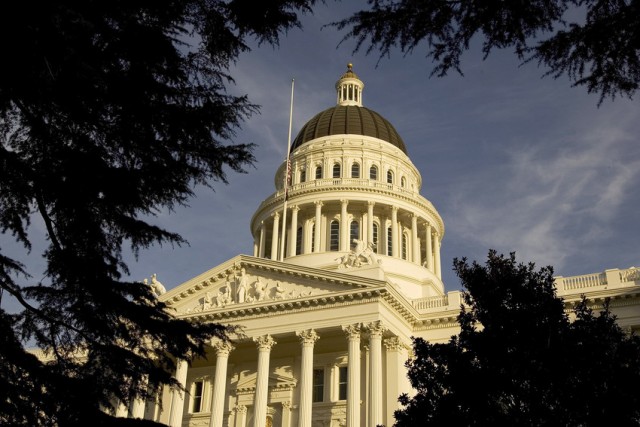
"caption": "State Capitol, Sacramento (David Paul Morris/Getty Images). ",
"description": null,
"title": "State Capitol",
"credit": null,
"status": "inherit",
"isLoading": false,
"fetchFailed": false
}
},
"audioPlayerReducer": {
"postId": "stream_live",
"isPaused": true,
"isPlaying": false,
"pfsActive": false,
"pledgeModalIsOpen": true,
"playerDrawerIsOpen": false,
"liveAudioPlayStartedAt": 0,
"liveAudioPlayContext": ""
},
"authorsReducer": {
"astupi": {
"type": "authors",
"id": "70",
"meta": {
"index": "authors_1716337520",
"id": "70",
"found": true
},
"name": "Amanda Stupi",
"firstName": "Amanda",
"lastName": "Stupi",
"slug": "astupi",
"email": "astupi@kqed.org",
"display_author_email": false,
"staff_mastheads": [],
"title": "Senior Engagement Producer",
"bio": "Amanda joined KQED Science’s engagement team as a Senior Audience Engagement Strategist in the spring of 2019. She has helped craft messaging around wildfires, the coronavirus pandemic, climate change and many other stories. She has also brought KQED Science to new platforms such as Reddit’s Ask Me Anything series. Prior to joining KQED Science, Amanda spent seven years as an engagement producer with Forum, KQED’s daily live call-in show. She got her start in radio at KALW's weekly call in show, City Visions, before going on to an internship and stint at NPR's Talk of the Nation.\r\n\r\nPrior to journalism, Amanda taught English at Lowell High School. She's a native of Petaluma and currently lives under the \"South San Francisco the Industrial City\" sign in South City. She believes that engagement is vital to news’s future and that good journalism listens as much as it asks questions.",
"avatar": "https://secure.gravatar.com/avatar/e981c503e5c162da701dcaccfbf87e35?s=600&d=blank&r=g",
"twitter": null,
"facebook": null,
"instagram": null,
"linkedin": null,
"sites": [
{
"site": "arts",
"roles": [
"Contributor"
]
},
{
"site": "news",
"roles": [
"editor"
]
},
{
"site": "pop",
"roles": [
"contributor"
]
},
{
"site": "stateofhealth",
"roles": [
"editor"
]
},
{
"site": "science",
"roles": []
},
{
"site": "perspectives",
"roles": [
"editor"
]
}
],
"headData": {
"title": "Amanda Stupi | KQED",
"description": "Senior Engagement Producer",
"ogImgSrc": "https://secure.gravatar.com/avatar/e981c503e5c162da701dcaccfbf87e35?s=600&d=blank&r=g",
"twImgSrc": "https://secure.gravatar.com/avatar/e981c503e5c162da701dcaccfbf87e35?s=600&d=blank&r=g"
},
"isLoading": false,
"link": "/author/astupi"
},
"danbrekke": {
"type": "authors",
"id": "222",
"meta": {
"index": "authors_1716337520",
"id": "222",
"found": true
},
"name": "Dan Brekke",
"firstName": "Dan",
"lastName": "Brekke",
"slug": "danbrekke",
"email": "dbrekke@kqed.org",
"display_author_email": true,
"staff_mastheads": [
"news",
"science"
],
"title": "KQED Editor and Reporter",
"bio": "Dan Brekke is a reporter and editor for KQED News, responsible for coverage of topics ranging from California water issues to the Bay Area's transportation challenges. In a newsroom career that began in Chicago in 1972, Dan has worked for \u003cem>The San Francisco Examiner,\u003c/em> Wired and TechTV and has been published in The New York Times, The New York Times Magazine, Business 2.0, Salon and elsewhere.\r\n\r\nSince joining KQED in 2007, Dan has reported, edited and produced both radio and online features and breaking news pieces. He has shared as both editor and reporter in four Society of Professional Journalists Norcal Excellence in Journalism awards and one Edward R. Murrow regional award. He was chosen for a spring 2017 residency at the Mesa Refuge to advance his research on California salmon.\r\n\r\nEmail Dan at: \u003ca href=\"mailto:dbrekke@kqed.org\">dbrekke@kqed.org\u003c/a>\r\n\r\n\u003cstrong>Twitter:\u003c/strong> \u003ca href=\"https://twitter.com/danbrekke\" rel=\"noopener noreferrer\">twitter.com/danbrekke\u003c/a>\r\n\u003cstrong>Facebook:\u003c/strong> \u003ca href=\"https://www.facebook.com/danbrekke\" rel=\"noopener noreferrer\">www.facebook.com/danbrekke\u003c/a>\r\n\u003cstrong>LinkedIn:\u003c/strong> \u003ca href=\"https://www.linkedin.com/in/danbrekke\" rel=\"noopener noreferrer\">www.linkedin.com/in/danbrekke\u003c/a>",
"avatar": "https://secure.gravatar.com/avatar/c8126230345efca3f7aa89b1a402be45?s=600&d=mm&r=g",
"twitter": "danbrekke",
"facebook": null,
"instagram": "https://www.instagram.com/dan.brekke/",
"linkedin": "https://www.linkedin.com/in/danbrekke/",
"sites": [
{
"site": "news",
"roles": [
"administrator",
"create_posts"
]
},
{
"site": "stateofhealth",
"roles": [
"editor"
]
},
{
"site": "science",
"roles": [
"editor"
]
},
{
"site": "quest",
"roles": [
"contributor"
]
},
{
"site": "food",
"roles": [
"contributor"
]
},
{
"site": "forum",
"roles": [
"contributor"
]
},
{
"site": "liveblog",
"roles": [
"editor"
]
}
],
"headData": {
"title": "Dan Brekke | KQED",
"description": "KQED Editor and Reporter",
"ogImgSrc": "https://secure.gravatar.com/avatar/c8126230345efca3f7aa89b1a402be45?s=600&d=mm&r=g",
"twImgSrc": "https://secure.gravatar.com/avatar/c8126230345efca3f7aa89b1a402be45?s=600&d=mm&r=g"
},
"isLoading": false,
"link": "/author/danbrekke"
},
"kqednewsstaffandwires": {
"type": "authors",
"id": "237",
"meta": {
"index": "authors_1716337520",
"id": "237",
"found": true
},
"name": "KQED News Staff and Wires",
"firstName": "KQED News Staff and Wires",
"lastName": null,
"slug": "kqednewsstaffandwires",
"email": "onlinenewsstaff@kqed.org",
"display_author_email": false,
"staff_mastheads": [],
"title": null,
"bio": null,
"avatar": "https://secure.gravatar.com/avatar/72295af8ebbfbd19a4948f5271285664?s=600&d=blank&r=g",
"twitter": null,
"facebook": null,
"instagram": null,
"linkedin": null,
"sites": [
{
"site": "arts",
"roles": [
"contributor"
]
},
{
"site": "news",
"roles": [
"contributor"
]
},
{
"site": "lowdown",
"roles": [
"author"
]
},
{
"site": "stateofhealth",
"roles": [
"contributor"
]
},
{
"site": "food",
"roles": [
"author"
]
}
],
"headData": {
"title": "KQED News Staff and Wires | KQED",
"description": null,
"ogImgSrc": "https://secure.gravatar.com/avatar/72295af8ebbfbd19a4948f5271285664?s=600&d=blank&r=g",
"twImgSrc": "https://secure.gravatar.com/avatar/72295af8ebbfbd19a4948f5271285664?s=600&d=blank&r=g"
},
"isLoading": false,
"link": "/author/kqednewsstaffandwires"
},
"sdetrow": {
"type": "authors",
"id": "256",
"meta": {
"index": "authors_1716337520",
"id": "256",
"found": true
},
"name": "Scott Detrow",
"firstName": "Scott",
"lastName": "Detrow",
"slug": "sdetrow",
"email": "sdetrow@kqed.org",
"display_author_email": false,
"staff_mastheads": [],
"title": null,
"bio": "Sacramento bureau chief Scott Detrow covers state government, politics and policy for KQED News and its statewide news program, The California Report.",
"avatar": "https://secure.gravatar.com/avatar/3271d0c151ba26452e3417f5ac251c30?s=600&d=blank&r=g",
"twitter": null,
"facebook": null,
"instagram": null,
"linkedin": null,
"sites": [
{
"site": "news",
"roles": [
"subscriber"
]
},
{
"site": "science",
"roles": [
"subscriber"
]
}
],
"headData": {
"title": "Scott Detrow | KQED",
"description": null,
"ogImgSrc": "https://secure.gravatar.com/avatar/3271d0c151ba26452e3417f5ac251c30?s=600&d=blank&r=g",
"twImgSrc": "https://secure.gravatar.com/avatar/3271d0c151ba26452e3417f5ac251c30?s=600&d=blank&r=g"
},
"isLoading": false,
"link": "/author/sdetrow"
},
"tychehendricks": {
"type": "authors",
"id": "259",
"meta": {
"index": "authors_1716337520",
"id": "259",
"found": true
},
"name": "Tyche Hendricks",
"firstName": "Tyche",
"lastName": "Hendricks",
"slug": "tychehendricks",
"email": "thendricks@kqed.org",
"display_author_email": true,
"staff_mastheads": [
"news"
],
"title": "KQED Senior Editor, Immigration",
"bio": "\u003cspan style=\"font-weight: 400;\">Tyche Hendricks is KQED’s senior editor for immigration, leading coverage of the policy and politics that affect California’s immigrant communities. Her work for KQED’s radio and online audiences is also carried on NPR and other national outlets. She has been recognized with awards from the Radio and Television News Directors Association, the Society for Professional Journalists; the Education Writers Association; the Best of the West and the National Federation of Community Broadcasters. Before joining KQED in 2010, Tyche spent more than a dozen years as a newspaper reporter, notably at the \u003c/span>\u003ci>\u003cspan style=\"font-weight: 400;\">San Francisco Chronicle\u003c/span>\u003c/i>\u003cspan style=\"font-weight: 400;\">. At different times she has covered criminal justice, government and politics and urban planning. Tyche has taught in the MFA Creative Writing program at the University of San Francisco and at UC Berkeley’s Graduate School of Journalism, where she was co-director of a national immigration symposium for professional journalists. She is the author of \u003c/span>\u003ci>\u003cspan style=\"font-weight: 400;\">The Wind Doesn't Need a Passport: Stories from the U.S.-Mexico Borderlands\u003c/span>\u003c/i>\u003cspan style=\"font-weight: 400;\"> (University of California Press). \u003c/span>",
"avatar": "https://secure.gravatar.com/avatar/b8ee458e2731c2d43df86882ce17267e?s=600&d=blank&r=g",
"twitter": "tychehendricks",
"facebook": null,
"instagram": null,
"linkedin": null,
"sites": [
{
"site": "news",
"roles": [
"editor"
]
},
{
"site": "stateofhealth",
"roles": [
"editor"
]
}
],
"headData": {
"title": "Tyche Hendricks | KQED",
"description": "KQED Senior Editor, Immigration",
"ogImgSrc": "https://secure.gravatar.com/avatar/b8ee458e2731c2d43df86882ce17267e?s=600&d=blank&r=g",
"twImgSrc": "https://secure.gravatar.com/avatar/b8ee458e2731c2d43df86882ce17267e?s=600&d=blank&r=g"
},
"isLoading": false,
"link": "/author/tychehendricks"
}
},
"pagesReducer": {
"news_tag_government": {
"type": "terms",
"id": "news_152",
"meta": {
"index": "terms_1716263798",
"site": "news",
"id": "152",
"score": 8.668627
},
"featImg": null,
"name": "Government",
"description": null,
"taxonomy": "tag",
"headData": {
"twImgId": null,
"twTitle": null,
"ogTitle": null,
"ogImgId": null,
"twDescription": null,
"description": null,
"title": "Government Archives | KQED News",
"ogDescription": null
},
"ttid": 159,
"slug": "government",
"isLoading": false,
"title": "Government",
"pageMeta": {
"site": "news",
"WpPageTemplate": "page-topic-editorial",
"currentPage": 5
},
"blocks": [
{
"blockName": "kqed/post-list",
"attrs": {
"layout": "cardArticle2",
"query": "posts/news?tag=government",
"seeMore": false,
"paginated": true,
"page": 5
}
},
{
"blockName": "kqed/ad"
}
]
}
},
"pfsSessionReducer": {},
"postsReducer": {
"stream_live": {
"type": "live",
"id": "stream_live",
"audioUrl": "https://streams.kqed.org/kqedradio",
"title": "Live Stream",
"excerpt": "Live Stream information currently unavailable.",
"link": "/radio",
"featImg": "",
"label": {
"name": "KQED Live",
"link": "/"
}
},
"stream_kqedNewscast": {
"type": "posts",
"id": "stream_kqedNewscast",
"audioUrl": "https://www.kqed.org/.stream/anon/radio/RDnews/newscast.mp3?_=1",
"title": "KQED Newscast",
"featImg": "",
"label": {
"name": "88.5 FM",
"link": "/"
}
},
"news_124337": {
"type": "posts",
"id": "news_124337",
"meta": {
"index": "posts_1716263798",
"site": "news",
"id": "124337",
"score": null,
"sort": [
1390578779000
]
},
"parent": 0,
"labelTerm": {
"site": "news",
"term": 6944
},
"blocks": [],
"publishDate": 1390578779,
"format": "aside",
"disqusTitle": "A Signal From Central Valley That GOP May Act on Immigration",
"title": "A Signal From Central Valley That GOP May Act on Immigration",
"headTitle": "News Fix | KQED News",
"content": "\u003cfigure id=\"attachment_124338\" class=\"wp-caption aligncenter\" style=\"max-width: 1028px\">\u003ca href=\"http://ww2.kqed.org/news/wp-content/uploads/sites/10/2014/01/106955504.jpg\">\u003cimg class=\"size-large wp-image-124338\" src=\"http://ww2.kqed.org/news/wp-content/uploads/sites/10/2014/01/106955504-1028x685.jpg\" alt=\"Rep. Kevin McCarthy, a Republican from Bakersfield and House majority whip, says he'd favor a path to some form of legalization for undocumented immigrants, but not citizenship. (Chip Somodevilla/Getty Images) \" width=\"1028\" height=\"685\">\u003c/a>\u003cfigcaption class=\"wp-caption-text\">Rep. Kevin McCarthy, a Republican from Bakersfield and House majority whip, says he'd favor a path to some form of legalization for undocumented immigrants, but not citizenship. (Chip Somodevilla/Getty Images)\u003c/figcaption>\u003c/figure>\n\u003cp>As House Republicans prepare to wrestle with their differences on immigration at an annual retreat next week, one GOP lawmaker from the Central Valley is signaling there may be movement on an issue that has split the party. At the same time, a high-profile group of bipartisan leaders \u003ca href=\"http://bipartisanpolicy.org/events/2014/01/immigration-demographic-trends-and-national-security-imperatives\" target=\"_blank\">met in Silicon Valley Thursday\u003c/a> to unveil a report showing immigrants are key to a robust U.S. economy.\u003c/p>\n\u003cp>The \u003ca href=\"http://bipartisanpolicy.org/library/report/immigration-america%E2%80%99s-demographic-edge\" target=\"_blank\">report by the Bipartisan Policy Center\u003c/a> was released by former Secretary of State Condoleezza Rice and former Secretary of Homeland Security Michael Chertoff, both Republicans, and former Secretary of Housing and Urban Development Henry Cisneros, a Democrat. They argued that America’s population is aging and needs immigrants to keep the labor force growing. A healthy economy, in turn, will enable the United States to maintain its global political and military preeminence.\u003c/p>\n\u003cp>“Immigrants not only add to the sheer numbers — so they continue the growth process,” said Cisneros, “but they tend to be younger — therefore they form families, therefore they have children, so they create the generation to come.”\u003c/p>\n\u003cp>Rice said she hoped to counteract what she called a misperception that immigrants are a drag on the economy. If Americans and their elected leaders understood the demographic and economic realities, they would be more likely to support comprehensive immigration reform, she said.\u003c/p>\n\u003cp>The message seemed calculated to give House Republicans a nudge — and possible political cover — as they hash out their differences in what GOP leaders hope will lead to \u003ca href=\"http://www.politico.com/story/2014/01/comprehensive-immigration-reform-republicans-gop-agenda-102537.html\" target=\"_blank\">a series of immigration bills this year\u003c/a>. Some moderate and pro-business Republicans favor a path to citizenship for undocumented immigrants, while Tea Party conservatives say they regard most forms of legalization as amnesty for lawbreakers.\u003c/p>\n\u003cp>[ad fullwidth]\u003c/p>\n\u003cp>Rep. Kevin McCarthy, of Bakersfield, said earlier this week that he favors a path to legal status but not citizenship. McCarthy, who as majority whip is No. 3 in the GOP's House leadership, signaled that provisional legalization may be part of a set of immigration principles that Republican leaders plan to release before next week's retreat. Those principles are being drafted by House Speaker John Boehner’s staff, including his new immigration policy staffer, Becky Tallent, whom Boehner recently hired away from the very same Bipartisan Policy Center.\u003c/p>\n\u003cp>\u003c/p>\n\u003cp>\u003ciframe src=\"https://w.soundcloud.com/player/?url=https%3A//api.soundcloud.com/tracks/131081955&color=ff5500&auto_play=false&show_artwork=true\" frameborder=\"no\" scrolling=\"no\" width=\"100%\" height=\"166\">\u003c/iframe>\u003c/p>\n\n",
"disqusIdentifier": "124337 http://ww2.kqed.org/news/?p=124337",
"disqusUrl": "https://ww2.kqed.org/news/2014/01/24/a-signal-from-central-valley-that-gop-may-act-on-immigration/",
"stats": {
"hasVideo": false,
"hasChartOrMap": false,
"hasAudio": true,
"hasPolis": false,
"wordCount": 419,
"hasGoogleForm": false,
"hasGallery": false,
"hasHearkenModule": false,
"iframeSrcs": [],
"paragraphCount": 9
},
"modified": 1390849850,
"excerpt": "Rep. Kevin McCarthy of Bakersfield says he'd back a path to legal status for undocumented immigrants.",
"headData": {
"twImgId": "",
"twTitle": "",
"ogTitle": "",
"ogImgId": "",
"twDescription": "",
"description": "Rep. Kevin McCarthy of Bakersfield says he'd back a path to legal status for undocumented immigrants.",
"title": "A Signal From Central Valley That GOP May Act on Immigration | KQED",
"ogDescription": "",
"schema": {
"@context": "https://schema.org",
"@type": "NewsArticle",
"headline": "A Signal From Central Valley That GOP May Act on Immigration",
"datePublished": "2014-01-24T07:52:59-08:00",
"dateModified": "2014-01-27T11:10:50-08:00",
"image": "https://cdn.kqed.org/wp-content/uploads/2020/02/KQED-OG-Image@1x.png",
"isAccessibleForFree": "True",
"publisher": {
"@type": "NewsMediaOrganization",
"@id": "https://www.kqed.org/#organization",
"name": "KQED",
"logo": "https://cdn.kqed.org/wp-content/uploads/2020/02/KQED-OG-Image@1x.png",
"url": "https://www.kqed.org",
"sameAs": [
"https://www.facebook.com/KQED",
"https://twitter.com/KQED",
"https://www.instagram.com/kqed/",
"https://www.tiktok.com/@kqedofficial",
"https://www.linkedin.com/company/kqed",
"https://www.youtube.com/channel/UCeC0IOo7i1P_61zVUWbJ4nw"
]
}
}
},
"guestAuthors": [],
"slug": "a-signal-from-central-valley-that-gop-may-act-on-immigration",
"status": "publish",
"customPermalink": "2014/01/23/124337/republicans-immigration-reform/",
"path": "/news/124337/a-signal-from-central-valley-that-gop-may-act-on-immigration",
"audioTrackLength": null,
"parsedContent": [
{
"type": "contentString",
"content": "\u003cdiv class=\"post-body\">\u003cp>\u003cfigure id=\"attachment_124338\" class=\"wp-caption aligncenter\" style=\"max-width: 1028px\">\u003ca href=\"http://ww2.kqed.org/news/wp-content/uploads/sites/10/2014/01/106955504.jpg\">\u003cimg class=\"size-large wp-image-124338\" src=\"http://ww2.kqed.org/news/wp-content/uploads/sites/10/2014/01/106955504-1028x685.jpg\" alt=\"Rep. Kevin McCarthy, a Republican from Bakersfield and House majority whip, says he'd favor a path to some form of legalization for undocumented immigrants, but not citizenship. (Chip Somodevilla/Getty Images) \" width=\"1028\" height=\"685\">\u003c/a>\u003cfigcaption class=\"wp-caption-text\">Rep. Kevin McCarthy, a Republican from Bakersfield and House majority whip, says he'd favor a path to some form of legalization for undocumented immigrants, but not citizenship. (Chip Somodevilla/Getty Images)\u003c/figcaption>\u003c/figure>\n\u003cp>As House Republicans prepare to wrestle with their differences on immigration at an annual retreat next week, one GOP lawmaker from the Central Valley is signaling there may be movement on an issue that has split the party. At the same time, a high-profile group of bipartisan leaders \u003ca href=\"http://bipartisanpolicy.org/events/2014/01/immigration-demographic-trends-and-national-security-imperatives\" target=\"_blank\">met in Silicon Valley Thursday\u003c/a> to unveil a report showing immigrants are key to a robust U.S. economy.\u003c/p>\n\u003cp>The \u003ca href=\"http://bipartisanpolicy.org/library/report/immigration-america%E2%80%99s-demographic-edge\" target=\"_blank\">report by the Bipartisan Policy Center\u003c/a> was released by former Secretary of State Condoleezza Rice and former Secretary of Homeland Security Michael Chertoff, both Republicans, and former Secretary of Housing and Urban Development Henry Cisneros, a Democrat. They argued that America’s population is aging and needs immigrants to keep the labor force growing. A healthy economy, in turn, will enable the United States to maintain its global political and military preeminence.\u003c/p>\n\u003cp>“Immigrants not only add to the sheer numbers — so they continue the growth process,” said Cisneros, “but they tend to be younger — therefore they form families, therefore they have children, so they create the generation to come.”\u003c/p>\n\u003cp>Rice said she hoped to counteract what she called a misperception that immigrants are a drag on the economy. If Americans and their elected leaders understood the demographic and economic realities, they would be more likely to support comprehensive immigration reform, she said.\u003c/p>\n\u003cp>The message seemed calculated to give House Republicans a nudge — and possible political cover — as they hash out their differences in what GOP leaders hope will lead to \u003ca href=\"http://www.politico.com/story/2014/01/comprehensive-immigration-reform-republicans-gop-agenda-102537.html\" target=\"_blank\">a series of immigration bills this year\u003c/a>. Some moderate and pro-business Republicans favor a path to citizenship for undocumented immigrants, while Tea Party conservatives say they regard most forms of legalization as amnesty for lawbreakers.\u003c/p>\n\u003cp>\u003c/p>\u003c/div>",
"attributes": {
"named": {},
"numeric": []
}
},
{
"type": "component",
"content": "",
"name": "ad",
"attributes": {
"named": {
"label": "fullwidth"
},
"numeric": [
"fullwidth"
]
}
},
{
"type": "contentString",
"content": "\u003cdiv class=\"post-body\">\u003cp>\u003c/p>\n\u003cp>Rep. Kevin McCarthy, of Bakersfield, said earlier this week that he favors a path to legal status but not citizenship. McCarthy, who as majority whip is No. 3 in the GOP's House leadership, signaled that provisional legalization may be part of a set of immigration principles that Republican leaders plan to release before next week's retreat. Those principles are being drafted by House Speaker John Boehner’s staff, including his new immigration policy staffer, Becky Tallent, whom Boehner recently hired away from the very same Bipartisan Policy Center.\u003c/p>\n\u003cp>\u003c/p>\n\u003cp>\u003ciframe src=\"https://w.soundcloud.com/player/?url=https%3A//api.soundcloud.com/tracks/131081955&color=ff5500&auto_play=false&show_artwork=true\" frameborder=\"no\" scrolling=\"no\" width=\"100%\" height=\"166\">\u003c/iframe>\u003c/p>\n\n\u003c/div>\u003c/p>",
"attributes": {
"named": {},
"numeric": []
}
}
],
"link": "/news/124337/a-signal-from-central-valley-that-gop-may-act-on-immigration",
"authors": [
"259"
],
"programs": [
"news_6944"
],
"categories": [
"news_1169"
],
"tags": [
"news_5563",
"news_311",
"news_152",
"news_1891"
],
"label": "news_6944"
},
"news_124281": {
"type": "posts",
"id": "news_124281",
"meta": {
"index": "posts_1716263798",
"site": "news",
"id": "124281",
"score": null,
"sort": [
1390575613000
]
},
"guestAuthors": [],
"slug": "rep-george-miller-has-harsh-words-for-intelligence-committees",
"title": "Rep. George Miller Has Harsh Words for Intelligence Committees",
"publishDate": 1390575613,
"format": "aside",
"headTitle": "Rep. George Miller Has Harsh Words for Intelligence Committees | KQED",
"labelTerm": {
"term": 6944,
"site": "news"
},
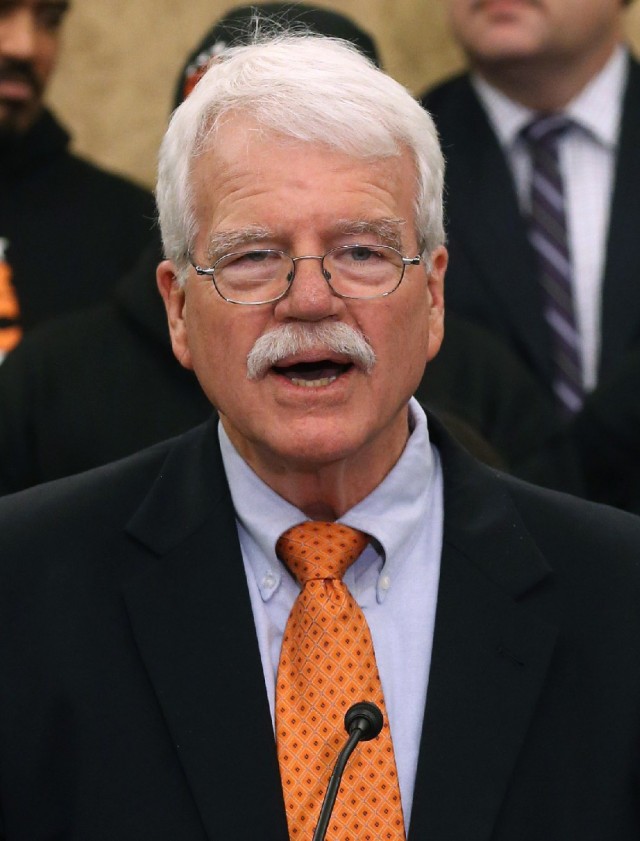
"content": "\u003cfigure id=\"attachment_124295\" class=\"wp-caption alignleft\" style=\"max-width: 204px\">\u003ca href=\"http://ww2.kqed.org/news/2014/01/23/rep-george-miller-has-harsh-words-for-intelligence-committees/george-miller/\" rel=\"attachment wp-att-124295\">\u003cimg loading=\"lazy\" decoding=\"async\" class=\" wp-image-124295 \" src=\"http://ww2.kqed.org/news/wp-content/uploads/sites/10/2014/01/George-Miller-487x640.jpg\" alt=\"George Miller\" width=\"204\" height=\"269\">\u003c/a>\u003cfigcaption class=\"wp-caption-text\">Rep. George Miller had some critical words for the House and Senate intelligence committees during his visit to “Forum.”\u003c/figcaption>\u003c/figure>\n\u003cp>Martinez Congressman George Miller, who announced last week he won’t seek re-election after 20 terms in office, appeared on KQED’s “Forum” on Thursday to reflect on his 40 years representing the East Bay. \u003ca href=\"http://www.kqed.org/a/forum/R201401230900\">In an interview\u003c/a> that covered everything from the Affordable Care Act to his No Child Left Behind legislation, it was his criticism of the House and Senate intelligence committees that stood out.\u003c/p>\n\u003cp>Miller’s harsh words for how the intelligence panels operate came in response to a listener who asked in part: “The recent Manning & Snowden leaks seem to show the same abuses enumerated in the Church Committee of the late ’70s. How can the next Rep. to sit in his seat restrain NSA spying, CIA secret killing, and wars based on lies like Iraq better than the last 30 years?”\u003c/p>\n\u003cp>And here’s Miller’s response:\u003c/p>\n\u003cblockquote>\u003cp>“That’s a tough question, but I think that person better be real skeptical. I went in with the Watergate papers; Frank Church’s report on the Intelligence Committee that looks a lot like the report on the NSA; Michael Harrington, the congressman from Massachusetts, who was talking about spying and the rest of this, essentially probably had to leave Congress because of his public discussion of that.\u003c/p>\n\u003cp>When I voted for \u003ca href=\"http://beta.congress.gov/amendment/113th-congress/house-amendment/413?q=%7B\" target=\"_blank\" rel=\"noopener\">the amendment\u003c/a> that sort of pulled the NSA up short in the House a couple months ago, that vote for me was more about the House intelligence and the Senate intelligence committees because I think those committees are set up not to have real oversight, but so the intelligence agencies can say that they come and they’ve talked to Congress: ‘We informed Congress.’ They informed them in such an opaque fashion that the members of the committee are (saying) to one another: ‘Did they tell us this? How do we find out? Where was this? Where was that?’\u003c/p>\n\u003caside class=\"pullquote alignleft\">‘I think those committees are set up not to have real oversight, but so the intelligence agencies can say that they come and they’ve talked to Congress.’\u003c/aside>\n\u003cp>And they’ll tell you, as they ask very pointed questions. Many times the answers are never forthcoming, weeks and months later. So I think that Congress, as representatives of the people — the people can’t do all of this — they better rethink their intelligence committee oversight on these agencies, because they’re getting buffaloed on a daily basis by these agencies and passing the buck around.”\u003c/p>\u003c/blockquote>\n\u003cp>[ad fullwidth]\u003c/p>\u003cp>\u003c/p>\n",
"blocks": [],
"excerpt": "Retiring lawmaker says panels fail to provide oversight and that his successor 'better be skeptical.'",
"status": "publish",
"parent": 0,
"modified": 1721149600,
"stats": {
"hasAudio": false,
"hasVideo": false,
"hasChartOrMap": false,
"iframeSrcs": [],
"hasGoogleForm": false,
"hasGallery": false,
"hasHearkenModule": false,
"hasPolis": false,
"paragraphCount": 8,
"wordCount": 461
},
"headData": {
"title": "Rep. George Miller Has Harsh Words for Intelligence Committees | KQED",
"description": "Retiring lawmaker says panels fail to provide oversight and that his successor 'better be skeptical.'",
"ogTitle": "",
"ogDescription": "",
"ogImgId": "",
"twTitle": "",
"twDescription": "",
"twImgId": "",
"schema": {
"@context": "https://schema.org",
"@type": "NewsArticle",
"headline": "Rep. George Miller Has Harsh Words for Intelligence Committees",
"datePublished": "2014-01-24T07:00:13-08:00",
"dateModified": "2024-07-16T10:06:40-07:00",
"image": "https://cdn.kqed.org/wp-content/uploads/2020/02/KQED-OG-Image@1x.png",
"isAccessibleForFree": "True",
"publisher": {
"@type": "NewsMediaOrganization",
"@id": "https://www.kqed.org/#organization",
"name": "KQED",
"logo": "https://cdn.kqed.org/wp-content/uploads/2020/02/KQED-OG-Image@1x.png",
"url": "https://www.kqed.org",
"sameAs": [
"https://www.facebook.com/KQED",
"https://twitter.com/KQED",
"https://www.instagram.com/kqed/",
"https://www.tiktok.com/@kqedofficial",
"https://www.linkedin.com/company/kqed",
"https://www.youtube.com/channel/UCeC0IOo7i1P_61zVUWbJ4nw"
]
}
}
},
"sticky": false,
"customPermalink": "2014/01/23/rep-george-miller-has-harsh-words-for-intelligence-committees/",
"templateType": "standard",
"featuredImageType": "standard",
"excludeFromSiteSearch": "Include",
"articleAge": "0",
"path": "/news/124281/rep-george-miller-has-harsh-words-for-intelligence-committees",
"audioTrackLength": null,
"parsedContent": [
{
"type": "contentString",
"content": "\u003cdiv class=\"post-body\">\u003cp>\u003cfigure id=\"attachment_124295\" class=\"wp-caption alignleft\" style=\"max-width: 204px\">\u003ca href=\"http://ww2.kqed.org/news/2014/01/23/rep-george-miller-has-harsh-words-for-intelligence-committees/george-miller/\" rel=\"attachment wp-att-124295\">\u003cimg loading=\"lazy\" decoding=\"async\" class=\" wp-image-124295 \" src=\"http://ww2.kqed.org/news/wp-content/uploads/sites/10/2014/01/George-Miller-487x640.jpg\" alt=\"George Miller\" width=\"204\" height=\"269\">\u003c/a>\u003cfigcaption class=\"wp-caption-text\">Rep. George Miller had some critical words for the House and Senate intelligence committees during his visit to “Forum.”\u003c/figcaption>\u003c/figure>\n\u003cp>Martinez Congressman George Miller, who announced last week he won’t seek re-election after 20 terms in office, appeared on KQED’s “Forum” on Thursday to reflect on his 40 years representing the East Bay. \u003ca href=\"http://www.kqed.org/a/forum/R201401230900\">In an interview\u003c/a> that covered everything from the Affordable Care Act to his No Child Left Behind legislation, it was his criticism of the House and Senate intelligence committees that stood out.\u003c/p>\n\u003cp>Miller’s harsh words for how the intelligence panels operate came in response to a listener who asked in part: “The recent Manning & Snowden leaks seem to show the same abuses enumerated in the Church Committee of the late ’70s. How can the next Rep. to sit in his seat restrain NSA spying, CIA secret killing, and wars based on lies like Iraq better than the last 30 years?”\u003c/p>\n\u003cp>And here’s Miller’s response:\u003c/p>\n\u003cblockquote>\u003cp>“That’s a tough question, but I think that person better be real skeptical. I went in with the Watergate papers; Frank Church’s report on the Intelligence Committee that looks a lot like the report on the NSA; Michael Harrington, the congressman from Massachusetts, who was talking about spying and the rest of this, essentially probably had to leave Congress because of his public discussion of that.\u003c/p>\n\u003cp>When I voted for \u003ca href=\"http://beta.congress.gov/amendment/113th-congress/house-amendment/413?q=%7B\" target=\"_blank\" rel=\"noopener\">the amendment\u003c/a> that sort of pulled the NSA up short in the House a couple months ago, that vote for me was more about the House intelligence and the Senate intelligence committees because I think those committees are set up not to have real oversight, but so the intelligence agencies can say that they come and they’ve talked to Congress: ‘We informed Congress.’ They informed them in such an opaque fashion that the members of the committee are (saying) to one another: ‘Did they tell us this? How do we find out? Where was this? Where was that?’\u003c/p>\n\u003caside class=\"pullquote alignleft\">‘I think those committees are set up not to have real oversight, but so the intelligence agencies can say that they come and they’ve talked to Congress.’\u003c/aside>\n\u003cp>And they’ll tell you, as they ask very pointed questions. Many times the answers are never forthcoming, weeks and months later. So I think that Congress, as representatives of the people — the people can’t do all of this — they better rethink their intelligence committee oversight on these agencies, because they’re getting buffaloed on a daily basis by these agencies and passing the buck around.”\u003c/p>\u003c/blockquote>\n\u003cp>\u003c/p>\u003c/div>",
"attributes": {
"named": {},
"numeric": []
}
},
{
"type": "component",
"content": "",
"name": "ad",
"attributes": {
"named": {
"label": "fullwidth"
},
"numeric": [
"fullwidth"
]
}
},
{
"type": "contentString",
"content": "\u003cdiv class=\"post-body\">\u003cp>\u003c/p>\u003cp>\u003c/p>\n\u003c/div>\u003c/p>",
"attributes": {
"named": {},
"numeric": []
}
}
],
"link": "/news/124281/rep-george-miller-has-harsh-words-for-intelligence-committees",
"authors": [
"70"
],
"programs": [
"news_6944"
],
"categories": [
"news_18540",
"news_19906",
"news_13"
],
"tags": [
"news_20013",
"news_4492",
"news_152",
"news_4481"
],
"featImg": "news_124295",
"label": "news_6944"
},
"news_124267": {
"type": "posts",
"id": "news_124267",
"meta": {
"index": "posts_1716263798",
"site": "news",
"id": "124267",
"score": null,
"sort": [
1390510647000
]
},
"parent": 0,
"labelTerm": {
"site": "news",
"term": 6944
},
"blocks": [],
"publishDate": 1390510647,
"format": "aside",
"disqusTitle": "Report Blasts Caltrans for Handling of Bay Bridge Construction Problems ",
"title": "Report Blasts Caltrans for Handling of Bay Bridge Construction Problems ",
"headTitle": "News Fix | KQED News",
"content": "\u003cfigure id=\"attachment_92879\" class=\"wp-caption aligncenter\" style=\"max-width: 640px\">\u003ca href=\"http://ww2.kqed.org/news/wp-content/uploads/sites/10/2013/03/bay-bridge-bolts.jpg\">\u003cimg class=\"size-full wp-image-92879\" src=\"http://ww2.kqed.org/news/wp-content/uploads/sites/10/2013/03/bay-bridge-bolts.jpg\" alt=\"A key problem on the Bay Bridge’s new self-anchored suspension span: Massive steel rods designed to anchor seismic safety devices snapped soon after the nuts were tightened early last year. (Deborah Svoboda/KQED)\" width=\"640\" height=\"450\">\u003c/a>\u003cfigcaption class=\"wp-caption-text\">A key problem on the Bay Bridge’s new self-anchored suspension span: Massive steel rods designed to anchor seismic safety devices snapped soon after the nuts were tightened early last year. (Deborah Svoboda/KQED)\u003c/figcaption>\u003c/figure>\n\u003cp>A report commissioned by a state Senate committee contains a litany of criticisms of Caltrans for its handling of construction problems on the new eastern span of the Bay Bridge.\u003c/p>\n\u003cp>The report was put together in preparation for \u003ca href=\"http://stran.senate.ca.gov/agenda\" target=\"_blank\">an investigatory hearing Friday\u003c/a> by the Senate Committee on Transportation and Housing. The panel, chaired by Concord Democrat Mark DeSaulnier, is in the midst of a review of infrastructure \"megaprojects.\" That inquiry was prompted by delays and cost overruns in building the new Bay Bridge span, a project that had an original price tag of about $1.4 billion but which ultimately took nearly $6.5 billion to complete.\u003c/p>\n\u003cp>The report, titled \"\u003ca href=\"http://stran.senate.ca.gov/sites/stran.senate.ca.gov/files/DeWolkreportfinal.pdf\" target=\"_blank\">The San Francisco-Oakland Bay Bridge: Basic Reforms for the Future\u003c/a>,\" blasts Caltrans for lack of accountability for problems with the project and \"chronic attempts to keep many of the serious safety allegations quiet.\" (The complete 39-page report is embedded at the end of this post.)\u003c/p>\n\u003caside class=\"pullquote alignleft\">'This inquiry has come to the inevitable conclusion that there are legitimate concerns that this appears to be part of an institutionalized ... lack of transparency in the project.'\u003c/aside>\n\u003cp>\"This inquiry has come to the inevitable conclusion that there are legitimate concerns that this appears to be part of an institutionalized, if not malicious, lack of transparency in the project,\" the report says. The document was prepared by veteran Bay Area journalist Roland De Wolk.\u003c/p>\n\u003cp>Caltrans, which by now has been dealing with years of bad press over the bridge project, says it's studying the report and will respond during the Senate committee hearing Friday.\u003c/p>\n\u003cp>[ad fullwidth]\u003c/p>\n\u003cp>The report has gotten widespread media attention. A couple sample leads:\u003c/p>\n\u003cp>\u003cstrong>Lisa Vorderbrueggen\u003c/strong>, Contra Costa Times: \u003ca href=\"http://www.contracostatimes.com/news/ci_24970599/bay-bridge-construction-managers-systematically-shut-down-safety\" target=\"_blank\">Bay Bridge construction managers systematically shut down safety critics, investigation concludes\u003c/a>\u003c/p>\n\u003cblockquote>\u003cp>Caltrans systematically squelched serious allegations about the structural safety of the new eastern span of the Bay Bridge, concluded an investigation commissioned by the state Senate Transportation Committee.\u003c/p>\n\u003cp>Caltrans managers marginalized dissenters, fired critics, reassigned outspoken engineers and urged those involved to avoid putting details of problems or issues in writing that would have to be disclosed under the state's Public Records Act, the report concluded.\u003c/p>\u003c/blockquote>\n\u003cp>\u003cstrong>Jaxon Van Derbeken\u003c/strong>, San Francisco Chronicle: \u003ca href=\"http://www.sfgate.com/default/article/Caltrans-accused-of-trying-to-hide-Bay-Bridge-5166927.php\" target=\"_blank\">Caltrans accused of trying to hide Bay Bridge problems\u003c/a>\u003c/p>\n\u003cblockquote>\u003cp>A Caltrans engineer and an outside expert working on the Bay Bridge eastern span accused agency officials of discounting warnings about cracked welds on the bridge, and telling them not to put their concerns in writing to keep them from becoming public, according to a report commissioned for a state Senate committee.\u003c/p>\n\u003cp>An official overseeing the long-delayed, $6.4 billion project told a Caltrans engineer who had examined the Chinese-made welds \"not to record his concerns in writing, either on paper or e-mail, but rather to communicate orally,\" said the report for the Senate Transportation and Housing Committee, which was released Wednesday. A quality-control consultant said Caltrans supervisors \"did not want a record that would be legally available through the California Public Records Act,\" the report said.\u003c/p>\u003c/blockquote>\n\u003cp>And \u003cstrong>Charles Piller\u003c/strong> of the Sacramento Bee \u003ca href=\"http://www.sacbee.com/2014/01/22/6093564/senate-report-caltrans-ignored.html\" target=\"_blank\">runs down the report's key disclosures\u003c/a>:\u003c/p>\n\u003cul>\n\u003cul>\n\u003cli>Quality control managers found thousands of cracks in welds produced by a Chinese contractor for the span’s signature tower and roadway. Rather than ordering all needed fixes, top California Department of Transportation managers replaced those who discovered the problems.\u003c/li>\n\u003cli>Millions of dollars were paid to the same Chinese contractor to speed up work after it fell behind schedule and bridge officials urgently wanted faster results.\u003c/li>\n\u003cli>Bridge officials rejected warnings in 2008 that suspect anchor rods for the suspension span were not adequately tested; some of those rods snapped last year.\u003c/li>\n\u003cli>Officials frequently told contractors and employees not to put concerns about quality into writing – ostensibly to avoid disclosure under the state Public Records Act\u003c/li>\n\u003c/ul>\n\u003c/ul>\n\u003cp>.\u003c/p>\n\u003cp>Here's the latest from the Associated Press on the Bay Bridge report, followed by the report itself:\u003c/p>\n\u003cp>\u003cstrong>\u003ca href=\"https://twitter.com/JHDearen\" target=\"_blank\">Jason Dearen\u003c/a>\u003cbr>\nAssociated Press\u003c/strong>\u003c/p>\n\u003cp>A California Senate report released Wednesday on the construction of the new eastern span of the San Francisco-Oakland Bay Bridge raises questions about the quality of workmanship used to build the $6.3 billion span.\u003c/p>\n\u003cp>The report by the state Senate's Transportation and Housing Committee contains testimony from engineers that question the durability of welds on bridge pieces produced in China and the integrity of large bolts used to hold earthquake-safety equipment in place.\u003c/p>\n\u003cp>Still, both engineers say that despite the defects, they don't believe the bridge to be unsafe, but that parts of it will need expensive retrofitting sooner than they should.\u003c/p>\n\u003cp>The report's investigators found that California Department of Transportation managers dismissed concerns from quality-assurance experts that the Chinese firm Shanghai Zhenhua Heavy Industry Co. Ltd, or ZPMC, hired to do key bridge welds, lacked the experience to meet standards.\u003c/p>\n\u003cp>James Merrill, an engineer who oversaw weld inspections in China, told investigators that his staff found hundreds of weld cracks. He told Caltrans officials they were taking a \"great risk\" in allowing ZPMC to do the work, according to the report.\u003c/p>\n\u003cp>At the time, the contract with ZPMC called for no cracks at all, so Merrill's firm MacTec Engineering rejected the pieces, leading to severe delays.\u003c/p>\n\u003cp>Merrill said Caltrans was concerned about the delays, and that he was told he was being \"too rigorous\" in his inspections.\u003c/p>\n\u003cp>Caltrans failed to renew MacTec's contract after the disagreement over ZPMC's work and hired another firm, Alta Vista Solutions, that turned out not to be qualified for the job, according to the report.\u003c/p>\n\u003cp>Bridge spokesman Andrew Gordon said officials would address the report's findings at a meeting on Friday before the committee.\u003c/p>\n\u003cp>The report also found that Caltrans forced another of its supervising bridge engineers off the job after supervising work on the welds being made in China.\u003c/p>\n\u003cp>\"The Chinese were not catching stuff,\" former Caltrans bridge engineer Douglas Coe, a 25-year department veteran, told the report's authors. \"Why are we finding all these cracks?\"\u003c/p>\n\u003cp>Coe said he felt pressure from bridge managers Tony Anziano and Peter Siegenthaler not to stop work, and that eventually he argued that Caltrans should change the language in the contract — which permitted no cracks in the welds — if managers were going to order them through.\u003c/p>\n\u003cp>Caltrans eventually changed that language.\u003c/p>\n\u003cp>\"This is the first time in my career the engineering wasn't allowed to be done right,\" Coe told investigators. \"I'm mad as hell that the Department (Caltrans) put me in a position to have to say this. ... But if that bridge starts to crack in five years it's all going come out.\"\u003c/p>\n\u003cp>Caltrans' Anziano and Siegenthaler told the investigators that the weld cracks in question were repairable and have been mostly fixed. They maintain that the bridge is safe.\u003c/p>\n\u003cp>\"No one was discouraged in reporting quality assurance,\" Anziano said in the report.\u003c/p>\n\u003cp>The report also faulted Caltrans with allowing a number of giant steel bolts to be installed despite a lack of quality-assurance testing.\u003c/p>\n\u003cp>Instead of rejecting the bolts, Caltrans managers \"resolved the situation by changing the specifications on the bolt fabrication contract and then accepted them 'as is,' \" the report found.\u003c/p>\n\u003cp>Dozens of the bolts ended up snapping after being tightened in March, leading to a $25 million repair job.\u003c/p>\n\u003cp>MacTec's Merrill told investigators that he suggested the bolts undergo more testing.\u003c/p>\n\u003cp>\"I got told we weren't doing any testing and to stop mentioning it,\" Merrill told the panel's investigators. \"I was basically told to stop bringing it up. That was the end of that.\"\u003c/p>\n\u003cp>Caltrans has disputed that it dismissed quality-assurance concerns to get the bolts installed on time.\u003c/p>\n\u003cp>[ad floatright]\u003c/p>\n\u003cp>\u003ciframe id=\"doc_14831\" src=\"//www.scribd.com/embeds/201753200/content?start_page=1&view_mode=scroll&show_recommendations=true\" frameborder=\"0\" scrolling=\"no\" width=\"100%\" height=\"600\">\u003c/iframe>\u003c/p>\n\n",
"disqusIdentifier": "124267 http://ww2.kqed.org/news/?p=124267",
"disqusUrl": "https://ww2.kqed.org/news/2014/01/23/report-blasts-caltrans-for-trying-handling-of-bay-bridge-construction-problems/",
"stats": {
"hasVideo": false,
"hasChartOrMap": false,
"hasAudio": false,
"hasPolis": false,
"wordCount": 1323,
"hasGoogleForm": false,
"hasGallery": false,
"hasHearkenModule": false,
"iframeSrcs": [],
"paragraphCount": 41
},
"modified": 1390849951,
"excerpt": "Study describes agency's 'institutionalized lack of transparency' in responding to the project's flaws",
"headData": {
"twImgId": "",
"twTitle": "",
"ogTitle": "",
"ogImgId": "",
"twDescription": "",
"description": "Study describes agency's 'institutionalized lack of transparency' in responding to the project's flaws",
"title": "Report Blasts Caltrans for Handling of Bay Bridge Construction Problems | KQED",
"ogDescription": "",
"schema": {
"@context": "https://schema.org",
"@type": "NewsArticle",
"headline": "Report Blasts Caltrans for Handling of Bay Bridge Construction Problems ",
"datePublished": "2014-01-23T12:57:27-08:00",
"dateModified": "2014-01-27T11:12:31-08:00",
"image": "https://cdn.kqed.org/wp-content/uploads/2020/02/KQED-OG-Image@1x.png",
"isAccessibleForFree": "True",
"publisher": {
"@type": "NewsMediaOrganization",
"@id": "https://www.kqed.org/#organization",
"name": "KQED",
"logo": "https://cdn.kqed.org/wp-content/uploads/2020/02/KQED-OG-Image@1x.png",
"url": "https://www.kqed.org",
"sameAs": [
"https://www.facebook.com/KQED",
"https://twitter.com/KQED",
"https://www.instagram.com/kqed/",
"https://www.tiktok.com/@kqedofficial",
"https://www.linkedin.com/company/kqed",
"https://www.youtube.com/channel/UCeC0IOo7i1P_61zVUWbJ4nw"
]
}
}
},
"guestAuthors": [],
"slug": "report-blasts-caltrans-for-trying-handling-of-bay-bridge-construction-problems",
"status": "publish",
"customPermalink": "2014/01/23/state-senate-report-on-bay-bridge-construction/",
"path": "/news/124267/report-blasts-caltrans-for-trying-handling-of-bay-bridge-construction-problems",
"audioTrackLength": null,
"parsedContent": [
{
"type": "contentString",
"content": "\u003cdiv class=\"post-body\">\u003cp>\u003cfigure id=\"attachment_92879\" class=\"wp-caption aligncenter\" style=\"max-width: 640px\">\u003ca href=\"http://ww2.kqed.org/news/wp-content/uploads/sites/10/2013/03/bay-bridge-bolts.jpg\">\u003cimg class=\"size-full wp-image-92879\" src=\"http://ww2.kqed.org/news/wp-content/uploads/sites/10/2013/03/bay-bridge-bolts.jpg\" alt=\"A key problem on the Bay Bridge’s new self-anchored suspension span: Massive steel rods designed to anchor seismic safety devices snapped soon after the nuts were tightened early last year. (Deborah Svoboda/KQED)\" width=\"640\" height=\"450\">\u003c/a>\u003cfigcaption class=\"wp-caption-text\">A key problem on the Bay Bridge’s new self-anchored suspension span: Massive steel rods designed to anchor seismic safety devices snapped soon after the nuts were tightened early last year. (Deborah Svoboda/KQED)\u003c/figcaption>\u003c/figure>\n\u003cp>A report commissioned by a state Senate committee contains a litany of criticisms of Caltrans for its handling of construction problems on the new eastern span of the Bay Bridge.\u003c/p>\n\u003cp>The report was put together in preparation for \u003ca href=\"http://stran.senate.ca.gov/agenda\" target=\"_blank\">an investigatory hearing Friday\u003c/a> by the Senate Committee on Transportation and Housing. The panel, chaired by Concord Democrat Mark DeSaulnier, is in the midst of a review of infrastructure \"megaprojects.\" That inquiry was prompted by delays and cost overruns in building the new Bay Bridge span, a project that had an original price tag of about $1.4 billion but which ultimately took nearly $6.5 billion to complete.\u003c/p>\n\u003cp>The report, titled \"\u003ca href=\"http://stran.senate.ca.gov/sites/stran.senate.ca.gov/files/DeWolkreportfinal.pdf\" target=\"_blank\">The San Francisco-Oakland Bay Bridge: Basic Reforms for the Future\u003c/a>,\" blasts Caltrans for lack of accountability for problems with the project and \"chronic attempts to keep many of the serious safety allegations quiet.\" (The complete 39-page report is embedded at the end of this post.)\u003c/p>\n\u003caside class=\"pullquote alignleft\">'This inquiry has come to the inevitable conclusion that there are legitimate concerns that this appears to be part of an institutionalized ... lack of transparency in the project.'\u003c/aside>\n\u003cp>\"This inquiry has come to the inevitable conclusion that there are legitimate concerns that this appears to be part of an institutionalized, if not malicious, lack of transparency in the project,\" the report says. The document was prepared by veteran Bay Area journalist Roland De Wolk.\u003c/p>\n\u003cp>Caltrans, which by now has been dealing with years of bad press over the bridge project, says it's studying the report and will respond during the Senate committee hearing Friday.\u003c/p>\n\u003cp>\u003c/p>\u003c/div>",
"attributes": {
"named": {},
"numeric": []
}
},
{
"type": "component",
"content": "",
"name": "ad",
"attributes": {
"named": {
"label": "fullwidth"
},
"numeric": [
"fullwidth"
]
}
},
{
"type": "contentString",
"content": "\u003cdiv class=\"post-body\">\u003cp>\u003c/p>\n\u003cp>The report has gotten widespread media attention. A couple sample leads:\u003c/p>\n\u003cp>\u003cstrong>Lisa Vorderbrueggen\u003c/strong>, Contra Costa Times: \u003ca href=\"http://www.contracostatimes.com/news/ci_24970599/bay-bridge-construction-managers-systematically-shut-down-safety\" target=\"_blank\">Bay Bridge construction managers systematically shut down safety critics, investigation concludes\u003c/a>\u003c/p>\n\u003cblockquote>\u003cp>Caltrans systematically squelched serious allegations about the structural safety of the new eastern span of the Bay Bridge, concluded an investigation commissioned by the state Senate Transportation Committee.\u003c/p>\n\u003cp>Caltrans managers marginalized dissenters, fired critics, reassigned outspoken engineers and urged those involved to avoid putting details of problems or issues in writing that would have to be disclosed under the state's Public Records Act, the report concluded.\u003c/p>\u003c/blockquote>\n\u003cp>\u003cstrong>Jaxon Van Derbeken\u003c/strong>, San Francisco Chronicle: \u003ca href=\"http://www.sfgate.com/default/article/Caltrans-accused-of-trying-to-hide-Bay-Bridge-5166927.php\" target=\"_blank\">Caltrans accused of trying to hide Bay Bridge problems\u003c/a>\u003c/p>\n\u003cblockquote>\u003cp>A Caltrans engineer and an outside expert working on the Bay Bridge eastern span accused agency officials of discounting warnings about cracked welds on the bridge, and telling them not to put their concerns in writing to keep them from becoming public, according to a report commissioned for a state Senate committee.\u003c/p>\n\u003cp>An official overseeing the long-delayed, $6.4 billion project told a Caltrans engineer who had examined the Chinese-made welds \"not to record his concerns in writing, either on paper or e-mail, but rather to communicate orally,\" said the report for the Senate Transportation and Housing Committee, which was released Wednesday. A quality-control consultant said Caltrans supervisors \"did not want a record that would be legally available through the California Public Records Act,\" the report said.\u003c/p>\u003c/blockquote>\n\u003cp>And \u003cstrong>Charles Piller\u003c/strong> of the Sacramento Bee \u003ca href=\"http://www.sacbee.com/2014/01/22/6093564/senate-report-caltrans-ignored.html\" target=\"_blank\">runs down the report's key disclosures\u003c/a>:\u003c/p>\n\u003cul>\n\u003cul>\n\u003cli>Quality control managers found thousands of cracks in welds produced by a Chinese contractor for the span’s signature tower and roadway. Rather than ordering all needed fixes, top California Department of Transportation managers replaced those who discovered the problems.\u003c/li>\n\u003cli>Millions of dollars were paid to the same Chinese contractor to speed up work after it fell behind schedule and bridge officials urgently wanted faster results.\u003c/li>\n\u003cli>Bridge officials rejected warnings in 2008 that suspect anchor rods for the suspension span were not adequately tested; some of those rods snapped last year.\u003c/li>\n\u003cli>Officials frequently told contractors and employees not to put concerns about quality into writing – ostensibly to avoid disclosure under the state Public Records Act\u003c/li>\n\u003c/ul>\n\u003c/ul>\n\u003cp>.\u003c/p>\n\u003cp>Here's the latest from the Associated Press on the Bay Bridge report, followed by the report itself:\u003c/p>\n\u003cp>\u003cstrong>\u003ca href=\"https://twitter.com/JHDearen\" target=\"_blank\">Jason Dearen\u003c/a>\u003cbr>\nAssociated Press\u003c/strong>\u003c/p>\n\u003cp>A California Senate report released Wednesday on the construction of the new eastern span of the San Francisco-Oakland Bay Bridge raises questions about the quality of workmanship used to build the $6.3 billion span.\u003c/p>\n\u003cp>The report by the state Senate's Transportation and Housing Committee contains testimony from engineers that question the durability of welds on bridge pieces produced in China and the integrity of large bolts used to hold earthquake-safety equipment in place.\u003c/p>\n\u003cp>Still, both engineers say that despite the defects, they don't believe the bridge to be unsafe, but that parts of it will need expensive retrofitting sooner than they should.\u003c/p>\n\u003cp>The report's investigators found that California Department of Transportation managers dismissed concerns from quality-assurance experts that the Chinese firm Shanghai Zhenhua Heavy Industry Co. Ltd, or ZPMC, hired to do key bridge welds, lacked the experience to meet standards.\u003c/p>\n\u003cp>James Merrill, an engineer who oversaw weld inspections in China, told investigators that his staff found hundreds of weld cracks. He told Caltrans officials they were taking a \"great risk\" in allowing ZPMC to do the work, according to the report.\u003c/p>\n\u003cp>At the time, the contract with ZPMC called for no cracks at all, so Merrill's firm MacTec Engineering rejected the pieces, leading to severe delays.\u003c/p>\n\u003cp>Merrill said Caltrans was concerned about the delays, and that he was told he was being \"too rigorous\" in his inspections.\u003c/p>\n\u003cp>Caltrans failed to renew MacTec's contract after the disagreement over ZPMC's work and hired another firm, Alta Vista Solutions, that turned out not to be qualified for the job, according to the report.\u003c/p>\n\u003cp>Bridge spokesman Andrew Gordon said officials would address the report's findings at a meeting on Friday before the committee.\u003c/p>\n\u003cp>The report also found that Caltrans forced another of its supervising bridge engineers off the job after supervising work on the welds being made in China.\u003c/p>\n\u003cp>\"The Chinese were not catching stuff,\" former Caltrans bridge engineer Douglas Coe, a 25-year department veteran, told the report's authors. \"Why are we finding all these cracks?\"\u003c/p>\n\u003cp>Coe said he felt pressure from bridge managers Tony Anziano and Peter Siegenthaler not to stop work, and that eventually he argued that Caltrans should change the language in the contract — which permitted no cracks in the welds — if managers were going to order them through.\u003c/p>\n\u003cp>Caltrans eventually changed that language.\u003c/p>\n\u003cp>\"This is the first time in my career the engineering wasn't allowed to be done right,\" Coe told investigators. \"I'm mad as hell that the Department (Caltrans) put me in a position to have to say this. ... But if that bridge starts to crack in five years it's all going come out.\"\u003c/p>\n\u003cp>Caltrans' Anziano and Siegenthaler told the investigators that the weld cracks in question were repairable and have been mostly fixed. They maintain that the bridge is safe.\u003c/p>\n\u003cp>\"No one was discouraged in reporting quality assurance,\" Anziano said in the report.\u003c/p>\n\u003cp>The report also faulted Caltrans with allowing a number of giant steel bolts to be installed despite a lack of quality-assurance testing.\u003c/p>\n\u003cp>Instead of rejecting the bolts, Caltrans managers \"resolved the situation by changing the specifications on the bolt fabrication contract and then accepted them 'as is,' \" the report found.\u003c/p>\n\u003cp>Dozens of the bolts ended up snapping after being tightened in March, leading to a $25 million repair job.\u003c/p>\n\u003cp>MacTec's Merrill told investigators that he suggested the bolts undergo more testing.\u003c/p>\n\u003cp>\"I got told we weren't doing any testing and to stop mentioning it,\" Merrill told the panel's investigators. \"I was basically told to stop bringing it up. That was the end of that.\"\u003c/p>\n\u003cp>Caltrans has disputed that it dismissed quality-assurance concerns to get the bolts installed on time.\u003c/p>\n\u003cp>\u003c/p>\u003c/div>",
"attributes": {
"named": {},
"numeric": []
}
},
{
"type": "component",
"content": "",
"name": "ad",
"attributes": {
"named": {
"label": "floatright"
},
"numeric": [
"floatright"
]
}
},
{
"type": "contentString",
"content": "\u003cdiv class=\"post-body\">\u003cp>\u003c/p>\n\u003cp>\u003ciframe id=\"doc_14831\" src=\"//www.scribd.com/embeds/201753200/content?start_page=1&view_mode=scroll&show_recommendations=true\" frameborder=\"0\" scrolling=\"no\" width=\"100%\" height=\"600\">\u003c/iframe>\u003c/p>\n\n\u003c/div>\u003c/p>",
"attributes": {
"named": {},
"numeric": []
}
}
],
"link": "/news/124267/report-blasts-caltrans-for-trying-handling-of-bay-bridge-construction-problems",
"authors": [
"222"
],
"programs": [
"news_6944"
],
"categories": [
"news_8",
"news_1397"
],
"tags": [
"news_231",
"news_943",
"news_152",
"news_1730"
],
"featImg": "news_92879",
"label": "news_6944"
},
"news_124134": {
"type": "posts",
"id": "news_124134",
"meta": {
"index": "posts_1716263798",
"site": "news",
"id": "124134",
"score": null,
"sort": [
1390410259000
]
},
"parent": 0,
"labelTerm": {
"site": "news",
"term": 6944
},
"blocks": [],
"publishDate": 1390410259,
"format": "aside",
"disqusTitle": "Text of Gov. Jerry Brown's State of the State Address",
"title": "Text of Gov. Jerry Brown's State of the State Address",
"headTitle": "News Fix | KQED News",
"content": "\u003cfigure id=\"attachment_119965\" class=\"wp-caption aligncenter\" style=\"max-width: 640px\">\u003ca href=\"http://ww2.kqed.org/news/wp-content/uploads/sites/10/2013/12/RS1395_brown20130110-scr-e1386206893922.jpg\">\u003cimg class=\"size-medium wp-image-119965\" src=\"http://ww2.kqed.org/news/wp-content/uploads/sites/10/2013/12/RS1395_brown20130110-scr-640x457.jpg\" alt=\"California Gov. Jerry Brown (Justin Sullivan/Getty Images)\" width=\"640\" height=\"457\">\u003c/a>\u003cfigcaption class=\"wp-caption-text\">California Gov. Jerry Brown (Justin Sullivan/Getty Images)\u003c/figcaption>\u003c/figure>\n\u003cp>\u003cstrong>Update, 9:45 a.m.:\u003c/strong>The speech is over, and we're removing the video embed until we find an archived version somewhere. In the meantime, below are our notes on the beginning of the State of the State event followed by the text of Gov. Brown's address. Note that we'll also have an annotated version of the speech later this morning.\u003c/p>\n\u003cp>\u003cstrong>Original post:\u003c/strong> During intros, Assembly Speaker John Perez notes a little history is attached to today's address: The governor is making his 11th State of the State Address, more than any other California governor.\u003c/p>\n\u003cp>Senate President pro Tem Darrell Steinberg got a big laugh when he intoduced Lt. Gov. Gavin Newsom as the former mayor of Sacramento. When he was corrected, he laughed and said, \"That would be a step up.\" More laughter.\u003c/p>\n\u003cp>Newsom then took the stage. He closed his seemingly interminable introductory speech by quoting Winston Churchill on the importance of private enterprise and called on state official to \"recommit ourselves to making California the tentpole for job creation in the American economy.\"\u003c/p>\n\u003cp>Newsom then gave way to Brown. He started out in a joking vein, noting that \"everyone seems excited.\" He noted that his first attended a State of the State not in 1975, during his first term as governor, but 1959, during his father's first term.\u003c/p>\n\u003cp>[ad fullwidth]\u003c/p>\n\u003cp>Listen to Governor Brown's full speech:\u003c/p>\n\u003cp>\u003ciframe src=\"https://w.soundcloud.com/player/?url=https%3A//api.soundcloud.com/tracks/130856568&color=ff6600&auto_play=false&show_artwork=true\" frameborder=\"no\" scrolling=\"no\" width=\"100%\" height=\"166\">\u003c/iframe>\u003c/p>\n\u003cp>[ad floatright]\u003c/p>\n\u003cp>The \u003ca href=\"http://gov.ca.gov/news.php?id=18373\" target=\"_blank\">text of Brown's speech\u003c/a>, as released by the governor's office:\u003c/p>\n\u003cblockquote>\u003cp>I am here today to report on the state of our state, choosing to ignore those who say that Article 5 of our Constitution, which requires the governor to report to the Legislature, is outdated; that you can’t report on the condition of our state from Sacramento because California is too spread out and too diverse. It occurred to me that these critics – who have long recited our state’s decline – perhaps have nothing to say in the face of California’s comeback – except, “please, don’t report it.” Well, I’m going to report it, and what a comeback it is: A million new jobs since 2010, a budgetary surplus in the billions and a minimum wage rising to $10 an hour!\u003c/p>\n\u003cp>This year, Californians have a lot to be proud of. For a decade, budget instability was the order of the day. A lethal combination of national recessions, improvident tax cuts and too much spending created a financial sink hole that defied every effort to climb out. But three years later, here we are – with state spending and revenues solidly balanced, and more to come.\u003c/p>\n\u003cp>For that, I thank all of you – for your courageous and dedicated legislative work. It is truly impressive. I also want to thank the members of my administration who have worked so hard to help make all this happen. But above all else, I think we should thank the voters of California. In 2010, through Proposition 25, they established a majority vote for passage of the state budget. That ended the gridlock. Then, in 2012, they approved the temporary tax increases of Proposition 30. These two initiatives, together with the recovering economy and the tough decisions you took, made all the difference.\u003c/p>\n\u003cp>But we are not out of the woods and we certainly are not out of the drought. Life is uncertainty, the climate is changing – not for the better – and the business cycle and the stock market are historically volatile, with good years followed by bad, with painful regularity.\u003c/p>\n\u003cp>And while we know our revenues will fluctuate up and down, our long-term liabilities are enormous and ever growing. Let me list some of them: Over $100 billion for pensions owed to state workers, teachers and judges; tens of billions needed to cover retiree health care; and $65 billion needed to maintain and keep our roads, buildings and other infrastructure in sound repair. We also must account for future risks that could negatively affect our budgets like congressional decisions, natural disasters and the uncertain costs of the Affordable Care Act.\u003c/p>\n\u003cp>So we can’t go back to “business as usual.” Boom and bust is our lot and we must follow the ancient advice, recounted in the Book of Genesis, that Joseph gave to the Pharaoh: Put away your surplus during the years of great plenty so you will be ready for the lean years which are sure to follow.\u003c/p>\n\u003cp>Most governors and legislatures – in modern times – have forgotten this advice. This time we won’t do that. We will pay down our debts and remember the lessons of history. The American philosopher, George Santayana, famously said: “Those who cannot remember the past are condemned to repeat it.” To help us keep our fiscal realities in mind, I have some playing cards with a chart from this year’s budget summary that shows our last 15 budgets. It’s not pretty. So I decided to put a picture of Sutter on the other side to keep our spirits up. It will make you smile but also help us not forget.\u003c/p>\n\u003cp>Fiscal discipline is not the enemy of our democracy but its fundamental predicate. To avoid the mistakes of the past we must spend with great prudence and we must establish a solid rainy day fund, locked into the Constitution.\u003c/p>\n\u003cp>In 2004, the people voted for a rainy day fund which was found to be unworkable. In 2010, you created another rainy day fund, now scheduled for the November Election. But this latest effort doesn’t give the state the option to pay off debt, doesn’t deal with the ups and downs of Proposition 98 and doesn’t account for spikes in capital gains. So let’s fix these flaws before going to the voters. This is work that must be accomplished in the next few months.\u003c/p>\n\u003cp>Last year, I spoke of the principle of subsidiarity, a rather clunky word that nevertheless points to a profoundly important principle, namely that in our federal system there are separate layers of government, each with its own distinct responsibilities. The Oxford English Dictionary defines subsidiarity as the idea that a “central authority should have a subsidiary function, performing only those tasks which cannot be performed effectively at a more immediate or local level.”\u003c/p>\n\u003cp>No better example of this can be found than in your enactment last year of the Local Control Funding Formula. This was a major breakthrough in the way funds are allocated to California’s schools so that our laws explicitly recognize the difficult problems faced by low-income families and those whose first language is other than English. As a result, those with less are going to receive more and that is good for all of us.\u003c/p>\n\u003cp>But something else is at work in this Local Control Funding Formula. Instead of prescriptive commands issued from headquarters here in Sacramento, more general goals have been established for each local school to attain, each in its own way. This puts the responsibility where it has to be: In the classroom and at the local district. With six million students, there is no way the state can micromanage teaching and learning in all the schools from El Centro to Eureka – and we should not even try!\u003c/p>\n\u003cp>Last week, 324 people from across the state traveled to Sacramento to speak to the State Board of Education about the merits of this new law and the regulations which should be adopted under it. Principals, teachers, students, parents, religious groups and lawyers, all came forward to express their views. Now that shows interest and real commitment! But their work is just beginning. Each local district now has to put into practice what the Local Control Funding Formula has made possible. That, together with new Common Core standards for math and English, will be a major challenge for teachers and local administrators. But they are the ones who can make it work and I have every confidence they will.\u003c/p>\n\u003cp>In a similar vein, in the field of public safety, we have changed historic practices in our prison system and transferred significant responsibilities to local authorities. The Federal courts, backed up by the United States Supreme Court, have ordered major reductions in our prison population and dramatic improvements in the medical and mental health programs that the state makes available. In response, we have transferred the supervision of tens of thousands of lower level offenders from the state to our 58 counties. This realignment is bold and far reaching, but necessary under the circumstances. And local law enforcement has risen to the occasion.\u003c/p>\n\u003cp>Our prisons are pioneering new programs and treatments – and so are the counties. Last week, I visited the Lerdo Jail just north of Bakersfield and sat in on some classes. It was moving to hear the men’s stories and the struggles they encounter. It was also inspiring to see the enthusiasm of Sheriff Donny Youngblood and his efforts under realignment to work with probation, the district attorney, local judges and the police to try new ways to deter crime and help offenders straighten out their lives.\u003c/p>\n\u003cp>Of course there are issues with realignment, but together – with our local partners – we are facing them. We have plenty of work ahead of us, including building more capacity at the state and county level and becoming more effective with those who suffer mental illness or who are drug addicted. But we are on the right track.\u003c/p>\n\u003cp>In all this, your legislative work – particularly funding – is crucial but we should never lose sight of the reality that life is local and that so many things we try to do here in the State Capitol can only be handled by local representatives and leaders. They deal not with the abstractions of law but with the flesh and blood reality of everyday life. That’s a lesson I learned firsthand as mayor of Oakland.\u003c/p>\n\u003cp>Among all our uncertainties, weather is one of the most basic. We can’t control it. We can only live with it, and now we have to live with a very serious drought of uncertain duration.\u003c/p>\n\u003cp>Right now, it is imperative that we do everything possible to mitigate the effects of the drought. I have convened an Interagency Drought Task Force and declared a State of Emergency. We need everyone in every part of the state to conserve water. We need regulators to rebalance water rules and enable voluntary transfers of water and we must prepare for forest fires. As the State Water Action Plan lays out, water recycling, expanded storage and serious groundwater management must all be part of the mix. So too must be investments in safe drinking water, particularly in disadvantaged communities. We also need wetlands and watershed restoration and further progress on the Bay Delta Conservation Plan.\u003c/p>\n\u003cp>It is a tall order.\u003c/p>\n\u003cp>But it is what we must do to get through this drought and prepare for the next.\u003c/p>\n\u003cp>We do not know how much our current problem derives from the build-up of heat-trapping gasses, but we can take this drought as a stark warning of things to come. The United Nations Panel on Climate Change says – with 95 percent confidence – that human beings are changing our climate. This means more droughts and more extreme weather events, and, in California, more forest fires and less snow pack.\u003c/p>\n\u003cp>As you know, of all the states, and even of most of the countries of the world, California is the leader in dealing with climate change. From AB 32, to our building and appliance efficiency standards, our renewable portfolio standard and our support of electric vehicles, California is leading the way. Nevertheless, in terms of greenhouse gases, our biggest challenge remains the amount of gasoline Californians use. Each year, our motor vehicles use more than 14 billion gallons of gasoline to travel over 330 billion miles. To put those numbers in perspective, the sun is 93 million miles away. Reducing our oil consumption, two thirds of which is imported by ships and tank cars, will take time, breakthrough technologies and steadfast commitment. It will also require that the countries which burn the most fossil fuel join with us. We’ve started building those partnerships with other states and countries like China. We will go to Mexico next. California can’t do this alone.\u003c/p>\n\u003cp>In so many other ways, California is a pioneer. We have 25 percent of the nation’s foreign born and we are the first state in modern times to have a plurality of families of Latino origin. So it’s not surprising that California is the state where immigrants can not only dream – they can drive.\u003c/p>\n\u003cp>We are also the state of innovation, of Silicon Valley and more venture capital investment than any other state – by far.\u003c/p>\n\u003cp>We’re on our way to a million electric vehicles and we’re building the nation’s only high-speed rail.\u003c/p>\n\u003cp>We’re expanding health care coverage to millions more. And, California is the nation’s leader in developing medical and scientific advances that will cure diseases and lower costs. We have six of America’s twelve top-performing metropolitan areas in biotechnology: San Diego, San Jose, San Francisco, Oakland, Los Angeles and Orange County. Last year, we created a tax credit to help innovators, in these regions and beyond, hire and expand in California. Four out of the world’s twenty leading academic bioscience institutions are located here in California: UCSF and Berkeley, UCLA, Stanford and UC San Diego. Just as California has led the way with stem cell research, so too can we pioneer the new field of precision medicine which uses genomics, medical devices, computer sciences and other fields to treat individual patients, instead of broad populations.\u003c/p>\n\u003cp>Yes, California is a leader in so many ways. But, the dangers and difficulties we face can never be taken lightly. We still have too many struggling families, too much debt, and too many unknowns when it comes to our climate. Overcoming these challenges will test our vision, our discipline and our ability to persevere. But overcome them we will and as we do, we will build for the future, not steal from it.\u003c/p>\u003c/blockquote>\n\n",
"disqusIdentifier": "124134 http://ww2.kqed.org/news/?p=124134",
"disqusUrl": "https://ww2.kqed.org/news/2014/01/22/watch-gov-jerry-browns-state-of-the-state-address/",
"stats": {
"hasVideo": false,
"hasChartOrMap": false,
"hasAudio": true,
"hasPolis": false,
"wordCount": 2432,
"hasGoogleForm": false,
"hasGallery": false,
"hasHearkenModule": false,
"iframeSrcs": [],
"paragraphCount": 38
},
"modified": 1390421332,
"excerpt": "Governor addresses state's challenges and opportunities as it deals with drought and continuing economic recovery. ",
"headData": {
"twImgId": "",
"twTitle": "",
"ogTitle": "",
"ogImgId": "",
"twDescription": "",
"description": "Governor addresses state's challenges and opportunities as it deals with drought and continuing economic recovery. ",
"title": "Text of Gov. Jerry Brown's State of the State Address | KQED",
"ogDescription": "",
"schema": {
"@context": "https://schema.org",
"@type": "NewsArticle",
"headline": "Text of Gov. Jerry Brown's State of the State Address",
"datePublished": "2014-01-22T09:04:19-08:00",
"dateModified": "2014-01-22T12:08:52-08:00",
"image": "https://cdn.kqed.org/wp-content/uploads/2020/02/KQED-OG-Image@1x.png",
"isAccessibleForFree": "True",
"publisher": {
"@type": "NewsMediaOrganization",
"@id": "https://www.kqed.org/#organization",
"name": "KQED",
"logo": "https://cdn.kqed.org/wp-content/uploads/2020/02/KQED-OG-Image@1x.png",
"url": "https://www.kqed.org",
"sameAs": [
"https://www.facebook.com/KQED",
"https://twitter.com/KQED",
"https://www.instagram.com/kqed/",
"https://www.tiktok.com/@kqedofficial",
"https://www.linkedin.com/company/kqed",
"https://www.youtube.com/channel/UCeC0IOo7i1P_61zVUWbJ4nw"
]
}
}
},
"guestAuthors": [],
"slug": "watch-gov-jerry-browns-state-of-the-state-address",
"status": "publish",
"path": "/news/124134/watch-gov-jerry-browns-state-of-the-state-address",
"audioTrackLength": null,
"parsedContent": [
{
"type": "contentString",
"content": "\u003cdiv class=\"post-body\">\u003cp>\u003cfigure id=\"attachment_119965\" class=\"wp-caption aligncenter\" style=\"max-width: 640px\">\u003ca href=\"http://ww2.kqed.org/news/wp-content/uploads/sites/10/2013/12/RS1395_brown20130110-scr-e1386206893922.jpg\">\u003cimg class=\"size-medium wp-image-119965\" src=\"http://ww2.kqed.org/news/wp-content/uploads/sites/10/2013/12/RS1395_brown20130110-scr-640x457.jpg\" alt=\"California Gov. Jerry Brown (Justin Sullivan/Getty Images)\" width=\"640\" height=\"457\">\u003c/a>\u003cfigcaption class=\"wp-caption-text\">California Gov. Jerry Brown (Justin Sullivan/Getty Images)\u003c/figcaption>\u003c/figure>\n\u003cp>\u003cstrong>Update, 9:45 a.m.:\u003c/strong>The speech is over, and we're removing the video embed until we find an archived version somewhere. In the meantime, below are our notes on the beginning of the State of the State event followed by the text of Gov. Brown's address. Note that we'll also have an annotated version of the speech later this morning.\u003c/p>\n\u003cp>\u003cstrong>Original post:\u003c/strong> During intros, Assembly Speaker John Perez notes a little history is attached to today's address: The governor is making his 11th State of the State Address, more than any other California governor.\u003c/p>\n\u003cp>Senate President pro Tem Darrell Steinberg got a big laugh when he intoduced Lt. Gov. Gavin Newsom as the former mayor of Sacramento. When he was corrected, he laughed and said, \"That would be a step up.\" More laughter.\u003c/p>\n\u003cp>Newsom then took the stage. He closed his seemingly interminable introductory speech by quoting Winston Churchill on the importance of private enterprise and called on state official to \"recommit ourselves to making California the tentpole for job creation in the American economy.\"\u003c/p>\n\u003cp>Newsom then gave way to Brown. He started out in a joking vein, noting that \"everyone seems excited.\" He noted that his first attended a State of the State not in 1975, during his first term as governor, but 1959, during his father's first term.\u003c/p>\n\u003cp>\u003c/p>\u003c/div>",
"attributes": {
"named": {},
"numeric": []
}
},
{
"type": "component",
"content": "",
"name": "ad",
"attributes": {
"named": {
"label": "fullwidth"
},
"numeric": [
"fullwidth"
]
}
},
{
"type": "contentString",
"content": "\u003cdiv class=\"post-body\">\u003cp>\u003c/p>\n\u003cp>Listen to Governor Brown's full speech:\u003c/p>\n\u003cp>\u003ciframe src=\"https://w.soundcloud.com/player/?url=https%3A//api.soundcloud.com/tracks/130856568&color=ff6600&auto_play=false&show_artwork=true\" frameborder=\"no\" scrolling=\"no\" width=\"100%\" height=\"166\">\u003c/iframe>\u003c/p>\n\u003cp>\u003c/p>\u003c/div>",
"attributes": {
"named": {},
"numeric": []
}
},
{
"type": "component",
"content": "",
"name": "ad",
"attributes": {
"named": {
"label": "floatright"
},
"numeric": [
"floatright"
]
}
},
{
"type": "contentString",
"content": "\u003cdiv class=\"post-body\">\u003cp>\u003c/p>\n\u003cp>The \u003ca href=\"http://gov.ca.gov/news.php?id=18373\" target=\"_blank\">text of Brown's speech\u003c/a>, as released by the governor's office:\u003c/p>\n\u003cblockquote>\u003cp>I am here today to report on the state of our state, choosing to ignore those who say that Article 5 of our Constitution, which requires the governor to report to the Legislature, is outdated; that you can’t report on the condition of our state from Sacramento because California is too spread out and too diverse. It occurred to me that these critics – who have long recited our state’s decline – perhaps have nothing to say in the face of California’s comeback – except, “please, don’t report it.” Well, I’m going to report it, and what a comeback it is: A million new jobs since 2010, a budgetary surplus in the billions and a minimum wage rising to $10 an hour!\u003c/p>\n\u003cp>This year, Californians have a lot to be proud of. For a decade, budget instability was the order of the day. A lethal combination of national recessions, improvident tax cuts and too much spending created a financial sink hole that defied every effort to climb out. But three years later, here we are – with state spending and revenues solidly balanced, and more to come.\u003c/p>\n\u003cp>For that, I thank all of you – for your courageous and dedicated legislative work. It is truly impressive. I also want to thank the members of my administration who have worked so hard to help make all this happen. But above all else, I think we should thank the voters of California. In 2010, through Proposition 25, they established a majority vote for passage of the state budget. That ended the gridlock. Then, in 2012, they approved the temporary tax increases of Proposition 30. These two initiatives, together with the recovering economy and the tough decisions you took, made all the difference.\u003c/p>\n\u003cp>But we are not out of the woods and we certainly are not out of the drought. Life is uncertainty, the climate is changing – not for the better – and the business cycle and the stock market are historically volatile, with good years followed by bad, with painful regularity.\u003c/p>\n\u003cp>And while we know our revenues will fluctuate up and down, our long-term liabilities are enormous and ever growing. Let me list some of them: Over $100 billion for pensions owed to state workers, teachers and judges; tens of billions needed to cover retiree health care; and $65 billion needed to maintain and keep our roads, buildings and other infrastructure in sound repair. We also must account for future risks that could negatively affect our budgets like congressional decisions, natural disasters and the uncertain costs of the Affordable Care Act.\u003c/p>\n\u003cp>So we can’t go back to “business as usual.” Boom and bust is our lot and we must follow the ancient advice, recounted in the Book of Genesis, that Joseph gave to the Pharaoh: Put away your surplus during the years of great plenty so you will be ready for the lean years which are sure to follow.\u003c/p>\n\u003cp>Most governors and legislatures – in modern times – have forgotten this advice. This time we won’t do that. We will pay down our debts and remember the lessons of history. The American philosopher, George Santayana, famously said: “Those who cannot remember the past are condemned to repeat it.” To help us keep our fiscal realities in mind, I have some playing cards with a chart from this year’s budget summary that shows our last 15 budgets. It’s not pretty. So I decided to put a picture of Sutter on the other side to keep our spirits up. It will make you smile but also help us not forget.\u003c/p>\n\u003cp>Fiscal discipline is not the enemy of our democracy but its fundamental predicate. To avoid the mistakes of the past we must spend with great prudence and we must establish a solid rainy day fund, locked into the Constitution.\u003c/p>\n\u003cp>In 2004, the people voted for a rainy day fund which was found to be unworkable. In 2010, you created another rainy day fund, now scheduled for the November Election. But this latest effort doesn’t give the state the option to pay off debt, doesn’t deal with the ups and downs of Proposition 98 and doesn’t account for spikes in capital gains. So let’s fix these flaws before going to the voters. This is work that must be accomplished in the next few months.\u003c/p>\n\u003cp>Last year, I spoke of the principle of subsidiarity, a rather clunky word that nevertheless points to a profoundly important principle, namely that in our federal system there are separate layers of government, each with its own distinct responsibilities. The Oxford English Dictionary defines subsidiarity as the idea that a “central authority should have a subsidiary function, performing only those tasks which cannot be performed effectively at a more immediate or local level.”\u003c/p>\n\u003cp>No better example of this can be found than in your enactment last year of the Local Control Funding Formula. This was a major breakthrough in the way funds are allocated to California’s schools so that our laws explicitly recognize the difficult problems faced by low-income families and those whose first language is other than English. As a result, those with less are going to receive more and that is good for all of us.\u003c/p>\n\u003cp>But something else is at work in this Local Control Funding Formula. Instead of prescriptive commands issued from headquarters here in Sacramento, more general goals have been established for each local school to attain, each in its own way. This puts the responsibility where it has to be: In the classroom and at the local district. With six million students, there is no way the state can micromanage teaching and learning in all the schools from El Centro to Eureka – and we should not even try!\u003c/p>\n\u003cp>Last week, 324 people from across the state traveled to Sacramento to speak to the State Board of Education about the merits of this new law and the regulations which should be adopted under it. Principals, teachers, students, parents, religious groups and lawyers, all came forward to express their views. Now that shows interest and real commitment! But their work is just beginning. Each local district now has to put into practice what the Local Control Funding Formula has made possible. That, together with new Common Core standards for math and English, will be a major challenge for teachers and local administrators. But they are the ones who can make it work and I have every confidence they will.\u003c/p>\n\u003cp>In a similar vein, in the field of public safety, we have changed historic practices in our prison system and transferred significant responsibilities to local authorities. The Federal courts, backed up by the United States Supreme Court, have ordered major reductions in our prison population and dramatic improvements in the medical and mental health programs that the state makes available. In response, we have transferred the supervision of tens of thousands of lower level offenders from the state to our 58 counties. This realignment is bold and far reaching, but necessary under the circumstances. And local law enforcement has risen to the occasion.\u003c/p>\n\u003cp>Our prisons are pioneering new programs and treatments – and so are the counties. Last week, I visited the Lerdo Jail just north of Bakersfield and sat in on some classes. It was moving to hear the men’s stories and the struggles they encounter. It was also inspiring to see the enthusiasm of Sheriff Donny Youngblood and his efforts under realignment to work with probation, the district attorney, local judges and the police to try new ways to deter crime and help offenders straighten out their lives.\u003c/p>\n\u003cp>Of course there are issues with realignment, but together – with our local partners – we are facing them. We have plenty of work ahead of us, including building more capacity at the state and county level and becoming more effective with those who suffer mental illness or who are drug addicted. But we are on the right track.\u003c/p>\n\u003cp>In all this, your legislative work – particularly funding – is crucial but we should never lose sight of the reality that life is local and that so many things we try to do here in the State Capitol can only be handled by local representatives and leaders. They deal not with the abstractions of law but with the flesh and blood reality of everyday life. That’s a lesson I learned firsthand as mayor of Oakland.\u003c/p>\n\u003cp>Among all our uncertainties, weather is one of the most basic. We can’t control it. We can only live with it, and now we have to live with a very serious drought of uncertain duration.\u003c/p>\n\u003cp>Right now, it is imperative that we do everything possible to mitigate the effects of the drought. I have convened an Interagency Drought Task Force and declared a State of Emergency. We need everyone in every part of the state to conserve water. We need regulators to rebalance water rules and enable voluntary transfers of water and we must prepare for forest fires. As the State Water Action Plan lays out, water recycling, expanded storage and serious groundwater management must all be part of the mix. So too must be investments in safe drinking water, particularly in disadvantaged communities. We also need wetlands and watershed restoration and further progress on the Bay Delta Conservation Plan.\u003c/p>\n\u003cp>It is a tall order.\u003c/p>\n\u003cp>But it is what we must do to get through this drought and prepare for the next.\u003c/p>\n\u003cp>We do not know how much our current problem derives from the build-up of heat-trapping gasses, but we can take this drought as a stark warning of things to come. The United Nations Panel on Climate Change says – with 95 percent confidence – that human beings are changing our climate. This means more droughts and more extreme weather events, and, in California, more forest fires and less snow pack.\u003c/p>\n\u003cp>As you know, of all the states, and even of most of the countries of the world, California is the leader in dealing with climate change. From AB 32, to our building and appliance efficiency standards, our renewable portfolio standard and our support of electric vehicles, California is leading the way. Nevertheless, in terms of greenhouse gases, our biggest challenge remains the amount of gasoline Californians use. Each year, our motor vehicles use more than 14 billion gallons of gasoline to travel over 330 billion miles. To put those numbers in perspective, the sun is 93 million miles away. Reducing our oil consumption, two thirds of which is imported by ships and tank cars, will take time, breakthrough technologies and steadfast commitment. It will also require that the countries which burn the most fossil fuel join with us. We’ve started building those partnerships with other states and countries like China. We will go to Mexico next. California can’t do this alone.\u003c/p>\n\u003cp>In so many other ways, California is a pioneer. We have 25 percent of the nation’s foreign born and we are the first state in modern times to have a plurality of families of Latino origin. So it’s not surprising that California is the state where immigrants can not only dream – they can drive.\u003c/p>\n\u003cp>We are also the state of innovation, of Silicon Valley and more venture capital investment than any other state – by far.\u003c/p>\n\u003cp>We’re on our way to a million electric vehicles and we’re building the nation’s only high-speed rail.\u003c/p>\n\u003cp>We’re expanding health care coverage to millions more. And, California is the nation’s leader in developing medical and scientific advances that will cure diseases and lower costs. We have six of America’s twelve top-performing metropolitan areas in biotechnology: San Diego, San Jose, San Francisco, Oakland, Los Angeles and Orange County. Last year, we created a tax credit to help innovators, in these regions and beyond, hire and expand in California. Four out of the world’s twenty leading academic bioscience institutions are located here in California: UCSF and Berkeley, UCLA, Stanford and UC San Diego. Just as California has led the way with stem cell research, so too can we pioneer the new field of precision medicine which uses genomics, medical devices, computer sciences and other fields to treat individual patients, instead of broad populations.\u003c/p>\n\u003cp>Yes, California is a leader in so many ways. But, the dangers and difficulties we face can never be taken lightly. We still have too many struggling families, too much debt, and too many unknowns when it comes to our climate. Overcoming these challenges will test our vision, our discipline and our ability to persevere. But overcome them we will and as we do, we will build for the future, not steal from it.\u003c/p>\u003c/blockquote>\n\n\u003c/div>\u003c/p>",
"attributes": {
"named": {},
"numeric": []
}
}
],
"link": "/news/124134/watch-gov-jerry-browns-state-of-the-state-address",
"authors": [
"222"
],
"programs": [
"news_6944"
],
"categories": [
"news_13"
],
"tags": [
"news_3651",
"news_152",
"news_30",
"news_720"
],
"featImg": "news_121939",
"label": "news_6944"
},
"news_123353": {
"type": "posts",
"id": "news_123353",
"meta": {
"index": "posts_1716263798",
"site": "news",
"id": "123353",
"score": null,
"sort": [
1389730241000
]
},
"parent": 0,
"labelTerm": {
"site": "news",
"term": 6944
},
"blocks": [],
"publishDate": 1389730241,
"format": "aside",
"disqusTitle": "Some Good News, and Some Big Challenges, for State Pension Funds ",
"title": "Some Good News, and Some Big Challenges, for State Pension Funds ",
"headTitle": "News Fix | KQED News",
"content": "\u003cfigure id=\"attachment_123362\" class=\"wp-caption aligncenter\" style=\"max-width: 640px\">\u003cimg class=\"size-medium wp-image-123362\" src=\"http://ww2.kqed.org/news/wp-content/uploads/sites/10/2014/01/RS7960_106397785-640x426.jpg\" alt=\"(Getty Images)\" width=\"640\" height=\"426\">\u003cfigcaption class=\"wp-caption-text\">(Getty Images) \u003ccite>(Getty Images)\u003c/cite>\u003c/figcaption>\u003c/figure>\n\u003cp>The good news from the \u003ca href=\"http://www.calpers.ca.gov/\" target=\"_blank\">California Public Employees' Retirement System\u003c/a>, the pension system that serves about 1.7 million public sector workers, retirees and their dependents: 2013 was a very good year for the fund's investments. CalPERS reported Monday that its portfolio grew by 16.2 percent last year, boosted by last year's runup in stock prices, and is now worth $282 billion.\u003c/p>\n\u003cp>As \u003ca href=\"http://www.latimes.com/business/la-fi-calpers-investment-return-20140114,0,2189294.story#axzz2qNvNoJ1v\" target=\"_blank\">the Los Angeles Times reports\u003c/a>, the gains are the latest turn for CalPERS' up-and-down fortunes:\u003c/p>\n\u003cblockquote>\u003cp>The results for 2013 capped a wild ride for the agency over the last 11 years. The fund was especially hard hit during the Great Recession of 2007-09. In 2008, amid the depths of the worst global economic slowdown in half a century, the fund lost 27.8 percent of its value.\u003c/p>\n\u003cp>Since then, it has climbed back. In 2011, the fund's increase in value was a mere 1.1 percent. For 2012, the rate of investment growth was up to 13.3 percent. By early 2013, the total value of the fund officially surpassed its pre-recession high.\u003c/p>\n\u003cp>CalPERS' overall rate of return for 2013 was more than twice the 7.5 percent minimum that the fund's board has said it needs to meet current and future obligations to retirees.\u003c/p>\u003c/blockquote>\n\u003cp>CalPERS performance actually was well below the major stock indexes for 2013, which saw the Dow Jones Industrial Average reach a record high and the Standard & Poor's 500-stock index rise about 30 percent for the year. CalPERS saw more modest gains because it is required to balance its portfolio with other assets, like bonds, commodities and real estate, which didn't perform as well as stocks last year.\u003c/p>\n\u003cp>Beyond the CalPERS report, though, looms the reality that the state's public sector retirement funds are still facing hundreds of billions of dollars in future retirement obligations that it hasn't yet figured out a way to pay for. CalPERS reportedly accounts for about $100 billion of the shortfall. The state's other major retirement fund, the California State Teachers' Retirement System, or CalSTRS, faces another $80 billion in unfunded liabilities.\u003c/p>\n\u003cp>The Associated Press notes in a story today that despite Gov. Jerry Brown's promise to start tackling the state's biggest fiscal challenges, he's not yet proposing any specific action on CalSTRS. (The system is vital to California teachers because they don't pay into Social Security and thus don't get it when they retire.)\u003c/p>\n\u003cp>[ad fullwidth]\u003c/p>\n\u003cp>The AP's Don Thompson notes the CalSTRS liability is \"a gap so large that the fund is projected to deplete all its assets in about 30 years. ... The deficit for the nation's largest educator-only pension fund is so huge it would cost teachers, local school districts, community colleges and the state budget a combined $4.5 billion a year to bridge. The California State Teachers' Retirement System says it grows by $22 million each day nothing is done.\"\u003c/p>\n\u003cp>\u003c/p>\n\u003cp>Thompson also spells out some of the obstacles that must be surmounted to get CalSTRS back on track:\u003c/p>\n\u003cblockquote>\u003cp>And unlike the California Public Employees' Retirement System, which covers a wide range of state and municipal employees, CalSTRS cannot unilaterally increase the amount it collects from state and local governments. CalSTRS contributions can be increased only if the Legislature votes to do so.\u003c/p>\n\u003cp>While CalPERS plans to boost contribution levels again next month for the third time in the last two years, the 8 percent that teachers pay into the pension fund from their salaries has not changed since 1972. The 8.25 percent that school districts pay has not been altered since 1990.\u003c/p>\n\u003cp>While the state's share can vary slightly, it has hovered at 5.5 percent, including an annual cost-of-living adjustment — about $1.4 billion a year. The state's general fund contribution to CalPERS is projected to top $1.8 billion next fiscal year.\u003c/p>\n\u003cp>The bulk of the pension funds' revenue comes not from contributions but from investment income. And that also is the cause of CalSTRS' problems.\u003c/p>\n\u003cp>The dot.com boom led to the fund being fully funded by 1998, but the windfall prompted state lawmakers to increase benefits and decrease the state's contribution. CalSTRS Chief Executive Officer Jack Ehnes said the fund has been seeking an increase ever since the tech market balloon deflated more than a decade ago, but the bottom really dropped out during the Great Recession.\u003c/p>\n\u003cp>The Brown administration says the state cannot afford to absorb the full $4.5 billion annual increase because it would overwhelm other budget priorities. Paying $4.5 billion on top of the current $1.4 billion would eclipse state spending for the University of California and California State University systems combined, according to the legislative analyst. It calls the unfunded teacher pensions perhaps the state's most difficult fiscal challenge.\u003c/p>\n\u003cp>Local districts \"should anticipate absorbing much of any new CalSTRS funding requirement,\" advises Brown's budget, while \"the state's long-term role as a direct contributor to the plan should be evaluated.\"\u003c/p>\u003c/blockquote>\n\n",
"disqusIdentifier": "123353 http://ww2.kqed.org/news/?p=123353",
"disqusUrl": "https://ww2.kqed.org/news/2014/01/14/some-good-news-and-some-big-challenges-for-state-pension-funds/",
"stats": {
"hasVideo": false,
"hasChartOrMap": false,
"hasAudio": false,
"hasPolis": false,
"wordCount": 856,
"hasGoogleForm": false,
"hasGallery": false,
"hasHearkenModule": false,
"iframeSrcs": [],
"paragraphCount": 19
},
"modified": 1399488738,
"excerpt": "CalPERS fund scored a 16 percent gain in 2013. Meantime, a crisis looms for teachers' pension fund. ",
"headData": {
"twImgId": "",
"twTitle": "",
"ogTitle": "",
"ogImgId": "",
"twDescription": "",
"description": "CalPERS fund scored a 16 percent gain in 2013. Meantime, a crisis looms for teachers' pension fund. ",
"title": "Some Good News, and Some Big Challenges, for State Pension Funds | KQED",
"ogDescription": "",
"schema": {
"@context": "https://schema.org",
"@type": "NewsArticle",
"headline": "Some Good News, and Some Big Challenges, for State Pension Funds ",
"datePublished": "2014-01-14T12:10:41-08:00",
"dateModified": "2014-05-07T11:52:18-07:00",
"image": "https://cdn.kqed.org/wp-content/uploads/2020/02/KQED-OG-Image@1x.png",
"isAccessibleForFree": "True",
"publisher": {
"@type": "NewsMediaOrganization",
"@id": "https://www.kqed.org/#organization",
"name": "KQED",
"logo": "https://cdn.kqed.org/wp-content/uploads/2020/02/KQED-OG-Image@1x.png",
"url": "https://www.kqed.org",
"sameAs": [
"https://www.facebook.com/KQED",
"https://twitter.com/KQED",
"https://www.instagram.com/kqed/",
"https://www.tiktok.com/@kqedofficial",
"https://www.linkedin.com/company/kqed",
"https://www.youtube.com/channel/UCeC0IOo7i1P_61zVUWbJ4nw"
]
}
}
},
"guestAuthors": [],
"slug": "some-good-news-and-some-big-challenges-for-state-pension-funds",
"status": "publish",
"customPermalink": "2014/01/14/good-news-bad-news-for-states-big-pension-funds/",
"path": "/news/123353/some-good-news-and-some-big-challenges-for-state-pension-funds",
"audioTrackLength": null,
"parsedContent": [
{
"type": "contentString",
"content": "\u003cdiv class=\"post-body\">\u003cp>\u003cfigure id=\"attachment_123362\" class=\"wp-caption aligncenter\" style=\"max-width: 640px\">\u003cimg class=\"size-medium wp-image-123362\" src=\"http://ww2.kqed.org/news/wp-content/uploads/sites/10/2014/01/RS7960_106397785-640x426.jpg\" alt=\"(Getty Images)\" width=\"640\" height=\"426\">\u003cfigcaption class=\"wp-caption-text\">(Getty Images) \u003ccite>(Getty Images)\u003c/cite>\u003c/figcaption>\u003c/figure>\n\u003cp>The good news from the \u003ca href=\"http://www.calpers.ca.gov/\" target=\"_blank\">California Public Employees' Retirement System\u003c/a>, the pension system that serves about 1.7 million public sector workers, retirees and their dependents: 2013 was a very good year for the fund's investments. CalPERS reported Monday that its portfolio grew by 16.2 percent last year, boosted by last year's runup in stock prices, and is now worth $282 billion.\u003c/p>\n\u003cp>As \u003ca href=\"http://www.latimes.com/business/la-fi-calpers-investment-return-20140114,0,2189294.story#axzz2qNvNoJ1v\" target=\"_blank\">the Los Angeles Times reports\u003c/a>, the gains are the latest turn for CalPERS' up-and-down fortunes:\u003c/p>\n\u003cblockquote>\u003cp>The results for 2013 capped a wild ride for the agency over the last 11 years. The fund was especially hard hit during the Great Recession of 2007-09. In 2008, amid the depths of the worst global economic slowdown in half a century, the fund lost 27.8 percent of its value.\u003c/p>\n\u003cp>Since then, it has climbed back. In 2011, the fund's increase in value was a mere 1.1 percent. For 2012, the rate of investment growth was up to 13.3 percent. By early 2013, the total value of the fund officially surpassed its pre-recession high.\u003c/p>\n\u003cp>CalPERS' overall rate of return for 2013 was more than twice the 7.5 percent minimum that the fund's board has said it needs to meet current and future obligations to retirees.\u003c/p>\u003c/blockquote>\n\u003cp>CalPERS performance actually was well below the major stock indexes for 2013, which saw the Dow Jones Industrial Average reach a record high and the Standard & Poor's 500-stock index rise about 30 percent for the year. CalPERS saw more modest gains because it is required to balance its portfolio with other assets, like bonds, commodities and real estate, which didn't perform as well as stocks last year.\u003c/p>\n\u003cp>Beyond the CalPERS report, though, looms the reality that the state's public sector retirement funds are still facing hundreds of billions of dollars in future retirement obligations that it hasn't yet figured out a way to pay for. CalPERS reportedly accounts for about $100 billion of the shortfall. The state's other major retirement fund, the California State Teachers' Retirement System, or CalSTRS, faces another $80 billion in unfunded liabilities.\u003c/p>\n\u003cp>The Associated Press notes in a story today that despite Gov. Jerry Brown's promise to start tackling the state's biggest fiscal challenges, he's not yet proposing any specific action on CalSTRS. (The system is vital to California teachers because they don't pay into Social Security and thus don't get it when they retire.)\u003c/p>\n\u003cp>\u003c/p>\u003c/div>",
"attributes": {
"named": {},
"numeric": []
}
},
{
"type": "component",
"content": "",
"name": "ad",
"attributes": {
"named": {
"label": "fullwidth"
},
"numeric": [
"fullwidth"
]
}
},
{
"type": "contentString",
"content": "\u003cdiv class=\"post-body\">\u003cp>\u003c/p>\n\u003cp>The AP's Don Thompson notes the CalSTRS liability is \"a gap so large that the fund is projected to deplete all its assets in about 30 years. ... The deficit for the nation's largest educator-only pension fund is so huge it would cost teachers, local school districts, community colleges and the state budget a combined $4.5 billion a year to bridge. The California State Teachers' Retirement System says it grows by $22 million each day nothing is done.\"\u003c/p>\n\u003cp>\u003c/p>\n\u003cp>Thompson also spells out some of the obstacles that must be surmounted to get CalSTRS back on track:\u003c/p>\n\u003cblockquote>\u003cp>And unlike the California Public Employees' Retirement System, which covers a wide range of state and municipal employees, CalSTRS cannot unilaterally increase the amount it collects from state and local governments. CalSTRS contributions can be increased only if the Legislature votes to do so.\u003c/p>\n\u003cp>While CalPERS plans to boost contribution levels again next month for the third time in the last two years, the 8 percent that teachers pay into the pension fund from their salaries has not changed since 1972. The 8.25 percent that school districts pay has not been altered since 1990.\u003c/p>\n\u003cp>While the state's share can vary slightly, it has hovered at 5.5 percent, including an annual cost-of-living adjustment — about $1.4 billion a year. The state's general fund contribution to CalPERS is projected to top $1.8 billion next fiscal year.\u003c/p>\n\u003cp>The bulk of the pension funds' revenue comes not from contributions but from investment income. And that also is the cause of CalSTRS' problems.\u003c/p>\n\u003cp>The dot.com boom led to the fund being fully funded by 1998, but the windfall prompted state lawmakers to increase benefits and decrease the state's contribution. CalSTRS Chief Executive Officer Jack Ehnes said the fund has been seeking an increase ever since the tech market balloon deflated more than a decade ago, but the bottom really dropped out during the Great Recession.\u003c/p>\n\u003cp>The Brown administration says the state cannot afford to absorb the full $4.5 billion annual increase because it would overwhelm other budget priorities. Paying $4.5 billion on top of the current $1.4 billion would eclipse state spending for the University of California and California State University systems combined, according to the legislative analyst. It calls the unfunded teacher pensions perhaps the state's most difficult fiscal challenge.\u003c/p>\n\u003cp>Local districts \"should anticipate absorbing much of any new CalSTRS funding requirement,\" advises Brown's budget, while \"the state's long-term role as a direct contributor to the plan should be evaluated.\"\u003c/p>\u003c/blockquote>\n\n\u003c/div>\u003c/p>",
"attributes": {
"named": {},
"numeric": []
}
}
],
"link": "/news/123353/some-good-news-and-some-big-challenges-for-state-pension-funds",
"authors": [
"222"
],
"programs": [
"news_6944"
],
"categories": [
"news_1758"
],
"tags": [
"news_2783",
"news_152",
"news_30",
"news_118",
"news_2044"
],
"featImg": "news_123362",
"label": "news_6944"
},
"news_121931": {
"type": "posts",
"id": "news_121931",
"meta": {
"index": "posts_1716263798",
"site": "news",
"id": "121931",
"score": null,
"sort": [
1387918701000
]
},
"guestAuthors": [],
"slug": "gov-jerry-brown-grants-127-christmas-eve-pardons",
"title": "Gov. Brown Grants 127 Christmas Eve Pardons",
"publishDate": 1387918701,
"format": "aside",
"headTitle": "Gov. Brown Grants 127 Christmas Eve Pardons | KQED",
"labelTerm": {
"term": 6944,
"site": "news"
},
"content": "\u003cfigure id=\"attachment_121939\" class=\"wp-caption aligncenter\" style=\"max-width: 640px\">\u003ca href=\"http://ww2.kqed.org/news/2013/12/24/121931/rs7953_185719392-scr/\" rel=\"attachment wp-att-121939\">\u003cimg loading=\"lazy\" decoding=\"async\" class=\"size-full wp-image-121939 \" src=\"http://ww2.kqed.org/news/wp-content/uploads/sites/10/2013/12/RS7953_185719392-scr-e1387918479608.jpg\" alt=\"Gov. Jerry Brown (Jim Watson/AFP/Getty Images)\" width=\"640\" height=\"422\">\u003c/a>\u003cfigcaption class=\"wp-caption-text\">Gov. Jerry Brown (Jim Watson/AFP/Getty Images)\u003c/figcaption>\u003c/figure>\n\u003cp>Gov. Jerry Brown is \u003ca href=\"http://gov.ca.gov/docs/2014Pardons.pdf\">handing out 127 Christmas Eve pardons\u003c/a>.\u003c/p>\n\u003cp>The announcement continues a major departure from other recent California governors. \u003ca href=\"http://www.californiareport.org/archive/R201312131630/a?__utma=111150238.1410119761.1360953620.1387844089.1387909425.148&__utmb=111150238.4.8.1387909466488&__utmc=111150238&__utmx=-&__utmz=111150238.1387909425.148.84.utmcsr=google%7Cutmccn=(organic)%7Cutmcmd=organic%7Cutmctr=(not%20provided)&__utmv=-&__utmk=75759445\">Brown has now granted 341 pardons\u003c/a>. That’s the most since – actually, since Brown’s first stint as governor, when he handed out more than 400. Combined, California’s last three governors granted less than 30 pardons total.\u003c/p>\n\u003cp>As has been the case in previous years, the vast majority of the people Brown pardoned Tuesday \u003ca href=\"http://blogs.sacbee.com/capitolalertlatest/2013/12/california-governor-jerry-brown-pardons-127.html?utm_source=dlvr.it&utm_medium=twitter&dlvrit=270184#mi_rss=Capitol%20Alert\">had been convicted of nonviolent, drug-related crimes\u003c/a>.\u003c/p>\n\u003cp>\u003ca href=\"http://www.californiareport.org/archive/R201312131630/a?__utma=111150238.1410119761.1360953620.1387844089.1387909425.148&__utmb=111150238.4.8.1387909466488&__utmc=111150238&__utmx=-&__utmz=111150238.1387909425.148.84.utmcsr=google%7Cutmccn=(organic)%7Cutmcmd=organic%7Cutmctr=(not%20provided)&__utmv=-&__utmk=75759445\">The California Report recently took a look\u003c/a> at Brown’s liberal use of pardon power:\u003c/p>\n\u003cblockquote>\u003cp>Pardons are mostly symbolic and don’t expunge a record, though they do restore some rights that felons had lost, including the right to own a firearm. Still, recent governors have avoided pardons. Schwarzenegger only handed out 16. Republican Pete Wilson granted 13. And Democrat Gray Davis didn’t grant a single pardon.\u003c/p>\n\u003cp>That makes Brown look like a very aggressive pardoner. But Brown’s spokesman [Evan] Westrup argued it was the other governors who were out of step with the typical pardon rate. “Now the Wilson, Schwarzenegger and Davis administration certainly veered away from that history,” he said. “But if you look back at Ronald Reagan, of all people — Gov. Reagan pardoned nearly 600 people. Deukmejian, over 300.”\u003c/p>\u003c/blockquote>\n\u003cp>[ad fullwidth]\u003c/p>\u003cp>\u003c/p>\n",
"blocks": [],
"excerpt": "Those pardoned have completed their sentences, have a record of at least a decade without criminal activity.\r\n\r\n",
"status": "publish",
"parent": 0,
"modified": 1721105917,
"stats": {
"hasAudio": false,
"hasVideo": false,
"hasChartOrMap": false,
"iframeSrcs": [],
"hasGoogleForm": false,
"hasGallery": false,
"hasHearkenModule": false,
"hasPolis": false,
"paragraphCount": 8,
"wordCount": 243
},
"headData": {
"title": "Gov. Brown Grants 127 Christmas Eve Pardons | KQED",
"description": "Those pardoned have completed their sentences, have a record of at least a decade without criminal activity.\r\n\r\n",
"ogTitle": "",
"ogDescription": "",
"ogImgId": "",
"twTitle": "",
"twDescription": "",
"twImgId": "",
"schema": {
"@context": "https://schema.org",
"@type": "NewsArticle",
"headline": "Gov. Brown Grants 127 Christmas Eve Pardons",
"datePublished": "2013-12-24T12:58:21-08:00",
"dateModified": "2024-07-15T21:58:37-07:00",
"image": "https://cdn.kqed.org/wp-content/uploads/2020/02/KQED-OG-Image@1x.png",
"isAccessibleForFree": "True",
"publisher": {
"@type": "NewsMediaOrganization",
"@id": "https://www.kqed.org/#organization",
"name": "KQED",
"logo": "https://cdn.kqed.org/wp-content/uploads/2020/02/KQED-OG-Image@1x.png",
"url": "https://www.kqed.org",
"sameAs": [
"https://www.facebook.com/KQED",
"https://twitter.com/KQED",
"https://www.instagram.com/kqed/",
"https://www.tiktok.com/@kqedofficial",
"https://www.linkedin.com/company/kqed",
"https://www.youtube.com/channel/UCeC0IOo7i1P_61zVUWbJ4nw"
]
}
}
},
"sticky": false,
"customPermalink": "2013/12/24/121931/Gov-Jerry-Brown-pardons-Christmas-Eve/",
"path": "/news/121931/gov-jerry-brown-grants-127-christmas-eve-pardons",
"audioTrackLength": null,
"parsedContent": [
{
"type": "contentString",
"content": "\u003cdiv class=\"post-body\">\u003cp>\u003cfigure id=\"attachment_121939\" class=\"wp-caption aligncenter\" style=\"max-width: 640px\">\u003ca href=\"http://ww2.kqed.org/news/2013/12/24/121931/rs7953_185719392-scr/\" rel=\"attachment wp-att-121939\">\u003cimg loading=\"lazy\" decoding=\"async\" class=\"size-full wp-image-121939 \" src=\"http://ww2.kqed.org/news/wp-content/uploads/sites/10/2013/12/RS7953_185719392-scr-e1387918479608.jpg\" alt=\"Gov. Jerry Brown (Jim Watson/AFP/Getty Images)\" width=\"640\" height=\"422\">\u003c/a>\u003cfigcaption class=\"wp-caption-text\">Gov. Jerry Brown (Jim Watson/AFP/Getty Images)\u003c/figcaption>\u003c/figure>\n\u003cp>Gov. Jerry Brown is \u003ca href=\"http://gov.ca.gov/docs/2014Pardons.pdf\">handing out 127 Christmas Eve pardons\u003c/a>.\u003c/p>\n\u003cp>The announcement continues a major departure from other recent California governors. \u003ca href=\"http://www.californiareport.org/archive/R201312131630/a?__utma=111150238.1410119761.1360953620.1387844089.1387909425.148&__utmb=111150238.4.8.1387909466488&__utmc=111150238&__utmx=-&__utmz=111150238.1387909425.148.84.utmcsr=google%7Cutmccn=(organic)%7Cutmcmd=organic%7Cutmctr=(not%20provided)&__utmv=-&__utmk=75759445\">Brown has now granted 341 pardons\u003c/a>. That’s the most since – actually, since Brown’s first stint as governor, when he handed out more than 400. Combined, California’s last three governors granted less than 30 pardons total.\u003c/p>\n\u003cp>As has been the case in previous years, the vast majority of the people Brown pardoned Tuesday \u003ca href=\"http://blogs.sacbee.com/capitolalertlatest/2013/12/california-governor-jerry-brown-pardons-127.html?utm_source=dlvr.it&utm_medium=twitter&dlvrit=270184#mi_rss=Capitol%20Alert\">had been convicted of nonviolent, drug-related crimes\u003c/a>.\u003c/p>\n\u003cp>\u003ca href=\"http://www.californiareport.org/archive/R201312131630/a?__utma=111150238.1410119761.1360953620.1387844089.1387909425.148&__utmb=111150238.4.8.1387909466488&__utmc=111150238&__utmx=-&__utmz=111150238.1387909425.148.84.utmcsr=google%7Cutmccn=(organic)%7Cutmcmd=organic%7Cutmctr=(not%20provided)&__utmv=-&__utmk=75759445\">The California Report recently took a look\u003c/a> at Brown’s liberal use of pardon power:\u003c/p>\n\u003cblockquote>\u003cp>Pardons are mostly symbolic and don’t expunge a record, though they do restore some rights that felons had lost, including the right to own a firearm. Still, recent governors have avoided pardons. Schwarzenegger only handed out 16. Republican Pete Wilson granted 13. And Democrat Gray Davis didn’t grant a single pardon.\u003c/p>\n\u003cp>That makes Brown look like a very aggressive pardoner. But Brown’s spokesman [Evan] Westrup argued it was the other governors who were out of step with the typical pardon rate. “Now the Wilson, Schwarzenegger and Davis administration certainly veered away from that history,” he said. “But if you look back at Ronald Reagan, of all people — Gov. Reagan pardoned nearly 600 people. Deukmejian, over 300.”\u003c/p>\u003c/blockquote>\n\u003cp>\u003c/p>\u003c/div>",
"attributes": {
"named": {},
"numeric": []
}
},
{
"type": "component",
"content": "",
"name": "ad",
"attributes": {
"named": {
"label": "fullwidth"
},
"numeric": [
"fullwidth"
]
}
},
{
"type": "contentString",
"content": "\u003cdiv class=\"post-body\">\u003cp>\u003c/p>\u003cp>\u003c/p>\n\u003c/div>\u003c/p>",
"attributes": {
"named": {},
"numeric": []
}
}
],
"link": "/news/121931/gov-jerry-brown-grants-127-christmas-eve-pardons",
"authors": [
"256"
],
"programs": [
"news_6944"
],
"categories": [
"news_6188",
"news_8"
],
"tags": [
"news_17725",
"news_152",
"news_30",
"news_95"
],
"featImg": "news_121939",
"label": "news_6944"
},
"news_121816": {
"type": "posts",
"id": "news_121816",
"meta": {
"index": "posts_1716263798",
"site": "news",
"id": "121816",
"score": null,
"sort": [
1387848873000
]
},
"parent": 0,
"labelTerm": {
"site": "news",
"term": 6944
},
"blocks": [],
"publishDate": 1387848873,
"format": "aside",
"disqusTitle": "Ruling Says San Jose Cannot Cut Employee Pensions",
"title": "Ruling Says San Jose Cannot Cut Employee Pensions",
"headTitle": "News Fix | KQED News",
"content": "\u003cfigure id=\"attachment_121871\" class=\"wp-caption alignnone\" style=\"max-width: 640px\">\u003ca href=\"http://ww2.kqed.org/news/2013/12/23/121816/San-Jose-Measure-B/rs2453_njneighborwebsj20111205pensions-1/\" rel=\"attachment wp-att-121871\">\u003cimg class=\"size-full wp-image-121871\" src=\"http://ww2.kqed.org/news/wp-content/uploads/sites/10/2013/12/RS2453_NJNeighborWebSJ20111205pensions-1.jpg\" alt=\"San Jose City Hall. (pntphoto/Flickr)\" width=\"640\" height=\"580\">\u003c/a>\u003cfigcaption class=\"wp-caption-text\">San Jose City Hall. (pntphoto/Flickr)\u003c/figcaption>\u003c/figure>\n\u003cp>In a case that could have a big impact on cities throughout California, a judge has ruled that San Jose cannot implement cuts to city employee pensions to save taxpayer funds. But the city can cut salaries to realize the savings expected from pension reductions.\u003c/p>\n\u003cp>Santa Clara County Superior Court Judge Patricia Lucas released the ruling on Monday. It stems from a lawsuit over Measure B, which called for existing city employees, including police officers and firefighters, to pay 16 percent more into their pensions and retiree health care plans.\u003c/p>\n\u003cp>While the ruling is expected to be appealed, legal experts say it could set precedent for cities around the state that are considering pension cuts as a way to save taxpayer funds without having to cut services.\u003c/p>\n\u003cp>Measure B won nearly 70 percent voter approval in June 2012, but was challenged by employee unions. According to the \u003ca href=\"http://www.mercurynews.com/pensions/ci_24782960/pensions-city-workers-cant-be-cut-but-pay\">San Jose Mercury News\u003c/a>:\u003c/p>\n\u003cblockquote>\u003cp>Municipal unions sued, saying the retirement benefits were previously approved at the bargaining table and represented a \"vested right\" that employees could not lose just because the city ran into hard financial times. A weeklong trial ensued in July. ...\u003c/p>\n\u003cp>[In her ruling last week, Lucas] said it forever became the city's responsibility to pay for employee pension costs once officials signed its labor contracts doling out the retirement benefits — and the rising costs of paying for those pensions was not a good enough excuse to wipe out that obligation.\u003c/p>\u003c/blockquote>\n\u003cp>But Lucas upheld a section of Measure B that allows city officials to cut workers' pay instead of pensions to achieve the taxpayer savings. Reed said city leaders will work out the pay cuts over the next months, before Measure B takes effect on July 1.\u003c/p>\n\u003cp>[ad fullwidth]\u003c/p>\n\u003cp>Both sides claimed victory.\u003c/p>\n\u003cp>“We won, they lost,” said Jim Unland, president of the Police Officers Association, to \u003ca href=\"http://www.sanjoseinside.com/news/entries/12_23_13_judge_hands_down_ruling_on_measure_b_pension_reform/\">San Jose Inside\u003c/a>. ... \"The vested right doctrine once again held up again. [City officials] can play their cute numbers game, but the core of what measure B was was invalidated.”\u003c/p>\n\u003cp>Councilman Pete Constant, a former police officer and Measure B backer, told San Jose Inside about two-thirds of Measure B’s changes were upheld. “The important thing is it preserves the $21 million in savings that we’ve already put in place. That’s really important, because we now move into next year’s budget with certainty. It upheld the rule of voter authority over any future pension changes.”\u003c/p>\n\u003cp>In an earlier story, the Mercury News \u003ca href=\"http://www.mercurynews.com/pensions/ci_23745027/both-sides-await-ruling-after-san-jose-pension\">reported\u003c/a> that Measure B put some $68 million in yearly retirement savings is at stake, and that the measure is key to Mayor Reed's legacy as well as the political fortunes of his City Council allies.\u003c/p>\n\u003cp>Five of six Council members support Measure B, and are also \u003ca href=\"http://ww2.kqed.org/news/wp-admin/post.php?post=121816&action=edit&message=10\">potential mayoral candidates\u003c/a> after Reed's final year in office. Reed, meanwhile, has supported a statewide initiative that proposes to allow all California cities to be able to cut worker pensions. He spoke about the initiative, which he hopes to get on the ballot in 2014, on KQED's \u003ca href=\"http://www.kqed.org/a/forum/R201310170900\">Forum\u003c/a> in October.\u003c/p>\n\u003cp>\u003c/p>\n\u003cp>Reed had pointed out to \u003ca href=\"http://www.kqed.org/news/story/2012/05/15/94162/san_jose_voters_to_decide_on_pension_reform_measure\">KQED in May 2012\u003c/a> that the city’s pension costs have tripled in the last decade, forcing San Jose to cut services; if the pension plans were left unchecked, the city could face billions of dollars in unfunded liabilities.\u003c/p>\n\u003cdiv>\n\u003cp>San Jose's public workers contend it is unfair to expect them to the bear the brunt of a problem they didn't create. And they say most retirement pensions are not luxurious. The average for San Jose is about $40,000 a year with a cost of living allowance of 3 percent.\u003c/p>\n\u003cp>\u003ca href=\"http://www.sanjoseca.gov/ArchiveCenter/ViewFile/Item/2200\">Statement\u003c/a> from San Jose Mayor Chuck Reed on the ruling released today:\u003c/p>\n\u003cfigure id=\"attachment_121857\" class=\"wp-caption alignnone\" style=\"max-width: 640px\">\u003ca href=\"http://ww2.kqed.org/news/2013/12/23/121816/San-Jose-Measure-B/capture-4/\" rel=\"attachment wp-att-121857\">\u003cimg class=\"size-full wp-image-121857\" src=\"http://ww2.kqed.org/news/wp-content/uploads/sites/10/2013/12/Capture2-e1387848597834.png\" alt=\"San Jose Mayor Chuck Reed's statement on the Measure B ruling.\" width=\"640\" height=\"671\">\u003c/a>\u003cfigcaption class=\"wp-caption-text\">San Jose Mayor Chuck Reed's statement on the Measure B ruling.\u003c/figcaption>\u003c/figure>\n\u003c/div>\n\n",
"disqusIdentifier": "121816 http://ww2.kqed.org/news/?p=121816",
"disqusUrl": "https://ww2.kqed.org/news/2013/12/23/ruling-says-san-jose-cannot-cut-employee-pensions/",
"stats": {
"hasVideo": false,
"hasChartOrMap": false,
"hasAudio": false,
"hasPolis": false,
"wordCount": 657,
"hasGoogleForm": false,
"hasGallery": false,
"hasHearkenModule": false,
"iframeSrcs": [],
"paragraphCount": 17
},
"modified": 1387848873,
"excerpt": "Judge rules on controversial Measure B, says city can cut workers' salaries to save taxpayer funds.",
"headData": {
"twImgId": "",
"twTitle": "",
"ogTitle": "",
"ogImgId": "",
"twDescription": "",
"description": "Judge rules on controversial Measure B, says city can cut workers' salaries to save taxpayer funds.",
"title": "Ruling Says San Jose Cannot Cut Employee Pensions | KQED",
"ogDescription": "",
"schema": {
"@context": "https://schema.org",
"@type": "NewsArticle",
"headline": "Ruling Says San Jose Cannot Cut Employee Pensions",
"datePublished": "2013-12-23T17:34:33-08:00",
"dateModified": "2013-12-23T17:34:33-08:00",
"image": "https://cdn.kqed.org/wp-content/uploads/2020/02/KQED-OG-Image@1x.png",
"isAccessibleForFree": "True",
"publisher": {
"@type": "NewsMediaOrganization",
"@id": "https://www.kqed.org/#organization",
"name": "KQED",
"logo": "https://cdn.kqed.org/wp-content/uploads/2020/02/KQED-OG-Image@1x.png",
"url": "https://www.kqed.org",
"sameAs": [
"https://www.facebook.com/KQED",
"https://twitter.com/KQED",
"https://www.instagram.com/kqed/",
"https://www.tiktok.com/@kqedofficial",
"https://www.linkedin.com/company/kqed",
"https://www.youtube.com/channel/UCeC0IOo7i1P_61zVUWbJ4nw"
]
}
}
},
"guestAuthors": [],
"slug": "ruling-says-san-jose-cannot-cut-employee-pensions",
"status": "publish",
"customPermalink": "2013/12/23/121816/San-Jose-Measure-B/",
"path": "/news/121816/ruling-says-san-jose-cannot-cut-employee-pensions",
"audioTrackLength": null,
"parsedContent": [
{
"type": "contentString",
"content": "\u003cdiv class=\"post-body\">\u003cp>\u003cfigure id=\"attachment_121871\" class=\"wp-caption alignnone\" style=\"max-width: 640px\">\u003ca href=\"http://ww2.kqed.org/news/2013/12/23/121816/San-Jose-Measure-B/rs2453_njneighborwebsj20111205pensions-1/\" rel=\"attachment wp-att-121871\">\u003cimg class=\"size-full wp-image-121871\" src=\"http://ww2.kqed.org/news/wp-content/uploads/sites/10/2013/12/RS2453_NJNeighborWebSJ20111205pensions-1.jpg\" alt=\"San Jose City Hall. (pntphoto/Flickr)\" width=\"640\" height=\"580\">\u003c/a>\u003cfigcaption class=\"wp-caption-text\">San Jose City Hall. (pntphoto/Flickr)\u003c/figcaption>\u003c/figure>\n\u003cp>In a case that could have a big impact on cities throughout California, a judge has ruled that San Jose cannot implement cuts to city employee pensions to save taxpayer funds. But the city can cut salaries to realize the savings expected from pension reductions.\u003c/p>\n\u003cp>Santa Clara County Superior Court Judge Patricia Lucas released the ruling on Monday. It stems from a lawsuit over Measure B, which called for existing city employees, including police officers and firefighters, to pay 16 percent more into their pensions and retiree health care plans.\u003c/p>\n\u003cp>While the ruling is expected to be appealed, legal experts say it could set precedent for cities around the state that are considering pension cuts as a way to save taxpayer funds without having to cut services.\u003c/p>\n\u003cp>Measure B won nearly 70 percent voter approval in June 2012, but was challenged by employee unions. According to the \u003ca href=\"http://www.mercurynews.com/pensions/ci_24782960/pensions-city-workers-cant-be-cut-but-pay\">San Jose Mercury News\u003c/a>:\u003c/p>\n\u003cblockquote>\u003cp>Municipal unions sued, saying the retirement benefits were previously approved at the bargaining table and represented a \"vested right\" that employees could not lose just because the city ran into hard financial times. A weeklong trial ensued in July. ...\u003c/p>\n\u003cp>[In her ruling last week, Lucas] said it forever became the city's responsibility to pay for employee pension costs once officials signed its labor contracts doling out the retirement benefits — and the rising costs of paying for those pensions was not a good enough excuse to wipe out that obligation.\u003c/p>\u003c/blockquote>\n\u003cp>But Lucas upheld a section of Measure B that allows city officials to cut workers' pay instead of pensions to achieve the taxpayer savings. Reed said city leaders will work out the pay cuts over the next months, before Measure B takes effect on July 1.\u003c/p>\n\u003cp>\u003c/p>\u003c/div>",
"attributes": {
"named": {},
"numeric": []
}
},
{
"type": "component",
"content": "",
"name": "ad",
"attributes": {
"named": {
"label": "fullwidth"
},
"numeric": [
"fullwidth"
]
}
},
{
"type": "contentString",
"content": "\u003cdiv class=\"post-body\">\u003cp>\u003c/p>\n\u003cp>Both sides claimed victory.\u003c/p>\n\u003cp>“We won, they lost,” said Jim Unland, president of the Police Officers Association, to \u003ca href=\"http://www.sanjoseinside.com/news/entries/12_23_13_judge_hands_down_ruling_on_measure_b_pension_reform/\">San Jose Inside\u003c/a>. ... \"The vested right doctrine once again held up again. [City officials] can play their cute numbers game, but the core of what measure B was was invalidated.”\u003c/p>\n\u003cp>Councilman Pete Constant, a former police officer and Measure B backer, told San Jose Inside about two-thirds of Measure B’s changes were upheld. “The important thing is it preserves the $21 million in savings that we’ve already put in place. That’s really important, because we now move into next year’s budget with certainty. It upheld the rule of voter authority over any future pension changes.”\u003c/p>\n\u003cp>In an earlier story, the Mercury News \u003ca href=\"http://www.mercurynews.com/pensions/ci_23745027/both-sides-await-ruling-after-san-jose-pension\">reported\u003c/a> that Measure B put some $68 million in yearly retirement savings is at stake, and that the measure is key to Mayor Reed's legacy as well as the political fortunes of his City Council allies.\u003c/p>\n\u003cp>Five of six Council members support Measure B, and are also \u003ca href=\"http://ww2.kqed.org/news/wp-admin/post.php?post=121816&action=edit&message=10\">potential mayoral candidates\u003c/a> after Reed's final year in office. Reed, meanwhile, has supported a statewide initiative that proposes to allow all California cities to be able to cut worker pensions. He spoke about the initiative, which he hopes to get on the ballot in 2014, on KQED's \u003ca href=\"http://www.kqed.org/a/forum/R201310170900\">Forum\u003c/a> in October.\u003c/p>\n\u003cp>\u003c/p>\n\u003cp>Reed had pointed out to \u003ca href=\"http://www.kqed.org/news/story/2012/05/15/94162/san_jose_voters_to_decide_on_pension_reform_measure\">KQED in May 2012\u003c/a> that the city’s pension costs have tripled in the last decade, forcing San Jose to cut services; if the pension plans were left unchecked, the city could face billions of dollars in unfunded liabilities.\u003c/p>\n\u003cdiv>\n\u003cp>San Jose's public workers contend it is unfair to expect them to the bear the brunt of a problem they didn't create. And they say most retirement pensions are not luxurious. The average for San Jose is about $40,000 a year with a cost of living allowance of 3 percent.\u003c/p>\n\u003cp>\u003ca href=\"http://www.sanjoseca.gov/ArchiveCenter/ViewFile/Item/2200\">Statement\u003c/a> from San Jose Mayor Chuck Reed on the ruling released today:\u003c/p>\n\u003cfigure id=\"attachment_121857\" class=\"wp-caption alignnone\" style=\"max-width: 640px\">\u003ca href=\"http://ww2.kqed.org/news/2013/12/23/121816/San-Jose-Measure-B/capture-4/\" rel=\"attachment wp-att-121857\">\u003cimg class=\"size-full wp-image-121857\" src=\"http://ww2.kqed.org/news/wp-content/uploads/sites/10/2013/12/Capture2-e1387848597834.png\" alt=\"San Jose Mayor Chuck Reed's statement on the Measure B ruling.\" width=\"640\" height=\"671\">\u003c/a>\u003cfigcaption class=\"wp-caption-text\">San Jose Mayor Chuck Reed's statement on the Measure B ruling.\u003c/figcaption>\u003c/figure>\n\u003c/div>\n\n\u003c/div>\u003c/p>",
"attributes": {
"named": {},
"numeric": []
}
}
],
"link": "/news/121816/ruling-says-san-jose-cannot-cut-employee-pensions",
"authors": [
"237"
],
"programs": [
"news_6944"
],
"categories": [
"news_8"
],
"tags": [
"news_152",
"news_19904",
"news_908",
"news_18541"
],
"featImg": "news_121871",
"label": "news_6944"
},
"news_120365": {
"type": "posts",
"id": "news_120365",
"meta": {
"index": "posts_1716263798",
"site": "news",
"id": "120365",
"score": null,
"sort": [
1386701611000
]
},
"parent": 0,
"labelTerm": {
"site": "news",
"term": 6944
},
"blocks": [],
"publishDate": 1386701611,
"format": "aside",
"disqusTitle": "San Jose Considers New Limits on Medical Pot Outlets",
"title": "San Jose Considers New Limits on Medical Pot Outlets",
"headTitle": "News Fix | KQED News",
"content": "\u003cfigure id=\"attachment_63639\" class=\"wp-caption aligncenter\" style=\"max-width: 640px\">\u003ca href=\"http://ww2.kqed.org/news/2012/04/26/obama-defends-medical-marijuana-crackdown-in-rolling-stone-interview/an-initiative-to-legalize-marijuana-in-california-to-appear-on-nov-ballot-4/\" rel=\"attachment wp-att-63639\">\u003cimg class=\"size-full wp-image-63639\" src=\"http://ww2.kqed.org/news/wp-content/uploads/sites/10/2012/04/MedicalMarijuanaJustinSullivanGetty-e1386697667421.jpg\" alt=\"(Justin Sullivan/Getty Images)\" width=\"640\" height=\"436\">\u003c/a>\u003cfigcaption class=\"wp-caption-text\">(Justin Sullivan/Getty Images)\u003c/figcaption>\u003c/figure>\n\u003cp>Just as a new statewide survey finds \u003ca href=\"http://ww2.kqed.org/news/2013/12/09/120315/marijuana-legalization-Field-Poll\" target=\"_blank\">widespread support\u003c/a> for legalizing marijuana, San Jose officials are talking about taking steps that would likely shut down most of the city's 80 medical cannabis outlets.\u003c/p>\n\u003cp>As \u003ca href=\"http://www.mercurynews.com/politics-government/ci_24673821/san-jose-take-new-shot-at-limiting-medical\" target=\"_blank\">the San Jose Mercury News explains\u003c/a>, the action is made possible by a state Supreme Court ruling on medical marijuana regulation earlier this year. The paper quotes Mayor Chuck Reed as a strong supporter of new limits:\u003c/p>\n\u003cblockquote>\u003cp>\"We can't just have a laissez-faire regulation system,\" said Reed, who suggested that the city get \"mean\" with problem pot shops.\u003c/p>\u003c/blockquote>\n\u003cp>Here's \u003ca href=\"http://www.eastbayexpress.com/LegalizationNation/archives/2013/12/10/san-jose-mulls-pot-shop-ban-again\" target=\"_blank\">a summary from the East Bay Express\u003c/a> of \u003ca href=\"http://sanjoseca.gov/DocumentCenter/View/24269\" target=\"_blank\">a staff proposal\u003c/a> the City Council will consider later today:\u003c/p>\n\u003cblockquote>\n\u003cul>\n\u003cul>\n\u003cli>Prohibit dispensaries within 1,000 feet of public and private schools, child daycare centers, churches with child daycare centers, community/recreation centers, parks, libraries and other Medical Marijuana establishments\u003c/li>\n\u003cli>Prohibit them within 500 feet from substance abuse rehabilitation centers;\u003c/li>\n\u003cli>Prohibit them within 150 feet from residential uses;\u003c/li>\n\u003c/ul>\n\u003c/ul>\n\u003cp>And then either:\u003c/p>\n\u003cul>\n\u003cli>Return within 90 days with a complete Medical Marijuana regulatory program; or\u003c/li>\n\u003cli>Return in 30 days with a ban prohibiting the operation of Medical Marijuana establishments in San Jose.\u003c/li>\n\u003c/ul>\n\u003c/blockquote>\n\u003cp>Mike Rosenberg of the San Jose Mercury News \u003ca href=\"http://www.mercurynews.com/politics-government/ci_24673821/san-jose-take-new-shot-at-limiting-medical\" target=\"_blank\">gives the background\u003c/a>:\u003c/p>\n\u003cblockquote>\u003cp>San Jose has not approved zoning for medical marijuana shops, making them technically illegal and subject to closure under city code enforcement. But there are no city laws specifically banning or regulating them. And San Jose voters in 2010 overwhelmingly approved a 10 percent tax on marijuana businesses, pumping $5.4 million a year into a $1 billion city general fund that has struggled with chronic shortfalls. City officials have limited enforcement action against marijuana stores to those that have generated complaints, are located near schools or failed to pay the city tax.\u003c/p>\n\u003cp>In pushing for the new law, city officials cite concerns from neighborhood and law enforcement groups, and a survey that found nearly half of Lincoln High School students got their marijuana from nearby collectives. ...\u003c/p>\n\u003cp>... The City Council — half of which is running for mayor in June — not only has to deal with the perennial hot-potato issue before them, but whether the law they pass would be upheld by voters.\u003c/p>\n\u003cp>Medical cannabis attorney James Anthony took one look at the proposed map the city published showing the few places where dispensaries could operate and said: \"That's absurd; that's not going to work.\"\u003c/p>\n\u003cp>Rather than causing problems, Anthony said the pot shops have installed increased security systems, raised tax money, provided jobs and supplied local patients with convenient access to their \"medicine.\" He predicted a repeat of the referendum drive he led when San Jose officials tried enacting similar regulations in September 2011.\u003c/p>\u003c/blockquote>\n\u003cp>[ad fullwidth]\u003c/p>\u003cp>\u003c/p>\n",
"disqusIdentifier": "120365 http://ww2.kqed.org/news/?p=120365",
"disqusUrl": "https://ww2.kqed.org/news/2013/12/10/san-jose-considers-new-limits-on-medical-pot-outlets/",
"stats": {
"hasVideo": false,
"hasChartOrMap": false,
"hasAudio": false,
"hasPolis": false,
"wordCount": 461,
"hasGoogleForm": false,
"hasGallery": false,
"hasHearkenModule": false,
"iframeSrcs": [],
"paragraphCount": 13
},
"modified": 1386715819,
"excerpt": "With 80 pot outlets spread across the city, officials say it's time to end 'laissez-faire' policy. ",
"headData": {
"twImgId": "",
"twTitle": "",
"ogTitle": "",
"ogImgId": "",
"twDescription": "",
"description": "With 80 pot outlets spread across the city, officials say it's time to end 'laissez-faire' policy. ",
"title": "San Jose Considers New Limits on Medical Pot Outlets | KQED",
"ogDescription": "",
"schema": {
"@context": "https://schema.org",
"@type": "NewsArticle",
"headline": "San Jose Considers New Limits on Medical Pot Outlets",
"datePublished": "2013-12-10T10:53:31-08:00",
"dateModified": "2013-12-10T14:50:19-08:00",
"image": "https://cdn.kqed.org/wp-content/uploads/2020/02/KQED-OG-Image@1x.png",
"isAccessibleForFree": "True",
"publisher": {
"@type": "NewsMediaOrganization",
"@id": "https://www.kqed.org/#organization",
"name": "KQED",
"logo": "https://cdn.kqed.org/wp-content/uploads/2020/02/KQED-OG-Image@1x.png",
"url": "https://www.kqed.org",
"sameAs": [
"https://www.facebook.com/KQED",
"https://twitter.com/KQED",
"https://www.instagram.com/kqed/",
"https://www.tiktok.com/@kqedofficial",
"https://www.linkedin.com/company/kqed",
"https://www.youtube.com/channel/UCeC0IOo7i1P_61zVUWbJ4nw"
]
}
}
},
"guestAuthors": [],
"slug": "san-jose-considers-new-limits-on-medical-pot-outlets",
"status": "publish",
"customPermalink": "2013/12/10/san-jose-considers-new-limits-on-medical-pot-outlets/",
"path": "/news/120365/san-jose-considers-new-limits-on-medical-pot-outlets",
"audioTrackLength": null,
"parsedContent": [
{
"type": "contentString",
"content": "\u003cdiv class=\"post-body\">\u003cp>\u003cfigure id=\"attachment_63639\" class=\"wp-caption aligncenter\" style=\"max-width: 640px\">\u003ca href=\"http://ww2.kqed.org/news/2012/04/26/obama-defends-medical-marijuana-crackdown-in-rolling-stone-interview/an-initiative-to-legalize-marijuana-in-california-to-appear-on-nov-ballot-4/\" rel=\"attachment wp-att-63639\">\u003cimg class=\"size-full wp-image-63639\" src=\"http://ww2.kqed.org/news/wp-content/uploads/sites/10/2012/04/MedicalMarijuanaJustinSullivanGetty-e1386697667421.jpg\" alt=\"(Justin Sullivan/Getty Images)\" width=\"640\" height=\"436\">\u003c/a>\u003cfigcaption class=\"wp-caption-text\">(Justin Sullivan/Getty Images)\u003c/figcaption>\u003c/figure>\n\u003cp>Just as a new statewide survey finds \u003ca href=\"http://ww2.kqed.org/news/2013/12/09/120315/marijuana-legalization-Field-Poll\" target=\"_blank\">widespread support\u003c/a> for legalizing marijuana, San Jose officials are talking about taking steps that would likely shut down most of the city's 80 medical cannabis outlets.\u003c/p>\n\u003cp>As \u003ca href=\"http://www.mercurynews.com/politics-government/ci_24673821/san-jose-take-new-shot-at-limiting-medical\" target=\"_blank\">the San Jose Mercury News explains\u003c/a>, the action is made possible by a state Supreme Court ruling on medical marijuana regulation earlier this year. The paper quotes Mayor Chuck Reed as a strong supporter of new limits:\u003c/p>\n\u003cblockquote>\u003cp>\"We can't just have a laissez-faire regulation system,\" said Reed, who suggested that the city get \"mean\" with problem pot shops.\u003c/p>\u003c/blockquote>\n\u003cp>Here's \u003ca href=\"http://www.eastbayexpress.com/LegalizationNation/archives/2013/12/10/san-jose-mulls-pot-shop-ban-again\" target=\"_blank\">a summary from the East Bay Express\u003c/a> of \u003ca href=\"http://sanjoseca.gov/DocumentCenter/View/24269\" target=\"_blank\">a staff proposal\u003c/a> the City Council will consider later today:\u003c/p>\n\u003cblockquote>\n\u003cul>\n\u003cul>\n\u003cli>Prohibit dispensaries within 1,000 feet of public and private schools, child daycare centers, churches with child daycare centers, community/recreation centers, parks, libraries and other Medical Marijuana establishments\u003c/li>\n\u003cli>Prohibit them within 500 feet from substance abuse rehabilitation centers;\u003c/li>\n\u003cli>Prohibit them within 150 feet from residential uses;\u003c/li>\n\u003c/ul>\n\u003c/ul>\n\u003cp>And then either:\u003c/p>\n\u003cul>\n\u003cli>Return within 90 days with a complete Medical Marijuana regulatory program; or\u003c/li>\n\u003cli>Return in 30 days with a ban prohibiting the operation of Medical Marijuana establishments in San Jose.\u003c/li>\n\u003c/ul>\n\u003c/blockquote>\n\u003cp>Mike Rosenberg of the San Jose Mercury News \u003ca href=\"http://www.mercurynews.com/politics-government/ci_24673821/san-jose-take-new-shot-at-limiting-medical\" target=\"_blank\">gives the background\u003c/a>:\u003c/p>\n\u003cblockquote>\u003cp>San Jose has not approved zoning for medical marijuana shops, making them technically illegal and subject to closure under city code enforcement. But there are no city laws specifically banning or regulating them. And San Jose voters in 2010 overwhelmingly approved a 10 percent tax on marijuana businesses, pumping $5.4 million a year into a $1 billion city general fund that has struggled with chronic shortfalls. City officials have limited enforcement action against marijuana stores to those that have generated complaints, are located near schools or failed to pay the city tax.\u003c/p>\n\u003cp>In pushing for the new law, city officials cite concerns from neighborhood and law enforcement groups, and a survey that found nearly half of Lincoln High School students got their marijuana from nearby collectives. ...\u003c/p>\n\u003cp>... The City Council — half of which is running for mayor in June — not only has to deal with the perennial hot-potato issue before them, but whether the law they pass would be upheld by voters.\u003c/p>\n\u003cp>Medical cannabis attorney James Anthony took one look at the proposed map the city published showing the few places where dispensaries could operate and said: \"That's absurd; that's not going to work.\"\u003c/p>\n\u003cp>Rather than causing problems, Anthony said the pot shops have installed increased security systems, raised tax money, provided jobs and supplied local patients with convenient access to their \"medicine.\" He predicted a repeat of the referendum drive he led when San Jose officials tried enacting similar regulations in September 2011.\u003c/p>\u003c/blockquote>\n\u003cp>\u003c/p>\u003c/div>",
"attributes": {
"named": {},
"numeric": []
}
},
{
"type": "component",
"content": "",
"name": "ad",
"attributes": {
"named": {
"label": "fullwidth"
},
"numeric": [
"fullwidth"
]
}
},
{
"type": "contentString",
"content": "\u003cdiv class=\"post-body\">\u003cp>\u003c/p>\u003cp>\u003c/p>\n\u003c/div>\u003c/p>",
"attributes": {
"named": {},
"numeric": []
}
}
],
"link": "/news/120365/san-jose-considers-new-limits-on-medical-pot-outlets",
"authors": [
"222"
],
"programs": [
"news_6944"
],
"tags": [
"news_152",
"news_102",
"news_5279",
"news_431",
"news_18541"
],
"featImg": "news_63639",
"label": "news_6944"
},
"news_120259": {
"type": "posts",
"id": "news_120259",
"meta": {
"index": "posts_1716263798",
"site": "news",
"id": "120259",
"score": null,
"sort": [
1386612749000
]
},
"parent": 0,
"labelTerm": {
"site": "news",
"term": 6944
},
"blocks": [],
"publishDate": 1386612749,
"format": "aside",
"disqusTitle": "Tech Heavyweights Launch Surveillance Reform Campaign ",
"title": "Tech Heavyweights Launch Surveillance Reform Campaign ",
"headTitle": "News Fix | KQED News",
"content": "\u003cfigure id=\"attachment_113415\" class=\"wp-caption aligncenter\" style=\"max-width: 640px\">\u003ca href=\"http://ww2.kqed.org/news/2013/09/30/hot-on-your-trail-privacy-your-data-and-who-has-access-to-it/rs6114_56667803-scr-2/\" rel=\"attachment wp-att-113415\">\u003cimg class=\"size-full wp-image-113415\" src=\"http://ww2.kqed.org/news/wp-content/uploads/sites/10/2013/09/RS6114_56667803-scr1-e1380579014386.jpg\" alt=\"A computer workstation at the NSA Threat Operations Center at Fort Meade, Md. (Paul. J. Richards/AFP-Getty Images)\" width=\"640\" height=\"441\">\u003c/a>\u003cfigcaption class=\"wp-caption-text\">A computer workstation at the NSA Threat Operations Center at Fort Meade, Md. (Paul. J. Richards/AFP-Getty Images)\u003c/figcaption>\u003c/figure>\n\u003cp>Eight firms that handle massive amounts of Americans' personal data and communications have launched a campaign to pressure the U.S. government to rein in its surveillance efforts after more than \u003ca href=\"http://america.aljazeera.com/articles/multimedia/timeline-edward-snowden-revelations.html\" target=\"_blank\">six months of disclosures\u003c/a> about far-reaching National Security Agency spying programs.\u003c/p>\n\u003cp>The campaign, called \u003ca href=\"http://reformgovernmentsurveillance.com/\" target=\"_blank\">Reform Government Surveillance\u003c/a>, calls on governments around the world to adopt five principles to narrow spying on citizens. The effort involves AOL, Apple, Facebook, Google, LinkedIn, Microsoft, Twitter and Yahoo. The companies are responding to revelations about NSA spying touched off in June by former agency contractor \u003ca href=\"http://www.theguardian.com/world/2013/dec/09/edward-snowden-voted-guardian-person-of-year-2013\" target=\"_blank\">Edward Snowden\u003c/a>.\u003c/p>\n\u003cp>The five principles the companies are campaigning for:\u003c/p>\n\u003cul>\n\u003cli>\u003cstrong>Limiting governments' authority to collect users' information: \u003c/strong>Governments should codify sensible limitations on their ability to compel service providers to disclose user data that balance their need for the data in limited circumstances, users’ reasonable privacy interests, and the impact on trust in the Internet. In addition, governments should limit surveillance to specific, known users for lawful purposes, and should not undertake bulk data collection of Internet communications.\u003c/li>\n\u003cli>\u003cstrong>Oversight and accountability:\u003c/strong> Intelligence agencies seeking to collect or compel the production of information should do so under a clear legal framework in which executive powers are subject to strong checks and balances. Reviewing courts should be independent and include an adversarial process, and governments should allow important rulings of law to be made public in a timely manner so that the courts are accountable to an informed citizenry.\u003c/li>\n\u003cli>\u003cstrong>Transparency about government demands:\u003c/strong> Transparency is essential to a debate over governments’ surveillance powers and the scope of programs that are administered under those powers. Governments should allow companies to publish the number and nature of government demands for user information. In addition, governments should also promptly disclose this data publicly.\u003c/li>\n\u003cli>\u003cstrong>Respecting the free flow of information:\u003c/strong> The ability of data to flow or be accessed across borders is essential to a robust 21st century global economy. Governments should permit the transfer of data and should not inhibit access by companies or individuals to lawfully available information that is stored outside of the country. Governments should not require service providers to locate infrastructure within a country’s borders or operate locally.\u003c/li>\n\u003cli>\u003cstrong>Avoiding conflicts among governments: \u003c/strong>In order to avoid conflicting laws, there should be a robust, principled, and transparent framework to govern lawful requests for data across jurisdictions, such as improved mutual legal assistance treaty — or “MLAT” — processes. Where the laws of one jurisdiction conflict with the laws of another, it is incumbent upon governments to work together to resolve the conflict.\u003c/li>\n\u003c/ul>\n\u003cp>Although the companies' appeal is addressed to \"the world's governments,\" they also include an \"open letter to Washington that says in part: \"The balance in many countries has tipped too far in favor of the state and away from the rights of the individual — rights that are enshrined in our Constitution. This undermines the freedoms we all cherish. It’s time for a change.\"\u003c/p>\n\u003cp>[ad fullwidth]\u003c/p>\u003cp>\u003c/p>\n",
"disqusIdentifier": "120259 http://ww2.kqed.org/news/?p=120259",
"disqusUrl": "https://ww2.kqed.org/news/2013/12/09/tech-heavyweights-launch-surveillance-reform-campaign/",
"stats": {
"hasVideo": false,
"hasChartOrMap": false,
"hasAudio": false,
"hasPolis": false,
"wordCount": 518,
"hasGoogleForm": false,
"hasGallery": false,
"hasHearkenModule": false,
"iframeSrcs": [],
"paragraphCount": 6
},
"modified": 1386632022,
"excerpt": "As Snowden revelations continue, eight major tech firms urge lawmakers to rein in spy agencies.",
"headData": {
"twImgId": "",
"twTitle": "",
"ogTitle": "",
"ogImgId": "",
"twDescription": "",
"description": "As Snowden revelations continue, eight major tech firms urge lawmakers to rein in spy agencies.",
"title": "Tech Heavyweights Launch Surveillance Reform Campaign | KQED",
"ogDescription": "",
"schema": {
"@context": "https://schema.org",
"@type": "NewsArticle",
"headline": "Tech Heavyweights Launch Surveillance Reform Campaign ",
"datePublished": "2013-12-09T10:12:29-08:00",
"dateModified": "2013-12-09T15:33:42-08:00",
"image": "https://cdn.kqed.org/wp-content/uploads/2020/02/KQED-OG-Image@1x.png",
"isAccessibleForFree": "True",
"publisher": {
"@type": "NewsMediaOrganization",
"@id": "https://www.kqed.org/#organization",
"name": "KQED",
"logo": "https://cdn.kqed.org/wp-content/uploads/2020/02/KQED-OG-Image@1x.png",
"url": "https://www.kqed.org",
"sameAs": [
"https://www.facebook.com/KQED",
"https://twitter.com/KQED",
"https://www.instagram.com/kqed/",
"https://www.tiktok.com/@kqedofficial",
"https://www.linkedin.com/company/kqed",
"https://www.youtube.com/channel/UCeC0IOo7i1P_61zVUWbJ4nw"
]
}
}
},
"guestAuthors": [],
"slug": "tech-heavyweights-launch-surveillance-reform-campaign",
"status": "publish",
"customPermalink": "2013/12/09/tech-heavyweights-weigh-in-on-surveillance/",
"path": "/news/120259/tech-heavyweights-launch-surveillance-reform-campaign",
"audioTrackLength": null,
"parsedContent": [
{
"type": "contentString",
"content": "\u003cdiv class=\"post-body\">\u003cp>\u003cfigure id=\"attachment_113415\" class=\"wp-caption aligncenter\" style=\"max-width: 640px\">\u003ca href=\"http://ww2.kqed.org/news/2013/09/30/hot-on-your-trail-privacy-your-data-and-who-has-access-to-it/rs6114_56667803-scr-2/\" rel=\"attachment wp-att-113415\">\u003cimg class=\"size-full wp-image-113415\" src=\"http://ww2.kqed.org/news/wp-content/uploads/sites/10/2013/09/RS6114_56667803-scr1-e1380579014386.jpg\" alt=\"A computer workstation at the NSA Threat Operations Center at Fort Meade, Md. (Paul. J. Richards/AFP-Getty Images)\" width=\"640\" height=\"441\">\u003c/a>\u003cfigcaption class=\"wp-caption-text\">A computer workstation at the NSA Threat Operations Center at Fort Meade, Md. (Paul. J. Richards/AFP-Getty Images)\u003c/figcaption>\u003c/figure>\n\u003cp>Eight firms that handle massive amounts of Americans' personal data and communications have launched a campaign to pressure the U.S. government to rein in its surveillance efforts after more than \u003ca href=\"http://america.aljazeera.com/articles/multimedia/timeline-edward-snowden-revelations.html\" target=\"_blank\">six months of disclosures\u003c/a> about far-reaching National Security Agency spying programs.\u003c/p>\n\u003cp>The campaign, called \u003ca href=\"http://reformgovernmentsurveillance.com/\" target=\"_blank\">Reform Government Surveillance\u003c/a>, calls on governments around the world to adopt five principles to narrow spying on citizens. The effort involves AOL, Apple, Facebook, Google, LinkedIn, Microsoft, Twitter and Yahoo. The companies are responding to revelations about NSA spying touched off in June by former agency contractor \u003ca href=\"http://www.theguardian.com/world/2013/dec/09/edward-snowden-voted-guardian-person-of-year-2013\" target=\"_blank\">Edward Snowden\u003c/a>.\u003c/p>\n\u003cp>The five principles the companies are campaigning for:\u003c/p>\n\u003cul>\n\u003cli>\u003cstrong>Limiting governments' authority to collect users' information: \u003c/strong>Governments should codify sensible limitations on their ability to compel service providers to disclose user data that balance their need for the data in limited circumstances, users’ reasonable privacy interests, and the impact on trust in the Internet. In addition, governments should limit surveillance to specific, known users for lawful purposes, and should not undertake bulk data collection of Internet communications.\u003c/li>\n\u003cli>\u003cstrong>Oversight and accountability:\u003c/strong> Intelligence agencies seeking to collect or compel the production of information should do so under a clear legal framework in which executive powers are subject to strong checks and balances. Reviewing courts should be independent and include an adversarial process, and governments should allow important rulings of law to be made public in a timely manner so that the courts are accountable to an informed citizenry.\u003c/li>\n\u003cli>\u003cstrong>Transparency about government demands:\u003c/strong> Transparency is essential to a debate over governments’ surveillance powers and the scope of programs that are administered under those powers. Governments should allow companies to publish the number and nature of government demands for user information. In addition, governments should also promptly disclose this data publicly.\u003c/li>\n\u003cli>\u003cstrong>Respecting the free flow of information:\u003c/strong> The ability of data to flow or be accessed across borders is essential to a robust 21st century global economy. Governments should permit the transfer of data and should not inhibit access by companies or individuals to lawfully available information that is stored outside of the country. Governments should not require service providers to locate infrastructure within a country’s borders or operate locally.\u003c/li>\n\u003cli>\u003cstrong>Avoiding conflicts among governments: \u003c/strong>In order to avoid conflicting laws, there should be a robust, principled, and transparent framework to govern lawful requests for data across jurisdictions, such as improved mutual legal assistance treaty — or “MLAT” — processes. Where the laws of one jurisdiction conflict with the laws of another, it is incumbent upon governments to work together to resolve the conflict.\u003c/li>\n\u003c/ul>\n\u003cp>Although the companies' appeal is addressed to \"the world's governments,\" they also include an \"open letter to Washington that says in part: \"The balance in many countries has tipped too far in favor of the state and away from the rights of the individual — rights that are enshrined in our Constitution. This undermines the freedoms we all cherish. It’s time for a change.\"\u003c/p>\n\u003cp>\u003c/p>\u003c/div>",
"attributes": {
"named": {},
"numeric": []
}
},
{
"type": "component",
"content": "",
"name": "ad",
"attributes": {
"named": {
"label": "fullwidth"
},
"numeric": [
"fullwidth"
]
}
},
{
"type": "contentString",
"content": "\u003cdiv class=\"post-body\">\u003cp>\u003c/p>\u003cp>\u003c/p>\n\u003c/div>\u003c/p>",
"attributes": {
"named": {},
"numeric": []
}
}
],
"link": "/news/120259/tech-heavyweights-launch-surveillance-reform-campaign",
"authors": [
"222"
],
"programs": [
"news_6944"
],
"tags": [
"news_249",
"news_93",
"news_152",
"news_1445",
"news_1859",
"news_5264",
"news_4289",
"news_346",
"news_351"
],
"label": "news_6944"
},
"news_119938": {
"type": "posts",
"id": "news_119938",
"meta": {
"index": "posts_1716263798",
"site": "news",
"id": "119938",
"score": null,
"sort": [
1386252013000
]
},
"parent": 0,
"labelTerm": {
"site": "news",
"term": 6944
},
"blocks": [],
"publishDate": 1386252013,
"format": "aside",
"disqusTitle": "Poll: Gov. Brown's High Approval Ratings — We'd Elect Him Again",
"title": "Poll: Gov. Brown's High Approval Ratings — We'd Elect Him Again",
"headTitle": "News Fix | KQED News",
"content": "\u003cfigure id=\"attachment_119965\" class=\"wp-caption alignnone\" style=\"max-width: 640px\">\u003ca href=\"http://ww2.kqed.org/news/2013/12/04/jerry-brown-governor-Field-Poll/rs1395_brown20130110-scr-2/\" rel=\"attachment wp-att-119965\">\u003cimg class=\"size-full wp-image-119965\" src=\"http://ww2.kqed.org/news/wp-content/uploads/sites/10/2013/12/RS1395_brown20130110-scr-e1386206893922.jpg\" alt=\"California Gov. Jerry Brown (Justin Sullivan/Getty Images)\" width=\"640\" height=\"458\">\u003c/a>\u003cfigcaption class=\"wp-caption-text\">California Gov. Jerry Brown (Justin Sullivan/Getty Images)\u003c/figcaption>\u003c/figure>\n\u003cp>Gov. Jerry Brown is the longest-serving chief executive in California history — and if he wants to run for a fourth term in 2014, it looks like we'd be fine with that.\u003c/p>\n\u003cp>A new Field Poll (the full results are embedded at the end of this article) shows that nearly six in ten registered voters (58 percent) statewide approve of the job he is doing, with just 33 percent disapproving — an increase of seven points in Brown's approval rating since July.\u003c/p>\n\u003cp align=\"LEFT\">And while Brown has not said whether he will run again for governor next year, the poll shows that when Brown and three other possible candidates are listed in a simulated June open primary election, Brown is the overwhelming choice — receiving 52 percent of the preferences, followed in order by former Lt. Gov. Abel Maldonado (11 percent), State Assemblyman Tim Donnelly (9 percent), and former Assistant Treasury Secretary Neel Kashkari (3 percent). Another 25 percent are undecided.\u003c/p>\n\u003cp>Edmund G. Brown Jr. was first elected governor in 1974, again in 1978, and once more in 2010. Early on, Chicago columnist Mike Royko \u003ca href=\"http://www.nytimes.com/2010/03/07/weekinreview/07mckinley.html?_r=0\">tagged him\u003c/a> \"Governor Moonbeam\" because he was young, idealistic and nontraditional and appealed to the Golden State's young, idealistic and nontraditional. But the latest Jerry Brown, the one who assumed office a few years ago, has taken a back-to-basics approach to governing, focusing on budgetary reforms that have largely erased the $27 billion state deficit he inherited from Arnold Schwarzenegger, and funding the state's public education system through the passage of Prop. 30 last year.\u003c/p>\n\u003cp>In turn, Californians' approval of Brown has risen significantly, to the highest ratings of his tenure. According to the Field Poll:\u003c/p>\n\u003cblockquote>\u003cp>In March 2011, less than three months after Brown assumed office, The Field Poll found 48% of voters approving, 21% disapproving and a relatively large proportion (31%) having no opinion. Since that time more voters have formed an opinion of his performance. In the current survey the proportion of voters unable to rate Brown has declined to just 9%.\u003c/p>\n\u003cp>At present, 58% of voters say they approve of the job Brown is doing as governor, his highest\u003cbr>\napproval rating of his tenure, while one in three (33%) disapprove.\u003c/p>\n\u003cp>More than three in four Democrats (78%) offer a positive evaluation of how Brown is handling his job and just 14% give a negative assessment. About six in ten Republicans (63%) disapprove of Brown’s performance, while 27% approve. Among independent voters 58% approve and 33% disapprove.\u003c/p>\u003c/blockquote>\n\u003cp>Brown's popularity in a 2014 governor's race may be due to the fact that, right now at least, his likely opponents have little name recognition. In fact, while a November \u003ca href=\"http://gqrr.com/articles/2013/11/08/new-university-of-southern-california-dornsife-college-of-letters-arts-and-sciences-los-angeles-times-poll-9/\">USC/Los Angeles Times\u003c/a> poll found more than 50 percent of Californians generally approve Brown’s performance in office, only 32 percent say they’re inclined to vote for him next fall.\u003c/p>\n\u003cp>[ad fullwidth]\u003c/p>\n\u003cp>Brown has been criticized on how he has dealt with various issues, such as prison overcrowding. His stance on fracking has upset environmentalists and may prove a sticking point should he run for re-election. From the \u003ca href=\"http://www.sacbee.com/2013/12/02/5961428/jerry-brown-followed-to-events.html\">Sacramento Bee\u003c/a>:\u003c/p>\n\u003cblockquote>\u003cp>Environmentalists frustrated with Brown’s permissiveness of hydraulic fracturing, or fracking, have followed the Democratic governor to events throughout the state since September, heckling him for his approval of legislation establishing a permitting system for the controversial form of oil extraction.\u003c/p>\n\u003cp>The protests have become an awkward sideshow for the third-term governor, highlighting the deepening division between Brown and environmentalists – a reliably Democratic constituency – as he prepares for a re-election bid next year.\u003c/p>\u003c/blockquote>\n\u003cdiv>Brown will be 76 if he stands for reelection next year and 77 barely three months into his fourth term, if reelected.\u003c/div>\n\u003cdiv>\u003c/div>\n\u003cdiv>\u003c/div>\n\u003cdiv>Here is the full Field Poll report:\u003c/div>\n\u003cdiv>\u003c/div>\n\u003cp style=\"margin: 12px auto 6px auto;font-family: Helvetica,Arial,Sans-serif;font-style: normal;font-variant: normal;font-weight: normal;font-size: 14px;line-height: normal\">\u003ca style=\"text-decoration: underline\" title=\"View Field Poll: Gov. Brown's High Approval Ratings on Scribd\" href=\"http://www.scribd.com/doc/189424122/Field-Poll-Gov-Brown-s-High-Approval-Ratings\">Field Poll: Gov. Brown's High Approval Ratings\u003c/a>\u003c/p>\n\u003cp>\u003c/p>\n\u003cp>\u003ciframe id=\"doc_2071\" src=\"//www.scribd.com/embeds/189424122/content?start_page=1&view_mode=scroll&show_recommendations=true\" frameborder=\"0\" scrolling=\"no\" width=\"100%\" height=\"600\">\u003c/iframe>\u003c/p>\n\u003cdiv>[contextly_auto_sidebar id=\"1hoDHqoze5GapQN81YUPMLRiQ08pmomb\"]\u003c/div>\n\n",
"disqusIdentifier": "119938 http://ww2.kqed.org/news/?p=119938",
"disqusUrl": "https://ww2.kqed.org/news/2013/12/05/poll-gov-browns-high-approval-ratings-wed-elect-him-again/",
"stats": {
"hasVideo": false,
"hasChartOrMap": false,
"hasAudio": false,
"hasPolis": false,
"wordCount": 672,
"hasGoogleForm": false,
"hasGallery": false,
"hasHearkenModule": false,
"iframeSrcs": [],
"paragraphCount": 14
},
"modified": 1386289333,
"excerpt": "A new Field Poll shows California voters think Brown is doing a good job, and could win another term.",
"headData": {
"twImgId": "",
"twTitle": "",
"ogTitle": "",
"ogImgId": "",
"twDescription": "",
"description": "A new Field Poll shows California voters think Brown is doing a good job, and could win another term.",
"title": "Poll: Gov. Brown's High Approval Ratings — We'd Elect Him Again | KQED",
"ogDescription": "",
"schema": {
"@context": "https://schema.org",
"@type": "NewsArticle",
"headline": "Poll: Gov. Brown's High Approval Ratings — We'd Elect Him Again",
"datePublished": "2013-12-05T06:00:13-08:00",
"dateModified": "2013-12-05T16:22:13-08:00",
"image": "https://cdn.kqed.org/wp-content/uploads/2020/02/KQED-OG-Image@1x.png",
"isAccessibleForFree": "True",
"publisher": {
"@type": "NewsMediaOrganization",
"@id": "https://www.kqed.org/#organization",
"name": "KQED",
"logo": "https://cdn.kqed.org/wp-content/uploads/2020/02/KQED-OG-Image@1x.png",
"url": "https://www.kqed.org",
"sameAs": [
"https://www.facebook.com/KQED",
"https://twitter.com/KQED",
"https://www.instagram.com/kqed/",
"https://www.tiktok.com/@kqedofficial",
"https://www.linkedin.com/company/kqed",
"https://www.youtube.com/channel/UCeC0IOo7i1P_61zVUWbJ4nw"
]
}
}
},
"guestAuthors": [],
"slug": "poll-gov-browns-high-approval-ratings-wed-elect-him-again",
"status": "publish",
"customPermalink": "2013/12/04/jerry-brown-governor-Field-Poll/",
"path": "/news/119938/poll-gov-browns-high-approval-ratings-wed-elect-him-again",
"audioTrackLength": null,
"parsedContent": [
{
"type": "contentString",
"content": "\u003cdiv class=\"post-body\">\u003cp>\u003cfigure id=\"attachment_119965\" class=\"wp-caption alignnone\" style=\"max-width: 640px\">\u003ca href=\"http://ww2.kqed.org/news/2013/12/04/jerry-brown-governor-Field-Poll/rs1395_brown20130110-scr-2/\" rel=\"attachment wp-att-119965\">\u003cimg class=\"size-full wp-image-119965\" src=\"http://ww2.kqed.org/news/wp-content/uploads/sites/10/2013/12/RS1395_brown20130110-scr-e1386206893922.jpg\" alt=\"California Gov. Jerry Brown (Justin Sullivan/Getty Images)\" width=\"640\" height=\"458\">\u003c/a>\u003cfigcaption class=\"wp-caption-text\">California Gov. Jerry Brown (Justin Sullivan/Getty Images)\u003c/figcaption>\u003c/figure>\n\u003cp>Gov. Jerry Brown is the longest-serving chief executive in California history — and if he wants to run for a fourth term in 2014, it looks like we'd be fine with that.\u003c/p>\n\u003cp>A new Field Poll (the full results are embedded at the end of this article) shows that nearly six in ten registered voters (58 percent) statewide approve of the job he is doing, with just 33 percent disapproving — an increase of seven points in Brown's approval rating since July.\u003c/p>\n\u003cp align=\"LEFT\">And while Brown has not said whether he will run again for governor next year, the poll shows that when Brown and three other possible candidates are listed in a simulated June open primary election, Brown is the overwhelming choice — receiving 52 percent of the preferences, followed in order by former Lt. Gov. Abel Maldonado (11 percent), State Assemblyman Tim Donnelly (9 percent), and former Assistant Treasury Secretary Neel Kashkari (3 percent). Another 25 percent are undecided.\u003c/p>\n\u003cp>Edmund G. Brown Jr. was first elected governor in 1974, again in 1978, and once more in 2010. Early on, Chicago columnist Mike Royko \u003ca href=\"http://www.nytimes.com/2010/03/07/weekinreview/07mckinley.html?_r=0\">tagged him\u003c/a> \"Governor Moonbeam\" because he was young, idealistic and nontraditional and appealed to the Golden State's young, idealistic and nontraditional. But the latest Jerry Brown, the one who assumed office a few years ago, has taken a back-to-basics approach to governing, focusing on budgetary reforms that have largely erased the $27 billion state deficit he inherited from Arnold Schwarzenegger, and funding the state's public education system through the passage of Prop. 30 last year.\u003c/p>\n\u003cp>In turn, Californians' approval of Brown has risen significantly, to the highest ratings of his tenure. According to the Field Poll:\u003c/p>\n\u003cblockquote>\u003cp>In March 2011, less than three months after Brown assumed office, The Field Poll found 48% of voters approving, 21% disapproving and a relatively large proportion (31%) having no opinion. Since that time more voters have formed an opinion of his performance. In the current survey the proportion of voters unable to rate Brown has declined to just 9%.\u003c/p>\n\u003cp>At present, 58% of voters say they approve of the job Brown is doing as governor, his highest\u003cbr>\napproval rating of his tenure, while one in three (33%) disapprove.\u003c/p>\n\u003cp>More than three in four Democrats (78%) offer a positive evaluation of how Brown is handling his job and just 14% give a negative assessment. About six in ten Republicans (63%) disapprove of Brown’s performance, while 27% approve. Among independent voters 58% approve and 33% disapprove.\u003c/p>\u003c/blockquote>\n\u003cp>Brown's popularity in a 2014 governor's race may be due to the fact that, right now at least, his likely opponents have little name recognition. In fact, while a November \u003ca href=\"http://gqrr.com/articles/2013/11/08/new-university-of-southern-california-dornsife-college-of-letters-arts-and-sciences-los-angeles-times-poll-9/\">USC/Los Angeles Times\u003c/a> poll found more than 50 percent of Californians generally approve Brown’s performance in office, only 32 percent say they’re inclined to vote for him next fall.\u003c/p>\n\u003cp>\u003c/p>\u003c/div>",
"attributes": {
"named": {},
"numeric": []
}
},
{
"type": "component",
"content": "",
"name": "ad",
"attributes": {
"named": {
"label": "fullwidth"
},
"numeric": [
"fullwidth"
]
}
},
{
"type": "contentString",
"content": "\u003cdiv class=\"post-body\">\u003cp>\u003c/p>\n\u003cp>Brown has been criticized on how he has dealt with various issues, such as prison overcrowding. His stance on fracking has upset environmentalists and may prove a sticking point should he run for re-election. From the \u003ca href=\"http://www.sacbee.com/2013/12/02/5961428/jerry-brown-followed-to-events.html\">Sacramento Bee\u003c/a>:\u003c/p>\n\u003cblockquote>\u003cp>Environmentalists frustrated with Brown’s permissiveness of hydraulic fracturing, or fracking, have followed the Democratic governor to events throughout the state since September, heckling him for his approval of legislation establishing a permitting system for the controversial form of oil extraction.\u003c/p>\n\u003cp>The protests have become an awkward sideshow for the third-term governor, highlighting the deepening division between Brown and environmentalists – a reliably Democratic constituency – as he prepares for a re-election bid next year.\u003c/p>\u003c/blockquote>\n\u003cdiv>Brown will be 76 if he stands for reelection next year and 77 barely three months into his fourth term, if reelected.\u003c/div>\n\u003cdiv>\u003c/div>\n\u003cdiv>\u003c/div>\n\u003cdiv>Here is the full Field Poll report:\u003c/div>\n\u003cdiv>\u003c/div>\n\u003cp style=\"margin: 12px auto 6px auto;font-family: Helvetica,Arial,Sans-serif;font-style: normal;font-variant: normal;font-weight: normal;font-size: 14px;line-height: normal\">\u003ca style=\"text-decoration: underline\" title=\"View Field Poll: Gov. Brown's High Approval Ratings on Scribd\" href=\"http://www.scribd.com/doc/189424122/Field-Poll-Gov-Brown-s-High-Approval-Ratings\">Field Poll: Gov. Brown's High Approval Ratings\u003c/a>\u003c/p>\n\u003cp>\u003c/p>\n\u003cp>\u003ciframe id=\"doc_2071\" src=\"//www.scribd.com/embeds/189424122/content?start_page=1&view_mode=scroll&show_recommendations=true\" frameborder=\"0\" scrolling=\"no\" width=\"100%\" height=\"600\">\u003c/iframe>\u003c/p>\n\u003cdiv>[contextly_auto_sidebar id=\"1hoDHqoze5GapQN81YUPMLRiQ08pmomb\"]\u003c/div>\n\n\u003c/div>\u003c/p>",
"attributes": {
"named": {},
"numeric": []
}
}
],
"link": "/news/119938/poll-gov-browns-high-approval-ratings-wed-elect-him-again",
"authors": [
"237"
],
"programs": [
"news_6944"
],
"categories": [
"news_8"
],
"tags": [
"news_5215",
"news_152",
"news_30",
"news_95"
],
"featImg": "news_119965",
"label": "news_6944"
},
"news_119751": {
"type": "posts",
"id": "news_119751",
"meta": {
"index": "posts_1716263798",
"site": "news",
"id": "119751",
"score": null,
"sort": [
1386018984000
]
},
"parent": 0,
"labelTerm": {
"site": "news",
"term": 6944
},
"blocks": [],
"publishDate": 1386018984,
"format": "aside",
"disqusTitle": "U.S. Supreme Court Refuses to Hear Internet Sales Tax Case ",
"title": "U.S. Supreme Court Refuses to Hear Internet Sales Tax Case ",
"headTitle": "News Fix | KQED News",
"content": "\u003cp>\u003ca href=\"http://ww2.kqed.org/news/2013/10/17/115263/rs6975_172765550-hpf/\" rel=\"attachment wp-att-115292\">\u003cimg src=\"http://ww2.kqed.org/news/wp-content/uploads/sites/10/2013/10/RS6975_172765550-hpf.jpg\" alt=\"Dollars \" width=\"640\" height=\"425\" class=\"aligncenter size-full wp-image-115292\">\u003c/a>Last year, Cyber Monday had a distinctly different feel for Californians: Under \u003ca href=\"http://www.leginfo.ca.gov/pub/11-12/bill/asm/ab_0151-0200/ab_155_bill_20110923_chaptered.pdf\" target=\"_blank\">a state law\u003c/a> passed in 2011, \u003ca href=\"http://www.npr.org/2012/09/14/161083090/california-online-sales-tax-faces-enforcement-hurdle\" target=\"_blank\">they were paying sales tax\u003c/a> for the first time on purchases they made on Amazon and many other online sites. \u003c/p>\n\u003cp>Amazon had resisted collecting the sales tax for years. The company argued that under U.S. Supreme Court precedents, it wasn't required to charge tax because it had no physical presence in the state. But a 2011 California law, drafted to level the playing field for local brick-and-mortar businesses and capture lost sales tax revenue, declared that online merchants with affiliate sellers in the state did indeed have a taxable presence here. (Affiliate sellers are usually independent merchants who earn a commission from a larger company by referring customers there.)\u003c/p>\n\u003cp>Amazon and some other major retailers fought the law. But in the end, Amazon cut a deal with the state to delay the requirement to collect the tax in return for an agreement to locate new fulfillment centers (and thousands of jobs) here. Amazon started collecting the tax in September 2012 while another big retailer, Overstock.com, decided to cut ties with thousands of affiliates based in the state so that it wouldn't be obligated to collect the sales tax.\u003c/p>\n\u003caside class=\"pullquote alignleft\">'The world has changed dramatically in the last two decades, and it may be that the physical presence test is outdated.'\u003c/aside>\n\u003cp>Of course, the California action didn't settle the issue for the rest of the country. Other states, also watching sales tax proceeds decline as more people buy merchandise online, have passed similar laws. And Congress has gotten involved, too. The Senate has passed \u003ca href=\"http://www.washingtonpost.com/blogs/wonkblog/wp/2013/04/22/everything-you-need-to-know-about-the-senates-online-sales-tax-bill/\" target=\"_blank\">an online sales tax measure\u003c/a> ; it's unclear whether the House will go along, even as \u003ca href=\"http://www.washingtonpost.com/blogs/govbeat/wp/2013/11/14/state-republicans-making-the-case-for-internet-sales-tax-to-congress/\" target=\"_blank\">Republican state officials say\u003c/a> they need a national measure to help deal with a loss of revenue due to growing online sales. \u003c/p>\n\u003cp>All of which brings us to the state of New York's online sales tax and today's non-decision by the U.S. Supreme Court.\u003c/p>\n\u003cp>[ad fullwidth]\u003c/p>\n\u003cp>Amazon and Overstock have been fighting the New York law, which like California's statute says that affiliate sellers create a taxable business presence. The companies lost a March decision in the New York Court of Appeals. \u003ca href=\"http://www.nytimes.com/2013/12/03/business/new-york-ruling-on-sales-tax-collection-by-online-retailers-will-stand.html?_r=0#h%5BIasTMF,3,FnAAti,1,3%5D\" target=\"_blank\">According to The New York Times\u003c/a>: \u003c/p>\n\u003cblockquote>\u003cp>[The court] ruled that the companies had a sufficient presence in the state because of affiliated independent sites that linked to the retailers in return for a commission. “The bottom line,” Chief Judge Jonathan Lippman wrote for the majority, “is that if a vendor is paying New York residents to actively solicit business in this state, there is no reason why that vendor should not shoulder the appropriate tax burden.”\u003c/p>\n\u003cp>The chief judge added that it might be time to reconsider the basic rule that states may not collect taxes from out-of-state companies without some physical presence in the state, a principle recognized by the United States Supreme Court in its 1992 decision in Quill Corp. v. North Dakota.\u003c/p>\n\u003cp>“The world has changed dramatically in the last two decades,” Chief Judge Lippman wrote, “and it may be that the physical presence test is outdated. An entity may now have a profound impact upon a foreign jurisdiction solely through its virtual projection via the Internet. That question, however, would be for the United States Supreme Court to consider.”\u003c/p>\u003c/blockquote>\n\u003cp>The next stop for Amazon and Overstock was the U.S. Supreme Court. Today, without comment, the high court declined to take the case. The bottom line for shoppers: state online sales tax laws in California, New York and elsewhere will stand. Maybe, somewhere down the road, Congress will act to make the tax collections universal for larger businesses. \u003c/p>\n\u003cp>And until then, remember: If you buy taxable goods online, \u003ca href=\"http://www.boe.ca.gov/taxprograms/usetax/\" target=\"_blank\">you owe the tax\u003c/a> whether it's collected or not. But that's another story. \u003c/p>\n\u003cp>Below: The latest writeup on the New York case from the Associated Press:\u003c/p>\n\u003cp>\u003cstrong>By \u003ca href=\"http://www.twitter.com/jessejholland\">Jesse J. Holland\u003c/a>\u003cbr>\nAssociated Press\u003c/strong>\u003c/p>\n\u003cp>WASHINGTON — On perhaps the busiest online shopping day of the year, the Supreme Court refused on Monday to wade into a dispute over New York state's taxes on purchases on websites like Amazon.com. The move likely will prompt more states to attempt to collect taxes on Internet sales — and ignite a furious battle in Congress involving Internet sellers, brick-and-mortar stores and states hungry for extra tax revenue.\u003c/p>\n\u003cp>The high court without comment turned away appeals from Amazon and Overstock.com Inc., in their fights against a New York court decision forcing them to remit sales tax the same way in-state businesses do. This could affect online shopping in that state, since for many shoppers one of the attractions of Internet purchasing is the lack of a state sales tax, which makes some items a little cheaper than they would be inside a brick-and-mortar store.\u003c/p>\n\u003cp>The National Council of State Legislatures estimated that states lost an estimated $23.3 billion in 2012 as a result of being prohibited from collecting sales tax on online and catalog purchases.\u003c/p>\n\u003cp>Web retailers generally have not had to charge sales taxes in states where they lack a store or some other physical presence. But New York and other states say that a retailer has a physical presence when it uses affiliates — people and businesses that refer customers to the retailer's website and collect a commission on sales. These affiliates range from one-person blogs promoting the latest gadgets to companies that run coupon and deal sites.\u003c/p>\n\u003cp>Amazon and Overstock both use affiliate programs. Amazon has been collecting sales tax in New York as it fights the state over a 2008 law that was the first to consider local affiliates enough of an in-state presence to require sales tax collection. Overstock ended its affiliate program in 2008 after the law passed.\u003c/p>\n\u003cp>But each state has its own rules on Internet sales taxes. While this settles the issue for New York state, other states like Illinois have come to different conclusions — meaning that some Americans will still get state-tax free Internet purchases from certain websites, while others won't simply because of where they live.\u003c/p>\n\u003cp>And the big Internet sellers aren't giving up. After the decision, both Amazon and Overstock said they plan to take their case to Congress in hopes of getting a federal decision on state-level Internet sales taxes that would apply to every state uniformly.\u003c/p>\n\u003cp>\"States might take courage from this non-decision but they shouldn't,\" said Jonathan Johnson, executive vice chairman of Overstock.com. Johnson pointed out that they pulled their New York affiliate operations in 2008 after that state passed its law, and that other companies fled Illinois after that state passed a similar law.\u003c/p>\n\u003cp>Internet companies will simply operate in states that have laws advantageous to their businesses, Johnson said. \"Unless all the states choose to do this, I think there will be a strong affiliate market\" somewhere, he said.\u003c/p>\n\u003cp>[ad floatright]\u003c/p>\n\u003cp>For example, the Illinois state Supreme Court in October threw out that state's taxes on certain Internet sales, saying the so-called \"Amazon tax\" violated federal rules against \"discriminatory taxes\" on digital transactions. State officials are considering whether to appeal their case to the Supreme Court.\u003c/p>\n\n",
"disqusIdentifier": "119751 http://ww2.kqed.org/news/?p=119751",
"disqusUrl": "https://ww2.kqed.org/news/2013/12/02/u-s-supreme-court-refuses-to-hear-internet-sales-tax-case/",
"stats": {
"hasVideo": false,
"hasChartOrMap": false,
"hasAudio": false,
"hasPolis": false,
"wordCount": 1231,
"hasGoogleForm": false,
"hasGallery": false,
"hasHearkenModule": false,
"iframeSrcs": [],
"paragraphCount": 25
},
"modified": 1399488740,
"excerpt": "Bottom line: Online sales tax collections in California, New York and elsewhere will continue. ",
"headData": {
"twImgId": "",
"twTitle": "",
"ogTitle": "",
"ogImgId": "",
"twDescription": "",
"description": "Bottom line: Online sales tax collections in California, New York and elsewhere will continue. ",
"title": "U.S. Supreme Court Refuses to Hear Internet Sales Tax Case | KQED",
"ogDescription": "",
"schema": {
"@context": "https://schema.org",
"@type": "NewsArticle",
"headline": "U.S. Supreme Court Refuses to Hear Internet Sales Tax Case ",
"datePublished": "2013-12-02T13:16:24-08:00",
"dateModified": "2014-05-07T11:52:20-07:00",
"image": "https://cdn.kqed.org/wp-content/uploads/2020/02/KQED-OG-Image@1x.png",
"isAccessibleForFree": "True",
"publisher": {
"@type": "NewsMediaOrganization",
"@id": "https://www.kqed.org/#organization",
"name": "KQED",
"logo": "https://cdn.kqed.org/wp-content/uploads/2020/02/KQED-OG-Image@1x.png",
"url": "https://www.kqed.org",
"sameAs": [
"https://www.facebook.com/KQED",
"https://twitter.com/KQED",
"https://www.instagram.com/kqed/",
"https://www.tiktok.com/@kqedofficial",
"https://www.linkedin.com/company/kqed",
"https://www.youtube.com/channel/UCeC0IOo7i1P_61zVUWbJ4nw"
]
}
}
},
"guestAuthors": [],
"slug": "u-s-supreme-court-refuses-to-hear-internet-sales-tax-case",
"status": "publish",
"customPermalink": "2013/12/02/us-supreme-court-online-sales-tax/",
"path": "/news/119751/u-s-supreme-court-refuses-to-hear-internet-sales-tax-case",
"audioTrackLength": null,
"parsedContent": [
{
"type": "contentString",
"content": "\u003cdiv class=\"post-body\">\u003cp>\u003cp>\u003ca href=\"http://ww2.kqed.org/news/2013/10/17/115263/rs6975_172765550-hpf/\" rel=\"attachment wp-att-115292\">\u003cimg src=\"http://ww2.kqed.org/news/wp-content/uploads/sites/10/2013/10/RS6975_172765550-hpf.jpg\" alt=\"Dollars \" width=\"640\" height=\"425\" class=\"aligncenter size-full wp-image-115292\">\u003c/a>Last year, Cyber Monday had a distinctly different feel for Californians: Under \u003ca href=\"http://www.leginfo.ca.gov/pub/11-12/bill/asm/ab_0151-0200/ab_155_bill_20110923_chaptered.pdf\" target=\"_blank\">a state law\u003c/a> passed in 2011, \u003ca href=\"http://www.npr.org/2012/09/14/161083090/california-online-sales-tax-faces-enforcement-hurdle\" target=\"_blank\">they were paying sales tax\u003c/a> for the first time on purchases they made on Amazon and many other online sites. \u003c/p>\n\u003cp>Amazon had resisted collecting the sales tax for years. The company argued that under U.S. Supreme Court precedents, it wasn't required to charge tax because it had no physical presence in the state. But a 2011 California law, drafted to level the playing field for local brick-and-mortar businesses and capture lost sales tax revenue, declared that online merchants with affiliate sellers in the state did indeed have a taxable presence here. (Affiliate sellers are usually independent merchants who earn a commission from a larger company by referring customers there.)\u003c/p>\n\u003cp>Amazon and some other major retailers fought the law. But in the end, Amazon cut a deal with the state to delay the requirement to collect the tax in return for an agreement to locate new fulfillment centers (and thousands of jobs) here. Amazon started collecting the tax in September 2012 while another big retailer, Overstock.com, decided to cut ties with thousands of affiliates based in the state so that it wouldn't be obligated to collect the sales tax.\u003c/p>\n\u003caside class=\"pullquote alignleft\">'The world has changed dramatically in the last two decades, and it may be that the physical presence test is outdated.'\u003c/aside>\n\u003cp>Of course, the California action didn't settle the issue for the rest of the country. Other states, also watching sales tax proceeds decline as more people buy merchandise online, have passed similar laws. And Congress has gotten involved, too. The Senate has passed \u003ca href=\"http://www.washingtonpost.com/blogs/wonkblog/wp/2013/04/22/everything-you-need-to-know-about-the-senates-online-sales-tax-bill/\" target=\"_blank\">an online sales tax measure\u003c/a> ; it's unclear whether the House will go along, even as \u003ca href=\"http://www.washingtonpost.com/blogs/govbeat/wp/2013/11/14/state-republicans-making-the-case-for-internet-sales-tax-to-congress/\" target=\"_blank\">Republican state officials say\u003c/a> they need a national measure to help deal with a loss of revenue due to growing online sales. \u003c/p>\n\u003cp>All of which brings us to the state of New York's online sales tax and today's non-decision by the U.S. Supreme Court.\u003c/p>\n\u003cp>\u003c/p>\u003c/div>",
"attributes": {
"named": {},
"numeric": []
}
},
{
"type": "component",
"content": "",
"name": "ad",
"attributes": {
"named": {
"label": "fullwidth"
},
"numeric": [
"fullwidth"
]
}
},
{
"type": "contentString",
"content": "\u003cdiv class=\"post-body\">\u003cp>\u003c/p>\n\u003cp>Amazon and Overstock have been fighting the New York law, which like California's statute says that affiliate sellers create a taxable business presence. The companies lost a March decision in the New York Court of Appeals. \u003ca href=\"http://www.nytimes.com/2013/12/03/business/new-york-ruling-on-sales-tax-collection-by-online-retailers-will-stand.html?_r=0#h%5BIasTMF,3,FnAAti,1,3%5D\" target=\"_blank\">According to The New York Times\u003c/a>: \u003c/p>\n\u003cblockquote>\u003cp>[The court] ruled that the companies had a sufficient presence in the state because of affiliated independent sites that linked to the retailers in return for a commission. “The bottom line,” Chief Judge Jonathan Lippman wrote for the majority, “is that if a vendor is paying New York residents to actively solicit business in this state, there is no reason why that vendor should not shoulder the appropriate tax burden.”\u003c/p>\n\u003cp>The chief judge added that it might be time to reconsider the basic rule that states may not collect taxes from out-of-state companies without some physical presence in the state, a principle recognized by the United States Supreme Court in its 1992 decision in Quill Corp. v. North Dakota.\u003c/p>\n\u003cp>“The world has changed dramatically in the last two decades,” Chief Judge Lippman wrote, “and it may be that the physical presence test is outdated. An entity may now have a profound impact upon a foreign jurisdiction solely through its virtual projection via the Internet. That question, however, would be for the United States Supreme Court to consider.”\u003c/p>\u003c/blockquote>\n\u003cp>The next stop for Amazon and Overstock was the U.S. Supreme Court. Today, without comment, the high court declined to take the case. The bottom line for shoppers: state online sales tax laws in California, New York and elsewhere will stand. Maybe, somewhere down the road, Congress will act to make the tax collections universal for larger businesses. \u003c/p>\n\u003cp>And until then, remember: If you buy taxable goods online, \u003ca href=\"http://www.boe.ca.gov/taxprograms/usetax/\" target=\"_blank\">you owe the tax\u003c/a> whether it's collected or not. But that's another story. \u003c/p>\n\u003cp>Below: The latest writeup on the New York case from the Associated Press:\u003c/p>\n\u003cp>\u003cstrong>By \u003ca href=\"http://www.twitter.com/jessejholland\">Jesse J. Holland\u003c/a>\u003cbr>\nAssociated Press\u003c/strong>\u003c/p>\n\u003cp>WASHINGTON — On perhaps the busiest online shopping day of the year, the Supreme Court refused on Monday to wade into a dispute over New York state's taxes on purchases on websites like Amazon.com. The move likely will prompt more states to attempt to collect taxes on Internet sales — and ignite a furious battle in Congress involving Internet sellers, brick-and-mortar stores and states hungry for extra tax revenue.\u003c/p>\n\u003cp>The high court without comment turned away appeals from Amazon and Overstock.com Inc., in their fights against a New York court decision forcing them to remit sales tax the same way in-state businesses do. This could affect online shopping in that state, since for many shoppers one of the attractions of Internet purchasing is the lack of a state sales tax, which makes some items a little cheaper than they would be inside a brick-and-mortar store.\u003c/p>\n\u003cp>The National Council of State Legislatures estimated that states lost an estimated $23.3 billion in 2012 as a result of being prohibited from collecting sales tax on online and catalog purchases.\u003c/p>\n\u003cp>Web retailers generally have not had to charge sales taxes in states where they lack a store or some other physical presence. But New York and other states say that a retailer has a physical presence when it uses affiliates — people and businesses that refer customers to the retailer's website and collect a commission on sales. These affiliates range from one-person blogs promoting the latest gadgets to companies that run coupon and deal sites.\u003c/p>\n\u003cp>Amazon and Overstock both use affiliate programs. Amazon has been collecting sales tax in New York as it fights the state over a 2008 law that was the first to consider local affiliates enough of an in-state presence to require sales tax collection. Overstock ended its affiliate program in 2008 after the law passed.\u003c/p>\n\u003cp>But each state has its own rules on Internet sales taxes. While this settles the issue for New York state, other states like Illinois have come to different conclusions — meaning that some Americans will still get state-tax free Internet purchases from certain websites, while others won't simply because of where they live.\u003c/p>\n\u003cp>And the big Internet sellers aren't giving up. After the decision, both Amazon and Overstock said they plan to take their case to Congress in hopes of getting a federal decision on state-level Internet sales taxes that would apply to every state uniformly.\u003c/p>\n\u003cp>\"States might take courage from this non-decision but they shouldn't,\" said Jonathan Johnson, executive vice chairman of Overstock.com. Johnson pointed out that they pulled their New York affiliate operations in 2008 after that state passed its law, and that other companies fled Illinois after that state passed a similar law.\u003c/p>\n\u003cp>Internet companies will simply operate in states that have laws advantageous to their businesses, Johnson said. \"Unless all the states choose to do this, I think there will be a strong affiliate market\" somewhere, he said.\u003c/p>\n\u003cp>\u003c/p>\u003c/div>",
"attributes": {
"named": {},
"numeric": []
}
},
{
"type": "component",
"content": "",
"name": "ad",
"attributes": {
"named": {
"label": "floatright"
},
"numeric": [
"floatright"
]
}
},
{
"type": "contentString",
"content": "\u003cdiv class=\"post-body\">\u003cp>\u003c/p>\n\u003cp>For example, the Illinois state Supreme Court in October threw out that state's taxes on certain Internet sales, saying the so-called \"Amazon tax\" violated federal rules against \"discriminatory taxes\" on digital transactions. State officials are considering whether to appeal their case to the Supreme Court.\u003c/p>\n\n\u003c/div>\u003c/p>",
"attributes": {
"named": {},
"numeric": []
}
}
],
"link": "/news/119751/u-s-supreme-court-refuses-to-hear-internet-sales-tax-case",
"authors": [
"222"
],
"programs": [
"news_6944"
],
"categories": [
"news_1758"
],
"tags": [
"news_1611",
"news_152",
"news_1612",
"news_423"
],
"featImg": "news_115292",
"label": "news_6944"
},
"news_119671": {
"type": "posts",
"id": "news_119671",
"meta": {
"index": "posts_1716263798",
"site": "news",
"id": "119671",
"score": null,
"sort": [
1385992813000
]
},
"parent": 0,
"labelTerm": {
"site": "news",
"term": 6944
},
"blocks": [],
"publishDate": 1385992813,
"format": "aside",
"disqusTitle": "After Years of Cuts, California Lawmakers Get a Pay Bump",
"title": "After Years of Cuts, California Lawmakers Get a Pay Bump",
"headTitle": "News Fix | KQED News",
"content": "\u003cfigure id=\"attachment_119704\" class=\"wp-caption aligncenter\" style=\"max-width: 640px\">\u003ca href=\"http://ww2.kqed.org/news/2013/11/29/draft-california-lawmakers/rs5102_56531571-scr/\" rel=\"attachment wp-att-119704\">\u003cimg class=\"size-medium wp-image-119704\" src=\"http://ww2.kqed.org/news/wp-content/uploads/sites/10/2013/12/RS5102_56531571-scr-640x426.jpg\" alt=\"State Capitol, Sacramento (David Paul Morris/Getty Images). \" width=\"640\" height=\"426\">\u003c/a>\u003cfigcaption class=\"wp-caption-text\">State Capitol, Sacramento (David Paul Morris/Getty Images).\u003c/figcaption>\u003c/figure>\n\u003cp>California lawmakers have some extra cash for today’s Cyber Monday shopping: a $5,000 pay raise, their first in six years, goes into effect today.\u003c/p>\n\u003cp>State legislators’ pay is going up 5.3 percent, to $95,291. But Tom Dalzell, who chairs the commission that sets state officials’ salary, said he “would not characterize it as a pay increase.”\u003c/p>\n\u003cp>“It’s a partial restoration of cuts that were implemented several years ago,” Dalzell explained. Still, even after dropping from a $116,208 salary to $90,526, California legislators were making more than their counterparts in every other state. The runner-up is \u003ca href=\"http://www.pennlive.com/midstate/index.ssf/2012/11/pennsylvania_lawmakers_get_aut.html\" target=\"_blank\">Pennsylvania\u003c/a>, where lawmakers make $83,802. New York legislators get $79,500 a year. (Of course, that's not all the legislators in California make. Like \u003ca href=\"http://www.ncsl.org/research/about-state-legislatures/2013-ncsl-legislator-salary-and-per-diem.aspx\" target=\"_blank\">their counterparts\u003c/a> in most other states, they also get a per diem payment for expenses incurred while the Legislature is in session. Legislators' averaged more than $26,000 in the tax-free payments for the 12 months ended Nov. 30, 2012, the most recent figure available. The per diem rate is \u003ca href=\"http://www.latimes.com/local/la-me-state-pay-raises-20131129,0,7418152.story#axzz2mHcLyycO\" target=\"_blank\">going up, too\u003c/a>, to $163 a day.)\u003c/p>\n\u003cp>[contextly_sidebar id=\"319449dd20ba721c224990da1c03dad0\"]\u003c/p>\n\u003cp>The seven-member \u003ca href=\"http://www.calhr.ca.gov/cccc/Pages/cccc-commission-history.aspx\" target=\"_blank\">Citizens Compensation Commission\u003c/a> sets state officials’ salaries. The agency was created by Proposition 112 in 1990, and sets salaries using factors like what local officials are making. “Looking at those (local salaries) we find a huge discrepancy between what boards of supervisors are paid and what the legislature is paid,” said Dalzell\u003cstrong>\u003c/strong>\u003c/p>\n\u003cp>[ad fullwidth]\u003c/p>\n\u003cp>Morgan Cullen \u003ca href=\"http://www.ncsl.org\" target=\"_blank\">of the National Conference of State Legislatures\u003c/a> said California has a unique setup. “California is just one of four other states where the commission has full authority to raise or lower salaries as they see fit. The others are Idaho, Washington and Oklahoma,” he explained.\u003cstrong> \u003c/strong>\u003c/p>\n\u003cp>About a dozen lawmakers are turning down the pay increase, saying it’s not appropriate while the economy is still struggling.\u003c/p>\n\u003cp>\u003c/p>\n\u003cp>Gov. Jerry Brown is getting a raise, too. His salary goes up by about $8,000, to $173,987. Unlike California lawmakers, Brown does not lead the national pack. \u003ca href=\"http://www.pewstates.org/projects/stateline/headlines/governors-salaries-range-from-70000-to-187256-85899486281\" target=\"_blank\">That distinction goes to Pennsylvania Gov. Tom Corbett\u003c/a>, who pulls in $187,256.\u003c/p>\n\n",
"disqusIdentifier": "119671 http://ww2.kqed.org/news/?p=119671",
"disqusUrl": "https://ww2.kqed.org/news/2013/12/02/after-years-of-cuts-california-lawmakers-get-a-pay-bump/",
"stats": {
"hasVideo": false,
"hasChartOrMap": false,
"hasAudio": false,
"hasPolis": false,
"wordCount": 380,
"hasGoogleForm": false,
"hasGallery": false,
"hasHearkenModule": false,
"iframeSrcs": [],
"paragraphCount": 10
},
"modified": 1385963385,
"excerpt": "The best-paid state legislators in the U.S. get their first raise in six years, will make $95,291 a year. ",
"headData": {
"twImgId": "",
"twTitle": "",
"ogTitle": "",
"ogImgId": "",
"twDescription": "",
"description": "The best-paid state legislators in the U.S. get their first raise in six years, will make $95,291 a year. ",
"title": "After Years of Cuts, California Lawmakers Get a Pay Bump | KQED",
"ogDescription": "",
"schema": {
"@context": "https://schema.org",
"@type": "NewsArticle",
"headline": "After Years of Cuts, California Lawmakers Get a Pay Bump",
"datePublished": "2013-12-02T06:00:13-08:00",
"dateModified": "2013-12-01T21:49:45-08:00",
"image": "https://cdn.kqed.org/wp-content/uploads/2020/02/KQED-OG-Image@1x.png",
"isAccessibleForFree": "True",
"publisher": {
"@type": "NewsMediaOrganization",
"@id": "https://www.kqed.org/#organization",
"name": "KQED",
"logo": "https://cdn.kqed.org/wp-content/uploads/2020/02/KQED-OG-Image@1x.png",
"url": "https://www.kqed.org",
"sameAs": [
"https://www.facebook.com/KQED",
"https://twitter.com/KQED",
"https://www.instagram.com/kqed/",
"https://www.tiktok.com/@kqedofficial",
"https://www.linkedin.com/company/kqed",
"https://www.youtube.com/channel/UCeC0IOo7i1P_61zVUWbJ4nw"
]
}
}
},
"guestAuthors": [],
"slug": "after-years-of-cuts-california-lawmakers-get-a-pay-bump",
"status": "publish",
"customPermalink": "2013/11/29/california-lawmakers-get-salary-increase/",
"path": "/news/119671/after-years-of-cuts-california-lawmakers-get-a-pay-bump",
"audioTrackLength": null,
"parsedContent": [
{
"type": "contentString",
"content": "\u003cdiv class=\"post-body\">\u003cp>\u003cfigure id=\"attachment_119704\" class=\"wp-caption aligncenter\" style=\"max-width: 640px\">\u003ca href=\"http://ww2.kqed.org/news/2013/11/29/draft-california-lawmakers/rs5102_56531571-scr/\" rel=\"attachment wp-att-119704\">\u003cimg class=\"size-medium wp-image-119704\" src=\"http://ww2.kqed.org/news/wp-content/uploads/sites/10/2013/12/RS5102_56531571-scr-640x426.jpg\" alt=\"State Capitol, Sacramento (David Paul Morris/Getty Images). \" width=\"640\" height=\"426\">\u003c/a>\u003cfigcaption class=\"wp-caption-text\">State Capitol, Sacramento (David Paul Morris/Getty Images).\u003c/figcaption>\u003c/figure>\n\u003cp>California lawmakers have some extra cash for today’s Cyber Monday shopping: a $5,000 pay raise, their first in six years, goes into effect today.\u003c/p>\n\u003cp>State legislators’ pay is going up 5.3 percent, to $95,291. But Tom Dalzell, who chairs the commission that sets state officials’ salary, said he “would not characterize it as a pay increase.”\u003c/p>\n\u003cp>“It’s a partial restoration of cuts that were implemented several years ago,” Dalzell explained. Still, even after dropping from a $116,208 salary to $90,526, California legislators were making more than their counterparts in every other state. The runner-up is \u003ca href=\"http://www.pennlive.com/midstate/index.ssf/2012/11/pennsylvania_lawmakers_get_aut.html\" target=\"_blank\">Pennsylvania\u003c/a>, where lawmakers make $83,802. New York legislators get $79,500 a year. (Of course, that's not all the legislators in California make. Like \u003ca href=\"http://www.ncsl.org/research/about-state-legislatures/2013-ncsl-legislator-salary-and-per-diem.aspx\" target=\"_blank\">their counterparts\u003c/a> in most other states, they also get a per diem payment for expenses incurred while the Legislature is in session. Legislators' averaged more than $26,000 in the tax-free payments for the 12 months ended Nov. 30, 2012, the most recent figure available. The per diem rate is \u003ca href=\"http://www.latimes.com/local/la-me-state-pay-raises-20131129,0,7418152.story#axzz2mHcLyycO\" target=\"_blank\">going up, too\u003c/a>, to $163 a day.)\u003c/p>\n\u003cp>\u003c/p>\u003cp>\u003c/p>\u003cp>\u003c/p>\n\u003cp>The seven-member \u003ca href=\"http://www.calhr.ca.gov/cccc/Pages/cccc-commission-history.aspx\" target=\"_blank\">Citizens Compensation Commission\u003c/a> sets state officials’ salaries. The agency was created by Proposition 112 in 1990, and sets salaries using factors like what local officials are making. “Looking at those (local salaries) we find a huge discrepancy between what boards of supervisors are paid and what the legislature is paid,” said Dalzell\u003cstrong>\u003c/strong>\u003c/p>\n\u003cp>\u003c/p>\u003c/div>",
"attributes": {
"named": {},
"numeric": []
}
},
{
"type": "component",
"content": "",
"name": "ad",
"attributes": {
"named": {
"label": "fullwidth"
},
"numeric": [
"fullwidth"
]
}
},
{
"type": "contentString",
"content": "\u003cdiv class=\"post-body\">\u003cp>\u003c/p>\n\u003cp>Morgan Cullen \u003ca href=\"http://www.ncsl.org\" target=\"_blank\">of the National Conference of State Legislatures\u003c/a> said California has a unique setup. “California is just one of four other states where the commission has full authority to raise or lower salaries as they see fit. The others are Idaho, Washington and Oklahoma,” he explained.\u003cstrong> \u003c/strong>\u003c/p>\n\u003cp>About a dozen lawmakers are turning down the pay increase, saying it’s not appropriate while the economy is still struggling.\u003c/p>\n\u003cp>\u003c/p>\n\u003cp>Gov. Jerry Brown is getting a raise, too. His salary goes up by about $8,000, to $173,987. Unlike California lawmakers, Brown does not lead the national pack. \u003ca href=\"http://www.pewstates.org/projects/stateline/headlines/governors-salaries-range-from-70000-to-187256-85899486281\" target=\"_blank\">That distinction goes to Pennsylvania Gov. Tom Corbett\u003c/a>, who pulls in $187,256.\u003c/p>\n\n\u003c/div>\u003c/p>",
"attributes": {
"named": {},
"numeric": []
}
}
],
"link": "/news/119671/after-years-of-cuts-california-lawmakers-get-a-pay-bump",
"authors": [
"256"
],
"programs": [
"news_6944"
],
"categories": [
"news_13"
],
"tags": [
"news_2704",
"news_152",
"news_5192",
"news_5191",
"news_71"
],
"featImg": "news_119704",
"label": "news_6944"
}
},
"podcastsReducer": {
"isFetching": false,
"fetchFailed": false,
"hasFetched": false,
"podcasts": {}
},
"radioProgramsReducer": {
"isFetching": false,
"fetchFailed": false,
"hasFetched": false,
"radioPrograms": {}
},
"radioSearchSegmentsReducer": {},
"programsReducer": {
"all-things-considered": {
"id": "all-things-considered",
"title": "All Things Considered",
"info": "Every weekday, \u003cem>All Things Considered\u003c/em> hosts Robert Siegel, Audie Cornish, Ari Shapiro, and Kelly McEvers present the program's trademark mix of news, interviews, commentaries, reviews, and offbeat features. Michel Martin hosts on the weekends.",
"airtime": "MON-FRI 1pm-2pm, 4:30pm-6:30pm\u003cbr />SAT-SUN 5pm-6pm",
"imageSrc": "https://cdn.kqed.org/wp-content/uploads/2024/04/All-Things-Considered-Podcast-Tile-360x360-1.jpg",
"officialWebsiteLink": "https://www.npr.org/programs/all-things-considered/",
"meta": {
"site": "news",
"source": "npr"
},
"link": "/radio/program/all-things-considered"
},
"american-suburb-podcast": {
"id": "american-suburb-podcast",
"title": "American Suburb: The Podcast",
"tagline": "The flip side of gentrification, told through one town",
"info": "Gentrification is changing cities across America, forcing people from neighborhoods they have long called home. Call them the displaced. Now those priced out of the Bay Area are looking for a better life in an unlikely place. American Suburb follows this migration to one California town along the Delta, 45 miles from San Francisco. But is this once sleepy suburb ready for them?",
"imageSrc": "https://cdn.kqed.org/wp-content/uploads/2024/04/American-Suburb-Podcast-Tile-703x703-1.jpg",
"officialWebsiteLink": "/news/series/american-suburb-podcast",
"meta": {
"site": "news",
"source": "kqed",
"order": 19
},
"link": "/news/series/american-suburb-podcast/",
"subscribe": {
"npr": "https://rpb3r.app.goo.gl/RBrW",
"apple": "https://itunes.apple.com/WebObjects/MZStore.woa/wa/viewPodcast?mt=2&id=1287748328",
"tuneIn": "https://tunein.com/radio/American-Suburb-p1086805/",
"rss": "https://ww2.kqed.org/news/series/american-suburb-podcast/feed/podcast",
"google": "https://podcasts.google.com/feed/aHR0cHM6Ly9mZWVkcy5tZWdhcGhvbmUuZm0vS1FJTkMzMDExODgxNjA5"
}
},
"baycurious": {
"id": "baycurious",
"title": "Bay Curious",
"tagline": "Exploring the Bay Area, one question at a time",
"info": "KQED’s new podcast, Bay Curious, gets to the bottom of the mysteries — both profound and peculiar — that give the Bay Area its unique identity. And we’ll do it with your help! You ask the questions. You decide what Bay Curious investigates. And you join us on the journey to find the answers.",
"imageSrc": "https://cdn.kqed.org/wp-content/uploads/2024/04/Bay-Curious-Podcast-Tile-703x703-1.jpg",
"imageAlt": "KQED Bay Curious",
"officialWebsiteLink": "/news/series/baycurious",
"meta": {
"site": "news",
"source": "kqed",
"order": 3
},
"link": "/podcasts/baycurious",
"subscribe": {
"apple": "https://podcasts.apple.com/us/podcast/bay-curious/id1172473406",
"npr": "https://www.npr.org/podcasts/500557090/bay-curious",
"rss": "https://ww2.kqed.org/news/category/bay-curious-podcast/feed/podcast",
"amazon": "https://music.amazon.com/podcasts/9a90d476-aa04-455d-9a4c-0871ed6216d4/bay-curious",
"stitcher": "https://www.stitcher.com/podcast/kqed/bay-curious",
"spotify": "https://open.spotify.com/show/6O76IdmhixfijmhTZLIJ8k"
}
},
"bbc-world-service": {
"id": "bbc-world-service",
"title": "BBC World Service",
"info": "The day's top stories from BBC News compiled twice daily in the week, once at weekends.",
"airtime": "MON-FRI 9pm-10pm, TUE-FRI 1am-2am",
"imageSrc": "https://cdn.kqed.org/wp-content/uploads/2024/04/BBC-World-Service-Podcast-Tile-360x360-1.jpg",
"officialWebsiteLink": "https://www.bbc.co.uk/sounds/play/live:bbc_world_service",
"meta": {
"site": "news",
"source": "BBC World Service"
},
"link": "/radio/program/bbc-world-service",
"subscribe": {
"apple": "https://itunes.apple.com/us/podcast/global-news-podcast/id135067274?mt=2",
"tuneIn": "https://tunein.com/radio/BBC-World-Service-p455581/",
"rss": "https://podcasts.files.bbci.co.uk/p02nq0gn.rss"
}
},
"californiareport": {
"id": "californiareport",
"title": "The California Report",
"tagline": "California, day by day",
"info": "KQED’s statewide radio news program providing daily coverage of issues, trends and public policy decisions.",
"imageSrc": "https://cdn.kqed.org/wp-content/uploads/2024/04/The-California-Report-Podcast-Tile-703x703-1.jpg",
"imageAlt": "KQED The California Report",
"officialWebsiteLink": "/californiareport",
"meta": {
"site": "news",
"source": "kqed",
"order": 8
},
"link": "/californiareport",
"subscribe": {
"apple": "https://podcasts.apple.com/us/podcast/kqeds-the-california-report/id79681292",
"amazon": "https://music.amazon.com/podcasts/26099305-72af-4542-9dde-ac1807fe36d5/kqed-s-the-california-report",
"npr": "https://www.npr.org/podcasts/432285393/the-california-report",
"stitcher": "https://www.stitcher.com/podcast/kqedfm-kqeds-the-california-report-podcast-8838",
"rss": "https://ww2.kqed.org/news/tag/tcram/feed/podcast"
}
},
"californiareportmagazine": {
"id": "californiareportmagazine",
"title": "The California Report Magazine",
"tagline": "Your state, your stories",
"info": "Every week, The California Report Magazine takes you on a road trip for the ears: to visit the places and meet the people who make California unique. The in-depth storytelling podcast from the California Report.",
"airtime": "FRI 4:30pm-5pm, 6:30pm-7pm, 11pm-11:30pm",
"imageSrc": "https://cdn.kqed.org/wp-content/uploads/2024/04/The-California-Report-Magazine-Podcast-Tile-703x703-1.jpg",
"imageAlt": "KQED The California Report Magazine",
"officialWebsiteLink": "/californiareportmagazine",
"meta": {
"site": "news",
"source": "kqed",
"order": 10
},
"link": "/californiareportmagazine",
"subscribe": {
"apple": "https://podcasts.apple.com/us/podcast/the-california-report-magazine/id1314750545",
"google": "https://podcasts.google.com/feed/aHR0cHM6Ly9mZWVkcy5tZWdhcGhvbmUuZm0vS1FJTkM3NjkwNjk1OTAz",
"npr": "https://www.npr.org/podcasts/564733126/the-california-report-magazine",
"stitcher": "https://www.stitcher.com/podcast/kqed/the-california-report-magazine",
"rss": "https://ww2.kqed.org/news/tag/tcrmag/feed/podcast"
}
},
"city-arts": {
"id": "city-arts",
"title": "City Arts & Lectures",
"info": "A one-hour radio program to hear celebrated writers, artists and thinkers address contemporary ideas and values, often discussing the creative process. Please note: tapes or transcripts are not available",
"imageSrc": "https://ww2.kqed.org/radio/wp-content/uploads/sites/50/2018/05/cityartsandlecture-300x300.jpg",
"officialWebsiteLink": "https://www.cityarts.net/",
"airtime": "SUN 1pm-2pm, TUE 10pm, WED 1am",
"meta": {
"site": "news",
"source": "City Arts & Lectures"
},
"link": "https://www.cityarts.net",
"subscribe": {
"tuneIn": "https://tunein.com/radio/City-Arts-and-Lectures-p692/",
"rss": "https://www.cityarts.net/feed/"
}
},
"closealltabs": {
"id": "closealltabs",
"title": "Close All Tabs",
"tagline": "Your irreverent guide to the trends redefining our world",
"info": "Close All Tabs breaks down how digital culture shapes our world through thoughtful insights and irreverent humor.",
"imageSrc": "https://cdn.kqed.org/wp-content/uploads/2025/02/CAT_2_Tile-scaled.jpg",
"imageAlt": "KQED Close All Tabs",
"officialWebsiteLink": "/podcasts/closealltabs",
"meta": {
"site": "news",
"source": "kqed",
"order": 1
},
"link": "/podcasts/closealltabs",
"subscribe": {
"apple": "https://podcasts.apple.com/us/podcast/close-all-tabs/id214663465",
"rss": "https://feeds.megaphone.fm/KQINC6993880386",
"amazon": "https://music.amazon.com/podcasts/92d9d4ac-67a3-4eed-b10a-fb45d45b1ef2/close-all-tabs",
"spotify": "https://open.spotify.com/show/6LAJFHnGK1pYXYzv6SIol6?si=deb0cae19813417c"
}
},
"code-switch-life-kit": {
"id": "code-switch-life-kit",
"title": "Code Switch / Life Kit",
"info": "\u003cem>Code Switch\u003c/em>, which listeners will hear in the first part of the hour, has fearless and much-needed conversations about race. Hosted by journalists of color, the show tackles the subject of race head-on, exploring how it impacts every part of society — from politics and pop culture to history, sports and more.\u003cbr />\u003cbr />\u003cem>Life Kit\u003c/em>, which will be in the second part of the hour, guides you through spaces and feelings no one prepares you for — from finances to mental health, from workplace microaggressions to imposter syndrome, from relationships to parenting. The show features experts with real world experience and shares their knowledge. Because everyone needs a little help being human.\u003cbr />\u003cbr />\u003ca href=\"https://www.npr.org/podcasts/510312/codeswitch\">\u003cem>Code Switch\u003c/em> offical site and podcast\u003c/a>\u003cbr />\u003ca href=\"https://www.npr.org/lifekit\">\u003cem>Life Kit\u003c/em> offical site and podcast\u003c/a>\u003cbr />",
"airtime": "SUN 9pm-10pm",
"imageSrc": "https://cdn.kqed.org/wp-content/uploads/2024/04/Code-Switch-Life-Kit-Podcast-Tile-360x360-1.jpg",
"meta": {
"site": "radio",
"source": "npr"
},
"link": "/radio/program/code-switch-life-kit",
"subscribe": {
"apple": "https://podcasts.apple.com/podcast/1112190608?mt=2&at=11l79Y&ct=nprdirectory",
"google": "https://podcasts.google.com/feed/aHR0cHM6Ly93d3cubnByLm9yZy9yc3MvcG9kY2FzdC5waHA_aWQ9NTEwMzEy",
"spotify": "https://open.spotify.com/show/3bExJ9JQpkwNhoHvaIIuyV",
"rss": "https://feeds.npr.org/510312/podcast.xml"
}
},
"commonwealth-club": {
"id": "commonwealth-club",
"title": "Commonwealth Club of California Podcast",
"info": "The Commonwealth Club of California is the nation's oldest and largest public affairs forum. As a non-partisan forum, The Club brings to the public airwaves diverse viewpoints on important topics. The Club's weekly radio broadcast - the oldest in the U.S., dating back to 1924 - is carried across the nation on public radio stations and is now podcasting. Our website archive features audio of our recent programs, as well as selected speeches from our long and distinguished history. This podcast feed is usually updated twice a week and is always un-edited.",
"airtime": "THU 10pm, FRI 1am",
"imageSrc": "https://cdn.kqed.org/wp-content/uploads/2024/04/Commonwealth-Club-Podcast-Tile-360x360-1.jpg",
"officialWebsiteLink": "https://www.commonwealthclub.org/podcasts",
"meta": {
"site": "news",
"source": "Commonwealth Club of California"
},
"link": "/radio/program/commonwealth-club",
"subscribe": {
"apple": "https://itunes.apple.com/us/podcast/commonwealth-club-of-california-podcast/id976334034?mt=2",
"google": "https://podcasts.google.com/feed/aHR0cDovL3d3dy5jb21tb253ZWFsdGhjbHViLm9yZy9hdWRpby9wb2RjYXN0L3dlZWtseS54bWw",
"tuneIn": "https://tunein.com/radio/Commonwealth-Club-of-California-p1060/"
}
},
"forum": {
"id": "forum",
"title": "Forum",
"tagline": "The conversation starts here",
"info": "KQED’s live call-in program discussing local, state, national and international issues, as well as in-depth interviews.",
"airtime": "MON-FRI 9am-11am, 10pm-11pm",
"imageSrc": "https://cdn.kqed.org/wp-content/uploads/2024/04/Forum-Podcast-Tile-703x703-1.jpg",
"imageAlt": "KQED Forum with Mina Kim and Alexis Madrigal",
"officialWebsiteLink": "/forum",
"meta": {
"site": "news",
"source": "kqed",
"order": 9
},
"link": "/forum",
"subscribe": {
"apple": "https://podcasts.apple.com/us/podcast/kqeds-forum/id73329719",
"google": "https://podcasts.google.com/feed/aHR0cHM6Ly9mZWVkcy5tZWdhcGhvbmUuZm0vS1FJTkM5NTU3MzgxNjMz",
"npr": "https://www.npr.org/podcasts/432307980/forum",
"stitcher": "https://www.stitcher.com/podcast/kqedfm-kqeds-forum-podcast",
"rss": "https://feeds.megaphone.fm/KQINC9557381633"
}
},
"freakonomics-radio": {
"id": "freakonomics-radio",
"title": "Freakonomics Radio",
"info": "Freakonomics Radio is a one-hour award-winning podcast and public-radio project hosted by Stephen Dubner, with co-author Steve Levitt as a regular guest. It is produced in partnership with WNYC.",
"imageSrc": "https://ww2.kqed.org/news/wp-content/uploads/sites/10/2018/05/freakonomicsRadio.png",
"officialWebsiteLink": "http://freakonomics.com/",
"airtime": "SUN 1am-2am, SAT 3pm-4pm",
"meta": {
"site": "radio",
"source": "WNYC"
},
"link": "/radio/program/freakonomics-radio",
"subscribe": {
"npr": "https://rpb3r.app.goo.gl/4s8b",
"apple": "https://itunes.apple.com/us/podcast/freakonomics-radio/id354668519",
"tuneIn": "https://tunein.com/podcasts/WNYC-Podcasts/Freakonomics-Radio-p272293/",
"rss": "https://feeds.feedburner.com/freakonomicsradio"
}
},
"fresh-air": {
"id": "fresh-air",
"title": "Fresh Air",
"info": "Hosted by Terry Gross, \u003cem>Fresh Air from WHYY\u003c/em> is the Peabody Award-winning weekday magazine of contemporary arts and issues. One of public radio's most popular programs, Fresh Air features intimate conversations with today's biggest luminaries.",
"airtime": "MON-FRI 7pm-8pm",
"imageSrc": "https://cdn.kqed.org/wp-content/uploads/2024/04/Fresh-Air-Podcast-Tile-360x360-1.jpg",
"officialWebsiteLink": "https://www.npr.org/programs/fresh-air/",
"meta": {
"site": "radio",
"source": "npr"
},
"link": "/radio/program/fresh-air",
"subscribe": {
"npr": "https://rpb3r.app.goo.gl/4s8b",
"apple": "https://itunes.apple.com/WebObjects/MZStore.woa/wa/viewPodcast?s=143441&mt=2&id=214089682&at=11l79Y&ct=nprdirectory",
"tuneIn": "https://tunein.com/radio/Fresh-Air-p17/",
"rss": "https://feeds.npr.org/381444908/podcast.xml"
}
},
"here-and-now": {
"id": "here-and-now",
"title": "Here & Now",
"info": "A live production of NPR and WBUR Boston, in collaboration with stations across the country, Here & Now reflects the fluid world of news as it's happening in the middle of the day, with timely, in-depth news, interviews and conversation. Hosted by Robin Young, Jeremy Hobson and Tonya Mosley.",
"airtime": "MON-THU 11am-12pm",
"imageSrc": "https://cdn.kqed.org/wp-content/uploads/2024/04/Here-And-Now-Podcast-Tile-360x360-1.jpg",
"officialWebsiteLink": "http://www.wbur.org/hereandnow",
"meta": {
"site": "news",
"source": "npr"
},
"link": "/radio/program/here-and-now",
"subsdcribe": {
"apple": "https://itunes.apple.com/WebObjects/MZStore.woa/wa/viewPodcast?mt=2&id=426698661",
"tuneIn": "https://tunein.com/radio/Here--Now-p211/",
"rss": "https://feeds.npr.org/510051/podcast.xml"
}
},
"hidden-brain": {
"id": "hidden-brain",
"title": "Hidden Brain",
"info": "Shankar Vedantam uses science and storytelling to reveal the unconscious patterns that drive human behavior, shape our choices and direct our relationships.",
"imageSrc": "https://ww2.kqed.org/radio/wp-content/uploads/sites/50/2018/05/hiddenbrain.jpg",
"officialWebsiteLink": "https://www.npr.org/series/423302056/hidden-brain",
"airtime": "SUN 7pm-8pm",
"meta": {
"site": "news",
"source": "NPR"
},
"link": "/radio/program/hidden-brain",
"subscribe": {
"apple": "https://itunes.apple.com/us/podcast/hidden-brain/id1028908750?mt=2",
"tuneIn": "https://tunein.com/podcasts/Science-Podcasts/Hidden-Brain-p787503/",
"rss": "https://feeds.npr.org/510308/podcast.xml"
}
},
"how-i-built-this": {
"id": "how-i-built-this",
"title": "How I Built This with Guy Raz",
"info": "Guy Raz dives into the stories behind some of the world's best known companies. How I Built This weaves a narrative journey about innovators, entrepreneurs and idealists—and the movements they built.",
"imageSrc": "https://ww2.kqed.org/news/wp-content/uploads/sites/10/2018/05/howIBuiltThis.png",
"officialWebsiteLink": "https://www.npr.org/podcasts/510313/how-i-built-this",
"airtime": "SUN 7:30pm-8pm",
"meta": {
"site": "news",
"source": "npr"
},
"link": "/radio/program/how-i-built-this",
"subscribe": {
"npr": "https://rpb3r.app.goo.gl/3zxy",
"apple": "https://itunes.apple.com/us/podcast/how-i-built-this-with-guy-raz/id1150510297?mt=2",
"tuneIn": "https://tunein.com/podcasts/Arts--Culture-Podcasts/How-I-Built-This-p910896/",
"rss": "https://feeds.npr.org/510313/podcast.xml"
}
},
"hyphenacion": {
"id": "hyphenacion",
"title": "Hyphenación",
"tagline": "Where conversation and cultura meet",
"info": "What kind of no sabo word is Hyphenación? For us, it’s about living within a hyphenation. Like being a third-gen Mexican-American from the Texas border now living that Bay Area Chicano life. Like Xorje! Each week we bring together a couple of hyphenated Latinos to talk all about personal life choices: family, careers, relationships, belonging … everything is on the table. ",
"imageSrc": "https://cdn.kqed.org/wp-content/uploads/2025/03/Hyphenacion_FinalAssets_PodcastTile.png",
"imageAlt": "KQED Hyphenación",
"officialWebsiteLink": "/podcasts/hyphenacion",
"meta": {
"site": "news",
"source": "kqed",
"order": 15
},
"link": "/podcasts/hyphenacion",
"subscribe": {
"apple": "https://podcasts.apple.com/us/podcast/hyphenaci%C3%B3n/id1191591838",
"spotify": "https://open.spotify.com/show/2p3Fifq96nw9BPcmFdIq0o?si=39209f7b25774f38",
"youtube": "https://www.youtube.com/c/kqedarts",
"amazon": "https://music.amazon.com/podcasts/6c3dd23c-93fb-4aab-97ba-1725fa6315f1/hyphenaci%C3%B3n",
"rss": "https://feeds.megaphone.fm/KQINC2275451163"
}
},
"jerrybrown": {
"id": "jerrybrown",
"title": "The Political Mind of Jerry Brown",
"tagline": "Lessons from a lifetime in politics",
"info": "The Political Mind of Jerry Brown brings listeners the wisdom of the former Governor, Mayor, and presidential candidate. Scott Shafer interviewed Brown for more than 40 hours, covering the former governor's life and half-century in the political game – and Brown has some lessons he'd like to share. ",
"imageSrc": "https://cdn.kqed.org/wp-content/uploads/2024/04/The-Political-Mind-of-Jerry-Brown-Podcast-Tile-703x703-1.jpg",
"imageAlt": "KQED The Political Mind of Jerry Brown",
"officialWebsiteLink": "/podcasts/jerrybrown",
"meta": {
"site": "news",
"source": "kqed",
"order": 18
},
"link": "/podcasts/jerrybrown",
"subscribe": {
"npr": "https://www.npr.org/podcasts/790253322/the-political-mind-of-jerry-brown",
"apple": "https://itunes.apple.com/us/podcast/id1492194549",
"rss": "https://ww2.kqed.org/news/series/jerrybrown/feed/podcast/",
"tuneIn": "http://tun.in/pjGcK",
"stitcher": "https://www.stitcher.com/podcast/kqed/the-political-mind-of-jerry-brown",
"spotify": "https://open.spotify.com/show/54C1dmuyFyKMFttY6X2j6r?si=K8SgRCoISNK6ZbjpXrX5-w",
"amazon": "https://music.amazon.com/podcasts/44420f75-3b0e-4301-ab3b-16da6b09e543/the-political-mind-of-jerry-brown"
}
},
"latino-usa": {
"id": "latino-usa",
"title": "Latino USA",
"airtime": "MON 1am-2am, SUN 6pm-7pm",
"info": "Latino USA, the radio journal of news and culture, is the only national, English-language radio program produced from a Latino perspective.",
"imageSrc": "https://ww2.kqed.org/radio/wp-content/uploads/sites/50/2018/04/latinoUsa.jpg",
"officialWebsiteLink": "http://latinousa.org/",
"meta": {
"site": "news",
"source": "npr"
},
"link": "/radio/program/latino-usa",
"subscribe": {
"npr": "https://rpb3r.app.goo.gl/xtTd",
"apple": "https://itunes.apple.com/WebObjects/MZStore.woa/wa/viewPodcast?s=143441&mt=2&id=79681317&at=11l79Y&ct=nprdirectory",
"tuneIn": "https://tunein.com/radio/Latino-USA-p621/",
"rss": "https://feeds.npr.org/510016/podcast.xml"
}
},
"marketplace": {
"id": "marketplace",
"title": "Marketplace",
"info": "Our flagship program, helmed by Kai Ryssdal, examines what the day in money delivered, through stories, conversations, newsworthy numbers and more. Updated Monday through Friday at about 3:30 p.m. PT.",
"airtime": "MON-FRI 4pm-4:30pm, MON-WED 6:30pm-7pm",
"imageSrc": "https://cdn.kqed.org/wp-content/uploads/2024/04/Marketplace-Podcast-Tile-360x360-1.jpg",
"officialWebsiteLink": "https://www.marketplace.org/",
"meta": {
"site": "news",
"source": "American Public Media"
},
"link": "/radio/program/marketplace",
"subscribe": {
"apple": "https://itunes.apple.com/WebObjects/MZStore.woa/wa/viewPodcast?s=143441&mt=2&id=201853034&at=11l79Y&ct=nprdirectory",
"tuneIn": "https://tunein.com/radio/APM-Marketplace-p88/",
"rss": "https://feeds.publicradio.org/public_feeds/marketplace-pm/rss/rss"
}
},
"masters-of-scale": {
"id": "masters-of-scale",
"title": "Masters of Scale",
"info": "Masters of Scale is an original podcast in which LinkedIn co-founder and Greylock Partner Reid Hoffman sets out to describe and prove theories that explain how great entrepreneurs take their companies from zero to a gazillion in ingenious fashion.",
"airtime": "Every other Wednesday June 12 through October 16 at 8pm (repeats Thursdays at 2am)",
"imageSrc": "https://cdn.kqed.org/wp-content/uploads/2024/04/Masters-of-Scale-Podcast-Tile-360x360-1.jpg",
"officialWebsiteLink": "https://mastersofscale.com/",
"meta": {
"site": "radio",
"source": "WaitWhat"
},
"link": "/radio/program/masters-of-scale",
"subscribe": {
"apple": "http://mastersofscale.app.link/",
"rss": "https://rss.art19.com/masters-of-scale"
}
},
"mindshift": {
"id": "mindshift",
"title": "MindShift",
"tagline": "A podcast about the future of learning and how we raise our kids",
"info": "The MindShift podcast explores the innovations in education that are shaping how kids learn. Hosts Ki Sung and Katrina Schwartz introduce listeners to educators, researchers, parents and students who are developing effective ways to improve how kids learn. We cover topics like how fed-up administrators are developing surprising tactics to deal with classroom disruptions; how listening to podcasts are helping kids develop reading skills; the consequences of overparenting; and why interdisciplinary learning can engage students on all ends of the traditional achievement spectrum. This podcast is part of the MindShift education site, a division of KQED News. KQED is an NPR/PBS member station based in San Francisco. You can also visit the MindShift website for episodes and supplemental blog posts or tweet us \u003ca href=\"https://twitter.com/MindShiftKQED\">@MindShiftKQED\u003c/a> or visit us at \u003ca href=\"/mindshift\">MindShift.KQED.org\u003c/a>",
"imageSrc": "https://cdn.kqed.org/wp-content/uploads/2024/04/Mindshift-Podcast-Tile-703x703-1.jpg",
"imageAlt": "KQED MindShift: How We Will Learn",
"officialWebsiteLink": "/mindshift/",
"meta": {
"site": "news",
"source": "kqed",
"order": 12
},
"link": "/podcasts/mindshift",
"subscribe": {
"apple": "https://podcasts.apple.com/us/podcast/mindshift-podcast/id1078765985",
"google": "https://podcasts.google.com/feed/aHR0cHM6Ly9mZWVkcy5tZWdhcGhvbmUuZm0vS1FJTkM1NzY0NjAwNDI5",
"npr": "https://www.npr.org/podcasts/464615685/mind-shift-podcast",
"stitcher": "https://www.stitcher.com/podcast/kqed/stories-teachers-share",
"spotify": "https://open.spotify.com/show/0MxSpNYZKNprFLCl7eEtyx"
}
},
"morning-edition": {
"id": "morning-edition",
"title": "Morning Edition",
"info": "\u003cem>Morning Edition\u003c/em> takes listeners around the country and the world with multi-faceted stories and commentaries every weekday. Hosts Steve Inskeep, David Greene and Rachel Martin bring you the latest breaking news and features to prepare you for the day.",
"airtime": "MON-FRI 3am-9am",
"imageSrc": "https://cdn.kqed.org/wp-content/uploads/2024/04/Morning-Edition-Podcast-Tile-360x360-1.jpg",
"officialWebsiteLink": "https://www.npr.org/programs/morning-edition/",
"meta": {
"site": "news",
"source": "npr"
},
"link": "/radio/program/morning-edition"
},
"onourwatch": {
"id": "onourwatch",
"title": "On Our Watch",
"tagline": "Deeply-reported investigative journalism",
"info": "For decades, the process for how police police themselves has been inconsistent – if not opaque. In some states, like California, these proceedings were completely hidden. After a new police transparency law unsealed scores of internal affairs files, our reporters set out to examine these cases and the shadow world of police discipline. On Our Watch brings listeners into the rooms where officers are questioned and witnesses are interrogated to find out who this system is really protecting. Is it the officers, or the public they've sworn to serve?",
"imageSrc": "https://cdn.kqed.org/wp-content/uploads/2024/04/On-Our-Watch-Podcast-Tile-703x703-1.jpg",
"imageAlt": "On Our Watch from NPR and KQED",
"officialWebsiteLink": "/podcasts/onourwatch",
"meta": {
"site": "news",
"source": "kqed",
"order": 11
},
"link": "/podcasts/onourwatch",
"subscribe": {
"apple": "https://podcasts.apple.com/podcast/id1567098962",
"google": "https://podcasts.google.com/feed/aHR0cHM6Ly9mZWVkcy5ucHIub3JnLzUxMDM2MC9wb2RjYXN0LnhtbD9zYz1nb29nbGVwb2RjYXN0cw",
"npr": "https://rpb3r.app.goo.gl/onourwatch",
"spotify": "https://open.spotify.com/show/0OLWoyizopu6tY1XiuX70x",
"tuneIn": "https://tunein.com/radio/On-Our-Watch-p1436229/",
"stitcher": "https://www.stitcher.com/show/on-our-watch",
"rss": "https://feeds.npr.org/510360/podcast.xml"
}
},
"on-the-media": {
"id": "on-the-media",
"title": "On The Media",
"info": "Our weekly podcast explores how the media 'sausage' is made, casts an incisive eye on fluctuations in the marketplace of ideas, and examines threats to the freedom of information and expression in America and abroad. For one hour a week, the show tries to lift the veil from the process of \"making media,\" especially news media, because it's through that lens that we see the world and the world sees us",
"airtime": "SUN 2pm-3pm, MON 12am-1am",
"imageSrc": "https://ww2.kqed.org/radio/wp-content/uploads/sites/50/2018/04/onTheMedia.png",
"officialWebsiteLink": "https://www.wnycstudios.org/shows/otm",
"meta": {
"site": "news",
"source": "wnyc"
},
"link": "/radio/program/on-the-media",
"subscribe": {
"apple": "https://itunes.apple.com/us/podcast/on-the-media/id73330715?mt=2",
"tuneIn": "https://tunein.com/radio/On-the-Media-p69/",
"rss": "http://feeds.wnyc.org/onthemedia"
}
},
"pbs-newshour": {
"id": "pbs-newshour",
"title": "PBS NewsHour",
"info": "Analysis, background reports and updates from the PBS NewsHour putting today's news in context.",
"airtime": "MON-FRI 3pm-4pm",
"imageSrc": "https://cdn.kqed.org/wp-content/uploads/2024/04/PBS-News-Hour-Podcast-Tile-360x360-1.jpg",
"officialWebsiteLink": "https://www.pbs.org/newshour/",
"meta": {
"site": "news",
"source": "pbs"
},
"link": "/radio/program/pbs-newshour",
"subscribe": {
"apple": "https://itunes.apple.com/us/podcast/pbs-newshour-full-show/id394432287?mt=2",
"tuneIn": "https://tunein.com/radio/PBS-NewsHour---Full-Show-p425698/",
"rss": "https://www.pbs.org/newshour/feeds/rss/podcasts/show"
}
},
"perspectives": {
"id": "perspectives",
"title": "Perspectives",
"tagline": "KQED's series of daily listener commentaries since 1991",
"info": "KQED's series of daily listener commentaries since 1991.",
"imageSrc": "https://cdn.kqed.org/wp-content/uploads/2025/01/Perspectives_Tile_Final.jpg",
"imageAlt": "KQED Perspectives",
"officialWebsiteLink": "/perspectives/",
"meta": {
"site": "radio",
"source": "kqed",
"order": 14
},
"link": "/perspectives",
"subscribe": {
"apple": "https://podcasts.apple.com/us/podcast/id73801135",
"npr": "https://www.npr.org/podcasts/432309616/perspectives",
"rss": "https://ww2.kqed.org/perspectives/category/perspectives/feed/",
"google": "https://podcasts.google.com/feed/aHR0cHM6Ly93dzIua3FlZC5vcmcvcGVyc3BlY3RpdmVzL2NhdGVnb3J5L3BlcnNwZWN0aXZlcy9mZWVkLw"
}
},
"planet-money": {
"id": "planet-money",
"title": "Planet Money",
"info": "The economy explained. Imagine you could call up a friend and say, Meet me at the bar and tell me what's going on with the economy. Now imagine that's actually a fun evening.",
"airtime": "SUN 3pm-4pm",
"imageSrc": "https://ww2.kqed.org/radio/wp-content/uploads/sites/50/2018/04/planetmoney.jpg",
"officialWebsiteLink": "https://www.npr.org/sections/money/",
"meta": {
"site": "news",
"source": "npr"
},
"link": "/radio/program/planet-money",
"subscribe": {
"npr": "https://rpb3r.app.goo.gl/M4f5",
"apple": "https://itunes.apple.com/us/podcast/planet-money/id290783428?mt=2",
"tuneIn": "https://tunein.com/podcasts/Business--Economics-Podcasts/Planet-Money-p164680/",
"rss": "https://feeds.npr.org/510289/podcast.xml"
}
},
"politicalbreakdown": {
"id": "politicalbreakdown",
"title": "Political Breakdown",
"tagline": "Politics from a personal perspective",
"info": "Political Breakdown is a new series that explores the political intersection of California and the nation. Each week hosts Scott Shafer and Marisa Lagos are joined with a new special guest to unpack politics -- with personality — and offer an insider’s glimpse at how politics happens.",
"airtime": "THU 6:30pm-7pm",
"imageSrc": "https://cdn.kqed.org/wp-content/uploads/2024/04/Political-Breakdown-2024-Podcast-Tile-703x703-1.jpg",
"imageAlt": "KQED Political Breakdown",
"officialWebsiteLink": "/podcasts/politicalbreakdown",
"meta": {
"site": "radio",
"source": "kqed",
"order": 5
},
"link": "/podcasts/politicalbreakdown",
"subscribe": {
"apple": "https://podcasts.apple.com/us/podcast/political-breakdown/id1327641087",
"amazon": "https://music.amazon.com/podcasts/e0c2d153-ad36-4c8d-901d-f1da6a724824/political-breakdown",
"npr": "https://www.npr.org/podcasts/572155894/political-breakdown",
"stitcher": "https://www.stitcher.com/podcast/kqed/political-breakdown",
"spotify": "https://open.spotify.com/show/07RVyIjIdk2WDuVehvBMoN",
"rss": "https://ww2.kqed.org/news/tag/political-breakdown/feed/podcast"
}
},
"possible": {
"id": "possible",
"title": "Possible",
"info": "Possible is hosted by entrepreneur Reid Hoffman and writer Aria Finger. Together in Possible, Hoffman and Finger lead enlightening discussions about building a brighter collective future. The show features interviews with visionary guests like Trevor Noah, Sam Altman and Janette Sadik-Khan. Possible paints an optimistic portrait of the world we can create through science, policy, business, art and our shared humanity. It asks: What if everything goes right for once? How can we get there? Each episode also includes a short fiction story generated by advanced AI GPT-4, serving as a thought-provoking springboard to speculate how humanity could leverage technology for good.",
"airtime": "SUN 2pm",
"imageSrc": "https://cdn.kqed.org/wp-content/uploads/2024/04/Possible-Podcast-Tile-360x360-1.jpg",
"officialWebsiteLink": "https://www.possible.fm/",
"meta": {
"site": "news",
"source": "Possible"
},
"link": "/radio/program/possible",
"subscribe": {
"apple": "https://podcasts.apple.com/us/podcast/possible/id1677184070",
"spotify": "https://open.spotify.com/show/730YpdUSNlMyPQwNnyjp4k"
}
},
"pri-the-world": {
"id": "pri-the-world",
"title": "PRI's The World: Latest Edition",
"info": "Each weekday, host Marco Werman and his team of producers bring you the world's most interesting stories in an hour of radio that reminds us just how small our planet really is.",
"airtime": "MON-FRI 2pm-3pm",
"imageSrc": "https://cdn.kqed.org/wp-content/uploads/2024/04/The-World-Podcast-Tile-360x360-1.jpg",
"officialWebsiteLink": "https://www.pri.org/programs/the-world",
"meta": {
"site": "news",
"source": "PRI"
},
"link": "/radio/program/pri-the-world",
"subscribe": {
"apple": "https://itunes.apple.com/us/podcast/pris-the-world-latest-edition/id278196007?mt=2",
"tuneIn": "https://tunein.com/podcasts/News--Politics-Podcasts/PRIs-The-World-p24/",
"rss": "http://feeds.feedburner.com/pri/theworld"
}
},
"radiolab": {
"id": "radiolab",
"title": "Radiolab",
"info": "A two-time Peabody Award-winner, Radiolab is an investigation told through sounds and stories, and centered around one big idea. In the Radiolab world, information sounds like music and science and culture collide. Hosted by Jad Abumrad and Robert Krulwich, the show is designed for listeners who demand skepticism, but appreciate wonder. WNYC Studios is the producer of other leading podcasts including Freakonomics Radio, Death, Sex & Money, On the Media and many more.",
"airtime": "SUN 12am-1am, SAT 2pm-3pm",
"imageSrc": "https://ww2.kqed.org/radio/wp-content/uploads/sites/50/2018/04/radiolab1400.png",
"officialWebsiteLink": "https://www.wnycstudios.org/shows/radiolab/",
"meta": {
"site": "science",
"source": "WNYC"
},
"link": "/radio/program/radiolab",
"subscribe": {
"apple": "https://itunes.apple.com/us/podcast/radiolab/id152249110?mt=2",
"tuneIn": "https://tunein.com/radio/RadioLab-p68032/",
"rss": "https://feeds.wnyc.org/radiolab"
}
},
"reveal": {
"id": "reveal",
"title": "Reveal",
"info": "Created by The Center for Investigative Reporting and PRX, Reveal is public radios first one-hour weekly radio show and podcast dedicated to investigative reporting. Credible, fact based and without a partisan agenda, Reveal combines the power and artistry of driveway moment storytelling with data-rich reporting on critically important issues. The result is stories that inform and inspire, arming our listeners with information to right injustices, hold the powerful accountable and improve lives.Reveal is hosted by Al Letson and showcases the award-winning work of CIR and newsrooms large and small across the nation. In a radio and podcast market crowded with choices, Reveal focuses on important and often surprising stories that illuminate the world for our listeners.",
"airtime": "SAT 4pm-5pm",
"imageSrc": "https://ww2.kqed.org/radio/wp-content/uploads/sites/50/2018/04/reveal300px.png",
"officialWebsiteLink": "https://www.revealnews.org/episodes/",
"meta": {
"site": "news",
"source": "npr"
},
"link": "/radio/program/reveal",
"subscribe": {
"apple": "https://itunes.apple.com/us/podcast/reveal/id886009669",
"tuneIn": "https://tunein.com/radio/Reveal-p679597/",
"rss": "http://feeds.revealradio.org/revealpodcast"
}
},
"rightnowish": {
"id": "rightnowish",
"title": "Rightnowish",
"tagline": "Art is where you find it",
"info": "Rightnowish digs into life in the Bay Area right now… ish. Journalist Pendarvis Harshaw takes us to galleries painted on the sides of liquor stores in West Oakland. We'll dance in warehouses in the Bayview, make smoothies with kids in South Berkeley, and listen to classical music in a 1984 Cutlass Supreme in Richmond. Every week, Pen talks to movers and shakers about how the Bay Area shapes what they create, and how they shape the place we call home.",
"imageSrc": "https://cdn.kqed.org/wp-content/uploads/2024/04/Rightnowish-Podcast-Tile-500x500-1.jpg",
"imageAlt": "KQED Rightnowish with Pendarvis Harshaw",
"officialWebsiteLink": "/podcasts/rightnowish",
"meta": {
"site": "arts",
"source": "kqed",
"order": 16
},
"link": "/podcasts/rightnowish",
"subscribe": {
"npr": "https://www.npr.org/podcasts/721590300/rightnowish",
"rss": "https://ww2.kqed.org/arts/programs/rightnowish/feed/podcast",
"apple": "https://podcasts.apple.com/us/podcast/rightnowish/id1482187648",
"stitcher": "https://www.stitcher.com/podcast/kqed/rightnowish",
"google": "https://podcasts.google.com/feed/aHR0cHM6Ly9mZWVkcy5tZWdhcGhvbmUuZm0vS1FJTkMxMjU5MTY3NDc4",
"spotify": "https://open.spotify.com/show/7kEJuafTzTVan7B78ttz1I"
}
},
"science-friday": {
"id": "science-friday",
"title": "Science Friday",
"info": "Science Friday is a weekly science talk show, broadcast live over public radio stations nationwide. Each week, the show focuses on science topics that are in the news and tries to bring an educated, balanced discussion to bear on the scientific issues at hand. Panels of expert guests join host Ira Flatow, a veteran science journalist, to discuss science and to take questions from listeners during the call-in portion of the program.",
"airtime": "FRI 11am-1pm",
"imageSrc": "https://cdn.kqed.org/wp-content/uploads/2024/04/Science-Friday-Podcast-Tile-360x360-1.jpg",
"officialWebsiteLink": "https://www.wnycstudios.org/shows/science-friday",
"meta": {
"site": "news",
"source": "npr"
},
"link": "/radio/program/science-friday",
"subscribe": {
"apple": "https://itunes.apple.com/WebObjects/MZStore.woa/wa/viewPodcast?s=143441&mt=2&id=73329284&at=11l79Y&ct=nprdirectory",
"tuneIn": "https://tunein.com/radio/Science-Friday-p394/",
"rss": "http://feeds.wnyc.org/science-friday"
}
},
"snap-judgment": {
"id": "snap-judgment",
"title": "Snap Judgment",
"tagline": "Real stories with killer beats",
"info": "The Snap Judgment radio show and podcast mixes real stories with killer beats to produce cinematic, dramatic radio. Snap's musical brand of storytelling dares listeners to see the world through the eyes of another. This is storytelling... with a BEAT!! Snap first aired on public radio stations nationwide in July 2010. Today, Snap Judgment airs on over 450 public radio stations and is brought to the airwaves by KQED & PRX.",
"airtime": "SAT 1pm-2pm, 9pm-10pm",
"imageSrc": "https://cdn.kqed.org/wp-content/uploads/2024/05/Snap-Judgment-Podcast-Tile-703x703-1.jpg",
"imageAlt": "KQED Snap Judgment",
"officialWebsiteLink": "https://snapjudgment.org",
"meta": {
"site": "arts",
"source": "kqed",
"order": 4
},
"link": "https://snapjudgment.org",
"subscribe": {
"apple": "https://podcasts.apple.com/us/podcast/snap-judgment/id283657561",
"npr": "https://www.npr.org/podcasts/449018144/snap-judgment",
"stitcher": "https://www.pandora.com/podcast/snap-judgment/PC:241?source=stitcher-sunset",
"spotify": "https://open.spotify.com/show/3Cct7ZWmxHNAtLgBTqjC5v",
"rss": "https://snap.feed.snapjudgment.org/"
}
},
"soldout": {
"id": "soldout",
"title": "SOLD OUT: Rethinking Housing in America",
"tagline": "A new future for housing",
"info": "Sold Out: Rethinking Housing in America",
"imageSrc": "https://cdn.kqed.org/wp-content/uploads/2024/04/Sold-Out-Podcast-Tile-703x703-1.jpg",
"imageAlt": "KQED Sold Out: Rethinking Housing in America",
"officialWebsiteLink": "/podcasts/soldout",
"meta": {
"site": "news",
"source": "kqed",
"order": 13
},
"link": "/podcasts/soldout",
"subscribe": {
"npr": "https://www.npr.org/podcasts/911586047/s-o-l-d-o-u-t-a-new-future-for-housing",
"apple": "https://podcasts.apple.com/us/podcast/introducing-sold-out-rethinking-housing-in-america/id1531354937",
"rss": "https://feeds.megaphone.fm/soldout",
"spotify": "https://open.spotify.com/show/38dTBSk2ISFoPiyYNoKn1X",
"stitcher": "https://www.stitcher.com/podcast/kqed/sold-out-rethinking-housing-in-america",
"tunein": "https://tunein.com/radio/SOLD-OUT-Rethinking-Housing-in-America-p1365871/"
}
},
"spooked": {
"id": "spooked",
"title": "Spooked",
"tagline": "True-life supernatural stories",
"info": "",
"imageSrc": "https://cdn.kqed.org/wp-content/uploads/2024/10/Spooked-Podcast-Tile-703x703-1.jpg",
"imageAlt": "KQED Spooked",
"officialWebsiteLink": "https://spookedpodcast.org/",
"meta": {
"site": "news",
"source": "kqed",
"order": 7
},
"link": "https://spookedpodcast.org/",
"subscribe": {
"apple": "https://podcasts.apple.com/us/podcast/spooked/id1279361017",
"npr": "https://www.npr.org/podcasts/549547848/snap-judgment-presents-spooked",
"spotify": "https://open.spotify.com/show/76571Rfl3m7PLJQZKQIGCT",
"rss": "https://feeds.simplecast.com/TBotaapn"
}
},
"tech-nation": {
"id": "tech-nation",
"title": "Tech Nation Radio Podcast",
"info": "Tech Nation is a weekly public radio program, hosted by Dr. Moira Gunn. Founded in 1993, it has grown from a simple interview show to a multi-faceted production, featuring conversations with noted technology and science leaders, and a weekly science and technology-related commentary.",
"airtime": "FRI 10pm",
"imageSrc": "https://cdn.kqed.org/wp-content/uploads/2024/04/Tech-Nation-Radio-Podcast-Tile-360x360-1.jpg",
"officialWebsiteLink": "http://technation.podomatic.com/",
"meta": {
"site": "science",
"source": "Tech Nation Media"
},
"link": "/radio/program/tech-nation",
"subscribe": {
"rss": "https://technation.podomatic.com/rss2.xml"
}
},
"ted-radio-hour": {
"id": "ted-radio-hour",
"title": "TED Radio Hour",
"info": "The TED Radio Hour is a journey through fascinating ideas, astonishing inventions, fresh approaches to old problems, and new ways to think and create.",
"airtime": "SUN 3pm-4pm, SAT 10pm-11pm",
"imageSrc": "https://ww2.kqed.org/radio/wp-content/uploads/sites/50/2018/04/tedRadioHour.jpg",
"officialWebsiteLink": "https://www.npr.org/programs/ted-radio-hour/?showDate=2018-06-22",
"meta": {
"site": "news",
"source": "npr"
},
"link": "/radio/program/ted-radio-hour",
"subscribe": {
"npr": "https://rpb3r.app.goo.gl/8vsS",
"apple": "https://itunes.apple.com/WebObjects/MZStore.woa/wa/viewPodcast?s=143441&mt=2&id=523121474&at=11l79Y&ct=nprdirectory",
"tuneIn": "https://tunein.com/radio/TED-Radio-Hour-p418021/",
"rss": "https://feeds.npr.org/510298/podcast.xml"
}
},
"thebay": {
"id": "thebay",
"title": "The Bay",
"tagline": "Local news to keep you rooted",
"info": "Host Devin Katayama walks you through the biggest story of the day with reporters and newsmakers.",
"imageSrc": "https://cdn.kqed.org/wp-content/uploads/2024/04/The-Bay-Podcast-Tile-703x703-1.jpg",
"imageAlt": "KQED The Bay",
"officialWebsiteLink": "/podcasts/thebay",
"meta": {
"site": "radio",
"source": "kqed",
"order": 2
},
"link": "/podcasts/thebay",
"subscribe": {
"apple": "https://podcasts.apple.com/us/podcast/the-bay/id1350043452",
"amazon": "https://music.amazon.com/podcasts/d800ea4c-7a2c-42f2-b861-edaf78a5db0b/the-bay",
"npr": "https://www.npr.org/podcasts/586725995/the-bay",
"stitcher": "https://www.stitcher.com/podcast/kqed/the-bay",
"spotify": "https://open.spotify.com/show/4BIKBKIujizLHlIlBNaAqQ",
"rss": "https://feeds.megaphone.fm/KQINC8259786327"
}
},
"thelatest": {
"id": "thelatest",
"title": "The Latest",
"tagline": "Trusted local news in real time",
"info": "",
"imageSrc": "https://cdn.kqed.org/wp-content/uploads/2025/05/The-Latest-2025-Podcast-Tile-703x703-1.jpg",
"imageAlt": "KQED The Latest",
"officialWebsiteLink": "/thelatest",
"meta": {
"site": "news",
"source": "kqed",
"order": 6
},
"link": "/thelatest",
"subscribe": {
"apple": "https://podcasts.apple.com/us/podcast/the-latest-from-kqed/id1197721799",
"npr": "https://www.npr.org/podcasts/1257949365/the-latest-from-k-q-e-d",
"spotify": "https://open.spotify.com/show/5KIIXMgM9GTi5AepwOYvIZ?si=bd3053fec7244dba",
"rss": "https://feeds.megaphone.fm/KQINC9137121918"
}
},
"theleap": {
"id": "theleap",
"title": "The Leap",
"tagline": "What if you closed your eyes, and jumped?",
"info": "Stories about people making dramatic, risky changes, told by award-winning public radio reporter Judy Campbell.",
"imageSrc": "https://cdn.kqed.org/wp-content/uploads/2024/04/The-Leap-Podcast-Tile-703x703-1.jpg",
"imageAlt": "KQED The Leap",
"officialWebsiteLink": "/podcasts/theleap",
"meta": {
"site": "news",
"source": "kqed",
"order": 17
},
"link": "/podcasts/theleap",
"subscribe": {
"apple": "https://podcasts.apple.com/us/podcast/the-leap/id1046668171",
"npr": "https://www.npr.org/podcasts/447248267/the-leap",
"stitcher": "https://www.stitcher.com/podcast/kqed/the-leap",
"spotify": "https://open.spotify.com/show/3sSlVHHzU0ytLwuGs1SD1U",
"rss": "https://ww2.kqed.org/news/programs/the-leap/feed/podcast"
}
},
"the-moth-radio-hour": {
"id": "the-moth-radio-hour",
"title": "The Moth Radio Hour",
"info": "Since its launch in 1997, The Moth has presented thousands of true stories, told live and without notes, to standing-room-only crowds worldwide. Moth storytellers stand alone, under a spotlight, with only a microphone and a roomful of strangers. The storyteller and the audience embark on a high-wire act of shared experience which is both terrifying and exhilarating. Since 2008, The Moth podcast has featured many of our favorite stories told live on Moth stages around the country. For information on all of our programs and live events, visit themoth.org.",
"airtime": "SAT 8pm-9pm and SUN 11am-12pm",
"imageSrc": "https://ww2.kqed.org/radio/wp-content/uploads/sites/50/2018/04/theMoth.jpg",
"officialWebsiteLink": "https://themoth.org/",
"meta": {
"site": "arts",
"source": "prx"
},
"link": "/radio/program/the-moth-radio-hour",
"subscribe": {
"apple": "https://itunes.apple.com/us/podcast/the-moth-podcast/id275699983?mt=2",
"tuneIn": "https://tunein.com/radio/The-Moth-p273888/",
"rss": "http://feeds.themoth.org/themothpodcast"
}
},
"the-new-yorker-radio-hour": {
"id": "the-new-yorker-radio-hour",
"title": "The New Yorker Radio Hour",
"info": "The New Yorker Radio Hour is a weekly program presented by the magazine's editor, David Remnick, and produced by WNYC Studios and The New Yorker. Each episode features a diverse mix of interviews, profiles, storytelling, and an occasional burst of humor inspired by the magazine, and shaped by its writers, artists, and editors. This isn't a radio version of a magazine, but something all its own, reflecting the rich possibilities of audio storytelling and conversation. Theme music for the show was composed and performed by Merrill Garbus of tUnE-YArDs.",
"airtime": "SAT 10am-11am",
"imageSrc": "https://cdn.kqed.org/wp-content/uploads/2024/04/The-New-Yorker-Podcast-Tile-360x360-1.jpg",
"officialWebsiteLink": "https://www.wnycstudios.org/shows/tnyradiohour",
"meta": {
"site": "arts",
"source": "WNYC"
},
"link": "/radio/program/the-new-yorker-radio-hour",
"subscribe": {
"apple": "https://itunes.apple.com/us/podcast/id1050430296",
"tuneIn": "https://tunein.com/podcasts/WNYC-Podcasts/New-Yorker-Radio-Hour-p803804/",
"rss": "https://feeds.feedburner.com/newyorkerradiohour"
}
},
"the-sam-sanders-show": {
"id": "the-sam-sanders-show",
"title": "The Sam Sanders Show",
"info": "One of public radio's most dynamic voices, Sam Sanders helped launch The NPR Politics Podcast and hosted NPR's hit show It's Been A Minute. Now, the award-winning host returns with something brand new, The Sam Sanders Show. Every week, Sam Sanders and friends dig into the culture that shapes our lives: what's driving the biggest trends, how artists really think, and even the memes you can't stop scrolling past. Sam is beloved for his way of unpacking the world and bringing you up close to fresh currents and engaging conversations. The Sam Sanders Show is smart, funny and always a good time.",
"airtime": "FRI 12-1pm AND SAT 11am-12pm",
"imageSrc": "https://cdn.kqed.org/wp-content/uploads/2025/11/The-Sam-Sanders-Show-Podcast-Tile-400x400-1.jpg",
"officialWebsiteLink": "https://www.kcrw.com/shows/the-sam-sanders-show/latest",
"meta": {
"site": "arts",
"source": "KCRW"
},
"link": "https://www.kcrw.com/shows/the-sam-sanders-show/latest",
"subscribe": {
"rss": "https://feed.cdnstream1.com/zjb/feed/download/ac/28/59/ac28594c-e1d0-4231-8728-61865cdc80e8.xml"
}
},
"the-splendid-table": {
"id": "the-splendid-table",
"title": "The Splendid Table",
"info": "\u003cem>The Splendid Table\u003c/em> hosts our nation's conversations about cooking, sustainability and food culture.",
"imageSrc": "https://cdn.kqed.org/wp-content/uploads/2024/04/The-Splendid-Table-Podcast-Tile-360x360-1.jpg",
"officialWebsiteLink": "https://www.splendidtable.org/",
"airtime": "SUN 10-11 pm",
"meta": {
"site": "radio",
"source": "npr"
},
"link": "/radio/program/the-splendid-table"
},
"this-american-life": {
"id": "this-american-life",
"title": "This American Life",
"info": "This American Life is a weekly public radio show, heard by 2.2 million people on more than 500 stations. Another 2.5 million people download the weekly podcast. It is hosted by Ira Glass, produced in collaboration with Chicago Public Media, delivered to stations by PRX The Public Radio Exchange, and has won all of the major broadcasting awards.",
"airtime": "SAT 12pm-1pm, 7pm-8pm",
"imageSrc": "https://ww2.kqed.org/radio/wp-content/uploads/sites/50/2018/04/thisAmericanLife.png",
"officialWebsiteLink": "https://www.thisamericanlife.org/",
"meta": {
"site": "news",
"source": "wbez"
},
"link": "/radio/program/this-american-life",
"subscribe": {
"apple": "https://itunes.apple.com/WebObjects/MZStore.woa/wa/viewPodcast?s=143441&mt=2&id=201671138&at=11l79Y&ct=nprdirectory",
"rss": "https://www.thisamericanlife.org/podcast/rss.xml"
}
},
"tinydeskradio": {
"id": "tinydeskradio",
"title": "Tiny Desk Radio",
"info": "We're bringing the best of Tiny Desk to the airwaves, only on public radio.",
"airtime": "SUN 8pm and SAT 9pm",
"imageSrc": "https://cdn.kqed.org/wp-content/uploads/2025/04/300x300-For-Member-Station-Logo-Tiny-Desk-Radio-@2x.png",
"officialWebsiteLink": "https://www.npr.org/series/g-s1-52030/tiny-desk-radio",
"meta": {
"site": "news",
"source": "npr"
},
"link": "/radio/program/tinydeskradio",
"subscribe": {
"rss": "https://feeds.npr.org/g-s1-52030/rss.xml"
}
},
"wait-wait-dont-tell-me": {
"id": "wait-wait-dont-tell-me",
"title": "Wait Wait... Don't Tell Me!",
"info": "Peter Sagal and Bill Kurtis host the weekly NPR News quiz show alongside some of the best and brightest news and entertainment personalities.",
"airtime": "SUN 10am-11am, SAT 11am-12pm, SAT 6pm-7pm",
"imageSrc": "https://cdn.kqed.org/wp-content/uploads/2024/04/Wait-Wait-Podcast-Tile-300x300-1.jpg",
"officialWebsiteLink": "https://www.npr.org/programs/wait-wait-dont-tell-me/",
"meta": {
"site": "news",
"source": "npr"
},
"link": "/radio/program/wait-wait-dont-tell-me",
"subscribe": {
"npr": "https://rpb3r.app.goo.gl/Xogv",
"apple": "https://itunes.apple.com/WebObjects/MZStore.woa/wa/viewPodcast?s=143441&mt=2&id=121493804&at=11l79Y&ct=nprdirectory",
"tuneIn": "https://tunein.com/radio/Wait-Wait-Dont-Tell-Me-p46/",
"rss": "https://feeds.npr.org/344098539/podcast.xml"
}
},
"weekend-edition-saturday": {
"id": "weekend-edition-saturday",
"title": "Weekend Edition Saturday",
"info": "Weekend Edition Saturday wraps up the week's news and offers a mix of analysis and features on a wide range of topics, including arts, sports, entertainment, and human interest stories. The two-hour program is hosted by NPR's Peabody Award-winning Scott Simon.",
"airtime": "SAT 5am-10am",
"imageSrc": "https://cdn.kqed.org/wp-content/uploads/2024/04/Weekend-Edition-Podcast-Tile-360x360-1.jpg",
"officialWebsiteLink": "https://www.npr.org/programs/weekend-edition-saturday/",
"meta": {
"site": "news",
"source": "npr"
},
"link": "/radio/program/weekend-edition-saturday"
},
"weekend-edition-sunday": {
"id": "weekend-edition-sunday",
"title": "Weekend Edition Sunday",
"info": "Weekend Edition Sunday features interviews with newsmakers, artists, scientists, politicians, musicians, writers, theologians and historians. The program has covered news events from Nelson Mandela's 1990 release from a South African prison to the capture of Saddam Hussein.",
"airtime": "SUN 5am-10am",
"imageSrc": "https://cdn.kqed.org/wp-content/uploads/2024/04/Weekend-Edition-Podcast-Tile-360x360-1.jpg",
"officialWebsiteLink": "https://www.npr.org/programs/weekend-edition-sunday/",
"meta": {
"site": "news",
"source": "npr"
},
"link": "/radio/program/weekend-edition-sunday"
}
},
"racesReducer": {},
"racesGenElectionReducer": {},
"racesGenElection2026Reducer": {},
"radioSchedulesReducer": {},
"listsReducer": {
"posts/news?tag=government": {
"isFetching": false,
"latestQuery": {
"from": 48,
"size": 12
},
"vitalsOnly": false,
"totalRequested": 12,
"isLoading": false,
"isLoadingMore": true,
"total": {
"value": 503,
"relation": "eq"
},
"items": [
"news_124337",
"news_124281",
"news_124267",
"news_124134",
"news_123353",
"news_121931",
"news_121816",
"news_120365",
"news_120259",
"news_119938",
"news_119751",
"news_119671"
],
"complete": true
}
},
"recallGuideReducer": {
"intros": {},
"policy": {},
"candidates": {}
},
"savedArticleReducer": {
"articles": [],
"status": {}
},
"newslettersReducer": {
"isFetching": false,
"fetchFailed": false,
"hasFetched": false,
"newsletters": {},
"isSubscribing": false,
"isUnsubscribing": false,
"subscribedNewsletters": {}
},
"termsReducer": {
"about": {
"name": "About",
"type": "terms",
"id": "about",
"slug": "about",
"link": "/about",
"taxonomy": "site"
},
"arts": {
"name": "Arts & Culture",
"grouping": [
"arts",
"pop",
"trulyca"
],
"description": "KQED Arts provides daily in-depth coverage of the Bay Area's music, art, film, performing arts, literature and arts news, as well as cultural commentary and criticism.",
"type": "terms",
"id": "arts",
"slug": "arts",
"link": "/arts",
"taxonomy": "site"
},
"artschool": {
"name": "Art School",
"parent": "arts",
"type": "terms",
"id": "artschool",
"slug": "artschool",
"link": "/artschool",
"taxonomy": "site"
},
"bayareabites": {
"name": "KQED food",
"grouping": [
"food",
"bayareabites",
"checkplease"
],
"parent": "food",
"type": "terms",
"id": "bayareabites",
"slug": "bayareabites",
"link": "/food",
"taxonomy": "site"
},
"bayareahiphop": {
"name": "Bay Area Hiphop",
"type": "terms",
"id": "bayareahiphop",
"slug": "bayareahiphop",
"link": "/bayareahiphop",
"taxonomy": "site"
},
"campaign21": {
"name": "Campaign 21",
"type": "terms",
"id": "campaign21",
"slug": "campaign21",
"link": "/campaign21",
"taxonomy": "site"
},
"careers": {
"name": "Careers",
"type": "terms",
"id": "careers",
"slug": "careers",
"link": "/careers",
"taxonomy": "site"
},
"checkplease": {
"name": "KQED food",
"grouping": [
"food",
"bayareabites",
"checkplease"
],
"parent": "food",
"type": "terms",
"id": "checkplease",
"slug": "checkplease",
"link": "/food",
"taxonomy": "site"
},
"education": {
"name": "Education",
"grouping": [
"education"
],
"type": "terms",
"id": "education",
"slug": "education",
"link": "/education",
"taxonomy": "site"
},
"elections": {
"name": "Elections",
"type": "terms",
"id": "elections",
"slug": "elections",
"link": "/elections",
"taxonomy": "site"
},
"events": {
"name": "Events",
"type": "terms",
"id": "events",
"slug": "events",
"link": "/events",
"taxonomy": "site"
},
"event": {
"name": "Event",
"alias": "events",
"type": "terms",
"id": "event",
"slug": "event",
"link": "/event",
"taxonomy": "site"
},
"filmschoolshorts": {
"name": "Film School Shorts",
"type": "terms",
"id": "filmschoolshorts",
"slug": "filmschoolshorts",
"link": "/filmschoolshorts",
"taxonomy": "site"
},
"food": {
"name": "KQED food",
"grouping": [
"food",
"bayareabites",
"checkplease"
],
"type": "terms",
"id": "food",
"slug": "food",
"link": "/food",
"taxonomy": "site"
},
"forum": {
"name": "Forum",
"relatedContentQuery": "posts/forum?",
"parent": "news",
"type": "terms",
"id": "forum",
"slug": "forum",
"link": "/forum",
"taxonomy": "site"
},
"futureofyou": {
"name": "Future of You",
"grouping": [
"science",
"futureofyou"
],
"parent": "science",
"type": "terms",
"id": "futureofyou",
"slug": "futureofyou",
"link": "/futureofyou",
"taxonomy": "site"
},
"jpepinheart": {
"name": "KQED food",
"relatedContentQuery": "posts/food,bayareabites,checkplease",
"parent": "food",
"type": "terms",
"id": "jpepinheart",
"slug": "jpepinheart",
"link": "/food",
"taxonomy": "site"
},
"liveblog": {
"name": "Live Blog",
"type": "terms",
"id": "liveblog",
"slug": "liveblog",
"link": "/liveblog",
"taxonomy": "site"
},
"livetv": {
"name": "Live TV",
"parent": "tv",
"type": "terms",
"id": "livetv",
"slug": "livetv",
"link": "/livetv",
"taxonomy": "site"
},
"lowdown": {
"name": "The Lowdown",
"relatedContentQuery": "posts/lowdown?",
"parent": "news",
"type": "terms",
"id": "lowdown",
"slug": "lowdown",
"link": "/lowdown",
"taxonomy": "site"
},
"mindshift": {
"name": "Mindshift",
"parent": "news",
"description": "MindShift explores the future of education by highlighting the innovative – and sometimes counterintuitive – ways educators and parents are helping all children succeed.",
"type": "terms",
"id": "mindshift",
"slug": "mindshift",
"link": "/mindshift",
"taxonomy": "site"
},
"news": {
"name": "News",
"grouping": [
"news",
"forum"
],
"type": "terms",
"id": "news",
"slug": "news",
"link": "/news",
"taxonomy": "site"
},
"newsletters": {
"name": "newsletters",
"type": "terms",
"id": "newsletters",
"slug": "newsletters",
"link": "/newsletters",
"taxonomy": "site"
},
"perspectives": {
"name": "Perspectives",
"parent": "radio",
"type": "terms",
"id": "perspectives",
"slug": "perspectives",
"link": "/perspectives",
"taxonomy": "site"
},
"podcasts": {
"name": "Podcasts",
"type": "terms",
"id": "podcasts",
"slug": "podcasts",
"link": "/podcasts",
"taxonomy": "site"
},
"pop": {
"name": "Pop",
"parent": "arts",
"type": "terms",
"id": "pop",
"slug": "pop",
"link": "/pop",
"taxonomy": "site"
},
"pressroom": {
"name": "Pressroom",
"type": "terms",
"id": "pressroom",
"slug": "pressroom",
"link": "/pressroom",
"taxonomy": "site"
},
"quest": {
"name": "Quest",
"parent": "science",
"type": "terms",
"id": "quest",
"slug": "quest",
"link": "/quest",
"taxonomy": "site"
},
"radio": {
"name": "Radio",
"grouping": [
"forum",
"perspectives"
],
"description": "Listen to KQED Public Radio – home of Forum and The California Report – on 88.5 FM in San Francisco, 89.3 FM in Sacramento, 88.3 FM in Santa Rosa and 88.1 FM in Martinez.",
"type": "terms",
"id": "radio",
"slug": "radio",
"link": "/radio",
"taxonomy": "site"
},
"root": {
"name": "KQED",
"image": "https://ww2.kqed.org/app/uploads/2020/02/KQED-OG-Image@1x.png",
"imageWidth": 1200,
"imageHeight": 630,
"headData": {
"title": "KQED | News, Radio, Podcasts, TV | Public Media for Northern California",
"description": "KQED provides public radio, television, and independent reporting on issues that matter to the Bay Area. We’re the NPR and PBS member station for Northern California."
},
"type": "terms",
"id": "root",
"slug": "root",
"link": "/root",
"taxonomy": "site"
},
"science": {
"name": "Science",
"grouping": [
"science",
"futureofyou"
],
"description": "KQED Science brings you award-winning science and environment coverage from the Bay Area and beyond.",
"type": "terms",
"id": "science",
"slug": "science",
"link": "/science",
"taxonomy": "site"
},
"stateofhealth": {
"name": "State of Health",
"parent": "science",
"type": "terms",
"id": "stateofhealth",
"slug": "stateofhealth",
"link": "/stateofhealth",
"taxonomy": "site"
},
"support": {
"name": "Support",
"type": "terms",
"id": "support",
"slug": "support",
"link": "/support",
"taxonomy": "site"
},
"thedolist": {
"name": "The Do List",
"parent": "arts",
"type": "terms",
"id": "thedolist",
"slug": "thedolist",
"link": "/thedolist",
"taxonomy": "site"
},
"trulyca": {
"name": "Truly CA",
"grouping": [
"arts",
"pop",
"trulyca"
],
"parent": "arts",
"type": "terms",
"id": "trulyca",
"slug": "trulyca",
"link": "/trulyca",
"taxonomy": "site"
},
"tv": {
"name": "TV",
"type": "terms",
"id": "tv",
"slug": "tv",
"link": "/tv",
"taxonomy": "site"
},
"voterguide": {
"name": "Voter Guide",
"parent": "elections",
"alias": "elections",
"type": "terms",
"id": "voterguide",
"slug": "voterguide",
"link": "/voterguide",
"taxonomy": "site"
},
"guiaelectoral": {
"name": "Guia Electoral",
"parent": "elections",
"alias": "elections",
"type": "terms",
"id": "guiaelectoral",
"slug": "guiaelectoral",
"link": "/guiaelectoral",
"taxonomy": "site"
},
"news_tag_government": {
"isLoading": true
},
"news_152": {
"type": "terms",
"id": "news_152",
"meta": {
"index": "terms_1716263798",
"site": "news",
"id": "152",
"found": true
},
"relationships": {},
"featImg": null,
"name": "Government",
"description": null,
"taxonomy": "tag",
"headData": {
"twImgId": null,
"twTitle": null,
"ogTitle": null,
"ogImgId": null,
"twDescription": null,
"description": null,
"title": "Government Archives | KQED News",
"ogDescription": null
},
"ttid": 159,
"slug": "government",
"isLoading": false,
"link": "/news/tag/government"
},
"news_6944": {
"type": "terms",
"id": "news_6944",
"meta": {
"index": "terms_1716263798",
"site": "news",
"id": "6944",
"found": true
},
"relationships": {},
"featImg": "https://ww2.kqed.org/app/uploads/sites/10/2014/10/News-Fix-Logo-Web-Banners-04.png",
"name": "News Fix",
"description": null,
"taxonomy": "program",
"headData": {
"twImgId": null,
"twTitle": null,
"ogTitle": null,
"ogImgId": null,
"twDescription": null,
"description": "The News Fix is a daily news podcast from KQED that breaks down the latest headlines and provides in-depth analysis of the stories that matter to the Bay Area.",
"title": "News Fix - Daily Dose of Bay Area News | KQED",
"ogDescription": null
},
"ttid": 6968,
"slug": "news-fix",
"isLoading": false,
"link": "/news/program/news-fix"
},
"news_1169": {
"type": "terms",
"id": "news_1169",
"meta": {
"index": "terms_1716263798",
"site": "news",
"id": "1169",
"found": true
},
"relationships": {},
"featImg": null,
"name": "Immigration",
"description": null,
"taxonomy": "category",
"headData": {
"twImgId": null,
"twTitle": null,
"ogTitle": null,
"ogImgId": null,
"twDescription": null,
"description": null,
"title": "Immigration Archives | KQED News",
"ogDescription": null
},
"ttid": 1180,
"slug": "immigration",
"isLoading": false,
"link": "/news/category/immigration"
},
"news_5563": {
"type": "terms",
"id": "news_5563",
"meta": {
"index": "terms_1716263798",
"site": "news",
"id": "5563",
"found": true
},
"relationships": {},
"featImg": null,
"name": "Bakersfield",
"description": null,
"taxonomy": "tag",
"headData": {
"twImgId": null,
"twTitle": null,
"ogTitle": null,
"ogImgId": null,
"twDescription": null,
"description": null,
"title": "Bakersfield Archives | KQED News",
"ogDescription": null
},
"ttid": 5587,
"slug": "bakersfield",
"isLoading": false,
"link": "/news/tag/bakersfield"
},
"news_311": {
"type": "terms",
"id": "news_311",
"meta": {
"index": "terms_1716263798",
"site": "news",
"id": "311",
"found": true
},
"relationships": {},
"featImg": null,
"name": "Central Valley",
"description": null,
"taxonomy": "tag",
"headData": {
"twImgId": null,
"twTitle": null,
"ogTitle": null,
"ogImgId": null,
"twDescription": null,
"description": null,
"title": "Central Valley Archives | KQED News",
"ogDescription": null
},
"ttid": 319,
"slug": "central-valley",
"isLoading": false,
"link": "/news/tag/central-valley"
},
"news_1891": {
"type": "terms",
"id": "news_1891",
"meta": {
"index": "terms_1716263798",
"site": "news",
"id": "1891",
"found": true
},
"relationships": {},
"featImg": null,
"name": "Kevin McCarthy",
"description": null,
"taxonomy": "tag",
"headData": {
"twImgId": null,
"twTitle": null,
"ogTitle": null,
"ogImgId": null,
"twDescription": null,
"description": null,
"title": "Kevin McCarthy Archives | KQED News",
"ogDescription": null
},
"ttid": 1906,
"slug": "kevin-mccarthy",
"isLoading": false,
"link": "/news/tag/kevin-mccarthy"
},
"news_18540": {
"type": "terms",
"id": "news_18540",
"meta": {
"index": "terms_1716263798",
"site": "news",
"id": "18540",
"found": true
},
"relationships": {},
"featImg": null,
"name": "Education",
"description": null,
"taxonomy": "category",
"headData": {
"twImgId": null,
"twTitle": null,
"ogTitle": null,
"ogImgId": null,
"twDescription": null,
"description": null,
"title": "Education Archives | KQED News",
"ogDescription": null
},
"ttid": 2595,
"slug": "education",
"isLoading": false,
"link": "/news/category/education"
},
"news_19906": {
"type": "terms",
"id": "news_19906",
"meta": {
"index": "terms_1716263798",
"site": "news",
"id": "19906",
"found": true
},
"relationships": {},
"featImg": null,
"name": "Environment",
"description": null,
"taxonomy": "category",
"headData": {
"twImgId": null,
"twTitle": null,
"ogTitle": null,
"ogImgId": null,
"twDescription": null,
"description": null,
"title": "Environment Archives | KQED News",
"ogDescription": null
},
"ttid": 19923,
"slug": "environment",
"isLoading": false,
"link": "/news/category/environment"
},
"news_13": {
"type": "terms",
"id": "news_13",
"meta": {
"index": "terms_1716263798",
"site": "news",
"id": "13",
"found": true
},
"relationships": {},
"name": "Politics",
"slug": "politics",
"taxonomy": "category",
"description": null,
"featImg": null,
"headData": {
"title": "Politics | KQED News",
"description": null,
"ogTitle": null,
"ogDescription": null,
"ogImgId": null,
"twTitle": null,
"twDescription": null,
"twImgId": null
},
"ttid": 13,
"isLoading": false,
"link": "/news/category/politics"
},
"news_20013": {
"type": "terms",
"id": "news_20013",
"meta": {
"index": "terms_1716263798",
"site": "news",
"id": "20013",
"found": true
},
"relationships": {},
"featImg": null,
"name": "education",
"description": null,
"taxonomy": "tag",
"headData": {
"twImgId": null,
"twTitle": null,
"ogTitle": null,
"ogImgId": null,
"twDescription": null,
"description": null,
"title": "education Archives | KQED News",
"ogDescription": null
},
"ttid": 20030,
"slug": "education",
"isLoading": false,
"link": "/news/tag/education"
},
"news_4492": {
"type": "terms",
"id": "news_4492",
"meta": {
"index": "terms_1716263798",
"site": "news",
"id": "4492",
"found": true
},
"relationships": {},
"featImg": null,
"name": "Edward Snowden",
"description": null,
"taxonomy": "tag",
"headData": {
"twImgId": null,
"twTitle": null,
"ogTitle": null,
"ogImgId": null,
"twDescription": null,
"description": null,
"title": "Edward Snowden Archives | KQED News",
"ogDescription": null
},
"ttid": 4511,
"slug": "edward-snowden",
"isLoading": false,
"link": "/news/tag/edward-snowden"
},
"news_4481": {
"type": "terms",
"id": "news_4481",
"meta": {
"index": "terms_1716263798",
"site": "news",
"id": "4481",
"found": true
},
"relationships": {},
"featImg": null,
"name": "NSA",
"description": null,
"taxonomy": "tag",
"headData": {
"twImgId": null,
"twTitle": null,
"ogTitle": null,
"ogImgId": null,
"twDescription": null,
"description": null,
"title": "NSA Archives | KQED News",
"ogDescription": null
},
"ttid": 4500,
"slug": "nsa",
"isLoading": false,
"link": "/news/tag/nsa"
},
"news_8": {
"type": "terms",
"id": "news_8",
"meta": {
"index": "terms_1716263798",
"site": "news",
"id": "8",
"found": true
},
"relationships": {},
"featImg": null,
"name": "News",
"description": null,
"taxonomy": "category",
"headData": {
"twImgId": null,
"twTitle": null,
"ogTitle": null,
"ogImgId": null,
"twDescription": null,
"description": null,
"title": "News Archives | KQED News",
"ogDescription": null
},
"ttid": 8,
"slug": "news",
"isLoading": false,
"link": "/news/category/news"
},
"news_1397": {
"type": "terms",
"id": "news_1397",
"meta": {
"index": "terms_1716263798",
"site": "news",
"id": "1397",
"found": true
},
"relationships": {},
"featImg": null,
"name": "Transportation",
"description": null,
"taxonomy": "category",
"headData": {
"twImgId": null,
"twTitle": null,
"ogTitle": null,
"ogImgId": null,
"twDescription": null,
"description": null,
"title": "Transportation Archives | KQED News",
"ogDescription": null
},
"ttid": 1409,
"slug": "transportation",
"isLoading": false,
"link": "/news/category/transportation"
},
"news_231": {
"type": "terms",
"id": "news_231",
"meta": {
"index": "terms_1716263798",
"site": "news",
"id": "231",
"found": true
},
"relationships": {},
"featImg": null,
"name": "Bay Bridge",
"description": null,
"taxonomy": "tag",
"headData": {
"twImgId": null,
"twTitle": null,
"ogTitle": null,
"ogImgId": null,
"twDescription": null,
"description": null,
"title": "Bay Bridge Archives | KQED News",
"ogDescription": null
},
"ttid": 239,
"slug": "bay-bridge",
"isLoading": false,
"link": "/news/tag/bay-bridge"
},
"news_943": {
"type": "terms",
"id": "news_943",
"meta": {
"index": "terms_1716263798",
"site": "news",
"id": "943",
"found": true
},
"relationships": {},
"featImg": null,
"name": "Caltrans",
"description": null,
"taxonomy": "tag",
"headData": {
"twImgId": null,
"twTitle": null,
"ogTitle": null,
"ogImgId": null,
"twDescription": null,
"description": null,
"title": "Caltrans Archives | KQED News",
"ogDescription": null
},
"ttid": 953,
"slug": "caltrans",
"isLoading": false,
"link": "/news/tag/caltrans"
},
"news_1730": {
"type": "terms",
"id": "news_1730",
"meta": {
"index": "terms_1716263798",
"site": "news",
"id": "1730",
"found": true
},
"relationships": {},
"featImg": null,
"name": "infrastructure",
"description": null,
"taxonomy": "tag",
"headData": {
"twImgId": null,
"twTitle": null,
"ogTitle": null,
"ogImgId": null,
"twDescription": null,
"description": null,
"title": "infrastructure Archives | KQED News",
"ogDescription": null
},
"ttid": 1742,
"slug": "infrastructure",
"isLoading": false,
"link": "/news/tag/infrastructure"
},
"news_3651": {
"type": "terms",
"id": "news_3651",
"meta": {
"index": "terms_1716263798",
"site": "news",
"id": "3651",
"found": true
},
"relationships": {},
"featImg": null,
"name": "California economy",
"description": null,
"taxonomy": "tag",
"headData": {
"twImgId": null,
"twTitle": null,
"ogTitle": null,
"ogImgId": null,
"twDescription": null,
"description": null,
"title": "California economy Archives | KQED News",
"ogDescription": null
},
"ttid": 3669,
"slug": "california-economy",
"isLoading": false,
"link": "/news/tag/california-economy"
},
"news_30": {
"type": "terms",
"id": "news_30",
"meta": {
"index": "terms_1716263798",
"site": "news",
"id": "30",
"found": true
},
"relationships": {},
"featImg": null,
"name": "Jerry Brown",
"description": null,
"taxonomy": "tag",
"headData": {
"twImgId": null,
"twTitle": null,
"ogTitle": null,
"ogImgId": null,
"twDescription": null,
"description": null,
"title": "Jerry Brown Archives | KQED News",
"ogDescription": null
},
"ttid": 30,
"slug": "jerry-brown",
"isLoading": false,
"link": "/news/tag/jerry-brown"
},
"news_720": {
"type": "terms",
"id": "news_720",
"meta": {
"index": "terms_1716263798",
"site": "news",
"id": "720",
"found": true
},
"relationships": {},
"featImg": null,
"name": "State of the State",
"description": null,
"taxonomy": "tag",
"headData": {
"twImgId": null,
"twTitle": null,
"ogTitle": null,
"ogImgId": null,
"twDescription": null,
"description": null,
"title": "State of the State Archives | KQED News",
"ogDescription": null
},
"ttid": 729,
"slug": "state-of-the-state",
"isLoading": false,
"link": "/news/tag/state-of-the-state"
},
"news_1758": {
"type": "terms",
"id": "news_1758",
"meta": {
"index": "terms_1716263798",
"site": "news",
"id": "1758",
"found": true
},
"relationships": {},
"featImg": null,
"name": "Economy",
"description": null,
"taxonomy": "category",
"headData": {
"twImgId": null,
"twTitle": null,
"ogTitle": null,
"ogImgId": null,
"twDescription": null,
"description": "Full coverage of the economy",
"title": "Economy Archives | KQED News",
"ogDescription": null
},
"ttid": 2648,
"slug": "economy",
"isLoading": false,
"link": "/news/category/economy"
},
"news_2783": {
"type": "terms",
"id": "news_2783",
"meta": {
"index": "terms_1716263798",
"site": "news",
"id": "2783",
"found": true
},
"relationships": {},
"featImg": null,
"name": "CalPERS",
"description": null,
"taxonomy": "tag",
"headData": {
"twImgId": null,
"twTitle": null,
"ogTitle": null,
"ogImgId": null,
"twDescription": null,
"description": null,
"title": "CalPERS Archives | KQED News",
"ogDescription": null
},
"ttid": 2801,
"slug": "calpers",
"isLoading": false,
"link": "/news/tag/calpers"
},
"news_118": {
"type": "terms",
"id": "news_118",
"meta": {
"index": "terms_1716263798",
"site": "news",
"id": "118",
"found": true
},
"relationships": {},
"featImg": null,
"name": "pensions",
"description": null,
"taxonomy": "tag",
"headData": {
"twImgId": null,
"twTitle": null,
"ogTitle": null,
"ogImgId": null,
"twDescription": null,
"description": null,
"title": "pensions Archives | KQED News",
"ogDescription": null
},
"ttid": 122,
"slug": "pensions",
"isLoading": false,
"link": "/news/tag/pensions"
},
"news_2044": {
"type": "terms",
"id": "news_2044",
"meta": {
"index": "terms_1716263798",
"site": "news",
"id": "2044",
"found": true
},
"relationships": {},
"featImg": null,
"name": "teachers",
"description": null,
"taxonomy": "tag",
"headData": {
"twImgId": null,
"twTitle": null,
"ogTitle": null,
"ogImgId": null,
"twDescription": null,
"description": null,
"title": "teachers Archives | KQED News",
"ogDescription": null
},
"ttid": 2059,
"slug": "teachers",
"isLoading": false,
"link": "/news/tag/teachers"
},
"news_6188": {
"type": "terms",
"id": "news_6188",
"meta": {
"index": "terms_1716263798",
"site": "news",
"id": "6188",
"found": true
},
"relationships": {},
"featImg": null,
"name": "Law and Justice",
"description": null,
"taxonomy": "category",
"headData": {
"twImgId": null,
"twTitle": null,
"ogTitle": null,
"ogImgId": null,
"twDescription": null,
"description": null,
"title": "Law and Justice Archives | KQED News",
"ogDescription": null
},
"ttid": 6212,
"slug": "law-and-justice",
"isLoading": false,
"link": "/news/category/law-and-justice"
},
"news_17725": {
"type": "terms",
"id": "news_17725",
"meta": {
"index": "terms_1716263798",
"site": "news",
"id": "17725",
"found": true
},
"relationships": {},
"featImg": null,
"name": "criminal justice",
"description": null,
"taxonomy": "tag",
"headData": {
"twImgId": null,
"twTitle": null,
"ogTitle": null,
"ogImgId": null,
"twDescription": null,
"description": null,
"title": "criminal justice Archives | KQED News",
"ogDescription": null
},
"ttid": 17759,
"slug": "criminal-justice",
"isLoading": false,
"link": "/news/tag/criminal-justice"
},
"news_95": {
"type": "terms",
"id": "news_95",
"meta": {
"index": "terms_1716263798",
"site": "news",
"id": "95",
"found": true
},
"relationships": {},
"featImg": null,
"name": "Sacramento",
"description": null,
"taxonomy": "tag",
"headData": {
"twImgId": null,
"twTitle": null,
"ogTitle": null,
"ogImgId": null,
"twDescription": null,
"description": null,
"title": "Sacramento Archives | KQED News",
"ogDescription": null
},
"ttid": 411,
"slug": "sacramento",
"isLoading": false,
"link": "/news/tag/sacramento"
},
"news_19904": {
"type": "terms",
"id": "news_19904",
"meta": {
"index": "terms_1716263798",
"site": "news",
"id": "19904",
"found": true
},
"relationships": {},
"name": "Labor",
"slug": "labor",
"taxonomy": "tag",
"description": null,
"featImg": null,
"headData": {
"title": "Labor | KQED News",
"description": null,
"ogTitle": null,
"ogDescription": null,
"ogImgId": null,
"twTitle": null,
"twDescription": null,
"twImgId": null
},
"ttid": 19921,
"isLoading": false,
"link": "/news/tag/labor"
},
"news_908": {
"type": "terms",
"id": "news_908",
"meta": {
"index": "terms_1716263798",
"site": "news",
"id": "908",
"found": true
},
"relationships": {},
"featImg": null,
"name": "pension reform",
"description": null,
"taxonomy": "tag",
"headData": {
"twImgId": null,
"twTitle": null,
"ogTitle": null,
"ogImgId": null,
"twDescription": null,
"description": null,
"title": "pension reform Archives | KQED News",
"ogDescription": null
},
"ttid": 918,
"slug": "pension-reform-2",
"isLoading": false,
"link": "/news/tag/pension-reform-2"
},
"news_18541": {
"type": "terms",
"id": "news_18541",
"meta": {
"index": "terms_1716263798",
"site": "news",
"id": "18541",
"found": true
},
"relationships": {},
"featImg": null,
"name": "San Jose",
"description": null,
"taxonomy": "tag",
"headData": {
"twImgId": null,
"twTitle": null,
"ogTitle": null,
"ogImgId": null,
"twDescription": null,
"description": null,
"title": "San Jose Archives | KQED News",
"ogDescription": null
},
"ttid": 91,
"slug": "san-jose",
"isLoading": false,
"link": "/news/tag/san-jose"
},
"news_102": {
"type": "terms",
"id": "news_102",
"meta": {
"index": "terms_1716263798",
"site": "news",
"id": "102",
"found": true
},
"relationships": {},
"featImg": null,
"name": "marijuana",
"description": null,
"taxonomy": "tag",
"headData": {
"twImgId": null,
"twTitle": null,
"ogTitle": null,
"ogImgId": null,
"twDescription": null,
"description": null,
"title": "marijuana Archives | KQED News",
"ogDescription": null
},
"ttid": 106,
"slug": "marijuana",
"isLoading": false,
"link": "/news/tag/marijuana"
},
"news_5279": {
"type": "terms",
"id": "news_5279",
"meta": {
"index": "terms_1716263798",
"site": "news",
"id": "5279",
"found": true
},
"relationships": {},
"featImg": null,
"name": "marijuana dispensaries",
"description": null,
"taxonomy": "tag",
"headData": {
"twImgId": null,
"twTitle": null,
"ogTitle": null,
"ogImgId": null,
"twDescription": null,
"description": null,
"title": "marijuana dispensaries Archives | KQED News",
"ogDescription": null
},
"ttid": 5301,
"slug": "marijuana-dispensaries",
"isLoading": false,
"link": "/news/tag/marijuana-dispensaries"
},
"news_431": {
"type": "terms",
"id": "news_431",
"meta": {
"index": "terms_1716263798",
"site": "news",
"id": "431",
"found": true
},
"relationships": {},
"featImg": null,
"name": "medical marijuana",
"description": null,
"taxonomy": "tag",
"headData": {
"twImgId": null,
"twTitle": null,
"ogTitle": null,
"ogImgId": null,
"twDescription": null,
"description": null,
"title": "medical marijuana Archives | KQED News",
"ogDescription": null
},
"ttid": 440,
"slug": "medical-marijuana",
"isLoading": false,
"link": "/news/tag/medical-marijuana"
},
"news_249": {
"type": "terms",
"id": "news_249",
"meta": {
"index": "terms_1716263798",
"site": "news",
"id": "249",
"found": true
},
"relationships": {},
"featImg": null,
"name": "Facebook",
"description": null,
"taxonomy": "tag",
"headData": {
"twImgId": null,
"twTitle": null,
"ogTitle": null,
"ogImgId": null,
"twDescription": null,
"description": null,
"title": "Facebook Archives | KQED News",
"ogDescription": null
},
"ttid": 257,
"slug": "facebook",
"isLoading": false,
"link": "/news/tag/facebook"
},
"news_93": {
"type": "terms",
"id": "news_93",
"meta": {
"index": "terms_1716263798",
"site": "news",
"id": "93",
"found": true
},
"relationships": {},
"featImg": null,
"name": "Google",
"description": null,
"taxonomy": "tag",
"headData": {
"twImgId": null,
"twTitle": null,
"ogTitle": null,
"ogImgId": null,
"twDescription": null,
"description": null,
"title": "Google Archives | KQED News",
"ogDescription": null
},
"ttid": 96,
"slug": "google",
"isLoading": false,
"link": "/news/tag/google"
},
"news_1445": {
"type": "terms",
"id": "news_1445",
"meta": {
"index": "terms_1716263798",
"site": "news",
"id": "1445",
"found": true
},
"relationships": {},
"featImg": null,
"name": "LinkedIn",
"description": null,
"taxonomy": "tag",
"headData": {
"twImgId": null,
"twTitle": null,
"ogTitle": null,
"ogImgId": null,
"twDescription": null,
"description": null,
"title": "LinkedIn Archives | KQED News",
"ogDescription": null
},
"ttid": 1457,
"slug": "linkedin",
"isLoading": false,
"link": "/news/tag/linkedin"
},
"news_1859": {
"type": "terms",
"id": "news_1859",
"meta": {
"index": "terms_1716263798",
"site": "news",
"id": "1859",
"found": true
},
"relationships": {},
"featImg": null,
"name": "privacy",
"description": null,
"taxonomy": "tag",
"headData": {
"twImgId": null,
"twTitle": null,
"ogTitle": null,
"ogImgId": null,
"twDescription": null,
"description": null,
"title": "privacy Archives | KQED News",
"ogDescription": null
},
"ttid": 1874,
"slug": "privacy",
"isLoading": false,
"link": "/news/tag/privacy"
},
"news_5264": {
"type": "terms",
"id": "news_5264",
"meta": {
"index": "terms_1716263798",
"site": "news",
"id": "5264",
"found": true
},
"relationships": {},
"featImg": null,
"name": "reform government surveillance",
"description": null,
"taxonomy": "tag",
"headData": {
"twImgId": null,
"twTitle": null,
"ogTitle": null,
"ogImgId": null,
"twDescription": null,
"description": null,
"title": "reform government surveillance Archives | KQED News",
"ogDescription": null
},
"ttid": 5286,
"slug": "reform-government-surveillance",
"isLoading": false,
"link": "/news/tag/reform-government-surveillance"
},
"news_4289": {
"type": "terms",
"id": "news_4289",
"meta": {
"index": "terms_1716263798",
"site": "news",
"id": "4289",
"found": true
},
"relationships": {},
"featImg": null,
"name": "surveillance",
"description": null,
"taxonomy": "tag",
"headData": {
"twImgId": null,
"twTitle": null,
"ogTitle": null,
"ogImgId": null,
"twDescription": null,
"description": null,
"title": "surveillance Archives | KQED News",
"ogDescription": null
},
"ttid": 4308,
"slug": "surveillance",
"isLoading": false,
"link": "/news/tag/surveillance"
},
"news_346": {
"type": "terms",
"id": "news_346",
"meta": {
"index": "terms_1716263798",
"site": "news",
"id": "346",
"found": true
},
"relationships": {},
"featImg": null,
"name": "Twitter",
"description": null,
"taxonomy": "tag",
"headData": {
"twImgId": null,
"twTitle": null,
"ogTitle": null,
"ogImgId": null,
"twDescription": null,
"description": null,
"title": "Twitter Archives | KQED News",
"ogDescription": null
},
"ttid": 354,
"slug": "twitter",
"isLoading": false,
"link": "/news/tag/twitter"
},
"news_351": {
"type": "terms",
"id": "news_351",
"meta": {
"index": "terms_1716263798",
"site": "news",
"id": "351",
"found": true
},
"relationships": {},
"featImg": null,
"name": "Yahoo!",
"description": null,
"taxonomy": "tag",
"headData": {
"twImgId": null,
"twTitle": null,
"ogTitle": null,
"ogImgId": null,
"twDescription": null,
"description": null,
"title": "Yahoo! Archives | KQED News",
"ogDescription": null
},
"ttid": 359,
"slug": "yahoo",
"isLoading": false,
"link": "/news/tag/yahoo"
},
"news_5215": {
"type": "terms",
"id": "news_5215",
"meta": {
"index": "terms_1716263798",
"site": "news",
"id": "5215",
"found": true
},
"relationships": {},
"featImg": null,
"name": "Field Poll",
"description": null,
"taxonomy": "tag",
"headData": {
"twImgId": null,
"twTitle": null,
"ogTitle": null,
"ogImgId": null,
"twDescription": null,
"description": null,
"title": "Field Poll Archives | KQED News",
"ogDescription": null
},
"ttid": 5236,
"slug": "field-poll",
"isLoading": false,
"link": "/news/tag/field-poll"
},
"news_1611": {
"type": "terms",
"id": "news_1611",
"meta": {
"index": "terms_1716263798",
"site": "news",
"id": "1611",
"found": true
},
"relationships": {},
"featImg": null,
"name": "Amazon",
"description": null,
"taxonomy": "tag",
"headData": {
"twImgId": null,
"twTitle": null,
"ogTitle": null,
"ogImgId": null,
"twDescription": null,
"description": null,
"title": "Amazon Archives | KQED News",
"ogDescription": null
},
"ttid": 1623,
"slug": "amazon",
"isLoading": false,
"link": "/news/tag/amazon"
},
"news_1612": {
"type": "terms",
"id": "news_1612",
"meta": {
"index": "terms_1716263798",
"site": "news",
"id": "1612",
"found": true
},
"relationships": {},
"featImg": null,
"name": "online sales tax",
"description": null,
"taxonomy": "tag",
"headData": {
"twImgId": null,
"twTitle": null,
"ogTitle": null,
"ogImgId": null,
"twDescription": null,
"description": null,
"title": "online sales tax Archives | KQED News",
"ogDescription": null
},
"ttid": 1624,
"slug": "online-sales-tax",
"isLoading": false,
"link": "/news/tag/online-sales-tax"
},
"news_423": {
"type": "terms",
"id": "news_423",
"meta": {
"index": "terms_1716263798",
"site": "news",
"id": "423",
"found": true
},
"relationships": {},
"featImg": null,
"name": "taxes",
"description": null,
"taxonomy": "tag",
"headData": {
"twImgId": null,
"twTitle": null,
"ogTitle": null,
"ogImgId": null,
"twDescription": null,
"description": null,
"title": "taxes Archives | KQED News",
"ogDescription": null
},
"ttid": 432,
"slug": "taxes",
"isLoading": false,
"link": "/news/tag/taxes"
},
"news_2704": {
"type": "terms",
"id": "news_2704",
"meta": {
"index": "terms_1716263798",
"site": "news",
"id": "2704",
"found": true
},
"relationships": {},
"featImg": null,
"name": "California Legislature",
"description": null,
"taxonomy": "tag",
"headData": {
"twImgId": null,
"twTitle": null,
"ogTitle": null,
"ogImgId": null,
"twDescription": null,
"description": null,
"title": "California Legislature Archives | KQED News",
"ogDescription": null
},
"ttid": 2722,
"slug": "california-legislature",
"isLoading": false,
"link": "/news/tag/california-legislature"
},
"news_5192": {
"type": "terms",
"id": "news_5192",
"meta": {
"index": "terms_1716263798",
"site": "news",
"id": "5192",
"found": true
},
"relationships": {},
"featImg": null,
"name": "legislative pay",
"description": null,
"taxonomy": "tag",
"headData": {
"twImgId": null,
"twTitle": null,
"ogTitle": null,
"ogImgId": null,
"twDescription": null,
"description": null,
"title": "legislative pay Archives | KQED News",
"ogDescription": null
},
"ttid": 5213,
"slug": "legislative-pay",
"isLoading": false,
"link": "/news/tag/legislative-pay"
},
"news_5191": {
"type": "terms",
"id": "news_5191",
"meta": {
"index": "terms_1716263798",
"site": "news",
"id": "5191",
"found": true
},
"relationships": {},
"featImg": null,
"name": "legislators",
"description": null,
"taxonomy": "tag",
"headData": {
"twImgId": null,
"twTitle": null,
"ogTitle": null,
"ogImgId": null,
"twDescription": null,
"description": null,
"title": "legislators Archives | KQED News",
"ogDescription": null
},
"ttid": 5212,
"slug": "legislators",
"isLoading": false,
"link": "/news/tag/legislators"
},
"news_71": {
"type": "terms",
"id": "news_71",
"meta": {
"index": "terms_1716263798",
"site": "news",
"id": "71",
"found": true
},
"relationships": {},
"featImg": null,
"name": "State Budget",
"description": null,
"taxonomy": "tag",
"headData": {
"twImgId": null,
"twTitle": null,
"ogTitle": null,
"ogImgId": null,
"twDescription": null,
"description": null,
"title": "State Budget Archives | KQED News",
"ogDescription": null
},
"ttid": 72,
"slug": "state-budget-2",
"isLoading": false,
"link": "/news/tag/state-budget-2"
}
},
"userPermissionsReducer": {
"wpLoggedIn": false
},
"eventsReducer": {},
"fssReducer": {},
"tvDailyScheduleReducer": {},
"tvWeeklyScheduleReducer": {},
"tvPrimetimeScheduleReducer": {},
"tvMonthlyScheduleReducer": {},
"userAccountReducer": {
"user": {
"email": null,
"emailStatus": "EMAIL_UNVALIDATED",
"loggedStatus": "LOGGED_OUT",
"loggingChecked": false,
"articles": [],
"firstName": null,
"lastName": null,
"phoneNumber": null,
"fetchingMembership": false,
"membershipError": false,
"memberships": [
{
"id": null,
"startDate": null,
"firstName": null,
"lastName": null,
"familyNumber": null,
"memberNumber": null,
"memberSince": null,
"expirationDate": null,
"pfsEligible": false,
"isSustaining": false,
"membershipLevel": "Prospect",
"membershipStatus": "Non Member",
"lastGiftDate": null,
"renewalDate": null,
"lastDonationAmount": null
}
]
},
"authModal": {
"isOpen": false,
"view": "LANDING_VIEW"
},
"error": null
},
"youthMediaReducer": {},
"checkPleaseReducer": {
"filterData": {
"region": {
"key": "Restaurant Region",
"filters": [
"Any Region"
]
},
"cuisine": {
"key": "Restaurant Cuisine",
"filters": [
"Any Cuisine"
]
}
},
"restaurantDataById": {},
"restaurantIdsSorted": [],
"error": null
},
"userAgentReducer": {
"userAgent": "Mozilla/5.0 AppleWebKit/537.36 (KHTML, like Gecko; compatible; ClaudeBot/1.0; +claudebot@anthropic.com)",
"isBot": true
},
"requestOutcomesReducer": {
"notFound": []
}
}