window.__IS_SSR__=true
window.__INITIAL_STATE__={
"attachmentsReducer": {
"audio_0": {
"type": "attachments",
"id": "audio_0",
"imgSizes": {
"kqedFullSize": {
"file": "https://ww2.kqed.org/news/wp-content/themes/KQED-unified/img/audio_bgs/background0.jpg"
}
}
},
"audio_1": {
"type": "attachments",
"id": "audio_1",
"imgSizes": {
"kqedFullSize": {
"file": "https://ww2.kqed.org/news/wp-content/themes/KQED-unified/img/audio_bgs/background1.jpg"
}
}
},
"audio_2": {
"type": "attachments",
"id": "audio_2",
"imgSizes": {
"kqedFullSize": {
"file": "https://ww2.kqed.org/news/wp-content/themes/KQED-unified/img/audio_bgs/background2.jpg"
}
}
},
"audio_3": {
"type": "attachments",
"id": "audio_3",
"imgSizes": {
"kqedFullSize": {
"file": "https://ww2.kqed.org/news/wp-content/themes/KQED-unified/img/audio_bgs/background3.jpg"
}
}
},
"audio_4": {
"type": "attachments",
"id": "audio_4",
"imgSizes": {
"kqedFullSize": {
"file": "https://ww2.kqed.org/news/wp-content/themes/KQED-unified/img/audio_bgs/background4.jpg"
}
}
},
"placeholder": {
"type": "attachments",
"id": "placeholder",
"imgSizes": {
"thumbnail": {
"file": "https://cdn.kqed.org/wp-content/uploads/2024/12/KQED-Default-Image-816638274-2000x1333-1-160x107.jpg",
"width": 160,
"height": 107,
"mimeType": "image/jpeg"
},
"medium": {
"file": "https://cdn.kqed.org/wp-content/uploads/2024/12/KQED-Default-Image-816638274-2000x1333-1-800x533.jpg",
"width": 800,
"height": 533,
"mimeType": "image/jpeg"
},
"medium_large": {
"file": "https://cdn.kqed.org/wp-content/uploads/2024/12/KQED-Default-Image-816638274-2000x1333-1-768x512.jpg",
"width": 768,
"height": 512,
"mimeType": "image/jpeg"
},
"large": {
"file": "https://cdn.kqed.org/wp-content/uploads/2024/12/KQED-Default-Image-816638274-2000x1333-1-1020x680.jpg",
"width": 1020,
"height": 680,
"mimeType": "image/jpeg"
},
"1536x1536": {
"file": "https://cdn.kqed.org/wp-content/uploads/2024/12/KQED-Default-Image-816638274-2000x1333-1-1536x1024.jpg",
"width": 1536,
"height": 1024,
"mimeType": "image/jpeg"
},
"fd-lrg": {
"file": "https://cdn.kqed.org/wp-content/uploads/2024/12/KQED-Default-Image-816638274-2000x1333-1-1536x1024.jpg",
"width": 1536,
"height": 1024,
"mimeType": "image/jpeg"
},
"fd-med": {
"file": "https://cdn.kqed.org/wp-content/uploads/2024/12/KQED-Default-Image-816638274-2000x1333-1-1020x680.jpg",
"width": 1020,
"height": 680,
"mimeType": "image/jpeg"
},
"fd-sm": {
"file": "https://cdn.kqed.org/wp-content/uploads/2024/12/KQED-Default-Image-816638274-2000x1333-1-800x533.jpg",
"width": 800,
"height": 533,
"mimeType": "image/jpeg"
},
"post-thumbnail": {
"file": "https://cdn.kqed.org/wp-content/uploads/2024/12/KQED-Default-Image-816638274-2000x1333-1-672x372.jpg",
"width": 672,
"height": 372,
"mimeType": "image/jpeg"
},
"twentyfourteen-full-width": {
"file": "https://cdn.kqed.org/wp-content/uploads/2024/12/KQED-Default-Image-816638274-2000x1333-1-1038x576.jpg",
"width": 1038,
"height": 576,
"mimeType": "image/jpeg"
},
"xxsmall": {
"file": "https://cdn.kqed.org/wp-content/uploads/2024/12/KQED-Default-Image-816638274-2000x1333-1-160x107.jpg",
"width": 160,
"height": 107,
"mimeType": "image/jpeg"
},
"xsmall": {
"file": "https://cdn.kqed.org/wp-content/uploads/2024/12/KQED-Default-Image-816638274-2000x1333-1-672x372.jpg",
"width": 672,
"height": 372,
"mimeType": "image/jpeg"
},
"small": {
"file": "https://cdn.kqed.org/wp-content/uploads/2024/12/KQED-Default-Image-816638274-2000x1333-1-672x372.jpg",
"width": 672,
"height": 372,
"mimeType": "image/jpeg"
},
"xlarge": {
"file": "https://cdn.kqed.org/wp-content/uploads/2024/12/KQED-Default-Image-816638274-2000x1333-1-1020x680.jpg",
"width": 1020,
"height": 680,
"mimeType": "image/jpeg"
},
"full-width": {
"file": "https://cdn.kqed.org/wp-content/uploads/2024/12/KQED-Default-Image-816638274-2000x1333-1-1920x1280.jpg",
"width": 1920,
"height": 1280,
"mimeType": "image/jpeg"
},
"guest-author-32": {
"file": "https://cdn.kqed.org/wp-content/uploads/2025/01/KQED-Default-Image-816638274-1333x1333-1-160x160.jpg",
"width": 32,
"height": 32,
"mimeType": "image/jpeg"
},
"guest-author-50": {
"file": "https://cdn.kqed.org/wp-content/uploads/2025/01/KQED-Default-Image-816638274-1333x1333-1-160x160.jpg",
"width": 50,
"height": 50,
"mimeType": "image/jpeg"
},
"guest-author-64": {
"file": "https://cdn.kqed.org/wp-content/uploads/2025/01/KQED-Default-Image-816638274-1333x1333-1-160x160.jpg",
"width": 64,
"height": 64,
"mimeType": "image/jpeg"
},
"guest-author-96": {
"file": "https://cdn.kqed.org/wp-content/uploads/2025/01/KQED-Default-Image-816638274-1333x1333-1-160x160.jpg",
"width": 96,
"height": 96,
"mimeType": "image/jpeg"
},
"guest-author-128": {
"file": "https://cdn.kqed.org/wp-content/uploads/2025/01/KQED-Default-Image-816638274-1333x1333-1-160x160.jpg",
"width": 128,
"height": 128,
"mimeType": "image/jpeg"
},
"detail": {
"file": "https://cdn.kqed.org/wp-content/uploads/2025/01/KQED-Default-Image-816638274-1333x1333-1-160x160.jpg",
"width": 160,
"height": 160,
"mimeType": "image/jpeg"
},
"kqedFullSize": {
"file": "https://cdn.kqed.org/wp-content/uploads/2024/12/KQED-Default-Image-816638274-2000x1333-1.jpg",
"width": 2000,
"height": 1333
}
}
},
"news_11954230": {
"type": "attachments",
"id": "news_11954230",
"meta": {
"index": "attachments_1716263798",
"site": "news",
"id": "11954230",
"found": true
},
"title": "California Budget Fast Food Workers",
"publishDate": 1687894689,
"status": "inherit",
"parent": 0,
"modified": 1726618425,
"caption": "Fast food workers and their supporters march past the state Capitol in Sacramento, Tuesday, Aug. 16, 2022. Gov. Gavin Newsom and legislative leaders have agreed to restore funding to the Industrial Welfare Commission, which has the power to regulate wages, hours and working conditions in California. Business groups oppose restoring the commission. A law that would create a similar commission to regulate the fast food industry passed last year but has been put on hold pending the outcome of a 2024 referendum.",
"credit": "AP Photo/Rich Pedroncelli",
"altTag": "A large group of protesters wearing red T-shirts march around California's Capitol building in Sacramento. Many are carrying yellow signs with red writing. One sign reads, \"Which Side Are You On? Pass AB257.\"",
"description": null,
"imgSizes": {
"medium": {
"file": "https://cdn.kqed.org/wp-content/uploads/sites/10/2023/06/AP23177834356485-800x533.jpg",
"width": 800,
"height": 533,
"mimeType": "image/jpeg"
},
"large": {
"file": "https://cdn.kqed.org/wp-content/uploads/sites/10/2023/06/AP23177834356485-1020x680.jpg",
"width": 1020,
"height": 680,
"mimeType": "image/jpeg"
},
"thumbnail": {
"file": "https://cdn.kqed.org/wp-content/uploads/sites/10/2023/06/AP23177834356485-160x107.jpg",
"width": 160,
"height": 107,
"mimeType": "image/jpeg"
},
"1536x1536": {
"file": "https://cdn.kqed.org/wp-content/uploads/sites/10/2023/06/AP23177834356485-1536x1024.jpg",
"width": 1536,
"height": 1024,
"mimeType": "image/jpeg"
},
"2048x2048": {
"file": "https://cdn.kqed.org/wp-content/uploads/sites/10/2023/06/AP23177834356485-2048x1365.jpg",
"width": 2048,
"height": 1365,
"mimeType": "image/jpeg"
},
"post-thumbnail": {
"file": "https://cdn.kqed.org/wp-content/uploads/sites/10/2023/06/AP23177834356485-672x372.jpg",
"width": 672,
"height": 372,
"mimeType": "image/jpeg"
},
"twentyfourteen-full-width": {
"file": "https://cdn.kqed.org/wp-content/uploads/sites/10/2023/06/AP23177834356485-1038x576.jpg",
"width": 1038,
"height": 576,
"mimeType": "image/jpeg"
},
"full-width": {
"file": "https://cdn.kqed.org/wp-content/uploads/sites/10/2023/06/AP23177834356485-1920x1280.jpg",
"width": 1920,
"height": 1280,
"mimeType": "image/jpeg"
},
"kqedFullSize": {
"file": "https://cdn.kqed.org/wp-content/uploads/sites/10/2023/06/AP23177834356485-scaled.jpg",
"width": 2560,
"height": 1706
}
},
"isLoading": false,
"fetchFailed": false
},
"news_11953070": {
"type": "attachments",
"id": "news_11953070",
"meta": {
"index": "attachments_1716263798",
"site": "news",
"id": "11953070",
"found": true
},
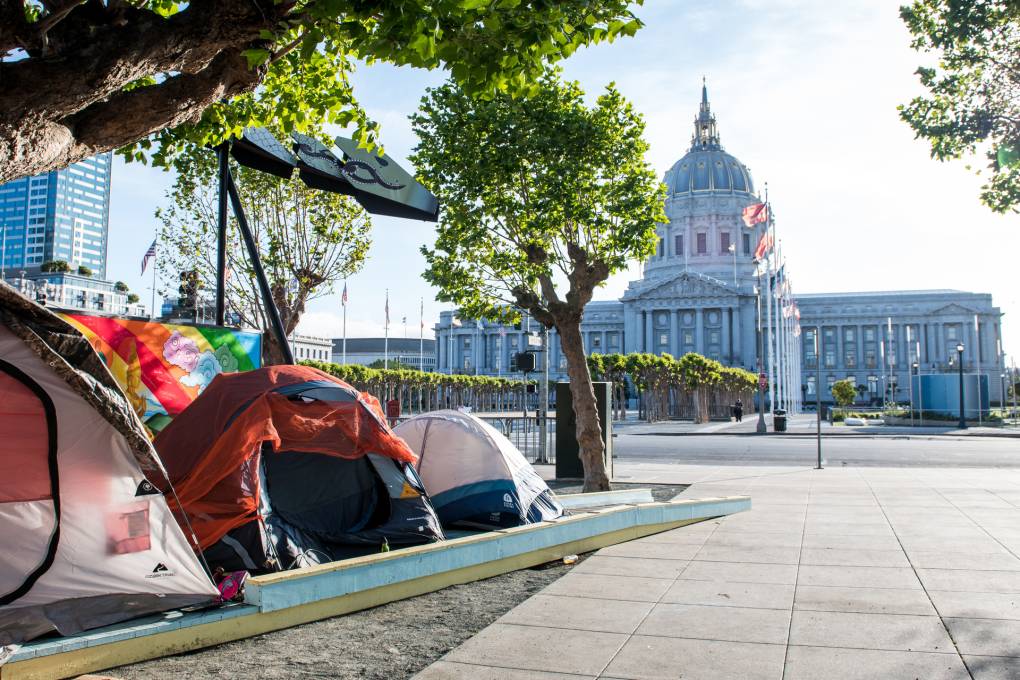
"title": "Tents line Fulton Street near City Hall on April 5, 2020.",
"publishDate": 1686863978,
"status": "inherit",
"parent": 11954718,
"modified": 1718058833,
"caption": "Tents line Fulton Street near City Hall on April 5, 2020.",
"credit": "Beth LaBerge/KQED",
"altTag": "Three tents line a public street with San Francisco's City Hall building shining as the sun comes up in the early morning hours. Rows of trees line a path toward the city building.",
"description": "Tents line Fulton Street near City Hall on April 5, 2020. In June, budget battles are underway in the Bay Area's two largest cities, with Mayors London Breed in San Francisco and Matt Mahan in San José pushing for more voter-approved homelessness dollars to go toward temporary housing.",
"imgSizes": {
"medium": {
"file": "https://cdn.kqed.org/wp-content/uploads/sites/10/2023/06/RS43040_011_KQED_SanFrancisco_TentEncampments_05052020-qut-800x533.jpg",
"width": 800,
"height": 533,
"mimeType": "image/jpeg"
},
"large": {
"file": "https://cdn.kqed.org/wp-content/uploads/sites/10/2023/06/RS43040_011_KQED_SanFrancisco_TentEncampments_05052020-qut-1020x680.jpg",
"width": 1020,
"height": 680,
"mimeType": "image/jpeg"
},
"thumbnail": {
"file": "https://cdn.kqed.org/wp-content/uploads/sites/10/2023/06/RS43040_011_KQED_SanFrancisco_TentEncampments_05052020-qut-160x107.jpg",
"width": 160,
"height": 107,
"mimeType": "image/jpeg"
},
"1536x1536": {
"file": "https://cdn.kqed.org/wp-content/uploads/sites/10/2023/06/RS43040_011_KQED_SanFrancisco_TentEncampments_05052020-qut-1536x1024.jpg",
"width": 1536,
"height": 1024,
"mimeType": "image/jpeg"
},
"post-thumbnail": {
"file": "https://cdn.kqed.org/wp-content/uploads/sites/10/2023/06/RS43040_011_KQED_SanFrancisco_TentEncampments_05052020-qut-672x372.jpg",
"width": 672,
"height": 372,
"mimeType": "image/jpeg"
},
"twentyfourteen-full-width": {
"file": "https://cdn.kqed.org/wp-content/uploads/sites/10/2023/06/RS43040_011_KQED_SanFrancisco_TentEncampments_05052020-qut-1038x576.jpg",
"width": 1038,
"height": 576,
"mimeType": "image/jpeg"
},
"kqedFullSize": {
"file": "https://cdn.kqed.org/wp-content/uploads/sites/10/2023/06/RS43040_011_KQED_SanFrancisco_TentEncampments_05052020-qut.jpg",
"width": 1920,
"height": 1280
}
},
"isLoading": false,
"fetchFailed": false
},
"news_11952625": {
"type": "attachments",
"id": "news_11952625",
"meta": {
"index": "attachments_1716263798",
"site": "news",
"id": "11952625",
"found": true
},
"parent": 11952569,
"imgSizes": {
"twentyfourteen-full-width": {
"file": "https://ww2.kqed.org/app/uploads/sites/10/2023/06/RS66194_IMG_5049-1-qut-1038x576.jpg",
"width": 1038,
"mimeType": "image/jpeg",
"height": 576
},
"thumbnail": {
"file": "https://ww2.kqed.org/app/uploads/sites/10/2023/06/RS66194_IMG_5049-1-qut-160x107.jpg",
"width": 160,
"mimeType": "image/jpeg",
"height": 107
},
"post-thumbnail": {
"file": "https://ww2.kqed.org/app/uploads/sites/10/2023/06/RS66194_IMG_5049-1-qut-672x372.jpg",
"width": 672,
"mimeType": "image/jpeg",
"height": 372
},
"kqedFullSize": {
"file": "https://ww2.kqed.org/app/uploads/sites/10/2023/06/RS66194_IMG_5049-1-qut.jpg",
"width": 1920,
"height": 1279
},
"large": {
"file": "https://ww2.kqed.org/app/uploads/sites/10/2023/06/RS66194_IMG_5049-1-qut-1020x679.jpg",
"width": 1020,
"mimeType": "image/jpeg",
"height": 679
},
"1536x1536": {
"file": "https://ww2.kqed.org/app/uploads/sites/10/2023/06/RS66194_IMG_5049-1-qut-1536x1023.jpg",
"width": 1536,
"mimeType": "image/jpeg",
"height": 1023
},
"medium": {
"file": "https://ww2.kqed.org/app/uploads/sites/10/2023/06/RS66194_IMG_5049-1-qut-800x533.jpg",
"width": 800,
"mimeType": "image/jpeg",
"height": 533
}
},
"publishDate": 1686270018,
"modified": 1686270040,
"caption": "Marlene Sanchez, executive director of the Ella Baker Center, joins Political Breakdown on June 8, 2023.",
"description": null,
"title": "RS66194_IMG_5049 (1)-qut",
"credit": "Guy Marzorati/KQED",
"status": "inherit",
"altTag": null,
"isLoading": false,
"fetchFailed": false
},
"news_11952238": {
"type": "attachments",
"id": "news_11952238",
"meta": {
"index": "attachments_1716263798",
"site": "news",
"id": "11952238",
"found": true
},
"parent": 11952227,
"imgSizes": {
"twentyfourteen-full-width": {
"file": "https://ww2.kqed.org/app/uploads/sites/10/2023/06/RS48059_003_SanFrancisco_NewsomBontaPressConference_03242021-qut-1038x576.jpg",
"width": 1038,
"mimeType": "image/jpeg",
"height": 576
},
"thumbnail": {
"file": "https://ww2.kqed.org/app/uploads/sites/10/2023/06/RS48059_003_SanFrancisco_NewsomBontaPressConference_03242021-qut-160x107.jpg",
"width": 160,
"mimeType": "image/jpeg",
"height": 107
},
"post-thumbnail": {
"file": "https://ww2.kqed.org/app/uploads/sites/10/2023/06/RS48059_003_SanFrancisco_NewsomBontaPressConference_03242021-qut-672x372.jpg",
"width": 672,
"mimeType": "image/jpeg",
"height": 372
},
"kqedFullSize": {
"file": "https://ww2.kqed.org/app/uploads/sites/10/2023/06/RS48059_003_SanFrancisco_NewsomBontaPressConference_03242021-qut.jpg",
"width": 1920,
"height": 1278
},
"large": {
"file": "https://ww2.kqed.org/app/uploads/sites/10/2023/06/RS48059_003_SanFrancisco_NewsomBontaPressConference_03242021-qut-1020x679.jpg",
"width": 1020,
"mimeType": "image/jpeg",
"height": 679
},
"1536x1536": {
"file": "https://ww2.kqed.org/app/uploads/sites/10/2023/06/RS48059_003_SanFrancisco_NewsomBontaPressConference_03242021-qut-1536x1022.jpg",
"width": 1536,
"mimeType": "image/jpeg",
"height": 1022
},
"medium": {
"file": "https://ww2.kqed.org/app/uploads/sites/10/2023/06/RS48059_003_SanFrancisco_NewsomBontaPressConference_03242021-qut-800x533.jpg",
"width": 800,
"mimeType": "image/jpeg",
"height": 533
}
},
"publishDate": 1686000108,
"modified": 1686270533,
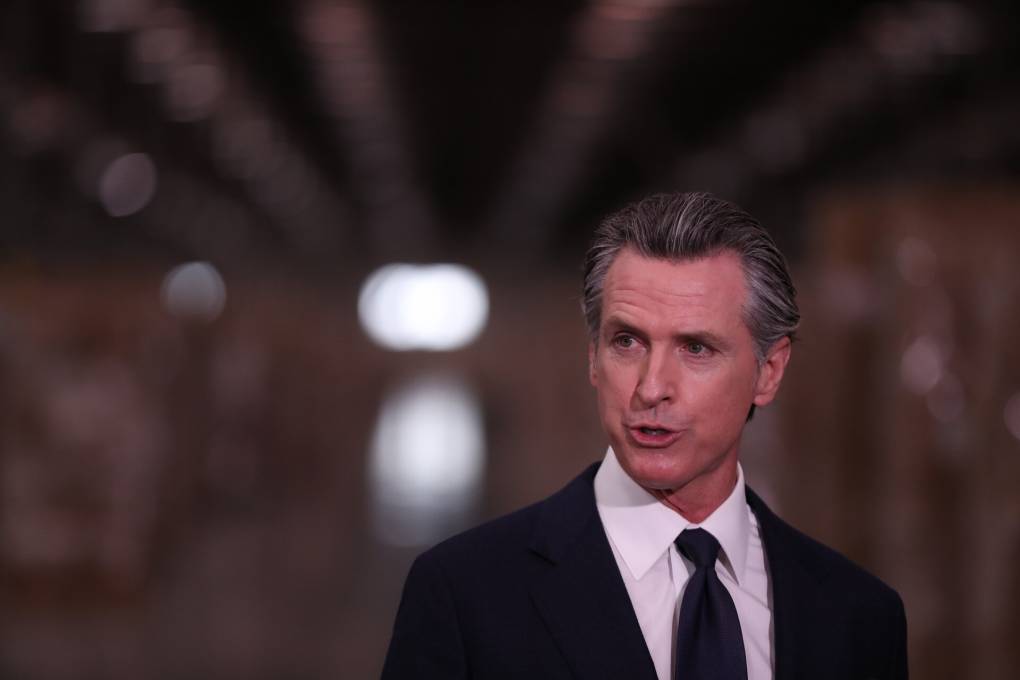
"caption": "Gov. Gavin Newsom recently proposed a US constitutional amendment that includes banning assault weapons, universal background checks and a firearm purchase waiting period.",
"description": null,
"title": "RS48059_003_SanFrancisco_NewsomBontaPressConference_03242021-qut",
"credit": "Beth LaBerge/KQED",
"status": "inherit",
"altTag": "California Gov. Gavin Newsom is looking off to his left shoulder in a room full of large paintings that hang on white walls. He wears a navy suit and tie with his salt and pepper hair slicked back.",
"isLoading": false,
"fetchFailed": false
},
"news_11952345": {
"type": "attachments",
"id": "news_11952345",
"meta": {
"index": "attachments_1716263798",
"site": "news",
"id": "11952345",
"found": true
},
"parent": 0,
"imgSizes": {
"twentyfourteen-full-width": {
"file": "https://ww2.kqed.org/app/uploads/sites/10/2023/06/RS48090_034_SanFrancisco_NewsomBontaPressConference_03242021-qut-1038x576.jpg",
"width": 1038,
"mimeType": "image/jpeg",
"height": 576
},
"thumbnail": {
"file": "https://ww2.kqed.org/app/uploads/sites/10/2023/06/RS48090_034_SanFrancisco_NewsomBontaPressConference_03242021-qut-160x107.jpg",
"width": 160,
"mimeType": "image/jpeg",
"height": 107
},
"post-thumbnail": {
"file": "https://ww2.kqed.org/app/uploads/sites/10/2023/06/RS48090_034_SanFrancisco_NewsomBontaPressConference_03242021-qut-672x372.jpg",
"width": 672,
"mimeType": "image/jpeg",
"height": 372
},
"kqedFullSize": {
"file": "https://ww2.kqed.org/app/uploads/sites/10/2023/06/RS48090_034_SanFrancisco_NewsomBontaPressConference_03242021-qut.jpg",
"width": 1920,
"height": 1278
},
"large": {
"file": "https://ww2.kqed.org/app/uploads/sites/10/2023/06/RS48090_034_SanFrancisco_NewsomBontaPressConference_03242021-qut-1020x679.jpg",
"width": 1020,
"mimeType": "image/jpeg",
"height": 679
},
"1536x1536": {
"file": "https://ww2.kqed.org/app/uploads/sites/10/2023/06/RS48090_034_SanFrancisco_NewsomBontaPressConference_03242021-qut-1536x1022.jpg",
"width": 1536,
"mimeType": "image/jpeg",
"height": 1022
},
"medium": {
"file": "https://ww2.kqed.org/app/uploads/sites/10/2023/06/RS48090_034_SanFrancisco_NewsomBontaPressConference_03242021-qut-800x533.jpg",
"width": 800,
"mimeType": "image/jpeg",
"height": 533
}
},
"publishDate": 1686070989,
"modified": 1686071278,
"caption": "California Attorney General Rob Bonta said about 20 people ranging in age from 21 to 30 were flown by private jet to Sacramento on Monday, June 5, 2023. It was the second such flight in four days.",
"description": null,
"title": "RS48090_034_SanFrancisco_NewsomBontaPressConference_03242021-qut",
"credit": "Beth LaBerge/KQED",
"status": "inherit",
"altTag": "A man in a navy blue suit and tie speaks from a podium with one hand extended out as he wears a serious expression. His black hair has little gray. Gov. Gavin Newsom is seen standing in the background, blurred.",
"isLoading": false,
"fetchFailed": false
},
"news_11952219": {
"type": "attachments",
"id": "news_11952219",
"meta": {
"index": "attachments_1716263798",
"site": "news",
"id": "11952219",
"found": true
},
"parent": 0,
"imgSizes": {
"twentyfourteen-full-width": {
"file": "https://ww2.kqed.org/app/uploads/sites/10/2023/06/060523-COURT-JUDGE-GETTY-IK-KQED-1038x576.jpg",
"width": 1038,
"mimeType": "image/jpeg",
"height": 576
},
"thumbnail": {
"file": "https://ww2.kqed.org/app/uploads/sites/10/2023/06/060523-COURT-JUDGE-GETTY-IK-KQED-160x107.jpg",
"width": 160,
"mimeType": "image/jpeg",
"height": 107
},
"post-thumbnail": {
"file": "https://ww2.kqed.org/app/uploads/sites/10/2023/06/060523-COURT-JUDGE-GETTY-IK-KQED-672x372.jpg",
"width": 672,
"mimeType": "image/jpeg",
"height": 372
},
"kqedFullSize": {
"file": "https://ww2.kqed.org/app/uploads/sites/10/2023/06/060523-COURT-JUDGE-GETTY-IK-KQED.jpg",
"width": 1920,
"height": 1280
},
"large": {
"file": "https://ww2.kqed.org/app/uploads/sites/10/2023/06/060523-COURT-JUDGE-GETTY-IK-KQED-1020x680.jpg",
"width": 1020,
"mimeType": "image/jpeg",
"height": 680
},
"1536x1536": {
"file": "https://ww2.kqed.org/app/uploads/sites/10/2023/06/060523-COURT-JUDGE-GETTY-IK-KQED-1536x1024.jpg",
"width": 1536,
"mimeType": "image/jpeg",
"height": 1024
},
"medium": {
"file": "https://ww2.kqed.org/app/uploads/sites/10/2023/06/060523-COURT-JUDGE-GETTY-IK-KQED-800x533.jpg",
"width": 800,
"mimeType": "image/jpeg",
"height": 533
}
},
"publishDate": 1685996648,
"modified": 1696359688,
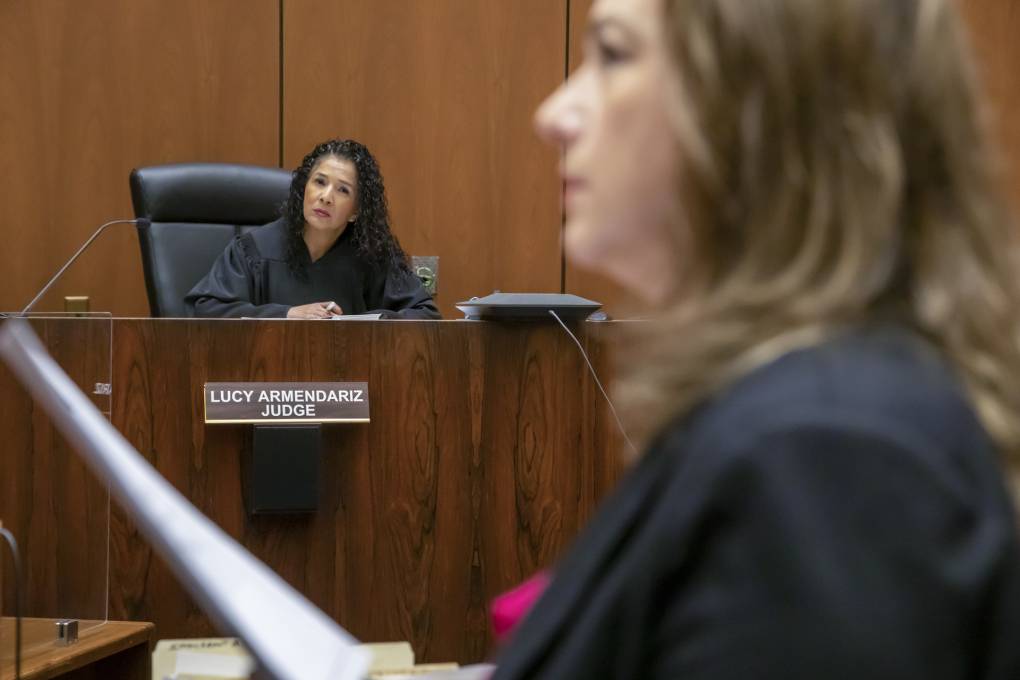
"caption": "A judge presides over a courtroom in Los Angeles on May 24, 2023. San Francisco is among 8 California counties this year, including Los Angeles, poised to implement CARE Courts, which allow first responders, family members, clinicians and others to ask a judge to order treatment plans for people diagnosed with schizophrenia and other psychotic disorders.",
"description": null,
"title": null,
"credit": "Irfan Khan/Los Angeles Times via Getty Images",
"status": "inherit",
"altTag": "A judge presides over a wood-paneled courtroom and looks at a defense attorney.",
"isLoading": false,
"fetchFailed": false
},
"news_11952234": {
"type": "attachments",
"id": "news_11952234",
"meta": {
"index": "attachments_1716263798",
"site": "news",
"id": "11952234",
"found": true
},
"parent": 0,
"imgSizes": {
"twentyfourteen-full-width": {
"file": "https://ww2.kqed.org/app/uploads/sites/10/2023/06/060523-SACRAMENTO-DIOCESE-MIGRANTS-AP-TN-KQED-1038x576.jpg",
"width": 1038,
"mimeType": "image/jpeg",
"height": 576
},
"thumbnail": {
"file": "https://ww2.kqed.org/app/uploads/sites/10/2023/06/060523-SACRAMENTO-DIOCESE-MIGRANTS-AP-TN-KQED-160x107.jpg",
"width": 160,
"mimeType": "image/jpeg",
"height": 107
},
"post-thumbnail": {
"file": "https://ww2.kqed.org/app/uploads/sites/10/2023/06/060523-SACRAMENTO-DIOCESE-MIGRANTS-AP-TN-KQED-672x372.jpg",
"width": 672,
"mimeType": "image/jpeg",
"height": 372
},
"kqedFullSize": {
"file": "https://ww2.kqed.org/app/uploads/sites/10/2023/06/060523-SACRAMENTO-DIOCESE-MIGRANTS-AP-TN-KQED.jpg",
"width": 1920,
"height": 1280
},
"large": {
"file": "https://ww2.kqed.org/app/uploads/sites/10/2023/06/060523-SACRAMENTO-DIOCESE-MIGRANTS-AP-TN-KQED-1020x680.jpg",
"width": 1020,
"mimeType": "image/jpeg",
"height": 680
},
"1536x1536": {
"file": "https://ww2.kqed.org/app/uploads/sites/10/2023/06/060523-SACRAMENTO-DIOCESE-MIGRANTS-AP-TN-KQED-1536x1024.jpg",
"width": 1536,
"mimeType": "image/jpeg",
"height": 1024
},
"medium": {
"file": "https://ww2.kqed.org/app/uploads/sites/10/2023/06/060523-SACRAMENTO-DIOCESE-MIGRANTS-AP-TN-KQED-800x533.jpg",
"width": 800,
"mimeType": "image/jpeg",
"height": 533
}
},
"publishDate": 1686000094,
"modified": 1686010550,
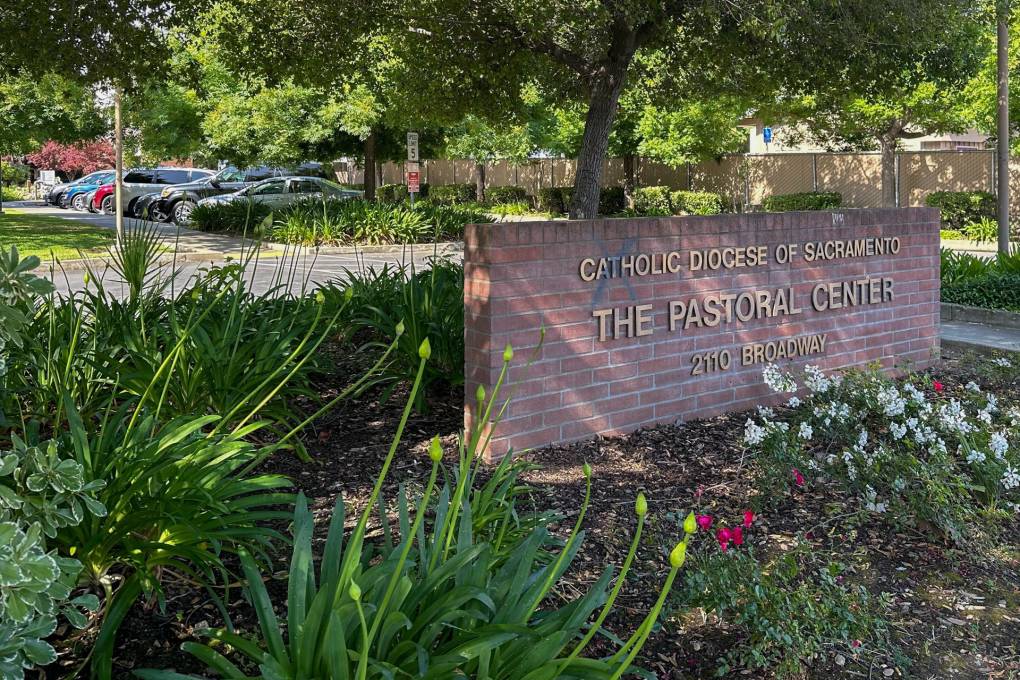
"caption": "The Roman Catholic Diocese of Sacramento, in Sacramento on June 5, 2023. Migrants from Venezuela and Colombia were brought to the diocese's offices on Friday, June 2, 2023, after being flown from New Mexico, by way of Texas, to Sacramento.",
"description": null,
"title": "Immigration Migrant Flights",
"credit": "Tran Nguyen/AP Photo",
"status": "inherit",
"altTag": "A brick, rectangular sign with gold letters surrounded by brown bark, white and red flowers and green bushes reads, \"Catholic Diocese of Sacramento: The Pastoral Center 2110 Broadway.\" It's daytime and a parking lot full of vehicles is seen in the background.",
"isLoading": false,
"fetchFailed": false
},
"news_11952083": {
"type": "attachments",
"id": "news_11952083",
"meta": {
"index": "attachments_1716263798",
"site": "news",
"id": "11952083",
"found": true
},
"parent": 0,
"imgSizes": {
"twentyfourteen-full-width": {
"file": "https://ww2.kqed.org/app/uploads/sites/10/2023/06/RS63703_03192023_kqed_pajarobridge-037-qut-1038x576.jpg",
"width": 1038,
"mimeType": "image/jpeg",
"height": 576
},
"thumbnail": {
"file": "https://ww2.kqed.org/app/uploads/sites/10/2023/06/RS63703_03192023_kqed_pajarobridge-037-qut-160x106.jpg",
"width": 160,
"mimeType": "image/jpeg",
"height": 106
},
"post-thumbnail": {
"file": "https://ww2.kqed.org/app/uploads/sites/10/2023/06/RS63703_03192023_kqed_pajarobridge-037-qut-672x372.jpg",
"width": 672,
"mimeType": "image/jpeg",
"height": 372
},
"kqedFullSize": {
"file": "https://ww2.kqed.org/app/uploads/sites/10/2023/06/RS63703_03192023_kqed_pajarobridge-037-qut.jpg",
"width": 1920,
"height": 1277
},
"large": {
"file": "https://ww2.kqed.org/app/uploads/sites/10/2023/06/RS63703_03192023_kqed_pajarobridge-037-qut-1020x678.jpg",
"width": 1020,
"mimeType": "image/jpeg",
"height": 678
},
"1536x1536": {
"file": "https://ww2.kqed.org/app/uploads/sites/10/2023/06/RS63703_03192023_kqed_pajarobridge-037-qut-1536x1022.jpg",
"width": 1536,
"mimeType": "image/jpeg",
"height": 1022
},
"medium": {
"file": "https://ww2.kqed.org/app/uploads/sites/10/2023/06/RS63703_03192023_kqed_pajarobridge-037-qut-800x532.jpg",
"width": 800,
"mimeType": "image/jpeg",
"height": 532
}
},
"publishDate": 1685741948,
"modified": 1685750866,
"caption": "Signs block off the stretch of Murphy Road that crosses the Pajaro River in Watsonville on March 19, 2023. In March, Gov. Gavin Newsom said state relief would soon help flood victims who don’t qualify for federal emergency relief. But the state has yet to name nonprofits that will dole out the aid.",
"description": null,
"title": "RS63703_03192023_kqed_pajarobridge 037-qut",
"credit": "Kori Suzuki/KQED",
"status": "inherit",
"altTag": "An orange and white construction sign reads, \"Road closed,\" next to flooded streets and dilapidated wooden fences. A green, wooden home is seen in the background.",
"isLoading": false,
"fetchFailed": false
},
"news_11924205": {
"type": "attachments",
"id": "news_11924205",
"meta": {
"index": "attachments_1716263798",
"site": "news",
"id": "11924205",
"found": true
},
"parent": 11924117,
"imgSizes": {
"twentyfourteen-full-width": {
"file": "https://ww2.kqed.org/app/uploads/sites/10/2022/08/RS58238_GettyImages-1238594058-qut-1038x576.jpg",
"width": 1038,
"mimeType": "image/jpeg",
"height": 576
},
"thumbnail": {
"file": "https://ww2.kqed.org/app/uploads/sites/10/2022/08/RS58238_GettyImages-1238594058-qut-160x107.jpg",
"width": 160,
"mimeType": "image/jpeg",
"height": 107
},
"post-thumbnail": {
"file": "https://ww2.kqed.org/app/uploads/sites/10/2022/08/RS58238_GettyImages-1238594058-qut-672x372.jpg",
"width": 672,
"mimeType": "image/jpeg",
"height": 372
},
"kqedFullSize": {
"file": "https://ww2.kqed.org/app/uploads/sites/10/2022/08/RS58238_GettyImages-1238594058-qut.jpg",
"width": 1920,
"height": 1280
},
"large": {
"file": "https://ww2.kqed.org/app/uploads/sites/10/2022/08/RS58238_GettyImages-1238594058-qut-1020x680.jpg",
"width": 1020,
"mimeType": "image/jpeg",
"height": 680
},
"1536x1536": {
"file": "https://ww2.kqed.org/app/uploads/sites/10/2022/08/RS58238_GettyImages-1238594058-qut-1536x1024.jpg",
"width": 1536,
"mimeType": "image/jpeg",
"height": 1024
},
"medium": {
"file": "https://ww2.kqed.org/app/uploads/sites/10/2022/08/RS58238_GettyImages-1238594058-qut-800x533.jpg",
"width": 800,
"mimeType": "image/jpeg",
"height": 533
}
},
"publishDate": 1661963945,
"modified": 1685626707,
"caption": "Gov. Gavin Newsom signs legislation to institute CARE Court, his plan to overhaul the state's approach to mental health care for people diagnosed with schizophrenia and other psychotic disorders.",
"description": null,
"title": "Governor Gavin Newsom speaks during a press conference to unveil the next phase of California's pandemic response",
"credit": "Allen J. Schaben/Los Angeles Times via Getty Images",
"status": "inherit",
"altTag": "Gavin Newsom speaks at a press conference",
"isLoading": false,
"fetchFailed": false
},
"news_11950407": {
"type": "attachments",
"id": "news_11950407",
"meta": {
"index": "attachments_1716263798",
"site": "news",
"id": "11950407",
"found": true
},
"parent": 0,
"imgSizes": {
"twentyfourteen-full-width": {
"file": "https://ww2.kqed.org/app/uploads/sites/10/2023/05/RS10658_IMG_6302-1038x576.jpg",
"width": 1038,
"mimeType": "image/jpeg",
"height": 576
},
"thumbnail": {
"file": "https://ww2.kqed.org/app/uploads/sites/10/2023/05/RS10658_IMG_6302-160x107.jpg",
"width": 160,
"mimeType": "image/jpeg",
"height": 107
},
"post-thumbnail": {
"file": "https://ww2.kqed.org/app/uploads/sites/10/2023/05/RS10658_IMG_6302-672x372.jpg",
"width": 672,
"mimeType": "image/jpeg",
"height": 372
},
"kqedFullSize": {
"file": "https://ww2.kqed.org/app/uploads/sites/10/2023/05/RS10658_IMG_6302.jpg",
"width": 1980,
"height": 1320
},
"large": {
"file": "https://ww2.kqed.org/app/uploads/sites/10/2023/05/RS10658_IMG_6302-1020x680.jpg",
"width": 1020,
"mimeType": "image/jpeg",
"height": 680
},
"1536x1536": {
"file": "https://ww2.kqed.org/app/uploads/sites/10/2023/05/RS10658_IMG_6302-1536x1024.jpg",
"width": 1536,
"mimeType": "image/jpeg",
"height": 1024
},
"full-width": {
"file": "https://ww2.kqed.org/app/uploads/sites/10/2023/05/RS10658_IMG_6302-1920x1280.jpg",
"width": 1920,
"mimeType": "image/jpeg",
"height": 1280
},
"medium": {
"file": "https://ww2.kqed.org/app/uploads/sites/10/2023/05/RS10658_IMG_6302-800x533.jpg",
"width": 800,
"mimeType": "image/jpeg",
"height": 533
}
},
"publishDate": 1684796207,
"modified": 1684870788,
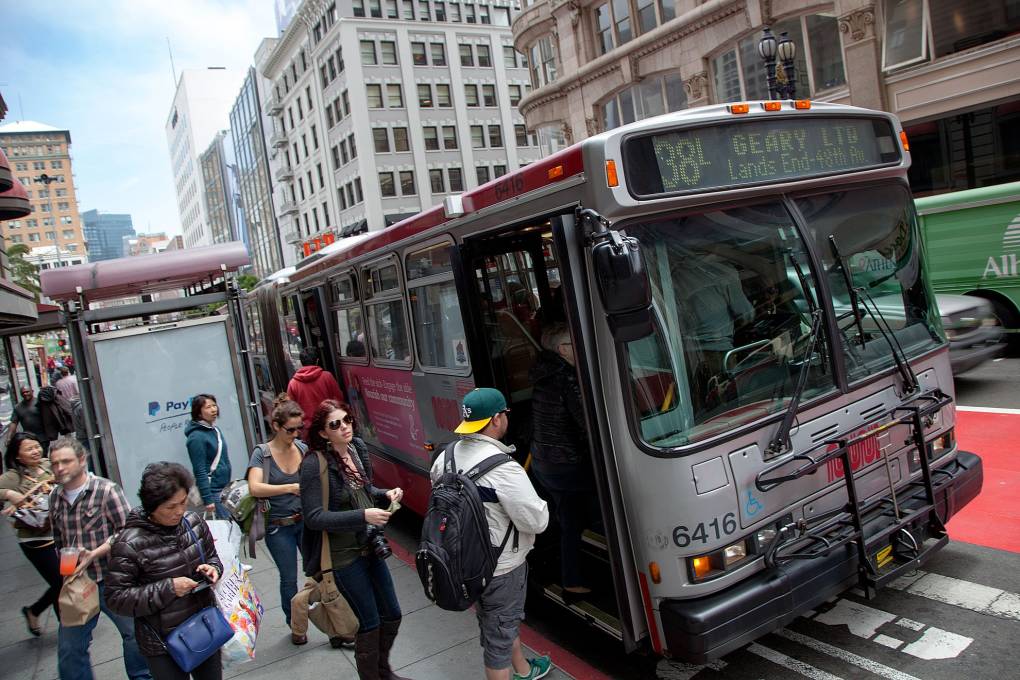
"caption": "Passengers board the 38 bus on Geary Street, near Union Square in San Francisco on June 5, 2014.",
"description": null,
"title": "RS10658_IMG_6302",
"credit": "Mark Andrew Boyer/KQED",
"status": "inherit",
"altTag": "Passengers board a bus on a busy street in San Francisco. One man is wearing an Oakland A's baseball cap.",
"isLoading": false,
"fetchFailed": false
},
"news_11948803": {
"type": "attachments",
"id": "news_11948803",
"meta": {
"index": "attachments_1716263798",
"site": "news",
"id": "11948803",
"found": true
},
"parent": 11948773,
"imgSizes": {
"twentyfourteen-full-width": {
"file": "https://ww2.kqed.org/app/uploads/sites/10/2023/05/day-care-kids-at-are-table-1020x576.jpg",
"width": 1020,
"mimeType": "image/jpeg",
"height": 576
},
"thumbnail": {
"file": "https://ww2.kqed.org/app/uploads/sites/10/2023/05/day-care-kids-at-are-table-160x107.jpg",
"width": 160,
"mimeType": "image/jpeg",
"height": 107
},
"post-thumbnail": {
"file": "https://ww2.kqed.org/app/uploads/sites/10/2023/05/day-care-kids-at-are-table-672x372.jpg",
"width": 672,
"mimeType": "image/jpeg",
"height": 372
},
"kqedFullSize": {
"file": "https://ww2.kqed.org/app/uploads/sites/10/2023/05/day-care-kids-at-are-table.jpg",
"width": 1020,
"height": 680
},
"medium": {
"file": "https://ww2.kqed.org/app/uploads/sites/10/2023/05/day-care-kids-at-are-table-800x533.jpg",
"width": 800,
"mimeType": "image/jpeg",
"height": 533
}
},
"publishDate": 1683573072,
"modified": 1683573092,
"caption": "Yolanda Thomas trabaja en un proyecto de arte con los niños de su guardería en su casa de Pittsburg el 14 de diciembre de 2022. A partir del 1 de julio de 2023, muchos padres que dependen de guarderías subvencionadas podrían tener que empezar a pagar cuotas por primera vez desde 2020.",
"description": null,
"title": "day care kids at are table",
"credit": "Beth LaBerge/KQED",
"status": "inherit",
"altTag": null,
"isLoading": false,
"fetchFailed": false
},
"news_11950287": {
"type": "attachments",
"id": "news_11950287",
"meta": {
"index": "attachments_1716263798",
"site": "news",
"id": "11950287",
"found": true
},
"parent": 11950286,
"imgSizes": {
"twentyfourteen-full-width": {
"file": "https://ww2.kqed.org/app/uploads/sites/10/2023/05/GettyImages-1256217607-1024x576.jpg",
"width": 1024,
"mimeType": "image/jpeg",
"height": 576
},
"thumbnail": {
"file": "https://ww2.kqed.org/app/uploads/sites/10/2023/05/GettyImages-1256217607-160x107.jpg",
"width": 160,
"mimeType": "image/jpeg",
"height": 107
},
"post-thumbnail": {
"file": "https://ww2.kqed.org/app/uploads/sites/10/2023/05/GettyImages-1256217607-672x372.jpg",
"width": 672,
"mimeType": "image/jpeg",
"height": 372
},
"kqedFullSize": {
"file": "https://ww2.kqed.org/app/uploads/sites/10/2023/05/GettyImages-1256217607.jpg",
"width": 1024,
"height": 683
},
"large": {
"file": "https://ww2.kqed.org/app/uploads/sites/10/2023/05/GettyImages-1256217607-1020x680.jpg",
"width": 1020,
"mimeType": "image/jpeg",
"height": 680
},
"medium": {
"file": "https://ww2.kqed.org/app/uploads/sites/10/2023/05/GettyImages-1256217607-800x534.jpg",
"width": 800,
"mimeType": "image/jpeg",
"height": 534
}
},
"publishDate": 1684617666,
"modified": 1684800288,
"caption": "Gov. Gavin Newsom speaks during a press conference surrounded by workers, with former Los Angeles Mayor Antonio Villaraigosa (second from left), and Jim Shandalov, vice president at NextEra Energy Resources (third from left) at the construction of the battery energy storage systems (BESS) for the future site of Proxima Solar Farm, on May 19, 2023, in Stanislaus County. ",
"description": "This previously was the second line in the caption: The Governor unveiled legislation to speed up construction for a streamlined process and to expedite court review on legal challenges that often tie up projects.",
"title": "California Governor Unveils Proposals To Streamline and Build Clean California Infrastructure",
"credit": "John G. Mabanglo-Pool/Getty Images",
"status": "inherit",
"altTag": "A white man talks to a crowd at a dais during a press conference with workers and others standing around him.",
"isLoading": false,
"fetchFailed": false
}
},
"audioPlayerReducer": {
"postId": "stream_live",
"isPaused": true,
"isPlaying": false,
"pfsActive": false,
"pledgeModalIsOpen": true,
"playerDrawerIsOpen": false,
"liveAudioPlayStartedAt": 0,
"liveAudioPlayContext": ""
},
"authorsReducer": {
"byline_news_11954205": {
"type": "authors",
"id": "byline_news_11954205",
"meta": {
"override": true
},
"slug": "byline_news_11954205",
"name": "\u003ca href=\"https://twitter.com/adambeam\">Adam Beam\u003c/a>\u003cbr>The Associated Press",
"isLoading": false
},
"byline_news_11952335": {
"type": "authors",
"id": "byline_news_11952335",
"meta": {
"override": true
},
"slug": "byline_news_11952335",
"name": "Trân Nguyen and Olga R. Rodriguez\u003cbr>\u003ca href=\"https://apnews.com/\">The Associated Press\u003c/a>",
"isLoading": false
},
"byline_news_11952227": {
"type": "authors",
"id": "byline_news_11952227",
"meta": {
"override": true
},
"slug": "byline_news_11952227",
"name": "\u003ca href=\"https://apnews.com/\">Trân Nguyen and Olga R. Rodriguez\u003c/a>\u003cbr>The Associated Press",
"isLoading": false
},
"byline_news_11952059": {
"type": "authors",
"id": "byline_news_11952059",
"meta": {
"override": true
},
"slug": "byline_news_11952059",
"name": "\u003ca href=\"https://calmatters.org/author/nicole-foy/\">Nicole Foy\u003c/a>",
"isLoading": false
},
"byline_news_11950403": {
"type": "authors",
"id": "byline_news_11950403",
"meta": {
"override": true
},
"slug": "byline_news_11950403",
"name": "\u003ca href=\"https://calmatters.org/author/sameea-kamal/\">Sameea Kamal\u003c/a>",
"isLoading": false
},
"byline_news_11950286": {
"type": "authors",
"id": "byline_news_11950286",
"meta": {
"override": true
},
"slug": "byline_news_11950286",
"name": "The Associated Press",
"isLoading": false
},
"gmarzorati": {
"type": "authors",
"id": "227",
"meta": {
"index": "authors_1716337520",
"id": "227",
"found": true
},
"name": "Guy Marzorati",
"firstName": "Guy",
"lastName": "Marzorati",
"slug": "gmarzorati",
"email": "gmarzorati@KQED.org",
"display_author_email": true,
"staff_mastheads": [
"news"
],
"title": "Correspondent",
"bio": "Guy Marzorati is a correspondent on KQED's California Politics and Government Desk, based in San Jose. A graduate of Santa Clara University, Guy joined KQED in 2013. He reports on state and local politics and produces KQED's digital voter guide.",
"avatar": "https://secure.gravatar.com/avatar/e7038b8dbfd55b104369b76b1cd0b9de?s=600&d=blank&r=g",
"twitter": "guymarzorati",
"facebook": null,
"instagram": null,
"linkedin": null,
"sites": [
{
"site": "",
"roles": [
"editor"
]
},
{
"site": "news",
"roles": [
"editor"
]
},
{
"site": "science",
"roles": [
"editor"
]
},
{
"site": "forum",
"roles": [
"editor"
]
},
{
"site": "elections",
"roles": [
"editor"
]
},
{
"site": "liveblog",
"roles": [
"editor"
]
}
],
"headData": {
"title": "Guy Marzorati | KQED",
"description": "Correspondent",
"ogImgSrc": "https://secure.gravatar.com/avatar/e7038b8dbfd55b104369b76b1cd0b9de?s=600&d=blank&r=g",
"twImgSrc": "https://secure.gravatar.com/avatar/e7038b8dbfd55b104369b76b1cd0b9de?s=600&d=blank&r=g"
},
"isLoading": false,
"link": "/author/gmarzorati"
},
"scottshafer": {
"type": "authors",
"id": "255",
"meta": {
"index": "authors_1716337520",
"id": "255",
"found": true
},
"name": "Scott Shafer",
"firstName": "Scott",
"lastName": "Shafer",
"slug": "scottshafer",
"email": "sshafer@kqed.org",
"display_author_email": false,
"staff_mastheads": [
"news"
],
"title": "KQED Contributor",
"bio": "Scott Shafer is a senior editor with the KQED Politics and Government desk. He is co-host of Political Breakdown, the award-winning radio show and podcast with a personal take on the world of politics. Scott came to KQED in 1998 to host the statewide\u003cem> California Report\u003c/em>. Prior to that he had extended stints in politics and government\u003cem>.\u003c/em> He uses that inside experience at KQED in his, reporting, hosting and analysis for the politics desk. Scott collaborated \u003cem>Political Breakdown a\u003c/em>nd on \u003cem>The Political Mind of Jerry Brown, \u003c/em>an eight-part series about the life and extraordinary political career of the former governor. For fun, he plays water polo with the San Francisco Tsunami.",
"avatar": "https://secure.gravatar.com/avatar/a62ebae45b79d7aed1a39a0e3bf68104?s=600&d=blank&r=g",
"twitter": "scottshafer",
"bluesky": null,
"facebook": null,
"instagram": null,
"linkedin": null,
"sites": [
{
"site": "news",
"roles": [
"editor"
]
},
{
"site": "stateofhealth",
"roles": [
"author"
]
},
{
"site": "science",
"roles": [
"author"
]
},
{
"site": "forum",
"roles": [
"subscriber"
]
},
{
"site": "liveblog",
"roles": [
"author"
]
}
],
"headData": {
"title": "Scott Shafer | KQED",
"description": "KQED Contributor",
"ogImgSrc": "https://secure.gravatar.com/avatar/a62ebae45b79d7aed1a39a0e3bf68104?s=600&d=blank&r=g",
"twImgSrc": "https://secure.gravatar.com/avatar/a62ebae45b79d7aed1a39a0e3bf68104?s=600&d=blank&r=g"
},
"isLoading": false,
"link": "/author/scottshafer"
},
"mlagos": {
"type": "authors",
"id": "3239",
"meta": {
"index": "authors_1716337520",
"id": "3239",
"found": true
},
"name": "Marisa Lagos",
"firstName": "Marisa",
"lastName": "Lagos",
"slug": "mlagos",
"email": "mlagos@kqed.org",
"display_author_email": false,
"staff_mastheads": [
"news"
],
"title": "KQED Contributor",
"bio": "Marisa Lagos is a correspondent for KQED’s California Politics and Government Desk and co-hosts the award-winning show and podcast, Political Breakdown. At KQED, Lagos also conducts reporting, analysis and investigations into state, local and national politics for radio, TV, online and onstage. In 2022, she and co-host, Scott Shafer, moderated the only gubernatorial debate in California. In 2020, the \u003ci>Washington Post\u003c/i> named her one of the top political journalists in California; she was nominated for a Peabody and won several other awards for her work investigating the 2017 California wildfires. She has worked at the \u003ci>San Francisco Chronicle\u003c/i>, \u003ci>San Francisco Examiner\u003c/i> and \u003ci>Los Angeles Times\u003c/i>. A UC Santa Barbara graduate, she lives in San Francisco with her two sons and husband.",
"avatar": "https://secure.gravatar.com/avatar/a261a0d3696fc066871ef96b85b5e7d2?s=600&d=blank&r=g",
"twitter": "@mlagos",
"facebook": null,
"instagram": null,
"linkedin": null,
"sites": [
{
"site": "arts",
"roles": [
"author"
]
},
{
"site": "news",
"roles": [
"editor"
]
},
{
"site": "science",
"roles": [
"editor"
]
},
{
"site": "forum",
"roles": [
"author"
]
},
{
"site": "liveblog",
"roles": [
"author"
]
}
],
"headData": {
"title": "Marisa Lagos | KQED",
"description": "KQED Contributor",
"ogImgSrc": "https://secure.gravatar.com/avatar/a261a0d3696fc066871ef96b85b5e7d2?s=600&d=blank&r=g",
"twImgSrc": "https://secure.gravatar.com/avatar/a261a0d3696fc066871ef96b85b5e7d2?s=600&d=blank&r=g"
},
"isLoading": false,
"link": "/author/mlagos"
},
"carlysevern": {
"type": "authors",
"id": "3243",
"meta": {
"index": "authors_1716337520",
"id": "3243",
"found": true
},
"name": "Carly Severn",
"firstName": "Carly",
"lastName": "Severn",
"slug": "carlysevern",
"email": "csevern@kqed.org",
"display_author_email": false,
"staff_mastheads": [
"news"
],
"title": "Senior Editor, Audience News ",
"bio": "Carly is KQED's Senior Editor of Audience News on the Digital News team, and has reported for the California Report Magazine, Bay Curious and KQED Arts. She's formerly the host of \u003ca href=\"http://ww2.kqed.org/pop/category/the-cooler/\" rel=\"noopener noreferrer\">The Cooler\u003c/a> podcast.",
"avatar": "https://secure.gravatar.com/avatar/54037bf5c128fe678f0ef26cec97a93f2e7f220a22d7285703328f12c42c1b1d?s=600&d=blank&r=g",
"twitter": "teacupinthebay",
"bluesky": null,
"facebook": null,
"instagram": null,
"linkedin": null,
"sites": [
{
"site": "",
"roles": [
"editor"
]
},
{
"site": "arts",
"roles": [
"editor"
]
},
{
"site": "news",
"roles": [
"administrator"
]
},
{
"site": "pop",
"roles": [
"editor"
]
},
{
"site": "futureofyou",
"roles": [
"editor"
]
},
{
"site": "about",
"roles": [
"administrator"
]
},
{
"site": "mindshift",
"roles": [
"editor"
]
},
{
"site": "bayareabites",
"roles": [
"editor"
]
},
{
"site": "stateofhealth",
"roles": [
"editor"
]
},
{
"site": "science",
"roles": [
"editor"
]
},
{
"site": "food",
"roles": [
"contributor"
]
},
{
"site": "forum",
"roles": [
"editor"
]
},
{
"site": "perspectives",
"roles": [
"administrator"
]
},
{
"site": "liveblog",
"roles": [
"editor"
]
}
],
"headData": {
"title": "Carly Severn | KQED",
"description": "Senior Editor, Audience News ",
"ogImgSrc": "https://secure.gravatar.com/avatar/54037bf5c128fe678f0ef26cec97a93f2e7f220a22d7285703328f12c42c1b1d?s=600&d=blank&r=g",
"twImgSrc": "https://secure.gravatar.com/avatar/54037bf5c128fe678f0ef26cec97a93f2e7f220a22d7285703328f12c42c1b1d?s=600&d=blank&r=g"
},
"isLoading": false,
"link": "/author/carlysevern"
},
"ecruzguevarra": {
"type": "authors",
"id": "8654",
"meta": {
"index": "authors_1716337520",
"id": "8654",
"found": true
},
"name": "Ericka Cruz Guevarra",
"firstName": "Ericka",
"lastName": "Cruz Guevarra",
"slug": "ecruzguevarra",
"email": "ecruzguevarra@kqed.org",
"display_author_email": true,
"staff_mastheads": [
"news"
],
"title": "Producer, The Bay Podcast",
"bio": "Ericka Cruz Guevarra is host of \u003ca href=\"https://www.kqed.org/podcasts/thebay\">\u003cem>The Bay\u003c/em>\u003c/a> podcast at KQED. Before host, she was the show’s producer. Her work in that capacity includes a three-part reported series on policing in Vallejo, which won a 2020 excellence in journalism award from the Society of Professional Journalists. Ericka has worked as a breaking news reporter at Oregon Public Broadcasting, helped produce the Code Switch podcast, and was KQED’s inaugural Raul Ramirez Diversity Fund intern. She’s also an alumna of NPR’s Next Generation Radio program. Send her an email if you have strong feelings about whether Fairfield and Suisun City are the Bay. Ericka is represented by SAG-AFTRA.",
"avatar": "https://secure.gravatar.com/avatar/accefc1de4bafc7e234b69bcb9b6f6536c130fd84709bc3069ef11a78787e1bb?s=600&d=blank&r=g",
"twitter": "NotoriousECG",
"bluesky": null,
"facebook": null,
"instagram": null,
"linkedin": null,
"sites": [
{
"site": "arts",
"roles": [
"subscriber"
]
},
{
"site": "news",
"roles": [
"editor",
"manage_categories"
]
},
{
"site": "futureofyou",
"roles": [
"subscriber"
]
},
{
"site": "stateofhealth",
"roles": [
"subscriber"
]
},
{
"site": "science",
"roles": [
"editor"
]
},
{
"site": "forum",
"roles": [
"subscriber"
]
}
],
"headData": {
"title": "Ericka Cruz Guevarra | KQED",
"description": "Producer, The Bay Podcast",
"ogImgSrc": "https://secure.gravatar.com/avatar/accefc1de4bafc7e234b69bcb9b6f6536c130fd84709bc3069ef11a78787e1bb?s=600&d=blank&r=g",
"twImgSrc": "https://secure.gravatar.com/avatar/accefc1de4bafc7e234b69bcb9b6f6536c130fd84709bc3069ef11a78787e1bb?s=600&d=blank&r=g"
},
"isLoading": false,
"link": "/author/ecruzguevarra"
},
"amontecillo": {
"type": "authors",
"id": "11649",
"meta": {
"index": "authors_1716337520",
"id": "11649",
"found": true
},
"name": "Alan Montecillo",
"firstName": "Alan",
"lastName": "Montecillo",
"slug": "amontecillo",
"email": "amontecillo@kqed.org",
"display_author_email": false,
"staff_mastheads": [
"news"
],
"title": "KQED Contributor",
"bio": "Alan Montecillo is the senior editor of \u003cem>\u003ca href=\"http://kqed.org/thebay\">The Bay\u003c/a>, \u003c/em> KQED's local news podcast. Before moving to the Bay Area, he worked as a senior talk show producer for WILL in Champaign-Urbana, Illinois and at Oregon Public Broadcasting in Portland, Oregon. He has won journalism awards from the Society of Professional Journalists Northern California, the Public Media Journalists Association, The Signal Awards, and has also received a regional Edward R. Murrow award. Alan is a Filipino American from Hong Kong and a graduate of Reed College.",
"avatar": "https://secure.gravatar.com/avatar/268f53a2066899ea9efdd8a5900218b17c822d9862cbc9326cccec53ef41d349?s=600&d=blank&r=g",
"twitter": "alanmontecillo",
"bluesky": null,
"facebook": null,
"instagram": null,
"linkedin": null,
"sites": [
{
"site": "",
"roles": [
"editor"
]
},
{
"site": "news",
"roles": [
"editor",
"manage_categories"
]
}
],
"headData": {
"title": "Alan Montecillo | KQED",
"description": "KQED Contributor",
"ogImgSrc": "https://secure.gravatar.com/avatar/268f53a2066899ea9efdd8a5900218b17c822d9862cbc9326cccec53ef41d349?s=600&d=blank&r=g",
"twImgSrc": "https://secure.gravatar.com/avatar/268f53a2066899ea9efdd8a5900218b17c822d9862cbc9326cccec53ef41d349?s=600&d=blank&r=g"
},
"isLoading": false,
"link": "/author/amontecillo"
},
"jrodriguez": {
"type": "authors",
"id": "11690",
"meta": {
"index": "authors_1716337520",
"id": "11690",
"found": true
},
"name": "Joe Fitzgerald Rodriguez",
"firstName": "Joe",
"lastName": "Fitzgerald Rodriguez",
"slug": "jrodriguez",
"email": "jrodriguez@kqed.org",
"display_author_email": true,
"staff_mastheads": [
"news"
],
"title": "Reporter and Producer",
"bio": "Joe Fitzgerald Rodriguez is a reporter and digital producer for KQED covering politics. Joe most recently wrote for the \u003cem>San Francisco Examiner\u003c/em> as a political columnist covering The City. He was raised in San Francisco and has spent his reporting career in his beloved, foggy, city by the bay. Joe was 12-years-old when he conducted his first interview in journalism, grilling former San Francisco Mayor Willie Brown for the Marina Middle School newspaper, \u003cem>The Penguin Press, \u003c/em>and he continues to report on the San Francisco Bay Area to this day.",
"avatar": "https://secure.gravatar.com/avatar/2247beb0564c1e9c62228d5649d2edac?s=600&d=blank&r=g",
"twitter": "FitztheReporter",
"facebook": null,
"instagram": "https://www.instagram.com/fitzthereporter/",
"linkedin": null,
"sites": [
{
"site": "",
"roles": [
"editor"
]
},
{
"site": "arts",
"roles": [
"editor"
]
},
{
"site": "news",
"roles": [
"editor"
]
},
{
"site": "science",
"roles": [
"editor"
]
},
{
"site": "elections",
"roles": [
"editor"
]
},
{
"site": "liveblog",
"roles": [
"editor"
]
}
],
"headData": {
"title": "Joe Fitzgerald Rodriguez | KQED",
"description": "Reporter and Producer",
"ogImgSrc": "https://secure.gravatar.com/avatar/2247beb0564c1e9c62228d5649d2edac?s=600&d=blank&r=g",
"twImgSrc": "https://secure.gravatar.com/avatar/2247beb0564c1e9c62228d5649d2edac?s=600&d=blank&r=g"
},
"isLoading": false,
"link": "/author/jrodriguez"
},
"mesquinca": {
"type": "authors",
"id": "11802",
"meta": {
"index": "authors_1716337520",
"id": "11802",
"found": true
},
"name": "Maria Esquinca",
"firstName": "Maria",
"lastName": "Esquinca",
"slug": "mesquinca",
"email": "mesquinca@kqed.org",
"display_author_email": false,
"staff_mastheads": [],
"title": "Producer, The Bay",
"bio": "María Esquinca is a producer of The Bay. Before that, she was a New York Women’s Foundation IGNITE Fellow at Latino USA. She worked at Radio Bilingue where she covered the San Joaquin Valley. Maria has interned at WLRN, News 21, The New York Times Student Journalism Institute and at Crain’s Detroit Business as a Dow Jones News Fund Business Reporting Intern. She is an MFA graduate from the University of Miami. In 2017, she graduated from the Walter Cronkite School of Journalism and Mass Communication with a Master of Mass Communication. A fronteriza, she was born in Ciudad Juárez, Chihuahua, Mexico and grew up in El Paso, Texas.",
"avatar": "https://secure.gravatar.com/avatar/77cedba18aae91da775038ba06dcd8d0?s=600&d=blank&r=g",
"twitter": "@m_esquinca",
"facebook": null,
"instagram": null,
"linkedin": null,
"sites": [
{
"site": "news",
"roles": []
}
],
"headData": {
"title": "Maria Esquinca | KQED",
"description": "Producer, The Bay",
"ogImgSrc": "https://secure.gravatar.com/avatar/77cedba18aae91da775038ba06dcd8d0?s=600&d=blank&r=g",
"twImgSrc": "https://secure.gravatar.com/avatar/77cedba18aae91da775038ba06dcd8d0?s=600&d=blank&r=g"
},
"isLoading": false,
"link": "/author/mesquinca"
},
"daisynguyen": {
"type": "authors",
"id": "11829",
"meta": {
"index": "authors_1716337520",
"id": "11829",
"found": true
},
"name": "Daisy Nguyen",
"firstName": "Daisy",
"lastName": "Nguyen",
"slug": "daisynguyen",
"email": "daisynguyen@kqed.org",
"display_author_email": true,
"staff_mastheads": [
"news"
],
"title": "KQED Contributor",
"bio": "I have covered early childhood education and child care for KQED since 2022. I focus on policies aimed at increasing access to early care and education and how they shape individual lives. I've been a journalist for more than two decades, with most of that time devoted to covering breaking news throughout California for The Associated Press. I grew up in San Francisco and studied at UC Davis and Columbia University's Graduate School of Journalism. I live in Oakland with my husband and two kids.",
"avatar": "https://secure.gravatar.com/avatar/2da2127c27f7143b53ebd419800fd55f?s=600&d=blank&r=g",
"twitter": null,
"facebook": null,
"instagram": null,
"linkedin": "https://www.linkedin.com/in/daisynguyen/",
"sites": [
{
"site": "news",
"roles": [
"author"
]
},
{
"site": "liveblog",
"roles": [
"author"
]
}
],
"headData": {
"title": "Daisy Nguyen | KQED",
"description": "KQED Contributor",
"ogImgSrc": "https://secure.gravatar.com/avatar/2da2127c27f7143b53ebd419800fd55f?s=600&d=blank&r=g",
"twImgSrc": "https://secure.gravatar.com/avatar/2da2127c27f7143b53ebd419800fd55f?s=600&d=blank&r=g"
},
"isLoading": false,
"link": "/author/daisynguyen"
}
},
"pagesReducer": {
"news_tag_gavin-newsom": {
"type": "terms",
"id": "news_16",
"meta": {
"index": "terms_1716263798",
"site": "news",
"id": "16",
"score": 8.937016
},
"featImg": null,
"name": "Gavin Newsom",
"description": null,
"taxonomy": "tag",
"headData": {
"twImgId": null,
"twTitle": null,
"ogTitle": null,
"ogImgId": null,
"twDescription": null,
"description": null,
"title": "Gavin Newsom Archives | KQED News",
"ogDescription": null
},
"ttid": 16,
"slug": "gavin-newsom",
"isLoading": false,
"title": "Gavin Newsom",
"pageMeta": {
"site": "news",
"WpPageTemplate": "page-topic-editorial",
"currentPage": 39
},
"blocks": [
{
"blockName": "kqed/post-list",
"attrs": {
"layout": "cardArticle2",
"query": "posts/news?tag=gavin-newsom",
"seeMore": false,
"paginated": true,
"page": 39
}
},
{
"blockName": "kqed/ad"
}
]
}
},
"pfsSessionReducer": {},
"postsReducer": {
"stream_live": {
"type": "live",
"id": "stream_live",
"audioUrl": "https://streams.kqed.org/kqedradio",
"title": "Live Stream",
"excerpt": "Live Stream information currently unavailable.",
"link": "/radio",
"featImg": "",
"label": {
"name": "KQED Live",
"link": "/"
}
},
"stream_kqedNewscast": {
"type": "posts",
"id": "stream_kqedNewscast",
"audioUrl": "https://www.kqed.org/.stream/anon/radio/RDnews/newscast.mp3?_=1",
"title": "KQED Newscast",
"featImg": "",
"label": {
"name": "88.5 FM",
"link": "/"
}
},
"news_11954205": {
"type": "posts",
"id": "news_11954205",
"meta": {
"index": "posts_1716263798",
"site": "news",
"id": "11954205",
"score": null,
"sort": [
1687903768000
]
},
"guestAuthors": [],
"slug": "this-state-commission-could-investigate-improve-california-workers-wages",
"title": "This State Commission Could Investigate, Improve California Workers' Wages",
"publishDate": 1687903768,
"format": "standard",
"headTitle": "This State Commission Could Investigate, Improve California Workers’ Wages | KQED",
"labelTerm": {},
"content": "\u003cp>A new \u003ca href=\"https://www.kqed.org/news/tag/california-law\">California law\u003c/a> aimed in part at boosting salaries for fast food workers has been delayed for nearly two years following industry resistance. Now, the Democrats who control the state Legislature might have figured out how to raise worker pay anyway.\u003c/p>\n\u003cp>Gov. Gavin Newsom signed the law last year. It created a 10-member council with the authority, among other things, to increase the state’s $15.50 minimum wage to a maximum of $22 per hour for some fast food workers. Some experts quickly \u003ca href=\"https://apnews.com/article/california-minimum-wage-government-and-politics-d05084d8a3ab978b02c8c8aef2d2b7ba\">hailed the law\u003c/a> as one of the “most significant pieces of employment legislation passed in a generation.”\u003c/p>\n\u003cp>But unlike in most states, California voters have the power to overturn some laws passed by the Legislature. Business groups who opposed the law gathered enough signatures to \u003ca href=\"https://apnews.com/article/california-sacramento-business-minimum-wage-0d475e405ca50e9d60c20a4663643b5e\">qualify for a referendum\u003c/a> in 2024. In the meantime, the law does not take effect.\u003c/p>\n\u003cp>\u003cspan style=\"font-weight: 400\">[ad fullwidth]\u003c/span>\u003c/p>\n\u003cp>Business groups were confident the law would ultimately be blocked at the ballot box. But tucked inside California’s more than $300-billion operating budget is a provision to resurrect a long-dormant regulatory commission that would have powers similar to that of the fast food council.\u003c/p>\n\u003cp>The Industrial Welfare Commission regulates wages, hours and working conditions in California. It has been dormant for most of this century. The Democratic-controlled Legislature stripped its funding in 2004 when Arnold Schwarzenegger was governor, making it more difficult for the Republican to influence the state’s wage regulations. The commission has not issued any orders since.\u003c/p>\n\u003cp>California’s budget, scheduled to be voted on this week, includes $3 million to bring that commission back to life. The commission has the power to investigate wages paid across various employment sectors. If it finds wages are “inadequate to supply the cost of proper living,” it can convene industry-specific wage boards to gather findings and make recommendations. The commission can then issue orders specific to wages, hours and working conditions.\u003c/p>\n\u003cp>The funding would come with conditions. It would require the commission to prioritize industries in which more than 10% of workers are at or below the federal poverty level, a definition that includes California’s fast food workers, according to the University of California-Berkeley Center for Labor Research and Education.[pullquote size=\"medium\" align=\"right\" citation=\"Matt Haller, president, International Franchise Association\"]‘We’re concerned about any attempt to create some Frankenstein version [of that law]. It speaks to [labor unions’] desire to create political control over our business model.’[/pullquote]It also ordered the commission to complete its work by the end of October 2024, days before voters are scheduled to vote on whether to uphold the fast food law. And because that funding is part of a budget bill, it could not be blocked by voters.\u003c/p>\n\u003cp>Matt Haller, president of the International Franchise Association, said he sees that as a clear attempt by the Legislature to bypass the industry’s efforts to block the law creating the fast-food council.\u003c/p>\n\u003cp>“We’re concerned about any attempt to create some Frankenstein version” of that law, Haller said, noting that more than a million California voters signed a petition to block it. “It speaks to [labor unions’] desire to create political control over our business model.”\u003c/p>\n\u003cp>State Sen. Maria Elena Durazo, a Democrat from Los Angeles and chair of the budget subcommittee responsible for labor issues, said lawmakers were not targeting the fast food industry by restoring the commission’s funding. She said lawmakers were seeking to improve conditions for all California workers. More than a third of California’s residents don’t make enough money to meet their basic needs, according to a report from the United Ways of California.\u003c/p>\n\u003cfigure id=\"attachment_11954233\" class=\"wp-caption aligncenter\" style=\"max-width: 1920px\">\u003cimg loading=\"lazy\" decoding=\"async\" class=\"size-full wp-image-11954233\" src=\"https://ww2.kqed.org/app/uploads/sites/10/2023/06/RS46642_KQED_Oakland_McDonaldsStrike_01152021-11-qut.jpg\" alt=\"A McDonald's drive-thru is pictured where several protestors are seen holding a large yellow banner with black and red writing that reads, "Fast Food Worker Power!" A maroon SUV is pulling out of the drive-thru.\" width=\"1920\" height=\"1282\" srcset=\"https://cdn.kqed.org/wp-content/uploads/sites/10/2023/06/RS46642_KQED_Oakland_McDonaldsStrike_01152021-11-qut.jpg 1920w, https://cdn.kqed.org/wp-content/uploads/sites/10/2023/06/RS46642_KQED_Oakland_McDonaldsStrike_01152021-11-qut-800x534.jpg 800w, https://cdn.kqed.org/wp-content/uploads/sites/10/2023/06/RS46642_KQED_Oakland_McDonaldsStrike_01152021-11-qut-1020x681.jpg 1020w, https://cdn.kqed.org/wp-content/uploads/sites/10/2023/06/RS46642_KQED_Oakland_McDonaldsStrike_01152021-11-qut-160x107.jpg 160w, https://cdn.kqed.org/wp-content/uploads/sites/10/2023/06/RS46642_KQED_Oakland_McDonaldsStrike_01152021-11-qut-1536x1026.jpg 1536w\" sizes=\"auto, (max-width: 1920px) 100vw, 1920px\">\u003cfigcaption class=\"wp-caption-text\">Oakland fast food workers convened for a car caravan strike at a McDonald’s restaurant in Oakland on Jan. 15, 2021, to demand better working conditions and higher minimum wage for fast food workers around the country. \u003ccite>(Anna Vignet/KQED)\u003c/cite>\u003c/figcaption>\u003c/figure>\n\u003cp>“The fast food industry is one of the industries with the problem, but it’s not the only industry,” Durazo said, adding that the commission “should always be looking at what the wages [are] of workers.”[pullquote size=\"medium\" align=\"right\" citation=\"State Sen. Maria Elena Durazo, D-Los Angeles\"]‘There comes a time when they should step up and do something about it and we’re just giving them the funding to address it because it’s a much bigger problem.’[/pullquote]“There comes a time when they should step up and do something about it and we’re just giving them the funding to address it because it’s a much bigger problem,” she said.\u003c/p>\n\u003cp>The Service Employees International Union, or SEIU, sponsored the fast food law last year. David Huerta, president of SEIU California and SEIU-United Service Workers West, did not comment on whether the union has pursued the funding as a way to accomplish the goals of the fast food law. But he said the funding is part of “workers in low-wage industries … rising up to demand the wages they need to provide for their families.”\u003c/p>\n\u003cp>“SEIU members thank Governor Newsom and legislators for listening to workers and taking the bold action needed to make progress against a growing tide of inequality and poverty experienced by low-wage workers and people of color,” Huerta said.\u003c/p>\n\u003cp>California’s new fiscal year begins Saturday. Newsom and legislative leaders reached an agreement late Monday on a new operating budget, which includes restoring funding for the Industrial Welfare Commission. Newsom’s office declined to comment Monday on restoring funding for the commission.[aside label='More on Workers’ Rights' tag='fast-food-workers']The Industrial Welfare Commission has continued to exist despite not having any money to operate. It has 17 wage orders that are still in effect, including setting a minimum wage and other factors for the manufacturing, agricultural and housekeeping sectors, according to a legislative analysis.\u003c/p>\n\u003cp>If signed into law, the Industrial Welfare Commission could have impacts beyond the fast food industry. Several business groups have come out against it, including the California Chamber of Commerce, the California Retailers’ Association, the California Manufacturers and Technology Association, the California Restaurant Association and the California Building Industry Association.\u003c/p>\n\u003cp>Those groups particularly don’t like that the Legislature would limit the Industrial Welfare Commission from issuing “any standards that are less protective than existing state law.”\u003c/p>\n\u003cp>“This limitation will only create unnecessary confusion,” the business groups said in a statement.\u003c/p>\n\u003cp>[ad floatright]\u003c/p>\n",
"blocks": [],
"excerpt": "If signed into law, the Industrial Welfare Commission could have impacts beyond the fast food industry. Several business groups have come out against it.",
"status": "publish",
"parent": 0,
"modified": 1740182245,
"stats": {
"hasAudio": false,
"hasVideo": false,
"hasChartOrMap": false,
"iframeSrcs": [],
"hasGoogleForm": false,
"hasGallery": false,
"hasHearkenModule": false,
"hasPolis": false,
"paragraphCount": 19,
"wordCount": 1133
},
"headData": {
"title": "This State Commission Could Investigate, Improve California Workers' Wages | KQED",
"description": "If signed into law, the Industrial Welfare Commission could have impacts beyond the fast food industry. Several business groups have come out against it.",
"ogTitle": "",
"ogDescription": "",
"ogImgId": "",
"twTitle": "",
"twDescription": "",
"twImgId": "",
"schema": {
"@context": "https://schema.org",
"@type": "NewsArticle",
"headline": "This State Commission Could Investigate, Improve California Workers' Wages",
"datePublished": "2023-06-27T15:09:28-07:00",
"dateModified": "2025-02-21T15:57:25-08:00",
"image": "https://cdn.kqed.org/wp-content/uploads/2020/02/KQED-OG-Image@1x.png",
"isAccessibleForFree": "True",
"publisher": {
"@type": "NewsMediaOrganization",
"@id": "https://www.kqed.org/#organization",
"name": "KQED",
"logo": "https://cdn.kqed.org/wp-content/uploads/2020/02/KQED-OG-Image@1x.png",
"url": "https://www.kqed.org",
"sameAs": [
"https://www.facebook.com/KQED",
"https://twitter.com/KQED",
"https://www.instagram.com/kqed/",
"https://www.tiktok.com/@kqedofficial",
"https://www.linkedin.com/company/kqed",
"https://www.youtube.com/channel/UCeC0IOo7i1P_61zVUWbJ4nw"
]
}
}
},
"source": "NEWS",
"sourceUrl": "https://www.kqed.org/",
"sticky": false,
"nprByline": "\u003ca href=\"https://twitter.com/adambeam\">Adam Beam\u003c/a>\u003cbr>The Associated Press",
"excludeFromSiteSearch": "Include",
"showOnAuthorArchivePages": "No",
"articleAge": "0",
"path": "/news/11954205/this-state-commission-could-investigate-improve-california-workers-wages",
"audioTrackLength": null,
"parsedContent": [
{
"type": "contentString",
"content": "\u003cdiv class=\"post-body\">\u003cp>\u003cp>A new \u003ca href=\"https://www.kqed.org/news/tag/california-law\">California law\u003c/a> aimed in part at boosting salaries for fast food workers has been delayed for nearly two years following industry resistance. Now, the Democrats who control the state Legislature might have figured out how to raise worker pay anyway.\u003c/p>\n\u003cp>Gov. Gavin Newsom signed the law last year. It created a 10-member council with the authority, among other things, to increase the state’s $15.50 minimum wage to a maximum of $22 per hour for some fast food workers. Some experts quickly \u003ca href=\"https://apnews.com/article/california-minimum-wage-government-and-politics-d05084d8a3ab978b02c8c8aef2d2b7ba\">hailed the law\u003c/a> as one of the “most significant pieces of employment legislation passed in a generation.”\u003c/p>\n\u003cp>But unlike in most states, California voters have the power to overturn some laws passed by the Legislature. Business groups who opposed the law gathered enough signatures to \u003ca href=\"https://apnews.com/article/california-sacramento-business-minimum-wage-0d475e405ca50e9d60c20a4663643b5e\">qualify for a referendum\u003c/a> in 2024. In the meantime, the law does not take effect.\u003c/p>\n\u003cp>\u003cspan style=\"font-weight: 400\">\u003c/p>\u003c/div>",
"attributes": {
"named": {},
"numeric": []
}
},
{
"type": "component",
"content": "",
"name": "ad",
"attributes": {
"named": {
"label": "fullwidth"
},
"numeric": [
"fullwidth"
]
}
},
{
"type": "contentString",
"content": "\u003cdiv class=\"post-body\">\u003cp>\u003c/span>\u003c/p>\n\u003cp>Business groups were confident the law would ultimately be blocked at the ballot box. But tucked inside California’s more than $300-billion operating budget is a provision to resurrect a long-dormant regulatory commission that would have powers similar to that of the fast food council.\u003c/p>\n\u003cp>The Industrial Welfare Commission regulates wages, hours and working conditions in California. It has been dormant for most of this century. The Democratic-controlled Legislature stripped its funding in 2004 when Arnold Schwarzenegger was governor, making it more difficult for the Republican to influence the state’s wage regulations. The commission has not issued any orders since.\u003c/p>\n\u003cp>California’s budget, scheduled to be voted on this week, includes $3 million to bring that commission back to life. The commission has the power to investigate wages paid across various employment sectors. If it finds wages are “inadequate to supply the cost of proper living,” it can convene industry-specific wage boards to gather findings and make recommendations. The commission can then issue orders specific to wages, hours and working conditions.\u003c/p>\n\u003cp>The funding would come with conditions. It would require the commission to prioritize industries in which more than 10% of workers are at or below the federal poverty level, a definition that includes California’s fast food workers, according to the University of California-Berkeley Center for Labor Research and Education.\u003c/p>\u003c/div>",
"attributes": {
"named": {},
"numeric": []
}
},
{
"type": "component",
"content": "‘We’re concerned about any attempt to create some Frankenstein version [of that law]. It speaks to [labor unions’] desire to create political control over our business model.’",
"name": "pullquote",
"attributes": {
"named": {
"size": "medium",
"align": "right",
"citation": "Matt Haller, president, International Franchise Association",
"label": ""
},
"numeric": []
}
},
{
"type": "contentString",
"content": "\u003cdiv class=\"post-body\">\u003cp>It also ordered the commission to complete its work by the end of October 2024, days before voters are scheduled to vote on whether to uphold the fast food law. And because that funding is part of a budget bill, it could not be blocked by voters.\u003c/p>\n\u003cp>Matt Haller, president of the International Franchise Association, said he sees that as a clear attempt by the Legislature to bypass the industry’s efforts to block the law creating the fast-food council.\u003c/p>\n\u003cp>“We’re concerned about any attempt to create some Frankenstein version” of that law, Haller said, noting that more than a million California voters signed a petition to block it. “It speaks to [labor unions’] desire to create political control over our business model.”\u003c/p>\n\u003cp>State Sen. Maria Elena Durazo, a Democrat from Los Angeles and chair of the budget subcommittee responsible for labor issues, said lawmakers were not targeting the fast food industry by restoring the commission’s funding. She said lawmakers were seeking to improve conditions for all California workers. More than a third of California’s residents don’t make enough money to meet their basic needs, according to a report from the United Ways of California.\u003c/p>\n\u003cfigure id=\"attachment_11954233\" class=\"wp-caption aligncenter\" style=\"max-width: 1920px\">\u003cimg loading=\"lazy\" decoding=\"async\" class=\"size-full wp-image-11954233\" src=\"https://ww2.kqed.org/app/uploads/sites/10/2023/06/RS46642_KQED_Oakland_McDonaldsStrike_01152021-11-qut.jpg\" alt=\"A McDonald's drive-thru is pictured where several protestors are seen holding a large yellow banner with black and red writing that reads, "Fast Food Worker Power!" A maroon SUV is pulling out of the drive-thru.\" width=\"1920\" height=\"1282\" srcset=\"https://cdn.kqed.org/wp-content/uploads/sites/10/2023/06/RS46642_KQED_Oakland_McDonaldsStrike_01152021-11-qut.jpg 1920w, https://cdn.kqed.org/wp-content/uploads/sites/10/2023/06/RS46642_KQED_Oakland_McDonaldsStrike_01152021-11-qut-800x534.jpg 800w, https://cdn.kqed.org/wp-content/uploads/sites/10/2023/06/RS46642_KQED_Oakland_McDonaldsStrike_01152021-11-qut-1020x681.jpg 1020w, https://cdn.kqed.org/wp-content/uploads/sites/10/2023/06/RS46642_KQED_Oakland_McDonaldsStrike_01152021-11-qut-160x107.jpg 160w, https://cdn.kqed.org/wp-content/uploads/sites/10/2023/06/RS46642_KQED_Oakland_McDonaldsStrike_01152021-11-qut-1536x1026.jpg 1536w\" sizes=\"auto, (max-width: 1920px) 100vw, 1920px\">\u003cfigcaption class=\"wp-caption-text\">Oakland fast food workers convened for a car caravan strike at a McDonald’s restaurant in Oakland on Jan. 15, 2021, to demand better working conditions and higher minimum wage for fast food workers around the country. \u003ccite>(Anna Vignet/KQED)\u003c/cite>\u003c/figcaption>\u003c/figure>\n\u003cp>“The fast food industry is one of the industries with the problem, but it’s not the only industry,” Durazo said, adding that the commission “should always be looking at what the wages [are] of workers.”\u003c/p>\u003c/div>",
"attributes": {
"named": {},
"numeric": []
}
},
{
"type": "component",
"content": "‘There comes a time when they should step up and do something about it and we’re just giving them the funding to address it because it’s a much bigger problem.’",
"name": "pullquote",
"attributes": {
"named": {
"size": "medium",
"align": "right",
"citation": "State Sen. Maria Elena Durazo, D-Los Angeles",
"label": ""
},
"numeric": []
}
},
{
"type": "contentString",
"content": "\u003cdiv class=\"post-body\">\u003cp>“There comes a time when they should step up and do something about it and we’re just giving them the funding to address it because it’s a much bigger problem,” she said.\u003c/p>\n\u003cp>The Service Employees International Union, or SEIU, sponsored the fast food law last year. David Huerta, president of SEIU California and SEIU-United Service Workers West, did not comment on whether the union has pursued the funding as a way to accomplish the goals of the fast food law. But he said the funding is part of “workers in low-wage industries … rising up to demand the wages they need to provide for their families.”\u003c/p>\n\u003cp>“SEIU members thank Governor Newsom and legislators for listening to workers and taking the bold action needed to make progress against a growing tide of inequality and poverty experienced by low-wage workers and people of color,” Huerta said.\u003c/p>\n\u003cp>California’s new fiscal year begins Saturday. Newsom and legislative leaders reached an agreement late Monday on a new operating budget, which includes restoring funding for the Industrial Welfare Commission. Newsom’s office declined to comment Monday on restoring funding for the commission.\u003c/p>\u003c/div>",
"attributes": {
"named": {},
"numeric": []
}
},
{
"type": "component",
"content": "",
"name": "aside",
"attributes": {
"named": {
"label": "More on Workers Rights ",
"tag": "fast-food-workers"
},
"numeric": []
}
},
{
"type": "contentString",
"content": "\u003cdiv class=\"post-body\">\u003cp>The Industrial Welfare Commission has continued to exist despite not having any money to operate. It has 17 wage orders that are still in effect, including setting a minimum wage and other factors for the manufacturing, agricultural and housekeeping sectors, according to a legislative analysis.\u003c/p>\n\u003cp>If signed into law, the Industrial Welfare Commission could have impacts beyond the fast food industry. Several business groups have come out against it, including the California Chamber of Commerce, the California Retailers’ Association, the California Manufacturers and Technology Association, the California Restaurant Association and the California Building Industry Association.\u003c/p>\n\u003cp>Those groups particularly don’t like that the Legislature would limit the Industrial Welfare Commission from issuing “any standards that are less protective than existing state law.”\u003c/p>\n\u003cp>“This limitation will only create unnecessary confusion,” the business groups said in a statement.\u003c/p>\n\u003cp>\u003c/p>\u003c/div>",
"attributes": {
"named": {},
"numeric": []
}
},
{
"type": "component",
"content": "",
"name": "ad",
"attributes": {
"named": {
"label": "floatright"
},
"numeric": [
"floatright"
]
}
},
{
"type": "contentString",
"content": "\u003cdiv class=\"post-body\">\u003cp>\u003c/p>\n\u003c/div>\u003c/p>",
"attributes": {
"named": {},
"numeric": []
}
}
],
"link": "/news/11954205/this-state-commission-could-investigate-improve-california-workers-wages",
"authors": [
"byline_news_11954205"
],
"categories": [
"news_31795",
"news_8"
],
"tags": [
"news_18538",
"news_30069",
"news_21405",
"news_31573",
"news_31475",
"news_32236",
"news_29044",
"news_16",
"news_19904",
"news_2141",
"news_17996",
"news_214"
],
"featImg": "news_11954230",
"label": "source_news_11954205"
},
"news_11953006": {
"type": "posts",
"id": "news_11953006",
"meta": {
"index": "posts_1716263798",
"site": "news",
"id": "11953006",
"score": null,
"sort": [
1686925837000
]
},
"guestAuthors": [],
"slug": "sf-san-jose-mayors-push-to-fund-shelters-as-pressure-builds-on-encampments",
"title": "SF, San José Mayors Push to Fund Shelters as Pressure Builds on Encampments",
"publishDate": 1686925837,
"format": "standard",
"headTitle": "SF, San José Mayors Push to Fund Shelters as Pressure Builds on Encampments | KQED",
"labelTerm": {
"site": "news"
},
"content": "\u003cp>A growing number of California mayors are pushing for a realignment of homelessness spending \u003ca href=\"https://www.kqed.org/news/11952913/san-jose-council-approves-modest-shift-toward-temporary-homeless-housing\">toward shelters and temporary housing\u003c/a> in the face of political pressure to clear encampments and deliver visible reductions of people experiencing homelessness.\u003c/p>\n\u003cp>But that shift has a trade-off: In a world of limited and often dwindling local dollars, more money for short-term solutions means less funding for permanent housing.\u003c/p>\n\u003cp>This dynamic has led to pitched budget battles this month in the Bay Area’s two largest cities, with Mayors London Breed in San Francisco and Matt Mahan in San José pushing for more voter-approved homelessness dollars to go toward temporary housing.\u003c/p>\n\u003cp>\u003cspan style=\"font-weight: 400\">[ad fullwidth]\u003c/span>\u003c/p>\n\u003cp>The mayors are grappling with the legal reality that making housing available is a prerequisite for clearing tents — and they are bolstered by advancements in the quality of temporary shelters they can offer residents living on the street.\u003c/p>\n\u003cp>“We certainly need housing at all levels of affordability that will require public subsidy — not disagreeing with any of that,” said Mahan, who was dealt a setback this week \u003ca href=\"https://www.kqed.org/news/11952913/san-jose-council-approves-modest-shift-toward-temporary-homeless-housing\">when his homelessness spending plan was voted down\u003c/a> by the city council.\u003c/p>\n\u003cp>\u003cspan style=\"font-weight: 400\">[pullquote size=\"medium\" align=\"right\" citation=\"San Francisco Mayor London Breed\"]‘The goal is to shift it towards what the needs are. And so that includes housing, it includes shelter because we need to immediately get people into a place to help decide where they belong.’[/pullquote]\u003c/span>\u003c/p>\n\u003cp>“But as long as we have thousands of people living and literally dying on our streets, I think we have to lean into the faster-to-deploy, more cost-effective solutions for getting people into a safe, managed environment with the privacy and stability that they need to take advantage of supportive services,” he said.\u003c/p>\n\u003cp>The pressures driving this pivot are familiar to mayors across the state and the nation. Thousands of unsheltered residents are suffering and dying on city sidewalks, and \u003ca href=\"https://www.ppic.org/blog/homeless-populations-are-rising-around-california/\">homelessness in California has risen since the pandemic at a higher rate than elsewhere in the country\u003c/a>.\u003c/p>\n\u003cp>For Breed, the shift is a political response to worsening street conditions. In her budget reveal at the end of May, she proposed a controversial move to help fund temporary shelters for unhoused adults by reallocating funding meant to build housing for families and young adults.\u003c/p>\n\u003cp>“The goal is to shift it towards what the needs are. And so that includes housing, it includes shelter because we need to immediately get people into a place to help decide where they belong,” Breed said.\u003c/p>\n\u003cfigure id=\"attachment_11953071\" class=\"wp-caption aligncenter\" style=\"max-width: 1920px\">\u003cimg loading=\"lazy\" decoding=\"async\" class=\"size-full wp-image-11953071\" src=\"https://ww2.kqed.org/app/uploads/sites/10/2023/06/RS52736_023_SanFrancisco_OmicronPressConference_12012021-qut.jpg\" alt=\"A woman with brown hair and a light blue dress stands with her hands folded in front of her. She is looking toward the left. She is standing in front of San Francisco's City Hall building listening to a speech.\" width=\"1920\" height=\"1278\" srcset=\"https://cdn.kqed.org/wp-content/uploads/sites/10/2023/06/RS52736_023_SanFrancisco_OmicronPressConference_12012021-qut.jpg 1920w, https://cdn.kqed.org/wp-content/uploads/sites/10/2023/06/RS52736_023_SanFrancisco_OmicronPressConference_12012021-qut-800x533.jpg 800w, https://cdn.kqed.org/wp-content/uploads/sites/10/2023/06/RS52736_023_SanFrancisco_OmicronPressConference_12012021-qut-1020x679.jpg 1020w, https://cdn.kqed.org/wp-content/uploads/sites/10/2023/06/RS52736_023_SanFrancisco_OmicronPressConference_12012021-qut-160x107.jpg 160w, https://cdn.kqed.org/wp-content/uploads/sites/10/2023/06/RS52736_023_SanFrancisco_OmicronPressConference_12012021-qut-1536x1022.jpg 1536w\" sizes=\"auto, (max-width: 1920px) 100vw, 1920px\">\u003cfigcaption class=\"wp-caption-text\">Mayor London Breed at San Francisco City Hall on Dec. 1, 2021. \u003ccite>(Beth LaBerge/KQED)\u003c/cite>\u003c/figcaption>\u003c/figure>\n\u003cp>In Los Angeles, Mayor Karen Bass defeated a more pro-shelter opponent in last year’s mayoral election. But she has turned to temporary units and hotels as a way to ameliorate street homelessness.\u003c/p>\n\u003cp>In Sacramento, city officials are scrambling to implement a voter-approved measure requiring a certain level of shelter capacity. And hours after San José’s vote, the city council in San Diego approved \u003ca href=\"https://www.sandiegouniontribune.com/news/homelessness/story/2023-06-13/study-shows-san-diego-falls-far-short-of-shelter-beds-needed-to-house-homeless-people\">an encampment ban that will necessitate an expansion of shelter beds\u003c/a>.\u003c/p>\n\u003cp>“We are seeing interest in the quick-build, particularly, because I think to really address the dangerous encampments, to try to do it as quickly as possible, you need this kind of mid-term or interim approach,” said Michael Lane, state policy director at SPUR, a Bay Area think tank.\u003c/p>\n\u003cp>“I think that’s why you’re seeing some of these fights at the local level, because that is a relatively new development over the past few years to really say, yes, we need all of this,” he said.\u003c/p>\n\u003cp>Lane shares in the consensus that cities need investments in permanent as well as temporary housing. But debates in San José and San Francisco have centered on limited pools of tax dollars dedicated to reducing homelessness.\u003cspan style=\"font-weight: 400\">[aside postID=news_11952870 hero='https://ww2.kqed.org/app/uploads/sites/10/2021/02/RS41773_007_KQED_HousingSanFrancisco_02102020_2898-qut-1020x680.jpg']\u003c/span>In that context, a dollar spent paying for an affordable apartment complex can’t be used for a shelter bed. And then, there’s the politics: Both Mahan and Breed are up for reelection next year and face “tremendous pressure” to ensure their city streets are clear of homelessness, Lane said.\u003c/p>\n\u003cp>On Tuesday, Mahan’s homelessness spending plan ran into heavy opposition from members of the city council, who \u003ca href=\"https://www.kqed.org/news/11952913/san-jose-council-approves-modest-shift-toward-temporary-homeless-housing\">instead opted to approve a more modest reallocation toward temporary beds\u003c/a>. Nevertheless, Mahan said that conversations with fellow mayors have led him to believe a broader “rebalancing” of homelessness spending priorities is underway.\u003c/p>\n\u003cp>“I believe this is a trend across the state,” he said. “I suspect that we will see federal, state and county sources shift toward the solutions that are faster and more cost-effective and help us scale solutions.”\u003c/p>\n\u003cp>Also informing the mayors’ moves: the changing nature of shelter beds and the length of time people can stay in them.\u003c/p>\n\u003cp>San José has opened six interim housing sites that bear little resemblance to traditional congregate shelters. Instead of a cot in a large room, residents of the city’s emergency interim housing units can stay for months — and sometimes longer — in a prefabricated apartment, often with a private bathroom and on-site supportive services. When Breed announced her homelessness funding plan in May, she did so at the site of a tiny-home village on Gough Street.\u003c/p>\n\u003ch2>\u003cstrong>San Francisco mayor looks to redirect money for youth\u003c/strong>\u003c/h2>\n\u003cp>In San Francisco, the permanent housing funds that Breed wants to tap come from a hard-fought pot of money intended for youth and families.\u003c/p>\n\u003cp>The 2018 ballot measure known as Proposition C, the Our City, Our Home tax, got just under a two-thirds majority vote to pass, opening it up to legal challenge — even after the effort got major financial backing from Salesforce CEO Marc Benioff. The measure eventually won out, and it taxes businesses making more than $50 million to raise an expected $300 million annually, half of which was earmarked for permanent housing by voter mandate.\u003c/p>\n\u003cp>Facing a $780 million budget shortfall over the next two years, however, Breed’s new budget proposes the city reallocate roughly $60 million of Proposition C funding over the next two years — money that was intended to build permanent homes for young people age 18–24 who are experiencing homelessness, or families with children.\u003c/p>\n\u003cp>Now, that funding may pay for the expansion of hours at two city homeless shelters, add 350 slots for temporary rental assistance and 75 units of supportive housing for adults, maintain the operation of a program helping people who live in oversize RVs to repair their vehicles, and to help fund a Bayview small-cabin shelter site.\u003c/p>\n\u003cp>Sherilyn Adams, executive director of Larkin Street Youth Services, a service provider focused on unhoused youth, said the city already under-spends on young people as well as “transitional age youth,” who are between 18 and 25.[pullquote size=\"medium\" align=\"right\" citation=\"Sherilyn Adams, executive director, Larkin Street Youth Services\"]‘The reason there are people living outside is because we have insufficient housing stock for young people. That only gets worse if we don’t bring on any new interventions.’[/pullquote]There were roughly 1,100 people under 25 years old living on San Francisco’s streets during the last point-in-time count.\u003c/p>\n\u003cp>“The reason there are people living outside is because we have insufficient housing stock for young people. That only gets worse if we don’t bring on any new interventions” like building more housing, Adams said.\u003c/p>\n\u003cp>On \u003ca href=\"https://www.kqed.org/forum/2010101893348/s-f-mayor-london-breed-on-how-to-prevent-an-economic-doom-loop-and-her-new-budget\">KQED’s Forum in early June\u003c/a>, Breed defended her budget reallocation, saying there aren’t any sites in San Francisco that have been identified yet to build housing for transitional-age youth. But Adams said that’s an easily fixable problem.\u003c/p>\n\u003cp>“Not having a building identified for transition-aged youth, so that they could allocate or use the existing Prop. C funds, does not mean that there’s not young people sleeping outside. It means you didn’t find a building. Unallocated is not the same as unneeded,” Adams said.\u003c/p>\n\u003ch2>\u003cstrong>Legal and national pressures on mayors \u003c/strong>\u003c/h2>\n\u003cp>Part of the push for California mayors to favor shelters over permanent housing is the result of legal constraints. The \u003ca href=\"https://www.vox.com/23748522/tent-encampments-martin-boise-homelessness-housing\">2018 Martin v. City of Boise federal appeals court decision\u003c/a> bars locales from clearing out tent encampments if they don’t have enough shelter to offer.\u003c/p>\n\u003cp>San Francisco doesn’t have enough shelter placements for the number of people experiencing homelessness in the city, which in December prompted U.S. Magistrate Judge Donna M. Ryu to place an \u003ca href=\"https://www.kqed.org/news/11950967/advocates-for-unhoused-san-franciscans-say-encampment-sweeps-continue-despite-court-order-call-on-judge-to-rein-city-in\">injunction against encampment sweeps\u003c/a>.\u003cspan style=\"font-weight: 400\">[pullquote size=\"medium\" align=\"right\" citation=\"Eric Tars, legal director, National Homelessness Law Center\"]‘When you have that increased street homelessness, in particular, you get this pressure for increased short-term, quick-fix kind of solutions. People want folks out of sight, out of mind.’[/pullquote]\u003c/span>Building more temporary shelters, then, is a pathway to gain the legal go-ahead to conduct more encampment sweeps.\u003c/p>\n\u003cp>So while California is home to 30% of the U.S. unhoused population, the shift in funding allocation to favor temporary shelter is a national one.\u003c/p>\n\u003cp>Eric Tars, legal director of the National Homelessness Law Center, said in addition to the push being seen in Democratic California cities, many red states are contemplating the adoption of model legislation to put more funding toward short-term housing.\u003c/p>\n\u003cp>“When you have that increased street homelessness, in particular, you get this pressure for increased short-term, quick-fix kind of solutions. People want folks out of sight, out of mind. And so our elected officials are under pressure to kind of get those quick results,” Tars said.\u003c/p>\n\u003cp>While he doesn’t think shelters are unnecessary — far from it — he does think the budget reallocations are shortsighted, and will actually increase homelessness rates in the long term.\u003c/p>\n\u003ch2>\u003cstrong>Budget challenges ahead sharpen the debate\u003c/strong>\u003c/h2>\n\u003cp>Advocates involved in homelessness policy expect the tug-of-war between permanent and temporary housing to intensify — infusing future debates over shrinking local budgets and any attempts to bolster city coffers with new tax or bond money.\u003c/p>\n\u003cp>In San Francisco, long-term budget projections are far from rosy. The Mayor’s Office confirmed its budget proposal still has structural deficits that will remain in future years and has large amounts of deficits plugged by one-time funding sources. The San Francisco Board of Supervisors is expected to debate the budget with the mayor throughout June and put forward a compromise budget proposal by July.\u003c/p>\n\u003cfigure id=\"attachment_11953073\" class=\"wp-caption aligncenter\" style=\"max-width: 1920px\">\u003cimg loading=\"lazy\" decoding=\"async\" class=\"size-full wp-image-11953073\" src=\"https://ww2.kqed.org/app/uploads/sites/10/2023/06/RS61499_IMG_4613-qut.jpg\" alt='A man with a beard wearing a suit and tie stands behind a podium labeled, \"San José Capital of Silicon Valley.\" He is surrounded by people holding various signs. Some read, \"Protect our Democracy.\"' width=\"1920\" height=\"1182\" srcset=\"https://cdn.kqed.org/wp-content/uploads/sites/10/2023/06/RS61499_IMG_4613-qut.jpg 1920w, https://cdn.kqed.org/wp-content/uploads/sites/10/2023/06/RS61499_IMG_4613-qut-800x493.jpg 800w, https://cdn.kqed.org/wp-content/uploads/sites/10/2023/06/RS61499_IMG_4613-qut-1020x628.jpg 1020w, https://cdn.kqed.org/wp-content/uploads/sites/10/2023/06/RS61499_IMG_4613-qut-160x99.jpg 160w, https://cdn.kqed.org/wp-content/uploads/sites/10/2023/06/RS61499_IMG_4613-qut-1536x946.jpg 1536w\" sizes=\"auto, (max-width: 1920px) 100vw, 1920px\">\u003cfigcaption class=\"wp-caption-text\">San José Mayor Matt Mahan said that conversations with fellow mayors have led him to believe a broader ‘rebalancing’ of homelessness spending priorities is underway. ‘I believe this is a trend across the state,’ he said. ‘I suspect that we will see federal, state and county sources shift toward the solutions that are faster and more cost-effective and help us scale solutions.’ \u003ccite>(Guy Marzorati/KQED)\u003c/cite>\u003c/figcaption>\u003c/figure>\n\u003cp>The debate over homelessness spending in San José hinged on money created by Measure E, a voter-approved tax on expensive home sales in the city. Mahan proposed spending $40 million in Measure E funds on short-term solutions such as prefabricated homes and parking lots for RV dwellers. When that plan was voted down, he joined a council majority to support putting $29 million toward those interim programs — leaving the largest share of city homelessness dollars for permanent housing.\u003cspan style=\"font-weight: 400\">[aside label='More Stories on the Unhoused Community' tag='unhoused']\u003c/span>David Low, director of policy and communications for the nonprofit Destination: Home, said those funds are vital for the half-dozen permanent affordable housing projects awaiting Measure E funding next year.\u003c/p>\n\u003cp>“We have affordable housing projects ready to go, and without that funding, we will see further delays, increased costs, at a time we can afford neither, or the very serious risk that some of these projects will all fall apart together,” said Low, a former senior adviser to San José’s previous mayor, Sam Liccardo. “So it’s that real-world trade-off and that real-world opportunity we have to build more affordable housing that we don’t want to lose.”\u003c/p>\n\u003cp>Those trade-offs are likely to dominate future budget discussions across the region and state, particularly as cities grapple with diminished general fund resources, said Lane, with SPUR.\u003c/p>\n\u003cp>The push and pull between permanent and temporary housing will animate discussions about state housing aid from the Legislature and Gov. Gavin Newsom. And the fight could be a key factor in determining the shape of a regional housing bond that could go before Bay Area voters next year.\u003c/p>\n\u003cp>“To show that we actually have a way that we can move people from off the streets ultimately into permanent affordable housing … interim and mid-term types of solutions have to be a key part of that,” Lane said. “And I think that the voters will expect to see that as well.”\u003c/p>\n\u003cp>Tomiquia Moss, CEO of the nonprofit All Home, sees the injection of new revenue as an opportunity to break the growing homelessness policy binary. Her organization works with elected officials, businesses and nonprofits across the Bay Area to promote regional strategies to reduce homelessness. At the core is a belief in concurrent investments in both temporary and permanent housing, in addition to aid for renters.\u003c/p>\n\u003cp>Tax and bond measures are no easy lift, particularly across a nine-county region. But Moss, who previously worked for Mayors Ed Lee in San Francisco and Libby Schaaf in Oakland, said such an initiative could unlock that full portfolio of solutions — and unite the factions of homelessness spending around a single cause.\u003c/p>\n\u003cp>“That, to me, is where you are growing the pie,” Moss added. “You are not robbing Peter to pay Paul. You are increasing resources for the entire region.”\u003c/p>\n\u003cp>[ad floatright]\u003c/p>\n",
"blocks": [],
"excerpt": "San José Mayor Matt Mahan and San Francisco’s London Breed are pushing to divert money from permanent affordable housing plans to temporary ones to aid the unhoused.",
"status": "publish",
"parent": 0,
"modified": 1740530027,
"stats": {
"hasAudio": false,
"hasVideo": false,
"hasChartOrMap": false,
"iframeSrcs": [],
"hasGoogleForm": false,
"hasGallery": false,
"hasHearkenModule": false,
"hasPolis": false,
"paragraphCount": 45,
"wordCount": 2393
},
"headData": {
"title": "SF, San José Mayors Push to Fund Shelters as Pressure Builds on Encampments | KQED",
"description": "San José Mayor Matt Mahan and San Francisco’s London Breed are pushing to divert money from permanent affordable housing plans to temporary ones to aid the unhoused.",
"ogTitle": "",
"ogDescription": "",
"ogImgId": "",
"twTitle": "",
"twDescription": "",
"twImgId": "",
"schema": {
"@context": "https://schema.org",
"@type": "NewsArticle",
"headline": "SF, San José Mayors Push to Fund Shelters as Pressure Builds on Encampments",
"datePublished": "2023-06-16T07:30:37-07:00",
"dateModified": "2025-02-25T16:33:47-08:00",
"image": "https://cdn.kqed.org/wp-content/uploads/2020/02/KQED-OG-Image@1x.png",
"isAccessibleForFree": "True",
"publisher": {
"@type": "NewsMediaOrganization",
"@id": "https://www.kqed.org/#organization",
"name": "KQED",
"logo": "https://cdn.kqed.org/wp-content/uploads/2020/02/KQED-OG-Image@1x.png",
"url": "https://www.kqed.org",
"sameAs": [
"https://www.facebook.com/KQED",
"https://twitter.com/KQED",
"https://www.instagram.com/kqed/",
"https://www.tiktok.com/@kqedofficial",
"https://www.linkedin.com/company/kqed",
"https://www.youtube.com/channel/UCeC0IOo7i1P_61zVUWbJ4nw"
]
}
}
},
"sticky": false,
"excludeFromSiteSearch": "Include",
"articleAge": "0",
"path": "/news/11953006/sf-san-jose-mayors-push-to-fund-shelters-as-pressure-builds-on-encampments",
"audioTrackLength": null,
"parsedContent": [
{
"type": "contentString",
"content": "\u003cdiv class=\"post-body\">\u003cp>\u003cp>A growing number of California mayors are pushing for a realignment of homelessness spending \u003ca href=\"https://www.kqed.org/news/11952913/san-jose-council-approves-modest-shift-toward-temporary-homeless-housing\">toward shelters and temporary housing\u003c/a> in the face of political pressure to clear encampments and deliver visible reductions of people experiencing homelessness.\u003c/p>\n\u003cp>But that shift has a trade-off: In a world of limited and often dwindling local dollars, more money for short-term solutions means less funding for permanent housing.\u003c/p>\n\u003cp>This dynamic has led to pitched budget battles this month in the Bay Area’s two largest cities, with Mayors London Breed in San Francisco and Matt Mahan in San José pushing for more voter-approved homelessness dollars to go toward temporary housing.\u003c/p>\n\u003cp>\u003cspan style=\"font-weight: 400\">\u003c/p>\u003c/div>",
"attributes": {
"named": {},
"numeric": []
}
},
{
"type": "component",
"content": "",
"name": "ad",
"attributes": {
"named": {
"label": "fullwidth"
},
"numeric": [
"fullwidth"
]
}
},
{
"type": "contentString",
"content": "\u003cdiv class=\"post-body\">\u003cp>\u003c/span>\u003c/p>\n\u003cp>The mayors are grappling with the legal reality that making housing available is a prerequisite for clearing tents — and they are bolstered by advancements in the quality of temporary shelters they can offer residents living on the street.\u003c/p>\n\u003cp>“We certainly need housing at all levels of affordability that will require public subsidy — not disagreeing with any of that,” said Mahan, who was dealt a setback this week \u003ca href=\"https://www.kqed.org/news/11952913/san-jose-council-approves-modest-shift-toward-temporary-homeless-housing\">when his homelessness spending plan was voted down\u003c/a> by the city council.\u003c/p>\n\u003cp>\u003cspan style=\"font-weight: 400\">\u003c/p>\u003c/div>",
"attributes": {
"named": {},
"numeric": []
}
},
{
"type": "component",
"content": "‘The goal is to shift it towards what the needs are. And so that includes housing, it includes shelter because we need to immediately get people into a place to help decide where they belong.’",
"name": "pullquote",
"attributes": {
"named": {
"size": "medium",
"align": "right",
"citation": "San Francisco Mayor London Breed",
"label": ""
},
"numeric": []
}
},
{
"type": "contentString",
"content": "\u003cdiv class=\"post-body\">\u003cp>\u003c/span>\u003c/p>\n\u003cp>“But as long as we have thousands of people living and literally dying on our streets, I think we have to lean into the faster-to-deploy, more cost-effective solutions for getting people into a safe, managed environment with the privacy and stability that they need to take advantage of supportive services,” he said.\u003c/p>\n\u003cp>The pressures driving this pivot are familiar to mayors across the state and the nation. Thousands of unsheltered residents are suffering and dying on city sidewalks, and \u003ca href=\"https://www.ppic.org/blog/homeless-populations-are-rising-around-california/\">homelessness in California has risen since the pandemic at a higher rate than elsewhere in the country\u003c/a>.\u003c/p>\n\u003cp>For Breed, the shift is a political response to worsening street conditions. In her budget reveal at the end of May, she proposed a controversial move to help fund temporary shelters for unhoused adults by reallocating funding meant to build housing for families and young adults.\u003c/p>\n\u003cp>“The goal is to shift it towards what the needs are. And so that includes housing, it includes shelter because we need to immediately get people into a place to help decide where they belong,” Breed said.\u003c/p>\n\u003cfigure id=\"attachment_11953071\" class=\"wp-caption aligncenter\" style=\"max-width: 1920px\">\u003cimg loading=\"lazy\" decoding=\"async\" class=\"size-full wp-image-11953071\" src=\"https://ww2.kqed.org/app/uploads/sites/10/2023/06/RS52736_023_SanFrancisco_OmicronPressConference_12012021-qut.jpg\" alt=\"A woman with brown hair and a light blue dress stands with her hands folded in front of her. She is looking toward the left. She is standing in front of San Francisco's City Hall building listening to a speech.\" width=\"1920\" height=\"1278\" srcset=\"https://cdn.kqed.org/wp-content/uploads/sites/10/2023/06/RS52736_023_SanFrancisco_OmicronPressConference_12012021-qut.jpg 1920w, https://cdn.kqed.org/wp-content/uploads/sites/10/2023/06/RS52736_023_SanFrancisco_OmicronPressConference_12012021-qut-800x533.jpg 800w, https://cdn.kqed.org/wp-content/uploads/sites/10/2023/06/RS52736_023_SanFrancisco_OmicronPressConference_12012021-qut-1020x679.jpg 1020w, https://cdn.kqed.org/wp-content/uploads/sites/10/2023/06/RS52736_023_SanFrancisco_OmicronPressConference_12012021-qut-160x107.jpg 160w, https://cdn.kqed.org/wp-content/uploads/sites/10/2023/06/RS52736_023_SanFrancisco_OmicronPressConference_12012021-qut-1536x1022.jpg 1536w\" sizes=\"auto, (max-width: 1920px) 100vw, 1920px\">\u003cfigcaption class=\"wp-caption-text\">Mayor London Breed at San Francisco City Hall on Dec. 1, 2021. \u003ccite>(Beth LaBerge/KQED)\u003c/cite>\u003c/figcaption>\u003c/figure>\n\u003cp>In Los Angeles, Mayor Karen Bass defeated a more pro-shelter opponent in last year’s mayoral election. But she has turned to temporary units and hotels as a way to ameliorate street homelessness.\u003c/p>\n\u003cp>In Sacramento, city officials are scrambling to implement a voter-approved measure requiring a certain level of shelter capacity. And hours after San José’s vote, the city council in San Diego approved \u003ca href=\"https://www.sandiegouniontribune.com/news/homelessness/story/2023-06-13/study-shows-san-diego-falls-far-short-of-shelter-beds-needed-to-house-homeless-people\">an encampment ban that will necessitate an expansion of shelter beds\u003c/a>.\u003c/p>\n\u003cp>“We are seeing interest in the quick-build, particularly, because I think to really address the dangerous encampments, to try to do it as quickly as possible, you need this kind of mid-term or interim approach,” said Michael Lane, state policy director at SPUR, a Bay Area think tank.\u003c/p>\n\u003cp>“I think that’s why you’re seeing some of these fights at the local level, because that is a relatively new development over the past few years to really say, yes, we need all of this,” he said.\u003c/p>\n\u003cp>Lane shares in the consensus that cities need investments in permanent as well as temporary housing. But debates in San José and San Francisco have centered on limited pools of tax dollars dedicated to reducing homelessness.\u003cspan style=\"font-weight: 400\">\u003c/p>\u003c/div>",
"attributes": {
"named": {},
"numeric": []
}
},
{
"type": "component",
"content": "",
"name": "aside",
"attributes": {
"named": {
"postid": "news_11952870",
"hero": "https://ww2.kqed.org/app/uploads/sites/10/2021/02/RS41773_007_KQED_HousingSanFrancisco_02102020_2898-qut-1020x680.jpg",
"label": ""
},
"numeric": []
}
},
{
"type": "contentString",
"content": "\u003cdiv class=\"post-body\">\u003cp>\u003c/span>In that context, a dollar spent paying for an affordable apartment complex can’t be used for a shelter bed. And then, there’s the politics: Both Mahan and Breed are up for reelection next year and face “tremendous pressure” to ensure their city streets are clear of homelessness, Lane said.\u003c/p>\n\u003cp>On Tuesday, Mahan’s homelessness spending plan ran into heavy opposition from members of the city council, who \u003ca href=\"https://www.kqed.org/news/11952913/san-jose-council-approves-modest-shift-toward-temporary-homeless-housing\">instead opted to approve a more modest reallocation toward temporary beds\u003c/a>. Nevertheless, Mahan said that conversations with fellow mayors have led him to believe a broader “rebalancing” of homelessness spending priorities is underway.\u003c/p>\n\u003cp>“I believe this is a trend across the state,” he said. “I suspect that we will see federal, state and county sources shift toward the solutions that are faster and more cost-effective and help us scale solutions.”\u003c/p>\n\u003cp>Also informing the mayors’ moves: the changing nature of shelter beds and the length of time people can stay in them.\u003c/p>\n\u003cp>San José has opened six interim housing sites that bear little resemblance to traditional congregate shelters. Instead of a cot in a large room, residents of the city’s emergency interim housing units can stay for months — and sometimes longer — in a prefabricated apartment, often with a private bathroom and on-site supportive services. When Breed announced her homelessness funding plan in May, she did so at the site of a tiny-home village on Gough Street.\u003c/p>\n\u003ch2>\u003cstrong>San Francisco mayor looks to redirect money for youth\u003c/strong>\u003c/h2>\n\u003cp>In San Francisco, the permanent housing funds that Breed wants to tap come from a hard-fought pot of money intended for youth and families.\u003c/p>\n\u003cp>The 2018 ballot measure known as Proposition C, the Our City, Our Home tax, got just under a two-thirds majority vote to pass, opening it up to legal challenge — even after the effort got major financial backing from Salesforce CEO Marc Benioff. The measure eventually won out, and it taxes businesses making more than $50 million to raise an expected $300 million annually, half of which was earmarked for permanent housing by voter mandate.\u003c/p>\n\u003cp>Facing a $780 million budget shortfall over the next two years, however, Breed’s new budget proposes the city reallocate roughly $60 million of Proposition C funding over the next two years — money that was intended to build permanent homes for young people age 18–24 who are experiencing homelessness, or families with children.\u003c/p>\n\u003cp>Now, that funding may pay for the expansion of hours at two city homeless shelters, add 350 slots for temporary rental assistance and 75 units of supportive housing for adults, maintain the operation of a program helping people who live in oversize RVs to repair their vehicles, and to help fund a Bayview small-cabin shelter site.\u003c/p>\n\u003cp>Sherilyn Adams, executive director of Larkin Street Youth Services, a service provider focused on unhoused youth, said the city already under-spends on young people as well as “transitional age youth,” who are between 18 and 25.\u003c/p>\u003c/div>",
"attributes": {
"named": {},
"numeric": []
}
},
{
"type": "component",
"content": "‘The reason there are people living outside is because we have insufficient housing stock for young people. That only gets worse if we don’t bring on any new interventions.’",
"name": "pullquote",
"attributes": {
"named": {
"size": "medium",
"align": "right",
"citation": "Sherilyn Adams, executive director, Larkin Street Youth Services",
"label": ""
},
"numeric": []
}
},
{
"type": "contentString",
"content": "\u003cdiv class=\"post-body\">\u003cp>There were roughly 1,100 people under 25 years old living on San Francisco’s streets during the last point-in-time count.\u003c/p>\n\u003cp>“The reason there are people living outside is because we have insufficient housing stock for young people. That only gets worse if we don’t bring on any new interventions” like building more housing, Adams said.\u003c/p>\n\u003cp>On \u003ca href=\"https://www.kqed.org/forum/2010101893348/s-f-mayor-london-breed-on-how-to-prevent-an-economic-doom-loop-and-her-new-budget\">KQED’s Forum in early June\u003c/a>, Breed defended her budget reallocation, saying there aren’t any sites in San Francisco that have been identified yet to build housing for transitional-age youth. But Adams said that’s an easily fixable problem.\u003c/p>\n\u003cp>“Not having a building identified for transition-aged youth, so that they could allocate or use the existing Prop. C funds, does not mean that there’s not young people sleeping outside. It means you didn’t find a building. Unallocated is not the same as unneeded,” Adams said.\u003c/p>\n\u003ch2>\u003cstrong>Legal and national pressures on mayors \u003c/strong>\u003c/h2>\n\u003cp>Part of the push for California mayors to favor shelters over permanent housing is the result of legal constraints. The \u003ca href=\"https://www.vox.com/23748522/tent-encampments-martin-boise-homelessness-housing\">2018 Martin v. City of Boise federal appeals court decision\u003c/a> bars locales from clearing out tent encampments if they don’t have enough shelter to offer.\u003c/p>\n\u003cp>San Francisco doesn’t have enough shelter placements for the number of people experiencing homelessness in the city, which in December prompted U.S. Magistrate Judge Donna M. Ryu to place an \u003ca href=\"https://www.kqed.org/news/11950967/advocates-for-unhoused-san-franciscans-say-encampment-sweeps-continue-despite-court-order-call-on-judge-to-rein-city-in\">injunction against encampment sweeps\u003c/a>.\u003cspan style=\"font-weight: 400\">\u003c/p>\u003c/div>",
"attributes": {
"named": {},
"numeric": []
}
},
{
"type": "component",
"content": "‘When you have that increased street homelessness, in particular, you get this pressure for increased short-term, quick-fix kind of solutions. People want folks out of sight, out of mind.’",
"name": "pullquote",
"attributes": {
"named": {
"size": "medium",
"align": "right",
"citation": "Eric Tars, legal director, National Homelessness Law Center",
"label": ""
},
"numeric": []
}
},
{
"type": "contentString",
"content": "\u003cdiv class=\"post-body\">\u003cp>\u003c/span>Building more temporary shelters, then, is a pathway to gain the legal go-ahead to conduct more encampment sweeps.\u003c/p>\n\u003cp>So while California is home to 30% of the U.S. unhoused population, the shift in funding allocation to favor temporary shelter is a national one.\u003c/p>\n\u003cp>Eric Tars, legal director of the National Homelessness Law Center, said in addition to the push being seen in Democratic California cities, many red states are contemplating the adoption of model legislation to put more funding toward short-term housing.\u003c/p>\n\u003cp>“When you have that increased street homelessness, in particular, you get this pressure for increased short-term, quick-fix kind of solutions. People want folks out of sight, out of mind. And so our elected officials are under pressure to kind of get those quick results,” Tars said.\u003c/p>\n\u003cp>While he doesn’t think shelters are unnecessary — far from it — he does think the budget reallocations are shortsighted, and will actually increase homelessness rates in the long term.\u003c/p>\n\u003ch2>\u003cstrong>Budget challenges ahead sharpen the debate\u003c/strong>\u003c/h2>\n\u003cp>Advocates involved in homelessness policy expect the tug-of-war between permanent and temporary housing to intensify — infusing future debates over shrinking local budgets and any attempts to bolster city coffers with new tax or bond money.\u003c/p>\n\u003cp>In San Francisco, long-term budget projections are far from rosy. The Mayor’s Office confirmed its budget proposal still has structural deficits that will remain in future years and has large amounts of deficits plugged by one-time funding sources. The San Francisco Board of Supervisors is expected to debate the budget with the mayor throughout June and put forward a compromise budget proposal by July.\u003c/p>\n\u003cfigure id=\"attachment_11953073\" class=\"wp-caption aligncenter\" style=\"max-width: 1920px\">\u003cimg loading=\"lazy\" decoding=\"async\" class=\"size-full wp-image-11953073\" src=\"https://ww2.kqed.org/app/uploads/sites/10/2023/06/RS61499_IMG_4613-qut.jpg\" alt='A man with a beard wearing a suit and tie stands behind a podium labeled, \"San José Capital of Silicon Valley.\" He is surrounded by people holding various signs. Some read, \"Protect our Democracy.\"' width=\"1920\" height=\"1182\" srcset=\"https://cdn.kqed.org/wp-content/uploads/sites/10/2023/06/RS61499_IMG_4613-qut.jpg 1920w, https://cdn.kqed.org/wp-content/uploads/sites/10/2023/06/RS61499_IMG_4613-qut-800x493.jpg 800w, https://cdn.kqed.org/wp-content/uploads/sites/10/2023/06/RS61499_IMG_4613-qut-1020x628.jpg 1020w, https://cdn.kqed.org/wp-content/uploads/sites/10/2023/06/RS61499_IMG_4613-qut-160x99.jpg 160w, https://cdn.kqed.org/wp-content/uploads/sites/10/2023/06/RS61499_IMG_4613-qut-1536x946.jpg 1536w\" sizes=\"auto, (max-width: 1920px) 100vw, 1920px\">\u003cfigcaption class=\"wp-caption-text\">San José Mayor Matt Mahan said that conversations with fellow mayors have led him to believe a broader ‘rebalancing’ of homelessness spending priorities is underway. ‘I believe this is a trend across the state,’ he said. ‘I suspect that we will see federal, state and county sources shift toward the solutions that are faster and more cost-effective and help us scale solutions.’ \u003ccite>(Guy Marzorati/KQED)\u003c/cite>\u003c/figcaption>\u003c/figure>\n\u003cp>The debate over homelessness spending in San José hinged on money created by Measure E, a voter-approved tax on expensive home sales in the city. Mahan proposed spending $40 million in Measure E funds on short-term solutions such as prefabricated homes and parking lots for RV dwellers. When that plan was voted down, he joined a council majority to support putting $29 million toward those interim programs — leaving the largest share of city homelessness dollars for permanent housing.\u003cspan style=\"font-weight: 400\">\u003c/p>\u003c/div>",
"attributes": {
"named": {},
"numeric": []
}
},
{
"type": "component",
"content": "",
"name": "aside",
"attributes": {
"named": {
"label": "More Stories on the Unhoused Community ",
"tag": "unhoused"
},
"numeric": []
}
},
{
"type": "contentString",
"content": "\u003cdiv class=\"post-body\">\u003cp>\u003c/span>David Low, director of policy and communications for the nonprofit Destination: Home, said those funds are vital for the half-dozen permanent affordable housing projects awaiting Measure E funding next year.\u003c/p>\n\u003cp>“We have affordable housing projects ready to go, and without that funding, we will see further delays, increased costs, at a time we can afford neither, or the very serious risk that some of these projects will all fall apart together,” said Low, a former senior adviser to San José’s previous mayor, Sam Liccardo. “So it’s that real-world trade-off and that real-world opportunity we have to build more affordable housing that we don’t want to lose.”\u003c/p>\n\u003cp>Those trade-offs are likely to dominate future budget discussions across the region and state, particularly as cities grapple with diminished general fund resources, said Lane, with SPUR.\u003c/p>\n\u003cp>The push and pull between permanent and temporary housing will animate discussions about state housing aid from the Legislature and Gov. Gavin Newsom. And the fight could be a key factor in determining the shape of a regional housing bond that could go before Bay Area voters next year.\u003c/p>\n\u003cp>“To show that we actually have a way that we can move people from off the streets ultimately into permanent affordable housing … interim and mid-term types of solutions have to be a key part of that,” Lane said. “And I think that the voters will expect to see that as well.”\u003c/p>\n\u003cp>Tomiquia Moss, CEO of the nonprofit All Home, sees the injection of new revenue as an opportunity to break the growing homelessness policy binary. Her organization works with elected officials, businesses and nonprofits across the Bay Area to promote regional strategies to reduce homelessness. At the core is a belief in concurrent investments in both temporary and permanent housing, in addition to aid for renters.\u003c/p>\n\u003cp>Tax and bond measures are no easy lift, particularly across a nine-county region. But Moss, who previously worked for Mayors Ed Lee in San Francisco and Libby Schaaf in Oakland, said such an initiative could unlock that full portfolio of solutions — and unite the factions of homelessness spending around a single cause.\u003c/p>\n\u003cp>“That, to me, is where you are growing the pie,” Moss added. “You are not robbing Peter to pay Paul. You are increasing resources for the entire region.”\u003c/p>\n\u003cp>\u003c/p>\u003c/div>",
"attributes": {
"named": {},
"numeric": []
}
},
{
"type": "component",
"content": "",
"name": "ad",
"attributes": {
"named": {
"label": "floatright"
},
"numeric": [
"floatright"
]
}
},
{
"type": "contentString",
"content": "\u003cdiv class=\"post-body\">\u003cp>\u003c/p>\n\u003c/div>\u003c/p>",
"attributes": {
"named": {},
"numeric": []
}
}
],
"link": "/news/11953006/sf-san-jose-mayors-push-to-fund-shelters-as-pressure-builds-on-encampments",
"authors": [
"227",
"11690"
],
"categories": [
"news_6266",
"news_8",
"news_13"
],
"tags": [
"news_18538",
"news_16",
"news_21214",
"news_4020",
"news_1775",
"news_6931",
"news_31197",
"news_17968",
"news_38",
"news_18541",
"news_29607"
],
"featImg": "news_11953070",
"label": "news"
},
"news_11952569": {
"type": "posts",
"id": "news_11952569",
"meta": {
"index": "posts_1716263798",
"site": "news",
"id": "11952569",
"score": null,
"sort": [
1686272503000
]
},
"parent": 0,
"labelTerm": {},
"blocks": [],
"publishDate": 1686272503,
"format": "video",
"title": "Migrant Flights and Marlene Sanchez on Bringing Incarcerated Voices to the Halls of Power",
"headTitle": "Migrant Flights and Marlene Sanchez on Bringing Incarcerated Voices to the Halls of Power | KQED",
"content": "\u003cp>Marisa and Guy Marzorati react to Governor Gavin Newsom’s proposal for a 28th amendment on gun safety and talk to KQED politics editor Tyche Hendricks about the political and legal fallout from Florida Governor Ron DeSantis’ flights carrying migrants to California. Then, Marlene Sanchez, executive director of the Ella Baker Center, joins to talk about getting arrested at age 11, her work bringing the voices of incarcerated and formerly incarcerated Californians to the halls of power, her views on the appropriate policy response to the fentanyl crisis and her support of Senate Bill 94, a controversial bill to allow the review of some older life sentences.\u003c/p>\n\u003cp>[ad fullwidth]\u003c/p>\u003cp>\u003c/p>\n",
"stats": {
"hasVideo": false,
"hasChartOrMap": false,
"hasAudio": false,
"hasPolis": false,
"wordCount": 111,
"hasGoogleForm": false,
"hasGallery": false,
"hasHearkenModule": false,
"iframeSrcs": [],
"paragraphCount": 3
},
"modified": 1709849939,
"excerpt": "Plus, Governor Gavin Newsom calls for a 28th amendment on gun safety laws. ",
"headData": {
"twImgId": "",
"twTitle": "",
"ogTitle": "",
"ogImgId": "",
"twDescription": "",
"description": "Plus, Governor Gavin Newsom calls for a 28th amendment on gun safety laws. ",
"title": "Migrant Flights and Marlene Sanchez on Bringing Incarcerated Voices to the Halls of Power | KQED",
"ogDescription": "",
"schema": {
"@context": "https://schema.org",
"@type": "NewsArticle",
"headline": "Migrant Flights and Marlene Sanchez on Bringing Incarcerated Voices to the Halls of Power",
"datePublished": "2023-06-08T18:01:43-07:00",
"dateModified": "2024-03-07T14:18:59-08:00",
"image": "https://cdn.kqed.org/wp-content/uploads/2020/02/KQED-OG-Image@1x.png",
"isAccessibleForFree": "True",
"publisher": {
"@type": "NewsMediaOrganization",
"@id": "https://www.kqed.org/#organization",
"name": "KQED",
"logo": "https://cdn.kqed.org/wp-content/uploads/2020/02/KQED-OG-Image@1x.png",
"url": "https://www.kqed.org",
"sameAs": [
"https://www.facebook.com/KQED",
"https://twitter.com/KQED",
"https://www.instagram.com/kqed/",
"https://www.tiktok.com/@kqedofficial",
"https://www.linkedin.com/company/kqed",
"https://www.youtube.com/channel/UCeC0IOo7i1P_61zVUWbJ4nw"
]
}
}
},
"guestAuthors": [],
"slug": "migrant-flights-and-marlene-sanchez-on-bringing-incarcerated-voices-to-the-halls-of-power",
"status": "publish",
"sourceUrl": "https://www.kqed.org/podcasts/politicalbreakdown",
"templateType": "standard",
"audioUrl": "https://www.podtrac.com/pts/redirect.mp3/chrt.fm/track/G6C7C3/traffic.megaphone.fm/KQINC1810161280.mp3",
"excludeFromSiteSearch": "Include",
"featuredImageType": "standard",
"sticky": false,
"source": "Political Breakdown",
"articleAge": "0",
"path": "/news/11952569/migrant-flights-and-marlene-sanchez-on-bringing-incarcerated-voices-to-the-halls-of-power",
"audioDuration": 1728000,
"audioTrackLength": null,
"parsedContent": [
{
"type": "contentString",
"content": "\u003cdiv class=\"post-body\">\u003cp>\u003cp>Marisa and Guy Marzorati react to Governor Gavin Newsom’s proposal for a 28th amendment on gun safety and talk to KQED politics editor Tyche Hendricks about the political and legal fallout from Florida Governor Ron DeSantis’ flights carrying migrants to California. Then, Marlene Sanchez, executive director of the Ella Baker Center, joins to talk about getting arrested at age 11, her work bringing the voices of incarcerated and formerly incarcerated Californians to the halls of power, her views on the appropriate policy response to the fentanyl crisis and her support of Senate Bill 94, a controversial bill to allow the review of some older life sentences.\u003c/p>\n\u003cp>\u003c/p>\u003c/div>",
"attributes": {
"named": {},
"numeric": []
}
},
{
"type": "component",
"content": "",
"name": "ad",
"attributes": {
"named": {
"label": "fullwidth"
},
"numeric": [
"fullwidth"
]
}
},
{
"type": "contentString",
"content": "\u003cdiv class=\"post-body\">\u003cp>\u003c/p>\u003cp>\u003c/p>\n\u003c/div>\u003c/p>",
"attributes": {
"named": {},
"numeric": []
}
}
],
"link": "/news/11952569/migrant-flights-and-marlene-sanchez-on-bringing-incarcerated-voices-to-the-halls-of-power",
"authors": [
"3239",
"227"
],
"programs": [
"news_33544"
],
"categories": [
"news_8",
"news_33520"
],
"tags": [
"news_16",
"news_22235"
],
"featImg": "news_11952625",
"label": "source_news_11952569"
},
"news_11952558": {
"type": "posts",
"id": "news_11952558",
"meta": {
"index": "posts_1716263798",
"site": "news",
"id": "11952558",
"score": null,
"sort": [
1686262171000
]
},
"guestAuthors": [],
"slug": "newsom-proposes-us-constitutional-amendment-to-ban-assault-weapons",
"title": "Newsom Proposes US Constitutional Amendment to Ban Assault Weapons",
"publishDate": 1686262171,
"format": "standard",
"headTitle": "Newsom Proposes US Constitutional Amendment to Ban Assault Weapons | KQED",
"labelTerm": {
"site": "news"
},
"content": "\u003cp>Gov. Gavin Newsom is taking his fight for gun control national, today proposing a U.S. constitutional amendment that would ban assault weapons, raise the age to purchase a gun to 21, institute universal background checks and create a firearm purchase waiting period.\u003c/p>\n\u003cp>[pullquote size=\"medium\" align=\"right\" citation=\"Gov. Gavin Newsom\"]‘Our ability to make a more perfect union is literally written into the Constitution.’[/pullquote]The long-shot proposal would require California and 33 other state legislatures to call a constitutional convention, known as an Article V convention, which would require three-quarters of states, or 38, to approve what would be the 28th Amendment to the U.S. Constitution.\u003c/p>\n\u003cp>In addition to its four main tenets, the proposed amendment “will affirm Congress, states, and local governments can enact additional common-sense gun safety regulations that save lives,” according to the announcement from the governor.\u003c/p>\n\u003cp>https://www.youtube.com/watch?v=ZNHekahPSSc&t=4s\u003c/p>\n\u003cp>“Our ability to make a more perfect union is literally written into the Constitution,” Newsom said in a written statement announcing the proposal. “The 28th Amendment will enshrine in the Constitution common sense gun safety measures that Democrats, Republicans, Independents, and gun owners overwhelmingly support – while leaving the 2nd Amendment unchanged and respecting America’s gun-owning tradition.”[aside postID=\"news_11947532,news_11939956\" label=\"Related Posts\"]Newsom didn’t immediately release the text of the proposed amendment, but said that state Sen. Aisha Wahab (D-Hayward) and Los Angeles Assemblymember Reggie Jones-Sawyer (D-Los Angeles) would author California’s joint resolution.\u003c/p>\n\u003cp>Gun-rights advocates responded angrily. In a tweet, the NRA called it the governor’s “latest publicity stunt,” which “once again shows that his unhinged contempt for the right to self-defense has no bounds.” The group went on to attack California as a “beacon for violence.”\u003c/p>\n\u003cp>https://twitter.com/NRA/status/1666844435856994318\u003c/p>\n\u003cp>Realistically, California \u003ca href=\"https://www.cdc.gov/nchs/pressroom/sosmap/firearm_mortality/firearm.htm\">ranks among the lowest states for death by firearm\u003c/a>, well below more pro-gun states like Texas. Meanwhile, \u003ca href=\"https://apnews.com/article/mass-killings-record-pace-2023-d685a6cd67e0f449f3f9d1d8713d451c\">a recent AP analysis\u003c/a> found that the nation has witnessed an average of about one mass killing a week this year. If that rate continues, the U.S. would hit a new grim record.\u003c/p>\n\u003cp>Still, it’s unclear whether the governor believes his proposal could actually lead to a constitutional convention, let alone an amendment. While Newsom is correct that the policies in his proposal are widely popular among the general public, just 20 state legislatures are currently controlled by Democrats.\u003c/p>\n\u003cp>[ad fullwidth]\u003c/p>\n\u003cp>Newsom, who has a history of making bold policy pronouncements and wading into national politics, said he will fund the effort through his \u003ca href=\"https://campaignfordemocracy.com/\">super PAC, Campaign for Democracy\u003c/a>, which he funded with $10 million left over from his governor campaign account.\u003c/p>\n\u003cp>\u003c/p>\n",
"blocks": [],
"excerpt": "Gov. Gavin Newsom proposed a US constitutional amendment that includes banning assault weapons, universal background checks and a firearm purchase waiting period.",
"status": "publish",
"parent": 0,
"modified": 1721133954,
"stats": {
"hasAudio": false,
"hasVideo": true,
"hasChartOrMap": false,
"iframeSrcs": [],
"hasGoogleForm": false,
"hasGallery": false,
"hasHearkenModule": false,
"hasPolis": false,
"paragraphCount": 10,
"wordCount": 475
},
"headData": {
"title": "Newsom Proposes US Constitutional Amendment to Ban Assault Weapons | KQED",
"description": "Gov. Gavin Newsom proposed a US constitutional amendment that includes banning assault weapons, universal background checks and a firearm purchase waiting period.",
"ogTitle": "",
"ogDescription": "",
"ogImgId": "",
"twTitle": "",
"twDescription": "",
"twImgId": "",
"schema": {
"@context": "https://schema.org",
"@type": "NewsArticle",
"headline": "Newsom Proposes US Constitutional Amendment to Ban Assault Weapons",
"datePublished": "2023-06-08T15:09:31-07:00",
"dateModified": "2024-07-16T05:45:54-07:00",
"image": "https://cdn.kqed.org/wp-content/uploads/2020/02/KQED-OG-Image@1x.png",
"isAccessibleForFree": "True",
"publisher": {
"@type": "NewsMediaOrganization",
"@id": "https://www.kqed.org/#organization",
"name": "KQED",
"logo": "https://cdn.kqed.org/wp-content/uploads/2020/02/KQED-OG-Image@1x.png",
"url": "https://www.kqed.org",
"sameAs": [
"https://www.facebook.com/KQED",
"https://twitter.com/KQED",
"https://www.instagram.com/kqed/",
"https://www.tiktok.com/@kqedofficial",
"https://www.linkedin.com/company/kqed",
"https://www.youtube.com/channel/UCeC0IOo7i1P_61zVUWbJ4nw"
]
}
}
},
"sticky": false,
"excludeFromSiteSearch": "Include",
"articleAge": "0",
"path": "/news/11952558/newsom-proposes-us-constitutional-amendment-to-ban-assault-weapons",
"audioTrackLength": null,
"parsedContent": [
{
"type": "contentString",
"content": "\u003cdiv class=\"post-body\">\u003cp>\u003cp>Gov. Gavin Newsom is taking his fight for gun control national, today proposing a U.S. constitutional amendment that would ban assault weapons, raise the age to purchase a gun to 21, institute universal background checks and create a firearm purchase waiting period.\u003c/p>\n\u003cp>\u003c/p>\u003c/div>",
"attributes": {
"named": {},
"numeric": []
}
},
{
"type": "component",
"content": "‘Our ability to make a more perfect union is literally written into the Constitution.’",
"name": "pullquote",
"attributes": {
"named": {
"size": "medium",
"align": "right",
"citation": "Gov. Gavin Newsom",
"label": ""
},
"numeric": []
}
},
{
"type": "contentString",
"content": "\u003cdiv class=\"post-body\">\u003cp>The long-shot proposal would require California and 33 other state legislatures to call a constitutional convention, known as an Article V convention, which would require three-quarters of states, or 38, to approve what would be the 28th Amendment to the U.S. Constitution.\u003c/p>\n\u003cp>In addition to its four main tenets, the proposed amendment “will affirm Congress, states, and local governments can enact additional common-sense gun safety regulations that save lives,” according to the announcement from the governor.\u003c/p>\u003c/p>\u003cp>\u003cspan class='utils-parseShortcode-shortcodes-__youtubeShortcode__embedYoutube'>\n \u003cspan class='utils-parseShortcode-shortcodes-__youtubeShortcode__embedYoutubeInside'>\n \u003ciframe\n loading='lazy'\n class='utils-parseShortcode-shortcodes-__youtubeShortcode__youtubePlayer'\n type='text/html'\n src='//www.youtube.com/embed/ZNHekahPSSc'\n title='//www.youtube.com/embed/ZNHekahPSSc'\n allowfullscreen='true'\n style='border:0;'>\u003c/iframe>\n \u003c/span>\n \u003c/span>\u003c/p>\u003cp>\u003cp>“Our ability to make a more perfect union is literally written into the Constitution,” Newsom said in a written statement announcing the proposal. “The 28th Amendment will enshrine in the Constitution common sense gun safety measures that Democrats, Republicans, Independents, and gun owners overwhelmingly support – while leaving the 2nd Amendment unchanged and respecting America’s gun-owning tradition.”\u003c/p>\u003c/div>",
"attributes": {
"named": {},
"numeric": []
}
},
{
"type": "component",
"content": "",
"name": "aside",
"attributes": {
"named": {
"postid": "news_11947532,news_11939956",
"label": "Related Posts "
},
"numeric": []
}
},
{
"type": "contentString",
"content": "\u003cdiv class=\"post-body\">\u003cp>Newsom didn’t immediately release the text of the proposed amendment, but said that state Sen. Aisha Wahab (D-Hayward) and Los Angeles Assemblymember Reggie Jones-Sawyer (D-Los Angeles) would author California’s joint resolution.\u003c/p>\n\u003cp>Gun-rights advocates responded angrily. In a tweet, the NRA called it the governor’s “latest publicity stunt,” which “once again shows that his unhinged contempt for the right to self-defense has no bounds.” The group went on to attack California as a “beacon for violence.”\u003c/p>\u003c/p>\u003c/div>",
"attributes": {
"named": {},
"numeric": []
}
},
{
"type": "component",
"content": "",
"name": "singleTwitterStatus",
"attributes": {
"named": {
"id": "1666844435856994318"
},
"numeric": []
}
},
{
"type": "contentString",
"content": "\u003cdiv class=\"post-body\">\u003cp>\n\u003cp>Realistically, California \u003ca href=\"https://www.cdc.gov/nchs/pressroom/sosmap/firearm_mortality/firearm.htm\">ranks among the lowest states for death by firearm\u003c/a>, well below more pro-gun states like Texas. Meanwhile, \u003ca href=\"https://apnews.com/article/mass-killings-record-pace-2023-d685a6cd67e0f449f3f9d1d8713d451c\">a recent AP analysis\u003c/a> found that the nation has witnessed an average of about one mass killing a week this year. If that rate continues, the U.S. would hit a new grim record.\u003c/p>\n\u003cp>Still, it’s unclear whether the governor believes his proposal could actually lead to a constitutional convention, let alone an amendment. While Newsom is correct that the policies in his proposal are widely popular among the general public, just 20 state legislatures are currently controlled by Democrats.\u003c/p>\n\u003cp>\u003c/p>\u003c/div>",
"attributes": {
"named": {},
"numeric": []
}
},
{
"type": "component",
"content": "",
"name": "ad",
"attributes": {
"named": {
"label": "fullwidth"
},
"numeric": [
"fullwidth"
]
}
},
{
"type": "contentString",
"content": "\u003cdiv class=\"post-body\">\u003cp>\u003c/p>\n\u003cp>Newsom, who has a history of making bold policy pronouncements and wading into national politics, said he will fund the effort through his \u003ca href=\"https://campaignfordemocracy.com/\">super PAC, Campaign for Democracy\u003c/a>, which he funded with $10 million left over from his governor campaign account.\u003c/p>\n\u003cp>\u003c/p>\n\u003c/div>\u003c/p>",
"attributes": {
"named": {},
"numeric": []
}
}
],
"link": "/news/11952558/newsom-proposes-us-constitutional-amendment-to-ban-assault-weapons",
"authors": [
"3239"
],
"categories": [
"news_8"
],
"tags": [
"news_16",
"news_1103"
],
"featImg": "news_11952238",
"label": "news"
},
"news_11952335": {
"type": "posts",
"id": "news_11952335",
"meta": {
"index": "posts_1716263798",
"site": "news",
"id": "11952335",
"score": null,
"sort": [
1686075605000
]
},
"parent": 0,
"labelTerm": {
"site": "news"
},
"blocks": [],
"publishDate": 1686075605,
"format": "standard",
"title": "California Investigates DeSantis' Role in Migrants' Arrival in Sacramento",
"headTitle": "California Investigates DeSantis’ Role in Migrants’ Arrival in Sacramento | KQED",
"content": "\u003cp>Officials were investigating Tuesday whether Florida Gov. Ron DeSantis was behind \u003ca href=\"https://www.kqed.org/news/11952227/migrants-flown-to-california-were-intentionally-deceived\">a flight that picked up asylum seekers\u003c/a> on the Texas border and flew them — apparently without their knowledge — to California’s capital, where faith-based groups scrambled to find housing and food for them.\u003c/p>\n\u003cp>About 20 people ranging in age from 21 to 30 were flown by private jet to Sacramento on Monday, California Attorney General Rob Bonta said. It was the second such flight in four days.\u003c/p>\n\u003cp>Sacramento Mayor Darrell Steinberg and faith-based groups who have been assisting the migrants scheduled a news conference for Tuesday morning.\u003c/p>\n\u003cp>Meanwhile, California Gov. Gavin Newsom lashed out at DeSantis on Twitter, calling him a “small, pathetic man” and suggesting that his state could pursue kidnapping charges.\u003c/p>\n\u003cp>https://twitter.com/gavinnewsom/status/1665769565261840387\u003c/p>\n\u003cp>DeSantis and other Florida officials have remained mum, as they initially did last year when they flew 49 Venezuelan migrants to the upscale Massachusetts island of Martha’s Vineyard, luring them onto private jets from a shelter in San Antonio. The governor didn’t mention the flights during a Tuesday bill-signing ceremony, and his administration hasn’t provided information on the flights despite multiple requests from The Associated Press.\u003c/p>\n\u003cp>[ad fullwidth]\u003c/p>\n\u003cp>DeSantis, who is \u003ca href=\"https://apnews.com/article/ron-desantis-2024-presidential-election-live-updates-0495d567326db1e760179d01f1f7c45e\">seeking the Republican nomination\u003c/a> for president, has been a fierce critic of federal immigration policy under President Joe Biden and has heavily publicized Florida’s role in past instances in which migrants were transported to Democratic-led states.\u003c/p>\n\u003cp>He has made the \u003ca href=\"https://apnews.com/article/florida-desantis-immigration-bill-74d3efde87fe376202ebda74bab123b8\">migrant relocation program\u003c/a> one of his signature political priorities, using the state legislative process to direct millions of dollars to it and working with multiple contractors to carry out the flights.\u003c/p>\n\u003cp>\u003ca href=\"https://apnews.com/article/texas-florida-immigration-massachusetts-san-antonio-e88805be61d7a1a7cf71581d1c20c19f\">Vertol Systems Co.\u003c/a>, which was paid by Florida to fly migrants to Martha’s Vineyard, appears to be behind the flights to Sacramento on Monday and last Friday, Bonta said, adding that the migrants were carrying “an official document from the state of Florida” that mentions the company. The company didn’t respond to an email seeking comment.\u003c/p>\n\u003cp>Altogether, more than three dozen migrants arrived in Sacramento on the flights Friday and Monday. Most are from Colombia and Venezuela. California had not been their intended destination, and shelters and aid workers were taken by surprise, authorities said.\u003c/p>\n\u003cp>Friday’s group was dropped off at the Roman Catholic Church diocese’s headquarters in Sacramento. U.S. immigration officials had already processed them in Texas and given them court dates for their asylum cases, and none had planned to arrive in California, said Eddie Carmona, campaign director at PICO California, a faith-based group helping the migrants in Sacramento.\u003c/p>\n\u003cp>Asylum seekers can change the location of their court appearances, but many are reluctant to try and instead prefer sticking with a firm date, at least for their initial appearances. They figure it is a guarantee, even if horribly inconvenient.\u003c/p>\n\u003cp>The Republican governors of Texas and Arizona have previously sent thousands of migrants on buses to New York, Chicago and Washington, D.C., but the rare charter flights by DeSantis mark an escalation in tactics. The two groups sent to Sacramento never went through Florida. Instead, they were approached in El Paso, Texas, by people with Florida-linked paperwork, sent to New Mexico, then put on private flights to California’s capital, California officials and advocates said.\u003c/p>\n\u003cfigure id=\"attachment_11952343\" class=\"wp-caption aligncenter\" style=\"max-width: 1920px\">\u003cimg decoding=\"async\" loading=\"lazy\" class=\"size-full wp-image-11952343\" src=\"https://ww2.kqed.org/app/uploads/sites/10/2023/06/060623-SACRAMENTO-DIOCESE-MIGRANTS-02-AP-TN-KQED.jpg\" alt='A brick building with verdant landscaping on a sunny day and a brick sign reading \"Catholic Diocese of Sacramento: The Pastoral Center.\"' width=\"1920\" height=\"1281\" srcset=\"https://ww2.kqed.org/app/uploads/sites/10/2023/06/060623-SACRAMENTO-DIOCESE-MIGRANTS-02-AP-TN-KQED.jpg 1920w, https://ww2.kqed.org/app/uploads/sites/10/2023/06/060623-SACRAMENTO-DIOCESE-MIGRANTS-02-AP-TN-KQED-800x534.jpg 800w, https://ww2.kqed.org/app/uploads/sites/10/2023/06/060623-SACRAMENTO-DIOCESE-MIGRANTS-02-AP-TN-KQED-1020x681.jpg 1020w, https://ww2.kqed.org/app/uploads/sites/10/2023/06/060623-SACRAMENTO-DIOCESE-MIGRANTS-02-AP-TN-KQED-160x107.jpg 160w, https://ww2.kqed.org/app/uploads/sites/10/2023/06/060623-SACRAMENTO-DIOCESE-MIGRANTS-02-AP-TN-KQED-1536x1025.jpg 1536w\" sizes=\"(max-width: 1920px) 100vw, 1920px\">\u003cfigcaption class=\"wp-caption-text\">The offices of the Roman Catholic Diocese of Sacramento are seen in Sacramento on June 5, 2023. Sixteen migrants from Venezuela and Colombia were brought to the diocese’s offices on Friday, June 2, 2023, after being flown from Texas to Sacramento. \u003ccite>(Trân Nguyen/AP Photo)\u003c/cite>\u003c/figcaption>\u003c/figure>\n\u003cp>Bonta, who met with some of the migrants who arrived Friday, said they told him they were approached by two women who spoke broken Spanish and promised them jobs. The women traveled with them by land from El Paso to Deming, New Mexico, where two men then accompanied them on the flight to Sacramento. The same men were on the flight Monday, Bonta said.\u003c/p>\n\u003cp>“To see leaders and governments of other states and the state of Florida, Governor Ron DeSantis, acting with cruelty and inhumanity and moral bankruptcy and being petty and small and hurtful and harmful to those vulnerable asylum seekers is blood-boiling,” Bonta said in a Monday interview.\u003c/p>\n\u003cp>Some of the migrants who arrived Friday told Bonta they had met each other on their nearly three-month journey to the United States and decided to stick together to keep each other safe as they slept on the streets in several countries, he said.\u003c/p>\n\u003cp>As the migrants arrived in California Monday, a Texas sheriff’s office announced it had recommended criminal charges over the two flights to \u003ca href=\"https://apnews.com/article/texas-florida-immigration-ron-desantis-san-antonio-fc33092bca2af532841e583b73e24b7f\">Martha’s Vineyard last year\u003c/a>.\u003c/p>\n\u003cp>Johnny Garcia, a spokesperson for the Bexar County Sheriff’s Office, said the office is not naming suspects at this time. It’s not clear whether the local district attorney will pursue the charges, which include misdemeanor and felony counts of unlawful restraint, according to the sheriff’s office.\u003c/p>\n\u003cp>[aside label='More Stories on Immigration' tag='immigration']\u003c/p>\n\u003cp>The office of New Mexico Democratic Gov. Michelle Lujan Grisham had no specifics as to why the immigrants were taken from Texas to New Mexico before being flown to California.\u003c/p>\n\u003cp>“Gov. Lujan Grisham stresses, yet again, the urgent need for comprehensive, thoughtful federal immigration reform which is rooted in a humanitarian response that keeps border communities in mind,” the governor’s spokesperson, Caroline Sweeney, said Monday.\u003c/p>\n\u003cp>Last year, DeSantis directed Republican lawmakers in Florida to create a program in his office dedicated to migrant relocations. It specified that the state could transport migrants from locations anywhere in the country. The law was designed to get around questions about the legality of transporting people on a flight that originated in Texas.\u003c/p>\n\u003cp>Florida’s alleged role in the arrival of the two groups in Sacramento is sure to escalate the \u003ca href=\"https://apnews.com/article/california-governor-newsom-president-democrats-2024-843877ca6aca701a5a68b8cb022203a2\">political feud between DeSantis and Newsom\u003c/a>, who have offered conflicting visions on immigration, abortion and a host of other issues.\u003c/p>\n\u003cp>\u003cem>Olga Rodriguez reported from San Francisco. Associated Press writers Anthony Izaguirre in Tallahassee, Fla., Paul J. Weber in Austin, Texas, Susan Montoya Bryan in Albuquerque, New Mexico, and Elliot Spagat in San Diego contributed.\u003c/em>\u003c/p>\n\u003cp>[ad floatright]\u003c/p>\n",
"stats": {
"hasVideo": false,
"hasChartOrMap": false,
"hasAudio": false,
"hasPolis": false,
"wordCount": 1065,
"hasGoogleForm": false,
"hasGallery": false,
"hasHearkenModule": false,
"iframeSrcs": [],
"paragraphCount": 25
},
"modified": 1692913986,
"excerpt": "About 20 asylum seekers, age 21 to 30, were flown by private jet to Sacramento on Monday, California Attorney General Rob Bonta said. It's the second such flight in four days.",
"headData": {
"twImgId": "",
"twTitle": "",
"ogTitle": "",
"ogImgId": "",
"twDescription": "",
"description": "About 20 asylum seekers, age 21 to 30, were flown by private jet to Sacramento on Monday, California Attorney General Rob Bonta said. It's the second such flight in four days.",
"title": "California Investigates DeSantis' Role in Migrants' Arrival in Sacramento | KQED",
"ogDescription": "",
"schema": {
"@context": "https://schema.org",
"@type": "NewsArticle",
"headline": "California Investigates DeSantis' Role in Migrants' Arrival in Sacramento",
"datePublished": "2023-06-06T11:20:05-07:00",
"dateModified": "2023-08-24T14:53:06-07:00",
"image": "https://cdn.kqed.org/wp-content/uploads/2020/02/KQED-OG-Image@1x.png",
"isAccessibleForFree": "True",
"publisher": {
"@type": "NewsMediaOrganization",
"@id": "https://www.kqed.org/#organization",
"name": "KQED",
"logo": "https://cdn.kqed.org/wp-content/uploads/2020/02/KQED-OG-Image@1x.png",
"url": "https://www.kqed.org",
"sameAs": [
"https://www.facebook.com/KQED",
"https://twitter.com/KQED",
"https://www.instagram.com/kqed/",
"https://www.tiktok.com/@kqedofficial",
"https://www.linkedin.com/company/kqed",
"https://www.youtube.com/channel/UCeC0IOo7i1P_61zVUWbJ4nw"
]
}
}
},
"guestAuthors": [],
"slug": "california-investigates-desantis-role-in-migrants-arrival-in-sacramento",
"status": "publish",
"nprByline": "Trân Nguyen and Olga R. Rodriguez\u003cbr>\u003ca href=\"https://apnews.com/\">The Associated Press\u003c/a>",
"excludeFromSiteSearch": "Include",
"showOnAuthorArchivePages": "No",
"articleAge": "0",
"path": "/news/11952335/california-investigates-desantis-role-in-migrants-arrival-in-sacramento",
"audioTrackLength": null,
"parsedContent": [
{
"type": "contentString",
"content": "\u003cdiv class=\"post-body\">\u003cp>\u003cp>Officials were investigating Tuesday whether Florida Gov. Ron DeSantis was behind \u003ca href=\"https://www.kqed.org/news/11952227/migrants-flown-to-california-were-intentionally-deceived\">a flight that picked up asylum seekers\u003c/a> on the Texas border and flew them — apparently without their knowledge — to California’s capital, where faith-based groups scrambled to find housing and food for them.\u003c/p>\n\u003cp>About 20 people ranging in age from 21 to 30 were flown by private jet to Sacramento on Monday, California Attorney General Rob Bonta said. It was the second such flight in four days.\u003c/p>\n\u003cp>Sacramento Mayor Darrell Steinberg and faith-based groups who have been assisting the migrants scheduled a news conference for Tuesday morning.\u003c/p>\n\u003cp>Meanwhile, California Gov. Gavin Newsom lashed out at DeSantis on Twitter, calling him a “small, pathetic man” and suggesting that his state could pursue kidnapping charges.\u003c/p>\u003c/p>\u003c/div>",
"attributes": {
"named": {},
"numeric": []
}
},
{
"type": "component",
"content": "",
"name": "singleTwitterStatus",
"attributes": {
"named": {
"id": "1665769565261840387"
},
"numeric": []
}
},
{
"type": "contentString",
"content": "\u003cdiv class=\"post-body\">\u003cp>\n\u003cp>DeSantis and other Florida officials have remained mum, as they initially did last year when they flew 49 Venezuelan migrants to the upscale Massachusetts island of Martha’s Vineyard, luring them onto private jets from a shelter in San Antonio. The governor didn’t mention the flights during a Tuesday bill-signing ceremony, and his administration hasn’t provided information on the flights despite multiple requests from The Associated Press.\u003c/p>\n\u003cp>\u003c/p>\u003c/div>",
"attributes": {
"named": {},
"numeric": []
}
},
{
"type": "component",
"content": "",
"name": "ad",
"attributes": {
"named": {
"label": "fullwidth"
},
"numeric": [
"fullwidth"
]
}
},
{
"type": "contentString",
"content": "\u003cdiv class=\"post-body\">\u003cp>\u003c/p>\n\u003cp>DeSantis, who is \u003ca href=\"https://apnews.com/article/ron-desantis-2024-presidential-election-live-updates-0495d567326db1e760179d01f1f7c45e\">seeking the Republican nomination\u003c/a> for president, has been a fierce critic of federal immigration policy under President Joe Biden and has heavily publicized Florida’s role in past instances in which migrants were transported to Democratic-led states.\u003c/p>\n\u003cp>He has made the \u003ca href=\"https://apnews.com/article/florida-desantis-immigration-bill-74d3efde87fe376202ebda74bab123b8\">migrant relocation program\u003c/a> one of his signature political priorities, using the state legislative process to direct millions of dollars to it and working with multiple contractors to carry out the flights.\u003c/p>\n\u003cp>\u003ca href=\"https://apnews.com/article/texas-florida-immigration-massachusetts-san-antonio-e88805be61d7a1a7cf71581d1c20c19f\">Vertol Systems Co.\u003c/a>, which was paid by Florida to fly migrants to Martha’s Vineyard, appears to be behind the flights to Sacramento on Monday and last Friday, Bonta said, adding that the migrants were carrying “an official document from the state of Florida” that mentions the company. The company didn’t respond to an email seeking comment.\u003c/p>\n\u003cp>Altogether, more than three dozen migrants arrived in Sacramento on the flights Friday and Monday. Most are from Colombia and Venezuela. California had not been their intended destination, and shelters and aid workers were taken by surprise, authorities said.\u003c/p>\n\u003cp>Friday’s group was dropped off at the Roman Catholic Church diocese’s headquarters in Sacramento. U.S. immigration officials had already processed them in Texas and given them court dates for their asylum cases, and none had planned to arrive in California, said Eddie Carmona, campaign director at PICO California, a faith-based group helping the migrants in Sacramento.\u003c/p>\n\u003cp>Asylum seekers can change the location of their court appearances, but many are reluctant to try and instead prefer sticking with a firm date, at least for their initial appearances. They figure it is a guarantee, even if horribly inconvenient.\u003c/p>\n\u003cp>The Republican governors of Texas and Arizona have previously sent thousands of migrants on buses to New York, Chicago and Washington, D.C., but the rare charter flights by DeSantis mark an escalation in tactics. The two groups sent to Sacramento never went through Florida. Instead, they were approached in El Paso, Texas, by people with Florida-linked paperwork, sent to New Mexico, then put on private flights to California’s capital, California officials and advocates said.\u003c/p>\n\u003cfigure id=\"attachment_11952343\" class=\"wp-caption aligncenter\" style=\"max-width: 1920px\">\u003cimg decoding=\"async\" loading=\"lazy\" class=\"size-full wp-image-11952343\" src=\"https://ww2.kqed.org/app/uploads/sites/10/2023/06/060623-SACRAMENTO-DIOCESE-MIGRANTS-02-AP-TN-KQED.jpg\" alt='A brick building with verdant landscaping on a sunny day and a brick sign reading \"Catholic Diocese of Sacramento: The Pastoral Center.\"' width=\"1920\" height=\"1281\" srcset=\"https://ww2.kqed.org/app/uploads/sites/10/2023/06/060623-SACRAMENTO-DIOCESE-MIGRANTS-02-AP-TN-KQED.jpg 1920w, https://ww2.kqed.org/app/uploads/sites/10/2023/06/060623-SACRAMENTO-DIOCESE-MIGRANTS-02-AP-TN-KQED-800x534.jpg 800w, https://ww2.kqed.org/app/uploads/sites/10/2023/06/060623-SACRAMENTO-DIOCESE-MIGRANTS-02-AP-TN-KQED-1020x681.jpg 1020w, https://ww2.kqed.org/app/uploads/sites/10/2023/06/060623-SACRAMENTO-DIOCESE-MIGRANTS-02-AP-TN-KQED-160x107.jpg 160w, https://ww2.kqed.org/app/uploads/sites/10/2023/06/060623-SACRAMENTO-DIOCESE-MIGRANTS-02-AP-TN-KQED-1536x1025.jpg 1536w\" sizes=\"(max-width: 1920px) 100vw, 1920px\">\u003cfigcaption class=\"wp-caption-text\">The offices of the Roman Catholic Diocese of Sacramento are seen in Sacramento on June 5, 2023. Sixteen migrants from Venezuela and Colombia were brought to the diocese’s offices on Friday, June 2, 2023, after being flown from Texas to Sacramento. \u003ccite>(Trân Nguyen/AP Photo)\u003c/cite>\u003c/figcaption>\u003c/figure>\n\u003cp>Bonta, who met with some of the migrants who arrived Friday, said they told him they were approached by two women who spoke broken Spanish and promised them jobs. The women traveled with them by land from El Paso to Deming, New Mexico, where two men then accompanied them on the flight to Sacramento. The same men were on the flight Monday, Bonta said.\u003c/p>\n\u003cp>“To see leaders and governments of other states and the state of Florida, Governor Ron DeSantis, acting with cruelty and inhumanity and moral bankruptcy and being petty and small and hurtful and harmful to those vulnerable asylum seekers is blood-boiling,” Bonta said in a Monday interview.\u003c/p>\n\u003cp>Some of the migrants who arrived Friday told Bonta they had met each other on their nearly three-month journey to the United States and decided to stick together to keep each other safe as they slept on the streets in several countries, he said.\u003c/p>\n\u003cp>As the migrants arrived in California Monday, a Texas sheriff’s office announced it had recommended criminal charges over the two flights to \u003ca href=\"https://apnews.com/article/texas-florida-immigration-ron-desantis-san-antonio-fc33092bca2af532841e583b73e24b7f\">Martha’s Vineyard last year\u003c/a>.\u003c/p>\n\u003cp>Johnny Garcia, a spokesperson for the Bexar County Sheriff’s Office, said the office is not naming suspects at this time. It’s not clear whether the local district attorney will pursue the charges, which include misdemeanor and felony counts of unlawful restraint, according to the sheriff’s office.\u003c/p>\n\u003cp>\u003c/p>\u003c/div>",
"attributes": {
"named": {},
"numeric": []
}
},
{
"type": "component",
"content": "",
"name": "aside",
"attributes": {
"named": {
"label": "More Stories on Immigration ",
"tag": "immigration"
},
"numeric": []
}
},
{
"type": "contentString",
"content": "\u003cdiv class=\"post-body\">\u003cp>\u003c/p>\n\u003cp>The office of New Mexico Democratic Gov. Michelle Lujan Grisham had no specifics as to why the immigrants were taken from Texas to New Mexico before being flown to California.\u003c/p>\n\u003cp>“Gov. Lujan Grisham stresses, yet again, the urgent need for comprehensive, thoughtful federal immigration reform which is rooted in a humanitarian response that keeps border communities in mind,” the governor’s spokesperson, Caroline Sweeney, said Monday.\u003c/p>\n\u003cp>Last year, DeSantis directed Republican lawmakers in Florida to create a program in his office dedicated to migrant relocations. It specified that the state could transport migrants from locations anywhere in the country. The law was designed to get around questions about the legality of transporting people on a flight that originated in Texas.\u003c/p>\n\u003cp>Florida’s alleged role in the arrival of the two groups in Sacramento is sure to escalate the \u003ca href=\"https://apnews.com/article/california-governor-newsom-president-democrats-2024-843877ca6aca701a5a68b8cb022203a2\">political feud between DeSantis and Newsom\u003c/a>, who have offered conflicting visions on immigration, abortion and a host of other issues.\u003c/p>\n\u003cp>\u003cem>Olga Rodriguez reported from San Francisco. Associated Press writers Anthony Izaguirre in Tallahassee, Fla., Paul J. Weber in Austin, Texas, Susan Montoya Bryan in Albuquerque, New Mexico, and Elliot Spagat in San Diego contributed.\u003c/em>\u003c/p>\n\u003cp>\u003c/p>\u003c/div>",
"attributes": {
"named": {},
"numeric": []
}
},
{
"type": "component",
"content": "",
"name": "ad",
"attributes": {
"named": {
"label": "floatright"
},
"numeric": [
"floatright"
]
}
},
{
"type": "contentString",
"content": "\u003cdiv class=\"post-body\">\u003cp>\u003c/p>\n\u003c/div>\u003c/p>",
"attributes": {
"named": {},
"numeric": []
}
}
],
"link": "/news/11952335/california-investigates-desantis-role-in-migrants-arrival-in-sacramento",
"authors": [
"byline_news_11952335"
],
"categories": [
"news_1169",
"news_8"
],
"tags": [
"news_16",
"news_20202",
"news_3674",
"news_29586"
],
"featImg": "news_11952345",
"label": "news"
},
"news_11952228": {
"type": "posts",
"id": "news_11952228",
"meta": {
"index": "posts_1716263798",
"site": "news",
"id": "11952228",
"score": null,
"sort": [
1686056444000
]
},
"guestAuthors": [],
"slug": "san-francisco-to-implement-newsoms-care-court-plan-to-treat-severe-mental-illness",
"title": "San Francisco to Implement Newsom's CARE Court Plan to Treat Severe Mental Illness",
"publishDate": 1686056444,
"format": "standard",
"headTitle": "San Francisco to Implement Newsom’s CARE Court Plan to Treat Severe Mental Illness | KQED",
"labelTerm": {
"term": 72,
"site": "news"
},
"content": "\u003cp>For the past few years, San Francisco’s international reputation as a vibrant and scenic destination for tourists and conventions has been overtaken by a drumbeat of stories focused on homelessness, an epidemic of fentanyl overdose deaths and people with severe and untreated psychoses living on the streets.\u003c/p>\n\u003cp>[pullquote size=\"medium\" align=\"right\" citation=\"San Francisco Mayor London Breed\"]‘There’s never enough money for anything. Period. But the fact is that can’t be an excuse for not trying.’[/pullquote]Now, San Francisco is poised to be among the first eight counties in California this year to implement CARE Court, a new approach to treating severe mental illness that Gov. Gavin Newsom calls a “paradigm shift,” but which supporters and opponents alike fear will fail to deliver on its sweeping promises.\u003c/p>\n\u003cp>Supporters of the program, like Mayor London Breed, said it’s time for the city to undergo a course correction.\u003c/p>\n\u003cfigure id=\"attachment_11952229\" class=\"wp-caption aligncenter\" style=\"max-width: 800px\">\u003ca href=\"https://ww2.kqed.org/app/uploads/sites/10/2023/06/RS57121_006_KQED_DABrookeJenkins_07072022-qut-KQED.jpg\">\u003cimg loading=\"lazy\" decoding=\"async\" class=\"wp-image-11952229 size-medium\" src=\"https://ww2.kqed.org/app/uploads/sites/10/2023/06/RS57121_006_KQED_DABrookeJenkins_07072022-qut-KQED-800x533.jpg\" alt=\"A Black woman with shoulder-length black, curly hair and bright red lipstick, wearing a blue blazer and an ochre blouse, gestures as she speaks in front of a flag of California inside what appears to be a large room.\" width=\"800\" height=\"533\" srcset=\"https://cdn.kqed.org/wp-content/uploads/sites/10/2023/06/RS57121_006_KQED_DABrookeJenkins_07072022-qut-KQED-800x533.jpg 800w, https://cdn.kqed.org/wp-content/uploads/sites/10/2023/06/RS57121_006_KQED_DABrookeJenkins_07072022-qut-KQED-1020x680.jpg 1020w, https://cdn.kqed.org/wp-content/uploads/sites/10/2023/06/RS57121_006_KQED_DABrookeJenkins_07072022-qut-KQED-160x107.jpg 160w, https://cdn.kqed.org/wp-content/uploads/sites/10/2023/06/RS57121_006_KQED_DABrookeJenkins_07072022-qut-KQED-1536x1024.jpg 1536w, https://cdn.kqed.org/wp-content/uploads/sites/10/2023/06/RS57121_006_KQED_DABrookeJenkins_07072022-qut-KQED.jpg 1920w\" sizes=\"auto, (max-width: 800px) 100vw, 800px\">\u003c/a>\u003cfigcaption class=\"wp-caption-text\">San Francisco Mayor London Breed speaks at a press event at City Hall on July 7, 2022. \u003ccite>(Beth LaBerge/KQED)\u003c/cite>\u003c/figcaption>\u003c/figure>\n\u003cp>“We’ve got to start having honest conversations about the fact that things are changing, and it is not OK to allow what’s happening on the street to happen on the streets,” she recently told KQED.\u003c/p>\n\u003cp>The new courts — CARE stands for Community Assistance, Recovery and Empowerment — will allow first responders, family members, clinicians and others to ask a judge to order treatment plans for people diagnosed with schizophrenia and other psychotic disorders. While not limited to people who are also experiencing homelessness, the program focuses on people who are not currently receiving mental health treatment. Every county in California will have to implement the new civil courts by 2024.\u003c/p>\n\u003cp>[ad fullwidth]\u003c/p>\n\u003cp>Participation is voluntary, but supporters hope the so-called “black robe effect” — where people ordered to do something by a judge feel compelled to do so — will increase compliance.\u003c/p>\n\u003cp>Opponents of the program, including the American Civil Liberties Union and Disability Rights California, have argued that people, particularly Black Californians, will be targeted to enter the program because Black residents are overrepresented in both the number of \u003ca href=\"https://files.hudexchange.info/reports/published/CoC_PopSub_State_CA_2020.pdf\">people experiencing homelessness (PDF)\u003c/a> and the number of \u003ca href=\"https://www.ncbi.nlm.nih.gov/pmc/articles/PMC4274585/\">people diagnosed with psychotic disorders\u003c/a>.\u003c/p>\n\u003cp>Johnny Crawford, who works on a cleaning crew in San Francisco, said he shared those concerns.\u003c/p>\n\u003cp>“I have mental health issues and I’ve dealt with addiction,” he said. “I think trying to push somebody into doing something they don’t want to do, it’s not fair. It’s not right. I wouldn’t do it.”\u003c/p>\n\u003cp>Supervisor Rafael Mandelman said those \u003ca href=\"https://www.kqed.org/news/11944448/a-war-of-compassion-debate-over-forced-treatment-of-mental-illness-splits-california-liberals\">civil liberty concerns\u003c/a> were being trumped by a larger concern: how to get people who aren’t engaged in mental health services into treatment.\u003c/p>\n\u003cp>“There are certainly folks on the Board of Supervisors and there are certainly people in the broader ballot body politic who really don’t want to see any more coercion of people into care who are not voluntarily seeking it,” Mandelman said, adding, “There’s a larger group of people who want these problems solved and want to see people get care.”\u003c/p>\n\u003cp>[aside postID=\"news_11944448,news_11924117,news_11914873\" label=\"Related Posts\"]Supporters argue a treatment plan developed through CARE Court will be less restrictive than alternatives, such as state hospitalization or conservatorship.\u003c/p>\n\u003cp>To qualify, an individual must be 18 years or older, diagnosed with schizophrenia or another psychotic disorder, deemed likely to benefit from a supervised treatment plan and found to be at risk of harming themselves or others.\u003c/p>\n\u003cp>A recent analysis by the Benioff Homelessness and Housing Initiative at UCSF and the California Policy Lab found that, based on data from hospital emergency rooms and the criminal justice system, \u003ca href=\"https://www.capolicylab.org/news/new-analysis-estimates-766-people-may-be-eligible-for-referral-to-care-court-in-san-francisco-though-capacity-is-a-concern/\">upwards of 760 people in San Francisco might be eligible\u003c/a> for referral to CARE Court when the program begins in October. Some experts expect the number to be more than 1,000.\u003c/p>\n\u003cp>Ensuring counties have enough funding to run the new CARE Courts is a concern shared by critics and supporters alike. Among the agencies involved in implementing CARE Court will be the Superior Court, the Department of Public Health, the Human Services Agency, the Department of Homelessness and Supportive Housing, the City Attorney’s Office and the Public Defender’s Office.\u003c/p>\n\u003cp>San Francisco City Attorney David Chiu said each participant will be required to go through five court hearings before a treatment plan is approved. But, he said, the state hasn’t allocated any additional funds for that.\u003c/p>\n\u003cp>“In addition to the work our office is going to do, there’s the work of, say, public defenders and other advocates, work of the court itself. And all of these actors are going to need additional resources,” Chiu said.\u003c/p>\n\u003cp>And, once someone has a treatment plan in place, San Francisco social worker Charlie Berman said, it isn’t clear whether the city’s existing facilities will be able to absorb new patients. For the past decade, Berman has worked on the streets of San Francisco with people suffering from severe mental illness — exactly the population CARE Court targets.\u003c/p>\n\u003cp>“I think CARE Court really isn’t going to do much of anything more than the existing programs we have, because those existing programs are already not really able to do their job as well as they should due to lack of capacity,” he said. “And that means so many people who are cycling in and out of the [psychiatric] emergency room aren’t getting inpatient services because half the people at S.F. General [Hospital] are awaiting placement.”\u003c/p>\n\u003cp>Supervisor Hillary Ronen is frustrated and worried that CARE Courts will simply shift attention and funding away from other programs aimed at helping the city’s unhoused population, including those with serious mental illness.\u003c/p>\n\u003cp>“It’s not the design of CARE Court that I have a problem with,” she said. “It’s the constant diversion of attention and strategies and the inability to just stick with one strategy and see it through.”\u003c/p>\n\u003cp>Ronen added, “Overall, the diversion from everything that we were already doing in San Francisco towards implementing CARE Court is a net negative for the city.”\u003c/p>\n\u003cp>Breed — who may ultimately be held accountable for the success or failure of the program — dismisses those concerns.\u003c/p>\n\u003cp>[ad floatright]\u003c/p>\n\u003cp>“There’s never enough money for anything. Period. But the fact is that can’t be an excuse for not trying,” she said. “People are sick and tired, and we have to clean up the streets.”\u003c/p>\n\n",
"blocks": [],
"excerpt": "San Francisco is poised to be among the first eight counties in California this year to implement CARE Court, a new approach to treating severe mental illness.",
"status": "publish",
"parent": 0,
"modified": 1740516568,
"stats": {
"hasAudio": false,
"hasVideo": false,
"hasChartOrMap": false,
"iframeSrcs": [],
"hasGoogleForm": false,
"hasGallery": false,
"hasHearkenModule": false,
"hasPolis": false,
"paragraphCount": 26,
"wordCount": 1137
},
"headData": {
"title": "San Francisco to Implement Newsom's CARE Court Plan to Treat Severe Mental Illness | KQED",
"description": "San Francisco is poised to be among the first eight counties in California this year to implement CARE Court, a new approach to treating severe mental illness.",
"ogTitle": "",
"ogDescription": "",
"ogImgId": "",
"twTitle": "",
"twDescription": "",
"twImgId": "",
"schema": {
"@context": "https://schema.org",
"@type": "NewsArticle",
"headline": "San Francisco to Implement Newsom's CARE Court Plan to Treat Severe Mental Illness",
"datePublished": "2023-06-06T06:00:44-07:00",
"dateModified": "2025-02-25T12:49:28-08:00",
"image": "https://cdn.kqed.org/wp-content/uploads/2020/02/KQED-OG-Image@1x.png",
"isAccessibleForFree": "True",
"publisher": {
"@type": "NewsMediaOrganization",
"@id": "https://www.kqed.org/#organization",
"name": "KQED",
"logo": "https://cdn.kqed.org/wp-content/uploads/2020/02/KQED-OG-Image@1x.png",
"url": "https://www.kqed.org",
"sameAs": [
"https://www.facebook.com/KQED",
"https://twitter.com/KQED",
"https://www.instagram.com/kqed/",
"https://www.tiktok.com/@kqedofficial",
"https://www.linkedin.com/company/kqed",
"https://www.youtube.com/channel/UCeC0IOo7i1P_61zVUWbJ4nw"
]
}
}
},
"audioUrl": "https://traffic.omny.fm/d/clips/0af137ef-751e-4b19-a055-aaef00d2d578/ffca7e9f-6831-41c5-bcaf-aaef00f5a073/811e205c-b26e-404c-ba90-b01400eaa4f6/audio.mp3",
"sticky": false,
"excludeFromSiteSearch": "Include",
"articleAge": "0",
"path": "/news/11952228/san-francisco-to-implement-newsoms-care-court-plan-to-treat-severe-mental-illness",
"audioTrackLength": null,
"parsedContent": [
{
"type": "contentString",
"content": "\u003cdiv class=\"post-body\">\u003cp>\u003cp>For the past few years, San Francisco’s international reputation as a vibrant and scenic destination for tourists and conventions has been overtaken by a drumbeat of stories focused on homelessness, an epidemic of fentanyl overdose deaths and people with severe and untreated psychoses living on the streets.\u003c/p>\n\u003cp>\u003c/p>\u003c/div>",
"attributes": {
"named": {},
"numeric": []
}
},
{
"type": "component",
"content": "‘There’s never enough money for anything. Period. But the fact is that can’t be an excuse for not trying.’",
"name": "pullquote",
"attributes": {
"named": {
"size": "medium",
"align": "right",
"citation": "San Francisco Mayor London Breed",
"label": ""
},
"numeric": []
}
},
{
"type": "contentString",
"content": "\u003cdiv class=\"post-body\">\u003cp>Now, San Francisco is poised to be among the first eight counties in California this year to implement CARE Court, a new approach to treating severe mental illness that Gov. Gavin Newsom calls a “paradigm shift,” but which supporters and opponents alike fear will fail to deliver on its sweeping promises.\u003c/p>\n\u003cp>Supporters of the program, like Mayor London Breed, said it’s time for the city to undergo a course correction.\u003c/p>\n\u003cfigure id=\"attachment_11952229\" class=\"wp-caption aligncenter\" style=\"max-width: 800px\">\u003ca href=\"https://ww2.kqed.org/app/uploads/sites/10/2023/06/RS57121_006_KQED_DABrookeJenkins_07072022-qut-KQED.jpg\">\u003cimg loading=\"lazy\" decoding=\"async\" class=\"wp-image-11952229 size-medium\" src=\"https://ww2.kqed.org/app/uploads/sites/10/2023/06/RS57121_006_KQED_DABrookeJenkins_07072022-qut-KQED-800x533.jpg\" alt=\"A Black woman with shoulder-length black, curly hair and bright red lipstick, wearing a blue blazer and an ochre blouse, gestures as she speaks in front of a flag of California inside what appears to be a large room.\" width=\"800\" height=\"533\" srcset=\"https://cdn.kqed.org/wp-content/uploads/sites/10/2023/06/RS57121_006_KQED_DABrookeJenkins_07072022-qut-KQED-800x533.jpg 800w, https://cdn.kqed.org/wp-content/uploads/sites/10/2023/06/RS57121_006_KQED_DABrookeJenkins_07072022-qut-KQED-1020x680.jpg 1020w, https://cdn.kqed.org/wp-content/uploads/sites/10/2023/06/RS57121_006_KQED_DABrookeJenkins_07072022-qut-KQED-160x107.jpg 160w, https://cdn.kqed.org/wp-content/uploads/sites/10/2023/06/RS57121_006_KQED_DABrookeJenkins_07072022-qut-KQED-1536x1024.jpg 1536w, https://cdn.kqed.org/wp-content/uploads/sites/10/2023/06/RS57121_006_KQED_DABrookeJenkins_07072022-qut-KQED.jpg 1920w\" sizes=\"auto, (max-width: 800px) 100vw, 800px\">\u003c/a>\u003cfigcaption class=\"wp-caption-text\">San Francisco Mayor London Breed speaks at a press event at City Hall on July 7, 2022. \u003ccite>(Beth LaBerge/KQED)\u003c/cite>\u003c/figcaption>\u003c/figure>\n\u003cp>“We’ve got to start having honest conversations about the fact that things are changing, and it is not OK to allow what’s happening on the street to happen on the streets,” she recently told KQED.\u003c/p>\n\u003cp>The new courts — CARE stands for Community Assistance, Recovery and Empowerment — will allow first responders, family members, clinicians and others to ask a judge to order treatment plans for people diagnosed with schizophrenia and other psychotic disorders. While not limited to people who are also experiencing homelessness, the program focuses on people who are not currently receiving mental health treatment. Every county in California will have to implement the new civil courts by 2024.\u003c/p>\n\u003cp>\u003c/p>\u003c/div>",
"attributes": {
"named": {},
"numeric": []
}
},
{
"type": "component",
"content": "",
"name": "ad",
"attributes": {
"named": {
"label": "fullwidth"
},
"numeric": [
"fullwidth"
]
}
},
{
"type": "contentString",
"content": "\u003cdiv class=\"post-body\">\u003cp>\u003c/p>\n\u003cp>Participation is voluntary, but supporters hope the so-called “black robe effect” — where people ordered to do something by a judge feel compelled to do so — will increase compliance.\u003c/p>\n\u003cp>Opponents of the program, including the American Civil Liberties Union and Disability Rights California, have argued that people, particularly Black Californians, will be targeted to enter the program because Black residents are overrepresented in both the number of \u003ca href=\"https://files.hudexchange.info/reports/published/CoC_PopSub_State_CA_2020.pdf\">people experiencing homelessness (PDF)\u003c/a> and the number of \u003ca href=\"https://www.ncbi.nlm.nih.gov/pmc/articles/PMC4274585/\">people diagnosed with psychotic disorders\u003c/a>.\u003c/p>\n\u003cp>Johnny Crawford, who works on a cleaning crew in San Francisco, said he shared those concerns.\u003c/p>\n\u003cp>“I have mental health issues and I’ve dealt with addiction,” he said. “I think trying to push somebody into doing something they don’t want to do, it’s not fair. It’s not right. I wouldn’t do it.”\u003c/p>\n\u003cp>Supervisor Rafael Mandelman said those \u003ca href=\"https://www.kqed.org/news/11944448/a-war-of-compassion-debate-over-forced-treatment-of-mental-illness-splits-california-liberals\">civil liberty concerns\u003c/a> were being trumped by a larger concern: how to get people who aren’t engaged in mental health services into treatment.\u003c/p>\n\u003cp>“There are certainly folks on the Board of Supervisors and there are certainly people in the broader ballot body politic who really don’t want to see any more coercion of people into care who are not voluntarily seeking it,” Mandelman said, adding, “There’s a larger group of people who want these problems solved and want to see people get care.”\u003c/p>\n\u003cp>\u003c/p>\u003c/div>",
"attributes": {
"named": {},
"numeric": []
}
},
{
"type": "component",
"content": "",
"name": "aside",
"attributes": {
"named": {
"postid": "news_11944448,news_11924117,news_11914873",
"label": "Related Posts "
},
"numeric": []
}
},
{
"type": "contentString",
"content": "\u003cdiv class=\"post-body\">\u003cp>Supporters argue a treatment plan developed through CARE Court will be less restrictive than alternatives, such as state hospitalization or conservatorship.\u003c/p>\n\u003cp>To qualify, an individual must be 18 years or older, diagnosed with schizophrenia or another psychotic disorder, deemed likely to benefit from a supervised treatment plan and found to be at risk of harming themselves or others.\u003c/p>\n\u003cp>A recent analysis by the Benioff Homelessness and Housing Initiative at UCSF and the California Policy Lab found that, based on data from hospital emergency rooms and the criminal justice system, \u003ca href=\"https://www.capolicylab.org/news/new-analysis-estimates-766-people-may-be-eligible-for-referral-to-care-court-in-san-francisco-though-capacity-is-a-concern/\">upwards of 760 people in San Francisco might be eligible\u003c/a> for referral to CARE Court when the program begins in October. Some experts expect the number to be more than 1,000.\u003c/p>\n\u003cp>Ensuring counties have enough funding to run the new CARE Courts is a concern shared by critics and supporters alike. Among the agencies involved in implementing CARE Court will be the Superior Court, the Department of Public Health, the Human Services Agency, the Department of Homelessness and Supportive Housing, the City Attorney’s Office and the Public Defender’s Office.\u003c/p>\n\u003cp>San Francisco City Attorney David Chiu said each participant will be required to go through five court hearings before a treatment plan is approved. But, he said, the state hasn’t allocated any additional funds for that.\u003c/p>\n\u003cp>“In addition to the work our office is going to do, there’s the work of, say, public defenders and other advocates, work of the court itself. And all of these actors are going to need additional resources,” Chiu said.\u003c/p>\n\u003cp>And, once someone has a treatment plan in place, San Francisco social worker Charlie Berman said, it isn’t clear whether the city’s existing facilities will be able to absorb new patients. For the past decade, Berman has worked on the streets of San Francisco with people suffering from severe mental illness — exactly the population CARE Court targets.\u003c/p>\n\u003cp>“I think CARE Court really isn’t going to do much of anything more than the existing programs we have, because those existing programs are already not really able to do their job as well as they should due to lack of capacity,” he said. “And that means so many people who are cycling in and out of the [psychiatric] emergency room aren’t getting inpatient services because half the people at S.F. General [Hospital] are awaiting placement.”\u003c/p>\n\u003cp>Supervisor Hillary Ronen is frustrated and worried that CARE Courts will simply shift attention and funding away from other programs aimed at helping the city’s unhoused population, including those with serious mental illness.\u003c/p>\n\u003cp>“It’s not the design of CARE Court that I have a problem with,” she said. “It’s the constant diversion of attention and strategies and the inability to just stick with one strategy and see it through.”\u003c/p>\n\u003cp>Ronen added, “Overall, the diversion from everything that we were already doing in San Francisco towards implementing CARE Court is a net negative for the city.”\u003c/p>\n\u003cp>Breed — who may ultimately be held accountable for the success or failure of the program — dismisses those concerns.\u003c/p>\n\u003cp>\u003c/p>\u003c/div>",
"attributes": {
"named": {},
"numeric": []
}
},
{
"type": "component",
"content": "",
"name": "ad",
"attributes": {
"named": {
"label": "floatright"
},
"numeric": [
"floatright"
]
}
},
{
"type": "contentString",
"content": "\u003cdiv class=\"post-body\">\u003cp>\u003c/p>\n\u003cp>“There’s never enough money for anything. Period. But the fact is that can’t be an excuse for not trying,” she said. “People are sick and tired, and we have to clean up the streets.”\u003c/p>\n\n\u003c/div>\u003c/p>",
"attributes": {
"named": {},
"numeric": []
}
}
],
"link": "/news/11952228/san-francisco-to-implement-newsoms-care-court-plan-to-treat-severe-mental-illness",
"authors": [
"255"
],
"programs": [
"news_72"
],
"categories": [
"news_457",
"news_6266",
"news_8",
"news_33520"
],
"tags": [
"news_31336",
"news_16",
"news_18543",
"news_4020",
"news_1775",
"news_6931",
"news_17983",
"news_17968",
"news_29607"
],
"featImg": "news_11952219",
"label": "news_72"
},
"news_11952227": {
"type": "posts",
"id": "news_11952227",
"meta": {
"index": "posts_1716263798",
"site": "news",
"id": "11952227",
"score": null,
"sort": [
1686011424000
]
},
"guestAuthors": [],
"slug": "migrants-flown-to-california-were-intentionally-deceived",
"title": "Migrants Flown to California Were 'Intentionally Deceived'",
"publishDate": 1686011424,
"format": "standard",
"headTitle": "Migrants Flown to California Were ‘Intentionally Deceived’ | KQED",
"labelTerm": {
"site": "news"
},
"content": "\u003cp>The state of Florida picked up \u003ca href=\"https://www.kqed.org/news/11901984/for-asylum-seekers-finding-a-lawyer\">asylum seekers\u003c/a> on the Texas border Monday and took them by private jet to California’s capital city at taxpayer expense for the second time in four days, California officials said, prompting allegations that migrants were misled and catching shelters and aid workers by surprise.\u003c/p>\n\u003cp>Florida Gov. \u003ca href=\"https://www.kqed.org/mindshift/tag/ron-desantis\">Ron DeSantis\u003c/a> and other state officials were mum, as they were initially last year when they flew 49 Venezuelan migrants to the upscale Massachusetts enclave of Martha’s Vineyard, luring them onto private jets from a shelter in San Antonio.\u003c/p>\n\u003cp>As California Attorney General Rob Bonta investigated the migrants’ transportation, local officials and faith-based groups sought to provide housing, food and other resources to the more than three dozen new arrivals. Many were from Colombia and Venezuela, and California had not been their intended destination.\u003c/p>\n\u003cp>[ad fullwidth]\u003c/p>\n\u003cp>California Gov. Gavin Newsom, meanwhile, lashed out at DeSantis as a “small, pathetic man” and suggested the state could pursue kidnapping charges.\u003c/p>\n\u003cp>And as the migrants arrived in California, a Texas sheriff’s office announced Monday it has recommended criminal charges over the two flights to Martha’s Vineyard last year.\u003c/p>\n\u003cp>Johnny Garcia, spokesperson for the Bexar County Sheriff’s Office, said that at this time they are not naming suspects. It’s not clear whether the district attorney will pursue the charges, which include misdemeanor and felony counts of unlawful restraint, according to the sheriff’s office.\u003c/p>\n\u003cfigure id=\"attachment_11952238\" class=\"wp-caption aligncenter\" style=\"max-width: 1920px\">\u003cimg loading=\"lazy\" decoding=\"async\" class=\"wp-image-11952238 size-full\" src=\"https://ww2.kqed.org/app/uploads/sites/10/2023/06/RS48059_003_SanFrancisco_NewsomBontaPressConference_03242021-qut.jpg\" alt=\"A middle-aged white man is looking off to his right shoulder in a room full of large paintings that hang on white walls. He wears a navy suit and tie with his salt and pepper hair slicked back.\" width=\"1920\" height=\"1278\" srcset=\"https://cdn.kqed.org/wp-content/uploads/sites/10/2023/06/RS48059_003_SanFrancisco_NewsomBontaPressConference_03242021-qut.jpg 1920w, https://cdn.kqed.org/wp-content/uploads/sites/10/2023/06/RS48059_003_SanFrancisco_NewsomBontaPressConference_03242021-qut-800x533.jpg 800w, https://cdn.kqed.org/wp-content/uploads/sites/10/2023/06/RS48059_003_SanFrancisco_NewsomBontaPressConference_03242021-qut-1020x679.jpg 1020w, https://cdn.kqed.org/wp-content/uploads/sites/10/2023/06/RS48059_003_SanFrancisco_NewsomBontaPressConference_03242021-qut-160x107.jpg 160w, https://cdn.kqed.org/wp-content/uploads/sites/10/2023/06/RS48059_003_SanFrancisco_NewsomBontaPressConference_03242021-qut-1536x1022.jpg 1536w\" sizes=\"(max-width: 1920px) 100vw, 1920px\">\u003cfigcaption class=\"wp-caption-text\">Gov. Gavin Newsom said in a statement that he met with the newly arrived migrants and officials were working to ensure that they are ‘treated with respect and dignity.’ \u003ccite>(Beth LaBerge/KQED)\u003c/cite>\u003c/figcaption>\u003c/figure>\n\u003cp>The Republican governors of Texas and Arizona have previously sent thousands of migrants on buses to New York, Chicago and Washington, D.C., but the rare charter flights by DeSantis mark an escalation in tactics.\u003c/p>\n\u003cp>The two groups of people sent to Sacramento never went through Florida. Instead, they were approached in El Paso by people with Florida-linked paperwork, sent to New Mexico, then put on private flights to California’s capital, California officials and advocates said.\u003c/p>\n\u003cp>DeSantis, who is seeking the Republican nomination to run for president, has been a fierce critic of federal immigration policy under President Joe Biden and has heavily publicized Florida’s role in past instances in which migrants were transported to Democratic-led states.\u003c/p>\n\u003cp>[aside label='More Stories on Immigration' tag='immigration']\u003c/p>\n\u003cp>He has made the migrant relocation program one of his signature political priorities, using the state legislative process to direct millions of dollars to it and working with multiple contractors to carry out the flights. \u003ca class=\"paragraph-link\" href=\"https://apnews.com/article/texas-florida-immigration-massachusetts-san-antonio-e88805be61d7a1a7cf71581d1c20c19f\">Vertol Systems\u003c/a>, which was paid by Florida to fly migrants to Martha’s Vineyard, appears to be behind the flights to Sacramento, California officials said. The company didn’t respond to an email seeking comment.\u003c/p>\n\u003cp>In Sacramento, the flight that arrived Monday carried about 20 migrants and followed the arrival Friday of 16 others from Colombia and Venezuela. The newest arrivals remained at the airport for a couple of hours and were fed before being transported to a “religious institution,” said Kim Nava, a Sacramento County spokesperson. Nava said she didn’t know the nationalities of the new arrivals or where they had intended to go in the U.S.\u003c/p>\n\u003cp>“Our county social workers are en route and are going to assess all those folks, make sure they have the services and support that they need,” Nava said.\u003c/p>\n\u003cp>The first group of migrants was dropped off at the Roman Catholic Church diocese’s headquarters in Sacramento.\u003c/p>\n\u003cp>Speaking over the weekend about the first group to arrive in Sacramento, Eddie Carmona, campaign director at PICO California, a faith-based group that helps migrants, said U.S. immigration officials had already processed the young women and men and given them court dates for their asylum cases when “individuals representing a private contractor” approached them outside a migrant center in El Paso, Texas, and offered to help them get jobs and get them to their final destinations.[pullquote size=\"medium\" align=\"right\" citation=\"Kim Nava, Sacramento County spokesperson\"]‘Our county social workers are en route and are going to assess all those folks, make sure they have the services and support that they need.’[/pullquote]“They were lied to and intentionally deceived,” Carmona said, adding that the migrants had no idea where they were after being dropped off in Sacramento. He said they have court dates in cities throughout the country and that none of them meant to end up in California.\u003c/p>\n\u003cp>Asylum seekers can change the location of their court appearances, but many are reluctant to try and instead prefer sticking with a firm date, at least for their initial appearances. They figure it is a guarantee, even if horribly inconvenient.\u003c/p>\n\u003cp>The office of New Mexico Democratic Gov. Michelle Lujan Grisham had no specifics as to why the immigrants were taken from Texas to New Mexico before being flown to California.\u003c/p>\n\u003cp>“Gov. Lujan Grisham stresses, yet again, the urgent need for comprehensive, thoughtful federal immigration reform, which is rooted in a humanitarian response that keeps border communities in mind,” the governor’s spokesperson, Caroline Sweeney, said Monday.\u003c/p>\n\u003cp>Last year, DeSantis directed Republican lawmakers in Florida to create a program in his office dedicated to migrant relocations. It specified that the state could transport migrants from locations anywhere in the country. The law was designed to get around questions about the legality of transporting people on a flight that originated in Texas.\u003c/p>\n\u003cp>Florida’s alleged role in the arrival of the two groups in Sacramento is sure to escalate the political feud between DeSantis and Newsom, who have offered conflicting visions on immigration, abortion and a host of other issues.\u003c/p>\n\u003cp>\u003cem>Olga Rodriguez reported from San Francisco. Associated Press writers Anthony Izaguirre in Tallahassee, Fla., Paul J. Weber in Austin, Texas, Susan Montoya Bryan in Albuquerque, New Mexico, and Elliot Spagat in San Diego contributed.\u003c/em>\u003c/p>\n\u003cp>\u003c/p>\n",
"blocks": [],
"excerpt": "Asylum seekers in El Paso, Texas, were approached by people with Florida-linked paperwork, sent to New Mexico, then flown to Sacramento.",
"status": "publish",
"parent": 0,
"modified": 1721118202,
"stats": {
"hasAudio": false,
"hasVideo": false,
"hasChartOrMap": false,
"iframeSrcs": [],
"hasGoogleForm": false,
"hasGallery": false,
"hasHearkenModule": false,
"hasPolis": false,
"paragraphCount": 23,
"wordCount": 1019
},
"headData": {
"title": "Migrants Flown to California Were 'Intentionally Deceived' | KQED",
"description": "Asylum seekers in El Paso, Texas, were approached by people with Florida-linked paperwork, sent to New Mexico, then flown to Sacramento.",
"ogTitle": "",
"ogDescription": "",
"ogImgId": "",
"twTitle": "",
"twDescription": "",
"twImgId": "",
"schema": {
"@context": "https://schema.org",
"@type": "NewsArticle",
"headline": "Migrants Flown to California Were 'Intentionally Deceived'",
"datePublished": "2023-06-05T17:30:24-07:00",
"dateModified": "2024-07-16T01:23:22-07:00",
"image": "https://cdn.kqed.org/wp-content/uploads/2020/02/KQED-OG-Image@1x.png",
"isAccessibleForFree": "True",
"publisher": {
"@type": "NewsMediaOrganization",
"@id": "https://www.kqed.org/#organization",
"name": "KQED",
"logo": "https://cdn.kqed.org/wp-content/uploads/2020/02/KQED-OG-Image@1x.png",
"url": "https://www.kqed.org",
"sameAs": [
"https://www.facebook.com/KQED",
"https://twitter.com/KQED",
"https://www.instagram.com/kqed/",
"https://www.tiktok.com/@kqedofficial",
"https://www.linkedin.com/company/kqed",
"https://www.youtube.com/channel/UCeC0IOo7i1P_61zVUWbJ4nw"
]
}
}
},
"sticky": false,
"nprByline": "\u003ca href=\"https://apnews.com/\">Trân Nguyen and Olga R. Rodriguez\u003c/a>\u003cbr>The Associated Press",
"excludeFromSiteSearch": "Include",
"showOnAuthorArchivePages": "No",
"articleAge": "0",
"path": "/news/11952227/migrants-flown-to-california-were-intentionally-deceived",
"audioTrackLength": null,
"parsedContent": [
{
"type": "contentString",
"content": "\u003cdiv class=\"post-body\">\u003cp>\u003cp>The state of Florida picked up \u003ca href=\"https://www.kqed.org/news/11901984/for-asylum-seekers-finding-a-lawyer\">asylum seekers\u003c/a> on the Texas border Monday and took them by private jet to California’s capital city at taxpayer expense for the second time in four days, California officials said, prompting allegations that migrants were misled and catching shelters and aid workers by surprise.\u003c/p>\n\u003cp>Florida Gov. \u003ca href=\"https://www.kqed.org/mindshift/tag/ron-desantis\">Ron DeSantis\u003c/a> and other state officials were mum, as they were initially last year when they flew 49 Venezuelan migrants to the upscale Massachusetts enclave of Martha’s Vineyard, luring them onto private jets from a shelter in San Antonio.\u003c/p>\n\u003cp>As California Attorney General Rob Bonta investigated the migrants’ transportation, local officials and faith-based groups sought to provide housing, food and other resources to the more than three dozen new arrivals. Many were from Colombia and Venezuela, and California had not been their intended destination.\u003c/p>\n\u003cp>\u003c/p>\u003c/div>",
"attributes": {
"named": {},
"numeric": []
}
},
{
"type": "component",
"content": "",
"name": "ad",
"attributes": {
"named": {
"label": "fullwidth"
},
"numeric": [
"fullwidth"
]
}
},
{
"type": "contentString",
"content": "\u003cdiv class=\"post-body\">\u003cp>\u003c/p>\n\u003cp>California Gov. Gavin Newsom, meanwhile, lashed out at DeSantis as a “small, pathetic man” and suggested the state could pursue kidnapping charges.\u003c/p>\n\u003cp>And as the migrants arrived in California, a Texas sheriff’s office announced Monday it has recommended criminal charges over the two flights to Martha’s Vineyard last year.\u003c/p>\n\u003cp>Johnny Garcia, spokesperson for the Bexar County Sheriff’s Office, said that at this time they are not naming suspects. It’s not clear whether the district attorney will pursue the charges, which include misdemeanor and felony counts of unlawful restraint, according to the sheriff’s office.\u003c/p>\n\u003cfigure id=\"attachment_11952238\" class=\"wp-caption aligncenter\" style=\"max-width: 1920px\">\u003cimg loading=\"lazy\" decoding=\"async\" class=\"wp-image-11952238 size-full\" src=\"https://ww2.kqed.org/app/uploads/sites/10/2023/06/RS48059_003_SanFrancisco_NewsomBontaPressConference_03242021-qut.jpg\" alt=\"A middle-aged white man is looking off to his right shoulder in a room full of large paintings that hang on white walls. He wears a navy suit and tie with his salt and pepper hair slicked back.\" width=\"1920\" height=\"1278\" srcset=\"https://cdn.kqed.org/wp-content/uploads/sites/10/2023/06/RS48059_003_SanFrancisco_NewsomBontaPressConference_03242021-qut.jpg 1920w, https://cdn.kqed.org/wp-content/uploads/sites/10/2023/06/RS48059_003_SanFrancisco_NewsomBontaPressConference_03242021-qut-800x533.jpg 800w, https://cdn.kqed.org/wp-content/uploads/sites/10/2023/06/RS48059_003_SanFrancisco_NewsomBontaPressConference_03242021-qut-1020x679.jpg 1020w, https://cdn.kqed.org/wp-content/uploads/sites/10/2023/06/RS48059_003_SanFrancisco_NewsomBontaPressConference_03242021-qut-160x107.jpg 160w, https://cdn.kqed.org/wp-content/uploads/sites/10/2023/06/RS48059_003_SanFrancisco_NewsomBontaPressConference_03242021-qut-1536x1022.jpg 1536w\" sizes=\"(max-width: 1920px) 100vw, 1920px\">\u003cfigcaption class=\"wp-caption-text\">Gov. Gavin Newsom said in a statement that he met with the newly arrived migrants and officials were working to ensure that they are ‘treated with respect and dignity.’ \u003ccite>(Beth LaBerge/KQED)\u003c/cite>\u003c/figcaption>\u003c/figure>\n\u003cp>The Republican governors of Texas and Arizona have previously sent thousands of migrants on buses to New York, Chicago and Washington, D.C., but the rare charter flights by DeSantis mark an escalation in tactics.\u003c/p>\n\u003cp>The two groups of people sent to Sacramento never went through Florida. Instead, they were approached in El Paso by people with Florida-linked paperwork, sent to New Mexico, then put on private flights to California’s capital, California officials and advocates said.\u003c/p>\n\u003cp>DeSantis, who is seeking the Republican nomination to run for president, has been a fierce critic of federal immigration policy under President Joe Biden and has heavily publicized Florida’s role in past instances in which migrants were transported to Democratic-led states.\u003c/p>\n\u003cp>\u003c/p>\u003c/div>",
"attributes": {
"named": {},
"numeric": []
}
},
{
"type": "component",
"content": "",
"name": "aside",
"attributes": {
"named": {
"label": "More Stories on Immigration ",
"tag": "immigration"
},
"numeric": []
}
},
{
"type": "contentString",
"content": "\u003cdiv class=\"post-body\">\u003cp>\u003c/p>\n\u003cp>He has made the migrant relocation program one of his signature political priorities, using the state legislative process to direct millions of dollars to it and working with multiple contractors to carry out the flights. \u003ca class=\"paragraph-link\" href=\"https://apnews.com/article/texas-florida-immigration-massachusetts-san-antonio-e88805be61d7a1a7cf71581d1c20c19f\">Vertol Systems\u003c/a>, which was paid by Florida to fly migrants to Martha’s Vineyard, appears to be behind the flights to Sacramento, California officials said. The company didn’t respond to an email seeking comment.\u003c/p>\n\u003cp>In Sacramento, the flight that arrived Monday carried about 20 migrants and followed the arrival Friday of 16 others from Colombia and Venezuela. The newest arrivals remained at the airport for a couple of hours and were fed before being transported to a “religious institution,” said Kim Nava, a Sacramento County spokesperson. Nava said she didn’t know the nationalities of the new arrivals or where they had intended to go in the U.S.\u003c/p>\n\u003cp>“Our county social workers are en route and are going to assess all those folks, make sure they have the services and support that they need,” Nava said.\u003c/p>\n\u003cp>The first group of migrants was dropped off at the Roman Catholic Church diocese’s headquarters in Sacramento.\u003c/p>\n\u003cp>Speaking over the weekend about the first group to arrive in Sacramento, Eddie Carmona, campaign director at PICO California, a faith-based group that helps migrants, said U.S. immigration officials had already processed the young women and men and given them court dates for their asylum cases when “individuals representing a private contractor” approached them outside a migrant center in El Paso, Texas, and offered to help them get jobs and get them to their final destinations.\u003c/p>\u003c/div>",
"attributes": {
"named": {},
"numeric": []
}
},
{
"type": "component",
"content": "‘Our county social workers are en route and are going to assess all those folks, make sure they have the services and support that they need.’",
"name": "pullquote",
"attributes": {
"named": {
"size": "medium",
"align": "right",
"citation": "Kim Nava, Sacramento County spokesperson",
"label": ""
},
"numeric": []
}
},
{
"type": "contentString",
"content": "\u003cdiv class=\"post-body\">\u003cp>“They were lied to and intentionally deceived,” Carmona said, adding that the migrants had no idea where they were after being dropped off in Sacramento. He said they have court dates in cities throughout the country and that none of them meant to end up in California.\u003c/p>\n\u003cp>Asylum seekers can change the location of their court appearances, but many are reluctant to try and instead prefer sticking with a firm date, at least for their initial appearances. They figure it is a guarantee, even if horribly inconvenient.\u003c/p>\n\u003cp>The office of New Mexico Democratic Gov. Michelle Lujan Grisham had no specifics as to why the immigrants were taken from Texas to New Mexico before being flown to California.\u003c/p>\n\u003cp>“Gov. Lujan Grisham stresses, yet again, the urgent need for comprehensive, thoughtful federal immigration reform, which is rooted in a humanitarian response that keeps border communities in mind,” the governor’s spokesperson, Caroline Sweeney, said Monday.\u003c/p>\n\u003cp>Last year, DeSantis directed Republican lawmakers in Florida to create a program in his office dedicated to migrant relocations. It specified that the state could transport migrants from locations anywhere in the country. The law was designed to get around questions about the legality of transporting people on a flight that originated in Texas.\u003c/p>\n\u003cp>Florida’s alleged role in the arrival of the two groups in Sacramento is sure to escalate the political feud between DeSantis and Newsom, who have offered conflicting visions on immigration, abortion and a host of other issues.\u003c/p>\n\u003cp>\u003cem>Olga Rodriguez reported from San Francisco. Associated Press writers Anthony Izaguirre in Tallahassee, Fla., Paul J. Weber in Austin, Texas, Susan Montoya Bryan in Albuquerque, New Mexico, and Elliot Spagat in San Diego contributed.\u003c/em>\u003c/p>\n\u003cp>\u003c/p>\n\u003c/div>\u003c/p>",
"attributes": {
"named": {},
"numeric": []
}
}
],
"link": "/news/11952227/migrants-flown-to-california-were-intentionally-deceived",
"authors": [
"byline_news_11952227"
],
"categories": [
"news_1169",
"news_8"
],
"tags": [
"news_18538",
"news_596",
"news_22608",
"news_16",
"news_20202",
"news_23978",
"news_856",
"news_3674",
"news_29586",
"news_95",
"news_21540"
],
"featImg": "news_11952234",
"label": "news"
},
"news_11952059": {
"type": "posts",
"id": "news_11952059",
"meta": {
"index": "posts_1716263798",
"site": "news",
"id": "11952059",
"score": null,
"sort": [
1685797200000
]
},
"guestAuthors": [],
"slug": "californias-undocumented-workers-to-finally-receive-aid-for-storm-damages",
"title": "California's Undocumented Workers to Finally Receive Aid for Storm Damages",
"publishDate": 1685797200,
"format": "standard",
"headTitle": "California’s Undocumented Workers to Finally Receive Aid for Storm Damages | KQED",
"labelTerm": {},
"content": "\u003cp>\u003ca href=\"https://www.kqed.org/science/1982887/california-is-still-at-risk-of-flooding-maybe-rivers-just-need-some-space\">California\u003c/a> will send $95 million to \u003ca href=\"https://www.kqed.org/news/tag/floods\">flood\u003c/a> victims in a long-awaited program to assist undocumented residents suffering hardship and damage from the recent months of storms.\u003c/p>\n\u003cp>The money will be available in many affected counties starting in June, according to the state’s Department of Social Services.\u003c/p>\n\u003cp>The announcement comes two months after Gov. Gavin Newsom promised flood victims that help would come from the state’s Rapid Response Fund. Since then, his office provided few details despite repeated queries and criticism.\u003c/p>\n\u003cp>Alex Stack, a spokesperson for Newsom, said state officials were trying to ensure the program would be accessible to a population that is often hard to reach, while also protecting taxpayer funds from fraud.\u003c/p>\n\u003cp>[ad fullwidth]\u003c/p>\n\u003cp>“This program is going to serve folks who might be reticent to take advantage of public benefits for fear of it affecting their immigration status, and this is a population that moves around a lot because of farm work or other issues,” Stack said. “We’re trying to make sure folks can access this program without hurdles, and do it the right way.”\u003c/p>\n\u003cp>Eligible households could qualify for up to $4,500 — each qualifying adult receiving $1,500 and children receiving $500. Stack said a percentage of the $95 million will go to launching and administering the program.\u003c/p>\n\u003cp>[pullquote size=\"medium\" align=\"right\" citation=\"Alex Stack, spokesperson for Gov. Gavin Newsom\"]‘We’re trying to make sure folks can access this program without hurdles, and do it the right way.’[/pullquote]\u003c/p>\n\u003cp>The funds would be available to residents living or working in counties that were federally designated major disaster areas and that were approved for individual assistance from the Federal Emergency Management Agency. Applicants for the state funds must show they are not eligible for FEMA assistance but experienced hardship from storms beginning in December 2022 to April 2023.\u003c/p>\n\u003cp>In March \u003ca href=\"https://calmatters.org/newsletters/whatmatters/2023/03/california-homeless-encampments/\">Newsom’s office said the state would use its Rapid Response Fund to assist undocumented workers\u003c/a> and \u003ca href=\"https://calmatters.org/economy/2023/03/storm-flood-california-aid-cannabis-farmworkers/#more-info\">residents who do not qualify for individual aid from FEMA\u003c/a> because of their immigration status.\u003c/p>\n\u003cp>Originally the Legislature allocated $175 million to that fund for the 2022–2023 fiscal year, to assist with migrants at the Southern California border and to fund other needs. Now state grants are expected to go to nonprofit organizations to provide financial assistance to people recovering from floods or storms, the governor’s office said.\u003c/p>\n\u003cp>The nonprofit organizations will interview applicants in person “to minimize the risk of fraud” and provide preloaded debit cards or a check, said Scott Murray, a spokesperson for the Department of Social Services.\u003c/p>\n\u003cp>The announcement follows weeks of inquiries from CalMatters and others about assistance to undocumented residents affected by the storms.\u003c/p>\n\u003cp>Local elected leaders say hundreds of residents don’t qualify for FEMA funding because of their immigration status but have lost work or sustained damage to homes and vehicles. Many agricultural workers suddenly \u003ca href=\"https://calmatters.org/california-divide/2023/02/california-safety-net/\">lost work income\u003c/a> due to flooded fields yet must provide for their families and pay for medical care, advocates said.\u003c/p>\n\u003cp>Since Newsom’s March statements about Rapid Response, state officials had been tight-lipped about when funds would be available. As of Wednesday, the state had not announced which nonprofit organizations it would send grants to.\u003c/p>\n\u003ch2>Less than rapid\u003c/h2>\n\u003cp>Luis Alejo, a Monterey County supervisor, has been outspoken about needing more state and federal assistance for \u003ca href=\"https://www.kqed.org/news/tag/pajaro\">Pajaro\u003c/a>. This small, mostly farmworker community was severely flooded when a levee failed in March. On May 4, Alejo tweeted photos of damage in the community, noting there still was no on-the-ground assistance for undocumented flood victims and little word from the state.\u003c/p>\n\u003cp>https://twitter.com/SupervisorAlejo/status/1654289338040188928?s=20\u003c/p>\n\u003cp>“Here we are, going into the end of May, and there’s still no Rapid Response Fund money,” Alejo told CalMatters on May 22. “Maybe we’ve got to take out the ‘rapid,’ because it doesn’t feel rapid.”\u003c/p>\n\u003cp>State Sen. \u003ca href=\"https://calmatters.org/legislator-tracker/melissa-hurtado-1988/\">Melissa Hurtado\u003c/a>, a Democrat from Bakersfield, said farmworkers and others impacted by flooding in her district also need assistance. During a recent visit to the still-flooded Tulare Lake region, Hurtado learned that 1,300 farmworkers in Kings County had been laid off, she said.\u003c/p>\n\u003cp>“Folks that have been impacted by the floods and the drought are really struggling,” Hurtado said. “They’re really struggling to get the resources they need to be fine.”\u003c/p>\n\u003cp>Some nonprofit officials said the state has contacted them about being contractors or subcontractors, to help reach people who need funds.\u003c/p>\n\u003cp>Undocumented workers are, by law, ineligible for federally funded programs such as unemployment benefits or disaster aid from FEMA.[pullquote size=\"medium\" align=\"right\" citation=\"Luis Alejo, Monterey County supervisor\"]‘Maybe we’ve got to take out the ‘rapid,’ because it doesn’t feel rapid.’[/pullquote]To counter that, in 2020 Newsom allocated $75 million to disaster relief for undocumented Californians affected by COVID but who were ineligible for federal aid programs.\u003c/p>\n\u003cp>Hurtado said some of her constituents already were discouraged by long delays in other forms of promised financial assistance.\u003c/p>\n\u003cp>For instance, she said, it’s rare to find a farmworker who didn’t wait in long lines earlier this year to receive a $600 check or debit card\u003cstrong> \u003c/strong>from the U.S. Department of Agriculture’s \u003ca href=\"https://www.ams.usda.gov/services/grants/ffwr\">Farm and Food Workers Relief Grant Program\u003c/a>\u003cstrong>, \u003c/strong>for having worked in frontline agricultural or food industry jobs in 2020.\u003c/p>\n\u003cp>Some who waited never received the funds, she said, while \u003ca href=\"https://lacooperativa.org/fraud-alert-scammers-pretending-to-be-workers-of-farmworker-organizations-charging-a-bogus-fee-to-process-600-direct-relief-payments/\">others were targeted by scammers who posed as farmworker organization employees\u003c/a> charging fees to “process” the $600 relief payments.\u003c/p>\n\u003ch2>Who gets flood help\u003c/h2>\n\u003cp>People who live or work in Kings County — which encompasses the town of Corcoran and a large swath of the floodwaters filling the resurgent Tulare Lake — still do not qualify for individual assistance from FEMA, regardless of undocumented status. Neither the county nor the state applied for Kings County to receive that assistance.\u003c/p>\n\u003cp>Kings County got approval only for FEMA’s public assistance program, which reimburses local and state government agencies for such expenses as emergency response, debris removal and restoration of damaged public facilities and infrastructure. But it doesn’t provide options for individuals. This means Kings County residents will not qualify for the state’s program either.\u003c/p>\n\u003cfigure id=\"attachment_11952089\" class=\"wp-caption aligncenter\" style=\"max-width: 1920px\">\u003cimg loading=\"lazy\" decoding=\"async\" class=\"size-full wp-image-11952089\" src=\"https://ww2.kqed.org/app/uploads/sites/10/2023/06/RS65150_020_KQED_TulareLakeCorcoran_05032023-qut.jpg\" alt=\"A flooded field full of crops is pictured. The ground is muddy and full of water. Plants manage to still poke out above.\" width=\"1920\" height=\"1280\" srcset=\"https://cdn.kqed.org/wp-content/uploads/sites/10/2023/06/RS65150_020_KQED_TulareLakeCorcoran_05032023-qut.jpg 1920w, https://cdn.kqed.org/wp-content/uploads/sites/10/2023/06/RS65150_020_KQED_TulareLakeCorcoran_05032023-qut-800x533.jpg 800w, https://cdn.kqed.org/wp-content/uploads/sites/10/2023/06/RS65150_020_KQED_TulareLakeCorcoran_05032023-qut-1020x680.jpg 1020w, https://cdn.kqed.org/wp-content/uploads/sites/10/2023/06/RS65150_020_KQED_TulareLakeCorcoran_05032023-qut-160x107.jpg 160w, https://cdn.kqed.org/wp-content/uploads/sites/10/2023/06/RS65150_020_KQED_TulareLakeCorcoran_05032023-qut-1536x1024.jpg 1536w\" sizes=\"auto, (max-width: 1920px) 100vw, 1920px\">\u003cfigcaption class=\"wp-caption-text\">Water covers Whitley Avenue in the reemerging Tulare Lake outside Corcoran on May 3, 2023, in the Central Valley. Residents of Kings County, which encompasses the town of Corcoran and a large swath of the floodwaters filling Tulare Lake, still do not qualify for individual assistance from FEMA, regardless of undocumented status. \u003ccite>(Beth LaBerge/KQED)\u003c/cite>\u003c/figcaption>\u003c/figure>\n\u003cp>However, qualifying families and individuals living in other flooded counties, such as Kern, Tulare, Madera and Monterey, can apply for FEMA help to repair damaged homes or property. Because the White House declared major disasters in several California counties, those residents also can seek help from state and federal disaster assistance centers.\u003c/p>\n\u003cp>Preliminary numbers from FEMA show many who thought they qualified for emergency assistance didn’t initially get it. As of May 30, FEMA approved for assistance:\u003c/p>\n\u003cul>\n\u003cli>about 43% of Californians who applied due to the December and January storms.\u003c/li>\n\u003cli>that includes 39% of applicants in Merced County, where the unincorporated community of \u003ca href=\"https://www.latimes.com/california/story/2023-02-14/planada-california-january-storms-rain-flooding-recovery\">Planada flooded in January\u003c/a>.\u003c/li>\n\u003cli>40% of those who applied after the February and March storms.\u003c/li>\n\u003cli>including 35% of applicants in Santa Cruz and Monterey counties, including Alejo’s district and the town of Watsonville.\u003c/li>\n\u003cli>plus a little more than 47% of applicants in Kern County and 53% of applicants in Tulare County, in Hurtado’s district.\u003c/li>\n\u003c/ul>\n\u003ch2>Pending legislation\u003c/h2>\n\u003cp>Funds for the state’s program — called the Storm Assistance for Immigrants Project — will be available through May 31, 2024, or until all funds are exhausted. Assistance will be provided on a first-come, first-served basis and applicants can only seek help from the nonprofit organization assigned to their county or area.\u003c/p>\n\u003cp>State officials also urged storm victims — including those unsure about their eligibility — to seek guidance in the \u003ca href=\"https://www.cdss.ca.gov/Portals/13/DisasterAssistanceGuideforImmigrantCaliforniansSpanishFinal.pdf\">state’s disaster resource guide (PDF)\u003c/a> for immigrants on the \u003ca href=\"https://www.cdss.ca.gov/\">social services department’s website\u003c/a>. It says households with at least one member with legal status can qualify for federal aid.[aside postID=news_11944295 hero='https://ww2.kqed.org/app/uploads/sites/10/2023/03/RS63704_03192023_kqed_pajarobridge-107-qut-1020x678.jpg']\u003ca href=\"https://www.fema.gov/press-release/20230515/30-days-left-register-fema-disaster-assistance\">The deadline for individuals to register with FEMA for disaster assistance is June 5.\u003c/a> Once registered, they can access a number of other programs such as \u003ca href=\"https://www.fema.gov/press-release/20230515/disaster-legal-services-available-california-residents-after-recent-storms\">legal services\u003c/a>, \u003ca href=\"https://www.fema.gov/press-release/20230504/disaster-unemployment-assistance-available-california-residents-affected\">unemployment assistance\u003c/a> and \u003ca href=\"https://www.fema.gov/press-release/20230515/crisis-counseling-available-california-residents-affected-recent-storms-and\">crisis counseling\u003c/a>.\u003c/p>\n\u003cp>Local and state officials say more needs to be done. Hurtado said she has repeatedly sponsored legislation to help farmworkers and other immigrant workers survive severe climate changes in California.\u003c/p>\n\u003cp>Alejo said he supports \u003ca href=\"https://leginfo.legislature.ca.gov/faces/billTextClient.xhtml?bill_id=202320240AB513\">pending legislation\u003c/a>, called the California Individual Assistance Act,\u003cstrong> \u003c/strong>which would establish a grant program to financially assist local agencies, community-based organizations and individuals affected by disasters. The bill faces a vote in the Assembly this week and requires two-thirds approval to pass.\u003c/p>\n\u003cp>“If we’re waiting months after a storm to get any help to the victims, then we’re not serving our residents,” Alejo said. “The plan is not being carried out by whatever program that is there in philosophy, but it’s not on the ground helping anyone out.\u003c/p>\n\u003cp>[ad floatright]\u003c/p>\n",
"blocks": [],
"excerpt": "California's long-awaited program will send $95 million to assist undocumented residents who suffered hardships and flood damages from recent months of storms.",
"status": "publish",
"parent": 0,
"modified": 1739493702,
"stats": {
"hasAudio": false,
"hasVideo": false,
"hasChartOrMap": false,
"iframeSrcs": [],
"hasGoogleForm": false,
"hasGallery": false,
"hasHearkenModule": false,
"hasPolis": false,
"paragraphCount": 34,
"wordCount": 1623
},
"headData": {
"title": "California's Undocumented Workers to Finally Receive Aid for Storm Damages | KQED",
"description": "California's long-awaited program will send $95 million to assist undocumented residents who suffered hardships and flood damages from recent months of storms.",
"ogTitle": "",
"ogDescription": "",
"ogImgId": "",
"twTitle": "",
"twDescription": "",
"twImgId": "",
"schema": {
"@context": "https://schema.org",
"@type": "NewsArticle",
"headline": "California's Undocumented Workers to Finally Receive Aid for Storm Damages",
"datePublished": "2023-06-03T06:00:00-07:00",
"dateModified": "2025-02-13T16:41:42-08:00",
"image": "https://cdn.kqed.org/wp-content/uploads/2020/02/KQED-OG-Image@1x.png",
"isAccessibleForFree": "True",
"publisher": {
"@type": "NewsMediaOrganization",
"@id": "https://www.kqed.org/#organization",
"name": "KQED",
"logo": "https://cdn.kqed.org/wp-content/uploads/2020/02/KQED-OG-Image@1x.png",
"url": "https://www.kqed.org",
"sameAs": [
"https://www.facebook.com/KQED",
"https://twitter.com/KQED",
"https://www.instagram.com/kqed/",
"https://www.tiktok.com/@kqedofficial",
"https://www.linkedin.com/company/kqed",
"https://www.youtube.com/channel/UCeC0IOo7i1P_61zVUWbJ4nw"
]
}
}
},
"source": "CalMatters",
"sourceUrl": "https://calmatters.org/",
"sticky": false,
"nprByline": "\u003ca href=\"https://calmatters.org/author/nicole-foy/\">Nicole Foy\u003c/a>",
"excludeFromSiteSearch": "Include",
"showOnAuthorArchivePages": "No",
"articleAge": "0",
"path": "/news/11952059/californias-undocumented-workers-to-finally-receive-aid-for-storm-damages",
"audioTrackLength": null,
"parsedContent": [
{
"type": "contentString",
"content": "\u003cdiv class=\"post-body\">\u003cp>\u003cp>\u003ca href=\"https://www.kqed.org/science/1982887/california-is-still-at-risk-of-flooding-maybe-rivers-just-need-some-space\">California\u003c/a> will send $95 million to \u003ca href=\"https://www.kqed.org/news/tag/floods\">flood\u003c/a> victims in a long-awaited program to assist undocumented residents suffering hardship and damage from the recent months of storms.\u003c/p>\n\u003cp>The money will be available in many affected counties starting in June, according to the state’s Department of Social Services.\u003c/p>\n\u003cp>The announcement comes two months after Gov. Gavin Newsom promised flood victims that help would come from the state’s Rapid Response Fund. Since then, his office provided few details despite repeated queries and criticism.\u003c/p>\n\u003cp>Alex Stack, a spokesperson for Newsom, said state officials were trying to ensure the program would be accessible to a population that is often hard to reach, while also protecting taxpayer funds from fraud.\u003c/p>\n\u003cp>\u003c/p>\u003c/div>",
"attributes": {
"named": {},
"numeric": []
}
},
{
"type": "component",
"content": "",
"name": "ad",
"attributes": {
"named": {
"label": "fullwidth"
},
"numeric": [
"fullwidth"
]
}
},
{
"type": "contentString",
"content": "\u003cdiv class=\"post-body\">\u003cp>\u003c/p>\n\u003cp>“This program is going to serve folks who might be reticent to take advantage of public benefits for fear of it affecting their immigration status, and this is a population that moves around a lot because of farm work or other issues,” Stack said. “We’re trying to make sure folks can access this program without hurdles, and do it the right way.”\u003c/p>\n\u003cp>Eligible households could qualify for up to $4,500 — each qualifying adult receiving $1,500 and children receiving $500. Stack said a percentage of the $95 million will go to launching and administering the program.\u003c/p>\n\u003cp>\u003c/p>\u003c/div>",
"attributes": {
"named": {},
"numeric": []
}
},
{
"type": "component",
"content": "‘We’re trying to make sure folks can access this program without hurdles, and do it the right way.’",
"name": "pullquote",
"attributes": {
"named": {
"size": "medium",
"align": "right",
"citation": "Alex Stack, spokesperson for Gov. Gavin Newsom",
"label": ""
},
"numeric": []
}
},
{
"type": "contentString",
"content": "\u003cdiv class=\"post-body\">\u003cp>\u003c/p>\n\u003cp>The funds would be available to residents living or working in counties that were federally designated major disaster areas and that were approved for individual assistance from the Federal Emergency Management Agency. Applicants for the state funds must show they are not eligible for FEMA assistance but experienced hardship from storms beginning in December 2022 to April 2023.\u003c/p>\n\u003cp>In March \u003ca href=\"https://calmatters.org/newsletters/whatmatters/2023/03/california-homeless-encampments/\">Newsom’s office said the state would use its Rapid Response Fund to assist undocumented workers\u003c/a> and \u003ca href=\"https://calmatters.org/economy/2023/03/storm-flood-california-aid-cannabis-farmworkers/#more-info\">residents who do not qualify for individual aid from FEMA\u003c/a> because of their immigration status.\u003c/p>\n\u003cp>Originally the Legislature allocated $175 million to that fund for the 2022–2023 fiscal year, to assist with migrants at the Southern California border and to fund other needs. Now state grants are expected to go to nonprofit organizations to provide financial assistance to people recovering from floods or storms, the governor’s office said.\u003c/p>\n\u003cp>The nonprofit organizations will interview applicants in person “to minimize the risk of fraud” and provide preloaded debit cards or a check, said Scott Murray, a spokesperson for the Department of Social Services.\u003c/p>\n\u003cp>The announcement follows weeks of inquiries from CalMatters and others about assistance to undocumented residents affected by the storms.\u003c/p>\n\u003cp>Local elected leaders say hundreds of residents don’t qualify for FEMA funding because of their immigration status but have lost work or sustained damage to homes and vehicles. Many agricultural workers suddenly \u003ca href=\"https://calmatters.org/california-divide/2023/02/california-safety-net/\">lost work income\u003c/a> due to flooded fields yet must provide for their families and pay for medical care, advocates said.\u003c/p>\n\u003cp>Since Newsom’s March statements about Rapid Response, state officials had been tight-lipped about when funds would be available. As of Wednesday, the state had not announced which nonprofit organizations it would send grants to.\u003c/p>\n\u003ch2>Less than rapid\u003c/h2>\n\u003cp>Luis Alejo, a Monterey County supervisor, has been outspoken about needing more state and federal assistance for \u003ca href=\"https://www.kqed.org/news/tag/pajaro\">Pajaro\u003c/a>. This small, mostly farmworker community was severely flooded when a levee failed in March. On May 4, Alejo tweeted photos of damage in the community, noting there still was no on-the-ground assistance for undocumented flood victims and little word from the state.\u003c/p>\u003c/p>\u003c/div>",
"attributes": {
"named": {},
"numeric": []
}
},
{
"type": "component",
"content": "",
"name": "singleTwitterStatus",
"attributes": {
"named": {
"id": "1654289338040188928"
},
"numeric": []
}
},
{
"type": "contentString",
"content": "\u003cdiv class=\"post-body\">\u003cp>\n\u003cp>“Here we are, going into the end of May, and there’s still no Rapid Response Fund money,” Alejo told CalMatters on May 22. “Maybe we’ve got to take out the ‘rapid,’ because it doesn’t feel rapid.”\u003c/p>\n\u003cp>State Sen. \u003ca href=\"https://calmatters.org/legislator-tracker/melissa-hurtado-1988/\">Melissa Hurtado\u003c/a>, a Democrat from Bakersfield, said farmworkers and others impacted by flooding in her district also need assistance. During a recent visit to the still-flooded Tulare Lake region, Hurtado learned that 1,300 farmworkers in Kings County had been laid off, she said.\u003c/p>\n\u003cp>“Folks that have been impacted by the floods and the drought are really struggling,” Hurtado said. “They’re really struggling to get the resources they need to be fine.”\u003c/p>\n\u003cp>Some nonprofit officials said the state has contacted them about being contractors or subcontractors, to help reach people who need funds.\u003c/p>\n\u003cp>Undocumented workers are, by law, ineligible for federally funded programs such as unemployment benefits or disaster aid from FEMA.\u003c/p>\u003c/div>",
"attributes": {
"named": {},
"numeric": []
}
},
{
"type": "component",
"content": "‘Maybe we’ve got to take out the ‘rapid,’ because it doesn’t feel rapid.’",
"name": "pullquote",
"attributes": {
"named": {
"size": "medium",
"align": "right",
"citation": "Luis Alejo, Monterey County supervisor",
"label": ""
},
"numeric": []
}
},
{
"type": "contentString",
"content": "\u003cdiv class=\"post-body\">\u003cp>To counter that, in 2020 Newsom allocated $75 million to disaster relief for undocumented Californians affected by COVID but who were ineligible for federal aid programs.\u003c/p>\n\u003cp>Hurtado said some of her constituents already were discouraged by long delays in other forms of promised financial assistance.\u003c/p>\n\u003cp>For instance, she said, it’s rare to find a farmworker who didn’t wait in long lines earlier this year to receive a $600 check or debit card\u003cstrong> \u003c/strong>from the U.S. Department of Agriculture’s \u003ca href=\"https://www.ams.usda.gov/services/grants/ffwr\">Farm and Food Workers Relief Grant Program\u003c/a>\u003cstrong>, \u003c/strong>for having worked in frontline agricultural or food industry jobs in 2020.\u003c/p>\n\u003cp>Some who waited never received the funds, she said, while \u003ca href=\"https://lacooperativa.org/fraud-alert-scammers-pretending-to-be-workers-of-farmworker-organizations-charging-a-bogus-fee-to-process-600-direct-relief-payments/\">others were targeted by scammers who posed as farmworker organization employees\u003c/a> charging fees to “process” the $600 relief payments.\u003c/p>\n\u003ch2>Who gets flood help\u003c/h2>\n\u003cp>People who live or work in Kings County — which encompasses the town of Corcoran and a large swath of the floodwaters filling the resurgent Tulare Lake — still do not qualify for individual assistance from FEMA, regardless of undocumented status. Neither the county nor the state applied for Kings County to receive that assistance.\u003c/p>\n\u003cp>Kings County got approval only for FEMA’s public assistance program, which reimburses local and state government agencies for such expenses as emergency response, debris removal and restoration of damaged public facilities and infrastructure. But it doesn’t provide options for individuals. This means Kings County residents will not qualify for the state’s program either.\u003c/p>\n\u003cfigure id=\"attachment_11952089\" class=\"wp-caption aligncenter\" style=\"max-width: 1920px\">\u003cimg loading=\"lazy\" decoding=\"async\" class=\"size-full wp-image-11952089\" src=\"https://ww2.kqed.org/app/uploads/sites/10/2023/06/RS65150_020_KQED_TulareLakeCorcoran_05032023-qut.jpg\" alt=\"A flooded field full of crops is pictured. The ground is muddy and full of water. Plants manage to still poke out above.\" width=\"1920\" height=\"1280\" srcset=\"https://cdn.kqed.org/wp-content/uploads/sites/10/2023/06/RS65150_020_KQED_TulareLakeCorcoran_05032023-qut.jpg 1920w, https://cdn.kqed.org/wp-content/uploads/sites/10/2023/06/RS65150_020_KQED_TulareLakeCorcoran_05032023-qut-800x533.jpg 800w, https://cdn.kqed.org/wp-content/uploads/sites/10/2023/06/RS65150_020_KQED_TulareLakeCorcoran_05032023-qut-1020x680.jpg 1020w, https://cdn.kqed.org/wp-content/uploads/sites/10/2023/06/RS65150_020_KQED_TulareLakeCorcoran_05032023-qut-160x107.jpg 160w, https://cdn.kqed.org/wp-content/uploads/sites/10/2023/06/RS65150_020_KQED_TulareLakeCorcoran_05032023-qut-1536x1024.jpg 1536w\" sizes=\"auto, (max-width: 1920px) 100vw, 1920px\">\u003cfigcaption class=\"wp-caption-text\">Water covers Whitley Avenue in the reemerging Tulare Lake outside Corcoran on May 3, 2023, in the Central Valley. Residents of Kings County, which encompasses the town of Corcoran and a large swath of the floodwaters filling Tulare Lake, still do not qualify for individual assistance from FEMA, regardless of undocumented status. \u003ccite>(Beth LaBerge/KQED)\u003c/cite>\u003c/figcaption>\u003c/figure>\n\u003cp>However, qualifying families and individuals living in other flooded counties, such as Kern, Tulare, Madera and Monterey, can apply for FEMA help to repair damaged homes or property. Because the White House declared major disasters in several California counties, those residents also can seek help from state and federal disaster assistance centers.\u003c/p>\n\u003cp>Preliminary numbers from FEMA show many who thought they qualified for emergency assistance didn’t initially get it. As of May 30, FEMA approved for assistance:\u003c/p>\n\u003cul>\n\u003cli>about 43% of Californians who applied due to the December and January storms.\u003c/li>\n\u003cli>that includes 39% of applicants in Merced County, where the unincorporated community of \u003ca href=\"https://www.latimes.com/california/story/2023-02-14/planada-california-january-storms-rain-flooding-recovery\">Planada flooded in January\u003c/a>.\u003c/li>\n\u003cli>40% of those who applied after the February and March storms.\u003c/li>\n\u003cli>including 35% of applicants in Santa Cruz and Monterey counties, including Alejo’s district and the town of Watsonville.\u003c/li>\n\u003cli>plus a little more than 47% of applicants in Kern County and 53% of applicants in Tulare County, in Hurtado’s district.\u003c/li>\n\u003c/ul>\n\u003ch2>Pending legislation\u003c/h2>\n\u003cp>Funds for the state’s program — called the Storm Assistance for Immigrants Project — will be available through May 31, 2024, or until all funds are exhausted. Assistance will be provided on a first-come, first-served basis and applicants can only seek help from the nonprofit organization assigned to their county or area.\u003c/p>\n\u003cp>State officials also urged storm victims — including those unsure about their eligibility — to seek guidance in the \u003ca href=\"https://www.cdss.ca.gov/Portals/13/DisasterAssistanceGuideforImmigrantCaliforniansSpanishFinal.pdf\">state’s disaster resource guide (PDF)\u003c/a> for immigrants on the \u003ca href=\"https://www.cdss.ca.gov/\">social services department’s website\u003c/a>. It says households with at least one member with legal status can qualify for federal aid.\u003c/p>\u003c/div>",
"attributes": {
"named": {},
"numeric": []
}
},
{
"type": "component",
"content": "",
"name": "aside",
"attributes": {
"named": {
"postid": "news_11944295",
"hero": "https://ww2.kqed.org/app/uploads/sites/10/2023/03/RS63704_03192023_kqed_pajarobridge-107-qut-1020x678.jpg",
"label": ""
},
"numeric": []
}
},
{
"type": "contentString",
"content": "\u003cdiv class=\"post-body\">\u003cp>\u003ca href=\"https://www.fema.gov/press-release/20230515/30-days-left-register-fema-disaster-assistance\">The deadline for individuals to register with FEMA for disaster assistance is June 5.\u003c/a> Once registered, they can access a number of other programs such as \u003ca href=\"https://www.fema.gov/press-release/20230515/disaster-legal-services-available-california-residents-after-recent-storms\">legal services\u003c/a>, \u003ca href=\"https://www.fema.gov/press-release/20230504/disaster-unemployment-assistance-available-california-residents-affected\">unemployment assistance\u003c/a> and \u003ca href=\"https://www.fema.gov/press-release/20230515/crisis-counseling-available-california-residents-affected-recent-storms-and\">crisis counseling\u003c/a>.\u003c/p>\n\u003cp>Local and state officials say more needs to be done. Hurtado said she has repeatedly sponsored legislation to help farmworkers and other immigrant workers survive severe climate changes in California.\u003c/p>\n\u003cp>Alejo said he supports \u003ca href=\"https://leginfo.legislature.ca.gov/faces/billTextClient.xhtml?bill_id=202320240AB513\">pending legislation\u003c/a>, called the California Individual Assistance Act,\u003cstrong> \u003c/strong>which would establish a grant program to financially assist local agencies, community-based organizations and individuals affected by disasters. The bill faces a vote in the Assembly this week and requires two-thirds approval to pass.\u003c/p>\n\u003cp>“If we’re waiting months after a storm to get any help to the victims, then we’re not serving our residents,” Alejo said. “The plan is not being carried out by whatever program that is there in philosophy, but it’s not on the ground helping anyone out.\u003c/p>\n\u003cp>\u003c/p>\u003c/div>",
"attributes": {
"named": {},
"numeric": []
}
},
{
"type": "component",
"content": "",
"name": "ad",
"attributes": {
"named": {
"label": "floatright"
},
"numeric": [
"floatright"
]
}
},
{
"type": "contentString",
"content": "\u003cdiv class=\"post-body\">\u003cp>\u003c/p>\n\u003c/div>\u003c/p>",
"attributes": {
"named": {},
"numeric": []
}
}
],
"link": "/news/11952059/californias-undocumented-workers-to-finally-receive-aid-for-storm-damages",
"authors": [
"byline_news_11952059"
],
"categories": [
"news_31795",
"news_8"
],
"tags": [
"news_18538",
"news_31961",
"news_16",
"news_244",
"news_32380"
],
"affiliates": [
"news_18481"
],
"featImg": "news_11952083",
"label": "source_news_11952059"
},
"news_11951103": {
"type": "posts",
"id": "news_11951103",
"meta": {
"index": "posts_1716263798",
"site": "news",
"id": "11951103",
"score": null,
"sort": [
1685527258000
]
},
"guestAuthors": [],
"slug": "san-francisco-prepares-to-roll-out-care-court",
"title": "San Francisco Prepares to Roll Out CARE Court",
"publishDate": 1685527258,
"format": "audio",
"headTitle": "San Francisco Prepares to Roll Out CARE Court | KQED",
"labelTerm": {},
"content": "\u003cp>\u003cspan style=\"font-weight: 400\">Gov. Gavin Newsom has been talking a big game about CARE (Community Assistance, Recovery and Empowerment) Court, the state’s new plan for treating people with severe mental illness. CARE Court, which every county in California will have to implement by next year, focuses on steering people suffering from severe psychosis, such as schizophrenia, and addiction into treatment. It will allow first responders, family members, clinicians and others to ask a judge to order treatment plans for unhoused people with severe psychotic disorders.\u003c/span>\u003c/p>\n\u003cp>\u003cspan style=\"font-weight: 400\">San Francisco is gearing up to launch this program by Oct. 1. Can CARE Court actually deliver what the governor promises?\u003c/span>\u003c/p>\n\u003cp>\u003ca href=\"https://bit.ly/42AlWVW\">\u003cem>Episode transcript\u003c/em>\u003c/a>\u003c/p>\n\u003cp>\u003cb>Guest: \u003c/b>\u003ca href=\"https://twitter.com/scottshafer\">\u003cspan style=\"font-weight: 400\">Scott Shafer\u003c/span>\u003c/a>\u003cspan style=\"font-weight: 400\">, senior editor of KQED’s Politics and Government Desk\u003c/span>\u003c/p>\n\u003cp id=\"embed-code\" class=\"inconsolata\">\n\u003c!-- iframe plugin v.4.3 wordpress.org/plugins/iframe/ -->\u003cbr>\n\u003ciframe loading=\"lazy\" frameborder=\"0\" height=\"200\" scrolling=\"no\" src=\"https://playlist.megaphone.fm/?e=KQINC5972549195&light=true\" width=\"100%\" class=\"iframe-class\">\u003c/iframe>\u003c/p>\n\u003cp>[ad fullwidth]\u003c/p>\u003cp>\u003c/p>\n",
"blocks": [],
"excerpt": "San Francisco is gearing up to launch its CARE (Community Assistance, Recovery and Empowerment) Court program, the state’s new plan for treating people with severe mental illness.\r\n",
"status": "publish",
"parent": 0,
"modified": 1726004929,
"stats": {
"hasAudio": true,
"hasVideo": false,
"hasChartOrMap": false,
"iframeSrcs": [],
"hasGoogleForm": false,
"hasGallery": false,
"hasHearkenModule": false,
"hasPolis": false,
"paragraphCount": 6,
"wordCount": 122
},
"headData": {
"title": "San Francisco Prepares to Roll Out CARE Court | KQED",
"description": "San Francisco is gearing up to launch its CARE (Community Assistance, Recovery and Empowerment) Court program, the state’s new plan for treating people with severe mental illness.\r\n",
"ogTitle": "",
"ogDescription": "",
"ogImgId": "",
"twTitle": "",
"twDescription": "",
"twImgId": "",
"schema": {
"@context": "https://schema.org",
"@type": "NewsArticle",
"headline": "San Francisco Prepares to Roll Out CARE Court",
"datePublished": "2023-05-31T03:00:58-07:00",
"dateModified": "2024-09-10T14:48:49-07:00",
"image": "https://cdn.kqed.org/wp-content/uploads/2020/02/KQED-OG-Image@1x.png",
"isAccessibleForFree": "True",
"publisher": {
"@type": "NewsMediaOrganization",
"@id": "https://www.kqed.org/#organization",
"name": "KQED",
"logo": "https://cdn.kqed.org/wp-content/uploads/2020/02/KQED-OG-Image@1x.png",
"url": "https://www.kqed.org",
"sameAs": [
"https://www.facebook.com/KQED",
"https://twitter.com/KQED",
"https://www.instagram.com/kqed/",
"https://www.tiktok.com/@kqedofficial",
"https://www.linkedin.com/company/kqed",
"https://www.youtube.com/channel/UCeC0IOo7i1P_61zVUWbJ4nw"
]
}
}
},
"source": "The Bay",
"sourceUrl": "https://www.kqed.org/podcasts/thebay",
"audioUrl": "https://www.podtrac.com/pts/redirect.mp3/chrt.fm/track/G6C7C3/traffic.megaphone.fm/KQINC5972549195.mp3?updated=1685480019",
"sticky": false,
"excludeFromSiteSearch": "Include",
"articleAge": "0",
"path": "/news/11951103/san-francisco-prepares-to-roll-out-care-court",
"audioTrackLength": null,
"parsedContent": [
{
"type": "contentString",
"content": "\u003cdiv class=\"post-body\">\u003cp>\u003cp>\u003cspan style=\"font-weight: 400\">Gov. Gavin Newsom has been talking a big game about CARE (Community Assistance, Recovery and Empowerment) Court, the state’s new plan for treating people with severe mental illness. CARE Court, which every county in California will have to implement by next year, focuses on steering people suffering from severe psychosis, such as schizophrenia, and addiction into treatment. It will allow first responders, family members, clinicians and others to ask a judge to order treatment plans for unhoused people with severe psychotic disorders.\u003c/span>\u003c/p>\n\u003cp>\u003cspan style=\"font-weight: 400\">San Francisco is gearing up to launch this program by Oct. 1. Can CARE Court actually deliver what the governor promises?\u003c/span>\u003c/p>\n\u003cp>\u003ca href=\"https://bit.ly/42AlWVW\">\u003cem>Episode transcript\u003c/em>\u003c/a>\u003c/p>\n\u003cp>\u003cb>Guest: \u003c/b>\u003ca href=\"https://twitter.com/scottshafer\">\u003cspan style=\"font-weight: 400\">Scott Shafer\u003c/span>\u003c/a>\u003cspan style=\"font-weight: 400\">, senior editor of KQED’s Politics and Government Desk\u003c/span>\u003c/p>\n\u003cp id=\"embed-code\" class=\"inconsolata\">\n\u003c!-- iframe plugin v.4.3 wordpress.org/plugins/iframe/ -->\u003cbr>\n\u003ciframe loading=\"lazy\" frameborder=\"0\" height=\"200\" scrolling=\"no\" src=\"https://playlist.megaphone.fm/?e=KQINC5972549195&light=true\" width=\"100%\" class=\"iframe-class\">\u003c/iframe>\u003c/p>\n\u003cp>\u003c/p>\u003c/div>",
"attributes": {
"named": {},
"numeric": []
}
},
{
"type": "component",
"content": "",
"name": "ad",
"attributes": {
"named": {
"label": "fullwidth"
},
"numeric": [
"fullwidth"
]
}
},
{
"type": "contentString",
"content": "\u003cdiv class=\"post-body\">\u003cp>\u003c/p>\u003cp>\u003c/p>\n\u003c/div>\u003c/p>",
"attributes": {
"named": {},
"numeric": []
}
}
],
"link": "/news/11951103/san-francisco-prepares-to-roll-out-care-court",
"authors": [
"8654",
"11649",
"11802",
"255"
],
"programs": [
"news_28779"
],
"categories": [
"news_457",
"news_8",
"news_33520"
],
"tags": [
"news_28991",
"news_31336",
"news_16",
"news_18543",
"news_22598"
],
"featImg": "news_11924205",
"label": "source_news_11951103"
},
"news_11950403": {
"type": "posts",
"id": "news_11950403",
"meta": {
"index": "posts_1716263798",
"site": "news",
"id": "11950403",
"score": null,
"sort": [
1684871975000
]
},
"guestAuthors": [],
"slug": "some-bay-area-public-transit-lines-could-be-cut-this-summer-as-california-budget-deficit-looms",
"title": "Some Bay Area Public Transit Lines Could Be Cut This Summer as California Budget Deficit Looms",
"publishDate": 1684871975,
"format": "standard",
"headTitle": "Some Bay Area Public Transit Lines Could Be Cut This Summer as California Budget Deficit Looms | KQED",
"labelTerm": {},
"content": "\u003cp>As California grapples with a $31.5 billion budget deficit, Gov. Gavin Newsom in his latest spending plan denied public transit agencies a lifeline.\u003c/p>\n\u003cp>But transit officials and their supporters in the Legislature aren’t giving up hope that the state will offer at least some aid. And Friday, the California Transit Association delivered a plan for how individual agencies should ask for money — and how they would be held accountable for how they spend it.\u003c/p>\n\u003cp>Transit agencies are \u003ca href=\"https://calmatters.org/newsletters/whatmatters/2023/04/california-public-transit-budget/\">seeking $5.15 billion in operating funds\u003c/a> over the next five years — warning that without substantial cash, they’ll \u003ca href=\"https://calmatters.org/public-transportation/2023/04/public-transit-california/\">fall deep into a financial pit\u003c/a> caused by a continued decline in ridership since the pandemic and the drying up of federal funds.\u003c/p>\n\u003cp>\u003cspan style=\"font-weight: 400\">[ad fullwidth]\u003c/span>\u003c/p>\n\u003cp>Without some kind of financial infusion, Muni — San Francisco’s bus system — \u003ca href=\"https://www.sfchronicle.com/bayarea/article/bart-muni-transit-fiscal-cliff-18101045.php\">may have to start cutting bus lines this summer\u003c/a>. Other transit systems are issuing similarly dire forecasts.\u003c/p>\n\u003cp>If services are cut, commuters will be affected, including working people who can’t afford cars — and certainly not electric vehicles. Increased use of public transit \u003ca href=\"https://calmatters.org/public-transportation/2023/04/public-transit-california/\">is key to reducing carbon emissions and reaching the state’s climate goals\u003c/a> championed by Newsom and Democratic leaders.\u003c/p>\n\u003cfigure id=\"attachment_11950410\" class=\"wp-caption aligncenter\" style=\"max-width: 1920px\">\u003cimg loading=\"lazy\" decoding=\"async\" class=\"size-full wp-image-11950410\" src=\"https://ww2.kqed.org/app/uploads/sites/10/2023/05/RS42569_006_KQED_SanFrancisco_Muni_04062020-qut.jpg\" alt=\"Muni buses parked in San Francisco. They are gray with a red stripe down the side of the bus. The road is wet from rain.\" width=\"1920\" height=\"1280\" srcset=\"https://cdn.kqed.org/wp-content/uploads/sites/10/2023/05/RS42569_006_KQED_SanFrancisco_Muni_04062020-qut.jpg 1920w, https://cdn.kqed.org/wp-content/uploads/sites/10/2023/05/RS42569_006_KQED_SanFrancisco_Muni_04062020-qut-800x533.jpg 800w, https://cdn.kqed.org/wp-content/uploads/sites/10/2023/05/RS42569_006_KQED_SanFrancisco_Muni_04062020-qut-1020x680.jpg 1020w, https://cdn.kqed.org/wp-content/uploads/sites/10/2023/05/RS42569_006_KQED_SanFrancisco_Muni_04062020-qut-160x107.jpg 160w, https://cdn.kqed.org/wp-content/uploads/sites/10/2023/05/RS42569_006_KQED_SanFrancisco_Muni_04062020-qut-1536x1024.jpg 1536w\" sizes=\"(max-width: 1920px) 100vw, 1920px\">\u003cfigcaption class=\"wp-caption-text\">A bus yard in San Francisco on April 6, 2020. \u003ccite>(Beth LaBerge/KQED)\u003c/cite>\u003c/figcaption>\u003c/figure>\n\u003cp>But in his \u003ca href=\"https://calmatters.org/politics/2023/05/california-budget-deficit-newsom/\">updated budget plan unveiled this month\u003c/a>, the governor committed only to working with the Legislature to find a solution.\u003c/p>\n\u003cp>“You can’t do everything,” he said at his May 12 budget briefing. “It’s about balancing other priorities.”\u003c/p>\n\u003cp>[pullquote size=\"medium\" align=\"right\" citation=\"Zack Deutsch-Gross, policy director, TransForm\"]‘The $2.5 billion needed to save Bay Area transit is less costly, in terms of dollars, people and the planet than the $5 billion in additional transportation costs that will be paid by the people who can least afford it.’[/pullquote]\u003c/p>\n\u003cp>The state Senate wants to make public transit a priority. In its spending proposal, it included the $5.15 billion as “bridge funding.” Supporters say the money can come from a mix of sources that already support transit and would reduce general fund revenue by only $213 million.\u003c/p>\n\u003cp>TransForm, an advocacy group focused on transit and housing inequities, said it was \u003ca href=\"https://www.transformca.org/post/press-release-governor-newsom-s-may-revise-fails-to-include-transit-operations?eId=b3522a35-c234-4f3b-978a-1250c46c8709&eType=EmailBlastContent\">disappointed in Newsom’s decision\u003c/a>.\u003c/p>\n\u003cp>“The $2.5 billion needed to save Bay Area transit is less costly, in terms of dollars, people and the planet than the $5 billion in additional transportation costs that will be paid by the people who can least afford it,” said Zack Deutsch-Gross, TransForm policy director.\u003c/p>\n\u003cp>The budget negotiations are well underway, with a June 15 deadline for the Legislature to pass a budget to keep collecting pay.\u003c/p>\n\u003ch2>\u003cstrong>Call for help too late?\u003c/strong>\u003c/h2>\n\u003cp>At a \u003ca href=\"https://youtu.be/V4p2vZSN_rs?t=1634\">town hall\u003c/a> on May 12, Assemblymember \u003ca href=\"https://calmatters.org/legislator-tracker/philip-ting-1969/\">Phil Ting\u003c/a>, a Democrat from San Francisco and chair of the Assembly Budget Committee, said transit agencies should have been better prepared and should have “sounded the alarm earlier.”\u003c/p>\n\u003cp>“Having said that, we are where we are. We can’t change the past,” Ting said.\u003c/p>\n\u003cfigure id=\"attachment_11950408\" class=\"wp-caption aligncenter\" style=\"max-width: 1980px\">\u003cimg loading=\"lazy\" decoding=\"async\" class=\"wp-image-11950408 size-full\" src=\"https://ww2.kqed.org/app/uploads/sites/10/2023/05/RS6153_006.jpg\" alt=\"An Asian man with black hair combed back in a blue business suit is speaking with his hands.\" width=\"1980\" height=\"1319\" srcset=\"https://cdn.kqed.org/wp-content/uploads/sites/10/2023/05/RS6153_006.jpg 1980w, https://cdn.kqed.org/wp-content/uploads/sites/10/2023/05/RS6153_006-800x533.jpg 800w, https://cdn.kqed.org/wp-content/uploads/sites/10/2023/05/RS6153_006-1020x679.jpg 1020w, https://cdn.kqed.org/wp-content/uploads/sites/10/2023/05/RS6153_006-160x107.jpg 160w, https://cdn.kqed.org/wp-content/uploads/sites/10/2023/05/RS6153_006-1536x1023.jpg 1536w, https://cdn.kqed.org/wp-content/uploads/sites/10/2023/05/RS6153_006-1920x1279.jpg 1920w\" sizes=\"(max-width: 1980px) 100vw, 1980px\">\u003cfigcaption class=\"wp-caption-text\">Assemblymember Phil Ting at a community meeting on language access and the Affordable Care Act on Aug. 13, 2014. \u003ccite>(Deborah Svoboda/KQED)\u003c/cite>\u003c/figcaption>\u003c/figure>\n\u003cp>He said that legislators in the Bay Area Caucus he leads are focused on the issue and committed to making sure agencies don’t go over the “fiscal cliff.”\u003c/p>\n\u003cp>“We know that once these agencies have to stop service, it’s very difficult to turn it back on,” he said.\u003c/p>\n\u003cp>Ting said that, given the budget shortfall, the goal is to help get agencies to solid enough ground to pursue a local ballot measure for long-term financial sustainability.\u003c/p>\n\u003cp>But he also said that for the state to help, transit representatives need to present a spending plan and demonstrate accountability.\u003c/p>\n\u003cfigure id=\"attachment_11950411\" class=\"wp-caption aligncenter\" style=\"max-width: 1920px\">\u003cimg loading=\"lazy\" decoding=\"async\" class=\"size-full wp-image-11950411\" src=\"https://ww2.kqed.org/app/uploads/sites/10/2023/05/RS41957_007_KQED_PublicTransit_03102020_6511-qut.jpg\" alt=\"A shot of a BART train inside the Civic Center stop.\" width=\"1920\" height=\"1280\" srcset=\"https://cdn.kqed.org/wp-content/uploads/sites/10/2023/05/RS41957_007_KQED_PublicTransit_03102020_6511-qut.jpg 1920w, https://cdn.kqed.org/wp-content/uploads/sites/10/2023/05/RS41957_007_KQED_PublicTransit_03102020_6511-qut-800x533.jpg 800w, https://cdn.kqed.org/wp-content/uploads/sites/10/2023/05/RS41957_007_KQED_PublicTransit_03102020_6511-qut-1020x680.jpg 1020w, https://cdn.kqed.org/wp-content/uploads/sites/10/2023/05/RS41957_007_KQED_PublicTransit_03102020_6511-qut-160x107.jpg 160w, https://cdn.kqed.org/wp-content/uploads/sites/10/2023/05/RS41957_007_KQED_PublicTransit_03102020_6511-qut-1536x1024.jpg 1536w\" sizes=\"(max-width: 1920px) 100vw, 1920px\">\u003cfigcaption class=\"wp-caption-text\">Civic Center Station in San Francisco during the afternoon on Tuesday, March 10, 2020. \u003ccite>(Beth LaBerge/KQED)\u003c/cite>\u003c/figcaption>\u003c/figure>\n\u003cp>On Friday, the California Transit Association, which represents agencies throughout the state, \u003ca href=\"https://calmatters.org/wp-content/uploads/2022/06/California-Transit-Association-Accountability-and-Reform-Framework-FINAL.pdf\">responded with its proposal\u003c/a>, which includes an 18-month deadline to report how funds are spent. Sent to Newsom and legislative leaders, the blueprint is based on recovery plans previously created by the Bay Area’s regional transportation commission and the Los Angeles Metropolitan Transportation Authority, as well as a bill this session from Burbank-area Democratic Assemblymember \u003ca href=\"https://calmatters.org/legislator-tracker/laura-friedman-1966/\">Laura Friedman\u003c/a> on transit oversight.\u003cspan style=\"font-weight: 400\">[aside label='More Stories on Transportation' tag='transportation']\u003c/span>The association also noted that its proposal won’t solve all the underlying issues.\u003c/p>\n\u003cp>“As we advance this accountability and reform framework, we continue to elevate that significant external challenges will continue to impact agencies’ budgets, operating environments, and ridership levels, including, the hollowing out of downtown cores, the housing crisis, and rise in violent crime,” it said in a statement.\u003c/p>\n\u003cp>The proposal, however, doesn’t satisfy concerns from some lawmakers, including state Sen. \u003ca href=\"https://calmatters.org/legislator-tracker/steven-glazer-1957/\">Steve Glazer\u003c/a>, who has been vocal in his criticism of BART oversight. BART officials previously responded to some of those concerns, saying the “fiscal cliff” has more to do with the agency’s financial model rather than specific expenses and missteps.\u003c/p>\n\u003cfigure id=\"attachment_11950409\" class=\"wp-caption aligncenter\" style=\"max-width: 1920px\">\u003cimg loading=\"lazy\" decoding=\"async\" class=\"size-full wp-image-11950409\" src=\"https://ww2.kqed.org/app/uploads/sites/10/2023/05/RS41952_002_KQED_PublicTransit_03102020_6485-qut.jpg\" alt=\"A passenger on BART looks out the window from his seat.\" width=\"1920\" height=\"1280\" srcset=\"https://cdn.kqed.org/wp-content/uploads/sites/10/2023/05/RS41952_002_KQED_PublicTransit_03102020_6485-qut.jpg 1920w, https://cdn.kqed.org/wp-content/uploads/sites/10/2023/05/RS41952_002_KQED_PublicTransit_03102020_6485-qut-800x533.jpg 800w, https://cdn.kqed.org/wp-content/uploads/sites/10/2023/05/RS41952_002_KQED_PublicTransit_03102020_6485-qut-1020x680.jpg 1020w, https://cdn.kqed.org/wp-content/uploads/sites/10/2023/05/RS41952_002_KQED_PublicTransit_03102020_6485-qut-160x107.jpg 160w, https://cdn.kqed.org/wp-content/uploads/sites/10/2023/05/RS41952_002_KQED_PublicTransit_03102020_6485-qut-1536x1024.jpg 1536w\" sizes=\"(max-width: 1920px) 100vw, 1920px\">\u003cfigcaption class=\"wp-caption-text\">A BART train heading from Oakland to San Francisco in the afternoon on Tuesday, March 10, 2020. \u003ccite>(Beth LaBerge/KQED)\u003c/cite>\u003c/figcaption>\u003c/figure>\n\u003cp>“I thought it was an April Fool’s joke delivered in May,” Glazer told CalMatters of the association’s proposal. “Self-policing is not accountability.”\u003c/p>\n\u003cp>Meanwhile, agencies have already begun to make some changes to boost ridership, including BART ramping up service on its most popular line between Antioch and San Francisco, and LA Metro ramping up both homelessness services and microtransit.\u003c/p>\n\u003cp>But those changes aren’t cheap.\u003c/p>\n\u003cp>Bevan Dufty, a member of the BART board of directors, \u003ca href=\"https://www.youtube.com/watch?v=lLHzI1pK9ro\">said in April\u003c/a>: “We really can’t cut our way out of this.”\u003c/p>\n\u003cp>\u003c/p>\n",
"blocks": [],
"excerpt": "California’s public transit agencies are seeking $5 billion over five years to keep buses and trains running, but time is running out in the budget process at the state Capitol.",
"status": "publish",
"parent": 0,
"modified": 1721131426,
"stats": {
"hasAudio": false,
"hasVideo": false,
"hasChartOrMap": false,
"iframeSrcs": [],
"hasGoogleForm": false,
"hasGallery": false,
"hasHearkenModule": false,
"hasPolis": false,
"paragraphCount": 27,
"wordCount": 1016
},
"headData": {
"title": "Some Bay Area Public Transit Lines Could Be Cut This Summer as California Budget Deficit Looms | KQED",
"description": "California’s public transit agencies are seeking $5 billion over five years to keep buses and trains running, but time is running out in the budget process at the state Capitol.",
"ogTitle": "",
"ogDescription": "",
"ogImgId": "",
"twTitle": "",
"twDescription": "",
"twImgId": "",
"schema": {
"@context": "https://schema.org",
"@type": "NewsArticle",
"headline": "Some Bay Area Public Transit Lines Could Be Cut This Summer as California Budget Deficit Looms",
"datePublished": "2023-05-23T12:59:35-07:00",
"dateModified": "2024-07-16T05:03:46-07:00",
"image": "https://cdn.kqed.org/wp-content/uploads/2020/02/KQED-OG-Image@1x.png",
"isAccessibleForFree": "True",
"publisher": {
"@type": "NewsMediaOrganization",
"@id": "https://www.kqed.org/#organization",
"name": "KQED",
"logo": "https://cdn.kqed.org/wp-content/uploads/2020/02/KQED-OG-Image@1x.png",
"url": "https://www.kqed.org",
"sameAs": [
"https://www.facebook.com/KQED",
"https://twitter.com/KQED",
"https://www.instagram.com/kqed/",
"https://www.tiktok.com/@kqedofficial",
"https://www.linkedin.com/company/kqed",
"https://www.youtube.com/channel/UCeC0IOo7i1P_61zVUWbJ4nw"
]
}
}
},
"source": "Calmatters",
"sourceUrl": "https://calmatters.org/",
"sticky": false,
"nprByline": "\u003ca href=\"https://calmatters.org/author/sameea-kamal/\">Sameea Kamal\u003c/a>",
"excludeFromSiteSearch": "Include",
"showOnAuthorArchivePages": "No",
"articleAge": "0",
"path": "/news/11950403/some-bay-area-public-transit-lines-could-be-cut-this-summer-as-california-budget-deficit-looms",
"audioTrackLength": null,
"parsedContent": [
{
"type": "contentString",
"content": "\u003cdiv class=\"post-body\">\u003cp>\u003cp>As California grapples with a $31.5 billion budget deficit, Gov. Gavin Newsom in his latest spending plan denied public transit agencies a lifeline.\u003c/p>\n\u003cp>But transit officials and their supporters in the Legislature aren’t giving up hope that the state will offer at least some aid. And Friday, the California Transit Association delivered a plan for how individual agencies should ask for money — and how they would be held accountable for how they spend it.\u003c/p>\n\u003cp>Transit agencies are \u003ca href=\"https://calmatters.org/newsletters/whatmatters/2023/04/california-public-transit-budget/\">seeking $5.15 billion in operating funds\u003c/a> over the next five years — warning that without substantial cash, they’ll \u003ca href=\"https://calmatters.org/public-transportation/2023/04/public-transit-california/\">fall deep into a financial pit\u003c/a> caused by a continued decline in ridership since the pandemic and the drying up of federal funds.\u003c/p>\n\u003cp>\u003cspan style=\"font-weight: 400\">\u003c/p>\u003c/div>",
"attributes": {
"named": {},
"numeric": []
}
},
{
"type": "component",
"content": "",
"name": "ad",
"attributes": {
"named": {
"label": "fullwidth"
},
"numeric": [
"fullwidth"
]
}
},
{
"type": "contentString",
"content": "\u003cdiv class=\"post-body\">\u003cp>\u003c/span>\u003c/p>\n\u003cp>Without some kind of financial infusion, Muni — San Francisco’s bus system — \u003ca href=\"https://www.sfchronicle.com/bayarea/article/bart-muni-transit-fiscal-cliff-18101045.php\">may have to start cutting bus lines this summer\u003c/a>. Other transit systems are issuing similarly dire forecasts.\u003c/p>\n\u003cp>If services are cut, commuters will be affected, including working people who can’t afford cars — and certainly not electric vehicles. Increased use of public transit \u003ca href=\"https://calmatters.org/public-transportation/2023/04/public-transit-california/\">is key to reducing carbon emissions and reaching the state’s climate goals\u003c/a> championed by Newsom and Democratic leaders.\u003c/p>\n\u003cfigure id=\"attachment_11950410\" class=\"wp-caption aligncenter\" style=\"max-width: 1920px\">\u003cimg loading=\"lazy\" decoding=\"async\" class=\"size-full wp-image-11950410\" src=\"https://ww2.kqed.org/app/uploads/sites/10/2023/05/RS42569_006_KQED_SanFrancisco_Muni_04062020-qut.jpg\" alt=\"Muni buses parked in San Francisco. They are gray with a red stripe down the side of the bus. The road is wet from rain.\" width=\"1920\" height=\"1280\" srcset=\"https://cdn.kqed.org/wp-content/uploads/sites/10/2023/05/RS42569_006_KQED_SanFrancisco_Muni_04062020-qut.jpg 1920w, https://cdn.kqed.org/wp-content/uploads/sites/10/2023/05/RS42569_006_KQED_SanFrancisco_Muni_04062020-qut-800x533.jpg 800w, https://cdn.kqed.org/wp-content/uploads/sites/10/2023/05/RS42569_006_KQED_SanFrancisco_Muni_04062020-qut-1020x680.jpg 1020w, https://cdn.kqed.org/wp-content/uploads/sites/10/2023/05/RS42569_006_KQED_SanFrancisco_Muni_04062020-qut-160x107.jpg 160w, https://cdn.kqed.org/wp-content/uploads/sites/10/2023/05/RS42569_006_KQED_SanFrancisco_Muni_04062020-qut-1536x1024.jpg 1536w\" sizes=\"(max-width: 1920px) 100vw, 1920px\">\u003cfigcaption class=\"wp-caption-text\">A bus yard in San Francisco on April 6, 2020. \u003ccite>(Beth LaBerge/KQED)\u003c/cite>\u003c/figcaption>\u003c/figure>\n\u003cp>But in his \u003ca href=\"https://calmatters.org/politics/2023/05/california-budget-deficit-newsom/\">updated budget plan unveiled this month\u003c/a>, the governor committed only to working with the Legislature to find a solution.\u003c/p>\n\u003cp>“You can’t do everything,” he said at his May 12 budget briefing. “It’s about balancing other priorities.”\u003c/p>\n\u003cp>\u003c/p>\u003c/div>",
"attributes": {
"named": {},
"numeric": []
}
},
{
"type": "component",
"content": "‘The $2.5 billion needed to save Bay Area transit is less costly, in terms of dollars, people and the planet than the $5 billion in additional transportation costs that will be paid by the people who can least afford it.’",
"name": "pullquote",
"attributes": {
"named": {
"size": "medium",
"align": "right",
"citation": "Zack Deutsch-Gross, policy director, TransForm",
"label": ""
},
"numeric": []
}
},
{
"type": "contentString",
"content": "\u003cdiv class=\"post-body\">\u003cp>\u003c/p>\n\u003cp>The state Senate wants to make public transit a priority. In its spending proposal, it included the $5.15 billion as “bridge funding.” Supporters say the money can come from a mix of sources that already support transit and would reduce general fund revenue by only $213 million.\u003c/p>\n\u003cp>TransForm, an advocacy group focused on transit and housing inequities, said it was \u003ca href=\"https://www.transformca.org/post/press-release-governor-newsom-s-may-revise-fails-to-include-transit-operations?eId=b3522a35-c234-4f3b-978a-1250c46c8709&eType=EmailBlastContent\">disappointed in Newsom’s decision\u003c/a>.\u003c/p>\n\u003cp>“The $2.5 billion needed to save Bay Area transit is less costly, in terms of dollars, people and the planet than the $5 billion in additional transportation costs that will be paid by the people who can least afford it,” said Zack Deutsch-Gross, TransForm policy director.\u003c/p>\n\u003cp>The budget negotiations are well underway, with a June 15 deadline for the Legislature to pass a budget to keep collecting pay.\u003c/p>\n\u003ch2>\u003cstrong>Call for help too late?\u003c/strong>\u003c/h2>\n\u003cp>At a \u003ca href=\"https://youtu.be/V4p2vZSN_rs?t=1634\">town hall\u003c/a> on May 12, Assemblymember \u003ca href=\"https://calmatters.org/legislator-tracker/philip-ting-1969/\">Phil Ting\u003c/a>, a Democrat from San Francisco and chair of the Assembly Budget Committee, said transit agencies should have been better prepared and should have “sounded the alarm earlier.”\u003c/p>\n\u003cp>“Having said that, we are where we are. We can’t change the past,” Ting said.\u003c/p>\n\u003cfigure id=\"attachment_11950408\" class=\"wp-caption aligncenter\" style=\"max-width: 1980px\">\u003cimg loading=\"lazy\" decoding=\"async\" class=\"wp-image-11950408 size-full\" src=\"https://ww2.kqed.org/app/uploads/sites/10/2023/05/RS6153_006.jpg\" alt=\"An Asian man with black hair combed back in a blue business suit is speaking with his hands.\" width=\"1980\" height=\"1319\" srcset=\"https://cdn.kqed.org/wp-content/uploads/sites/10/2023/05/RS6153_006.jpg 1980w, https://cdn.kqed.org/wp-content/uploads/sites/10/2023/05/RS6153_006-800x533.jpg 800w, https://cdn.kqed.org/wp-content/uploads/sites/10/2023/05/RS6153_006-1020x679.jpg 1020w, https://cdn.kqed.org/wp-content/uploads/sites/10/2023/05/RS6153_006-160x107.jpg 160w, https://cdn.kqed.org/wp-content/uploads/sites/10/2023/05/RS6153_006-1536x1023.jpg 1536w, https://cdn.kqed.org/wp-content/uploads/sites/10/2023/05/RS6153_006-1920x1279.jpg 1920w\" sizes=\"(max-width: 1980px) 100vw, 1980px\">\u003cfigcaption class=\"wp-caption-text\">Assemblymember Phil Ting at a community meeting on language access and the Affordable Care Act on Aug. 13, 2014. \u003ccite>(Deborah Svoboda/KQED)\u003c/cite>\u003c/figcaption>\u003c/figure>\n\u003cp>He said that legislators in the Bay Area Caucus he leads are focused on the issue and committed to making sure agencies don’t go over the “fiscal cliff.”\u003c/p>\n\u003cp>“We know that once these agencies have to stop service, it’s very difficult to turn it back on,” he said.\u003c/p>\n\u003cp>Ting said that, given the budget shortfall, the goal is to help get agencies to solid enough ground to pursue a local ballot measure for long-term financial sustainability.\u003c/p>\n\u003cp>But he also said that for the state to help, transit representatives need to present a spending plan and demonstrate accountability.\u003c/p>\n\u003cfigure id=\"attachment_11950411\" class=\"wp-caption aligncenter\" style=\"max-width: 1920px\">\u003cimg loading=\"lazy\" decoding=\"async\" class=\"size-full wp-image-11950411\" src=\"https://ww2.kqed.org/app/uploads/sites/10/2023/05/RS41957_007_KQED_PublicTransit_03102020_6511-qut.jpg\" alt=\"A shot of a BART train inside the Civic Center stop.\" width=\"1920\" height=\"1280\" srcset=\"https://cdn.kqed.org/wp-content/uploads/sites/10/2023/05/RS41957_007_KQED_PublicTransit_03102020_6511-qut.jpg 1920w, https://cdn.kqed.org/wp-content/uploads/sites/10/2023/05/RS41957_007_KQED_PublicTransit_03102020_6511-qut-800x533.jpg 800w, https://cdn.kqed.org/wp-content/uploads/sites/10/2023/05/RS41957_007_KQED_PublicTransit_03102020_6511-qut-1020x680.jpg 1020w, https://cdn.kqed.org/wp-content/uploads/sites/10/2023/05/RS41957_007_KQED_PublicTransit_03102020_6511-qut-160x107.jpg 160w, https://cdn.kqed.org/wp-content/uploads/sites/10/2023/05/RS41957_007_KQED_PublicTransit_03102020_6511-qut-1536x1024.jpg 1536w\" sizes=\"(max-width: 1920px) 100vw, 1920px\">\u003cfigcaption class=\"wp-caption-text\">Civic Center Station in San Francisco during the afternoon on Tuesday, March 10, 2020. \u003ccite>(Beth LaBerge/KQED)\u003c/cite>\u003c/figcaption>\u003c/figure>\n\u003cp>On Friday, the California Transit Association, which represents agencies throughout the state, \u003ca href=\"https://calmatters.org/wp-content/uploads/2022/06/California-Transit-Association-Accountability-and-Reform-Framework-FINAL.pdf\">responded with its proposal\u003c/a>, which includes an 18-month deadline to report how funds are spent. Sent to Newsom and legislative leaders, the blueprint is based on recovery plans previously created by the Bay Area’s regional transportation commission and the Los Angeles Metropolitan Transportation Authority, as well as a bill this session from Burbank-area Democratic Assemblymember \u003ca href=\"https://calmatters.org/legislator-tracker/laura-friedman-1966/\">Laura Friedman\u003c/a> on transit oversight.\u003cspan style=\"font-weight: 400\">\u003c/p>\u003c/div>",
"attributes": {
"named": {},
"numeric": []
}
},
{
"type": "component",
"content": "",
"name": "aside",
"attributes": {
"named": {
"label": "More Stories on Transportation ",
"tag": "transportation"
},
"numeric": []
}
},
{
"type": "contentString",
"content": "\u003cdiv class=\"post-body\">\u003cp>\u003c/span>The association also noted that its proposal won’t solve all the underlying issues.\u003c/p>\n\u003cp>“As we advance this accountability and reform framework, we continue to elevate that significant external challenges will continue to impact agencies’ budgets, operating environments, and ridership levels, including, the hollowing out of downtown cores, the housing crisis, and rise in violent crime,” it said in a statement.\u003c/p>\n\u003cp>The proposal, however, doesn’t satisfy concerns from some lawmakers, including state Sen. \u003ca href=\"https://calmatters.org/legislator-tracker/steven-glazer-1957/\">Steve Glazer\u003c/a>, who has been vocal in his criticism of BART oversight. BART officials previously responded to some of those concerns, saying the “fiscal cliff” has more to do with the agency’s financial model rather than specific expenses and missteps.\u003c/p>\n\u003cfigure id=\"attachment_11950409\" class=\"wp-caption aligncenter\" style=\"max-width: 1920px\">\u003cimg loading=\"lazy\" decoding=\"async\" class=\"size-full wp-image-11950409\" src=\"https://ww2.kqed.org/app/uploads/sites/10/2023/05/RS41952_002_KQED_PublicTransit_03102020_6485-qut.jpg\" alt=\"A passenger on BART looks out the window from his seat.\" width=\"1920\" height=\"1280\" srcset=\"https://cdn.kqed.org/wp-content/uploads/sites/10/2023/05/RS41952_002_KQED_PublicTransit_03102020_6485-qut.jpg 1920w, https://cdn.kqed.org/wp-content/uploads/sites/10/2023/05/RS41952_002_KQED_PublicTransit_03102020_6485-qut-800x533.jpg 800w, https://cdn.kqed.org/wp-content/uploads/sites/10/2023/05/RS41952_002_KQED_PublicTransit_03102020_6485-qut-1020x680.jpg 1020w, https://cdn.kqed.org/wp-content/uploads/sites/10/2023/05/RS41952_002_KQED_PublicTransit_03102020_6485-qut-160x107.jpg 160w, https://cdn.kqed.org/wp-content/uploads/sites/10/2023/05/RS41952_002_KQED_PublicTransit_03102020_6485-qut-1536x1024.jpg 1536w\" sizes=\"(max-width: 1920px) 100vw, 1920px\">\u003cfigcaption class=\"wp-caption-text\">A BART train heading from Oakland to San Francisco in the afternoon on Tuesday, March 10, 2020. \u003ccite>(Beth LaBerge/KQED)\u003c/cite>\u003c/figcaption>\u003c/figure>\n\u003cp>“I thought it was an April Fool’s joke delivered in May,” Glazer told CalMatters of the association’s proposal. “Self-policing is not accountability.”\u003c/p>\n\u003cp>Meanwhile, agencies have already begun to make some changes to boost ridership, including BART ramping up service on its most popular line between Antioch and San Francisco, and LA Metro ramping up both homelessness services and microtransit.\u003c/p>\n\u003cp>But those changes aren’t cheap.\u003c/p>\n\u003cp>Bevan Dufty, a member of the BART board of directors, \u003ca href=\"https://www.youtube.com/watch?v=lLHzI1pK9ro\">said in April\u003c/a>: “We really can’t cut our way out of this.”\u003c/p>\n\u003cp>\u003c/p>\n\u003c/div>\u003c/p>",
"attributes": {
"named": {},
"numeric": []
}
}
],
"link": "/news/11950403/some-bay-area-public-transit-lines-could-be-cut-this-summer-as-california-budget-deficit-looms",
"authors": [
"byline_news_11950403"
],
"categories": [
"news_8",
"news_1397"
],
"tags": [
"news_269",
"news_18538",
"news_16",
"news_1764",
"news_1533",
"news_20517"
],
"featImg": "news_11950407",
"label": "source_news_11950403"
},
"news_11948773": {
"type": "posts",
"id": "news_11948773",
"meta": {
"index": "posts_1716263798",
"site": "news",
"id": "11948773",
"score": null,
"sort": [
1684760433000
]
},
"guestAuthors": [],
"slug": "guarderias-en-california-cuotas-familiares",
"title": "Alzas de cuotas de guarderías en California",
"publishDate": 1684760433,
"format": "standard",
"headTitle": "Alzas de cuotas de guarderías en California | KQED",
"labelTerm": {},
"content": "\u003cp>\u003ca href=\"https://www.kqed.org/news/11947683/subsidized-child-care-fees-could-be-going-up-in-july-heres-what-to-know\">\u003cem>Read in English\u003c/em>\u003c/a>\u003c/p>\n\u003cp>Durante la pandemia, California dejó de cobrar las cuotas mensuales de varios programas para el cuidado de niños, con el próposito de ayudar a las familias con menos ingresos acceder al cuidado infantil.\u003c/p>\n\u003cp>Pero a partir del 30 de septiembre, estos subsidios estatales desaparecerán, lo que significa que estas familias tendrán que pagar mucho más para porder seguir llevando a sus pequeños a la guardería.\u003c/p>\n\u003cp>Anteriormente, las cuotas para las guarderías subvencionadas por el estado iban a regresar el 30 de junio, pero el gobernador Gavin Newsom llegó a un acuerdo la semana pasada para extender hasta el 30 de septiembre el programa de ayuda financiera que ha congelado estas tarifas. Newsom anunció que el estado usará 29.4 millones de dólares para extender esta ayuda a familias de bajos ingresos que necesitan cuidado infantil, pero todavía se desconoce qué pasará después del 30 de septiembre.\u003c/p>\n\u003cp>Esta es una situación complicada y cambiante, y para complicarla aún más, estos cambios podrían verse frenados por una o varias medidas legales en curso.\u003c/p>\n\u003cp>Así que si usted o alguien que conoce depende del cuidado infantil subsidiado por el estado, siga leyendo para saber cómo podría verse afectado, qué puede hacer ahora para prepararse para un posible aumento de los costos, y qué están haciendo las autoridades en respuesta a esta situación. Seguiremos actualizando esta guía a medida que sepamos más.\u003c/p>\n\u003cp>Ir directamente a:\u003c/p>\n\u003cul>\n\u003cli>\u003ca href=\"#familias\">\u003cstrong>¿Qué pueden hacer ahora las familias si regresan estas cuotas?\u003c/strong>\u003c/a>\u003c/li>\n\u003c/ul>\n\u003ch3>\u003cstrong>¿Por qué está subiendo el costo de las guarderías subvencionadas en California?\u003c/strong>\u003c/h3>\n\u003cp>Desde 1998, las familias que participan en programas de asistencia para el cuidado de niños en California \u003ca href=\"https://www.cdss.ca.gov/inforesources/calworks-child-care/program-eligibility\">tienen que pagar una cuota mensual\u003c/a>, también llamada copago, la cual es determinada por su nivel de ingresos. Estas cuotas mensuales se conocen como “cuotas familiares”, y van desde $36 a $600 dólares al mes.\u003c/p>\n\u003cp>[pullquote size='medium' align='right']Las ‘cuotas familiares’ son tarifas mensuales que familias tienen que pagar cada mes si es que tienen a sus niños en programas de cuidado infantil subvencionados por el estado de California.[/pullquote]Al inicio de la pandemia, California recibió permiso del gobierno federal para no cobrar las cuotas familiares y dejó de cobrarlas temporalmente a las familias que ya recibían subsidios para las guarderías a tiempo parcial o completo.\u003c/p>\n\u003cp>California pudo detener la recolección de estas cuotas gracias a fondos federales asignados durante la pandemia. Pero esta ayuda del gobierno federal se está agotando. Esto significa que, a partir del 1 de octubre, las familias volverán a tener que aportar las cuotas familiares, a menos que las autoridades estatales tomen acción.\u003cbr>\n[ad fullwidth]\u003c/p>\n\u003ch3>\u003cstrong>Si regresan las cuotas familiares a partir del 1 de octubre, ¿cuáles familias son las que tendrían que pagar por la guardería?\u003c/strong>\u003c/h3>\n\u003cp>Las normas federales permiten a los estados \u003ca href=\"https://childcareta.acf.hhs.gov/sites/default/files/family_co-payment_brief_0.pdf#:~:text=While%20the%20definition%20did%20not%20change%2C%20the%20Administration,access%20section%20of%20the%20CCDF%20Final%203%20Rule.\">fijar sus propias cuotas familiares, en función del tamaño de la familia y sus ingresos\u003c/a>, siempre y cuando estas sean asequibles y no se conviertan en un obstáculo para que las familias reciban asistencia.\u003c/p>\n\u003cp>En la actualidad, para tener derecho a una guardería subvencionada por el estado, una familia debe ganar el 85 por ciento o menos del ingreso promedio del estado. En California, esa cantidad sería de 82 mil 102 dólares anuales para una familia de tres miembros, y de 95 mil 289 dólares para una familia de cuatro.\u003c/p>\n\u003cp>Quienes ganan menos del 40 por ciento de esa cantidad no pagan nada por la guardería. Las familias que ganan \u003ca href=\"https://calmatters.org/wp-content/uploads/2022/06/CDSS_Famfeeschedule_SubChildCare_FY2022-23.pdf\">entre el 40 por ciento y el 85 por ciento de los ingresos promedios del estado pagan una cuota a la guardería que se calcula según una escala variable\u003c/a>. Esta tarifa puede llegar a ser hasta al 10 por ciento de los ingresos de una familia.\u003c/p>\n\u003cp>Sin embargo, el Departamento de Servicios Sociales de California ha reiterado que las familias que ganan el 39 por ciento o menos de los ingresos medios del estado, y las familias que reciben ayuda CalWORKS, no tendrán que pagar cuotas después del 1 de octubre. Además, las familias que reciben ayuda de los Servicios de Protección Infantil pueden quedar exentas de las cuotas familiares durante otros 12 meses.[pullquote align=\"right\" size=\"medium\"]Las familias que ganan el 39 por ciento o menos del ingreso promedio estatal, y las familias que reciben ayuda de CalWORKS, no tendrán que pagar cuotas después del 1 de octubre, según funcionarios estatales.[/pullquote]Usted puede utilizar la \u003cstrong>\u003ca href=\"https://ccffrc.ccdd.dss.ca.gov/\">Calculadora de Cuotas Familiares de Cuidado Infantil\u003c/a>\u003c/strong> (enlace disponible sólo en inglés) del Departamento de Servicios Sociales de California para ver cuánto tendría que pagar por cuidado infantil subvencionado, en función del número de personas de su familia y de sus ingresos mensuales.\u003c/p>\n\u003cp>¿Tiene problemas para calcular los ingresos mensuales de su familia? Puede utilizar \u003ca href=\"https://ccffrc.ccdd.dss.ca.gov/FeeRate2021/CalculationWorksheet\">\u003cstrong>esta hoja de cálculo\u003c/strong>\u003c/a> (enlace disponible sólo en inglés), que también proporciona instrucciones sobre cómo sumar con exactitud los ingresos procedentes de trabajos irregulares o estacionales. También encontrará instrucciones sobre cómo incluir otras fuentes de ingresos mensuales, incluidas las ayudas públicas, las prestaciones por discapacidad o desempleo y la manutención por parte de su pareja.\u003c/p>\n\u003cfigure id=\"attachment_11948805\" class=\"wp-caption aligncenter\" style=\"max-width: 1536px\">\u003cimg loading=\"lazy\" decoding=\"async\" class=\"size-full wp-image-11948805\" src=\"https://ww2.kqed.org/app/uploads/sites/10/2023/05/dad-with-daughter-on-dark-couch.jpg\" alt=\"\" width=\"1536\" height=\"1025\" srcset=\"https://cdn.kqed.org/wp-content/uploads/sites/10/2023/05/dad-with-daughter-on-dark-couch.jpg 1536w, https://cdn.kqed.org/wp-content/uploads/sites/10/2023/05/dad-with-daughter-on-dark-couch-800x534.jpg 800w, https://cdn.kqed.org/wp-content/uploads/sites/10/2023/05/dad-with-daughter-on-dark-couch-1020x681.jpg 1020w, https://cdn.kqed.org/wp-content/uploads/sites/10/2023/05/dad-with-daughter-on-dark-couch-160x107.jpg 160w\" sizes=\"auto, (max-width: 1536px) 100vw, 1536px\">\u003cfigcaption class=\"wp-caption-text\">Los defensores de los programas de educación infantil y guardería recomiendan a los padres que empiecen a ahorrar dinero, si pueden, para prepararse para el posible regreso de las cuotas familiares el 1 de julio. \u003ccite>(Cavan Images/Getty Images)\u003c/cite>\u003c/figcaption>\u003c/figure>\n\u003ch3>\u003ca id=\"familias\">\u003c/a>¿Qué pueden hacer ahora las familias en medio de esta incertidumbre?\u003c/h3>\n\u003cp>\u003cstrong>No haga cambios grandes en el cuidado de su hijo\u003c/strong>\u003c/p>\n\u003cp>Nina Buthee, directora ejecutiva de la organización sin fines de lucro \u003ca href=\"https://www.everychildca.org/\">EveryChild California\u003c/a>, dice que su mensaje a las familias en este momento es mantenerse firmes en estos momentos, aunque las cosas puedan parecer inciertas.\u003c/p>\n\u003cp>“No se precipite ni saque a su hijo de ningún programa, independientemente de lo que diga este papel en términos de cuotas”, afirma Buthee, cuya organización defiende los programas de atención y educación infantil.\u003c/p>\n\u003cp>Buthee también cree que es muy probable que el estado reduzca las cuotas, incluso sin el apoyo del gobierno federal, algo por lo que EveryChild California, junto con otros, está abogando. Vea a continuación más información sobre las medidas legales que podrían cambiar la situación de las cuotas familiares en los próximos meses.\u003c/p>\n\u003cp>\u003cstrong>Ahorre lo que pueda ante el posible retorno de las cuotas familiares\u003c/strong>\u003c/p>\n\u003cp>Buthee recomienda que si su familia puede “ahorrar algo de dinero”, lo haga.\u003c/p>\n\u003cp>Y mientras ahorra, si es que puede, “sepa que hay activistas y legisladores que están trabajando muy, muy duro para asegurarse de que las cuotas familiares queden exentas al menos hasta el 1 de octubre, y además, esperamos conseguir que se reduzcan durante el resto del año”, dijo Buthee.[aside postID=\"news_11941448\" hero=\"https://ww2.kqed.org/app/uploads/sites/10/2023/02/FARMWORKETS-SHOVELING-DIRT-YELLOW-RAINGEAR.jpg\"]\u003c/p>\n\u003cp>\u003cstrong>Asegúrese de que su familia está recibiendo todas las prestaciones a las que califica\u003c/strong>\u003c/p>\n\u003cp>Si su hogar \u003ca href=\"https://www.kqed.org/news/11943420/your-calfresh-benefits-will-drop-in-april-heres-what-you-can-do\">califica para recibir estampillas de comida de CalFresh\u003c/a>, asegúrese de que está recibiendo los fondos a los que tiene derecho. Si sus ingresos han disminuido o sus gastos han aumentado este año, puede solicitar más fondos. Si esta es su situación, \u003ca href=\"https://www.cdss.ca.gov/county-offices\">póngase en contacto con su oficina local de servicios sociales\u003c/a>. \u003ca href=\"https://www.cdss.ca.gov/Portals/9/CalFreshOutreach/Brochures/Income_Inserts_FFY2023-English.pdf?ver=2022-09-27-105231-437\">Consulte los requisitos de ingresos y las asignaciones mensuales máximas de CalFresh\u003c/a> vigentes hasta el 30 de septiembre de 2023.\u003c/p>\n\u003cp>Si está recibiendo su asignación completa de CalFresh y tiene problemas para conseguir alimentos, \u003ca href=\"https://www.kqed.org/news/11943420/your-calfresh-benefits-will-drop-in-april-heres-what-you-can-do#foodsupport\">consulte nuestra lista de fuentes alternativas de asistencia alimentaria, incluidos bancos de alimentos \u003c/a>(enlace disponible sólo en inglés).\u003c/p>\n\u003cp>También tenga en cuenta que si su familia utiliza Medi-Cal, \u003ca href=\"https://www.kqed.org/news/11944543/on-medi-cal-eligibility-changes-starting-in-april-could-mean-you-lose-coverage-heres-what-to-do\">a partir de abril tendrá que volver a certificar su elegibilidad para mantener su cobertura de Medi-Cal\u003c/a>, lo cual ocurre por primera vez desde que comenzó la pandemia. Asegúrese de que su oficina local de servicios sociales tenga su información de contacto más actualizada, especialmente si se ha mudado durante la pandemia.\u003c/p>\n\u003ch3>\u003cstrong>¿Qué podría cambiar la situación con las cuotas familiares?\u003c/strong>\u003c/h3>\n\u003cp>De momento, el gobernador Gavin Newsom no ha incluido una propuesta para mantener las cuota familiar congeladas en su presupuesto para 2023-2024. Pero hay dos medidas legales en marcha que podrían cambiar esta situación.\u003c/p>\n\u003cp>La primera es a nivel estatal: La líder de la Asamblea de California, Eloise Gómez Reyes, \u003ca href=\"https://a50.asmdc.org/press-releases/20230209-assembly-majority-leader-reyes-and-senator-senator-limon-introduce-child\">propone suspender el cobro de estas cuotas hasta que el estado implemente un nuevo sistema de tarifas más equitativo\u003c/a>. Su legislación también abordaría la forma en que se reembolsa a los trabajadores de guarderías por proporcionar cuidados subvencionados.\u003c/p>\n\u003cp>[aside label='Más en español' tag='kqed-en-espanol']En cuanto a la situación actual de esta legislación, fue aprobada por unanimidad por la Comisión de Servicios Humanos de la Asamblea el mes pasado y ahora se está estudiando en la Comisión de Educación.\u003c/p>\n\u003cp>Reyes dijo a KQED que las familias de California están pagando “hasta el 25 por ciento de sus ingresos” en estas cuotas y afirma que estas familias ya han demostrado que cumplen con los requisitos para recibir cuidado infantil subsidiado. “Y sin embargo estamos diciendo, sí, usted tiene que pagar casi $600 dólares al mes para el cuidado de su niño”, dijo Reyes.\u003c/p>\n\u003cp>El año pasado, Newsom vetó un proyecto de ley de Reyes \u003ca href=\"https://leginfo.legislature.ca.gov/faces/billTextClient.xhtml?bill_id=202120220AB92\">para reducir las cuotas a partir del 1 de julio\u003c/a>.\u003c/p>\n\u003cp>La segunda gran novedad que podría afectar a las cuotas familiares es que el 18 de abril, el Presidente Joe Biden firmó \u003ca href=\"https://www.whitehouse.gov/briefing-room/statements-releases/2023/04/18/fact-sheet-biden-harris-administration-announces-most-sweeping-set-of-executive-actions-to-improve-care-in-history/\">una serie de órdenes ejecutivas destinadas a mejorar el acceso a la cuidado infantil\u003c/a>.\u003c/p>\n\u003cp>Una de las órdenes de Biden dirige al Departamento de Salud y Servicios Humanos de EE.UU. que estudie medidas para reducir o eliminar las cuotas para las familias que ya reciben ayuda financiera del programa federal ‘Child Care and Development Block Grant’ (CCDBG, por sus siglas en inglés).\u003c/p>\n\u003cp>Buthee, de EveryChild California, dijo que la orden ejecutiva de Biden anima a los estados a no imponer cuotas a quienes ganan el 75 por ciento o menos de la renta familiar media del estado. En el caso de las familias que ganen más del 75 por ciento, seguirán pagando las cuotas según una escala variable, pero la orden de Biden establece que las cuotas no superen el 7 por ciento de los ingresos familiares. Esto se debe a que el gobierno federal ha determinado que las guarderías que cuestan más del 7 por ciento del presupuesto familiar no son asequibles.\u003c/p>\n\u003cp>[aside postID=\"news_11947683\" label=\"Read this story in English\" hero=\"https://ww2.kqed.org/app/uploads/sites/10/2023/04/RS61650_006_KQED_DaycareYolandaThomas_12142022-qut-1020x680-1.jpg\"]El motivo por el que la orden ejecutiva de Biden es tan importante es que el reloj sigue corriendo en California: a fines de abril, el Departamento de Servicios Sociales y el Departamento de Educación del estado enviaron a los proveedores la nueva tabla de cuotas familiares que entraría en vigor a partir del 1 de julio (cuando comienza el nuevo año fiscal en California) porque las familias necesitan al menos un preaviso de 60 días. Dicho esto, aún no está claro cuándo podría cambiar el gobierno federal las normas relativas a estas cuotas.\u003c/p>\n\u003cp>Mientras tanto, los defensores del cuidado infantil en California y legisladores como Reyes han instado al estado a solicitar una prórroga federal para continuar eximiendo las cuotas hasta el 30 de septiembre, utilizando los fondos no gastados de la Ley de Asignaciones Suplementarias de Respuesta y Alivio del Coronavirus, que originalmente permitió la exención de tarifas familiares. Esto daría al estado más tiempo hasta que comience el año fiscal federal el 1 de octubre, cuando se espera que el gobierno federal cambie las regulaciones de los programas de cuidado de niños como el CCDBG.\u003c/p>\n\u003cp>El 25 de abril, un portavoz del Departamento de Servicios Sociales de California dijo a KQED en un correo electrónico que “actualmente, California no tiene una propuesta o solicitud pendiente con el gobierno federal en relación con las cuotas familiares.”\u003c/p>\n\u003cp>En resumen, es cuestión de esperar.\u003c/p>\n\u003cp>\u003cstrong>Una actualización:\u003c/strong> El 26 de abril, el Senado estatal señaló su apoyo al proyecto de Reyes al incluir en su propuesta la financiación del \u003ca href=\"https://sbud.senate.ca.gov/sites/sbud.senate.ca.gov/files/Protect%20Our%20Progress%20Senate%20Budget%20Plan.pdf\">presupuesto 2023-24\u003c/a> para revisar la estructura de cuotas familiares “para evitar que las familias de bajos ingresos pierdan el acceso al cuidado infantil porque no pueden pagar las cuotas”.\u003c/p>\n\u003ch3>\u003cstrong>Si regresan las cuotas familiares, ¿cómo se verían afectadas las familias californianas?\u003c/strong>\u003c/h3>\n\u003cp>El portavoz del Departamento de Servicios Sociales de California, Scott Murray, dijo a CalMatters \u003ca href=\"https://calmatters.org/children-and-youth/2022/10/subsidized-child-care/\">que más de 26 mil familias en varios programas de asistencia de cuidado infantil pueden haberse beneficiado de las exenciones de cuotas familiares en el año fiscal 2021-22\u003c/a>.\u003c/p>\n\u003cp>En una encuesta realizada en 2023 por EveryChild California a padres y tutores con hijos en guarderías subvencionadas por el estado, el 56 por ciento de los encuestados afirmó que no podrían mantener a sus hijos en su programa actual si se llegaran a restablecer las cuotas familiares.\u003c/p>\n\u003cp>Rachel Church, madre soltera de San Francisco que trabaja en el sector de atención al cliente, dice que depende de una guardería subvencionada para poder cuidar a su hijo de 6 años. Antes de la pandemia, pagaba 200 dólares al mes por las cuotas familiares de la guardería. “Tengo estampillas de comida y trabajo tiempo completo, y sólo tengo lo suficiente para llegar a fin de mes, vivo de cheque en cheque, la cuota familiar sería una carga”, dijo Church.\u003c/p>\n\u003cp>“Cuando he tenido que pagar, es todo un reto tener que hacer ese pago, incluso con un horario a tiempo completo”, dijo.\u003c/p>\n\u003cp>Tener que volver a pagar las cuotas “nos dejaría definitivamente, yo creo, sin comida”, dijo Church. “Es lo primero que se me viene a la mente”.\u003c/p>\n\u003chr>\n\u003cp>\u003cem>Este artículo fue traducido por la periodista \u003ca href=\"https://www.kqed.org/author/mpena/\">María Peña\u003c/a> y editado por el periodista \u003ca href=\"https://www.kqed.org/author/ccabreralomeli\">Carlos Cabrera-Lomelí\u003c/a>.\u003c/em>\u003c/p>\n\u003cp>[ad fullwidth]\u003c/p>\n\u003cp>[ad floatright]\u003c/p>\n",
"blocks": [],
"excerpt": "¿Tiene a sus hijos en una guardería subsidiada por el estado de California? Durante la pandemia, las tarifas por estas guarderías fueron congeladas, pero es posible que padres tengan que pagarlas de nuevo este año.",
"status": "publish",
"parent": 0,
"modified": 1746531370,
"stats": {
"hasAudio": false,
"hasVideo": false,
"hasChartOrMap": false,
"iframeSrcs": [],
"hasGoogleForm": false,
"hasGallery": false,
"hasHearkenModule": false,
"hasPolis": false,
"paragraphCount": 47,
"wordCount": 2680
},
"headData": {
"title": "Alzas en cuotas de guarderías en California | KQED",
"description": "Averigua sobre el alza de las cuotas de las guarderías en California. Descubre consejos y recomendaciones para mantener el cuidado de tus hijos.",
"ogTitle": "",
"ogDescription": "",
"ogImgId": "",
"twTitle": "",
"twDescription": "",
"twImgId": "",
"socialTitle": "Alzas en cuotas de guarderías en California | KQED",
"socialDescription": "Averigua sobre el alza de las cuotas de las guarderías en California. Descubre consejos y recomendaciones para mantener el cuidado de tus hijos.",
"schema": {
"@context": "https://schema.org",
"@type": "NewsArticle",
"headline": "Alzas de cuotas de guarderías en California",
"datePublished": "2023-05-22T06:00:33-07:00",
"dateModified": "2025-05-06T04:36:10-07:00",
"image": "https://cdn.kqed.org/wp-content/uploads/2020/02/KQED-OG-Image@1x.png",
"isAccessibleForFree": "True",
"publisher": {
"@type": "NewsMediaOrganization",
"@id": "https://www.kqed.org/#organization",
"name": "KQED",
"logo": "https://cdn.kqed.org/wp-content/uploads/2020/02/KQED-OG-Image@1x.png",
"url": "https://www.kqed.org",
"sameAs": [
"https://www.facebook.com/KQED",
"https://twitter.com/KQED",
"https://www.instagram.com/kqed/",
"https://www.tiktok.com/@kqedofficial",
"https://www.linkedin.com/company/kqed",
"https://www.youtube.com/channel/UCeC0IOo7i1P_61zVUWbJ4nw"
]
}
}
},
"source": "KQED en Español",
"sourceUrl": "https://www.kqed.org/kqedenespanol",
"sticky": false,
"templateType": "standard",
"featuredImageType": "standard",
"excludeFromSiteSearch": "Include",
"articleAge": "0",
"path": "/news/11948773/guarderias-en-california-cuotas-familiares",
"audioTrackLength": null,
"parsedContent": [
{
"type": "contentString",
"content": "\u003cdiv class=\"post-body\">\u003cp>\u003cp>\u003ca href=\"https://www.kqed.org/news/11947683/subsidized-child-care-fees-could-be-going-up-in-july-heres-what-to-know\">\u003cem>Read in English\u003c/em>\u003c/a>\u003c/p>\n\u003cp>Durante la pandemia, California dejó de cobrar las cuotas mensuales de varios programas para el cuidado de niños, con el próposito de ayudar a las familias con menos ingresos acceder al cuidado infantil.\u003c/p>\n\u003cp>Pero a partir del 30 de septiembre, estos subsidios estatales desaparecerán, lo que significa que estas familias tendrán que pagar mucho más para porder seguir llevando a sus pequeños a la guardería.\u003c/p>\n\u003cp>Anteriormente, las cuotas para las guarderías subvencionadas por el estado iban a regresar el 30 de junio, pero el gobernador Gavin Newsom llegó a un acuerdo la semana pasada para extender hasta el 30 de septiembre el programa de ayuda financiera que ha congelado estas tarifas. Newsom anunció que el estado usará 29.4 millones de dólares para extender esta ayuda a familias de bajos ingresos que necesitan cuidado infantil, pero todavía se desconoce qué pasará después del 30 de septiembre.\u003c/p>\n\u003cp>Esta es una situación complicada y cambiante, y para complicarla aún más, estos cambios podrían verse frenados por una o varias medidas legales en curso.\u003c/p>\n\u003cp>Así que si usted o alguien que conoce depende del cuidado infantil subsidiado por el estado, siga leyendo para saber cómo podría verse afectado, qué puede hacer ahora para prepararse para un posible aumento de los costos, y qué están haciendo las autoridades en respuesta a esta situación. Seguiremos actualizando esta guía a medida que sepamos más.\u003c/p>\n\u003cp>Ir directamente a:\u003c/p>\n\u003cul>\n\u003cli>\u003ca href=\"#familias\">\u003cstrong>¿Qué pueden hacer ahora las familias si regresan estas cuotas?\u003c/strong>\u003c/a>\u003c/li>\n\u003c/ul>\n\u003ch3>\u003cstrong>¿Por qué está subiendo el costo de las guarderías subvencionadas en California?\u003c/strong>\u003c/h3>\n\u003cp>Desde 1998, las familias que participan en programas de asistencia para el cuidado de niños en California \u003ca href=\"https://www.cdss.ca.gov/inforesources/calworks-child-care/program-eligibility\">tienen que pagar una cuota mensual\u003c/a>, también llamada copago, la cual es determinada por su nivel de ingresos. Estas cuotas mensuales se conocen como “cuotas familiares”, y van desde $36 a $600 dólares al mes.\u003c/p>\n\u003cp>\u003c/p>\u003c/div>",
"attributes": {
"named": {},
"numeric": []
}
},
{
"type": "component",
"content": "Las ‘cuotas familiares’ son tarifas mensuales que familias tienen que pagar cada mes si es que tienen a sus niños en programas de cuidado infantil subvencionados por el estado de California.",
"name": "pullquote",
"attributes": {
"named": {
"size": "medium",
"align": "right",
"label": ""
},
"numeric": []
}
},
{
"type": "contentString",
"content": "\u003cdiv class=\"post-body\">\u003cp>Al inicio de la pandemia, California recibió permiso del gobierno federal para no cobrar las cuotas familiares y dejó de cobrarlas temporalmente a las familias que ya recibían subsidios para las guarderías a tiempo parcial o completo.\u003c/p>\n\u003cp>California pudo detener la recolección de estas cuotas gracias a fondos federales asignados durante la pandemia. Pero esta ayuda del gobierno federal se está agotando. Esto significa que, a partir del 1 de octubre, las familias volverán a tener que aportar las cuotas familiares, a menos que las autoridades estatales tomen acción.\u003cbr>\n\u003c/p>\u003c/div>",
"attributes": {
"named": {},
"numeric": []
}
},
{
"type": "component",
"content": "",
"name": "ad",
"attributes": {
"named": {
"label": "fullwidth"
},
"numeric": [
"fullwidth"
]
}
},
{
"type": "contentString",
"content": "\u003cdiv class=\"post-body\">\u003cp>\u003c/p>\n\u003ch3>\u003cstrong>Si regresan las cuotas familiares a partir del 1 de octubre, ¿cuáles familias son las que tendrían que pagar por la guardería?\u003c/strong>\u003c/h3>\n\u003cp>Las normas federales permiten a los estados \u003ca href=\"https://childcareta.acf.hhs.gov/sites/default/files/family_co-payment_brief_0.pdf#:~:text=While%20the%20definition%20did%20not%20change%2C%20the%20Administration,access%20section%20of%20the%20CCDF%20Final%203%20Rule.\">fijar sus propias cuotas familiares, en función del tamaño de la familia y sus ingresos\u003c/a>, siempre y cuando estas sean asequibles y no se conviertan en un obstáculo para que las familias reciban asistencia.\u003c/p>\n\u003cp>En la actualidad, para tener derecho a una guardería subvencionada por el estado, una familia debe ganar el 85 por ciento o menos del ingreso promedio del estado. En California, esa cantidad sería de 82 mil 102 dólares anuales para una familia de tres miembros, y de 95 mil 289 dólares para una familia de cuatro.\u003c/p>\n\u003cp>Quienes ganan menos del 40 por ciento de esa cantidad no pagan nada por la guardería. Las familias que ganan \u003ca href=\"https://calmatters.org/wp-content/uploads/2022/06/CDSS_Famfeeschedule_SubChildCare_FY2022-23.pdf\">entre el 40 por ciento y el 85 por ciento de los ingresos promedios del estado pagan una cuota a la guardería que se calcula según una escala variable\u003c/a>. Esta tarifa puede llegar a ser hasta al 10 por ciento de los ingresos de una familia.\u003c/p>\n\u003cp>Sin embargo, el Departamento de Servicios Sociales de California ha reiterado que las familias que ganan el 39 por ciento o menos de los ingresos medios del estado, y las familias que reciben ayuda CalWORKS, no tendrán que pagar cuotas después del 1 de octubre. Además, las familias que reciben ayuda de los Servicios de Protección Infantil pueden quedar exentas de las cuotas familiares durante otros 12 meses.\u003c/p>\u003c/div>",
"attributes": {
"named": {},
"numeric": []
}
},
{
"type": "component",
"content": "Las familias que ganan el 39 por ciento o menos del ingreso promedio estatal, y las familias que reciben ayuda de CalWORKS, no tendrán que pagar cuotas después del 1 de octubre, según funcionarios estatales.",
"name": "pullquote",
"attributes": {
"named": {
"align": "right",
"size": "medium",
"label": ""
},
"numeric": []
}
},
{
"type": "contentString",
"content": "\u003cdiv class=\"post-body\">\u003cp>Usted puede utilizar la \u003cstrong>\u003ca href=\"https://ccffrc.ccdd.dss.ca.gov/\">Calculadora de Cuotas Familiares de Cuidado Infantil\u003c/a>\u003c/strong> (enlace disponible sólo en inglés) del Departamento de Servicios Sociales de California para ver cuánto tendría que pagar por cuidado infantil subvencionado, en función del número de personas de su familia y de sus ingresos mensuales.\u003c/p>\n\u003cp>¿Tiene problemas para calcular los ingresos mensuales de su familia? Puede utilizar \u003ca href=\"https://ccffrc.ccdd.dss.ca.gov/FeeRate2021/CalculationWorksheet\">\u003cstrong>esta hoja de cálculo\u003c/strong>\u003c/a> (enlace disponible sólo en inglés), que también proporciona instrucciones sobre cómo sumar con exactitud los ingresos procedentes de trabajos irregulares o estacionales. También encontrará instrucciones sobre cómo incluir otras fuentes de ingresos mensuales, incluidas las ayudas públicas, las prestaciones por discapacidad o desempleo y la manutención por parte de su pareja.\u003c/p>\n\u003cfigure id=\"attachment_11948805\" class=\"wp-caption aligncenter\" style=\"max-width: 1536px\">\u003cimg loading=\"lazy\" decoding=\"async\" class=\"size-full wp-image-11948805\" src=\"https://ww2.kqed.org/app/uploads/sites/10/2023/05/dad-with-daughter-on-dark-couch.jpg\" alt=\"\" width=\"1536\" height=\"1025\" srcset=\"https://cdn.kqed.org/wp-content/uploads/sites/10/2023/05/dad-with-daughter-on-dark-couch.jpg 1536w, https://cdn.kqed.org/wp-content/uploads/sites/10/2023/05/dad-with-daughter-on-dark-couch-800x534.jpg 800w, https://cdn.kqed.org/wp-content/uploads/sites/10/2023/05/dad-with-daughter-on-dark-couch-1020x681.jpg 1020w, https://cdn.kqed.org/wp-content/uploads/sites/10/2023/05/dad-with-daughter-on-dark-couch-160x107.jpg 160w\" sizes=\"auto, (max-width: 1536px) 100vw, 1536px\">\u003cfigcaption class=\"wp-caption-text\">Los defensores de los programas de educación infantil y guardería recomiendan a los padres que empiecen a ahorrar dinero, si pueden, para prepararse para el posible regreso de las cuotas familiares el 1 de julio. \u003ccite>(Cavan Images/Getty Images)\u003c/cite>\u003c/figcaption>\u003c/figure>\n\u003ch3>\u003ca id=\"familias\">\u003c/a>¿Qué pueden hacer ahora las familias en medio de esta incertidumbre?\u003c/h3>\n\u003cp>\u003cstrong>No haga cambios grandes en el cuidado de su hijo\u003c/strong>\u003c/p>\n\u003cp>Nina Buthee, directora ejecutiva de la organización sin fines de lucro \u003ca href=\"https://www.everychildca.org/\">EveryChild California\u003c/a>, dice que su mensaje a las familias en este momento es mantenerse firmes en estos momentos, aunque las cosas puedan parecer inciertas.\u003c/p>\n\u003cp>“No se precipite ni saque a su hijo de ningún programa, independientemente de lo que diga este papel en términos de cuotas”, afirma Buthee, cuya organización defiende los programas de atención y educación infantil.\u003c/p>\n\u003cp>Buthee también cree que es muy probable que el estado reduzca las cuotas, incluso sin el apoyo del gobierno federal, algo por lo que EveryChild California, junto con otros, está abogando. Vea a continuación más información sobre las medidas legales que podrían cambiar la situación de las cuotas familiares en los próximos meses.\u003c/p>\n\u003cp>\u003cstrong>Ahorre lo que pueda ante el posible retorno de las cuotas familiares\u003c/strong>\u003c/p>\n\u003cp>Buthee recomienda que si su familia puede “ahorrar algo de dinero”, lo haga.\u003c/p>\n\u003cp>Y mientras ahorra, si es que puede, “sepa que hay activistas y legisladores que están trabajando muy, muy duro para asegurarse de que las cuotas familiares queden exentas al menos hasta el 1 de octubre, y además, esperamos conseguir que se reduzcan durante el resto del año”, dijo Buthee.\u003c/p>\u003c/div>",
"attributes": {
"named": {},
"numeric": []
}
},
{
"type": "component",
"content": "",
"name": "aside",
"attributes": {
"named": {
"postid": "news_11941448",
"hero": "https://ww2.kqed.org/app/uploads/sites/10/2023/02/FARMWORKETS-SHOVELING-DIRT-YELLOW-RAINGEAR.jpg",
"label": ""
},
"numeric": []
}
},
{
"type": "contentString",
"content": "\u003cdiv class=\"post-body\">\u003cp>\u003c/p>\n\u003cp>\u003cstrong>Asegúrese de que su familia está recibiendo todas las prestaciones a las que califica\u003c/strong>\u003c/p>\n\u003cp>Si su hogar \u003ca href=\"https://www.kqed.org/news/11943420/your-calfresh-benefits-will-drop-in-april-heres-what-you-can-do\">califica para recibir estampillas de comida de CalFresh\u003c/a>, asegúrese de que está recibiendo los fondos a los que tiene derecho. Si sus ingresos han disminuido o sus gastos han aumentado este año, puede solicitar más fondos. Si esta es su situación, \u003ca href=\"https://www.cdss.ca.gov/county-offices\">póngase en contacto con su oficina local de servicios sociales\u003c/a>. \u003ca href=\"https://www.cdss.ca.gov/Portals/9/CalFreshOutreach/Brochures/Income_Inserts_FFY2023-English.pdf?ver=2022-09-27-105231-437\">Consulte los requisitos de ingresos y las asignaciones mensuales máximas de CalFresh\u003c/a> vigentes hasta el 30 de septiembre de 2023.\u003c/p>\n\u003cp>Si está recibiendo su asignación completa de CalFresh y tiene problemas para conseguir alimentos, \u003ca href=\"https://www.kqed.org/news/11943420/your-calfresh-benefits-will-drop-in-april-heres-what-you-can-do#foodsupport\">consulte nuestra lista de fuentes alternativas de asistencia alimentaria, incluidos bancos de alimentos \u003c/a>(enlace disponible sólo en inglés).\u003c/p>\n\u003cp>También tenga en cuenta que si su familia utiliza Medi-Cal, \u003ca href=\"https://www.kqed.org/news/11944543/on-medi-cal-eligibility-changes-starting-in-april-could-mean-you-lose-coverage-heres-what-to-do\">a partir de abril tendrá que volver a certificar su elegibilidad para mantener su cobertura de Medi-Cal\u003c/a>, lo cual ocurre por primera vez desde que comenzó la pandemia. Asegúrese de que su oficina local de servicios sociales tenga su información de contacto más actualizada, especialmente si se ha mudado durante la pandemia.\u003c/p>\n\u003ch3>\u003cstrong>¿Qué podría cambiar la situación con las cuotas familiares?\u003c/strong>\u003c/h3>\n\u003cp>De momento, el gobernador Gavin Newsom no ha incluido una propuesta para mantener las cuota familiar congeladas en su presupuesto para 2023-2024. Pero hay dos medidas legales en marcha que podrían cambiar esta situación.\u003c/p>\n\u003cp>La primera es a nivel estatal: La líder de la Asamblea de California, Eloise Gómez Reyes, \u003ca href=\"https://a50.asmdc.org/press-releases/20230209-assembly-majority-leader-reyes-and-senator-senator-limon-introduce-child\">propone suspender el cobro de estas cuotas hasta que el estado implemente un nuevo sistema de tarifas más equitativo\u003c/a>. Su legislación también abordaría la forma en que se reembolsa a los trabajadores de guarderías por proporcionar cuidados subvencionados.\u003c/p>\n\u003cp>\u003c/p>\u003c/div>",
"attributes": {
"named": {},
"numeric": []
}
},
{
"type": "component",
"content": "",
"name": "aside",
"attributes": {
"named": {
"label": "Más en español ",
"tag": "kqed-en-espanol"
},
"numeric": []
}
},
{
"type": "contentString",
"content": "\u003cdiv class=\"post-body\">\u003cp>En cuanto a la situación actual de esta legislación, fue aprobada por unanimidad por la Comisión de Servicios Humanos de la Asamblea el mes pasado y ahora se está estudiando en la Comisión de Educación.\u003c/p>\n\u003cp>Reyes dijo a KQED que las familias de California están pagando “hasta el 25 por ciento de sus ingresos” en estas cuotas y afirma que estas familias ya han demostrado que cumplen con los requisitos para recibir cuidado infantil subsidiado. “Y sin embargo estamos diciendo, sí, usted tiene que pagar casi $600 dólares al mes para el cuidado de su niño”, dijo Reyes.\u003c/p>\n\u003cp>El año pasado, Newsom vetó un proyecto de ley de Reyes \u003ca href=\"https://leginfo.legislature.ca.gov/faces/billTextClient.xhtml?bill_id=202120220AB92\">para reducir las cuotas a partir del 1 de julio\u003c/a>.\u003c/p>\n\u003cp>La segunda gran novedad que podría afectar a las cuotas familiares es que el 18 de abril, el Presidente Joe Biden firmó \u003ca href=\"https://www.whitehouse.gov/briefing-room/statements-releases/2023/04/18/fact-sheet-biden-harris-administration-announces-most-sweeping-set-of-executive-actions-to-improve-care-in-history/\">una serie de órdenes ejecutivas destinadas a mejorar el acceso a la cuidado infantil\u003c/a>.\u003c/p>\n\u003cp>Una de las órdenes de Biden dirige al Departamento de Salud y Servicios Humanos de EE.UU. que estudie medidas para reducir o eliminar las cuotas para las familias que ya reciben ayuda financiera del programa federal ‘Child Care and Development Block Grant’ (CCDBG, por sus siglas en inglés).\u003c/p>\n\u003cp>Buthee, de EveryChild California, dijo que la orden ejecutiva de Biden anima a los estados a no imponer cuotas a quienes ganan el 75 por ciento o menos de la renta familiar media del estado. En el caso de las familias que ganen más del 75 por ciento, seguirán pagando las cuotas según una escala variable, pero la orden de Biden establece que las cuotas no superen el 7 por ciento de los ingresos familiares. Esto se debe a que el gobierno federal ha determinado que las guarderías que cuestan más del 7 por ciento del presupuesto familiar no son asequibles.\u003c/p>\n\u003cp>\u003c/p>\u003c/div>",
"attributes": {
"named": {},
"numeric": []
}
},
{
"type": "component",
"content": "",
"name": "aside",
"attributes": {
"named": {
"postid": "news_11947683",
"label": "Read this story in English ",
"hero": "https://ww2.kqed.org/app/uploads/sites/10/2023/04/RS61650_006_KQED_DaycareYolandaThomas_12142022-qut-1020x680-1.jpg"
},
"numeric": []
}
},
{
"type": "contentString",
"content": "\u003cdiv class=\"post-body\">\u003cp>El motivo por el que la orden ejecutiva de Biden es tan importante es que el reloj sigue corriendo en California: a fines de abril, el Departamento de Servicios Sociales y el Departamento de Educación del estado enviaron a los proveedores la nueva tabla de cuotas familiares que entraría en vigor a partir del 1 de julio (cuando comienza el nuevo año fiscal en California) porque las familias necesitan al menos un preaviso de 60 días. Dicho esto, aún no está claro cuándo podría cambiar el gobierno federal las normas relativas a estas cuotas.\u003c/p>\n\u003cp>Mientras tanto, los defensores del cuidado infantil en California y legisladores como Reyes han instado al estado a solicitar una prórroga federal para continuar eximiendo las cuotas hasta el 30 de septiembre, utilizando los fondos no gastados de la Ley de Asignaciones Suplementarias de Respuesta y Alivio del Coronavirus, que originalmente permitió la exención de tarifas familiares. Esto daría al estado más tiempo hasta que comience el año fiscal federal el 1 de octubre, cuando se espera que el gobierno federal cambie las regulaciones de los programas de cuidado de niños como el CCDBG.\u003c/p>\n\u003cp>El 25 de abril, un portavoz del Departamento de Servicios Sociales de California dijo a KQED en un correo electrónico que “actualmente, California no tiene una propuesta o solicitud pendiente con el gobierno federal en relación con las cuotas familiares.”\u003c/p>\n\u003cp>En resumen, es cuestión de esperar.\u003c/p>\n\u003cp>\u003cstrong>Una actualización:\u003c/strong> El 26 de abril, el Senado estatal señaló su apoyo al proyecto de Reyes al incluir en su propuesta la financiación del \u003ca href=\"https://sbud.senate.ca.gov/sites/sbud.senate.ca.gov/files/Protect%20Our%20Progress%20Senate%20Budget%20Plan.pdf\">presupuesto 2023-24\u003c/a> para revisar la estructura de cuotas familiares “para evitar que las familias de bajos ingresos pierdan el acceso al cuidado infantil porque no pueden pagar las cuotas”.\u003c/p>\n\u003ch3>\u003cstrong>Si regresan las cuotas familiares, ¿cómo se verían afectadas las familias californianas?\u003c/strong>\u003c/h3>\n\u003cp>El portavoz del Departamento de Servicios Sociales de California, Scott Murray, dijo a CalMatters \u003ca href=\"https://calmatters.org/children-and-youth/2022/10/subsidized-child-care/\">que más de 26 mil familias en varios programas de asistencia de cuidado infantil pueden haberse beneficiado de las exenciones de cuotas familiares en el año fiscal 2021-22\u003c/a>.\u003c/p>\n\u003cp>En una encuesta realizada en 2023 por EveryChild California a padres y tutores con hijos en guarderías subvencionadas por el estado, el 56 por ciento de los encuestados afirmó que no podrían mantener a sus hijos en su programa actual si se llegaran a restablecer las cuotas familiares.\u003c/p>\n\u003cp>Rachel Church, madre soltera de San Francisco que trabaja en el sector de atención al cliente, dice que depende de una guardería subvencionada para poder cuidar a su hijo de 6 años. Antes de la pandemia, pagaba 200 dólares al mes por las cuotas familiares de la guardería. “Tengo estampillas de comida y trabajo tiempo completo, y sólo tengo lo suficiente para llegar a fin de mes, vivo de cheque en cheque, la cuota familiar sería una carga”, dijo Church.\u003c/p>\n\u003cp>“Cuando he tenido que pagar, es todo un reto tener que hacer ese pago, incluso con un horario a tiempo completo”, dijo.\u003c/p>\n\u003cp>Tener que volver a pagar las cuotas “nos dejaría definitivamente, yo creo, sin comida”, dijo Church. “Es lo primero que se me viene a la mente”.\u003c/p>\n\u003chr>\n\u003cp>\u003cem>Este artículo fue traducido por la periodista \u003ca href=\"https://www.kqed.org/author/mpena/\">María Peña\u003c/a> y editado por el periodista \u003ca href=\"https://www.kqed.org/author/ccabreralomeli\">Carlos Cabrera-Lomelí\u003c/a>.\u003c/em>\u003c/p>\n\u003cp>\u003c/p>\u003c/div>",
"attributes": {
"named": {},
"numeric": []
}
},
{
"type": "component",
"content": "",
"name": "ad",
"attributes": {
"named": {
"label": "fullwidth"
},
"numeric": [
"fullwidth"
]
}
},
{
"type": "contentString",
"content": "\u003cdiv class=\"post-body\">\u003cp>\u003c/p>\n\u003cp>\u003c/p>\u003c/div>",
"attributes": {
"named": {},
"numeric": []
}
},
{
"type": "component",
"content": "",
"name": "ad",
"attributes": {
"named": {
"label": "floatright"
},
"numeric": [
"floatright"
]
}
},
{
"type": "contentString",
"content": "\u003cdiv class=\"post-body\">\u003cp>\u003c/p>\n\u003c/div>\u003c/p>",
"attributes": {
"named": {},
"numeric": []
}
}
],
"link": "/news/11948773/guarderias-en-california-cuotas-familiares",
"authors": [
"11829",
"3243"
],
"categories": [
"news_18540",
"news_28523",
"news_8"
],
"tags": [
"news_32707",
"news_20754",
"news_27735",
"news_28586",
"news_21405",
"news_16",
"news_30152",
"news_26702",
"news_28444"
],
"featImg": "news_11948803",
"label": "source_news_11948773"
},
"news_11950286": {
"type": "posts",
"id": "news_11950286",
"meta": {
"index": "posts_1716263798",
"site": "news",
"id": "11950286",
"score": null,
"sort": [
1684621307000
]
},
"guestAuthors": [],
"slug": "gov-newsom-seeks-to-speed-up-water-clean-energy-projects-delayed-by-lawsuits-permits",
"title": "Gov. Newsom Seeks to Speed Up Water, Clean Energy Projects Delayed by Lawsuits, Permits",
"publishDate": 1684621307,
"format": "standard",
"headTitle": "Gov. Newsom Seeks to Speed Up Water, Clean Energy Projects Delayed by Lawsuits, Permits | KQED",
"labelTerm": {
"site": "news"
},
"content": "\u003cp>Gov. Gavin Newsom on Friday pledged to fast-track hundreds of billions of dollars’ worth of construction projects throughout the state, including a pair of large water projects that have languished for years amid permitting delays and opposition from environmental groups.\u003c/p>\n\u003cp>For the past decade, California officials have pursued the water projects in the drought-prone state. One would construct \u003ca href=\"https://apnews.com/article/california-sacramento-jerry-brown-trending-news-82c1f2b378ef01793dc69fb3140cf294\">a giant tunnel\u003c/a> to carry large amounts of water beneath the natural channels of the Sacramento-San Joaquin Delta to drier and more populous Southern California.\u003c/p>\n\u003cp>The other would be a \u003ca href=\"https://apnews.com/article/business-environment-and-nature-california-droughts-science--74bbbd535f6519b8aa79d57737e6eef4\">massive new reservoir\u003c/a> near the tiny community of Sites in Northern California that could store more water during deluges — like the series of atmospheric river storms that hit the state earlier this year — for delivery to farmers.\u003c/p>\n\u003cp>But neither project has been built, despite promises from multiple governors and legislative leaders. Environmental groups have sued to block the tunnel project, arguing it would decimate threatened species of fish, including salmon and the Delta smelt. The Sites Reservoir is still trying to acquire necessary permits to begin construction.\u003c/p>\n\u003cp>Newsom is seeking a slew of changes to make it much faster for these projects to gain the required permits and approvals. Other projects that could be eligible include solar, wind and battery power storage; transit and regional rail; road maintenance and bridge projects; semiconductor plants; and wildlife crossings along Interstate 15, Newsom’s office said. His efforts to speed projects would not apply to building more housing.[pullquote align=\"right\" size=\"medium\" citation=\"Sen. Toni Atkins (D-San Diego)\"]‘[T]he climate crisis requires that we move faster to build and strengthen critical infrastructure.’[/pullquote]One key proposal is to limit the amount of time it takes to resolve environmental lawsuits to about nine months. Newsom said his administration is “not looking to roll over anybody,” including what he called the “fierce champions” of environmental stewardship.\u003c/p>\n\u003cp>“I mean, nine months, you can have a kid, OK? I mean that’s a long time,” Newsom said Friday while visiting the site of a future solar farm in Stanislaus County.\u003c/p>\n\u003cp>Still, some environmental groups were furious. Barbara Barrigan-Parrilla, executive director of the advocacy group Restore the Delta, said Newsom “wants to do away with standard environmental protections to build the Delta tunnel.”\u003c/p>\n\u003cp>“We have never been more disappointed in a California governor than we are with Gov. Newsom,” she said. “How is perpetuating environmental injustice, which harms public and environmental health, really any different than red state governors perpetuating social injustice in their states, which Gov. Newsom likes to criticize vigorously?”\u003c/p>\n\u003cp>Newsom says California has hundreds of billions of dollars to spend on infrastructure projects over the next decade, the result of voter-approved bonds, bountiful budget surpluses during the pandemic and an influx of federal cash from \u003ca href=\"https://apnews.com/article/joe-biden-congress-infrastructure-bill-signing-b5b8cca843133de060778f049861b144\">President Joe Biden’s infrastructure bill\u003c/a>.\u003c/p>\n\u003cp>[ad fullwidth]\u003c/p>\n\u003cp>But he said the state is often too slow to approve those projects and that the federal money is “going to other states that are moving more aggressively.” Newsom said his proposals could shorten how long it takes to build projects by more than three years.\u003c/p>\n\u003cp>His office said the legislation would allow various state agencies, including the Department of Transportation, to more quickly approve projects and issue permits. Newsom also signed an executive order on Friday creating what he called an “infrastructure strike team” to identify projects for fast-tracking.\u003c/p>\n\u003cp>Jerry Brown, executive director of the Sites Project Authority, which is overseeing the new reservoir, said he thinks Newsom’s proposals could allow construction to start a year early, saving about $100 million.\u003c/p>\n\u003cp>“That saves a lot of money and gets a lot of jobs in the pipeline,” he said.[pullquote align=\"right\" size=\"medium\" citation=\"Barbara Barrigan-Parrilla, executive director, Restore the Delta\"]‘We have never been more disappointed in a California governor than we are with Gov. Newsom.’[/pullquote]Newsom wants the legislation to be part of the state’s budget, which must be passed before the end of June. That means, if approved, it could take effect sooner and would only require a majority vote of the Democrat-controlled Legislature.\u003c/p>\n\u003cp>Toni Atkins, a Democrat from San Diego and leader of the state Senate, said “the climate crisis requires that we move faster to build and strengthen critical infrastructure,” adding that lawmakers will “ensure we can do so responsibly, and in line with California’s commitment to high-road jobs and environmental protection.”\u003c/p>\n\u003cp>Some Republicans cheered Newsom’s proposal, with Republican Senate Leader Brian Jones saying the governor “is finally taking action.” Others were more skeptical, with Assembly Republican Leader James Gallagher saying Democrats in the Legislature are the biggest obstacle to Newsom’s proposals.\u003c/p>\n\u003cp>“Gavin Newsom loves to brag that he can ‘jam’ Democratic lawmakers. Let’s see it,” Gallagher said. “Republicans are ready to work with him towards real reforms.”\u003c/p>\n\u003cp>\u003c/p>\n",
"blocks": [],
"excerpt": "A slew of proposed changes would make it much faster for key infrastructural projects to gain the required permits and approvals, according to Newsom, but some environmental groups are furious.",
"status": "publish",
"parent": 0,
"modified": 1722644183,
"stats": {
"hasAudio": false,
"hasVideo": false,
"hasChartOrMap": false,
"iframeSrcs": [],
"hasGoogleForm": false,
"hasGallery": false,
"hasHearkenModule": false,
"hasPolis": false,
"paragraphCount": 18,
"wordCount": 859
},
"headData": {
"title": "Gov. Newsom Seeks to Speed Up Water, Clean Energy Projects Delayed by Lawsuits, Permits | KQED",
"description": "A slew of proposed changes would make it much faster for key infrastructural projects to gain the required permits and approvals, according to Newsom, but some environmental groups are furious.",
"ogTitle": "",
"ogDescription": "",
"ogImgId": "",
"twTitle": "",
"twDescription": "",
"twImgId": "",
"schema": {
"@context": "https://schema.org",
"@type": "NewsArticle",
"headline": "Gov. Newsom Seeks to Speed Up Water, Clean Energy Projects Delayed by Lawsuits, Permits",
"datePublished": "2023-05-20T15:21:47-07:00",
"dateModified": "2024-08-02T17:16:23-07:00",
"image": "https://cdn.kqed.org/wp-content/uploads/2020/02/KQED-OG-Image@1x.png",
"isAccessibleForFree": "True",
"publisher": {
"@type": "NewsMediaOrganization",
"@id": "https://www.kqed.org/#organization",
"name": "KQED",
"logo": "https://cdn.kqed.org/wp-content/uploads/2020/02/KQED-OG-Image@1x.png",
"url": "https://www.kqed.org",
"sameAs": [
"https://www.facebook.com/KQED",
"https://twitter.com/KQED",
"https://www.instagram.com/kqed/",
"https://www.tiktok.com/@kqedofficial",
"https://www.linkedin.com/company/kqed",
"https://www.youtube.com/channel/UCeC0IOo7i1P_61zVUWbJ4nw"
]
}
}
},
"sticky": false,
"nprByline": "The Associated Press",
"excludeFromSiteSearch": "Include",
"showOnAuthorArchivePages": "No",
"articleAge": "0",
"path": "/news/11950286/gov-newsom-seeks-to-speed-up-water-clean-energy-projects-delayed-by-lawsuits-permits",
"audioTrackLength": null,
"parsedContent": [
{
"type": "contentString",
"content": "\u003cdiv class=\"post-body\">\u003cp>\u003cp>Gov. Gavin Newsom on Friday pledged to fast-track hundreds of billions of dollars’ worth of construction projects throughout the state, including a pair of large water projects that have languished for years amid permitting delays and opposition from environmental groups.\u003c/p>\n\u003cp>For the past decade, California officials have pursued the water projects in the drought-prone state. One would construct \u003ca href=\"https://apnews.com/article/california-sacramento-jerry-brown-trending-news-82c1f2b378ef01793dc69fb3140cf294\">a giant tunnel\u003c/a> to carry large amounts of water beneath the natural channels of the Sacramento-San Joaquin Delta to drier and more populous Southern California.\u003c/p>\n\u003cp>The other would be a \u003ca href=\"https://apnews.com/article/business-environment-and-nature-california-droughts-science--74bbbd535f6519b8aa79d57737e6eef4\">massive new reservoir\u003c/a> near the tiny community of Sites in Northern California that could store more water during deluges — like the series of atmospheric river storms that hit the state earlier this year — for delivery to farmers.\u003c/p>\n\u003cp>But neither project has been built, despite promises from multiple governors and legislative leaders. Environmental groups have sued to block the tunnel project, arguing it would decimate threatened species of fish, including salmon and the Delta smelt. The Sites Reservoir is still trying to acquire necessary permits to begin construction.\u003c/p>\n\u003cp>Newsom is seeking a slew of changes to make it much faster for these projects to gain the required permits and approvals. Other projects that could be eligible include solar, wind and battery power storage; transit and regional rail; road maintenance and bridge projects; semiconductor plants; and wildlife crossings along Interstate 15, Newsom’s office said. His efforts to speed projects would not apply to building more housing.\u003c/p>\u003c/div>",
"attributes": {
"named": {},
"numeric": []
}
},
{
"type": "component",
"content": "‘[T]he climate crisis requires that we move faster to build and strengthen critical infrastructure.’",
"name": "pullquote",
"attributes": {
"named": {
"align": "right",
"size": "medium",
"citation": "Sen. Toni Atkins (D-San Diego)",
"label": ""
},
"numeric": []
}
},
{
"type": "contentString",
"content": "\u003cdiv class=\"post-body\">\u003cp>One key proposal is to limit the amount of time it takes to resolve environmental lawsuits to about nine months. Newsom said his administration is “not looking to roll over anybody,” including what he called the “fierce champions” of environmental stewardship.\u003c/p>\n\u003cp>“I mean, nine months, you can have a kid, OK? I mean that’s a long time,” Newsom said Friday while visiting the site of a future solar farm in Stanislaus County.\u003c/p>\n\u003cp>Still, some environmental groups were furious. Barbara Barrigan-Parrilla, executive director of the advocacy group Restore the Delta, said Newsom “wants to do away with standard environmental protections to build the Delta tunnel.”\u003c/p>\n\u003cp>“We have never been more disappointed in a California governor than we are with Gov. Newsom,” she said. “How is perpetuating environmental injustice, which harms public and environmental health, really any different than red state governors perpetuating social injustice in their states, which Gov. Newsom likes to criticize vigorously?”\u003c/p>\n\u003cp>Newsom says California has hundreds of billions of dollars to spend on infrastructure projects over the next decade, the result of voter-approved bonds, bountiful budget surpluses during the pandemic and an influx of federal cash from \u003ca href=\"https://apnews.com/article/joe-biden-congress-infrastructure-bill-signing-b5b8cca843133de060778f049861b144\">President Joe Biden’s infrastructure bill\u003c/a>.\u003c/p>\n\u003cp>\u003c/p>\u003c/div>",
"attributes": {
"named": {},
"numeric": []
}
},
{
"type": "component",
"content": "",
"name": "ad",
"attributes": {
"named": {
"label": "fullwidth"
},
"numeric": [
"fullwidth"
]
}
},
{
"type": "contentString",
"content": "\u003cdiv class=\"post-body\">\u003cp>\u003c/p>\n\u003cp>But he said the state is often too slow to approve those projects and that the federal money is “going to other states that are moving more aggressively.” Newsom said his proposals could shorten how long it takes to build projects by more than three years.\u003c/p>\n\u003cp>His office said the legislation would allow various state agencies, including the Department of Transportation, to more quickly approve projects and issue permits. Newsom also signed an executive order on Friday creating what he called an “infrastructure strike team” to identify projects for fast-tracking.\u003c/p>\n\u003cp>Jerry Brown, executive director of the Sites Project Authority, which is overseeing the new reservoir, said he thinks Newsom’s proposals could allow construction to start a year early, saving about $100 million.\u003c/p>\n\u003cp>“That saves a lot of money and gets a lot of jobs in the pipeline,” he said.\u003c/p>\u003c/div>",
"attributes": {
"named": {},
"numeric": []
}
},
{
"type": "component",
"content": "‘We have never been more disappointed in a California governor than we are with Gov. Newsom.’",
"name": "pullquote",
"attributes": {
"named": {
"align": "right",
"size": "medium",
"citation": "Barbara Barrigan-Parrilla, executive director, Restore the Delta",
"label": ""
},
"numeric": []
}
},
{
"type": "contentString",
"content": "\u003cdiv class=\"post-body\">\u003cp>Newsom wants the legislation to be part of the state’s budget, which must be passed before the end of June. That means, if approved, it could take effect sooner and would only require a majority vote of the Democrat-controlled Legislature.\u003c/p>\n\u003cp>Toni Atkins, a Democrat from San Diego and leader of the state Senate, said “the climate crisis requires that we move faster to build and strengthen critical infrastructure,” adding that lawmakers will “ensure we can do so responsibly, and in line with California’s commitment to high-road jobs and environmental protection.”\u003c/p>\n\u003cp>Some Republicans cheered Newsom’s proposal, with Republican Senate Leader Brian Jones saying the governor “is finally taking action.” Others were more skeptical, with Assembly Republican Leader James Gallagher saying Democrats in the Legislature are the biggest obstacle to Newsom’s proposals.\u003c/p>\n\u003cp>“Gavin Newsom loves to brag that he can ‘jam’ Democratic lawmakers. Let’s see it,” Gallagher said. “Republicans are ready to work with him towards real reforms.”\u003c/p>\n\u003cp>\u003c/p>\n\u003c/div>\u003c/p>",
"attributes": {
"named": {},
"numeric": []
}
}
],
"link": "/news/11950286/gov-newsom-seeks-to-speed-up-water-clean-energy-projects-delayed-by-lawsuits-permits",
"authors": [
"byline_news_11950286"
],
"categories": [
"news_8"
],
"tags": [
"news_20447",
"news_21973",
"news_16",
"news_1730"
],
"featImg": "news_11950287",
"label": "news"
}
},
"podcastsReducer": {
"isFetching": false,
"fetchFailed": false,
"hasFetched": false,
"podcasts": {}
},
"radioProgramsReducer": {
"isFetching": false,
"fetchFailed": false,
"hasFetched": false,
"radioPrograms": {}
},
"radioSearchSegmentsReducer": {},
"programsReducer": {
"all-things-considered": {
"id": "all-things-considered",
"title": "All Things Considered",
"info": "Every weekday, \u003cem>All Things Considered\u003c/em> hosts Robert Siegel, Audie Cornish, Ari Shapiro, and Kelly McEvers present the program's trademark mix of news, interviews, commentaries, reviews, and offbeat features. Michel Martin hosts on the weekends.",
"airtime": "MON-FRI 1pm-2pm, 4:30pm-6:30pm\u003cbr />SAT-SUN 5pm-6pm",
"imageSrc": "https://cdn.kqed.org/wp-content/uploads/2024/04/All-Things-Considered-Podcast-Tile-360x360-1.jpg",
"officialWebsiteLink": "https://www.npr.org/programs/all-things-considered/",
"meta": {
"site": "news",
"source": "npr"
},
"link": "/radio/program/all-things-considered"
},
"american-suburb-podcast": {
"id": "american-suburb-podcast",
"title": "American Suburb: The Podcast",
"tagline": "The flip side of gentrification, told through one town",
"info": "Gentrification is changing cities across America, forcing people from neighborhoods they have long called home. Call them the displaced. Now those priced out of the Bay Area are looking for a better life in an unlikely place. American Suburb follows this migration to one California town along the Delta, 45 miles from San Francisco. But is this once sleepy suburb ready for them?",
"imageSrc": "https://cdn.kqed.org/wp-content/uploads/2024/04/American-Suburb-Podcast-Tile-703x703-1.jpg",
"officialWebsiteLink": "/news/series/american-suburb-podcast",
"meta": {
"site": "news",
"source": "kqed",
"order": 19
},
"link": "/news/series/american-suburb-podcast/",
"subscribe": {
"npr": "https://rpb3r.app.goo.gl/RBrW",
"apple": "https://itunes.apple.com/WebObjects/MZStore.woa/wa/viewPodcast?mt=2&id=1287748328",
"tuneIn": "https://tunein.com/radio/American-Suburb-p1086805/",
"rss": "https://ww2.kqed.org/news/series/american-suburb-podcast/feed/podcast",
"google": "https://podcasts.google.com/feed/aHR0cHM6Ly9mZWVkcy5tZWdhcGhvbmUuZm0vS1FJTkMzMDExODgxNjA5"
}
},
"baycurious": {
"id": "baycurious",
"title": "Bay Curious",
"tagline": "Exploring the Bay Area, one question at a time",
"info": "KQED’s new podcast, Bay Curious, gets to the bottom of the mysteries — both profound and peculiar — that give the Bay Area its unique identity. And we’ll do it with your help! You ask the questions. You decide what Bay Curious investigates. And you join us on the journey to find the answers.",
"imageSrc": "https://cdn.kqed.org/wp-content/uploads/2024/04/Bay-Curious-Podcast-Tile-703x703-1.jpg",
"imageAlt": "KQED Bay Curious",
"officialWebsiteLink": "/news/series/baycurious",
"meta": {
"site": "news",
"source": "kqed",
"order": 3
},
"link": "/podcasts/baycurious",
"subscribe": {
"apple": "https://podcasts.apple.com/us/podcast/bay-curious/id1172473406",
"npr": "https://www.npr.org/podcasts/500557090/bay-curious",
"rss": "https://ww2.kqed.org/news/category/bay-curious-podcast/feed/podcast",
"amazon": "https://music.amazon.com/podcasts/9a90d476-aa04-455d-9a4c-0871ed6216d4/bay-curious",
"stitcher": "https://www.stitcher.com/podcast/kqed/bay-curious",
"spotify": "https://open.spotify.com/show/6O76IdmhixfijmhTZLIJ8k"
}
},
"bbc-world-service": {
"id": "bbc-world-service",
"title": "BBC World Service",
"info": "The day's top stories from BBC News compiled twice daily in the week, once at weekends.",
"airtime": "MON-FRI 9pm-10pm, TUE-FRI 1am-2am",
"imageSrc": "https://cdn.kqed.org/wp-content/uploads/2024/04/BBC-World-Service-Podcast-Tile-360x360-1.jpg",
"officialWebsiteLink": "https://www.bbc.co.uk/sounds/play/live:bbc_world_service",
"meta": {
"site": "news",
"source": "BBC World Service"
},
"link": "/radio/program/bbc-world-service",
"subscribe": {
"apple": "https://itunes.apple.com/us/podcast/global-news-podcast/id135067274?mt=2",
"tuneIn": "https://tunein.com/radio/BBC-World-Service-p455581/",
"rss": "https://podcasts.files.bbci.co.uk/p02nq0gn.rss"
}
},
"californiareport": {
"id": "californiareport",
"title": "The California Report",
"tagline": "California, day by day",
"info": "KQED’s statewide radio news program providing daily coverage of issues, trends and public policy decisions.",
"imageSrc": "https://cdn.kqed.org/wp-content/uploads/2024/04/The-California-Report-Podcast-Tile-703x703-1.jpg",
"imageAlt": "KQED The California Report",
"officialWebsiteLink": "/californiareport",
"meta": {
"site": "news",
"source": "kqed",
"order": 8
},
"link": "/californiareport",
"subscribe": {
"apple": "https://podcasts.apple.com/us/podcast/kqeds-the-california-report/id79681292",
"amazon": "https://music.amazon.com/podcasts/26099305-72af-4542-9dde-ac1807fe36d5/kqed-s-the-california-report",
"npr": "https://www.npr.org/podcasts/432285393/the-california-report",
"stitcher": "https://www.stitcher.com/podcast/kqedfm-kqeds-the-california-report-podcast-8838",
"rss": "https://ww2.kqed.org/news/tag/tcram/feed/podcast"
}
},
"californiareportmagazine": {
"id": "californiareportmagazine",
"title": "The California Report Magazine",
"tagline": "Your state, your stories",
"info": "Every week, The California Report Magazine takes you on a road trip for the ears: to visit the places and meet the people who make California unique. The in-depth storytelling podcast from the California Report.",
"airtime": "FRI 4:30pm-5pm, 6:30pm-7pm, 11pm-11:30pm",
"imageSrc": "https://cdn.kqed.org/wp-content/uploads/2024/04/The-California-Report-Magazine-Podcast-Tile-703x703-1.jpg",
"imageAlt": "KQED The California Report Magazine",
"officialWebsiteLink": "/californiareportmagazine",
"meta": {
"site": "news",
"source": "kqed",
"order": 10
},
"link": "/californiareportmagazine",
"subscribe": {
"apple": "https://podcasts.apple.com/us/podcast/the-california-report-magazine/id1314750545",
"google": "https://podcasts.google.com/feed/aHR0cHM6Ly9mZWVkcy5tZWdhcGhvbmUuZm0vS1FJTkM3NjkwNjk1OTAz",
"npr": "https://www.npr.org/podcasts/564733126/the-california-report-magazine",
"stitcher": "https://www.stitcher.com/podcast/kqed/the-california-report-magazine",
"rss": "https://ww2.kqed.org/news/tag/tcrmag/feed/podcast"
}
},
"city-arts": {
"id": "city-arts",
"title": "City Arts & Lectures",
"info": "A one-hour radio program to hear celebrated writers, artists and thinkers address contemporary ideas and values, often discussing the creative process. Please note: tapes or transcripts are not available",
"imageSrc": "https://ww2.kqed.org/radio/wp-content/uploads/sites/50/2018/05/cityartsandlecture-300x300.jpg",
"officialWebsiteLink": "https://www.cityarts.net/",
"airtime": "SUN 1pm-2pm, TUE 10pm, WED 1am",
"meta": {
"site": "news",
"source": "City Arts & Lectures"
},
"link": "https://www.cityarts.net",
"subscribe": {
"tuneIn": "https://tunein.com/radio/City-Arts-and-Lectures-p692/",
"rss": "https://www.cityarts.net/feed/"
}
},
"closealltabs": {
"id": "closealltabs",
"title": "Close All Tabs",
"tagline": "Your irreverent guide to the trends redefining our world",
"info": "Close All Tabs breaks down how digital culture shapes our world through thoughtful insights and irreverent humor.",
"imageSrc": "https://cdn.kqed.org/wp-content/uploads/2025/02/CAT_2_Tile-scaled.jpg",
"imageAlt": "KQED Close All Tabs",
"officialWebsiteLink": "/podcasts/closealltabs",
"meta": {
"site": "news",
"source": "kqed",
"order": 1
},
"link": "/podcasts/closealltabs",
"subscribe": {
"apple": "https://podcasts.apple.com/us/podcast/close-all-tabs/id214663465",
"rss": "https://feeds.megaphone.fm/KQINC6993880386",
"amazon": "https://music.amazon.com/podcasts/92d9d4ac-67a3-4eed-b10a-fb45d45b1ef2/close-all-tabs",
"spotify": "https://open.spotify.com/show/6LAJFHnGK1pYXYzv6SIol6?si=deb0cae19813417c"
}
},
"code-switch-life-kit": {
"id": "code-switch-life-kit",
"title": "Code Switch / Life Kit",
"info": "\u003cem>Code Switch\u003c/em>, which listeners will hear in the first part of the hour, has fearless and much-needed conversations about race. Hosted by journalists of color, the show tackles the subject of race head-on, exploring how it impacts every part of society — from politics and pop culture to history, sports and more.\u003cbr />\u003cbr />\u003cem>Life Kit\u003c/em>, which will be in the second part of the hour, guides you through spaces and feelings no one prepares you for — from finances to mental health, from workplace microaggressions to imposter syndrome, from relationships to parenting. The show features experts with real world experience and shares their knowledge. Because everyone needs a little help being human.\u003cbr />\u003cbr />\u003ca href=\"https://www.npr.org/podcasts/510312/codeswitch\">\u003cem>Code Switch\u003c/em> offical site and podcast\u003c/a>\u003cbr />\u003ca href=\"https://www.npr.org/lifekit\">\u003cem>Life Kit\u003c/em> offical site and podcast\u003c/a>\u003cbr />",
"airtime": "SUN 9pm-10pm",
"imageSrc": "https://cdn.kqed.org/wp-content/uploads/2024/04/Code-Switch-Life-Kit-Podcast-Tile-360x360-1.jpg",
"meta": {
"site": "radio",
"source": "npr"
},
"link": "/radio/program/code-switch-life-kit",
"subscribe": {
"apple": "https://podcasts.apple.com/podcast/1112190608?mt=2&at=11l79Y&ct=nprdirectory",
"google": "https://podcasts.google.com/feed/aHR0cHM6Ly93d3cubnByLm9yZy9yc3MvcG9kY2FzdC5waHA_aWQ9NTEwMzEy",
"spotify": "https://open.spotify.com/show/3bExJ9JQpkwNhoHvaIIuyV",
"rss": "https://feeds.npr.org/510312/podcast.xml"
}
},
"commonwealth-club": {
"id": "commonwealth-club",
"title": "Commonwealth Club of California Podcast",
"info": "The Commonwealth Club of California is the nation's oldest and largest public affairs forum. As a non-partisan forum, The Club brings to the public airwaves diverse viewpoints on important topics. The Club's weekly radio broadcast - the oldest in the U.S., dating back to 1924 - is carried across the nation on public radio stations and is now podcasting. Our website archive features audio of our recent programs, as well as selected speeches from our long and distinguished history. This podcast feed is usually updated twice a week and is always un-edited.",
"airtime": "THU 10pm, FRI 1am",
"imageSrc": "https://cdn.kqed.org/wp-content/uploads/2024/04/Commonwealth-Club-Podcast-Tile-360x360-1.jpg",
"officialWebsiteLink": "https://www.commonwealthclub.org/podcasts",
"meta": {
"site": "news",
"source": "Commonwealth Club of California"
},
"link": "/radio/program/commonwealth-club",
"subscribe": {
"apple": "https://itunes.apple.com/us/podcast/commonwealth-club-of-california-podcast/id976334034?mt=2",
"google": "https://podcasts.google.com/feed/aHR0cDovL3d3dy5jb21tb253ZWFsdGhjbHViLm9yZy9hdWRpby9wb2RjYXN0L3dlZWtseS54bWw",
"tuneIn": "https://tunein.com/radio/Commonwealth-Club-of-California-p1060/"
}
},
"forum": {
"id": "forum",
"title": "Forum",
"tagline": "The conversation starts here",
"info": "KQED’s live call-in program discussing local, state, national and international issues, as well as in-depth interviews.",
"airtime": "MON-FRI 9am-11am, 10pm-11pm",
"imageSrc": "https://cdn.kqed.org/wp-content/uploads/2024/04/Forum-Podcast-Tile-703x703-1.jpg",
"imageAlt": "KQED Forum with Mina Kim and Alexis Madrigal",
"officialWebsiteLink": "/forum",
"meta": {
"site": "news",
"source": "kqed",
"order": 9
},
"link": "/forum",
"subscribe": {
"apple": "https://podcasts.apple.com/us/podcast/kqeds-forum/id73329719",
"google": "https://podcasts.google.com/feed/aHR0cHM6Ly9mZWVkcy5tZWdhcGhvbmUuZm0vS1FJTkM5NTU3MzgxNjMz",
"npr": "https://www.npr.org/podcasts/432307980/forum",
"stitcher": "https://www.stitcher.com/podcast/kqedfm-kqeds-forum-podcast",
"rss": "https://feeds.megaphone.fm/KQINC9557381633"
}
},
"freakonomics-radio": {
"id": "freakonomics-radio",
"title": "Freakonomics Radio",
"info": "Freakonomics Radio is a one-hour award-winning podcast and public-radio project hosted by Stephen Dubner, with co-author Steve Levitt as a regular guest. It is produced in partnership with WNYC.",
"imageSrc": "https://ww2.kqed.org/news/wp-content/uploads/sites/10/2018/05/freakonomicsRadio.png",
"officialWebsiteLink": "http://freakonomics.com/",
"airtime": "SUN 1am-2am, SAT 3pm-4pm",
"meta": {
"site": "radio",
"source": "WNYC"
},
"link": "/radio/program/freakonomics-radio",
"subscribe": {
"npr": "https://rpb3r.app.goo.gl/4s8b",
"apple": "https://itunes.apple.com/us/podcast/freakonomics-radio/id354668519",
"tuneIn": "https://tunein.com/podcasts/WNYC-Podcasts/Freakonomics-Radio-p272293/",
"rss": "https://feeds.feedburner.com/freakonomicsradio"
}
},
"fresh-air": {
"id": "fresh-air",
"title": "Fresh Air",
"info": "Hosted by Terry Gross, \u003cem>Fresh Air from WHYY\u003c/em> is the Peabody Award-winning weekday magazine of contemporary arts and issues. One of public radio's most popular programs, Fresh Air features intimate conversations with today's biggest luminaries.",
"airtime": "MON-FRI 7pm-8pm",
"imageSrc": "https://cdn.kqed.org/wp-content/uploads/2024/04/Fresh-Air-Podcast-Tile-360x360-1.jpg",
"officialWebsiteLink": "https://www.npr.org/programs/fresh-air/",
"meta": {
"site": "radio",
"source": "npr"
},
"link": "/radio/program/fresh-air",
"subscribe": {
"npr": "https://rpb3r.app.goo.gl/4s8b",
"apple": "https://itunes.apple.com/WebObjects/MZStore.woa/wa/viewPodcast?s=143441&mt=2&id=214089682&at=11l79Y&ct=nprdirectory",
"tuneIn": "https://tunein.com/radio/Fresh-Air-p17/",
"rss": "https://feeds.npr.org/381444908/podcast.xml"
}
},
"here-and-now": {
"id": "here-and-now",
"title": "Here & Now",
"info": "A live production of NPR and WBUR Boston, in collaboration with stations across the country, Here & Now reflects the fluid world of news as it's happening in the middle of the day, with timely, in-depth news, interviews and conversation. Hosted by Robin Young, Jeremy Hobson and Tonya Mosley.",
"airtime": "MON-THU 11am-12pm",
"imageSrc": "https://cdn.kqed.org/wp-content/uploads/2024/04/Here-And-Now-Podcast-Tile-360x360-1.jpg",
"officialWebsiteLink": "http://www.wbur.org/hereandnow",
"meta": {
"site": "news",
"source": "npr"
},
"link": "/radio/program/here-and-now",
"subsdcribe": {
"apple": "https://itunes.apple.com/WebObjects/MZStore.woa/wa/viewPodcast?mt=2&id=426698661",
"tuneIn": "https://tunein.com/radio/Here--Now-p211/",
"rss": "https://feeds.npr.org/510051/podcast.xml"
}
},
"hidden-brain": {
"id": "hidden-brain",
"title": "Hidden Brain",
"info": "Shankar Vedantam uses science and storytelling to reveal the unconscious patterns that drive human behavior, shape our choices and direct our relationships.",
"imageSrc": "https://ww2.kqed.org/radio/wp-content/uploads/sites/50/2018/05/hiddenbrain.jpg",
"officialWebsiteLink": "https://www.npr.org/series/423302056/hidden-brain",
"airtime": "SUN 7pm-8pm",
"meta": {
"site": "news",
"source": "NPR"
},
"link": "/radio/program/hidden-brain",
"subscribe": {
"apple": "https://itunes.apple.com/us/podcast/hidden-brain/id1028908750?mt=2",
"tuneIn": "https://tunein.com/podcasts/Science-Podcasts/Hidden-Brain-p787503/",
"rss": "https://feeds.npr.org/510308/podcast.xml"
}
},
"how-i-built-this": {
"id": "how-i-built-this",
"title": "How I Built This with Guy Raz",
"info": "Guy Raz dives into the stories behind some of the world's best known companies. How I Built This weaves a narrative journey about innovators, entrepreneurs and idealists—and the movements they built.",
"imageSrc": "https://ww2.kqed.org/news/wp-content/uploads/sites/10/2018/05/howIBuiltThis.png",
"officialWebsiteLink": "https://www.npr.org/podcasts/510313/how-i-built-this",
"airtime": "SUN 7:30pm-8pm",
"meta": {
"site": "news",
"source": "npr"
},
"link": "/radio/program/how-i-built-this",
"subscribe": {
"npr": "https://rpb3r.app.goo.gl/3zxy",
"apple": "https://itunes.apple.com/us/podcast/how-i-built-this-with-guy-raz/id1150510297?mt=2",
"tuneIn": "https://tunein.com/podcasts/Arts--Culture-Podcasts/How-I-Built-This-p910896/",
"rss": "https://feeds.npr.org/510313/podcast.xml"
}
},
"hyphenacion": {
"id": "hyphenacion",
"title": "Hyphenación",
"tagline": "Where conversation and cultura meet",
"info": "What kind of no sabo word is Hyphenación? For us, it’s about living within a hyphenation. Like being a third-gen Mexican-American from the Texas border now living that Bay Area Chicano life. Like Xorje! Each week we bring together a couple of hyphenated Latinos to talk all about personal life choices: family, careers, relationships, belonging … everything is on the table. ",
"imageSrc": "https://cdn.kqed.org/wp-content/uploads/2025/03/Hyphenacion_FinalAssets_PodcastTile.png",
"imageAlt": "KQED Hyphenación",
"officialWebsiteLink": "/podcasts/hyphenacion",
"meta": {
"site": "news",
"source": "kqed",
"order": 15
},
"link": "/podcasts/hyphenacion",
"subscribe": {
"apple": "https://podcasts.apple.com/us/podcast/hyphenaci%C3%B3n/id1191591838",
"spotify": "https://open.spotify.com/show/2p3Fifq96nw9BPcmFdIq0o?si=39209f7b25774f38",
"youtube": "https://www.youtube.com/c/kqedarts",
"amazon": "https://music.amazon.com/podcasts/6c3dd23c-93fb-4aab-97ba-1725fa6315f1/hyphenaci%C3%B3n",
"rss": "https://feeds.megaphone.fm/KQINC2275451163"
}
},
"jerrybrown": {
"id": "jerrybrown",
"title": "The Political Mind of Jerry Brown",
"tagline": "Lessons from a lifetime in politics",
"info": "The Political Mind of Jerry Brown brings listeners the wisdom of the former Governor, Mayor, and presidential candidate. Scott Shafer interviewed Brown for more than 40 hours, covering the former governor's life and half-century in the political game – and Brown has some lessons he'd like to share. ",
"imageSrc": "https://cdn.kqed.org/wp-content/uploads/2024/04/The-Political-Mind-of-Jerry-Brown-Podcast-Tile-703x703-1.jpg",
"imageAlt": "KQED The Political Mind of Jerry Brown",
"officialWebsiteLink": "/podcasts/jerrybrown",
"meta": {
"site": "news",
"source": "kqed",
"order": 18
},
"link": "/podcasts/jerrybrown",
"subscribe": {
"npr": "https://www.npr.org/podcasts/790253322/the-political-mind-of-jerry-brown",
"apple": "https://itunes.apple.com/us/podcast/id1492194549",
"rss": "https://ww2.kqed.org/news/series/jerrybrown/feed/podcast/",
"tuneIn": "http://tun.in/pjGcK",
"stitcher": "https://www.stitcher.com/podcast/kqed/the-political-mind-of-jerry-brown",
"spotify": "https://open.spotify.com/show/54C1dmuyFyKMFttY6X2j6r?si=K8SgRCoISNK6ZbjpXrX5-w",
"amazon": "https://music.amazon.com/podcasts/44420f75-3b0e-4301-ab3b-16da6b09e543/the-political-mind-of-jerry-brown"
}
},
"latino-usa": {
"id": "latino-usa",
"title": "Latino USA",
"airtime": "MON 1am-2am, SUN 6pm-7pm",
"info": "Latino USA, the radio journal of news and culture, is the only national, English-language radio program produced from a Latino perspective.",
"imageSrc": "https://ww2.kqed.org/radio/wp-content/uploads/sites/50/2018/04/latinoUsa.jpg",
"officialWebsiteLink": "http://latinousa.org/",
"meta": {
"site": "news",
"source": "npr"
},
"link": "/radio/program/latino-usa",
"subscribe": {
"npr": "https://rpb3r.app.goo.gl/xtTd",
"apple": "https://itunes.apple.com/WebObjects/MZStore.woa/wa/viewPodcast?s=143441&mt=2&id=79681317&at=11l79Y&ct=nprdirectory",
"tuneIn": "https://tunein.com/radio/Latino-USA-p621/",
"rss": "https://feeds.npr.org/510016/podcast.xml"
}
},
"marketplace": {
"id": "marketplace",
"title": "Marketplace",
"info": "Our flagship program, helmed by Kai Ryssdal, examines what the day in money delivered, through stories, conversations, newsworthy numbers and more. Updated Monday through Friday at about 3:30 p.m. PT.",
"airtime": "MON-FRI 4pm-4:30pm, MON-WED 6:30pm-7pm",
"imageSrc": "https://cdn.kqed.org/wp-content/uploads/2024/04/Marketplace-Podcast-Tile-360x360-1.jpg",
"officialWebsiteLink": "https://www.marketplace.org/",
"meta": {
"site": "news",
"source": "American Public Media"
},
"link": "/radio/program/marketplace",
"subscribe": {
"apple": "https://itunes.apple.com/WebObjects/MZStore.woa/wa/viewPodcast?s=143441&mt=2&id=201853034&at=11l79Y&ct=nprdirectory",
"tuneIn": "https://tunein.com/radio/APM-Marketplace-p88/",
"rss": "https://feeds.publicradio.org/public_feeds/marketplace-pm/rss/rss"
}
},
"masters-of-scale": {
"id": "masters-of-scale",
"title": "Masters of Scale",
"info": "Masters of Scale is an original podcast in which LinkedIn co-founder and Greylock Partner Reid Hoffman sets out to describe and prove theories that explain how great entrepreneurs take their companies from zero to a gazillion in ingenious fashion.",
"airtime": "Every other Wednesday June 12 through October 16 at 8pm (repeats Thursdays at 2am)",
"imageSrc": "https://cdn.kqed.org/wp-content/uploads/2024/04/Masters-of-Scale-Podcast-Tile-360x360-1.jpg",
"officialWebsiteLink": "https://mastersofscale.com/",
"meta": {
"site": "radio",
"source": "WaitWhat"
},
"link": "/radio/program/masters-of-scale",
"subscribe": {
"apple": "http://mastersofscale.app.link/",
"rss": "https://rss.art19.com/masters-of-scale"
}
},
"mindshift": {
"id": "mindshift",
"title": "MindShift",
"tagline": "A podcast about the future of learning and how we raise our kids",
"info": "The MindShift podcast explores the innovations in education that are shaping how kids learn. Hosts Ki Sung and Katrina Schwartz introduce listeners to educators, researchers, parents and students who are developing effective ways to improve how kids learn. We cover topics like how fed-up administrators are developing surprising tactics to deal with classroom disruptions; how listening to podcasts are helping kids develop reading skills; the consequences of overparenting; and why interdisciplinary learning can engage students on all ends of the traditional achievement spectrum. This podcast is part of the MindShift education site, a division of KQED News. KQED is an NPR/PBS member station based in San Francisco. You can also visit the MindShift website for episodes and supplemental blog posts or tweet us \u003ca href=\"https://twitter.com/MindShiftKQED\">@MindShiftKQED\u003c/a> or visit us at \u003ca href=\"/mindshift\">MindShift.KQED.org\u003c/a>",
"imageSrc": "https://cdn.kqed.org/wp-content/uploads/2024/04/Mindshift-Podcast-Tile-703x703-1.jpg",
"imageAlt": "KQED MindShift: How We Will Learn",
"officialWebsiteLink": "/mindshift/",
"meta": {
"site": "news",
"source": "kqed",
"order": 12
},
"link": "/podcasts/mindshift",
"subscribe": {
"apple": "https://podcasts.apple.com/us/podcast/mindshift-podcast/id1078765985",
"google": "https://podcasts.google.com/feed/aHR0cHM6Ly9mZWVkcy5tZWdhcGhvbmUuZm0vS1FJTkM1NzY0NjAwNDI5",
"npr": "https://www.npr.org/podcasts/464615685/mind-shift-podcast",
"stitcher": "https://www.stitcher.com/podcast/kqed/stories-teachers-share",
"spotify": "https://open.spotify.com/show/0MxSpNYZKNprFLCl7eEtyx"
}
},
"morning-edition": {
"id": "morning-edition",
"title": "Morning Edition",
"info": "\u003cem>Morning Edition\u003c/em> takes listeners around the country and the world with multi-faceted stories and commentaries every weekday. Hosts Steve Inskeep, David Greene and Rachel Martin bring you the latest breaking news and features to prepare you for the day.",
"airtime": "MON-FRI 3am-9am",
"imageSrc": "https://cdn.kqed.org/wp-content/uploads/2024/04/Morning-Edition-Podcast-Tile-360x360-1.jpg",
"officialWebsiteLink": "https://www.npr.org/programs/morning-edition/",
"meta": {
"site": "news",
"source": "npr"
},
"link": "/radio/program/morning-edition"
},
"onourwatch": {
"id": "onourwatch",
"title": "On Our Watch",
"tagline": "Deeply-reported investigative journalism",
"info": "For decades, the process for how police police themselves has been inconsistent – if not opaque. In some states, like California, these proceedings were completely hidden. After a new police transparency law unsealed scores of internal affairs files, our reporters set out to examine these cases and the shadow world of police discipline. On Our Watch brings listeners into the rooms where officers are questioned and witnesses are interrogated to find out who this system is really protecting. Is it the officers, or the public they've sworn to serve?",
"imageSrc": "https://cdn.kqed.org/wp-content/uploads/2024/04/On-Our-Watch-Podcast-Tile-703x703-1.jpg",
"imageAlt": "On Our Watch from NPR and KQED",
"officialWebsiteLink": "/podcasts/onourwatch",
"meta": {
"site": "news",
"source": "kqed",
"order": 11
},
"link": "/podcasts/onourwatch",
"subscribe": {
"apple": "https://podcasts.apple.com/podcast/id1567098962",
"google": "https://podcasts.google.com/feed/aHR0cHM6Ly9mZWVkcy5ucHIub3JnLzUxMDM2MC9wb2RjYXN0LnhtbD9zYz1nb29nbGVwb2RjYXN0cw",
"npr": "https://rpb3r.app.goo.gl/onourwatch",
"spotify": "https://open.spotify.com/show/0OLWoyizopu6tY1XiuX70x",
"tuneIn": "https://tunein.com/radio/On-Our-Watch-p1436229/",
"stitcher": "https://www.stitcher.com/show/on-our-watch",
"rss": "https://feeds.npr.org/510360/podcast.xml"
}
},
"on-the-media": {
"id": "on-the-media",
"title": "On The Media",
"info": "Our weekly podcast explores how the media 'sausage' is made, casts an incisive eye on fluctuations in the marketplace of ideas, and examines threats to the freedom of information and expression in America and abroad. For one hour a week, the show tries to lift the veil from the process of \"making media,\" especially news media, because it's through that lens that we see the world and the world sees us",
"airtime": "SUN 2pm-3pm, MON 12am-1am",
"imageSrc": "https://ww2.kqed.org/radio/wp-content/uploads/sites/50/2018/04/onTheMedia.png",
"officialWebsiteLink": "https://www.wnycstudios.org/shows/otm",
"meta": {
"site": "news",
"source": "wnyc"
},
"link": "/radio/program/on-the-media",
"subscribe": {
"apple": "https://itunes.apple.com/us/podcast/on-the-media/id73330715?mt=2",
"tuneIn": "https://tunein.com/radio/On-the-Media-p69/",
"rss": "http://feeds.wnyc.org/onthemedia"
}
},
"pbs-newshour": {
"id": "pbs-newshour",
"title": "PBS NewsHour",
"info": "Analysis, background reports and updates from the PBS NewsHour putting today's news in context.",
"airtime": "MON-FRI 3pm-4pm",
"imageSrc": "https://cdn.kqed.org/wp-content/uploads/2024/04/PBS-News-Hour-Podcast-Tile-360x360-1.jpg",
"officialWebsiteLink": "https://www.pbs.org/newshour/",
"meta": {
"site": "news",
"source": "pbs"
},
"link": "/radio/program/pbs-newshour",
"subscribe": {
"apple": "https://itunes.apple.com/us/podcast/pbs-newshour-full-show/id394432287?mt=2",
"tuneIn": "https://tunein.com/radio/PBS-NewsHour---Full-Show-p425698/",
"rss": "https://www.pbs.org/newshour/feeds/rss/podcasts/show"
}
},
"perspectives": {
"id": "perspectives",
"title": "Perspectives",
"tagline": "KQED's series of daily listener commentaries since 1991",
"info": "KQED's series of daily listener commentaries since 1991.",
"imageSrc": "https://cdn.kqed.org/wp-content/uploads/2025/01/Perspectives_Tile_Final.jpg",
"imageAlt": "KQED Perspectives",
"officialWebsiteLink": "/perspectives/",
"meta": {
"site": "radio",
"source": "kqed",
"order": 14
},
"link": "/perspectives",
"subscribe": {
"apple": "https://podcasts.apple.com/us/podcast/id73801135",
"npr": "https://www.npr.org/podcasts/432309616/perspectives",
"rss": "https://ww2.kqed.org/perspectives/category/perspectives/feed/",
"google": "https://podcasts.google.com/feed/aHR0cHM6Ly93dzIua3FlZC5vcmcvcGVyc3BlY3RpdmVzL2NhdGVnb3J5L3BlcnNwZWN0aXZlcy9mZWVkLw"
}
},
"planet-money": {
"id": "planet-money",
"title": "Planet Money",
"info": "The economy explained. Imagine you could call up a friend and say, Meet me at the bar and tell me what's going on with the economy. Now imagine that's actually a fun evening.",
"airtime": "SUN 3pm-4pm",
"imageSrc": "https://ww2.kqed.org/radio/wp-content/uploads/sites/50/2018/04/planetmoney.jpg",
"officialWebsiteLink": "https://www.npr.org/sections/money/",
"meta": {
"site": "news",
"source": "npr"
},
"link": "/radio/program/planet-money",
"subscribe": {
"npr": "https://rpb3r.app.goo.gl/M4f5",
"apple": "https://itunes.apple.com/us/podcast/planet-money/id290783428?mt=2",
"tuneIn": "https://tunein.com/podcasts/Business--Economics-Podcasts/Planet-Money-p164680/",
"rss": "https://feeds.npr.org/510289/podcast.xml"
}
},
"politicalbreakdown": {
"id": "politicalbreakdown",
"title": "Political Breakdown",
"tagline": "Politics from a personal perspective",
"info": "Political Breakdown is a new series that explores the political intersection of California and the nation. Each week hosts Scott Shafer and Marisa Lagos are joined with a new special guest to unpack politics -- with personality — and offer an insider’s glimpse at how politics happens.",
"airtime": "THU 6:30pm-7pm",
"imageSrc": "https://cdn.kqed.org/wp-content/uploads/2024/04/Political-Breakdown-2024-Podcast-Tile-703x703-1.jpg",
"imageAlt": "KQED Political Breakdown",
"officialWebsiteLink": "/podcasts/politicalbreakdown",
"meta": {
"site": "radio",
"source": "kqed",
"order": 5
},
"link": "/podcasts/politicalbreakdown",
"subscribe": {
"apple": "https://podcasts.apple.com/us/podcast/political-breakdown/id1327641087",
"amazon": "https://music.amazon.com/podcasts/e0c2d153-ad36-4c8d-901d-f1da6a724824/political-breakdown",
"npr": "https://www.npr.org/podcasts/572155894/political-breakdown",
"stitcher": "https://www.stitcher.com/podcast/kqed/political-breakdown",
"spotify": "https://open.spotify.com/show/07RVyIjIdk2WDuVehvBMoN",
"rss": "https://ww2.kqed.org/news/tag/political-breakdown/feed/podcast"
}
},
"possible": {
"id": "possible",
"title": "Possible",
"info": "Possible is hosted by entrepreneur Reid Hoffman and writer Aria Finger. Together in Possible, Hoffman and Finger lead enlightening discussions about building a brighter collective future. The show features interviews with visionary guests like Trevor Noah, Sam Altman and Janette Sadik-Khan. Possible paints an optimistic portrait of the world we can create through science, policy, business, art and our shared humanity. It asks: What if everything goes right for once? How can we get there? Each episode also includes a short fiction story generated by advanced AI GPT-4, serving as a thought-provoking springboard to speculate how humanity could leverage technology for good.",
"airtime": "SUN 2pm",
"imageSrc": "https://cdn.kqed.org/wp-content/uploads/2024/04/Possible-Podcast-Tile-360x360-1.jpg",
"officialWebsiteLink": "https://www.possible.fm/",
"meta": {
"site": "news",
"source": "Possible"
},
"link": "/radio/program/possible",
"subscribe": {
"apple": "https://podcasts.apple.com/us/podcast/possible/id1677184070",
"spotify": "https://open.spotify.com/show/730YpdUSNlMyPQwNnyjp4k"
}
},
"pri-the-world": {
"id": "pri-the-world",
"title": "PRI's The World: Latest Edition",
"info": "Each weekday, host Marco Werman and his team of producers bring you the world's most interesting stories in an hour of radio that reminds us just how small our planet really is.",
"airtime": "MON-FRI 2pm-3pm",
"imageSrc": "https://cdn.kqed.org/wp-content/uploads/2024/04/The-World-Podcast-Tile-360x360-1.jpg",
"officialWebsiteLink": "https://www.pri.org/programs/the-world",
"meta": {
"site": "news",
"source": "PRI"
},
"link": "/radio/program/pri-the-world",
"subscribe": {
"apple": "https://itunes.apple.com/us/podcast/pris-the-world-latest-edition/id278196007?mt=2",
"tuneIn": "https://tunein.com/podcasts/News--Politics-Podcasts/PRIs-The-World-p24/",
"rss": "http://feeds.feedburner.com/pri/theworld"
}
},
"radiolab": {
"id": "radiolab",
"title": "Radiolab",
"info": "A two-time Peabody Award-winner, Radiolab is an investigation told through sounds and stories, and centered around one big idea. In the Radiolab world, information sounds like music and science and culture collide. Hosted by Jad Abumrad and Robert Krulwich, the show is designed for listeners who demand skepticism, but appreciate wonder. WNYC Studios is the producer of other leading podcasts including Freakonomics Radio, Death, Sex & Money, On the Media and many more.",
"airtime": "SUN 12am-1am, SAT 2pm-3pm",
"imageSrc": "https://ww2.kqed.org/radio/wp-content/uploads/sites/50/2018/04/radiolab1400.png",
"officialWebsiteLink": "https://www.wnycstudios.org/shows/radiolab/",
"meta": {
"site": "science",
"source": "WNYC"
},
"link": "/radio/program/radiolab",
"subscribe": {
"apple": "https://itunes.apple.com/us/podcast/radiolab/id152249110?mt=2",
"tuneIn": "https://tunein.com/radio/RadioLab-p68032/",
"rss": "https://feeds.wnyc.org/radiolab"
}
},
"reveal": {
"id": "reveal",
"title": "Reveal",
"info": "Created by The Center for Investigative Reporting and PRX, Reveal is public radios first one-hour weekly radio show and podcast dedicated to investigative reporting. Credible, fact based and without a partisan agenda, Reveal combines the power and artistry of driveway moment storytelling with data-rich reporting on critically important issues. The result is stories that inform and inspire, arming our listeners with information to right injustices, hold the powerful accountable and improve lives.Reveal is hosted by Al Letson and showcases the award-winning work of CIR and newsrooms large and small across the nation. In a radio and podcast market crowded with choices, Reveal focuses on important and often surprising stories that illuminate the world for our listeners.",
"airtime": "SAT 4pm-5pm",
"imageSrc": "https://ww2.kqed.org/radio/wp-content/uploads/sites/50/2018/04/reveal300px.png",
"officialWebsiteLink": "https://www.revealnews.org/episodes/",
"meta": {
"site": "news",
"source": "npr"
},
"link": "/radio/program/reveal",
"subscribe": {
"apple": "https://itunes.apple.com/us/podcast/reveal/id886009669",
"tuneIn": "https://tunein.com/radio/Reveal-p679597/",
"rss": "http://feeds.revealradio.org/revealpodcast"
}
},
"rightnowish": {
"id": "rightnowish",
"title": "Rightnowish",
"tagline": "Art is where you find it",
"info": "Rightnowish digs into life in the Bay Area right now… ish. Journalist Pendarvis Harshaw takes us to galleries painted on the sides of liquor stores in West Oakland. We'll dance in warehouses in the Bayview, make smoothies with kids in South Berkeley, and listen to classical music in a 1984 Cutlass Supreme in Richmond. Every week, Pen talks to movers and shakers about how the Bay Area shapes what they create, and how they shape the place we call home.",
"imageSrc": "https://cdn.kqed.org/wp-content/uploads/2024/04/Rightnowish-Podcast-Tile-500x500-1.jpg",
"imageAlt": "KQED Rightnowish with Pendarvis Harshaw",
"officialWebsiteLink": "/podcasts/rightnowish",
"meta": {
"site": "arts",
"source": "kqed",
"order": 16
},
"link": "/podcasts/rightnowish",
"subscribe": {
"npr": "https://www.npr.org/podcasts/721590300/rightnowish",
"rss": "https://ww2.kqed.org/arts/programs/rightnowish/feed/podcast",
"apple": "https://podcasts.apple.com/us/podcast/rightnowish/id1482187648",
"stitcher": "https://www.stitcher.com/podcast/kqed/rightnowish",
"google": "https://podcasts.google.com/feed/aHR0cHM6Ly9mZWVkcy5tZWdhcGhvbmUuZm0vS1FJTkMxMjU5MTY3NDc4",
"spotify": "https://open.spotify.com/show/7kEJuafTzTVan7B78ttz1I"
}
},
"science-friday": {
"id": "science-friday",
"title": "Science Friday",
"info": "Science Friday is a weekly science talk show, broadcast live over public radio stations nationwide. Each week, the show focuses on science topics that are in the news and tries to bring an educated, balanced discussion to bear on the scientific issues at hand. Panels of expert guests join host Ira Flatow, a veteran science journalist, to discuss science and to take questions from listeners during the call-in portion of the program.",
"airtime": "FRI 11am-1pm",
"imageSrc": "https://cdn.kqed.org/wp-content/uploads/2024/04/Science-Friday-Podcast-Tile-360x360-1.jpg",
"officialWebsiteLink": "https://www.wnycstudios.org/shows/science-friday",
"meta": {
"site": "news",
"source": "npr"
},
"link": "/radio/program/science-friday",
"subscribe": {
"apple": "https://itunes.apple.com/WebObjects/MZStore.woa/wa/viewPodcast?s=143441&mt=2&id=73329284&at=11l79Y&ct=nprdirectory",
"tuneIn": "https://tunein.com/radio/Science-Friday-p394/",
"rss": "http://feeds.wnyc.org/science-friday"
}
},
"snap-judgment": {
"id": "snap-judgment",
"title": "Snap Judgment",
"tagline": "Real stories with killer beats",
"info": "The Snap Judgment radio show and podcast mixes real stories with killer beats to produce cinematic, dramatic radio. Snap's musical brand of storytelling dares listeners to see the world through the eyes of another. This is storytelling... with a BEAT!! Snap first aired on public radio stations nationwide in July 2010. Today, Snap Judgment airs on over 450 public radio stations and is brought to the airwaves by KQED & PRX.",
"airtime": "SAT 1pm-2pm, 9pm-10pm",
"imageSrc": "https://cdn.kqed.org/wp-content/uploads/2024/05/Snap-Judgment-Podcast-Tile-703x703-1.jpg",
"imageAlt": "KQED Snap Judgment",
"officialWebsiteLink": "https://snapjudgment.org",
"meta": {
"site": "arts",
"source": "kqed",
"order": 4
},
"link": "https://snapjudgment.org",
"subscribe": {
"apple": "https://podcasts.apple.com/us/podcast/snap-judgment/id283657561",
"npr": "https://www.npr.org/podcasts/449018144/snap-judgment",
"stitcher": "https://www.pandora.com/podcast/snap-judgment/PC:241?source=stitcher-sunset",
"spotify": "https://open.spotify.com/show/3Cct7ZWmxHNAtLgBTqjC5v",
"rss": "https://snap.feed.snapjudgment.org/"
}
},
"soldout": {
"id": "soldout",
"title": "SOLD OUT: Rethinking Housing in America",
"tagline": "A new future for housing",
"info": "Sold Out: Rethinking Housing in America",
"imageSrc": "https://cdn.kqed.org/wp-content/uploads/2024/04/Sold-Out-Podcast-Tile-703x703-1.jpg",
"imageAlt": "KQED Sold Out: Rethinking Housing in America",
"officialWebsiteLink": "/podcasts/soldout",
"meta": {
"site": "news",
"source": "kqed",
"order": 13
},
"link": "/podcasts/soldout",
"subscribe": {
"npr": "https://www.npr.org/podcasts/911586047/s-o-l-d-o-u-t-a-new-future-for-housing",
"apple": "https://podcasts.apple.com/us/podcast/introducing-sold-out-rethinking-housing-in-america/id1531354937",
"rss": "https://feeds.megaphone.fm/soldout",
"spotify": "https://open.spotify.com/show/38dTBSk2ISFoPiyYNoKn1X",
"stitcher": "https://www.stitcher.com/podcast/kqed/sold-out-rethinking-housing-in-america",
"tunein": "https://tunein.com/radio/SOLD-OUT-Rethinking-Housing-in-America-p1365871/"
}
},
"spooked": {
"id": "spooked",
"title": "Spooked",
"tagline": "True-life supernatural stories",
"info": "",
"imageSrc": "https://cdn.kqed.org/wp-content/uploads/2024/10/Spooked-Podcast-Tile-703x703-1.jpg",
"imageAlt": "KQED Spooked",
"officialWebsiteLink": "https://spookedpodcast.org/",
"meta": {
"site": "news",
"source": "kqed",
"order": 7
},
"link": "https://spookedpodcast.org/",
"subscribe": {
"apple": "https://podcasts.apple.com/us/podcast/spooked/id1279361017",
"npr": "https://www.npr.org/podcasts/549547848/snap-judgment-presents-spooked",
"spotify": "https://open.spotify.com/show/76571Rfl3m7PLJQZKQIGCT",
"rss": "https://feeds.simplecast.com/TBotaapn"
}
},
"tech-nation": {
"id": "tech-nation",
"title": "Tech Nation Radio Podcast",
"info": "Tech Nation is a weekly public radio program, hosted by Dr. Moira Gunn. Founded in 1993, it has grown from a simple interview show to a multi-faceted production, featuring conversations with noted technology and science leaders, and a weekly science and technology-related commentary.",
"airtime": "FRI 10pm",
"imageSrc": "https://cdn.kqed.org/wp-content/uploads/2024/04/Tech-Nation-Radio-Podcast-Tile-360x360-1.jpg",
"officialWebsiteLink": "http://technation.podomatic.com/",
"meta": {
"site": "science",
"source": "Tech Nation Media"
},
"link": "/radio/program/tech-nation",
"subscribe": {
"rss": "https://technation.podomatic.com/rss2.xml"
}
},
"ted-radio-hour": {
"id": "ted-radio-hour",
"title": "TED Radio Hour",
"info": "The TED Radio Hour is a journey through fascinating ideas, astonishing inventions, fresh approaches to old problems, and new ways to think and create.",
"airtime": "SUN 3pm-4pm, SAT 10pm-11pm",
"imageSrc": "https://ww2.kqed.org/radio/wp-content/uploads/sites/50/2018/04/tedRadioHour.jpg",
"officialWebsiteLink": "https://www.npr.org/programs/ted-radio-hour/?showDate=2018-06-22",
"meta": {
"site": "news",
"source": "npr"
},
"link": "/radio/program/ted-radio-hour",
"subscribe": {
"npr": "https://rpb3r.app.goo.gl/8vsS",
"apple": "https://itunes.apple.com/WebObjects/MZStore.woa/wa/viewPodcast?s=143441&mt=2&id=523121474&at=11l79Y&ct=nprdirectory",
"tuneIn": "https://tunein.com/radio/TED-Radio-Hour-p418021/",
"rss": "https://feeds.npr.org/510298/podcast.xml"
}
},
"thebay": {
"id": "thebay",
"title": "The Bay",
"tagline": "Local news to keep you rooted",
"info": "Host Devin Katayama walks you through the biggest story of the day with reporters and newsmakers.",
"imageSrc": "https://cdn.kqed.org/wp-content/uploads/2024/04/The-Bay-Podcast-Tile-703x703-1.jpg",
"imageAlt": "KQED The Bay",
"officialWebsiteLink": "/podcasts/thebay",
"meta": {
"site": "radio",
"source": "kqed",
"order": 2
},
"link": "/podcasts/thebay",
"subscribe": {
"apple": "https://podcasts.apple.com/us/podcast/the-bay/id1350043452",
"amazon": "https://music.amazon.com/podcasts/d800ea4c-7a2c-42f2-b861-edaf78a5db0b/the-bay",
"npr": "https://www.npr.org/podcasts/586725995/the-bay",
"stitcher": "https://www.stitcher.com/podcast/kqed/the-bay",
"spotify": "https://open.spotify.com/show/4BIKBKIujizLHlIlBNaAqQ",
"rss": "https://feeds.megaphone.fm/KQINC8259786327"
}
},
"thelatest": {
"id": "thelatest",
"title": "The Latest",
"tagline": "Trusted local news in real time",
"info": "",
"imageSrc": "https://cdn.kqed.org/wp-content/uploads/2025/05/The-Latest-2025-Podcast-Tile-703x703-1.jpg",
"imageAlt": "KQED The Latest",
"officialWebsiteLink": "/thelatest",
"meta": {
"site": "news",
"source": "kqed",
"order": 6
},
"link": "/thelatest",
"subscribe": {
"apple": "https://podcasts.apple.com/us/podcast/the-latest-from-kqed/id1197721799",
"npr": "https://www.npr.org/podcasts/1257949365/the-latest-from-k-q-e-d",
"spotify": "https://open.spotify.com/show/5KIIXMgM9GTi5AepwOYvIZ?si=bd3053fec7244dba",
"rss": "https://feeds.megaphone.fm/KQINC9137121918"
}
},
"theleap": {
"id": "theleap",
"title": "The Leap",
"tagline": "What if you closed your eyes, and jumped?",
"info": "Stories about people making dramatic, risky changes, told by award-winning public radio reporter Judy Campbell.",
"imageSrc": "https://cdn.kqed.org/wp-content/uploads/2024/04/The-Leap-Podcast-Tile-703x703-1.jpg",
"imageAlt": "KQED The Leap",
"officialWebsiteLink": "/podcasts/theleap",
"meta": {
"site": "news",
"source": "kqed",
"order": 17
},
"link": "/podcasts/theleap",
"subscribe": {
"apple": "https://podcasts.apple.com/us/podcast/the-leap/id1046668171",
"npr": "https://www.npr.org/podcasts/447248267/the-leap",
"stitcher": "https://www.stitcher.com/podcast/kqed/the-leap",
"spotify": "https://open.spotify.com/show/3sSlVHHzU0ytLwuGs1SD1U",
"rss": "https://ww2.kqed.org/news/programs/the-leap/feed/podcast"
}
},
"the-moth-radio-hour": {
"id": "the-moth-radio-hour",
"title": "The Moth Radio Hour",
"info": "Since its launch in 1997, The Moth has presented thousands of true stories, told live and without notes, to standing-room-only crowds worldwide. Moth storytellers stand alone, under a spotlight, with only a microphone and a roomful of strangers. The storyteller and the audience embark on a high-wire act of shared experience which is both terrifying and exhilarating. Since 2008, The Moth podcast has featured many of our favorite stories told live on Moth stages around the country. For information on all of our programs and live events, visit themoth.org.",
"airtime": "SAT 8pm-9pm and SUN 11am-12pm",
"imageSrc": "https://ww2.kqed.org/radio/wp-content/uploads/sites/50/2018/04/theMoth.jpg",
"officialWebsiteLink": "https://themoth.org/",
"meta": {
"site": "arts",
"source": "prx"
},
"link": "/radio/program/the-moth-radio-hour",
"subscribe": {
"apple": "https://itunes.apple.com/us/podcast/the-moth-podcast/id275699983?mt=2",
"tuneIn": "https://tunein.com/radio/The-Moth-p273888/",
"rss": "http://feeds.themoth.org/themothpodcast"
}
},
"the-new-yorker-radio-hour": {
"id": "the-new-yorker-radio-hour",
"title": "The New Yorker Radio Hour",
"info": "The New Yorker Radio Hour is a weekly program presented by the magazine's editor, David Remnick, and produced by WNYC Studios and The New Yorker. Each episode features a diverse mix of interviews, profiles, storytelling, and an occasional burst of humor inspired by the magazine, and shaped by its writers, artists, and editors. This isn't a radio version of a magazine, but something all its own, reflecting the rich possibilities of audio storytelling and conversation. Theme music for the show was composed and performed by Merrill Garbus of tUnE-YArDs.",
"airtime": "SAT 10am-11am",
"imageSrc": "https://cdn.kqed.org/wp-content/uploads/2024/04/The-New-Yorker-Podcast-Tile-360x360-1.jpg",
"officialWebsiteLink": "https://www.wnycstudios.org/shows/tnyradiohour",
"meta": {
"site": "arts",
"source": "WNYC"
},
"link": "/radio/program/the-new-yorker-radio-hour",
"subscribe": {
"apple": "https://itunes.apple.com/us/podcast/id1050430296",
"tuneIn": "https://tunein.com/podcasts/WNYC-Podcasts/New-Yorker-Radio-Hour-p803804/",
"rss": "https://feeds.feedburner.com/newyorkerradiohour"
}
},
"the-sam-sanders-show": {
"id": "the-sam-sanders-show",
"title": "The Sam Sanders Show",
"info": "One of public radio's most dynamic voices, Sam Sanders helped launch The NPR Politics Podcast and hosted NPR's hit show It's Been A Minute. Now, the award-winning host returns with something brand new, The Sam Sanders Show. Every week, Sam Sanders and friends dig into the culture that shapes our lives: what's driving the biggest trends, how artists really think, and even the memes you can't stop scrolling past. Sam is beloved for his way of unpacking the world and bringing you up close to fresh currents and engaging conversations. The Sam Sanders Show is smart, funny and always a good time.",
"airtime": "FRI 12-1pm AND SAT 11am-12pm",
"imageSrc": "https://cdn.kqed.org/wp-content/uploads/2025/11/The-Sam-Sanders-Show-Podcast-Tile-400x400-1.jpg",
"officialWebsiteLink": "https://www.kcrw.com/shows/the-sam-sanders-show/latest",
"meta": {
"site": "arts",
"source": "KCRW"
},
"link": "https://www.kcrw.com/shows/the-sam-sanders-show/latest",
"subscribe": {
"rss": "https://feed.cdnstream1.com/zjb/feed/download/ac/28/59/ac28594c-e1d0-4231-8728-61865cdc80e8.xml"
}
},
"the-splendid-table": {
"id": "the-splendid-table",
"title": "The Splendid Table",
"info": "\u003cem>The Splendid Table\u003c/em> hosts our nation's conversations about cooking, sustainability and food culture.",
"imageSrc": "https://cdn.kqed.org/wp-content/uploads/2024/04/The-Splendid-Table-Podcast-Tile-360x360-1.jpg",
"officialWebsiteLink": "https://www.splendidtable.org/",
"airtime": "SUN 10-11 pm",
"meta": {
"site": "radio",
"source": "npr"
},
"link": "/radio/program/the-splendid-table"
},
"this-american-life": {
"id": "this-american-life",
"title": "This American Life",
"info": "This American Life is a weekly public radio show, heard by 2.2 million people on more than 500 stations. Another 2.5 million people download the weekly podcast. It is hosted by Ira Glass, produced in collaboration with Chicago Public Media, delivered to stations by PRX The Public Radio Exchange, and has won all of the major broadcasting awards.",
"airtime": "SAT 12pm-1pm, 7pm-8pm",
"imageSrc": "https://ww2.kqed.org/radio/wp-content/uploads/sites/50/2018/04/thisAmericanLife.png",
"officialWebsiteLink": "https://www.thisamericanlife.org/",
"meta": {
"site": "news",
"source": "wbez"
},
"link": "/radio/program/this-american-life",
"subscribe": {
"apple": "https://itunes.apple.com/WebObjects/MZStore.woa/wa/viewPodcast?s=143441&mt=2&id=201671138&at=11l79Y&ct=nprdirectory",
"rss": "https://www.thisamericanlife.org/podcast/rss.xml"
}
},
"tinydeskradio": {
"id": "tinydeskradio",
"title": "Tiny Desk Radio",
"info": "We're bringing the best of Tiny Desk to the airwaves, only on public radio.",
"airtime": "SUN 8pm and SAT 9pm",
"imageSrc": "https://cdn.kqed.org/wp-content/uploads/2025/04/300x300-For-Member-Station-Logo-Tiny-Desk-Radio-@2x.png",
"officialWebsiteLink": "https://www.npr.org/series/g-s1-52030/tiny-desk-radio",
"meta": {
"site": "news",
"source": "npr"
},
"link": "/radio/program/tinydeskradio",
"subscribe": {
"rss": "https://feeds.npr.org/g-s1-52030/rss.xml"
}
},
"wait-wait-dont-tell-me": {
"id": "wait-wait-dont-tell-me",
"title": "Wait Wait... Don't Tell Me!",
"info": "Peter Sagal and Bill Kurtis host the weekly NPR News quiz show alongside some of the best and brightest news and entertainment personalities.",
"airtime": "SUN 10am-11am, SAT 11am-12pm, SAT 6pm-7pm",
"imageSrc": "https://cdn.kqed.org/wp-content/uploads/2024/04/Wait-Wait-Podcast-Tile-300x300-1.jpg",
"officialWebsiteLink": "https://www.npr.org/programs/wait-wait-dont-tell-me/",
"meta": {
"site": "news",
"source": "npr"
},
"link": "/radio/program/wait-wait-dont-tell-me",
"subscribe": {
"npr": "https://rpb3r.app.goo.gl/Xogv",
"apple": "https://itunes.apple.com/WebObjects/MZStore.woa/wa/viewPodcast?s=143441&mt=2&id=121493804&at=11l79Y&ct=nprdirectory",
"tuneIn": "https://tunein.com/radio/Wait-Wait-Dont-Tell-Me-p46/",
"rss": "https://feeds.npr.org/344098539/podcast.xml"
}
},
"weekend-edition-saturday": {
"id": "weekend-edition-saturday",
"title": "Weekend Edition Saturday",
"info": "Weekend Edition Saturday wraps up the week's news and offers a mix of analysis and features on a wide range of topics, including arts, sports, entertainment, and human interest stories. The two-hour program is hosted by NPR's Peabody Award-winning Scott Simon.",
"airtime": "SAT 5am-10am",
"imageSrc": "https://cdn.kqed.org/wp-content/uploads/2024/04/Weekend-Edition-Podcast-Tile-360x360-1.jpg",
"officialWebsiteLink": "https://www.npr.org/programs/weekend-edition-saturday/",
"meta": {
"site": "news",
"source": "npr"
},
"link": "/radio/program/weekend-edition-saturday"
},
"weekend-edition-sunday": {
"id": "weekend-edition-sunday",
"title": "Weekend Edition Sunday",
"info": "Weekend Edition Sunday features interviews with newsmakers, artists, scientists, politicians, musicians, writers, theologians and historians. The program has covered news events from Nelson Mandela's 1990 release from a South African prison to the capture of Saddam Hussein.",
"airtime": "SUN 5am-10am",
"imageSrc": "https://cdn.kqed.org/wp-content/uploads/2024/04/Weekend-Edition-Podcast-Tile-360x360-1.jpg",
"officialWebsiteLink": "https://www.npr.org/programs/weekend-edition-sunday/",
"meta": {
"site": "news",
"source": "npr"
},
"link": "/radio/program/weekend-edition-sunday"
}
},
"racesReducer": {},
"racesGenElectionReducer": {},
"racesGenElection2026Reducer": {},
"radioSchedulesReducer": {},
"listsReducer": {
"posts/news?tag=gavin-newsom": {
"isFetching": false,
"latestQuery": {
"from": 456,
"size": 12
},
"vitalsOnly": false,
"totalRequested": 12,
"isLoading": false,
"isLoadingMore": true,
"total": {
"value": 1221,
"relation": "eq"
},
"items": [
"news_11954205",
"news_11953006",
"news_11952569",
"news_11952558",
"news_11952335",
"news_11952228",
"news_11952227",
"news_11952059",
"news_11951103",
"news_11950403",
"news_11948773",
"news_11950286"
],
"complete": true
}
},
"recallGuideReducer": {
"intros": {},
"policy": {},
"candidates": {}
},
"savedArticleReducer": {
"articles": [],
"status": {}
},
"newslettersReducer": {
"isFetching": false,
"fetchFailed": false,
"hasFetched": false,
"newsletters": {},
"isSubscribing": false,
"isUnsubscribing": false,
"subscribedNewsletters": {}
},
"termsReducer": {
"about": {
"name": "About",
"type": "terms",
"id": "about",
"slug": "about",
"link": "/about",
"taxonomy": "site"
},
"arts": {
"name": "Arts & Culture",
"grouping": [
"arts",
"pop",
"trulyca"
],
"description": "KQED Arts provides daily in-depth coverage of the Bay Area's music, art, film, performing arts, literature and arts news, as well as cultural commentary and criticism.",
"type": "terms",
"id": "arts",
"slug": "arts",
"link": "/arts",
"taxonomy": "site"
},
"artschool": {
"name": "Art School",
"parent": "arts",
"type": "terms",
"id": "artschool",
"slug": "artschool",
"link": "/artschool",
"taxonomy": "site"
},
"bayareabites": {
"name": "KQED food",
"grouping": [
"food",
"bayareabites",
"checkplease"
],
"parent": "food",
"type": "terms",
"id": "bayareabites",
"slug": "bayareabites",
"link": "/food",
"taxonomy": "site"
},
"bayareahiphop": {
"name": "Bay Area Hiphop",
"type": "terms",
"id": "bayareahiphop",
"slug": "bayareahiphop",
"link": "/bayareahiphop",
"taxonomy": "site"
},
"campaign21": {
"name": "Campaign 21",
"type": "terms",
"id": "campaign21",
"slug": "campaign21",
"link": "/campaign21",
"taxonomy": "site"
},
"careers": {
"name": "Careers",
"type": "terms",
"id": "careers",
"slug": "careers",
"link": "/careers",
"taxonomy": "site"
},
"checkplease": {
"name": "KQED food",
"grouping": [
"food",
"bayareabites",
"checkplease"
],
"parent": "food",
"type": "terms",
"id": "checkplease",
"slug": "checkplease",
"link": "/food",
"taxonomy": "site"
},
"education": {
"name": "Education",
"grouping": [
"education"
],
"type": "terms",
"id": "education",
"slug": "education",
"link": "/education",
"taxonomy": "site"
},
"elections": {
"name": "Elections",
"type": "terms",
"id": "elections",
"slug": "elections",
"link": "/elections",
"taxonomy": "site"
},
"events": {
"name": "Events",
"type": "terms",
"id": "events",
"slug": "events",
"link": "/events",
"taxonomy": "site"
},
"event": {
"name": "Event",
"alias": "events",
"type": "terms",
"id": "event",
"slug": "event",
"link": "/event",
"taxonomy": "site"
},
"filmschoolshorts": {
"name": "Film School Shorts",
"type": "terms",
"id": "filmschoolshorts",
"slug": "filmschoolshorts",
"link": "/filmschoolshorts",
"taxonomy": "site"
},
"food": {
"name": "KQED food",
"grouping": [
"food",
"bayareabites",
"checkplease"
],
"type": "terms",
"id": "food",
"slug": "food",
"link": "/food",
"taxonomy": "site"
},
"forum": {
"name": "Forum",
"relatedContentQuery": "posts/forum?",
"parent": "news",
"type": "terms",
"id": "forum",
"slug": "forum",
"link": "/forum",
"taxonomy": "site"
},
"futureofyou": {
"name": "Future of You",
"grouping": [
"science",
"futureofyou"
],
"parent": "science",
"type": "terms",
"id": "futureofyou",
"slug": "futureofyou",
"link": "/futureofyou",
"taxonomy": "site"
},
"jpepinheart": {
"name": "KQED food",
"relatedContentQuery": "posts/food,bayareabites,checkplease",
"parent": "food",
"type": "terms",
"id": "jpepinheart",
"slug": "jpepinheart",
"link": "/food",
"taxonomy": "site"
},
"liveblog": {
"name": "Live Blog",
"type": "terms",
"id": "liveblog",
"slug": "liveblog",
"link": "/liveblog",
"taxonomy": "site"
},
"livetv": {
"name": "Live TV",
"parent": "tv",
"type": "terms",
"id": "livetv",
"slug": "livetv",
"link": "/livetv",
"taxonomy": "site"
},
"lowdown": {
"name": "The Lowdown",
"relatedContentQuery": "posts/lowdown?",
"parent": "news",
"type": "terms",
"id": "lowdown",
"slug": "lowdown",
"link": "/lowdown",
"taxonomy": "site"
},
"mindshift": {
"name": "Mindshift",
"parent": "news",
"description": "MindShift explores the future of education by highlighting the innovative – and sometimes counterintuitive – ways educators and parents are helping all children succeed.",
"type": "terms",
"id": "mindshift",
"slug": "mindshift",
"link": "/mindshift",
"taxonomy": "site"
},
"news": {
"name": "News",
"grouping": [
"news",
"forum"
],
"type": "terms",
"id": "news",
"slug": "news",
"link": "/news",
"taxonomy": "site"
},
"newsletters": {
"name": "newsletters",
"type": "terms",
"id": "newsletters",
"slug": "newsletters",
"link": "/newsletters",
"taxonomy": "site"
},
"perspectives": {
"name": "Perspectives",
"parent": "radio",
"type": "terms",
"id": "perspectives",
"slug": "perspectives",
"link": "/perspectives",
"taxonomy": "site"
},
"podcasts": {
"name": "Podcasts",
"type": "terms",
"id": "podcasts",
"slug": "podcasts",
"link": "/podcasts",
"taxonomy": "site"
},
"pop": {
"name": "Pop",
"parent": "arts",
"type": "terms",
"id": "pop",
"slug": "pop",
"link": "/pop",
"taxonomy": "site"
},
"pressroom": {
"name": "Pressroom",
"type": "terms",
"id": "pressroom",
"slug": "pressroom",
"link": "/pressroom",
"taxonomy": "site"
},
"quest": {
"name": "Quest",
"parent": "science",
"type": "terms",
"id": "quest",
"slug": "quest",
"link": "/quest",
"taxonomy": "site"
},
"radio": {
"name": "Radio",
"grouping": [
"forum",
"perspectives"
],
"description": "Listen to KQED Public Radio – home of Forum and The California Report – on 88.5 FM in San Francisco, 89.3 FM in Sacramento, 88.3 FM in Santa Rosa and 88.1 FM in Martinez.",
"type": "terms",
"id": "radio",
"slug": "radio",
"link": "/radio",
"taxonomy": "site"
},
"root": {
"name": "KQED",
"image": "https://ww2.kqed.org/app/uploads/2020/02/KQED-OG-Image@1x.png",
"imageWidth": 1200,
"imageHeight": 630,
"headData": {
"title": "KQED | News, Radio, Podcasts, TV | Public Media for Northern California",
"description": "KQED provides public radio, television, and independent reporting on issues that matter to the Bay Area. We’re the NPR and PBS member station for Northern California."
},
"type": "terms",
"id": "root",
"slug": "root",
"link": "/root",
"taxonomy": "site"
},
"science": {
"name": "Science",
"grouping": [
"science",
"futureofyou"
],
"description": "KQED Science brings you award-winning science and environment coverage from the Bay Area and beyond.",
"type": "terms",
"id": "science",
"slug": "science",
"link": "/science",
"taxonomy": "site"
},
"stateofhealth": {
"name": "State of Health",
"parent": "science",
"type": "terms",
"id": "stateofhealth",
"slug": "stateofhealth",
"link": "/stateofhealth",
"taxonomy": "site"
},
"support": {
"name": "Support",
"type": "terms",
"id": "support",
"slug": "support",
"link": "/support",
"taxonomy": "site"
},
"thedolist": {
"name": "The Do List",
"parent": "arts",
"type": "terms",
"id": "thedolist",
"slug": "thedolist",
"link": "/thedolist",
"taxonomy": "site"
},
"trulyca": {
"name": "Truly CA",
"grouping": [
"arts",
"pop",
"trulyca"
],
"parent": "arts",
"type": "terms",
"id": "trulyca",
"slug": "trulyca",
"link": "/trulyca",
"taxonomy": "site"
},
"tv": {
"name": "TV",
"type": "terms",
"id": "tv",
"slug": "tv",
"link": "/tv",
"taxonomy": "site"
},
"voterguide": {
"name": "Voter Guide",
"parent": "elections",
"alias": "elections",
"type": "terms",
"id": "voterguide",
"slug": "voterguide",
"link": "/voterguide",
"taxonomy": "site"
},
"guiaelectoral": {
"name": "Guia Electoral",
"parent": "elections",
"alias": "elections",
"type": "terms",
"id": "guiaelectoral",
"slug": "guiaelectoral",
"link": "/guiaelectoral",
"taxonomy": "site"
},
"news_tag_gavin-newsom": {
"isLoading": true
},
"news_16": {
"type": "terms",
"id": "news_16",
"meta": {
"index": "terms_1716263798",
"site": "news",
"id": "16",
"found": true
},
"relationships": {},
"featImg": null,
"name": "Gavin Newsom",
"description": null,
"taxonomy": "tag",
"headData": {
"twImgId": null,
"twTitle": null,
"ogTitle": null,
"ogImgId": null,
"twDescription": null,
"description": null,
"title": "Gavin Newsom Archives | KQED News",
"ogDescription": null
},
"ttid": 16,
"slug": "gavin-newsom",
"isLoading": false,
"link": "/news/tag/gavin-newsom"
},
"source_news_11954205": {
"type": "terms",
"id": "source_news_11954205",
"meta": {
"override": true
},
"name": "NEWS",
"link": "https://www.kqed.org/",
"isLoading": false
},
"source_news_11952569": {
"type": "terms",
"id": "source_news_11952569",
"meta": {
"override": true
},
"name": "Political Breakdown",
"link": "https://www.kqed.org/podcasts/politicalbreakdown",
"isLoading": false
},
"source_news_11952059": {
"type": "terms",
"id": "source_news_11952059",
"meta": {
"override": true
},
"name": "CalMatters",
"link": "https://calmatters.org/",
"isLoading": false
},
"source_news_11951103": {
"type": "terms",
"id": "source_news_11951103",
"meta": {
"override": true
},
"name": "The Bay",
"link": "https://www.kqed.org/podcasts/thebay",
"isLoading": false
},
"source_news_11950403": {
"type": "terms",
"id": "source_news_11950403",
"meta": {
"override": true
},
"name": "Calmatters",
"link": "https://calmatters.org/",
"isLoading": false
},
"source_news_11948773": {
"type": "terms",
"id": "source_news_11948773",
"meta": {
"override": true
},
"name": "KQED en Español",
"link": "https://www.kqed.org/kqedenespanol",
"isLoading": false
},
"news_31795": {
"type": "terms",
"id": "news_31795",
"meta": {
"index": "terms_1716263798",
"site": "news",
"id": "31795",
"found": true
},
"relationships": {},
"featImg": null,
"name": "California",
"description": null,
"taxonomy": "category",
"headData": {
"twImgId": null,
"twTitle": null,
"ogTitle": null,
"ogImgId": null,
"twDescription": null,
"description": null,
"title": "California Archives | KQED News",
"ogDescription": null
},
"ttid": 31812,
"slug": "california",
"isLoading": false,
"link": "/news/category/california"
},
"news_8": {
"type": "terms",
"id": "news_8",
"meta": {
"index": "terms_1716263798",
"site": "news",
"id": "8",
"found": true
},
"relationships": {},
"featImg": null,
"name": "News",
"description": null,
"taxonomy": "category",
"headData": {
"twImgId": null,
"twTitle": null,
"ogTitle": null,
"ogImgId": null,
"twDescription": null,
"description": null,
"title": "News Archives | KQED News",
"ogDescription": null
},
"ttid": 8,
"slug": "news",
"isLoading": false,
"link": "/news/category/news"
},
"news_18538": {
"type": "terms",
"id": "news_18538",
"meta": {
"index": "terms_1716263798",
"site": "news",
"id": "18538",
"found": true
},
"relationships": {},
"featImg": null,
"name": "California",
"description": null,
"taxonomy": "tag",
"headData": {
"twImgId": null,
"twTitle": null,
"ogTitle": null,
"ogImgId": null,
"twDescription": null,
"description": null,
"title": "California Archives | KQED News",
"ogDescription": null
},
"ttid": 31,
"slug": "california",
"isLoading": false,
"link": "/news/tag/california"
},
"news_30069": {
"type": "terms",
"id": "news_30069",
"meta": {
"index": "terms_1716263798",
"site": "news",
"id": "30069",
"found": true
},
"relationships": {},
"featImg": null,
"name": "california law",
"description": null,
"taxonomy": "tag",
"headData": {
"twImgId": null,
"twTitle": null,
"ogTitle": null,
"ogImgId": null,
"twDescription": null,
"description": null,
"title": "california law Archives | KQED News",
"ogDescription": null
},
"ttid": 30086,
"slug": "california-law",
"isLoading": false,
"link": "/news/tag/california-law"
},
"news_21405": {
"type": "terms",
"id": "news_21405",
"meta": {
"index": "terms_1716263798",
"site": "news",
"id": "21405",
"found": true
},
"relationships": {},
"featImg": null,
"name": "equity",
"description": null,
"taxonomy": "tag",
"headData": {
"twImgId": null,
"twTitle": null,
"ogTitle": null,
"ogImgId": null,
"twDescription": null,
"description": null,
"title": "equity Archives | KQED News",
"ogDescription": null
},
"ttid": 21422,
"slug": "equity",
"isLoading": false,
"link": "/news/tag/equity"
},
"news_31573": {
"type": "terms",
"id": "news_31573",
"meta": {
"index": "terms_1716263798",
"site": "news",
"id": "31573",
"found": true
},
"relationships": {},
"featImg": null,
"name": "fast food",
"description": null,
"taxonomy": "tag",
"headData": {
"twImgId": null,
"twTitle": null,
"ogTitle": null,
"ogImgId": null,
"twDescription": null,
"description": null,
"title": "fast food Archives | KQED News",
"ogDescription": null
},
"ttid": 31590,
"slug": "fast-food",
"isLoading": false,
"link": "/news/tag/fast-food"
},
"news_31475": {
"type": "terms",
"id": "news_31475",
"meta": {
"index": "terms_1716263798",
"site": "news",
"id": "31475",
"found": true
},
"relationships": {},
"name": "fast food corporations",
"slug": "fast-food-corporations",
"taxonomy": "tag",
"description": null,
"featImg": null,
"headData": {
"title": "fast food corporations | KQED News",
"description": null,
"ogTitle": null,
"ogDescription": null,
"ogImgId": null,
"twTitle": null,
"twDescription": null,
"twImgId": null,
"metaRobotsNoIndex": "noindex"
},
"ttid": 31492,
"isLoading": false,
"link": "/news/tag/fast-food-corporations"
},
"news_32236": {
"type": "terms",
"id": "news_32236",
"meta": {
"index": "terms_1716263798",
"site": "news",
"id": "32236",
"found": true
},
"relationships": {},
"featImg": null,
"name": "fast food wages",
"description": null,
"taxonomy": "tag",
"headData": {
"twImgId": null,
"twTitle": null,
"ogTitle": null,
"ogImgId": null,
"twDescription": null,
"description": null,
"title": "fast food wages Archives | KQED News",
"ogDescription": null
},
"ttid": 32253,
"slug": "fast-food-wages",
"isLoading": false,
"link": "/news/tag/fast-food-wages"
},
"news_29044": {
"type": "terms",
"id": "news_29044",
"meta": {
"index": "terms_1716263798",
"site": "news",
"id": "29044",
"found": true
},
"relationships": {},
"featImg": null,
"name": "fast food workers",
"description": null,
"taxonomy": "tag",
"headData": {
"twImgId": null,
"twTitle": null,
"ogTitle": null,
"ogImgId": null,
"twDescription": null,
"description": null,
"title": "fast food workers Archives | KQED News",
"ogDescription": null
},
"ttid": 29061,
"slug": "fast-food-workers",
"isLoading": false,
"link": "/news/tag/fast-food-workers"
},
"news_19904": {
"type": "terms",
"id": "news_19904",
"meta": {
"index": "terms_1716263798",
"site": "news",
"id": "19904",
"found": true
},
"relationships": {},
"name": "Labor",
"slug": "labor",
"taxonomy": "tag",
"description": null,
"featImg": null,
"headData": {
"title": "Labor | KQED News",
"description": null,
"ogTitle": null,
"ogDescription": null,
"ogImgId": null,
"twTitle": null,
"twDescription": null,
"twImgId": null
},
"ttid": 19921,
"isLoading": false,
"link": "/news/tag/labor"
},
"news_2141": {
"type": "terms",
"id": "news_2141",
"meta": {
"index": "terms_1716263798",
"site": "news",
"id": "2141",
"found": true
},
"relationships": {},
"featImg": null,
"name": "minimum wage",
"description": null,
"taxonomy": "tag",
"headData": {
"twImgId": null,
"twTitle": null,
"ogTitle": null,
"ogImgId": null,
"twDescription": null,
"description": null,
"title": "minimum wage Archives | KQED News",
"ogDescription": null
},
"ttid": 2156,
"slug": "minimum-wage",
"isLoading": false,
"link": "/news/tag/minimum-wage"
},
"news_17996": {
"type": "terms",
"id": "news_17996",
"meta": {
"index": "terms_1716263798",
"site": "news",
"id": "17996",
"found": true
},
"relationships": {},
"featImg": null,
"name": "News",
"description": null,
"taxonomy": "tag",
"headData": {
"twImgId": null,
"twTitle": null,
"ogTitle": null,
"ogImgId": null,
"twDescription": null,
"description": null,
"title": "News Archives | KQED News",
"ogDescription": null
},
"ttid": 18030,
"slug": "news",
"isLoading": false,
"link": "/news/tag/news"
},
"news_214": {
"type": "terms",
"id": "news_214",
"meta": {
"index": "terms_1716263798",
"site": "news",
"id": "214",
"found": true
},
"relationships": {},
"featImg": null,
"name": "SEIU",
"description": null,
"taxonomy": "tag",
"headData": {
"twImgId": null,
"twTitle": null,
"ogTitle": null,
"ogImgId": null,
"twDescription": null,
"description": null,
"title": "SEIU Archives | KQED News",
"ogDescription": null
},
"ttid": 222,
"slug": "seiu",
"isLoading": false,
"link": "/news/tag/seiu"
},
"news_6266": {
"type": "terms",
"id": "news_6266",
"meta": {
"index": "terms_1716263798",
"site": "news",
"id": "6266",
"found": true
},
"relationships": {},
"featImg": null,
"name": "Housing",
"description": null,
"taxonomy": "category",
"headData": {
"twImgId": null,
"twTitle": null,
"ogTitle": null,
"ogImgId": null,
"twDescription": null,
"description": null,
"title": "Housing Archives | KQED News",
"ogDescription": null
},
"ttid": 6290,
"slug": "housing",
"isLoading": false,
"link": "/news/category/housing"
},
"news_13": {
"type": "terms",
"id": "news_13",
"meta": {
"index": "terms_1716263798",
"site": "news",
"id": "13",
"found": true
},
"relationships": {},
"name": "Politics",
"slug": "politics",
"taxonomy": "category",
"description": null,
"featImg": null,
"headData": {
"title": "Politics | KQED News",
"description": null,
"ogTitle": null,
"ogDescription": null,
"ogImgId": null,
"twTitle": null,
"twDescription": null,
"twImgId": null
},
"ttid": 13,
"isLoading": false,
"link": "/news/category/politics"
},
"news_21214": {
"type": "terms",
"id": "news_21214",
"meta": {
"index": "terms_1716263798",
"site": "news",
"id": "21214",
"found": true
},
"relationships": {},
"featImg": null,
"name": "homeless encampments",
"description": null,
"taxonomy": "tag",
"headData": {
"twImgId": null,
"twTitle": null,
"ogTitle": null,
"ogImgId": null,
"twDescription": null,
"description": null,
"title": "homeless encampments Archives | KQED News",
"ogDescription": null
},
"ttid": 21231,
"slug": "homeless-encampments",
"isLoading": false,
"link": "/news/tag/homeless-encampments"
},
"news_4020": {
"type": "terms",
"id": "news_4020",
"meta": {
"index": "terms_1716263798",
"site": "news",
"id": "4020",
"found": true
},
"relationships": {},
"name": "Homelessness",
"slug": "homelessness",
"taxonomy": "tag",
"description": null,
"featImg": null,
"headData": {
"title": "Homelessness | KQED News",
"description": null,
"ogTitle": null,
"ogDescription": null,
"ogImgId": null,
"twTitle": null,
"twDescription": null,
"twImgId": null,
"metaRobotsNoIndex": "index"
},
"ttid": 4039,
"isLoading": false,
"link": "/news/tag/homelessness"
},
"news_1775": {
"type": "terms",
"id": "news_1775",
"meta": {
"index": "terms_1716263798",
"site": "news",
"id": "1775",
"found": true
},
"relationships": {},
"featImg": null,
"name": "housing",
"description": null,
"taxonomy": "tag",
"headData": {
"twImgId": null,
"twTitle": null,
"ogTitle": null,
"ogImgId": null,
"twDescription": null,
"description": null,
"title": "housing Archives | KQED News",
"ogDescription": null
},
"ttid": 1790,
"slug": "housing",
"isLoading": false,
"link": "/news/tag/housing"
},
"news_6931": {
"type": "terms",
"id": "news_6931",
"meta": {
"index": "terms_1716263798",
"site": "news",
"id": "6931",
"found": true
},
"relationships": {},
"featImg": null,
"name": "London Breed",
"description": null,
"taxonomy": "tag",
"headData": {
"twImgId": null,
"twTitle": null,
"ogTitle": null,
"ogImgId": null,
"twDescription": null,
"description": null,
"title": "London Breed Archives | KQED News",
"ogDescription": null
},
"ttid": 6955,
"slug": "london-breed",
"isLoading": false,
"link": "/news/tag/london-breed"
},
"news_31197": {
"type": "terms",
"id": "news_31197",
"meta": {
"index": "terms_1716263798",
"site": "news",
"id": "31197",
"found": true
},
"relationships": {},
"name": "Matt Mahan",
"slug": "matt-mahan",
"taxonomy": "tag",
"description": null,
"featImg": null,
"headData": {
"title": "Matt Mahan | KQED News",
"description": null,
"ogTitle": null,
"ogDescription": null,
"ogImgId": null,
"twTitle": null,
"twDescription": null,
"twImgId": null
},
"ttid": 31214,
"isLoading": false,
"link": "/news/tag/matt-mahan"
},
"news_17968": {
"type": "terms",
"id": "news_17968",
"meta": {
"index": "terms_1716263798",
"site": "news",
"id": "17968",
"found": true
},
"relationships": {},
"name": "Politics",
"slug": "politics",
"taxonomy": "tag",
"description": null,
"featImg": null,
"headData": {
"title": "Politics | KQED News",
"description": null,
"ogTitle": null,
"ogDescription": null,
"ogImgId": null,
"twTitle": null,
"twDescription": null,
"twImgId": null
},
"ttid": 18002,
"isLoading": false,
"link": "/news/tag/politics"
},
"news_38": {
"type": "terms",
"id": "news_38",
"meta": {
"index": "terms_1716263798",
"site": "news",
"id": "38",
"found": true
},
"relationships": {},
"featImg": null,
"name": "San Francisco",
"description": null,
"taxonomy": "tag",
"headData": {
"twImgId": null,
"twTitle": null,
"ogTitle": null,
"ogImgId": null,
"twDescription": null,
"description": null,
"title": "San Francisco Archives | KQED News",
"ogDescription": null
},
"ttid": 58,
"slug": "san-francisco",
"isLoading": false,
"link": "/news/tag/san-francisco"
},
"news_18541": {
"type": "terms",
"id": "news_18541",
"meta": {
"index": "terms_1716263798",
"site": "news",
"id": "18541",
"found": true
},
"relationships": {},
"featImg": null,
"name": "San Jose",
"description": null,
"taxonomy": "tag",
"headData": {
"twImgId": null,
"twTitle": null,
"ogTitle": null,
"ogImgId": null,
"twDescription": null,
"description": null,
"title": "San Jose Archives | KQED News",
"ogDescription": null
},
"ttid": 91,
"slug": "san-jose",
"isLoading": false,
"link": "/news/tag/san-jose"
},
"news_29607": {
"type": "terms",
"id": "news_29607",
"meta": {
"index": "terms_1716263798",
"site": "news",
"id": "29607",
"found": true
},
"relationships": {},
"featImg": null,
"name": "unhoused",
"description": null,
"taxonomy": "tag",
"headData": {
"twImgId": null,
"twTitle": null,
"ogTitle": null,
"ogImgId": null,
"twDescription": null,
"description": null,
"title": "unhoused Archives | KQED News",
"ogDescription": null
},
"ttid": 29624,
"slug": "unhoused",
"isLoading": false,
"link": "/news/tag/unhoused"
},
"news_33544": {
"type": "terms",
"id": "news_33544",
"meta": {
"index": "terms_1716263798",
"site": "news",
"id": "33544",
"found": true
},
"relationships": {},
"featImg": null,
"name": "Political Breakdown",
"description": null,
"taxonomy": "program",
"headData": {
"twImgId": null,
"twTitle": null,
"ogTitle": null,
"ogImgId": null,
"twDescription": null,
"description": null,
"title": "Political Breakdown Archives | KQED News",
"ogDescription": null
},
"ttid": 33561,
"slug": "political-breakdown",
"isLoading": false,
"link": "/news/program/political-breakdown"
},
"news_33520": {
"type": "terms",
"id": "news_33520",
"meta": {
"index": "terms_1716263798",
"site": "news",
"id": "33520",
"found": true
},
"relationships": {},
"featImg": null,
"name": "Podcast",
"description": null,
"taxonomy": "category",
"headData": {
"twImgId": null,
"twTitle": null,
"ogTitle": null,
"ogImgId": null,
"twDescription": null,
"description": null,
"title": "Podcast Archives | KQED News",
"ogDescription": null
},
"ttid": 33537,
"slug": "podcast",
"isLoading": false,
"link": "/news/category/podcast"
},
"news_22235": {
"type": "terms",
"id": "news_22235",
"meta": {
"index": "terms_1716263798",
"site": "news",
"id": "22235",
"found": true
},
"relationships": {},
"featImg": null,
"name": "Political Breakdown",
"description": "\u003cimg class=\"alignnone size-medium wp-image-11638190\" src=\"https://ww2.kqed.org/news/wp-content/uploads/sites/10/2018/01/PB-for-FB-links.png\" alt=\"\" />\r\n\r\nJoin hosts\u003cstrong> Scott Shafer\u003c/strong> and \u003cstrong>Marisa Lagos\u003c/strong> as they unpack the week in politics with a California perspective. Featuring interviews with reporters and other insiders involved in the craft of politics—including elected officials, candidates, pollsters, campaign managers, fundraisers, and other political players—\u003ci>Political Breakdown \u003c/i>pulls back the curtain to offer an insider’s glimpse at how politics works today.\r\n\r\n\u003ca href=\"https://itunes.apple.com/us/podcast/political-breakdown/id1327641087?mt=2\">\u003cimg src=\"https://ww2.kqed.org/news/wp-content/uploads/sites/10/2018/01/Listen_on_Apple_Podcasts_sRGB_US-e1515635079510.png\" />\u003c/a>",
"taxonomy": "tag",
"headData": {
"twImgId": null,
"twTitle": null,
"ogTitle": null,
"ogImgId": null,
"twDescription": null,
"description": "Join hosts Scott Shafer and Marisa Lagos as they unpack the week in politics with a California perspective. Featuring interviews with reporters and other insiders involved in the craft of politics—including elected officials, candidates, pollsters, campaign managers, fundraisers, and other political players—Political Breakdown pulls back the curtain to offer an insider’s glimpse at how politics works today.",
"title": "Political Breakdown Archives | KQED News",
"ogDescription": null
},
"ttid": 22252,
"slug": "political-breakdown",
"isLoading": false,
"link": "/news/tag/political-breakdown"
},
"news_1103": {
"type": "terms",
"id": "news_1103",
"meta": {
"index": "terms_1716263798",
"site": "news",
"id": "1103",
"found": true
},
"relationships": {},
"featImg": null,
"name": "guns",
"description": null,
"taxonomy": "tag",
"headData": {
"twImgId": null,
"twTitle": null,
"ogTitle": null,
"ogImgId": null,
"twDescription": null,
"description": null,
"title": "guns Archives | KQED News",
"ogDescription": null
},
"ttid": 1114,
"slug": "guns",
"isLoading": false,
"link": "/news/tag/guns"
},
"news_1169": {
"type": "terms",
"id": "news_1169",
"meta": {
"index": "terms_1716263798",
"site": "news",
"id": "1169",
"found": true
},
"relationships": {},
"featImg": null,
"name": "Immigration",
"description": null,
"taxonomy": "category",
"headData": {
"twImgId": null,
"twTitle": null,
"ogTitle": null,
"ogImgId": null,
"twDescription": null,
"description": null,
"title": "Immigration Archives | KQED News",
"ogDescription": null
},
"ttid": 1180,
"slug": "immigration",
"isLoading": false,
"link": "/news/category/immigration"
},
"news_20202": {
"type": "terms",
"id": "news_20202",
"meta": {
"index": "terms_1716263798",
"site": "news",
"id": "20202",
"found": true
},
"relationships": {},
"featImg": null,
"name": "immigration",
"description": null,
"taxonomy": "tag",
"headData": {
"twImgId": null,
"twTitle": null,
"ogTitle": null,
"ogImgId": null,
"twDescription": null,
"description": null,
"title": "immigration Archives | KQED News",
"ogDescription": null
},
"ttid": 20219,
"slug": "immigration",
"isLoading": false,
"link": "/news/tag/immigration"
},
"news_3674": {
"type": "terms",
"id": "news_3674",
"meta": {
"index": "terms_1716263798",
"site": "news",
"id": "3674",
"found": true
},
"relationships": {},
"featImg": null,
"name": "Rob Bonta",
"description": null,
"taxonomy": "tag",
"headData": {
"twImgId": null,
"twTitle": null,
"ogTitle": null,
"ogImgId": null,
"twDescription": null,
"description": null,
"title": "Rob Bonta Archives | KQED News",
"ogDescription": null
},
"ttid": 3692,
"slug": "rob-bonta",
"isLoading": false,
"link": "/news/tag/rob-bonta"
},
"news_29586": {
"type": "terms",
"id": "news_29586",
"meta": {
"index": "terms_1716263798",
"site": "news",
"id": "29586",
"found": true
},
"relationships": {},
"featImg": null,
"name": "ron desantis",
"description": null,
"taxonomy": "tag",
"headData": {
"twImgId": null,
"twTitle": null,
"ogTitle": null,
"ogImgId": null,
"twDescription": null,
"description": null,
"title": "ron desantis Archives | KQED News",
"ogDescription": null
},
"ttid": 29603,
"slug": "ron-desantis",
"isLoading": false,
"link": "/news/tag/ron-desantis"
},
"news_72": {
"type": "terms",
"id": "news_72",
"meta": {
"index": "terms_1716263798",
"site": "news",
"id": "72",
"found": true
},
"relationships": {},
"featImg": "https://ww2.kqed.org/app/uploads/sites/10/2014/10/TCR-2-Logo-Web-Banners-03.png",
"name": "The California Report",
"description": null,
"taxonomy": "program",
"headData": {
"twImgId": null,
"twTitle": null,
"ogTitle": null,
"ogImgId": null,
"twDescription": null,
"description": null,
"title": "The California Report Archives | KQED News",
"ogDescription": null
},
"ttid": 6969,
"slug": "the-california-report",
"isLoading": false,
"link": "/news/program/the-california-report"
},
"news_457": {
"type": "terms",
"id": "news_457",
"meta": {
"index": "terms_1716263798",
"site": "news",
"id": "457",
"found": true
},
"relationships": {},
"featImg": null,
"name": "Health",
"description": null,
"taxonomy": "category",
"headData": {
"twImgId": null,
"twTitle": null,
"ogTitle": null,
"ogImgId": null,
"twDescription": null,
"description": null,
"title": "Health Archives | KQED News",
"ogDescription": null
},
"ttid": 16998,
"slug": "health",
"isLoading": false,
"link": "/news/category/health"
},
"news_31336": {
"type": "terms",
"id": "news_31336",
"meta": {
"index": "terms_1716263798",
"site": "news",
"id": "31336",
"found": true
},
"relationships": {},
"featImg": null,
"name": "CARE court",
"description": null,
"taxonomy": "tag",
"headData": {
"twImgId": null,
"twTitle": null,
"ogTitle": null,
"ogImgId": null,
"twDescription": null,
"description": null,
"title": "CARE court Archives | KQED News",
"ogDescription": null
},
"ttid": 31353,
"slug": "care-court",
"isLoading": false,
"link": "/news/tag/care-court"
},
"news_18543": {
"type": "terms",
"id": "news_18543",
"meta": {
"index": "terms_1716263798",
"site": "news",
"id": "18543",
"found": true
},
"relationships": {},
"featImg": null,
"name": "Health",
"description": null,
"taxonomy": "tag",
"headData": {
"twImgId": null,
"twTitle": null,
"ogTitle": null,
"ogImgId": null,
"twDescription": null,
"description": null,
"title": "Health Archives | KQED News",
"ogDescription": null
},
"ttid": 466,
"slug": "health",
"isLoading": false,
"link": "/news/tag/health"
},
"news_17983": {
"type": "terms",
"id": "news_17983",
"meta": {
"index": "terms_1716263798",
"site": "news",
"id": "17983",
"found": true
},
"relationships": {},
"featImg": null,
"name": "mental illness",
"description": null,
"taxonomy": "tag",
"headData": {
"twImgId": null,
"twTitle": null,
"ogTitle": null,
"ogImgId": null,
"twDescription": null,
"description": null,
"title": "mental illness Archives | KQED News",
"ogDescription": null
},
"ttid": 18017,
"slug": "mental-illness",
"isLoading": false,
"link": "/news/tag/mental-illness"
},
"news_596": {
"type": "terms",
"id": "news_596",
"meta": {
"index": "terms_1716263798",
"site": "news",
"id": "596",
"found": true
},
"relationships": {},
"featImg": null,
"name": "Darrell Steinberg",
"description": null,
"taxonomy": "tag",
"headData": {
"twImgId": null,
"twTitle": null,
"ogTitle": null,
"ogImgId": null,
"twDescription": null,
"description": null,
"title": "Darrell Steinberg Archives | KQED News",
"ogDescription": null
},
"ttid": 605,
"slug": "darrell-steinberg",
"isLoading": false,
"link": "/news/tag/darrell-steinberg"
},
"news_22608": {
"type": "terms",
"id": "news_22608",
"meta": {
"index": "terms_1716263798",
"site": "news",
"id": "22608",
"found": true
},
"relationships": {},
"featImg": null,
"name": "Florida",
"description": null,
"taxonomy": "tag",
"headData": {
"twImgId": null,
"twTitle": null,
"ogTitle": null,
"ogImgId": null,
"twDescription": null,
"description": null,
"title": "Florida Archives | KQED News",
"ogDescription": null
},
"ttid": 22625,
"slug": "florida",
"isLoading": false,
"link": "/news/tag/florida"
},
"news_23978": {
"type": "terms",
"id": "news_23978",
"meta": {
"index": "terms_1716263798",
"site": "news",
"id": "23978",
"found": true
},
"relationships": {},
"featImg": null,
"name": "migrants",
"description": null,
"taxonomy": "tag",
"headData": {
"twImgId": null,
"twTitle": null,
"ogTitle": null,
"ogImgId": null,
"twDescription": null,
"description": null,
"title": "migrants Archives | KQED News",
"ogDescription": null
},
"ttid": 23995,
"slug": "migrants",
"isLoading": false,
"link": "/news/tag/migrants"
},
"news_856": {
"type": "terms",
"id": "news_856",
"meta": {
"index": "terms_1716263798",
"site": "news",
"id": "856",
"found": true
},
"relationships": {},
"featImg": null,
"name": "Religion",
"description": null,
"taxonomy": "tag",
"headData": {
"twImgId": null,
"twTitle": null,
"ogTitle": null,
"ogImgId": null,
"twDescription": null,
"description": null,
"title": "Religion Archives | KQED News",
"ogDescription": null
},
"ttid": 866,
"slug": "religion",
"isLoading": false,
"link": "/news/tag/religion"
},
"news_95": {
"type": "terms",
"id": "news_95",
"meta": {
"index": "terms_1716263798",
"site": "news",
"id": "95",
"found": true
},
"relationships": {},
"featImg": null,
"name": "Sacramento",
"description": null,
"taxonomy": "tag",
"headData": {
"twImgId": null,
"twTitle": null,
"ogTitle": null,
"ogImgId": null,
"twDescription": null,
"description": null,
"title": "Sacramento Archives | KQED News",
"ogDescription": null
},
"ttid": 411,
"slug": "sacramento",
"isLoading": false,
"link": "/news/tag/sacramento"
},
"news_21540": {
"type": "terms",
"id": "news_21540",
"meta": {
"index": "terms_1716263798",
"site": "news",
"id": "21540",
"found": true
},
"relationships": {},
"featImg": null,
"name": "Texas",
"description": null,
"taxonomy": "tag",
"headData": {
"twImgId": null,
"twTitle": null,
"ogTitle": null,
"ogImgId": null,
"twDescription": null,
"description": null,
"title": "Texas Archives | KQED News",
"ogDescription": null
},
"ttid": 21557,
"slug": "texas",
"isLoading": false,
"link": "/news/tag/texas"
},
"news_31961": {
"type": "terms",
"id": "news_31961",
"meta": {
"index": "terms_1716263798",
"site": "news",
"id": "31961",
"found": true
},
"relationships": {},
"featImg": null,
"name": "California storm",
"description": null,
"taxonomy": "tag",
"headData": {
"twImgId": null,
"twTitle": null,
"ogTitle": null,
"ogImgId": null,
"twDescription": null,
"description": null,
"title": "California storm Archives | KQED News",
"ogDescription": null
},
"ttid": 31978,
"slug": "california-storm",
"isLoading": false,
"link": "/news/tag/california-storm"
},
"news_244": {
"type": "terms",
"id": "news_244",
"meta": {
"index": "terms_1716263798",
"site": "news",
"id": "244",
"found": true
},
"relationships": {},
"featImg": null,
"name": "undocumented immigrants",
"description": null,
"taxonomy": "tag",
"headData": {
"twImgId": null,
"twTitle": null,
"ogTitle": null,
"ogImgId": null,
"twDescription": null,
"description": null,
"title": "undocumented immigrants Archives | KQED News",
"ogDescription": null
},
"ttid": 252,
"slug": "undocumented-immigrants",
"isLoading": false,
"link": "/news/tag/undocumented-immigrants"
},
"news_32380": {
"type": "terms",
"id": "news_32380",
"meta": {
"index": "terms_1716263798",
"site": "news",
"id": "32380",
"found": true
},
"relationships": {},
"featImg": null,
"name": "undocumented workers",
"description": null,
"taxonomy": "tag",
"headData": {
"twImgId": null,
"twTitle": null,
"ogTitle": null,
"ogImgId": null,
"twDescription": null,
"description": null,
"title": "undocumented workers Archives | KQED News",
"ogDescription": null
},
"ttid": 32397,
"slug": "undocumented-workers",
"isLoading": false,
"link": "/news/tag/undocumented-workers"
},
"news_18481": {
"type": "terms",
"id": "news_18481",
"meta": {
"index": "terms_1716263798",
"site": "news",
"id": "18481",
"found": true
},
"relationships": {},
"featImg": null,
"name": "CALmatters",
"description": null,
"taxonomy": "affiliate",
"headData": {
"twImgId": null,
"twTitle": null,
"ogTitle": null,
"ogImgId": null,
"twDescription": null,
"description": null,
"title": "CALmatters Archives | KQED Arts",
"ogDescription": null
},
"ttid": 18515,
"slug": "calmatters",
"isLoading": false,
"link": "/news/affiliate/calmatters"
},
"news_28779": {
"type": "terms",
"id": "news_28779",
"meta": {
"index": "terms_1716263798",
"site": "news",
"id": "28779",
"found": true
},
"relationships": {},
"featImg": null,
"name": "The Bay",
"description": null,
"taxonomy": "program",
"headData": {
"twImgId": null,
"twTitle": null,
"ogTitle": null,
"ogImgId": null,
"twDescription": null,
"description": "The Bay is a daily news and culture program from KQED that covers the latest headlines, trends, and stories that matter to the Bay Area.",
"title": "The Bay Area Archives | KQED",
"ogDescription": null
},
"ttid": 28796,
"slug": "the-bay",
"isLoading": false,
"link": "/news/program/the-bay"
},
"news_28991": {
"type": "terms",
"id": "news_28991",
"meta": {
"index": "terms_1716263798",
"site": "news",
"id": "28991",
"found": true
},
"relationships": {},
"featImg": null,
"name": "addiction treatment",
"description": null,
"taxonomy": "tag",
"headData": {
"twImgId": null,
"twTitle": null,
"ogTitle": null,
"ogImgId": null,
"twDescription": null,
"description": null,
"title": "addiction treatment Archives | KQED News",
"ogDescription": null
},
"ttid": 29008,
"slug": "addiction-treatment",
"isLoading": false,
"link": "/news/tag/addiction-treatment"
},
"news_22598": {
"type": "terms",
"id": "news_22598",
"meta": {
"index": "terms_1716263798",
"site": "news",
"id": "22598",
"found": true
},
"relationships": {},
"featImg": null,
"name": "The Bay",
"description": "\u003cimg class=\"alignnone size-medium wp-image-11638190\" src=\"https://ww2.kqed.org/news/wp-content/uploads/sites/10/2018/02/TheBay_1200x6301.png\" alt=\"\" />\r\n\u003cbr/>\r\n\r\nEvery good story starts local. So that’s where we start. \u003ci>The Bay\u003c/i> is storytelling for daily news. KQED host Devin Katayama talks with reporters to help us make sense of what’s happening in the Bay Area. One story. One conversation. One idea.\r\n\r\n\u003cstrong>Subscribe to The Bay:\u003c/strong>\r\n\r\n\u003ca href=\"https://itunes.apple.com/us/podcast/the-bay/id1350043452?mt=2\">\u003cimg src=\"https://ww2.kqed.org/news/wp-content/uploads/sites/10/2018/01/Listen_on_Apple_Podcasts_sRGB_US-e1515635079510.png\" />\u003c/a>",
"taxonomy": "tag",
"headData": {
"twImgId": null,
"twTitle": null,
"ogTitle": null,
"ogImgId": null,
"twDescription": null,
"description": "Every good story starts local. So that’s where we start. The Bay is storytelling for daily news. KQED host Devin Katayama talks with reporters to help us make sense of what’s happening in the Bay Area. One story. One conversation. One idea. Subscribe to The Bay:",
"title": "The Bay Archives | KQED News",
"ogDescription": null
},
"ttid": 22615,
"slug": "the-bay",
"isLoading": false,
"link": "/news/tag/the-bay"
},
"news_1397": {
"type": "terms",
"id": "news_1397",
"meta": {
"index": "terms_1716263798",
"site": "news",
"id": "1397",
"found": true
},
"relationships": {},
"featImg": null,
"name": "Transportation",
"description": null,
"taxonomy": "category",
"headData": {
"twImgId": null,
"twTitle": null,
"ogTitle": null,
"ogImgId": null,
"twDescription": null,
"description": null,
"title": "Transportation Archives | KQED News",
"ogDescription": null
},
"ttid": 1409,
"slug": "transportation",
"isLoading": false,
"link": "/news/category/transportation"
},
"news_269": {
"type": "terms",
"id": "news_269",
"meta": {
"index": "terms_1716263798",
"site": "news",
"id": "269",
"found": true
},
"relationships": {},
"featImg": null,
"name": "BART",
"description": null,
"taxonomy": "tag",
"headData": {
"twImgId": null,
"twTitle": null,
"ogTitle": null,
"ogImgId": null,
"twDescription": null,
"description": null,
"title": "BART Archives | KQED News",
"ogDescription": null
},
"ttid": 277,
"slug": "bart",
"isLoading": false,
"link": "/news/tag/bart"
},
"news_1764": {
"type": "terms",
"id": "news_1764",
"meta": {
"index": "terms_1716263798",
"site": "news",
"id": "1764",
"found": true
},
"relationships": {},
"featImg": null,
"name": "public transit",
"description": null,
"taxonomy": "tag",
"headData": {
"twImgId": null,
"twTitle": null,
"ogTitle": null,
"ogImgId": null,
"twDescription": null,
"description": null,
"title": "public transit Archives | KQED News",
"ogDescription": null
},
"ttid": 1777,
"slug": "public-transit",
"isLoading": false,
"link": "/news/tag/public-transit"
},
"news_1533": {
"type": "terms",
"id": "news_1533",
"meta": {
"index": "terms_1716263798",
"site": "news",
"id": "1533",
"found": true
},
"relationships": {},
"featImg": null,
"name": "public transportation",
"description": null,
"taxonomy": "tag",
"headData": {
"twImgId": null,
"twTitle": null,
"ogTitle": null,
"ogImgId": null,
"twDescription": null,
"description": null,
"title": "public transportation Archives | KQED News",
"ogDescription": null
},
"ttid": 1545,
"slug": "public-transportation",
"isLoading": false,
"link": "/news/tag/public-transportation"
},
"news_20517": {
"type": "terms",
"id": "news_20517",
"meta": {
"index": "terms_1716263798",
"site": "news",
"id": "20517",
"found": true
},
"relationships": {},
"featImg": null,
"name": "transportation",
"description": null,
"taxonomy": "tag",
"headData": {
"twImgId": null,
"twTitle": null,
"ogTitle": null,
"ogImgId": null,
"twDescription": null,
"description": null,
"title": "transportation Archives | KQED News",
"ogDescription": null
},
"ttid": 20534,
"slug": "transportation",
"isLoading": false,
"link": "/news/tag/transportation"
},
"news_18540": {
"type": "terms",
"id": "news_18540",
"meta": {
"index": "terms_1716263798",
"site": "news",
"id": "18540",
"found": true
},
"relationships": {},
"featImg": null,
"name": "Education",
"description": null,
"taxonomy": "category",
"headData": {
"twImgId": null,
"twTitle": null,
"ogTitle": null,
"ogImgId": null,
"twDescription": null,
"description": null,
"title": "Education Archives | KQED News",
"ogDescription": null
},
"ttid": 2595,
"slug": "education",
"isLoading": false,
"link": "/news/category/education"
},
"news_28523": {
"type": "terms",
"id": "news_28523",
"meta": {
"index": "terms_1716263798",
"site": "news",
"id": "28523",
"found": true
},
"relationships": {},
"featImg": null,
"name": "KQED en Español",
"description": null,
"taxonomy": "category",
"headData": {
"twImgId": null,
"twTitle": null,
"ogTitle": null,
"ogImgId": null,
"twDescription": null,
"description": null,
"title": "KQED en Español Archives | KQED News",
"ogDescription": null
},
"ttid": 28540,
"slug": "kqed-en-espanol",
"isLoading": false,
"link": "/news/category/kqed-en-espanol"
},
"news_32707": {
"type": "terms",
"id": "news_32707",
"meta": {
"index": "terms_1716263798",
"site": "news",
"id": "32707",
"found": true
},
"relationships": {},
"featImg": null,
"name": "audience-news",
"description": null,
"taxonomy": "tag",
"headData": {
"twImgId": null,
"twTitle": null,
"ogTitle": null,
"ogImgId": null,
"twDescription": null,
"description": null,
"title": "audience-news Archives | KQED News",
"ogDescription": null
},
"ttid": 32724,
"slug": "audience-news",
"isLoading": false,
"link": "/news/tag/audience-news"
},
"news_20754": {
"type": "terms",
"id": "news_20754",
"meta": {
"index": "terms_1716263798",
"site": "news",
"id": "20754",
"found": true
},
"relationships": {},
"featImg": null,
"name": "child care",
"description": null,
"taxonomy": "tag",
"headData": {
"twImgId": null,
"twTitle": null,
"ogTitle": null,
"ogImgId": null,
"twDescription": null,
"description": null,
"title": "child care Archives | KQED News",
"ogDescription": null
},
"ttid": 20771,
"slug": "child-care",
"isLoading": false,
"link": "/news/tag/child-care"
},
"news_27735": {
"type": "terms",
"id": "news_27735",
"meta": {
"index": "terms_1716263798",
"site": "news",
"id": "27735",
"found": true
},
"relationships": {},
"featImg": null,
"name": "elcoronavirus",
"description": null,
"taxonomy": "tag",
"headData": {
"twImgId": null,
"twTitle": null,
"ogTitle": null,
"ogImgId": null,
"twDescription": null,
"description": null,
"title": "elcoronavirus Archives | KQED News",
"ogDescription": null
},
"ttid": 27752,
"slug": "elcoronavirus",
"isLoading": false,
"link": "/news/tag/elcoronavirus"
},
"news_28586": {
"type": "terms",
"id": "news_28586",
"meta": {
"index": "terms_1716263798",
"site": "news",
"id": "28586",
"found": true
},
"relationships": {},
"featImg": null,
"name": "en español",
"description": null,
"taxonomy": "tag",
"headData": {
"twImgId": null,
"twTitle": null,
"ogTitle": null,
"ogImgId": null,
"twDescription": null,
"description": null,
"title": "en español Archives | KQED News",
"ogDescription": null
},
"ttid": 28603,
"slug": "en-espanol",
"isLoading": false,
"link": "/news/tag/en-espanol"
},
"news_30152": {
"type": "terms",
"id": "news_30152",
"meta": {
"index": "terms_1716263798",
"site": "news",
"id": "30152",
"found": true
},
"relationships": {},
"featImg": null,
"name": "guías de KQED",
"description": null,
"taxonomy": "tag",
"headData": {
"twImgId": null,
"twTitle": null,
"ogTitle": null,
"ogImgId": null,
"twDescription": null,
"description": null,
"title": "guías de KQED Archives | KQED News",
"ogDescription": null
},
"ttid": 30169,
"slug": "guias-de-kqed",
"isLoading": false,
"link": "/news/tag/guias-de-kqed"
},
"news_26702": {
"type": "terms",
"id": "news_26702",
"meta": {
"index": "terms_1716263798",
"site": "news",
"id": "26702",
"found": true
},
"relationships": {},
"featImg": null,
"name": "KQED guides",
"description": null,
"taxonomy": "tag",
"headData": {
"twImgId": null,
"twTitle": null,
"ogTitle": null,
"ogImgId": null,
"twDescription": null,
"description": null,
"title": "KQED guides Archives | KQED News",
"ogDescription": null
},
"ttid": 26719,
"slug": "kqed-guides",
"isLoading": false,
"link": "/news/tag/kqed-guides"
},
"news_28444": {
"type": "terms",
"id": "news_28444",
"meta": {
"index": "terms_1716263798",
"site": "news",
"id": "28444",
"found": true
},
"relationships": {},
"featImg": null,
"name": "kqedenespanol",
"description": null,
"taxonomy": "tag",
"headData": {
"twImgId": null,
"twTitle": null,
"ogTitle": null,
"ogImgId": null,
"twDescription": null,
"description": null,
"title": "kqedenespanol Archives | KQED News",
"ogDescription": null
},
"ttid": 28461,
"slug": "kqedenespanol",
"isLoading": false,
"link": "/news/tag/kqedenespanol"
},
"news_20447": {
"type": "terms",
"id": "news_20447",
"meta": {
"index": "terms_1716263798",
"site": "news",
"id": "20447",
"found": true
},
"relationships": {},
"featImg": null,
"name": "California water",
"description": null,
"taxonomy": "tag",
"headData": {
"twImgId": null,
"twTitle": null,
"ogTitle": null,
"ogImgId": null,
"twDescription": null,
"description": null,
"title": "California water Archives | KQED News",
"ogDescription": null
},
"ttid": 20464,
"slug": "california-water",
"isLoading": false,
"link": "/news/tag/california-water"
},
"news_21973": {
"type": "terms",
"id": "news_21973",
"meta": {
"index": "terms_1716263798",
"site": "news",
"id": "21973",
"found": true
},
"relationships": {},
"featImg": null,
"name": "energy",
"description": null,
"taxonomy": "tag",
"headData": {
"twImgId": null,
"twTitle": null,
"ogTitle": null,
"ogImgId": null,
"twDescription": null,
"description": null,
"title": "energy Archives | KQED News",
"ogDescription": null
},
"ttid": 21990,
"slug": "energy",
"isLoading": false,
"link": "/news/tag/energy"
},
"news_1730": {
"type": "terms",
"id": "news_1730",
"meta": {
"index": "terms_1716263798",
"site": "news",
"id": "1730",
"found": true
},
"relationships": {},
"featImg": null,
"name": "infrastructure",
"description": null,
"taxonomy": "tag",
"headData": {
"twImgId": null,
"twTitle": null,
"ogTitle": null,
"ogImgId": null,
"twDescription": null,
"description": null,
"title": "infrastructure Archives | KQED News",
"ogDescription": null
},
"ttid": 1742,
"slug": "infrastructure",
"isLoading": false,
"link": "/news/tag/infrastructure"
}
},
"userPermissionsReducer": {
"wpLoggedIn": false
},
"eventsReducer": {},
"fssReducer": {},
"tvDailyScheduleReducer": {},
"tvWeeklyScheduleReducer": {},
"tvPrimetimeScheduleReducer": {},
"tvMonthlyScheduleReducer": {},
"userAccountReducer": {
"user": {
"email": null,
"emailStatus": "EMAIL_UNVALIDATED",
"loggedStatus": "LOGGED_OUT",
"loggingChecked": false,
"articles": [],
"firstName": null,
"lastName": null,
"phoneNumber": null,
"fetchingMembership": false,
"membershipError": false,
"memberships": [
{
"id": null,
"startDate": null,
"firstName": null,
"lastName": null,
"familyNumber": null,
"memberNumber": null,
"memberSince": null,
"expirationDate": null,
"pfsEligible": false,
"isSustaining": false,
"membershipLevel": "Prospect",
"membershipStatus": "Non Member",
"lastGiftDate": null,
"renewalDate": null,
"lastDonationAmount": null
}
]
},
"authModal": {
"isOpen": false,
"view": "LANDING_VIEW"
},
"error": null
},
"youthMediaReducer": {},
"checkPleaseReducer": {
"filterData": {
"region": {
"key": "Restaurant Region",
"filters": [
"Any Region"
]
},
"cuisine": {
"key": "Restaurant Cuisine",
"filters": [
"Any Cuisine"
]
}
},
"restaurantDataById": {},
"restaurantIdsSorted": [],
"error": null
},
"userAgentReducer": {
"userAgent": "Mozilla/5.0 AppleWebKit/537.36 (KHTML, like Gecko; compatible; ClaudeBot/1.0; +claudebot@anthropic.com)",
"isBot": true
},
"requestOutcomesReducer": {
"notFound": []
}
}